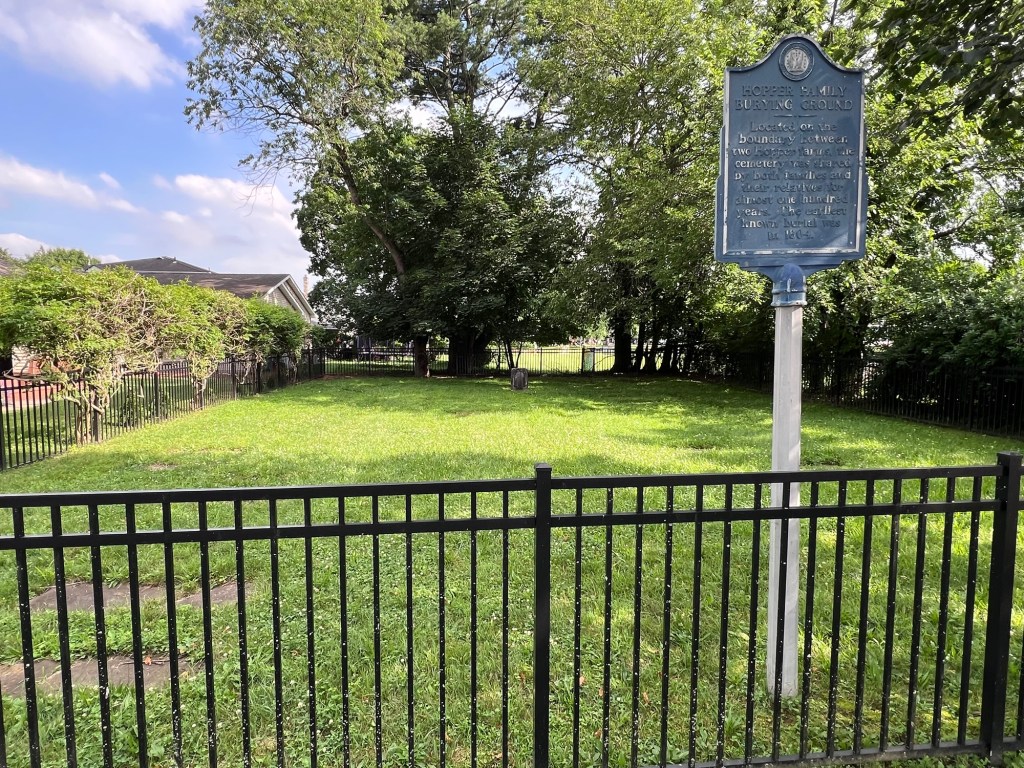
The Hopper family burial ground once sat between two branches of the Hopper family farms and was the resting place for members of both extended families.
The graves date back to before the Revolutionary War to the late 1800’s. It now sits between the suburban neighborhood in Glen Rock, NJ and one of the town’s elementary schools.
The grave of Elizabeth Alyea, the last person to be buried here in 1867
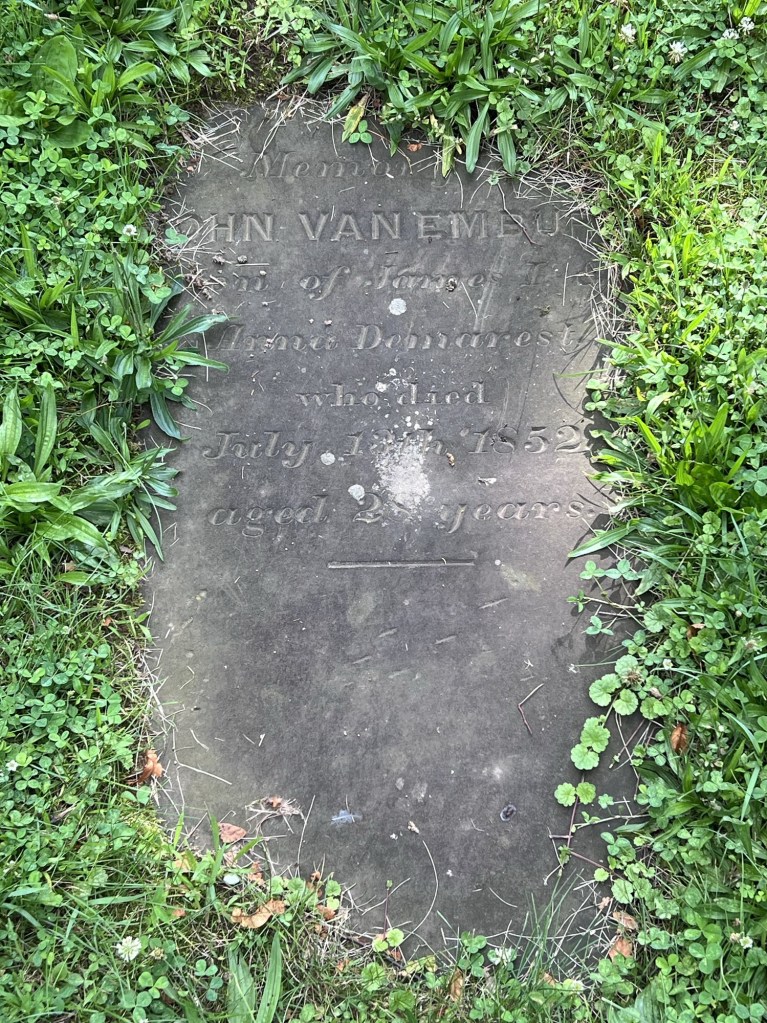
The grave of John Van Embury, whose wife was a member of the Demarest family.
The grave of Jess Demarest mostly is covered
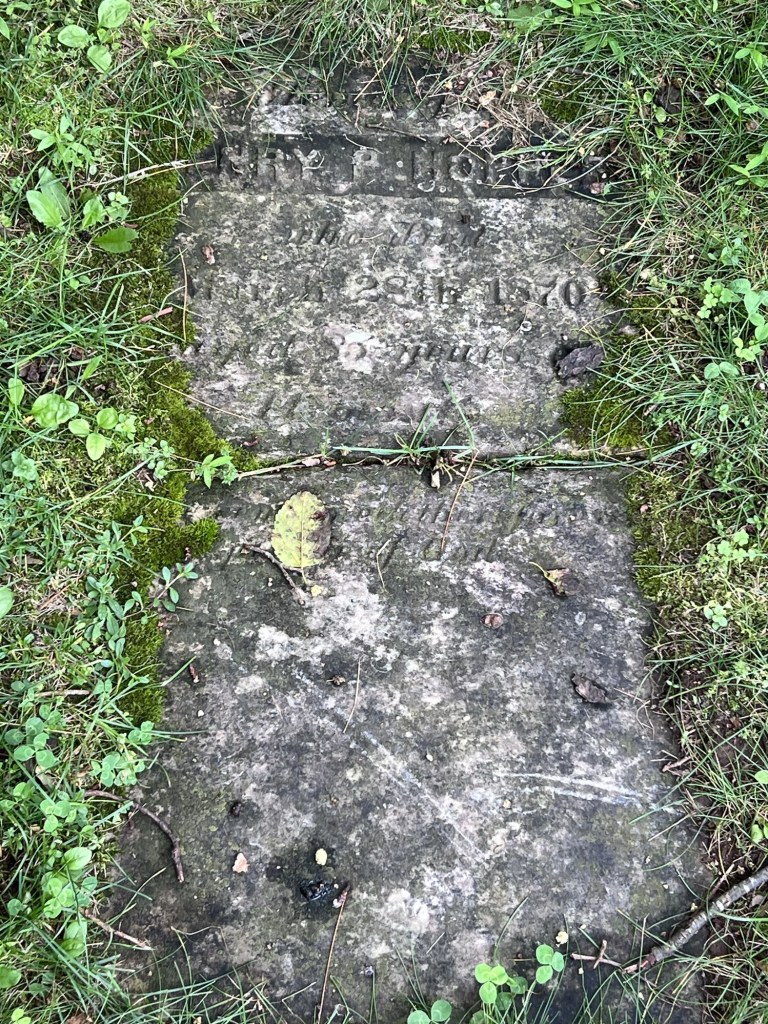
These graves of the Hopper family were covered by grass.
The grave of John Hopper
Raham Hopper and his wife, Maria Goetschius graves
Except for the last person to be buried here in 1876, all the tombstones were laid flat. Most have been overgrown by weeds and grass.
No one has been maintaining this cemetery or edging the tombstones so the cemetery is hard to study. Most of the graves were grown over or in bad shape.
The cemetery needs some work and a little TLC but still a reminder of the important part of our Country’s history.
In my live classes, I open my consulting company, “Bergecco-Parc Consulting Inc.”, for business and the whole class bands together and we have one big project. In the era of post-COVID and online learning, I was lucky that I was able to teach one of the live classes on the Bergen Community College, Paramus Campus. It was such a pleasure welcoming students back to campus with live lectures and conversing with them.
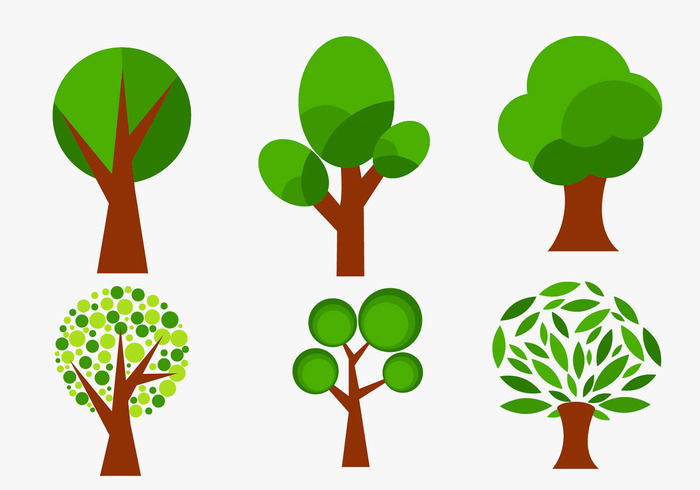
The Bergecco-Parc Consulting Inc. corporate logo of the six trees
In the past, I have created these projects under the Bergecco-Parc Consulting Inc. banner, the main consulting company, the Orion Malls banner, a Mall design company and the Buscomonzefi.com banner, my Tech Division. Each business does its best to be creative, forward thinking and have a thought producing presentations. I also challenge the students to top on another in their presentations and build on what they have seen others do in the past.
Professor Justin Watrel, CEO & Co-Founder of Bergecco-Parc Consulting Inc.
To continue the tradition of marketing small Bergen County towns for foreign and domestic tourism, I had been eyeing Glen Rock, NJ as the next town to promote. A small upper middle class town in the northern part of Bergen County, Glen Rock is rich in history. Known for the famous “Rock” just off the southern part of the downtown that the town is named for and a small but vibrant downtown and a small historical museum that was in need of some social media attention, I thought this was the best town to choose this time around.
I spent a couple of days exploring the downtown to get some inspiration and ate lunch in a local pizzeria that I was not thrilled with. I made some adjustments to the project when I looked at the town’s Facebook page to see what types of activities that they hold. I saw that they needed more detailed events at all the holidays, a stronger downtown presence and a new town logo. This is when these projects become fun. You want to show a town its potential for tourism in the future both domestic and foreign. There was so much to show off in the town of Glen Rock, NJ.
The Project “I’m Glad I’m in Glen Rock, NJ: Be a Tourist in your own Town”:
These projects take about six to seven weeks to pull together. I had seen my class roster several weeks earlier and I knew most of the students who were in my class had taken my Introduction to Business class so I knew where to plug in most of this semester’s executives of the company.
The “I’m Glad I’m in Glen Rock” Team on our tour of the Town of Glen Rock, NJ for our project with the Honorable Councilwoman Jill Orlich.
Glen Rock does not the historic downtown that Paterson, Rutherford or Westwood have but they do have a wonderful museum with the “Museum at the Station”, their small historical society at the Glen Rock Train Station and of course “The Rock”, a famous Lenape tribe marker located south of the downtown. There was a lot of history in the town and many places that tourists would like to visit.
I built on some of the ideas that I had used in the Rutherford and Westwood projects, creating new Christmas, Halloween and Summer events based on what we did for the other towns. I knew there were some problems with the Tree Lighting ceremony in town so we created the “Snowflake Festival” with Mr. and Mrs. Snowflake as the ‘grand marshals’ of the event as opposed to Santa Claus.
For Halloween, we created the “Pumpkin Festival” with the theme around the movie “The Nightmare Before Christmas”, which was a series of tents with all sorts of activities from face painting, pumpkin decorating and watching the film that evening.
For the Summer, I saw that Glen Rock does a lot for their Senior residents. This is not the “Big Band” era group but the “Disco Era” group of seniors so I wanted to create something special for them as well. So I created a “Seniors and the 70’s” event where bands that played 1970’s music would be featured for a full month in their bandstand in Veteran’s Park.
For our Historical Team, they were tasked with creating a Lenape tribe event in honor of the long history with the town’s origins, a historical tour of the town starting in the downtown area and creating an ad campaign and commercial to promote the “Museum at the Station”. It is such a great museum so why weren’t people visiting it? Plus the group’s each had to come up with a series of new logos for the town.
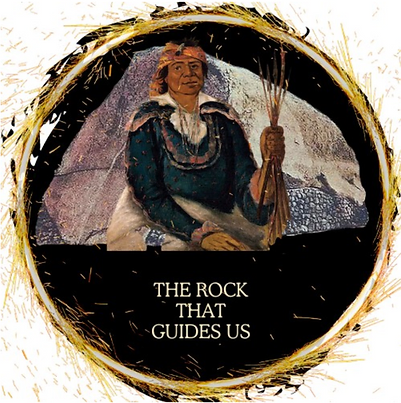
The new Lenape Indian logo by the Historical Team
It was an ambitious group of events.
I knew the students were up for the challenge. Still it was a challenge for me to get some of the students to buy into the concept. Every semester it is the same thing. Eighty percent of the students buy into the group project and then there are the few who do nothing. I could see that this semester as well.
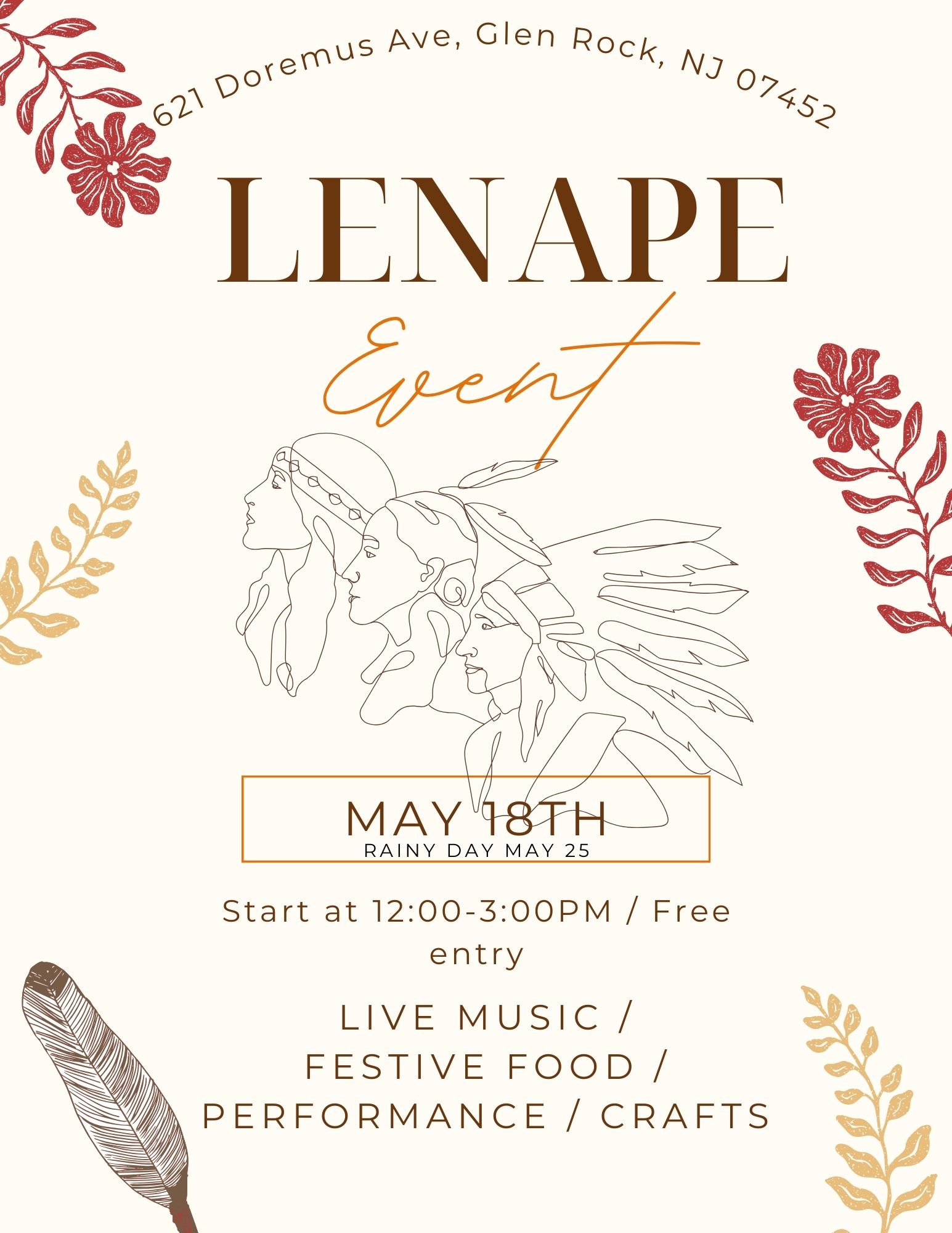
The Lenape Event created by The Historical Team
We started the project myself introducing the project to the students four weeks into the course and explaining the project and how I wanted to approach it. Since a third of the class had taken my course in Introduction to Business, they had all worked on similar projects in the past and understood what was expected of them.
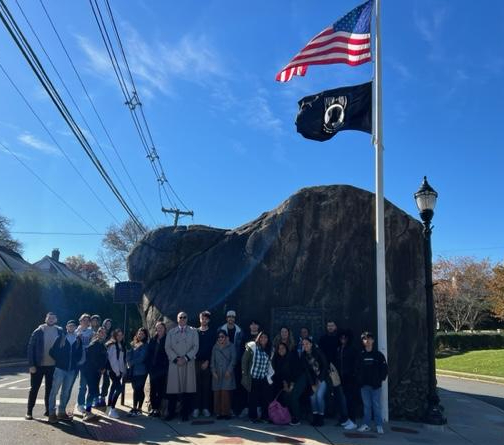
Our fifth week into class, I took the students on a walking tour and lunch in Glen Rock, NJ’s downtown and parks so that they would know what the town was all about and its attributes. On a sunny but really cold day, we met at “The Rock” to start the tour of downtown. We started with the history of “The Rock” and the part it played in Lenape life. We were joined on the tour by the Honorable Councilwoman Jill Orlich.
Myself with my student consultants in Veteran’s Park in Glen Rock, NJ where most of the proposed special events would take place.
We then moved on to the Museum at the Station which was closed for the day. I had taken the students here Halloween weekend on the only Sunday afternoon that they were open and gave them extra credit for coming. We filled the museum to capacity for the entire afternoon and the students were able to see what the history of the town was about. We just took pictures and noted parking for the events that would be planned here.
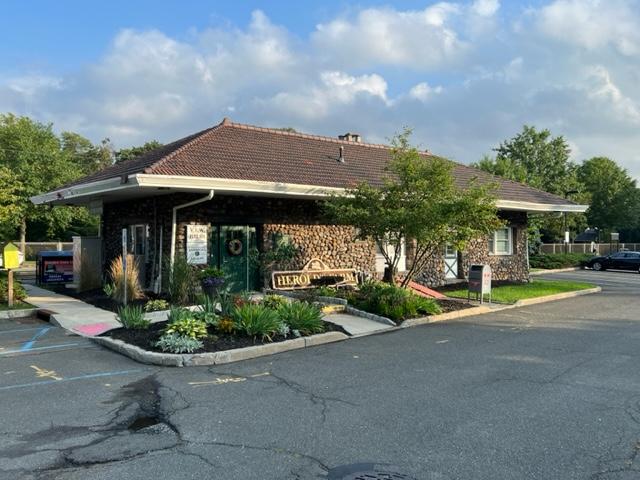
The Museum by the Station-The Glen Rock Historical Society at
We then did a loop of the Downtown, stopping in stores and visiting parks and the train stations to see how people from the community commute to jobs in Newark, Jersey City and New York City. This is also how outside tourism can be attained and people can commute into the town to attend anyone of the festivities.
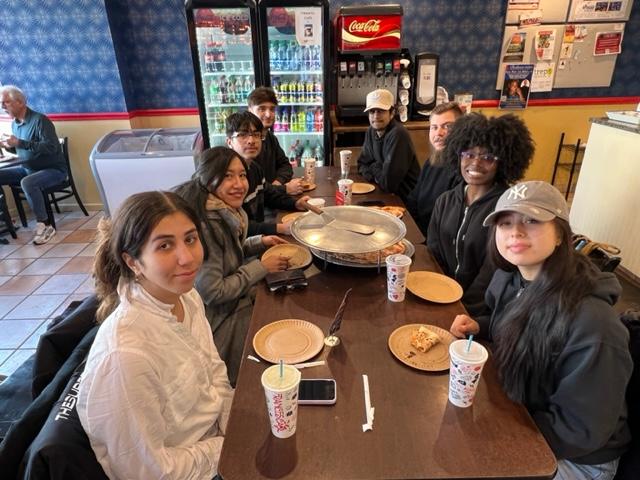
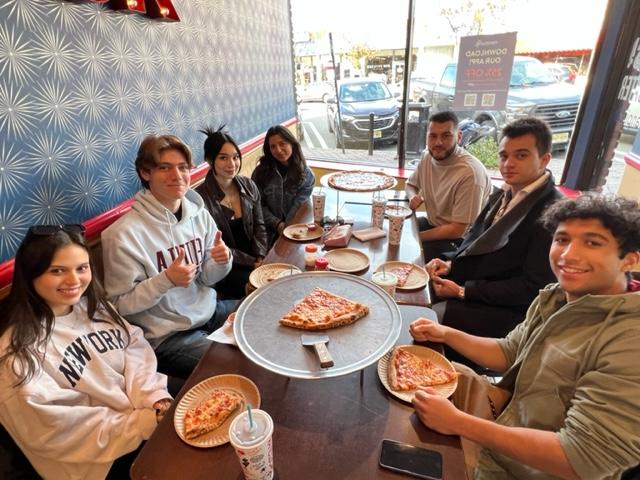
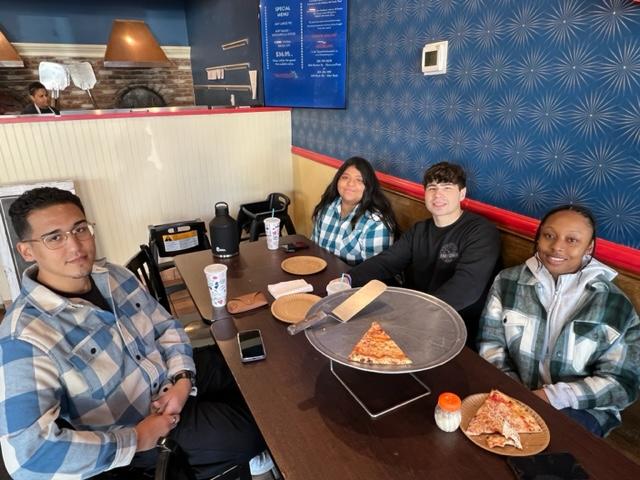
We ended the tour with a Team lunch at Francesca’s Brick Oven Pizza and Pasta at 234 Rock Road in Downtown Glen Rock. The food and the service were excellent. It gave the student consultants as chance to ‘break bread’ and get to know one another better. This is a good Team building exercise plus a chance to experience their first business lunch with a company.
The Marketing Team Dining with each other at Francesca’s.
The Talent Team dining together at Francesca’s.
By our last Board Meeting, I thought we were ready and on December 6th, we made the formal presentation to the ladies at the Museum by the Station and a few invited guests. Being an afternoon class, I could not force people to change their schedule’s but it would have been nice to see more people at the Presentation.
The Presentation went by well and it was handled very professionally but we had some problems in the Marketing Division on what should have been included and what should not. They gave a whole presentation on the attributes of Marketing and that was not what was asked of them. I later found out they were doing project at the last minute and that did not thrill me. I could see this in the slides, menus and concepts. Still they created some memorable commercials promoting the town and the new Town Song. The logos they created for Glen Rock were excellent. All of this was changed and reorganized when we went to present the project to the Mayor and Council at Glen Rock City Hall on December 19th.
The newly created town logo for Glen Rock, NJ.
The Marketing Team proposals:
The Marketing Commercial:
The Glen Rock Town Song:
Welcome to Glen Rock commercial (the old commercial):
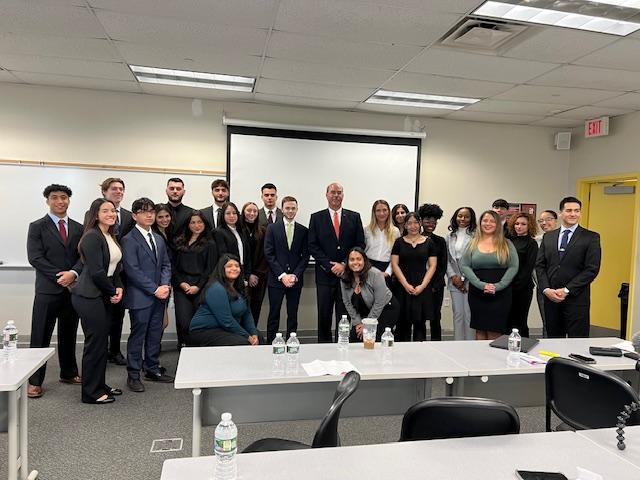
The Presentation of “I’m Glad I’m in Glen Rock, NJ-Be a Tourist in your own Town” in the classroom on December 6th, 2023. The Presentation went by very well and I was really impressed with the way the students handled themselves:
The PowerPoint presentation of “I’m Glad I’m in Glen Rock, NJ:
After the Presentation was over, I hosted a light reception for the students, our invited guests and family members. The ladies from the Museum by the Station/Glen Rock Historical Society had a lot of nice praise for the project and some interesting questions.
On December 19th, 2023 at the request of the Mayor, we presented a revamped version of the project with new ideas from the Marketing Team along with the selection of bands that would be used for the “Seniors and the 70’s” series of concerts. By the end of the Presentation, I could see that the Mayor and Councilwoman who showed up for the evening. They had a lot of intriguing questions from the stance of budgeting and attainment of volunteers and how to run the events.
The Presentation in Glen Rock City Hall in Glen Rock, NJ:
Part One:
Part Two:
Part Three:
This was filmed at Glen Rock City Hall in Glen Rock, NJ.
I treated the project as a real proposal and informed the Mayor and Council that Bergecco-Parc Consulting Inc. would try to obtain things like Corporate sponsorship for the big events and that we could work with the local colleges and the high school for volunteerism to help out to help defer costs.
We were also joined that evening by many parents of the student consultants who could not attend the first Presentation due to work commitments. It was a nice evening out for everyone and productive in giving the town some fresh ideas with an international prospective (at no cost to them) to tourists visiting the town.
Trust me, I was just as blown away by the project as the Mayor and Council were that evening, I would not have believed a group of students put all of this together but they did.
I really was “Glad I was in Glen Rock, NJ”.
The Bergecco-Parc Consulting Inc.-Glen Rock Team Corporate picture on December 6th, 2023.
The website for the Glen Rock Team of Bergecco-Parc Consulting Inc.:
As part of Quiz Four for the class, I have the students create a Corporate Holiday Party for the Glen Rock Division for Corporate New Brunswick. Here are their ideas:
The Northwest Bergen History Coalition 6th Annual History Day Theme: ‘Spreading the News: Rail, Mail & the Press in Days Gone By’
Special Exhibitions at each Museum
Come discover how we communicated when letter were left at the local inn, when postcards were our ‘twitter feed’ and the operator listened to all our calls on the party line. See how mail was delivered by train and what our local newspapers were like in 1900.
I took a day out of touring in the city to tour my own county, Bergen County, New Jersey is rich in Revolutionary, Civil and WWI &II history yet we still have a big link to our Colonial past in each town in Bergen County.
The unfortunate part of this tour is that it only covers a small portion of the county and it was hard to get to all of the sites in one day and really see them once a docent took over. I just didn’t want to leave the sites quickly because each tour was special in its own way.
I got off to a late start and got lost in Ridgewood because the Map Quest was not very good in describing the location of the first site on the west side of Route 17 South on the Ridgewood side of the highway. From there it just got easier.
My first stop was at the Schoolhouse Museum at 650 East Glen Avenue in Ridgewood, NJ (see my reviews on TripAdvisor and VisitingaMuseum.com). This quirky little school house sits at the edge of a vast cemetery next to Route 17 South in Ridgewood.
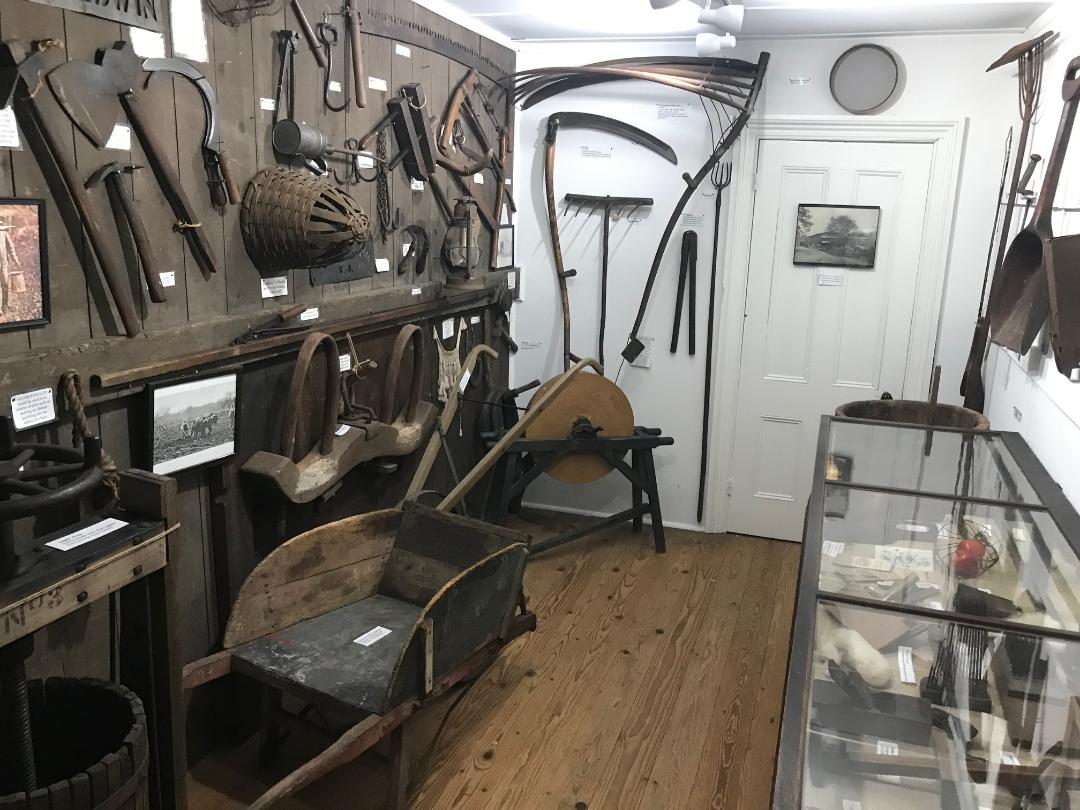
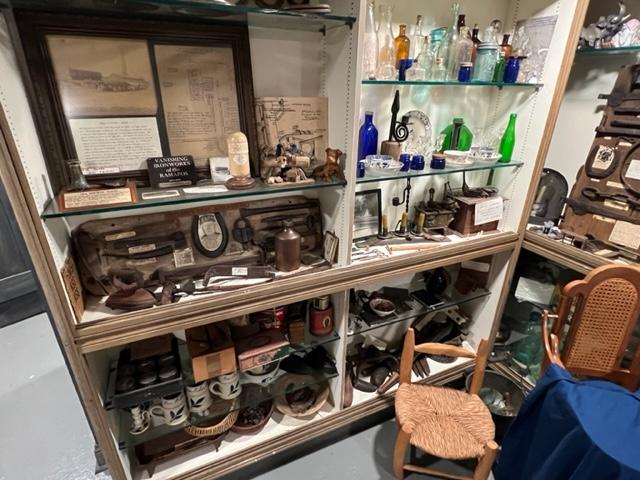
The School House Museum, built in 1872, is maintained by the Ridgewood Historical Society. This year’s exhibit is ‘Farm to Home: Exploring Our Agrarian Roots with Artifacts from the 18th and 19th Centuries’. Objects on display include early Dutch artifacts, farm tools, home furnishings, quilts, coverlets, pottery and tin ware. During the Spring, there will also be a special small exhibit featuring letters and writing tools as well as newspapers communicating important events. For History Day only, a letter from George Washington will be on display. The current exhibition is called ‘Farm & Home: Exploring our Agrarian Roots with Artifacts from the 18th & 19th centuries’. The museum is open from 1:00pm-3:00pm on Thursdays and Saturdays and 2:00pm-4:00pm on Sundays.
Schoolhouse Museum at 650 East Glen Avenue in Ridgewood, NJ
I bought my pass here to start the tour and a nice donation of $10.00 let me into all the sites on the tour. Since I was the first one to the museum, I got a personal tour by Dot, a retired teacher from Ridgewood who taught in Hasbrouck Heights. It’s a small world.
The Schoolhouse Museum is a step back into Bergen County’s rural past with many interesting displays from the Lenape Indians who first lived in the area and taught the Dutch how to farm and fish to early Colonial clothing and its purpose when working. The displays were beautifully presented and well noted by their cards. The section on cooking utensils and their changes over time with modernization was interesting. How to bake on an open hearth versus a modern cast iron grill is the difference from a rotary phone to a smartphone.
Farm equipment in the collection
The fact that many of these items came from people’s basements and private dwellings was the most interesting part. That people kept these heirlooms for so long and then gave them up when they moved and donated them to the museum really tells the story of Ridgewood’s farming past.
The museum’s antique toy collection
We had good conversation for over an hour and the ladies volunteering that day invited me back in the future and then provided me with chocolate bites and bottled water, which I thought was a nice touch.
My next stop on the tour was The Hermitage located at 335 North Franklin Turnpike in Ho Ho Kus, New Jersey (see my review on TripAdvisor and VisitingaMuseum.com). The old homestead sits on a rather large parcel in the middle of a residential and commercial area that shows how time has progressed on in this town.
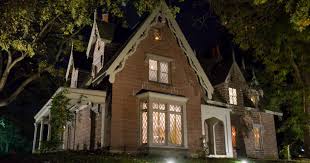
The Hermitage at 335 North Franklin Turnpike in Ho Ho Kus, NJ at Halloween
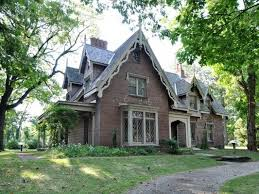
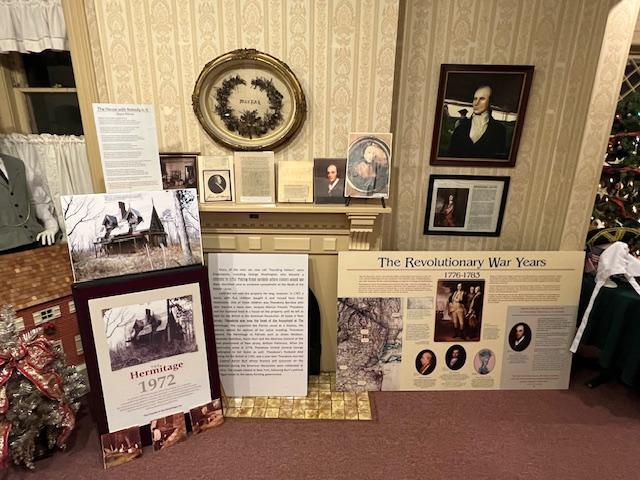
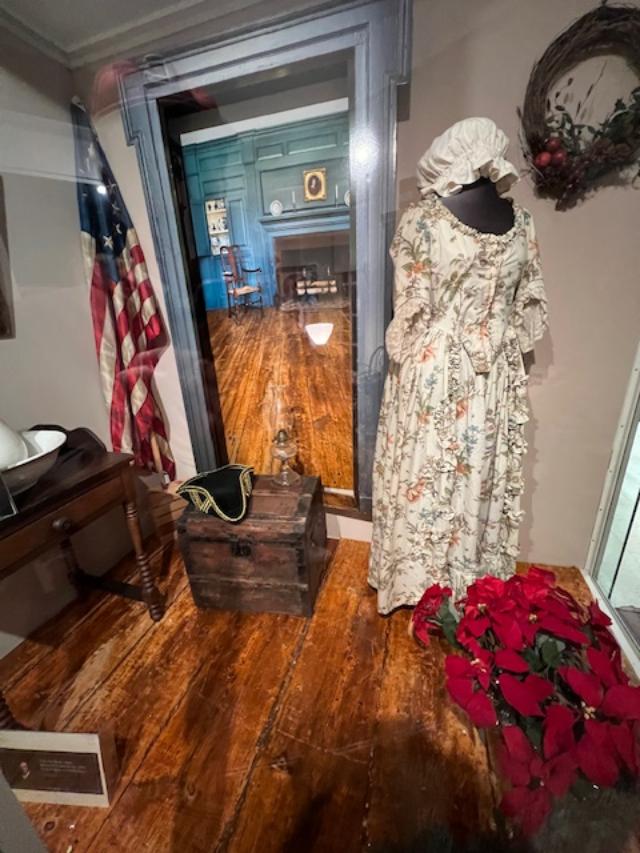
The Hermitage, a National Historic Landmark and house museum, incorporates an 18th century stone house that was visited during the Revolutionary War by General George Washington. It was also the site of the marriage of Aaron Burr and Theodosia Prevost. Its picturesque Gothic Design dates to the 1847-48 Gothic Revival renovation by architect William Ranlett for Elijah Rosencrantz. The house was willed to the State of New Jersey by his granddaughter Mary Elizabeth in 1970 and is furnished as it appeared in the 1890’s. A special exhibition in the 1888 summer kitchen honors the legacy of Bergen County historian, Claire K. Tholl. Her maps, books and drawings are on display.
The Hermitage in the Summer months
Bumping your head on some of these tours is easy as parts of the homes visited were built when people must have been smaller. When you start the tour of the Hermitage, you enter through the kitchen which was built in the late 1700’s and it is small. The rest of the house was built before the Civil War with high ceilings and a more Victorian flair. The rest of the house had been modernized in the 1920’s.
The Revolutionary War display in the house
The later history was hardly the glory days of when Aaron Burr married there. The last of the Rosencrantz descendants had gone broke after the Crash and their source of income which was a tearoom to traveling tourists from New York City when the Franklin Turnpike was a major thoroughfare, had dried up as fewer cars were traveling through the area. It had gotten to the point where the family was living in the back room of the house and the rest of the house was shut down. The house is still in need of a lot of repairs so donations are accepted by the foundation. It is an unique house with an interesting history so take the time and tour the house in detail.
Revolutionary War display at The Hermitage
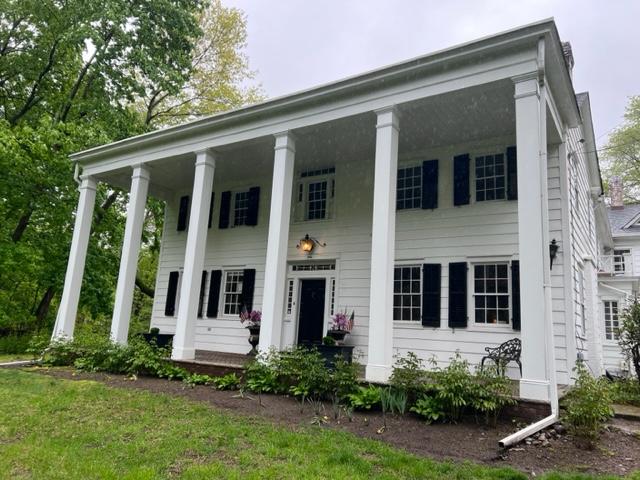
The next home on the tour was The John Fell House at 475 Franklin Turnpike in Allendale, New Jersey (see my review on TripAdvisor and VisitingaMuseum.com). The house was vacated by the former owner and was scheduled to be knocked down for townhouses. The community rallied together and saved the house from the wrecking ball. Now the house is being renovated room by room to its former glory.
The John Fell House at 475 Franklin Turnpike in Allendale, NJ
The historic John Fell House is named in recognition of Founding Father, John Fell, a revolutionary war patriot, who purchased the property circa 1766. The house was also home to Colonel Joseph Warner Allen, a Civil War hero for whom Allendale is named.
This 22 room Colonial Revival mansion was home to a Founding Father, a Civil War Colonel and a Sunday School that led to the first church in Allendale. The stately house is set on a hill on 2.8 acres near the center of town. The property also includes a late 19th Century Barn, exceptional wetlands and a stand of old-growth.
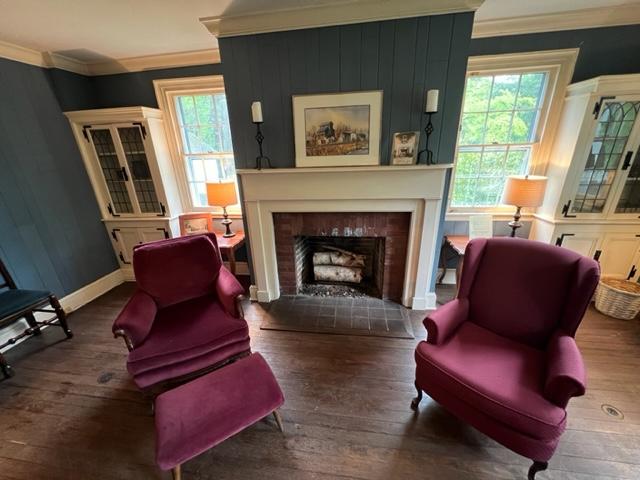
The Fell House Living Room
The history is very unique. John Fell led the local resistance movement against the British. He was arrested at the house by 25 armed Loyalist and imprisoned in New York City, where he kept a secret diary documenting the British Army’s horrific treatment of American prisoners of war. Located across the street from the house is the Celery Farm Natural Area, 107 acres of wetlands and woods originally known as “Wolf Swamp” and later “Fell’s Meadows”, which was originally part of the Fell estate.
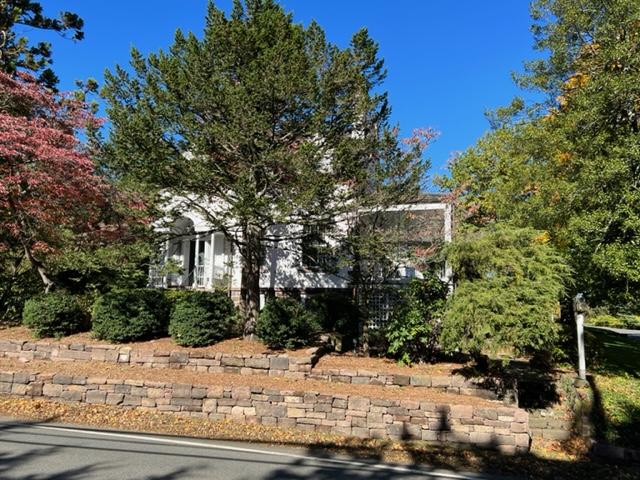
The original section of the John Fell House
The home, which was built circa 1760 and originally called Peterfield, has had several subsequent owners, including John H. Thompson, John G. Ackerman, the Stephen Cable family and the Joseph B. Taylor family, who enlarged it in the Colonial Revival style in the early 1900’s. Colonel Joseph Warner Allen for whom Allendale is named, stayed at the house while he surveyed the route for the Paterson-Ramapo Railroad. He was a key New Jersey figure at the beginning of the Civil War. The house is listed on the National Register of Historic Places.
Exhibits will include recreations of early 18th and 19th century broadsides, early local 20th century newspapers featuring historic military news, copies of historic letters, photos and railroad news. Jim Wright gave a brief talk and a slide show on “Revolutionary Communications: Getting the Word Out in John Fell’s Day.”
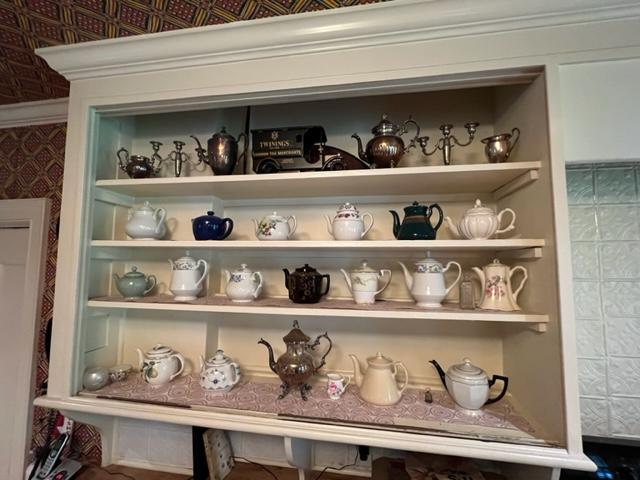
The Teapot Collection in the Kitchen
The Fell House is owned and operated by the Concerned Citizens of Allendale, a 501(c) 3 nonprofit group, which saved the house looked mostly modern to me as it had just been lived in by a family before the sale. The exterior of the house needs lots of work saved the property from being bulldozed to make way for a controversial townhouse development. The house is home to a tearoom, community events, school events, nature programs and an annual holiday open house.
The organization has also developed several history programs that inform the public and students about the history of the John Fell House, including reenactments of his arrest at the house. During every open house, docents inform visitors of the timeline of the house and its important role in American history. Historic preservationists have studied the house and produced a Preservation Plan that document the history of the home, barn and landscape while suggesting how to best restore, preserve and maintain the house and property. As a member of the Northwest Bergen History Coalition, the organization works with eight other historical sites to encourage both children and adults to learn about the region’s amazing history. (The Historic John Fell House Pamphlet)
The house tour was very interesting and the docents lead some of us to the outside grounds to show some of us some new discoveries such as an old well that was discovered. The only problem with the tour was that house was modernized for current times as it was a private home until just recently and needs more period furniture and decorations to it. While the outside looks historical on the outside, the interior is quite modern. The Fell House has a rich history but is a work in progress. It is still worth the trip just to see the grounds and hear about its rich history.
The next site on the tour was The Waldwick Signal Tower at 1 Bohnert Place, which had just finished a renovation (see my review on TripAdvisor and VisitingaMuseum.com). The tower sits in a rather obscure place by the railroad tracks up the tracks from the station. You have to make several twists and turns to get to the tower.
Waldwick Signal Tower at 1 Bohnert Place in Waldwick, NJ
Built in 1890 by the New York Lake Erie and Western Railroad, the Waldwick Signal Tower was the key to the movement of railroad traffic within the newly created yard facility. Eventually it also handled 4 tracks of heavy m service on the Erie’s route between New York and Chicago. Manned 24 hours a day, seven days a week for over 50 years, it was also the hub for maintenance of the signal systems between Ridgewood, NJ and Suffern, NY. The tower museum is dedicated to the railroad workers of the area and educates visitors about the variety of jobs and operations of the Waldwick Facility. Check http://www.allaboardwaldwick.org for a schedule of events. (Historical pamphlet)
The train sign inside the Signal Tower
Waldwick’s Train Signal tower is both historically and architecturally significant. It is a rare historical treasure for its residents and railroad enthusiasts from far and wide. Before the turn of 20th Century, the Waldwick rail yard was an active repair depot and turn station for the Erie Main Line from Jersey City, NJ to Port Jervis, NY and was a major employer in Waldwick thus contributing to the bough’s residential and commercial growth.
The ornate Queen Anne style building was built in 1890 and housed the mechanism connecting switches and signals allowing trains to safely move from one track to another. The tower men who operated the switches by hand had a great power indeed in their time. By the mid 1980’s upgrades in computerized signal equipment warranted the elimination of the tower.
The lighting display at the Signal Tower
The tower was slated for demolition in June 1987. The Waldwick Historical Society members led by Kay Williams campaigned to place the tower on The National Registry of Historical Places. This accomplishment allowed the tower to at least stay dormant till the next wave of enthusiasts came along in 1999. Michael Brunkhorst and Glen Corbett banded together a group of citizens to form the All Aboard committee of Waldwick’s Historical Society. Curtis Springstead of Wanaque who is the great-great grandson of the renowned locomotive engineer Harvey Springstead, got wind of the tower’s trials. He stepped up to the plate and purchased the tower for $6,000 then gave the Tower to the Borough of Waldwick as a gift to preserve for future generations in honor of the trainman’s family name. The small All Aboard group set out to create awareness of the tower’s existence and it’s plight.
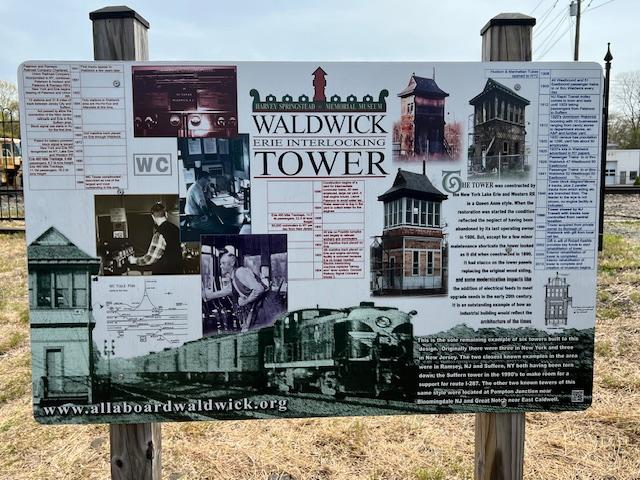
The historical sign of information
Before long, fund drives were organized and grant applications were filed. The response of the number of supporters including Mr. Robert Keeble have given this project a solid start. Meticulous measures are currently being made can now be witnessed at the track end of Bohnert Place, to maintain the tower’s historic authenticity. Attention is being given to the placement of exact shaped decorative shingles and the repair and replacement of the original slate roof are among the initial stage of it’s restoration.
The railroad tracks outside the Signal Tower
Mission Statement: The All Aboard continues seeking membership and financial support to complete the tower with the vision of becoming “The Harvey Springstead Memorial Tower at Waldwick” for generations of Waldwick citizens and for rail enthusiasts everywhere. If funding continues the tower is sure to be the pride of Waldwick with time and care. (All Aboard Pamphlet of the Waldwick Historical Society).
I was the only one at the tower that part of the afternoon. It was a colorfully decorated tower full of pictures and timelines. The docent who was there that afternoon could not believe the number of visitors that the tower was getting that afternoon. I told him if it were not for the tour, I would have never known the tower even existed. The history of the tower and how it played a role in the town of Waldwick. It was considered very innovative at that time. The fact that it was still being used into the 80’s was pretty amazing. Now they want to bring back some of the equipment that was being used at the time that is just sitting in warehouses. It will be an interesting place to revisit once those items are put into place.
I double backed on the tour with only an hour left and I went to the Zabriskie House at 421 Franklin Avenue in Wyckoff, New Jersey (See my review on TripAdvisor and VisitingaMuseum.com). This old home is a combination of historic home and modern day living as it was in the family’s hands until 1973.
Zabriskie House 421 Franklin Turnpike in Wyckoff, NJ
The original stone structure of the house was built by William Van Voor Haze in 1730 on a 550 acre of tract of land and is believed to be the oldest house in Wyckoff. Prior to 1806, a small parcel of land was purchased from William’s son and heir, Albert, to build the Wyckoff Reformed Church. In 1824, Albert completed a major addition to the house in the classically Dutch Colonial style and the original section of the home became the dining room.
The entrance to the house
The house was purchased by Uriah Quackenbush in 1867 and was willed to his granddaughter, Grace Quackenbush Zabriskie, the wife of the late County Judge John B. Zabriskie. In 1964, Mrs. Zabriskie, the last resident owner, donated the pond and the surrounding acreage to the township of Wyckoff. Upon her death in 1973, she bequeathed the house and the antique furnishings to the town. Throughout its history, the Zabriskie House has been used, at different times, as a village store, a candy store, a tavern, a hotel and a ballroom.
The kitchen in the original section of the house
Under the guidance of the house’s Trustees, the Zabriskie House is continuing restoration for future generations to enjoy. The Trustees have recently overseen extensive work on the porch and stairs, re-oiling of the roof, stone step repairs and limited gutter installation. Children can try colonial toys and all can guess the at the ‘What It’ table.
The Zabriskie House gardens
This was one of the quickest tours I went on as the house was closing down for the day and I was in the kitchen looking at one of the docent’s daughter’s wedding pictures. I excused myself and walked through out the house. It had been left the way it had when Mrs. Zabriskie was still living there. There were many antiques mixed in with the modern furniture. Nothing remains of the original owners but the docents told me that a clock was still in the house from the Quackenbush family. Most everything left in the house was owned by Mrs. Zabriskie.
The grounds outside the house
The docents described all the rooms to me and how the house was added on through the years. Watch your head as some of the places have low ceilings. The kitchen really gives you an idea of how old the home really is in comparison to the rest of the house. It was a nice mix of the old and the new. At the end of the tour, the members of their Friends group had the nicest selection of homemade treats and lemonade. It was nice to talk to members and what goals they have for the house. It looks over the pond in the park next door and is a picturesque view.
The house gardens outside the home
I had just enough time to visit my last house, the Van Allen House at 3 Franklin Avenue (corner of Route 202 & Franklin Avenue) in Oakland, New Jersey. Most of the volunteers were leaving for the day but let me still walk around as many of them were talking around a table. The house is falling apart and the grounds are over-grown.
Van Allen House at 3 Franklin Avenue in Oakland, NJ
The Van Allen House was host to George Washington and troops on July 14, 1777 and helped get word to his field officers by allowing him to compose documents there which were dispatched by carriers along the Ramapo Valley trail, now Route 202. In 1915-1919 owners of the Van Allen House and builders of the Stream House adjacent were the publishers and editors of the Sussex Register of Newton, NJ. Edward Page often published trade and economic articles in the NY Times, inspiring his son Allen to take over the Sussex Register until Allen’s death in 1917, passing on ownership to the father Edward until he died 12/26/1918. The Sussex Register joined the NJ Herald in 1928. (Tour Pamphlet)
Van Allen House artifacts
I was able to tour the Van Allen House and grounds on my own. Most of the docents were relaxing after a long day. I walked up and around the house and there was not much to see as the house needed a serious renovation. The new roof had just been put on the house but there still were leeks in it. The grounds were loaded with weeds and was in need of a good landscaper. The one thing the house had going for it was their gift shop. They had the most interesting sewn dolls that one of the members makes and they had a beautiful selection of Christmas ornaments.
Van Allen House artifacts
One the Van Allen house goes through some form of restoration, it will really be a jewel on the tour as it sits on a nice piece of land that was part of the original estate.
Overall it was a nice tour of the historical sites and gave me a real insight to old Bergen County when it was still called Franklin Township that was formed in 1771. The population was small. The families who lived here all knew one another , worshipped together and intermarried. It showed the important role that Bergen County played in the American Revolution. If you are able to take time out to visit these sites, you will be pleasantly surprised on what you will learn. I did not realize how much history was right in the neighborhood. (Tour Pamphlet)
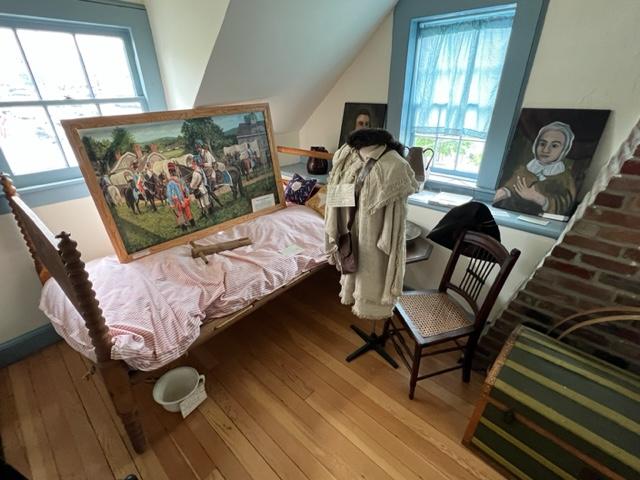
Van Allen House bedroom
Don’t miss this amazing tour of Historical sites in Northern Bergen Country each May.
Places to Visit:
The Schoolhouse Museum-Ridgewood Historical Society