Open: The museum is seasonable and open for special events. Please check out their website for more information. Open for the Sussex County Heritage weekend event.
I visited the Old Sparta Train Station Museum as part of the Sussex Heritage Weekend and it was a fascinating trip back in time to when these rural communities started getting connected to the cities after the Civil War.
The museum was at the beginning stages of development with displays being created in the rail system in Sussex County and train artifacts that were mounted on display. There was a model train set chugging along a train route.
The side view of the station
The plaque dedicated to the train station
The water tower outside the train station on the station’s grounds
The grounds where the station and the water tower are located are still an active train line.
The inside gallery at the Sparta Train Station Museum
The back part of the station’s gallery
Old travel equipment used on the train rails
Though the collection is small for now, the docents explained they will continue to add more to the collection. They were also a wonder book of knowledge on the history of this area of New Jersey.
The history of the museum
The building and the museum have had quite the history. This includes the fire and the rebuilding.
The train displays
The train display
The engine display
The docents were a wonder book of information on the history of the rail system and of the station building itself. The museum is just starting to develop so for now it is quick visit through the museum when it is open and visits back to see how it grows it collections. For now, it was a very interesting visit.
The Hill Memorial was constructed in 1916 by Newton contractor Thomas Farrel in renaissance revival style according to the design of Henry T. Stephens, a Paterson architect. It was built for the society’s use by donations from Joshua Hill, a native of Sussex County and was dedicated on Founder’s Day, June 8, 1917. The building was named in memory of Joshua’s parents, Luther and Abigail (Dildine) Hill, and his uncle, Joseph Price Hill. The building is faced with two shades of tapestry brick furnished by the N.H. Sloan kilns of Pennsylvania. The main entrance is ornamented with a portico and door casings manufactured by the Brick Terra Cotta & Tile Company of Corning, New York. The main architectural feature of the entry hall is the grand staircase of quartered oak.
The Hill Memorial Museum Mission Statement:
(from the museum website)
The purpose of the SCHS is to promote public knowledge and interest in the history of Sussex County, New Jersey, and surrounding areas by:
Compiling, publishing and disseminating information;
Collecting, preserving and studying historical, genealogical and archaeological records, documents, papers and artifacts;
Maintaining a public museum;
Promoting the preservation and protection of buildings, cemeteries and other sites of historic interest and co-operating with other organizations of similar interest.
During the Sussex Heritage Weekend, one of the museums on my bucket list was the Hill Memorial Museum, the home of the Sussex County Historical Society. The museum has very limited hours and I have been wanting to visit since last summer. The museum is worth the wait. What an interesting museum filled with fascinating artifacts found from all corners of Sussex County, NJ. The collections fills two floors that also include a historical room and a research library.
The entrance foyer to the museum is quite grand
The museum home to an extensive collection of artifacts and does an interesting job of displaying these objects case by case. Each case holds a story of businesses, the participation of the community in wars, parks and schools and daily life over the last hundred years. The museum is a treasure trove of information on not just the County but the State of New Jersey as well.
Historic musical instruments on display along the stairs
The Second Floor Galleries of the Hill Memorial Museum:
(from the museum website)
The Victorian display in the upstairs gallery were custom made for jeweler H.D. Couse, and donated by his successor, John Coats Sr., when Coats Jewelry Store moved from the Cochran House to 103 Spring Street in 1950. Here are displayed some of the Society’s collections including the partial skeleton of a Mastodon discovered in 1962 during the dredging of a bog at Camp Auxilium in Hampton Township. New exhibits include “The History of” Farming, Railroads, and Creameries “of Sussex County”. The Civil War display now includes information about 22 Soldiers who rest across the street in the Old Newton Burial Ground.
The second floor is where the larger part of the gallery and displays are located. Each case-line has a different category of artifacts depending on the theme. The main room is used as a meeting space for organization meetings and lectures for the community. The room is surrounding on all sides by cases filled with different objects depending on the subject matter.
The main gallery and meeting room on the second floor
The back of the main gallery behind the meeting space is lined with glass and wood case lines of artifacts from the County of Sussex, NJ
Each case line has a different set of displays:
The first display case was lined with dinosaur bones locally found and the Woolly Mammoth skull and bones found in the County is the highlight of the collection
The Native American and Lenape display of domestic and agriculture artifacts
The 250th Anniversary display
The Sussex County farming and agriculture display
The Sussex County Railroad display
The Dairy industry case
The World War I display and veterans memorabilia
The rail system in Sussex County
The vintage Toy display
It was interesting to look at the vintage toy collection as you wonder today if children in the twenty-first century still have the same imagination as the children in the 19th century. I think creativity comes from within.
The vintage doll
The vintage rocking horse
The World War II display
The history of Photography in Sussex County
Various household and everyday items from elaborate clothes and accessories to household products
The elaborate outfits of the day
The household goods that made the home run
The museum had an elaborate and detailed display of the old Chatterbox Restaurant, that was once a staple in the Newton area that has since been replaced by a Wawa.
As the name indicates, this room on the lower floor focuses on local history. The main feature is a large stone fireplace built by George Sharp in 1921, incorporating stones from Sussex County that are of geological and historical significance. A framed copy of G.M. Hopkins Jr.’s 1860’s map of Sussex County hangs near the oak roll-top desk of Judge Henry T. Kays. Portraits of Luther and Abigail (Dildine) Hill are on display. Other interesting pieces include a safe from the first bank in Newton – The Sussex Bank, founded in 1818; a Wheeler and Wilson sewing machine – once used to sew clothing for Civil War soldiers; and an original wrestling robe from Newton High School during the time of “Henry Boresch –father of NJ Wrestling”. In the center of the room is a display featuring the Cochran House, once located on Spring Street, it was the center of local social, business, and political activities.
The museum really covers the history of Sussex County in detail with wonderful and interesting displays and lots of historical artifacts. It will take you more than one afternoon of visiting the museum to see the whole collection.
Tour of the Museum on video
After the tour of the museum was over, I toured the historic Green in the middle of the downtown. Downtown Newton as the County Seat of Sussex County is coming into its own as the City gentrifies bringing in new restaurants and shops. The Green was in bloom with Fall colors. Lots of restaurants are in the process of opening and their are lots of coffee shops as well.
I really learned a lot about the City of Newton both inside the museum and outside. This is a community that is still writing its own history.
It was not just an interesting museum visit but it was nice to walk the downtown and see how this small city was changing rapidly as new people were moving in and changing the demographics. Newton, NJ is a town in transition.
The last museum on my tour during the Sussex County Heritage Weekend was the Stillwater Historical Society Museum in Stillwater, NJ, a small town just west of Newton, NJ, the County Seat of Sussex NJ.
The Historical Society is set up like a General store on the first floor with displays with merchandise of the past and household items. They have recreated the recreation of the past with a modern twist. How did a small town buy and sell a hundred years ago? How did they socialize when this was the place of communication?
The sign for the museum
The Historical Society of Stillwater Township:
(from the museum pamphlet)
Since its organization in 1977, the mission of the Society has been to foster and promote an interest in Stillwater area history by maintaining a museum and reference library of historic artifacts and genealogical records of area families and support preservation efforts of historic structures sites and events.
Through the generous foresight and planning of Mr. Amos F. Dixon and his wife, Mrs. Mary W. Dixon, the museum associated with the Historical Society of Stillwater Township has been located within the Neighborhood House on Main Street in Stillwater since 1954. Originally a one room schoolhouse from 1842 to 1909 and the home of Mary W. Dixon Library, within the building are interpretive displays of a restored schoolroom and a general store with a post office. A collection of artifacts depicting the early life of the village and surrounding area is on display as well as a costume collection, mineral collection, Native American artifacts and military items dating back to the Revolutionary War. Genealogical records, photographs and newspaper clippings of historic significance to the area and its families are part of the Reference Library.
The first floor gallery of the Stillwater Historical Society is set up like a general store.
The first floor gallery
The History of the Museum:
(from the museum pamphlet)
The museum’s collection has grown and flourished throughout the years thanks to generous donations from the Stillwater community. The Society is always seeking locally-relevant physical artifacts and genealogical information. Dedicated members are working to preserve the artifacts and we are currently computerizing our collections to make the information.
The Preservation of the Museum:
(from the museum pamphlet)
Along with the continued preservation of the Museum and its artifacts, the society has supported the concept of an historic district in Stillwater and recently assisted in the historic registry designation of the Shafer Grist Mill in Stillwater village. The Society & the Casper Shafer residence on Main Street previously assisted with the preservation of Keen’s Mill in the Swartswood Lake area.
The Van Horn family burial plot is also preserved and maintained by the Society. The Society supports all efforts to preserve these and other important historic structures and to make them available for public enjoyment and educational purposes.
To support Stillwater’s community life, the Society hosts educational programs and fund-raising events throughout the year. Past topics have included the evolution of grist mills, herbal remedies used during the 18th Century, Revolutionary War weaponry, the Tocks Island Project and historic cemeteries. Fundraising events range from festivals featuring music, food and games to seasonal bus tours.
The General Store display
The General Store display
The old pot belly stove the center of the General store
The stove of the old General Store
The pot belly stove
Kitchen artifacts
Local artifacts from the Stillwater community
The second floor galleries were broken up into two different sections, Native American and early settler artifacts plus part of the building was once a schoolhouse so the museum also set up a schoolhouse display.
The Lenape Native American display
Native American artifacts
Native American artifacts
This was the old stage of the elementary school now being used to house the Children’s display.
The Children’s Schoolhouse display on the old second floor stage
The other side of the second floor galleries houses clothes, accessories and household goods. The clothing was beautifully displayed.
The second part of the second floor galleries
The back part of the second galleries
It really was an interesting little museum with wonderful artifacts nicely displayed throughout the museum. The museum did a nice job with this.
The Morning clothing display
Day and Evening dresses
Hats and gloves and other accessories
Military outfits and some formal clothing
Farming equipment
Farming equipment
Shoes and sewing items from the turn of the last century
Stillwater Township is located in Sussex County, eights miles west of Newton. Its encompasses an area of 28 square miles. Three small villages: Stillwater, Middleville and Swartswood, together with residents now residing in what was only a few years ago a farming community, compete its population of approximately 4,500.
After my tour of the Stillwater Historical Society Museum, I took a walk in the rural downtown of Stillwater, NJ. I felt like I was in a quaint New England village and not twenty miles from Manhattan.
The original farmhouse decorated for the Halloween holidays
The ghost on their porch
The picturesque farmland
The farm stand in front of the house (on the honor system)
The plant and pumpkin stand on the farm (also on the honor system)
The also had a arranged flower stand with colorful Fall flowers
The back of the old Shafer farm in the Fall
The town was so beautiful and picturesque and it was so much fun just walking around looking at the foliage. It was also a nice way to end my tour on the Sussex County Heritage Tour for the afternoon. I could not believe I was still in New Jersey.
I was recently traveling around the Newfield, NJ area, where a small museum dedicated to Matchbox cars was located. I had enjoyed playing with them and collected them when I was little and it sounded fascinating to have a whole museum dedicated to them.
They were not open that day but arranged to visit the museum when I was in the area on my next trip. A few weeks later I arranged a private tour of the museum and got a very interested and detailed tour of the collection, the history of Matchbox cars and the owner of the collection and his collection.
The museum sign at the front of the museum
The rows and rows of cars and trucks
The museum houses one of the most extensive and complete collections of Matchbox cars from not just the collectibles but cars that were part of their promotions in Happy meals and in boxes of Kellogg cereal.
The rows and rows of the collection
The collection also extended out to toys from the company that manufactured the cars from Universal Toys to Tyco Toys to the current owner, Mattel (Wiki.com).
The first car created as part of this vast collection
The collection contained some of the original die cast cars from the first set that were created.
All the cars are so neatly organized
We went row by row and room by room and I was fascinated by the detail and extensive knowledge the docent had on the collection and the history of Matchbox cars. This is a great museum to take kids on just for the sheer collection and for toy collectors who are interesting in Matchbox items.
Our Story, Our Passion
(From the museum website)
The concept of Matchbox Road Museum was formed out of a life-long interest in miniature automotive perfection. The personal collection turned into a well-renowned museum of the preservation of the rare, discontinued and historically important die-cast models. Every item in our assortment symbolizes the art, nostalgia, and cultural impact of the small cars over time.
The inside of the Galley
We think such miniature cars are not just collectibles but narrators of innovations, design and childhood fantasy. By means of professional conservation, careful exhibitions and devotion to authenticity, we give our visitors and collectors an experience that is informative and inspirational.
The Matchbox cars in Happy Meals
The cars available in cereal boxes
The models of Queen Elizabeth II coronation carriages that helped start the company
We have a very easy mission to fulfill, which is to secure the legacy, celebrate the history and make sure these small cars keep on telling big stories in the coming decades.
The Legacy of Matchbox Cars
(From the museum website)
Since its inception in the year 1953, Matchbox cars have changed the way we view toys as well as the toy industry.
They were not only iconic in size but storytelling. Real-world vehicles. Authentic detail. The palm of your hand Dreams at affordable prices.
These small masterpieces attracted the minds of millions of people during decades. Nowadays, they are not just toys, but a part of history, art of engineering, and culture.
We celebrate that tradition at Matchbox Road Museum.
Video on the tour
The museum also has an extensive collection of toys and playthings on display.
Walking around the extensive collections of cars
About the Founder
(From the museum website)
Every great collection begins with a single spark.
A childhood obsession turned into a lifetime goal – retain the heritage of miniature car perfection to the generations to come. The creator of Matchbox Road Museum devoted several decades to the collection of rare, discontinued, and historically important models.
This museum is not constructed using shelves of cars.
It is built on passion. Dedication. Obsession with detail.
And now that heritage open to you is there.
The museum is open for private tours that can be arranged in advance. The tour will take about an hour and you will see a lot. I was taken in by the sheer collection and the walls filled with rows and rows of cars. I really is a fascinating museum.
It is the week of Halloween in New York City and the Museum of Modern Art opened its door for a Members get together.
The MoMA was haunted on a pre-Halloween Night and members of the museum were looking for a fright!
On October 28th, the Museum of Modern Art held their annual Members Night with a Halloween theme “It’s Alive”. They asked members to dress up and carried the Halloween theme throughout the museum with entertainment, refreshments and art lectures on spooky looking art. It was a fun evening out on a warm October night.
The Costumed guests at the Museum of Modern Art
The guests were greeted at the museum with a DJ playing and a pumpkin carving display being created. On the second floor, there were arts and crafts for adults and children, while a spooky silent film played in a darkened hall. The theme of the evening was “It’s Alive” and the museum came to life with each member arriving.
Members mingling among the ghosts and ghouls and things that go bump in the night
The sign welcoming us for the Members Evening “It’s Alive”
Many of the museums were having their Members Nights before the start of the holidays but nothing beats a night at the MoMA before Halloween night. This was no ordinary night of Trick role Treating at the museum. There was a costumed DJ spinning tunes as we entered and the whole lobby was filled with people in costume.
The lobby was the heart of the party
I love the art in the lobby
There was a pumpkin carving demonstration on the first floor when we walked in
The museum planned an array of activities to enjoy from the DJ spinning to the to the dancing and music on the first floor. Pumpkin carving and artwork to enjoy with our creative side to a spooky silent film to watch and then tour the haunted halls of the museum looking for sinister art. Movies and music on the patio as the sun set and the moon rose in the night sky.
Our directory of the evening
My first stop was the outside patio and it was just beautiful this evening with the weather warm at 65 degrees and such a pleasant night to be outside. The cool weather finally gave way to a warm week leading into Halloween. Surrealist movies were playing on the screen while the Beauty of Midtown lights gleaned in the background.
The patio was busy with people chatting and enjoying the nice weather
My video on the patio
The patio fountains were lit for the evening
I then made my way to the second floor to watch a silent horror film, ‘The Cat and the Canary’
The beginning of the film
The movie in full
The silent film “The Cat and the Canary”
Watching the silent film
The silent film “The Cat and the Canary”
While we were watching the film, the tables were set with play dough and paper to create what inspired us. I created my version of Mr. Bill. It was fun being a kid again!
The table setting our spooky instructions
The spooky instructions
My version of Mr. Bill doing the scream
My creative artwork
After my time with the arts and crafts , I sat down to watch the full film which had lots of twists and turns on it.
I needed a drink after the film was over and with it being Midterms week at work, I really needed one to relax me. I eyed the Blood Orange Margarita and watch it get mixed. They even put a small gummy eye at the bottom of the drink.
The Blood Orange Margarita sounded good after a long week of running around
The margarita looked cute but not for $17.00. I thought it was a bit small with too much ice. The candy eyeball was cute though.
As I was enjoying my drink and listening to the music, the museum laid out trays of Halloween candy like M & M’s and Tootsie rolls, which got devoured quickly. As I walked around the lobby, the main floor turning into a dance floor of witches and ghosts and many costumed characters.
The make shift dance floor on the first floor
The party continued on the first floor
I continued the evening walking the galleries of the Fifth Floor looking for Halloween art. There were talks and tours all night and I joined other members on the Fifth Floor and I found many ‘haunting’ objects in the halls of the MoMA.
Artwork on the Fifth Floor
The spider like Alexander Calder piece
The colorful surreal pieces of the Fifth Floor
A missing mysterious magician
A headless Spector rooming the halls
Colorful art dominating the Fifth floor
The party continued into the later evening with the dance floor going strong.
The costumed characters on the dance floor on the first floor
I took a break from the festivities and relaxed on the patio enjoying the warm night and admiring the lights of Midtown. With everything going on in the world today, the MoMA tricked us in for a real treat at the museum that night.
Relaxing in the patio at the end of the evening
The haunted pools of the patio relaxed me that evening.
All good things come to an end and the museum started to close down by 9:00pm. I could tell many of the party goers did not want to leave but out into the darkness we went only to be treated by the array of lights to Midtown Manhattan.
Looking at the MoMA from a distance down Seventh Avenue
Decorating for Halloween has become a big business and all signs of the Fall were around us. Unfortunately with Halloween on Saturday I was already seeing the signs of Christmas lurking in the background. Designers were putting up pine displays and decorations you could see just waiting for Halloween night to end. Still for tonight, Midtown was a haunting display.
Pumpkins lining an office building on Sixth Avenue
The Fall leaves are falling along the sides of West 55th Street
Looking down 8th Avenue at night
It was fun to walk around the City on this warm October night and enjoy the pre-Halloween festivities. Trick or Treat everyone!
Open: Sunday Closed/Monday-Thursday 11:00am-7:00pm/Friday 11:00am-2:00pm/Saturday Closed-Based on when the campus is open during the school year.
My review on TripAdvisor:
Primo Pizza on the Bergen Community College Paramus Campus
I teach on the Bergen Community College campus in Paramus, NJ and one of our on campus restaurants, run by American Dining Creations, our on campus vendor, is Primo Pizza on the first floor of our main building.
The pizzeria is extremely popular with our students. The pizza dough was created at the pizzeria and is now being used in all the other outlets run by the company. This has led to a better pizza being made at the pizzeria. The students have rediscovered it and now the lines are getting longer for both lunch and dinner.
The Primo Pizza logo
The afternoon pizza selection at Primo Pizza
The menu is made up with popular menu items with not just the students but the faculty as well. Many of the combos are reasonably priced in comparison to pizzerias in the area and you can do a lot of mixing and matching. This keeps both the students and faculty on campus for dining. The food is delicious.
The reasonable prices
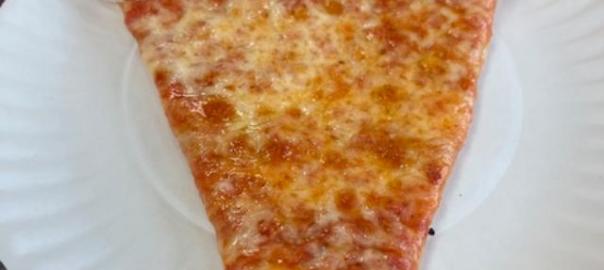
You can order a specialty slice as you would a Cheese pizza as part of the one slice and a soda special which makes a nice meal. The slices are over-sized and one piece of pizza is more than enough for lunch.
The selection of pizza such as Chicken Chili Thai pizza and the Barbecue Bacon Chicken pizza
The Chicken Bacon Ranch Pizza and Soda special
I chose the Chicken Bacon Ranch slice, which is an over-sized and makes a nice meal. One slice is more than enough.
A slice of the Chicken Bacon Ranch pizza
The pizza here is so good
The pizzeria has a wonderful selection of creative pizzas that they offer as specials every week. Each of the pizza slices are delicious with wonderful spices and generous toppings. The slice is a meal onto itself.
The Penne Pasta Pizza
The Pizza Margarita with fresh tomatoes
The Meatlovers pizza
The pizzeria also has entree items like Chicken Fingers with French Fries, Chicken Parmesan sandwiches and their wonderful calzones that can be shared by two people.
The Cheese Calzone as one of the afternoon specials
It is a great place to dine at between classes or after the day is done. It is a reason to dine on campus and to make a trip here when visiting Bergen Community College when in Paramus, NJ.
My Introduction to Business Projects: “Breakfast at Primo Pizzeria” for my Spring 2026 classes:
In the Spring semester of 2026, I partnered with American Dining Creations with a simulated student project to create a much needed Breakfast program for the campus entitled, “Breakfast at Primo Pizzeria”. These are the three projects my students created in partnership with American Dining Creations:
The Clayton Historical Museum is the perfect example of a community recording and preserving its past and showing the direction of its future through historical timeline of this town. From its place in glass manufacturing the the cheer of its high school, the museum displays the community pride of Clayton, NJ.
It shows how small towns all over New Jersey can preserve their past while still being part of the community at large. Each of the rooms in the museum displays a part of the community and its progression through time.
The first small gallery is dedicated to the uniformed forces that help protect this small community, the majority of the second gallery is dedicated to the glassworks business that once dominated the area and the back gallery displays its community with schools, the business district and the continuation of the glassworks.
The docents and volunteers give you the freedom to walk around but time is limited because the museum is only open for two hours a month plus special events happening in the town.
The History of the Museum:
(From the Museum website)
Clayton Historic Preservation collects personal papers, local business and organization records, photographs, early maps, genealogies, church histories, family Bibles, historic books, newspapers, artifacts and so much more.
The Veteran’s Exhibition in the middle of the museum
Our museum’s archives showcases the heritage and culture of Clayton, allowing visitors to explore and appreciate the town’s fascinating journey. Clayton Historic Museum is a guardian of the borough’s rich heritage, offering visitors a journey through its exhibits and displays (Clayton Historical Society pamphlet).
The entrance hall to the museum
The church artifacts in the first entrance gallery
The Clayton Historic Museum fosters a sense of pride and appreciation for Clayton’s past by preserving artifacts, documenting stories and engaging the community. CHP invites residents and visitors to explore, learn and connect with the borough’s history.
As a testament to the borough’s commitment to preserving its unique identity, CHP is creating an enduring legacy for future generations(Clayton Historical Society pamphlet).
The front gallery dedicated to the town’s First Responders:
The front gallery of Clayton Fire and EMS displays
The Clayton Police and Fire Department displays
The Clayton Police display
The middle gallery is dedicated to the glassworks businesses:
The middle gallery
The glass making industry was a majority of the work force at the turn of the last century and shows New Jersey’s craftsmanship over the years.
The glass milk bottles showing the areas both dairy and glass bottle industries of the past
The back gallery contained a lot of Clayton’s manufacturing and retail history
The glassworks history in the community run deep
The Clayton Glass Works factory at the turn of the last century
Decorative glass was one of its specialties
Creative glass works are part of the extensive collection at the museum
The everyday decorative items were made right here in New Jersey
The main part of the gallery discusses and displays how important the glass industry was to the community and the creativity of the artisans.
The display of the glass blowers chair and the time and effort once part of this craft
The glass blowers chair on display
The museum’s exhibits offer an overview of Clayton’s history, covering various aspects such as industry, agriculture, transportation and daily life.
Collections from The local Clayton High School
The Clayton, NJ local business district businesses
Through an assortment of photgraphs and documents, visitors can explore the Borough’s development.
The beautiful decorative glass on display
The Clayton High School display showing small town pride
The progression of the telephone
The antique Victrola got its start in the Edison labs here in New Jersey
The exhibits provide a deeper understanding of Clayton’s past, fostering an appreciation for the borough’s heritage.
A clipping from the Salem Oak in Salem, NJ is in the yard behind the museum
The Mission Statement of the Museum:
(From the Museum website)
• Acquire and preserve documents, records and relics of the Borough of Clayton, Gloucester County and the State of New Jersey
• Encourage the protection and preservation of the historical landmarks and points of interest
Furnish historical information and documentation to the Borough
• Partner with Clayton Special Events and neighboring Preservation Associations to exchange and display historical related information, documents and artifacts
The middle gallery of the museum’s extensive glassworks collection
Remember that the museum is only open from 11:00am-1:00pm the third Saturday of the month so plan your trip to museum accordingly.
Located on 14 acres along the Black River, the Gristmill is the only restored water-powered mill in New Jersey and is listed on the State and National Registers of Historic Places. It’s a living example of the state’s transition from an agricultural to an industrial economy. Costumed staff lead guided tours of the mill, running restored machinery to harness the power of the Black River to grind grains, using two sets of massive 2,000-pound mills
The Nathan Cooper Gristmill
The sign welcoming you to the site
I spent an afternoon walking the grounds of the Nathan Cooper Gristmill after a trip to Hacklebarney Park and was able to tour the outside of the mill and the pathways around the property.
The historic sign welcoming you to the site
The front of the mill building
The front of the old mill had been decorated for the “250th Anniversary” of the nation and the grounds were really beautiful. The mill lined the Black River in the back of it and the lawns were filled with lush trees. The mill was not open for the day but you could walk around the grounds.
The Washington Turnpike historic sign
The front grounds and the water pump
The water pump marker in the front of the building
The water pumps at the front of the mills were closed off at this point but must have been used as a water source for the people working there at the time.
The stairway to the back of the mill
The pump by the front of the stairs
The back of the building is where the water wheel is located by the Black River water source. When I took the tour later the next month, the tour guide showed me how it worked. The mill is still a functioning mill and they still do produce flour for sale but on a limited basis.
The waterwheel that moved all the equipment inside
The Waterwheel and the water source to power it
The waterwheel
The history of the Water Wheel:
The Fitz water wheel was made in 1927 for a mill in Pennsylvania that burned down before it could be installed. It was then purchased for a mill in Pottersville, NJ in 1935 and powered until 1955. In 1974, the wheel was donated to the Morris County Park Commission and moved to the Cooper Gristmill (Cooper Gristmill pamphlet).
The video of the waterwheel working:
The historic sign on the waterwheel and the water source
The pathway to the Black River and the trails
The back trails of the gristmill have the most beautiful views of the river and the steams around the property. At the end of the Summer of 2026, it offers the most amazing views of the grounds. All the trees were still in bloom and the trails take you far back into the park. I just walked to the river stream and looked at the small waterfalls. This was the water source that powered the mill.
The historic sign on the Black River
The grounds and paths along the river are really picturesque but watch the paths when the paths are wet. It can be a muddy experience.
The Black River from the trails
The Black River water source
Video of my walk along the river:
The history of the Cooper Gristmill:
(from the site pamphlet)
A gristmill was apparently built at this site in the early 1700’s by the first Europeans to settle the Chester area. Records show that is was offered for sale in 1761. Later in the 18th century, it was owned by Ellis Howell. The property was purchased by Nathan Cooper in 1825 and then Cooper rebuilt the mill in 1826, since the original structure had been damaged by an earlier fire. This is the mill building that remains standing.
Following the death of Nathan Cooper in 1826, the mill was passed to his nephew, Nathan A. Cooper. The younger Cooper, who became one of Chester’s wealthiest and most important citizens, owned the mill property until his death in 1879.
Mills were built at close intervals. In 1832, the town of Chester reported five sawmills and three gristmills. Surrounding these mills were small settlements that developed followed by good roads so that the farmers could haul their grain to the site. Soon it was followed by a blacksmith shop and a general store. This was the beginning of the town of Milltown, later called “Milldale”.
Once in the forefront of technology and economic progress, village gristmills had become largely obsolete by the end of the 19th century. By then, milling had become a vast factory enterprise and the dynamic railroad system made it possible to ship grain and flour over great distances. No longer the bustling centers of activity, mills like the Cooper Gristmill came to be viewed as relics of a bucolic past.
In modern times and now restored, the mill once again hums with activity. The water wheel has been replaced and some of the mill’s mechanical equipment has been put back into place and now operates. In the place of farmers with wagon loads of grain, busses filled with school children arrive to see the millstones once again grinding flour. Cooper Gristmill and the Village of Milltown are good examples of the many small agricultural and industrial communities that once dotted the landscape of Morris County, NJ.
The back pathway to the front of the site
The first floor:
When I toured the facility a week later when the museum was open, I got a glimpse inside the mill’s past and how it was the economic engine of the area during Colonial times. The inside of the mill was in working shape and was still being used to produce flour when in season.
The first floor of the mill
The inside entrance to the mill on the first floor with the fireplace to the left and the millstones to the right. The stairs led to three floors of the workings of the mills from grinding to bagging and shipping of the flour produced by local wheat.
The inside framework of the mill in the process of milling wheat
The large gears that made these rocks special waterwheel work that harnessed the Black River power source. The river and lake that have been dammed are across the street.
The millstones for the grinding of wheat
The millstones on the first floor of the mill
The millstones used to process flour
The second floor:
The second floor of the mill displays contain the office of the manage of the mill, the flour separating area for the grades of flour and the old bagging area of the flour product for shipping.
The recreation of the manager’s office
The milling and bagging area
The flour processing machine
The flour grade sorting machine is off to the left. The machine would sort the grades of flour based on the weight and bulk.
The machines processing and sorting the milled wheat
Pieces of millstones
Pieces of the millstones used in the production. The pieces would be shipped individually and then assembled when they arrived at the mills because of their sheer weight.
The attic room
The Attic:
The attic was the last part of the tour and where a lot of the inner workings of the mill were located. Just watch your head.
The Visitors Center:
When I finished the inside tour of the mill museum, I returned to the Visitors Center with the tour guide where a small museum on historic Morris County and the county’s rural past and development was displayed.
The small museum inside the Visitors Center
The inside of the museum tells the story of the development of Morris County, NJ
The small gift shop inside the museum
After the tour of the inside of the mill and museum was over, I explored the grounds of the property and admired the foliage. I decided to explore the power source of the mill on the advice of the tour guide who was preparing to close up for the day.
The grounds of the mill building and the beautiful surrounding foliage
The tunnel under the road taking you to the damned river and the lake on the other side of the road.
The video of the walk through the tunnel:
The path underneath the tunnel lead to the lake that was the original and still the power source to the mill. It still makes the water wheel run and is its source of power.
The lake and the waterfall are the source of power for the mill
The Water source of the Cooper Gristmill:
(from the Cooper Gristmill site pamphlet)
Unlike the electric machinery of today. the water powered gristmill drew upon the natural environment for its power. The miller chose a location close to a water course that has a drop in elevation. A dam was built to form a pond that would store the water needed to power the mill even in the dry summer months.
A sturdy building was required to support the water wheel and its associated machinery. The water was brought from the pond in a wooden trough, headrace or flume. The height from which the water would fall when it reached the mill was called the ‘head’. It determined the amount of power that could be generated. A tailrace carried the water away from the wheel and returned it to the stream. The turning shaft of the water wheel transferred its mechanical power into the mill. The gears and belts then transmitted the power throughout the building. The four sets of millstones at the Cooper Gristmill originally required two water wheels to operate.
The mill was often the social center of an agricultural community and the miller was a community leader. The miller lived nearby in order to attend to the constant stream of customers and keep his machinery in good order.
The beautiful foliage on this side of the road
I walked through the pathway and looked into the pond to see the small waterfalls in the distance. The foliage colors on the background of the water was quite spectacular.
The Visitors Center and the mill complex from the other side of the road
It was a very interesting visit to see part of New Jersey’s manufacturing past and how it was still being utilized in the present. The tour guide explained that at certain times of the year, they still mill flour and sell it to the public.
So it is still a working mill in production and you can still see that production in the warmer months. You can also buy the finished product on premise.
Not only is it an interesting tour but the surrounding foliage in the Fall is breathtaking. It really was a fascinating tour of New Jersey’s past.
Take you time and enjoy the paths and trails around the mill building
In the whole time I toured the gristmill did the tour guide say the place was haunted. I never saw or felt anything but according to many videos, the place is haunted.
During the Annual Sussex County Heritage Weekend, one of the first stops I made was to the Franklin Heritage Museum in Downtown Franklin, NJ. The museum was the house in one of the offices of the mining company. The museum was a glimpse into community’s mining past and how it shaped this area of the State of New Jersey.
The museum sign out front
The museum building was the old New Jersey Zinc Company ‘Time Office’. This meant that the miners had to punch into their shift at the mine through this building. The old turnstile is to the right of the building.
History of the Franklin Historical Society:
(From the museum pamphlet)
The Franklin Historical Society was organized and incorporated in September 1996 as a non-profit all volunteer education association. It was founded to preserve the heritage of the Franklin Borough to create awareness of both the County and Borough of Franklin and its rich history of culture and ethnic heritage.
The Historical Society’s Museum is located at 95 Main Street in the historic Franklin Mill complex of the former New Jersey Zinc Company.
The Heritage Museum was opened to the public in April 1997 and its displays include:
Iron and Zinc Mining
Railroads
Franklin’s Churches and Schools
Franklin’s Local History
The sign for the old New Jersey Zinc Company ‘Time Office’ historical sign
The history of the Franklin Mine and its place in New Jersey history
The smaller gallery off to the side of the building concentrates on the history of the NJ Mining industry and the many mining areas in Sussex County.
The room contains all sorts of artifacts related to the industry including both pictures and everyday equipment.
The pictures of all the miners at the company
The Mining Gallery
The Mining Gallery with equipment and artifacts for a day of working in the mines
Artifacts from home and work
This gallery was in transition with the volunteers working on the displays. This side of the museum with be on the local NJ Zinc Mine Company and its history.
The main gallery in the old Main Office space
The main gallery of the museum has a mixture of more mining artifacts and town objects that cover the history of the town.
The ‘250th Anniversary exhibition of the town and its mining past
For the ‘250th Celebration’ of our country, the museum created an interesting display of the formation of the community around the mining industry to its growth today.
The Mining and Equipment display
Community artifacts
Pictures of the police and fire department’s in this small mining community
The museum’s main emphasis is on the development of the mining industry both its early development up until when the mines closed in the 1980’s. The display above is on the early mining tools used by the workers.
The Mineral display
What I found interesting was all the minerals that are on display and the glow in the dark components that make these rocks special. When the lights go out, the true magic begins.
The old turnstile to enter the mining compound before the start of the shift
The back of the museum behind the fencing and the weeds, is the entrance to the old mines. Both the entrance building and entrance to the mine has been closed off for years but you can still see behind the fencing. This is the old turnstile off to the side of the building where the miners entered the complex.
Across the street from the museum is the old Hungarian Reformed Church, which is planned to be renovated.
The sign for the church
The old Hungarian church
Down the road from the downtown area where the museum is located is the Franklin Furnace Park, which is a beautiful picturesque park situated around a lake.
All along the highway facing the park and in the park itself was the most beautiful and colorful foliage. Plan to visit the park after the museum for a colorful and relaxing break.
The foliage around the park in early October
The lake view of the park from the highway
The views from every angle of the park are breathtaking.
The view from inside the park and the footbridge to the island
The view of the park from south of the park
A view of the islands in the park
A view of the islands and the foliage
The islands and the foliage in the beginning part of October
The small center pine island
Traveling back down the road back to Route 23 South to continue my tour of museums
The view of the islands to the north in the lake
The view of the lakes from the south
The view of the foliage from the south
For a small town, Franklin offered such an interesting look at this part of New Jersey’s mining past and its transition from a mining industry to tourism based around the mines. The series of museums and cultural sites offers so much for visitors to see and experience.
A start at the Franklin Heritage Museum offers a glimpse into that past and as the museum keeps developing their exhibits will tell that story to visitors.
On a very sunny and warm Fall day, the Bergen County Firemen’s Home Association met for our October meeting.
The beautiful foliage of Morris County, NJ on the way to the home that morning
There was a lot to discuss with the upcoming Christmas holidays approaching with our popular Christmas party to plan. We discussed the entertainment and the gift chosen by the Home’s Resident Executive Board. We also discussed the membership and staff lunch that has been so popular over the last few years.
The foliage in Mortis County that morning
Our fundraising has been on plan and fire companies all over Bergen County have been so supportive to the organization. Their donations have made a big difference in our efforts to make the residences of the home feel remembered.
We talked about recruiting and membership as our organization needs new members to come on board so that we can keep the traditions of the organization going into the future. We talked about different ways to attract members through Social Media. I had discussed much of this at the recent Caucus Meeting in August in front of the Bergen County delegation.
The home was decorated for the Fall and Halloween activities that were happening this month.
The NJ Firemen’s Home decorated for the Fall holidays
After the meeting, we joined the residents of the home for the afternoon entertainment and refreshments in the main room of the home.
Singer Gigi entertained the crowd that afternoon on a stage decorated for Halloween
We were joined by singer, Gigi, who is a crowd favorite, who sang a mixture of pop, contemporary and country music to the crowd. It was a really great concert.
We had so much fun that afternoon
Gigi entertaining the crowd with the song “Love Train”
Here is Gigi’s business card and information to contact her if you like the video’s:
If you like the songs and concert, here is Gigi Onofrio’s contact information. We have such great afternoon concerts up at the home and the residents love her.
On the break from the Entertainment, the members got up and thanked the residents for their support and that we hoped they and their families had enjoyed the recent barbecues over the Summer. These were so popular with everyone who attended.
The members of the Bergen County Firemen’s Home Association at the October Meeting
Before the Entertainment ended, we took our traditional group picture and thanked everyone again for their support of our organization. It was another productive meeting and we look forward to another wonderful breakfast at the Wyckoff Firehouse for our November meeting.
If you would like to make a donation to our organization, please send it to:
BCFHA
C/O Jeff Parma
277 Harriott Avenue
Harrington Park, NJ 07640
Please make the checks out to the Bergen County Firemen’s Home Association
Our 2026 Meeting Schedule:
All our meetings at the home start at 12:00pm at the NJ State Firemen’s Home in Boonton, NJ:
December 6th (Annual Christmas Party)
A big “Thank you” from The Bergen County Firemen’s Home Association Executive Board 2026