Members of the Greater New York Michigan State University Alumni Association at our Annual Summer Picnic
I joined other alumni from the New York City Chapter of the Michigan State Alumni Association for our “Annual Summer Picnic in the Park” on July 29th, 2023. This was a much more festive and social event than when I met with the alumni association back in February for the memorial service for those students lost in the active shooting on campus. This was a perfect way to share some “Spartan Spirit” and good times ahead. I have to say one thing, not matter what happens being tragedy or success, Spartans stick together.
The interesting rock formation in Central Park before I got to the picnic site.
We really had a good time. I got to know members of our Alumni Executive Board and other long-time members of the alumni association. We all brought our own lunches and cookies, and bottled water were supplied by the alumni association. It was nice to just sit back on the picnic benches and relax and enjoy the breathtaking sunny summer day.
Most of us talked about the upcoming football season and the problems that we had last year. None of us understood how we could go from a Championship season the year before to a losing season last year. It was disheartening to many of us alumni to sit through these games that we should have won.
We also talked about the upcoming basketball season which was on its way as well. I try to attend all the games that are in New York City when I can and that is always fun. This is when you know how extensive our alumni association is in the tri-state area.
I tried to weigh my opinions in while biting into the homemade chicken parmesan sandwich I made for myself. I swear, so many of our alumni know more about the stats for the team and the players than I could ever imagine.
I also got to meet some incoming Spartans from the New York City area and it is nice to see the latest wave of Spartans entering the university. I remember that enthusiasm when I got there back in 1983. I can’t believe that forty years has passed since I entered college for the first time (I am at my fifth college now attending New York University).
I had gotten there a little late so many people had left by that point so the rest of us piled onto three picnic tables and talked the afternoon away on issues Spartan related and also the general status of Manhattan and the rest of New York City for those alumni that lived in the City. On this late summer afternoon, I could see the Great Lawn in the distance and many people sunbathing, reading, playing fresbie or watching the pop-up softball game in the distance.
It was a nice relaxing afternoon, and I would be joining many of these people at Blondies on the Upper West Side in a few weeks for the opening of the football season. It also gave me a chance to explore Central Park on this beautiful sunny day. I am sorry but there is no place like Manhattan on a sunny afternoon.
Go Green! Go White!
The Great Lawn in Central Park that beautiful afternoon. Midtown sits in the background.
The Michigan State University Picnic in 2025:
Finally getting into the park at 2:45pm
I attending the picnic again in 2025 after a very harried morning and then dealing with public transportation. It took me almost two hours to get from my home to the picnic and I live ten miles from the location.
Walking through Central Park to the picnic site
Between the bus into the City and the subway to get to 85th Street and then having to buy lunch two blocks away and then walking back to park took a lot of time. By the time I got my lunch, walked to the picnic area and then sat down to eat when everyone else was done and were conversing with one another. I felt bad that I was starved and wanted to eat first.
The Spartan Chicken Fingers from New Leaf Deli were delicious
After I finally finished my lunch, I got to talking with other members of the Alumni Association. The conversation always rolls into the Men’s Football and Basketball season with some talk on the happenings on campus. I have not been back to East Lansing since 2013 so it has been some time since I have seen the changes on campus.
All of us talking at the picnic
Alumni came from both New York and New Jersey
Our picnic area was in the Pine Brush picnic area
Enjoying dessert with other Alumni
Even though I was only there for an hour, it was nice meeting other Alumni and catching up with people I only see at the games at Blondies, a bar on the Upper West Side. Either the football season only a month away and a new coach, we are all looking for a new beginning again.
One of the members’ dog that afternoon
I still had a nice time and look forward to the upcoming football season. No one knows how to predict it but I think we will do well in the upcoming season.
The City has been coming back to life in the last year and a half. With the exception of some empty storefronts (not as bad as a few months ago), the Theater District has come back to life. Broadway shows are filling up again and restaurants in the area on a Wednesday afternoon and Thursday through Saturday night are busy. It is nice to see life being brought back to this once desolate area of Manhattan. It is hard to believe that this area was written off as ‘dead’ two years ago. Rightfully so with almost all theaters dark, restaurants closed, everything boarded up and a large homeless population moving in.
My other walks in the Theater District:
Walking the Borders of the Theater District/Times Square: Day Two Hundred and Sixty:
Now the crowds are back especially on the weekends and the sidewalks are spilling over with people as the shows let out on Wednesday afternoons and the weekends. I have noticed that during the week the office crowds still have not returned to pre-pandemic levels and that has hurt the area shops and restaurants especially the ones just off the Theater District on Eighth, Ninth and Tenth Avenues. It will be awhile until we see these weekday crowds return.
I always start my tours in Bryant Park just off West 42nd Street
I returned to Central Park South, Midtown East and Hell’s Kitchen to see how they have bounced back since the City reopened two years ago. They are busy but there is a slightly different vibe in the area. Since the local hotels are housing recent immigrants to the City and the City homeless, there has been a different crowd walking the streets during the day. As tourism picks up, I am not too sure how long a lot of these Midtown hotels will be able to keep doing this.
I started my walk on Thursday morning wanting to know how the business crowd was doing. The core of the neighborhood keeps changing in that during the pandemic construction continued in this area and much of the older buildings in the district have been knocked down and glittering towers are replacing them. Along the side streets you can still see the remnants of the old neighborhood but little by little they are being replaced.
The Theater District is one of those landmarked neighborhoods where the theaters play catalyst to all the restaurants and shops around them. On the fringes of the neighborhood, on all sides, from Eighth Avenue to Fifth Avenue are being knocked down and replaced. I have never seen so much building going on. There are even some old stand out buildings that will eventually come down to make way for newer things.
The core of the neighborhood is Times Square which stretches from West 42nd Street to about West 46th Street along Broadway and Seventh Avenues. When people think of New York City especially Manhattan, this is what they think New York is all about. It is one of the busiest areas of Manhattan and the most crowded. When you walk in this area it is wall to wall people. The area has now been turned into a pedestrian plaza and it makes it easier to maneuver around the streets and avenues.
I had to cover Sixth and Seventh Avenues and Broadway from West 42nd to West 54th Street (sharing the border with Central Park South at West 54th Street) and I have found this one of the most active neighborhoods that I have walked in a long time. It is funny because I had to bypass this area when I resumed my walk in June 2020 because everything was shut down. The only people in this district were the police, who were guarding everything and the homeless.
This area of the city was barren. Everything from the theaters to the hotels to the restaurants, anything having anything to do with Broadway was shut tight and boarded up. It was really creepy. No one walked in this area. It was so empty of people if I had started the walk here the police would have really looked at me. Plus, I could not give a fair analysis of the area because everything was closed.
I started the walk at the border of Bryant Park, which was packed with people eating their lunches, reading, playing on the lawn or just relaxing under the trees. I swear this park has changed and keeps changing. It is always so busy and the one thing I have to say is the partnership that runs the park keeps everything in good shape and runs the public bathrooms beautifully. I wish all bathrooms in the public parks ran like this and were that well maintained.
Bryant Park in the summer months
Sixth Avenue, also called “the Avenues of the Americas (No one calls it that from New York City) is a very corporate environment lined with glass box towers, some have been here since the 1960’s and is an open-air museum of corporate art that lines the outside of these buildings. It is also home to Radio City Music Hall and can get very busy on show nights and during the Christmas holidays.
The corner of the neighborhood starts with the Bank of America building that stands guard at Sixth Avenue and West 42nd Street. It is a beautiful building day or night but especially at night when the skyline is lit.
The Bank of America building on West 42nd Street
Bryant Park and the Bank of America Building at night
The Bank of America building replaced what was left of a very shady corner of the old Times Square and was the last part of the reconstruction of Times Square. It is now complete from Bryant Park to the Port Authority and it looks so much nicer. The area around Bryant Park has changed over the last twenty years for the better. Things were a bit more vibrant before 2020 but the outdoor movies and activities have returned to the park along with all the Christmas activities making the vibrant park it was pre-Pandemic.
Even though many of the buildings along the Sixth Avenue corridor lack personality, save Radio City Music Hall which is part of the Rockefeller Complex, the outdoor corporate art is very interesting and original. Most of the buildings on this part of Sixth Avenue have that sleek glass box corporate look to them.
The ‘Corporate Canyon’ of Sixth Avenue at West 44th Street
The one building that does stand out in the neighborhood is Radio City Music Hall.
Radio City Music Hall was completed in 1932 as part of the larger development of Rockefeller Center. It was designed by architect Edward Durell Stone and interior designer Donald Deskey in the Art Deco style, with Samuel Lionel Rothafel, or “Roxy,” a leading expert on movie palaces, as a primary advisor.2 The public areas of the music hall feature murals, sculpture, and other work by prominent artists of the time (NY Preservation Archive Project).
Radio City Music Hall later that evening
These interiors are considered some of the most impressive in the history of modern theater design, with no equal in America in terms of scale or variety of architectural, artistic, and decorative elements. As one of the principal achievements of the Art Deco style and as one of the finest theater designs in the country, the interior of Radio City Music Hall is of unique importance to the history of American architecture (NY Preservation Archive Project).
The Hall opened on December 27, 1932, with a lavish variety show and continued to feature films and stage productions until 1979. At this point plans were made to convert the theater into office space, but a combination of preservation and commercial interests resulted in the protection of Radio City Music Hall and in 1980, after a renovation, it reopened to the public (NY Preservation Archive Project).
Radio City Music Hall exterior
Rockettes Sculpture
The Christmas Spectacular for the 75th Anniversary of the Music Hall featuring the Rockettes
I stopped on the corner of West 52nd Street and Sixth Avenue for lunch at Halal Guys Cart. This is where the empire started. There are now franchise stores of Halal Guys at started in 2015 all from this little cart right across the street from the MoMA. I have been coming here for over twenty years and the food has always been excellent.
The Halal Guys cart under the scaffolding on West 52nd Street and Sixth Avenue
As you can see, I love the food here. It is my ‘go-to’ place on a cool night for a hot meal.
The menu at Halal Guys Cart
The Mixed Combo sandwich with Gyro and Chicken lunch (Yum)
Across the street from the Halal Guys at the corner of Sixth Avenue and West 52nd Street is a very unusual blue stature that caught my attention. This is one of the corporate art works at that line Sixth Avenue and makes quite the statement. This piece is called “Jean Marc” and was created by artist Xavier Veilham.
Jean Marc statue at the corner of Sixth Avenue and West 52nd Street
Sign for artist Xavier Veilhan
Artist Xavier Veilhan was born in France and was educated at the Ecole nationale superieure des arts in Paris and at the Institut des hautes etudes en arts plastiques. He works in photography, sculpture, film, painting and installation art.
On the corner of 65 West 54th Street and Sixth Avenue is the famous Warwick Hotel (which just reopened after Covid months ago). The hotel is one of the oldest in New York City and one of hte many older hotels that dot this neighborhood.
The 36 story hotel was built by William Randolph Hearst in 1926 with the help of architect Emery Roth with the firm of George B. Post & Sons. The outside of the hotel is done with brick, granite and limestone giving it it’s unusual color scheme. Take time to look at the hotel’s detail work and old world charm in the lobby (Wiki).
Across from that is the most unusual sculpture of Seed 54 that is always hid behind a food cart.
Seed 54 by artist Haresh Lalvani
Seed 54 sign of artist Haresh Lalvani
On the corner is the an unusual sculpture that I first noticed when walking past a hot dog vendor on the corner of Sixth Avenue and West 54th Street in front of 1330 Sixth Avenue building. This strange looking piece of artwork resembles an open air egg is by artist Haresh Lalvani. This unusual sculpture can be interpreted many different ways. The only problem is that the hot dog vendor on the corner distracts from even looking at it and I have passed it without even noticing it over the times I have been in the neighborhood.
Mr. Lalvani is a professional artist and Professor at Pratt Institute in Brooklyn. His emphasis in the work is his study of morphology into nature and its affects on art. ‘Seed54′ is part of his HyperSurface’ series. Mr. Lalvani is a graduate of the Pratt Institute of Architecture (Pratt Institute).
Artist Haresh Lalvani in front of one of his “HyperSurface” works
Across the street in front of a rather non-descript building is this silver mesh globe in the heart of their courtyard.
The globe at 1345 Sixth Avenue
The globe sculpture hidden in the courtyard of 1345 Sixth Avenue is an interesting piece of art and unfortunately in all the trips to the neighborhood, I have not been able to find out who the artist is on this impressive work.
On the edge of the neighborhood between the Theater District and Central Park West is the famous New York Hilton.
The New York Hilton Hotel at 1335 Sixth Avenue at West 54th Street
The New York Hilton Hotel is one of the Tallest hotels in the world and the largest hotel in New York City. The hotel was developed by architect William B. Tabler, who built it in sections. The hotel opened to much acclaim in 1963 (Wiki).
The “Hope” sculpture sits on the corner of West 53th and Sixth Avenue
The “Hope” sculpture was placed here in 2014 on ‘International Hope Day’ which also happened to be the artist’s 86th birthday, Robert Indiana. He created the sculpture in 2008 and offers encouragement in the future.
Robert Indiana is an American born artist who studied at the Art Institute of Chicago, the Skowhegan School of Sculpture and Painting in Maine, and the Edinburgh College of Art in Scotland. He was known for his large pop art sculptures.
Heading down Sixth Avenue in front of 1301 Sixth Avenue are two large sculptures of the Venus de Milo in shallow pools in front of the building that make quite the statement. These were created in 1990 by American artist Jim Dine. The statues stand out and make quite the statement.
The Venus de Milo statues at 1301 Sixth Avenue and West 53rd Street
Jim Dine is a contemporary American visual artist who graduated from Ohio University with a BFA. These are three of Jim Dine’s sculptures collectively entitled “Looking Toward The Avenue” installed in 1989 in the small plaza on the east side of Sixth Avenue at west 53rd and 54th Streets in Manhattan. The verdigris bronze statues emerge from a water pool. These sculptures are based on Venus de Milo, a masterpiece from the 2nd century BC (Big Apple Secrets).
The details on the Radio City Music Hall building
Rockefeller Center Building details
Across the street from the Rockefeller Center complex was this unusual apple sculpture that just appeared one day. I though this would make an excellent addition to the artworks that line the avenue but it will only be here for a short period of time.
La Gran Manzana “The Big Apple” is a great project created in homage to the city by international artist Enrique Cabrera in collaboration whit Mitsui Fudosan America Inc., one of the most important real estate developers in the country and the major in Japan one of the core companies Mitsui Group (Artsty.com).
Red Apple Sculpture “La Gran Manzana” by artist Enrique Cabrera
Artist Enrique Cabrera is a Mexican born artist who specializes in sculpture, photography, music and is an art restorer. The work La Gran Manzana is a temporary work through 2023 (Wiki).
Further down Sixth Avenue in front of 1211 Sixth Avenue was another contemporary sculpture that I must have passed several dozen time and never noticed. This sculpture “Annular Eclipse” was created by artist George Rickey.
1211 Sixth Avenue-The sculpture “Annular Eclipse, Sixteen Feet Variation I
Artist George Rickey is an American born artist who graduated with a degree in History from Balliol College at the University Oxford. His love of drawing had him continue his studies at various colleges in Paris. With his love of engineering and mechanics and metal work he started to create his kinetic sculptures (Wiki).
As you walk around Sixth Avenue, take time to admire the views of the buildings and the corporate setting. This is what people from outside the City think all of Manhattan is like. This is what you see in the movies when you think about Midtown Manhattan.
Sixth Avenue at West 47th Street
I revisited Sixth Avenue again in early December before I went to the Amy Grant concert at Carnegie Hall and it had been fully decorated for the Christmas holidays. If you want to see ‘Corporate Christmas’ at its best, it is Sixth Avenue in Manhattan. They may be the same decorations every year but it is so impressive.
Radio City Music Hall at Christmas 2023
Sixth Avenue and West 50th Street
The UBS Building at Christmas time on Sixth Avenue.
1345 Sixth Avenue in all its Christmas glory
1345 Sixth Avenue at Christmas time.
The decorations by 1531 Sixth Avenue surrounding the statues of Venus.
The decorations by 1531 Sixth Avenue.
The New York Hilton had this interesting cab display.
The Christmas ornaments at 1251 Sixth Avenue.
The Christmas display at 1221 Sixth Avenue in all its glory.
It is so amazing at the holidays
The Christmas tree display outside of 1211 Sixth Avenue was so colorful that night.
I even had time to sneak over to Rockefeller Center to see ‘The Tree” and watch the skaters before I ate dinner before the show. I never get tired of going to Rockefeller Center at Christmas and I always know the best times to go where there is smaller crowd.
The Christmas tree at Rockefeller Center is so iconic at the holidays. There is nothing like it anywhere.
Skaters at Rockefeller Center that night.
The Christmas tree is the highlight of this neighborhood during the holidays.
Bryant Park Christmas tree and the Village that surrounds it.
The skaters at Bryant Park at Christmas time.
The skating rink at Bryant Park.
The beauty of Bryant Park at night during Christmas.
Bryant Park at Christmas time is so spectacular. The Chrysler Building is aglow in the background.
The core of the neighborhood like the rest of New York City is very special at the holidays and you need to make a special trip just to go see the decorations here at Christmas.
I got back to Bryant Park in the afternoon and there was a concert going on in the park that was attracting the tourists. I think they were too busy taking pictures and filming the concert to ever really enjoy it.
Getting back to Bryant Park at Sixth Avenue and West 42nd Street
Walking up Broadway from West 42nd Street is what the world thinks New York is all about (not just the City but the entire State of New York). The streets within Times Square are closed off now and it is a pedestrian plaza until West 47th Street and filled with the most unusual characters. People are always hustling here so you have to watch yourself. I am so used to all this.
You have people in costumes trying to take pictures with you dressed as Minnie Mouse and Superhero’s. Run in the other direction if you see them as they will insist on money if you take a picture with them. It can be annoying but still a walk through these two blocks is a real experience. You will see rappers performing, dancers bopping around and actors trying to peddle Broadway shows and Comedy Clubs all over the area. It is really crowded in the summer months and walk fast to get past everyone. Watch your wallets and purses.
Broadway and West 44th Street-Times Square
Walking up Broadway between West 45th and West 46th Street one of the most impressive buildings you will see and one of the key buildings in the gentrification of Times Square if the Marriott Marquis, The Portman Hotel at 1535 Broadway. This impressive hotel was very innovative when it opened in the 1980’s with it’s central elevator and roof top bar. It has some of the most impressive views and its Eighth floor bars have the best views of the Times Square. I stayed here once with a friend of mine on my birthday and the rooms with a view are amazing.
The one thing that is important to know is that the bathrooms at the Marriott Marquis at 1535 Broadway are free and it is a good pit stop before heading further downtown. They are located on the Eighth floor and are clean and very nice. They also have some good restaurants in the hotel like the Broadway Bar (See review on TripAdvisor) to eat at but wait until you head further downtown (I did not visit the bathrooms on the 2020 walk so I am not sure if they are open now).
The hotel was designed by architect John C. Portman and was built originally as a Westin Hotel. The hotel was originally conceived and designed in the 1970’s but the financial crisis of the 1970’s put a stop to it. It was finished in 1985. It is still considered a very innovative design (Wiki).
During the Christmas holiday season, my brother and sister-in-law took me here for dinner after a long day of touring in the City. We ate at the signature Broadway Lounge on the Eight Floor with the most spectacular views of Times Square and I highly recommend eating here when you are in New York City. The food and the service are excellent.
The view from our seats by the windows.
Inside the bar that night for dinner. The place was really busy with post Christmas visitors.
The amazing three cheese Grilled Cheese with fries that I had for dinner.
I also recently got to try the Roast Turkey sandwich
The sandwich was excellent
The delicious and colorful Vanilla Cake for dessert.
Even during the COVID-19 pandemic, Times Square was still pretty busy with out of towners and mostly locals and businesspeople as the City has opened back up again. Costume characters were fighting for customers all over the square and even the “Naked Cowboy” a staple in Times Square was out again. He was still there singing and dancing in 2022.
While in Times Square there are a few more sculptures that I missed on previous walks. The statue of Father Duffy sits erect on “Duffy Square” the northernmost part of the Times Square triangle. This is dedicated to “Father Francis P. Duffy”, a Canadian American priest in the New York Archdiocese and on the faculty of the St. Joseph’s Seminary. He gained fame in World War I as an army chaplain and was noted for his bravery and leadership during the war with the 69th New York.
The Father Duffy Statue in Times Square’s “Father Duffy Square”
The statue was created by artist Charles Keck and was dedicated in 1937. Charles Keck is an American artist who studied at the National Academy of Design and the Art Students League of New York.
Another statue that most people miss is the statue of composer, actor, and theater performer George M. Cohan, one of our great American artists. The artist wrote some of the most famous songs of that era including “Over There”, You’re a Grand Old Flag” and “Give my regards to Broadway”.
The George M. Cohan statue in Times Square
The statue in Times Square of the composer was designed by artist Georg John Lober and was dedicated in 1959 in Father Duffy Square. Artist Georg John Lober was an American sculptor who studied at the Beaux-Arts Institute of Design and the National Academy of Design and was part of the New York Municipal Arts Commission from 1943-1960.
I will be really honest in that the only one who seems to notice these statues are myself and the pigeons. Everyone else in Times Square are too distracted with taking pictures and listening to music to notice them. Still they stand proudly in the heart of Times Square.
As I headed up Broadway, I had to stop in the new Krispie Kreme flagship store at 1601 Broadway. The sites and smells of the fresh doughnuts are amazing. You walk in to the store and get to see the doughnuts being made and then iced and filled. Then you get to buy them and taste them. It always has lines that wrap around especially at lunch time.
The Krispie Kreme Doughnut Flagship store at 1601 Broadway
Inside of Krispie Kreme flagship store making the fresh doughnuts. You get tempted with all the icing being doused on the doughnuts.
The freshly made doughnuts at Krispy Kreme are for sale and are delicious.
On the corner of Broadway and West 49th street is The Harrison Restaurant, once home to the ‘Java Shop’ restaurant where I worked for a little under a year. It is funny to look at this corner and still remember working here and all the things that I learned about the restaurant business. That is ancient history in a career that has taken many twists and turns in the last twenty years but I still do have some good memories of this spot.
The Harrison Brasserie at 1605 Broadway is the location of the old “Java Shop” where I worked from 1999 to early 2000
One building that needs to be noted on the way down to Times Square is the Brill Building at 1619 Broadway. Built in 1931 by builder Abraham E. Lefcourt the building was originally known as the Alan E. Lefcourt Building and got its current name from a haberdasher store front in the building. The building was known to play a major role in the music industry housing music studios and music company offices. Performers such as Carole King and Burt Bacharach had their offices here (Wiki).
The Brille Building at 1619 Broadway has a musical past
Details on the Brille Building are really unique.
Further up the road was another building dedicated to music and entertainment, the Ed Sullivan Theater where the “Tonight Show” is filmed.
The Ed Sullivan Theater is located at 1697-1699 Broadway between West 53rd and West 54th, in Manhattan, New York. The theater is a 13-story brick building that was designed by architect Herbert Krapp and built by Arthur Hammerstein. Arthur Hammerstein named the theater in honor of his father, Oscar Hammerstein I. Hammerstein’s Theater opened its doors on November 30, 1927 with a three-hour musical play called “The Golden Dawn.” (EdSullivan.com).
In 1931, Arthur Hammerstein, who was facing financial troubles, lost ownership of the building. Over the next five years the theater underwent numerous name changes until in 1935, when CBS secured a long-term contract on the building and began using the theater for radio broadcasts. In 1950, with the growing popularity of a new medium, CBS converted the theater into a television studio named CBS-TV Studio 50 (EdSullivan.com).
Ed Sullivan, who had been hosting his variety show “Toast of the Town” out of CBS’s Maxine Elliott Theater, moved into Studio 50 in 1953. The studio went on to become the home of The Ed Sullivan Show for the rest of the variety show’s 23-year run. On December 10, 1967, to mark The Ed Sullivan Show’s 20th year, the studio was named The Ed Sullivan Theater in honor of the great host. Like its namesake, The Ed Sullivan Theater has withstood the test of time and to this day remains the studio’s name (EdSullivan.com).
As I rounded Broadway back to Times Square, I quickly turned around in the crowds and headed up Seventh Avenue which followed the same path as Broadway and passed the busy Hard Rock Café, which was the old Paramount Theater at one time.
The old Paramount Theater is now the Hard Rock Cafe
The Paramount Theatre and adjoining Paramount Building on Times Square were conceived by Adolph Zukor, President of Famous Players-Lasky Corporation, to be a fitting flagship theatre and home of his company, the Publix Theatres Corporation. Located on the site of the old Putnam and Westover Court buildings, the Paramount Building was on the west side of Broadway from 43rd and 44th Streets, behind which was the Paramount Theatre (NYC-Ago).
Designed by the Chicago firm of Rapp & Rapp, the Paramount Building was twenty-nine stories tall and had eight setbacks to comply with zoning regulations. Surmounting its pyramidal top were a large clock and stylized globe that were illuminated at night. The time was indicated with flashes by white lights on the hour and red lights on the quarter hours (NYC-Ago).
The M & M store at 1600 Broadway but it stretches to Seventh Avenue
Positioned in the heart of Broadway, M&M’S Times Square is officially the hottest performance in town! Nothing brings more flavor to Manhattan than our two-story color wall packed with THOUSANDS of your favorite Milk, Peanut and Specialty M&M’S Candies. Melting inside? Our interactive InnerM analyzer will prove that you’re not the only one feeling the excitement (M & M.com).
In 2012, M&M’S New York launched the personalized printer, which will allow guests to create customized M&M’S right in the store. Store visitors can select from a variety of images, as well as create customized messages that will be printed on M&M’S candies in about two minutes. Guests can choose from 15 different colors and one mix blend, as well as select two images and create two customized messages to feature on their personalized M&M’S blend (M & M.com).
Seventh Avenue at West 52nd Street
My best friend works at the New York Sheraton Hotel at 811 Seventh Avenue and the hotel had been serving as a place where all the emergency workers doctors and nurses during the COVID crisis assisting people in the city at that time. It seems like a million years ago.
The famous New York Sheraton at 811 Seventh Avenue is where the chain started.
The hotel was design by architect Morris Lapidus who designed the hotel for the Tisch family and the Lowes Corporation. The hotel opened in 1962 at the Americana of New York. The hotel was sold to Sheraton in 1979 and was fully run Sheraton by 1990. In 2013, the hotel changed its name to the present one of the Sheraton New York Times Square Hotel (Wiki).
On the corner of West 53rd Street and Seventh Avenue is this very unusual sculpture by artist Jim Rennert “WTF” that gives a perfect example of what happens to people who are not used to the Manhattan grind. I thought it was pretty clever. His sculptures dot Manhattan with conversation over the common man.
Jim Rennet statue “WTF” outside the Shake Shack at West 53rd and Broadway
Jim Rennert is an American born artist known for his large bronze sculptures depicting the everyday man. Mostly self-taught, his works are seen all over the country and really do make a statement.
Seventh Avenue at 43rd Street
I finished the walk of the Avenue of the Theater District at Seventh Avenue and West 42nd Street and looked back to see this view at Seventh Avenue around West 43rd Street. The sites and sounds and the excitement of Times Square and of the Theater District is what makes Manhattan Manhattan. This is what the City is all about.
Bryant Park in the Winter of 2023. Who says Times Square is boring?
I took a different direction from my walk having finished the Flatiron District (finally!). I had just started Graduate School as I was finishing the Flatiron District and had not completed the blog when classes started. Who knew it was going to be that crazy of a semester. I had not worked that hard since Wines & Menus when I was at the Culinary Institute of America.
I bypassed the whole Theater District after the COVID vaccine mandate was lifted in June of 2020 because between the riots that took place after the George Floyd incident and all the theaters being closed because of COVID (they would not open again until 2021) I skipped this section of the Manhattan. I went to Murray Hill and worked my way down to 23rd Street. The whole Theater District was loaded with police anyway guarding the theaters and the areas in between. There was literally no one walking around this neighborhood and I would have stood out. The theaters and restaurants were boarded up and homeless all over the place.
So I’m back and it makes it really easy since I just get right out of Port Authority and here I am. The Theater District has changed tremendously in the last thirty years and has gotten much better. All of 42nd Street and its seediness has pretty much gone away (but the element still lingers) and some of the most innovative new buildings have replaced all that. It made for an interesting walk before I had to meet my friend, Maricel, for her delayed birthday dinner at Virgil’s, a barbecue restaurant on West 44th Street.
Leaving the subway at 42nd Street the walls are filled with partying patrons
More partying patrons in the 42nd Street subway station before you get into the Theater/Times Square district
So I started on the corner of Eighth Avenue and West 42nd Street and made my way up Eighth Avenue to the northern border of the Theater District at West 54th Street. Talk about a combination of architectural structures and designs.
One of the most interesting buildings in the Times Square area is the Westin New York at Times Square at 270 West 43rd Street which stretches from West 42nd to West 43rd along Eighth Avenue. This hotel is considered one of the most innovative designed buildings in New York City when it was built.
Westin New York at Times Square at 270 West 43rd Street
The hotel was so innovative at the time when it was built and was considered a key in the redevelopment of the West 42nd Street district. The hotel was commissioned by the architectural firm of Arquitectonica to design the building. The 863 room hotel is actually two towers merged together with a ten story midsection for retail and hotel suites. The large scale abstract design has the look of a multi-dimensional gigantic origami (Arquitectonica website). The building was designed by HKS architects and was finished in 2002.
Further up Eight Avenue is the well-known Row NYC Hotel at 700 Eighth Avenue. This hotel opened in 1928 as the Hotel Lincoln and was the largest hotel in Manhattan when it opened with 1331 rooms. In 1957, the hotel was sold and remodeled and open again as The Hotel Manhattan. It was closed in the 1960’s as the rest of the area declined. It reopened again as the Milford Plaza Hotel in 1978 and was a big theater going hotel. In 2013, the hotel was sold once again and went through another renovation and opened as the currently Row NYC Hotel (Wiki).
As I made my way up Eighth Avenue that borders the Theater District, I passed the now reopened Smith’s Bar, which has been a fixture in Times Square for over sixty years opening in 1954. The bar had been sold to new owners in 2009 and then closed in 2014 to reopen a year later.
This bar has seen Times Square go through a major transition over the years and was once located in one of the worst areas during the 1990’s. It has since reopened and has been very popular going into “March Madness” with college basketball in full swing.
Located between 728 and 732 Eighth Avenue are three hold out businesses to a major construction project. It still houses Daniela at 728 Eighth Avenue, an Italian restaurant, a gift shop at 730 Eighth Avenue and Playwright Celtic Pub at 732 Eighth Avenue. Frankly I think all three businesses time is coming as the land is getting too valuable in the Times Square area. Every building around these has been torn down for a new building.
Further up the avenue on the corner of Eighth Avenue and West 46th Street is the West 46th Street SRO. This interesting building that I thought was an elegant Victorian is actually a combination of three former tenement buildings and two residences to make one building. Architects Oaklander, Coogan & Vitto PC created this interesting building with an additional shared floor topped with a mansard roof and tower. It used to house many trendy restaurants and bars but since the pandemic has been empty. By 2023 though, it is starting to fill up again (OCV Architects PC).
I reached West 48th Street and I passed Engine 54/Ladder 4/Battalion 9, which I used to pass all the time when I worked down the road at the Java Shop on the corner of Broadway and West 46th Street at 782 Eighth Avenue. These companies were hit hard a year after I left my job on 9/11 when the Brothers of this house lost 15 members that day, their entire shift. The memorial they have to their members is really touching and the guys that work there always seem so friendly to all the tourists that pass by.
Engine 54/Ladder 4/Battalion 9 at 782 Eighth Avenue
Pay respects to the Engine 54/Ladder 4 9/11 Memorial on the front of the building
The Memorials
Engine 54 Plaques and Awards including 9/11
The plaque at the firehouse
There are two wonderful Chinese restaurants that I like to visit when I am in the neighborhood. One is Chef Pho & Peking Roast Duck at 858 Eighth Avenue, which has wonderful lunch specials until 4:00pm. The restaurant has some of the best egg rolls that I have tasted in a long time. I made special stops here for lunch when walking the area.
Peking Roast Duck Restaurant at 858 Eighth Avenue (Closed 2020)
The other is Real Kung Fu Little Steamed Buns at 811 Eighth Avenue which is known for their Pork & Crab and Pork Soup Dumplings. I love their fried dumplings, Scallion pancakes with sliced beef, the pan-fried Duck Buns and the Shanghai pan-fried pork buns. Everything on the menu here is excellent and you can eat your way through the menu of delicious Dim Sum.
Real Kung Fu Little Steamed Buns at 811 Eighth Avenue
When I turned the corner at West 54th Street, it was like visiting an old friend. Although I walk down this street all the time on the way to the MoMA (The Museum of Modern Art), in the past I never really paid attention to the buildings in the area or the architecture. When I walked down the street I saw the beauty in a lot of the townhouses that lined West 54th Street toward Fifth Avenue.
As I walked the border of the neighborhood on West 54th Street from Eighth Avenue, you can see the traces of Old Residential New York side by side with the new office towers, hotels and the extension of the Museum of Modern Art on the corner of West 54th and Fifth Avenue.
At the very edge of the neighborhood is 254 West 54th Street now the home of a theater but in the late 70’s was home to the famous ‘Studio 54’ nightclub and epicenter of the Disco era. There has never been a club before and after that can compare to it.
The club was opened in 1977 by club owners Steve Rubell and Ian Schlager who had once opened clubs out on Long Island and to much fanfare and the party did not end until the club was raided for tax evasion and closed February of 1980. The party was over! The club continued to open over the years but the original magic was gone as the Disco era faded away in the early 80’s.
254 West 54th Street The famous former “Studio 54”
The history of the Rise and Fall of Studio 54
Seed54 Sculpture at the corner of Sixth Avenue and West 54th Street
On the corner is the an unusual sculpture that I first noticed when walking past a hot dog vendor on the corner of Sixth Avenue and West 54th Street in front of 1330 Sixth Avenue building. This strange looking piece of artwork resembles an open air egg is by artist Haresh Lalvani. This unusual sculpture can be interpreted many different ways. The only problem is that the hot dog vendor on the corner distracts from even looking at it and I have passed it without even noticing it over the times I have been in the neighborhood.
Seed54 Sculpture at the corner of Sixth Avenue and West 54th Street
Artist Haresh Lalvani in front of one of his “HyperSurface” works
Mr. Lalvani is a professional artist and Professor at Pratt Institute in Brooklyn. His emphasis in the work is his study of morphology into nature and its effects on art. ‘Seed54′ is part of his HyperSurface’ series. Mr. Lalvani is a graduate of the Pratt Institute of Architecture (Pratt Institute).
Artist Haresh Lalvani in front of one of his “HyperSurface” works
The first building that popped out to me was The Albemarle at 205 West 54th Street. This 12 story Beaux-Arts building was built in 1903 and was once known as the Hotel Harding and then the Alba. Actress Mae West once living in the building. The hotel at one time was home to the notorious “Club Intime” run by Texas Guinan. This was a well-known Speakeasy during Prohibition (City Realty).
Take time to look at the detailed stone work and carvings along the building. It really stands out amongst its more modern neighbors.
In front of 1345 Sixth Avenue is a large silver globe that has always fascinated me on the walks down West 54th Street. There is no name of the artist and nothing on the planters or doorway of the building.
The silver globe in front of 1345 Sixth Avenue on the corner of West 54th Street
At 162 West 54th Street, another beautiful building stands out with faces staring and smiling at you. This recently renovated building has now been turned into luxury condos and has been sandblasted back to its original beauty for a building that was built in 1911.
Walking further down the street, you will realize that this part of the neighborhood is home to many of the most famous ‘old line’ hotels in Manhattan. At 65 West 54th Street is the luxury Warwick Hotel.
The 36 story hotel was built by William Randolph Hearst in 1926 with the help of architect Emery Roth with the firm of George B. Post & Sons. The outside of the hotel is done with brick, granite and limestone giving it it’s unusual color scheme. Take time to look at the hotel’s detail work and old world charm in the lobby (Wiki).
The Warwick Hotel at 65 West 54th Street
The detail work around the windows of the Warwick Hotel
As you continue to walk the border of West 54th Street closer to Fifth Avenue, you will see the back of the Museum of Modern Art which just reopened after its renovation and expansion. On the northern side of West 54th Street is a series of historical mansions each with its distinctive look.
The first home that really stood out was 35 West 54th Street. The brownstone was built right after the Civil War and was part of a series of identical brownstones built on the block. When the brownstone was bought by owner, Dr. Allan Thomas, in the late 1890’s, he stripped the front of the brownstone and gave it its current Beaux Arts facade to match architecture being built along Fifth Avenue.
The house was then bought by Walter Tower Rosen, whose bought the house in 1916 and it stayed in the family until 1968. It is currently private apartments (Daytonian in NY).
Another mansion that stands out along West 54th Street is the William Murray House at 13-15 West 54th Street. These twin mansions were built for Larchmont businessman William Murray by architect Henry Janeway Hardenbergh in the ‘Renaissance style’. This section of fashionable mansions is what is left of the Gilded Age residences in the neighborhood.
The James Gordon House at 9-11 West 54th Street really stands out. James J. Gordon was the owner of the Erie Railroad and two insurance companies and was a cousin of JPMorgan, the banker. The house was designed by McKim, Mead & White in the Colonial American style. Mr. Gordon’s family had come to the United States in the 17th century and was from an old line Connecticut family. Look at the classic look of the mansion and its elegant stone and grill work. The house is now on the market for 65 million dollars (Curbed New York).
The last home in this series of brownstones is 7 West 54th Street which was built by banker Philip Lehman in 1900. The brownstone was designed in the Beaux Arts style and after his death in 1947, his son, Robert, moved in and used the home for his art collection. He used the house until he died in 1969. It is now being used as offices (Wiki).
As you turn the corner to Fifth Avenue, you start to experience the old wealth of Manhattan with the University Club to your right and St. Thomas Church to the left when you enter Fifth Avenue at West 54th Street. This area also contains luxury department stores and shops, famous hotels and the Upper Crust churches that dot Fifth Avenue. The Theater District shares the borders with Midtown East, the Upper East Side, Hell’s Kitchen and the Garment District so there is a lot of overlapping with the neighborhoods.
The next block up is a combination of unique buildings back-to-back with the University Club of New York (Princeton) and the Peninsula Hotel. These buildings are so beautiful in their place on Fifth Avenue.
The University Club of New York is a private social club and is just as elegant inside as it is outside. The building was designed by the firm of McKim, Mead & White in 1899 and was designed in the Mediterranean Revival Italian Renaissance palazzo style.
The University Club on the corner of West 54th Street and Fifth Avenue
The University Club of New York at 1 West 54th Street
When reaching the corner of East 53rd Street another historic church, Saint Thomas Church Fifth Avenue stands guard. Though the church has been part of Manhattan since 1823, the current church was built here by 1914 and consecrated in 1916 as an Episcopal parish (Wiki).
The church was designed by architects Ralph Adams Cram and Bertram Grosvenor Goodhue of the firm Cram, Goodhue & Ferguson with added sculpture by Lee Lawrie. The building is designed in the French High Gothic style and has magnificent deals (Wiki). Even if you are not Episcopalian, going to services at the church is a nice experience. The services are always very relaxed and the Saint Thomas Choir of Men and Boys is excellent. The music and songs are wonderful to hear and the concerts in the afternoon and weekends are a treat.
On the corner of Fifth Avenue and 52nd Street sits a true jewel box in the Cartier store at 653 Fifth Avenue. The store was once home to Morton Freeman Plant, the son of railroad tycoon Henry B. Plant. The home was designed by architect Robert W. Gibson in 1905 in the ‘Neo-Renaissance style’. Mr. Plant felt later that the area was getting too ‘commercial’ and moved further uptown and Cartier bought the building in 1917 (Wiki).
Cartier finished a renovation on the store in 2016 to bring back the true beauty and elegance of the store and of the building. Don’t miss the opportunity to walk around inside and see the refined displays of merchandise.
The Cartier store after the renovation
Next to the Cartier store at 647 Fifth Avenue is the next Versace store which is housed in the left side of the Vanderbilt ‘ marble twin mansions. The Vanderbilt family had bought the land and built twin buildings on the site at 647-645 Fifth Avenue. Designed by architects Hunt & Hunt in 1902, the homes were first leased out as homes until about 1915 when businesses and trade came to the area.
647 Fifth Avenue in 1902
After passing out the Vanderbilt family in 1922, the building went through many incarnations and 645 Fifth Avenue was torn down for the Best & Company Department store in 1945 only to be torn down again in 1970 for the Olympic Tower (which still stands in the spot). The building was renovated in 1995 by Versace as their Fifth Avenue store and spent six million dollars to create the store that greets customers today.
The true catalyst and center of the luxury shopping district though is St. Patrick’s Cathedral which sits gracefully at the corner of Fifth Avenue between 51st and 50th Streets. The Diocese of New York was created in 1808 and the land for the Cathedral was bought in 1810. The Cathedral was to replace the one in lower Manhattan.
This current Cathedral was designed by architect James Resnick Jr. in the Gothic Revival style. Construction was started in 1850 and was halted because of the Civil War and continued in 1865. The Cathedral was completed in 1878 and dedicated in 1879. The Cathedral was renovated in 2013 and this shows its brilliance (Wiki).
During the holiday season the Cathedral is beautifully decorated and the music can be heard all over Fifth Avenue.
Next door to St. Patrick’s Cathedral is Saks Fifth Avenue’s headquarters. The business was founded by Andrew Saks in 1876 and was incorporated in 1902. After Mr. Saks died in 1912, the business was merged with Gimbels’ Brothers Department Store as Horace Saks was a cousin of Bernard Gimbel. In 1924, they opened the new store at 611 Fifth Avenue and changed the name of the store to Saks Fifth Avenue (The old store had been on 34th Street previously and called Saks 34th). The building was designed by architects Starrett & Van Vliet and designed in a ‘genteel, Anglophile classicized design’. (Wiki).
The store has recently gone through a major multi-million dollar renovation and is worth the time to look around the new first floor. The new cosmetic department is on the lower level along with jewelry so it is a different shopping experience. In its place, the handbag department has moved to the first floor.
Once you get to West 49th Street things start to change when you enter Rockefeller Center which is across the street from Saks Fifth Avenue. The Rockefeller Center complex covers 22 acres with 19 buildings including Radio City Music Hall and the famous ice skating rink that is holiday tradition once the famous tree is lite. The complex stretches from East 48th to East 51st Street from Fifth to Sixth Avenues. Rockefeller Center was built in two sections, the original 16 building of the complex and then the second section west of Sixth Avenue (Wiki).
Rockefeller Center at 45 Rockefeller Plaza at night facing Fifth Avenue
The land under Rockefeller Center was owned by Columbia University (which was later sold) and the building of the complex started at the beginning of the Great Depression. Construction started in 1931 with the first section opening in 1933 and the remainder of the complex opening in 1939 (Wiki).
The original section of the complex was built in the ‘Art Deco style’ and the extension on Sixth Avenue was built in the ‘International style’. Three separate firms were hired to design the complex with the principal architects being Raymond Hood of Hood, Godley and Fouilhoux who was a student in the Art Deco style, Harvey Wiley Corbett and Wallace Harrison of Corbett, Harrison & McMurray and to lay the floor plans for the project L. Andrew Reinhard and Henry Hofmeister of Reinhard & Hofmeister. They were working under the Associated architects so that no one person could take the credit for the project (Wiki). Two of the original tenants including Radio Corporation of America (RCA) and National Broadcasting Company (NBC) which still exist.
The original section of Rockefeller Center
Radio City Music Hall, known for the elaborate shows and the Rockettes, was finished in 1932 and the ice-skating rink was finished in 1933 and the first Christmas tree was erected by the workers who were doing all the building.
The first tree in Rockefeller Center in 1933 with the constructions workers who erected it.
The rest of the complex went up over the next five years with extensions and renovations being done over the next fifty years. Many famous companies made Rockefeller Center their headquarters or moved their offices to the complex over the years. Still most tourists find their way to the restaurants and the famous rink at the holidays.
Rockefeller Center and the famous tree at Christmas 2022
Of all the beautiful artwork that line the walls and courtyards of the complex, two stand out. Prometheus is a beautiful statue that stands proud above the ice-skating rink. This beautiful cast iron, gilded sculpture was made in 1934 by artist Paul Manship. The work is of the Greek legend of Titan Prometheus who brought fire to mankind by stealing it from the Chariot of the Sun (Wiki).
Mr. Manship was a well-known American artist who noted for his specialized work in mythological pieces in the classic style. He was educated at the St. Paul School of Art and at the Pennsylvania Academy of Fine Arts.
The other standout statue is of the God Atlas that guards the courtyard of the International Buildings. The sculpture was created by artist Lee Lawrie with the help of Rene Paul Chambellan. The statue was created in the Art Deco style to match with the architecture of the Center and depicts Atlas carrying the celestial vault on his shoulders.
Atlas at Rockefeller Center
Mr. Lawrie was known as a architectural sculptor whose work is integrated into the building design. His work in the Art Deco design fit perfectly into the new building. Mr. Lawrie was a graduate of the School of Fine Arts at Yale.
Touring around Rockefeller Center can take a full afternoon itself especially at the holidays but in the summer months with the outdoor cafe open on the skating rink it is much more open.
Framing the view of Prometheus from the Channel Gardens are Youth and Maiden, which were originally commissioned as companion figures for Rockefeller Center’s famous fire god, one male and one female, to represent humankind.
Artist Paul Manship’s ‘Maiden’
Artist Paul Manship’s ‘Youth”
Originally placed on either side of the gilded Prometheus, each figure extends one hand to receive the gift of fire. The dramatic architecture surrounding Rockefeller Center’s Channel Gardens frames a major exhibition of sculpture by American artist Paul Howard Manship (Public Art Fund 1999).
Also visit the underground walkways of shops and restaurants and visit the new FAO Schwarz that opened in the center. In the winter months, it is fun to watch the skaters on the iconic ice rink. I then headed back down Fifth Avenue again to walk through Bryant Park.
Another former business that was well known on Fifth Avenue for years was located at 597 Fifth Avenue was Charles Scribner Sons Building. It originally housed the Charles Scribner Book Store replacing the old store on lower Fifth Avenue. The building at 597 Fifth Avenue was designed by architect Ernest Flagg in the Beaux Arts style between 1912-13 (Wiki).
The bookstore moved out in 1980 and the company became part of Barnes & Noble Bookstores and the building has been sold since. It now houses a Lululemon Athletica store but you can still see the Scribner’s name on the outside of the building and the Landmarked bookshelves inside the store.
The Charles Scribner Sons Building at 597 Fifth Avenue
The rest of Fifth Avenue is newer office buildings with retail space on the bottom levels some filled and some empty. When I was growing up, this part of Fifth Avenue was filled with high end stores. Today it is a combination of chain stores found in the suburbs or are just sitting empty, a trend found all over this part of Midtown East.
At 551 Fifth Avenue another interesting building, The Fred French Building really stands out. The building was created by architects H. Douglas Ives and Sloan & Robertson in 1927 in the ‘Art Deco Style’. Really look at the detail work all the up the building which was done in an ‘Eastern Design’ style with winged animals, griffins and golden beehives made to symbolize according to the architect ‘commerce and character and activities’ of the French companies. The outside material used on the building is faience, a glazed ceramic ware (Wiki).
The detail work on the top of the Fred French Building
From 43rd Street, I walked back up Fifth Avenue to the other side of the street and the buildings on this side of the street contains its share of architectural gems. The glass box building at 510 Fifth Avenue has always stood out to me. It was built in 1954 for the Manufacturers Trust Company. It was designed by architect Charles Evans Hughes III and Gordon Bunshaft of Skidmore, Evans & Merrill in the International style and recently has won awards for its extensive renovation. It had been used as a branch of Chase Bank until 2000 and now is used for retail stores (Wiki).
The lower part of this side of Fifth Avenue is going through a transition as a lot of buildings exteriors are either being renovated or the building itself is being knocked down and a new one is rising. Many of the buildings here are quite new or just don’t stand out.
I reached Bryant Park by the afternoon and it was just beautiful that afternoon. The park has gotten more crowded with each month that the City has opened. The tables and chairs are pretty much back to normal since the years of COVID have passed into memory (it is still with us) and people are back to socializing again. It has become one of the nicest parks in New York in comparison to what it was in the late 1980’s. It also has the nicest and cleanest public bathrooms in Manhattan so it is worth the wait in line.
Bryant Park was busy that day
Bryant Park just before the ice skating rink was taken down
Years ago when I worked in Manhattan in the early 90’s, Bryant Park was only used for drug dealing and criminal activity and was best avoided. What twenty years and a major renovation can do to a park. Today you can walk along the flowering paths and think you are in Paris. In the past there have been concerts and movies in the park but because of COVID-19, you can just sit in the park on a chair or bench and enjoy the sunshine and admire the flowers.
Just walking along the paths of Bryant Park in the Spring and Summer months can make you forget your troubles
I continued my walk of the Garment District passing the New York Public Library admiring the stone carvings and statuary that is part of the entrance of the famous library. The library had just had a recent refreshing and looked magnificent with the fountains flowing and patrons filling the tables outside the building.
The New York Public Library guards the borders of Murray Hill from Fifth Avenue in the Spring
This famous iconic building was designed by the firm of Carrere and Hastings in the Beaux-Arts style and opened its doors May 23, 1911. The founding for this important library came from patronage of the wealth members of society who believed in the value education and opened it to the people.
The famous lion statues that grace the entrance of the library were designed by American sculptor Edward Clark Potter and they were carved by the Piccirilli Brothers, American stone carvers whose business was based in the Bronx.
The NY Public Library Lions are iconic
Edward Clark Potter is an American born artist who studied at the School of the Museum of Fine Arts in Boston and at the Academie Julian in Paris where he studied ‘animalier’, animal sculpture.
The Piccirilli Brothers were a family of stone carvers and artists in their own right who were from Massa, Italy and owned a business in the Bronx. There were responsible for many famous statues all over the City including the Maine Memorial in Columbus Circle and the Firemen’s Memorial in Riverside Park.
Artist Attilio Piccirillo , one of the most famous from the family
Another feature of the famous building and I had never noticed before was the elegant fountains that flank the entrance to the library. I did not realize that these fountains had just been restored in 2015 after thirty years of not functioning. They were restored with a grant from the Robert W. Wilson Charitable Trust (NYPL Site).
The fountain “Beauty”
The fountain “Truth”
These beautiful fountains were designed by artist Frederick MacMonnies, an American born artist who studied at the Ecole des Beaux Arts in Paris.
I relaxed under the trees and took a break from the walking. It is a funny thing that I have noticed at the park and it seems like no one is ever working. Everyone is either eating or talking. It has been so different since COVID started. You never see dressed business people in the park taking a break. It looks more like it is full of tourists visiting.
Enjoy the opening scene of “Ghostbusters” from 1984 shot at the NY Public Library:
Enjoy this scene from “Ghostbusters” from 1984 shot at the NY Public Library
The opening of the film “Ghostbusters” was shot inside the New York Public Library
Still when the park is in full bloom there is nothing like it. It is surrounded by classic architecture and beautiful buildings. They even were bringing back the “Bryant Park Film Festival” by the end of the summer. One Monday night I took a break from walking and watched the film “Moonstruck” which I had seen outside once at the Brooklyn Botanical Garden. Even though I had seen it hundreds of times since it came out I never tire of watching the film.
There have been many changes around Bryant Park in the last twenty years. Most of the older buildings of Times Square have been long knocked down and the area rebuilt which needed it. Now the impressive Bank of America building at 1111 Sixth Avenue (or also known as One Bryant Park) graces the corner of West 42nd Street and Sixth Avenue (trust me, no one in New York City calls Sixth Avenue “The Avenue of the Americas”).
This innovative building was designed by architect Rick Cook from the firm of Cookfox Adamson Associates. The building was designed with a clear ‘Curtain wall’ and several diagonal planes for wind resistance. The building was also awarded a LEED (Leadership in Energy and Environmental Design) for sustainable ‘green’ architecture (Wiki/Durst website).
The further you walk down West 42nd Street, the more you see how the block has changed in the last thirty years. All the older theaters and office buildings were knocked down and cleared out back in the 1980’s when Times Square went through urban renewal. The more historical theaters and old hotels have since been refitted and renovated.
Across the street in Three Bryant Park’s plaza is an interesting statue entitled “The Guardians: Hero” by artist Antonio Pio Saracino. This unique sculpture in made in layers and created from marble set in precision stone. The statue is done in repeated planes of marble . The sculpture is a modern representation on Michelangelo’s “David” Stoneworld/APS Designs).
Artist Antonio Pio Saracino is an Italian born artist currently working in New York City. He is a graduate of Sapienza University of Rome and works as an architect and designer. He has had shows all over the world (Wiki).
At the corner of West 42nd Street and Broadway is the Knickerbocker Hotel at 6 Times Square. This hotel has had many incarnations over the years including an apartment house. As the neighborhood has improved, the historical buildings in the area have been renovated back to their former selves.
The Knickerbocker Hotel was built by John Jacob Astor IV and it opened in 1906. The hotel was designed by the firm of Marvin & Davis in the Beaux-Arts style. The outside of the hotel was built in red brick with terracotta details. The hotel was fully renovated in 2015 (Wiki).
One building that stands tall in Times Square is One Times Square known as 1475 Broadway. Once the home headquarters for the New York Times was opened in 1904. The building was designed by architect Cyrus L.W. Eidlitz. The original façade was of stone and terra cotta but this has been mostly stripped and is now home for mostly advertising. The ball still drops from the top of the building every New Year (Wiki).
One Times Square before the scaffolding went up
One Times Square with the lit ball for the New Year
What is left of the old ’42nd Street’ Theater District has been renovated and refitted of its historic theaters. The rest of the block was knocked down and new office buildings were built starting in the late 1980’s and throughout the 1990’s. This is still a major gateway to the City especially from the Lincoln Tunnel and the Port Authority (NYCEDC/42nd Street Redevelopment Project).
The original 42nd Street Redevelopment project (NYCEDC)
In the early 1980’s to the early 90’s until Mayor Rudy Giuliani took office, this area was being touted for redevelopment. It had started before the 1987 Stock Market Crash and then stalled for almost eight years. In the early 1990’s, the whole block between Seventh and Eighth Avenues along West 42nd Street were torn down, the theaters started to get renovated and new office buildings were built. If someone left New York City in 1990 and came back today, they would not recognize the neighborhood to the changes made.
Some of the changes has been the renovation and restoration of three beautiful theaters, the New Victory Theater at 209 West 42nd Street, the New Amsterdam Theater at 214 West 42nd Street and the former Empire Theater now the AMC Empire Theater at 234 West 42nd Street. Each of these architectural wonders used to be major theater houses before they became porn theaters and are now back to their original glory.
The New Victory Theater was one of the first theaters to reopen under the new plan.
The New Victory Theater was built by Oscar Hammerstein I in 1900 and was designed by architect Albert Westover. It opened as the Theatre Republic in 1900 and showed live stage shows. It did not become a movie theater until 1942 and by 1972 it became a porn theater. it resumed legitimate theater by the 1990’s when it was refurbished in 1995 and was the first theaters renovated in the 42nd Development plan (Wiki).
The New Amsterdam Theater is one of the oldest theaters in the area having been built between 1903 and 1904. The theater was built by Klaw and Erlanger for live theater and was designed by architects Herts & Tallant with a Beaux Arts exterior design and an Art Deco interior. The embellishments and details on the outside are quite elaborate (Wiki).
The theater was home to the Ziegfeld Follies from from 1913 to 1927 and hosted the elaborate shows of their day. It then was converted to a movie theater in 1937 until 1983 when it was leased to the Walt Disney company and renovated between 1995 and 1997. It is now operated by Disney Theatrical Productions for their live shows (Wiki/Walt Disney Company).
The former Empire Theater now the AMC Empire 25 was built in 1912 for producer Al H. Woods and was designed by architect Thomas W. Lamb in the Beaux Arts style. The theater was for live stage performances until 1943 when it was converted into a movie palace. It closed for good in the 1980’s as the area declined (Cinema Treasurers).
In 1998, the theater was moved from its location at 236 West 42nd Street and moved down the street to its present location at 234 West 42nd Street. The exterior was largely kept intact and the present theater interior was built inside of it enhancing the beauty of the present building (Cinema Treasurers/Wiki).
These theaters showed the testament of time and this type of architecture now is appreciated and being refitted to modern uses like the buildings I had seen in NoMAD (North of Madison Square Park) and in the Flatiron District.
A lot of the businesses on West 42nd Street heading back to the Port Authority have started opening up again. Sidewalk cafes were out with the warmer weather and customers were milling around. I saw this happening on my walks into the Hell’s Kitchen/Clinton section just north of the border of the Garment District.
The Port Authority at the edge of the Theater District is always busy.
After I reached the Port Authority, I double backed to West 44th Street to join Maricel for lunch at Virgil’s Barbecue. The restaurant was really crowded as “March Madness” had started and college basketball was in full swing. We had a group of Howard Alumni sitting behind us and by the end of lunch they looked heart broken as their team fell behind. There were plenty of other Alumni from other schools in the restaurant watching the games on the many TVs that lined the bar area of the restaurant.
We had not been to Virgil’s since before COVID hit. We used to come here quite often so it was nice to back. Lunch was wonderful. I had a much-needed Pulled Pork Sandwich with a bowl of homemade chicken soup. Maricel could not finish her Mac & Cheese, so she gave me the rest. It was a wonderful afternoon of food and great conversation. She actually asked how my walk in Manhattan was going. I reminded her that she was supposed to be doing this project with me originally. She laughed at that one. After lunch it was perfect after a long walk around the neighborhood.
The Pulled Pork Sandwich at Virgil’s with Mac & Cheese and a biscuit
It was a nice afternoon to walk around and to spend the rest of the afternoon with a good friend over wonderful food made it even better.
It is nice to see the Theater District come to life again after a long COVID slumber. It is going to interesting to see how the area develops now that all the theaters are open, and the tourists are coming back. Talk about a drastic change in just two years!
Our special ‘Members Only” nights at the Met are a lot of fun!
I had just finished Finance class at NYU and I needed a break. I could tell that my Professor wanted to leave early as well and the whole class was lost on learning the Income Statement so it was a perfect time to end the class for the evening.
I had signed up for the ‘Private Members Night’ on Valentine’s Day thinking that people would not attend this event on Valentine’s Day. Boy was I wrong! The museum was packed with people all over the museum. Since the whole museum was not open (the Roman and Greek Galleries on the first floor with the American Wing to the back being open and upstairs it was the Special Galleries and the Impressionist Wing), the areas of the museum including the restaurants and gift shops filled with members dining together for the evening and snatching up bargains such as the 50% ornaments from Christmas at the Gift Shop. I had never seen a Private Members Night so busy. That made it more fun as people were out to enjoy themselves without the pressure of the holiday.
The Metropolitan Museum of Art at 1000 Fifth Avenue during the day
Since I had seen most of the museum in the past and time was limited (I had about an hour and a half), I decided to spend my time at the new “Mayan Exhibition-The Lives of the Gods-Divinity in Maya Art”.
The entrance to the exhibition: “LIves of the Gods-Divinity in Maya Art”
‘In Maya art, the gods are depicted at all stages of life: as infants, as adults at the peak of their maturity and influence, and as they age. The gods could die, and some were born anew, serving as models of regeneration and resilience. In Lives of the Gods: Divinity in Maya Art, rarely seen masterpieces and recent discoveries trace the life cycle of the gods, from the moment of their creation in a sacred mountain to their dazzling transformations as blossoming flowers or fearsome creatures of the night.
Maya artists, who lived in what is now Belize, El Salvador, Guatemala, Honduras, and Mexico, depicted the gods in imaginative ways from the monumental to the miniature—from exquisitely carved, towering sculptures to jade, shell, and obsidian ornaments that adorned kings and queens, connecting them symbolically to supernatural forces. Finely painted ceramics reveal the eventful lives of the gods in rich detail.
Created by master artists of the royal cities of the Classic period (A.D. 250–900) Maya, the nearly 100 landmark works in Lives of the Gods evoke a world in which the divine, human, and natural realms are interconnected and alive’.
(from the Met website)
These were my favorite pieces from the exhibition:
The Mayan Throne at the entrance of the exhibition
The information on the ‘Throne Back’
The beautiful Jade icon pieces
Conch-Shell Trumpet
Conch-Shell Trumpet
Seated Female
Seated Female
Panel Fragment
Panel Fragment
Maize God
Maize God
The Rain Deity
The Deity Figure
The King Jaguar Bird Tapir
King Jaguar Bird Tapir
The Rain Deity
The Rain Deity Column
The Rain Deity
The Rain Deity Column
The exhibition was not that long and I was able to see everything in about an hour. I will have to go back to take some more time to read things but the art was just amazing. The detail work that these artisans had back then just showed how advanced they were without our modern tools. The Jade work was especially impressive.
After I finished the exhibit, I went down to the Impressionist Wing for twenty minutes before I toured the gift shop to see if anything new had come in. The museum must have emptied the storerooms of all the Christmas merchandise they were keeping in storage because there were tables of ornaments on sale fifty percent off. People were snatching things up and the lines were about fifteen deep. I have to say one thing, I was much more relaxed by the end of the evening.
The Metropolitan Museum of Art at closing
The museum had such an elegant look after dark. As we left the museum that evening, they gave us each sugar cookies that said “Met Member” on it printed on the icing. It was a very nice touch when we left and it was so sweet. It really pepped me up. It was such a nice warm evening (for the winter) and I decided to walked back to the Port Authority. It was quiet on the Upper East Side and it was nice to walk around.
The front of the Met at night is amazing.
When I got back down Fifth Avenue and passed Bryant Park, I saw the most spectacular view of the Empire State Building lit in pink for Valentine’s Day. What a site! This is why I love Manhattan so much. Where else do you get a view like this?
By the time I got back to Port Authority, things had gotten a little quieter. I stopped for a quick slice of pizza at the 99 Cent Pizza place down the road from the Port Authority and then headed home.
99 Cents Pizza at the corner of Seventh Avenue and 40th Street at 143 West 40th Street
The view of Bryant Park just blew me away. The lights of the buildings surrounding the park were fully lit with the Empire State Building in the background. It doesn’t get any better than this.
Bryant Park on Valentine’s Day. The Empire State Building was in the spirit of the evening with a bright pink lights.
The Flatiron District has to be one of the most interesting and beautiful architectural neighborhoods in New York City. Serving as the old “Midtown” from the end of the Civil War until WWI and the move uptown, this area was once the shopping, entertainment and commerce area of Manhattan.
When all the department stores and businesses moved uptown first to 34th Street and then eventually to their current locations on upper Fifth and Madison Avenues as the City core changed, the businesses left a treasure trove of exquisitely designed former office buildings and department stores that are being refitted for new businesses that are moving into this area.
The core of the Flatiron District on FIfth Avenue below 23rd Street
What was old has become new again as the desire for these well-built and designed buildings has become a paramount to new tech and marketing businesses. The buildings may have the appearance of the turn of the last century but there are being remodeled inside with the latest Internet technology and premium office space.
I started my walk down Sixth Avenue again on West 24th Street admiring the old department store buildings of the “Ladies Shopping Mile” with their Beaux Art style architecture and curvature symbols with the initials of companies that no longer exist. Just look up at the lions’ heads and pillars that dominate this architecture, and it shows this type of embellishment was used to draw customers in and showcase their elegant wares. These are now the home of discount retailers and small business offices.
On the side streets of this district, you see how companies used to impress the outside world with their elegant buildings as a ‘calling card’ of who they were as a company. Tucked between more modern buildings, there are some true architectural gems all over the neighborhood. You really have to stop and admire the detail work of these buildings.
As I rounded the corner down West 24th Street, slightly hidden by scaffolding but still seeing its beauty was 46 West 24th Street, the Masonic Lodge.
46 West 24th Street-The Masonic Lodge (Streeteasy.com)
The Masonic Lodge’s elegant structure was designed by architect Henry Percy Knowles in the Beaux Arts style and was completed in 1910. It was built for the offices of the Masonic Lodge on West 23rd Street and its embellishments were made of stone and brick work (Daytonian in Manhattan). It’s currently going through a renovation but you can see all its beautiful decorations on the side and top of the building.
Making my way down West 24th Street, you come to the center of the neighborhood, Madison Square Park, which the Flatiron District shares with Rose Hill, NoMAD and Kips Bay to the east and Gramercy Park to the south. These neighborhoods overlap between Fifth and Lexington Avenue and Park Avenue South, so take time to read my blogs below on those neighborhoods as well to share in all the wonderful things you will see in this section of the Manhattan.
Madison Square Park has become like a second home to me since walking this set of neighborhoods. It is a nice place to relax under shade trees in the hot weather and have snacks and eat your lunch while spending time people watching. It is also the home of many statutes of fascinating people and getting to know their history as well.
Madison Square Park is an interesting little oasis from all the traffic and office space. It has an interesting history since it was designated a public space in 1686 by British Royal Governor Thomas Dongan. It has served as a potter’s field, an arsenal and a home for delinquents. In 1847, the space was leveled, landscaped and enclosed as a park. It became part of the New York Park system in 1870. There are many historical figures featured in the park (NYCParks.org).
The park today is a major meeting spot for residents and tourists alike with a dog track and the original Shake Shack restaurant.
Madison Square Park in the Spring when I was walking the length of Broadway
An interesting sculpture that that welcomes you into Madison Square Park is the statue of William Henry Seward, the former Governor of New York State, US Senator and Secretary of State during the Civil War. He also negotiated the Alaskan Purchase in 1867.
Governor William Henry Steward statue in Madison Square Park
Governor William Henry Seward, who negotiated the Alaskan Purchase “Seward’s Folly”
The statue was designed by artist Randolph Rogers an American born sculptor who studied in Italy. He was a Neoclassical artist known for his famous historical commissions.
When I walked into the park to take a break, it must have been the busiest section of the neighborhood between the playground and the original Shake Shack that were serving food to a crowd clung to their cellphones.
I stopped to look at the statue of our 21st President Chester A. Arthur, who had taken oath just two blocks away in his New York townhouse where the Kalustyan’s Specialty Foods is located at 123 Lexington Avenue (See My Walk in Kips Bay below). I thought about what was going on in our government today and what they must have gone through with this transition.
The Statue of Chester A. Arthur in Madison Square Park
George Edwin Bissell was an American born artist from Connecticut whose father was a quarryman and marble carver. He studied sculpture abroad in Paris in the late 1870’s and was known for his historical sculptures of important figures of the time (Wiki).
The Admiral David Farragut statue in Madison Square Park by artist Augustus St. Gaudens
Another interesting statue that stands out in Madison Square Park is the of Civil War Navy hero, Admiral David Farragut. Admiral Farragut commanded the Union Blockade of Southern cities and helped capture New Orleans. The statute was designed by sculptor Augustus St. Gaudens. This was the artist’s first major commission when it was dedicated in 1881 (NYCParks.org).
Augustus St. Gaudens was an Irish born American artist whose specialty during the Beaux-Arts era was monuments to Civil War heroes. He had created the statue the William Tecumseh Sherman in the Central Park Mall on Fifth Avenue along with this statue of Admiral Farragut. He had studied at the National Academy of Design, apprenticed in Paris and then studied at the Ecole des Beaux Arts (Wiki).
The Roscoe Conkling statue on the south side of the park
Roscoe Conkling was an American lawyer and Republican politician who represented New York in the United States House of Representatives and the United States Senate (Wiki).
He trained for seven years (1849 to 1856) under the well-established sculptor, Henry Kirk Brown and then Ward went to Washington in 1857, where he made a name for himself with portrait busts of men in public life (Wiki).
The statue was created by sculptor John Quincy Adams Ward in 1893. Referred to as “the Dean of American Sculptors,” Ward contributed nine sculptures to the parks of New York, among them Horace Greeley (1890) now in City Hall Park, Alexander Holley (1888) in Washington Square Park, William Earl Dodge (1885), now in Bryant Park. Ward’s depiction of Conkling is a sensitive and vigorous portrait of him posed (NYCParks.com).
I love walking around the park in the summer, when you can admire the flowers and green lawns and relax under the shade of tree on one of the benches. When I walking through the park after classes during Christmas, the park was like a ‘Winter Wonderland’ with white lights lining the park, the Christmas tree in the corner of the park and Shake Shack decorated for Christmas.
Even during the day Christmas is in full swing in Madison Square Park
I crossed the park and entered the other side of the park that the Flatiron neighborhood shares with NoMAD and Rose Hill neighborhoods. This section of the neighborhood is still home to many headquarters of companies and the architecture displays the company’s influence in their industries.
The building was designed by architect William C. Frohne in the Beaux Arts style and was completed in 1911. The building was known as the Remington Rand Building being the headquarters of the Remington Rand Company who used to manufacture typewriters and electric shavers (Metro Manhattan.com). Look up at the exquisite detail work of the doors, windows and roof with interesting design.
Another building that stood out as I walked down the street was 125 East 24th Street, the St. Francis of the Friends of the Poor.
125 East 24th Street-St. Francis Friends of the Poor Building
The structure was built in the late 1880’s as the home of William Frances Oakley. When he passed aways in 1888, it became the Beechwood Hotel, a residential hotel for the carriage trade. In the 1937, it became a writing school and by the early 1950’s it was turned in SRO. In 1979, the Friars of St. Francis of Assisi bought the building as housing for the homeless with psychiatric issues. It is now home to the St. Francis Friends of the Poor, where it is a community for people who need assistance with their issues and helps them live a better and more productive life (Wiki/St. Francis Friends of the Poor.com).
The street art on the wall of the building is interesting and faces Lexington Avenue. One the corner of East 24th Street & Lexington Avenue is the Friends House New York, a housing unit. Painted on the wall is a very unique painting by Italian street artist, Jacopo Ceccarelli.
Painting by artist Jacopo Ceccarelli
The mural is on the corner of East 24th & Lexington Avenue-The St. Francis Residence Building
The Milan born street artist, who goes by the name “Never 2501” hones his skills after moving to San Paolo, painting murals with an edge that got global recognition. He uses geometric forms in his work with circles and lines creating the abstract (Do Art Foundation).
As I walked Lexington Avenue, it was like visiting an old friend. I had not walked around Kips Bay, which shares the border with the Flatiron District in a long time. The Baruch College promenade had finally been finished and students in their summer classes were hanging out there.
Restaurants that had shuttered when I was walking around the neighborhood had finally reopened and catering to the students and hotel guests in the area. I still did not see a lot of office workers, but the tourists have definitely come back to Manhattan. I have heard many languages on the streets.
As I walked back down East 24th Street, I noticed buildings that I had seen on walks in the neighborhood come back to life. It was nice to see people walking around the neighborhood again. As I crossed Park Avenue South, I saw the buildings that share the neighborhood with the NoMAD/Rose Hill neighborhood, and it looked like people were coming and going that afternoon.
As I walked closer to Madison Square Park, I noticed the large vault entrances to 11 Madison Avenue, the old Metropolitan Life North Building that had just been renovated. There was also the beauty of 5 Madison Avenue that now serves as the New Edition Hotel.
It was designed by architects Napoleon LeBrun & Sons inspired by St. Marks Campanile in Venice. From 1909 to 1913 this was the Metropolitan Life Insurance Company Tower building. It was once the tallest building in the world until 1913 when the Woolworth Building was finished (Curbed.com/Wiki).
I remembered these impressive buildings facing Madison Square Park on my last visit to the neighborhood as they share the same borders with NoMAD (North of Madison Square Park) and Rose Hill Farm neighborhood.
Owned by the Sapir Corporation now, the building was built in 1929 at the start of the Great Depression and was designed by architects Harvey Wiley Corbett and D. Everett Waid. It was built in the Art Deco style with clean lines and interesting embellishments on the interior of the building (Wiki). It is now home to many well-known companies (Wiki/Sapir Corporation).
The details in the entrance of 11 Madison Avenue
I crossed the park again and made my way back down West 24th Street. I rounded the corner on West 23rd Street to see many striking gems along this street as well. On the corner of Sixth Avenue and West 23rd Street is 701 Sixth Avenue, the old Ehrich Brothers Department Store. The building was constructed in 1889 by architect William Schickel & Company with additions by Buchman & Deisler and Buchman & Fox in 1889 (Wiki).
Ehrich Brothers Department Store building at 701 Sixth Avenue (Wiki)
Another addition was added by Taylor & Levi in 1911 when the store was leased to J.L. Kesner. They added the terra cotta “K”s that can still be seen from the top of the storefront. The store folded in 1913 and then was used for manufacturing and offices as the shopping district moved to 34th Street and the Fifth Avenue area (Wiki).
At the corner of the neighborhood on Sixth Avenue and West 23rd Street at 100 West 23rd Street is the second Macy’s Department Store building. This was on the very edge of the Ladies Shopping Mile that once stretched along Sixth Avenue.
The building was built in 1871 and you can see all the elaborate embellishments on it with interesting stone carvings and elegant window design and some wrought iron details on different parts of the building. It was the last location of the store before it moved to its current location at 151 West 34th Street.
100 West 23rd Street (Renthop.com) is an old Macy’s
Across the street on the other corner is The Caroline building at 60 West 23rd Street. This inventive new building showcases the future of the neighborhood and was once home to the former McCreery’s Department Store.
The stretch of West 23rd Street from Sixth to Fifth Avenues was once lined with elegant department stores and specialty stores extending this ‘Shopping Mile’ to the retail palaces of Broadway above Union Square.
The plaque outside the Carolina Building
The “William Shakespeare” that once stood at the Booth Theater from the 1800’s
One of my favorite buildings that stands out and was the filming spot for ‘McMillian Toys’ in the movie “Big” is the former Sterns Brothers building at 36 West 23rd Street. You have to look on the opposite side of the street to appreciate the beauty of the building.
The beautiful detail work above the entrance of the former Stern’s Brothers Department store
The stonework is amazing
The Stern’s Brothers Department store was built in five stage over a period of forty years. The original store which is the core of the building was built in 1878, where this magnificent entrance is located and the two wings of the building were built with the success of the store. The original store was designed by German architect Henry Fernbach in the Renaissance Revival style (Daytonian).
The store was added to two more times with the final addition coming in 1892 with an extension by architect William Schickel. When the migration of department stores moved to the new shopping district on 34th Street, Stern’s moved with it. The store today is Home Depot.
On the corner of Fifth Avenue and 23rd Street is 186 Fifth Avenue, which was built for the Western Union Telegraph Company in 1883.
The Western Union Building on the corner of West 23rd Street and Fifth Avenue is 186 Fifth Avenue
The building was designed by architect Henry J. Hardenberger in the Queen Anne style with its details being in brick and terra cotta (Daytonian in Manhattan). The building just finished a restoration, and you can see the details by the windows and dormers.
The Flatiron Building at 175 Fifth Avenue over the summer in all its glory
As you look down further on the square, you will see the Flatiron Building one of the most famous and most photographed buildings in New York City. The building was designed by Daniel Burnham as a Renaissance Palazzo with Beaux-Arts style. The original name for the building was the “Fuller Building” for the Company. The name “Flatiron” comes from a cast iron clothes iron from the turn of the last century. (Wiki)
During the summer, street art created by both local and international artists are a big part of the decor on Broadway. This interesting work “Dancer” was by artist Tomokazu Matsumaya and was on display in the plaza next to the Flatiron Building.
The interesting artwork “Dancer” by artist Tomokazu Matsuyama in the 23rd Street Plaza next to the Flatiron Building during the summer months
The work by artist Tomokazu Matsuyama (gone by December 2022)
Artist Tomokazu Matsuyama is a Japanese Contemporary Visual artist from Japan who now lives in Brooklyn. He graduated from Sophia University in Tokyo and then attended Pratt Institute where he got his MFA in Communications Design. His influences are in global arts and is known for his sculptures (Wiki/Bio).
East 23rd Street that faces Bryant Park is a very commercial district with many interesting restaurant concepts from chain restaurants to independents that want to become chains. During the summer as it ended before school started, around the holidays I was able to eat in most of them. These places cater to the businesses that surround Madison Square Park and the families that come into the park to walk their dogs and use the playgrounds and dog parks.
The 23rd Street “Restaurant Row” south of Madison Square Park
The McDonald’s at 26 East 23rd Street is always popular and is open late nights. The food and the service is really good here.
Next to McDonald’s at 28 East 23rd Street is Dim Sum Sam, a dim sum restaurant that now has four locations in New York City. The only problem with this restaurant is that the further they move uptown from Chinatown, the higher the prices go for Dim Sum. A Roast Pork bun, although really good, is getting to be almost $3.00 instead of the $1.50-$2.00 it is in Chinatown. I know rents are more up here but there is only so much people will pay for this. Still the food is really good and when I can’t make the trip to Chinatown, this is my go to place.
Another local chain with several restaurants in New York City is Little Italy Pizza at 34 East 23rd Street. Their pizza, calzones and rolls are the best in all of their locations. They are also very reasonable for all their meals in all of their locations.
Next to Little Italy Pizza is another chain store delight, Krispy Kreme Doughnuts, whose fried and iced doughnuts are the best. I was munching on a Lemon filled and Chocolate iced while I was walking around.
Further down the block is the new IHOP concept Flip’d by IHOP at 110 East 23rd Street. It carries items such as burgers, breakfast bowls and of course, pancakes. The day I was there one of the workers daughter was doing her homework while talking to her mother who was cooking the pancakes. It was a cute exchange between mother and daughter.
The Hamburger and French Fries at Flip’d are really good and I enjoyed my meal on my last trip there
The afternoon that I was there in the summer, Madison Square Park was really busy with people sunning themselves and walking their dogs. The afternoon lunch crowd was sharing the benches with nannies and moms and a few homeless people edging their way onto the benches. In the Fall, it was people eating lunch and walking their dogs. By Christmas, with the mild weather, people were still walking their dogs, admiring the lights and tourists coming back to the City were filling the tables of the decorated Shake Shack.
When I went to visit the Christmas tree again during the day in December, I came across this interesting sculpture to add to what is already in the park.
The statue ‘Havah…to breathe, air, life ” in Madison Square Park
Artist Shahzia Sikander is a Pakistani-American visual artist. She specializes in drawing, painting, printmaking and animation. She is a graduate of the National College of Arts Lahore in Pakistan and a graduate of Rhode Island School of Design in a MFA in Painting and Printmaking.
This fascinating sculpture will be in Madison Square Park for a limited amount of time. The storyboard above has a description of the statue. This adds a whole new dimension to the sculptures that line the park.
As you round the block again down East 23rd to West 23rd (with Fifth Avenue always being the dividing line) and you will see on the right is the beauty of 29 West 23rd Street. This turn of the last century building is now renovated and the home of Iron23, an event space.
This elegant entertaining space can now be used for parties and events with long halls and high ceilings showing off it elegant features. A few doors down is another interesting building with the most unique and interesting details to the ornamentation of the building at 39 West 23rd Street.
39 West 23rd Street
The detail work of 39 West 23rd Street towards the far right of the building
It is attached to the two buildings to the left and please check out the attached website to see the interiors. They have really created something special inside these buildings. It is a creative use of old and new in the same building as it is now an elegant condo complex.
When you turn the corner again on Sixth Avenue, you are again faced with the lining of old department store buildings on both sides of the street and the elegant facade of the Ehrich Brothers Department Store to the the right that stretches from West 23rd to West 22nd Streets as you start the walk down West 22nd Street back to Park Avenue South.
Among the architectural gems of West 22nd Street is 7 West 22nd Street, The Spinning Wheel building. This elegant building was built in 19010-story Neoclassical/Renaissance-revival office building completed in 1901. Designed by architect James Barnes Baker as a store-and-loft building, it is three bays wide, with a 2-story rusticated limestone base, a 7-story arcaded midsection, and a 1-story attic. Over the entrances in the building’s end bays, “Spinning Wheel Building” is written in the cast-iron entablature. A limestone cornice with egg-and-dart molding caps the 2nd floor (Wiki).
Walking closer to the edge of Fifth Avenue is the detailed 4 West 22nd Street. This beautiful commercial building was built in 1904. Serving as an office building in the beginning, it is now a apartment rental with interesting floor plans to choose from.
At the edge of the neighborhood’s border with Gramercy Park is the unique 278 Park Avenue South. Which once served as a bank is now a gourmet grocery store for residents on the Flatiron /Gramercy Park neighborhood.
Known today as Gramercy Place, the property at 278 Park Avenue South was once the location of the New York Bank for Savings. The original bank building was completed in 1894 and though it was subsequently knocked down, the 1986-built Gramercy Place still showcases elements of the original building, including the marble and teak lobby (Propertyshark.com). It is now home to the Morton Williams Supermarket.
Across Park Avenue South from the former bank is 281 Park Avenue-The Fotograski Museum New York and the former Church Mission House. It was designed by architects Robert W. Gibson and Edward J. Neville and was finished in 1894. It was home to the Episcopal Church’s Domestic and Foreign Missionary Society. It was inspired with a Medieval style design (Wiki).
281 Park Avenue-The Fotograski Museum on the edge of Park Avenue South and East 22nd Street
Fotografiska New York is the NYC location of the renowned Stockholm-based destination for the world’s best photography. Founded in 2010, Fotografiska was built on the foundation of photography as a haven for inclusivity and free expression.
The Fotografiska Museum in Manhattan
Our goal is to inspire a more conscious world through the art of photography. We showcase the greatest photographers, whether they’re emerging artists or already established internationally.
The building is a registered landmark built in 1894 and originally named “The Church Mission House”. We’ve renovated this iconic jewel to be a new experience of world-class art, cultural events, retail, and epicurean dining, in an awe-inspiring space.
The Dining area of the Fotografiska Museum
The Fotografiska Museum is the latest museum to enter the very crowded collection of museums in Manhattan. The beauty of this museum is that artist has a say of how the show is mounted which gives an interesting perspective to viewing shows here.
My “Trends in Tourism” class at NYU when we visited the museum in October 2022.
I headed back down East 22st Street, I passed all this interesting architecture and thought back to the architects who designed it, the period it was created and how it was being refigured into modern times for new businesses and living spaces.
As I crossed Sixth Avenue again to East 21st from East 22nd, I admired the old department store buildings again and stopped in front of the old Adams Dry Goods building at 675 Sixth Avenue and looked up at all the beautiful embellishments.
Samuel Adams, a merchant who had been selling upscale clothing and furnishing to customers in the area decided to open a store on Sixth Avenue. He used the architectural firm of DeLemos & Cordes, who had designed the Seigel-Cooper Department Store and the six-story building opened in 1902. The store was the first in New York City to use the new Pneumatic tubes to transport money and messages throughout the store (Wiki).
The problem with the store was its location. He built the store at the very edge of the neighborhood as the business changed. As the shopping area started to decline in the early 1900’s, Adams sold the store to Hugh O’Neill Dry Goods Store and they merged the two companies together, converting three floors of the Adams Dry Goods store to furniture. This concept was not popular as well and the businesses failed, and the store closed in 1913 (Wiki & the tour guide).
Adams Dry Goods Store today at Sixth Avenue between West 21st and 22nd Streets
The store has gone through a manufacturing stage and in the 80’s became part of the change to large box retailing. The building now houses eBay and several stores including Trader Joe’s and Michael’s. As we could see on the tour, the old department stores are finding new life in retailing.
The detail work of the old Adams Dry Goods Store at 675 Sixth Avenue
675 Sixth Avenue-The Adams Dry Goods Store
The store that sits to the right is the former Adams Dry Goods Store at 675 Sixth Avenue between West 21st and 22nd Street.
When I crossed Sixth Avenue again, as I was walking down West 21st Street and faced the beauty of the former Hugh O’Neil Department Store between West 21st and 20th Streets.
Our next stop was in front of Hugh O’Neill’s Dry Goods Store at 655 Sixth Avenue between West 20th and 21st Streets. It was built by the firm of Mortimer C. Merritt in the neo-Greco style who built the four stages of the building between 1887-1890 (Wiki & the tour guide).
Hugh O’Neill had started a small dry goods business right after the Civil War in 1865 with a small store around Union Square. In 1870, he decided to build a trade on the middle market customer and offered discounts on goods. The four floors of merchandise contained laces, ribbons, clocks and on the upper floors women’s and children’s clothing (Wiki).
When O’Neill died in 1902, the shopping area had just begun its decline and in 1906 it merged with Adams Dry Goods up the block. A year later they both went out of business as the area gave way to manufacturing. The building today has been converted into condos.
The Hugh O’Neill store today
As I walked down West 21st Street, I was greeted by 30 West 21st Street. Like most of the buildings in the district, it has almost a confection look to it. It is amazing how the renovations of these buildings over the last three years have brought back their original beauty. Built in 1907, this confection has been renovated to office space in recent years.
This beautiful turn of the last century building was once Danceteria, a trendy after hours club from 1980 to 1986. It had been one of the popular after hours clubs in Manhattan and the Hamptons. In 2008, the building was sold for renovation for office space and condos (Wiki).
This famous scene of “Desperately Seeking Susan” was shot at 30 West 21st Street
Down the street as you are approaching Fifth Avenue, I passed the costume company Abracadabra at 19 West 21st Street. When I entered the store around Halloween, the store was extremely busy with customers walking around choosing costumes and the staff restocking the store and helping people with their selections. While I was admiring the displays, one of the staff members said he would turn them on so that I could see how they behave. I felt like I had just entered a torture chamber in a haunted house.
Abracadabra front display. This man really looks like he is getting electrocuted
Abracadabra has a wonderful selection of costumes, props and decorations
Abracadabra is one of those stores that just stands out when you walk in. Every day is Halloween when you walk in the door and everything is there to shock and amaze you. It is a interesting blend of theater, imagination and creativity that makes the store come to life. Even the staff walk around in masks and costumes showing off the merchandise. Many I am sure are actors and artists using their own sense of style to show the costumes off.
There is no lack of interesting costumes to try on or accessories to match them. When you enter the store you are overwhelmed by the selection of items to choose from. Each section of the store dedicated to a certain type of costume. When you head downstairs, you so a lot of the makeup and masks that use to finish a outfit. You will walk around the store with a sense of wonder of walking into a funhouse. The store is an experience.
The core of the Flatiron District really is Fifth Avenue with all its elegant and detailed buildings. As you cross Fifth Avenue to East 21st Street the beauty of 160 and 141 Fifth Avenue really standout.
160 Fifth Avenue was designed by architect R.H. Robertson in 1891 and was previously home to the offices of McKim, Mead and White architectural firm. Throughout the 1920’s, the building served as headquarters for E.H. Van Ingen & Company, a large importer of woolen goods. It is now as modern office space with a rooftop garden (Medas.com).
Walking past Fifth Avenue is 141 Fifth Avenue another confection of architecture. This gorgeous building was built in 1897 by architect Robert Maynicke, who had also designed Sohmer Piano Building at 170 Fifth Avenue, in the Beaux Arts style for the Merchant Bank of New York (Flatironnomade.nyc/fsiarchitecture.com).
141 Fifth Avenue
141 Fifth Avenue-The Merchants Bank of New York Building
This impressive bank has recently been converted to luxury apartments with a current one sold at over three million dollars.
The detail work of 141 Fifth Avenue
When I passed 21 East 21st Street, I admired the elegance of this building that looked like an old mansion. It was built in 1900 as an apartment building and is now high end condos. The beauty of the details and the red color makes the building really stand out amongst the others on the block.
Just a few steps down the block is 24 East 21st Street with a smiling face guarding the door. This former commercial building was built in 1930 and has been converted into apartments called Infinity Flats. You have to look at the detail work around corniche area of the roof and around the entrance. The building is detailed and elegant.
Further down East 21st Street I walked past the detailed confection of 32 East 21st Street. The beauty of this confection is the carved stone detail work around the lower windows and doorways. The building was restored and renovated and is now the home for Harding’s, a local upscale restaurant. The building was originally a printing press office.
32 East 21st Street
32 East 21st Street
The entrance to 32 East 21st Street now the home of Harding’s Restaurant
At the end of the block that borders the Flatiron District and Gramercy Park is a the historic The Parish of the Cavalry of St. George at 61 Gramercy Park North. The church stands guard between the old and new buildings of the neighborhood and sets the tone of many of the older buildings on the block that once housed religious centers.
Parish of the Cavalry of St. George at 61 Gramercy Park North
The parish was founded in 1749 and the church moved to this spot in 1846. It was said that Edith Wharton used this church as the inspiration for the church in “The Age of Innocence”. It was designed by architect James Renwick Jr. in the Gothic Revival style.
This particular walk took so much time to write because I had just finished my walk about a week before graduate school started at NYU. I got so caught up in the first weeks of classes that I had to put everything aside and concentrate on school. This actually gave me more time to explore the neighborhood and see all the details in the buildings. I really discovered the beauty of the Flatiron district.
The Flatiron District at night walking through after classes
After my many walks through the streets of the Flatiron District and visiting Madison Square Park during the last several months, I decided to take the subway back to Chinatown again to try some restaurants that I wanted to add to my blogs.
I returned to some of the places I had tried in past weeks. I visited multiple times because I just wanted to try more items on the menu. The dumplings and baked goods that I had tried were wonderful and I wanted to try more items on the menu to make a comparison. Now that I had my new IPhone, I wanted to take more pictures and update blogs for readers.
I have been building up my blog, DiningonaShoeStringinNYC@Wordpress.com and wanted to see how many of them had stayed open post pandemic. Many of these little ‘hole in the wall’ restaurants are going strong as Chinatown is continuing to come back to life.
I started my walk in Chinatown at China North Dumpling at 27A Essex Street across from Seward Park for some fried dumplings. For ten large boiled dumplings that were really juicy and well cooked, four spring rolls and a Coke it was $7.00. Everything was so well made, and you can watch from the counter the ladies making the fresh dumplings right in front of you. The place is real bare bones, but the food and the service are amazing. Try to eat at the counter and watch everything get prepared.
China North Dumpling at 27A Essex Street located in the Lower East Side
In needed something sweet after all the fried foods so I headed back to Yue Lai Bakery at 137 East Broadway to look for a baked pork bun. They had none left at that time of the day, but they were having a special on their baked goods three for $2.00 and I picked out a Coconut Bun, a Cream filled Bun and a Plain Bun.
They bagged it all up for me and I walked over to Sewart Park across the street and sat on the benches and ate them one by one. The Cream and Plain buns were really good and very sweet, and everything was so soft and well baked. I ended up sharing the Coconut Bun with the little birds in the park who surrounded me looking for a handout.
After a nice rest in the park and enjoying the sunshine and watching families play with their kids, I found myself still hungry. So, I walked down Hester Street from the park and made my way to King Dumpling this time for some steamed Pork and Chive Dumplings. For ten dumplings and a Coke it was only $5.00. The Steamed Pork & Chive Dumplings were excellent and again were freshly made right in front of us. They are large and well-cooked and burst with juiciness when you bite into them.
King Dumpling at 74 Hester Street
The Fried Dumplings here are excellent and made in front of you
The place was packed with customers and people getting takeout. It is amazing to me how many people write about both King Dumpling and China North Dumpling and I had never really noticed them before. I saw them on a Fung Brothers “Cheap Chinatown Eats” video and then wanted to try them.
My last stop on the eating tour because even after twenty dumplings, four spring rolls, three pastries and three Cokes, I was still hungry and needed that baked pork bun. I found it at Happy Star Bakery at 160 East Broadway and it was just $1.75. Not the $3.50 in Midtown as I recently found at Dim Sum Sam in the Theater District. It was soft and chewy and filled with the most amazing, chopped pork and baked into a sweet dough. I barely made it out the door and I was finished with it.
Dinner that night was at ENoodle at 5 Catherine Street. I am not sure where I got my appetite from that evening but I managed to eat an entree of Roast Pork on top of rice and an order of Spring Rolls. Everything was delicious. You really have to search for this place as it is behind all this scaffolding. Again I had been watching Fung Brothers videos and they have mentioned this restaurant. It is worth the trip. The service is nice and the food reasonable and excellent.
E Noodle House at 5 Catherine Street (now closed in January 2024)
All that running around really made me hungry over the last few months. When you are walking around the Flatiron District, my best advice is to look up and really look at the details of the buildings in this neighborhood. They really are special. You will not see buildings built like this again.
Passing Madison Square Park at night is quite a site!
Don’t miss this wonderful little shop in the heart of Greenwich Village.
Don’t miss visiting Rosecrans in Greenwich Village on a warm day for a drink and pastry and people watching.
Inside and out you can admire beautiful flowers
Don’t miss a relaxing breakfast at Rosecrans of Scrambled eggs with Chives and Cheddar on sourdough bread and a sweet Teddy Madeline on the side with freshly squeezed Orange juice. The breakfast I had recently was delicious.
For lunch, do not miss their Three Cheese Grilled Cheese with a Fresh Ice Tea. It is the perfect meal.
The outside of Rosecran’s Florist Shop and Cafe in late October 2022
Ever since I started Graduate School at New York University, I walk to school every day from Port Authority to the Greenwich Village to get exercise and clear my head before classes start. This gives me a chance to walk around the Village and explore the shops and all the wonderful concepts that people are developing in their stores with creative merchandising and wonderful window displays. What lured me into Rosecran’s was all the beautiful floral displays in the window and the beautiful little cafe that was outside that seemed to be popular with the locals in the neighborhood.
The entire outside of the store was surrounded by flowers and plants and on a warm September or…
Do you know how horrible it is to lose to Columbia University in football? It’s when you lose to them by over twenty points. Both of our teams were 5-4 and the team that won not only won the Empire State Award (big deal) but had a winning record. I knew that we were in trouble when we fell behind 21-0.
Getting ready for the game
It was finally jubilant when we scored a touchdown and then it was 21-7. It was just meant to be as we fell behind again and again. The worst was toward the end of the game when we were at 38-22 and we kicked an onside kick. That is always a big mistake because it always ends with the other team getting a touchdown. Columbia got a touchdown immediately and the final score was 45-22. That was embarrassing.
The end of the game Columbia 45-Cornell 22 not our best game
It had been a nice afternoon in the stadium with clear blue skies and the weather was cool and crisp at between 48 to 50 degrees. I could not believe the crowd of alumni at the game. Even though Columbia is considered our rival I never took it much as a rivalry.
Cornell Alumni filling the stands at Columbia; we always outnumber them
Both of our teams in all the years that I have been coming to the game have not been that good. It’s just nice to go to a game and cheer someone on. It amazes me how every year no matter who wins we have more people in the stands than Columbia does.
It was beautiful in the stadium as long as the sun was out (then we got cold as darkness came)
Preparing to enter the stadium with great hopes of a blowout against Columbia
We came out so enthusiastic and ready to play ball, but it just did not look good when we could not score on the first play. We just did not look like we have a game plan. Then Columbia just kept scoring on us.
The start of the game
Even at half time, our band could not play on the field because one of the alumni said that they had a hazing problem at the Columbia band (which is so small I do not know what type of problems that they could have) and they banned them from campus. Then they banned other Ivy League teams from playing on their field as well. Let me put it this way, it was not the most exciting game. If it had not been for the group of alumni behind me cracking jokes and having fun, I would have been bored. The game became subdued when they left at the beginning of fourth quarter.
Going in for our first touchdown Columbia 21-Cornell 7
What also got to me was that it got dark in the stadium early. By the end of third quarter, the sun really moved across the sky, and it not only got dark, but it started to get cold in the stadium as well. For most of the game, it was clear, sunny and crisp and was pleasant in the stadium.
Going in for our third touchdown Columbia 38-Cornell 22
Then I noticed how fast the sun was moving in the sky and you could feel the evening chill. It must have dropped fifteen degrees by the time we left the stadium at the end of the game.
The last play of the game
After the game was over, I headed down to the Cornell Club on West 44th Street for the Annual Sy Katz Parade. In previous years, I had seen complete subway cars filled with alumni leaving the game. This time around there were only a handful of us on the Number One downtown. I thought that was strange.
Our teams are civil even after a loss
When I got to Rockefeller Center where the parade traditionally begins there was no one there. The two couples I came downtown with were there but then they disappeared. After waiting for about a half hour, I headed down to the Cornell Club on East 44th Street to see what was going on.
The end of the game
When I got to the club, I found out that they had to change the route of the parade due to permit problems and we started in front of One Vanderbilt Avenue between Grand Central Terminal and the office building in the plaza. It was funny to hear that somehow the two busses of band members and alumni heading back to campus got lost somewhere in New Jersey and had to head back into Manhattan. So, the rest of the alumni had to wait in Vanderbilt Plaza in the cold until they arrived about a half hour later. Then the fun began.
Preparing for the Sy Katz Parade in Vanderbilt plaza on Vanderbilt Avenue outside Grand Central Terminal
The Cornell Marching Band really got everyone revved up and the Cornell Cheerleaders and Dance Team really got everyone in the spirit (even though we got our asses kicked earlier in the day) and we had a good time as we made our way up Vanderbilt Avenue. We ended at the entrance of the Cornell Club on East 44th Street.
The Cornell Marching Band preparing for the parade from Vanderbilt Avenue
Cornell Alumni marching in the parade
Alumni marching to the Cornell Club where the pep rally is held every other year
The Band played all the school fight songs, the Alumna Mater and then traditional fight songs from the games. Since I was not an undergraduate at Cornell (I went for the PDP Graduate Program), I never learned the songs. I have to watch the YouTube videos on “On the Shores of Lake Cayuga” to learn the words. It has taken years to perfect it. Not like the Spartan songs from Michigan State (we were also having a bad football year) and I will do not know all the words to “MSU Shadows”.
Cornell School Song
‘Give my Regards to Davey’ (I never got this song)
The alumni were all excited and joined in the singing of the songs, watching the band hold their own traditions with marches and songs and then Sy Katz’s daughter, Alice, gave a speech in front of the club to wish everyone well. Her and her family were so happy that so many people came out to the parade. She and her family greeted the crowd so warmly that the alumni cheered her on as well. It was a nice crowd of enthusiastic people who sang and cheered.
Alice Katz welcoming the crowds at the Cornell Club on East 44th Street
Someone shot this at the parade in 2022
The Parade in 2018 pre-COVID
Our mascot also sang and danced at the parade
After the parade was over and most of the Alumni left for the evening, I joined everyone else in the Cayuga Room for a post-Alumni Tailgate dinner. It was really nice but I have to admit that the food tasted like it had been sitting for a bit.
The Hot Chicken Wings and the fresh salads were the best part of the tailgate
The Hamburger Sliders were hard and the buns crunched when you bit into them. The Chicken Fingers were good but tepid. The rest of the food was wonderful. They had two green salads, a Chili Bar with sides, a Meatball dish with a sweet sauce, a vegetarian sandwich and the best were the Hot Chicken Wings which were the best I have tasted in a while. We ended up going through two trays of those while I was in the room eating.
The sliders had been under the heat lamp or the warmer too long
For dessert, they had assorted cookies and brownies with tea, coffee and hot chocolate which was perfect when I was trying to warm up after it being so cool outside.
The desserts at the club are always wonderful
As I talked with other Alumni, I was amazed that I was the only one at my side of the table who went to the game. Everyone else had come in for the parade and tailgate. The one thing everyone said to me at the table when I discussed us getting our asses kicked was “You went to the Game?” I then replied, “Didn’t you?” and it was the same answer, “No, I do not go to that.” I took it as the alumni that went to the game were not the same ones that went to the parade. Oh well!
I had a wonderful time and it was so nice to have this event since the last time in 2018. So it will be until 2024 the next time I go again. I could not believe that I have been coming to this for over a decade.
I’m the dedicated Alumni! Go Red!!!!!
Game Day November 2024:
Another great disappointment as we played lousy again and lost 17-9. It really was not much of a game. It boggles my mind that we have so many Alumni come out for the game, and we still always lose. We have so much promise with a new coach and a new way of playing the game. This was the last game of the season, and it was not much of a season. When we got blown out by Colgate who was 0-3 and lost the next two games after us, I knew we were in trouble. To beat Yale and Princeton, their teams must have been pretty bad. Still, I love this game.
Inwood Park foliage was beautiful, it is in the City, and I love the Sy Katz Parade and the tailgate afterwards. It is worth the money and the trip into the City and up to Inwood Park. The sad part is the team itself. We never win. In the last three times I have com to the game in six years, we have never won this rivalry game and that makes the tailgate more depressing. The funny part is that most of the people who come to the tailgate go to the Sy Katz Parade and never the game.
The Muscato Marsh the day of the game
Even with the wildfires in this area, the foliage was still so beautiful in Muscato Marsh, which is right next to Baker Field and in Inwood and Isham Park.
Isham Park in the early morning of the game
The stairs leading to Isham Park
I got uptown with just enough time to walk around the neighborhood for a bit and get some nice pictures of the foliage.
The day started out pretty gloomy and cool as a much needed rain storm finally passed by. The sun would start to peak our around half time creating a typical Fall day for football.
The Alumni and parents staying to fill the stands at Baker Stadium that afternoon
Looking down on the field before the start of the game
I hate to say it but it is a bit pathetic when the visiting team has more fans than the home team. I have been coming to this rivalry game for over a decade and I never see the Columbia side of the stadium ever full. Even when they have a good record.
Even at the start of the game more of our college’s fans kept coming.
We filled our side of the stadium to the brim
The Columbia side of the stadium. It got smaller as the game went on.
Our side of the stadium after our first field goal. We were losing 7-3. It would not be a high scoring game.
The first half of the game literally flew by and then we were at half time with the score of 7-3. I could not believe how bad both teams were playing. Neither side played that well the first half.
I stayed around for most of half time. We had to watch the Columbia Pep Band and that was not fun. I had heard Junior High performances better than that. Then we came on with ten minutes left and it was an enjoyable performance.
At the start of third quarter, I left to get some lunch. The stadium prices were so expensive ($8.00 for a hot dog?). I walked down the street and ate at Park Terrace Deli at 510 West 218th Street (see my review on TripAdvisor and DiningonaShoeStringinNYC@Wordpress.com). I have been coming here for years when doing the Broadway walk and the Great Saunter and the food is always wonderful and so reasonable.
The place was mobbed with people from the game who had the same idea that I had. I was going to order a breakfast sandwich but all these burger deluxe kept coming out and then I craved a Cheeseburger Deluxe and it hit the spot.
The Cheeseburger was over-sized and so juicy. You could tasted the caramelized meat inside the fresh bun accented by the lettuce and tomato. And lots of ketchup and pickles. It was so good on a cool afternoon. I took my lunch and ate it at the stadium much to the looks of the people eating the expensive hot dogs and pretzels.
The Cheeseburger Deluxe at Park Terrace Deli is caramelized and juicy
Yum!
I got back into the stadium at the very end of the Third Quarter and the score was still the same. This game was pretty bad.
When I walked back in there were even more fans
This was the Cornell side of the stadium at the end of the Third Quarter even with these scores
The weather when it finally cleared
All of us cheering at another accomplished field goal
Columbia would score again making it 14-6 so it was not too bad and I thought we could catch up. We just can’t close out a game.
Us going in for an attempted touchdown with the score now 17-6. It was not meant to be. When the player ran in for the touchdown and was open, he would hit the goal post.
We then went in for the field goal and we made that for the score of 17-9. It would stay that way.
The end of the game was even more painful as there were almost no fans left on the Columbia side as their football player paraded around the ‘New York Bowl’ to an empty crowd and our legions of fans walked out again with another losing season. I really felt for our new coach. He is going to have to really rebuild this team from ground up.
After the game was over, I had about two hours before the Sy Katz Parade would begin so I walked around Inwood Park and admired the foliage at sunset. It was just magnificent.
The Muscato Marsh after the game
The Muscato Marsh in the late afternoon
The inlet in Inwood Hill Park
The brilliance of the sun on the park
The sun in the late afternoon
It was really beautiful sad the sun started to set
I walked down Broadway to 207th Street to see all the foliage. Even Ann Loftus Playground still had the beautiful hues of the trees.
Ann Loftus Playground at 207th Street
I took the A train back to midtown and met all the other Alumni in Vanderbilt Plaza by Grand Central Terminal as we waited for the band to show up. t least this year the bus driver did not get lost and the band showed up pretty promptly.
Arriving at Vanderbilt Plaza
Admiring the beauty of this part of the City as the sun set
Admiring Grand Central Terminal
Getting ready to start the Parade as the band arrived
The band brought a new energy to the parade. They did not seem to care that we just lost our last game of the season. They were too busy having a good time.
The band getting into position to start the parade
Everyone getting ready to start the march to the Cornell Club
We got to the front of the Cornell Club where everything was set up for our Pep Rally and because the weather had gotten much nicer by the end of the evening, we had a big crowd.
Then Elaine Katz, Sy Katz’s daughter got up and gave a beautiful speech about her dad and his love of the college. It was very touching.
Elaine Katz honoring her father, who founded this parade
Then the played the last song of the evening, the Alma Mater before closing the parade
After the song was over and there was a lot of loud cheers and applause, it was time to eat and that meant the ‘Tailgate Dinner’ in the Cayuga Room.
The ‘Tailgate Dinner’ in the Cayuga Room
I was able to arrive before most of the Alumni started to arrive for dinner and was able to take pictures around the Cayuga Room, where the dinner was taking place.
The room was really festive with red and white decorations around the room and centerpieces with tiny Cornell bears smiling back at us.
The centerpieces at dinner
The ‘Tailgate Dinner’ was really nice and the food was excellent. They created a nice menu for us of popular dishes and the food kept coming as we had a packed house after the parade was over.
The Salad Bar with Kale Salad and Mixed Greens was by far the most popular station. Everyone enjoyed the salads.
For the entrees, we started the meal with Vegetarian Chili and fresh rolls and Pork Meatballs with barbecue sauce.
The next station had Potato Skins with all the toppings and Pulled Pork sliders with their topping which we put together ourselves.
The hot station also had Vegetarian sandwiches, which were not the popular and the Buffalo Chicken Wings, which were meaty and delicious. The chicken was really popular on this cool night.
The Dessert Bar was laden with all sorts of freshly baked goodies that included Lemon Bars, Brownies and Blondies and freshly baked Oatmeal Raison, Chocolate Chip and White Chocolate cookies.
The Brownies and Blondies on the Dessert Bar
It was a really nice evening and the perfect way to sallow our loss at the game with lots of sweet desserts. I had a nice time making chit chat with other Alumni.
This is the best way to drown your sorrows
It was another fun afternoon and evening and see everyone again in 2026 and hopefully our new coach will do some positive recruiting in the off season and we can win this one again. Until then, another football season is behind us.
For a step back in time to a slower time and relaxing during the summer, Hudock’s Custard Stand is for you.
Going to Hudock’s is a step back in time to long warm summers and enjoying nature that surrounds us.
The hot dogs and fries are amazing! Especially when dining outside on the picnic tables.
Hudock’s Custard Stand menu in 2022-Their prices are so reasonable for their customers. It’s nice to see a restaurant be fair with their prices in this economy. Kudos to them!
Eating at the picnic tables at Hudock’s is a step back into time when things were a lot slower and you relaxed and enjoyed a meal outside.
Hudock’s Custard Stand is going to become part of my visits to southern New Jersey in the future if for anything just a moment where I can just relax and eat and worry about nothing else but a warm sunny afternoon.
Hudock’s Ice Cream & Custard menu 2022
The menu at Hudock’s is very reasonable (2022 menu)
Hudock’s Ice Cream menus and specials
Hudock’s full Ice Cream menu in Fall 2024 just a week before closing for the season in October
The heavenly Peach Ice Cream with bits of Fresh Jersey peaches in it. This is one of their signature homemade ice Creams
Yum!
Hudock’s October 2024 just before closing for the season
Sitting at the picnic tables at Hudock’s October 2024
I love this classic little Jersey food stand! Talk about character!
The one thing about Hudock’s Custard Stand is that it is a piece of New Jersey nostalgia to a time when things were just a little slower and when you visit, they still are. When people come here to dine, there is not a cellphone in site and people sit in the chairs or at the picnic tables and just talk to one another. Or admire the beautiful views of the surrounding farms. On a warm sunny day, there is nothing like a cup of ice cream or a footlong hot dog to make you forget your troubles.
Where you order food at Hudock’s
Hudock’s keeps things simple and friendly when you…
I found this wonderful combination bakery and gourmet shop when walking home from school one afternoon and exploring Greenwich Village. All the delicious pizzas and pastries in the window lured me in.
I had just eaten my lunch, so I was not that hungry and just wanted a snack. I saw the small doughnuts in the windows called Bombolones, which are yeast doughnuts filled with chocolate or vanilla cream fillings and then rolled in granulated sugar. The small one is $2.15 and the large one was $5.00. Don’t let the price deter you as it is a sweet and filling little dessert. The fresh vanilla cream played beautifully off the sweet dough and sugary topping. Each bite was wonderful, and it was…
The weather finally broke, and it has cooled down to a pleasant 87 degrees. Thank God because it was a nice day in the City walk around and visit the Flatiron District without sweating like crazy. The last few walks I have done in the neighborhood have been in the mid 90’s and that got to be too much.
I had spent the morning working in Social Services at the Soup Kitchen, helping people with things like getting clothes, writing out haircut vouchers and getting them toiletries. It is a lot of running around but the best part was that I really felt that I was helping people in need. The weather cooperated, and it was so nice to be outside enjoying the sunshine. It was a productive afternoon.
After I finished lunch, I was off to walk the Avenues of the Flatiron District. I have to admit that this has been one of the harder neighborhoods to research because there are so many amazing buildings to view, and the architecture is so detailed that it takes time to look up at all the ornamentation on the buildings. As I said in my previous blog on the borders of the neighborhood, these companies built these buildings to impress and last forever.
I started the walk at the intersection of Broadway, Fifth Avenue and West 25th Street at the General Worth Memorial, a distinct triangle park right across the street from Madison Square Park. This is the Memorial to and burial site of General William Jenkins Worth.
William Jenkins Worth was a native New Yorker (Hudson, NY) and decorated Army officer who had served our country in the Battles of 1812, The Second Seminole War and the Mexican American War. His series of campaigns shaped this Country to where it is today. He died working for the Department of Texas in 1849 (Wiki).
The General’s remains are buried under the monument at Worth Square at the corner of Fifth Avenue, Broadway and East 24th and 25th Street. General Worth was interned here in November of 1857 on the anniversary of the British leaving the colonies (NYCParks.org).
The Worth Monument between East 24th and East 25th Street at Broadway and Fifth Avenue
The Worth Monument was designed by artist James Goodwin Batterson, whose main profession was one of the founders of the Travelers Insurance Company in Hartford, CT and helped design the Library of Congress Building in Washington DC. He had immersed himself in his father’s quarrying and stone importing business early in his career and traveled extensively to Europe and Egypt for the job. He designed this monument in 1857 (Wiki).
Turning the corner at East 25th Street and Madison Avenue is Madison Square Park, named after our fourth President of the United States, James Madison. This well landscaped park is the gathering place of the residents of NoMAD and has a wonderful playground that has been busy the whole time I have spent in the neighborhood.
Madison Square Park is an interesting little oasis from all the traffic and office space. It has an interesting history since it was designated a public space in 1686 by British Royal Governor Thomas Dongan. It has served as a potter’s field, an arsenal and a home for delinquents. In 1847, the space was leveled, landscaped and enclosed as a park. It became part of the New York Park system in 1870. There are many historical figures featured in the park (NYCParks.org). The park today is a major meeting spot for residents and tourists alike with a dog track and the original Shake Shack restaurant.
Madison Square Park in the Spring when I was walking the length of Broadway
When I walked into the park to take a break, it must have been the busiest section of the neighborhood between the playground and the original Shake Shack that were serving food to a crowd clung to their cellphones.
Another sculpture that is in Madison Square Park is the statue of William Henry Stewart, the former Governor of New York State, US Senator and Secretary of State during the Civil War. He also negotiated the Alaskan Purchase in 1867.
Governor William Henry Stewart statue in Madison Square Park
Governor William Henry Sewart, who negotiated the Alaskan Purchase “Sewart’s Folly”
The statue was designed by artist Randolph Rogers an American born sculptor who studied in Italy. He was a Neoclassical artist known for his famous historical commissions.
Madison Square Park is noted for its beautiful plantings, shaded paths and for being home to the first Shake Shack, a Danny Meyers restaurant and popular upscale fast-food restaurant.
The very first Shake Shack is in Madison Square Park
As you look down further on the square, you will see the Flatiron Building one of the most famous and most photographed buildings in New York City. The building was designed by Daniel Burnham as a Renaissance Palazzo with Beaux-Arts style. The original name for the building was the “Fuller Building” for the Company. The name “Flatiron” comes from a cast iron clothes iron from the turn of the last century. (Wiki)
The ‘Flatiron’ Building at 175 Fifth Avenue at 23rd Street
As you pass the Flatiron Building and continue the walk south between 23rd and 14th Streets, take a look up to admire the buildings that once help make up the “Ladies Shopping Mile”, once the most fashionable neighborhood after the Civil War for shopping, hotels and entertainment (See my blog in MywalkinManhattan.com “Walking the Ladies Shopping Mile”).
My Christmas Blog on “Victorian Christmas in New York City”: Day One Hundred and Twenty-Eight:
The buildings that line Broadway from the Flatiron Building until you get to Bowling Green Park at the tip of Manhattan are some of the most beautiful and detailed examples of Victorian architecture and were built between 1870 to about 1915. You really need to put the cellphone down and look up when walking south on both sides or you might miss the details of these buildings.
The Warren Building is another example of turn on the last century elegance. Designed by Stanford White of McKim, Mead & White in 1896, the building was designed in the Neo-Renaissance style (Daytonian).
One of the most elegant buildings on this part of Broadway is the former “Lord & Taylor” building at 901 Broadway. The building was constructed for the department store in 1870 and was the main store until 1914. Really take time to look at the detail work of the store and step inside. The Mansard Roof is an amazing touch. In 2022, it is now a restaurant on the lower level.
901 Broadway “Lord & Taylor” building from 1870-1914
I walked back through Madison Square Park after my walk down Broadway and there were two small jazz concerts that were going on at opposite side of the park. Two three person combos were entertaining people by the fountain and near Shake Shack and on a sunny after there was a pretty big crowd enjoying the park and listening to the music.
Walking down Fifth Avenue was interesting on both sides as you will notice how ornate the buildings are as you travel from West 25th to West 20th Street leading me to believe how important of a shopping and business district this once must have been. Here and there from the Flatiron Building you can see all the elegant and ornate buildings that line the Avenue.
I started my walk south down Fifth Avenue and here and there you need to look up and admire the details of the buildings. On the corner of Fifth Avenue and 23rd Street is 186 Fifth Avenue, which was built for the Western Union Telegraph Company in 1883.
186 Fifth Avenue-The Western Union Telegraph Company Building
The building was designed by architect Henry J. Hardenberger in the Queen Anne style with its details being in brick and terra cotta (Daytonian in Manhattan). The building just finished a restoration, and you can see the details by the windows and dormers.
At 170 Fifth Avenue and West 22nd Street, you can see the beauty and elegance of the Beaux Art details of the former Sohmer Piano building. The building was built between 1897-88 and designed by architect Robert Maynicke for the owners of the Sohmer Piano Company for their showrooms and offices. The company was known for its introduction of the baby grand piano (Wiki/Daytonian in Manhattan).
At 166 Fifth Avenue, the building has almost a confectionary look of a wedding cake. This commercial building was constructed in 1900 by the architectural firm of the Parfitt Brothers in the Northern Renaissance Revival style with all sorts of embellishments around the windows and doors with an elaborate roof design. In the beginning it housed art galleries and upscale retailers until the area became manufacturing at the turn of the last century. It has made a full swing again as a luxury retailer building on street level (Daytonian in Manhattan/Streeteasy/LoopNet.com).
On the corner of West 21st Street and Fifth Avenue is 162 Fifth Avenue, another impressive building with interesting details. This office building was built in 1930 and is still used for commercial purposes.
At the edge of the neighborhood standing guard in the Flatiron District is 156 Fifth Avenue, the Presbyterian Building. This building has an interesting past being built for the Presbyterian Church for offices for missionary work when the neighborhood housed many religious institutions (Daytonian in Manhattan/LoopNet.com).
It was designed by architect James B. Baker in the French Gothic style, and you have to admire the roof for its unique details.
The detail in the entrance of the building
As I rounded the corner of the neighborhood at West 20th Street another building caught my eye at 150 Fifth Avenue, the former Methodist Book Concern. The building was built between 1888-90 and designed by architect Edward Hale Kendall in the Romanesque Revival style. It had originally held the offices, printing and a chapel for the church. This was the section of Fifth Avenue that housed many religious offices and headquarters (Wiki).
Walking north back up Fifth Avenue is 141 Fifth Avenue another confection of architecture. This gorgeous building was built in 1897 by architect Robert Maynicke, who had also designed Sohmer Piano Building at 170 Fifth Avenue, in the Beaux Arts style for the Merchant Bank of New York (Flatironnomade.nyc/fsiarchitecture.com).
141 Fifth Avenue-The Merchants Bank of New York Building
This impressive bank has recently been converted to luxury apartments with a current one sold at over three million dollars.
The entrance to 141 Fifth Avenue
I made my way back up Fifth Avenue and admired all these buildings once again. Each has their own style and design and since the time of their construction continue to live on in different forms for various companies. Since many were built at the turn of the last century it also proved to me how well constructed and designed these buildings are and how desirable they are in the marketplace as you will not see this construction again. These were made to last and give this section of Manhattan its unique appearance and its own sense of character.
The Flatiron District from Fifth Avenue and East 23rd Street
The beauty of the Flatiron District at night
I found myself hungry again and took the subway back down to Chinatown to visit many of the takeout places and bakeries that were on my list to visit. I have been building up my blog, DiningonaShoeStringinNYC@Wordpress.com and wanted to see how many of them had stayed open post pandemic. Many of these little ‘hole in the wall’ restaurants are going strong as Chinatown is continuing to come back to life.
I started my walk in Chinatown at China North Dumpling at 27A Essex Street across from Seward Park for some fried dumplings and spring rolls. For ten large fried dumplings that were really juicy and well cooked, four spring rolls and a Coke it was $7.00. Everything was so well made, and you can watch from the counter the ladies making the fresh dumplings right in front of you. The place is real bare bones, but the food and the service are amazing. Try to eat at the counter and watch everything get prepared.
China North Dumpling at 27A Essex Street located in the Lower East Side
The Dumplings at China North Dumpling are made right in front of you
In needed something sweet after all the fried foods so I headed back to Yue Lai Bakery at 137 East Broadway to look for a baked pork bun. They had none left at that time of the day, but they were having a special on their baked goods three for $2.00 and I picked out a Coconut Bun, a Cream filled Bun and a Plain Bun.
They bagged it all up for me and I walked over to Sewart Park across the street and sat on the benches and ate them one by one. The Cream and Plain buns were really good and very sweet, and everything was so soft and well baked. I ended up sharing the Coconut Bun with the little birds in the park who surrounded me looking for a handout.
After a nice rest in the park and enjoying the sunshine and watching families play with their kids, I found myself still hungry. So, I walked down Hester Street from the park and made my way to King Dumpling this time for some steamed Pork and Chive Dumplings. For ten dumplings and a Coke it was only $5.00. The Steamed Pork & Chive Dumplings were excellent and again were freshly made right in front of us. They are large and well-cooked and burst with juiciness when you bite into them.
Steamed Dumplings at King Dumplings are also made right in front of you
The place was packed with customers and people getting takeout. It is amazing to me how many people write about both King Dumpling and China North Dumpling and I had never really noticed them before. I saw them on a Fung Brothers “Cheap Chinatown Eats” video and then wanted to try them.
My last stop on the eating tour because even after twenty dumplings, four spring rolls, three pastries and three Cokes, I was still hungry and needed that baked pork bun. I found it at Happy Star Bakery at 160 East Broadway and it was just $1.75. Not the $3.50 in Midtown as I recently found at Dim Sum Sam in the Theater District. It was soft and chewy and filled with the most amazing, chopped pork and baked into a sweet dough. I barely made it out the door and I was finished with it.
After all the munching on snacks throughout the afternoon, I needed a good walk so I double backed and walked around the Twin Bridges section of the neighborhood walking down Henry, Madison, Rutgers and Clinton Streets around the public housing projects looking at all the small businesses that still catered to the people in the projects.
It is really a funny section of the City in that in-between the cut rate stores, and discount pizzerias are tiny gourmet restaurants, coffee bars and art galleries. It is really a case of extremes all over this section of the neighborhood and shows that both Twin Bridges and Chinatown south are going through a change in both residents and the businesses that cater to them.
With Little Italy slowly fading away (down to just four blocks now from forty at the turn of the last century), I can see the same changes happening in Chinatown as well. It is just another sign of Manhattan going through a metamorphosis.
It will be interesting to see what I will find when I reach this section of Manhattan in the near future.
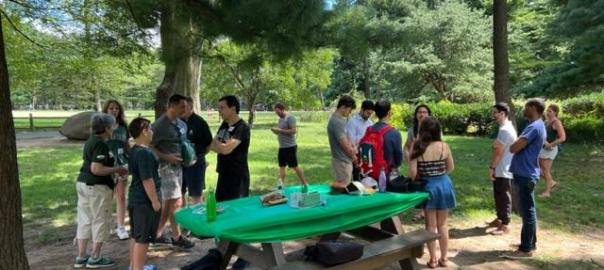
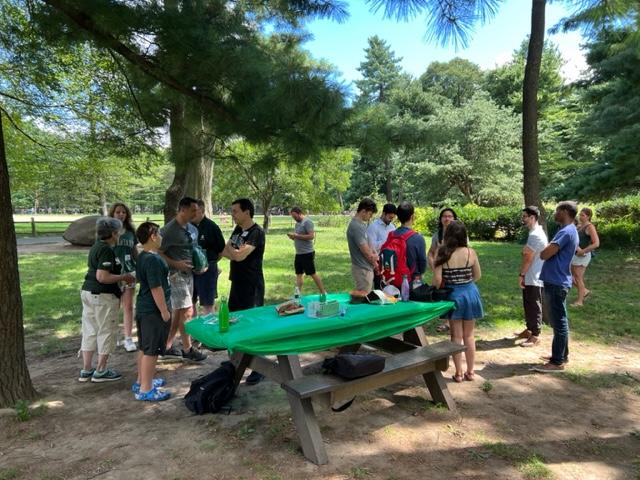


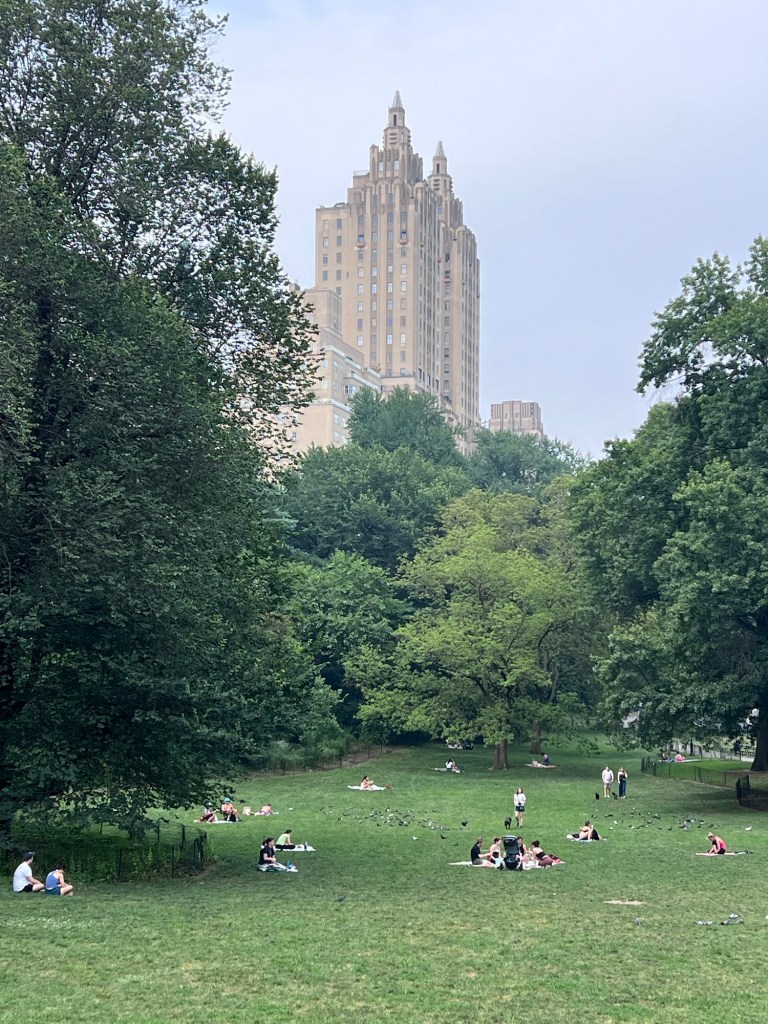


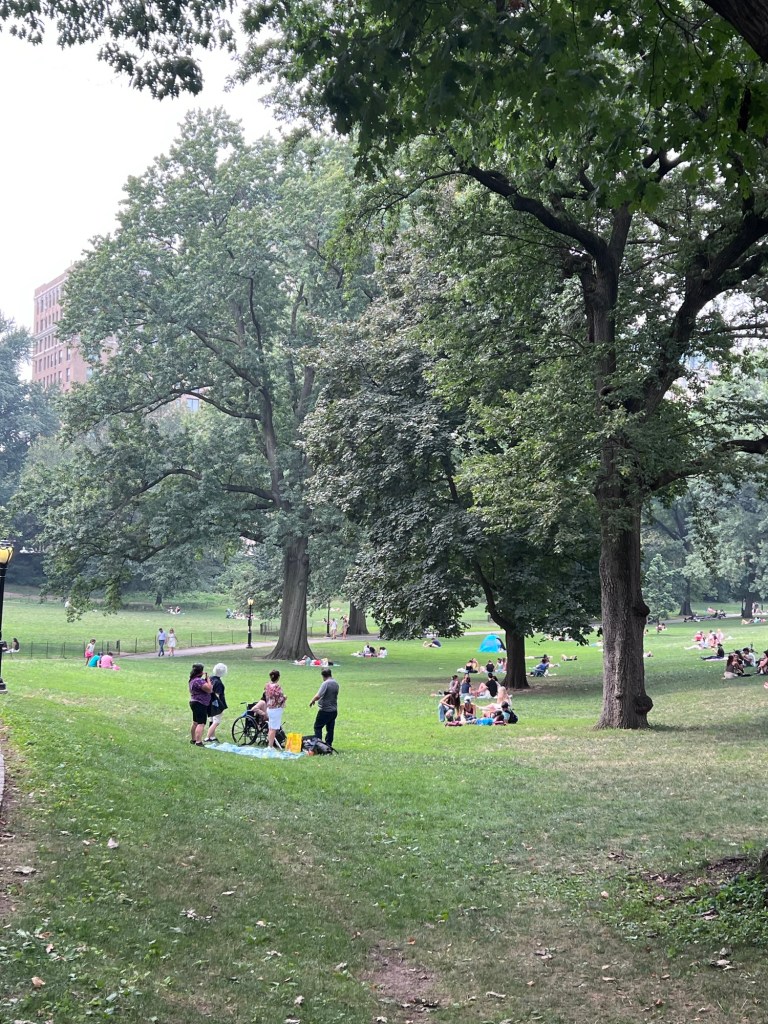

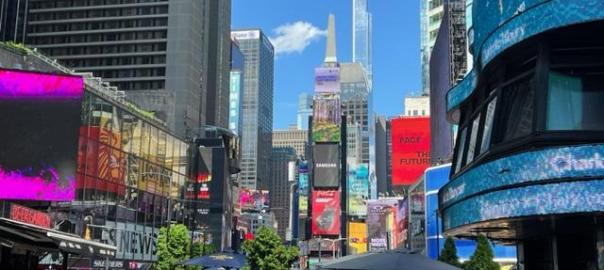


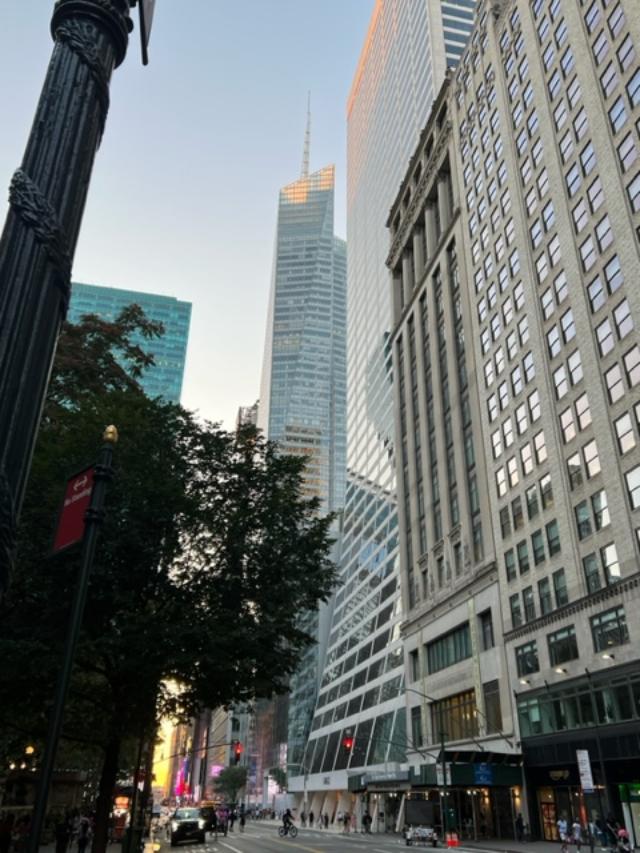
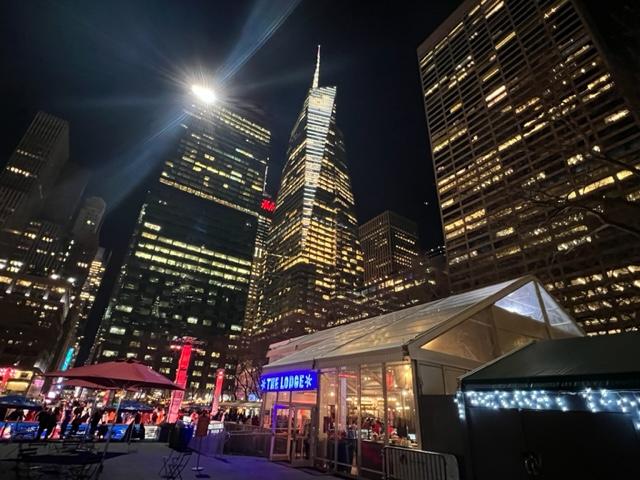

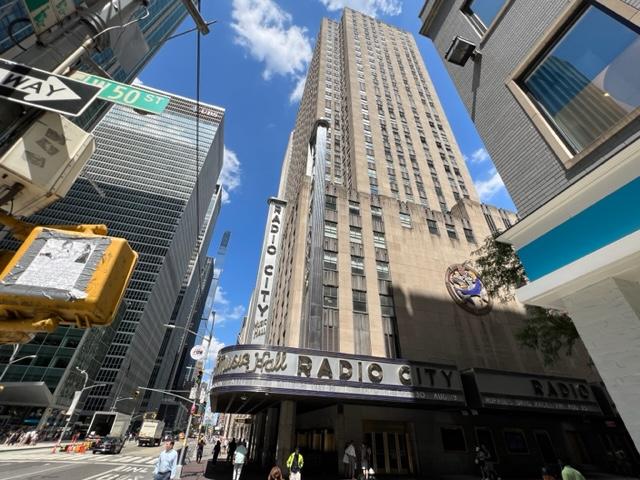
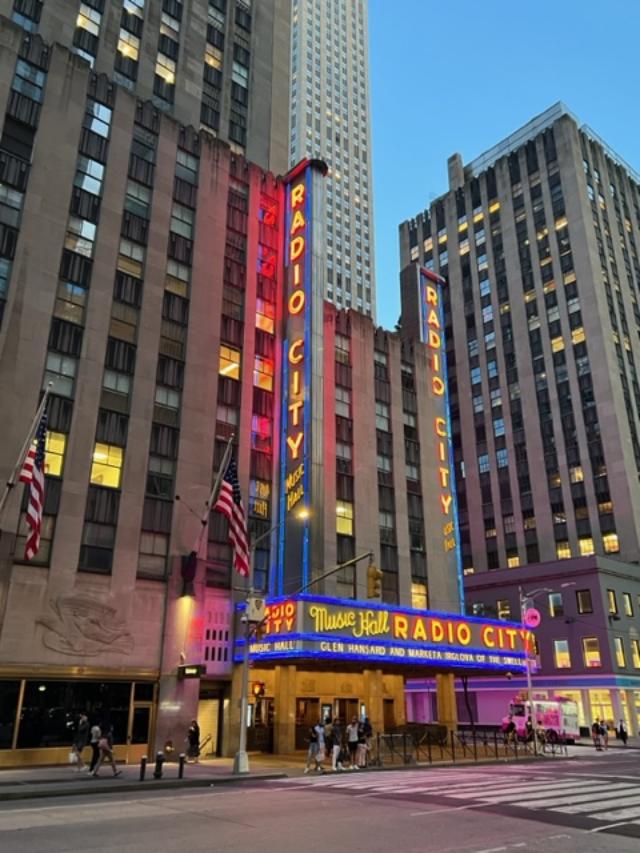
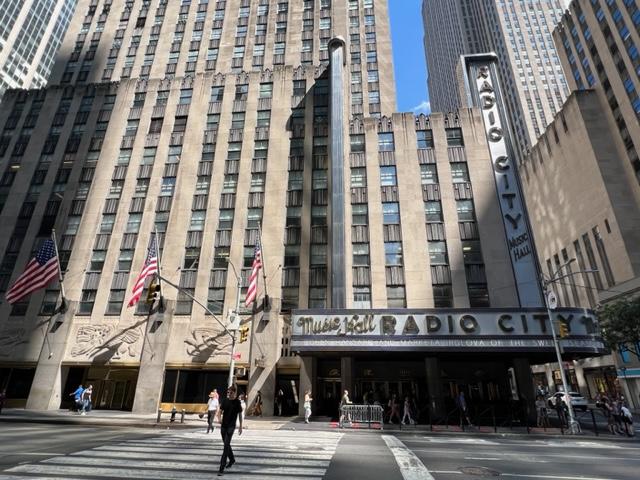


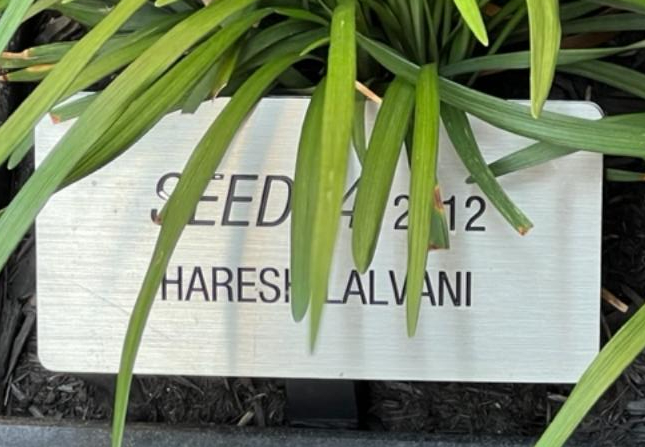


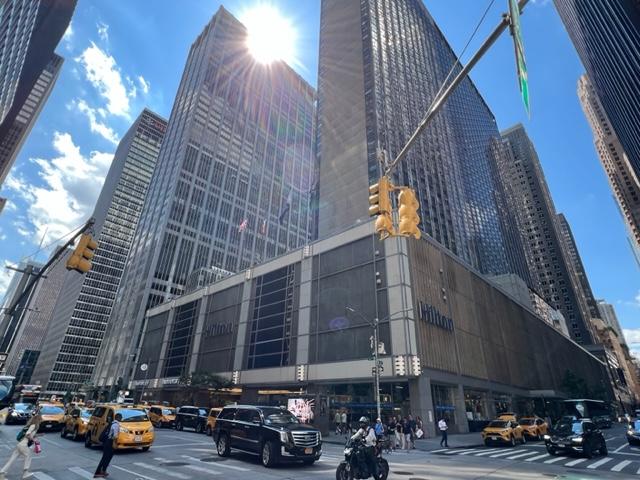


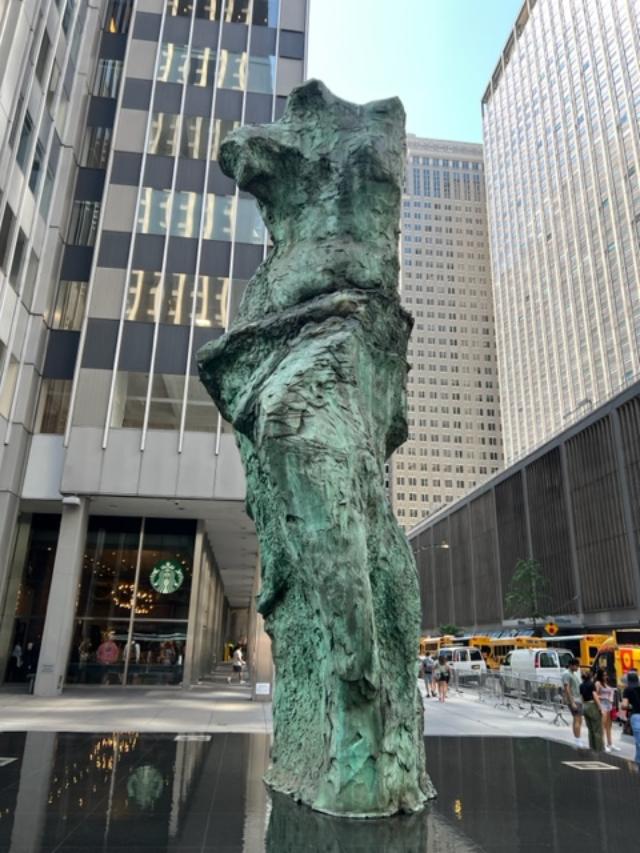


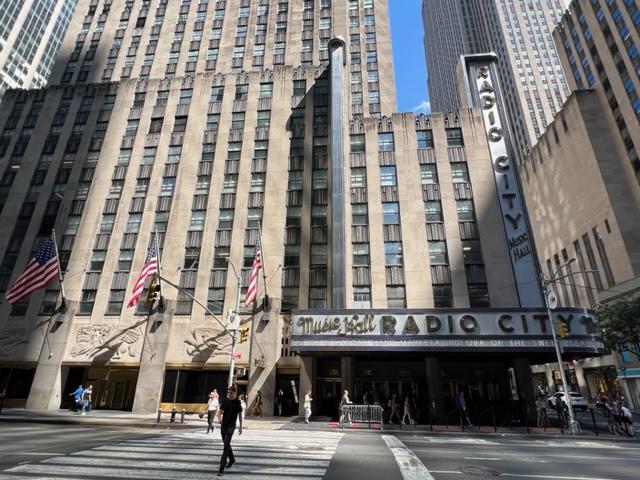

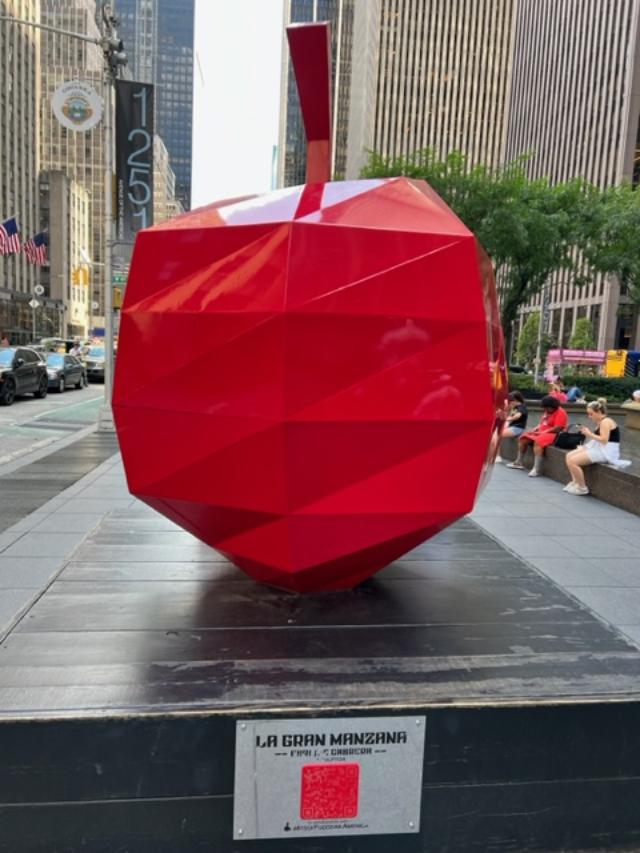



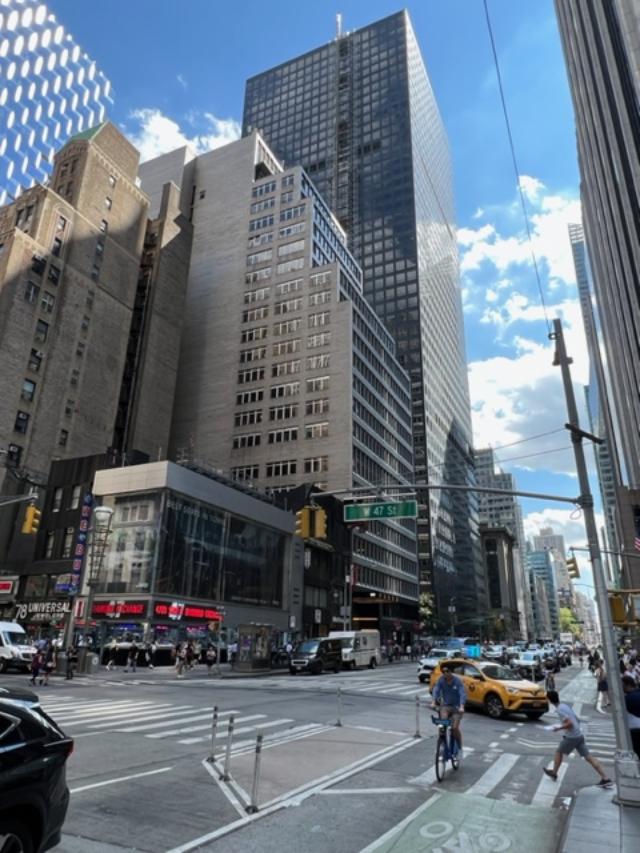
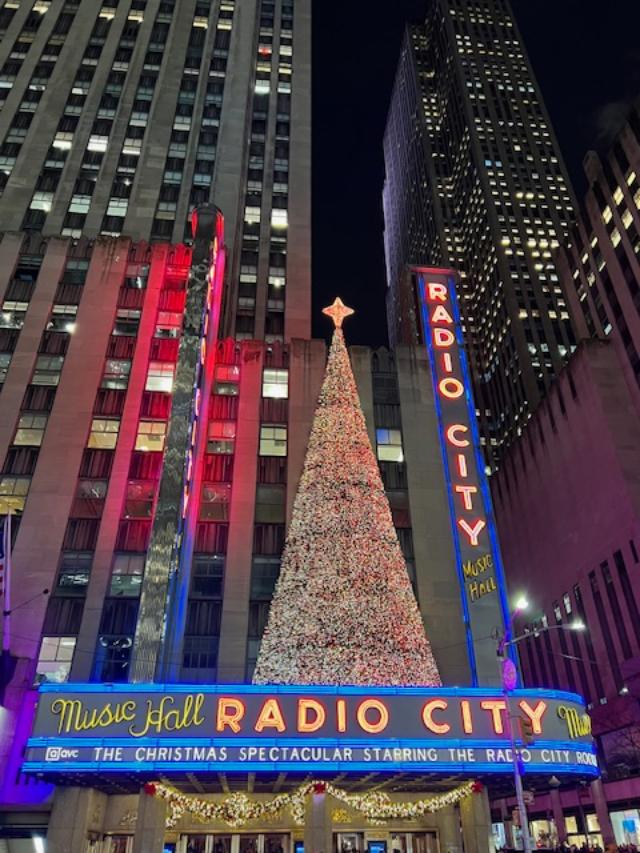
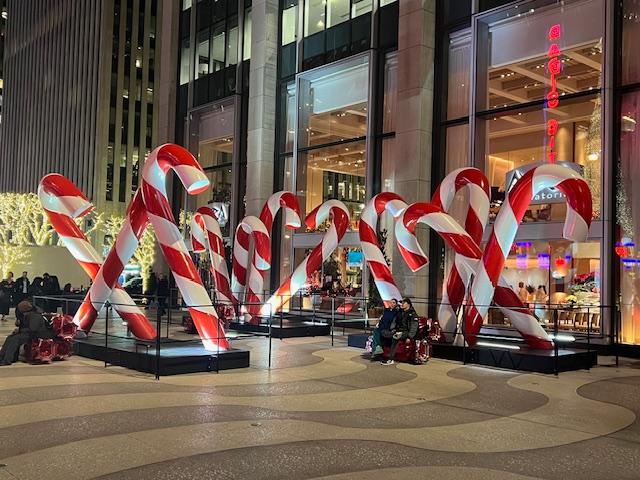
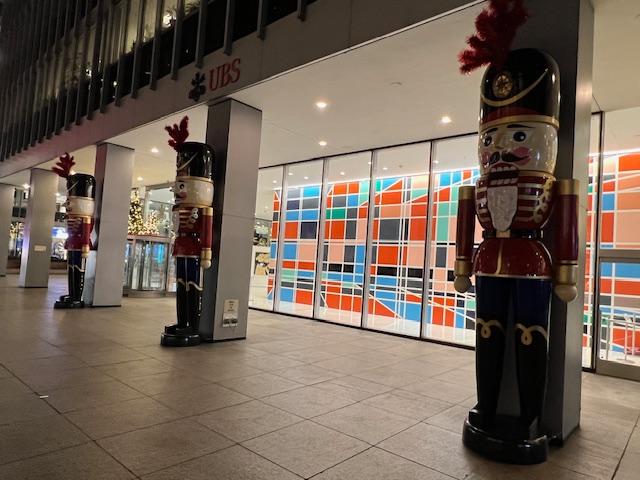
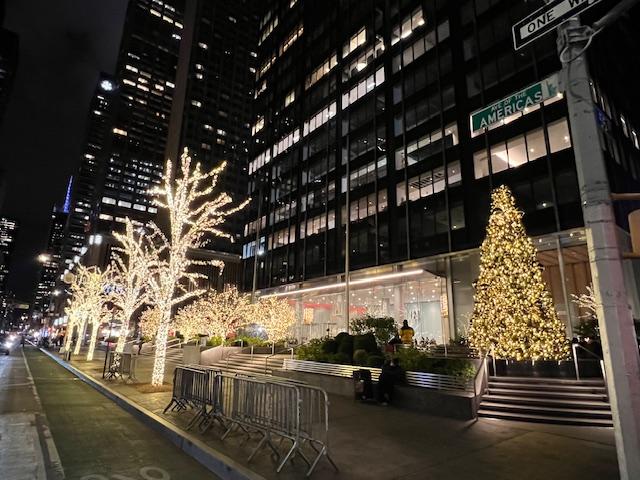

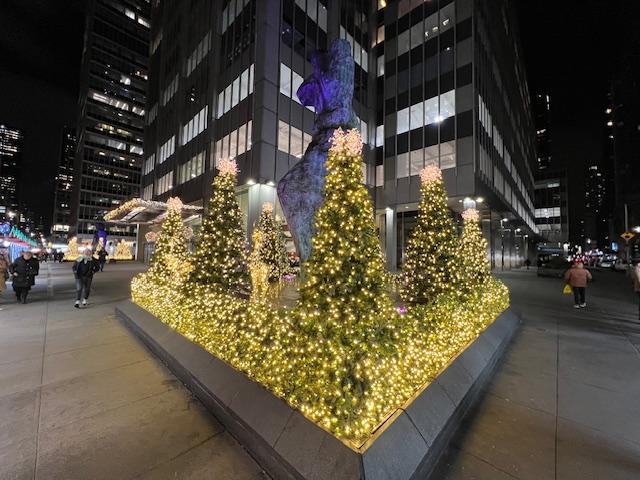


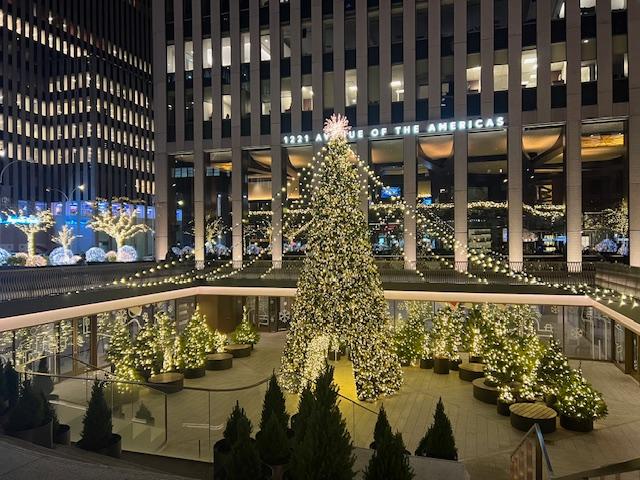
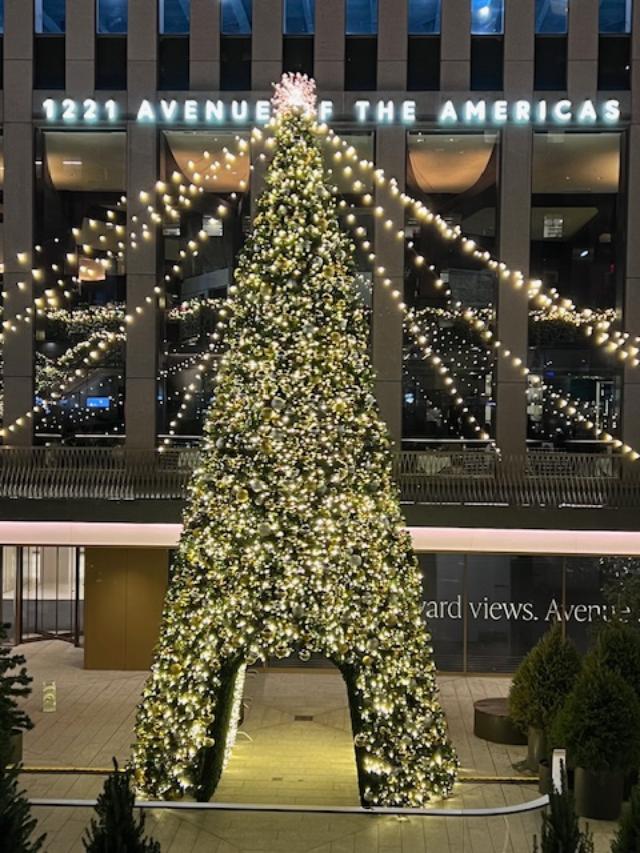


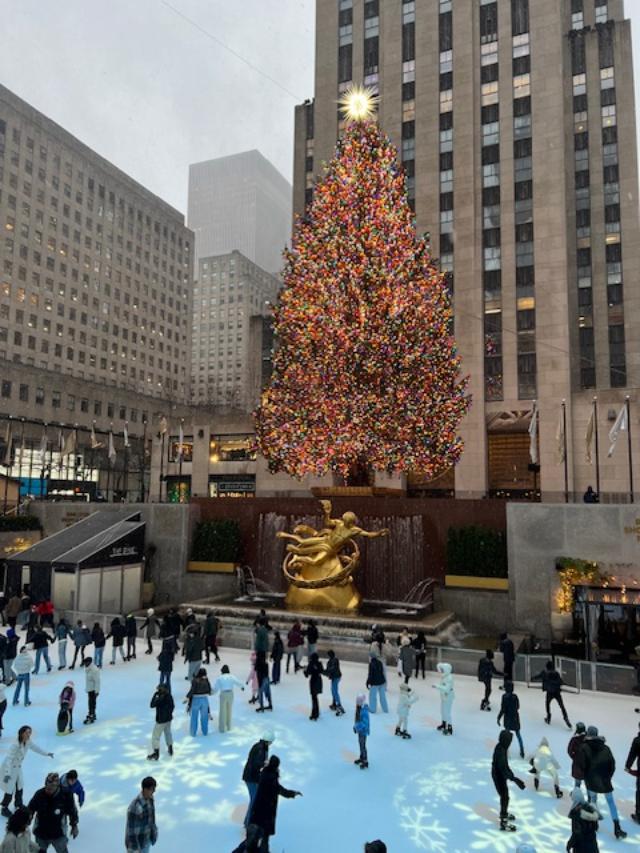

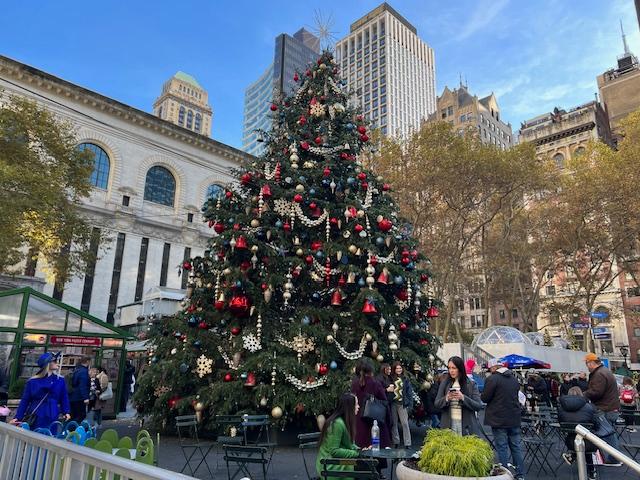

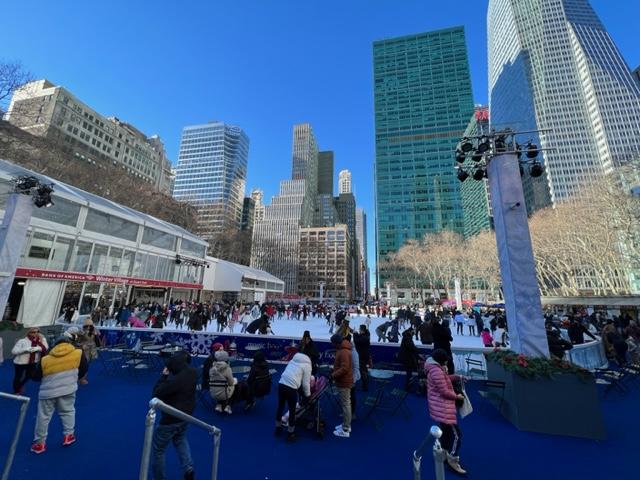
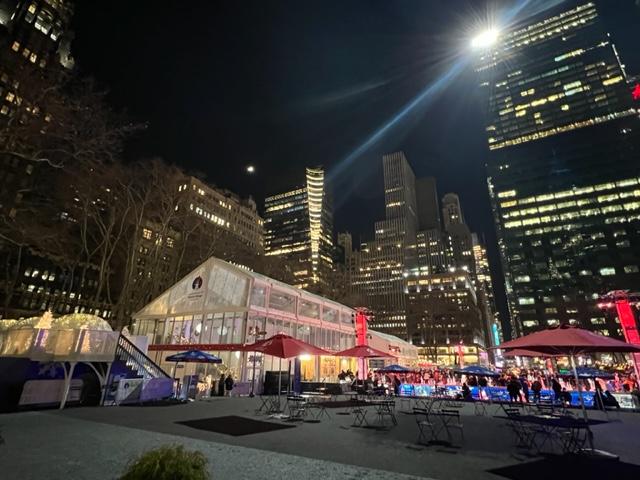


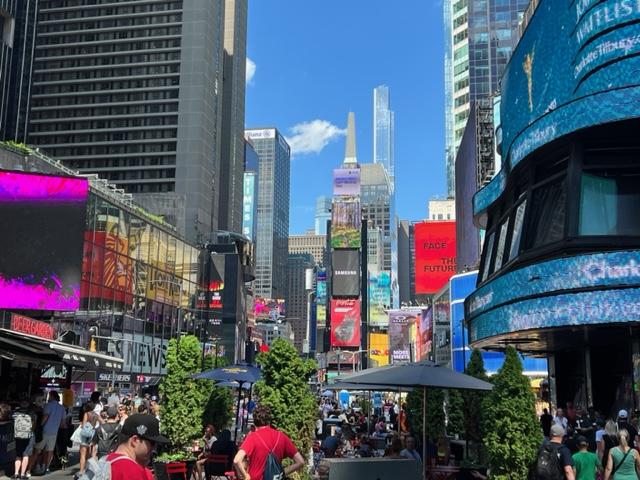

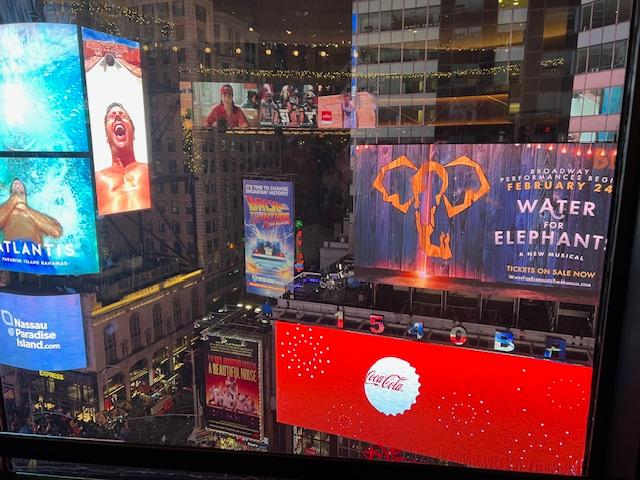

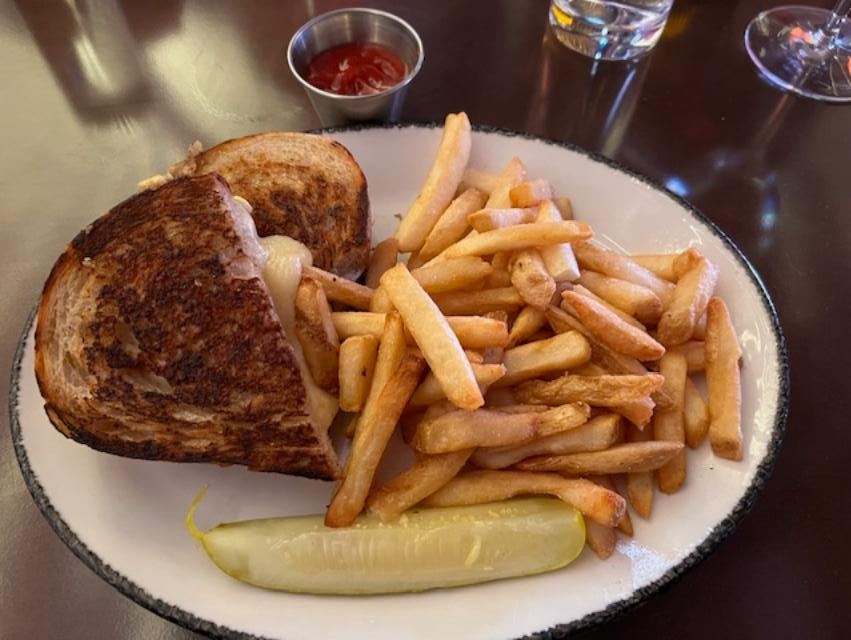

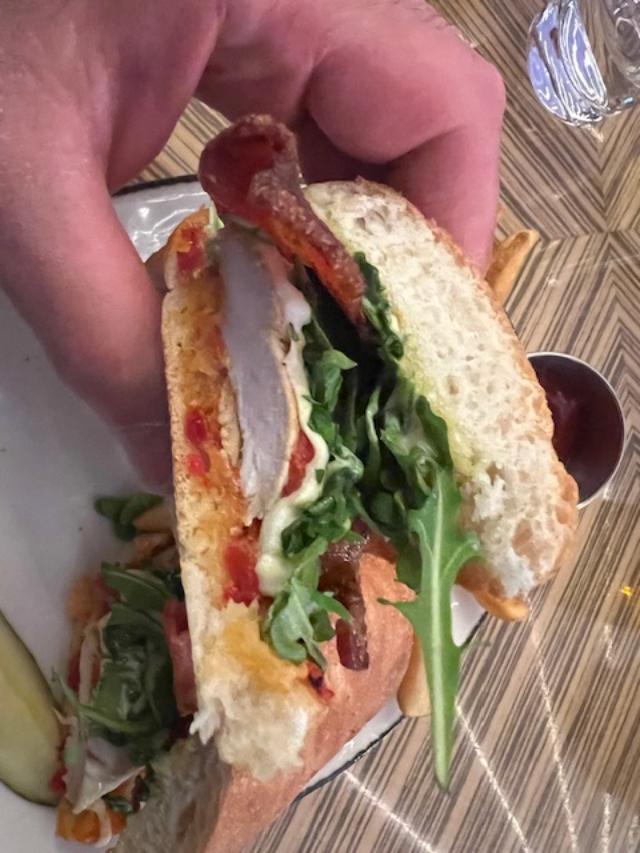
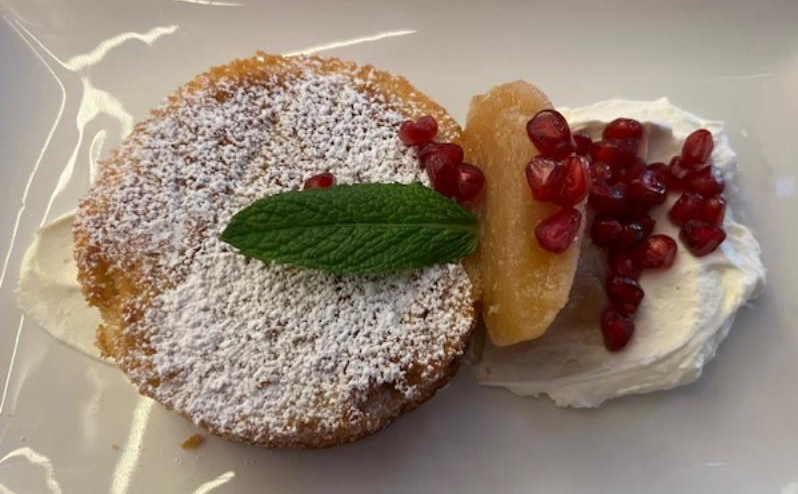
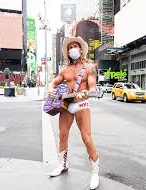



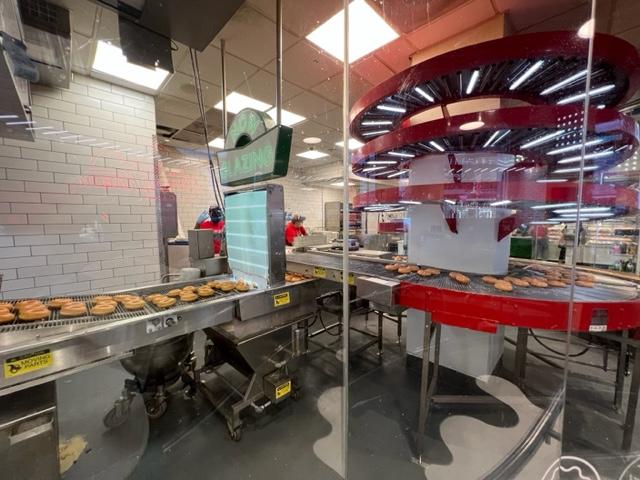
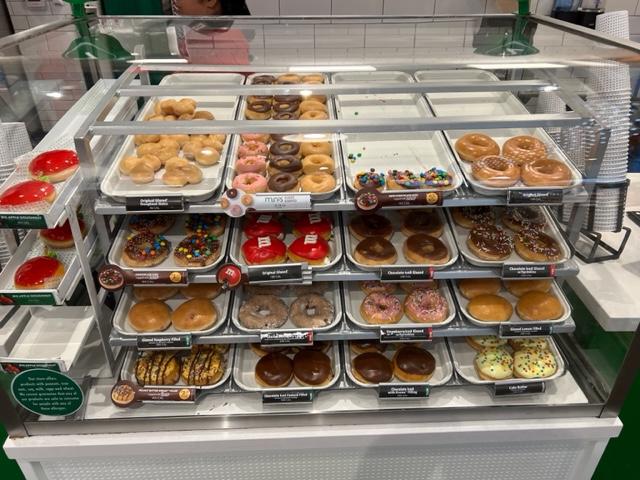
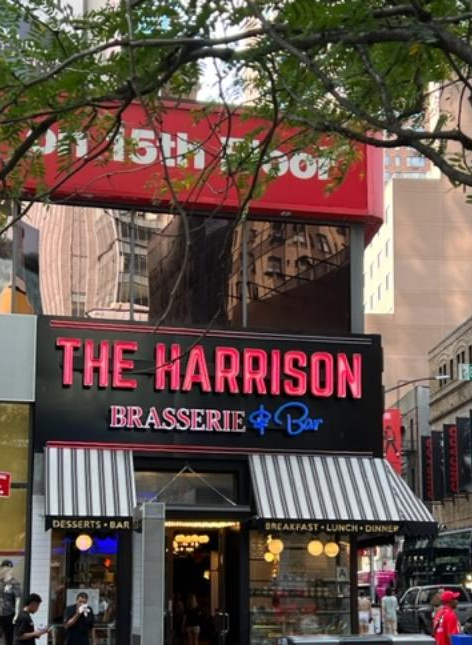
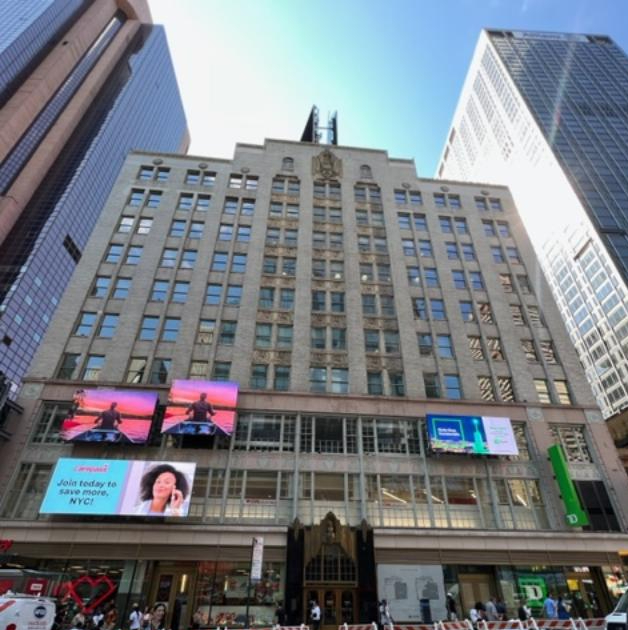


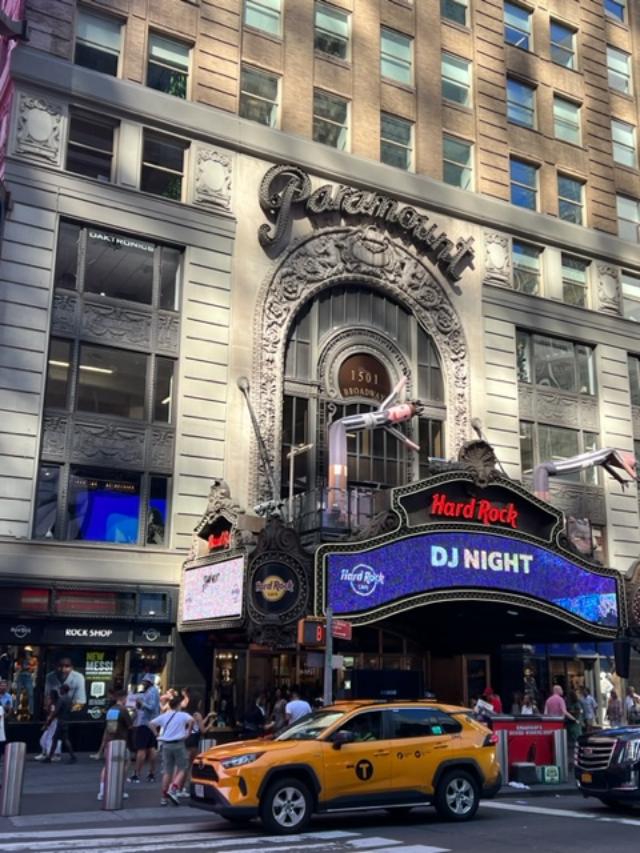

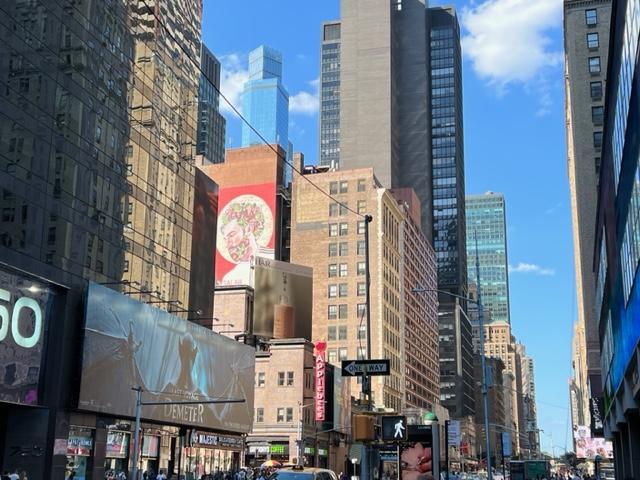
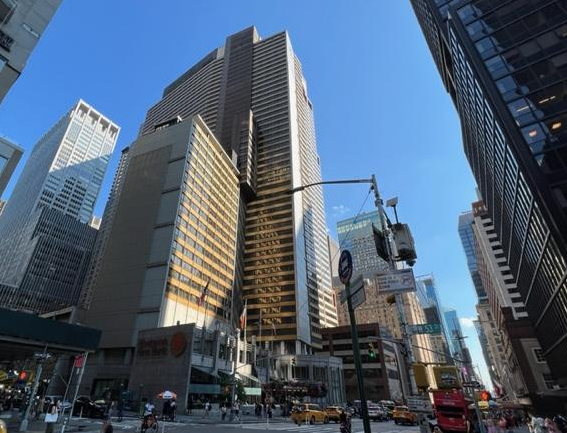


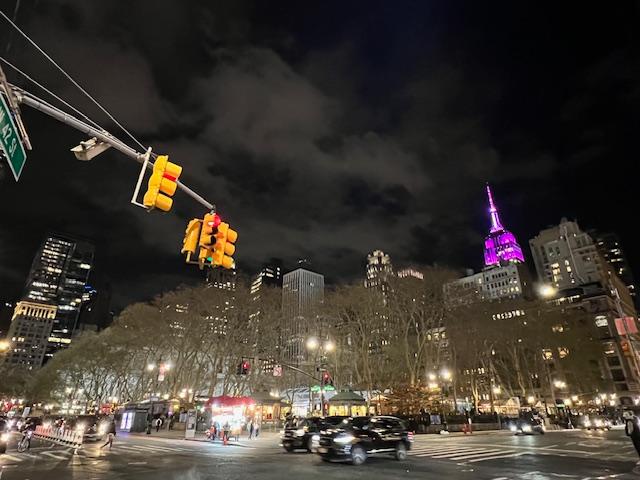


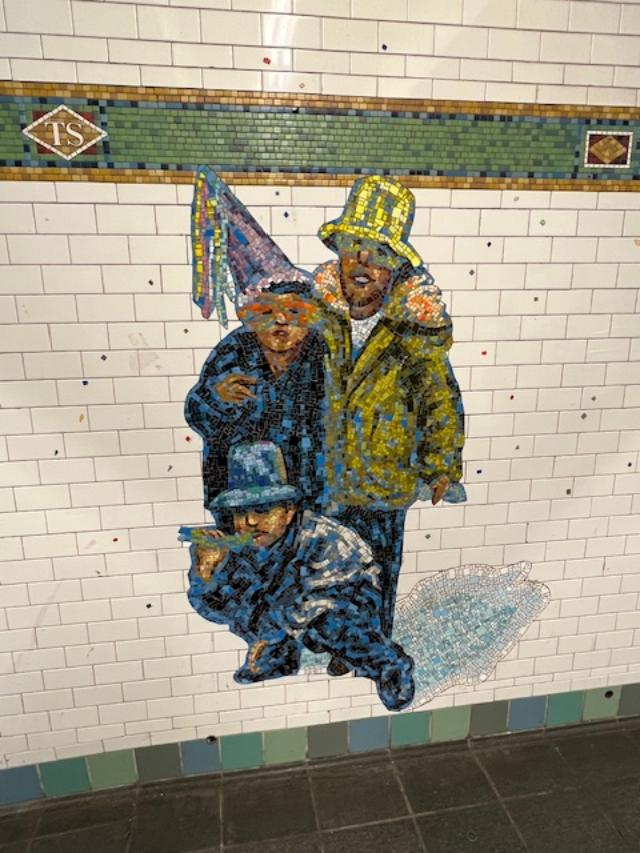
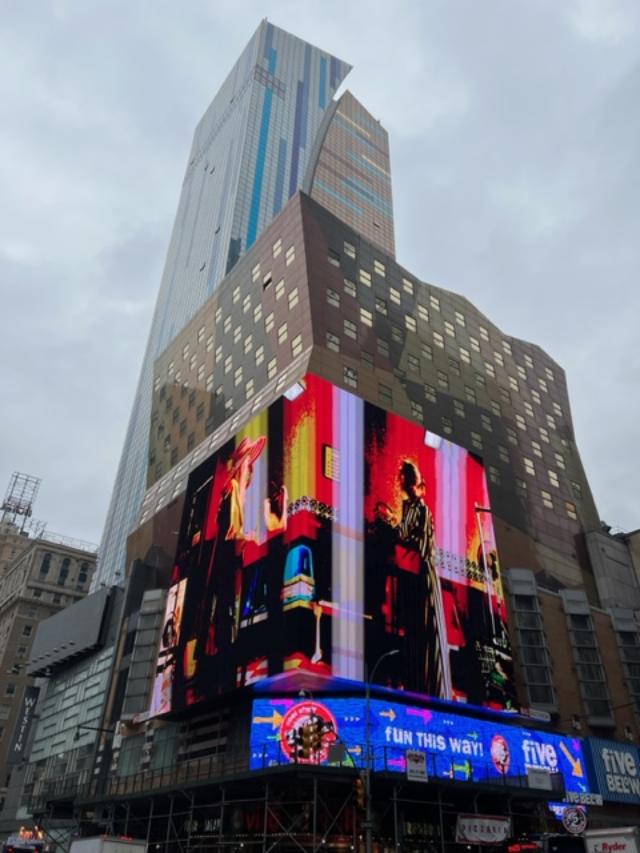
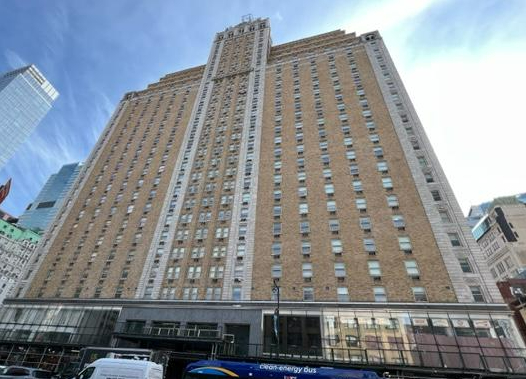
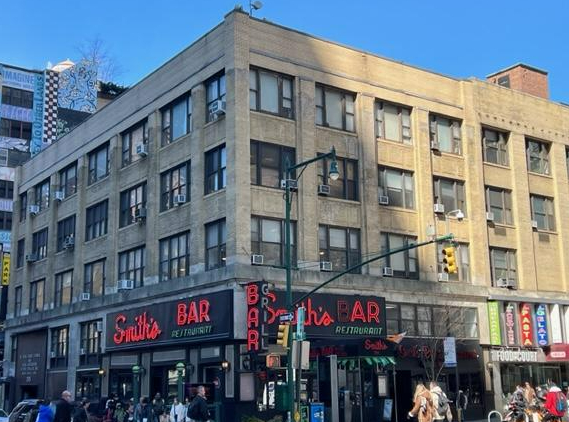


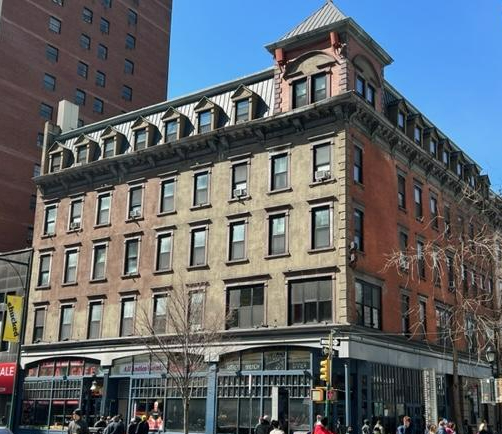
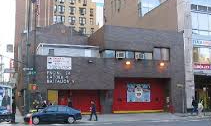
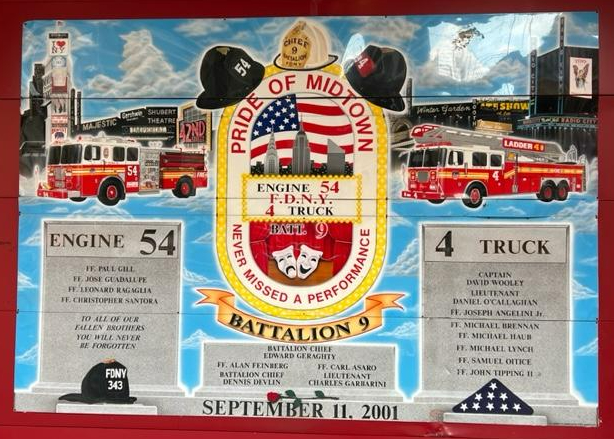
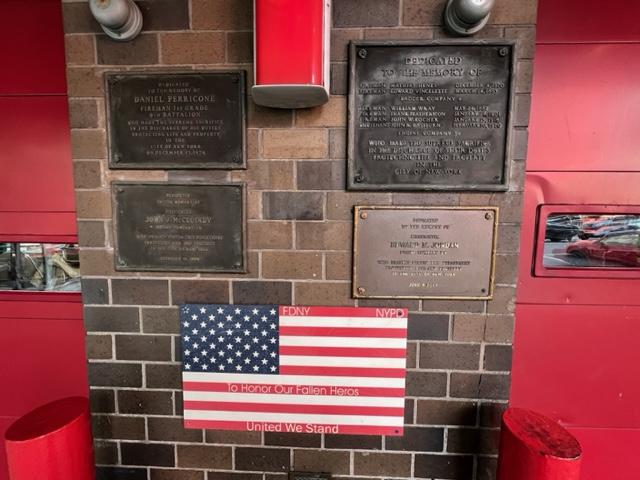
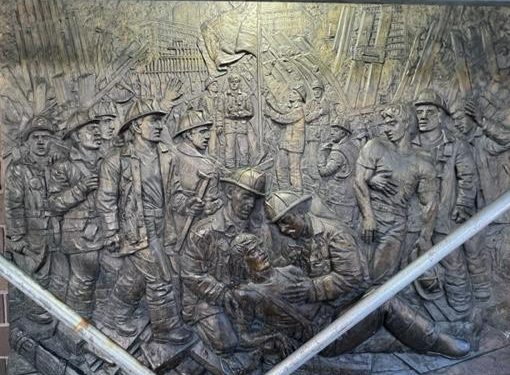
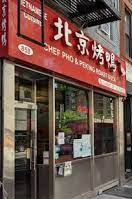

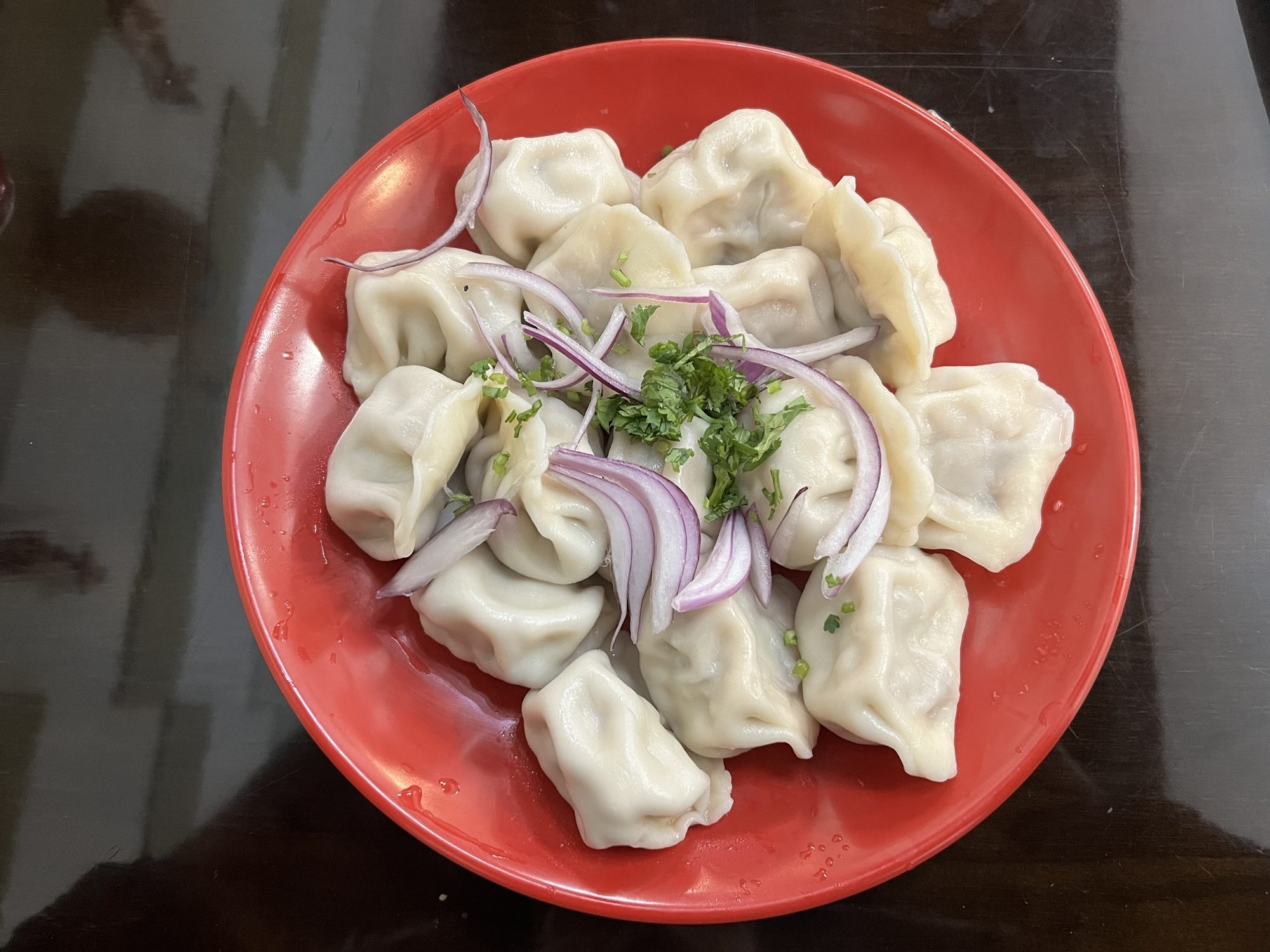


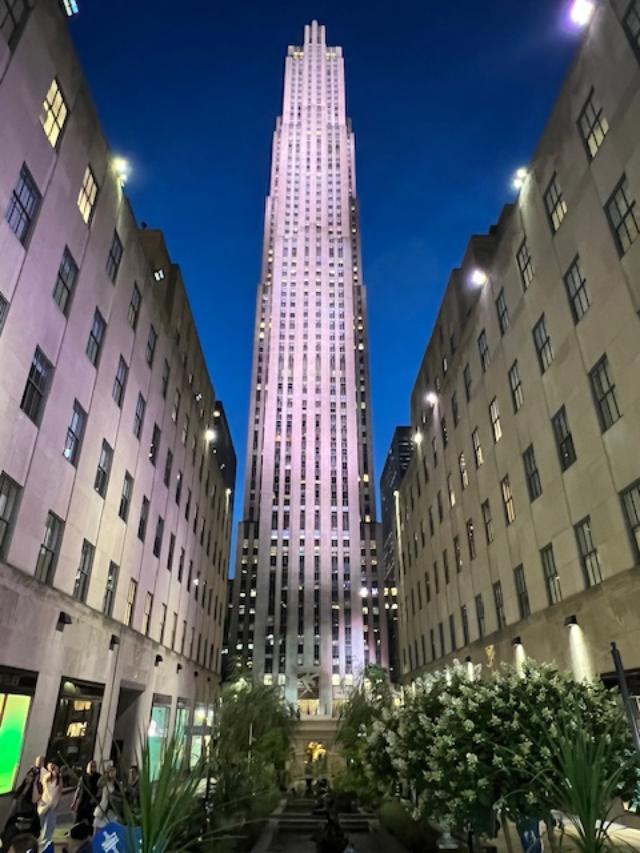


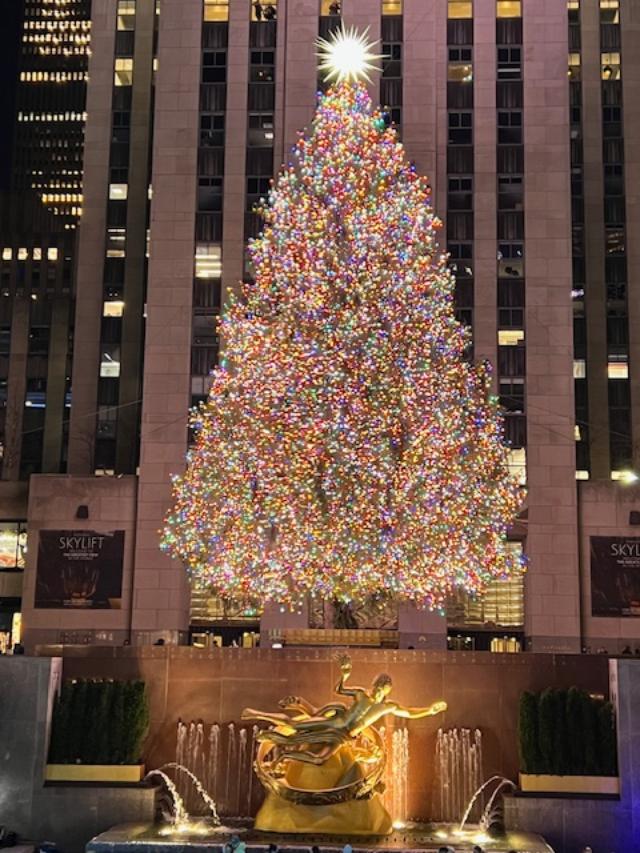


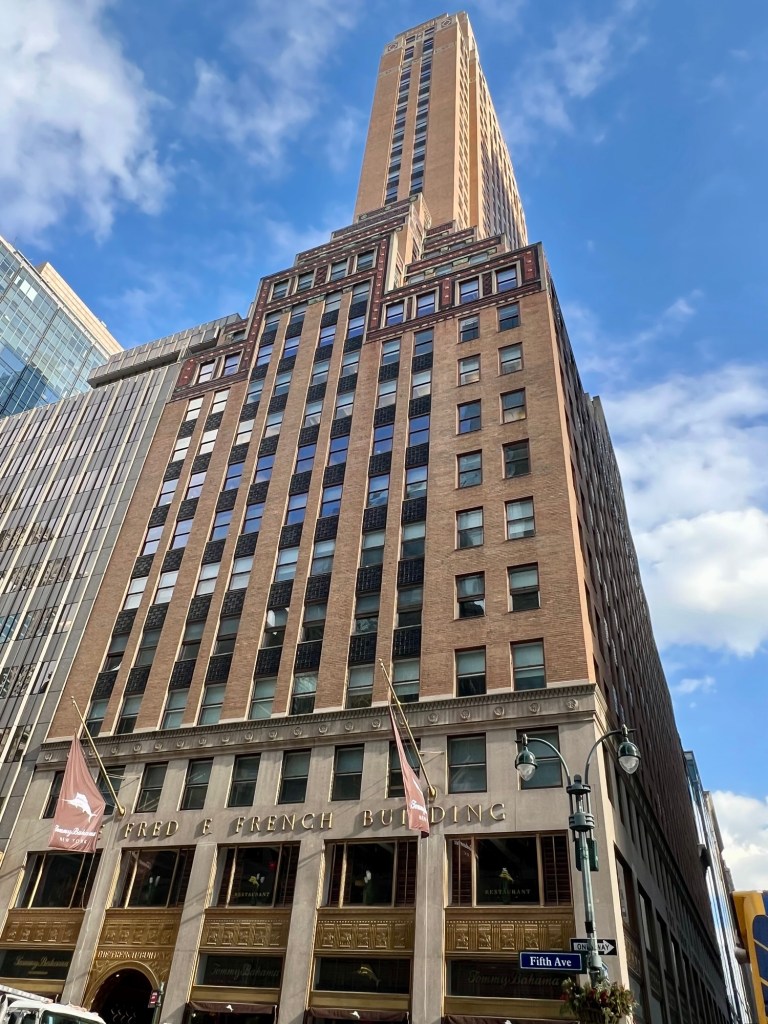
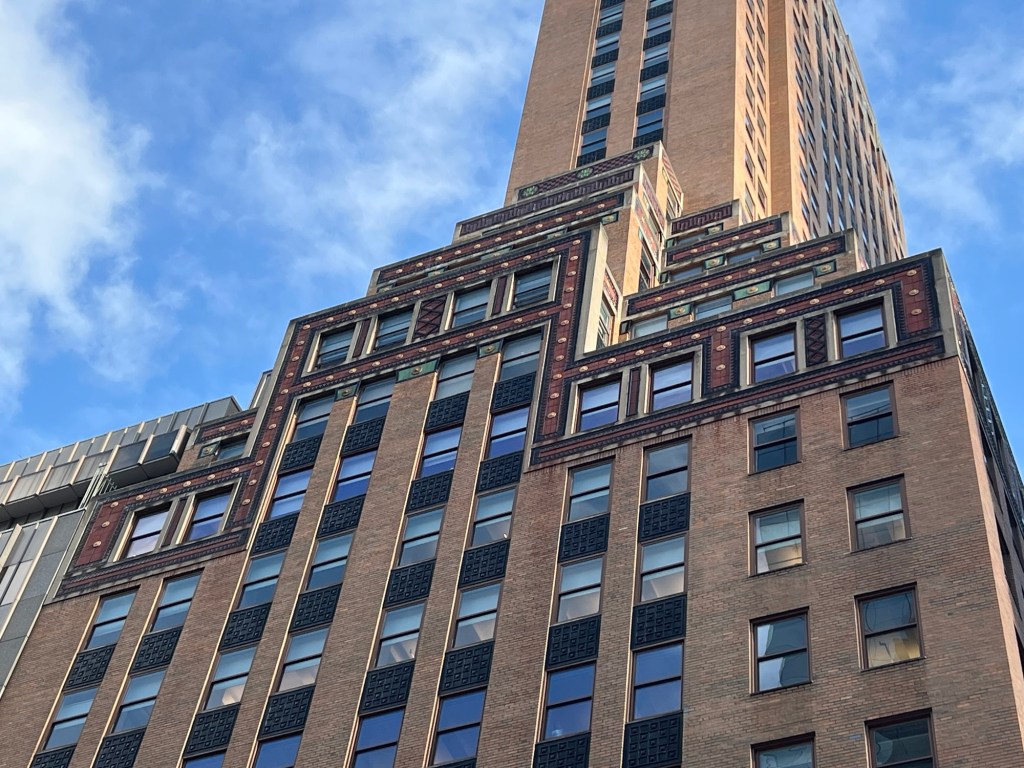


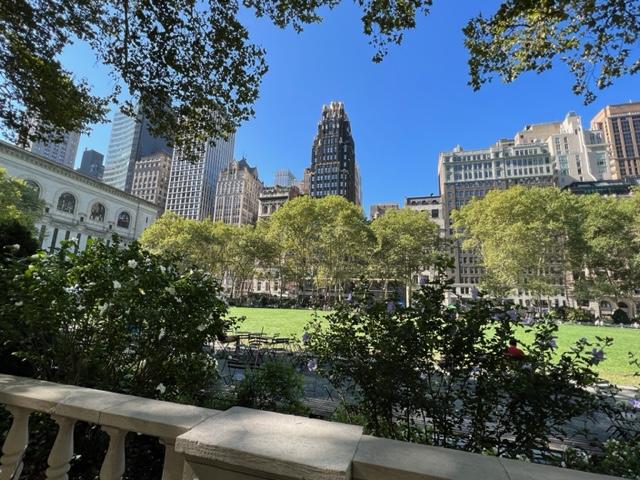
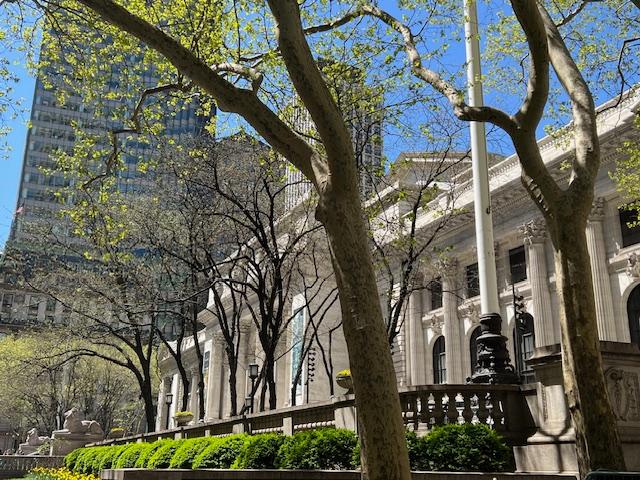


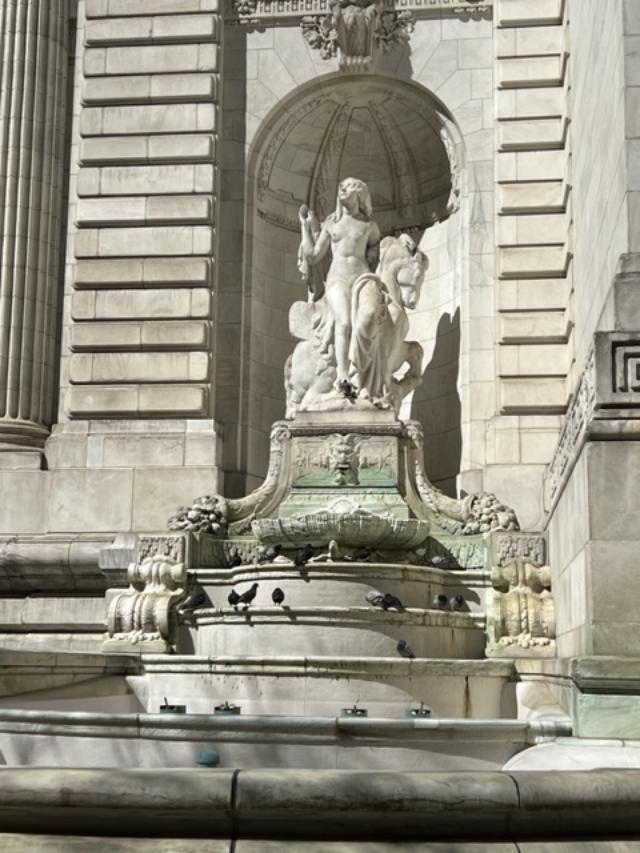


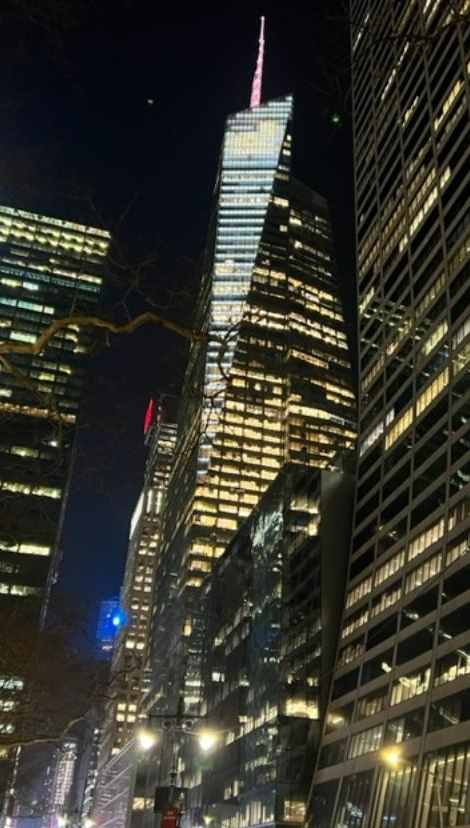


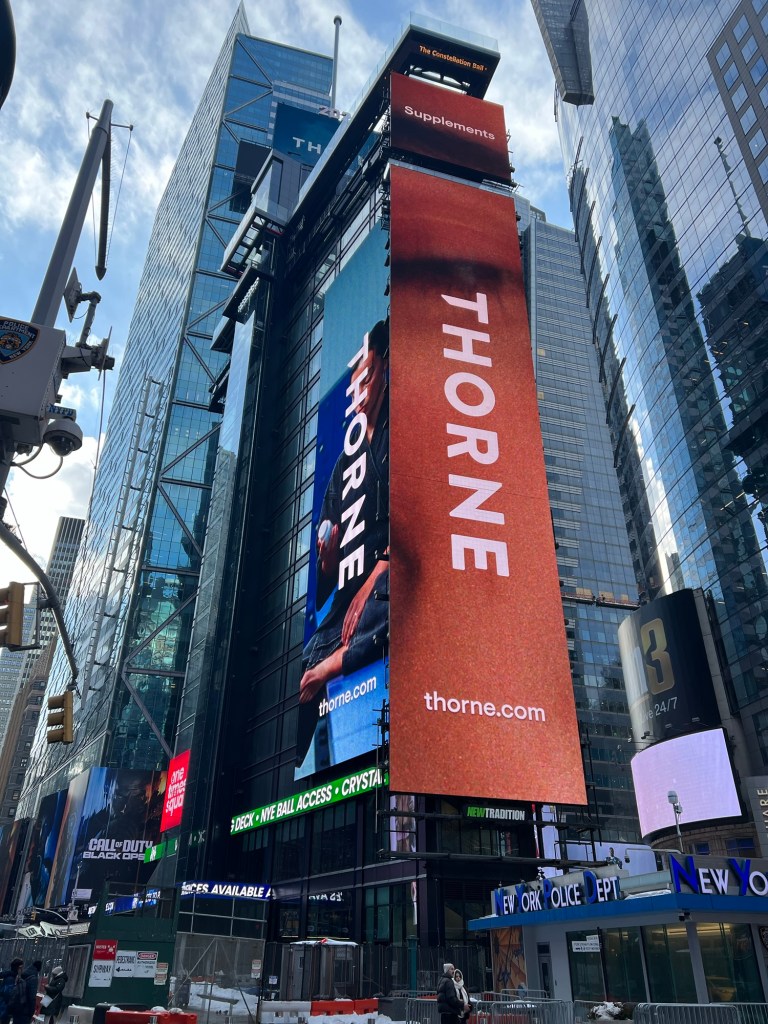
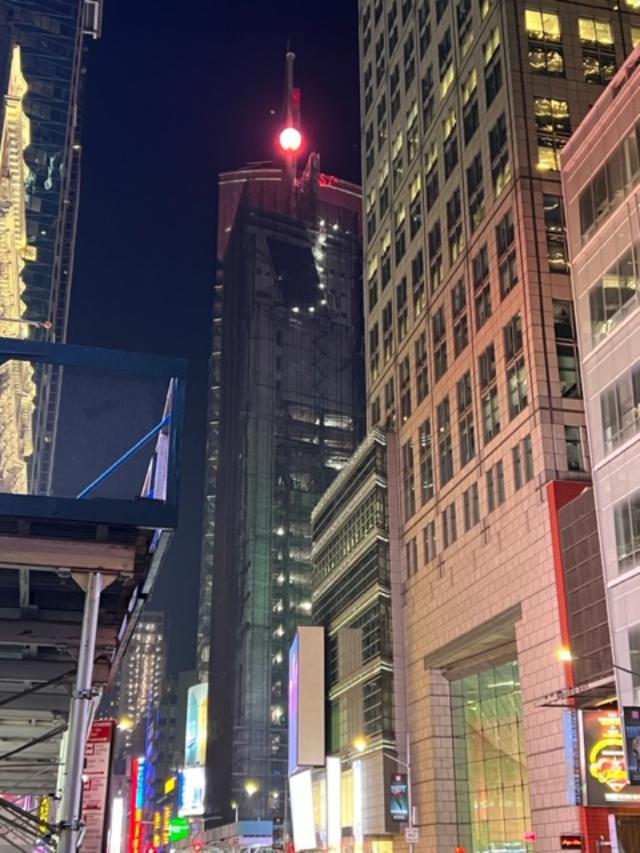
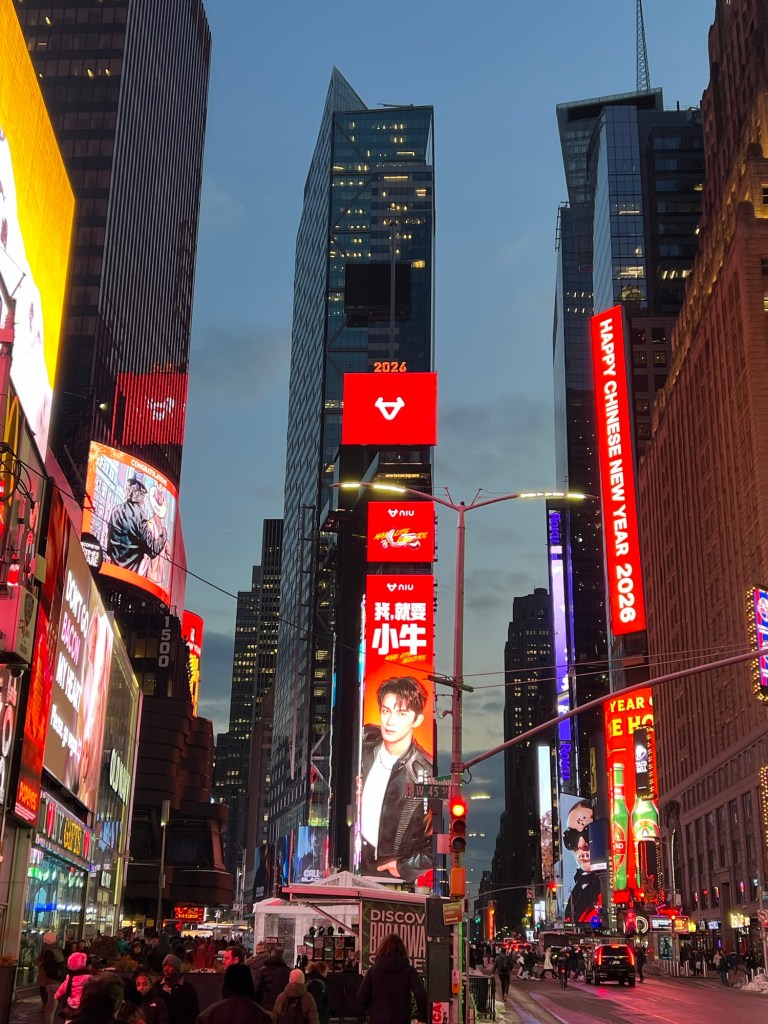


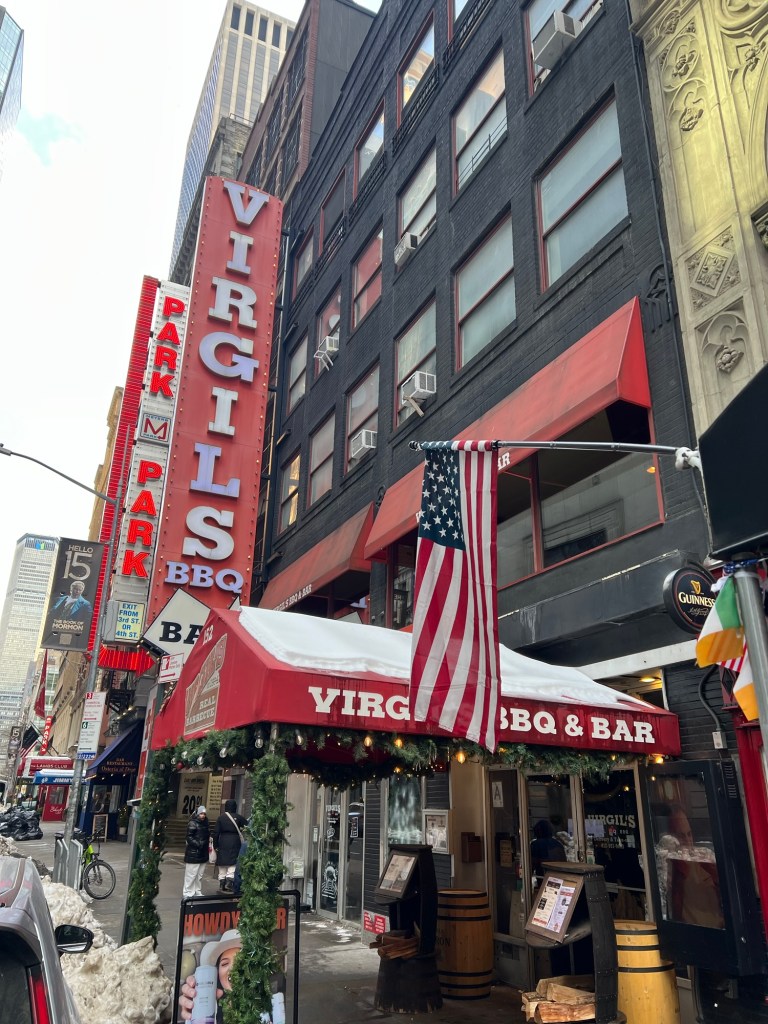
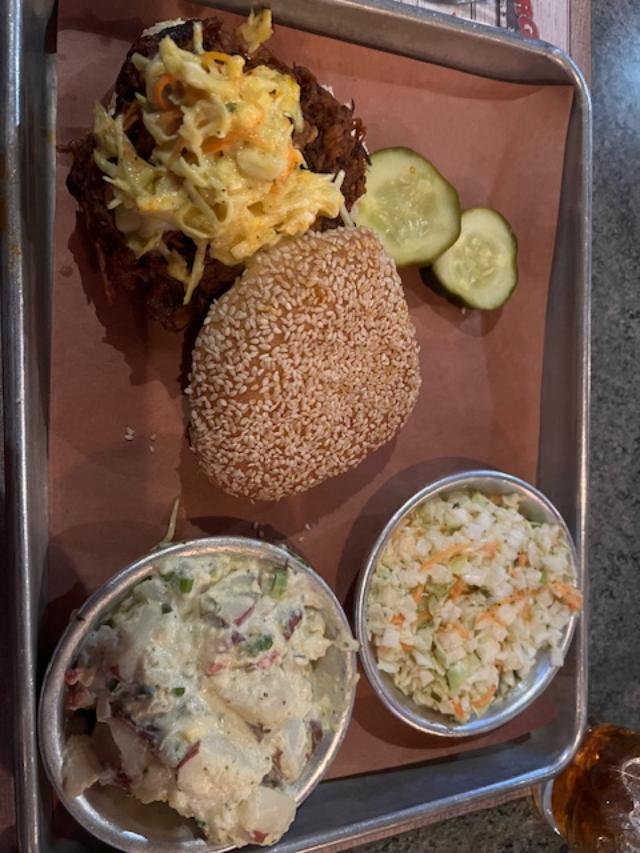



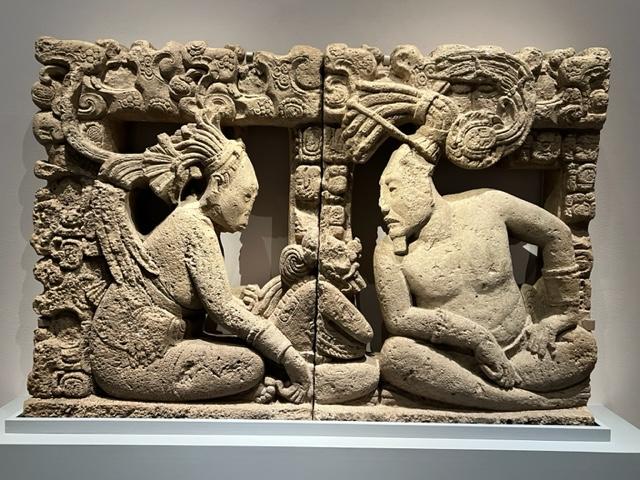


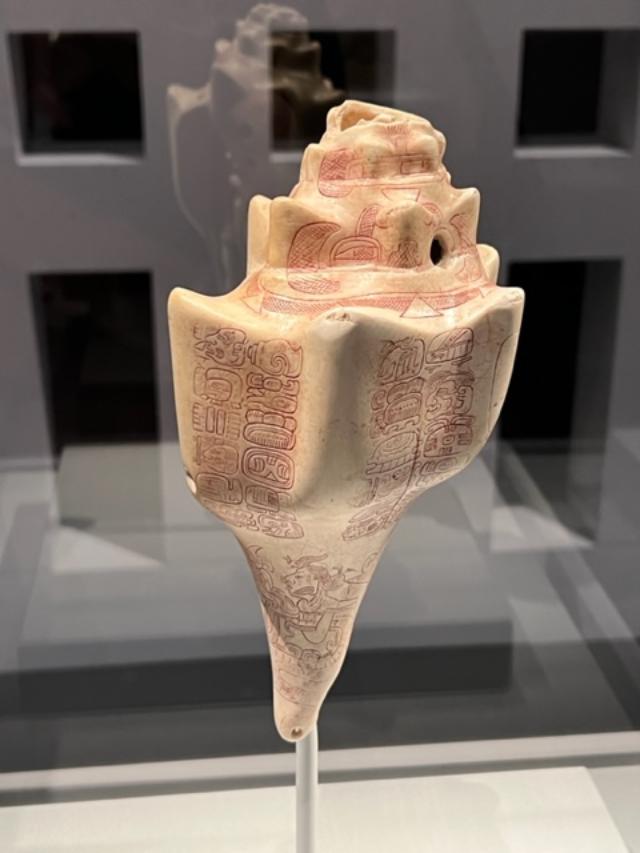


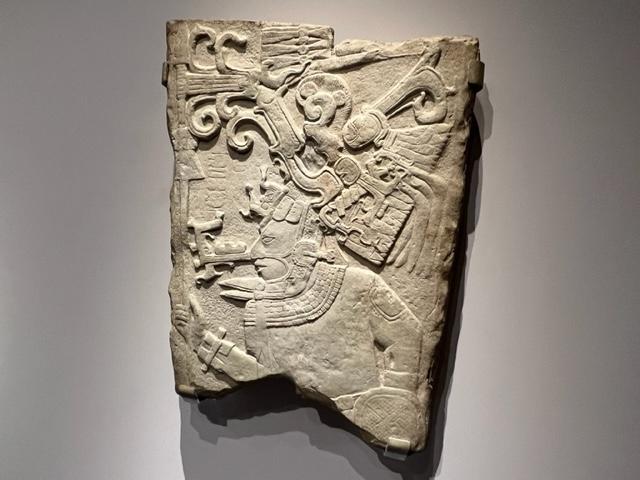
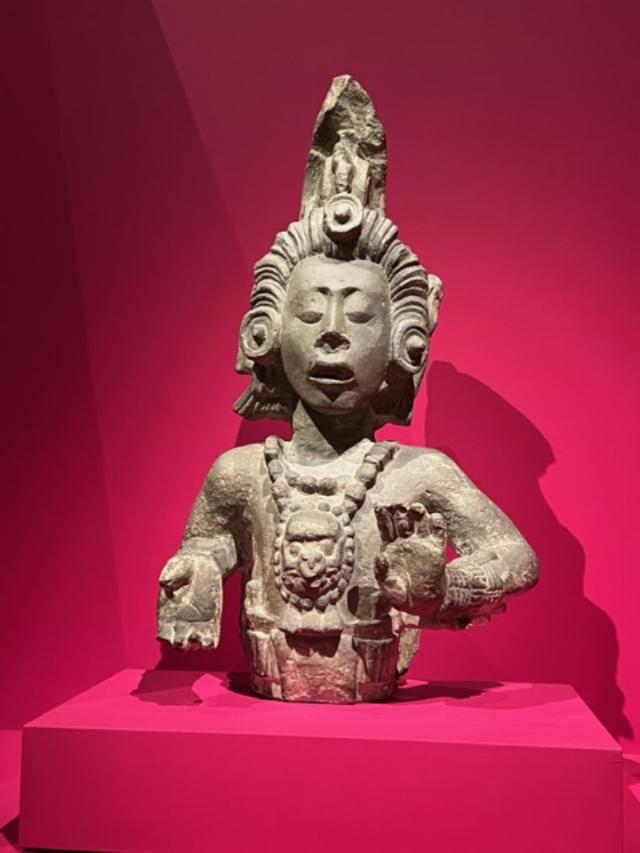


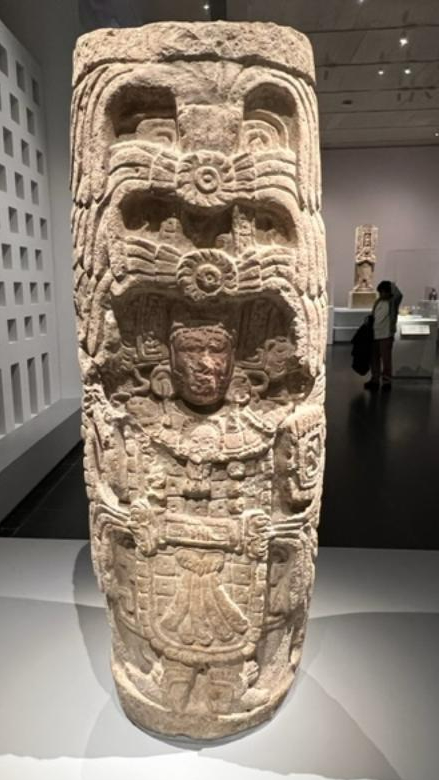


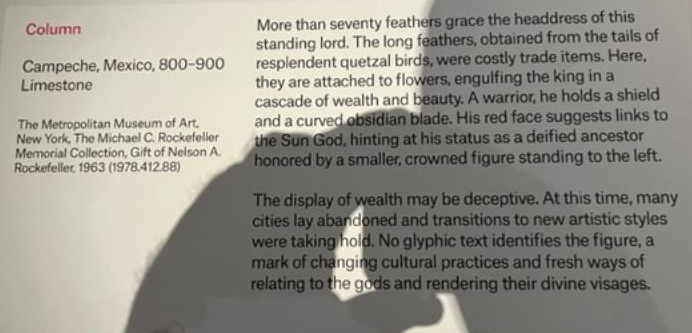

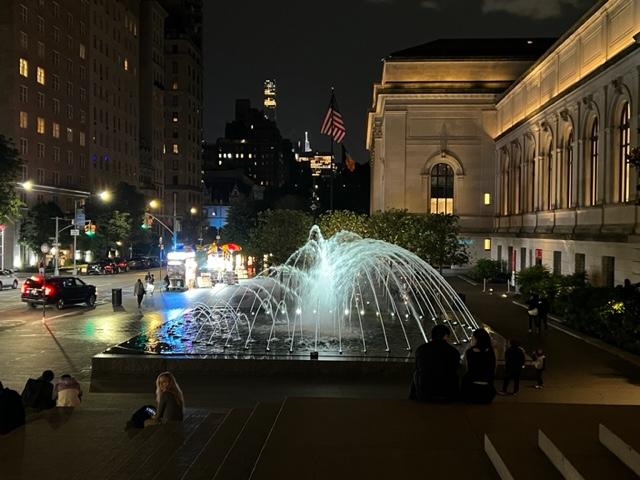
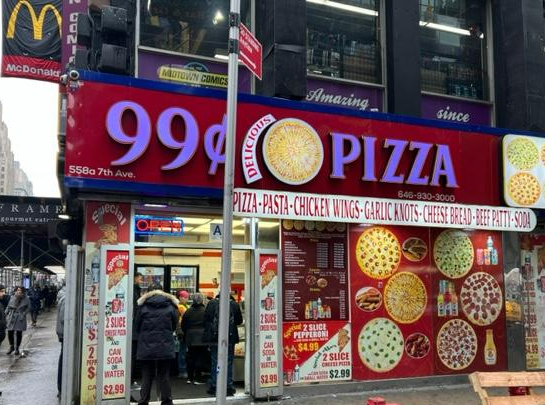


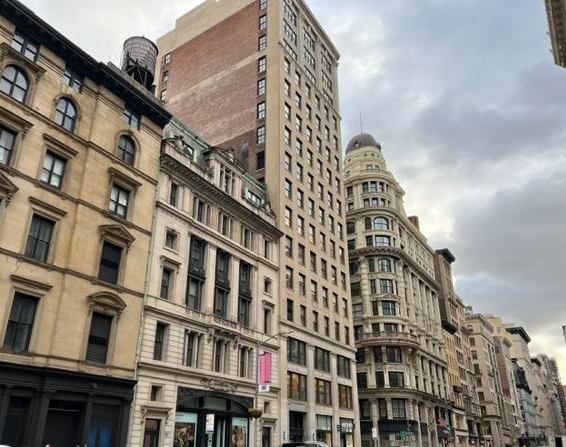
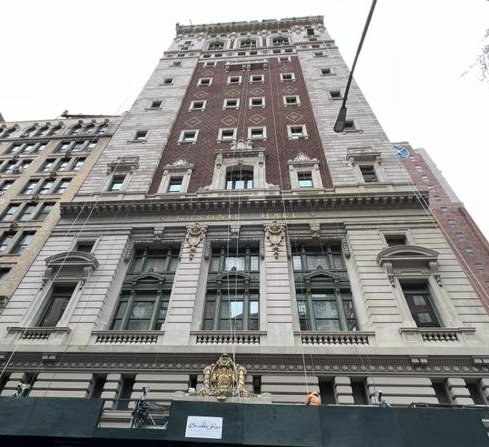
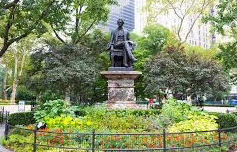


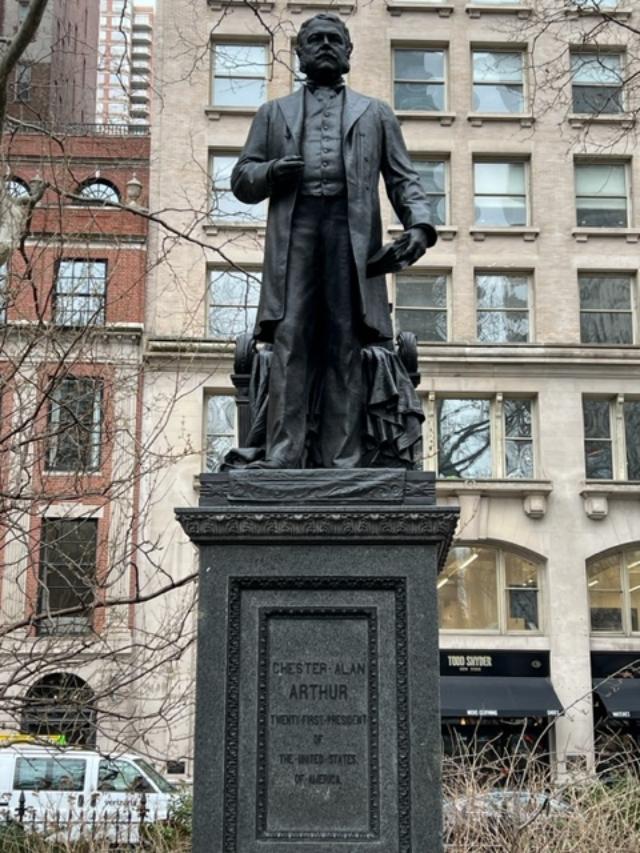

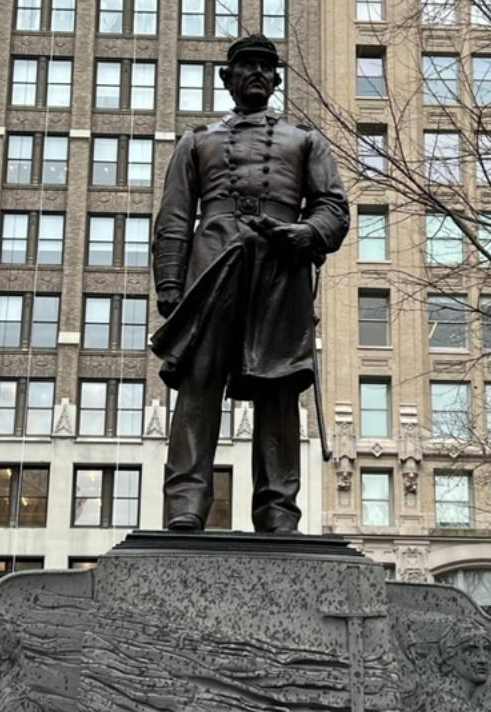

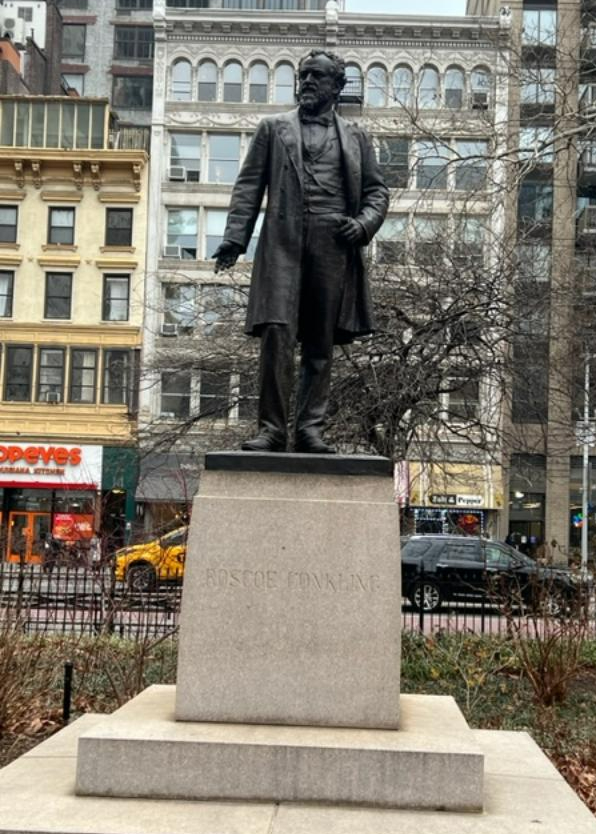


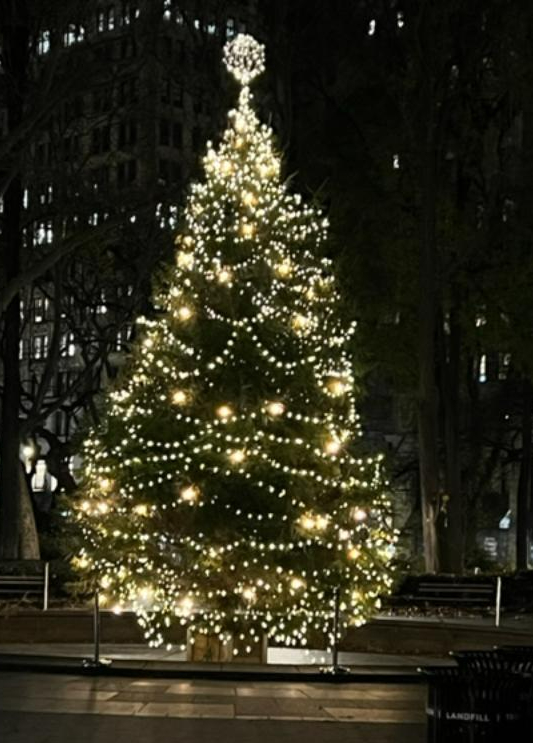
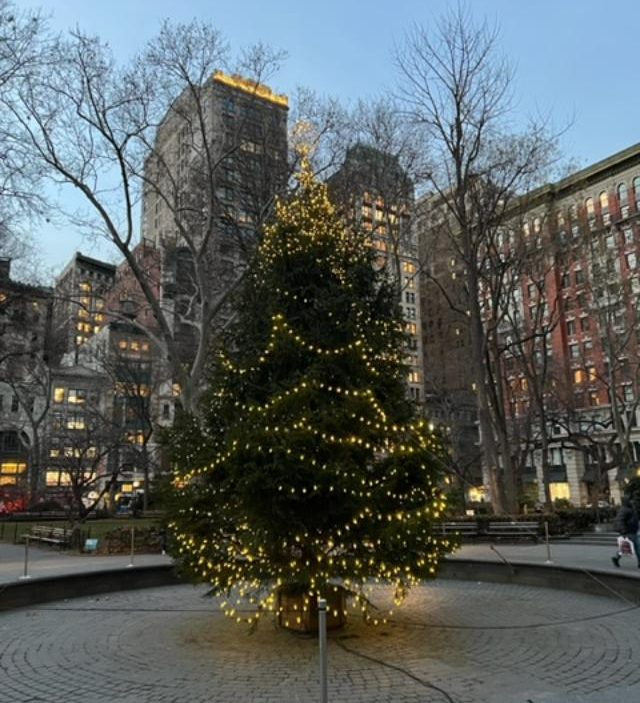
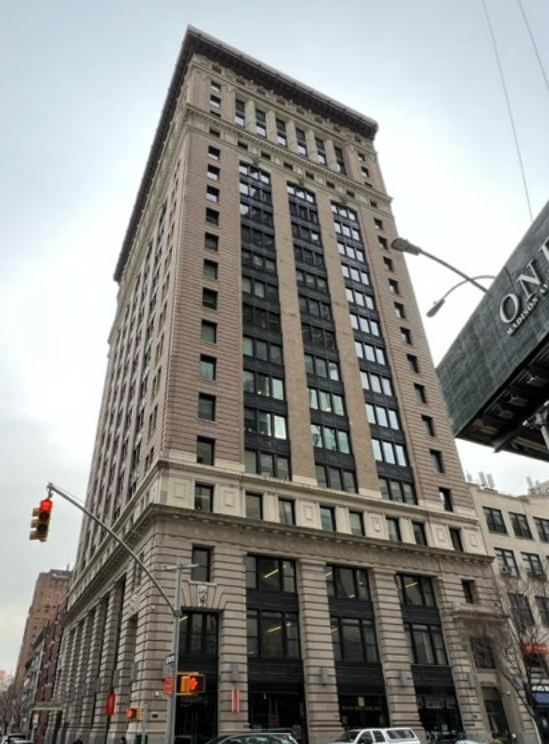
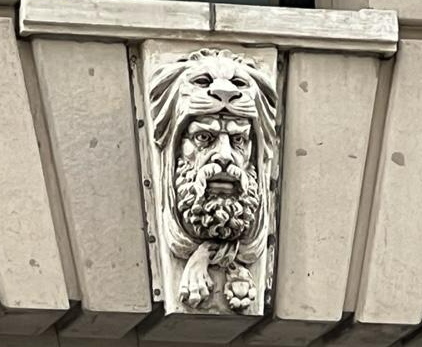


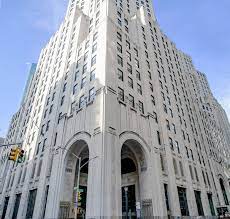
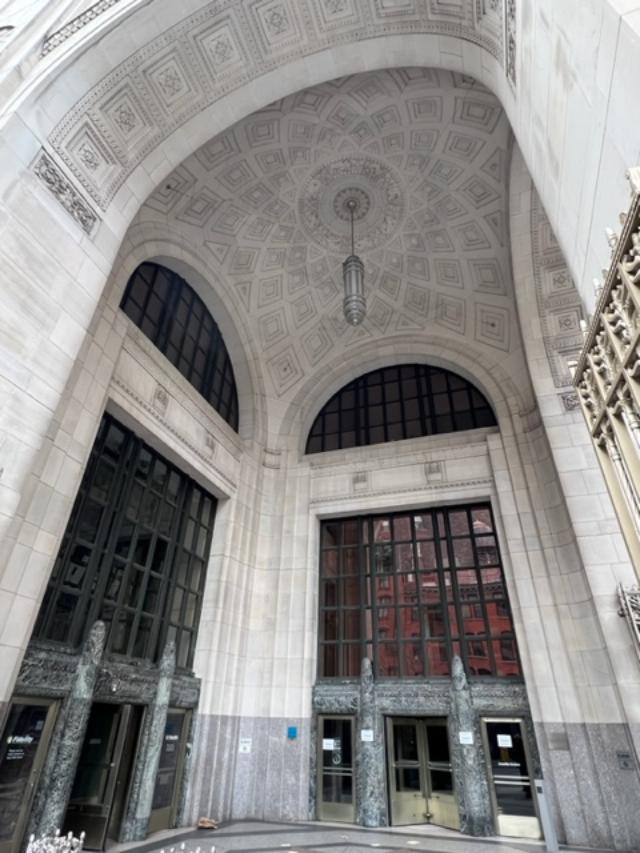
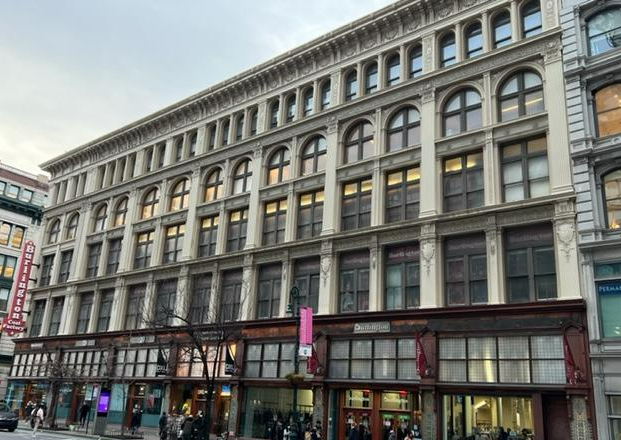
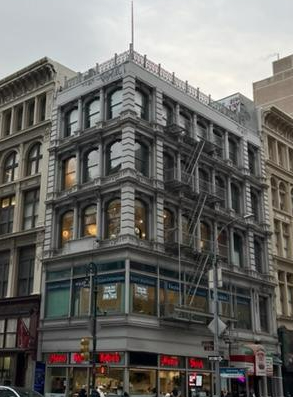
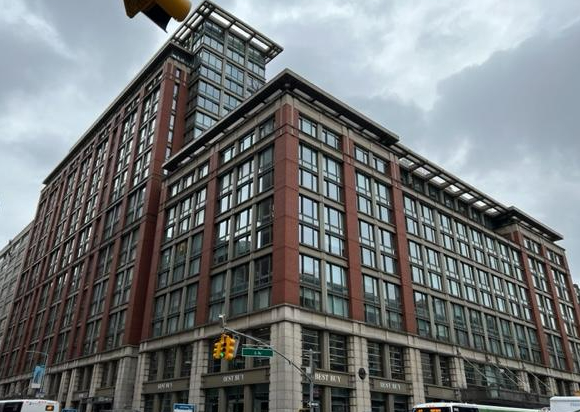
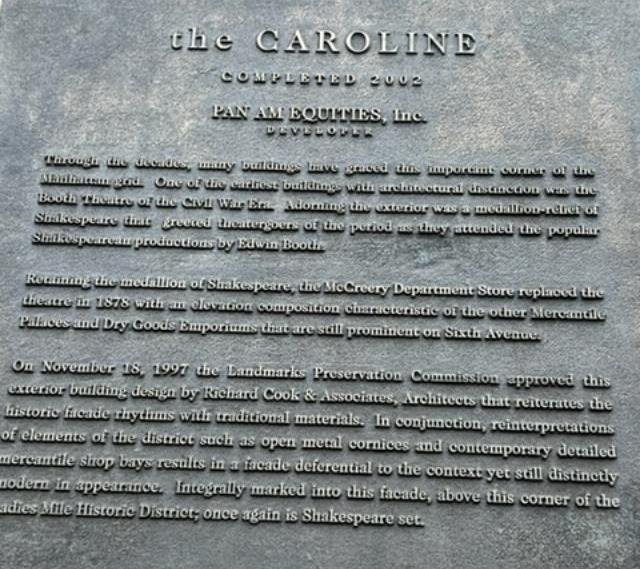


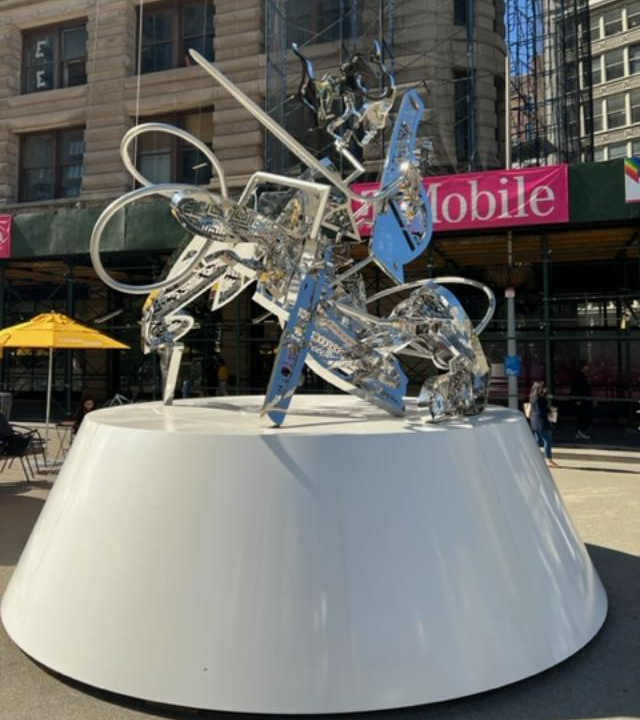
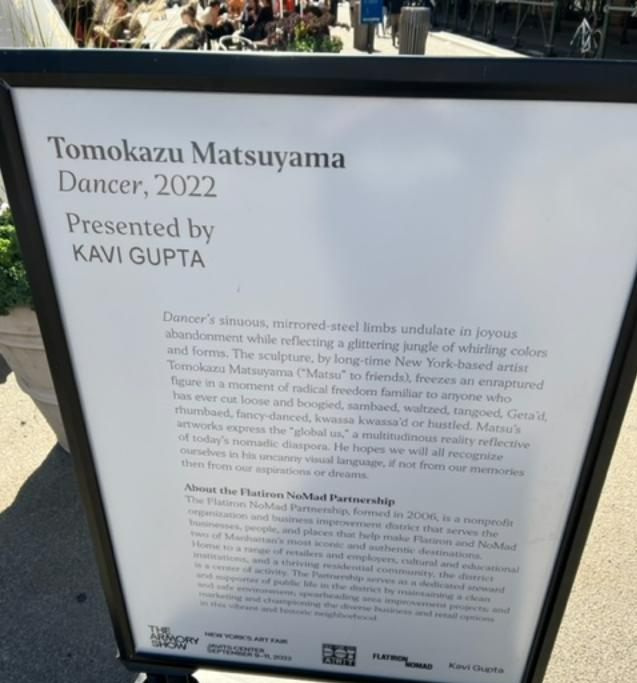
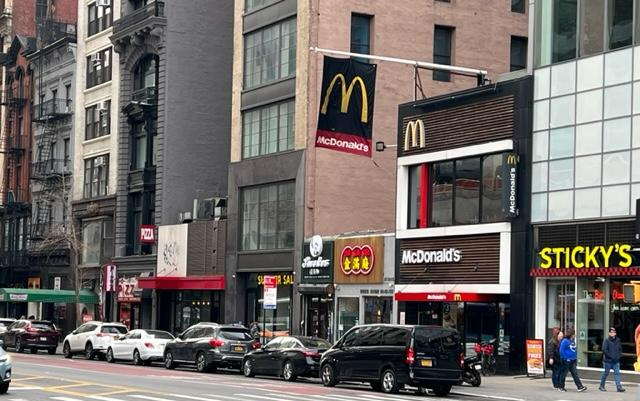

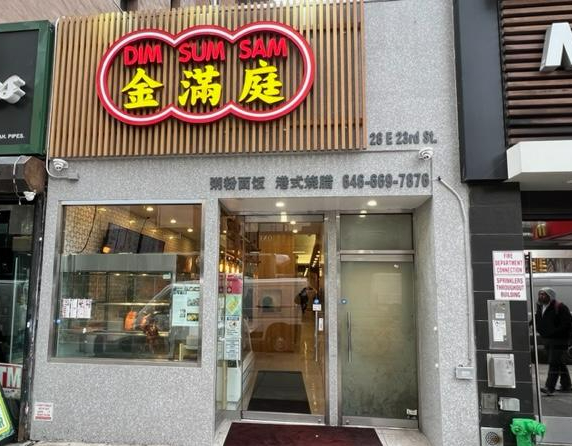
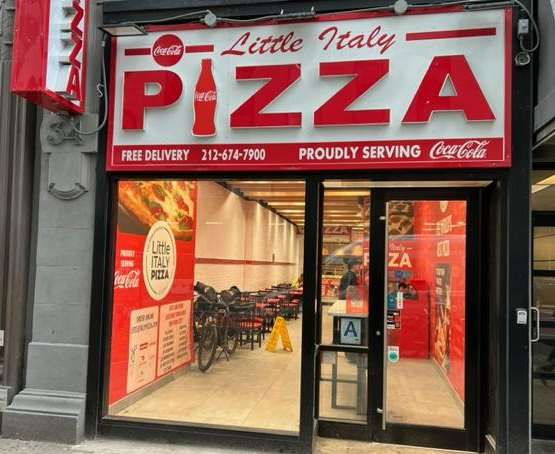
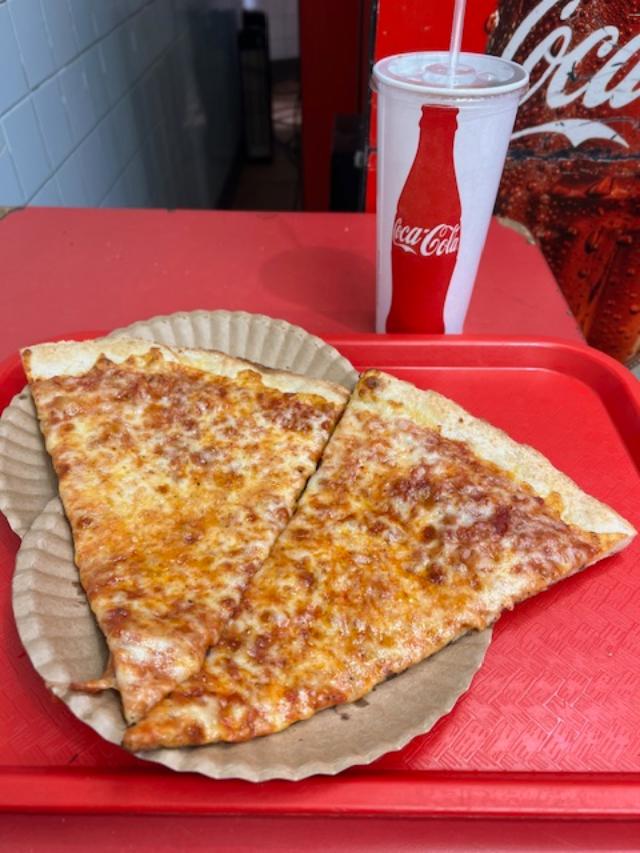

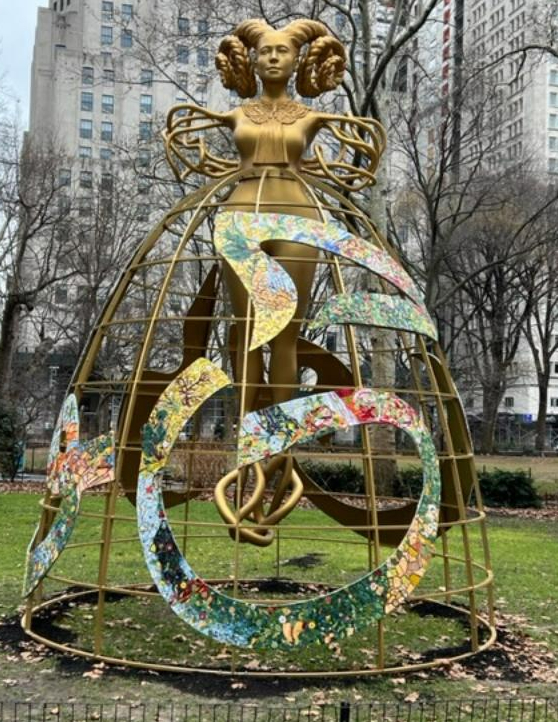


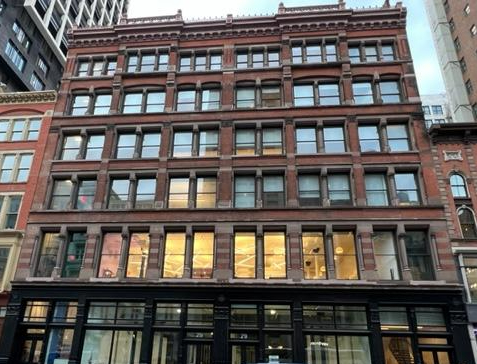

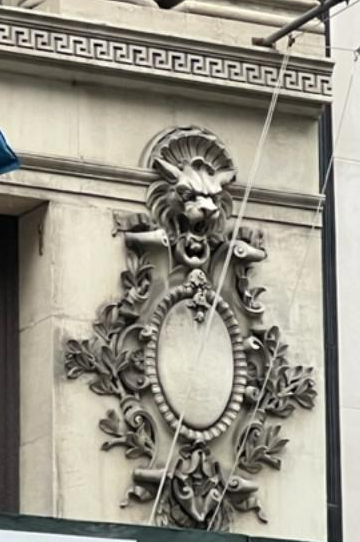

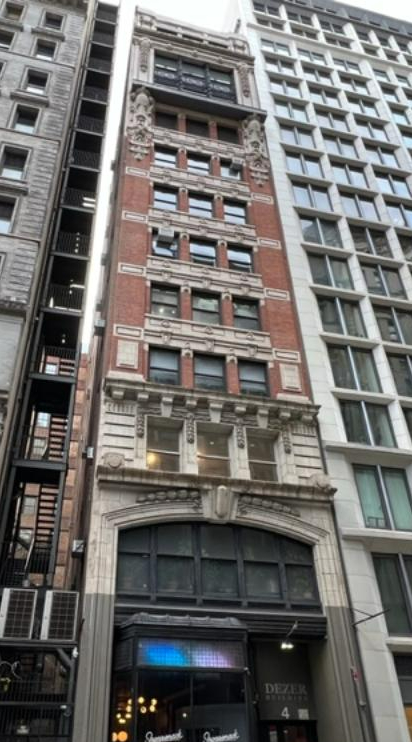

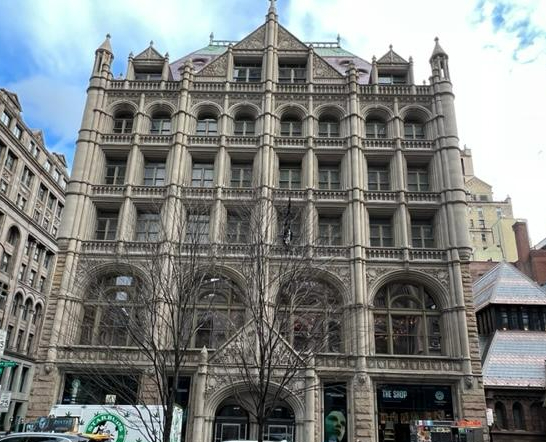


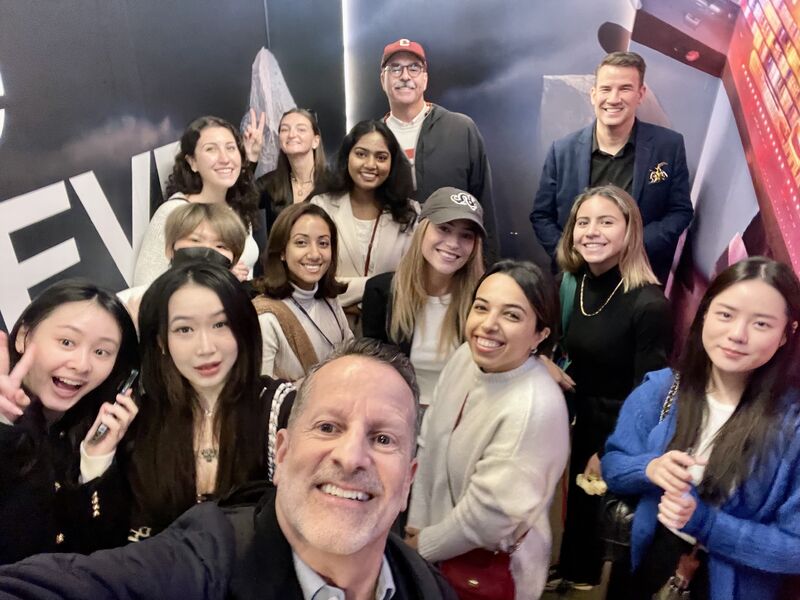


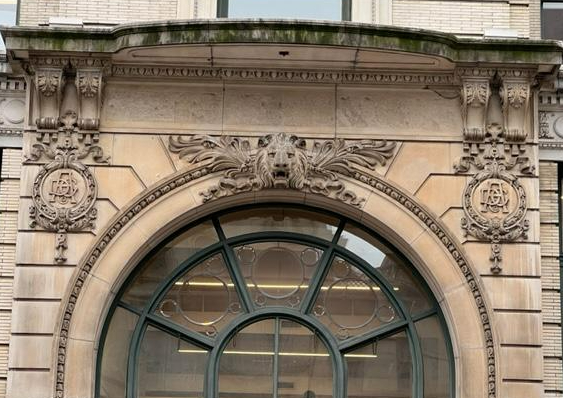
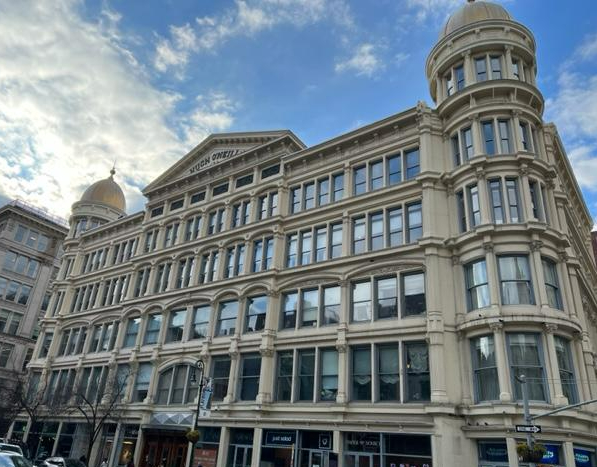
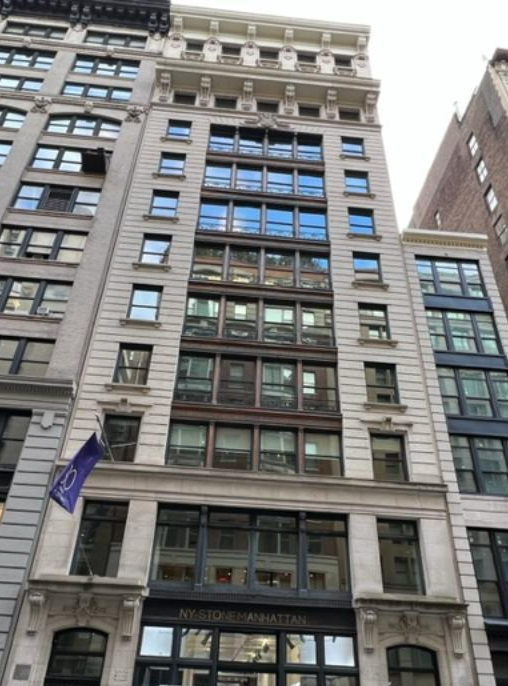

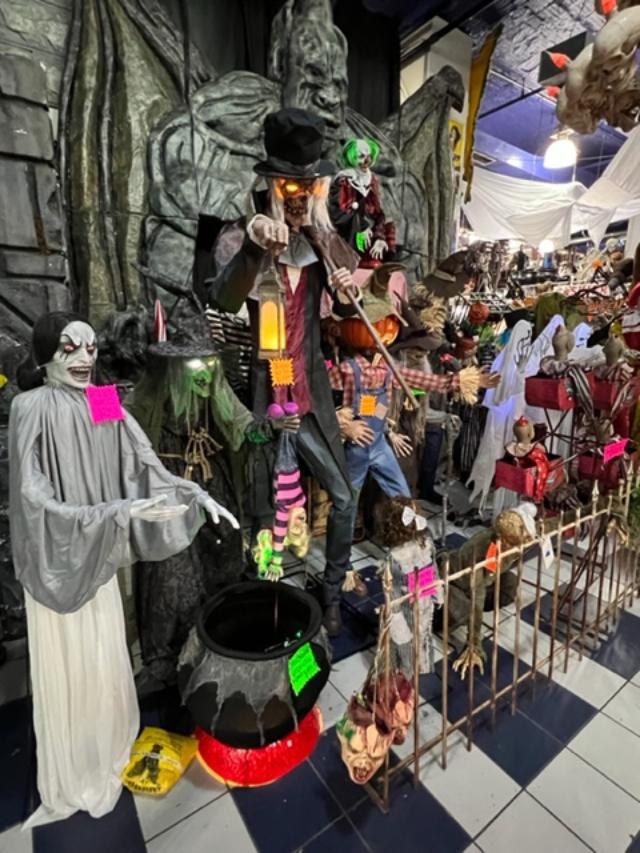
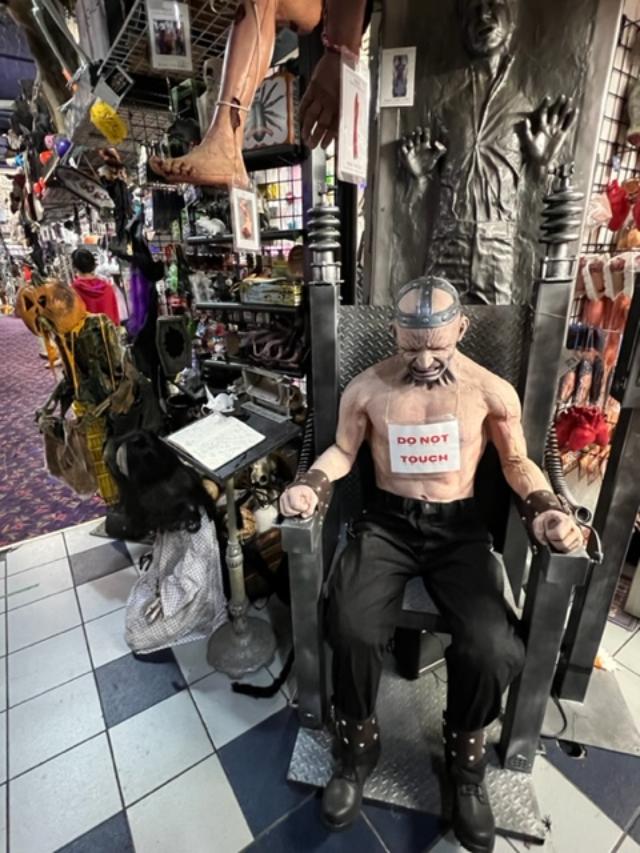
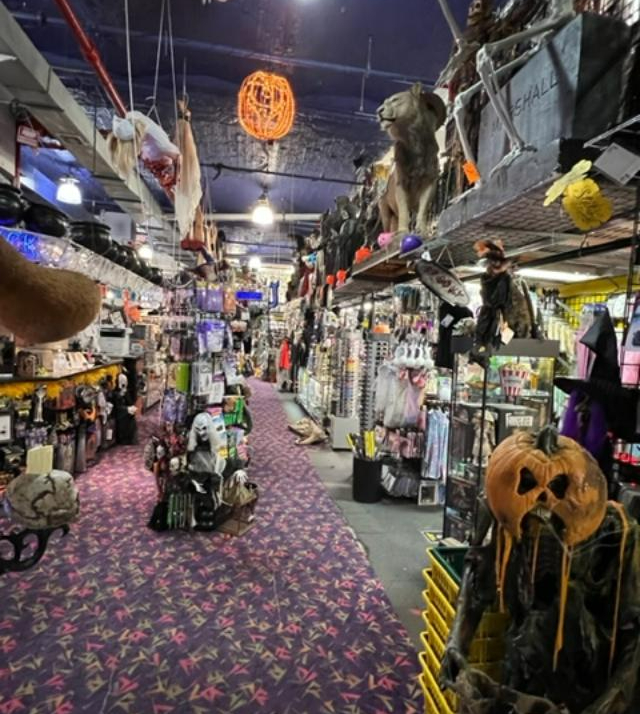


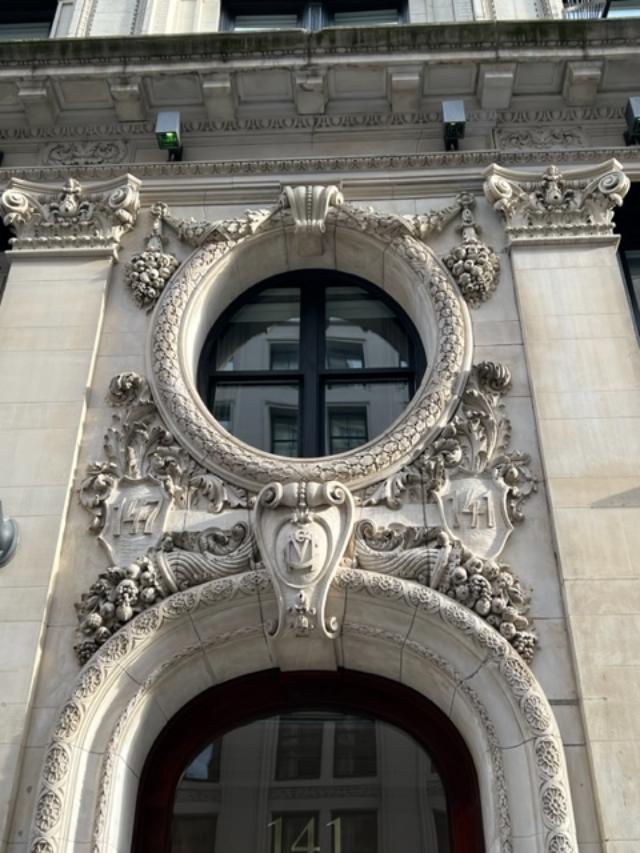
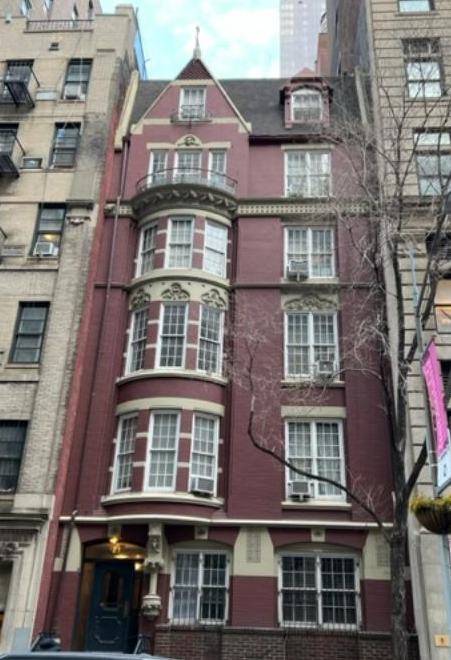
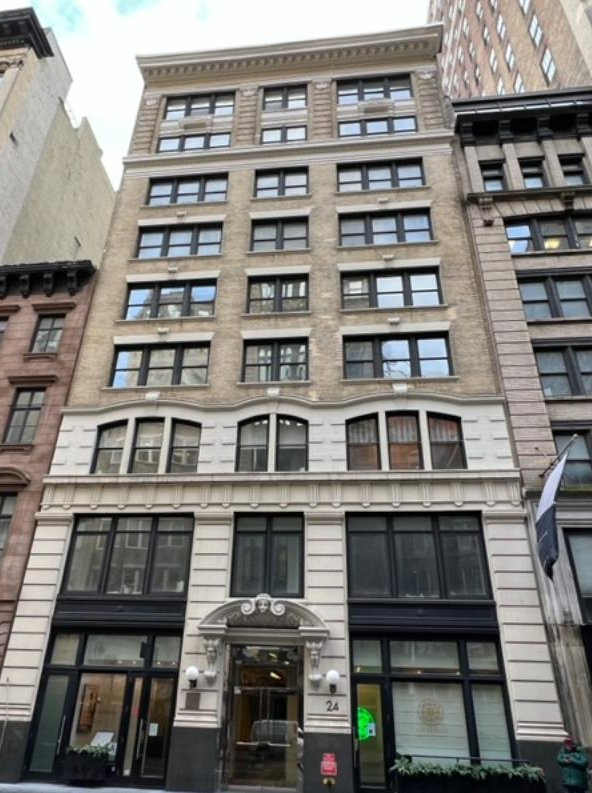

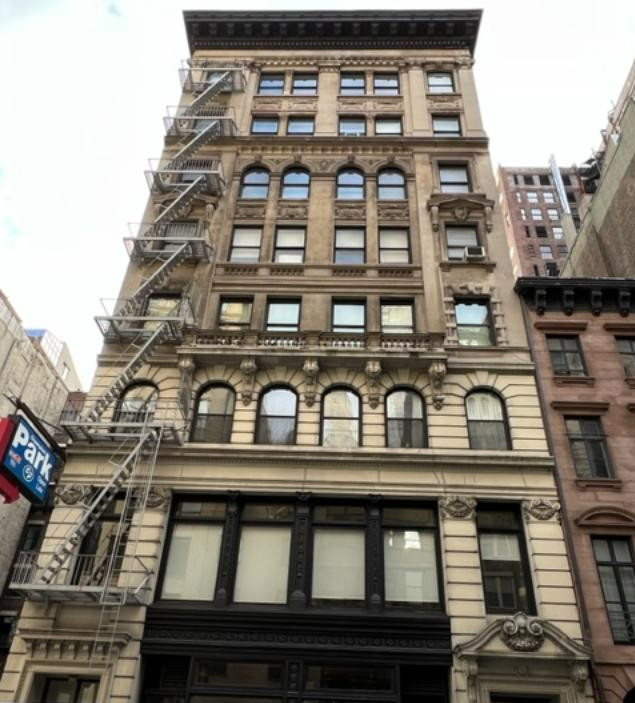
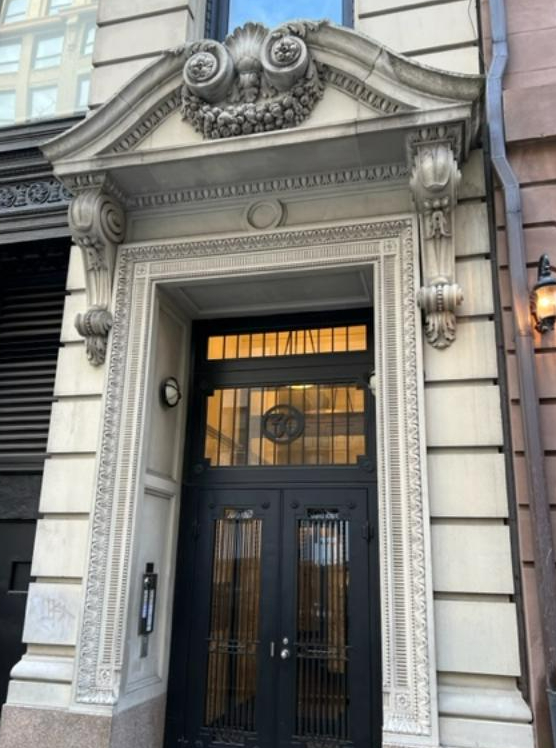
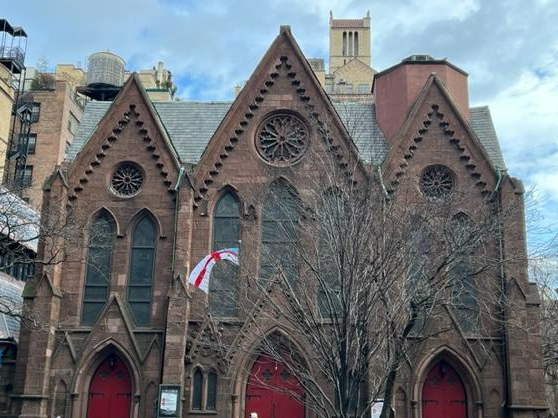

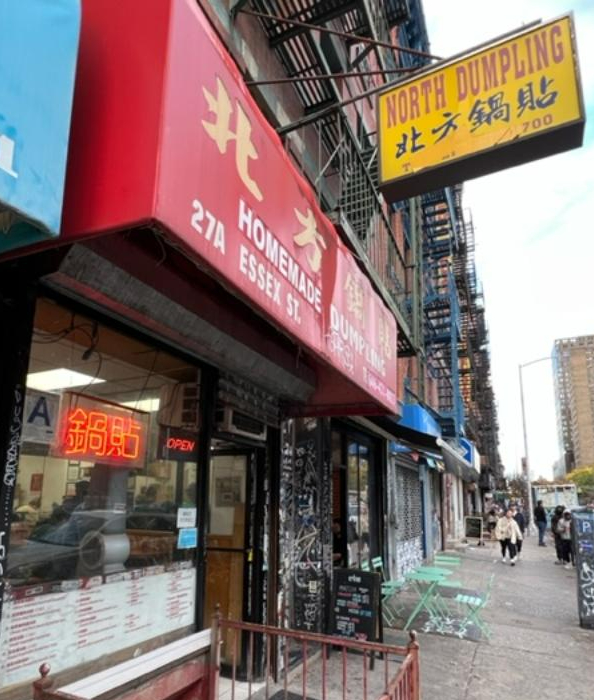




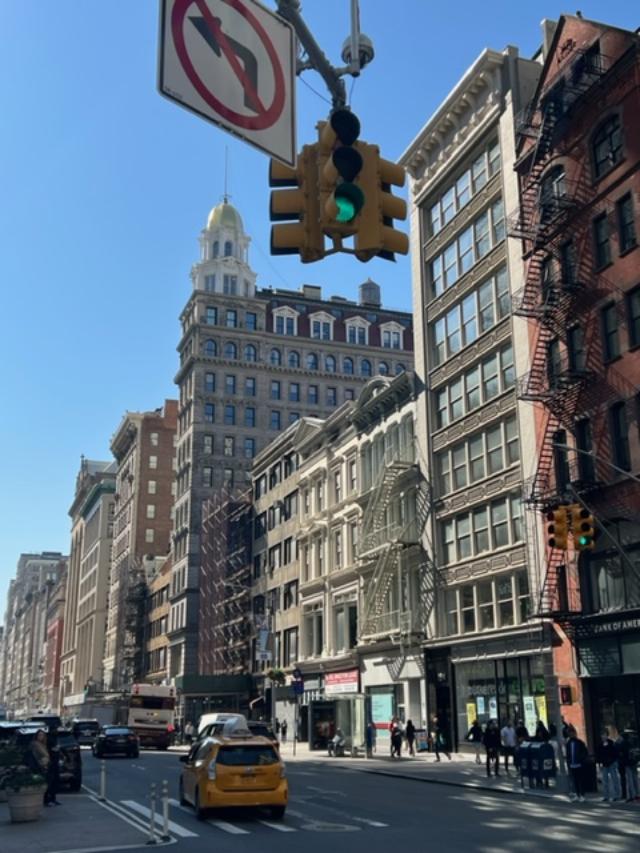





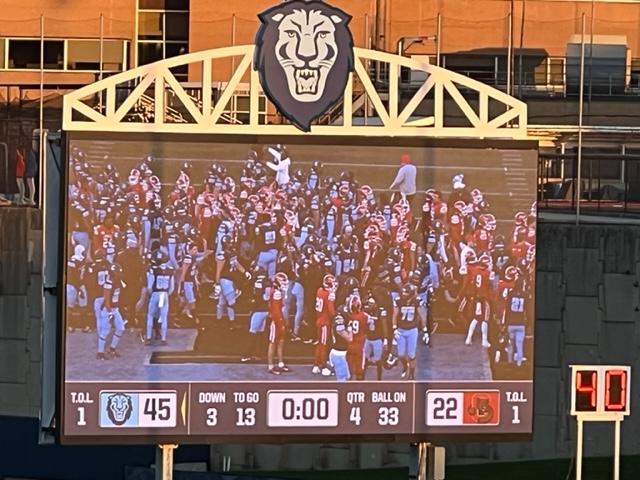




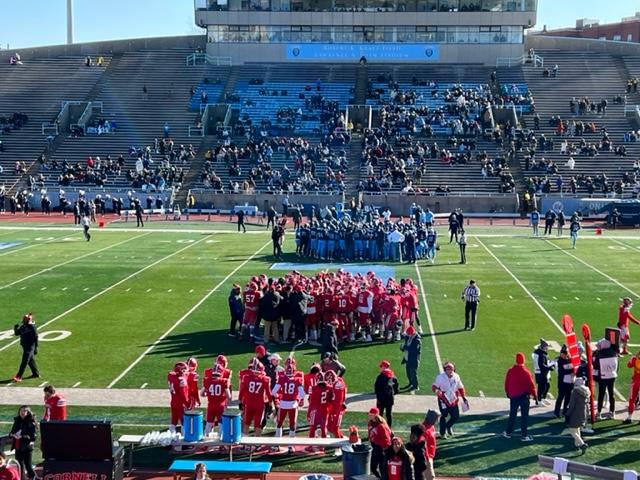
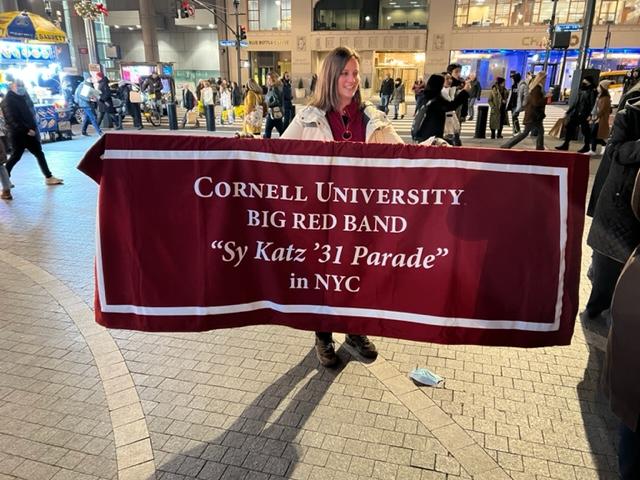

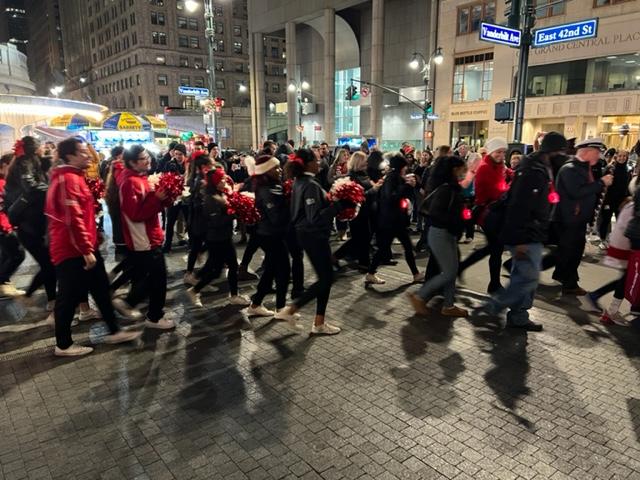






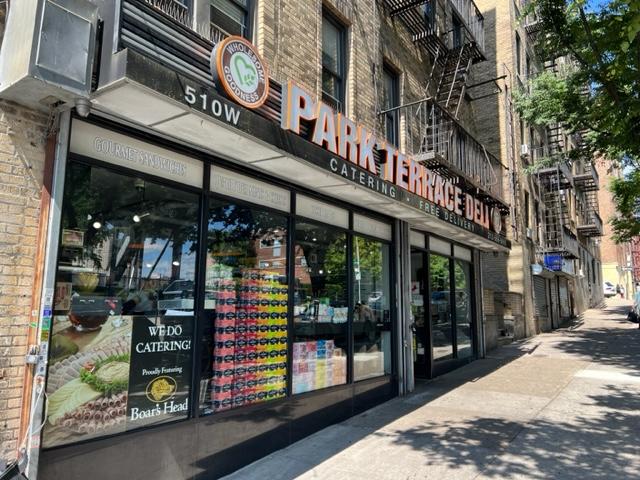

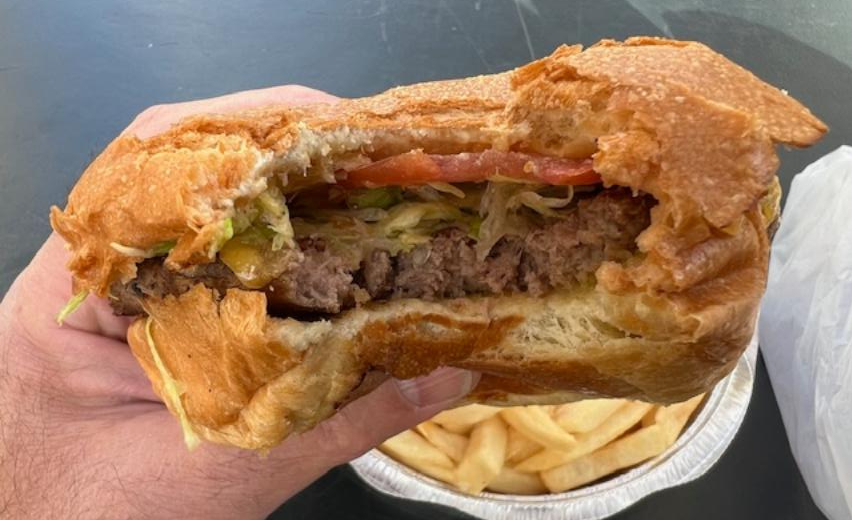


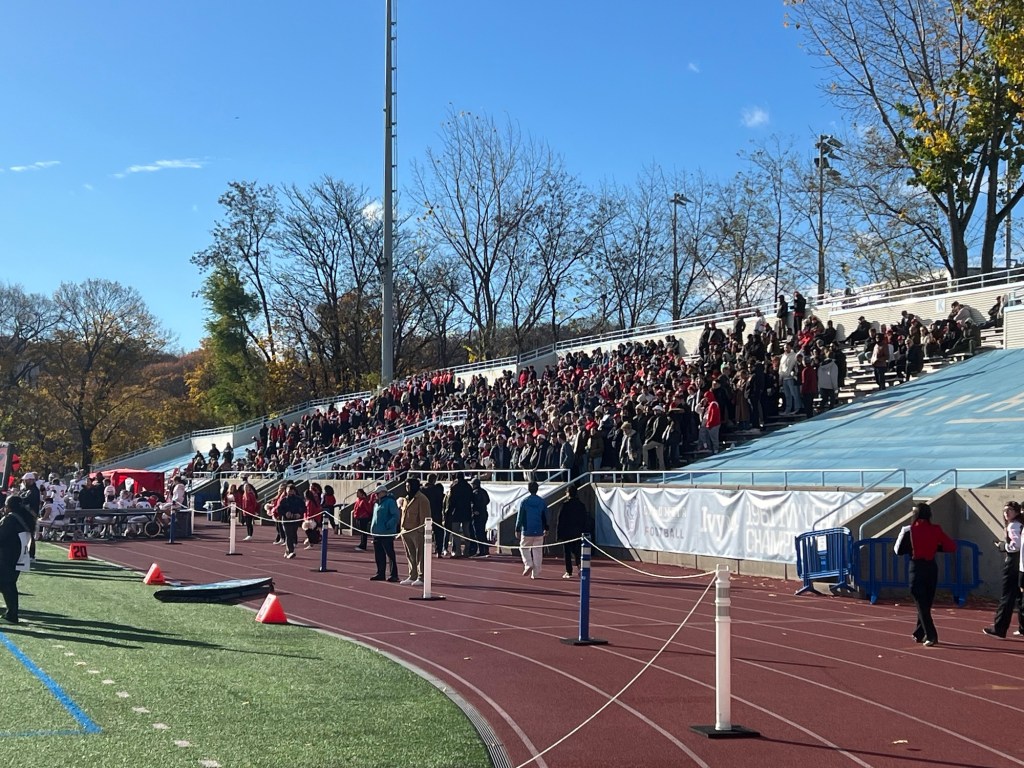


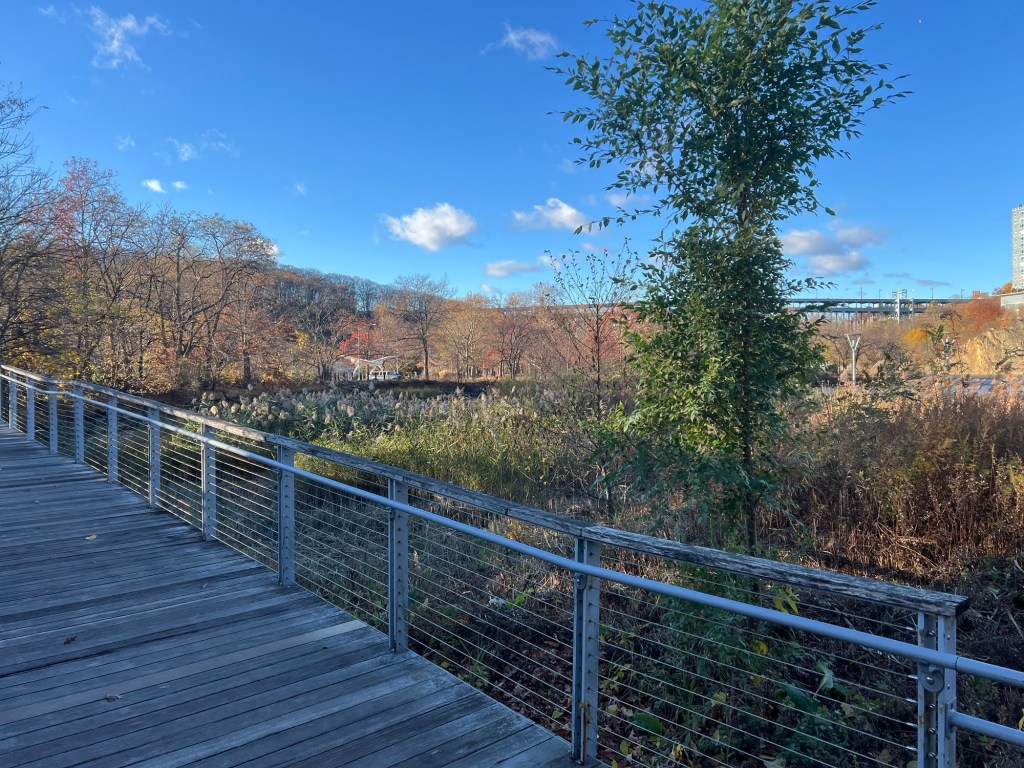


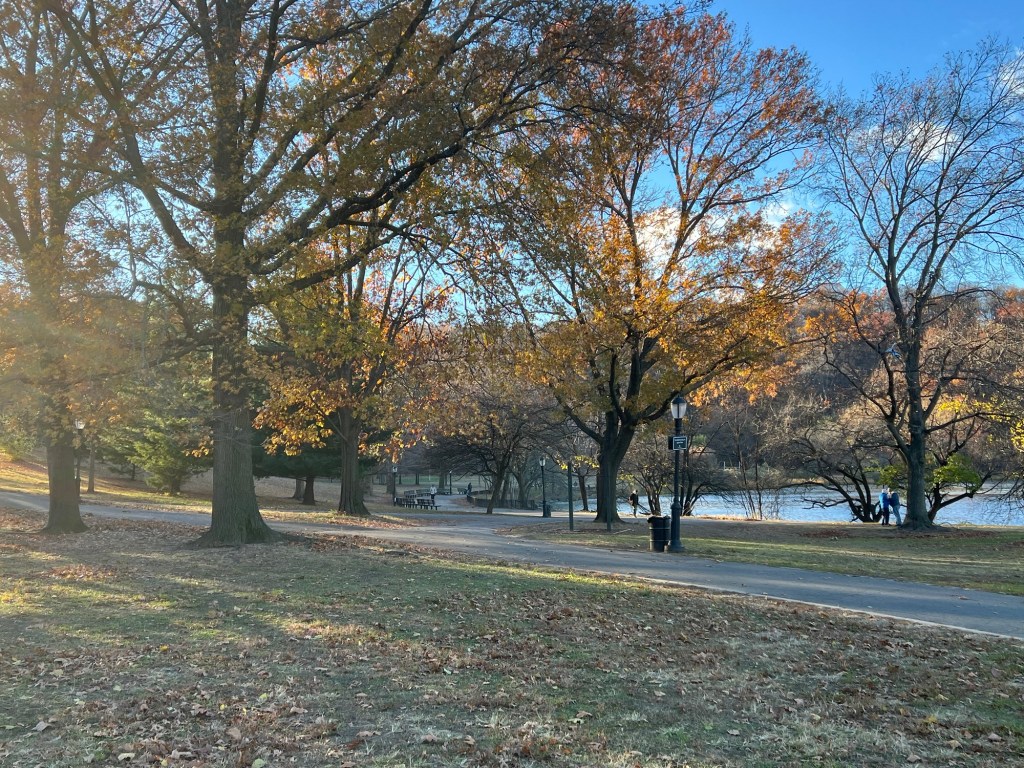

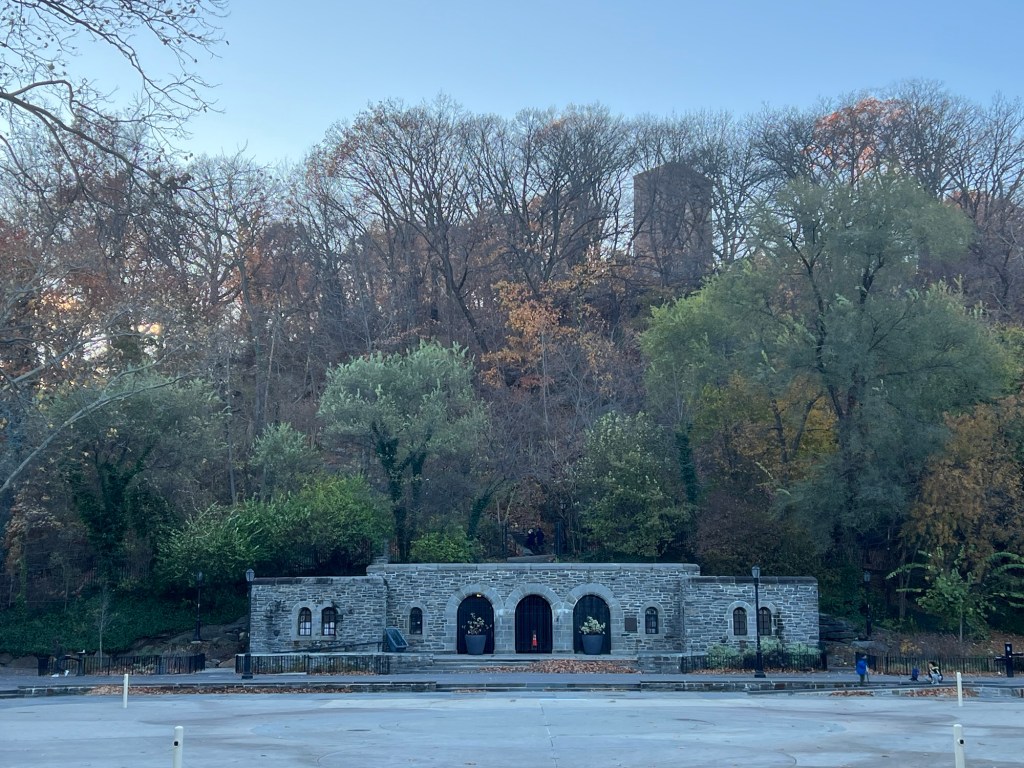
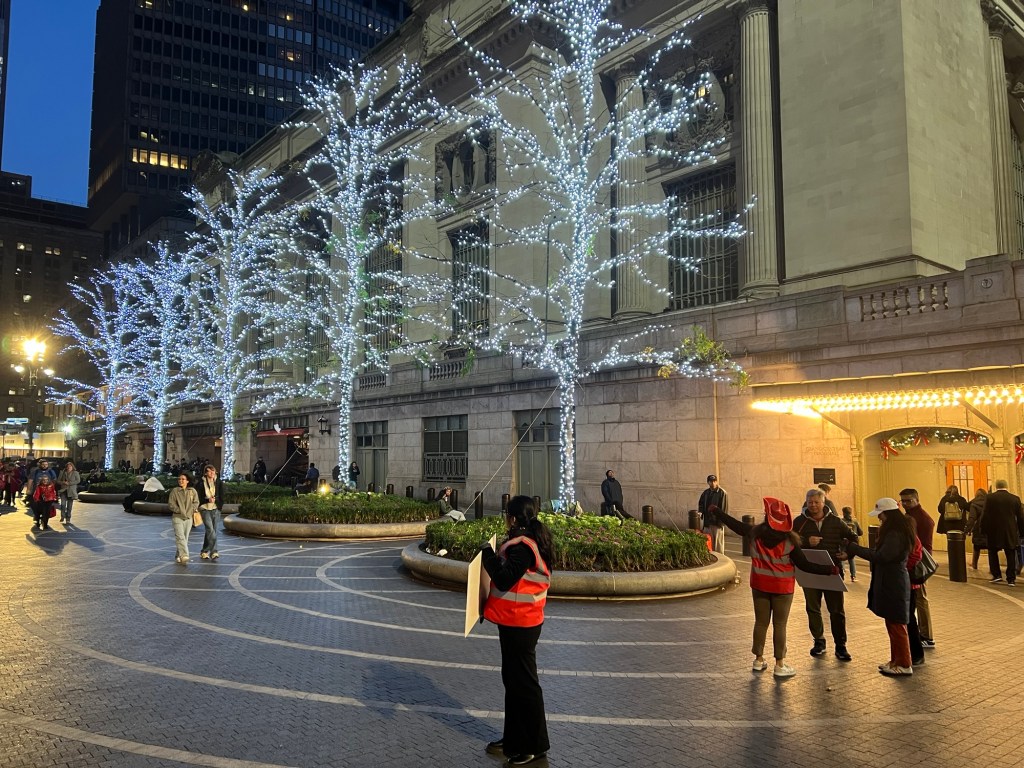


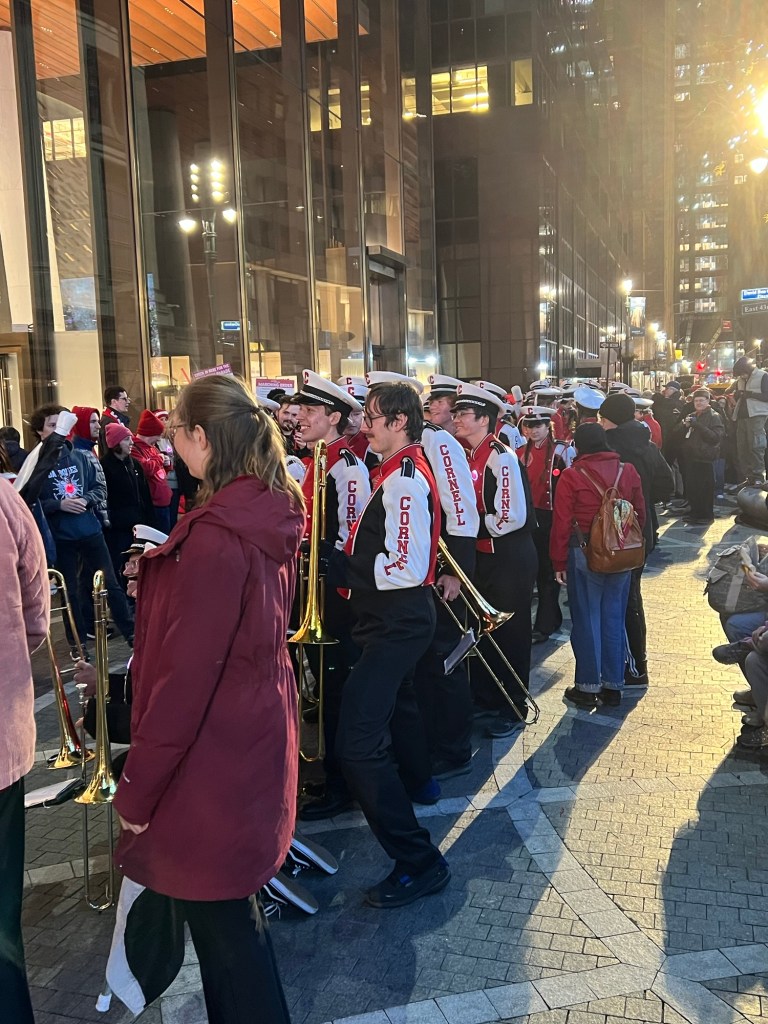








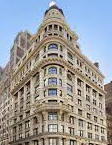
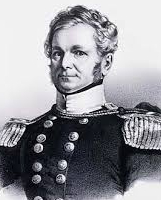
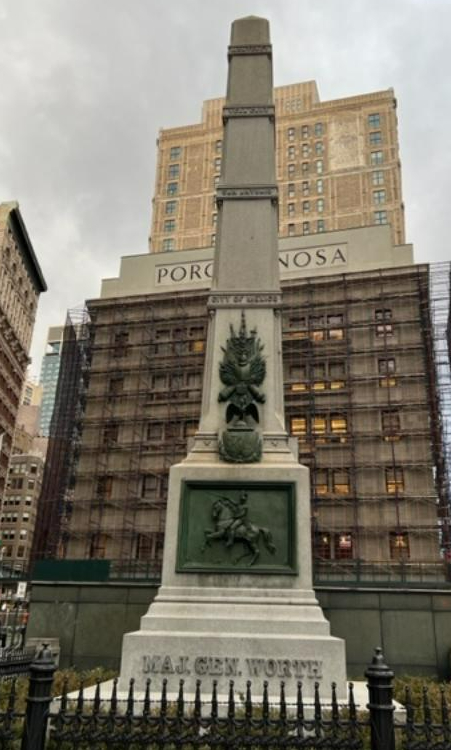

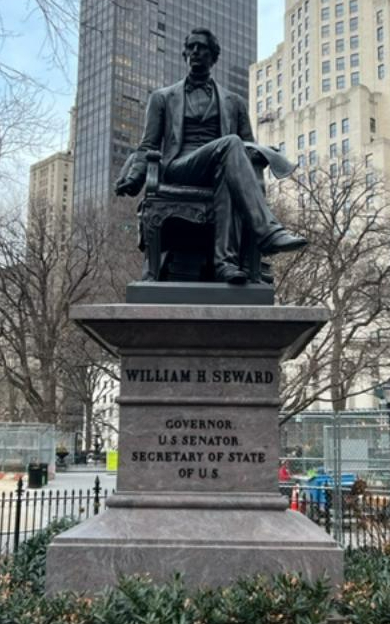

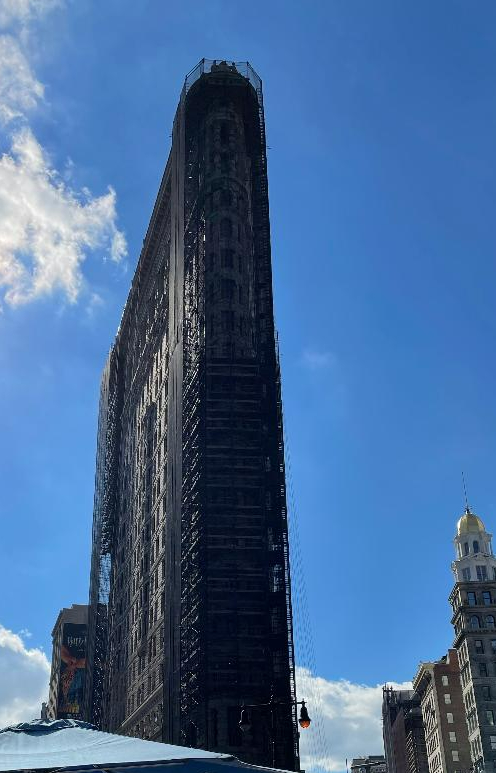
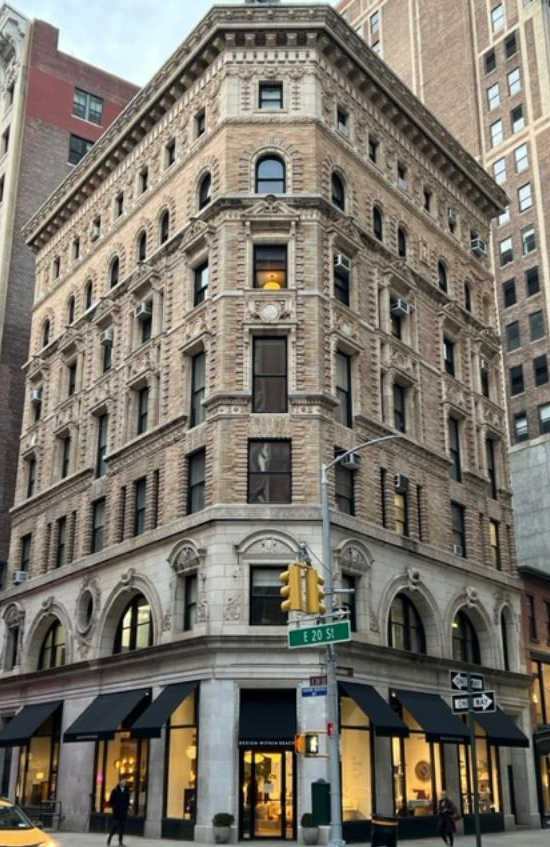

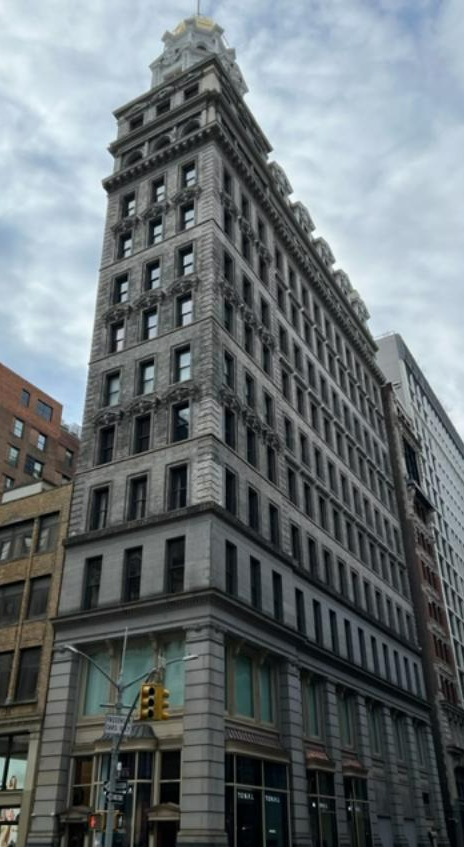
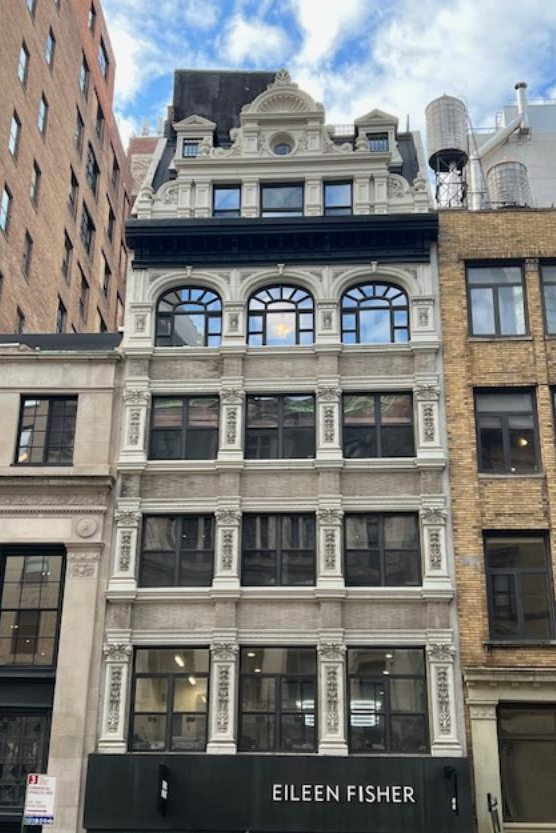

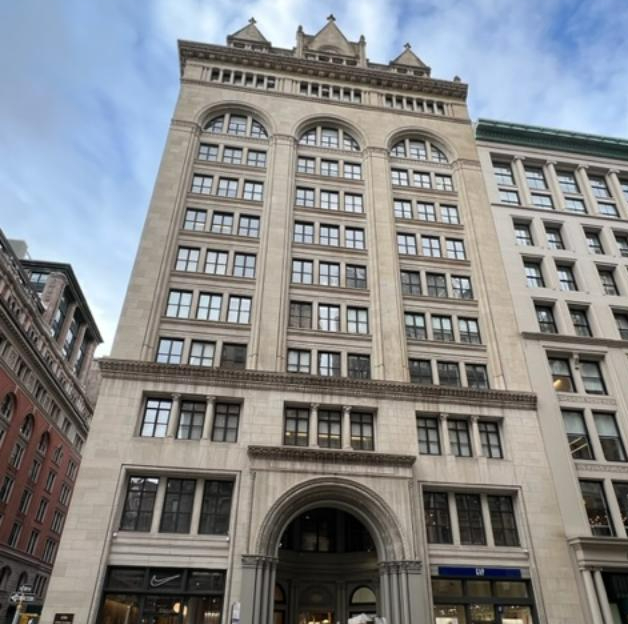
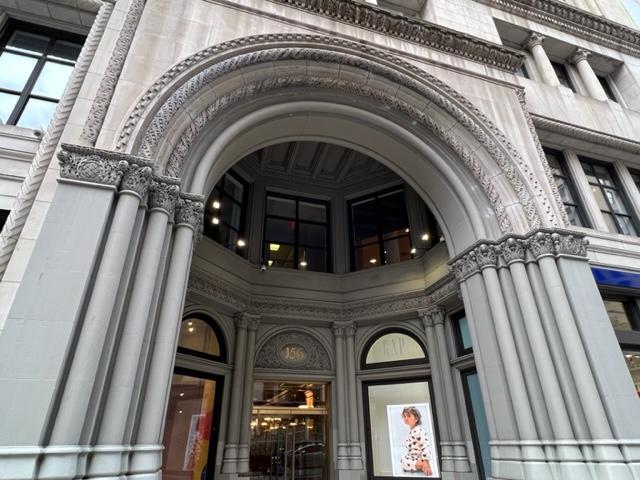
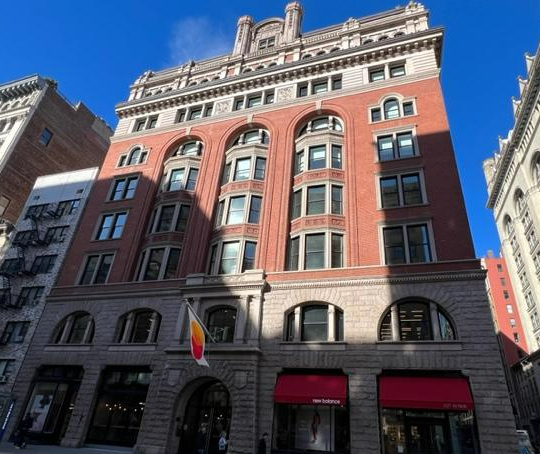
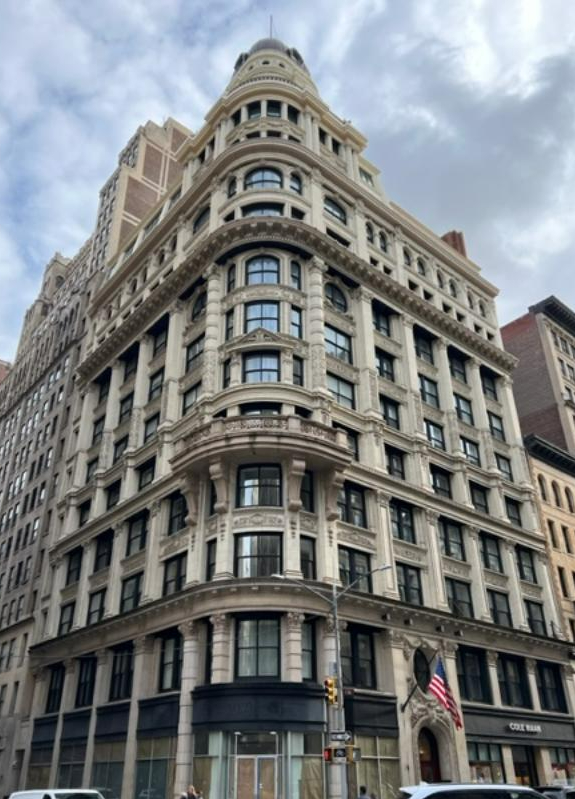
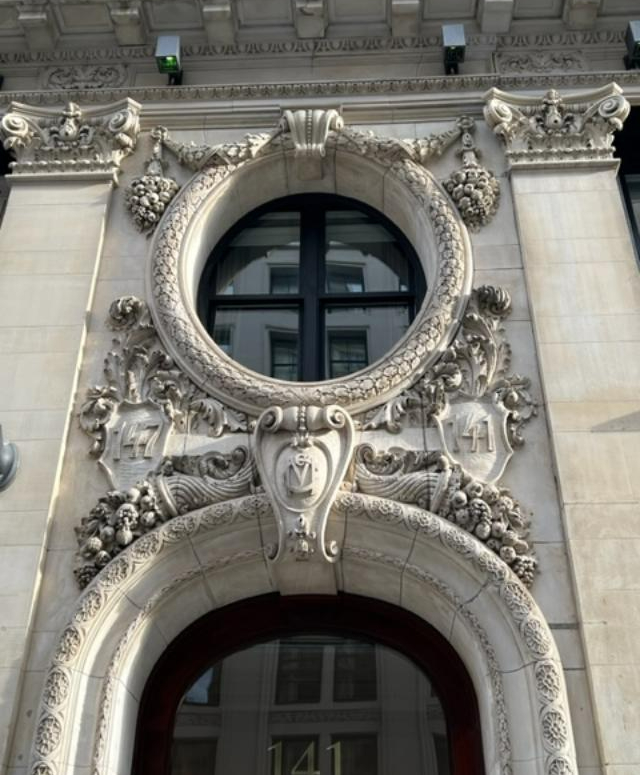


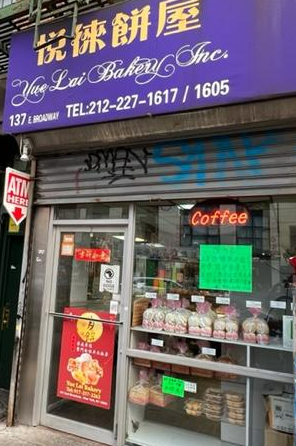

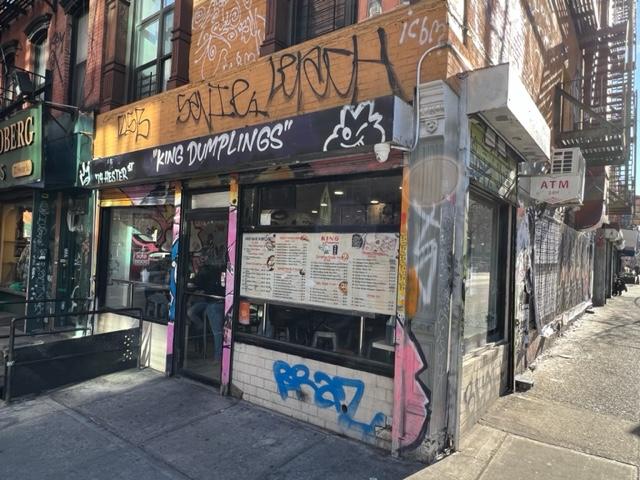

 mywalkinmanhattan