Don’t miss this unique little store in the Hell’s Kitchen section of Manhattan for unique one of kind merchandise.
Don’t miss this quirky fun store in the heart of Midtown West/ Clinton/Hell’s Kitchen for fun merchandise and personal service from the owners of the store.
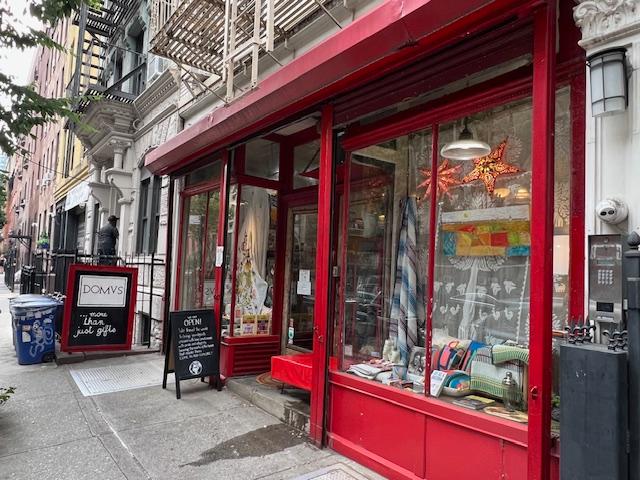
The front door at Domus is very welcoming.
The special handmade ornaments on their display tree inside the store
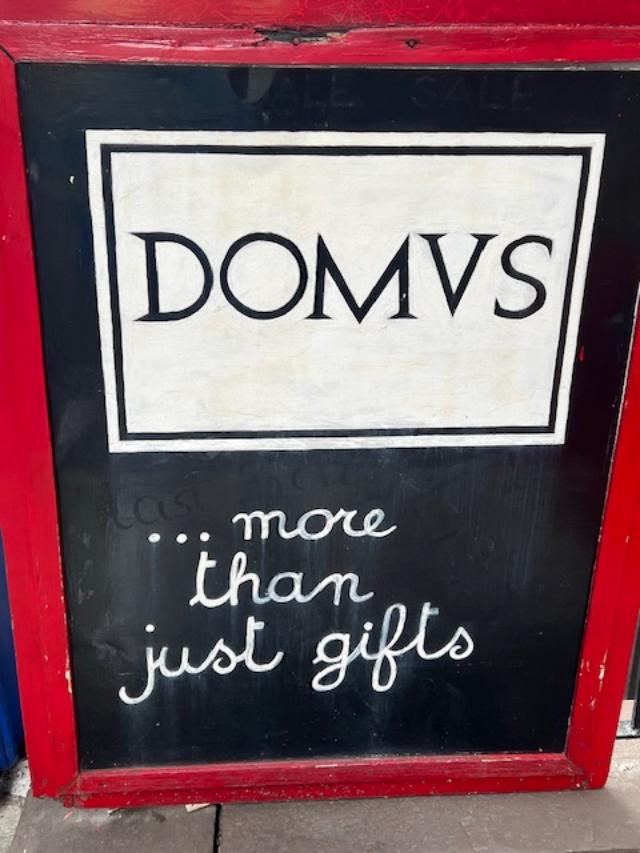
Even in the era of COVID, it is nice to see stores still hold their creativity and vitality in such a hard time. While I was walking around the Midtown West/Clinton/Hell’s Kitchen section of Midtown Manhattan I came across this wonderful little store, Domus at 413 West 44th Street. Sometimes there are little things that set a store apart from another like the window displays or the sign that directs you in the door. Domus has both. The first time I visited the store it was closed for the day but I would visit it another day.
Domus at 413 West 44th Street has eclectic window displays
As I finished by Borders and Avenue walk of the Midtown West/ Clinton/Hell’s Kitchen neighborhood for my blog, “MywalkinManhattan.com”…
I finally got back to the West Side of the Island since before the Christmas holidays of 2019. I could not believe it had that long since I had visited that part Island. Like the rest of Manhattan, this area just keeps changing. COVID has changed the rest of the country but in New York City, it has shuttered and changed whole neighborhoods.
Unlike the Midtown South neighborhood that had been built as Midtown business district during the “City Beautiful Era” of cities between the Civil War and WWI with its classic Beaux Arts and French Renaissance style buildings, Hell’s Kitchen/Clinton was filled with tenements and smaller commercial buildings that catered to the working class living there who were employed in the factories and the docks in Chelsea and the Garment District. Up until the early 1990’s, this was still a pretty tough area. As the City has gentrified, this is one of the last frontiers for people to move into reasonably. Up until COVID hit the City, the area had been fully gentrified and the corridors of Ninth and Tenth Avenues had become ‘restaurant rows’ for the theater district . Now Tenth Avenue is retrenching with a lot of empty storefronts.
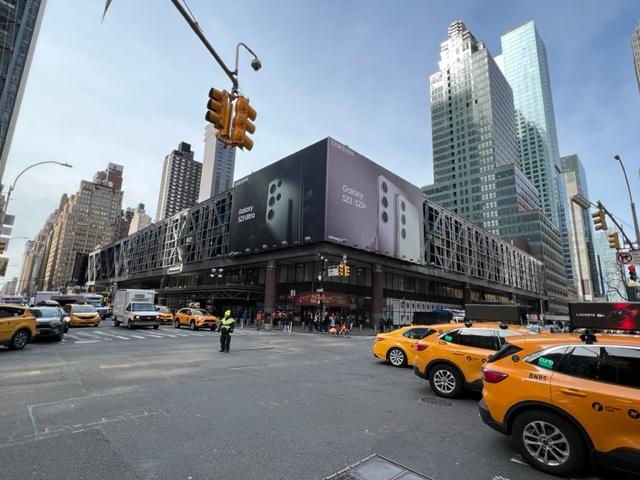
I started my walk at the Port Authority which is the southern part of the neighborhood. This is the main port of transportation for thousands of workers from New Jersey and in pre-COVID times, this area was filled with active restaurants and theaters. Things have opened back up slowly but most of the restaurants for now closed. The 42nd Street Corridor from Eight to Sixth Avenue has not fully recovered from the lost of the Theater traffic. As I walked up Eight Avenue from West 42nd to 59th Streets, some restaurants were fully opened and some were take out and delivery so the foot traffic was pretty quiet that day. Even some of the hotels have not opened back up for business. This area has been hit very badly since the closure of the Theater District.
Since Midtown West had been rezoned eight years ago, the area is in the process of being knocked down and rebuilt with new office buildings and apartment houses. The area around Eight Avenue from West 42nd to 50th Streets has changed a lot in the last ten years. COVID has closed most of the restaurants on the street as well. Looking on the side streets many of the theaters in the Theater District are either chained closed or boarded up with the hotels in the neighborhood. It can be a scary ghost town at night.
The area has had an interesting past. During Colonization by the Dutch, the neighborhood was known as “Great Kill” due to three streams that used to empty into the Hudson River and was home to many large farms and estates of the wealthy . The area was dominated by family names such as Hopper and Clinton, the latter being the former Vice-President and New York State Governor George Clinton, whose family owned a villa around where present West 46th Street is now. All that is left of that part of the neighborhood’s history is the carriage house from the estate in an alleyway at 422 West 46th Street (Wiki).
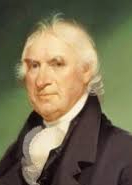
Former Vice-President and New York Governor George Clinton
In 1849, the railroad reached the neighborhood and it started to form its Industrial stage with tanneries and docks being built along the shore and shanty towns for workers forming along the waterfront. Later tenements were built to house the workers of the industries filling with recent Irish immigrants after the Civil War and the area had a notorious reputation for gang violence until gentrification started in the 1980’s. The neighborhood has been transforming since that time with new construction along the West 42nd to 59th corridor along Eighth Avenue (Wiki).
The area is still in a state of transformation even during the Global Pandemic. Many of the restaurants around the neighborhood have closed partially due to the closing of Broadway theaters that dominate the neighborhood and the empty office buildings that line Eighth Avenue. The ‘Theater District’ that lies just east of the neighborhood is still mostly boarded up as well as the hotels are still all closed. It makes it spooky at night to walk through almost similar to those years in the 1980’s and early 1990’s when you had to run down Eighth Avenue to get to the Port Authority.
The edges of this neighborhood have changed a lot in the past twenty years. Between the redevelopment of the area under the Koch and Giuliani Administrations and the rezoning under the Bloomberg Administration, the Eighth Avenue corridor and streets from West 40th to 45th have all been rebuilt. I have never seen so much change in an area in the last twenty years.
Pre-COVID the Port Authority between West 42nd to West 41st Streets from Eighth to Ninth Avenues was going through a face-life renovation and the facility started to move out all the older stores and restaurants for higher end takeout places and an art gallery. It looks now that it has been put on hold until people start to return.
The Port Authority Bus Terminal at 625 Eighth Avenue
Since I returned to Manhattan to resume this project last June, the traffic going through the Port Authority has not changed much even though there are more people on the bus. The afternoon I came into the City it was sunny and 66 degrees. More outdoor dining was in play and more people were outside enjoying the weather.
I started my walk exiting the Port Authority at the corner of Eighth Avenue and West 42nd Street, a corner that still needs a lot of work. Pre-COVID this was a bustling area of theaters, shops and restaurants and one of the biggest McDonald’s in the country. Most of it is closed down now and the homeless have taken back over this area. Surprisingly though, it still remains clean a result of the Partnerships established in the mid-1990’s. This area is swept all day long.
As I walked along the eastern border of Midtown West/Hell’s Kitchen/Clinton, there is a distinct change in the area. Even if many of the hotels and theaters are closed, slowly the restaurants in the Theater District have reopened to outdoor dining giving this area a much needed boost.
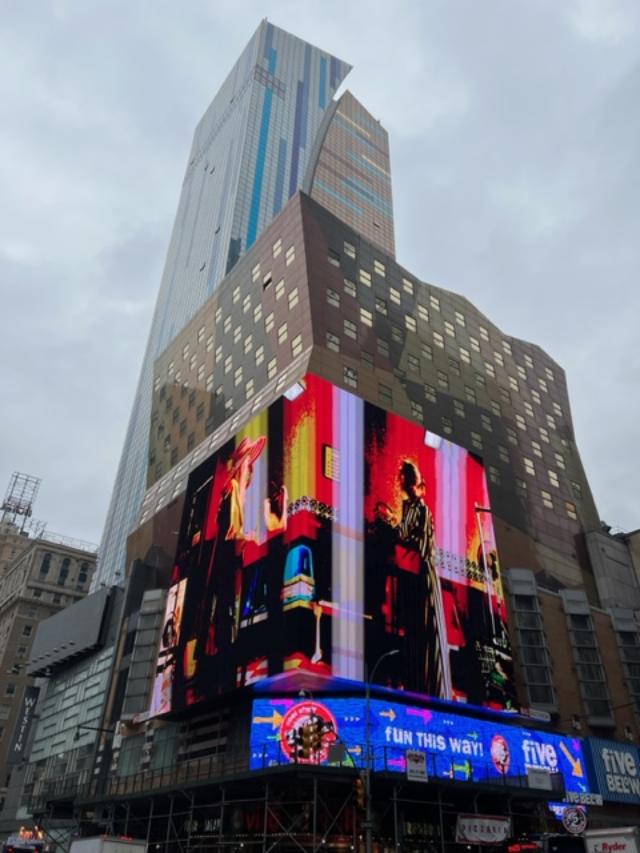
One of the most interesting buildings in the Times Square area is the Westin New York at Times Square at 270 West 43rd Street which stretches from West 42nd to West 43rd along Eighth Avenue. This hotel (which is currently closed during COVID) was considered one of the most innovative designed buildings in New York City when it was built.
Westin New York at Times Square at 270 West 43rd Street
The hotel was so innovative at the time when it was built and was considered a key in the redevelopment of the West 42nd Street district. The hotel was commissioned by the architectural firm of Arquitectonica to design the building. The 863 room hotel is actually two towers merged together with a ten story midsection for retail and hotel suites. The large scale abstract design has the look of a multi-dimensional gigantic origami (Arquitectonica website). The building was designed by HKS architects and was finished in 2002.
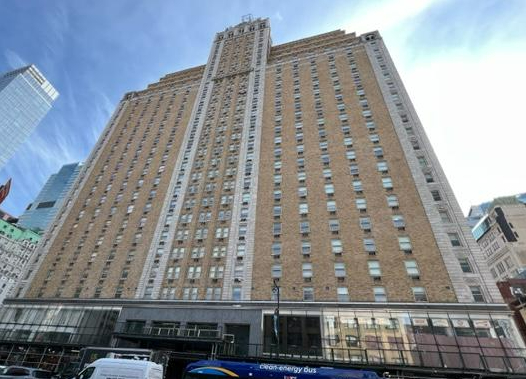
Further up Eight Avenue is the well-known Row NYC Hotel at 700 Eighth Avenue. This hotel opened in 1928 as the Hotel Lincoln and was the largest hotel in Manhattan when it opened with 1331 rooms. In 1957, the hotel was sold and remodeled and open again as The Hotel Manhattan. It was closed in the 1960’s as the rest of the area declined. It reopened again as the Milford Plaza Hotel in 1978 and was a big theater going hotel. In 2013, the hotel was sold once again and went through another renovation and opened as the currently Row NYC Hotel (Wiki).
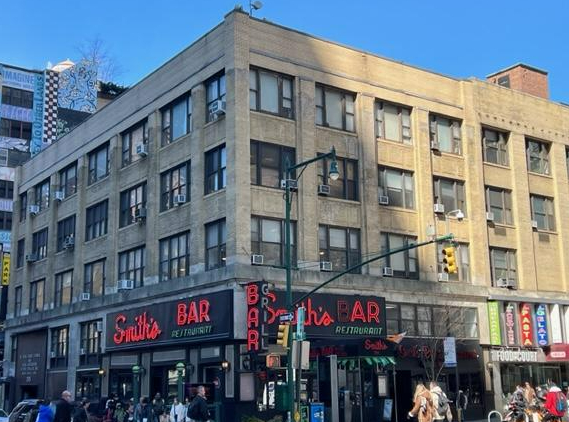
Passing now closed hotels and restaurants that line this part of Eighth Avenue that border the theater district, I passed the now closed Smith’s Bar, which has been a fixture in Times Square for over sixty years opening in 1954. The bar had been sold to new owners in 2009 and then closed in 2014 to reopen a year later. The bar is now closed again due to the COVID pandemic.
This bar has seen Times Square go through a major transition over the years and was once located in one of the worst areas during the 1990’s. It survived all of that and closed a few months ago due to the COVID pandemic.
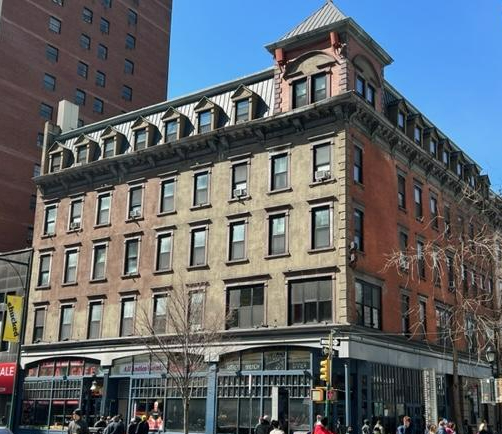
Further up the avenue on the corner of Eighth Avenue and West 46th Street is the West 46th Street SRO. This interesting building that I thought was an elegant Victorian is actually a combination of three former tenement buildings and two residences to make one building. Architects Oaklander, Coogan & Vitto PC created this interesting building with an additional shared floor topped with a mansard roof and tower. It used to house many trendy restaurants and bars but since the pandemic has been empty (OCV Architects PC).
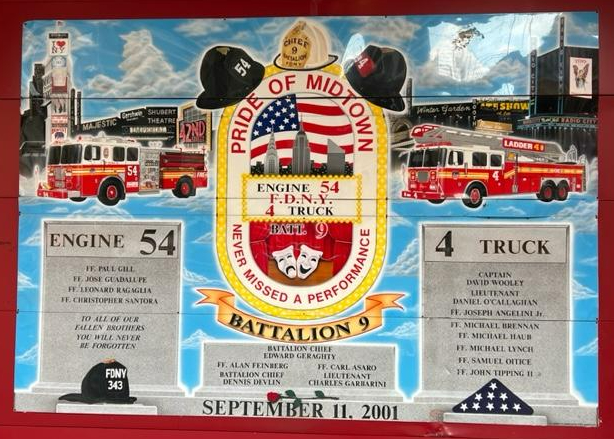
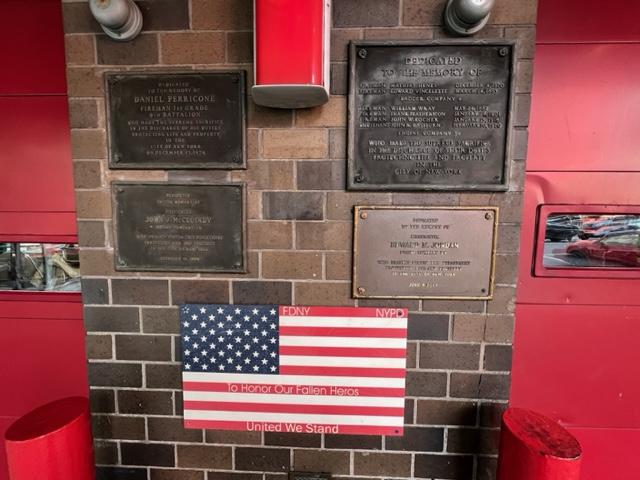
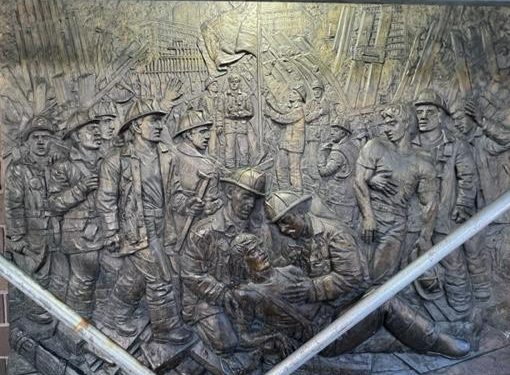
I reached West 48th Street and I passed Engine 54/Ladder 4/Battalion 9, which I used to pass all the time when I worked down the road at the Java Shop on the corner of Broadway and West 46th Street at 782 Eighth Avenue. These companies were hit hard a year after I left my job on 9/11 when the Brothers of this house lost 15 members that day, their entire shift. The memorial they have to their members is really touching and the guys that work there always seem so friendly to all the tourists that pass by.
Engine 54/Ladder 4/Battalion 9 at 782 Eighth Avenue
Pay respects to the Engine 54/Ladder 4 Memorial on the front of the building
The Memorials
Engine 54 Plaques and Awards including 9/11
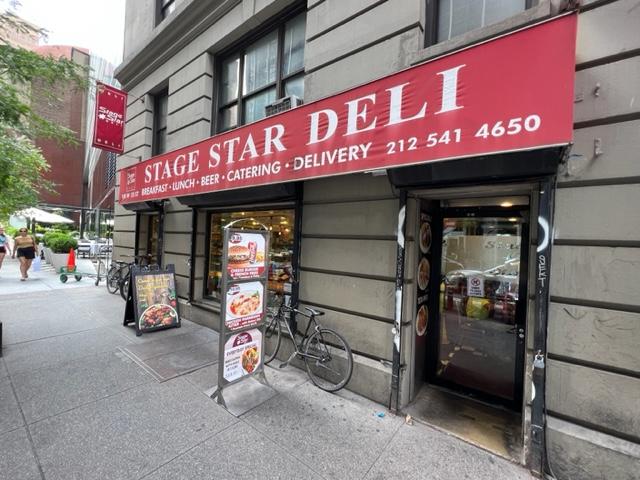
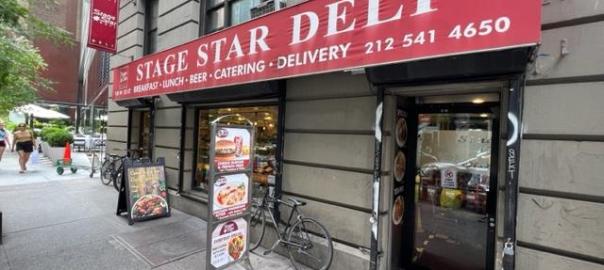
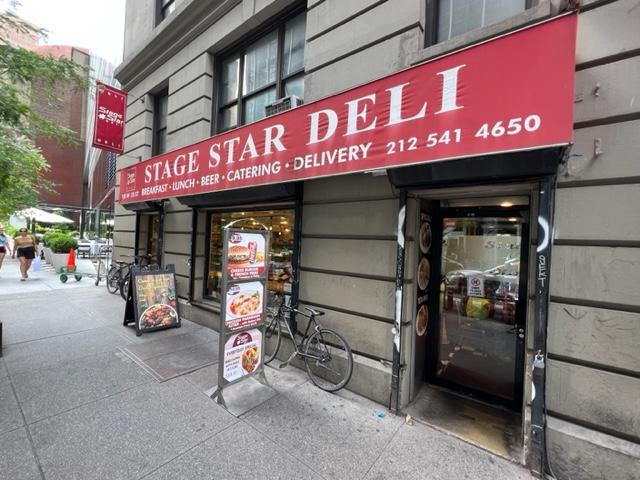
I made a detour back to West 55th Street for lunch. I stopped at Stage Star Deli at 105 West 55th Street for a sandwich before I continued the walk around the neighborhood. The deli is so reasonable and has so many choices (See my reviews on TripAdvisor and DiningonaShoeStringinNYC@Wordpress.com).
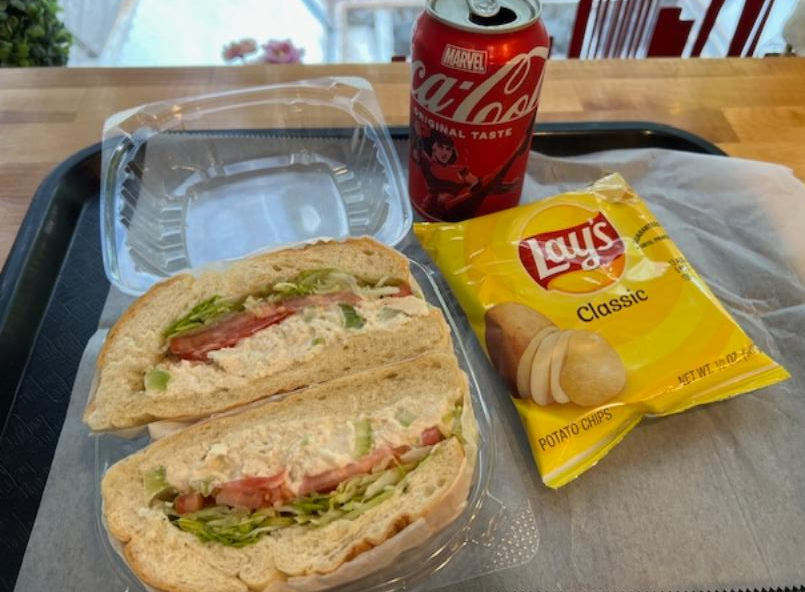
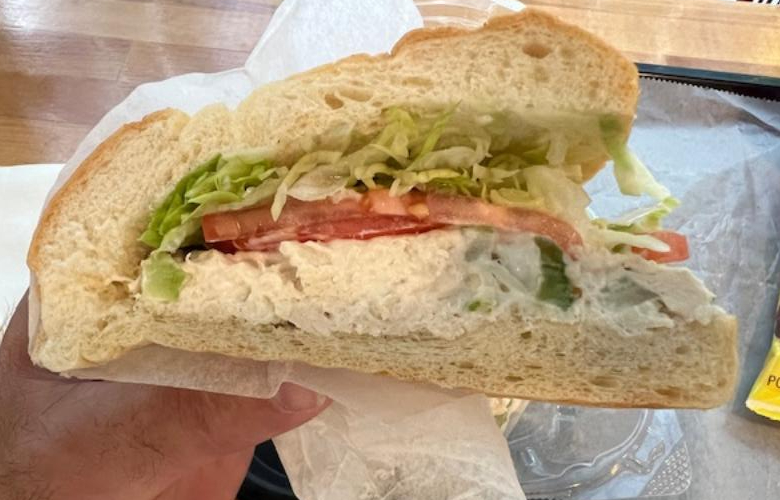
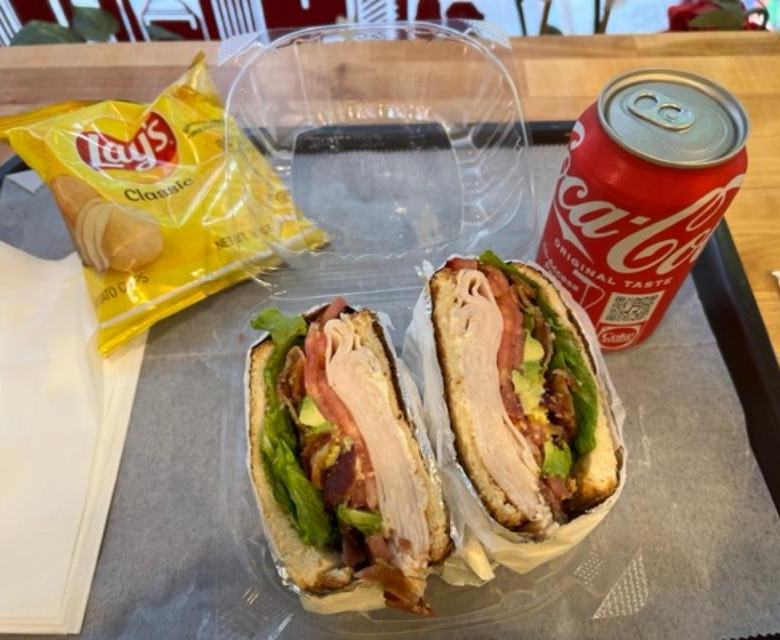
I chose a Chicken Salad sandwich with Pesto combination lunch ($8.95) which was excellent. The chicken salad was so fresh and the pesto had such a nice flavor. The sandwich was served on a hero roll and could have fed two people. The food here is consistent and excellent.
The Chicken Salad with Pesto here is excellent
Their Chicken Salad here is excellent
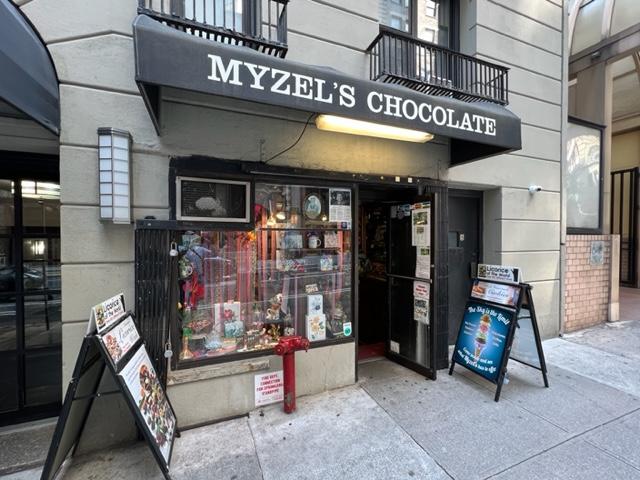
After lunch I headed down the road to Myzel Chocolate at 140 West 55th for dessert. I had not been there in over a year since the shutdown of the City last March. I had to have one of their Chocolate Chip cookies and they still had Cadbury Creme Eggs from Easter (See reviews on TripAdvisor and LittleShoponMainStreet@Wordpress.com). I was shocked when the bill came to $4.10. For a cookie and a piece of candy that must have been a month old?
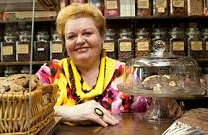
I talked with the owner, Mrs. Myzel and she was talking about the lack of business since the shut down and all the problems the City was facing with the homeless and the lack of office workers. I told her it would be about a year until things started to get to the new normal. Still the store had so much of its magic to it with all the decorations and displays. It is a store to visit to forget your troubles.
Mrs. Myzel greets all her customers with a smile
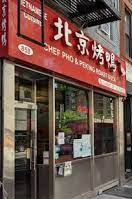
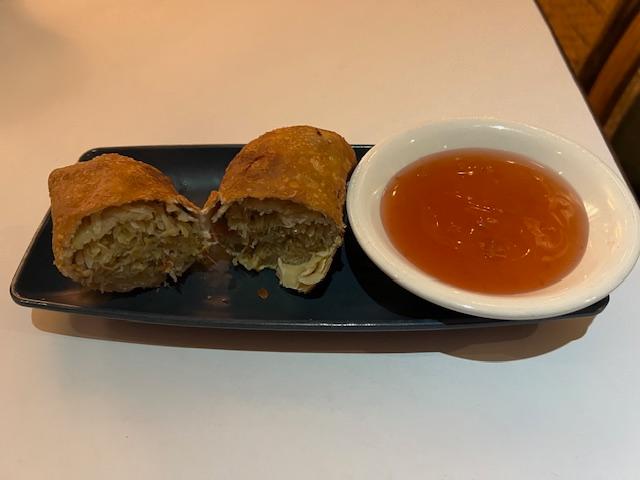
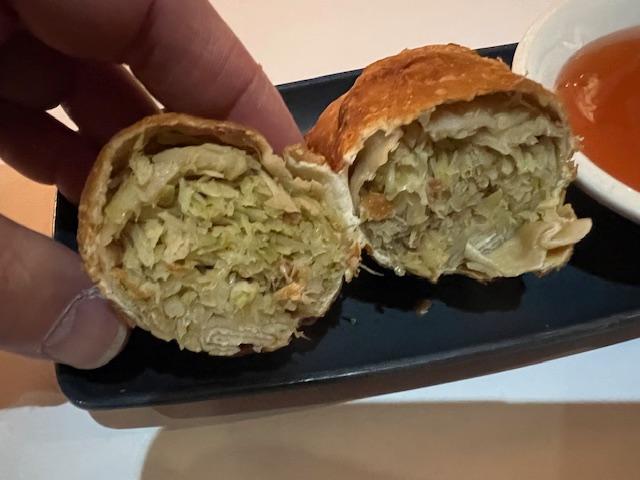
There are two wonderful Chinese restaurants that I like to visit when I am in the neighborhood. One is Peking Roast Duck at 858 Eighth Avenue, which has wonderful lunch specials until 4:00pm. The restaurant has some of the best egg rolls that I have tasted in a long time.
Peking Roast Duck Restaurant at 858 Eighth Avenue (Closed 2025)
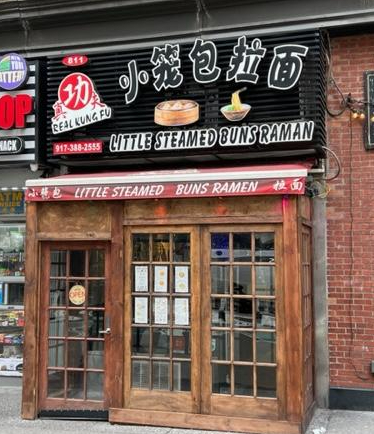
The other is Real Kung Fu Little Steamed Buns at 811 Eighth Avenue which is known for their Pork & Crab and Pork Soup Dumplings. I love their fried dumplings, Scallion pancakes with sliced beef, the pan-fried Duck Buns and the Shanghai pan-fried pork buns. Everything on the menu here is excellent and you can eat your way through the menu of delicious Dim Sum.
Real Kung Fu Little Steamed Buns at 811 Eighth Avenue
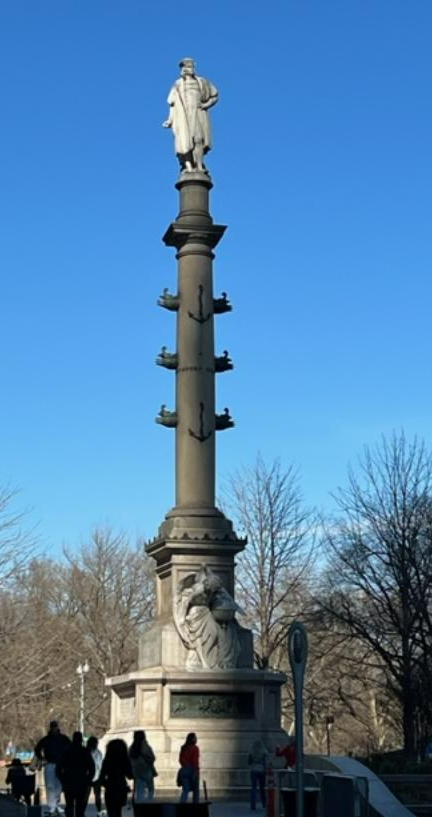
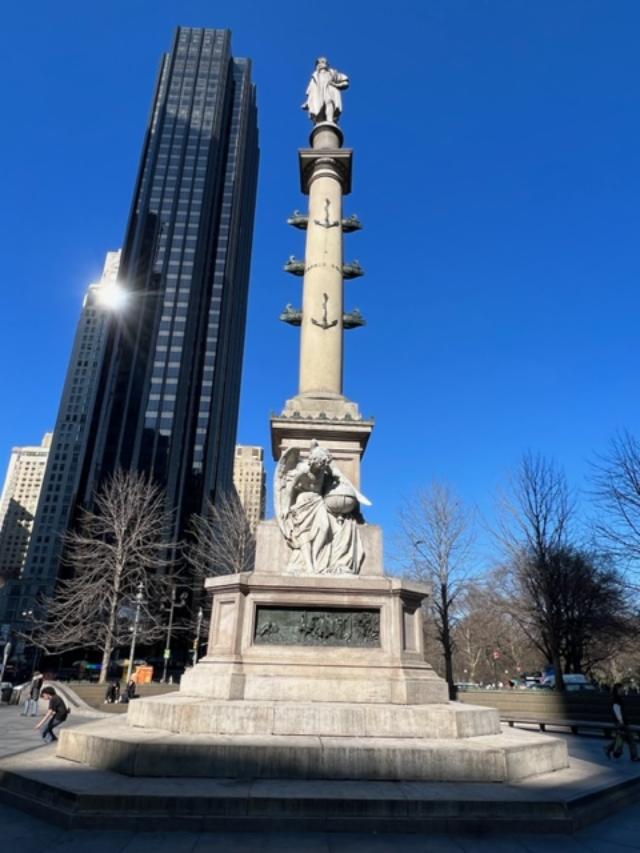
I double backed to Eighth Avenue after lunch and walked up the avenue to West 59th Street. As I continued up Eighth Avenue and circled Columbus Circle, I saw the familiar sites of the statue of Christopher Columbus and the Time-Warner Complex in the background. It has been almost two years since I finished the Upper West Side of Manhattan and even as I walk those streets again I always feel like I missed something. In the era of COVID, it keeps changing so much.
Columbus Circle has changed over the last twenty years
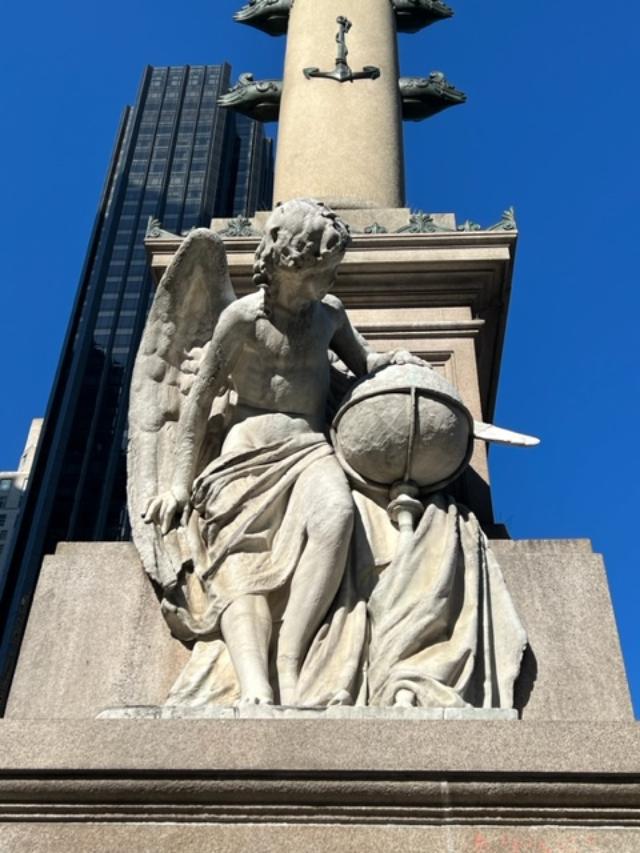
The detail work is amazing
Columbus Circle was always busy day and night with street vendors, bicyclists, performers and just people sitting and reading or enjoying the weather and people watching on a warm day. Now because of the ‘Cancel Culture’ crowd dominating the headlines and the idiots knocking down statues, the area is fenced off with police cars around it. It used to be such a nice area to sit down and talk.
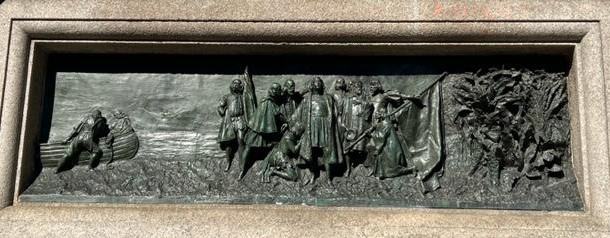
The 76 foot statue was designed by Italian sculptor Gaetano Russo as part of a plan to honor Columbus’s discovery of the Americas as part of the 1892 commemoration of the 400 year anniversary of the event. If you look closely at the pillar, you will see the reliefs of the Nina, Pinta and Santa Maria ships on the memorial (Columbus Memorial and Wiki).
Columbus Circle itself was part of the great plan of Central Park in 1857 by Fredrick Law Olmsted, the designer of many parks in New York City as having four rotary entrances to the park. The other rotary in the neighborhood is Grand Army Plaza by The Plaza Hotel.
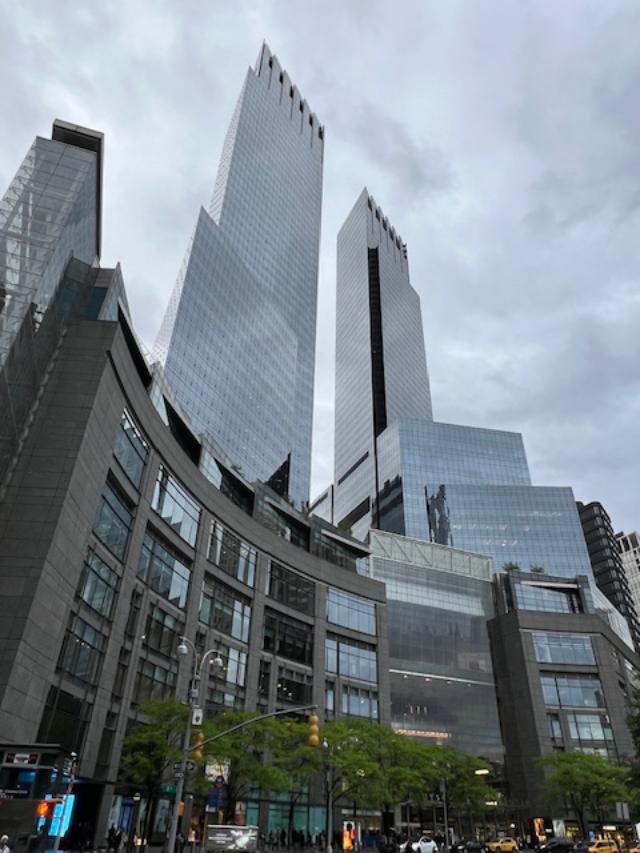
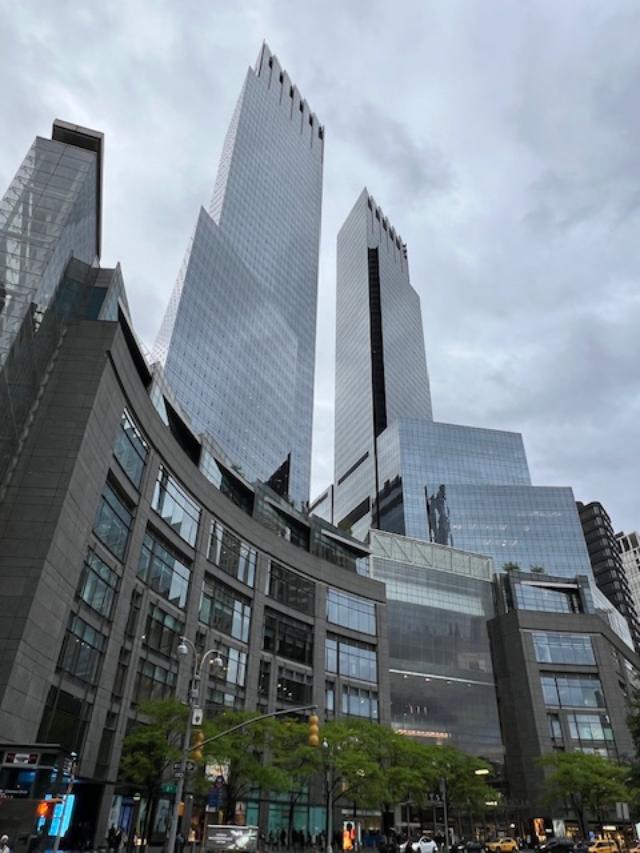
The Time Warner Center on the other side of the circle represents the massive change in the Upper West Side from a liberal working class area to the new luxury of Manhattan. The Time Warner Center is a mixed use building containing office space, the Mandarin Hotel, many exclusive restaurants and shops and entertainment. The building was designed by David Childs and Mustafa Kemel Abadan of Skidmore, Owings & Merrill. This modern palace of luxury replaced the old New York Coliseum and opened in 2003 (Wiki). Don’t miss just wondering around the building.
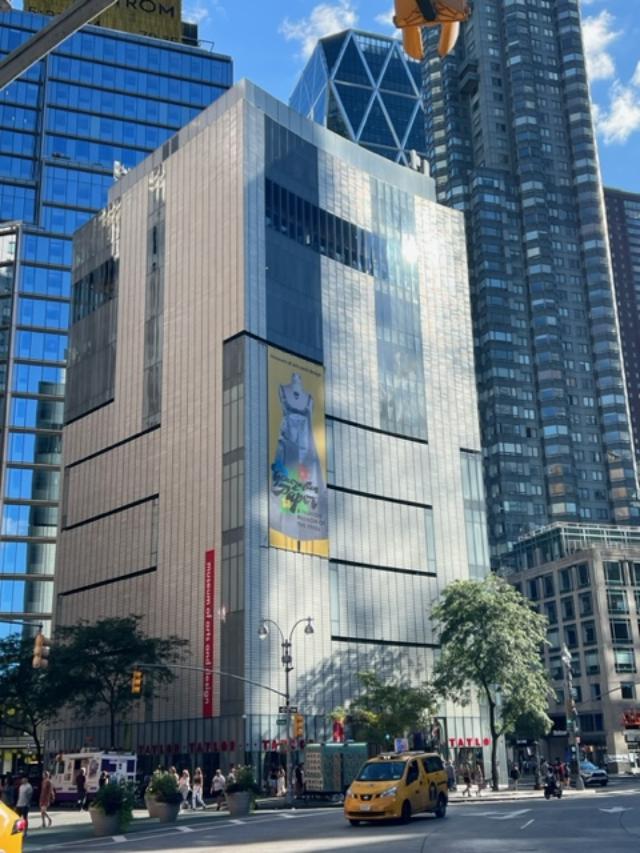
On the other side of the Circle is the new Museum of Art & Design that opened in 2008. The building was the former home of the Gallery of Modern Art designed by Edward Durell Stone in 1969. The building was modernized by architect Brad Cloepfil (Wiki) and the museum shows interesting aspects of art from media, video, painting and photography.
Museum of Art and Design at 2 Columbus Circle
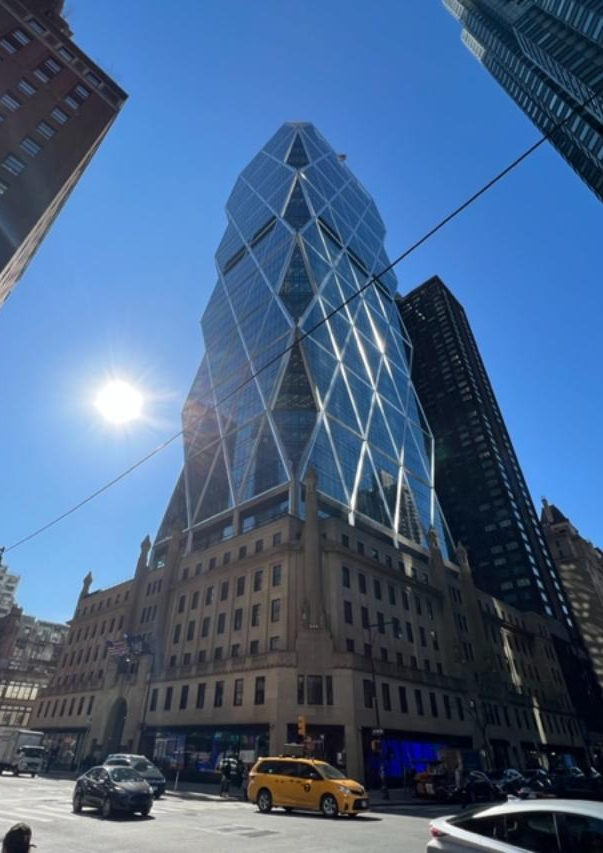
As I crossed the street, the neighborhood is full of Post War architecture but one building stands out with its modern twist. The Hearst Tower at 300 West 57th Street.
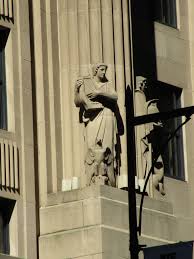
The first six floors of the original Hearst Tower were built in 1928 by architect Joseph Urban for the headquarters of the Hearst publishing empire. The building was originally supposed to have an office tower on top but the Great Depression put a stop to the construction. Take a look at the statuary, stone work and details of the original building before admiring the new addition (Wiki).
Admire the detail work of the original 1928 building
Architect Norman Foster designed the 46 story addition to the building which was completed in 2006. The addition of glass and steel is designed in the ‘Diagrid’ pattern and was the first ‘green building’ with environmental features in New York City (Wiki).
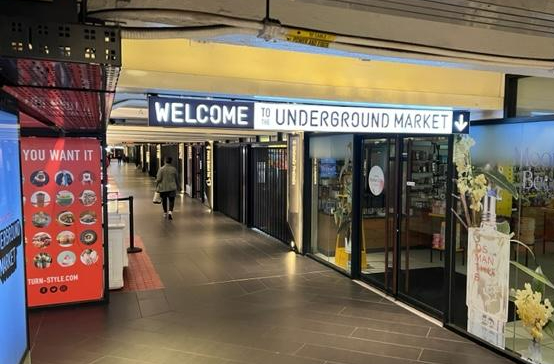
I then walked across that street to the Time Warner Building right off the subway station under Columbus Circle (it is amazing where they put this stuff) to the food court in the subway station. The Turnstyle Underground Market is located at the West 59th Street entrance at the Time-Warner Building. Just take the escalator down.
The Turnstyle Underground is in the subway station at the Time Warner Building at 59 Columbus Circle
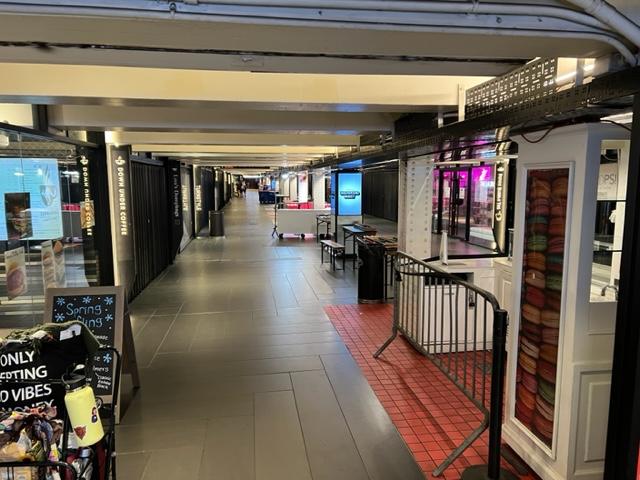
The food court market had just reopened a few months ago and the place was more than half empty. All the great little restaurants that were independently owned were gone. VIctims to the COVID pandemic and the lack of tourists and office workers. I had read that my favorite, Daa Dumplings had closed about four or five months ago due to lack of traffic (See Day One Hundred and Fifty-Walking the Borders of Central Park South):
If I saw four people sitting down there, it was a lot. Most of the restaurants were empty and almost all the small stores were gone as well. Even the bar that was so popular at the end of the food court and the small independent pizzeria were shut down. It was really spooky because just a year and a half earlier your could not get a seat here.
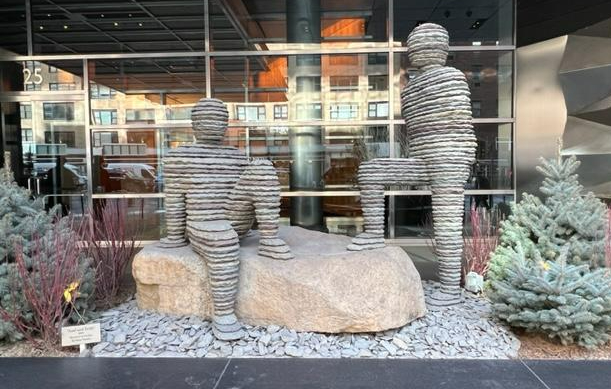
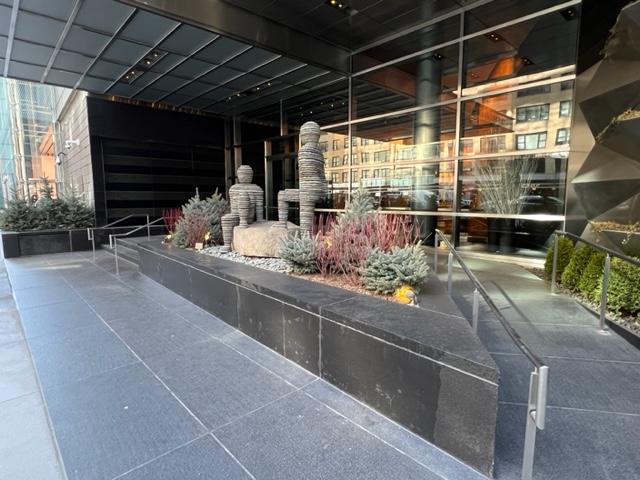
I walked towards the back of the Time Warner Building and walked past the back entrance to the Time Warner Building and I noticed a piece of street art that I had not noticed on my last few trips in the neighborhood. That statue is called “Asaf and Yo’oh” by artist Boaz Vaadia and is tucked into the entrance of the building at 25 Columbus Circle-1 Central Park West.
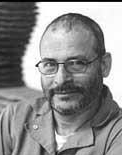
The artist was born in Israel and came from a farming background. He studied at the Avni Institute of Fine Arts in Tel Aviv and was sent to the United States on a grant from the American-Israel Cultural Foundation and then studied at Pratt. His works are made of varies mediums of stone (Artist Bio).
It was surprising how quiet the hotel looked as the Mandarin Hotel was one of the few uptown hotels that are still open during the pandemic. No one was around so it gave me a chance to peak inside the building which looked empty. With most people still working from home I did not expect to see a lot.
West 59th and 58th Streets are disrupted in their flow by the Time Warner Building and I continued my walk across West 58th Street and then crossed back over to West 59th behind the complex. This area of the City was part of major urban renewal project back in the 1960’s when the Lincoln Center complex and the Colleges were built so most of the construction up here is new or been updated. I have seen a lot of changes since I walked this neighborhood in when walking the area in 2018 (See Day One Hundred and Twenty-Five-MywalkinManhattan).
Day One Hundred and Twenty-Five: Walking the Streets of the lower part of the Upper West Side:
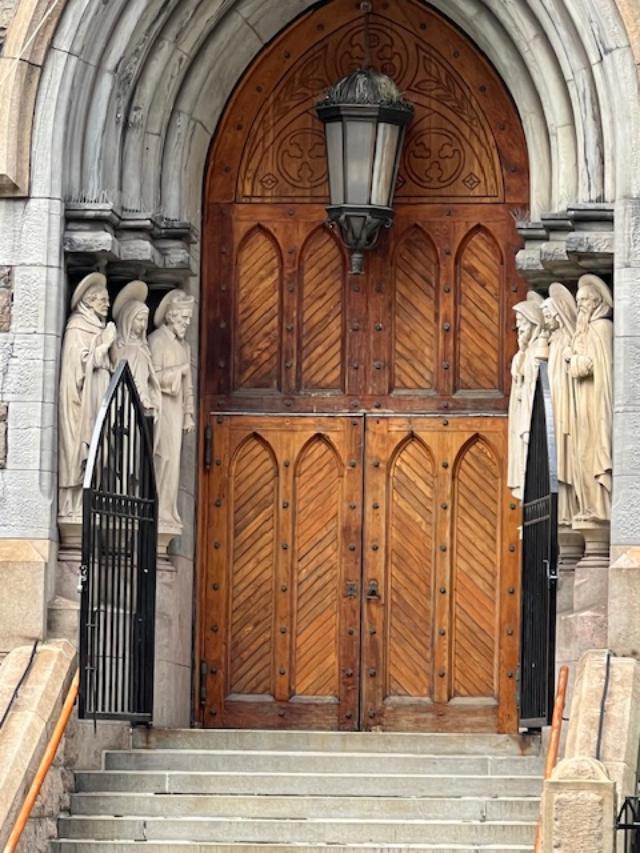
Still here and there are gems of architecture from another era. Walking down West 59th Street there are still structures that survived urban renewal of the area. I passed the the Parish House of the Church of St. Paul at 415 West 59th Street. The building was built in the late Victorian Gothic Revival style by architects Jeremy O’Rourke and the Rev. George Deshon between 1876 to 1884. The structure was construction used stones from various historical buildings (Church of St. Paul and Wiki).
The Parish House of the Church of St. Paul at 415 West 59th Street
The doorway of the church in the front of the building.
The other building not to miss is the Williams J. Syms Operating Theater at 338 West 59th Street right behind the Time-Warner Complex. It was built in 1892 as a medical hospital and is the last remaining piece of the old Roosevelt Hospital by architects William Wheeler Smith and surgeon Charles McBurney. Made with marble and mosaic floors as not to harbor bacteria, it was considered state of the art when it opened. It is now being renovated for a school (Wiki and HDR Org).
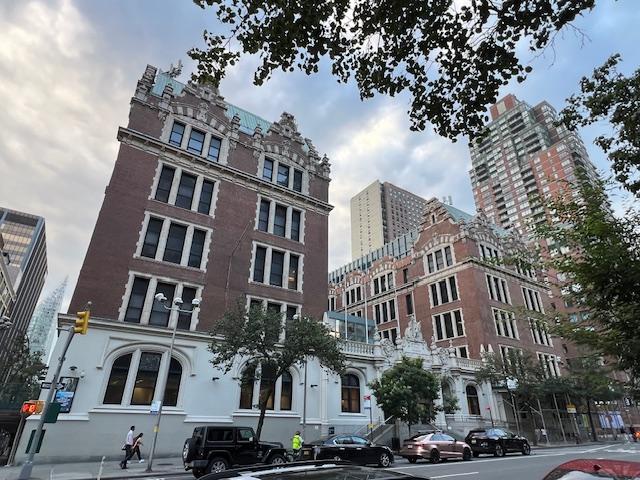
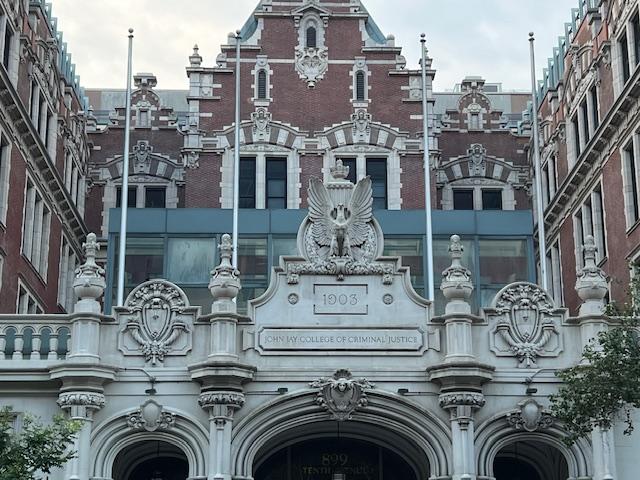
Turning the corner on West 59th Street at Tenth Avenue, you will face the beauty of the John Jay College of Criminology Haaren Building at 899 Tenth Avenue. The building is home to many classrooms and the library for the college. The building was designed by Charles B.J. Snyder and was completed in 1903 (Wiki and John Jay College). The building was originally the Dewitt Clinton High School.
John Jay College Haaren Building at 899 Tenth Avenue
The walk down Tenth Avenue was very different from other neighborhoods I had been recently. NoMAD, Rose Hill and Kips Bay were filled with historical architecture and embellished office buildings while this part of Midtown West/Hell’s Kitchen is filled with tenement housing, small theaters and restaurants. Unlike Ninth Avenue with its vibrant restaurant scene, Tenth Avenue is full of empty storefronts and closed restaurants with ‘For Rent’ signs. This is a sign of the times during the era of COVID.
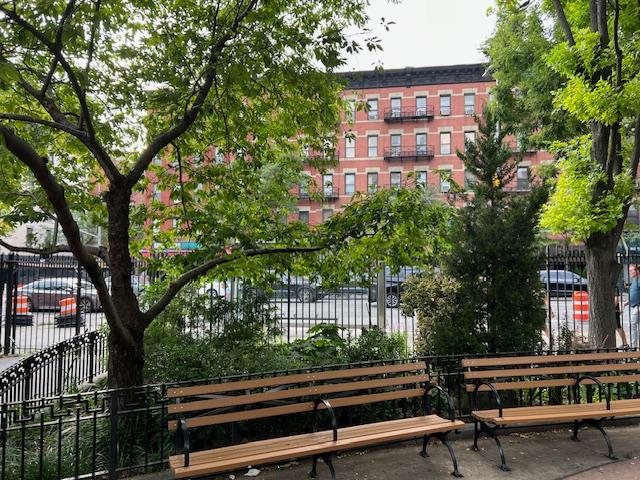
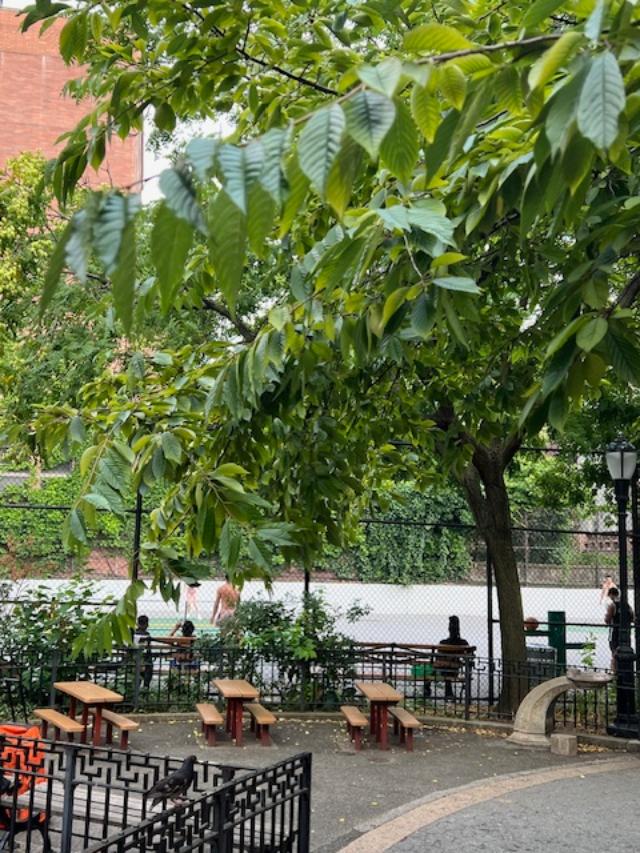
One of the few patches of green in the neighborhood is the Hell’s Kitchen Park at thew corner at Tenth Avenue and West 48th Street. This park was created from a parking lot in 1966 when the neighborhood demanded green space for residents who lived here (NYCParks.org). The park was packed with families and kids playing basketball and running around the playground.
Hell’s Kitchen Playground at Tenth Avenue and West 48th Street
It was strange to be in a neighborhood with such small buildings. Not just small buildings but so many ‘For Rent’ signs on the windows. I know this neighborhood will bounce back to the vibrant place it once was but it will take time. The traffic changed again when I got to West 42nd Street. There were most people walking around the streets.
Hell’s Kitchen Park during the Summer of 2024
A lot of the businesses on West 42nd Street heading back to the Port Authority have started opening up again. Sidewalk cafes were out with the warmer weather and customers were milling around.
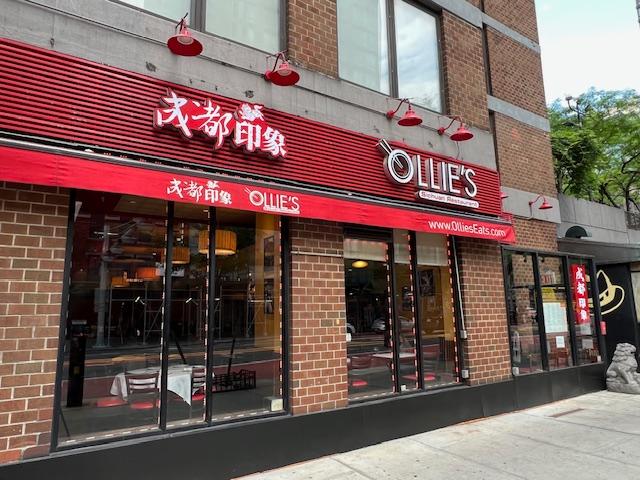
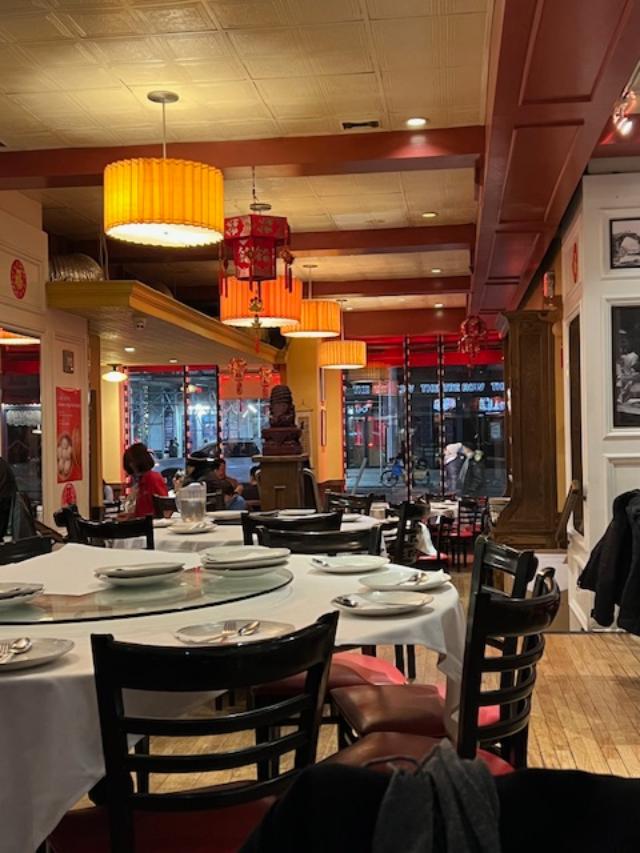
One of my favorite Chinese restaurants from the 1990’s, Ollies at 411 West 42nd Street had not just opened their dining room but their outside cafe dining. Ollies had once been a popular restaurant in the Theater district at the corner of West 46th Street off Broadway and one of my favorite places to eat after work. It is still popular but the chef has since changed.
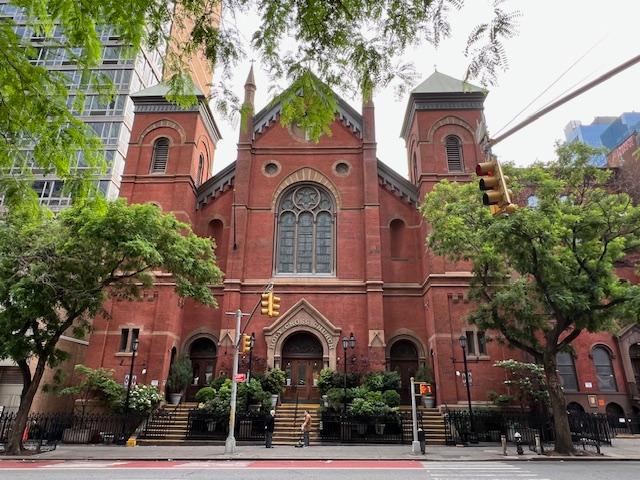
One building that stood out amongst the smaller tenement buildings of West 42nd Street was the Holy Cross Church at 329 West 42nd Street, which was decorated by plantings of many flowers that gave it a festive appearance.
The building has a interesting history. The parish was established in 1852 and the original building was built in 1852 but it was outgrown so a new building was built in 1854. This building was hit by lightning in 1867 and the current building was built in the same spot in 1870. It was built by architect Henry Englebert and is the oldest building on 42nd Street (Wiki and Holy Cross History).
Once I got back to Port Authority is was back for a bathroom break as there are not many public toilets in the neighborhood. Then I made the walk around the second time around the perimeter admiring the buildings and businesses for a second time. I could see by the traffic that the east side of Eighth Avenue was very quiet near the now closed theaters. This area was hit hard by COVID pandemic and it is rumored that Broadway theaters should open between September and December (we all hope) and the district will once again open.
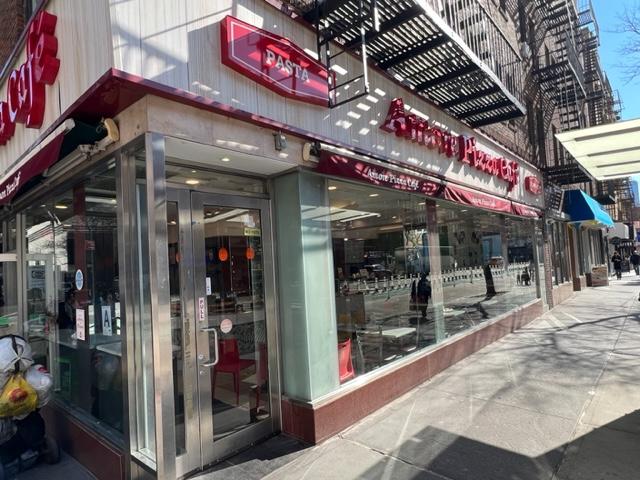
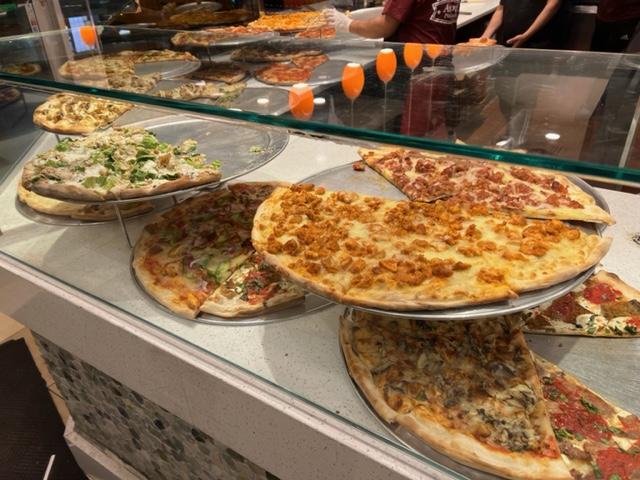
When I reached West 58th again, I stopped at Amore Pizza Cafe at 370 West 58th Street for a quick slice. The pizza was pretty good and it was a nice sized slice of pizza. I had passed the place for years but never went into so it was another dining adventure (see review on TripAdvisor).
After my snack, I continued the walk back down Tenth Avenue and stopped in Hell’s Kitchen Park to take some more notes. I swear the park got busier since visiting a few hours before. I made the turn on West 42nd Street and decided to walk up the length of Ninth Avenue and explore the Avenues of the neighborhood as well.
The pizza here is excellent
Just like Tenth Avenue, Ninth Avenue is filled with smaller tenement buildings, restaurants and small theaters and shops but being the heart of the Gay community, Ninth Avenue is much more vibrant. Most of the restaurants and outdoor cafes were filled the afternoon I visited the neighborhood. Being later in the evening, many people filled the bars and tables of the establishments and I noticed how many people were on top of each other and were not wearing masks. I thought this is a recipe for disaster but still it has a very vibrant restaurant scene.
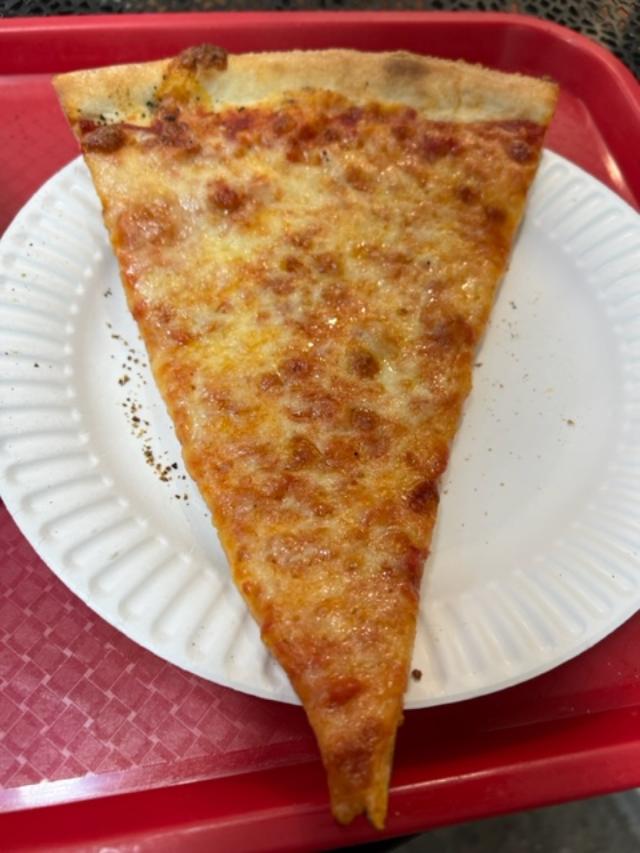
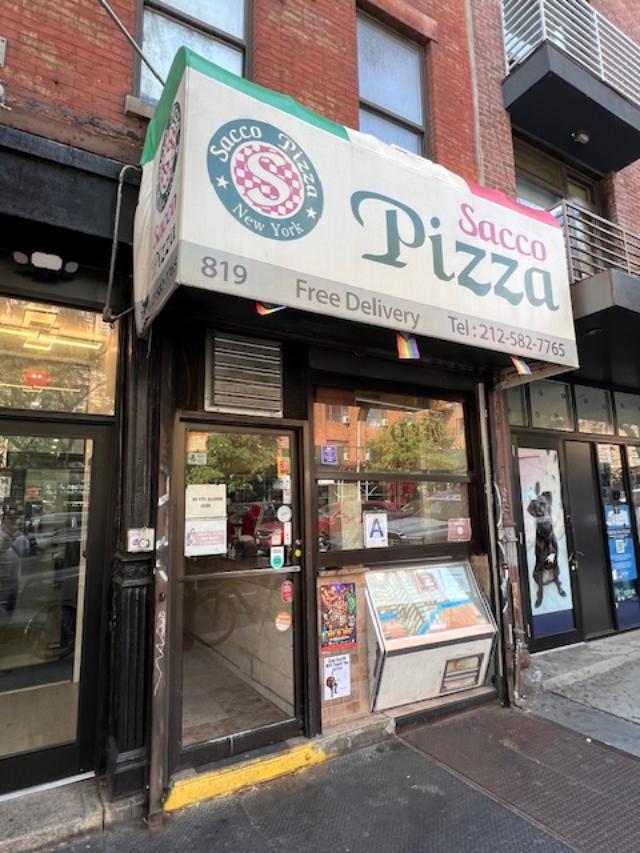
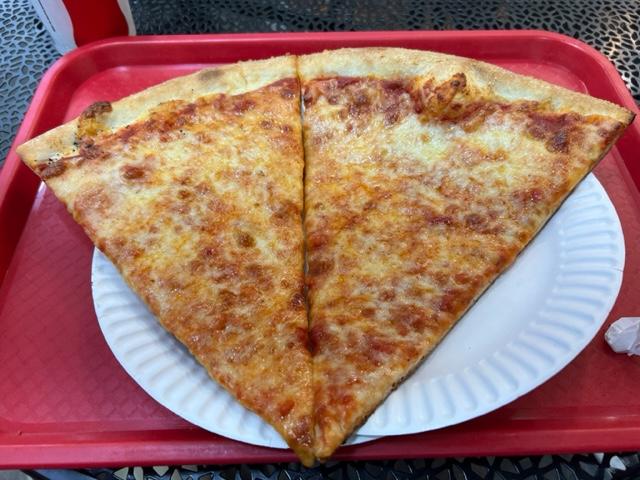
In the midst of all the restaurants and bars on Ninth Avenue, there were only two that I have tried, Mom’s Kitchen & Bar at 701 Ninth Avenue for breakfast a few years before and Saccio Pizza at 819 Ninth Avenue for pizza one afternoon and it was pretty good.
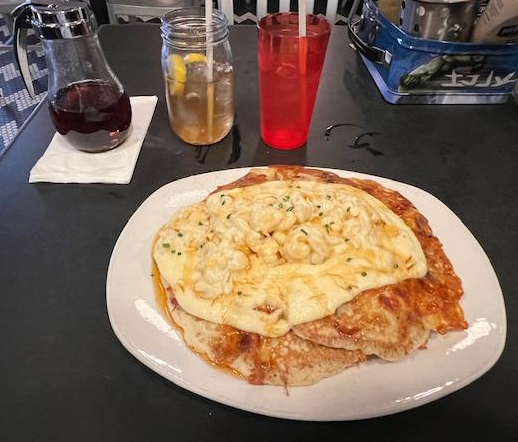
The Macaroni and Cheese Pancakes are amazing and are the perfect breakfast or lunch entree. They are unusual and homey. They taste so good with the maple syrup.
The one thing I remember about eating at Mom’s Kitchen & Bar that morning was the unusual menu they had for brunch. A friend and I shared an order of their Fruity Pebble Pancakes and their Mac & Cheese Pancakes and they were strange combinations but really tasted good especially the Mac & Cheese Pancakes with a honey syrup. It was an interesting breakfast.
The inside of Mom’s Kitchen & Bar at lunch time
The Mac & Cheese Pancakes at Mom’s Kitchen & Bar are amazing
These are a combination breakfast and lunch meal and can be really filling. They are the perfect cold day food
This is a neighborhood in a big transition now that the theaters are closed but I know brighter days are ahead as things open up soon. With the warmer weather and more vaccine coming, it will revert back to the neighborhood it was becoming. You can see this on a busy night at dinner time with restaurants filling up and people walking around with and without masks.
I am still wearing my mask around the City for now.
Check out the other walks of the Hell’s Kitchen/Clinton/Midtown West on this blog:
Walking the Border and Avenues of Hell’s Kitchen Day One Hundred and Ninety Four:
I had to split the neighborhood into two parts separated by 10th Avenue as there was so much to see and the complexity of the neighborhood changes on each side.
Sometime you just pass by a restaurant many many times and never stop in. This was the case with Stage Star Deli. It was one of those restaurants that I just ‘passed by’ on my way to another one until someone put out a sandwich board with specials on it and that peaked my interest. There were all sorts of wonderful specials all priced around $8.50. That made me walk in to see what was on the full menu.
Stage Star Deli at 105 West 55th Street
The restaurant is a small deli with about four tables now due to COVID. Pre-COVID there were about seven small tables around the deli. One one side there are all the cold foods, salads and sodas and then on the other…
It has been nice being on this side of town again. It has been a few months since my last visit to the Upper West Side. I had a long day in the Soup Kitchen working on the Bread Station and of course, they put me on the dessert section handing out cookies and pies. They kept me going until we ran out of desserts half way through service. How I walked all the Avenues from West 72nd to West 58th Streets in some parts, I don’t know.
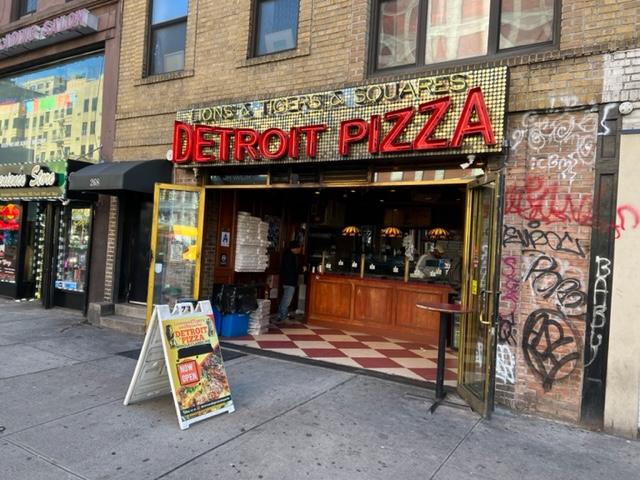
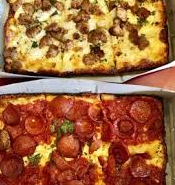
After Soup Kitchen, I revisited Lions, Tigers and Squares at 238 West 23rd Street for a sausage and onion pizza square ($10.89-See Reviews on TripAdvisor and Diningonashoestringinnyc@Wordpress.com), which is a deep dish Detroit pizza with the cheese baked into the crust and loaded with chopped sweet onions and spicy sausage. I took the pizza and relaxed on the High-line. I just watched everyone walk by and get jealous watching me enjoy my pizza.
Lion’s and Tigers and Squares at 238 West 23rd Street (Closed May 2025)
Their sausage and pepperoni pizza is really good
After lunch, I walked up 9th Avenue which leads to Columbus Avenue by West 59th Street. The lower part of the Upper West Side is a neighborhood of extremes. This part of the Upper West Side is rather unusual in that once you pass West 70th Street everything is large block long buildings, new architecture and one of the most impressive cultural arts centers in the world.
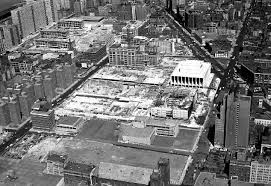
In 1967, New York City planner, Robert Moses, had most of the neighborhood, over 67 acres demolished to make way for the new Lincoln Center complex. You can see the difference in the neighborhood as you pass West 71st Street and the change in each block. Some of the more historical buildings made the cut to survive and the rest were demolished. The City pretty much cleared the area of all buildings and housing and redeveloped everything south of West 70th Street from Columbus Avenue to Riverside Drive and the Hudson River to just past West 59th Street. You can see a distinct change in the architecture south of the low 70’s.
The area was once known as ‘San Juan Hill’ and ‘Lincoln Square’ and was the center of the Puerto Rican and Black community more so than Harlem and East Harlem was at the time. The whites were concentrated to the east from Amsterdam Avenue to Central Park West and the Blacks and the growing Puerto Rican population to the west to West End Avenue. The area was slated for demolition and renewal by the city planners.
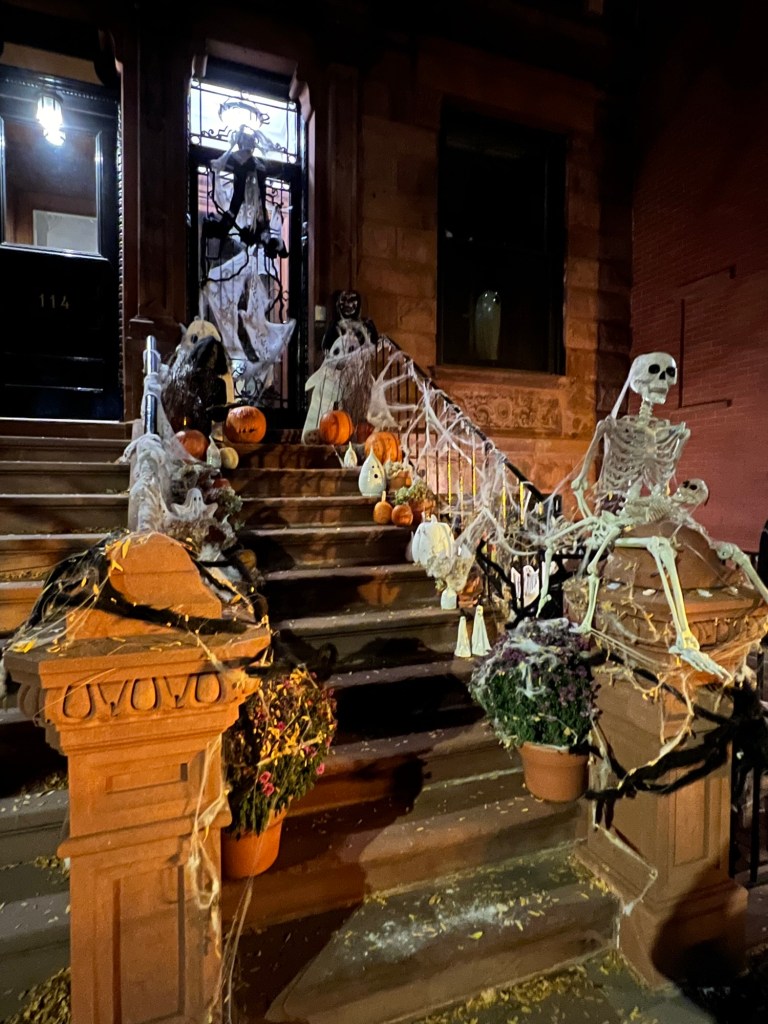
I watched the neighborhood change from getting ready for Halloween to getting ready for Christmas (it tells you how long I spent on this side of the City), so I got to see how people decorated their homes during the duration of the holiday season.
Brownstones decorated for the holidays.
With the exception of some of the historical buildings and the Brownstone area between Columbus Avenue and Central Park West, they pretty much looked like they leveled the neighborhood from about West 71st Street all the way down to West 58th Street. Everything here now is relatively new in comparison to the rest of the Upper West Side.
The City leveled the neighborhood for the Lincoln Center complex
It is now filled with large apartment complexes, colleges, schools and office buildings though here and there some of the historic buildings were saved from the wrecking ball. With the exception of a small amount of brownstones and the apartment houses facing Central Park West, most of the buildings below West 71st are only about thirty to forty years old.
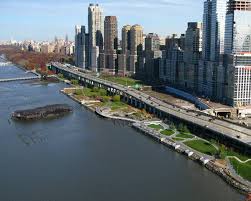
My first part of walking the neighborhood was walking down the new extension of Riverside Boulevard which is being built on claimed land that was once part of the railroad tracks. This area of the city has been added to on the shoreline of the Hudson River and the the City is just finishing the extension of Riverside Park with Hudson River Park.
This section of green space hugs the Hudson River from West 72nd Street to West 59th Street with new plantings, paths and playgrounds along the way. During my entire trip in the neighborhood no matter the weather, there were joggers, strollers and residents of the neighborhood sitting on the benches talking. This park has created a new neighborhood on the edge of this part of the Upper West Side.
The new Riverside Park on the West Side of Manhattan
All along Riverside Boulevard from West 71st Street to the extension by the walls of West 59th Street is lined with innovative luxury resident buildings that have a beautiful views of the Hudson River and the New Jersey Palisades. On a sunny day by the park, the views must be amazing from the windows facing the windows.
Turning the corner at West 70th to Freedom Place which dissects the riverfront from West End Avenue, you begin to see the changes that Robert Moses and the City of New York made when they leveled the neighborhood for Lincoln Center and the universities. The architecture changes from prewar apartments and brownstones to modern buildings of the sixties, seventies up to current construction. These are much bigger more modern structures that change the complexity of the neighborhood.
Freedom Place and Freedom Place South are separated by resident structures between West 66th and West 64th Streets. This area is morphing again as buildings are being sandblasted back to life or being rebuilt. Freedom Place is an Avenue in transition as the neighborhood is changing again and bringing in a whole new set of residents.
Unfortunately though these buildings don’t have the personality of those above West 71st Street. The detail to the architecture is more ‘big box’ then the stonework with carved details. What is does show though is a new modern neighborhood in Manhattan. These is one detail that stands out. On the corner of West 62 Street is Collegiate Garden, a small rose garden with benches to relax. When it was in bloom during the end of the Summer and beginning of Fall it was in full bloom. It was a nice place to just relax and watch people walking their dogs.
West End Avenue in this part of the Upper West Side does not have that pre-war classic look to it. In this section of the neighborhood it is modern apartment buildings dominated by 150 West End Avenue. This complex of modern apartment buildings covers from West 70th Street to West 66th Street. From West 63rd to West 61st Streets from West End Avenue to Amsterdam Avenue is the Amsterdam Houses which were built in the late 50’s when the neighborhood was being leveled.
The Amsterdam Complex on Amsterdam Avenue on the West Side
They are currently going under a renovation. Still it was creepy walking through the complex. Someone threw something out the window when I walked by. Also most of the construction workers stared at me as I walked through the complex as I had to criss cross it several times to walk this part of the Avenues. I still get that debated look on everyone’s face of whether I am a cop or DEA.
Like West End Avenue, Amsterdam Avenue is very similar to West End Avenue dominated by new construction, the Fordham University campus, two high schools one being the famous Fiorello H. LaGuardia High School of Performing Arts where many famous actors, singers and performers have graduated from.
This part of Amsterdam Avenue is a place of extremes right across the street from one another. You have the Amsterdam Houses right which were built in the 1950’s right across the street from Lincoln Center which was built in the 1960’s. Literally a huge change in walking across the street.
I walked all through the Amsterdam Houses and got a lot of looks from the construction guys who were working on the renovation of the complex. Like most of the neighborhood, even the complex is going through changes. The whole complex was under scaffolding or under wraps as all the buildings were being fumigated. It is so strange that the City would have built this complex in this area considering what Robert Moses thought of the poor and being across from the new ‘jewel’ of the neighborhood, Lincoln Center.
If you thought you were in some upscale part of the area trust me I was reminded when a bottle was lodged from one of the top floors at me when I was walking around. It is amazing what people will do when someone was just walking around. That was the wake up call to what gentrification is doing to change the neighborhood. It will be interesting to see what the results of the renovation will look like. The weird part about this complex is that it sits like an island in the middle of a neighborhood that is getting richer and richer.
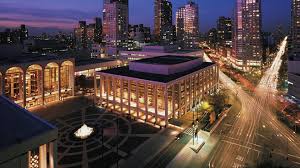
As you pass the Amsterdam Houses though, you are reminded that this is now a neighborhood of culture. Right across the street from the projects is Lincoln Center, one of the most influential and prestigious entertainment complexes in the world.
The Lincoln Center for the Performing Arts is a 16.3 acre complex of buildings that house the New York Philharmonic, the Metropolitan Opera, the New York City Ballet and the New York City Opera. Built as part of the “Lincoln Square Renewal Project” during the Robert Moses program of urban renewal in the 1950’s and 1960’s, the complex spans from West 60th to West 66th Streets between Columbus and Amsterdam Avenues.
The Lincoln Center urban renewal site in the 1960’s
Under the direction of city planners and civic leaders that included John D. Rockefeller III, almost the entire neighborhood from West 59th Street to West 69th Street from Amsterdam to West End Avenue was leveled of its tenements and the has become home to two college campus, two high schools, the sprawling Lincoln Center campus and many new apartment buildings that now line the streets from the Hudson River to Columbus Avenue.
Over the past fifty years, the entire neighborhood has changed with new buildings for schools and housing on the spot where black and Irish gangs used to do battle. This once area of immense black culture has given way to an upper middle class enclave that now includes the Time Warner Building with the Mandarin Hotel and upscale shops.
As you continue the walk up Amsterdam Avenue, you will pass Fiorella H. LaGuardia High School for the Performing Arts whose Alumni reads like a Who’s Who in the entertainment world. On the next block up from that is the Martin Luther King High School, which specializes in Law, the Arts and Technology. At lunch hour and after school the neighborhood is teeming with teenagers gossiping and yelling at one another. Nothing has changed in the 35 years since I graduated. The conversations are still the same.
LaGuardia High School of the Performing Arts at 100 Amsterdam Avenue
As you cross over the West 70th Street border of the neighborhood, you start to see the older section of the neighborhood and this is the tail end of the neighborhood before everything below was leveled. You will see a distinct change in the architecture and how the city planners must have saved the more historic buildings of the neighborhood bounded east of Broadway.
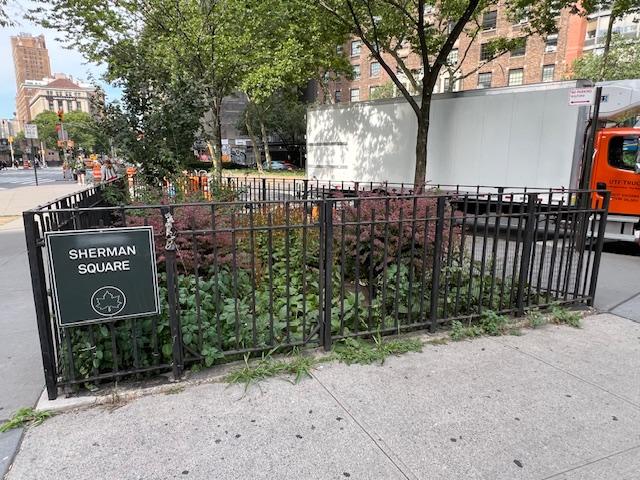
Passing Sherman Square, a small pocket park on the corners of Amsterdam, Broadway and West 70th Street that is dedicated to Civil War General William T. Sherman once had a past all of its own as the notorious “Needle Park” of the 60’s and 70’s, where drug dealers and pushers used to habit.
I had to watch “The Panic in Needle Park” again to see how this stretch of the neighborhood has changed. Between Verdi Square and Sherman Square with the new plantings, trees and freshly painted benches and a branch of Bloomingdale’s around the corner, it is amazing how a city transformed itself in 35 years. The area is now loaded with new housing, restaurants and stores (and its still morphing!).
Sherman Square near West 71st Street (Formerly Needle Park)
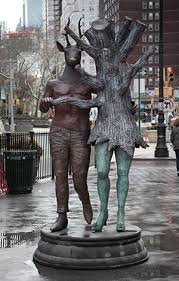
In the lower part of Verdi Square, you can continue to admire what the Art in the Parks is doing with the statue “In Sync” by artist Kathy Ruttenberg. This unusual sculpture looks like a deer mashed with people and the strangest expression on its face. It is part of the project “Kathy Ruttenberg on Broadway, a series of sculptures by the artist. It is a cross between some surrealist beast in “Alice in Wonderland” or you would see “Over the Rainbow”. What I loved about her work in this outside show was how depicted nature in such an unusual fashion.
In Sync by Kathy Ruttenberg
“Kathy Ruttenberg on Broadway: in dreams awake”: features six large-scale, figural sculptures artist on the Broadway malls between 64th and 157th Street. In her first major outdoor installation, Ruttenberg created narrative works, combining human, animal and plant forms that bring alive a wonder world in which different species merge and figures serve as landscapes. The artist employs a variety of sculptural media including paginated bronze, glass mosaic, transparent cast resin and carefully orchestrated LED lighting. The interaction among color and form, opacity and transparency and even light itself used as a medium highlights the inherently theatrical nature of the visual storyteller’s art (Broadway Mall Association 2018).
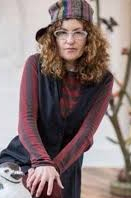
Ms. Ruttenberg was born in Chicago but her family moved to New York City. She received her BFA with Honors from the School of Visual Arts in 1981. It was noted that her work expresses a distinctly feminine perspective with mostly women as main characters and masculine characters depicted in complex but usually secondary roles. The natural world and our relationship to it underpin her work and feature broadly in her narratives (Wiki). Try to see the works before they disappear in February of 2019.
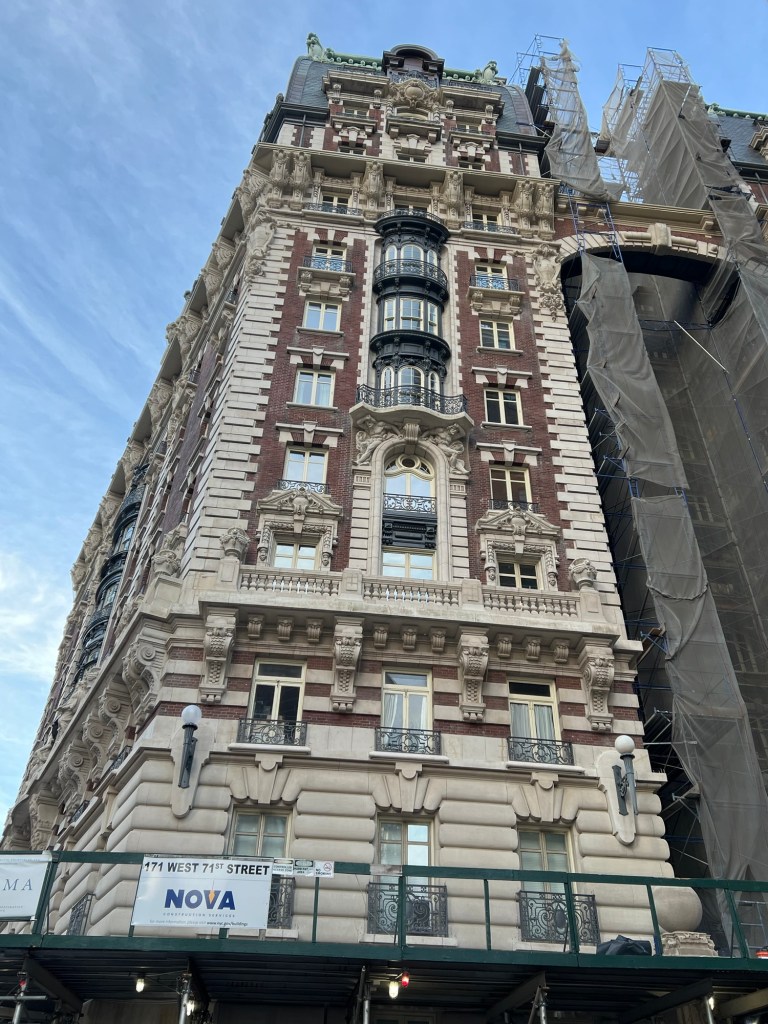
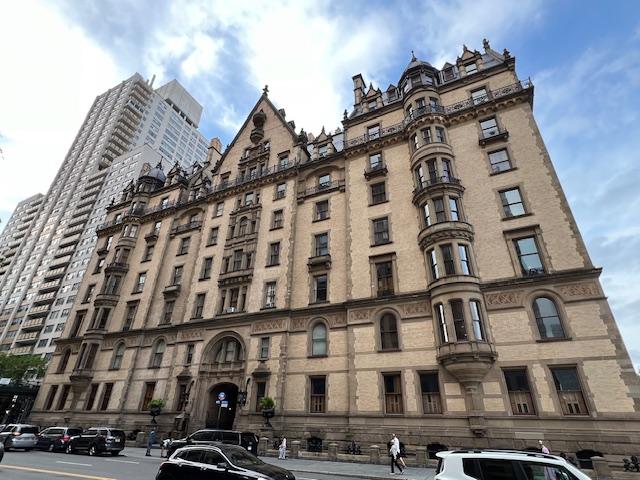
Sitting at the corner at 171 West 71st Street and Broadway near the intersection with Amsterdam Avenue is The Dorilton Apartments which looks like a Victorian wedding cake. The apartment building is a reminder when apartment buildings were not glass boxes but graced with elegance and loaded with carved marble and statuary.
The apartment building was designed by Janes & Leo, the New York based architectural firm of Elisha Harris Janes and Richard Leopold Leo for real estate developer Hamilton Weed. The building is noted for its opulent Beaux-Arts style limestone and brick exterior, featuring monumental sculptures, richly balustraded balconies and a three story copper and slate mansard roof. The building was finished in 1902 (Wiki).
You can see through the gateway in front to the courtyard of the building, something similar to The Dakota and The Ansonia a few blocks away. Residents enter their building through a narrow entrance that leads into a recessed courtyard and the masonry archway over this entrance rises to the 9th floor. The doorway to this courtyard is comprised of a stone doorway topped with globes, all of which is sandwiched in between detailed wrought iron fencing (Wiki). You can see from the building that it sits as a grand dame amongst the new buildings in the area and was spared the wreaking ball by being on the right side of the neighborhood.
As you cross into West 72nd Street, you are greeted by the upscale coffee stands that are now in Verdi Square which lies above Sherman Square. It just goes to show how thirty years has changed this once downtrodden section of the Upper West Side. There is still grit along this side of the Avenue but slowly, like the rest of Manhattan, is covered up by scaffolding and will either be sandblasted or torn down to make way for the next high-rise. Still as written in various other walks, West 72nd Street still holds onto its charms with older shops in its business district that are geared to the locals and not the tourists.
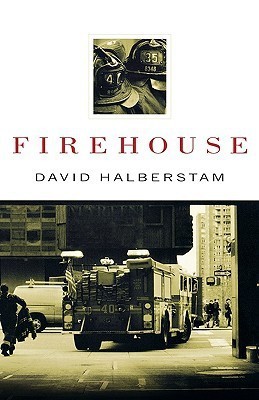
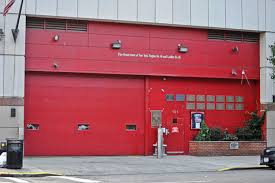
On the way back down Amsterdam Avenue by the corner of West 63rd Street is the firehouse FDNY Engine 40/Ladder 35 made famous by the David Halberstam novel “Firehouse” based on the events of 9/11 which was published in 2002. Mr. Halberstam discusses in his book the tragedy of that day and the companies losing their members (eleven) in the collapse of the towers.
The memorial outside the firehouse shows the members who were lost that day. Take time to look over the memorial and say a prayer for these members who gave up their lives to make us safe.
Engine 40/Ladder 35
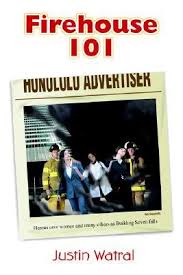
After meeting Mr. Halberstam at a book signing, it inspired me to write my novel, “Firehouse 101” a fictional tale taking it from the standpoint of the people were survived and were left behind to pick up the pieces of their own lives. My novel took it from the standpoint of the neighbors and friends where Mr. Halberstam took it from the stand point of the non-fictional lives of the fire fighters lost. I swear for the couple of weeks that I criss crossed the neighborhood and passed this firehouse, I just kept thinking of the sacrifice these men made and how that inspired books to be written.
As you pass the firehouse, you are walking in the back section of Lincoln Center for the Performing Arts. Towards the bottom of the Avenue heading to West 59th Street is Fordham University and Mt. Sinai Hospital campus which run from Amsterdam Avenue to Columbus Avenue as you cross West 59th Street. As you walk from Amsterdam Avenue to Columbus Avenue down West 59th Street, you pass these active campuses.
At the corner of West 59th Street and Columbus Avenue is the William J. Syms Operating Theater that was built in 1891. This is the last part of the old Roosevelt Hospital that was part of the neighborhood. William Syms was a gun merchant, who had had surgery at the hospital. After a successful surgery at the hospital, he wanted to give more than his bill which the hospital would not accept (Wiki).
William Syms Operating Hospital at West 59th Street
What he did is upon his death, he left Roosevelt Hospital $350,000 of which $250,000 was to be used for an ‘operating theater’ and at the time used the most innovative materials to keep out bacteria. It had been used for this purpose until the 1950’s and left to ruin. The structure today was gutted and it now going to be used as a private school. The building is now part of modern structure that has been expanded. Look to the details of the building and the signage that is carved in.
As you walk further up Columbus Avenue, you pass the front part of the college and hospital campus and the new construction that happened in the 1960’s to the 1980’s. By the time you get to West 62nd Street to West 66th Street you get to the Lincoln Center complex and its grandeur especially at night with the lights of all the buildings ablaze. It is even more beautiful as we got closer to the holidays when everything was being decorated for Christmas.
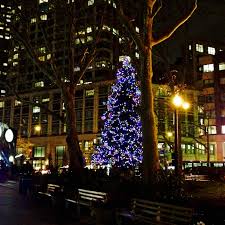
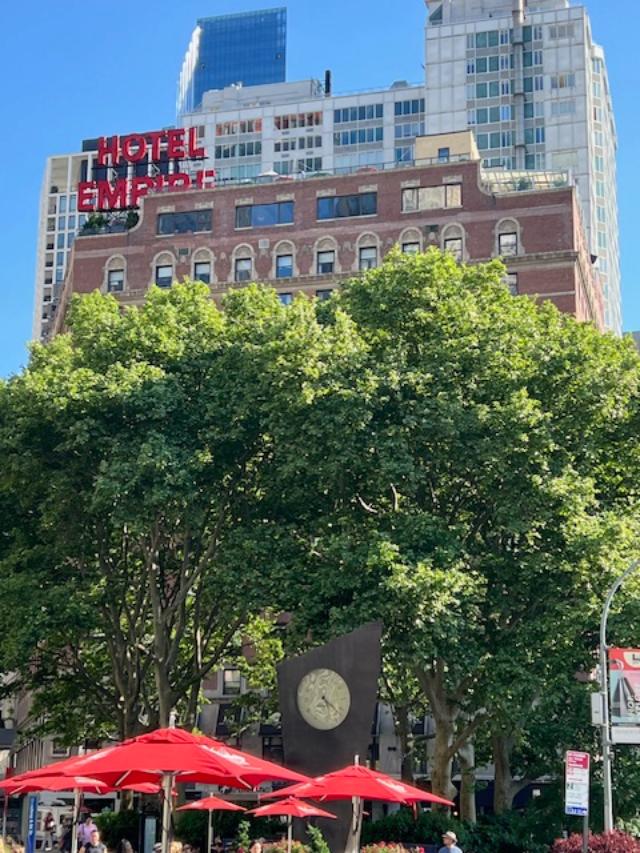
Across the street from Lincoln Center is Dante Park which is located at the corner of Columbus Avenue, Broadway and West 66th Street. This little triangle of green across the street from the Empire Hotel and Lincoln Center, was originally called Empire park. The park, which was established in 1921 by Americans of Italian decadency and named it after Dante Alighieri, an Italian poet. At Christmas time, there was one of the most beautiful Christmas trees in the City lit in the park which was part of neighborhoods Annual Winter’s Eve festival, which takes place in the last week of November.
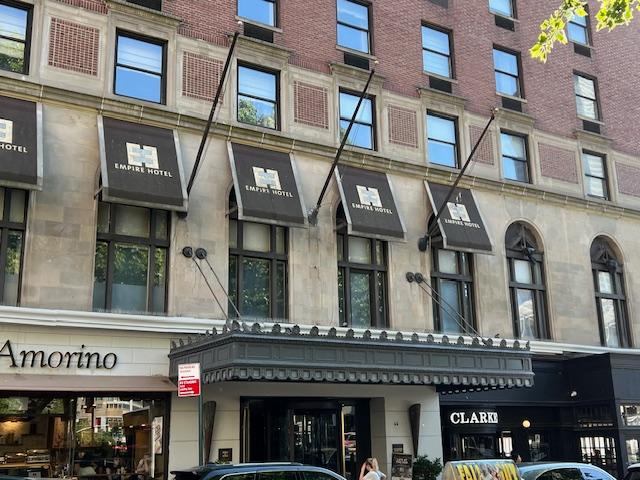
Across the street from Dante Park is the Empire Hotel, a small boutique hotel that has been part of the neighborhood since 1923. The hotel was built by Herbert DuPuy, who had knocked down the original structure in the park and opened this unique hotel on December 5, 1923 (Wiki). It has been part of the neighborhood dining experience since with a series of restaurants over the years that has graced the ground floor. Between the park and the hotel it sits in contrast to the rest of the neighborhood that has been rebuilt over the years.
Columbus Avenue gets interesting once you cross over West 68th Street as the modern structures of lower Columbus Avenue give way to the smaller brick buildings that house a series of homegrown restaurants and stores with an every growing number of national chain stores. Back in 1984, just as the economy was booming due to the rise in Wall Street and junk bonds, Columbus Avenue from West 70th Street to West 84th Street was the new ‘happening neighborhood’ with papers touting it as the next Madison Avenue.
Through several booms and busts in gentrification and the rise of rents, there is not much left of that era except the American Museum of Natural History. On my walk through the Upper West Side in the few months that I have explored the streets of the area, I have started to watch stores and restaurants change hands and open and close with lighting speed. Some have moved further up the Avenue and others have transplanted to other parts of the City.
These articles tell the Boom and Bust of the neighborhood:
Broadway has seen the most changes from West 59th Street to West 72nd Street with loads of new apartment buildings and stores built along the street since the 1980’s. I remember all the construction along Broadway in those years and I have never seen this section of the City change so much. Many modern apartment buildings are popping up along the street and this is going all the way up into the 90’s and 100’s now. Still it is interesting to see the old and new structures mix in various parts of the neighborhood.
I ended the walk in the neighborhood by walking across West 72nd Street, looking at the street come to life after work hours. The restaurants started to fill up and people were walking up and down the street heading into stores for dinner. I saw the guys lighting the lights around The Dakota at the corner of West 72nd and Central Park West. It is such a beautiful building.
I walked down to the Museum of Modern Art on West 52nd to see a movie and I just relaxed for the rest of the evening. It had been a long afternoon and my feet were killing me.
Please read my other blogs on the Lower Part of the Upper West Side:
Day One Hundred and Twenty-One: Walking the Borders of the Lower Part of the Upper West Side:
I finally was able to get back into New York City to resume my walk of the Upper West Side. It is amazing how fast the summer went. I haven’t been on this side of the island for months. Walking the lower part of the Upper East Side took many days and there was so much to return to in way of galleries, parks and restaurants that I had wanted to take my time. I hope to see the same on the lower part of the Upper West Side.
I really lucked out and it was a spectacular day, sunny and warm with blue skies. It had been a very difficult summer with the rain and the humidity and it was nice to see a pleasant fall day.
I started my day taking a seminar of the changes that will be going on with the editing system at WordPress.com (where this is printed through). It seems that they will be introducing a new editing system to our blogs that will help make them better and I look forward to improving my sites.
After class was over I visited the Museum at FIT (The Fashion Institute of Technology-see reviews on TripAdvisor and VisitingaMuseum.com) which is located at 227 West 27th Street on the corner of Seventh Avenue at 27th Street on the main campus to see some of the new exhibitions. Don’t miss their “History of Pink” exhibition on the use of the color in fashion with some clothing items dating back to the 1700’s and their “Reconstruction” exhibition of the components of fashion.
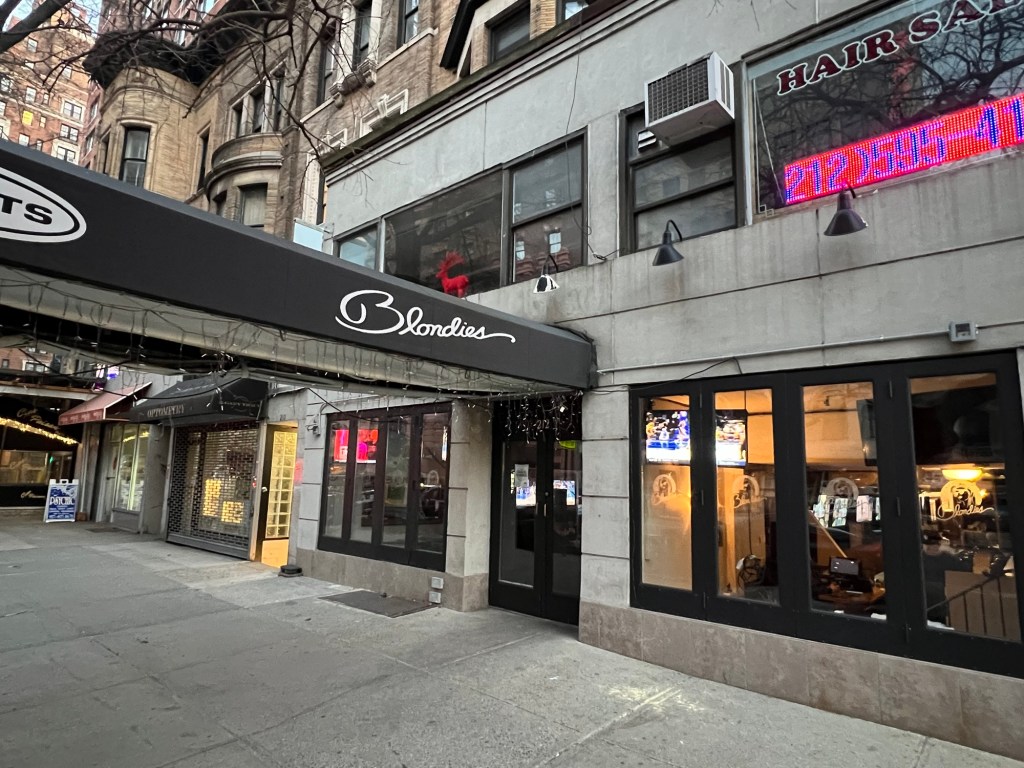
From FIT, I took the number 1 subway up to West 79th Street to continue my walk of the lower part of the Upper West Side. My first stop in the neighborhood was to join other Alumni from Michigan State University at Blondie’s Sports Bar at 212 West 79th Street to watch the Michigan State versus Western Michigan football game (we won 31-20).
Even though the score was not that high I have to admit our coach does have class and does not run up the score like other coaches do when playing a smaller school. Over a plate of chicken tenders ($8.99 for six), which were delicious (see review on TripAdvisor) I got to hear all the noisy Alumni in the back go nuts at every play. I had gotten there after half time so I had to sit through all the play by plays of the game.
After the game it was the late afternoon but sunny, gorgeous and warm, the perfect day for a walk around the City. My starting point was West 72nd Street and Central Park West corner near The Dakota Apartments at 1 West 72nd Street, where tourists were all snapping pictures. They had just finished the outside renovation on the building and the apartment complex looks elegant and you can see all the architecture elements of the building shine. The iron work around the Dakota is interesting with all its twists and faces looking out at you.
I walked down West 72nd Street like I was visiting an old friend. I had not been on this side of the island since the beginning of the summer and there have been quite a few changes on the road. A few more of the businesses have closed and more of the buildings on the street are under scaffolding. So much is being renovated in the neighborhood.
The West 72nd Street shopping district
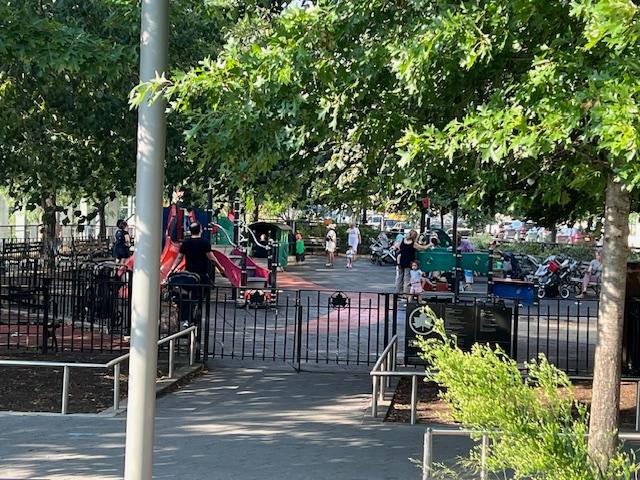
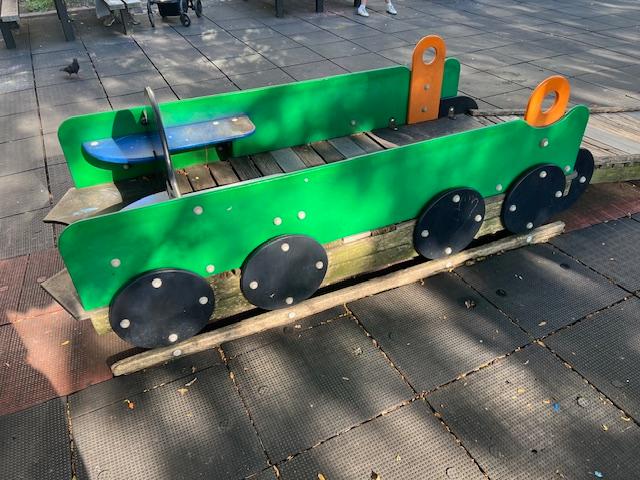
As I rounded West 72nd Street onto Riverside Drive, I came across the very busy Little Engine Playground at West 67th and Riverside Drive. This whimsical playground is part of the NYC Parks Department and the main feature of the park that the small children enjoy the is the small train that they can climb inside and on top of in the middle of the park. This popular park is on the corner of West 67th Street and Riverside Boulevard and it one of the popular parks for kids in the Riverside Park Conservatory. The afternoon I was there the kids running all over the park while the parents talked amongst themselves.
Riverside Drive and Riverside Park end at West 72nd Street but the park continues with the new Hudson River Park that currently lines the river below the Henry Hudson Parkway which itself ends at West 57th Street. This stretch of riverside is the newly landscaped park with benches, running and biking paths and a cafe, Cafe Pier One. The park is a new addition to the City that stretches down to Battery Park City.
It is a pleasure to walk along the newly reclaimed waterfront which I think was what Robert Moses wanted in the first place. This highway was needed at the time to open up the whole area to cars and now is being reclaimed as parkland. The park was conceived in the mid-90’s but construction started on parts of the park starting in the Bloomberg Administration in 2003 and still continues today to reclaim river side land and rotting piers for parkland and it the largest riverfront park in New York City and one of the largest in the country.
As I walked down Riverside Boulevard, you can see all the new sidewalks, plantings and small pocket parks that line the Boulevard from West 72nd Street to West 57th Street and the Boulevard is now lined across the street from the park with series of luxury office and apartment buildings. Everything is so new that you can see the deep green of the new sod in the park from parts of the Boulevard above.
Riverside Boulevard and Riverside Park on the Upper West Side
To get a full view of the park, I walked along both the Boulevard and the inside the parks paths to see what the vision of the Hudson River Park Trust is trying to achieve. What the park does so well it that it combines the river with the park and it blends the natural beauty of both. It also protects the park goers with large boulders so that people don’t fall into the river from the side of the park. It’s a sloped effect where the river shines on a sunny day.
Both from the street and from the paths, you get beautiful views of the cliffs on the New Jersey side of the river but still engage it via the various piers that you can walk on that jut out into the river. When you reach West 59th Street, Pier 96 and the Hudson River Pier and the boat basin giver great views of the Hudson River.
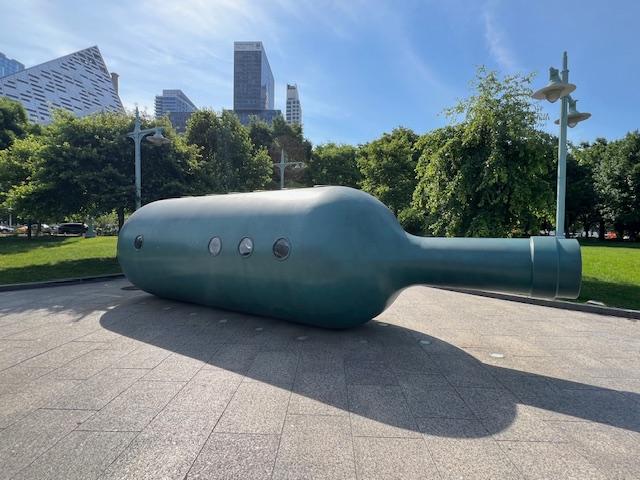
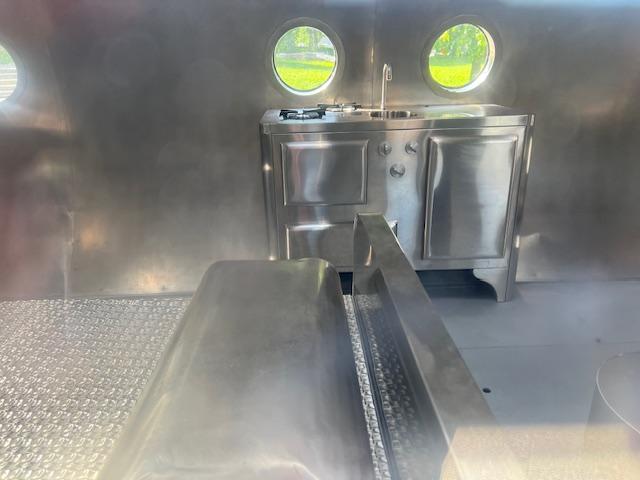
I walked around the park and saw an unusual sculpture in the shape of a bottle. The public art piece ‘Private Passage’ by artist Malcolm Cochran is a unique sculpture in that what appears to be a ship in a bottle is actually a replica of a stateroom in the Queen Mary all done in metals. At night and in bad weather I read that the piece is illuminated.
‘Private Passage’ by Malcolm Cochran
The inside of the sculpture
Malcolm Cochran is an American artist and former Art Professor at Ohio State University. A graduate of Wesleyan College, Mr. Cochran has had many solo and group shows since the 70’s and has created numerous works all over the world. ‘Private Passage’ was created for Hudson River Park in 2005 and is an engaging piece of art where the visitors have to look inside the port holes to see the art inside the bottle. It is very clever.
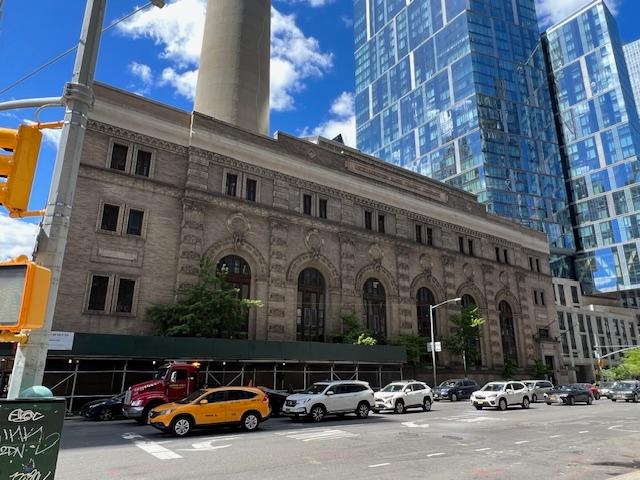
Another piece of art that stands out in the park is actually part of the original park when the train tracks dominated the area. At the West 63rd Street section of the park is a section of the New York Central Transfer Station elevated above the side of the park. This is all that is left of the celebrated rail line that had been built in the 1800’s. It sits majestically above the park on what is left of a rotting pier.
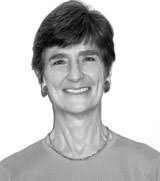
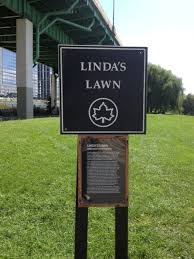
As part of the Hudson River Park is ‘Linda’s Lawn’, a piece of the newly landscaped park named after Linda Stone Davidoff, a champion of the City and one of the city planners and a member of the Parks Council who fought to have this 27 acre park as part of the West Side landscape (NYParks.org).
As I walked the park up and down from West 72nd Street back to West 59th Street, I crossed the rather difficult street path and walked down West 59th Street. Near the local school is Gertrude Ederle Playground which sits next to the Gertrude Ederle Recreation Center. This park stretches from West 59th to West 60th Street and is a very popular park with the areas families offering many whimsical playground jungle gyms and swings and a very nice field for soccer and baseball. It also offers a very nice public bathroom that is nice to have when walking around the area.
Gertrude Ederle Park
The playground
Gertrude Ederle was a champion Olympic and distance swimmer, who was a member of the 1924 Paris Olympic Games. She set over twenty world records in swimming in the early 1920’s and won a gold medal for the 400 meter freestyle relay. She swam the 22 mile harbor swim from Battery Park to Sandy Hook, NJ in a record that stood for 81 years. She also set the record for crossing the English Channel as the first American woman and received a ticker tape parade when she returned. She also appeared as herself in the 1927 romantic comedy ‘Swim, Girl Swim’. She continued to swim by teaching deaf children to swim (she had lost her hearing at this point) and lived to ripe age of 98 passing in 2003 (NYCParks.org).
Across the street from the park is the former IRT (Interborough Rapid Transit) Powerhouse at 840 12th Avenue. This ornate building was built in 1904 and takes up the entire area from West 59th to West 58th Street between 11th and 12th Avenues. Designed by architect Stamford White, the building is used by Con Ed of New York to supply the New York Steam system. It is designed in the ‘Renaissance Revival’ and really walk around the building you can see the beautiful details of the building especially around the building . It was recently declared a Landmark Building in New York (Wiki).
I walked both sides of West 59th Street past John Jay College which stretches from 11th to 10th Avenue and then past a branch of Mt. Sinai Hospital which stretches from 10th to 9th Avenues. These buildings take up the entire city blocks between West 58th and 59th Streets and stop at the intersection of West 59th Street where Columbus Avenue turns in 9th Avenue. This leads to the back section of Columbus Circle and the new building that houses the headquarters of Time Warner and the Mandarin Hotel. This complex stretches from 9th Avenue to Columbus Circle from West 58th to 60th Streets so there is a lot of crossing streets in this area that is loaded with tourists.
I stopped in Columbus Circle Park roundabout and sat watching skateboarders who took over the southern part of the park filming their antics of flying over benches. Tourists stopped here to take pictures and film movies of the guys skateboarding.
The Statue of Christopher Columbus has been part of a recent controversy that has since calmed down. There were some New Yorker’s that said that the statue should be taken down for the way Columbus exploited the Native Americans. Honestly, I don’t think they thought that way in 1492 and it shouldn’t be related to in 2018.
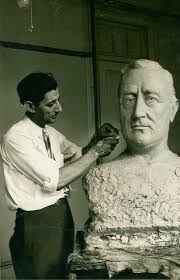
The statue was designed in 1892 as part of the 400 hundred anniversary of Columbus discovering America by Italian artist Gaetano Russo. Russo was an artist from Messina, Sicily who studied at the Academia de Belle Arti in Rome. In the inscription it says “To the world he gave a world”.
The 76 foot statue was designed by Italian sculptor Gaetano Russo as part of a plan to honor Columbus’s discovery of the Americas as part of the 1892 commemoration of the 400 year anniversary of the event. If you look closely at the pillar, you will see the reliefs of the Nina, Pinta and Santa Maria ships on the memorial (Columbus Memorial and Wiki).
The statue and the circle had recently been renovated in 1992 for the 500th Anniversary of the crossing and again in 2005 adding the new fountains and benches which everyone relaxes on (Wiki).
Christopher Columbus Statue at Columbus Circle
The bottom statuary of the statue.
The traffic circle had been part of the original plan by Frederick Olmstead design for the park in 1857 for a ‘Grand Circle at the Merchants Gate’ and the entrance to the park and 8th Avenue (NYCParks.org).
The roundabout is where traffic enters the Upper West Side from Midtown Manhattan and is the halfway point of the island of Manhattan. I still can’t believe that I have gotten here.
From Columbus Circle, I doubled back around the Time Warner Building and made my way back down West 60th Street crossing Columbus Avenue to West 59th with a second pit stop at the bathroom at Gertrude Ederle Park, which at this point was loaded with families climbing the jungle gyms and playing softball.
Sometimes it’s nice to sit by the fountain and just relax
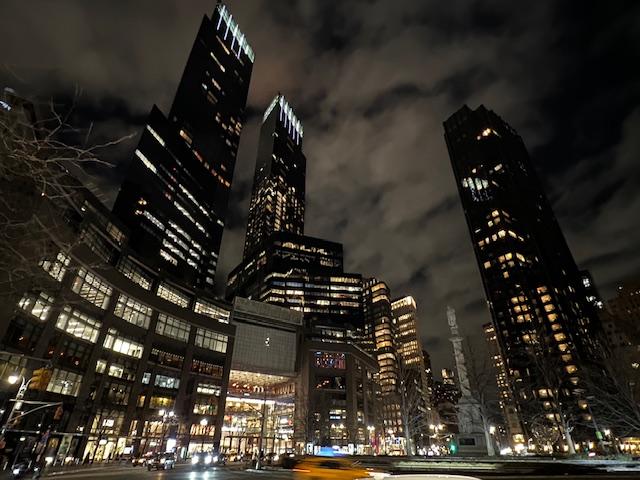
The Time Warner Building really changed the complexity and mood of the neighborhood from an working class area to one very upscale. The building replaced the old New York Coliseum which was knocked down in 2000. The building was designed by David Childs and Mustafa Kemel Abadan of Skidmore, Owings & Merrill. The complex houses many upscale shops, restaurants and offices as well as the new Mandarin Hotel (Wiki).
I made my way back up through Hudson River Park to enjoy the sunshine and walked from West 59th to 72nd Street passing familiar businesses that I had seen the last time I was in the neighborhood.
The complex at nightfall
This took me to my last leg of rounding the neighborhood by crossing the West 72nd Street border to Central Park West and making my way down past the still green trees of Central Park. There was a free concert going on in the park at the time so there was security all over the place.
I walked past the many families walking around the park at twilight and thinking to myself how it had all changed in thirty years when you would not be caught dead in the park after sunset. Now there are free concerts and walking tours after dark.
I relaxed in Columbus Circle for the remainder of the evening and watched the skate boarders do their routine and this lady dressed as a ballet dancer or could have been a ballet dancer in a tutu with Christmas lights in her dress dancing around the circle. Half way through her routine she bumped into a guy walking around the park and then they danced together.
What was amusing was when the skateboarder collided into her as she danced and the two of them bumped one another. Both of their reactions were priceless but they both got a laugh out of it. Funny for a park that could have torn a city apart that people can still laugh at their differences and find a common ground. They both talked and she continued to do her ballet around the park and the group of skate boarders continued to do their flip routines on the benches.
That’s true New Yorker’s for you!
Please read my other blogs on the Lower Part of the Upper West Side:
Day One Hundred and Twenty-One: Walking the Borders of the Lower Part of the Upper West Side:



























 mywalkinmanhattan