The weather has finally started to break and it is getting warmer out. It has made it better to do my walks in the City. It figured though I would start my walk on the Avenues of Koreatown/Midtown South/NoNaNe on the coldest day of the week. Even though it was a sunny day the wind whipped through the neighborhood. It was Mother Nature letting me know that it was still winter.
The City was quiet on the afternoon that I came in to finish walking the Avenues of Koreatown/Midtown South/NoNaNe. Even Macy’s seemed quiet when I walked through the store to get from Seventh Avenue to Broadway. I needed to warm up before my walk and I wanted to see if the store was going to prepare for the Annual Flower Show during COVID. I am sure that they will cancel it.
I started my day walking Fifth Avenue from East 34th to East 30th Streets. This is where the most elegant of the Beaux Arts buildings are located. In the midst of all this rebuilding in Midtown, it is Fifth Avenue that has kept its historic architecture. Some of the most beautiful buildings in the neighborhood are located on Fifth Avenue.
Walking down from East 34th Street, I looked up and saw the first of several beautiful buildings at 344 Fifth Avenue. This elegant office building was finished in 1907 and was designed by architects Maynicke & Franke in the Beaux Arts style with large display windows on the bottom and details along the middle and edges of the building (Metro Manhattan).
Next to this building is another interesting building that stands out amongst its taller neighbors at 335-399 Fifth Avenue and East 33rd Street is the former A.T. Demarest & Company building. I could tell by its design that it had more of a purpose at one time than being home to a grouping of fast food restaurants.
The building was designed by architects Renwick, Aspinwall & Russell in the Renaissance Revival style with a terra cotta exterior details and large bay windows of a building that showcased the firm’s business in carriages and the dawn of the automotive industry (Daytonian). Look up at the edges of the room for the interesting details of the building.
At the corner of Fifth Avenue and East 32nd Street is 320 Fifth Avenue, the former Reed & Barton Building. Known more now for the CVS at the bottom of the building in the retail space, the former headquarters and showroom of the famous jeweler was built in 1905 by architect Robert Maynicke in the Beaux Art style. You can see by the intricate detail of the top and edges of the building the festoons, wreaths and columns of the building. The company would remain here until 1921 when like the rest of the shopping district moved to upper Fifth Avenue where it remains today (Daytonian/StreetEasy/42 Floors Up).
As I continued my walk down Fifth Avenue, there were several other interesting buildings tucked in between the new construction taking place all over this part of the neighborhood. At 315 Fifth Avenue and East 32nd Street is another intriguing building not just for its beauty but for the shape of the design.
The building is known as “The Rock Building” and was built in 1907 for owner Mathias Rock, a local merchant and tailor who made a fortune in his trade and had this building built for his business. The architects for the building were Maynicke & Franke and the building was a hybrid of French Classical and Beaux Arts trim with cast iron show windows and heavy decoration are the room and around the top windows (Daytonian). The beauty of this building is that it is tall and narrow and the way it fits into its space on Fifth Avenue.
Located in the bottom level of 315 Fifth Avenue is the museum/cafe Ginseng Museum Cafe by CheongKwanJang. This unique little museum/retail store has the most beautifully wrapped merchandise and tells the history, production and trade of Ginseng Tea.
Ginseng Museum Cafe by CheongKwanJang at 315 Fifth Avenue (closed August 2025)
I noticed the beauty of 303 Fifth Avenue on the corner of Fifth Avenue and East 31st Street. This interesting building was designed by architect Buchman & Fox in the Beaux Arts style and was built in 1909. Known as the ‘Jewelry Building’, it has been home to many prominent retailers in the past such as FAO Schwarz and now serves as office and retail space (MetroManhattan).
On the border of Koreatown/Midtown South with NoMAD/Rose Hill is the The Wilbraham Building at 284 Fifth Avenue. Its old charm beauty really stands out. Most of the buildings on 30th Street were non-descriptive. The Wilbraham Building, a beautiful Victorian building built between 1888-90 that was commissioned by jeweler William Moir. The building was designed by architect D. & J. Jardine in the Romanesque Revival style. The building has been home to Shalom Brothers Rugs for many years (StreetEasy.com).
284 Fifth Avenue at East 30th Street-The Wilbraham
Look up and you might miss the beautiful embellishments on the building
As I made my way back up Fifth Avenue and studying the history of the area, I never realized how this part of Fifth Avenue once mirrored the same shopping district twenty five blocks up the avenue. Since the 1990’s, most of these companies have since gone out of business but remembered by us who used to shop there in the 1970’s and 80’s.
Reaching the border of Koreatown/Midtown East/Murray Hill is the former B. Altman Department Store that closed in 1989 and in the other corner is the Empire State Building, once the tallest building in the world.
The B. Altman Building at 361 Fifth Avenue was built by Benjamin Altman for the new location for his ‘carriage trade’ store. The store was designed by architects Trowbridge & Livingston in the “Italian Renaissance Style” in 1906. The palatial store was home to couture clothing, fine furniture and expensive art work.
The former B. Altman Department Store at 361 Fifth Avenue
Still the most amazing building in the neighborhood is the Empire State Building on the corner of Fifth Avenue between West 33rd and 34th Streets. It’s the most impressive and well known building in the neighborhood is the former tallest building in the world at 102 floors, the Empire State Building at 2-20 West 34th Street.
The Empire State Building is probably the most famous building in New York City outside of maybe Rockefeller Center and one of the most prominent. The building sits on the side of the former Astor Mansion and the first Waldorf-Astoria Hotel before the current one was built in the 1930’s on Park Avenue. The building was designed by Shreve, Lamb & Harmon in 1930 (Wiki).
The Empire State Building was inspired during the “Race to the Sky” movement in New York City during the 1920’s prosperity with builders vying for the “World’s Tallest Building” title. This was going on in cities all over the US at a time of great innovation in building. The building was conceived in 1929 long before the Stock Market Crash of 1929 as 40 Wall Street and the Chrysler Building were being constructed (Wiki).
The Empire State Building at 20 West 34th Street at sunset
As the shopping district left Sixth Avenue below 23rd Street, the former “Ladies Shopping Mile” (read my Victorian Christmas Blog on the shopping district) gave way to stores opening between 34th Street to 42nd Street and eventually to the Fifth Avenue locations between 50th and 60th Streets where what is left of the great stores stand today.
My blog on the Ladies Shopping Mile and a “Victorian Christmas”:
Across the street from the old B. Altman’s building is another impressive building also under scaffolding 10 East 34th Street, The Ditson Building. The impressive building with it intricate details was built in 1906 and designed by architects Townsend, Steinle & Haskell in the Beaux-Arts style for Charles H. Ditson. Mr. Ditson ran the New York division of his family’s company, Charles H. Ditson & Company, a publisher and musical concern (Daytonian).
10 East 34th Street-The Ditson Building
The beauty is in the details at The Ditson Building.
Madison Avenue below East 34th Street changes from its more ’boutique’ image from above East 42nd Street. Like the rest of the neighborhood, this area is ‘in transition’ during the pandemic. I have never seen so much renovation and building going on in one neighborhood. Still you have your ‘architectural gems’ tucked here and there in the neighborhood.
On of the most beautiful and innovative at the time it was built is 181 Madison Avenue on the corner of Madison Avenue and East 34th Street, the Madison Belmont Building.
I walked past the grill work of this interesting office building. The Madison Belmont Building at 181 Madison Avenue was built in 1924 and designed by architects Warren & Wetmore in the Renaissance style with Art Deco details for the Cheney Brothers Silk Company (Wiki/NewYorkArchitecture).
“The Madison Belmont Building” at 181 Madison Avenue
Look up at the interesting grill work and details of the building
Further down Madison Avenue hidden under all the scaffolding is the American Academy of Dramatic Arts Building, the former “Colony Club” at Madison Avenue at 120 Madison Avenue. This very ‘Colonial’ building was built in 1907 and designed by architect Stanford White of McKim, Mead & White.
The club had been founded in 1903 by Florence Jaffray Harriman creating a club that would rival private Men’s clubs at that time (Wiki/Daytonian). In 1917 the club relocated to its new home on Park Avenue and in 1963 was bought for the home of The American Academy of Dramatic Arts. It is currently going under an extensive renovation (Wiki/Daytonian).
120 Madison Avenue-The American Academy of Dramatic Arts Building/The Colony Club
Up and down the rest of this part of Madison Avenue is filled with a hodgepodge of new and old architecture as this part of the neighborhood is transforming to newer buildings.
I made my way around to Park Avenue and here like Madison Avenue is made up of many newer buildings and a lot of recent building has been going on. One building did stand out which itself is going through a renovation is 4 Park Avenue. This stately building was once the Vanderbilt Hotel.
The hotel was built in 1912 by Albert Gwynne Vanderbilt and designed by architects Warren & Westmore who had designed Grand Central Terminal for the Vanderbilt family. Mr. Vanderbilt had wanted a luxury hotel built near the terminal and it is located six blocks away. The hotel was designed in the British Adams style with clean lines and a brick face. It remained a hotel until after the 1964 World’s Fair and then was sold and converted into a office building (Daytonian).
Most of the neighborhood was relatively newer buildings either soaring corporate headquarter types or apartment buildings in an ever growing residential neighborhood. It was in front of 475 Park Avenue that I saw a piece of art that just stood out. The piece was “Triad” by artist Irving Marantz. The statue was inspired by Picasso’s “The Three Musicians” (ArtNet).
“Triad” by artist Irving Marantz
Mr. Marantz studied at the Art Student League and graduated from the Newark School of Fine and Industrial Art. He served at the Director of the Princetown Art Association and Museum and taught at the Brooklyn Museum Art School (ArtNet/American Art).
The afternoon grew cooler and I finished my walk of the Avenues of Koreatown/Midtown South with lunch with a little hole in the wall dumpling restaurant in the Garment District. Stick to my Pot Potstickers is at 224 West 35th Street. The food is so good here and made nicer by the fact that you can eat inside. I would never thought that eating inside would be such a big deal but in the era of COVID it has become so.
The dumplings here are so good! They are freshly made on premises and are loaded with freshly ground pork, chives and spices and are pan-fried perfectly ($3.99). Crisp on the outside and tender on the inside. Dipped in their spicy soy sauce were perfect on a cool afternoon. Their scallion pancakes were delicious as well ($2.99). Just eating at the bar and relaxing after a long walk meant so much. I forgot how much fun it was to eat INSIDE a restaurant again.
The dumplings here are excellent
Exploring the neighborhood was interesting and good exercise. Its a nice way to spend the afternoon.
My time walking around the neighborhood of Koreatown/Midtown South/NoNaNe:
Walking the Borders of the Koreatown/Midtown South/NoNaNe:
I have experienced many cold but sunny days when I finished walking the Streets of Koreatown/Midtown South/NoNaNe. I have never seen so many named neighborhoods overlap one another in Manhattan. The one major thing I did observe is how the whole neighborhood is going through a rebirth and either being gutted, sandblasted or rebuilt. For a City in the throngs of COVID, I have never seen such building activity. The City continues to roll ahead without the businesspeople and will look different when they return.
Koreatown during the day
I returned to the neighborhood a few days after exploring the borders of the neighborhood on a sunny afternoon. On a cool Sunday Koreatown was in full swing a big difference from the downtown streets of Chinatown which seems to have been forgotten by office workers and tourists. It is the proximity to the southern part of Midtown, the shopping district of 34th Street, the location near Penn Station and location next to Macy’s Herald Square that keeps this area of the City vibrant. Plus a lot of Koreans who live and work near the neighborhood keep the restaurants and shops filled at all time of the day.
My day started with organizing notes in Greeley Square and using one of the few decent public bathrooms in the area where you do not have to eat anything (the other being the lower level Men’s Store at Macy’s). Still I want to let readers know that it closes by 4:30pm. Even in Greeley Square in the cold afternoons that I was there every seat was taken and as the restaurants have started to open indoor dining not every restaurant was doing it so people had to take their lunches outside in 43 degree weather.
I started my walk of the Streets of Koreatown at West 31st Street having walked the borders of West 30th Street so many times that I could start naming the buildings. Being on the cusp of Midtown South, the area transitions from the old Beaux Arts style buildings to the newer Art Deco styles that started to come in the 1930’s. This is as businesses started to move uptown.
As I rounded Sixth Avenue onto West 31st on my way to Lexington Avenue, I passed the beauty of 1234 Broadway again. This amazing Victorian building is currently being renovated back to its original glory.
1234 Broadway in all its elegance, the former Grand Hotel
1234 Broadway on the corner of Broadway and West 31st Street, a elegant Victorian building with a standout mansard roof and elaborate details on the roof and windows. I did not realize that it was the Grand Hotel built in 1868 as a residential hotel. The hotel was commissioned by Elias Higgins, a carpet manufacturer and designed by Henry Engelbert. Currently it is being renovated into apartments (Daytonian). It shows how the City keeps morphing over time as this area has become fashionable again.
Walking west to east down 31st Street revealed a treasure trove on interesting buildings and hotels with graceful architecture and richly embellished features. The first building I passed was 38 West 31st Street which I discovered is the back part of the same building. I had read some horrible reviews on TripAdvisor that this was an operating hotel. The reviews were scary to say the least.
You really have to look at the beauty of 38 West 31st Street that was built in 1890. The interesting details of the building really standout.
The outside details of 38 West 31st Street
Another old hotel with interesting design was at 19 West 31st Street The Luxe Life Hotel New York. This elegant building was originally the Life Magazine Building and was designed by architects Carrere & Hastings in the Beaux Arts style and built in 1895 for the magazine’s offices. The gilded design of the cherub “Winged Life” above the doorway was the symbol of the magazine. The magazine left the building during the Great Depression and was left as a residence hotel. It was renovated in 1988 as the Herald Square Hotel and now serves as the Luxe Life Hotel (Daytonian).
Another hotel stands out down the block with the beautiful and graceful Hotel Wolcott at 4 West 31st Street. This elegant hotel was built in 1904 by architect John H. Duncan in the French Beaux Arts and French Neo-Classical styles and was named after businessman Henry Roger Wolcott. In the beginning of its illustrious history famous guest lived here such a dancer Isadore Duncan and socialite Doris Duke. It also has a reputation of being haunted. Since 2020, it has been turned into a transitory hotel (Wiki).
Reaching Fifth Avenue I noticed the beauty of 303 Fifth Avenue on the corner of Fifth Avenue and East 31st Street. This interesting building was designed by architect Buchman & Fox in the Beaux Arts style and was built in 1909. Known as the ‘Jewelry Building’, it has been home to many prominent retailers in the past such as FAO Schwarz and now serves as office and retail space (MetroManhattan).
Another impressive hotel is the Hotel Chandler at 12 East 31st Street. The hotel was built in 1905 by architects Buchman & Fox as the Hotel Le Marquis. The hotel was designed in the Beaux Arts style and served as a high end hotel going through major renovation in 2012. It now serves as a homeless shelter for City families during the pandemic (Hospitality History).
The Chandler Hotel embellishments on the building.
As I walked back towards the border of the neighborhood with Kips Bay at Lexington Avenue, I passed Hotel 31 at 120 East 31st Street. This recently renovated hotel was built in 1902 and was designed in the Beaux Arts style it had opened as The Dunsbro, a resident hotel. The hotel has had an interesting history until its renovation in 2007 to the Hotel 31 (Daytonian). The hotel is an interesting addition to the block of small brownstones on this tree lined block.
At the end of the block as you head towards Lexington Avenue that shares the border with Kips Bay are all the old brownstones that line this part of East 31st Street. It is a reminder that it is still a residential neighborhood.
As you back down East 31st Street to Greeley Square, you pass two more impressive buildings. At 35 East 31st Street is a beautiful apartment building that was built in 1914. It looked more like it was once an office building but has been sandblasted back to life as a luxury apartment building. Look at the interesting details of this Neo-Classical Beaux Arts building.
The final building that impressed me in their treasure trove of architectural styles was 35 East 31st Street. Built in 1904, this intricate building now houses renovated apartments.
I needed a break after walking back and forth to Kips Bay again and I stopped by my new favorite restaurant in the neighborhood Fresh Pizza and Deli at 826 Sixth Avenue and ordered an vegetable Samosa (see my review on TripAdvisor and DiningonaShoeStringinNYC@Wordpress.com).
For a dollar, it made an amazing snack that packed with flavors of the well spiced ingredients. I took my snack and relaxed in Greeley Square watching the people snake in and out of the park, heading for the Korean restaurants that line West 32nd Street. It was nice to just relax and soak up the sunshine.
Chicken samosa
The Samosas here are really good
When I revisited the neighborhood during the Spring Break in 2026 (the weather was a balmy 72 degrees), I stopped in for a quick breakfast/lunch before I started my walk. I had a Bacon, Egg and Cheese sandwich on a roll with a Coke. This was so good and the perfect amount of calories to start the day.
My lunch, a Bacon, Egg and Cheese sandwich on a hard roll
The Bacon, Egg and Cheese sandwich here is so good!
I headed down West 32nd Street next following the crowds into the heart of Koreatown. As I walked out of Greeley Square I saw to the left the scaffolding of the old Martinique Hotel. It brought back a floor of memories and not such good ones of the days when this was a welfare hotel and was nothing but problems for the neighborhood. I remember one evening when I was working in Training Squad at Macy’s that there was a line of fire trucks in front of the hotel with people screaming out the windows at them and then all the crime at the store that was talked about. Now it sits idle awaiting it current renovation to be finished.
The former Martinique Hotel is at 49 West 32nd Street (1260-1266 Broadway). This was also built by William R. H. Martin in 1898 with the design by architect Henry Janeway Hardenbergh in the French Renaissance style. The hotel had a notorious reputation in the 1970’s and 80’s as a welfare hotel that closed in 1988. It is now a Curio Hotel of Hilton Hotels (Wiki).
1260 Broadway-49 West 32nd Street-The Martinique Hotel
Next to The Martinique Hotel is the Stanford Hotel with its Beaux Arts design and intricate details. The hotel was built in 1896 by architect Ralph S. Townsend and opened as the Hotel Pierrepont. In 1986, the whole received a gut renovation and opened as the Hotel Stanford (Wiki).
Once you pass the hotels, you are in the heart of Koreatown with all its interesting restaurants and shops. One of my favorite places to go for a snack is the Food Gallery 32 at 11 West 32nd Street.
Ever since the City reopened indoor dining and the weather has gotten nicer, this food court has been very busy. It is so much fun to walk around and see the sites and smells of all the food vendors. You could spend about two hours just watching everyone cook and then observe what people are ordering making it harder to choose.
Many of the booths offer Korean dishes and barbeque but there is also please to buy simple but amusing looking desserts in the shape of fish and the vendor by the front door offers churro desserts and ice cream in whimsical shapes and colors. They are desserts for the senses. I am slowly eating my way through the food court.
My first visit to the Food Gallery, I made an exploration trip just to see what was available and took some mental notes and then on the second trip I knew where my first stop would be and I chose MaMa K-food, a stall that sells buns, croissants, Matcha Taiyaki a type of fish shaped waffle that is filled with either red bean paste, custard, cream cheese or Nutella chocolate and Delimanjoo which is a smaller version of the fish shaped treat in original or chocolate filled.
I chose the Matcha Taiyaki filled with custard ($6.50-see review on TripAdvisor).The waffle was good but it was not as creamy as I thought it would be. Still it warmed me up on a cool afternoon.
The Cream and Nutella fish
MaMa K Food at Food Gallery 32
My third trip to the food court I visited Sweet Churro for their specialty the Churro Dog ($6.50-see review on TripAdvisor). I have never had something so simple and so mind blowingly good. The stall takes a hot dog, cooks it and then wraps it in sweet churro batter and then deep fries it. When it comes out, the churro is crisp and golden brown and the hot dog crackles. Then they dip the churro in cinnamon sugar and tops it with a honey mustard glaze. I took it into Greeley Square to eat and I swear that people were observing me have a good time untangling it and happily chomping it down. It is a great combination of sweet and savory flavors.
Sweet Churros is located to the left as you walk into the Food Gallery 32
The Churros and Korean hot dogs.
I love the food here. I recently came to lunch and had to get my fix of fried food. I had one of the Potato encrusted Mozzarella stuffed Hot Dogs and a Fruitti Pebble Churro. They were both delicious and made for a wonderful lunch. Admittingly I can’t do this everyday but every once in a while it tastes really good and is a treat.
My Lunch at Sweet Churro in Koreatown
The Potato Encrusted Hot Dog
I highly recommend this hot dog for lunch or dinner (but only every once in a while).
The Passion Fruit Lemonade is so refreshing on a hot day.
The Frutti Pebble Churro
The Fruitti Pebble Churro that you have to try when you are in Koreatown.
My first week at New York University for Graduate School on September 7th, 2022, I took a food walking tour of Koreatown, and returned to the area for lunch but this time with classmates (who were all thirty years younger than me). I ordered my lunch from BBQ Chicken at 25 West 32nd Street.
This was a group shot of all of us at the tour ordering lunch at the Food Gallery.
Group shot of us from NYU for the Koreatown walking tour on September 7th, 2022
We joined each other for lunch in the Broadway sitting area that borders West 33rd and 32nd Streets. This is next to Greeley Square Park. It was a nice way to introduce myself to other students in the SPS Program. I felt less nervous about school. Martin, our tour guide was really nice and really took us around Koreatown and learning about the restaurants in the neighborhood.
Us from NYU at lunch during the Koreatown walking tour
It was nice to visit the neighborhood again that afternoon. It brought back good memories of visiting the area a few years earlier for lunch.
The Fried Chicken here is excellent
The Fried Chicken dishes here are so good. I had the Honey Garlic Chicken both times I came here, and it is just excellent. The portion sizes here are very generous and I was stuffed after lunch.
The Honey Garlic Chicken
The chicken here is the best!
For dessert, I stopped at Paris Baguette at 6 West 32nd Street. I never knew that Paris Baguette was a Korean chain. The pastries were much different from the other branches they have. I had the most interesting apple doughnut there. You need to check them out here.
After eating my lunch that warmed me up, I continued walking down West 32nd Street past all the busy restaurants and people happily eating both outside and inside on this cool day. It was nice to spend the afternoon with my future classmates.
As I made my way to Fifth Avenue that splits the neighborhood from west to east, I passed the elegant 315 Fifth Avenue.
The building is known as “The Rock Building” and was built in 1907 for owner Mathias Rock, a local merchant and tailor who made a fortune in his trade and had this building built for his business. The architects for the building were Maynicke & Franke and the building was a hybrid of French Classical and Beaux Arts trim with cast iron show windows and heavy decoration are the room and around the top windows (Daytonian). The beauty of this building is that it is tall and narrow and the way it fits into its space on Fifth Avenue.
Located in the bottom level of 315 Fifth Avenue is the museum/cafe Ginseng Museum Cafe by CheongKwanJang. This unique little museum/retail store has the most beautifully wrapped merchandise and tells the history, production and trade of Ginseng Tea (Closed August 2025).
Ginseng Museum Cafe by CheongKwanJang at 315 Fifth Avenue (closed August 2025)
Sitting at the end of the block between East 32st and East 33nd is the Design Building on Lexington Avenue at 200 Lexington Avenue on the border with Kips Bay. You have to walk the width of this building to appreciate its beauty.
The New York Design Center Building at 200 Lexington Avenue stands out for its detailed beauty and its embellishments that accent the outside of the building. It was built in 1926 and designed by architect Ely Jacques Khan as the New York Furniture Exchange. The building was to cater to furniture and department store buyers. It now caters to the full interior design experience with furniture, lighting and textiles.
What I love about this building is the beautiful merchandise you can see in its windows and the displays of furniture. The upper part of this neighborhood has a lot of design and home furnishings stores on the side streets.
The embellishment on the Design Building.
On the way back down the block I passed the the HG Hotel at 34 East 32nd Street, one of the Small Luxury Hotels in the World. The hotel was built in 1920 as the St. Louis Hotel and was designed in the Beaux Arts style (HGU Hotel History and StreetEasy).
As I walked further down the street, I peeked over some of the scaffolding to see another interesting building being renovated at 29 East 32nd Street, The Grolier Club building. This was the second home of this private club now located at 87 East 60th Street. This building was the second home for the club and was built in 1890 and designed by architect Charles W Romeyn in the Romanesque Revival design. The club left this building in 1917 for its new home uptown (Wiki and Daytonian).
The historic plaque for The Old Grolier Club at 32 East 32nd street
29 East 32nd Street-The old Grolier Club buildings
Two other hotel buildings stood out on the walk back down to the west side of 32nd Street. The first one being at 15 West 32nd Street, The Hotel at Fifth Avenue. This was the former Aberdeen Hotel. This beautiful hotel was designed by architect Harry B. Mulliken in the Beaux Arts style with immense detail and opened in 1904 as an ‘apartment hotel’ (Daytonian).
Crossing the street, I took a detour back to Keki Modern Cakes (now a Hokkaido Bakery) at 315 Fifth Avenue, a small Korean bakery that sells cream puffs and fluffy cheese cakes. I had to try one of their Milk flavored cream puffs.
At $4.00, these were a little pricey but the quality is excellent. The outside is crisp and sweet and the inside is a silky creamy filling. I was so impressed that I came back at second time to try the Ube version of the cream puff and was told that it is a type of sweet potato. This version had a sweet purple cream inside.
Keki Modern Cakes at 315 Fifth Avenue (Closed December 2025)
Having a little sugar inside me gave me that extra boost of energy and turned the corner to walk down West 33rd Street. Here’s where the architecture starts to change from the beautiful Beaux Arts buildings of the lower 30’s to the more Art Deco style and contemporary designs of the progress of the neighborhood.
There were still the holdouts with the Herald Towers, the old Hotel McAlpin, 1282-1300 Broadway once the largest hotel in the world. The hotel was built in 1912 by architect Frank Mills Andrews for hotelier General Edwin A. Alpin. The hotel had the most modern touches of its era and remained a hotel until it was converted into apartments in the 1980’s (Wiki).
1282-1300 Broadway-The Herald Towers/McAlpin Hotel
1270 Broadway, known once as the Wilson Building, was built between 1912 and 1913 in the class Beaux Arts style. It now serves as an office building. You have to look up from the square to admire its beauty.
Still the most amazing building in the neighborhood is the Empire State Building on the corner of Fifth Avenue between West 33rd and 34th Streets. It’s the most impressive and well known building in the neighborhood is the former tallest building in the world at 102 floors, the Empire State Building at 2-20 West 34th Street.
The Empire State Building is probably the most famous building in New York City outside of maybe Rockefeller Center and one of the most prominent. The building sits on the side of the former Astor Mansion and the first Waldorf-Astoria Hotel before the current one was built in the 1930’s on Park Avenue.
The Empire State Building was inspired during the “Race to the Sky” movement in New York City during the 1920’s prosperity with builders vying for the “World’s Tallest Building” title. This was going on in cities all over the US at a time of great innovation in building. The building was conceived in 1929 long before the Stock Market Crash of 1929 as 40 Wall Street and the Chrysler Building were being constructed (Wiki).
The building is known just by its appearance and is probably best known for the movie “King Kong” back in the 1930’s and most recently “Sleepless in Seattle” in the 1990’s. The movies don’t do the building justice from its sky decks with views of Manhattan and beautiful Art Deco details on the elevators and in the lobby. The 102 story building is one of the ‘Seven Wonders of the Modern World’ and was the tallest building in the world until the World Trade Center opened in 1970 (Wiki). It is now the second tallest building in New York City.
The famous clip of the original “King Kong”
The security has gotten tighter around the building lately so you have to move quickly if you are going to take pictures. The Skydeck and the Museum at the Empire State Building just reopened and is opened with timed tickets.
I ended back at Lexington Avenue on the other side of the Design Building and then turned around as it started to get dark that evening. This is where the neighborhood starts to modernize with newer buildings along Park and Madison Avenue and the parts in between East 33rd Street.
I got back to Greeley Square as the sun started to go down. On my first night in the neighborhood before indoor dining opened, I stopped at BBQ Chicken Ktown at 25 West 32nd Street for dinner.
They have a nice assortment of to go dinners, and I grabbed a box of their Honey Garlic Glazed Chicken. It was delicious and on a cold night was the perfect dinner. The only problem was I had to eat it on stone barrier in Greeley Square and it must have been 32 degrees and windy that night. Still the sticky sweetness of the chicken pieces warmed me up as the wind whipped by.
The Honey Garlic Glazed Chicken is delicious. It is a real treat!
On another trip to finish the neighborhood, I stopped at Teso Life at 1265 Broadway just off Greeley Square. This small but unique Japanese department store carries all sorts of cosmetic and care products on the first and second floor. On the second floor, it has a snack and small grocery department where they have the best assortment of unusual bagged snacks.
I grabbed two bags of snacks, Wagaya Corn Hot & Salty puffs ($1.39) and Sanko Karikari Twist Cheese Swirls ($1.99). They were salty and savory and I devoured both bags in record time. I love it when you find such unique places to shop.
The Snack department at Teso Life Department store. The different flavors of chips.
When visiting Koreatown/Midtown South it offers such a distinct amount of experiences. You are seeing the old mix with the new in this ever changing neighborhood. Koreatown has expanded its original borders from West 32nd and 33rd Streets from Sixth to Fifth Avenues to almost Park Avenue with some new restaurants bordering Lexington Avenue.
NoMAD (North of Madison Square Park) is expanding as well to what was once called Herald Square and Greeley Square with the ongoing renovation of the older buildings for newer businesses. The neighborhood is coming full circle again as the center for the Tech and Media industries and the expansion of the City’s colleges.
The old is becoming new again!
Koreatown at night
Koreatown is still expanding across Fifth Avenue towards Lexington Avenue. There are more shops and restaurants opening along Fifth Avenue and the side streets from East 34th to East 32nd Streets. The popularity of the neighborhood during lunch and dinner time has gotten a lot busier since the pandemic ended and people want to enjoy the neighborhood.
Read my other blogs on Exploring Koreatown/Midtown South/NoNaNe:
I enjoy coming to this little hole in the wall where it is a lot of home cooking and caters to many of the delivery people, Uber Eats and Doordash drivers, cabbies and members of the Traffic Police on the NYPD. It is always crowded in the afternoon for lunch.
Lahori Kabab is a great little hole in the wall in “Curry Hill”
I love all the appetizer foods for snacks when I am researching the area for my blog, “MywalkinManhattan.com” traveling to Kips Bay. There is a nice selection of freshly made items both appetizers and entrees.
The restaurant is not the fanciest. It is lined with booths on both sides of the restaurant and the counter in the back has shelves lined with all the entrees and other…
I came across Stick to my Pot Potstickers, a little hole in the wall in the Garment District, when I found it on my Mileage Plus Dining club. I must have passed it hundreds of times without noticing it but in the last week I have come twice. I have been very impressed by the quality of the food and the service.
The restaurant logo is so pleasant
What is also nice is the prices are very reasonable and the portion sizes are very fair. It is nice to be able to eat inside again since they lifted the dining rules in New York City. The restaurant has a long bar instead of tables and they keep all the customers socially distanced…
I finally finished walking the NoMAD neighborhood the other day and it is getting confusing keeping up with all these neighborhood names. The Flatiron District, NoMAD (North of Madison Square Park), Kips Bay and Rose Hill (which crosses boundaries with Kips Bay at Lexington Avenue) all claim the same small section of neighborhood. It makes it confusing to know what neighborhood association to join.
I then discovered a nine-block section of Midtown South that has no name to it. It is squeezed between Kips Bay and Koreatown from Fifth Avenue to Lexington Avenue from East 34th to East 30th Street. Technically it can be considered part of Koreatown since it has stretched from it’s traditional borders but the maps say differently.
In my research of the neighborhood maps of Manhattan, I discovered that this section of the island has no name to the neighborhood because it is not part of Kips Bay or Koreatown and saying Midtown South for this nine-block region does not sound glamorous enough. So, in the tradition of the realtors in Manhattan, I named it NoNaNe, No Name Neighborhood. I wonder if it will catch on.
This is a nine-block section of Midtown South that borders Lexington Avenue to the East, Fifth Avenue to the West and from East 34th to 30th Streets. It lies next to Koreatown, which itself has grown from its traditional borders of 33rd to 31st Streets from Sixth Avenue to Fifth Avenue. Koreatown now stretches to East 35th Street to the north and to Park Avenue to the east. The restaurants and stores are pushing out even further from the core of the original neighborhood.
So after a wonderful afternoon at the Metropolitan Museum of Art visiting the new “Goya” exhibition, I took the subway to Midtown at 34th Street just outside Macy’s Herald Square to start my walk. It got dark early the first day so I did not get the time in I thought I would.
The Goya Exhibition at the Met
The YouTube video on the Exhibition
The weather has also gotten so cold. From the mild December and January weeks that we had it has led to one of the coldest February’s since the great Arctic Vortex that we had two years ago. I am still thawing out from the Marcal Factory fire of 2019 (see my blog from My Life as a Fireman on this blog).
It seems that the Vortex is back again, and it will be just as cold. It is predicted to be 0 in New Orleans which must be some sort of record. Trust me it got cold when the sun went down around 5:15pm.
I started my walk this afternoon by looking at Macy’s window displays along Broadway to see if much had changed since Christmas. They never were the most exciting displays even when I was working there. Lord & Taylor and B. Altman’s had better windows. Long gone now. I am amazed at the change of the department store scene in New York City since I worked there in the 1990’s. I could see it from the corner of West 34th and Broadway.
I started my walk from the front door of Macy’s and walked down Sixth Avenue from West 34th to West 30th Street. Things have changed so much in thirty years. The whole area has gotten so much better. It was so run down when I worked there. Also, the retail scene was so much different. Where the H & M is now used to be Herald Center, an upscale mall that never did well, and the concept closed two years later when I returned to work in the buying offices. The only thing that survived was the food court on the top floor.
Before 1965, this was home to Saks 34th Street before its move to its current Fifth Avenue location. The store was founded by Andrew Saks and opened its doors in Herald Square in 1902 just five weeks before Macy’s opened their doors. The store was designed by architects Buchman & Fox in the Classical style. The store was bought by the Gimbel family in 1923 and that is when it was moved to its current location at 511 Fifth Avenue. The original store is now covered with new siding to give it its modern look for H & M (NYC Circa). The building stretches from West 34th to West 33rd Street along the Broadway corridor.
The Saks 34th Street Building on the corner of West 34th Street and Broadway
Next door to that was the old Gimbel’s Department Store building that closed in 1986, a year and a half before I started at Macy’s. Gimbel’s had always been considered our rival for years but I think because of the sheer size of Macy’s I have a feeling that we beat them in sales. Gimbel’s had come to New York City by way of Philadelphia by the Gimbel’s family. It was founded by Adam Gimbel in 1887. The store in Herald Square opened in 1910 in the classical style by architect Daniel Burnham (Wiki). The store stretches from West 33rd to West 32nd Streets along Broadway.
Gimbel’s Department Store at Sixth Avenue and 33rd Street
When the store closed in 1986, it was renovated and was called A & S Plaza when that store moved into the space. When A & S closed in the mid 1990’s when it merged with Macy’s, the store was renovated again and now is called Manhattan Mall. It is mostly office space now (Wiki).
In the middle of this former shopping district and just south of Herald Square is Greeley Square named after Horace Greeley, the editor of the New York Tribune. The square was acquired by New York City in 1846 and turned into the park. The statue that dominates the southern end of the park was designed by sculptor Alexander Doyle in 1890 (NYCParks.org).
Greeley Square was named after Horace Greeley, who published the first issue of The New Yorker magazine and established the New York Tribune. He was also a member of the Liberal Republican Party where he was a congressman and ran for President of the United States after the Civil War.
Publisher and Politician Horace Greeley famous for his quote “Go West, young man, Go West”
The Horace Greeley statue is located in the park just south of Herald Square in Greeley Square.
The statue was created by artist Alexander Doyle. Alexander Doyle was an American born artist who studied in Italy with several artists. He is best known for his marbles and bronze sculptures of famous Americans including many famous Confederate figures that have come under fire recently.
Once you leave Greeley Square and walk south you will be entering what is left of the old Wholesale district where once buyers used to come into these stores to commercially buy goods for their businesses. Slowly all of these businesses as well as most of the Flower District is being gentrified out with new hotels, restaurants and bars replacing the businesses. It seems that most of the district is being rebuilt or renovated or gutted.
The Broadway side of the park opposite the old department stores starts some of the most beautiful architecture in South Midtown. This portion of Broadway until you reach the Battery has the most unique stonework and embellishments on the buildings that show the craftsmanship of another era when companies-built headquarters that were meant to last.
One building that faces Greeley Square is 1270 Broadway at the corner of West 33rd Street.
1270 Broadway, known once as the Wilson Building, was built between 1912 and 1913 in the class Beaux Arts style. It now serves as an office building. You have to look up from the square to admire its beauty.
Next to the building is across the street at 1265 Broadway, the former Browning, King & Company building. The building was built in 1910 by developer William R.H. Martin for commercial use. The building was designed by architects Townsend, Steinle & Haskell in brick, stone and terra cotta. The interesting decorative top was designed for the Men’s retail company Browning, King & Company. You have to look up at the detail work and the eagle at the roof of the building (Daytonian).
1265 Broadway-The Browning, King & Company building
Another building that stands out and sadly boarded up at this time is the former Martinique Hotel at 49 West 32nd Street (1260-1266 Broadway). This was also built by William R. H. Martin in 1898 with the design by architect Henry Janeway Hardenbergh in the French Renaissance style. The hotel had a notorious reputation in the 1970’s and 80’s as a welfare hotel that closed in 1988. It is now a Curio Hotel of Hilton Hotels (Wiki).
I remember this hotel well when I worked for Macy’s in the late 1980’s and all the people yelling and screaming outside the hotel with fire trucks all over the place. The hotel had been nothing but a problem for almost twenty years. It has since been bought by the Hilton Group and is now a historical luxury hotel.
1260 Broadway-49 West 32nd Street-The Martinique Hotel
A couple of buildings that stand out when walking down Broadway are 1234 Broadway on the corner of Broadway and West 31st Street, an elegant Victorian building with a standout mansard roof and elaborate details on the roof and windows. I did not realize that it was the Grand Hotel built in 1868 as a residential hotel. The hotel was commissioned by Elias Higgins, a carpet manufacturer and designed by Henry Engelbert. Currently it is being renovated into apartments (Daytonian). It shows how the City keeps morphing over time as this area has become fashionable again.
1234 Broadway in all its elegance, the former Grand Hotel
After rounding the southern part of Greeley Square, I headed back down Sixth Avenue to West 30th Street, the southern border of the neighborhood with the ever-changing NoMAD (North of Madison Square Park). This southern section of South Midtown as I have mentioned in other blogs is being gutted, knocked down and rebuilt into a hip area of the City with trendy hotels, restaurants and stores. Even in the era of COVID, the streets were hopping and most of the hotels were still open. Broadway has even been closed off for outdoor dining.
In the middle of this new ‘hipness’ there is an old standby, Fresh Pizza & Deli at 876 Sixth Avenue (see my review on TripAdvisor and DiningonaShoeStringinNYC@Wordpress.com). I had a craving for a late breakfast, and they had a $4.95 special for a Bacon, Egg & Cheese sandwich on the sandwich board outside and I ordered it. You have to make a special trip to this little hole in the wall.
Fresh Pizza & Deli at 867 Sixth Avenue
Not only is their pizza really good but the Bacon, Egg & Cheese on a soft roll is outstanding. The way the flavors meshed in the sandwich and the perfect meal on a cool afternoon. After my snack and rounded the corner west down 30th Street. Here you are dodging construction sites and scaffolding in this ever-changing section of the neighborhood.
On a cold day there is nothing like a Bacon, Egg & Cheese on a roll from Fresh Pizza & Deli
Most of the buildings on 30th Street were non-descriptive until I reached the corner of West 30th Street and Fifth Avenue. At 284 Fifth Avenue is The Wilbraham Building, a beautiful Victorian building built between 1888-90 that was commissioned by jeweler William Moir. The building was designed by architect D.J. Jardine in the Romanesque Revival style. The building has been home to Shalom Brothers Rugs for many years (StreetEasy.com).
You really have to stop and look at the details of 284 Fifth Avenue to appreciate the craftsmanship of the building
Another beautiful building that faces East 30th Street but is located on Madison Avenue is 105 Madison Avenue a beautiful former office building that has been converted to condo’s. The building was built in 1913 in the Gothic Revival style with a terra cotta facade.
When I reached the corner of East 30th Street and Lexington Avenue I reached the border of the neighborhood which it shares with Kips Bay and it was like visiting an old friend. I have walked this part of the City so many times I feel like I have moved in. I love walking down Lexington Avenue and visiting “Curry Hill” and all the Middle Eastern and Indian restaurants.
I took a little detour from the walk and headed down Lexington Avenue and enjoyed the sites and smells of the neighborhood. I stopped in at one store, Heritage India Fashions at 131 Lexington Avenue after looking over the display window. The window was filled with clothes with vibrant colors and glittering jewels and pictures of models in exotic places.
Heritage India Fashions at 131 Lexington Avenue
When you walk in the store is piled floor to ceiling with brilliant colors and interesting embellished clothing, shoes and accessories. There were also collections of jewelry and small gifts for the wedding season. The woman working there was very helpful and enthusiastic of explaining the clothes to me. It is worth the trip in.
I traveled back up Lexington Avenue and passed many places that stand out in the neighborhood. Turning the corner onto the bustling Lexington Avenue, you see that the border of the neighborhood is a bustling commercial district with a combination of office buildings and apartments and as you cross East 30th Street a restaurant district with an international flair to it. The avenue is also lined with interesting architecture where many buildings stand out. I walked up and down Lexington Avenue between East 30th Street until I turned the corner at East 34th Street.
While walking down East 34th Street was seeing the unique sculptures of artist Linus Coraggio. This interesting sculptures were on the outside of 154 East 34th Street.
154 East 34th Street sculpture
The sculptures by artist Linus Coraggio are at 154 East 34th Street.
Artist Linus Coraggio is an American artist who is a native to New York City. He has a BFA from SUNY Purchase and his known for his unique abstract and figurative sculptures (Artist bio website).
The beautiful detail work carved into it is 160-164 Lexington Avenue and East 30th Street, The Dove Street Marketplace, which offers floor after floor of high end goods is just amazing.
The detail work is amazing on 160-164 Lexington Avenue-The Dove Street Market
The building has the most beautiful detail work on all sides. It was built in 1909 as the New York School for Applied Design for Women. It was designed by one of the school’s instructors, architect Wiley Corbett, to resemble a Greek Temple (Forgotten New York).
Across the street from the Dover Street Market at 154 Lexington Avenue is the First Moravian Church. The building was started in 1849 and finished in 1852 at the Rose Hill Baptist Church designed in the Lombardian Romanesque style. In 1869, the church was sold to the First Moravian Church which had been located at Sixth Avenue and 34th Street (Daytonian in Manhattan).
The First Moravian Church at 154 Lexington Avenue was built in 1854
West 34th Street historic homes near Lexington Avenue
Tucked to the residential side of the avenue is 170 Lexington Avenue an Italianate brownstone building that stands out for it yellow exterior. The brownstone was part of three building complex built in the early 1850’s. The house was owned by George and Elizabeth Youle, a wealthy couple with two married daughters. The address was originally 158 Lexington Avenue and then changed to 170 Lexington Avenue in 1866. Sometime in the 1940’s the yellow clapboard veneer was added in a renovation of the building (Daytonian 2020).
170 Lexington Avenue was built in the early 1850’s
The New York Design Center Building at 200 Lexington Avenue stands out for its detailed beauty and its embellishments that accent the outside of the building. It was built in 1926 and designed by architect Ely Jacques Khan as the New York Furniture Exchange. The building was to cater to furniture and department store buyers. It now caters to the full interior design experience with furniture, lighting and textiles.
As I rounded East 34th Street and Lexington Avenue, I saw more life on the streets than I had in a while. The area near the NY Langone Hospital is always busy and when you head back in the other direction back towards Herald Square it always has traffic and people.
On my way down East 34th Street, I passed many of the interesting buildings that share the border with Murray Hill, the neighborhood to the north that I had visited over the summer. I reached Madison Avenue and walked past the grill work of another interesting office building. The Madison Belmont Building at 181 Madison Avenue was built in 1924 and designed by architects Warren & Wetmore in the Renaissance style with Art Deco details for the Cheney Brothers Silk Company.
“The Madison Belmont Building” at 181 Madison Avenue
Look up at the interesting grill work and details of the building
Reaching the border of Murray Hill to the south is the former B. Altman Department Store that closed in 1989 and in the other corner is the Empire State Building, once the tallest building in the world.
The B. Altman Building at 361 Fifth Avenue was built by Benjamin Altman for the new location for his ‘carriage trade’ store. The store was designed by architects Trowbridge & Livingston in the “Italian Renaissance Style” in 1906. The palatial store was home to couture clothing, fine furniture and expensive art work.
The former B. Altman Department Store at 361 Fifth Avenue
As the shopping district left Sixth Avenue below 23rd Street, the former “Ladies Shopping Mile” (read my Victorian Christmas Blog on the shopping district) gave way to stores opening between 34th Street to 42nd Street and eventually to the Fifth Avenue locations between 50th and 60th Streets where what is left of the great stores stand today.
My blog on the Ladies Shopping Mile and a “Victorian Christmas”:
Across the street from the old B. Altman’s building is another impressive building also under scaffolding 10 East 34th Street, The Ditson Building. The impressive building with it intricate details was built in 1906 and designed by architects Townsend, Steinle & Haskell in the Beaux-Arts style for Charles H. Ditson. Mr. Ditson ran the New York division of his family’s company, Charles H. Ditson & Company, a publisher and musical concern (Daytonian).
Crossing Fifth Avenue, I continued to walk down West 34th Street once a major shopping district lined with shops and department stores. The most impressive and well known building in the neighborhood is the former tallest building in the world at 102 floors, the Empire State Building at 2-20 West 34th Street.
The Empire State Building is probably the most famous building in New York City outside of maybe Rockefeller Center and one of the most prominent. The building sits on the side of the former Astor Mansion and the first Waldorf-Astoria Hotel before the current one was built in the 1930’s on Park Avenue.
The Empire State Building was inspired during the “Race to the Sky” movement in New York City during the 1920’s prosperity with builders vying for the “World’s Tallest Building” title. This was going on in cities all over the US at a time of great innovation in building. The building was conceived in 1929 long before the Stock Market Crash of 1929 as 40 Wall Street and the Chrysler Building were being constructed (Wiki).
The building is known just by its appearance and is probably best known for the movie “King Kong” back in the 1930’s and most recently “Sleepless in Seattle” in the 1990’s. The movies don’t do the building justice from its sky decks with views of Manhattan and beautiful Art Deco details on the elevators and in the lobby. The 102 story building is one of the ‘Seven Wonders of the Modern World’ and was the tallest building in the world until the World Trade Center opened in 1970 (Wiki). It is now the second tallest building in New York City.
The famous Empire State Building scene from “King Kong” in 1933
The building is a major tourist site and it was so strange to see no one in line for the now open sky ride to the sky decks where you can see across the whole City. The lines are usually really long down West 34th Street but there were just a few people talking to the guards the days I passed. If you get a chance to walk around the lobby it really is beautiful but that was pre-COVID. You have to have preassigned tickets to get into the building.
As I continued down West 34th Street, I saw the old Orbach’s Department Store building at 7 West 34th Street. The store was still open when I started to work at Macy’s in 1988 but it closed about a year later to be followed by B. Altman & Company in 1990. That left Macy’s alone on West 34th Street until a branch of the A & S opened in the Gimbel’s building in the 1990’s (that would close when A & S merged with Macy’s in 1995).
7 West 34th Street-McCreeyers/Ohrbach’s Department Store
What I did not know was the building has an older past by its original owner James McCreeyer & Company, a luxury department store that had started in the 1860’s and had closed this location in 1953 due to changing styles and business. Ohrbach’s bought the store in 1954 and ran it as a moderate department store until it closed in 1988 (Wiki and Defunct Department Stores).
Another impressive building on the this former shopping street is 19 West 34th Street, The Martin Building. The building was built and finished in 1907 for the Réveillon Freres, a leading manufacturer of furs and accessories. The building was designed in the Italian Renaissance style with Beaux Arts features. The company moved out of the building and further uptown in 1918 and leased the building out (Daytonian). The building now serves as offices on top and retail on the bottom.
17-19 West 34th Street-The Martin Building/Revillon Freres Building
Another standout building I saw was 31 West 34th Street the former Oppenheim, Collins & Company Department Store building. The store was built in 1907 for the Oppenhiem, Collins & Company wholesalers when they decided to open a retail store in the location. The former department store was designed by architects Buchman & Fox in the Beaux Arts style. The store existed until 1963 when it was merged by the owner of the store with Franklin Simon & Company Department Store and the name disappeared. The store closed in 1977 (Daytonian).
31 West 34th Street-The Oppenhiem, Collins & Company/Franklin Simon & Company building
The last building I noticed for its beauty was on the corner of Sixth Avenue and West 34th Street, 47 West 34th Street (1378 Broadway or 2 Herald Square) the Marbridge Building. The Marbridge Building was by architects Townsend, Steinle & Haskell in 1909 in the Classical Beaux Arts style and has been used as an office building since its opening (Wiki/Photo/Street).
It is funny that in all the years I had worked at Macy’s Herald Square, I either never noticed these buildings on all my walks along 34th Street or never gave them a lot of though. When you realize the rich architectural history of the neighborhood and the role it played in the retail history of New York it really amazed me how prominent a shopping area this once was between 1900-1960. This growth came about as the retail district moved further uptown from the Ladies Shopping Mile district on Sixth Avenue below West 21st Street.
I finished my walk of the borders of this neighborhood with a quick break by relaxing in Greeley Square again and using one of the few public bathrooms in the area (the other being Macy’s lower level Men’s Department) and just sat back and admired the Horace Greeley statue. I wondered how many people passed this statue and never gave it any thought. I wondered what he might of thought of the changes here in the last 100 years. The neighborhood is so rich in history of the development of the business sector in New York City.
I went to dinner that evening at my new favorite Dim Sum restaurant , AweSum Dim Sum at 160 East 23rd Street. I love the selection of items and everything is always so good there. The best part was that the Mayor finally opened the restaurants again for indoor dining on Chinese New Year/ Valentine’s Day weekend on February 12th and we dine inside finally. No more sitting outside in the cold.
AweSum Dim Sum at 160 East 23rd Street
The menu outside showing their delicious choices to order.
I ended my day over small plates of Soup Dumplings, which were hot and juicy and burst in my mouth, crisp Spring Rolls with a nice crunch in every bite and the Baked Pork Buns with their crisp sweet exterior and rich meaty interior. It was just nice to sit back in a warm environment and see people again.
Don’t miss the Baked Pork Buns here
After a nice meal in a warm restaurant, I walked back up Lexington Avenue to admire the lights coming on in the City and the sights and smells of “Curry Hill” as I walked up through Kips Bay back to Port Authority. This is when you really experience New York.
I have never seen such a transformation of a neighborhood.
I finished Kips Bay right before the holidays and discovered the section between Lexington and Third Avenues was also considered part of “Rose Hill”, an old farming estate from colonial times. The area had not been called “Rose Hill” since the mid-1800’s and was surprised why anyone would want to bring the name back. That’s the real estate market for you. Anything to sell an apartment in a neighborhood.
This area of the Manhattan is actually a cross section of three neighborhoods, the “Rose Hill” estate section, NoMAD (North of Madison Square Park) and the Flatiron District, dominated by the Flatiron Building located on the cross section of Broadway and Fifth Avenue. The area in question is between Fifth and Sixth Avenue from East and West 25th to 30th Street, which is part of both the Flatiron District and NoMAD with a block being in Rose Hill.
It must be very confusing for the residents to know where they live and what neighborhood association to join. That being said there is not much residential in this area as opposed to it being more of the start of the lower Midtown Business District. This is where a lot of your “hip” companies like to have their offices.
The neighborhood’s central point is Madison Square Park, a small oasis of green in the middle of what used to be the financial and retail district from the turn of the last century to about the Great Depression era. Most of the commercial buildings were built between 1890 to about 1930. This district shows that these companies believed in their businesses and built these spaces to last a lifetime. Many of the companies that built this district no longer exist. Still a few of the insurance companies and banks still own their buildings but in the era of COVID with everyone working at home, we will see what the future holds for them as well.
The upper portion of the neighborhood is what is left of the old “Wholesale” and “Flower District”, which are both starting to dwindle in relevance in this neighborhood. As the neighborhood slowly started to be knocked down in the early 90’s and replaced by high rises especially above 23rd Street along Sixth Avenue, it went from being an old commercial district to one that was middle to high end residential.
What is left of the old “Wholesale” district is now concentrated around the stretch from Fifth to Sixth Avenue along East 30th Street and a little along Broadway but little by little the stores are closing up.
All the department stores that the district used to cater to are long gone with the exception of Macy’s Herald Square and realtors have discovered that people really do love the old charm of these turn of the last century Victorian and Art Deco style architecture. These buildings are slowly being converted back to their original use of hotels, stores and restaurants as they were in the early 1900’s.
Even the ‘Flower District’ is down to about a dozen stores. What was once lined with fresh flowers and decorative house plants as well as all sorts of gardening supplies have packed up and moved to Hunts Point in the Bronx along with the Fish Markets of South Street Seaport and the Meatpacking District in Chelsea. The buildings and land have just become too valuable, and the areas are being zoned for residential.
During Mayor Bloomberg’s last term in office all of these and other areas of the City that were once commercial were rezoned for residential and have changed the complexity of these neighborhoods. Some for the better and some for the worse. In NoMAD, the area just keeps morphing even during the era of COVID.
I started my day walking down from Port Authority and touring through the first floor of Macy’s Herald Square. The changes in that store since I have worked there have been tremendous. The Christmas decorations are long gone (except from the Ninth Floor where the Christmas Shoppe was still going strong) and the store was preparing for Valentine’s Day like the rest of the retail industry. The store was pretty crowded for early afternoon and gave me faith that the industry was not dead.
The Christmas windows at Macy’s Herald Square in 2024
I exited through the back door into Herald Square and walked through both Herald and Greeley Squares where people were eating their lunches and socializing on the park chairs and tables (socially distanced of course). It is surprising how busy the parks were a cool cloudy morning. I then walked around Koreatown on my way to NoMAD and the restaurants were really busy again like they were on Christmas Day. People still enjoy eating outside even at this time of the year.
Looking at the main floor of Macy’s Herald Square at Christmas 2024 from the Broadway entrance
I started my walk of NoMAD on the corner of Sixth Avenue and West 30th Street. This was interesting because in all my years at Macy’s, this had been the Textiles and Handmade Rug showrooms during the late 80’s and through the 90’s. Now there was not much left. The few showrooms that were left in the handmade rug business were closed that afternoon and the commercial part of the block was really quiet. There were not too many people walking around so I could take my time and really admire the buildings.
Many of the wholesale businesses were open but they are becoming few and far between. Even in the Pandemic, I do not foresee them being here in the next two years. As the leases start to get broken or the buildings get renovated, they are slowly emptying out and there are many for rent signs on 30th Street.
Looking down Broadway around 29th Street in the afternoon
Most of the buildings on 30th Street were non-descriptive until I reached the corner of West 30th Street and Fifth Avenue. At 284 Fifth Avenue is The Wilbraham Building, a beautiful Victorian building built between 1888-90 that was commissioned by jeweler William Moir. The building was designed by architect D. & J. Jardine in the Romanesque Revival style. The building has been home to Shalom Brothers Rugs for many years (StreetEasy.com).
284 Fifth Avenue at East 30th Street-The Wilbraham
Rounding the corner on East 30th Street to Madison Avenue, the border of the neighborhood is shared with the “Rose Hill” section of the neighborhood. Technically “Rose Hill” is the eastern section of the neighborhood by historical fact to the location of the original estate. Still on most maps, NoMAD stretches to the border of Kips Bay on Lexington Avenue. This is where the borders of all these neighborhoods got confusing.
So, I walked around the block and walked up and down Madison Avenue, the main artery and border of the neighborhood to revisit some of the most beautiful and picturesque buildings on the avenue. This starts the border also of the residential and business district of the neighborhood.
Walking down East 25th Street, you realize as you start to border the Midtown area that the buildings take up more of the blocks and there are less smaller brownstones and tenements in the area. The dominate building on the block by Madison Square Park is 11-25 Madison Avenue, the Metropolitan Life Buildings. The building that lines this part of East 25th Street is the Metropolitan Life North Building (or 11 Madison Avenue).
Metropolitan Life North Building at 25 Madison Avenue
The archways ‘Loggias’ on each side of the building
This beautiful building was the extension of the main headquarters next door on Madison Avenue. The building was designed by the architectural team of Harvey Wiley Corbett and D. Everett Waid in the Art Deco style in the late 1920’s as the tallest building in the world but the Great Depression changed the plans and it was built in three stages. The first finished in 1932, the second in 1940 and the third in 1950 (Wiki).
What stands out about the building is the arched vaults on each corner of the structure called ‘loggias’ and the features were made in limestone and pink marble. When you stand under them you can see the colors and details of the marble carvings (Wiki). Just walking around the building, the features are impressive and standout.
Across the street from the Metropolitan Life North Building at 27 Madison Avenue is the Appellate Division Courthouse of New York State and one of the most beautiful and detailed buildings I have seen on my walks. The building was designed by architect James Lord Brown in 1896 in the Beaux Arts Style and is adorned heavily in sculpture (Wiki). You really have to step back and walk across the street to see the details on the building.
27 Madison Avenue The Appellate Division Courthouse of New York State
Looking up closely, you can see that the building resembles a Greek Temple and was considered one of the best examples of the “City Beautiful Movement” that occurred during the 1890’s and 1900’s to enhance cities with monumental grandeur and beauty (Wiki).
The historical beauty of the architecture continued up the border of the neighborhood as I walked up Madison Avenue towards East 30th Street. You have to walk both sides of Madison Avenue to appreciate the designs and details of the buildings that line the avenue.
You have to look close to the building or you will miss it is the sculpture by artist Harriet Feigenbaum. It is a memorial to victims of the Holocaust and is very powerful in its work showing the concentration camps.
“The Memorial to the Injustice of the Victims of the Holocaust”-“Indifference to Justice is the Road to Hell”
Harriet Feigenbaum is an American sculptor and environmentalist. Her works cover sculpture, film and drawings that are seen all over the world (Wiki and artist bio).
I passed 50 Madison Avenue and noticed how the buildings blended in design. The bottom level of the building was built in 1896 as the headquarters of the ASPCA (American Society of the Prevention of Cruelty of Animals). The building was designed by architects Renwick, Aspinwell & Owen and had a classic ‘club like’ design to it. The building was refitted and added to in 2005 by the firm of Samson Management with a six-story addition to luxury condos (CityRealty.com).
Another ornamental building that stands out in the neighborhood is 51 Madison Avenue which is the home of New York Life Insurance Building. The building was designed by architect Cass Gilbert in 1926 in the Art Deco style with Gothic Revival details along the sides and was finished in 1928. The structure is topped with a gilded roof (Wiki & New York Life Insurance history). This is another building that you have to see from all sides.
51 Madison Avenue-The New York Life Insurance Building
Continuing my walk-up Madison Avenue while admiring the architecture of the neighborhood is The James NoMAD Hotel, the former Seville Hotel, on the corner of East 29th Street at 88 Madison Avenue. This interesting hotel has gone through several name changes and renovations since it was built in 1904. The hotel was designed by architect Harry Alan Jacobs in the Beaux Arts style and the annex to the hotel was designed by Charles T. Mott in 1906 (Wiki).
88 Madison Avenue-The James NoMAD Hotel (formerly The Seville)
The outdoor dining was open for the restaurant the first afternoon I had visited the neighborhood even though I thought it was a little cool to eat outside. Even though you can’t go inside unless you are a guest, I could see the holiday decorations and lights from the street, and it looked very elegant inside.
Across the street from this elegant hotel is 95 Madison Avenue the former Emmett Building. The structure was designed by architects John Stewart Barney and Stockton B. Colt of Barney & Colt for Dr. Thomas Addis Emmet in 1912 when the area was a wholesale district. The building is designed in the French Neo-Renaissance with Gothic style ornamentation (New York Landmark Preservation Commission and Wiki).
Turning the corner at East 25th Street and Madison Avenue is Madison Square Park, named after our fourth President of the United States, James Madison. This well landscaped park is the gathering place of the residents of NoMAD and has a wonderful playground that has been busy the whole time I have spent in the neighborhood.
Madison Square Park is an interesting little oasis from all the traffic and office space. It has an interesting history since it was designated a public space in 1686 by British Royal Governor Thomas Dongan. It has served as a potter’s field, an arsenal and a home for delinquents. In 1847, the space was leveled, landscaped and enclosed as a park. It became part of the New York Park system in 1870. There are many historical figures featured in the park (NYCParks.org).
The park today is a major meeting spot for residents and tourists alike with a dog track and the original Shake Shack restaurant.
Madison Square Park in the Spring when I was walking the length of Broadway
An interesting sculpture that that welcomes you into Madison Square Park is the statue of William Henry Stewart, the former Governor of New York State, US Senator and Secretary of State during the Civil War. He also negotiated the Alaskan Purchase in 1867.
Governor William Henry Stewart statue in Madison Square Park
Governor William Henry Sewart, who negotiated the Alaskan Purchase “Sewart’s Folly”
The statue was designed by artist Randolph Rogers an American born sculptor who studied in Italy. He was a Neoclassical artist known for his famous historical commissions.
When I walked into the park to take a break, it must have been the busiest section of the neighborhood between the playground and the original Shake Shack that were serving food to a crowd clung to their cellphones.
I stopped to look at the statue of our 21st President Chester A. Arthur, who had taken oath just two blocks away in his New York townhouse where the Kalustyan’s Specialty Foods is located at 123 Lexington Avenue (See My Walk in Kips Bay below). I thought about what was going on in our government today and what they must have gone through with this transition.
The Statue of Chester A. Arthur in Madison Square Park
George Edwin Bissell was an American born artist from Connecticut whose father was a quarryman and marble carver. He studied sculpture abroad in Paris in the late 1870’s and was known for his historical sculptures of important figures of the time (Wiki).
The Admiral David Farragut statue in Madison Square Park by artist Augustus St. Gaudens
Another interesting statue that stands out in Madison Square Park is the of Civil War Navy hero, Admiral David Farragut. Admiral Farragut commanded the Union Blockage of Southern cities and helped capture New Orleans. The statute was designed by sculptor Augustus St. Gaudens. This was the artist’s first major commission when it was dedicated in 1881 (NYCParks.org).
Augustus St. Gaudens was an Irish born American artist whose specialty during the Beaux-Arts era was monuments to Civil War heroes. He had created the statue the William Tecumseh Sherman in the Central Park Mall on Fifth Avenue along with this statue of Admiral Farragut. He had studied at the National Academy of Design, apprenticed in Paris and then studied at the Ecole des Beaux Arts (Wiki).
Don’t miss the beauty of the park at the holidays. They really decorate the park at Christmas with a beautiful tree and Christmas lights all over the place. Even the Shake Shack in the park is decorated for the holidays. It was so nice to cut through the park and look at their Christmas tree every evening after classes had ended. It really cheered me up after a long day.
The Madison Square Park Christmas tree
The park is so beautifully decorated for the Christmas holidays
Even the Shake Shack in the park was decorated to the hilt for Christmas
Upon leaving Madison Square Park and proceeding across East to West 25th Street (Fifth Avenue separates the East Side from the West Side of Manhattan), I was traveling into what was once part of Midtown between the Civil War until WWI and then after that Midtown moved closer to Central Park during the 1920’s through the 1940’s. This leads to the former ‘Ladies Shopping Mile’, which I had covered the previous Christmas on a walking tour.
My blog on my Christmas Walking Tour of the Ladies Shopping Mile in 2018:
Most of the buildings in this section of NoMAD were built with decorative stonework and elaborate ornamentation. There are so many in this section of Manhattan I will highlight the ones that are the standouts. As I walked the border of the neighborhood, you could see many beautiful buildings lining 25th Street.
When walking down East 25th Street from Madison Square Park, the first interesting site you pass is the historic Worth Square, the Memorial to and burial site of General William Jenkins Worth.
William Jenkins Worth was a native New Yorker (Hudson, NY) and decorated Army officer who had served our country in the Battles of 1812, The Second Seminole War and the Mexican American War. His series of campaigns shaped this Country to where it is today. He died working for the Department of Texas in 1849 (Wiki).
The General’s remains are buried under the monument at Worth Square at the corner of Fifth Avenue, Broadway and East 24th and 25th Street. General Worth was interned here in November of 1857 on the anniversary of the British leaving the colonies (NYCParks.org).
The Worth Monument between East 24th and East 25th Street at Broadway and Fifth Avenue
The General Worth artwork on the statue.
The Worth Monument was designed by artist James Goodwin Batterson, whose main profession was one of the founders of the Travelers Insurance Company in Hartford, CT and helped design the Library of Congress Building in Washington DC. He had immersed himself in his father’s quarrying and stone importing business early in his career and traveled extensively to Europe and Egypt for the job. He designed this monument in 1857 (Wiki).
Passing Worth Square and continuing down West 25th Street, I was revisiting the edge of the former “Ladies Shopping Mile” and noticed the impressive architecture that lines the streets of this section of the neighborhood.
At 1123 Broadway is the detailed Townsend Building that was built between 1896-97 and was designed by New York architect Cyrus Lazelle Warner Eidlitz in the Classical style. The building is names for Isaac Townsend whose estate the building was built on (Flatiron Partnership).
Another beautiful building is the Heritage Hotel at 18-20 West Fifth Avenue. This detailed hotel was designed by the architectural firm of Israels & Harder in 1901 in the Beaux-Arts style. The hotel opened in 1902 as the Arlington Hotel, a residential hotel for well-heeled guests (Daytonian).
By the time I reached Sixth Avenue, named “The Avenue of the Americas” only to tourists and out of towners, I had seen a significant change in this part of Sixth Avenue in the last thirty years. At West 25th Street, the intersection is just above what had been “Department Store Row” that ends at West 23rd Street.
This had once been the heart of the “Flower District” and while there still are some wholesale flower businesses tucked here and there on Sixth Avenue and some of the side streets, that business has mostly moved on. What had once been lined with rows of smaller buildings housing flower shops selling their wares to people in the Tri-State area is now lined with new modern apartment buildings up to almost West 34th Street. The area is still being redeveloped.
As I ended my first day in the neighborhood, I walked back down West 30th Street back to Madison Avenue passing the familiar buildings back through Madison Square Park and just relaxed. It was fun watching people walk their dogs in the park and the dogs have a great time playing with one another.
I ended the evening with a slice of $1.00 pizza at my new ‘go to’ place in the neighborhood, Fresh Pizza & Deli at 876 Sixth Avenue, a little hole in the wall pizzeria and sandwich shop. The prices here are extremely fair both for the pizza and for the sandwiches that range from $5.00 to $7.00. The pizza here is pretty good and has a nice sauce that gives it some flavor. At night, it has some interesting characters hanging around.
After my snack, I made one last walk around the northern border of the neighborhood to visit what was left of the wholesale businesses. Slowly these jewelry and accessory stores are giving way to boutiques, trendy restaurants and bars. Even in the era of COVID, the whole neighborhood is either being gutted and renovated or knocked down and being rebuilt. There is not one block in NoMAD that isn’t being transformed.
It will be interesting to see the results when all of this passes.
Please read my other blog on walking the Avenues and Streets of NoMAD:
Day One Hundred & Ninety: Walking the Streets and Avenues of NoMAD/Rose Hill:
I finished Kips Bay right before the holidays and the comings and goings of the holidays took up a lot of time. I still can’t believe the Christmas holiday season is over. It was so surreal from previous holidays. In the era of COVID, it has really been a crazy time in history. I told my students before we finished the semester, that they were living through a Business case study in which people will be talking about for years.
I have had a chance since the City reopened in June through the holidays to revisit many of the neighborhoods that I have walked previously and it is shocking the number of places that have gone out of business since just Christmas. In just two weeks, I have seen more storefronts empty out than since the end of the summer. Many restaurants especially have not been able to survive the Christmas holiday season with them being closed to indoor dining and then the colder weather setting in earlier. I see more people eating outside huddled next to a lone pool heater. At least Christmas Eve and Day were really warm and the restaurants were able to keep busy outside.
I was finally able to visit the MoMA this morning. It was the first time since March 10th that I was able to visit the museum. The last time I had been there was to see the ‘Jack Lemon Retrospect’ and saw the film “The Odd Couple”. Than just a few days later everything closed. I was able to see the ‘Judd Exhibition’, with its colorful large sculpture installments and then explored the new extension of the museum that had opened up since the COVID pandemic. It was strange to see so few people in the museum.
Donald Judd was an American born artist who studied art and phlosophy at Columbia University and had been an art critic for years while dabbling in paining. In the 1960’s, he started he started to create three dimensional works of art and known for his wide scale installations (Artist bio).
After the visit to the museum, I traveled down Fifth Avenue to East 42nd Street and then crossed over to Lexington Avenue and this is where the shocking part was to see how many businesses have closed since Christmas alone. There were so many small stores that just were open and many more restaurants and delis that are now empty or closed until further notice. Even when entering Rose Hill, there were at least three more hotels that are now boarded up for closure. These neighborhoods look from the outskirts seem vibrant but walking on the streets tells another story.
Even the streets on a Friday afternoon seemed quiet. It had been busier closer to Rockefeller Center to see the tree and Saks Fifth Avenue’s windows but all those things are now gone. I would have expected to see the Christmas tree still up until at least this Sunday but everything was gone. The Epiphany was on January 6th and I would have thought to keep it up with a little holiday cheer until the weekend.
The Rockefeller Center Christmas tree in 2020
I got to Kips Bay by 1:00pm and started the walk by visiting Curry Express again at 130 East 29th Street for some more of their Curry Chicken Patties ($3.00). I needed a quick snack and these are really good. The ground well seasoned chicken is filled with the aroma of curry and spices and accented with fresh peas in a puff pastry. They are truly delicious and have a nice crunch in every bite.
Curry Express at 130 East 29th Street has the most delicious Chicken Curry Patties (Closed 2022)
“Rose Hill” is the name of a farm that used to sit on the site of this neighborhood. Like “Murray Hill” and “Kips Bay”, this name is rooted in the Colonial Period of Manhattan and New York City. The neighborhood is now part of two other neighborhoods, “Kips Bay” extends from East 34th to 23rd Streets and from Lexington Avenue to the East River and “NoMAD” (North of Madison Square Park) extends from Lexington to Sixth Avenue from East 30th to East 25th Street.
That with the “Flatiron District” extending from Sixth to Lexington Avenue from West to East 26th to West and East 20th Street, so there is a lot of overlapping neighborhoods especially between West to East 26th to 25th Streets. Even with “Kips Bay”, part of Rose Hill extends into that from Lexington to Third Avenues from East 30th to 25th Streets. Confused yet? It must be interesting for people who want to be part of one neighborhood association.
“Rose Hill Farm” has an interesting history. According to a historical genealogical source, the first “Rose Hill” was a farm acquired from James DeLancey, a prominent New Yorker who was also a Loyalist (Loyal to the Crown of England during the Colonial Period) in November 1747. John Watts Sr. was married to Ann DeLancey, the youngest daughter of Stephen DeLancey (Wiki).
The Honorable John Watts, who represented the City for many years in the Colonial Assembly bought the farm that contained over 130 acres which lay on the East River between what were to become East 21st to 30th Streets between the future 4th Avenue and the river. Watt’s residence at the time was at 3 Broadway facing the Bowling Green Park, which itself at the time was one of the most fashionable neighborhoods in Downtown Manhattan. This area above Wall Street was still mostly rural (Wiki).
The main house on the farm burned during the British occupancy in 1779 and the couple left for England after the war. Parts of the property were sold off between 1780 and 1790 and the rest of the farm was inherited by their son, John Watts Jr. The farm went on the market again in 1790 (Wiki).
Revolutionary War General, Horatio Gates, acquired the farm in 1790 and established an country seat in the mansion at the present corner of Second Avenue and East 22nd Street. He and his wife, Mary Valens Gates lived here are were part of New York Society until his death on the estate in 1806. After the planning of the ‘Commissioner’ Plan of 1811′, the site was divided into building parcels and streets following the Manhattan grid (Wiki).
The southwest corner of the estate became Gramercy Park. Nothing exists of the farm today but just the name and is considered to be part of the NoMAD neighborhood (North of Madison Square Park), that was coined in the late 1990’s (Wiki).
Gramercy Park is all that is left of the original Rose Hill Estate
I started my walk of the neighborhood on a rather cold and gloomy afternoon. The sun would peak out at different times but it got colder as it got dark. My trip to “Curry Hill” warmed me up though. Between the smells of the neighborhood of cumin and curry and the warmth of the chicken patty, it boosted me up.
I walked past the now closed restaurants on the stretch between East 29th to East 26th Streets. The closing of indoor dining in New York City restaurants was really killing business for everyone. A few had ‘for rent’ signs on them now. Others had altered their hours. It will be interesting to see how all of this plays out as the next three months get colder.
I turned the corner at East 25th Street and headed towards Madison Avenue. I passed one of my favorite buildings that I saw when I was walking around Kips Bay 130 East 25th Street. The building is covered with snakes, skulls and dragons carved along the side of it.
Someone had a warped sense of humor
The former B. W. Mayer Building which now houses the Friends House in Rosehall was built in 1916 by architect Herman Lee Meader (Wiki). You really have to walk around the building to see all the unusual carvings that line the building.
130 East 25th Street, the former B. W. Mayer Building
Across the street at 68 Lexington Avenue is the 69th Regiment Building. The building had a little action going on when I passed by with an ambulance outside and guys in their uniforms running around. This beautiful building is the home to the New York Army National Guard’s 69th Infantry Regiment, known as the “Fighting Irish” since the Civil War (Wiki).
The building was designed by architects Hunt & Hunt in the Beaux Arts style and was completed in 1906. It has been home to many events and show including the controversial 1913 Armory Show of contemporary art (Wiki). You really have to walk around the building to admire its beauty and history. The building stretches from East 25th to East 26th Street and back towards Park Avenue. You really have to walk around the building to admire its beauty.
Walking down East 25th Street, you realize as you start to border the Midtown area that the buildings take up more of the blocks and there are less smaller brownstones and tenements in the area. The dominate building on the block by Madison Square Park is 11-25 Madison Avenue, the Metropolitan Life Buildings. The building that lines this part of East 25th Street is the Metropolitan Life North Building (or 11 Madison Avenue).
Metropolitan Life North Building at 25 Madison Avenue
This beautiful building was the extension of the main headquarters next door on Madison Avenue. The building was designed by the architectural team of Harvey Wiley Corbett and D. Everett Waid in the Art Deco style in the late 1920’s as the tallest building in the world but the Great Depression changed the plans and it was built in three stages. The first finished in 1932, the second in 1940 and the third in 1950 (Wiki).
The archways ‘Loggias’ on each side of the building
What stands out about the building is the arched vaults on each corner of the structure called ‘loggias’ and the features were made in limestone and pink marble. When you stand under them you can see the colors and details of the marble carvings (Wiki). Just walking around the building the features are impressive and standout.
Across the street from the Metropolitan Life North Building at 27 Madison Avenue is the Appellate Division Courthouse of New York State and one of the most beautiful and detailed buildings I have seen on my walks. The building was designed by architect James Lord Brown in 1896 in the Beaux Arts Style and is adorned heavily in sculpture (Wiki). You really have to step back and walk across the street to see the details on the building.
27 Madison Avenue The Appellate Division Courthouse of New York State
Looking up close, you can see that the building resembles a Greek Temple and was considered one of the best examples of the “City Beautiful Movement” that occurred during the 1890’s and 1900’s to enhance cities with monumental grandeur and beauty (Wiki).
The historical beauty of the architecture continued up the border of the neighborhood as I walked up Madison Avenue towards East 30th Street. You have to walk both sides of Madison Avenue to appreciate the designs and details of the buildings that line the avenue.
You have to look close to the building or you will miss it is the sculpture by artist Harriet Feigenbaum. It is a memorial to victims of the Holocaust and is very powerful in its work showing the concentration camps.
“The Memorial to the Injustice of the Victims of the Holocaust”-“Indifference to Justice is the Road to Hell”
Harriet Feigenbaum is an American sculptor and environmentalist. Her works cover sculpture, film and drawings that are seen all over the world (Wiki and artist bio).
I passed 50 Madison Avenue and noticed how the buildings blended in design. The bottom level of the building was built in 1896 as the headquarters of the ASPCA (American Society of the Prevention of Cruelty of Animals). The building was designed by architects Renwick, Aspinwell & Owen and had a classic ‘club like’ design to it. The building was refitted and added to in 2005 by the firm of Samson Management with a six story addition to luxury condos (CityRealty.com).
Another ornamental building that stands out in the neighborhood is 51 Madison Avenue which is the home of New York Life Insurance Building. The building was designed by architect Cass Gilbert in 1926 in the Art Deco style with Gothic Revival details along the sides and was finished in 1928. The structure is topped with a gilded roof (Wiki & New York Life Insurance history). This is another building that you have to see from all sides.
51 Madison Avenue-The New York Life Insurance Building
Continuing my walk up Madison Avenue while admiring the architecture of the neighborhood is The James NoMAD Hotel, the former Seville Hotel, on the corner of East 29th Street at 88 Madison Avenue. This interesting hotel has gone through several name changes and renovations since it was built in 1904. The hotel was designed by architect Harry Alan Jacobs in the Beaux Arts style and the annex to the hotel was designed by Charles T. Mott in 1906 (Wiki).
88 Madison Avenue-The James NoMAD Hotel (formerly The Seville)
The outdoor dining was open for the restaurant the first afternoon I had visited the neighborhood even though I thought it was a little cool to eat outside. Even though you can’t go inside unless you are a guest, I could see the holiday decorations and lights from the street and it looked very elegant inside.
Across the street from this elegant hotel is 95 Madison Avenue the former Emmett Building. The structure was designed by architects John Stewart Barney and Stockton B. Colt of Barney & Colt for Dr. Thomas Addis Emmet in 1912 when the area was a wholesale district. The building is designed in the French Neo-Renaissance with Gothic style ornamentation (New York Landmark Preservation Commission and Wiki).
Another building that had beautiful detail work carved into it is 160-164 Lexington Avenue at the corner of East 29th Street and Lexington Avenue, The Dove Street Marketplace, which offers floor after floor of high-end goods.
The detail work is amazing on 160-164 Lexington Avenue-The Dove Street Market
The building has the most beautiful detail work on all sides. It was built in 1909 as the New York School for Applied Design for Women. It was designed by one of the school’s instructors, architect Wiley Corbett, to resemble a Greek Temple (Forgotten New York).
Across the street from the Dover Street Market at 154 Lexington Avenue is the First Moravian Church. The building was started in 1849 and finished in 1852 at the Rose Hill Baptist Church designed in the Lombardian Romanesque style. In 1869, the church was sold to the First Moravian Church which had been located at Sixth Avenue and 34th Street (Daytonian in Manhattan).
The First Moravian Church at 154 Lexington Avenue was built in 1854
As I walked past both these elegant buildings, I was stuck by how quiet the neighborhood was that afternoon. There was no one else but me walking around and there was very little road activity. As I rounded the corner to walk down East 30th Street (the border of the neighborhood with Koreatown and Midtown), not just how empty the sidewalks were but there was barely any traffic for a weekday. The City has really quieted down since the holidays.
The only section of the neighborhood that still looked residential at this point was a small section of East 30th Street towards Lexington Avenue where some small townhouses and brownstones are located. Many of the doorways and railings were still decorated for the holidays and it did have that festive feel as it got darker and residents turned their lights on.
As I walked back down Madison Avenue and was able to take a full look of the buildings on both sides of the street, I was stuck by the beauty and elegance of the once ‘race to the skies’ by trying to build these buildings taller and taller with the advent of elevators. In their quest to the top, these architects never lost site that not only should a building be functional but have a detail in design that should make it distinct.
I decided to walk up the only Avenue that dissects the neighborhood which is Park Avenue and it was a very eerie trip from East 25th to East 30th. You could see the back section of most of the above buildings from their Madison Avenue homes but tucked here and there were closed hotels, restaurants and stores lined with for rent signs. The Royalton Hotel, Blue Smoke and Sarabeth’s Restaurant were just three of the well-known names that were either boarded up or had ‘for rent’ signs on their windows.
For dinner, I traveled back to the edge of Kips Bay to try Kips Bay Deli at 545 Second Avenue. This small little deli seems very popular with the locals and I have to say has the best sandwiches. I had an Italian hero sandwich ($8.95) that was loaded with cold cuts and fresh lettuce and tomatoes and just a splash of vinegar and oil. I ate it in the park watching the sun set. There is nothing better.
I had time that Sunday to complete walking the Streets of the neighborhood as well from East 30th to East 24th Streets. Because of the commercial nature of the area, most of the buildings stretch the entire block and you can see more of the details of the buildings on the side streets. Between Madison and Park, many newer buildings have gone up and the historic character of Madison Avenue changes.
Another scary point when walking around this part of Madison Avenue is how many businesses have closed. There are more ‘for rent’ signs on the side streets than I have seen in other neighborhoods. This has probably been a result of the closing of the office buildings in the neighborhood and the loss of foot traffic.
The result of the COVID pandemic and the lack of office workers working in the area is the result of parts of this neighborhood being a ghost town. Like walking in Times Square and the Theater District when I was in Manhattan for Christmas, these businesses are on hold until people start traveling and working in the area again. Being more commercial of a neighborhood, I could see the results of the lack of foot traffic and closed indoor dining.
The only standout I saw on the side streets was the building at 29 East 28th Street which looked like an old home tucked in between several new office buildings. The building was the former clubhouse of the Delta Psi Society fraternity. It was built in 1879 by reknown architect at the time James Renwick Jr. The building was built with cream colored brick and terra cotta details with a mansard roof. It was later renamed the St. Anthony’s Club in 1889. Today it is an apartment complex (Daytonian).
Still when I got back to Madison Square Park, which runs from East 23rd to East 26th Streets. there was a lot of action in the playground with kids yelling and screaming and playing on the jungle gyms and swings while parents who looked cold talked amongst themselves.
When I walked into the park to take a break, it must have been the busiest section of the neighborhood between the playground and the original Shake Shack that were serving food to a crowd clung to their cellphones.
I stopped to look at the statue of our 21st President Chester A. Arthur, who had taken oath just two blocks away in his New York townhouse where the Kalustyan’s Specialty Foods is located at 123 Lexington Avenue. I thought about what was going on in our government today and what they must have gone through with this transition.
The Statue of Chester A. Arthur in Madison Square Park
George Edwin Bissell was an American born artist from Connecticut whose father was a quarry-man and marble carver. He studied sculpture abroad in Paris in the late 1870’s and was known for his historical sculptures of important figures of the time (Wiki).
Madison Square Park is an interesting little oasis from all the traffic and office space. It has an interesting history since it was designated a public space in 1686 by British Royal Governor Thomas Dongan. It has served as a potters field, an arsenal and a home for delinquents. In 1847, the space was leveled, landscaped and enclosed as a park. It became part of the New York Park system in 1870. There are many historical figures featured in the park (NYCParks.org).
The park today is a major meeting spot for residents and tourists alike with a dog track and the original Shake Shack restaurant.
As I left the neighborhood, I thought of what Rose Hill Farm had become and if its owners could see what it looked like today. I think they would flabbergasted by the growth and change and even into today with what the COVID era has done to the neighborhood currently.
Even I am shocked at the changed in barely a year and what a pandemic can do to a City. Still the Christmas tree in the park cheered me up.
The Madison Square Park Christmas tree was still up on my last visit
That evening to continue keeping Christmas going I visited the “Holiday Lights” event at the Bronx Zoo and spent the evening walk along the paths admiring the lights and displays. It gives me hope that the City has fallen somewhat but not totally out.
*Special Note: I wanted to give a special thanks to Wiki, StreetEasy, Daytonian and NYCParks.org for all the historical information and facts. There was so much to know and cover in this neighborhood).
The American Kennel Club Museum of the Dog at 101 Park Avenue
When I was walking the neighborhood of Murray Hill for my blog, “MywalkinManhattan.com, I came across on one of the side streets tucked into a new office building on Park Avenue, The American Kennel Club Museum of the Dog at 101 Park Avenue. This unique little museum is two floors of art dedicated to the story of the dog.
The first floor features small fossils that show the early domestication of dogs during prehistoric times with humans. They may have used them for hunting and companionship. You could see this in the burials and in…
*I wanted to let readers know that this blog is a combination of all eight of my walks around the perimeter of the Island of Manhattan and I have kept it in order by section of the island. This way you can experience all the wonderful things to see, do and eat at along the way. Never do this walk in the rain! That was tough.
*I now do this officially as a member of Shorewalkers Inc. and own my own every year by tradition on the Summer Solstice. This is in honor of my dad, Warren Watrel and the adventures we used to have in New York City on Father’s Day every year. This is to keep that tradition going!
As New York City is just beginning to reopen during the COVID-19 Pandemic and trying to return to normal, I have been wondering Manhattan to see what changes have happened in those three months. It is still incredible how much of the City is beginning to remind me of the mid-1970’s.
My trip in 2020 into lower Manhattan revealed a City looking circa 1980 with boarded up stores and graffiti all over the place. Walking around the neighborhoods in Midtown and Downtown last week were a real eye-opener on how pent-up frustration can almost destroy the fabric of a City and the underpinnings of human nature. It really showed just how frustrated everyone is with being sick, unemployed and broke.
Fifth Avenue boarded up on June 15th, 2020
By July 2025, things got a lot better
Even when the stores windows get fixed and the stores restocked, I don’t think people will forget that quickly. When you finally let people ‘out of their cages’ (i.e. their apartments) though you can see that compassion come back. This is what I saw on my thirty-two mile walk around the Island of Manhattan.
On my walk in 2021, the weather was just as spectacular as it was in 2020 but the mood of the City was different as things in Manhattan had been opened now for a year and the mask mandates were giving way to better days ahead. I saw so much interesting ‘public art’ all along my walk and ate at restaurants new and revisited from other blogs in the past six years. I felt like I was seeing old friends. I also took more time to look over artworks, explore parks and admire the views more on this beautiful day. There are better days ahead for New York City as it continues to morph and change.
In May of 2022, I did the official walk with the Shorewalkers Inc., the people that run the walk every year. This was the first time since 2019 that the group held the walk and I wanted to be part of it with all the other walkers. Initially the walk was sold out three weeks before the day of the walk, but I got on the waitlist and when the weather report said rain all day, a lot of people dropped out. It ended up raining (and I mean raining) the whole time of the walk with just a few lulls and the sun did peak out for about five minutes up by the Carl Schulz Park. I wish it had been longer. I was drenched by the time it was over.
We started the morning of 2022 with an early report to the Frances Tavern at 54 Pearl Street in Lower Manhattan, the start and finish of the walk. I had not been there in years and missed the beauty of the building and its historical value. Since I signed up for the walk at the last minute, I did not want to be late. I had started at West 23rd and West 42nd Street in the past so I knew how to pace myself and once I was all signed in at 7:30am, I started the walk. Many others had started before me so I passed many people along the way, wondering how many of us would finish.
The Frances Tavern at 54 Pearl Street is the official start point for the Great Saunter in May every year
The “Great Saunter” was done exclusively in the rain this year. Usually, I pick a sunny day during the Summer Solstice which honors my dad on Father’s Day but since the official walk is the first Saturday in May, off I went. It poured and was gloomy the whole time of the walk. I endured it in good spirits meeting others along the way that kept me going.
Me at the start of The Great Saunter in 2023.
In July of 2022, I decided to do the perimeter walk one more time because the weather had been so horrible in May of 2022 that I wanted to see the whole island again when the weather was nice. The walk had started out nicely with it being overcast and in the 70’s but once the clouds broke and it cleared up, it was in the 80’s and got humid. Still it was a beautiful day for walking.
Walking around the Island of Manhattan is no easy task. In 2020, I had planned this since last year and made it my goal to do the walk on the Summer Solstice, the longest day of the year. The problem was I had a ton of yard work to do on the first day of the summer and I had to get it done knowing that I would be tired after a walk like this. So, after a day of trimming bushes and weeding the lawn, I put my game plan together for the next morning.
Since it was Father’s Day Sunday, I wanted to do something different and special to honor my father more than just sitting at a cemetery looking at an inscription. This is not something my father would want me to do. So my honoring him was to remind myself of all the wonderful Father’s Day’s we spent in Manhattan visiting museums, parks and going to see independent movies at the MoMA and the Angelica. After which we would dine at whatever restaurant I had seen in the Village Voice. Those were the days I wanted to remember.
My inspiration “The Great Saunter” by Cy V. Adler
‘The Great Saunter Walk’ had been cancelled this year because of the COVID-19 pandemic and would be held at a later date. The walk was started in 1984 by Mr. Cy A. Adler, who founded The Shorewalkers Inc., a non-profit environmental and walking group whose group was fighting for a public walkway since 1982. The first Saturday in May was designated as ‘Great Saunter Day’ (Wiki and Company founding) and has been recognized by most current Mayors of New York City.
Cy V. Adler
I got the map of the walk off the internet and tried to figure out where to start. The walk starts at Frances Tavern in Lower Manhattan, but I thought that was too far away. I thought of starting at 110th Street so I could get through Harlem faster but then I would be travelling back to 110 Street late at night, so I nixed that. Then I thought, I have to get off at 42nd Street for the Port Authority anyway and that is where I am at now with my walking project plus when I finish, I will only be a few blocks away from the bus station so why not start there?
So, in 2020 for my first walk, I started my walk around the Island of Manhattan at the Circle Line Boat Pier where I celebrated last year’s birthday. In 2022, this is where I started again. It made it easier for when I needed to get back to Port Authority.
The Circle Line is where I spent 2019’s birthday touring Manhattan by rivers
I took the 6:35am bus into New York to start early. During the week, the first bus comes at 5:30am and I would have liked to get more of head start but I wanted to do the walk on Father’s Day so into the City I went that morning. I got to the Pier by 7:07am and started the walk around the island. It was the same in 2022.
The Circle Line was closed also because of COVID-19 so the Pier was quiet that morning. I looked over my map of Manhattan and started the walk along the pathways along the Hudson River going up the Joe DiMaggio Highway to the Henry Hudson Highway. I had not been to this part of the Manhattan in about two years.
The Circle Line terminal at 83 North River Piers West 43rd Street
In 2022, the Circle Line had opened for business, but the first ride was not until around 10:00am so the area was quiet as well. When I finished the walk at 8:55pm, fourteen hours after I had started, the Circle Line had just returned from a ride around the island and people were flowing off the boat. Talk about a huge change in just two years.
When I decided to do the walk for a second time on June 25th, 2021, I put together a different game plan. With all the problems happening all over the City (shootings and harassments had been going up all over the City), I decided that I wanted to start earlier then I had the previous year and decided to spend the night before in Manhattan so I could get an earlier start.
I stayed at the Moxy Hotel in Chelsea at 105 West 28th Street in the heart of the Flower District and I have to say that the hotel has excellent views of the City. I received a room on the tenth floor facing Sixth Avenue and at night I have to say it was one hell of a view. When the lights came on in the evening, the whole neighborhood twinkled.
I got up at 5:00am that morning as the sun shined through the floor to ceiling windows (I wanted to get up early so I pulled the curtains back to see the sun) and got ready then checked the luggage, checked out and started my walk the second time at 6:15am.
The mood of the City was much different from the previous year with more businesses opening up and more people milling around the parks. Still the City was pretty quiet for most of the day especially as I reached uptown.
In 2022, I signed up for the official walk a few days before the walk started knowing that it was going to rain all day that year. That’s why I was able to join in because so many people dropped out (and kept dropping out along the route with all that rain).
I started the walk in 2021 with a good breakfast at Chelsea Papaya at 171 West 23rd Street #1. I have passed this small hole in the wall restaurant for years on my walks around the neighborhood but had never eaten there. I had passed it the night before on my way back to the hotel and thought it would be a good to have breakfast before I started the walk in Riverside Park.
It was an amazing and filling breakfast of three pancakes, two scrambled eggs and three slices of bacon with a medium papaya drink for $11.00. The food was excellent and the guys working they’re at 6:15am could not have been nicer. The seating was not so hot with two small tables outside the restaurant where the tables and street could have used a good cleaning. Still, it was a carb laden meal that prepared me for the long walk.
Don’t miss the wonderful and filling breakfasts at Chelsea Papaya
The breakfasts here are filling and delicious
Yum!
I started the walk in 2021 on West 23rd Street, so I got to visit this side of the park during the day with it sweeping views of Jersey City and the Hudson River. When I started walking in the park at 6:30am, it was a beautiful sunny day but as the morning grew and I got to around West 42nd Street, the clouds started to roll in and it got cooler.
That did not last long. In 2022, I was not so lucky as it was a misty rain when I started the walk at 7:30am in the morning but it was bearable. I started at Staten Island Ferry terminal and then off I went with the other walkers who were up for the challenge.
In June 2024, I stayed at the Renaissance Downtown on Ann Street again and after a wonderful breakfast I started the walk officially at 7:30am in the morning. Unfortunately we had a ‘heat dome’ over Manhattan that day and the weather would top 97 degrees. It made for a walk that took a bit longer but still I followed the same path from Battery Park and walked along the shoreline of Battery Park City.
There is so much construction going on in Lower Manhattan that I had to make all sorts of twists and turns along the way. Not just here but in Alphabet City, South Street Seaport and Chinatown. It made for an interesting trip.
In 2021:
The first thing you will see when entering the park is the Monarch Waystation Garden that is one of many that have been planted around the rim of Manhattan. I have seen this also in east side parks as well.
The Monarch Waystation Garden is as you enter Hudson River Park
Entering Hudson River Park
As I entered Hudson River Park, I noticed many works of art displayed on the fences and walls of the surrounding buildings. The 2021 NY Salt Exhibition was being displayed and I took some time to look over the works while walking through the park. I made may way from West 23rd Street and proceeded north walking near the river.
The NY Salt Exhibition at Hudson River Park in 2021 (opened only that summer)
When you walk up past the Piers along Riverside Park in the 40’s, the first thing you will see in the next Pier over is the Intrepid Sea-Air Space Museum which was closed for the COVID-19 pandemic. Pier 86 where the ship was docked was really quiet that morning with only two people eating their breakfast on one of the tables in the little park near the ship. There were sweeping views of New Jersey across the river of Weehawken and West New York.
The Intrepid Sea-Air Museum is just reopened after being closed for almost a year
Most of the West Side is pathways along the river with views of New Jersey until you hit about West 50th Street when you get to the lower part of the new Hudson River Park that has been built on fill to create a new riverfront.
In May of 2022, as I walked around the southern tip of the island, I could not believe how many works of art in the parks that I missed on the previous two walks. I guess I just wanted to finish the walk by that point. During the July 2022 walk, I started at the same point as 2020 and when I saw my first piece of artwork, it was like seeing an old friend.
When I reached the park by Pier 96, I came across Malcolm Cochran’s artwork “Private Passage” again. I came across this sculpture when visiting the park two years earlier. The piece is a giant bottle and when you look in the port hole you will see a state room of the former Queen Mary. It is an interesting piece of artwork that is not hard to miss and take time to look in the port holes.
The artist is originally from Pittsburgh, PA and is graduate of Wesleyan College who specializes in large sculptures.
Further up the park, I came across the old New York Transfer Station piece in Riverside Park. This is a relic of the old West Side Railroad tracks that were once part of the New York Central Railroad that the park and buildings behind it are built on. This transfer bridge once was used to attach railroad cars to the freight tracks that once ran up and down this part of the island (Forgotten New York).
The New York Central Transfer Station
It is interesting to see this now as a piece of art instead of a functioning part of the railroad but it is fascinating to see how we use the parts of the past as a piece of art in the present. This shows the current park visitor how we have made new uses of the riverfront for recreation and pleasure which was not true during the early parts of the last century.
The New York Central Train in the park.
In 2021(this exhibit was only for that summer):
As I was walking up through Riverside Park, I noticed a lot of artworks displayed in Riverside Park that were part of the ‘Summer 2021-Re: Growth’ art display that stretched from the West 40’s to 100’s at various points in the park. Some were interesting in design, and it was nice to see a lot were from local New York Artists (This closed after the summer of 2021)
These lined the length of Riverside Park and you had to really look for them. These were the works of art I viewed on the way up Riverside Park. I included the work and a short biography on each artist that I saw:
Ms. Wilson is a American artist who graduated from Syracuse with BFA and a MFA from Hunter College. She is a New York City based artist living in Brooklyn.
Ms. Amezkua is American born New York City based artist living in Bronx. A graduate of Cal State Fresno with a BA and also attended the Academia de belle Arte in Florence she is formally trained as a painter (Artist Bio).
Mr. Godfrey is large scale sculptor from Hamilton, NY who graduated from Yale University and his MFA from Edinburgh College of Art in Edinburgh, Scotland.
Ms. Letven is an American born artist raised in Philadelphia with a BFA from the Tyler School of Art and a MFA from Hunter College and currently teaches at Parsons School of Design and Art and Design at New York University. She is a multidisciplinary artist in sculpture, installation and painting (Artist Bio).
Ms. Mattingly is an American born artist currently living in New York City. She has a BFA from Pacific Northwest College of Art from Portland, OR and attended Parsons School of Design. She is known for creating photos and sculptures representing futuristic and obscure landscapes (Wiki).
Mr. Shaw is an American born artist and a native New Yorker. He received his BA in Fine Arts from Colgate University. He is known for sculpture installation, photography and drawing.
Ms. Lederer is a Canadian born artist who lives in New York City and Newburgh, NY. She has a BFA from the University of Victoria and a MFA from Hunter College.
Mr. Goode is an American born artist from Texas. He has a MFA from Boston University and has worked as an archaeologist on several digs Artsy Bio).
These works are on display until August 2021 and try not to miss this interesting display of art in this ‘open air museum’.
In 2024, there were more art installations along the way in all the parks. This is why I always say that New York City is like an ‘open air museum’. Between all the public and street art you will see along the route you never have to visit a museum. There is so much to see and experience. The first was “Hope” by artist Helen Draves and the second was “Life Dance” by artist Susan Markowitz Meredith. This was part of the “Art in the Parks” exhibition that runs every year.
Artist Helen Draves is a South Korean-born artist who has resided and pursued my artistic career in New York for over 25 years. Her father, who was an artist and an art professor in South Korea, inspired her as a child to explore my creativity through crayons, pencils, and paper. She was enamored with the process of creating something on a blank canvas, and this passion led her to earn a Bachelor of Fine Arts degree from Ewha Women’s University in Seoul in 1993. She continued to pursue my artistic education in the United States, obtaining a Master of Fine Arts degree from the prestigious Pratt Institute in New York in 1996. As an artist, her work often reflects the aging of life, particularly through the metaphor of wrinkled, aging hands. (Artist bio website).
Artist Susan Markowitz Meredith is an American born artist who has a BS in Art from Skidmore College and an MA from University of North Colorado. She has been developing my skills as a sculptor since 2011 when she began taking classes in wood and stone carving at The Art Students League of New York. She has supplemented her technical knowledge with outside coursework and training in woodworking. Her explorations have led her to pursue a range of other materials including metals, plastics, paper, and lighting. These educational experiences have cemented her commitment to sculpting and helped her clarify her own particular artistic approach (Artist bio website).
Hudson River Park and Riverside Park South blend into one another with the housing complexes behind them are a shining example of the uses of urban renewal and reclaiming our riverfront for pleasure and conservation. It is also one of the nicest new complexes built in Manhattan in recent years.
What I love about this park is the nice pathways and lawns just to sit back and relax and enjoy the views. There are a lot of places to stop and rest. Since I had been to this side of the island two years ago, I continued my walk up to West 72nd Street when I got to the southern border of Riverside Park which runs much of this side of Manhattan.
Someone finally cleaned up and replanted the Rose Garden by the West Harlem Piers Park and it was in bloom that day.
I made it up to West Harlem Piers Park by 8:46am (7:43am in 2021) and made my first stop of the morning. The park was a mess. People must have been having parties in the park the night before and did not clean up after themselves because I could see a NYC Parks worker in the picking up the garbage and she did not look happy about the mess. Usually, this park is pristine, and I was not used to seeing it such a mess. I guess these are the things you see in New York City parks early in the morning. The efforts to keep them clean.
The park is down the road from the new extension of the Columbia University campus extension, so this park gets a lot of use during the school year. This early in the morning there were just a few joggers and one homeless guy who was throwing more garbage around. I did not want to be near the Parks worker when she had to deal with that.
What I had not noticed on my trips to the park in the past were some unusual sculptures by artist Nari Ward, a New York based artist who likes to use objects found in his own neighborhood (artist website).
These unusual silver sculptures I almost interpreted as people trying to speak and it was interesting that the sculptures were called Voice I and Voice II. I was not sure of what the artist was trying to communicate with his artwork, but it does stand out in the park. The unfortunate part of it was that there was so much garbage in the park you could not get up close to see them.
Voice I
Voice II
Voice III
I really enjoy this park. It has wonderful breezes and excellent views and plenty of places to sit down and relax. It offers such nice views of the river and as the morning progressed, I started to see more sailboats and water boats out cruising up and down the Hudson River.
While walking down the walkway to Fort Washington Park in 2023, I noticed these flock of seagulls in the cement barrier that I had noticed many times before. I did not realize how detailed they were until I really looked at them. This is what happens when you take your time to observe everything on this walk and not just rush by.
The seagulls wall
The seagulls wall
Walking through Fort Washington Park during the walk in 2023
In 2024, the City was promoting their “Art in the Park” exhibition as they had done in the past. I saw some unusual art in the park that was on the lawn before you entered the pathways. It is so nice that Manhattan has these ‘Open Air Museums’ for us to enjoy all over the City.
Artist Sophie Kahn is an Australian born artist who lives in Brooklyn who has a BA in Fine Arts from the University of London and MFA from the School of Art Institute of Chicago. A sculptor and digital artist, Kahn utilizes technology—in its successes and failures—to analyze the complexity and poetics of capturing the human body in the digital age. Working from a 3D scan of musician and artist tiger west, Portrait of t. brings the digital, private realm into the public through a glitched body scan cast in bronze (Student Art League.com).
Artist Marco Palli is an Venezuelan born artist with MFA from the New York Studio School of Sculpture and MFA from the New York Academy of Arts both in sculpture. Expanding beyond the personal, Palli’s sculpture presents an opportunity for audiences to engage with the narratives of local versus foreign and the sense of belonging within the United States. Our Gates is a celebration of New York City and its diverse communities (Student Art League. com).
It was unusual but very interesting art. I was just surprised to see in a location that not too many people visit. It would have been nicer if placed further downtown on the Upper West Side, where people might appreciate it more.
I reached the bottom of the George Washington Bridge by 9:36am and watched an artist putting a display of layered rocks along the Hudson River shore. Uliks Gryka the artist behind the “Sisyphus Stones” that line this part of the park was carefully layering stones one on top of another and fixing and creating new formations. It was interesting to watch how he balanced each of the stones into a new work. The artist is originally from Albania and has no formal art training (Artist website).
The Sisyphus Stones on the Hudson River (gone in 2023)
The Sisyphus Stones sculpture in 2023 when I walked on my own.
The Sisyphus Stones sculpture was all but gone by walk on my own in 2024 but replaced by someone doing driftwood sculptures.
The Driftwood Sculptures started to appear in the park
The work reminded me of the Moai on Easter Island, the famous statues that faced the sea. It made me think how the artwork looks to the river and how maybe it is nature communicating with land and sea. I was not sure the message the artist was trying to portray, and he looked too busy working to ask him. The artwork was still there in 2021 and it looked like the artist was still updating it.
The Little Red Lighthouse at Fort Washington Park
I continued on into Fort Washington Park to see the Little Red Lighthouse, which I had not visited in almost three years since my last walk in the neighborhood. Many tourists were by the site just under the George Washington Bridge, taking pictures by the lighthouse and enjoying the sunny weather.
The Little Red Lighthouse had been constructed in 1889 and moved from Sandy Hook, New Jersey in 1917 and moved here in 1921. It was decommissioned in 1948 after the construction of the George Washington Bridge in 1931. What had saved the lighthouse from destruction was the book “The Little Red Lighthouse and the Great Gray Bridge” by author Hildegarde Swift in 1942 (Wiki).
The Little Red Lighthouse and the Great Gray Bridge by Hildegarde Swift
The Little Red Lighthouse historic sign
I didn’t stay long by the lighthouse because it was loaded with tourists taking pictures, but I did stay by the tables and enjoy the view of the George Washington Bridge. It was making quite the racket as more cars are travelling over it again and on a sunny day offered some dazzling views. The breezes were amazing! In both 2021and July 2022, the lighthouse and the park were really quiet, so I got to enjoy the views on my own this time.
The view down the Hudson River from the The Little Red Lighthouse is amazing!
In 2022, the rain had turned to mist, and it was not so bad by the time I got to the lighthouse. I noticed that most people did not stop to look at the lighthouse. They just passed it to keep walking. I stopped because I love seeing this interesting landmark.
The park in June of 2024 was just beautiful. What a great day to be there
Walking up the stairs to get to the upper level of the park is not for the faint hearted and I saw many people much younger than me get out of breath on their way up. One guy had to be about twenty and he looked like he needed oxygen. To me it was just a walk up and I continued to walk through the lower part of Fort Washington Park. In 2021, I could not believe how in much better shape I was that I handled it better.
The Pollinator Place right near the Little Red Lighthouse is promoting wildlife in the area
This part of the park faces Englewood Cliffs, NJ and the Palisades Park Highway on the other side of the river. There is no construction on that park of the river, so it offers views on the cliffs and the woods that line it.
The view of Englewood Cliffs, NJ in 2023
As I walked further up into the park, it was mostly wooded highway and further up the hill was Fort Tyron Park and the home of The Cloister Museum which is part of the Metropolitan Museum of Art. The museum has been closed since March, but I had taken one of the last of the guided tours on religious flora in art of the Middle Ages before it closed on March 13th. The museum reopened in July of 2020.
Fort Tryon Park and The Cloisters Museum in the park
When you reach Fort Tyron Park by foot along the Henry Hudson Parkway, you will see two large stone columns that look like the entrance to an estate and then across the street there is a pillared overlook to the Hudson River. These are remnants of the former C.K.G. Billings estate, “Tryon Hall”.
The old entrance to the estate is covered with brush
Mr. Billings, the Chairman of Union Carbide, owned most land of which the park is located and theses small relics are the remains of the great estate. I had never been in this part of the park before and thought it interesting that these pieces of the estate were left.
The archway and drive are still part of the park, and you can see them closer to The Cloisters Museum. The old driveway to the estate is still used inside the park.
The entrance to the old “Tryon Hall” estate in Inwood Park in 2023
I travelled up further and arrived at the Dyckman Beach Park located at the end of Dyckman Avenue in Inwood. This tiny little beach is hidden from the road and is located next to the pier. Every time I have visited the park, this little section is in high demand for picnickers, and you have to get there early. The pier is a nice place to relax and soak of the sun and admire the view.
Don’t miss this tiny beach and the pier. It is so relaxing!
In 2021, the beach area was busy with a local high school graduation going on in the restaurant right next to the beach. There was much cheering and celebrating going on and it was good to see that. All along the harbor deck, people were relaxing and fishing. In July of 2022, it was quiet with a few people fishing so I had the whole place to myself. This was when I took my first break. The heat was starting to get to me.
In 2020, I walked around one side of the park that contains the soccer field where a very heated match between two teams was taking place. I could tell there was a heated discussion in Spanish that these two teams were in major competition. While the men were playing soccer, the ladies were cooking up a storm, making skewers of meat, cutting fresh fruit and stirring lemonade for a makeshift concession stand. This was a very organized league.
I walked around the field and watched the game as the families settled in for a long afternoon. These guys really took the game seriously and were going back and forth side to side for the twenty minutes I watched the game. The pathway to the park ends in a semi-circle and on the side is a walkway bridge over the railroad tracks which will take you around Inwood Hill Park to the lower pathways that overlook the Hudson River and to the Henry Hudson Bridge that leads to the Bronx.
In 2021, the fields were very quiet which I was surprised by. Usually, this area is very crowded with people even when COVID was at its height. It was better to be outside than inside. It was earlier in the morning.
When you follow the path, it leads to the Spuyten Duyvil, a man-made canal that was created during the Dutch era for shipping and trade. It cuts off a small section of Manhattan that is now on the Bronx side of the City. Here you will see the giant blue “C” for Columbia University, whose stadium is on the other end of the park.
The Columbia “C” from Inwood Hill Park
The paths lead down wooded areas that are some of the last of the ‘virgin’ forest left on the island of Manhattan and one of the few true wooded areas.
When you exit the pathways into the lawn area of the park, you are greeted by a giant boulder which is one of the most historic objects on the Island of Manhattan, the Shorakkopoch Rock.
The spot where Manhattan was bought by the Dutch
The rock is the legendary location of where Peter Minuit bought Manhattan from the Reckgawawang Indians for what is today $24.00 of household goods and trinkets.
As I exited the park’s long hilly path, I arrived with this woman who tagged along with me to the halfway point. Right near the Shorakkopoch Rock, there was another usual sculpture right before it by artist Rose Simpson entitled “
Artist Rose Simpson is an American born artist who works out of New Mexico. She has a BFA from the Institute of American Indian Arts and has a MFA from both the Rhode Island School of Arts and the Institute of American Indian Arts. She is a mixed-media artist whose artwork investigates the complex issues of past, present and future aspects of humanity’s tenuous survival in our current ecological condition (Wiki/Artist Bio).
On the other side of the small cove is the natural cove, Muscota Marsh where the Columbia Rowing Team has their sheds. The Muscota Marsh was created in a joint partnership between the NYC Parks system and Columbia University. This one-acre marsh is located in the Spuyten Duyvil creek and is part freshwater and part salt-water marsh. It is home to many native birds who use it as a nesting and watering site.
I sat and relaxed while birds flew in and out of the marsh that morning. It was the most beautiful sunny morning, and you could feel the cool breezes coming off the creek while small boats passed by. The Muscota Marsh is one of those hidden treasures in Manhattan that tourists rarely visit. It was nice to just sit and relax. I had reached the northern most part of Manhattan by 11:11am four hours after the start time.
In 2020, I had eaten a light breakfast at the house and had gone through my snacks while walking up to Inwood Hill Park. Most of the places I had gone to in the past while up walking the neighborhood or going to the Columbia/Cornell football games were closed because of the COVID-19 pandemic or went out of business. I ordered breakfast from Park Terrace Deli at 510 West 218 Street.
I had the most amazing Bacon, Egg and Cheese on a Hero that hit the spot. I was starved and this large sandwich fit the bill. It was loaded with freshly cooked bacon and the hero roll was toasted and then pressed when the bacon, cheese and eggs were loaded inside. I sat down with a much-needed Coke in the benches by Isham Park further down Broadway. I enjoyed every bite, and the ice-cold Coke gave me the burst of energy I needed to continue the walk down the western part of Manhattan.
This has become a tradition as I came back for the same sandwich in July of 2022 and enjoyed my breakfast on the benches of Muscato Marsh, enjoying the breezes and watching the row teams. It is a great place after you grab a snack to sit and enjoy the views.
The Bacon, Egg and Cheese sandwich at Park Terrace Deli is excellent!
In 2021, I was still full from my breakfast at Chelsea Papaya and stopped in Twin Donut at 5099 Broadway (now closed) for a donut. I have been to this shop many times when walking in the neighborhood and their donuts are delicious. I had one of their Blueberry jelly filled ($1.50) and that hit the spot. The owner said that they were selling the business after sixty years and it would soon be a twelve-story building. In July of 2022, the building still sits empty.
Twin Donut was at 5099 Broadway for almost 60 years
In 2022, I stopped in Inwood Park to meet up with other walkers for snacks and go to the bathroom. The rain stopped for a bit, and we were able to stand and talk to one another. People were playing soccer nearby and residents were shopping at the Farmer’s Market close by. Even though the snacks were nice you can’t make a meal out of Pringles and Goldfish. So, I packed up a few of the snacks to take with me and went on my way.
In 2021, I stopped at G’s Coffee Shop for the same breakfast sandwich and as usual, the food and service was excellent, feeding my weary body. Every meal that I have had at G’s has been good.
After breakfast, I travelled down 10th Avenue from 218th Street and followed the path of the original footprint of the island until I arrived at the cross streets of Dyckman Street and Harlem River Drive at the beginning of Highbridge Park and Sherman Cove.
The Breakfast Burrito with Chorizo and Eggs is delicious
Even in this busy area of car repair shops, small restaurants and the Dyckman Houses, everyone pretty much ignored me as if I was not there. Not one person looked at me. Many people looked down as I passed which I thought was strange.
The Dyckman Houses off Dyckman Avenue in the summer of 2024
In 2020, most of this part of Highbridge Park was still closed off to the public because of the COVID-19 pandemic and because it was Father’s Day, people were barbecuing along the thin path and patch of land between the park and the highway. It amazes me how creative these residents are with the use of space.
In 2021, the Sherman Creek part of the park was open for walking through, and I took the time to walk the path to the river through the winding woods and streams. It is a nice break from the busy City and it a very underrated part of Highbridge Park. The views of the East River were spectacular, and the breezes were so nice and cool. It was nice to have the park to myself that morning.
Sherman Creek Park/Swindlers Cove is at 351 West 205th Street
Before I took the long trip down Harlem River Drive along the rim of High Bridge Park, I walked along Dyckman Street, one of the three big retail corridors for the Dominican community in Washington Heights. The other two being 207th Street and the other 181st Street and Broadway.
Dyckman Street on the west side of Broadway is so alive on the weekends with street vendors selling food and wares, music playing and people socializing with their neighbors. I love coming here for the bakeries and to get fresh pastelitos and freshly squeezed juice from the street vendors who have to listen to my broken Spanish. It was a little tougher to visit the places as social distancing let less people into the stores that were open.
On warm weekends Dyckman Street is alive with shoppers
After I walked a few blocks of Dyckman Street to see what was available, I started the long trek down the path along Harlem River Drive with High Bridge Park across the street. The long curves of the park, the lush woods and rock formations show what was once the former shoreline of this part of the island. From this location it looks alike Inwood Hill Park with clean paths and virgin plantings.
The reality of the park is that if you walk through the park you are faced with the over-grown paths, the graffitied rocks and garbage that parts of the park suffer from. When you walk through the paths on the other side of the park, you see how far the park has gone down and the work that still needs to be done. Abandoned cars and garbage still plaque parts of the park from the park side paths. Still the City is doing a lot to improve the park.
The approach to the High Bridge Water Tower in High Bridge Park in 2023
I passed the old High Bridge Water Tower that was being renovated and was covered in scaffolding. The water tower and the bridge are the lasting remnants of the way water used to travel into New York City from upstate in the late 1800’s. The tower was built in 1872 and was part of the old Croton Aqueduct system of moving water into Manhattan. The tower and the surrounding area are currently going under renovation and the pool is closed because of COVID-19.
This part of the park had no activity and, on the path, leading down to the old Polo Grounds there was not much activity. What always makes me nervous is walking around the Polo Ground Houses that run from West 165th Street to about West 155th Street. The complex is a tired looking set up public housing with one building looking exactly like the other and a small patch of green in the middle. I could see from the hill over-looking the lawns that there were some small parties going on.
All I kept thinking about is the activities that go on there and I zig-zagged my way down the sidewalk until I hit the part of the fence that was covered with trees and vines. Out of site from the prying windows. Ever since I read about the complex on the internet, I have never felt comfortable in this part of the City. This was before I walked all around the complex four years ago when I walked Harlem and didn’t think much about it. I walk around quickly in this neighborhood.
I crossed the street and walked down Edgecombe Avenue on the upper side of Jackie Robinson Park. On the corner of the edge of the street is the John Hooper Fountain at 155th Street and Edgecombe Avenue. The fountain was designed by architect George Martin Huss and is a ornamental horse fountain and lantern. It was dedicated in 1894 and donated to the park by businessman John Hooper (NYCParks.com/MichaelMinn.net). It was used by the horses for drinking when carriages and horse riding at that time.
The John Hooper Fountain is at the corner of Edgecombe Avenue and 155th Street in 2022
As I walked past the fountain and entered the edge of Jackie Robinson Park, I could hear music and kids screaming from the sidewalk. The park was alive with people using the playground or setting up parties for Father’s Day. It was also a mixed crowd of people who were conversing amongst themselves about recent events, and I heard many lively debates. In July of 2022, the pool had opened up again and there were kids screaming and yelling as they played in the pool. This is also a good place for a bathroom break.
The one thing I discovered about this section of the park is that everything across the street or closer to the park is brand new housing, a lot catering to CUNY students. Much of Bradhurst and Fredrick Douglas Boulevard have been knocked down and rebuilt with new housing and much of West 145th Street is new stores and restaurants. It changes as you get closed to Lenox Avenue and Young Park.
I find Jackie Robinson Park very nice. The park has always been well maintained and the place was clean and well-landscaped. During the warmer months of the school year, a lot of CUNY students can be seen on the hill as you enter the park on West 145th Street sunning themselves and studying. Now families were setting up barbecues unfortunately many of them without masks.
The worst thing I found about travelling in these blocks of the City in 2020 is how the Parks system treats the patrons of the parks. There was not one open bathroom in the four parks that I visited. High Bridge Park had no bathrooms on the Harlem River Drive part of the park, both Jackie Robinson Park’s bathrooms were shut tight and Young Park’s were also closed. Thomas Jefferson Park further down only had Porto toilets (and I will not mention in this blog the condition they were in. COVID-19 would not even survive in those). In 2021, there were more bathrooms open but not in great shape. In 2022, I would not have ventured into them.
After a rest in Jackie Robinson Park, I ventured down West 145th Street to Young Park and then crossed down Malcolm X Boulevard to West 143rd Street. There were no open bathrooms here, so I headed down Fifth Avenue before making the connection on to Harlem River Drive.
In 2021, I stopped for a quick lunch at Sweet Mama’s Soul Food Restaurant at 698 Malcolm X Boulevard on the corner of Lexington Avenue and 145th Street. It was a little too hot for such heavy food, but I thought why not? I had not had Southern food in a long time.
I tried the Fried Chicken wings, Mac & Cheese, Sweet Potatoes and a biscuit with a Coke. The food is served buffet style and bought by the pound. My ‘little’ meal with beverage was $9.00 and I thought that was a bargain for all that food. The fried chicken tasted delicious but had been sitting in the steamer too long, but the biscuit, sweet potatoes and mac & cheese were all excellent and full of flavor. Refreshed from my lunch, I carried on down Malcolm X Boulevard (Lexington Avenue). Don’t bother with the public bathrooms at Carl Young Park across the street. They are not clean.
Sweet Mama’s Soul Food at 698 Malcolm X Boulevard closed in 2024 (temporarily they said online)
During the walk in May of 2022, to get out of the rain, warm up and get away from these annoying people who started to walk with me from Alabama, I stopped in King Pizza of Harlem at 110 West 145th Street for a snack. I knew that I wanted a chopped cheese for lunch, but I was starved and needed to eat something. I also needed a break from the walking.
King Pizza of Harlem at 110 West 145th Street (Closed June 2025)
For a little hole in the wall pizzeria in not the greatest part of the neighborhood, the cheese pizza is excellent. The sauce is so well spiced and topped with loads of mozzarella cheese. The slice was rather large and made a great snack. It was just pleasant to sit down and relax.
The slices at King Pizza are excellent! Don’t miss their delicious Cheese Pizza
On my June 2024 walk my lunch/dinner of choice was their homemade Meatball Parmesan hero
As I made my way down Fifth Avenue from 143rd Street, I stopped for a moment to look at a obelisk that I had not noticed the last time I had visited the area. The obelisk is located on a tiny triangle near the corner of Fifth Avenue and West 142nd Street. The Monument is the 369 Infantry Regiment Memorial dedicated to the all-black unit that fought so valiantly in World War I with the Fourth French Army. It was in such an obscure place that I must have just passed it when I visited Harlem. The drunk homeless guy sitting next to it was a deterrent from really looking at it.
I crossed over the triangle and continued to follow the river to West 135th street (the river walk ends at West 135th Street and continued down Madison Avenue. I had to walk through the Lincoln Houses Public Housing and again pretty much everyone avoided me. I was surprised that there was so much garbage on the lawns and in the parks. I could not believe that none of the residents would have picked this up.
As I walked down Madison Avenue, I noticed another homeless guy trying to solicit money from people coming off the highway and almost getting hit a few times. I was going to yell at him, but I thought I better mind my business walking in this section of the City.
I made a turn into the courtyard of the Lincoln Houses to see the statute of Abraham Lincoln with Child statute at 2120-2122 Madison Avenue. With all the statutes being torn down in 2020, I was surprised that not only was this statute up but in good shape.
Lincoln and Child at 2120-2122 Madison Avenue in the Lincoln Houses in 2023
The statue was designed by artist Charles Keck. Mr. Keck was an American born New York artist who studied at the National Academy of Design and the Arts Students League of New York. He was best known for his work on statues and monuments.
In 2022, as I admired the statute for a second time in the rain, some crazy homeless guy got right into my face and started talking about Lincoln and slavery. I walked away as fast as I could. How come I attract all the crazies? Everyone I was walking with walked faster down the street away from me.
I walked south down Madison Avenue until I reached West 128th Street and walked towards the river towards Second Avenue. I stopped in Harlem River Park and Crack is Wack Playground and again no open bathrooms.
The Keith Haring “Crack is Wack” painting in Crack is Wack Park
I passed the Tri-Boro Plaza Park nothing there either, so I just continued down Second Avenue to East 120th Street and walked down Pleasant Avenue towards Thomas Jefferson Park. The park was pretty busy in both 2020 and 2021 with kids playing baseball or running around the park.
While walking around Harlem River Park, I came across the artwork “Dream Fulfilled”, which was unveiled in August of 2011 as a partnership between the Harlem CDC, their State and City Partners, East, Central, and West Harlem Committees and the Creative Arts Workshop for Kids (CAW) (Empire State Development).
The project “Dreams Fulfilled” in 2011
As I walked down Second Avenue from 125th Street, I noticed interesting artwork on the side of the Taino Towers at 221 East 122nd Street. The towers had been going through a major renovation the last time I had visited the neighborhood and parts of the complex were still under scaffolding.
The painting outside of PS 30 in Harlem
Artist Don Rimx painted a mural of Nuyorocan poet Jesus ‘Tato’ Laviera. The painting had been unveiled in 2017 (long after my visit to the neighborhood) and 123rd Street was renamed after the poet (Street Art NYC).
The mural of Jesus ‘Tato’ Laviera at Taito Towers at 122nd Street and Second Avenue
Mr. Rimx was born and raised in San Juan, Puerto Rico and in 2009 moved to Brooklyn and then in 2014 to Florida. He graduated from Central High School of Visual Arts and Escuela Des Arts Plasticas. He is known for his use of styles in art and culture and known for his murals (Artist Bio).
As I passed the towers and its new artwork, I crossed Second Avenue to the Wagner Houses complex. People were having all sorts of picnics and barbecues inside and outside the Wagner Houses and people were celebrating Father’s Day in full force. It was all I could do from walking through the complex again. The last time I did that the residents looked at me like I was a Martian who just set down.
Georg John Lober was an American artist from Chicago who studied at the Beaux-Arts Institute of Design and worked for the New York City Municipal Art Commission for seventeen years.
As I walked around the Wagner Complex, little had changed from my various trips in this part of the neighborhood except they finished a lot of the luxury housing across the street. The complexity and diversity of the neighborhood was changing fast right before COVID hit and in the 2021 trip, it is still changing.
Pleasant Avenue was once home to the East Harlem “Little Italy” and the ‘Dance of the Giglio’ takes place here every August outside the Shrine Church of Our Lady of Mount Carmel (See Day Eighty-Four The Feast of Our Lady of Carmel and the Dancing of the Giglio). Now it is becoming a gentrified neighborhood and I saw many people eating in outdoor cafes or shopping at the local mall.
I stopped at Pleasant Finest Deli at 375 Pleasant Avenue in both 2020 and 2021 for a snack and a Coke. On an 84-degree day there is nothing like an ice-cold Coke. This is my ‘go-to’ place when I am in the neighborhood for snacks.
Pleasant Finest Deli (now called Al Bassam Deli Corp.) at 375 Pleasant Avenue (closed June 2022)
I stopped for lunch in both 2020, 2021 and 2022 at Blue Sky Deli (now Chopped Cheese Delicious) at 2135 First Avenue for a Chopped Cheese. I swear I make any excuse to come up here and have that sandwich.
The Chopped Cheese Delicious (Blue Sky Deli) has a cult following
The ‘Chopped Cheese’ is a cult sandwich made up of two chopped hamburgers topped with American cheese, chopped lettuce and tomato with salt, pepper and spices and then pressed. It is like heaven with every bite. I took my sandwich into Thomas Jefferson Park, which is currently under renovation and ate my sandwich. After I was finished, I had the energy to continue the walk downtown.
In 2021, I wanted to make up for time and ate it when I got to Carl Schulz Park near East 84th Street. I figured I had eaten enough by that point and could save it for later. I had to have a chopped cheese that day.
The Chopped Cheese Sandwich at Blue Sky Deli (Harlem Taste Deli)
The delicious Chopped Cheese Sandwich
My video on the Chopped Cheese sandwich
In May of 2022, I had to get out of the rain and stopped in the deli for about a half hour while my order was cooking. The rest of the customers at the deli did not know what to make of a six-foot drenched white guy who looked starved and angry. I was just wet and tired. The sandwich was terrific as usual, but I had to eat it quickly in the park again to continue the walk. When I digested it a few blocks later it gave me a lot more energy to walk.
After I finished my lunch, I felt refreshed and ready to go but still had to find a bathroom. Since the park was under renovation, there were only Porto bathrooms and trust me, STAY AWAY! They were so dirty that COVID-19 could not survive these things. After eating a big lunch, I ended up nauseous for the rest of the afternoon and lost my appetite for anything else. I left the park at 3:48pm and thought I was making good time.
When I did the walk in May of 2022, it was pouring rain when I got to the deli and sitting in Blue Sky Deli was the only time that I really warmed up. Because there is no place to sit down in the deli, I had to eat my sandwich in the park during the drizzling rain. Not the best conditions to eat but it really warmed me up and gave me energy to continue the walk down the esplanade from East 110th Street.
Before I left Thomas Jefferson Park, I came across another piece of art that I had not noticed on my many visits to the park. The sculpture located in the middle of the park is entitled “Tomorrow’s Wind” by artist Melvin Edwards. The sculpture is made of welded steel and is tilted so that it reflects the sun. The piece was placed in the park in 1995 (NYCParks.org).
Mr. Edwards is an American born artist from Texas. He is known for his known for his abstract steel sculptures. He graduated with a BFA from University of Southern California and studied at the Los Angeles Art Institute.
Another sculpture that I missed several times walking through the park was at the edge of the park by the walkway and looked like a birdcage.
Artist Brower Hatcher is an American born artist who studied engineering in Nashville, then received an undergraduate degree in industrial design from Pratt Institute, Brooklyn. Following graduate studies at St. Martin’s School of Arts in London in the late 1960s, he became one of the faculty members at that prestigious institution. Hatcher later taught at Bennington College in Vermont until 1985, and in subsequent years has continued to serve as a visiting artist and lecturer at numerous college campuses. He received an honorary PhD from the State University of New York. During his career, now spanning more than thirty years, Hatcher has been commissioned to create many major works for public sites
I exited the park at West 111th Street and followed the overpass over FDR Drive and walked down the esplanade from West 111th Street to West 60th Street in Sutton Place. The views of the Harlem and East Rivers are ever changing with new construction in Queens and Brooklyn and the developments on Randall’s-Ward and Roosevelt Island. The whole riverfront changes every year.
The Tram to Roosevelt Island
Between the sunny skies and cool river breezes, it is an amazing walk if you take your time like I did and just soak up the sunshine. I never realized how easy this part of the walk would be. I just walked others walk by enjoying their afternoons and looked at all the buildings going up and the boats and jet skiers passing by. It was one busy river.
I relaxed when I arrived at Carl Schurz Park to enjoy the views of Lighthouse Park on Roosevelt Island and look at the flower beds in the park. Carl Schurz Park has its own Friends group, and they do a great job taking care of the park. The flower beds are so colorful and vibrant, and the playground is full of active screaming kids.
There were finally some decent OPEN bathrooms and the water fountains here work and the water is good. The fountains dispense cold water and New York City water tastes good especially at these water fountains. In all of my trips around the island and even when I was walking around the Upper East Side for this blog, Carl Schulz Park has the best facilities for its visitors.
In 2020, I stayed at the park for about fifteen minutes. Any longer and I would not have left. Carl Schurz Park is one of my favorite parks in Manhattan. I love the views, the sights and sounds of this park and love how lively and calm it is at the same time. It is a true neighborhood park.
Carl Schulz park as you approach it from the esplanade walkway around East 86th Street in June 2024
In 2021, I just relaxed in the park, ate my chopped cheese sandwich (which I could tell people around me envying) and watched the boats and jet skiers pass by. I also had a direct view of Lighthouse Park on Roosevelt Island, so I got to watch everyone visit the little lighthouse at the tip of the island. Outside of Bryant Park in Midtown, I find Carl Schulz Park one of the best parks in the City to relax and just people watch and let nature encompass you.
The river side gardens in bloom in June 2024
In May of 2022, when I arrived at Carl Schulz Park it was the only time of the day where the sun peaked out giving me hope that the weather would break. It did not happen and that was the joke Mother Nature played on us. It was not raining as badly but it continued to misty and light raining.
The southern path of Carl Schulz Park where the best water fountain in the public parks is located. The water is always icy cold and it has some of the cleanest bathrooms in the City.
In July of 2022, I stayed at the park for a half hour just relaxing and watching the water flow by and looking at the people at the tip of Roosevelt Island across the river. The benches by the water are the best place to relax on a nice day. In May of 2023 during the official walk, I stayed to check to see if the bathrooms were open. When they weren’t, I took off down the East Side to get to Sutton Place at a decent time. In June, 2024 they were open at 5:00pm and clean as a whistle.
The park was so inviting in June 2024 that I stopped to relax here
I continued down the river front walk until I had to stop at West 60th on the border of the Upper East Side and Sutton Place and proceeded up the ramp. This is where the sculpture by artist Alice Aycock is located and one of my favorite ‘street art’ sculptures ‘East River Roundabout’.
From here I travelled up the ramp which surrounds Twenty-Four Sycamores Park which borders both neighborhoods and is extremely popular with the neighborhood children and their babysitters and parents. The park was closed though because of the COVID-19 pandemic but will be reopened soon. This park was start and stop point when I was visiting this side of town for the blog. I like the shade trees and it has good bathrooms.
In May of 2022, they had finished renovating the bathrooms at the park and they were open. The best part was that they were really clean and were heated. I was able to relax for a minute, go to the bathroom and get warm. I understand the plight of the homeless on a cold night.
I walked down Sutton Place past the old mansions and stately apartment buildings. This area of the City was really quiet as the residents here were probably out of town with all that was going on. The streets were pretty much deserted, and I saw a few people in Sutton Place Park. Please check out my walk of the Sutton Place/Beekman Place neighborhood on my blog:
Day One Hundred and Thirty-Four: Walking Sutton Place
In July of 2022, it had gotten so hot, and the humidity was getting to me that I had to stop for some ice cream, and I remember A la Mode Shoppe at 360 East 55th Street. I had the most amazing ice cream there years ago when I was blogging about Sutton Place and even checked the Internet the day before to make sure that they were open.
My review on LittleShoponMainStreet@Wordpress.com:
The two flavors that I love are Pink Sprinkles (Strawberry Ice Cream with layers of colorful sprinkles and Cloudy Weather (Blueberry Ice Cream with tiny marshmallows).
My favorite flavors, Pink Sprinkles and Cloudy Weather.
I was looking forward to going there on this whole trip down this side of the island. I knew I was going to need something to cool myself down. It is such a great little store that also sells gourmet sodas, candy and toys.
A la Mode Shoppe is such a whimsical store
Watch taking the turn on East 53rd Street to First Avenue. The cars and cabs will not stop for you when you try to cross the street so be careful. I always take a mad dash across the road.
From here you have to walk on First Avenue from East 53rd Street until East 37th Street as the United Nations dominates this area. The United Nations looked like it was closed because of the COVID-19 pandemic with just a few guards on duty and not much traffic. It also looked to me like they removed a lot of their statuary because of all the vandals destroying artwork all over the country.
The United Nations Complex
The complex was completely quiet on this gloomy day, and I did not see a sole anywhere near the complex. Even the security booths seemed quiet when I passed. You can no longer walk around the on the grounds, so I peered from the gate and admired the statute ” Good defeats Evil” by artist Zurab Tseretelli. This interesting statue I found out later was made of old United States and Russian missiles to commemorate the signing of the ‘Treaty of the Elimination of Intermediate’. The statue was to represent peace (United Nations Gifts).
Good defeats Evil by artist Zurab Tseretelli (United Nations Gifts)
Artist Zurab Tseretelli is a Russian born artist who is noted for his sculptures all over the world. He graduated from Tbilisi State Academy of Arts and was a visiting professor at SUNY in New York State on top of other teaching and academic honors (Wiki).
I stopped in Ralph Bunche Park at First Avenue between East 42nd and 43rd Street. I just needed to sit for a bit, and I admired a sculpture that I had not noticed before when walking the park.
Ralph Bunche Park at First Avenue between East 42nd and 43rd Streets
The park was named after the first black American to receive the Nobel Peace Prize. The interesting sculpture in the park was created by artist Daniel Larue Johnson entitled “Piece Form One”.
Mr. Johnson was an American born artist from California. He studied at the Chouinard Art Institute and then studied in Paris. He was known for his abstract paintings and steel sculptures.
Another interesting piece of art was on the wall of 777 First Avenue, the Church Center for the United Nations. The work was created by artist Benoit Gilsoul and is entitled “Man’s Search for Peace” (Wiki).
The Church Center for the United Nations at 777 First Avenue
Mr. Gilsoul was a Belgium born artist who immigrated to the United States in 1967 and became an American citizen. He studied at the Académie Royale des Beaux Arts in Belgium. He was noted for his abstract works (IstDibs.com).
I then exited East 37th Street and continued to walk down the esplanade along the East River. I had never travelled to this section of the City before (I have currently not passed 42nd Street on my current walk of Manhattan in 2020) so it was an adventure to see new views of the island. I stayed on this pathway until I got to the Battery.
In May of 2022, the rain began to let up when I got to the esplanade, and it was just a light mist. I was just hoping that it would stop soon. While everyone else was racing down the walkway to finish the walk, I took the time and admired the buildings on the Brooklyn waterfront. It is getting more impressive every year.
Along the way between East 37th Street and East 11th Streets, you tend to see the backs of a lot of buildings on the Manhattan side life Bellevue and the Tisch Hospital. You then pass Stuyvesant Town and Peter Cooper Village and then the Con Ed Power Plant so there is not much to see on this side but from the other side you will see the skyline of Long Island City and Downtown Brooklyn.
Downtown Long Island City keeps changing
On the turn before you get to the larger East River Park is the smaller Stuyvesant Cove Park which was once the site of an old cement plant and has now been reclaimed for a riverfront park. The park runs from about East 22nd Street to East 18th Street. The park is planted with native plants of New York City and has become a haven for birds and butterflies (Stuyvesant Cove Park Association). I left Stuyvesant Cove by 5:45pm in 2020, 6:30pm in 2021 and 4:30pm in 2022. I took more time to explore the parks and artwork in 2021 and was walking slower because of the rain in 2022.
Around East 12th Street its best to the follow the path signs to John V. Lindsay East River Park. The park was created in 1939 by then Parks Director Robert Moses on reclaimed land from the waterfront and piers and is a 57.5 acre point of relief to the residents of the Lower East Side (Wiki).
The park has many recreational facilities and the afternoon I was walking through countless parties and barbecues were going on. With meats sizzling on the grills and water gun fights and the sound of music throughout the park, people were enjoying their Father’s Day celebrations in every corner of the park. I found open bathrooms that were clean and a water fountain that worked and I was happy. Don’t miss the giant anchor facing the river near the entrance to the park.
Don’t miss the “Anchors Away” sculpture in John Lindsey Park
Twilight by the Anchor sculpture
Once I left the park in 2020 and 2021, I was on my way to South Street Seaport. This part of the walk meant walking under overhangs, bridge over-passes and the housing was a combination of new and old construction. On the other side of the river, there is a difference on the riverfront on the Brooklyn side. The growth of DUMBO and Downtown Brooklyn has changed the whole look from this side of the river.
Downtown Brooklyn from the Brooklyn Bridge
In May of 2022, the rain was really getting to me, and I was not sure if I could keep going. My muscles in my legs were really getting to me because of the cold. It went from 54 to 45 degrees by the time I got to Lower Manhattan. I just happened to meet up with a businessman from Fort Lee, NJ who I had seen hours earlier on the other side of the island. He asked if he could walk the rest of the way with me and I said yes. It was nice to have someone to talk with for the rest of the trip.
This is now becoming some of the most expensive housing in New York City with warehouses and old factories becoming expensive lofts. Things just changing on that side of the river and the riverfront even this far down keeps changing. I passed the Peck Slip Park at 6:30pm on my way to the South Street Seaport.
South Street Seaport is some of the original structures of Lower Manhattan many dating back to the Civil War when this was a major shipping area. The home of the Dutch West Indies Company in the early 1600’s, this port area has seen many changes. The most modern ones when the Rouse Corporation turned this into a dining and shopping entertainment area setting up concept for many downtowns in city’s that needed revitalizing. Since its development, South Street Seaport was their most successful venture.
I had never seen it so quiet in the time of COVID-19. There was no one walking around this busy area but a few tourists and residents. In 2021, the mood had changed, and it was much busier. I passed through the Seaport by 6:48pm.
As I was leaving the South Street Seaport in 2021, I was watching fire trucks leave in a hurry from one of the local firehouses. It caught my attention so much that I lost my footing for some reason and fell flat on my face. It was almost as if someone had tripped me. In May of 2022, the only thing we did was race by the place because of the weather but in July of 2022, the Seaport was alive with people having dinner and drinks.
From here it was again more overhangs from the highway until I got to the Ferry stations for Staten Island and Governors Island and then rounding the corner to make it to Battery Park where the sites of the Statue of Liberty and Ellis Island loomed in the distance. All over the harbor were sailboats and motorboats enjoying the early evening. It was now 7:15pm and I had been travelling since noon.
In 2020 and 2021, I spent about a half hour relaxing and enjoying the views on a sunny early evening. Being the day after the Summer Solstice it was one of the longest days of the year and I got to enjoy the extra sunshine. I needed to cool down and this was the place to do it. It still is one of the most picturesque places in New York City.
In May of 2022, the rain and clouds got so bad that I could barely see things in the harbor. It looked like it was trying to clear and by 5:00pm it finally stopped raining. We had been walking under the highway underpass by South Street Seaport and the two of us started to dry out.
In July of 2022, this is where I took my longest break of forty-five minutes. I just needed to relax before I made the last leg of the journey back to West 34th Street. Similar to the walk I did in 2020, it took a lot of effort to complete this part of the journey and I wanted to build my strength.
I have to say that I never get tired of seeing Lady Liberty. I still can’t believe that I am seeing the same statute that both of my grandfathers’ saw when they arrived in this country. It puts it all into perspective to me how powerful of a symbol it is to this country as a way of welcoming people to the United States.
When finishing ‘The Great Saunter’ in 2022, this was our last stop before heading back to Frances Tavern. Myself and my walking partner for the last four miles of the trip had talked most of the time about our careers and families and about why we took the walk. The time just flew from there. I learned that his wife and her friend had made it all the way to Inwood Park before they took the subway back downtown and then home.
Justin Watrel completing “The Great Saunter” officially in May of 2022
We walked to the registration desk in front of the Frances Tavern and collected our certificates that we completed the walk. We then took our picture with our certificates and then said our goodbyes. He then told me that probably could not have finished the walk without me and I felt the same way. I need someone to keep pace with me and help me finish this difficult day. I warmed up in the restaurant for a bit and then took the subway back uptown and then the bus home. Everything had to go in the dryer when I got home and air out. I finished the walk by 5:45pm taking me almost eleven hours to finish, a personal best.
In 2020 and July of 2022, I had just walked the entire east side of Manhattan and I have to tell you I was stiff by this point. I was ready to throw in the towel here and rest, but I pressed on wanting to get home at a decent time. I really misjudged how long it would take to get from the Battery to West 42nd Street. It is a decent amount of time even though it doesn’t look it on the map. You just have to distract yourself by looking at the coves and the artwork along the way.
In 2022, I walked past Fort Clinton, also known as Castle Clinton, where you buy tickets for the Statue of Liberty. The fort has had an interesting history. Built between 1809 to 1811, it has served as a fort in the early wars of the country, then an entertainment spot, an immigration outpost before Ellis Island was built, then the home of the New York Aquarium and now home to the start off point and history discussion on the Statue of Liberty (Wiki).
In 2021, I was much better prepared and had more walking time under my belt. I was in much better shape, so it did not tire me so much at this point of the walk. I was rearing to go after a half hour break.
I left Battery Park at 7:30pm and followed a crowd of people out of the park. Before I left the park for Battery Park City and its beautiful parks, I came across the sculpture “American Merchant Marines Memorial” at the edge of the Battery. The statue commemorates the thousands of merchant ships and crews that fought since the Revolutionary War (NYCParks.org).
The “American Merchant Marines Memorial” by artist Marisol Escobar
Ms. Escobar was born in Paris and raised in Venezuela and moved to New York in the 1950’s. She is known for her highly stylized boxy sculptures (NYCParks.org). She studied art at the Jepson Art Institute, the Ecole des Beaux Arts and Art Students League of New York (Wiki).
Another sculpture I missed on my first two walks around the island was the New York Korean Memorial by artist Mac Adams.
The statue is one of the first monuments to the Korean conflict built in the United States and the void in the sculpture represents the absence and loss of the war and a metaphor for death (NYCParks.org).
Artist Mac Adams is a British born artist who now lives in the New York area. He holds an MFA from Rutgers University. He is known for his large public works and for the use of ‘space between images’ (Wiki/Artist Bio).
I have been on this walk around the island many times now and I do not know how I missed this statue of Gianni Verrazano that sits in Battery Park. This dynamic statue sits at the northern part of the park and was one of the few exits out of the park during its renovation.
The Giovanni Verrazzano statue by artist Ettore Ximenes
Artist Ettore Ximenes was an Italian born artist who had studied at the Palermo Academy of Fine Arts and then worked with several artists as an apprentice. He was known for his life sized sculptures. This statue was dedicated in 1909 (NYCParks.org/Wiki).
I left Battery Park and entered into the newer extension of Robert Wagner Jr. Park next to Battery Park City. In the front part of the park, I came across these unusual musical instrument sculptures that graced the entrance of the park.
The art entitled “Resonating Bodies” were created by British born artist Tony Cragg, whose work I had seen uptown many times. The sculptures resemble a lute and a tuba. The work is based on the concept that all physical bodies including we are constantly enveloped by various energy forms (NYCParks.org).
“Resonating Bodies” at Robert Wagner Jr. Park in Battery Park City
Mr. Cragg is a British born artist from Liverpool and studied at the Gloucestershire School of Art, received his BA from the Wimbledon School of Art and his MA from the Royal School of Art. He has been showing his works since 1977. He is best known for his contemporary sculptures (Artist Bio/Wiki).
I walked behind them as I travelled through the South Cove of Battery Park City. Not a lot of tourists know that this whole area is fill in of old piers on the fillers from the building of the original World Trade Center. Now the area sits apartment buildings with breathtaking views and well-landscaped parts. The South Cove was filled with small groups of people who were also not social distancing and very few masks. I think people were just throwing caution to the wind.
Don’t miss the twists and turns of the South Cove of Battery Park City
Another piece of art that I missed and saw in 2022 was ‘Ape and Cat at the Dance’ by artist Jim Dine. The sculpture of a cat and ape dancing cheek to cheek like humans had been inspired by the Henry James story of “The Madonna of the Future”. The Parks Department describes it as a ‘human like and asks us to reflect on ourselves”. (NYCParks.org/Downtown Alliance).
“The Ape and the Cat at the Dance” in Battery Park
Artist Jim Dine is an American born artist who studied at the University of Cincinnati, School of Fine Arts in Boston and graduated with a BFA from Ohio University. He is known for his many different mediums of sculpture, printmaking and drawing (Wiki).
Mother Cabrini was born in Italy as Maria Francesca Cabrini in 1850. She took her vows and founded the Missionary of the Sacred Heart. She immigrated to the United States in 1889 and continued her charity work, founding organizations and was the first naturalized citizen to be canonized (NYCbio/MotherCabrini.org/Wiki).
Jill Burkee is a sculpture and draftswoman who studied at the Arts Students League of New York and the University of Washington and has studied in Italy. Giancarlo Baigi is a sculptor and multi-media artist. He also studied at the Arts Students League of New York and has a MA from Stagio Stagi in Peitrasanta in Italy (Arts Students League bio). Both of these works have been closed off in both the May and June walks in 2024 due to construction and renovation in Battery Park.
A new piece of art appeared after the May 2024 walk. Either that or I had not noticed it when I walk around the area.
The sculpture of “The Eyes” by Louise Bourgeois appeared in Battery Park in June 2024 or I have just missed it
Artist Louise Bourgeois was a French born artist married to an American Art Professor who settled into New York City after her marriage. She was a graduate of the Sorbonne and continued to study art at the Ecole des Beaux-Arts and Ecole du Louvre and the Arts Student League of New York when she moved to the States. Starting as a painter she moved to sculpture on the recommendation of a colleague and known for her large sculpture works (Wiki).
Another piece of art that I came across that I missed in the last two trips is “Apple” by artist Stephen Weiss. The piece was part of the ‘Larger than Life” series of the artist and symbolized the heart and core of life in New York City (Hudson River Park).
“The Apple” by artist Stephen Weiss in Hudson River Park
Artist Stephen Weiss was a New York born artist who had attended the Pratt Institute. He had worked for his family company and was the husband of designer, Donna Karan. He was known for his sculpture works (RoGallery).
When I walked the parks both North and South Coves in 2021, people were still having Graduation parties, small picnics and the restaurants had reopened both indoors and outdoors without masks. The parks, restaurants and lawns were really hopping that night.
From here it was following the path up to the North Cove of Battery Park City and the views of Jersey City. Each of the parks had unique landscaping and walkways that accented the buildings of the World Financial Center. It is hard to believe how damaged these were after the long days after 9/11. You would have never known with boats docked for dinner and people having picnics and wine in the shadows of these buildings.
I was pretty surprised as I walked through the park with more daylight time to spare that I came across what looked like an Egyptian Temple sitting in Battery Park. The sculpture building is entitled “The Upper Room” designed by artist Ned Smyth. This self-contained sculptural environment suggests a contemporary reimagining of an Egyptian temple offering a stylized sanctuary from the surrounding city (BPCA-NYC).
Mr. Smyth is an American born artist who born in NYC and works in NY. He has a BA from Kenyon College in Ohio. He is part of the Pattern and Design Movement of the 1970’s and known for his large-scale public works (Artist Bio/Artist Profile Bio).
As I started to pass some of the open air restaurants, I saw another piece of art that stood out which was a series of colored rings but could not get close enough to see the artist who created it. For another trip to the park.
The last piece of art that stood out to me on this trip through Battery Park was entitled “Days End” by artist David Hammons. It looked like the shell of an empty building and struck a nerve as the sun started to set on the New Jersey side of the Hudson River. It is an ‘Open Air’ sculpture that explores the history of the neighborhood (Whitney Museum).
Mr. Hammons is an American born artist who studied at the Chouinard Art Institute (CalArts) and at Otis Art Institute. He is known for his Body Prints and sculpture work (Wiki/Artnet.com).
As the light started to fade in the evening as the sunset over Jersey City across the river, I started to fade too. I just singing to myself and kept encouraging myself to keep moving. I really wanted to finish even though my thighs were getting stiff, and my fingers looked like sausages. I was determined even though I wanted to stop. Every time I asked that question of myself I then said, ‘then why did I start the walk if I was not going to finish it?’
Passing the Jersey City waterfront in 2023
I stopped for a second to look at the sun setting in the backdrop of Jersey City and watched in wonder the beauty of it all. It is almost a reminder how much bigger the world is than us.
The Jersey City Waterfront on a sunny day.
While I was walking through the parks, a few pieces of park sculpture stood out to me as I reached Hudson River Park in Chelsea. The long trek up Joe DiMaggio Highway made me more aware of my surroundings as I had to stop again. I came across the ‘Serpentine Sculptures’, these large twisting metal concoctions that graced the riverfront walkway.
These interesting, twisted sculptures are by American artist Mark Gabian who holds a BA in Art History and BFA in Sculpture from Cornell University (my Alma Mater!). Mr. Gabian’s sculptures can be seen all over the world. The artist has been quoted as saying he created monumental site-specific commissions in two or three dimensions’ (the artist’s website).
The last leg of the journey loomed in the distance as I saw the lights of the Hudson Yards in the distance like a mythical ‘Oz’ waiting for me. I saw the heliport and observation deck glittering in the distance and knew I had to reach it.
The Observation Deck and the glittering buildings are just a few blocks from the Port Authority Bus Terminal where my journey started, and I knew I was there. In 2020, I reached the Circle Line Pier again at 9:11pm in the evening and I celebrated by sitting on a boulder outside the ticket booth for fifteen minutes watching the security guard play on his cellphone. I did the same thing on the walk in July of 2022, but this time I made it at 8:55pm exactly fourteen hours after I stated.
I was not tired Per Se, but I was stiff all over. I could feel my thighs tighten up and my fingers and hands I had to shake several times to get proper circulation back into them. Still, I was not out of breath and was able to walk back to the Port Authority and make the 9:50pm bus out of New York City for home. I got home by 10:10pm almost sixteen hours later.
In 2020 and July of 2022, I walked the entire rim of Manhattan from top to bottom in fourteen hours. Not the twelve hours the Great Saunter Walk guide says but there is a lot more to it than just walking. You will need many bathroom, water and rest breaks along the way. Drink lots of water too. Still, it was a great walk and one for the blog!
In 2021, I arrived back at Hudson River Park at West 23rd Street just as the sun started to set over New Jersey and got to see the multi colors that were created in the sky. Mother Nature’s work of art for everyone to see.
I was not as tired on this trip as I had the year before. All that walking and training in Midtown Manhattan neighborhoods plus an overnight stay in the City to get an earlier start helped out tremendously. I finished the perimeter walk of the island in exactly fourteen hours, one hour more than 2020 but I stopped more times to admire public artworks, snack at restaurants and snack shops and walk through more parks and neighborhoods to see what was there. It was a more interesting trip where I did not rush it. I finished at 8:20pm in 2021.
For dinner that night, I stopped at Lions & Tigers & Squares at 268 West 23rd Street, where I had eaten many times for lunch after working at the Holy Apostles Soup Kitchen (which I had mentioned many times in this blog). The restaurant features Detroit style pizza where the cheese and sauce are baked into the sides of the pizza and there is no crust. It is a type of Sicilian pizza with a twist to it.
Lions & Tigers & Squares at 268 West 23rd Street (Closed May 2025)
I treated myself to a sausage pizza which was loaded with fried sweet sausage, caramelized onions and they put a dash of maple syrup on top to add to the complexity. God was that delicious! There is so much flavor in each bite. I was not even planning on eating there but the pizza cook waved me inside and then sold me on it. I was lucky that he did!
Do not miss the Sausage Slice at Lions & Tigers & Squares
It was another great trip around the Island of Manhattan trying new restaurants and visiting old ones, viewing wonderful public art in the open-air art museum that New York City is, touring interesting parks and feeling like part of the neighborhood.
In both 2020 and July of 2022 because I had to start at West 42nd Street and it was so late, I just dragged myself home. Even going from the Circle Line to the Port Authority took its efforts. I was so stiff both times that it took some effort just to walk those blocks. In May of 2021 since we started at the Frances Tavern, I took the subway back to Port Authority and dragged my wet body home. In 2021, I had a lot more spring to my step and walked to the Port Authority.
I think spending the night in the City and starting at West 23rd Street was the best way of doing the walk. You are in the City to start and do not have to start so far uptown. It seems that the walk goes quicker when you start further downtown. You have a lot more energy in the morning and get the West Side done when you have the energy to finish it. You are not exhausted by the time you reach Battery Park.
For people who say that New York City is going downhill during COVID, I say to you walk the whole island and you will see the heart of the City is in the people who live here and the contributions they make to keep the City as great as it is. Remember there is more to Manhattan than just Midtown and Times Square. There is so much more to see!
For all its troubles, in 2022 I can see that the City is slowly starting to come back and there are more tourists visiting than before. Will it ever get back to 2019? Yes, but it will take some time. We will just have to learn to accept that COVID will be part of our lives and we will have to adapt to it. I am not going to let it dictate my life.
I dedicate these walks to my father, Warren Watrel, as my Father’s Day Gift of Remembrance. To my dad for all the wonderful afternoons we spent in New York City on Father’s Day. I felt you by my side that afternoon.
In 2024, when I did the official walk with Shorewalkers on May 4th, the weather had been mixed. It stared off as a beautiful sunny day so that made the walk very pleasant for walking the whole West Side of the island and up to Inwood Park. By 1:30pm, the clouds rolled in and it started to get gloomy and cool down. Still, it was the best walk I had ever done and I finished it in ten hours and forty-five minutes plus enough time to rest and watch everyone else come in. It was fun to watch the people who had done it for the first time get so excited. I was happy for them and a pleasure to watch.
I finished The Great Saunter in 2024 in ten hours and forty-five minutes. A new record.
I was so happy to finish. It is always a great accomplishment.
In June of 2024, I followed the same path as the original walk in May for the official walk with Shorewalkers Inc. Planning better, I stayed two nights at the Residence Inn at 170 Broadway (which I highly recommend due to the location by the start line at Fraunces Tavern), had a good breakfast both mornings and started the walk at 7:30am following the same path. Some of the artwork I had seen along the way was closed off because of the renovation and reconstruction of Battery Park but new works popped up. Either I had not noticed them before or maybe they had been moved around because of the renovation.
My walk in June 2024 unofficially:
What I like about doing the walk on my own is that I have the time to stop, take pictures, relax when I want to and not have a group of people dictating how fast I should go (or maybe I put that pressure on myself). I also don’t have annoying other walkers breathing down my back like in the May 2024 walk. I was able to stop where I needed to when there was an interesting photo opportunity. Also, more was in bloom during the June walk.
I stayed at the Residence Inn again at 170 Broadway again and my best friend arranged for me to have the room when I returned that day for another evening so there was no pressure to lug bags and go home like last year. I could relax when I back to the room, take a shower and sleep.
I got up around 6:00am on the Thursday morning and had a good breakfast at the hotel, something I did not have time for the last time we stayed at the hotel. The Breakfast Room did not open until 6:30am so when I got there it was really quiet. There were only about seven of us there eating.
The Residence Inn at 170 Broadway is the perfect place to stay for The Great Saunter
Breakfast is the most important meal when you are doing this walk and you need your share of proteins and carbs to make this walk successful. You need that good breakfast also because you don’t want to stop for snacks all the time. You had better bring water and bagged snacks with you for the trip.
The Breakfast Room at the Residence Inn
The Breakfast at the Residence Inn Downtown
My suggestion to anyone taking this walk is a good breakfast and take at least two bottles of water with you that you freeze the night before so when they melt you have cold water through your walk.
The renovated parts of Battery Park were open and in bloom that morning
I started my walk at 7:30am when it was still about 77 degrees outside so it was really a pleasure to walk in this weather. I knew that I needed to get to Inwood Park by 12:30pm as it would be 97 degrees by that point and I would need the rest and shade.
The Battery Park Pollinator Garden was new and I noticed its elegant gate to the gardens
The walk up the west side of Manhattan is a straight run and the trip to Inwood Park is the easiest part of the walk of the island with the exception of going up the hill by the Little Red Lighthouse but that is doable if you pace yourself well. Unlike the New York Marathon, which many of the walkers have done too, here you pace yourself and do the walk as you feel comfortable. During the official race, the Shorewalkers Inc. officials are at Fraunces Tavern until 10:30pm the night of the walk. When I do it on my own, I take my time, take lots of pictures and stop in parks to observe the views and small delis and bodegas to get snacks and meals. This is a time to explore the neighborhoods as well.
The view up the West Side of the island with Jersey City in the background
Since I did the walk on a Thursday morning and afternoon on the Summer Solstice, the crowds were not there blocking the way. I always have to maneuver around the slower walkers. This day it was walking around the early morning joggers and dogwalkers. It often amazes me how many people today are not at work by 9:00am. Things have really changed in the last twenty years as people work freelance and remotely.
This beautiful prism fence lit up some of the pollinator gardens as you walk through the South Cove
I also came across more outdoor art that I had either never noticed before or had been moved due to the renovation of the Battery Park. With a big portion of the park under renovation a lot of the art was moved to more open spaces and in all the walks I have taken since 2020, they never came to light. I swear you do not have to go to a museum to see famous works of sculpture and graffiti art. It is all outside for you to observe.
As I walked from park to park, there was a lot to admire on the New Jersey coastline of the Hudson River. You travel from Jersey City and Hoboken to Fort Lee and the Palisades. Then it is all park up the coast line. Along the way you observe the famous cliffs that were used for filming the “Perils of Pauline” the famous silent film shot back in the early teens.
The Cliffs of the Palisades
The “Perils of Pauline” and climbing those same cliffs in 1914
I continued up the coastline of the West Side of Manhattan on a beautiful sunny day that got progressively hotter.
Inwood Park
Inwood Park
I got up to Inwood Park in record time at 12:45pm and relaxed in the park for forty-five minutes. The worst part about being in the park is that there are no longer any outlets to charge your phone. I relaxed outside forty-five minutes before I asked one of the parks guys where I could charge my phone and he said that the City has covered everything up because of the homeless and ebikes. He told me good luck trying to find one.
I walked down the road from the park and stopped in the church of the Good Sheppard and relaxed in the very stuffy church (no air-conditioning) and charged my phone for an hour. Very spiritual yes on such an important day in my life but hot and sticky in the church. Still it felt like I should have visited there and I said a prayer to my father.
I was able to charge my phone in the church and say a prayer for my father
After I left the church, I stopped for a Coke at Luna Grocery on Sherman Street and continued down Sherman Street to 10th Avenue and made my way down Dyckman Avenue to FDR Drive and continued the journey to West 155th Street on a quiet afternoon. The sun was really out by this point and it did get hot. By this point in the afternoon, it was 96 degrees.
Luna Grocery is my ‘go to’ place for soda and snacks in Inwood which is on the path for The Great Saunter at 264 Sherman Avenue as you head through to 10th Avenue
From here, I followed the path that I took the last seven times doing this walk, visiting the same parks and viewing some of the same street art as the above walks. Not just sculptures and statuary but graffiti art as well that has some profound messages. Here and there though I noticed a few new works that I thought were inspiring:
Street art by 10th Avenue and Dyckman Street near the Dyckman Houses. A message
When I finished eating at King Pizza and made my way down East 143rd Street, I came across the most interesting artwork. I was not sure if it was artwork or just part of the building complex as there were no signs of what the artists name was or what the name of the piece was but I thought it was interesting.
The artwork on West 143rd Street outside the Bethune Towers
The artwork on West 143rd Street just outside the entrance to Bethune Towers
I never noticed how much artwork was on the walls of Harlem River Park. I had taken a few pictures of it in the past but either it has grown or I had to keep walking. You have to stop and admire these artists when walking past the bridge it is painted on. They keep expanding the artwork along the walls and it gets more interesting as you pass by.
The artwork in Harlem River Park
The painting’s artists
The paintings
The paintings
You have to admire these artists creativity. The murals keep growing.
Getting out of the park was pretty waring in that the homeless have camped themselves on the 128th Street Bridge and let’s just say I saw some things that I am glad that many out of towners did not have to experience when dealing with homeless with mental problems.
I know the path from Harlem River Park to 110th Street to Jefferson Park very well and I try to get through this section of Manhattan pretty quickly. No one bothers me but the cops always give me funny looks when they come across me.
What really surprised me is the hyper gentrification of Harlem seems to have slowed down a bit. I could not believe that by the Wagner Houses that all the buildings stopped being renovated. This section of Harlem pre-COVID was all under scaffolding.
East 120th Street across from the Wagner Houses
This section of Harlem around Second Avenue was all under scaffolding before COVID and I thought the whole area around the Wagner Houses was going to be the next big neighborhood. It still looks a bit run down in 2024. I still think this stretch of Harlem will be big deal one day and be the latest hip neighborhood.
I got down to Jefferson Park and could not believe how crowded it was for a weekday. People were out and about on this hot afternoon having picnics and barbecues. They were even preparing the pool for its summer opening. I just snapped a few pictures of the statuary and of the people enjoying themselves and off I went down the East River Esplanade trying to get to Carl Schulz Park while the sun was still out and not beating down on me. Even with all the smells of barbecued food, I was still stuffed from the meatball sandwich from King Pizza.
Just as I was passing East 100th Street and making the turn for the Upper East Side, another piece of artwork caught my eye.
The artwork along the fence between East 100th-98th Streets by artist Carmen Paulino “We care for Harlem”
This creative work was all colors of the rainbow and showed the creative spirit of the neighborhood. Still it is an engaging piece of art and you need to look at each panel of the fence to appreciate it.
Carmen Paulino is a Manhattan-based mixed media, fiber artist, or yarn bomber, who uses her art to beautify and strengthen the community (Artist bio).
When I got to Carl Schulz Park by East 84th Street, the park was just as beautiful as was in the early Spring. Being later in the day, the pack was packed with families. This is where I freshen up a bit and refill the water bottles. The water fountains here have the coldest water and they always work! Their bathrooms are some of the best in the City.
Carl Schulz Park
Carl Schulz Park
I continued my trip down the East River Esplanade to the stop at John Jay Park near the entrance to Sutton Place. The views were amazing and the day was so crystal clear.
Looking over Carl Schulz Park during the walk
I headed down the East Side Esplanade with the most beautiful views of Brooklyn.
The Hell Gate overlooking Queens from Carl Schulz Park
John Jay Park was in full swing when I passed it that afternoon. The families were out in force. By that point, school was out for the day and the kids were running all over the park. The pool was filled as it was getting ready for the opening.
John Jay Park in the late afternoon
I had not traveled through the park in a long time, just walked fast around it. I had not seen these sculptures by artist Douglas Abdell in a long time. When I passed through the park, some small child was hitting them with a pole. These are museum quality sculptures and people do not know what they are or how valuable they are worth.
Artist Douglas Abdell is an American born artist who graduated with a degree in Fine Arts from Syracuse University. In the last 30 years his work has been devoted to political and social themes related to the Mediterranean Countries and their history more specifically Phoenician and Arabic with their specific symbols and languages.[3] The materials of these works are cast bronze, carved stone and etchings (Wiki).
I got down to Sutton Place in record time. Walking down York Avenue to the UN is a pretty straight run and I got down to the turn by the East River Promenade again. When I turned the corner at East 35th Street to go to the East River Promenade, I came across a series of paintings on the local school that I had not noticed in all the previous walks. They must have been put after the May walk. The works are entitled “Towards Wisdom” and are very interesting.
Artist Jesse Bransford is a New York-based artist whose work is exhibited internationally at venues including The Carnegie Museum of Art, the UCLA Hammer Museum, PS 1 Contemporary Art Center and the CCA Wattis Museum among others. He holds degrees from the New School for Social Research (BA), Parsons School of Design (BFA) and Columbia University (MFA). A professor of art at New York University, Bransford’s work has been involved with belief and the visual systems it creates since the 1990s (Artist bio).
This time around it was light our when I got to the lower East Side and East River Park. This time around it was not as scary. It was still light out and everyone from school groups to families to hipsters playing baseball were in the park. This time around I got over the 10th Avenue Bridge as fast and I could and walked down Avenue D while it was still light out. On a Tuesday night at twilight is very different from 9:30pm on a Saturday night.
I followed the path I had through the Twin Bridges neighborhood and through the twists and turns of the Seaport and Chinatown. All along South Street there was every obstacle you could imagine that was not there a month earlier. Construction signs, barrels, closed roads and everything under FDR Driver was cordoned off where it was not before. I swear that everything the Shorewalkers said to me the day of the official walk was true. You have to keep walking this route because every day it changes.
There was a small section of South Street that was open but not all the way. Here though, I got some of the most beautiful pictures of the Brooklyn Bridge, Downtown Brooklyn and South Street as well as Lower Manhattan.
The view of Brooklyn from Stuyvesant Cove around twilight
Downtown Brooklyn at dusk
The Brooklyn Bridge and Downtown Brooklyn at dusk
The Brooklyn Bridge
Passing the busy South Street Seaport
I finished the walk independently in 2024 at 9:45pm, three hours later than the official walk. The stops to charge my phone added on about two hours and it was 97 degrees that day. It made the walk much slower than a 80 degree still. Still, no problems with the walk. Thirty-three miles in one day. Wait until next year.
I finally finished for the day just as it was getting dark but stopped to take pictures as night fell.
Me at the end of the unofficial walk in June 2024 at 9:45pm. It took longer but the pictures I got were fantastic!
I lucked out because Maricel arranged for me to have another night at the Residence Inn and I got back to the room, showered and then fell fast asleep. I had a late check out at 4:00pm so I just at breakfast the next morning and went back to bed and then read until I left at 4:00pm that afternoon. That was a better way to do then leaving after the walk.
Another great three walks for The Great Saunter! I don’t think Griffin Dunne could have done better! (Still my hero in that great film and we both got out of Lower Manhattan!).
Dedicated to my father, Warren Watrel:
Happy Father’s Day to all Fathers!
Justin Watrel with his father, Warren Watrel
Happy Father’s Day Dad!
With much love from your son Justin!
My walk around the island on August 2nd, 2025:
The weather finally broke and the temperature and humidity went down. I had Saturday off and I figured it was the best day to do the Saunter on my own. My students had been over whelming me with questions right before their presentation and I needed to clear the cobwebs out of my head. This was the best way to do it.
It started off a little rough dealing with a bus driver on the early morning bus who gave me attitude when he closed the door on me as I tried to enter. He claimed he did not see me but he was looking at me the whole time. I was not too pleased and said so. After that, we got into the City in record time.
The start of my walk on West 42nd Street
When I do the Great Saunter on my own, I start on West 42nd Street because I feel the it’s just easier to get home when I am done. The City seemed so quiet that morning and I got to the river quickly and started my walk just outside the Circle Line Station on West 42nd Street.
Walking through the Hudson River Park
I made my way up the West Side in record time. The first eighty blocks I did in less than two hours.
Hudson River Park near the West 60’s in the summer
Pier i Cafe preparing to open for the day. I have been wanting to try this restaurant for a while.
I flew past the Seagull Wall on my way to the edge of Harlem. Unlike the Official Saunter in May, the Henry Hudson walkway was open again.
The Seagull Wall by Inwood Park
The Seagull Wall
Reaching Harlem Meer Park
Reaching Fort Washington Park in the early afternoon
Fort Washington Park right under the George Washington Bridge was just breathtaking that afternoon. The skies were clear and sun was not hot.
The view of the George Washington Bridge from the park in the early afternoon
Another view of the bridge
The ‘Great Gray Bridge and the Little Red Lighthouse’
The view of Lower Manhattan from the Little Red Lighthouse
I left Fort Washington Park past Washington Heights through Inwood Park and its virgin forests and twisting paths.
I love walking through the park on a beautiful summer day. The pathways are so removed from noise and people you would never know you were in Manhattan.
The beauty of Inwood Park
Once in Inwood Park by the ballfields, I did not realize they were under renovation. So I had to walk completely around the park to go to the bathroom. I swear these bathrooms are getting worse with time.
After a quick rest and bathroom break, I walked through the Inwood Farmers Market and noticed that they were selling a lot of nice things. Not cheap mind you but excellent quality.
After I left Inwood, it was time for the long walk down FDR Drive. The one nice thing about taking the walk today is how it cooled down.
Walking through the top of Washington Heights
The views along the East River today were just spectacular. It was clear, sunny and breezy.
The view on the East River
The view further down FDR Drive
The view as you get closer to 155th Street
I finally got to the crossroads and crossed 155th Street and started the walk down Edgecombe Avenue. This block is started to change again.
The apartment houses along Edgecombe Avenue are all being renovated
When I crossed over East 145th Street and Edgecombe Avenue, I had to stop. I needed a rest and I was starved. I had wanted to try the new Charles Pan-Fried Chicken at 340 West 145th Street for a long time, so I stopped and had lunch.
Charles Pan Fried Chicken at 340 West 145th Street
The chicken and Mac & Cheese was just as delicious as I remembered. I did remember getting a second side in the Charles Special though.
I ordered what I had before, the Charles Special, which was two pieces of fried chicken, a breast and a wing, a side of Mac & Cheese, a piece of cornbread and a limeade. The food was just wonderful and it hit the spot.
My lunch that afternoon
The portion sizes were very generous
Yum!
After a good lunch, I was ready to start my walk again. I just need to find the impossible public restroom. I went into Jackie Robinson Park across the street but they were both closed. So I had to wait and go to Charles Young Park and go there. The bathrooms are a horror here and try to find a restaurant you can go to when in this area.
I winded my way through the twists and turns of Harlem and could not believe how quiet the streets were that afternoon. I barely saw anyone.I finally got around the Wagner Houses and make it to Pleasant Avenue.
I saw the giglio in the middle of the street and checked my phone. The ceremony would be that Saturday and I made a note to try to make it.
I got to Jefferson Park in the late afternoon and took another break. I had had a heavy lunch and still needed to digest.
Jefferson Park in the summer of 2025
Jefferson Park on a busy summer day
Jefferson Park sculptures
After I left the park, I took the long walk down the Riverwalk along the East River until I got to Carl Schulz Park and took a bathroom and water break. The water fountains at the park offer the coldest and sweetest water and I am not sure why but I always fill my water bottles here.
The Riverwalk by the East River at East 85th Street
The view by Carl Schulz Park and Ward Randall Island
After my break, I continued the walk down the Upper East Side and then walked through Turtle Bay, Kips Bay and the Lower East Side. Along the way, I saw the most unusual street art.
Street art on the Upper East Side
Street art on the Lower East Side
Street art on the Lower East Side
I saw this by the South Street Seaport
I reached the Battery Park North Cove by 6:30pm
From Battery Park City, I took the long walk back up the Upper West Side. By this point, my lower legs started to stiffen up and it was starting the sunset. I made it back to the Circle Line Boat dock by 8:30pm. It took me thirteen hours to do the walk this time which was pretty good considering all the breaks. This will be the last time I do this until 2016. It was still a great walk!
I never thought I would see the day that Manhattan would look like Beirut. Manhattan and the rest of New York City finally opened back up and it was right after all the riots had happened all over the City.
Author Dominick Dunne wrote a book years ago entitled “Another City, Not My Own” about his return to Los Angeles after years of being away. It has been four months since the Membership Night at the Met Breuer, and I swear it was almost surreal going back into New York City for the first time in over four months. I felt like I was in exile.
First barely anyone was on the bus into New York. I was one of about seven people on the bus that had to stop in Union City, NJ first before getting into Manhattan. It was strange to see everyone with masks on. It was a real eye opener. I felt like I was entering a different world and you could feel it when we arrived in Port Authority Bus Terminal. I had never seen the terminal so quiet in all my years coming into the City. Even late at night when I used to take the 12:20am or 1:20am buses out of Manhattan, there will still people all over the place at night.
When you get into Port Authority Terminal, there is not a lot of people hanging around anymore. All the stores and restaurants are closed except for a few fast-food coffee places as not everything has opened up yet. Coming out of the terminal, there are no longer the crowds hanging out outside the terminal like there used to be. Everyone is on their way to where they have to go.
I started my walk up Eight Avenue past all the bodegas, fast food restaurants and many closed hotels. This stretch of Avenue was very quiet and because of the recent protesting and looting due to the George Floyd incident in Minneapolis, the Theater District was completely fenced off. You could not walk through that section of the neighborhood. There were a few fast-food places open for takeout and the popular Shake Shack, the upscale hamburger restaurant, was open for takeout and going strong with the few tourists and businesspeople in the area.
Some businesses were still closed and boarded up due to the nights of looting the first week of June during the protests. Plywood covered some of the smaller stores and hotels while most everything else was either starting to open up or opened. This was a very different scene from a week ago.
When I arrived at Columbus Circle, my end point for the project on the West Side, Columbus Circle Park has fencing and guard rails around it. They were trying to protect the statue of Christopher Columbus that stands tall atop a pedestal.
Columbus Circle in its better days
All over the county, people are vandalizing statues of what they conceive as ‘controversial’ historical figures and Christopher Columbus seems to now be a major target. The statue, created by artist Gaetano Russo, was donated by Americans of Italian descent and lead by publisher Carlo Barsotti, was dedicated in 1892 on the 400th Anniversary of Columbus arriving in the New World.
Now the statue, fountain and park are behind fencing to keep vandal from defacing the statue. It is a sad day in this Country when people try to ‘erase’ history because they do not agree with it. Trust me, the police were all over Columbus Circle.
The Christopher Columbus Statue at Columbus Circle
The details on the bottom of the statue
It was even stranger as I walked down 59th Street toward Fifth Avenue. All the hotels were boarded up on the lower levels, the apartment buildings had guards inside and out and to see plywood across the Plaza Hotel and the Park Lane Hotel it almost makes me wonder what Leona Helmsley, who once owned the hotel, would say? The guards and the doorman were standing tall in front of the hotels trying to direct people.
Turning the corner to Fifth Avenue was very calming. All over Fifth Avenue merchants were either taking down the plywood or had taken it down by Monday afternoon when I started my walk. Just six days earlier, businesses were scrambling to put the boards up and now they were taking them down. The guards were still there but there was security inside and out in stores up and down Fifth Avenue.
Bergdorf-Goodman with plyboards (has since come down)
The new Nordstrom Department Store that opened on Broadway was just taking the last of their plyboards down when I took a quick on Broadway to see the store. By the time I passed The Plaza Hotel, Bergdorf-Goodman and the Apple Store had either taken their boards down or were just finishing. Walking further down Fifth Avenue, the condition of the shopping area went block by block.
Fifth Avenue boarded up (still up at the time of this writing)
The exclusive stores on one side of St. Patrick’s Cathedral were still boarded up and Saks Fifth Avenue had taken all the plyboards down but still had guards all around the store. Even Rockefeller Center which just five and a half months ago was mobbed with people for the holidays was fenced off with guards and police all around it. You could only see the fountain in the distance.
Fifth Avenue north of St. Patrick’s Cathedral (still up at the time if this writing)
The change that five years can bring in November 2025
Saks Fifth Avenue had been really closed off with plywood on the doors and windows and barbed wire against the building. Armed guards with watch dogs monitored the store for several days. When I got there on Monday, the guards and dogs were still there but the boards were taken down, but the store still looked eerie.
Saks Fifth Avenue boarded up (has since come down)
The guards did not look like anyone’s fools, and I walked by quickly on my way down Fifth Avenue to East 44th Street. The Cornell Club which is where I work when I am in Manhattan working on the blog, was closed tight and would not be opening according to the sign until July 1st. Across the street from the club, the headquarters for Brooks Brothers Men’s store, which just declared bankruptcy, was still boarded up tight like that whole section of Madison Avenue. Madison Avenue also was just opening up the afternoon I was in Manhattan.
From East 44th Street, I walked down Fifth Avenue through the old shopping district below East 42nd Street and it was sad to see the old Lord & Taylor building being torn apart for an office building. A company that has been in business since 1826 declared bankruptcy and will be liquidated as soon as stores are allowed too fully open. This was a company that was once one of the best women’s stores in the world reduced to closing because of bad management.
Even Lord & Taylor could not get a break from all this
I rounded the corner at West 34th Street to see Macy’s Herald Square, where I had worked for four years back in the 1990’s when the neighborhood was not that great. The store had just taken the plywood off the store and the windows that were damaged on the night of the looting a week ago had been replaced. There was security and guards all around the store and strangely enough people were eating their lunch in the plaza by Herald Square like nothing had happened a few days earlier.
Macy’s Herald Square boarded up (has since come down)
I could not believe what I saw on TV the night it was being looted and there were small fires outside the store. I had been working at the store during the Rodney King riots, the first attack on the World Trade Center and the problems in Crown Heights but I never thought I would see anything like this as the neighborhood is far better today than it was back then.
Macy’s the night of the looting a week ago
I never thought I would live to see this at a store I worked at for four years
As I walked by the store filled with colorful displays and ‘reopening soon’ signs you would have never known any of this had just happened a week earlier. People were just walking along the sidewalks like it was a regular day.
My walk continued down Seventh Avenue past the Fashion Institute of Technology, which was all boarded up since the campus is closed for classes and guards were all over the place. Here and there small restaurants and shops had now opened for curve side business and deliveries.
I crossed over to West 23rd Street to Ninth Avenue and again small take out places had reopened and drug stores were buzzing with people. There was a lot of people walking around in the neighborhood, taking to one another or walking their dogs. I walked past Holy Apostles Soup Kitchen which was gated at that time as service ended at 1:00pm and there was newsletters and posts on the fence that dated back to March 13th when the Soup Kitchen closed for business.
I walked up Ninth Avenue and crossed over again onto West 38th Street to where all the reasonable restaurants and take out places who cater to the Garment District are located. Most were closed for business but there were still a few Chinese places still open to the workers in the area.
I walked back into Times Square and took the subway to Chinatown. Now that was unusual. The platform had about four other people on it and it was spotless. There were no homeless people hanging around and the everything was very clean. I took the N Subway downtown and the car was spotless as well. I had never seen such a clean subway car. There was only two of us on the car and he was about ten feet away from me. We got to Chinatown the quickest I ever had in all the time I took the subway. Another eerie thing was all the posters on the walls of the subways were dated back from either February or March. By Chinatown, there is still a poster for a failed Christmas film.
Chinatown in lower Manhattan is usually a bustling neighborhood where you can barely walk the streets because there are so many people on the sidewalks. The sidewalks are usually lined on all sides by fruit and vegetable vendors and people selling prepared foods. I had not seen the neighborhood this quiet ever. Even when I visited Chinatown after 9/11 for my birthday dinner it was not this quiet. Almost all the businesses were still closed.
Mott Street which is the heart of Chinatown was deserted. Most of the popular restaurants and take out places were closed. Wonton Noodle Garden, my go to place for Cantonese Wonton Soup, was just doing takeout and delivery. It is hard to believe the last time I had eaten there was March 9th and it was almost empty then.
Most of Mott Street and the side streets were closed for business.
It was strange to walk down a street of closed restaurants and stores. Unlike Little Italy located across Canal Street, they have never closed Mott Street down for outside dining. There were a few restaurants opened here and there and I was surprised that Chinatown Ice Cream Factory on Bayard Street was open that afternoon and they looked busy.
I walked all over the neighborhood and one after one of my favorite spots to eat where either closed down or were in the process of opening up again. There were not too many choices to eat at in the late afternoon. Still, I walked to Chrystie Street and my old standby, Chi Dumpling House at 77 Chrystie Street A, for some fried pork and chive dumplings ($2.00). I swear that just cheered my up after everything I saw.
Chi Dumpling House at 77 Chrystie Street (Closed January 2023)
I sat in Sara Delano Roosevelt Park and just enjoyed the warm sunny day. The food at Chi Dumping House could put a smile on anyone’s face. These plump pork and chive dumplings are perfectly fried and crisp and crackle when you bite into them. With a little hot sauce, it was the perfect meal.
The dumplings here are so good (I had to eat outside in the park)
The people who were walking around seemed happy to be outside and that there was calm in the air. It was a beautiful sunny day and people were sitting and talking, jogging around the park and talking to their kids. There was some normalcy in the world that afternoon.
As I traveled back down Canal Street, I needed something sweet to finish off the meal and everyone one of my favorite bakeries was closed so I tried New Cameron Bakery at 242 Canal Street.
The selection was pretty small that afternoon and I chose one of their Sweet Topped Buns ($1.35). A couple of bites of that and it really made the afternoon.
The sweet topped bun
Before I took the E Subway back up town to leave the Manhattan, I took a quick stroll through SoHo (South of Houston), which once upon a time when I was growing up was a manufacturing district and then was an artist enclave in the late 70’s and through the 80’s. By the 2000’s, it had become an extremely expensive and exclusive neighborhood. After a night of looting and stealing, the whole neighborhood boarded up.
SoHo boarded up
I had not seen the neighborhood look like this since the 1970’s and I can’t believe it looked the same when I was a kid. I have to admit the graffiti on the plywood was interesting but not something I really wanted to see here now.
This was truly pathetic
It is a sad day when you see human nature at its worst but I am still convinced that there are more good people in this world then bad and I still think we are winning!
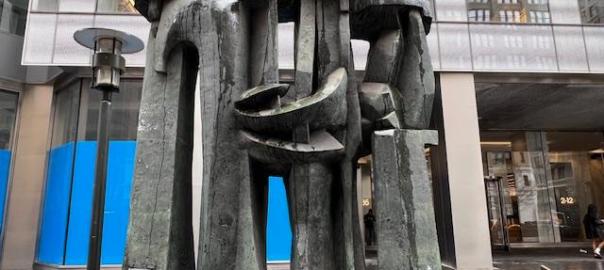
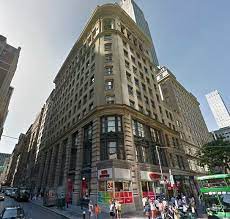
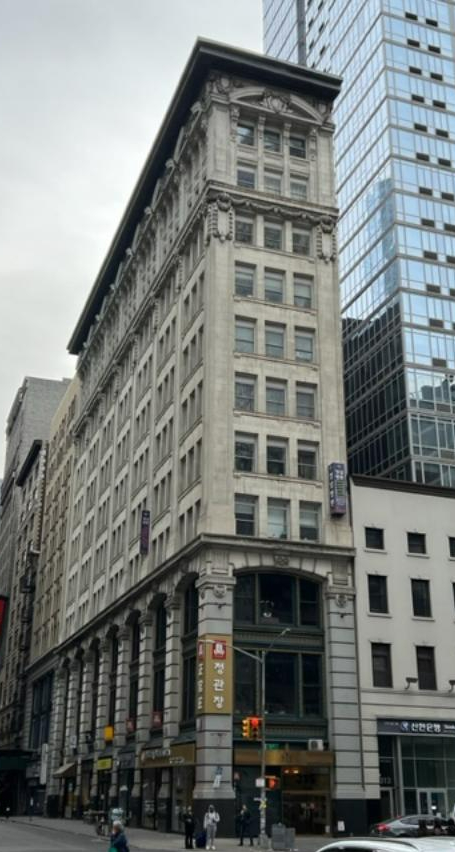
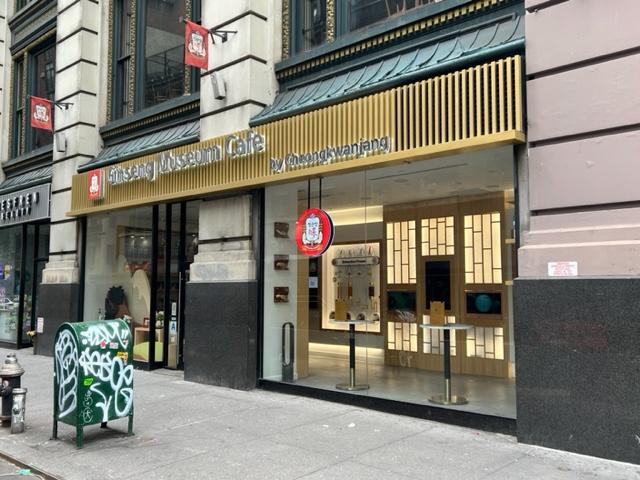
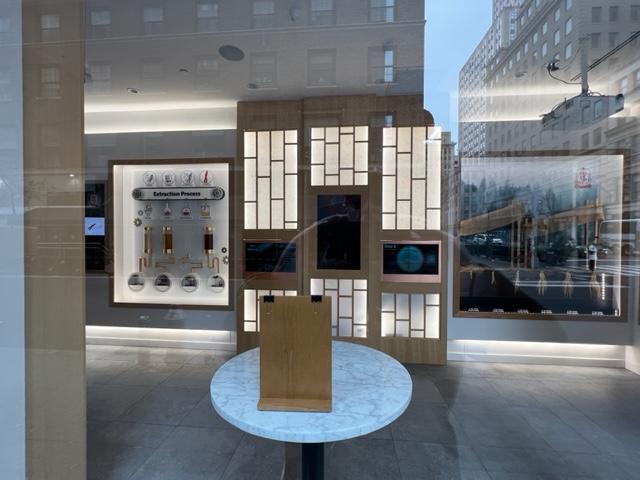

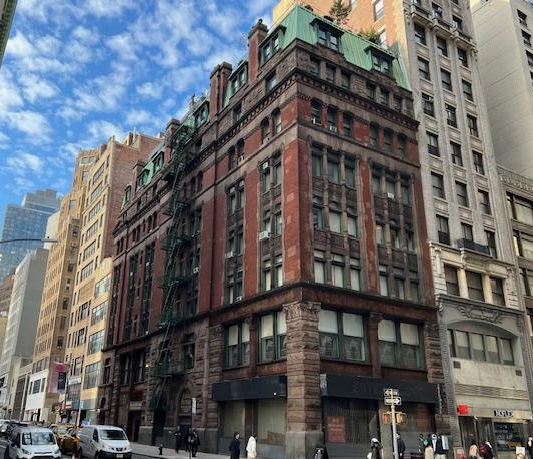
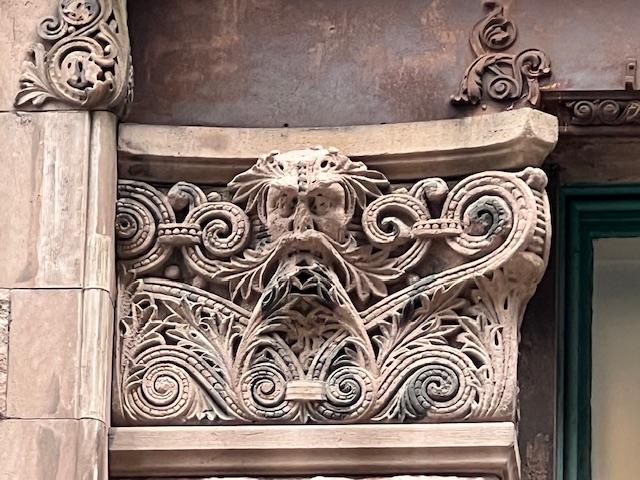
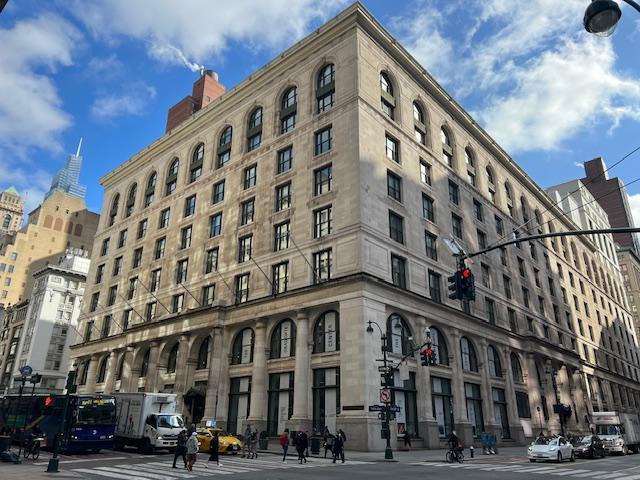
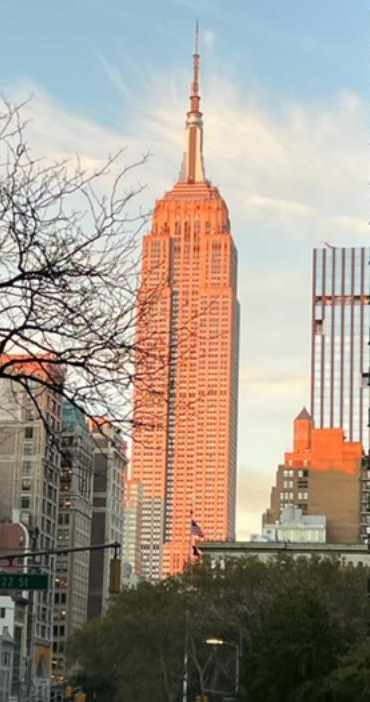
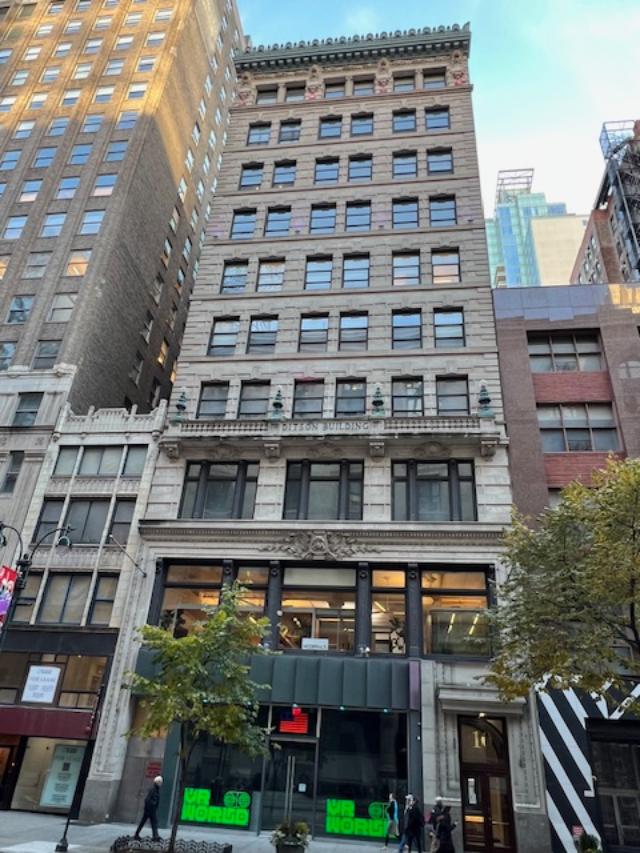
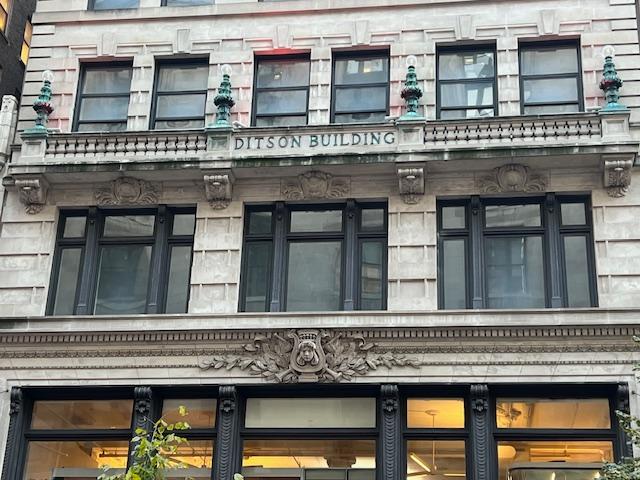
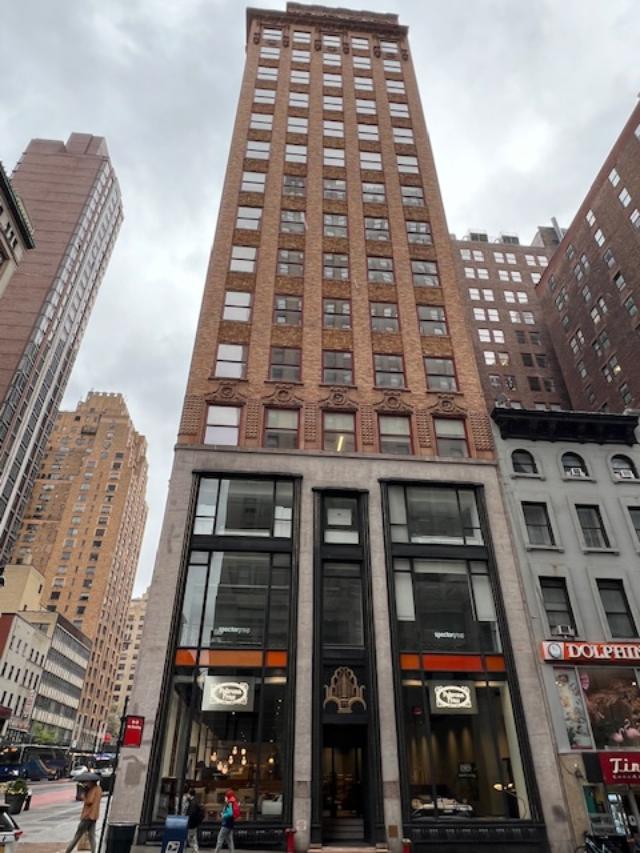
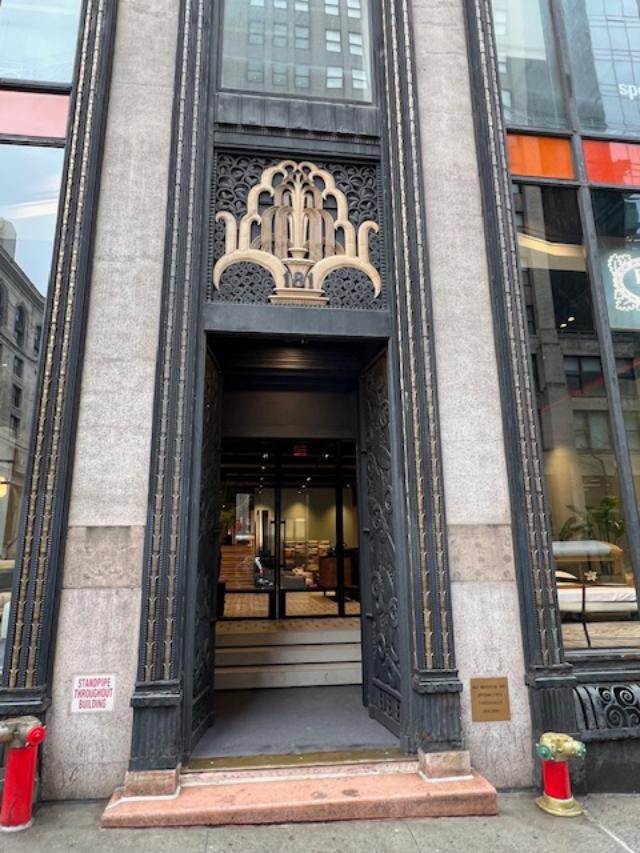
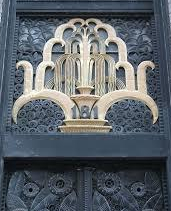
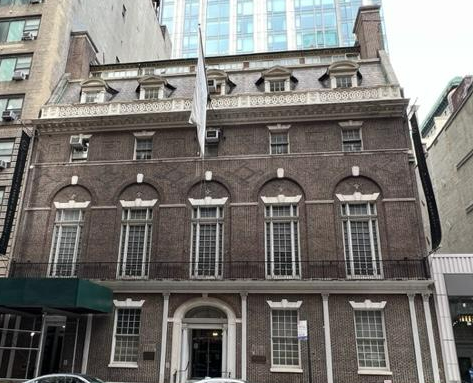
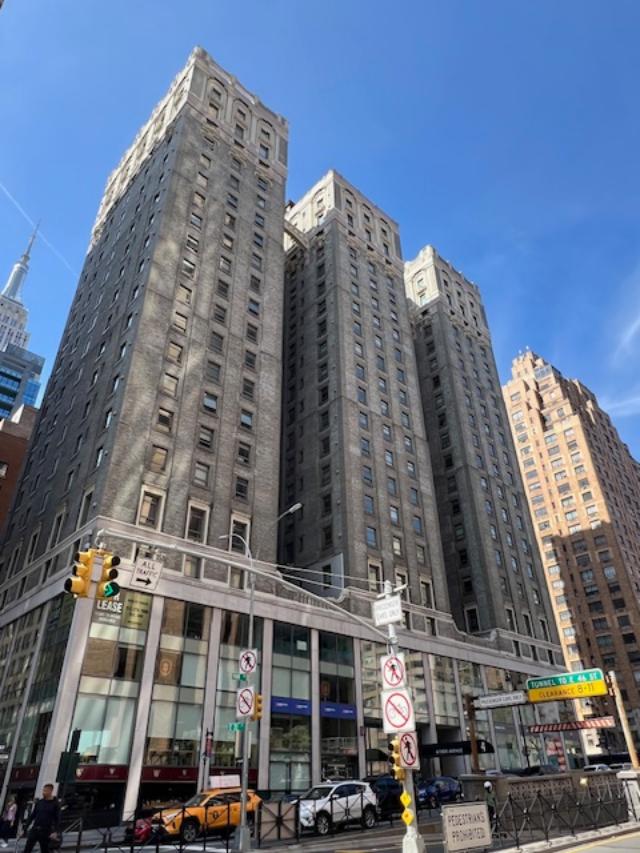
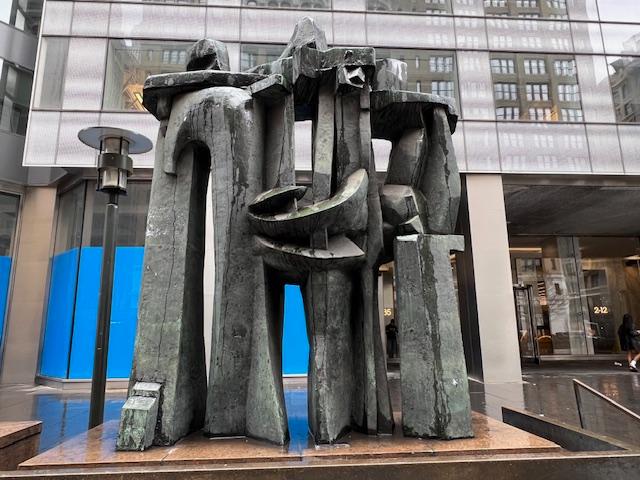
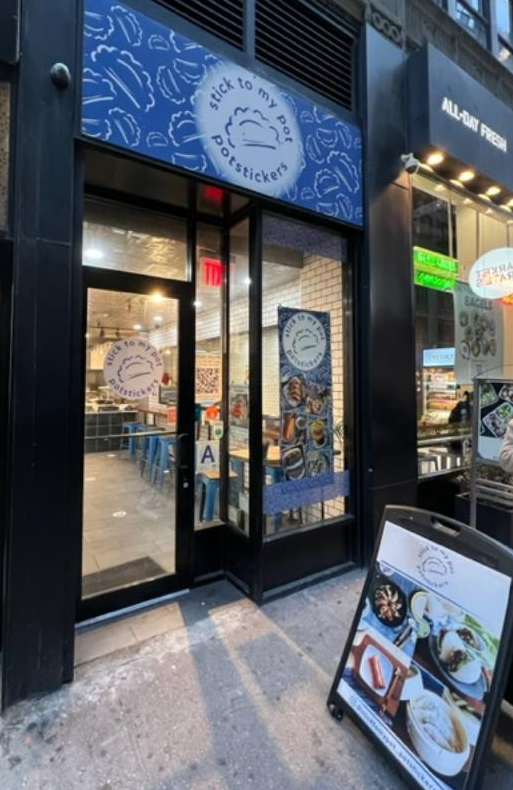
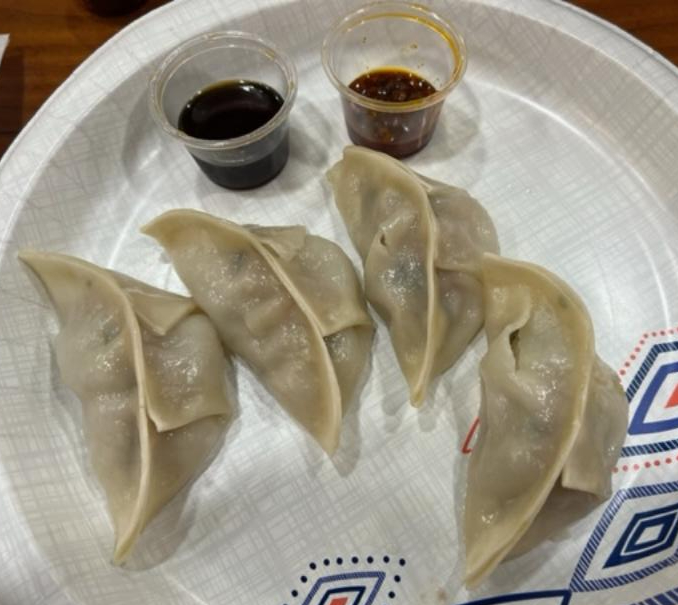
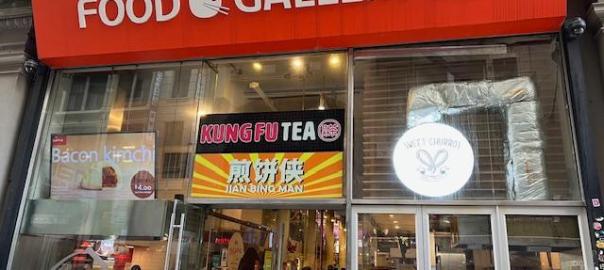

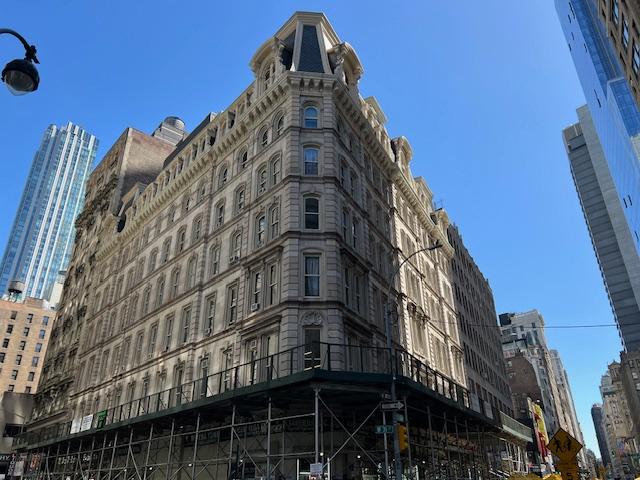
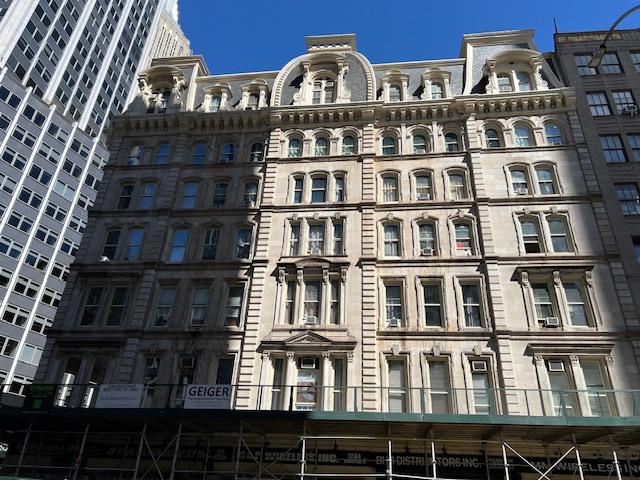


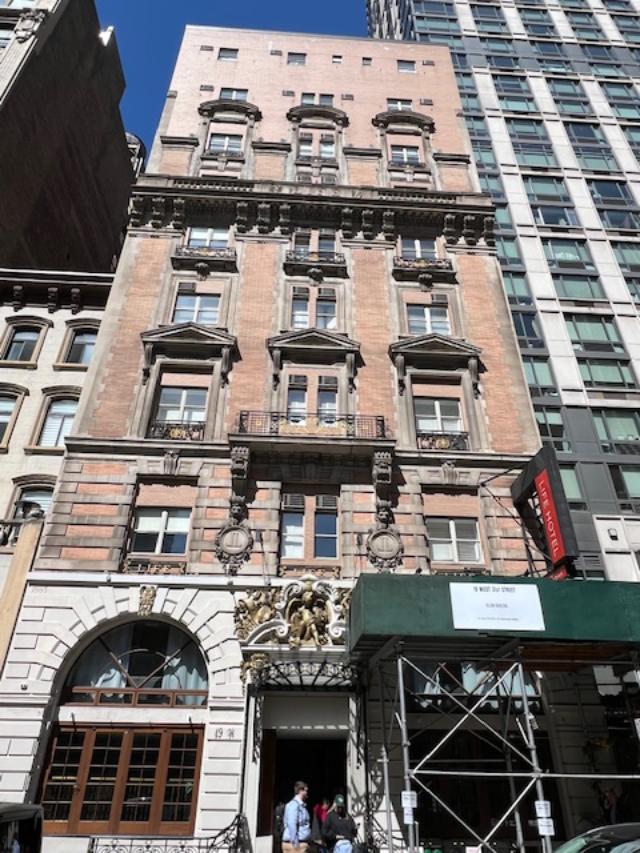
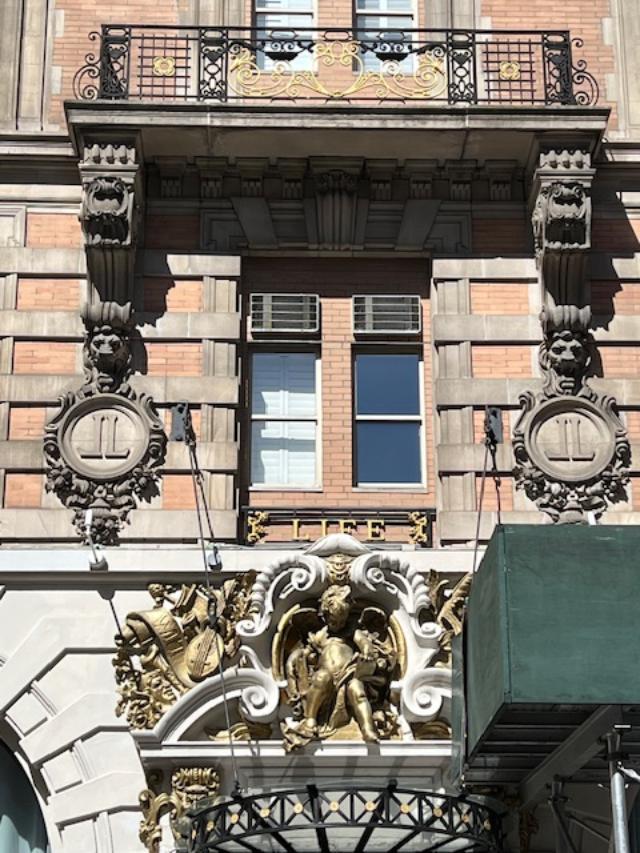
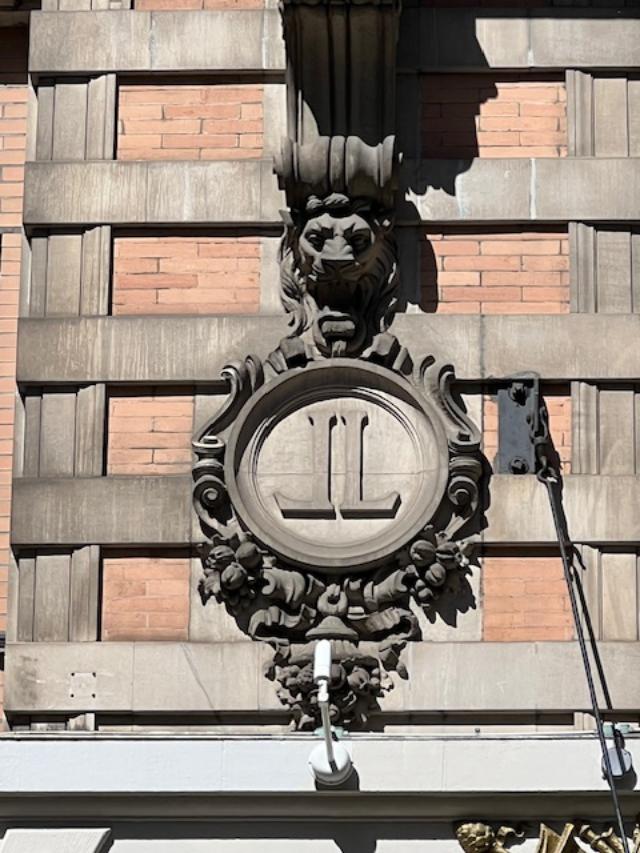
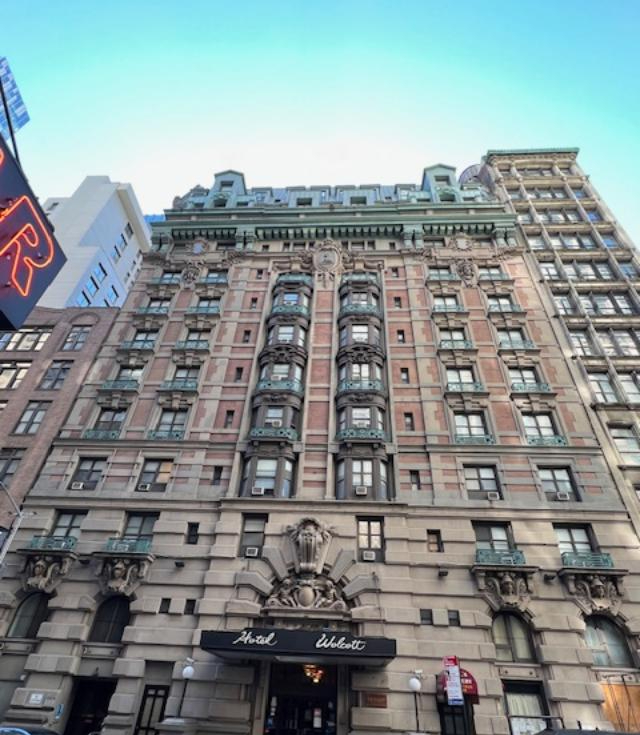
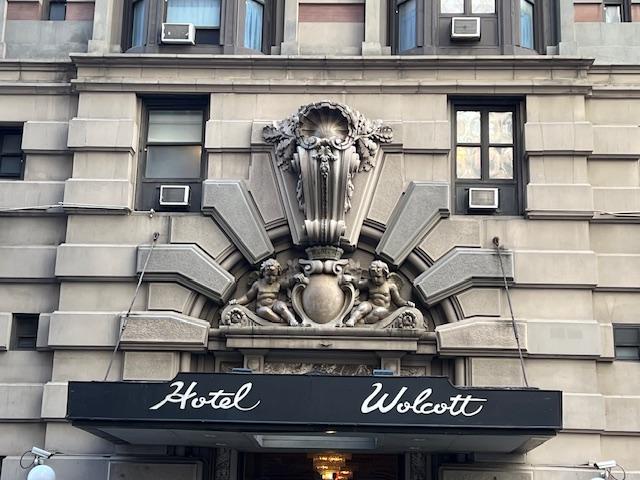
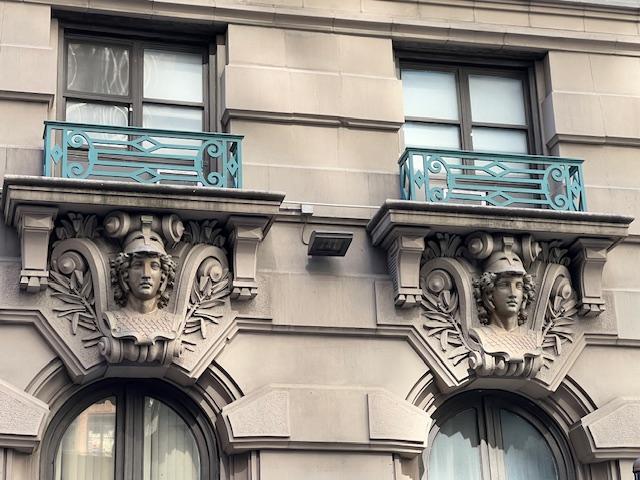
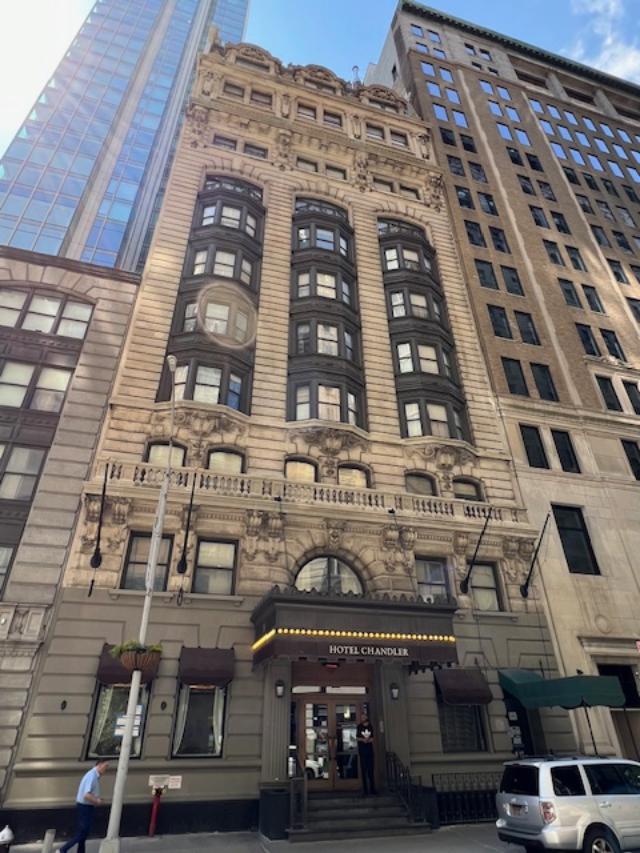
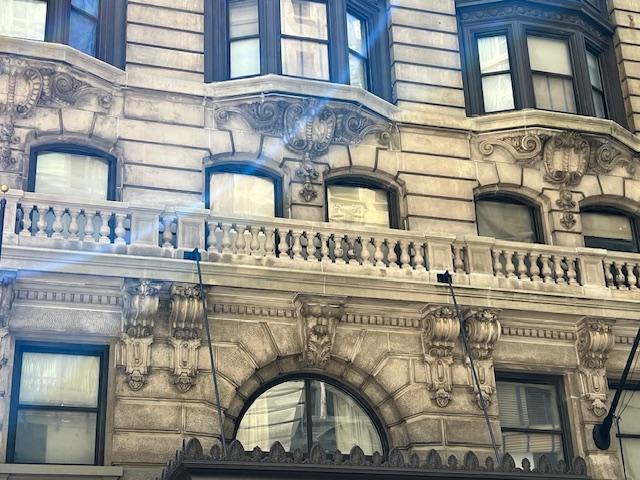


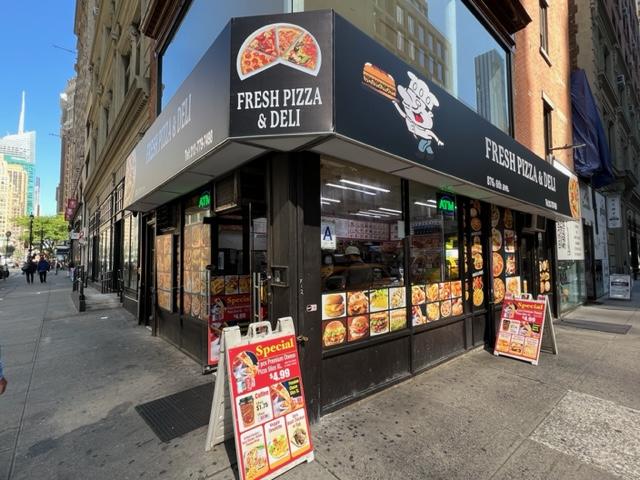


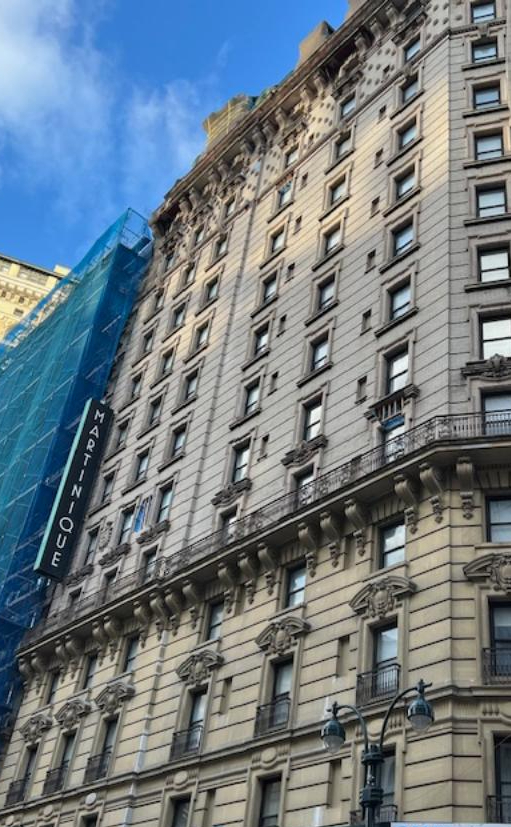

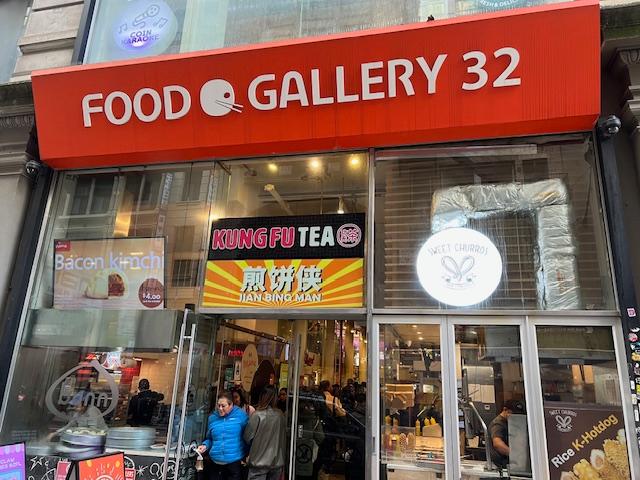


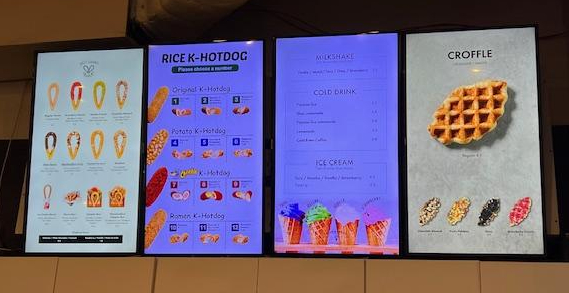
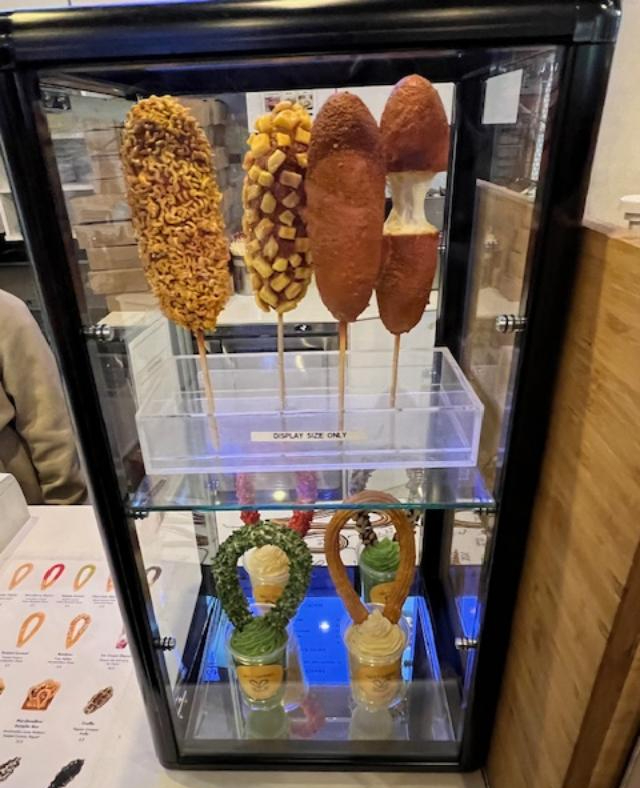
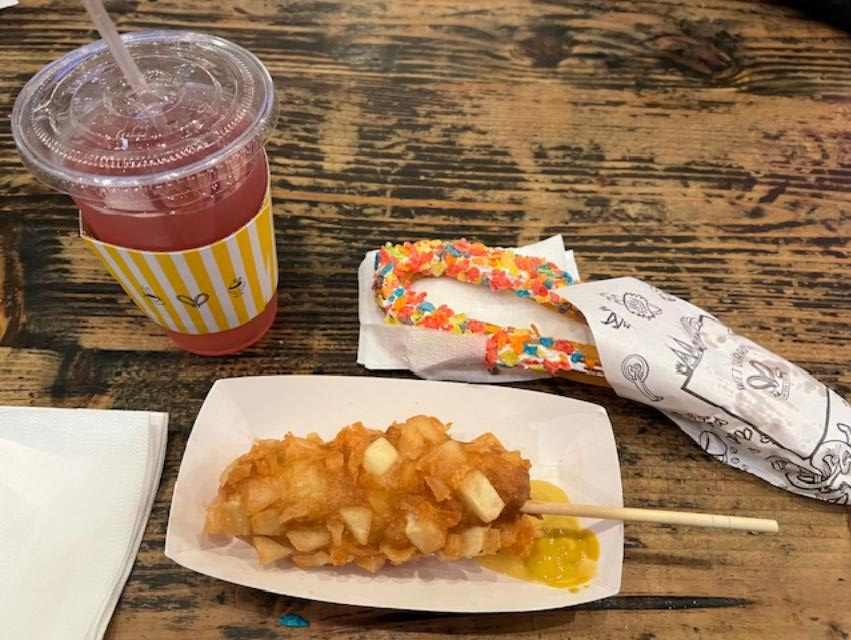
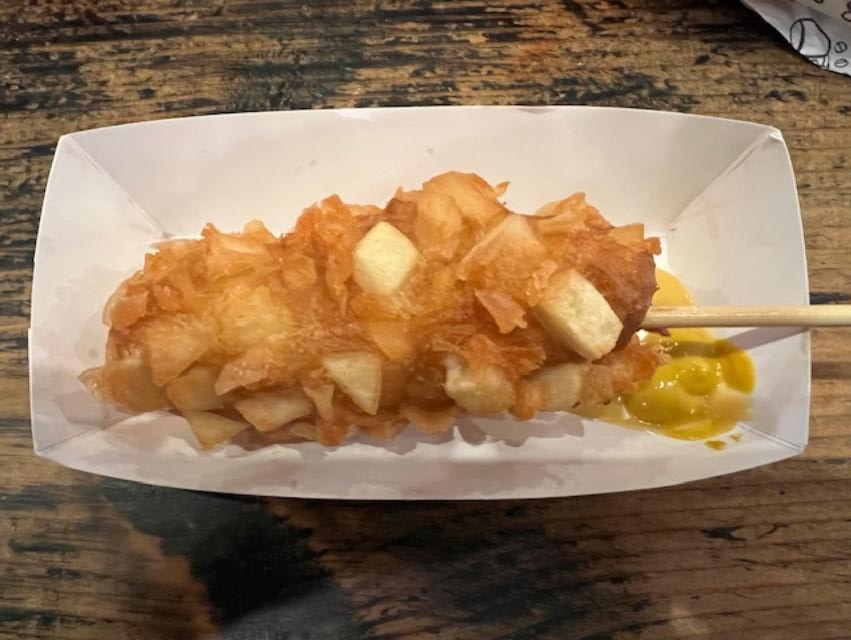
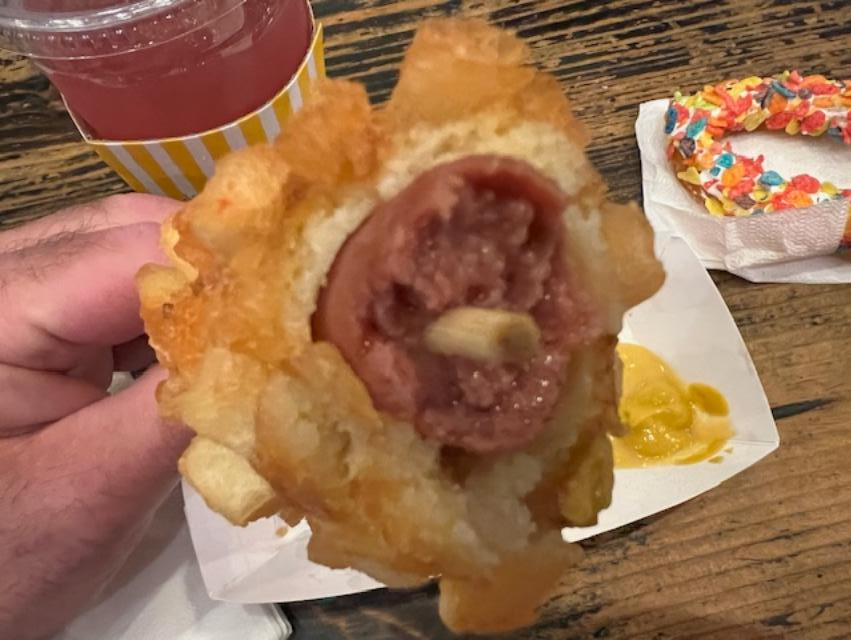
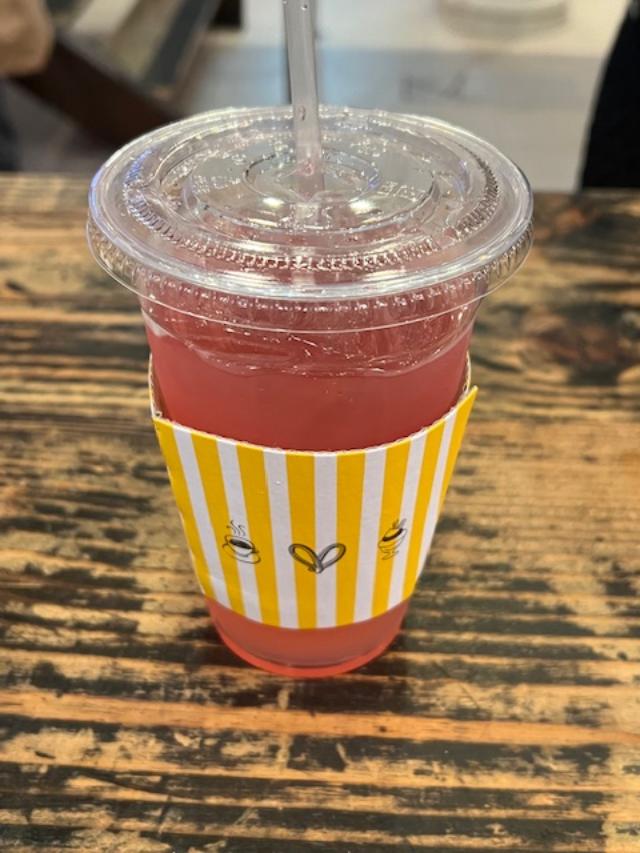
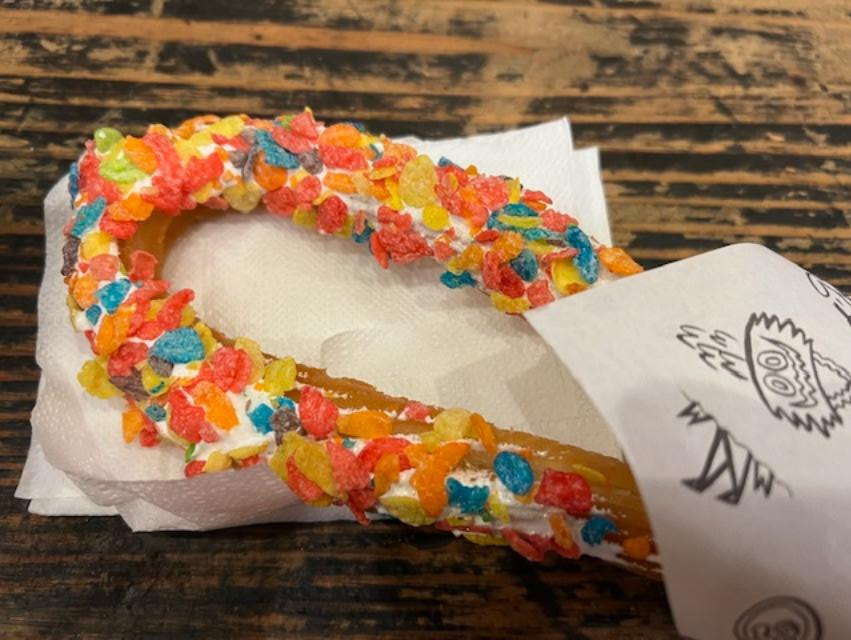
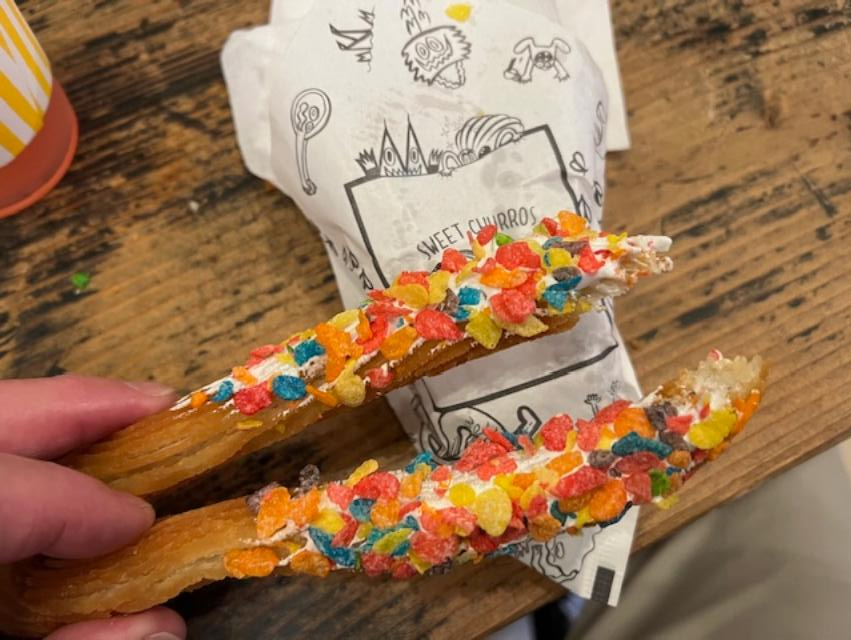

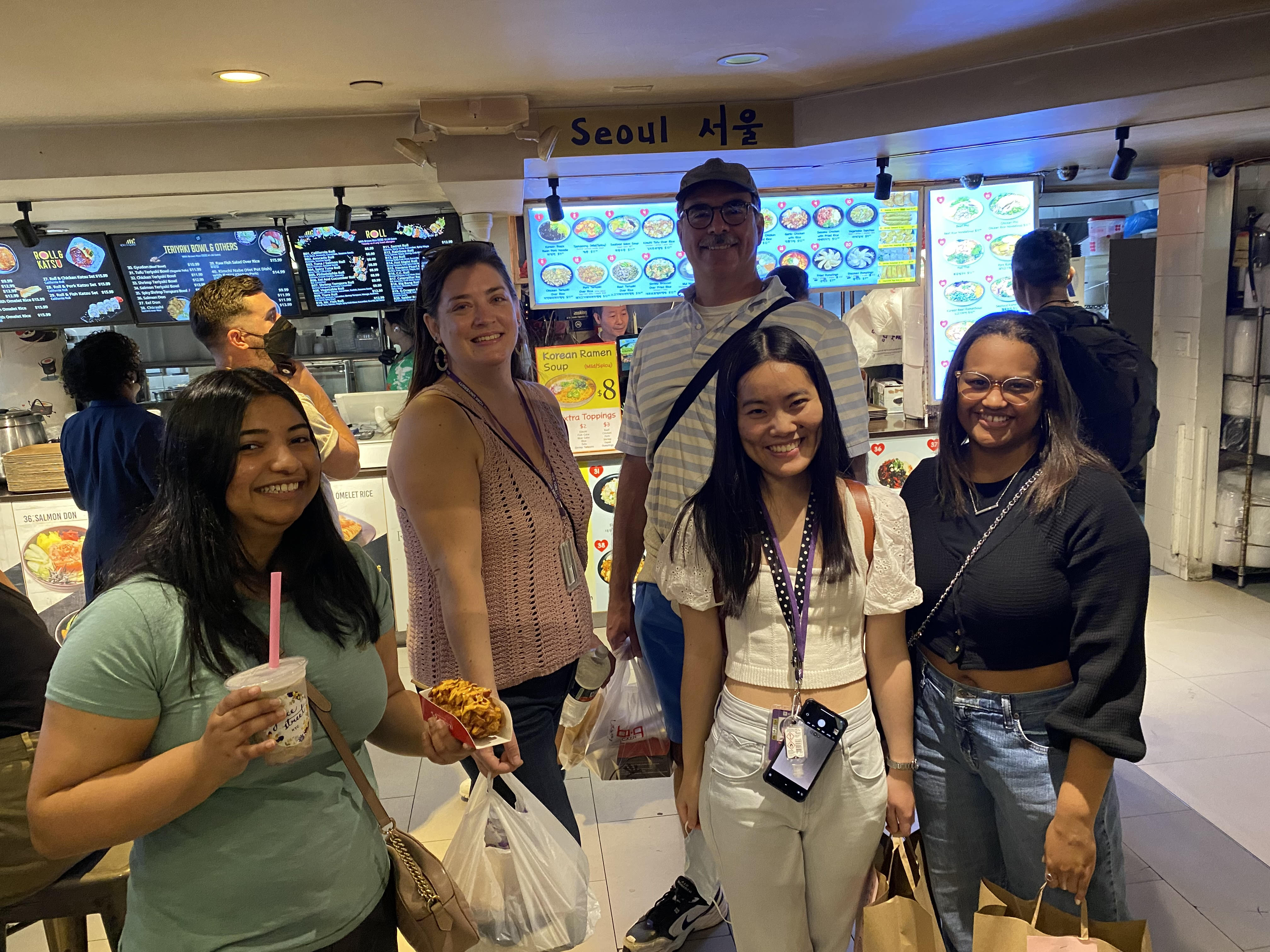
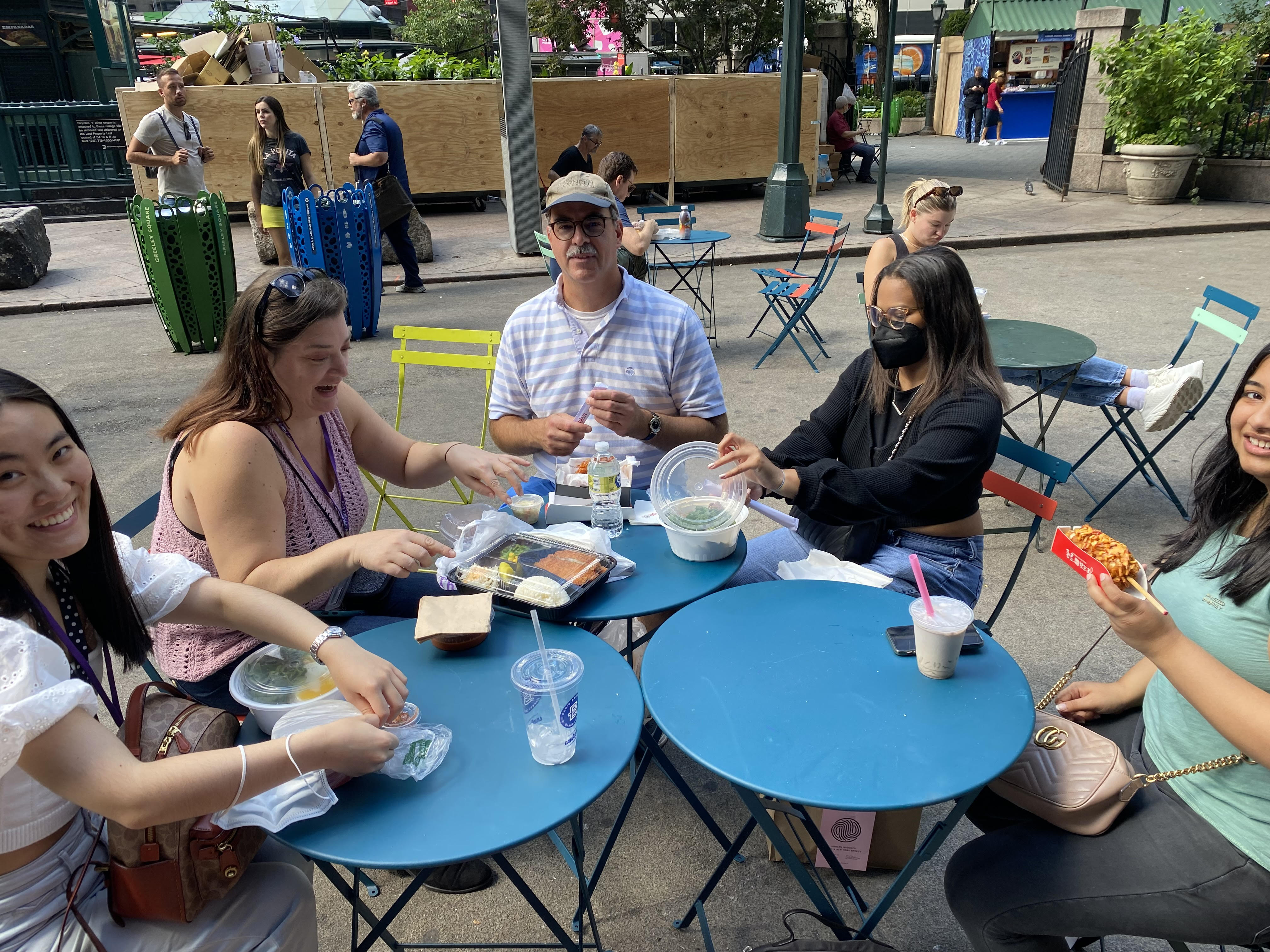


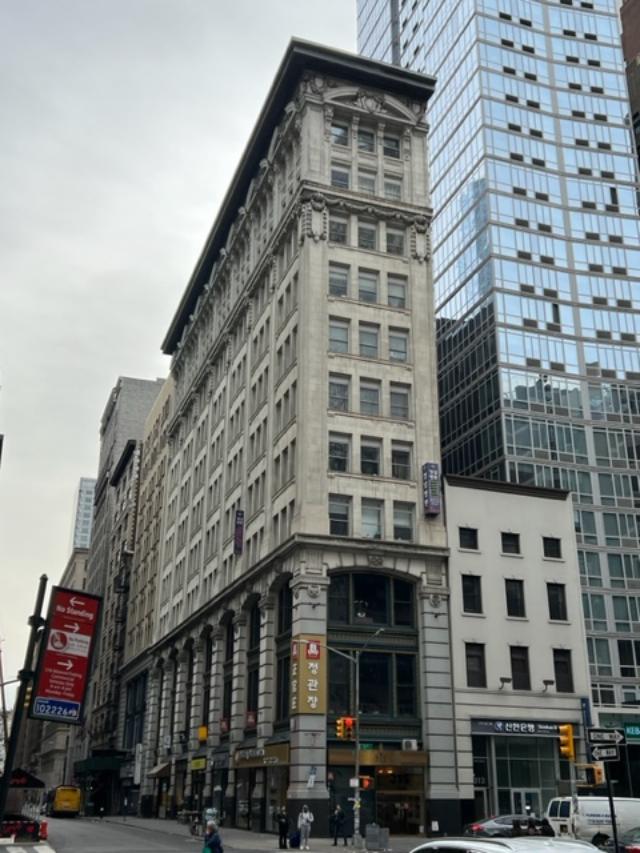
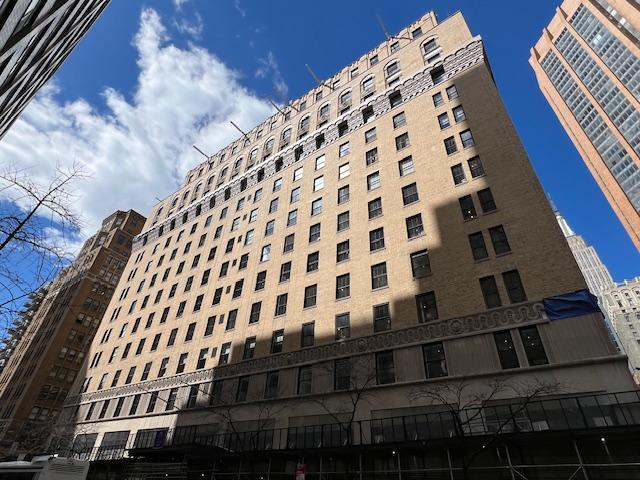
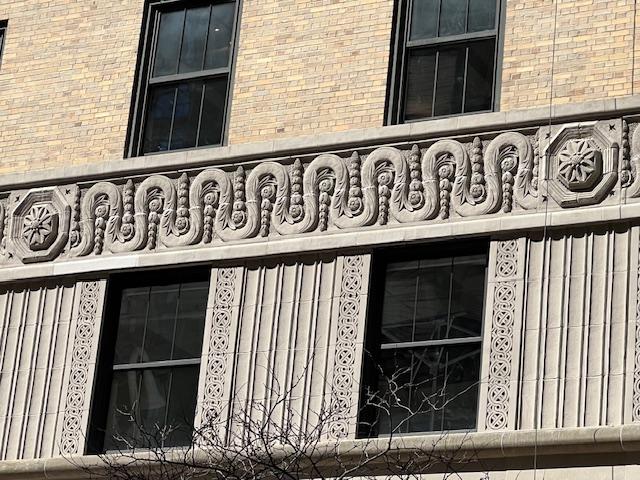


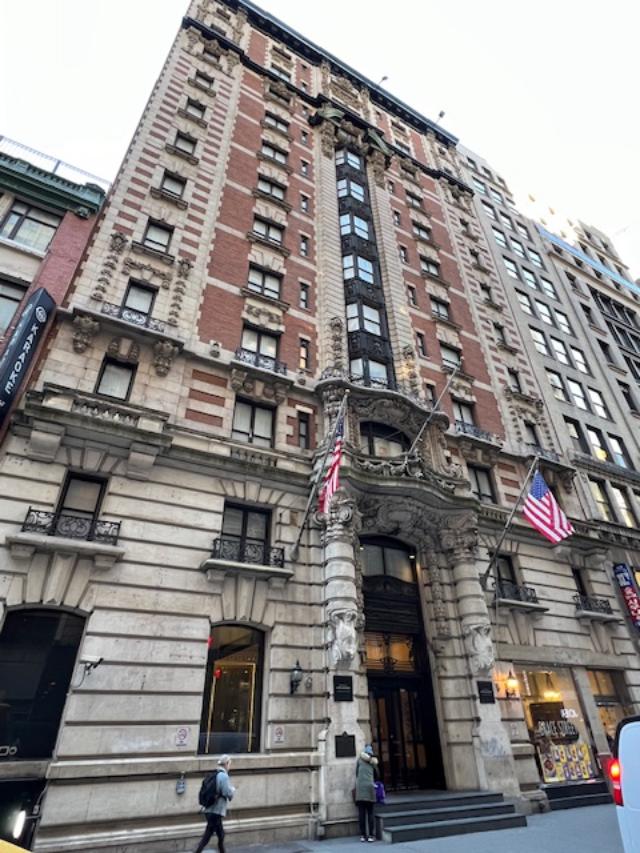
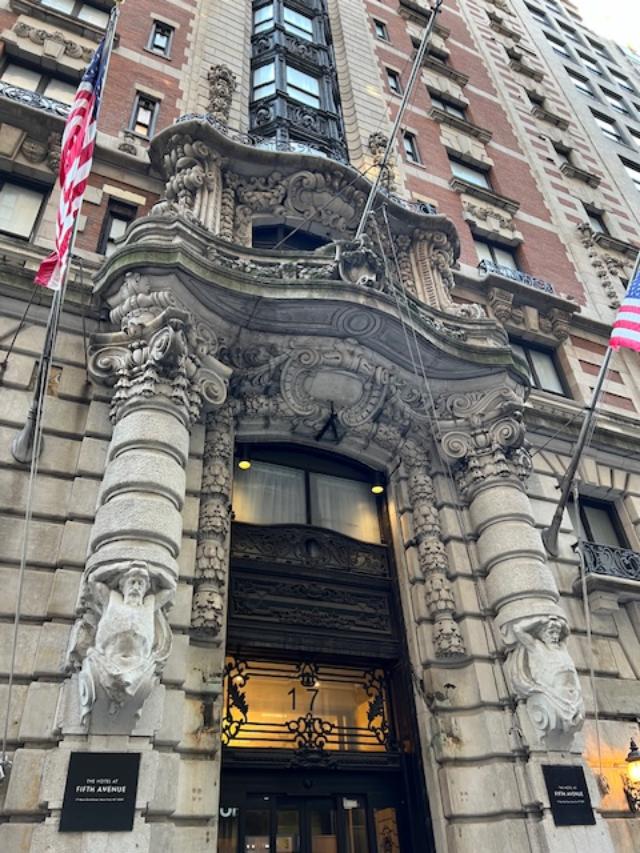
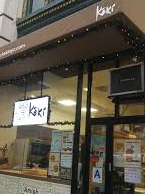


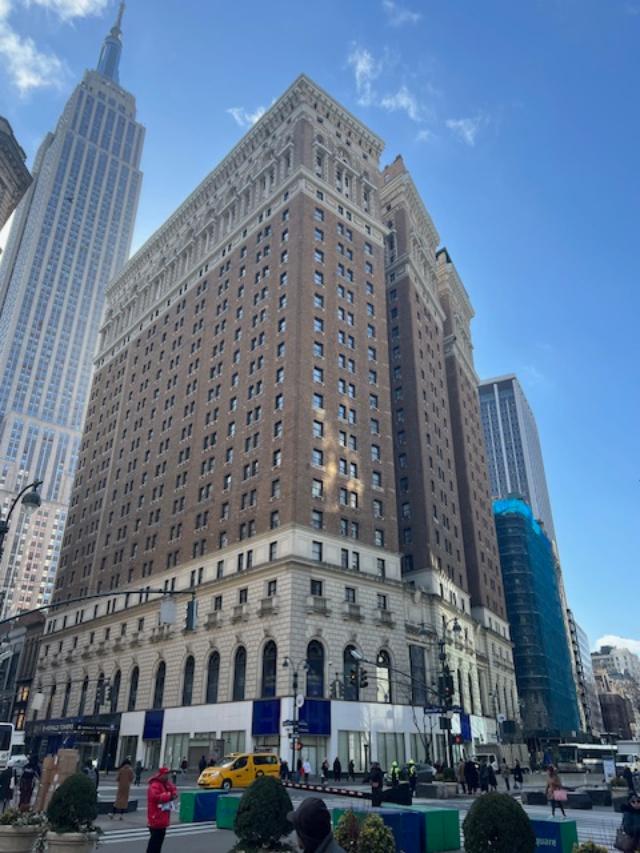
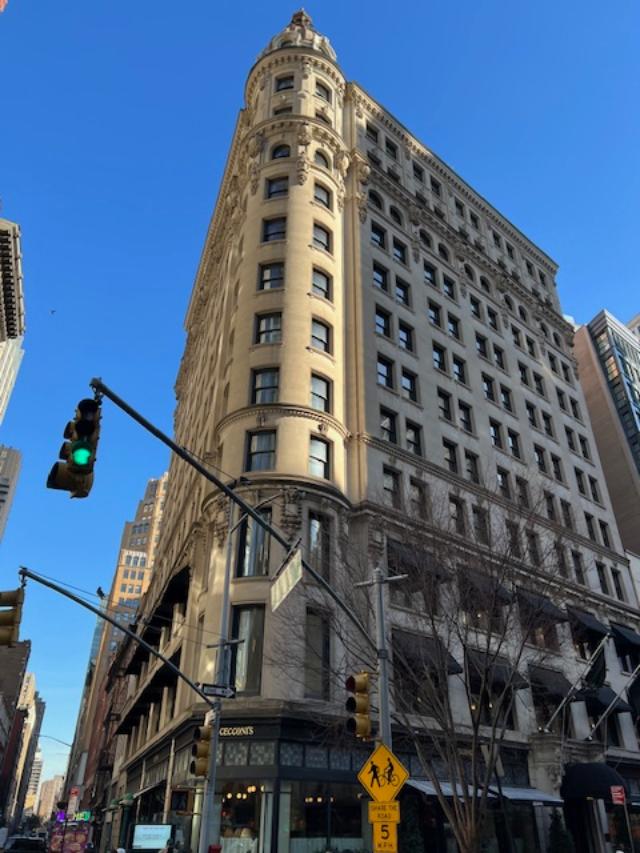
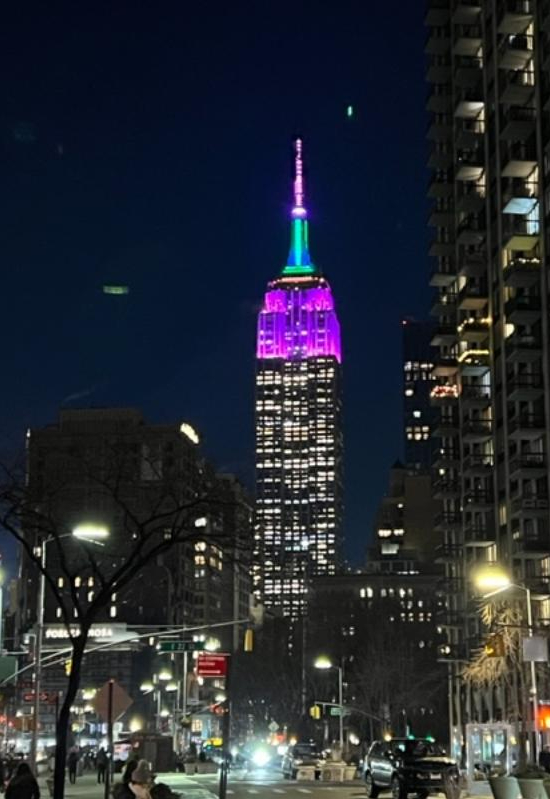

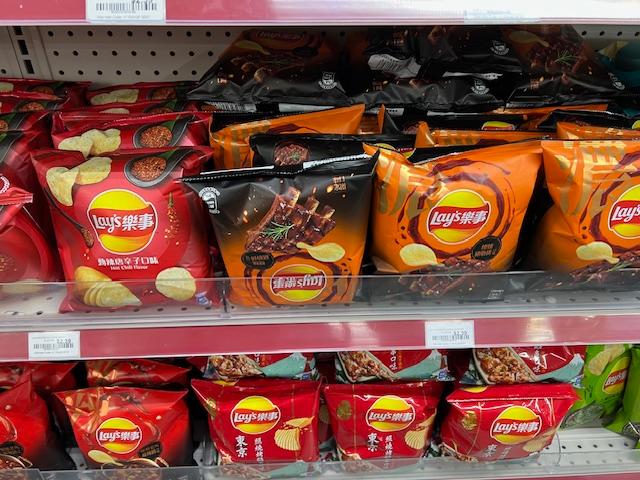
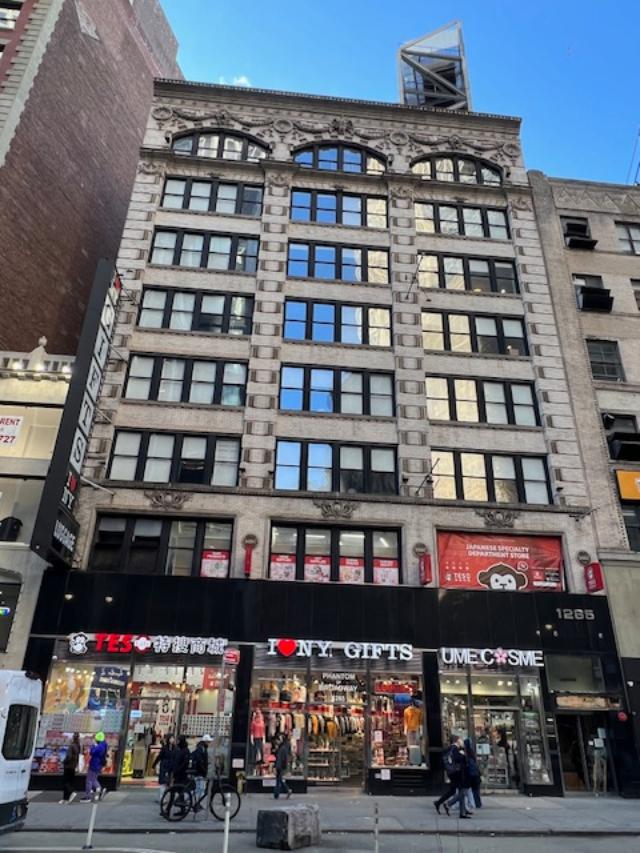
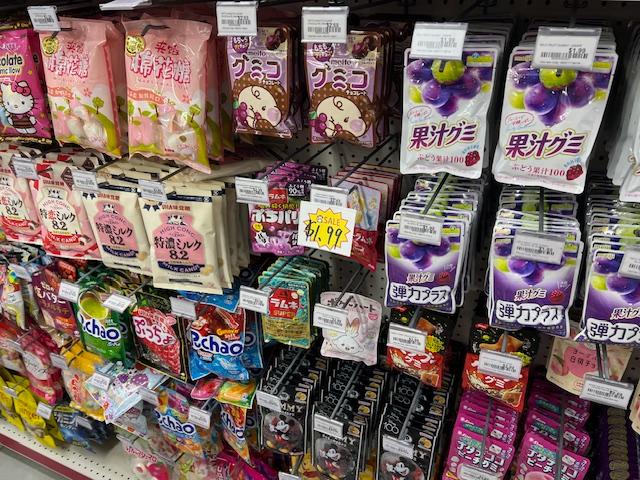


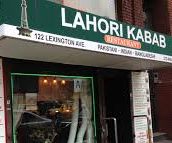


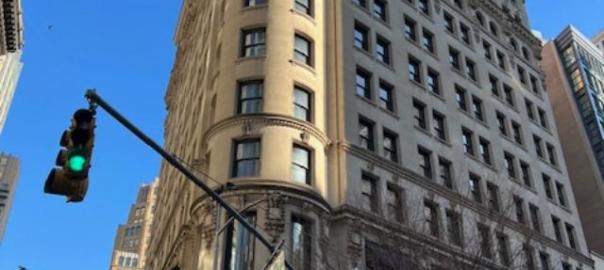

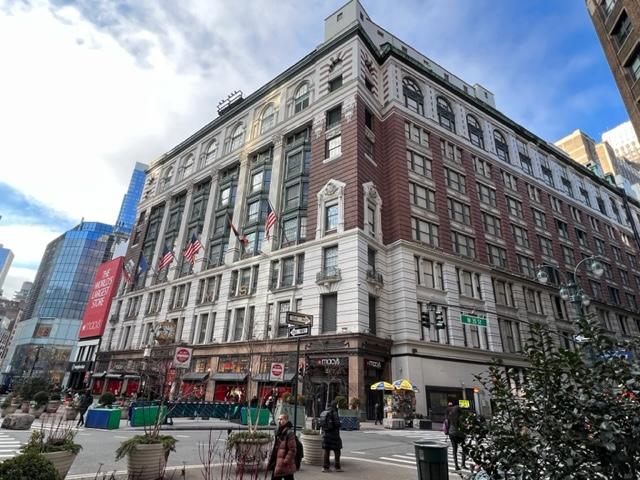
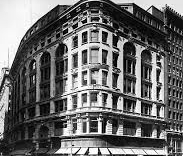
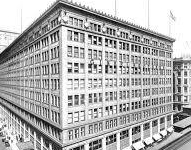
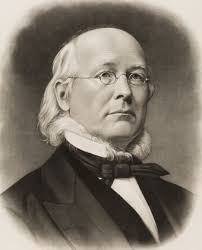
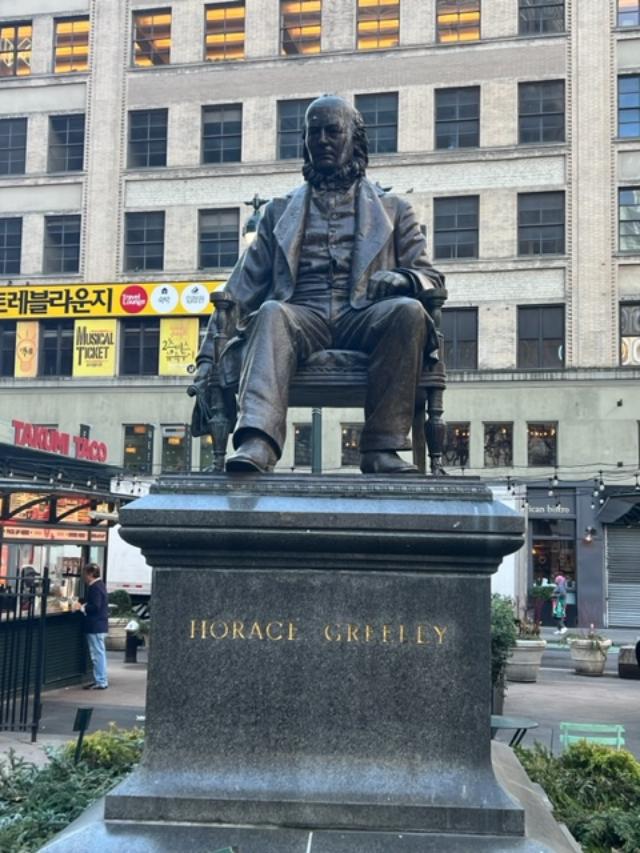

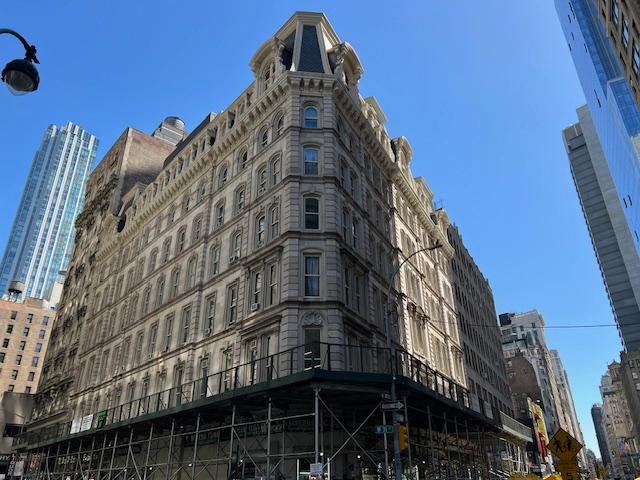
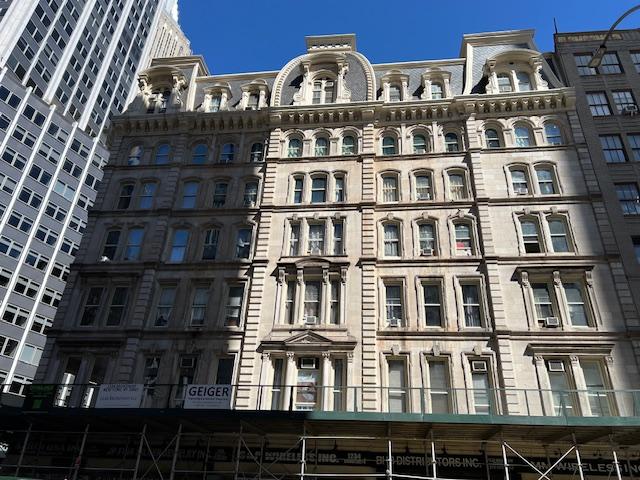
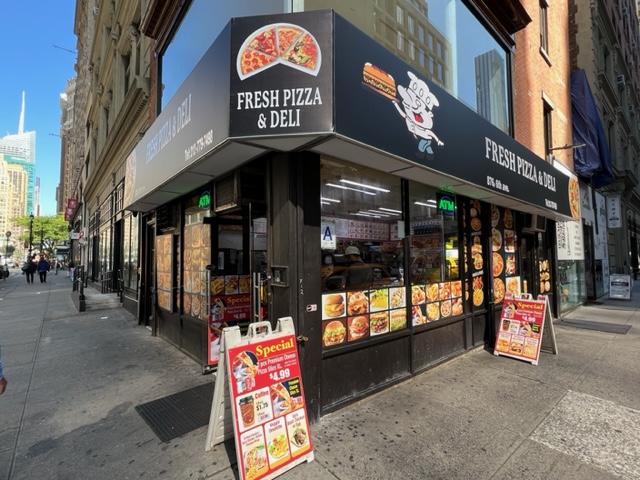
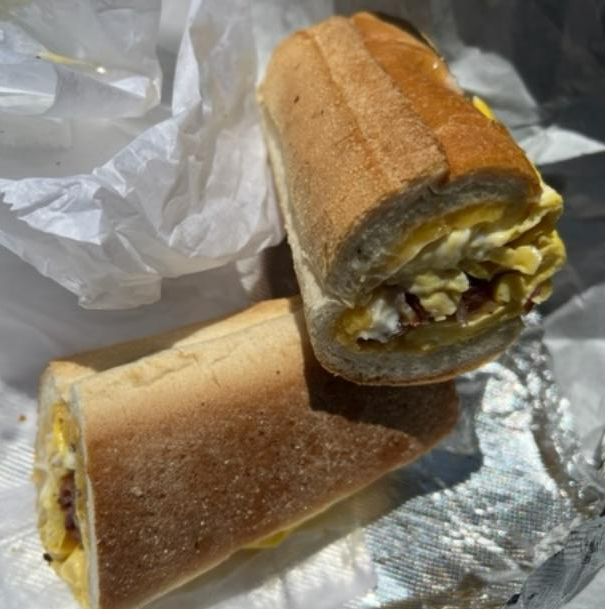


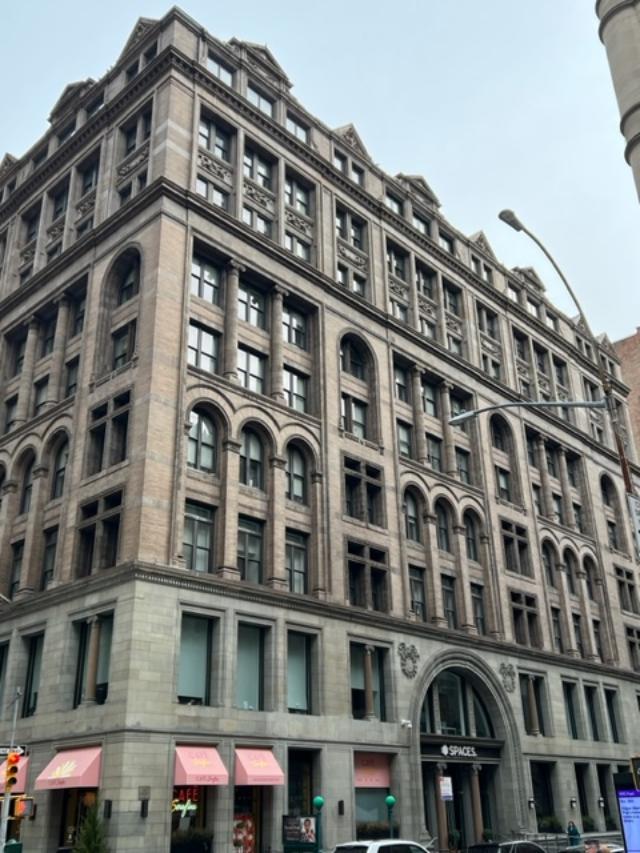
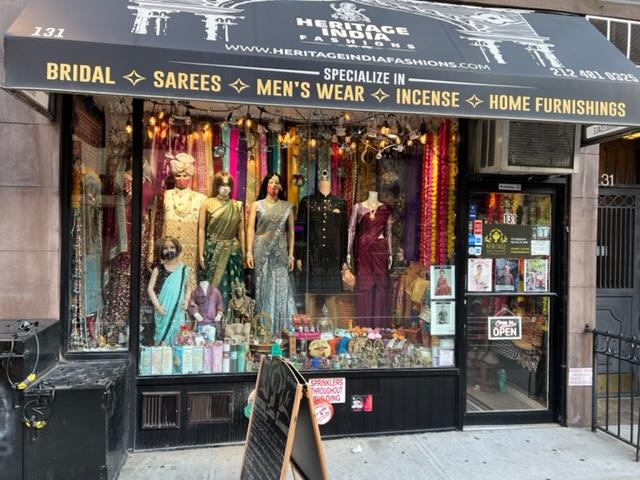
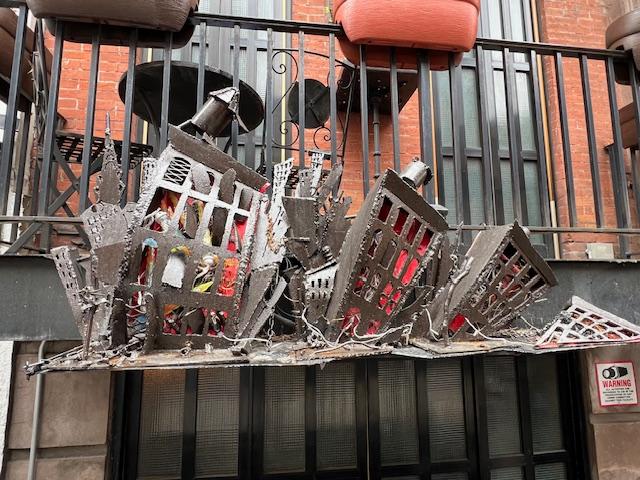
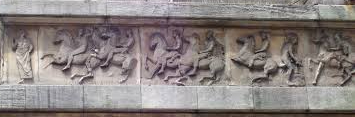
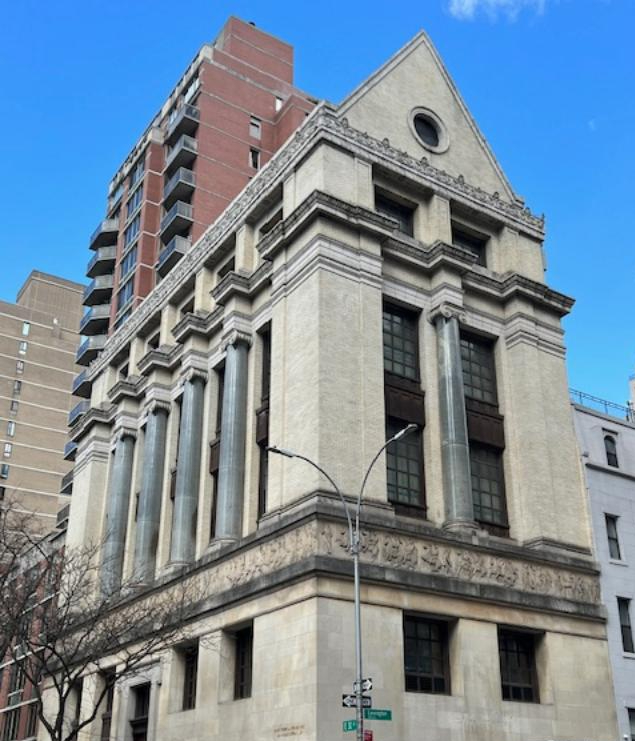
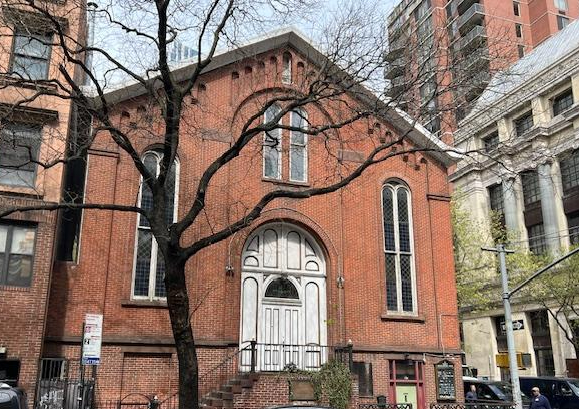
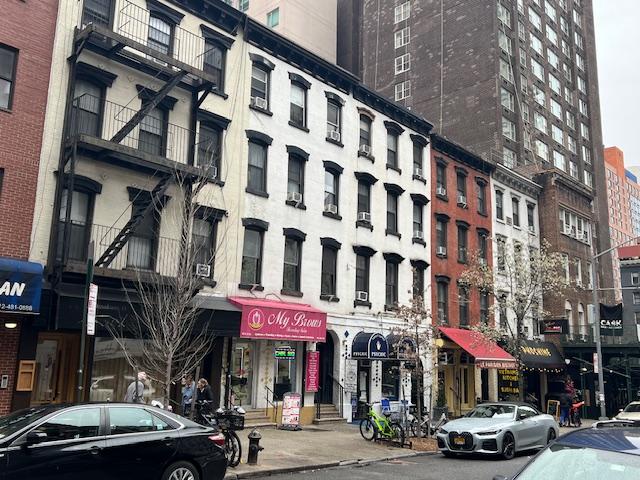
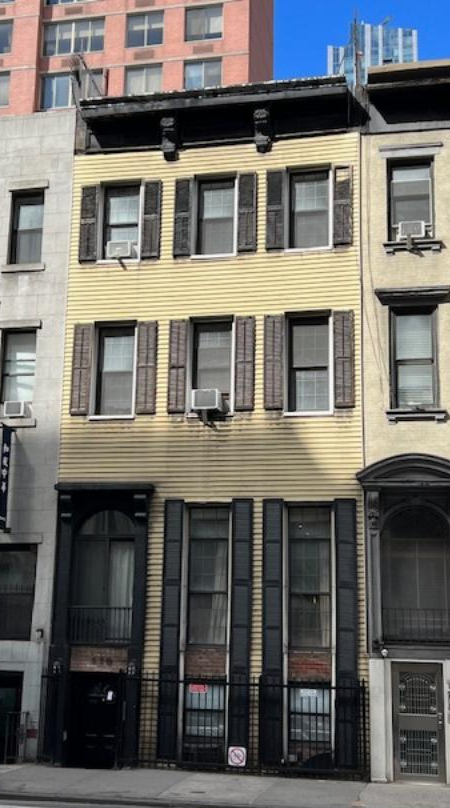
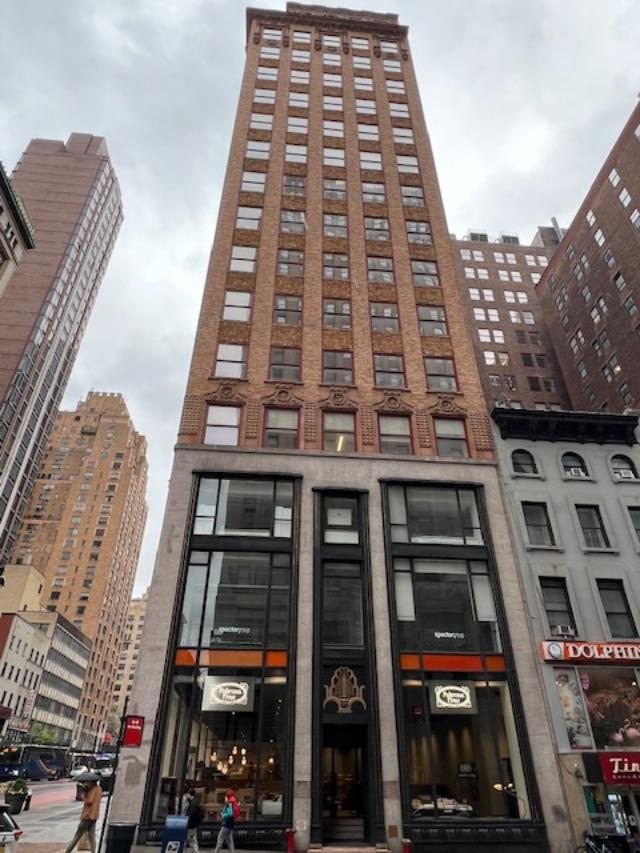
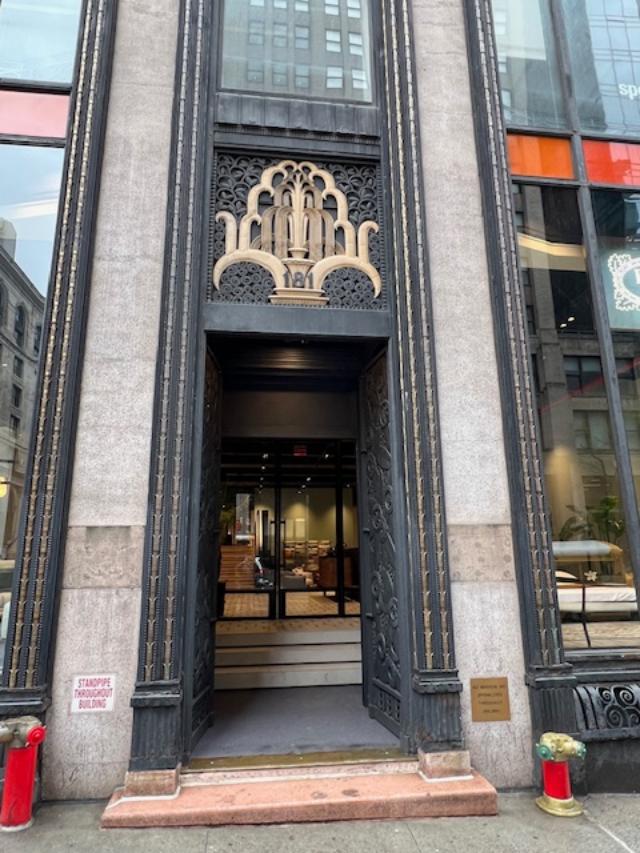
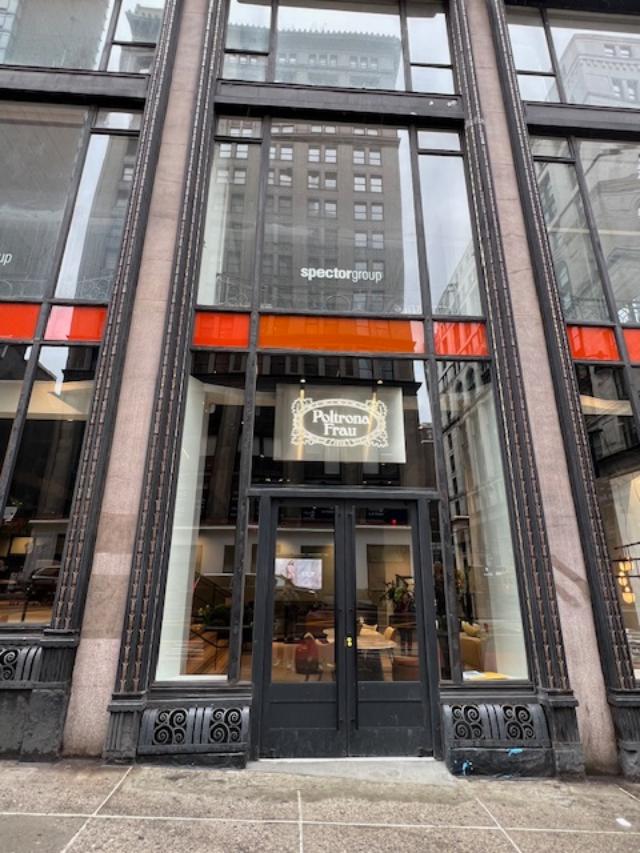
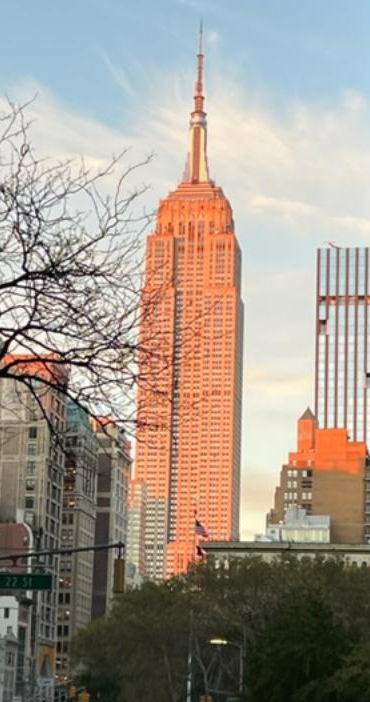
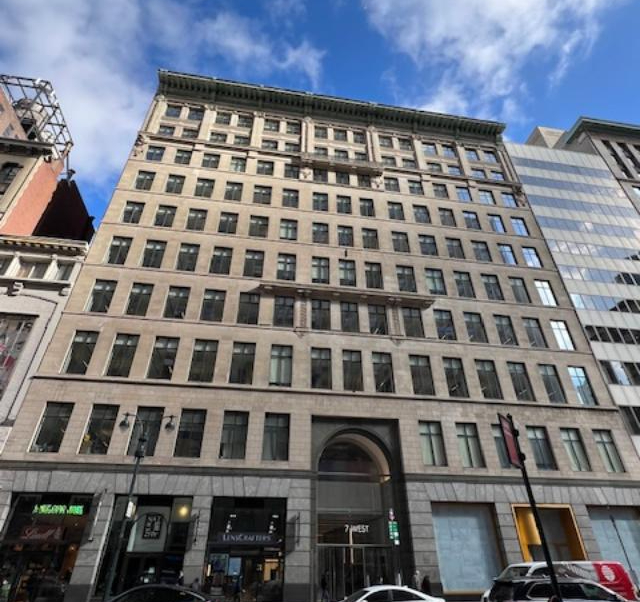
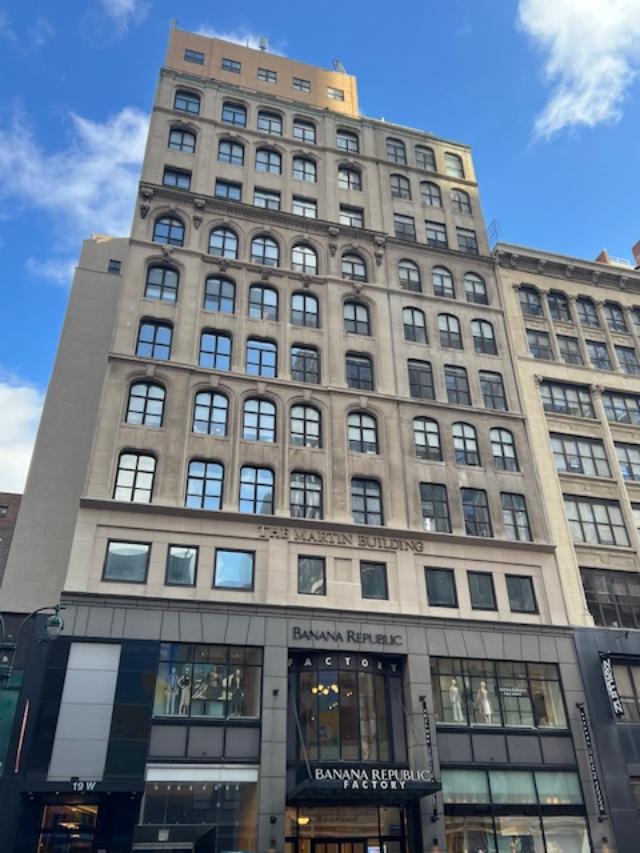
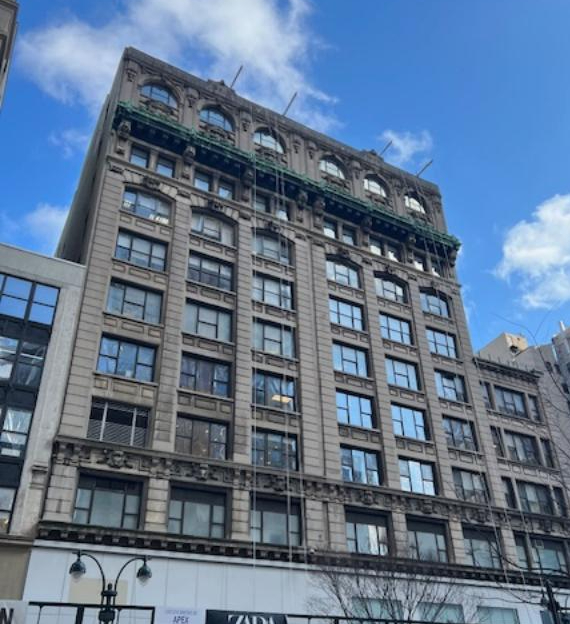
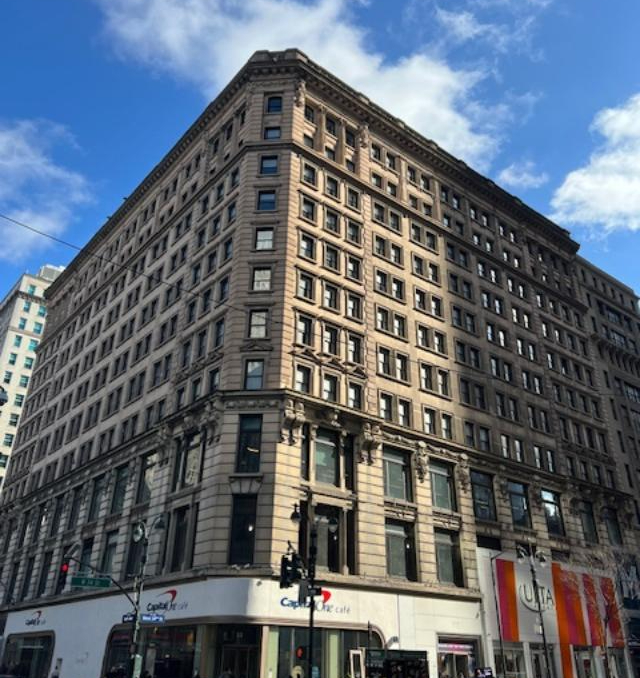
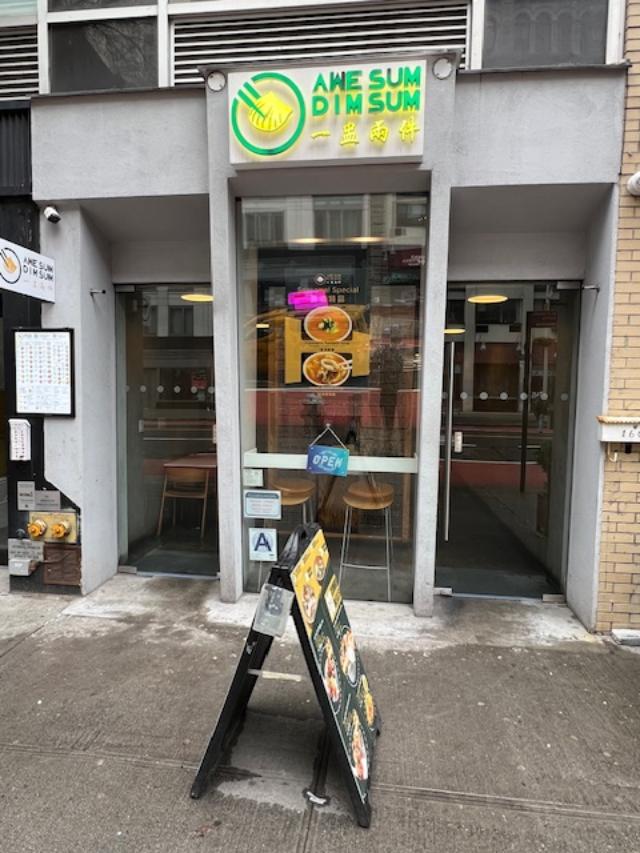
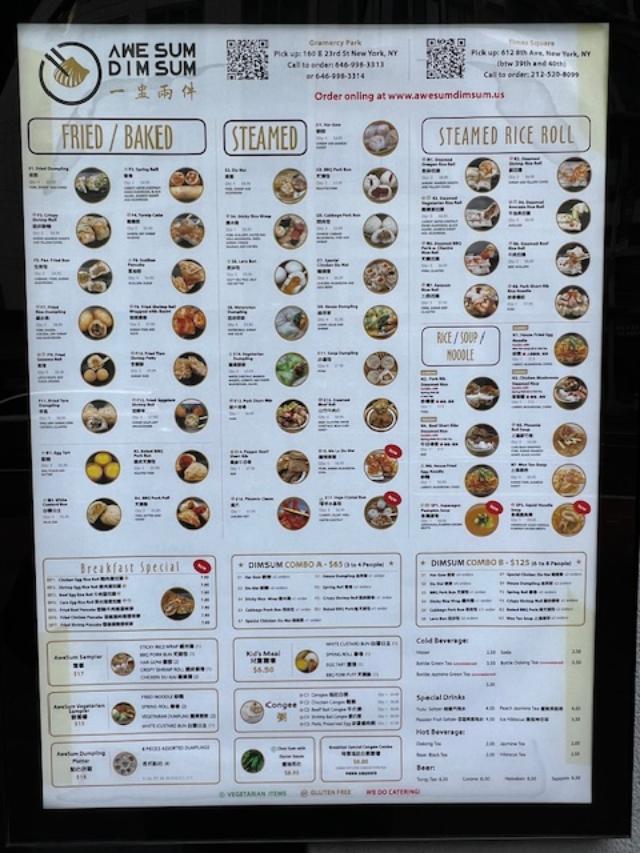



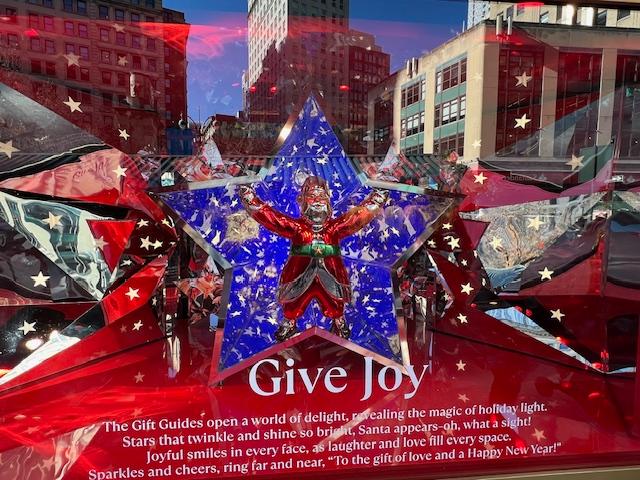
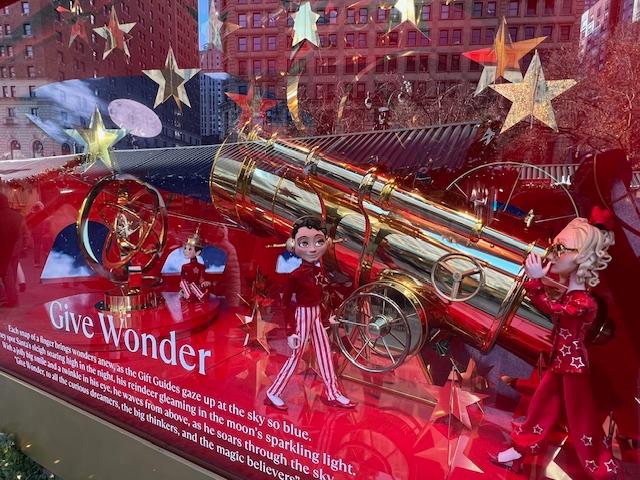

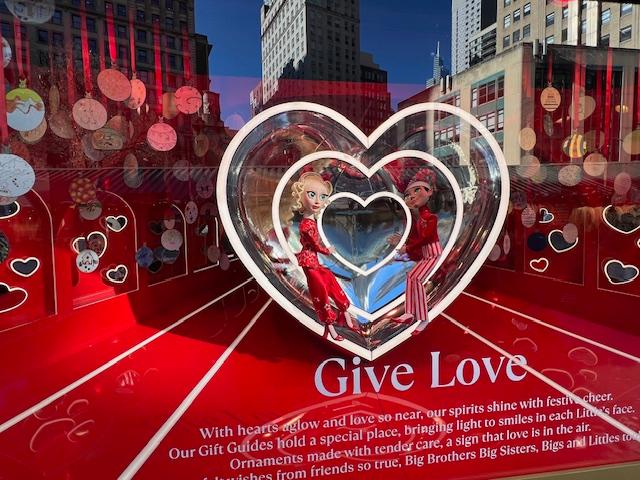
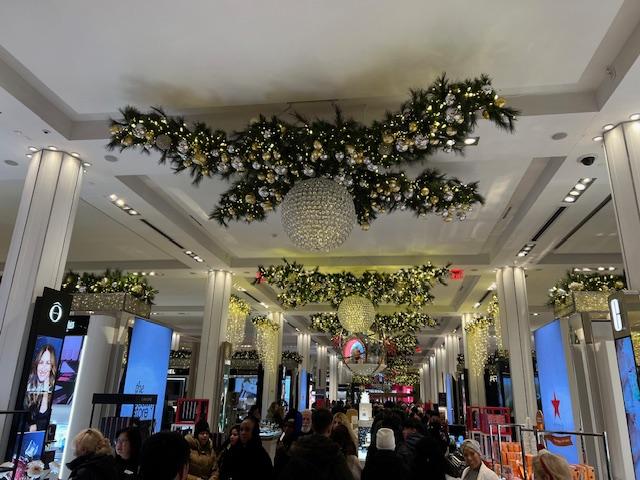


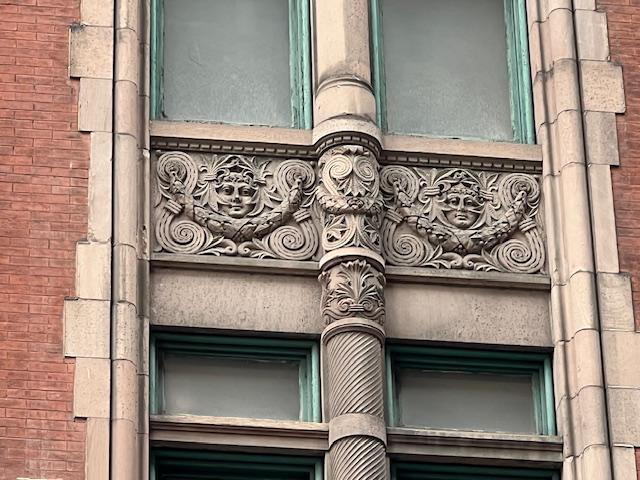

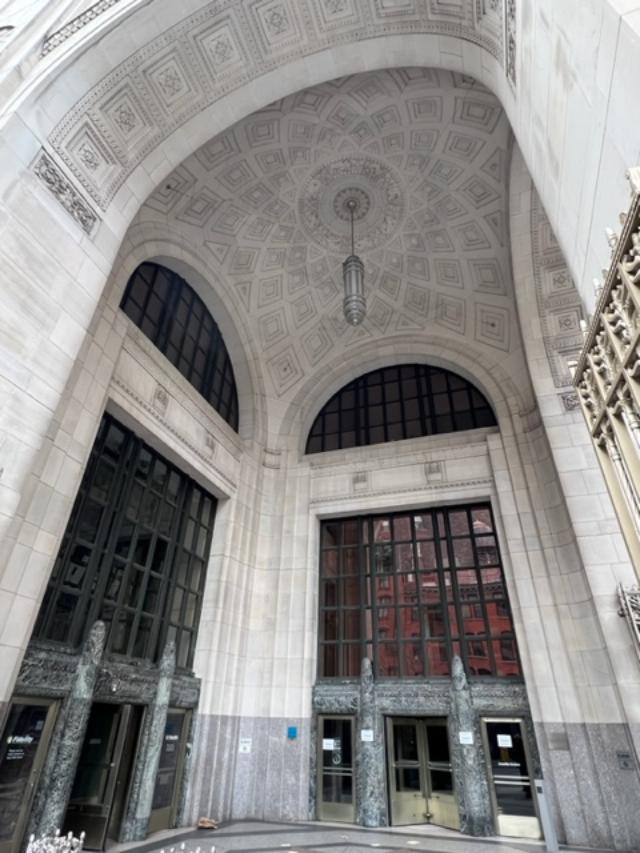

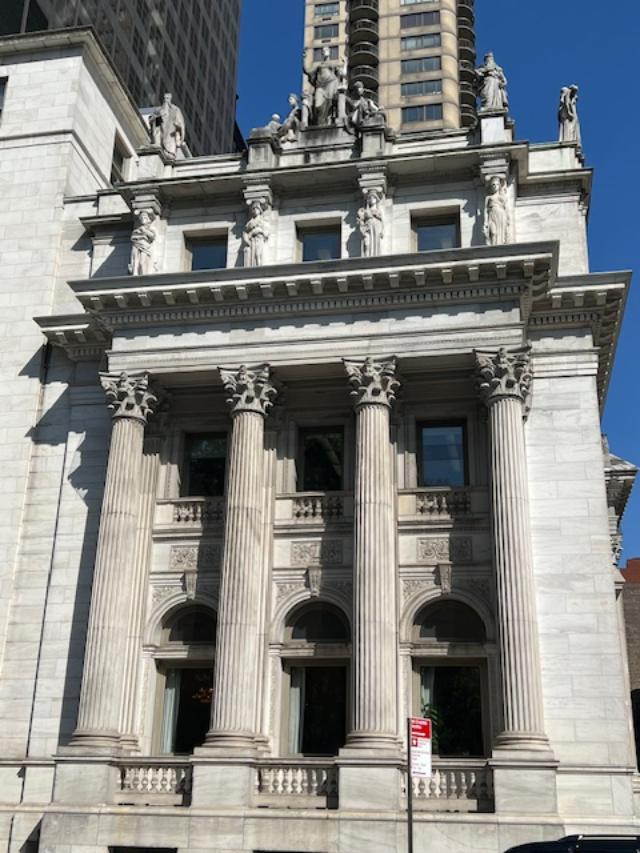
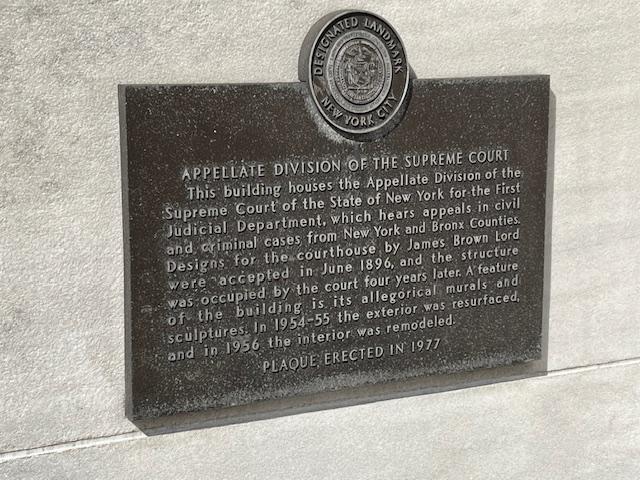
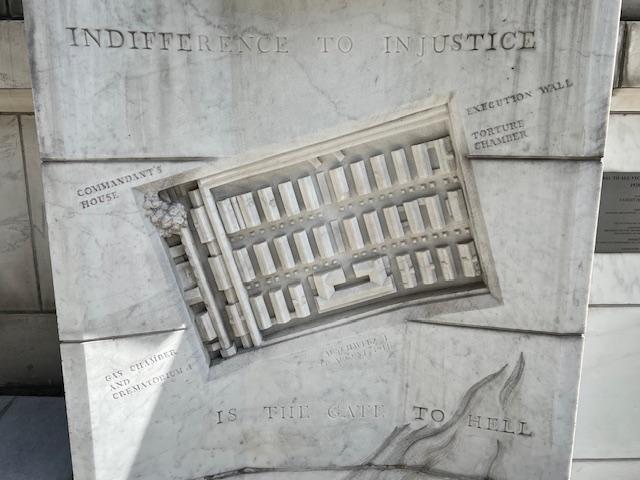
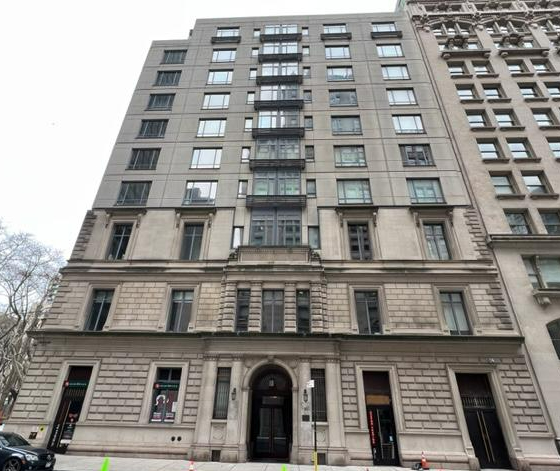
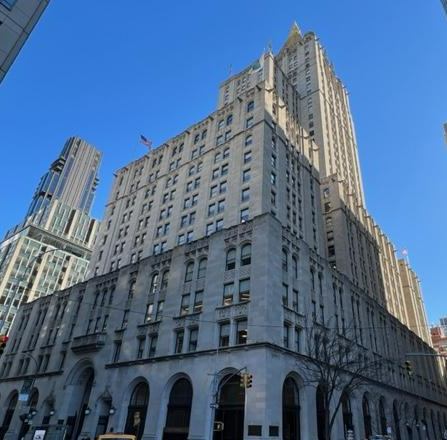
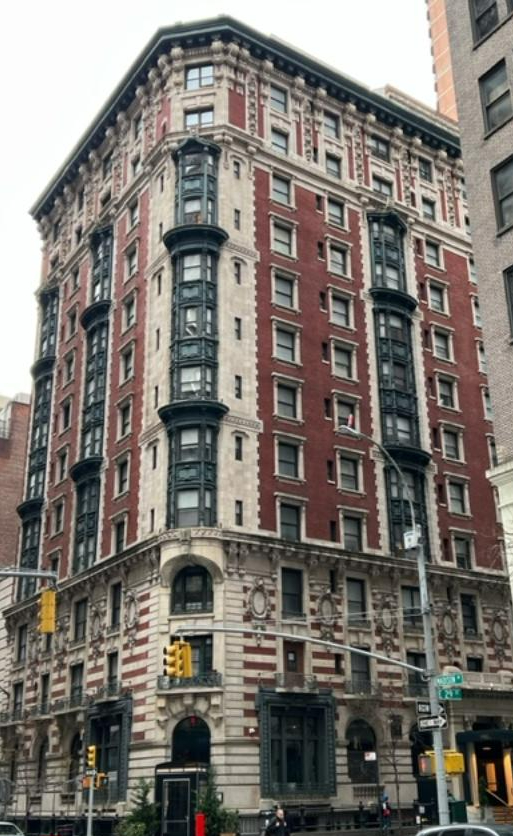
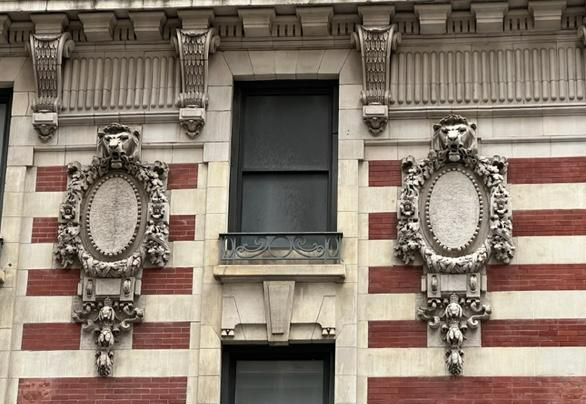
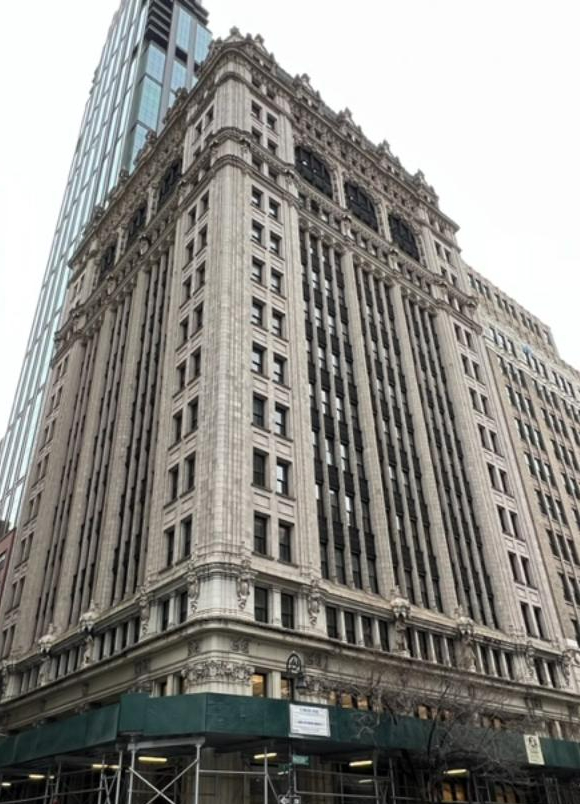
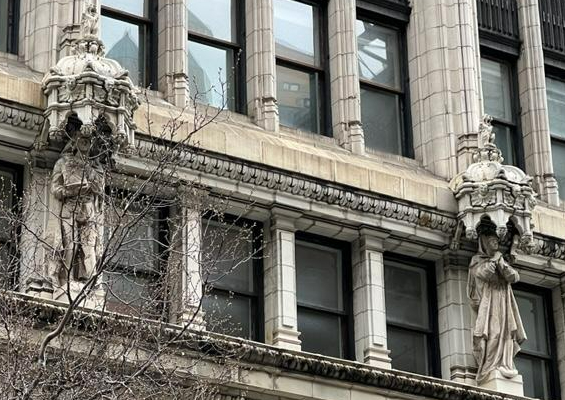


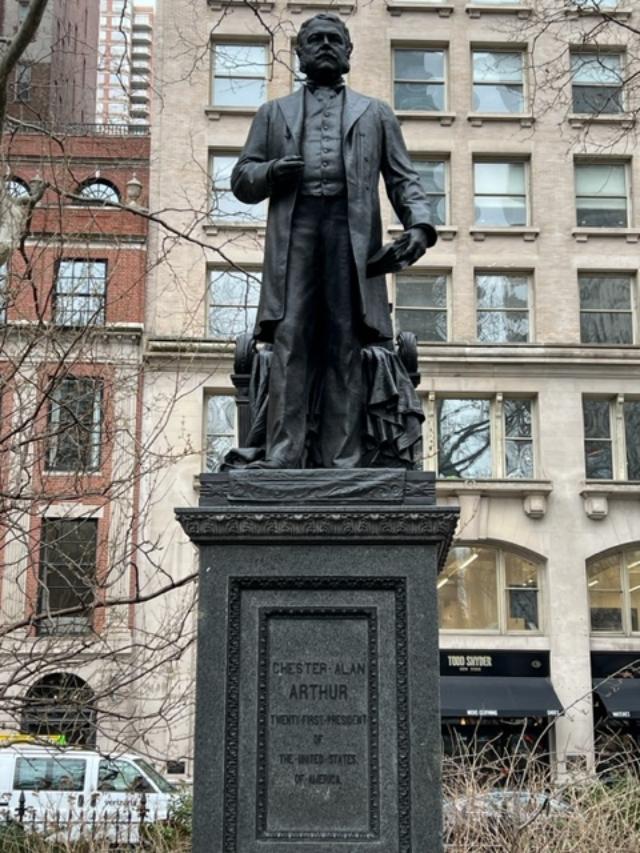

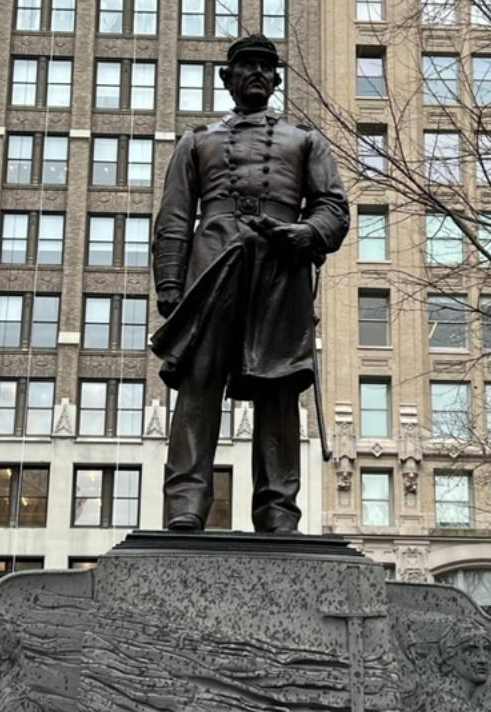



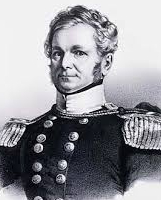

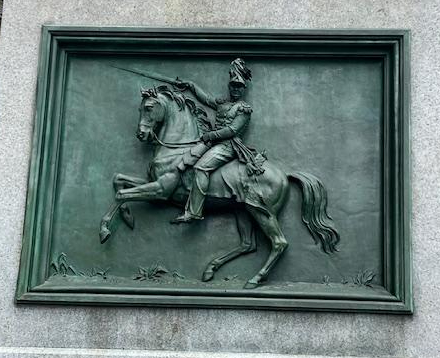

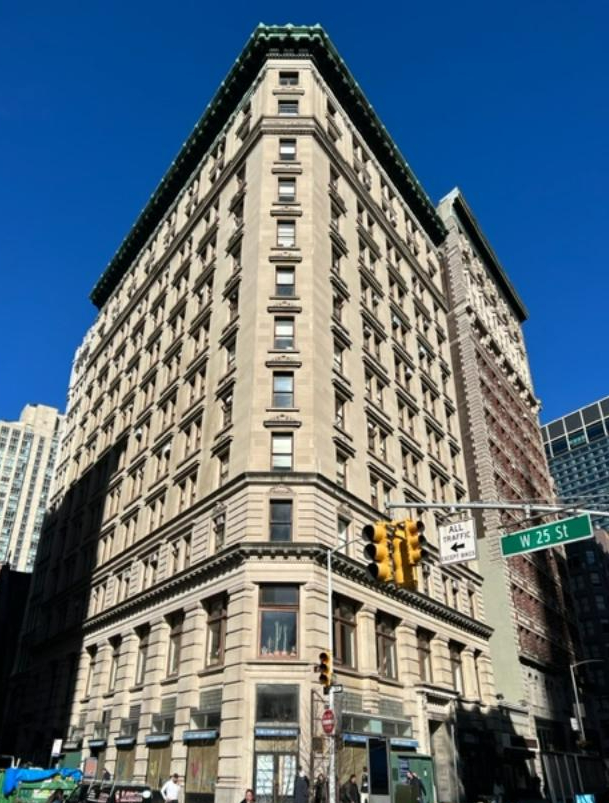
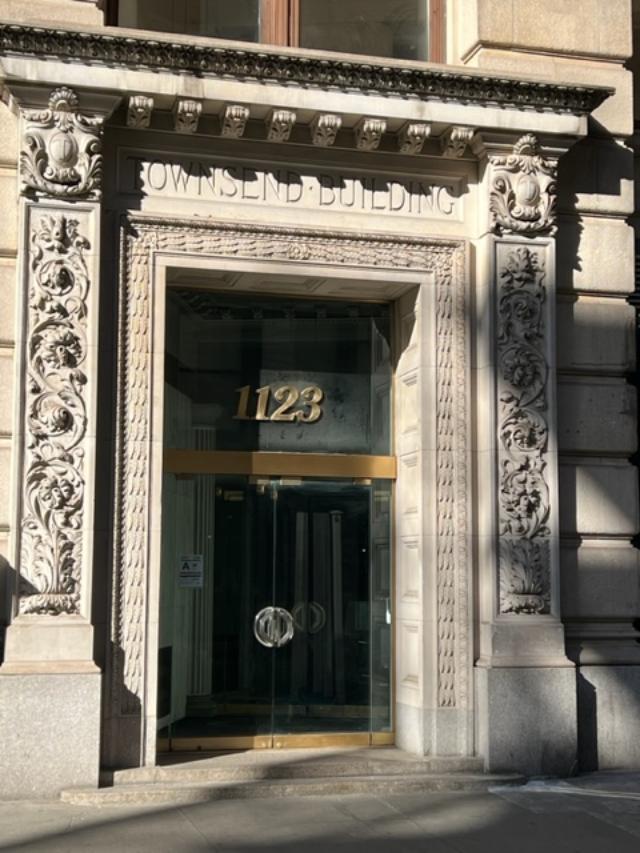
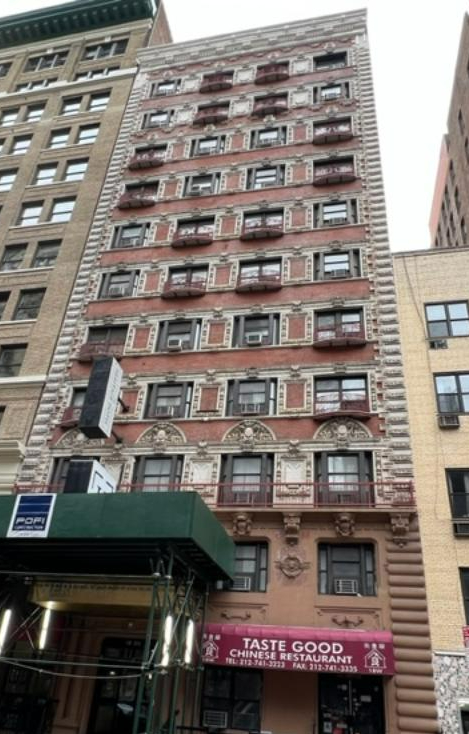


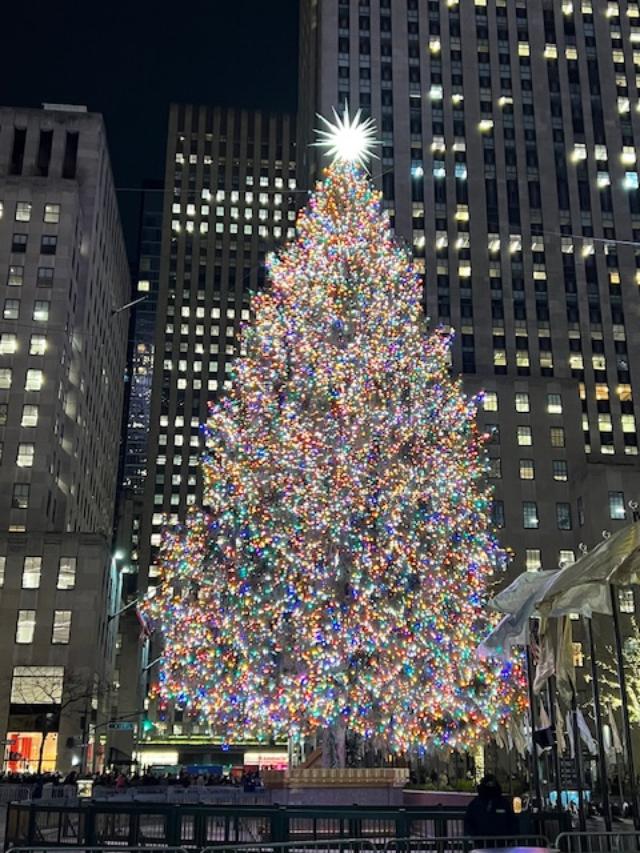


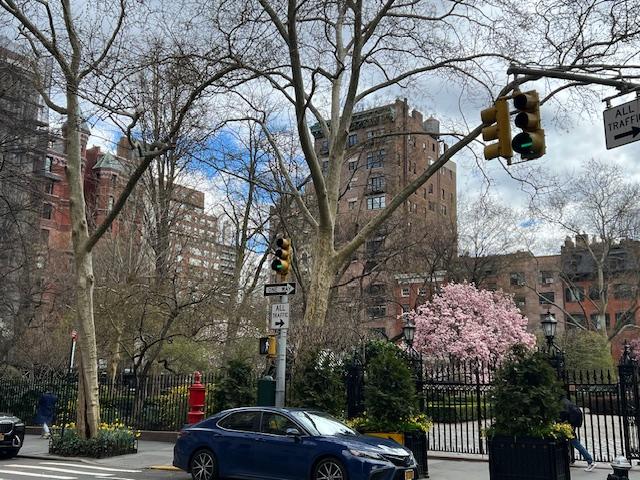

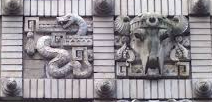
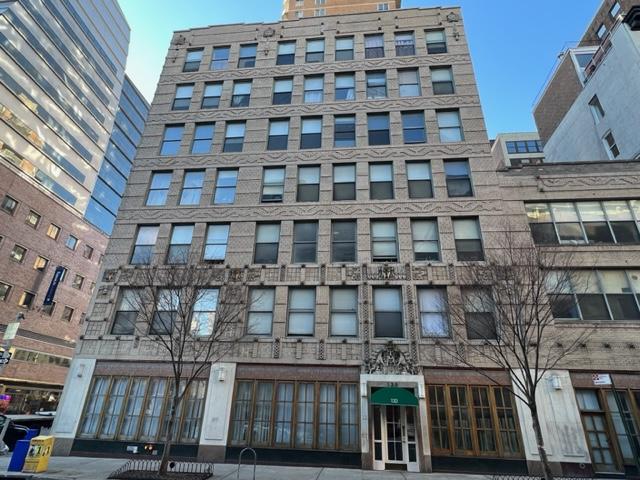
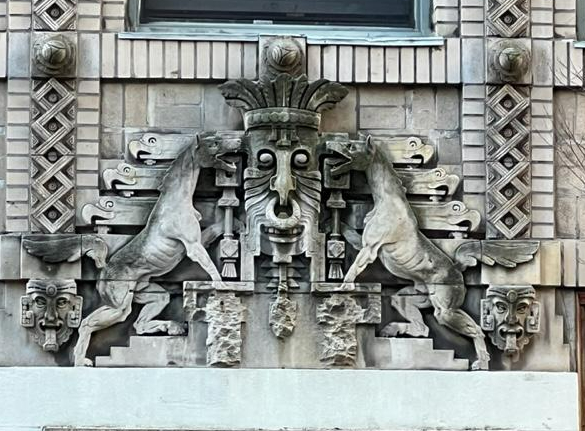


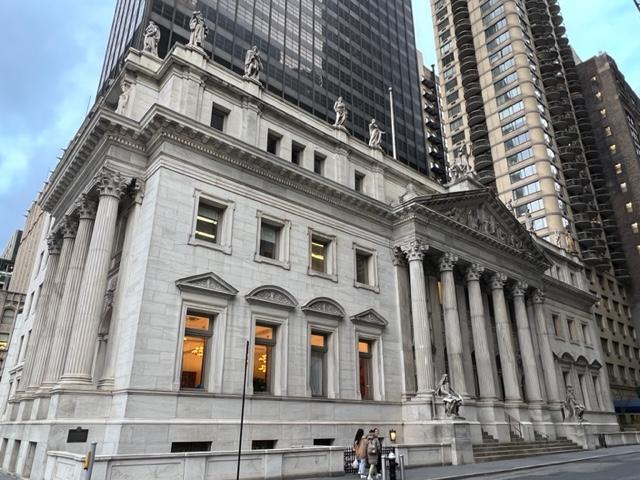


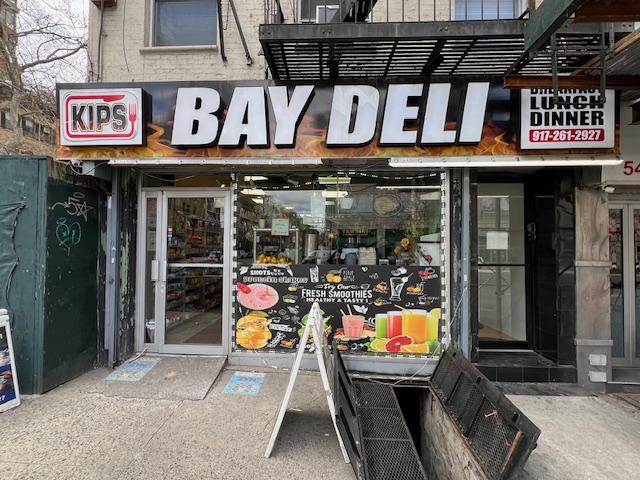

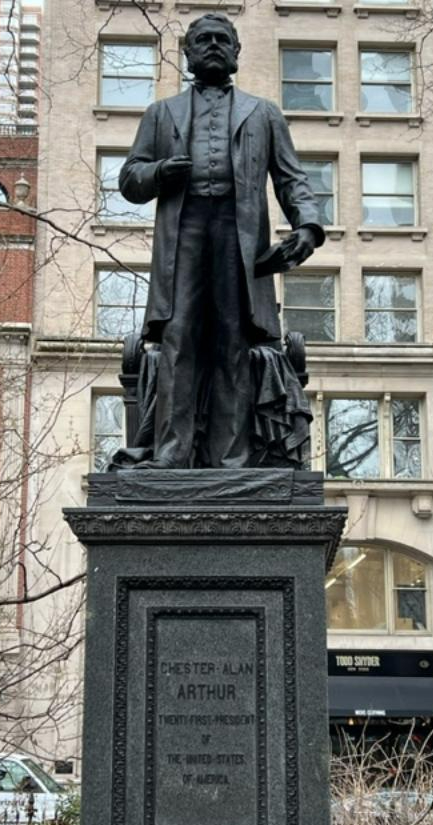

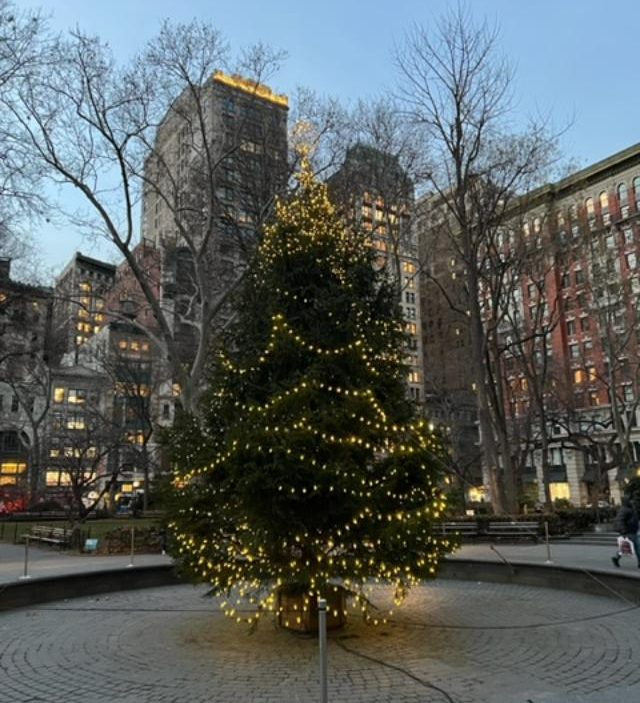




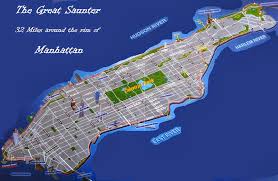
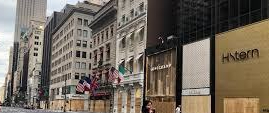

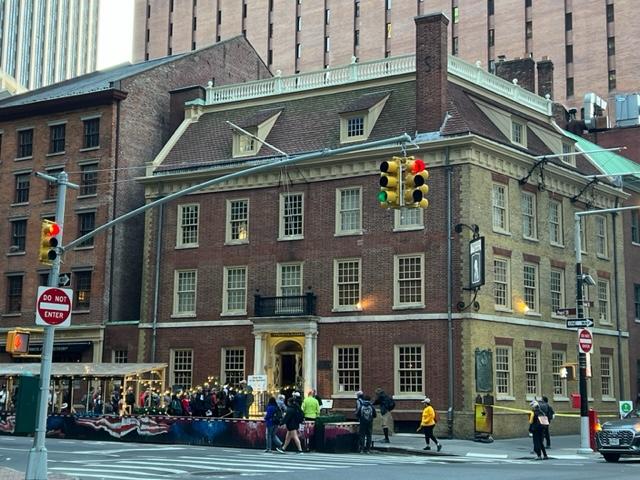
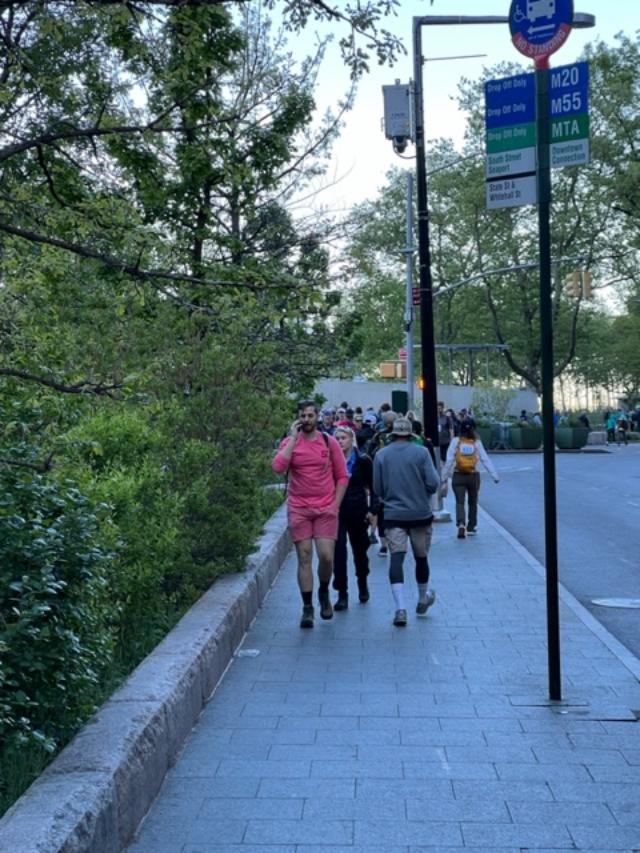
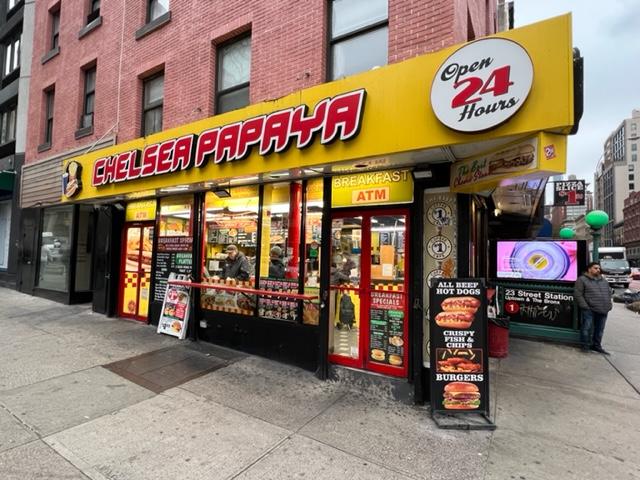

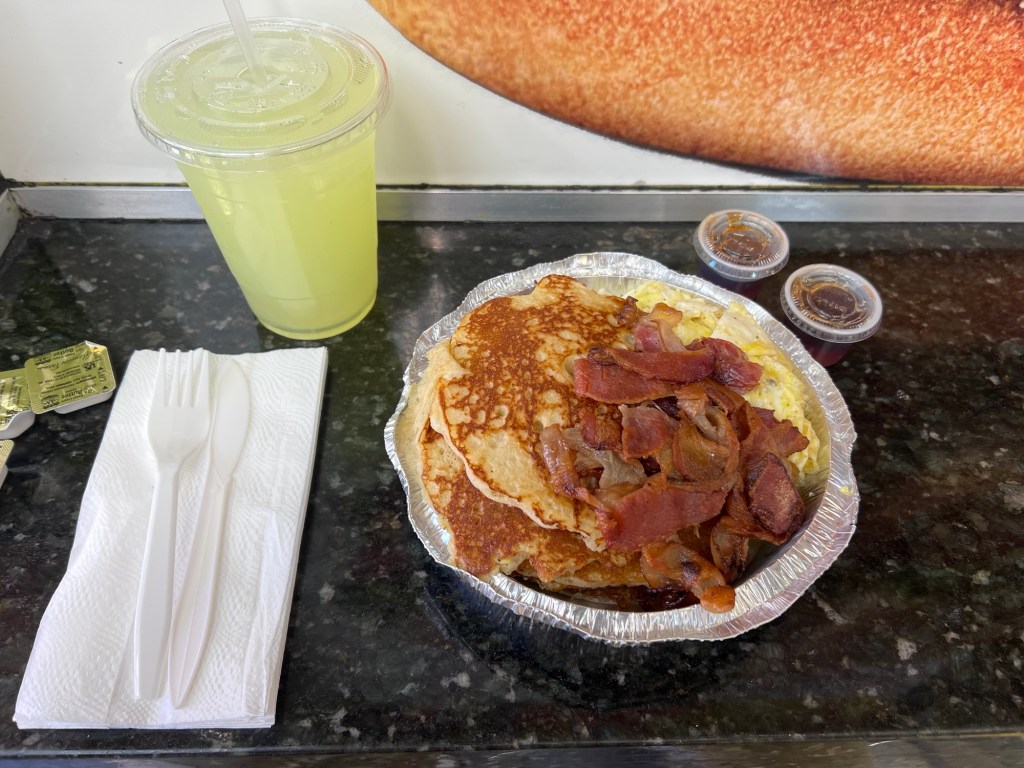

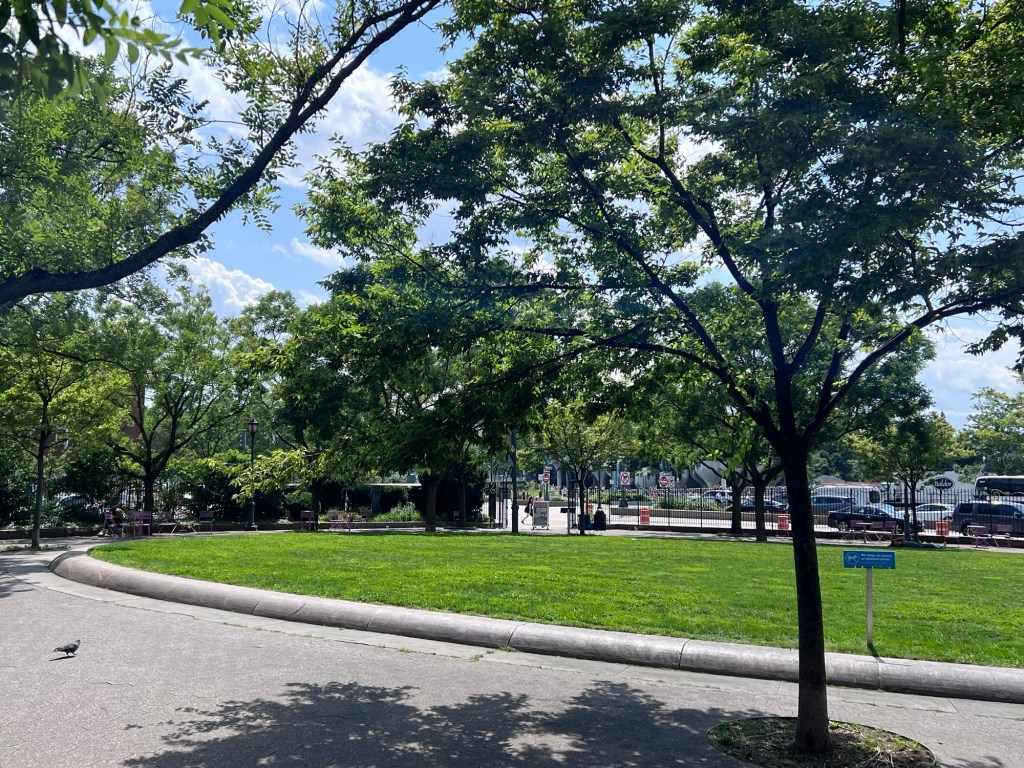
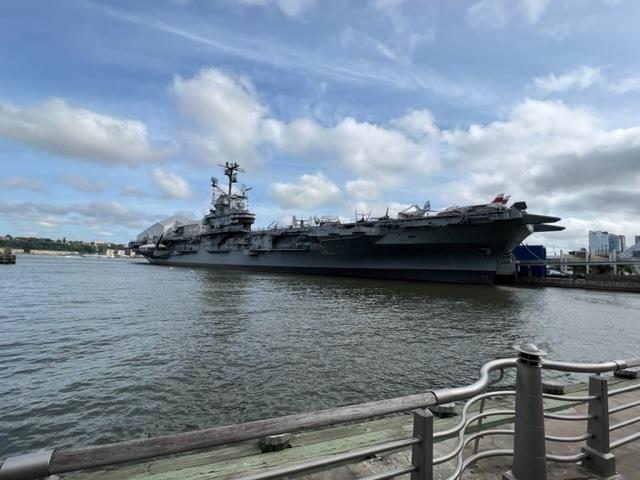
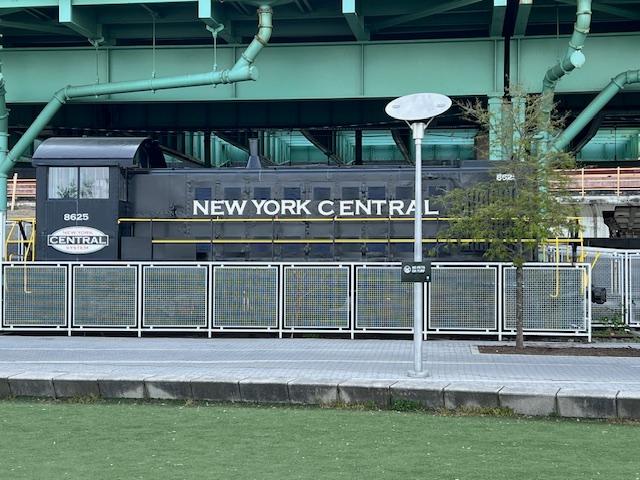



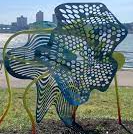

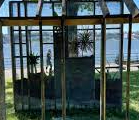

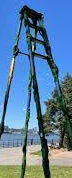
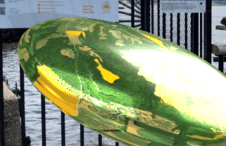



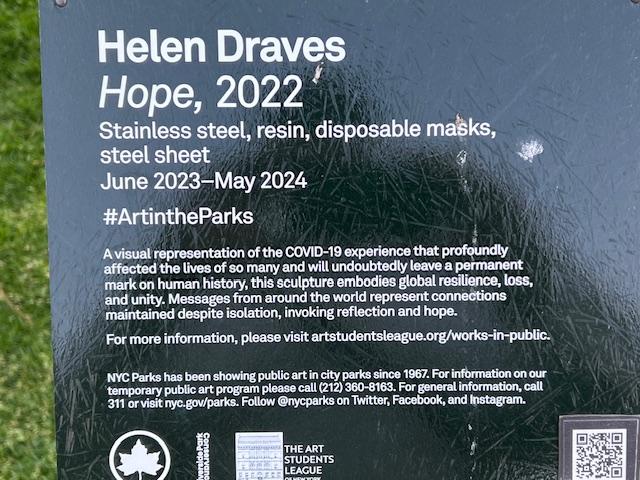
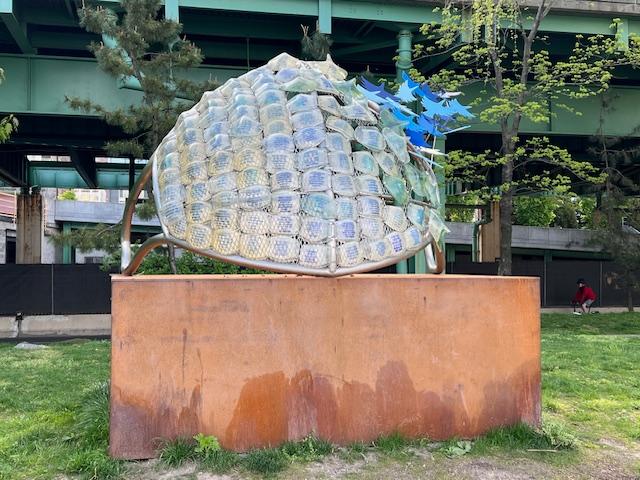
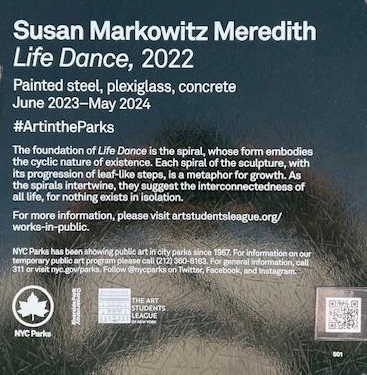
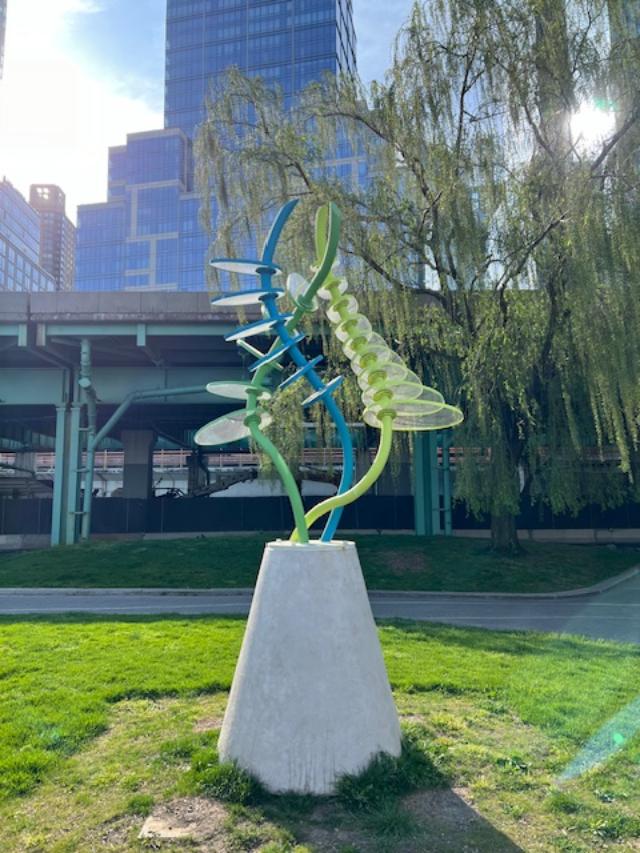
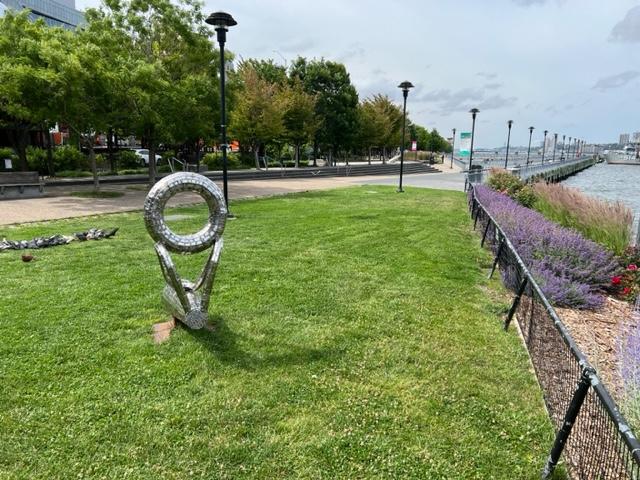
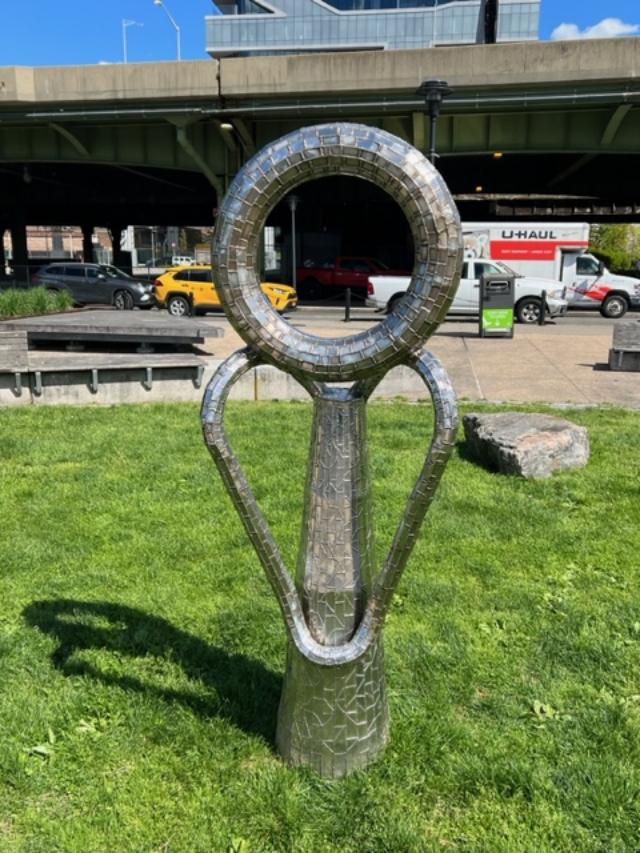
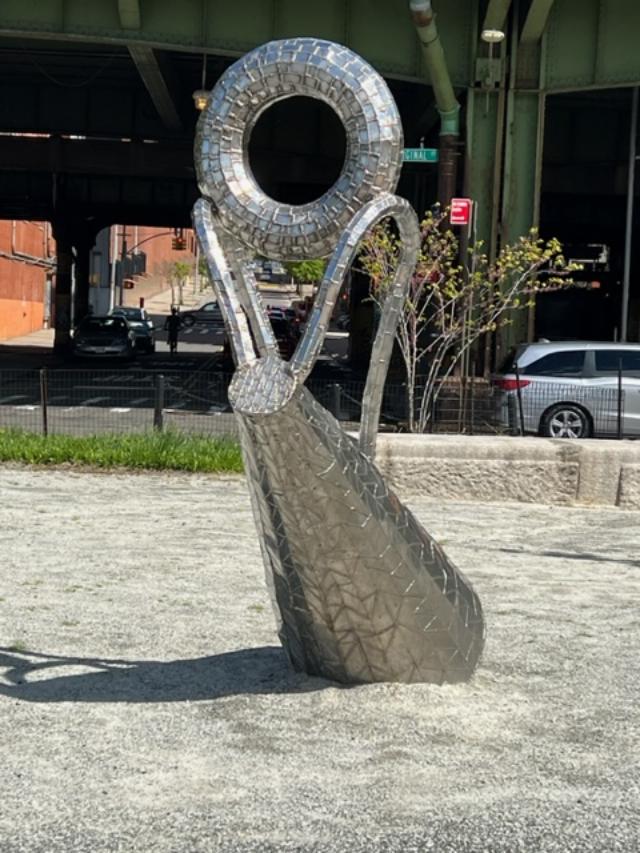
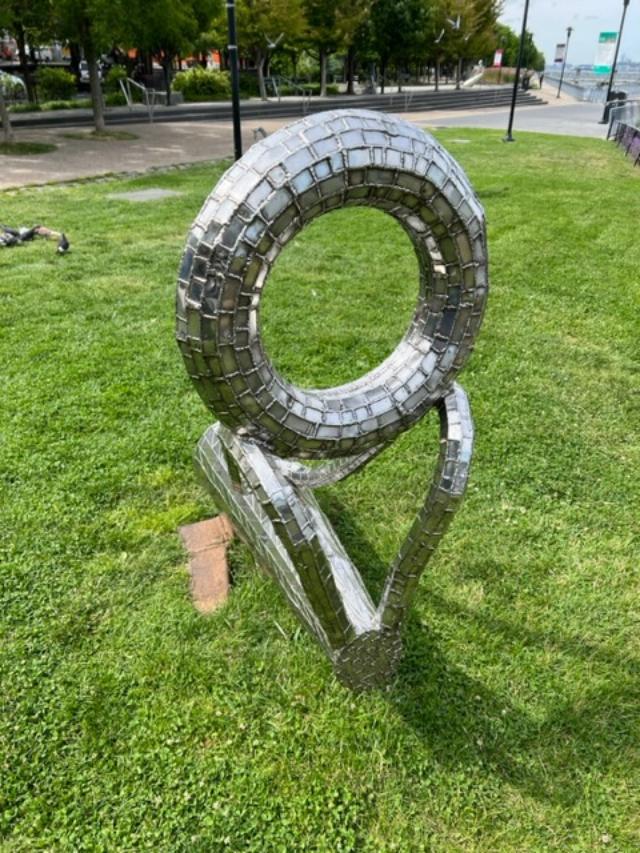
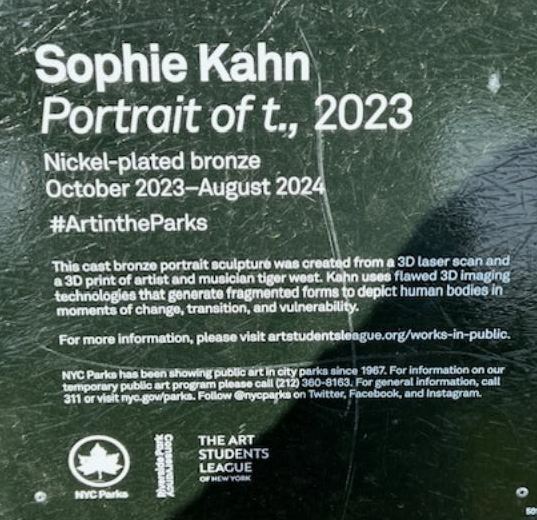
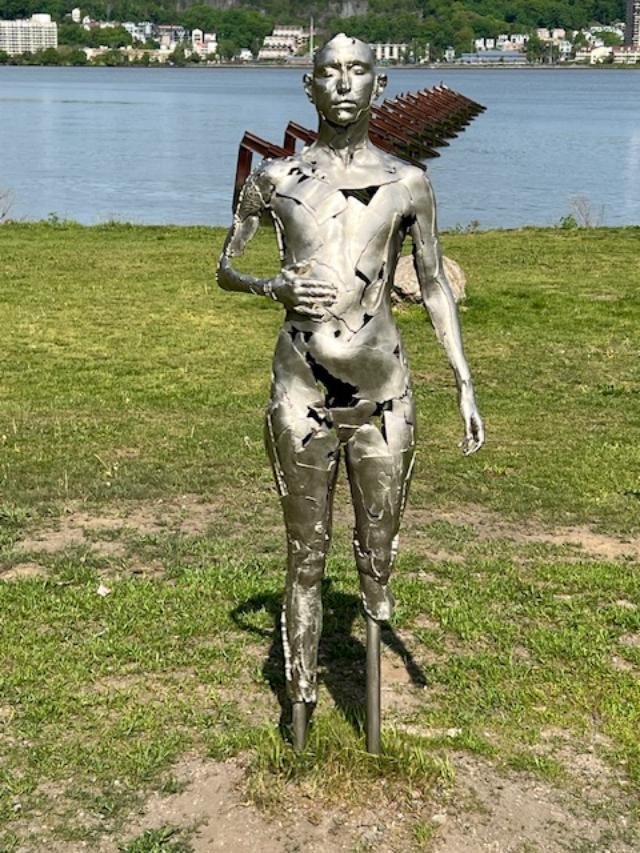
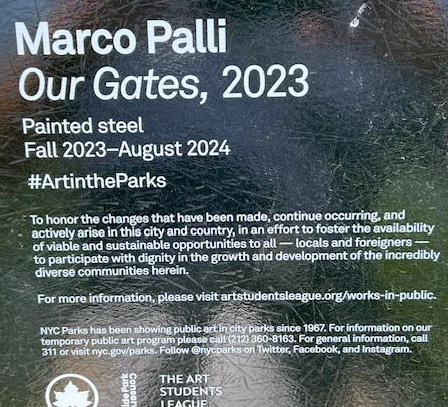
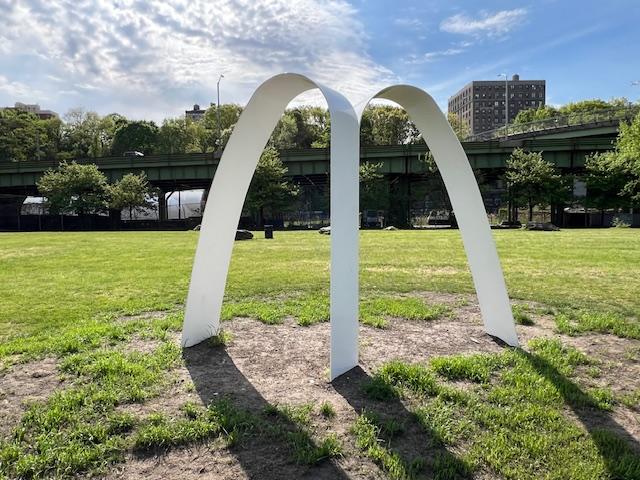

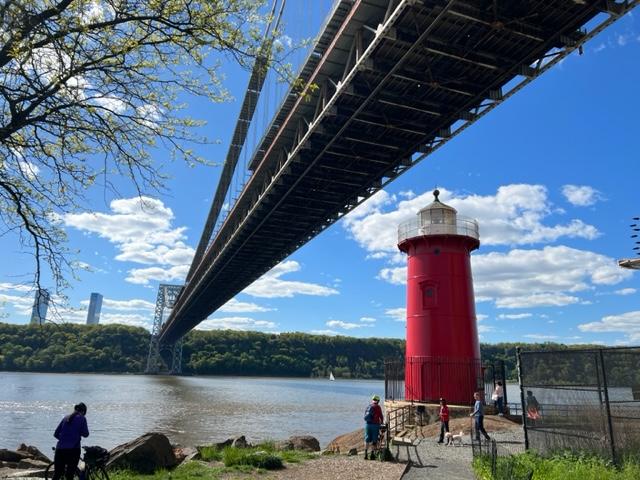
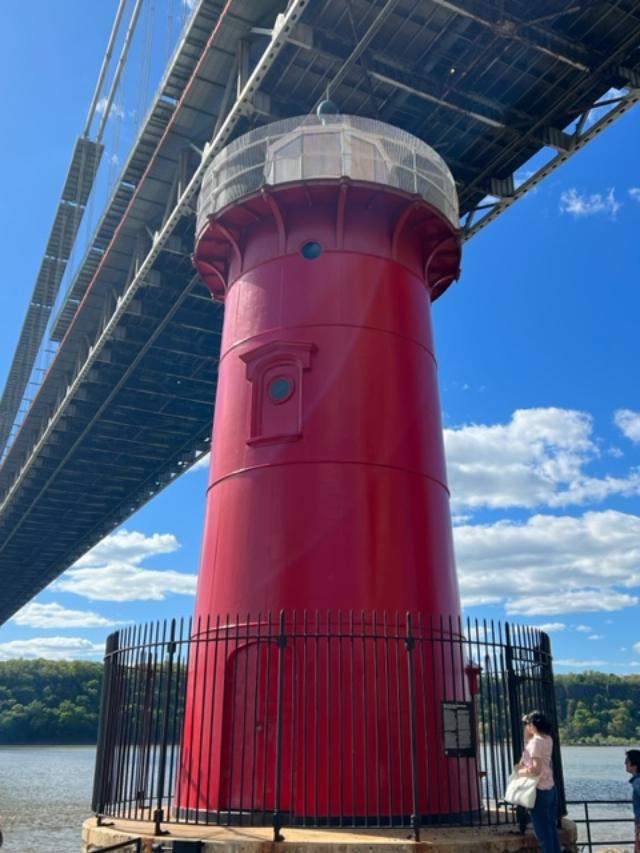
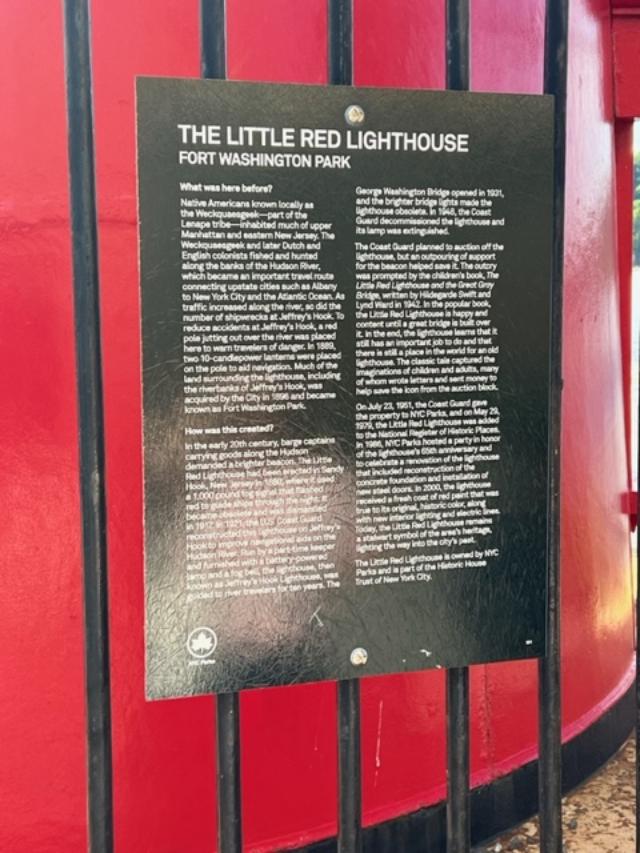
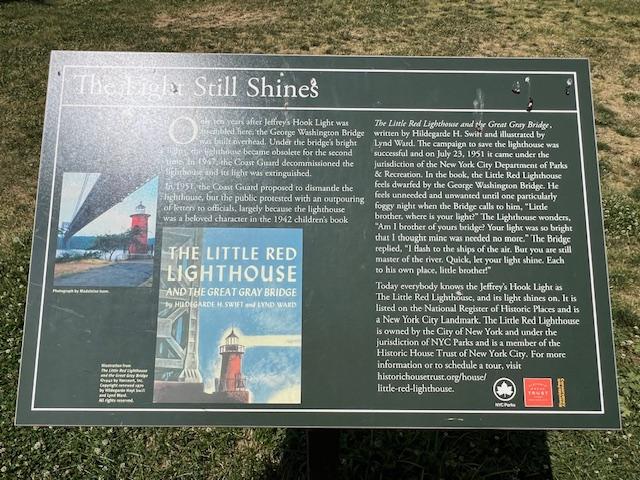
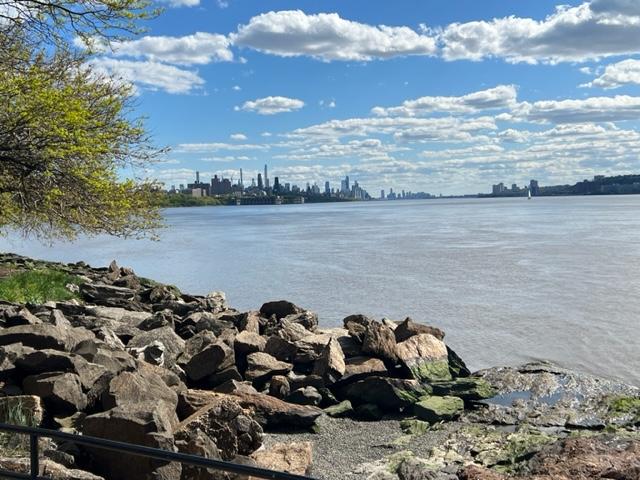
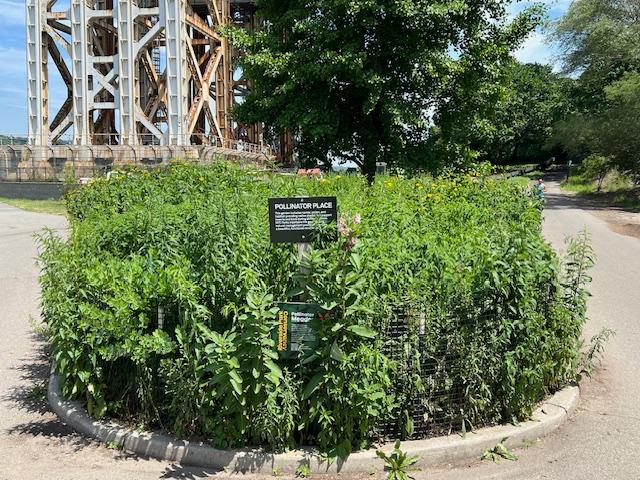
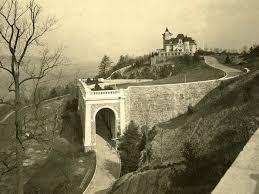
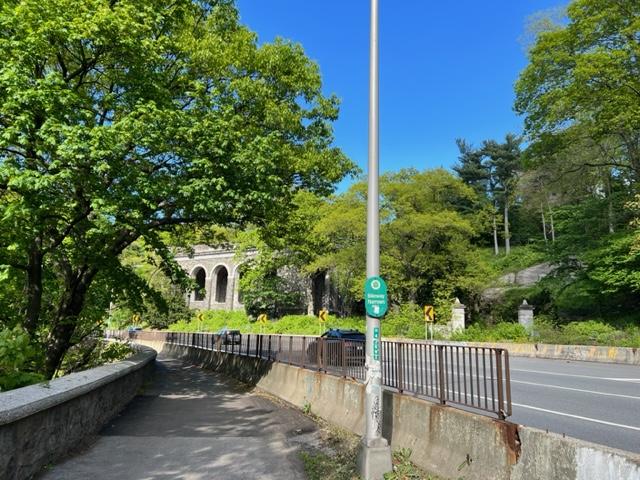
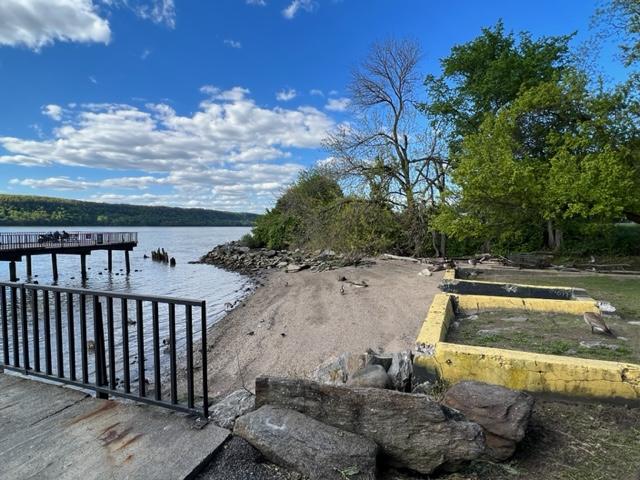
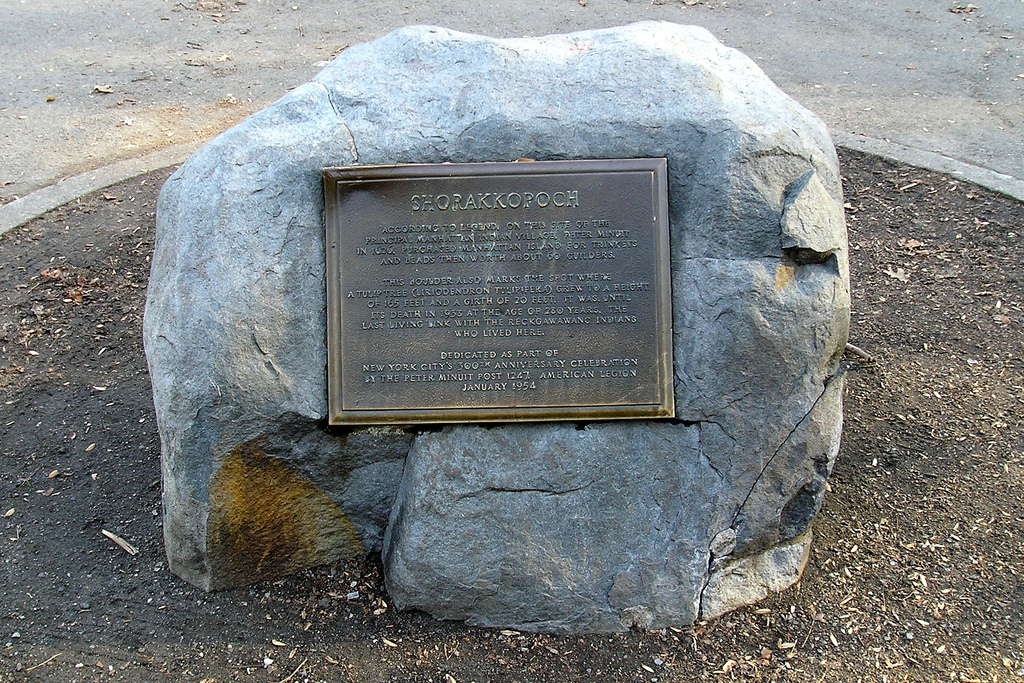
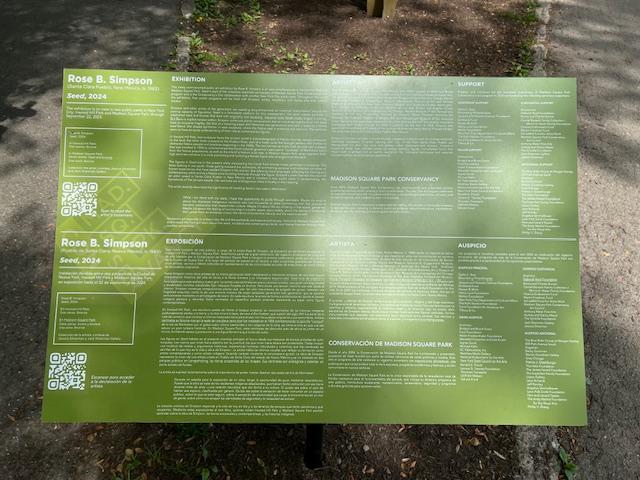
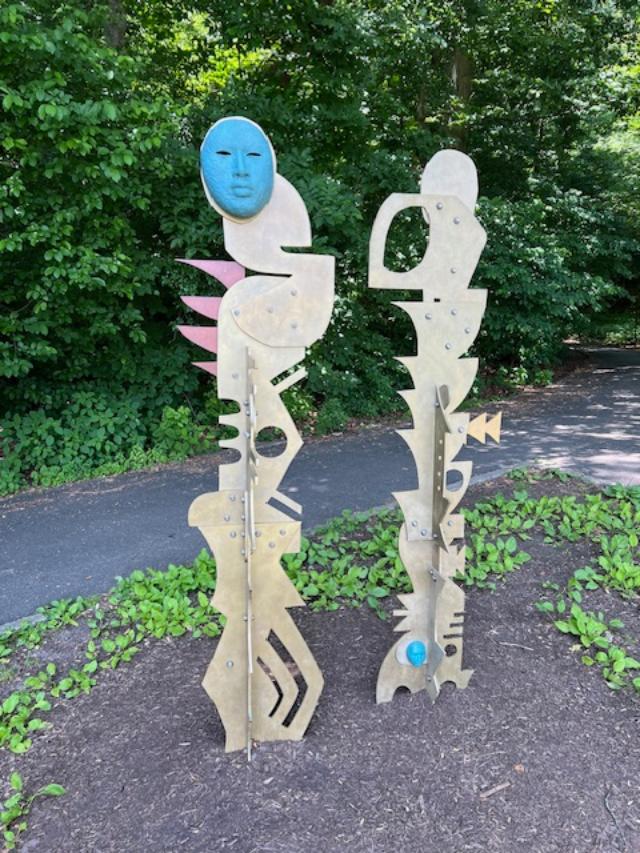

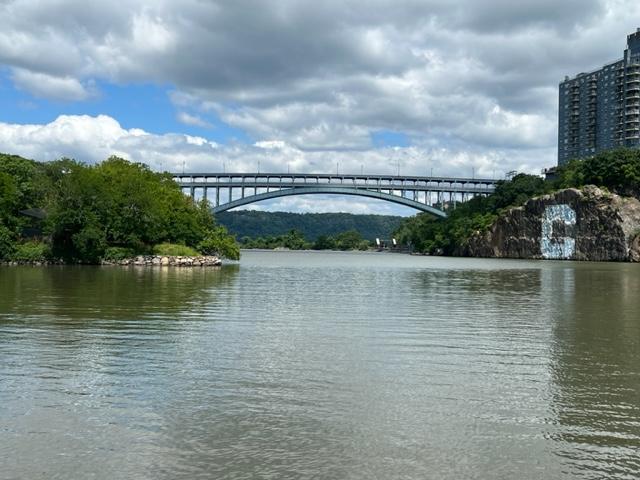
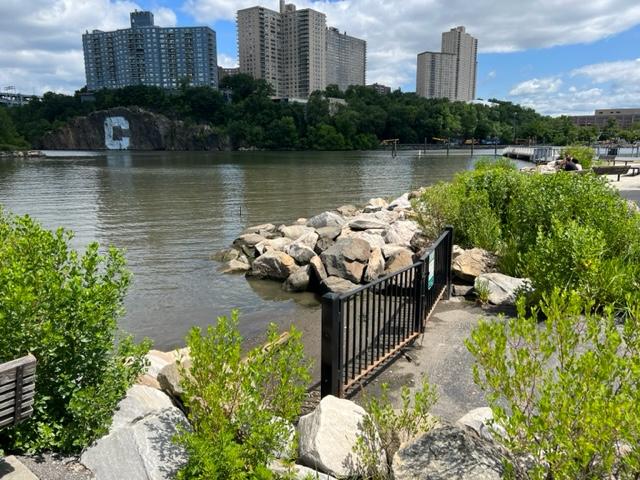
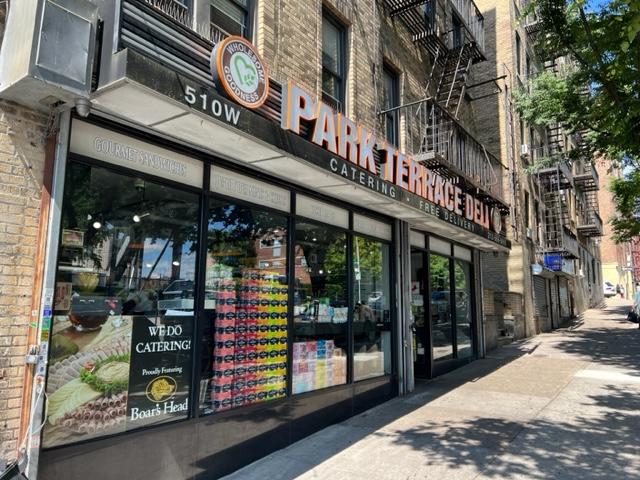
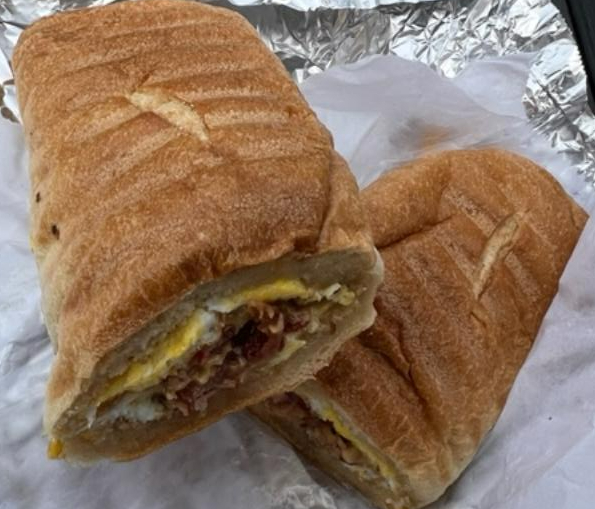
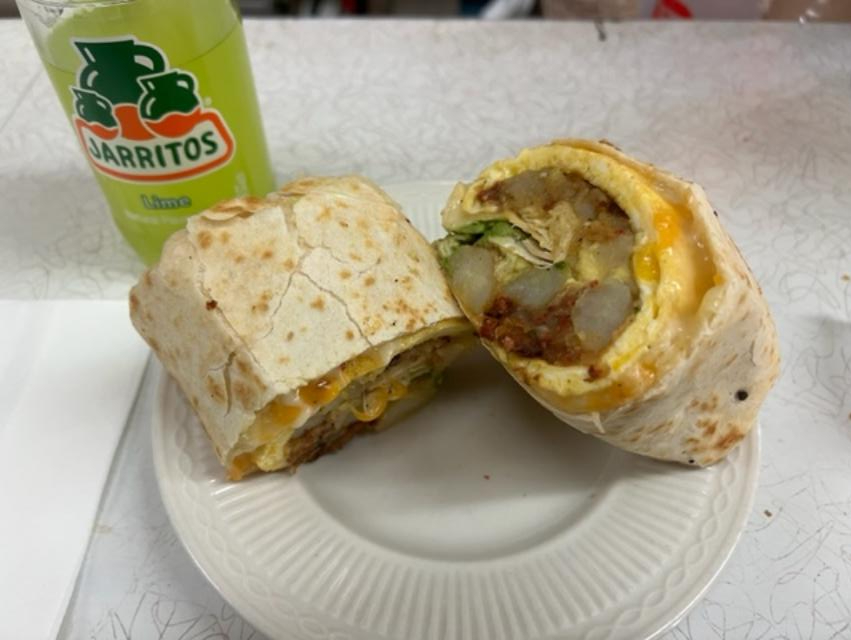
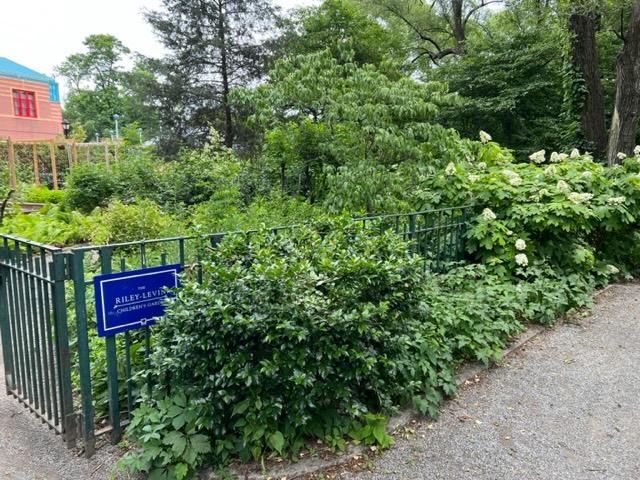
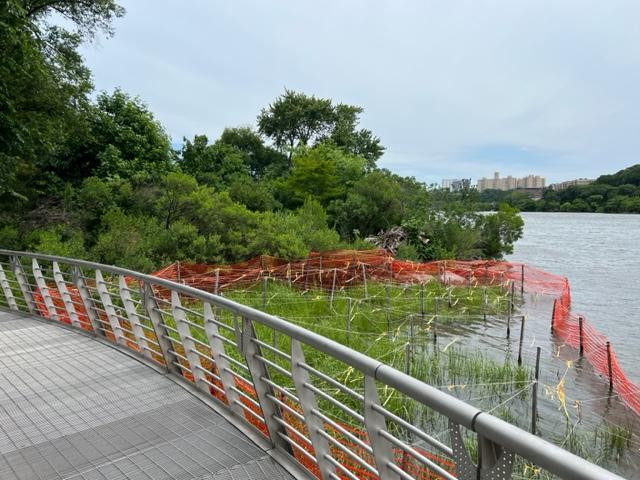

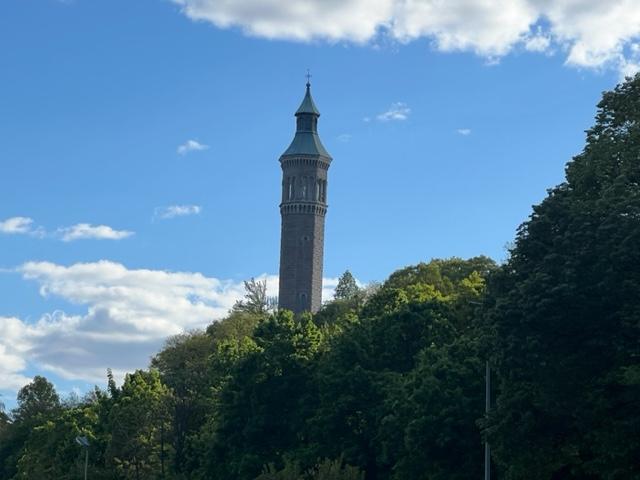
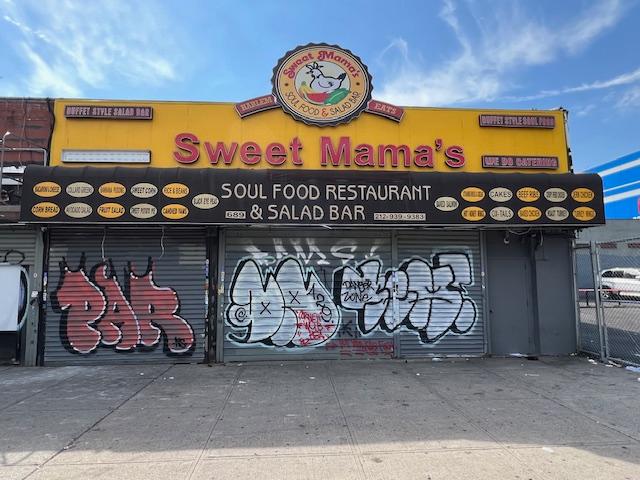
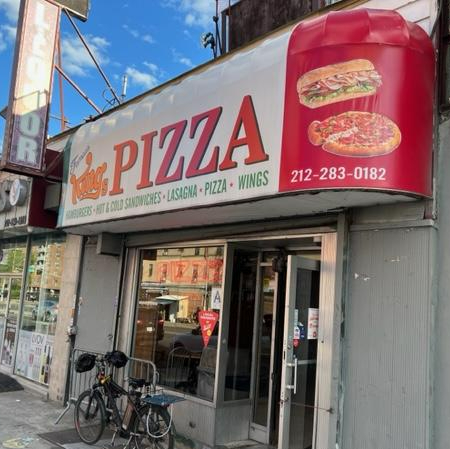
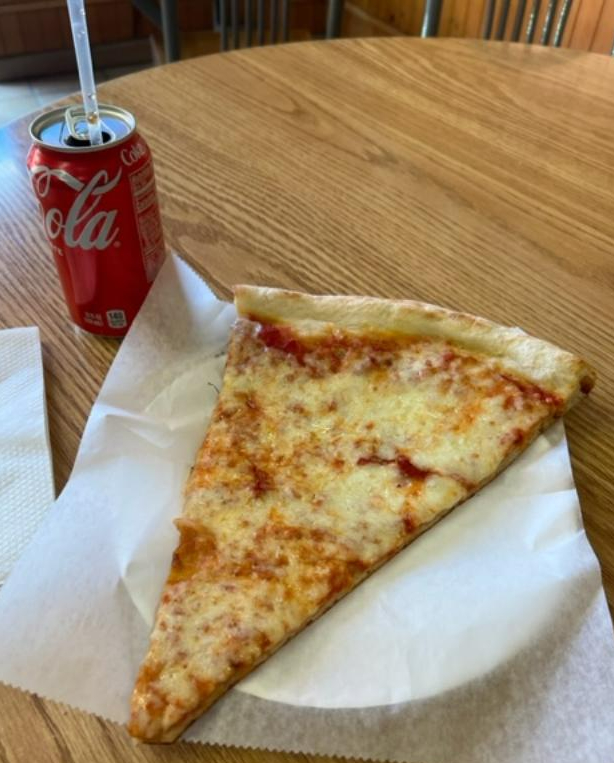
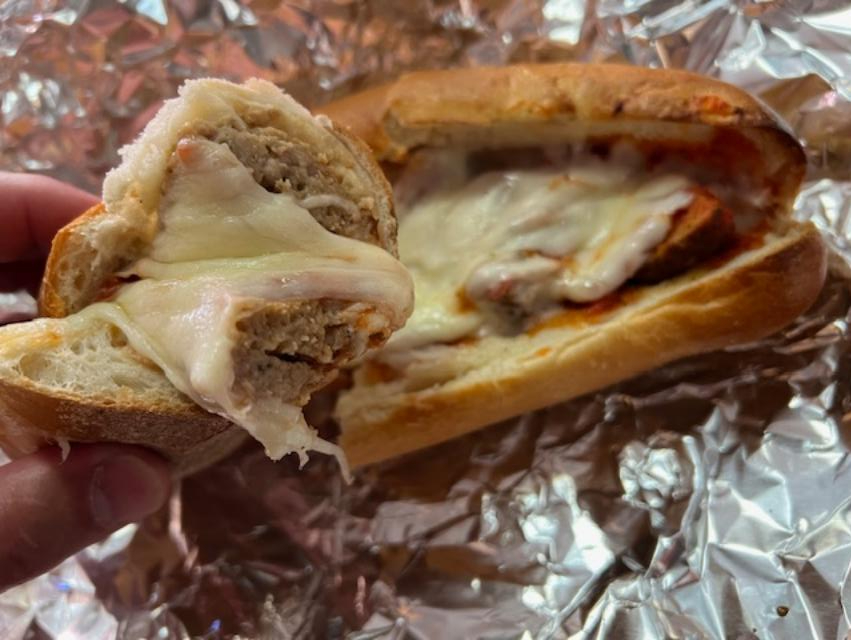
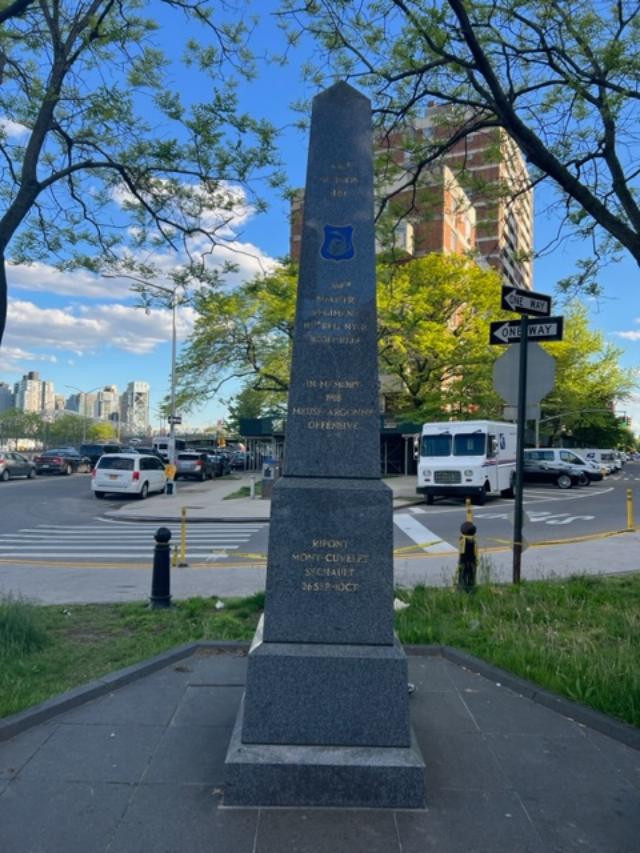
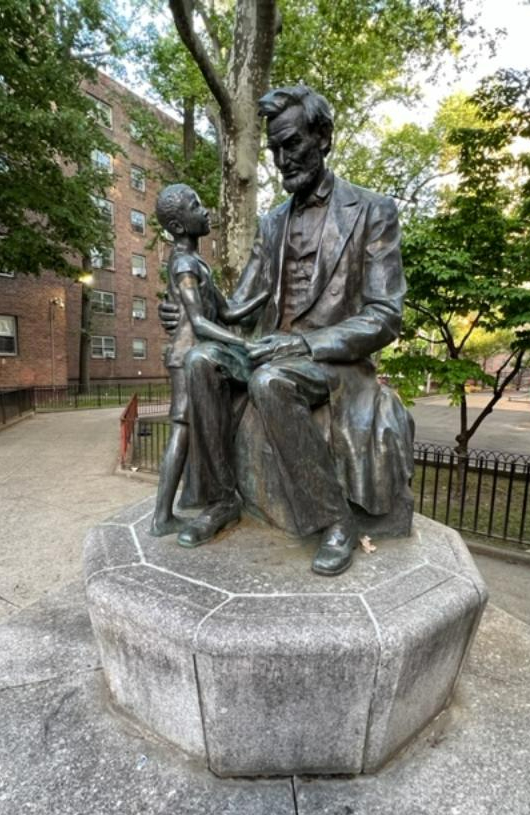
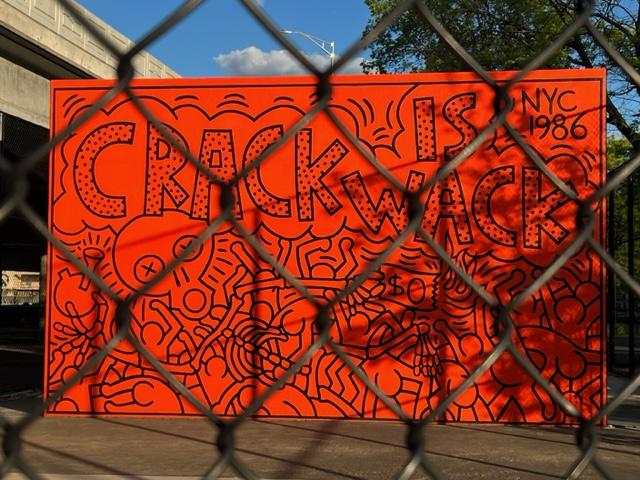
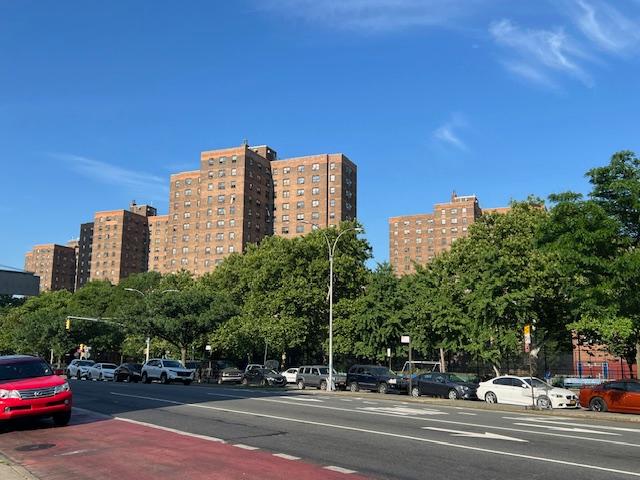
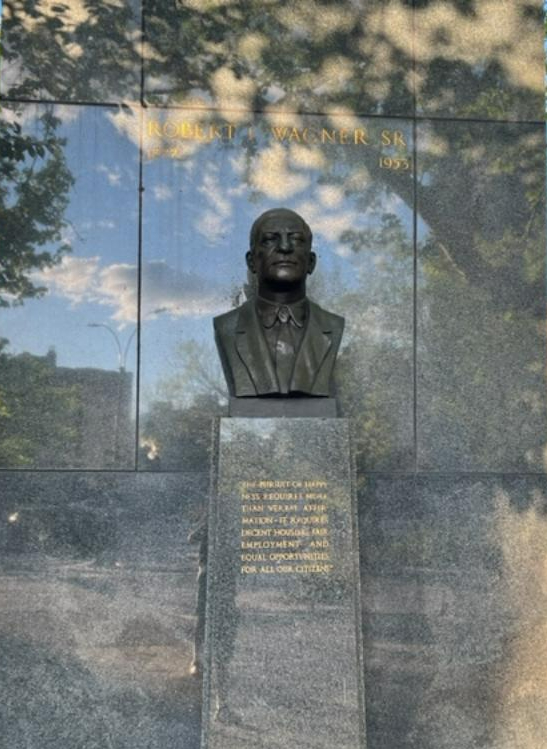
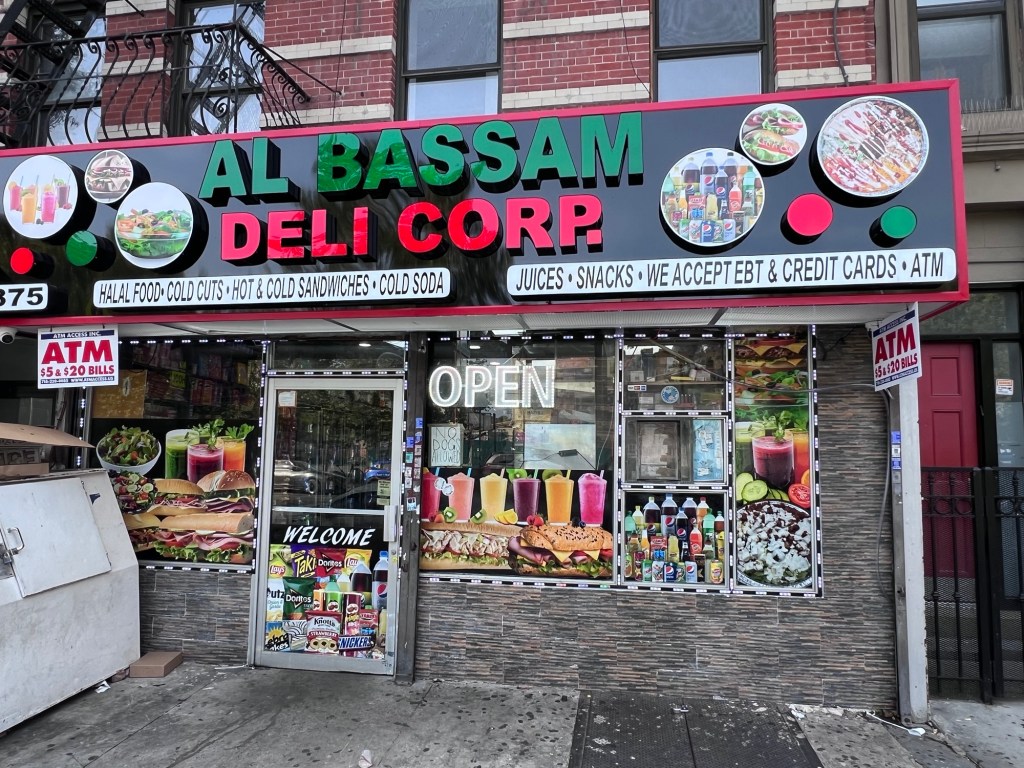
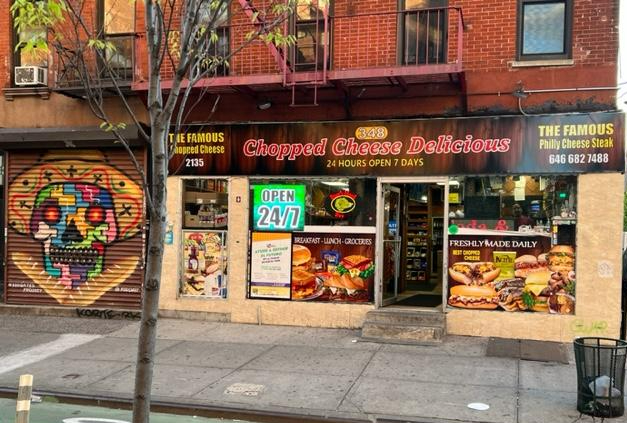
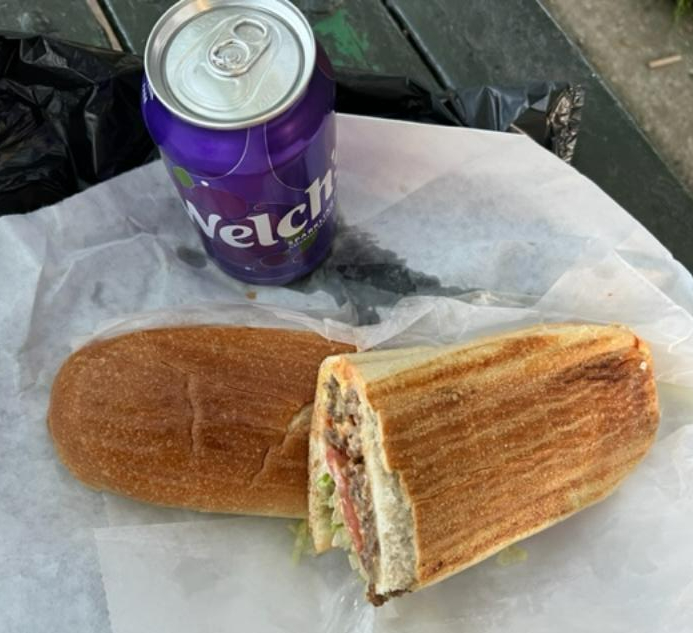
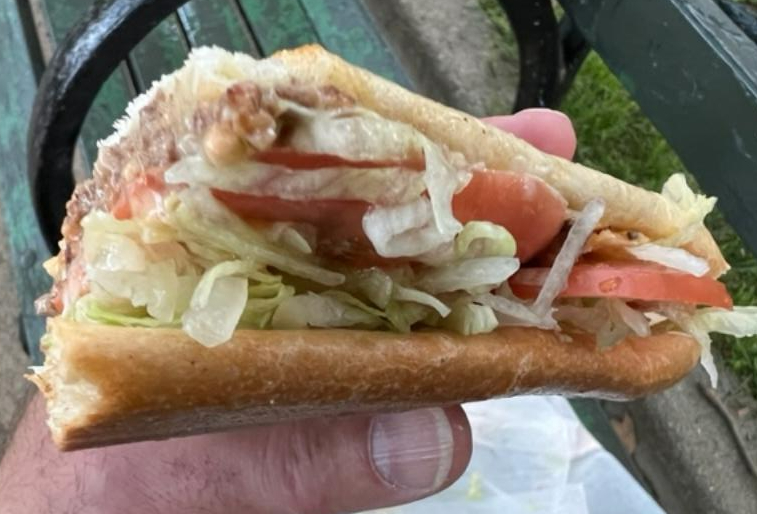
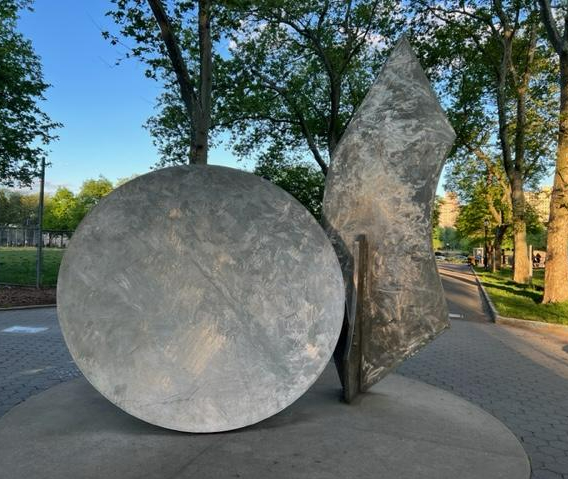
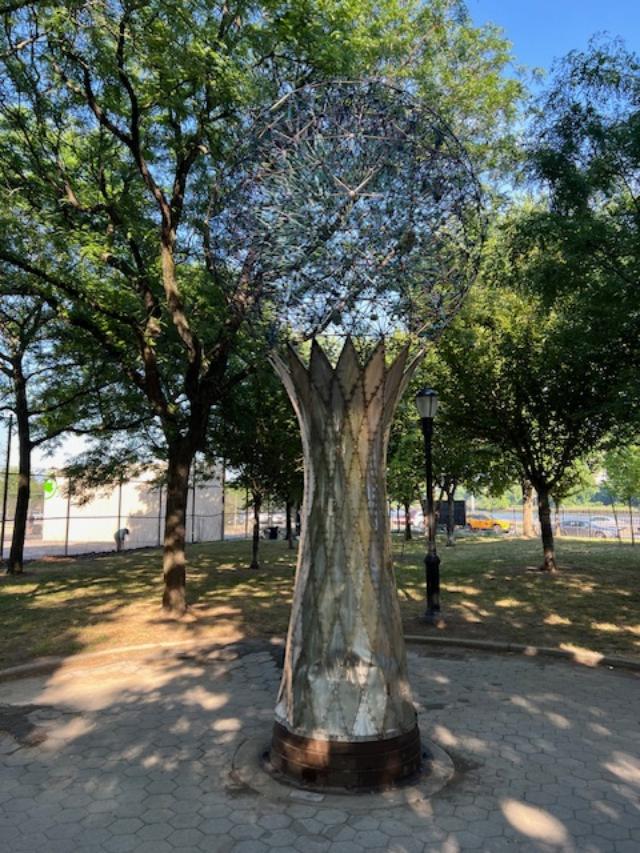
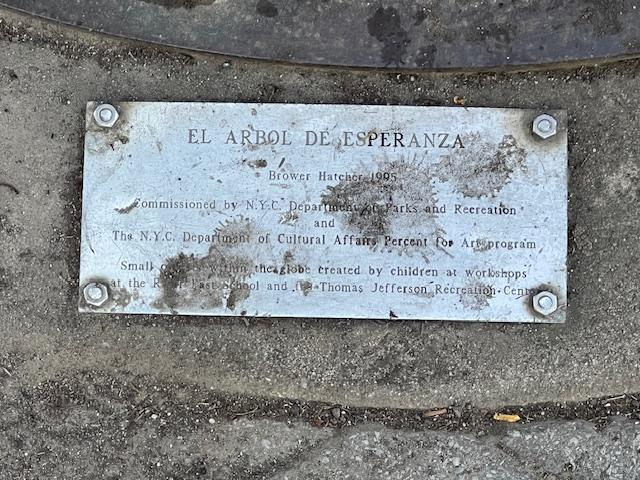

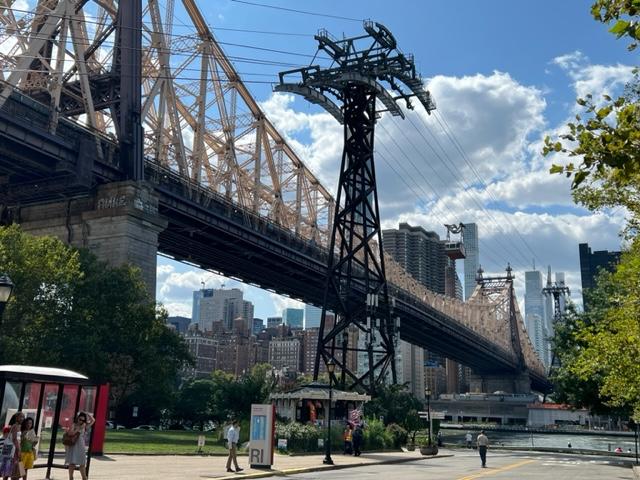
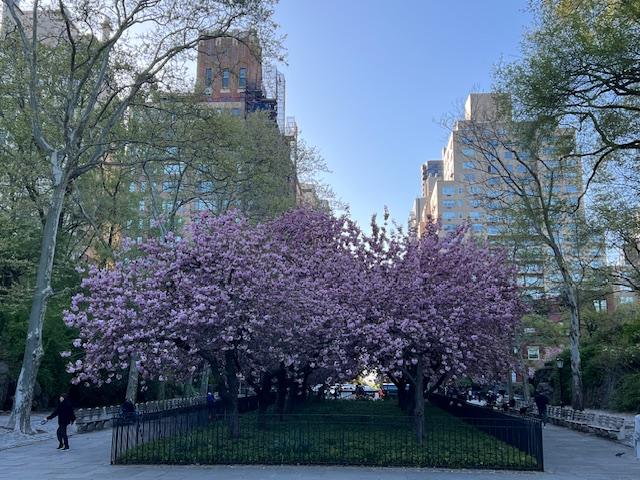
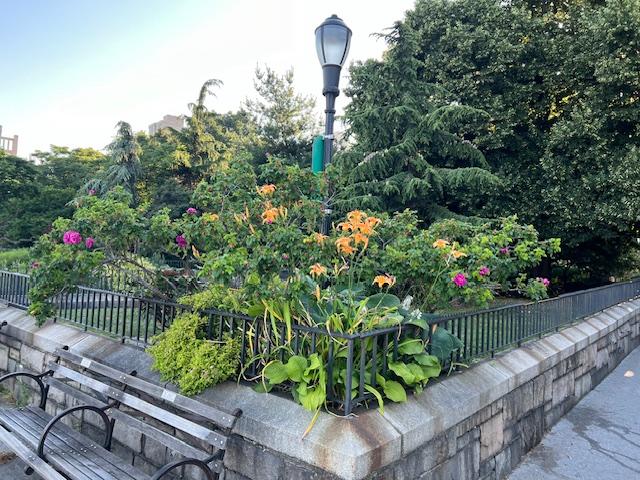
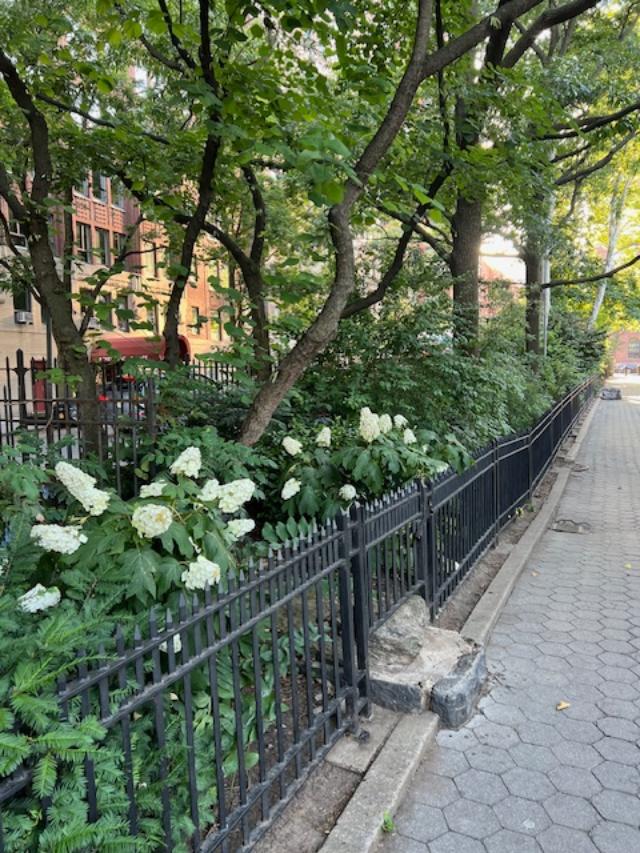
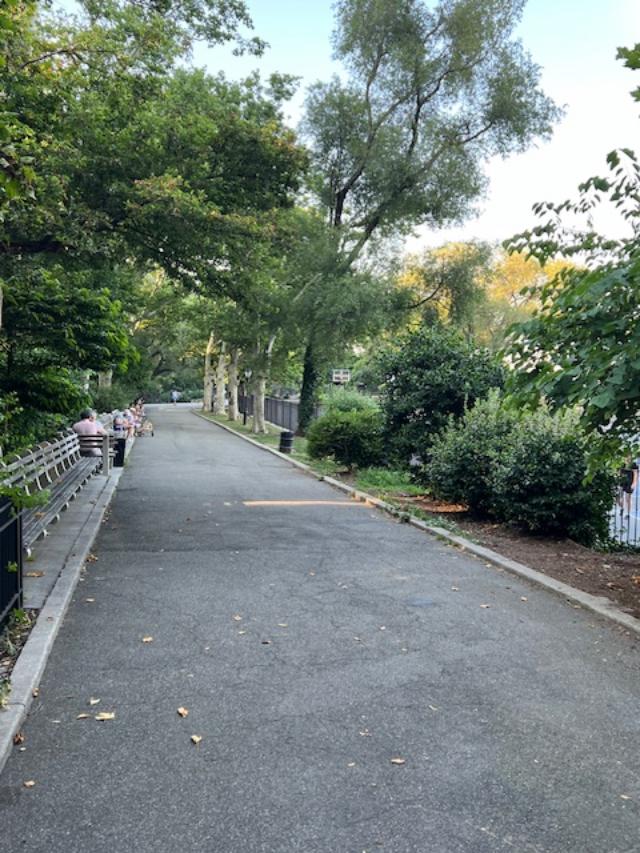
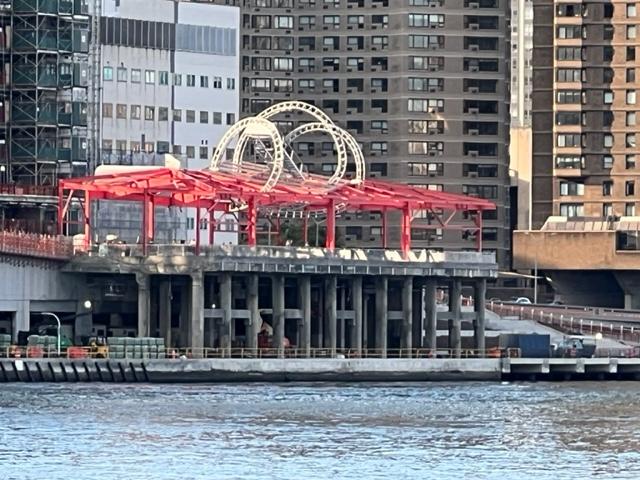

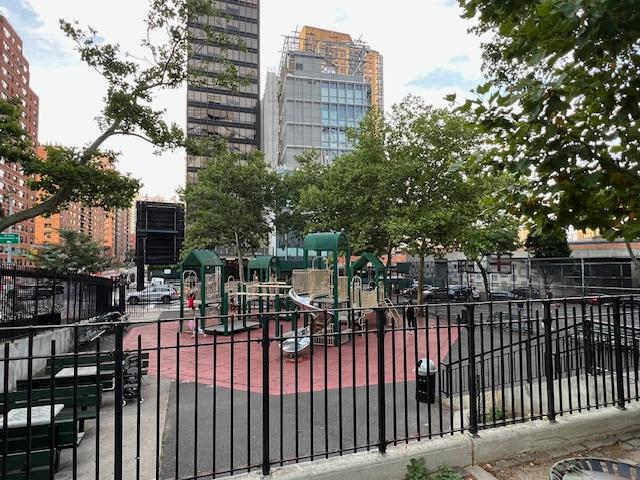
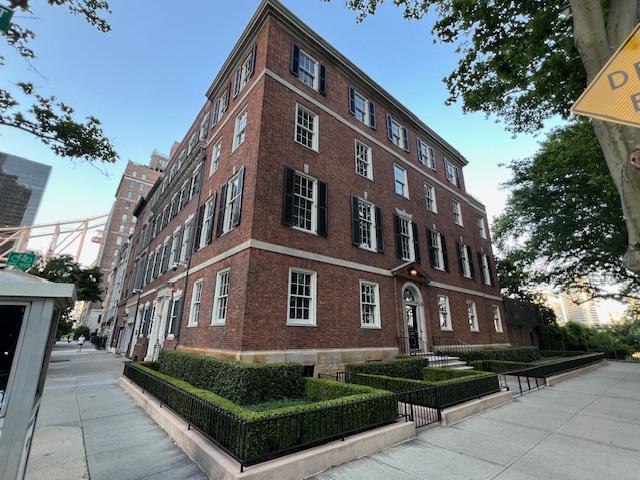
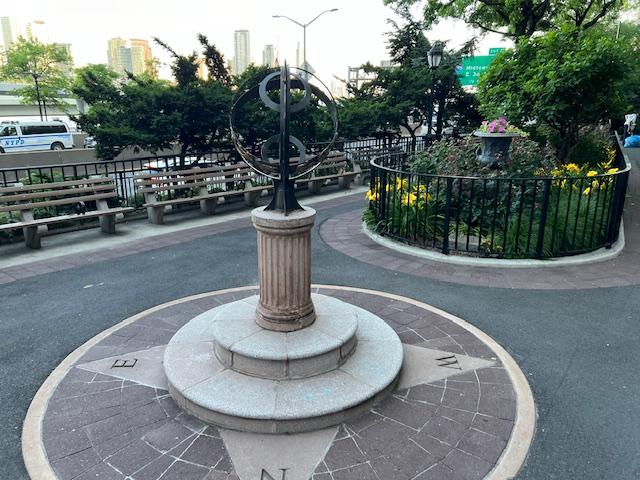
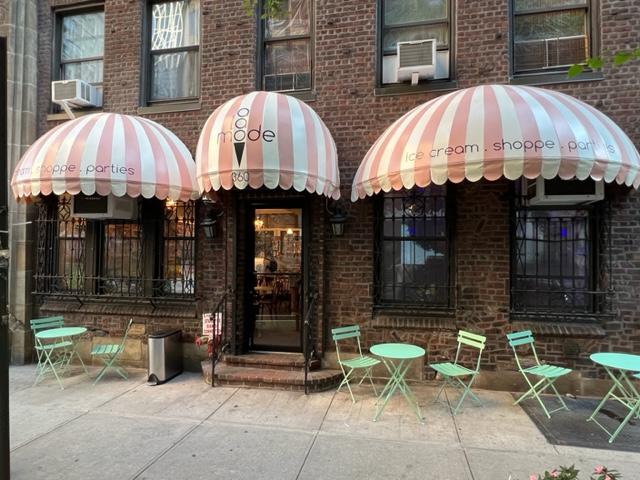
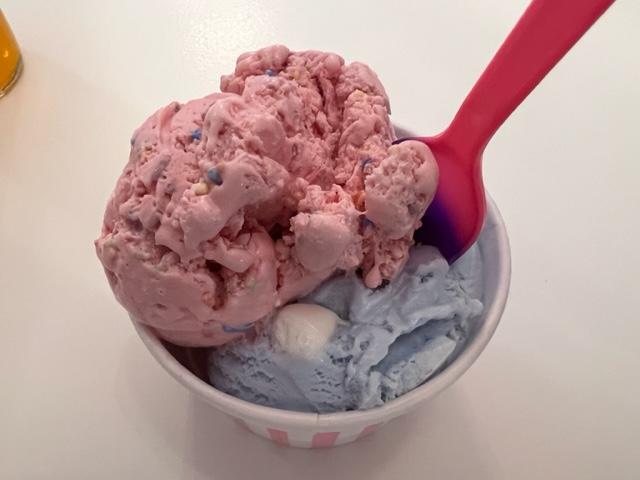
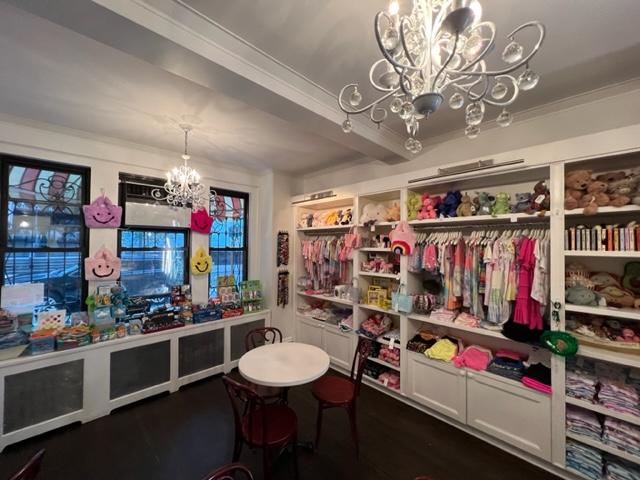
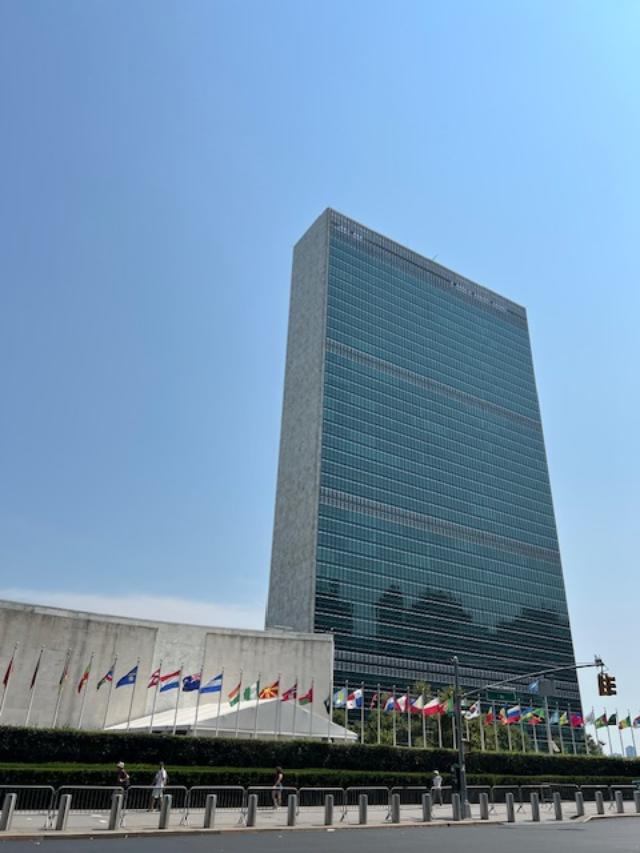
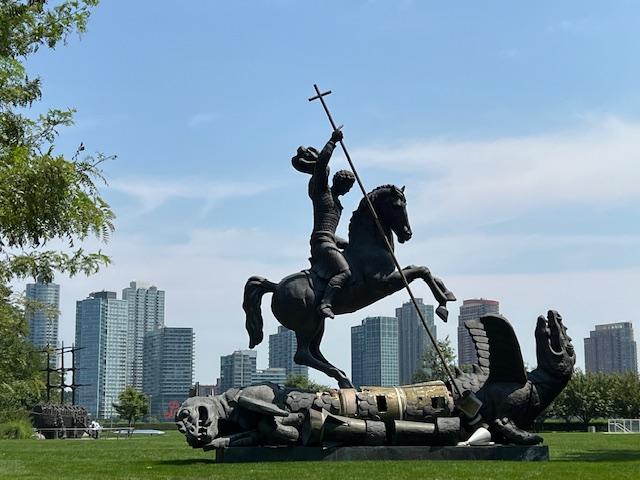

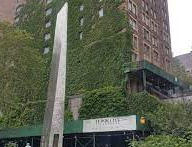
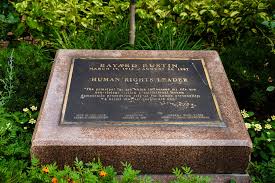
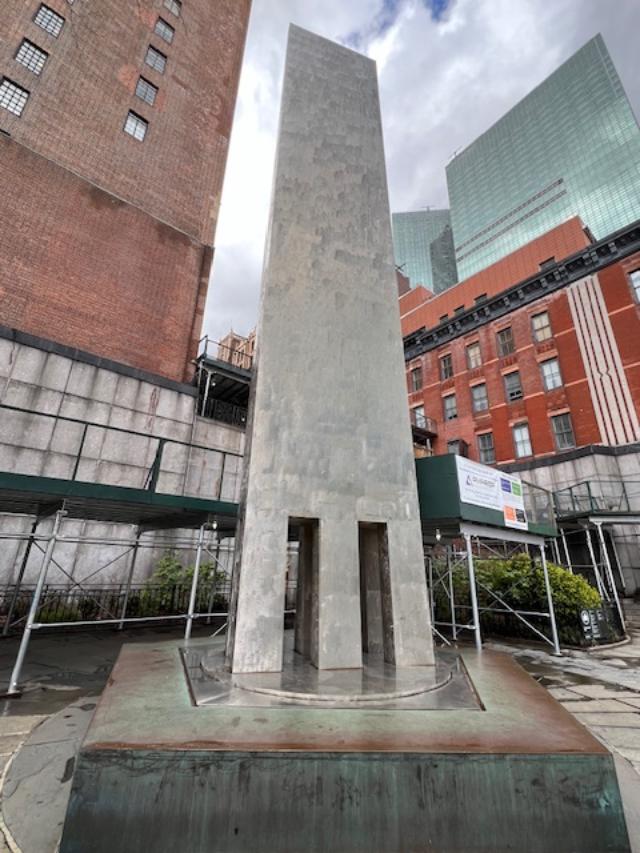
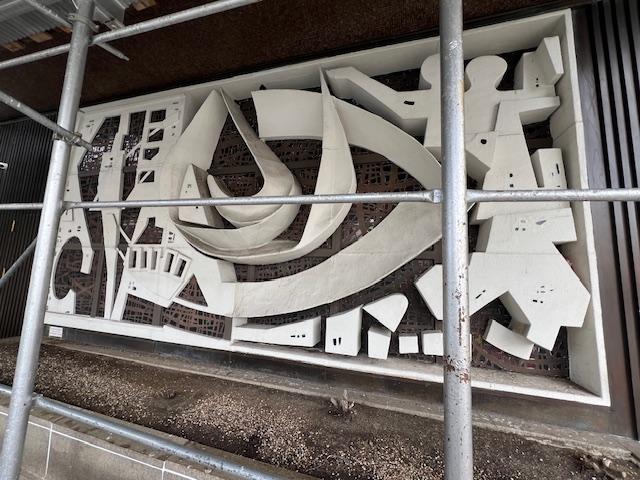
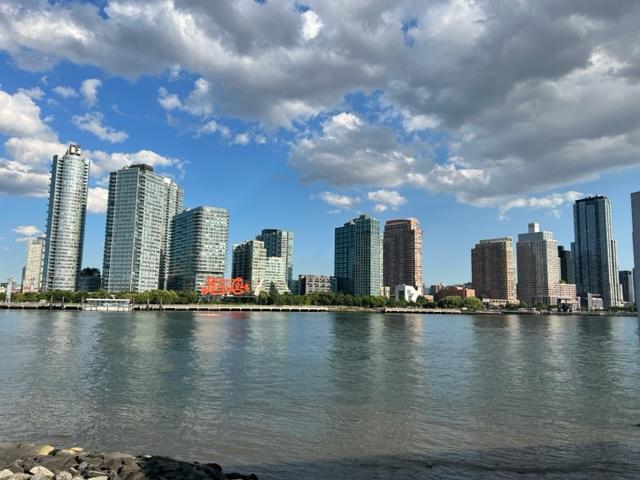
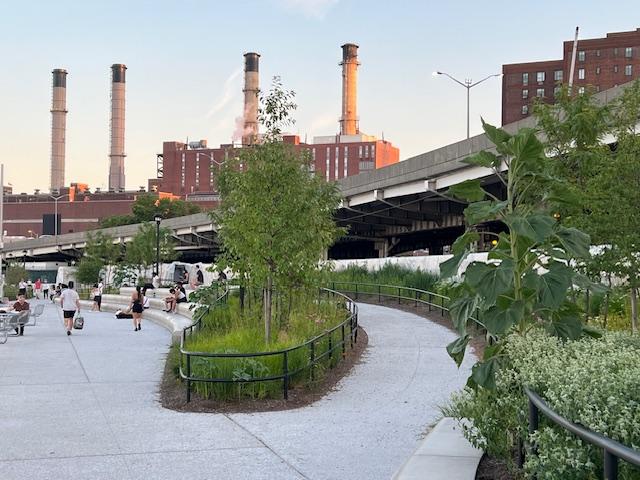
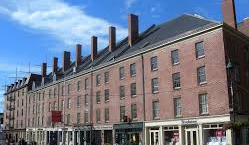
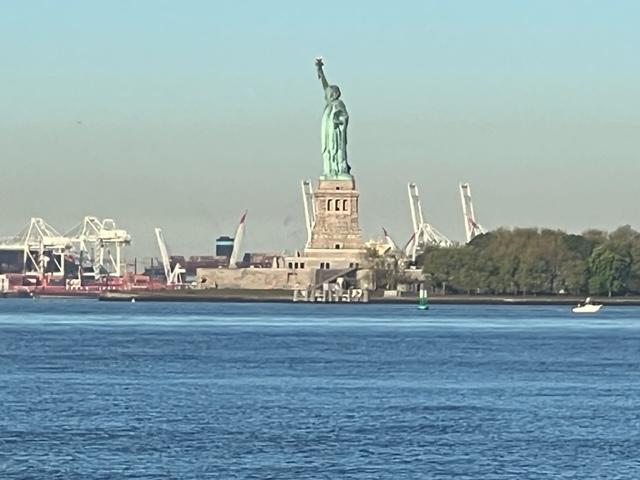
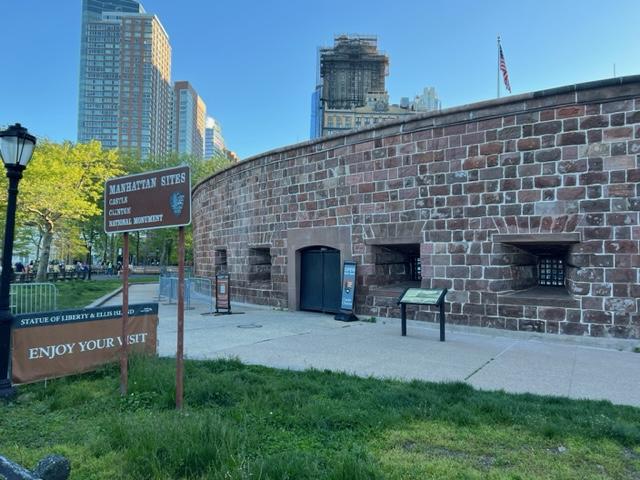

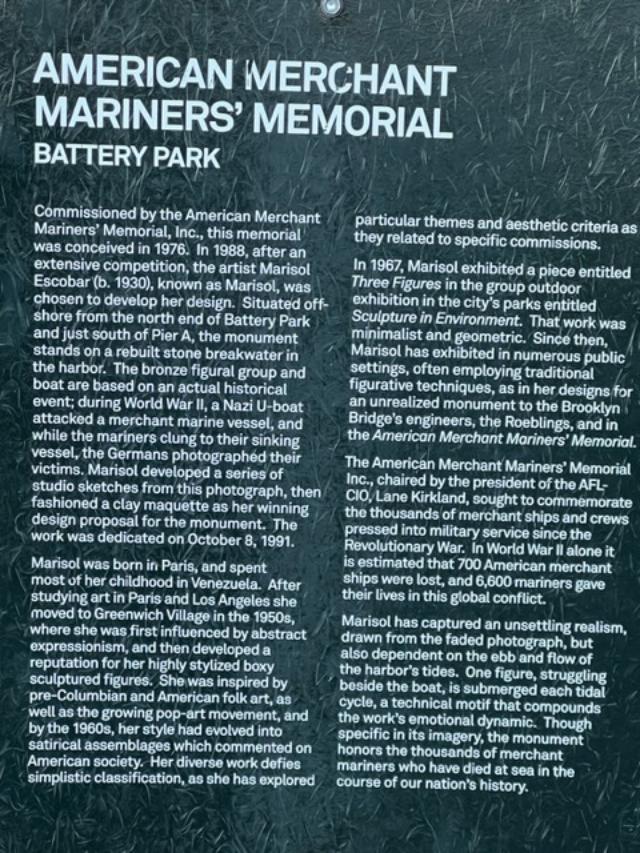
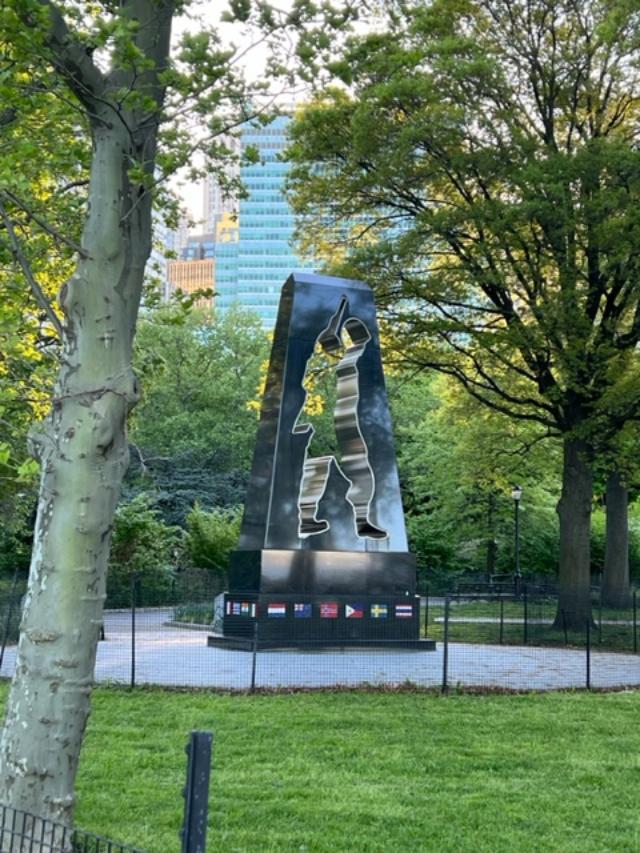

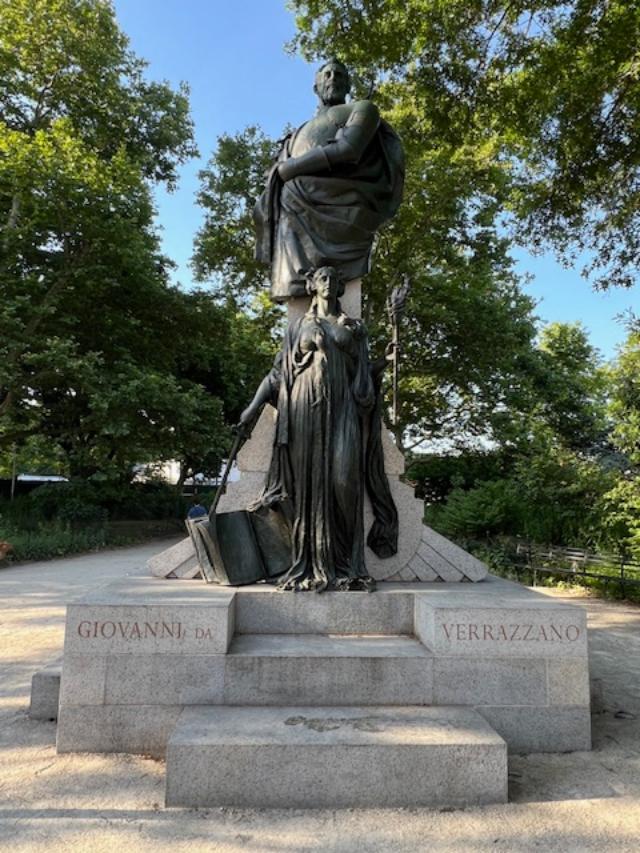
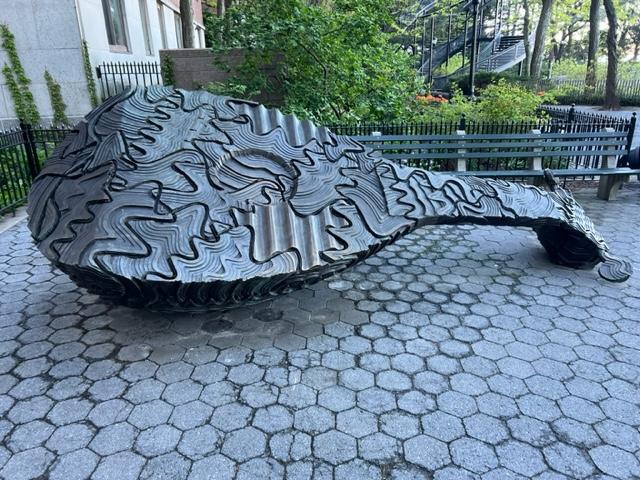
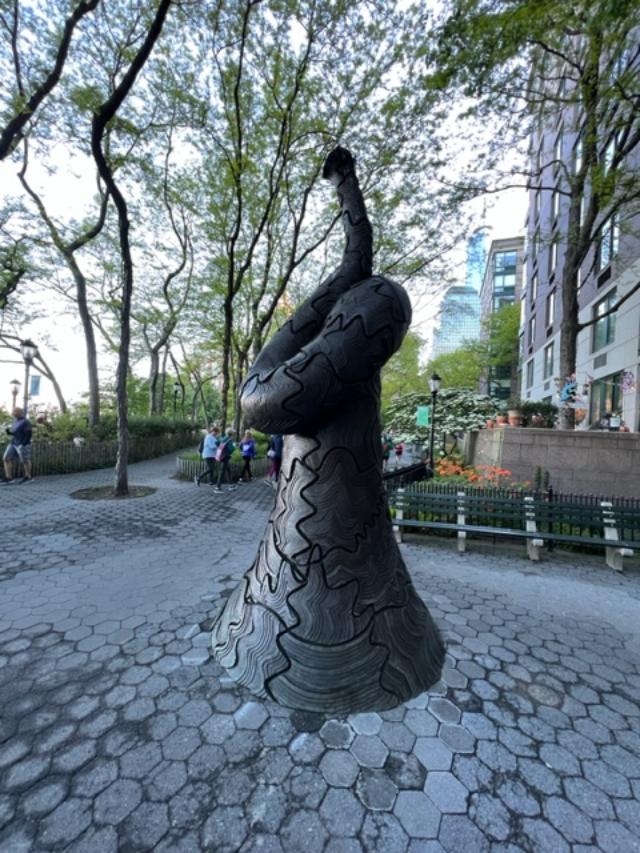
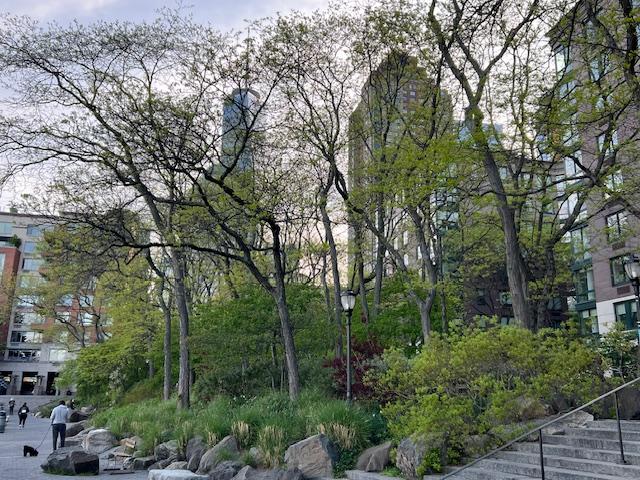


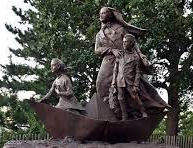
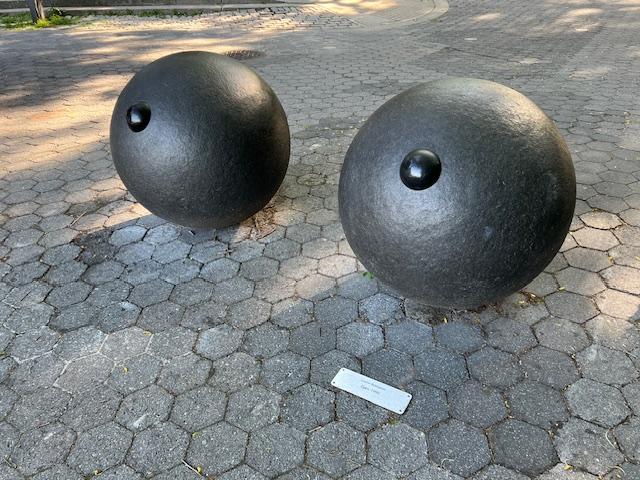
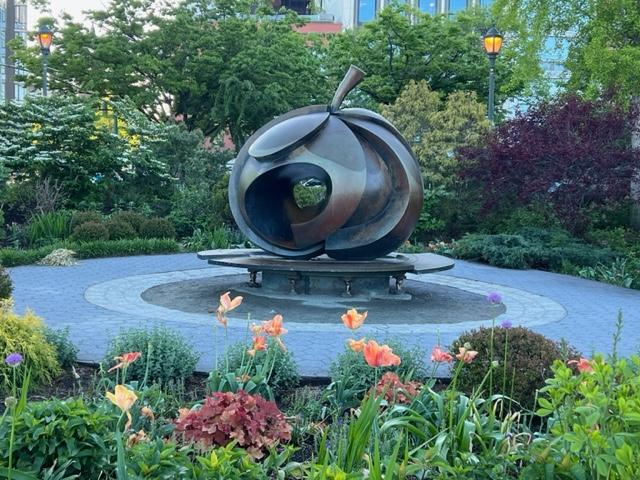

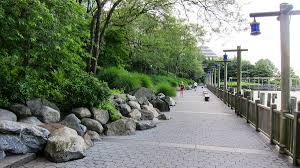
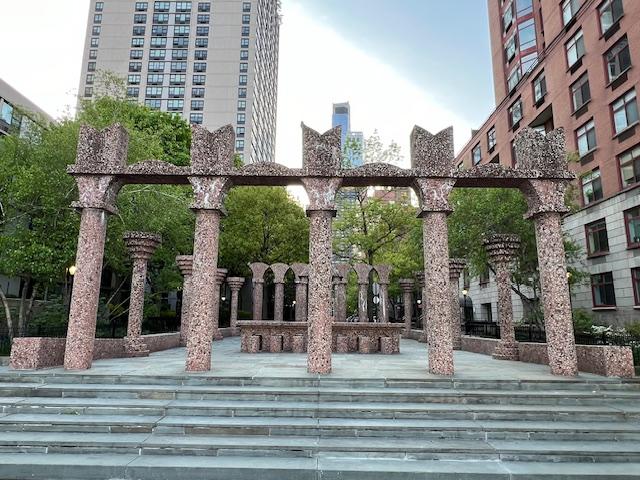
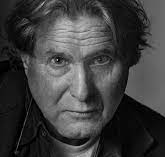
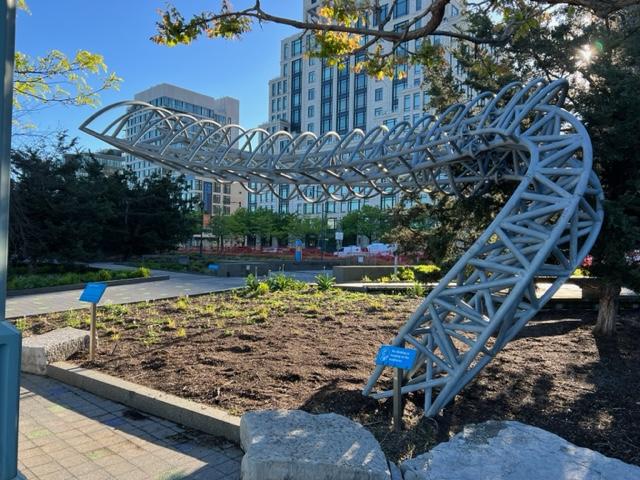
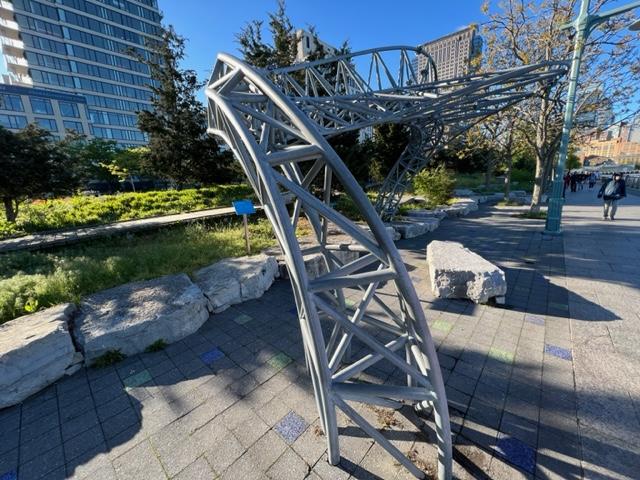
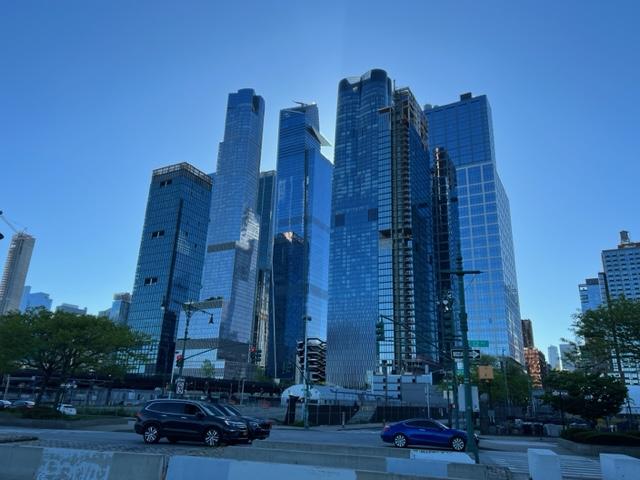
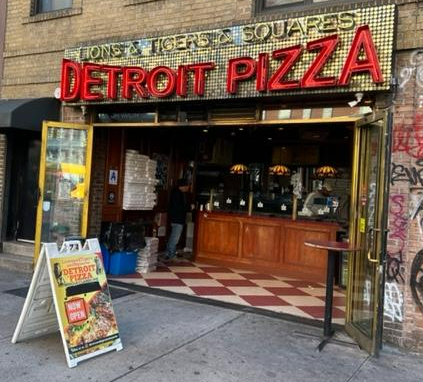






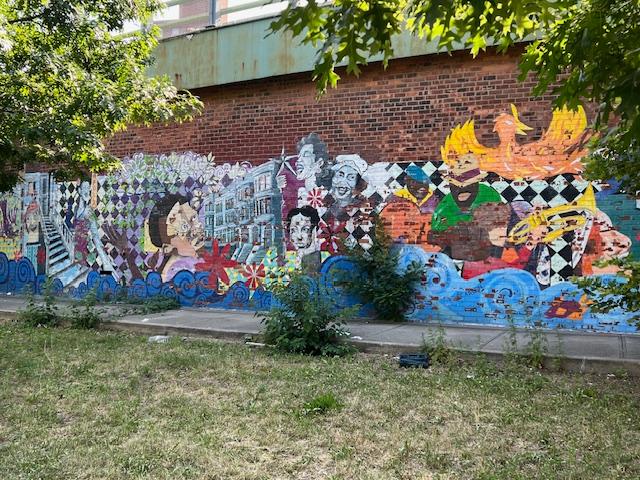
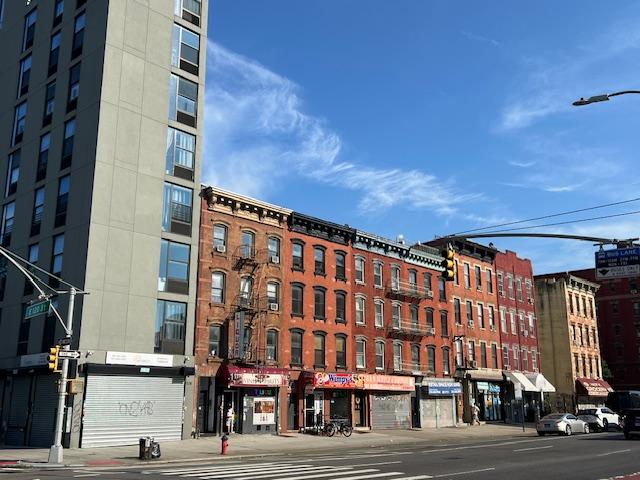


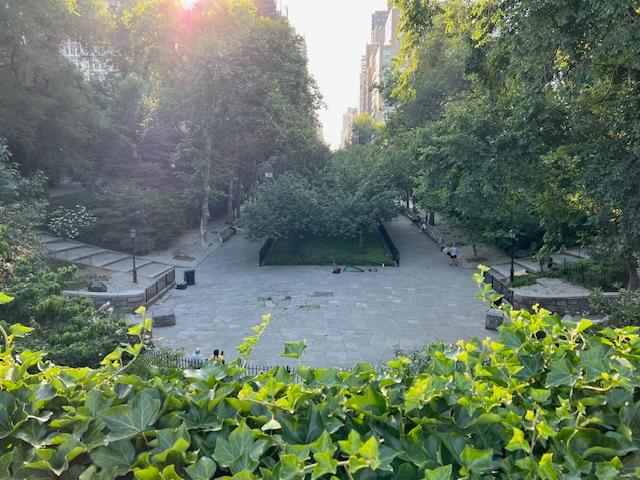
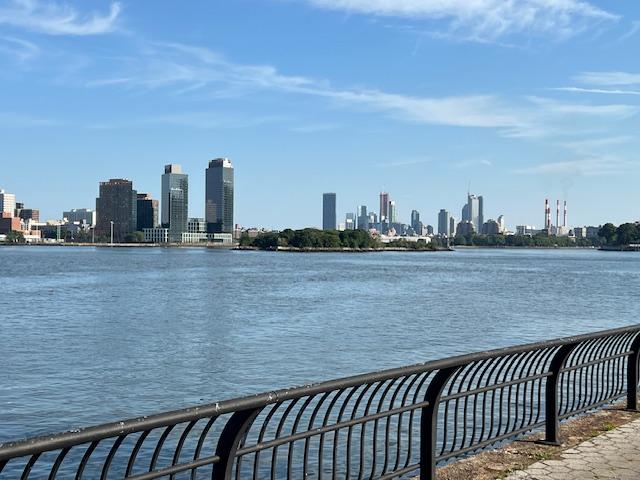

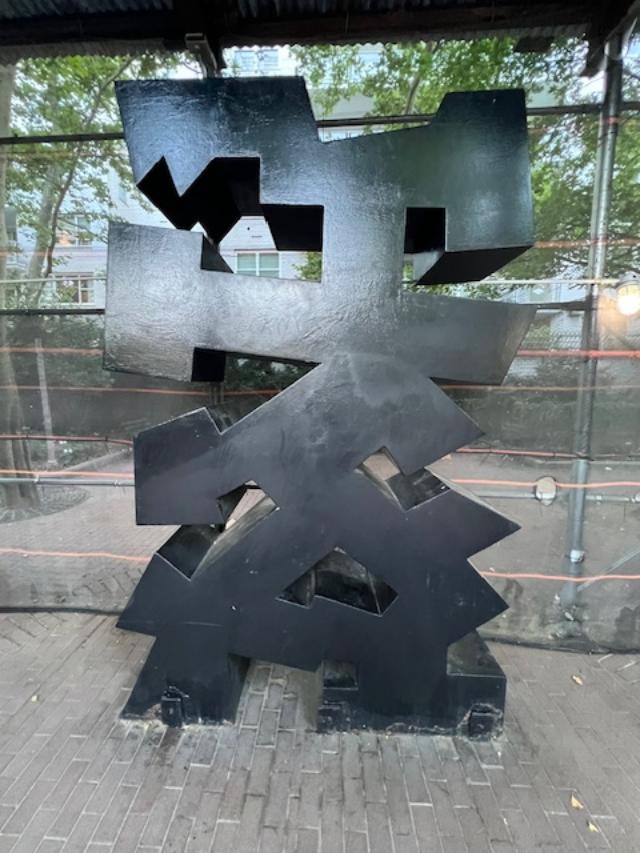
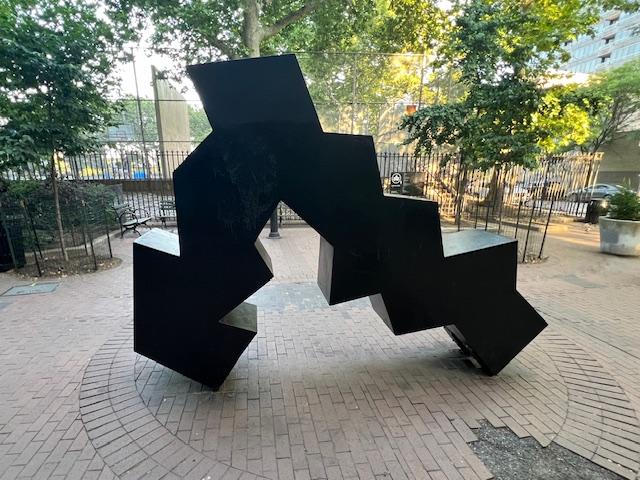


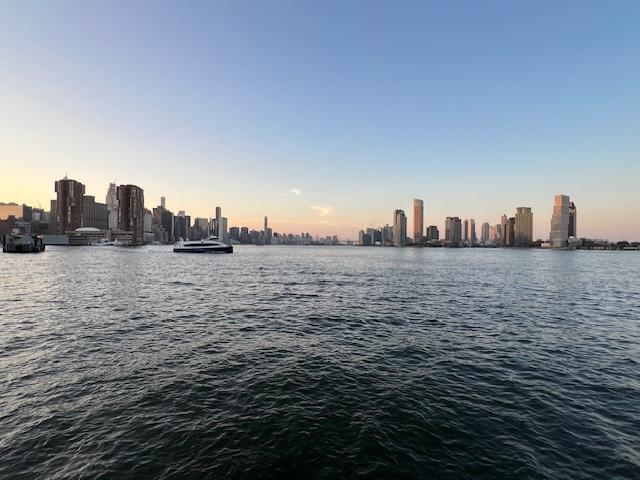




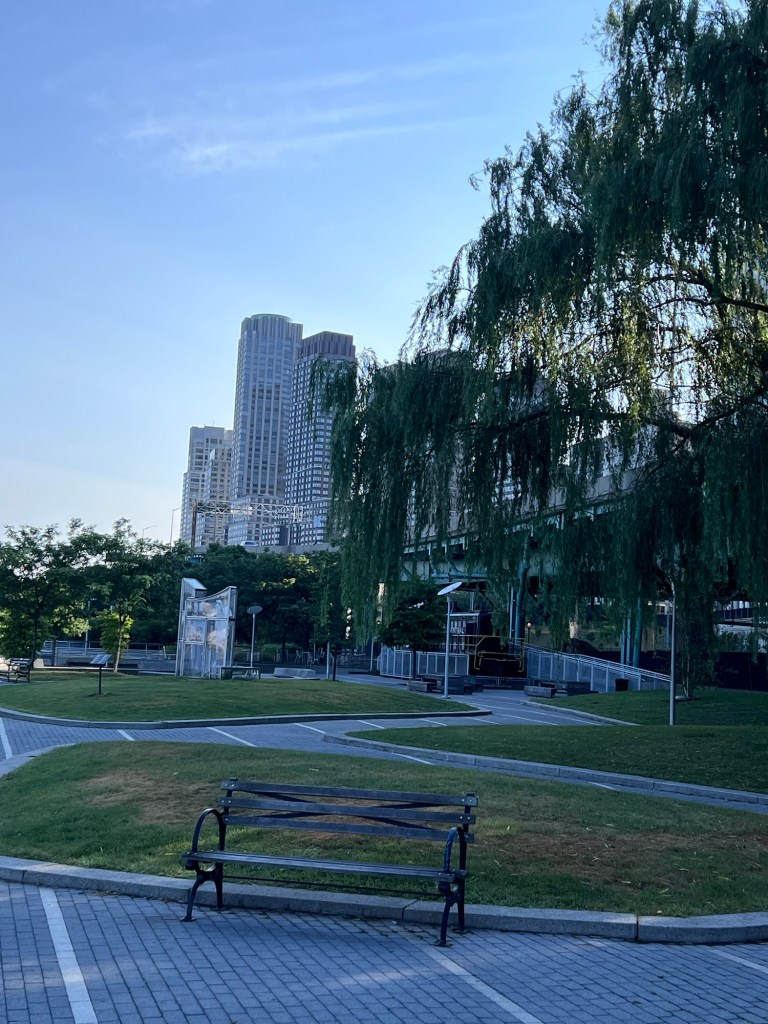
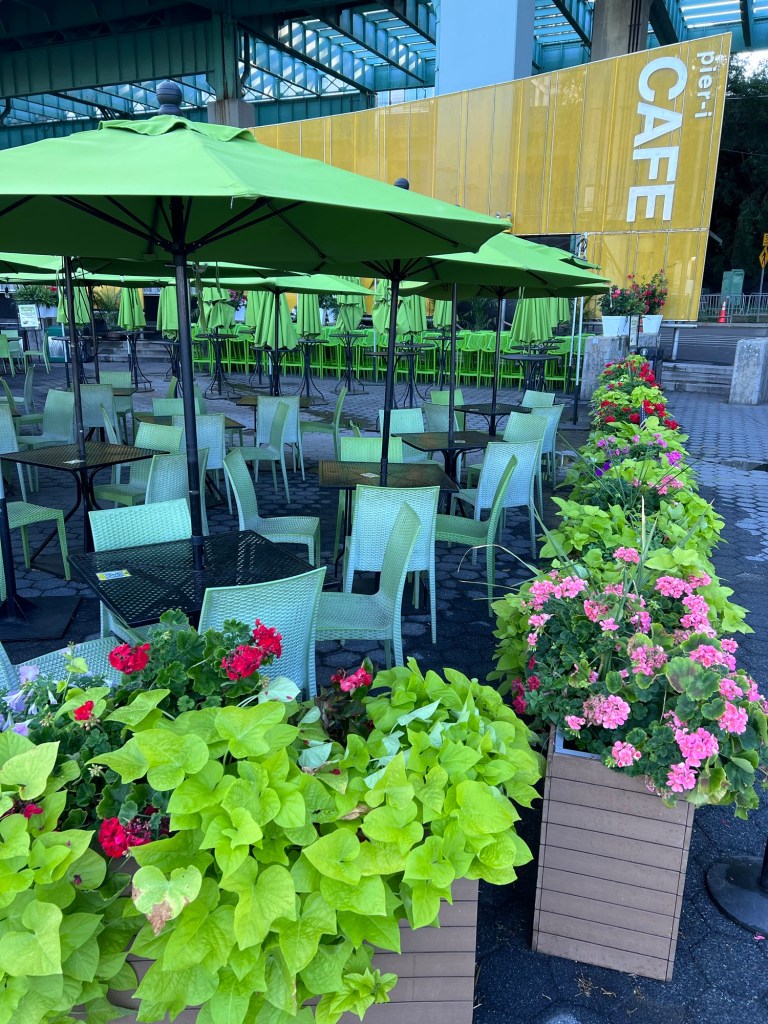


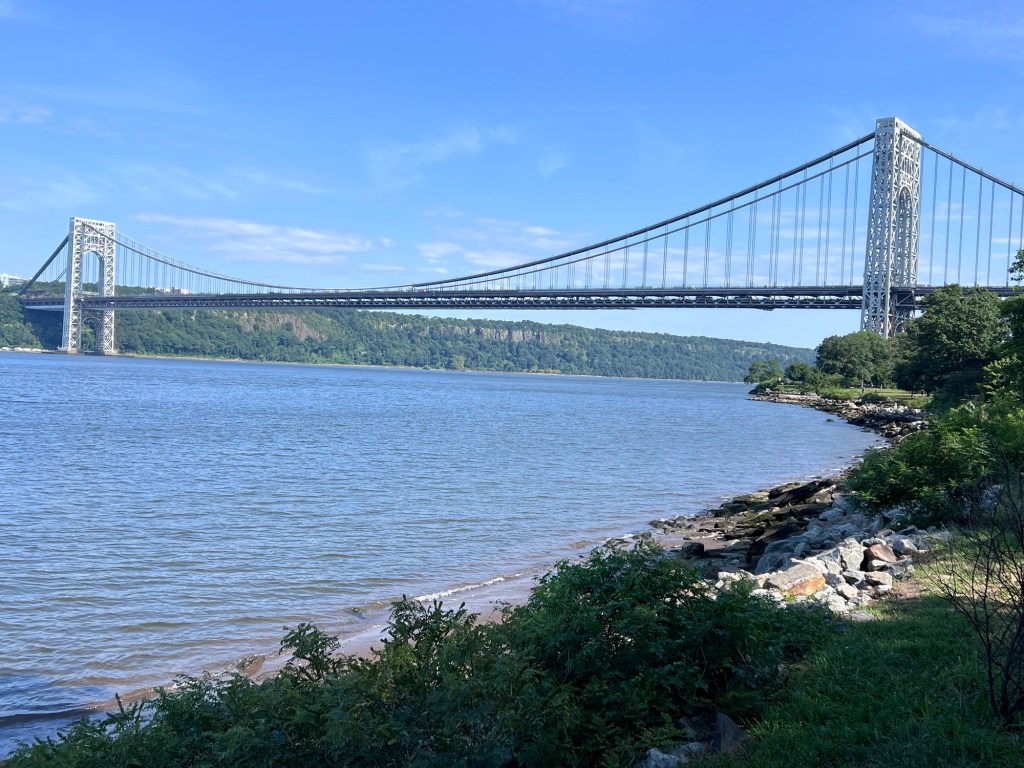
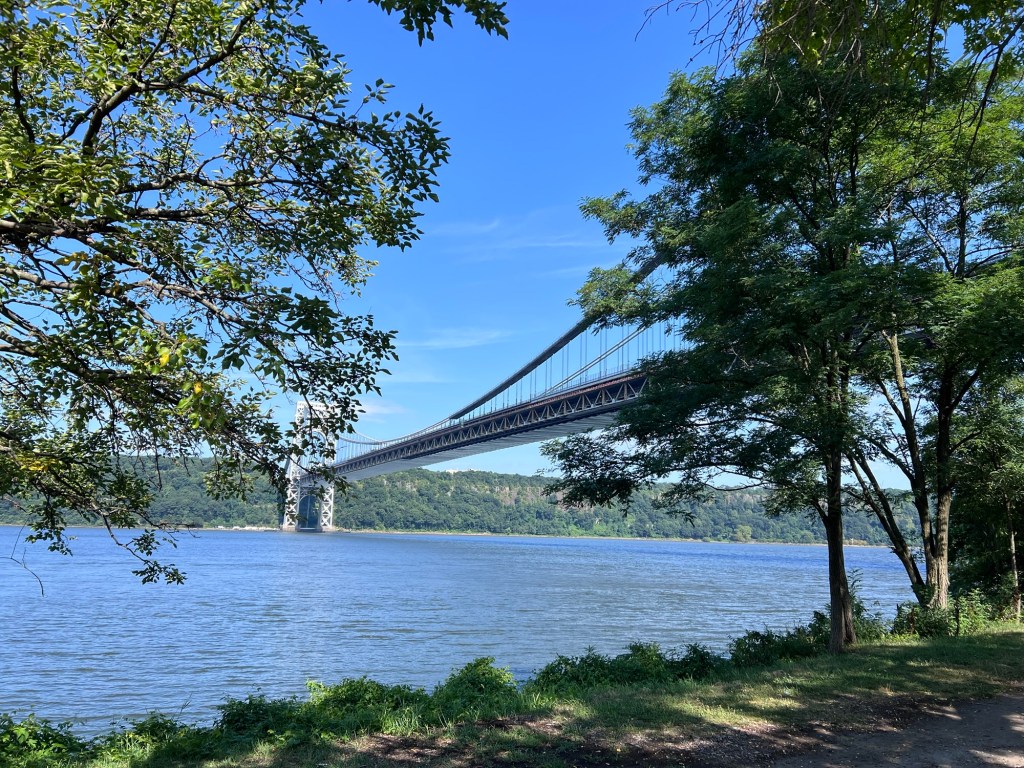

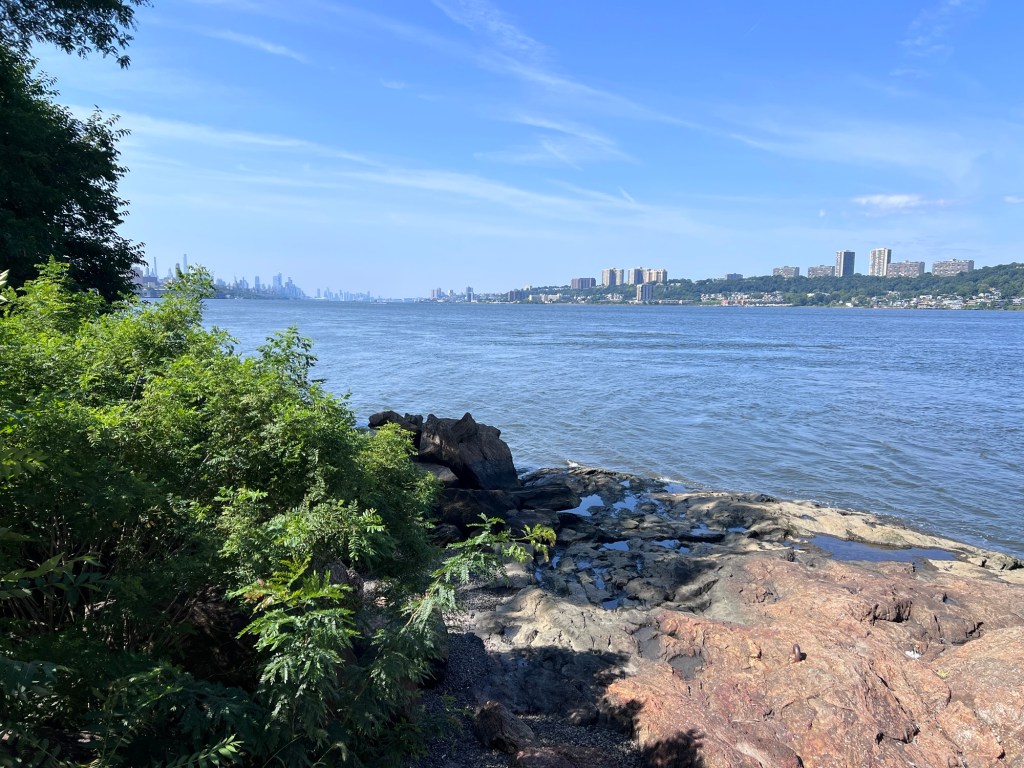


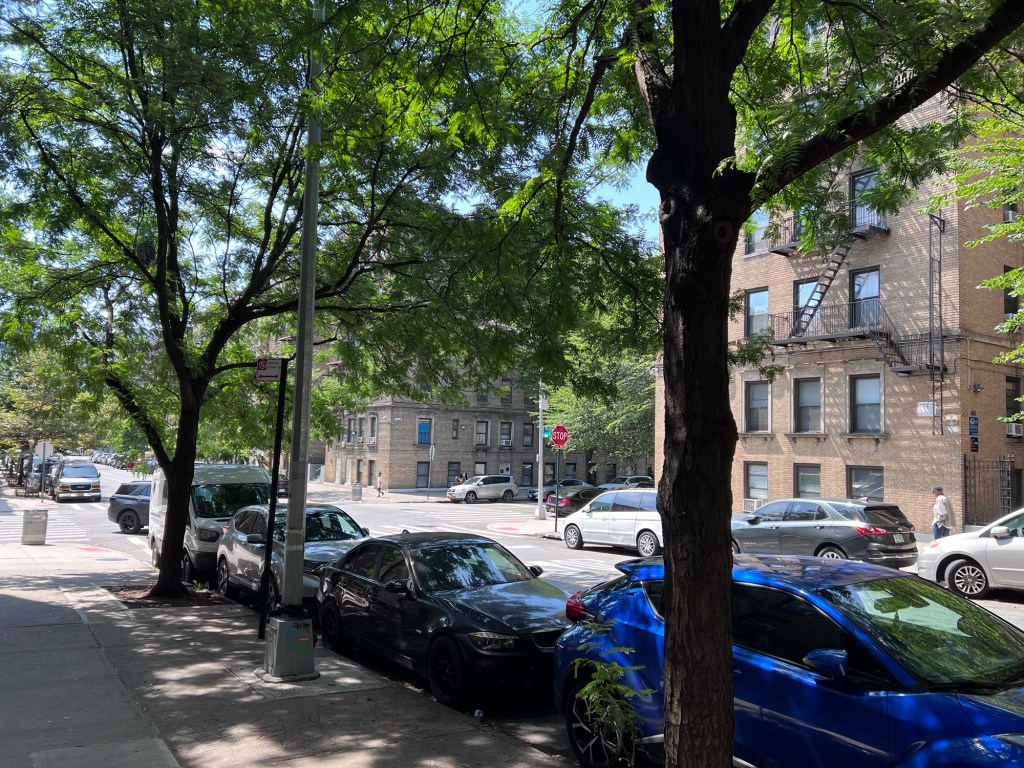


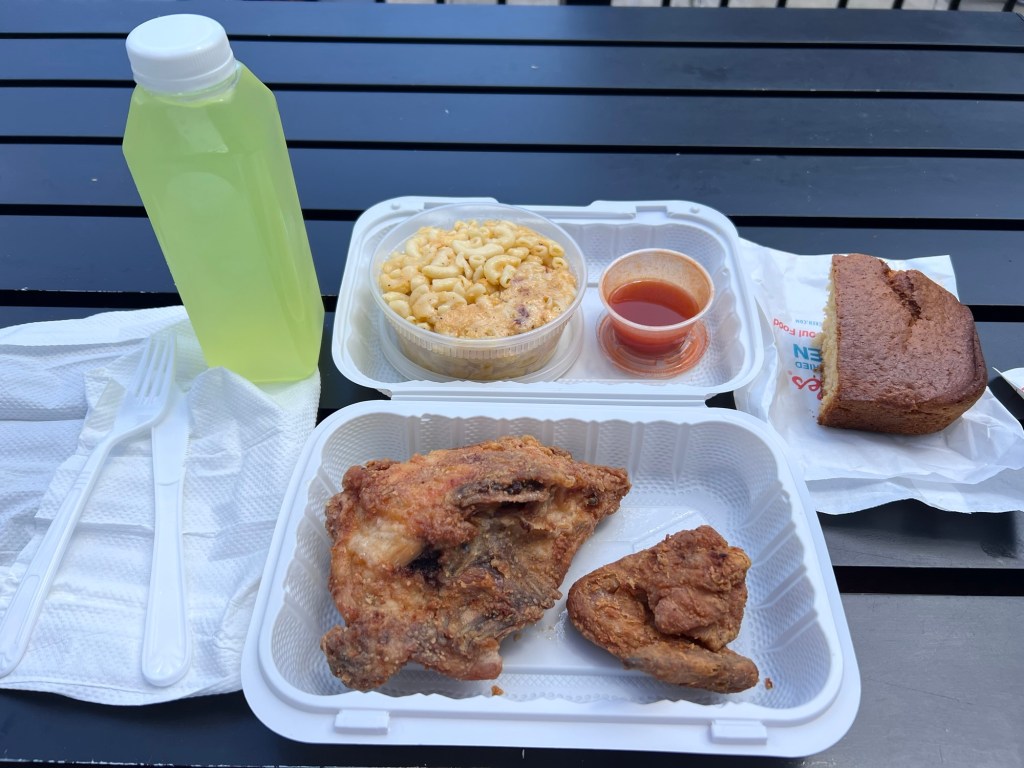



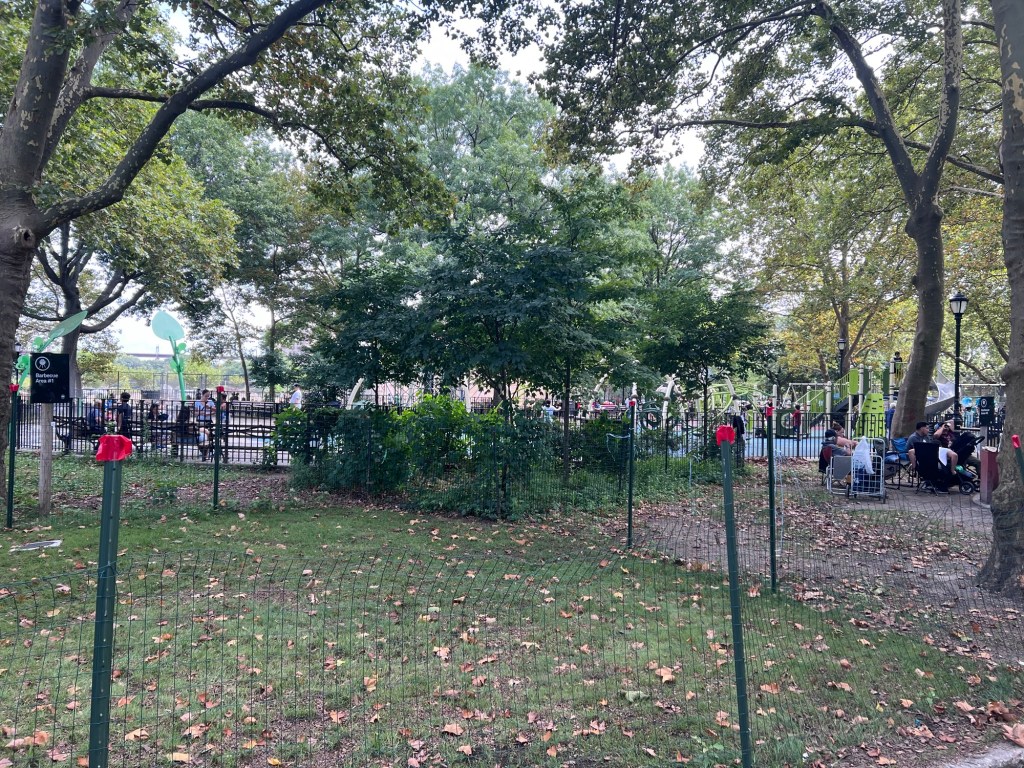
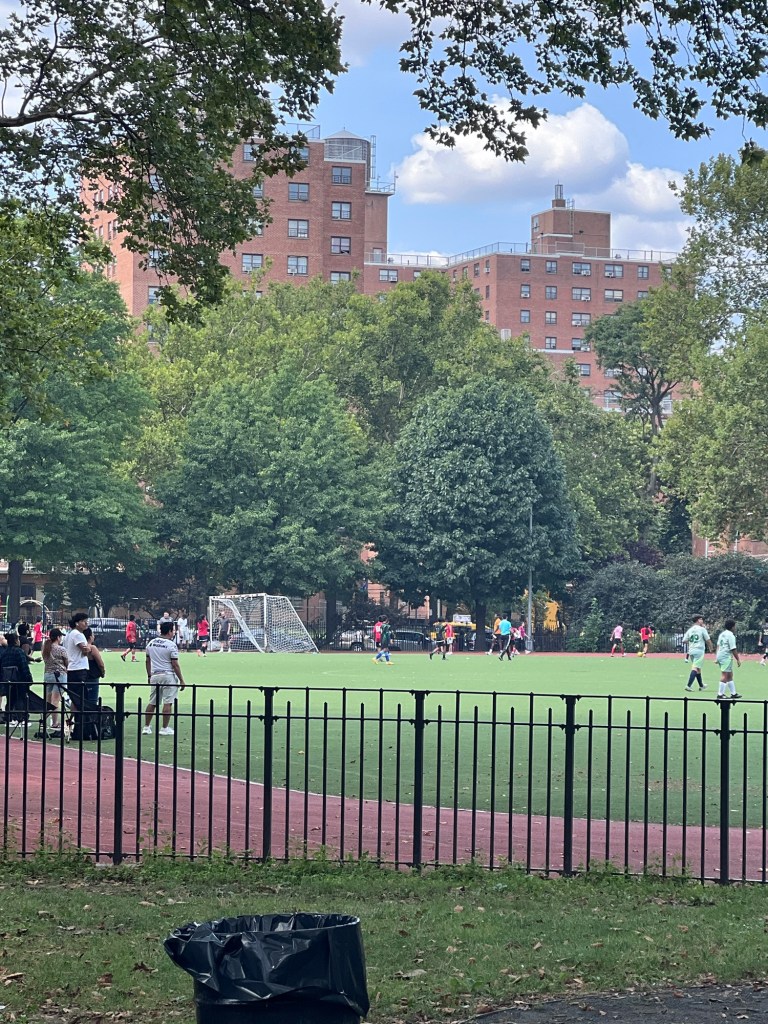





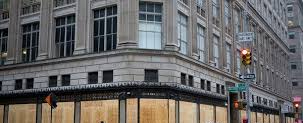

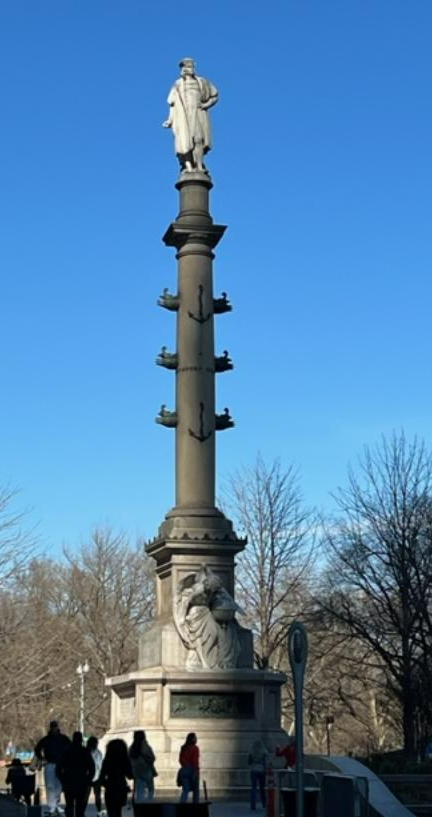
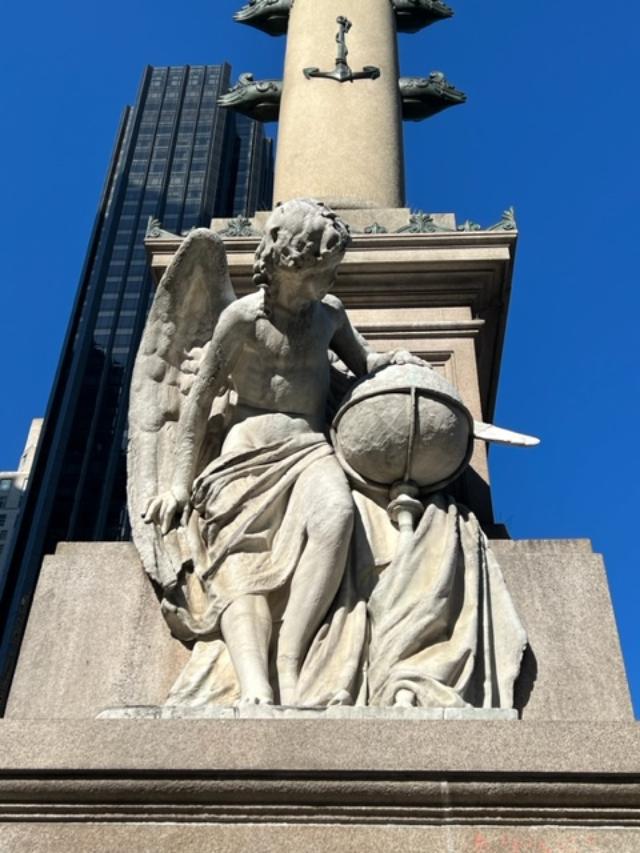
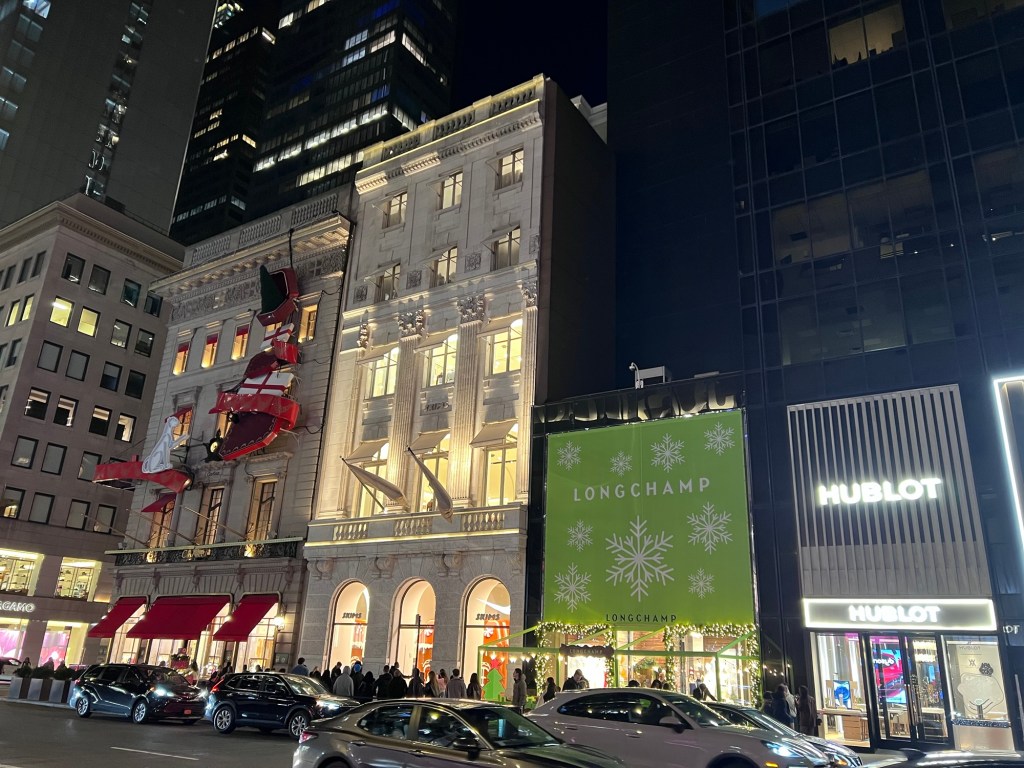
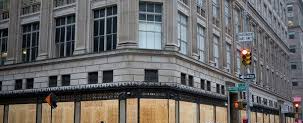
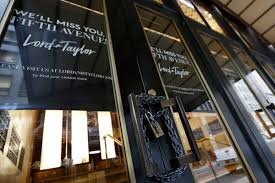
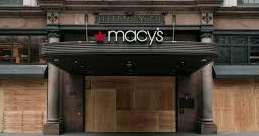
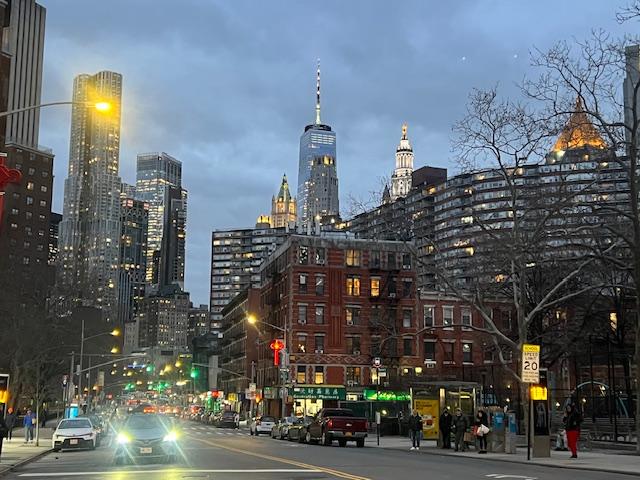
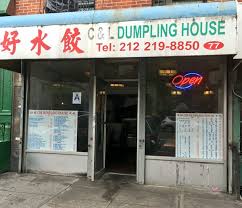


 mywalkinmanhattan