It has been a while since I was able to get back into the City to continue my walk around Manhattan. Between work, trips up to the Hudson River Valley and Upstate New York for Fall events and then the Halloween holidays, it has been a busy time and a real balancing act.
I started the walk around Kips Bay, a small Manhattan neighborhood that borders Murray Hill from the North, Peter Cooper Village and Gramercy Park to the South and the Flatiron and Midtown districts to the West. The neighborhood runs from East 34th to East 23rd Streets from Lexington Avenue to the West and FDR Drive and the East River to the East.
Kips Bay has a very interesting history. Kips Bay was once an inlet of the East River running from what is now East 37th to East 32nd Streets and the bay extended into Manhattan Island to just west of what is now First Avenue and had two streams that ran from it. The bay was named after New Netherland Dutch settler, Jacobus Hendrickson Kip, the son of Hendrick Hendrickson Kip, whose farm ran north of present-day East 30th Street along the East River. The bay became reclaimed land, but the name “Kips Bay” still remains in the area (Wiki).
An early British map of Manhattan showing “Kepps Bay”
The Kip family built a large brick and stone house near the modern intersection of Second Avenue and East 35th Street. The house stood from 1655 to 1851 and when it was demolished was the last farmhouse from New Amsterdam remaining in Manhattan. Iron figures fixed into the gable end brickwork commemorated the first year of its construction. Its orchard was famous and when first President George Washington was presented with a sip of Rosa gallica during his first administration when New York City was serving as the first National Capital (Wiki).
Kips Bay was the site of the Landing at Kip’s Bay, an episode of the American Revolutionary War (1175-1783) and part of the New York and New Jersey campaign. About 4000 British Army troops under General William Howe landed in Kips Bay on September 15, 1776 near what is now the foot of East 33rd Street off the East River. This was from a Royal Fleet which first landed earlier at Staten Island then Long Island for the pivotal Battle of Brooklyn (also known as the Battle of Long Island).
The previous month General Howe’s troops defeated about 500 American militiamen stationed at Kips Bay but General Washington and commanded by Colonel William Douglas. The American forces immediately retreated and the British occupied New York Town at the south point of the island soon afterward forcing General Washington to retreat northward to the Harlem River (Wiki).
The British Landing at Kips Bay in 1776
The neighborhood now sits just below Murray Hill East 42nd to East 34th Streets) to the north and just south above Peter Cooper Village (East 23rd to East 20th Street). Kips Bay like the rest of this section of the Eastern side of Manhattan is going through a makeover. The small apartment buildings are slowly coming down almost creating a patchwork in the neighborhood between the high rises and office buildings above East 30th Street and the low rises that still dot parts of Lexington, Third and Second Avenues. Little by little everything is giving way as Midtown creeps into these neighborhoods.
Still Kips Bay has loads of charm, a slew of interesting restaurants, beautiful buildings and nice little parks to relax in and a breathtaking view of the East River and Long Island City. There is a online discussion about the eastern border of the neighborhood, Third to Lexington Avenues, which some consider part of the “Rose Hill” neighborhood, which itself labels itself “NoMAD” today (North of Madison Park). Even within the neighborhood there are subsections including “Curry Hill” or “Little India” along Lexington Avenue from East 29th to East 26th Streets which is lined with Southeast Asian provision and retail stores and great Asian restaurants where the scents of curry and cumin are in the air.
This is why I love walking in Manhattan is how you can go from one world to another in just a block. It shows the cultural richness and the diversity that makes Manhattan so complex and interesting. There is always something new to experience from block to block.
I started my walk in my usual headquarters for this part of Manhattan in Bryant Park. The Christmas Village and Skating Rink have been set up way in advance of the holidays and people were out skating, masks and all, and having a wonderful time on the first sunny day in a long time. The village stores are about a third of the amount from previous years but still stocked and ready to go. I think the City in the era of COVID “needs a little Christmas now”.
The Christmas Village got an early start Bryant Park this year
This is something I noticed when I walked down East 42nd Street towards Madison and Park Avenues when I passed office buildings. Christmas Trees and wreaths decorated lobbies all over the avenues much earlier than I have ever seen. Usually, the Christmas decorations don’t come out until after Thanksgiving, but the holidays are getting more rushed this year. Still even in the 60-degree days in November it really does cheer you up.
Park Avenue Office Building Christmas decorations
Arriving at East 34th Street and FDR Drive, I reached the border of Murray Hill and Kips Bay in the mid afternoon and it felt so familiar to me after so many afternoons exploring Murray Hill just that the weather had gotten cooler. There just seemed to be more people out as the City is getting back to normal after a trying summer.
When you do arrive here you are greeted by a playful piece of art just outside NYU Langone Children’s Hospital. “Spot” is a dalmatian balancing a taxi on his nose is located just outside the Children’s Hospital’s doors. “I wanted to make something so astounding to distract to even those arriving with the most serious procedures” (Artist Bio) the artist was quoted as saying when the piece was unveiled. It sits four stories in front of the hospital. It is a very playful piece of art that stopped me in my tracks.
“Spot” by artist Donald Lipski
Artist Donald Lipski is an American born artist who is a graduate of the University of Wisconsin-Madison and Cranbrook Academy of Art. He is best known for his large scale works in public places (Artist’s Bio).
It was nice to see most of the restaurants in the area had finally opened up and with the warm weather still holding its grip, there was a lot of outdoor dining to choose from. Even before the pandemic, some parts of the neighborhood were being knocked down for new construction and work continued as I visited taking down many of the smaller buildings that used to house small restaurants. Still there are some great independent restaurants in the area that needed support.
I had lunch at Pizza & Pita at 344 East 34th Street right across the street from the small park that faces the hospital. I just wanted a slice of pizza and when I walked in a fresh pie had just come out. The pizza looked as good as it tasted.
Pizza & Pita at 344 East 34th Street (Renovated and renamed Previti Pizza in 2022)
The sauce has an amazing rich flavor and the loaded with cheese for a gooey consistency. It was so good that I stopped back later for a quick snack of their garlic knots. These pillowy delights came with a side of their delicious marinara sauce that was a pleasure to dunk them into and enjoy each bit.
The pizza here is great!
I just relaxed and ate my lunch in the small public plaza across the street from the hospital and watched as the hospital staff came out from their frustrating days and ate their lunches beside me. It seemed to do them well. The plaza has gotten busier since the late summer and it is nice to see people coming back to work and bring some life to the area.
Even the IPizza mural is around the corner from this spot garnering competition on the corner of First Avenue and East 34th Street
While at lunch I admired another interesting art piece entitled “Stemmer” by New York City born American artist David Fried.
“Stemmer” at the plaza at East 34th Street and First Avenue
The artist grew up in New York City and attended the School of Art & Music and was accepted into the Arts Students League of New York. The “Stemmers” sculptures is one of his trademark pieces.
After lunch, I continued my walk down East 34th Street to the border of Kips Bay at Lexington Avenue. The neighborhood is very ‘old New York’ especially between First and Lexington Avenues with the small buildings and high rises from the 1960’s and 70’s. The area is currently going through a makeover with new buildings, but it still has that “Woody Allen” feel of New York. Everything is not gleaming and new.
Tucked here and there by buildings and courtyards on East 34th Street is a bevy of interesting street art. The block is almost an ‘open air museum’ of creativity. The statue “Thinking Big” which was formally in Central Park South on Sixth Avenue last year has found a home in front of 222 East 34th Street.
Jim Rennert is an American born artist known for his large bronze sculptures depicting the everyday man. Mostly self-taught, his works are seen all over the country and really do make a statement.
Walking further down East 34th Street just outside a little courtyard of one of the apartment buildings is artist John Sewart Johnson’s II sculpture “The Right Light”, a bronze sculpture of an artist and his easel. The sculpture is located just outside a building between Third and Lexington Avenues at 150 East 34th Street.
‘The Right Light’ by artist John Sewart Johnson II
Artist John Seward Johnson II was an American artist who attended the University of Maine, and he is known for his ‘familiar man’ sculptures and icons paintings.
Located on the wall near this art piece is an interesting painting on the wall outside another apartment building by artist Colette Miller from her “Global Wings Project” which she created in 2012. She paints these ‘to remind humanity that we are the angels of this earth’. With this graceful painting of giant ‘wings’, the artist hopes that there is a symbol of peace (Colette Miller’s Bio).
Artist Colette Millers “Global Angel Wings Project” 2020 (No longer there in 2024)
Ms. Miller is a American born artist from Richmond, VA. She is graduate of the Art School at Virginia Commonwealth University and Film Studies at UCLA. As well as an artist, she is a film maker and musician. Her work has been exhibited all over the world.
Turning the corner onto the bustling Lexington Avenue, you see that the border of the neighborhood is a bustling commercial district with a combination of office buildings and apartments and as you cross East 30th Street a restaurant district with an international flair to it. The avenue is also lined with interesting architecture where many buildings stand out.
While walking down East 34th Street was seeing the unique sculptures of artist Linus Coraggio. These interesting sculptures were on the outside of 154 East 34th Street.
154 East 34th Street sculpture
The sculptures by artist Linus Coraggio are at 154 East 34th Street.
Artist Linus Coraggio is an American artist who is a native to New York City. He has a BFA from SUNY Purchase and his known for his unique abstract and figurative sculptures (Artist bio website).
The historic district of Kips Bay near Lexington Avenue.
The urban gardens on West 26th Street.
The New York Design Center Building at 200 Lexington Avenue stands out for its detailed beauty and its embellishments that accent the outside of the building. It was built in 1926 and designed by architect Ely Jacques Khan as the New York Furniture Exchange. The building was to cater to furniture and department store buyers. It now caters to the full interior design experience with furniture, lighting and textiles.
200 Lexington Avenue-The New York Design Center and the beautiful detail work.
Tucked to the residential side of the avenue is 170 Lexington Avenue an Italianate brownstone building that stands out for it yellow exterior. The brownstone was part of three building complex built in the early 1850’s. The house was owned by George and Elizabeth Youle, a wealthy couple with two married daughters. The address was originally 158 Lexington Avenue and then changed to 170 Lexington Avenue in 1866. Sometime in the 1940’s the yellow clapboard veneer was added in a renovation of the building (Daytonian 2020).
170 Lexington Avenue was built in the early 1850’s
Another building that had beautiful detail work carved into it is 160-164 Lexington Avenue, The Dove Street Marketplace, which offers floor after floor of high-end goods.
The detail work is amazing on 160-164 Lexington Avenue-The Dove Street Market
The building has the most beautiful detail work on all sides. It was built in 1909 as the New York School for Applied Design for Women. It was designed by one of the school’s instructors, architect Wiley Corbett, to resemble a Greek Temple (Forgotten New York).
Across the street from the Dover Street Market at 154 Lexington Avenue is the First Moravian Church. The building was started in 1849 and finished in 1852 at the Rose Hill Baptist Church designed in the Lombardian Romanesque style. In 1869, the church was sold to the First Moravian Church which had been located at Sixth Avenue and 34th Street (Daytonian in Manhattan).
The First Moravian Church at 154 Lexington Avenue was built in 1854
As I crossed over East 29th Street, I was greeted by the sights and smells of curry and cumin in restaurants as I entered “Little India” or “Curry Hill” as some locals call it, a stretch of restaurants and stores that cater to the Southeast Asian population as well as locals and tourists alike.
The “Curry Hill” section of Kips Bay
This stretch of businesses extends from East 29th to about East 26th Streets created by the catalyst for the street, Kalustyan’s at 123 Lexington Avenue, a specialty food market specializing in Indian and Middle-Eastern spices and food items.
Kalustyan’s Specialty Market at 123 Lexington Avenue
Kalustyan’s has an interesting history. The market was started in 1944 by Kerope Kalustyan, an Armenian immigrant from Turkey, when his steel importing business failed. He turned to foods and spices that catered to the large Armenian population who lived in the neighborhood in the 1920’s. By the 1960’s and 70’s, are large Indian and Southeastern Asian population started to move to the City and Kalustyan’s was the meeting spot as they started to carry Indian spices as well. “Little India/Curry Hill” grew up around the store as immigrants opened their own businesses around the store (Wiki). Now Kalustyan’s carries foods and spices from all over the world (Kalustyan).
Kalustyan’s has shelves of spices, mixes and sauces.
Looking down “Curry Hill” section of Kips Bay on Lexington Avenue
It is really an experience to walk around all the shelves and shelves of spices and see what is available. Then to turn the corner and see all the fresh and frozen foods from all over the world. it can be overwhelming.
Kalustyan’s is located in the historic Chester A. Arthur home
What is interesting about the store is that is was once the home of President Chester A. Arthur, who took office as 21st President of the United States after President James Garfield was shot in 1881. He was sworn in as president here in September 1881. President Arthur moved to New York City in 1848 and lived here for most of his adult life and continued living here after his Presidency. He died in the house in 1886 (Wiki).
President Chester A. Arthur taking oath in his home in 1881
The house is a five-story masonry designed in the Romanesque Revival styling and has gone through many renovations over the years. The neighborhood went from a fashionable district to the home of one of the largest Armenian populations in the United States then to a Southeast Asian neighborhood to another gentrifying area of Manhattan.
The Chester A. Arthur house when he lived in it
After a quick tour around Kalustyan’s admiring all the spices and looking over their frozen food department with all its pastry and meat dishes, I was in the mood from some Indian food. I stopped at the corner at Curry in a Hurry at 119 Lexington Avenue. I needed a quick snack to keep me going so I ordered a chicken samosa ($2.45) and it was so good I went back for a beef samosa that had just gotten out of the oven. Both were extremely well spiced and full of flavor. I could taste the hot pepper and cumin for the rest for the afternoon (see my review on TripAdvisor).
Refreshed from a quick snack, I continued exploring Lexington Avenue peeking at all the menus of the restaurants as I walked down the road. The aroma from the kitchens reached the sidewalks and I had to make an mental note of the place I wanted to try in the future.
By East 26th Street, I passed “Little India” and was in front of the 69th Regiment Building at 68th Lexington Avenue. This beautiful building is the home to the New York Army National Guard’s 69th Infantry Regiment, known as the “Fighting Irish” since the Civil War (Wiki).
The building was designed by architects Hunt & Hunt in the Beaux Arts style and was completed in 1906. It has been home to many events and show including the controversial 1913 Armory Show of contemporary art (Wiki). You really have to walk around the building to admire its beauty and history.
The Armory Plaque
Just across the street is another beautiful building covered with snakes, skulls and dragons carved along the side of it at 130 East 25th Street.
Someone had a warped sense of humor
The former B. W. Mayer Building which now houses the Friends House in Rosehall was built in 1916 by architect Herman Lee Meader (Wiki). You really have to walk around the building to see all the unusual carvings that line the building.
130 East 25th Street, the former B. W. Mayer Building
The street art is also interesting on this part of Lexington Avenue. One the corner of East 24th Street & Lexington Avenue is the Friends House New York, a housing unit. Painted on the wall is a very unique painting by Italian street artist, Jacopo Ceccarelli.
Painting by artist Jacopo Ceccarelli
The mural is on the corner of East 24th & Lexington Avenue-The St. Francis Residence Building
The Milan born street artist, who goes by the name “Never 2501” hones his skills after moving to San Paolo, painting murals with an edge that got global recognition. He uses geometric forms in his work with circles and lines creating the abstract (Do Art Foundation).
I was getting hungry again with all this criss crossing across Lexington Avenue and I had two choices for a snack, DiDi Dumpling at 38 Lexington Avenue or Pick & Pay Pizza at 30 Lexington Avenue both having reasonable snacks. Since I would be stopping for Dim Sum later that afternoon, I chose the pizza. For a $1.25 a slice, the pizza was not bad in this tiny little hole in the wall that also served Indian food as well. The sauce had a lot of flavors and that is what makes the pizza.
Pick & Pay Pizza at 30 Lexington Avenue (Closed 2024)
I noticed on the wall right near the doorway near the Starbucks was another wall mural “Urban Ocean” by artist Yuki Abe that is off to the side of the building on the corner of Lexington & 25th, Look at the interesting color and design of the work.
“Urban Ocean” by Artist Yuki Abe
Surrounding this area of Lexington & 25th Street starts the campus of Baruch College which is part of the SUNY system, and I could see students who were taking live classes walking around enjoying the day. I am sure it is much different when classes were in full swing, and the students were hanging around the restaurants and coffee shops in the area.
The now finished Baruch College courtyard on campus
Another building that stands out in its beauty and design is on the corner of the neighborhood on Lexington Avenue between 24th and 23rd Streets, the Freehand Hotel at 23 Lexington Avenue. The hotel was originally built as the Hotel George Washington in 1928 and designed by architect Frank Mills Andrews in the French Renaissance style.
The Freehand Hotel (the former George Washington Hotel) at 23 Lexington Avenue
While still a apartment building and a dorm in the 1990’s, several famous New Yorkers lived at the hotel including artist Keith Haring and musician Dee Dee Ramone. Playwright Jeffery Stanley also lived at the hotel for a period of time.
The entrance to the Freehand Hotel is very elegant but still remains closed
I crossed East 23rd Street which is the edge of the neighborhood shared with Gramercy Park, Rose Hill and Peter Cooper Village further down the block. This busy thoroughfare is lined with a lot stores, restaurants and many interesting buildings that leads to the East River.
I stopped for lunch at a new Dim Sum restaurant name Awe Sum Dim Sum that had just opened on at 160 East 23rd Street and it was just excellent. I took my friend, Maricel, here for lunch after my birthday for lunch and we ate through most of the menu (see my reviews on TripAdvisor and DiningonaShoeStringinNYC@Wordpress.com).
The restaurant has the most amazing appetizers to choose from that are all made in house and served fresh to you either at your table inside or one of the many tables outside (while the weather holds out). On my trip with Maricel, we ate our way through the Fried Dumplings, the Chicken Siu Mai, the Spring Rolls, the Baked BBQ Pork Buns, the Scallion Pancakes and the Soup Dumplings. On my trip today, I ordered the Soup Dumplings, Crispy Shrimp Rolls and the Siu Mai with pork and shrimp.
The Soup Dumplings here are the best
So are the Spring Rolls when they are fresh out of the fryer
On one of the trips I had the Pan Fried Pork Buns, Spring Rolls and Roast Pork Buns.
With the cost for each running between $4.00-$6.00, I could eat my way through the menu. The nice part is what a nice contemporary designed restaurant the place is to dine in. Everyone is kept ‘socially distanced’ so it is a nice place to eat.
The inside of Awe Sum Dim Sum
After a nice relaxing lunch, I was ready to continue down East 23rd Street. Criss crossing the street again, I noticed the beauty of 219-223 East 23rd Street. The building has all sorts of griffins and faces glaring out. When you stand across the street, you can admire the beauty of all the carvings on the building along the archways above and the faces staring at you from the tops of windows.
Another building that stands out is 304-310 East 23rd Street. This former factory building was built in 1900 and now is the “The Foundry”, a converted condo complex. The amazing detail on the building stands out and you have to admire the stonework and details in the carvings along the building.
Reaching the end of East 23rd Street, you will see the planned middle-class complex of Peter Cooper Village, which has gone market rate and is now getting very upscale and seems to have a younger resident walking around then the usual middle-aged residents who used to be on the list to get one of these very desirable apartments.
The entrance to Peter Cooper Village at First Avenue
Across from Peter Cooper Village is the Asser Avery Recreational Center and Playground 392 Asser Avery Place with the famous baths and pools that have been part of the neighborhood for generations.
The Asser Levy Recreation Center and Park at 392 Asser Levy Place
When the baths opened in 1908, the facility was called the East 23rd Street Bathhouse. It was by architects Arnold W. Brunner and William Martin Aiken. Based on the ancient Roman Baths, the architecture was inspired by the “City Beautiful” movement, a turn of the century effort to create civic architecture in the United States that would rival the monuments of the great European capitals (NYCParks.org). The playground next to it opened in 1993.
The architecture by Arnold Brunner and William Martin Aiken resembled a Roman Bath
The fountain at the bathhouses.
The historic plaque.
The Baths and Park was named for Asser Levy, a Jewish trailblazer in colonial times when Mr. Levy and 23 Jews fled from Brazil in 1654 to seek refuge in New Amsterdam. He challenged Governor Peter Stuyvesant when he tried to evict the Jews from the colony. He was the first Jew to serve in the militia and own property in the colony (NYCParks.org).
The border to the east of the neighborhood is combination of the East River Esplanade, FDR Drive and First Avenue. Since First Avenue and FDR Drive are surrounded by a combination of college campus and hospital space, it makes walking around the neighborhood tricky.
When you walk across East 23rd Street to FDR Drive, you have to cross over FDR Drive at East 25th Street behind the VA New York Harbor Healthcare System Hospital complex and the CUNY/Hunter College campus and then cross over the bridge to the Waterside Plaza complex.
The Waterside Plaza complex and the Greenway walkway
This series of apartment buildings faces the East River and FDR Drive that leads to the East River Greenway walkway and the Waterside Plaza walkway both surround the complex. The views are breathtaking on a sunny afternoon of the East River and Long Island City.
The East River Greenway and the view of Long Island City.
East River Greenway from West 34th Street.
On the way up the Waterside Plaza walkway, I passed the famous Water Cafe at 500 East 30th Street that is currently closed because of COVID. This famous restaurant has been around since the 1980’s and offers some of the most spectacular views. It was one of the best known restaurants at the time when “Restaurant Madness” hit the City in the mid-1980’s as the City went through its first wave of gentrification under the Koch Administration.
The Water Club at 500 East 30th Street is currently closed
I walked all around the Waterside Plaza complex and saw where all the joggers and walkers can exercise all around the complex. The walkways both lead back
to East 34th Street and the beginning of the walkway and where Kips Bay once was located. I walked around the NYU Langone Hospital when I crossed East 34th Street and walked down the FDR Drive extension around the hospital until I reached East 26th Street and crossed to First Avenue.
This part of FDR Drive passes behind the Langone complex and the Bellevue Complex and be careful as there are security guards all over the place. They totally avoided me because with the tinted glasses I think they thought I was there to check them out. The side streets of East 30th to East 28th Streets are closed off to the public and you can’t walk down them without security looking you over. There is not much to see here but a parking lot and the back of the hospital complex.
I walked back down East 26th to East 25th Street and crossed back over to where the bridge was located and walked back around the Asser Levy Park and walked through the park. The three times I was in the park no one was there and the park seemed a little depressed with the homeless camping out.
The City Opera Thrift Shop at 222 East 23rd Street (Closed February 2023)
I made my way back down East 23rd Street and stopped in the City Opera Thrift Shop at 222 East 23rd Street. They have the most interesting artwork and books, couture clothing for women and children and some decorative items on the second floor that have been donated to the store to help support the charity. Don’t miss shifting through the store and all the racks to find that perfect outfit.
Walking around the first floor of the City Opera Thrift Shop is an adventure (Closed February 2023).
As I walked back up East 23rd Street passing the historic buildings and restaurants I walked through the Baruch College complex to see that campus was being renovated and was really quiet. It is spooky to walk through a college campus and see no one. It was one of the cooler days when I visited the neighborhood, and no one was around.
Before I finished my walk of the border of neighborhood, I stopped back in “Little India” and had dinner at Anjappar, a South Indian restaurant at 116 Lexington Avenue at 28th Street. I had not had Indian food for a long time and thought it would be a nice way to end the evening.
I was the only person eating in the restaurant that evening so all the attention went to me. The waiter gave me her great recommendations and we were able to talk about the best dishes to try. Since all NYC restaurants are only at 25% capacity, not too many people can eat there anyway. It was a quiet night with just a few to go orders while I was there.
The food and the service were excellent. With the recommendations for the waiter, I ordered the Anjappar Chicken Marsala, which was in a spicy chili and curry sauce served with a side of white rice and a side of Parotta bread, which is a buttery spiral bread that is a specialty of the region.
The Anjappar Chicken Marsala
The Parotta bread is perfect to sop up the sauces
The Mango Lasse cuts the heat of the food
The entree was so spicy that it cleaned my sinuses out and added a little spring to my step. For dessert, I order a house specialty, the Pineapple Ravakesari, which was fresh crushed pineapple in a polenta type of grain with a sugary top. It was served warm and was the perfect combination of sweet and tart.
It was the perfect dessert to end the meal and cap off the afternoon of adventure (see my review on TripAdvisor). They did not have it the second time I ate there and I ordered the Gulobjamun, a type of sweet donut.
The wonderful curries and Parotta bread of that dinner
Dinner was really good that night
The dessert Gulobjamun, sweet rice dough with a simple syrup was the perfect way to end the meal
When I reached the point of the beginning at Lexington Avenue and East 34th Street, I thought back to the wonderful sites and views from the island that Kips Bay offers . From the interesting open air art museum to the views along the river to the historic buildings and sites and smells of “Little India/Curry Hill”, there is so much to see and do in the neighborhood it even took me several trips to see just the border of the Kips Bay.
What would the British think today if they landed here? It would be more than Mrs. Murray’s punch and cake to keep them distracted.
Mrs. Murray entertaining the British in here home when they landed in Kips Bay.
I love it when I can eat at a restaurant on its first week open and get to enjoy the excitement with the owner as they establish their dream. That is what myself and my best friend felt when we ate at AweSum Dim Sum the first time. The restaurant is on my Advantage Dining Program and was recommended. So I tried it for the first time and loved it and then I took her and she agreed.
Everything on the menu was excellent. All the Dim Sum on the menu is fresh and cooked to order. When it arrives, it is sizzling hot and busting with flavor. The tough part is knowing what to order because everything on the menu is so good.
As I have mentioned since the reopening of New York City, people are trying to write the City off as ‘dead’ and that is far from true. I see a City that is quieter, adapting to conditions around it and slowly coming back to life.
I spent my third day exploring in the Murray Hill neighborhood and I am beginning to see more and more people feel the same way I do. They are joining the world again by walking through parks, jogging on the sidewalks and partaking in the outdoor dining that is popping up all over the City streets and sidewalks. Restaurants and bars are doing their best to cater to their customers while still maintaining social distancing and keeping everyone safe.
No where did I see this more in play than in Bryant Park, which has become my headquarters for this part of the walk. When I got into the park that afternoon, people had taken over the lawn even after the overnight rain storm and were lying all over the grass (socially distanced of course) reading, laughing and conversing with friends. The chairs and tables around the park were filled with people eating their lunches, talking and reading. The park was pretty well filled.
Bryant Park in the Summer looking down from Sixth Avenue.
Bryant Park Grill, the main restaurant of the park, was filled to capacity during the lunch hour. People were having business meetings over lunch and slowly out of towners are coming back to the City missing the vibrancy of the City. You would never know there was a pandemic going on from all the people in the park enjoying the sunshine on a nice warm sunny day.
I had gotten tickets through the Members Website at the Morgan Library & Museum that afternoon at 2:30pm with timed tickets so I knew how to pace my day. I wanted to walk all the streets between East 41st and East 35th Street from Fifth Avenue to FDR Drive. It would be several hours of interesting walking. What I saw all over the neighborhood that afternoon is life coming back.
I started my walk at the New York Public Library entrance admiring the fountains and the gardens planted up front. Most of the tables in front of the New York Public Library were full of people eating their lunches, reading or sleeping.
The beauty of the library at Christmas time 2024
I threw a coin into the fountain of ‘Beauty’, made a wish and started my walk. This graceful and elegant fountain was designed by artist Frederick MacMonnies. In the background is the words written, “Beauty, old yet ever new, Eternal Voice, and Inward word”.
“Beauty” the fountain in front of the New York Public Library
Frederick MacMonnies is an American born artist whose specialty was “Beaux-Arts style” design. The artist was trained at the National Academy of Design and Arts Student League of New York. The artist continued his training in Paris (Wiki).
I started my afternoon by walking down East 41st Street on a glorious sunny day. With the temperature being around 83 degrees, it was the perfect day to walk around Murray Hill. It was also really quiet being Labor Day Weekend and the streets were deserted for most of the afternoon.
The ‘Library Walk’ starts at Fifth Avenue and ends at Park Avenue
I like to talk a lot about looking up and not missing anything that you might miss by looking ahead. Here on East 41st Street you have to look down to see the “Library Walk” from Fifth Avenue to Park Avenue by artist Gregg Lefevre.
“Library Walk” plaque quoting author William Styron
“Library Walk” plaque quoting author Julia Alvarez
The artist was commissioned by in 1998 to create plaques with words and sayings from some of our greatest authors from Mark Twain to Ernest Hemingway. These plaques line both sides of the street so you will need time to look at each one carefully and be able to read the ones you want.
As I followed the plaques down East 41st Street toward Park Avenue trying to read everyone, I walked past the Library Hotel again at 299 Madison Avenue and East 41st Street. Their outdoor restaurant “Madison and Vine” was set up for lunch and was already getting busy. I spent time admiring the menu and the festive place-settings on the tables. It looked like a fun place to eat.
Madison & Vine is at the corner of Madison Avenue and East 41st Street
Across the street and a little further down is Stone Bridge Pizza & Salad at 16 East 41st Street. One evening when I revisited the neighborhood, stopped in for dinner (The Library Hotel and Madison & Vine were temporarily closed in February 2021). I had the most amazing Meatlovers Pizza loaded with pepperoni, sausage, bacon and sauté onions. It really warmed me up on a gloomy rainy night (see review on TripAdvisor).
Stone Bridge Pizza and Salad at 16 East 41st Street (Closed December 2022)
Further down from the Library Hotel is the Dylan Hotel at 52 East 41st Street. This boutique hotel is housed in the historic Chemist’s Building once the home of the American Chemical Society and the Society of Chemical Industry as their club headquarters. The building was designed by architectural firm York and Sawyer and was completed in 1911. The building was designed in the ‘French Renaissance style’ and was home to the club into the 1980’s. It became the Dylan Hotel in 1988 (Dylan Hotel History).
Walking down East 41st Street leads you through mostly office and large apartment buildings until you get to the end when you reach Tudor City, one of the first planned and most important examples of middle class housing . It was designed in the Tudor Revival style and was the creation of the Fred French Company by architect H. Douglas Ives. In the design of the complex you can see the arches, bay windows, gables and towers that make up the design (Wiki).
Tudor City is one of the first planned middle class communities in the United States
What is nice is the parks that line the complex are a nice place to sit and relax. The landscaped paths and the flower beds are a nice reprieve from all the traffic. They are a calm place to relax.
The Gardens at Tudor City are a nice place to relax
One of my favorite little shops in Manhattan is in the Tudor City complex, Azalea & Oak at 5 Tudor City. This unique little store has the most interesting window displays and nicest selection of children’s clothing and toys and customer jewelry.
Azalea & Oak at 5 Tudor City (closed January 2024)
When walking back through the complex I noticed tucked into the complex but not in the complex is 337 East 41st Street, a small brownstone building that survived the wrecking ball when the complex was built.
This little brownstone has a survivalist history. Built in 1870 by developer S. S. Stevens, this home and eighteen other like it, were built on the northern side of the street to match similar brownstones that had just been built. Architectural firm Hubert & Pirsson were commissioned to design them in the Italianate style with small yards in the back. Somehow this home was the only one in 1925 that survived the wrecking ball when Tudor City was built. It is now a private home (Daytonian). It’s so interesting the cool things that are tucked in the corners of the this neighborhood.
As I walked back I noticed a Chemical Bank sign on a building considering the company has not existed since the 1990’s. It’s quiet beauty stopped me. The bottom of the building is done in polished black granite and silver details. The former Johns-Manville Corporation leased 14 floors of it originally but the Chemical Bank (which is now part of J.P. Morgan/Chase) sign still shows prominently on the building (NewYorkitecture).
275 Madison Avenue-The John-Manville/Chemical Bank Building
The building was designed in 1931 by architect Kennith Franzheim in the ‘Art Deco style’ and the lower part of the building is done in polished black granite and silver and the geometric design gives it a unique look (NewYorkitecture). The building was leased by the John-Manville Corporation having a large presence on the lower floors but the Chemical Bank sign (now part of JPMorgan Chase) still proudly stands.
The beautiful details of the former John-Manville/Chemical Bank Building at 275 Madison Avenue
One of big surprises was discovering the AKC Museum of the Dog at 101 Park Avenue. The American Kennel Club (AKC) founded this museum in 1982 at 51 Madison Avenue, the former headquarters of the American Kennel Club and in 1987 it moved to Queeny Park in Missouri. In 2017, the museum and its collection moved to the new Park Avenue headquarters of the AKC.
The American Kennel Club (AKC) Museum of the Dog at 101 Park Avenue
The museum contains a collection of 1,700 pieces of art that preserves, interprets and celebrates the role of dogs in society and educates the public about human-canine bond (AKC Museum of the Dog history).
The American Kennel Club’s Museum of the Dog exhibition space
Tucked here and there in between buildings that are some small gems that just stand out amongst the more modern buildings. The small firehouse building at 148 East 40th Street I found out later on was actually a stable.
John W. Allen was a successful stockbroker and had a home at 14 East 42nd Street and these stables were a status symbol of the times. It meant that you could stable your own horse and carriage in your own building. At this time many stables for the wealthy were located on the side streets of the Avenues. This little building was designed and built by Charles E. Hadden. The building is made of brick with a slated Mansard roof and the top floors were accommodations for the groom or stable boy (Daytonian).
Sitting just outside 300 Madison Avenue, the PricewaterhouseCoopers Building is the sculpture “Stamen” by artist Rodney Carroll. This unusual sculpture caught my attention because of its twist and turns and I could not believe I missed it when I was walking the Avenues of the neighborhood. This unusual piece of art was created in 2009.
Rodney Carroll is noted for his large scale sculptures in public spaces and private collections. He studied sculpture at Old Dominion University and received his BS in Fine Arts and studied sculpture at Norfolk State (The Virginian Pilot).
As I finished walking East 40th Street, I made my way to the Hunan Manor Restaurant at 339 Lexington Avenue between East 39th and 40th Streets only to discover that it was closed. I talked with the deli next door and discovered the restaurant had closed. Disappointed I made my way to my second choice in the neighborhood, Madison & Vine at the Library Hotel at 299 Madison Avenue by East 41st Street. I was not disappointed.
Madison & Vine Restaurant at the Library Hotel at 299 Madison Avenue
What an amazing experience! I have been very leery about eating in restaurants or even take out for that matter since COVID-19 has set in. You never know what is going on in the kitchen. It was such a nice dining experience especially since it is so quiet in the City.
All the tables were spread out by more than six feet and the sidewalk that is outside the hotel has all sorts of planters and flowers to block the street. With the views of the library across the street and the excellent service it was very relaxing. I had a Shrimp Po Boy (see review on TripAdvisor) that was delicious.
The Po Boys here are excellent (no longer on the menu unfortunately)
The hoagie roll was so fresh and the shrimps were fried perfectly with fresh tomatoes and shredded lettuce. The fries were freshly cut and seasoned perfectly. It was just nice to eat a quiet, relaxing lunch and just watch the world go by with all this chaos going on. For an hour, you just forget it is all going on and I think that was the feeling of my fellow diners. I do hope though that Hunan Manor reopens because their reviews and food looked really good.
Relaxed and refreshed from lunch, I continued to tackle and explore the neighborhood. I walked down Fifth Avenue from the restaurant and made a left down East 39th Street when I noticed faces staring at me from 4 East 39th Street. They stared down at me from the entrance of the local Berkshire Bank.
The Keppel & Company building at 4 East 39th Street
The building was originally part of a complex of stables for the wealthy and was knocked down by Frederick Keppel, a art dealer. He commissioned architect George B. Post to design a new building for his business, Keppel & Co. The building was designed in the ‘Gothic style’ and the two figures that stare down at you are artist James McNeil Whistler and the other is artist Rembrandt Van Rijn (Daytonian). You could tell by the details that this did not start as a bank.
The Frederick Keppel & Company building details.
The rest of East 39th Street is a combination of office and apartment buildings and a lot of restaurants that have been opening up since the COVID pandemic. The area is coming back to life after almost two years of shut down businesses. Now that the neighborhood restaurants and hotels have reopened, the foot traffic in the area has increased.
Still here and there are hidden gems tucked in between the commercial buildings. The building home at 109 East 39th Street is a real beauty and the details are amazing.
109 East 39th Street-The former Helena Flint House
This house was built for wealthy heiress Helena Flint in 1887. The house was built in the Queen Anne style. Helena Flint commissioned Henry F. Kilburn to design a modern residence on the cutting edge of fashion (Daytoninmanhattan.com).
The embellishments of the building.
This face stares at you from the top of the home.
It used to be spooky walking down this block in 2020 as businesses had not yet opened up and the restaurants had limited hours. Now that people are back to work in 2024, things have changed for the better. At the end of the block you see a large empty lot overlooking the Queens skyline.
The East River Skyline of Long Island City
East 38th Street is lined with more brownstones on both sides and this shows the beauty of the side streets of the Murray Hill Historical District that stretch within the boundaries of the neighborhood. Each of these homes on the side streets are unique in their own way.
The brownstones on East 36th Street of Murray Hill are very unique.
Passing through the core of the neighborhood, you exit at the end of East 38th Street with the most amazing views of the Queens skyline. On a sunny day these views of the river are really spectacular.
Almost like an insert between two apartment complexes is this unique little building that I thought might be a firehouse but turned out to be a stable. The ‘Bowdoin Stable’ was built in 1902 for clothing and real estate executive William R. Martin by architect Ralph Samuel Townsend in the ‘Flemish Revival Style’. The stables were sold to George C. Bowdoin in 1907 as his carriage house for his carriages, horses and groomsmen to live (ArtNerd & 6SqFt).
The George Bowdoin Stable house at 149 East 38th Street
The Federalist-style townhouse at 150 East 38th Street was once called home by President Martin Van Buren. This is, without a doubt, one of the most unique properties in New York–besides the presidential ownership, ironwork frames the entryway, a squat structure connected to the four-story townhouse. It was built in 1857, altered in 1935, and then restored in the early 2000s (Nonko, Emily 6SqFt).
When walking back from the views of the East River, you will notice the plaques and dedications at the Bide A Wee House at 410 East 38th Street dedicated to the building’s builder art patron John Gellatly (all these plaques have been since removed from the building in 2024).
The Bide A Wee plaque located outside the old Bide A Wee Building at 410 East 38th Street
This elegant plaque was designed by Laura Cardin Fraser, the first woman to design a coin for the U.S. Treasury (Read a Plaque). Ms. Cardin Fraser was an American born artist who studied at the Art Students League in New York City under her soon to be husband, James Earle Fraser. She is known for her sculptures of historical figures and for designing coins for the U.S. Government (Wiki).
Bide A Wee is a ‘no kill’ animal shelter and refuge for dogs founded by Mr.s Flora D’Auby Jenkins Kibbe after seeing this work at a shelter in Paris (Bide A Wee history).
Mrs. Flora D’Auby Jenkins Kibbe, the founder of Bide A Wee, the ‘No Kill’ Shelter
When walking down East 37th Street you will see the beginnings of the N.Y. Langone Hospital complex where there is a nice public area to sit and relax and watch the neighborhood walk by. This must be very relaxing to the hospital workers. It has some nice chairs and tables to relax.
The public square at NY Langone Hospital
If you look to the corner wall of the public square, you will see the art work of artist Daru-Jung Hyang Kim in his mosaic “Sun Feast” that was created in 2013. This beautiful geometric mosaic is such an interesting work. The colors are so vibrant that they pop right out at you.
Sun Feast by artist Daru-Jung Hyang Kim
Artist Daru-Jung Hyang Kim is a Korean born artist who studied at the Seoul National University where she got her BS and then moved to New York City where she got her Masters at Pratt. The works she did for NYU Langone Hospital are some of the large artworks she has created around the world (Artist bio).
I looked up from my walk back from the river to see the unusual top of the building next to me to see a mansard like top to both sides of the building. It almost looked like port holes on the top of the building looking out. This is the Kips Bay Brewery Building that is in two parts. The older section was built in 1904 and the other part of the building was built in 1910.
When heading back down East 38th Street towards Madison Avenue you reach two unique mansions that are part of the ‘Gilded Age’ architecture of the neighborhood. First is the De Lamar Mansion which is now home to the Consulate of Poland on the corner of Madison Avenue and East 37th Street at 233 Madison Avenue.
This beautiful mansion was designed by architect C. P. H. Gilbert in the ‘Beaux Arts style’ in 1905 for millionaire Joseph R. De Lamar. Mr. De Lamar was a Dutch merchant seaman who made his money in mining and metallurgy. He built this home for his family and by the time it was finished he was divorced and lived here with his daughter until his death eight years later. The mansion was sold to the Consulate in 1973.
The De Lamar mansion at 233 Madison Avenue now the Consulate of Poland
Jan Karski Statue outside the Consulate General of the Republic of Poland/De Lamar Mansion
The statue is of Jan Karski who was a courier who served as part of the Anti-Nazi Resistance in German occupied Poland during WWII. The statue was created by Polish artist Karol Badyna. The statue was dedicated in 2007 (Big Apple Secrets).
Karol Badyna is a Polish born artist who has studied at the Post-Secondary School of Conservation of Works of Art and Sculpture at Monuments Conservation Studio in Krakow, Poland. He currently serves a Professor at the Academy of Fine Arts (Artist bio).
The Isaac Newton Phelps Mansion was home to J.P.Morgan II is at Madison and East 37th Street
The first part of the building was the Italianate brownstone on the corner of Madison Avenue and East 37th Street that was built by Isaac Newton Phelps in 1854 who left it to his daughter upon his death. It was bought by J.P. Morgan for his son, J.P. Morgan II who lived there from 1905-1943. It houses the Morgan Dining Room and the gift shop (Wiki).
I arrived at the Morgan Library & Museum in time for my 2:30pm tour of the museum that I had scheduled. Because of COVID-19, all the museums that have opened up in the City have timed tickets and limited amounts of people are allowed in at one time. As I walked the galleries i realized that there were only about ten of us in the museum. I know this is not the busiest museum in Manhattan but this was really quiet.
The afternoon in the museum was nice and I got through the two main exhibitions in about an hour. I saw the “Drawings of Al Taylor” and the “Jean-Jacques Lequeu: Visionary Architect” exhibitions. Neither really grabbed me. The one thing I did like about the Al Taylor exhibition was his works when he lived in the Hawaiian Islands. They were colorful and vibrant. The rest was interesting but not quite my taste.
Al Taylor’s “Duck Bondage” I thought was clever
Al Taylor was an American artist who liked the playful and whimsical look on art. He liked to experiment freely with materials and techniques (Morgan Exhibition). He graduated from the Kansas City Art Institute in 1970 with a BFA.
After my afternoon at the Morgan Library & Museum, I continued to explore Murray Hill by walking down the rest of East 37th Street until I reached the East River Esplanade again and then just sat and enjoyed the cool breezes and the sunshine.
The Murray Hill Historic District at East 37th Street
The Murray Hill Historic District at East 37th Street.
Someone had quite the personality at Easter in the Historic Section of Murray Hill.
The Christmas decorations that line the streets of Murray Hill in 2024
On the way back from the Esplanade, the one thing you will encounter is the exit from the Queens Midtown Tunnel, which is where all the noise and traffic will be coming from. All over the fence on the way back is a series of medallions from looks like various states. Check out the details on these.
Be careful when crossing the street on this part of the block as it can be dangerous or just stay to one side of the road. These cars will zoom by you. The street is really treacherous so look both ways when you are crossing the road. The Tunnel Approach Road which runs from East 40th to East 34th Streets can be hairy so watch the lights.
The continued walk on Park Avenue brought me to the Union League Club at 38 East 37th Street. The club was founded in 1863 by former members of the Union Club who did not like the Pro-Southern activities of club members and created their own club with the Union League Club. The current clubhouse was designed by member Benjamin Wistar Morris and opened in 1931.
The Union League Club at 38 East 37th Street
The Club again at Christmas time 2024
I was exhausted from all the walking the first day and broke this trip up into a second day. Before I left the City for the evening, I stopped at Upside Pizza, a new pizzeria in the Garment District that has been gaining a cult following for their “Detroit Pizzas”, a square pizza with the sauce and cheese baked into the crust. The pizzeria is at 598 Eighth Avenue. What it lacks in charm, it makes up in flavor.
Upside Pizza at 598 Eighth Avenue in the Garment District
The pizza is so good. The pepperoni square slice I had was loaded with cheese and pepperoni and the edges of it were crisp and chewy. The flavors were spicy and intense with lots of different cheeses and the char flavor from the baking. The pizza is not cheap at $5.00 a slice but it is nice to sit in their outdoor cafe and relax and watch the world go by.
The Pepperoni pizza at Upside Pizza is excellent
The deep dish pizza here is delicious
Yum!
It is starting to get dark early now and as I watch the last days of summer go by, I am watching the City slowly come back to life with more people coming outside and enjoying the last of the warmer days of the later summer.
Upside Pizza at night on a summer dve
My next day back in the lower 30’s in Murray Hill gave me more time to relax and not rush the neighborhood. I started by walking East 37th Street to make sure that I did not miss anything and the traffic coming out of the Queens Midtown Tunnel seems to be getting busier. I had to dodge more cars today than I did the previous day.
Walking down Tunnel Street between East 42nd and East 34th Streets can be daring especially when traffic is coming so be careful. This narrow strip of sidewalk lines both sides of the entrance and exit of the tunnel.
All along the northern part of St. Vartan Park fencing are all the state medallions. These go the length of the fence. Just be careful when admiring them as the traffic is crazy here at rush hour.
The Kips Bay fence along St. Vartan Park
One of the other medallions
One of the medallions along the fence at St. Vartan Park
The other side of the Morgan Library & Museum’s J.P. Morgan Library lines the side of East 36th Street and Madison Avenue as you start to stroll down the East 36th Street. The library, which is now part of the Morgan Library & Museum was built as Mr. Morgan’s private library next to his home on Madison Avenue. The library was designed in the “Italian Palazzo style” by architect Charles Follen McKim in 1906 (Morgan Library & Museum history website).
The J.P. Morgan Library which is part of the Morgan Library & Museum
This part of the neighborhood is chock full of history and famous residents living in the neighborhood. At 125 East 36th Street is the former home of Franklin and Eleanor Roosevelt before their move to their more famous twin home on East 65th Street which is now part of Hunter College. They moved to this brownstone to be closer to his mother’s home in Manhattan a few blocks away.
125 East 36th Street-the former home of FDR and Eleanor
The brownstone complex on this side of East 36th Street was built by architects Kennedy & Haw in 1856 and had had a series of interesting residents until the future President and First lady came to live here from 1905 to 1908 and where their children James and Ana were born (Daytonian).
Hidden like a secret garden behind a locked gate is the Sniffen Court Historic District from 150-160 East 36th Street. Sniffen Court is named after John Sniffen, who built his complex of carriage houses in 1864.
The secret gardens of Sniffen Court is tucked behind an elaborate gate.
The district encompasses the entire alley, between Third and Lexington Avenues, of 10 two story brick stables that were built in the ‘Romanesque Revival style’. When they were no longer used for stables they were converted to homes.
Sniffen Court is like a little ‘fantasy land’ behind the gate. This is the historical plaque.
One of the most famous residents was artist Malvina Hoffman who lived at 157 East 35th, the back part of the complex. The well known American sculptor lived here until her death in 1966.
157 East 35th Street-The home of artist Malvina Hoffman.
The Malvina Hoffman historical plaque.
Passing this delightful little garden complex is another unusual building with vines snaking down and faces staring at you. The building at 220 East 36th Street was built in 1910 and look up at the details when you pass. Mysterious faces will stare back at you.
220 East 36th Street has some amazing details to it.
The faces towards the top of the building look even more sinister.
The coat of arms decorate the sides of the building.
When you reach the end of East 36th Street, there is a wonderful little public square next to the American Copper Buildings at 616-626 First Avenue. These unusual buildings are built almost on a tilt and have a playful appeal to them. What is nice is the public space where you can just relax and talk to people. The neighborhood residents use this as an escape from the confinement of their apartments due to COVID and go out to talk to people.
The American Copper Buildings at 616-626 First Avenue
On a beautiful day, there is nothing like this delightful little park on the extension of First Avenue near FDR Drive. People really enjoy relaxing here and it is nice to see the neighborhood out and about.
The plaza at the American Copper Buildings
Another nice place to stop and relax is St. Vartan Park, which is located between East 35th and East 36th Street between First and Second Avenue. The park is extremely popular with the neighborhood families so expect to see the place crowded all the time. The one thing I like about it there are public bathrooms that usually stay open until dusk.
Check out the plaques dedicated to the Murray Hill Post 59 who dedicated the flag post and the lights to the park. The playgrounds are a little worn but the kids and their parents don’t seem to mind.
St. Vartan Park with the namesake Church in the background St. Vartan Armenian Church
There is always so much action going on in the park from pick up basketball games, to jungle gym climbing to who is chasing who around the playground. It is fun even in the days of COVID that people will just throw on a mask and have some fun.
On a beautiful sunny day St. Vartan Park really shines
On the way back from walking the park and enjoying the shine just be careful when walking the south side of East 36th Street as the traffic coming from the Queens Midtown Tunnel funnels out very quickly and some of the drivers really don’t watch.
Watch the streets around the Queens Midtown entrance.
This painting just appeared recently of singer Jennifer Lopez (Jennifer Lynne Affleck as she is known now) at the entrance to the tunnel by artist Rey Jaffet. This bold and colorful portrait captures the energy of the singer.
Rey Jaffet is an American born artist from Florida. His works explore mediums from oils and spray paint, to stainless steel, light modules other mixed media to create dynamic visual experiences encompassing parallels of boundless movement and elevated stillness. His murals take on a very humanistic touch (Artist bio).
The site of the famous Henry Lewis Stimson House is at 120 East 36th Street, which is now an apartment building simply known at the Stimson House. Henry Louis Stimson was a influential lawyer and statesman in the United States serving under several presidents.
Henry Lewis Stimson
Here also marks the plaque of Murray Hill Historic District that covers most of the neighborhood. The central part of the neighborhood especially between Park and Third Avenues are lined with brownstones each with their own flair to them.
The Murray Hill Historical District at East 35th Street
The commercial district once had two of the great department stores of the era and even today as Lord & Taylor closes it doors for the final time in the next few months after being in business since 1826, the building stands as a testament to the former lower Fifth Avenue corridor. As you enter East 35th Street, you see the grandeur of the former B. Altman department store building built by retail great Benjamin Altman.
The B. Altman building at 361 Fifth Avenue on the corner of Fifth Avenue between East 35th and 34th Streets
This elegant building was designed in the 1906 by architects Trowbridge & Livingston in the “Italian Renaissance style’ to fit into the then fancier residential district it was then located in at the time. The area between 34th and 42nd Street had replaced the ‘Ladies Shopping Mile’ along Sixth Avenue as the retail section of the City marched uptown.
On the next block at Madison Avenue and East 35th Street is the elegant Church of the Incarnation at 209 Madison Avenue. The historic Episcopalian church was built between 1864-65 by architect Emil T. Littel with the church rectory designed by Robert Mook in 1868. The extension of the church was built in 1882 by architect David Jardine (Wiki).
The Church of the Incarnation at 205-209 Madison Avenue
On the corner of Park Avenue, I passed the James Robb House. The now apartment building was once the home of James Hampden Robb and his wife, Cornelia Van Rensselaer Robb. The mansion was built by Stamford White from McKim, Mead & White for the couple in the ‘Italian Renaissance style’ in 1892 (Wiki).
Further down East 35th Street another famous New Yorker lived at 111 East 35th Street. Illustrator Charles Dan Gibson lived in this house. The famous American artist was best known for his illustrations of the ‘Gibson Girl’ inspired by his wife and daughters. He studied at the Art Student League in New York City (Wiki).
111 East 35th Street the former home of Illustrator Charles Dana Gibson
Tucked to the side of the residential neighborhood is another amazing little church. The New York New Church at 114 East 35th Street is a quiet, tranquil little church with another interesting garden that lies another iron fence. The church was built in 1858 and was finished in 1859 and was designed in the ‘neo-Renaissance style’.
Further down the street is the Stein College for Woman which is part of the larger Yeshiva University which houses the University’s Arts & Sciences Department. This beautiful building was built in 1911 as the Packard Commercial School. It was taken over by Yeshiva University in 1954. The building was donated to the University by industrialist Max Stern (Wiki).
The Stern College for Women at Yeshiva University at 245 Lexington Avenue
Tucked to the side at 142 East 35th Street is another unique brownstone that was built in 1901. This triplex has the most interesting details in the grill work and almost looks like something seen in New Orleans.
142 East 35th Street has almost a New Orleans feel to it when you walk by
I ended my walk back at the East River Esplanade reading up on the British attack of Manhattan during the Revolutionary War with the landing at Kips Bay (then called Keps Bay) which stretched from East 35th to East 34th Streets. The views of Long Island City were just spectacular at twilight. It amazes me how much change still keeps going on in the East River area.
The beautiful brownstones at East 35th Street.
I stopped by to admire the St. Vartan Armenian Cathedral at 630 Second Avenue which the park was named after. This interesting church sits on the border of the Murray Hill and is the first Cathedral Armenian Apostolic Church to be constructed in North America (Wiki).
A
St. Vartan Armenian Cathedral at 630 Second Avenue
Artist Reuben Nakian was an American born artist who studied at the School of Art in New York City and the Art Student of New York. He was known for his interesting take on sculpture with all sorts of themes.
What I thought was interesting that I had not noticed before was a painting that sits on the side of Profit Chinese Restaurant is a painting of Salvador Dali that was somewhat exaggerated. The painting was painted by Brazilian artist Sipros.
The Salvador Dali painting by @Sipros by the Bushwick Collection (painted over in 2022)
Heading back to Fifth Avenue I came across another interesting brownstone with the most unusual brownstone with the most interesting stonework, The Frances Key Pendleton House which was built in 1853 by Henry H. Butterworth who had architects Washington and Samuel Cronk build four brownstones on what had been Henry Murray’s old estate. The house was bought by Frances Key Pendleton, the grandson of Francis Scott Key the author of “The Star Spangled Banner”. Thought he loved the home, the house had seen much sadness when he lived there (Daytonian).
The home got its current appearance in the 1930’s when the home was sold to a realty company and they gave it a more Mediterranean look to it with the stucco and statuary.
The details on the house are so unique.
The last interesting piece of history the walk in the neighborhood which wrapped up the walk of Murray Hill was the plaque for the site of Inclenberg at the corner of Park Avenue and East 35th Street which was the site of the Henry Murray Mansion.
The plaque of the location of “Inclenberg” the Murray family mansion
The plaque hidden in the median along Park Avenue
“Inclenberg” the Murray family mansion where history was made
I thought it was a fitting way to wrap up my walk in Murray Hill then to pay homage to the family who the neighborhood was named. If they could take a time machine and see what their farm and estate has turned into or even experiencing the effects of COVID would have the family wondering.
Keeping with the spirit of celebrating the past, I went to Sarges Delicatessen and Diner that night for dinner. The deli was founded by former NYPD officer Abe Katz in 1964 who wanted to bring the best of Jewish cooking to the public (Sarges History).
They had set up a small cafe outside the restaurant for patrons to dine and I had a half of a pastrami sandwich and a bowl of Matzo Ball Soup ($18.95) and it was the best dinner after a long walk. The soup hit the spot on a cool evening with the rich chicken broth and the sandwich was piled high with salty meat and hot mustard.
The pastrami sandwich at Sarges is excellent
For dessert, I went to Holey Ice Cream & Doughnut at 522 Third Avenue for dessert. I had to walk around the block a few times to convince myself that I wanted it. I just said I am still hungry and will walk it off and went in (It closed in 2023).
I had a doughnut filled with Cookie Dough, Maine Blueberry and Birthday Cake ice cream with a glazed doughnut with fruit loops on top. I loved the intense sweetness of the dessert. The sugar high put a smile on my face and the energy to continue walking.
The Ice Cream is excellent but they could work on the doughnuts (Closed 2023)
I finished my walk this evening by relaxing back in Bryant Park and just walking people converse and have a nice time talking and laughing (socially distanced of course). It was nice to see things calm down and be a little normal for a change.
I came back to Murray Hill a few days later just to confirm some addresses and brownstones that I liked and walked to the neighborhood starved. I first stopped off at Pizza & Pita Halah Food at 344 East 34th Street for some Garlic Knots and sauce on the side ($2.00) and after I confirmed everything I wanted to see; I had dinner at Profit Chinese Restaurant at 643 Second Avenue for dinner. The Beef with String Beans in Garlic Sauce was really good ($11.00) but the eggrolls here are just okay. The best part was I took my dinner back to St. Vartan Park and ate dinner.
The Beef and String beans at Profit Chinese Food is really good.
The views of the neighborhood in the early afternoon after finishing the walk.
Even in the age of COVID we all have to adapt but eating a nice Chinese meal on the picnic table in a New York City park in the sunshine is a nice way to finish a visit to Murray Hill. In the evening, the neighborhood is just as dazzling!
I have recently been reading articles about New York City and how ‘dead’ it has become and how ‘it will never come back this time’. It’s funny when people who did not come into New York in the 1970’s and early 80’s or were even born remember what we went through when visiting Manhattan. Some residents who came into the City in the last ten years see a much different place than what I remembered in all my years working on Macy’s on 34th Street. It was ‘no miracle in 1990’s when I started in the Buying offices and Seventh Avenue after 6:00pm was no better when left the store for home.
That famous cover from so many years ago
Walking through the Murray Hill neighborhood at Park Avenue and East 37th Street.
Still by doing this walking project I don’t see a ‘dead city”. I see a City going through another transition and adaption. New York City is unique in the way it changes over time. When I walked the streets of Manhattan at Christmas just nine months ago, I saw a City again in the process of changing. I had never seen so many homeless out on the streets and saw the streets and avenues get dirty again. This started the last two years under Mayor Bloomberg and continued under the current mayor. I was not too sure what was happening or why it was changing considering all the building going on and renovations in parks, squares and pathways around the City.
Still as I started to walk the Avenues of Murray Hill, I did not see a ‘dead city’. I saw vibrancy and energy on each block. I saw adaption in restaurants with outdoor dining and delivery. I saw stores open to limited people but still open and display their wares with zest. I saw hopelessness next to enthusiasm but the one thing I didn’t see was everyone giving up.
Bryant Park waking up after a long slumber.
From the delivery guys from Grub Hub piling up orders to the men and women meeting their friends socially distanced at outdoor cafes all over the neighborhood to the little girl who was shooting hoops (and hitting every basket) in St. Vartan Park that afternoon. There is still resilience and things to do and get done in Murray Hill and all over New York City.
I really had a nice time walking around Murray Hill the other day and started today with a plan to walk all the Avenues of the neighborhood. Again I was amazed how quiet the City was this afternoon but more people are starting to sit in Bryant Park and the lines for the bathrooms there (the public bathrooms there are still the best in NYC) are getting longer.
The Bryant Park bathrooms; they should all be like this
I am starting to see tourists slowly coming back as I am seeing more selfies in Midtown. Not like Christmas (not at all) but still slowly coming back in. There are still a lot of people (masks included) walking around the City taking pictures, searching for an open restaurant and sunning themselves in the park.
The New York Public Library to the front was coming alive in the beginning of the Spring.
The library is just as magical at Christmas time
The library is always decked out for Christmas time
I started the walk today walking down Eighth Avenue to see if some of the restaurants on my ‘DiningonaShoeStringinNYC@Wordpress.com site was still open. Restaurants have been closing like crazy, but the small places still have staying power.
I stopped for an early morning snack at Fu Xing at 273 West 38th Street for some roast pork buns ($1.20) which they make homemade and when they come fresh out of the oven are amazing. They are soft and sweet on the outside and filled with freshly chopped roast pork. I ordered two and munched on them on the walk around Bryant Park. I was just happy that all the places in the Garment District are still open.
The assorted buns at Fu Xing are available in the mornings and late afternoons
I took these wonderful little treats on my walk around the Garment District and back up to West 42nd Street and then cut across town back to the borders of Murray Hill. I started my walk again at the front of New York Public Library admiring the architecture of Fifth Avenue and passing it on my way to Madison Avenue.
When I was walking Fifth Avenue, even after all these years, it feels like I am seeing it for the first time. With not many people walking on the sidewalks, you have more time to look up and admire what is right in front of you. I never realized how from 34th to 42nd Streets was such a prominent shopping district before the move further up Fifth Avenue. The buildings reflect how retailers took themselves more seriously about setting up shop and how the exteriors should match the importance of the interiors. They were merchants that were there to stay (now mostly gone with the closing of Lord & Taylor).
The former Lord & Taylor Department Store headquarters on Fifth Avenue
Madison Avenue is still an important advertising and communications business neighborhood with many current office building renovations to workers who may or may not come back after the pandemic. It was really creepy to not see more than ten people walking down the Avenue.
The entrance to Lord & Taylor before closing permanently in 2021.
Amazon, who bought the Lord & Taylor Building brought back decorating it for the holidays at Christmas 2024
The old Lord & Taylor decorations in 2024
Amazon brought back the Lord & Taylor tradition of decorating the windows as well in 2024
I could not believe how many restaurants had closed and stores that have not reopened. The problem is that with all the office workers gone, the foot traffic during lunch went with it. So many restaurants that were packed just a few months packed up and closed. Still there are many bright spots that make Madison Avenue so unique.
The Library Hotel at 299 Madison Avenue at 41st Street is a beautiful spot on the Avenue with music drifting from the main lobby and outdoor tables from the cafe spilling on to the sidewalk with a few people dining in the early afternoon.
Their outdoor restaurant, Madison & Vine is a beautiful little cafe with an interesting menu and the few people dining there looked like they were having a nice time. I will have to try it in the future (I had lunch here later on when walking the neighborhood in 2020-See review on TripAdvisor).
The hotel is housed in a former office building designed in the ‘sliver design’ facing East 41st Street across the street from the New York Public Library. The hotel is designed in the ‘Neo-Gothic style’ in 1912. Many of these historic office buildings have been turned into hotels while historic hotels like The Plaza and The Waldorf-Astoria are being turned into condos.
Madison Avenue in the East 40’s is mostly office buildings but here and there are architectural gems tucked here and there left over from the Gilded Age. At 205-209 Madison Avenue is the Church of the Incarnation, an Episcopal church that was built in 1896. The original church had been built in 1865 but was destroyed by fire in 1882.
The original design for the church was designed by architect Emlen T. Littel and after the fire all that survived were the walls and the tower. The redesign of the church was built by architect David Jardine and added many of the features seen today. Many prominent ‘old families’ of New York were parishioners here like the Sedgwick’s, Delano’s and Roosevelt’s. Take time to look at the church’s details and stained-glass windows (Wiki).
The church is now an historic landmark
Further down Madison Avenue are reminders of the ‘Gilded Age’ in the form of the Morgan and De Lamar mansions built at a time when money was no object and there were no income taxes. These palaces of gracious living were a reminder of people who wanted to show their place in the world and Society welcome them with open arms (if Mrs. Astor allowed it).
The church’s gardens to the side of the church.
The De Lamar Mansion, which is now the Consulate General of the Republic of Poland of New York since 1973. was built by C. P.H. Gilbert in the ‘Beaux-Arts style’ for millionaire Joseph Raphael De Lamar, a Dutch born sea merchant who made his fortune in mining and metallurgy. The home was completed in 1905. By the time the mansion was finished, he and his wife divorced, and he lived in the house for another eight years until his death in 1918. The mansion was sold by his daughter shortly after on her move to Park Avenue (Wiki).
The De Lamar Mansion (now the Polish Consulate) at Madison Avenue & East 37th Street
Jan Karski Statue outside the Consulate General of the Republic of Poland/De Lamar Mansion
The statue is of Jan Karski who was a courier who served as part of the Anti-Nazi Resistance in German occupied Poland during WWII. The statue was created by Polish artist Karol Badyna. The statue was dedicated in 2007 (Big Apple Secrets).
Karol Badyna is a Polish born artist who has studied at the Post-Secondary School of Conservation of Works of Art and Sculpture at Monuments Conservation Studio in Krakow, Poland. He currently serves a Professor at the Academy of Fine Arts (Artist bio).
The Morgan Library & Library is at 225 Madison Avenue is a wonderful little museum that holds the art and library collection of J.P. Morgan, the famous banker. The museum is made up of three buildings, the original library that JPMorgan built before he died, the annex building where the bulk of the museum collection is located and the brownstone mansion where the Morgan Dining Room and gift shop are located.
The first part of the building was the Italianate brownstone on the corner of Madison Avenue and East 37th Street that was built by Isaac Newton Phelps in 1854 who left it to his daughter upon his death. It was bought by J.P. Morgan for his son, J.P. Morgan II who lived there from 1905-1943. It houses the Morgan Dining Room and the gift shop (Wiki).
The Morgan Library & Museum-The Phelps Mansion and the Annex
The Morgan Library’s Annex building in the middle of the Museum was built on top of the original family mansion and was built by Benjamin Wistar Morris. This is where the exhibition hall and theater is located (Morgan Library Museum).
The last part of the building is the Morgan Library that houses the manuscript collection and artworks. The building was designed in the ‘Classic Revival Style’ by Charles Follen McKim of McKim, Mead & White. The building was finished in 1907 (Wiki).
The former J. P. Morgan mansion is now the Morgan Library Museum.
The Morgan Library Museum Annex and Library buildings
The inside of the Morgan Library Museum Annex
On the corner of Madison Avenue and East 34th is the old B. Altman Department store, the final location for the iconic department store that closed in 1989. The store was the brainchild of merchant Benjamin Altman. The store was designed by Trowbridge & Livingston in 1906-1913 expanding from Fifth to Madison Avenues. The store was designed in the ‘Italian Renaissance style’ (Wiki).
The former B. Altman & Company at the Fifth Avenue entrance
The store was known for its exclusive designs, Couture clothing, its elegant wooden interiors, Christmas window displays and the famous Charleston Gardens Restaurant.
The Charleston Gardens Restaurant at B. Altman & Company
Walking back up Madison Avenue, I notice another sculpture that popped out at me. The sculpture of “Eight” by artist Robert Indiana located in front of 261 Madison Avenue.
Eight by Robert Indiana
Artist Robert Indiana was an American born artist who was involved with the ‘Pop Art’ Movement. He studied at the Art Institute of Chicago and Edinburgh College of Art (Wiki). He looked at art with images of small-town America with the visual image of High Art. The result was what he called a “verbal visual forms’ (MIA).
I rounded the corner from Madison Avenue to the open blocks of lower Park Avenue seeing Grand Central guarding over the Avenue. This beautiful ‘Beaux Arts Style’ building seems to define the elegance that is Park Avenue.
Grand Central Station defines Park Avenue with its elegance
Just walking down Park Avenue you can see the difference in the way the Avenue portrays itself with its elegant office buildings, Gilded Age mansions tucked here and there, private clubs and interesting pieces of street art creating an ‘open air’ museum to walk through.
Grand Central Terminal decorated for Christmas 2024
Just outside of 90 Park Avenue is the interesting artwork “The Couple” by artist Arthur Carter. Mr. Carter’s extraordinary life took him from the military to Wall Street to publishing to farming to art. A Brown and Dartmouth graduate from a financial background is pretty much self-taught. His works are very impressive and this work does stand out.
the corner of Park Avenue and East 37th Street on the side of a building is the plaque for the home of the Murray family mansion (which the neighborhood is named after) ‘Inclenberg’, that once stood on the site.
The plaque to the Murray home “Inclenberg”
The Mary Murray plaque in the middle of Park Avenue and East 37th Street hidden from the rest of the garden.
The Murray family were merchants and prominent business people at the time of the Revolutionary War. Robert Murray’s wife, Mary Lindley Murray, had delayed General Howe’s troops by several hours letting the Patriots escape by serving wine, tea and cake to the British soldiers and entertaining them with music and conversation (Wiki and Untapped Cities).
Mary Lindley Murray entertaining the British at her home
The Murray Mansion ‘Inclenberg’ now the site of Park Avenue and East 37th Street
The continued walk on Park Avenue brought me to the Union League Club at 38 East 37th Street. The club was founded in 1863 by former members of the Union Club who did not like the Pro-Southern activities of club members and created their own club with the Union League Club. The current clubhouse was designed by member Benjamin Wistar Morris and opened in 1931.
The elegance of the Union League Club at 38 East 37th Street
At 23 Park Avenue, another elegant mansion graces the beauty of Park Avenue and a reminder of its Gilded Age past. The home was designed by the architectural firm of McKim, Mead & White with architect Stanford White leading the design. The home was built in 1890 for retired Senator James Hampden Robb and his wife Cornelia Van Rensselaer Robb. The mansion is now a co-op (Street Easy & Wiki).
Another Gilded Age mansion is now the Guatemala UN Mission at 57 Park Avenue was once the Adelaide T. Townsend Douglas mansion. She had been the wife of William Proctor Douglas, a Capitalist and rumored to be the mistress of JPMorgan, the banker. Never divorcing her husband, she continued on as a New York Socialite (Untapped Cities).
The mansion was designed by architect Horace Trumbauer in the ‘French Classical style’ and it was completed in 1911. In 1978, the house was sold after several owners to the Guatemala UN Mission as their headquarters to the United Nations (Daytonian).
57 Park Avenue-Guatemala UN Mission & the former Townsend Mansion
One of the little treasures I found on Park Avenue though was the alleyway of the Church of our Savior at 59 Park Avenue. This beautiful church has hidden off to the side of the building a tiny alleyway with a garden with statues of Jesus and the Virgin Mary. It is such a nice tranquil place to relax and think that I did not want to leave. It was a relaxing reprieve from the hustle of the City.
The Church of Our Savior at 59 Park Avenue-Check out the garden alleyway
The church’s details on the outside of the building.
The garden is tucked in to the side of the building and hidden from Park Avenue unless you walk past it. It is really a hidden gem in the City and a nice place to relax on a hot day.
The hidden garden of the church from the entrance at Park Avenue.
The view from the back of the garden.
The Virgin Mary Memorial in the garden.
The garden is a perfect to reflect on life.
Another building that stands out is 41 Park Avenue owned by the Stonehenge NYC. This beautiful and elegant building was built in 1950 and has all the pre-war details.
Artist Ara Starck is a French born artist who takes a very non-conformist and almost ghostly approach to her creative works (Artist website).
The artwork by Ara Starck
The artwork from another perspective.
I was in a mood most of the morning because of some past events of the week and as I passed a small cafe on the corner of Park Avenue and 40th Street I heard a familiar song from the 1980’s that reminded me of college and immediately put me back in a good mood. It is amazing the power of the memories of songs.
‘Once in a Lifetime’ by Talking Heads
I was humming all the way to Lexington Avenue. The rest of the day just seemed so much better. The song brought me back to my wonderful college years.
Lexington Avenue was quiet for most of my walk down to East 34th Street. Lexington Avenue between it and Park Avenue has some of the most beautiful brownstones on the side streets. It looks like a classic New York neighborhood. That runs between about East 40th to East 36th Streets and then gets more commercial as you get closer to 34th Street.
Murray Hill Brownstones at East 36th Street
East 38th Street in Murray Hill
What I was surprised by is the number of restaurants that closed their doors on Lexington Avenue. I never saw so many for rent signs on buildings before. Some well-known neighborhood places like House of Lasagna were shut at the time of my visit. When it reopened, I had dinner here twice on separate visits ordering the same lasagna both times. The food and service are really good at this neighborhood establishment.
House of Lasagna at 334 Lexington Avenue (Closed January 2025)
On a recent visit to the neighborhood in 2021, I went to dinner at the House of Lasagna after it reopened for business. I thought the restaurant was really nice and the service was excellent, but the lasagna was okay. I had the Lasagna Bolognese, and it was just okay. I am not too sure it warrants another trip, but I am willing to try it in the future (the restaurant was a little dark and this is why the pictures came out with a shadow).
Dining inside The House of Lasagna at Christmas time in 2024
The Christmas decorations inside The House of Lasagna in 2024
I started the meal with a delicious Bruschetta with a Coke
The Bruschetta here is amazing
The Lasagna Bolognaise is the star here and I ordered twice on both visits to the restaurant.
The Lasagna Bolognaise at The Lasagna House
It was so dark in the restaurant that night but trust me the lasagna here is really picture perfect
The both times I ate here, the food and the service were very good. It is not fancy gourmet but it is a nice friendly neighborhood establishment and the staff is very welcoming and friendly.
One restaurant going strong with outdoor dining with a creative menu is Hunan Manor (now Hunan Village) at 339 Lexington Avenue. I saw some of the patrons eating outside and their Soup Dumplings and Chicken dishes that I saw people eating for lunch looked really good. Another restaurant for the bucket list. I finally ate in the restaurant in May of 2021 when it reopened under a new name and new owners.
The lunch specials here are very reasonable and the food was very good that afternoon. I had a General Tso’s Chicken lunch special with Vegetable Fried Rice and Hot & Sour Soup. I thought the meal was delicious, but they put all of their food on cold plates, so the food got cold fast. The place was empty as this section of the City is still opening up in May of 2021.
Hunan Manor Restaurant at 339 Lexington Avenue (now Hunan Village)
The General Tso and Fried Rice special at Hunan Village.
On a recent trip to the neighborhood, I visited the new Dim Sum garden at 338 Lexington Avenue after a movie at the MoMA (Museum of Modern Art). The restaurants on this block all close now at 9:00pm on most nights (they were open to 10:00pm) since COVID. I was really in the mood for Chinese food that evening and it came highly recommended.
I was able to order before the kitchen closed and it was a nice dinner. The food was so fresh and it looked like everything was made to order and homemade in the kitchen. The Shrimp Balls were especially good. They were made with sweet shrimp meat, nicely coated with rice flour and deep fried perfectly. It was one of the best Dim Sum meals I have had in a awhile.
My dinner of Soup Dumpling, Shrimp Balls and Roast Duck Rolls
The Shrimp Balls
The Soup Dumplings
The Roast Duck Rolls
Walking down Lexington Avenue was very different from Fifth, Madison and Park Avenues with their unusual architecture, interesting parks and street art. It was more of a combination of low-rise buildings and commercial spots. There was one standout though and that was the Sailors Club at 283 Lexington Avenue.
283 Lexington Avenue-The Soldiers, Sailors, Marines, Coast Guard and Airmen’s Club
The Soldiers, Sailors, Marines, Coast Guard and Airmen’s Club is the only private club of its kind to provide accommodations at a subsidized rate for service men and women and retirees, veterans and their families visiting New York (Club website). The club was founded in 1919 by Cornelia Barnes Rogers and Eleanor Butler Alexander Roosevelt with General John J. Pershing. The club is housed in two 1880 twin brownstones that once served the area as upper middle-class housing (Club website and Wiki). Towards 34th Street you will enter the midtown campus of Yeshiva University.
Walking back up Lexington Avenue, you can see how both Lexington and Third Avenue are quickly changing. Gone are all the low rise and smaller buildings and their businesses giving way to large office high rises and commercial spots. The small rise buildings are being razed for larger buildings.
Here and there on Third Avenue are pockets of the old neighborhood below East 38th Street but the neighborhood is changing to a more modern commercial area. There are more smaller businesses as you get closer to 34th Street. One older restaurant, Sarges Delicatessen & Diner at 548 Lexington Avenue has been around since 1964. It offers traditional deli items such as Matzo-ball Soup and over-sized sandwiches. The restaurant was the idea of retired NYPD Sargent Abe Katz, who loved Jewish style cooking and wanted to open a deli when he retired. The family has been carrying his tradition for all these years offering many dishes made from scratch in-house (Meat & Poultry-Fox 2019).
Sarges Delicatessen & Diner at 548 Lexington Avenue
All around Sarges though the neighborhood continues to morph into a commercial neighborhood where skyscraper office buildings are becoming the norm. Here and there tough are little touches of artistic creativity.
The sculpture “Windward” is sitting just outside an office building at 655 Lexington Avenue by artist Jan Peter Stern.
“Windward” at 655 Third Avenue
Jan Peter Stern was a German born American artist who specialized in contemporary, politically influenced artist of the Post-War era. He graduated from Syracuse with a degree in Industrial Design and married to artist Irene Stern.
The changes of Lexington and Third Avenues in the East 40’s is also changing the complexity of Second Avenue as well. In the upper parts of the neighborhood, the small buildings and brownstones that set the character as one of the last bastions of ‘old New York’ are giving way to office buildings and apartment high-rises. Second Avenue to me from 100th to 34th Streets still represent ‘old New York’ to me with the smaller buildings with character and the ‘mom and pop’ stores that still line the Avenue.
In the East 30’s there are still the quintessential small brownstone and low-rise buildings with many ‘for rent signs’. A lot of the smaller ‘mom and pop’ have closed with the ravages of COVID-19 or just have not reopened. Some of the smaller restaurants have opened outdoor cafes and with the NYU Langone Hospital around the corner, there is a small lunch business when I visited but most workers take their lunches to the open garden courts and then get back to work. Still there is a lot of character to this part of the neighborhood.
One of the standouts in the lower part of the Murray Hill between Second and First Avenues is St. Vartan’s Park. This small oasis of green is very popular with families in this part of the neighborhood.
St. Vartan Park is between Second and First Avenues at East 35th Street
The park is named after the Armenian Orthodox Church nearby, St. Vartan Cathedral which is a nod to the neighborhood’s Armenian heritage (NYCParks). The park has a wonderful basketball court, playground and lawn space to run around on. The bathrooms were shut which was not helpful but still a nice place to just relax under a tree.
It was just nice to sit and relax both when I was walking Second and First Avenues. The shade trees blocked the sun and there were nice benches to sit down on and watch everyone playing basketball and paddle ball.
What really caught my attention was at the other end of the basketball court was this little girl who could not have been older than four throwing the basketball into the adult hoop. What was amazing was that she made it every time! I could not believe it. She would just throw it and it went right into the basket with no problems. I was mystified by it all how she did it.
After some rest in the park, it was time to finish the walk with a stroll down First Avenue which I made on my border walk of the neighborhood a few days earlier. The upper parts of First Avenue like everything between Lexington and Second Avenue is going through a big transition and must have been before the COVID-19 pandemic with the upper sections of the neighborhood. The low-rise buildings are giving way to new office and apartment buildings that offer views of the river and the changing Brooklyn and Queens skylines.
The New York Public Library and Murray Hill during the day.
Just like the rest of the City during the Pandemic, the Murray Hill is quietly changing and morphing into a new neighborhood. It will be interesting to see what will develop here in the future. Like a flower in the Spring, it will show its ‘true beauty’ in the future.
The Murray Hill skyline at night
Midtown at night
Park Avenue decorated for Christmas in 2024
The Corporate Christmas trees that lined the office buildings in the neighborhood in 2024
The Corporate wreaths that are in office buildings all over the City
Please read my other blogs on walking the Murray Hill neighborhood:
My walk of the Borders of Murray Hill on August 13th, 2020:
Fee: Adults $22.00/Seniors (over 65) $14.00/Current Students with ID $13.00/Free to Members and Children under 12 accompanied by a parent. Free on Friday Nights from 7:00pm-9:00pm. Discount for people with disabilities $13.00-Caregiver Free. review
*I wanted to let readers know that this blog is a combination of all eight of my walks around the perimeter of the Island of Manhattan and I have kept it in order by section of the island. This way you can experience all the wonderful things to see, do and eat at along the way. Never do this walk in the rain! That was tough.
*I now do this officially as a member of Shorewalkers Inc. and own my own every year by tradition on the Summer Solstice. This is in honor of my dad, Warren Watrel and the adventures we used to have in New York City on Father’s Day every year. This is to keep that tradition going!
As New York City is just beginning to reopen during the COVID-19 Pandemic and trying to return to normal, I have been wondering Manhattan to see what changes have happened in those three months. It is still incredible how much of the City is beginning to remind me of the mid-1970’s.
My trip in 2020 into lower Manhattan revealed a City looking circa 1980 with boarded up stores and graffiti all over the place. Walking around the neighborhoods in Midtown and Downtown last week were a real eye-opener on how pent-up frustration can almost destroy the fabric of a City and the underpinnings of human nature. It really showed just how frustrated everyone is with being sick, unemployed and broke.
Fifth Avenue boarded up on June 15th, 2020
By July 2025, things got a lot better
Even when the stores windows get fixed and the stores restocked, I don’t think people will forget that quickly. When you finally let people ‘out of their cages’ (i.e. their apartments) though you can see that compassion come back. This is what I saw on my thirty-two mile walk around the Island of Manhattan.
On my walk in 2021, the weather was just as spectacular as it was in 2020 but the mood of the City was different as things in Manhattan had been opened now for a year and the mask mandates were giving way to better days ahead. I saw so much interesting ‘public art’ all along my walk and ate at restaurants new and revisited from other blogs in the past six years. I felt like I was seeing old friends. I also took more time to look over artworks, explore parks and admire the views more on this beautiful day. There are better days ahead for New York City as it continues to morph and change.
In May of 2022, I did the official walk with the Shorewalkers Inc., the people that run the walk every year. This was the first time since 2019 that the group held the walk and I wanted to be part of it with all the other walkers. Initially the walk was sold out three weeks before the day of the walk, but I got on the waitlist and when the weather report said rain all day, a lot of people dropped out. It ended up raining (and I mean raining) the whole time of the walk with just a few lulls and the sun did peak out for about five minutes up by the Carl Schulz Park. I wish it had been longer. I was drenched by the time it was over.
We started the morning of 2022 with an early report to the Frances Tavern at 54 Pearl Street in Lower Manhattan, the start and finish of the walk. I had not been there in years and missed the beauty of the building and its historical value. Since I signed up for the walk at the last minute, I did not want to be late. I had started at West 23rd and West 42nd Street in the past so I knew how to pace myself and once I was all signed in at 7:30am, I started the walk. Many others had started before me so I passed many people along the way, wondering how many of us would finish.
The Frances Tavern at 54 Pearl Street is the official start point for the Great Saunter in May every year
The “Great Saunter” was done exclusively in the rain this year. Usually, I pick a sunny day during the Summer Solstice which honors my dad on Father’s Day but since the official walk is the first Saturday in May, off I went. It poured and was gloomy the whole time of the walk. I endured it in good spirits meeting others along the way that kept me going.
Me at the start of The Great Saunter in 2023.
In July of 2022, I decided to do the perimeter walk one more time because the weather had been so horrible in May of 2022 that I wanted to see the whole island again when the weather was nice. The walk had started out nicely with it being overcast and in the 70’s but once the clouds broke and it cleared up, it was in the 80’s and got humid. Still it was a beautiful day for walking.
Walking around the Island of Manhattan is no easy task. In 2020, I had planned this since last year and made it my goal to do the walk on the Summer Solstice, the longest day of the year. The problem was I had a ton of yard work to do on the first day of the summer and I had to get it done knowing that I would be tired after a walk like this. So, after a day of trimming bushes and weeding the lawn, I put my game plan together for the next morning.
Since it was Father’s Day Sunday, I wanted to do something different and special to honor my father more than just sitting at a cemetery looking at an inscription. This is not something my father would want me to do. So my honoring him was to remind myself of all the wonderful Father’s Day’s we spent in Manhattan visiting museums, parks and going to see independent movies at the MoMA and the Angelica. After which we would dine at whatever restaurant I had seen in the Village Voice. Those were the days I wanted to remember.
My inspiration “The Great Saunter” by Cy V. Adler
‘The Great Saunter Walk’ had been cancelled this year because of the COVID-19 pandemic and would be held at a later date. The walk was started in 1984 by Mr. Cy A. Adler, who founded The Shorewalkers Inc., a non-profit environmental and walking group whose group was fighting for a public walkway since 1982. The first Saturday in May was designated as ‘Great Saunter Day’ (Wiki and Company founding) and has been recognized by most current Mayors of New York City.
Cy V. Adler
I got the map of the walk off the internet and tried to figure out where to start. The walk starts at Frances Tavern in Lower Manhattan, but I thought that was too far away. I thought of starting at 110th Street so I could get through Harlem faster but then I would be travelling back to 110 Street late at night, so I nixed that. Then I thought, I have to get off at 42nd Street for the Port Authority anyway and that is where I am at now with my walking project plus when I finish, I will only be a few blocks away from the bus station so why not start there?
So, in 2020 for my first walk, I started my walk around the Island of Manhattan at the Circle Line Boat Pier where I celebrated last year’s birthday. In 2022, this is where I started again. It made it easier for when I needed to get back to Port Authority.
The Circle Line is where I spent 2019’s birthday touring Manhattan by rivers
I took the 6:35am bus into New York to start early. During the week, the first bus comes at 5:30am and I would have liked to get more of head start but I wanted to do the walk on Father’s Day so into the City I went that morning. I got to the Pier by 7:07am and started the walk around the island. It was the same in 2022.
The Circle Line was closed also because of COVID-19 so the Pier was quiet that morning. I looked over my map of Manhattan and started the walk along the pathways along the Hudson River going up the Joe DiMaggio Highway to the Henry Hudson Highway. I had not been to this part of the Manhattan in about two years.
The Circle Line terminal at 83 North River Piers West 43rd Street
In 2022, the Circle Line had opened for business, but the first ride was not until around 10:00am so the area was quiet as well. When I finished the walk at 8:55pm, fourteen hours after I had started, the Circle Line had just returned from a ride around the island and people were flowing off the boat. Talk about a huge change in just two years.
When I decided to do the walk for a second time on June 25th, 2021, I put together a different game plan. With all the problems happening all over the City (shootings and harassments had been going up all over the City), I decided that I wanted to start earlier then I had the previous year and decided to spend the night before in Manhattan so I could get an earlier start.
I stayed at the Moxy Hotel in Chelsea at 105 West 28th Street in the heart of the Flower District and I have to say that the hotel has excellent views of the City. I received a room on the tenth floor facing Sixth Avenue and at night I have to say it was one hell of a view. When the lights came on in the evening, the whole neighborhood twinkled.
I got up at 5:00am that morning as the sun shined through the floor to ceiling windows (I wanted to get up early so I pulled the curtains back to see the sun) and got ready then checked the luggage, checked out and started my walk the second time at 6:15am.
The mood of the City was much different from the previous year with more businesses opening up and more people milling around the parks. Still the City was pretty quiet for most of the day especially as I reached uptown.
In 2022, I signed up for the official walk a few days before the walk started knowing that it was going to rain all day that year. That’s why I was able to join in because so many people dropped out (and kept dropping out along the route with all that rain).
I started the walk in 2021 with a good breakfast at Chelsea Papaya at 171 West 23rd Street #1. I have passed this small hole in the wall restaurant for years on my walks around the neighborhood but had never eaten there. I had passed it the night before on my way back to the hotel and thought it would be a good to have breakfast before I started the walk in Riverside Park.
It was an amazing and filling breakfast of three pancakes, two scrambled eggs and three slices of bacon with a medium papaya drink for $11.00. The food was excellent and the guys working they’re at 6:15am could not have been nicer. The seating was not so hot with two small tables outside the restaurant where the tables and street could have used a good cleaning. Still, it was a carb laden meal that prepared me for the long walk.
Don’t miss the wonderful and filling breakfasts at Chelsea Papaya
The breakfasts here are filling and delicious
Yum!
I started the walk in 2021 on West 23rd Street, so I got to visit this side of the park during the day with it sweeping views of Jersey City and the Hudson River. When I started walking in the park at 6:30am, it was a beautiful sunny day but as the morning grew and I got to around West 42nd Street, the clouds started to roll in and it got cooler.
That did not last long. In 2022, I was not so lucky as it was a misty rain when I started the walk at 7:30am in the morning but it was bearable. I started at Staten Island Ferry terminal and then off I went with the other walkers who were up for the challenge.
In June 2024, I stayed at the Renaissance Downtown on Ann Street again and after a wonderful breakfast I started the walk officially at 7:30am in the morning. Unfortunately we had a ‘heat dome’ over Manhattan that day and the weather would top 97 degrees. It made for a walk that took a bit longer but still I followed the same path from Battery Park and walked along the shoreline of Battery Park City.
There is so much construction going on in Lower Manhattan that I had to make all sorts of twists and turns along the way. Not just here but in Alphabet City, South Street Seaport and Chinatown. It made for an interesting trip.
In 2021:
The first thing you will see when entering the park is the Monarch Waystation Garden that is one of many that have been planted around the rim of Manhattan. I have seen this also in east side parks as well.
The Monarch Waystation Garden is as you enter Hudson River Park
Entering Hudson River Park
As I entered Hudson River Park, I noticed many works of art displayed on the fences and walls of the surrounding buildings. The 2021 NY Salt Exhibition was being displayed and I took some time to look over the works while walking through the park. I made may way from West 23rd Street and proceeded north walking near the river.
The NY Salt Exhibition at Hudson River Park in 2021 (opened only that summer)
When you walk up past the Piers along Riverside Park in the 40’s, the first thing you will see in the next Pier over is the Intrepid Sea-Air Space Museum which was closed for the COVID-19 pandemic. Pier 86 where the ship was docked was really quiet that morning with only two people eating their breakfast on one of the tables in the little park near the ship. There were sweeping views of New Jersey across the river of Weehawken and West New York.
The Intrepid Sea-Air Museum is just reopened after being closed for almost a year
Most of the West Side is pathways along the river with views of New Jersey until you hit about West 50th Street when you get to the lower part of the new Hudson River Park that has been built on fill to create a new riverfront.
In May of 2022, as I walked around the southern tip of the island, I could not believe how many works of art in the parks that I missed on the previous two walks. I guess I just wanted to finish the walk by that point. During the July 2022 walk, I started at the same point as 2020 and when I saw my first piece of artwork, it was like seeing an old friend.
When I reached the park by Pier 96, I came across Malcolm Cochran’s artwork “Private Passage” again. I came across this sculpture when visiting the park two years earlier. The piece is a giant bottle and when you look in the port hole you will see a state room of the former Queen Mary. It is an interesting piece of artwork that is not hard to miss and take time to look in the port holes.
The artist is originally from Pittsburgh, PA and is graduate of Wesleyan College who specializes in large sculptures.
Further up the park, I came across the old New York Transfer Station piece in Riverside Park. This is a relic of the old West Side Railroad tracks that were once part of the New York Central Railroad that the park and buildings behind it are built on. This transfer bridge once was used to attach railroad cars to the freight tracks that once ran up and down this part of the island (Forgotten New York).
The New York Central Transfer Station
It is interesting to see this now as a piece of art instead of a functioning part of the railroad but it is fascinating to see how we use the parts of the past as a piece of art in the present. This shows the current park visitor how we have made new uses of the riverfront for recreation and pleasure which was not true during the early parts of the last century.
The New York Central Train in the park.
In 2021(this exhibit was only for that summer):
As I was walking up through Riverside Park, I noticed a lot of artworks displayed in Riverside Park that were part of the ‘Summer 2021-Re: Growth’ art display that stretched from the West 40’s to 100’s at various points in the park. Some were interesting in design, and it was nice to see a lot were from local New York Artists (This closed after the summer of 2021)
These lined the length of Riverside Park and you had to really look for them. These were the works of art I viewed on the way up Riverside Park. I included the work and a short biography on each artist that I saw:
Ms. Wilson is a American artist who graduated from Syracuse with BFA and a MFA from Hunter College. She is a New York City based artist living in Brooklyn.
Ms. Amezkua is American born New York City based artist living in Bronx. A graduate of Cal State Fresno with a BA and also attended the Academia de belle Arte in Florence she is formally trained as a painter (Artist Bio).
Mr. Godfrey is large scale sculptor from Hamilton, NY who graduated from Yale University and his MFA from Edinburgh College of Art in Edinburgh, Scotland.
Ms. Letven is an American born artist raised in Philadelphia with a BFA from the Tyler School of Art and a MFA from Hunter College and currently teaches at Parsons School of Design and Art and Design at New York University. She is a multidisciplinary artist in sculpture, installation and painting (Artist Bio).
Ms. Mattingly is an American born artist currently living in New York City. She has a BFA from Pacific Northwest College of Art from Portland, OR and attended Parsons School of Design. She is known for creating photos and sculptures representing futuristic and obscure landscapes (Wiki).
Mr. Shaw is an American born artist and a native New Yorker. He received his BA in Fine Arts from Colgate University. He is known for sculpture installation, photography and drawing.
Ms. Lederer is a Canadian born artist who lives in New York City and Newburgh, NY. She has a BFA from the University of Victoria and a MFA from Hunter College.
Mr. Goode is an American born artist from Texas. He has a MFA from Boston University and has worked as an archaeologist on several digs Artsy Bio).
These works are on display until August 2021 and try not to miss this interesting display of art in this ‘open air museum’.
In 2024, there were more art installations along the way in all the parks. This is why I always say that New York City is like an ‘open air museum’. Between all the public and street art you will see along the route you never have to visit a museum. There is so much to see and experience. The first was “Hope” by artist Helen Draves and the second was “Life Dance” by artist Susan Markowitz Meredith. This was part of the “Art in the Parks” exhibition that runs every year.
Artist Helen Draves is a South Korean-born artist who has resided and pursued my artistic career in New York for over 25 years. Her father, who was an artist and an art professor in South Korea, inspired her as a child to explore my creativity through crayons, pencils, and paper. She was enamored with the process of creating something on a blank canvas, and this passion led her to earn a Bachelor of Fine Arts degree from Ewha Women’s University in Seoul in 1993. She continued to pursue my artistic education in the United States, obtaining a Master of Fine Arts degree from the prestigious Pratt Institute in New York in 1996. As an artist, her work often reflects the aging of life, particularly through the metaphor of wrinkled, aging hands. (Artist bio website).
Artist Susan Markowitz Meredith is an American born artist who has a BS in Art from Skidmore College and an MA from University of North Colorado. She has been developing my skills as a sculptor since 2011 when she began taking classes in wood and stone carving at The Art Students League of New York. She has supplemented her technical knowledge with outside coursework and training in woodworking. Her explorations have led her to pursue a range of other materials including metals, plastics, paper, and lighting. These educational experiences have cemented her commitment to sculpting and helped her clarify her own particular artistic approach (Artist bio website).
Hudson River Park and Riverside Park South blend into one another with the housing complexes behind them are a shining example of the uses of urban renewal and reclaiming our riverfront for pleasure and conservation. It is also one of the nicest new complexes built in Manhattan in recent years.
What I love about this park is the nice pathways and lawns just to sit back and relax and enjoy the views. There are a lot of places to stop and rest. Since I had been to this side of the island two years ago, I continued my walk up to West 72nd Street when I got to the southern border of Riverside Park which runs much of this side of Manhattan.
Someone finally cleaned up and replanted the Rose Garden by the West Harlem Piers Park and it was in bloom that day.
I made it up to West Harlem Piers Park by 8:46am (7:43am in 2021) and made my first stop of the morning. The park was a mess. People must have been having parties in the park the night before and did not clean up after themselves because I could see a NYC Parks worker in the picking up the garbage and she did not look happy about the mess. Usually, this park is pristine, and I was not used to seeing it such a mess. I guess these are the things you see in New York City parks early in the morning. The efforts to keep them clean.
The park is down the road from the new extension of the Columbia University campus extension, so this park gets a lot of use during the school year. This early in the morning there were just a few joggers and one homeless guy who was throwing more garbage around. I did not want to be near the Parks worker when she had to deal with that.
What I had not noticed on my trips to the park in the past were some unusual sculptures by artist Nari Ward, a New York based artist who likes to use objects found in his own neighborhood (artist website).
These unusual silver sculptures I almost interpreted as people trying to speak and it was interesting that the sculptures were called Voice I and Voice II. I was not sure of what the artist was trying to communicate with his artwork, but it does stand out in the park. The unfortunate part of it was that there was so much garbage in the park you could not get up close to see them.
Voice I
Voice II
Voice III
I really enjoy this park. It has wonderful breezes and excellent views and plenty of places to sit down and relax. It offers such nice views of the river and as the morning progressed, I started to see more sailboats and water boats out cruising up and down the Hudson River.
While walking down the walkway to Fort Washington Park in 2023, I noticed these flock of seagulls in the cement barrier that I had noticed many times before. I did not realize how detailed they were until I really looked at them. This is what happens when you take your time to observe everything on this walk and not just rush by.
The seagulls wall
The seagulls wall
Walking through Fort Washington Park during the walk in 2023
In 2024, the City was promoting their “Art in the Park” exhibition as they had done in the past. I saw some unusual art in the park that was on the lawn before you entered the pathways. It is so nice that Manhattan has these ‘Open Air Museums’ for us to enjoy all over the City.
Artist Sophie Kahn is an Australian born artist who lives in Brooklyn who has a BA in Fine Arts from the University of London and MFA from the School of Art Institute of Chicago. A sculptor and digital artist, Kahn utilizes technology—in its successes and failures—to analyze the complexity and poetics of capturing the human body in the digital age. Working from a 3D scan of musician and artist tiger west, Portrait of t. brings the digital, private realm into the public through a glitched body scan cast in bronze (Student Art League.com).
Artist Marco Palli is an Venezuelan born artist with MFA from the New York Studio School of Sculpture and MFA from the New York Academy of Arts both in sculpture. Expanding beyond the personal, Palli’s sculpture presents an opportunity for audiences to engage with the narratives of local versus foreign and the sense of belonging within the United States. Our Gates is a celebration of New York City and its diverse communities (Student Art League. com).
It was unusual but very interesting art. I was just surprised to see in a location that not too many people visit. It would have been nicer if placed further downtown on the Upper West Side, where people might appreciate it more.
I reached the bottom of the George Washington Bridge by 9:36am and watched an artist putting a display of layered rocks along the Hudson River shore. Uliks Gryka the artist behind the “Sisyphus Stones” that line this part of the park was carefully layering stones one on top of another and fixing and creating new formations. It was interesting to watch how he balanced each of the stones into a new work. The artist is originally from Albania and has no formal art training (Artist website).
The Sisyphus Stones on the Hudson River (gone in 2023)
The Sisyphus Stones sculpture in 2023 when I walked on my own.
The Sisyphus Stones sculpture was all but gone by walk on my own in 2024 but replaced by someone doing driftwood sculptures.
The Driftwood Sculptures started to appear in the park
The work reminded me of the Moai on Easter Island, the famous statues that faced the sea. It made me think how the artwork looks to the river and how maybe it is nature communicating with land and sea. I was not sure the message the artist was trying to portray, and he looked too busy working to ask him. The artwork was still there in 2021 and it looked like the artist was still updating it.
The Little Red Lighthouse at Fort Washington Park
I continued on into Fort Washington Park to see the Little Red Lighthouse, which I had not visited in almost three years since my last walk in the neighborhood. Many tourists were by the site just under the George Washington Bridge, taking pictures by the lighthouse and enjoying the sunny weather.
The Little Red Lighthouse had been constructed in 1889 and moved from Sandy Hook, New Jersey in 1917 and moved here in 1921. It was decommissioned in 1948 after the construction of the George Washington Bridge in 1931. What had saved the lighthouse from destruction was the book “The Little Red Lighthouse and the Great Gray Bridge” by author Hildegarde Swift in 1942 (Wiki).
The Little Red Lighthouse and the Great Gray Bridge by Hildegarde Swift
The Little Red Lighthouse historic sign
I didn’t stay long by the lighthouse because it was loaded with tourists taking pictures, but I did stay by the tables and enjoy the view of the George Washington Bridge. It was making quite the racket as more cars are travelling over it again and on a sunny day offered some dazzling views. The breezes were amazing! In both 2021and July 2022, the lighthouse and the park were really quiet, so I got to enjoy the views on my own this time.
The view down the Hudson River from the The Little Red Lighthouse is amazing!
In 2022, the rain had turned to mist, and it was not so bad by the time I got to the lighthouse. I noticed that most people did not stop to look at the lighthouse. They just passed it to keep walking. I stopped because I love seeing this interesting landmark.
The park in June of 2024 was just beautiful. What a great day to be there
Walking up the stairs to get to the upper level of the park is not for the faint hearted and I saw many people much younger than me get out of breath on their way up. One guy had to be about twenty and he looked like he needed oxygen. To me it was just a walk up and I continued to walk through the lower part of Fort Washington Park. In 2021, I could not believe how in much better shape I was that I handled it better.
The Pollinator Place right near the Little Red Lighthouse is promoting wildlife in the area
This part of the park faces Englewood Cliffs, NJ and the Palisades Park Highway on the other side of the river. There is no construction on that park of the river, so it offers views on the cliffs and the woods that line it.
The view of Englewood Cliffs, NJ in 2023
As I walked further up into the park, it was mostly wooded highway and further up the hill was Fort Tyron Park and the home of The Cloister Museum which is part of the Metropolitan Museum of Art. The museum has been closed since March, but I had taken one of the last of the guided tours on religious flora in art of the Middle Ages before it closed on March 13th. The museum reopened in July of 2020.
Fort Tryon Park and The Cloisters Museum in the park
When you reach Fort Tyron Park by foot along the Henry Hudson Parkway, you will see two large stone columns that look like the entrance to an estate and then across the street there is a pillared overlook to the Hudson River. These are remnants of the former C.K.G. Billings estate, “Tryon Hall”.
The old entrance to the estate is covered with brush
Mr. Billings, the Chairman of Union Carbide, owned most land of which the park is located and theses small relics are the remains of the great estate. I had never been in this part of the park before and thought it interesting that these pieces of the estate were left.
The archway and drive are still part of the park, and you can see them closer to The Cloisters Museum. The old driveway to the estate is still used inside the park.
The entrance to the old “Tryon Hall” estate in Inwood Park in 2023
I travelled up further and arrived at the Dyckman Beach Park located at the end of Dyckman Avenue in Inwood. This tiny little beach is hidden from the road and is located next to the pier. Every time I have visited the park, this little section is in high demand for picnickers, and you have to get there early. The pier is a nice place to relax and soak of the sun and admire the view.
Don’t miss this tiny beach and the pier. It is so relaxing!
In 2021, the beach area was busy with a local high school graduation going on in the restaurant right next to the beach. There was much cheering and celebrating going on and it was good to see that. All along the harbor deck, people were relaxing and fishing. In July of 2022, it was quiet with a few people fishing so I had the whole place to myself. This was when I took my first break. The heat was starting to get to me.
In 2020, I walked around one side of the park that contains the soccer field where a very heated match between two teams was taking place. I could tell there was a heated discussion in Spanish that these two teams were in major competition. While the men were playing soccer, the ladies were cooking up a storm, making skewers of meat, cutting fresh fruit and stirring lemonade for a makeshift concession stand. This was a very organized league.
I walked around the field and watched the game as the families settled in for a long afternoon. These guys really took the game seriously and were going back and forth side to side for the twenty minutes I watched the game. The pathway to the park ends in a semi-circle and on the side is a walkway bridge over the railroad tracks which will take you around Inwood Hill Park to the lower pathways that overlook the Hudson River and to the Henry Hudson Bridge that leads to the Bronx.
In 2021, the fields were very quiet which I was surprised by. Usually, this area is very crowded with people even when COVID was at its height. It was better to be outside than inside. It was earlier in the morning.
When you follow the path, it leads to the Spuyten Duyvil, a man-made canal that was created during the Dutch era for shipping and trade. It cuts off a small section of Manhattan that is now on the Bronx side of the City. Here you will see the giant blue “C” for Columbia University, whose stadium is on the other end of the park.
The Columbia “C” from Inwood Hill Park
The paths lead down wooded areas that are some of the last of the ‘virgin’ forest left on the island of Manhattan and one of the few true wooded areas.
When you exit the pathways into the lawn area of the park, you are greeted by a giant boulder which is one of the most historic objects on the Island of Manhattan, the Shorakkopoch Rock.
The spot where Manhattan was bought by the Dutch
The rock is the legendary location of where Peter Minuit bought Manhattan from the Reckgawawang Indians for what is today $24.00 of household goods and trinkets.
As I exited the park’s long hilly path, I arrived with this woman who tagged along with me to the halfway point. Right near the Shorakkopoch Rock, there was another usual sculpture right before it by artist Rose Simpson entitled “
Artist Rose Simpson is an American born artist who works out of New Mexico. She has a BFA from the Institute of American Indian Arts and has a MFA from both the Rhode Island School of Arts and the Institute of American Indian Arts. She is a mixed-media artist whose artwork investigates the complex issues of past, present and future aspects of humanity’s tenuous survival in our current ecological condition (Wiki/Artist Bio).
On the other side of the small cove is the natural cove, Muscota Marsh where the Columbia Rowing Team has their sheds. The Muscota Marsh was created in a joint partnership between the NYC Parks system and Columbia University. This one-acre marsh is located in the Spuyten Duyvil creek and is part freshwater and part salt-water marsh. It is home to many native birds who use it as a nesting and watering site.
I sat and relaxed while birds flew in and out of the marsh that morning. It was the most beautiful sunny morning, and you could feel the cool breezes coming off the creek while small boats passed by. The Muscota Marsh is one of those hidden treasures in Manhattan that tourists rarely visit. It was nice to just sit and relax. I had reached the northern most part of Manhattan by 11:11am four hours after the start time.
In 2020, I had eaten a light breakfast at the house and had gone through my snacks while walking up to Inwood Hill Park. Most of the places I had gone to in the past while up walking the neighborhood or going to the Columbia/Cornell football games were closed because of the COVID-19 pandemic or went out of business. I ordered breakfast from Park Terrace Deli at 510 West 218 Street.
I had the most amazing Bacon, Egg and Cheese on a Hero that hit the spot. I was starved and this large sandwich fit the bill. It was loaded with freshly cooked bacon and the hero roll was toasted and then pressed when the bacon, cheese and eggs were loaded inside. I sat down with a much-needed Coke in the benches by Isham Park further down Broadway. I enjoyed every bite, and the ice-cold Coke gave me the burst of energy I needed to continue the walk down the western part of Manhattan.
This has become a tradition as I came back for the same sandwich in July of 2022 and enjoyed my breakfast on the benches of Muscato Marsh, enjoying the breezes and watching the row teams. It is a great place after you grab a snack to sit and enjoy the views.
The Bacon, Egg and Cheese sandwich at Park Terrace Deli is excellent!
In 2021, I was still full from my breakfast at Chelsea Papaya and stopped in Twin Donut at 5099 Broadway (now closed) for a donut. I have been to this shop many times when walking in the neighborhood and their donuts are delicious. I had one of their Blueberry jelly filled ($1.50) and that hit the spot. The owner said that they were selling the business after sixty years and it would soon be a twelve-story building. In July of 2022, the building still sits empty.
Twin Donut was at 5099 Broadway for almost 60 years
In 2022, I stopped in Inwood Park to meet up with other walkers for snacks and go to the bathroom. The rain stopped for a bit, and we were able to stand and talk to one another. People were playing soccer nearby and residents were shopping at the Farmer’s Market close by. Even though the snacks were nice you can’t make a meal out of Pringles and Goldfish. So, I packed up a few of the snacks to take with me and went on my way.
In 2021, I stopped at G’s Coffee Shop for the same breakfast sandwich and as usual, the food and service was excellent, feeding my weary body. Every meal that I have had at G’s has been good.
After breakfast, I travelled down 10th Avenue from 218th Street and followed the path of the original footprint of the island until I arrived at the cross streets of Dyckman Street and Harlem River Drive at the beginning of Highbridge Park and Sherman Cove.
The Breakfast Burrito with Chorizo and Eggs is delicious
Even in this busy area of car repair shops, small restaurants and the Dyckman Houses, everyone pretty much ignored me as if I was not there. Not one person looked at me. Many people looked down as I passed which I thought was strange.
The Dyckman Houses off Dyckman Avenue in the summer of 2024
In 2020, most of this part of Highbridge Park was still closed off to the public because of the COVID-19 pandemic and because it was Father’s Day, people were barbecuing along the thin path and patch of land between the park and the highway. It amazes me how creative these residents are with the use of space.
In 2021, the Sherman Creek part of the park was open for walking through, and I took the time to walk the path to the river through the winding woods and streams. It is a nice break from the busy City and it a very underrated part of Highbridge Park. The views of the East River were spectacular, and the breezes were so nice and cool. It was nice to have the park to myself that morning.
Sherman Creek Park/Swindlers Cove is at 351 West 205th Street
Before I took the long trip down Harlem River Drive along the rim of High Bridge Park, I walked along Dyckman Street, one of the three big retail corridors for the Dominican community in Washington Heights. The other two being 207th Street and the other 181st Street and Broadway.
Dyckman Street on the west side of Broadway is so alive on the weekends with street vendors selling food and wares, music playing and people socializing with their neighbors. I love coming here for the bakeries and to get fresh pastelitos and freshly squeezed juice from the street vendors who have to listen to my broken Spanish. It was a little tougher to visit the places as social distancing let less people into the stores that were open.
On warm weekends Dyckman Street is alive with shoppers
After I walked a few blocks of Dyckman Street to see what was available, I started the long trek down the path along Harlem River Drive with High Bridge Park across the street. The long curves of the park, the lush woods and rock formations show what was once the former shoreline of this part of the island. From this location it looks alike Inwood Hill Park with clean paths and virgin plantings.
The reality of the park is that if you walk through the park you are faced with the over-grown paths, the graffitied rocks and garbage that parts of the park suffer from. When you walk through the paths on the other side of the park, you see how far the park has gone down and the work that still needs to be done. Abandoned cars and garbage still plaque parts of the park from the park side paths. Still the City is doing a lot to improve the park.
The approach to the High Bridge Water Tower in High Bridge Park in 2023
I passed the old High Bridge Water Tower that was being renovated and was covered in scaffolding. The water tower and the bridge are the lasting remnants of the way water used to travel into New York City from upstate in the late 1800’s. The tower was built in 1872 and was part of the old Croton Aqueduct system of moving water into Manhattan. The tower and the surrounding area are currently going under renovation and the pool is closed because of COVID-19.
This part of the park had no activity and, on the path, leading down to the old Polo Grounds there was not much activity. What always makes me nervous is walking around the Polo Ground Houses that run from West 165th Street to about West 155th Street. The complex is a tired looking set up public housing with one building looking exactly like the other and a small patch of green in the middle. I could see from the hill over-looking the lawns that there were some small parties going on.
All I kept thinking about is the activities that go on there and I zig-zagged my way down the sidewalk until I hit the part of the fence that was covered with trees and vines. Out of site from the prying windows. Ever since I read about the complex on the internet, I have never felt comfortable in this part of the City. This was before I walked all around the complex four years ago when I walked Harlem and didn’t think much about it. I walk around quickly in this neighborhood.
I crossed the street and walked down Edgecombe Avenue on the upper side of Jackie Robinson Park. On the corner of the edge of the street is the John Hooper Fountain at 155th Street and Edgecombe Avenue. The fountain was designed by architect George Martin Huss and is a ornamental horse fountain and lantern. It was dedicated in 1894 and donated to the park by businessman John Hooper (NYCParks.com/MichaelMinn.net). It was used by the horses for drinking when carriages and horse riding at that time.
The John Hooper Fountain is at the corner of Edgecombe Avenue and 155th Street in 2022
As I walked past the fountain and entered the edge of Jackie Robinson Park, I could hear music and kids screaming from the sidewalk. The park was alive with people using the playground or setting up parties for Father’s Day. It was also a mixed crowd of people who were conversing amongst themselves about recent events, and I heard many lively debates. In July of 2022, the pool had opened up again and there were kids screaming and yelling as they played in the pool. This is also a good place for a bathroom break.
The one thing I discovered about this section of the park is that everything across the street or closer to the park is brand new housing, a lot catering to CUNY students. Much of Bradhurst and Fredrick Douglas Boulevard have been knocked down and rebuilt with new housing and much of West 145th Street is new stores and restaurants. It changes as you get closed to Lenox Avenue and Young Park.
I find Jackie Robinson Park very nice. The park has always been well maintained and the place was clean and well-landscaped. During the warmer months of the school year, a lot of CUNY students can be seen on the hill as you enter the park on West 145th Street sunning themselves and studying. Now families were setting up barbecues unfortunately many of them without masks.
The worst thing I found about travelling in these blocks of the City in 2020 is how the Parks system treats the patrons of the parks. There was not one open bathroom in the four parks that I visited. High Bridge Park had no bathrooms on the Harlem River Drive part of the park, both Jackie Robinson Park’s bathrooms were shut tight and Young Park’s were also closed. Thomas Jefferson Park further down only had Porto toilets (and I will not mention in this blog the condition they were in. COVID-19 would not even survive in those). In 2021, there were more bathrooms open but not in great shape. In 2022, I would not have ventured into them.
After a rest in Jackie Robinson Park, I ventured down West 145th Street to Young Park and then crossed down Malcolm X Boulevard to West 143rd Street. There were no open bathrooms here, so I headed down Fifth Avenue before making the connection on to Harlem River Drive.
In 2021, I stopped for a quick lunch at Sweet Mama’s Soul Food Restaurant at 698 Malcolm X Boulevard on the corner of Lexington Avenue and 145th Street. It was a little too hot for such heavy food, but I thought why not? I had not had Southern food in a long time.
I tried the Fried Chicken wings, Mac & Cheese, Sweet Potatoes and a biscuit with a Coke. The food is served buffet style and bought by the pound. My ‘little’ meal with beverage was $9.00 and I thought that was a bargain for all that food. The fried chicken tasted delicious but had been sitting in the steamer too long, but the biscuit, sweet potatoes and mac & cheese were all excellent and full of flavor. Refreshed from my lunch, I carried on down Malcolm X Boulevard (Lexington Avenue). Don’t bother with the public bathrooms at Carl Young Park across the street. They are not clean.
Sweet Mama’s Soul Food at 698 Malcolm X Boulevard closed in 2024 (temporarily they said online)
During the walk in May of 2022, to get out of the rain, warm up and get away from these annoying people who started to walk with me from Alabama, I stopped in King Pizza of Harlem at 110 West 145th Street for a snack. I knew that I wanted a chopped cheese for lunch, but I was starved and needed to eat something. I also needed a break from the walking.
King Pizza of Harlem at 110 West 145th Street (Closed June 2025)
For a little hole in the wall pizzeria in not the greatest part of the neighborhood, the cheese pizza is excellent. The sauce is so well spiced and topped with loads of mozzarella cheese. The slice was rather large and made a great snack. It was just pleasant to sit down and relax.
The slices at King Pizza are excellent! Don’t miss their delicious Cheese Pizza
On my June 2024 walk my lunch/dinner of choice was their homemade Meatball Parmesan hero
As I made my way down Fifth Avenue from 143rd Street, I stopped for a moment to look at a obelisk that I had not noticed the last time I had visited the area. The obelisk is located on a tiny triangle near the corner of Fifth Avenue and West 142nd Street. The Monument is the 369 Infantry Regiment Memorial dedicated to the all-black unit that fought so valiantly in World War I with the Fourth French Army. It was in such an obscure place that I must have just passed it when I visited Harlem. The drunk homeless guy sitting next to it was a deterrent from really looking at it.
I crossed over the triangle and continued to follow the river to West 135th street (the river walk ends at West 135th Street and continued down Madison Avenue. I had to walk through the Lincoln Houses Public Housing and again pretty much everyone avoided me. I was surprised that there was so much garbage on the lawns and in the parks. I could not believe that none of the residents would have picked this up.
As I walked down Madison Avenue, I noticed another homeless guy trying to solicit money from people coming off the highway and almost getting hit a few times. I was going to yell at him, but I thought I better mind my business walking in this section of the City.
I made a turn into the courtyard of the Lincoln Houses to see the statute of Abraham Lincoln with Child statute at 2120-2122 Madison Avenue. With all the statutes being torn down in 2020, I was surprised that not only was this statute up but in good shape.
Lincoln and Child at 2120-2122 Madison Avenue in the Lincoln Houses in 2023
The statue was designed by artist Charles Keck. Mr. Keck was an American born New York artist who studied at the National Academy of Design and the Arts Students League of New York. He was best known for his work on statues and monuments.
In 2022, as I admired the statute for a second time in the rain, some crazy homeless guy got right into my face and started talking about Lincoln and slavery. I walked away as fast as I could. How come I attract all the crazies? Everyone I was walking with walked faster down the street away from me.
I walked south down Madison Avenue until I reached West 128th Street and walked towards the river towards Second Avenue. I stopped in Harlem River Park and Crack is Wack Playground and again no open bathrooms.
The Keith Haring “Crack is Wack” painting in Crack is Wack Park
I passed the Tri-Boro Plaza Park nothing there either, so I just continued down Second Avenue to East 120th Street and walked down Pleasant Avenue towards Thomas Jefferson Park. The park was pretty busy in both 2020 and 2021 with kids playing baseball or running around the park.
While walking around Harlem River Park, I came across the artwork “Dream Fulfilled”, which was unveiled in August of 2011 as a partnership between the Harlem CDC, their State and City Partners, East, Central, and West Harlem Committees and the Creative Arts Workshop for Kids (CAW) (Empire State Development).
The project “Dreams Fulfilled” in 2011
As I walked down Second Avenue from 125th Street, I noticed interesting artwork on the side of the Taino Towers at 221 East 122nd Street. The towers had been going through a major renovation the last time I had visited the neighborhood and parts of the complex were still under scaffolding.
The painting outside of PS 30 in Harlem
Artist Don Rimx painted a mural of Nuyorocan poet Jesus ‘Tato’ Laviera. The painting had been unveiled in 2017 (long after my visit to the neighborhood) and 123rd Street was renamed after the poet (Street Art NYC).
The mural of Jesus ‘Tato’ Laviera at Taito Towers at 122nd Street and Second Avenue
Mr. Rimx was born and raised in San Juan, Puerto Rico and in 2009 moved to Brooklyn and then in 2014 to Florida. He graduated from Central High School of Visual Arts and Escuela Des Arts Plasticas. He is known for his use of styles in art and culture and known for his murals (Artist Bio).
As I passed the towers and its new artwork, I crossed Second Avenue to the Wagner Houses complex. People were having all sorts of picnics and barbecues inside and outside the Wagner Houses and people were celebrating Father’s Day in full force. It was all I could do from walking through the complex again. The last time I did that the residents looked at me like I was a Martian who just set down.
Georg John Lober was an American artist from Chicago who studied at the Beaux-Arts Institute of Design and worked for the New York City Municipal Art Commission for seventeen years.
As I walked around the Wagner Complex, little had changed from my various trips in this part of the neighborhood except they finished a lot of the luxury housing across the street. The complexity and diversity of the neighborhood was changing fast right before COVID hit and in the 2021 trip, it is still changing.
Pleasant Avenue was once home to the East Harlem “Little Italy” and the ‘Dance of the Giglio’ takes place here every August outside the Shrine Church of Our Lady of Mount Carmel (See Day Eighty-Four The Feast of Our Lady of Carmel and the Dancing of the Giglio). Now it is becoming a gentrified neighborhood and I saw many people eating in outdoor cafes or shopping at the local mall.
I stopped at Pleasant Finest Deli at 375 Pleasant Avenue in both 2020 and 2021 for a snack and a Coke. On an 84-degree day there is nothing like an ice-cold Coke. This is my ‘go-to’ place when I am in the neighborhood for snacks.
Pleasant Finest Deli (now called Al Bassam Deli Corp.) at 375 Pleasant Avenue (closed June 2022)
I stopped for lunch in both 2020, 2021 and 2022 at Blue Sky Deli (now Chopped Cheese Delicious) at 2135 First Avenue for a Chopped Cheese. I swear I make any excuse to come up here and have that sandwich.
The Chopped Cheese Delicious (Blue Sky Deli) has a cult following
The ‘Chopped Cheese’ is a cult sandwich made up of two chopped hamburgers topped with American cheese, chopped lettuce and tomato with salt, pepper and spices and then pressed. It is like heaven with every bite. I took my sandwich into Thomas Jefferson Park, which is currently under renovation and ate my sandwich. After I was finished, I had the energy to continue the walk downtown.
In 2021, I wanted to make up for time and ate it when I got to Carl Schulz Park near East 84th Street. I figured I had eaten enough by that point and could save it for later. I had to have a chopped cheese that day.
The Chopped Cheese Sandwich at Blue Sky Deli (Harlem Taste Deli)
The delicious Chopped Cheese Sandwich
My video on the Chopped Cheese sandwich
In May of 2022, I had to get out of the rain and stopped in the deli for about a half hour while my order was cooking. The rest of the customers at the deli did not know what to make of a six-foot drenched white guy who looked starved and angry. I was just wet and tired. The sandwich was terrific as usual, but I had to eat it quickly in the park again to continue the walk. When I digested it a few blocks later it gave me a lot more energy to walk.
After I finished my lunch, I felt refreshed and ready to go but still had to find a bathroom. Since the park was under renovation, there were only Porto bathrooms and trust me, STAY AWAY! They were so dirty that COVID-19 could not survive these things. After eating a big lunch, I ended up nauseous for the rest of the afternoon and lost my appetite for anything else. I left the park at 3:48pm and thought I was making good time.
When I did the walk in May of 2022, it was pouring rain when I got to the deli and sitting in Blue Sky Deli was the only time that I really warmed up. Because there is no place to sit down in the deli, I had to eat my sandwich in the park during the drizzling rain. Not the best conditions to eat but it really warmed me up and gave me energy to continue the walk down the esplanade from East 110th Street.
Before I left Thomas Jefferson Park, I came across another piece of art that I had not noticed on my many visits to the park. The sculpture located in the middle of the park is entitled “Tomorrow’s Wind” by artist Melvin Edwards. The sculpture is made of welded steel and is tilted so that it reflects the sun. The piece was placed in the park in 1995 (NYCParks.org).
Mr. Edwards is an American born artist from Texas. He is known for his known for his abstract steel sculptures. He graduated with a BFA from University of Southern California and studied at the Los Angeles Art Institute.
Another sculpture that I missed several times walking through the park was at the edge of the park by the walkway and looked like a birdcage.
Artist Brower Hatcher is an American born artist who studied engineering in Nashville, then received an undergraduate degree in industrial design from Pratt Institute, Brooklyn. Following graduate studies at St. Martin’s School of Arts in London in the late 1960s, he became one of the faculty members at that prestigious institution. Hatcher later taught at Bennington College in Vermont until 1985, and in subsequent years has continued to serve as a visiting artist and lecturer at numerous college campuses. He received an honorary PhD from the State University of New York. During his career, now spanning more than thirty years, Hatcher has been commissioned to create many major works for public sites
I exited the park at West 111th Street and followed the overpass over FDR Drive and walked down the esplanade from West 111th Street to West 60th Street in Sutton Place. The views of the Harlem and East Rivers are ever changing with new construction in Queens and Brooklyn and the developments on Randall’s-Ward and Roosevelt Island. The whole riverfront changes every year.
The Tram to Roosevelt Island
Between the sunny skies and cool river breezes, it is an amazing walk if you take your time like I did and just soak up the sunshine. I never realized how easy this part of the walk would be. I just walked others walk by enjoying their afternoons and looked at all the buildings going up and the boats and jet skiers passing by. It was one busy river.
I relaxed when I arrived at Carl Schurz Park to enjoy the views of Lighthouse Park on Roosevelt Island and look at the flower beds in the park. Carl Schurz Park has its own Friends group, and they do a great job taking care of the park. The flower beds are so colorful and vibrant, and the playground is full of active screaming kids.
There were finally some decent OPEN bathrooms and the water fountains here work and the water is good. The fountains dispense cold water and New York City water tastes good especially at these water fountains. In all of my trips around the island and even when I was walking around the Upper East Side for this blog, Carl Schulz Park has the best facilities for its visitors.
In 2020, I stayed at the park for about fifteen minutes. Any longer and I would not have left. Carl Schurz Park is one of my favorite parks in Manhattan. I love the views, the sights and sounds of this park and love how lively and calm it is at the same time. It is a true neighborhood park.
Carl Schulz park as you approach it from the esplanade walkway around East 86th Street in June 2024
In 2021, I just relaxed in the park, ate my chopped cheese sandwich (which I could tell people around me envying) and watched the boats and jet skiers pass by. I also had a direct view of Lighthouse Park on Roosevelt Island, so I got to watch everyone visit the little lighthouse at the tip of the island. Outside of Bryant Park in Midtown, I find Carl Schulz Park one of the best parks in the City to relax and just people watch and let nature encompass you.
The river side gardens in bloom in June 2024
In May of 2022, when I arrived at Carl Schulz Park it was the only time of the day where the sun peaked out giving me hope that the weather would break. It did not happen and that was the joke Mother Nature played on us. It was not raining as badly but it continued to misty and light raining.
The southern path of Carl Schulz Park where the best water fountain in the public parks is located. The water is always icy cold and it has some of the cleanest bathrooms in the City.
In July of 2022, I stayed at the park for a half hour just relaxing and watching the water flow by and looking at the people at the tip of Roosevelt Island across the river. The benches by the water are the best place to relax on a nice day. In May of 2023 during the official walk, I stayed to check to see if the bathrooms were open. When they weren’t, I took off down the East Side to get to Sutton Place at a decent time. In June, 2024 they were open at 5:00pm and clean as a whistle.
The park was so inviting in June 2024 that I stopped to relax here
I continued down the river front walk until I had to stop at West 60th on the border of the Upper East Side and Sutton Place and proceeded up the ramp. This is where the sculpture by artist Alice Aycock is located and one of my favorite ‘street art’ sculptures ‘East River Roundabout’.
From here I travelled up the ramp which surrounds Twenty-Four Sycamores Park which borders both neighborhoods and is extremely popular with the neighborhood children and their babysitters and parents. The park was closed though because of the COVID-19 pandemic but will be reopened soon. This park was start and stop point when I was visiting this side of town for the blog. I like the shade trees and it has good bathrooms.
In May of 2022, they had finished renovating the bathrooms at the park and they were open. The best part was that they were really clean and were heated. I was able to relax for a minute, go to the bathroom and get warm. I understand the plight of the homeless on a cold night.
I walked down Sutton Place past the old mansions and stately apartment buildings. This area of the City was really quiet as the residents here were probably out of town with all that was going on. The streets were pretty much deserted, and I saw a few people in Sutton Place Park. Please check out my walk of the Sutton Place/Beekman Place neighborhood on my blog:
Day One Hundred and Thirty-Four: Walking Sutton Place
In July of 2022, it had gotten so hot, and the humidity was getting to me that I had to stop for some ice cream, and I remember A la Mode Shoppe at 360 East 55th Street. I had the most amazing ice cream there years ago when I was blogging about Sutton Place and even checked the Internet the day before to make sure that they were open.
My review on LittleShoponMainStreet@Wordpress.com:
The two flavors that I love are Pink Sprinkles (Strawberry Ice Cream with layers of colorful sprinkles and Cloudy Weather (Blueberry Ice Cream with tiny marshmallows).
My favorite flavors, Pink Sprinkles and Cloudy Weather.
I was looking forward to going there on this whole trip down this side of the island. I knew I was going to need something to cool myself down. It is such a great little store that also sells gourmet sodas, candy and toys.
A la Mode Shoppe is such a whimsical store
Watch taking the turn on East 53rd Street to First Avenue. The cars and cabs will not stop for you when you try to cross the street so be careful. I always take a mad dash across the road.
From here you have to walk on First Avenue from East 53rd Street until East 37th Street as the United Nations dominates this area. The United Nations looked like it was closed because of the COVID-19 pandemic with just a few guards on duty and not much traffic. It also looked to me like they removed a lot of their statuary because of all the vandals destroying artwork all over the country.
The United Nations Complex
The complex was completely quiet on this gloomy day, and I did not see a sole anywhere near the complex. Even the security booths seemed quiet when I passed. You can no longer walk around the on the grounds, so I peered from the gate and admired the statute ” Good defeats Evil” by artist Zurab Tseretelli. This interesting statue I found out later was made of old United States and Russian missiles to commemorate the signing of the ‘Treaty of the Elimination of Intermediate’. The statue was to represent peace (United Nations Gifts).
Good defeats Evil by artist Zurab Tseretelli (United Nations Gifts)
Artist Zurab Tseretelli is a Russian born artist who is noted for his sculptures all over the world. He graduated from Tbilisi State Academy of Arts and was a visiting professor at SUNY in New York State on top of other teaching and academic honors (Wiki).
I stopped in Ralph Bunche Park at First Avenue between East 42nd and 43rd Street. I just needed to sit for a bit, and I admired a sculpture that I had not noticed before when walking the park.
Ralph Bunche Park at First Avenue between East 42nd and 43rd Streets
The park was named after the first black American to receive the Nobel Peace Prize. The interesting sculpture in the park was created by artist Daniel Larue Johnson entitled “Piece Form One”.
Mr. Johnson was an American born artist from California. He studied at the Chouinard Art Institute and then studied in Paris. He was known for his abstract paintings and steel sculptures.
Another interesting piece of art was on the wall of 777 First Avenue, the Church Center for the United Nations. The work was created by artist Benoit Gilsoul and is entitled “Man’s Search for Peace” (Wiki).
The Church Center for the United Nations at 777 First Avenue
Mr. Gilsoul was a Belgium born artist who immigrated to the United States in 1967 and became an American citizen. He studied at the Académie Royale des Beaux Arts in Belgium. He was noted for his abstract works (IstDibs.com).
I then exited East 37th Street and continued to walk down the esplanade along the East River. I had never travelled to this section of the City before (I have currently not passed 42nd Street on my current walk of Manhattan in 2020) so it was an adventure to see new views of the island. I stayed on this pathway until I got to the Battery.
In May of 2022, the rain began to let up when I got to the esplanade, and it was just a light mist. I was just hoping that it would stop soon. While everyone else was racing down the walkway to finish the walk, I took the time and admired the buildings on the Brooklyn waterfront. It is getting more impressive every year.
Along the way between East 37th Street and East 11th Streets, you tend to see the backs of a lot of buildings on the Manhattan side life Bellevue and the Tisch Hospital. You then pass Stuyvesant Town and Peter Cooper Village and then the Con Ed Power Plant so there is not much to see on this side but from the other side you will see the skyline of Long Island City and Downtown Brooklyn.
Downtown Long Island City keeps changing
On the turn before you get to the larger East River Park is the smaller Stuyvesant Cove Park which was once the site of an old cement plant and has now been reclaimed for a riverfront park. The park runs from about East 22nd Street to East 18th Street. The park is planted with native plants of New York City and has become a haven for birds and butterflies (Stuyvesant Cove Park Association). I left Stuyvesant Cove by 5:45pm in 2020, 6:30pm in 2021 and 4:30pm in 2022. I took more time to explore the parks and artwork in 2021 and was walking slower because of the rain in 2022.
Around East 12th Street its best to the follow the path signs to John V. Lindsay East River Park. The park was created in 1939 by then Parks Director Robert Moses on reclaimed land from the waterfront and piers and is a 57.5 acre point of relief to the residents of the Lower East Side (Wiki).
The park has many recreational facilities and the afternoon I was walking through countless parties and barbecues were going on. With meats sizzling on the grills and water gun fights and the sound of music throughout the park, people were enjoying their Father’s Day celebrations in every corner of the park. I found open bathrooms that were clean and a water fountain that worked and I was happy. Don’t miss the giant anchor facing the river near the entrance to the park.
Don’t miss the “Anchors Away” sculpture in John Lindsey Park
Twilight by the Anchor sculpture
Once I left the park in 2020 and 2021, I was on my way to South Street Seaport. This part of the walk meant walking under overhangs, bridge over-passes and the housing was a combination of new and old construction. On the other side of the river, there is a difference on the riverfront on the Brooklyn side. The growth of DUMBO and Downtown Brooklyn has changed the whole look from this side of the river.
Downtown Brooklyn from the Brooklyn Bridge
In May of 2022, the rain was really getting to me, and I was not sure if I could keep going. My muscles in my legs were really getting to me because of the cold. It went from 54 to 45 degrees by the time I got to Lower Manhattan. I just happened to meet up with a businessman from Fort Lee, NJ who I had seen hours earlier on the other side of the island. He asked if he could walk the rest of the way with me and I said yes. It was nice to have someone to talk with for the rest of the trip.
This is now becoming some of the most expensive housing in New York City with warehouses and old factories becoming expensive lofts. Things just changing on that side of the river and the riverfront even this far down keeps changing. I passed the Peck Slip Park at 6:30pm on my way to the South Street Seaport.
South Street Seaport is some of the original structures of Lower Manhattan many dating back to the Civil War when this was a major shipping area. The home of the Dutch West Indies Company in the early 1600’s, this port area has seen many changes. The most modern ones when the Rouse Corporation turned this into a dining and shopping entertainment area setting up concept for many downtowns in city’s that needed revitalizing. Since its development, South Street Seaport was their most successful venture.
I had never seen it so quiet in the time of COVID-19. There was no one walking around this busy area but a few tourists and residents. In 2021, the mood had changed, and it was much busier. I passed through the Seaport by 6:48pm.
As I was leaving the South Street Seaport in 2021, I was watching fire trucks leave in a hurry from one of the local firehouses. It caught my attention so much that I lost my footing for some reason and fell flat on my face. It was almost as if someone had tripped me. In May of 2022, the only thing we did was race by the place because of the weather but in July of 2022, the Seaport was alive with people having dinner and drinks.
From here it was again more overhangs from the highway until I got to the Ferry stations for Staten Island and Governors Island and then rounding the corner to make it to Battery Park where the sites of the Statue of Liberty and Ellis Island loomed in the distance. All over the harbor were sailboats and motorboats enjoying the early evening. It was now 7:15pm and I had been travelling since noon.
In 2020 and 2021, I spent about a half hour relaxing and enjoying the views on a sunny early evening. Being the day after the Summer Solstice it was one of the longest days of the year and I got to enjoy the extra sunshine. I needed to cool down and this was the place to do it. It still is one of the most picturesque places in New York City.
In May of 2022, the rain and clouds got so bad that I could barely see things in the harbor. It looked like it was trying to clear and by 5:00pm it finally stopped raining. We had been walking under the highway underpass by South Street Seaport and the two of us started to dry out.
In July of 2022, this is where I took my longest break of forty-five minutes. I just needed to relax before I made the last leg of the journey back to West 34th Street. Similar to the walk I did in 2020, it took a lot of effort to complete this part of the journey and I wanted to build my strength.
I have to say that I never get tired of seeing Lady Liberty. I still can’t believe that I am seeing the same statute that both of my grandfathers’ saw when they arrived in this country. It puts it all into perspective to me how powerful of a symbol it is to this country as a way of welcoming people to the United States.
When finishing ‘The Great Saunter’ in 2022, this was our last stop before heading back to Frances Tavern. Myself and my walking partner for the last four miles of the trip had talked most of the time about our careers and families and about why we took the walk. The time just flew from there. I learned that his wife and her friend had made it all the way to Inwood Park before they took the subway back downtown and then home.
Justin Watrel completing “The Great Saunter” officially in May of 2022
We walked to the registration desk in front of the Frances Tavern and collected our certificates that we completed the walk. We then took our picture with our certificates and then said our goodbyes. He then told me that probably could not have finished the walk without me and I felt the same way. I need someone to keep pace with me and help me finish this difficult day. I warmed up in the restaurant for a bit and then took the subway back uptown and then the bus home. Everything had to go in the dryer when I got home and air out. I finished the walk by 5:45pm taking me almost eleven hours to finish, a personal best.
In 2020 and July of 2022, I had just walked the entire east side of Manhattan and I have to tell you I was stiff by this point. I was ready to throw in the towel here and rest, but I pressed on wanting to get home at a decent time. I really misjudged how long it would take to get from the Battery to West 42nd Street. It is a decent amount of time even though it doesn’t look it on the map. You just have to distract yourself by looking at the coves and the artwork along the way.
In 2022, I walked past Fort Clinton, also known as Castle Clinton, where you buy tickets for the Statue of Liberty. The fort has had an interesting history. Built between 1809 to 1811, it has served as a fort in the early wars of the country, then an entertainment spot, an immigration outpost before Ellis Island was built, then the home of the New York Aquarium and now home to the start off point and history discussion on the Statue of Liberty (Wiki).
In 2021, I was much better prepared and had more walking time under my belt. I was in much better shape, so it did not tire me so much at this point of the walk. I was rearing to go after a half hour break.
I left Battery Park at 7:30pm and followed a crowd of people out of the park. Before I left the park for Battery Park City and its beautiful parks, I came across the sculpture “American Merchant Marines Memorial” at the edge of the Battery. The statue commemorates the thousands of merchant ships and crews that fought since the Revolutionary War (NYCParks.org).
The “American Merchant Marines Memorial” by artist Marisol Escobar
Ms. Escobar was born in Paris and raised in Venezuela and moved to New York in the 1950’s. She is known for her highly stylized boxy sculptures (NYCParks.org). She studied art at the Jepson Art Institute, the Ecole des Beaux Arts and Art Students League of New York (Wiki).
Another sculpture I missed on my first two walks around the island was the New York Korean Memorial by artist Mac Adams.
The statue is one of the first monuments to the Korean conflict built in the United States and the void in the sculpture represents the absence and loss of the war and a metaphor for death (NYCParks.org).
Artist Mac Adams is a British born artist who now lives in the New York area. He holds an MFA from Rutgers University. He is known for his large public works and for the use of ‘space between images’ (Wiki/Artist Bio).
I have been on this walk around the island many times now and I do not know how I missed this statue of Gianni Verrazano that sits in Battery Park. This dynamic statue sits at the northern part of the park and was one of the few exits out of the park during its renovation.
The Giovanni Verrazzano statue by artist Ettore Ximenes
Artist Ettore Ximenes was an Italian born artist who had studied at the Palermo Academy of Fine Arts and then worked with several artists as an apprentice. He was known for his life sized sculptures. This statue was dedicated in 1909 (NYCParks.org/Wiki).
I left Battery Park and entered into the newer extension of Robert Wagner Jr. Park next to Battery Park City. In the front part of the park, I came across these unusual musical instrument sculptures that graced the entrance of the park.
The art entitled “Resonating Bodies” were created by British born artist Tony Cragg, whose work I had seen uptown many times. The sculptures resemble a lute and a tuba. The work is based on the concept that all physical bodies including we are constantly enveloped by various energy forms (NYCParks.org).
“Resonating Bodies” at Robert Wagner Jr. Park in Battery Park City
Mr. Cragg is a British born artist from Liverpool and studied at the Gloucestershire School of Art, received his BA from the Wimbledon School of Art and his MA from the Royal School of Art. He has been showing his works since 1977. He is best known for his contemporary sculptures (Artist Bio/Wiki).
I walked behind them as I travelled through the South Cove of Battery Park City. Not a lot of tourists know that this whole area is fill in of old piers on the fillers from the building of the original World Trade Center. Now the area sits apartment buildings with breathtaking views and well-landscaped parts. The South Cove was filled with small groups of people who were also not social distancing and very few masks. I think people were just throwing caution to the wind.
Don’t miss the twists and turns of the South Cove of Battery Park City
Another piece of art that I missed and saw in 2022 was ‘Ape and Cat at the Dance’ by artist Jim Dine. The sculpture of a cat and ape dancing cheek to cheek like humans had been inspired by the Henry James story of “The Madonna of the Future”. The Parks Department describes it as a ‘human like and asks us to reflect on ourselves”. (NYCParks.org/Downtown Alliance).
“The Ape and the Cat at the Dance” in Battery Park
Artist Jim Dine is an American born artist who studied at the University of Cincinnati, School of Fine Arts in Boston and graduated with a BFA from Ohio University. He is known for his many different mediums of sculpture, printmaking and drawing (Wiki).
Mother Cabrini was born in Italy as Maria Francesca Cabrini in 1850. She took her vows and founded the Missionary of the Sacred Heart. She immigrated to the United States in 1889 and continued her charity work, founding organizations and was the first naturalized citizen to be canonized (NYCbio/MotherCabrini.org/Wiki).
Jill Burkee is a sculpture and draftswoman who studied at the Arts Students League of New York and the University of Washington and has studied in Italy. Giancarlo Baigi is a sculptor and multi-media artist. He also studied at the Arts Students League of New York and has a MA from Stagio Stagi in Peitrasanta in Italy (Arts Students League bio). Both of these works have been closed off in both the May and June walks in 2024 due to construction and renovation in Battery Park.
A new piece of art appeared after the May 2024 walk. Either that or I had not noticed it when I walk around the area.
The sculpture of “The Eyes” by Louise Bourgeois appeared in Battery Park in June 2024 or I have just missed it
Artist Louise Bourgeois was a French born artist married to an American Art Professor who settled into New York City after her marriage. She was a graduate of the Sorbonne and continued to study art at the Ecole des Beaux-Arts and Ecole du Louvre and the Arts Student League of New York when she moved to the States. Starting as a painter she moved to sculpture on the recommendation of a colleague and known for her large sculpture works (Wiki).
Another piece of art that I came across that I missed in the last two trips is “Apple” by artist Stephen Weiss. The piece was part of the ‘Larger than Life” series of the artist and symbolized the heart and core of life in New York City (Hudson River Park).
“The Apple” by artist Stephen Weiss in Hudson River Park
Artist Stephen Weiss was a New York born artist who had attended the Pratt Institute. He had worked for his family company and was the husband of designer, Donna Karan. He was known for his sculpture works (RoGallery).
When I walked the parks both North and South Coves in 2021, people were still having Graduation parties, small picnics and the restaurants had reopened both indoors and outdoors without masks. The parks, restaurants and lawns were really hopping that night.
From here it was following the path up to the North Cove of Battery Park City and the views of Jersey City. Each of the parks had unique landscaping and walkways that accented the buildings of the World Financial Center. It is hard to believe how damaged these were after the long days after 9/11. You would have never known with boats docked for dinner and people having picnics and wine in the shadows of these buildings.
I was pretty surprised as I walked through the park with more daylight time to spare that I came across what looked like an Egyptian Temple sitting in Battery Park. The sculpture building is entitled “The Upper Room” designed by artist Ned Smyth. This self-contained sculptural environment suggests a contemporary reimagining of an Egyptian temple offering a stylized sanctuary from the surrounding city (BPCA-NYC).
Mr. Smyth is an American born artist who born in NYC and works in NY. He has a BA from Kenyon College in Ohio. He is part of the Pattern and Design Movement of the 1970’s and known for his large-scale public works (Artist Bio/Artist Profile Bio).
As I started to pass some of the open air restaurants, I saw another piece of art that stood out which was a series of colored rings but could not get close enough to see the artist who created it. For another trip to the park.
The last piece of art that stood out to me on this trip through Battery Park was entitled “Days End” by artist David Hammons. It looked like the shell of an empty building and struck a nerve as the sun started to set on the New Jersey side of the Hudson River. It is an ‘Open Air’ sculpture that explores the history of the neighborhood (Whitney Museum).
Mr. Hammons is an American born artist who studied at the Chouinard Art Institute (CalArts) and at Otis Art Institute. He is known for his Body Prints and sculpture work (Wiki/Artnet.com).
As the light started to fade in the evening as the sunset over Jersey City across the river, I started to fade too. I just singing to myself and kept encouraging myself to keep moving. I really wanted to finish even though my thighs were getting stiff, and my fingers looked like sausages. I was determined even though I wanted to stop. Every time I asked that question of myself I then said, ‘then why did I start the walk if I was not going to finish it?’
Passing the Jersey City waterfront in 2023
I stopped for a second to look at the sun setting in the backdrop of Jersey City and watched in wonder the beauty of it all. It is almost a reminder how much bigger the world is than us.
The Jersey City Waterfront on a sunny day.
While I was walking through the parks, a few pieces of park sculpture stood out to me as I reached Hudson River Park in Chelsea. The long trek up Joe DiMaggio Highway made me more aware of my surroundings as I had to stop again. I came across the ‘Serpentine Sculptures’, these large twisting metal concoctions that graced the riverfront walkway.
These interesting, twisted sculptures are by American artist Mark Gabian who holds a BA in Art History and BFA in Sculpture from Cornell University (my Alma Mater!). Mr. Gabian’s sculptures can be seen all over the world. The artist has been quoted as saying he created monumental site-specific commissions in two or three dimensions’ (the artist’s website).
The last leg of the journey loomed in the distance as I saw the lights of the Hudson Yards in the distance like a mythical ‘Oz’ waiting for me. I saw the heliport and observation deck glittering in the distance and knew I had to reach it.
The Observation Deck and the glittering buildings are just a few blocks from the Port Authority Bus Terminal where my journey started, and I knew I was there. In 2020, I reached the Circle Line Pier again at 9:11pm in the evening and I celebrated by sitting on a boulder outside the ticket booth for fifteen minutes watching the security guard play on his cellphone. I did the same thing on the walk in July of 2022, but this time I made it at 8:55pm exactly fourteen hours after I stated.
I was not tired Per Se, but I was stiff all over. I could feel my thighs tighten up and my fingers and hands I had to shake several times to get proper circulation back into them. Still, I was not out of breath and was able to walk back to the Port Authority and make the 9:50pm bus out of New York City for home. I got home by 10:10pm almost sixteen hours later.
In 2020 and July of 2022, I walked the entire rim of Manhattan from top to bottom in fourteen hours. Not the twelve hours the Great Saunter Walk guide says but there is a lot more to it than just walking. You will need many bathroom, water and rest breaks along the way. Drink lots of water too. Still, it was a great walk and one for the blog!
In 2021, I arrived back at Hudson River Park at West 23rd Street just as the sun started to set over New Jersey and got to see the multi colors that were created in the sky. Mother Nature’s work of art for everyone to see.
I was not as tired on this trip as I had the year before. All that walking and training in Midtown Manhattan neighborhoods plus an overnight stay in the City to get an earlier start helped out tremendously. I finished the perimeter walk of the island in exactly fourteen hours, one hour more than 2020 but I stopped more times to admire public artworks, snack at restaurants and snack shops and walk through more parks and neighborhoods to see what was there. It was a more interesting trip where I did not rush it. I finished at 8:20pm in 2021.
For dinner that night, I stopped at Lions & Tigers & Squares at 268 West 23rd Street, where I had eaten many times for lunch after working at the Holy Apostles Soup Kitchen (which I had mentioned many times in this blog). The restaurant features Detroit style pizza where the cheese and sauce are baked into the sides of the pizza and there is no crust. It is a type of Sicilian pizza with a twist to it.
Lions & Tigers & Squares at 268 West 23rd Street (Closed May 2025)
I treated myself to a sausage pizza which was loaded with fried sweet sausage, caramelized onions and they put a dash of maple syrup on top to add to the complexity. God was that delicious! There is so much flavor in each bite. I was not even planning on eating there but the pizza cook waved me inside and then sold me on it. I was lucky that he did!
Do not miss the Sausage Slice at Lions & Tigers & Squares
It was another great trip around the Island of Manhattan trying new restaurants and visiting old ones, viewing wonderful public art in the open-air art museum that New York City is, touring interesting parks and feeling like part of the neighborhood.
In both 2020 and July of 2022 because I had to start at West 42nd Street and it was so late, I just dragged myself home. Even going from the Circle Line to the Port Authority took its efforts. I was so stiff both times that it took some effort just to walk those blocks. In May of 2021 since we started at the Frances Tavern, I took the subway back to Port Authority and dragged my wet body home. In 2021, I had a lot more spring to my step and walked to the Port Authority.
I think spending the night in the City and starting at West 23rd Street was the best way of doing the walk. You are in the City to start and do not have to start so far uptown. It seems that the walk goes quicker when you start further downtown. You have a lot more energy in the morning and get the West Side done when you have the energy to finish it. You are not exhausted by the time you reach Battery Park.
For people who say that New York City is going downhill during COVID, I say to you walk the whole island and you will see the heart of the City is in the people who live here and the contributions they make to keep the City as great as it is. Remember there is more to Manhattan than just Midtown and Times Square. There is so much more to see!
For all its troubles, in 2022 I can see that the City is slowly starting to come back and there are more tourists visiting than before. Will it ever get back to 2019? Yes, but it will take some time. We will just have to learn to accept that COVID will be part of our lives and we will have to adapt to it. I am not going to let it dictate my life.
I dedicate these walks to my father, Warren Watrel, as my Father’s Day Gift of Remembrance. To my dad for all the wonderful afternoons we spent in New York City on Father’s Day. I felt you by my side that afternoon.
In 2024, when I did the official walk with Shorewalkers on May 4th, the weather had been mixed. It stared off as a beautiful sunny day so that made the walk very pleasant for walking the whole West Side of the island and up to Inwood Park. By 1:30pm, the clouds rolled in and it started to get gloomy and cool down. Still, it was the best walk I had ever done and I finished it in ten hours and forty-five minutes plus enough time to rest and watch everyone else come in. It was fun to watch the people who had done it for the first time get so excited. I was happy for them and a pleasure to watch.
I finished The Great Saunter in 2024 in ten hours and forty-five minutes. A new record.
I was so happy to finish. It is always a great accomplishment.
In June of 2024, I followed the same path as the original walk in May for the official walk with Shorewalkers Inc. Planning better, I stayed two nights at the Residence Inn at 170 Broadway (which I highly recommend due to the location by the start line at Fraunces Tavern), had a good breakfast both mornings and started the walk at 7:30am following the same path. Some of the artwork I had seen along the way was closed off because of the renovation and reconstruction of Battery Park but new works popped up. Either I had not noticed them before or maybe they had been moved around because of the renovation.
My walk in June 2024 unofficially:
What I like about doing the walk on my own is that I have the time to stop, take pictures, relax when I want to and not have a group of people dictating how fast I should go (or maybe I put that pressure on myself). I also don’t have annoying other walkers breathing down my back like in the May 2024 walk. I was able to stop where I needed to when there was an interesting photo opportunity. Also, more was in bloom during the June walk.
I stayed at the Residence Inn again at 170 Broadway again and my best friend arranged for me to have the room when I returned that day for another evening so there was no pressure to lug bags and go home like last year. I could relax when I back to the room, take a shower and sleep.
I got up around 6:00am on the Thursday morning and had a good breakfast at the hotel, something I did not have time for the last time we stayed at the hotel. The Breakfast Room did not open until 6:30am so when I got there it was really quiet. There were only about seven of us there eating.
The Residence Inn at 170 Broadway is the perfect place to stay for The Great Saunter
Breakfast is the most important meal when you are doing this walk and you need your share of proteins and carbs to make this walk successful. You need that good breakfast also because you don’t want to stop for snacks all the time. You had better bring water and bagged snacks with you for the trip.
The Breakfast Room at the Residence Inn
The Breakfast at the Residence Inn Downtown
My suggestion to anyone taking this walk is a good breakfast and take at least two bottles of water with you that you freeze the night before so when they melt you have cold water through your walk.
The renovated parts of Battery Park were open and in bloom that morning
I started my walk at 7:30am when it was still about 77 degrees outside so it was really a pleasure to walk in this weather. I knew that I needed to get to Inwood Park by 12:30pm as it would be 97 degrees by that point and I would need the rest and shade.
The Battery Park Pollinator Garden was new and I noticed its elegant gate to the gardens
The walk up the west side of Manhattan is a straight run and the trip to Inwood Park is the easiest part of the walk of the island with the exception of going up the hill by the Little Red Lighthouse but that is doable if you pace yourself well. Unlike the New York Marathon, which many of the walkers have done too, here you pace yourself and do the walk as you feel comfortable. During the official race, the Shorewalkers Inc. officials are at Fraunces Tavern until 10:30pm the night of the walk. When I do it on my own, I take my time, take lots of pictures and stop in parks to observe the views and small delis and bodegas to get snacks and meals. This is a time to explore the neighborhoods as well.
The view up the West Side of the island with Jersey City in the background
Since I did the walk on a Thursday morning and afternoon on the Summer Solstice, the crowds were not there blocking the way. I always have to maneuver around the slower walkers. This day it was walking around the early morning joggers and dogwalkers. It often amazes me how many people today are not at work by 9:00am. Things have really changed in the last twenty years as people work freelance and remotely.
This beautiful prism fence lit up some of the pollinator gardens as you walk through the South Cove
I also came across more outdoor art that I had either never noticed before or had been moved due to the renovation of the Battery Park. With a big portion of the park under renovation a lot of the art was moved to more open spaces and in all the walks I have taken since 2020, they never came to light. I swear you do not have to go to a museum to see famous works of sculpture and graffiti art. It is all outside for you to observe.
As I walked from park to park, there was a lot to admire on the New Jersey coastline of the Hudson River. You travel from Jersey City and Hoboken to Fort Lee and the Palisades. Then it is all park up the coast line. Along the way you observe the famous cliffs that were used for filming the “Perils of Pauline” the famous silent film shot back in the early teens.
The Cliffs of the Palisades
The “Perils of Pauline” and climbing those same cliffs in 1914
I continued up the coastline of the West Side of Manhattan on a beautiful sunny day that got progressively hotter.
Inwood Park
Inwood Park
I got up to Inwood Park in record time at 12:45pm and relaxed in the park for forty-five minutes. The worst part about being in the park is that there are no longer any outlets to charge your phone. I relaxed outside forty-five minutes before I asked one of the parks guys where I could charge my phone and he said that the City has covered everything up because of the homeless and ebikes. He told me good luck trying to find one.
I walked down the road from the park and stopped in the church of the Good Sheppard and relaxed in the very stuffy church (no air-conditioning) and charged my phone for an hour. Very spiritual yes on such an important day in my life but hot and sticky in the church. Still it felt like I should have visited there and I said a prayer to my father.
I was able to charge my phone in the church and say a prayer for my father
After I left the church, I stopped for a Coke at Luna Grocery on Sherman Street and continued down Sherman Street to 10th Avenue and made my way down Dyckman Avenue to FDR Drive and continued the journey to West 155th Street on a quiet afternoon. The sun was really out by this point and it did get hot. By this point in the afternoon, it was 96 degrees.
Luna Grocery is my ‘go to’ place for soda and snacks in Inwood which is on the path for The Great Saunter at 264 Sherman Avenue as you head through to 10th Avenue
From here, I followed the path that I took the last seven times doing this walk, visiting the same parks and viewing some of the same street art as the above walks. Not just sculptures and statuary but graffiti art as well that has some profound messages. Here and there though I noticed a few new works that I thought were inspiring:
Street art by 10th Avenue and Dyckman Street near the Dyckman Houses. A message
When I finished eating at King Pizza and made my way down East 143rd Street, I came across the most interesting artwork. I was not sure if it was artwork or just part of the building complex as there were no signs of what the artists name was or what the name of the piece was but I thought it was interesting.
The artwork on West 143rd Street outside the Bethune Towers
The artwork on West 143rd Street just outside the entrance to Bethune Towers
I never noticed how much artwork was on the walls of Harlem River Park. I had taken a few pictures of it in the past but either it has grown or I had to keep walking. You have to stop and admire these artists when walking past the bridge it is painted on. They keep expanding the artwork along the walls and it gets more interesting as you pass by.
The artwork in Harlem River Park
The painting’s artists
The paintings
The paintings
You have to admire these artists creativity. The murals keep growing.
Getting out of the park was pretty waring in that the homeless have camped themselves on the 128th Street Bridge and let’s just say I saw some things that I am glad that many out of towners did not have to experience when dealing with homeless with mental problems.
I know the path from Harlem River Park to 110th Street to Jefferson Park very well and I try to get through this section of Manhattan pretty quickly. No one bothers me but the cops always give me funny looks when they come across me.
What really surprised me is the hyper gentrification of Harlem seems to have slowed down a bit. I could not believe that by the Wagner Houses that all the buildings stopped being renovated. This section of Harlem pre-COVID was all under scaffolding.
East 120th Street across from the Wagner Houses
This section of Harlem around Second Avenue was all under scaffolding before COVID and I thought the whole area around the Wagner Houses was going to be the next big neighborhood. It still looks a bit run down in 2024. I still think this stretch of Harlem will be big deal one day and be the latest hip neighborhood.
I got down to Jefferson Park and could not believe how crowded it was for a weekday. People were out and about on this hot afternoon having picnics and barbecues. They were even preparing the pool for its summer opening. I just snapped a few pictures of the statuary and of the people enjoying themselves and off I went down the East River Esplanade trying to get to Carl Schulz Park while the sun was still out and not beating down on me. Even with all the smells of barbecued food, I was still stuffed from the meatball sandwich from King Pizza.
Just as I was passing East 100th Street and making the turn for the Upper East Side, another piece of artwork caught my eye.
The artwork along the fence between East 100th-98th Streets by artist Carmen Paulino “We care for Harlem”
This creative work was all colors of the rainbow and showed the creative spirit of the neighborhood. Still it is an engaging piece of art and you need to look at each panel of the fence to appreciate it.
Carmen Paulino is a Manhattan-based mixed media, fiber artist, or yarn bomber, who uses her art to beautify and strengthen the community (Artist bio).
When I got to Carl Schulz Park by East 84th Street, the park was just as beautiful as was in the early Spring. Being later in the day, the pack was packed with families. This is where I freshen up a bit and refill the water bottles. The water fountains here have the coldest water and they always work! Their bathrooms are some of the best in the City.
Carl Schulz Park
Carl Schulz Park
I continued my trip down the East River Esplanade to the stop at John Jay Park near the entrance to Sutton Place. The views were amazing and the day was so crystal clear.
Looking over Carl Schulz Park during the walk
I headed down the East Side Esplanade with the most beautiful views of Brooklyn.
The Hell Gate overlooking Queens from Carl Schulz Park
John Jay Park was in full swing when I passed it that afternoon. The families were out in force. By that point, school was out for the day and the kids were running all over the park. The pool was filled as it was getting ready for the opening.
John Jay Park in the late afternoon
I had not traveled through the park in a long time, just walked fast around it. I had not seen these sculptures by artist Douglas Abdell in a long time. When I passed through the park, some small child was hitting them with a pole. These are museum quality sculptures and people do not know what they are or how valuable they are worth.
Artist Douglas Abdell is an American born artist who graduated with a degree in Fine Arts from Syracuse University. In the last 30 years his work has been devoted to political and social themes related to the Mediterranean Countries and their history more specifically Phoenician and Arabic with their specific symbols and languages.[3] The materials of these works are cast bronze, carved stone and etchings (Wiki).
I got down to Sutton Place in record time. Walking down York Avenue to the UN is a pretty straight run and I got down to the turn by the East River Promenade again. When I turned the corner at East 35th Street to go to the East River Promenade, I came across a series of paintings on the local school that I had not noticed in all the previous walks. They must have been put after the May walk. The works are entitled “Towards Wisdom” and are very interesting.
Artist Jesse Bransford is a New York-based artist whose work is exhibited internationally at venues including The Carnegie Museum of Art, the UCLA Hammer Museum, PS 1 Contemporary Art Center and the CCA Wattis Museum among others. He holds degrees from the New School for Social Research (BA), Parsons School of Design (BFA) and Columbia University (MFA). A professor of art at New York University, Bransford’s work has been involved with belief and the visual systems it creates since the 1990s (Artist bio).
This time around it was light our when I got to the lower East Side and East River Park. This time around it was not as scary. It was still light out and everyone from school groups to families to hipsters playing baseball were in the park. This time around I got over the 10th Avenue Bridge as fast and I could and walked down Avenue D while it was still light out. On a Tuesday night at twilight is very different from 9:30pm on a Saturday night.
I followed the path I had through the Twin Bridges neighborhood and through the twists and turns of the Seaport and Chinatown. All along South Street there was every obstacle you could imagine that was not there a month earlier. Construction signs, barrels, closed roads and everything under FDR Driver was cordoned off where it was not before. I swear that everything the Shorewalkers said to me the day of the official walk was true. You have to keep walking this route because every day it changes.
There was a small section of South Street that was open but not all the way. Here though, I got some of the most beautiful pictures of the Brooklyn Bridge, Downtown Brooklyn and South Street as well as Lower Manhattan.
The view of Brooklyn from Stuyvesant Cove around twilight
Downtown Brooklyn at dusk
The Brooklyn Bridge and Downtown Brooklyn at dusk
The Brooklyn Bridge
Passing the busy South Street Seaport
I finished the walk independently in 2024 at 9:45pm, three hours later than the official walk. The stops to charge my phone added on about two hours and it was 97 degrees that day. It made the walk much slower than a 80 degree still. Still, no problems with the walk. Thirty-three miles in one day. Wait until next year.
I finally finished for the day just as it was getting dark but stopped to take pictures as night fell.
Me at the end of the unofficial walk in June 2024 at 9:45pm. It took longer but the pictures I got were fantastic!
I lucked out because Maricel arranged for me to have another night at the Residence Inn and I got back to the room, showered and then fell fast asleep. I had a late check out at 4:00pm so I just at breakfast the next morning and went back to bed and then read until I left at 4:00pm that afternoon. That was a better way to do then leaving after the walk.
Another great three walks for The Great Saunter! I don’t think Griffin Dunne could have done better! (Still my hero in that great film and we both got out of Lower Manhattan!).
Dedicated to my father, Warren Watrel:
Happy Father’s Day to all Fathers!
Justin Watrel with his father, Warren Watrel
Happy Father’s Day Dad!
With much love from your son Justin!
My walk around the island on August 2nd, 2025:
The weather finally broke and the temperature and humidity went down. I had Saturday off and I figured it was the best day to do the Saunter on my own. My students had been over whelming me with questions right before their presentation and I needed to clear the cobwebs out of my head. This was the best way to do it.
It started off a little rough dealing with a bus driver on the early morning bus who gave me attitude when he closed the door on me as I tried to enter. He claimed he did not see me but he was looking at me the whole time. I was not too pleased and said so. After that, we got into the City in record time.
The start of my walk on West 42nd Street
When I do the Great Saunter on my own, I start on West 42nd Street because I feel the it’s just easier to get home when I am done. The City seemed so quiet that morning and I got to the river quickly and started my walk just outside the Circle Line Station on West 42nd Street.
Walking through the Hudson River Park
I made my way up the West Side in record time. The first eighty blocks I did in less than two hours.
Hudson River Park near the West 60’s in the summer
Pier i Cafe preparing to open for the day. I have been wanting to try this restaurant for a while.
I flew past the Seagull Wall on my way to the edge of Harlem. Unlike the Official Saunter in May, the Henry Hudson walkway was open again.
The Seagull Wall by Inwood Park
The Seagull Wall
Reaching Harlem Meer Park
Reaching Fort Washington Park in the early afternoon
Fort Washington Park right under the George Washington Bridge was just breathtaking that afternoon. The skies were clear and sun was not hot.
The view of the George Washington Bridge from the park in the early afternoon
Another view of the bridge
The ‘Great Gray Bridge and the Little Red Lighthouse’
The view of Lower Manhattan from the Little Red Lighthouse
I left Fort Washington Park past Washington Heights through Inwood Park and its virgin forests and twisting paths.
I love walking through the park on a beautiful summer day. The pathways are so removed from noise and people you would never know you were in Manhattan.
The beauty of Inwood Park
Once in Inwood Park by the ballfields, I did not realize they were under renovation. So I had to walk completely around the park to go to the bathroom. I swear these bathrooms are getting worse with time.
After a quick rest and bathroom break, I walked through the Inwood Farmers Market and noticed that they were selling a lot of nice things. Not cheap mind you but excellent quality.
After I left Inwood, it was time for the long walk down FDR Drive. The one nice thing about taking the walk today is how it cooled down.
Walking through the top of Washington Heights
The views along the East River today were just spectacular. It was clear, sunny and breezy.
The view on the East River
The view further down FDR Drive
The view as you get closer to 155th Street
I finally got to the crossroads and crossed 155th Street and started the walk down Edgecombe Avenue. This block is started to change again.
The apartment houses along Edgecombe Avenue are all being renovated
When I crossed over East 145th Street and Edgecombe Avenue, I had to stop. I needed a rest and I was starved. I had wanted to try the new Charles Pan-Fried Chicken at 340 West 145th Street for a long time, so I stopped and had lunch.
Charles Pan Fried Chicken at 340 West 145th Street
The chicken and Mac & Cheese was just as delicious as I remembered. I did remember getting a second side in the Charles Special though.
I ordered what I had before, the Charles Special, which was two pieces of fried chicken, a breast and a wing, a side of Mac & Cheese, a piece of cornbread and a limeade. The food was just wonderful and it hit the spot.
My lunch that afternoon
The portion sizes were very generous
Yum!
After a good lunch, I was ready to start my walk again. I just need to find the impossible public restroom. I went into Jackie Robinson Park across the street but they were both closed. So I had to wait and go to Charles Young Park and go there. The bathrooms are a horror here and try to find a restaurant you can go to when in this area.
I winded my way through the twists and turns of Harlem and could not believe how quiet the streets were that afternoon. I barely saw anyone.I finally got around the Wagner Houses and make it to Pleasant Avenue.
I saw the giglio in the middle of the street and checked my phone. The ceremony would be that Saturday and I made a note to try to make it.
I got to Jefferson Park in the late afternoon and took another break. I had had a heavy lunch and still needed to digest.
Jefferson Park in the summer of 2025
Jefferson Park on a busy summer day
Jefferson Park sculptures
After I left the park, I took the long walk down the Riverwalk along the East River until I got to Carl Schulz Park and took a bathroom and water break. The water fountains at the park offer the coldest and sweetest water and I am not sure why but I always fill my water bottles here.
The Riverwalk by the East River at East 85th Street
The view by Carl Schulz Park and Ward Randall Island
After my break, I continued the walk down the Upper East Side and then walked through Turtle Bay, Kips Bay and the Lower East Side. Along the way, I saw the most unusual street art.
Street art on the Upper East Side
Street art on the Lower East Side
Street art on the Lower East Side
I saw this by the South Street Seaport
I reached the Battery Park North Cove by 6:30pm
From Battery Park City, I took the long walk back up the Upper West Side. By this point, my lower legs started to stiffen up and it was starting the sunset. I made it back to the Circle Line Boat dock by 8:30pm. It took me thirteen hours to do the walk this time which was pretty good considering all the breaks. This will be the last time I do this until 2016. It was still a great walk!
I covered the edges and the Avenues of Turtle Bay recently and it was time to walk all the streets. To cover the rather odd shaped part of the neighborhood, I walked from East 58th Street to East 48th from Lexington Avenue to Second Avenue first and on the second part of the walk, I covered from East 47th to East 44th Streets from Lexington Avenue to the East River on the second part of the walk to complete the neighborhood. I criss crossed some of the same blocks so I might be pointing things out for a second time that you should not miss seeing. Even amongst the all the modern architecture, there are many beautiful things to admire here.
It is an interesting mix of buildings and residential use and a neighborhood in much transition as it is becoming more commercial and more like Midtown as the small neighborhood feel is surrounded by glass tower apartment buildings and offices. The side streets still keep a localized charm while the Avenues have given way to the big towers. Here you can see the distinct difference in the Upper West Side and the Upper East Side. The West Side has not lost that charm on the Avenues.
I started the walk revisiting 58th Street and walked past all the bath and home design shops that line the street. It is an interesting block of old brownstones and prewar apartment buildings fitted for all the small businesses. One stand out on the block was Bon Vivant at 231 East 58th Street Petit Fours and drinks (See reviews on TripAdvisor and LittleShoponMainStreet@Wordpress.com).
Bon Vivant’s display at 231 East 58th Street (Closed August 2022)
This charming little bakery had the most whimsical little cakes for $3.50 for a small and $6.50 for a large. The cakes come in various flavors but do try the Lavender with its fusion of lavender petals and sweet fondant outside studded with flavors. Its a nice place to eat in and just watch the street traffic go by.
Their delicious Lavender Cake
At the end of the block on the corner of Lexington Avenue and East 58th Street is the Bloomberg Building at 731 Lexington Avenue. Designed by architect Cesar Pelli & Associates, the building opened in 2004 to house the Bloomberg Company headed by former Mayor Michael Bloomberg. The building holds the offices and meeting areas for the company as well as the back part of the building which is connected by a seven-story courtyard to hold the residences. This impressive building replaced the empty and now defunct Alexander’s Department Store which had closed years earlier.
The impressive Bloomberg Tower dominates the northwest corner of the Turtle Bay neighborhood at 731 Lexington Avenue
As you round Lexington Avenue onto East 57th Street, you will notice the mix of old and new buildings with a collection of old grand hotels and modern office buildings. The street itself is lined with all sorts of businesses catering to the busy Midtown customer. On stand out business is Royal-Athena Galleries at 153 East 57th Street (See my review on LittleShoponMainStreet@Wordpress.com-Closed in 2022), which carries ancient Egyptian, Roman and Greek art of museum quality at all prices.
It is part museum and part store. It is like visiting the Metropolitan Museum of Art and seeing price tags on all the artworks. Everything here is authenticated and anything over $5,000 is registered with the Art Loss Registry in London so you know where it comes from. Don’t miss walking through the gallery cases and tables to see all the beautiful items.
Royal-Athena Gallery 153 East 57th Street (closed in January 2022)
Also, part of the shopping district is the iconic Hammacher Schlemmer store at 147 East 57th Street, which has been in this location since 1926. The company was founded in New York City as a hardware store for finding hard to find tools in 1848 in the Bowery district downtown. The company was founded by Charles Tollner and R. Stern with Albert Hammacher investing in the company in 1859. William Schlemmer bought out Charles Tollner part of the company in the 1860’s. It stayed in the family until 1953 when it was sold to investors (Company History).
The store is like a playground for adults with all sorts of unusual items on sale like fishing equipment, survival kits, transportation vehicles and clothing and accessories not found in the department stores.
The Hammacher Schlemmer store at 147 East 57th street (company now closed)
Rounding the corner on Second Avenue towards East 56th Street, you will pass the unassuming High School of Art & Design at 245 East 56th Street, which is closed for the school year except for a few students taking summer classes and their gallery which is still open to the public. I went to see the “Honors Illustration Show” in the John B. Kenny Gallery, which was still opened when I was walking the neighborhood.
The High School of Art & Design at 245 East 56th Street
I only got to spend about a half hour viewing the show which dealt in different media forms with the theme of social justice, social media, racism and phobias in modern society. The graduating students created their works in all media aspects including painting and quilts, which I thought was interesting.
The John B. Kenny Gallery at the High School of Art & Design
The Kenny Gallery was named after John B. Kenny who was one of four art teachers that founded the school in 1936. He became principal of the school in 1941. Originally named the School of Industrial Arts, the name was changed to the High School of Art & Design in 1960 when the school moved to its currently location (School History page).
After saying my goodbyes to the security staff for letting me spend time alone in the gallery I turned the corner at Lexington Avenue and walked down East 55th Street towards Second Avenue again. I passed the Central Synagogue, which is the second oldest continuous Synagogue in New York and the oldest in the City. Designed by architect Henry Fernbach between 1870-72, the building was designed in Moorish Revival.
I admired the Central Synagogue on the corner of Lexington Avenue and East 55th Street at 652 Lexington Avenue
Walking down the street, I revisited some of the sites I had seen before. On the corner of Third Avenue and East 55th is the original P.J. Clarke’s Restaurant at 915 Third Avenue which was jammed with people for happy hour.
P.J. Clarke’s has been in this location since 1884 at 915 Third Avenue
This famous restaurant has been in business since 1884 and is named after Patrick J. Clarke who bought it from the original owner after ten years of working there. The restaurant is currently privately owned. When you look at the structure, the building is a holdout wraparound of 919 Third Avenue when the rest of the block was torn down. The building was built around the bar. This makes it really stand out.
Look for the sculpture, ‘Red Flying Group’ in front of 909 Third Avenue by artist Ann Gillen. This unusual sculpture really stands out for its bold design. Ms. Gillen was raised in Brooklyn and is a graduate of both Pratt and Columbia University. As an artist, she is noted for her use of Greek theory of matter which uses geometric forms to explain spatial relationships. When she creates a piece, she considers the work’s axis, resistance to gravity, the manner of construction and the color dynamic. This really shows in this particular piece (Wiki and Artist Bio).
The Red Flying Group outside of 909 Third Avenue by artist Ann Gillen
Making the next turn onto East 54th Street from Second to Third Avenue on the corner of Third Avenue that stretches from East 54th to East 53rd is the well-known ‘Lipstick Building’.
Looking down Third Avenue by the Lipstick Building
The building was completed in 1986 by John Burgee Architects with Philip Johnson and is called the ‘Lipstick Building’ because of the ‘set-backs’ that were required by the zoning laws for use of light. With its oval design and pinkish hue, it almost looks like a retracting lipstick. An oval building really stands out among the rest of the glass boxes along Third Avenue (Wiki and Builders history). The building had been featured in the papers recently being the offices of Bernie Madoff and his major Ponzi scheme.
The Lipstick Building that looks like a ‘contracting lipstick’
When crossing back from East 54th to East 53rd by Lexington Avenue again please notice all the turn of the last century architecture in both the office buildings and hotels (See this on Day One Hundred & Thirty-Eight Walking the borders and Avenues June 2019). This line of hotels was built to accommodate the railroad patrons coming into New York City from Grand Central Station.
At 599 Lexington Avenue in the lobby of the building at the corner of Lexington Avenue and East 53rd Street, look into the glass lobby and notice the colorful sculpture “Salto nel Mio Sacco” by New York artist Frank Stella. This colorful ad whimsical piece translates to ‘Jump into my Sack’ (Art Nerd).
Salto nel mio sacco’ by Frank Stella inside the lobby
Frank Stella is a New York City artist who had worked in many mediums before being influenced by the abstract artists of the 50’s and 60’s like Jasper Johns. His use of many materials and colors reflex in his artwork. This piece which is made in aluminum and colorful paints in a three-dimensional form with all different shapes on top of one another. This bold work was quoted by the artist in saying, “the essential issue is to have a sense of form without it being illustrational, to make things that impress the eyesight and have an impact”. (New York Times McGill 1986).
How beautiful it all is at night as well
Walking towards Second Avenue into the heart of Turtle Bay, you will notice a series of excellent restaurants on both side of the street. You will also begin to notice more brownstones and small apartment buildings which gives this part of Turtle Bay its character which is rapidly disappearing. You can wonder amongst the ethnic restaurants and small retail stores tucked into the block.
East 52nd Street offers its charms as well full of brownstones and small apartment buildings. The Consulate of Hungary takes up a large portion between Second and Third Avenues and tall office buildings line the Avenue.
Look up and notice the detailed stonework of 240 East 52nd Street with its carved windows and stone faces staring at you from every direction as you pass by. The building was built in 1900 and is considered an “Old Law Tenement” which means that it is built in a dumbbell shape to let in natural light and fresh air.
At the end of the block as you walk down Lexington Avenue to East 51st Street is the famous subway grates that were featured in the 1955 movie, “The Seven Year Itch” with Marilyn Monroe. The famous scene was shot here at night and took 14 times to film to get it right.
The grates today that I walked on top of and did not know.
The famous 1955 scene in the movie
When walking down East 51st Street from Lexington Avenue you will notice more hotels popping up not just on the Avenue but on the side streets as wellbeing refigured into older buildings. I revisited the old RCA Headquarters at 570 Lexington Avenue which was designed by architects Cross & Cross in the Gothic style. You really have to look up and around the building to see the details in it. Try to look at the building from a distance to see its sculpture work and admire the ‘GE’ clock outside the entrance.
One place that I found and is such a nice place to just sit and relax is the Greenacre Park at 217 East 51st Street. This wonderful little park is situated between two buildings and has nice shade trees and benches to relax on and go down the stairs and you will come to a waterfall and streams on the side where the water replenishes itself.
The Rockefeller Park
Greenacre Park was built between 1970 and 1971 by Abby Rockefeller Mauze, who founded the Greenacre Foundation in 1971 who still maintains the park. The park was designed by architect Hideo Sasaki and Harmon Goldstone. The park is privately owned but open to the public (Greenacre Foundation).
The park is composed of three levels. The lowest level has a 25-foot waterfall composed of huge, sculptured granite blocks with the east wall trickling down its face to form a brook along the sidewalk. The central level is landscaped with locust trees and small chairs and tables and then there is a raised terrace which has a trellis roof to protect park goers and there is a small snack shop, Carol’s Cafe, (See review on TripAdvisor) offering a variety of refreshments (Greenacre Foundation).
The Cheeseburgers are delicious
I ate at Carol’s Cafe one afternoon when visiting the neighborhood and the food is very good. I had a cheeseburger that was loaded with fresh veggies and one of the coldest cans of Coke I had in a long time. It was fun to eat at one of the tables and just relax (Beware though and check your bill. These people can Bait and Switch on posting their prices).
Carol’s Cafe offers delicious food at reasonable prices but check your bill!
Across the street from the park is another really nice and very reasonable restaurant, The Pho 6 at 222 East 51st Street (See review on TripAdvisor and DiningonaShoeStringinNYC@Wordpress.com). It is a Vietnamese restaurant offering some of the simplest and freshest food since my trip to Vietnam back in 2016.
The Pho 6 for very reasonable Vietnamese food at 222 East 51st Street (Closed August 2020)
The room is done all in woods and the walls, tables and chairs are all made of the same material which makes for interesting decor. The food is delicious. I had an order of Pork Spring Rolls ($6.00) which were crisp and full of ground pork and fresh veggies and Vermicelli Noodles with grilled Shrimp ($10.00) which was studded with fresh shrimp and topped with assorted greens. The whole meal was wonderful and very reasonable for what I ate.
The delicious Pork Spring Rolls at The Pho 6
The Pork Spring Rolls
The Vietnamese Noodles with Grilled Shrimp
The noodles are loaded with perfectly cooked Grilled Shrimp
After lunch, I continued to walk down East 51st Street to round Lexington Avenue again to East 50th Street and look at the details and renovations of the old hotels lining this part of the Avenue. The Waldorf-Astoria which sits between East 50th and 49th Streets is currently going though a major renovation to make it part hotel and part condo.
The Waldorf-Astoria Hotel at 301 Park Avenue (under renovation in 2024)
The outside Waldorf-Astoria on the Park Avenue side.
The Waldorf-Astoria at 301 Park Avenue was opened in 1931 replacing the original hotel where the Empire State Building now sits. The hotel was designed in Art Deco design by architects Schultz & Weaver. The hotel when finished will contain 350 condos and 350 hotel rooms with most of the public rooms reopened. It will be interesting to see the results.
The Benjamin Hotel at 125 East 50th Street sits across from the Waldorf-Astoria and recently went through a major renovation and is open for business. The former Hotel Beverly was built between 1926-27 by architect Emery Roth and was designed in Romanesque Motif with pelican and owl sculptures around it. The hotel currently was named after Benjamin J. Denihan Sr., who is the new owner of the hotel (New York Landmarks).
The rest of East 50th Street is dotted with mom-and-pop businesses, pre-war apartment buildings and Consulates being so close to the United Nations. Here and there there are still brownstones letting you know that Turtle Bay is exists alongside the commercial district.
East 49th Street is graced by The Barclay InterContinental Hotel which sits at the entrance of the neighborhood at 111 East 48th Street. The hotel stretches from East 49th to East 48th Streets. Designed by architects Cross & Cross in 1926 in the neo-Federal Colonial Style the hotel was part of Terminal City as part of the Grand Central complex and had been owned by the Vanderbilt family (Wiki).
The InterContinental Barclay Hotel at 111 East 48th Street
The faces at the Intercontinental Hotel watch you as you walk in.
And Stare…
And stare at you….
Walking down East 49th Street to Third Avenue you will see the historic Smith & Wollensky Restaurant at 797 Third Avenue which has been serving the neighborhood since 1897 when it was called Manny Wolf’s Steakhouse. The restaurant was opened by Allan Stillman, the founder of T.G.I. Fridays in 1977 and who still owns the original restaurant (the rest of the chain is privately owned). Known for their USDA Grade A Prime Meats, the restaurant is still a popular neighborhood institution (Company History and Wiki).
This building like the rest of the neighborhood has seen the change in times as it too is surrounded by a glass skyscraper at 797 Third Avenue
On the corner of East 48th Street and Third Avenue it is easy to miss the sculpture ‘Etazin’ by artist Kathleen Werner sitting in front of an office building.
Ms. Werner is a Manhattan based fine artist who studied at the Frank Lloyd Wright School of Architecture. She has created what is called ‘interactive art’ with the ‘Etazin’ an outdoor lounge chair. She was quoted by saying she was creating “large pieces that were both beautiful and useful.” (JustLux 2017)
Further down the street is lined with brownstones which is the back part of the Turtle Bay Gardens that line East 48th Street. The lovely stretch of brownstones is residential and also houses more Consulates. Many of these historic homes were built in the 1860’s.
When you double back to Third Avenue look up at 780 Third Avenue to the murals by Brazilian graffiti artist, Eduardo Kobra, who has three murals in the neighborhood. The one on the right side of the building on East 49th Street is of an exhausted fire fighter who fought bravely on 9/11. The 343 represents the number of fire fighters killed that day and pays honor to them.
The 9/11 Tribute to Fallen Fire Fighters by Eduardo Kobra on the East 49th Street side of the building
On the other side of the building is another mural by Mr. Kobra “Genius is to Bike Ride”, which is a commentary of the new bike lanes in New York City. Mr. Kobra is weighing in on the debate of adding bicycle lanes on New York streets to relieve traffic. The mural is of Albert Einstein riding a bicycle. Einstein was rumored to have come up with some of his best ideas while riding a bicycle (780 Third Avenue building history).
“Genius is to Bike Ride” by Eduardo Kobra on the East 48th Street side of the building
Ms. Pepper was born in Brooklyn, NY and had studied at Pratt Institute, the Art Student’s League in New York and Brooklyn College and had studied aboard in Paris. She started to specialize in metal work in the 1960’s and her works were known to be outdoor sculptures (Wiki).
As I finished that afternoon at East 48th Street, I walked past these murals again taking a good glance of the vibrant colors, the detail work and the message each was trying to tell of the City. Mr. Kobra knows how to tell a story in his paintings.
I finished walking down East 49th Street and stopped abruptly to see the building at 225-227 East 49th Street. It looked like a creepy old fraternity house. It was built in 1900 as a Converted Dwelling/Rooming House and now contains apartments. Look at the writing carved in the doorway from 1926 and unusual coat of arms that greets you at the doorway with the words “Erected in the Year 1926”, whatever that means carved over the entranceway. It looks more like ‘enter if you dare’.
The inscription “Erected in the year 1926”. I thought it something more sinister.
I completed the top part of the neighborhood by walking part the Turtle Bay Garden Historic District homes again, looking at these historic brownstones that were built in the 1860’s and how luck they were saved by Charlotte Hunnewell Sorchan in the 1920’s. She bought these twelve historic homes, renovated them to modern feel and restored them to their former glory combining the homes with the brownstones on East 49th Street so that they all looked out on a common garden. Don’t miss admiring the work that was done on them and that the owners still continue into today.
The Turtle Bay Gardens Historic District on East 48th Street between Second and Third Avenues
The Turtle Bay Historic District details on the buildings
At 237 East 48th Street at the Turtle Bay Gardens Historic District there is a plaque to Dorothy Thompson, a journalist who lived in the home from 1941-1957. Her novel “I saw Hitler” and her column ‘One the Record’ were influential in calling for the intervention of America into World War II. She was one of the first female foreign correspondents in the 1930’s and had been expelled from Germany right before the war.
Dorothy Thompson, Turtle Bay resident, journalist and foreign correspondent
Also near the brownstones is a modern home by William Lescaze at 211 East 48th Street, the Father of the Modernist Movement and the designer and builder of this historic home that served as his living quarters and studio. It may not seem that radical today but it was when it was designed in 1934.
I finished my first day of walking the streets of the upper part of the neighborhood and I was exhausted by the heat. The weather had gotten to me. Turtle Bay has a lot to do and see. Here and there is tucked another gem that you can only see by walking around the neighborhood.
I came back to explore the streets of Turtle Bay after a long day in the Soup Kitchen. They had me working in the prep kitchen making salads and cutting vegetables for the next day’s service, so I was tired when I arrived in the neighborhood. It was a little cooler then the first day around 80 degrees, so it was more pleasant to walk around and take my time.
I started with lunch at Lin’s Gourmet Chinese Restaurant at 1097 Second Avenue by 57th Street (See my reviews on TripAdvisor and DiningonaShoeStringinNYC@Wordpress.com). This was my second time at the restaurant having lunch and I highly recommend it. I order the Shredded Beef with Hot Spicy Sauce with pork fried rice and hot & sour soup ($8.25). The food was excellent and perfect on a hot day as it seemed to cool me down.
Lin’s Gourmet Chinese Restaurant at 1097 Second Avenue
The beef was cut in very thin slices like the accompanying vegetables and was cooked with hot chilies to give it some bite. The dish was studded with shredded carrots and celery, so it was a nice combination of flavors. They did not skip on the beef, and it was a generous portion. The hot & sour soup also had its share of chilies and the whole meal woke me up and I was ready to walk again.
The Hot & Sour Soup at Lin’s is amazing!
Lin’s Shredded Beef with Pork Fried Rice and an Egg Roll
The Spicy Shredded Beef here is amazing (pick out the onions though)
After lunch, I started my day walking down First Avenue to East 47th Street and started by taking a break in Dag Hammarskjold Plaza, which I had read was the comprise of the grand entrance to the United Nations complex. This popular park is full of nice shade trees, benches, a small restaurant and the Katharine Hepburn Garden.
Dag Hammarskjold Plaza in Turtle Bay in the Summer of 2024
The park and many of the surrounding buildings to the park were named after Dag Hjalmar Agne Carl Hammarskjold who was born in 1905 to the former Prime Minister of Sweden in World War One, Hjalmar Hammarskjold. Mr. Hammarskjold had served many government and educational positions over the years in Sweden until 1953 when he was asked to serve as Secretary-General of the United Nations. His work in Middle East Peace talks, involvement in the Suez Canal dispute and work in operations in the Republic of Congo earned him a reputation in the United Nations. He died in a plane crash near Norther Rhodesia in 1961 and was post humorously awarded the Nobel Peace Prize in 1961 (NYCParks.org).
Dag Hammarskjold Plaza has been part of the NYC Parks system since the land was acquired in 1948 and was renamed for him in 1961. In 1997, the park had a major reconstruction which created a symmetrical layout from north to south. The same year the Katharine Hepburn Garden was created on the south side of the park. The Friends of Dag Hammarskjold Plaza was formed to raise funds for the park, organize events and keep the place clean (NYCParks.org).
Dag Hammarskjold Plaza in Turtle Bay
The Katharine Hepburn Garden, which is inside of the park, is a quiet oasis from the hustle of the city. Ms. Hepburn, one of most accomplished American actors, moved to Turtle Bay in 1932 with her then husband, Ludlow Ogden Smith, had joined the Turtle Bay Association in 1957 and was instrumental in keeping construction from encroaching into the neighborhood. In 1997, the community got together and dedicated this garden in her honor for the work she did in the neighborhood and for her love of gardening and flowers. It is so peaceful to walk along this path and just look at the plantings.
There is a new sculpture that I had not noticed before called “Undercurrent” by artist Zheng Lu. This graceful and interesting piece of art was just installed in the neighborhood and makes quite a statement. I thought it was beautiful and looked like a wave crashing in front of me.
Artist Zheng Lu is a Chinese born artist who studied at the Lu Xun Arts Academy and the Central Academy of Fine Arts. He is known for his sculpture and installation works in steel structure and for two-dimensional, multimedia, stage and public art (Wiki).
Across the street from Dag Hammarskjold Plaza is the Japan Society at 337 East 48th Street. It was founded in 1907 to promote friendly relationships with the United States and over the years has promoted Japanese art and culture, held lectures and hosted Japanese dignitaries and royalty. During the strained times of World War II, the Society did not take sides politically and closed for time. In 1971, under the direction of then President John D. Rockefeller III the organization grew, and a new building was opened, the Japan House, designed by architect Junzo Yushimura. It became the first building in New York of Japanese contemporary design. It now hosts many exhibitions and social functions. When I was visiting the neighborhood, they were promoting their film festival which I attended. That was a lot of fun.
I saw four excellent films including the release of the musical “Dance with Me” which was a light weight and fun musical. The director knew what he was doing when he wanted to create escapism from the troubles outside. I can’t wait for the Society to open their Fall exhibition.
Japan Society at 337 West 48th Street at night for movies.
Watch ‘Dance with Me’ the opening film to the Film Festival
At the end of the block right on the island on First Avenue in front of the United Nations Building is the monument to Raoul Wallenberg. You could almost miss them (I did twice look for them) but they stand like so many black pillars in a row at 300-386 East 47th Street.
The Raoul Wallenberg Monument at First Avenue and East 47th Street
Raoul Wallenberg was a Swedish citizen who was educated in the United States in the 1930’s and when he returned to Europe was recruited by the U. S. Refugee Board to go to Hungary to save as many Hungarian Jews as possible. His and his colleagues’ efforts help save over 100,000 Jewish citizens by issuing protection from the Swedish Government. His own ending was more tragic in that when the Soviets entered Budapest he disappeared (Wiki).
The monument by designers Gustav and Ulla Kraitz are made of Swedish black disbase and bronze and were dedicated in 1998. Take time to look at the inscriptions on each of the five pillars. Gustav Kraitz is from Hungary and studied at the Art Academy in Budapest when the war broke out. He fled to Sweden in 1956 after the invasion of Hungary and stayed on as a visiting professor. There he met his wife; Ulla and they continue their artwork together and apart.
A store that stood out when walking past it was the Gabrielle Carlson Studio at 501 Lexington Avenue near East 47th Street (moved to 1034A Lexington Avenue in 2022). The clothes in the window really stand out for the vibrant and almost jewel like colors in deep greens, red and purples. The side tables are lined with custom ‘Made in New York’ jewelry. If you are lucky to meet Ms. Carlson like I did she can give you advice and help dress, you for the office or a nice evening out on the town.
Owner Gabrielle Carlson outside Gabrielle Carlson Studio
As I walked down East 46th Street I passed Sparks Steakhouse at 210 East 46th Street. Well- known for their food and service it was also the spot of the assassination of ‘Big” Paul Castellano, the Boss of the Gambino Crime Family in December 1985. This ‘hit’ took place right outside the restaurant and the gunmen fled down Second Avenue. This still casts a shadow on an excellent restaurant for those of us who remember the incident.
Right down the road there is a group of buildings, the Blue Buildings at 222 East 46th Street that house offices and art galleries. They just stand out for being brownstones painted blue.
Artwork seems like it is all over this neighborhood especially when I crossed onto East 45th Street and was greeted by the painting “Youth Employment” tucked into the side of the building by artist Cenzano.
Youth Employment by Cenz
When walking in the other direction on East 44th Street I saw the painting by artist Faith XLVII, “Gender Equality”.
These paintings that were created so close to the United Nations to promote programs such as youth employment, child labor laws, green jobs, gender equality at work and forced labor (Brooklyn Street Art).
Faith XLVII is an international artist who is based in Los Angeles. Through her works she attempts to disarm the strategies of global realpolitik in order to advance the expression of personal truth. In this way her work is both an internal and spiritual release that speaks to the complexities of human condition its deviant histories and existential search (Artist Bio).
I passed ‘Zuma’ again in front of the Nigerian Consulate created by artist Billy Omebegho and have to say it does pack a punch.
I finished my walk at the James P. Grant Plaza at East 44th Street and First Avenue. I needed a rest from all the walking and from the heat. The cool waterfalls and chairs to relax in.
James P. Grant Plaza at East 44th Street
This little pocket park adjoins the UNICEF Building and was dedicated to former Director of UNICEF, James P. Grant who worked tirelessly to combat preventable childhood illness and a ‘childhood survival and development revolution’ (NYCPark.org).
By the time I got to East 44th Street I was exhausted. The summer heat was getting to me, and I had to rewalk the neighborhood several times to go back to things I wanted to see for a second time. Turtle Bay offers so many wonderful things to see if you look up and around. They are tucked here and there, in corners of parks, on the sides of buildings, in front of you on the sidewalk or if you just look up at the structure of the that building that you have passed a hundred times.
The street art alone makes Turtle Bay its own open-air museum and it is nice to see so many perspectives on life from so many artists of all ages ranging from the traditional to the contemporary that I have learned a lot from them. Walking around this neighborhood is not just enjoyable but entertaining but educational as well. The United Nations has done its job here bringing together so many visionaries into the neighborhood.
For more information on my walk in the Turtle Bay neighborhood, please read my blogs on Turtle Bay:
The Borders of Turtle Bay:
‘MywalkinManhattan.com-Day One Hundred and Eighty-Three: Walking the Borders of Turtle Bay’:
The Street Artwork and Architectural Buildings are too numerous to name but I gave the best directions to see everything. Like I said, Turtle Bay is an open-air museum with loads of public art to see. Just look up and you won’t miss anything.
I can’t believe it is my forth anniversary of my blog, “MywalkinManhattan.com”. What started out as just a simple walk through the entire Island of Manhattan has morphed into visits to the outer boroughs and to outside the City. There is countless restaurant reviews, museum visits, visits to parks and historical parks and window shopping in stores all around the Tri-State area.
These additional views of the City have inspired the extension blogs to this site, “VisitingaMuseum.com”, “LittleShoponMainStreet@Wordpress.com” and “DiningonaShoeStringinNYC@Wordpress.com” to showcase more wonderful things to do, places to see and places to eat in New York City. What started out as a small site has now morphed into a blog that explores all the wonderful things to do and see in neighborhoods all over the City.
The best part of this experience is that I thank all the input that my students have given me on the sites and all the comments that have made it more enjoyable to the reader from adding in TripAdvisor reviews to contributing pictures and videos of the areas discussed. I want to thank them for their ideas and suggestions.
Today I entered the Turtle Bay neighborhood which is located next to Sutton and Beekman Place in the neighborhood that surrounds the United Nations located next to the East River. Over the last twenty years the borders of the neighborhood have become blurred with Midtown with much of Second, Third and Lexington Avenues giving way to large apartment and office complexes. There are still pockets of brownstones with local businesses dotted on the Avenues and side streets but they are becoming few and far between.
Turtle Bay has an interesting history as part of Manhattan. ‘Turtle Bay’ was originally a cove in the East River that was shaped like a knife which the Dutch gave the name “deutal” for knife. The cove was filled in after the Civil War. The neighborhood was originally a forty acre farm named “Turtle Bay Farm” that extended from what is now East 43rd to East 48th Street and from Third Avenue to the East River. When the street grid system was put into place after the Civil War, the hilly cove and surrounding areas was graded and filled in and subdivided for development (Wiki).
The neighborhood changed dramatically after the Civil War until the turn of the last century when the center of the neighborhood became a brownstone section and the river portion of the area became home to manufacturing with breweries, power plants and laundries and tenement homes to house the workers. The overhead elevated trains on Second and Third Avenues added to the decline of the neighborhood (Wiki).
The rowhouses of ‘Turtle Bay Gardens’ were saved by resident, Charlotte Hunnewell Sorchan. She bought eleven of the brownstone homes and had them renovated with stucco fronts and a common garden in the back. These have been lived in by celebrities such as actresses Ruth Gordon, June Havoc and Katharine Hepburn. It was named a historic district in 1966 (Wiki).
Turtle Bay Historic District
The historic details on the top of the homes in the Turtle Bay Historic District
The 2,800 unit Tudor City was built between 1927 to 1932 replacing the dangerous shanty town of ‘Prospect Hill’ where Irish gangs ruled and the neighborhood and the rest of the neighborhood was leveled between 1948 and 1952 for the United Nations Headquarters. When the elevated trains were torn down by 1956, it opened the neighborhood to new construction of high rises and apartment buildings (Wiki).
I started the walk at my favorite neighborhood starting point, 24 Sycamores Park on First Avenue and 60th Street, where I mapped out the walk. With schools letting out for the summer, the park was mobbed with kids with their nannies and baby sitters. It was nice to relax after a long day at Holy Apostles Soup Kitchen. They kept me busy on the hot line and we served over 800 lunches that afternoon, so I was tired. It is fun to just sit back on the benches under the trees and watch the kids chase one another and the pigeons.
Since my walk of Sutton Place, East 59th’s empty store fronts are starting to fill up with new businesses again. A lot of the windows are covered with brown paper, so it looks like more businesses are coming to the neighborhood. This is how the City keeps changing. I had covered all of Second Avenue to 48th Street in my blog of Sutton Place and since technically the neighborhood does not start until East 53rd Street, I started the walk East 58th Street between Second and Lexington Avenue and then walked down Lexington Avenue to East 43rd Street and then to the United Nations by the river (I will include East 58th Street to East 54th from Second to Lexington Avenues in my Turtle Bay walks).
I started the afternoon with lunch at Lin’s Gourmet Chinese Restaurant at 1097 Second Avenue (See the reviews on TripAdvisor and DiningonaShoeStringinNYC@Wordpress.com). They have the most amazing lunch specials for between $8.00-$8.50. I had the Beef with Broccoli with a side of pork fried rice and an eggroll ($8.25).
Lin’s Gourmet Chinese Restaurant at 1097 Second Avenue
The quality of the food is excellent as the beef was tender and well-seasoned with a combination of Hunan and soy sauce and the broccoli was perfectly cooked, a rarity in many of these take out places. The service is really friendly too. After lunch, it was off to walk the borders and Avenues of the neighborhood.
The Beef and Broccoli was delicious
Lexington Avenue from East 58th to East 43rd Street is pretty much a commercial district. The left side of the road is lined with famous hotels and luxury apartments. Sharing this edge with Midtown East Manhattan, this area of the neighborhood is geared towards the business world and just keeps developing. I can see more newer buildings replacing the older ones in the future. Most of the hotels have been renovated in the past decade to reflex the increase of tourists into the City.
When crossing East 58th Street from Second to Lexington Avenue, I came across a gem of bakery, ‘Bon Vivant’ at 251 East 58th Street between Second and Third Avenues (See my review on TripAdvisor and LittleShoponMainStreet@Wordpress.com). This elegant little store sells the most delicious Petit fours, pastries and beverages in an elegant atmosphere. I just walked in to see what it was like and I ended up eating a large Lavender Petit Four ($6.00), that was light and sweet with just a hint of the lavender leaves in the filling. It’s a unique little store where the desserts are displayed like a work of art.
Bon Vivant for pastries at 251 East 58th Street (Closed in August 2022)
Having some energy from the dessert, I continued the walk over the next block to Lexington Avenue. Lexington Avenue is the border of the neighborhood and is more commercial than residential. The Avenue is lined with hotels and office buildings and home to some of the oldest and well-known hotels in Midtown.
On the corner of Lexington Avenue between East 59th and 58th Streets is the Bloomberg Tower at 731 Lexington Avenue, one of the first buildings merging the borders of Turtle Bay with Midtown East. This massive 55 story building of glass and steel was built in 2001 for the Bloomberg L.P., the home of the Bloomberg empire including the offices for the main company and Bloomberg news.
The building was designed by renowned architect, Cesar Pelli & Associates and developed by Vornado Realty Trust. The back part of the building is called One Beacon Court and is home to condos and retail businesses and have their own private entrance. This building replaced the closed but once popular Alexander’s Department Store. Security is really tight around here and the police will watch you (Wiki).
The Bloomberg Tower ushering in a new look modern look for the neighborhood
Historical buildings especially around Lexington Avenue still prevail. One of the first buildings to really pop out at me on Lexington Avenue was the Central Synagogue at 652 Lexington Avenue on the corner of 55th Street. Designed by prominent architect Henry Fernbach, the synagogue was built between 1870 and 1872 is the oldest continuing synagogue in New York City and the second oldest in New York State. The building is one of the oldest synagogues in the country. The outside of the building was designed in Moorish Revival while the inside exterior is in a Gothic design. The Synagogue practices the Reformed Jewish faith (Wiki).
The historical architecture marker on the Central Synagogue
Another beautiful building is on the corner of Lexington Avenue and East 51st Street, the former RCA Victor Building now known as the General Electric Building. It was designed and built by architect John Cross of Cross & Cross in 1931. The 50 story building was designed in the Gothic style and you really have to look at the details in the structure with the elaborate masonry and architectural figural sculpture all over the building (Wiki).
The building is decorated with lightning bolts and hands with blots in their hands to represent the growth of lightening and electricity. The edges of the building are decorated with figures representing energy and the dome of the building represents ‘Gothic tracery’, representing electricity and radio waves and lit from within at night. There is even a clock with the ‘GE’ logo on it on the side of the building (Wiki).
Look at the detail work of 570 Lexington Avenue
The Gothic Tracery tower of 570 Lexington Avenue
The GE Building historical marker
Lexington Avenue has many such historical buildings up and down the Avenue especially with hotels that dot both sides of the street. Since I started this part of the walk on June 21st, the first day of the Summer (The Summer Equinox) and the longest day of the year, there were concerts everywhere in Midtown. I stopped at 570 Lexington Avenue where they have a courtyard on the side of the building near the subway entrance.
The building was hosting part of a concert series that afternoon for people walking by while the Godiva Chocolate store in the courtyard was handing out ice cream samples to hot patrons. It was enjoyable to just relax and listen to the combo while eating that sweet, rich ice cream.
When walking down the remainder of Lexington Avenue, the street is dotted with famous hotels down to East 42nd Street. This was part of the 1916 rezoning of this part of the City when Grand Central Terminal opened to rail traffic and the City needed luxury hotels to cater to the Upper-Class customers who used the rail service. Some of the oldest and most famous hotels in New York line Lexington Avenue.
Across the street from 570 Lexington Avenue is the historic 30 story Hotel Benjamin at 125 East 50th Street. The Benjamin was the former Hotel Beverly and after a massive renovation in the late 90’s was renamed after the new owners founder, Benjamin J Denihan Sr. Built in 1926-27 by building developer Moses Ginsberg and designed by architect Emery Roth, the hotel was marketed for ‘sophisticated New Yorkers at a moderate rate’. The hotel is richly decorated in a Romanesque motif and incorporates pelican and owl sculptures and warrior head corbels (NYC Landmarks Preservation).
The Benjamin Hotel at 125 East 50th Street
The Benjamin Hotel historical marker
The Waldorf-Astoria Hotel at 301 Park Avenue between 50th and 49th Streets is currently closed and going under a massive renovation to condos. This block long hotel’s back faces Lexington Avenue. The hotel is converting from 1413 hotel rooms to 350 condos and a 350 room hotel when it is complete.
The Waldorf-Astoria at 301 Park Avenue (New York Public Library)
The hotel was designed by architects Schultz & Weaver and was designed in the Art Deco design which was popular when the hotel opened in 1931. The original hotel was demolished for the building of the Empire State Building. The hotel has been home to many famous restaurants and was considered the ‘jewel’ of the Hilton Hotel empire. Countless society events and celebrity visits too extensive to name have taken place in this hotel. It will be a wait and see when it reopens in 2021.
The InterContinental Barclay Hotel at 111 East 48th Street stretches back to East 49th Street.
The InterContinental Barclay was designed by architects Cross & Cross in 1926 in the neo-Federal American Colonial style. The thirteen-story hotel was part of the concept called ‘Terminal City’ which was part of the New York Central and Terminal Corporation owned by the Vanderbilt family and contains 702 rooms. The hotel still hosts Society and corporate events.
Intercontinental Hotel faces stare back
The Hotel Roger Smith at 501 Lexington Avenue is a family run hotel that was originally called the Hotel Winthrop and gets its current name when it was part the Roger Smith Hotel Chain in the 1930’s. The hotel was designed by architects Hearn & Erich in 1926 and is made of brick with a clean look.
The Hotel Lexington opened in 1929 one of the last hotels of the building boom on Lexington Avenue. Designed by architects Schultz & Weaver who designed the Waldorf-Astoria, the Hotel Lexington was the promise of General J. Leslie Kincaid, who was President of the American Hotel Company of ‘a modern hotel with a refined atmosphere and with exceptional service without the hassles of a large hotel.” The hotel has Normanesque terracotta decorations that adorn the outside of the hotel (Wiki).
Toward the edge of the neighborhood at East 45th and Lexington Avenue is the Grand Central Post Office Annex that was built between 1903 and 1914 under the direction of the New York Central Railroad. Architect firms of Warren & Wetmore with the collaboration with architectural firm Reed & Stern designed this annex to provide railroad related office space, shops and a network of underground tracks and tunnels.
Grand Central Postal Annex at 450 Lexington Avenue
As you round Lexington Avenue to East 43rd Street to the edge of Turtle Bay, you will enter the lobby of the Chrysler Building. The Chrysler Building has a very interesting history in Manhattan as the once ‘tallest building in the world’ opening one day before the Stock Market Crash of 1929.
The building was the brainchild of former New York Senator William H. Reynolds, who had a goal to build the ‘World’s Tallest Building’. He hired famed architect William Van Alen to design the building which in the late 1920’s was an Art Deco design which represented the progress, innovation and modernity of the time. By the time Reynold’s sold the property to Walter Chrysler in 1928, Van Alen and his former partner at the architectural firm they once worked at, H. Craig Severance were in a race to build the World’s Tallest Building (Wiki & Chrysler Building history).
The “Race into the Sky” began between the Chrysler Building being designed by Van Alen and 40 Wall Street being designed by Severance. They kept added floors trying to top one another and, in the process, build their buildings higher than the Woolworth Building then the tallest in the world. 40 Wall Street was raised to 925 feet when it opened making it the tallest building until Van Alen secretly assembled a 125 spiral for the top of the building and in October of 1929, the spiral was raised and riveted in pieces on the top of the building making it 1046 feet. It would stand the tallest in the world until the Empire State Building was finished a few years later in 1931. The Chrysler Building was the still the World’s Tallest Steel Frame Building, with a steel frame surrounded by masonry (Wiki).
Still the outside of the building is studded with gargoyles for five floors and there were hubcaps and fenders at the 31st floor and eagles on the 61st floor. Because of the 1916 Zoning, there are setbacks on various floors of the building (Wiki). The inside of the lobby is just as impressive.
The ceiling of the lobby
On the ceiling of the triangular shaped lobby is the mural “Transport and Human Endeavor” by artist Edward Trumball, which was painted in 1930. It represents the ‘energy and man’s application of it to the solutions of his problems’. Look to the detail work to see all the figures that the artist was trying to portray (Wiki).
The lobby of the Chrysler Building should not be missed
The ceiling of the lobby.
After the small tour of the Chrysler Building, I proceeded out the door down East 43rd Street towards the United Nations Building. West 43rd Street is an interesting block. By Second Avenue, you will begin to see the transition from the once ‘brownstone’ neighborhood on the corner of Second Avenue and 43rd Street to the more modern ‘glass boxes’ that now dominate the neighborhood. Here you can see how Midtown East is creeping into this once residential neighborhood.
The Chrysler Building historical marker
The buildings on both sides of the street are almost a juxtapose of styles and uses until you get toward the end of the block, and you are in front of the Ford Foundation Building at 320 East 43rd Street. This impressive building was built between 1963-67 and houses the Ford Foundation.
Looking down East 42nd Street towards the Ford Foundation and the Chrysler Building.
The Ford Foundation Building at 320 East 43rd Street
The Ford Foundation Building historical plaque
It was designed by architect Kevin Roche and engineer partner John Dinkeloo who are credited for creating the first indoor tree-filled atriums in New York, which set the tone for these public spaces in modern buildings (Wiki).
The Ford Foundation Atrium at 320 East 43rd Street
What is interesting about the design of this building is that it is a perfect glass block from the outside but a created L-Shaped design on the inside because of the atrium garden. The large windows let the sunlight in so that you can walked this tiered garden on several levels. The only problem is that there is no place to sit down in the garden and just look at it.
The beauty of the gardens from the top of the stairs
Just off of the main lobby is the small Ford Foundation Gallery that is also open to the public. This was a real treat in that it really gave an interesting look at ‘controversial art’. As said by gallery director, Lisa Kim, “Guided by inclusion, collaboration and urgency that are underrepresenting in traditional art spaces. In doing so, our hope is for the Ford Foundation to be a responsive and adapted space, the one that serves the public in its openness to experimentation, contemplation and conversation.” (Ford Foundation Gallery website).
The Gallery is currently showing “Radical Love” an exhibition on art from different cultures that is sending a message of love and acceptance in society. The show’s theme is “offering love as the answer to a world in peril” and shows different artists around the world trying to portray a social median to the problems of hate and prejudice (Ford Foundation Gallery Site).
After finishing up at the Ford Foundation Gallery, I toured the indoor atrium one more time walking all the tiers of the gardens and not believing that I had never seen this all before. It is really a beautiful building that you all need time out to explore.
I walked to the end of the block only to discover Tudor City with its beautiful Gothic architecture and well landscaped grounds. Tudor City is one of the first planned middle-class housing ‘skyscraper’ complexes in New York City. Built in 1926, the complex was called Tudor City due to the Tudor Revival architecture of the complex. The complex starts right behind the Ford Foundation Building and extends between East 43rd to East 40th Street on a small cliff that overlooks First Avenue, the U.N. Complex and the tip of Roosevelt Island (Wiki).
Tudor City between East 43rd to 40th Streets overlooking First Avenue
The complex was designed by the team lead by architect H. Douglas Ives for the Fred F. French Company, developers of modern apartment complexes and was the brainchild of Leonard Gans and Paine Edson, who bought up what had been derelict housing and manufacturing businesses. The complex did expand into the 1930’s and now contains 13 buildings and two parks that the buildings face in a ‘U’ pattern (Wiki).
You really have to look up at the buildings to see the great detail that was designed to give them that Gothic look. When Mr. Ives team designed the buildings, there was an array of towers, gables, turrets, bay windows, four centered arches and chimney stacks amongst the detail work with cast iron and terracotta details. You have to walk the entire complex and really look to the detail work which is quite amazing (Wiki and my own observations).
What was really nice was the small parks that line the inside of the ‘U’ shaped courtyard of the buildings. These two parks are now run by Tudor City Greens Inc., which has run the parks since 1987 and cares for the landscaping and maintenance. They do a wonderful job caring for the parks which when I walked through were being replanted and watered and full of people either reading books or having group discussions.
Tudor City Greens inside the complex in Spring 2024
While walking through the building complex, I came across Azalea & Oak at 5 Tudor Place, a little boutique specializing in women’s accessories and children’s dress-up clothes and toys (see my review on LittleShoponMainStreet@Wordpress.com). This unique little store has one of the nicest selections of children’s dress items, accessories and handmade toys that I have seen in the City.
Azalea & Oak at 5 Tudor Place (closed January 2024-online only)
The salesperson told me the owner was formerly from Saks Fifth Avenue and you could see it in the detail of the store design and the quality of the merchandise. Don’t miss their selection of stuffed animals and handmade crowns and masks. This will be much to the delight of the younger set of customers. The owner also designs her own jewelry so there are unusual pieces to see.
The Stuffed toys at Azalea and Oak at 5 Tudor Place
I rounded 43rd Street and came back to visit Ralph Bunche Park that is at the end of East 43rd Street. It is not much a park as most of it is under scaffolding for renovations of Tudor City. The park is named in 1979 after Ralph Bunche was the first African-American to win the Nobel Peace Prize. Mr. Bunche was a diplomat, scientist and academic who won the award in 1950 for work on mediation with Israel.
As you are walking down the granite stairs to First Avenue, notice the quote from Isiah 2:4 carved into the wall “They shall beat their swords into plowshares and their spires into pruning hooks; nation shall not lift up sword against nation, neither shall they learn war anymore.” The stairs, now called the ‘Sharansky Steps, named after dissident Nathan Sharansky, were built and dedicated during the construction of the U.N. In front of the stairs is a 50-foot steel obelisk by artist Daniel LaRue Johnson, entitled “Peace Form One” that was created in 1980 (Wiki).
Mr. Johnson has studied at Chouinard and in Paris and was part of the African American artist movement in Los Angeles that dealt with the social and political changes in the mid-Twentieth century. He had also known Mr. Bunche as well (Artist Bio).
The Sharansky Steps with the Wall of Isiah
Once down the steps, you will find yourself in front of the United Nations Building that sits on the East River and is very impressive.
The United Nations Building complex is under ‘lock and key’ and don’t bother trying to walk around the grounds. Everything is behind a fence with tons of security surrounding all sides of the building. The complex is about 18 acres that line the East River from East 42nd and East 48th Streets.
The complex was designed by architect Wallace Harrison for the firm of Harrison & Abramovitz and was completed in 1952. The whole area was cleared of manufacturing and the complex replaced blight in the neighborhood with a brand-new building and parks. The Rockefeller family was one of the biggest cheerleaders for the site and Nelson Rockefeller helped purchase the land for the site (Wiki).
The building is built in a long horizontal block that houses the meeting rooms and a tall tower in the center for the Secretariat. The building is surrounded by pathways and lawn to give the building the impression of power and with the flags of the nation’s surrounding it, an international flair. Still walking up United Nations Plaza back up to East 48th Street to where I stopped at the edge of Sutton East, there is armed security all over the place and its best to blend into the crowds.
The United Nations Building which covers the edges of Turtle Bay with the East River
I continued the walk-up United Nations Plaza up to East 48th Street and walked down the block towards Third Avenue. Once you round First Avenue, you will see less security in front of the buildings when you go back into the neighborhood.
East 48th Street is a beautiful block of old brownstones and apartment buildings and has a real neighborhood feel to it. I have discovered that the blocks above East 50th Street once you past Second Avenue are becoming more commercial with lots of large apartment and office buildings. It feels more like Midtown and once you get below East 50th Street, it looks more historical and quintessential ‘Old New York’.
I walked up and down the remainder of Second Avenue from East 43rd to East 48th Streets that border the neighborhood with Sutton East. Most of the buildings are glass boxes with commercial businesses on the bottom. There is one stand out on these five blocks in front of the Consulate General of Nigeria at 828 Second Avenue on the corner of East 44th Street and Second Avenue. It is a sculpture called ‘Zuma’ by artist Billy Omebegho.
Mr. Omebegho is considered one of the foremost modern sculptures in Nigeria and created the work in 1991. Born in Nigeria in 1944, Mr. Omebegho studied art at both Cornell University (fellow Alumnus) and New York University. The work ‘Zuma’ was created in 1991 and is a zig-zag form to symbolizes rebirth and renewal and the snake like pattern represents air, water, heaven and earth (Culture Now). This unique sculpture had some controversy in 2005 when the Consulate was approached about replacing it but it still stands proudly at the entrance.
As I passed along Second Avenue to Third Avenue, I passed a row of brownstones on the right which are the Turtle Bay Gardens houses. These were the homes that were saved, preserved and renovated by Charlotte Hunnewell Sorchan in the 1920. The two rows of ten homes were built in the 1860’s and when they were renovated and updated now share a common garden with the homes on East 49th Street. These graceful brownstones set the tone for the neighborhood (Turtle Bay History).
Turtle Bay Gardens Historic District
As you pass Turtle Bay Gardens, another unique house stands out at 211 East 48th Street, the William Lescaze House. William Lescaze was a Swiss-born New Yorker who was credited with bringing the modernist movement in the United States by building this house in 1934. The four-story home served as his personal home and studio (Curbed NY).
As I rounded back down Second Avenue to East 43rd Street and crossed over to Third Avenue to walk from East 43rd to East 59th Streets this is another block in transition. Third Avenue has pretty much been torn down is more like Midtown than Turtle Bay. There are a few holdovers from another era meaning the 60’s and 70’s in the way of restaurants.
Tucked in between all the glass towers that have changed this part of the neighborhood there are some culinary gems that still serve customers as they have for years starting with Smith & Wollensky at 797 Third Avenue.
Smith & Wollensky is a legendary steakhouse that has been in this location since 1977. What is interesting about this popular restaurant is that the name was taken out of the phone book. The creators of the restaurant, Allan Stillman (of TGI Friday’s fame) and Ben Benson, looked in the phone book to Smith and then Wollensky to get the name.
The restaurant was originally called Manny Wolf’s Steakhouse which had been in business from 1897 until the name change in 1977. It is now owned by the Patina Restaurant Group although the original New York restaurant is still owned by Mr. Stillman. The restaurant is known for its USDA Prime Grade beef which is all butchered in house (Wiki and Smith & Wollensky history). The building like the rest of the neighborhood is surrounded by a glass box skyscraper.
Another well-known restaurant on Third Avenue is P.J. Clarke’s at 915 Third Avenue on the corner of Third Avenue and East 55th Street. P. J. Clarke’s was established in 1884 by a Mr. Duneen and Patrick J. Clarke was one of his employees. After ten years of working at the bar, he bought the establishment from Mr. Duneen and renamed it P.J. Clarke’s. The restaurant has been known for its pub food and popular bar scene.
The restaurant like Smith & Wollensky’s is a holdout from the past and is surrounded by a glass office building. 919 Third Avenue was built around the restaurant in the late 60’s and the owners, the Lavezzo brothers had the owners build around their property. In an agreement, they bought the building from the two brothers and knocked the top two floors of the restaurant down. Due to financial difficulties the brothers lost the restaurant and it is now owned by new group of investors (Wiki).
P.J. Clarke’s in comparison to 919 Third Avenue showing the changes on Third Avenue
Third Avenue has it pockets of the old neighborhood here and there but is now firmly establishing itself as part of Midtown with its gleaming office buildings and apartment houses giving the Avenue a modern look.
As I walked back down Third Avenue, some street art caught my attention. Outside the U.S. Post Office at 909 Third Avenue is the sculpture, Red Flying Group by artist Ann Gillen, that adds some life to the building that looks like geometric blocks.
Red Flying Group by artist Ann Gillen outside 909 Third Avenue
Ms. Gillen has been trained in Industrial design at Pratt and got her MFA from Columbia University’s School of Art. She is noted in the use of color and the structure suggests a human body in motion. She uses all sorts of materials in her art noted with metals and stone work. Red Flying Group is based on man’s sense of motion (Wiki).
The other standout on Third Avenue was the mural of the fallen fireman in honor of 9/11. The mural by artist Eduardo Kobra, who based the painting on a photo of fire fighter Mike Bellantoni, who arrived at the scene after the second tower fell. The picture was taken by New York Post photographer Matthew McDermott (NY Post 2018). The painting depicts an exhausted fire fighter on the scene.
Mural outside of 780 Third Avenue
Mr. Kobra was noted in saying of the mural “I was paying homage to the fire fighters who fought bravely that day. The helmet represents the 343 fire fighters lost that day and the colors represent one goal, to pass on the message of life, of a restart and of reconstruction.” (Time Out Magazine).
Mr. Kobra is a Brazilian street artist who has a passion for street art. His use of squares and triangles bring life to his paintings. His use of photorealism and color bring life to his works of art (Wiki).
The one building that does stand out prominently on Third Avenue is on the corner of Third Avenue and 53rd Street, “The Lipstick Building” at 885 Third Avenue. The building was designed by John Burgee Architects with Philip Johnson and was completed in 1986. What stands out about this building is the oval design and color of the building. What makes the building unusual is the ‘set back’ space required by zoning laws and how the building seems to retract ‘as if it retracts telescopically’ (Wiki and Architectural firm).
It also has a usual shade of burgundy or dark pink that makes it stand out among the other office buildings in the area. At the base are large columns that act like a ‘post-modern’ entrance to the building and allow pedestrians to walk freer in the space (Wiki and Architectural firm). I just think the building has a unusual beauty to it in that it defies the contemporary design of the squarer glass boxes and its shape and color make it stand out in a neighborhood where there is too much of the same design. Buildings like this is what gives the City character.
The columned entrance to the Lipstick Building
As I rounded down Third Avenue to East 43rd Street and headed up Third Avenue again, you can see more changes in the distance in the area around Grand Central Station with new buildings soon to be open on Madison Avenue and along 42nd Street. More construction and more buildings are going up around the station.
As I traveled up Lexington Avenue to East 59th Street, I saw the after-work crowd bring more life to the neighborhood. Between the office buildings and the hotels in the area, the place was loaded with tourists and office workers milling around after a long day and the sidewalks were jammed.
I ended my day rounding East 59th Street and having dinner from Blue and Gold Deli at 1075 First Avenue. I had been in earlier to buy a lottery ticket (did not win so still walking) and noticed their menu and the very reasonable prices. I decided on a Meatball hero ($7.00) with a Coke which I took over to 24 Sycamores Park to eat. It was still light out at 8:00pm and I watched the children playing around in the park with their parents while I ate. The meatball sandwich was loaded with meatballs and a nicely spiced tomato sauce. It was good but not a standout, so it warrants another try.
As I ate and watched the night sky get darker, it was fun to watch the world go by and people continue on with their business. I really wonder if they see the same things I do when walking to work or school.
(This project is dedicated with much love to my father, Warren George Watrel, who still inspires me!)
Hello and Welcome to ‘MywalkinManhattan.com’, an extensive project to walk the entire island of Manhattan. My name is Justin Watrel and I will be your guide in exploring the island of Manhattan, searching every nook and cranny of the island for the unusual, the usual and the in between.
The official walk started in front of the Marble Hill Houses in the Marble Hill neighborhood
‘Walking the Island of Manhattan’ may not be terribly original as there are about four other people doing the project at the same time, but this project is different in the way I see the island. Not rushing through to prove I have walked it but to see what these neighborhoods are all about and what is there to discover and enjoy.
The unique homes of Marble Hill were my starting point in June 2015
For all you ‘Manhattanites’ who think you know your island, I will show you things that you have never seen and places you have never gone, restaurants you have never tried and historical sites and museums you never knew existed. Maybe just a few blocks from where you live. As the son of two “Brooklynites’, I have traveled around the city a lot since 1969, my first time in the City when my parents took me to Chinatown to Hunan Gardens, a Chinese restaurant on Mott Street. I ended up there for eight birthdays until it closed in the early 2000’s.
Lunar New Year Parade in Chinatown every February
“My Walk in Manhattan” is a project to walk the entire island of Manhattan in New York City from top to bottom from the beginning of the Summer of 2015 until I finish the walk. Manhattan is 13.4 miles long and 2.3 miles wide and covers a total area 23.7 square miles. Along the way of walking the streets of Manhattan, I will be walking into parks, museums, restaurants and looking at the architecture of the neighborhoods and the buildings in them.
My soon to be path around the Island of Manhattan
I have found that people miss a lot when they walk with their cellphones and only look down at it. When you look up, you see the true beauty of the City. You see the stone work of old brownstones, you see small boutiques off the beaten track and can indulge in those hole in the wall restaurants that are usually found by foreign tourists. Nothing is more interesting then seeing a stone face on a building staring back at you, a tiny pocket park that residents created out of a garbage dump and that small entrepreneur trying to create a vision.
The Cable Building at 611 Broadway
This project was inspired by many things. My major inspiration for this project follows the recent passing of my father, Warren George Watrel. My dad and I loved to walk around the city and spend the day at various museums, walking around Central Park and the Conservatory, taking the subway to try new restaurants in Chinatown or Little Italy or any new place I had read about in the Village Voice (my Bible when looking for things to do on weekends).
Columbus Circle on the West Side
My father was a ‘Brooklynite’ from Williamsburg (long before it was ‘Hipster Central’, he would have been amused) and loved the city, so this voyage is dedicated to him. Having watched the movie “The Way” with Martin Sheen, we look for inspiration in our travels and try to find the answers to why something happens the way it does. Walking to explore does that.
I was my father’s caregiver after his illness hit him and I continued my trips into Manhattan as my father got better. It was the inspiration to this site’s sister site, ‘BergenCountyCaregiver.com’. After he passed in 2014, I wanted to spend Father’s Day doing something different yet do something that we would have done together. Thus started the first walk in Marble Hill.
My first Day in Marble Hill, Manhattan
Another inspiration was a recent article in New York Magazine entitled “Which New York is Yours? A Fierce Preservationist and a Pro-Development Blogger Debate” in which the author Justin Davidson asks about the disappearance of New York’s Character. “What does that character actually consist of? If we did make an all-out effort to preserve it, how would we know what to protect?” How much is the city changing? I have worked off and on in New York City since 1988 and the answer is in some parts of Manhattan it is night and day. Could you imagine walking in Bryant or Tompkins Square Parks in 1990?
I did and they were very different places back then. With the changing Zoning Laws and gentrification of many neighborhoods, its not the city of 1970’s movies. What I am looking for are those unique little pocket parks that we pass, those statues of people we have no clue who they are and those historic plaques of places gone by and people we don’t know.
Astor Row Houses in Harlem
Another are the books, ‘Vanishing New York: How a Great City Lost its Soul’ by Jeremiah Moss and ‘The Death and Life of the Great American City’ by Jane Jacobs. How do cities keep progressing and changing? How does change effect a city and what direction are we going in? Does the Island of Manhattan have to be all luxury or can it be mixed to help keep the creativity alive and keep innovation going? Do we want the big bad 70’s again or the luxury brand of the 2010’s and 20’s? How is it impacting and changing the city? How much has Manhattan and the rest of the boroughs changed with the rezoning of the city under the Bloomberg Administration. This can also be looked at in the documentaries “Gut Renovation” and “My Brooklyn”.
The last inspiration was my doctor. He said I have to lose ten pounds. I am hardly over-weight but like many people he feels that I will be healthier if I lose the weight and keep it off. I want to see how a walk like this tones the body.
Bowling Green Park in Lower Manhattan
I know many people before have walked the entire length of Manhattan while others have or are attempting to walk the every block in the city, mine has a more personal reason. To really see the city I love from the ground up and explore parts of the island that I have never ventured to and see what I find there. Along the way, I want to see how the city changes while I am taking the walk. This is not the “Christopher Columbus” attitude most people are taking when exploring the neighborhoods but more honoring those residents who are trying to make the City better.
The Bowling Green Park Fence
My project also includes stops at various points of interest and to get a better feel for all the neighborhoods, I am walking both sides of the street to get a better look at the buildings in each neighborhood and what defines the character of a neighborhood. I get the impression from some of the readers of Mr. Davidson’s article and from comments on the Internet that Manhattan is some “playground of the wealthy that is being gentrified to the hilt and soon no one will be able to afford any part of Manhattan”. Like in any place, there are people struggling everyday to survive in New York and like every city in the country, people are moving back in droves and want a quality of life for them and their families.
Delacorte Clock in Central Park
In the Age of COVID, it has been interesting starting the project again. I had been on hold from March 13th, 2020 through June 10th, 2020 when the City was closed for anyone other than First Responder and people who had to work there. I was so happy when I could return and continue walking Manhattan. My walk down Broadway for the forth time was a surprise with all the businesses closed on the Upper West Side and I met the challenge of “The Great Saunter Walk” , the 32 mile walk around the perimeter of the island in 14 hours. There is now more to see and explore and write.
The COVID world though has me facing closed businesses that I have covered over the years. Restaurants and stores that I have mentioned in this blog since 2015 have since closed permanently or closed for the time being, I am not too sure. We also have a walking world of masks that keep us safe. The times in Manhattan are changing from the way we eat in restaurants to the way we shop and visit museums.
SoHo boarded up after the June Riots 2020
Fifth Avenue boarded up after the June Riots 2020
Things are constantly changing in Manhattan since the riots in June and COVID keeps raging in the City with people not wanting to wear masks. I hope that things will get back to normal soon. I still see people out and about doing their thing and enjoying the warm weather so I am optimistic about life. Still though, Manhattan keeps changing with the Theater District boarded up and Chinatown looking like a ghost town. We will see how New York City recovers from COVID like the rest of the country.
By August of 2025, the area completely bounced back
I have now expanded this site to three other blogs, ‘VisitingaMuseum’ (VisitingaMuseum.com), which features all the historical sites, community gardens and small museums and galleries I find in not just Manhattan but throughout the rest of the NYC and beyond in the suburbs.
‘DiningonaShoeStringinNYC’ (DiningonaShoeStringinNYC@Wordpress.com), where I feature wonderful little restaurants, bodegas and bakeries that I find along the way. The one requirement is that the meal is around $10.00 and under (for us budget minded people).
“LittleShoponMainStreet” (LittleShoponMainStreet@Wordpress.com) where I find unique and creative stores in Manhattan and locally whose merchandising, displays, merchandise and service stand out in an age of Amazon. This harks back to a time when shopping was enjoyable and not a chore.
I have also added two new sections to the blog, “My life as a Fireman”, which I have moved from an old site that I had created for my old engine company to describe my experiences on the Hasbrouck Heights Fire Department over the last 16 years. Also, this is what takes up my time when I am not exploring New York City.
Justin Watrel, Fireman
Another is “A Local Journey” are tours of downtown’s and communities outside the New York City area to travel to when you need to escape the City’s clutches. I have specific guidelines in finding stores, restaurants and museums/cultural sites in the area. This has lead me to really explore my own town of Hasbrouck Heights, NJ and exploring out of town destinations like Red Hook, NY and Beach Haven/Long Beach Island, NJ. You would be amazed on what these small towns offer.
Downtown Red Hook, NY in the Summer months
With COVID still rearing its head when I am in New York City, I do everything to stay safe from being fully vaccinated (I have take both shots and no I have not turned into a ‘Pod Person’) to wearing a mask and keeping hand sanitizer on me. I abide by all NYC Parks rules and try to stay away from people when in museums and restaurants.
Downtown Red Hook, NY during the Christmas holiday season
Even with all its problems, New York City is still the most exciting City on earth and follow the blog, neighborhood by neighborhood and join me in discovering what makes Manhattan one of the greatest places on Earth!
So to readers who will be following me on the journey walking through Manhattan and beyond, I hope you enjoy trip walking by my side!
Me in Red Hook, Brooklyn discovering my new love in “Street Art”
This project is dedicated to my father, Warren George Watrel, with lots of love and many wonderful adventures and memories to keep me company as I take “My Walk in Manhattan”.
My dad, Warren and I at his 60th high school reunion in 2013
‘Break My Stride’ still plays in my mind when I do this walk.
This walking song plays in my mind when I start ‘Walking’. Thank you Mary Mary!


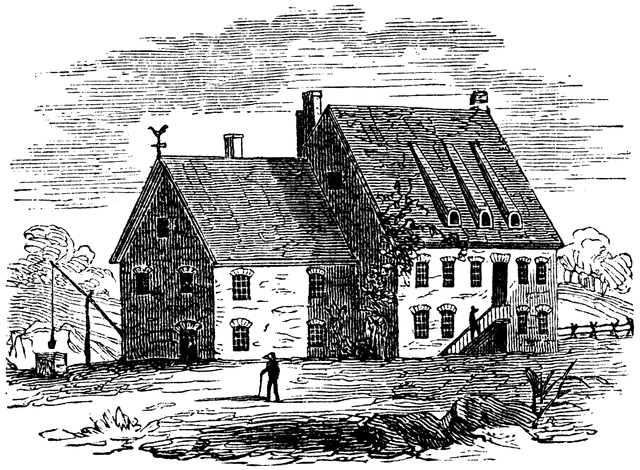


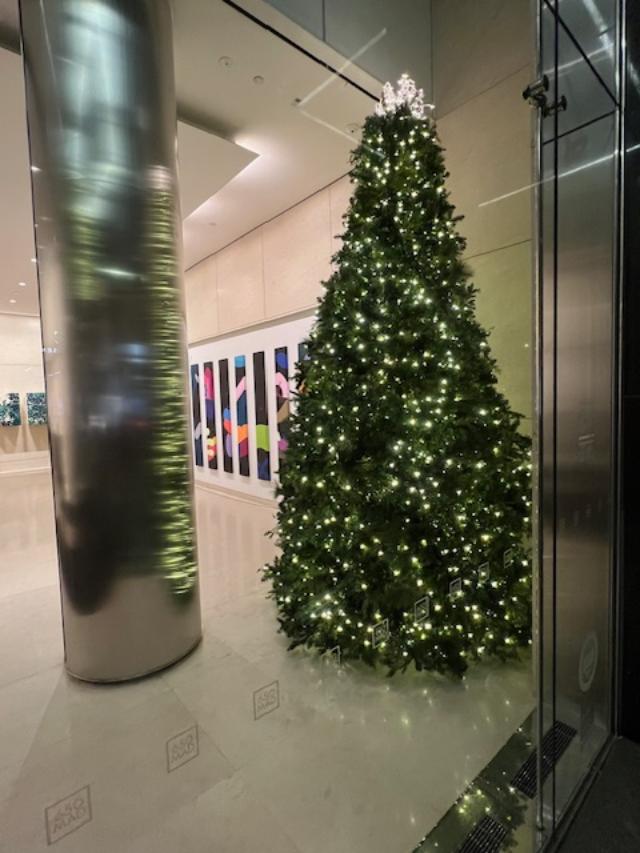

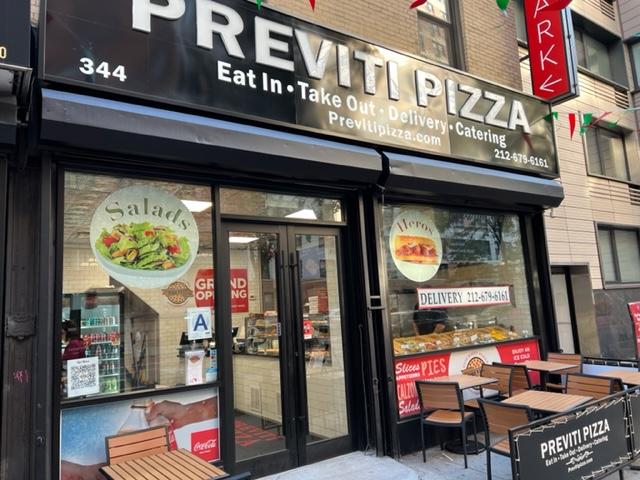
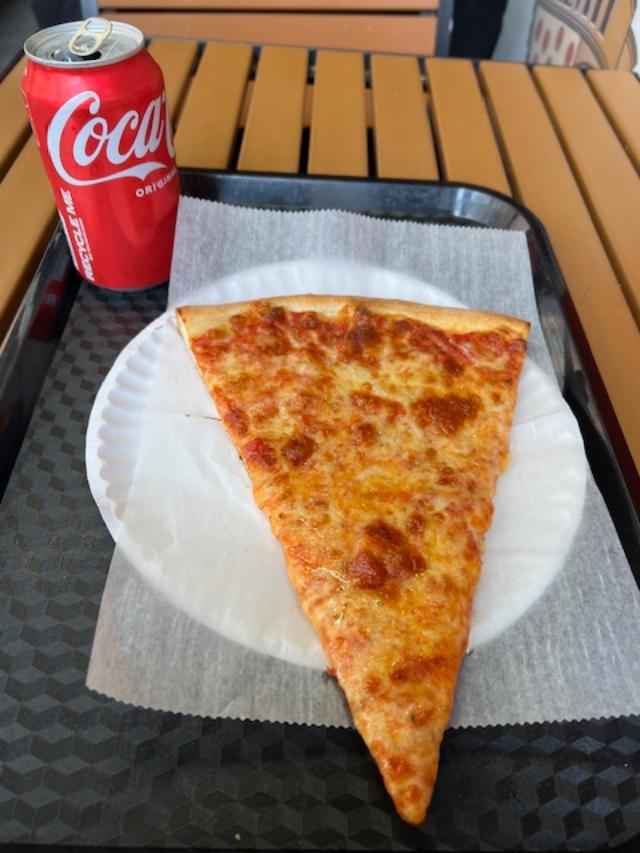




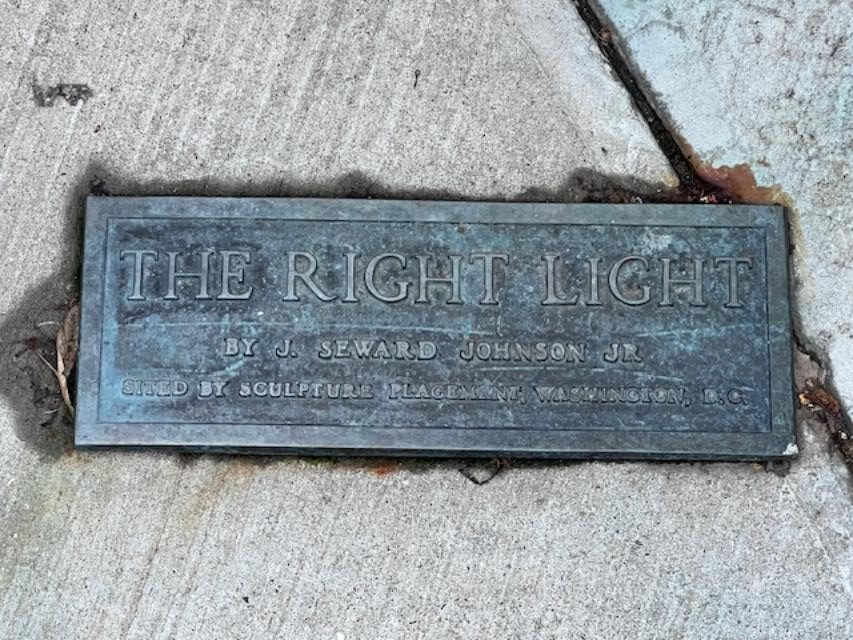

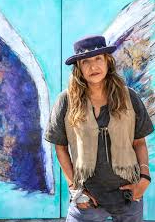
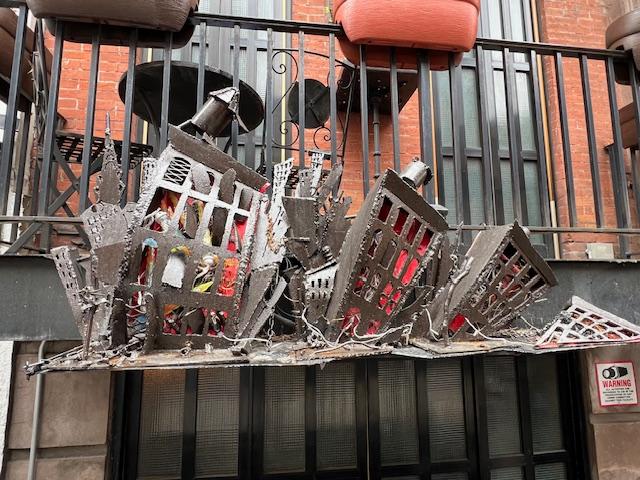
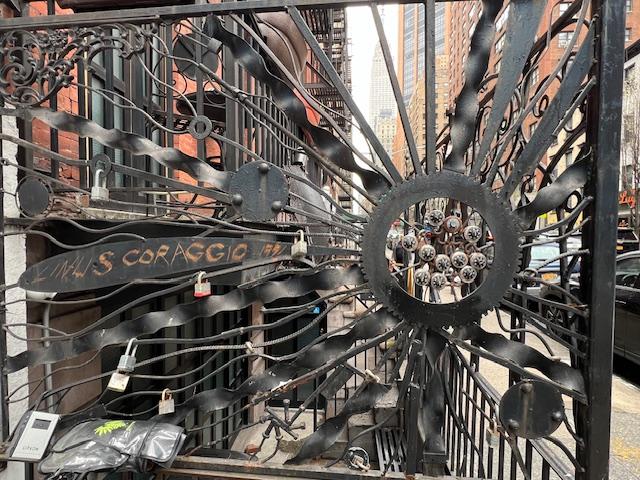
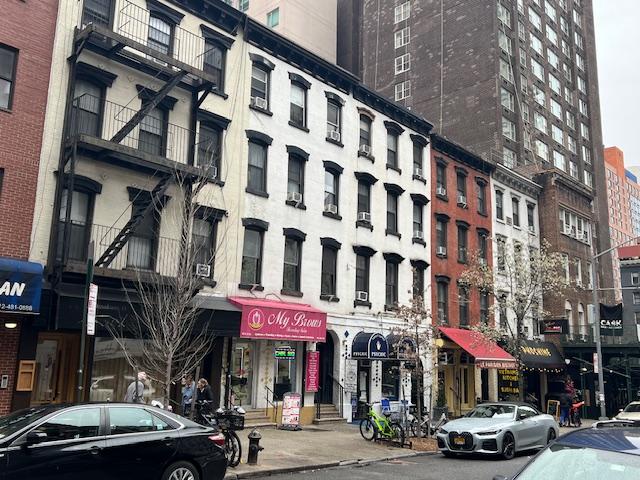

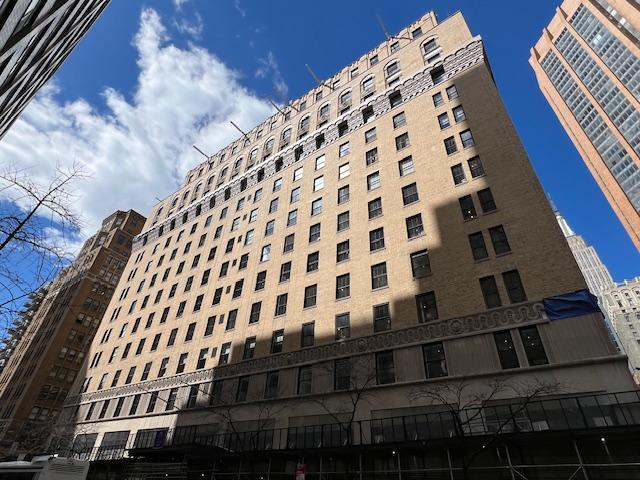
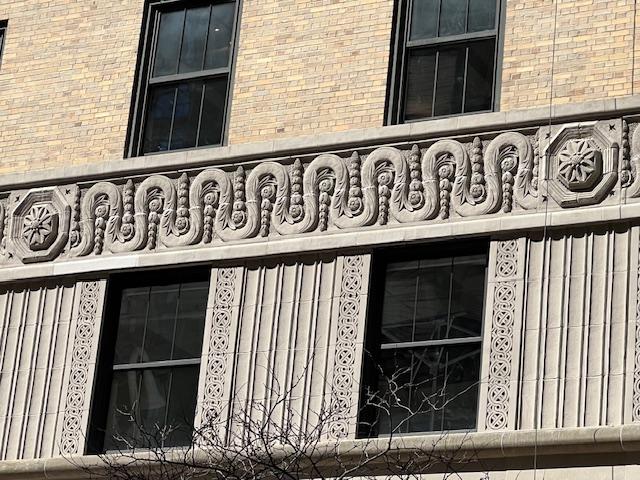


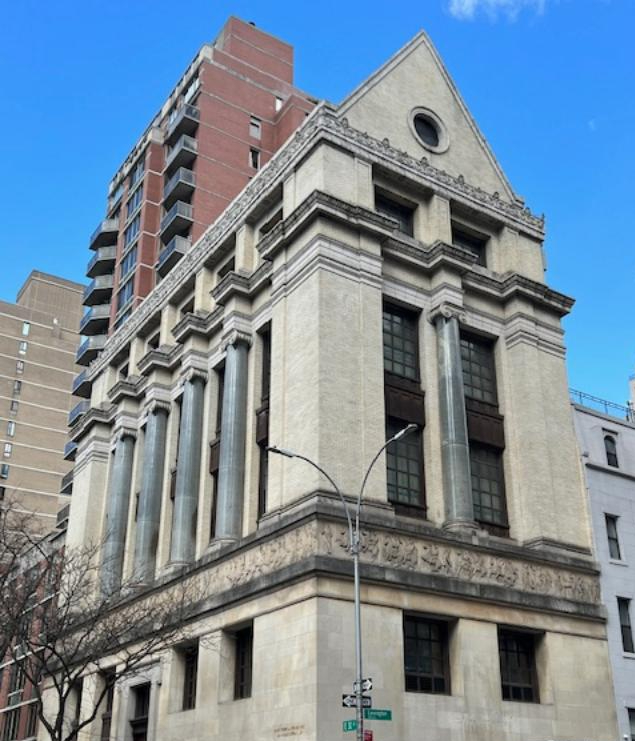
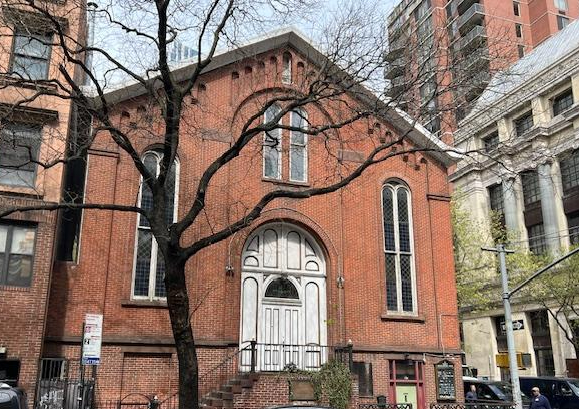


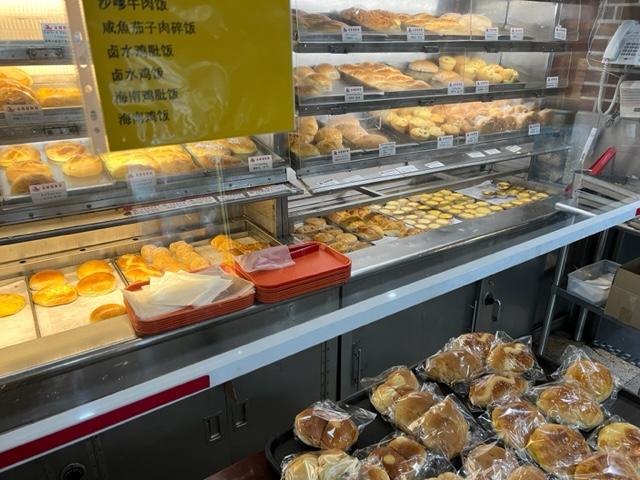
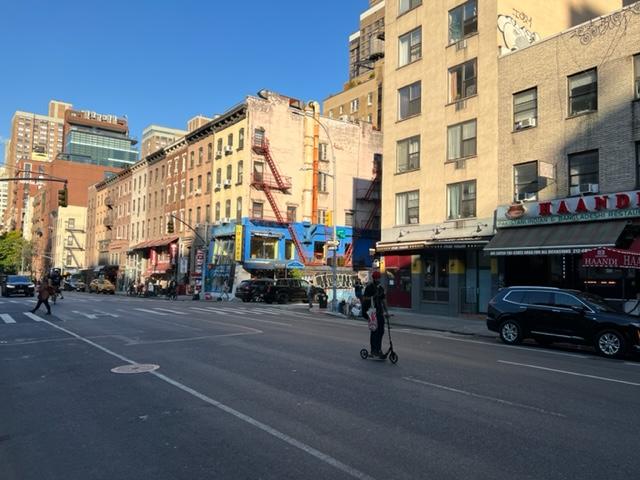
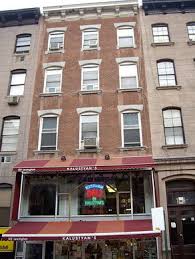
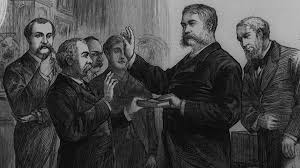


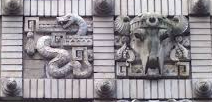
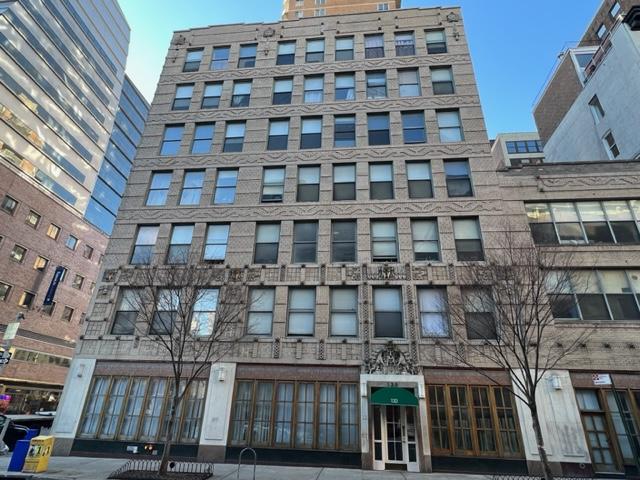
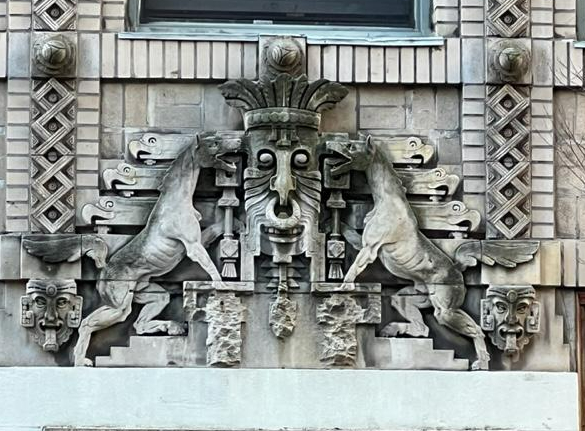
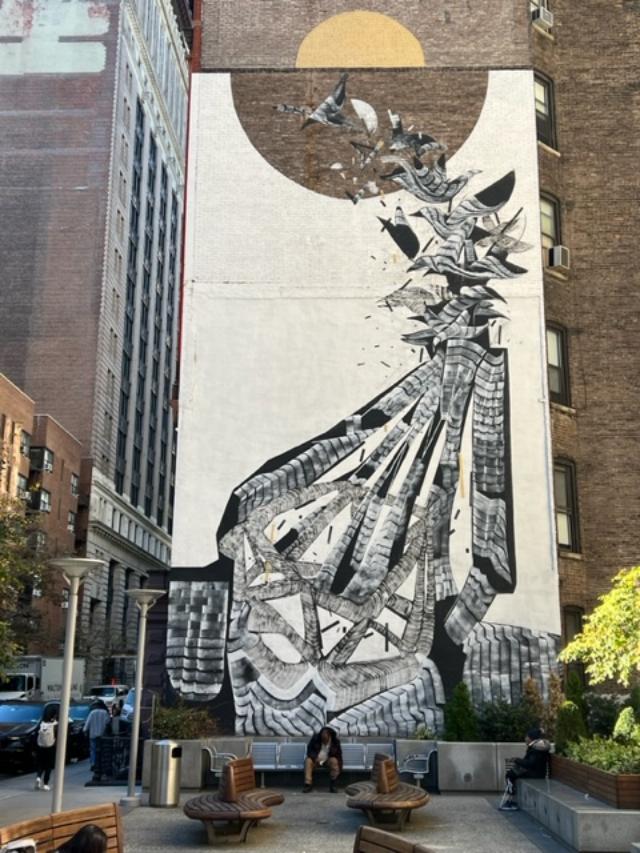


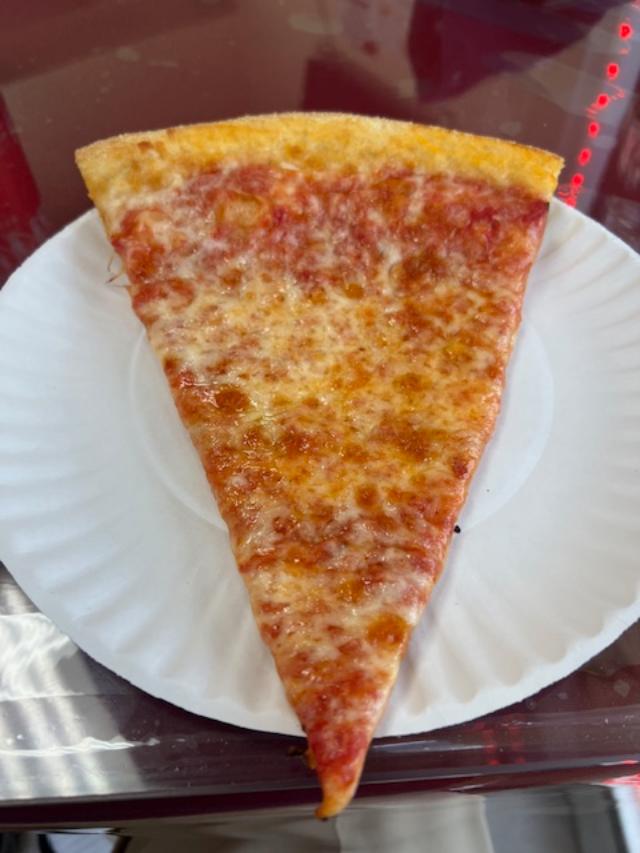

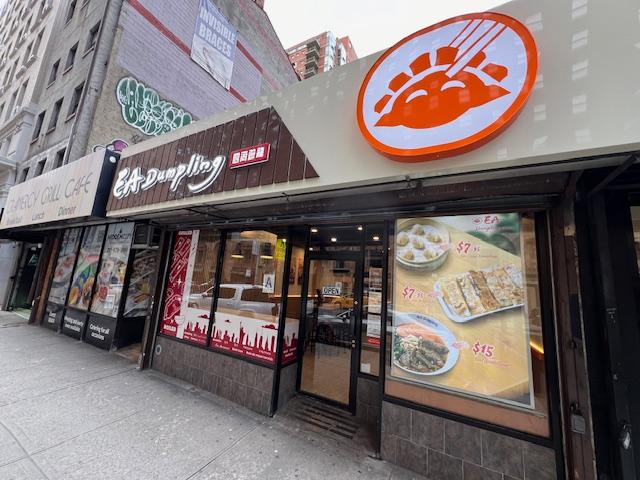
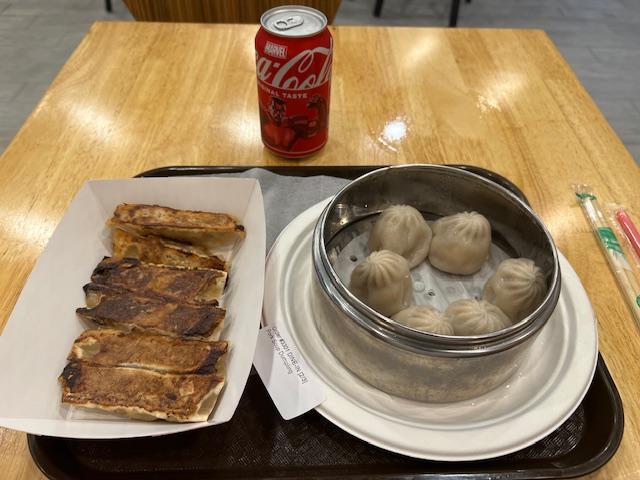

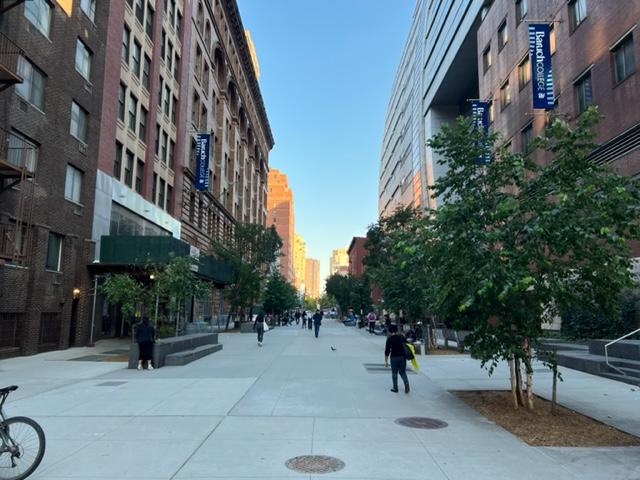


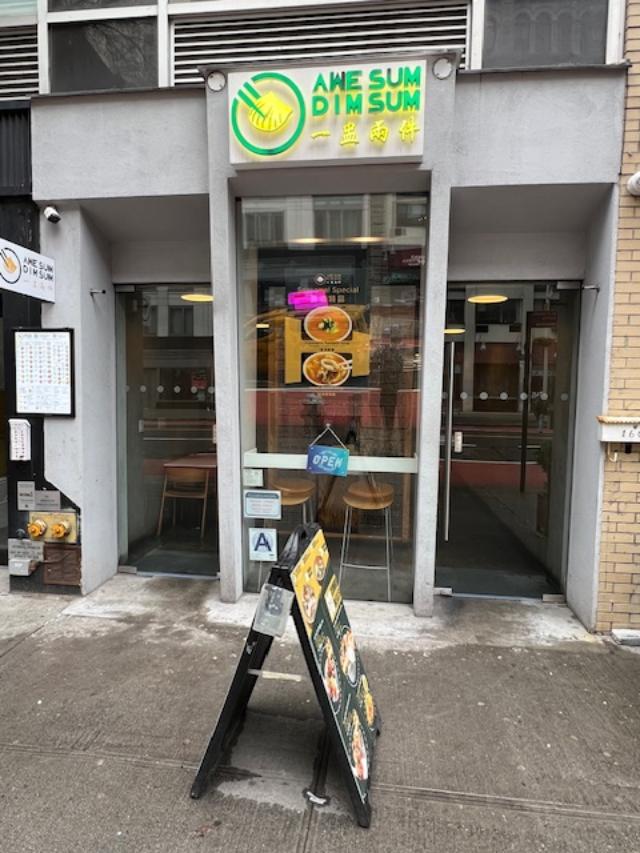
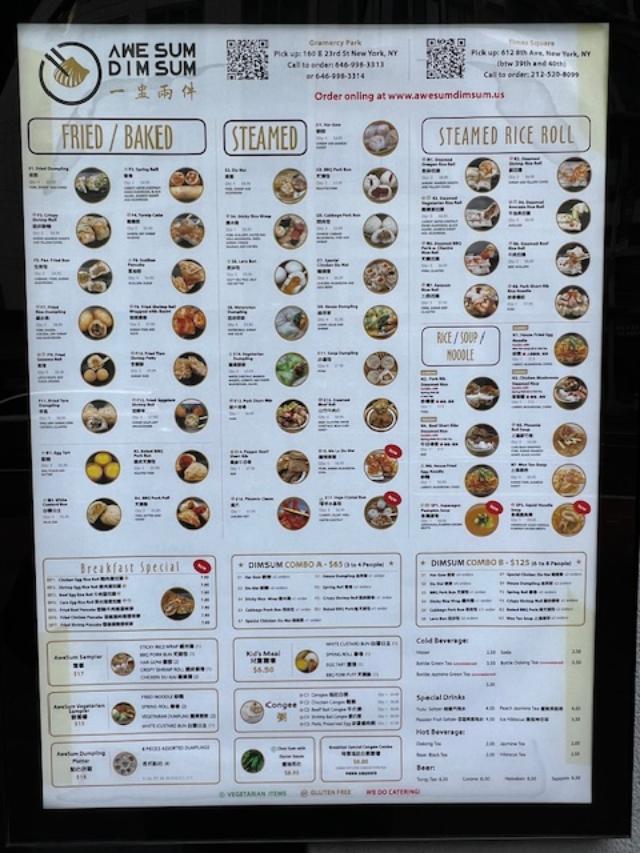
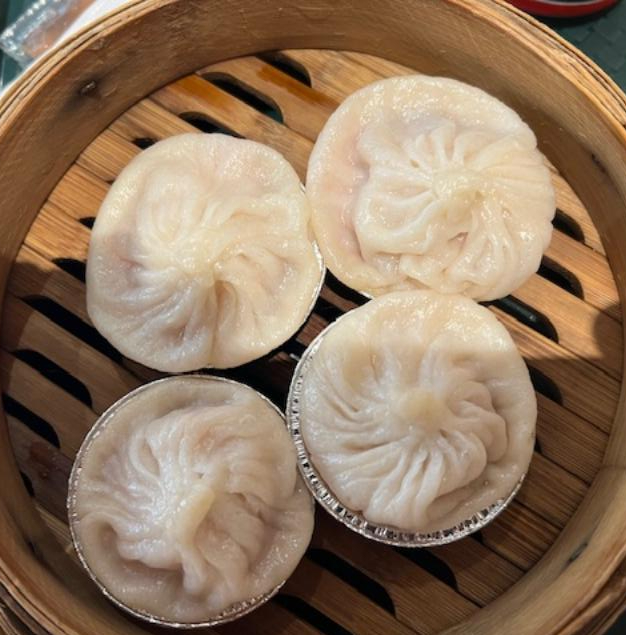
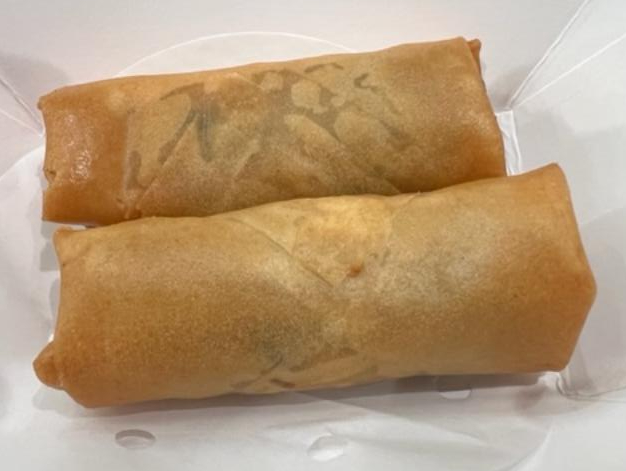


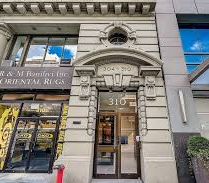


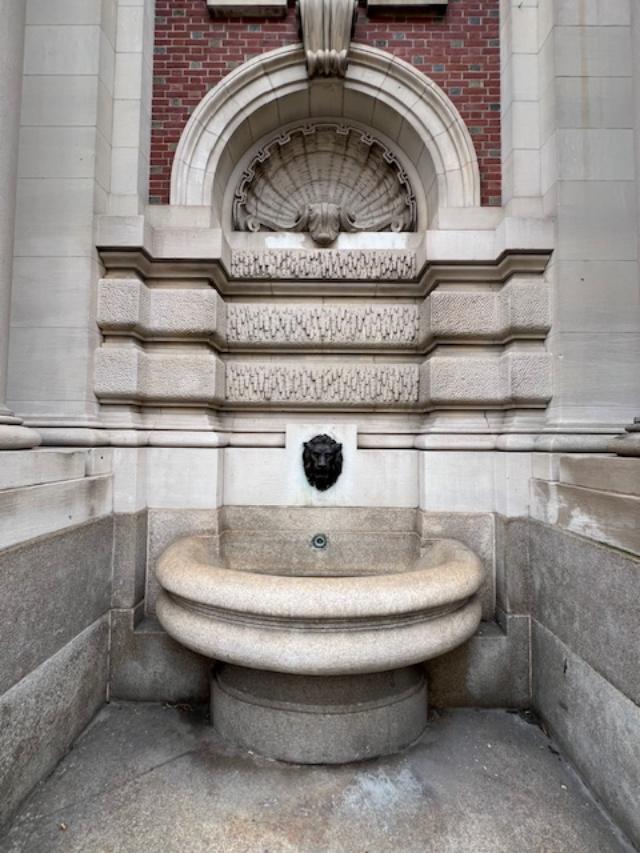


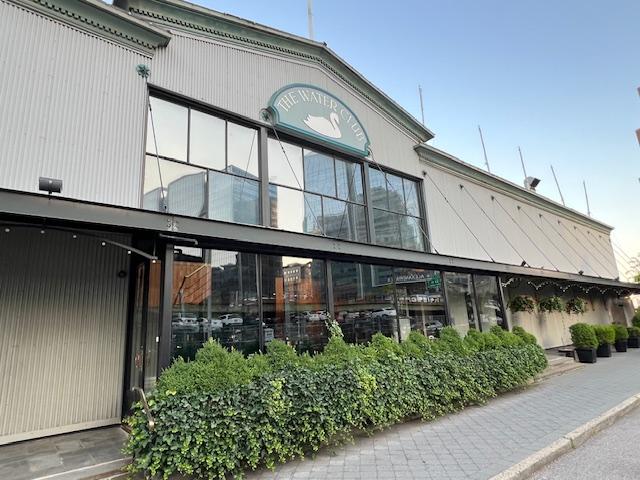


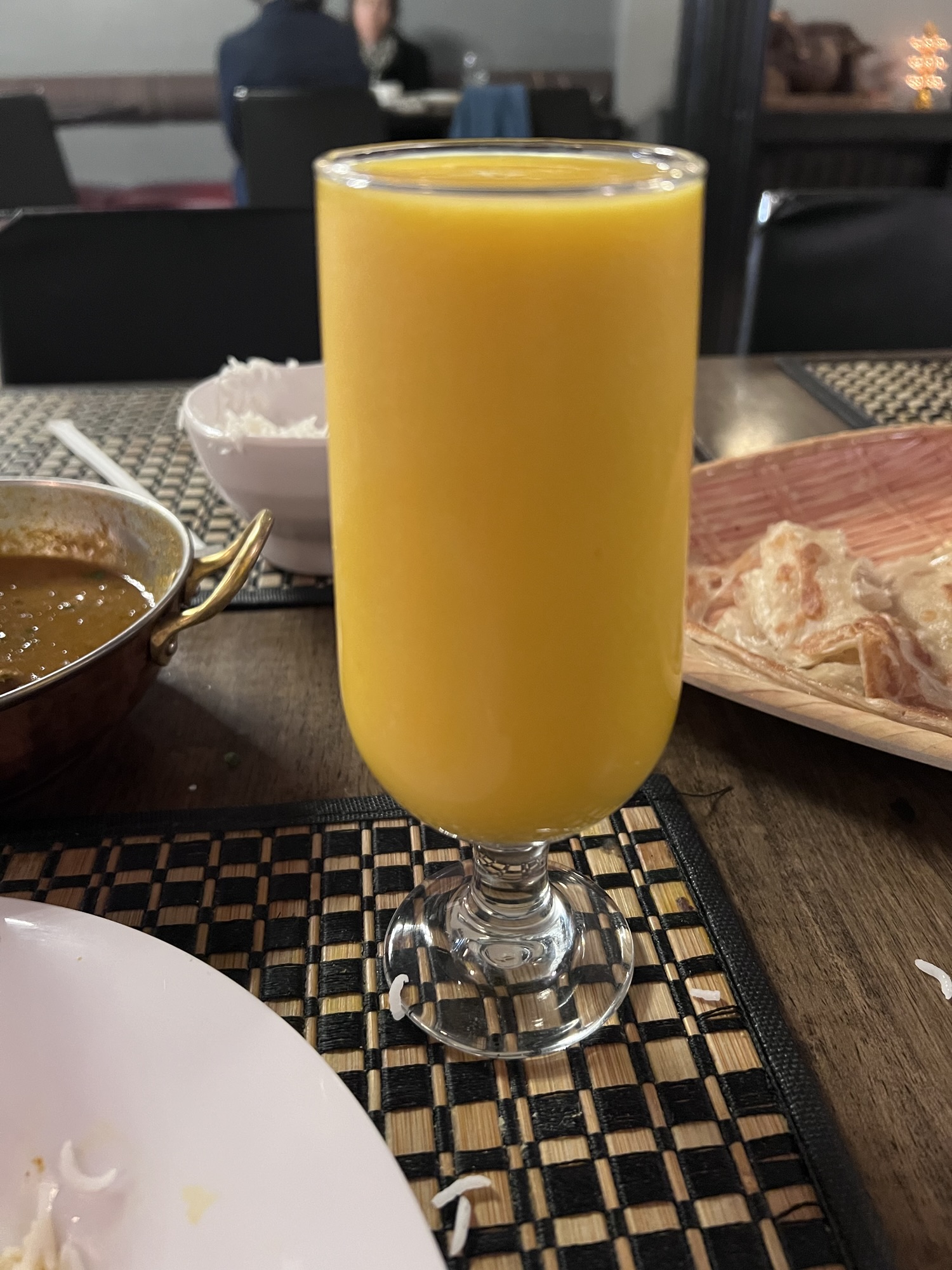

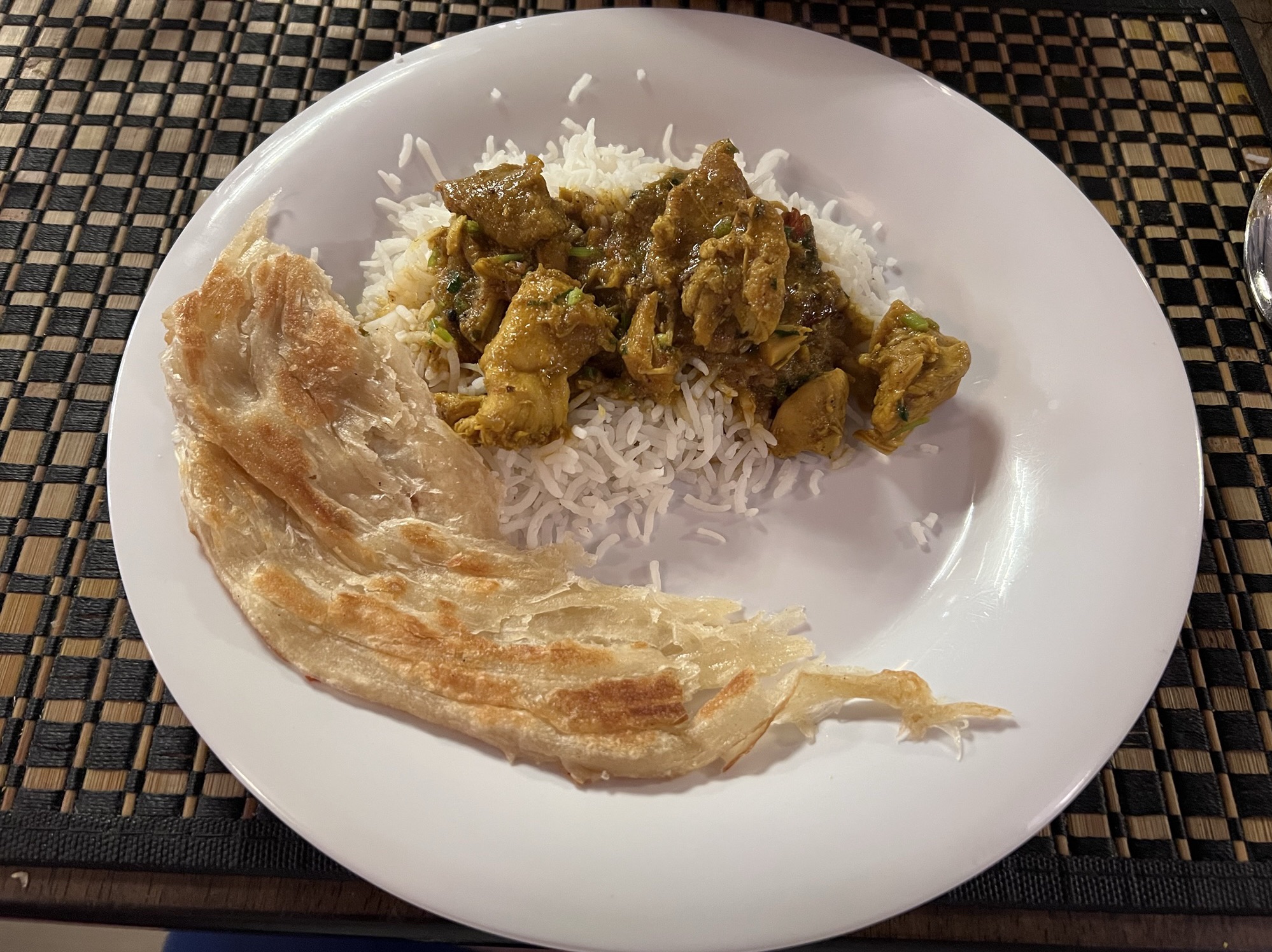


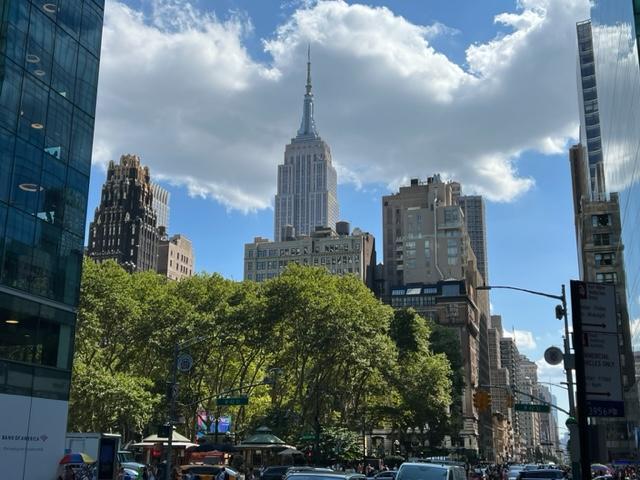
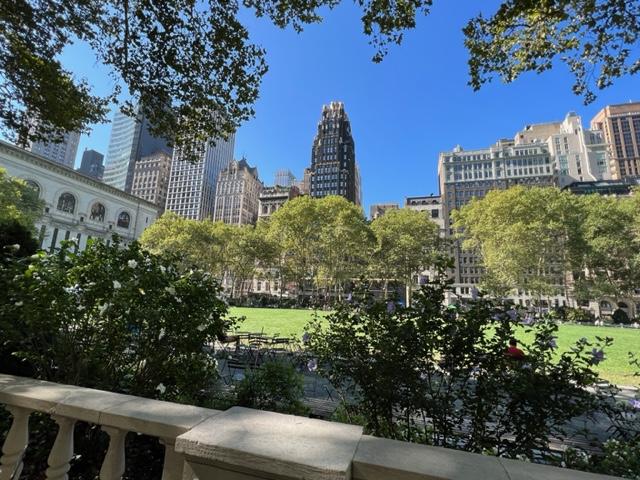

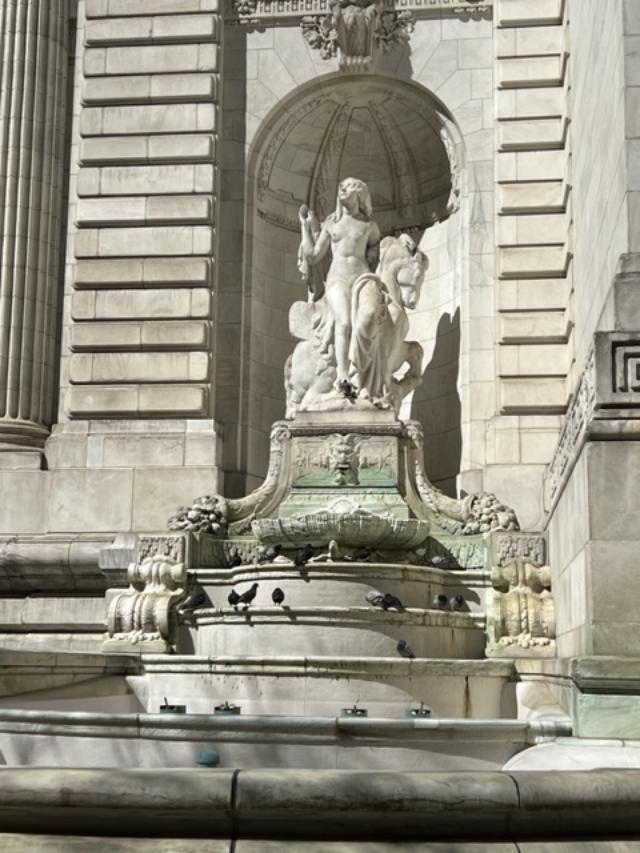
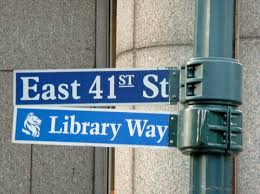
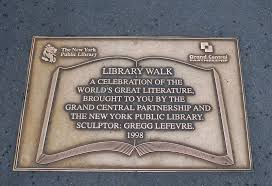
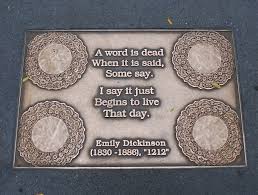
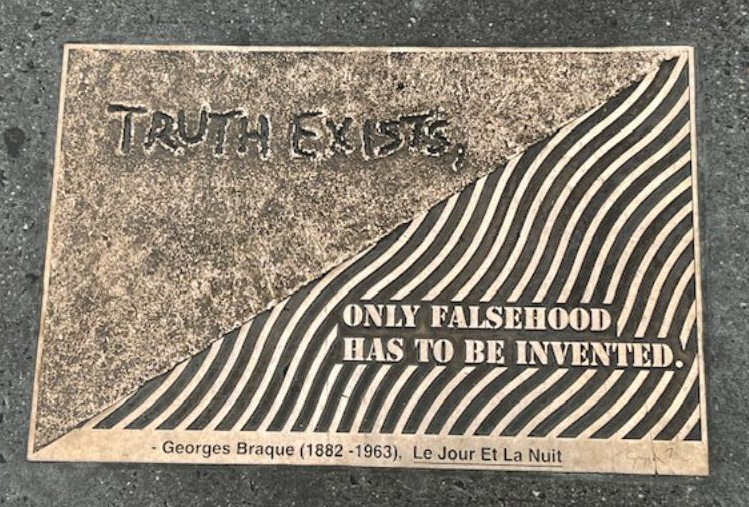
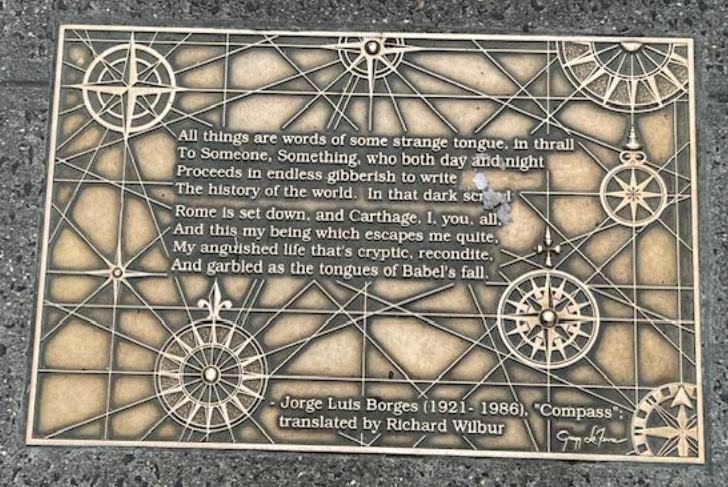
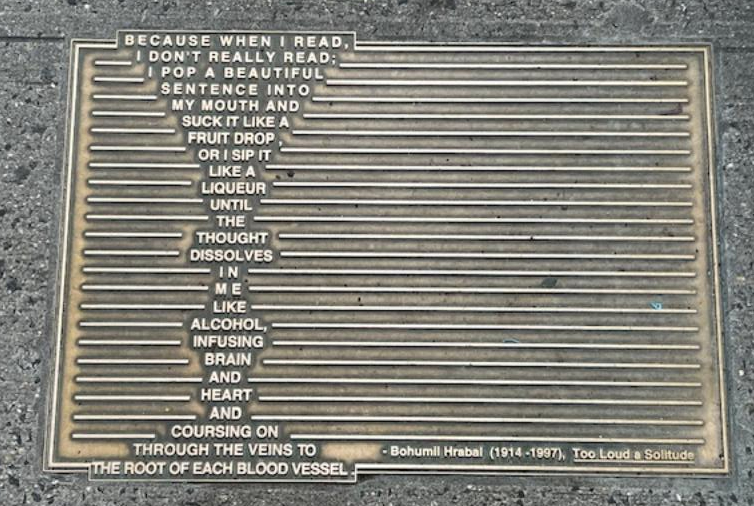
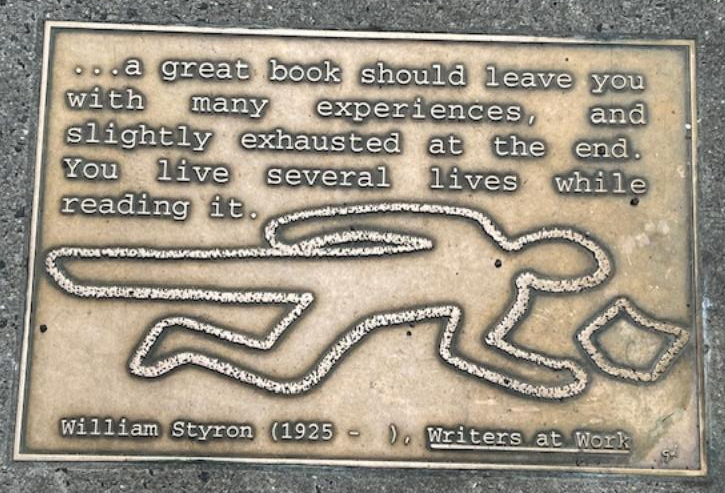
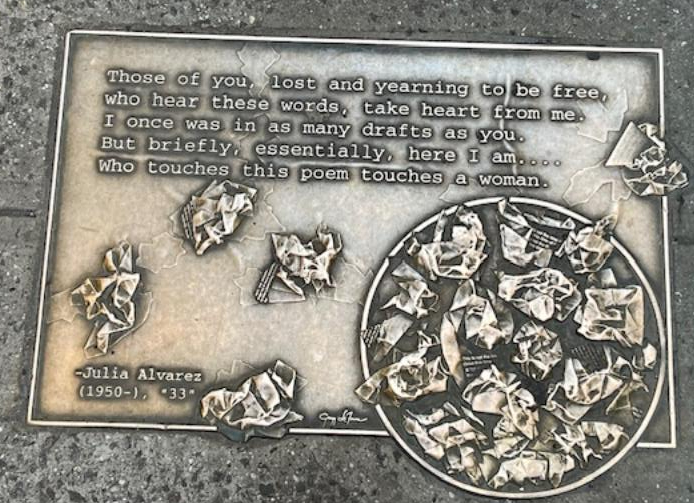
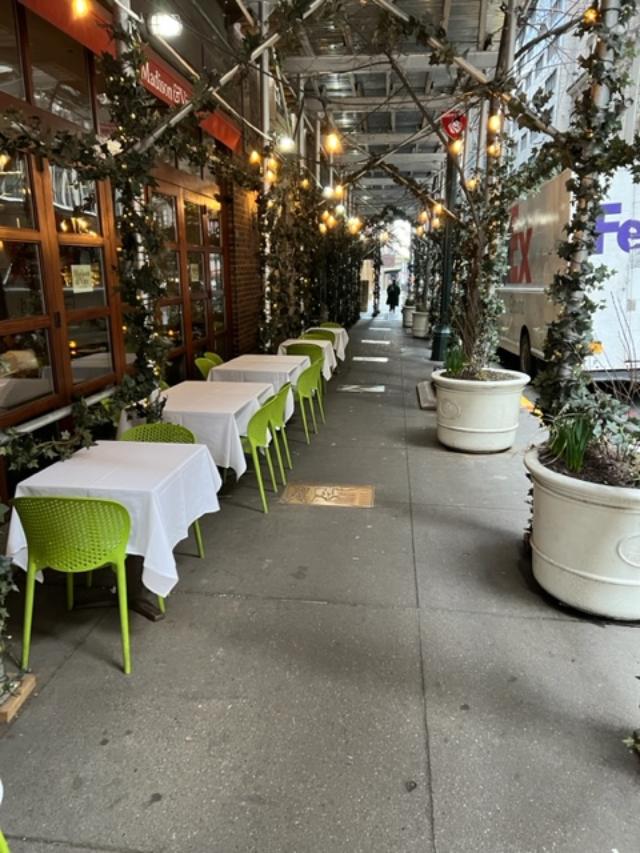
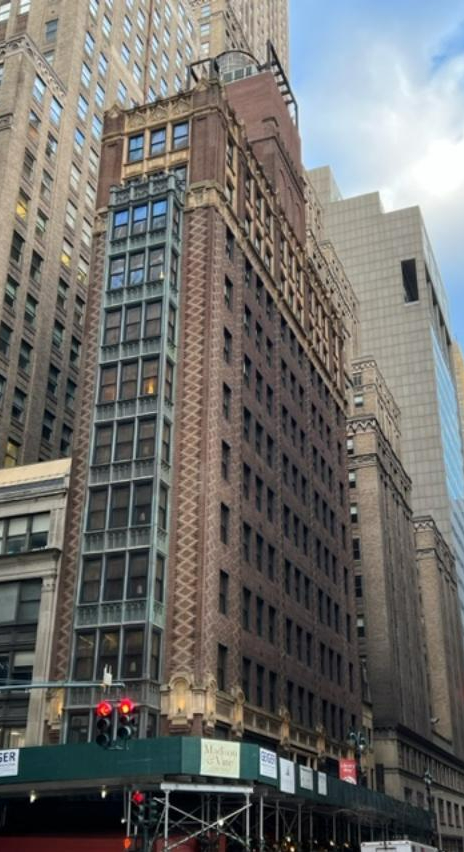
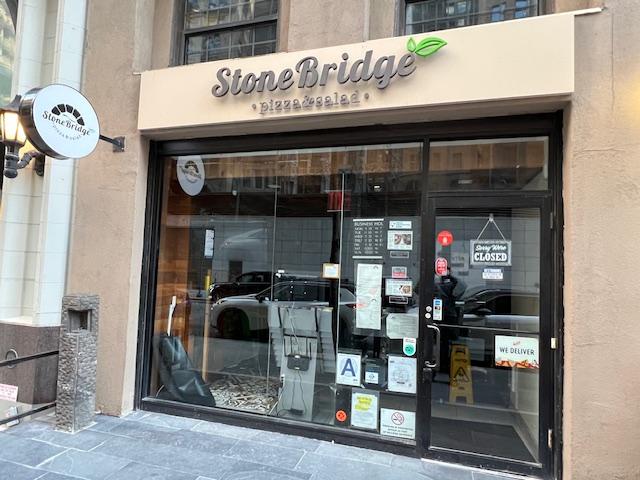
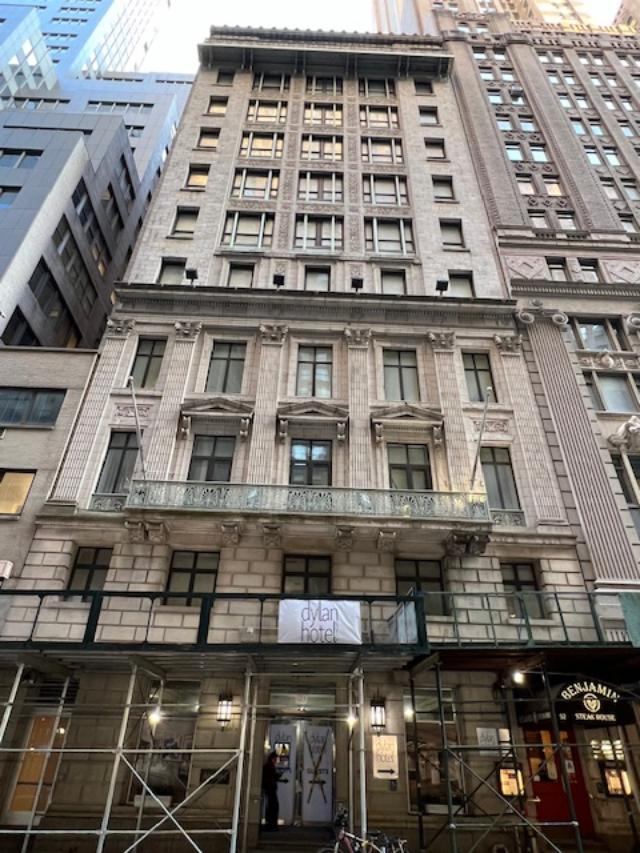
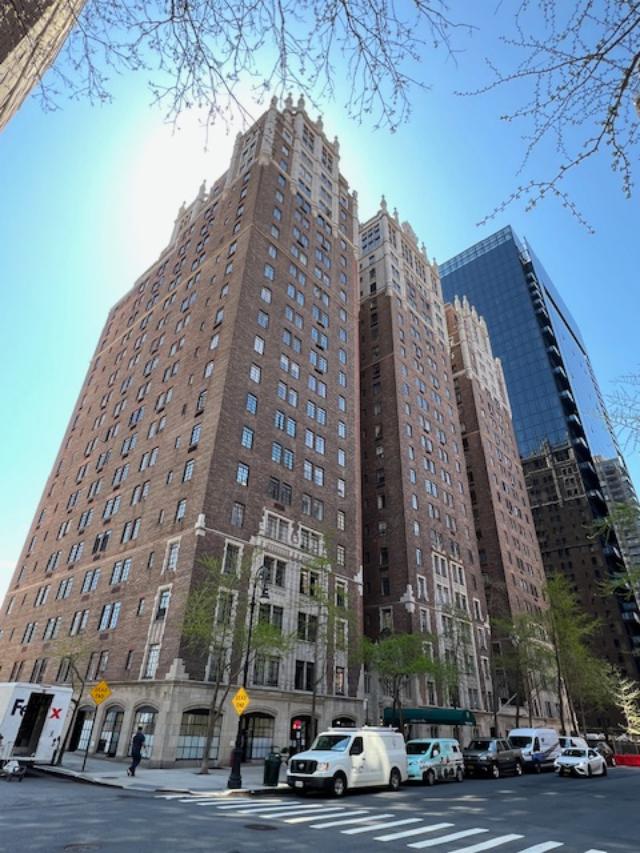
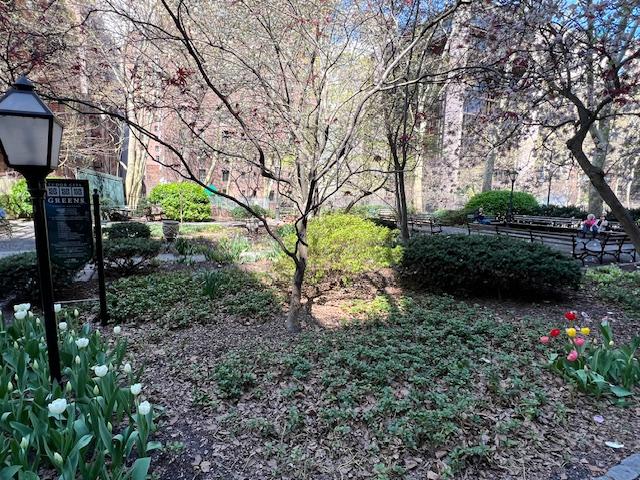
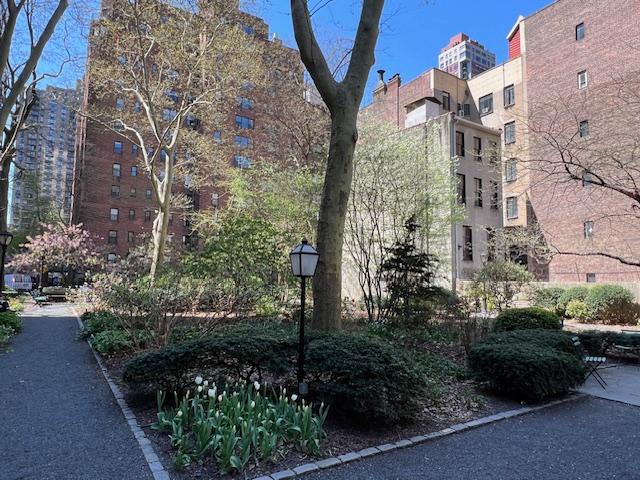
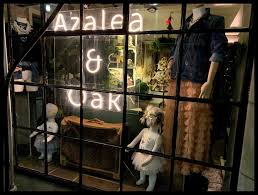
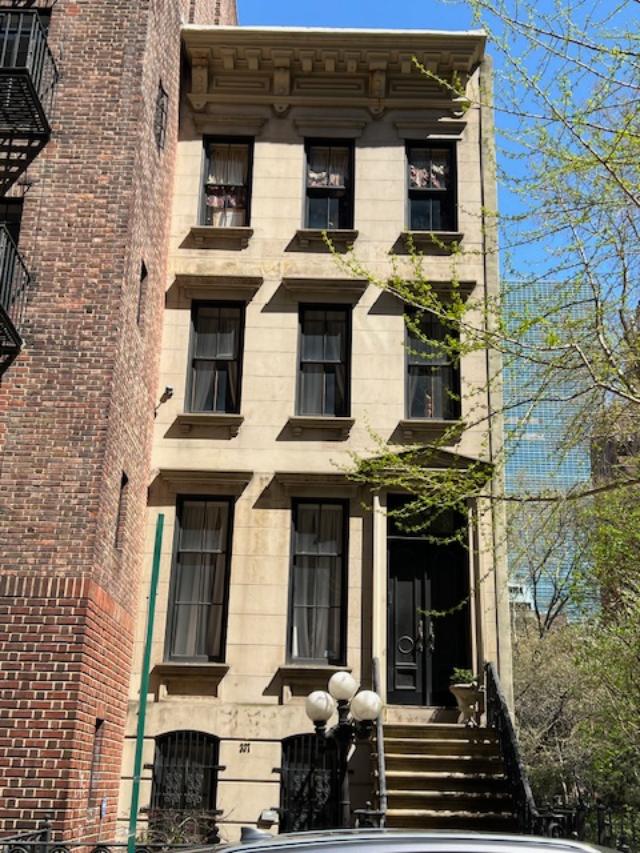
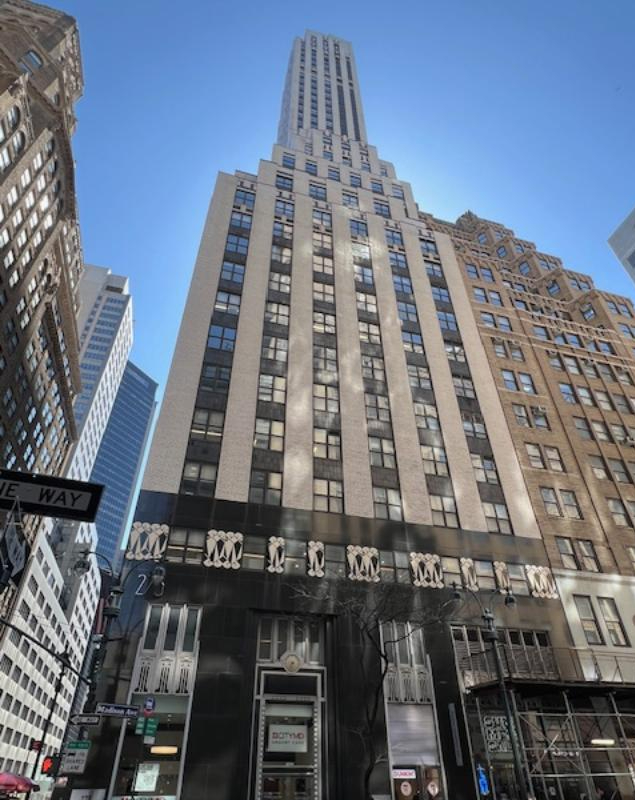
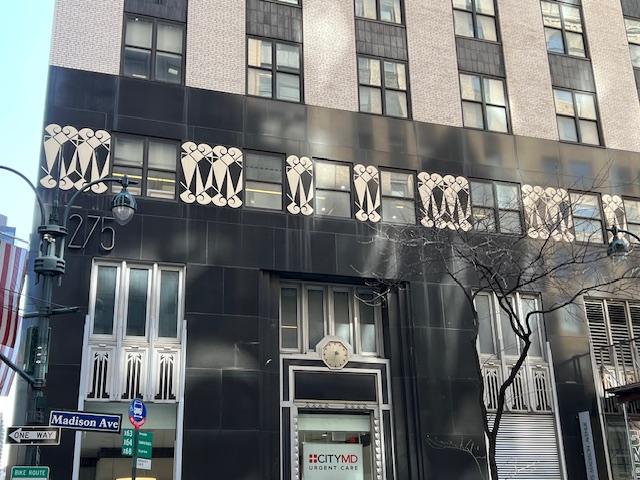

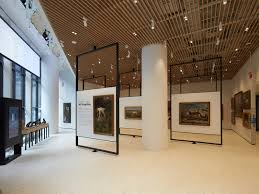
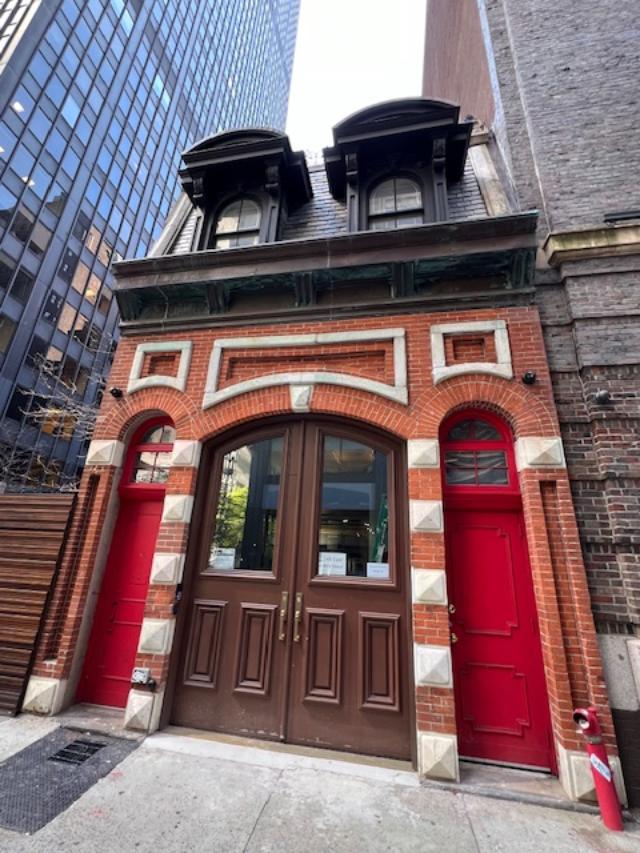

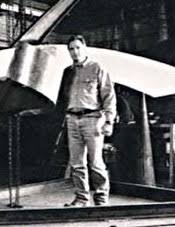
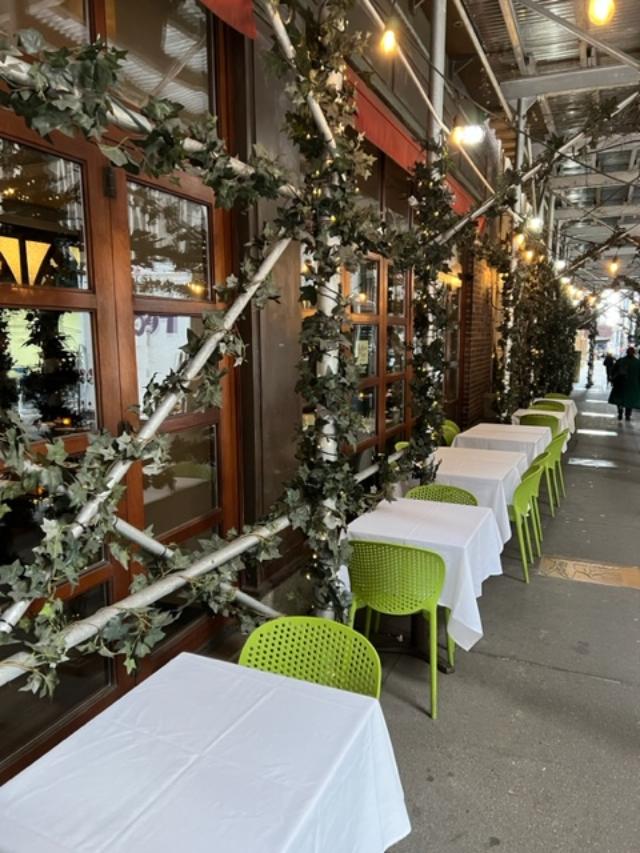

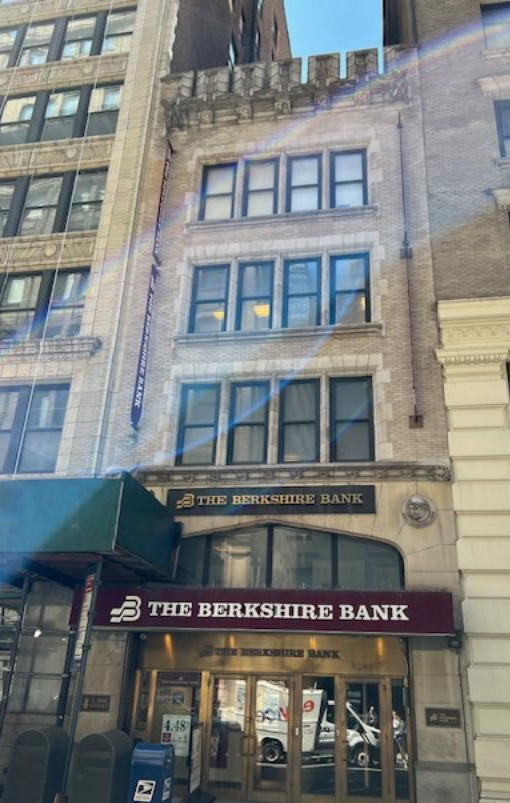
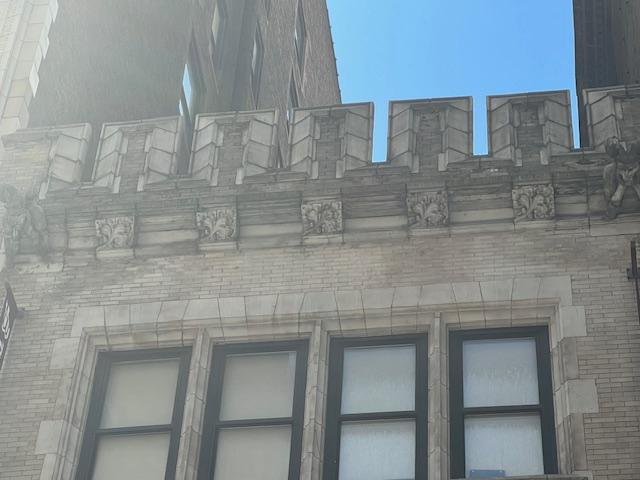
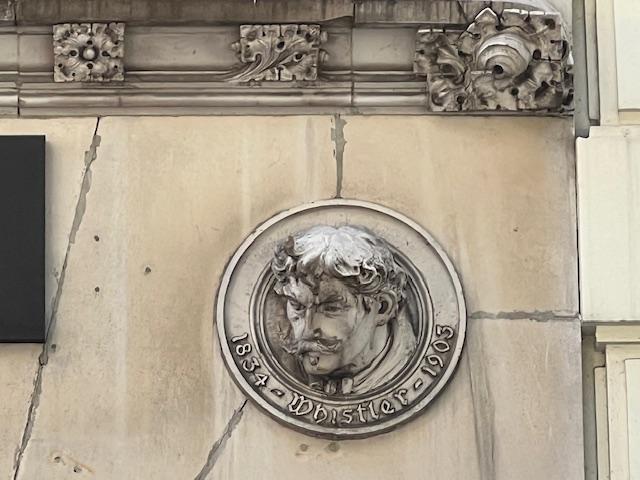
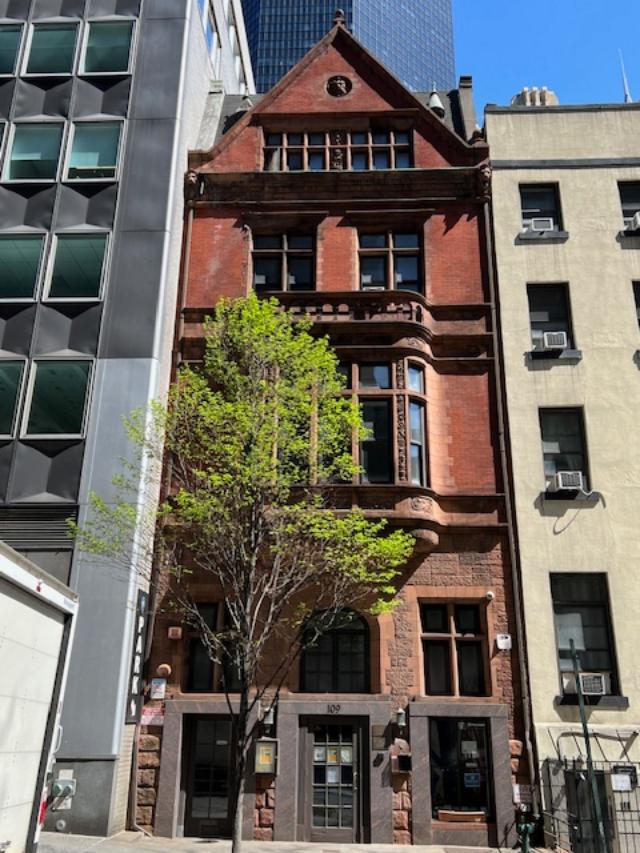
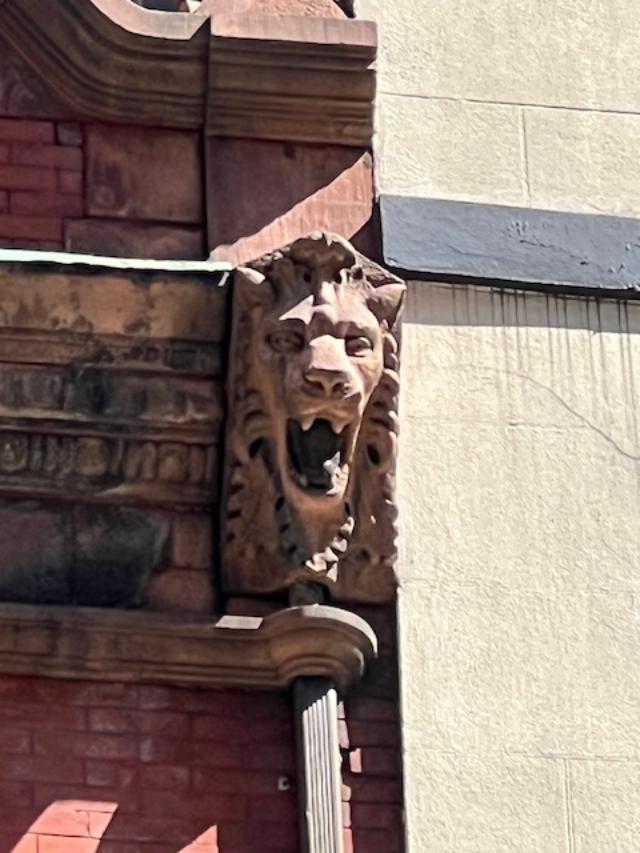
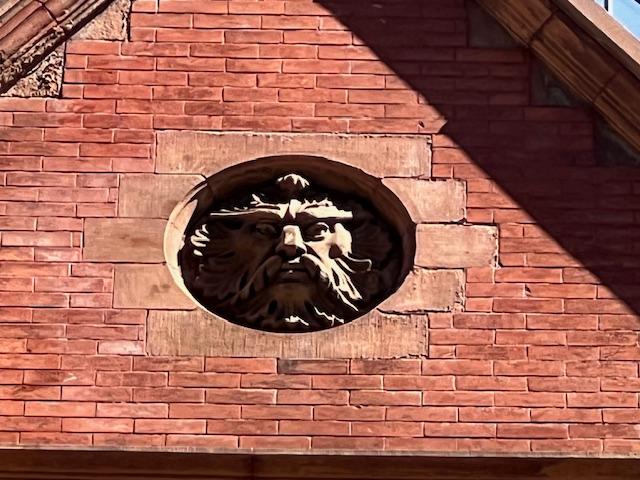

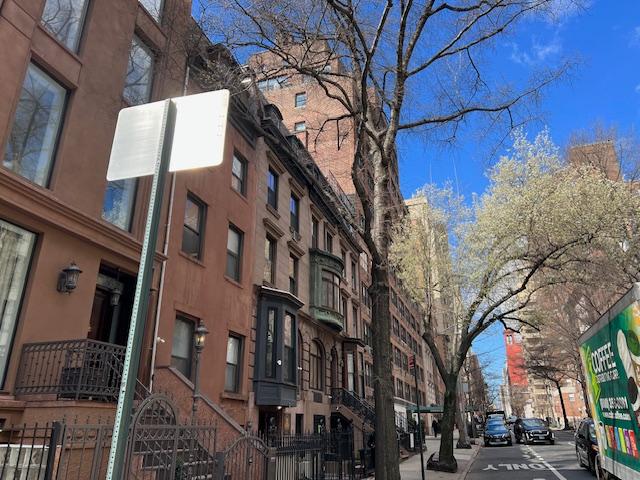


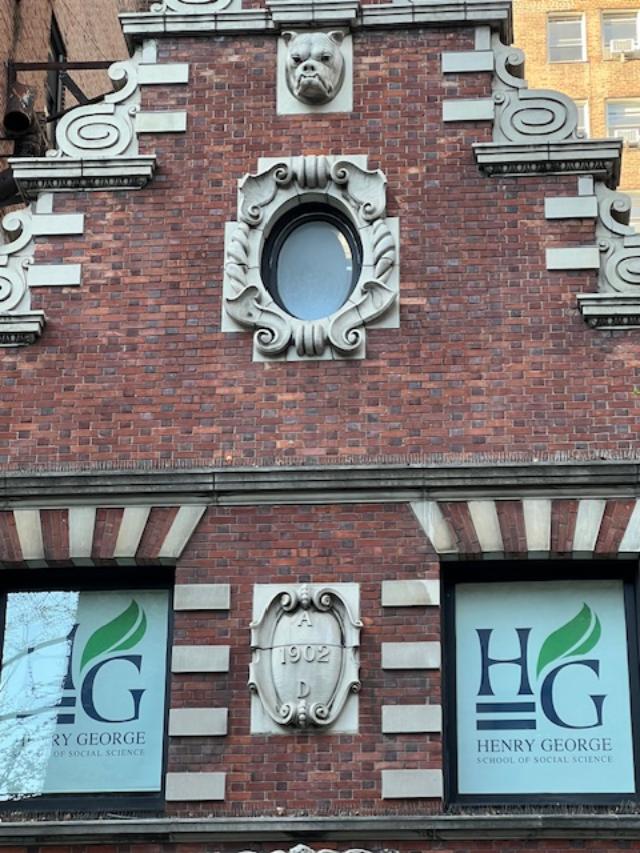
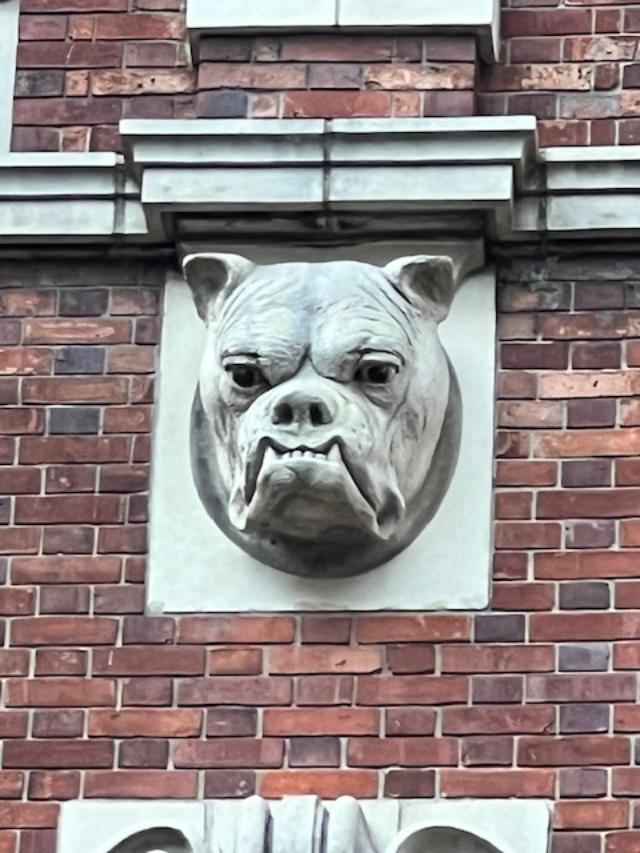
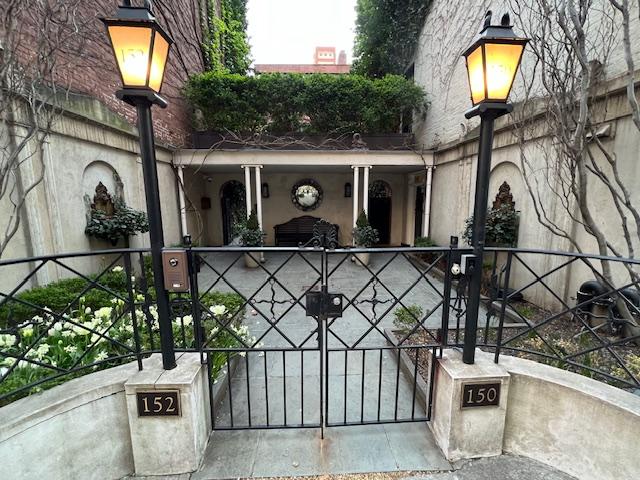
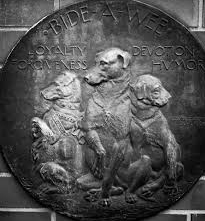

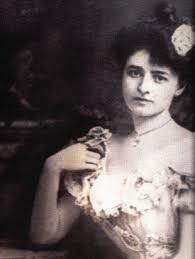
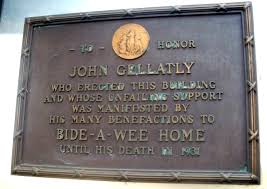
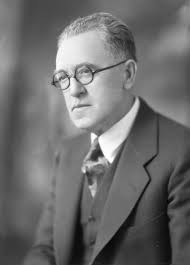
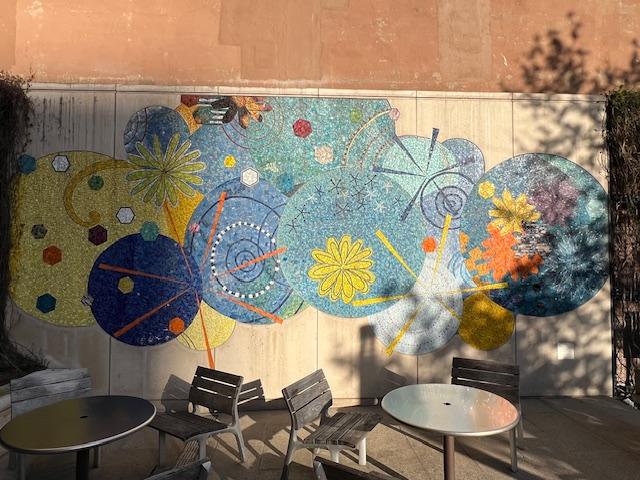


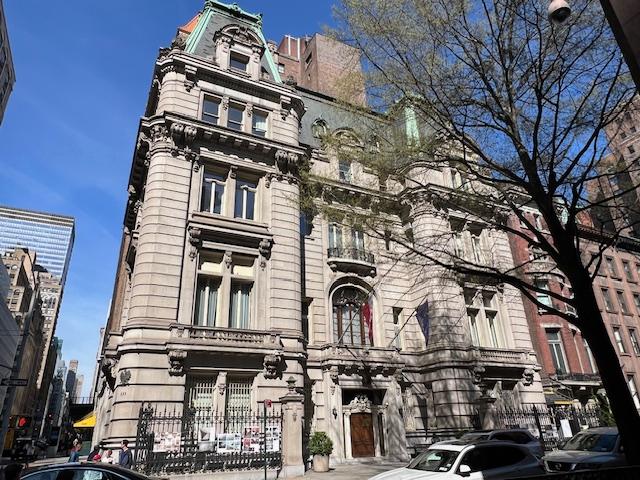
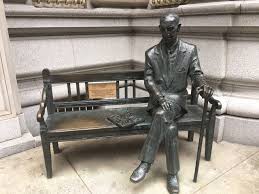

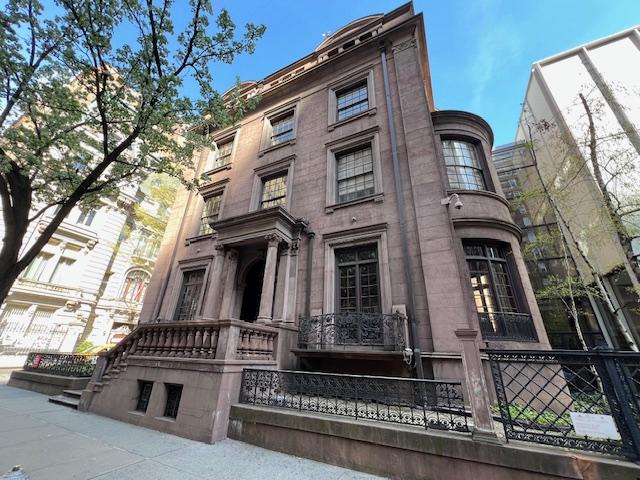
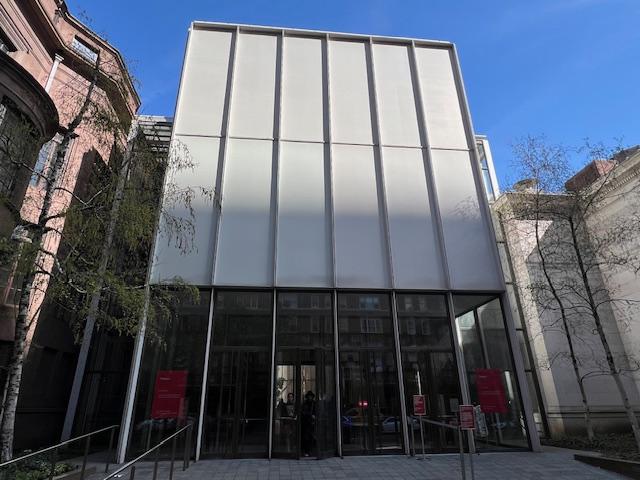
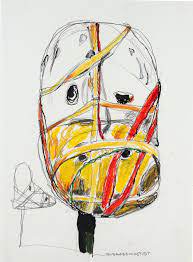

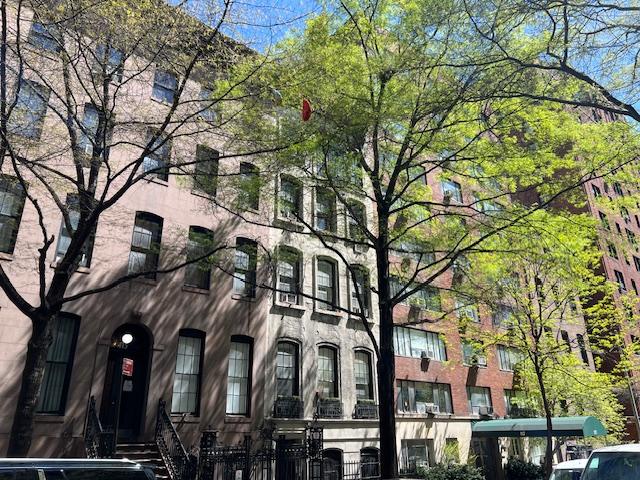
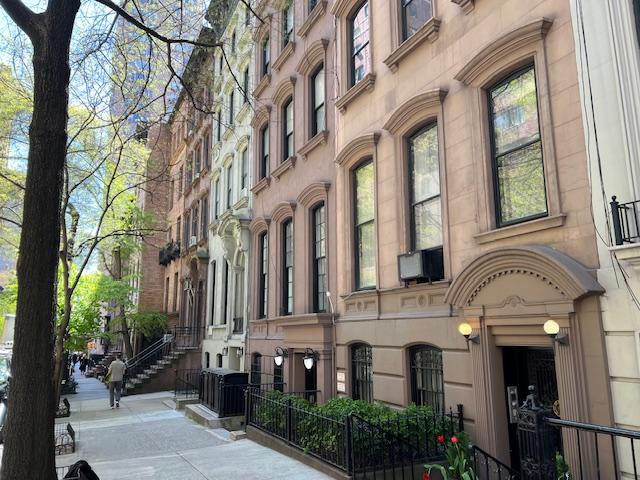
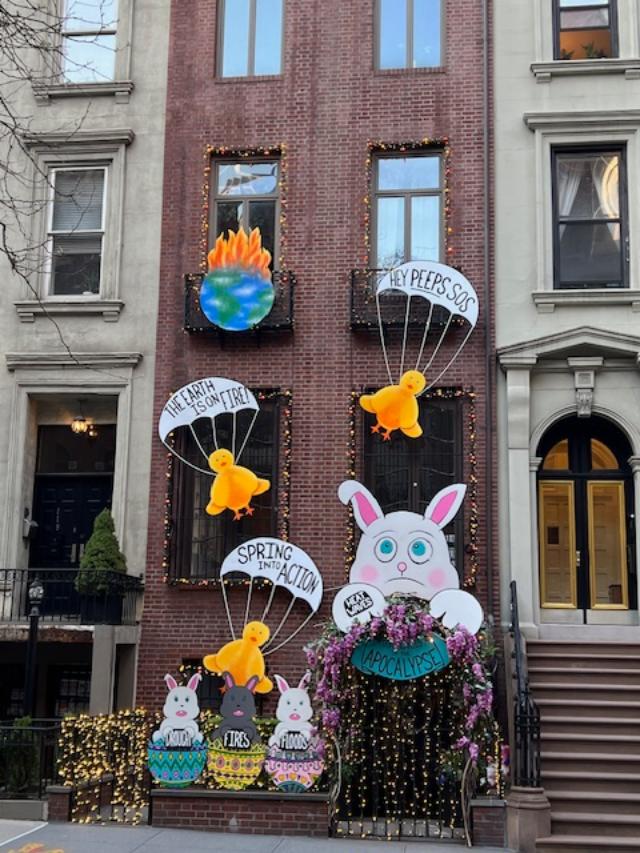
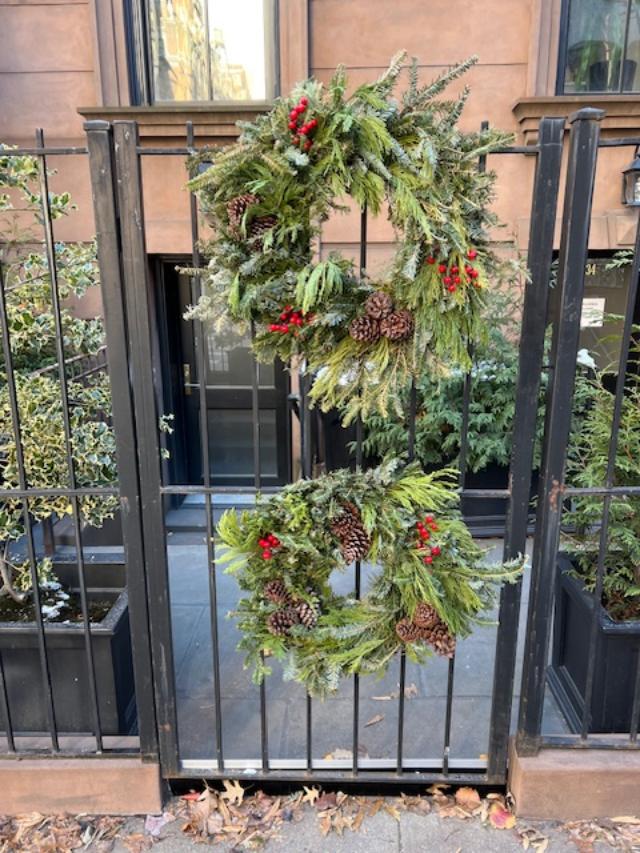
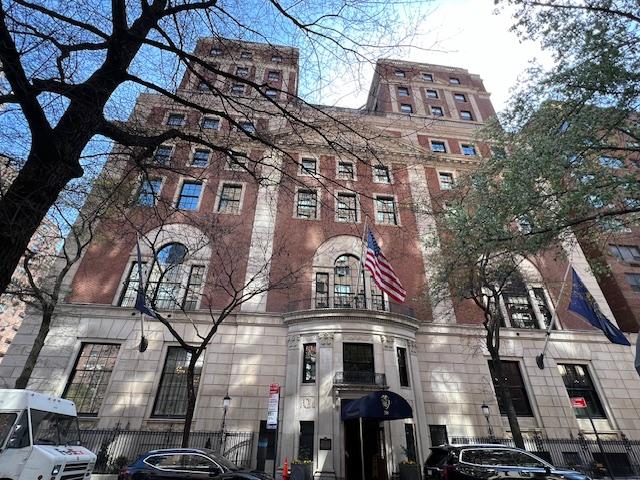
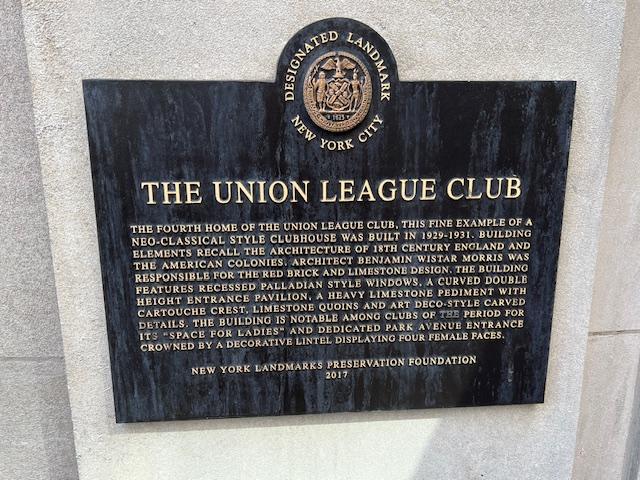
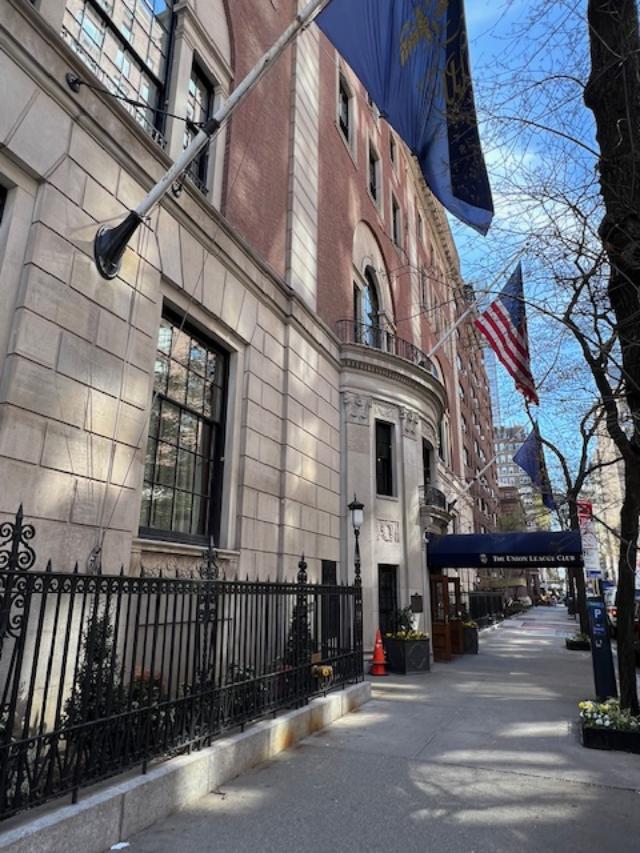

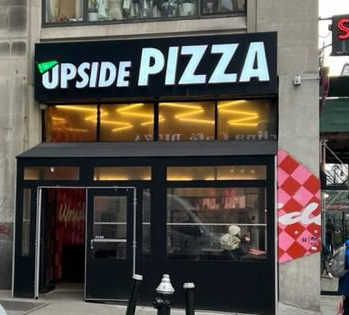


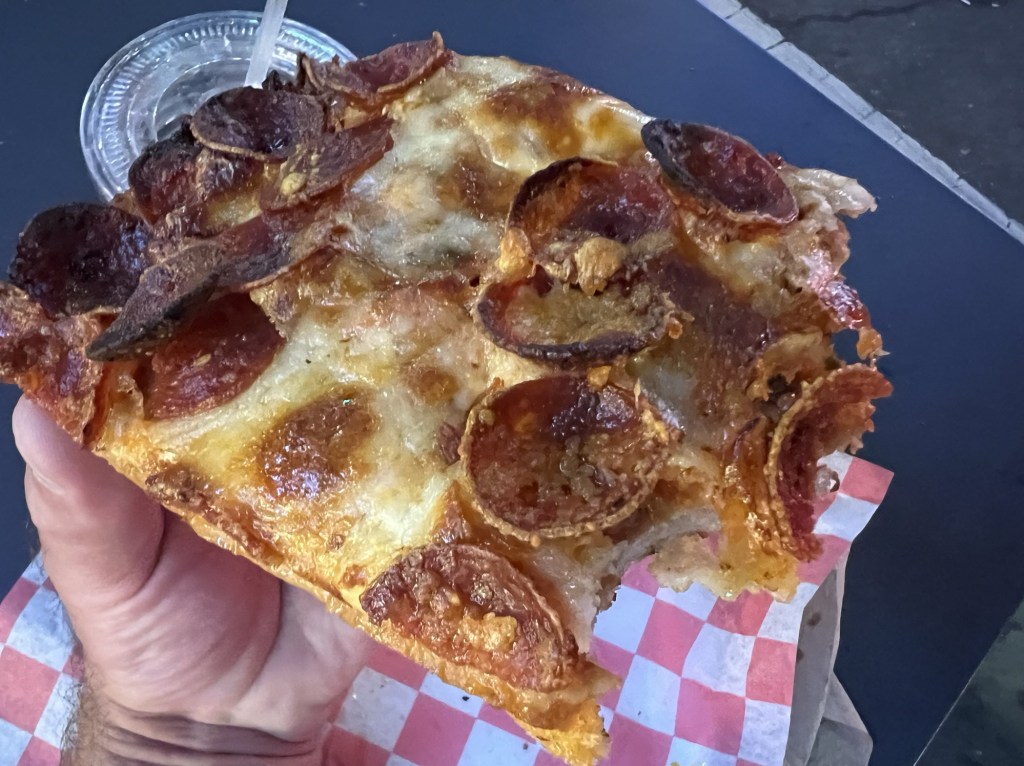
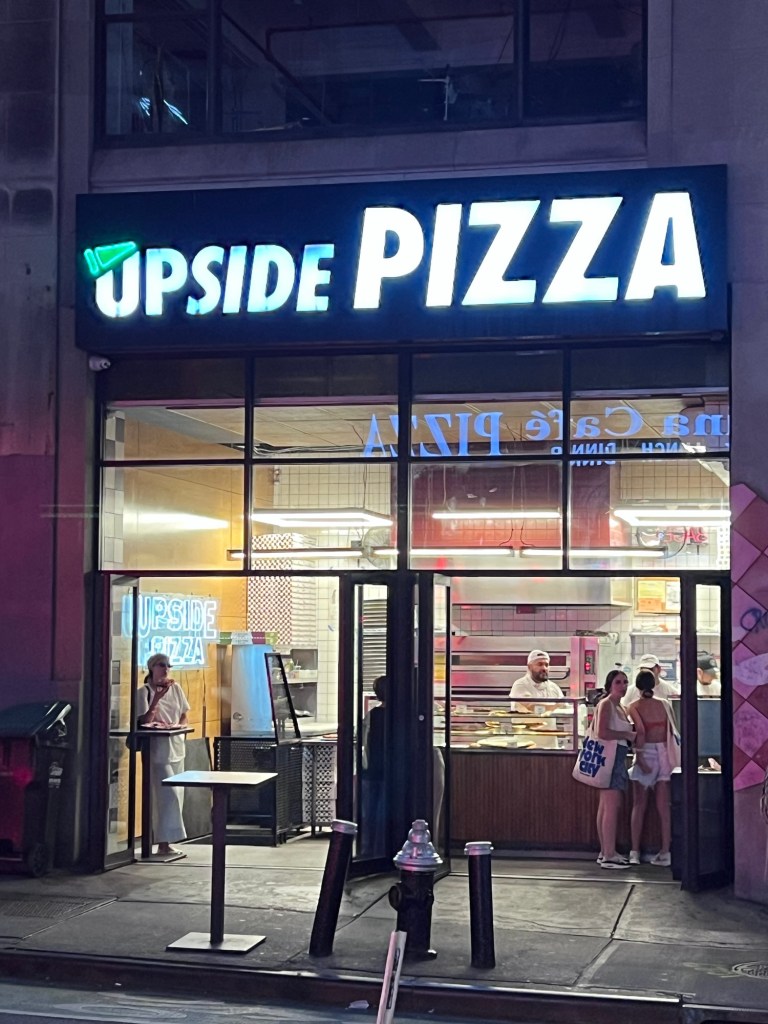
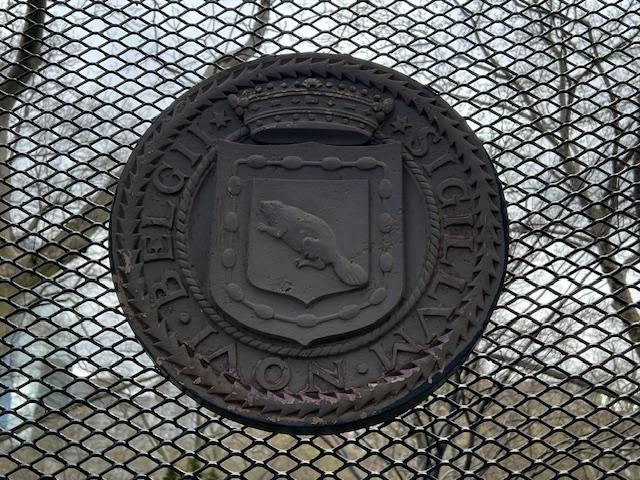
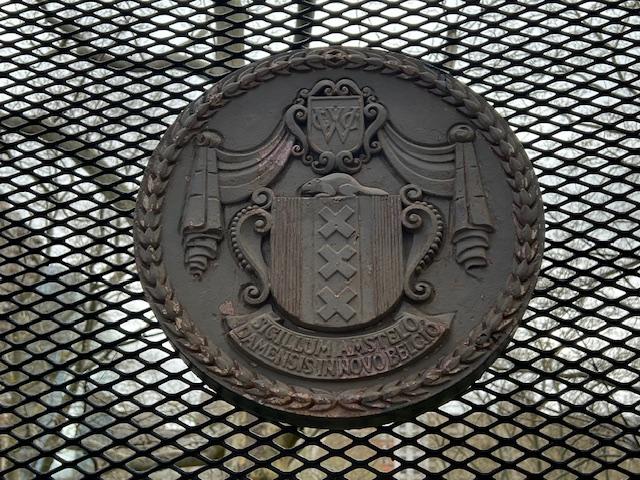
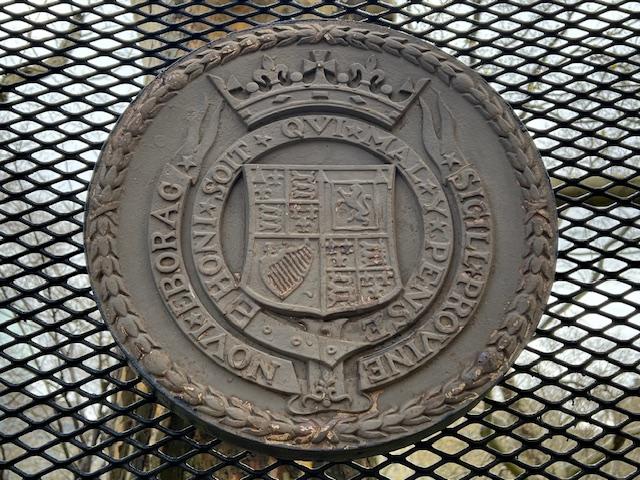
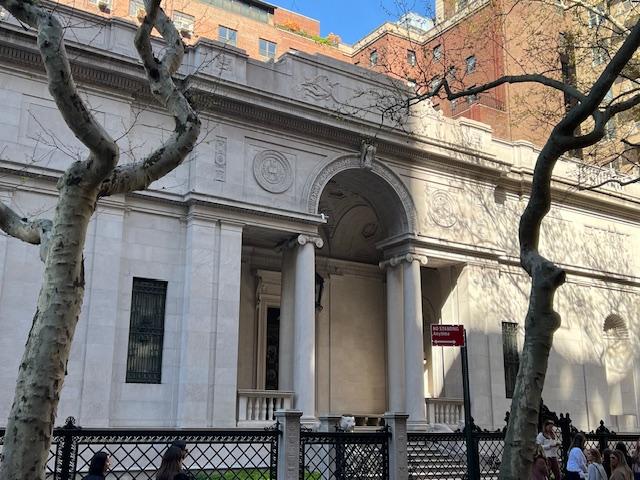
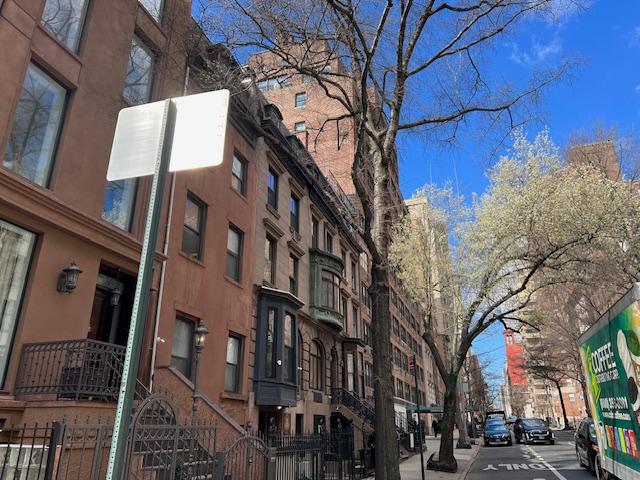
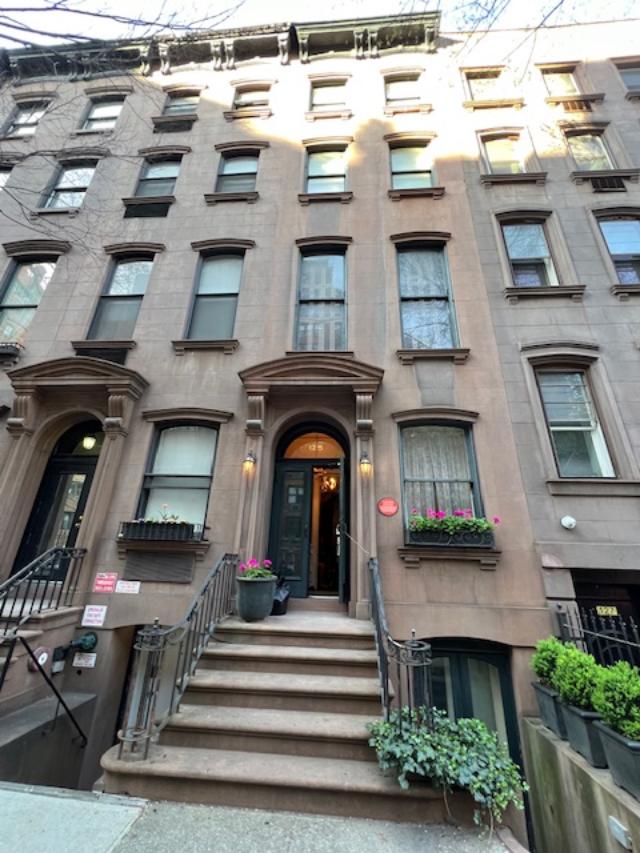
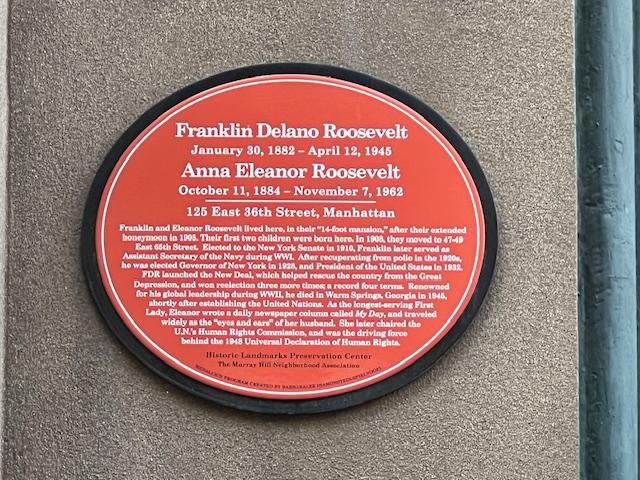
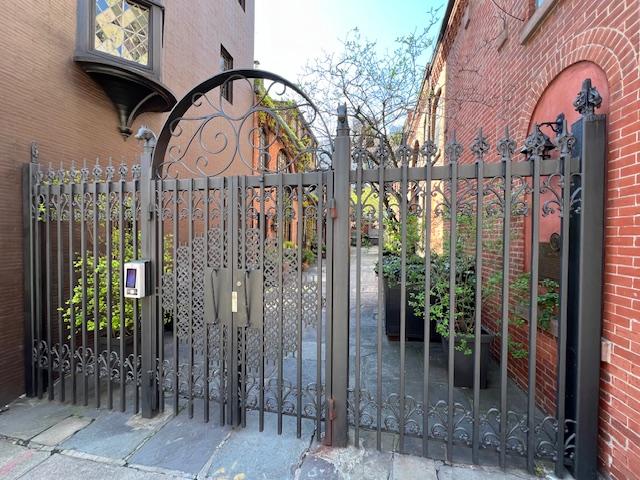
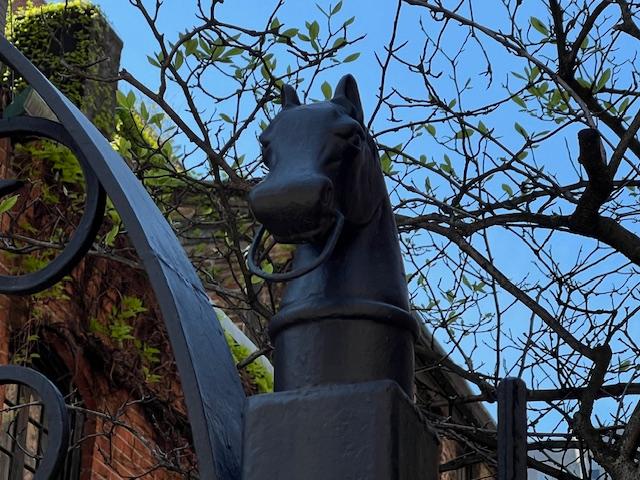
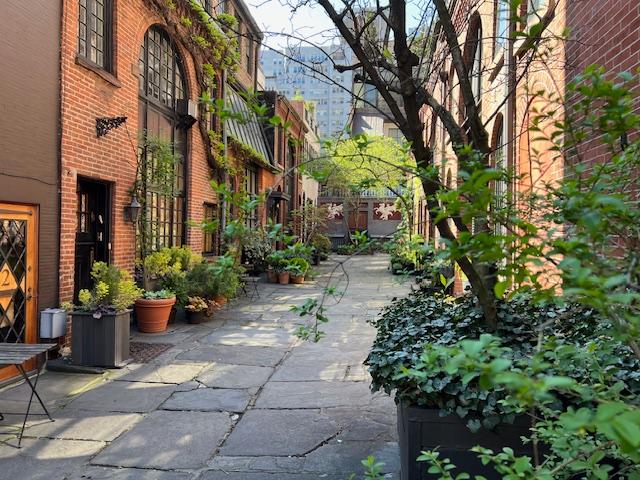
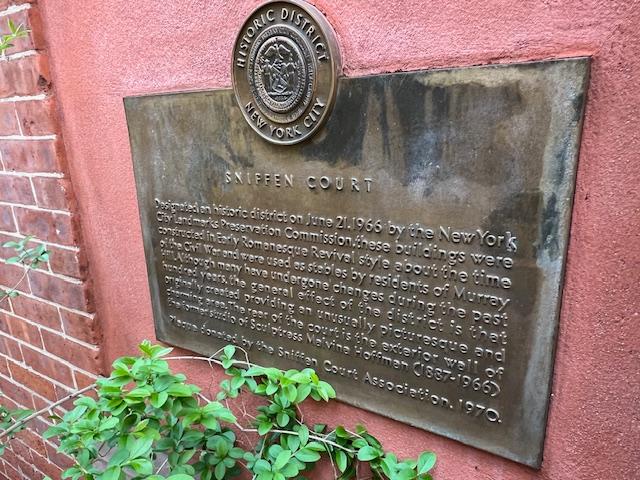

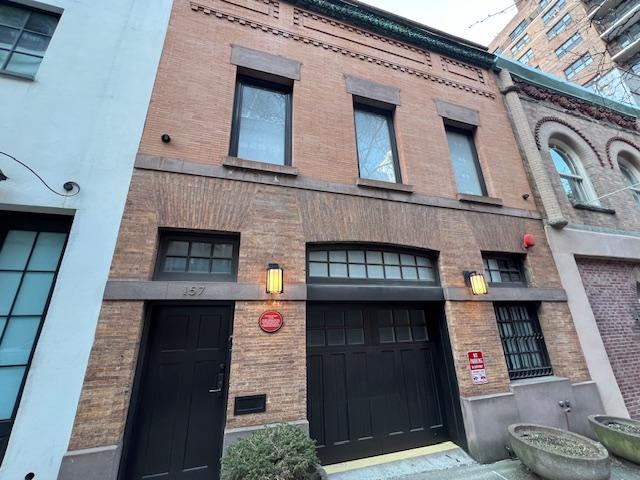
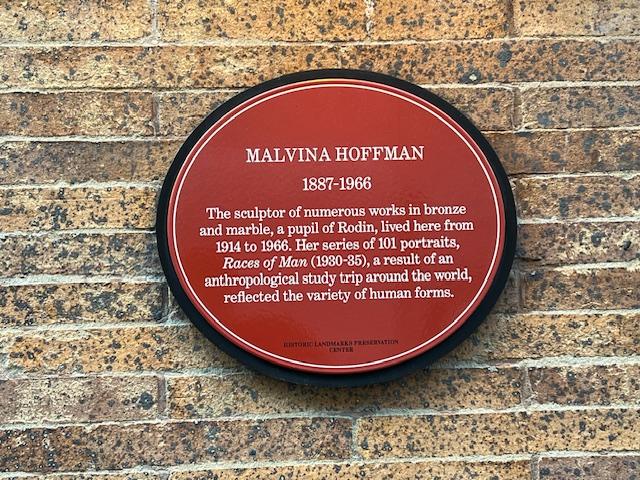
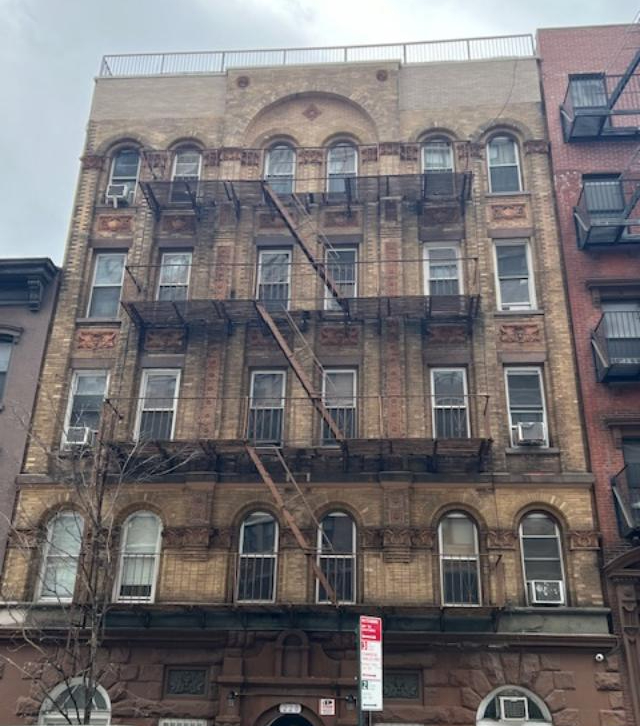
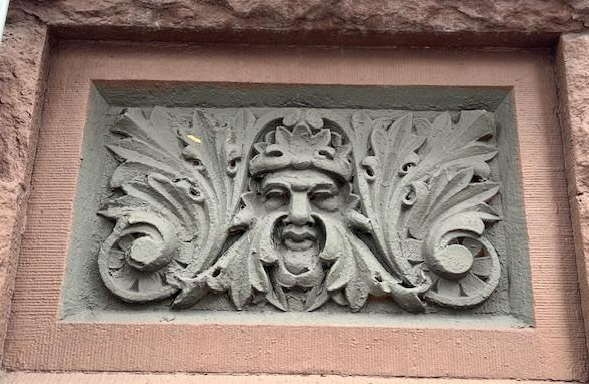
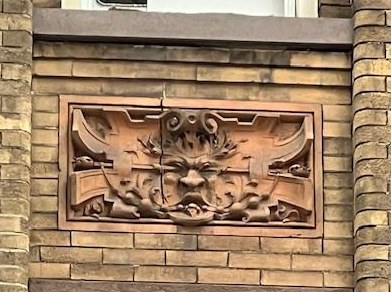
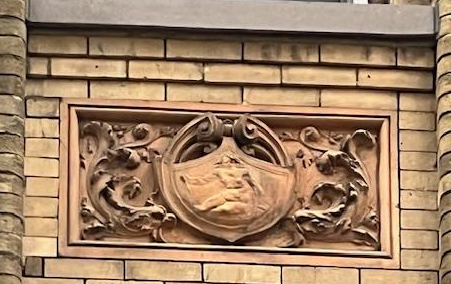
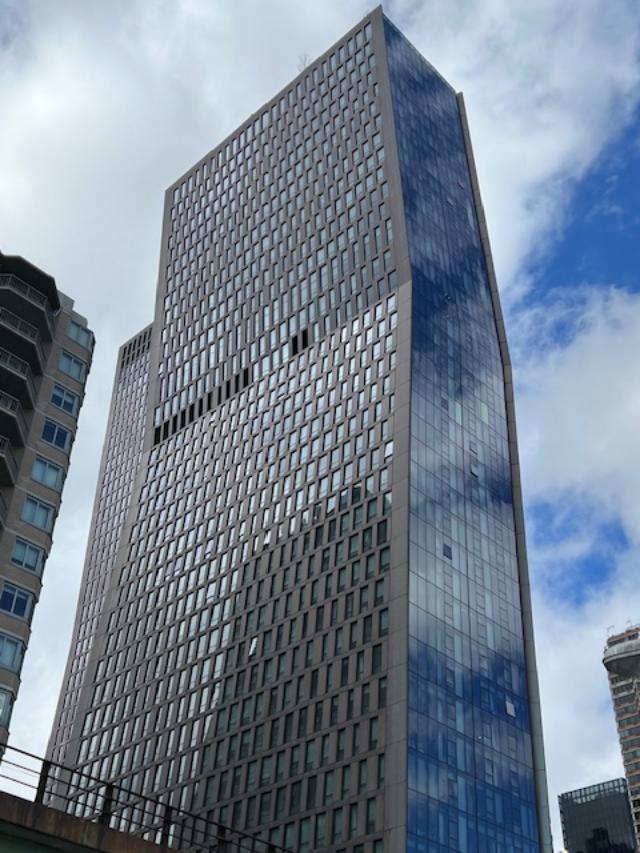
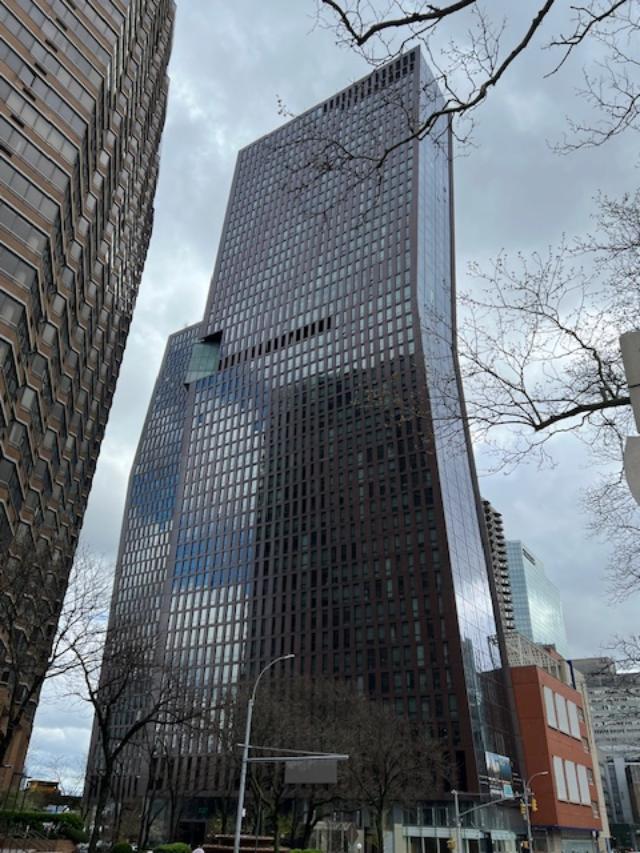
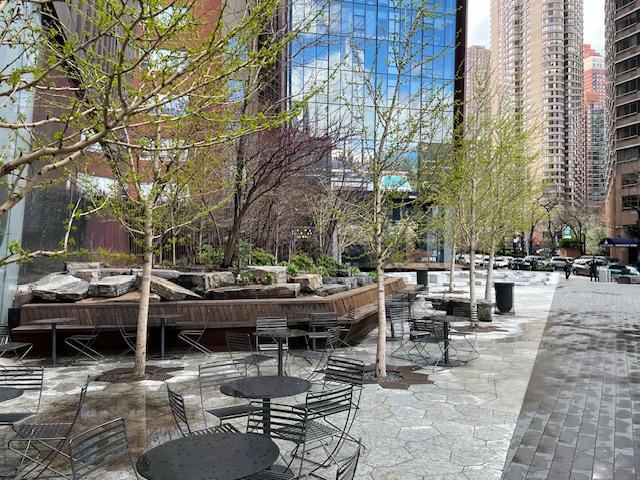
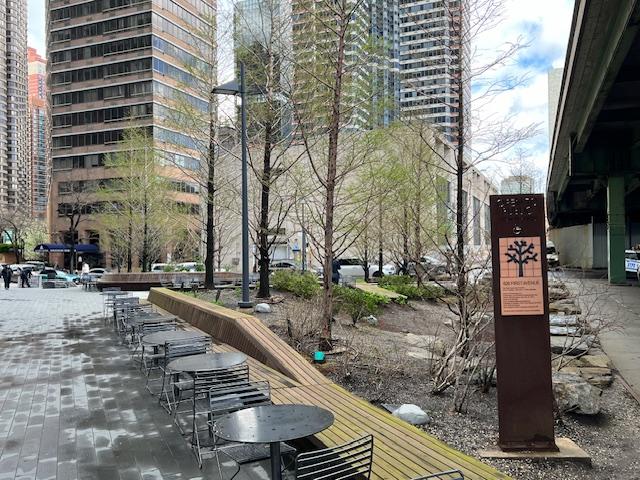
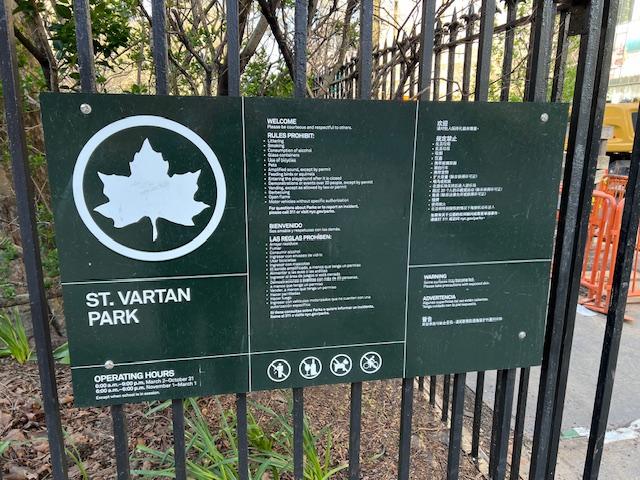
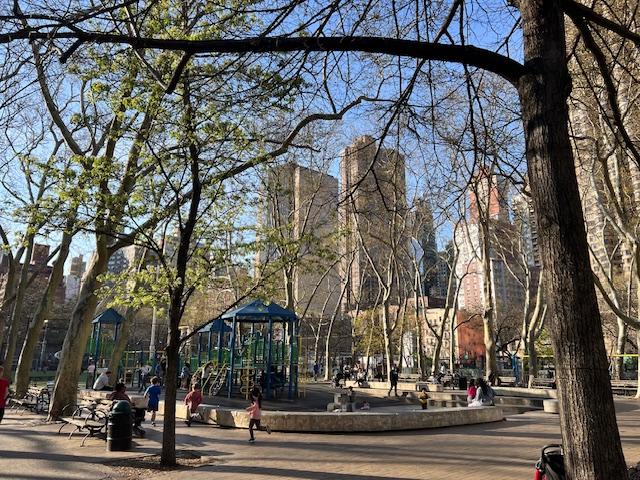
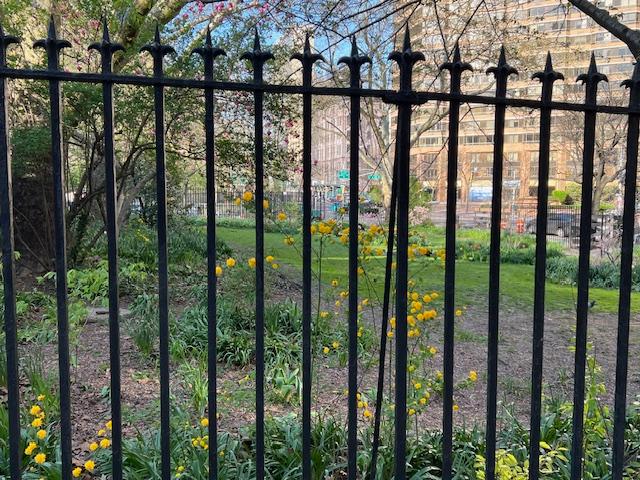
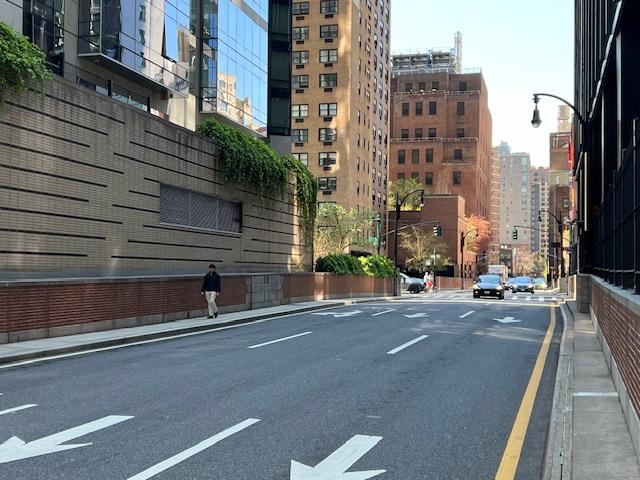
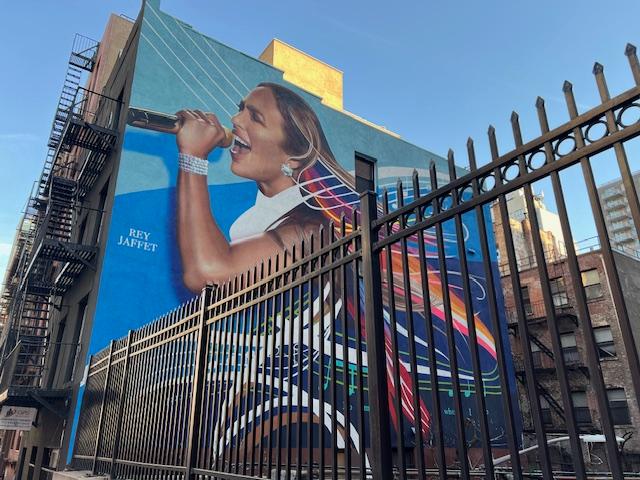
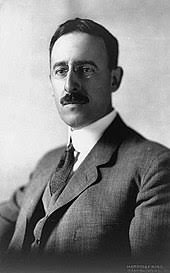
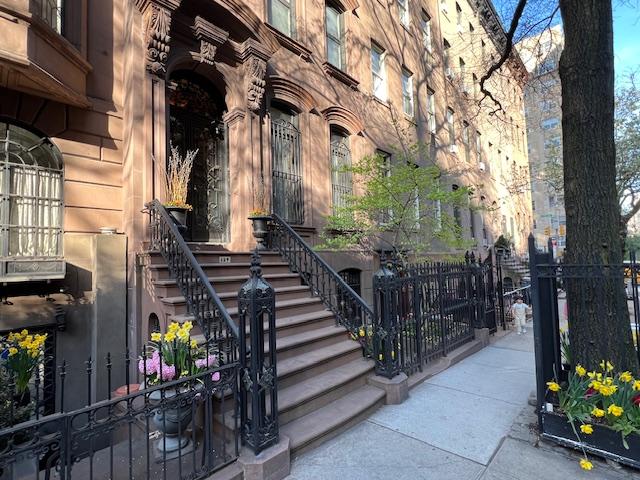
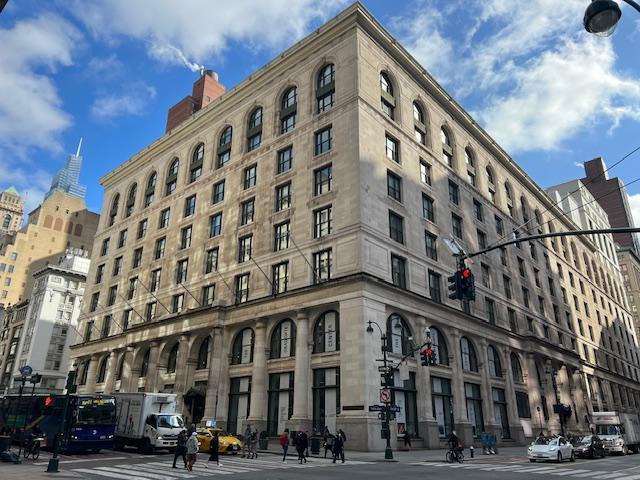
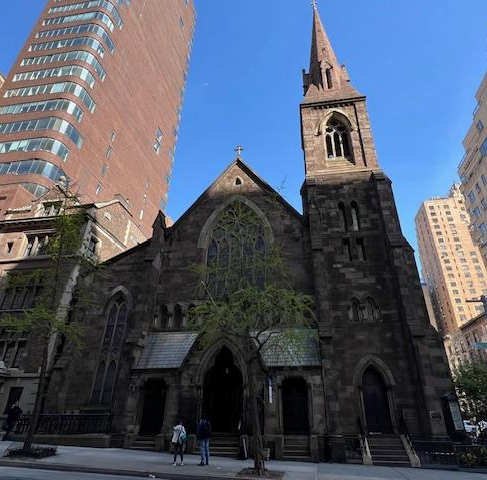
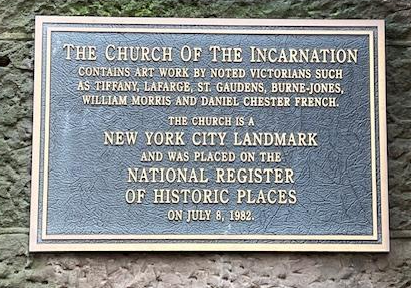
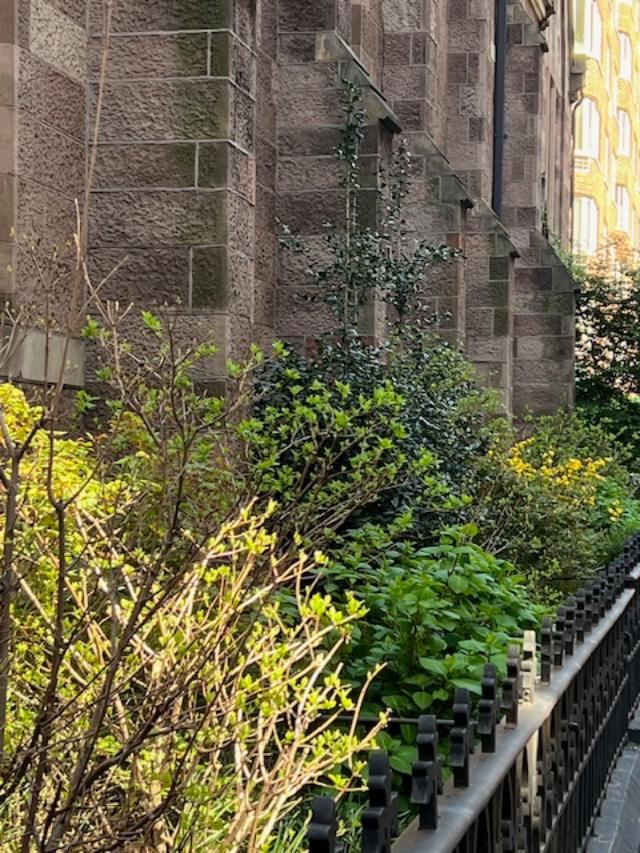
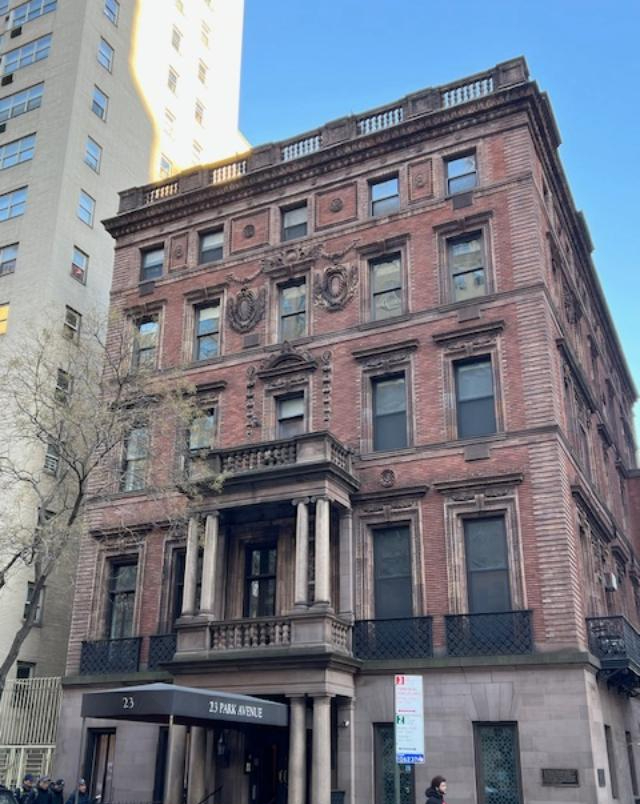

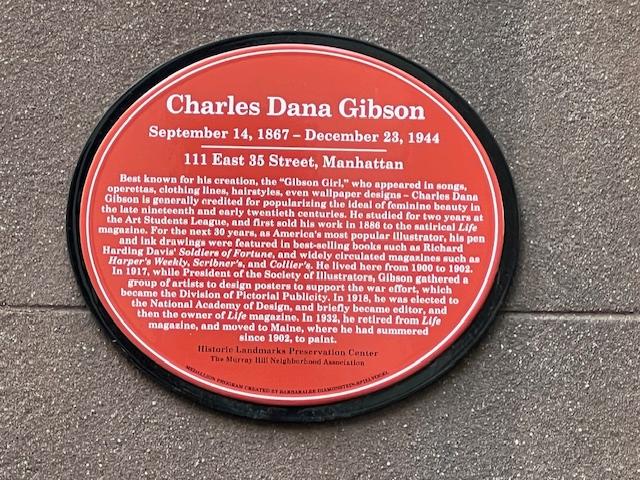


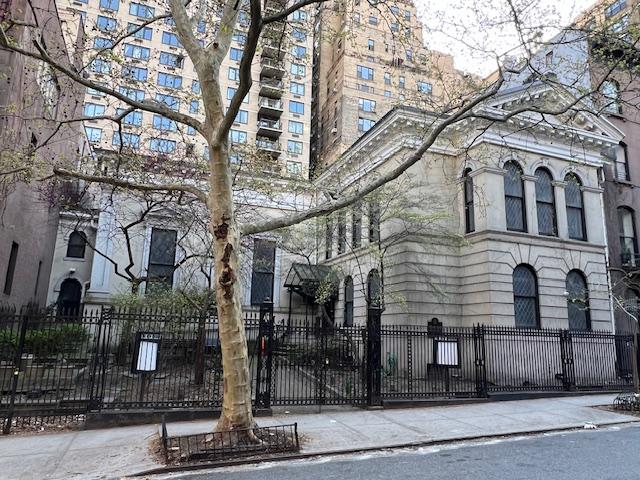
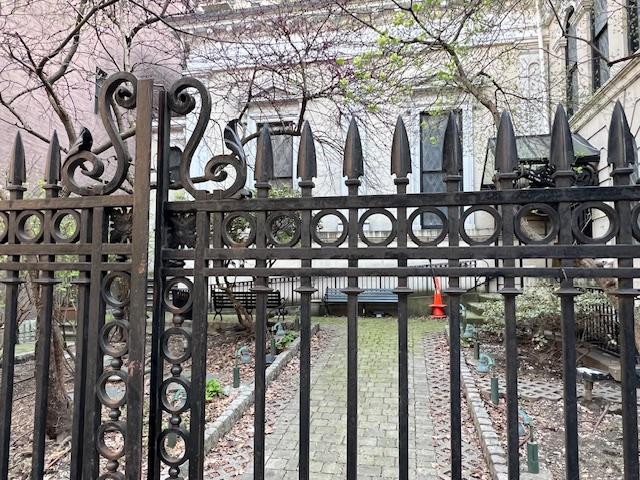
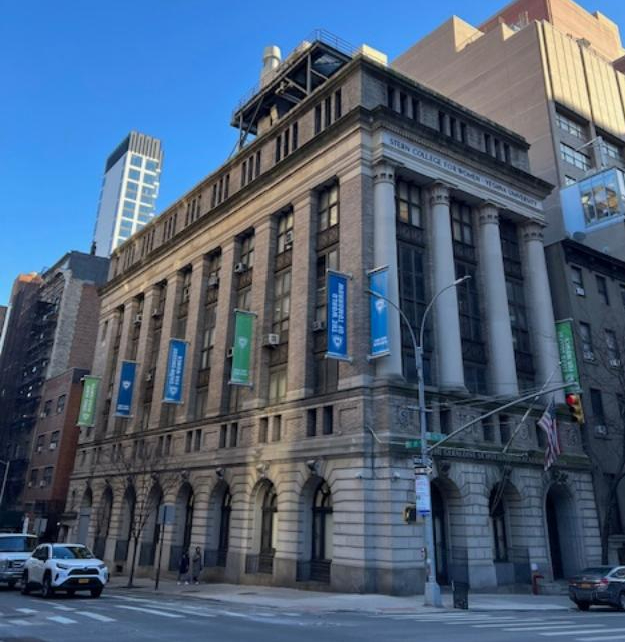
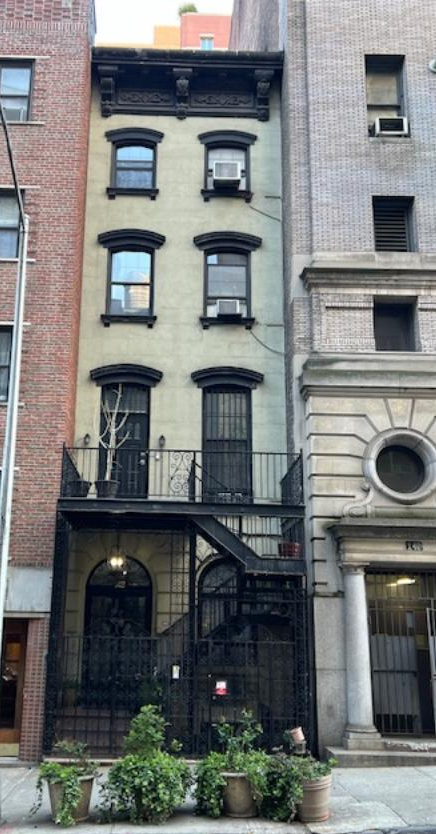
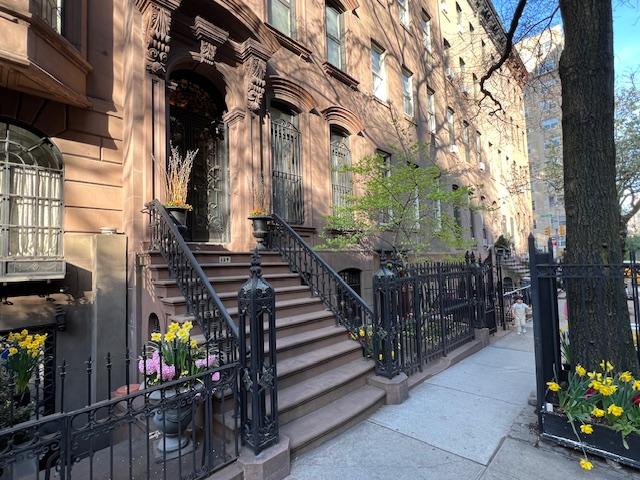
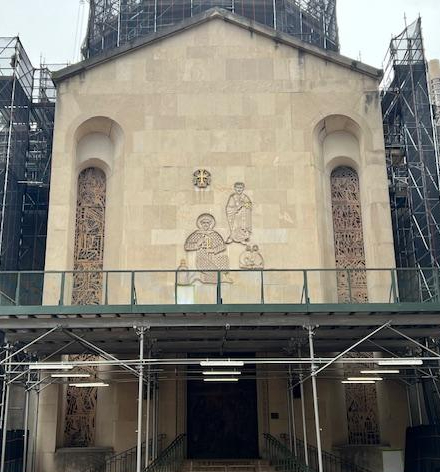
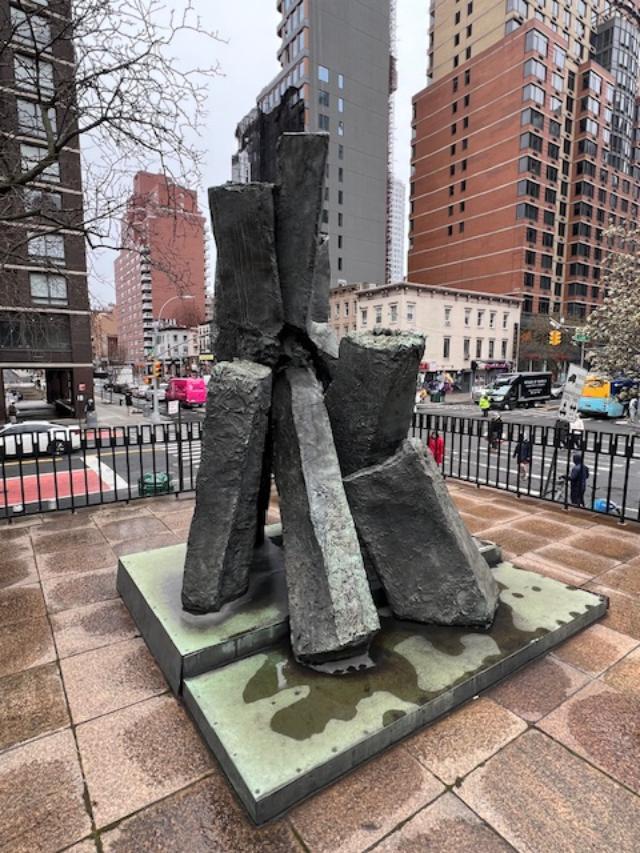
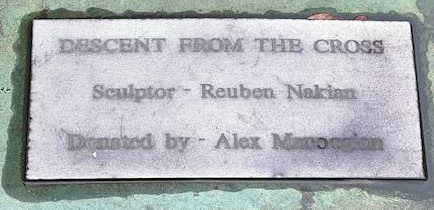
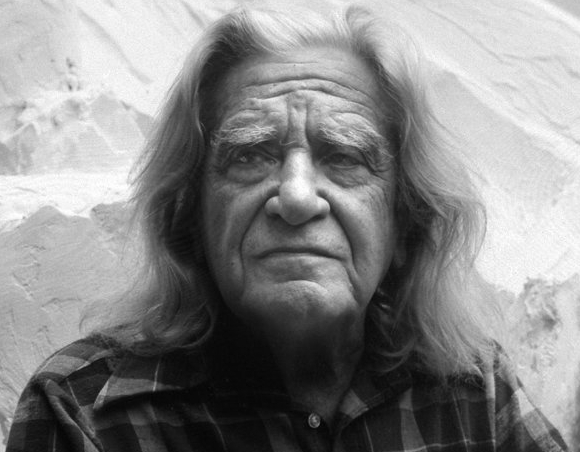

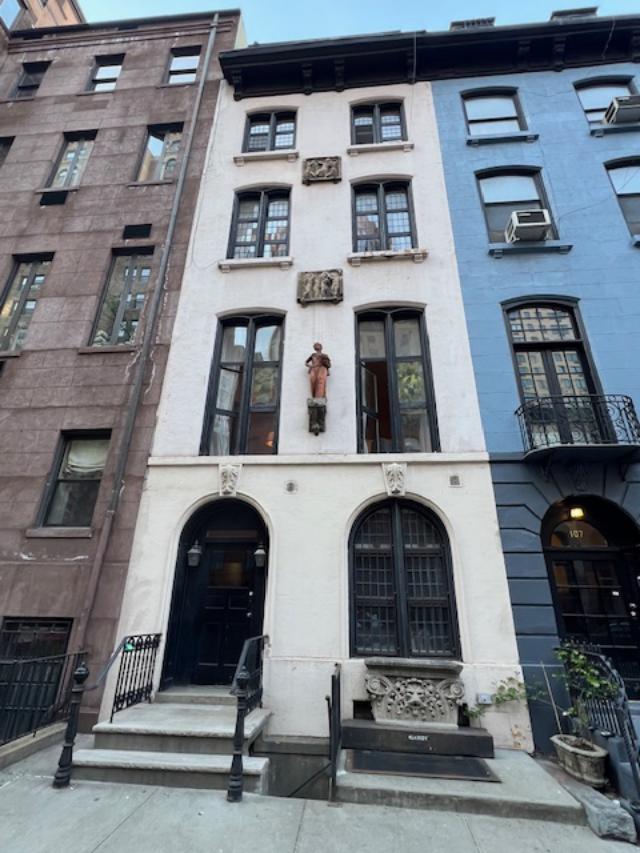
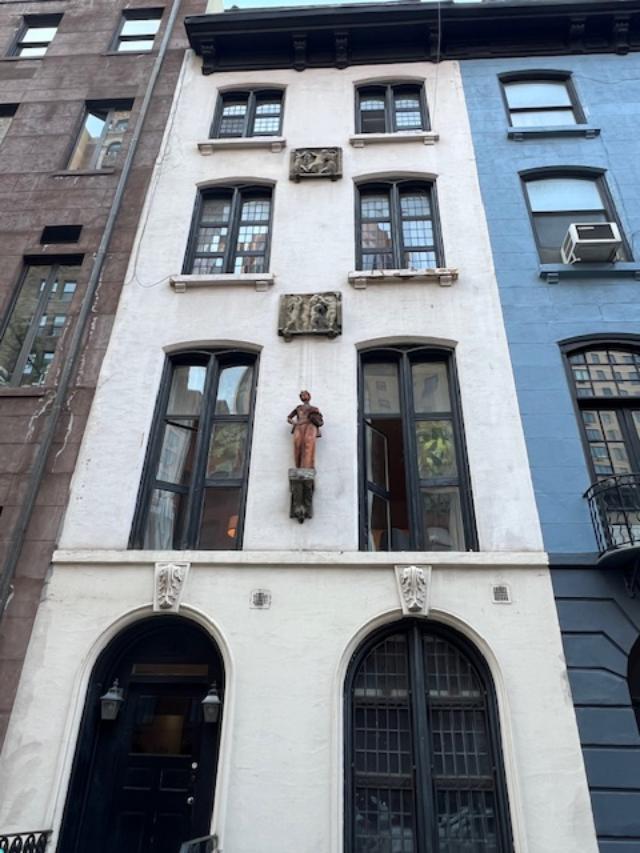
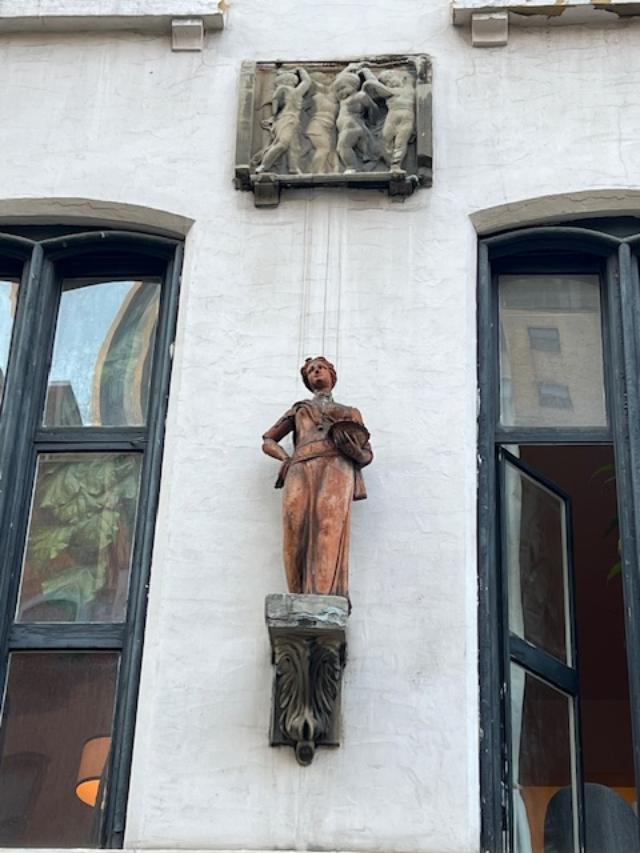
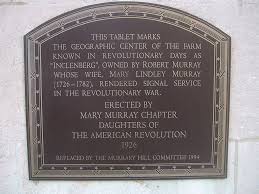
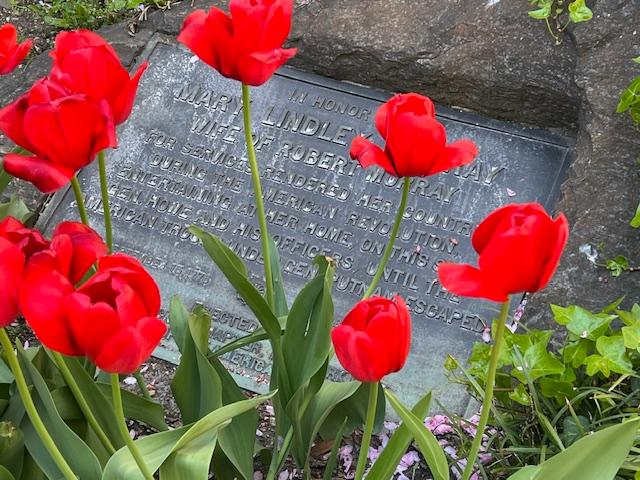
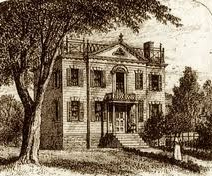


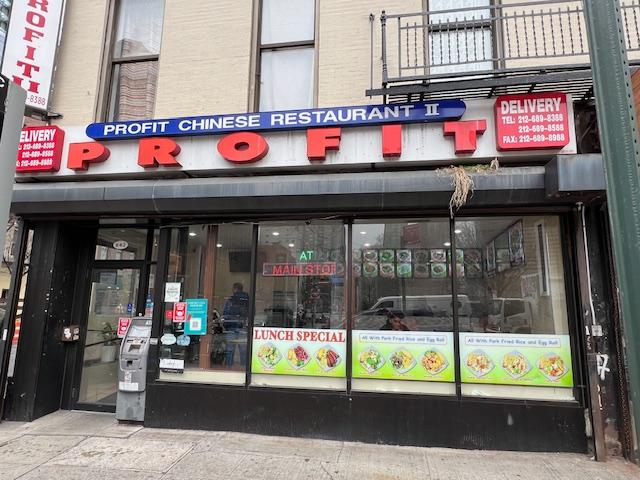
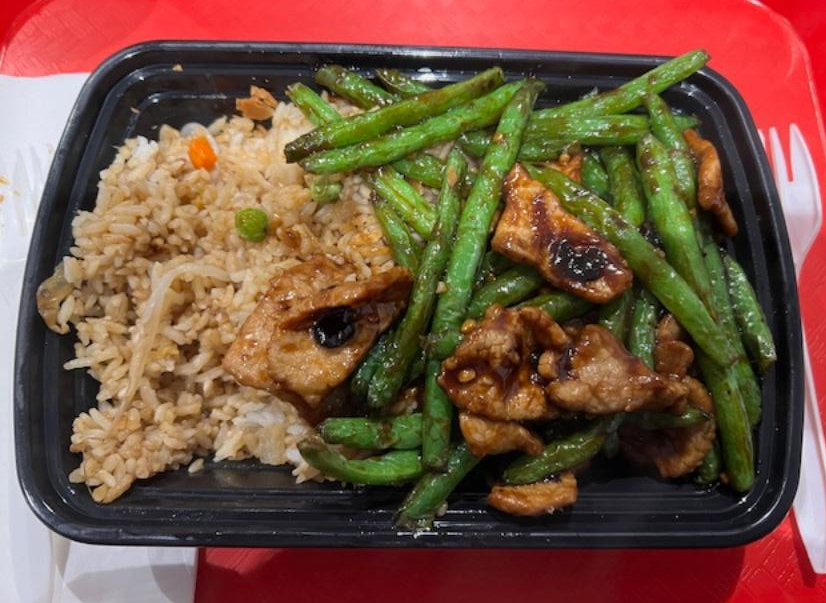
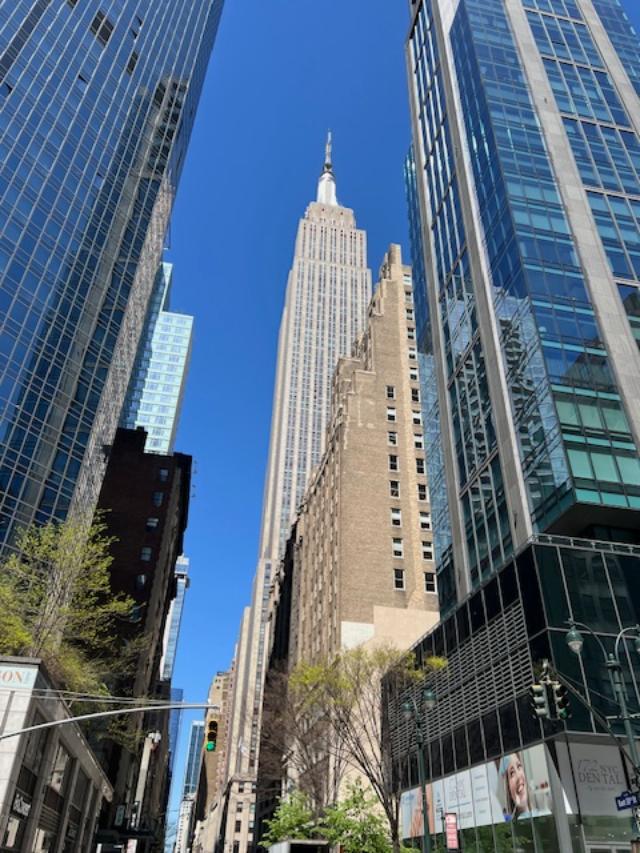
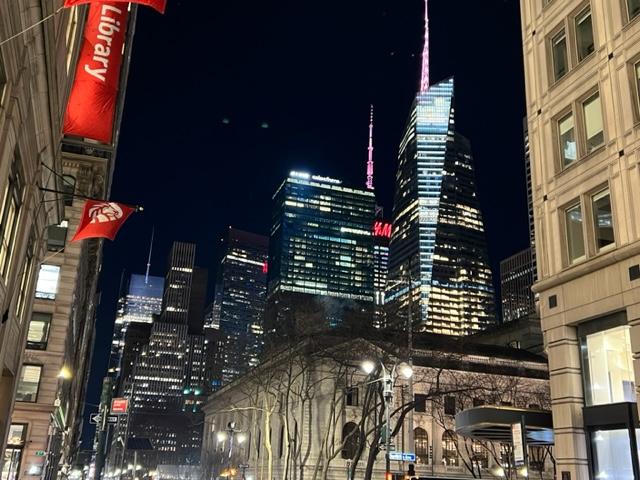
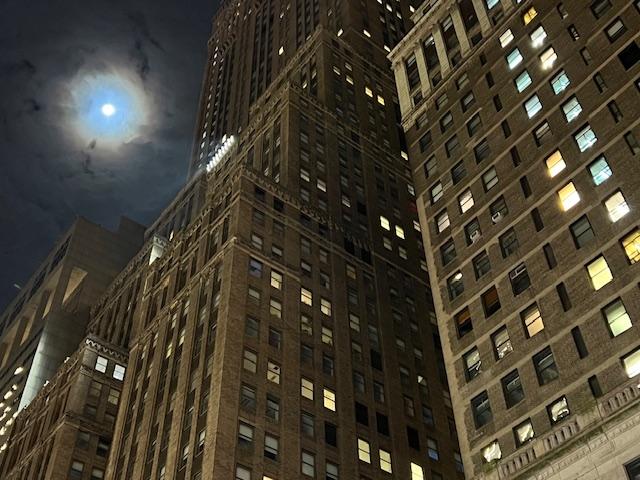
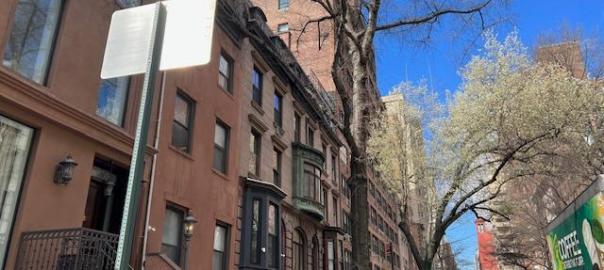

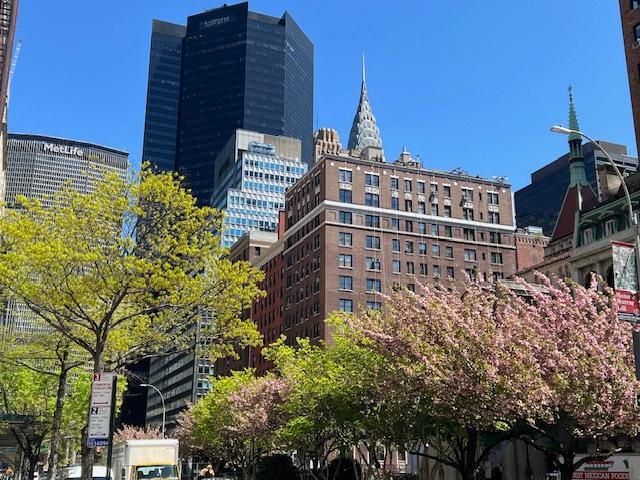
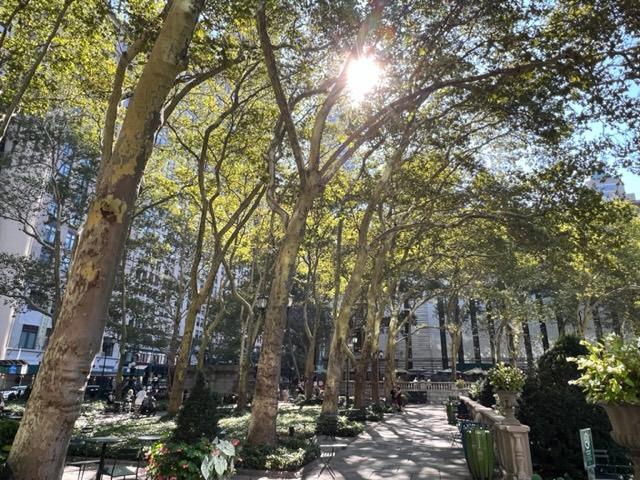

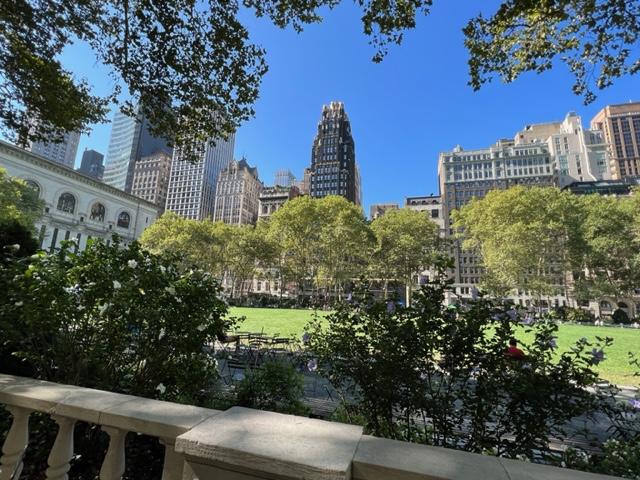
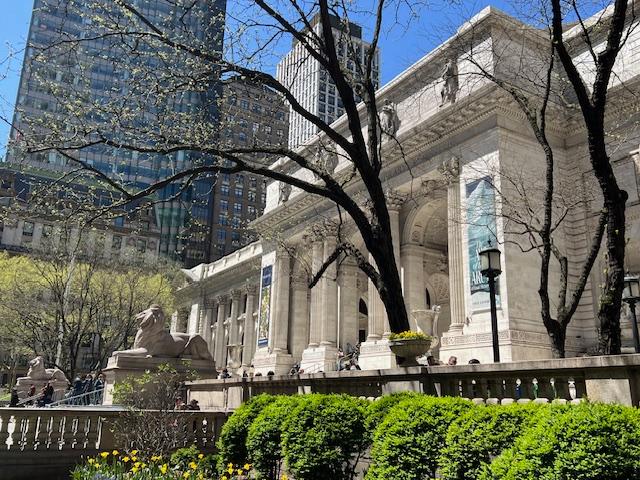

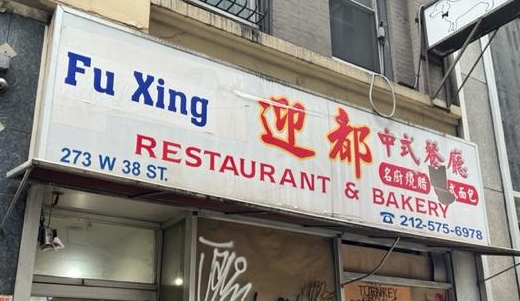

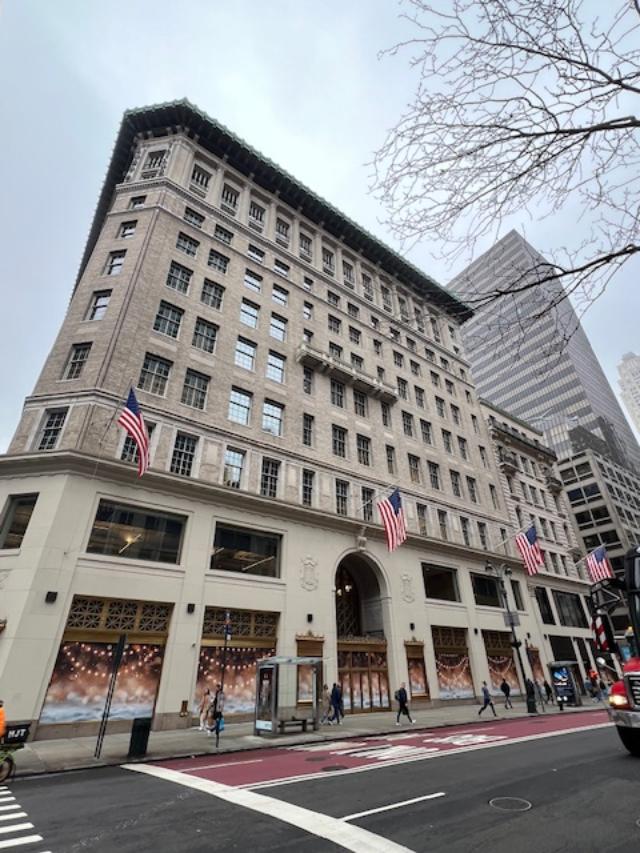
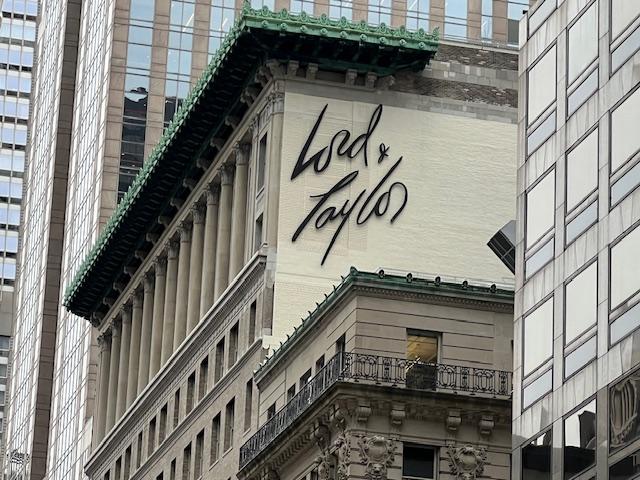
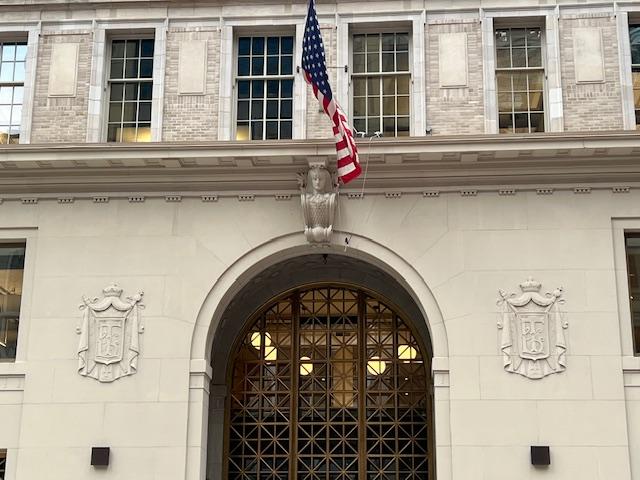

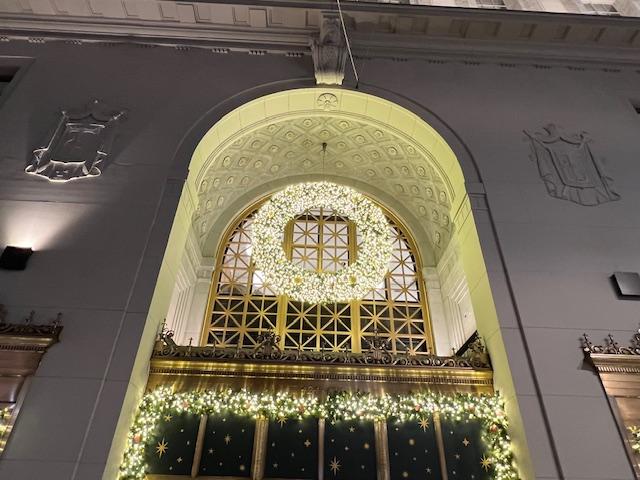


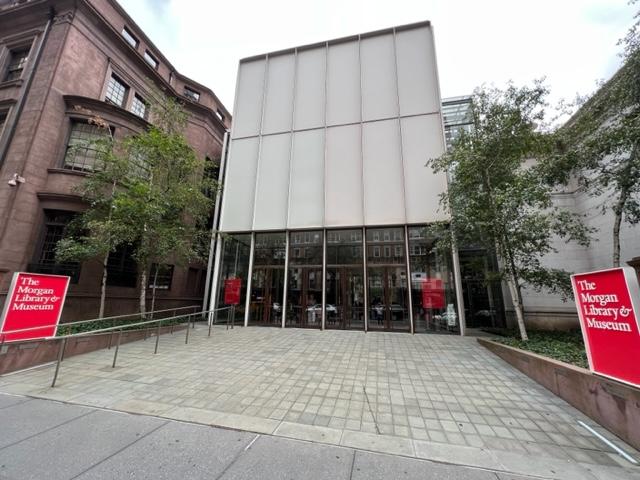
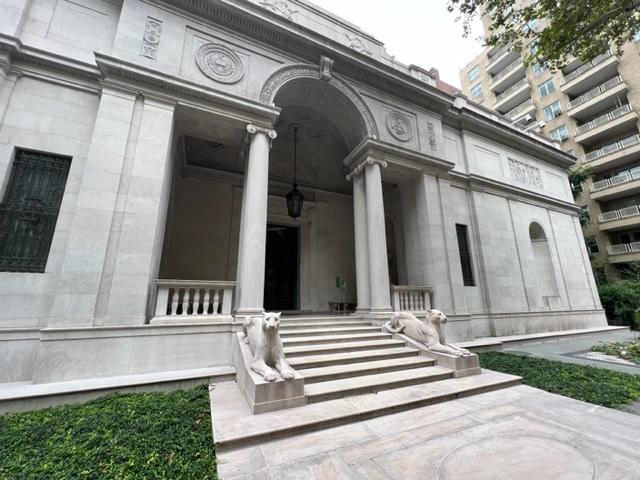
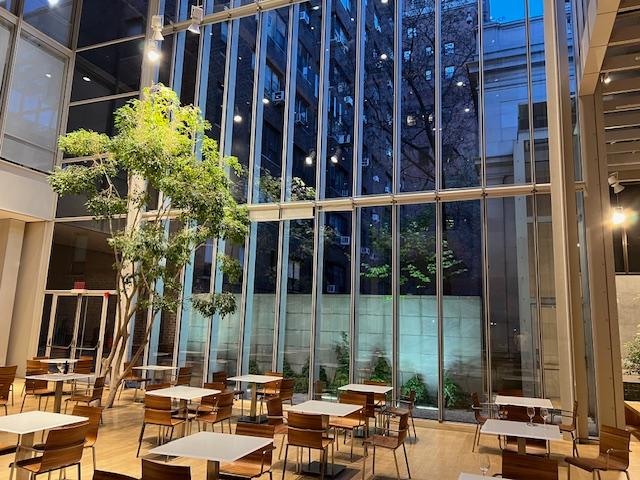

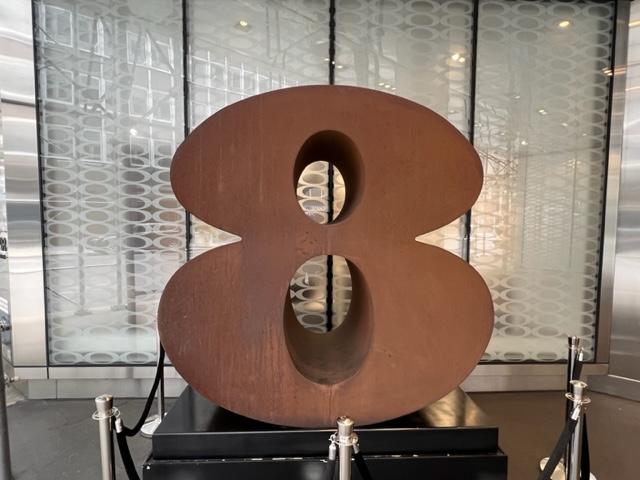

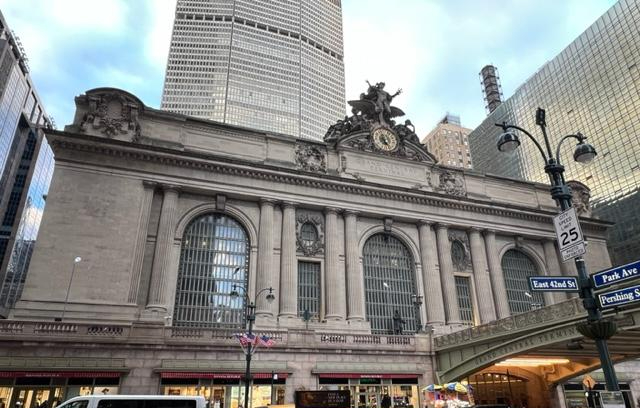
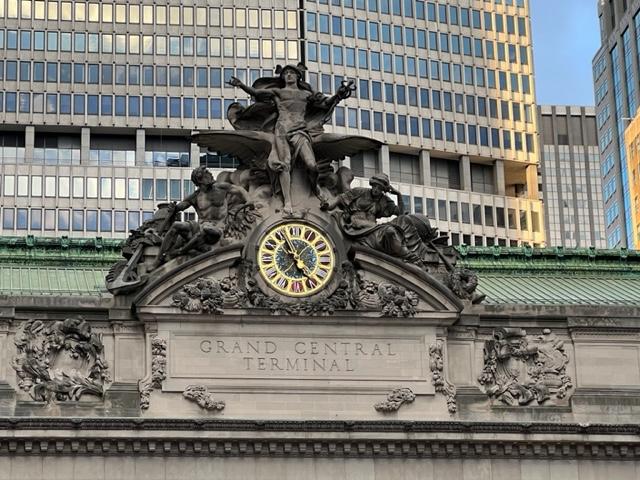

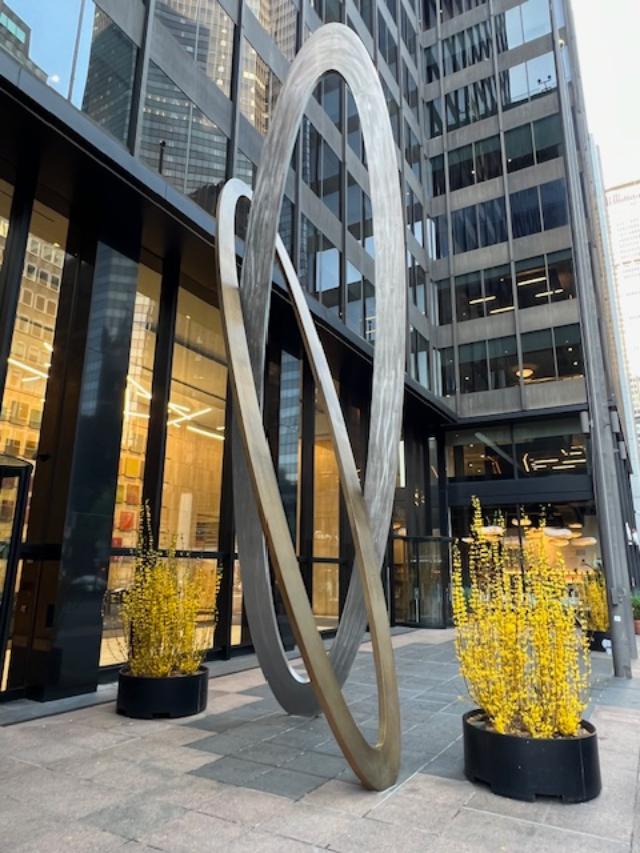

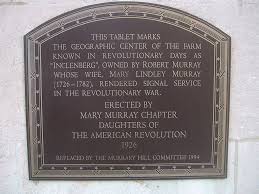

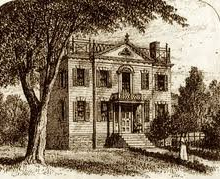
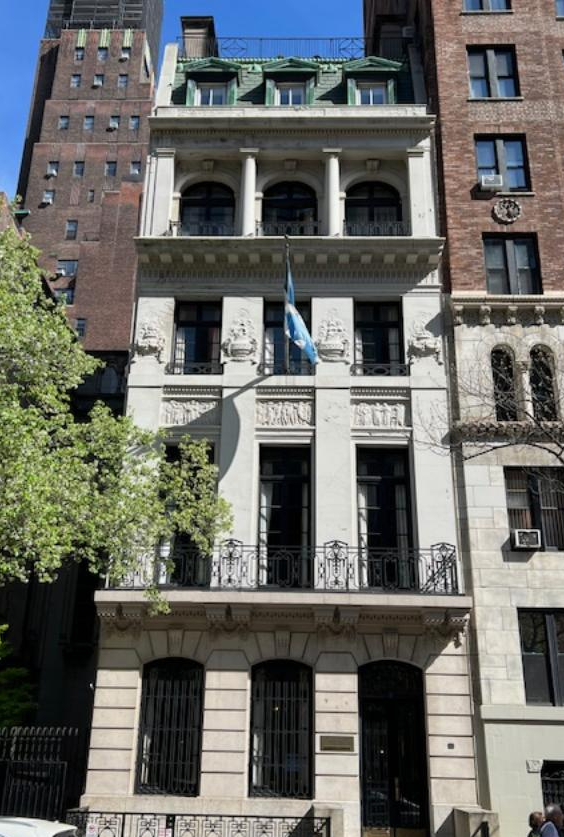
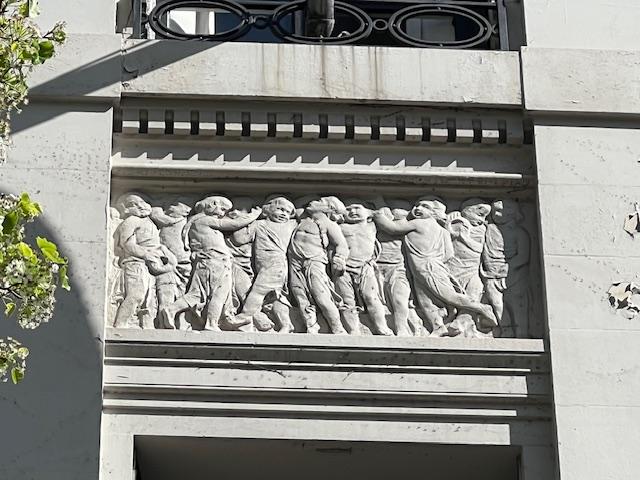
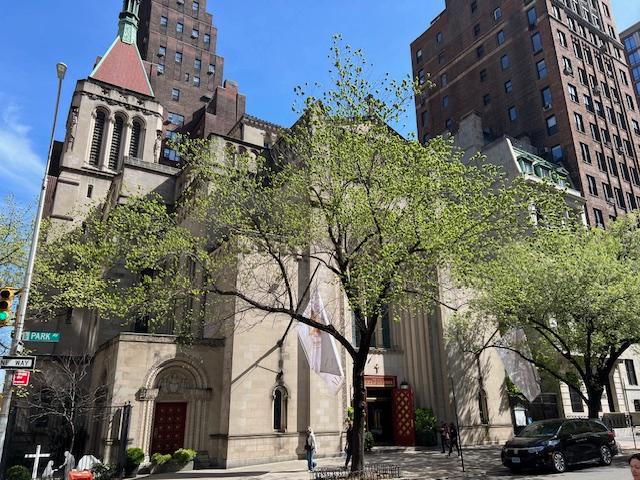
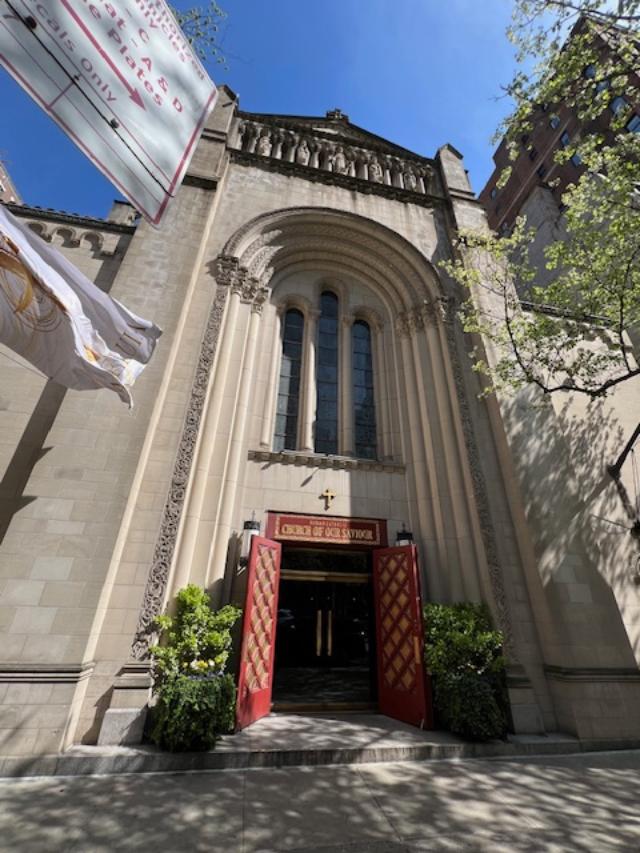
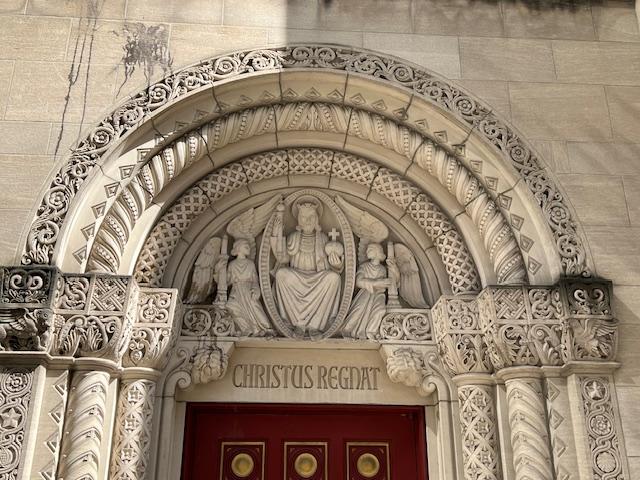
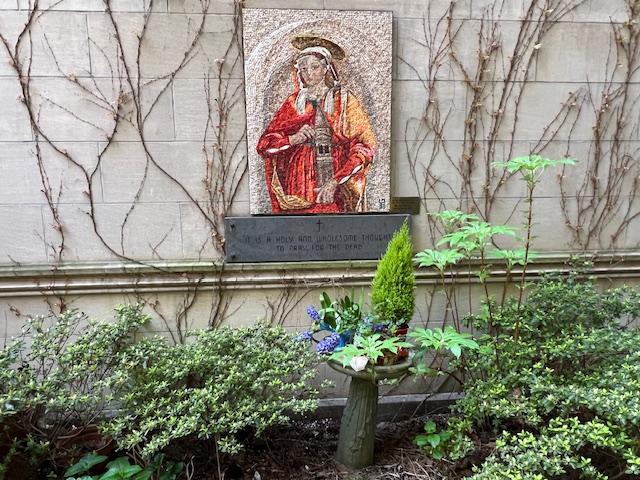
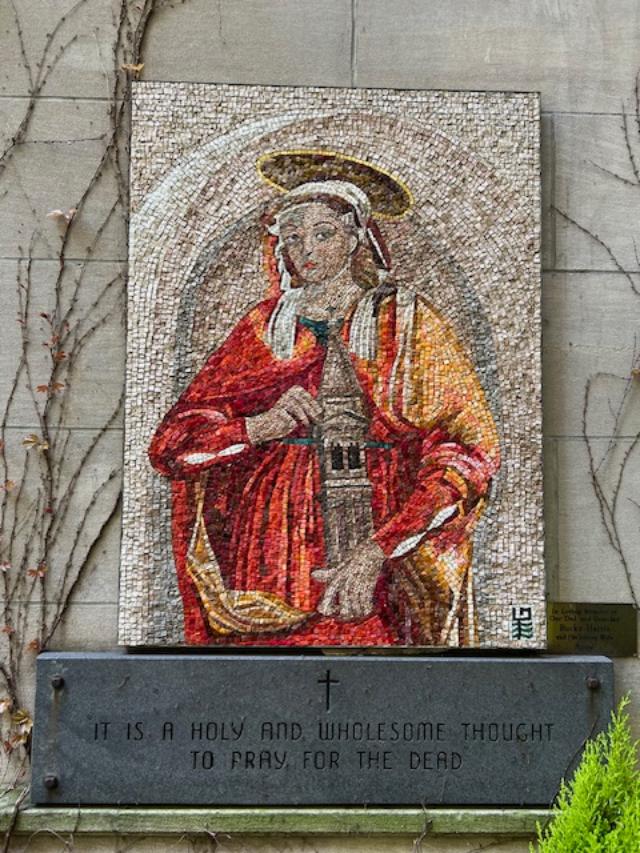

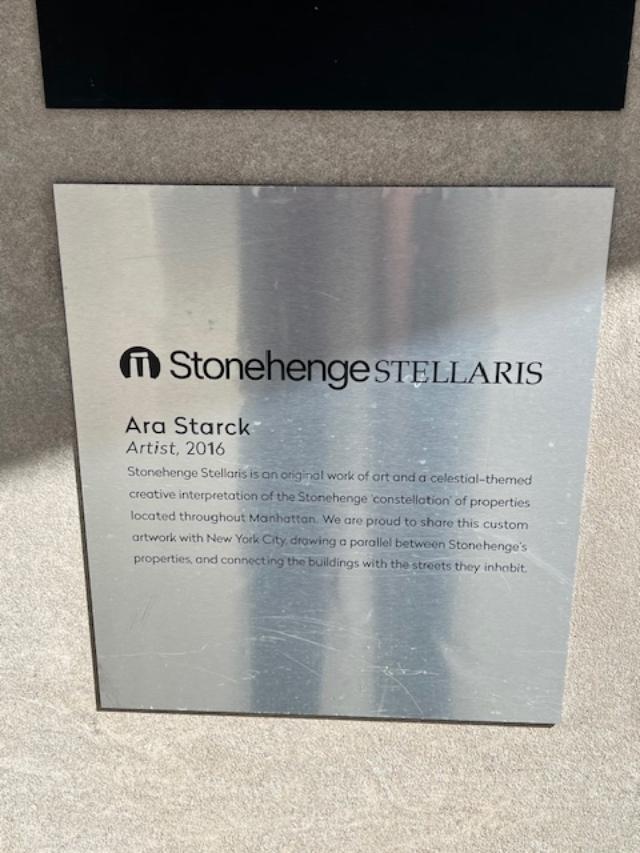


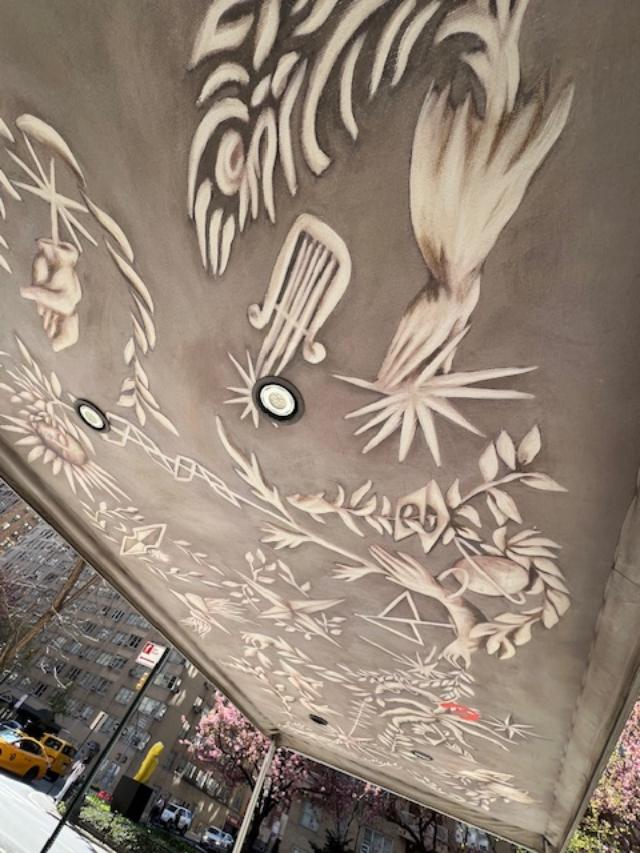
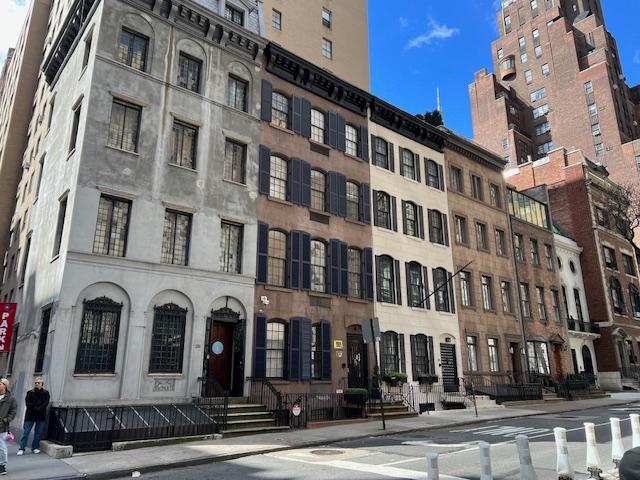
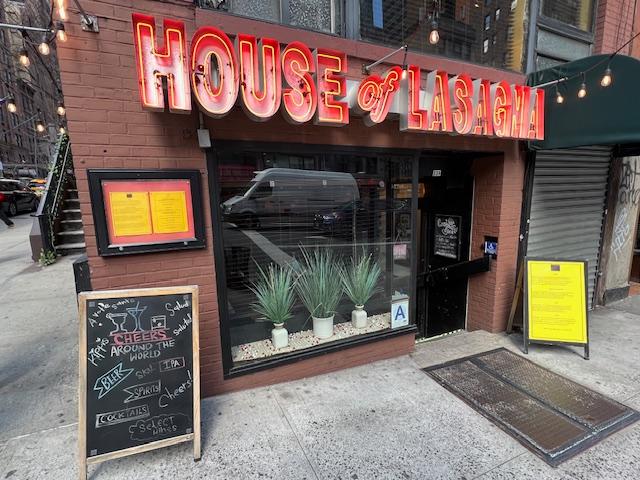
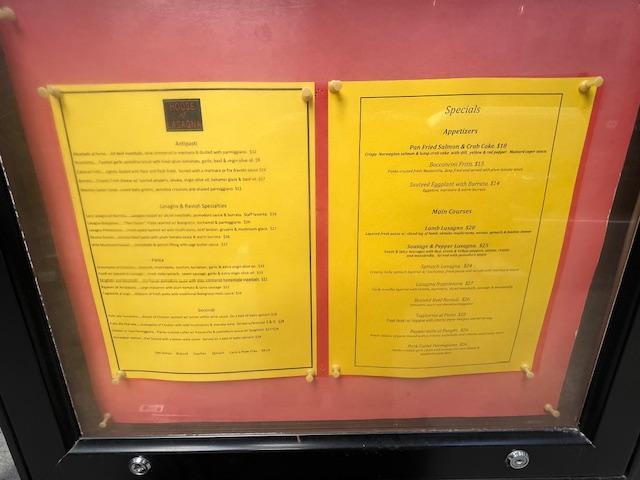


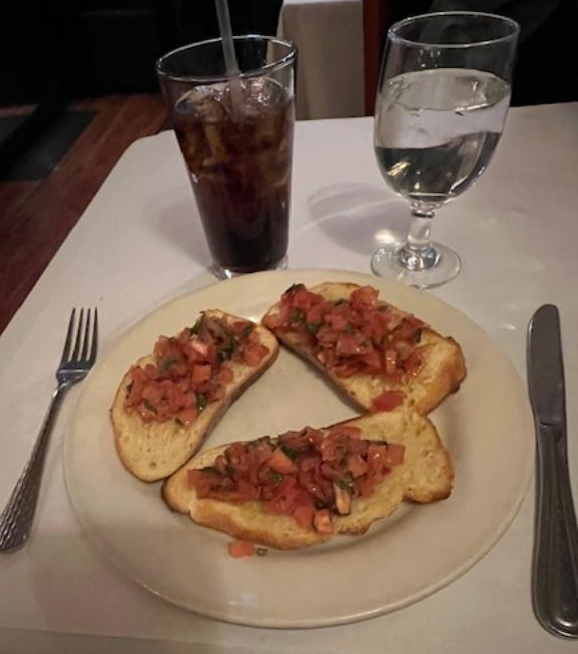
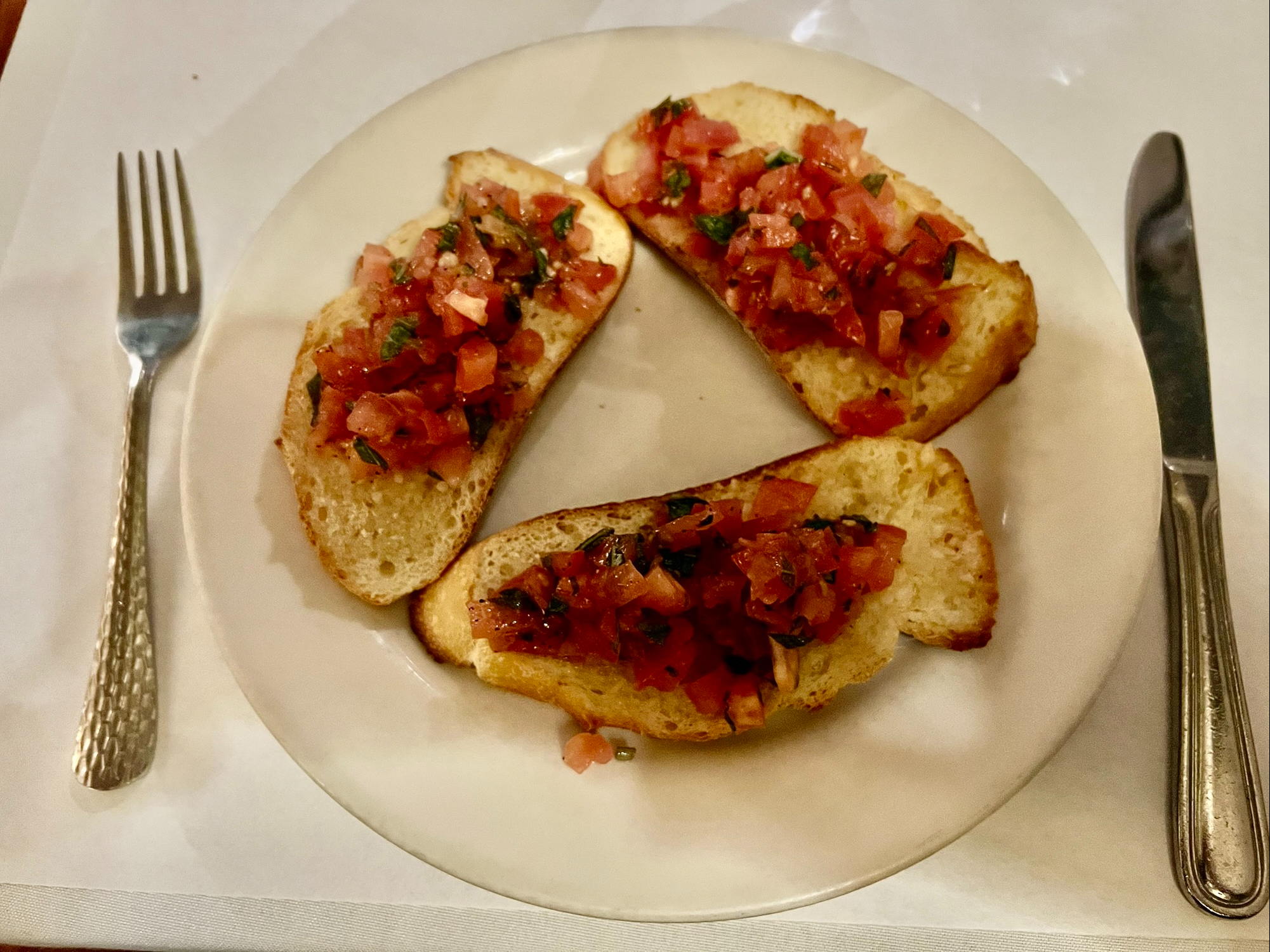
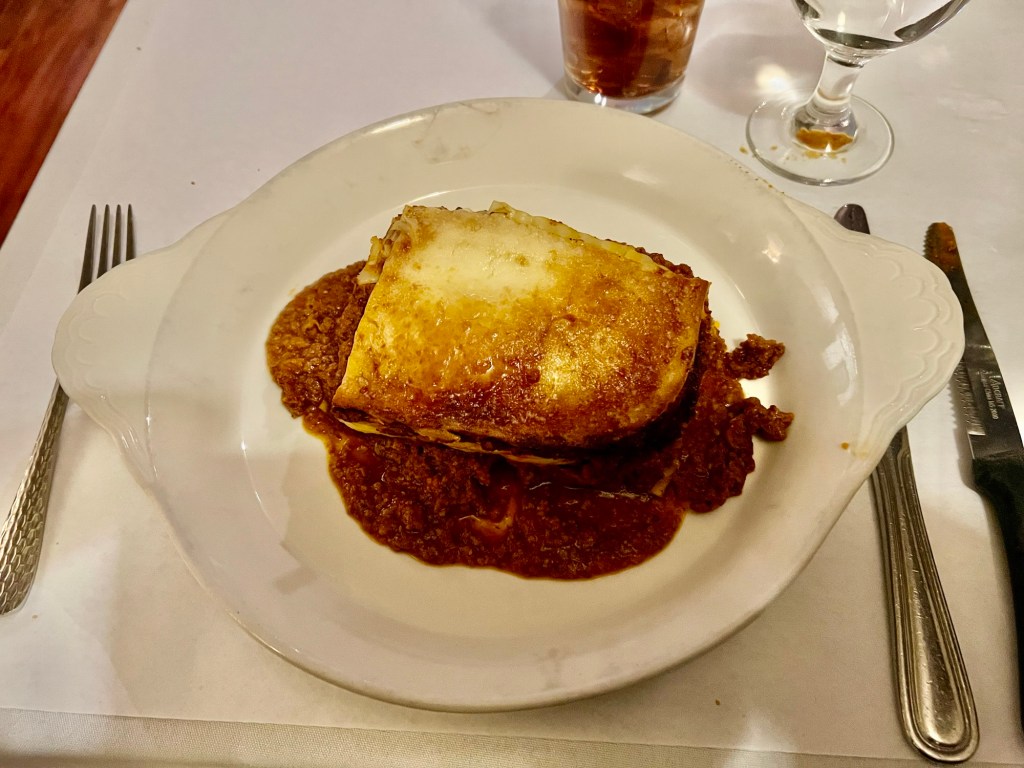
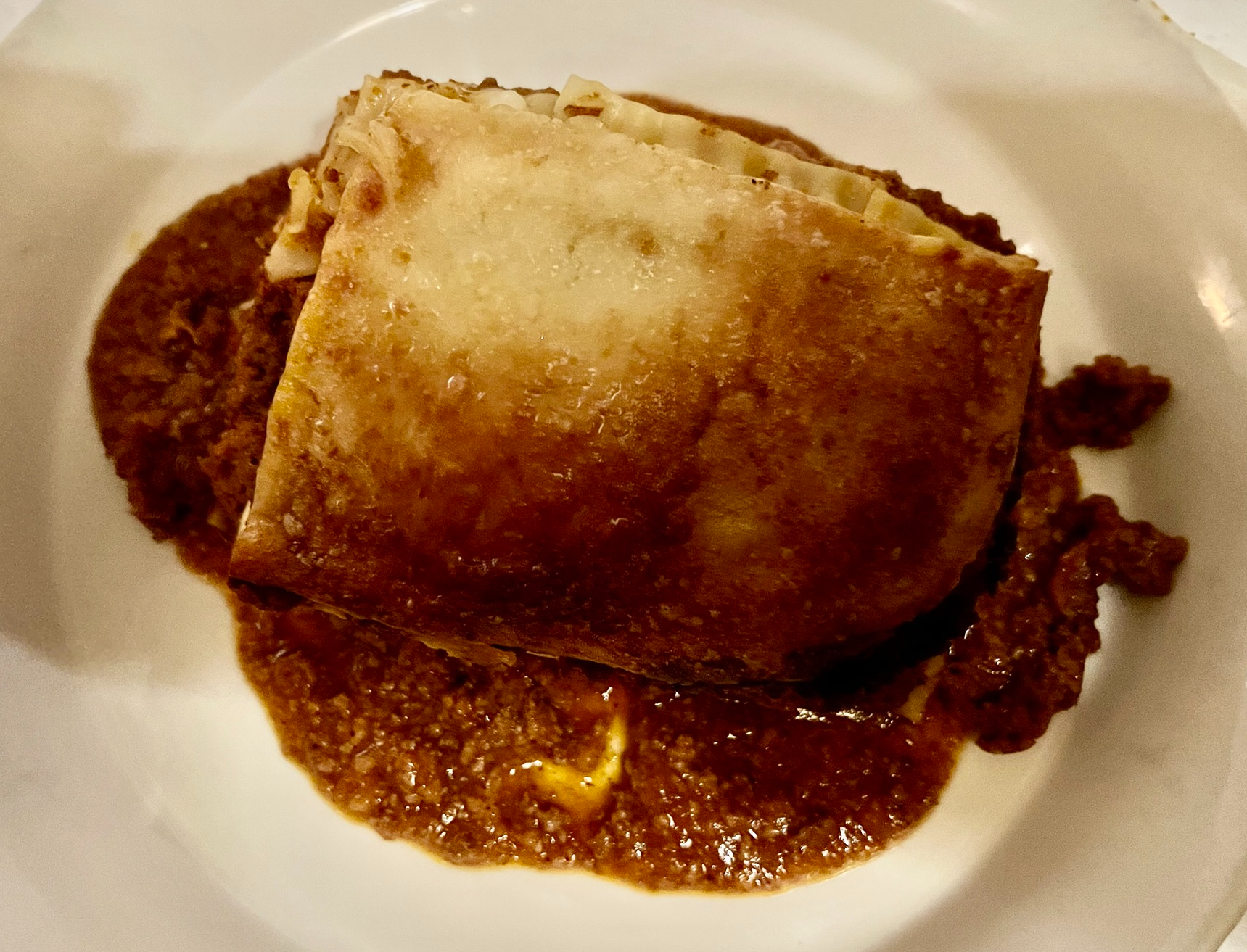

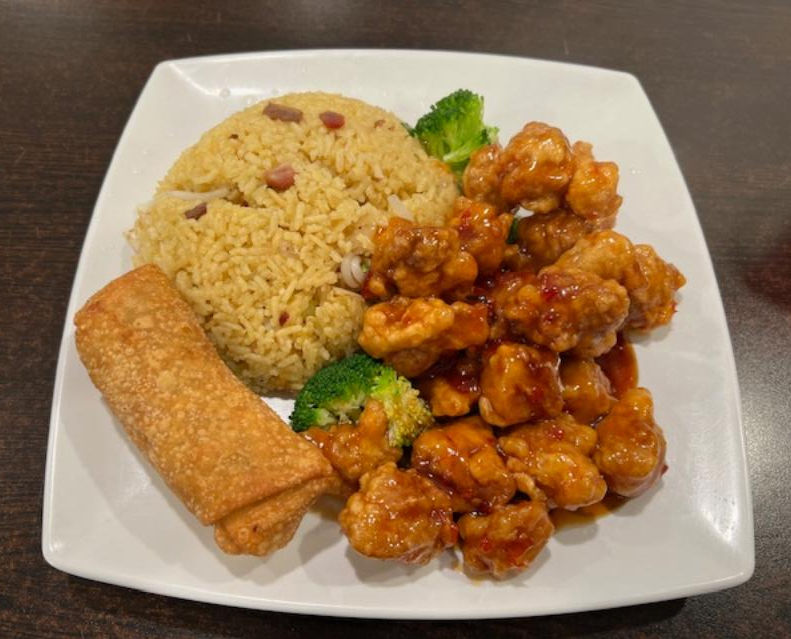

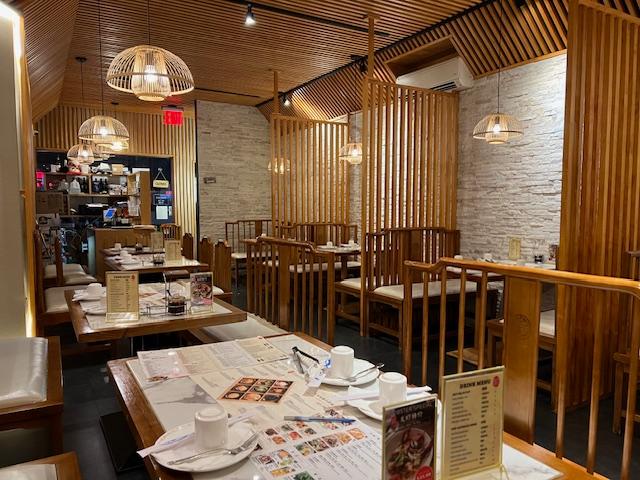


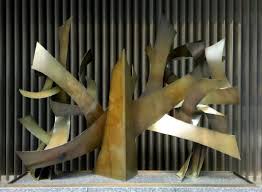
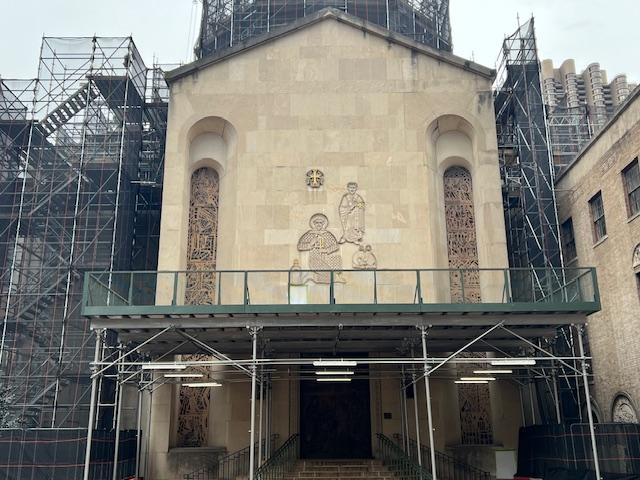
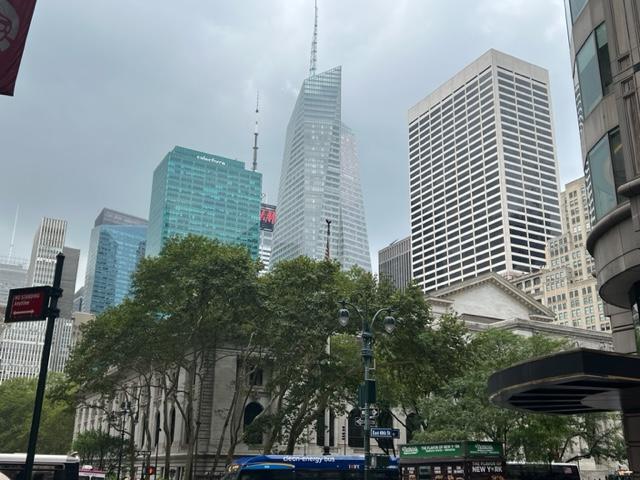
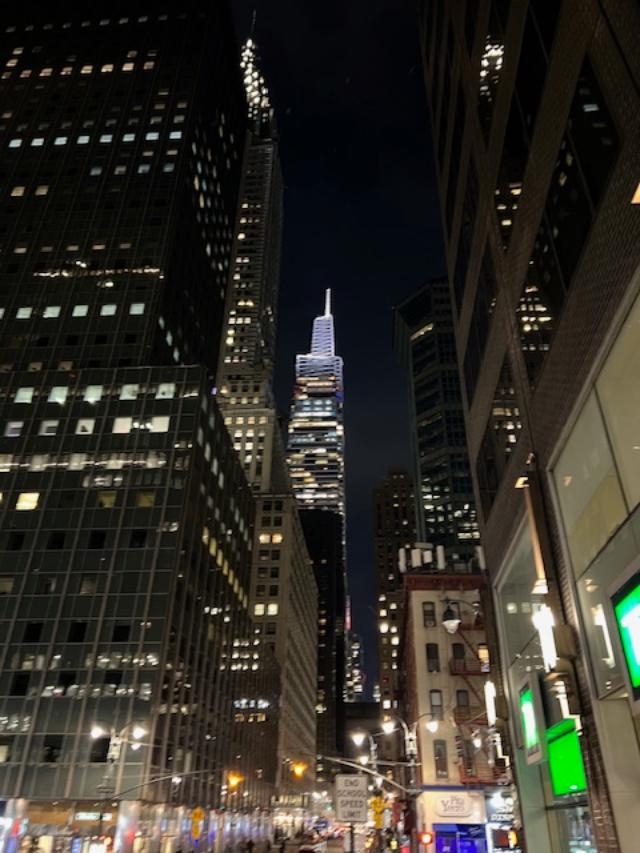

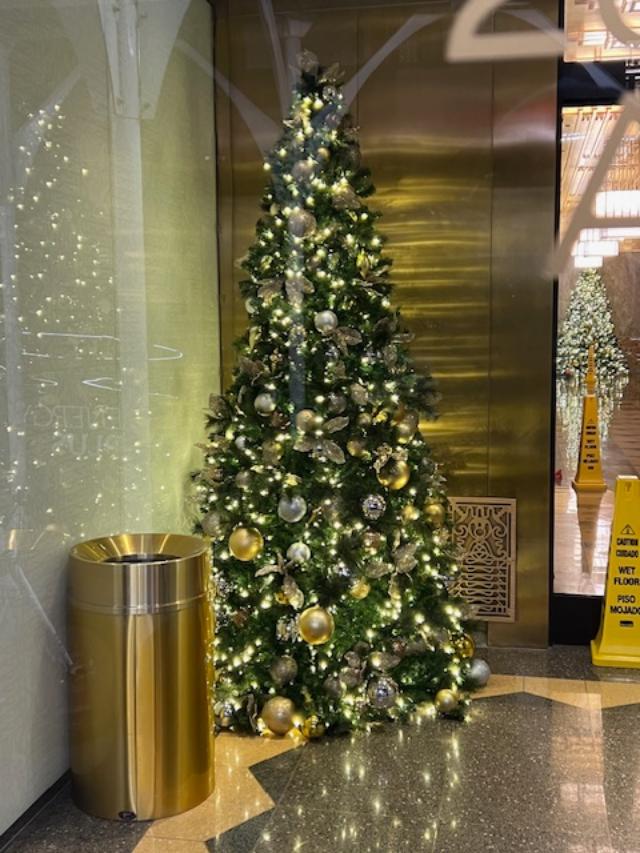
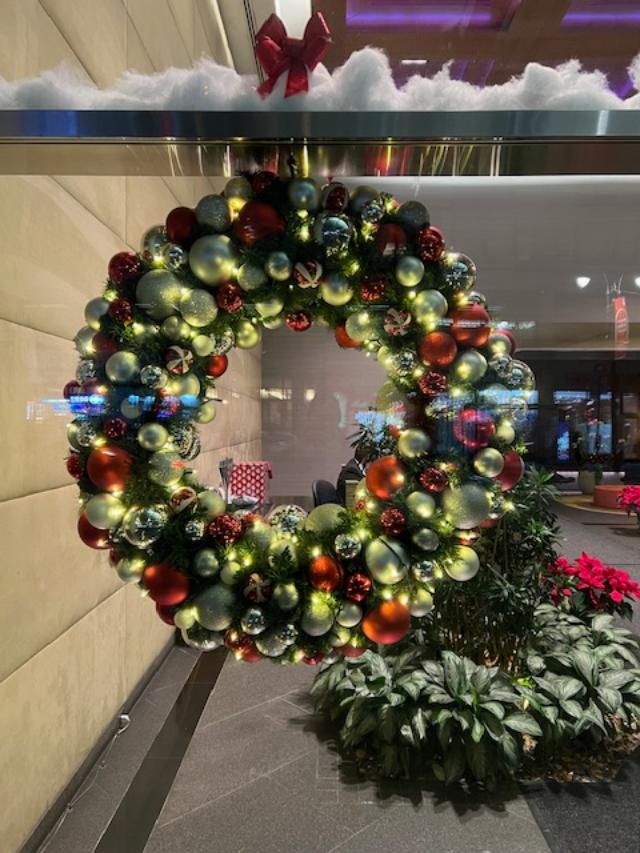
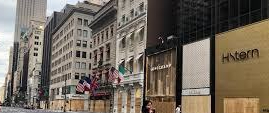

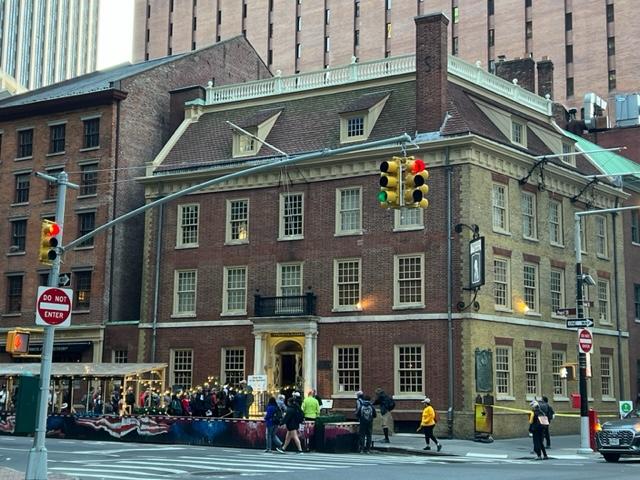
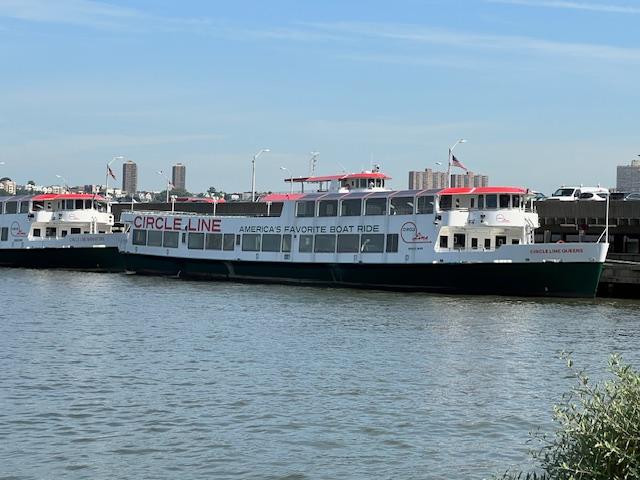
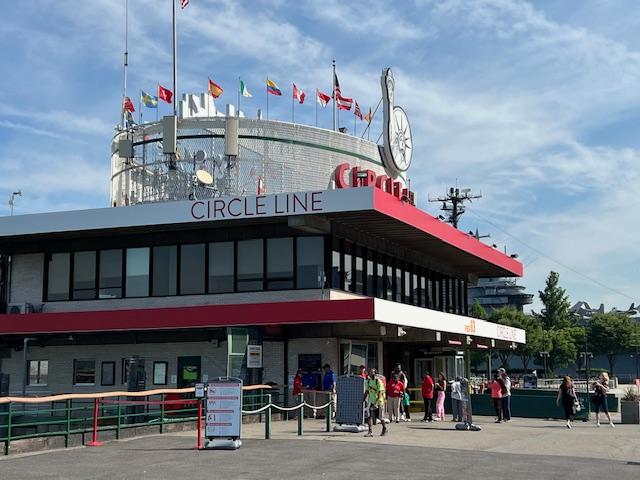
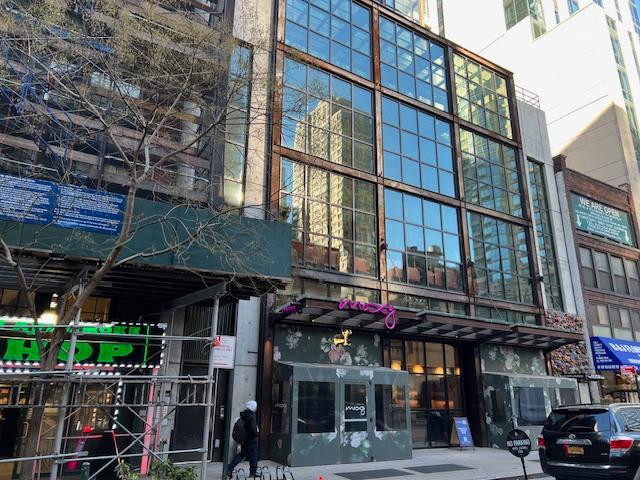
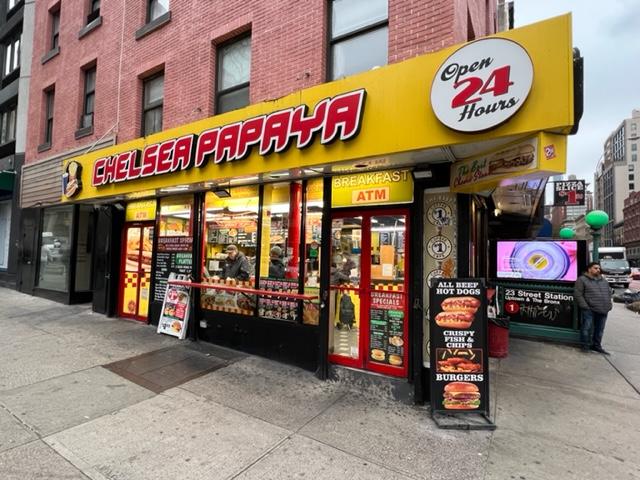

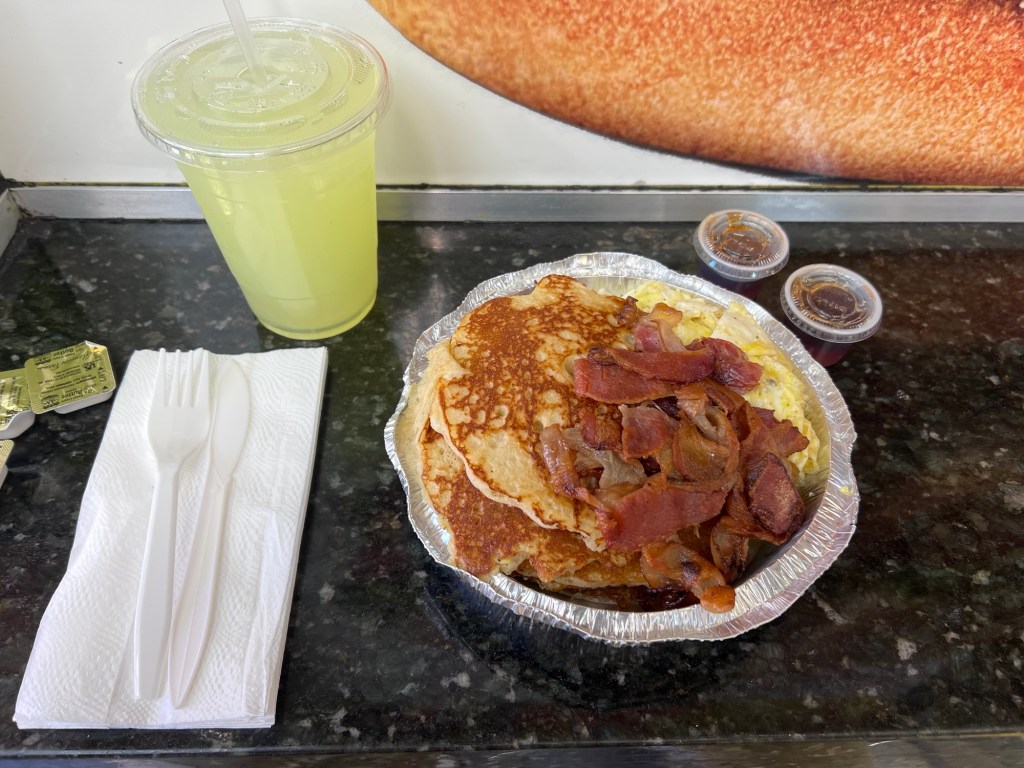

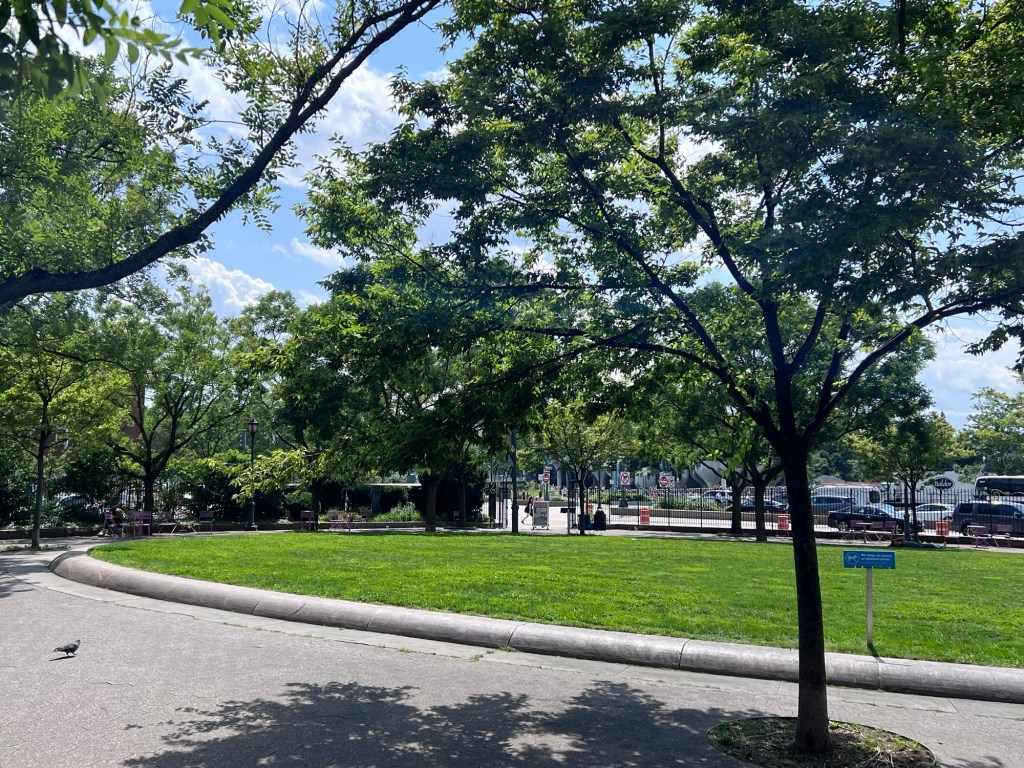
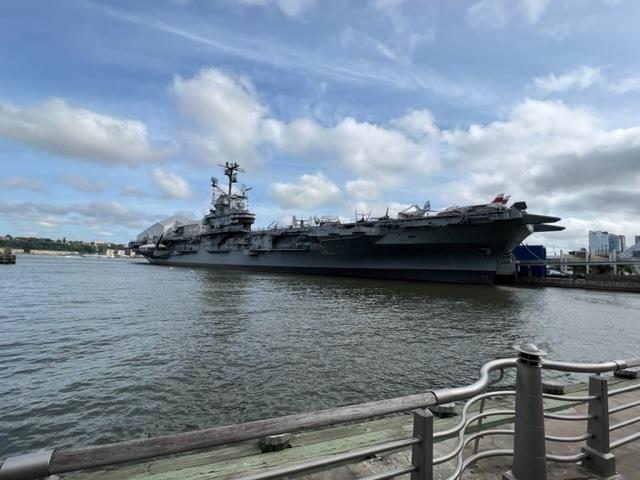
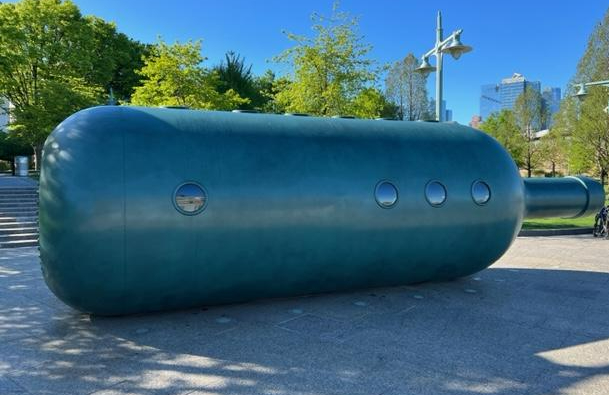
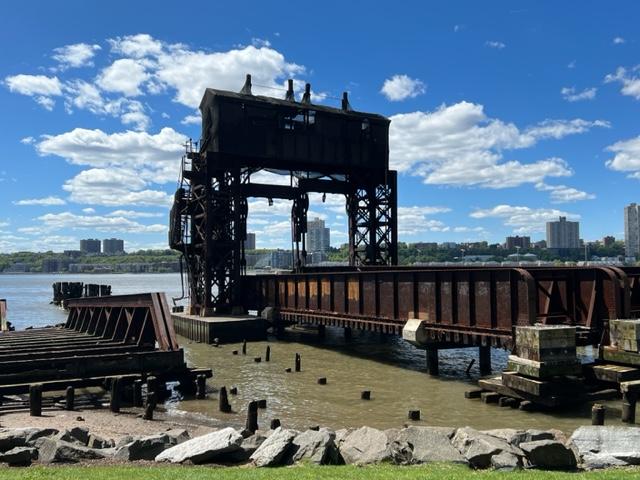
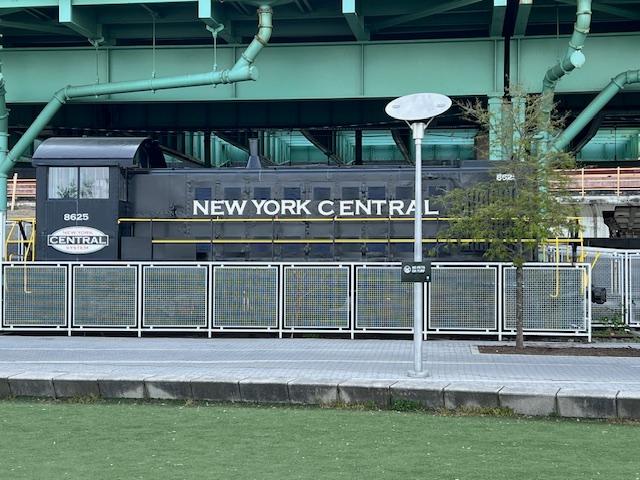
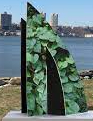



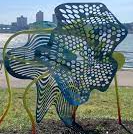

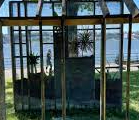

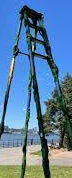
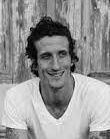
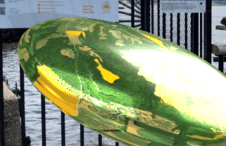



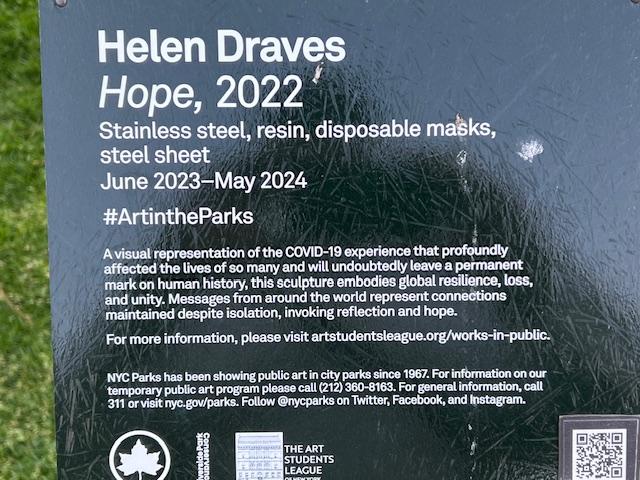
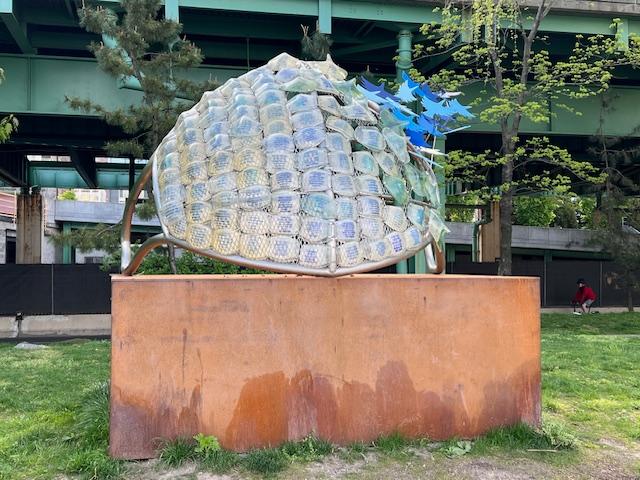
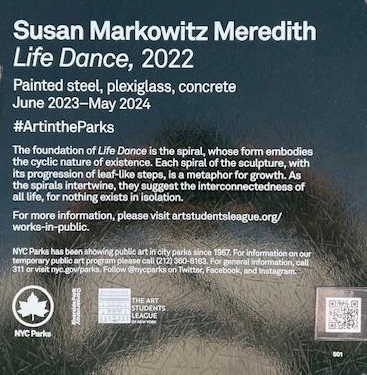
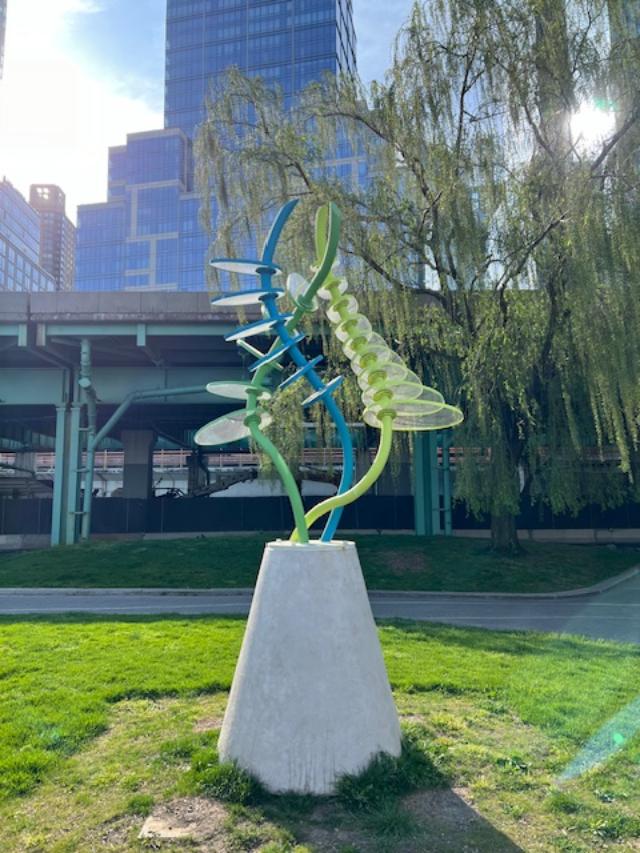
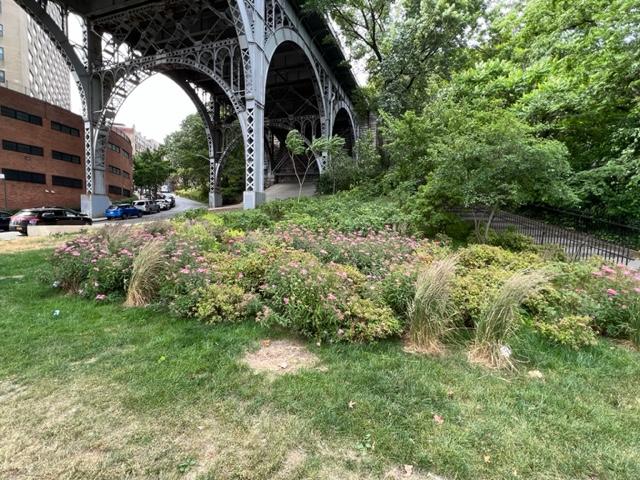
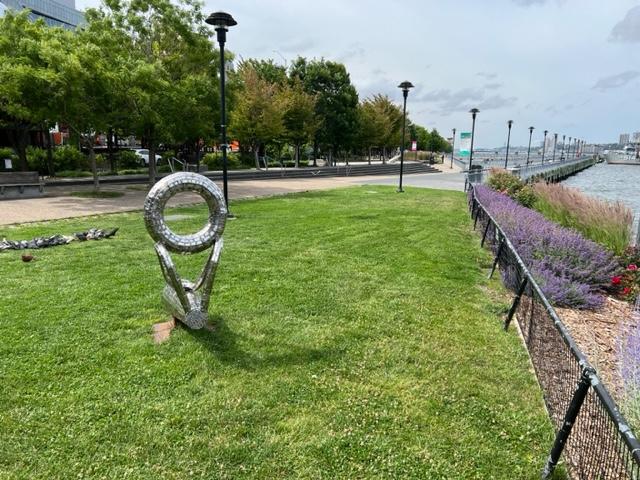
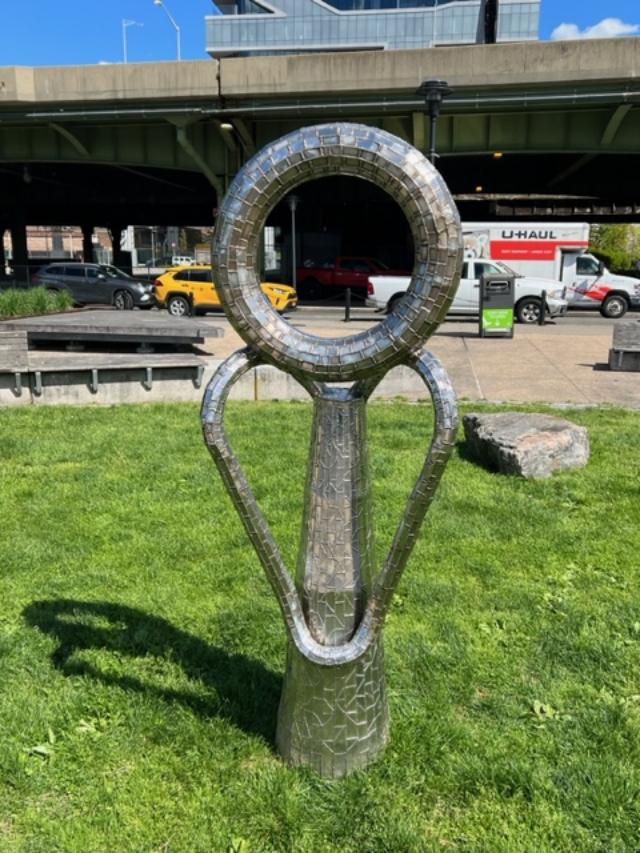
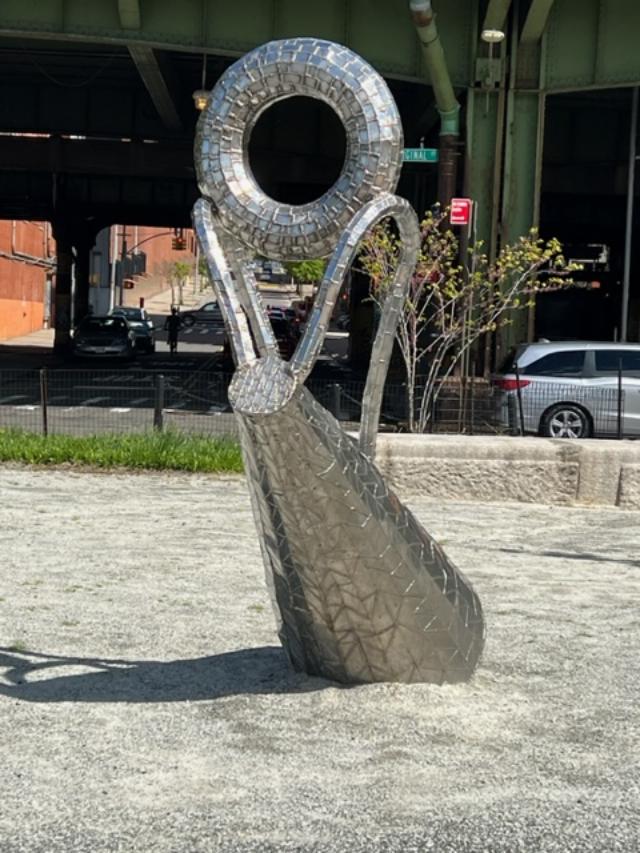
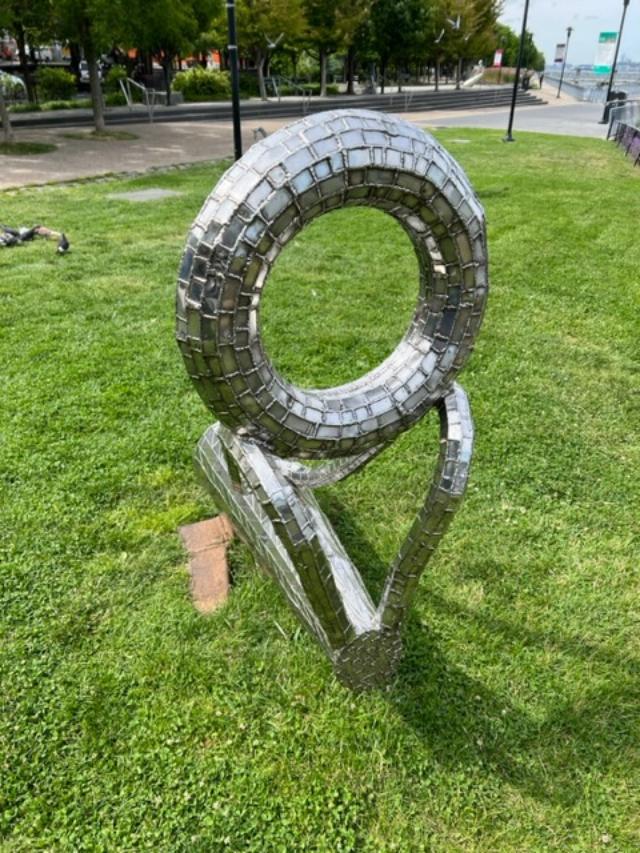
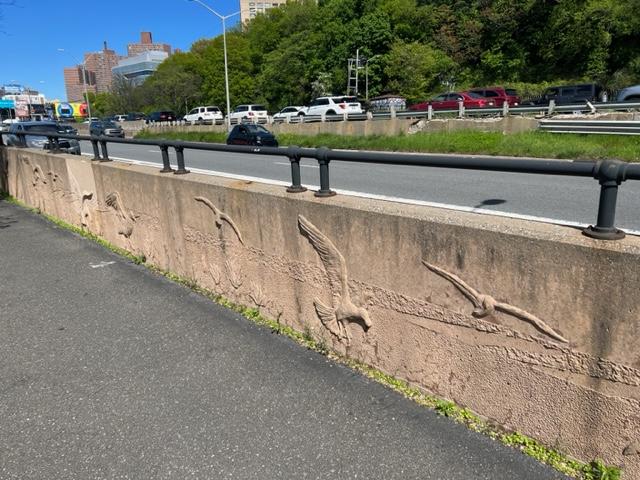
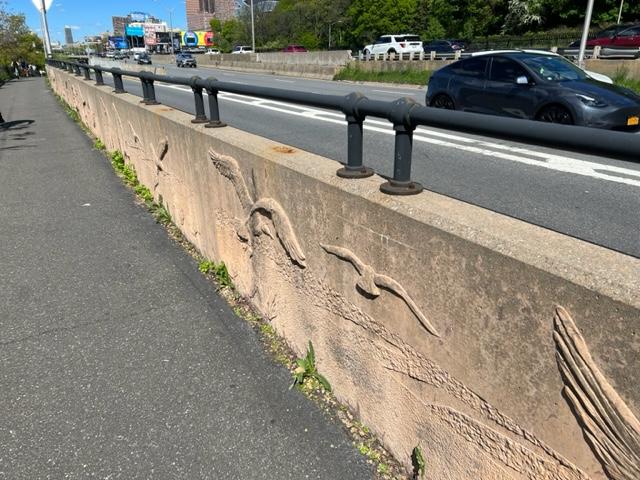
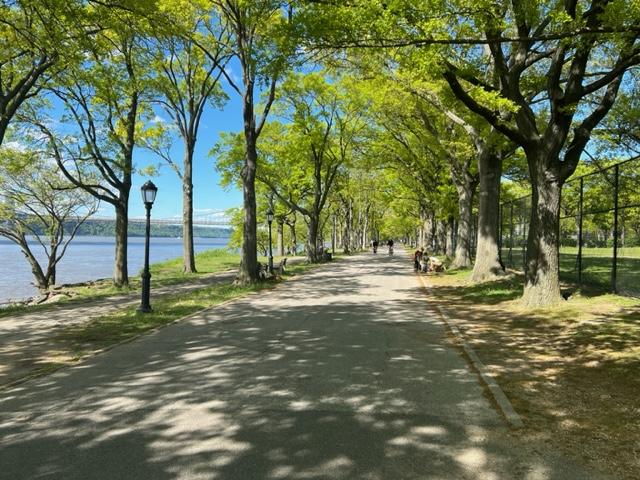
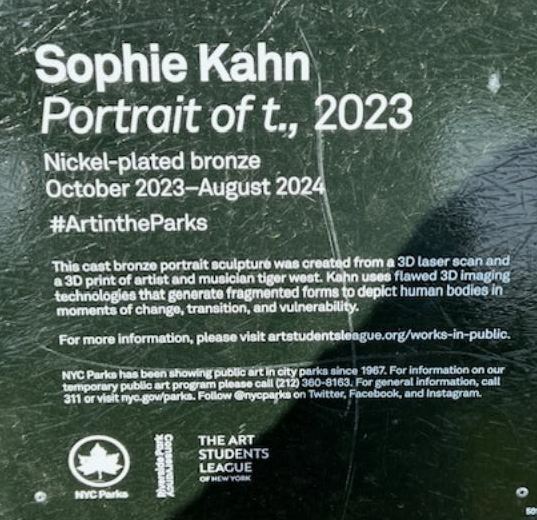
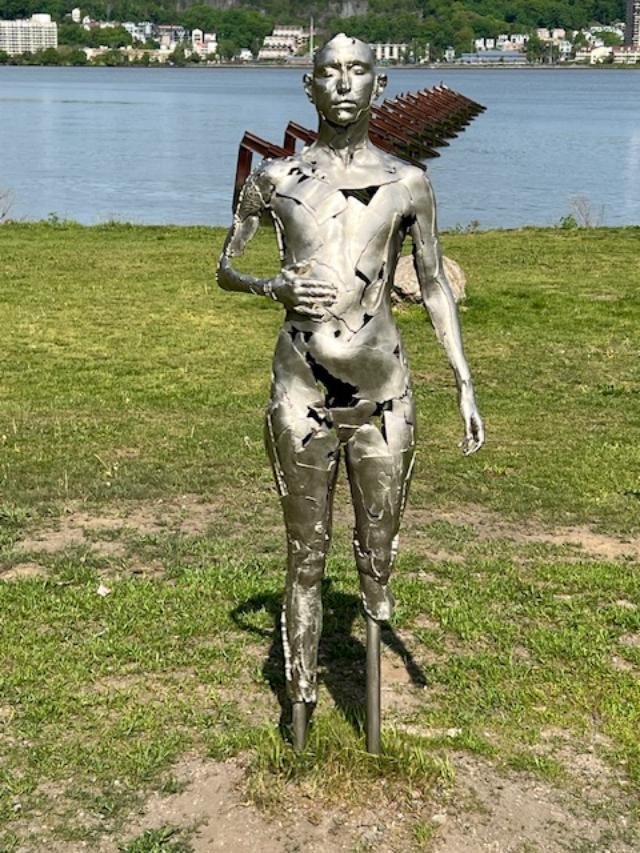
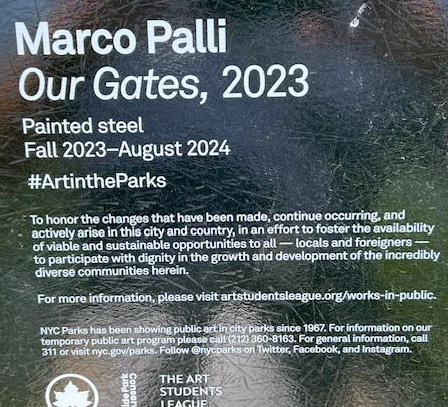
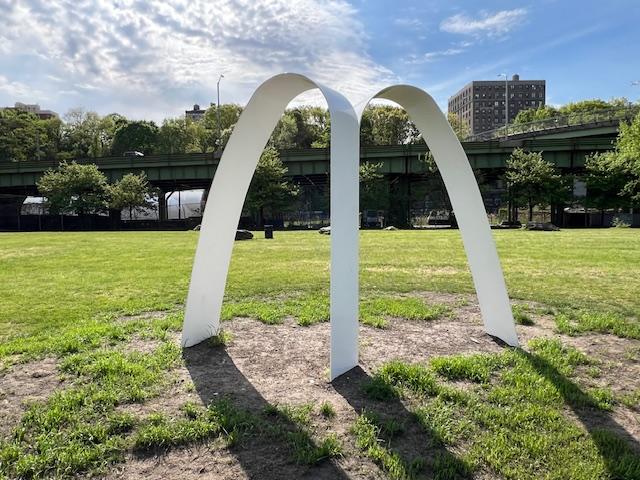

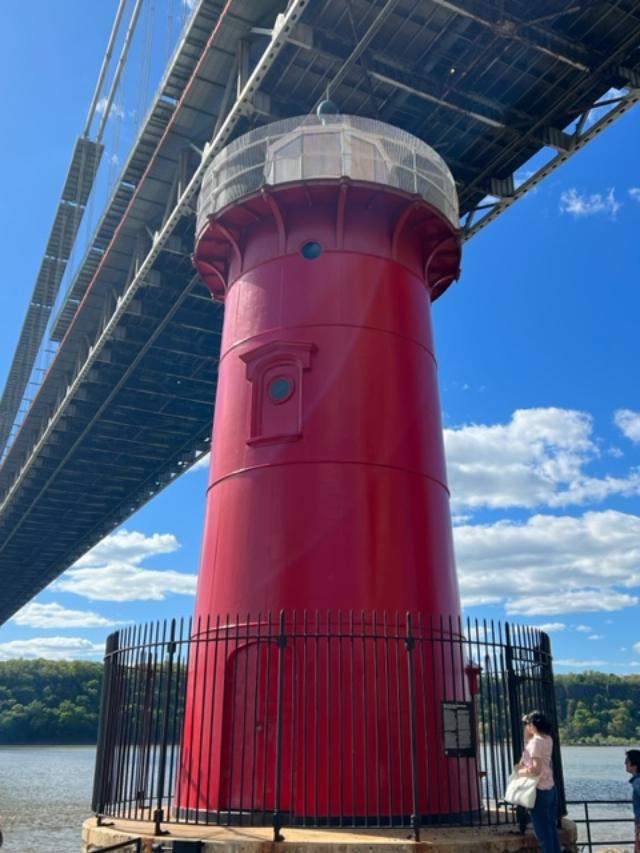
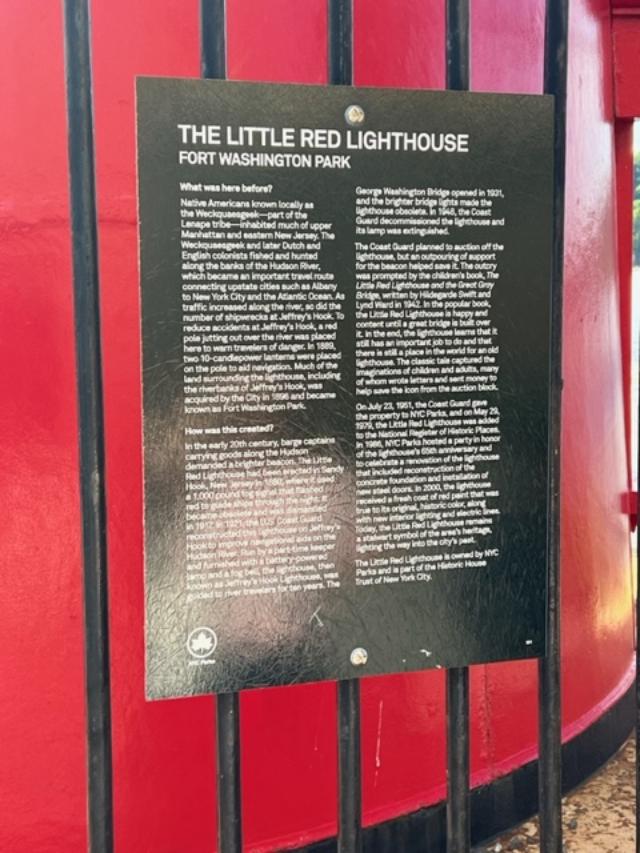
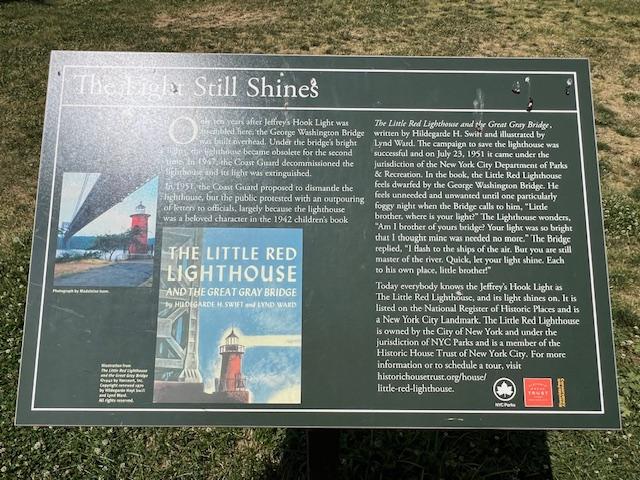
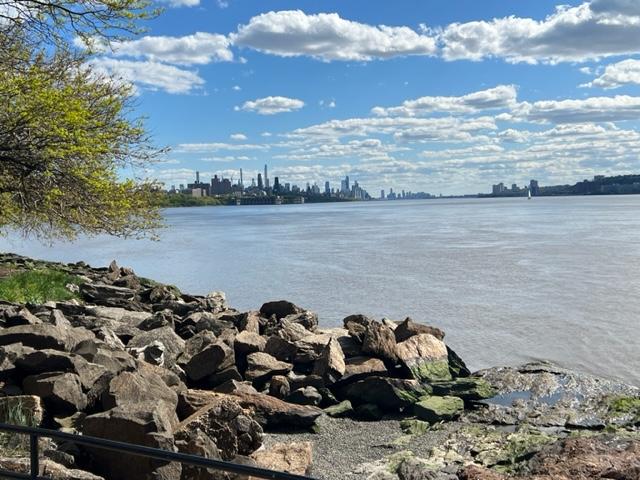
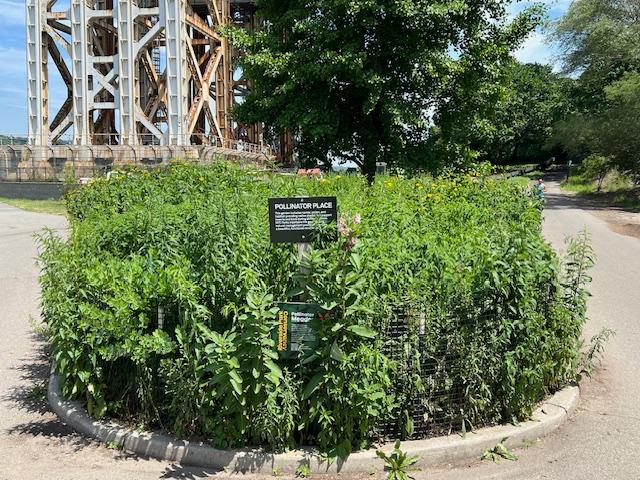
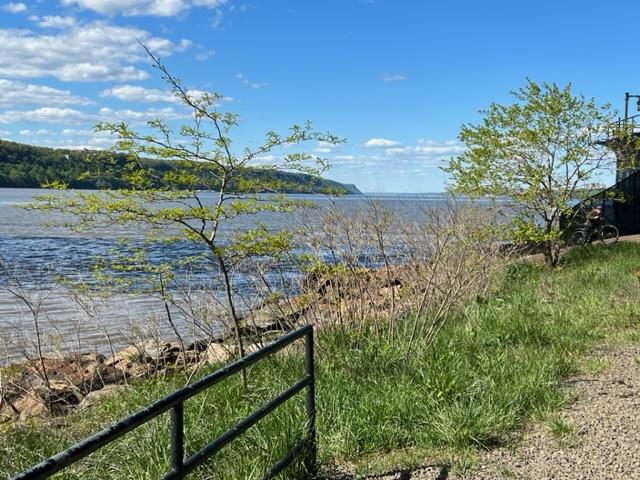
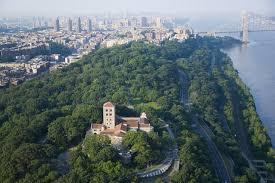
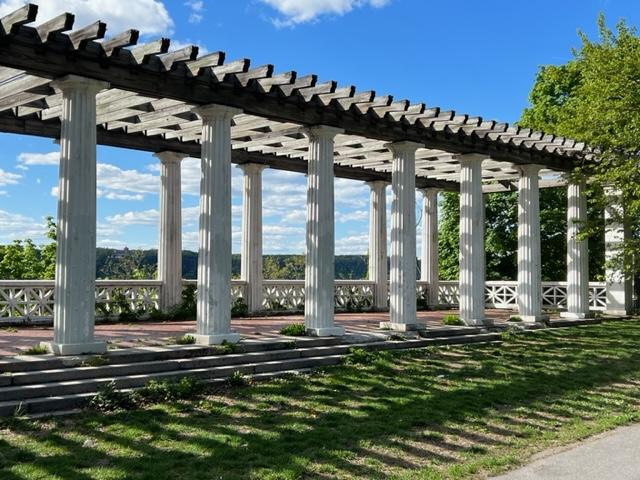
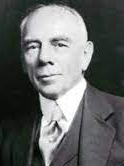
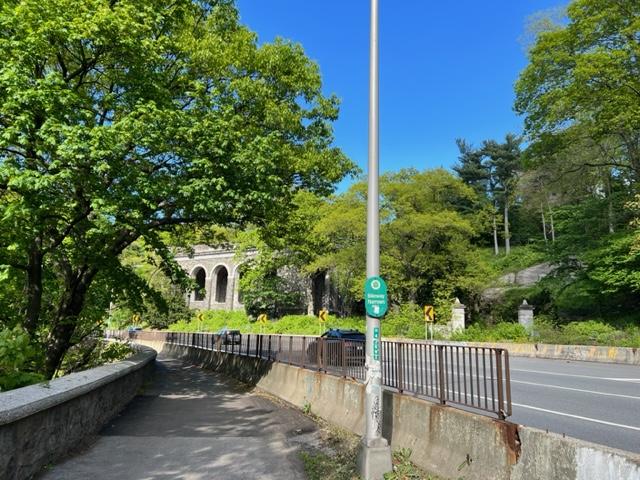
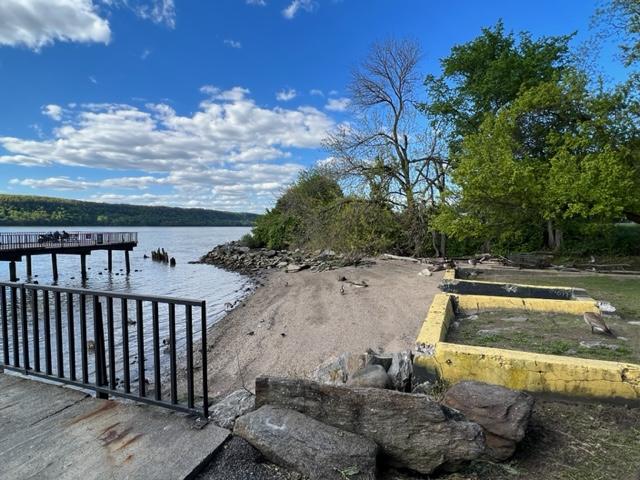
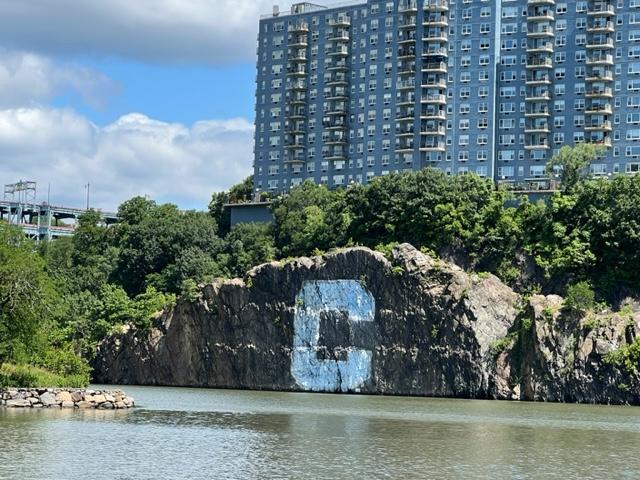
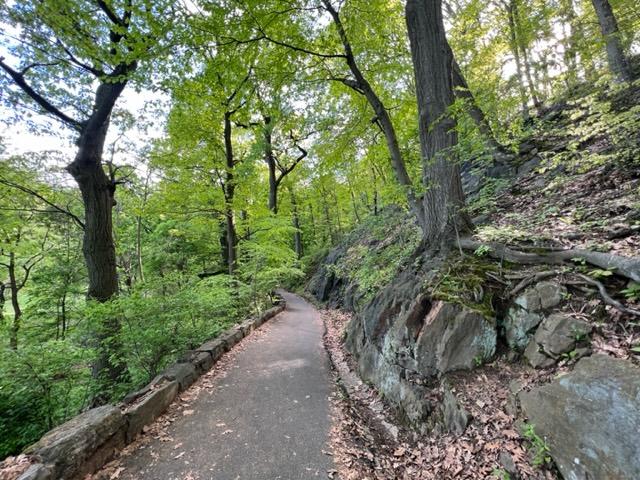
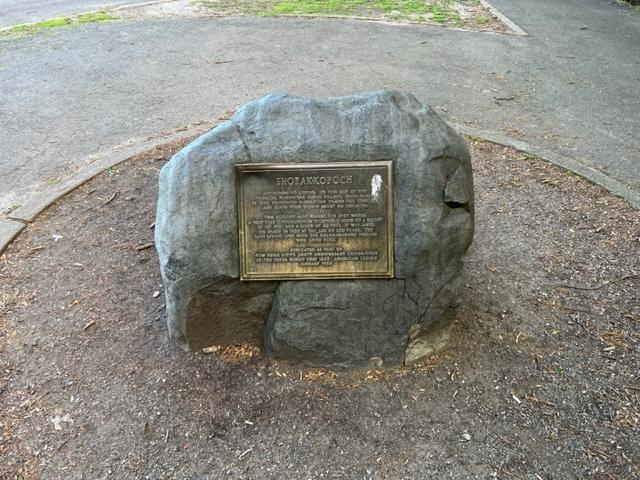
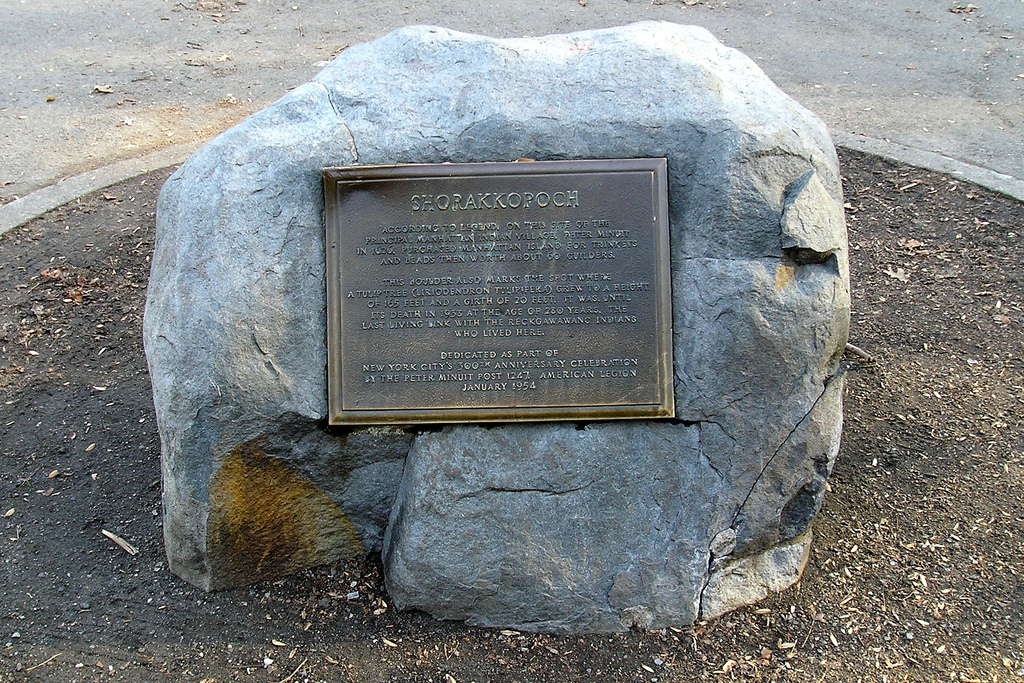
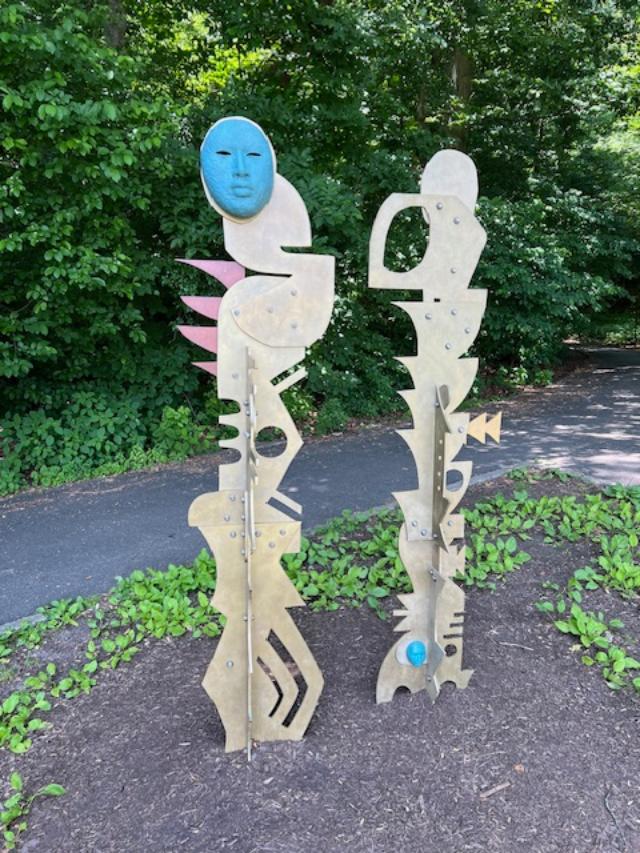

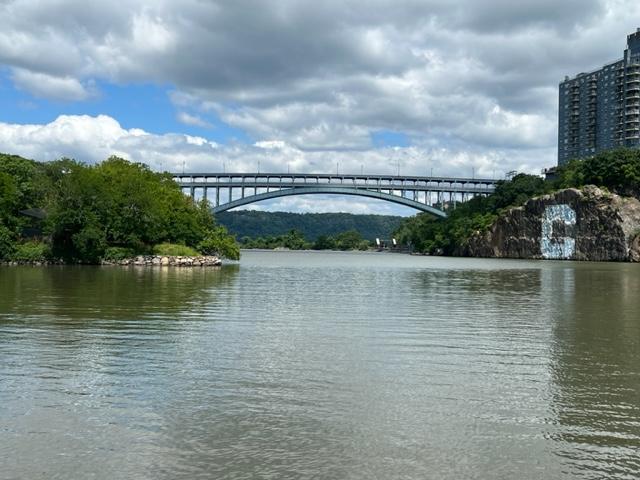
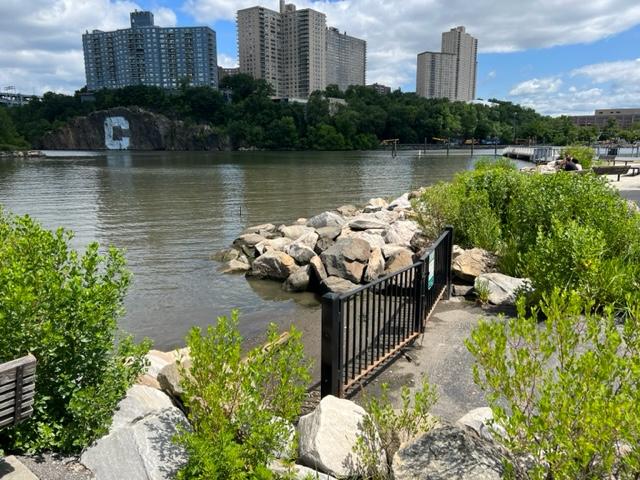
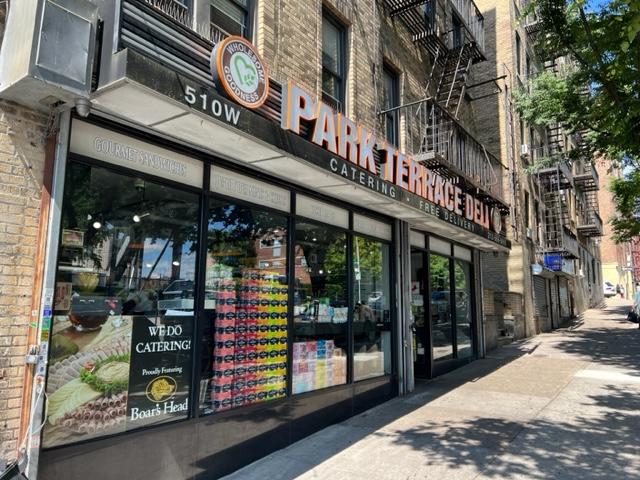
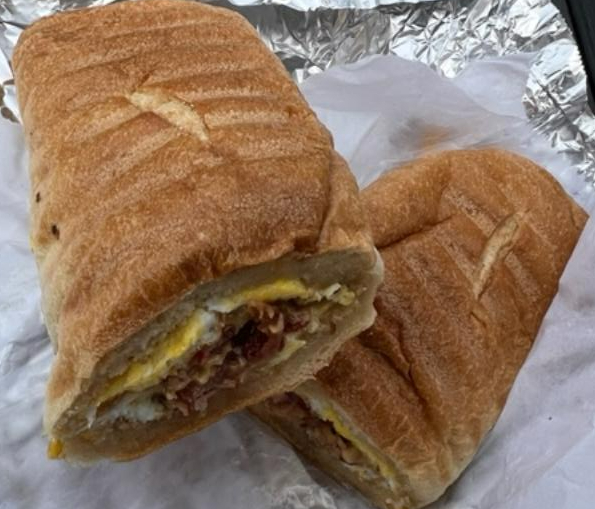
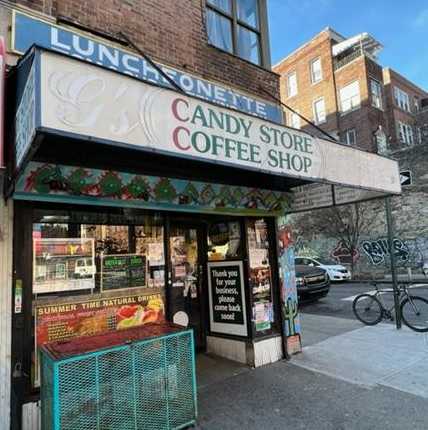
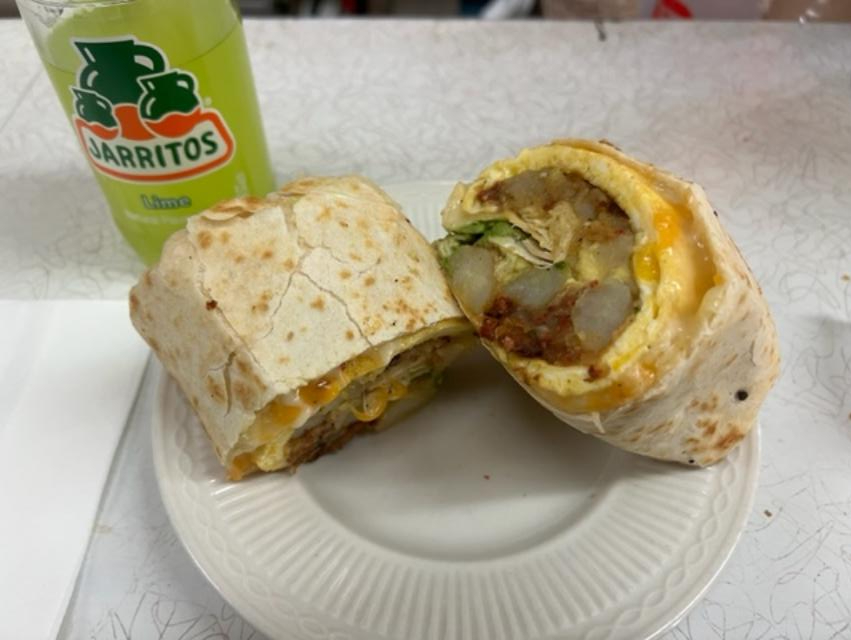
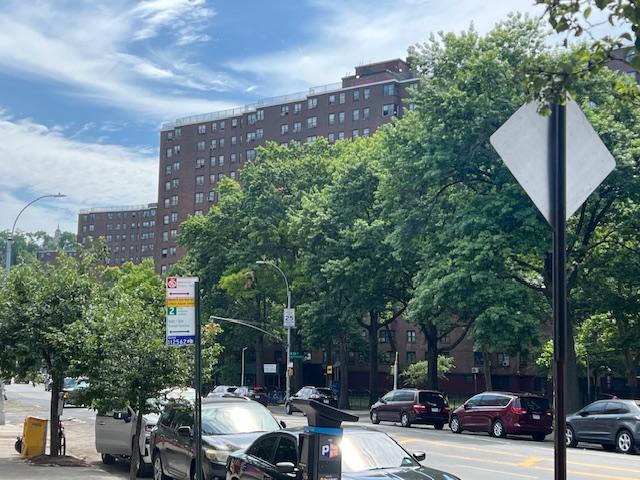
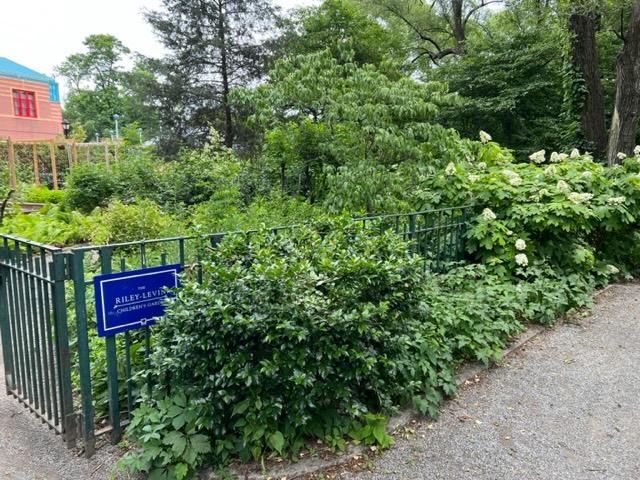
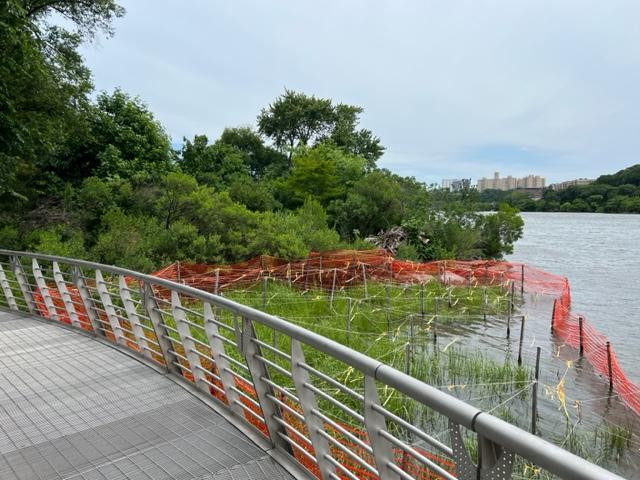

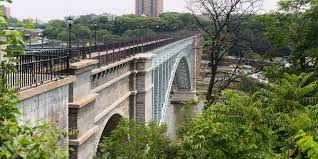
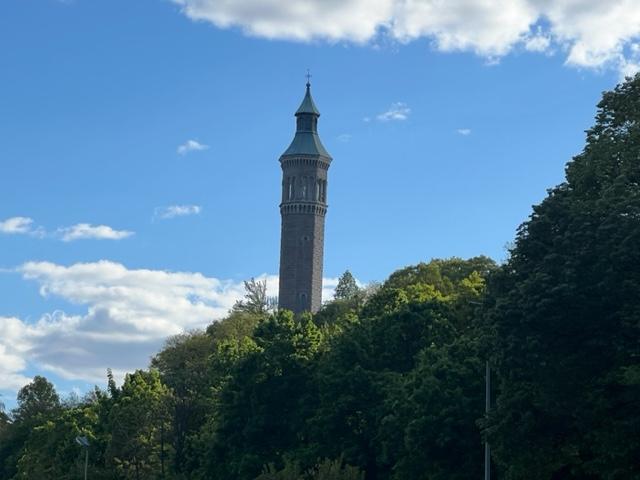
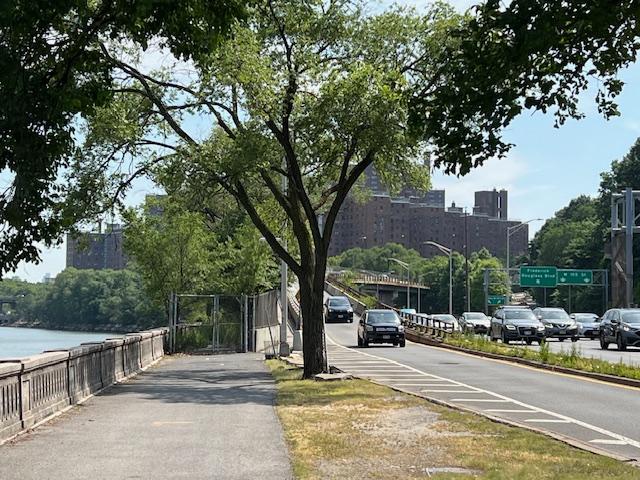
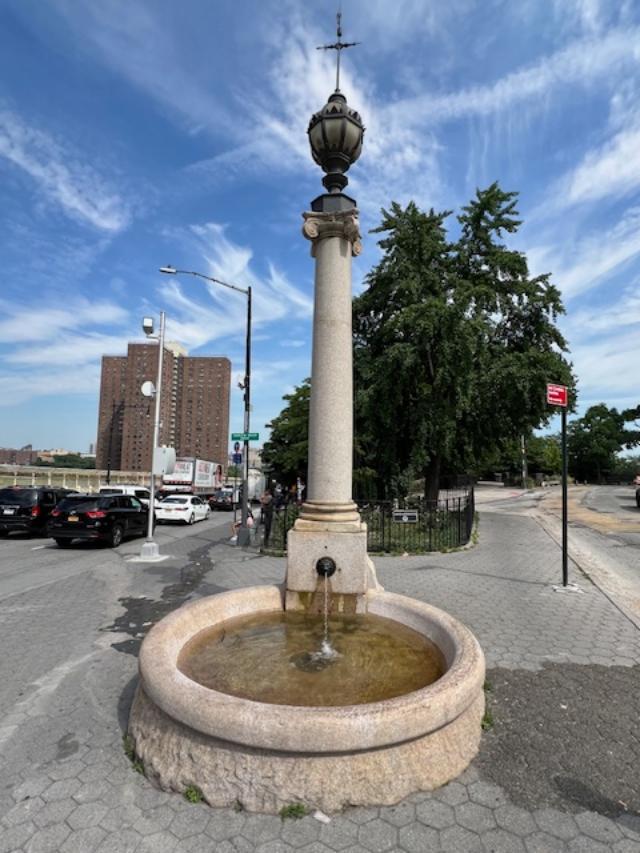
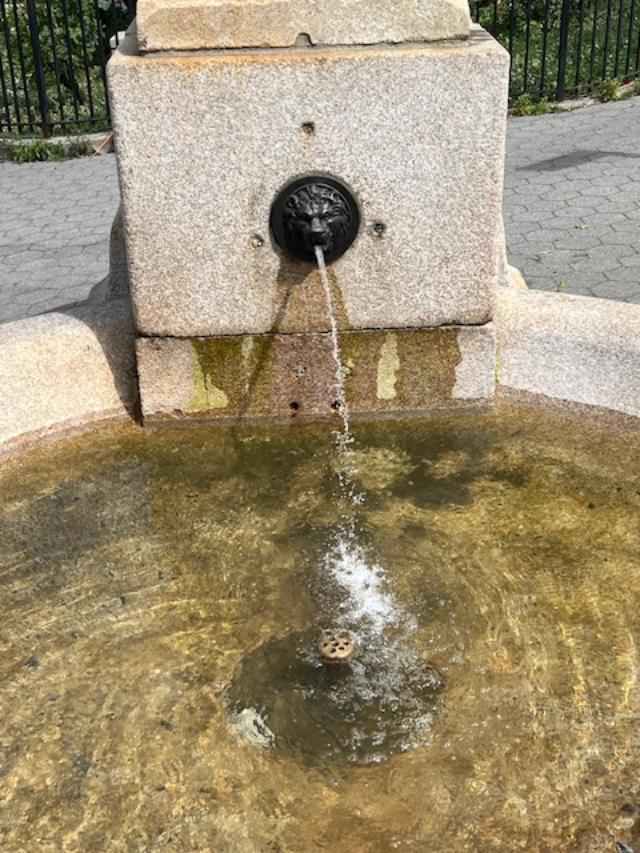
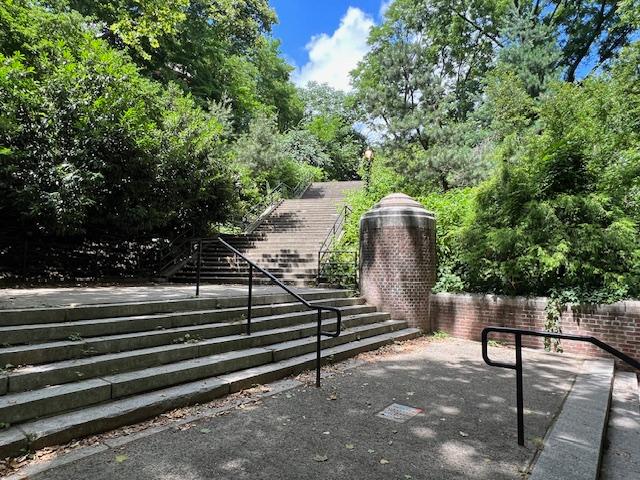
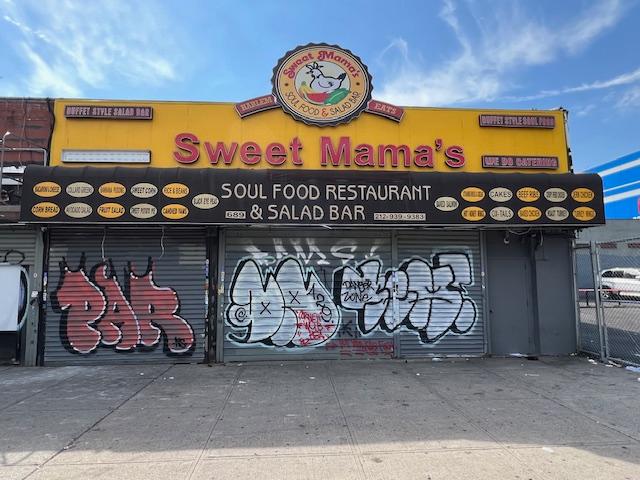
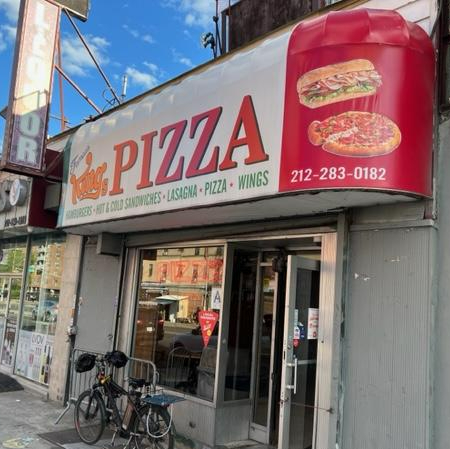
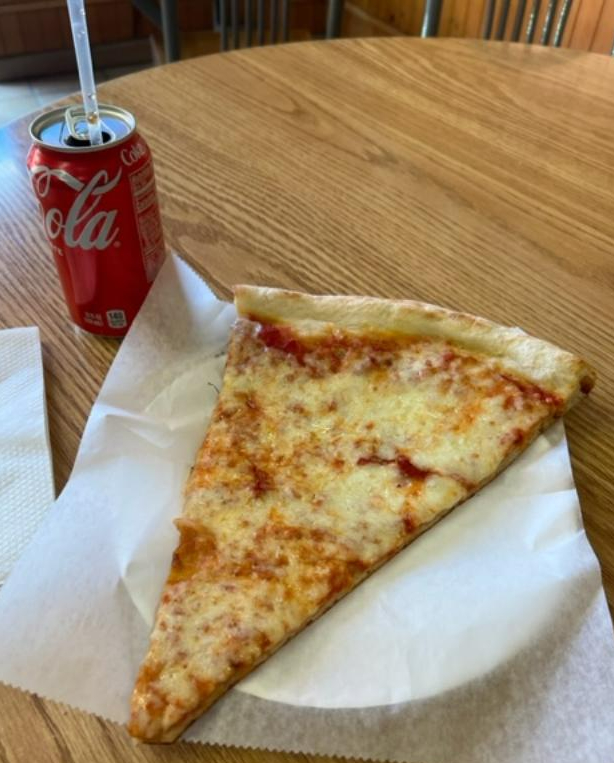
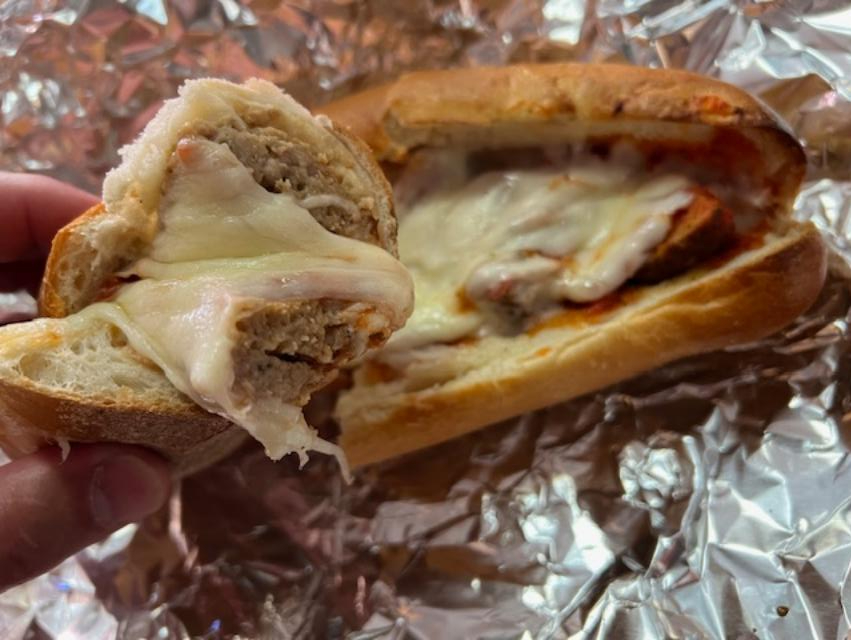
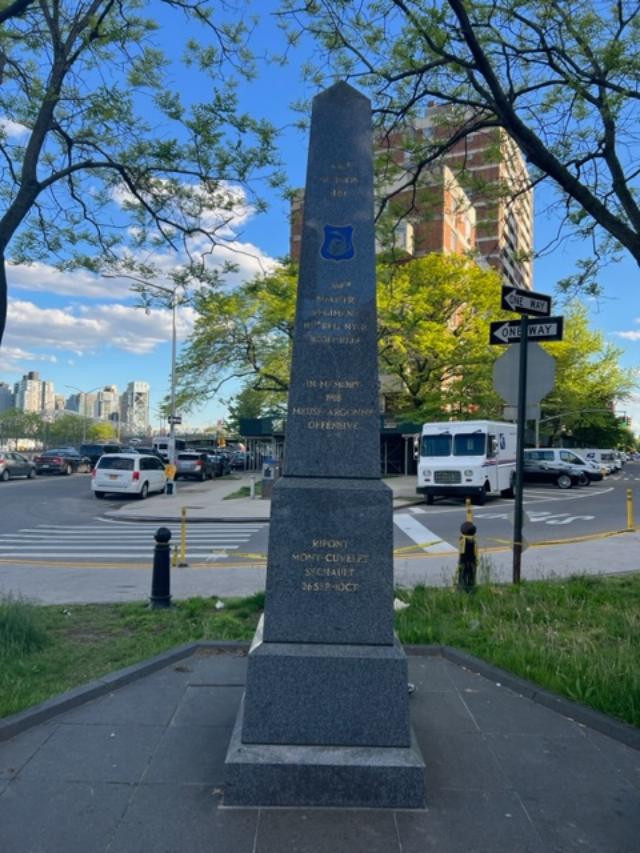
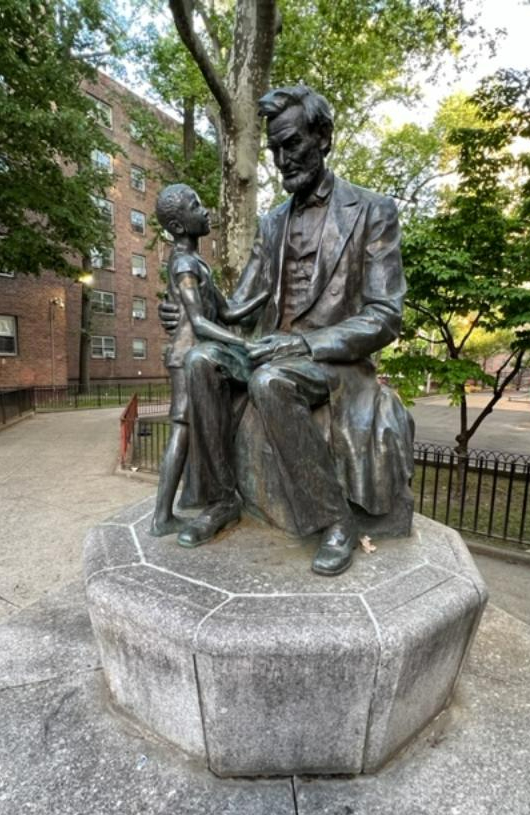
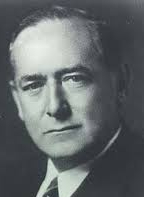
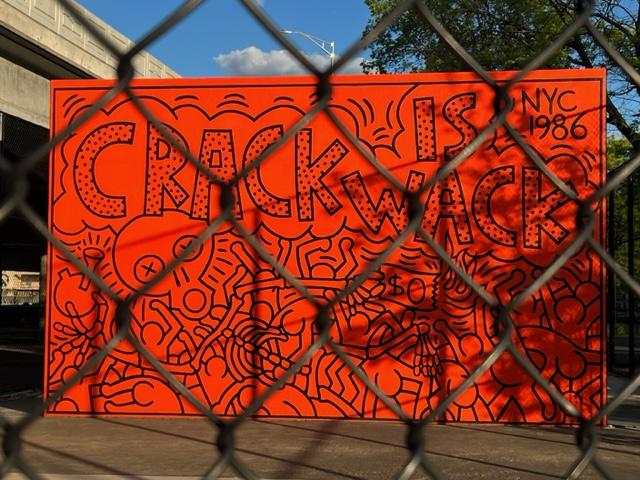
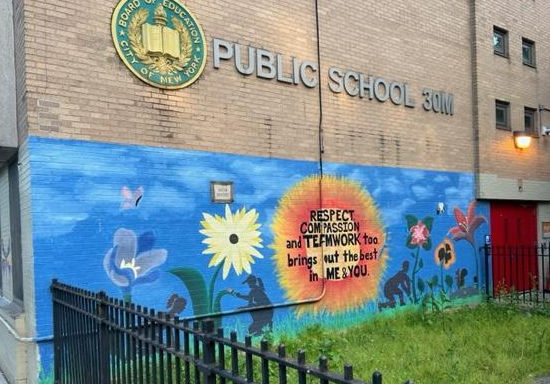
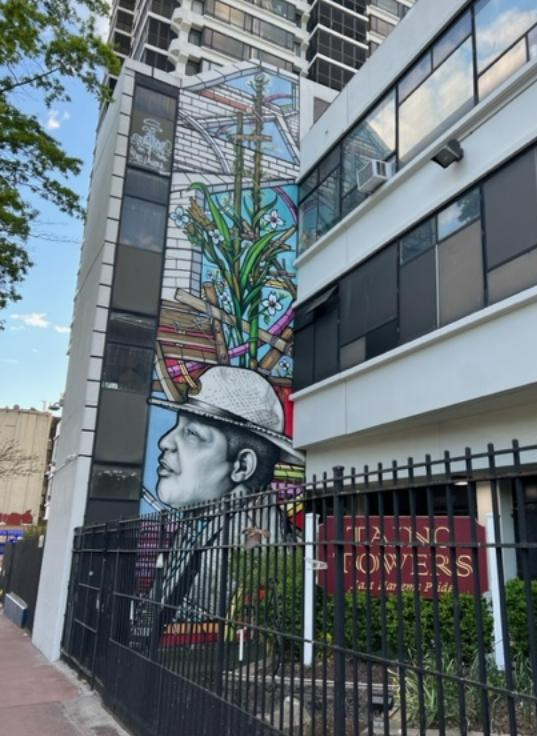
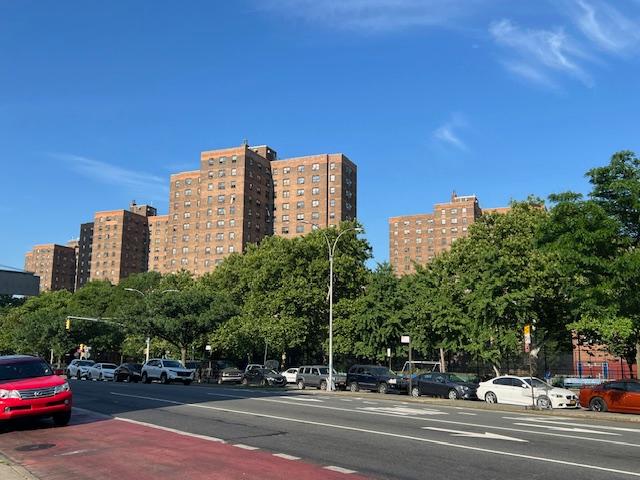
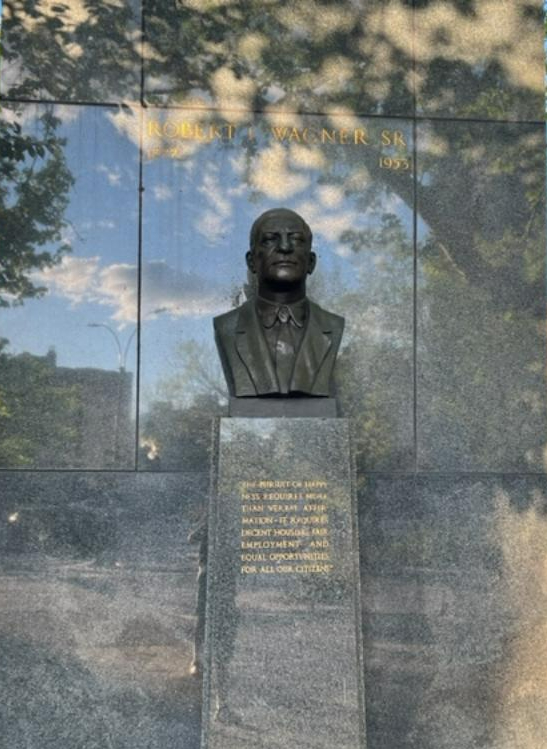
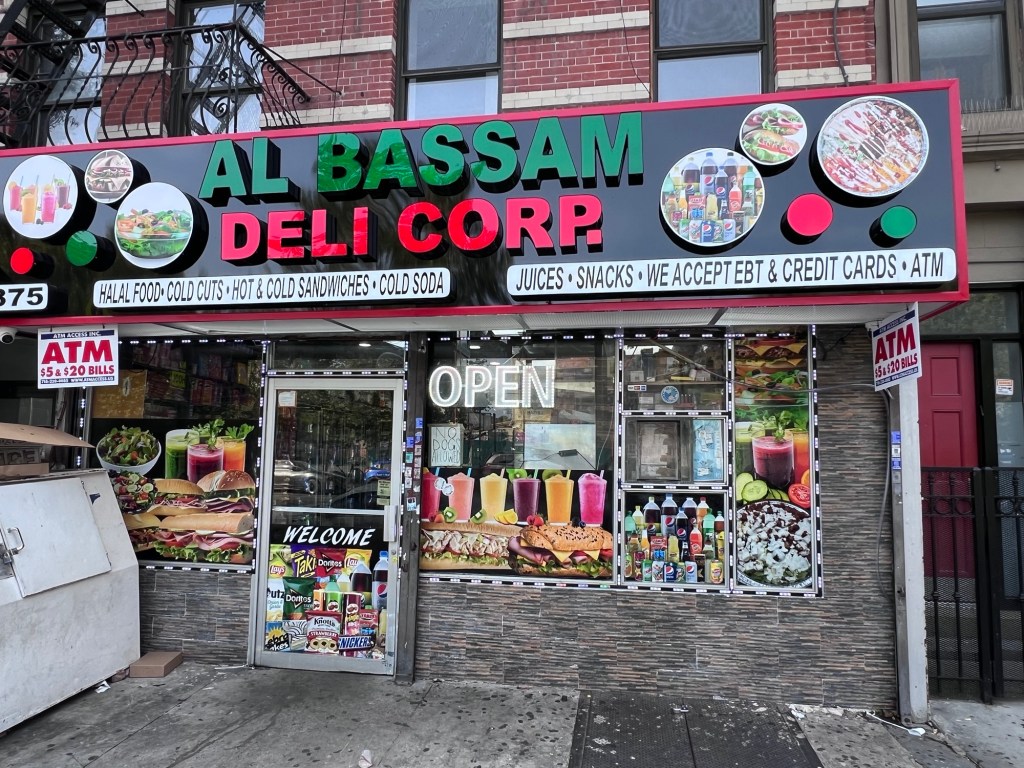
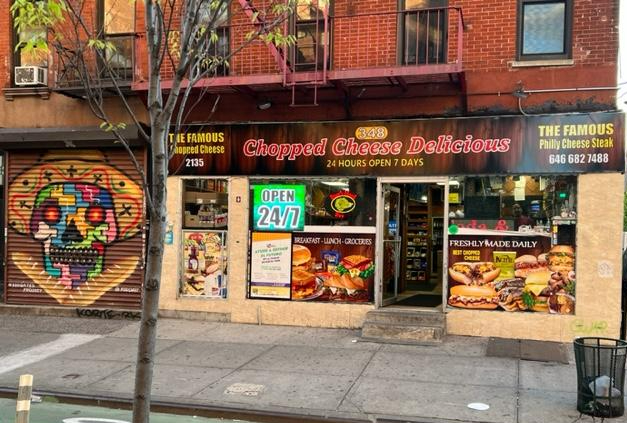
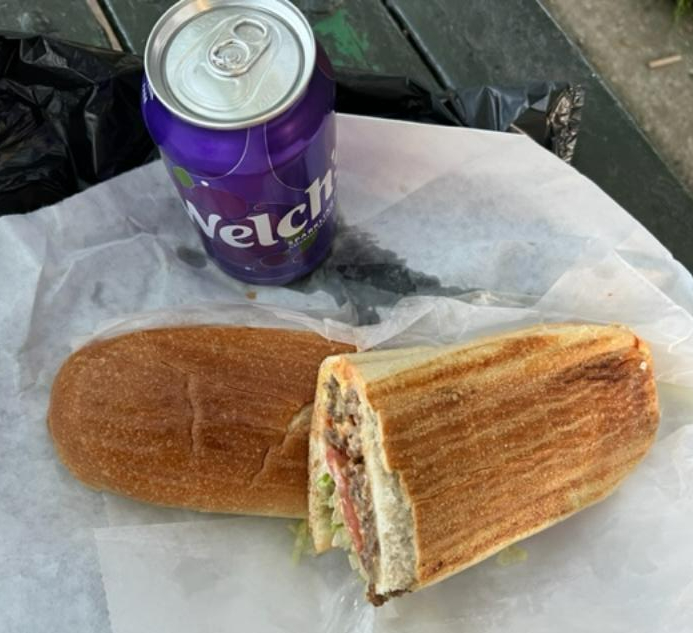
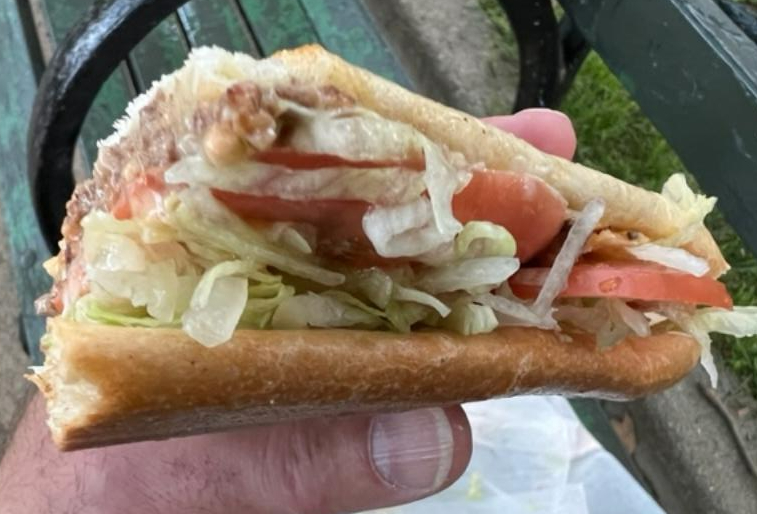
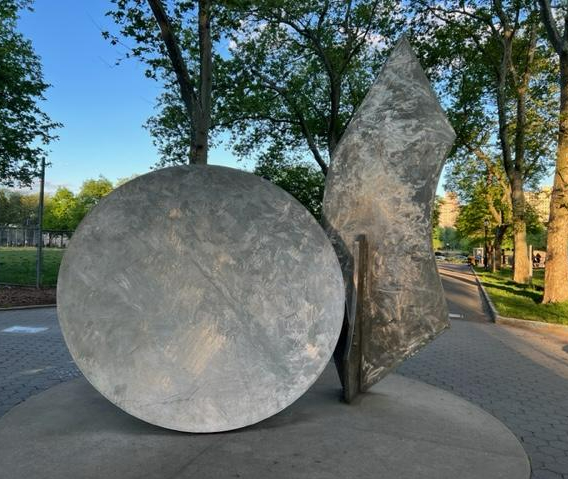
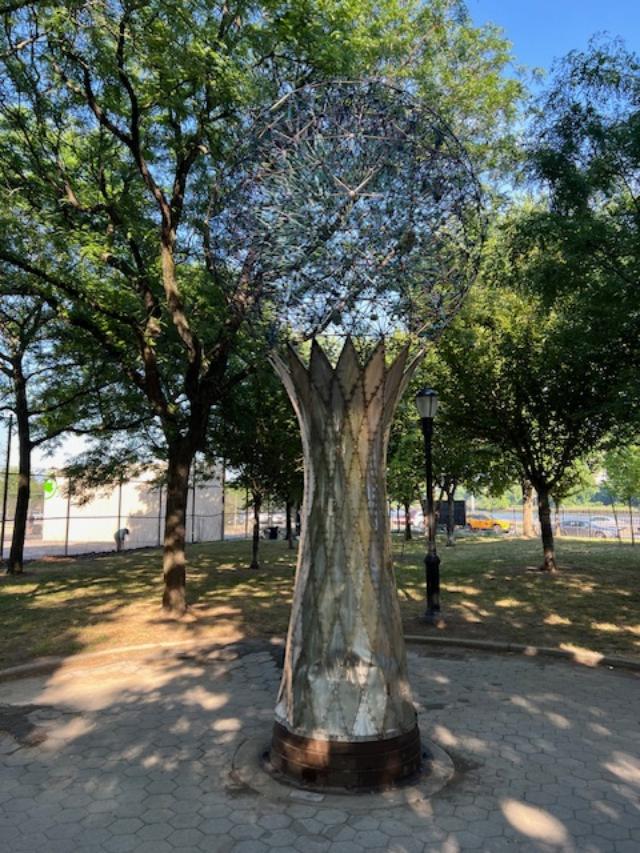
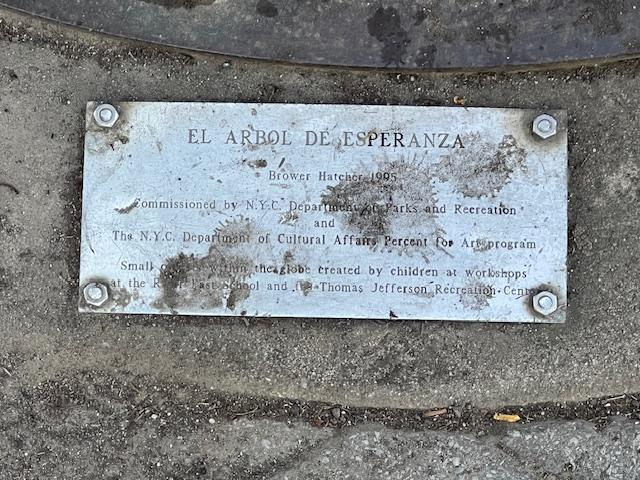
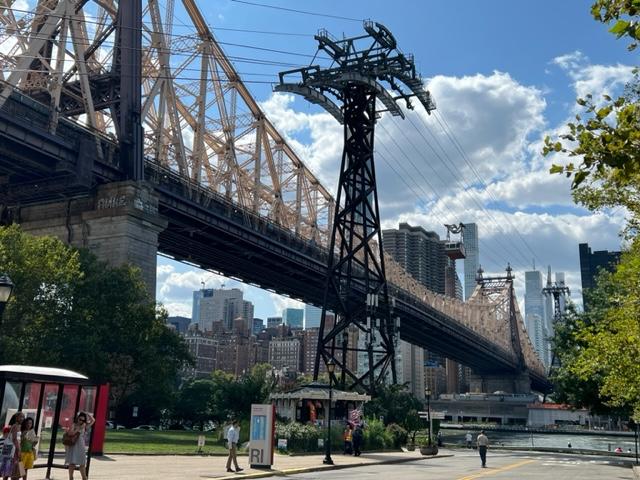
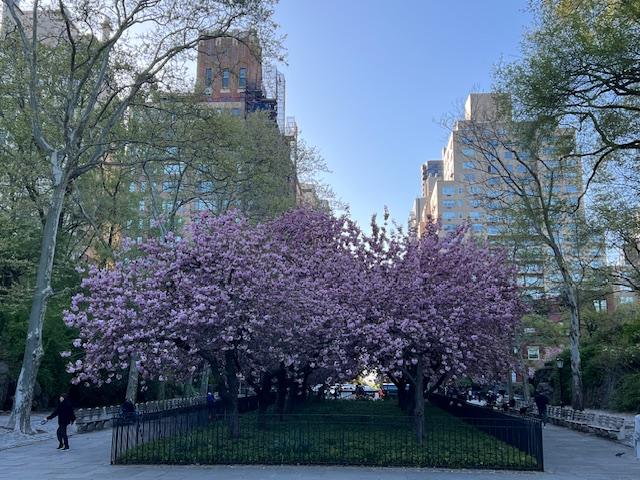
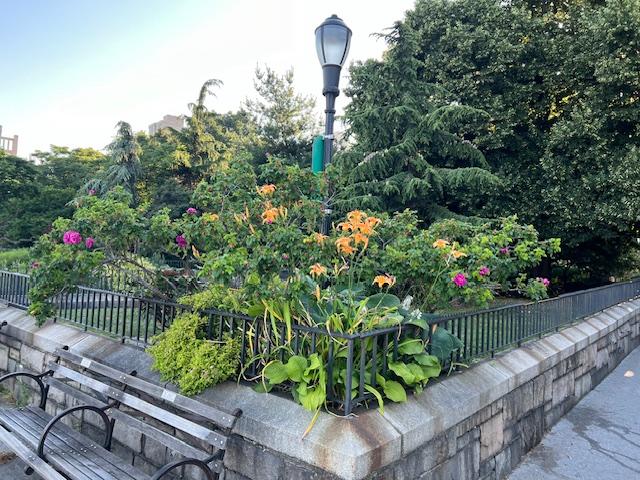
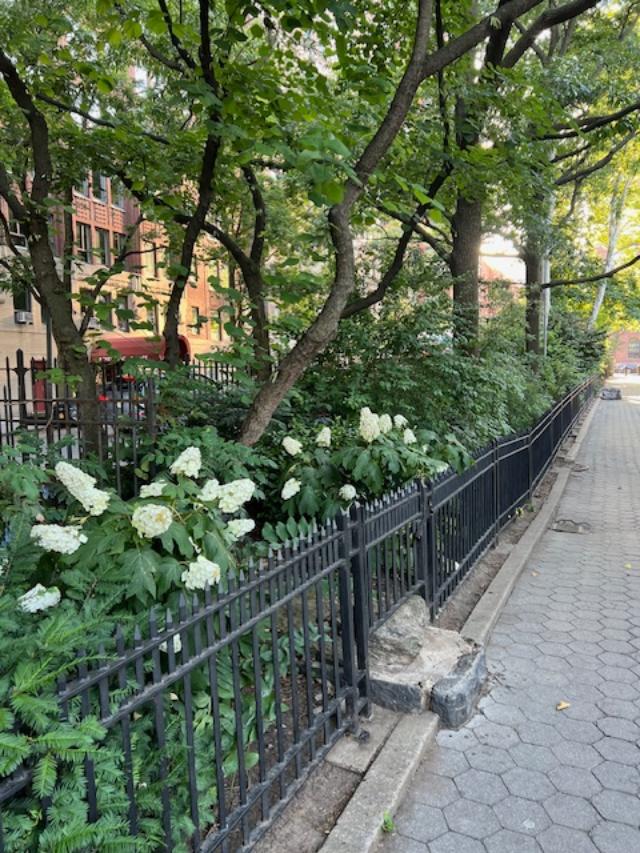
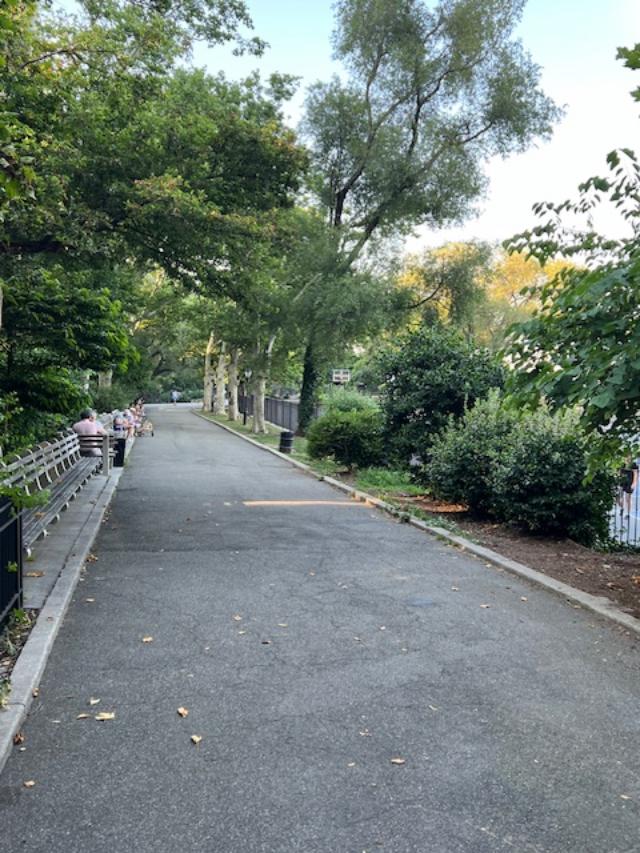
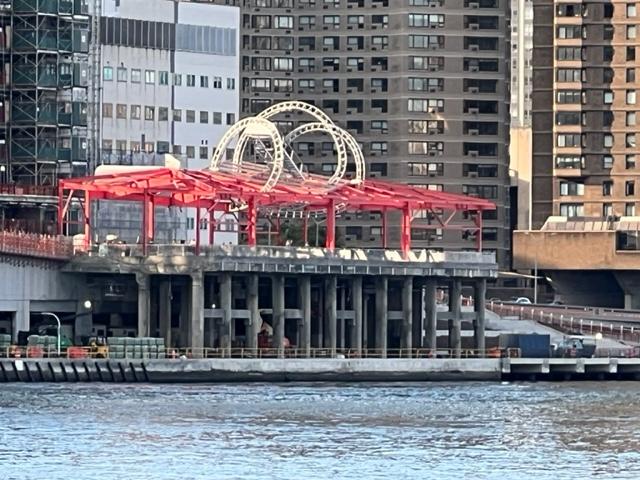

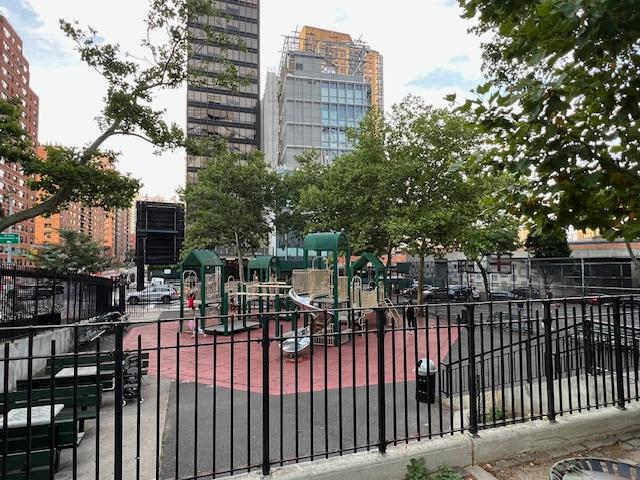
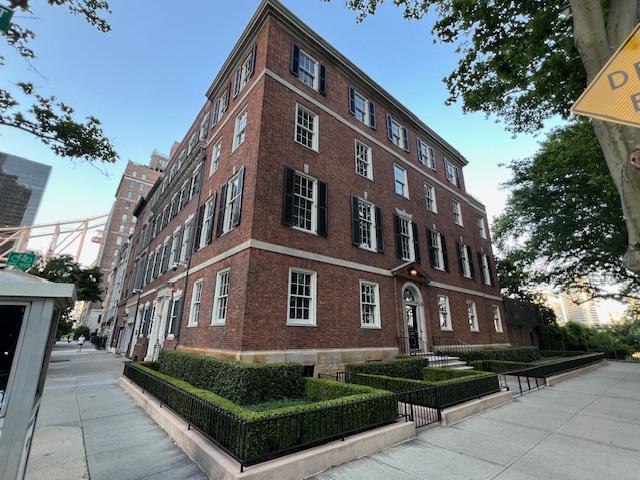
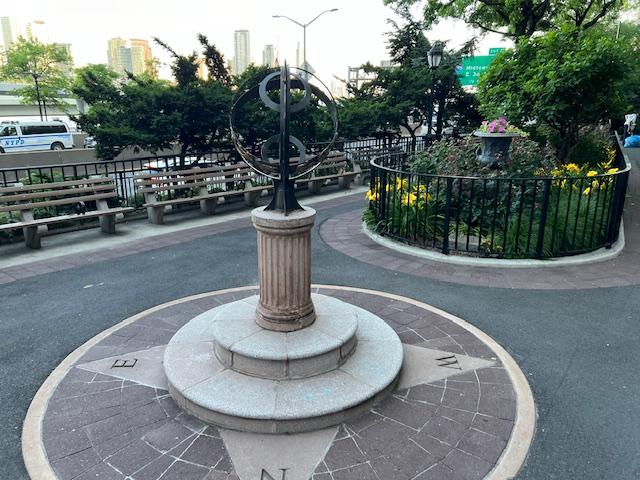
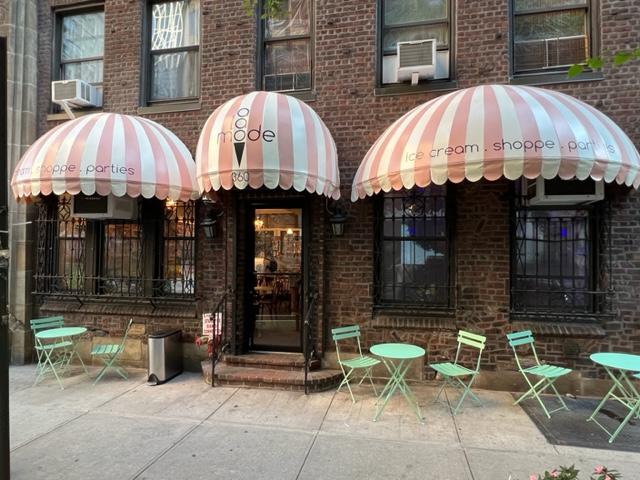
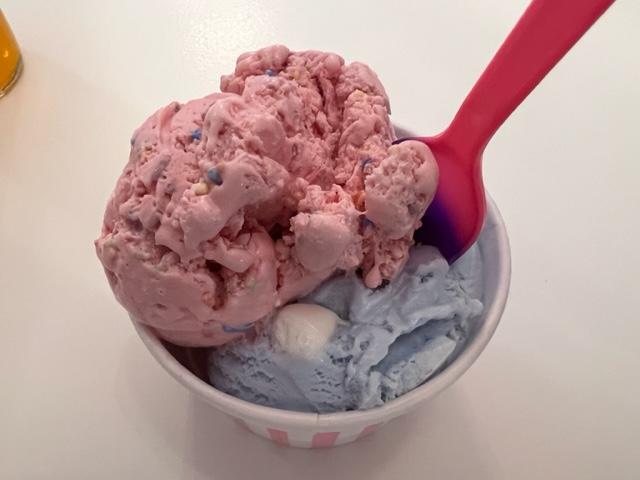
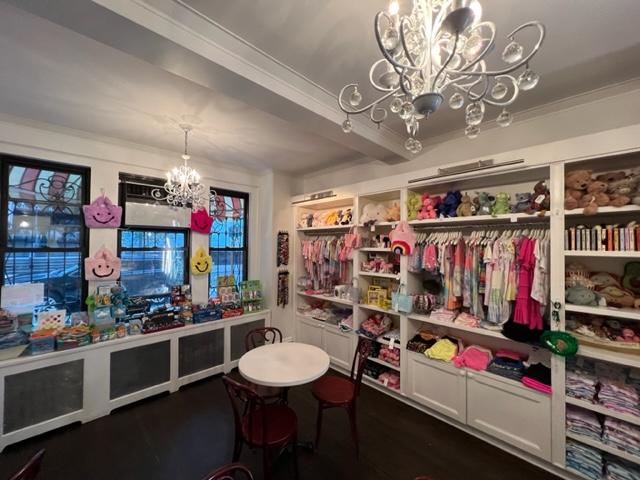

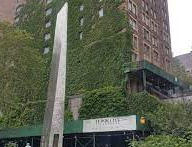
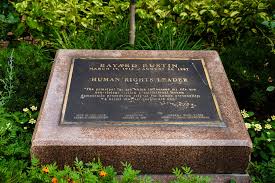
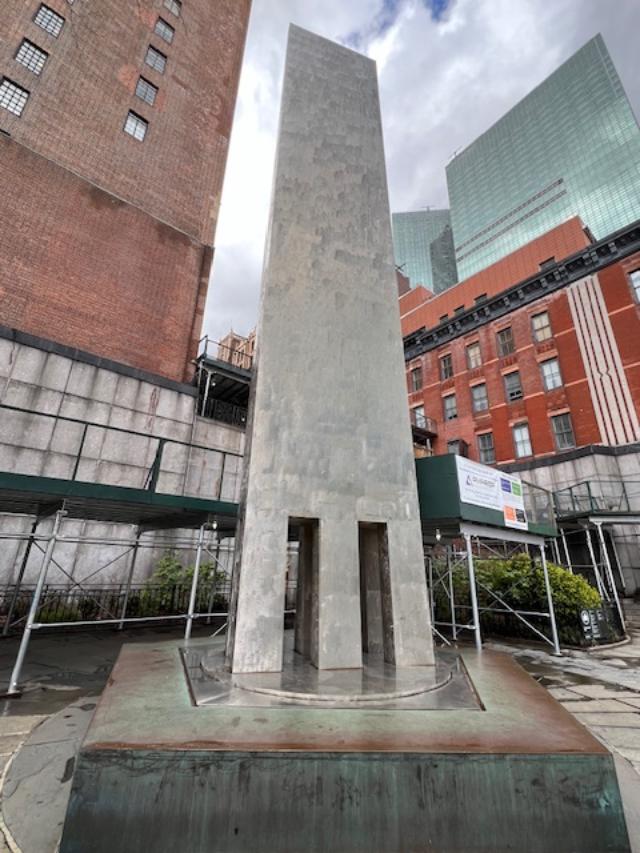
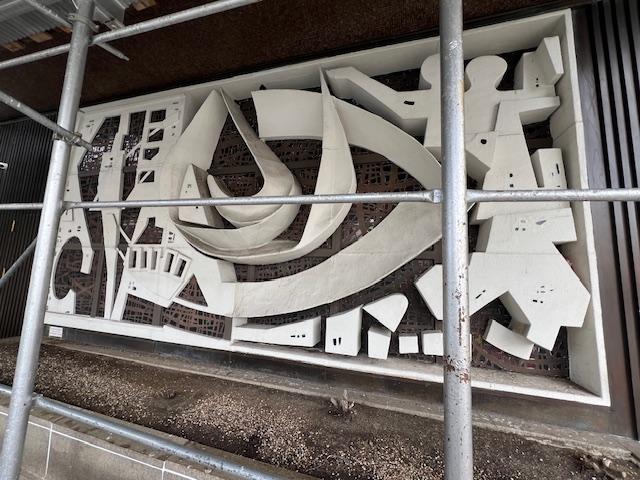
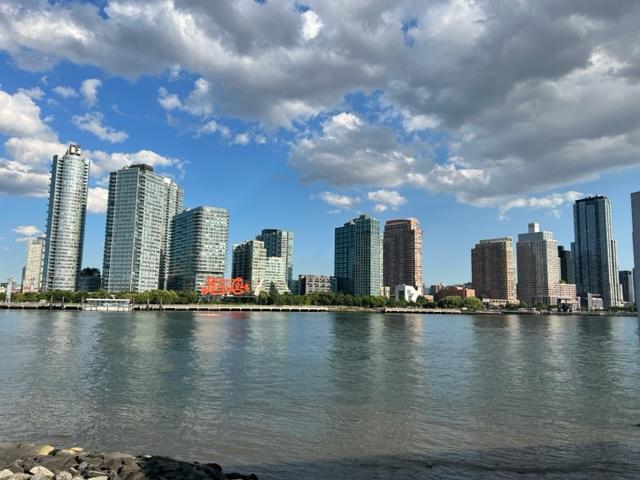
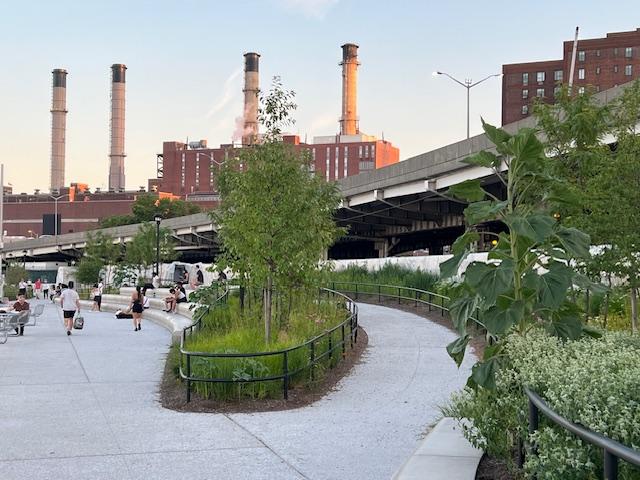
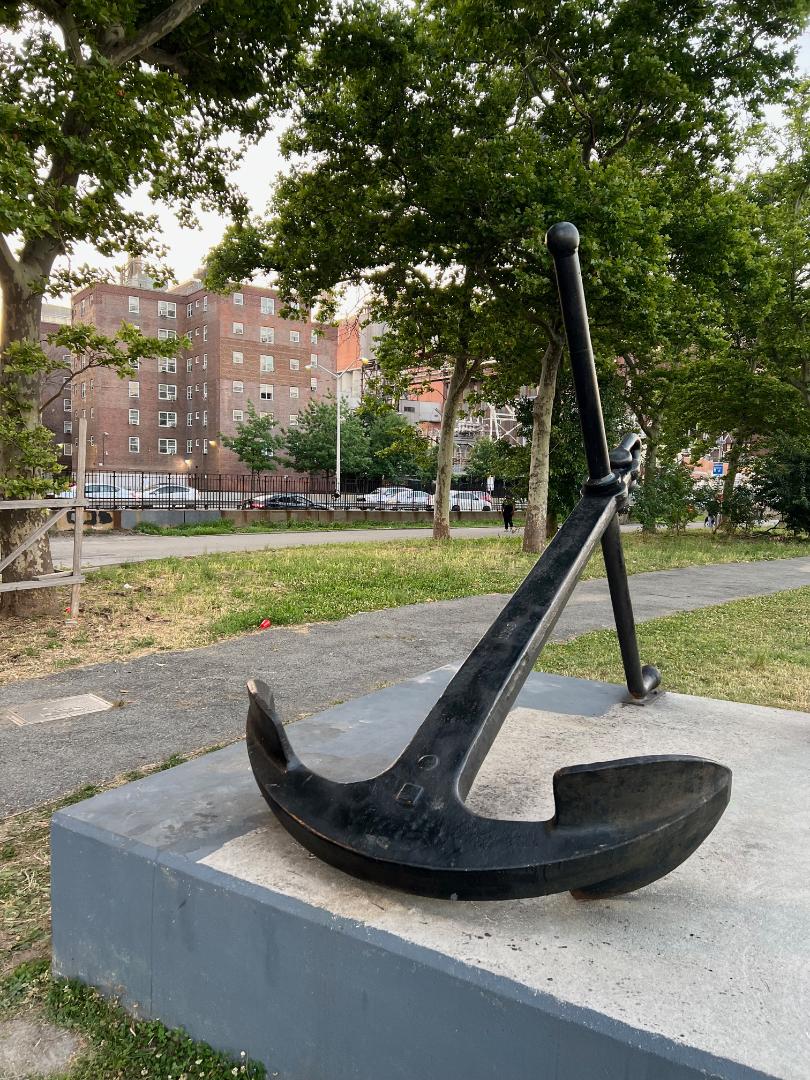
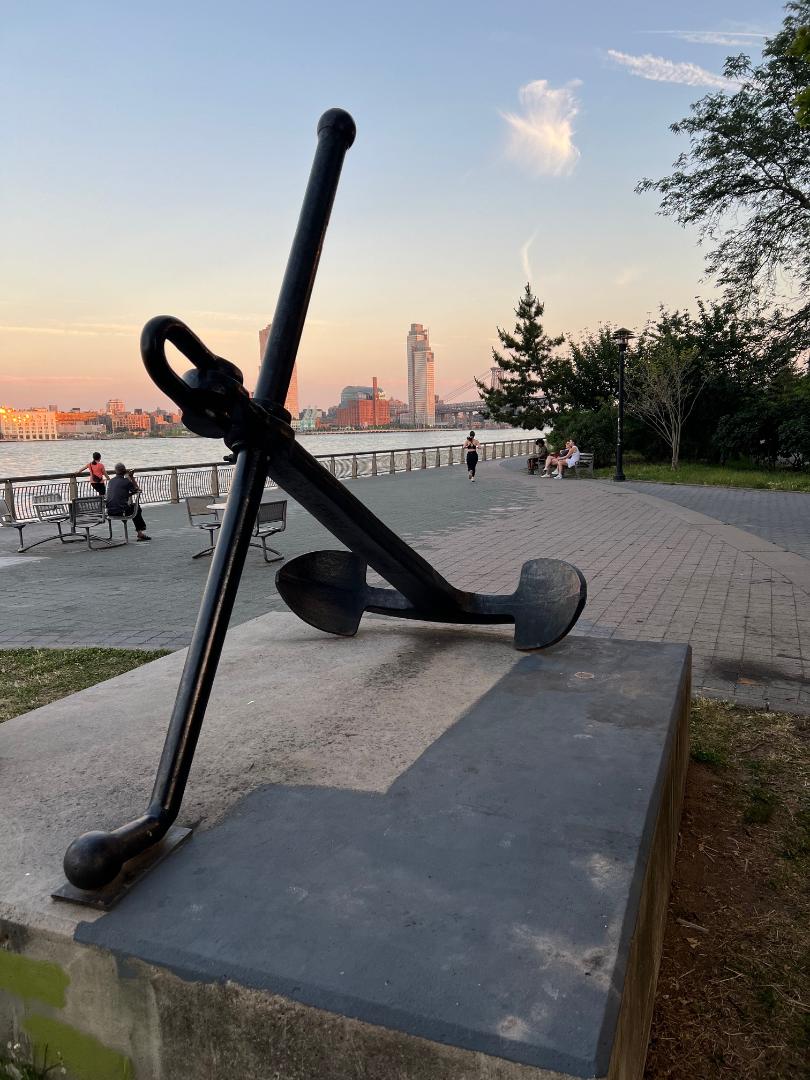
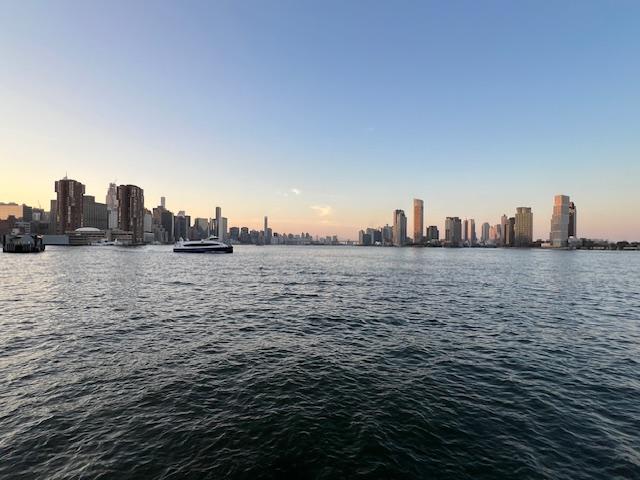
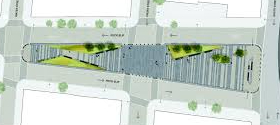
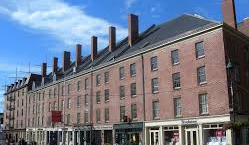
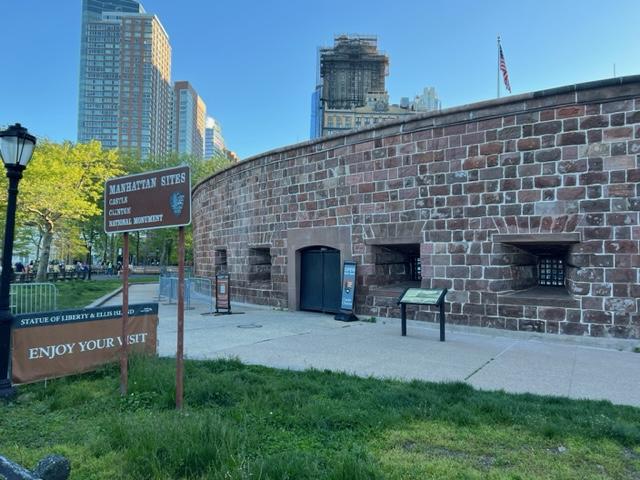

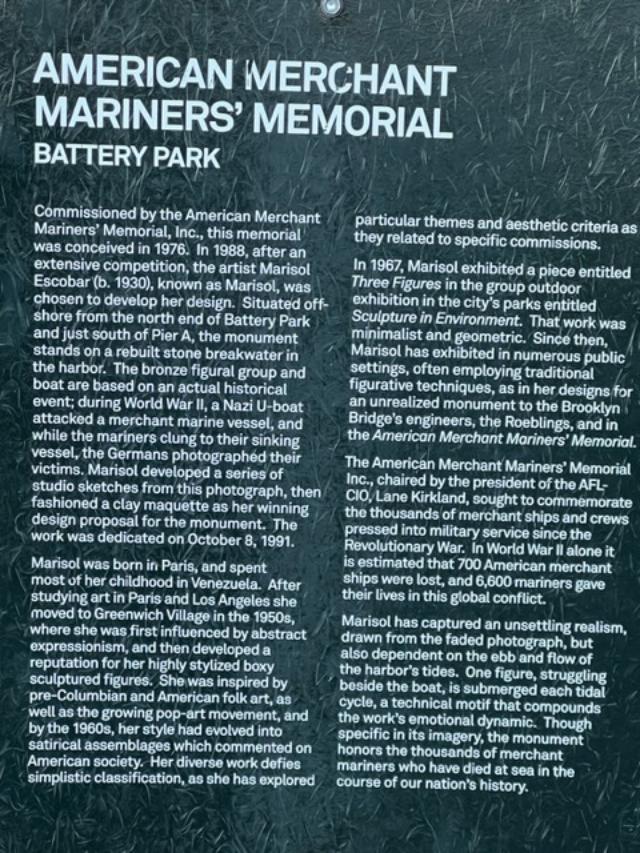
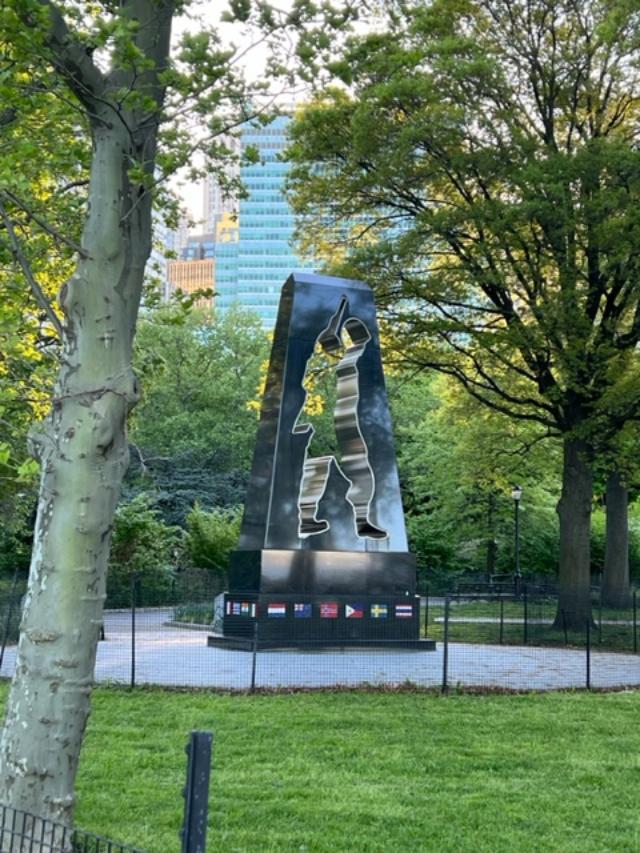

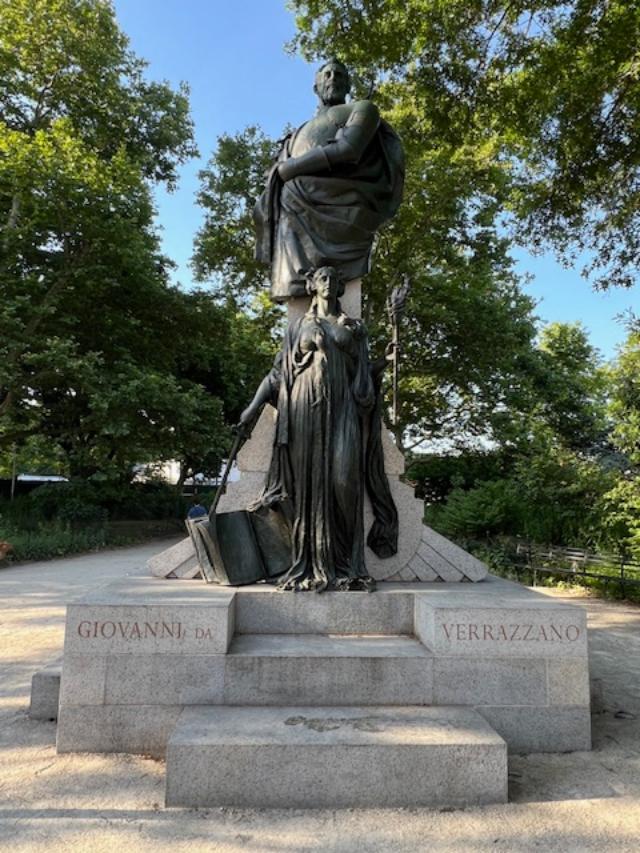
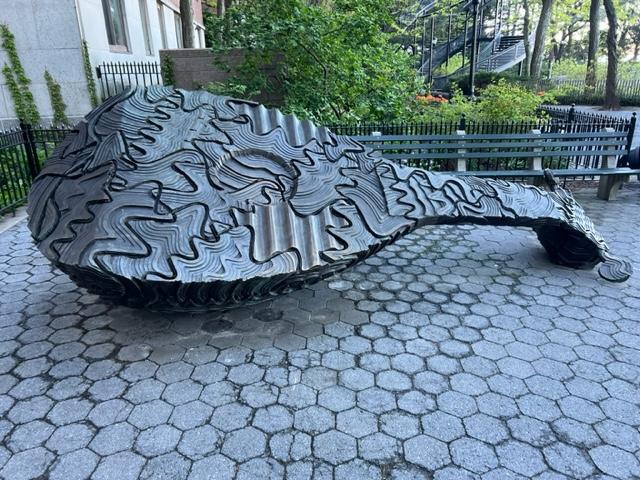
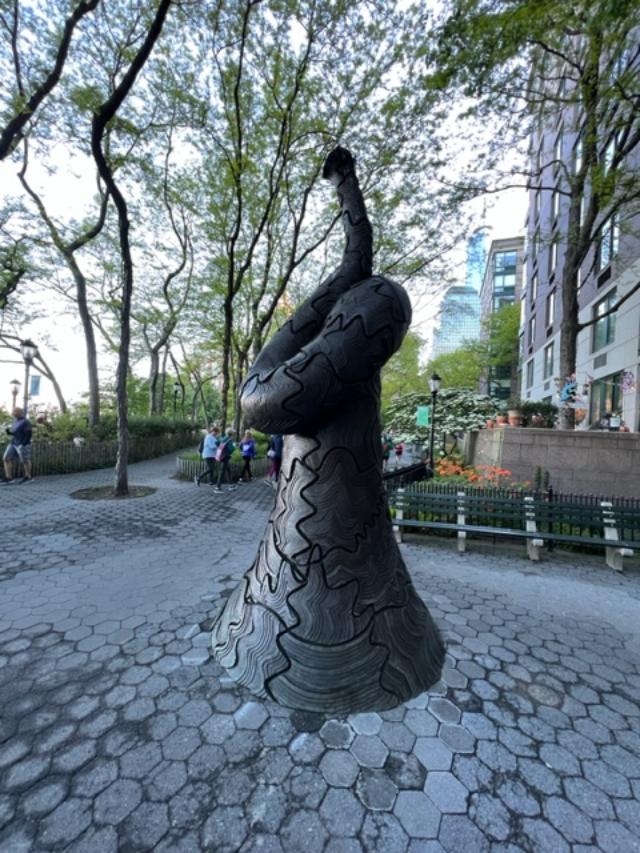
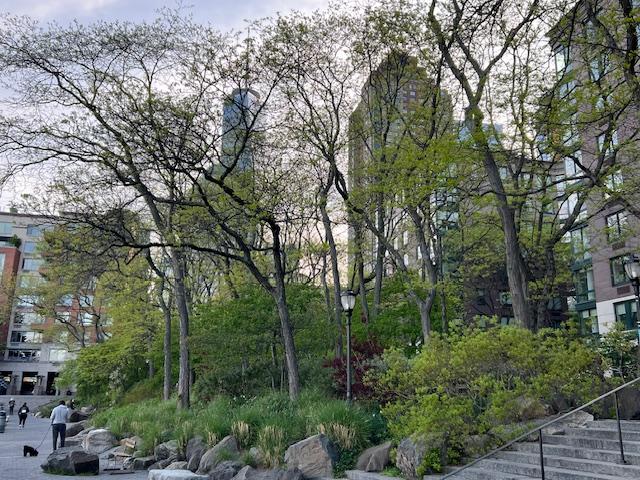


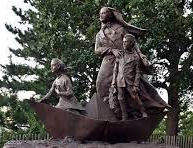
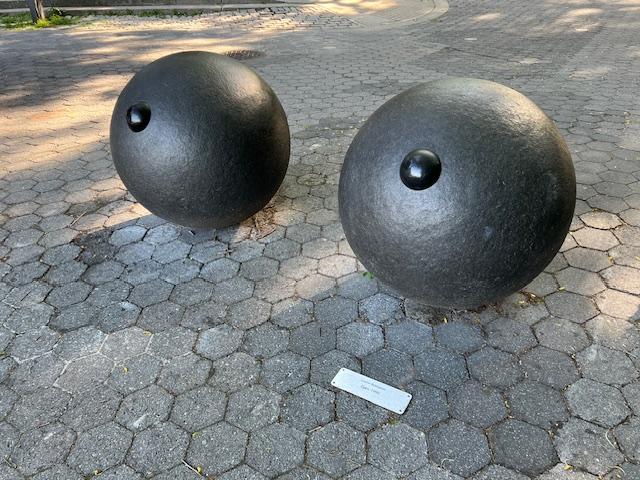
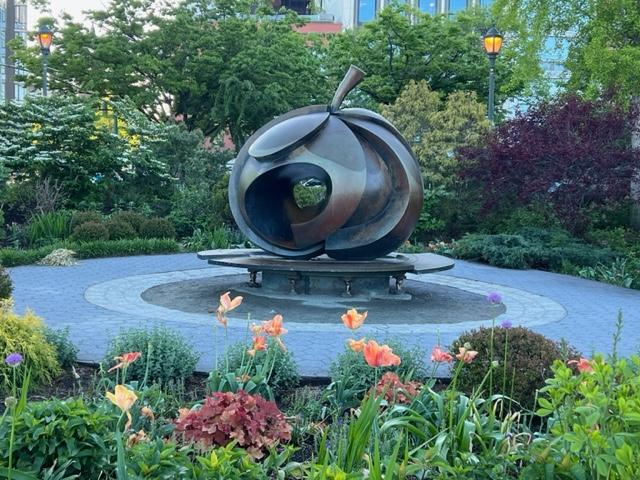

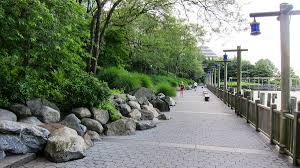
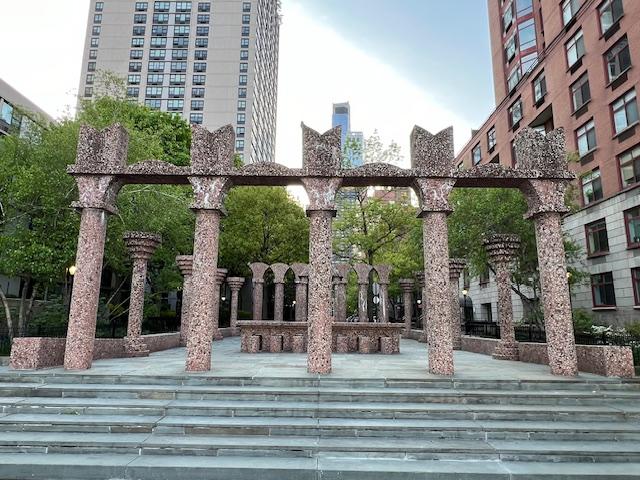
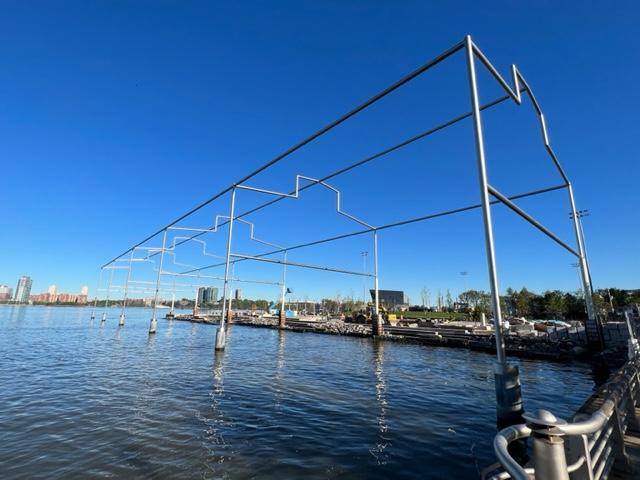
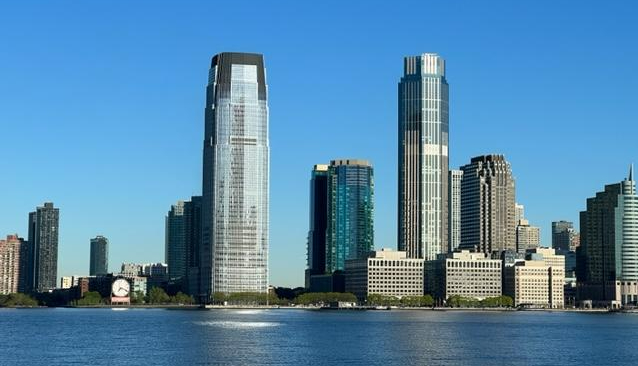
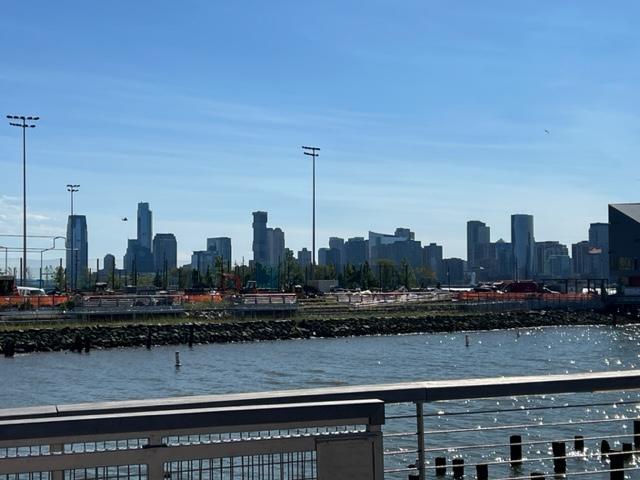
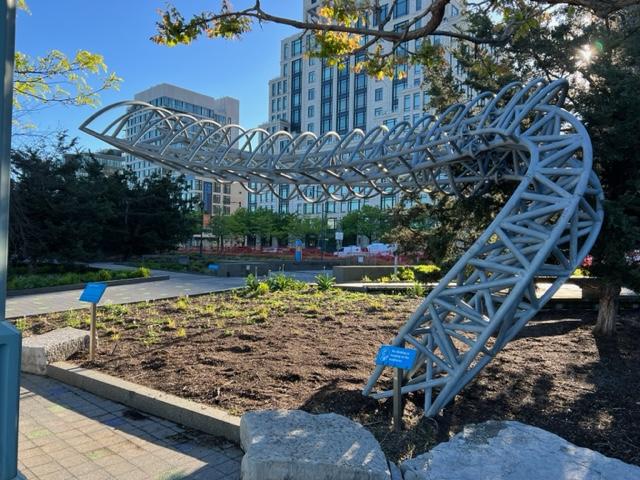
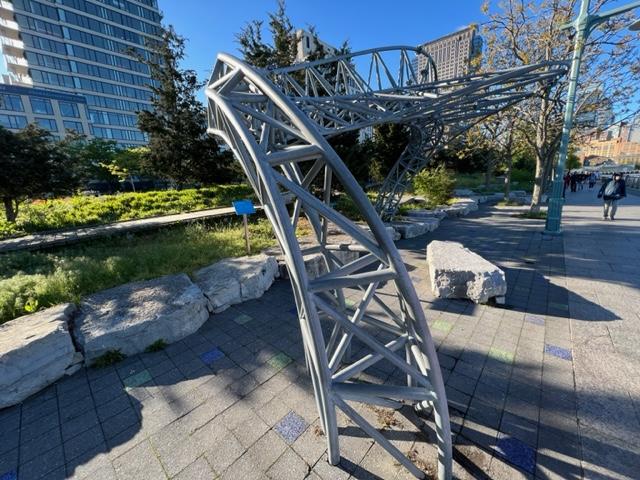
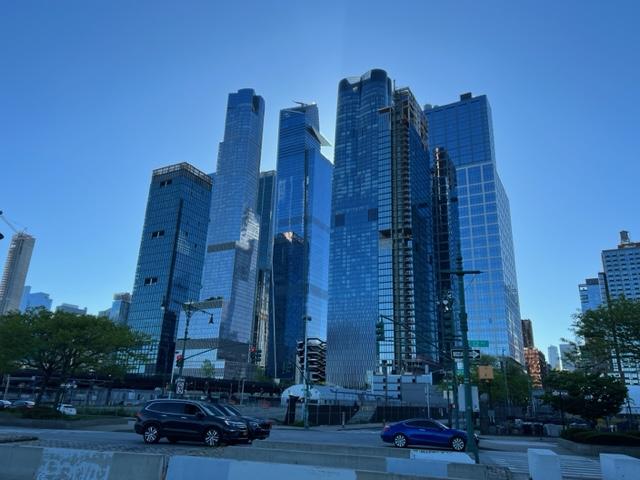
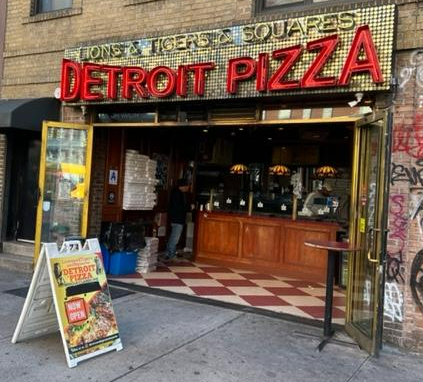
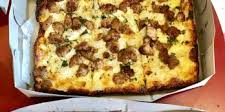



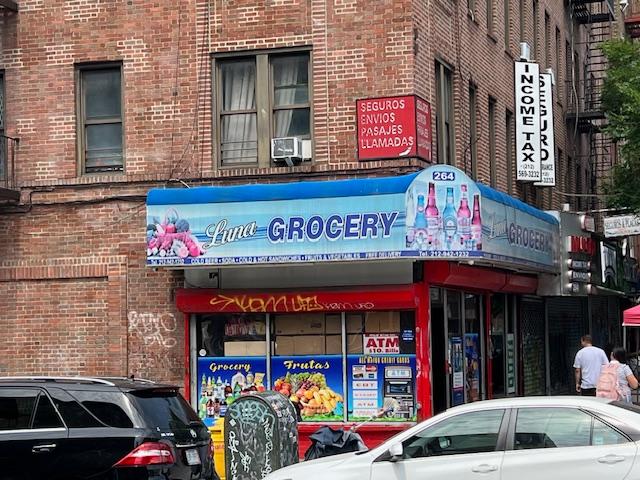
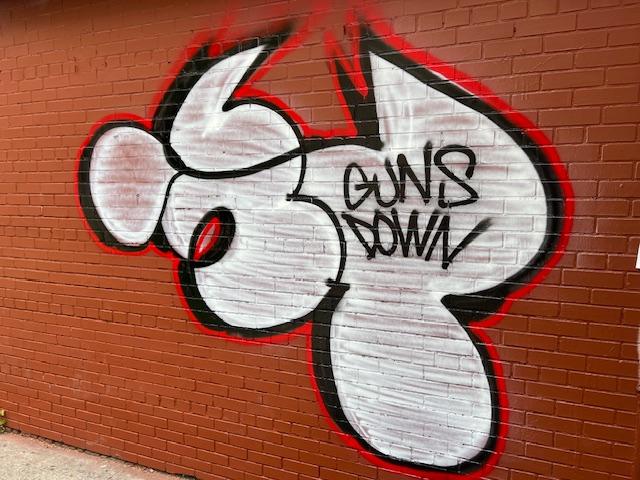


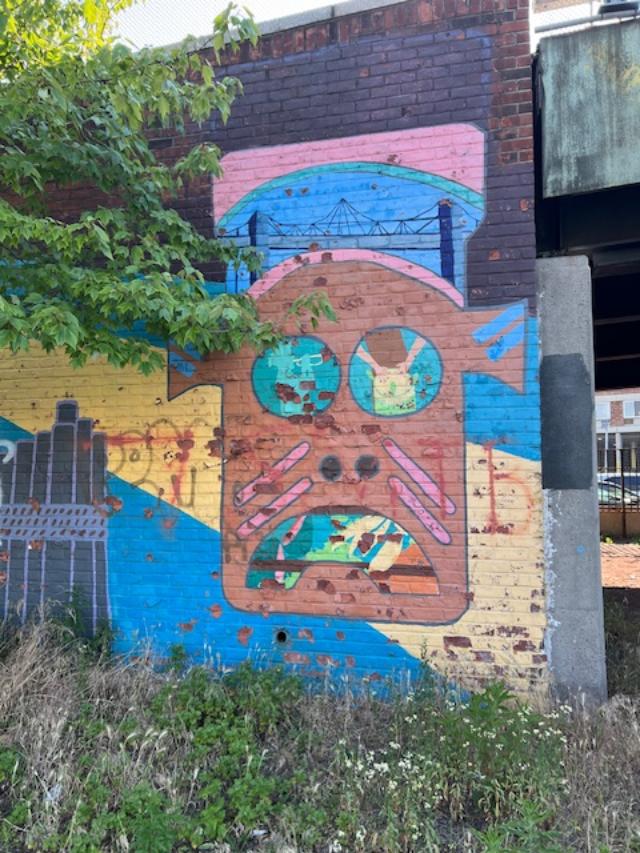

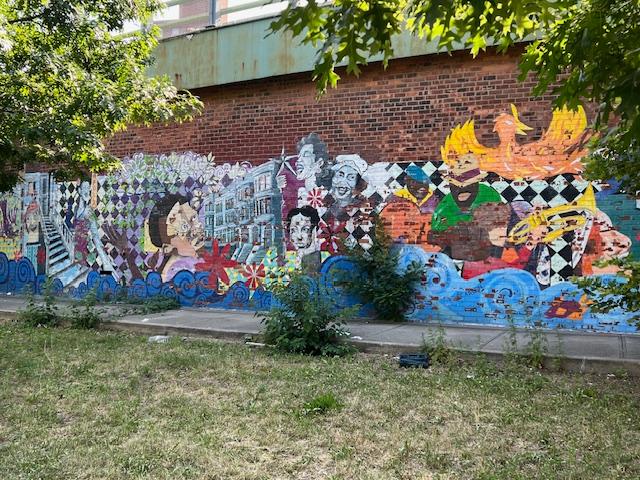
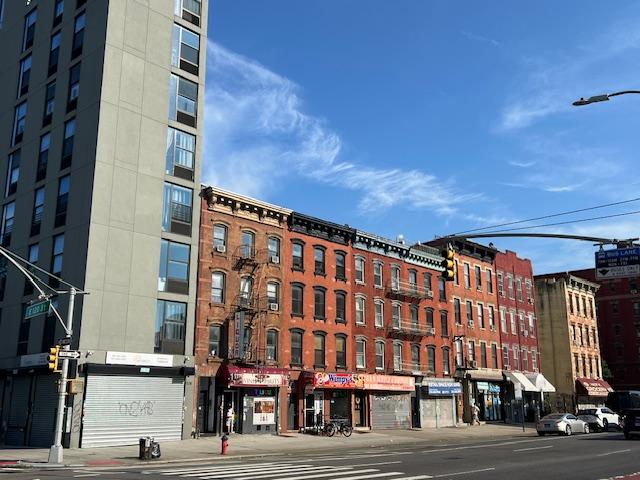


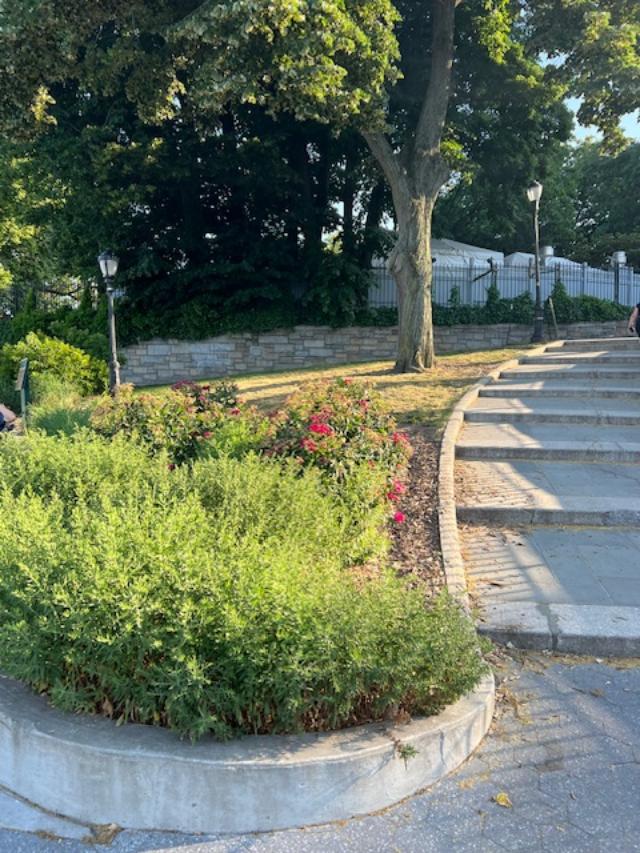
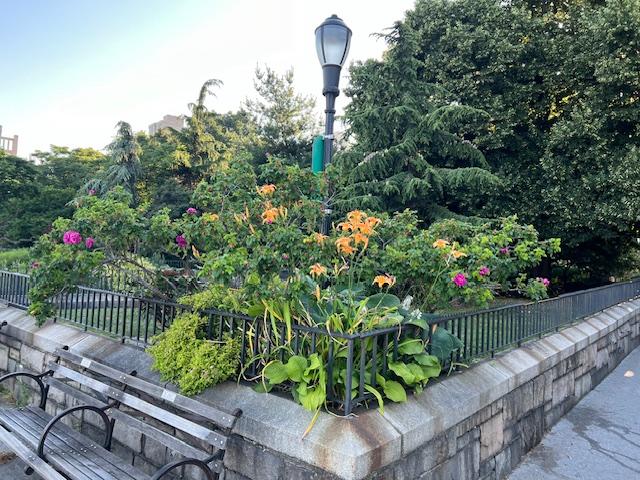
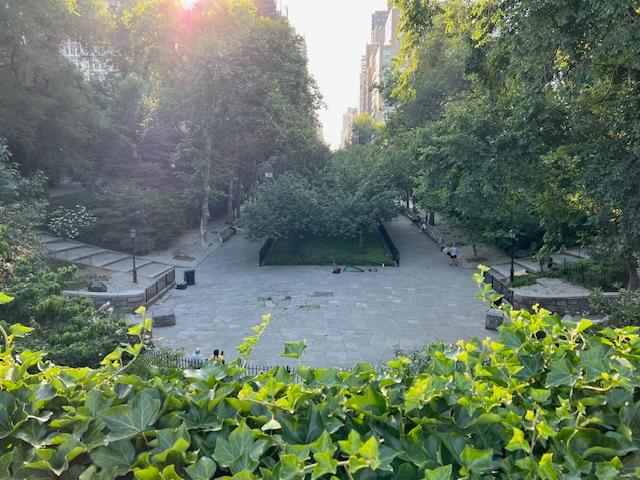
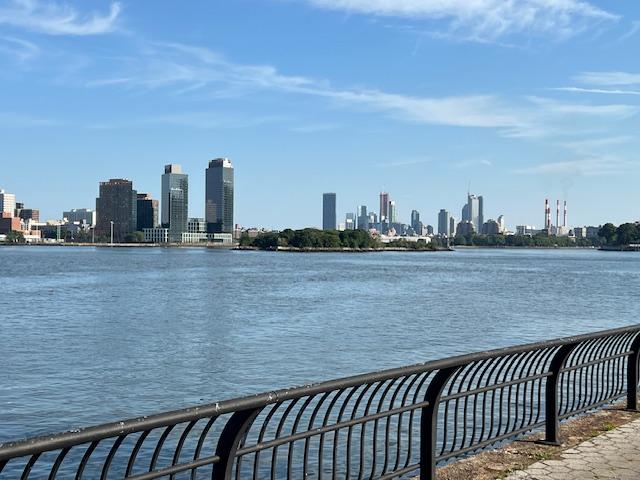

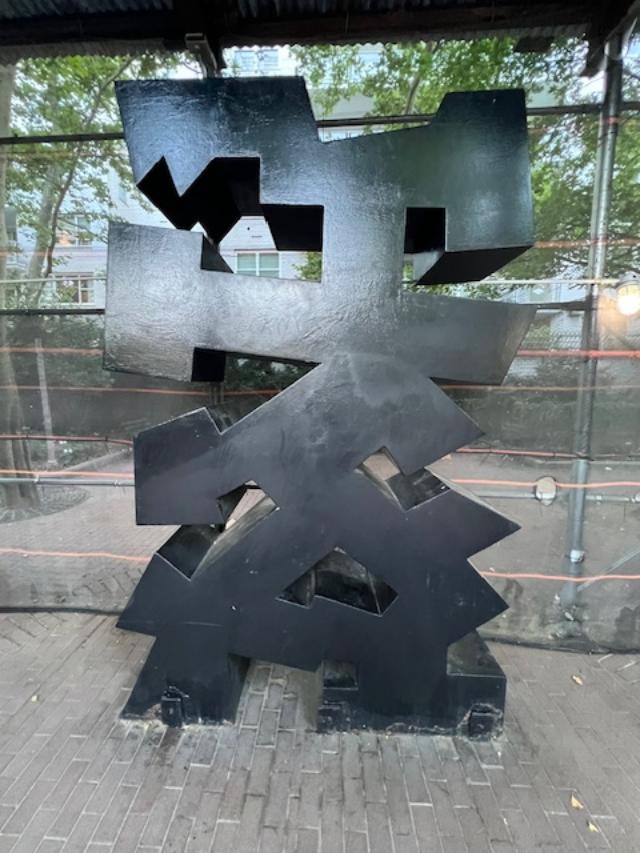
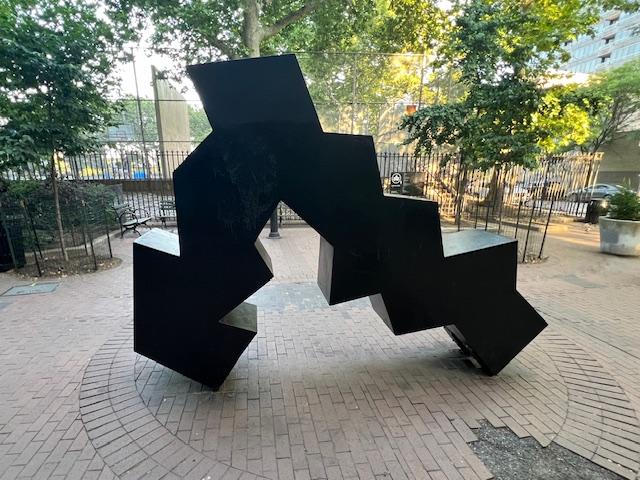


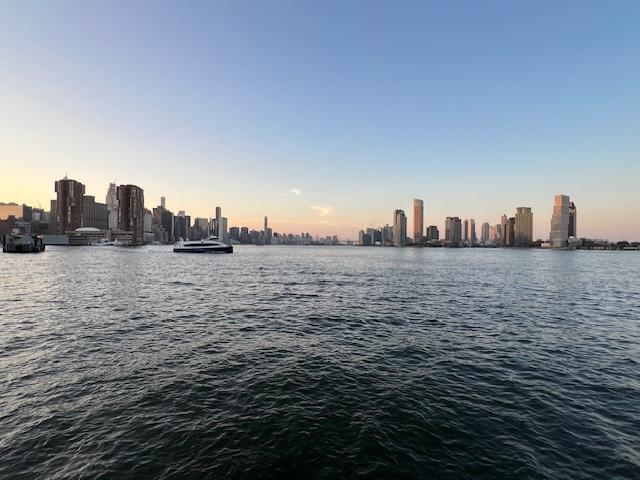




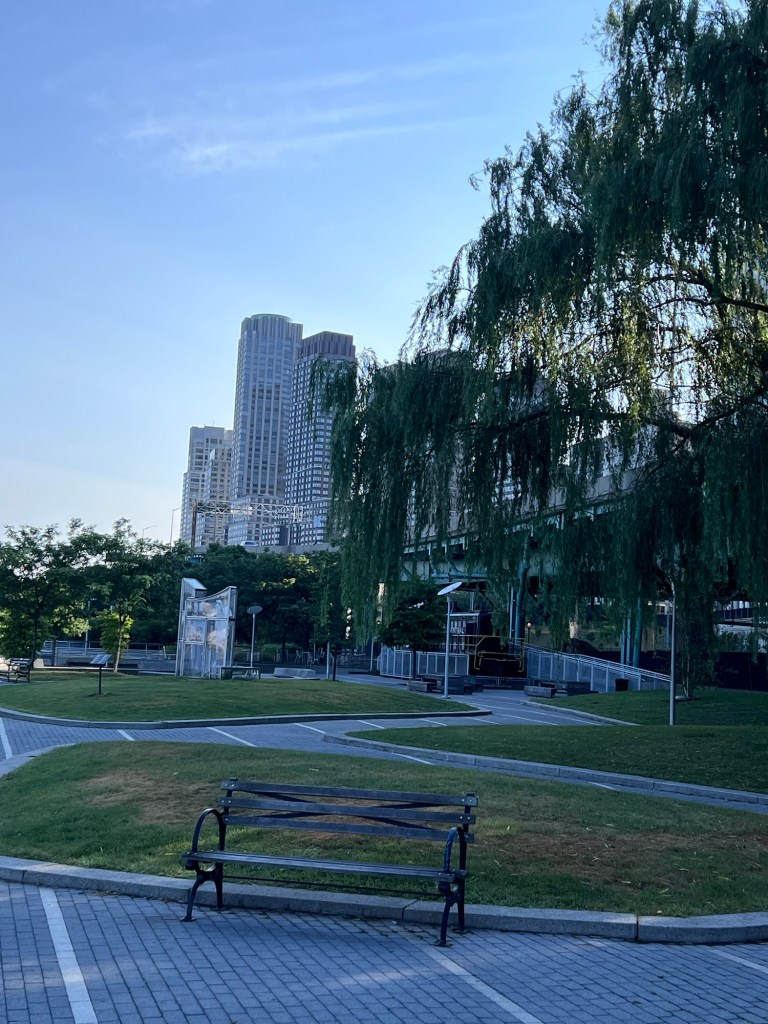
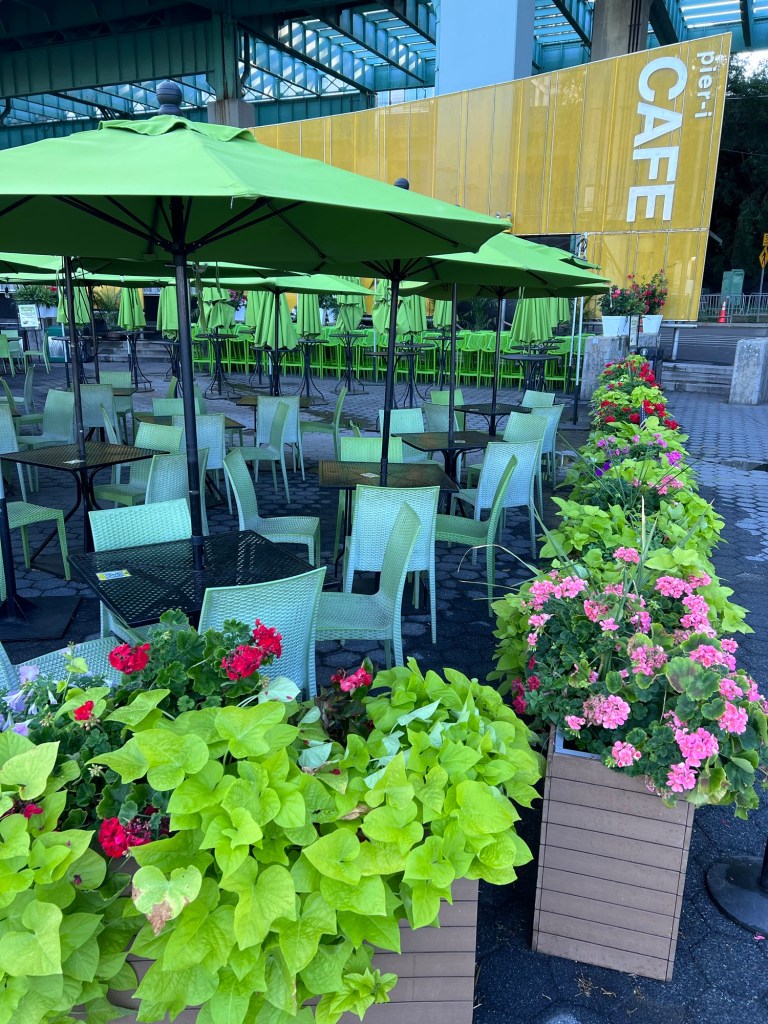


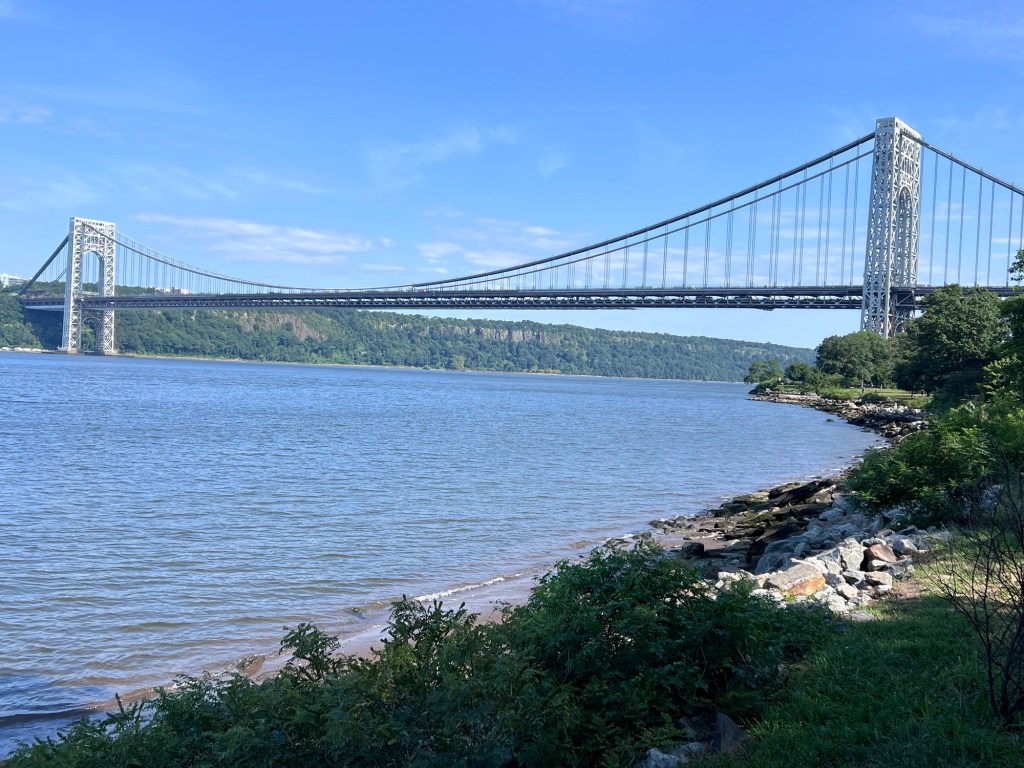
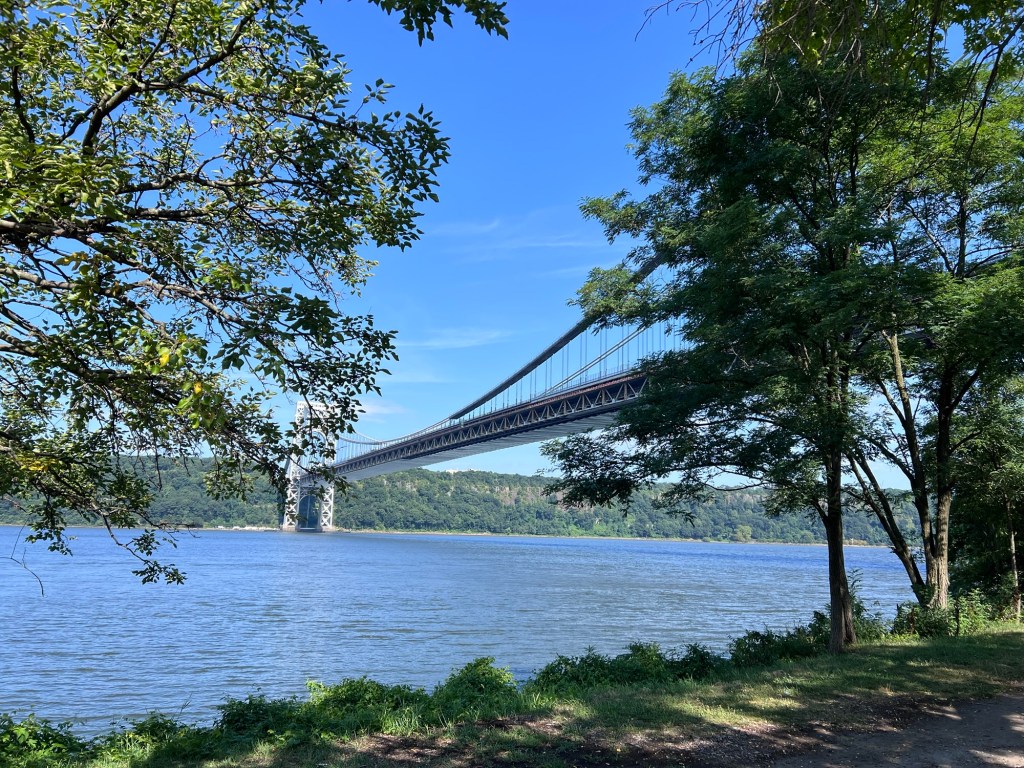

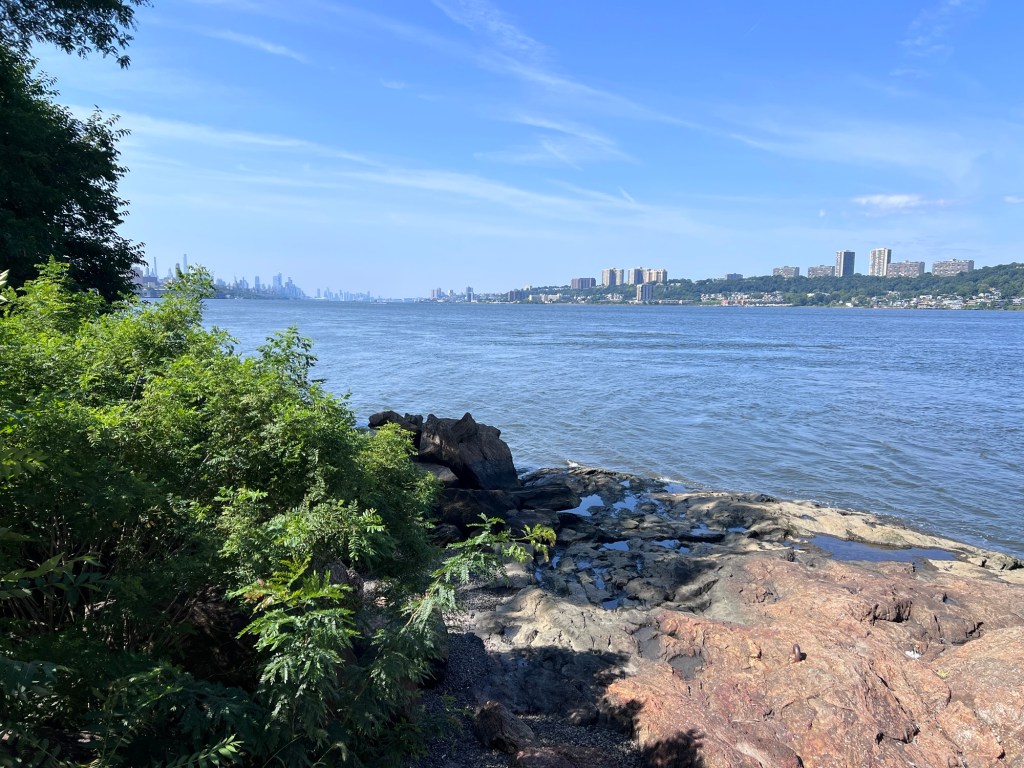


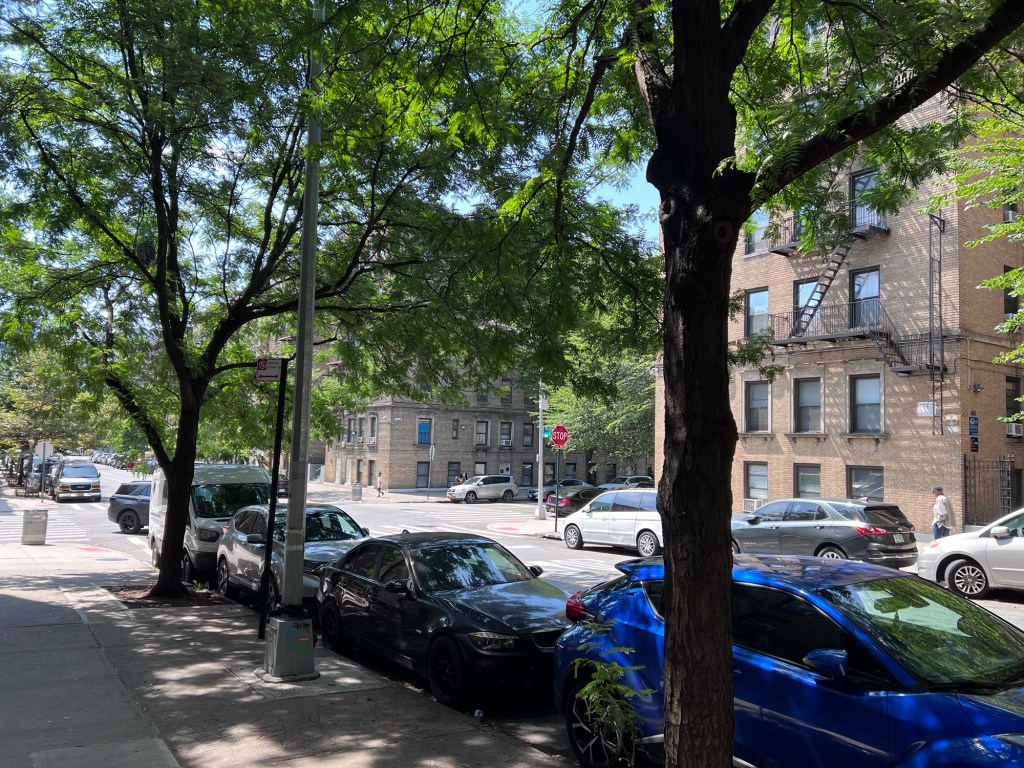


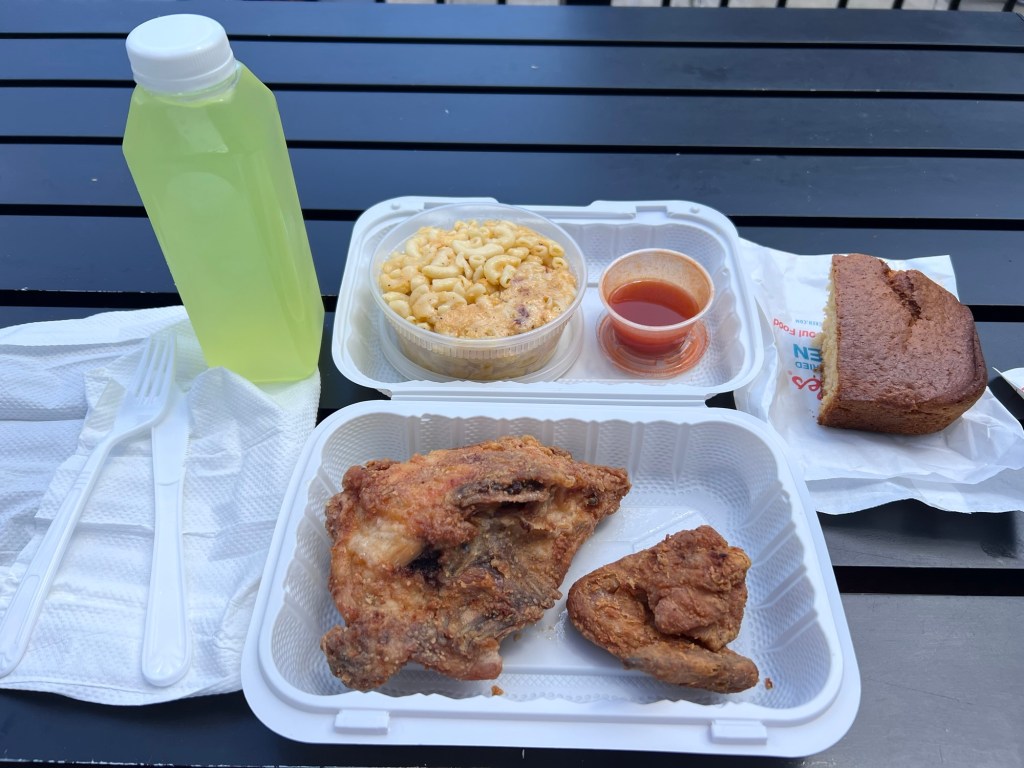


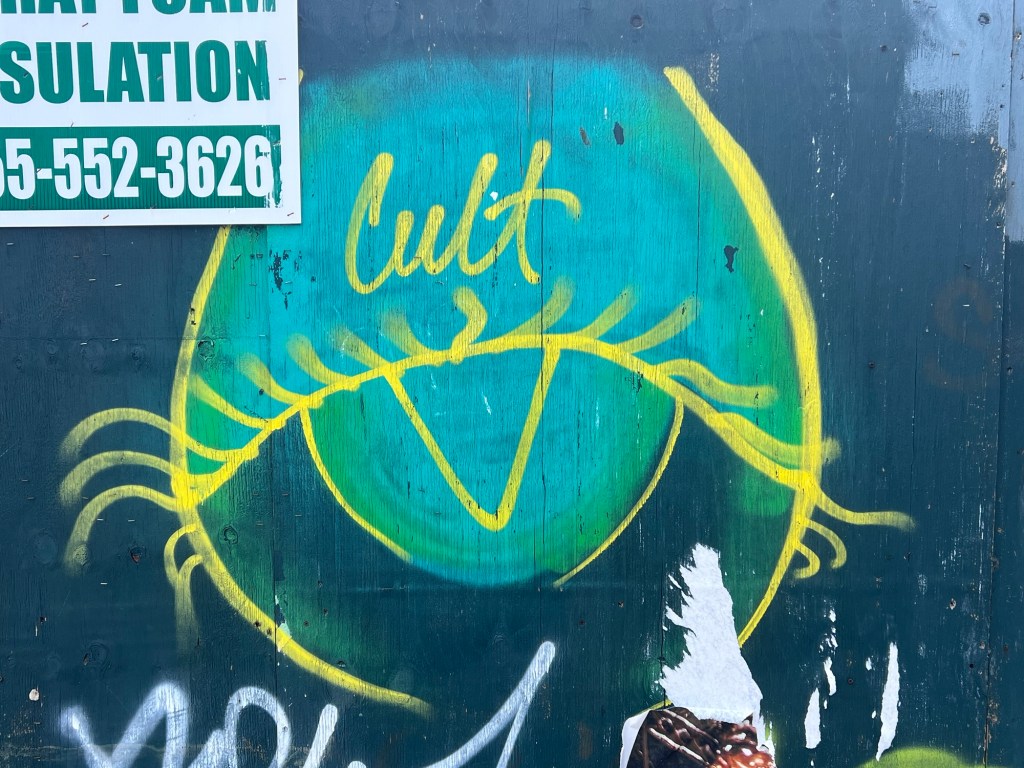

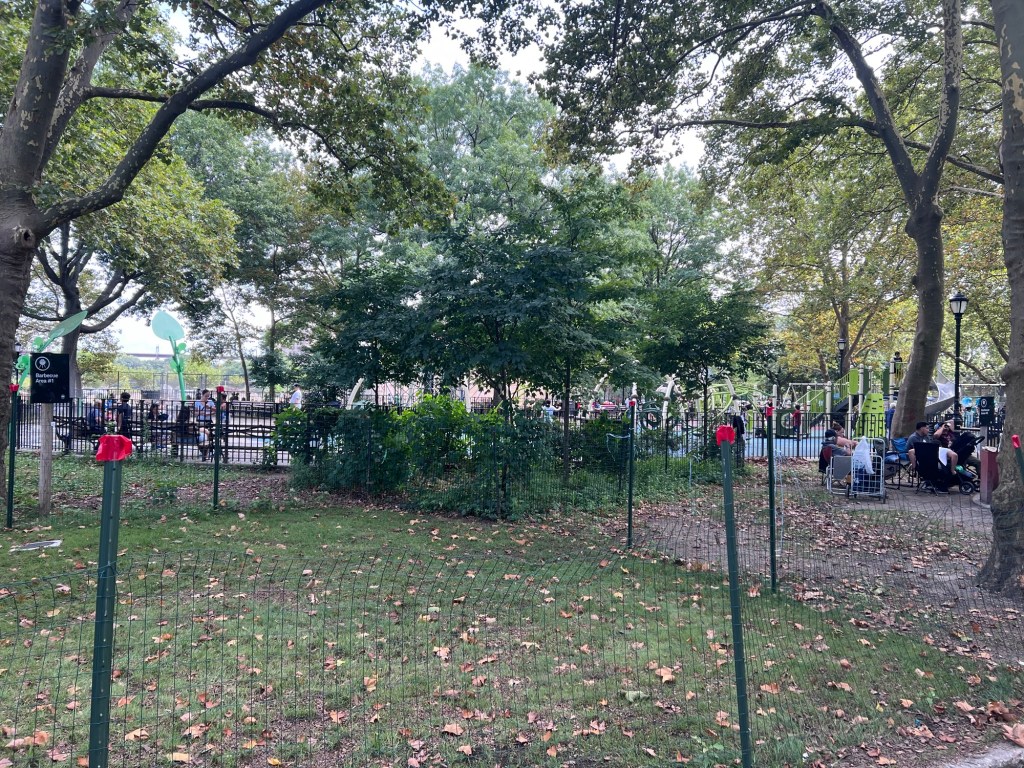
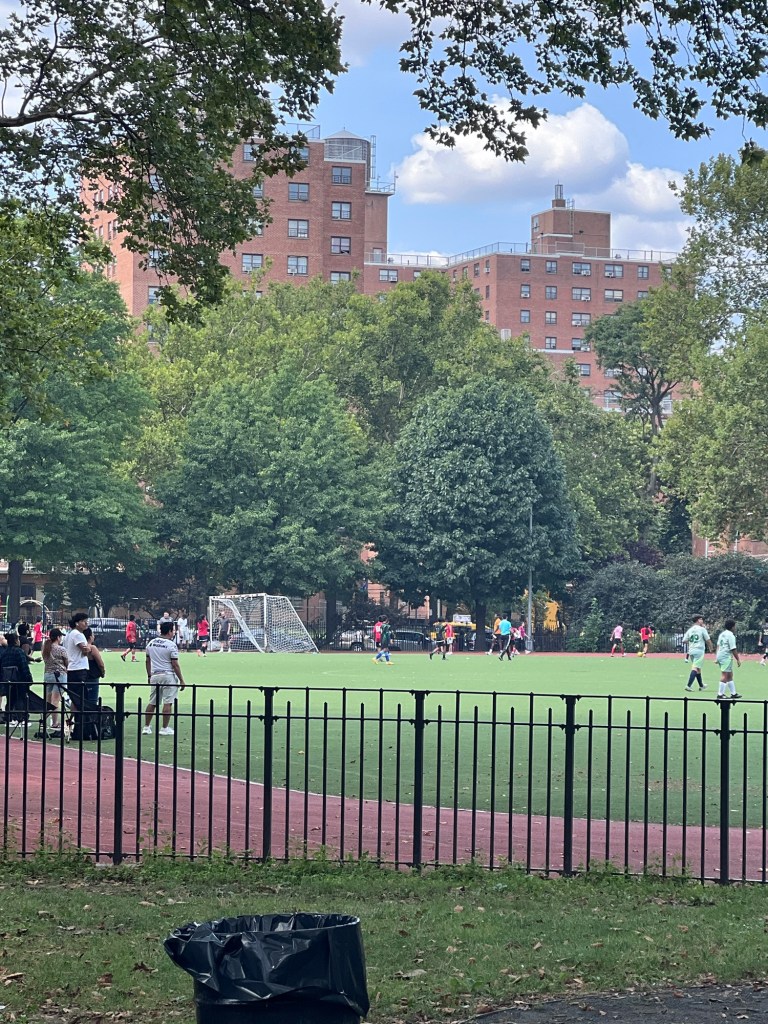

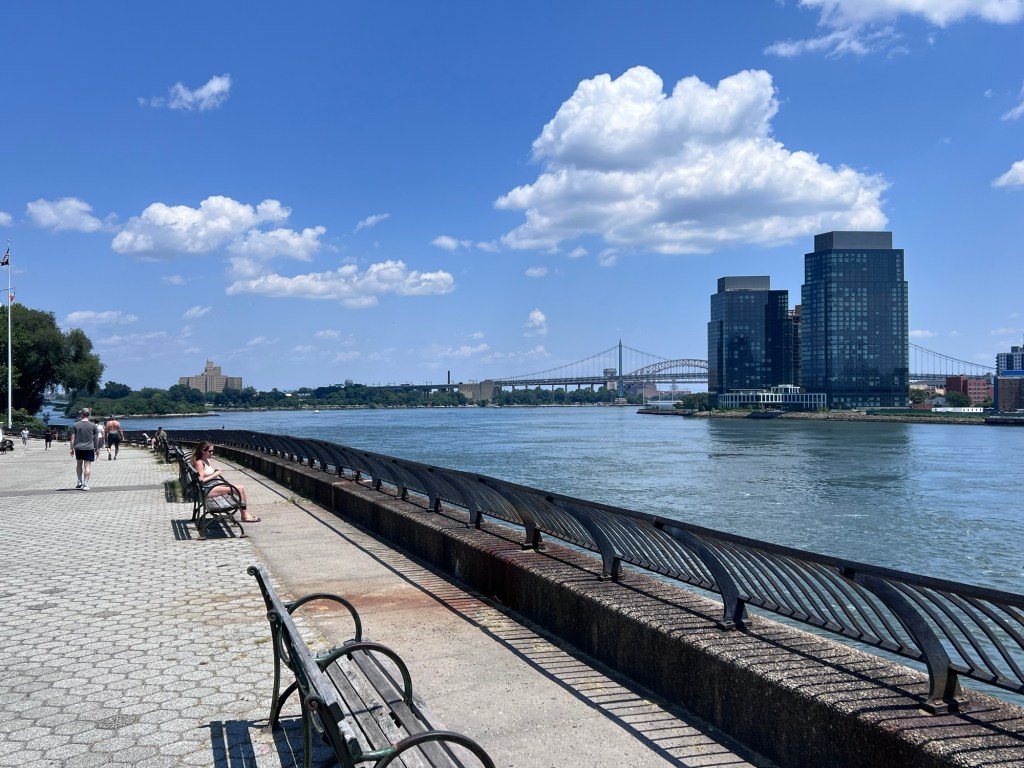
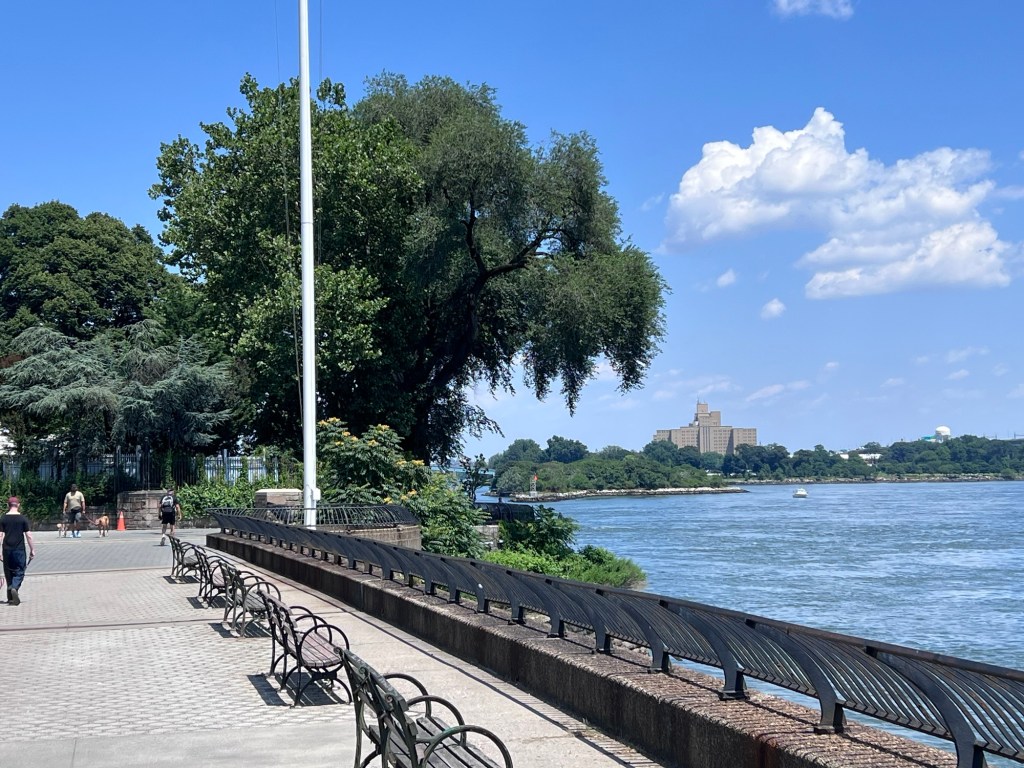
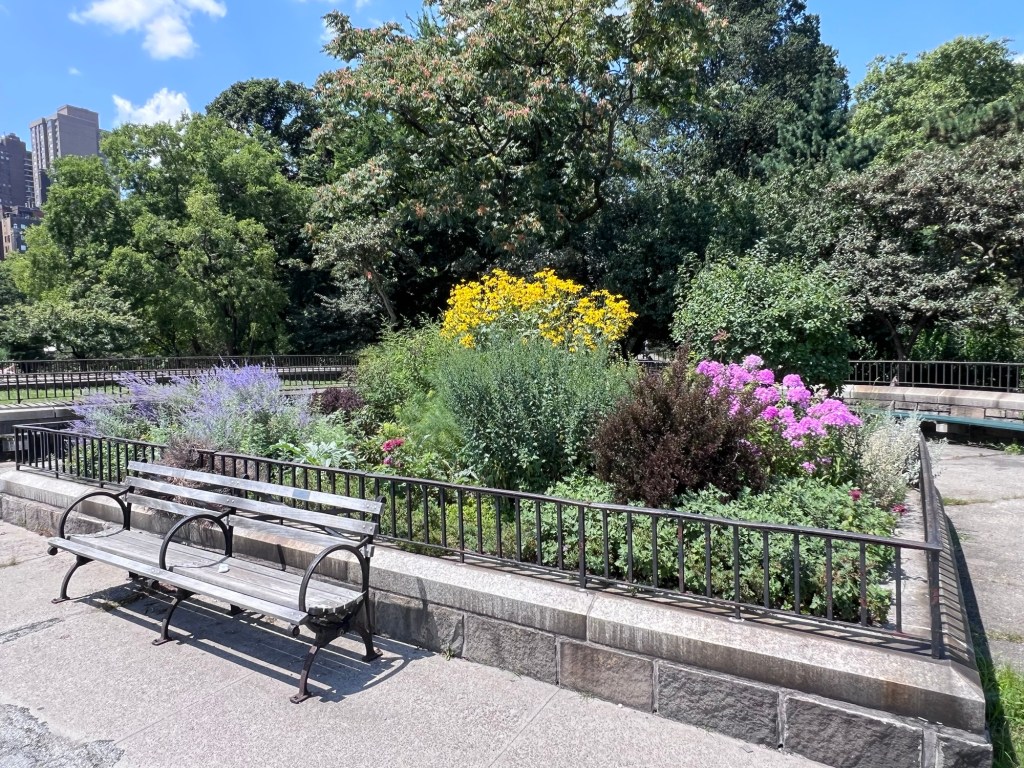




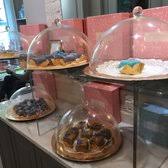


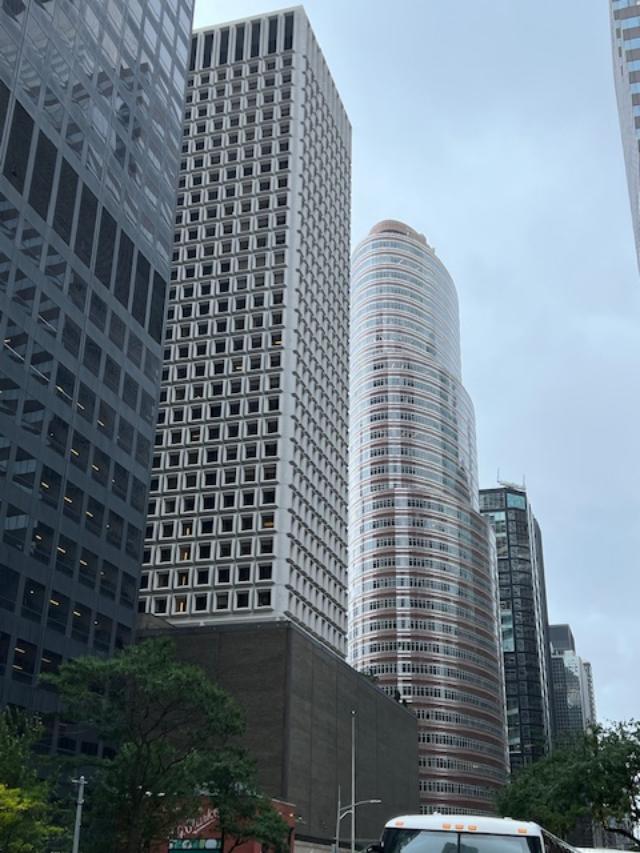


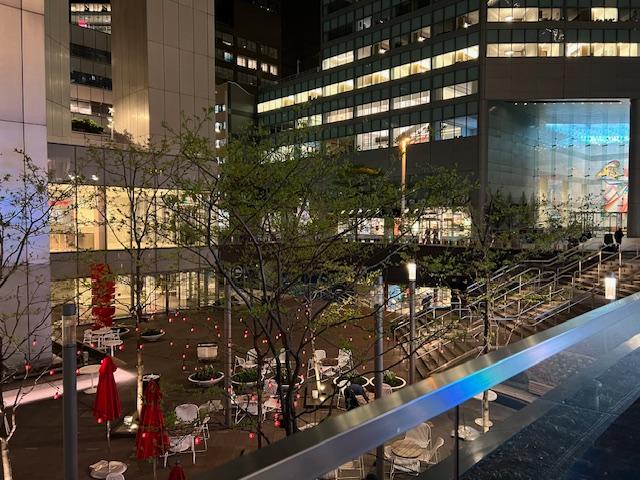




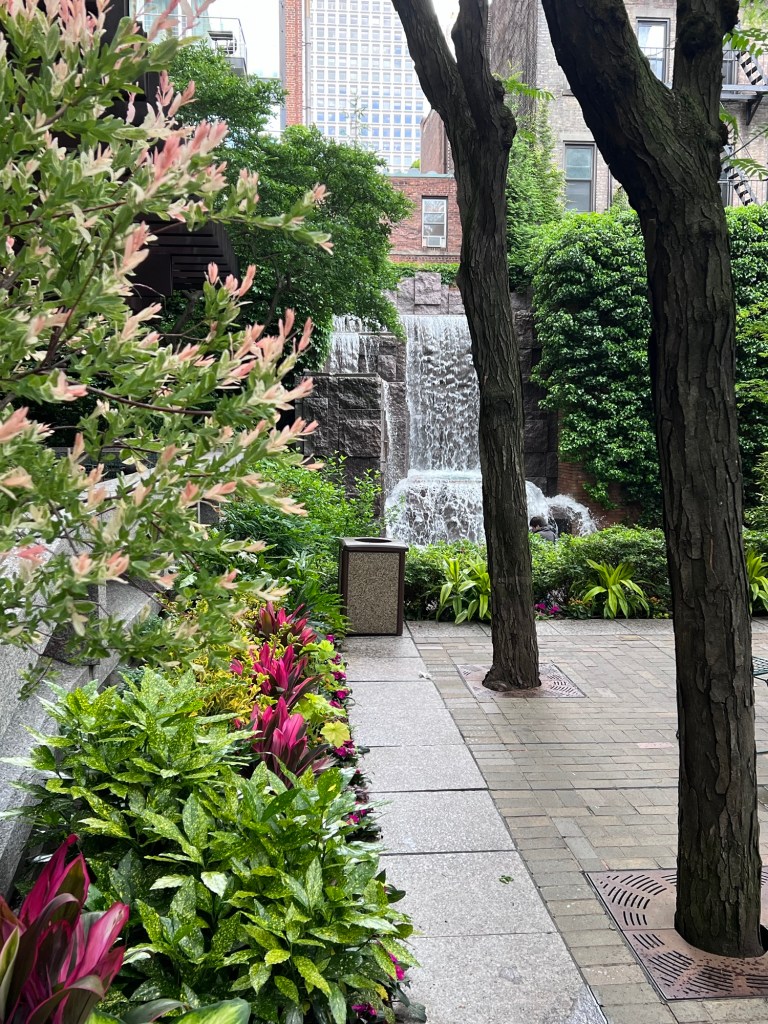

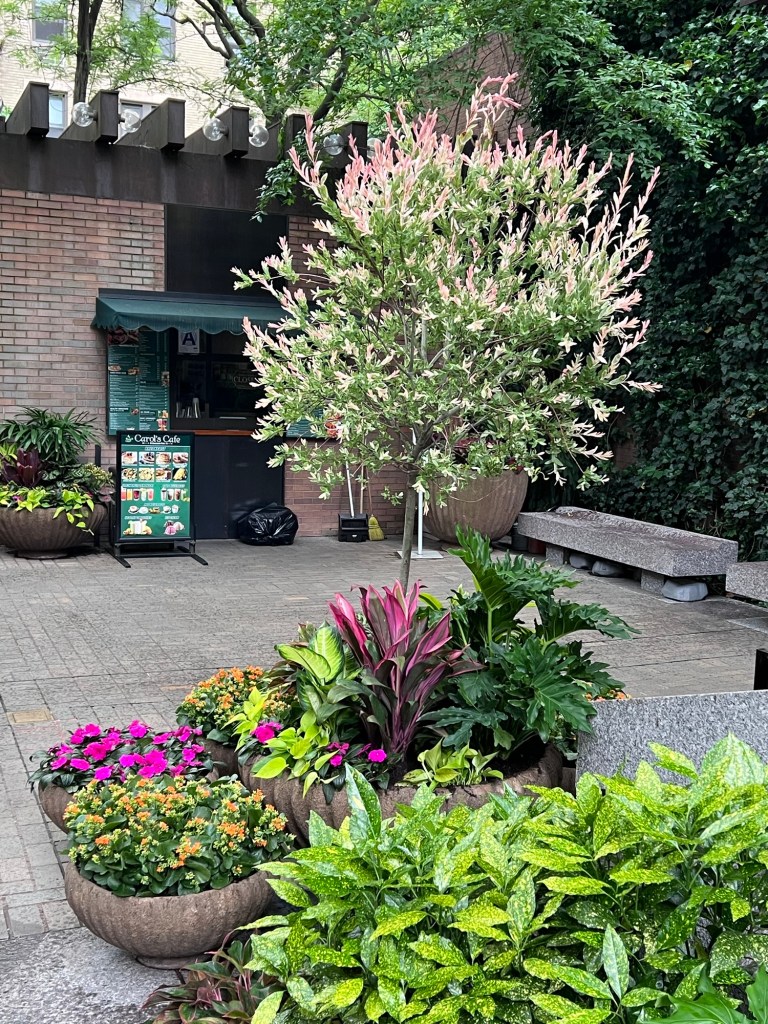
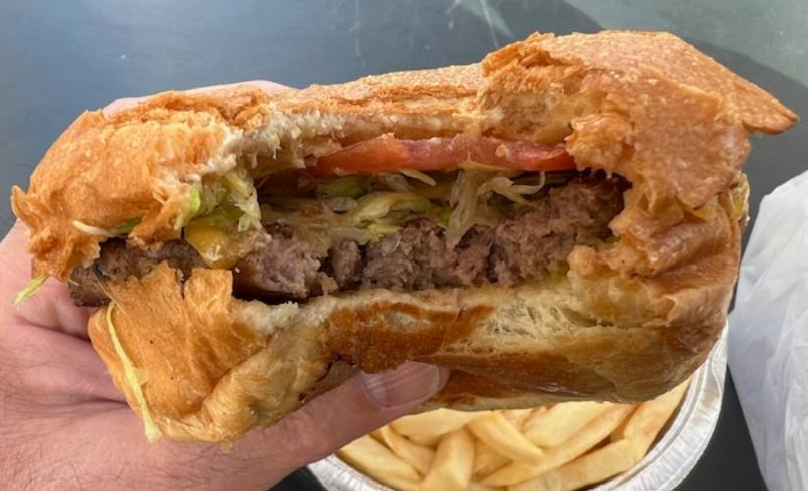


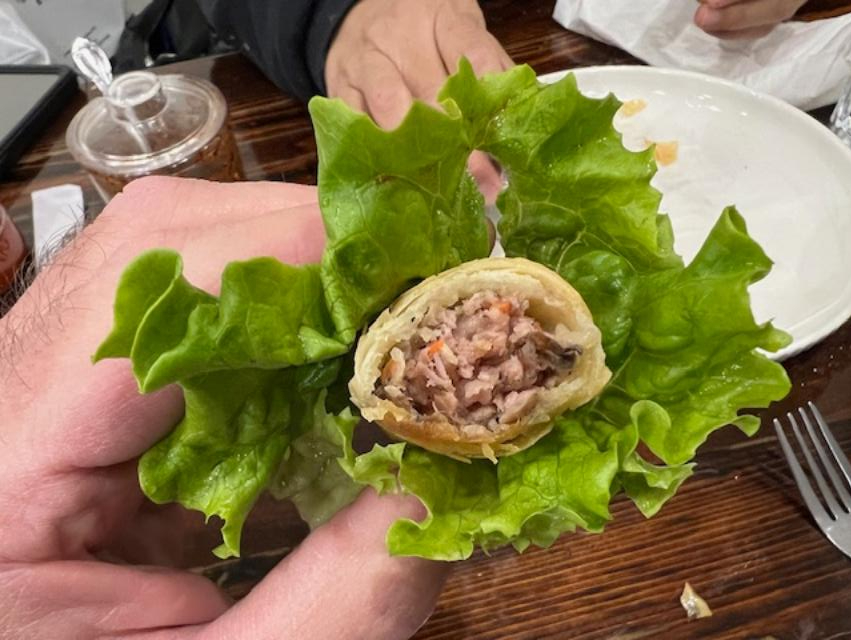
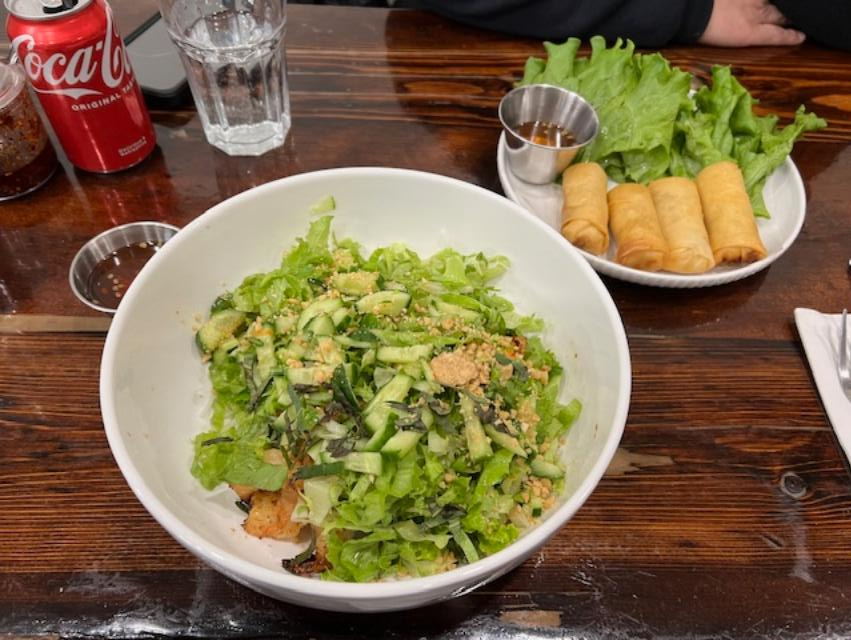
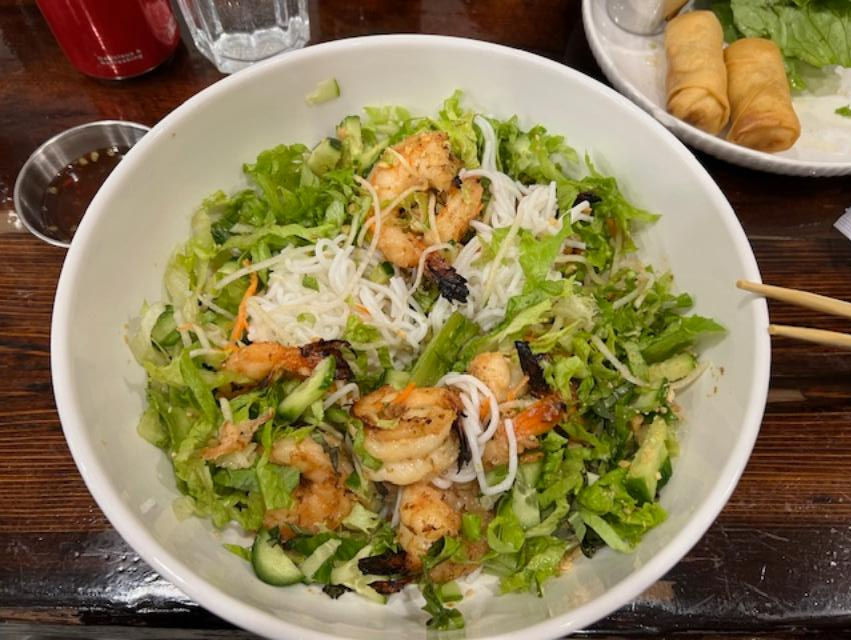





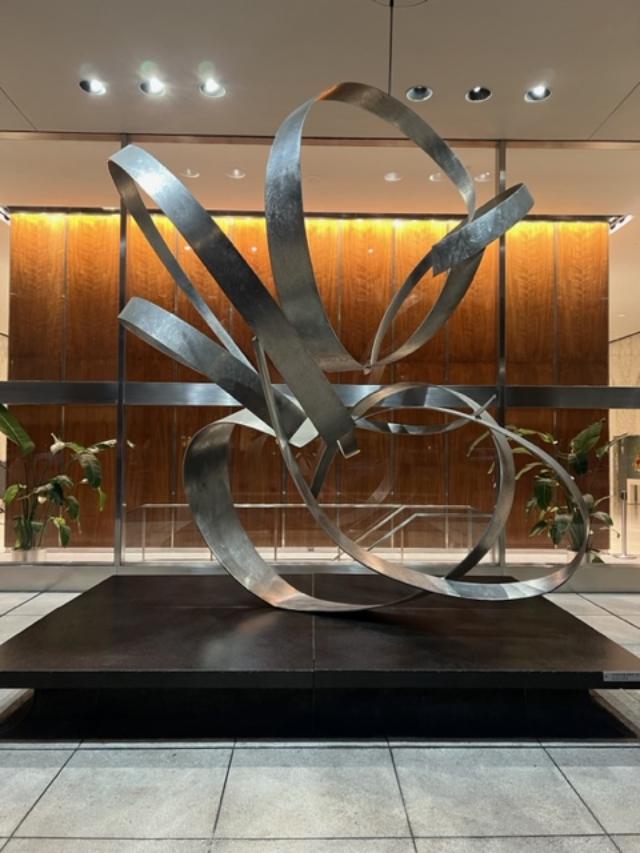


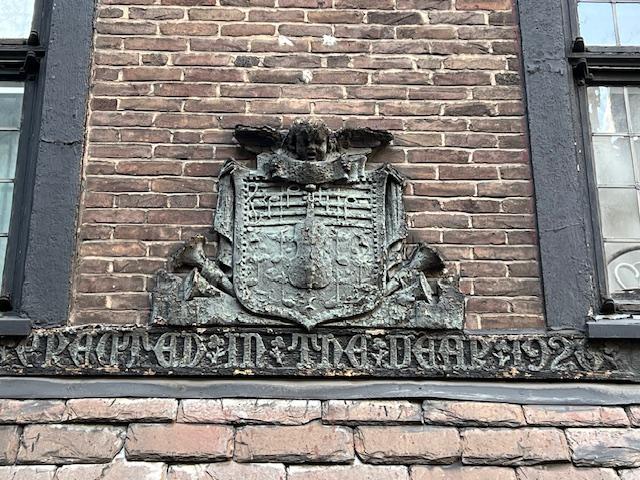
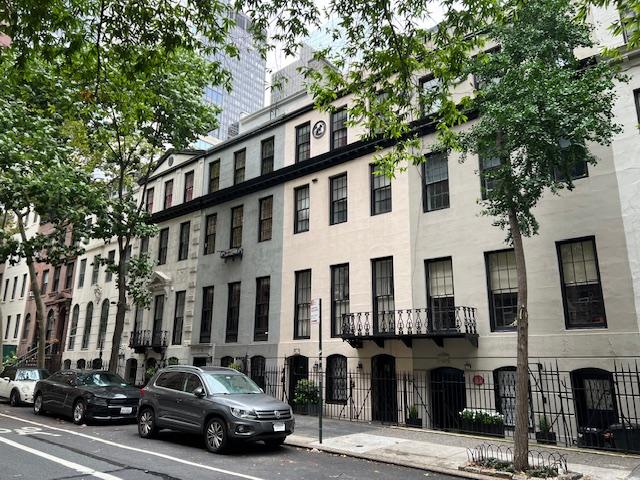


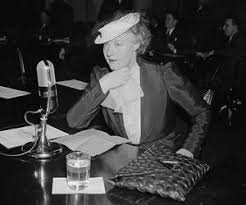


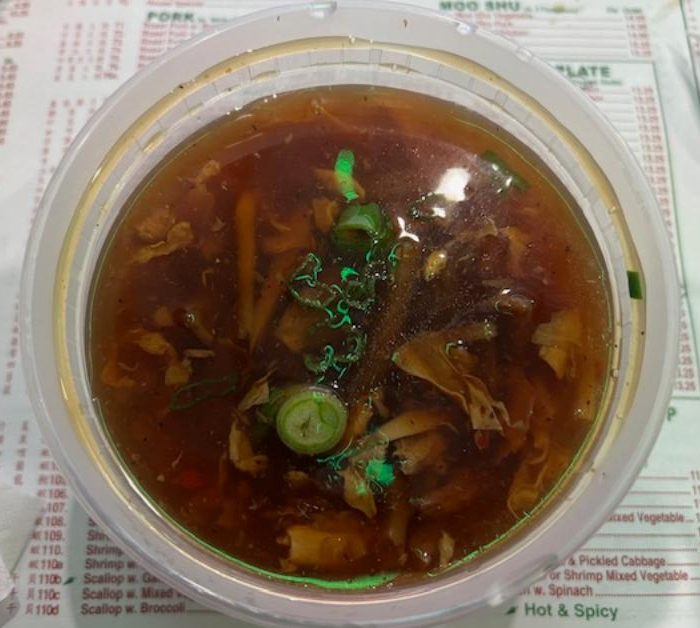

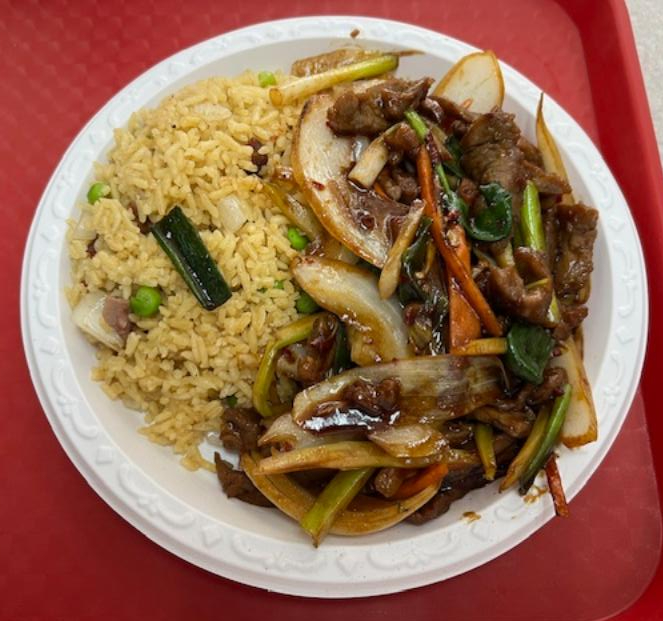


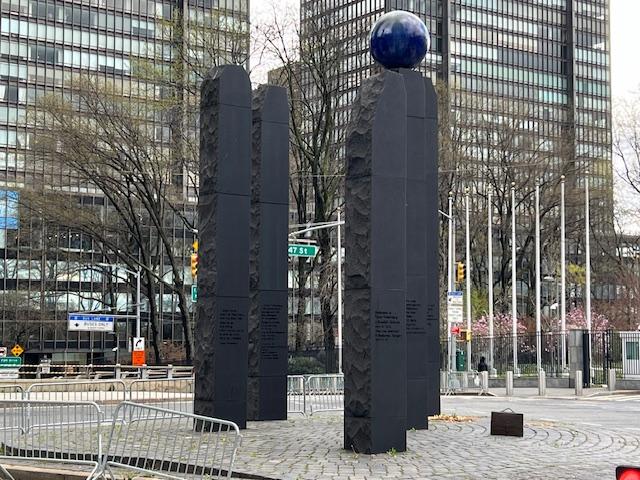
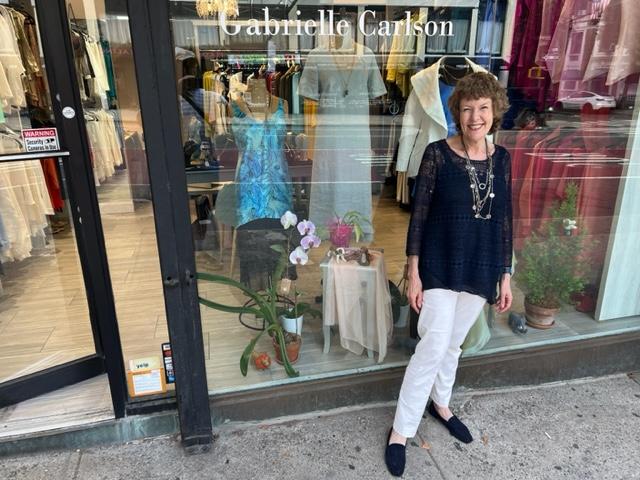

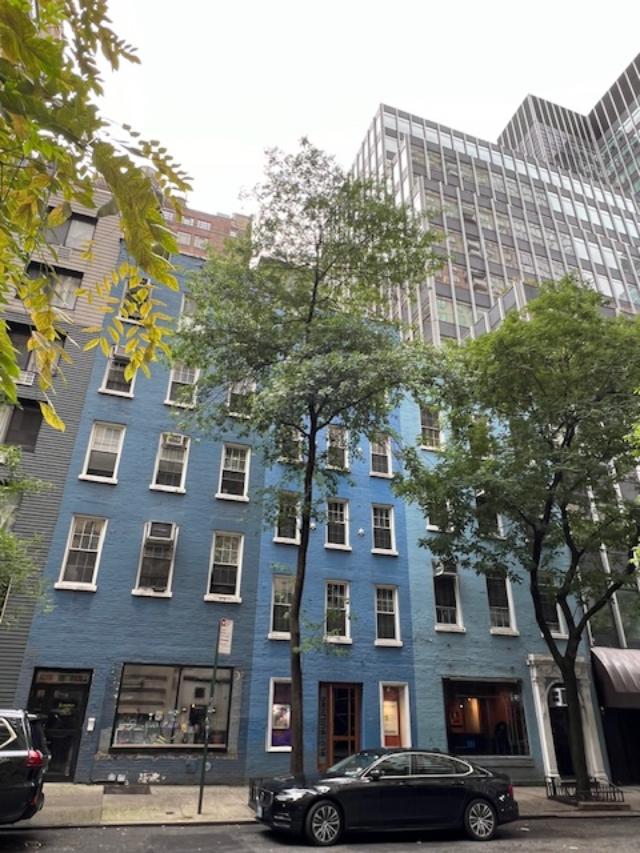

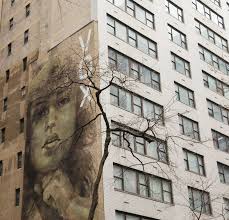

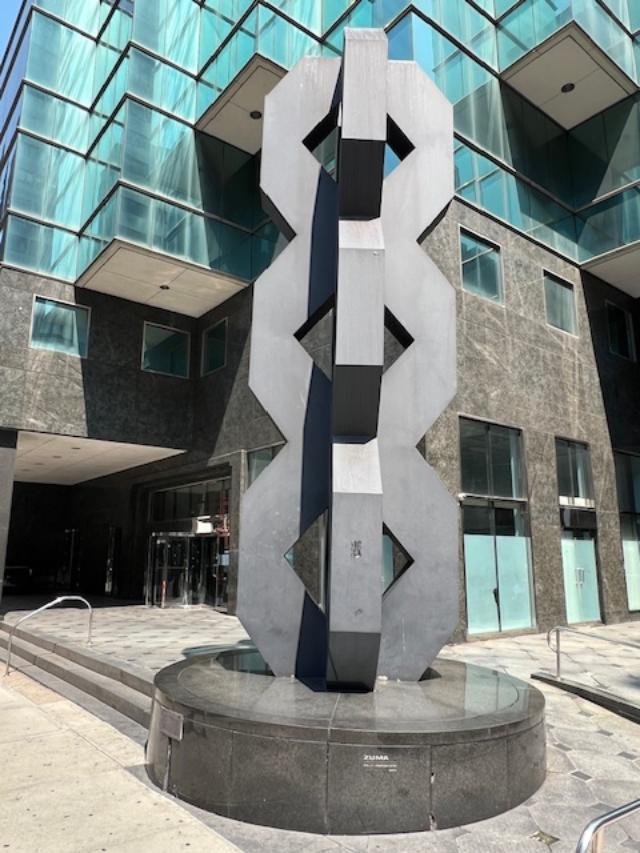


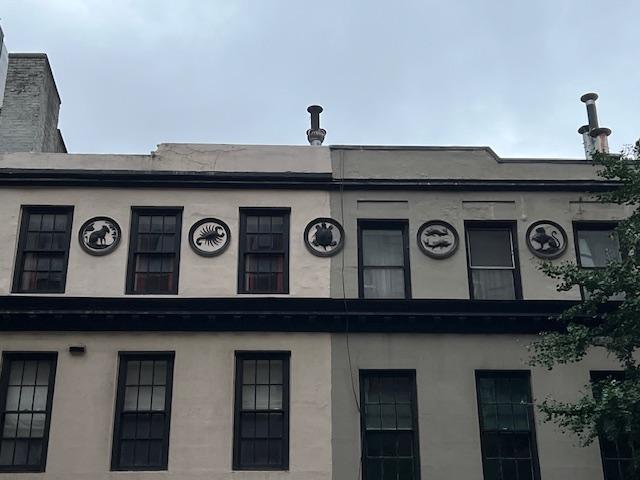


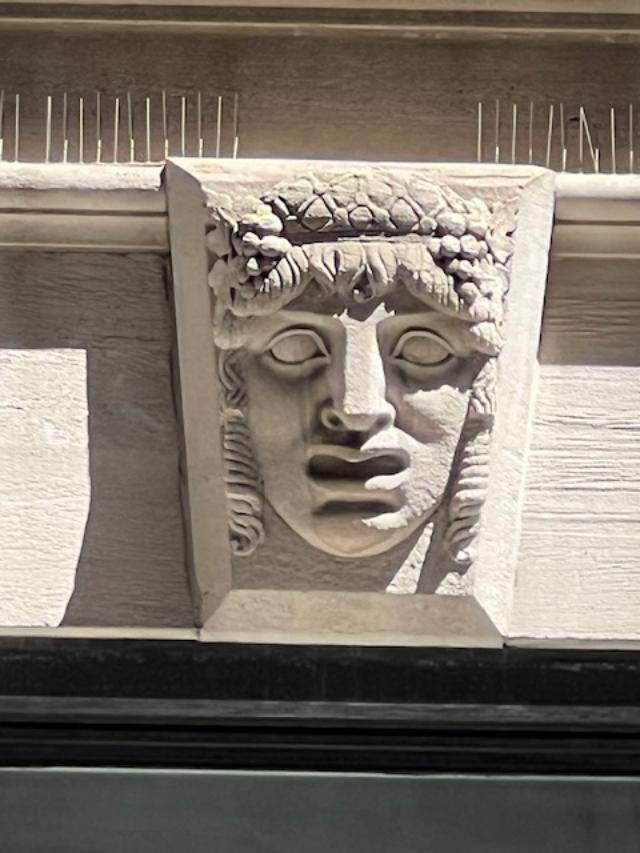


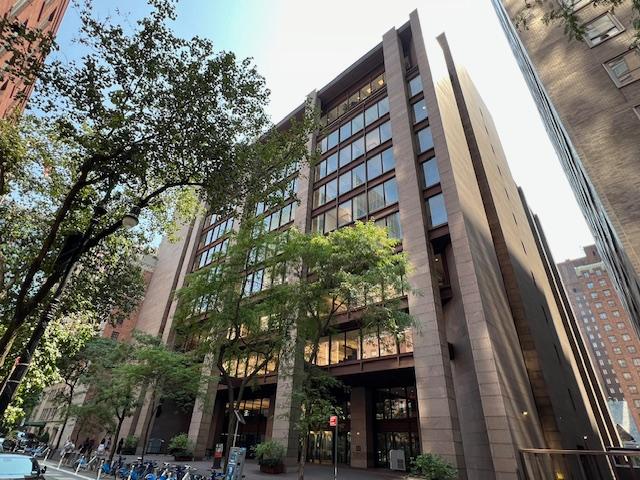

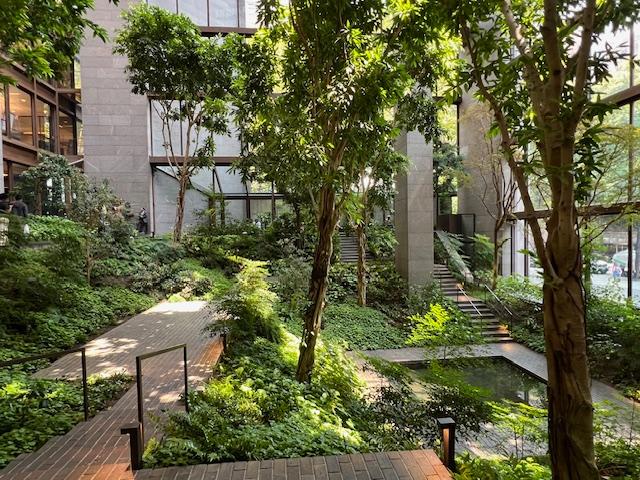


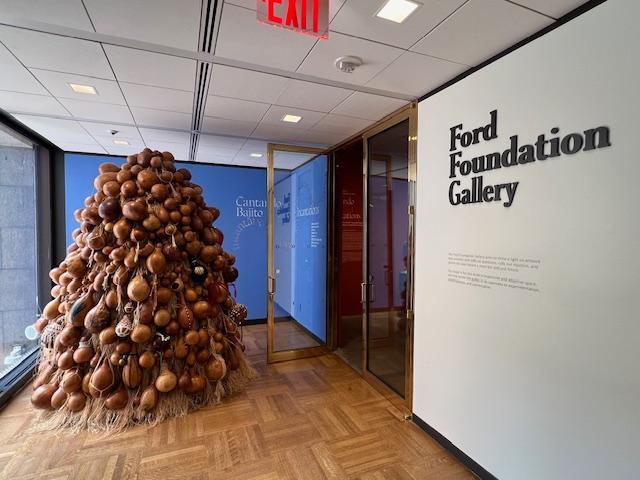


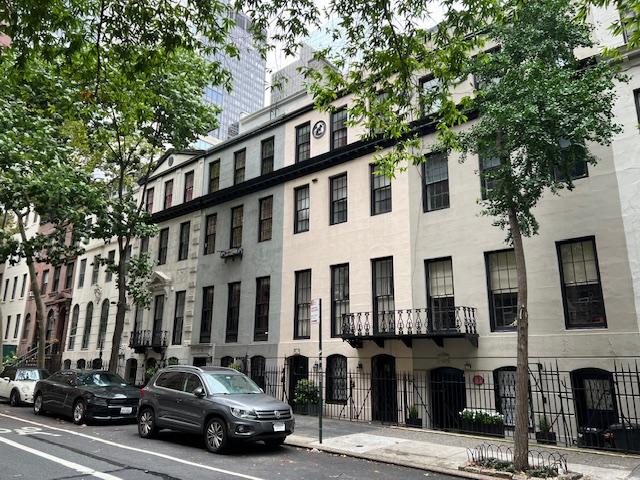

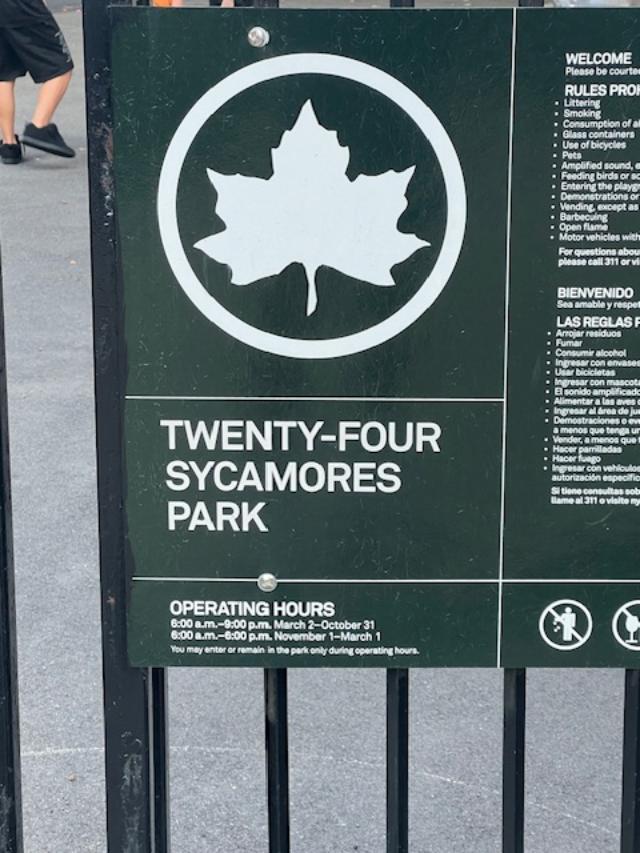

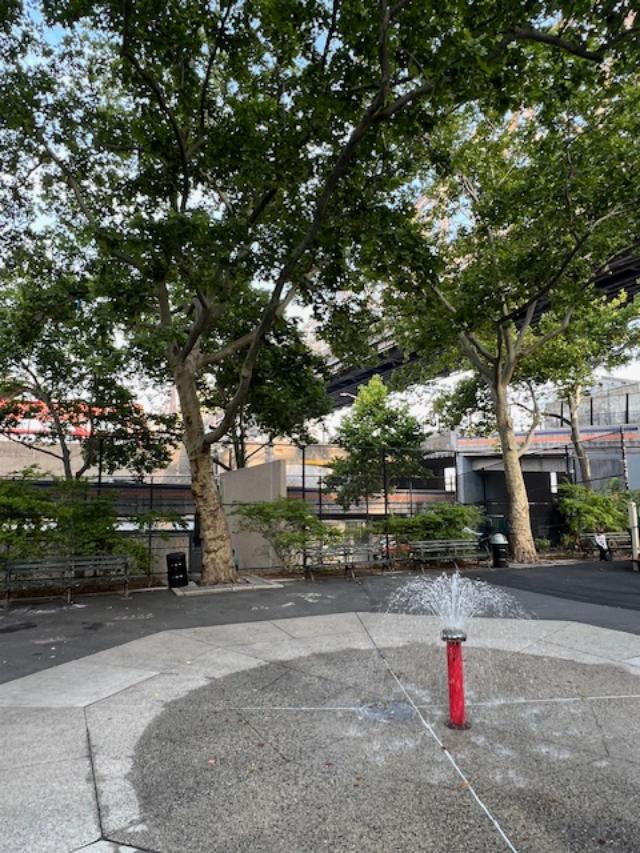


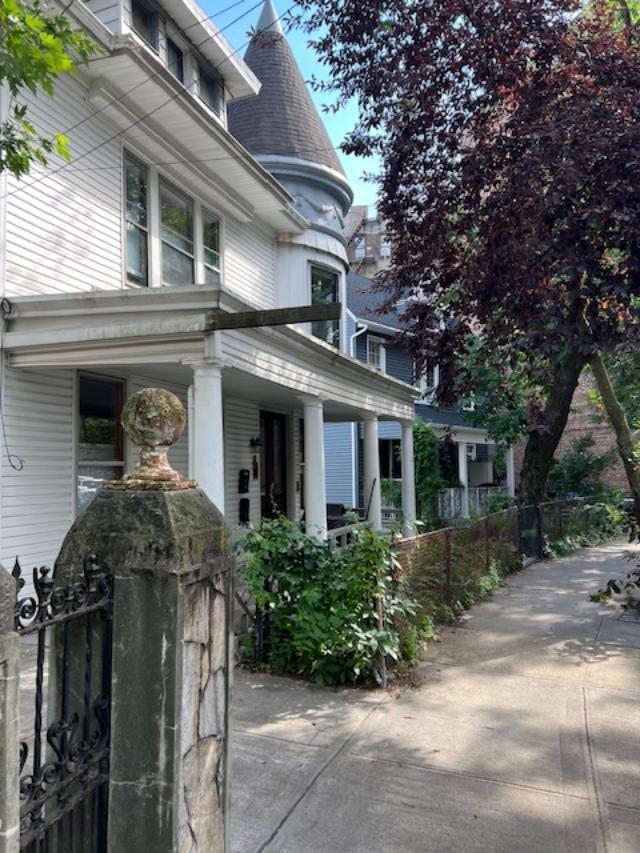


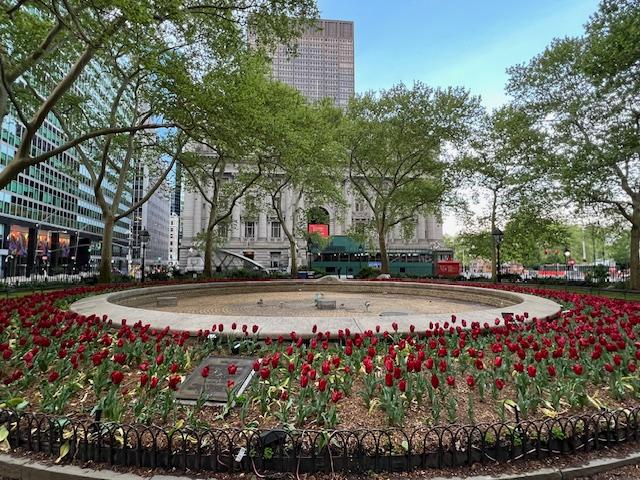




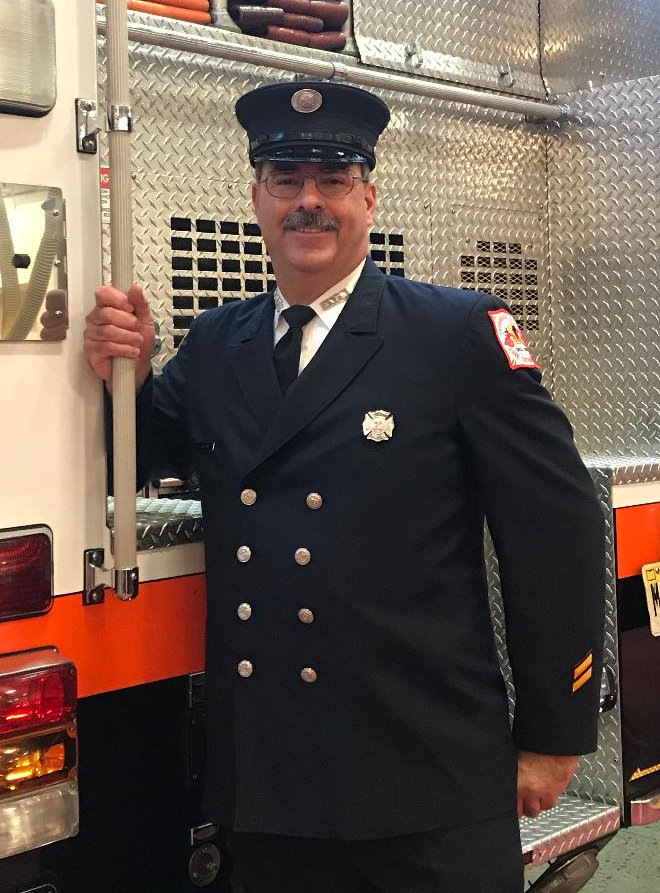

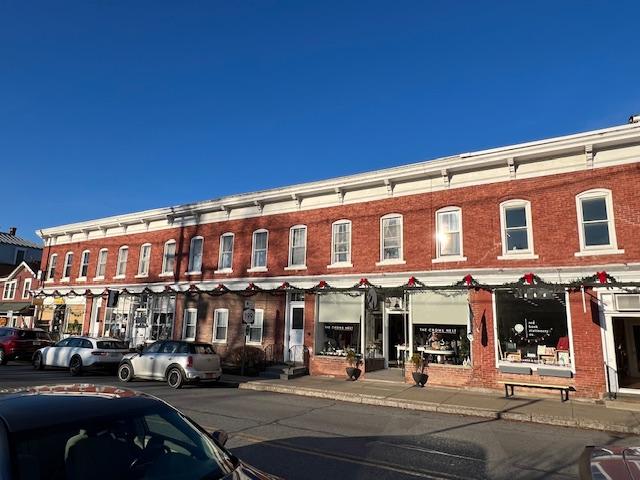

 mywalkinmanhattan