It has been one busy summer. In between walking the neighborhoods of Manhattan, I have been revisiting neighborhoods, attending events that I had in the past like the Coney Island Sand Castle Building contest and the Dutchess and Ulster County Fairs. I wanted to spend more time at them and I needed new pictures at all of these events (see my full blog, MywalkinManhattan.com for all these interesting blogs). That and I have been exploring the Jersey Shore towns like Point Pleasant and Seaside Park and Heights to really see what is beyond their Boardwalks. It has been a productive summer since graduation running back and forth between the Hudson River Valley and the Jersey Shore.
As I get ready for the school year to begin in a week and a half, I have more places to see and experience. Still in between all this I want to volunteer time at the Soup Kitchen and planning trips outside the City too experience more of New Jersey. Each day of the Month of August is like planning “D Day”.
Gramercy Park is such an interesting neighborhood. From the vibrant commercial areas to the historical parks, Gramercy Park has a lot of hidden treasures tucked here and there throughout the neighborhood. It seems though, along the neighborhoods Avenues, I would have been expected to see more classic architecture and beautiful stonework, I experienced experienced a more commercial environment with modern buildings. Still tucked here and there along the Avenues were many gems of the past and some beautiful little parks.
The Gramercy Park Historic District plaque
I started my walk along the Avenues of the neighborhood with a walk up the Irving Place Street and walked around the park to Lexington Avenue on the other side of the park. Irving Place and Lexington Avenue are separated by Gramercy Park’s north and South borders.
Gramercy Park in full bloom in the Summer of 2024
The section of the neighborhood is shared with the Union Square neighborhood as the lines are blurred from street to street between Gramercy Park, Union Square and the Flatiron District. This neighborhood has distinct architecture, beautiful parks including Gramercy Park, part of the old Rose Hill Farm estate and Stuyvesant Square, part of the former estate of Dutch Governor Peter Stuyvesant.
I started my walk on the southern part of Gramercy Park along the historical Irving Place with its historic homes and restaurants. I passed 4 Irving Place which the first couple of floors were under scaffolding. I admired the clocktower on the top of the building, the beautiful embellishments and just the elegance of the building. The building is home to Consolidated Edison (ConEd).
The was designed by architect Henry Janeway Hardenbergh and architectural firm of Warren and Wetmore in the Neo-Classical design. The first phase of the building was started in 1911 and both phases were finished by 1929. The original section of the building is in the picture with the wings of the building to both sides (Wiki).
I passed 4 Irving Place, the Con Ed Building, just as twilight hit the building and you could see the beauty in its shadows.
Its clock told the time of the early evening.
The next morning when I walked past it again, you could see the true beauty of its design.
I also noticed that the roof top held a more intricate design than I noticed the night before. Look up at its intricate details to admire its beauty. This is part of the originally designed building.
Once I turned onto Irving Place, the old core of its industrial past gave way to the bohemian village it would become and stay in the future. This was once ‘THE’ neighborhood to live in and has stayed that way since even through the rough times of Union Square.
The most impressive object you will see in the neighborhood is this bust of Washington Irving that sits outside the Washing Irving Campus on Irving Place.
Artist Friedrich Beer was a German born artist known for his works on busts of famous individuals.
The neighborhood goes from commercial to more residential as you get further up Irving Place and closer to Gramercy Park. The borders of Union Square overlap with Gramercy Park and the Flatiron District between East 18th and East 20th streets so I revisited buildings that J had seen before. If people went in a Time Machine to Manhattan from 100 years ago they would still see the same buildings but with totally different uses.
The Washington Irving house at 122 East 17th Street and Irving Place (Washington Irving never lived here)
The “Irving House” was built by Peter Voorhis between 1843 and 1844, along with the adjacent two houses at 45 and 47 Irving Place. The original tenants of 49 Irving Place (at that time referred to as 122 East 17th Street) were Charles Jackson Martin, an insurance executive, and his wife, who would reside there from 1844 until 1852. Henry and Ann E. Coggill would live in it in 1853, and in 1854 it would become the home of banker Thomas Phelps and his wife Elizabeth, who would remain until 1863 (Atlasobsucra.com).
The front of the house facing Irving Place
The first mention in print of Irving having lived in the house came in the Sunday Magazine Supplement of the New York Times on April 4, 1897. The article is a human interest story about Elsie de Wolfe and the means and methods she used to decorate “Irving’s house.” In 1905, de Wolfe would become known as the first professional interior decorator and it appears this article is an early attempt at publicity for her. As for the information about Irving, the article takes enormous liberties (actually, it flat-out makes things up), claiming that Irving had conceived of the house himself and was very particular about the architecture and design (Atlasobsucra.com).
The entrance to the house at 122 East 17th street
The plaque on the house dedicated to the writer created by artist Alexander Finta
In 1930, a restaurant called the Washington Irving Tea Room was operating in the basement of the building and in 1934 a plaque sculpted by Rodin-student Alexander Finta was put up on the north facade that would cement the story in the public consciousness. Today, the surrounding area remains covered in references to Irving, from the large art installations in the nearby W Hotel to the Headless Horseman pub on 15th Street(Atlasobsucra.com).
Artist Alexander Finta was a Hungarian born artist who moved to the United States in 1923. He had studied mechanical engineering in his own country and had studied with Auguste Rodin. His is known for his elaborate busts. He spent the remainder of his career at 20th Century Fox Studios (Wiki)
All along the Irving Place corridor, the street is lined with interesting and historical buildings many of them turned into restaurants or inns. There are many historic plaques in this neighborhood and some creative architecture. The first building that caught my eye was 53 Irving Place, which is the home of Pierre Loti Wine Bar.
The home of Pierre Lotte Mediterranean Restaurant at 53-55 Irving Place was the home of O Henry
When I looked at the side of the building near the entrance, I was this historic plaque that said that this was the home of author William Sidney Porter (O. Henry). The author lived here from 1903-1907 and wrote the “Gift of the Magi” while living here and eating at Pete’s Tavern across the street (Wiki).
The historic plaque for author O Henry at 53-55 Irving Place
Down the road at is Pete’s Tavern, one of the most famous and the oldest literary restaurants in the City. The restaurant was founded in 1864 as the Portman Hotel and then in 1899 when changed to Healy’s Cafe when it was run by John and Tom Healy. Then in 1899, it was bought by Peter D’ Belles and renamed Pete’s Tavern. The restaurant was a ‘Speakeasy’ during prohibition and the dining rooms have not changed much over the last over hundred years (Pete’s Tavern website).
Pete’s Tavern was busy on the night of my first part of the walk.
The painting outside of Pete’s Tavern of the Speakeasy years
Pete’s Tavern was busy both nights that I passed it. I had not eaten there in over a decade when I had a holiday dinner there with friends by I remember the food and service being excellent. The restaurant is really special during the Christmas holiday season from what I can remember.
My friends Barbara, Lillian and I after dinner at Pete’s Tavern in the early 2000’s
Another restaurant I went to before my friend, Barbara, moved to Florida was a Friend of the a Farmer at 77 Irving Place, a farm to table concept before it became very popular. I remember the food being wonderful but the place being a bit noisy. She lived on the fringe of Gramercy Park and had passed this restaurant many times and had wanted to try it that evening.
Another great restaurant is Friend of a Farmer at 77 Irving Place
Across the street, I passed this apartment building at 76 Irving Place. I loved the outside embellishments on the building and the friendly looks you get from the statuary. The building was built in 1897 by architect Lyndon P. Smith (Corcoran Group).
You have to look up to admire the details of 76 Irving Place
The entrance to 76 Irving Place with its tiny angels
This woman guards the front of Irving Place like guard
This woman greets you at 76 Irving Place
The classic architecture of the block especially as you get closer to Gramercy Park changes from smaller apartment buildings to brownstones lining the parks southern border. Gramercy Park offers some of the most interesting architecture. This ivy covered building that impressed me so much as the sun was going down is at 80 Irving Place.
This building at East 19th street and Irving Place is typical for the buildings that once lined this neighborhood
The house was built as a single family mansion between 1853 and 1854 and had been the home of the prominent Wood family and then to actress Agnes Ethel Tracy. Since 1987, it has been a single family home again. What I thought was interesting was that the house was used in the movie “Working Girl” as Sigourney Weavers character’s home (DaytoninManhattan.com).
Look up at the beautiful details of 81 Irving Place
81 Irving Place is one of the most beautiful apartment complexes in the city that I have come across. The embellishments along the building are some of most detailed and elegant I have seen. This prewar Co-Op was built in 1929.
The details along the windows
The embellishments of the building
The dragons and demons that adorn the windows
The embellishments of the building
The unusual creatures at the doorways
The embellishments of the building
The creatures guarding the windows
The embellishments of the building
The rooftop gardens are protected by these griffins
The building has a whimsical almost storybook imagine of creatures protecting their home.
Where I want my future home to be when I retire to the City and can afford it is 19 Gramercy Park South. I have always loved this building since I fell in love with the neighborhood over thirty years ago. I always wanted a home with a key to Gramercy Park. The building has that classic turn of the last century look about it and it has always been my dream to live here when I retire. I need to hurry and win the lottery.
My dream home would be at 19 Gramercy Park South with a key to the park
I had thought this was a apartment building but it is actually a single family mansion with 37 rooms. It was built in 1845 and when the mansion was extended by Stamford White in 1887 was the home of socially prominent Stuyvesant-Fish family. It is currently back to being a single family mansion (Wiki).
I did the walk around the Park and continued along Lexington Avenue from East 20th to East 23rd Street. There is more magnificent architecture along the way. Small details that will surprise you and things that will stare you along the walk.
I walked along Lexington Avenue where the campus of Baruch College, which is part of the CUNY system, starts. One of its stand out buildings is The Lawrence and Eris Field Building, also known as the 23rd Street Building by the college. This building opened in 1929 and the ornamented Italian Renaissance revival style façade on 23rd Street is constructed of limestone and brick and engraved with “The College of the City Of New York.” (CUNY Website)
17 Lexington Avenue-The Lawrence and Eris Field Building, also known as the 23rd Street Building on the Baruch College Campus.
The Baruch College campus is located on the border of Gramercy Park and Kips Bay showcasing the unique architecture of the campus. Many of the buildings on this side of campus are going through a renovation so watch the scaffolding.
The coat of arms on the side of the building
The middle coat of arms on the side of the building
Coat of arms on the side of the building
The building on the Baruch Campus that I admired was the was the Baruch College Administration Center whose entrance is at 135 East 22nd Street. I loved the Art Deco details on the building. These seemed to represent all aspects of business.
The side of the Baruch College with its Art Deco details
Details on the CUNY building-The Baruch College Administration Center Building in its glory
The front of the Baruch College Administration Center at 135 East 22nd Street
The elaborate details on the building give it its Art Deco appearance. The Art Deco Administrative Center at 135 East 22nd Street was built in 1937–1939 as the Domestic Relations Court Building, and was connected to the Children’s Court next door (Baruch College Website).
Across the street from CUNY campus, the Sage House at Four Lexington Avenue. Sage House was built in 1913 for the Russell Sage Foundation, a social welfare nonprofit that was an early advocate of social work and urban planning (Streeteasy.com).
The building is a pre-war office building designed by Grosvenor Atterbury in the Italian Renaissance palazzo style. It has a rusticated red sandstone façade, vaulted ceilings, and carved decorative shields (Wiki). The building was converted to Coop apartments in 1986. The building next to it was the Hotel Gramercy Park which is currently closed and under renovation. Even though the hotel is closed, you can still peek through the scaffolding and see its elegance.
I myself have some wonderful memories of this hotel. I had stayed at the hotel back in 1993 while working at Macy’s Herald Square, when it was a European style old hotel with the large rooms with a view of the park. It had the most amazing bathtubs to sink into the night before I left to assist in the Macy’s Thanksgiving Day Parade. Years later, when Danny Meyers opened the Italian restaurant, Maialino, in the lobby in the early 2000’s, I remember taking my father there for Father’s Day and having the most delicious Roast Pork with potatoes that were cooked in the roast’s juices. It was a fantastic meal and the most perfect Father’s Day. Funny how I still remember that meal almost twenty years later.
The Hotel Gramercy Park at Two Lexington Avenue
The Hotel Gramercy Park was designed by architect Robert T. Lyons and was built by brothers Bing & Bing in 1924 and the hotel opened in 1925. The extension of the hotel along East 21st Street was designed by architects from Thompson & Churchill and built between 1929-1930. The hotel is designed in the Renaissance Revival style (Wiki). Across the street from the hotel is the historic One Lexington Avenue.
Built in 1910 by noted architect Herbert Lucas. This twelve-story intimate cooperative features extraordinary design details including a stately limestone and brick façade, timeless-elegant marble lobby and wood-paneled elevator still attended full-time by the elevator operator (Streeteasy.com).
The Cyrus West Field plaque on One Lexington Avenue where his home once stood
One Lexington Avenue was once the home of Cyrus West Field, who was considered the ‘Father of the American Cable” and helped lay the first trans Atlantic cable in 1858. When it broke, it was laid again in 1866 (American Experience).
The original house on the same corner in 1866 (NY Public Library)
Looking back up Lexington Avenue in the Summer of 2024, you can see how this neighborhood just keeps changing and still getting better. The old buildings are finding new uses and this part of the neighborhood is still very exclusive.
Looking up Lexington Avenue from Gramercy Park
The views uptown are so beautiful and will look even better when all the scaffolding comes down on all of these buildings. Still this part of the neighborhood is very impressive.
I walked down East 23rd Street to Third Avenue and it is not as impressive. This part of the neighborhood is more commercial the further you go from the park and most of the architecture here and on Second and First Avenue is mostly businesses housed in new buildings. Here and there though, tucked in the corners there is still a glimpse of the neighborhood’s past. You just have to look up to appreciate it.
Walking down Third Avenue from East 23rd Street
It may be all new construction but it is still impressive. Just a different feel and character. Third Avenue is more of a commercial district of larger stores and small restaurants.
Interesting street art on a Third Avenue mailbox. At least someone has some optimism
Tucked in between the modern architecture and some older brick buildings was this elaborate white building that stood out amongst its more plain neighbors and was one of the few older buildings left on Third Avenue.
The beauty of 190 Third Avenue known as Scheffel Hall
Scheffel Hall was designed by architects Henry Adams Weber and Hubert Drosser and was built between 1894 to 1895. This part of Gramercy Park was known as ‘Kleindeutschland’, ‘Little Germany”, when it had a large German immigrant population. The building served as a beer hall and restaurant at that time and was modeled after an early 17th Century building in Heidelberg Castle, the “Friedrichsbau” (Wiki). The building stands out for its beauty and elegant details that make this building special. There is nothing like it in the neighborhood and it a testament to its German past.
I finished my walk down Third Avenue and turned the corner at Second Avenue. As I walked down Second Avenue past Church of the Epiphany at 375 Second Avenue, I came across the historical plaque for the marker of the original “Rose Hill Farm” that was once part of this neighborhood and whose borders now make up the ‘Rose Hill’ neighborhood in Midtown Manhattan. All that remains of the farm today is the current Gramercy Park, which is a corner of the old farm.
The site of ‘Rose Hill Farm’, the home of General Horatio Gates and his second wife, Mary Valens
Rose Hill was originally a farm owned by James DeLancey and it was sold to Honorable John Watts, a member of the Colonial Assembly in 1747. The farm was 130 acres between East 30th to East 21st Street from what is now Irving Place to the East River. John Watts later married Ann DeLancey and they raised their family here. At the start of the Revolutionary War, as Loyalists they returned to England and left the estate to their son, John, who inherited it in 1789 (Wiki).
My blogs on Visiting the Rose Hill section of Manhattan:
Revolutionary War General Horatio Gates and his second wife, Mary Valens, bought the farm in 1790 and built a new mansion on the corner of what is now Second and East 22nd Street. They lived here for the next twenty years with him a member of the assembly in 1800 and active in New York Society at that time. He died on the farm in 1806 and the estate was parceled out later on when the new grid pattern for Manhattan was created (Wiki/Horatio Gates website).
As I looked up from the plaque, I admired the front windows of the Church of the Epiphany at 373 Second Avenue and all the beautiful plantings in front of the church. The original church that had been built in 1870 burned down in 1963. The current church was designed by the architectural firm of Belfatto & Pavarini and was finished in 1967. The stained glass windows of the Madonna and Child were from the original church (Wiki/Church of the Epiphany website).
Walking down at East 23rd Street, it was a short walk down the Avenue where I passed 303 Second Avenue and the beautiful details of this famous piece of the neighborhood history. This is the one really standout building on the block with interesting embellishments all along the windows and doorways.
303 Second Avenue-The Rutherford Place Medical Building
The Rutherford Medical Building was designed by architect Robert H. Richardson and was finished in 1902. This was a very active hospital delivering sixty percent of the infants in Manhattan at that time before a full part of the hospital. It was converted to luxury condos in recent years (Wiki/Streeteasy.com).
The historic plaques
The historic plaques
The elegant details of the The Rutherford Building
You have to look at the top of this building to really appreciate it
As you cross over from East 17th Street on both sides of Second Avenue, you are greeted by the greenery of Stuyvesant Square, what is left of the former estate of ‘Peg Leg’ Peter Stuyvesant, the Governor of the Dutch colony of New Amsterdam. The park was in full bloom and on a hot day, the shade trees are a pleasure to be under.
As I walked down Second Avenue, I passed the beauty of Stuyvesant Square Park
I walked through the park, admiring the paths of flowers and flowering trees. People were outside reading books and listening to the makeshift concert that a resident was putting on. There is a dirty little secret to Stuyvesant Square Park is on the edges of the park there is a lot of loitering by delivery guys and homeless in the corners of the park. The park could also use a little pruning and sprucing here and there.
Looking up Second Avenue from Stuyvesant Square
Stuyvesant Square in full bloom
The Stuyvesant family was the influence of this wonderful park. In 1836, Peter Gerard Stuyvesant, the great great grandson of Peter Stuyvesant and his wife, Helen Rutherfurd sold four acres of the original Stuyvesant Farm to the City for $5.00 as a public park under the stipulation that the City build a fence around it. It took an almost lawsuit from the city to finally build the fence in 1847, which is the fence that surrounds the park today (NYCParks.org).
The colorful flowers surrounding the fountains
In the middle of the park on the right side as you are walking down Second Avenue is the statue of Governor Peter Stuyvesant in all of his glory.
The statue of ‘Peg Leg’ Peter Stuyvesant, the Governor of the Dutch Colony
Gertrude Vanderbilt Whitney was an American born New York artist who had studied at the Arts Student League of New York and apprenticed under several well known artists.
The Stuyvesant Square Park in the Summer of 2024
Around the corner from the park as I walked its perimeter was the beautiful testament to God in the form of St. John The Baptist Greek Orthodox Church at 143 East 17th Street
St. John The Baptist Greek Orthodox Church at 143 East 17th Street
Built in 1885, designed by Schwartzmann & Buchman, with a baroque facade that was altered in 1957 by Kyriacos A. Kalfas (Wiki).
The detailed windows of St. John’s Church at East 143 17th Street
As I reached East 14th Streets, I could see that the neighborhood along Second and Third Avenue did not have the same historic appearance as the side streets of the neighborhood. Here and there tucked in between modern buildings, there were a few gems,
This prewar apartment building was built in 1910. You have to really look up to see the elegant details of the building and its decorative embellishments.
The beautiful entrance to the apartment building
The classic embellishments of the building
Walking through the other side of Stuyvesant Square I got better views of 303-305 Second Avenue
This city squirrel just ignored me as it chopped away at some nuts
The beauty of Stuyvesant Square in the Summer of 2024
The historic plaque at Stuyvesant Square
Lunch was a slice of Sicilian pizza at Lunetta Pizza at 245 Third Avenue. I had passed Lunetta Pizza many times while walking through the neighborhood and noticed that it was one of the few restaurants in the neighborhood that did not change their prices after COVID. They are still one of the most reasonable pizzerias in Manhattan (See my review on DiningonaShoeStringinNYC@Wordpress.com).
The slice was amazing. Their red sauce is spiced perfectly and that is what makes the structure of the pizza. The Sicilian pizza here is crisp and pillowy, the way it should be.
The prices are extremely fair and are still pre-COVID. They do not rip you off.
The selection of pizzas is extensive
The Sicilian slices were pillowy and crisp with a deep, rich flavor because of their amazing red sauce.
I finished walking the Avenues of Gramercy Park with enough time to take the trip out to Brooklyn for the pre-West Indian Parade event at the Brooklyn Botanic Garden.
My blog on the special event at the Brooklyn Botanic Garden:
The Carnival like atmosphere right before the West Indian Parade
After the event was over, I headed back to Manhattan for dinner. I had been so impressed by Lunetta Pizza’s food the afternoon, that I bypassed my favorite restaurants in Brooklyn and went back to dinner there.
I had a very impressive Linguini with a Meat Sauce and I then made a better judgement call on the food and it is truly excellent. The meat sauce was so flavorful and the pasta perfectly cooked and a very generous portion size that it made the perfect dinner.
My dinner at Lunetta Pizza, the Linguini with Meat Sauce
Yum!
As I left the neighborhood that night I passed a plaque in the sidewalk from the Mayor Abe Beame Administration (now these were some bad years in the City) dedicating a tree for the beautification of the neighborhood. It just shows has the City just keeps morphing with the cycles the City goes through over the years. Manhattan just keeps changing.
The plaque from the neighborhood beatification program in the 1970’s. This plaque is near East 23rd and Third Avenue. It is also coming out of the ground.
As I passed Bryant Park that evening, twilight had come and the lights of the City were coming on. New York City may have its problems, but there still is a beauty to it.
Passing Bryant Park that evening
The next part of the walk will be visiting the Streets of Gramercy Park.
The Flatiron District has to be one of the most interesting and beautiful architectural neighborhoods in New York City. Serving as the old “Midtown” from the end of the Civil War until WWI and the move uptown, this area was once the shopping, entertainment and commerce area of Manhattan.
When all the department stores and businesses moved uptown first to 34th Street and then eventually to their current locations on upper Fifth and Madison Avenues as the City core changed, the businesses left a treasure trove of exquisitely designed former office buildings and department stores that are being refitted for new businesses that are moving into this area.
The core of the Flatiron District on FIfth Avenue below 23rd Street
What was old has become new again as the desire for these well-built and designed buildings has become a paramount to new tech and marketing businesses. The buildings may have the appearance of the turn of the last century but there are being remodeled inside with the latest Internet technology and premium office space.
I started my walk down Sixth Avenue again on West 24th Street admiring the old department store buildings of the “Ladies Shopping Mile” with their Beaux Art style architecture and curvature symbols with the initials of companies that no longer exist. Just look up at the lions’ heads and pillars that dominate this architecture, and it shows this type of embellishment was used to draw customers in and showcase their elegant wares. These are now the home of discount retailers and small business offices.
On the side streets of this district, you see how companies used to impress the outside world with their elegant buildings as a ‘calling card’ of who they were as a company. Tucked between more modern buildings, there are some true architectural gems all over the neighborhood. You really have to stop and admire the detail work of these buildings.
As I rounded the corner down West 24th Street, slightly hidden by scaffolding but still seeing its beauty was 46 West 24th Street, the Masonic Lodge.
46 West 24th Street-The Masonic Lodge (Streeteasy.com)
The Masonic Lodge’s elegant structure was designed by architect Henry Percy Knowles in the Beaux Arts style and was completed in 1910. It was built for the offices of the Masonic Lodge on West 23rd Street and its embellishments were made of stone and brick work (Daytonian in Manhattan). It’s currently going through a renovation but you can see all its beautiful decorations on the side and top of the building.
Making my way down West 24th Street, you come to the center of the neighborhood, Madison Square Park, which the Flatiron District shares with Rose Hill, NoMAD and Kips Bay to the east and Gramercy Park to the south. These neighborhoods overlap between Fifth and Lexington Avenue and Park Avenue South, so take time to read my blogs below on those neighborhoods as well to share in all the wonderful things you will see in this section of the Manhattan.
Madison Square Park has become like a second home to me since walking this set of neighborhoods. It is a nice place to relax under shade trees in the hot weather and have snacks and eat your lunch while spending time people watching. It is also the home of many statutes of fascinating people and getting to know their history as well.
Madison Square Park is an interesting little oasis from all the traffic and office space. It has an interesting history since it was designated a public space in 1686 by British Royal Governor Thomas Dongan. It has served as a potter’s field, an arsenal and a home for delinquents. In 1847, the space was leveled, landscaped and enclosed as a park. It became part of the New York Park system in 1870. There are many historical figures featured in the park (NYCParks.org).
The park today is a major meeting spot for residents and tourists alike with a dog track and the original Shake Shack restaurant.
Madison Square Park in the Spring when I was walking the length of Broadway
An interesting sculpture that that welcomes you into Madison Square Park is the statue of William Henry Seward, the former Governor of New York State, US Senator and Secretary of State during the Civil War. He also negotiated the Alaskan Purchase in 1867.
Governor William Henry Steward statue in Madison Square Park
Governor William Henry Seward, who negotiated the Alaskan Purchase “Seward’s Folly”
The statue was designed by artist Randolph Rogers an American born sculptor who studied in Italy. He was a Neoclassical artist known for his famous historical commissions.
When I walked into the park to take a break, it must have been the busiest section of the neighborhood between the playground and the original Shake Shack that were serving food to a crowd clung to their cellphones.
I stopped to look at the statue of our 21st President Chester A. Arthur, who had taken oath just two blocks away in his New York townhouse where the Kalustyan’s Specialty Foods is located at 123 Lexington Avenue (See My Walk in Kips Bay below). I thought about what was going on in our government today and what they must have gone through with this transition.
The Statue of Chester A. Arthur in Madison Square Park
George Edwin Bissell was an American born artist from Connecticut whose father was a quarryman and marble carver. He studied sculpture abroad in Paris in the late 1870’s and was known for his historical sculptures of important figures of the time (Wiki).
The Admiral David Farragut statue in Madison Square Park by artist Augustus St. Gaudens
Another interesting statue that stands out in Madison Square Park is the of Civil War Navy hero, Admiral David Farragut. Admiral Farragut commanded the Union Blockade of Southern cities and helped capture New Orleans. The statute was designed by sculptor Augustus St. Gaudens. This was the artist’s first major commission when it was dedicated in 1881 (NYCParks.org).
Augustus St. Gaudens was an Irish born American artist whose specialty during the Beaux-Arts era was monuments to Civil War heroes. He had created the statue the William Tecumseh Sherman in the Central Park Mall on Fifth Avenue along with this statue of Admiral Farragut. He had studied at the National Academy of Design, apprenticed in Paris and then studied at the Ecole des Beaux Arts (Wiki).
The Roscoe Conkling statue on the south side of the park
Roscoe Conkling was an American lawyer and Republican politician who represented New York in the United States House of Representatives and the United States Senate (Wiki).
He trained for seven years (1849 to 1856) under the well-established sculptor, Henry Kirk Brown and then Ward went to Washington in 1857, where he made a name for himself with portrait busts of men in public life (Wiki).
The statue was created by sculptor John Quincy Adams Ward in 1893. Referred to as “the Dean of American Sculptors,” Ward contributed nine sculptures to the parks of New York, among them Horace Greeley (1890) now in City Hall Park, Alexander Holley (1888) in Washington Square Park, William Earl Dodge (1885), now in Bryant Park. Ward’s depiction of Conkling is a sensitive and vigorous portrait of him posed (NYCParks.com).
I love walking around the park in the summer, when you can admire the flowers and green lawns and relax under the shade of tree on one of the benches. When I walking through the park after classes during Christmas, the park was like a ‘Winter Wonderland’ with white lights lining the park, the Christmas tree in the corner of the park and Shake Shack decorated for Christmas.
Even during the day Christmas is in full swing in Madison Square Park
I crossed the park and entered the other side of the park that the Flatiron neighborhood shares with NoMAD and Rose Hill neighborhoods. This section of the neighborhood is still home to many headquarters of companies and the architecture displays the company’s influence in their industries.
The building was designed by architect William C. Frohne in the Beaux Arts style and was completed in 1911. The building was known as the Remington Rand Building being the headquarters of the Remington Rand Company who used to manufacture typewriters and electric shavers (Metro Manhattan.com). Look up at the exquisite detail work of the doors, windows and roof with interesting design.
Another building that stood out as I walked down the street was 125 East 24th Street, the St. Francis of the Friends of the Poor.
125 East 24th Street-St. Francis Friends of the Poor Building
The structure was built in the late 1880’s as the home of William Frances Oakley. When he passed aways in 1888, it became the Beechwood Hotel, a residential hotel for the carriage trade. In the 1937, it became a writing school and by the early 1950’s it was turned in SRO. In 1979, the Friars of St. Francis of Assisi bought the building as housing for the homeless with psychiatric issues. It is now home to the St. Francis Friends of the Poor, where it is a community for people who need assistance with their issues and helps them live a better and more productive life (Wiki/St. Francis Friends of the Poor.com).
The street art on the wall of the building is interesting and faces Lexington Avenue. One the corner of East 24th Street & Lexington Avenue is the Friends House New York, a housing unit. Painted on the wall is a very unique painting by Italian street artist, Jacopo Ceccarelli.
Painting by artist Jacopo Ceccarelli
The mural is on the corner of East 24th & Lexington Avenue-The St. Francis Residence Building
The Milan born street artist, who goes by the name “Never 2501” hones his skills after moving to San Paolo, painting murals with an edge that got global recognition. He uses geometric forms in his work with circles and lines creating the abstract (Do Art Foundation).
As I walked Lexington Avenue, it was like visiting an old friend. I had not walked around Kips Bay, which shares the border with the Flatiron District in a long time. The Baruch College promenade had finally been finished and students in their summer classes were hanging out there.
Restaurants that had shuttered when I was walking around the neighborhood had finally reopened and catering to the students and hotel guests in the area. I still did not see a lot of office workers, but the tourists have definitely come back to Manhattan. I have heard many languages on the streets.
As I walked back down East 24th Street, I noticed buildings that I had seen on walks in the neighborhood come back to life. It was nice to see people walking around the neighborhood again. As I crossed Park Avenue South, I saw the buildings that share the neighborhood with the NoMAD/Rose Hill neighborhood, and it looked like people were coming and going that afternoon.
As I walked closer to Madison Square Park, I noticed the large vault entrances to 11 Madison Avenue, the old Metropolitan Life North Building that had just been renovated. There was also the beauty of 5 Madison Avenue that now serves as the New Edition Hotel.
It was designed by architects Napoleon LeBrun & Sons inspired by St. Marks Campanile in Venice. From 1909 to 1913 this was the Metropolitan Life Insurance Company Tower building. It was once the tallest building in the world until 1913 when the Woolworth Building was finished (Curbed.com/Wiki).
I remembered these impressive buildings facing Madison Square Park on my last visit to the neighborhood as they share the same borders with NoMAD (North of Madison Square Park) and Rose Hill Farm neighborhood.
Owned by the Sapir Corporation now, the building was built in 1929 at the start of the Great Depression and was designed by architects Harvey Wiley Corbett and D. Everett Waid. It was built in the Art Deco style with clean lines and interesting embellishments on the interior of the building (Wiki). It is now home to many well-known companies (Wiki/Sapir Corporation).
The details in the entrance of 11 Madison Avenue
I crossed the park again and made my way back down West 24th Street. I rounded the corner on West 23rd Street to see many striking gems along this street as well. On the corner of Sixth Avenue and West 23rd Street is 701 Sixth Avenue, the old Ehrich Brothers Department Store. The building was constructed in 1889 by architect William Schickel & Company with additions by Buchman & Deisler and Buchman & Fox in 1889 (Wiki).
Ehrich Brothers Department Store building at 701 Sixth Avenue (Wiki)
Another addition was added by Taylor & Levi in 1911 when the store was leased to J.L. Kesner. They added the terra cotta “K”s that can still be seen from the top of the storefront. The store folded in 1913 and then was used for manufacturing and offices as the shopping district moved to 34th Street and the Fifth Avenue area (Wiki).
At the corner of the neighborhood on Sixth Avenue and West 23rd Street at 100 West 23rd Street is the second Macy’s Department Store building. This was on the very edge of the Ladies Shopping Mile that once stretched along Sixth Avenue.
The building was built in 1871 and you can see all the elaborate embellishments on it with interesting stone carvings and elegant window design and some wrought iron details on different parts of the building. It was the last location of the store before it moved to its current location at 151 West 34th Street.
100 West 23rd Street (Renthop.com) is an old Macy’s
Across the street on the other corner is The Caroline building at 60 West 23rd Street. This inventive new building showcases the future of the neighborhood and was once home to the former McCreery’s Department Store.
The stretch of West 23rd Street from Sixth to Fifth Avenues was once lined with elegant department stores and specialty stores extending this ‘Shopping Mile’ to the retail palaces of Broadway above Union Square.
The plaque outside the Carolina Building
The “William Shakespeare” that once stood at the Booth Theater from the 1800’s
One of my favorite buildings that stands out and was the filming spot for ‘McMillian Toys’ in the movie “Big” is the former Sterns Brothers building at 36 West 23rd Street. You have to look on the opposite side of the street to appreciate the beauty of the building.
The beautiful detail work above the entrance of the former Stern’s Brothers Department store
The stonework is amazing
The Stern’s Brothers Department store was built in five stage over a period of forty years. The original store which is the core of the building was built in 1878, where this magnificent entrance is located and the two wings of the building were built with the success of the store. The original store was designed by German architect Henry Fernbach in the Renaissance Revival style (Daytonian).
The store was added to two more times with the final addition coming in 1892 with an extension by architect William Schickel. When the migration of department stores moved to the new shopping district on 34th Street, Stern’s moved with it. The store today is Home Depot.
On the corner of Fifth Avenue and 23rd Street is 186 Fifth Avenue, which was built for the Western Union Telegraph Company in 1883.
The Western Union Building on the corner of West 23rd Street and Fifth Avenue is 186 Fifth Avenue
The building was designed by architect Henry J. Hardenberger in the Queen Anne style with its details being in brick and terra cotta (Daytonian in Manhattan). The building just finished a restoration, and you can see the details by the windows and dormers.
The Flatiron Building at 175 Fifth Avenue over the summer in all its glory
As you look down further on the square, you will see the Flatiron Building one of the most famous and most photographed buildings in New York City. The building was designed by Daniel Burnham as a Renaissance Palazzo with Beaux-Arts style. The original name for the building was the “Fuller Building” for the Company. The name “Flatiron” comes from a cast iron clothes iron from the turn of the last century. (Wiki)
During the summer, street art created by both local and international artists are a big part of the decor on Broadway. This interesting work “Dancer” was by artist Tomokazu Matsumaya and was on display in the plaza next to the Flatiron Building.
The interesting artwork “Dancer” by artist Tomokazu Matsuyama in the 23rd Street Plaza next to the Flatiron Building during the summer months
The work by artist Tomokazu Matsuyama (gone by December 2022)
Artist Tomokazu Matsuyama is a Japanese Contemporary Visual artist from Japan who now lives in Brooklyn. He graduated from Sophia University in Tokyo and then attended Pratt Institute where he got his MFA in Communications Design. His influences are in global arts and is known for his sculptures (Wiki/Bio).
East 23rd Street that faces Bryant Park is a very commercial district with many interesting restaurant concepts from chain restaurants to independents that want to become chains. During the summer as it ended before school started, around the holidays I was able to eat in most of them. These places cater to the businesses that surround Madison Square Park and the families that come into the park to walk their dogs and use the playgrounds and dog parks.
The 23rd Street “Restaurant Row” south of Madison Square Park
The McDonald’s at 26 East 23rd Street is always popular and is open late nights. The food and the service is really good here.
Next to McDonald’s at 28 East 23rd Street is Dim Sum Sam, a dim sum restaurant that now has four locations in New York City. The only problem with this restaurant is that the further they move uptown from Chinatown, the higher the prices go for Dim Sum. A Roast Pork bun, although really good, is getting to be almost $3.00 instead of the $1.50-$2.00 it is in Chinatown. I know rents are more up here but there is only so much people will pay for this. Still the food is really good and when I can’t make the trip to Chinatown, this is my go to place.
Another local chain with several restaurants in New York City is Little Italy Pizza at 34 East 23rd Street. Their pizza, calzones and rolls are the best in all of their locations. They are also very reasonable for all their meals in all of their locations.
Next to Little Italy Pizza is another chain store delight, Krispy Kreme Doughnuts, whose fried and iced doughnuts are the best. I was munching on a Lemon filled and Chocolate iced while I was walking around.
Further down the block is the new IHOP concept Flip’d by IHOP at 110 East 23rd Street. It carries items such as burgers, breakfast bowls and of course, pancakes. The day I was there one of the workers daughter was doing her homework while talking to her mother who was cooking the pancakes. It was a cute exchange between mother and daughter.
The Hamburger and French Fries at Flip’d are really good and I enjoyed my meal on my last trip there
The afternoon that I was there in the summer, Madison Square Park was really busy with people sunning themselves and walking their dogs. The afternoon lunch crowd was sharing the benches with nannies and moms and a few homeless people edging their way onto the benches. In the Fall, it was people eating lunch and walking their dogs. By Christmas, with the mild weather, people were still walking their dogs, admiring the lights and tourists coming back to the City were filling the tables of the decorated Shake Shack.
When I went to visit the Christmas tree again during the day in December, I came across this interesting sculpture to add to what is already in the park.
The statue ‘Havah…to breathe, air, life ” in Madison Square Park
Artist Shahzia Sikander is a Pakistani-American visual artist. She specializes in drawing, painting, printmaking and animation. She is a graduate of the National College of Arts Lahore in Pakistan and a graduate of Rhode Island School of Design in a MFA in Painting and Printmaking.
This fascinating sculpture will be in Madison Square Park for a limited amount of time. The storyboard above has a description of the statue. This adds a whole new dimension to the sculptures that line the park.
As you round the block again down East 23rd to West 23rd (with Fifth Avenue always being the dividing line) and you will see on the right is the beauty of 29 West 23rd Street. This turn of the last century building is now renovated and the home of Iron23, an event space.
This elegant entertaining space can now be used for parties and events with long halls and high ceilings showing off it elegant features. A few doors down is another interesting building with the most unique and interesting details to the ornamentation of the building at 39 West 23rd Street.
39 West 23rd Street
The detail work of 39 West 23rd Street towards the far right of the building
It is attached to the two buildings to the left and please check out the attached website to see the interiors. They have really created something special inside these buildings. It is a creative use of old and new in the same building as it is now an elegant condo complex.
When you turn the corner again on Sixth Avenue, you are again faced with the lining of old department store buildings on both sides of the street and the elegant facade of the Ehrich Brothers Department Store to the the right that stretches from West 23rd to West 22nd Streets as you start the walk down West 22nd Street back to Park Avenue South.
Among the architectural gems of West 22nd Street is 7 West 22nd Street, The Spinning Wheel building. This elegant building was built in 19010-story Neoclassical/Renaissance-revival office building completed in 1901. Designed by architect James Barnes Baker as a store-and-loft building, it is three bays wide, with a 2-story rusticated limestone base, a 7-story arcaded midsection, and a 1-story attic. Over the entrances in the building’s end bays, “Spinning Wheel Building” is written in the cast-iron entablature. A limestone cornice with egg-and-dart molding caps the 2nd floor (Wiki).
Walking closer to the edge of Fifth Avenue is the detailed 4 West 22nd Street. This beautiful commercial building was built in 1904. Serving as an office building in the beginning, it is now a apartment rental with interesting floor plans to choose from.
At the edge of the neighborhood’s border with Gramercy Park is the unique 278 Park Avenue South. Which once served as a bank is now a gourmet grocery store for residents on the Flatiron /Gramercy Park neighborhood.
Known today as Gramercy Place, the property at 278 Park Avenue South was once the location of the New York Bank for Savings. The original bank building was completed in 1894 and though it was subsequently knocked down, the 1986-built Gramercy Place still showcases elements of the original building, including the marble and teak lobby (Propertyshark.com). It is now home to the Morton Williams Supermarket.
Across Park Avenue South from the former bank is 281 Park Avenue-The Fotograski Museum New York and the former Church Mission House. It was designed by architects Robert W. Gibson and Edward J. Neville and was finished in 1894. It was home to the Episcopal Church’s Domestic and Foreign Missionary Society. It was inspired with a Medieval style design (Wiki).
281 Park Avenue-The Fotograski Museum on the edge of Park Avenue South and East 22nd Street
Fotografiska New York is the NYC location of the renowned Stockholm-based destination for the world’s best photography. Founded in 2010, Fotografiska was built on the foundation of photography as a haven for inclusivity and free expression.
The Fotografiska Museum in Manhattan
Our goal is to inspire a more conscious world through the art of photography. We showcase the greatest photographers, whether they’re emerging artists or already established internationally.
The building is a registered landmark built in 1894 and originally named “The Church Mission House”. We’ve renovated this iconic jewel to be a new experience of world-class art, cultural events, retail, and epicurean dining, in an awe-inspiring space.
The Dining area of the Fotografiska Museum
The Fotografiska Museum is the latest museum to enter the very crowded collection of museums in Manhattan. The beauty of this museum is that artist has a say of how the show is mounted which gives an interesting perspective to viewing shows here.
My “Trends in Tourism” class at NYU when we visited the museum in October 2022.
I headed back down East 22st Street, I passed all this interesting architecture and thought back to the architects who designed it, the period it was created and how it was being refigured into modern times for new businesses and living spaces.
As I crossed Sixth Avenue again to East 21st from East 22nd, I admired the old department store buildings again and stopped in front of the old Adams Dry Goods building at 675 Sixth Avenue and looked up at all the beautiful embellishments.
Samuel Adams, a merchant who had been selling upscale clothing and furnishing to customers in the area decided to open a store on Sixth Avenue. He used the architectural firm of DeLemos & Cordes, who had designed the Seigel-Cooper Department Store and the six-story building opened in 1902. The store was the first in New York City to use the new Pneumatic tubes to transport money and messages throughout the store (Wiki).
The problem with the store was its location. He built the store at the very edge of the neighborhood as the business changed. As the shopping area started to decline in the early 1900’s, Adams sold the store to Hugh O’Neill Dry Goods Store and they merged the two companies together, converting three floors of the Adams Dry Goods store to furniture. This concept was not popular as well and the businesses failed, and the store closed in 1913 (Wiki & the tour guide).
Adams Dry Goods Store today at Sixth Avenue between West 21st and 22nd Streets
The store has gone through a manufacturing stage and in the 80’s became part of the change to large box retailing. The building now houses eBay and several stores including Trader Joe’s and Michael’s. As we could see on the tour, the old department stores are finding new life in retailing.
The detail work of the old Adams Dry Goods Store at 675 Sixth Avenue
675 Sixth Avenue-The Adams Dry Goods Store
The store that sits to the right is the former Adams Dry Goods Store at 675 Sixth Avenue between West 21st and 22nd Street.
When I crossed Sixth Avenue again, as I was walking down West 21st Street and faced the beauty of the former Hugh O’Neil Department Store between West 21st and 20th Streets.
Our next stop was in front of Hugh O’Neill’s Dry Goods Store at 655 Sixth Avenue between West 20th and 21st Streets. It was built by the firm of Mortimer C. Merritt in the neo-Greco style who built the four stages of the building between 1887-1890 (Wiki & the tour guide).
Hugh O’Neill had started a small dry goods business right after the Civil War in 1865 with a small store around Union Square. In 1870, he decided to build a trade on the middle market customer and offered discounts on goods. The four floors of merchandise contained laces, ribbons, clocks and on the upper floors women’s and children’s clothing (Wiki).
When O’Neill died in 1902, the shopping area had just begun its decline and in 1906 it merged with Adams Dry Goods up the block. A year later they both went out of business as the area gave way to manufacturing. The building today has been converted into condos.
The Hugh O’Neill store today
As I walked down West 21st Street, I was greeted by 30 West 21st Street. Like most of the buildings in the district, it has almost a confection look to it. It is amazing how the renovations of these buildings over the last three years have brought back their original beauty. Built in 1907, this confection has been renovated to office space in recent years.
This beautiful turn of the last century building was once Danceteria, a trendy after hours club from 1980 to 1986. It had been one of the popular after hours clubs in Manhattan and the Hamptons. In 2008, the building was sold for renovation for office space and condos (Wiki).
This famous scene of “Desperately Seeking Susan” was shot at 30 West 21st Street
Down the street as you are approaching Fifth Avenue, I passed the costume company Abracadabra at 19 West 21st Street. When I entered the store around Halloween, the store was extremely busy with customers walking around choosing costumes and the staff restocking the store and helping people with their selections. While I was admiring the displays, one of the staff members said he would turn them on so that I could see how they behave. I felt like I had just entered a torture chamber in a haunted house.
Abracadabra front display. This man really looks like he is getting electrocuted
Abracadabra has a wonderful selection of costumes, props and decorations
Abracadabra is one of those stores that just stands out when you walk in. Every day is Halloween when you walk in the door and everything is there to shock and amaze you. It is a interesting blend of theater, imagination and creativity that makes the store come to life. Even the staff walk around in masks and costumes showing off the merchandise. Many I am sure are actors and artists using their own sense of style to show the costumes off.
There is no lack of interesting costumes to try on or accessories to match them. When you enter the store you are overwhelmed by the selection of items to choose from. Each section of the store dedicated to a certain type of costume. When you head downstairs, you so a lot of the makeup and masks that use to finish a outfit. You will walk around the store with a sense of wonder of walking into a funhouse. The store is an experience.
The core of the Flatiron District really is Fifth Avenue with all its elegant and detailed buildings. As you cross Fifth Avenue to East 21st Street the beauty of 160 and 141 Fifth Avenue really standout.
160 Fifth Avenue was designed by architect R.H. Robertson in 1891 and was previously home to the offices of McKim, Mead and White architectural firm. Throughout the 1920’s, the building served as headquarters for E.H. Van Ingen & Company, a large importer of woolen goods. It is now as modern office space with a rooftop garden (Medas.com).
Walking past Fifth Avenue is 141 Fifth Avenue another confection of architecture. This gorgeous building was built in 1897 by architect Robert Maynicke, who had also designed Sohmer Piano Building at 170 Fifth Avenue, in the Beaux Arts style for the Merchant Bank of New York (Flatironnomade.nyc/fsiarchitecture.com).
141 Fifth Avenue
141 Fifth Avenue-The Merchants Bank of New York Building
This impressive bank has recently been converted to luxury apartments with a current one sold at over three million dollars.
The detail work of 141 Fifth Avenue
When I passed 21 East 21st Street, I admired the elegance of this building that looked like an old mansion. It was built in 1900 as an apartment building and is now high end condos. The beauty of the details and the red color makes the building really stand out amongst the others on the block.
Just a few steps down the block is 24 East 21st Street with a smiling face guarding the door. This former commercial building was built in 1930 and has been converted into apartments called Infinity Flats. You have to look at the detail work around corniche area of the roof and around the entrance. The building is detailed and elegant.
Further down East 21st Street I walked past the detailed confection of 32 East 21st Street. The beauty of this confection is the carved stone detail work around the lower windows and doorways. The building was restored and renovated and is now the home for Harding’s, a local upscale restaurant. The building was originally a printing press office.
32 East 21st Street
32 East 21st Street
The entrance to 32 East 21st Street now the home of Harding’s Restaurant
At the end of the block that borders the Flatiron District and Gramercy Park is a the historic The Parish of the Cavalry of St. George at 61 Gramercy Park North. The church stands guard between the old and new buildings of the neighborhood and sets the tone of many of the older buildings on the block that once housed religious centers.
Parish of the Cavalry of St. George at 61 Gramercy Park North
The parish was founded in 1749 and the church moved to this spot in 1846. It was said that Edith Wharton used this church as the inspiration for the church in “The Age of Innocence”. It was designed by architect James Renwick Jr. in the Gothic Revival style.
This particular walk took so much time to write because I had just finished my walk about a week before graduate school started at NYU. I got so caught up in the first weeks of classes that I had to put everything aside and concentrate on school. This actually gave me more time to explore the neighborhood and see all the details in the buildings. I really discovered the beauty of the Flatiron district.
The Flatiron District at night walking through after classes
After my many walks through the streets of the Flatiron District and visiting Madison Square Park during the last several months, I decided to take the subway back to Chinatown again to try some restaurants that I wanted to add to my blogs.
I returned to some of the places I had tried in past weeks. I visited multiple times because I just wanted to try more items on the menu. The dumplings and baked goods that I had tried were wonderful and I wanted to try more items on the menu to make a comparison. Now that I had my new IPhone, I wanted to take more pictures and update blogs for readers.
I have been building up my blog, DiningonaShoeStringinNYC@Wordpress.com and wanted to see how many of them had stayed open post pandemic. Many of these little ‘hole in the wall’ restaurants are going strong as Chinatown is continuing to come back to life.
I started my walk in Chinatown at China North Dumpling at 27A Essex Street across from Seward Park for some fried dumplings. For ten large boiled dumplings that were really juicy and well cooked, four spring rolls and a Coke it was $7.00. Everything was so well made, and you can watch from the counter the ladies making the fresh dumplings right in front of you. The place is real bare bones, but the food and the service are amazing. Try to eat at the counter and watch everything get prepared.
China North Dumpling at 27A Essex Street located in the Lower East Side
In needed something sweet after all the fried foods so I headed back to Yue Lai Bakery at 137 East Broadway to look for a baked pork bun. They had none left at that time of the day, but they were having a special on their baked goods three for $2.00 and I picked out a Coconut Bun, a Cream filled Bun and a Plain Bun.
They bagged it all up for me and I walked over to Sewart Park across the street and sat on the benches and ate them one by one. The Cream and Plain buns were really good and very sweet, and everything was so soft and well baked. I ended up sharing the Coconut Bun with the little birds in the park who surrounded me looking for a handout.
After a nice rest in the park and enjoying the sunshine and watching families play with their kids, I found myself still hungry. So, I walked down Hester Street from the park and made my way to King Dumpling this time for some steamed Pork and Chive Dumplings. For ten dumplings and a Coke it was only $5.00. The Steamed Pork & Chive Dumplings were excellent and again were freshly made right in front of us. They are large and well-cooked and burst with juiciness when you bite into them.
King Dumpling at 74 Hester Street
The Fried Dumplings here are excellent and made in front of you
The place was packed with customers and people getting takeout. It is amazing to me how many people write about both King Dumpling and China North Dumpling and I had never really noticed them before. I saw them on a Fung Brothers “Cheap Chinatown Eats” video and then wanted to try them.
My last stop on the eating tour because even after twenty dumplings, four spring rolls, three pastries and three Cokes, I was still hungry and needed that baked pork bun. I found it at Happy Star Bakery at 160 East Broadway and it was just $1.75. Not the $3.50 in Midtown as I recently found at Dim Sum Sam in the Theater District. It was soft and chewy and filled with the most amazing, chopped pork and baked into a sweet dough. I barely made it out the door and I was finished with it.
Dinner that night was at ENoodle at 5 Catherine Street. I am not sure where I got my appetite from that evening but I managed to eat an entree of Roast Pork on top of rice and an order of Spring Rolls. Everything was delicious. You really have to search for this place as it is behind all this scaffolding. Again I had been watching Fung Brothers videos and they have mentioned this restaurant. It is worth the trip. The service is nice and the food reasonable and excellent.
E Noodle House at 5 Catherine Street (now closed in January 2024)
All that running around really made me hungry over the last few months. When you are walking around the Flatiron District, my best advice is to look up and really look at the details of the buildings in this neighborhood. They really are special. You will not see buildings built like this again.
Passing Madison Square Park at night is quite a site!
The weather finally broke, and it has cooled down to a pleasant 87 degrees. Thank God because it was a nice day in the City walk around and visit the Flatiron District without sweating like crazy. The last few walks I have done in the neighborhood have been in the mid 90’s and that got to be too much.
I had spent the morning working in Social Services at the Soup Kitchen, helping people with things like getting clothes, writing out haircut vouchers and getting them toiletries. It is a lot of running around but the best part was that I really felt that I was helping people in need. The weather cooperated, and it was so nice to be outside enjoying the sunshine. It was a productive afternoon.
After I finished lunch, I was off to walk the Avenues of the Flatiron District. I have to admit that this has been one of the harder neighborhoods to research because there are so many amazing buildings to view, and the architecture is so detailed that it takes time to look up at all the ornamentation on the buildings. As I said in my previous blog on the borders of the neighborhood, these companies built these buildings to impress and last forever.
I started the walk at the intersection of Broadway, Fifth Avenue and West 25th Street at the General Worth Memorial, a distinct triangle park right across the street from Madison Square Park. This is the Memorial to and burial site of General William Jenkins Worth.
William Jenkins Worth was a native New Yorker (Hudson, NY) and decorated Army officer who had served our country in the Battles of 1812, The Second Seminole War and the Mexican American War. His series of campaigns shaped this Country to where it is today. He died working for the Department of Texas in 1849 (Wiki).
The General’s remains are buried under the monument at Worth Square at the corner of Fifth Avenue, Broadway and East 24th and 25th Street. General Worth was interned here in November of 1857 on the anniversary of the British leaving the colonies (NYCParks.org).
The Worth Monument between East 24th and East 25th Street at Broadway and Fifth Avenue
The Worth Monument was designed by artist James Goodwin Batterson, whose main profession was one of the founders of the Travelers Insurance Company in Hartford, CT and helped design the Library of Congress Building in Washington DC. He had immersed himself in his father’s quarrying and stone importing business early in his career and traveled extensively to Europe and Egypt for the job. He designed this monument in 1857 (Wiki).
Turning the corner at East 25th Street and Madison Avenue is Madison Square Park, named after our fourth President of the United States, James Madison. This well landscaped park is the gathering place of the residents of NoMAD and has a wonderful playground that has been busy the whole time I have spent in the neighborhood.
Madison Square Park is an interesting little oasis from all the traffic and office space. It has an interesting history since it was designated a public space in 1686 by British Royal Governor Thomas Dongan. It has served as a potter’s field, an arsenal and a home for delinquents. In 1847, the space was leveled, landscaped and enclosed as a park. It became part of the New York Park system in 1870. There are many historical figures featured in the park (NYCParks.org). The park today is a major meeting spot for residents and tourists alike with a dog track and the original Shake Shack restaurant.
Madison Square Park in the Spring when I was walking the length of Broadway
When I walked into the park to take a break, it must have been the busiest section of the neighborhood between the playground and the original Shake Shack that were serving food to a crowd clung to their cellphones.
Another sculpture that is in Madison Square Park is the statue of William Henry Stewart, the former Governor of New York State, US Senator and Secretary of State during the Civil War. He also negotiated the Alaskan Purchase in 1867.
Governor William Henry Stewart statue in Madison Square Park
Governor William Henry Sewart, who negotiated the Alaskan Purchase “Sewart’s Folly”
The statue was designed by artist Randolph Rogers an American born sculptor who studied in Italy. He was a Neoclassical artist known for his famous historical commissions.
Madison Square Park is noted for its beautiful plantings, shaded paths and for being home to the first Shake Shack, a Danny Meyers restaurant and popular upscale fast-food restaurant.
The very first Shake Shack is in Madison Square Park
As you look down further on the square, you will see the Flatiron Building one of the most famous and most photographed buildings in New York City. The building was designed by Daniel Burnham as a Renaissance Palazzo with Beaux-Arts style. The original name for the building was the “Fuller Building” for the Company. The name “Flatiron” comes from a cast iron clothes iron from the turn of the last century. (Wiki)
The ‘Flatiron’ Building at 175 Fifth Avenue at 23rd Street
As you pass the Flatiron Building and continue the walk south between 23rd and 14th Streets, take a look up to admire the buildings that once help make up the “Ladies Shopping Mile”, once the most fashionable neighborhood after the Civil War for shopping, hotels and entertainment (See my blog in MywalkinManhattan.com “Walking the Ladies Shopping Mile”).
My Christmas Blog on “Victorian Christmas in New York City”: Day One Hundred and Twenty-Eight:
The buildings that line Broadway from the Flatiron Building until you get to Bowling Green Park at the tip of Manhattan are some of the most beautiful and detailed examples of Victorian architecture and were built between 1870 to about 1915. You really need to put the cellphone down and look up when walking south on both sides or you might miss the details of these buildings.
The Warren Building is another example of turn on the last century elegance. Designed by Stanford White of McKim, Mead & White in 1896, the building was designed in the Neo-Renaissance style (Daytonian).
One of the most elegant buildings on this part of Broadway is the former “Lord & Taylor” building at 901 Broadway. The building was constructed for the department store in 1870 and was the main store until 1914. Really take time to look at the detail work of the store and step inside. The Mansard Roof is an amazing touch. In 2022, it is now a restaurant on the lower level.
901 Broadway “Lord & Taylor” building from 1870-1914
I walked back through Madison Square Park after my walk down Broadway and there were two small jazz concerts that were going on at opposite side of the park. Two three person combos were entertaining people by the fountain and near Shake Shack and on a sunny after there was a pretty big crowd enjoying the park and listening to the music.
Walking down Fifth Avenue was interesting on both sides as you will notice how ornate the buildings are as you travel from West 25th to West 20th Street leading me to believe how important of a shopping and business district this once must have been. Here and there from the Flatiron Building you can see all the elegant and ornate buildings that line the Avenue.
I started my walk south down Fifth Avenue and here and there you need to look up and admire the details of the buildings. On the corner of Fifth Avenue and 23rd Street is 186 Fifth Avenue, which was built for the Western Union Telegraph Company in 1883.
186 Fifth Avenue-The Western Union Telegraph Company Building
The building was designed by architect Henry J. Hardenberger in the Queen Anne style with its details being in brick and terra cotta (Daytonian in Manhattan). The building just finished a restoration, and you can see the details by the windows and dormers.
At 170 Fifth Avenue and West 22nd Street, you can see the beauty and elegance of the Beaux Art details of the former Sohmer Piano building. The building was built between 1897-88 and designed by architect Robert Maynicke for the owners of the Sohmer Piano Company for their showrooms and offices. The company was known for its introduction of the baby grand piano (Wiki/Daytonian in Manhattan).
At 166 Fifth Avenue, the building has almost a confectionary look of a wedding cake. This commercial building was constructed in 1900 by the architectural firm of the Parfitt Brothers in the Northern Renaissance Revival style with all sorts of embellishments around the windows and doors with an elaborate roof design. In the beginning it housed art galleries and upscale retailers until the area became manufacturing at the turn of the last century. It has made a full swing again as a luxury retailer building on street level (Daytonian in Manhattan/Streeteasy/LoopNet.com).
On the corner of West 21st Street and Fifth Avenue is 162 Fifth Avenue, another impressive building with interesting details. This office building was built in 1930 and is still used for commercial purposes.
At the edge of the neighborhood standing guard in the Flatiron District is 156 Fifth Avenue, the Presbyterian Building. This building has an interesting past being built for the Presbyterian Church for offices for missionary work when the neighborhood housed many religious institutions (Daytonian in Manhattan/LoopNet.com).
It was designed by architect James B. Baker in the French Gothic style, and you have to admire the roof for its unique details.
The detail in the entrance of the building
As I rounded the corner of the neighborhood at West 20th Street another building caught my eye at 150 Fifth Avenue, the former Methodist Book Concern. The building was built between 1888-90 and designed by architect Edward Hale Kendall in the Romanesque Revival style. It had originally held the offices, printing and a chapel for the church. This was the section of Fifth Avenue that housed many religious offices and headquarters (Wiki).
Walking north back up Fifth Avenue is 141 Fifth Avenue another confection of architecture. This gorgeous building was built in 1897 by architect Robert Maynicke, who had also designed Sohmer Piano Building at 170 Fifth Avenue, in the Beaux Arts style for the Merchant Bank of New York (Flatironnomade.nyc/fsiarchitecture.com).
141 Fifth Avenue-The Merchants Bank of New York Building
This impressive bank has recently been converted to luxury apartments with a current one sold at over three million dollars.
The entrance to 141 Fifth Avenue
I made my way back up Fifth Avenue and admired all these buildings once again. Each has their own style and design and since the time of their construction continue to live on in different forms for various companies. Since many were built at the turn of the last century it also proved to me how well constructed and designed these buildings are and how desirable they are in the marketplace as you will not see this construction again. These were made to last and give this section of Manhattan its unique appearance and its own sense of character.
The Flatiron District from Fifth Avenue and East 23rd Street
The beauty of the Flatiron District at night
I found myself hungry again and took the subway back down to Chinatown to visit many of the takeout places and bakeries that were on my list to visit. I have been building up my blog, DiningonaShoeStringinNYC@Wordpress.com and wanted to see how many of them had stayed open post pandemic. Many of these little ‘hole in the wall’ restaurants are going strong as Chinatown is continuing to come back to life.
I started my walk in Chinatown at China North Dumpling at 27A Essex Street across from Seward Park for some fried dumplings and spring rolls. For ten large fried dumplings that were really juicy and well cooked, four spring rolls and a Coke it was $7.00. Everything was so well made, and you can watch from the counter the ladies making the fresh dumplings right in front of you. The place is real bare bones, but the food and the service are amazing. Try to eat at the counter and watch everything get prepared.
China North Dumpling at 27A Essex Street located in the Lower East Side
The Dumplings at China North Dumpling are made right in front of you
In needed something sweet after all the fried foods so I headed back to Yue Lai Bakery at 137 East Broadway to look for a baked pork bun. They had none left at that time of the day, but they were having a special on their baked goods three for $2.00 and I picked out a Coconut Bun, a Cream filled Bun and a Plain Bun.
They bagged it all up for me and I walked over to Sewart Park across the street and sat on the benches and ate them one by one. The Cream and Plain buns were really good and very sweet, and everything was so soft and well baked. I ended up sharing the Coconut Bun with the little birds in the park who surrounded me looking for a handout.
After a nice rest in the park and enjoying the sunshine and watching families play with their kids, I found myself still hungry. So, I walked down Hester Street from the park and made my way to King Dumpling this time for some steamed Pork and Chive Dumplings. For ten dumplings and a Coke it was only $5.00. The Steamed Pork & Chive Dumplings were excellent and again were freshly made right in front of us. They are large and well-cooked and burst with juiciness when you bite into them.
Steamed Dumplings at King Dumplings are also made right in front of you
The place was packed with customers and people getting takeout. It is amazing to me how many people write about both King Dumpling and China North Dumpling and I had never really noticed them before. I saw them on a Fung Brothers “Cheap Chinatown Eats” video and then wanted to try them.
My last stop on the eating tour because even after twenty dumplings, four spring rolls, three pastries and three Cokes, I was still hungry and needed that baked pork bun. I found it at Happy Star Bakery at 160 East Broadway and it was just $1.75. Not the $3.50 in Midtown as I recently found at Dim Sum Sam in the Theater District. It was soft and chewy and filled with the most amazing, chopped pork and baked into a sweet dough. I barely made it out the door and I was finished with it.
After all the munching on snacks throughout the afternoon, I needed a good walk so I double backed and walked around the Twin Bridges section of the neighborhood walking down Henry, Madison, Rutgers and Clinton Streets around the public housing projects looking at all the small businesses that still catered to the people in the projects.
It is really a funny section of the City in that in-between the cut rate stores, and discount pizzerias are tiny gourmet restaurants, coffee bars and art galleries. It is really a case of extremes all over this section of the neighborhood and shows that both Twin Bridges and Chinatown south are going through a change in both residents and the businesses that cater to them.
With Little Italy slowly fading away (down to just four blocks now from forty at the turn of the last century), I can see the same changes happening in Chinatown as well. It is just another sign of Manhattan going through a metamorphosis.
It will be interesting to see what I will find when I reach this section of Manhattan in the near future.
There are some neighborhoods in Manhattan that just stand out for their access to parks or to the rivers and others are loaded with historic value who architecture had not changed over the years.
The Flatiron District which was once served as the old Midtown between the Civil War and World War One and “The Ladies Shopping Mile”, where women could shop and engage with one another without a chaperon on Avenues and Streets lined with Department stores, restaurants, movie theaters, tea houses and specialty stores catering to their needs. When you look up at the grand buildings of the district with their large windows and their Beaux-Art designs and decorations, you can see that their purpose was to impress the customers.
I had toured the area around Sixth Avenue and West 23rd Street three years earlier for a tour of a “New York Victorian Christmas” and you can see by the architecture that these buildings were meant to last.
These Grand Department Store buildings are the ghosts of their former selves with a shopping district that left them behind and names that have been out of business for over a hundred years (with the exception of B. Altman & Company which closed in 1990). You can still see the beauty and gracefulness that is carved into the stone of these buildings and in some cases still show the name or the initial of the original store owner.
Day One Hundred and Twenty-Eight: ‘Victorian Christmas Tour’
As I started my walk on the borders of the Flatiron District at West 25th Street and Sixth Avenue, there was not much to see as it was all new construction. The one thing that I did notice from my last walk in the neighborhood is that the colorful street art piece by was tagged over. It was on the very edge of the neighborhood on the wall of The Corner Cafe at the corner of 729 Sixth Avenue was the New York City painting by artist Dirt Cobain.
The New York City Street art by artist Dirt Cobain on the side of The Corner Cafe at 729 Sixth Avenue (painted over in 2022)
Artist Dirt Cobian is an American born artist who started with a spray can when he was a teenager. He creates the most interesting and eye-opening street art. He currently lives in Brooklyn (Artist bio).
A video on who the artist is and what he represents.
The colorful piece of street art was painted over by another tagger who did not do the painting justice. That and the fact that the Corner Cafe had closed its doors for business since I walked the northern part of the Chelsea neighborhood in June and now sat empty. It was when you reached West 23rd Street when the true gems of architecture began.
This unusual office building was built in 1920 and you have to look up to see the carving of “The Corner” at the top of the corniche
I remembered what the tour guide said this had once been the first real shopping district when shopping was acceptable for the middle to upper middle-class woman to shop and socialize unchaperoned. These were the days before malls when shopping was an experience and not something to be rushed.
You could see it in the size of the buildings that housed everything you needed for your household from furniture and clothing to wines and fine gourmet food. They had something for everyone. I could have only imagined what it must have been like and to go back in time to experience those times.
The shopping district stretched from the border of West 23rd Street to the border of West 14th along the Sixth Avenue corridor from the old shopping district to the new one. Even today when you walk that area of West 14th Street, you can still see traces of the old shopping district in the elaborate buildings that are left that line the street. As I walked the back-and-forth length of Sixth Avenue, I admired the buildings that still line it.
I walked south first down Sixth Avenue so that I could really see the stores for myself on one side and then walked past the storefronts on my way back up. What were once Upper Middle Class clothing emporiums are today ‘Big Box’ stores still catering to the retail trade just in another form on the bottom and offices to the top.
Th shopping district border with the Flatiron District starts at the Simpson-Crawford Department Store at 641 Sixth Avenue between West 19th and 20th Streets, which once catered to the wealthy elite of Manhattan and beyond. The store was established in 1878 by Richard Meares and William Crawford as Richard Meares & Company. Meares left the firm a year later and William Crawford then partnered with Thomas and James Simpson to create Simpson, Crawford and Simpson. When Thomas Simpson died in 1885, the store became known as Simpson-Crawford (Daytonian in Manhattan).
Simpson-Crawford Store today at Sixth Avenue between West 19th and 20th Streets
When James Simpson died in 1894, William Crawford became the sole owner and in 1899 with the rise of the great stores on Sixth Avenue, Crawford designed a new store of marble designed by William H. Hume & Son. The exterior of the store shined with polished marble and granite (Daytonian in Manhattan & the tour guide).
The store had many innovations at the time. It had the first escalator in the city, the first display windows with mannequins and large display windows that had to be created for the store. The store was stocked with the finest imported clothes, furs and laces and on the top floor was a restaurant that catered to 1200 guests (Daytonian in Manhattan & the tour guide).
Before the store opened, William Crawford retired and sold the store to Henry Siegel across the street who kept the tradition of the store going. When Siegel-Cooper Company collapsed in 1914, Simpson-Crawford was kept closed for three weeks and then reopened. Both stores closed one year later, and the store was converted to mail order warehouse. Today it holds various stores (Daytonian in Manhattan).
Our next stop was in front of Hugh O’Neill’s Dry Goods Store at 655 Sixth Avenue between West 20th and 21st Streets. It was built by the firm of Mortimer C. Merritt in the neo-Greco style who built the four stages of the building between 1887-1890 (Wiki & the tour guide).
Hugh O’Neill had started a small dry goods business right after the Civil War in 1865 with a small store around Union Square. In 1870, he decided to build a trade on the middle market customer and offered discounts on goods. The four floors of merchandise contained laces, ribbons, clocks and on the upper floors women’s and children’s clothing (Wiki).
When O’Neill died in 1902, the shopping area had just begun its decline and in 1906 it merged with Adams Dry Goods up the block. A year later they both went out of business as the area gave way to manufacturing. The building today has been converted into condos.
The Hugh O’Neill store today
Next door to it we looked at and discussed was the former Adams Dry Goods Store at 675 Sixth Avenue between West 21st and 22nd Street.
Samuel Adams, a merchant who had been selling upscale clothing and furnishing to customers in the area decided to open a store on Sixth Avenue. He used the architectural firm of DeLemos & Cordes, who had designed the Seigel-Cooper Department Store and the six-story building opened in 1902. The store was the first in New York City to use the new Pneumatic tubes to transport money and messages throughout the store (Wiki).
The problem with the store was its location. He built the store at the very edge of the neighborhood as the business changed. As the shopping area started to decline in the early 1900’s, Adams sold the store to Hugh O’Neill Dry Goods Store and they merged the two companies together, converting three floors of the Adams Dry Goods store to furniture. This concept was not popular as well and the businesses failed, and the store closed in 1913 (Wiki & the tour guide).
Adams Dry Goods Store today at Sixth Avenue between West 21st and 22nd Streets
The store has gone through a manufacturing stage and in the 80’s became part of the change to large box retailing. The building now houses eBay and several stores including Trader Joe’s and Michael’s. As we could see on the tour, the old department stores are finding new life in retailing.
The old entrance to the Adams Dry Goods Store
Between West 22nd and West 23rd Streets located between the old Adams Dry Goods and next to the former Macy’s store was Ehrich Brothers Department Store at 701 Broadway. The building was constructed in 1889 by architect William Schickel & Company with additions by Buchman & Deisler and Buchman & Fox in 1889 (Wiki).
Ehrich Brothers Department Store building at 701 Sixth Avenue (Wiki)
The “K” still adorns the store of the old J.L. Kesner Department Store
Another addition was added by Taylor & Levi in 1911 when the store was leased to J.L. Kesner. They added the terra cotta “K”s that can still be seen from the top of the storefront. The store folded in 1913 and then was used for manufacturing and offices as the shopping district moved to 34th Street and the Fifth Avenue area (Wiki).
At the corner of the neighborhood on Sixth Avenue and West 23rd Street at 100 West 23rd Street is the second Macy’s Department Store building. This was on the very edge of the Ladies Shopping Mile that once stretched along Sixth Avenue.
The building was built in 1871 and you can see all the elaborate embellishments on it with interesting stone carvings and elegant window design and some wrought iron details on different parts of the building. It was the last location of the store before it moved to its current location at 151 West 34th Street.
100 West 23rd Street (Renthop.com) is an old Macy’s
The plaque at The Caroline apartments tells of the location as being the former home of both the Booth Theater and McCreery Department store. The Shakespeare sculpture on the side of the building was once part of both structures.
This Shakespeare sculpture dates from the 1800’s and has been part of all three buildings.
At the edge of the shopping district on the corner of West 20th Street and Sixth Avenue is the old Church of the Holy Communion, which recently housed the Limelight Night Club and now the Limelight Shops at 47 West 20th Street.
The former Church of the Holy Communion at 47 West 20th Street (now the Limelight Shops)
The church was designed by architect Richard Upjohn and was built between 1844-45 and was consecrated in 1846. It was designed in the ‘Gothic Revival’ style and according to the church’s founder, Reverend William Muhlenberg “was the true architectural expression of Christianity” (Wiki). The church closed in 1975 due to declining membership. It had many uses until 1983 when it opened as the Limelight Nightclub. Today it houses the Limelight shops.
The church set up for outdoor dining in the summer
Samuel Hagai is an Israel born artist now living in Los Angeles. He is a self-taught artist know for his realistic portraits (Artist bio)
As I turned the corner onto West 20th Street, there was a lot of commotion across the street and there were police cars everywhere. I did not see what exactly happened, but it made me walk faster down West 20th Street.
West 20th Street is officially the southern border of the Flatiron District, but I have found that the district overlaps with NoMad, Rose Hill, Kips Bay and Chelsea so much of the neighborhood has two or sometimes three community names. The borders begin to blur here. You can see though that this was once a very important business district with buildings that were designed with distinction.
At the corner of Sixth Avenue and West 20th Street, another building got my attention at 650 Sixth Avenue. This impressive building, which is known as the Cammeyer and is located at 650 Avenue of the Americas on the southeast corner at 20th Street, was converted to a residential condominium in 2007 (Carter Horsley. CityRealty.com).
650 Sixth Avenue at the corner of Sixth Avenue and West 20th Street-Now the Cammeyer
The building was designed by Hubert, Piersson & Hoddick in 1892 for the estate of William C. Rhinelander. The red-brick, Neo-Renaissance-style building has white stone and terra cotta trim, a large copper cornice and a handsome band course beneath its top floor. It was the home of the Cammeyer Shoe Store, the one of the largest shoe stores in country (Daytonian).
The conversion was designed by Perkins Eastman for by Penterium, the residential development arm of Korean firm Kumang Housing Corp (Carter Horsley. CityRealty.com).
I was admiring 27 West 20th Street on my walk down West 20th Street to Park Avenue South. This detailed twelve story office building was built in 1908 and now offers loft style offices. the details of the building include elaborate stonework both around the doorways and lower windows and the top floors.
What I liked about the side streets as well as the avenues as I walked the neighborhood was that it kept its character and that these buildings had not been knocked down for the modern skyscraper. They were finding new use like the buildings in Midtown South and in NoMAD and become very desirable.
There was true beauty in the details of 20 West 20th Street that was built in 1906. The Beaux Art style details around the windows and doors accent the elegant building.
This is also the details you see in the office building of 10 West 20th Street built in 1903 with Beaux Art style details along the lower windows and doors and the upper floors of the building.
I passed 156 Fifth Avenue as I crossed the border from west to east in this part of the neighborhood and admired it for its detailed stonework carving and unusual styled roof. The Presbyterian Building was built in 1893 and was designed by architect James B. Baker and was designed in the French Gothic style. It was to be used by the Presbyterian Church as their base for domestic and foreign missions and used as office space. The Panic of 1893 changed that, and they had to lease the space out (Daytonian in Manhattan).
I reached Broadway and to what was once heart of the elegant shopping district of the old Midtown Manhattan before it moved up to the 34th Street area at the turn of the 20th Century. At 901 Broadway at East 20th Street is the old Lord & Taylor Building before its final move to Fifth Avenue in 1915 (they closed in 2020).
901 Broadway at West 20th Street-The Lord & Taylor Building
The building was designed by New York architect James H. Giles and was designed in the innovative cast iron style of the time that resembled stone. After the store closed in 1915 when it moved business uptown, the Broadway side of the store was resurfaced in stone which is why only a sliver of the old store design is intact (Daytonian in Manhattan/New York Public Library).
The original look of the Lord & Taylor Store at 901 Broadway (New York Public Library)
Across the street from the old Lord & Taylor Building is 903 Broadway, the former Warren Building. It was designed in 1891 by Stamford White for the Goelet family for their new commercial holding company. The Goelet family had owned all the land around this area and as it moved from residential to commercial, the family developed the neighborhood around them. The building was named after Robert Goelet’s wife, Harriette Louise Warren (Daytonian in Manhattan).
903 Broadway at West 20th Street-The Warren Building
Moving further down East 20th Street is the recreation of the childhood home of Theodore Roosevelt and the Theodore Roosevelt Birthplace Museum at 28 East 20th Street.
28 East 20th Street-Theodore Roosevelt Birthplace Museum
The house opened finally for touring after being closed for the pandemic in January 2023 so I finally got to tour the home. It is filled with period furniture, family heirlooms and many artifacts of the late President.
The Theodore Roosevelt Birthplace Museum at 28 East 20th Street
The small gardens outside the house were in full greenery when I visited.
The Living Room at the Roosevelt Home.
The Parlor at the Roosevelt Home
Towards the corner of East 20th Street and Park Avenue South near the border of the neighborhood is 42 East 20th Street, the current home of the Gramercy Tavern, The Bullmoose building. This loft style store building was built between 1898-1899 and was designed by architects Neville & Bagge. The building was converted into lofts and the restaurant below.
The beautiful entrance to the former N.S. Meyer Inc.
Turning the corner to Park Avenue South, you can see Gramercy Park in the distance which shares it border with the Flatiron District. This is where the lines get blurred between the Flatiron District and Gramercy Park, which share the same border.
As you walk up Park Avenue South, the first building that makes an impression is 251 Park Avenue South. This elegant office building with its large display windows and clean lines shows of the store inside. The office building was built in 1910 and has large windows both on the ground level and towards the top of building.
One building that does standout from the others on Park Avenue South is the Calvery Church at 277 Park Avenue. The church was established in 1832 and moved to its current location in 1842. The current church was designed in the Gothic Revival style by James Renwick Jr., who designed St. Patrick’s Cathedral.
Another interesting building, I looked up and admired while walking up Park Avenue South was 281 Park Avenue South, the former Church Mission House. The building was designed by architects Robert W. Gibson and Edward J. Neville in the Medieval style and was built between 1892 and 1894. It was built for the Episcopal Church’s Domestic and Foreign Missionary Society (Wiki). It now houses the photography museum The Fotografista Museum.
281 Park Avenue South-The Fotografiska Museum (The Church Mission House)
Another impressive building, I passed before East 23rd Street is 105 East 22nd Street the former United Charities Building. This is the final building in what was once known as “Charity Row” (Wiki). The building was designed by architect R. H. Robertson and the firm of Rowe & Baker. It was built by John Stewart Kennedy in 1893 for the ‘Charity Organization Society’ (Wiki).
When you turn the corner down East 23rd Street, you are heading back up to the border that the Flatiron District shares with the Kips Bay, Rose Hill and NoMAD neighborhoods. I had walked these district two years earlier when I explored these neighborhoods. I walked north first to the Infantry Regiment building and then walked south again to East 23rd Street to see if there were any changes. With the exception of DiDi Dumpling moving to 34 Lexington from 38 Lexington, it looked pretty much the same.
I walked to the front of the 69th Regiment Building at 68th Lexington Avenue. The scaffolding was finally down, and you could see the whole building now. This beautiful building is the home to the New York Army National Guard’s 69th Infantry Regiment, known as the “Fighting Irish” since the Civil War (Wiki).
The building was designed by architects Hunt & Hunt in the Beaux Arts style and was completed in 1906. It has been home to many events and show including the controversial 1913 Armory Show of contemporary art (Wiki). You really have to walk around the building to admire its beauty and history.
Just across the street is another beautiful building covered with snakes, skulls and dragons carved along the side of it at 130 East 25th Street.
Someone had a warped sense of humor
The former B. W. Mayer Building which now houses the Friends House in Rosehall was built in 1916 by architect Herman Lee Meader (Wiki). You really have to walk around the building to see all the unusual carvings that line the building.
130 East 25th Street, the former B. W. Mayer Building
The street art is also interesting on this part of Lexington Avenue. One the corner of East 24th Street & Lexington Avenue is the Friends House New York, a housing unit. Painted on the wall is a very unique painting by Italian street artist, Jacopo Ceccarelli.
Painting by artist Jacopo Ceccarelli
The mural is on the corner of East 24th & Lexington Avenue-The St. Francis Residence Building
The Milan born street artist, who goes by the name “Never 2501” hones his skills after moving to San Paolo, painting murals with an edge that got global recognition. He uses geometric forms in his work with circles and lines creating the abstract (Do Art Foundation).
I was getting hungry again with all this criss crossing across Lexington Avenue and I had two choices for a snack, DiDi Dumpling at 38 Lexington Avenue or Pick & Pay Pizza at 30 Lexington Avenue both having reasonable snacks. Since I would be stopping for Dim Sum later that afternoon, I chose the pizza. For a $1.25 a slice, the pizza was not bad in this tiny little hole in the wall that also served Indian food as well. The sauce had a lot of flavor and that is what makes the pizza.
Pick & Pay Pizza at 30 Lexington Avenue (Closed January 2024)
I noticed on the wall right near the doorway near the Starbucks was another wall mural “Urban Ocean” by artist Yuki Abe that is off to the side of the building on the corner of Lexington & 25th, Look at the interesting color and design of the work.
Surrounding this area of Lexington & 25th Street starts the campus of Baruch College which is part of the SUNY system, and I could see students who were taking live classes walking around enjoying the day. I am sure it is much different when classes were in full swing, and the students were hanging around the restaurants and coffee shops in the area.
The Baruch College Student Plaza at East 25th Street is a nice place to relax
Another building that stands out in its beauty and design is on the corner of the neighborhood on Lexington Avenue between 24th and 23rd Streets, the Freehand Hotel at 23 Lexington Avenue. The hotel was originally built as the Hotel George Washington in 1928 and designed by architect Frank Mills Andrews in the French Renaissance style.
The Freehand Hotel (the former George Washington Hotel) at 23 Lexington Avenue
While still a apartment building and a dorm in the 1990’s, several famous New Yorkers lived at the hotel including artist Keith Haring and musician Dee Dee Ramone. Playwright Jeffery Stanley also lived at the hotel for a period of time.
The entrance to the Freehand Hotel is very elegant
After the north south trip around the boundaries of Lexington Avenue, I turned at East 25th Street to head back to Sixth Avenue. The border of the Flatiron District is also part of the Rose Hill and NoMAD neighborhoods and shares the border with Kips Bay.
Walking down East 25th Street, you realize as you start to border the Midtown area that the buildings take up more of the blocks and there are less smaller brownstones and tenements in the area. The dominate building on the block by Madison Square Park is 11-25 Madison Avenue, the Metropolitan Life Buildings. The building that lines this part of East 25th Street is the Metropolitan Life North Building (or 11 Madison Avenue).
Metropolitan Life North Building at 25 Madison Avenue
This beautiful building was the extension of the main headquarters next door on Madison Avenue. The building was designed by the architectural team of Harvey Wiley Corbett and D. Everett Waid in the Art Deco style in the late 1920’s as the tallest building in the world but the Great Depression changed the plans and it was built in three stages. The first finished in 1932, the second in 1940 and the third in 1950 (Wiki).
The archways ‘Loggias’ on each side of the building
What stands out about the building is the arched vaults on each corner of the structure called ‘loggias’ and the features were made in limestone and pink marble. When you stand under them you can see the colors and details of the marble carvings (Wiki). Just walking around the building the features are impressive and standout.
Across the street from the Metropolitan Life North Building at 27 Madison Avenue is the Appellate Division Courthouse of New York State and one of the most beautiful and detailed buildings I have seen on my walks. The building was designed by architect James Lord Brown in 1896 in the Beaux Arts Style and is adorned heavily in sculpture (Wiki). You really have to step back and walk across the street to see the details on the building.
27 Madison Avenue The Appellate Division Courthouse of New York State
The side of the building facing Madison Square Park.
Looking up close, you can see that the building resembles a Greek Temple and was considered one of the best examples of the “City Beautiful Movement” that occurred during the 1890’s and 1900’s to enhance cities with monumental grandeur and beauty (Wiki).
The historical beauty of the architecture continued up the border of the neighborhood as I walked up Madison Avenue towards East 30th Street. You have to walk both sides of Madison Avenue to appreciate the designs and details of the buildings that line the avenue.
You have to look close to the building or you will miss it is the sculpture by artist Harriet Feigenbaum. It is a memorial to victims of the Holocaust and is very powerful in its work showing the concentration camps.
“The Memorial to the Injustice of the Victims of the Holocaust”-“Indifference to Justice is the Road to Hell”
Harriet Feigenbaum is an American sculptor and environmentalist. Her works cover sculpture, film and drawings that are seen all over the world (Wiki and artist bio).
I passed 50 Madison Avenue and noticed how the buildings blended in design. The bottom level of the building was built in 1896 as the headquarters of the ASPCA (American Society of the Prevention of Cruelty of Animals). The building was designed by architects Renwick, Aspinwall & Owen and had a classic ‘club like’ design to it. The building was refitted and added to in 2005 by the firm of Samson Management with a six story addition to luxury condos (CityRealty.com).
Another ornamental building that stands out in the neighborhood is 51 Madison Avenue which is the home of New York Life Insurance Building. The building was designed by architect Cass Gilbert in 1926 in the Art Deco style with Gothic Revival details along the sides and was finished in 1928. The structure is topped with a gilded roof (Wiki & New York Life Insurance history). This is another building that you have to see from all sides.
51 Madison Avenue-The New York Life Insurance Building
Continuing my walk up Madison Avenue while admiring the architecture of the neighborhood is The James NoMAD Hotel, the former Seville Hotel, on the corner of East 29th Street at 88 Madison Avenue. This interesting hotel has gone through several name changes and renovations since it was built in 1904. The hotel was designed by architect Harry Alan Jacobs in the Beaux Arts style and the annex to the hotel was designed by Charles T. Mott in 1906 (Wiki).
88 Madison Avenue-The James NoMAD Hotel (formerly The Seville)
The outdoor dining was open for the restaurant the first afternoon I had visited the neighborhood even though I thought it was a little cool to eat outside. Even though you can’t go inside unless you are a guest, I could see the lights stung from the street, and it looked very elegant in the outside dining area. It was noted in the paper that they will be keep the tradition of closing Broadway from West 25th to West 28th for the summer.
Across the street from this elegant hotel is 95 Madison Avenue the former Emmett Building. The structure was designed by architects John Stewart Barney and Stockton B. Colt of Barney & Colt for Dr. Thomas Addis Emmet in 1912 when the area was a wholesale district. The building is designed in the French Neo-Renaissance with Gothic style ornamentation (New York Landmark Preservation Commission and Wiki).
Heading straight ahead at East 25th Street and Madison Avenue is Madison Square Park, named after our fourth President of the United States, James Madison. This well landscaped park is the gathering place of the residents of NoMAD and has a wonderful playground that has been busy the whole time I have spent in the neighborhood.
Madison Square Park is an interesting little oasis from all the traffic and office space. It has an interesting history since it was designated a public space in 1686 by British Royal Governor Thomas Dongan. It has served as a potters field, an arsenal and a home for delinquents. In 1847, the space was leveled, landscaped and enclosed as a park. It became part of the New York Park system in 1870. There are many historical figures featured in the park (NYCParks.org).
The park today is a major meeting spot for residents and tourists alike with a dog track and the original Shake Shack restaurant.
Madison Square Park in the Spring when I was walking the length of Broadway
When I walked into the park to take a break, it must have been the busiest section of the neighborhood between the playground and the original Shake Shack that were serving food to a crowd clung to their cellphones.
The original Shake Shack is located in Madison Square Park at Park and 23rd Street
I stopped to look at the statue of our 21st President Chester A. Arthur, who had taken oath just two blocks away in his New York townhouse where the Kalustyan’s Specialty Foods is located at 123 Lexington Avenue (See My Walk in Kips Bay below). I thought about what was going on in our government today and what they must have gone through with this transition.
The Statue of Chester A. Arthur in Madison Square Park
George Edwin Bissell was an American born artist from Connecticut whose father was a quarry-man and marble carver. He studied sculpture abroad in Paris in the late 1870’s and was known for his historical sculptures of important figures of the time (Wiki).
The Admiral David Farragut statue in Madison Square Park by artist Augustus St. Gaudens
Another interesting statue that stands out in Madison Square Park is the of Civil War Navy hero, Admiral David Farragut. Admiral Farragut commanded the Union Blockage of Southern cities and helped capture New Orleans. The statute was designed by sculptor Augustus St. Gaudens. This was the artist’s first major commission when it was dedicated in 1881 (NYCParks.org).
Augustus St. Gaudens was an Irish born American artist whose specialty during the Beaux-Arts era was monuments to Civil War heroes. He had created the statue the William Tecumseh Sherman in the Central Park Mall on Fifth Avenue along with this statue of Admiral Farragut. He had studied at the National Academy of Design, apprenticed in Paris and then studied at the Ecole des Beaux Arts (Wiki).
Upon leaving Madison Square Park and proceeding across East to West 25th Street (Fifth Avenue separates the East Side from the West Side of Manhattan), I was traveling into what was once part of Midtown between the Civil War until WWI and then after that Midtown moved closer to Central Park during the 1920’s through the 1940’s.
Most of the buildings in this section of NoMAD were built with decorative stonework and elaborate ornamentation. There are so many in this section of Manhattan I will highlight the ones that are the standouts. As I walked the border of the neighborhood, you could see many beautiful buildings lining 25th Street.
When walking down East 25th Street from Madison Square Park, the first interesting site you pass is the historic Worth Square, the Memorial to and burial site of General William Jenkins Worth.
William Jenkins Worth was a native New Yorker (Hudson, NY) and decorated Army officer who had served our country in the Battles of 1812, The Second Seminole War and the Mexican-American War. His series of campaigns shaped this Country to where it is today. He died working for the Department of Texas in 1849 (Wiki).
The General’s remains are buried under the monument at Worth Square at the corner of Fifth Avenue, Broadway and East 24th and 25th Street. General Worth was interned here in November of 1857 on the anniversary of the British leaving the colonies (NYCParks.org).
The Worth Monument between East 24th and East 25th Street at Broadway and Fifth Avenue
The historic artwork on the monument.
The Worth Monument was designed by artist James Goodwin Batterson, whose main profession was one of the founders of the Travelers Insurance Company in Hartford, CT and helped design the Library of Congress Building in Washington DC. He had immersed himself in his father’s quarrying and stone importing business early in his career and traveled extensively to Europe and Egypt for the job. He designed this monument in 1857 (Wiki).
Passing Worth Square and continuing down West 25th Street, I noticed the impressive architecture that lines the streets of this section of the Broadway part neighborhood.
At 1123 Broadway is the detailed Townsend Building that was built between 1896-97 and was designed by New York architect Cyrus Lazelle Warner Eidlitz in the Classical style. The building is names for Isaac Townsend whose estate the building was built on (Flatiron Partnership).
Another beautiful building is the Heritage Hotel at 18-20 West Fifth Avenue. This detailed hotel was designed by the architectural firm of Israels & Harder in 1901 in the Beaux-Arts style.The hotel opened in 1902 as the Arlington Hotel, a residential hotel for well-heeled guests (Daytonian).
By the time I reached Sixth Avenue again, I could see the reason why most people call the Flatiron District a treasure trove of architecture. Block after block walking the borders of this neighborhood was an experience in the hopes and dreams of so many companies of the turn of the last century. When they built these buildings, they were meant to last, and they believed in what they were creating.
What I love about the Flatiron District is the belief that business had in itself to last, to make an impression on the not just the people that worked there but to the outside world. It showed a world of promise and power and showed New York City’s representation in business and culture. Between the Civil War and WWI, you could see the growth in commerce, marketing, retail and the arts representing in these blocks of Manhattan.
This was meant to show the country where New York City stood and what it represented. These were not just buildings but statements to the optimism that a country that had just been through a Civil War could accomplish. While this trend was followed by cities all over the country growing between the wars, New York stood out by doing it first and doing it bigger.
This is why Manhattan is the capital of the World.
This was the first year that “The Great Saunter Walk”, the 32-mile perimeter walk around the entire island took place since 2019. Since I had done the walk twice on my own, actually doing more of the walk than was required. This year I wanted to make it official.
I officially finished “The Great Saunter Walk” in May of 2022
The problem was by the time I wanted to sign up for the walk, it was completely sold out. So, I was put on a waiting list. With a prediction of rain all day (and it did rain all day!), many people dropped out before the event occurred, so I got to sign up. On a very gloomy Saturday morning, I got to the Frances Tavern at 7:30am to register and start the walk by the entrance of the Staten Island ferry.
Rather than rewrite the whole day, I updated the blog that I have written over the last two years and added to it. I hope you all enjoy my journey around the most famous island on earth on the gloomiest and rainy day ever. I hope you enjoy the journey!
I wanted to complete the walk again in the Summer to look at if from another perspective and walked the island perimeter again on July 15th. It took another three and a half hours to do the walk. This is due to meal breaks and just exhaustion due to the heat.
Normally I walk “The Great Saunter” in June around the time of either Father’s Day or the Summer Solstice, so that I have plenty of light. The problem was I was so busy in June that I had to push it back to July and the biggest problem was the heat. In the morning when I started the walk, it was cool and in the high 70’s due to the clouds. When they broke around 10:00am, it started to get hotter and went to the mid 80’s. It would not have been so bad, but the humidity plays a role in the walk. When I did the official walk in May, it was so cold and wet we never stopped for a long break as we all just wanted to get it done and go home.
In the warmer months, I like to stop and relax at various parks like Jefferson Park in East Harlem or Carl Schulz Park on the Upper East Side and let my legs relax. The reason why we finished the walk in May quicker is because the businessman who I was walking with in the last leg of the walk around Stuyvesant Cove just wanted to finish as well so we never stopped.
There were a lot more people in the parks that day, so it made maneuvering a bit harder and, in some cases, like in Jefferson Park, people were all over one another. I have noticed one thing and it is not just in New York City, people’s courtesy has gone way down. People were riding their electric bikes and motorcycles in the paths of the park and on the sidewalks practically knocking people down. One very over-weight woman rode a moped through the main path of Jefferson Park chasing her dog and nearly ran over two little girls who had just finished swimming. That was something!
The nice part of the walk in July was the clear sunny day it had been and being able to enjoy the breezes and the sunshine. It is much nicer to do the walk on a pleasant day than in the rain.
My first ‘Selfie” of myself at the start of “The Great Saunter” in May of 2023. I for the life of me can’t understand the thrill people have of doing this. I now know why people think I’m a Fed all the time!
The Second Official walk of “The Great Saunter” on May 6th, 2023:
I have to admit that I thought walking in the rain was an interesting way to do “The Great Saunter”. This year I had to add in a three-hour class that I had to take for my NYU graduate program for my upcoming trip for a class in Paris.
To make the walk easier this year, I decided to stay in the City so that I could get a good night’s sleep and be closer to the start point so that I could walk as much of the West Side of the Island before I had to leave for class at 9:00am.
I was in the middle of final exams for both my college and my graduate work at NYU so Friday night before the walk, I had to write my section of a research paper on tourism between Philadelphia and Boston, grade my students end of the semester papers, update some blogs that I was working on and work on other projects.
We had just finished my Business Communications class final at NYU and after lunch with my classmates and Professor, I headed downtown to get checked in at the Residence Inn in Lower Manhattan. The hotel is just a few blocks from Fraunces Tavern, which is the starting point for “The Great Saunter”. It would be an easier start for me since I had to stop and leave for class. I spent the rest of the afternoon at the hotel doing homework, reading and grading papers and working on updating my blogs. I ended up taking a long nap after all the work was done.
The Residence Inn Downtown Manhattan was our base for official “The Great Saunter” in 2023 and for the unofficial June 2024 walk:
Later that evening while I waited for my friend, Maricel to join me after work, I went to the Shake Shack in the Fulton Mall off Broadway for some dinner. I could not believe that a Shake Shack was so filthy, and the staff looked like they could care less about the food or decor. I could not believe how this restaurant was being run like there was no manager there. The Dining Room and tables needed a good cleaning and sweeping and the guy working there spent most of his time on his cell phone. I ate my dinner and left. Even though the food tasted good, visually speaking it was not up to the standards that I have seen at every other Shake Shack that I have eaten at over the years (See review on TripAdvisor).
The Chicken sandwich and French Fries at Shake Shack at the Fulton Mall
When Maricel arrived from work, we talked for about an hour and caught up. It had been a while since we could spend some time with each other. I think I lasted about an hour and then fell asleep. Later she told me that she was in the middle of talking to me and I went out like a light.
In 2024, I stayed at the Moxy Downtown, a hotel so hip that it was annoying. If you like to hang around with a bunch of 20 year old’s, it is the perfect hotel to stay at for the night. The rooms were really small, the bar was really noisy and the food very expensive for what you got in return. It was nice for the night but I am not much of a fan of the Moxy concept.
The Moxy Downtown at 26 Ann Street in Lower Manhattan.
The funny thing about the Moxy Hotel concept is that you know who they are catering too and even they do not seem to like it that much. I felt like I was with a bunch of undergraduates. There was not view from the room (no big deal I was there to sleep), the room was a bed with a room around it and a busy bar attracting people who looked like they had just come from a ball game. What I found really annoying was they tag on a $25.00 ‘Resort Fee” and make you spend it at the hotel.
The bed with the room around it.
I have to admit though the bar was pretty nice. The bartender mixed an excellent drink. Their ‘Piscos Colata’ was pretty powerful and made me feel pretty good after a long semester in both colleges. At $18.00, the Pork Sliders were good but not worth the money.
The bar “Recreation” at the Moxy Downtown. Hipster Central!
I was so relaxed that I ended up getting back to the room, hit the pillow and was out like a light at 10:00am. I did not wake up again until 3:30am and then at 5:00am. I decided to just get up, pack and get ready for the walk around the island.
Things were different in 2023, when I stayed at the Residence Inn. The next morning, I woke up and I had one of the best night’s sleeps in a long time. I had not felt that refreshed in a long time. I swear that the Marriott mattresses are worth their weight in gold. I had to get dressed and ready to go for the all day walk. Since I knew that I had to stop around 8:45am, I wanted to get started exactly at 7:00am.
While Maricel slept, I got shaved, showered and on my way. I stopped at Traders Express Deli at 22 Beaver Street which was the only place open at that time to get breakfast. All the fast food places were still closed, the hotel breakfast did not open until 7:00am on the weekends and all the coffee places just served coffee. This was an opportunity that Fraunces Tavern is losing to serve breakfast to a large crowd.
Trader’s Express Deli at 22 Beaver Street in Lower Manhattan
I ordered a Sausage, Egg and Cheese that I highly recommend. What I liked about the place was the friendliness of the staff and the fact that everyone seemed to be regulars. The sandwich was excellent and was the perfect breakfast to start the walk.
Eating my breakfast sandwich across from the start point
The Sausage, Egg and Cheese was yum!
In 2024, I could not find this place again. Either I was on the wrong street or it had closed. So I went to Garden City Deli which is right on the entrance to the “Stone Street” district of old buildings in the Wall Street area. This little place just changed ownership and was wonderful.
Garden City Deli at 77 Pearl Street right by the “Stone Street” complex
The breakfasts were just as good. I had a Bacon, Egg and Cheese on a hero roll for $7.99 that was excellent. Three eggs, three pieces of bacon and two large piece of American Cheese tucked into a soft chewy hero roll. I that and some orange juice and relaxed across the street from the start site. It was so good and the perfect combination of carbs and proteins.
The delicious Bacon, Egg and Cheese sandwich at Garden City Deli.
Yum! The calories you will need for the trip.
As I was walking to the starting spot, I passed one of the side streets and saw two paintings along the walls of a building. These were quite interesting. I could not figure out who the artists were but that will be for another day.
Painting One
Painting Two
After breakfast I got in the already growing line of about a hundred people and we got ready to go. At exactly 7:00am, off we went. We collected our hats and pins and were on our way up through Battery Park along the Hudson River West Side of the island. We lucked out this year as the weather was sunny, warm and just crisp enough in the morning to walk comfortably.
The start of “The Great Saunter” Fraunces Tavern in May 6th, 2023
Us lining up for “The Great Saunter” on May 6th, 2023
In 2024, we lucked out again and the weather was cool but sunny and clear for most of the morning. After breakfast was over, I enter the line at 6:50am. There had been a line of people at 6:30am but Shorewalkers let them start a half hour early so there was no line to wait in when I finished eating. I got my hat, the map and off I went to start the walk. It was a cool day so it was nice to walk around. There was construction all over the island along the way so it made this walk more interesting.
Lining up a year later at 6:30am in the morning May 4th, 2024.
Lower Manhattan the morning of The Great Saunter May 4th, 2024.
In 2023, we lucked out this year versus last year when it rained all day. I had never been so drenched. This year it was so nice. It was bright, sunny and crisp in the morning, perfect to start the walk. When we began at 7:00am, I got my hat, pin and off I went. Since I had the new iPhone to take pictures, I was stopping by all the statuary so that I could update my older blogs on “The Great Saunter” and on walks in those neighborhoods. I got some really great shots in of sculptures along the West Side of the Island of Manhattan.
The start of “The Great Saunter” on May 6th, 2023
It was funny that another blogger said he recognized me on the walk from a previous walk and he sent me a copy of the video. It was me walking around Lower Manhattan.
Angel sent me this video of myself starting the walk right in front of him until I stopped to take a picture of lower Manhattan.
I was making excellent timing getting through the Battery, but I kept stopping to take pictures of all the sculptures that I had passed on previous walks, and I wanted better pictures this time. The day was sunny and blue, so it was perfect for taking pictures around the city. I could not believe the beautiful views that I saw of Liberty Island, Jersey City and Hoboken. Even the shots of lower Manhattan were amazing and so vivid.
Lower Manhattan that morning when I stopped to take a picture.
Passing Lady Liberty in the harbor that morning
For most of the walk until I hit 60th Street, I stopped every ten minutes to take pictures. At 8:45am though, I had to head back down to the NYU Campus to present my walking tour in Paris in three weeks (be on the lookout for “My walk in Paris” segment of this blog) and it went by really well. So well, that the professor wanted more from me so there will be some adjustments.
The view from the Battery at the riverfront of Jersey City, NJ in the background
I kept on track for walk through the Battery and kept pace with everyone else mostly passing people on my way up through Battery Park. I was making good time enjoying the warm weather and the beautiful sites that was a pleasure from the cold miserable weather from last year.
As I walked through Battery Park, I had to stop at each of the sculptures that I admired so much in all the walks that I have done in the past. It is an open-air museum in that part of the City. The first thing I passed was Castle Clinton, which once upon a time was the place immigrants registered when they came to this country before they went to Ellis Island. It also was once home to the New York Aquarium until Robert Moses dismantled it. Now it is used as a museum and a place where you buy your tickets to the Statue of Liberty and Ellis Island to the museums.
As we rounded the park in the Battery Park City, I saw a series of statues that I had seen many times on the walk. The first was the American Merchant Mariners’ Memorial. This is kind of a creepy statue as it stares at you from the bay. This was based on an incident from WWII.
The American Merchant Mariners’ Memorial at Battery Park
Ms. Escobar was born in Paris and raised in Venezuela and moved to New York in the 1950’s. She is known for her highly stylized boxy sculptures (NYCParks.org). She studied art at the Jepson Art Institute, the Ecole des Beaux Arts and Art Students League of New York (Wiki).
The signage for the statue
The next statue I remembered was the NY
Another sculpture I missed on my first two walks around the island was the New York Korean Memorial by artist Mac Adams.
The statue is one of the first monuments to the Korean conflict built in the United States and the void in the sculpture represents the absence and loss of the war and a metaphor for death (NYCParks.org).
Artist Mac Adams is a British born artist who now lives in the New York area. He holds an MFA from Rutgers University. He is known for his large public works and for the use of ‘space between images’ (Wiki/Artist Bio).
I have been on this walk around the island many times now and I do not know how I missed this statue of Gianni Verrazano that sits in Battery Park. This dynamic statue sits at the northern part of the park and was one of the few exits out of the park during its renovation.
The Giovanni Verrazzano statue by artist Ettore Ximenes
Artist Ettore Ximenes was an Italian born artist who had studied at the Palermo Academy of Fine Arts and then worked with several artists as an apprentice. He was known for his life sized sculptures. This statue was dedicated in 1909 (NYCParks.org/Wiki).
I left Battery Park and entered into the newer extension of Robert Wagner Jr. Park next to Battery Park City. In the front part of the park, I came across these unusual musical instrument sculptures that graced the entrance of the park.
The art entitled “Resonating Bodies” were created by British born artist Tony Cragg, whose work I had seen uptown many times. The sculptures resemble a lute and a tuba. The work is based on the concept that all physical bodies including we are constantly enveloped by various energy forms (NYCParks.org).
“Resonating Bodies” at Robert Wagner Jr. Park in Battery Park City
Mr. Cragg is a British born artist from Liverpool and studied at the Gloucestershire School of Art, received his BA from the Wimbledon School of Art and his MA from the Royal School of Art. He has been showing his works since 1977. He is best known for his contemporary sculptures (Artist Bio/Wiki).
Another work I saw along the walkway was “Cosmic Portal” by artist Tyler Schrader. Very unusual art.
Artist Tyler Schrader is an American born artist based in Upstate New York. He earned a BA in Drawing and Design. He transitioned into sculpture and design, embracing woodworking as his primary medium for the last decade. Inspired by the tactile and visual qualities of wood, he employs techniques such as intarsia, steam bending/lamination, lathe work, and carving to create intricate, organic forms (Artist Bio/website).
Once I passed through Robert Wagner Jr. Park at Battery Park City, I continued up the West Side Promenade on my way up the west side of Manhattan making great time. I got a better view of downtown Jersey City, NJ and could not believe how beautiful the skyline is at that time of the day.
Downtown Jersey City, NJ in all its glory
Manhattan looks so vibrant at this time of the morning. There is not a lot of action at 7:30am in the morning so you can see the City at its best. As we walked though Battery Park City and the park on our way up the West Side, I had to keep taking shots of familiar sites and the famous skyline.
Battery Park City in all it “Oz” glory at 8:00am in the morning
While in Battery Park, there were many art installations along the way. The first one I saw was Justice Reflected by artist James Yaya Hough. This was part of the ‘Art for Justice Fund’ series.
Artist James Yaya Hough is an American born artist who works out of Pittsburgh, PA. He is part of the “Lifelines Project”. LifeLines is a media and cultural project conducted in extensive, long-term collaboration with people serving Life Death By Incarceration (also known as Life Without Parole) sentences in Pennsylvania. The project uses interviews, visual art, creative media interventions, and sound installations to support the statewide campaign to abolish Death By Incarceration (Lifelines Project website).
A new piece of art appeared after the May 2024 walk. Either that or I had not noticed it when I walk around the area.
The sculpture of “The Eyes” by Louise Bourgeois appeared in Battery Park in June 2024 or I have just missed it
Artist Louise Bourgeois was a French born artist married to an American Art Professor who settled into New York City after her marriage. She was a graduate of the Sorbonne and continued to study art at the Ecole des Beaux-Arts and Ecole du Louvre and the Arts Student League of New York when she moved to the States. Starting as a painter she moved to sculpture on the recommendation of a colleague and known for her large sculpture works (Wiki).
Another piece of art that I came across that I missed in the last two trips is “Apple” by artist Stephen Weiss. The piece was part of the ‘Larger than Life” series of the artist and symbolized the heart and core of life in New York City (Hudson River Park).
“The Apple” by artist Stephen Weiss in Hudson River Park
Artist Stephen Weiss was a New York born artist who had attended the Pratt Institute. He had worked for his family company and was the husband of designer, Donna Karan. He was known for his family company and was the husband of designer, Donna Karan. He was known for his sculpture works (RoGallery).
As we were heading up the west side, I never noticed a sign that says “I want to Thank You” on the pier. I thought that was interesting in that I never noticed it before on my walks through Hudson River Park. I did not know if this was a piece of art work or just a message to someone.
The “I want to Thank You” sign in Hudson River Park
The last piece of art that stood out to me on this trip through Battery Park was entitled “Days End” by artist David Hammons. It looked like the shell of an empty building and struck a nerve as the sun started to set on the New Jersey side of the Hudson River. It is an ‘Open Air’ sculpture that explores the history of the neighborhood (Whitney Museum).
Mr. Hammons is an American born artist who studied at the Chouinard Art Institute (CalArts) and at Otis Art Institute. He is known for his Body Prints and sculpture work (Wiki/Artnet.com).
I headed up the thin stretch of park along Hudson River Park, I passed all the piers again that had become such a familiar site for me for not just The Great Saunter but for the neighborhood walks. I was able to judge where I was by the artwork and by the part of the park I had walked through. Since I have covered the whole island to 23rd Street, many of these sites I had remembered at previous times.
While I was walking through the parks, a few pieces of park sculpture stood out to me as I reached Hudson River Park in Chelsea. The long trek up Joe DiMaggio Highway made me more aware of my surroundings as I had to stop again. I came across the ‘Serpentine Sculptures’, these large twisting metal concoctions that graced the riverfront walkway.
These interesting, twisted sculptures are by American artist Mark Gabian who holds a BA in Art History and BFA in Sculpture from Cornell University (my Alma Mater!). Mr. Gabian’s sculptures can be seen all over the world. The artist has been quoted as saying he created monumental site-specific commissions in two or three dimensions’ (the artist’s website).
As I walked up Hudson River Park, I kept passing group after group of people on my way through the park. Everyone was pacing themselves but there are always those people that start jogging which I do not understand. They act like this is a contest and it is not the New York Marathon where we get judged for the time we keep. We just make it back to Fraunces Tavern and get our certificate.
Around the Meatpacking District, I walked through the LGBTQ Memorial which I had not noticed before.
The LGBTQ Memorial in Hudson River Park
This small garden was dedicated to those who lost their lives in the Pulse Nightclub of Orlando shooting back in 2016.
When I reached West 13th Street near Pier 53, I passed the latest attraction in Manhattan, “Little Island”, a whimsical park that had just opened the year before and I still have not visited. I was going to take a detour for a bit and walk inside the park but I wanted to make it as far as I could up the West Side that morning. Still, it is place that I want to visit and is on my bucket list.
The “Little Island” looks like visiting “Whoville” in the “Grinch who stole Christmas” in the summertime. This well landscaped park is now two years old, and I still can’t believe that I have not visited it. For another day I told myself and made a mental note of it.
My visit to Little Island with NYU just before school started in 2023.
Walking up Little Island
The Little Island Lawn
The view of lower Manhattan from Little Island that I had just walked.
As I passed West 23rd Street, there were more pieces of art that I remembered from when I was walking these neighborhoods. When you enter Hudson River Park from West 23rd Street, there is a very unusual set of sculptures entitled ‘Two Too Large Tables’ by artists Allan and Ellen Wexler. Two Too Large Tables consists of two elements. Each is constructed of brushed stainless steel and Ipe wood.
One piece has thirteen chairs extended up to become columns that raise sixteen square feet plane seven feet off the ground. In the second piece, the same chairs act as supporters to lift a sixteen square feet plane 30 inches off the ground. The first functions as a shade pavilion, the second as a community table. As people sit, they become part of the sculpture. People sitting together, forming unusual pairings because of the chair groupings (Artist bio).
Two Too Large Tables in Hudson River Park (Artist bio)
Artist Allen Wexler is an American born artist from Connecticut and studied at Rhode Island School of Design where he received his BFA and BS in Architecture. He studied and earned his MS in Architecture from the Pratt Institute. He is known for his multiple disciplines in art (Wiki).
The trip up Twelve Avenue is less than exciting. There is a tiny strip of park along the river that is mostly behind fencing. On the other side of the street is construction holes and fences from all the planned buildings that will start raising along the avenue.
The one place where there was some action was BLADE Operations at the Hudson River Park where helicopters were flying in. It reminded me of the opening scene of the Peter Bogdanovich film “They All Laughed” that I had just seen at the retrospect of the director’s work at the MoMA.
“They All Laughed” trailer by Peter Bogdanovic is a true Manhattan film
You will pass some very impressive buildings that are part of New York’s “Silicon Valley” including the well-known Starrett-Lehigh Building that has changed the complexity of the businesses in this neighborhood.
The Starrett-Lehigh Building at 601 West 26th Street
The building was built and finished in 1931 for the Starrett Corporation and the Leigh Valley Railroad as a freight terminal. The building was designed by the architectural firm of Cory & Cory and in 1998 went through a renovation as a office building. It is currently going through another renovation that will be completed in 2023 (Wiki/Starrett-Leigh website).
As I crossed the street from Hudson River Park, I passed the renovations of Chelsea Waterside Park. This is the park where last year I started “The Great Saunter Walk” last year on the Summer Solstice. The park had a ‘Butterfly Garden’ that people were working the morning that I started the walk. The park is going through a full make over and the plans for it look amazing.
Chelsea Waterside Park at 557 West 23rd Street (Hudson River Park Archives)
When you walk through Hudson River Park, it is the nicest place to take a rest and sit under a tree to cool off. The park has the most amazing breezes and views of the river and neighboring New Jersey.
As I was walking around one of the wooded piers admiring the view, I came a across a grouping of stones that looked unusual with the way that they were set. The grouping was a sculpture garden by artist Meg Webster entitled “Stonefield”.
“Stonefield” by artist Meg Webster
This landscape sculpture consists of large stones chosen from quarries in New York State and the northeast corner of Pennsylvania. They were selected for their special shapes and unusual sculptural qualities. Some are colorful, some are concave, some craggy, one is very tall. The artist views each stone as special and arranged each to showcase its unique characteristics and individual “being-ness” (Hudson River Park.com).
Ms. Webster is an American born artist who has a BA from Old Dominion University and MFA from Yale University. She works with natural materials such as salt, sand and earth known for her Post-Minimalism and the Land Art Movement. She is known for her sculpture and installation work (Wiki).
Artist Meg Webster talks about her artwork
As I passed the Hudson Yards complex at West 30th Street, it gleamed like “Oz” in the distance. This complex has now opened in full force since the Pandemic and the mall and all the parks have large crowds that I have not seen since most of it had been finished. I could tell the tourists have come back to the City.
The Hudson Yards complex in all its glory that morning
From West 23rd Street to West 57th Street I accelerated my walking as I wanted to get to my goal of West 60th Street before 9:00am. I passed many familiar sites from previous walks including the Circle Line at West 42nd Street where I started my first walk in 2020 and where I had spent my birthday pre-pandemic wanting to see the exterior of Manhattan, which was a real eye opener. The Intrepid Museum had just reopened a year and a half before and I made another mental note that I wanted to see that too (see my previous blog above on “The Great Saunter”).
Another familiar piece of art that I stopped to admire by Pier 96 was Malcolm Cochran’s artwork “Private Passage” again. I came across this sculpture when visiting the park two years earlier. The piece is a giant bottle and when you look in the port hole you will see a state room of the former Queen Mary. It is an interesting piece of artwork that is not hard to miss and take time to look in the port holes.
The artist is originally from Pittsburgh, PA and is graduate of Wesleyan College who specializes in large sculptures.
Further up the park, I saw the old New York Transfer Station piece in Riverside Park. This is a relic of the old West Side Railroad tracks that were once part of the New York Central Railroad that the park and buildings behind it are built on. This transfer bridge once was used to attach railroad cars to the freight tracks that once ran up and down this part of the island (Forgotten New York).
The New York Central Transfer Station
It is interesting to see this now as a piece of art instead of a functioning part of the railroad, but it is fascinating to see how we use the parts of the past as a piece of art in the present. This shows the current park visitor how we have made new uses of the riverfront for recreation and pleasure which was not true during the early parts of the last century.
The New York Central Railroad Car is also in the park.
What was nice about having the new iPhone was that I was able to take much better pictures of all these wonderful sites and record them for the blogs. When I got home, I updated all the pictures on previous blogs, and they really showcase all these wonderful works in the West Side parks.
Hudson River Park was getting crowded with dog walkers and joggers by 8:30am and people were really out and about. We had to share a thin strip of walkway with everyone including the bikers who kept yelling at us to get out of the way. There are just too many people enjoying these parks at once. Still, I got some great shots in and made excellent time. By 8:45am, I made it to West 60th Street and stopped to head back to the hotel and get to class. I had to present my proposal for my NYU class to Paris this summer and did not want to go all sweaty and needed my computer as well.
So, I went to the Columbus Circle stop and headed back down to lower Manhattan where Maricel was still asleep. As I walked through the subway terminal, I passed the Underground Market, which is the food court that was so popular pre-COVID. After the City opened up, this food court was practically dead as most of the restaurants had closed due to the lack of people visiting and working in the area. It looked like it had finally started to come back (another mental note to visit it).
The Turnstyle Underground Market has reopened and filling up again at the West 60th Columbus Circle subway stop.
I ran back to the hotel, changed my clothes and went to class at West 12th Street. i presented my walking project for the Left Bank of Paris, explained what we were doing and then listened to my classmate’s presentations. We finished by 1:00pm and I ran back to the hotel, changed back into my clothes, said goodbye to Maricel and checked my luggage and took the subway back to Columbus Circle. By the time I got up to the station, walked down West 59th Street and got back to Hudson River Park, it was past 2:00pm.
I resumed the walk at 2:30pm on the dot back on West 60th Street. The weather was still amazing, and I was convinced that I could finish the walk around 10:00pm. Oh, the day I had ahead of me was going to be a long one. The weather was utterly amazing so walking up the west side of the island was not so bad. It was not that hot, so it made walking pleasant in the later afternoon. I just don’t remember it taking that long to get to Inwood Park, which I would not get to until 5:00pm.
Riverside Park at 60th Street
Along the way as I walked up Hudson River Park to Riverside Park at West 72nd Street, I saw a couple of people who had quit the walk. A couple with their baby must have gotten as far as Inwood Park and then made their way back down the West Side. They just smiled at me as I passed them.
In 2024, there were more art installations along the way in all the parks. This is why I always say that New York City is like an ‘open air museum’. Between all the public and street art you will see along the route you never have to visit a museum. There is so much to see and experience. The first was “Hope” by artist Helen Draves and the second was “Life Dance” by artist Susan Markowitz Meredith. This was part of the “Art in the Parks” exhibition that runs every year.
Artist Helen Draves is a South Korean-born artist who has resided and pursued my artistic career in New York for over 25 years. Her father, who was an artist and an art professor in South Korea, inspired her as a child to explore my creativity through crayons, pencils, and paper. She was enamored with the process of creating something on a blank canvas, and this passion led her to earn a Bachelor of Fine Arts degree from Ewha Women’s University in Seoul in 1993. She continued to pursue my artistic education in the United States, obtaining a Master of Fine Arts degree from the prestigious Pratt Institute in New York in 1996. As an artist, her work often reflects the aging of life, particularly through the metaphor of wrinkled, aging hands. (Artist bio website).
Artist Susan Markowitz Meredith is an American born artist who has a BS in Art from Skidmore College and an MA from University of North Colorado. She has been developing my skills as a sculptor since 2011 when she began taking classes in wood and stone carving at The Art Students League of New York. She has supplemented her technical knowledge with outside coursework and training in woodworking. Her explorations have led her to pursue a range of other materials including metals, plastics, paper, and lighting. These educational experiences have cemented her commitment to sculpting and helped her clarify her own particular artistic approach (Artist bio website).
The walk through the park was pleasant as usual. The weather was really on our side before 1:00pm with sunny, clear weather. It was pleasant to walk along the Hudson River and catch the breezes, enjoy the art tour and talk with an occasional passerby. There are a lot of twists and turns around this route and the views are just spectacular. Who says New Jersey is boring?! This part of the Palisades is amazing to look at from this side of Manhattan.
Then at the extension of Dyckman Avenue by West 207th, in 2023 as my day was just getting started, I saw a group of four people who looked like they had just finished lunch and by their body language I could tell were done for the day. I passed them too. After that I did not see anyone on the walk until I got to Jefferson Park on the other side of the island in East Harlem as I was eating my dinner.
Not only was the weather very pleasant for the walk, so was walking through the parks. Everything was either in full bloom or had buds out and the parks looked really green. It was so beautiful to walk through them on this warm sunny day.
I made it up to West Harlem Piers Park 3:30pm and it was pretty busy on the sunny day. People were out walking their dogs, fishing on the pier or reading books at the benches. The park was not as messy as it normally is but the parks department people were out in full force the entire time I walked on the West Side so the parks were really clean. I stopped to take more pictures.
I passed the unusual sculptures, Voice One and Voice Two by artist Nari Ward, a New York based artist who likes to use objects found in his own neighborhood (artist website). They have become a marker for this walk on how far I have traveled. They are quite unique.
These unusual silver sculptures I almost interpreted as people trying to speak and it was interesting that the sculptures were called Voice I and Voice II. I was not sure of what the artist was trying to communicate with his artwork, but it does stand out in the park. The unfortunate part of it was that there was so much garbage in the park you could not get up close to see them.
Voice I
Voice II
Voice III
I really enjoy this park. It has wonderful breezes and excellent views and plenty of places to sit down and relax. It offers such nice views of the river and as the morning progressed, I started to see more sailboats and water boats out cruising up and down the Hudson River.
While walking down the walkway to Fort Washington Park in 2023, I noticed these flock of seagulls in the cement barrier that I had noticed many times before. I did not realize how detailed they were until I really looked at them. This is what happens when you take your time to observe everything on this walk and not just rush by.
The seagulls wall
The seagulls wall
Passing this part of the park leads to the underpass that you have to walk through to get to Fort Washington Park, so you have a rather strange part of the walk near the treatment plant. If you can travel up to the sports facility, it is worth the trip. It really provides the neighborhood with all sorts of things to do. It also has a great snack shop, and their burgers are really good. When I entered Fort Washington Park, it was in full swing with barbecues and parties going on that afternoon. It is very different in the morning hours when the parks people are there cleaning up from the parties the night before.
Walking through Fort Washington Park during the walk in 2023
In 2024, the City was promoting their “Art in the Park” exhibition as they had done in the past. I saw some unusual art in the park that was on the lawn before you entered the pathways. It is so nice that Manhattan has these ‘Open Air Museums’ for us to enjoy all over the City.
Artist Sophie Kahn is an Australian born artist who lives in Brooklyn who has a BA in Fine Arts from the University of London and MFA from the School of Art Institute of Chicago. A sculptor and digital artist, Kahn utilizes technology—in its successes and failures—to analyze the complexity and poetics of capturing the human body in the digital age. Working from a 3D scan of musician and artist tiger west, Portrait of t. brings the digital, private realm into the public through a glitched body scan cast in bronze (Student Art League.com).
Artist Marco Palli is an Venezuelan born artist with MFA from the New York Studio School of Sculpture and MFA from the New York Academy of Arts both in sculpture. Expanding beyond the personal, Palli’s sculpture presents an opportunity for audiences to engage with the narratives of local versus foreign and the sense of belonging within the United States. Our Gates is a celebration of New York City and its diverse communities (Student Art League. com).
It was unusual but very interesting art. I was just surprised to see in a location that not too many people visit. It would have been nicer if placed further downtown on the Upper West Side, where people might appreciate it more.
The George Washington Bridge in the distance when walking Fort Washington Park
Making my way to the George Washington Bridge
I got to Fort Washington Park around 4:00pm and was able to visit the Little Red Lighthouse which I had visited many times on my trips to the park. With everyone else being on the other side of the island at this point, the park was relatively quiet, and I got to take lots of pictures.
The George Washington Bridge with the Little Red Lighthouse below it. It inspired the children’s book, “The Little Red Lighthouse and the Great Gray Bridge” by author Hildegarde Swift.
The Little Red Lighthouse at Fort Washington Park
I continued on into Fort Washington Park to see the Little Red Lighthouse, which I had not visited in almost three years since my last walk in the neighborhood. Many tourists were by the site just under the George Washington Bridge, taking pictures by the lighthouse and enjoying the sunny weather.
The Little Red Lighthouse had been constructed in 1889 and moved from Sandy Hook, New Jersey in 1917 and moved here in 1921. It was decommissioned in 1948 after the construction of the George Washington Bridge in 1931. What had saved the lighthouse from destruction was the book “The Little Red Lighthouse and the Great Gray Bridge” by author Hildegarde Swift in 1942 (Wiki).
The Little Red Lighthouse and the Great Gray Bridge by Hildegarde Swift
The park was really quiet, so I got to enjoy the views on my own this time. I was able to finally take the pictures that I wanted and take my time exploring the park. It also has one of the few decent bathrooms in this area of the City. I looked downtown the area I had covered and was making very good time on this side of the island.
The view from under the George Washington Bridge from the Little Red Lighthouse to Lower Manhattan
On the way to Inwood Park from Fort Tyron Park, I passed the remnants of the old Tyron Hall estate. There is not much left but the entrance ways across the street and this balcony that looks over the river. You could tell at one time this must have been a very grand estate. It now makes up the framework for Fort Tryon Park where The Cloisters Museum is now located.
The Balcony of the old “Tryon Hall”
When you reach Fort Tyron Park by foot along the Henry Hudson Parkway, you will see two large stone columns that look like the entrance to an estate and then across the street there is a pillared overlook to the Hudson River. These are remnants of the former C.K.G. Billings estate, “Tryon Hall”.
The old entrance to the estate is covered with brush
The old entrance to the estate under brush
Mr. Billings, the Chairman of Union Carbide, owned most land of which the park is located, and these small relics are the remains of the great estate. I had never been in this part of the park before and thought it interesting that these pieces of the estate were left.
The archway and drive are still part of the park, and you can see them closer to The Cloisters Museum. The old driveway to the estate is still used inside the park.
The entrance to the old “Tryon Hall” estate in Inwood Park in 2023
I made the long trip up the hill from the park to enter the beginnings of Inwood Park and walked down to Dyckman Street to the Dyckman Street Beach and harbor area. People were out washing their cars and blasting music, and, in the distance, you could hear the yells of the baseball and softball games going on. I walked up the pier to take a better look at the beach and at least this time there was no garbage on it.
The Dyckman Street Beach is a small street of land on the Hudson River. I would not swim in it.
As I made my way through the bottom of Inwood Park, I stopped to take in the view of the Hudson River. I don’t think too many people know of the views from these parks on this part of the island, but they are really amazing.
The beauty of the Hudson River from Inwood Park
I made my way over the foot bridge in Inwood Park to the main part of the path and could not believe how beautiful the views were from the hills. When it rained last year, you could not enjoy it. All everyone wanted to do was get to the pavilion in Inwood Park so that we could dry off a bit and have something to eat and drink. Since I did not get there until 5:00pm, everyone was long gone (they closed this area down by 2:30pm).
I took my time snapping pictures, enjoying the view and admiring the Hudson River and the trees as they swayed by. The park was at its best at this time with the sun right above us. The paths and the lookouts were so picturesque.
The view from the top of the hill at Inwood Park
As I walked up and down the paths of Inwood Park, I took time to enjoy the views that Mother Nature offered me. I figured I was not racing with anyone to the finish line and would have plenty of time to get down to Fraunces Tavern.
Another view from the top of the hill path at Inwood Park
Heading down the pathway
The rock formations that make up the mountain stream
Following the path to the bottom of the hill
As I exited the park’s long hilly path, I arrived with this woman who tagged along with me to the halfway point. Right near the Shorakkopoch Rock, there was another usual sculpture right before it by artist Rose Simpson entitled “
Artist Rose Simpson is an American born artist who works out of New Mexico. She has a BFA from the Institute of American Indian Arts and has a MFA from both the Rhode Island School of Arts and the Institute of American Indian Arts. She is a mixed-media artist whose artwork investigates the complex issues of past, present and future aspects of humanity’s tenuous survival in our current ecological condition (Wiki/Artist Bio).
When I got to the bottom of the pathways and exited into the lawn area of the park, I saw a familiar giant boulder which is one of the most historic objects on the Island of Manhattan, the Shorakkopoch Rock.
The spot where Manhattan was bought by the Dutch
The rock is the legendary location of where Peter Minuit bought Manhattan from the Reckgawawang Indians for what is today $24.00 of household goods and trinkets.
In 2023, I bypassed the rest of the park and made my way past all the basketball and softball games and went to the pavilion to see if anyone was left there and everyone was gone. When I looked at the schedule of the map, they had closed up at 2:30pm and it was now 5:00pm. I knew it would be getting dark by 7:45pm and I did not want to be walking through Harlem at night, so I made my way through Inwood and Washington Heights following the path set by the map. I stopped for a quick Coke and made my way down 10th Avenue to Dyckman Street.
In 2024, I got to Inwood Park and the halfway point by 11:45am, a new record for me and was able to relax for about a half hour. I got to talking with a few women along the way and they tagged along with me. By the time I got out of the bathroom, they were both gone and I was able to finally relax on my own. I just vegged and ate the cookies, chips and power drinks they had for us and they had plenty of supplies which was nice.
Inwood Park halfway point in 2024.
The Farmers Market was there both years until 5:00pm and this is when it started to get gloomy outside. In 2024, the weather started to go in and out with the clouds and by the time I hit East 155th Street, it started to get cloudy and cooler. Still take time to walk around the Farmers Market in Inwood. It is really nice.
The Inwood Farmers Market is popular even on a gloomy day.
All the street vendors were in full swing, selling everything on a busy weekend. I was going to stop at one of the bakeries, but I did not want to sway too far off the path, so I decided to stop at my favorite pizzeria on East 145th Street so I decided to wait to eat lunch there.
On the way down 10th Street, I saw a lot of interesting street art. I don’t know who the taggers were, but their work was very creative.
This was just off 10th Avenue near 203rd Street
More Details of the artwork.
More details of the artwork.
I thought this was really creative in the right corner of the painting
I saw this on the side of condo and thought someone was really talented.
A new piece of art showed up next to it during the June 2023 walk.
I made my way past Dyckman Houses, which are always interesting because I keep thinking that someone is watching me from there. I always get that sinking feeling, so I make my way fast this development and get to the park to walk down the path along the East River. I got here by 5:30pm so I was making good progress.
As I walked down the Harlem River Drive pathway in Highbridge Park, the traffic was still really packed as people looked like they were still trying to leave the City for the weekend. At the beginning of the park, many people were having barbecues and birthday parties. All the tables were with families enjoying themselves. Once I passed all of them, the park was quiet. I noticed across the river in the Bronx how much of the waterfront had been built up with new condos and apartment buildings. I could not believe how much the developers were changing the waterfront.
The long curves of the park, the lush woods and rock formations show what was once the former shoreline of this part of the island. From this location it looks alike Inwood Hill Park with clean paths and virgin plantings. From a distance it looks really pretty.
The reality of the park is that if you walk through the park you are faced with the over-grown paths, the graffitied rocks and garbage that parts of the park suffer from. When you walk through the paths on the other side of the park, you see how far the park has gone down and the work that still needs to be done. Abandoned cars and garbage still plaque parts of the park from the park side paths. Still the City is doing a lot to improve the park blocking off parts of te park to renovate it with seedings and new plantings.
The approach to the High Bridge Water Tower in High Bridge Park in 2023
I passed the old High Bridge Water Tower that I heard has finally reopened. The water tower and the bridge are the lasting remnants of the way water used to travel into New York City from upstate in the late 1800’s. The tower was built in 1872 and was part of the old Croton Aqueduct system of moving water into Manhattan.
This part of the park had no activity and, on the path, leading down to the old Polo Grounds there was not much activity. What always makes me nervous is walking around the Polo Ground Houses that run from West 165th Street to about West 155th Street. The complex is a tired looking set up public housing with one building looking exactly like the other and a small patch of green in the middle.
The Polo Ground Tower Housing Complex as you approach it from High Bridge Park
All I kept thinking about is the activities that go on there and I zig-zagged my way down the sidewalk until I hit the part of the fence that was covered with trees and vines. Out of site from the prying windows. Ever since I read about the complex on the internet, I have never felt comfortable in this part of the City. This was before I walked all around the complex four years ago when I walked Harlem and didn’t think much about it. I walk around quickly in this neighborhood. Before I crossed the street, I looked at the John T. Brush staircase that used to bring people from the subway to stadium. I thought no one today except a few older New Yorkers would know the significance of this.
The John T. Bushman Staircase that used to lead to the Polo Grounds
I crossed the street and walked down Edgecombe Avenue on the upper side of Jackie Robinson Park. On the corner of the edge of the street is the John Hooper Fountain at 155th Street and Edgecombe Avenue. The fountain was designed by architect George Martin Huss and is a ornamental horse fountain and lantern. It was dedicated in 1894 and donated to the park by businessman John Hooper (NYCParks.com/MichaelMinn.net). It was used by the horses for drinking when carriages and horse riding at that time.
The John Hooper Fountain is at the corner of Edgecombe Avenue and 155th Street in 2024
The Hooper Fountain was working that afternoon for the walk in 2024
I finally got down to the Polo Grounds Public Housing and was able to get through that area pretty quickly. Hearing rumors about this place as well, I wanted to get past it and get to Edgecombe Avenue as soon as possible. The funny part about this area was pre-Pandemic this neighborhood was really gentrifying with many of the CUNY students moving into this area. It looked to me like it has retrenched a bit for now.
As I passed the benches by Jackie Robinson Park down the steps from this road, I saw small groups of people who made it their business to ignore me or were smoking pot and finding ways to try to hide it. It has been made legal, so I did not care. I finally made it to East 145th Street and made the turn and walked down the street.
East 145th Street has shown some real changes. Pre-Pandemic this was one of the fastest gentrifying areas of the neighborhood with new buildings going up, lots of new and more expensive restaurants and renovations of the old townhouses and brownstones. Having the students go virtual really put an end to it and the neighborhood has retrenched for now. There is still renovations going on but not like before where I would see CUNY students on their blankets in Jackie Robinson Park. That must have freaked out the neighborhood. CUNY will soon dominate this neighborhood again with a new apartment complex they want to build on the corner of East 145th Street and Sixth Avenue (Malcolm X Boulevard).
I stopped for a quick lunch at King Pizza of Harlem at 110 West 145th Street for a snack. I knew that I wanted a chopped cheese for dinner as I had for the last two years but again, I was starved. When I walked in, there was the same owner in the same place where I ordered my lunch. I just sat and relaxed. I have been coming here for lunch on my walks in 2022, 2023 and 2024.
King Pizza of Harlem at 110 West 145th Street (Closed May 2025)
The cheese pizza is excellent. The sauce is so well spiced and topped with loads of mozzarella cheese. The slice was rather large and made a great snack. It was just pleasant to sit down and relax.
The slices at King Pizza are excellent! Don’t miss their delicious Cheese Pizza. Where I eat my lunch on my walks.
My lunch in June in 2023 when I visited the second time.
The Ground Beef pizza is amazing! This has been my go to place for my last four walks around the island.
The relaxation did not last very long as there was some big commotion outside the restaurant, and I saw about four police cars surround this group of kids who started to run in every direction. There were kids of all ages yelling and running across the street in front of the restaurant. No one in the restaurant flinched at the whole thing so I figured the owner had seen all this before and was prepared if someone came into the pizzeria to cause problems. It was like watching a movie as the police cars pulled up in front of the pizzeria and groups of kids screaming at one another as they passed the window. That was my excitement for the afternoon.
In June of 2024, I returned to King Pizza when I realized that Sweet Mama’s around the corner had closed permanently. I was not in the mood for pizza and wanted something different. Since there were no calzones available, I had their homemade meatball sandwich. That was really good and very reasonable at $8.50.
The Meatball Parmesan hero was a delicious meal for a late lunch. I never had to stop for dinner
The hero was amazing
As I made my way down Fifth Avenue from 143rd Street, I stopped again to look at the obelisk that is located on a tiny triangle near the corner of Fifth Avenue and West 142nd Street. The Monument is the 369 Infantry Regiment Memorial dedicated to the all-black unit that fought so valiantly in World War I with the Fourth French Army. It sits on a small triangle as you are crossing the bridge to get to the riverfront promenade. I don’t think many people even notice it.
I passed the memorial and walked across the street to the bridge that led to Harlem River Park, a small stretch of river promenade that goes to East 135th Street. Since the park looked like it was getting a small renovation, I got off earlier at East 138th Street and walked down Madison Avenue to East 135th Street where I saw the same homeless guy from last year panhandling people coming off FDR Drive. He was still standing in the same dangerous location where he could be hit by a car at any time. I could not believe he was still in the same spot at the same time as last year. Things don’t change.
The Street Art at Harlem River Park that I admired the year before
Words of Wisdom on the wall in Harlem River Park
The paintings on the wall at Harlem River Park
The close up shot of the paintings
The paintings along the pathways in Harlem River Park are very creative
The Paintings along the walls of Harlem River Park
The Creative Artists who did this work
I made a turn into the courtyard of the Lincoln Houses to see the statute of Abraham Lincoln with Child statute at 2120-2122 Madison Avenue. No one was around so I was able to take some good pictures of the statue. The last time I had stopped to see it a group of kids just gave me a funny look when I entered the public housings walkway, so I did not venture in. This time around there was no one there and I got this excellent picture of the statue.
Lincoln and Child at 2120-2122 Madison Avenue in the Lincoln Houses in 2023
The statue was designed by artist Charles Keck. Mr. Keck was an American born New York artist who studied at the National Academy of Design and the Arts Students League of New York. He was best known for his work on statues and monuments.
I got down Fifth Avenue rather quickly and made my way to East 128th Street where I walked to Second Avenue. It was funny how everyone did everything they could to ignore me. It was really funny. All the people on the street watched me through the corner of their eyes but did everything they could to turn away from me. It was very subtle.
On the way down the street, I passed P.S. 30 and its wonderful painting on the side of the school. I thought the kids were really creative. The schools were all closed today, and the area was really quiet. When I walked this neighborhood about five years ago during the school year this place is bustling with kids and parents especially with after school programs.
The painting on the side PS 30
As I turned the corner and made my way down Second Avenue, I passed the Taino Towers which look like they are still under a renovation of the complex. Still, you can see this wonderful mural from a distance on the side of the building.
Artist Don Rimx painted a mural of Nuyorocan poet Jesus ‘Tato’ Laviera. The painting had been unveiled in 2017 (long after my visit to the neighborhood) and 123rd Street was renamed after the poet (Street Art NYC).
The mural of Jesus ‘Tato’ Laviera at Taito Towers at 122nd Street and Second Avenue
Mr. Rimx was born and raised in San Juan, Puerto Rico and in 2009 moved to Brooklyn and then in 2014 to Florida. He graduated from Central High School of Visual Arts and Escuela Des Arts Plasticas. He is known for his use of styles in art and culture and known for his murals (Artist Bio).
I crossed Second Avenue to the Wagner Houses complex. People were having all sorts of picnics and barbecues inside and outside the Wagner Houses. The lawns of this complex are always busy. The funny part of this neighborhood again like other sections of Harlem before the Pandemic was in full gentrification mode.
All the brownstones were under scaffolding when I passed the last time, and they were still there. All the new buildings around the Wagner Houses started look old and it was getting seedy again. It did not look like that before the Pandemic.
The Wagner Houses
I passed the monument to Robert Wagner Sr. which had not been damaged during the riots in 2020. I guess people had other things to worry about at the time. It still stands like a guard on the complex.
Georg John Lober was an American artist from Chicago who studied at the Beaux-Arts Institute of Design and worked for the New York City Municipal Art Commission for seventeen years.
Pleasant Avenue was once home to the East Harlem “Little Italy” and the ‘Dance of the Giglio’ takes place here every August outside the Shrine Church of Our Lady of Mount Carmel (See Day Eighty-Four The Feast of Our Lady of Carmel and the Dancing of the Giglio). Now it is becoming a gentrified neighborhood and I saw many people eating in outdoor cafes or shopping at the local mall.
I stopped for lunch in both 2020, 2021,2022 and 2023 at Blue Sky Deli (now Chopped Cheese Delicious) at 2135 First Avenue for a Chopped Cheese. I swear I make any excuse to come up here and have that sandwich.
The Chopped Cheese Delicious (Blue Sky Deli) has a cult following
The ‘Chopped Cheese’ is a cult sandwich made up of two chopped hamburgers topped with American cheese, chopped lettuce and tomato with salt, pepper and spices and then pressed. It is like heaven with every bite. I took my sandwich into Thomas Jefferson Park, which is currently under renovation and ate my sandwich. After I was finished, I had the energy to continue the walk downtown.
I stopped in Thomas Jefferson Park to have my dinner and people watch. There were parties all over the park at this time. It was just about 6:45pm when I sat down for dinner and could see the sun patterns changing. I took my time to eat but I wanted to get on my way. I wanted to be at Midtown before it got dark. I enjoyed every bite of my sandwich.
The Chopped Cheese Sandwich at Blue Sky Deli (Harlem Taste Deli)
The delicious Chopped Cheese Sandwich
Before I left Thomas Jefferson Park, I came across another piece of art that I had not noticed on my many visits to the park. The sculpture located in the middle of the park is entitled “Tomorrow’s Wind” by artist Melvin Edwards. The sculpture is made of welded steel and is tilted so that it reflects the sun. The piece was placed in the park in 1995 (NYCParks.org).
Mr. Edwards is an American born artist from Texas. He is known for his known for his abstract steel sculptures. He graduated with a BFA from University of Southern California and studied at the Los Angeles Art Institute.
Artist Brower Hatcher is an American born artist who studied engineering in Nashville, then received an undergraduate degree in industrial design from Pratt Institute, Brooklyn. Following graduate studies at St. Martin’s School of Arts in London in the late 1960s, he became one of the faculty members at that prestigious institution. Hatcher later taught at Bennington College in Vermont until 1985, and in subsequent years has continued to serve as a visiting artist and lecturer at numerous college campuses. He received an honorary PhD from the State University of New York. During his career, now spanning more than thirty years, Hatcher has been commissioned to create many major works for public sites
I left the park around 7:00pm and made my way down the East Side Promenade. By this point, I figured everyone who had done the walk was all already down at Fraunces Tavern. My goal was to get there by 10:00am but to walk the entire East Side in three hours would be a lot. I was determined to get the job done.
The only problem with doing this walk at this time of night is that all the public bathrooms are closed by 6:00pm so it made for an uncomfortable walk after a while. I was lucky I went to the bathroom before I left Jefferson Park, but I knew by the time I got to Carl Schulz Park on East 81st Street the bathrooms might be closed.
I was passing Hell Gate before getting to Carl Schulz Park
When I arrived at Carl Schulz Park, the bathrooms were closed, and I found out most of the park’s bathrooms would be closed all the way down the East Side. I knew this would eventually be a problem. For right now, it would be smooth sailing down the East Side, and I was making good time.
As twilight hit, I saw the lights come on at Roosevelt Island
Lighthouse Park on Roosevelt Island stood in the distance.
The trip down the East side to York Avenue via the promenade was not problem and then down to John Jay Park at East 78th Street and then down York Avenue to Sutton Place and then down to East 53rd Street to First Avenue and again smooth sailing. Then it really started to get dark outside as it was now almost 9:00pm and the streetlights came on. This is when the trip became interesting.
The East Side Promenade by the United Nations at 42nd Street was closed, and I could not get in. So, I had to walk down to East 35th Street and take the East Side Promenade for about two blocks and then I was back on First Avenue. This is when the fun began. With all the promenades closed for renovations, I made my way down the main roads, and I tried to get to the parks lining the river.
The last picture I took of the lower East Side before all the fun began
Later when I got home, I reread the emails sent to me by Shorewalkers and did not realize that all these promenades were closed and there would be people to direct us. At this time of night, they were long gone, and I was on my own. I ran into two guys at that I had seen get on at East 110th Street when I left Jefferson Park and saw them again at the East 23rd Street entrance to the promenade there. It was fenced off and being landscaped. He asks me, “What do we do now?” “Head South and walk down,” I said as I made my way what I found out later on was Avenue C. I walked Avenue C by myself in the dark until I hit East 13th Street and figured I would go east and head to the promenade from there. I did not realize the whole thing was closed.
I found myself walking down Avenue D from East 13th Street until I hit East Houston Street eleven blocks down the street. This is when I felt like Griffin Dunne in the movie “After Hours”. The walk from here could not be more surreal.
This is the way the rest of the evening went for me!
If you don’t know what Avenue D is like in ‘Alphabet City’ in the East Village, it is where people used to and probably still do go to to score drugs. Walking past the Con Ed Power plant at 9:30pm at night was bad enough with how dark it was but to walk next to the projects being 6:3 in a green polo and a number stuck to my shorts, I must have stuck out to these people, and they seemed to disappear. I was oblivious to how quiet the streets were getting until I looked at the street sign and realized I was on Avenue D. I did everything I could to walk as fast as I could down the street without making it look obvious.
Avenue D was less scary at twilight on a Thursday night at 6:30pm than at 9:30pm on a Saturday night in June 2024
I was parched at this point, and I needed something to drink, and I had to stop and get a Coke. I stopped in a bodega to something to drink and did I get a look from the guy at the counter. He looked at me like ‘where did you come from?” Then he went back to the couple arguing about the price a pack of water. I bought the Coke and was drinking it outside when two very young NYPD officers were standing a few doors down watching me. They said hello to me and I said hi back. The looks on their faces were interesting too.
On my June 2024 walk through Avenue D, it was a lot more civil. I got to Avenue D just as it was getting dark and it was on a Thursday night so there were not as many people outside. School had just let out for the summer so there were not too many kids around as the park was still full with people socializing (including the hipsters). I did get to the same deli as last year and still got the same looks but the price of a Coke is still $1.00 so I can handle anything at that point. I never realized there were so many reasonable deli’s on this block. I will be back to try them out.
I finally got to East Houston Street and tried to walk to the end of it toward the park but again there was not entrance to the park anywhere. I gave up with that and decided to head south to get around this area and get to the South Steet Seaport. This is when the more fun began because I had not been in this part of the East Village since 1994, I did not know the street names and my Google Maps on my phone was not working. So, I took the first street, which was Baruch Street and walked down that. Talk about desolate.
There was no one on the street and walked down this gloomy dark street until there was a section where the lights were on, and I walked faster. I finally made it to Delancey Street and finally started to recognize the street names. I saw the lights of the bridge and figured to go the other way. Don’t ask me how, I must have gotten mixed up in the darkness and walked down Ridge Street and ended up near the police station. I then did a turnaround and found myself walking down Broome which I did not realize was Broome and walked north.
Somehow, I ended up walking north on Avenue C and then got caught up in all the bars, where at this time at night drunken college undergraduates were spilling out of all the bars and restaurants and had to dodge them for a few blocks walking fast and ended back up on Houston Street. I was completely confused by this and had to get my bearings straight because I had just walked a few blocks north. I then walked across 2nd Street and ended up on the bar scene on Avenue B not realizing that I was there. More drunk college students surrounded me and then I walked south and finally ended up back at Delancey Street.
I walked to the end of Delancey Street to see if there was an entrance to the promenade but there was nothing here either, so I walked down Colombia Street and finally reached Grand Street and knew where I was, so I walked west and made it to East Broadway. Knowing now it was after 10:00pm and walking down by the river would not be safe (like walking down Avenue D and all through the Public Housing Projects was), walked the length of East Broadway to get to Chinatown, which the fringes have been gentrified and had to endure more drunk college students and hipsters.
In 2024, I just followed Avenue D to Grand Street, which the roads finally opened up over the last year which made the trip on the official walk in May and my walk in June so much easier. Still there were some pretty shady characters around the neighborhood who did not know what to make of me so they kept away. One guy recommended a pizzeria and then kept his distance from me.
On my official walk in 2023, I walked down south to Pearl Street and then to the City Hall area going south. It got quiet again and then made my way down Pearl Street to Water Street and finally got into Fraunces Tavern at 11:30pm. I could not believe I made it dodging homeless people in the shadows, freaked out cops and drunken college students only to get to Fraunces Tavern and everyone being gone.
I talked to two bartenders and both of them looked at me like I was nuts. The first one did not know what I was talking about when I asked if any representatives were left from The Great Saunter walk. The second said there were a few people in the bar who had been on the walked but could not tell me who was who. So, I went to the bathroom and left.
That was not the worst. Since Maricel could not get the room another night, I had to walk back to the hotel, grab my things which were in storage and the door was locked. I had to show the guard my old room key, grab my luggage and make my way back to the Oculus and take the subway back to Port Authority to take the 12:50am bus back home. Well, the A and E were not working that night because of repairs so I had to take the J to 14th Street and then take the A which was running on a different line back to Port Authority.
It gets even better because the 12:50am bus never came and the 1:00am bus left from the basement door not the third floor. Everyone who was waiting with me upstairs now had to go to the basement to catch the 1:20am bus. I made the bus lugging all my luggage with me. I did not get home until two in the morning, and this is after 33 miles around the island through all the craziness of the last two hours.
I got to bed at 3:00am and did not wake up until 9:45am the next morning. The silver lining was I survived and walked my fifth time around the island and completed The Great Saunter after all that. I will attempt it again in the summer.
In the May 2024 official walk, things were much better. I got to Inwood Park at 11:45am and than left at 12:15pm which was excellent time for me. I finished lunch at 1:30pm and felt more refreshed on finishing. I got to Fraunces Tavern at 5:45pm and completed the walk in ten hours and forty-five minutes, a new record for me! I got to relax on the outside tables and relish in the fact I just finished this walk for the third time officially and seven times overall.
It was fun to watch the people who completed it for the first time and how happy they were in finishing. This woman Emily, who I met on the way down in the East Village who looked like she was ready to give up walked up to me and thanked me for helping her finish. This is the second person who credited me in finishing the walk. I had met her in the East Village at Avenue D when I caught up with the two women who left me behind in Inwood Park (I ironically met them at the Tenth Street Bridge. I left them in the East Village and completed the walk a half hour before them).
That made me feel good as well as watching the euphoria of those who were finishing. It was fun to watch. Well, until June, it was another great walk and I felt really good after this one. It was the best one yet!
Me finishing the Great Saunter for the third time officially at 5:45pm May 4th, 2024.
The walk I did later on June 21st, 2023-The Summer Solstice:
Things were much better when I redid the walk in June of 2023. It was the Summer Solstice, so it was the longest day of the year guaranteeing me sunlight until 9:00pm. This made the walk a lot easier and I could plan the day better. I started the day at 7:00am and got on the bus for Manhattan. I started the walk at West 42nd Street at the Circle Line. I prefer starting the walk downtown but figured that I could get home quicker when I just have to walk three blocks to Port Authority instead of a subway ride exhausted. I also did not have to run to class in-between the walk.
I started at the Circle Line Terminal as I did the first time I did the walk.
I officially started this walk at 8:30am and finished back at the Circle Line Terminal at 9:20pm. I had done this once before and I have to admit that physiologically it is the same difference in length but when you have to walk from the Battery to West 42nd Street it seems much better.
There was not much of a difference in the walk on the West Side of the island. The weather broke and it was sunny outside for most of the afternoon. The parks were more in bloom and things were greener a month later. I was also able to get some great pictures in now that I was not racing to finish like I was in May. It was a much quicker walk for me that I did not have to stop midway through. I got to Inwood Hill Park by noontime.
Riverside Park was in full bloom now.
Inwood Hill Park was in full bloom as well and all the trees were sprouting leaves. I felt like I left the City for the wilds of Upstate New York but on the tip of Manhattan there still is a little virgin forest left. Since it was during the week, this part of the park was quiet, and I did not see many people on the paths. Once I got to the open field area, I realized that school was officially over, and the summer campus and soccer teams were out in full force as the kids were out of school for the summer.
Inwood Hill Park during the first day of the summer
Walking through the paths of Inwood Hill Park was just so relaxing. It was so quiet, sunny and you could hear the birds chirping and the only rustle you heard was a squirrel passing through. I forgot how wonderful this park really is in the summer months.
Which path do you take?
I had already toured Muscato Marsh when I walked the Broadway walk that Sunday for Father’s Day so I stopped in park to go to the bathroom before I proceeded on through Inwood and Washington Heights (See my blog on the Length of Broadway walk-Day One Hundred & Thirty Nine):
Being such a beautiful day, I stopped in Sherman Creek Park, which I had not toured in years and walked around the park for a half hour. There a was not too many people in the park so I got some great pictures in of the restoration as I made my way down FDR Drive down to the turn off at 155th Street by the Polo Grounds Houses, not one of my favorite stops.
Sherman Creek Park is a wonderful little oasis from the hustle and bustle of Inwood
I could not believe how long it took to get from Inwood to Harlem. I left Inwood Hill Park at 12:15pm and got to my lunch destination King Pizza by 2:00pm. By that point, I needed another break. I was lucky unlike the official walk day no one was around.
The waterfall at Sherman Creek Park
It was either the last day of school or the first day of the summer break for kids and the streets were empty but the parks were full. This made getting around the neighborhood easier than on a Saturday.
King Pizza at 110 West 145th Street has been my go to place for lunch when I have done the last three walks around the island and I look forward to their pizza every time I am in the neighborhood. I was going to try this one Chinese restaurant around the corner from the pizzeria but there were some shady looking people inside and decided to go back to King Pizza.
The pizza is always excellent and the slices are huge. They may be a bit more than the traditional slice but the quality is there and their sauce is delicious. I had a slice of plain and one of ground beef and both were freshly made and tasted wonderful. The Ground Beef slice was so well spiced that I liked the combination of tastes.
The only problem with eating a lunch this big was that it slowed me down a bit as I was digesting. I started to get sluggish around West 135nd Street as I exited the bridge. It is amazing to see the same homeless guys begging at the exit of the overpass. There are now three of them.
I stopped by the Lincoln statue at the Lincoln Houses and admired the statue of President Lincoln wondering how it survived all the statues being knocked down after the George Floyd riots around the country. I guess no one really noticed it before. It was done by a famous artist so it value is almost irreplaceable. I quickly made my way down Madison Avenue past the Lincoln Houses and then crossed over to East 128th Street and then down Second Avenue to East 120th Street and crossed down Pleasant Avenue to Thomas Jefferson Park. Here I relaxed for a half hour before the long walk down the Upper East Side. I needed a rest.
The worst part was my battery went dead so there were no more pictures to take. Not much had changed in this part of the city as it had in Washington Heights and Harlem with all the building going on in those neighborhoods. Thomas Jefferson Park is a nice little oasis before you leave Harlem, and it was fun watching all the barbecues and picnics going on in the park. I guessed many of the kids finally were off from school and this was the beginning of the summer for them.
I headed down the East Side Promenade and enjoyed the breezes. I made a final pit stop at Carl Schulz Park before I continued down the East Side and nothing on the route had changed since May. You still had to head south down York Avenue to Sutton Place and then down First Avenue to West 38th Street where you have to exit out of the tiny part of the East River Promenade that is open.
I got back down to East 14th Street where my last trip became surrealist and made my way around East 13th Street and the Con Ed complex to prove to myself that Avenue D was not as bad as I thought it was plus, I had to look for the entrance to the East River Park which I knew had to exist. They did not close the park down for renovations.
Ironically when I got to Avenue D and 10th Street, I saw a bunch of hipster joggers running through the housing the complex and I followed the over the bridge into the park. I knew that there had to be entrance to that park! The only problem was that post COVID they were still working on the renovations of the park, and you could only exit out of East Houston Street. In May, that entrance was not open. So now I knew why it was so tough to maneuver around during the night. There was one way in and one way out.
From there it was still a lot of twist and turns down the side streets of the Lower East Side. From FDR Drive to Delancey Street and from Lewis to Grand Street I finally figured out the directions from May and made the turn on Cherry Street to Jackson Street and finally to the familiar FDR Drive East River Greenway through the Two Bridges/Chinatown neighborhood. I was finally on my way to Fraunces Tavern again.
Even thought it was not the starting point, the Fraunces Tavern was my goal before nightfall.
The only problem was that I was getting tired. After cutting the lawn, trimming all the bushes and then walking the length of Broadway plus coming back from Europe just a week earlier it was all catching up to me. I was really worn out!
Then something struck me as inspirational. I was under the underpass of FDR Drive when I saw a group of 60- to 70-year-old Chinese women dancing in unison. They were just dancing to the beat and I stopped to watch them until they finished their routine. The woman that led the group knew exactly what steps to take and she led this group of women who could have been from the disco era. They were having a ball without a care in the world or what people thought of them, they just kept dancing.
I found this so enlightening that I just kept going all the way back to West 42nd Street. No matter how much I wanted to stop the music from the dance group kept with me. I just kept humming the song that they danced to and just walked. Tired as I was, I made it back to the Circle Line stop at 9:20pm in the evening. It took thirteen and a half hours to complete 33 miles (I walk more of the route up in Inwood than is required. Then I walked back to the Port Authority, and I was home by 11:00pm. A pretty good walk!
It was dark by then but it was nice to see the boats of the Circle Line in the distance.
The Circle Line at West 34th Street was the start and stop point for two walks on my own. Easier access to the Port Authority and the way home.
My walk in June 2024 unofficially:
What I like about doing the walk on my own is that I have the time to stop, take pictures, relax when I want to and not have a group of people dictating how fast I should go (or maybe I put that pressure on myself). I also don’t have annoying other walkers breathing down my back like in the May 2024 walk. I was able to stop where I needed to when there was an interesting photo opportunity. Also, more was in bloom during the June walk.
I stayed at the Residence Inn again at 170 Broadway again and my best friend arranged for me to have the room when I returned that day for another evening so there was no pressure to lug bags and go home like last year. I could relax when I back to the room, take a shower and sleep.
I got up around 6:00am on the Thursday morning and had a good breakfast at the hotel, something I did not have time for the last time we stayed at the hotel. The Breakfast Room did not open until 6:30am so when I got there it was really quiet. There were only about seven of us there eating.
The Residence Inn at 170 Broadway is the perfect place to stay for The Great Saunter
Breakfast is the most important meal when you are doing this walk and you need your share of proteins and carbs to make this walk successful. You need that good breakfast also because you don’t want to stop for snacks all the time. You had better bring water and bagged snacks with you for the trip.
The Breakfast Room at the Residence Inn
The Breakfast at the Residence Inn Downtown
My suggestion to anyone taking this walk is a good breakfast and take at least two bottles of water with you that you freeze the night before so when they melt you have cold water through your walk.
The renovated parts of Battery Park were open and in bloom that morning
I started my walk at 7:30am when it was still about 77 degrees outside so it was really a pleasure to walk in this weather. I knew that I needed to get to Inwood Park by 12:30pm as it would be 97 degrees by that point and I would need the rest and shade.
The Battery Park Pollinator Garden was new and I noticed its elegant gate to the gardens
The walk up the west side of Manhattan is a straight run and the trip to Inwood Park is the easiest part of the walk of the island with the exception of going up the hill by the Little Red Lighthouse but that is doable if you pace yourself well. Unlike the New York Marathon, which many of the walkers have done too, here you pace yourself and do the walk as you feel comfortable. During the official race, the Shorewalkers Inc. officials are at Fraunces Tavern until 10:30pm the night of the walk. When I do it on my own, I take my time, take lots of pictures and stop in parks to observe the views and small delis and bodegas to get snacks and meals. This is a time to explore the neighborhoods as well.
The view up the West Side of the island with Jersey City in the background
Since I did the walk on a Thursday morning and afternoon on the Summer Solstice, the crowds were not there blocking the way. I always have to maneuver around the slower walkers. This day it was walking around the early morning joggers and dogwalkers. It often amazes me how many people today are not at work by 9:00am. Things have really changed in the last twenty years as people work freelance and remotely.
This beautiful prism fence lit up some of the pollinator gardens as you walk through the South Cove
I also came across more outdoor art that I had either never noticed before or had been moved due to the renovation of the Battery Park. With a big portion of the park under renovation a lot of the art was moved to more open spaces and in all the walks I have taken since 2020, they never came to light. I swear you do not have to go to a museum to see famous works of sculpture and graffiti art. It is all outside for you to observe.
As I walked from park to park, there was a lot to admire on the New Jersey coastline of the Hudson River. You travel from Jersey City and Hoboken to Fort Lee and the Palisades. Then it is all park up the coast line. Along the way you observe the famous cliffs that were used for filming the “Perils of Pauline” the famous silent film shot back in the early teens.
The Cliffs of the Palisades
The “Perils of Pauline” and climbing those same cliffs in 1914
I continued up the coastline of the West Side of Manhattan on a beautiful sunny day that got progressively hotter.
Inwood Park
Inwood Park
I got up to Inwood Park in record time at 12:45pm and relaxed in the park for forty-five minutes. The worst part about being in the park is that there are no longer any outlets to charge your phone. I relaxed outside forty-five minutes before I asked one of the parks guys where I could charge my phone and he said that the City has covered everything up because of the homeless and ebikes. He told me good luck trying to find one.
I walked down the road from the park and stopped in the church of the Good Sheppard and relaxed in the very stuffy church (no air-conditioning) and charged my phone for an hour. Very spiritual yes on such an important day in my life but hot and sticky in the church. Still it felt like I should have visited there and I said a prayer to my father.
I was able to charge my phone in the church and say a prayer for my father
After I left the church, I stopped for a Coke at Luna Grocery on Sherman Street and continued down Sherman Street to 10th Avenue and made my way down Dyckman Avenue to FDR Drive and continued the journey to West 155th Street on a quiet afternoon. The sun was really out by this point and it did get hot. By this point in the afternoon, it was 96 degrees.
Luna Grocery is my ‘go to’ place for soda and snacks in Inwood which is on the path for The Great Saunter at 264 Sherman Avenue as you head through to 10th Avenue
From here, I followed the path that I took the last seven times doing this walk, visiting the same parks and viewing some of the same street art as the above walks. Not just sculptures and statuary but graffiti art as well that has some profound messages. Here and there though I noticed a few new works that I thought were inspiring:
Street art by 10th Avenue and Dyckman Street near the Dyckman Houses. A message
When I finished eating at King Pizza and made my way down East 143rd Street, I came across the most interesting artwork. I was not sure if it was artwork or just part of the building complex as there were no signs of what the artists name was or what the name of the piece was but I thought it was interesting.
The artwork on West 143rd Street outside the Bethune Towers
The artwork on West 143rd Street just outside the entrance to Bethune Towers
I never noticed how much artwork was on the walls of Harlem River Park. I had taken a few pictures of it in the past but either it has grown or I had to keep walking. You have to stop and admire these artists when walking past the bridge it is painted on. They keep expanding the artwork along the walls and it gets more interesting as you pass by.
The artwork in Harlem River Park
The painting’s artists
The paintings
The paintings
You have to admire these artists creativity. The murals keep growing.
Getting out of the park was pretty waring in that the homeless have camped themselves on the 128th Street Bridge and let’s just say I saw some things that I am glad that many out of towners did not have to experience when dealing with homeless with mental problems.
I know the path from Harlem River Park to 110th Street to Jefferson Park very well and I try to get through this section of Manhattan pretty quickly. No one bothers me but the cops always give me funny looks when they come across me.
What really surprised me is the hyper gentrification of Harlem seems to have slowed down a bit. I could not believe that by the Wagner Houses that all the buildings stopped being renovated. This section of Harlem pre-COVID was all under scaffolding.
East 120th Street across from the Wagner Houses
This section of Harlem around Second Avenue was all under scaffolding before COVID and I thought the whole area around the Wagner Houses was going to be the next big neighborhood. It still looks a bit run down in 2024. I still think this stretch of Harlem will be big deal one day and be the latest hip neighborhood.
I got down to Jefferson Park and could not believe how crowded it was for a weekday. People were out and about on this hot afternoon having picnics and barbecues. They were even preparing the pool for its summer opening. I just snapped a few pictures of the statuary and of the people enjoying themselves and off I went down the East River Esplanade trying to get to Carl Schulz Park while the sun was still out and not beating down on me. Even with all the smells of barbecued food, I was still stuffed from the meatball sandwich from King Pizza.
Just as I was passing East 100th Street and making the turn for the Upper East Side, another piece of artwork caught my eye.
The artwork along the fence between East 100th-98th Streets by artist Carmen Paulino “We care for Harlem”
This creative work was all colors of the rainbow and showed the creative spirit of the neighborhood. Still it is an engaging piece of art and you need to look at each panel of the fence to appreciate it.
Carmen Paulino is a Manhattan-based mixed media, fiber artist, or yarn bomber, who uses her art to beautify and strengthen the community (Artist bio).
When I got to Carl Schulz Park by East 84th Street, the park was just as beautiful as was in the early Spring. Being later in the day, the pack was packed with families. This is where I freshen up a bit and refill the water bottles. The water fountains here have the coldest water and they always work! Their bathrooms are some of the best in the City.
Carl Schulz Park
Carl Schulz Park
I continued my trip down the East River Esplanade to the stop at John Jay Park near the entrance to Sutton Place. The views were amazing and the day was so crystal clear.
Looking over Carl Schulz Park during the walk
I headed down the East Side Esplanade with the most beautiful views of Brooklyn.
The Hell Gate overlooking Queens from Carl Schulz Park
John Jay Park was in full swing when I passed it that afternoon. The families were out in force. By that point, school was out for the day and the kids were running all over the park. The pool was filled as it was getting ready for the opening.
John Jay Park in the late afternoon
I had not traveled through the park in a long time, just walked fast around it. I had not seen these sculptures by artist Douglas Abdell in a long time. When I passed through the park, some small child was hitting them with a pole. These are museum quality sculptures and people do not know what they are or how valuable they are worth.
Artist Douglas Abdell is an American born artist who graduated with a degree in Fine Arts from Syracuse University. In the last 30 years his work has been devoted to political and social themes related to the Mediterranean Countries and their history more specifically Phoenician and Arabic with their specific symbols and languages.[3] The materials of these works are cast bronze, carved stone and etchings (Wiki).
I got down to Sutton Place in record time. Walking down York Avenue to the UN is a pretty straight run and I got down to the turn by the East River Promenade again. When I turned the corner at East 35th Street to go to the East River Promenade, I came across a series of paintings on the local school that I had not noticed in all the previous walks. They must have been put after the May walk. The works are entitled “Towards Wisdom” and are very interesting.
Artist Jesse Bransford is a New York-based artist whose work is exhibited internationally at venues including The Carnegie Museum of Art, the UCLA Hammer Museum, PS 1 Contemporary Art Center and the CCA Wattis Museum among others. He holds degrees from the New School for Social Research (BA), Parsons School of Design (BFA) and Columbia University (MFA). A professor of art at New York University, Bransford’s work has been involved with belief and the visual systems it creates since the 1990s (Artist bio).
This time around it was light our when I got to the lower East Side and East River Park. This time around it was not as scary. It was still light out and everyone from school groups to families to hipsters playing baseball were in the park. This time around I got over the 10th Avenue Bridge as fast and I could and walked down Avenue D while it was still light out. On a Tuesday night at twilight is very different from 9:30pm on a Saturday night.
I followed the path I had through the Twin Bridges neighborhood and through the twists and turns of the Seaport and Chinatown. All along South Street there was every obstacle you could imagine that was not there a month earlier. Construction signs, barrels, closed roads and everything under FDR Driver was cordoned off where it was not before. I swear that everything the Shorewalkers said to me the day of the official walk was true. You have to keep walking this route because every day it changes.
There was a small section of South Street that was open but not all the way. Here though, I got some of the most beautiful pictures of the Brooklyn Bridge, Downtown Brooklyn and South Street as well as Lower Manhattan.
The view of Brooklyn from Stuyvesant Cove around twilight
Downtown Brooklyn at dusk
The Brooklyn Bridge and Downtown Brooklyn at dusk
The Brooklyn Bridge
Passing the busy South Street Seaport
I finished the walk independently in 2024 at 9:45pm, three hours later than the official walk. The stops to charge my phone added on about two hours and it was 97 degrees that day. It made the walk much slower than a 80 degree still. Still, no problems with the walk. Thirty-three miles in one day. Wait until next year.
I finally finished for the day just as it was getting dark but stopped to take pictures as night fell.
Me at the end of the unofficial walk in June 2024 at 9:45pm. It took longer but the pictures I got were fantastic!
I lucked out because Maricel arranged for me to have another night at the Residence Inn and I got back to the room, showered and then fell fast asleep. I had a late check out at 4:00pm so I just ate breakfast the next morning and went back to bed and then read until I left at 4:00pm that afternoon. That was a better way to do then leaving after the walk.
Another great three walks for The Great Saunter! I don’t think Griffin Dunne could have done better! (Still my hero in that great film and we both got out of Lower Manhattan!).
The Official Walk on May 3rd, 2025:
I could not believe that a year went by so quickly. I had been so over-whelmed with classes and work and things to do around the house, I almost forgot about it. I could not find a reasonable place to stay in the City that night, so I got up at 4:00am and got ready to leave on the 5:40am bus into Manhattan. I could not believe how packed that first bus was the morning.
I took the Number One subway to lower Manhattan and joined the line in front of Frances Tavern at twenty to seven. Then off I went to start the walk around the island at 7:20am officially.
The Map of Manhattan at the South Ferry subway stop in Manhattan
Arriving in lower Manhattan that morning around the corner from Frances Tavern
The start of the line at The Great Saunter in 2025
All of us preparing for the 32 mile walk around the island
Since I got there so late, I got to the back of the line that wrapped around the corner and down the block
Before I got into line, I stopped in Queen Elizabeth II 9/11 Park to gather my thoughts before the long walk and take some pictures.
The plaque inside the park
The Queen Elizabeth II 9/11 Garden in the early spring
The park was so quiet that morning
Me taking my selfie that morning
Me entering the line at 7:00am on the dot
One last picture at the start line at 7:20am. I would finish thirteen hours later
Our part of the line starting the walk. There were so many people ahead of us it took time to give us hats and maps.
The snack of the line by Queen Elizabeth II 9/11 Garden and Park
The official time I started the walk was at 7:25am
Me finally getting through the line. I got my official hat and map and then started the long walk.
I finally got to break away from the pack around 7:30am and got into Battery Park City Park. There was no rain in sight (it was supposed to rain all day but the storm did not arrive until 11:00am) as predicted and the views were amazing that morning. Here is the skyline of Jersey City in the distance.
The skyline of Jersey City along the river
Since I was so busy walking and hSven taken so many pictures before of the area, I concentrated on the shots I had missed on previous walks.
North Cove of Battery Park City in the early morning hours
One of the beautiful gardens in Battery Park City
The beauty of One World Trade Center in the morning as I was leaving the Battery. The ghosts of 9/11 behind us.
I made really good time going up the West Side. I passed most everyone in my group that I started with back in the Battery and I got to Little Island at West 14th Street before 9:00am.
Passing Little Island Park at West 14th Street
The weather really cooperated this year as well. The reports said that it was supposed to rain all day and it ended up being sunny and warm in the morning and early afternoon but by 11:00am it really started to get hot.
When I got up to Riverside Park around West 72nd Street, the City had new pieces of art on the lawn for ‘Annual Art in the Park’. Two new pieces had been installed and I have to admit they were interesting.
Art in the Parks is an interesting way to see the artists work in an outdoor setting and really get up close to the works. Each year I continue to see the innovations of these artists.
As I was walking through Riverside Park, I noticed that the recent warm weather finally got all the buds opening on the trees and flowers and the lawns became more lush. The park was really taking the appearance that Spring had finally arrived.
The lush Riverside Park the morning of The Great Saunter
Even the old piers looked like artwork
As I passed West 95th Street, I saw the gardens sweeping down the stairs towards the river walkway. The members of their Conservatory were really taking good care of their park.
The beautifully maintained and landscaped entrance to the West 95th section of the park
I made it up the Upper West Side of the island in record time pacing myself well. I got to Fort Washington Park by 11:00am and as I entered the park, I saw more artwork around the southern entrance near the tennis courts.
This is “Hourglass” by Artist Patricia Espinosa
Artist Patricia Espinosa
The sign for “Hourglass”
The other piece being displayed in the park was also pretty unusual.
This is the piece “Moonfinder” by Artist Malin Abrahamsson
I think the City does a great job finding these artists and it is fun taking this walk as it is like an open air museum when you walk around these parks.
The walk through Fort Washington Park was spectacular and sunny
Someone took over the rock art for artist
As you enter the heart of Fort Washington, you get the most breathtaking views of the George Washington Bridge. This location is where you see the bridge in its most amazing sense.
Then came the walk up the hill through the park to the path that lined the highway. This walk is not for the faint hearted.
The walk up the hill we take from Fort Washington Park to Inwood it pretty strenuous up that hill. You have to walk forward to get up and around that hill and you have to be in good shape.
Once we got on the path that lead to Route 9A, we had to take a detour across the West 181st Bridge to West 181st Street to walk up Cabrini Boulevard and we had to cut through Fort Tryon Park past the Met Cloisters Museum. The bridge was covered with the most unique yarn art. This detour was a real treat.
Crossing the 181st Street Bridge
The artwork along the 181st Street bridge
The views of the Bridge from West 181st Street are magnificent
We had to cut through Fort Tryon Park this time as the repairs were going on the paths below and it was just at the time all the gardens were in bloom. It was gorgeous.
The entrance to Fort Tryon Park in full bloom
The gardens were in full bloom and colorful
The gardens on that sunny day. Alice did not have it this good in Wonderland.
I walked through Fort Tryon Park to the other side of the park and we came out on Dyckman Avenue near the entrance to Inwood Park. When we did this volunteer had the most clever sign.
The sign for ‘Upstate Manhattan’. Very clever!
I got through Inwood Park pretty quickly and found myself getting tired. Unlike the other Saunters I had walked recently, I had not had to work as much plus getting up so early to get into the City took its toll on me. I just wanted to get to the rest stop and sit down.
Walking through the winding paths of Inwood Park
This is my video of walking through Inwood Park
I got to Inwood Park at exactly 12:00pm and had to sit down. Getting up too early really did a number on me. They had all sorts of drinks and snacks for us and many people just relaxed under the shade trees. It was starting to get really hot outside. I could also see that some people were dropping off as one partner in the group did not want to continue on.
Everyone resting at the Inwood Park rest stop, the halfway point of the walk.
It was just nice to sit and rest. It had gotten in the 80’s by this point and no one had expected the weather to be like this. It has been supposed to be raining the rest of the day and it was sunny and clear. We really lucked out.
I got back to the walk around 12:45pm and made my way around both Inwood and down 10th Avenue towards the Dyckman Houses until I stopped for a moment and admired the murals at the school. They must have been new as I had never noticed them before.
P.S. 278 sign
The colorful murals on the school
This was fun artwork
We followed the path down FDRDrive and there were some bottle necks along the way. The only thing that I find annoying about the Saunter is that when groups of friends walk with one another, they walk horizontally and block the paths so you cannot pass.
The beautiful views of High Bridge Park along FDR Drive during the walk
I managed to get to 155th Street pretty quickly and then made my way down Edgecombe Street towards East 145th Street. This is when I discovered that my favorite lunch spot on the Saunter, King Pizza was closed percent. The whole block is being knocked down for a new apartment building. Some had to continue walking. They changed the route through Harlem and we no longer made all the twists and turns we once did in the neighborhood.
The Savoy Apartments
You can see the changes in Harlem but they are a lot slower than they were before. I passed the Savoy Apartments at West 139th Street who have a very mixed reputation. They still look like public housing to me.
Then I passed P.S. 137 and admired the mural on their school
The mural on the side of P.S. 137
A group of us continued our way through Harlem which was more of a straight run than in the past. I got down to 125th Street in record time and then down Second Avenue to 120th Street and then to Pleasant Avenue to Jefferson Park. This is when I had to stop again. My feet were killing me and I was starved. You cannot make lunch out of goldfish and Cheezits.So I stopped into Blue Sky Deli at 110th Street for a Chopped Cheese sandwich which I had not had since the year before.
The deli was really busy and the cook was behind with the number of Chopped Cheeses he had to make . People were even calling their orders in.
Inside Blue Sky Deli/Chopped Cheese Delicious Deli
Me promoting the deli once I got my sandwiches
I just relaxed in Jefferson Park for an hour and enjoyed my sandwich and watched all the families having barbecues and playing soccer. It was such a nice day outside. My sandwich was really good.
You have to have a Chopped Cheese sandwich with a Welsh’s Grape Soda
The sandwich is so good!
The best sandwich in New York City
I really enjoyed this lunch and just relaxing on the bench
Me talking about my lunch
After a long rest and a good lunch and just enjoying the sunshine, it was time to start the walk again. I was now up for the challenge and I left 110th Street refreshed and ready to go.
Getting down to Carl Schulz Park before my phone died. This is the last picture I took that day
I continued my walk down the East Side Esplanade to about East 78th Street by John Jay Park and continued down York Avenue to Sutton Place and then made the turn at East 53rd Street in front of the United Nations and continued down First Avenue to East 35th Street around St. Vartan Park and then turned again after a bathroom break (these are the last bathrooms for a while and you have to stop here) and then enter the Esplanade again at East 35th Street and then rounded the roads beneath that.
They had finished the East Side Green way around Stuyvesant Cove now and I could avoid the whole East Village (I remember that crazy night two years ago trying to get out of the East Village and having to walk down Avenue D late at night. I still can remember those two cops faces!!).
Stuyvesant Cove is really beautiful when things are in bloom
The view of the East River and Brooklyn by Stuyvesant Cove
From there, we just followed the paths through the park and then crossed over the walkway to Houston Street and then walked down the road through some of the side roads in lower Manhattan until we got to the Pier 42 Park where we lost most people who had to go to the bathroom.
Then a group of us passed the piers and then South Street Seaport, where all the tourists were treated to all of us walkers coming in exhausted at that point. On the last leg, I passed most of the other groups as I was pacing myself as I normally do and arrived back at the Fraunces Tavern at 7:20pm, thirteen hours on the dot from the time I started. It was two hours and fifteen minutes later than last year but I figured we started a half hour later than last year, me starting at 6:45am. Then there was the extra hour rest in Jefferson Park (well worth it) and the fact that I was not walking back and forth to the NYU campus from Port Authority as I had the last two years so I was not in the same shape as before.
Still it was better than the fourteen hours on my own but then I like to stop and take lots of pictures when I do it on my own.
Me finished the walk at The Fraunces Tavern at 7:20pm on May 3rd, 2025
COVID had closed this unique little family orientated museum when I visited the NoMAD neighborhood earlier last year and it finally reopened for business right before the holidays. I could see the reasons why in that the museum is very interactive and there are a lot of activities and displays that warrant families touching objects and getting involved with the exhibitions.
Like most museums in Manhattan, the MoMATH or the Museum of Mathematics is quite pricey at $25.00 ($26.00) for an adult and for students, children over 12 and seniors over 60 it is $20.00. While it may be lot for an average family, a trip there is an eye-opening experience at least to me it was that day.
I want to say ‘Happy Birthday’ to my father who this blog is dedicated to and for inspiring such a walk around New York City.
I have completed more than half the Island of Manhattan and I still sometimes catch a glimpse of him in the corner of my eye walking beside me like he did on all those wonderful afternoons we spent in Manhattan for birthdays and Father’s Day’s.
Whenever I visit a place that we used to go on a regular basis like the MoMA, Little Italy or Chinatown or the Met, I still think “How much dad would have liked this”. This is why I love the complexity of New York City. Things just keep changing no matter how much you want them to stay the same and it can still surprise you.
This is my dedication to those wonderful afternoons we spent together!
Happy Birthday Day Dad!
Blogger Justin Watrel with his father, Warren Watrel, at “Tap O Mania” in 1994 outside Macy’s Herald Square. Appropriate while the blogger is exploring the Garment District.
“Tap O Mania” was a huge tap dance that used to happen outside Macy’s in the summer to break the Guiness Book of World Records every year. My father and I did this up from the time I was an executive at the store until I moved in 2000. The company stopped doing this for security reasons.
After all the running around of the holiday season (and I ran from one part of the state to another), I finally got back into New York City to resume my walk of the Garment District. With a new variant spreading around the City, you would think the Manhattan would be quiet but that did not stop the tourists from coming to the museums and seeing the Rockefeller Center Christmas tree that was still up into the first week of January. It was business as usual just more people wearing masks outside.
The Rockefeller Center Christmas tree was still packing them in after Christmas was over
Manhattan is resilient when it comes time for the pandemic. More restaurants, stores and businesses have opened up and like everyone else, you wear your mask to stay safe. I don’t mind showing my ID and my vaccination card if it means I can still enjoy doing the things I want to do, stay safe and support New York City businesses that desperately need the money.
I have to say one thing, everyone from stores to streets took down their Christmas decorations in record time. When I was in the City at the MoMA for a “The Contender’s Night” movie, I saw department store display windows being changed, the decorations outside Cartier being taken down on Fifth Avenue and most outdoor decorations gone even before the Epiphany. I thought that was strange but I guess it is time to move to Valentine’s Day and to Chinese New Year. Hope fully things will get better as it gets warmer in three months.
When I started my walk of the Avenues of the Garment District, some streets were busier than others. The core of the Garment District is still so quiet with most of the manufacturing that still goes on in the area shut down and even some of the hotels that have now been built in the area had a lack of guests. When I moved to the side streets in the afternoon, talk about no people and this is in the afternoon.
The thing about this part of Manhattan is that these buildings were built in post-war years and replaced most of the turn of the century buildings that I saw when you walk below 34th Street. These were built for the growing clothing businesses for manufacturing and showrooms which are now being refitted for offices of Tech and Advertising firms with most of the manufacturing being zoned out of the area during the Bloomberg Administration.
Even so some of these buildings have been torn down for new office and apartment buildings that are changing the whole Times Square/Garment District area. It is more of an extension of Midtown stretching down to 34th Street and then the historic older Midtown section begins with NoMAD (North of Madison Square Park) and the Flatiron District. Still here and there tucked into corner of the streets and avenues, there are architectural gems and interesting artwork.
Another thing that the Garment District is known for is the bevy of reasonable restaurants that cater to the garment and office workers in the area. This has really been affected by COVID and several have closed for business, while others have finally reopened from their months of slumber. It is nice to see these businesses reopen and bring vibrance back to the area again.
I started my walk on Eighth Avenue exiting the Port Authority onto a crowded street with cars and cabs all over the place. For all the problems with COVID, New York City still seems very alive to me. From walking down Broadway to visiting the Christmas Tree in Rockefeller Center, there are tourists all over the place.
The Port Authority Bus Terminal is the main artery for people from New Jersey and Pennsylvania at 625 Eighth Avenue
As I was exiting the building to West 40th Street, I took a long look at the Ralph Kramden statute that sits just outside the Port Authority. I passed this sculpture many times over the years but when you really stop and admire it, you can see the detail work of the statute. The statue was dedicated in August of 2000 and was a gift from TV Land to the City of New York. It was thought at the time this would be the perfect spot as the character was a bus driver (CBS News 2000).
The “TV Land” sculpture of Jackie Gleason as ‘Ralph Kramden’ by artist Lawrence Nowland
Lawrence Nowland is an American born artist from Philadelphia, PA and was a graduate of Millersville University in Pennsylvania and did his graduate work at the New York Academy of Art School of Figurative Art and was known as a Figurative artist.
Walking down the block from the Port Authority, you will find one of the only branches of the Philippine based Jollibee fast food restaurant at 609 Eighth Avenue, one of five in the tri-state area. You can hooked on their Fried Chicken sandwiches and their peach/mango pie. The place has been crowded since its opening and made one of the quickest comebacks after everything opened up last June. I try to stop in every once in a while for lunch or a snack.
The chicken sandwiches are excellent here and the peach/mango pie are excellent
The food is very high quality and the service is very nice
Walking down Eighth Avenue is a little gloomy during the week since COVID hit. This used to be such a bustling area with the manufacturers and showrooms in full swing. Now most of the streets are quiet from the offices being closed down. I can see how it is affecting the small clothing and fabric shops that still dot the side streets. Even with Fashion Institute of Technology reopening, it is still quiet.
Although not architecturally exciting, there are still a few gems located in the corners of the block. There are many small buildings in the neighborhood that I have passed for years on my way to work at Macy’s and I never really looked at them closely. You might miss them if you don’t look up and look at the details.
The first one is 301 West 37th Street which has the most unusual carvings of gargoyles all over the sides and inside the window ledges. It gives the building almost a creepy, demonist look to it. The building was built in 1915 and is currently going under a gut renovation.
Just off Eighth Avenue is Non Solo Piada, a wonderful little Italian restaurant that specializes in Roman street food. Every time I have eaten here the food is terrific. The restaurant specializes in a type of calzone/turnover called a “Cassoni” and crisp pizzas called a “Piadizze”. I have tried the Cassoni Napolento filled with sausage and potatoes in a pastry crust and the Piadizze Margherita with fresh tomato sauce and mozzarella. The food and service are excellent and so reasonable.
Non Solo Piada at 302 West 37th Street (Closed June 2025)
The other building that is grand in detail but has been sadly neglected over the years is 557 Eighth Avenue. The Beaux-arts’ designed building was built in 1903 by architect Emery Roth who was part of Stein, Cohen & Roth. It was run as a residential hotel for most of its history and now houses commercial space in the upper floors and fast-food restaurants on the bottom (DaytonianinManhattan.blogspot/Loopnet.com).
You have to really look up or you will miss the beauty of the building with its detailed carvings around the windows and the portraits of women carved between the windows.
At the end of the block stands the Hotel New Yorker like a Grande Dame guarding the Garment District. The Hotel New Yorker on the corner of Eighth Avenue and West 34th Street at 481 Eighth Avenue. The hotel was designed by architects Sugarman and Berger and designed in the Art Deco style. The hotel was constructed in 1928 and opened in 1930. The hotel now managed by Wyndam Hotels put the hotel through a full renovation in 2006 to bring it back to its glory years now reflected the resurgence of the neighborhood (Hotel New Yorker History website/Wiki).
This is where I am noticing that the neighborhood is changing during COVID. They are knocking down a lot of the West 34th corridor and rebuilding it especially around Madison Square Garden. This area really needed it. When I was working at Macy’s, this was not the safest area to walk around in. This was an area of cut-rate stores and depressing office buildings. It still amazes me how the City reinvents itself and the area is now a desirable for office workers and residential living. Being right near the subways, LIRR and shopping, it is showing the changes in the old Midtown district.
Walking back up Eighth Avenue, the architecture is mostly older loft buildings that are still used for light manufacturing and showrooms but on this avenue is a stretch of great restaurants that cater to the workers that are so reasonable.
Grilled Chicken at 230 West 36th Street is a great little hole in the wall that caters to many of the Garment workers and the delivery guys speeding all over the City with other restaurants orders. The food is plentiful and reasonable. They make the best Fried Shrimp and rice and their Banh Ma sandwiches with Fried Shrimp and Grilled Pork are just excellent. This places really surprises you when you dine here.
Grilled Chicken House at 230 West 36th Street (Closed December 2022)
Another great place to eat is the original Upside Pizza at 598 Eighth Avenue. On many a cold night I have been warmed up by their Pepperoni Detroit pan pizza and their regular cheese slices are so rich and flavorful. They really loaded on the cheese and the pepperoni on to their slices and then bake them to a gooey delight.
COVID has really changed this part of Eighth Avenue around where the New York Times building is located and Times Square since the shutdown. Many restaurants and stores have closed but slowly new ones are opening or reopening. Traffic in this area is pretty consistent so businesses change hands a lot now.
As the movie theaters slowly open again and Broadway is opened on a limited basis show by show, the area is beginning to get busy again but not to the levels pre-Pandemic. During the week when I am walking these blocks, I see a difference in the number of tourists and residents walking around the Port Authority area.
Seventh Avenue is still always busy. This area has changed a lot in the twenty-five years since I worked in the area. When I worked on 34th Street, the buildings were filled with showrooms and designer headquarters. It is a more diverse group of businesses today and I swear much better restaurants and stores. It has gotten more upscale.
Sitting at the top of Seventh Avenue like a guardian is the Times Square Building at 1 Times Square or 1475 Broadway. This building is known to many New Year’s Eve revelers as where the ball drops.
One building that stands tall in Times Square is One Times Square known as 1475 Broadway. Once the home headquarters for the New York Times was opened in 1904. The building was designed by architect Cyrus L.W. Eidlitz. The original façade was of stone and terra cotta but this has been mostly stripped and is now home for mostly advertising. The ball still drops from the top of the building every New Year (Wiki).
It is amazing to see the radical changes in this area of Manhattan since I started to work there in 1988. It is almost night and day in its appearance of not just the buildings but the parks and businesses that line Seventh Avenue. When I had worked there twenty-five years ago, you really did not choose to walk on Seventh Avenue after 8:00pm when most office workers went home. It was not the safest or well-lit avenue especially below Times Square. How thirty years and a whole development of the area change things.
When I walked down Seventh Avenue today, it is like walking through a haunted house that is less scary. I remember my years as a young executive in the City trying to maneuver around the area and sometimes feeling safer walking down the old 42nd Street with the porn theaters and head shops. At least I knew there were police milling around. Today, there has been such an improvement in the cleanliness of the area and the more expensive stores and restaurants that has spread to Broadway as well but even this is being upended by COVID. It will be interesting to see how this plays out.
Again, most of the buildings in this area were built after the WWII for the Garment industry and have that loft-box look to them but like Eighth Avenue, there are still a few standouts that have survived the wrecking ball or renovation. One being the elegant 488 Seventh Avenue.
488 Seventh Avenue was built as the Hotel York in 1903 by brothers James and David Todd, who had an interest in building luxury hotels. They commissioned architect Harry B. Mulliken, who had designed the Hotel Aberdeen on West 32nd Street for the brothers, with his new partner, Edger J. Moeller, who formed the firm of Mulliken & Moeller. The York Hotel was their first commission together. The hotel was designed in the Beaux-Arts style with elaborate carved decorations (Daytonian in Manhattan).
The Hotel York was a residential and transient for most of its existence attracting the theater crowd when 34th Street was the Theater District of the time. As this moved uptown, the hotel was bought in 1986 and was renovated for residential and commercial use (Dayton in Manhattan). The Tokian Group now owns the building and it is luxury apartments.
Towards the edge of the neighborhood is one of my favorite deli’s and known to thousands of Macy’s Alumni, Al’s Deli at 458 Seventh Avenue. I have been eating at Al’s Deli since 1988 and only recently in the last two years since exploring this section of Manhattan again have come back.
Al’s Deli at 458 Seventh Avenue is a Macy’s favorite
It still makes some of the best hamburgers and cheeseburgers in the City and their breakfast sandwiches are still oversized and delicious. Their Bacon, Egg and Cheese on a hoagie is still something that warms and fills me up in the mornings. Don’t miss their Chicken Parmesan Sandwich as well.
Across the street from Al’s Deli on the corner of Seventh Avenue and West 34th Street is the Grande Dame of the department store industry and my home away from home for seven years in the beginning of my career, R.H. Macy at 151 West 34th Street. When I started working at the store in 1988 it was funny but the locker rooms and cafeteria featured in the movie “Miracle on 34th Street” had not changed one bit, at least as I remembered it.
Macy’s New York on the Seventh Avenue side of the store in Art Deco Style (Wiki)
The Seventh Avenue side of the building was added in 1931 making Macy’s the world’s largest store. The building was designed by architect Robert D. Kohn in the Art Deco style that was popular in the day (Wiki). The entrance is still iconic to shopping enthusiasts who are looking for the perfect gift.
Walking up Seventh Avenue, also known as the Fashion Mile to many in the retail industry, is the Fashion Walk of Fame plaques that line the avenue from 35th Street above Macy’s up to 42nd Street. You have to look at the sidewalk to see some 30 plaques honoring some America’s most celebrated designers including Halston, Ralph Lauren and Calvin Klein.
The honor was started by the Fashion Center Business Improvement District and these are chosen by a group of fashion panelist each year since 2000 (The Vintage Traveler.Wordpress.com).
I stopped at Zeppola Bakery at 499 Seventh Avenue for a quick snack. Everything looks so inviting from the fluffy doughnuts to the stuffed sandwiches. The bakery for all its visuals is on the expensive side and a small heart doughnut filled with raspberry jelly cost $3.95. Delicious but a little pricey.
When arriving at the corner of West 39th Street and Seventh Avenue in front of the Chase Bank at 551 Seventh Avenue is the very iconic sculpture of the Needle Threading the Button that is part of the Welcome Booth on Seventh Avenue.
The Button and Needle Sculpture is actually part of the information booth (NYPL.org)-the old one
The new Garment District sculpture in 2023-the new one
According to the New York Public Library, the sculpture of the needle and button is actually part of the Fashion Center Information Kiosk that has been closed for a few years. The sculpture was designed by Pentagram Architectural Services in 1996 and was inspired by artist Claes Oldenburg’s sculptures. The district is currently looking into replacing this kiosk (New York Public Library Research Department).
Artist Claes Oldenburg was a Swedish born American artist. He was born in Stockholm and moved to the United States with his parents. His father was a Swedish Diplomat who was stationed in Chicago and he studied art at Yale University and The School of the Art Institute of Chicago. He was known for his large art installments. Even though this was not designed by him, the work was inspired by his sculptures (Wiki).
The other sculpture next to the kiosk is of a garment employee working on a sewing machine. This sculpture by artist Judith Weller was of her father who worked in the Garment Industry entitled “Garment Worker”. The sculpture was created by the artist in honor of her father, a machinist in the garment trade and to Jewish garment workers who were the backbone of the community. It was created in 1984-85 for the Public Art Fund (Public Art Fund).
The “Garment Worker” by artist Judith Weller
The Mission of the Public Art fund that was funded in 1977, is to bring dynamic contemporary art to a broad audience in New York City and offer powerful public experiences in art (Public Art Fund).
Artist Judith Weller is an Israel born New York artist who is known for her genre of work dedicated to the laboring people all over the United States (Ask Art.com).
Crossing over to Broadway from the busy 42nd Street Mall I was greeted by the recently reopened Knickerbocker Hotel at 6 Times Square. For most of the recent history of this property it had been falling apart and was offices in the times I worked in Manhattan.
The Knickerbocker Hotel was built by John Jacob Astor IV and it opened in 1906. The hotel was designed by the firm of Marvin & Davis in the Beaux-Arts style. The outside of the hotel was built in red brick with terra cotta details. The hotel was fully renovated in 2015 (Wiki).
In front of the Chase Bank at 1411 Broadway is Golda Meir Square with an open plaza. Tucked into a garden almost hidden from view by the plants is a bust of Golda Meir by artist Beatrice Goldfine. It looked like from old pictures the original pedestal is now beneath the planter. It was unveiled in 1984 (Wiki).
The bust of Golda Meir by artist Beatrice Goldfine in Golda Meir Square is now hidden in a garden.
Artist Beatrice Goldfine is an American artist born in Philadelphia and studied at the Barnes Foundation and the Pennsylvania Institute of Fine Arts.
On the way back towards Broadway I came across an interesting set of artwork by artist Santi Flores that lined the Broadway Mall. These interesting works reached for the sky. These interesting little sculptures looked like they were raising their hands for attention (“Here” ended October 22nd, 2022).
The Broadway pop-up of Artist Santi Flores display “Here”
Artist Santi Flores at the street exhibition “Here”
Artist Santi Flores is a Spanish artist who is also a musician and visual artist. His creativity shows no limits (Artist Bio).
In 2024, the new exhibition was called “Cracked Ice” by
“Cracked Ice” by artist Del Geist
Del Geist has integrated art into the public realm for more than 40 years. As an artist, using the natural sciences as a palette, he has developed major site-specific artworks worldwide (Del Geist website)
Walking down Broadway most of the buildings are relatively new or been built after WWII but two really do stand out. One being the Haier Building at 1356 Broadway. The Haier Building was built by architects from York & Sawyer in the Neo-Classical Revival style. The building was completed in 1924 and was the headquarters for Greenwich Savings Bank. The building is built with limestone and polished granite and features Roman Corinthian Columns (Wiki).
1352 Broadway-The Haier Building (Former Greenwich Savings Bank-Wiki)
The Haier Building stretches from Broadway to Sixth Avenue and is impressive on both sides of the building. The building was used by Greenwich Savings Bank from 1924 until 1981 when the bank went out of business (Wiki).
The other impressive building on this side of Broadway is the Macy’s New York Broadway building facing Herald Square. The store was built between 1901-1902 by architects Theodore de Lemos and A. W. Cordes of the firm of De Lemos & Cordes in the Palladian style a form of classic Roman and Greek temple style (Wiki).
Macy’s New York at 151 West 34th Street on the Broadway side of the building
Herald Square has dramatically improved since I worked at Macy’s. When I worked at Macy’s in the early 1990’s, Herald and Greeley Squares were places to avoid until about 1994 when the parks were renovated and new plantings and French metal café tables were added. Now it is hard at lunch time to find a table.
In the process of the renovations, the City also restored the statues dedicated to James Gordon Bennett and Horace Greeley.
The statue dedicated to James Gordon Bennett and his son James Gordon Bennett II
Herald Square Park
The statue is to Minerva, the Goddess of Wisdom and Invention and two blacksmiths who flank a bell that once topped the Herald Building where the New York Herald, which was founded by James Gordon Bennett in 1835. The statue was dedicated in the park in 1895 (NYCParks.org).
Antonin Jean Carles was born in France and was a student of the Ecole des Beaux-Arts de Toulouse. He was known for his monument sculptures.
Walking back up Broadway, it started to get colder as the afternoon went on but I came across an unusual sculpture that had just been put up entitled “Passage” by artist Serge Maheu. This interesting piece of street art you could actually walk through and as you walked through it, the colors changed.
“Passages” by Artist Serge Maheu (Artist’s bio)
It was like walking through a tunnel of hula hoops. The artist was going for a “transformative, playful experience” during an otherwise gloomy time in winter (Patch.com).
According to the artist, “Passage” explores the emotional connections between light and sound (Serge Maheu bio).
Artist Serge Maheu is from Quebec, Canada and graduated with a degree in Computer Engineer, he has taken a path down the creative route to become a multimedia director. He specializes in film, animation, photography, sound and music (Serge Maheu bio).
By the time I reached Bryant Park, the sun started to come out again and it cleared up slightly. The park was filled with people ice skating or eating. The tables were mostly filled on this cool day which I was surprised at considering the weather. It does not take long to see how the changes in the park have led to change in the building here.
Standing guard at the edge of the neighborhood is the new Bank of America building. This innovative building was designed by architect Rick Cook from the firm of Cookfox Adamson Associates. The building was designed with a clear ‘Curtin wall’ and several diagonal planes for wind resistance. The building was also awarded a LEED (Leadership in Energy and Environmental Design) for sustainable ‘green’ architecture (Wiki/Durst website).
Bryant Park is another interesting park. In 1988, you would never go into this park unless you wanted drugs or wanted to get mugged. The park was surrounded by bushes and it was in extremely bad shape. When the New York Public Library was going through a renovation, money was allocated to fix the park. It is night and day from when I passed the park in the early 1990’s. Talk about a difference that twenty-five years makes.
Bryant Park in all its glory
The original park opened in 1870 as Reservoir Square after the Croton Distributing Reservoir that was once located on the eastern side of the park. In 1884, the park was renamed for New York Evening Post Editor William Cullan Bryant (Wiki).
The park has suffered from neglect in the past including times in the 1930’s and the 1960’s and 70’s and had been through past renovations but in 1980 the Bryant Park Restoration Group was founded and took over park services. Since then, the park was fully renovated in 1992 and continues to improve with continued maintenance. Now there are events like ‘Movies in the Park’ and ‘Winter Village’ with a skating rink, rows of boutiques and the Christmas tree (Wiki).
Bryant Park in Christmas past
Lining the park on Sixth Avenue side of the park is a series of interesting statuary that I think most people miss when walking by the park. The first one is the statue called the “Andrada Monument” or also known as the statue of Jose Bonifacio de Andrada e Silva, the Brazilian statesman. Every September, the Consulate General of Brazil commemorates Andrada and Brazilian Independence Day by hosting a small ceremony at the monument (Wiki).
The statue was created by artist Jose Otavio Correia Lima. The artist was born in Brazil and attended the National School of Fine Arts in Rio de Janeiro. He taught and ran the college until 1930 (Wiki).
Jose Bonifacio de Andrada was a Brazilian Statesman who was also a college professor and naturalist who was one of the most important mentors of Brazilian independence (Wiki/Britannica).
The other statue on the opposite side of the park is of Benito Juarez, the former President of Mexico and its first indigenous President serving twice. The statue was created by artist Moises Cabrea Orozco and is the first Mexican to be commemorated in the park system.
Artist Moises Cabrea Orozco was born in Mexico and studied at the La Esmeralda School of Painting and Sculpture and San Carlos Academy. He is related to social realist painter Jose Clemente Orozco.
Benito Juarez was a lawyer and statesman who served as the President of Mexico twice. He also served on the Mexican Supreme Court.
In between these two statues at the western side of the park as you walk up the steps to enter the park is the Josephine Shaw Lowell Memorial Fountain, one of the most beautiful pieces of art in Bryant Park. This fountain is one of the nicest places to sit by on a sunny warm day and there is not a time that I do not make a wish in the fountain.
Artist Charles A. Platt was born in New York City and studied at the National Academy of Design and the Students Art League. He was known as a landscape designer, artist and architect of the American Renaissance Movement (Wiki).
The fountain was designed by architect Charles A. Platt in granite and bronze and has the most interesting details to it. It is the first major memorial dedicated to a woman in New York City. The fountain was dedicated to activist Josephine Shaw Lowell (Wiki).
Josephine Shaw Lowell was born in Massachusetts and moved to New York with her family in the 1840’s. She was committed to social charities and was named the Commissioner of New York State Board of Charities, the first woman to hold the position. She also founded many charities (Wiki).
This time of the year Bryant Park is taken up by the skating rink and the restaurants that surround it. Most of the Christmas Village was closed and it looked they were going to take it down. The Christmas tree was surprisingly still up and lit and at night makes the park festive.
Across from Bryant Park to its south are a grouping of beautifully designed buildings. On the corner of West 40th Street and Sixth Avenue is 80 West 40th Street, ‘The Bryant Park Studios’. The building was built in 1910 as showrooms for artists. The building was designed in the Beaux-Arts style by architect Charles A. Rich (Daytonian in Manhattan).
Further down Sixth Avenue is where one of the first Chick-fil-A in Manhattan opened at 1000 Sixth Avenue in 2015. I remember the lines and the mob scene when this first came to New York. It was crazy for almost a year.
It was also their largest outlet at the time with three floors. The place had lines wrapped around the block during its first several months until more outlets opened around the City. I hate to say it but for all the controversy about the restaurant, I really do love their chicken sandwiches.
Chick-fil-A at 1000 Sixth Avenue (the first in Manhattan)
The Chick Fil A is really good and the chicken sandwiches are delicious
Their chicken sandwiches are outstanding
Another interesting building that stands out is an old home at 966 Sixth Avenue which is the former J. E. Winterbottom Funeral Home. The business moved in 1885. Before that the post-Civil War house was constructed in the Second Empire style with a Mansard roof. It was once a private home before the business moved in (Daytonian in Manhattan). According to current records, it is going to be Manhattan’s first Sonic restaurant. It will be the first urban Sonic to open outside the one on Staten Island (Patch.com).
At the very edge of the neighborhood on the corner of Sixth Avenue and West 35th Street is the most interesting piece of artwork on a building that once housed the Desigual flagship store. The work is by Spanish artist Okuda San Miguel and entitled “Multicultural Freedom Statue” and was created in 2019. It is a tribute to multiculturalism in New York City (Artist Bio). The store has since closed.
The painting at Sixth Avenue at West 35th Street by artist Okuda San Miguel (painted over December 2022)
Artist Okuda San Miguel was born in Spain and known for his colorful geometric styles in painting. He graduated from the Complutense University of Madrid with a BFA and has shown his work all over the world (Wiki).
The last building I noticed for its beauty was on the corner of Sixth Avenue and West 34th Street, 47 West 34th Street (1378 Broadway or 2 Herald Square) the Marbridge Building. The Marbridge Building was by architects Townsend, Steinle & Haskell in 1909 in the Classical Beaux Arts style and has been used as an office building since its opening (Wiki/Photo/Street).
For dinner on the way back up Sixth Avenue, I ate at the Kyoto Spot Mochinut at 1011 Sixth Avenue. They had the most unusual combination of a Potato Half and Half ($7.95), which was half a hot dog and half a mozzarella stick rolled in rice flour and chopped potatoes and then deep fried and they served it with a spicy type of duck sauce. I also had one of their Ume Mochinut doughnuts which were made out of rice flour but tasted like a funnel cake. It was utterly amazing.
On my second trip exploring the avenues, I had dinner at Main Noodle House at 1011 Sixth Avenue. The food and the service were excellent. I had a traditional eggroll and it was one of the best I have had in a long time. For the entree, I had the Cantonese Wonton Soup ($10.95) with roast pork, wontons and lo mien noodles. It was the perfect meal on a cool winter night. It was a meal within itself.
The dinner was wonderful and it was nice to just relax. I had the window seat so I got to see the world pass by.
The inside of Main Noodle House.
Looking over their extensive menu.
Their Cantonese Roast Meat Wonton Soup with Roast Pork, Wontons and Noodles is a full meal.
The wontons are amazing.
It was late when I finally arrived back at Bryant Park in time to see the Christmas tree in full blaze and hear the music and laughter of the skating rink. Across the street I saw the green and red lights blinking of the new Bank of China building at 1045 Sixth Avenue (or 7 Bryant Park). This building is interesting for its shape and its ongoing light show.
The building was completed in 2016 and was designed by architects Henry N. Cobb and Yvonne Szeto from the firm of Pei Cobb Freed & Partners and it was interesting on why they designed the building in an ‘hourglass’ design. The firm stated that “they wanted to enrich the experience of the park while at the same time make its relationship to the park a clear expression of its identity (Pei Cobb Freed & Partners). The building is the New York home of the Bank of China.
Bank of China Building at 1045 Sixth Avenue (7 Bryant Park)
Being right across the street from the Bryant Park Studios at 80 West 40th Street shows the contrast that this neighborhood is going through now with a combination of the old and the new and showcasing its beauty. These buildings are adding character to an area of Manhattan that was not so nice just twenty years ago.
This part of the Garment District is the reason why we are seeing less of a Garment District but more of a commercial core that surrounds Times Square and promotes how a City can change for the better with a game plan. All around the core of a park that you would not dare set foot in for almost thirty years.
Talk about transformation!
Bryant Park at nighty
This is not the Bryant Park of the past.
Check out my other blogs on the Garment District:
Day Two Hundred and Three: Walking the Borders of the Garment District:

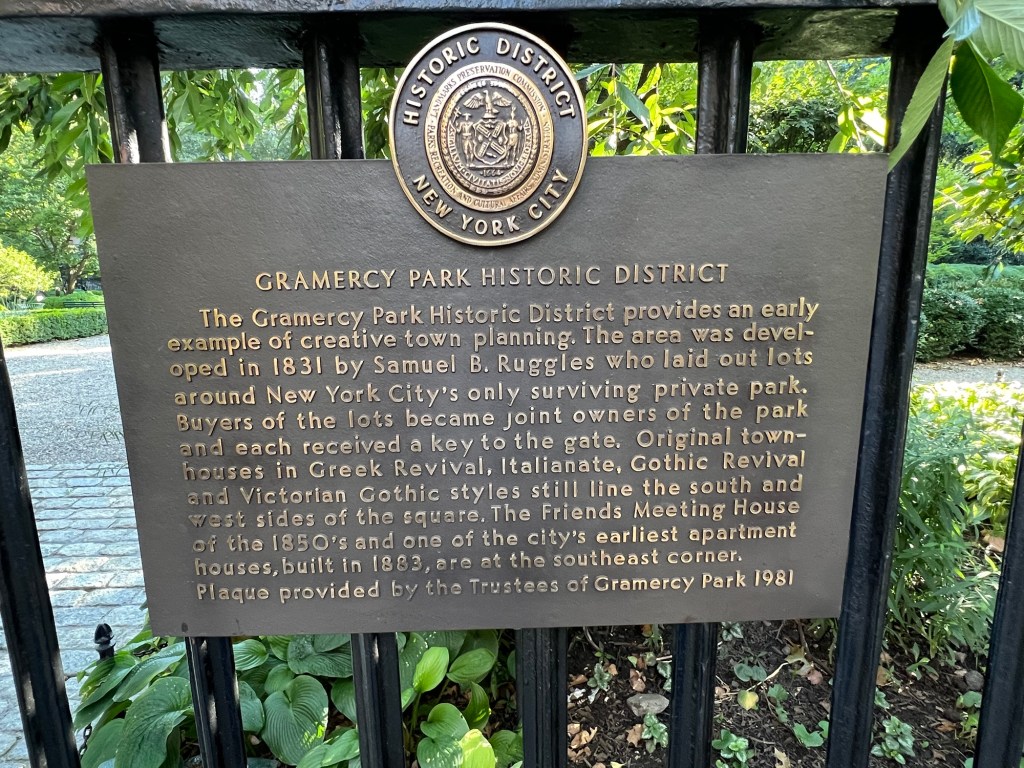


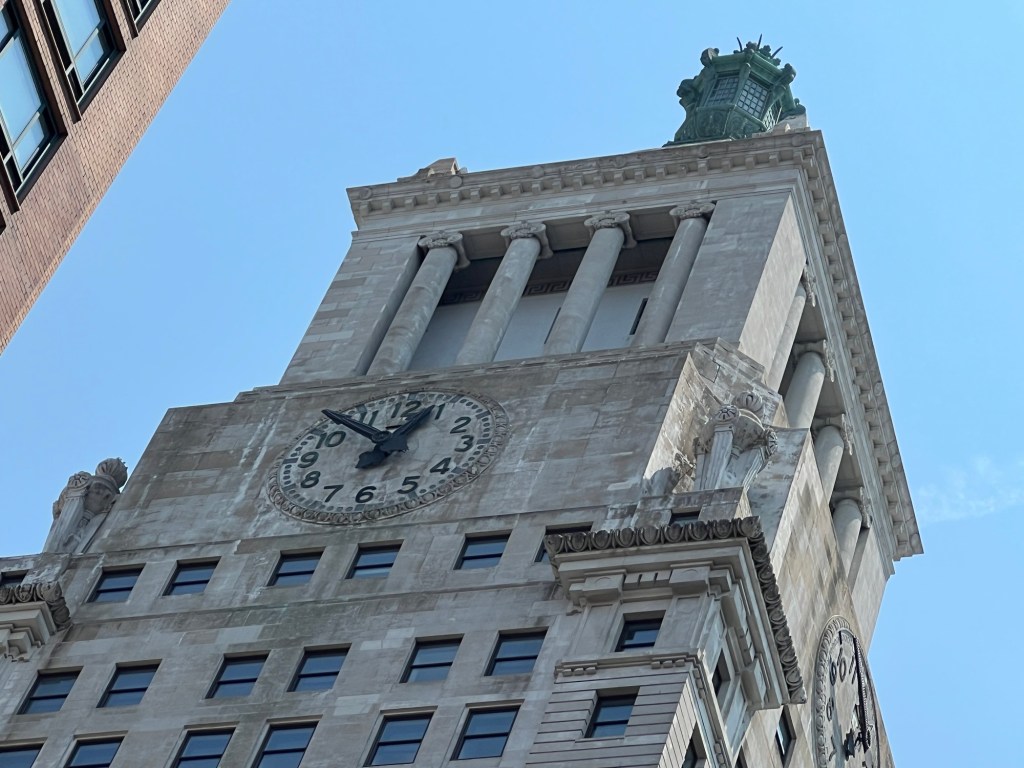
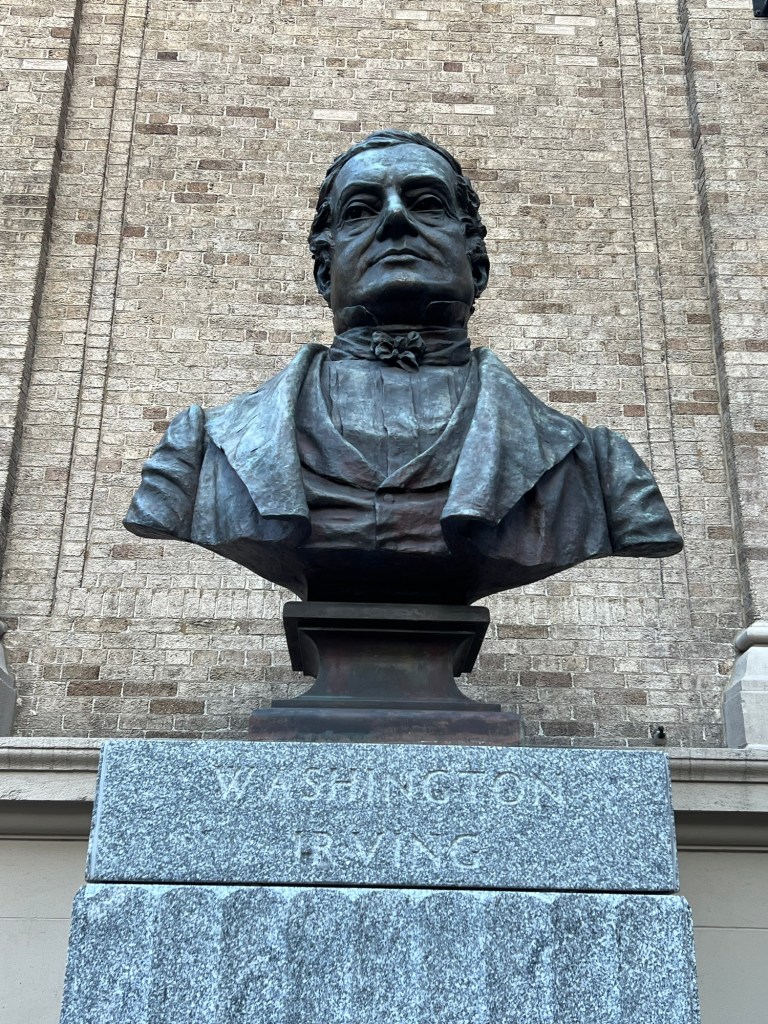


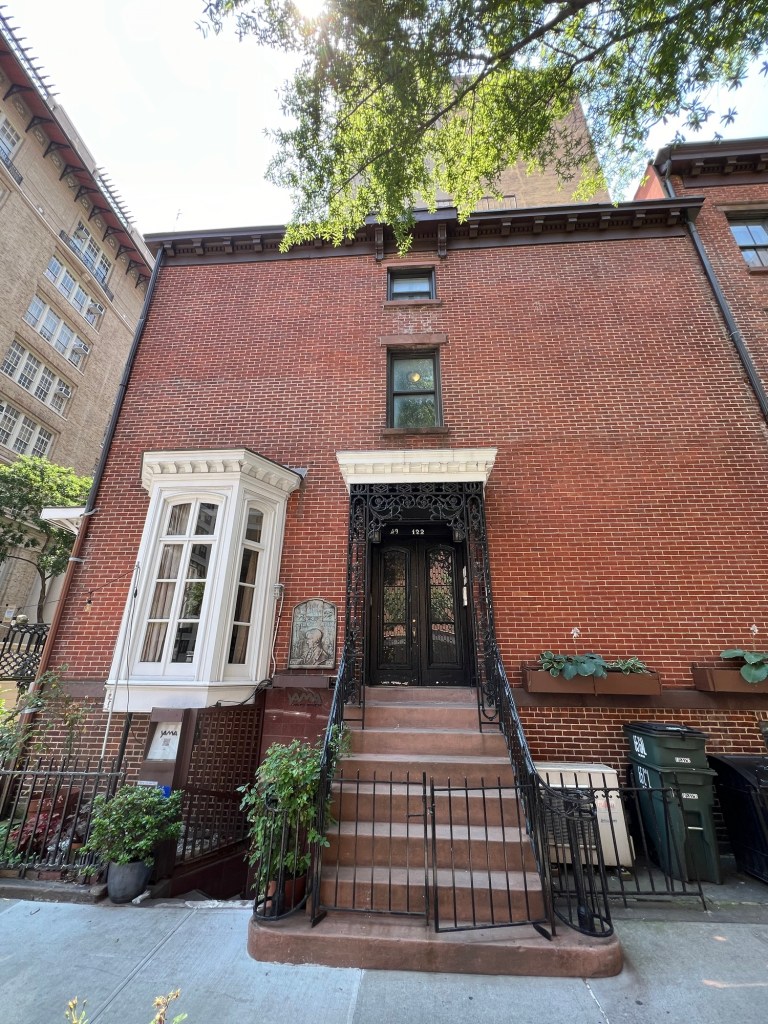
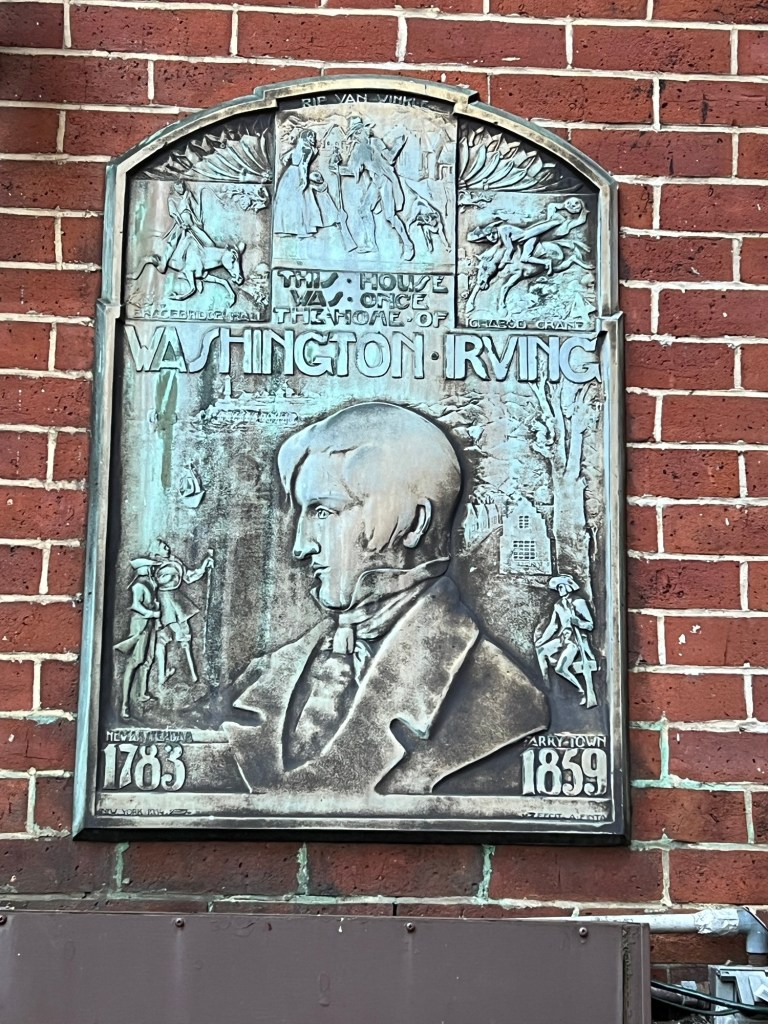

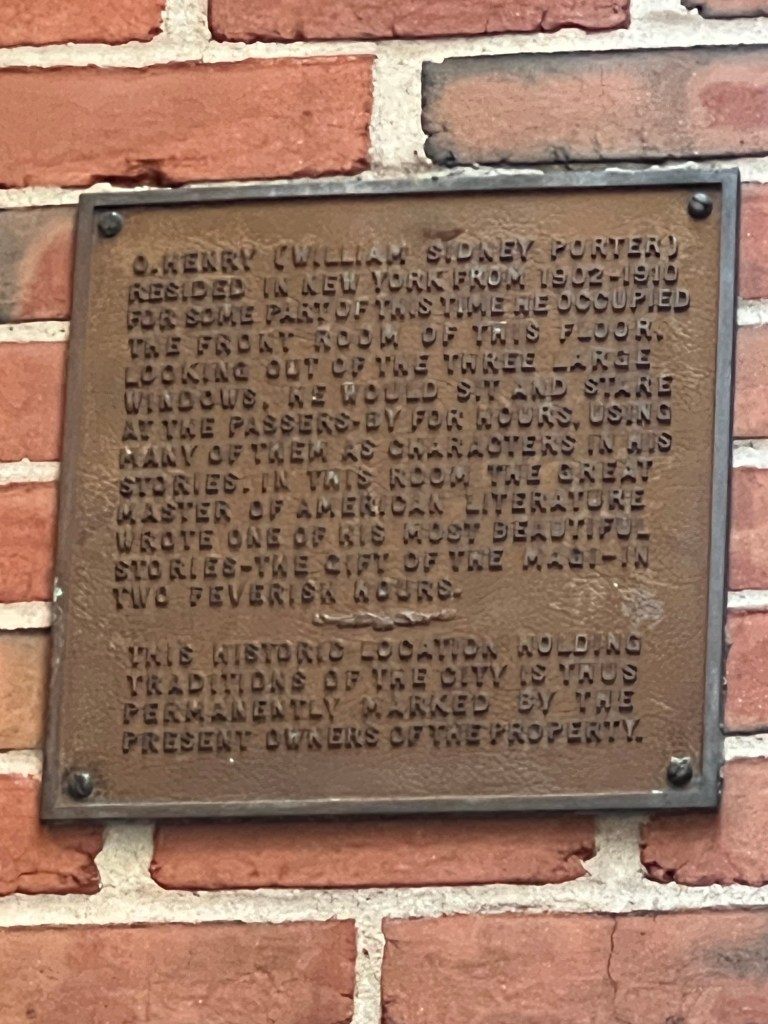
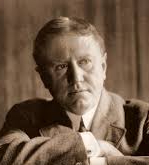
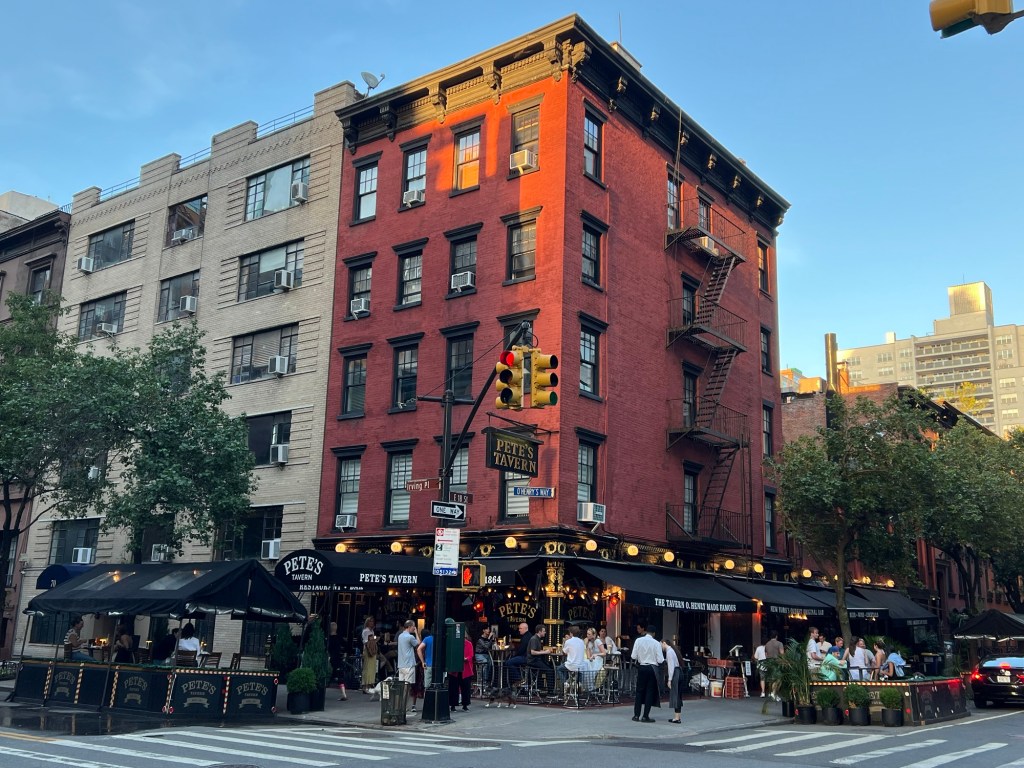


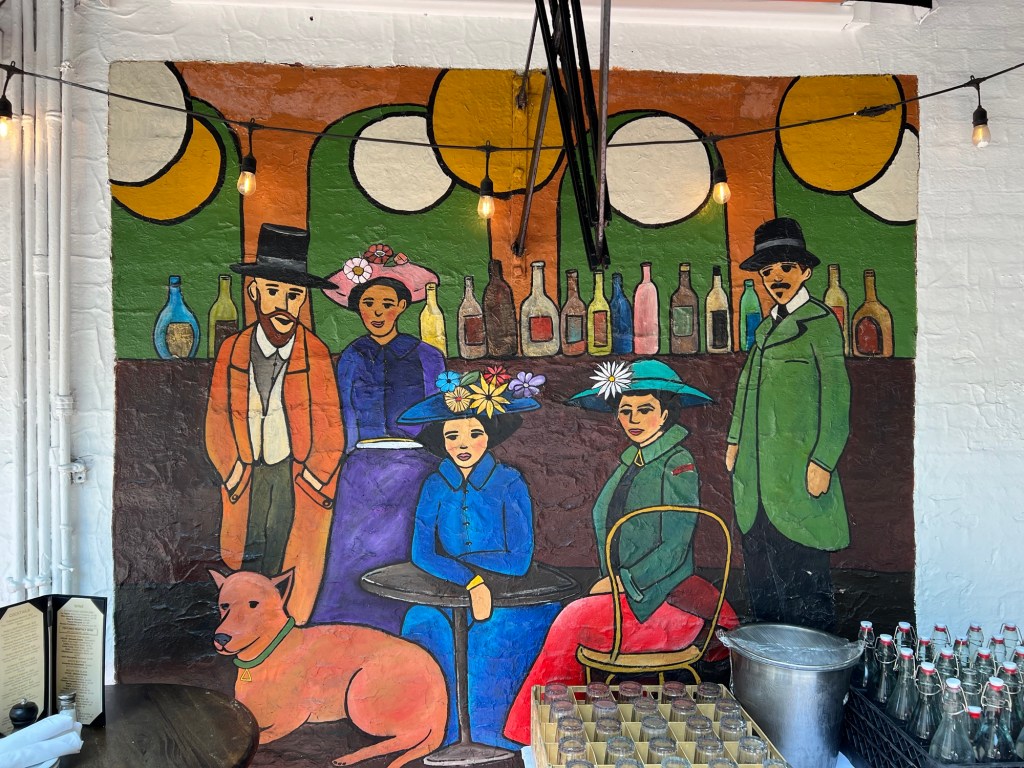


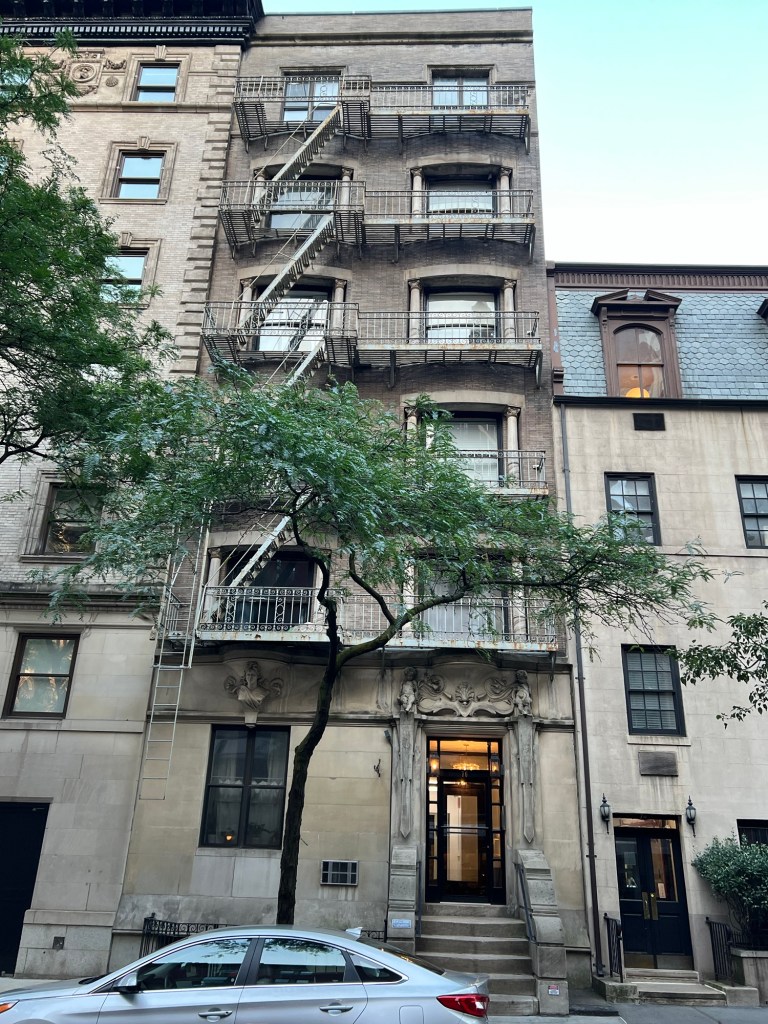

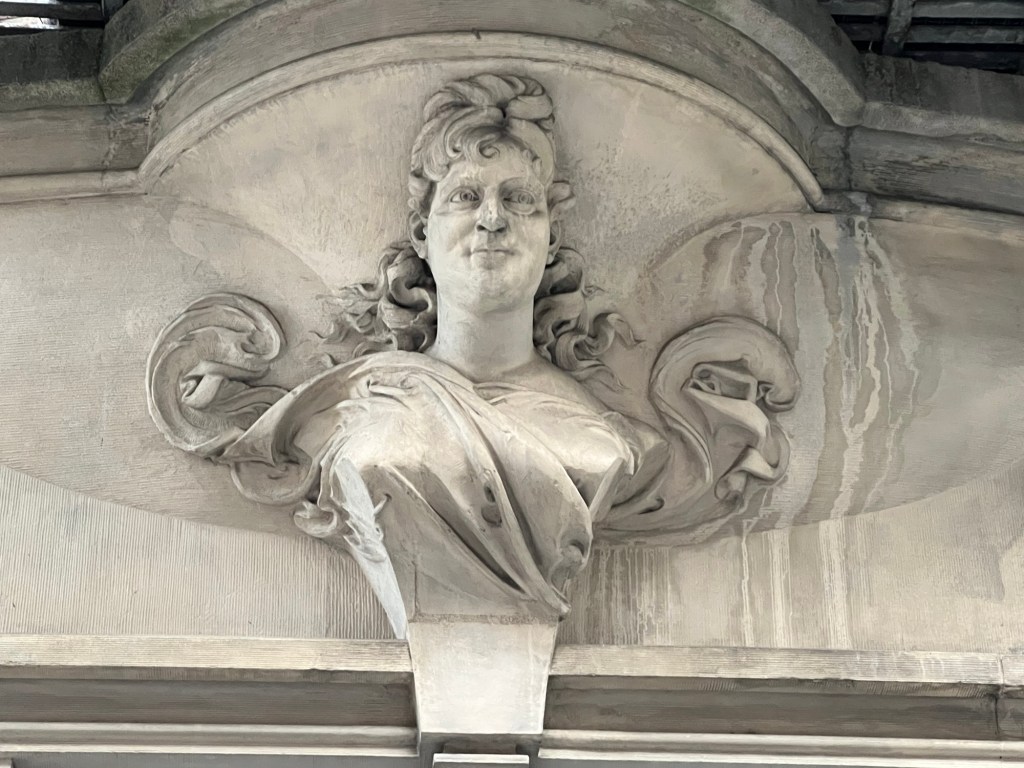
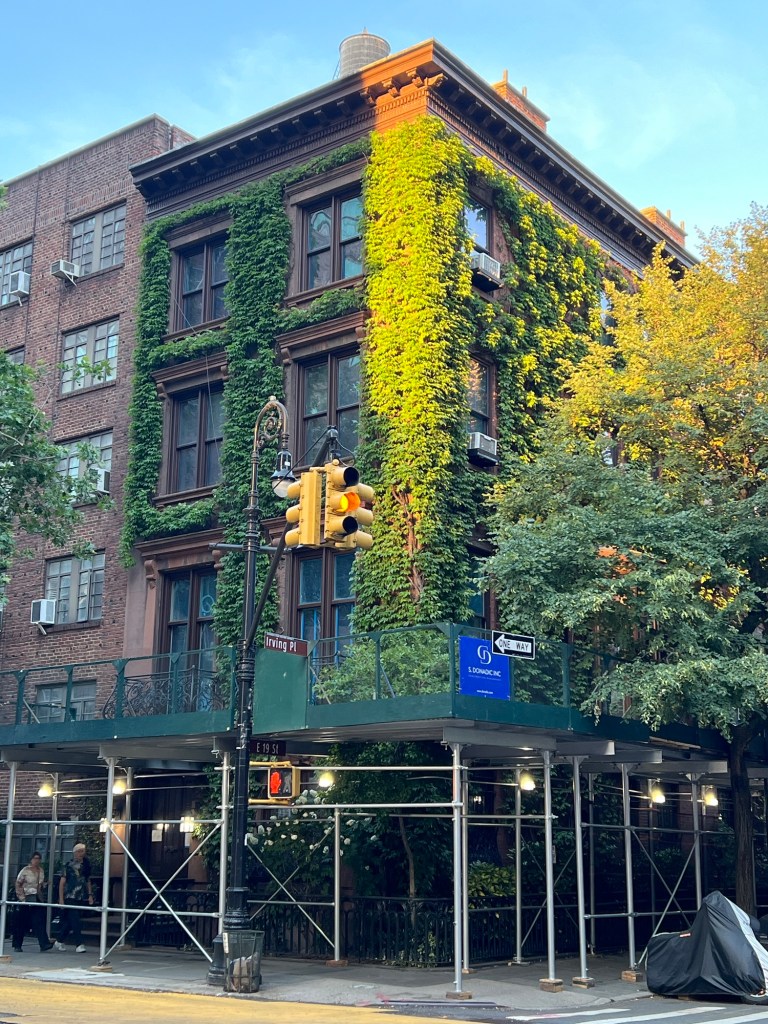


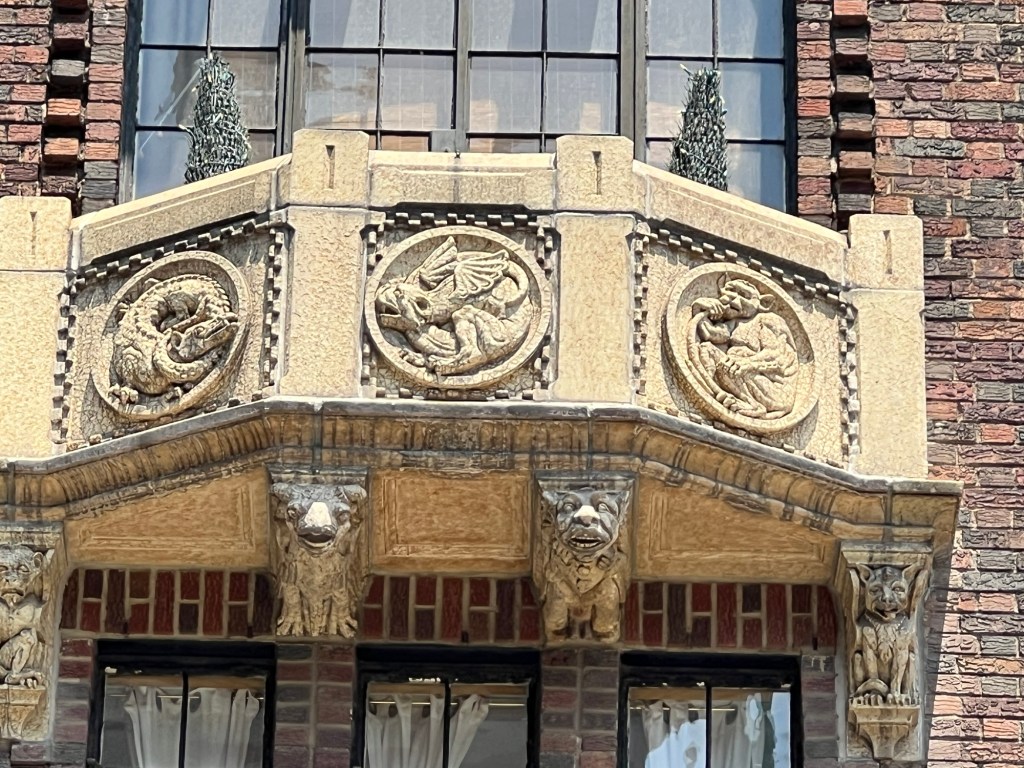
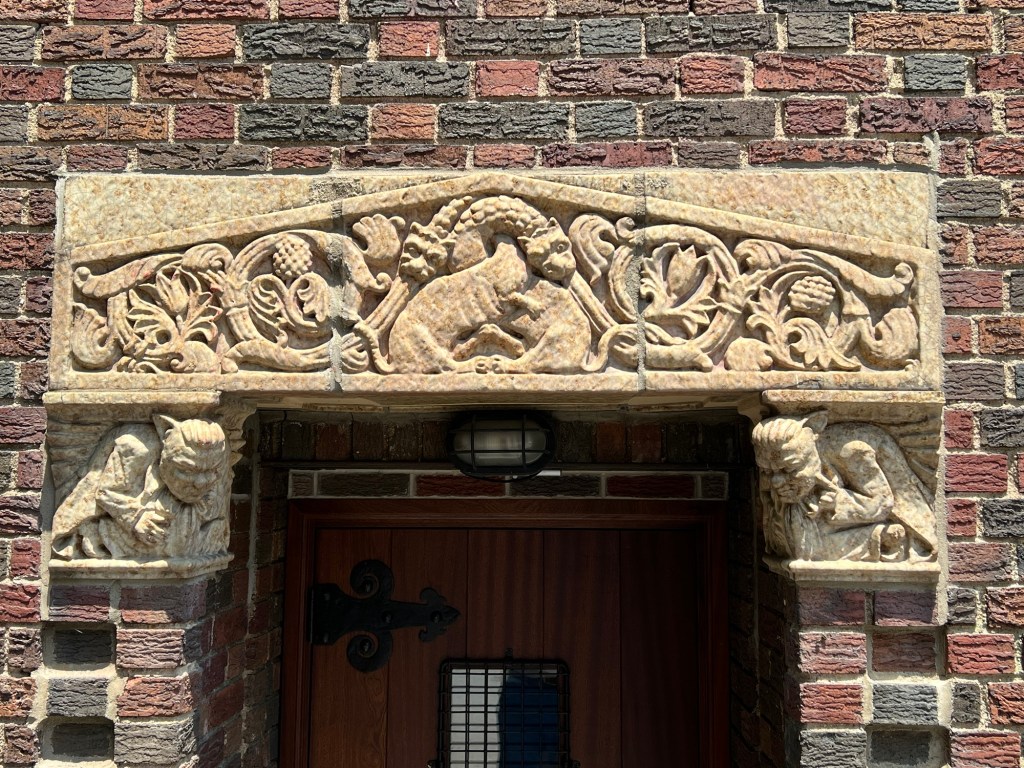

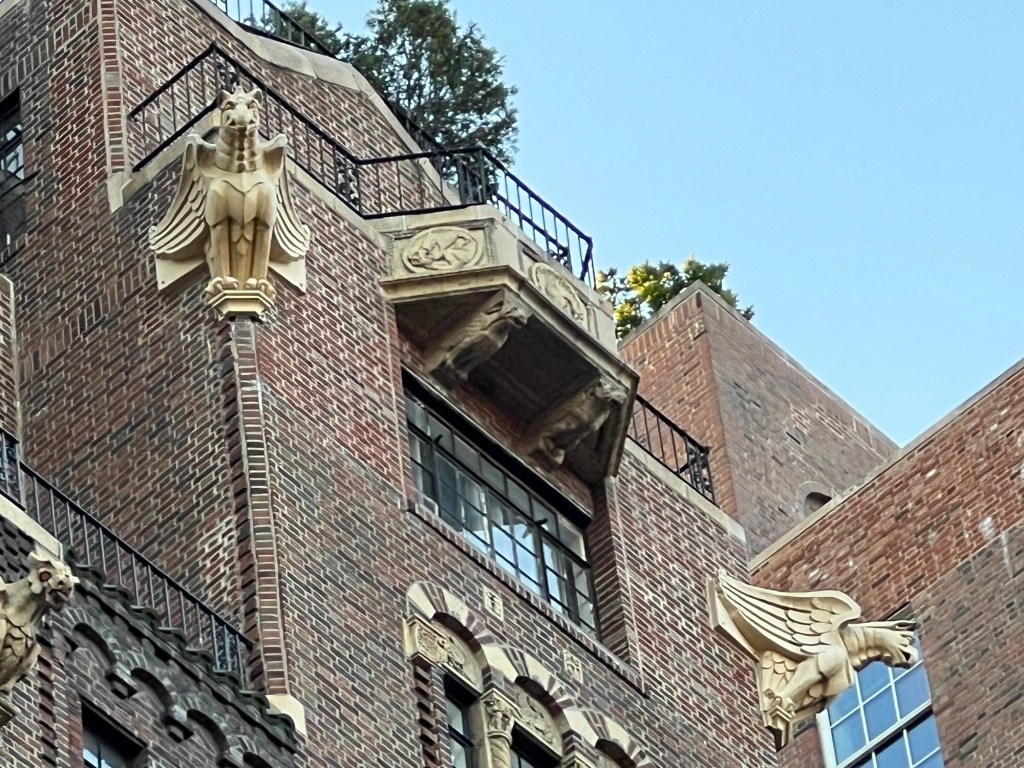

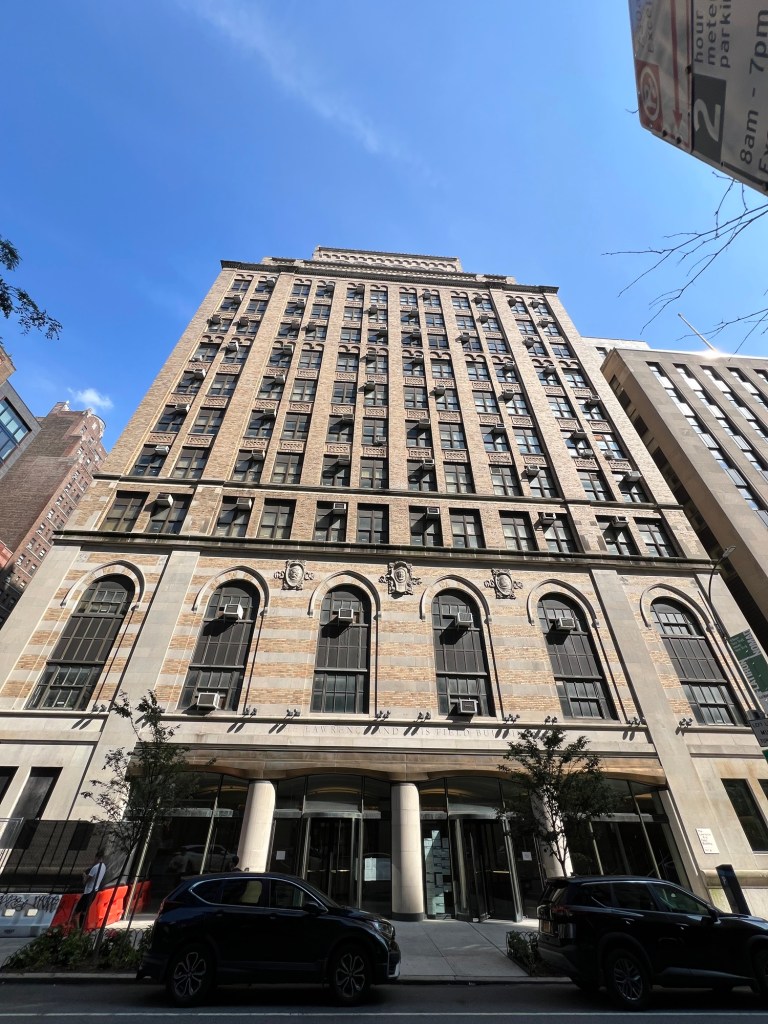
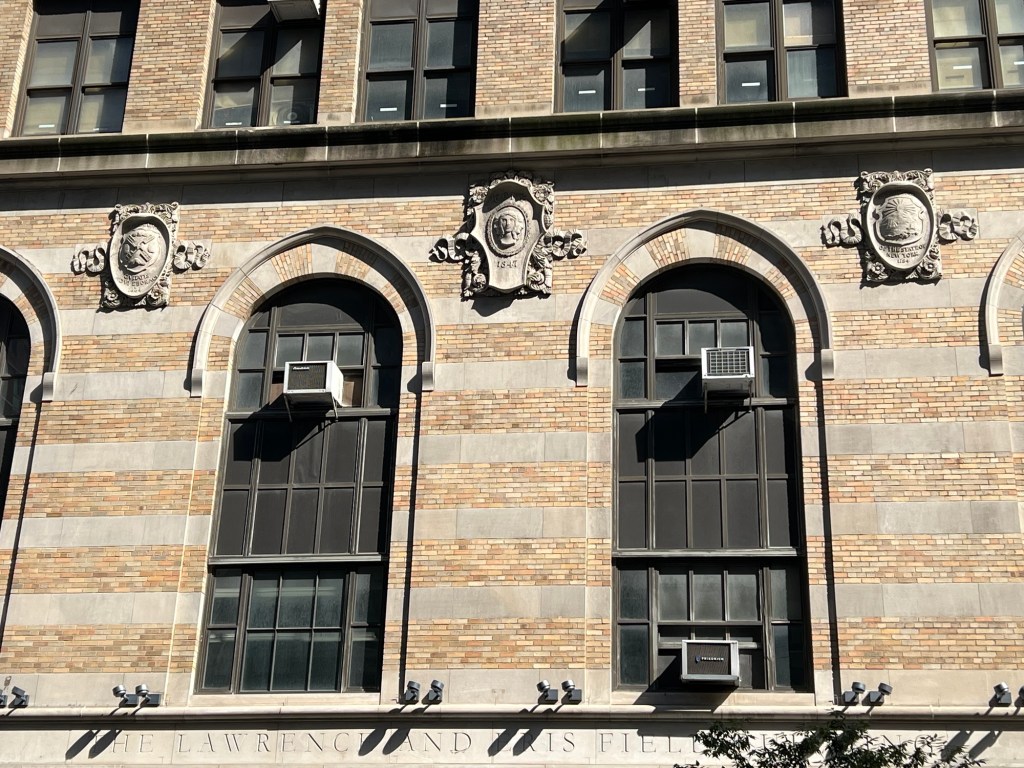

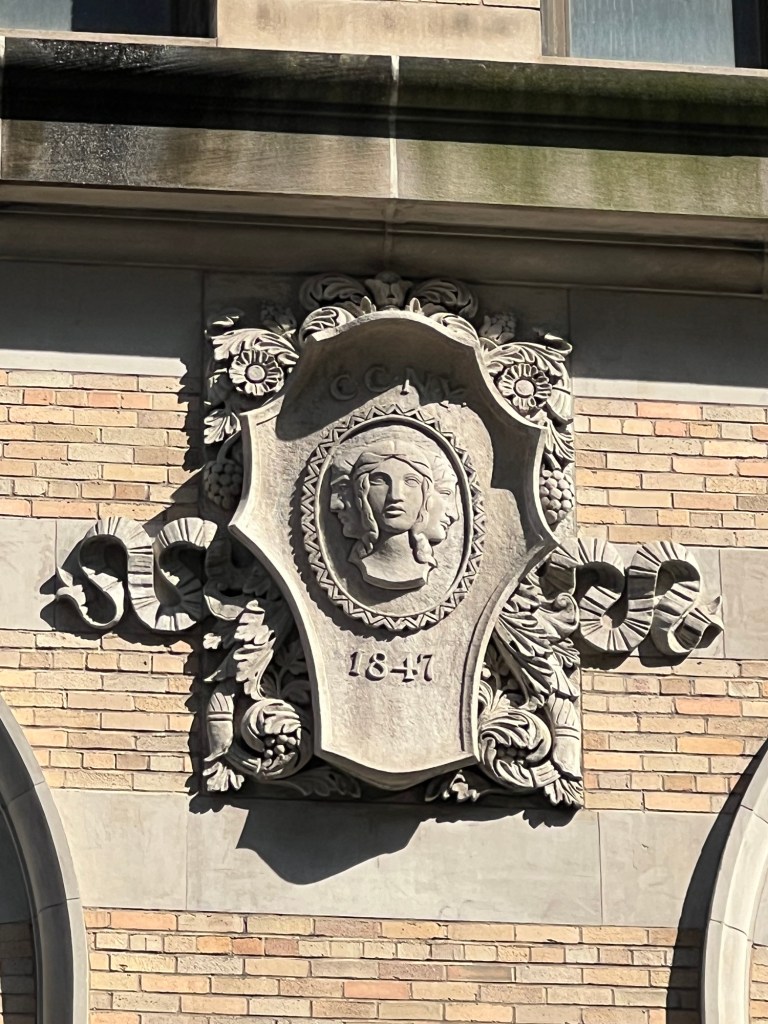


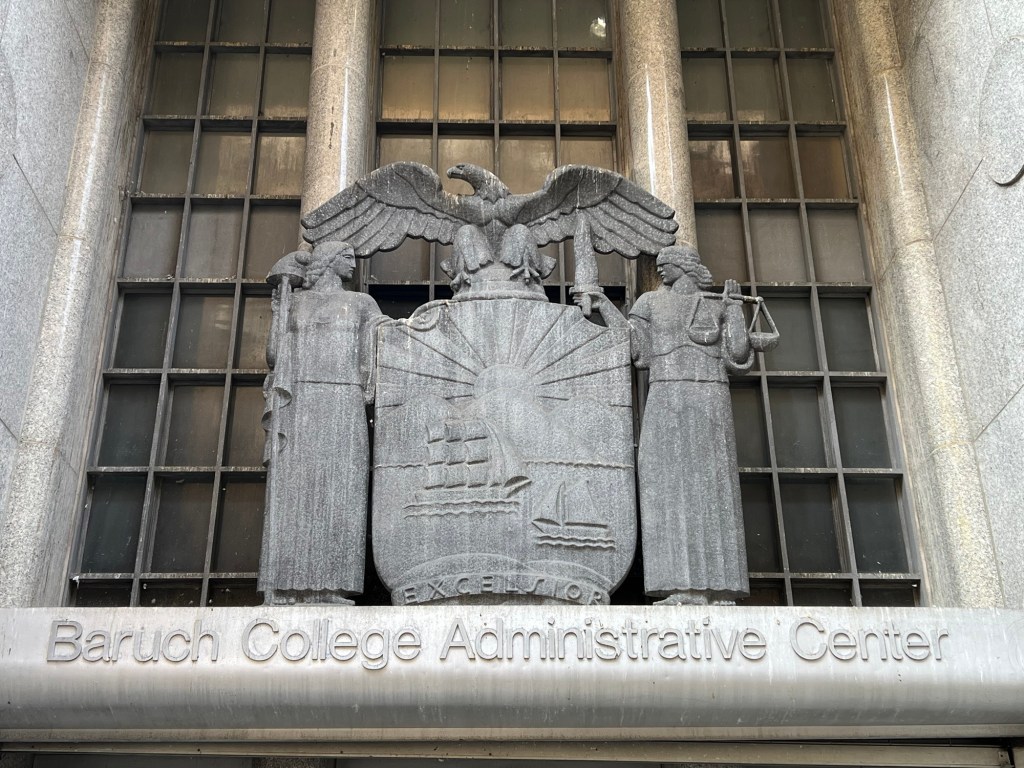


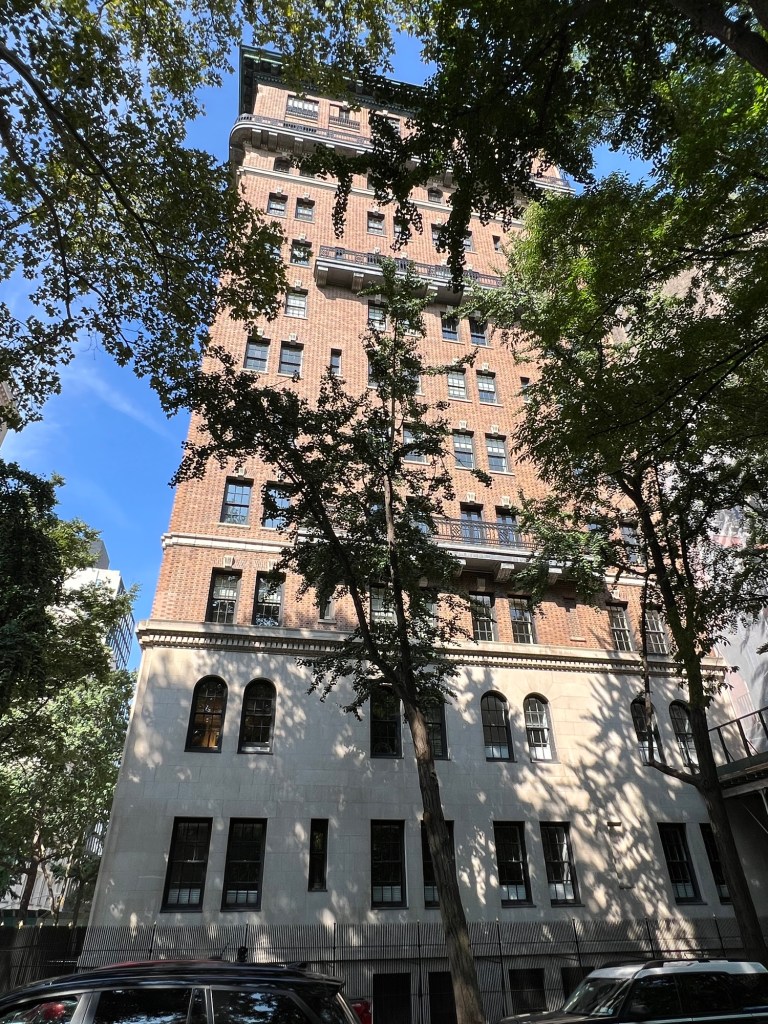
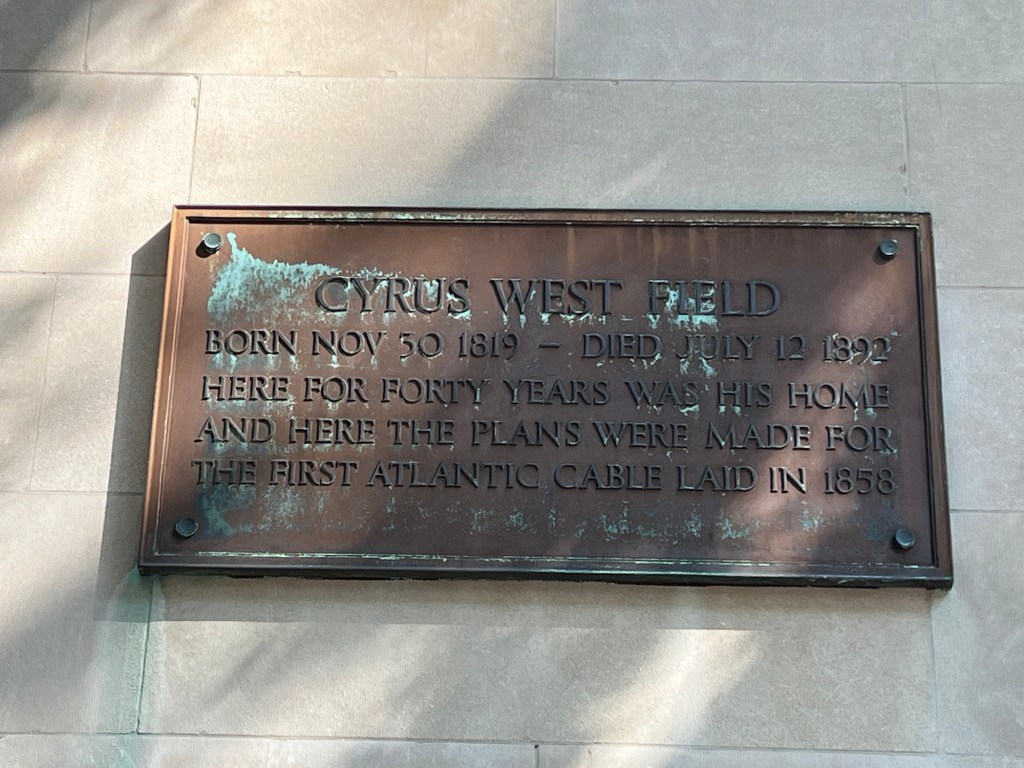

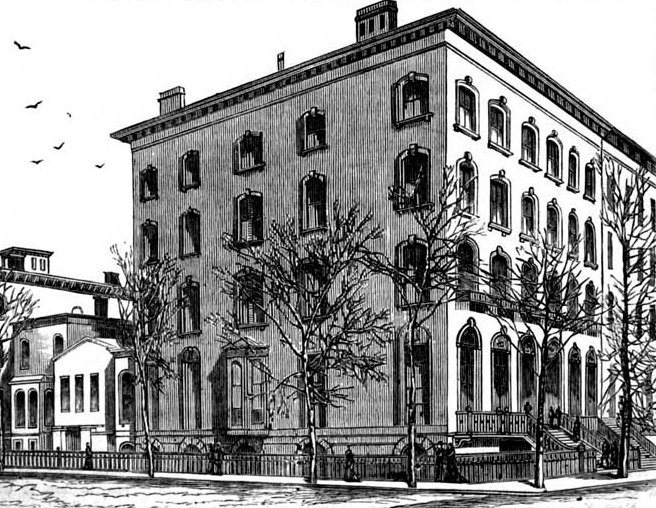


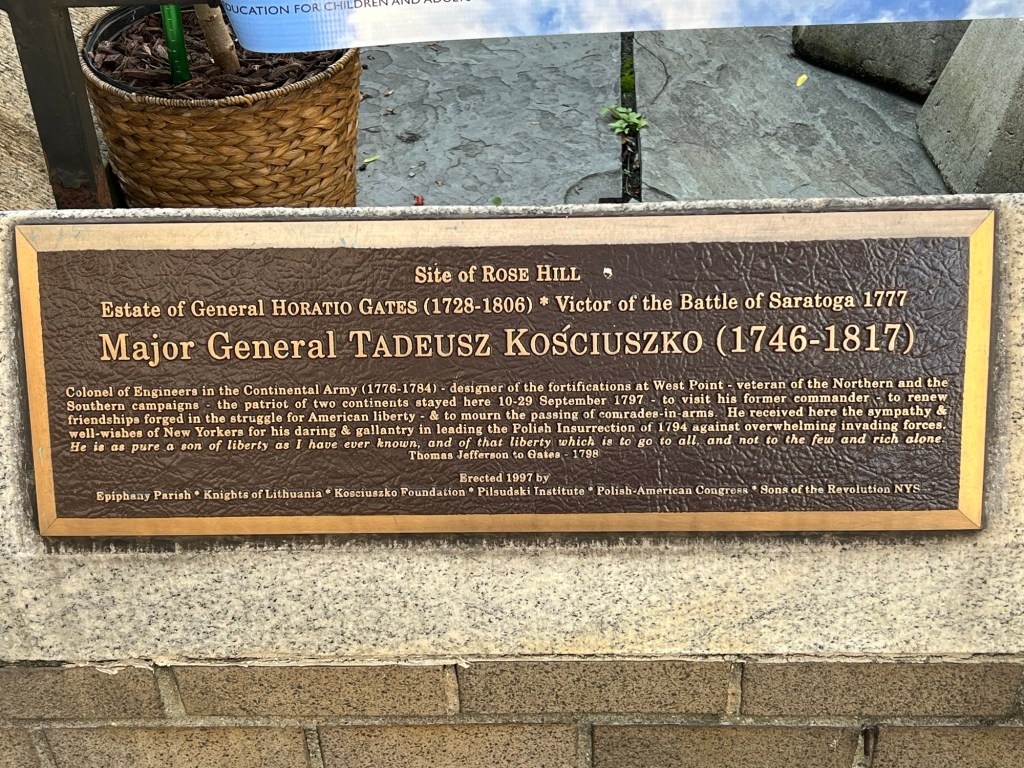


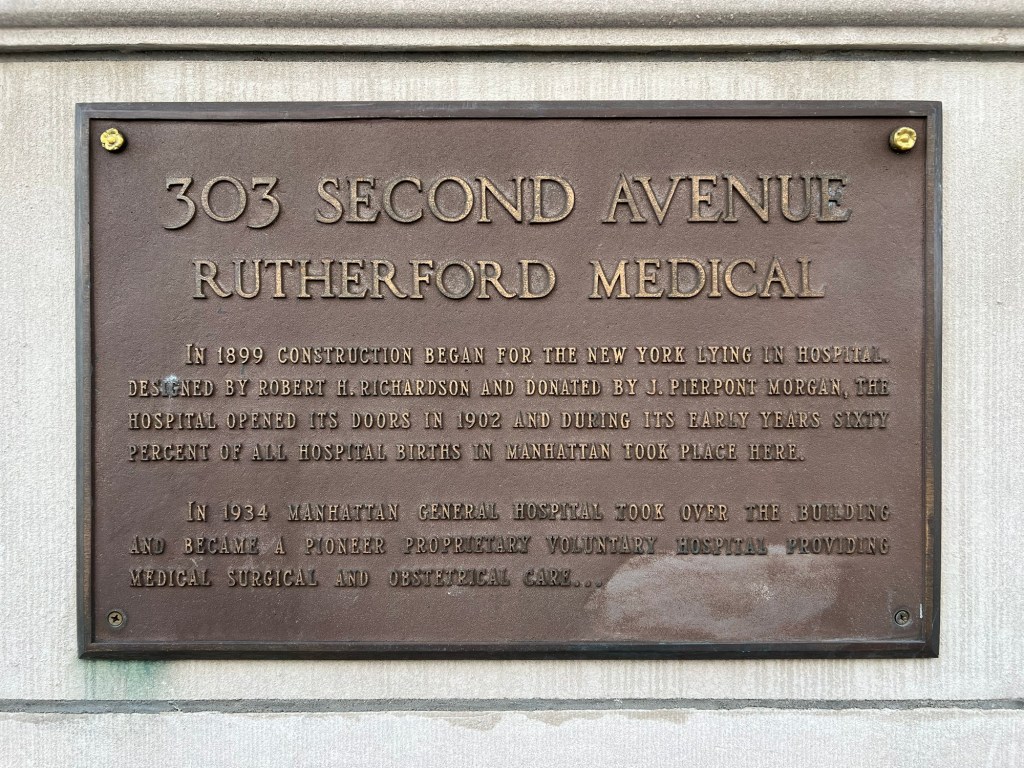


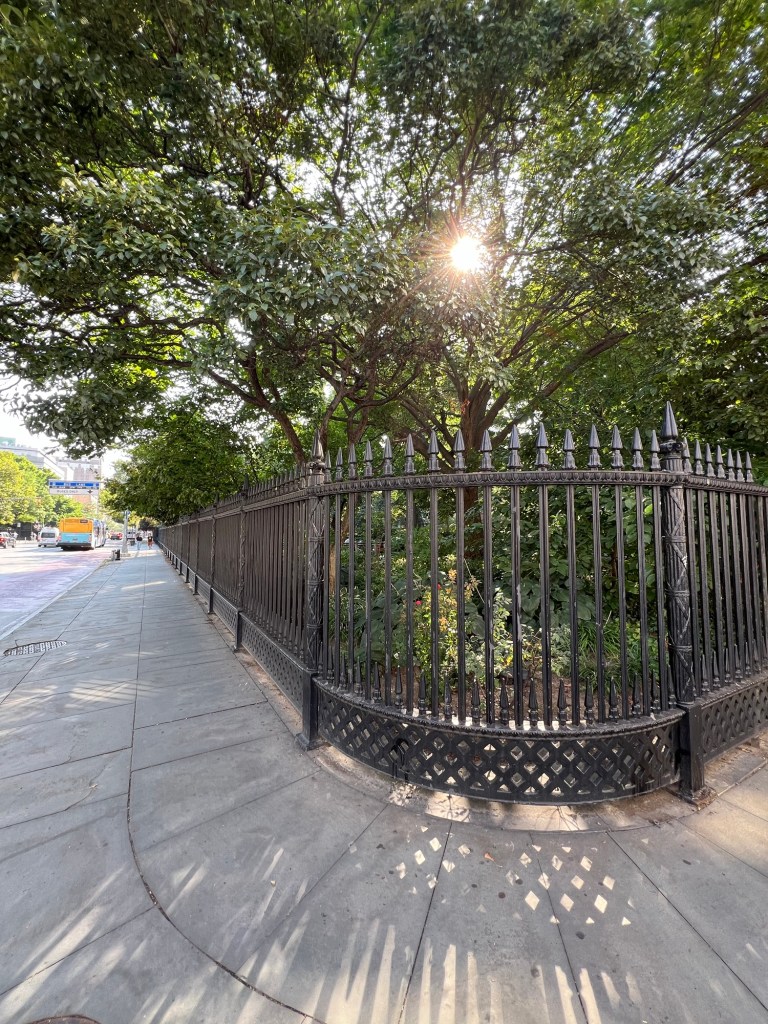

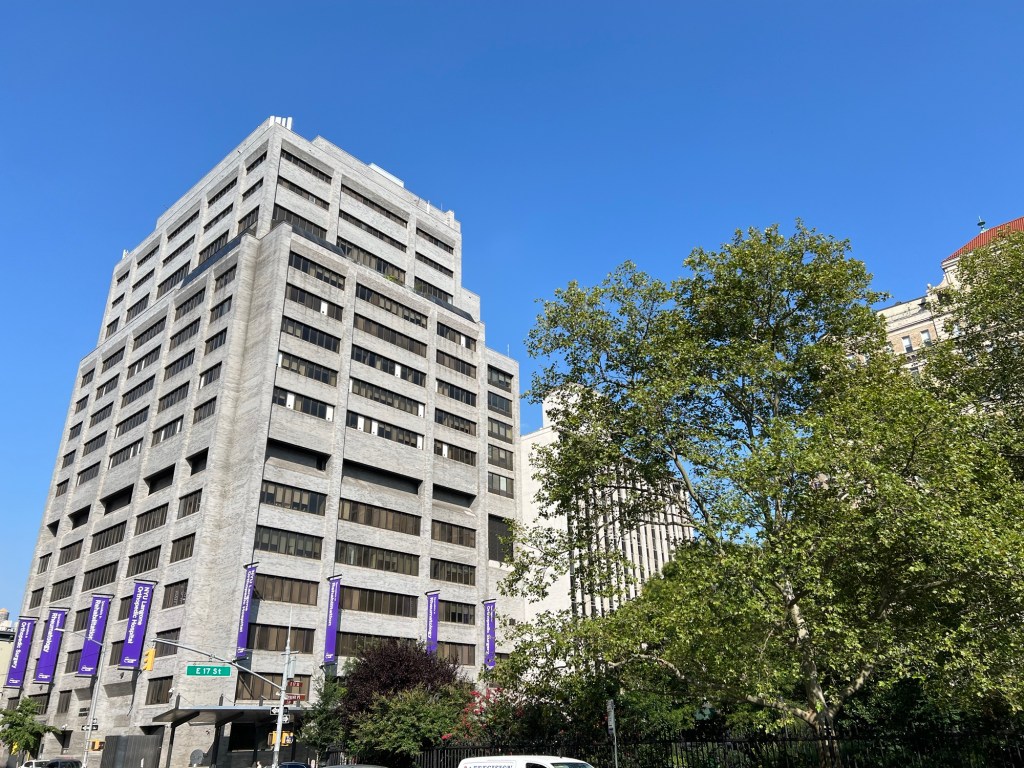
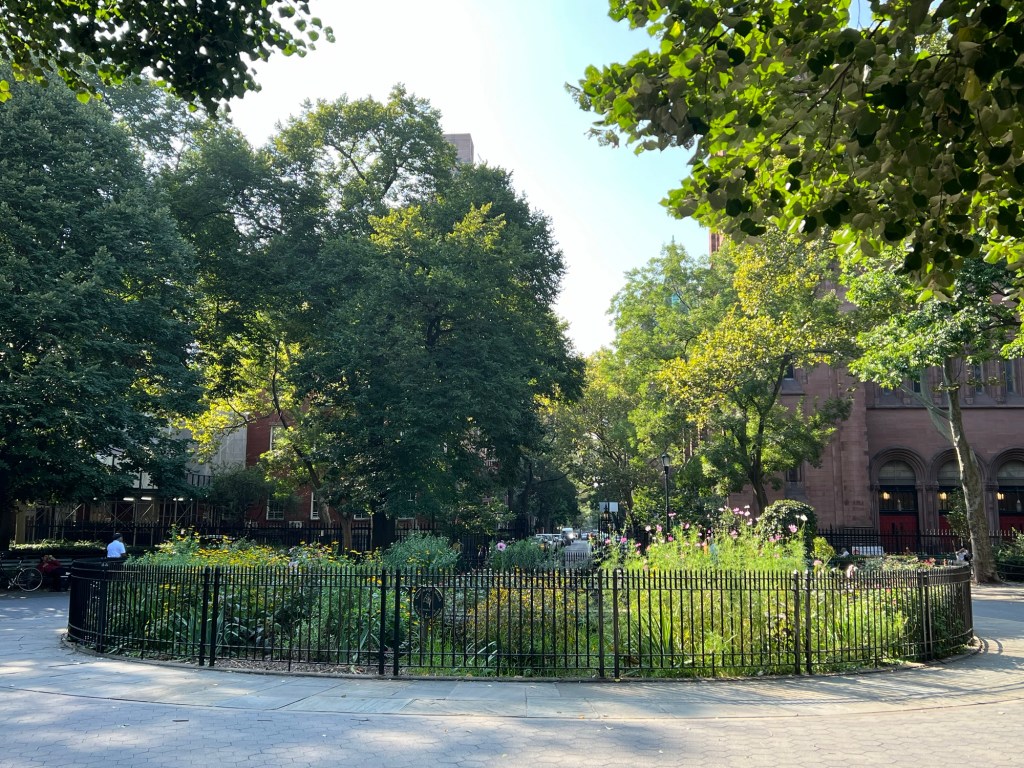

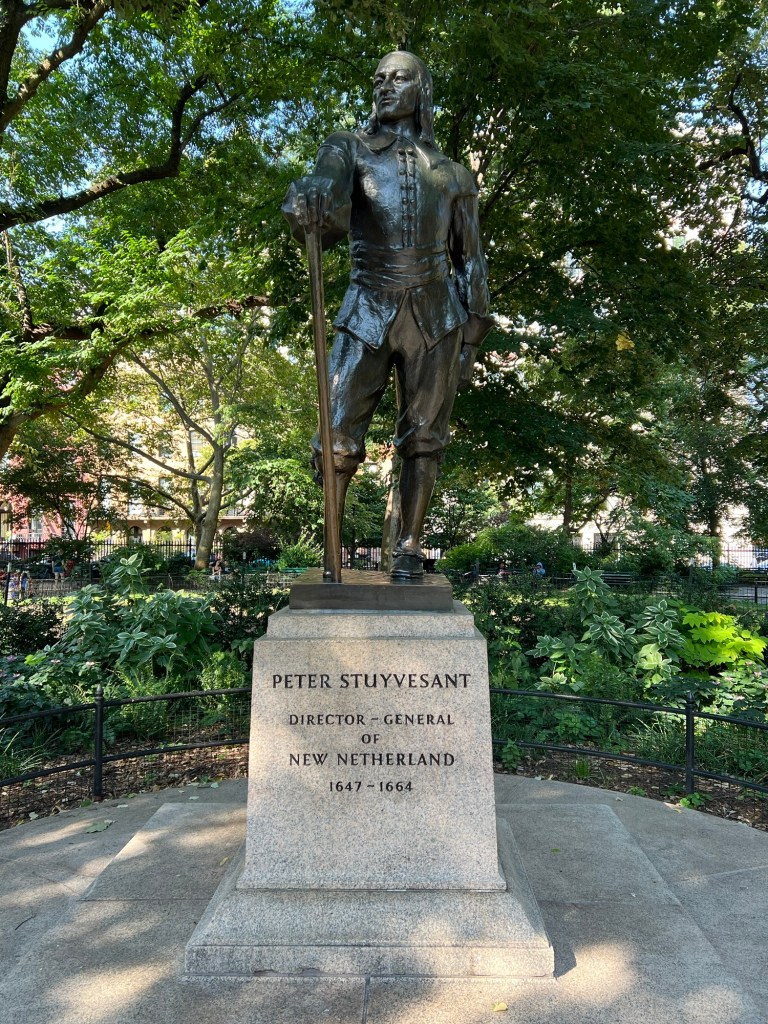
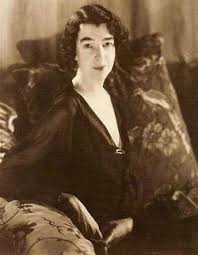
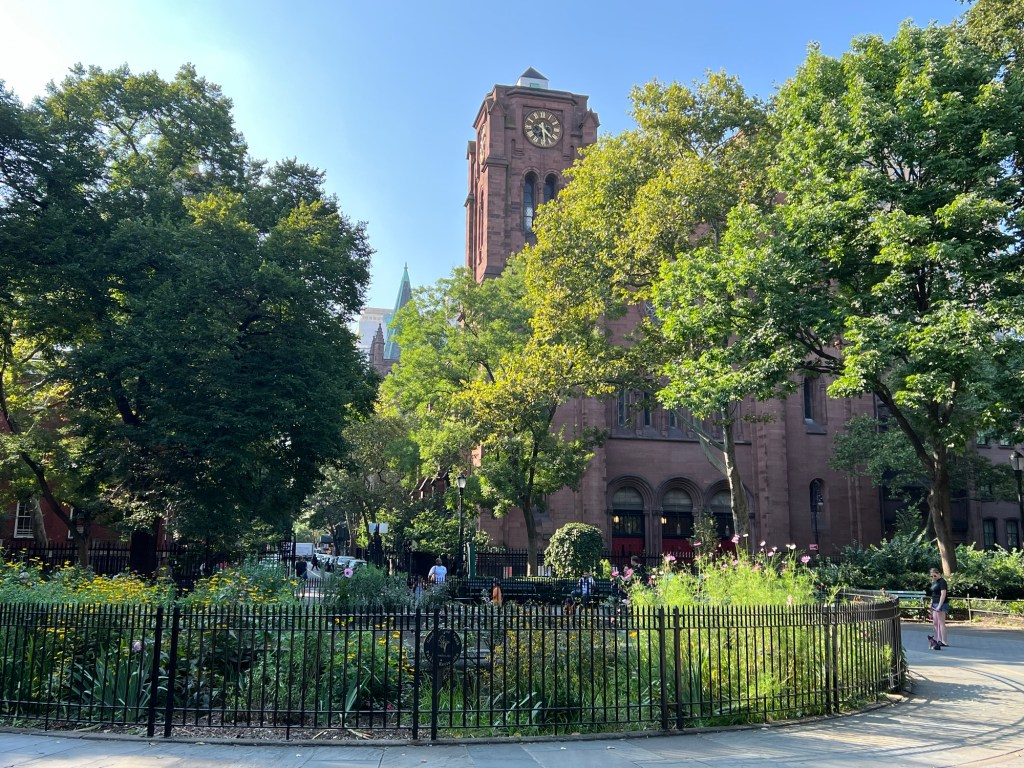


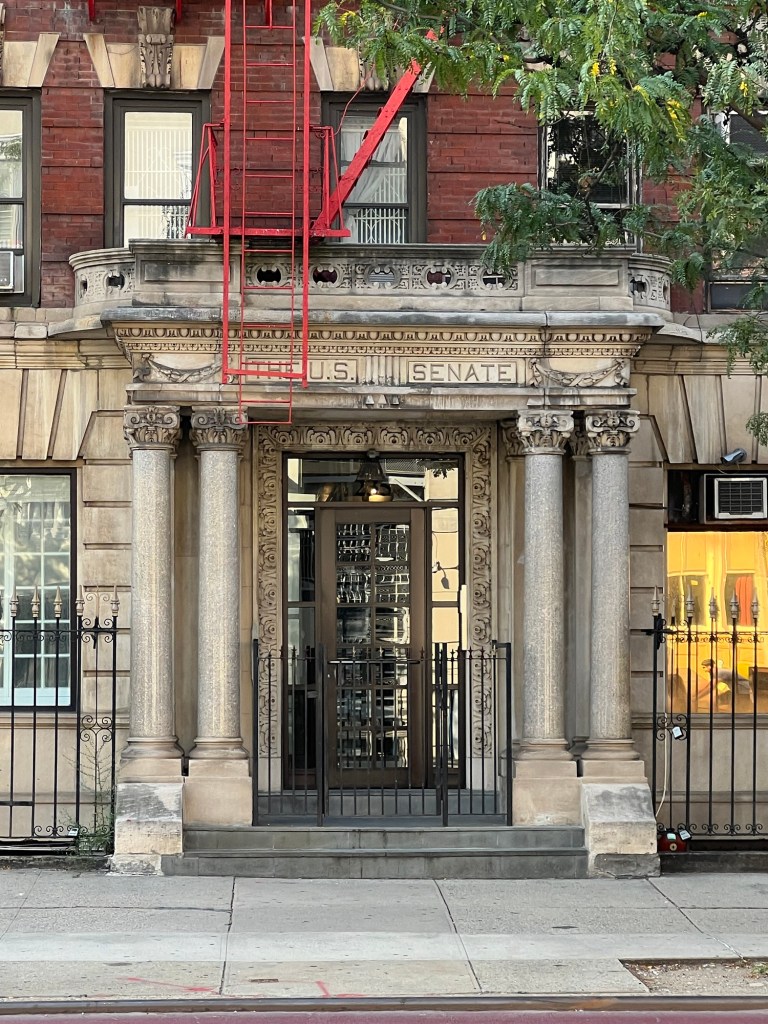
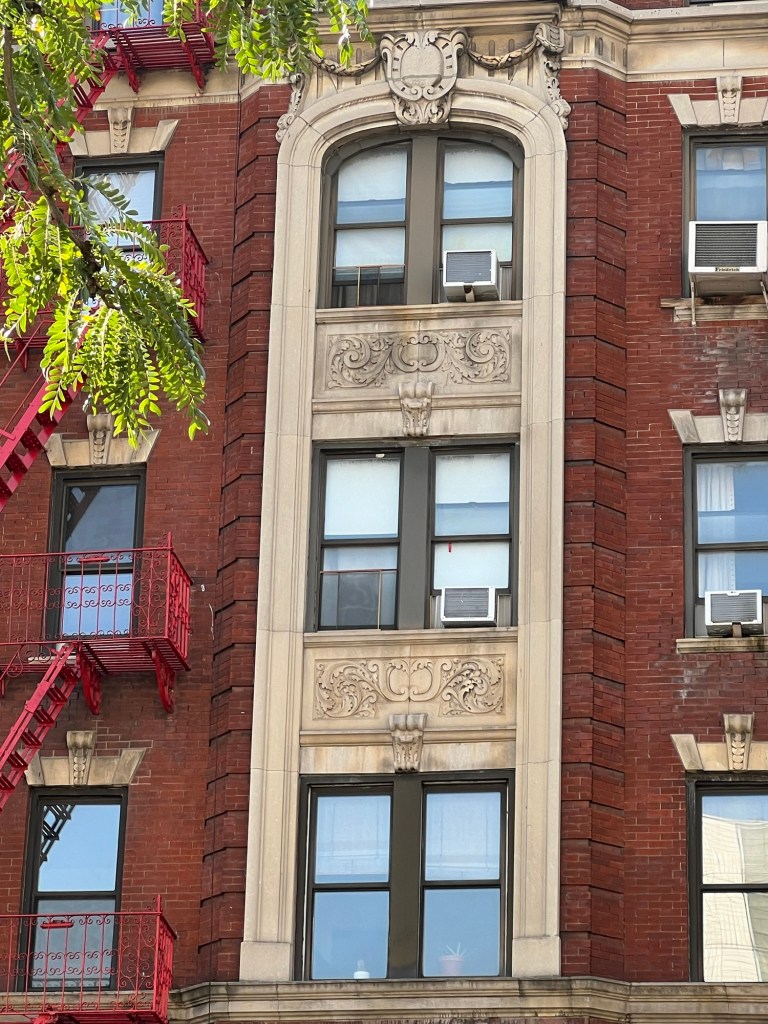

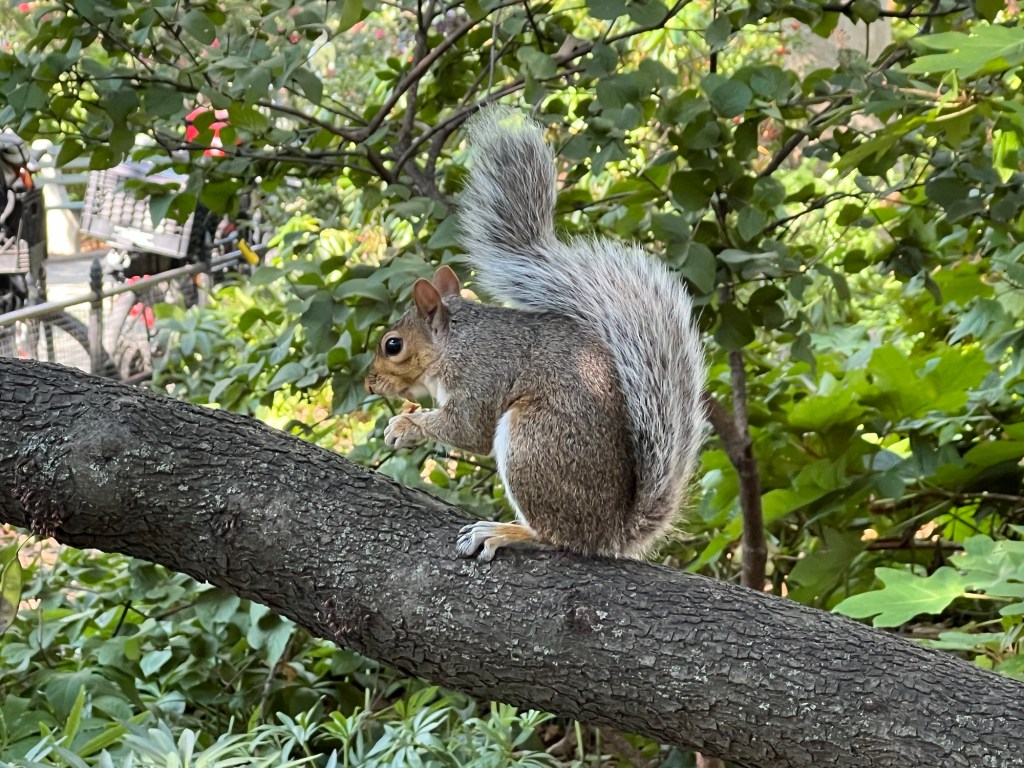


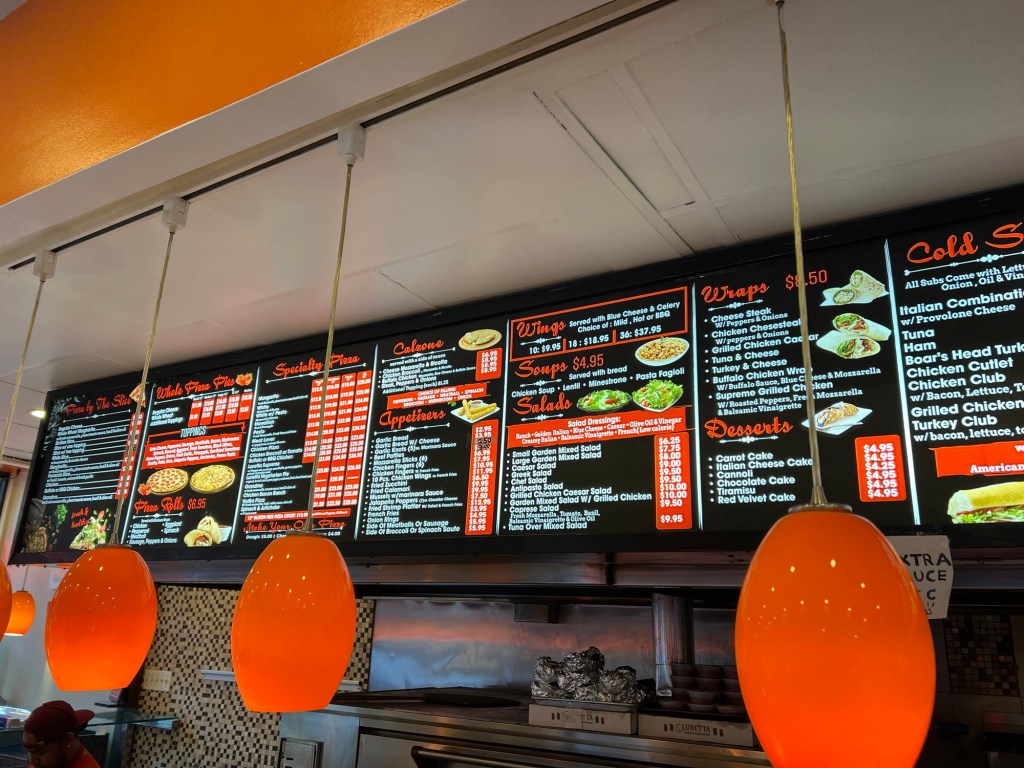
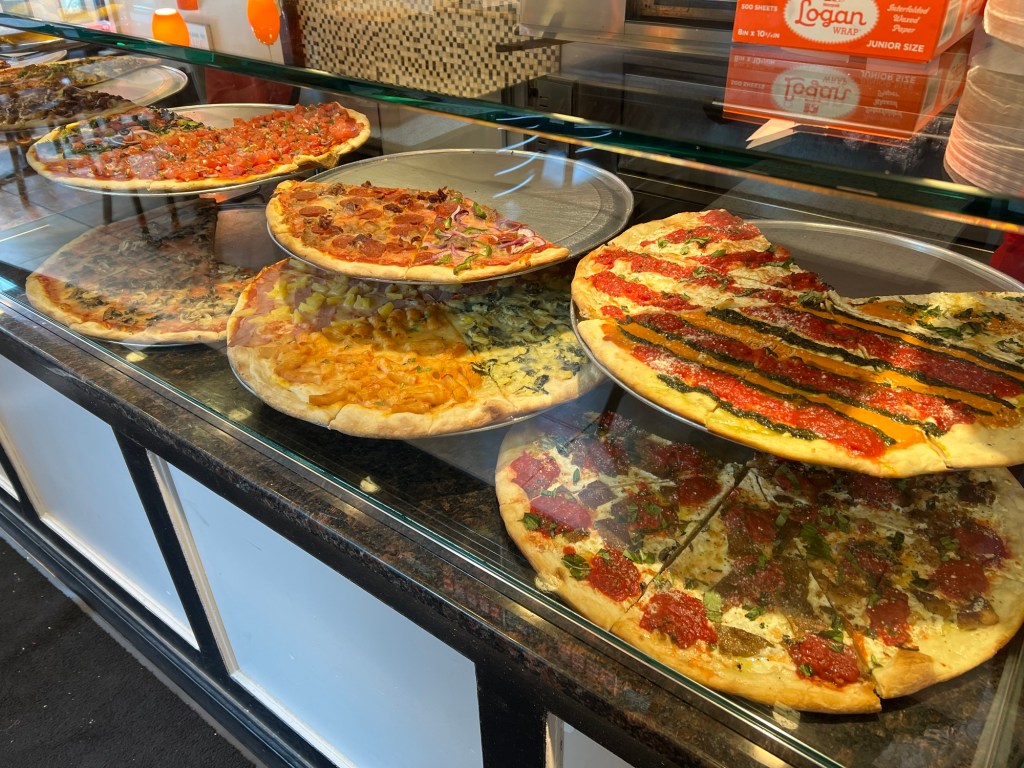


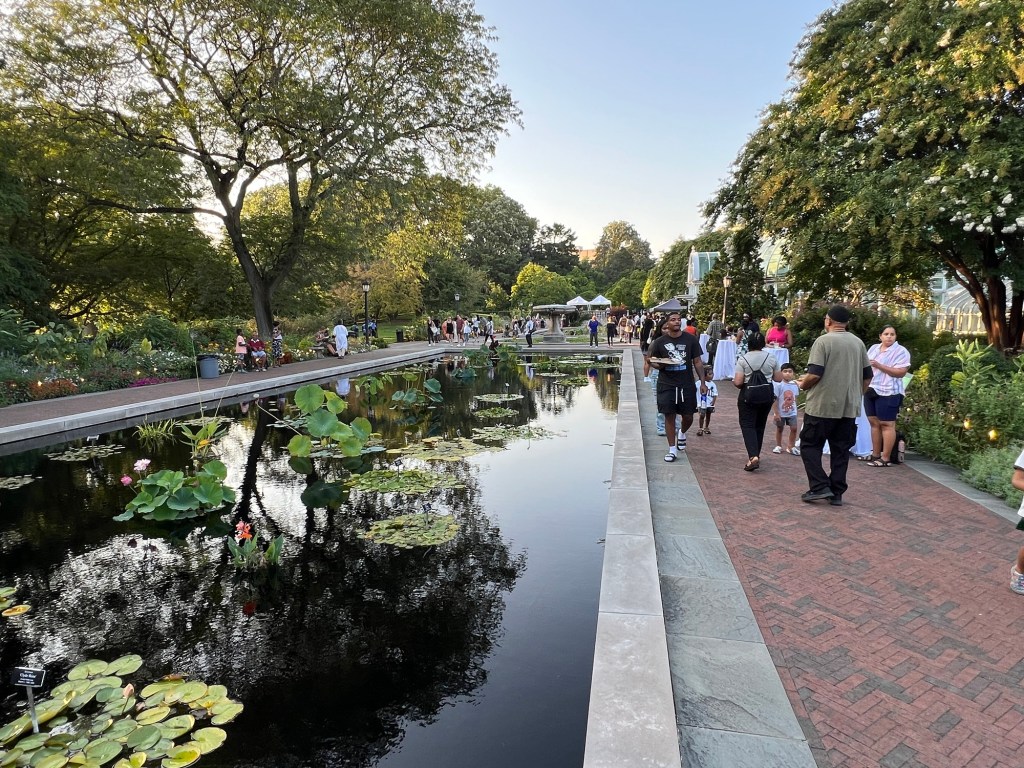
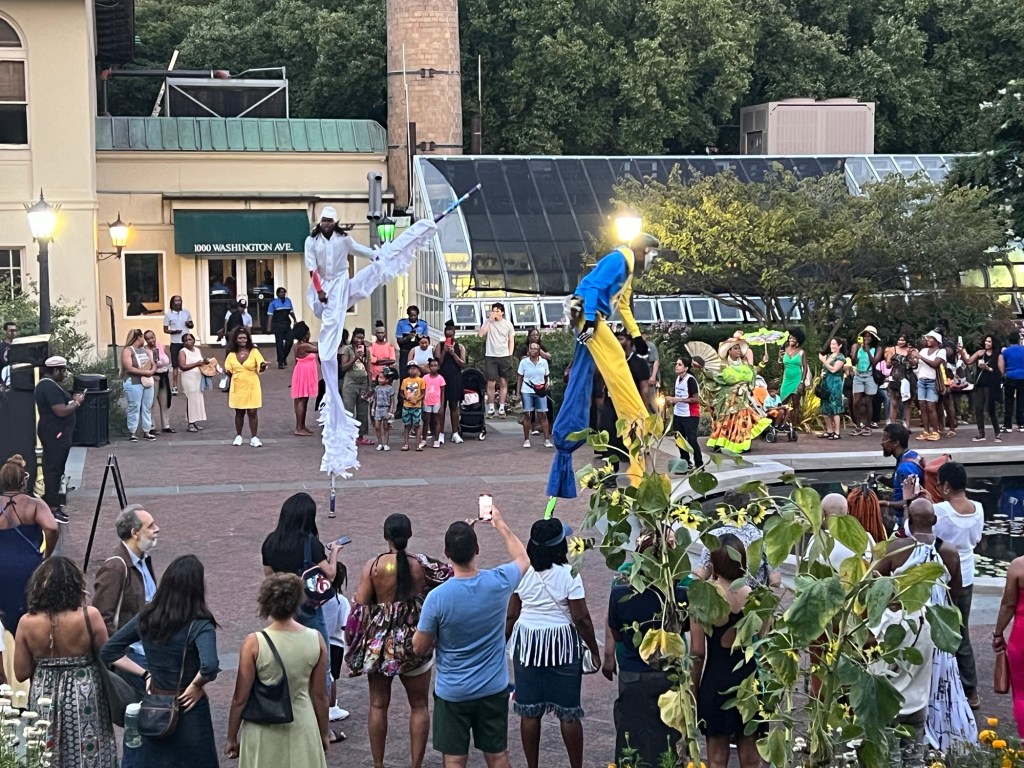


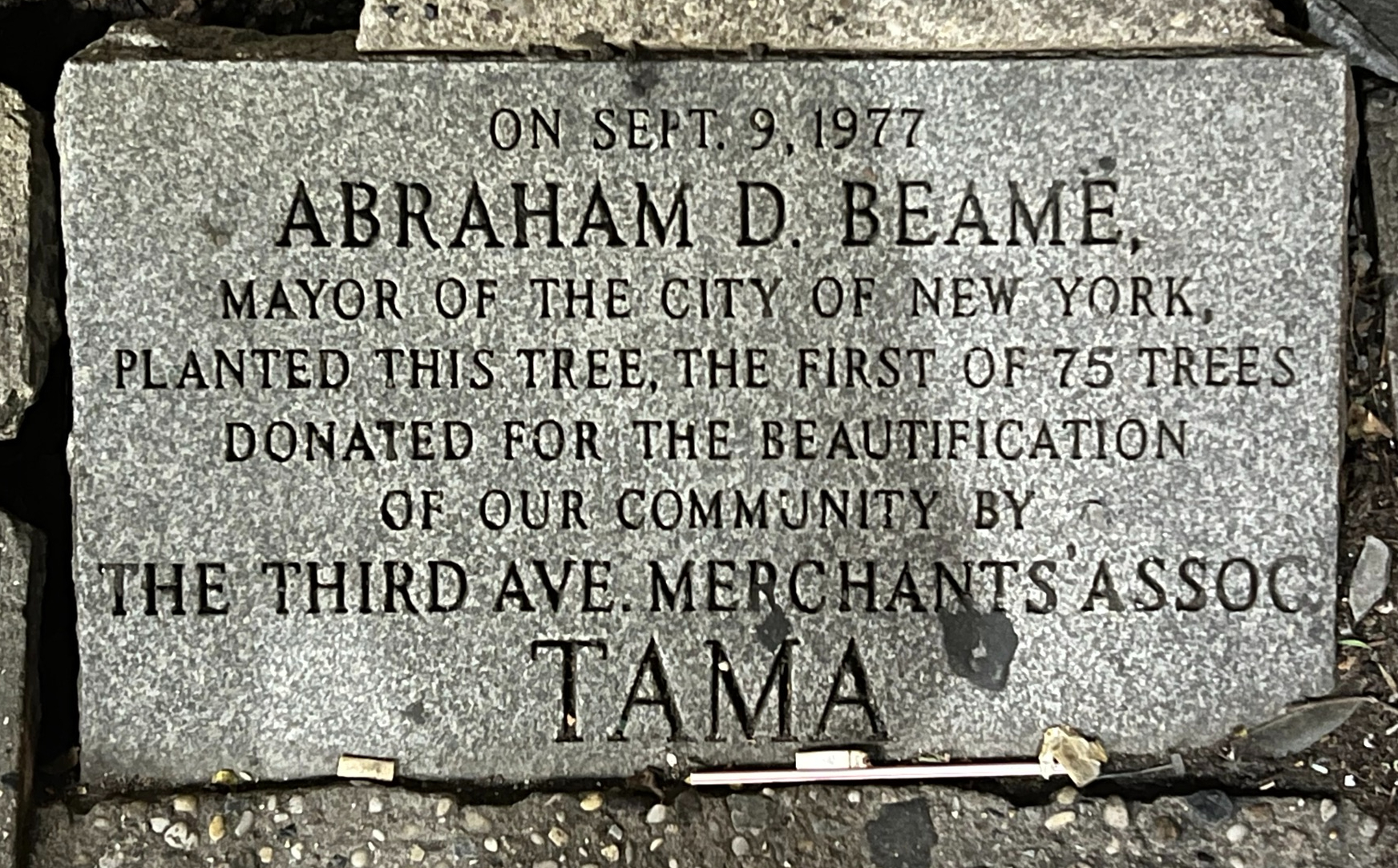

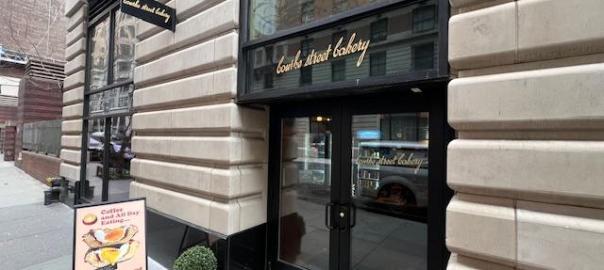


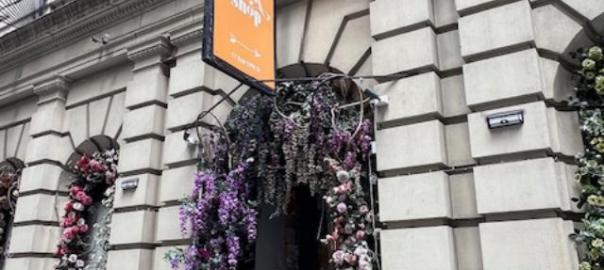
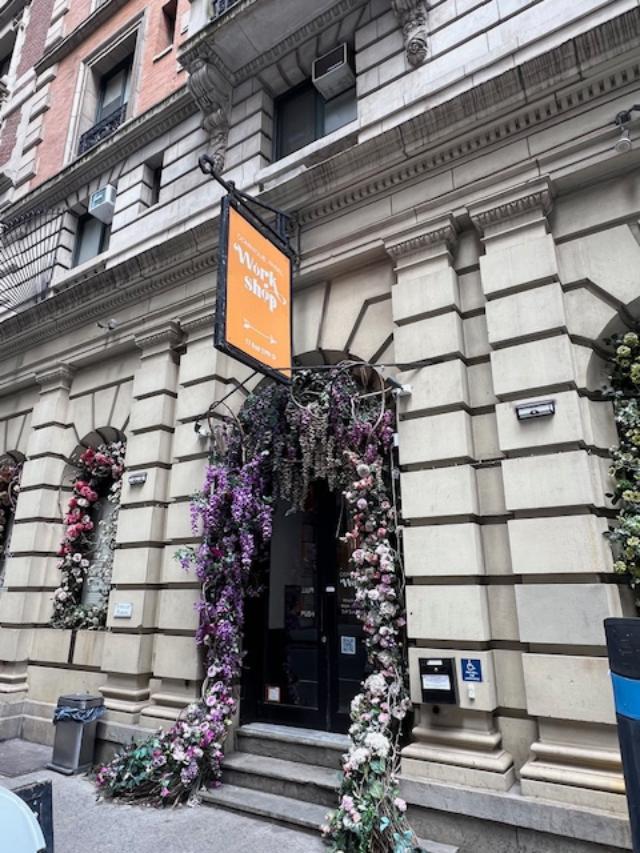
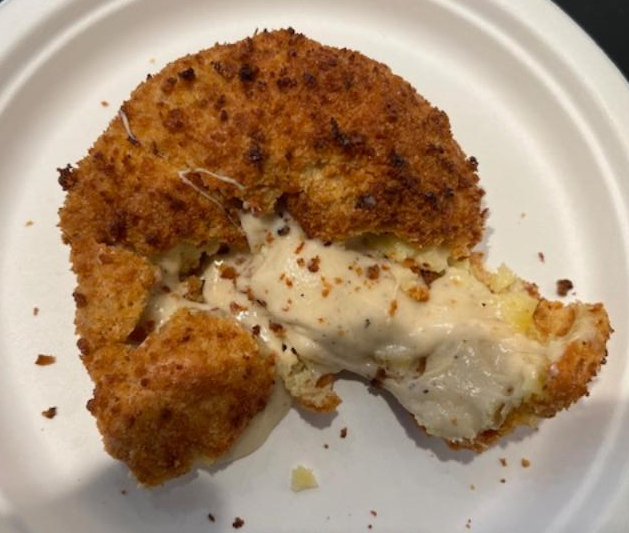
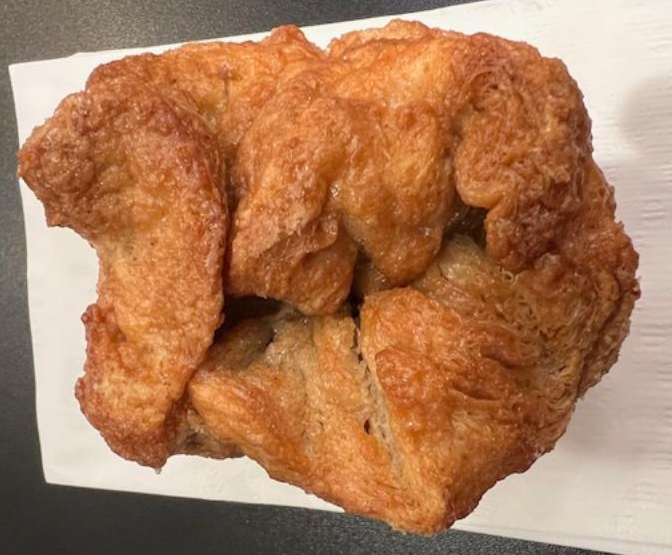


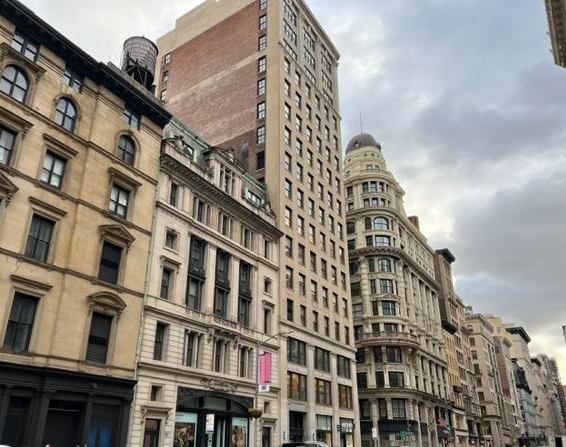
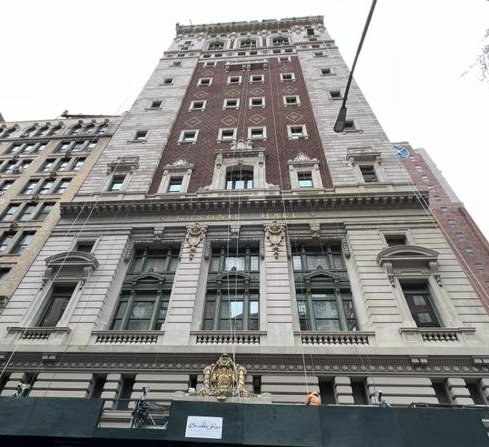
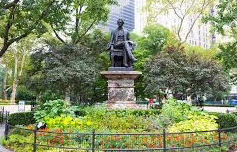


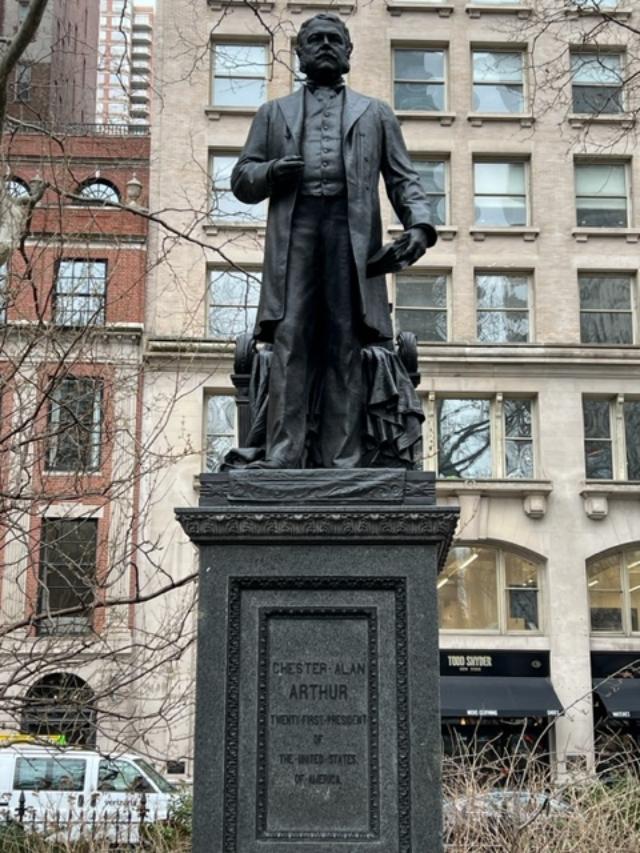
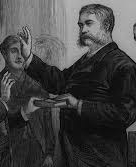

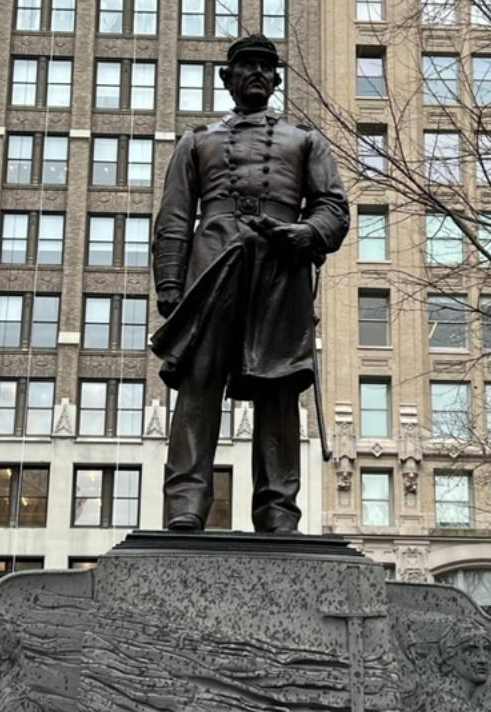

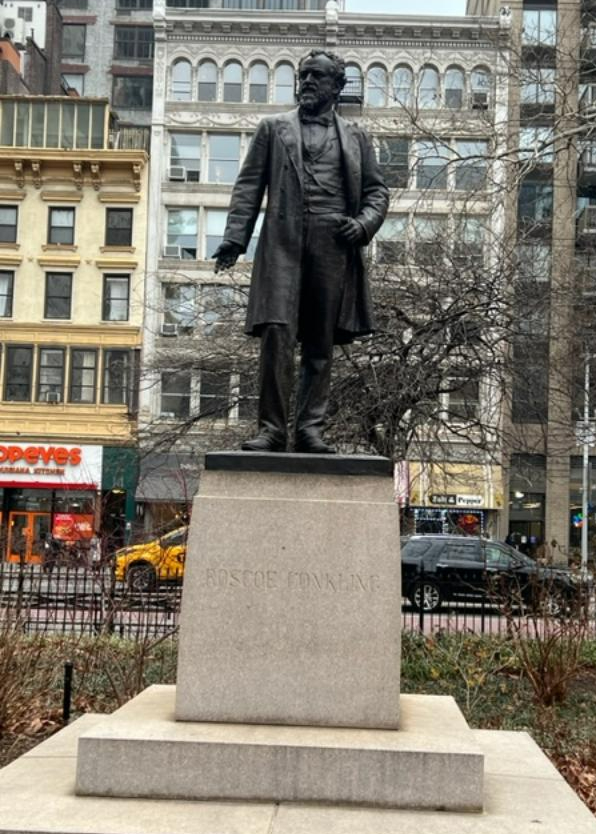


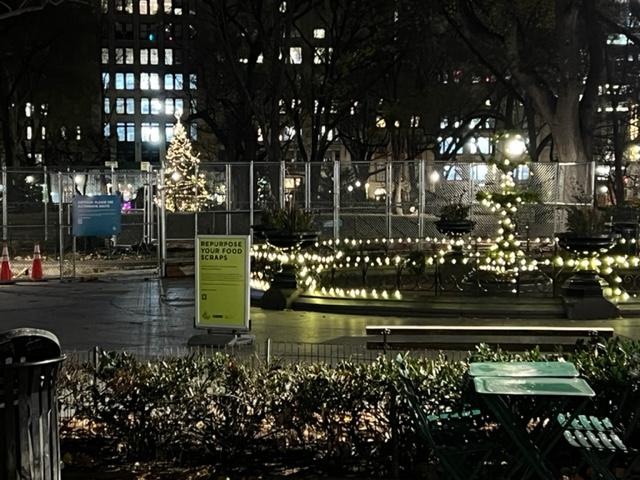
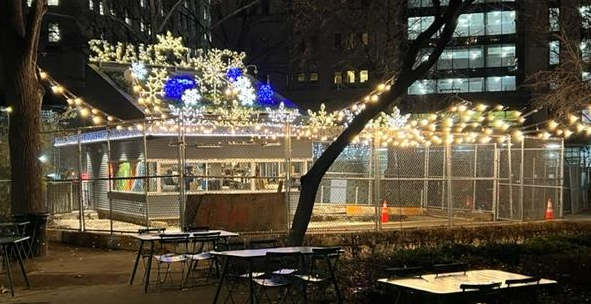
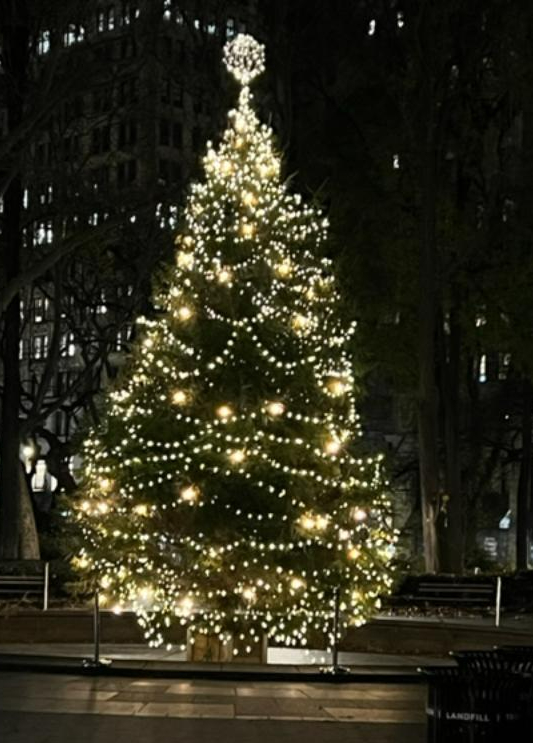
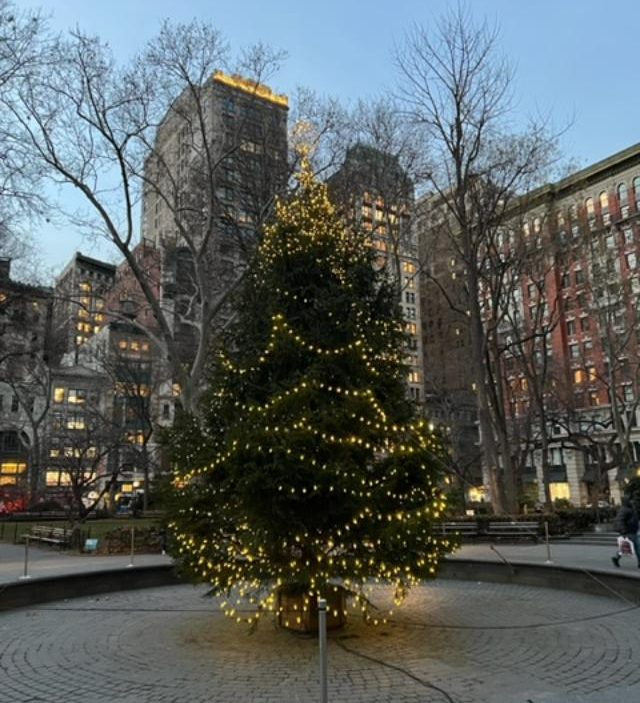
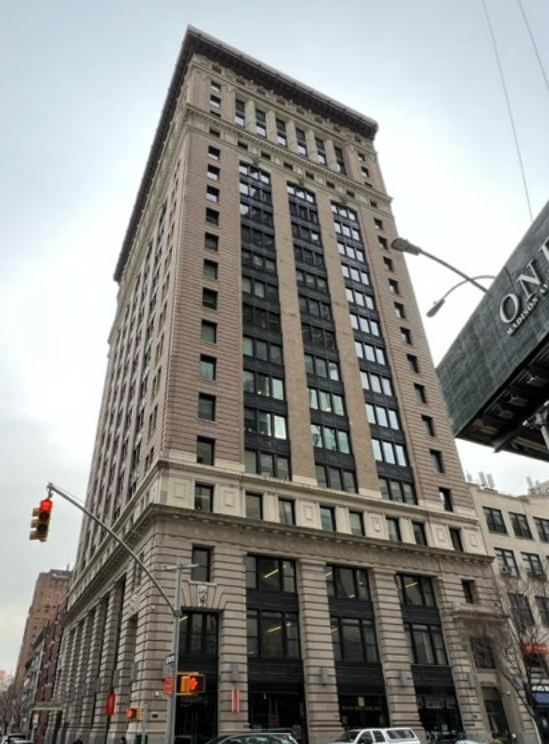
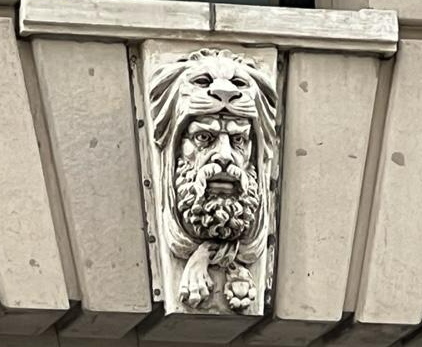


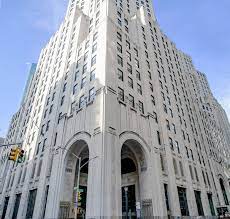
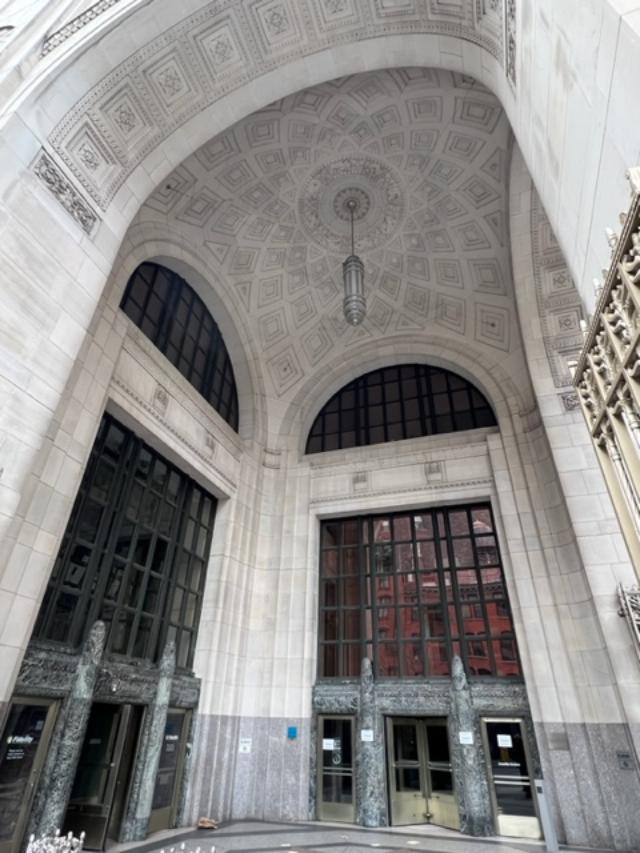
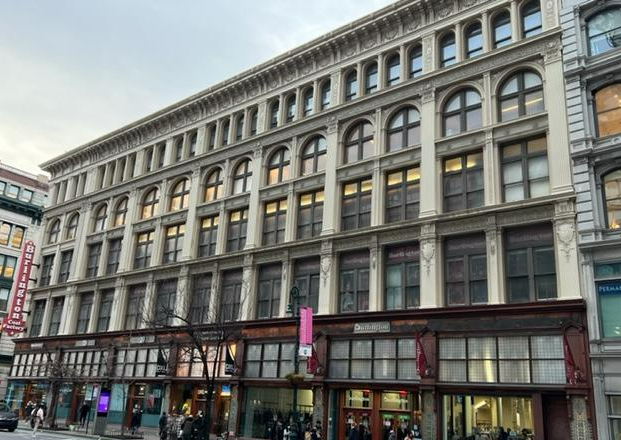
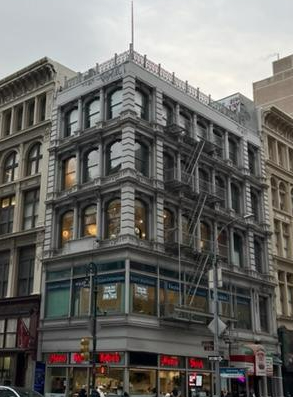
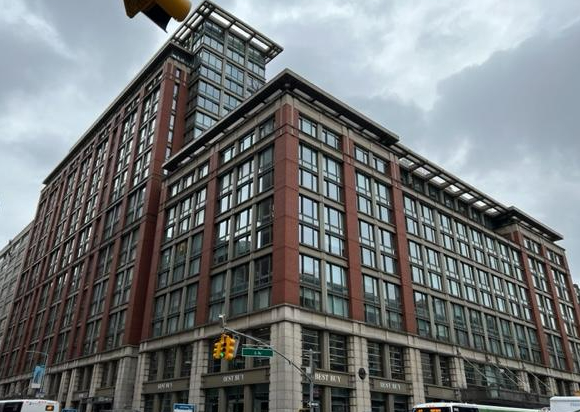
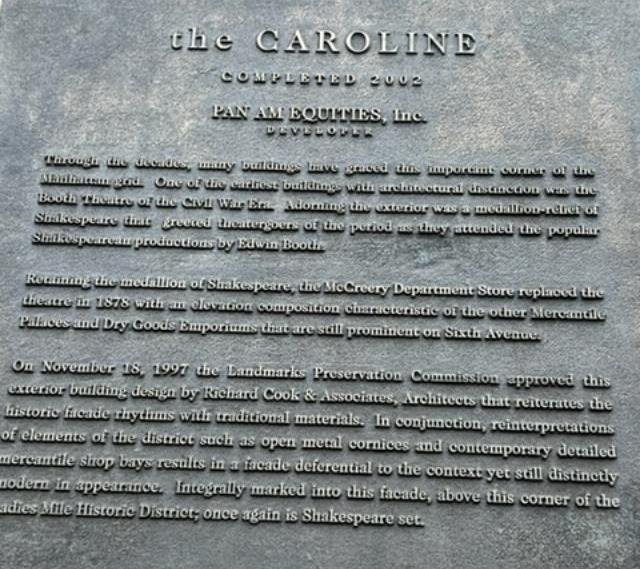


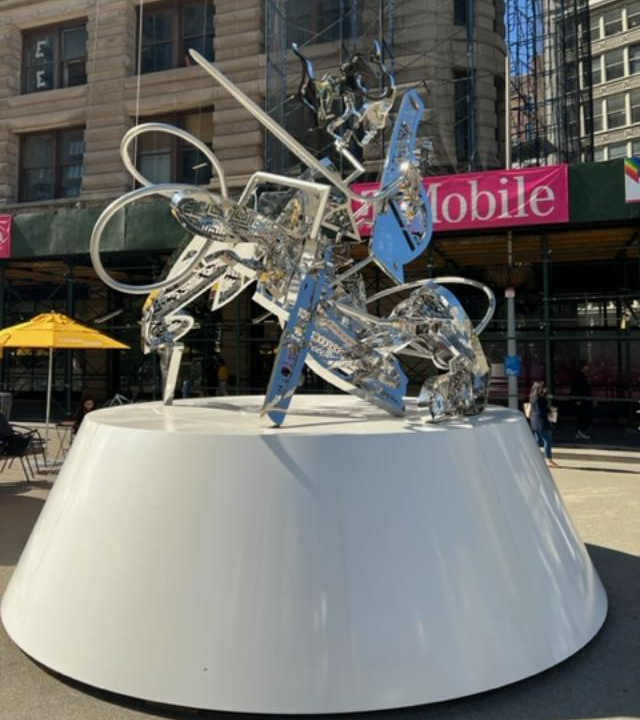
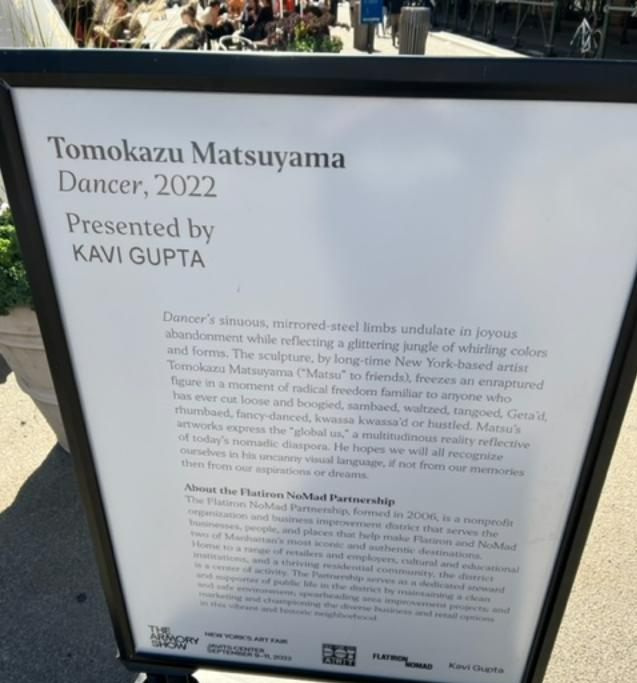
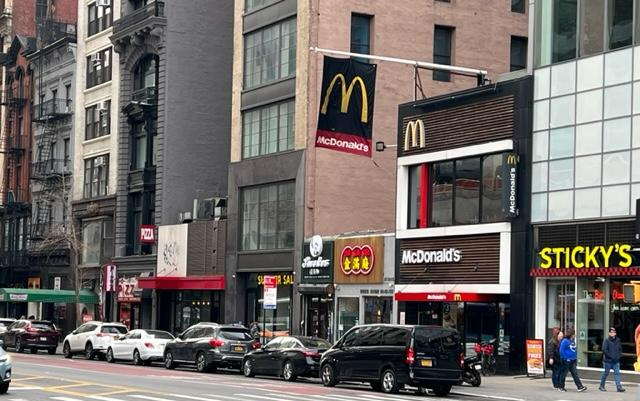
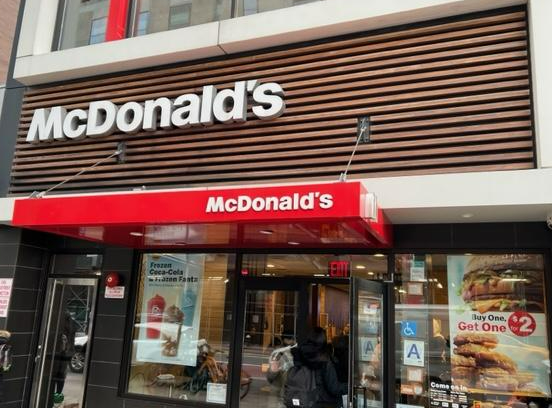

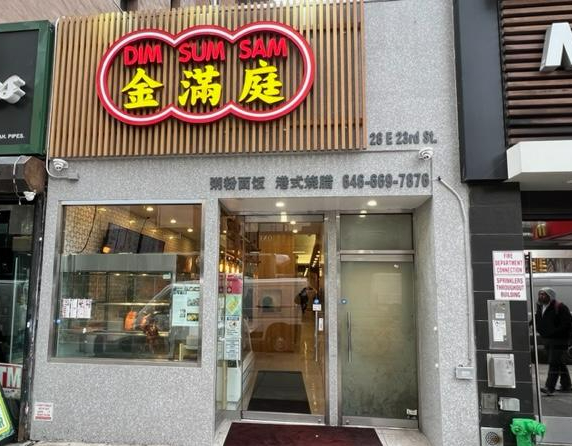
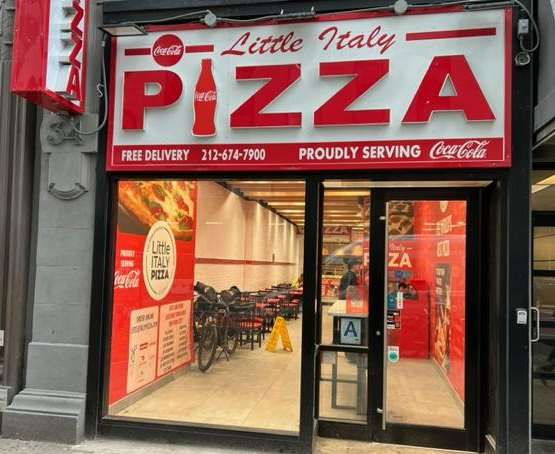
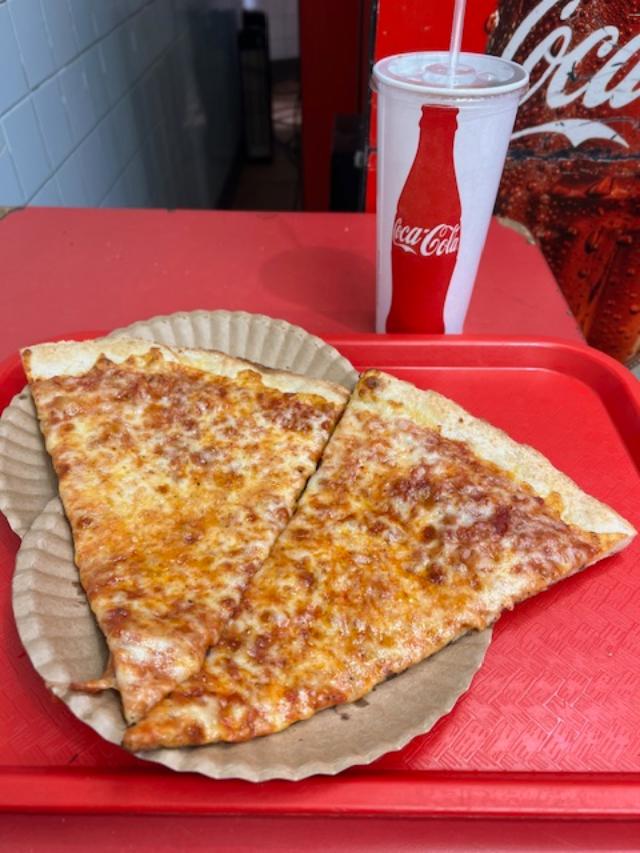

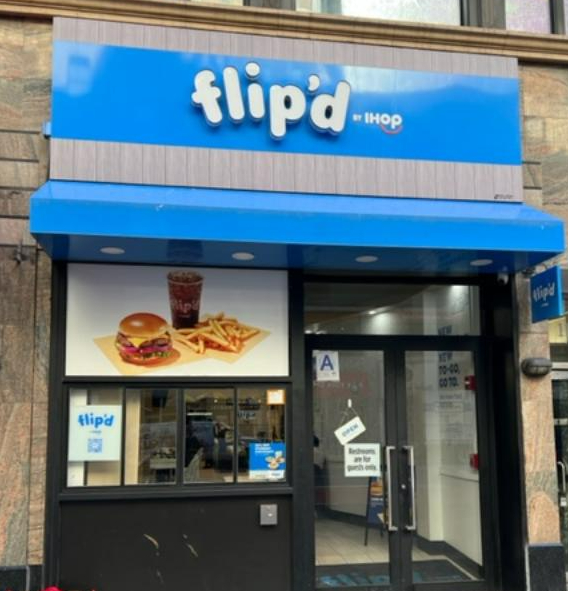
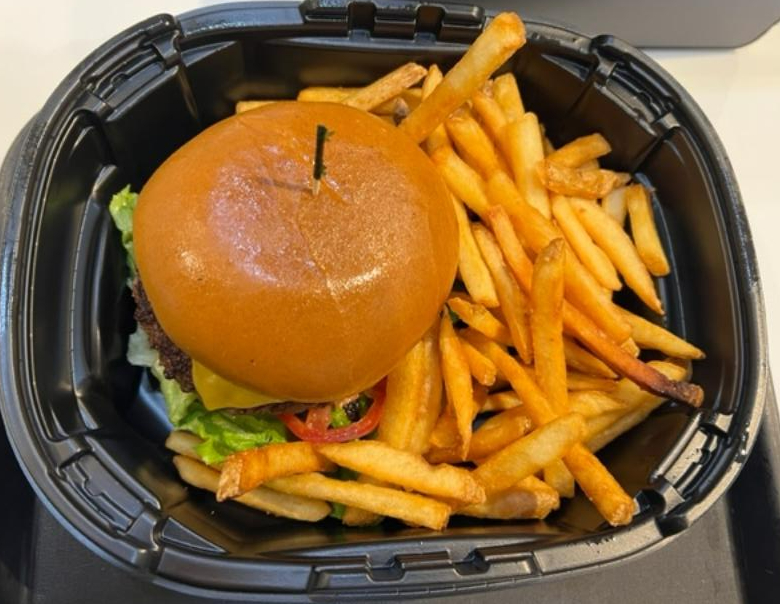
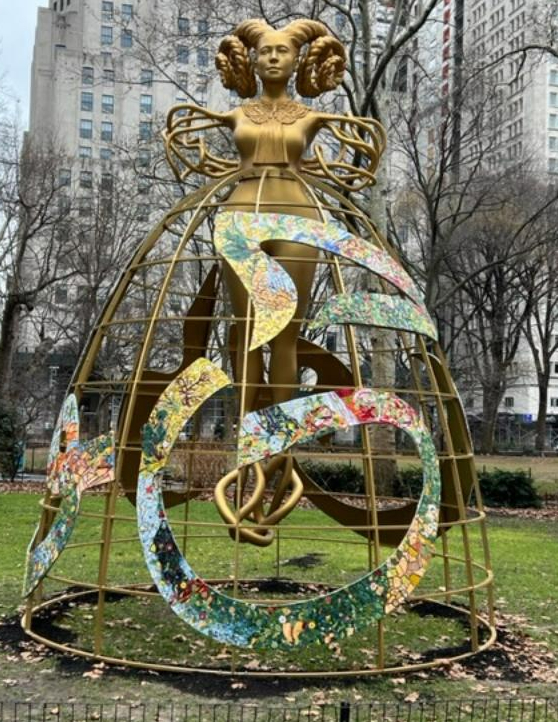


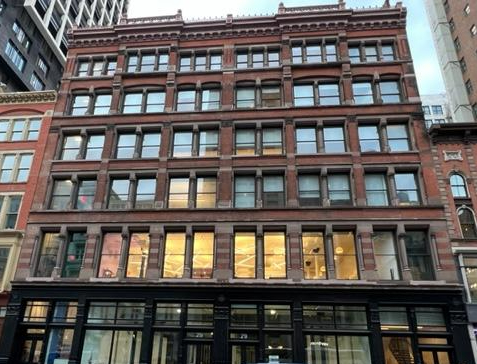

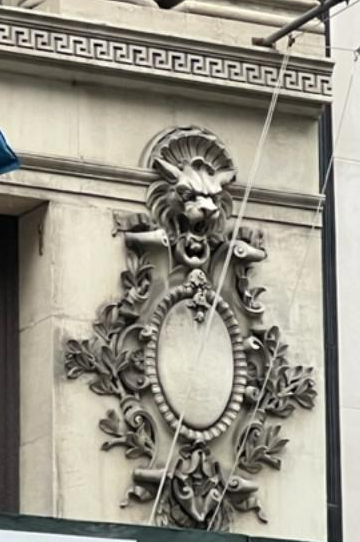

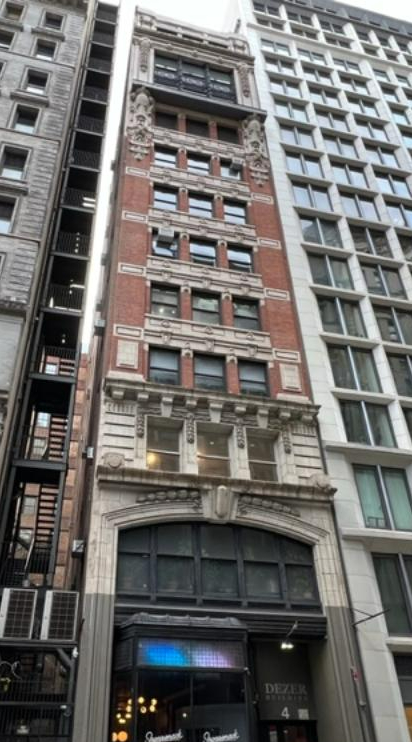

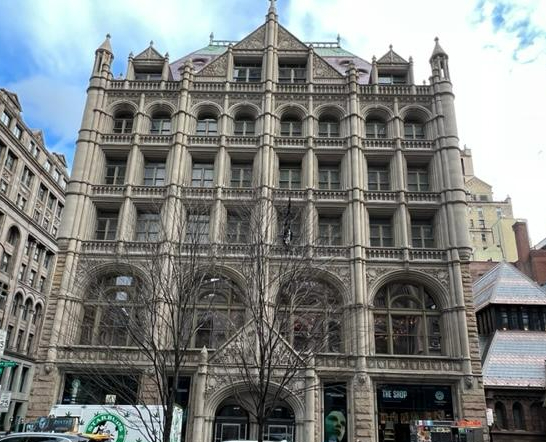


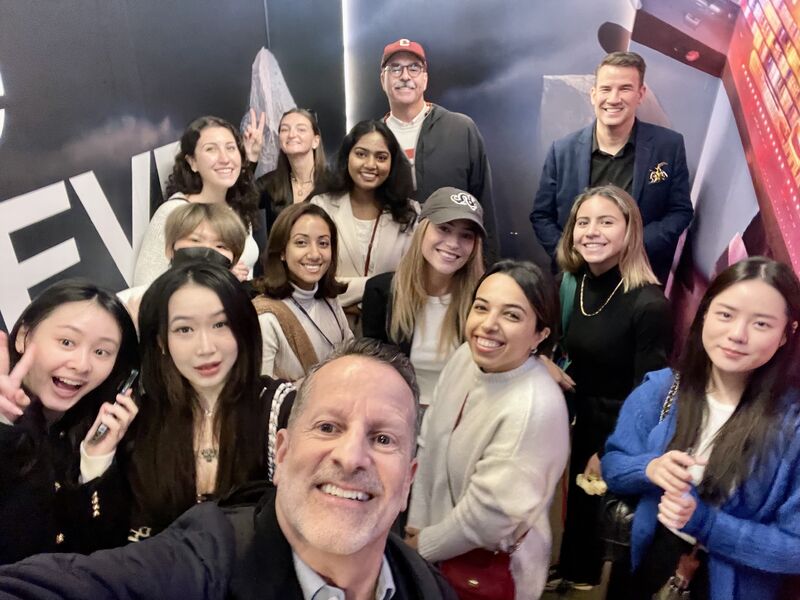


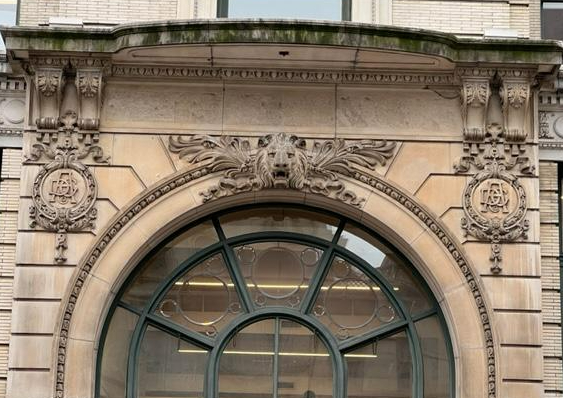
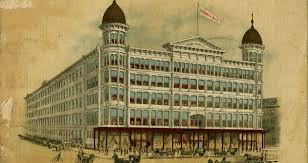
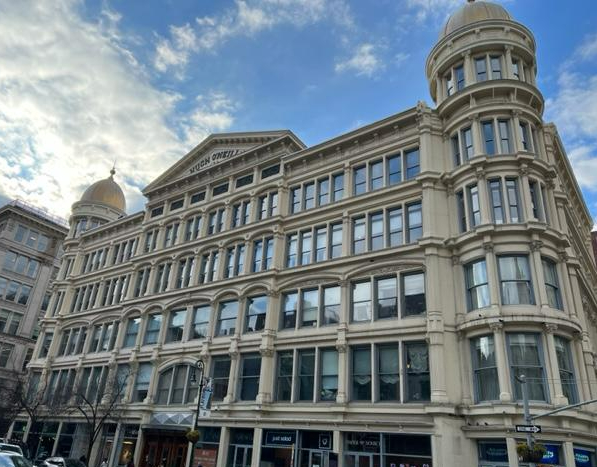
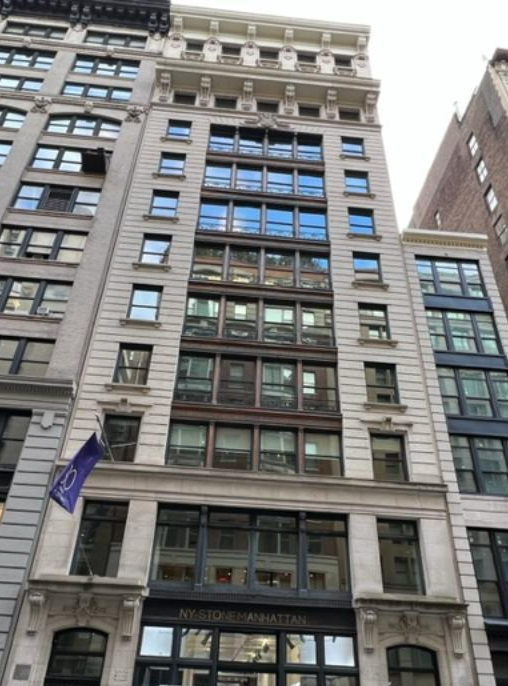

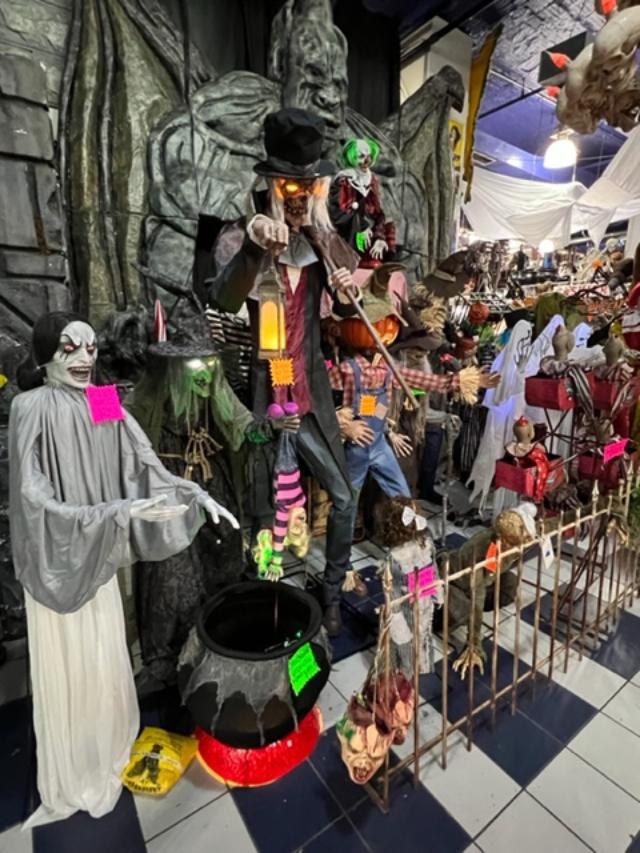
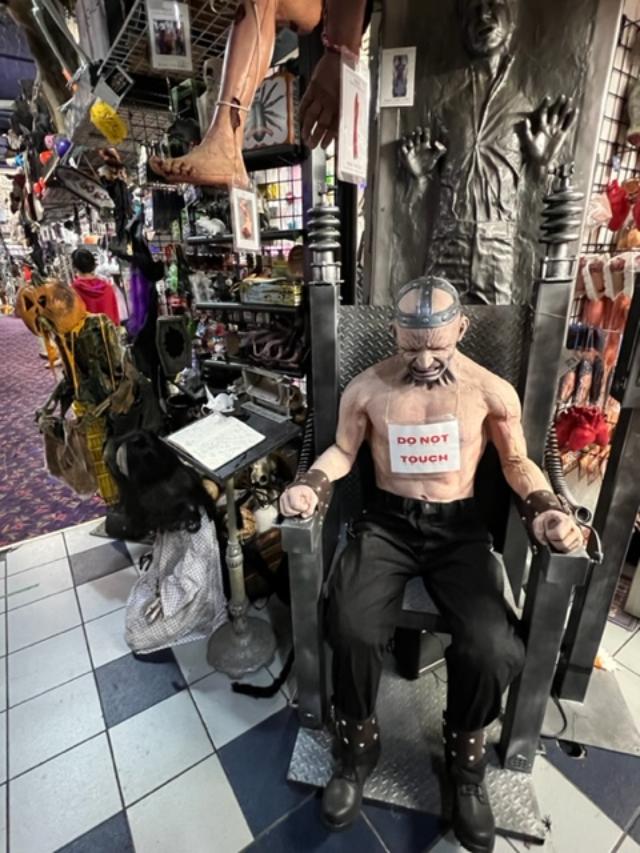
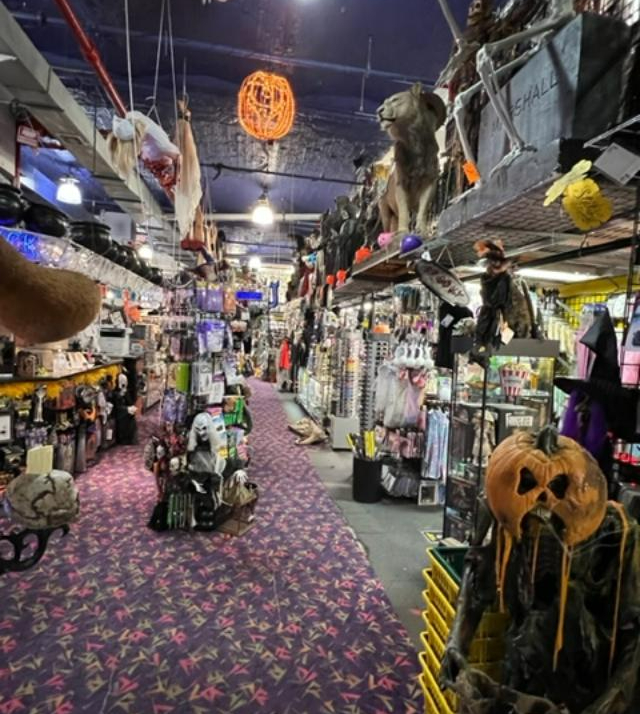


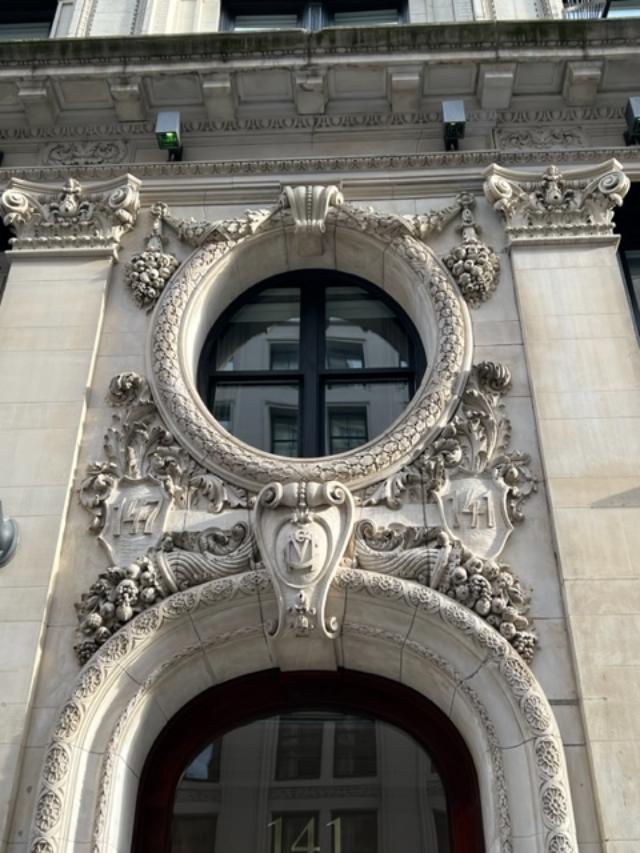
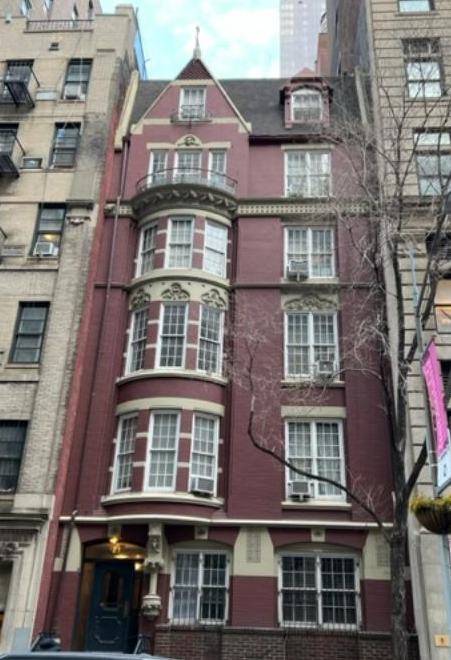
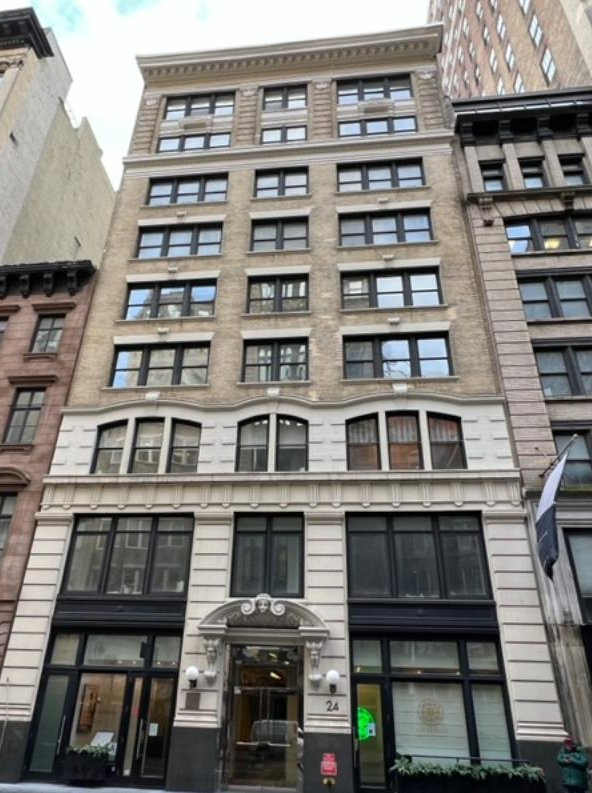

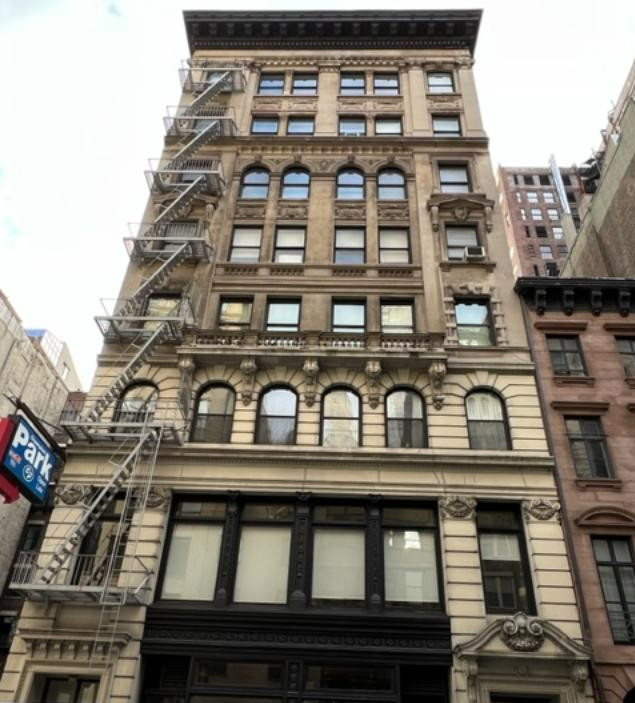
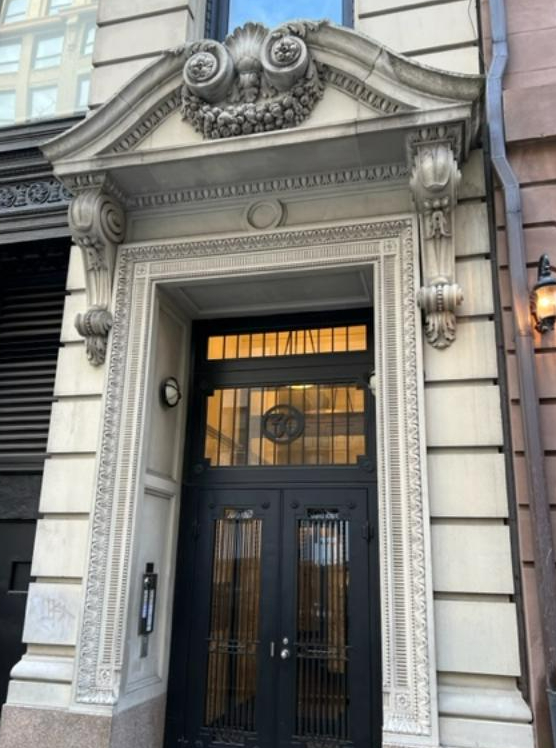
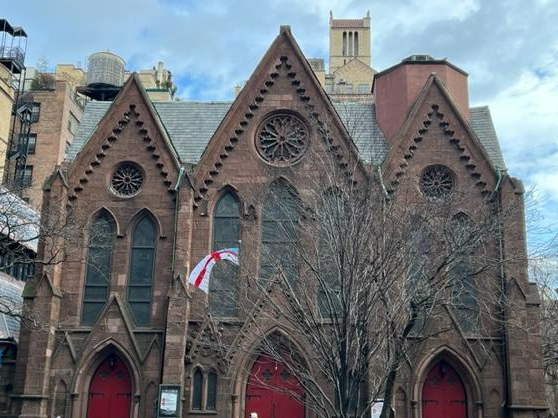

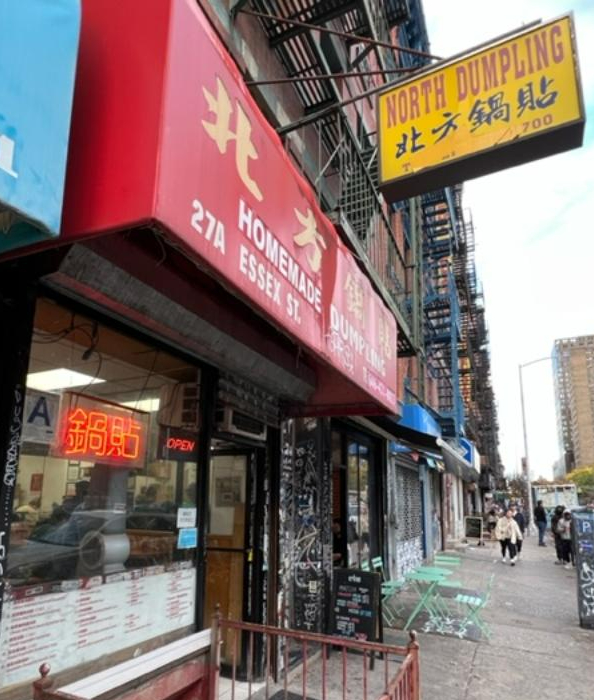


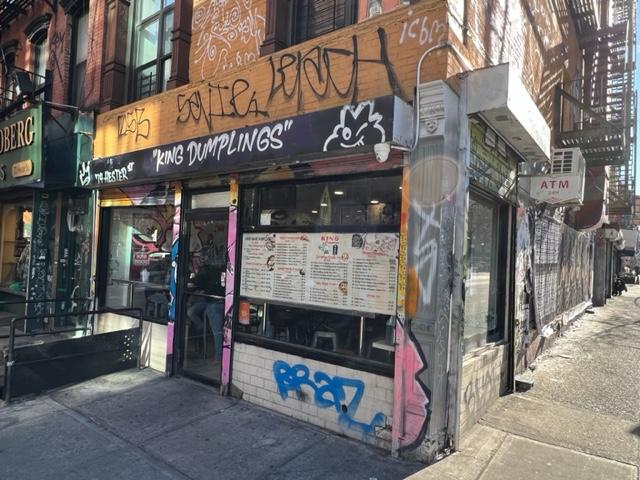
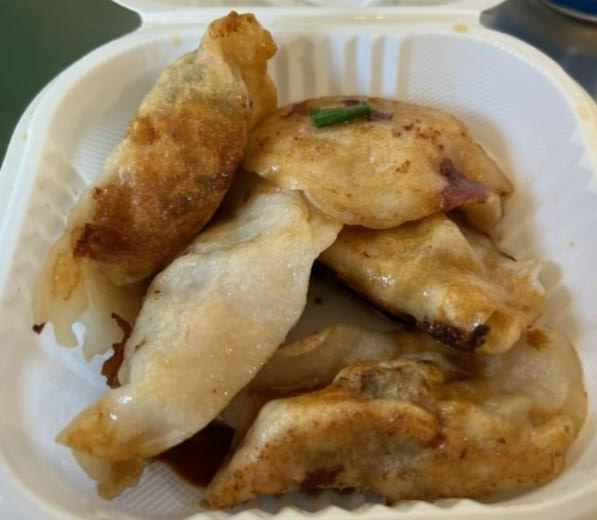
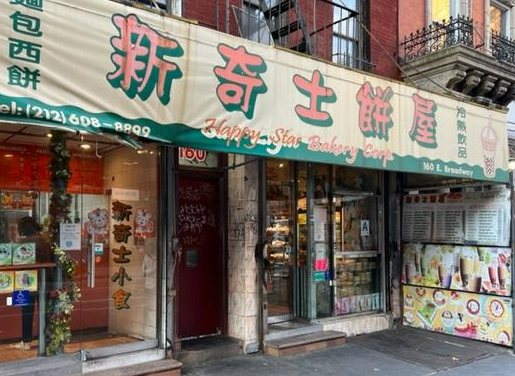


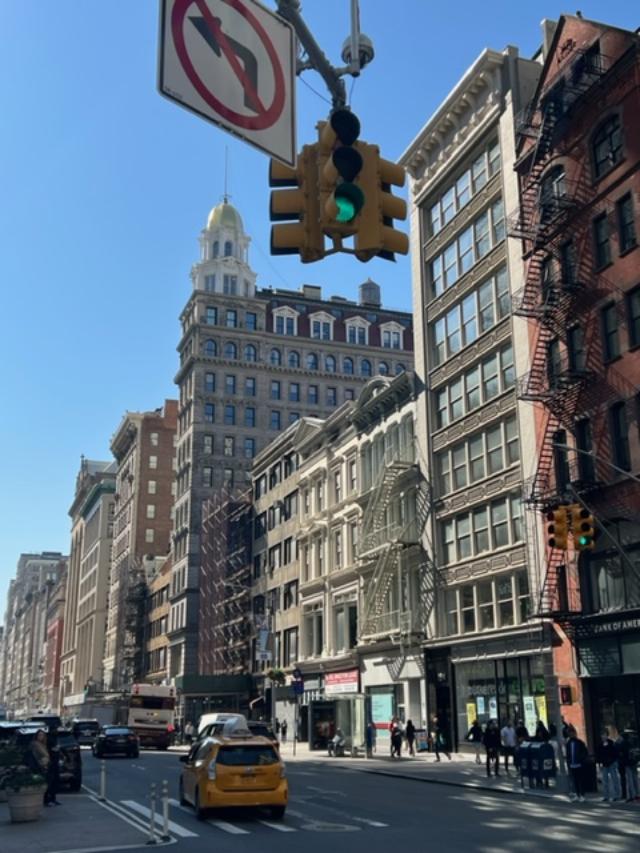
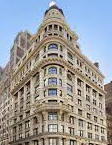
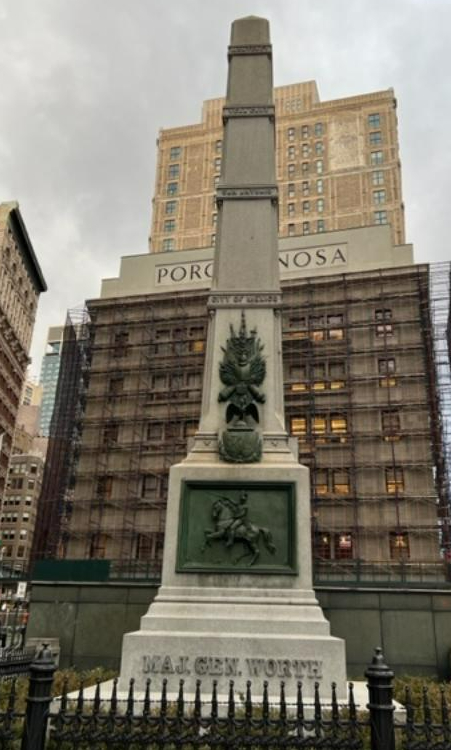

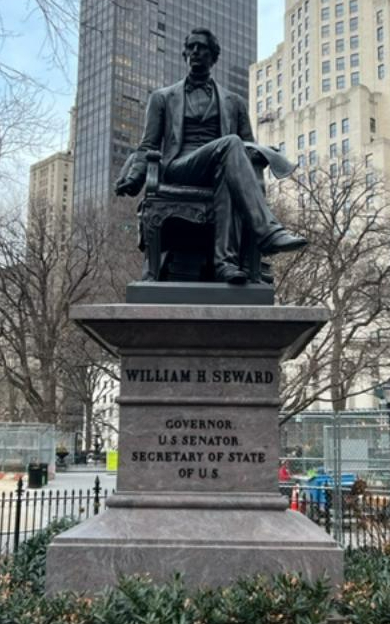

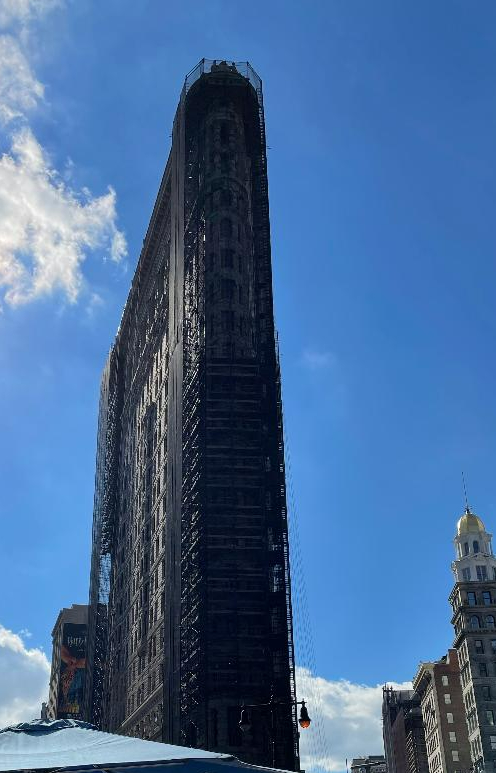
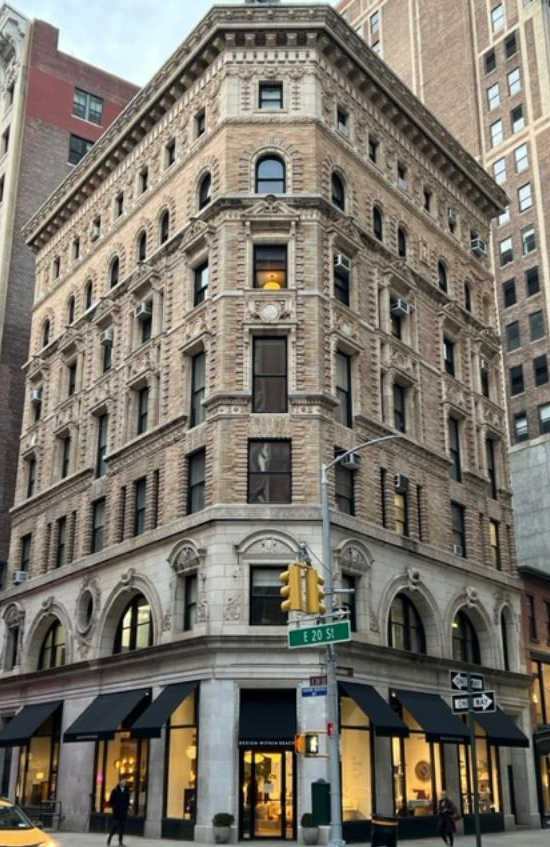

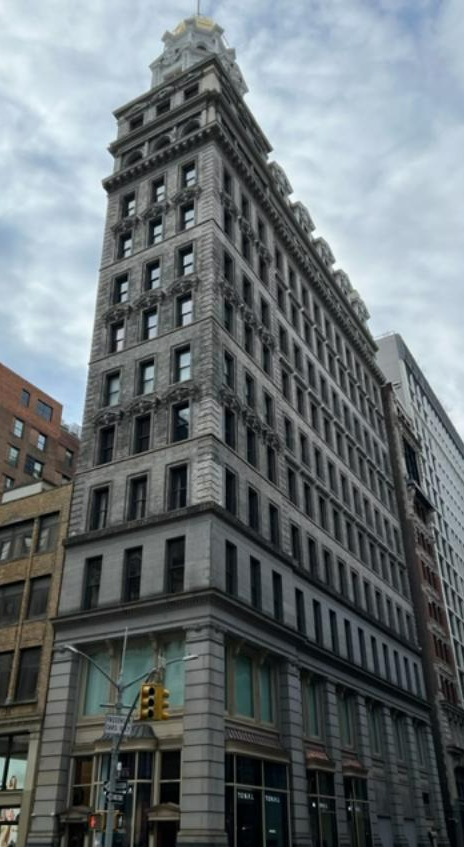
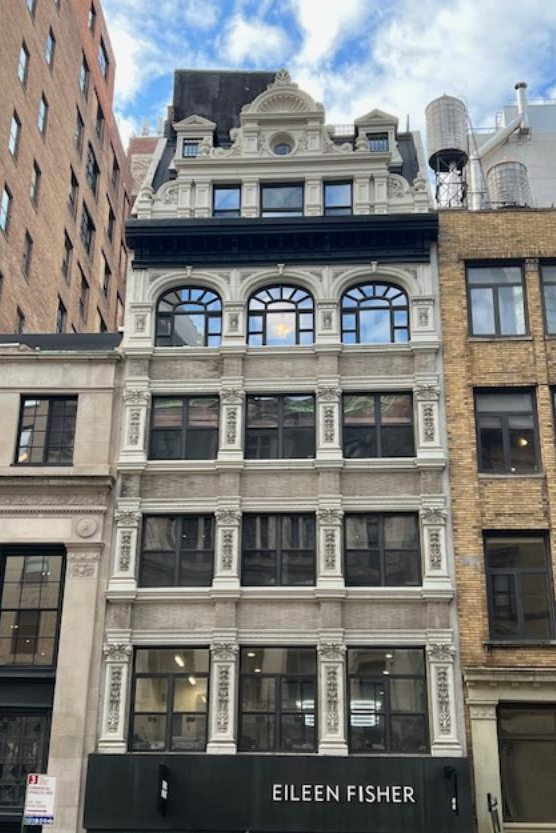

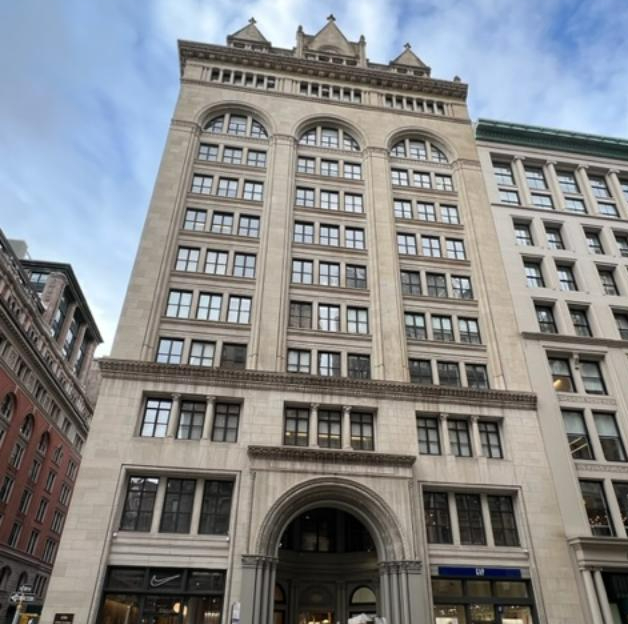
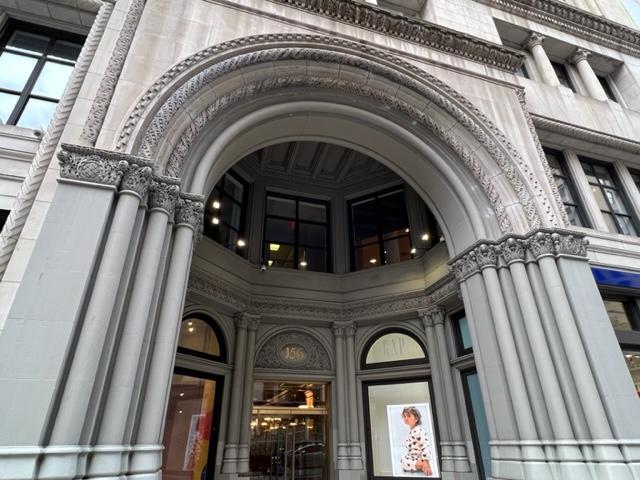
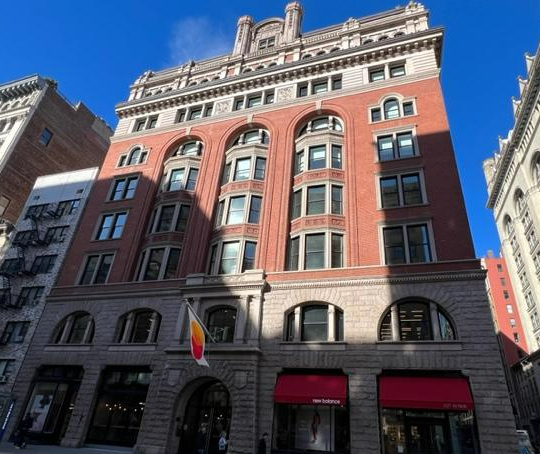
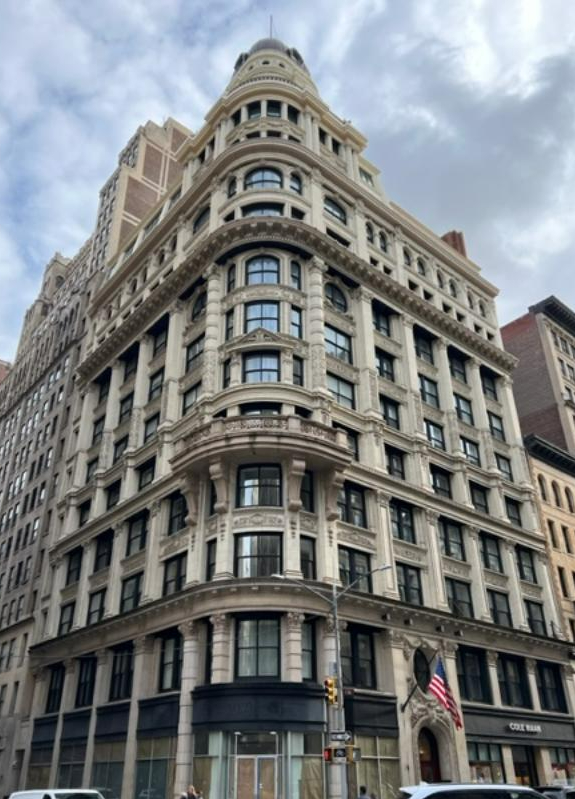
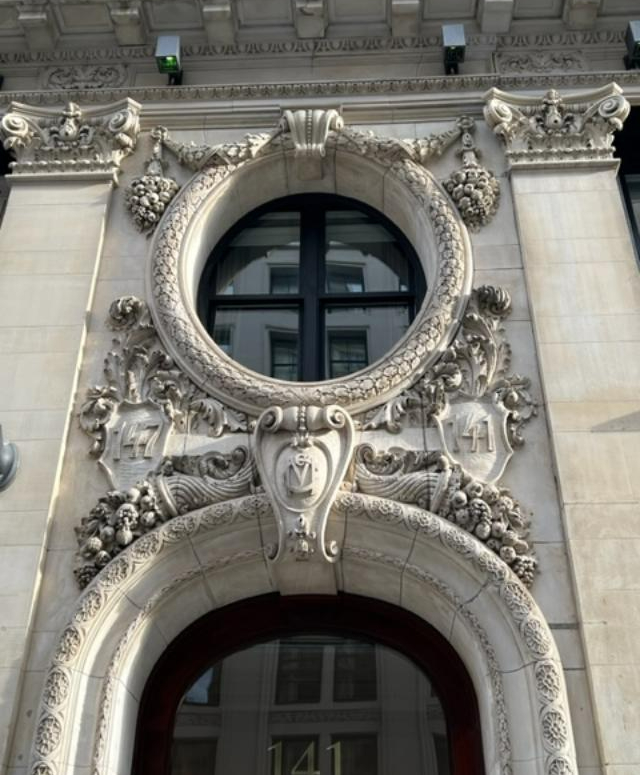


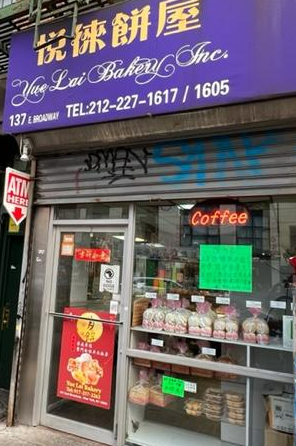

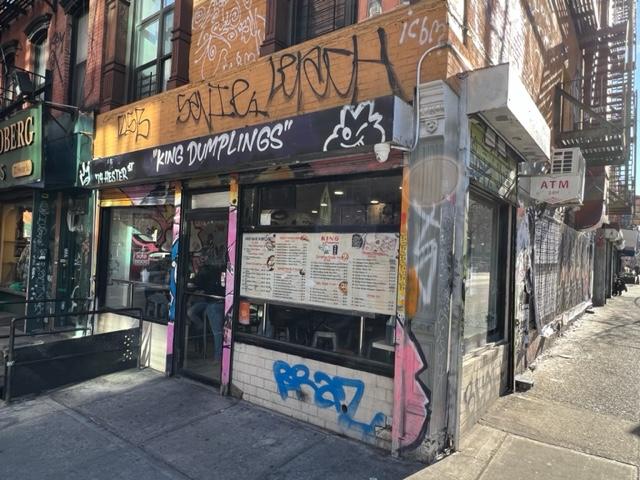

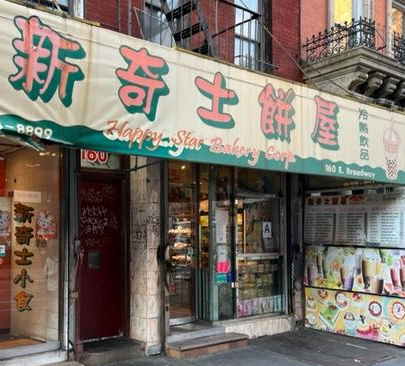
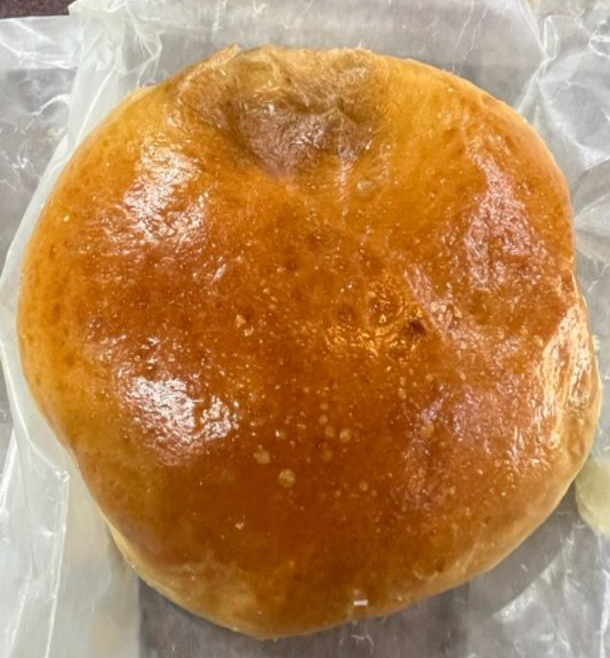


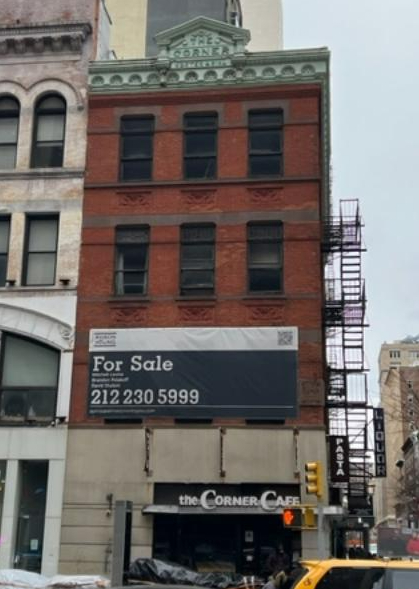
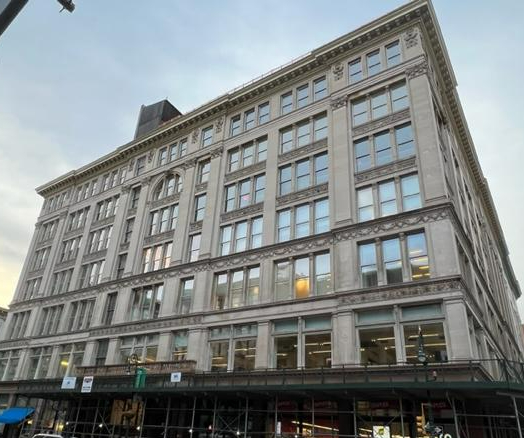
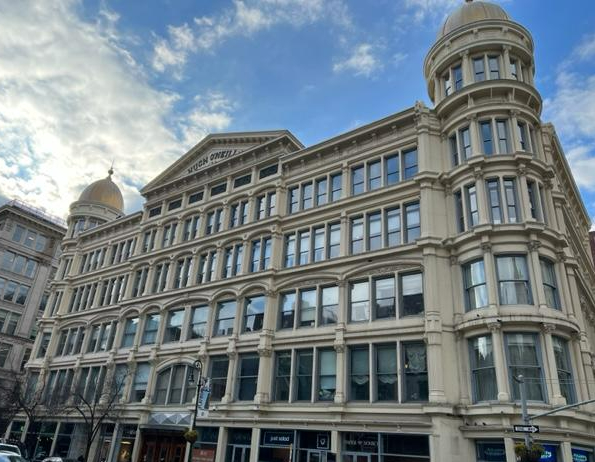
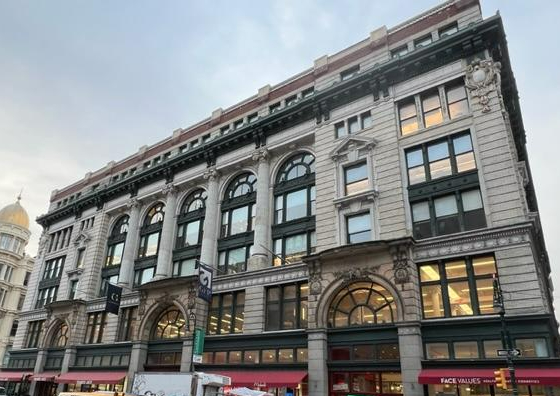
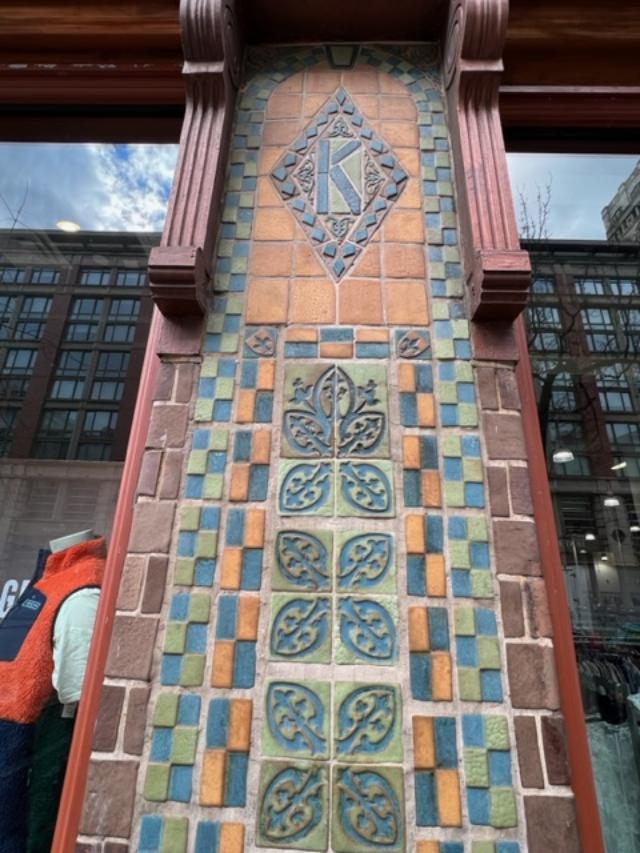
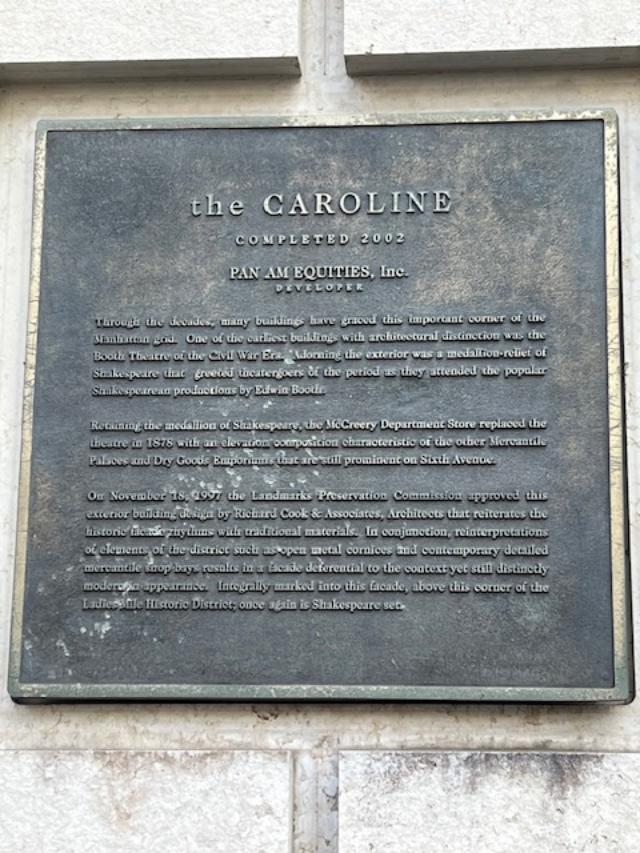
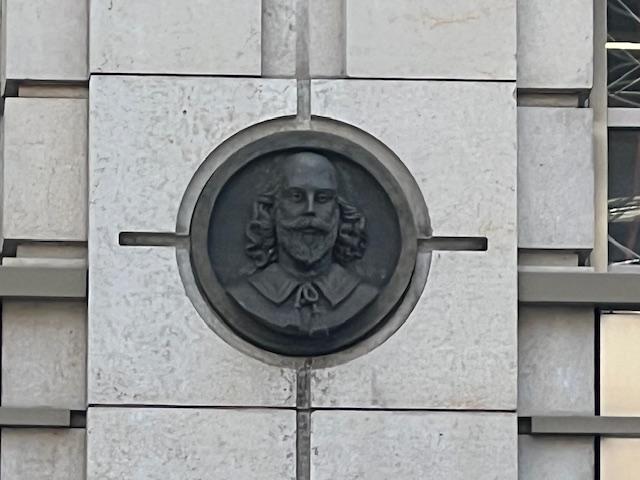
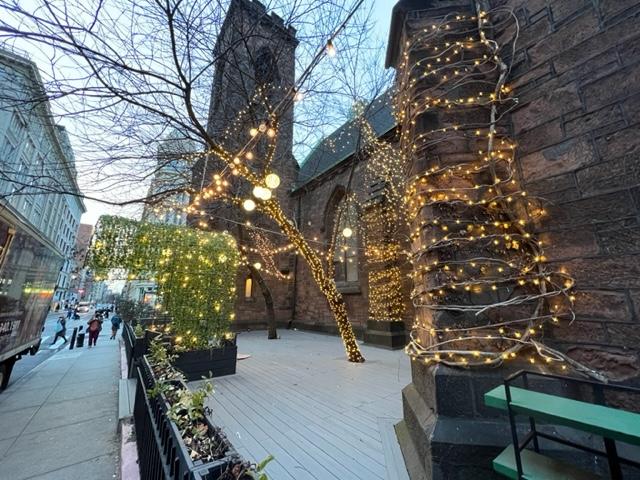
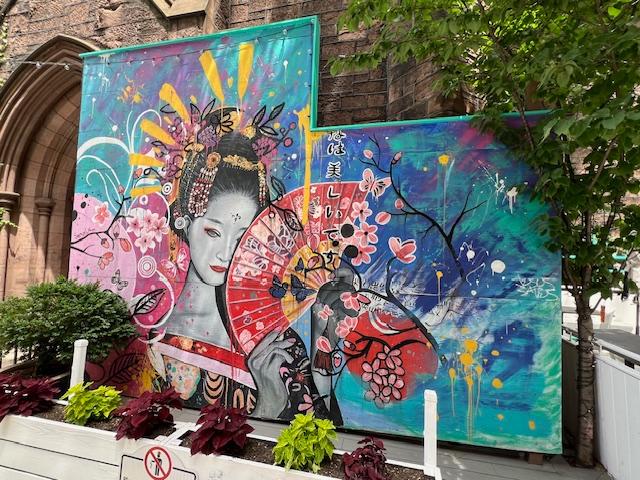

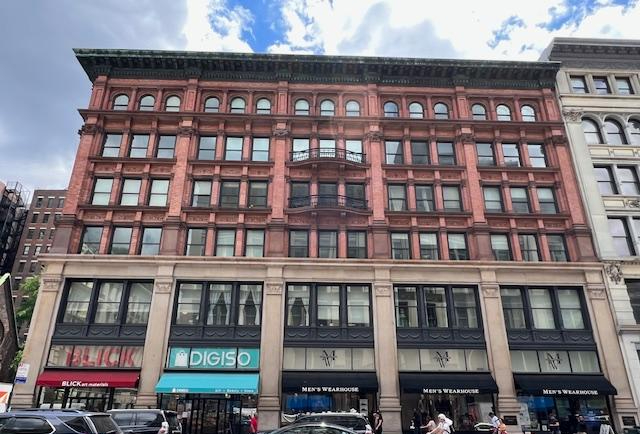
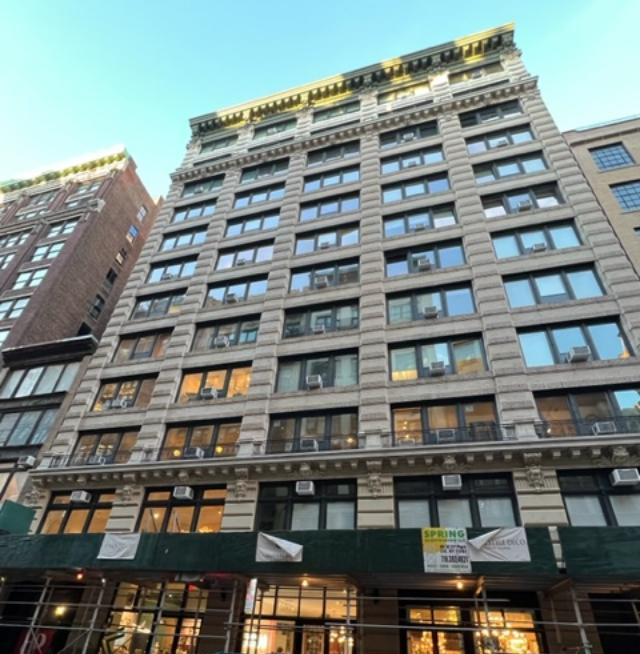


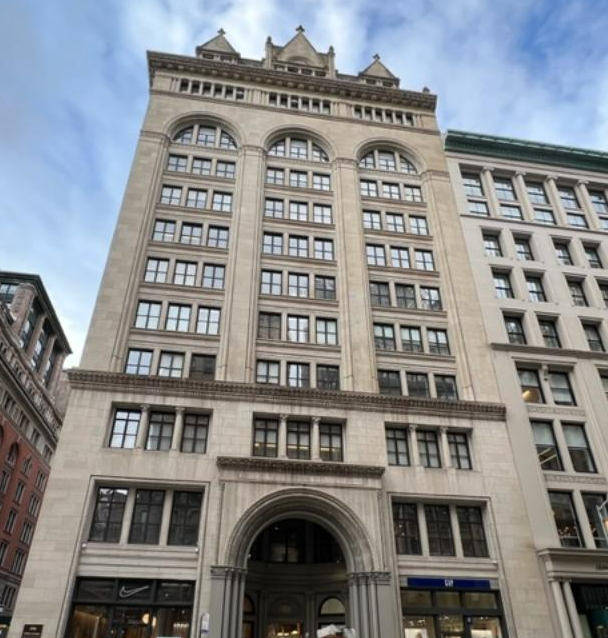
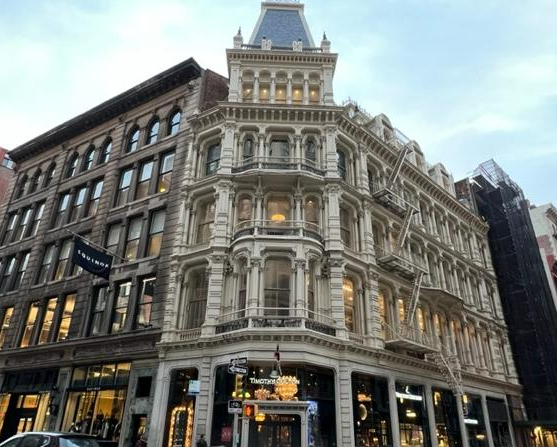
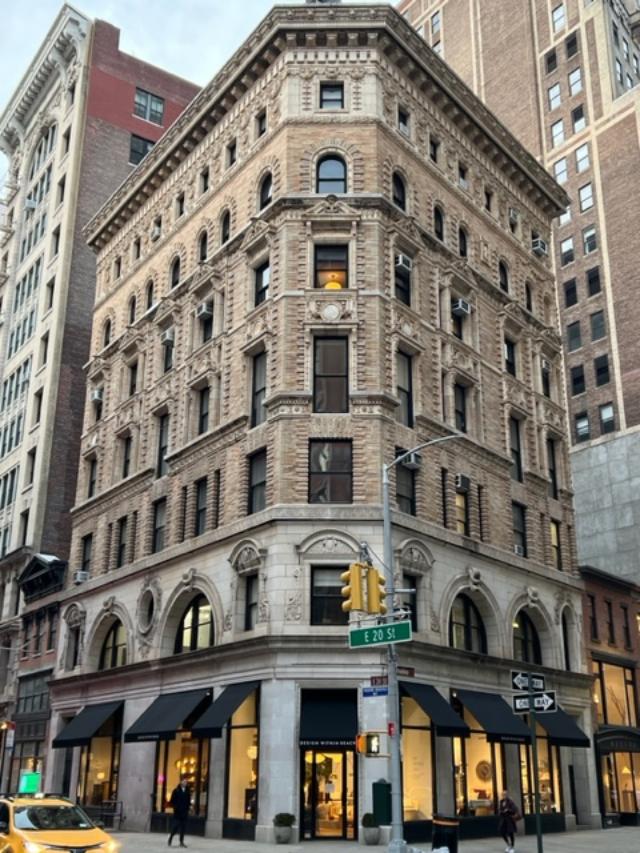
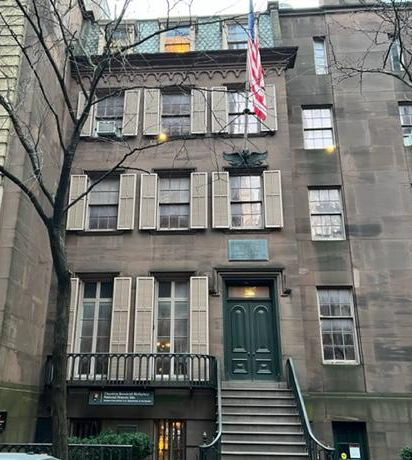
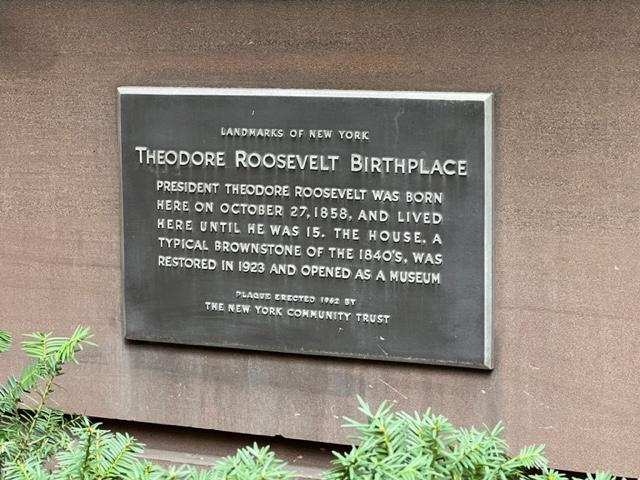
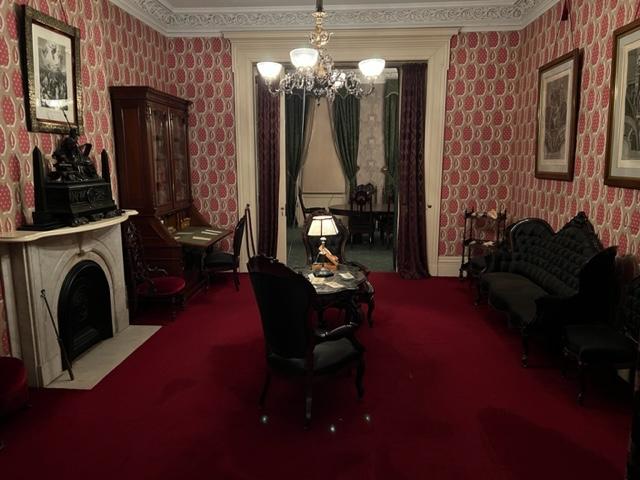
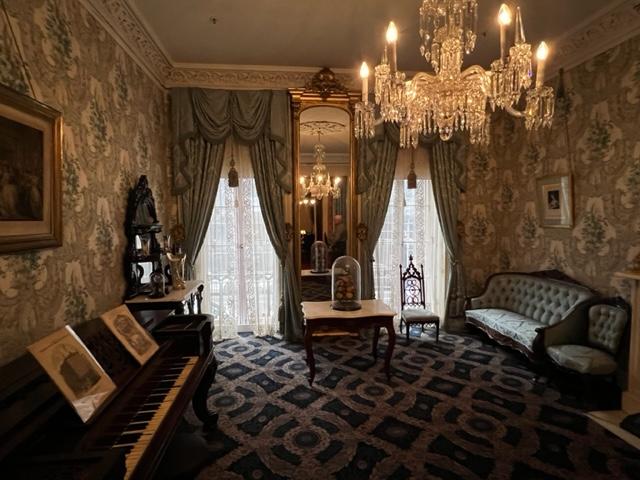
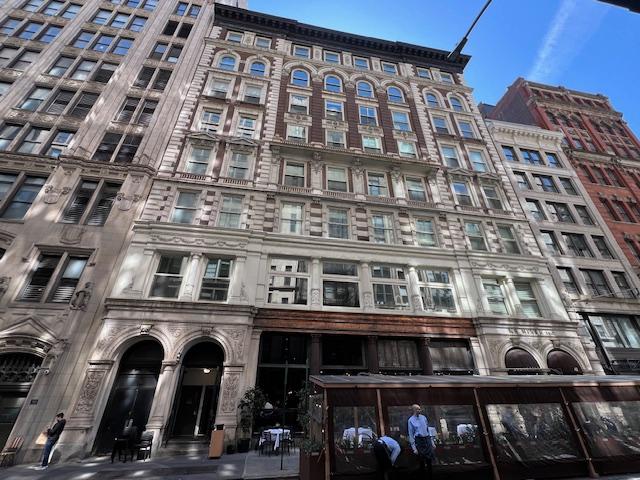
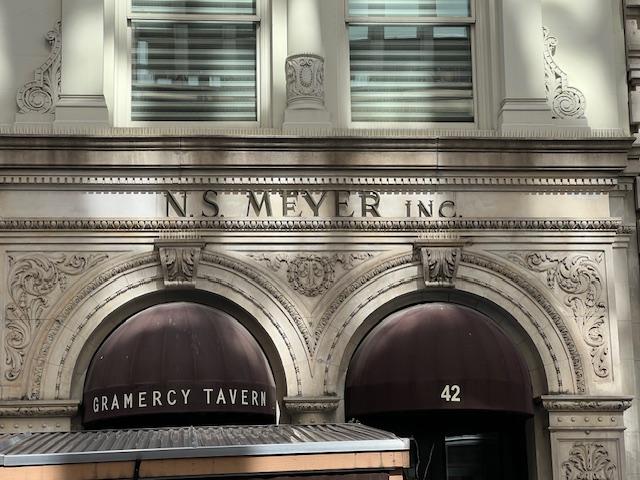
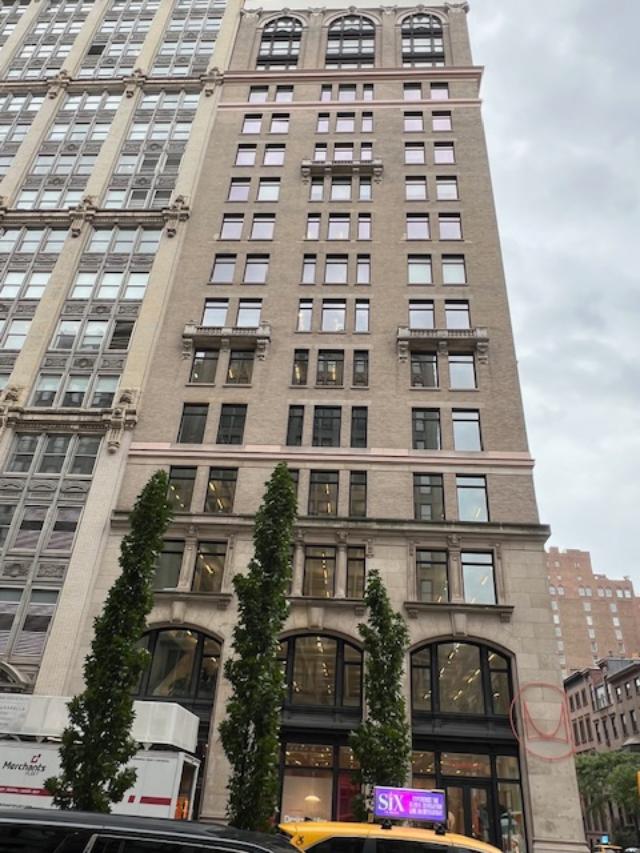
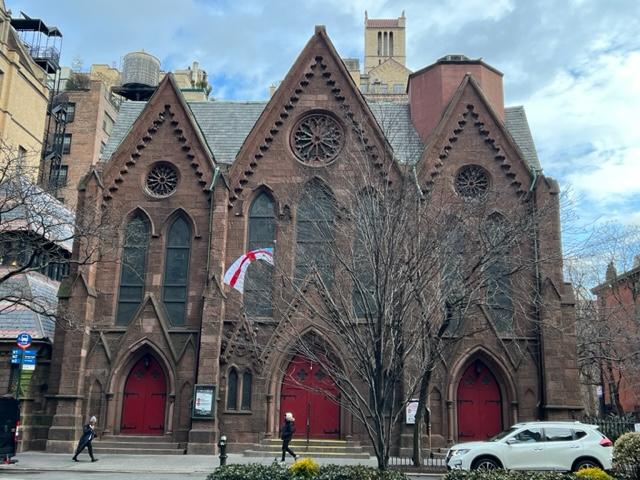
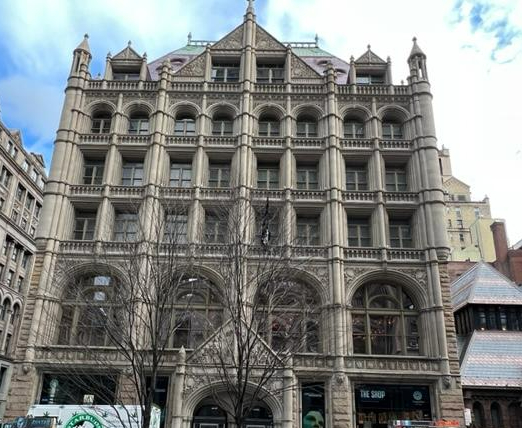
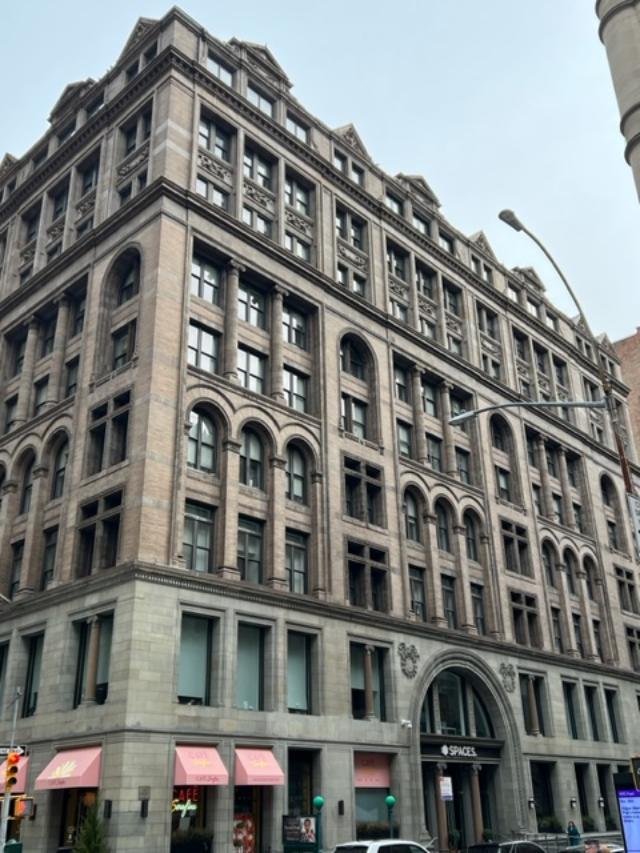
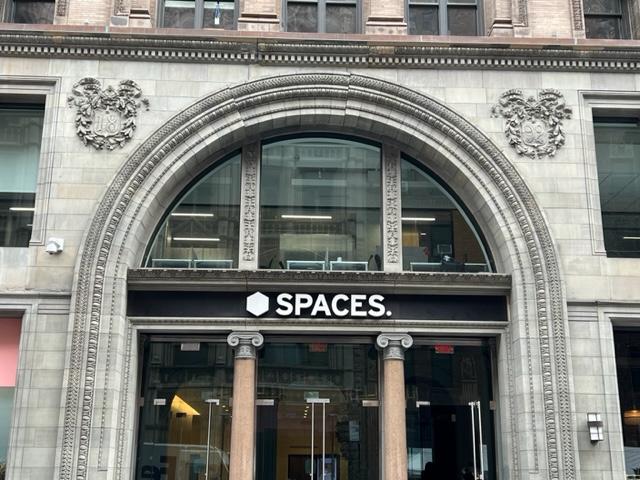


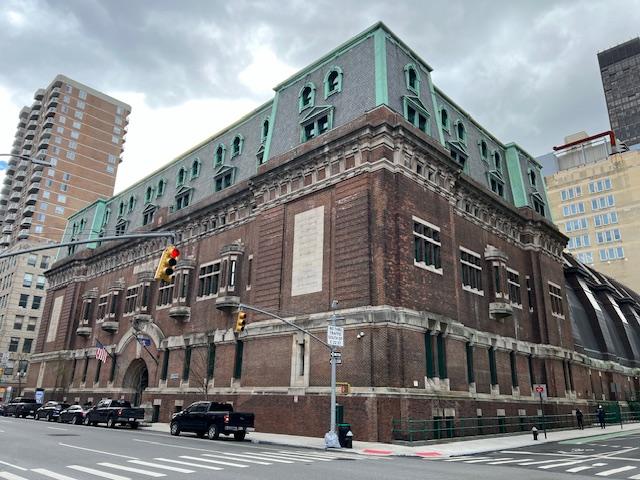
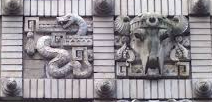
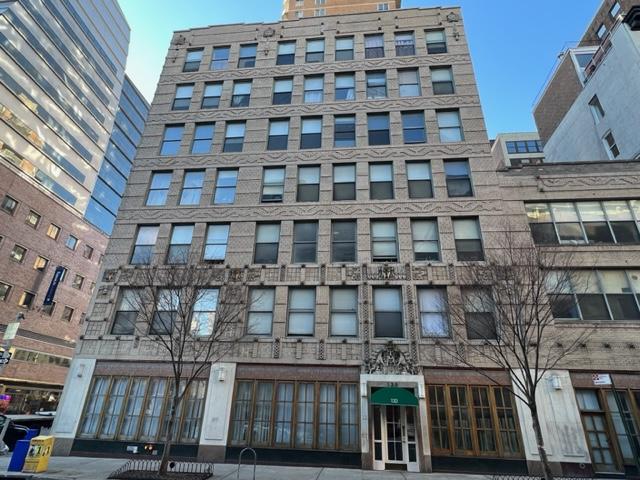
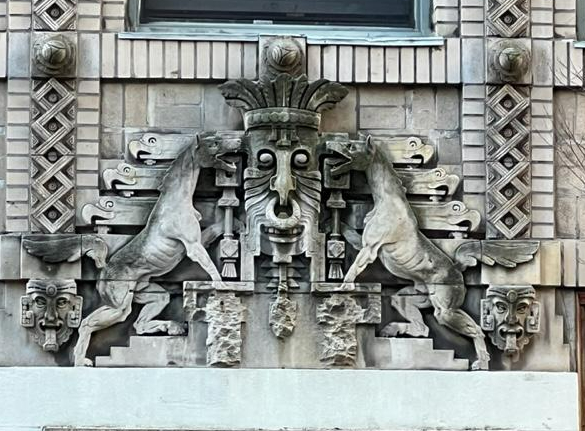
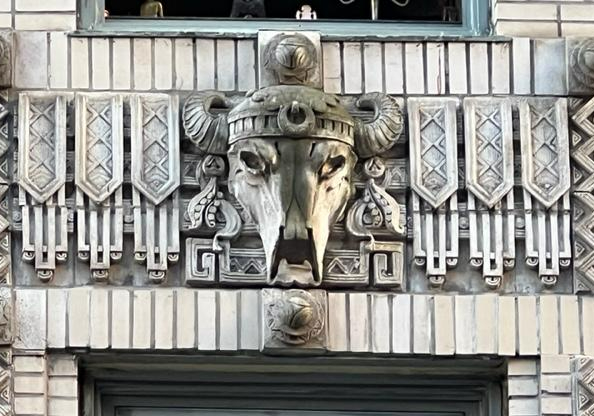
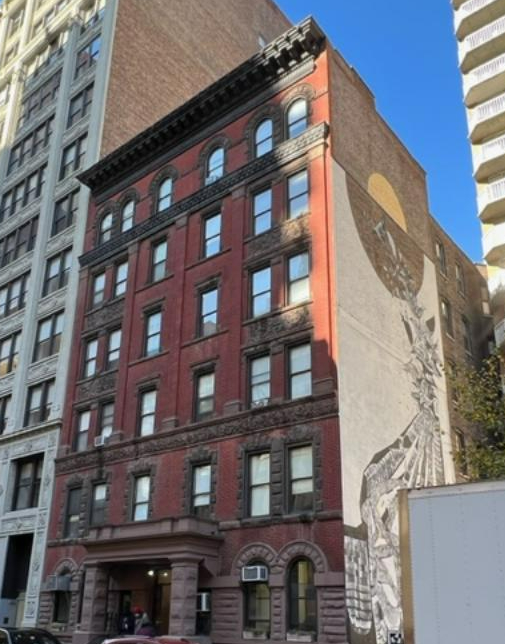
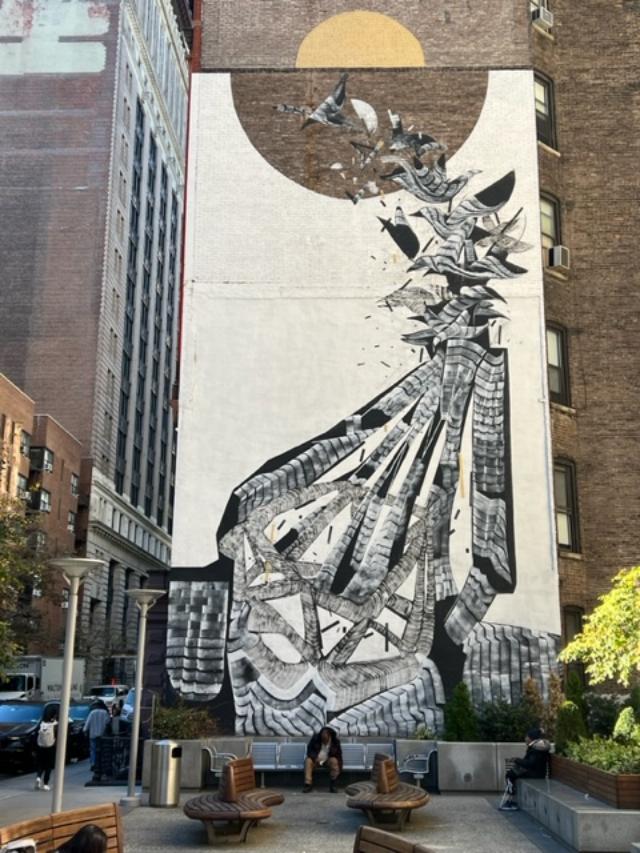
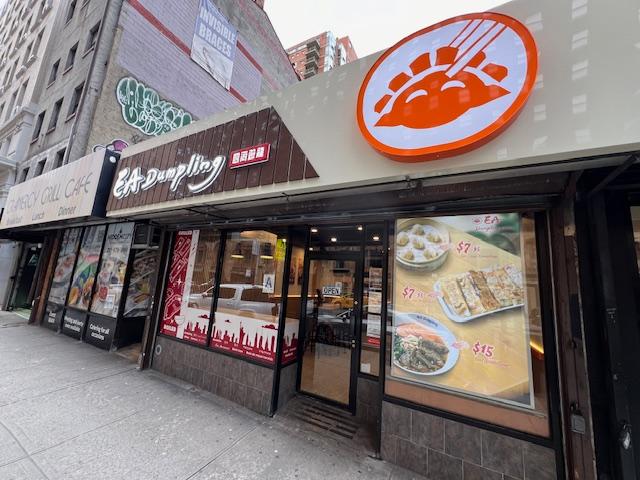
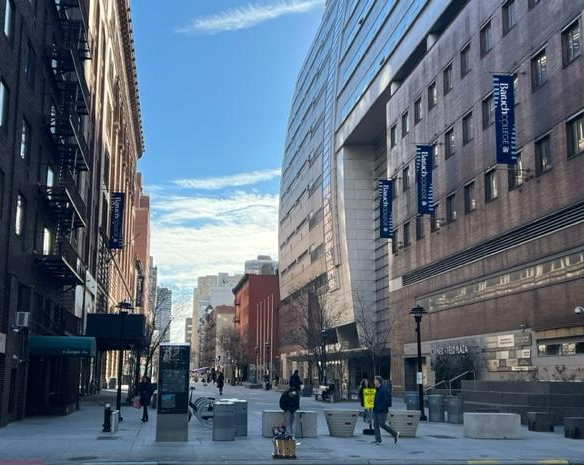
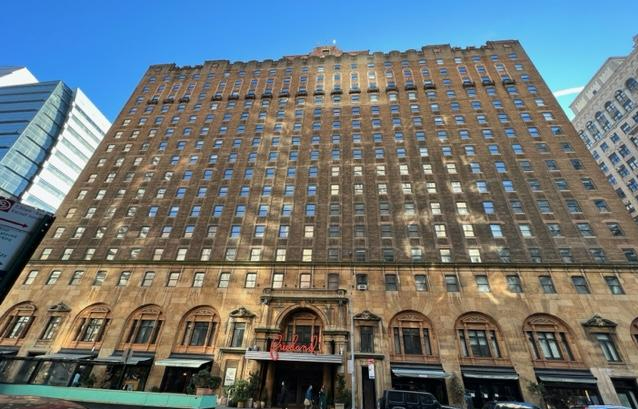
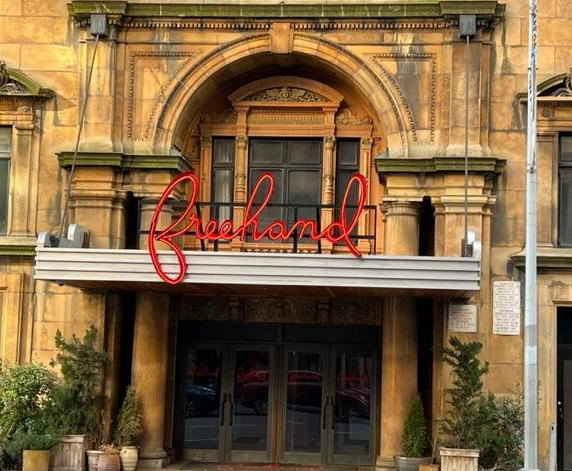
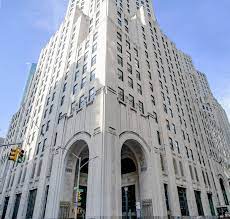
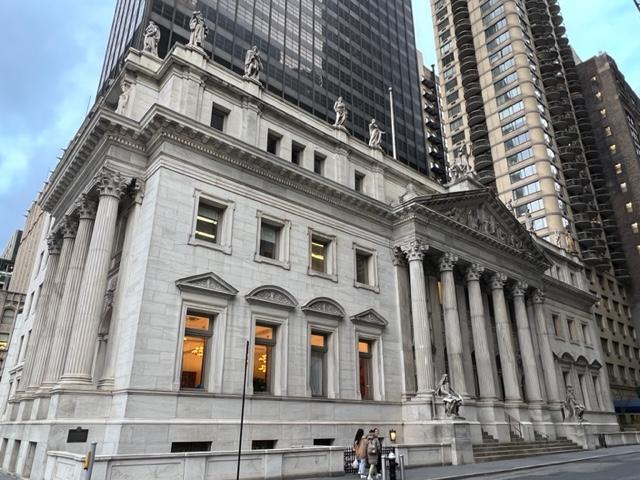
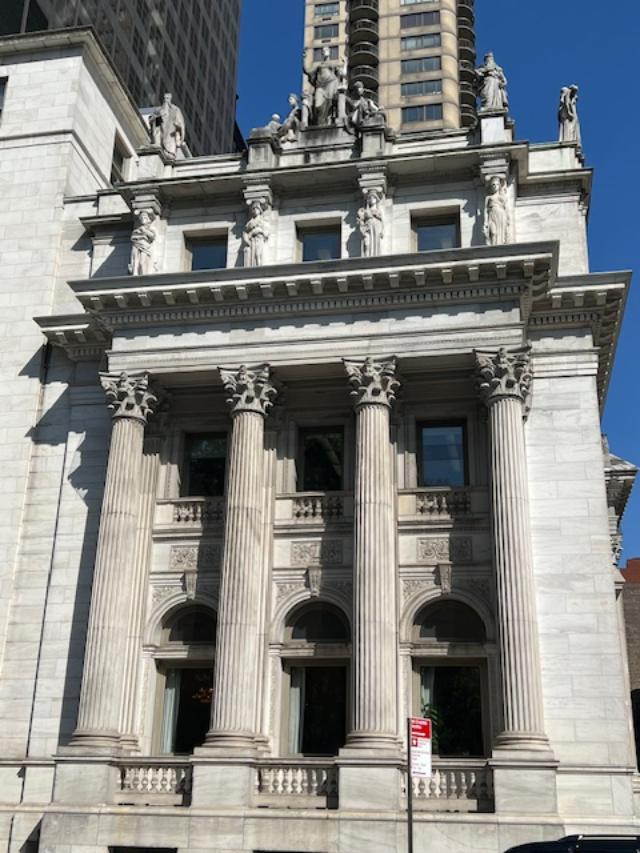
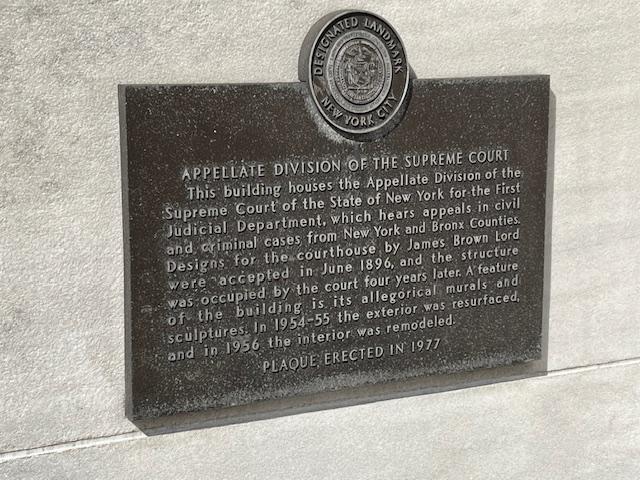

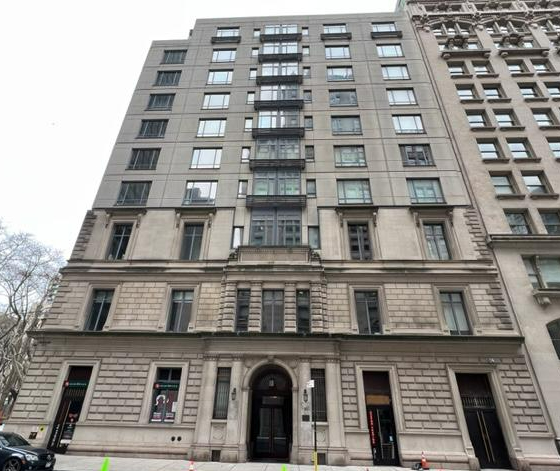
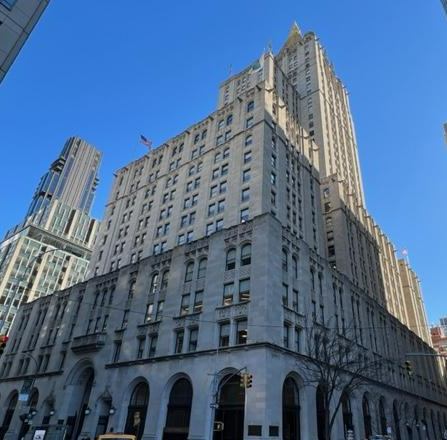
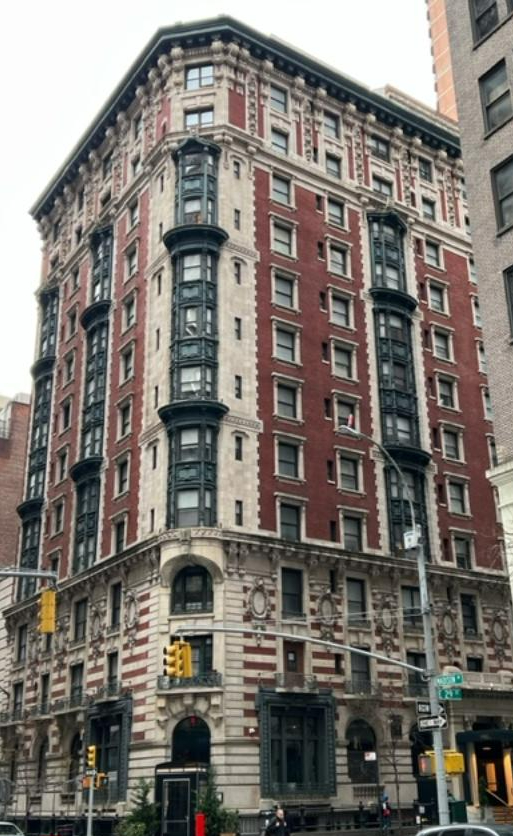
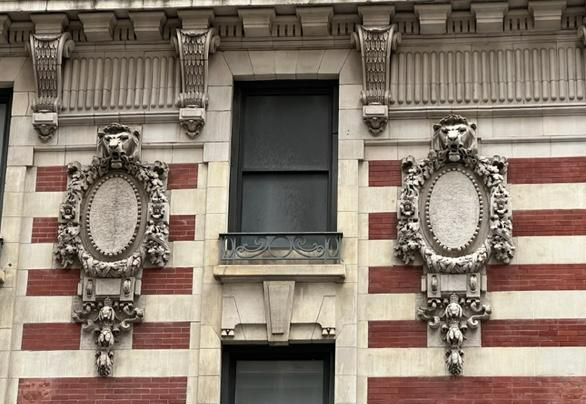
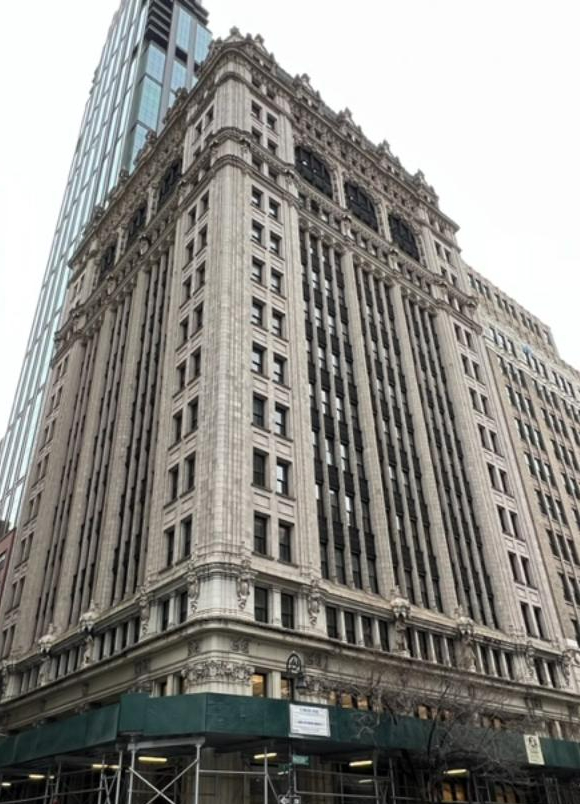
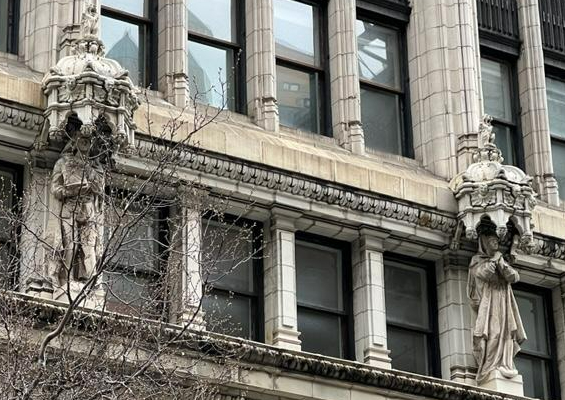
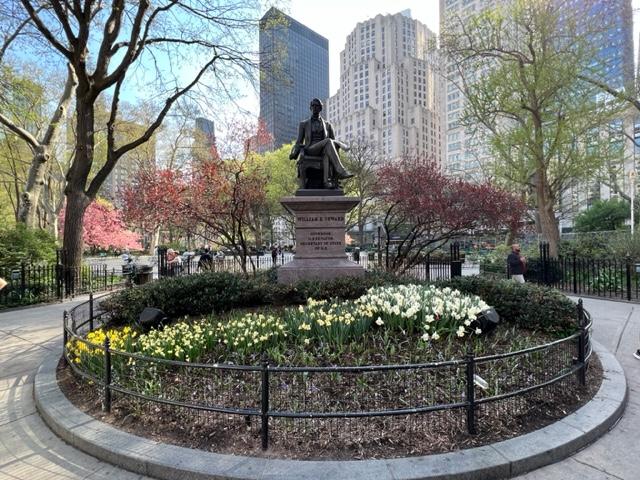
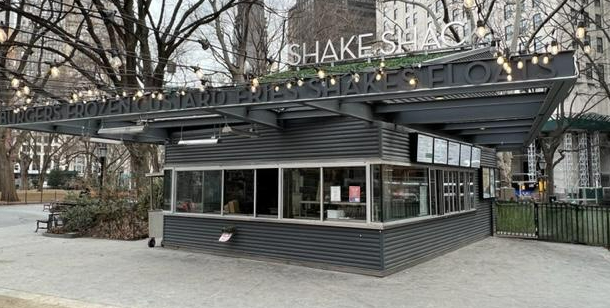
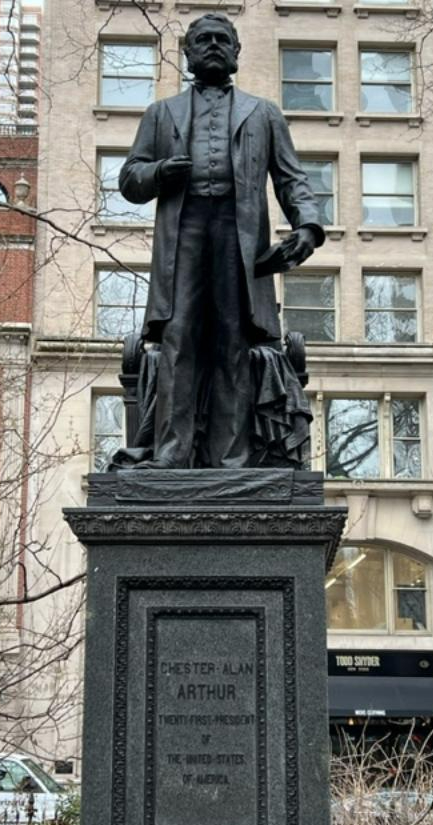
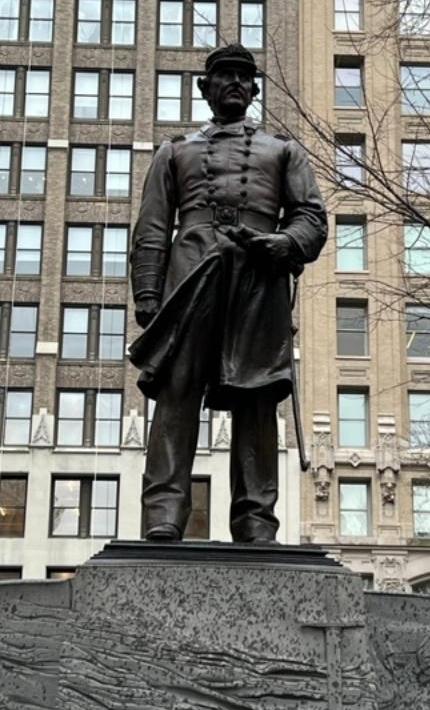
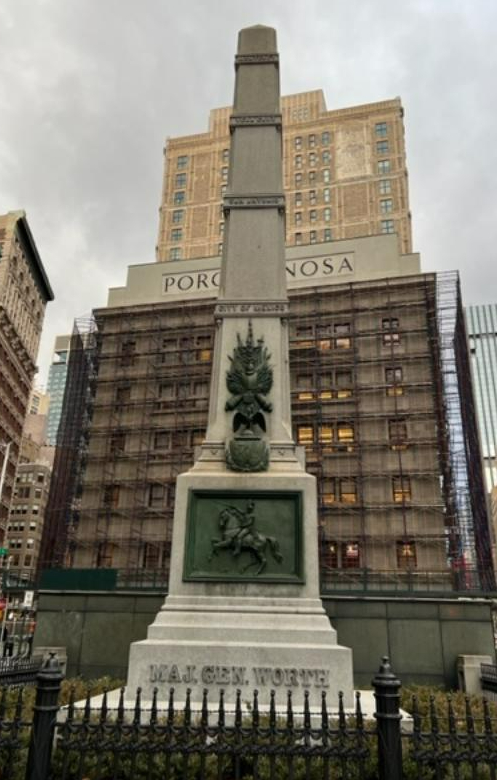
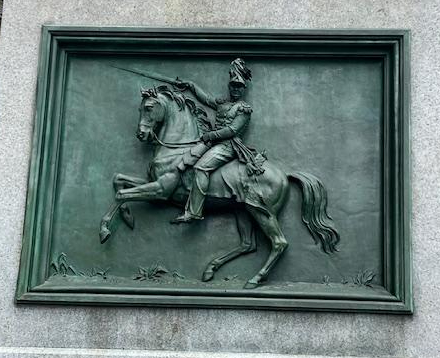
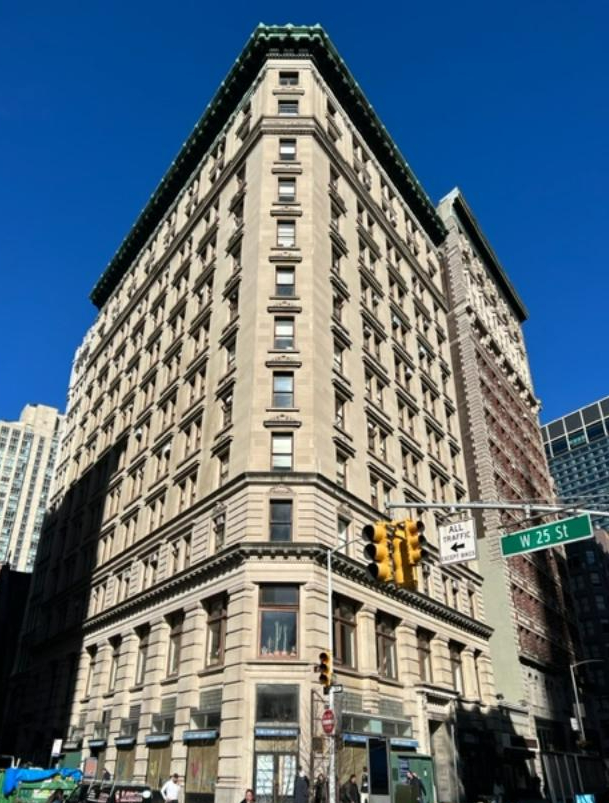
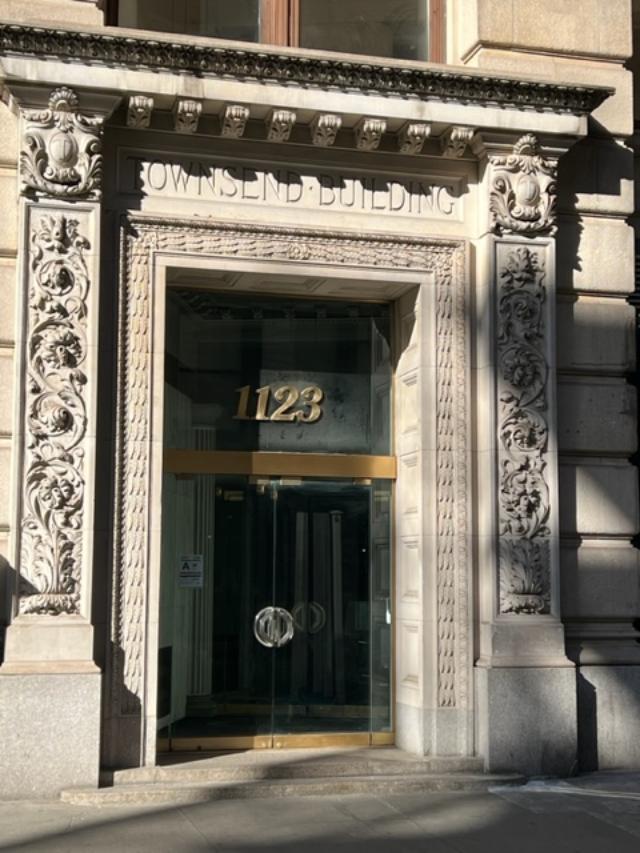
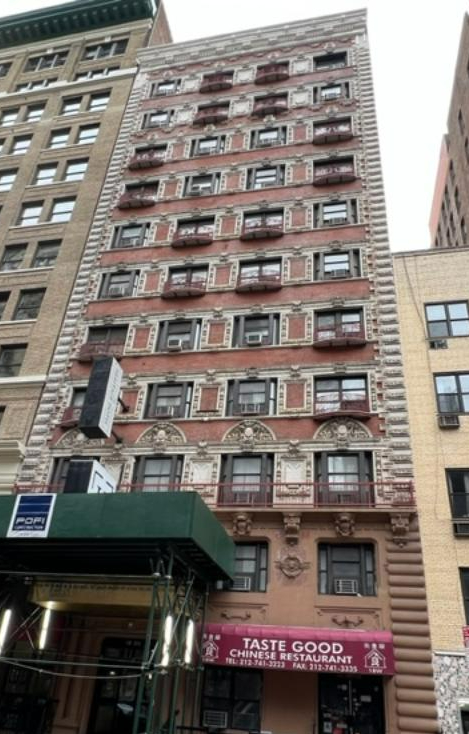


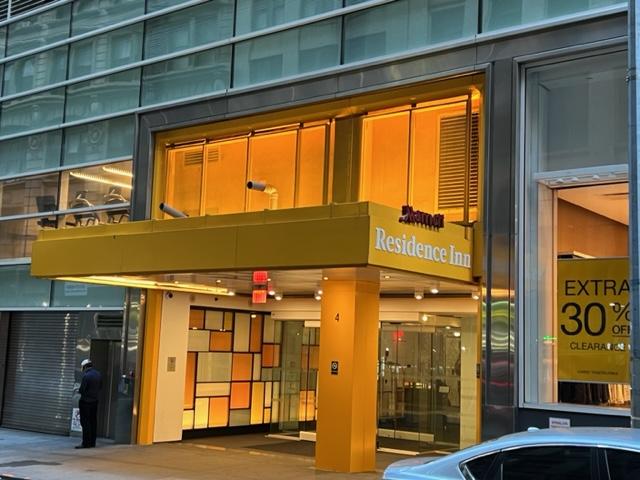
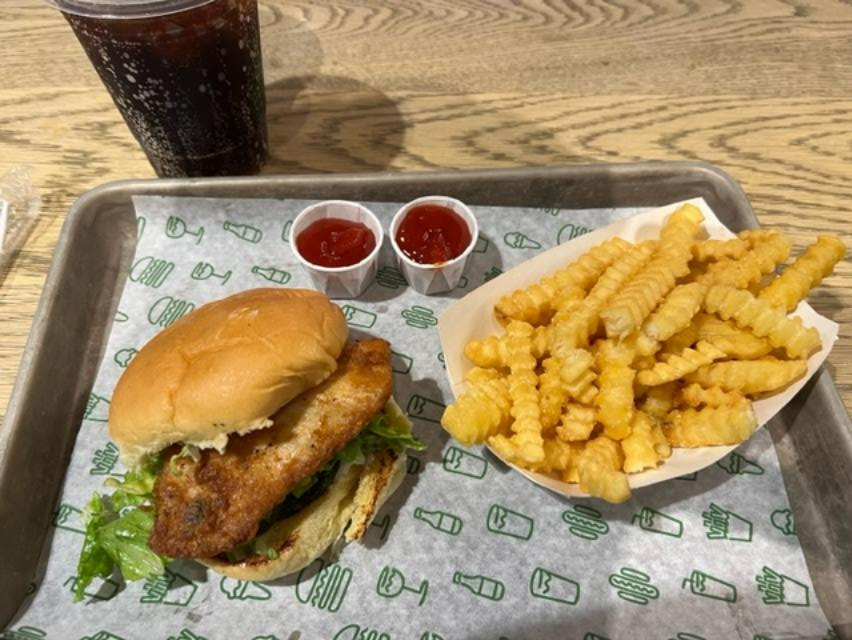

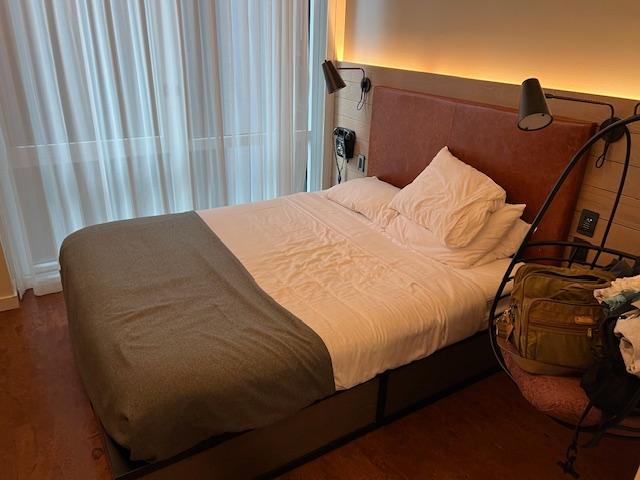

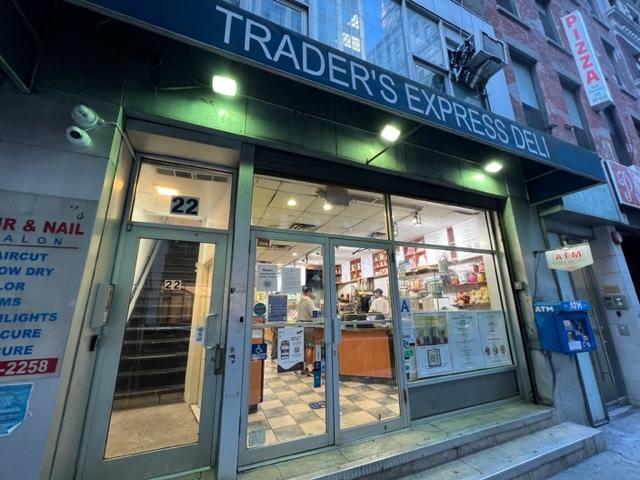


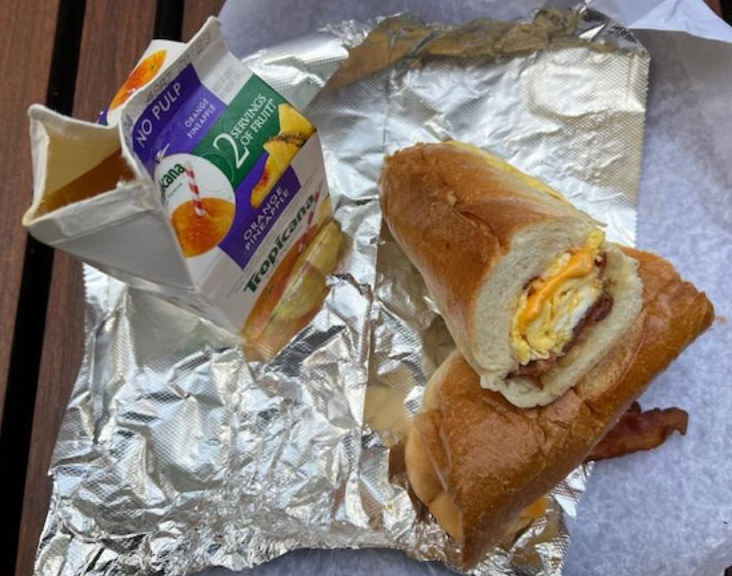


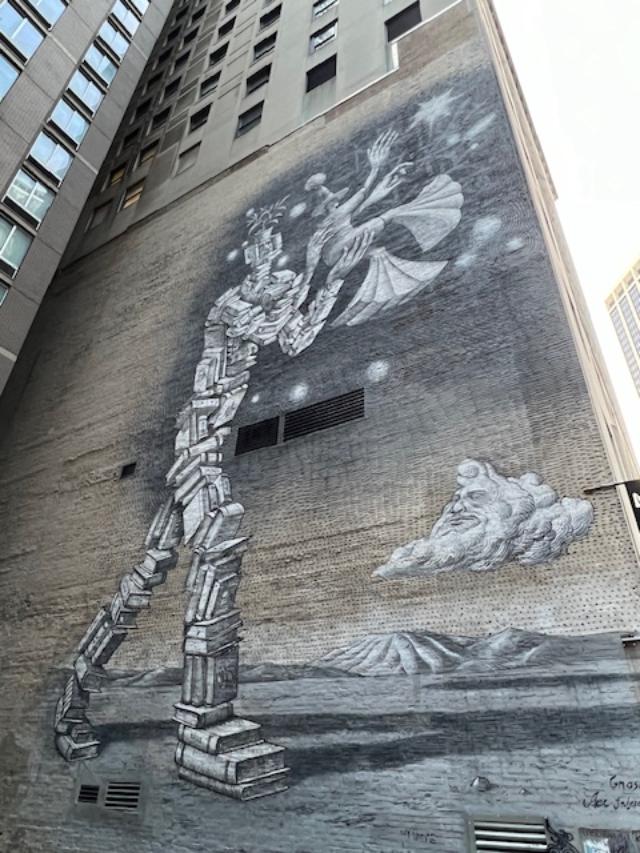
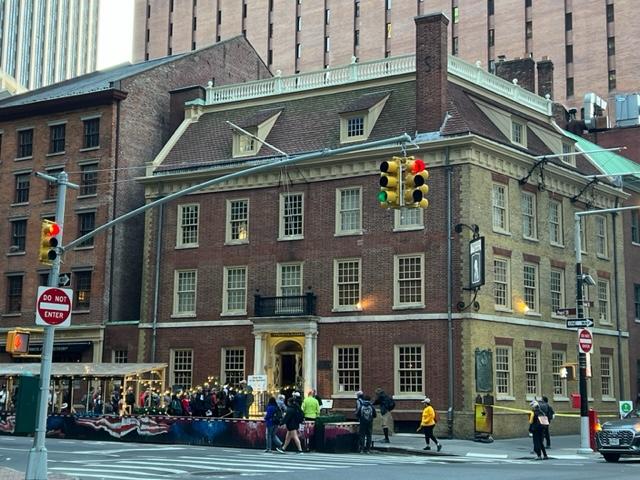

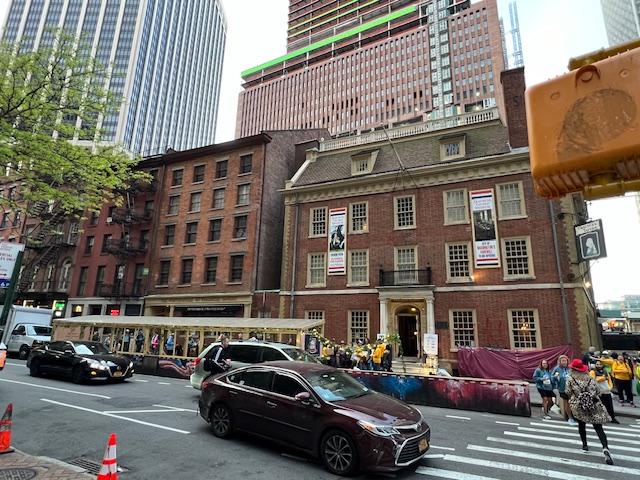
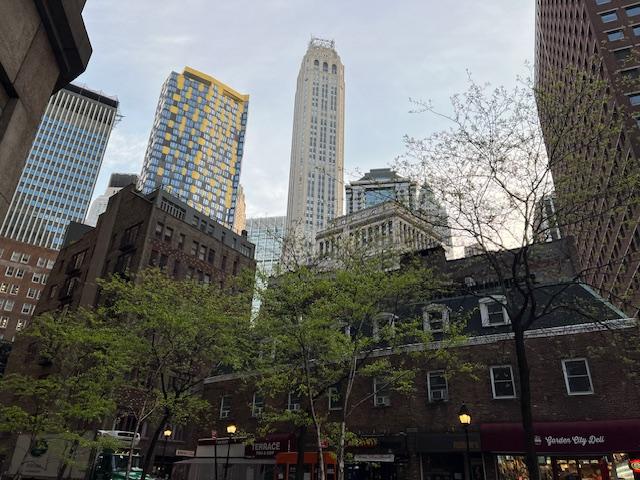
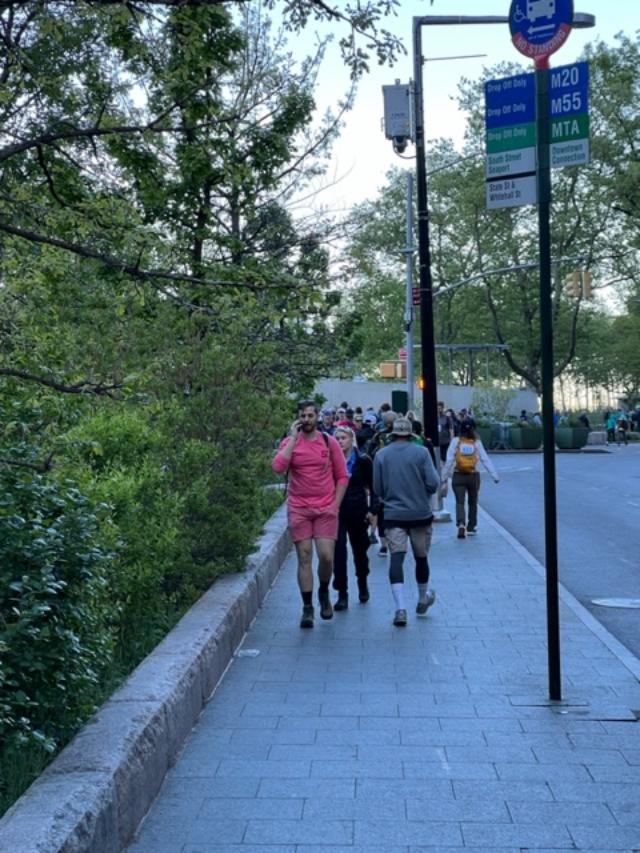
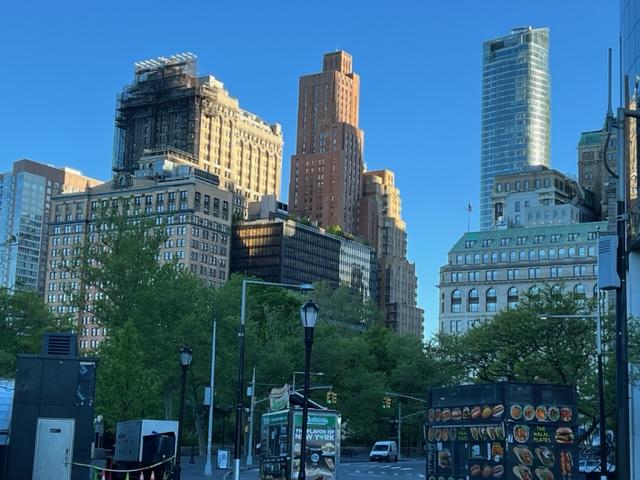
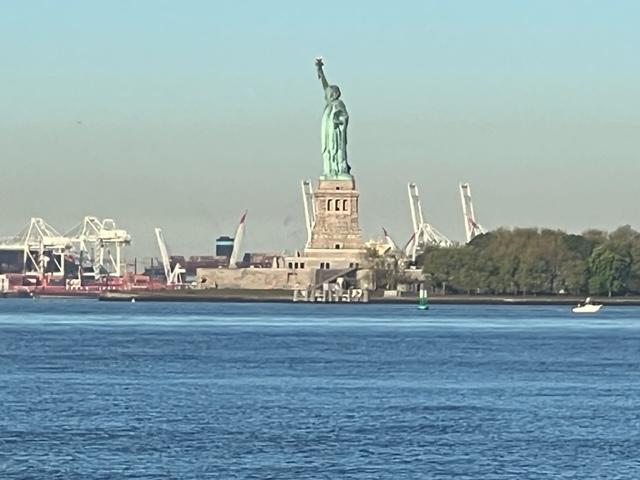

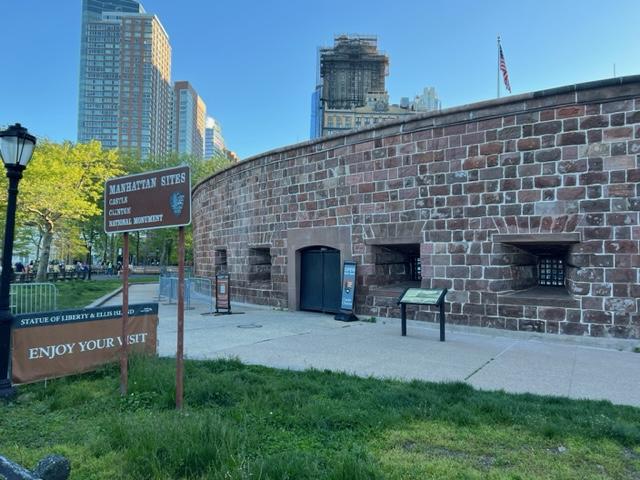

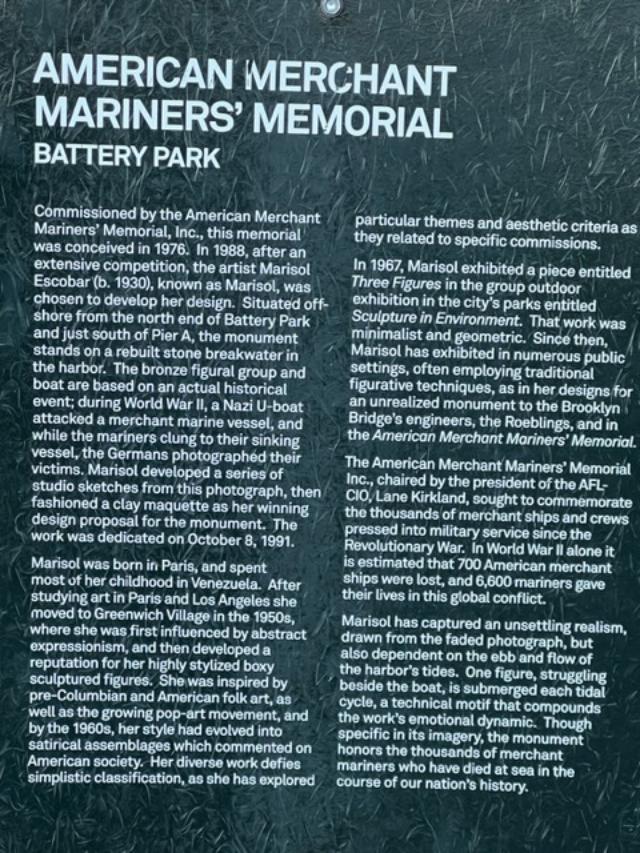
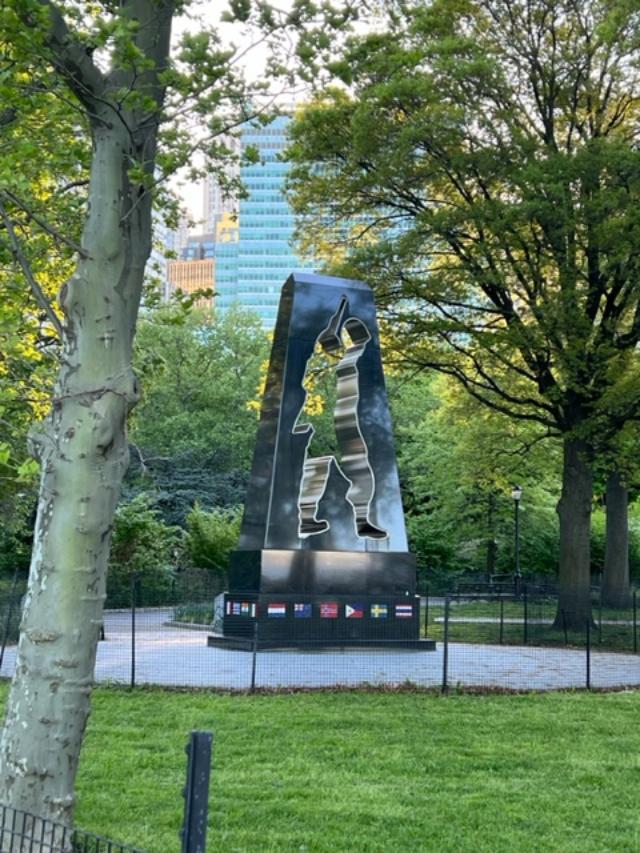

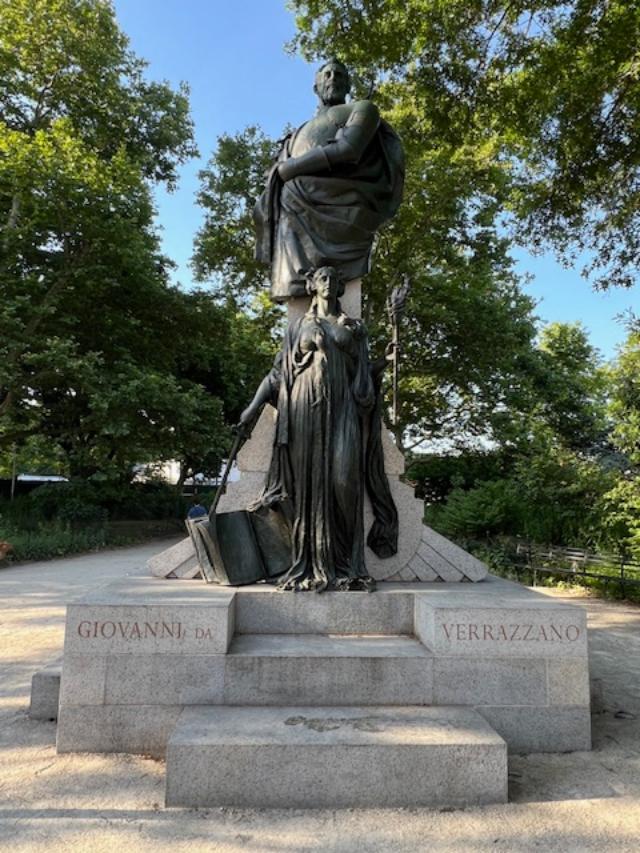
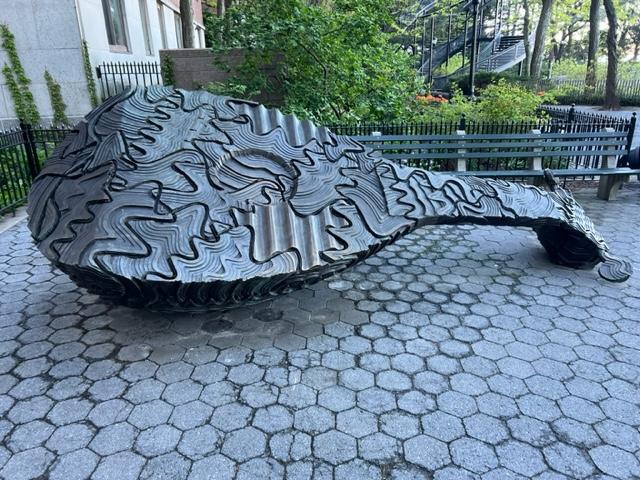
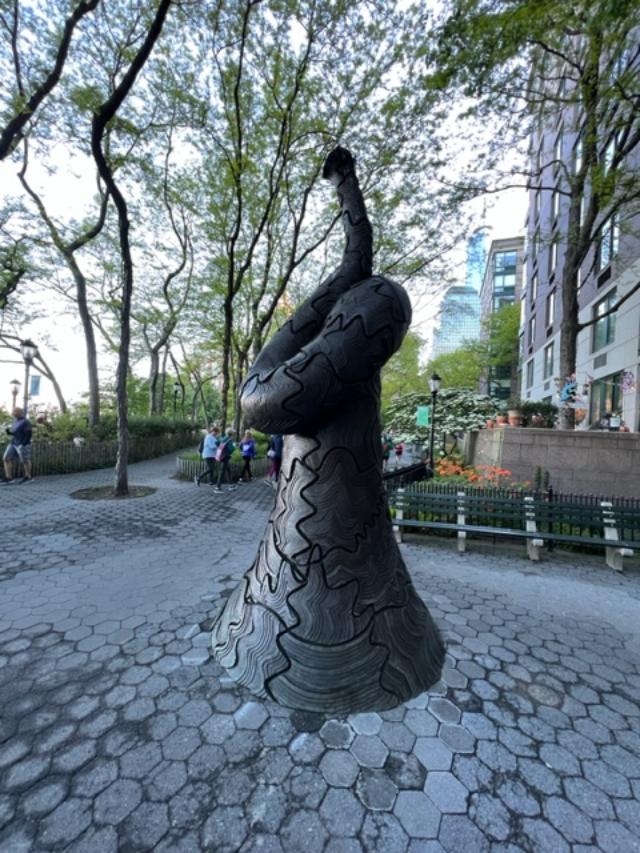


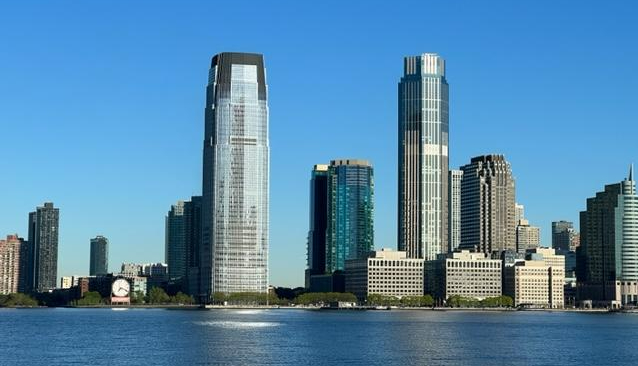


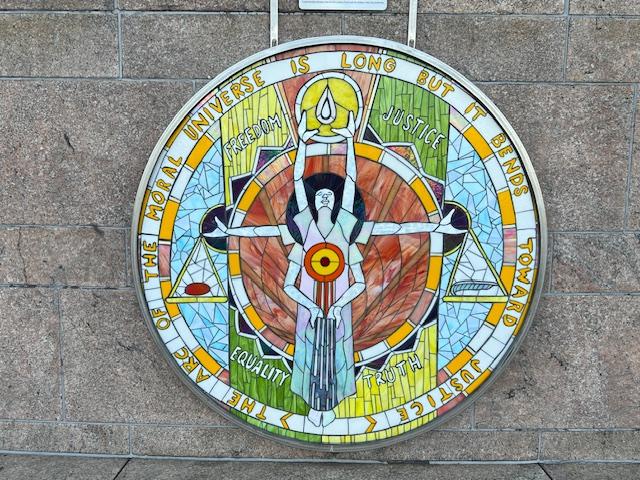

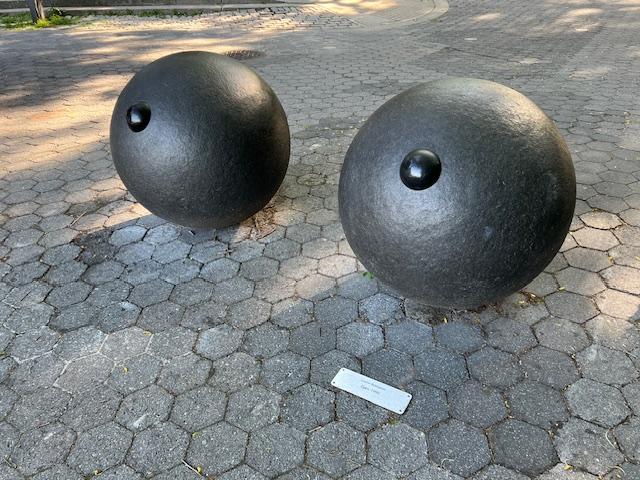

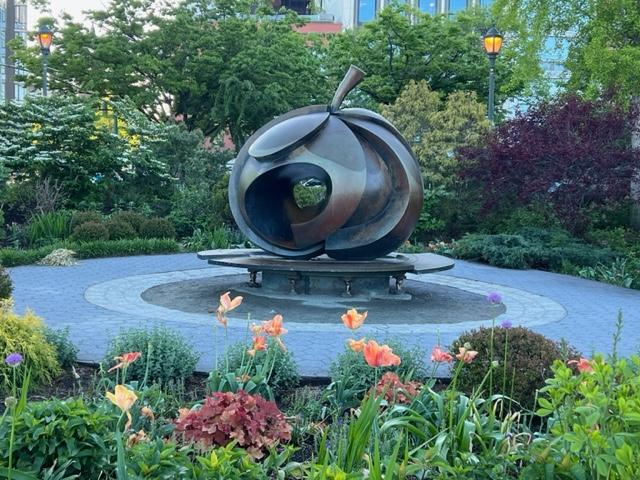


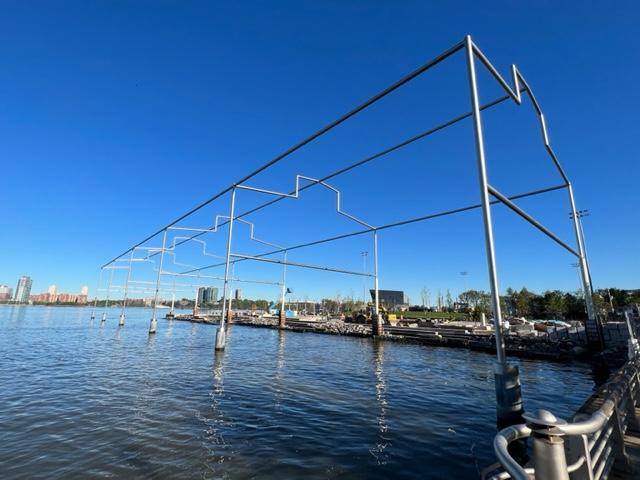
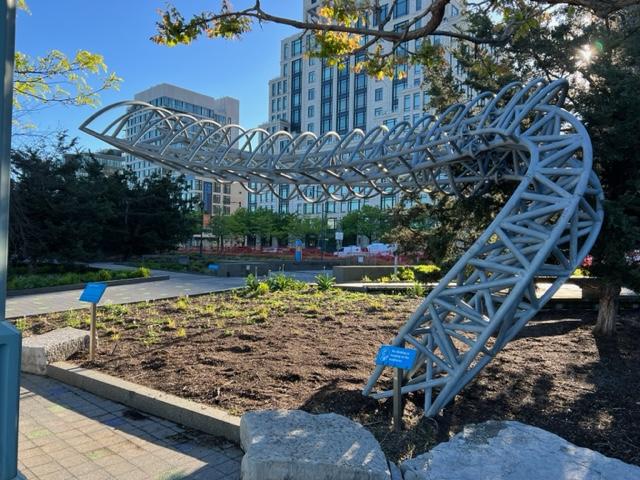
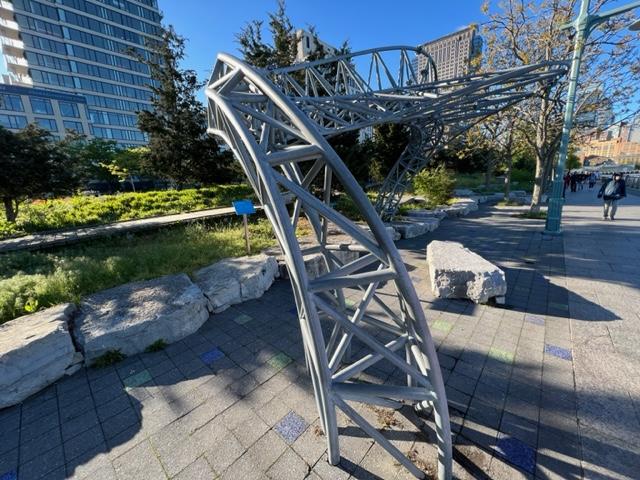


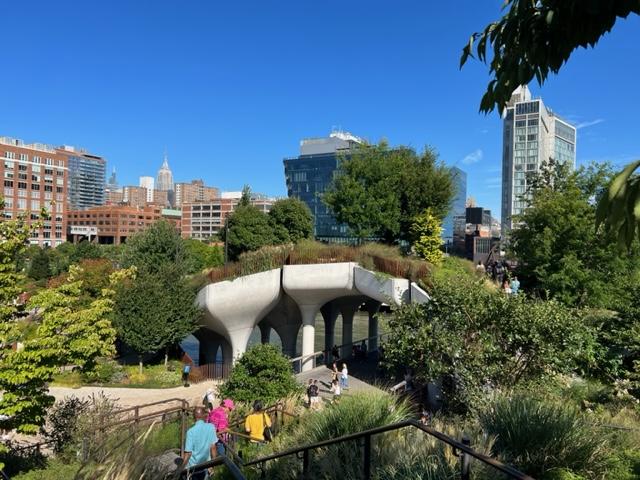
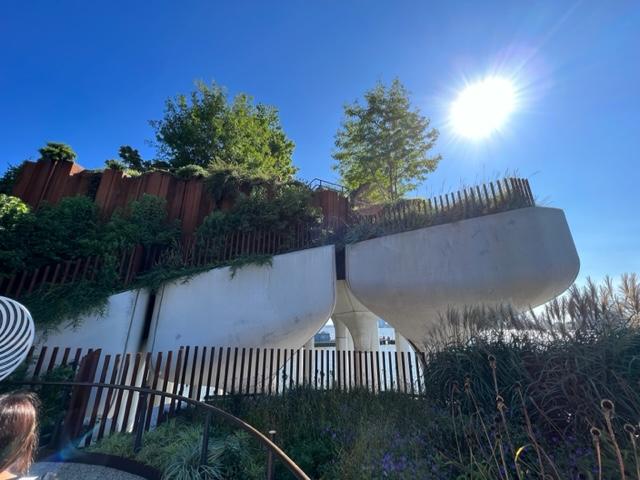


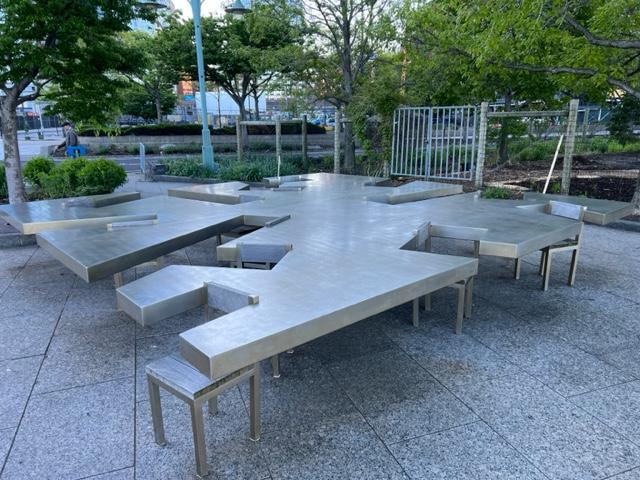


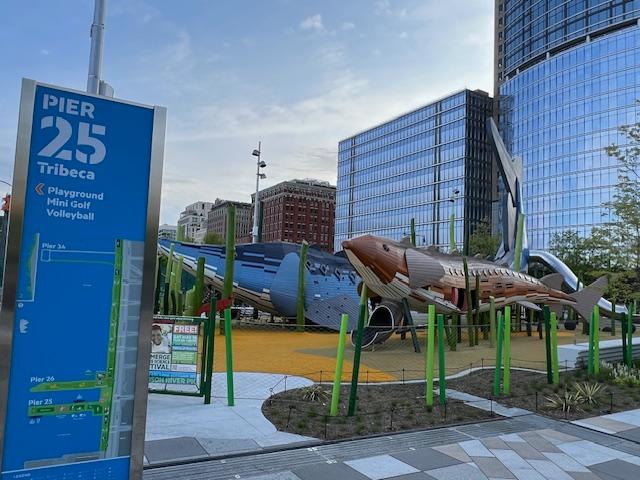

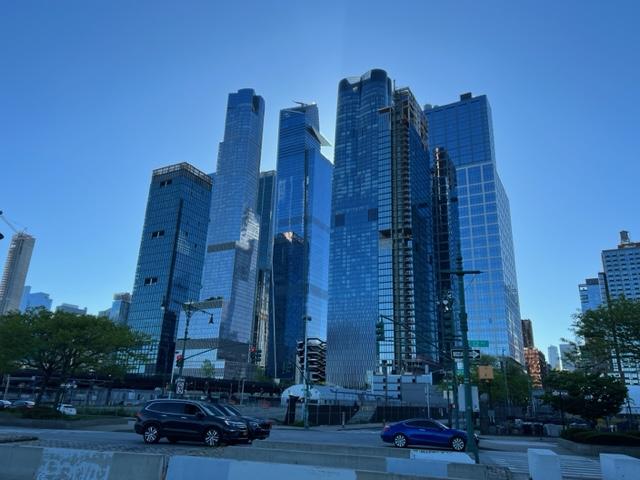


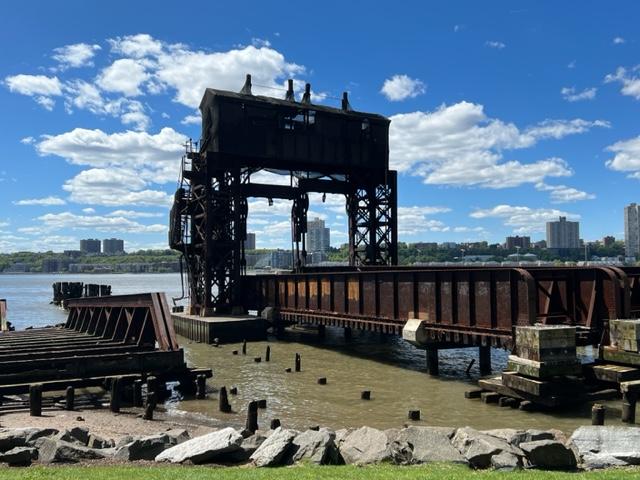
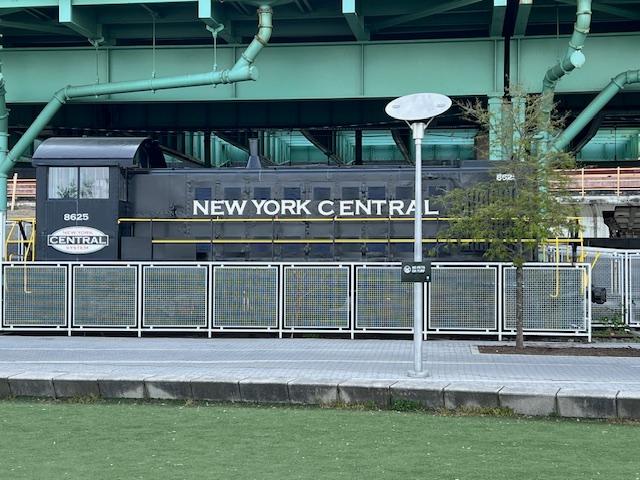

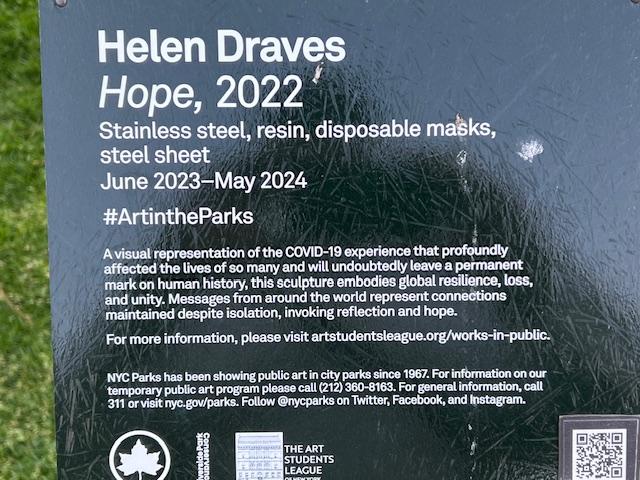
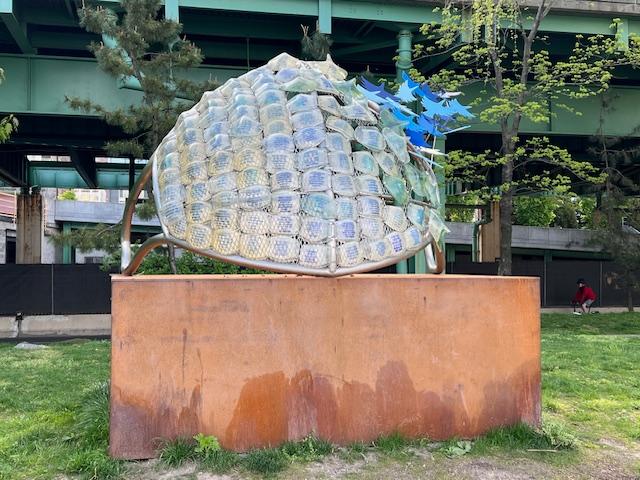

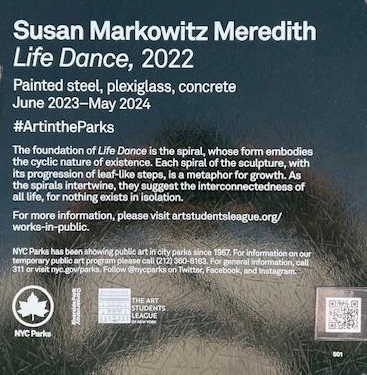
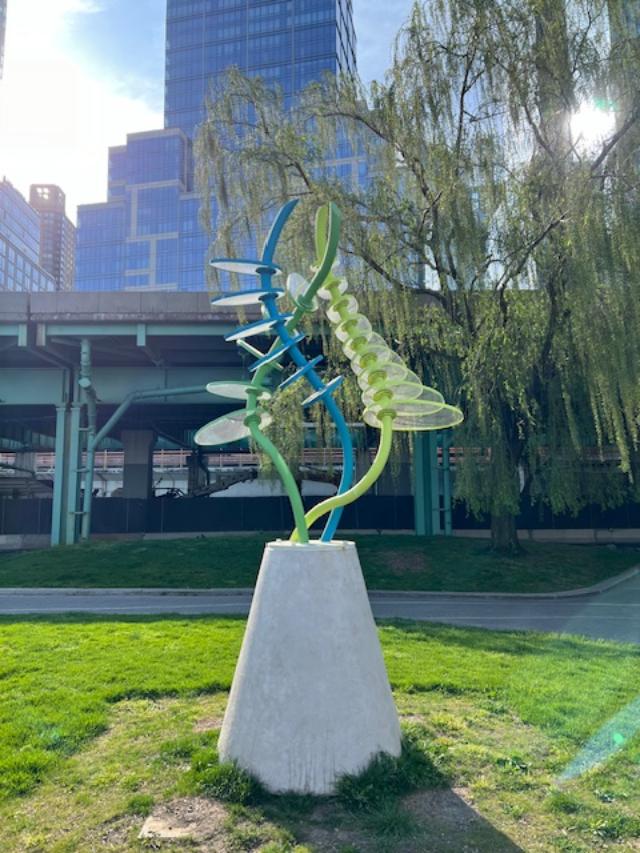
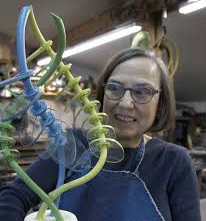


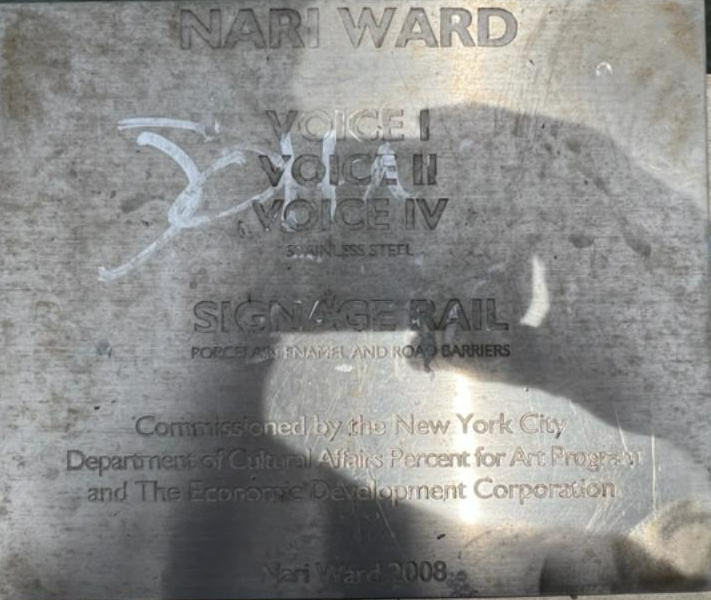
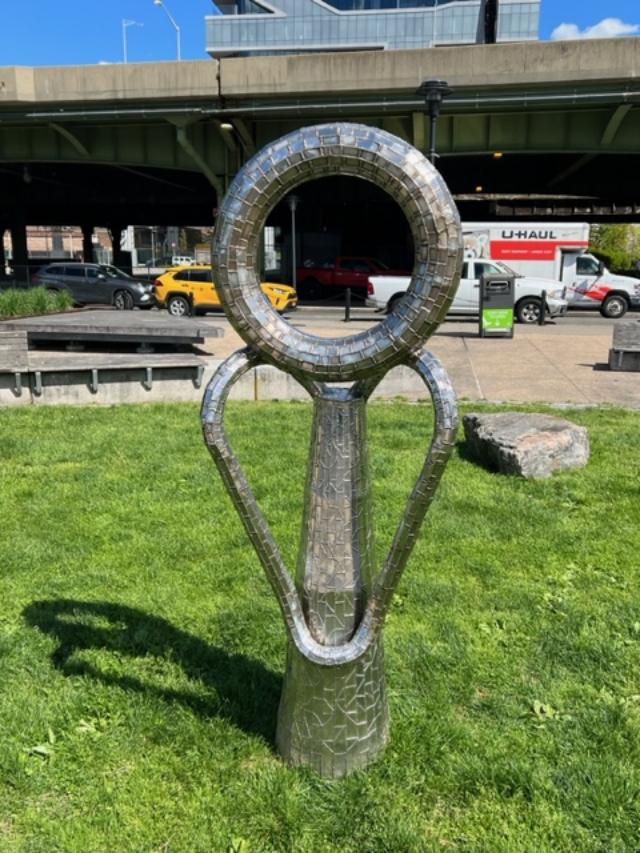
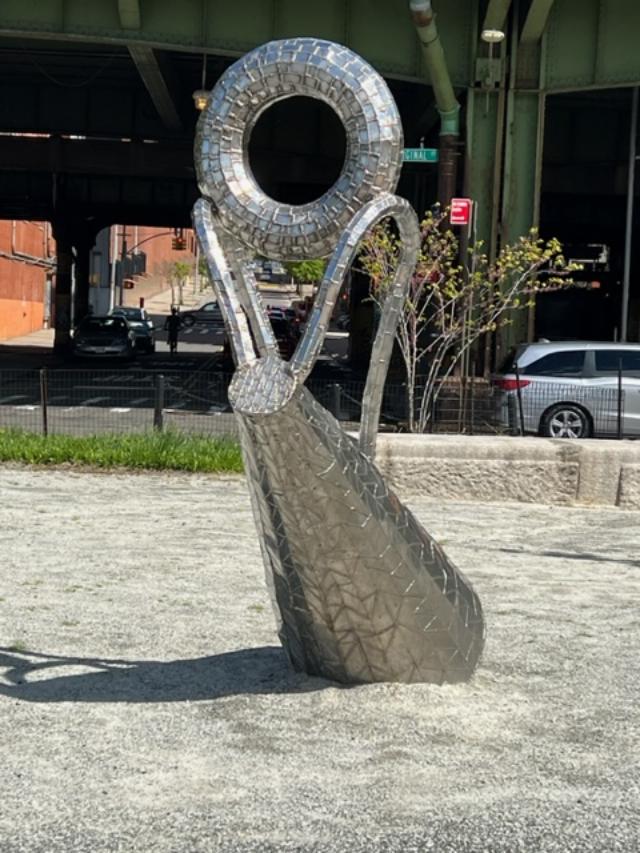

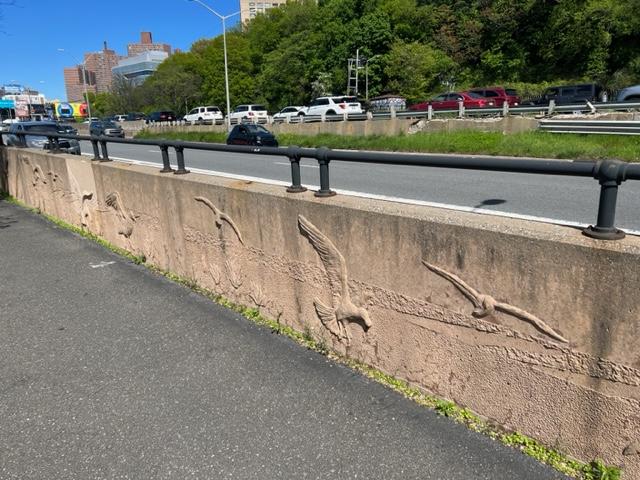
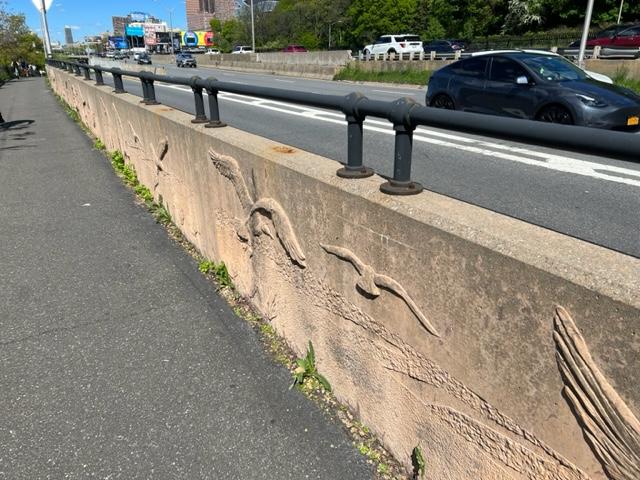
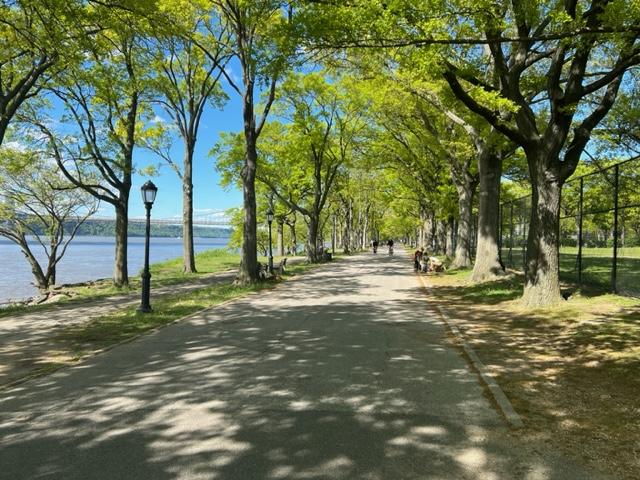
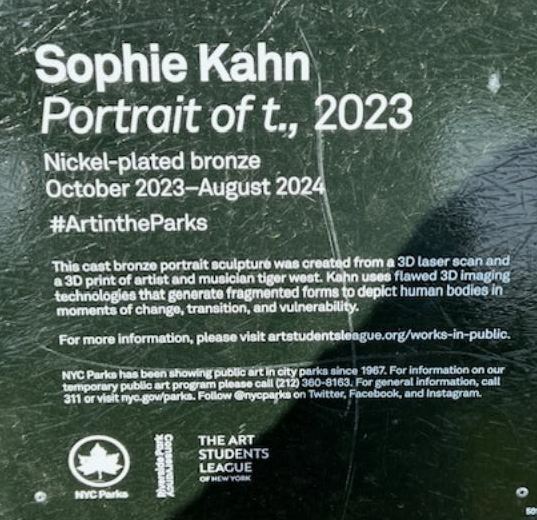
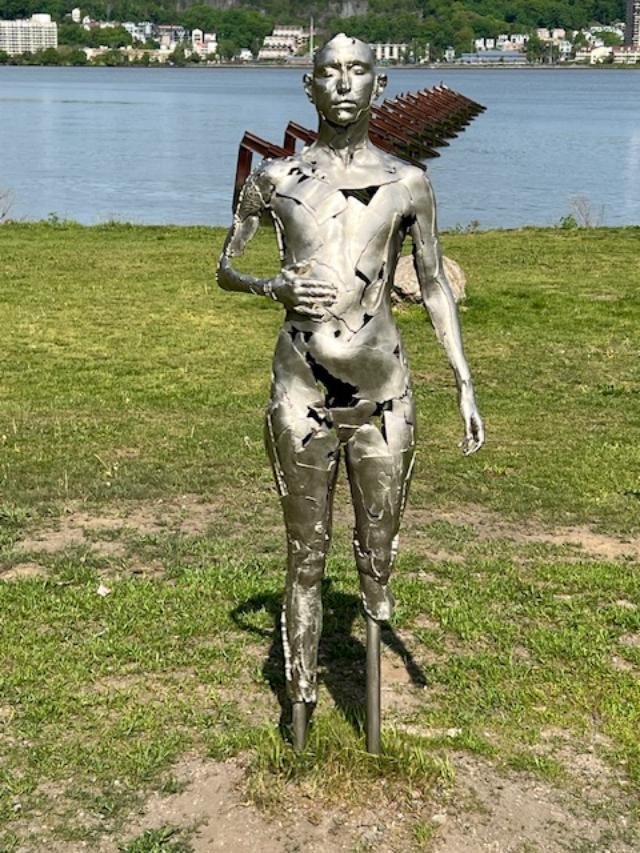

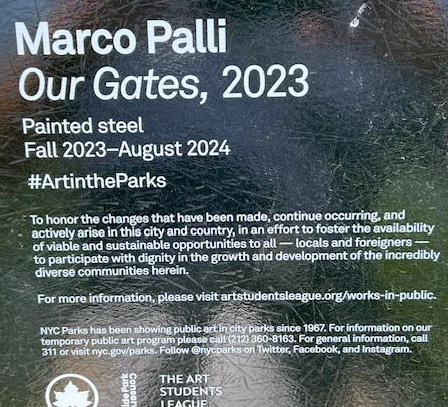
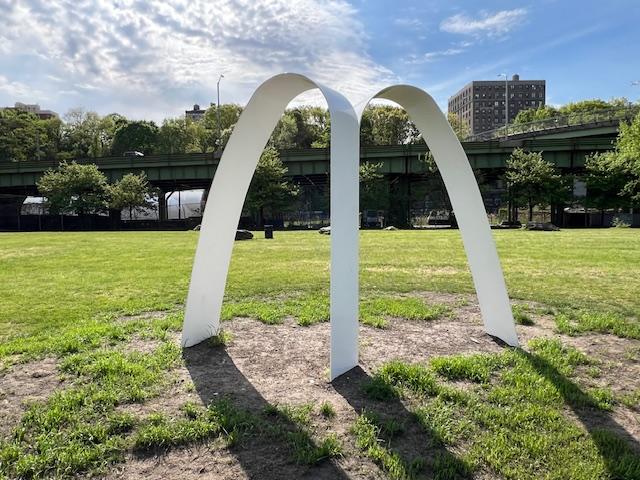


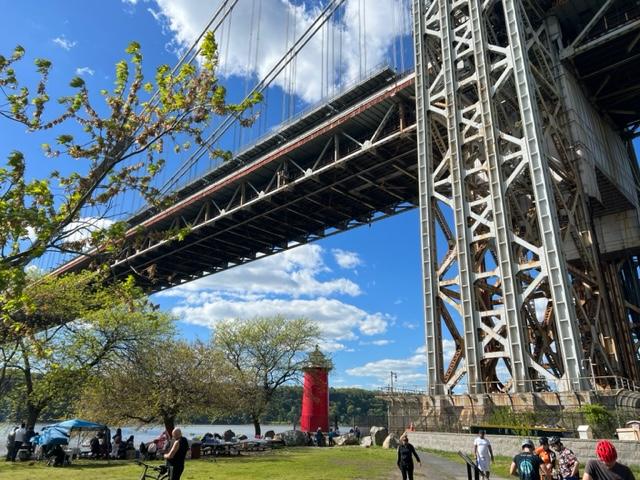
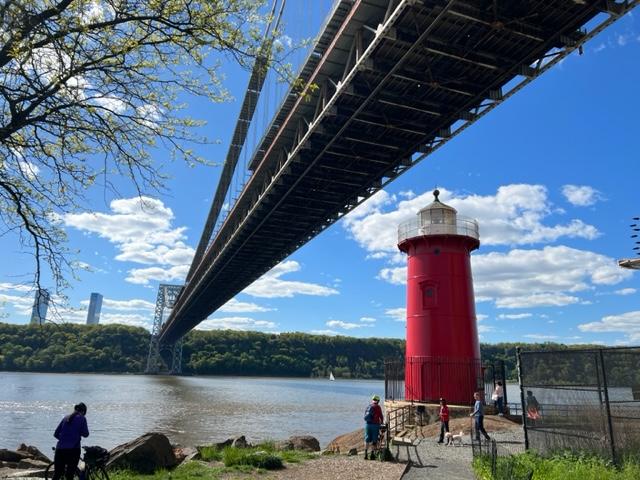
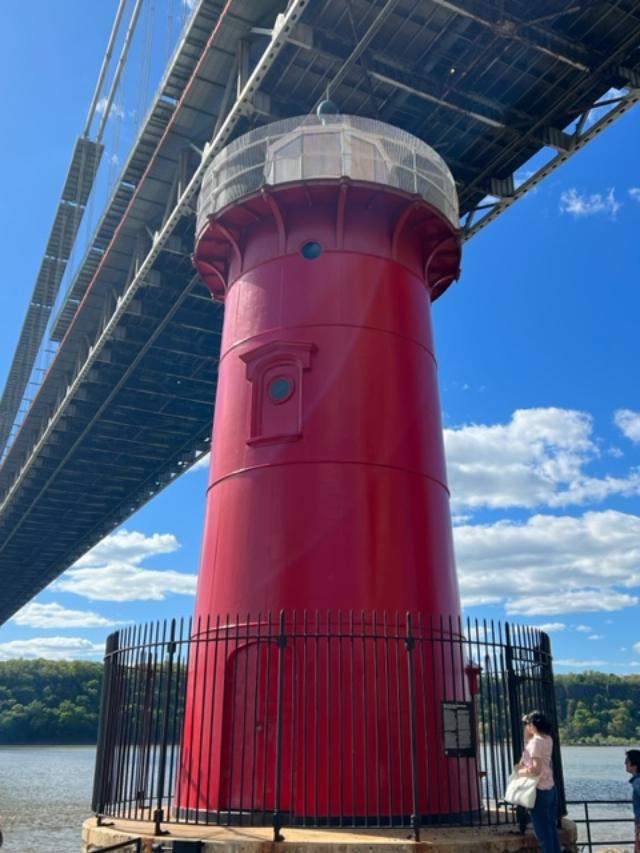
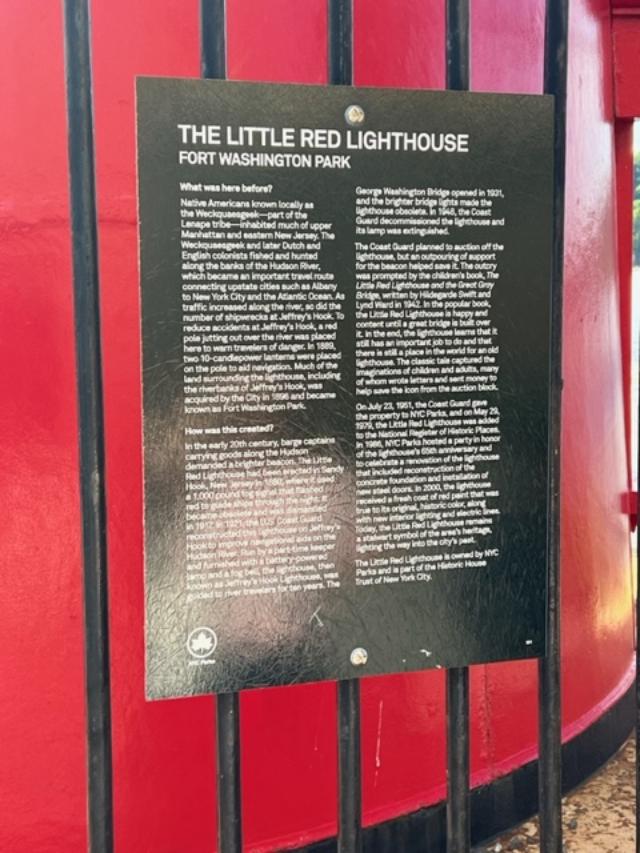
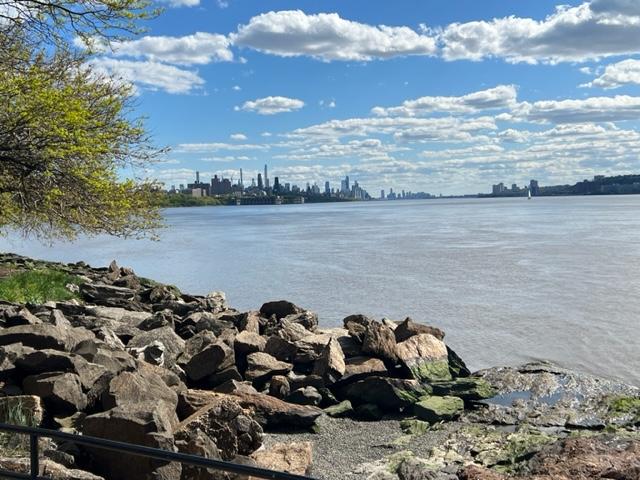
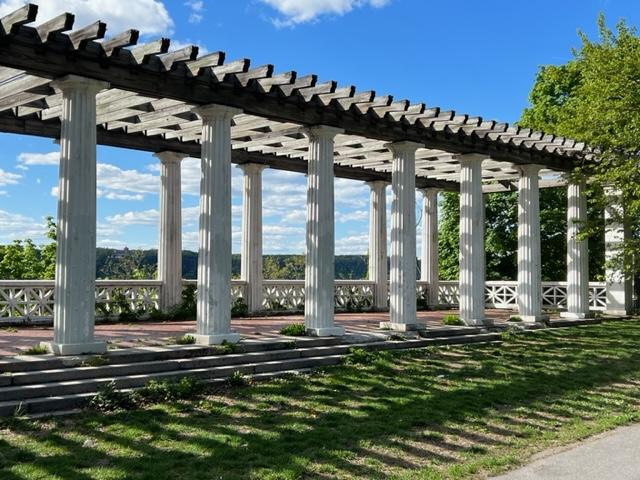

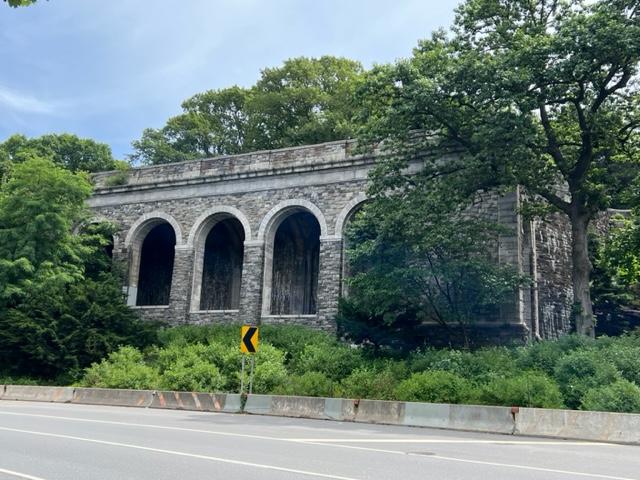
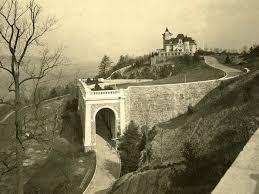
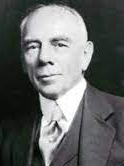
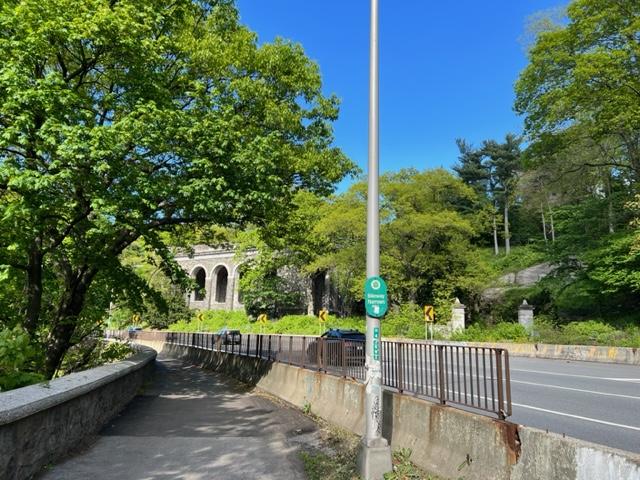
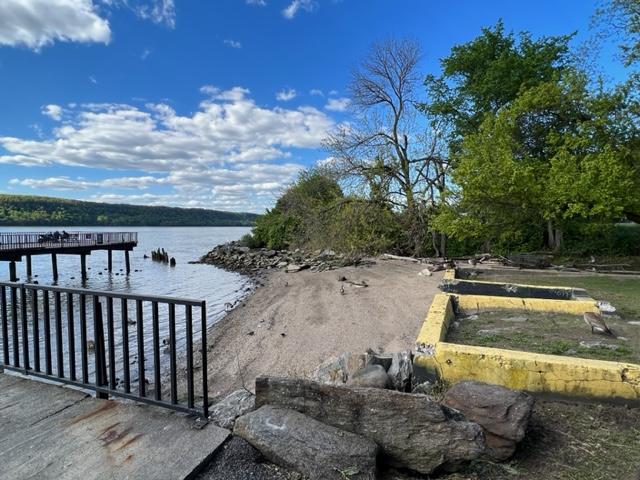

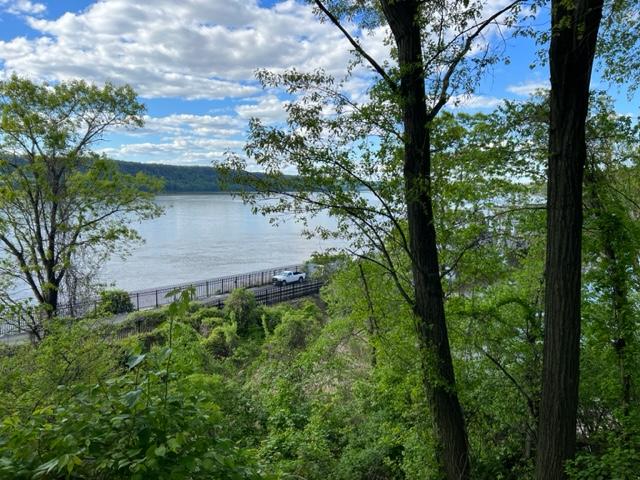
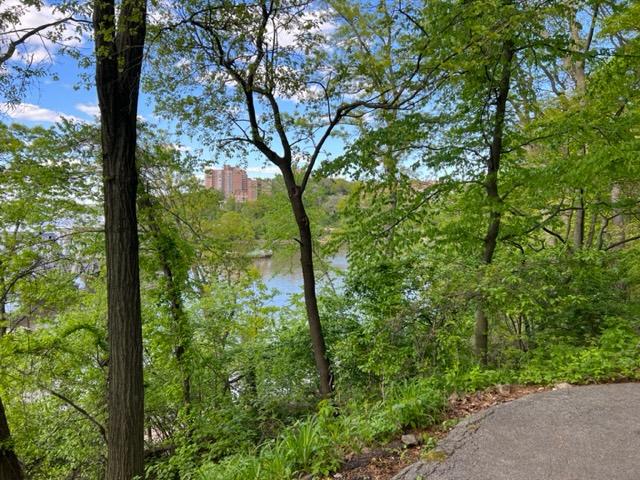


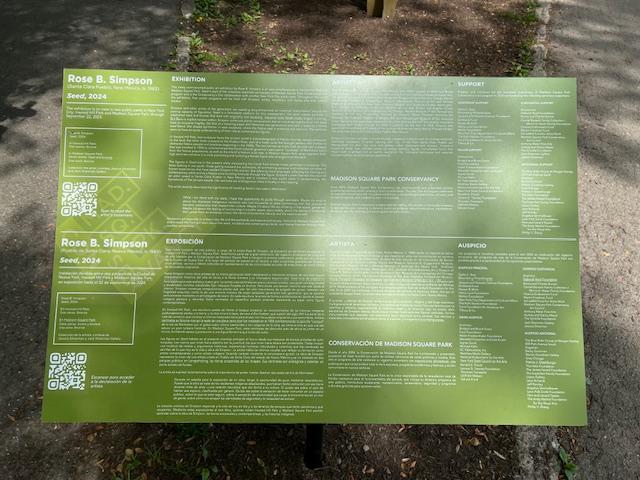


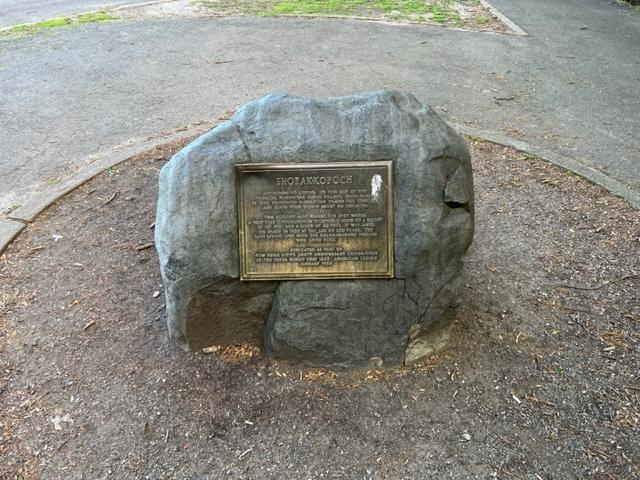
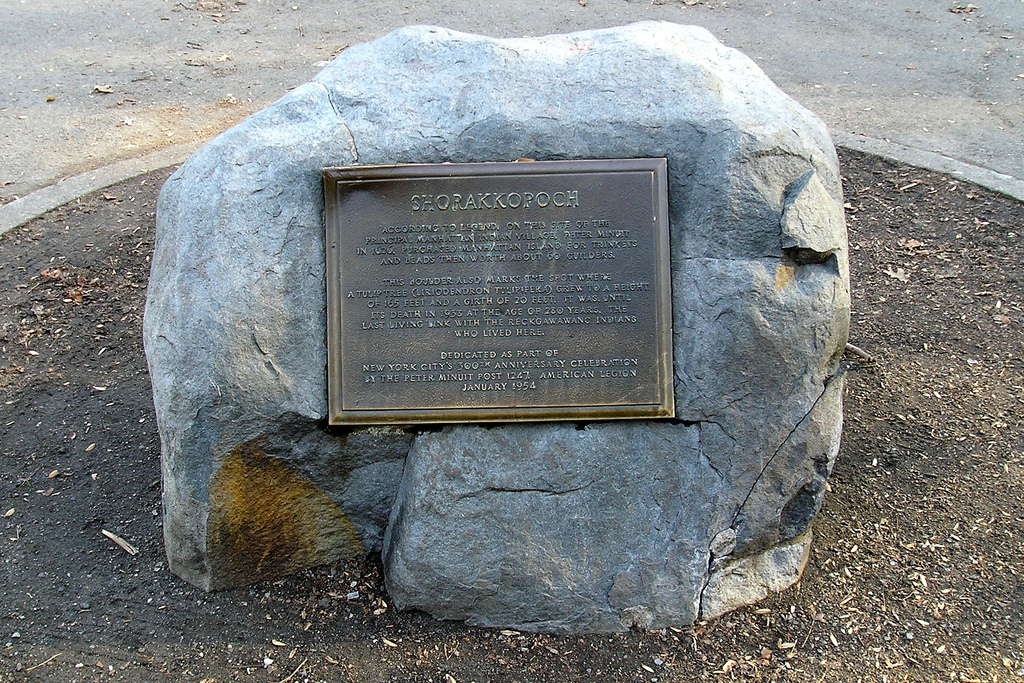

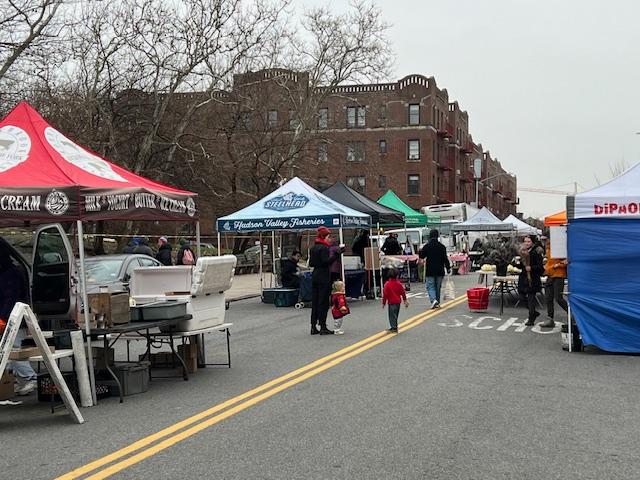


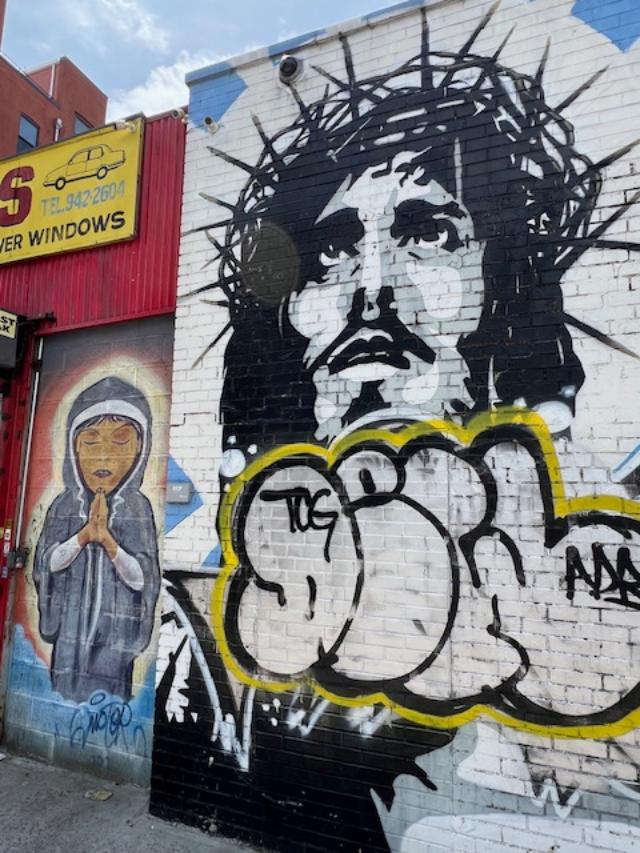


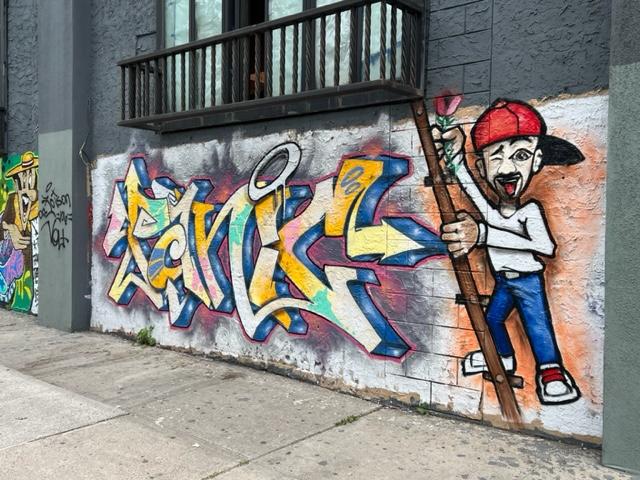

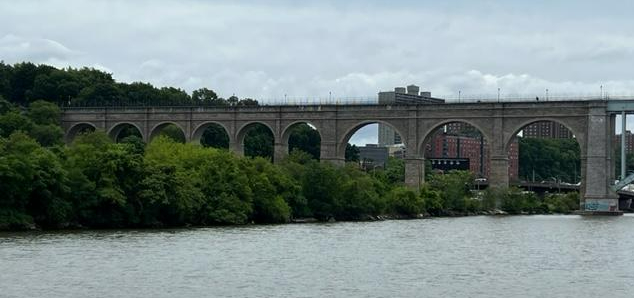
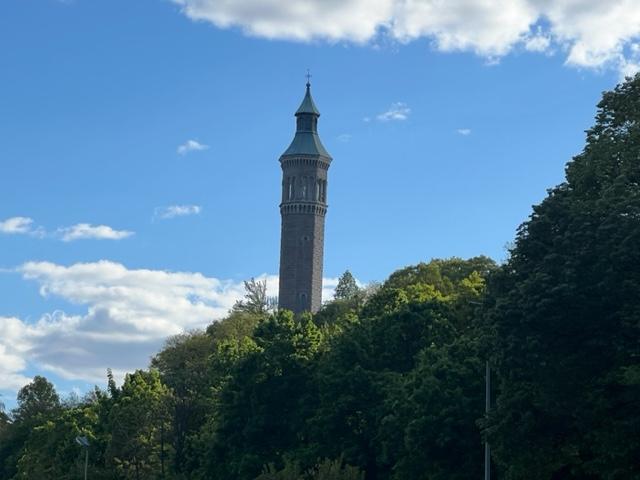
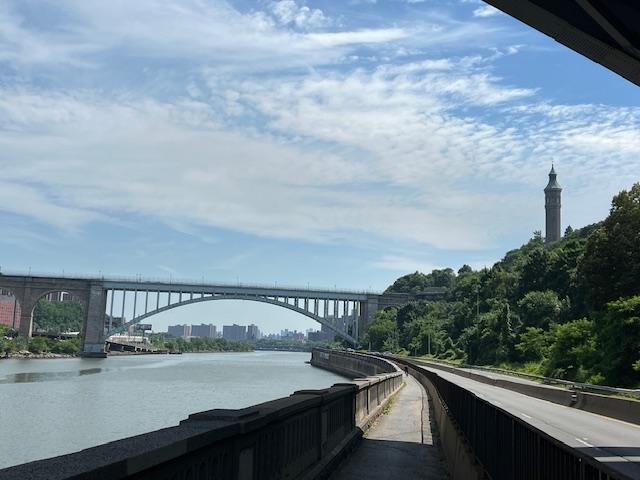
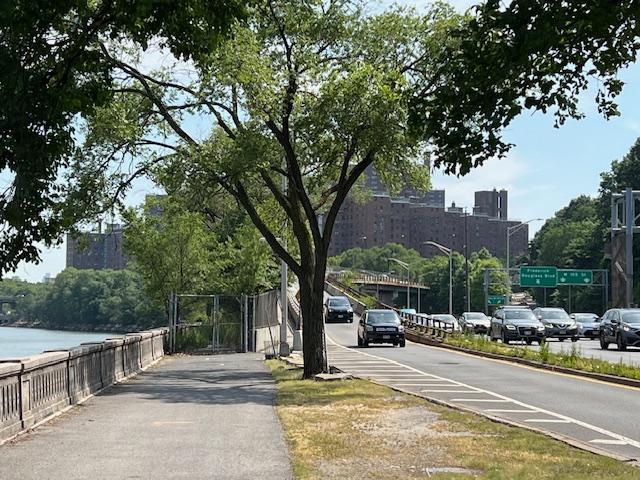
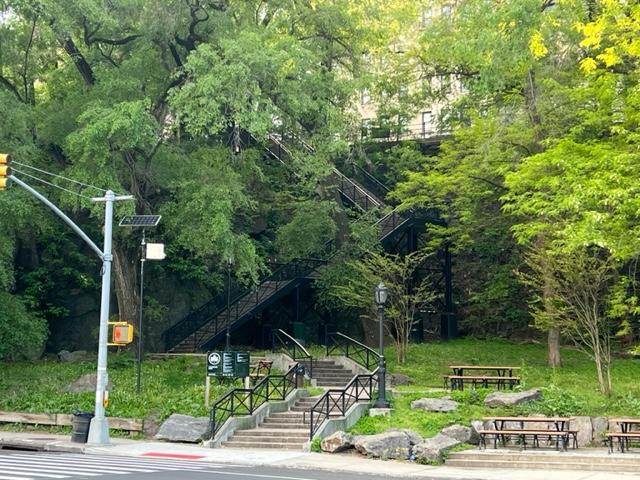


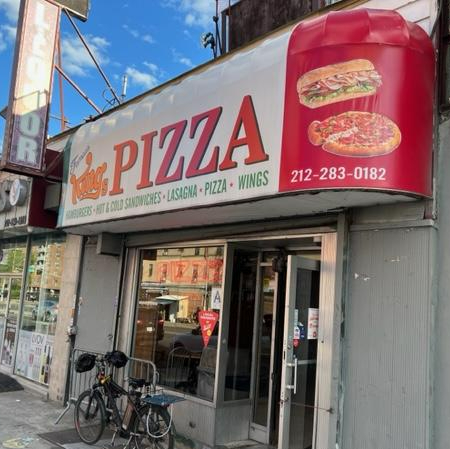
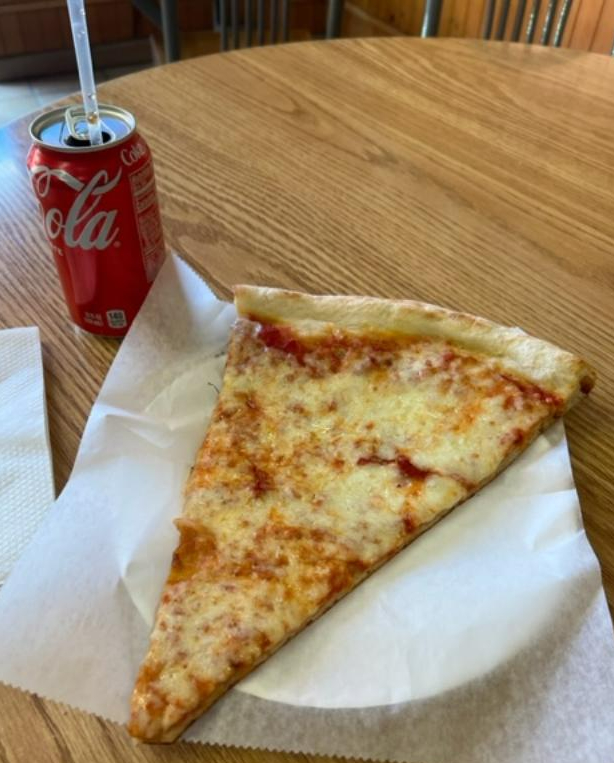


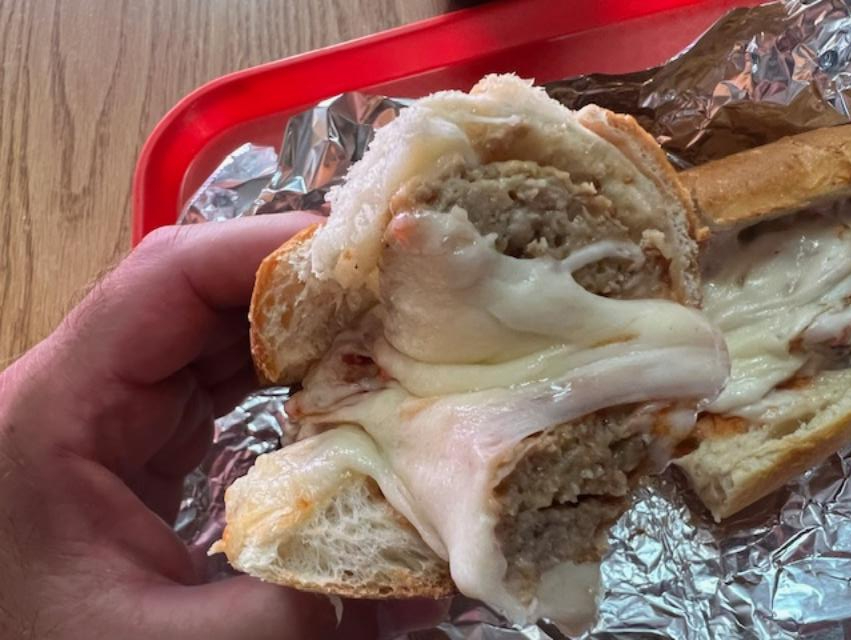
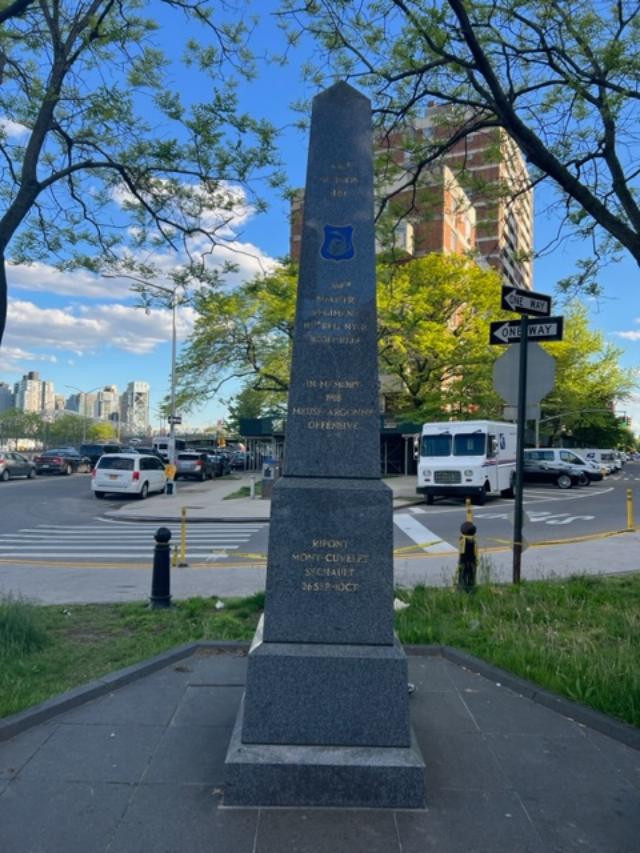



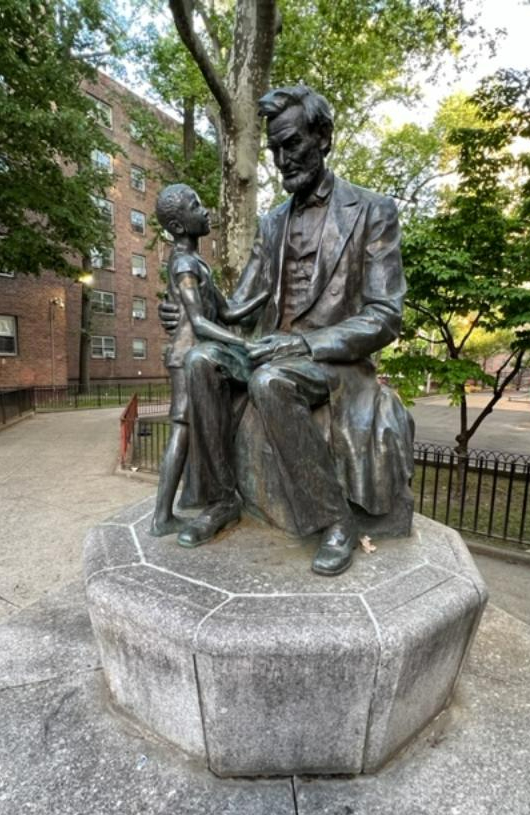
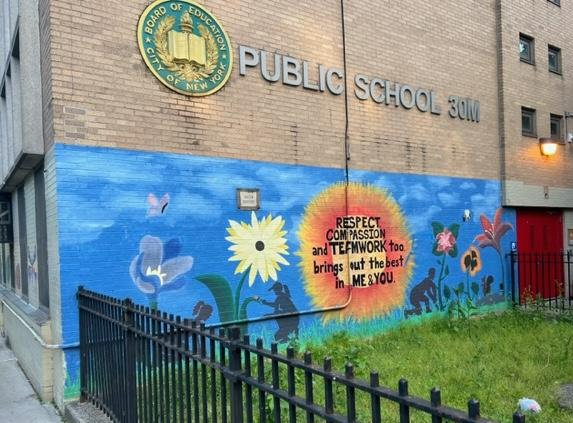
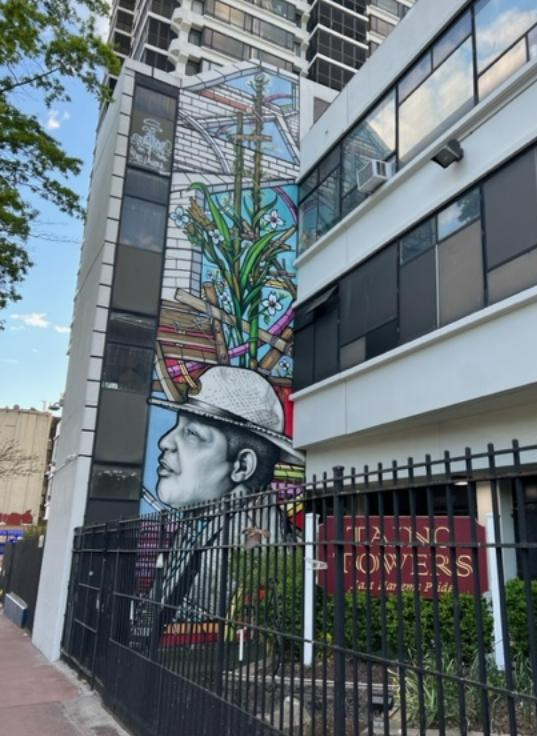

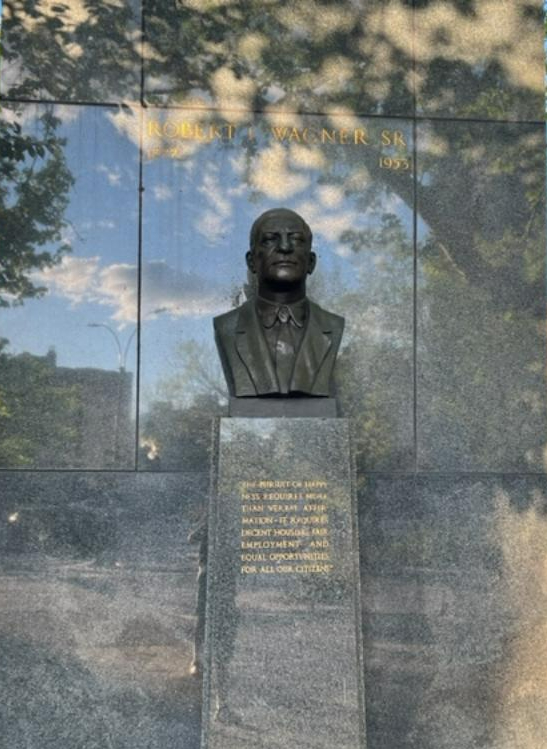
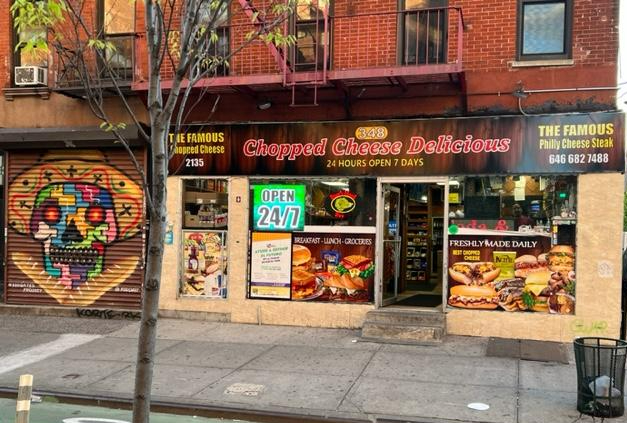
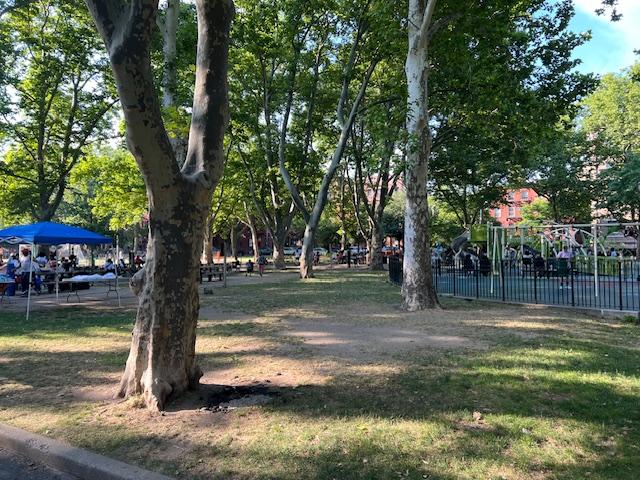
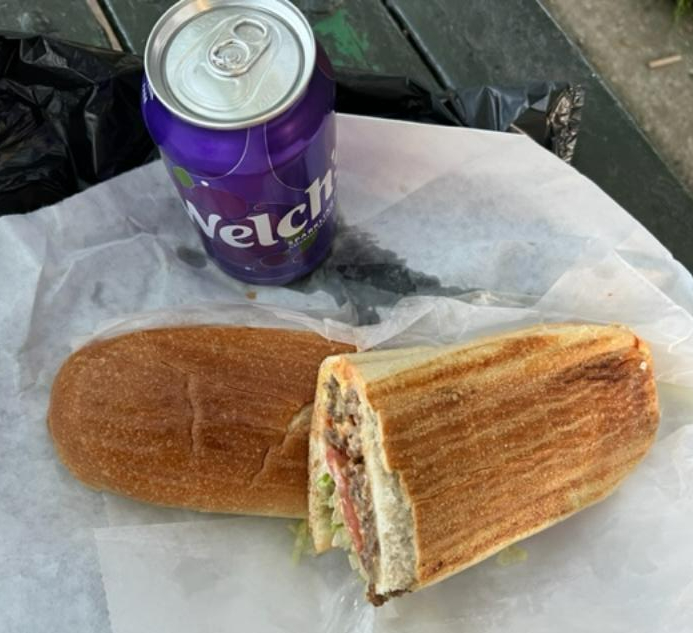
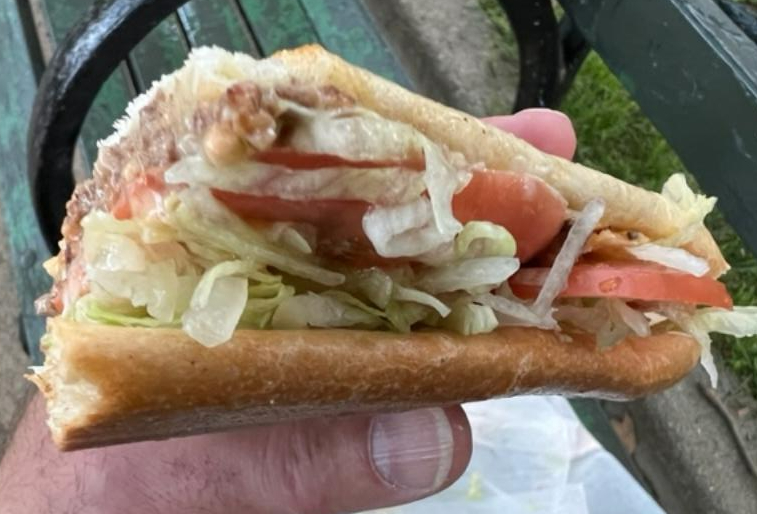
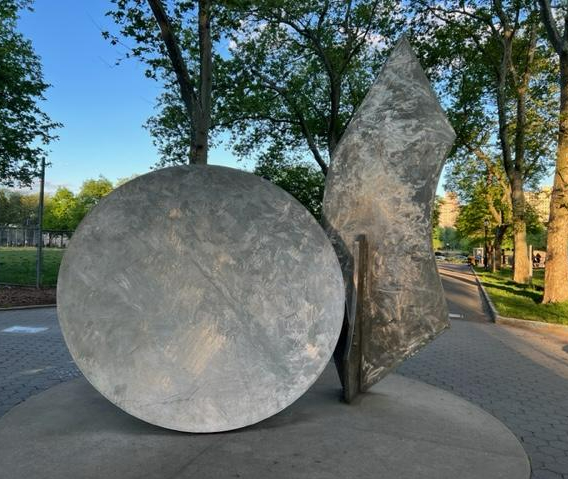
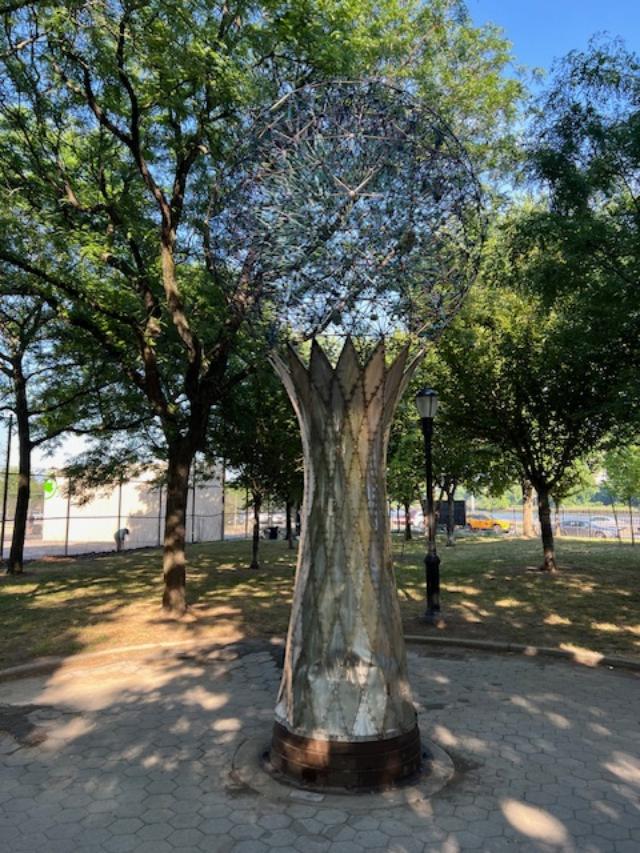
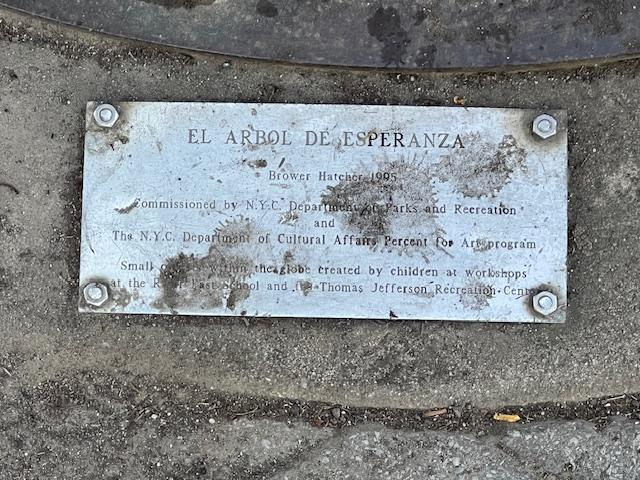



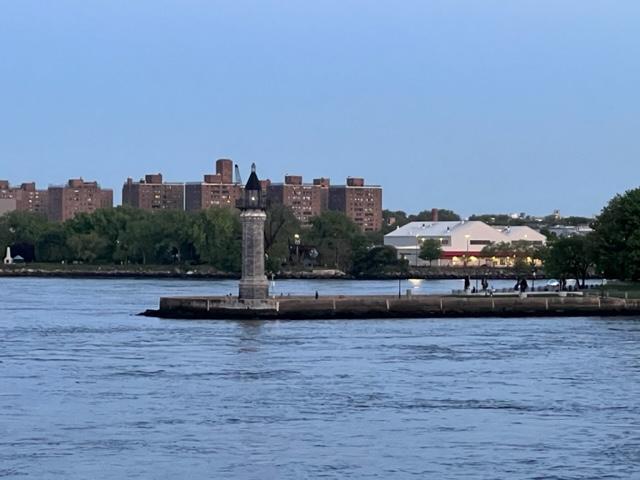

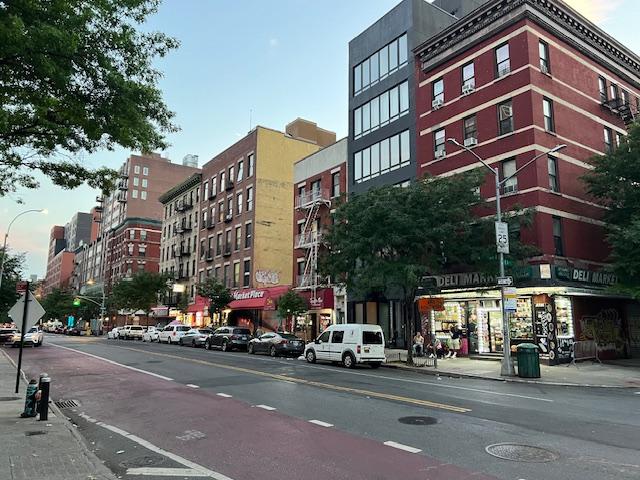


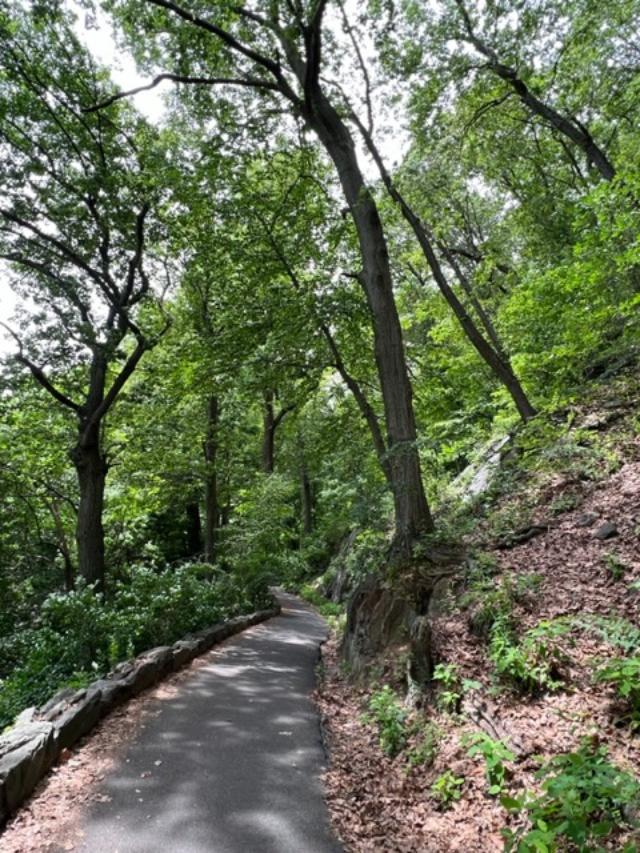








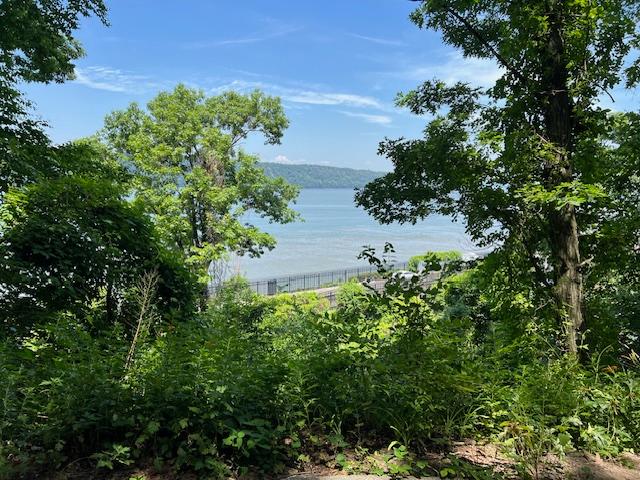


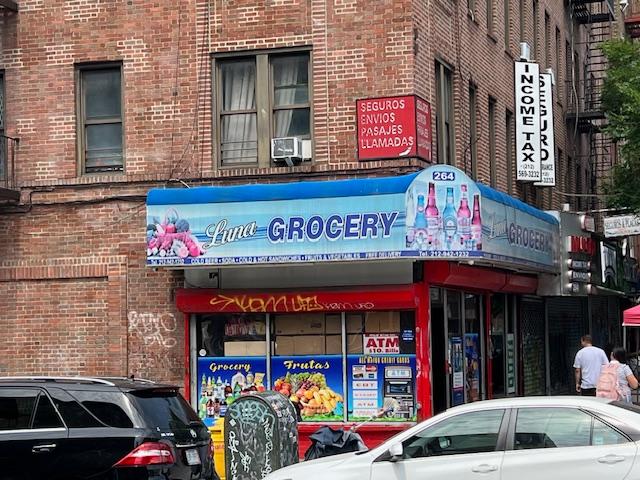
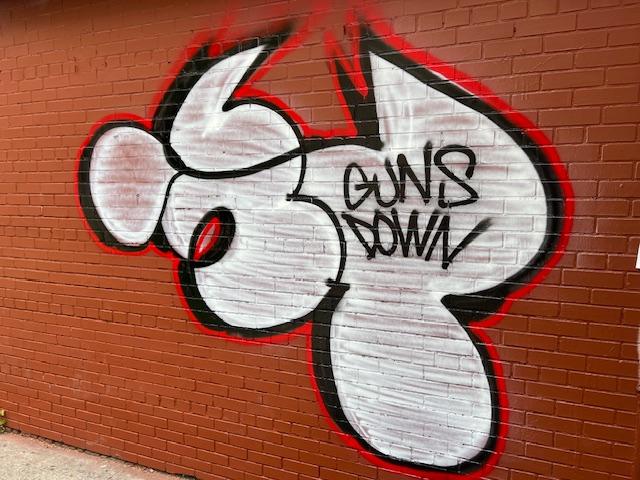


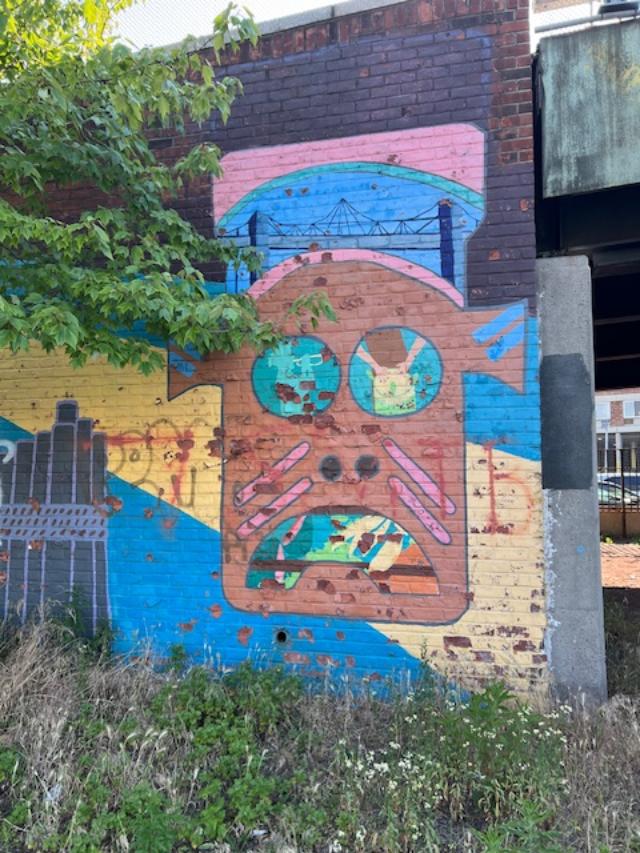

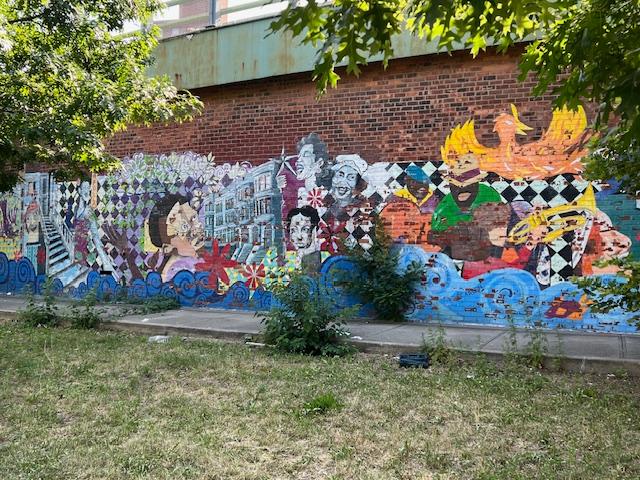
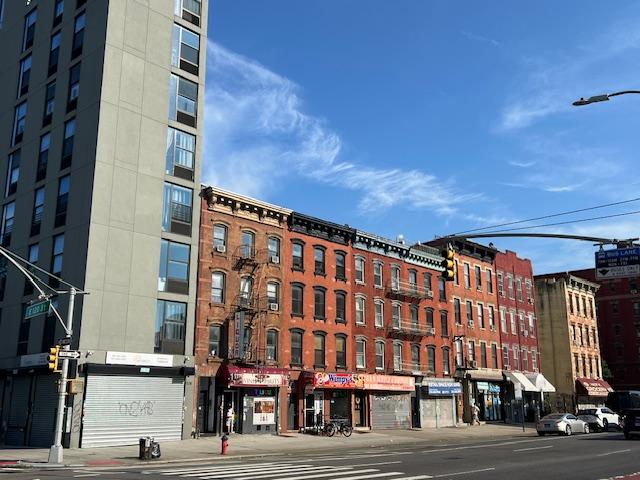


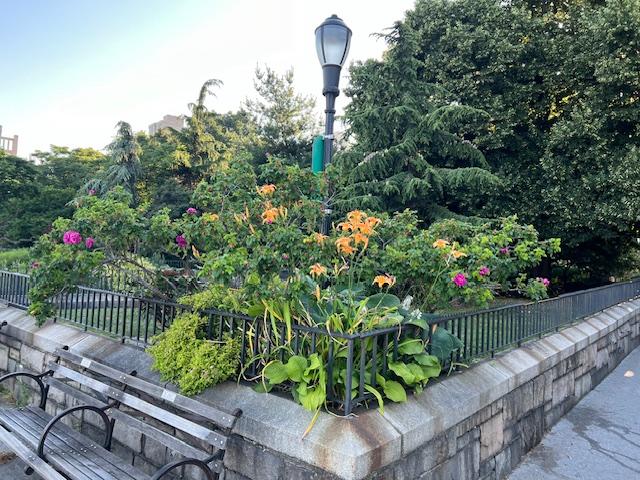
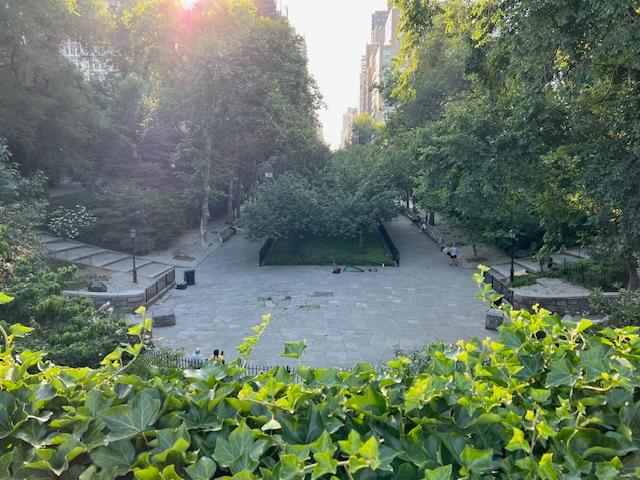
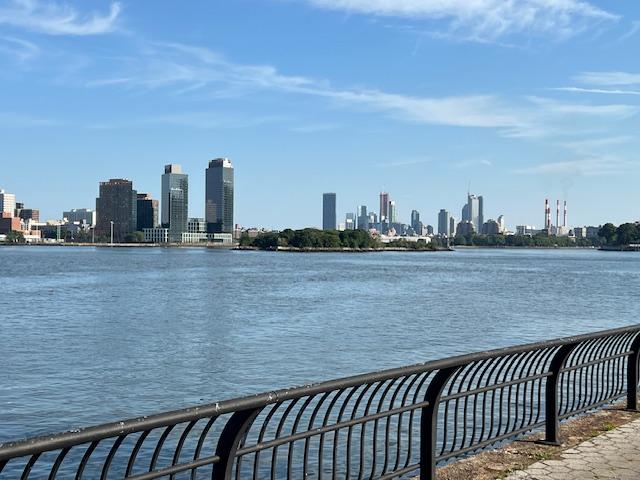

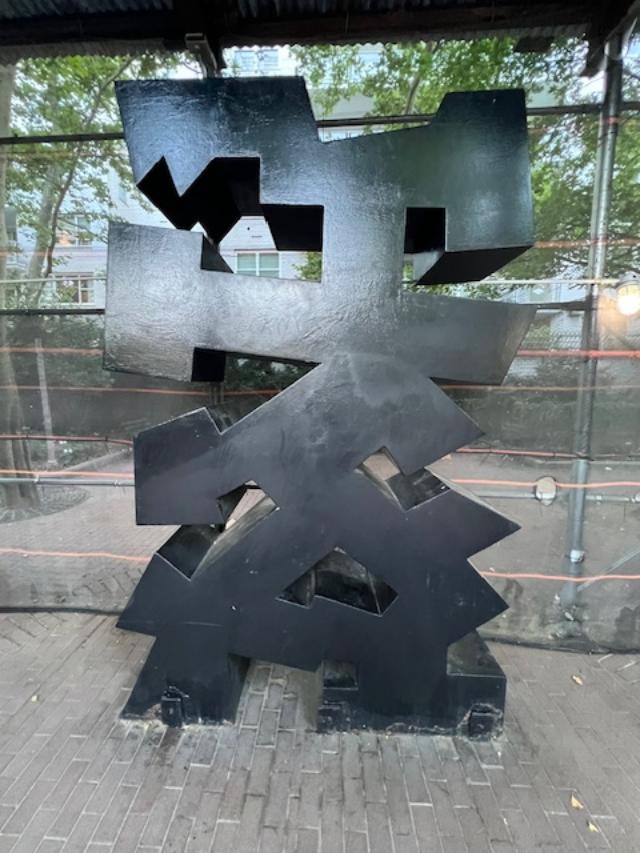
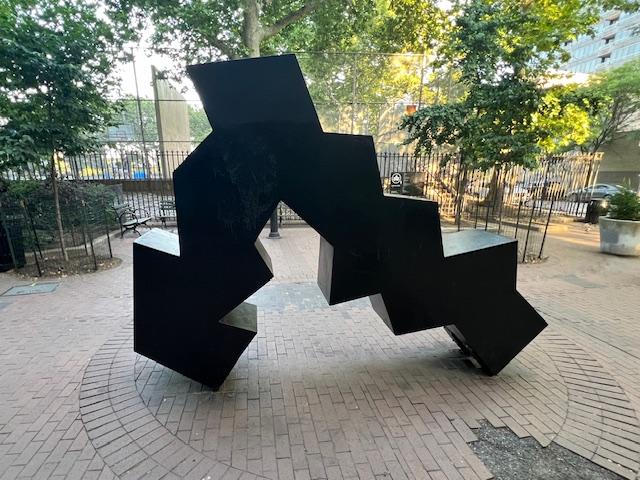


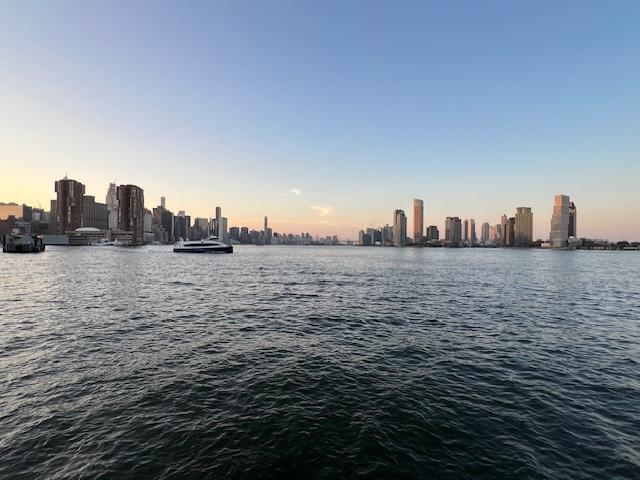




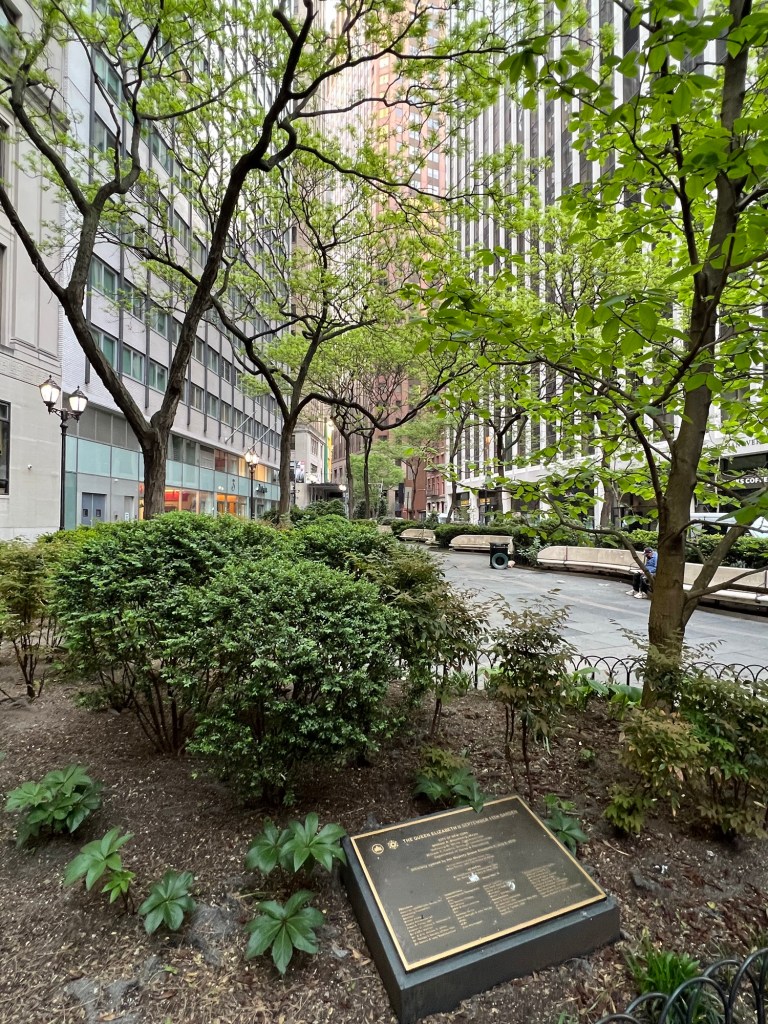


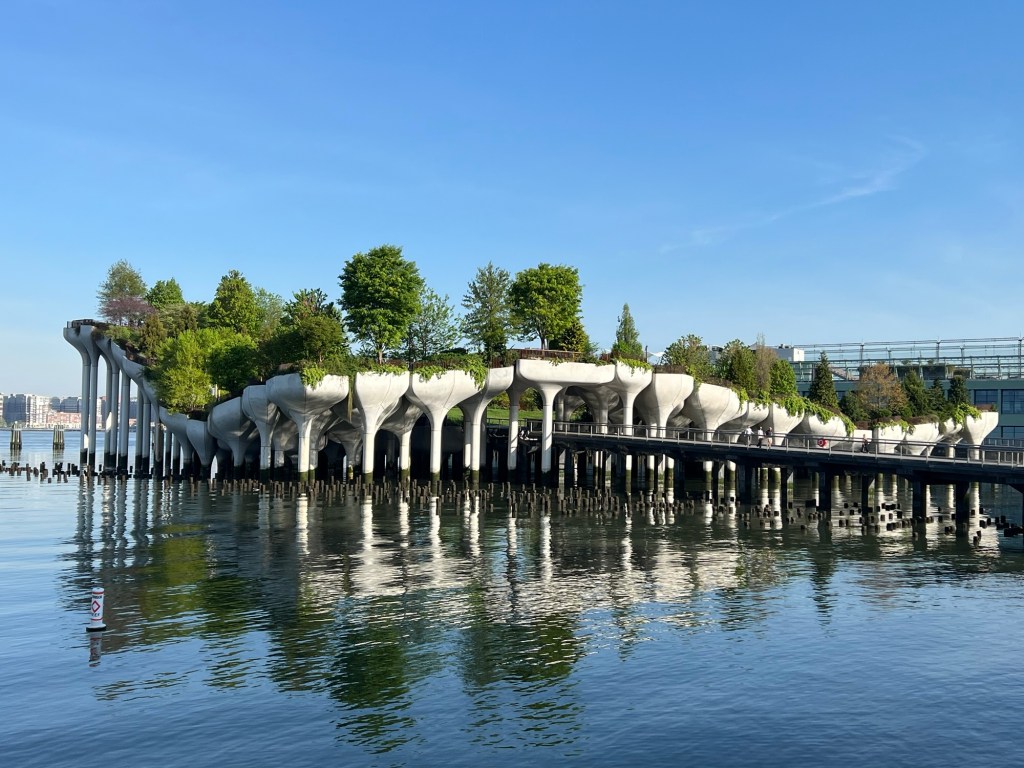


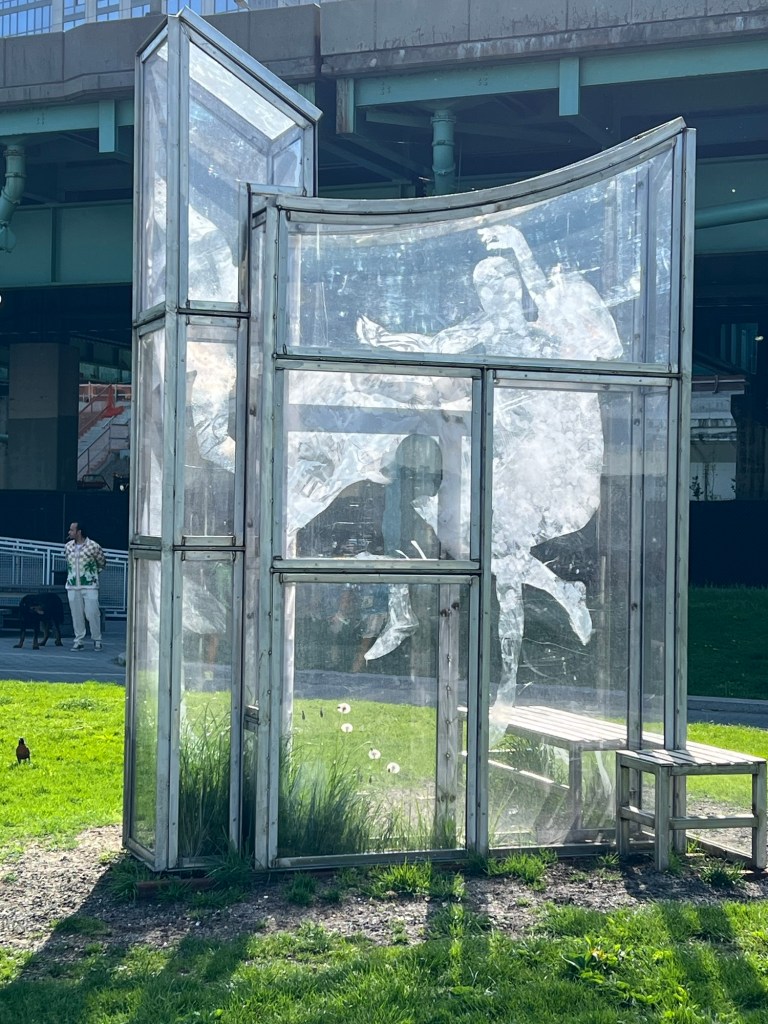
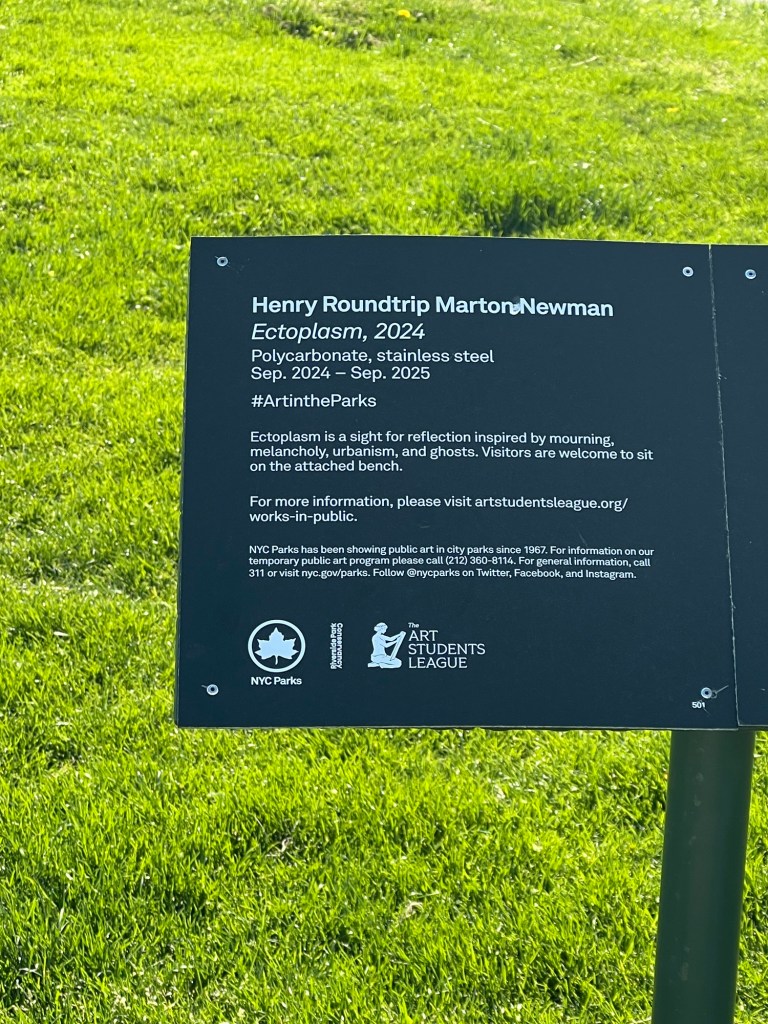

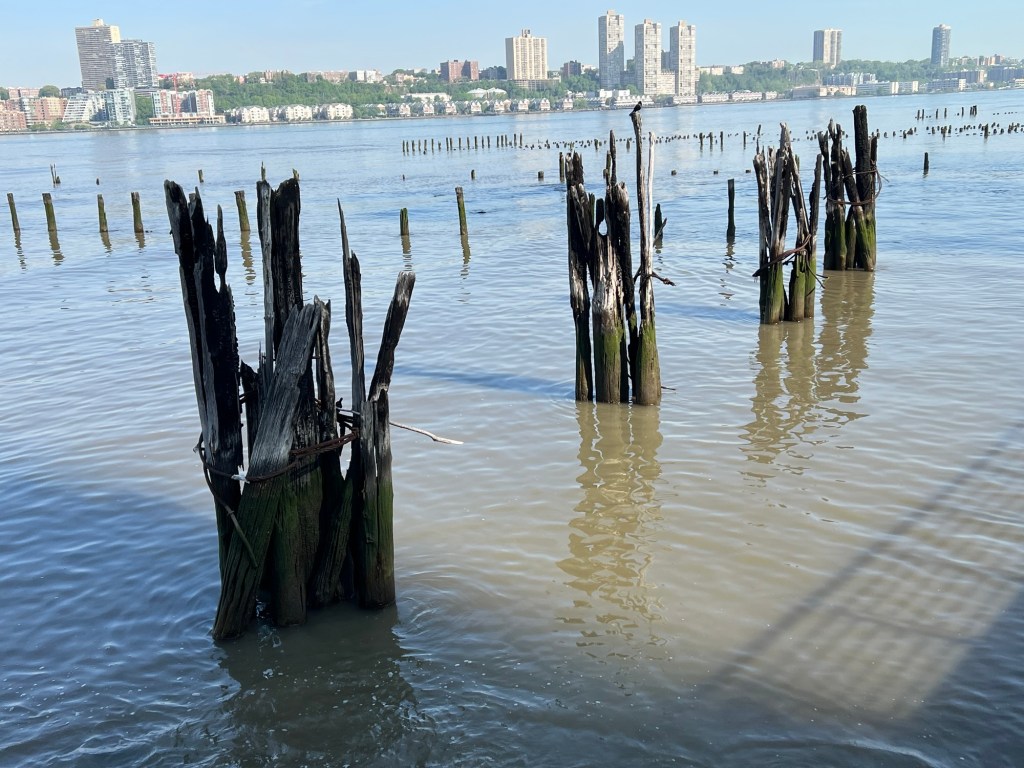
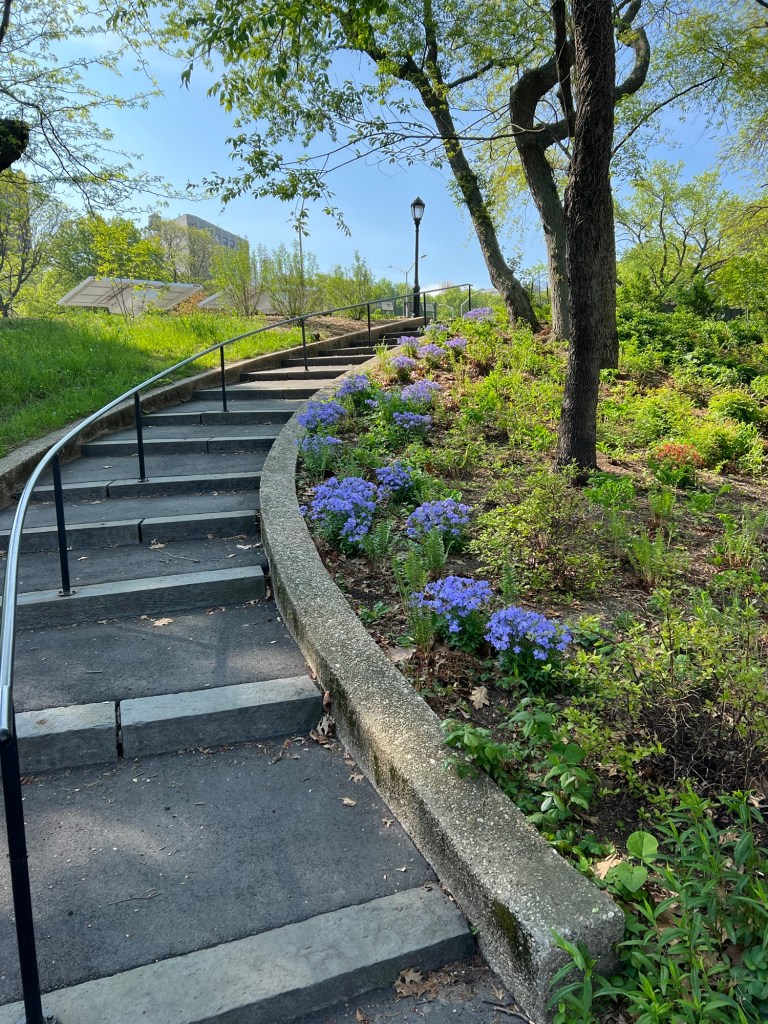


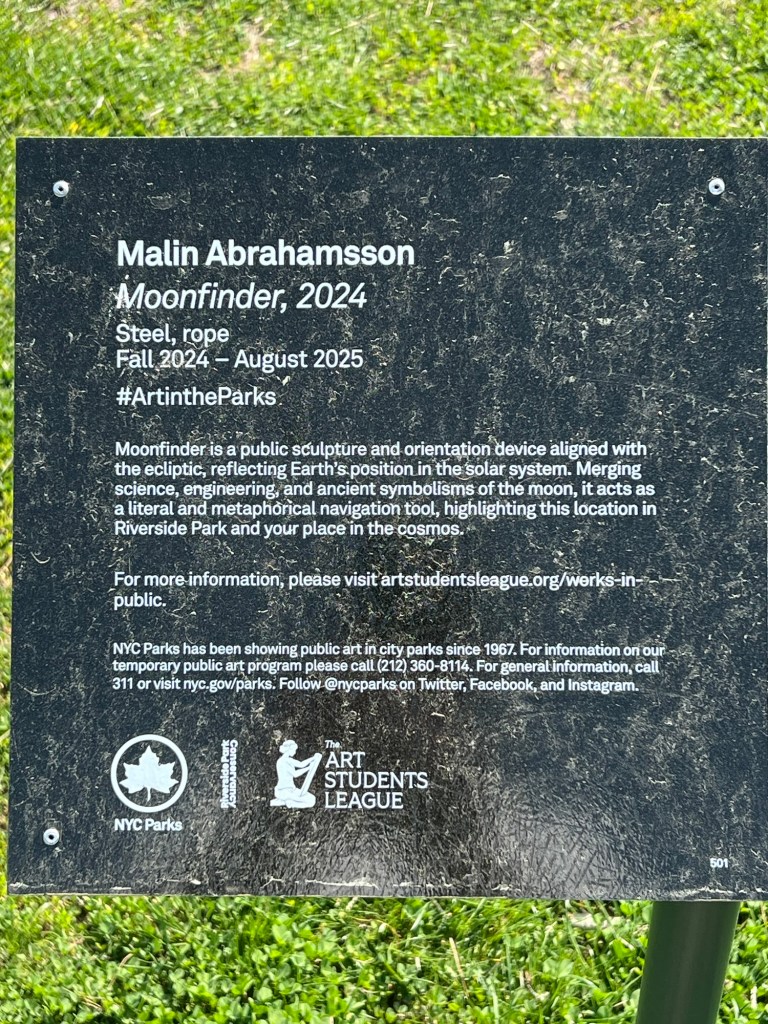
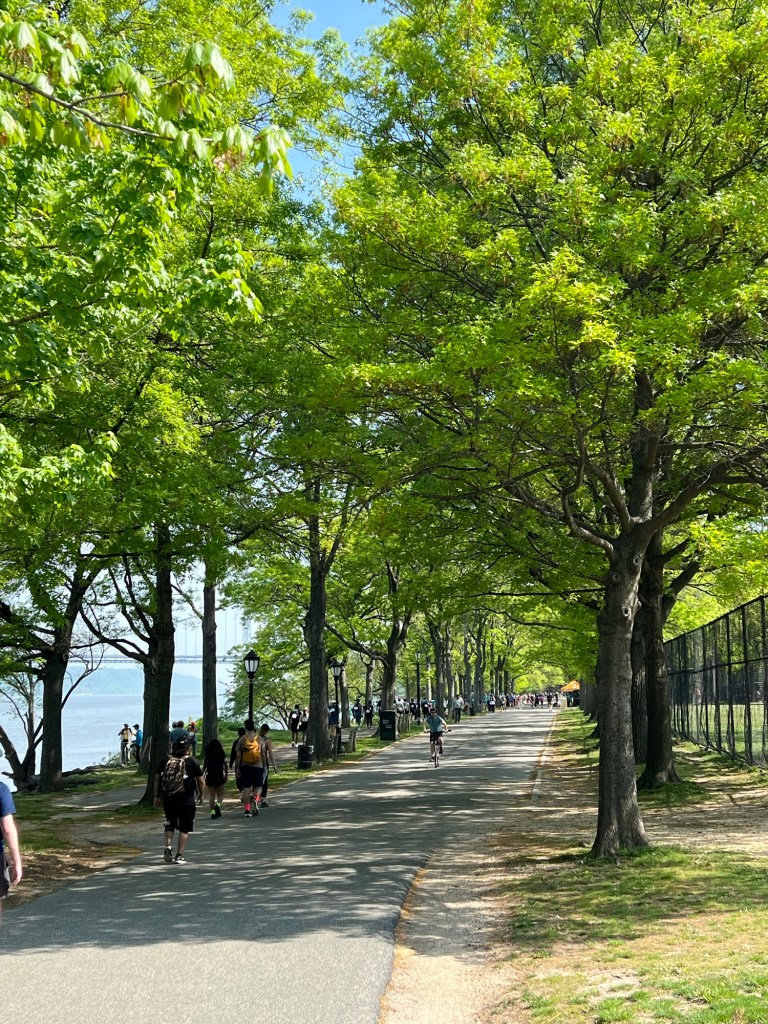







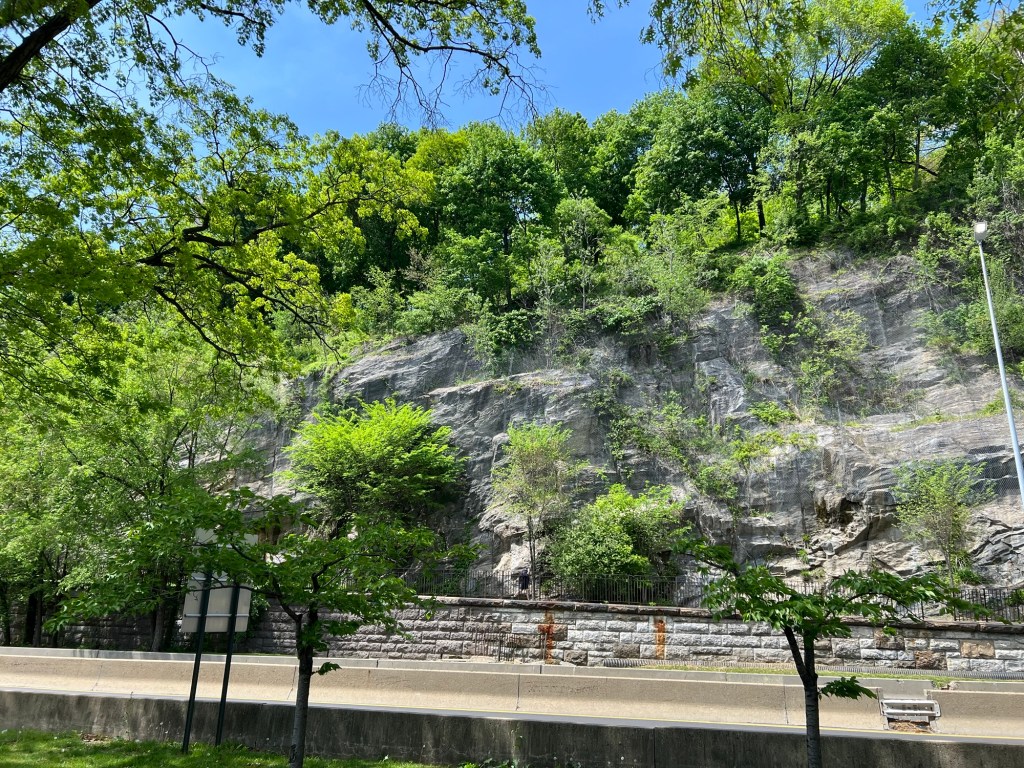


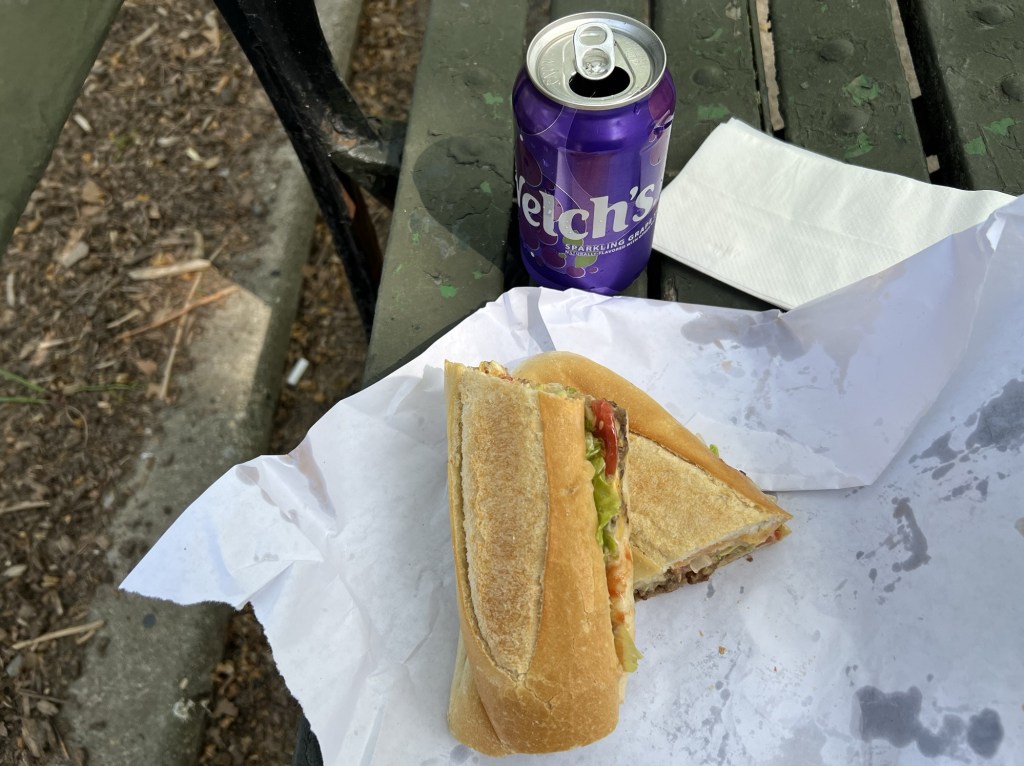







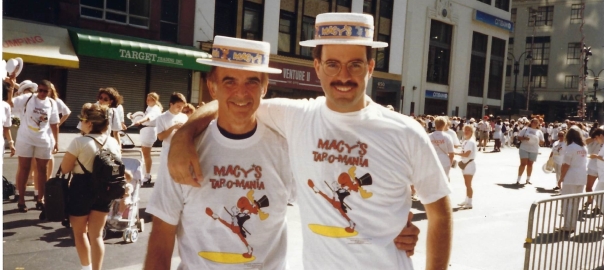
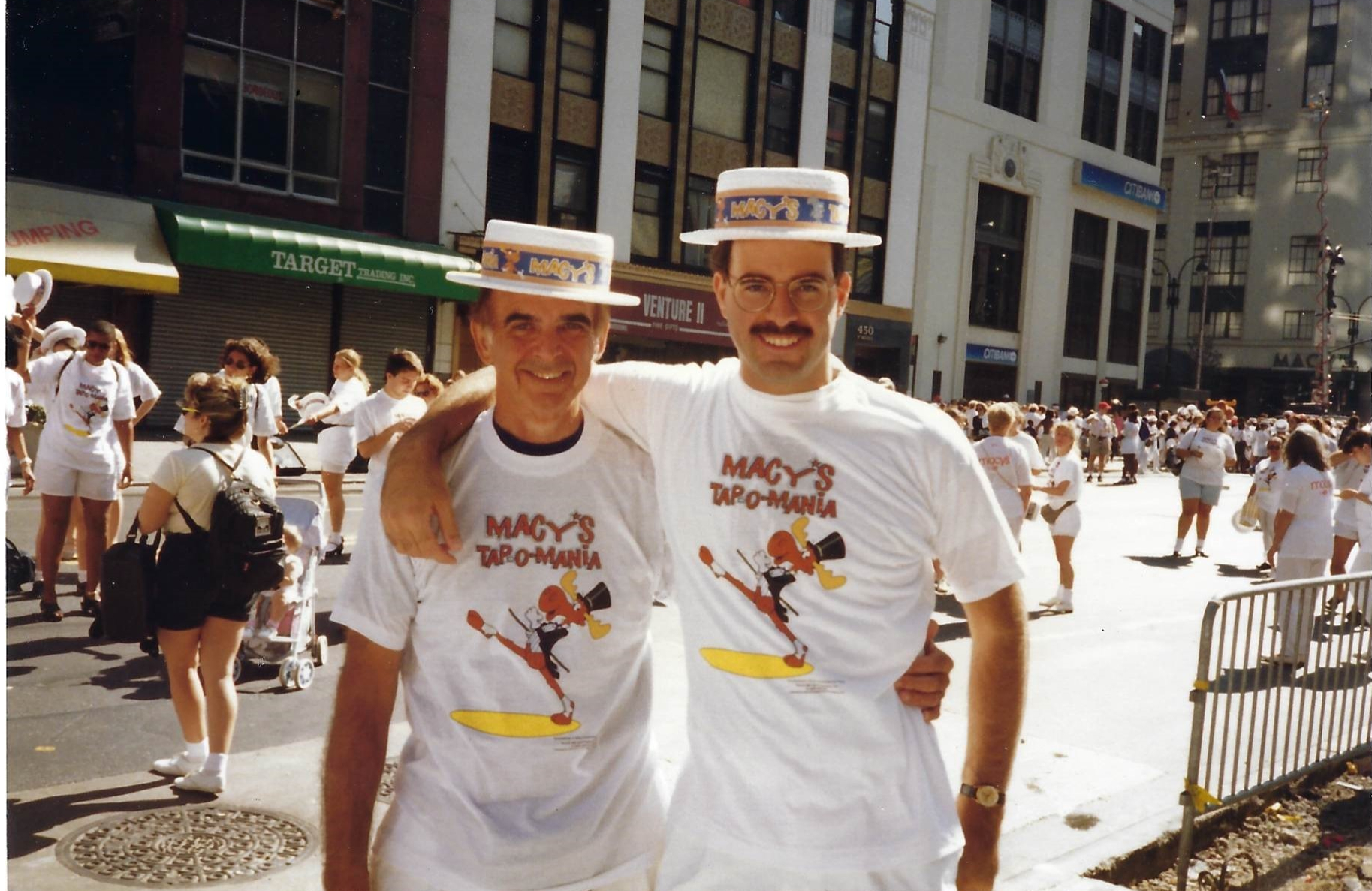
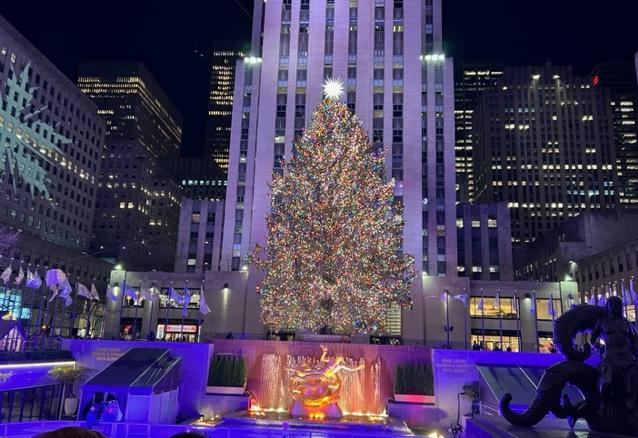
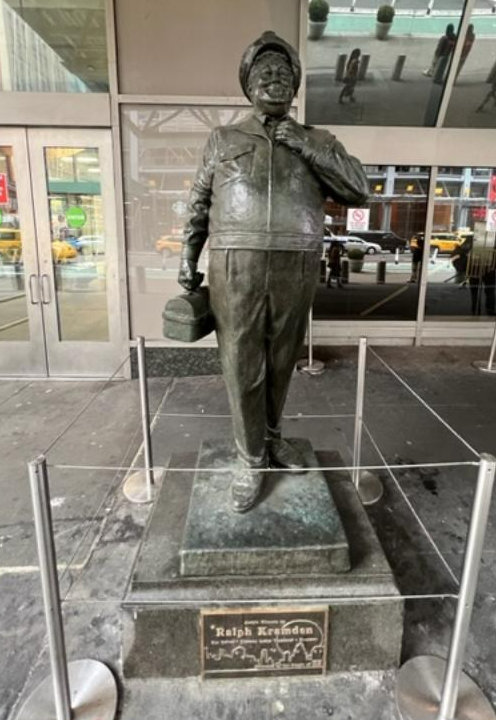
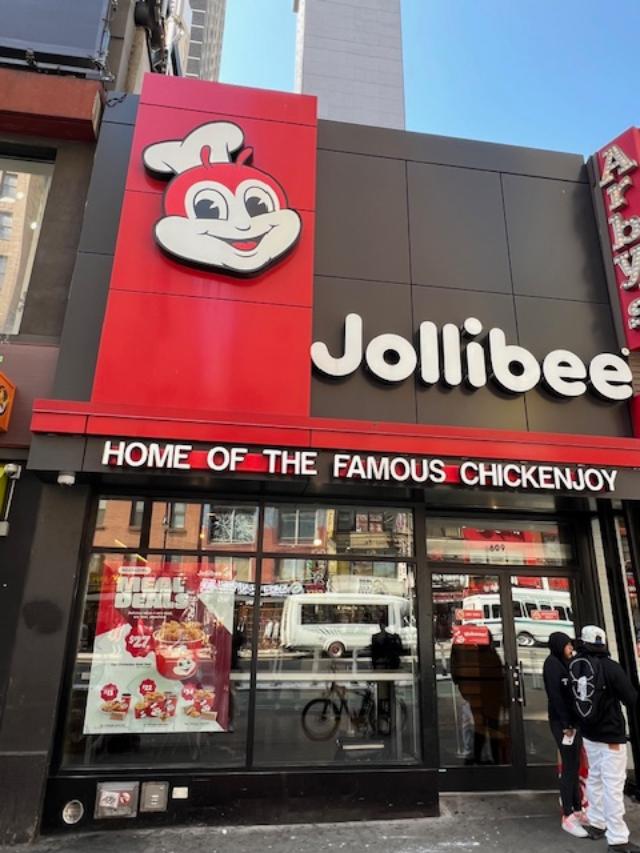

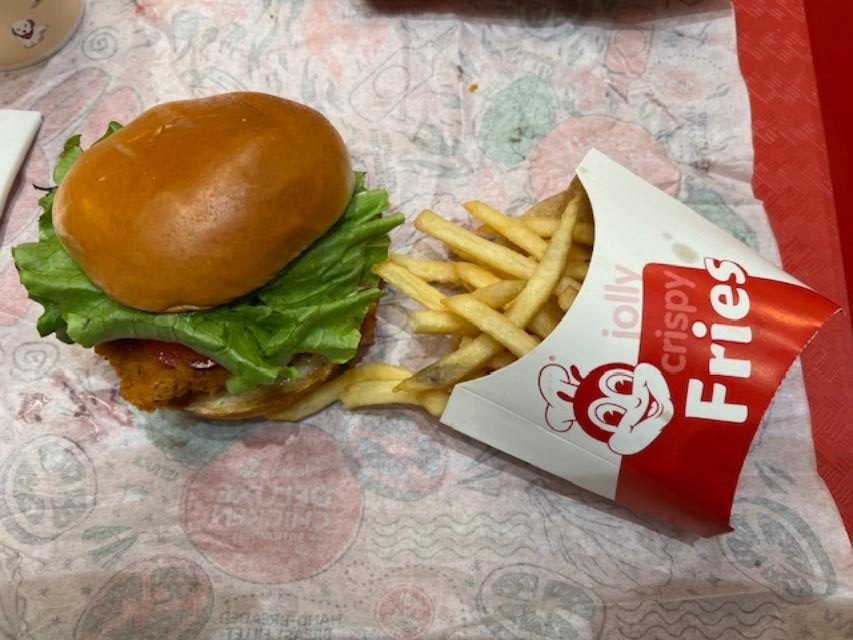
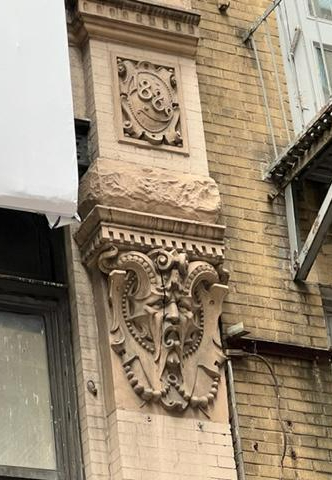
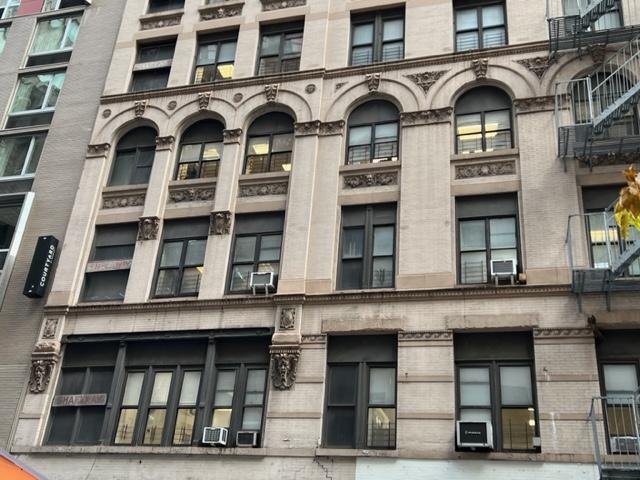

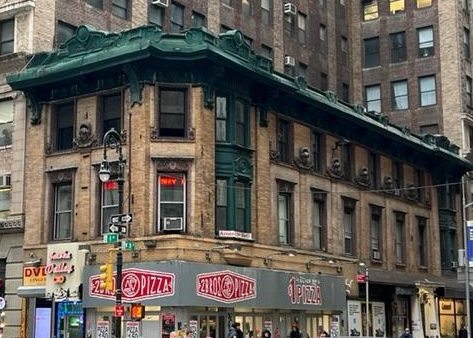

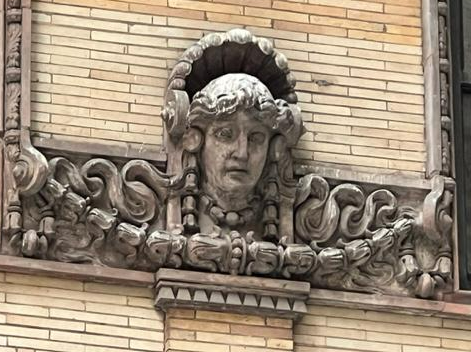
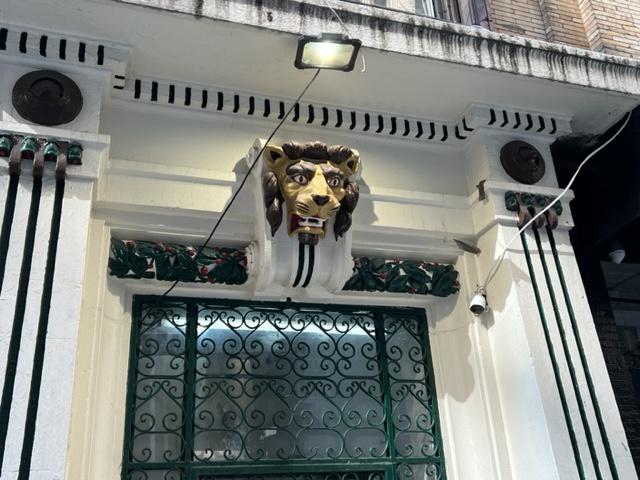
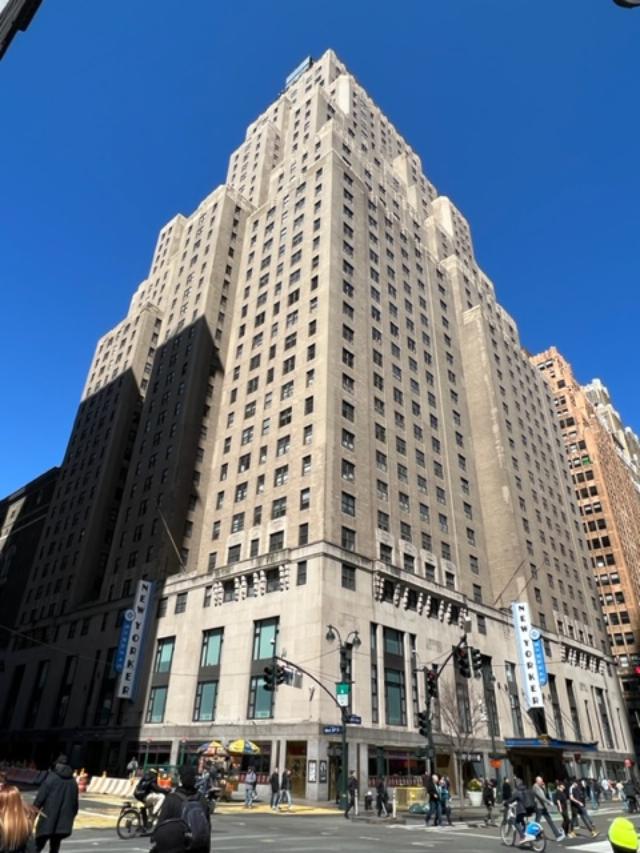
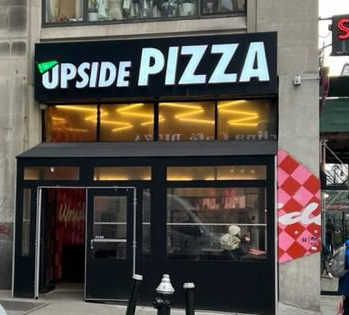
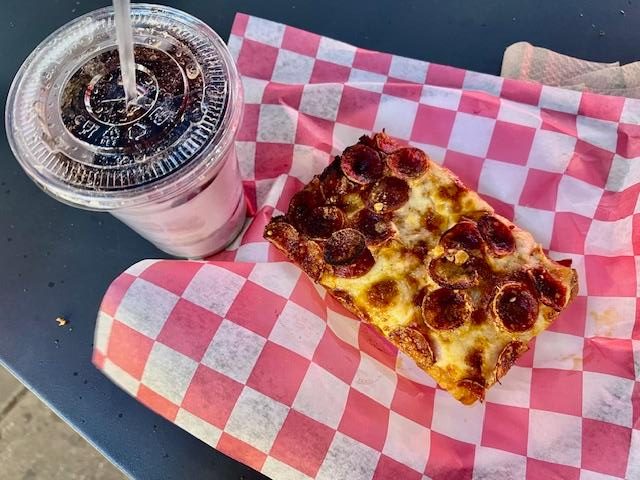
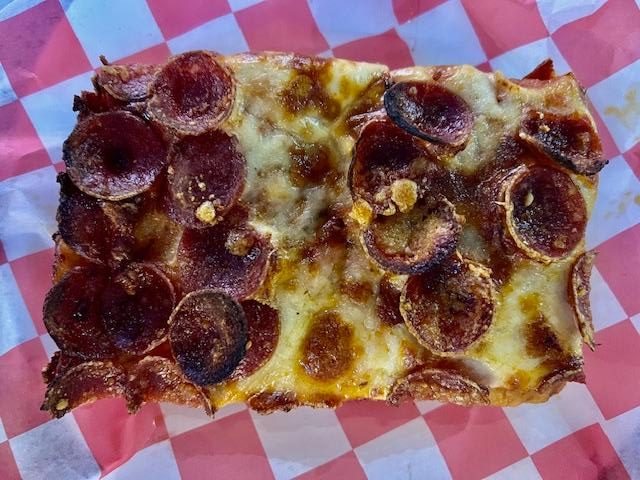
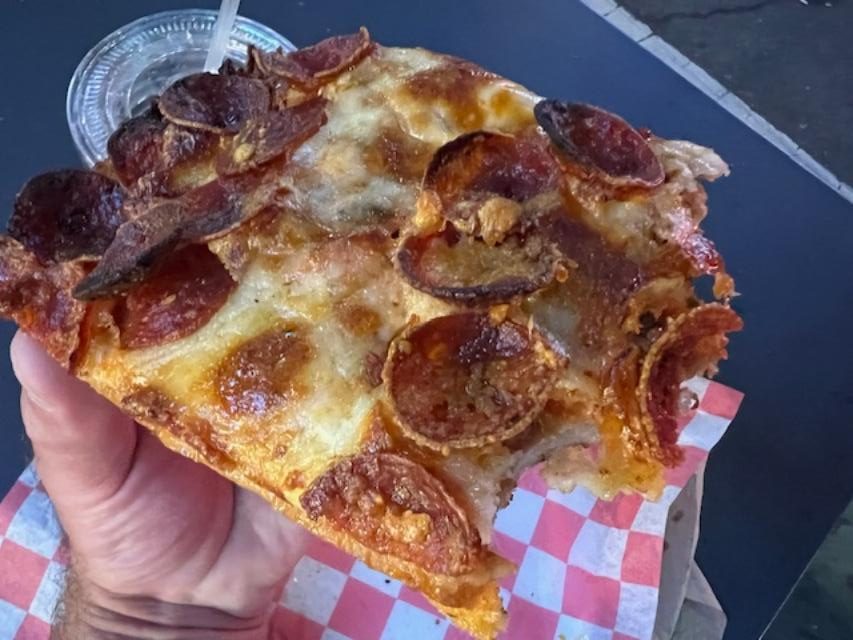
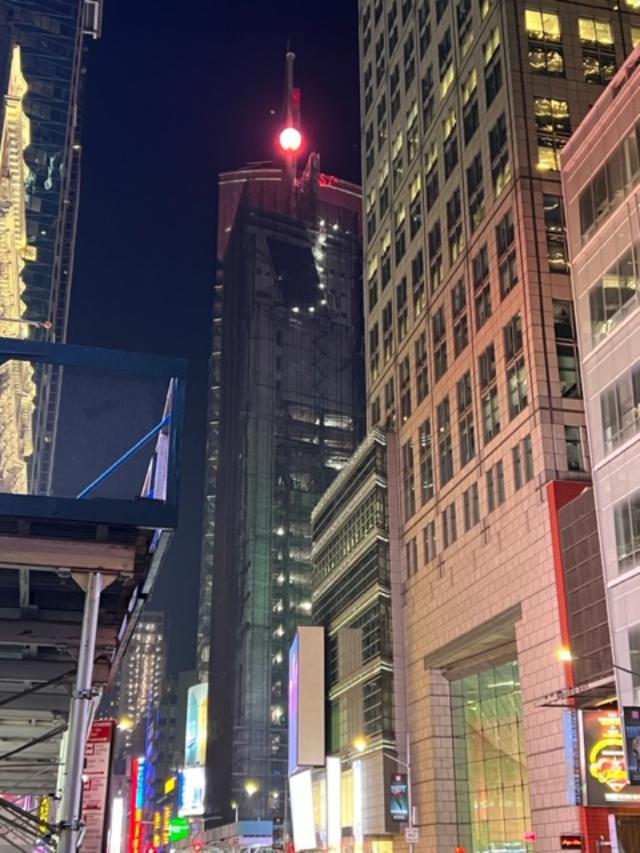
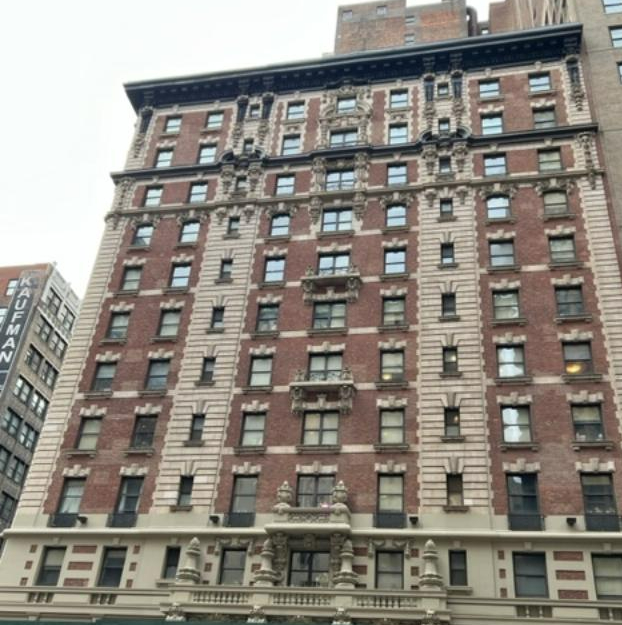
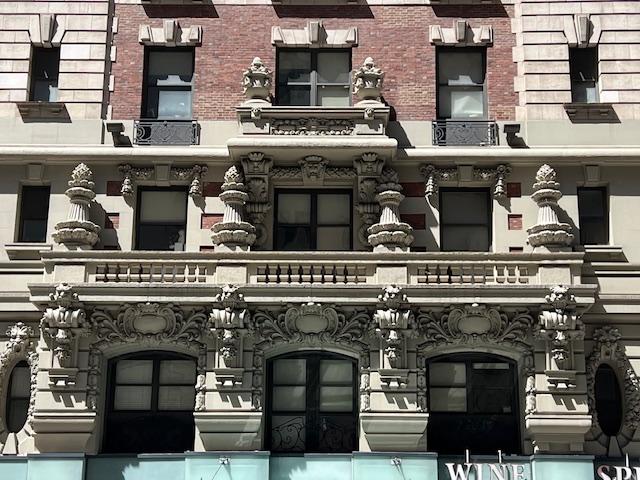
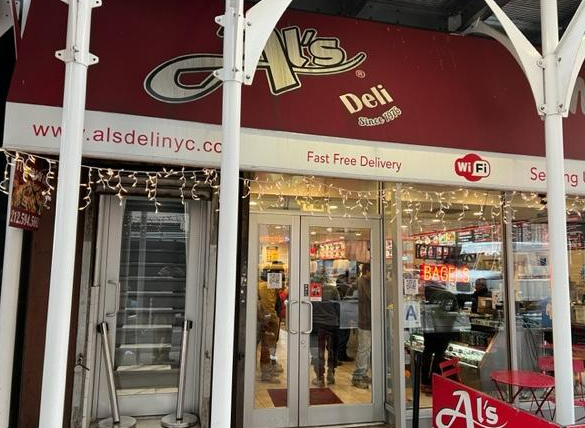
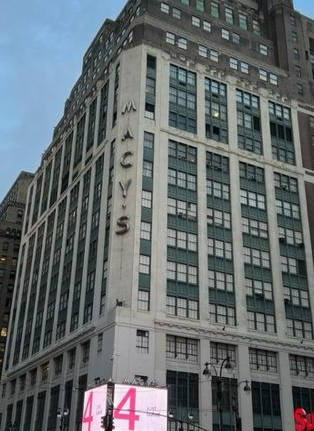
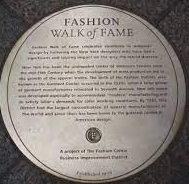
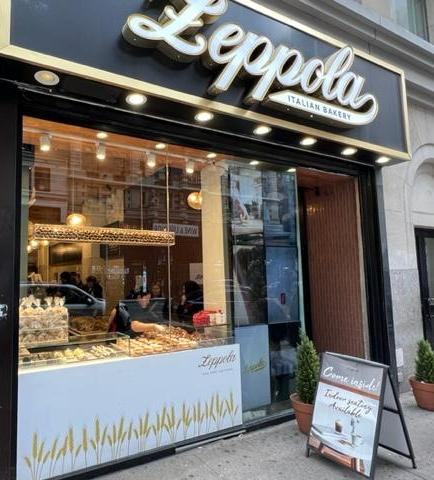
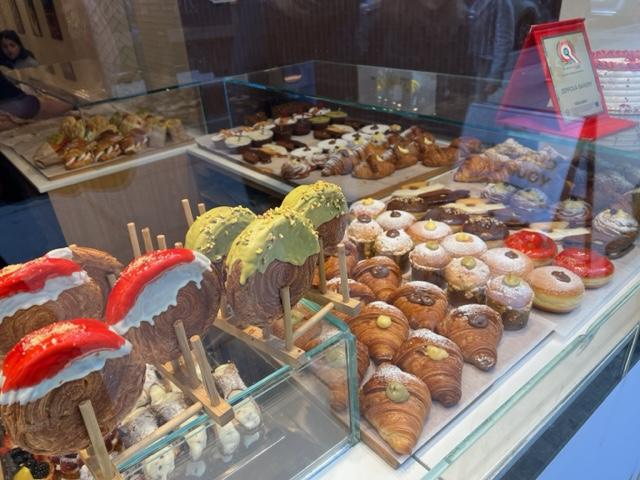
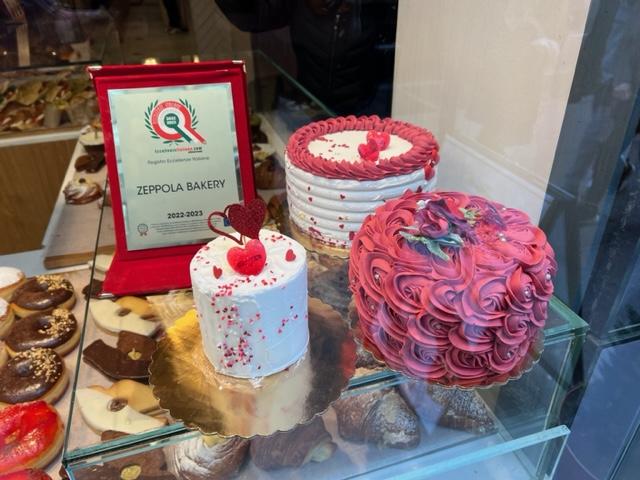
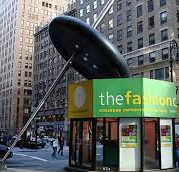
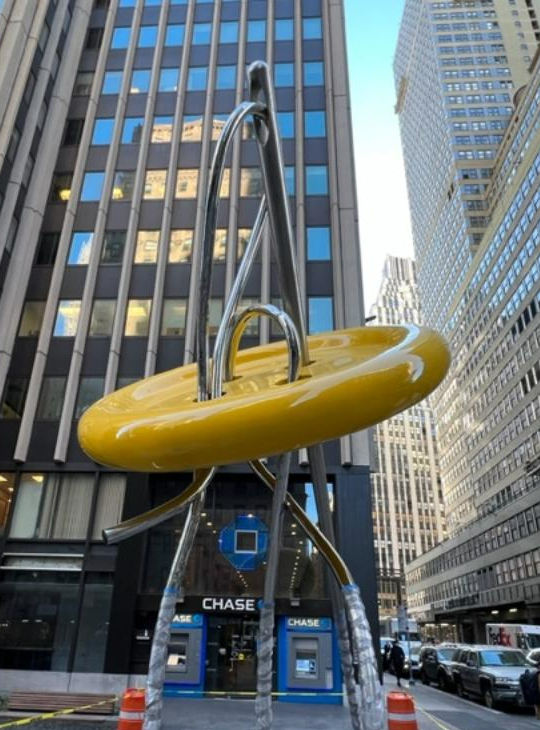

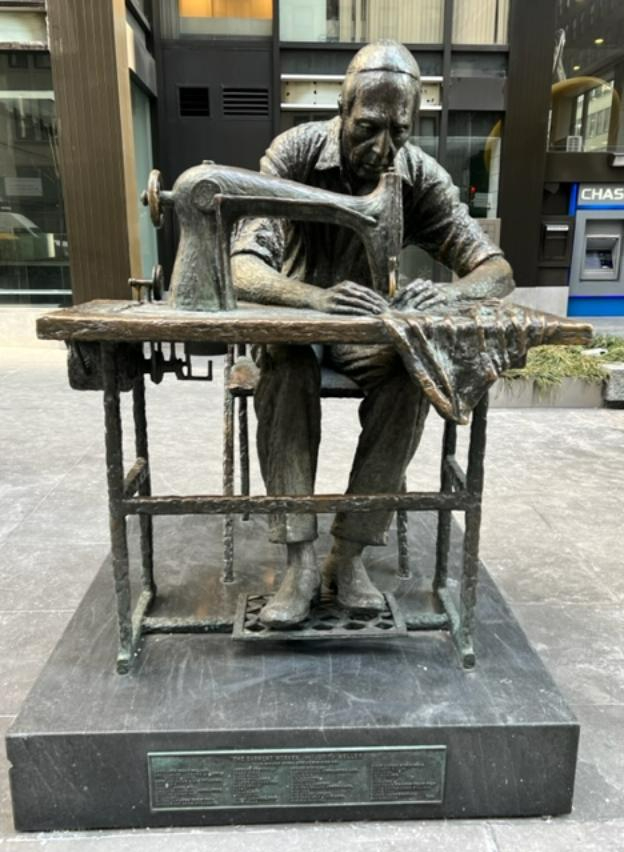
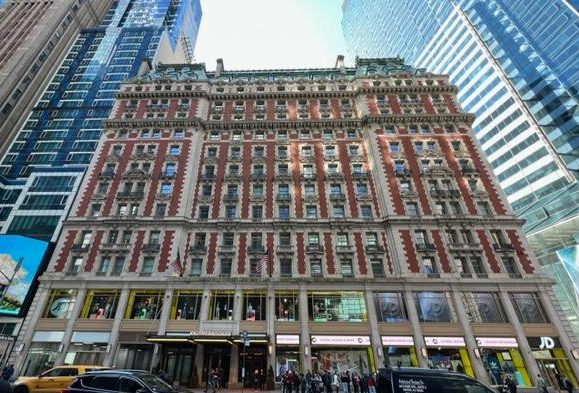
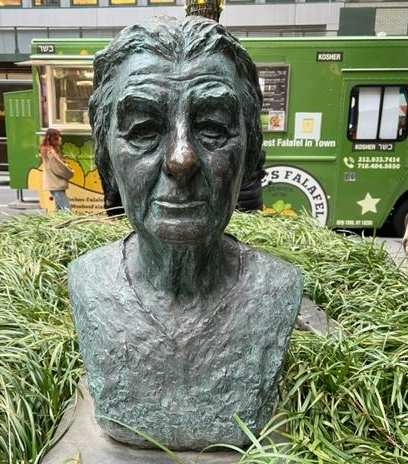

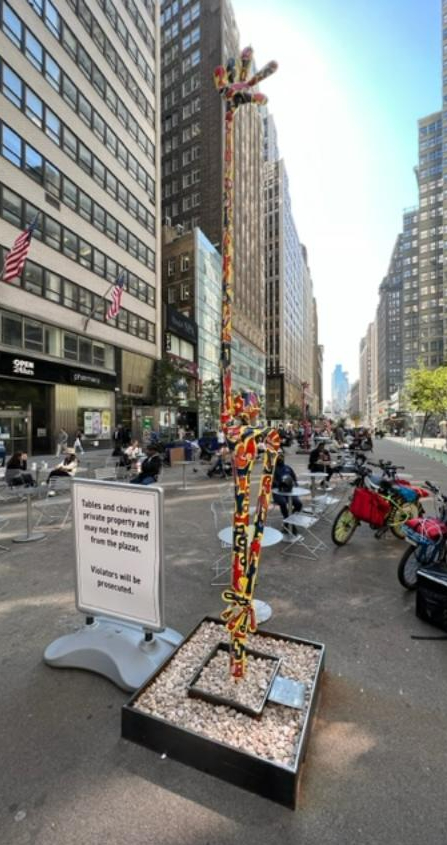
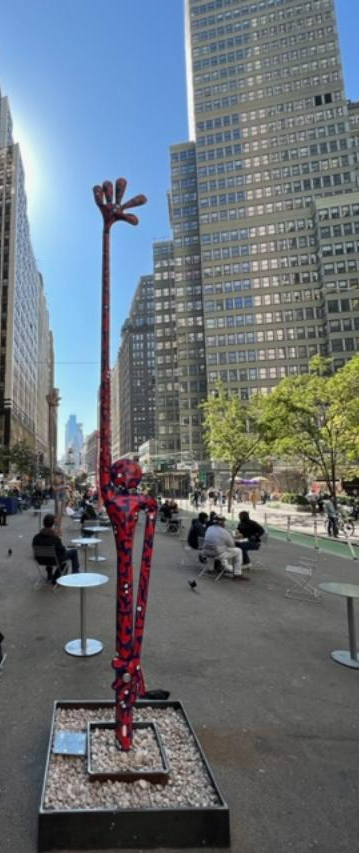
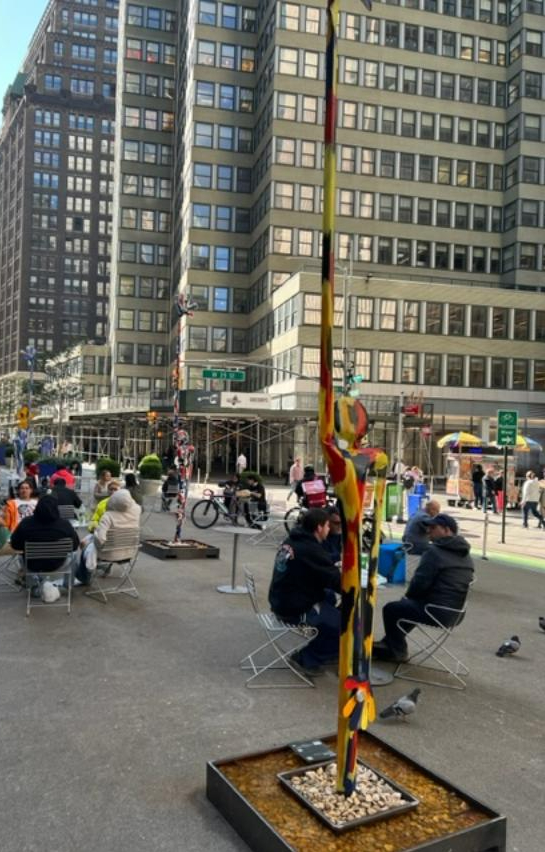

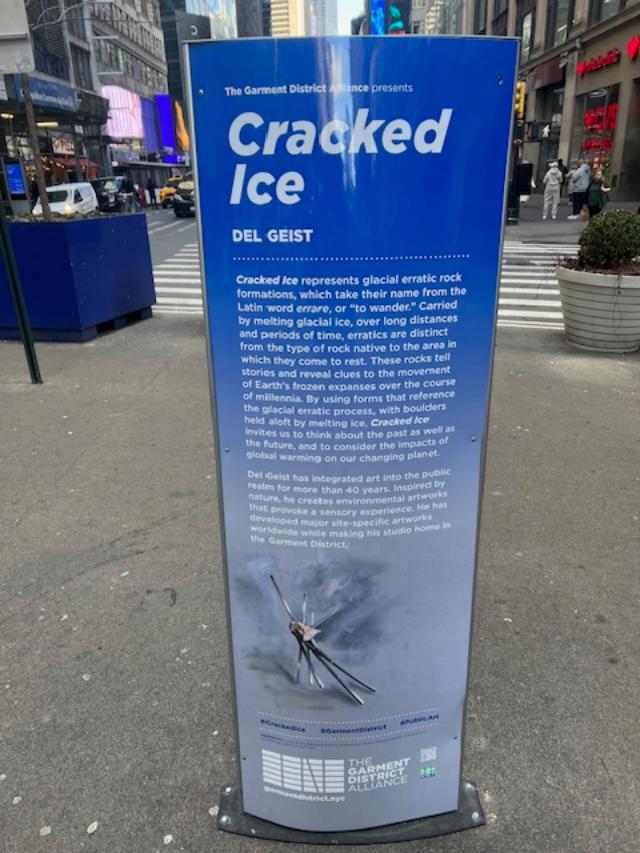
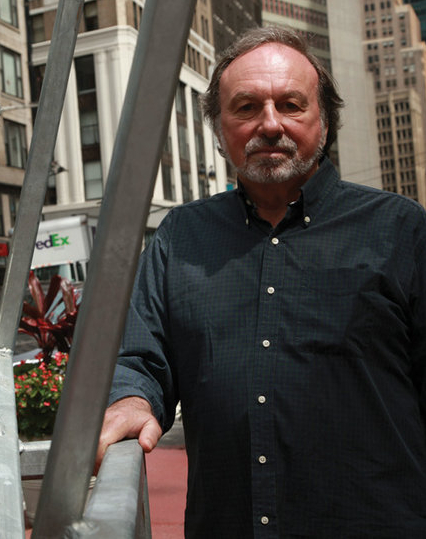
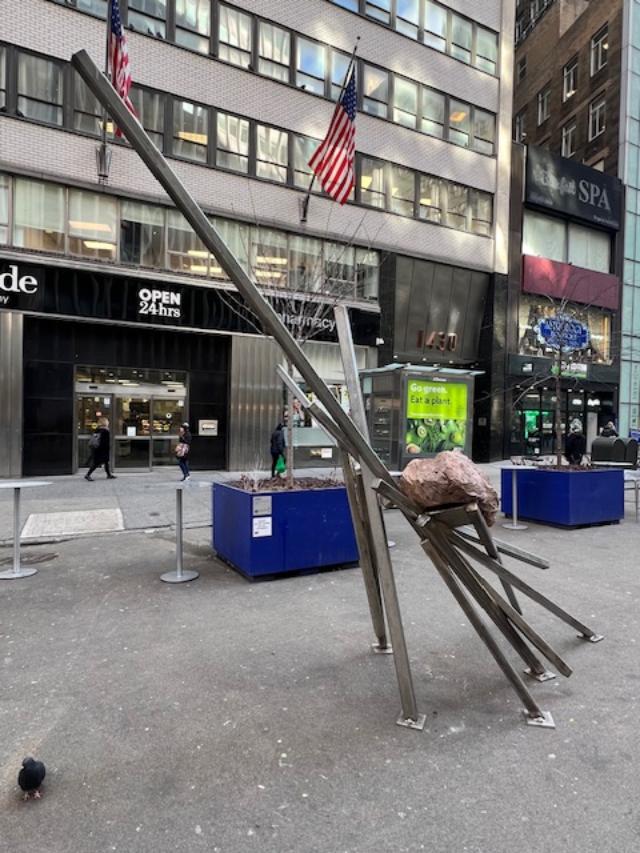
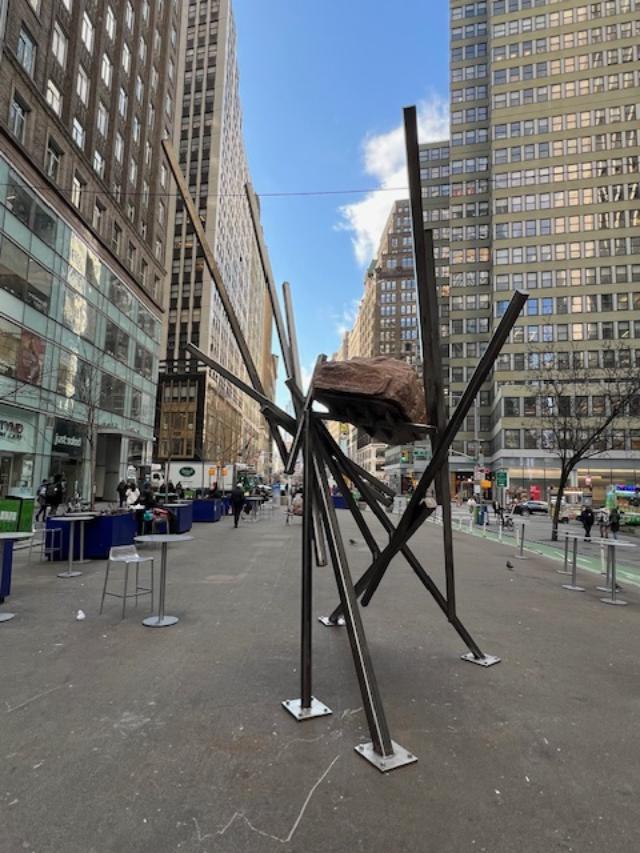
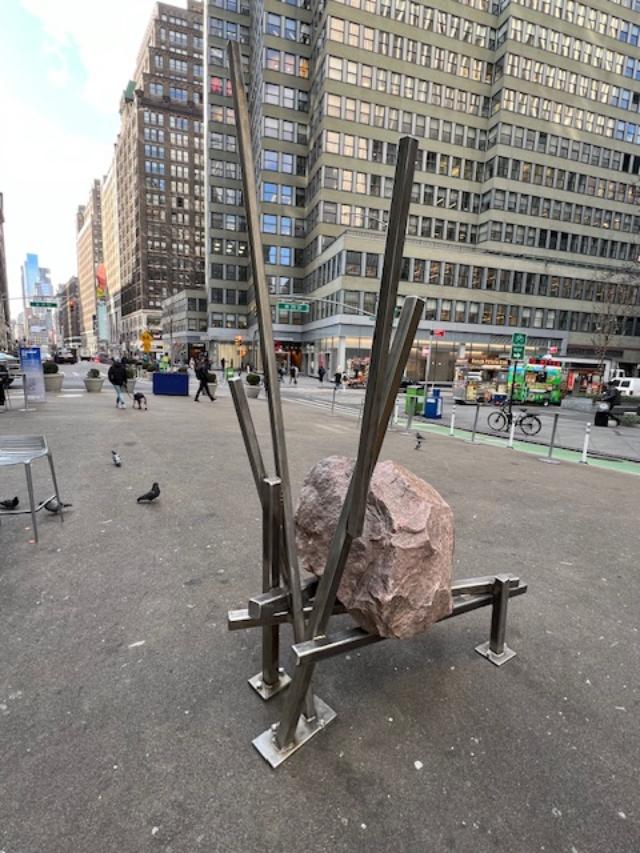
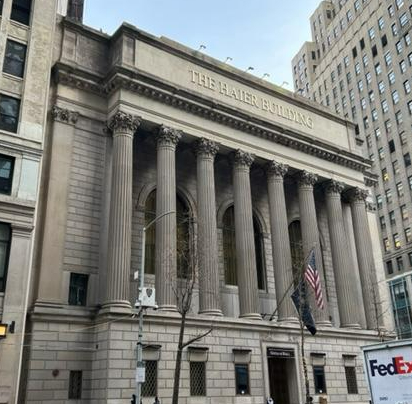
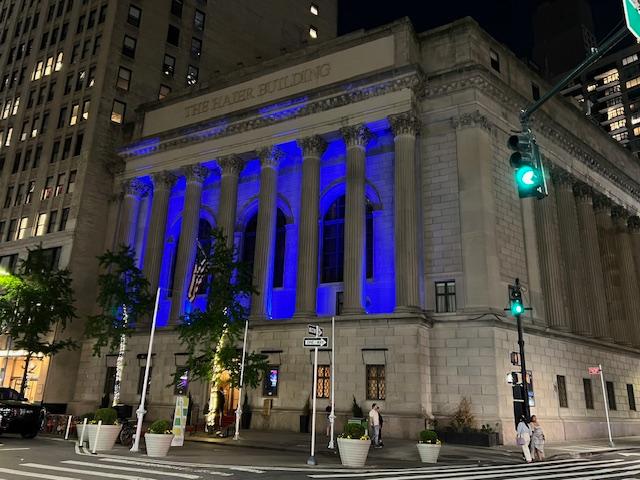
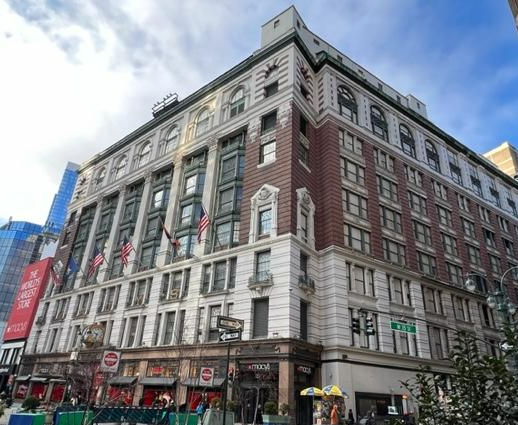
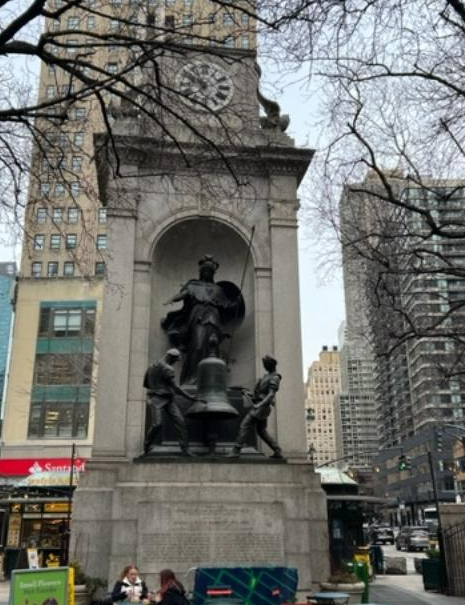
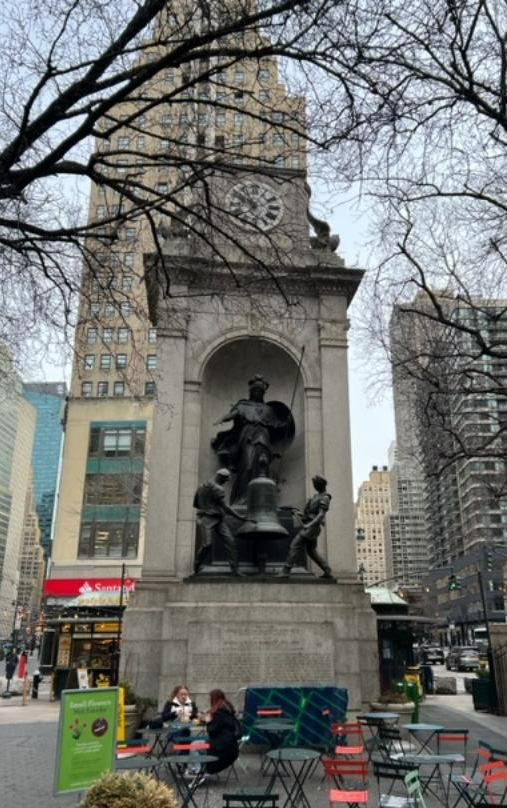
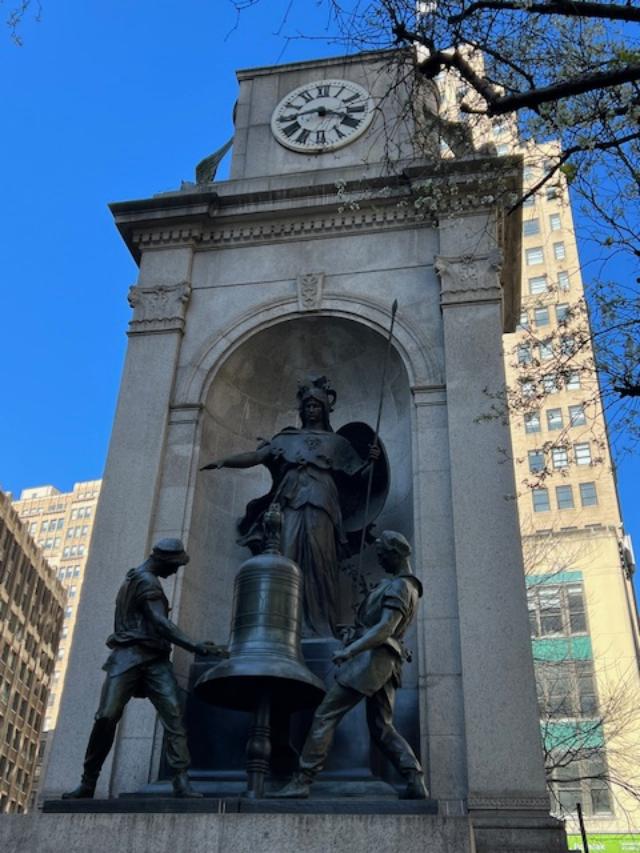
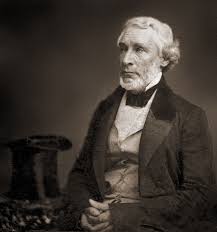
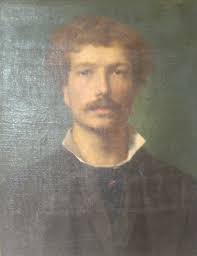


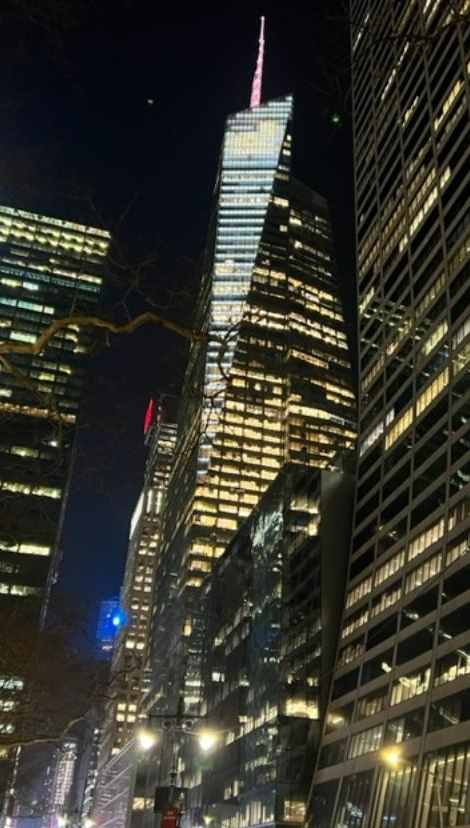
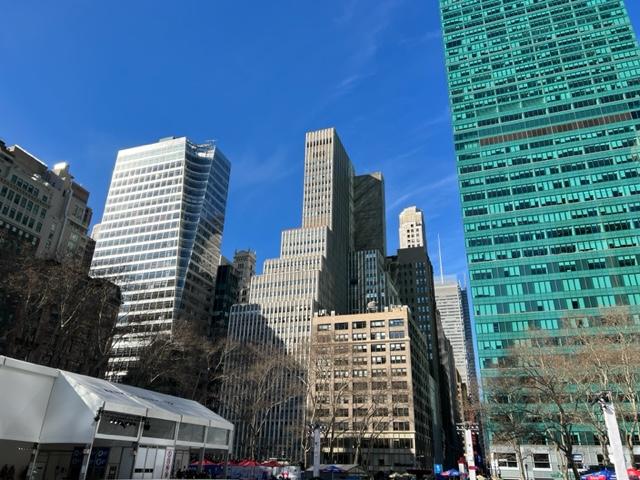
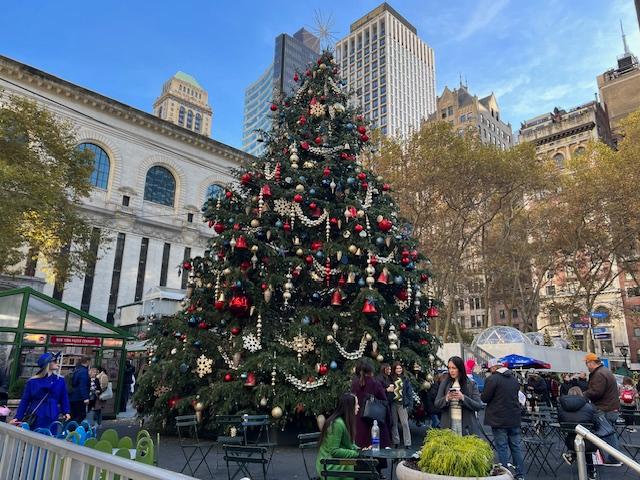
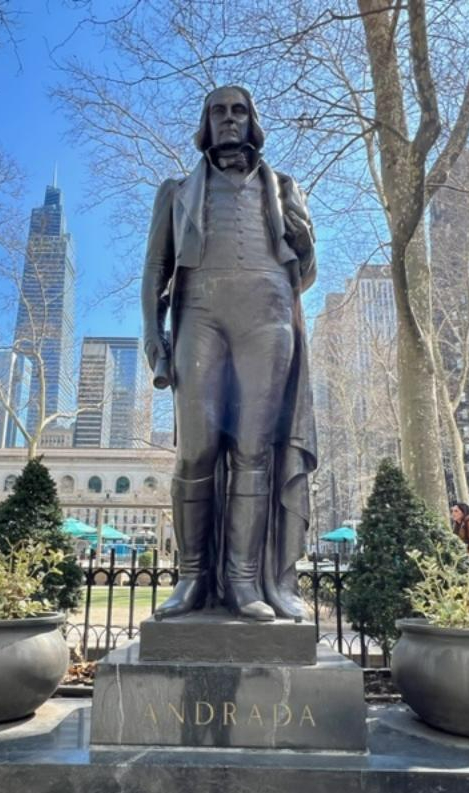
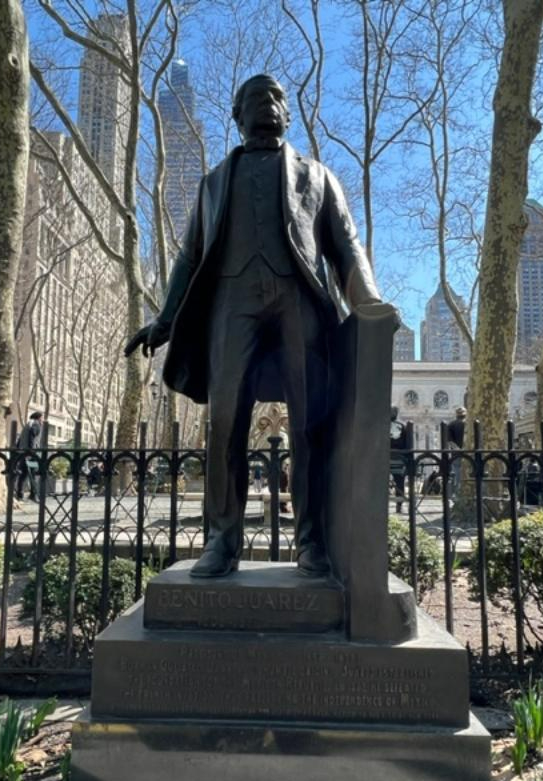
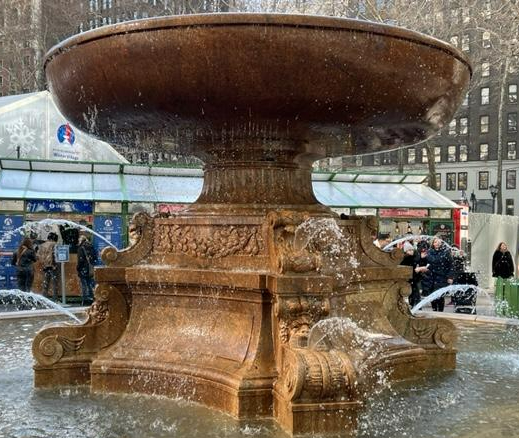
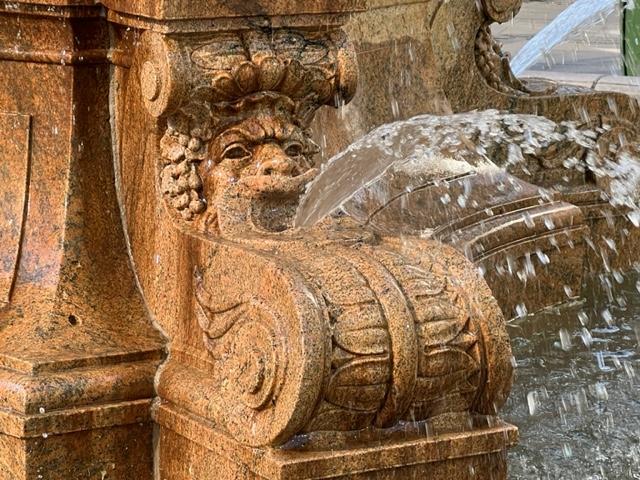
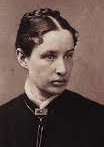
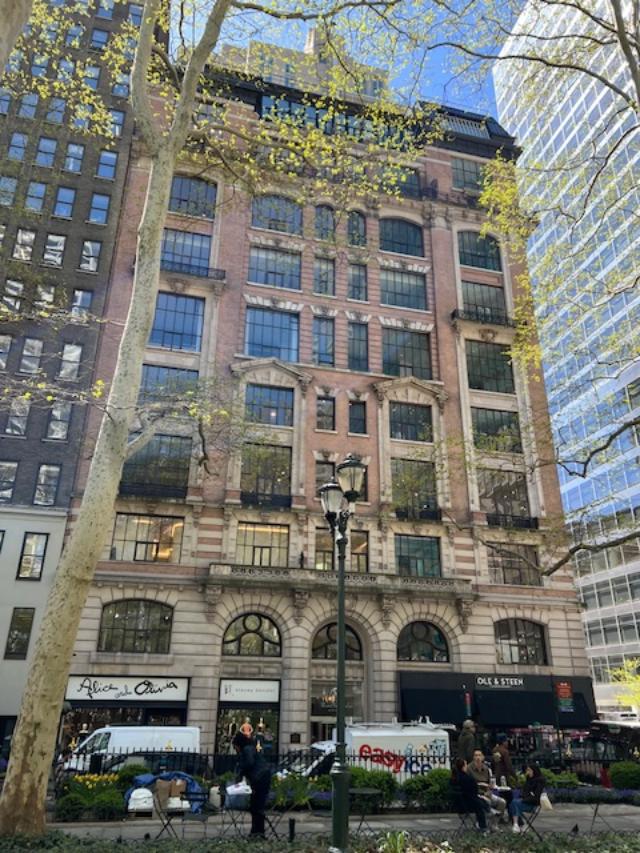
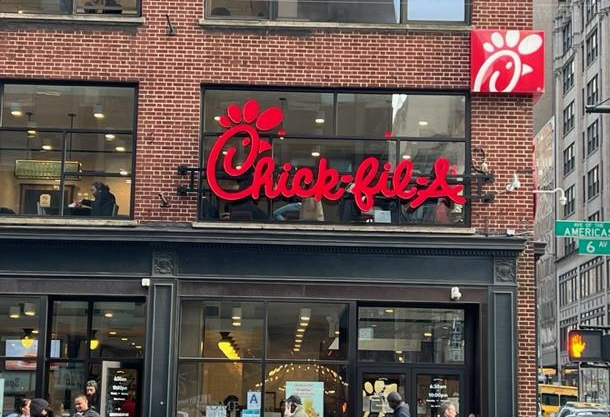
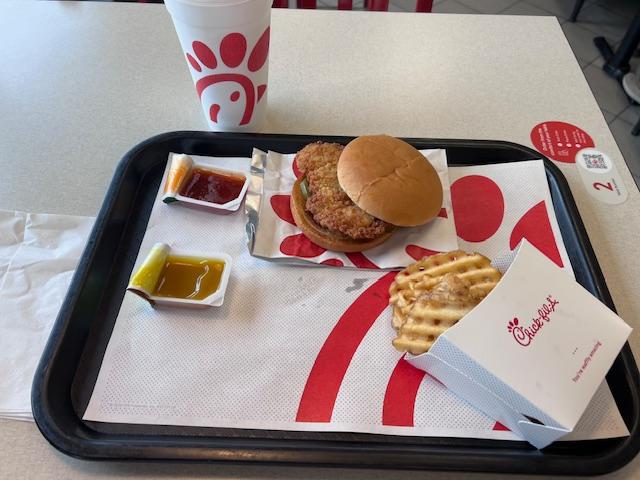
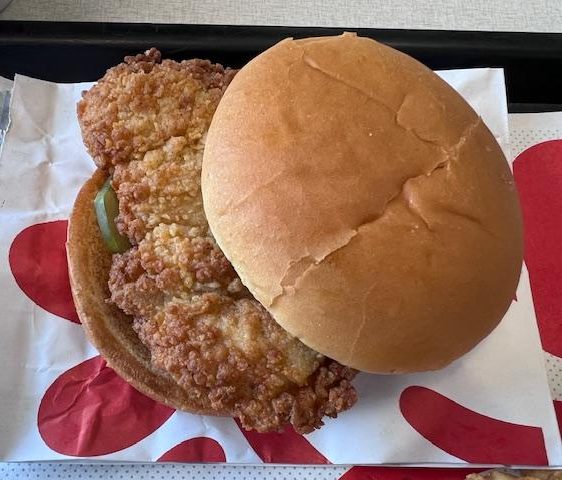
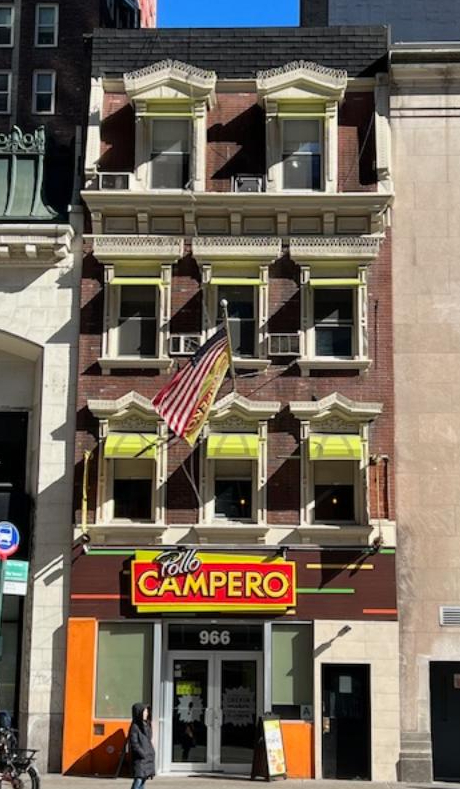

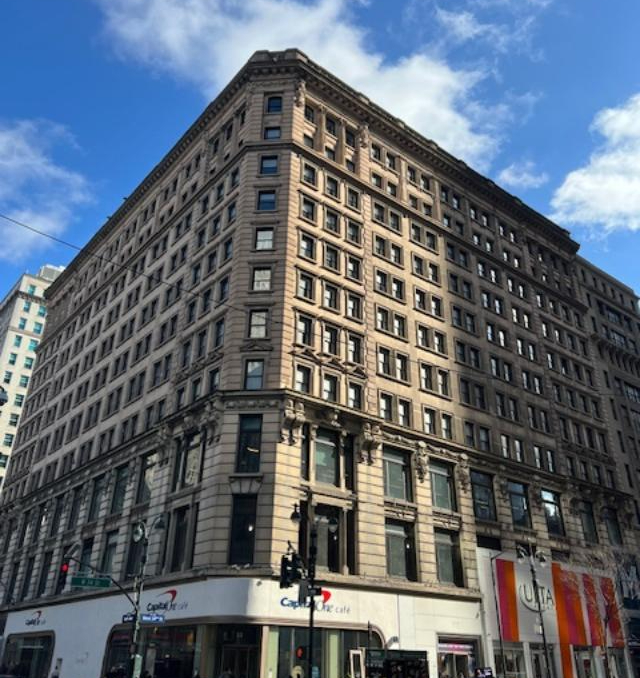
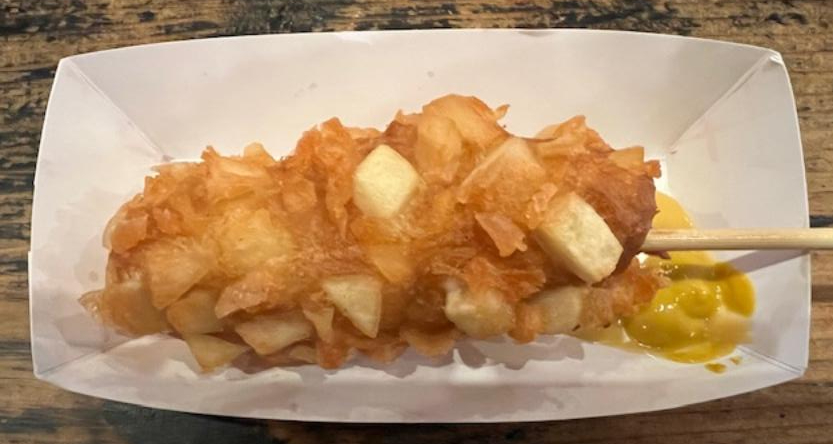
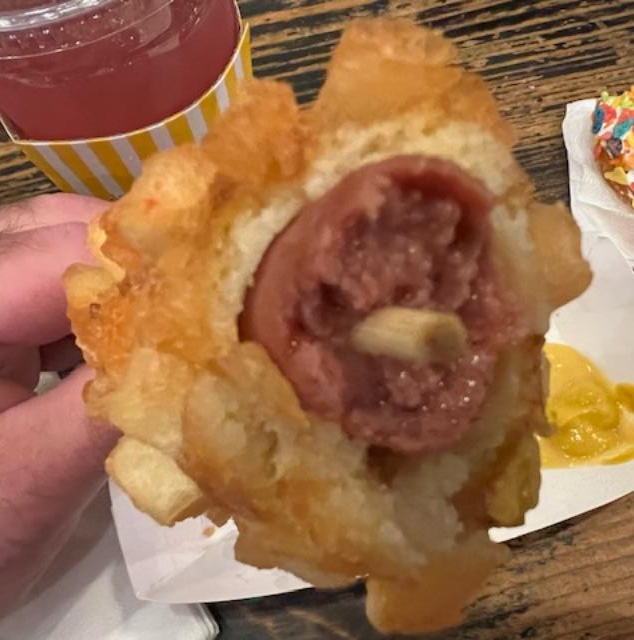
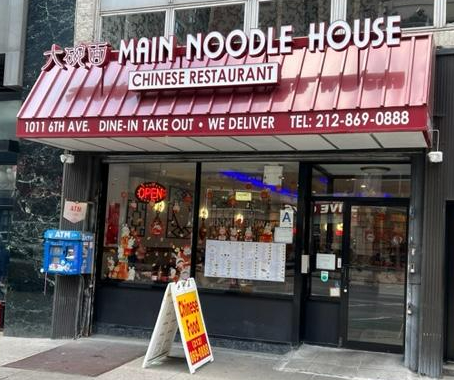
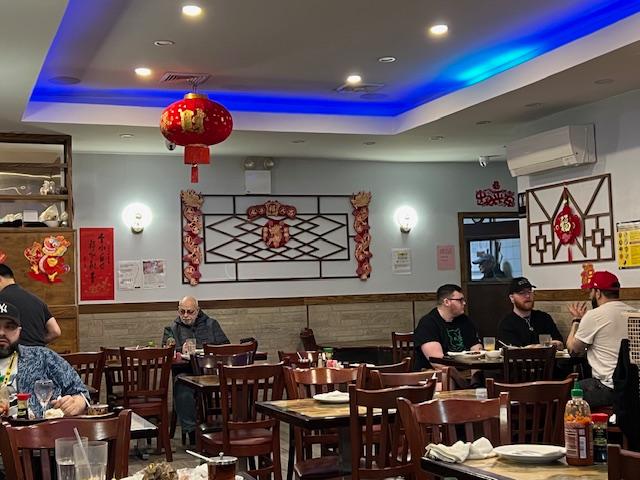
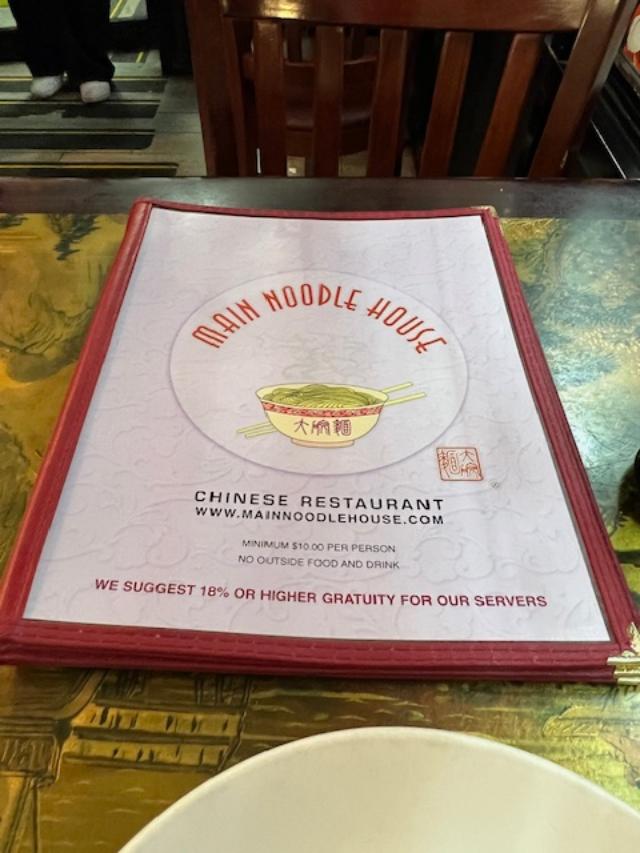
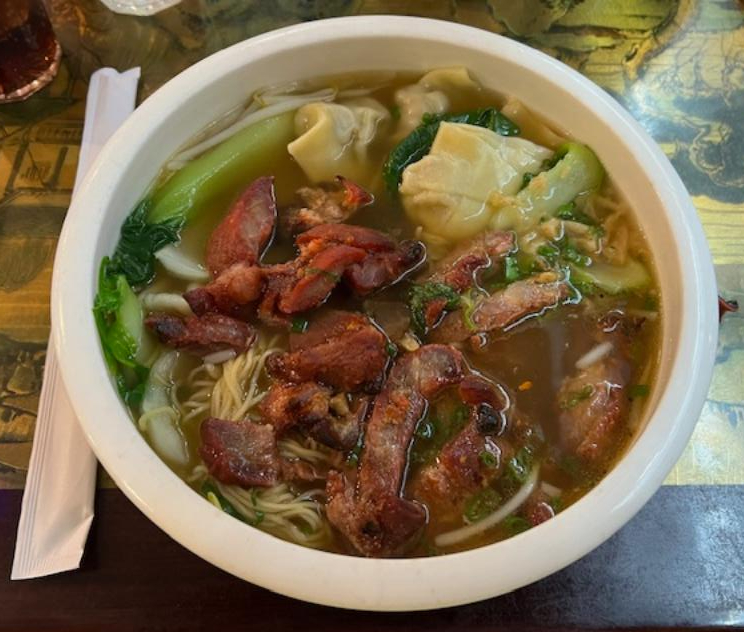

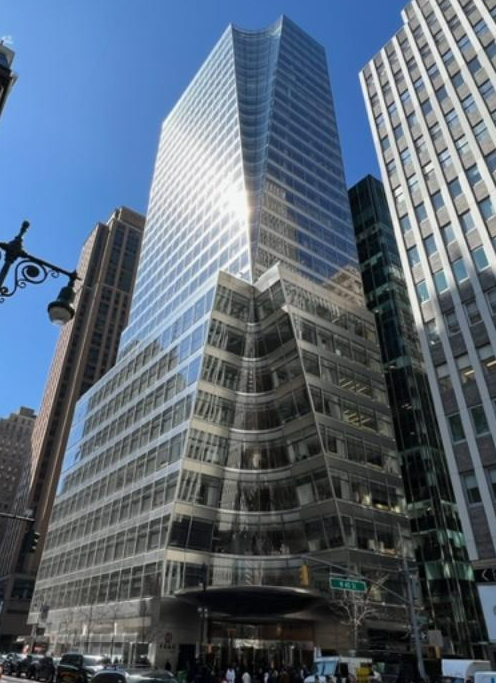
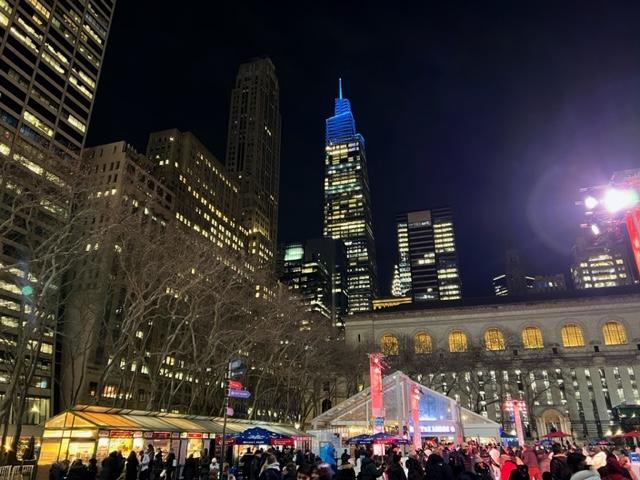
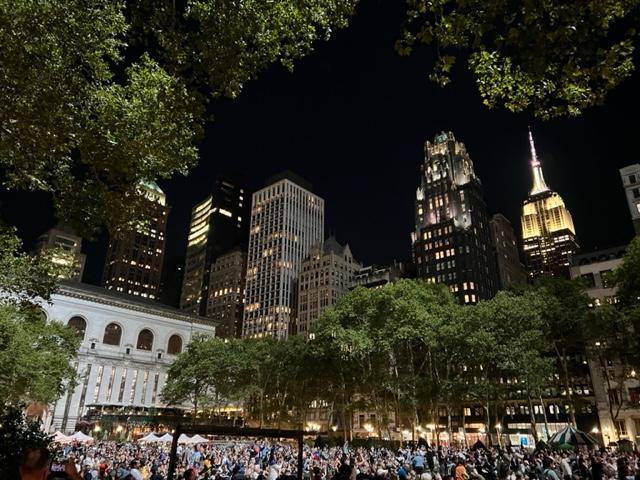
 mywalkinmanhattan