
I started walking the streets of East Harlem after a long day in the Soup Kitchen. They keep me very busy there and I had to work the busy bread station. It can very harried if there are any sweets such as pastries and doughnuts to give out. I was worn out but still carried on.
I took the number six subway uptown to 110th Street and started my day with lunch at the Blue Sky Deli (Haiji’s) at 2135 First Avenue again for another chopped cheese sandwich. I am beginning to love these things. For five dollars and my budget on the project, it just makes sense. Plus, it is nice to sit in Jefferson Park and just relax and watch the kids play soccer while I am eating. I don’t know if it was the sandwich or all the walking but I had stomach cramps for the rest of the day. It was a long day of walking.

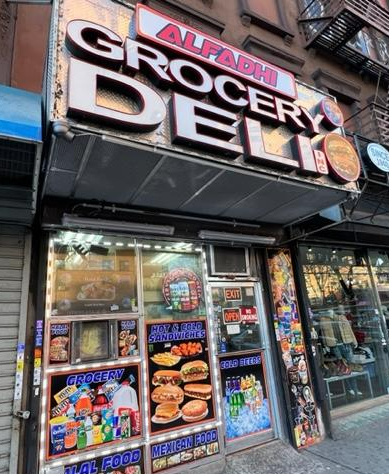
Blue Sky Deli is now known as Chopped Cheese Delicious Deli at 2135 First Avenue (this is what is looks like now
https://www.instagram.com/hajjis110/?hl=en
My review on TripAdvisor:
My review on DiningonaShoeStringinNYC@Wordpress.com:
There is nothing like one of their Chopped Cheese’s and I try to visit every time I am in the area.
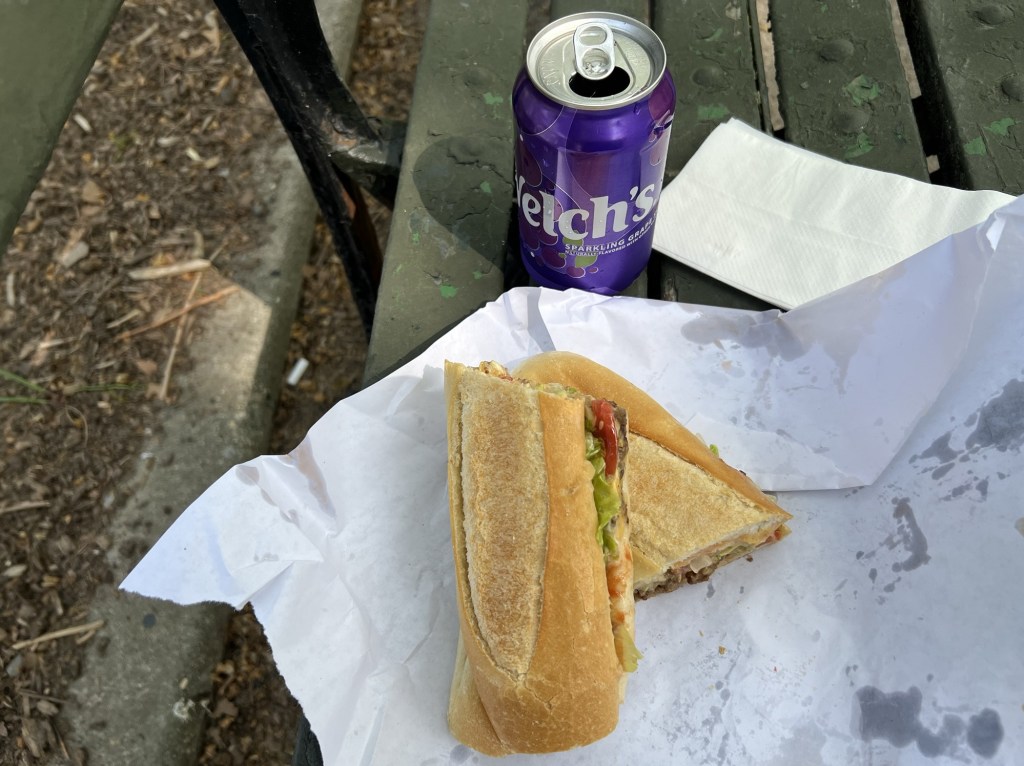
The Chopped Cheese with a Welsh’s Grape Soda makes the best meal

Yum!
I started the day by retracing my steps on 110th and looking over all the housing projects that line this part of First Avenue. I looked along the long line that is First Avenue and made sure to walk this part of the street as quick as possible. It does not start to get sketchy until about 105th Street but still you want to get through as fast as possible. Walking eight blocks across and back is impossible to do in one day even walking fast so I broke it up into two and a half separate days.
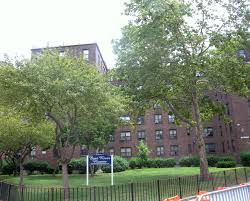
East River Projects at 105th and First Avenue
Along most of these blocks I was retracing what I saw along the Avenues and there is a lot of new construction and renovating along the way. A lot of buildings are being sandblasted to their original beauty and along the way there are little surprises along the way to discover. I just wanted to let readers know that since I had already walked First Avenue and the side streets on both sides, when I reached First Avenue when walking the streets, I did not cross the street and stayed on the west side of the avenue.
Most of the side streets I had walked already in some form along the way of walking the Avenues and took time out revisit many of the parks and restaurants that I had traveled previously. There are still many gems in this neighborhood that you should take time to visit. In some parts of the neighborhood, I would suggest going during the day when many other people are around. Even as safe as Manhattan has gotten over the years, I still look over my shoulder all the time and watch everyone no matter what neighborhood I am in.
I made several walks through the housing projects all over the neighborhood. You can really understand the complexity of the projects by walking through them as many as times as I did. It really is a different life. Sometimes I get the impression that being piled up in one complex is not good for anyone. The yards are not properly taken care of and playgrounds that are not kept in great shape.
Yet there are signs that residents have made it their own though. I walked through the Dewitt Clinton, Franklin, Lehman and Washington Carver Housing complexes and here and there are raised beds for fruits, vegetables and flowers. Some residents have taken it upon themselves to clean up the garbage in the playgrounds and paint the equipment and benches. Some make their own repairs in the play areas and then stand guard, watching what the kids are doing. I discovered this as I walked through the Washington Houses three times to complete 108th, 107th and 106th by crisscrossing the open-air park in between the complex. People kept looking at me walking through park.

Dewitt-Clinton Houses
https://en.wikipedia.org/wiki/Clinton_Houses
Along the way, I discovered many small community gardens tucked between buildings such as the Neighbors of Vega Baja Garden at 109th between First and Second Avenues and the Humaniano Community Garden at 108th between First and Second Avenues. These small patches of green make the block. Hidden behind fences, I can see that the neighborhood puts a lot of pride into landscaping them and planting them. Sometimes they are open to the public but I just walk by because no one is there.

Humaniano Community Garden in East Harlem
https://www.facebook.com/VegaBajaGardenClub/
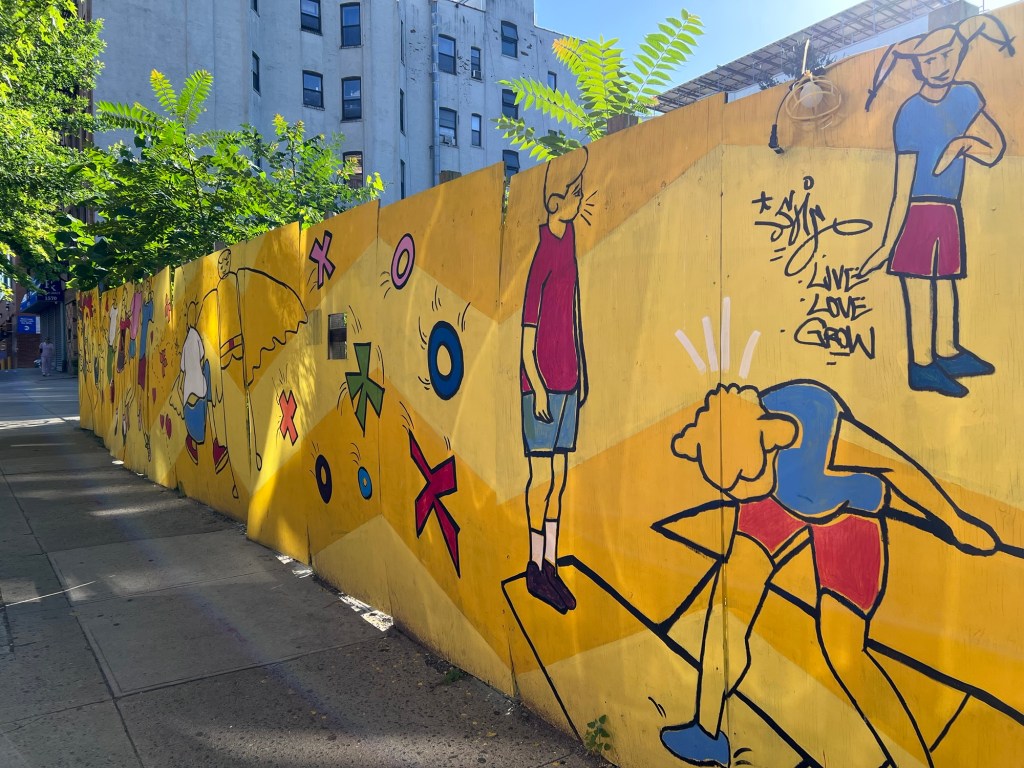
Street art along a wooden fence at East 109th Street just off Second Avenue. I thought this was brilliant and very original. There is a real message in this.
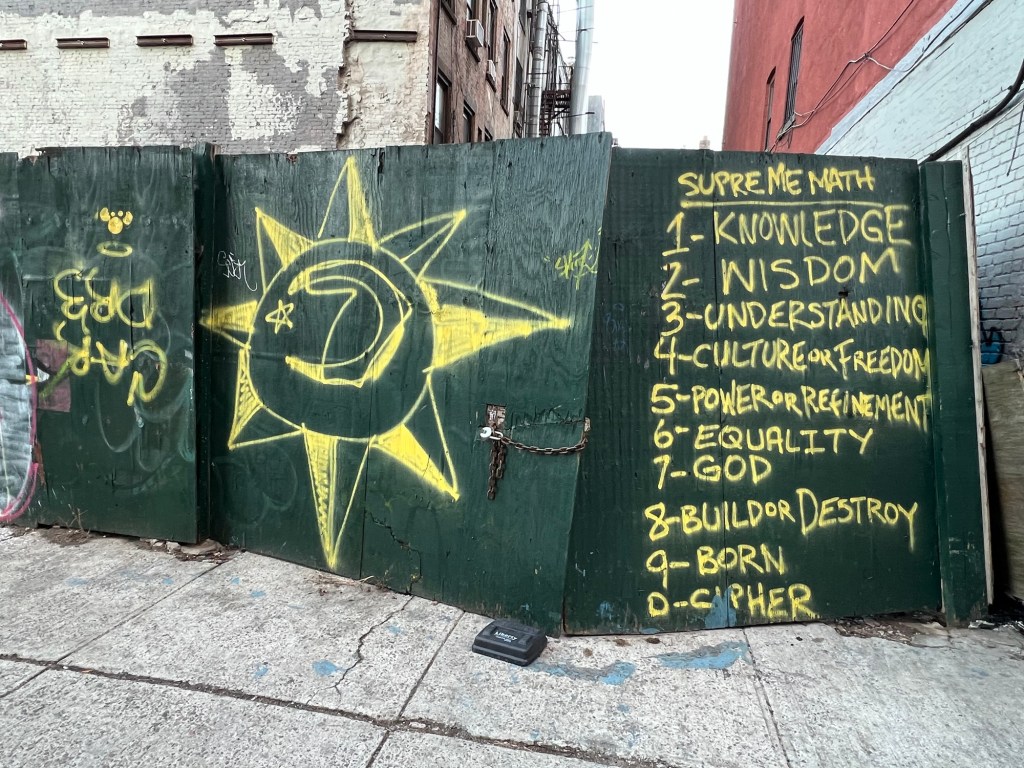
Street art on the fence of East 109th Street just off Second Avenue

The sun up close

The writing on the wall
I was back at Make & Bake Pizza at 1976 Third Avenue at 108th Street (now 109 Pizza as of March 2025 for lunch again (See my review on TripAdvisor and DiningonaShoeStringinNYC@Wordpress.com). For a dollar this is great pizza, and they give you a nice size slice. The restaurants in this are around the three local schools offer menus with reasonable prices catering to the kids and their families so take time to explore them. Mr. Moe’s is right down the road, and I can still taste that chopped cheese sandwich.

Now the pizzeria is called 109th Pizzeria and offers the same great prices as before
Make & Bake Pizza at 1976 Third Avenue (now 109th Street Pizzeria in 2025)
https://www.restaurantji.com/ny/new-york/make-and-bake-pizza-/

The cheese pizza here was wonderful
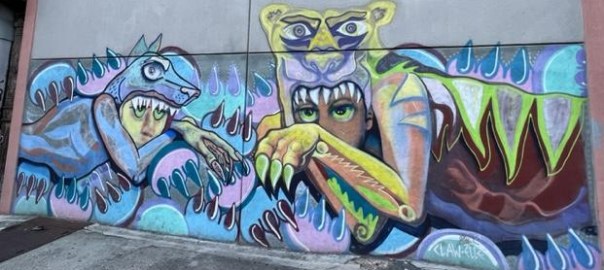
I also saw some of my favorite ‘street art’ murals on these blocks. Between 109th and 107th there are several that I saw. This ‘Spiritual Art’ work has almost an Aztec/Mayan look to it and its use of color and motion are so detailed. Take time to look at these works of art.
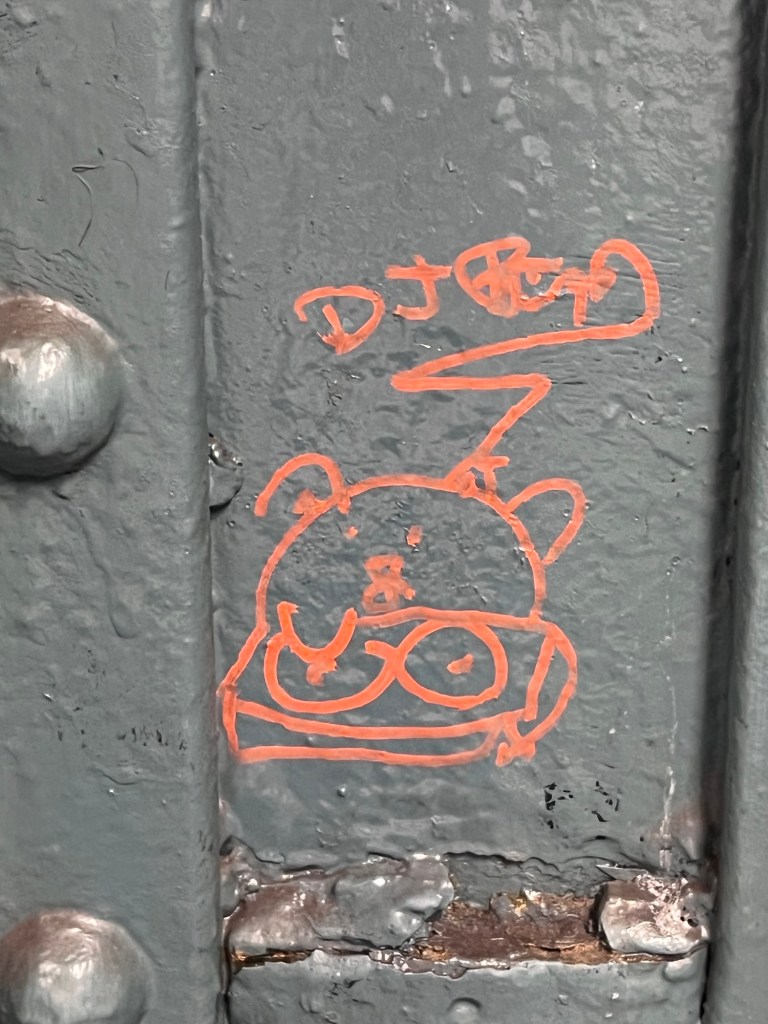
Some are ‘tags’ while others the artist was trying to tell a story. Look to the side of the buildings and the sides of schools. You might see some on the sliding doors of businesses. There is a lot of talent here. If there was only a gallery for these kids.

Street Art at 162 East 104th Street
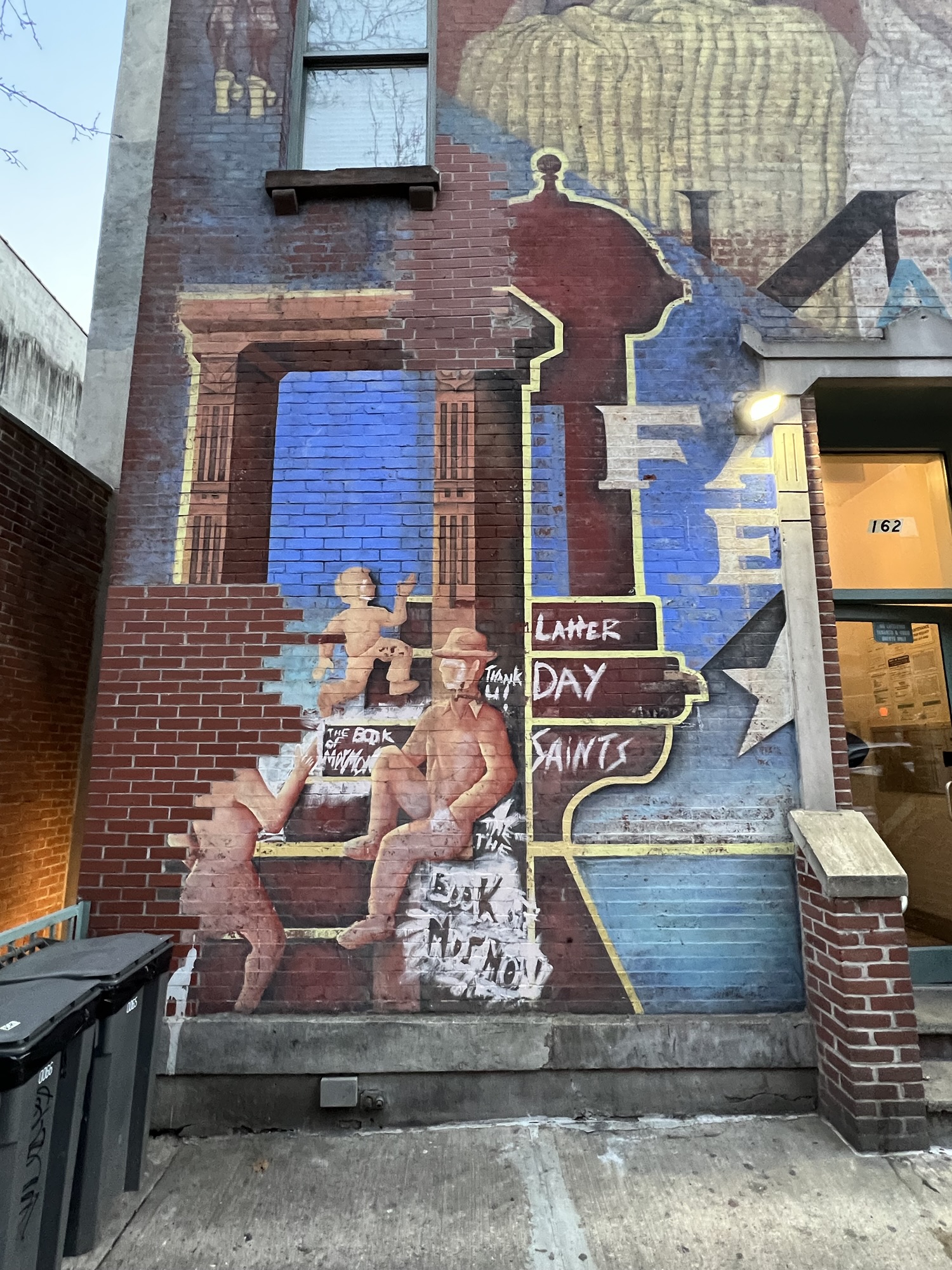
The doorway of the building at the entrance of 162 East 104th Street
There was some new street art along East 104th Street between Lexington and Third Avenues. I had never noticed it before it might be brand new but I thought it was brilliant.

The work on East 104th Street
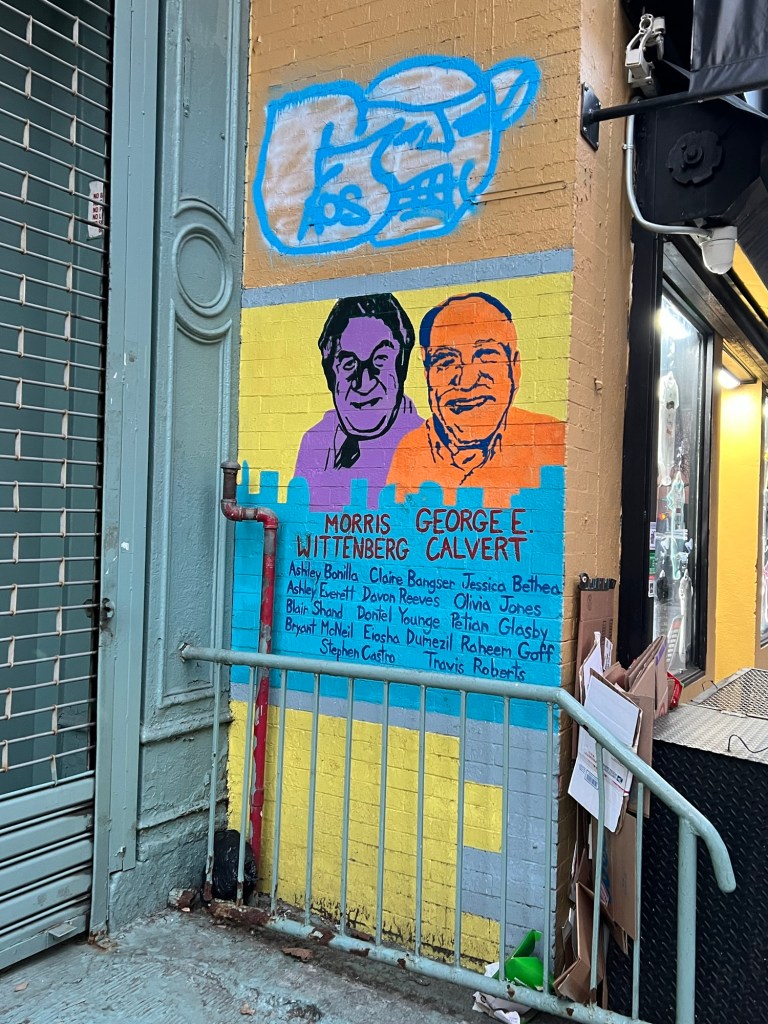
The painting on the opposite side of the doorway

A mosaic on the side a wall near Lexington Avenue
As you travel to the corner of Lexington and 107th, the neighborhood starts to change again once you pass the Franklin Housing Project. The buildings around this area are being fixed up and sandblasted back to their original beauty and new restaurants and shops are opening bringing a little life back to the area. By Hope Community Inc., there are interesting portraits of Latino Cultural leaders. The detailed portrait of Pedro Pietri by James de la Vega is interesting and take time to admire the work.

Pedro Pietri by Artist James de la Vega (now hidden by an outdoor restaurant)
Artist James De La Vega
https://en.wikipedia.org/wiki/James_De_La_Vega
https://www.instagram.com/delavegaprophet/?hl=en
Mr. De La Vega is an American artist of Puerto Rican decent who lives in New York City. He is known for his street and muralist art. He is a graduate of Cornell University with a BFA in Fine Arts.
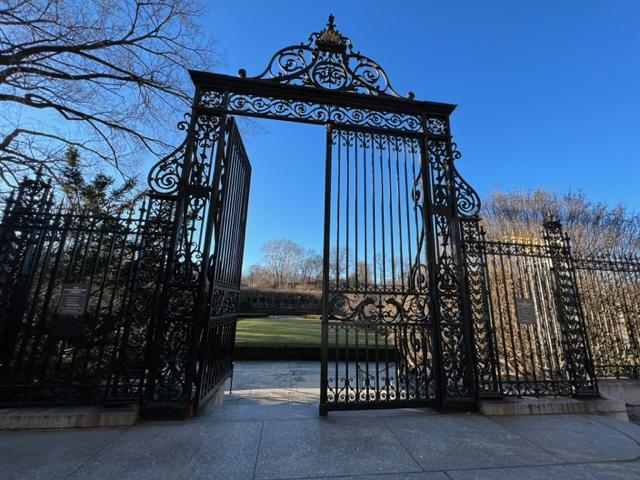
My first day walking the streets, I made it to the corner of 105th and First Avenue by the beginning of nightfall and decided to stop there. I was passing the East River Houses again and there were some shady characters walking around so I decided to finish 105th and rounded 104th Street for my next stop in the neighborhood and relaxed in the Central Park Conservatory at 1233 Fifth on the corner of East 104th and Fifth Avenue for the rest of the evening. My feet were killing me at that point.

Central Park Conservatory gates at 1233 Fifth Avenue
https://www.centralparknyc.org/locations/conservatory-garden
My review on TripAdvisor:
My review on VisitingaMuseum.com:
My next trip up to the neighborhood was June 21st, the third Anniversary of ‘MywalkinManhattan.com’. I can’t believe it has been three years since I started walking the island of Manhattan.
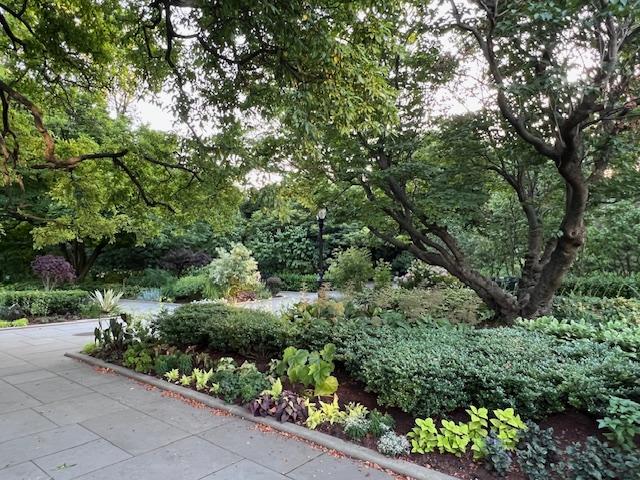
The Central Park Conservatory in the Summer of 2025
I still remember my first day walking in Marble Hill on Father’s Day 2015. I honestly thought I would finish in one summer and here I am at 96th Street on the East Side with the rest of the island ahead of me.
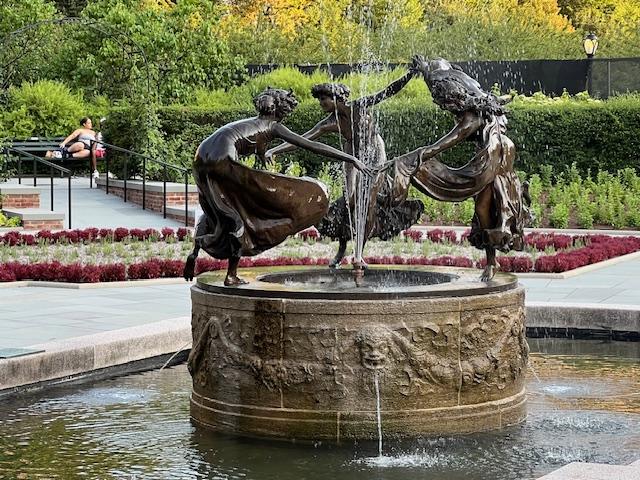
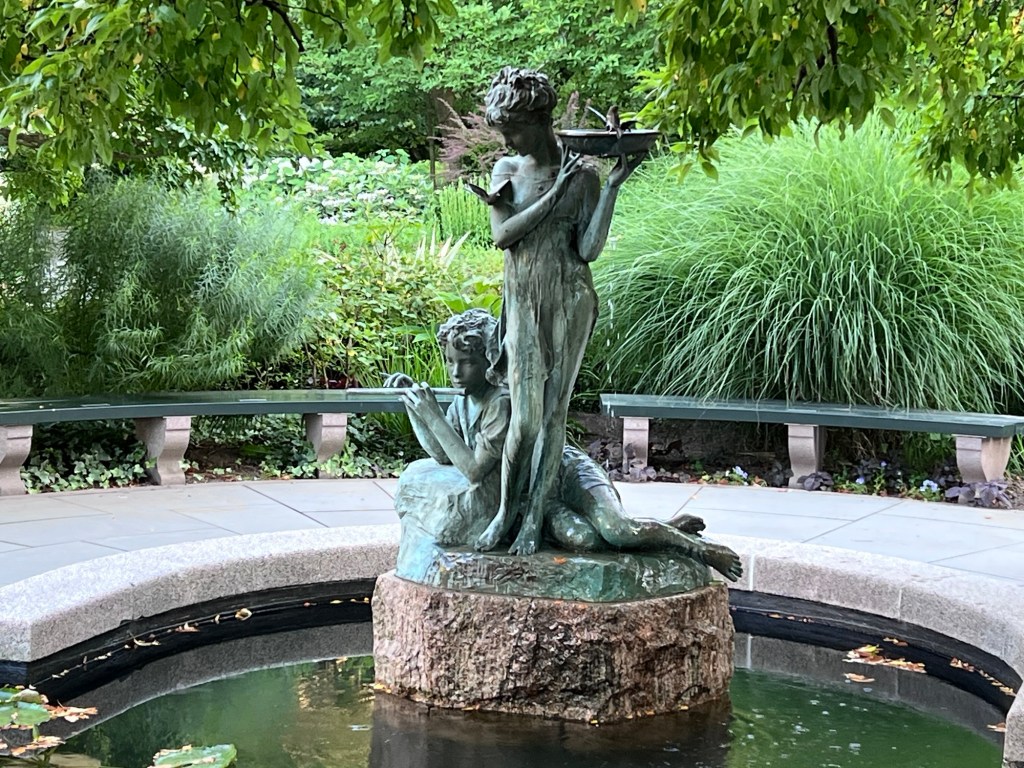
The French Garden Fountain at the Central Park Conservatory Garden
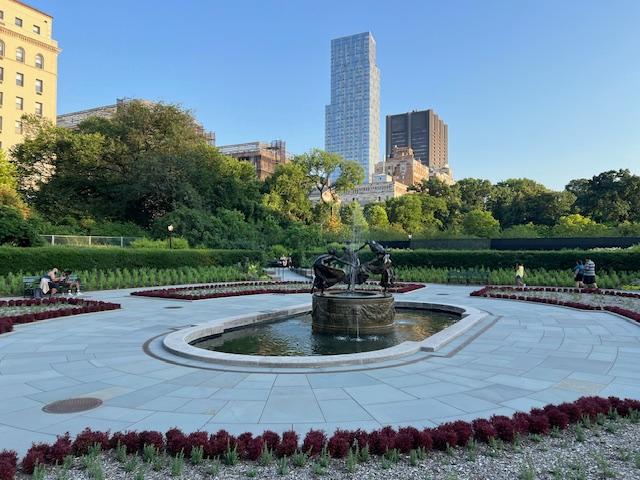
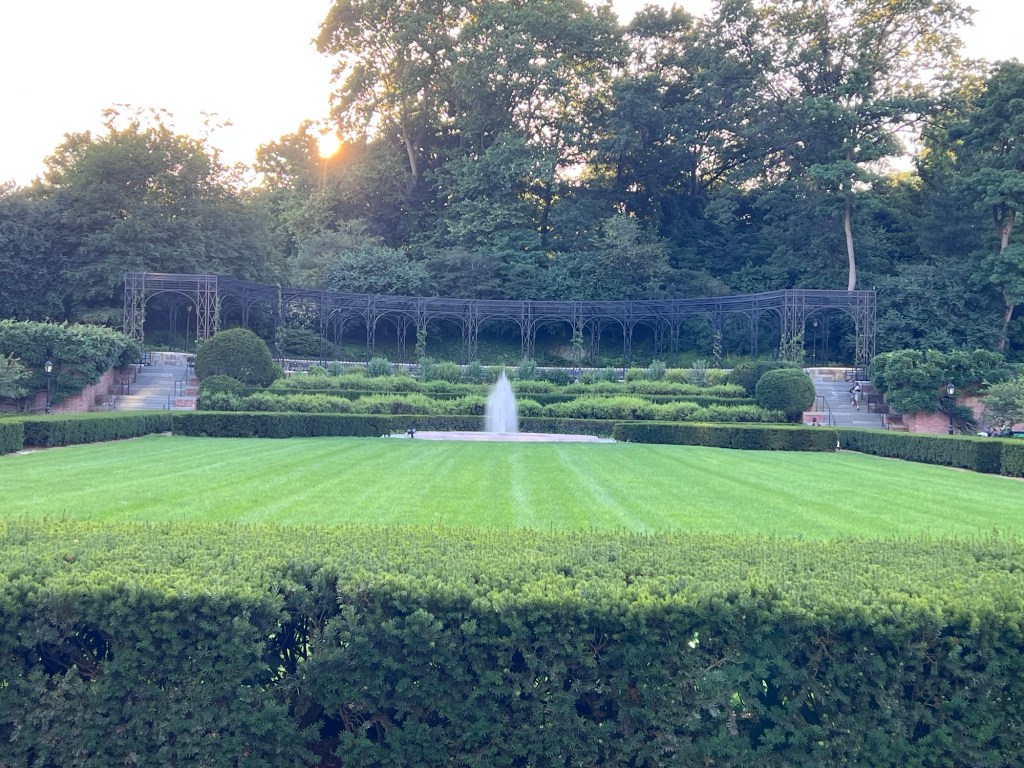
The newly renovated French Gardens at the Central Park Conservatory Gardens
Street art along East 105th Street that really impressed me between Lexington and Madison Avenues. This had not been there on my last trip. These works were touching and very creative. The artist presented work that comes from the heart.
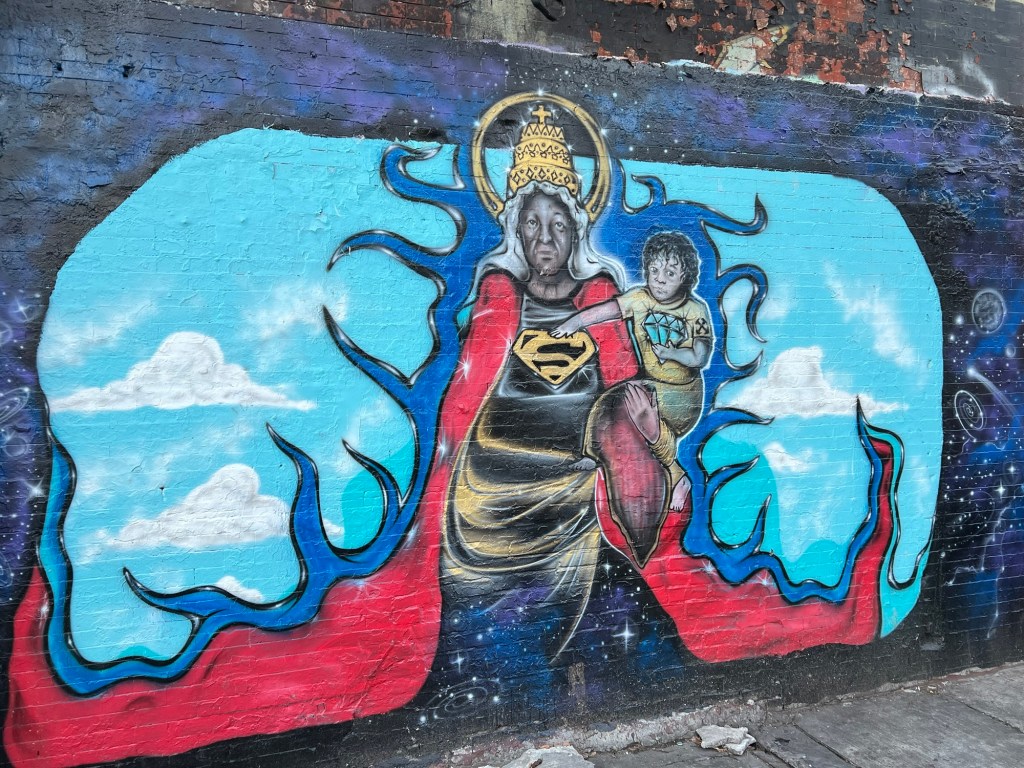
On the wall along East 105th Street

Painting along East 105th Street
I started at 96th Street and walked the length of it again from the park to the river. It was sad that the tulips along the river had died by the time I got back. They had been a colorful display by the path entering the river. Even the flowers at the Park Avenue Mall at Park and 97th Street started to change. Spring was giving way to the summer months and you could see the difference in the plants and trees. Between the plantings on the streets and second stage of flowers in Central Park, June was here.

Park Avenue around East 100th Street
You begin to notice distinctions in the grid pattern of the neighborhood block by block. By East 97th Street, you will see a real change. The Metropolitan Hospital, the Department of Sanitation and the Washington Housing projects set almost a border between the Upper East Side and Spanish Harlem once you pass Third Avenue.
Along the border of 97th Street on the grounds of the projects, the residents have set up a series of vegetable and fruit gardens and have done some landscaping that have some character to the lawns of the housing complex. I give the residents credit for their creativity, and I will have to revisit the site over the summer months to see how it turns out. Also along the street is the St. Nicholas Russian Orthodox Catholic Church, which is the only one of its kind in NYC. Stop and look at the detail of the church.
By 99th Street, the Washington Carver Houses start to dominate the middle of the neighborhood and Mt. Sinai cuts the neighborhood between the Upper East Side from Spanish Harlem to the east to Park Avenue. I tried once again to visit the Martha Stewart Garden in the Washington Carver complex at Madison Avenue and East 99th Street but again the gate was locked. At this point, it looked like it could have used a gardener to touch it up.

Martha Stewart Garden at Madison Avenue and East 99th Street
I continued the zigzag through the streets having crisscrossed again through the projects that I had walked a couple of times before. Between Park and Lexington Avenues as you round 101st Street, you can find some beautifully maintained brownstones and landscaped stairs with potted plants. It looks like something you would see in the village downtown.
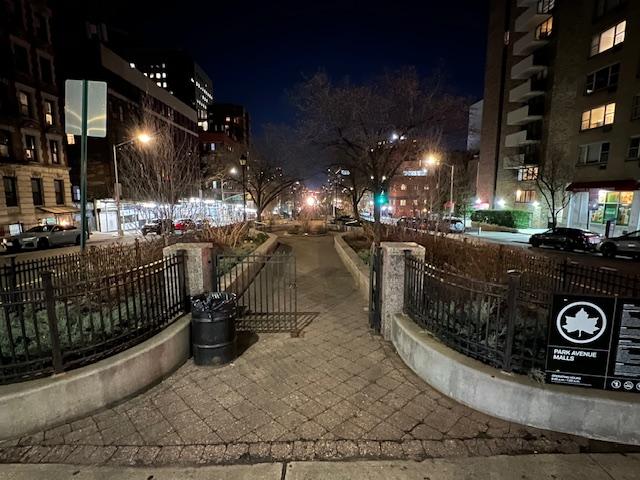
The Park Avenue Mall at East 96th Street at night
This small break in the grid pattern shows what the neighborhood once was before the city leveled it for public housing. People are really moving back in this pocket of the neighborhood and fixing up the buildings. Here is where you will find the street art on the walls and fences. I saw a lot of the yarn art I saw uptown but am not sure if this was the same artist.
I had a funny incident with a young police officer at the 23rd Precinct on the corner of 102nd and Third Avenue. He was making a phone call and had just finished and really must have wondered what I was doing in the neighborhood. He took the time to yell a ‘hello’ to me and I just looked at him for a minute and said ‘hello’ back and waited for him to say something.
I guess my progressive glasses must have given me a professional look and he did not say anything else. He watched me walk through the Washington complex and strangely enough waited for me to come back and then watched me walk back up 102nd on my way back up to Fifth Avenue. I saw him staring at me again and I just nodded and smiled and kept walking. I didn’t know that me walking around was so interesting.
Between Park Avenue and Third Avenue up to where the projects start again by 109th Avenue and Madison and Fifth Avenue is where you are seeing where the neighborhood is starting to gentrify and people are starting to fix up the buildings and the new restaurants and shops are starting to pop up. There is a pizzeria on Lexington Avenue, Lexington Pizza, that I have on my bucket list (that closed in 2025).
Thank God I did not have to venture past 105th Street as it was getting darker. Between Second Avenue and First Avenue after 101st Street, I always felt that the people in the housing complexes were watching me. More like staring at me yet I could not catch them actually doing it. I guess I really stood out.

The street mural at West 104th Street by the Museum of the City of New York just popped up and I could not see the artist. I think it was created by Mount Sinai hospital around the corner
As I rounded 104th onto 105th Streets on First Avenue, I must have made quite the impression walking down the street. A group of guys, I swear to God, looked like they jumped when they saw me round the corner. When I had to walk back up the opposite side of the southern part of 105th Street and First Avenue to complete this part of the neighborhood, they completely disappeared. I swear I thought that they were going to gang up on me and jump me. They also gave me the strangest looks. It reminded me of walking on 155th Street by the river and what I saw up by the Dyckman Houses. I just don’t blend in.
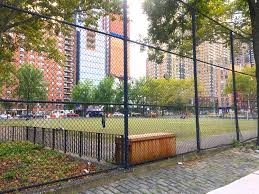
I walked past the parks along 103rd and 105th Streets and brought a quick snack into the White Playground on 105th Street and relaxed for a bit just watching the parents watch the kids playing on the park equipment. I really like this park. They keep it in good shape and the parents in the neighborhood really seem to enjoy coming here.
When I was passing the subway station near 103rd Street right by the Washington Carver Houses, I had not noticed a street art portrait of Celia Cruz. The artist did a good job.

The Celia Cruz painting on 103rd Street
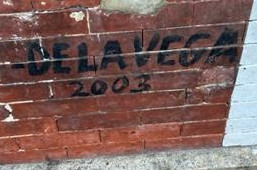
The work was done by artist James De La Vega in 2003
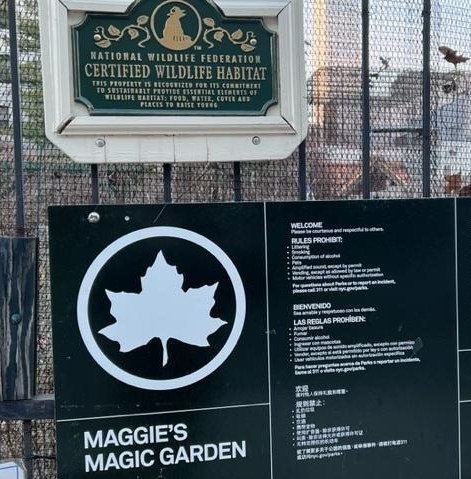
I walked past Maggie’s Garden at 1576 Lexington Avenue again on 101st Street and Lexington Avenue but the gate was locked on this day.

Maggie’s Garden at 1576 Lexington Avenue
https://www.facebook.com/maggiesmagicgarden/
https://www.nyrp.org/en/gardens-and-parks/maggies-garden
I ended the afternoon walking through Central Park and walking around the length of the reservoir and watch the joggers pass me by. If they only knew how much I had already walked that afternoon.

This sun was outside Maggie’s Garden the last time I visited.
It really made me think, looking at the crowd of joggers in the park and the people walking around the Central Park Conservatory that early part of the evening, how many of the people I passed that day venture past their part of neighborhood. These blocks have really been an eye-opener in urban planning gone wrong and how a neighborhood can be affected by the wrong decisions in building efforts. I saw a lot of people in the neighborhood trying to improve things on their own terms and take matters in their own hands.

The Harlem Meer at twilight in the Summer of 2025
I just don’t think that this part of Manhattan has to worry about getting too ‘hipster’ or ‘Yuppie’ unless the city sells off the projects and knocks them down. Even if they did, the neighborhood has its own character and I credit the people living there for making it that way.
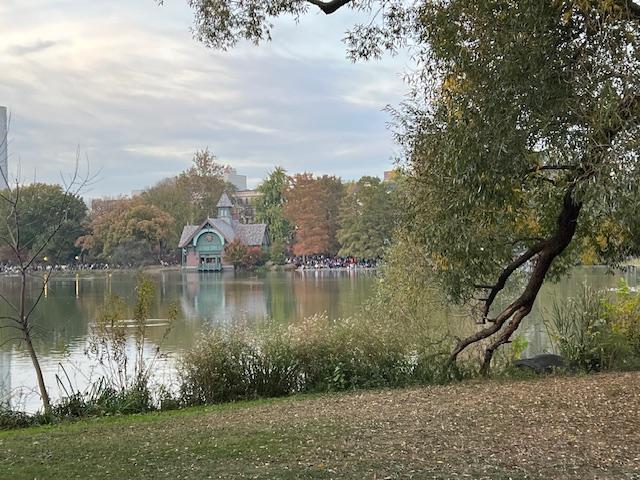
The Harlem Meer in the Fall of 2024
There is no real way to explain it without you, the reader walking these streets yourself and soaking up the culture that is East Spanish Harlem. Do yourself a favor though, don’t dress like me
Happy Third Anniversary and a very Happy Father’s Day to my Dad!
Halloween 2024 on the Harlem Meer:
I had never seen the Harlem Meer so crowded before especially with lots of little kids. Families were enjoying the Halloween activities of pumpkin carving and painting, games and little treats that the kids got (I never saw anything as it was gone quickly). The festivities were just ending as I raced from class to get into the City before the Pumpkin Flotilla started at dusk. It was still light outside so I got to enjoy the exhibition inside the Dana Discovery Center, “The Gates”, on the history of the various gates people use to enter Central Park.

The Gates Exhibition at the Dana Exploratory Center
https://www.centralparknyc.org/locations/charles-a-dana-discovery-center
https://www.centralpark.com/things-to-do/attractions/harlem-meer/
My review on TripAdvisor:
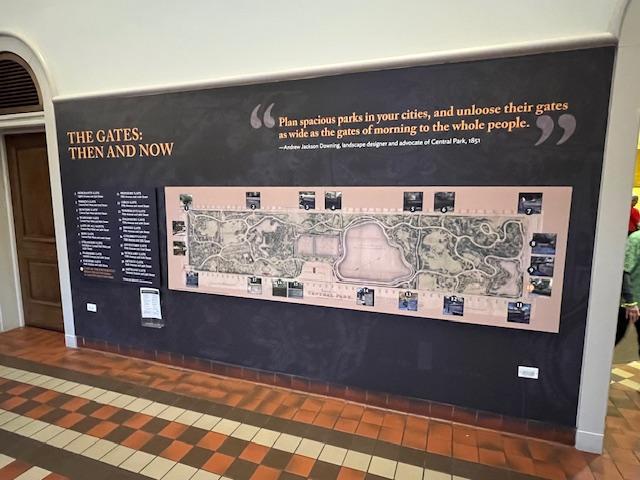
The Gates Exhibition

The Gates Exhibition
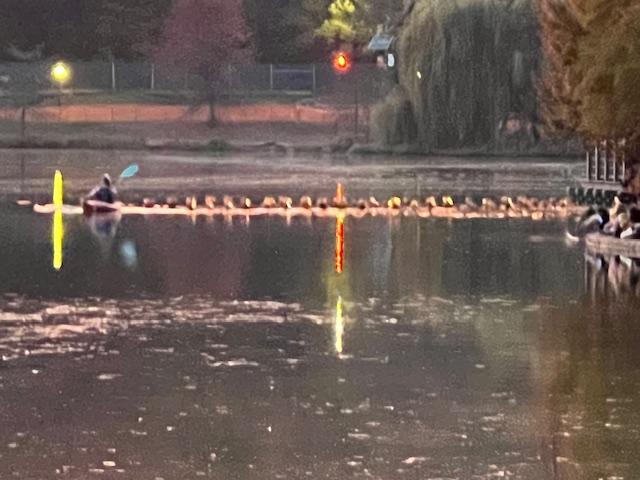
The start of the Pumpkin Flotilla
Then the fun began when the sun went down and the Halloween music started to play on the load speaker. Then two people canoeing started to paddle around the Harlem Meer Pond with lit Jack O’Lanterns following them. They started at dusk but when the sun finally went down, the real magic began.
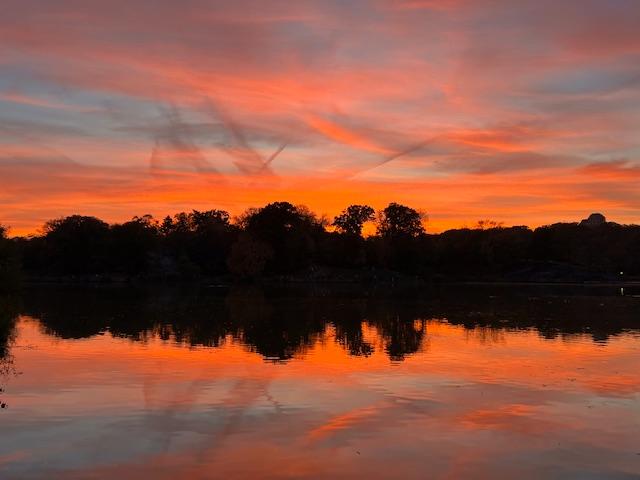
Sunset at the Meer
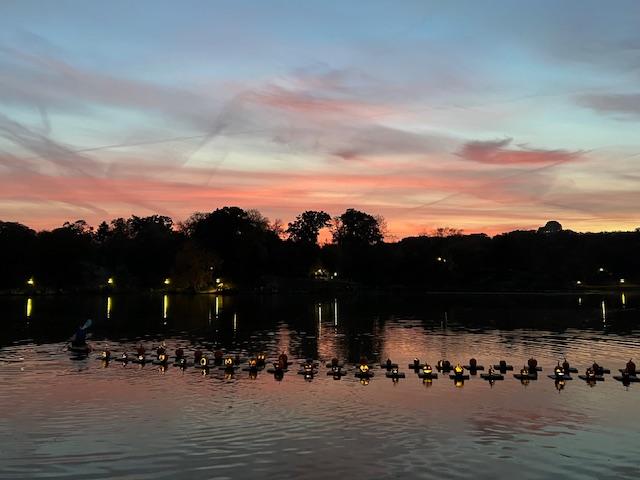
Sunset at the Meer
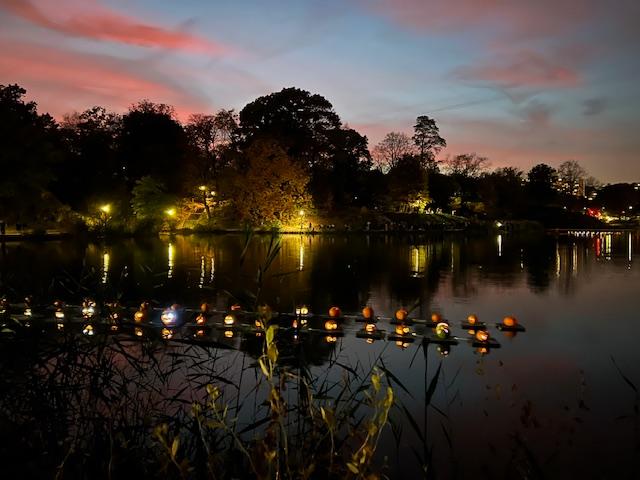
Sunset on the Meer

The pumpkins of the Pumpkin Flotilla
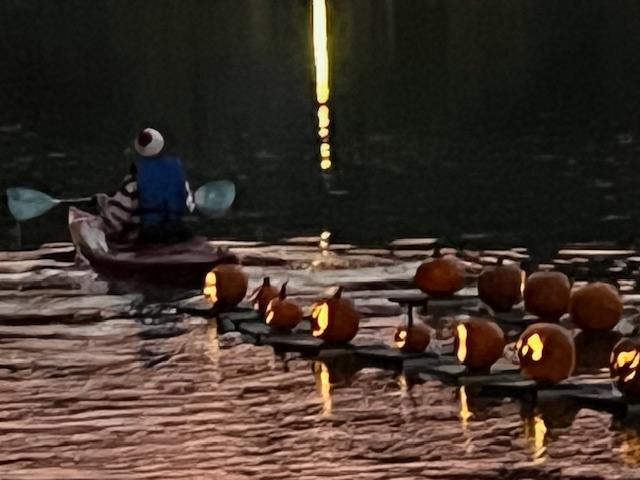
Paddling around the Meer
Video:
For the next hour, one gentleman started paddling around the Meer then followed by another and they circled the pond for about an hour. Everyone was jockeying for space as we all tried to take the perfect pictures.

The paddling around the Meer

The Pumpkin Flotilla at darkness
Video of the paddling:
Harlem Meer at night:

I stayed in the park taking pictures as the guys finished paddling around. The park had a almost spooky and mysterious look to it at sunset. I just wanted to get out of Central Park when it got dark. Too many bad memories of things happening. I headed over to the East Side
Please read my other blogs on walking East Harlem:
Day Sixty-Eight: Walking the Borders of SoHA:
https://wordpress.com/post/mywalkinmanhattan.com/3900
Day Seventy-One: Walking the Borders of SoHA:
https://wordpress.com/post/mywalkinmanhattan.com/4303
Day Seventy-Three: Walking the Borders of SoHA/East Harlem:
https://wordpress.com/post/mywalkinmanhattan.com/4798
Day Seventy-Five: Walking the Avenues of Spanish Harlem:
https://wordpress.com/post/mywalkinmanhattan.com/5066
Day Seventy-Eight: Walking the Streets of East Harlem:
https://wordpress.com/post/mywalkinmanhattan.com/5529
Places to Eat:
Make & Bake Pizza (now East Harlem Pizza-2022)
1976 Third Avenue
New York, NY 10029
(646) 490-8355
Open: Sunday-Saturday 11:00am-12:00am
My review on TripAdvisor:
My review on DiningonaShoeStringinNYC@Wordpress.com:
https://wordpress.com/post/diningonashoestringinnyc.wordpress.com/661
Blue Sky Deli-Haiji’s/Chopped Cheese Delicious Deli
2135 First Avenue & 110th Street
New York, NY 10029
Open: 24 hours
My review on TripAdvisor:
My review on DiningonaShoeStringinNYC@Wordpress.com
https://wordpress.com/post/diningonashoestringinnyc.wordpress.com/74
Places to Visit:
Central Park Conservatory
1233 Fifth Avenue
New York, NY 10029
(212) 310-6600
Open: Sunday-Saturday 8:00am-8:00pm
http://www.centralparknyc.org/things-to-see-and-do/attractions/conservatory-garden.html
My review on TripAdvisor:
My review on VisitingaMuseum.com:
https://wordpress.com/post/visitingamuseum.com/831
Maggie’s Garden
1576 Lexington Avenue
New York, NY 10029
https://www.facebook.com/maggiesmagicgarden/
For hours, please check the website.
For checking out the street art and the community gardens in the neighborhood please walk the area. Things are changing so fast that you never know when something can disappear. The Community Gardens have their own hours depending on the season.













































 mywalkinmanhattan