Admission: Adults $7.00/Seniors-Students with ID-Children 9-17 $4.00/Children 0-8 Free
My review on TripAdvisor:
The entrance of the Sugar Hill Children’s Museum
Sugar Hill Children’s Museum of Art & Storytelling building
The Sugar Hill Children’s Museum of Art and Storytelling is located on the first floor and basement level of 880 St. Nichols Avenue. This unique little museum caters to small children and their families with lots of interactive programs for the children.
The Children’s Gallery in the First Floor of the Museum with the gift shop.
Children’s Room Exhibition on the first floor
Children’s Room Exhibition on the first floor
My favorite piece in the Children’s Room exhibition
Children’s Room Exhibition
The Galleries:
There were two exhibitions going on at the museum was I visited in…
Our special ‘Members Only” nights at the Met are a lot of fun!
I had just finished Finance class at NYU and I needed a break. I could tell that my Professor wanted to leave early as well and the whole class was lost on learning the Income Statement so it was a perfect time to end the class for the evening.
I had signed up for the ‘Private Members Night’ on Valentine’s Day thinking that people would not attend this event on Valentine’s Day. Boy was I wrong! The museum was packed with people all over the museum. Since the whole museum was not open (the Roman and Greek Galleries on the first floor with the American Wing to the back being open and upstairs it was the Special Galleries and the Impressionist Wing), the areas of the museum including the restaurants and gift shops filled with members dining together for the evening and snatching up bargains such as the 50% ornaments from Christmas at the Gift Shop. I had never seen a Private Members Night so busy. That made it more fun as people were out to enjoy themselves without the pressure of the holiday.
The Metropolitan Museum of Art at 1000 Fifth Avenue during the day
Since I had seen most of the museum in the past and time was limited (I had about an hour and a half), I decided to spend my time at the new “Mayan Exhibition-The Lives of the Gods-Divinity in Maya Art”.
The entrance to the exhibition: “LIves of the Gods-Divinity in Maya Art”
‘In Maya art, the gods are depicted at all stages of life: as infants, as adults at the peak of their maturity and influence, and as they age. The gods could die, and some were born anew, serving as models of regeneration and resilience. In Lives of the Gods: Divinity in Maya Art, rarely seen masterpieces and recent discoveries trace the life cycle of the gods, from the moment of their creation in a sacred mountain to their dazzling transformations as blossoming flowers or fearsome creatures of the night.
Maya artists, who lived in what is now Belize, El Salvador, Guatemala, Honduras, and Mexico, depicted the gods in imaginative ways from the monumental to the miniature—from exquisitely carved, towering sculptures to jade, shell, and obsidian ornaments that adorned kings and queens, connecting them symbolically to supernatural forces. Finely painted ceramics reveal the eventful lives of the gods in rich detail.
Created by master artists of the royal cities of the Classic period (A.D. 250–900) Maya, the nearly 100 landmark works in Lives of the Gods evoke a world in which the divine, human, and natural realms are interconnected and alive’.
(from the Met website)
These were my favorite pieces from the exhibition:
The Mayan Throne at the entrance of the exhibition
The information on the ‘Throne Back’
The beautiful Jade icon pieces
Conch-Shell Trumpet
Conch-Shell Trumpet
Seated Female
Seated Female
Panel Fragment
Panel Fragment
Maize God
Maize God
The Rain Deity
The Deity Figure
The King Jaguar Bird Tapir
King Jaguar Bird Tapir
The Rain Deity
The Rain Deity Column
The Rain Deity
The Rain Deity Column
The exhibition was not that long and I was able to see everything in about an hour. I will have to go back to take some more time to read things but the art was just amazing. The detail work that these artisans had back then just showed how advanced they were without our modern tools. The Jade work was especially impressive.
After I finished the exhibit, I went down to the Impressionist Wing for twenty minutes before I toured the gift shop to see if anything new had come in. The museum must have emptied the storerooms of all the Christmas merchandise they were keeping in storage because there were tables of ornaments on sale fifty percent off. People were snatching things up and the lines were about fifteen deep. I have to say one thing, I was much more relaxed by the end of the evening.
The Metropolitan Museum of Art at closing
The museum had such an elegant look after dark. As we left the museum that evening, they gave us each sugar cookies that said “Met Member” on it printed on the icing. It was a very nice touch when we left and it was so sweet. It really pepped me up. It was such a nice warm evening (for the winter) and I decided to walked back to the Port Authority. It was quiet on the Upper East Side and it was nice to walk around.
The front of the Met at night is amazing.
When I got back down Fifth Avenue and passed Bryant Park, I saw the most spectacular view of the Empire State Building lit in pink for Valentine’s Day. What a site! This is why I love Manhattan so much. Where else do you get a view like this?
By the time I got back to Port Authority, things had gotten a little quieter. I stopped for a quick slice of pizza at the 99 Cent Pizza place down the road from the Port Authority and then headed home.
99 Cents Pizza at the corner of Seventh Avenue and 40th Street at 143 West 40th Street
The view of Bryant Park just blew me away. The lights of the buildings surrounding the park were fully lit with the Empire State Building in the background. It doesn’t get any better than this.
Bryant Park on Valentine’s Day. The Empire State Building was in the spirit of the evening with a bright pink lights.
I just started Spring Term at both of my colleges and classes are in full swing. Most everything I am able to handle but my Finance class is giving me a little concern. I still have to work on the formulas a bit more. Outside that, it is not the pressure cooker it was last semester. I still don’t know how I pulled off taking four classes, teaching three classes, three major projects in each and then the holidays and working on my blogs. Read “Day Two Hundred and Fifty-Six-Christmas Again” and you will think the same thing:
I never realized how close that Chinatown was to the New York University campus and now that I know, I will be sneaking down there a lot more before and after classes. I need my dumpling fix. Things are getting back to normal in New York City. It is still not the same as 2019 but it has gotten busier. Chinatown has gotten back to its ‘new normal’ with less restaurants and stores.
I have never seen so many ‘For Rent’ signs on buildings and buildings for sale. The outskirts of Chinatown are either being knocked down or gentrified and being replaced by art galleries, fusion restaurants, boutiques and businesses that have nothing to do with Chinatown. It is as if the East Village, SoHo and the Lower East Side are configuring on every corner of Chinatown. It is changing fast.
Chinese New Year is big in Manhattan’s Chinatown and where everyone comes to celebrate. It was too bad that this year the parade was on SuperBowl Sunday. The parade started at one and by three as the parade winded down, people were already leaving to watch the game. As the last of the parade ended with a parade of cars, the lines of people around the barriers were thinning. Even after the parade was over, a lot of restaurants on the fringes of Chinatown were emptying out or empty. I was really surprised by that.
The view of Chinatown before the parade is really spectacular
It was still a nice parade and very lively. I stood further down on the edge of Mott Street and East Broadway where I knew that the crowds would be thinner. We really did not have that big of a crowd by us as it was in the core of Mott Street by Bayard Street. I could see the parade with no problems.
Mott Street in Chinatown about an hour and a half before the parade started
I was starved by the time I got to Chinatown. I was thinking that there would be mobs and crowds so I left early and when I got downtown, it was just an average amount of people running around Chinatown. So I stopped off at Kamboat Bakery at 111 Bowery again on the Bowery for some buns. Now they were busy.
New Kamboat bakery at 111 Bowery (Closed March 2024)
I bought myself a Roast Pork bun, a Cream filled bun and Croissant with a fried egg and sausage (I have been watching too many of those Fung Brothers videos. When I saw it I had to try it). Everything was so good just like the last time I was there.
The Roast pork buns are delicious
The filling is amazing
The food was so reasonable and delicious and the ladies that run the operation are really nice and get you in and out of there. I took my second breakfast to the park with me. The pork bun didn’t even make it there as I ate it along the way.
The Egg and Sausage on a bun at Kamboat Bakery in Chinatown
They doused it with mayo and tucked a little lettuce inside. The perfect breakfast sandwich
The Cream filled Bun was excellent and loaded with sweet cream
While I relaxed and at my second breakfast in Sara Delano Roosevelt Park, I just people watched. Families looked like they were getting ready to watch the parade as the younger generations looked antsy about watching the SuperBowl and the Hipsters were lining up at Wah Fung #1 for their roast meat fixes. I swear the line at the restaurant on Chrystie Street never goes down until they close. I bet the owners can’t figure out why the lines are so long to get in.
After my snack and a quick trip to the restrooms, it was off to watch the parade. Since I know the drill in Chinatown, I saw the parade route online and decided to go to the bend closer to the East Broadway turn where I would be able to see more and there are usually less crowds. Right on both accounts this year. The parade was well attended but not like in previous years. There would be plenty of room to maneuver around.
Mott Street when I got there before the parade started
What has shocked me are the number of businesses that have closed along Mott Street. Even at the end of Mott Street the old Hunan Gardens spot which had turned into a grocery store after it closed years later closed during COVID and now the location and the two businesses near it are now all closed. This was not just on Mott Street but on a lot of sides streets as well. So many grocery stores are gone and have been replaced by art galleries. It will be interesting to see where the future of this parade will go as the neighborhood changes.
The parade was a lot of fun. The NYPD started the parade with the Mounted Police, the NYPD Band and then followed by the Jade Society and the Auxiliary. There has been an increase in New York Police of Asian descendancy and it showed with the amount of officers marching in the parade this year. It was much smaller back in 2019.
The NYPD Mounted Police opened the parade
The parade passes by
The NYPD Band
The NYPD Band
The Jade Society-Organization of Police of Chinese descendancy
A big opening to the parade as the police passed by
The beginning of the Lion Dances
The beginnings of the parade
After the police band and officers passed by State Senator Chuck Schumer walked in the parade greeting the crowd. I swear the man would not stand still for a picture.
Senator Chuck Schumer looking down after addressing the crowd
We were then greeted by the contestants and the winner of the “Miss Chinatown” contest. All the ladies were so nicely dressed and everyone applauded them. They all looked a little cold to me as it was not the sunniest morning. They were all smiles and waves.
“Miss Chinatown” court
“Miss Chinatown” and the First Runner Up
The ladies were all smiles and waves and all the little kids were getting a kick out of it. I never saw so many people getting pictures of beauty queens. They were having fun.
The FDNY marched right behind them
The FDNY got the biggest applause from the crowd. The bagpipers were followed by the members of the Phoenix Society, a organization of fire fighters of Asian descent. Their group was smaller than the police but seemed more popular with the crowd especially to the little kids.
The Honor Guard
The local company of “Dragon Warriors” drove in the parade
The Lion Dancers and Dragons were my favorite part of the parade. The music and the spirit of the dance really got the crowd going. They were all over the place bobbing up and down. The dancers did a really good job of engaging the crowd.
The Lion Dancers
The Lion Dance
The Lion Dance up close
The Lion Dancers were in full force in this part of the parade almost vying for bragging rights of who could do it better. It really energized and engaged the crowds who were really getting into it. The music and the dancing were really fun. The music and drumming was fantastic.
The different clubs were performing their best
Have you come face to face with a Lion?
As the parade progressed, we were treated all all sorts of puppets, floats and dancers that bowed and waved to the music of the many bands in the parade. Everyone was setting off poppers so there were streamers everywhere. The sun was trying to peek out and at least it did not rain.
The procession of cars followed by the fan dancers
The Fan Dancers
The Bands lead the way for most of the floats
The School Associations marched in the parade
The bands really livened up the crowds
The floats were very lively that day
Dancers that day were very active that morning
The Dragon dancers were all over the crowds, waving up and down and engaging the crowds. It was a lively dance and people were popping off streamers.
The dragon was all over Mott Street
The Dancers had the Dragon chasing the ball
The next Dragon was leading the next wave of dancers
The next Dragon was so colorful and beautiful
The Families with Children from China was nice to see
The parade ended with a series of cars in a procession
The parade was a lot of fun and I noticed the crowds were a lot bigger in the center of Chinatown. The cars made a lot of noise and by the time they drove through at the end of the parade the crowds started to thin. People were off to the restaurants and snack shops. The Superbowl was in a couple of hours and I would watch the neighborhood empty out.
For dinner that evening, I went back to E Noodle which I had tried several months earlier for dinner. I was pretty shocked that I was the only one in the restaurant. People left Chinatown and went home to watch the game. This is considering that E Noodle is right off East Broadway where the parade passes by I thought I would be fighting the crowds. All the scaffolding is down from the building now and you can finally see the outside of the restaurant.
After the two other tables left for the afternoon, I was the only one eating there for about a half hour but still the service was wonderful and the gentleman working there could not have been nicer to me. The food was excellent. I had the Pork Soup Dumplings and the Flat Noodles with Chicken. Everything was made there and the Soup Dumplings tasted as if they were made just for me then.
The Soup Dumplings were excellent
The Flat Noodles with Chicken were freshly made at the restaurant
Everything for dinner was delicious. I believe that both the Soup Dumplings and the Flat Noodles were made by the women at the restaurant. They brought the food to my table with such price and everything was excellent. I really enjoyed my meal (See my review on TripAdvisor).
The Fung Brothers video on YouTube on E Noodle and Kamboat Bakery
After dinner was over, it started getting dark and I just walked around the neighborhood one more time before I left the City. It got so quiet in Chinatown. If it had not been the night of the Superbowl I am sure it would have been much busier around the neighborhood. Still some of the restaurants in the core of Chinatown were busy and the drink and pastry shops had their crowds. The side streets were rather quiet. Still it was a wonderful afternoon in Chinatown and it is nice to see people back.
Happy New Year!
When I returned the to the parade route in 2024, I moved to the corner of East Broadway for a better view of the parade but the only problem was it was 39 degrees and I was in the shade. God was it cold but the parade was more crowded this year than the previous year.
My location on East Broadway at the beginning of the parade.
It was really the best place to take pictures and the red tent in the background is where the commentators for the parade hosted the parade.
The beginning of the parade.
The NYPD Band performing at the parade.
There were a lot of the organizations that I saw the previous years and because 2024 was an election year, a lot of the politicians were out in full force. They make their speeches and you can see everyone smiling and nodding.
Senator Chuck Schumer at the Parade
The Guardian Angels in the parade.
The Guardian Angels with founder Curtis Sliwa
The Jade Society of Chinese-American Police Officers
Jade Society Police Officers
The FDNY members of the Phoenix Society
The biggest applause came to Miss Chinatown who came with her court on various floats. She gave her speech in both Chinese and English to an ecstatic crowd of well wishers.
Miss Chinatown
Miss Chinatown
Being the Year of the Dragon, there were plenty of dragons dotting the parade route. The parade rocked with Dragon Dancers, floats and plenty of great music. This really got the very cold crowd engaged.
The Orange Dragon
The Gold Dragon
The Pink Dragon
The Floats
The Dancers from all the clubs
The Blue Dragon
The Black Dragon
The Chinese performers
By 3:30pm, the parade was over and I could see that the crowds were beginning to thin almost an hour earlier. People were really getting cold. As the participants headed up East Broadway the crowds thinned and made their way to the restaurants in the neighborhood. Every restaurant, bakery and dumpling place were packed even blocks away. I even travelled to the obscure ones and they were busy as well.
The end of the parade in 2024.
I finally found the one dumpling house that was not as busy as the other was Fried Dumpling at 106 Moscoe Street and had thirteen Fried Pork and Chive Dumplings for $5.00, still one of the best deals in Chinatown. On a cold day, there is nothing like them. They were perfectly cooked and spiced and juicy. The perfect way to end of the evening.
I have been coming to this little “hole in the wall” in Chinatown for years. It is one of the first places that came in with the concept of five dumplings for $1.00. Now they are $5.00 for thirteen (inflation has hit everyone) but they have not changed in taste. They are still some of the best in Chinatown.
Their sign.
The restaurant has only counter area and you can take the order down the street to the park if there is no room. You will be eating with small paper plates and plastic cutlery.
The inside of Fried Dumpling during Chinese New Year.
The dumplings are large and full of freshly ground pork, chives and spices and are fried perfectly. They are juicy on the inside and crisp on the outside.
The Fried Dumplings are amazing!
After my snack, I walked around Chinatown and watched the initial crowds of the first wave of restaurant goers give way to the second wave as Chinatown was busy until 5:00pm. I stopped at Happy Star Bakery on 160 East Broadway for some dessert but they were pretty much depleted of everything as well. I ended up with Hot Dog Bun and that was just as good.
The ladies that work there are very friendly and seem to get a kick out of me coming in and trying to make up my mind on what to buy since there is so much to choose from.
The Hot Dog Buns are like a ‘Pig in the Blanket’
You can never go wrong with baked goods here. During the 2024 Chinese New Year Parade, this bakery was packed and the this Hot Dog Bun is one of the things that was was left on the shelves. They were sold out of almost everything. I had never seen such an empty bakery during a parade day.
I just walked around the neighborhood on the way back to the subway. It was another great parade and great day in the City. The days are getting longer but twilight came and it was time to go home. It was a great parade.
The view from Chinatown at night of lower Manhattan is pretty amazing
Chinese New Year 2025:
Chinese New Year in 2025 was a tough one. It would not raining the day of all the events. So most of my involvement in the holiday was done inside. The day of the Firecracker Festival it poured outside and the day of the parade it rained all day long.
I had to go to a Bergen County Firemen’s Home Association meeting and serving as President and it being the first meeting of the year, I had to (and wanted to go. It would have been no fun anyway standing in the rain.
In lieu of the parade and sitting out in the cold, I went to several indoor events. The first was a Chinese New Year lecture of the plants of Chinese New Year at the Brooklyn Botanic Garden. In January of 2025, I attended a talk about the plants associated with the Lunar New Year by member Sabrina Lee. Ms. Lee who is a docent at the Gardens pointed out all the plants that were part of the Chinese New Year tradition.
Docent Sabrina Lee giving the talk on Chinese New Year at the Brooklyn Botanic Garden
The Bamboo plants which are part of the celebration
What I learned from the talk was the symbolism that comes from these plants and why they were they were so important to the holiday.
Then she gave us about forty-five minutes to travel to through the various exhibits in the Steinway Conservatory and visit the various plants associated with the New Year which were marked with special red Snake signs.
The Chinese Rain Bell plant
The Banana Tree
The Aloe plant for healing
The Banana tree
The Papaya tree
The Golden Shrimp Lollipop plan
The Starfruit plant
As we walked through the various halls of the Conservatory with the warm tropical halls, we got to see other plants in bloom and growing in the temperature controlled climate.
The Cactus display
The beautiful tropical flowers
The lushness of the Tropical exhibition
Ms. Lee even gave a beautiful calligraphy page with the symbols of the New Year After the Tour was over, I walked around the gardens which were still covered with snow from the recent storm. It made all more beautiful.
The beauty of the Japanese Garden in the Winter
The Japanese Garden during the Lunar New Year
The pond at the Japanese Garden
Then I visited the gift shop at the Gardens that was decked out for the Spring.
The new ‘Terrarium’ gift shop
Even the gift shop was in full bloom that day
I am always amazed by these Gardens. Even in the dead of Winter there is always something. A week and a half later, I attended the Chinese New Year Celebrations at the Newark Museum in Newark, NJ. All of the museums seemed to be going all out for the Chinese New Year Celebrations.
The Newark Museum had a wonderful family celebration for Chinese New Year. The museum had all sorts of games and crafts for the kids and tours for the families.
A Chinese musical group started the festivities for Chinese New Year at the Newark Museum. This was the folk band from JTL Band. They sang traditional songs in Chinese.
The group entertained the crowd with a wide applause
After the performance, we were treated to a Ribbon Dance. Dancer Lina Liu
The traditional Ribbon Dance by the Lina Liu Artist Group
The beauty of the dance
The end of the performance
The museum did a wonderful job with all the entertainment. The Planetarium also had a interesting show in the Moon and the phases that show in the evening sky. It was a very interesting show. Even though it was geared towards children, they made it so easy to understand in fun and engaging way. The museum did a nice job for the Lunar holidays.
The Metropolitan Museum of Art at 1000 Fifth Avenue
The last museum that I visited the week before the main parade in Chinatown was The Metropolitan Museum of Art. They had a full day of activities mostly geared towards children but here and there there were activities for adults and all family members. Unfortunately the museum was so packed, the lines were so long you could not get inside of them especially the auditorium events.
The main lobby of the Metropolitan Museum of Art decorated for Chinese New Year
The Main Lobby of The Met decorated with Cherry Blossoms for Chinese New Year
The Main Lobby decorating for Chinese New Year 2025
The Asian Galleries on the second floor of the museum were very crowded that day
The Scrolls exhibit in the Asian Galleries
After my visit to the Asian Galleries, I went to see the Ribbon Dancers in the theater. The line was so long that it stretched into the Egyptian Galleries. I saw on the agenda that the Peter Lin Band was performing in the American Galleries and went there to enjoy the concert. This was more fun than being packed into an auditorium.
The Peter Lin Band was the only event that I could enjoy because it was in the lobby of the American Wing
The Peter Lin Band performing that afternoon at The Met
The Peter Lin Band playing their last song a Shanghai jazz song
The band performing at The Met in 2023 for the Year of Rabbit
The American Wing was packed that afternoon. Everyone was enjoying the jazz combo playing a lot of contemporary and traditional jazz hits. Everyone enjoyed that concert that afternoon. By the concert was over, all the activities were winding down for the afternoon and I left The Met by 5:00pm.
Even tough I did not go to the parade, there was enough in the museums during Chinese New Year to keep me busy inside. I ended the evening with a trip down to Chinatown. The weather was cold and brisk but it was still a nice evening. I just had a snack from one of the vendors and walked around admiring the lights. Being so cold, it was not as busy as I thought it would be but I enjoyed myself and walked all over the neighborhood.
Mott Street at night during the Lunar New Year
Chinatown during Chinese New Year on East Broadway
Happy New Year Everyone!
I did find this video on YouTube by NY Amazing the day of the parade along East Broadway. It was cold, wet and very rainy. I am glad that I went to the BCFHA Meeting!
The Flatiron District has to be one of the most interesting and beautiful architectural neighborhoods in New York City. Serving as the old “Midtown” from the end of the Civil War until WWI and the move uptown, this area was once the shopping, entertainment and commerce area of Manhattan.
When all the department stores and businesses moved uptown first to 34th Street and then eventually to their current locations on upper Fifth and Madison Avenues as the City core changed, the businesses left a treasure trove of exquisitely designed former office buildings and department stores that are being refitted for new businesses that are moving into this area.
The core of the Flatiron District on FIfth Avenue below 23rd Street
What was old has become new again as the desire for these well-built and designed buildings has become a paramount to new tech and marketing businesses. The buildings may have the appearance of the turn of the last century but there are being remodeled inside with the latest Internet technology and premium office space.
I started my walk down Sixth Avenue again on West 24th Street admiring the old department store buildings of the “Ladies Shopping Mile” with their Beaux Art style architecture and curvature symbols with the initials of companies that no longer exist. Just look up at the lions’ heads and pillars that dominate this architecture, and it shows this type of embellishment was used to draw customers in and showcase their elegant wares. These are now the home of discount retailers and small business offices.
On the side streets of this district, you see how companies used to impress the outside world with their elegant buildings as a ‘calling card’ of who they were as a company. Tucked between more modern buildings, there are some true architectural gems all over the neighborhood. You really have to stop and admire the detail work of these buildings.
As I rounded the corner down West 24th Street, slightly hidden by scaffolding but still seeing its beauty was 46 West 24th Street, the Masonic Lodge.
46 West 24th Street-The Masonic Lodge (Streeteasy.com)
The Masonic Lodge’s elegant structure was designed by architect Henry Percy Knowles in the Beaux Arts style and was completed in 1910. It was built for the offices of the Masonic Lodge on West 23rd Street and its embellishments were made of stone and brick work (Daytonian in Manhattan). It’s currently going through a renovation but you can see all its beautiful decorations on the side and top of the building.
Making my way down West 24th Street, you come to the center of the neighborhood, Madison Square Park, which the Flatiron District shares with Rose Hill, NoMAD and Kips Bay to the east and Gramercy Park to the south. These neighborhoods overlap between Fifth and Lexington Avenue and Park Avenue South, so take time to read my blogs below on those neighborhoods as well to share in all the wonderful things you will see in this section of the Manhattan.
Madison Square Park has become like a second home to me since walking this set of neighborhoods. It is a nice place to relax under shade trees in the hot weather and have snacks and eat your lunch while spending time people watching. It is also the home of many statutes of fascinating people and getting to know their history as well.
Madison Square Park is an interesting little oasis from all the traffic and office space. It has an interesting history since it was designated a public space in 1686 by British Royal Governor Thomas Dongan. It has served as a potter’s field, an arsenal and a home for delinquents. In 1847, the space was leveled, landscaped and enclosed as a park. It became part of the New York Park system in 1870. There are many historical figures featured in the park (NYCParks.org).
The park today is a major meeting spot for residents and tourists alike with a dog track and the original Shake Shack restaurant.
Madison Square Park in the Spring when I was walking the length of Broadway
An interesting sculpture that that welcomes you into Madison Square Park is the statue of William Henry Seward, the former Governor of New York State, US Senator and Secretary of State during the Civil War. He also negotiated the Alaskan Purchase in 1867.
Governor William Henry Steward statue in Madison Square Park
Governor William Henry Seward, who negotiated the Alaskan Purchase “Seward’s Folly”
The statue was designed by artist Randolph Rogers an American born sculptor who studied in Italy. He was a Neoclassical artist known for his famous historical commissions.
When I walked into the park to take a break, it must have been the busiest section of the neighborhood between the playground and the original Shake Shack that were serving food to a crowd clung to their cellphones.
I stopped to look at the statue of our 21st President Chester A. Arthur, who had taken oath just two blocks away in his New York townhouse where the Kalustyan’s Specialty Foods is located at 123 Lexington Avenue (See My Walk in Kips Bay below). I thought about what was going on in our government today and what they must have gone through with this transition.
The Statue of Chester A. Arthur in Madison Square Park
George Edwin Bissell was an American born artist from Connecticut whose father was a quarryman and marble carver. He studied sculpture abroad in Paris in the late 1870’s and was known for his historical sculptures of important figures of the time (Wiki).
The Admiral David Farragut statue in Madison Square Park by artist Augustus St. Gaudens
Another interesting statue that stands out in Madison Square Park is the of Civil War Navy hero, Admiral David Farragut. Admiral Farragut commanded the Union Blockade of Southern cities and helped capture New Orleans. The statute was designed by sculptor Augustus St. Gaudens. This was the artist’s first major commission when it was dedicated in 1881 (NYCParks.org).
Augustus St. Gaudens was an Irish born American artist whose specialty during the Beaux-Arts era was monuments to Civil War heroes. He had created the statue the William Tecumseh Sherman in the Central Park Mall on Fifth Avenue along with this statue of Admiral Farragut. He had studied at the National Academy of Design, apprenticed in Paris and then studied at the Ecole des Beaux Arts (Wiki).
The Roscoe Conkling statue on the south side of the park
Roscoe Conkling was an American lawyer and Republican politician who represented New York in the United States House of Representatives and the United States Senate (Wiki).
He trained for seven years (1849 to 1856) under the well-established sculptor, Henry Kirk Brown and then Ward went to Washington in 1857, where he made a name for himself with portrait busts of men in public life (Wiki).
The statue was created by sculptor John Quincy Adams Ward in 1893. Referred to as “the Dean of American Sculptors,” Ward contributed nine sculptures to the parks of New York, among them Horace Greeley (1890) now in City Hall Park, Alexander Holley (1888) in Washington Square Park, William Earl Dodge (1885), now in Bryant Park. Ward’s depiction of Conkling is a sensitive and vigorous portrait of him posed (NYCParks.com).
I love walking around the park in the summer, when you can admire the flowers and green lawns and relax under the shade of tree on one of the benches. When I walking through the park after classes during Christmas, the park was like a ‘Winter Wonderland’ with white lights lining the park, the Christmas tree in the corner of the park and Shake Shack decorated for Christmas.
Even during the day Christmas is in full swing in Madison Square Park
I crossed the park and entered the other side of the park that the Flatiron neighborhood shares with NoMAD and Rose Hill neighborhoods. This section of the neighborhood is still home to many headquarters of companies and the architecture displays the company’s influence in their industries.
The building was designed by architect William C. Frohne in the Beaux Arts style and was completed in 1911. The building was known as the Remington Rand Building being the headquarters of the Remington Rand Company who used to manufacture typewriters and electric shavers (Metro Manhattan.com). Look up at the exquisite detail work of the doors, windows and roof with interesting design.
Another building that stood out as I walked down the street was 125 East 24th Street, the St. Francis of the Friends of the Poor.
125 East 24th Street-St. Francis Friends of the Poor Building
The structure was built in the late 1880’s as the home of William Frances Oakley. When he passed aways in 1888, it became the Beechwood Hotel, a residential hotel for the carriage trade. In the 1937, it became a writing school and by the early 1950’s it was turned in SRO. In 1979, the Friars of St. Francis of Assisi bought the building as housing for the homeless with psychiatric issues. It is now home to the St. Francis Friends of the Poor, where it is a community for people who need assistance with their issues and helps them live a better and more productive life (Wiki/St. Francis Friends of the Poor.com).
The street art on the wall of the building is interesting and faces Lexington Avenue. One the corner of East 24th Street & Lexington Avenue is the Friends House New York, a housing unit. Painted on the wall is a very unique painting by Italian street artist, Jacopo Ceccarelli.
Painting by artist Jacopo Ceccarelli
The mural is on the corner of East 24th & Lexington Avenue-The St. Francis Residence Building
The Milan born street artist, who goes by the name “Never 2501” hones his skills after moving to San Paolo, painting murals with an edge that got global recognition. He uses geometric forms in his work with circles and lines creating the abstract (Do Art Foundation).
As I walked Lexington Avenue, it was like visiting an old friend. I had not walked around Kips Bay, which shares the border with the Flatiron District in a long time. The Baruch College promenade had finally been finished and students in their summer classes were hanging out there.
Restaurants that had shuttered when I was walking around the neighborhood had finally reopened and catering to the students and hotel guests in the area. I still did not see a lot of office workers, but the tourists have definitely come back to Manhattan. I have heard many languages on the streets.
As I walked back down East 24th Street, I noticed buildings that I had seen on walks in the neighborhood come back to life. It was nice to see people walking around the neighborhood again. As I crossed Park Avenue South, I saw the buildings that share the neighborhood with the NoMAD/Rose Hill neighborhood, and it looked like people were coming and going that afternoon.
As I walked closer to Madison Square Park, I noticed the large vault entrances to 11 Madison Avenue, the old Metropolitan Life North Building that had just been renovated. There was also the beauty of 5 Madison Avenue that now serves as the New Edition Hotel.
It was designed by architects Napoleon LeBrun & Sons inspired by St. Marks Campanile in Venice. From 1909 to 1913 this was the Metropolitan Life Insurance Company Tower building. It was once the tallest building in the world until 1913 when the Woolworth Building was finished (Curbed.com/Wiki).
I remembered these impressive buildings facing Madison Square Park on my last visit to the neighborhood as they share the same borders with NoMAD (North of Madison Square Park) and Rose Hill Farm neighborhood.
Owned by the Sapir Corporation now, the building was built in 1929 at the start of the Great Depression and was designed by architects Harvey Wiley Corbett and D. Everett Waid. It was built in the Art Deco style with clean lines and interesting embellishments on the interior of the building (Wiki). It is now home to many well-known companies (Wiki/Sapir Corporation).
The details in the entrance of 11 Madison Avenue
I crossed the park again and made my way back down West 24th Street. I rounded the corner on West 23rd Street to see many striking gems along this street as well. On the corner of Sixth Avenue and West 23rd Street is 701 Sixth Avenue, the old Ehrich Brothers Department Store. The building was constructed in 1889 by architect William Schickel & Company with additions by Buchman & Deisler and Buchman & Fox in 1889 (Wiki).
Ehrich Brothers Department Store building at 701 Sixth Avenue (Wiki)
Another addition was added by Taylor & Levi in 1911 when the store was leased to J.L. Kesner. They added the terra cotta “K”s that can still be seen from the top of the storefront. The store folded in 1913 and then was used for manufacturing and offices as the shopping district moved to 34th Street and the Fifth Avenue area (Wiki).
At the corner of the neighborhood on Sixth Avenue and West 23rd Street at 100 West 23rd Street is the second Macy’s Department Store building. This was on the very edge of the Ladies Shopping Mile that once stretched along Sixth Avenue.
The building was built in 1871 and you can see all the elaborate embellishments on it with interesting stone carvings and elegant window design and some wrought iron details on different parts of the building. It was the last location of the store before it moved to its current location at 151 West 34th Street.
100 West 23rd Street (Renthop.com) is an old Macy’s
Across the street on the other corner is The Caroline building at 60 West 23rd Street. This inventive new building showcases the future of the neighborhood and was once home to the former McCreery’s Department Store.
The stretch of West 23rd Street from Sixth to Fifth Avenues was once lined with elegant department stores and specialty stores extending this ‘Shopping Mile’ to the retail palaces of Broadway above Union Square.
The plaque outside the Carolina Building
The “William Shakespeare” that once stood at the Booth Theater from the 1800’s
One of my favorite buildings that stands out and was the filming spot for ‘McMillian Toys’ in the movie “Big” is the former Sterns Brothers building at 36 West 23rd Street. You have to look on the opposite side of the street to appreciate the beauty of the building.
The beautiful detail work above the entrance of the former Stern’s Brothers Department store
The stonework is amazing
The Stern’s Brothers Department store was built in five stage over a period of forty years. The original store which is the core of the building was built in 1878, where this magnificent entrance is located and the two wings of the building were built with the success of the store. The original store was designed by German architect Henry Fernbach in the Renaissance Revival style (Daytonian).
The store was added to two more times with the final addition coming in 1892 with an extension by architect William Schickel. When the migration of department stores moved to the new shopping district on 34th Street, Stern’s moved with it. The store today is Home Depot.
On the corner of Fifth Avenue and 23rd Street is 186 Fifth Avenue, which was built for the Western Union Telegraph Company in 1883.
The Western Union Building on the corner of West 23rd Street and Fifth Avenue is 186 Fifth Avenue
The building was designed by architect Henry J. Hardenberger in the Queen Anne style with its details being in brick and terra cotta (Daytonian in Manhattan). The building just finished a restoration, and you can see the details by the windows and dormers.
The Flatiron Building at 175 Fifth Avenue over the summer in all its glory
As you look down further on the square, you will see the Flatiron Building one of the most famous and most photographed buildings in New York City. The building was designed by Daniel Burnham as a Renaissance Palazzo with Beaux-Arts style. The original name for the building was the “Fuller Building” for the Company. The name “Flatiron” comes from a cast iron clothes iron from the turn of the last century. (Wiki)
During the summer, street art created by both local and international artists are a big part of the decor on Broadway. This interesting work “Dancer” was by artist Tomokazu Matsumaya and was on display in the plaza next to the Flatiron Building.
The interesting artwork “Dancer” by artist Tomokazu Matsuyama in the 23rd Street Plaza next to the Flatiron Building during the summer months
The work by artist Tomokazu Matsuyama (gone by December 2022)
Artist Tomokazu Matsuyama is a Japanese Contemporary Visual artist from Japan who now lives in Brooklyn. He graduated from Sophia University in Tokyo and then attended Pratt Institute where he got his MFA in Communications Design. His influences are in global arts and is known for his sculptures (Wiki/Bio).
East 23rd Street that faces Bryant Park is a very commercial district with many interesting restaurant concepts from chain restaurants to independents that want to become chains. During the summer as it ended before school started, around the holidays I was able to eat in most of them. These places cater to the businesses that surround Madison Square Park and the families that come into the park to walk their dogs and use the playgrounds and dog parks.
The 23rd Street “Restaurant Row” south of Madison Square Park
The McDonald’s at 26 East 23rd Street is always popular and is open late nights. The food and the service is really good here.
Next to McDonald’s at 28 East 23rd Street is Dim Sum Sam, a dim sum restaurant that now has four locations in New York City. The only problem with this restaurant is that the further they move uptown from Chinatown, the higher the prices go for Dim Sum. A Roast Pork bun, although really good, is getting to be almost $3.00 instead of the $1.50-$2.00 it is in Chinatown. I know rents are more up here but there is only so much people will pay for this. Still the food is really good and when I can’t make the trip to Chinatown, this is my go to place.
Another local chain with several restaurants in New York City is Little Italy Pizza at 34 East 23rd Street. Their pizza, calzones and rolls are the best in all of their locations. They are also very reasonable for all their meals in all of their locations.
Next to Little Italy Pizza is another chain store delight, Krispy Kreme Doughnuts, whose fried and iced doughnuts are the best. I was munching on a Lemon filled and Chocolate iced while I was walking around.
Further down the block is the new IHOP concept Flip’d by IHOP at 110 East 23rd Street. It carries items such as burgers, breakfast bowls and of course, pancakes. The day I was there one of the workers daughter was doing her homework while talking to her mother who was cooking the pancakes. It was a cute exchange between mother and daughter.
The Hamburger and French Fries at Flip’d are really good and I enjoyed my meal on my last trip there
The afternoon that I was there in the summer, Madison Square Park was really busy with people sunning themselves and walking their dogs. The afternoon lunch crowd was sharing the benches with nannies and moms and a few homeless people edging their way onto the benches. In the Fall, it was people eating lunch and walking their dogs. By Christmas, with the mild weather, people were still walking their dogs, admiring the lights and tourists coming back to the City were filling the tables of the decorated Shake Shack.
When I went to visit the Christmas tree again during the day in December, I came across this interesting sculpture to add to what is already in the park.
The statue ‘Havah…to breathe, air, life ” in Madison Square Park
Artist Shahzia Sikander is a Pakistani-American visual artist. She specializes in drawing, painting, printmaking and animation. She is a graduate of the National College of Arts Lahore in Pakistan and a graduate of Rhode Island School of Design in a MFA in Painting and Printmaking.
This fascinating sculpture will be in Madison Square Park for a limited amount of time. The storyboard above has a description of the statue. This adds a whole new dimension to the sculptures that line the park.
As you round the block again down East 23rd to West 23rd (with Fifth Avenue always being the dividing line) and you will see on the right is the beauty of 29 West 23rd Street. This turn of the last century building is now renovated and the home of Iron23, an event space.
This elegant entertaining space can now be used for parties and events with long halls and high ceilings showing off it elegant features. A few doors down is another interesting building with the most unique and interesting details to the ornamentation of the building at 39 West 23rd Street.
39 West 23rd Street
The detail work of 39 West 23rd Street towards the far right of the building
It is attached to the two buildings to the left and please check out the attached website to see the interiors. They have really created something special inside these buildings. It is a creative use of old and new in the same building as it is now an elegant condo complex.
When you turn the corner again on Sixth Avenue, you are again faced with the lining of old department store buildings on both sides of the street and the elegant facade of the Ehrich Brothers Department Store to the the right that stretches from West 23rd to West 22nd Streets as you start the walk down West 22nd Street back to Park Avenue South.
Among the architectural gems of West 22nd Street is 7 West 22nd Street, The Spinning Wheel building. This elegant building was built in 19010-story Neoclassical/Renaissance-revival office building completed in 1901. Designed by architect James Barnes Baker as a store-and-loft building, it is three bays wide, with a 2-story rusticated limestone base, a 7-story arcaded midsection, and a 1-story attic. Over the entrances in the building’s end bays, “Spinning Wheel Building” is written in the cast-iron entablature. A limestone cornice with egg-and-dart molding caps the 2nd floor (Wiki).
Walking closer to the edge of Fifth Avenue is the detailed 4 West 22nd Street. This beautiful commercial building was built in 1904. Serving as an office building in the beginning, it is now a apartment rental with interesting floor plans to choose from.
At the edge of the neighborhood’s border with Gramercy Park is the unique 278 Park Avenue South. Which once served as a bank is now a gourmet grocery store for residents on the Flatiron /Gramercy Park neighborhood.
Known today as Gramercy Place, the property at 278 Park Avenue South was once the location of the New York Bank for Savings. The original bank building was completed in 1894 and though it was subsequently knocked down, the 1986-built Gramercy Place still showcases elements of the original building, including the marble and teak lobby (Propertyshark.com). It is now home to the Morton Williams Supermarket.
Across Park Avenue South from the former bank is 281 Park Avenue-The Fotograski Museum New York and the former Church Mission House. It was designed by architects Robert W. Gibson and Edward J. Neville and was finished in 1894. It was home to the Episcopal Church’s Domestic and Foreign Missionary Society. It was inspired with a Medieval style design (Wiki).
281 Park Avenue-The Fotograski Museum on the edge of Park Avenue South and East 22nd Street
Fotografiska New York is the NYC location of the renowned Stockholm-based destination for the world’s best photography. Founded in 2010, Fotografiska was built on the foundation of photography as a haven for inclusivity and free expression.
The Fotografiska Museum in Manhattan
Our goal is to inspire a more conscious world through the art of photography. We showcase the greatest photographers, whether they’re emerging artists or already established internationally.
The building is a registered landmark built in 1894 and originally named “The Church Mission House”. We’ve renovated this iconic jewel to be a new experience of world-class art, cultural events, retail, and epicurean dining, in an awe-inspiring space.
The Dining area of the Fotografiska Museum
The Fotografiska Museum is the latest museum to enter the very crowded collection of museums in Manhattan. The beauty of this museum is that artist has a say of how the show is mounted which gives an interesting perspective to viewing shows here.
My “Trends in Tourism” class at NYU when we visited the museum in October 2022.
I headed back down East 22st Street, I passed all this interesting architecture and thought back to the architects who designed it, the period it was created and how it was being refigured into modern times for new businesses and living spaces.
As I crossed Sixth Avenue again to East 21st from East 22nd, I admired the old department store buildings again and stopped in front of the old Adams Dry Goods building at 675 Sixth Avenue and looked up at all the beautiful embellishments.
Samuel Adams, a merchant who had been selling upscale clothing and furnishing to customers in the area decided to open a store on Sixth Avenue. He used the architectural firm of DeLemos & Cordes, who had designed the Seigel-Cooper Department Store and the six-story building opened in 1902. The store was the first in New York City to use the new Pneumatic tubes to transport money and messages throughout the store (Wiki).
The problem with the store was its location. He built the store at the very edge of the neighborhood as the business changed. As the shopping area started to decline in the early 1900’s, Adams sold the store to Hugh O’Neill Dry Goods Store and they merged the two companies together, converting three floors of the Adams Dry Goods store to furniture. This concept was not popular as well and the businesses failed, and the store closed in 1913 (Wiki & the tour guide).
Adams Dry Goods Store today at Sixth Avenue between West 21st and 22nd Streets
The store has gone through a manufacturing stage and in the 80’s became part of the change to large box retailing. The building now houses eBay and several stores including Trader Joe’s and Michael’s. As we could see on the tour, the old department stores are finding new life in retailing.
The detail work of the old Adams Dry Goods Store at 675 Sixth Avenue
675 Sixth Avenue-The Adams Dry Goods Store
The store that sits to the right is the former Adams Dry Goods Store at 675 Sixth Avenue between West 21st and 22nd Street.
When I crossed Sixth Avenue again, as I was walking down West 21st Street and faced the beauty of the former Hugh O’Neil Department Store between West 21st and 20th Streets.
Our next stop was in front of Hugh O’Neill’s Dry Goods Store at 655 Sixth Avenue between West 20th and 21st Streets. It was built by the firm of Mortimer C. Merritt in the neo-Greco style who built the four stages of the building between 1887-1890 (Wiki & the tour guide).
Hugh O’Neill had started a small dry goods business right after the Civil War in 1865 with a small store around Union Square. In 1870, he decided to build a trade on the middle market customer and offered discounts on goods. The four floors of merchandise contained laces, ribbons, clocks and on the upper floors women’s and children’s clothing (Wiki).
When O’Neill died in 1902, the shopping area had just begun its decline and in 1906 it merged with Adams Dry Goods up the block. A year later they both went out of business as the area gave way to manufacturing. The building today has been converted into condos.
The Hugh O’Neill store today
As I walked down West 21st Street, I was greeted by 30 West 21st Street. Like most of the buildings in the district, it has almost a confection look to it. It is amazing how the renovations of these buildings over the last three years have brought back their original beauty. Built in 1907, this confection has been renovated to office space in recent years.
This beautiful turn of the last century building was once Danceteria, a trendy after hours club from 1980 to 1986. It had been one of the popular after hours clubs in Manhattan and the Hamptons. In 2008, the building was sold for renovation for office space and condos (Wiki).
This famous scene of “Desperately Seeking Susan” was shot at 30 West 21st Street
Down the street as you are approaching Fifth Avenue, I passed the costume company Abracadabra at 19 West 21st Street. When I entered the store around Halloween, the store was extremely busy with customers walking around choosing costumes and the staff restocking the store and helping people with their selections. While I was admiring the displays, one of the staff members said he would turn them on so that I could see how they behave. I felt like I had just entered a torture chamber in a haunted house.
Abracadabra front display. This man really looks like he is getting electrocuted
Abracadabra has a wonderful selection of costumes, props and decorations
Abracadabra is one of those stores that just stands out when you walk in. Every day is Halloween when you walk in the door and everything is there to shock and amaze you. It is a interesting blend of theater, imagination and creativity that makes the store come to life. Even the staff walk around in masks and costumes showing off the merchandise. Many I am sure are actors and artists using their own sense of style to show the costumes off.
There is no lack of interesting costumes to try on or accessories to match them. When you enter the store you are overwhelmed by the selection of items to choose from. Each section of the store dedicated to a certain type of costume. When you head downstairs, you so a lot of the makeup and masks that use to finish a outfit. You will walk around the store with a sense of wonder of walking into a funhouse. The store is an experience.
The core of the Flatiron District really is Fifth Avenue with all its elegant and detailed buildings. As you cross Fifth Avenue to East 21st Street the beauty of 160 and 141 Fifth Avenue really standout.
160 Fifth Avenue was designed by architect R.H. Robertson in 1891 and was previously home to the offices of McKim, Mead and White architectural firm. Throughout the 1920’s, the building served as headquarters for E.H. Van Ingen & Company, a large importer of woolen goods. It is now as modern office space with a rooftop garden (Medas.com).
Walking past Fifth Avenue is 141 Fifth Avenue another confection of architecture. This gorgeous building was built in 1897 by architect Robert Maynicke, who had also designed Sohmer Piano Building at 170 Fifth Avenue, in the Beaux Arts style for the Merchant Bank of New York (Flatironnomade.nyc/fsiarchitecture.com).
141 Fifth Avenue
141 Fifth Avenue-The Merchants Bank of New York Building
This impressive bank has recently been converted to luxury apartments with a current one sold at over three million dollars.
The detail work of 141 Fifth Avenue
When I passed 21 East 21st Street, I admired the elegance of this building that looked like an old mansion. It was built in 1900 as an apartment building and is now high end condos. The beauty of the details and the red color makes the building really stand out amongst the others on the block.
Just a few steps down the block is 24 East 21st Street with a smiling face guarding the door. This former commercial building was built in 1930 and has been converted into apartments called Infinity Flats. You have to look at the detail work around corniche area of the roof and around the entrance. The building is detailed and elegant.
Further down East 21st Street I walked past the detailed confection of 32 East 21st Street. The beauty of this confection is the carved stone detail work around the lower windows and doorways. The building was restored and renovated and is now the home for Harding’s, a local upscale restaurant. The building was originally a printing press office.
32 East 21st Street
32 East 21st Street
The entrance to 32 East 21st Street now the home of Harding’s Restaurant
At the end of the block that borders the Flatiron District and Gramercy Park is a the historic The Parish of the Cavalry of St. George at 61 Gramercy Park North. The church stands guard between the old and new buildings of the neighborhood and sets the tone of many of the older buildings on the block that once housed religious centers.
Parish of the Cavalry of St. George at 61 Gramercy Park North
The parish was founded in 1749 and the church moved to this spot in 1846. It was said that Edith Wharton used this church as the inspiration for the church in “The Age of Innocence”. It was designed by architect James Renwick Jr. in the Gothic Revival style.
This particular walk took so much time to write because I had just finished my walk about a week before graduate school started at NYU. I got so caught up in the first weeks of classes that I had to put everything aside and concentrate on school. This actually gave me more time to explore the neighborhood and see all the details in the buildings. I really discovered the beauty of the Flatiron district.
The Flatiron District at night walking through after classes
After my many walks through the streets of the Flatiron District and visiting Madison Square Park during the last several months, I decided to take the subway back to Chinatown again to try some restaurants that I wanted to add to my blogs.
I returned to some of the places I had tried in past weeks. I visited multiple times because I just wanted to try more items on the menu. The dumplings and baked goods that I had tried were wonderful and I wanted to try more items on the menu to make a comparison. Now that I had my new IPhone, I wanted to take more pictures and update blogs for readers.
I have been building up my blog, DiningonaShoeStringinNYC@Wordpress.com and wanted to see how many of them had stayed open post pandemic. Many of these little ‘hole in the wall’ restaurants are going strong as Chinatown is continuing to come back to life.
I started my walk in Chinatown at China North Dumpling at 27A Essex Street across from Seward Park for some fried dumplings. For ten large boiled dumplings that were really juicy and well cooked, four spring rolls and a Coke it was $7.00. Everything was so well made, and you can watch from the counter the ladies making the fresh dumplings right in front of you. The place is real bare bones, but the food and the service are amazing. Try to eat at the counter and watch everything get prepared.
China North Dumpling at 27A Essex Street located in the Lower East Side
In needed something sweet after all the fried foods so I headed back to Yue Lai Bakery at 137 East Broadway to look for a baked pork bun. They had none left at that time of the day, but they were having a special on their baked goods three for $2.00 and I picked out a Coconut Bun, a Cream filled Bun and a Plain Bun.
They bagged it all up for me and I walked over to Sewart Park across the street and sat on the benches and ate them one by one. The Cream and Plain buns were really good and very sweet, and everything was so soft and well baked. I ended up sharing the Coconut Bun with the little birds in the park who surrounded me looking for a handout.
After a nice rest in the park and enjoying the sunshine and watching families play with their kids, I found myself still hungry. So, I walked down Hester Street from the park and made my way to King Dumpling this time for some steamed Pork and Chive Dumplings. For ten dumplings and a Coke it was only $5.00. The Steamed Pork & Chive Dumplings were excellent and again were freshly made right in front of us. They are large and well-cooked and burst with juiciness when you bite into them.
King Dumpling at 74 Hester Street
The Fried Dumplings here are excellent and made in front of you
The place was packed with customers and people getting takeout. It is amazing to me how many people write about both King Dumpling and China North Dumpling and I had never really noticed them before. I saw them on a Fung Brothers “Cheap Chinatown Eats” video and then wanted to try them.
My last stop on the eating tour because even after twenty dumplings, four spring rolls, three pastries and three Cokes, I was still hungry and needed that baked pork bun. I found it at Happy Star Bakery at 160 East Broadway and it was just $1.75. Not the $3.50 in Midtown as I recently found at Dim Sum Sam in the Theater District. It was soft and chewy and filled with the most amazing, chopped pork and baked into a sweet dough. I barely made it out the door and I was finished with it.
Dinner that night was at ENoodle at 5 Catherine Street. I am not sure where I got my appetite from that evening but I managed to eat an entree of Roast Pork on top of rice and an order of Spring Rolls. Everything was delicious. You really have to search for this place as it is behind all this scaffolding. Again I had been watching Fung Brothers videos and they have mentioned this restaurant. It is worth the trip. The service is nice and the food reasonable and excellent.
E Noodle House at 5 Catherine Street (now closed in January 2024)
All that running around really made me hungry over the last few months. When you are walking around the Flatiron District, my best advice is to look up and really look at the details of the buildings in this neighborhood. They really are special. You will not see buildings built like this again.
Passing Madison Square Park at night is quite a site!
I do not know where time went. One day I am cutting the lawn in 70-degree weather and the next day it is 32 degrees, and everyone is freezing. The weather has been going up and down like a yoyo and everyone is getting sick right before the holidays. Every other day the weather was changing, and this is the way the temperature would be every day for the month of December. One day it is Spring or Fall and the next everyone is bundling up.
Don’t be fooled by all the pictures and activities. There were a lot of late nights, a lot of driving and a lot of arranging to pull the holidays off this year. Teaching three classes and taking four classes in Grad school on top of volunteer work that I was committed to and getting ready for the holidays and all its expectations I had a lot of nights where I did not go to bed until two in the morning. I would study on busses and in hotel rooms and I never worked like this before in my life. Still it was a Merry Christmas and I consider myself a lucky person to see all these wonderful things.
All I did was run in and out of New York City every week for classes and work. There were so many historical sites that I wanted to visit over the holidays to update previously blogs that every moment of my day was taken up with touring. Still, I enjoyed taking my time to walk to school through Greenwich Village. The residents and merchants here know how to celebrate the holidays.
Christmas in Greenwich Village. I saw this home after class and I knew Santa was on his way
Walking past the train station on the way back to Port Authority was even festive.
With Grad School taking up so much of my time and I just finished all my presentations at Bergen Community College where I work (please see all three Bergecco-Parc Consulting Inc. projects), it’s now the final project for Grad School and getting ready for the holidays that are taking up my time. It is only two more weeks.
Thanksgiving with my cousins and aunt at the Lambertville Inn
Christmas started for me right after Thanksgiving with my family when the next day we had Christmas Tree delivery for the Hasbrouck Heights Men’s Association. We had 390 Christmas Trees delivery and we emptied the truck in one hour. By 10:30am, we sold our first Christmas tree and by the end of the first weekend, we sold 134 trees and 8 stands. We just missed last year’s numbers. It had rained most of Sunday so we missed that afternoon and evening of that day.
Christmas Tree drop off is right after Thanksgiving at 8:00am the next morning
The guys on the Men’s Association after we finished tagging and unloading the trees
Friday was a busy day selling. It often amazes me how many trees sell that first weekend. Last year we sold out in 11 days and people were disappointed that they had to wait. Many said that this year, they arrived early to get the tree they wanted. Even with the rain on Sunday, we did very well and were anticipating another get year (we sold out by December 9th on the morning shift).
My blog on Christmas tree drop off for the Men’s Association:
I knew it was Christmas when my neighbors set out all their decorations
The next evening after Thanksgiving was the Annual Parade and Tree Lighting ceremony in Downtown Hasbrouck Heights. Since we were opening the tree stand and I was on leave from the fire department this year, I did not go. Instead I stayed at the tree stand that evening and sold trees on my first split shift. We sold 44 trees on the first day of sales.
The Christmas Tree at the Circle in Downtown Hasbrouck Heights, NJ
The Gazebo at the Firemen’s Circle Memorial in Downtown Hasbrouck Heights, NJ
I have to admit, Thanksgiving weekend and the subsequent week were all about grad school. We would be wrapping up classes in two weeks (classes ended on December 14th) and I had three major papers due, one for each class. With the exception of my Data Analytics class, I had one partner on each paper I really did not know if I could count on so there would be a lot of extra work to do.
Heights Bar & Grill at 163 Boulevard became a place to relax and unwind with a pizza and a drink
Heights Bar & Grill was very festive during the holidays
My post birthday dinner became my pre Christmas/post class dinner
The next weekend was Sinterklaas weekend, and I knew I had to be in Rhinebeck and then Boonton, NJ for the Bergen County Firemen’s Home Association Christmas Party that I committed to last month. When you’re on all the Executive Boards of these organizations, you have to be there.
Still on the way back and forth to classes starting from mid-November until classes ended, I enjoyed my walks from the Port Authority to the NYU campus in the Village to admire all the decorations, display windows and Christmas tree setups all over the Village. Even before Christmas started, this section of the City is very traditional ‘Old New York’ and when it is all ready for the holidays it puts you in the Christmas spirit.
Christmas in Greenwich Village really kept my spirits up between classes
Selling Christmas trees in New York City was not difference from us but in prices.
The window displays in the Greenwich Village stores and boutiques were really creative. I loved walking all the side streets to discover what shop owner did that was so different from the others and these are some of my favorites. They really cheered me up as the pressure of the assignments built up.
Window display in the Village after they changed from Halloween to Christmas
Window display in the Village
Window display in the Village
Christmas display inside and outside at Greenwich Village store
More Christmas trees for sale on lower Seventh Avenue
The Washington Square Park Christmas tree was so beautiful both during the day and night. It was so nice to pass every evening I was coming back from class. It really put me in the holiday spirit especially when I was stressed out on my last three research papers of the semester. I took the time to just walk around the park and enjoy the cool air.
The Washington Square Park Christmas tree by day
The Washington Square Park Christmas tree at night
In between classes and work, I had to decorate and get my own house ready for the holidays. I have never worked so hard trying to pull off the holidays with so much going on in my life. Still I thought the house looked very nice. I decorated both the living room and dining room and it looked really festive. It was too bad there was no time for entertaining. That and the fact that everyone else was so busy, it made it impossible to do anything.
I keep it simple but elegant in my house
For years, I used to have a Christmas dinner but with everyone’s schedules and COVID still around, I am finding more and more people don’t want to get together. Again my schedule was no better this December. Still I worked my own “Santa” magic with other things I did for friends, neighbors and family.
From December 1st to the 31st, my feet never touched the ground. From unloading trees for the Men’s Association to watching the ball drop to completing three major projects for my job at Bergen Community College to the three major papers at school, my laptop followed me everywhere and was prominent in each of my hotel rooms as a worked on every business trip for my work with this blog. Who says that life is boring? The fun began as it does every year with Sinterklaas weekend in Rhinebeck.
My blog on Sinterklaas/ The Snowflake Festival weekend in Rhinebeck Day Two Hundred and Fifty-Six:
I had to plan Sinterklaas weekend like D-Day. I had a major presentation on the Metaverse when I returned back on the next Monday night so I had to finish the framework for the paper the Friday night before the parade. I was visiting the Culinary Institute of American to interview one of my old chefs at the college but I was not able to get in touch with him.
Still I was able to leave a message for an appointment and then tour the campus. I forgot how beautiful the campus is and I never saw it during Christmas time. I had been on my Externship my first year at the CIA so I never experienced the holidays at the CIA.
Roth Hall decorated for Christmas
The Christmas tree in the outside courtyard
I did not have any plans that Friday evening and I looked at the papers and saw that there was a Snowflake Festival in Downtown Kingston, NY. So that evening after a nice nap at the hotel, I headed there for the evening. It was just what the doctor ordered. It was a cool but not cold evening full of activities and lots of Christmas decorations and a festive environment.
Downtown Kingston, NY the night of the Snowflake Festival
It was a nice evening of Christmas activities, horse drawn carriage rides, visiting the firehouse, beautifully decorated windows of the local merchants and people just having a good time amidst COVID problems and a bad economy. People ‘needed a little Christmas now’ (Please read the blog below on the Snowflake Festival and the Sinterklaas Parade).
The line to see Santa was impossibly long. I think everyone needed him this year.
The Christmas tree in Downtown Kingston, NY
My homebase for the weekend was the Quality Inn Hotel in Hyde Park, which is becoming a tradition with me. I love the location and the comfortable beds. If you get a room facing the field to the right, you can see the stonewall that lines the property. Plus, they have the best fresh waffle station every morning.
The Quality Inn Hyde Park at 4142 Albany Post Road
Sinterklaas morning was a really gloomy day. Even if the weather outside that morning was gloomy, the spirit of Sinterklaas was in full swing inside the Beekman Arms Hotel for the Opening Ceremony.
The Opening Ceremony at Sinterklaas with Founder Jeanne Fleming and the Pocket Lady
The animal being celebrated this year was the porcupine and this was his home in the courtyard in Downtown Rhinebeck. This wise woman told us his tale.
The “Into the Light” show at the local church
The parade is the highlight of the evening and we lucked out that night as the weather broke by the afternoon. The sun started to come out and it was a much nicer evening with a cool but not cold feel and you could see the stars out on this clear evening. The parade is always exciting especially as we walk down the hill into Downtown Rhinebeck.
The parade begins at the Starr Library
The serpents are always a big hit at the parade
The stars always lead the parade down the hill
I marched at the end of the parade so all I saw was everyone’s backs. The crowds were not the same because of the weather that morning but they were still pretty large once we got into the core of downtown. Because of the weather earlier in the day, I could tell we had a more local crowd which was nice because Downtown Rhinebeck can only handle so many people.
All the characters come together at the closing ceremony
I swear that this parade like selling Christmas trees goes by faster and faster every year. I come to Rhinebeck in the Spring and the Summer and it just seems like I am counting the weeks until it starts all over again. After the parade was over, I stopped at Village Pizza for a few slices with the last of the parade stragglers. There were maybe three families eating a late dinner. By the time I warmed up and finished my pizza I walked around the downtown one more time. It was so quiet and peaceful with the exception of the saxaphone player who plays downtown at night. You would have never known there was a parade that night.
My review on TripAdvisor on Village Pizza in Rhinebeck, NY:
After a very sound sleep, I ate breakfast and enjoyed the waffle bar. Then I headed down to Boonton, NJ for the Bergen County Firemen’s Home Association Christmas Party that we were hosting at the home. Again, the year seems to go by fast.
The Executive Board the day of the party (I’m third to the right)
Because of COVID, the party is more subdued and families are still not allowed back with any great crowds. Still we had a DJ and Jerry Naylis’s daughter and granddaughters entertained the residents of the home. We really had a nice afternoon.
The Naylis family entertaining the residents
After the party was over, a few of us went the Columbia Inn for dinner. There was only a small group of us this year because again many of the guys were worried about COVID and large crowds. Still we toasted in the holiday season and after dinner, it was right back home to do my homework for school and classwork for my students. It would be never ending for the next three weeks.
The week between Sinterklaas and the next weekend of the Mills Mansion Party and exploring the decorated mansions to update my blogs for work, classes in both schools took a frenzy of activity on. I had to finish papers on the Metaverse and complete my White Paper on the Travel Industry and we started our paper on Mapping the Rockaways. I don’t think I ever went to bed before 2:00am every night for the next three weeks.
The “Dining on the Metaverse” paper required me to run around and interview chefs on the what their thoughts were on the Metaverse. I first went to the Ivy Inn in Hasbrouck Heights and talked with the Chef/Owner Jack. His thoughts on the Metaverse in dining were pretty strong and I needed a second interview so back to the Culinary Institute of America I went to talk to my former Chef at the college. He just happened to reach out to me that week so I stopped in to see him late on Friday.
The Ivy Inn at 268 Terrace Avenue in Hasbrouck Heights, NJ decorated for the holidays
I had an offer to revisit the Brinckerhoff Homestead the next afternoon before they ran a Afternoon Tea fundraiser to take pictures of the home decorated for Christmas for work and was able to get a last minute invitation acceptance for the Mills Mansion fundraiser, I decided to spend the night again at the Marriott in Fishkill, NY. It would be another long weekend of running around. So I booked a room at the Marriott Courtyard Fishkill, where I had stayed twice before and it would be close to all the sites and headed Upstate.
The Marriott Courtyard Fishkill at 17 Westage Drive & Route 9
I got up to the CIA before 4:30pm and walked around campus and enjoyed the Christmas lights again. The campus was starting to wind down for the holidays as the students would be leaving for break in a week and a half but the restaurants were busy with weekend reservations and by 4:30pm, I stated my interview on “Dining on the Metaverse” with the last chef I had before I graduated in 1998. I had not seen the guy in almost 25 years. Still he was just as nice as he was when I had him as an instructor and we had a good interview for almost two hours.
The campus was at twilight and it showed its true beauty next to the Hudson River.
The Culinary Institute of America at sunset
The Christmas tree lit at the Culinary Institute of America
We had our interview and it was nice talking with a Instructor that I had a lot of respect for years ago. It was nice of him to meet me after almost 25 years.
My TripAdvisor review on my lunch at the Apple Pie Bakery Cafe:
We bullshitted for the first hour and knowing that I had to be at the Mills Mansion by 6:30pm (the party was only going to 8:30pm), we had to get down to business. We spent the next hour talking about the effects of dining on the Metaverse and what it could do to the business in the future. His thoughts were pretty much the same as the Ivy Inn but it was an engaging conversation and I was able to take notes and write that section of the paper before I left for the weekend. Then it was off to the Mills Mansion for the Masquerade Cocktail Party fundraiser. That got my mind off a lot.
I had not been to a fundraiser here for the holidays since 2018 (COVID and work stopped me from going in the past) and it was a last minute thing I was able to attend. The President of the Friends of the Mills Mansion graciously let me come since it was sold out. I did not get there until almost 7:15pm by the time I left the CIA and got to Staatsburg and then had to park all the way down the hill.
The entrance to Staatsburgh, The Mills Mansion at 75 Mills Mansion Drive the night of the party
I was not too keen on wearing a mask since I had to wear glasses but I still had a nice time. The band was excellent and the singer wore an outfit that looked like it was from the early 1920’s. The food was wonderful and they had nice passed appetizers and wine and champagne to drink. The mansion’s Dining Room was decked out with masks and everyone was dressed to the nines. I had not seen people so dressed up in years. It was so impressive to see how elegant the evening was like something out of the mid-1980’s. No one had dressed up this much in years and it made the whole event feel so festive and special.
The band with the singer with the 1920’s outfit
I was able to catch up to people I had not seen in two years (since the last Afternoon Tea lecture in February of 2020 right before the shutdown) and we had a nice time talking about what had been happening over the last two years. It was a nice evening to get my mind off school and work. I slept so soundly that night when I got back to the hotel.
It was a very elegant party that night
The Mill’s would have been proud of this party
The day after the interview and the party, off I went early in the morning to visit the decorated mansions and take the tours. The Brinckerhoff House was my first stop and I would not be there long because they had a fundraiser at 1:00pm and I promised to be there, take the pictures and leave because they would be busy for the rest of the afternoon. The house looked just as pleasant as it did when I visited it over the summer but the nice part was the fireplaces were going giving that house that winter smell of firewood and pine.
The Brinckerhoff House at 68 North Kensington Drive at Christmas
The house was set up and decorated for an Afternoon Tea fundraiser
The Christmas tree at the Brinckerhoff house
I only stayed for about an half hour as volunteers were showing up to assist with the event and then I was off to my next house which was the Vanderbilt Mansion. This was a big weekend for the decorated homes and I figured I should visit them since I would not have time in the future.
The Vanderbilt tour was booked solid as people had the same idea that I had. I got on the 1:00pm tour and off we went to tour the mansion. I had been there many times before but never to see the Christmas decorations. When I had visited back in 2019, they were taking the decorations down when I got there. By the time we left, most everything on one side of the house was gone. Today though, the mansion was in its full glory.
The Vanderbilt Mansion at 4097 Albany Post Road in Hyde Park
The house was tastefully but not over-decorated as Fredrick Vanderbilt and his wife never used the home for Christmas. They were in Manhattan for the Christmas and the beginning of the social season that would last from Christmas to about Easter when everyone would head to their Spring homes in the country or in Florida.
The entrance hall to the Vanderbilt Mansion
The Dining Room set for a formal Christmas dinner
The Living Room with the family Christmas tree
The full tour of the mansion was very interesting and you got to hear the stories of Fredrick and the last years of his life. He simplified matters, sold all his other homes and moved here until he passed away. He wife had died and he stopped the social swirl and concentrated on his job with the railroad.
After the tour was over, the tour guide told me that FDR Estate was having a big Open House that day and that I should head over before they closed at 5:00pm. Myself and pretty much everyone on my tour headed over to Springwood, the home of Franklin Delano Roosevelt.
Springwood Mansion at 4097 Albany Post Road in Hyde Park, NY
The first floor was decorated as it would have been for FDR and his family’s last Christmas when he was alive. The decorations were taken from old pictures of the house the year that he passed.
The entrance hall of Springwood decorated for Christmas
The library decorated for FDR’s last Christmas
The Dining Room was set for Christmas supper
The mansion again like the Vanderbilt Mansion was tastefully decorated but not overdone. The library had a tree with decorations and the many presents that the large extended family would have opened that day. The Dining Room was set for the family dinner with a children’s table in the back. It would have been a nice family affair.
We got to tour the rest of the house and head back to the Visitors Center for Hot Chocolate and cookies that they set up in the snack shop. That evening around 6:00pm, the Bard College music department was putting on a recital but I had to leave right after the tour as I had a tone of assignments and homework that I had to do for both colleges. At least I was finally able to see both mansions in their full glory at Christmas.
As I left the Vanderbilt and Roosevelt mansions, I passed Downtown Hyde Park, NY which has a small downtown with about two blocks of historical buildings and admired the lights and how the businesses decorated the lights and buildings. I stopped to take a picture of their Christmas tree which was ablaze with lights on this snowy night. It really did look like Christmas.
Downtown Hyde Park, NY
The Hyde Park, NY Christmas tree a block from downtown
I got home early that night to finish my papers on the Metaverse and my White Page on the visitors we had to our Travel Trends class. It was an uphill battle that night and on Monday for both presentations. We got a “B+” on the Metaverse paper and an “A” on the White Page and in both classes I got an “A”. The Mapping project would go on until December 22nd. It would take five revisions and a lot of late nights. We were able to pull out a “B+” on the Mapping paper of the Rockaways right as my own classes were ending.
That last week of school Monday classes ended and after the Tuesday class my classmates wanted to go for an evening of Karaoke. I had papers to grade when I got home so I declined and took a walk up to see the tree and clear my head before heading home.
Christmas in New York City is always a pleasure and with the City opened back up to tourism, it made it exciting again. The anticipation of Christmas in Manhattan is something to experience if you have never done it before. It all started for me when I declined a karaoke night with my classmates and went to see the Rockefeller Center Christmas tree. I just needed a walk after my Data Analytics class. It had been a rough semester. Just seeing the tree put me in the Christmas spirit.
The Tree as we call it in Rockefeller Center December 2022
I walked around Midtown along Fifth Avenue, looking at Saks Fifth Avenue’s windows, admiring the lights and looking at the skyline. I forgot how beautiful this area of the City is at night. It was a mild Tuesday night when I was walking around and there were not too many people around. the tourists had not arrived in full swing yet. Being a Tuesday night, it was relaxing being able to walk around the Rockefeller Center area without the crowds.
The side streets were particularly elegant
West 58th Street in its glory
The Plaza Hotel in all its glory that night
I saw this playful sculpture along with others on Fifth Avenue but it was near my old haunt FAO Schwarz
This was the best display window at Bergdorf-Goodman on Fifth Avenue
Still what stood out to me on that glorious evening was the beauty of Midtown Manhattan at night. Even though it was still early in the evening, it might have well been 11:00pm because the streets were so quiet that evening. This is why I love Manhattan.
The beauty of Midtown Manhattan at night
The Plaza Hotel and Bergdorf-Goodman shined that evening
This little trip to Midtown after class really cheered me up. It had been a long semester and I needed this little Christmas break from school. It really put me into the holiday spirit. On my way back to Port Authority to head home, I passed the New York Public Library on my way through Bryant Park to see the Christmas Village
Outside the New York Public Library where the lions were decorated for the holidays.
As the school year ended at Bergen Community College and classes were wrapping up, I was getting tired of giving the traditional quizzes so for Quiz Four I gave all three classes from Bergecco-Parc Consulting Inc. The students were asked by Corporate to arrange the company Christmas Party. They were asked to create the Invitation, the menu with an appetizer, main dish, dessert and a signature drink.
Then were asked to create a Christmas Corporate message and two classes were asked to create an original Christmas song. It is amazing what a group of students can accomplish in an hour. Everyone in all three classes got an “A” and I did not have to drag home quizzes to grade. I will remember this quiz in the future.
The Paramus Business 101 Team’s idea for the Corporate Christmas Event
The Marketing 201 Team’s Ideas for the Corporate Christmas Event
The original Christmas song from the Marketing 201 Team for the Corporate Christmas Party
The ideas that the students came up with in ONE HOUR were just fantastic. This is why I love being a College Professor when you can get this type of creativity out of your students.
This Christmas message won the competition from my Business 101 Lyndhurst Team
As we put the revisions to the Mapping paper for my Data Analytics class and I prepared the final exams for my students and graded my other classes work, I planned another trip to the Hudson River Valley to visit the rest of the decorated mansions on my list and update all my blogs for work. This was a long and very productive weekend. It would be capped off with a last minute Historical Christmas concert at the Bergen County Historical Society. I had not been to one of these in three years.
The Marriott Courtyard Fishkill is where the adventure began. I revisited Staatsburgh (The Mills Mansion) and Wilderstein and then on Saturday I went to the Meiser Homestead in Wappinger Falls for their Holiday Open House. I had to time everything perfectly because I had to be in Manhattan for a Christmas concert at Carnegie Hall at 8:00pm. I timed everything perfectly.
The Marriott Courtyard Fishkill was decorated nicely for Christmas
The Marriott did a nice job decorating the hotel for the holidays
I started my trip on a snowy Friday afternoon (it was funny that the weather was just cloudy down by us) and I made it for my 11:00am appointment to see Staatsburgh. I had been to the Mills Mansion fundraiser the week before but the whole house was not open that evening and I had only been there for an hour. Now I was able to tour the house at my leisure. I was even interviewed for the local papers by a woman who was doing an article on the decorated mansions of the area.
I returned to Staatsburgh on snowy cold afternoon so the mansion was pretty quiet for touring. There were only two people on the walking tour of the mansion that afternoon. The roads up to Hyde Park were not the best.
Staatsburgh-The Mills Mansion at 75 Mills Mansion Drive on that snowy afternoon
It was nice to tour the house in peace and quiet. The party the week before had been a lot of fun but you could not see the rest of the house. All the rooms were so beautifully decorated, and the Dining Room was decorated to the hilt with masks, the theme of the party the week before. Since there was only two of us touring around, I got interviewed by the local paper by a reporter doing the same thing I was doing, visiting these beautiful homes. Visit my blog, VisitingaMuseum.com to see all my stories on my visits to these beautiful mansions.
My last stop that evening was to Woodstock, NY. I had planned to come this year for the parade but with my brother coming in for Christmas that changed my plans. I figured this was the last time I was going to be able to come up before the holidays. So I braved the slush and snow and drove the long roads up to Woodstock. It never disappoints me.
The Village Square at Woodstock, NY during the holidays
The Woodstock, NY Christmas tree is always interesting
After dinner, I slept so soundly at the hotel again. The Marriott Courtyard in Fishkill, NY is in the perfect location with Route 84 and the mountains right behind it. Easy to get to the highway home but still the best views when you wake up.
The amazing view from my hotel room at the back of the hotel facing the mountains
I had to rush to go on the 10:30am tour of Locust Grove, the former home of Samuel Morse, that I wanted to photograph before I left for the Meiser Homestead. There was not time to eat this morning. Thank God I had some baked goods in the hotel room.
The Christmas tree in the formal Living Room in the Tower section of the home
The Dining Room at Locust Grove at Christmas
The Billiards Room at Locust Grove at Christmas
I toured the whole house in our private tour at 10:30am. There were so many people on the tour, they called a special docent in to run the tour and we had the house to ourselves. Ehtel lead the tour and we took time to enjoy each room. Then it was off the Meiser Homestead for their Open House.
The Mesier Homestead at 2 Spring Street in Wappingers Falls, NY
The Foyer at the Meiser Homestead decked out for the holidays
The Living Room with the Christmas tree
The Dining Room set for Christmas lunch
Downtown Wappingers Falls during Christmas
The Wappingers Falls Christmas tree in the downtown
After I returned home from the Meiser Homestead Open House, it was change clothes again and into the City I went. I did not have much time to do anything in the evenings when classes were going on at NYU so after the semester was over and my third class was finished for the semester at Bergen Community College, I got a last minute ticket to see NY Pops at Carnegie Hall with singer Ingrid Michaelson. What a concert!
I had not been to Carnegie Hall since 2019 in pre-COVID and this always is a tough concert to buy tickets for but I snagged a Saturday night ticket in Row H on the aisle (I have long legs) and it was fate.
The entrance to Carnegie Hall at 57th and Seventh Avenue on the night of the concert. Our concert is to the left.
The inside of Carnegie Hall decorated for the holidays. The crowds were getting settled into the theater.
The stage at Carnegie Hall decorated for Christmas
The excitement built when I entered the hall and it was all decked out for Christmas. It was a site to see. The surprising part was how casual everyone was dressed for the evening. I was really thrown by this especially at the holidays. My seatmate was also dressed to the nines and she made the same comment. She introduced herself and I thought it was funny that a recently married woman would come to the show by herself but there we were acting like two single people.
The beauty of the stage that night just as the NY Pops members started to come on to the stage
Ingrid Michaelson and her fellow singers on stage
The whole concert was amazing and Ingrid Michaelson was fantastic that evening. What I thought was funny was the end of these concerts end with a sing along with Santa on stage and that did not happen this time. She ended the show with one of her signature songs. Maybe her Friday night concert had that. Even though, the concert was excellent and I shared the two songs below that were my favorite from the show.
This was my favorite song from the concert “Christmas Valentine” a new classic. This was written by both Ingrid Michaelson and Jason Mraz who performed it that night on stage.
The other great song from the concert was “Christmas Time is Here”:
“Christmas Time is Here” by Ingrid Michaelson
Even though it was a almost a two hour concert, it just seemed to end very quickly. After the concert was over, I just exploring the area around Lincoln Center. What a beautiful evening it was right before Christmas. People were talking in the local parks, admiring the Christmas lights in trees all over the neighborhood. Christmas tree stands were running in full force as people were decorating their homes on top of the their busy schedules.
Christmas tree sales by Carnegie Hall
For both lunch and dinner I returned to Amore Pizza cafe at 370 West 59th Street, which is down the road from Carnegie Hall. I swear that their food is the best.
I stopped in for a slice of Meat Lovers Pizza which was more than enough before the show and after the show I was still hungry. I went back and had a Chicken Parmesan Hero, which was good but it had been made from chopped fried chicken breasts instead of a freshly fried breast. It was good but not as good as the pizza was that night. After dinner, I just walked around Midtown and down Fifth Avenue admiring the windows.
The Meat Lovers Pizza at Amore Pizza Cafe is excellent
The weekend was not finished yet as I had an early morning walking tour of the Philipsburg Manor in Sleepy Hollow and then I had a Christmas concert at the Bergen County Historical Society in River Edge. Since I had to extend my leave with the fire department, I missed the first “Santa Around Town” in eighteen years. This on top of the fact that I was supposed to run it. With my work and college schedule, I had to ‘cry uncle’ and give it up which really disappointed me. I had some really good plans for it. In the end only thirteen guys showed up out of fifty and they had a fire call before the event ended. Thank God it was just a block chimney.
I left for the last day walking tour of the Philipsburg Manor before the house closed for the season. I was on the last walking tour of the house. Since the house was not insulated and the weather gets bad for the winter, the house will not open again until April. So I was hoping to get some picture taking in and see the decorations. The house was not decorated for the holidays but still the tour was interesting.
The Philipsburg Manor house 381 North Broadway in Sleepy Hollow, NY
The tour was about an hour and we had indoor and outdoor activities that we got involved with cooking hardtack, touring the house and grounds and helping in the barn beating out the wheat seed. When the actors who worked at the site (who must have been freezing their butts off because it was cold that morning) told us and demonstrated the work that had been done on the estate, this was hard work! This was a working farm and business transport spot, not where a family lived and entertained. When Mr. Philips was on property, he was here for business and nothing else. The staff ran this farm.
Us making Hardtack at the outdoor oven
Our visit to the barn where were loosening the wheat seeds. This poor woman was out there all morning in the cold!
The tour was about an hour and I thought that the house would have had some Dutch Christmas decorations but again the tour guides and historians said that the house for business and visiting not for the day in day out lives of the family. Still it was interesting. After our tour finished, I toured the gift shop and then headed home to get ready for the concert.
The Bergen County Historical Society at New Bridge Landing brought back their indoor concerts for Christmas including opening the Blackhorse Pub (The Campbell-Christie House) for dinner before and after the concerts. It was so nice to come to this again. The crowds were a little light at the second concert at 7:45pm on a Sunday night but it made it more fun that we could still socially distance from each other and there was plenty of space to spread out.
I started the evening early at the pub eating my dinner before the concert. The pub had a limited but very nice menu based on what foods that may have been served at the time period (with a modern twist of course). There was Shepard’s Pie, a Ploughman’s Plate, Onion Pie, Trifle and Dutch Cookies and desserts on the menu..
The Campbell-Christie House at 1209 Main Street in River Edge, NJ at the Bergen County Historical Society
The Campbell-Christie House was used as the “Blackhorse Tavern” for the evening where pub food could be ordered for dinner. It was really beautiful that night with all the tables a glow from the candles and the room decorated with holly, garland and wreaths for the holidays.
The Blackhorse Tavern for dinner
After dinner was over, I had plenty of time to explore the gift shop and wonder around the property to see the other decorations. The other buildings on the property were closed that evening but still decorated so I followed the lantern filled pathway and looked at the decorations.
Before the second concert that evening that I would be attending at 7:45pm I wondered around the museum part of the Steuben House where the concerts were taking place. The exhibits were set up with a holiday/Christmas theme in mind. One display was on a candy maker who once had a store in Downtown Hackensack.
Bogert’s Candy Shop in Downtown Hackensack closed in 1934
Decorating the house both during the Revolutionary War and during the Victorian Age was a very extensive affair of preparing the house for entertainment. Garland, holly and pine would have been important to decorate with but it was the Christmas ornaments of the Victorian age and trimming trees with ornaments that would have made the tree very festive.
There were also displays on entertaining during that time period and soldiers lives while the war was going on and what would be needed. It could be lonely at the holidays.
We started to settle in as the second concert was about to start. The room was decorated for the holidays with a combination of Victorian and Revolutionary decorations.
The ballroom at the Steuben House
We were then treated to a concert by the great Linda Russell whose interpretations of Revolutionary Christmas songs is well known. We had a hour long concert of favorite songs, talks about the times and a history of the music itself. She shared with us her insights towards the holidays of New Jersey versus New England and their Puritan ways. Thank God we knew how to party then too.
Linda Russell (to the far left) and her group entertained us for the evening with songs, talks, a few jokes and a wonderful night of excellent music.
“I saw Three Ships Sail In” my favorite song from Linda Russell
We were entertained for about an hour and got time during the intermission to talk with the musicians who shared their experiences with us and about the musical equipment that they were using that evening. It was an interesting talk and a wonderful concert. I highly recommend visiting the Bergen County Historical Society during this time of the year. They do a nice job with this concert and the site is so beautifully decorated for the Christmas holiday season.
Before my the last day of classes at Bergen Community College on December 22nd, I made one last trip into the City before I left for my mother’s. The house had to get cleaned and the laundry had to get done and I got all my errands done before I left. I just wanted to walk around and get my mind off both colleges. It had been a long semester and I was burnt out. The City could not have been more beautiful.
Christmas on Park Avenue
Park Avenue was lined with Christmas trees lighting up before it got dark
Homes on the Upper East Side were beautifully decorated for the holidays
Homes on the Upper East Side were decorated so nicely and some blocks there seemed to be a competition for whose house was nicer.
I went to Rockefeller Center one more time to see the tree and it was like a madhouse so I just looked at it from across the street and continued walking around the Upper East Side down to the Cornell Club where I relaxed for a bit before I went home. People would start taking their decorations down after the holidays and I wanted to take one more glimpse of the neighborhoods before that happened.
The Empire State Building from the Flatiron District
Christmas Eve morning, I visit the cemeteries and pay my respects to my family before I leave for my mother’s. I think it’s important to pay your respects. After fighting the crowds at Mills Bakery on Christmas Eve morning to get a Seven Layer Cake and breakfast cakes and doughnuts for the next day, I left for Rehoboth Beach. I swear the roads were really quiet and it was the first time that I got down to my mom’s in three and a half hours.
Mills Bakery at 275 Valley Boulevard in Wood Ridge, NJ had the most festive cakes, pies and cookies for the holidays
I had just seen my mother in September after the Firemen’s Convention but this was the first time since 2019 that we had spent Christmas together. COVID has really wreaked havoc on the holidays.
Christmas Eve and Day were spent at my mom’s which we have not done since the pandemic. It kept us away and it was strange not having a family get together for three years. It was nice to get together as a family again. On Christmas Eve, we went to a Chinese restaurant for dinner and the place was a madhouse.
Confucius Chinese Restaurant in Rehoboth Beach, DE
My review on TripAdvisor of Confucius Chinese Restaurant:
Even with all the crowds, it was nice to just sit back and enjoy the meal and not have to do anything. I slept so soundly that night knowing that I did not have to be anywhere for a month.
My mother really decorated the house beautifully.
The House at Christmas.
Jane set the table so elegantly.
Cooking this year like in 2019 is now a family affair. My Mom relinquish some control of the kitchen over the last couple of years as dinner was getting to be too much for her to do alone so we all help now. My brother and I coordinate the schedules and plan the menu with my mom and we each did part of the meal and cooked it. This is what the Team work produced:
The Appetizers and Desserts being prepped for dinner:
Mom should be hired by Nancy Meyers to do visuals for her films.
The Potato Croquettes that I prepared for dinner, the Broccoli Casserole and the homemade Apple Pie my mother prepared for dinner (my mom makes the best pies).
We were all getting ready to cook our portion of Christmas Dinner.
My mother preparing the Sauteed String Beans
Me preparing the Potato Croquettes (which by the way were a big hit I think I look like a French Chef).
My brother getting the Roast carved before the start of dinner.
My Mother with the final Christmas dinner that was the Team effort
Christmas Dinner 2022 and everyone loved it! The dinner was Roast Fresh Park, Potato Croquettes, Apple Sauce, Broccoli Souffle and Sauteed String Beans.
The Desserts were Homemade Apple Pie and a Seven Layer Cake that I brought from Mills Bakery. My brother also made all the Christmas cookies.
My family on Christmas Day after dinner (minus my younger brother and his kids).
We had such a nice time with my mother and her friends at dinner and it was a nice quiet and mellow Christmas. It was what I needed after a long school year.
The day after Christmas while my brother headed to New York City, I took the ferry from Lewes to Cape May to spend the night and admire all the decorations all over town. I only spent one night in Cape May but with how relaxing, beautiful and quiet it was that evening I felt like I had been there for a week. I always say in my blogs that the only town to rival Rhinebeck, NY at Christmas is Cape May, NJ.
I took the ferry the next day from Lewes, DE to Cape May, NJ and thank God the weather was nice. We had really light waves and the trip went by really quick. We got into Cape May in a little over an hour and a half. Since I did not have to check into my hotel and it was getting late, I decided to head over to Sunset Beach and watch the sun set. That really relaxed me. In any weather, I swear the beach is always full of people doing the same thing. It was relatively warm that day and when I got to the park, people were playing miniature golf at the little range they have there. I thought that was amusing.
The sunset was fantastic! The weather had really cleared that evening and the colors were so entrancing.
The sun preparing to set that night
The hues at Sunset Beach make this place very special
I just stayed until it got a bit dark and then I headed to the hotel. I stay at the Chalfonte in the winter time in their Souther Quarters (the regular hotel is not insulted and closed until May) and I always enjoy the rooms with their cheery shabbiness and the way the place is always decorated for the holidays. You have to like these old hotels.
The Southern Quarters at the Chalfonte Hotel at 301 Howard Street
I have been coming to the hotel for Christmas for the last several years and last year when COVID again shut things down for Christmas, I stayed here while visiting my younger brother in Rehoboth Beach when he came for a visit. I love Cape May at Christmastime.
The hotel has that festive home away from home feeling with poinsettias around the hotel, Christmas candies and chocolates at the front door and Christmas lights around the building.
I like the shabby chic of the place
My room was really nice and the bed was so comfortable
The room has just been renovated but still had a water spot on the ceiling. That is the charm of the Chalfonte. It reminds you that it is an old hotel. I ventured out to the downtown and the Washington Mall that evening to see the true magic of what makes Cape May a Christmas town. All the lights, trees and decorations make sure that Santa does not miss this town.
The town square with it’s Christmas tree in the bandstand and white lights all over the little part are whimsical and magically as you walk through them. It always reminds me of “Whoville” in the “Grinch that stole Christmas”.
Cape May Town Square at Christmas
The bandstand and Christmas tree are amazing at night
The Cape May Christmas tree
I spent a good part of the my evening admiring the lights of downtown and of Washington Mall which is the downtown section of Cape May. The whole neighborhood was ablaze with lights, decorations and beautiful Christmas displays in the windows. Cape May knows how to decorate for the holidays.
The Washington Mall at night
The Washington Mall in Cape May decorated for the holidays
Our Lady of the Star Sea Church at 525 Washington Street in Downtown Cape May
After a long walk picture taking everything in the downtown from every angle (I have pictures that I ended up using for other sites), I went back to the room to relax. I just sunk into the pillows and went out like a light. I woke up two hours later and got to bed. I slept so soundly again.
The next morning was rested and ready to go. I had my usual post-Christmas game plan. I started with breakfast at the Mad Batter, a local well known restaurant in Cape May and the food is always excellent. I have eaten here several times and I highly recommend it.
The food and the service are always very good. That morning there seemed to be only one waitress on the floor and I swear that this woman handled the dining room like a pro. The service was flawless and she never panicked.
The Bacon and Cheese Omelet with home fries was outstanding
After breakfast was over, I gathered my things at the hotel and dropped off my keys and then spent the afternoon visiting historical sites. Most everything I was surprised were closed so I took exterior shots to update my blogs.
While walking downtown, I saw that Our Lady of the Star Sea, the Catholic Church in the Washington Mall was having service at 11:00am. Since I did not go to church services on Christmas Eve or Day, I went in for the post-Christmas services. I was surprised how crowded they were that morning. I found out that a young new priest has just come from the seminary and started that day. I found him very inspirational and very enthusiastic.
The church was so beautifully decorated for the holidays
Our Lady Star of the Sea for the Christmas holiday season
After church services were over, I toured around Cape May. I had a noon time appointment at the Physick Mansion to see their Christmas decorations so I stopped at a few of the museum around the downtown area but again all closed.
The Physick Mansion tour at the holidays I have taken many times and it is one of the nicest homes decorated for the holidays. Many people would not have decorated every nook and cranny of the house the way this is but like Locust Grove, it gives you an idea of how the Victorians celebrated the holidays.
The decorations were amazing and the house was decked to the hilt for the Christmas holidays. We got to tour the entire house and every room has such festive garland and Christmas trees. The family seemed to know how to celebrate the holidays.
The Living Room at the Physick Estate
The Dining Room
The Parlor with the ‘Tabletop’ Tree in the corner
We went room by room with the tour guide explaining how the family would prepare for Christmas and the preparations that would have to be done by the staff for guests and for the family dinner. There would be many trips to Philadelphia department stores for gifts for the family. You felt on the tour that the family had just left for the day.
After the tour, I headed over to West Cape May to see the Cape May Lighthouse and was surprised that it was open that day. With everything else being closed, it was a treat to be able to climb it again. The drive in was nice as people decorated their homes nicely and being a warm day around 50 degrees (Christmas just seems to be getting warmer), I drove around for a bit to admire them.
The entrance to the Borough of Cape May Point decked for the holidays
The outdoor Christmas display in West Cape May
The Cape May Lighthouse and grounds were really busy with visitors and being such a warm day many were walking on the beach or admiring the park. Several passed me as I climbed the lighthouse which I had not done in a few years. The view on this clear sunny day was great.
The views from the top were so clear and beautiful and being so clear you could see the entire surrounding community.
The view from the top of the Cape May Lighthouse
After climbing up and back down, I passed more people who I could not believe were complaining on how hard it was to walk it. I got up in about ten minutes with a couple of stops and then was back down again once reaching the top. It is not that hard and is well worth the trip up.
Watching the time, I wanted to visit the farms in the area but Rea Farm was closed for the season so I headed to Beach Plum Farm, which has become quite the tourist stop since my first trip to Cape May. It is such a picturesque farm but it looks very planned. When I first started coming here is was a more local farm. Now it looks like a gourmet shop and it has gotten more expensive.
The entrance to Beach Plum Farm at 140 Stevens Street
I toured around the gift shop and admired the beautiful displays of gourmet foods. The place was almost empty as I could see that they must have had a very good Christmas. There was some serious restocking that needed to be done.
The wonderful gourmet items at Beach Plum Farm
I ended my afternoon feeding the chickens before I left the farm. God they were so excited to see me. I just had a little feed and they ran all around me like groupies. I guess this is how the farm feeds them. It was the best quarter I spent on the trip.
The chickens were a very excited bunch that afternoon
Before I left Cape May that day for home, I visited Sunset Beach one more time to enjoy the weather. The beach was pretty crowded again as everyone waited to see the sun set again on Cape May. Like I said before, you can see this a hundred times but it is never boring.
Sunset Beach on a warmish sunny day attracts a lot of visitors
From Sunset Beach, I headed home. I stopped for a quick slice of pizza on the way and then I had to leave Cape May (until the next time). There was a lot to do and I had places that I wanted to visit before the holidays were over. I could not believe how much work I got done on this two day trip to Cape May. I got to see a lot.
In the week between Christmas and New Year’s, I made another trip around the City. Since I did not have to return to classes until the end of January, I was able to take my time and explore around campus and the Village. Christmas was still in full swing.
Christmas in Greenwich Village
Decorations in one of the pocket parks on Greenwich Street
Homes decked out for the holidays
Townhouses decked out for the holidays
I also made a special trip to the Metropolitan Museum of Art to see the Christmas tree and decorations before the museum took them down after the Epiphany. I love seeing them every year. It still is a big attraction at the museum and you have to visit it before that first weekend in January is over.
The Metropolitan Museum of at at 1000 Fifth Avenue:
My last holiday event before school started again was Epiphany services at the Reformed Church of Paramus and visiting my father for his birthday. It can be sobering but I try to still celebrate his life and going to this church puts me into the Christmas spirit.
The Paramus Reformed Church in Ridgewood, NJ
Christmas services at the Paramus Reformed Church
The Paramus Reformed Church’s decorations by Route 17 are always tasteful
After services were over, I stayed and joined the other parishioners for Tea and snacks after the service and talked with other parishioners. It was nice to sit back after a long holiday season and just relax. After services were over, I went to pay respects to my father for his birthday (which is the reason why I come here for church as its on the way home). The cemetery was filled to the brim with wreaths and grave blankets so even though it was a cemetery, there was still a festive feel to the fact that so many people paid their respects to their families.
My aunt took me out on the last day of the Epiphany weekend for my combination birthday/Christmas present dinner to the Ivy Inn. What a nice evening we had and it was the perfect way to end the holiday season. The Chef/ Owner was not there that day but we were able to discuss with the staff the paper I wrote on the Metaverse. They seemed amused by it all (see my review on dinner on my TripAdvisor review above by the Metaverse paper story).
The Ivy Inn decorated for Christmas
The beauty of the dining room decorated for the holidays
The delicious salad I started with
The delicious Penne with Sundried Tomatoes and Sweet Sausage that I had that evening
My aunt and I shared this wonderful Zeppoles with Chocolate and Raspberry sauces
It was a magical evening with good food and company in a festive environment. I really needed this with all the running around with school, work, blogging and research that I had done from Thanksgiving to the Epiphany. It was a lot for one person to pull off and somehow I managed it all. I am lucky that I have supportive friends and family.
I had the entire month of January to relax before the whole thing began again for Spring Semester and that is all I wanted to do. It didn’t quite happen that way but I finally got time to myself which I needed.
My work for my blogs took me all over New York and New Jersey, visiting small towns, admiring Christmas decorations and supporting many community events. Please visit my other blogs DiningonaShoeStringin NYC@Wordpress.com, LittleShoponMainStreet@Wordpress.com and VisitingaMuseum.com to see all the updates, more detailed stories on the mansions and events and all my updated pictures.
I got my final grades by the end of the semester and it was straight “A”‘s. This was the first time in my life I ever did that! Don’t even ask me how I pulled this all off!
Merry Christmas and Happy New Year!
The Empire State Building from the NoMAD section of Manhattan just off Broadway
The entrance to the Art & Design Gallery at FIT at 227 West 27th Street
The exhibition space showcases the work of students, faculty, and distinguished alumni, as well as invited guest artists. This new gallery space is located at the entrance of the Pomerantz main building and the back room exhibition space. This features smallers theme shows and showcases the talents of the FIT professors, professionals and Alumni. The shows are constantly rotating offering a fresh approach to contemporary art.
The Current Exhibition:
Creative Industry: The Alumni Journey Lobby and Gallery
Diverse in medium, this exhibition spotlights the career trajectories of several illustrious FIT alumni, highlighting their innovations and interesting journeys through the creative industries. Co-curated by Troy Richards…
I am taking a class in Trends in Tourism for my graduation program in Global Hospitality Management and this included a recent trip to the Fotografiska Museum at 281 Park Avenue South. We had a meeting with a member of the Marketing Team at the museum and he explained how the museum functioned and the direction that they want to go to promote the museum.
After the talk, we were able to tour the museum. The exhibition that we saw as a class at NYU for my graduate program was the David LaChapelle exhibition. This was a unique blend of art with works in many different forms and ideas. The artist was…
This was the first time I had been to City Island since 2008 when I visited the island for research for my third book “Dinner at Midnight” in which one of the main characters is a witch that moves to City Island. I had walked every street on the island trying to get a feel for what it might be like to live on the island and what the character may experience. There is a very important scene in the book where her boss comes to the island to search for her and notes to close proximity to Hart Island, New York City.
One of the two houses that I was impressed with on the island
The other house that impressed me overlooked the Long Island Sound.
He comes searching for the truth about his unusual employee and finds out too much. I will just leave this as a spoiler as I have not finished the last two chapters of the book yet. You can read the first book in my New York City trilogy, “Firehouse 101” that is available at IUniverse.com and Google Books.
My first book in the New York Trilogy “Firehouse 101”
On top of research for my book, “Dinner at Midnight”, I wanted to visit the City Island Nautical Museum for my blog, “VisitingaMuseum.com” as I had not been to the museum since I visited the island again in 2008. That was when I stayed at La Refuge, an inn that is now a private home. To add to the creepiness of the storyline, is that when I stayed at the inn for two nights, the first night in the first room there was no problem.
The former “La Refuge Inn” is now a private home and I think is haunted
The former “Pell Mansion” is hidden from the street in parts.
When for some reason the second night they made me move to a back room, I could not sleep all night. I kept thinking that someone was in the room with me, and I finally had to sleep with the lights on. I never stayed or came back to the inn before it closed a few years later. I never felt that way before staying in an inn or B & B, and I have stayed in a lot of old houses.
The former “Pell Mansion” hidden from the street
Before I visited the museum, I had to stop for something to eat. I had a very early breakfast wanting to get to City Island early so I got hungry again. I was surprised that the pizzeria around the corner from the museum was closed and the diner near the museum was closing soon as well. I found the Sea Breeze Deli at 325 City Island Avenue just down the road from the museum and stopped there.
I felt like I had walked into time warp as the place looked like it was from the 1970’s. Even thought it was a bit dated inside, I ordered a Bacon, Egg and Cheese on a roll ($4.00) and it was terrific (See review on TripAdvisor) and hit the spot where I was ready for a long day of exploring.
The Bacon, Egg and Cheese on a roll is terrific at Sea Breeze Deli
The City Island Nautical Museum located at 190 Fordham Street, had not changed much from that visit. The museum is located on a quiet, residential street just off the main strip of City Island Avenue. It is located in what was the old PS 17, the island’s elementary school. Loaded with information but a bit jumbled with historic artifacts all over the place. Still, it is a great little museum.
The City Island Nautical Museum at 190 Fordham Street
Each room in the museum has a different theme to it with more information lining the hallways (See my review on VisitingaMuseum.com). The Community Room toward the back of the museum shows the history of the City Island starting with the Native Americans and the Dutch and how the settlement grew. Lining the walls were signs and memorabilia from businesses that once dotted the island and a little about their history. There are all sorts of ads and items once carried by the merchants.
The Main Hallway at the City Island Nautical Museum is filled with the history of the America’s Cup races.
The Schoolroom had the history of PS 75 and PS 175 which were the public schools located on the island as well as St. Mary’s, the recently closed Catholic school. It had old class photos, pictures of the school at various times and a complete schoolroom set up. The rooms that dealt with Ship Building and the Nautical past were the most interesting.
The City Island Nautical Museum’s Schoolroom Gallery
City Island has a rich history in ship building, sail making and fishing it is reflected in the collection of materials in the museum and its archives. The museum really details the growth and history of the boating industry on the island and its importance in the local economy. What I found interesting was the rich history of the creation of the sailing ships for the America’s Cup tournament and how all the winning boats up until the 1980’s were built on the island and the one that lost the cup for us against Australia was the first one not built on the island.
The Nautical Room at the City Island Maritime Museum
Even Ted Turner’s boat “Courageous” was built on the island. There was a picture of the reunion of the boat winning twice at the museum with the crew’s signatures (The tour guide even said how he ‘freaked out’ members of the New York Yacht Club who did not consider him one of their own). All the sailing vessels lined the walls of the hallway of the museum.
The Nautical Room’s Americas Cup Race display
The display of winner of the Americas Cup award
Each room of the museum was dedicated to a different theme. When I toured the Community Room in the back of the museum, it held the records of a lot of old businesses of City Island with pictures and items that were once part of the businesses. There was a small FDNY display, a small WWII display about local residents who fought in the war, wedding garments, maps of the island and a small display of arrowheads.
The Community Room Gallery at the museum
Household items and clothing in the Community Room Gallery
The City Island Business items in the Community Room
In the School Room, the concentration was on PS 17, which the museum is now housed in and its history with all the classroom group shot pictures, graduation pictures and a small classroom set up. There were more records and event items of the current PS 175, which is the K-8 school that the residents attend. There were also records and pictures of St. Mary, Star of the Sea School, the former Catholic school that used to be on the island as well.
The School Room Gallery with information on the education field of City Island
The School Room display in the gallery
The Nautical Room needed an overall as there was too much going on in the room with pictures all over the walls, equipment for navigation and for fishing and records of the ship building companies that used to dot the island. There were boats in various shapes and sizes on display and the companies that built them like Wood Yacht, Nevins Yacht and Minneford Yacht. There was also the history of shipbuilding and sail making on the island. The tour guide told me there were no more ship builders on the island, but one sail maker left.
The Nautical Room Gallery at the museum
The Library where all the research is done on the island and on the families and businesses that were once here was dominated by yachting pictures and nautical photography. It held all the City Island records and even the ship building plans.
The City Island Nautical Museum Library
The museum has a lot to see but it needs to be a bit more organized to really showcase the collections properly. Still, it is one of the best museums I have seen with a nautical history theme. The best part is that you can see the whole museum in about an hour and this leaves you time to tour the island and see how the museum better explains why the island is the way it is right now.
The City Island Nautical Museum sign when I was leaving.
After I left the museum, I decided to tour the whole island and started with a tour down Fordham Street which lead me to the new apartment complex and their little walled park. It went in a spiral pattern and then I turned myself around back to the street and stood and admired the views. You get the most spectacular views on the Long Island Sound and the mysterious Hart Island from here.
The view of the mysterious Hart Island in the book.
I then took a tour of King Street and passed the beautiful but eerie Pelham Cemetery. It just sat in front of the beautiful backdrop of the bay still giving you a look of longing. I wanted to walk through it but the cemetery was locked and there was no trespassing signs all over the place. I just admired it from the gate looking for family names.
The Pelham Cemetery on King Street in City Island also mentioned in the book.
The cemetery during the day. It does not seem creepy during the daylight hours.
The Cemetery overlooking the sound.
As I walked up both King and Minneford Streets, I admired the hodge-podge of architecture of the homes on the island. There are rows of bungalows and elegant Victorians with their large porches and shade trees again with the bay in the background in some cases.
A nice little bungalow right across the street from the museum.
Another interesting house in the neighborhood.
As I rounded up Terrace Street and got to the northern tip of the island, I saw the house that I used in the book as the home of the mysterious and sinister Serena Platt, the spell bounder in my novel. I set her apartment in this house and thought it had the right mood as a place that would be here home. I saw a couple of kids playing basketball on the property and did not want to stay too long to stare at it.
The original house that that I thought might make an interesting movie scene.
As I walked back down King and Minneford Streets, I saw another Victorian home with a dark colored paint job that might fit the mood of her home as well. I had not noticed this house when I was walking around the island years earlier on a scouting trip. With its dark tones and wrap around porch, it looked like something you would find in New England or Salem, MA.
The City Island Avenue Business District
As I made my way down Cross Street back to City Island Avenue, I wanted to walk the whole street to see what stores and restaurants were there from I visited last. Most of the seafood restaurants were still there but the smaller antique and clothing stores were now gone. Many of the little unique stores had long since closed someone told me at a store I visited. Between the economy and the pandemic, they had taken their toll on business owners.
As I walked through the business district passing some of the old time businesses and seeing the new ones that have opened since last summer, I took a side detour and saw another historical site on the island, the Delmour’s Point home at 21 Tier Street. This beautiful old home has been used for many photo and film shoots and like a lot of historical sites on the island has keep out signs.
As I walked down City Island Avenue, I passed more familiar sites that had opened up since the previous year. I passed Licky Split, an ice cram shop that I had tried in the past when visiting the island. I love their whimsical way they attract people. The ice cream store has always been popular on all the trips I have made to the island.
Next to the ice cream store is Hawkins Park, a great place to relax and enjoy your ice cream on a hot day. I enjoy just siting down and relaxing in the shade. It is such a popular park with everyone of all ages.
Hawkins Street Park and the Soldiers Memorial is at 281 City Island Avenue
The very cute Hawkins Street Park is a nice place to relax on a hot day.
Off to the side of the island before I got to the point of the island where some of the most popular restaurants were located, I stopped to look at the historic Belden House which was just to the right of the restaurants.
The weird part of the historical sites on City Island is that they are sectioned off with signs of trespassing if you get too close to them but are on the island’s literature. Does not make much sense to me.
That may have been with the traditional businesses but not with the restaurants. As I walked down City Island Avenue from north to south, it seemed that every restaurant was getting a crowd especially as I walked further down the road.
The 9/11 Memorial just off City Island Avenue.
The City Island Grace Episcopal Church at 116 City island
Sammy’s Fish Box at 41 City Island Avenue seemed to dominate the street with its various outlets. They have really grown even more since I on the island the last time. They must have had four different buildings. I could not remember if I had eaten there the last time I visited. At the tip of the island are Johnny’s Reef and Tony’s Pier, two extremely popular seafood restaurants that I do remember eating at then I visited years ago.
The Sammy’s Restaurant complex of restaurants at 41 City Island Avenue
When I walked into Tony’s Pier at 1 City Island Avenue, the parking lot was jammed with cars and the line was about 50 deep with customers. I was like ‘no way’ with this wait. It was too long, and everyone was getting antsy in the line. It was going by really slow.
Then I walked over to Johnny’s Reef at 2 City Island Avenue which I had dinner at the first night I visited the last time I came to City Island and the prices had gone up, but the portion sizes were still huge. The fried shrimp platters had not changed one bit. The only problem was the place was just as busy as across the street. It was really mobbed on this sunny warm night.
Between the two restaurants, there is the small Belden’s Point Park with views of the Long Island Sound and Long Island in the distance on a sunny day. It was mostly being used by people waiting to get into the restaurants or who had already eaten.
It was a nice place to relax but the smell of all the frying food and the grease got to be too much. As I left the park I walked around the dining room of Johnny’s Reef and was overwhelmed by all the crowds in the dining room.
The sight of people eating all that fried food really turned me off, so I decided to try a restaurant that had been reviewed on my Dining Around club. In the summer of 2023, they said the Fella’s Bar and Grill was where locals ate and socialized, so I decided to try it. It was closer to the middle point of the island near Bridge Park closer to the northern tip of the island. I was very impressed.
The bartender greeted me very warmly and gave me a lot of recommendations for dinner. She mentioned the Chicken Quesadilla and how terrific of it and that the burgers were really good. Then she mentioned how good the pulled pork was and that she had just tasted it. She sold me on that.
The Pulled Pork sandwich with a side of French Fries was excellent. The pork was perfectly cooked, and the sauce was a combination of honey, chilis and tomato for a rich barbecue taste. It was served on a chewy bun with a side of fries that were just out of the fryer (I needed some fried foods), and they were hot and crisp that snapped when you bit into them. I ordered an icy Coke, and it was the perfect meal after a long walk around the island (See my review on TripAdvisor).
While I was eating, I got to talk with the bartender about what was going on the island and about the over-whelming crowds of the restaurants on the southern part of the island. She just laughed and told me that they were really popular with people who lived off the island. I told her I could not understand this as the food was so good here. Then I just watched the game on TV.
The Pulled Pork Sandwich and Fries was fantastic
In the summer of 2023, Fella’s was no longer on the Dine Around Program but a new restaurant named Little Frida’s Eatery at 415 City Island Avenue. I was not sure of what they served at the time but I found out they served homemade Mexican food where the parents cooked and the daughter worked the front of the restaurant. The meal was wonderful.
This brand new restaurant specializes in Mexican and Mexican-American dishes and has a nice selection to choose from. I wanted something different and ordered the Chipotle Chicken Quesadilla on the recommendation of the owners daughter and she was right. It was wonderful.
The quesadilla was really large and could have fed two people and was filled with very spicy meat that she said had been marinading for 24 hours. It was served with fresh lettuce and tomato and a homemade red hot sauce that brough some kick to the dish. I enjoyed my lunch on one of the outside tables and relaxed and enjoyed the sunshine and the breeze.
The Chipotle Chicken Quesadilla with hot sauce and lettuce and tomato was delicious
After I finished my meal, I was walking up City Island Avenue and noticed the large number of cars entering the island over the bridge probably coming for dinner. I walked past the busy Sea Shore Restaurant at 591 City Island Avenue and saw the cars pile into their parking lot and people coming and going.
The Sea Shore Restaurant at 591 City Island Avenue
Just past that was the calm of Bridge Park-Catherine Scott Promenade at 549 City Island Avenue. Talk about views of the bay!The sun was just starting to set so there was a beautiful glow to the Long Island Sound, and you could see all the boats sailing by and people waterskiing around the harbor. In the distance, you could see the skyline of lower Manhattan. It has the most dazzling effect of seeing New York from this standpoint.
The Bridge Park-Catherine Scott Promenade at 549 City Island Avenue
It was like visiting Cape May and crossing the bridge to a small New England fishing village. City Island is the same way escaping to a beach community with a rich shipping and fishing history and showcasing its nautical past.
Bridge Park at 549 City Island Avenue on the northern tip of City Island
The bay on the sunny afternoon with the view of Manhattan in the background.
I had come to the island to search for a witch and why she chose to live here and found my answers in the beautiful homes, wonderful parks and spectacular views of the bay. City Island is unique New York neighborhood where you do not realize that you are still in New York City.
*Be on the lookout for “Dinner at Midnight” when it gets published in the future.
The Blackwell House on Roosevelt Island finally opened for tours after a major renovation of the house. When I had visited Roosevelt Island the last time in 2017, the house was corded off and was not open for touring. It had looked like it was falling apart from the inside out.
The home has now gone through a major renovation. The grounds outside were beautifully landscaped and gave the house a very warm and welcoming entrance to the property. In the middle of the summer, the flowers and trees were all in bloom and it was a nice view from the street. The house is conveniently located in the middle of the island, so…
The City Island Nautical Museum at 190 Fordham Street
The City Island Nautical Museum
I recently took a trip to City Island, a small community just off the coast off the mainland of The Bronx (which is part of The Bronx) to visit the City Island Nautical Museum. This tiny museum located in the heart of the island is noted for its collection of ship building artifacts and items that are native to a community that once built the vessels for the America’s Cup.
City Island has a rich history in ship building, sail making and fishing it is reflected in the collection of materials in the museum and its archives. The museum really details the growth and history of the boating…


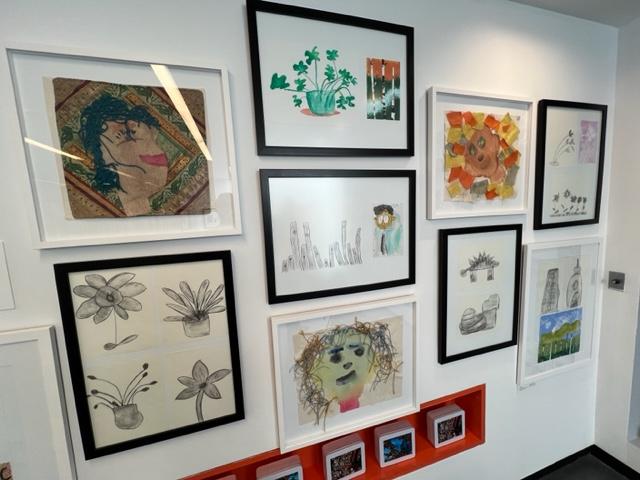
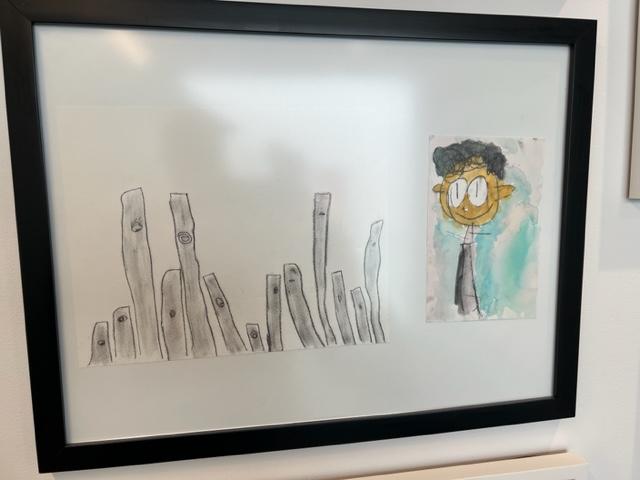
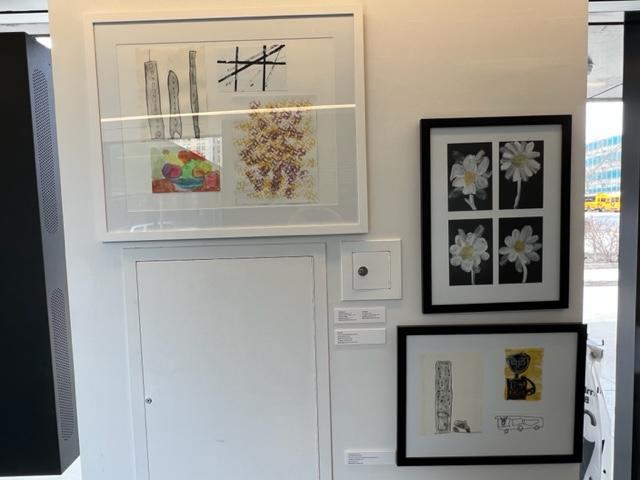



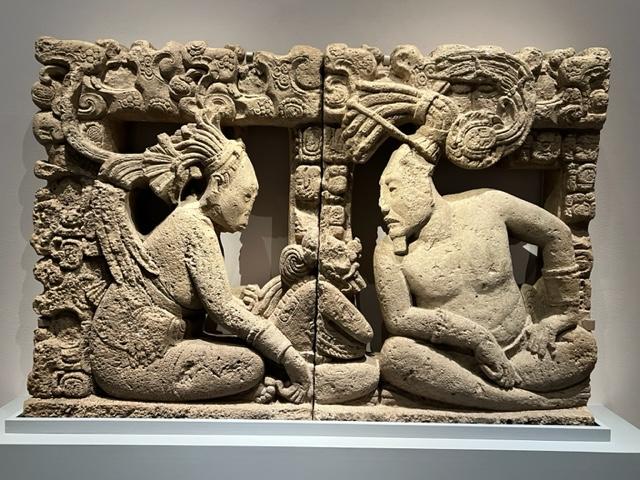


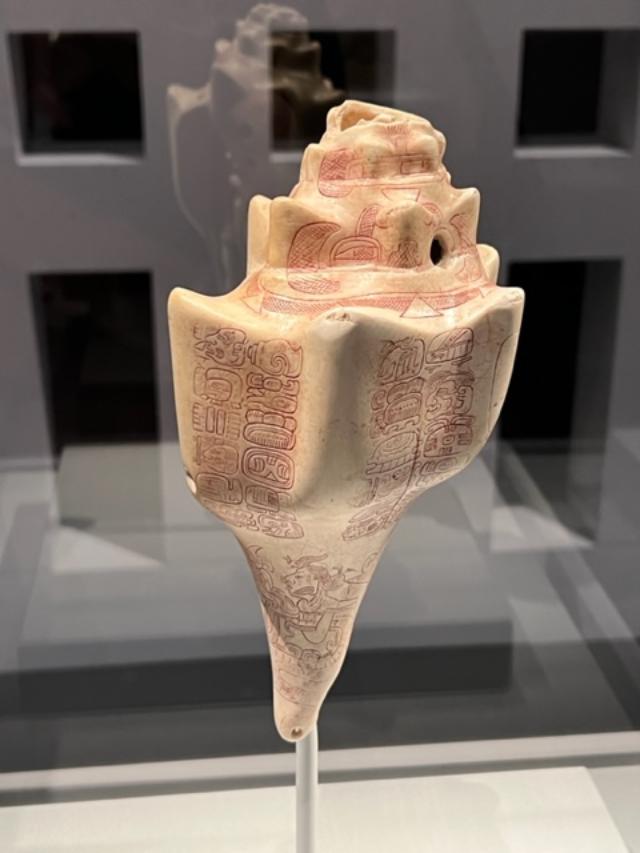


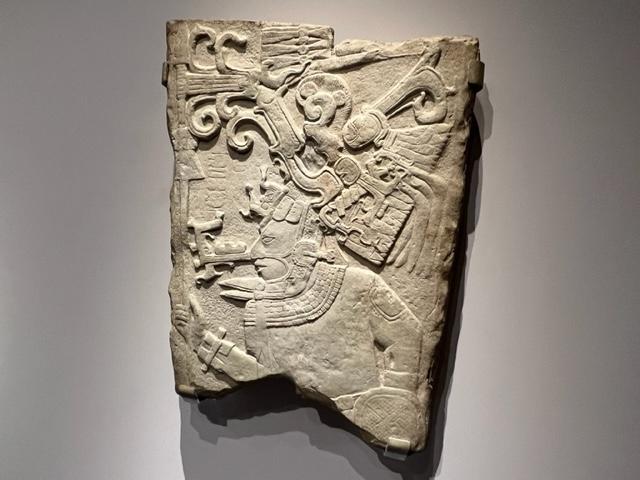
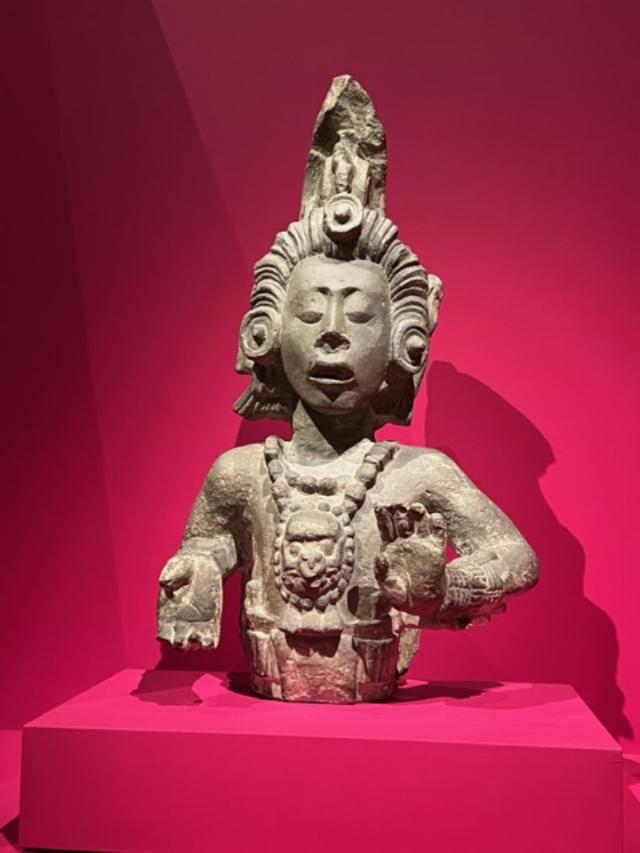


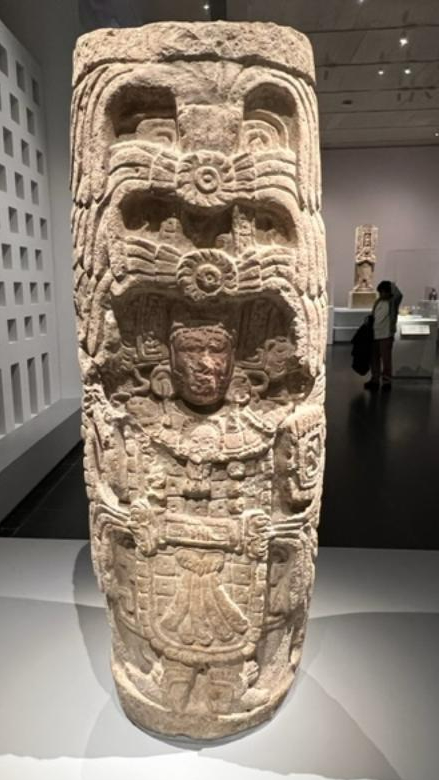


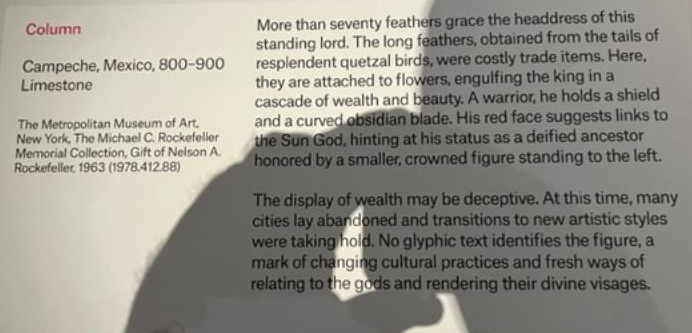

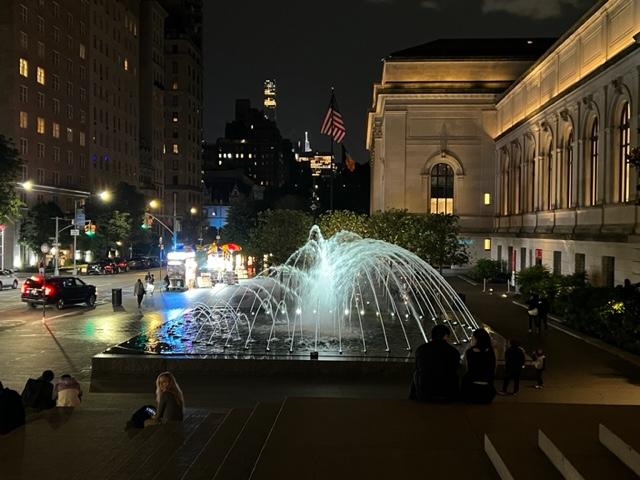
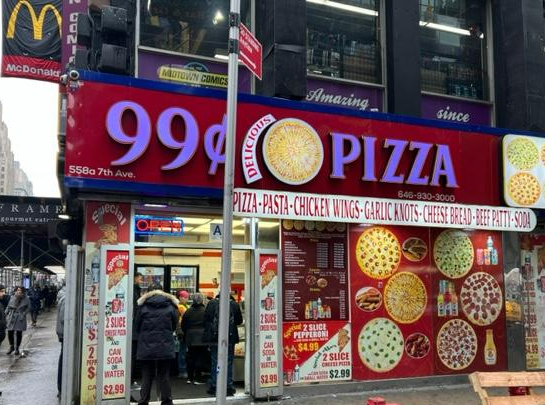

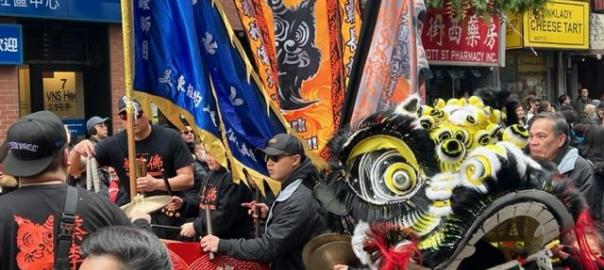
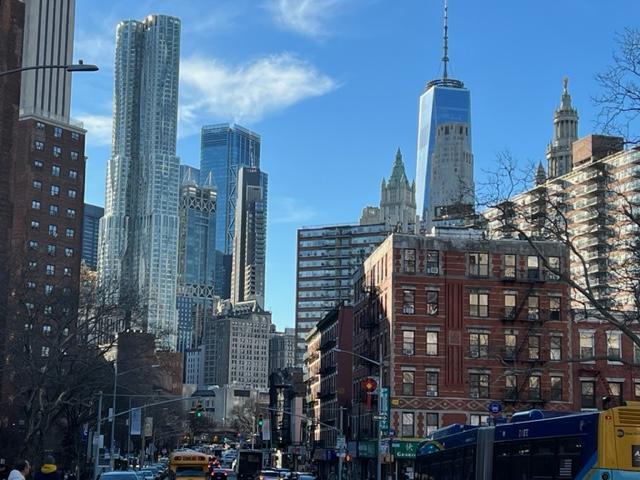


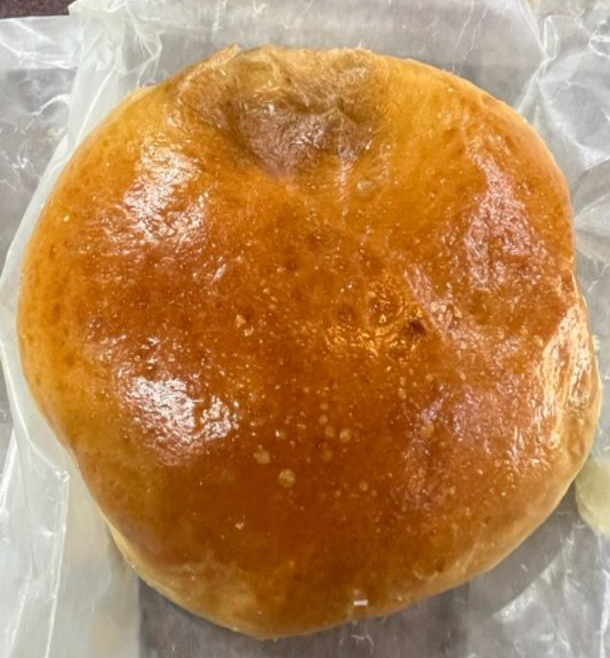


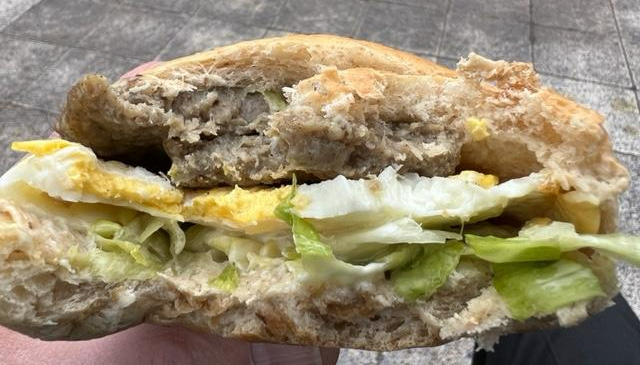


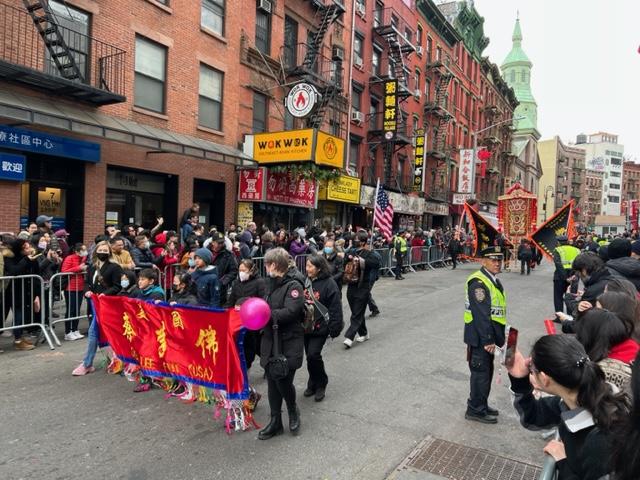


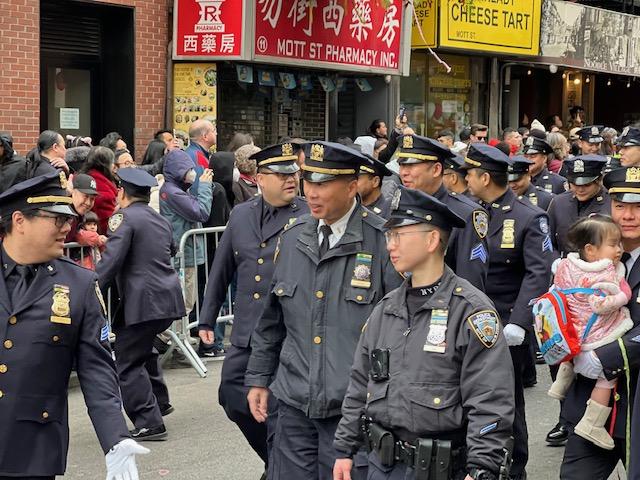

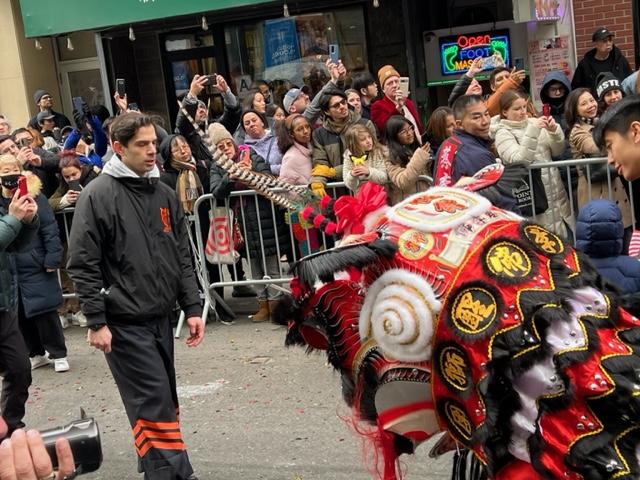

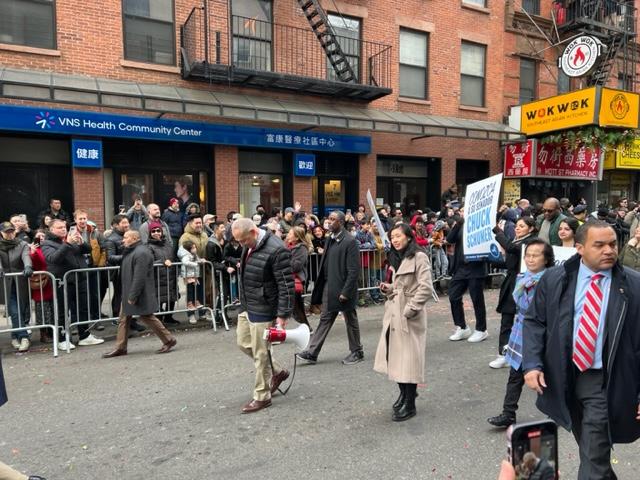
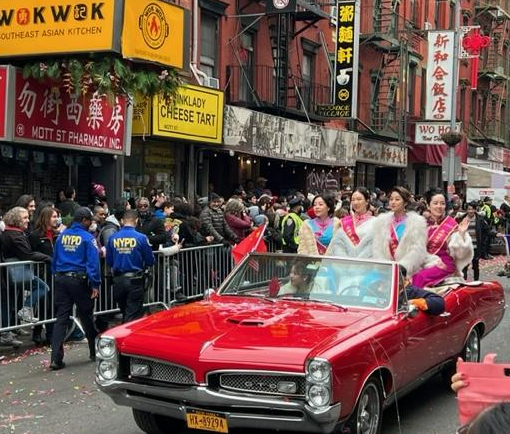
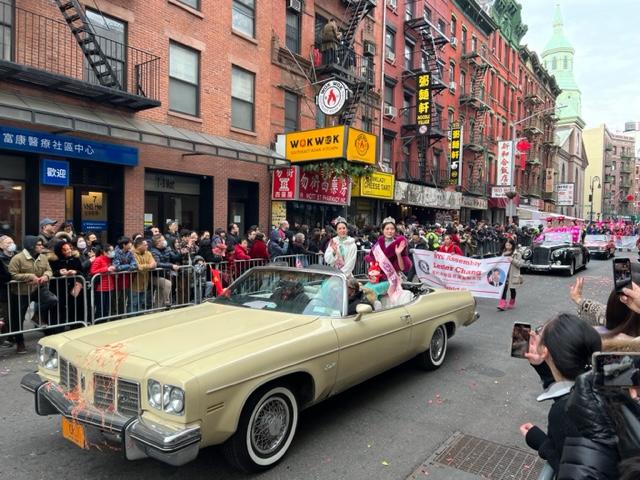


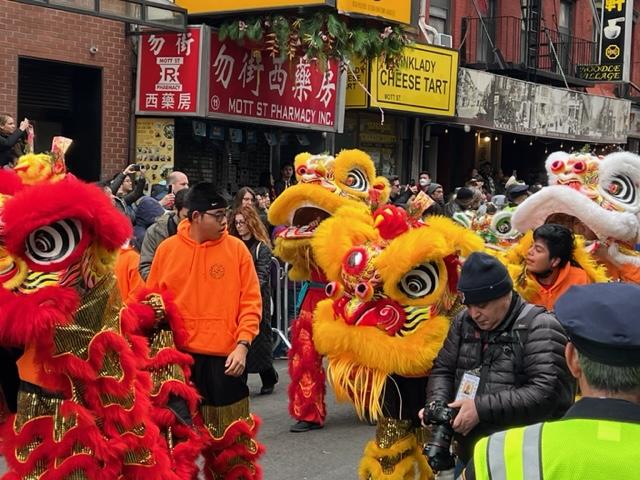
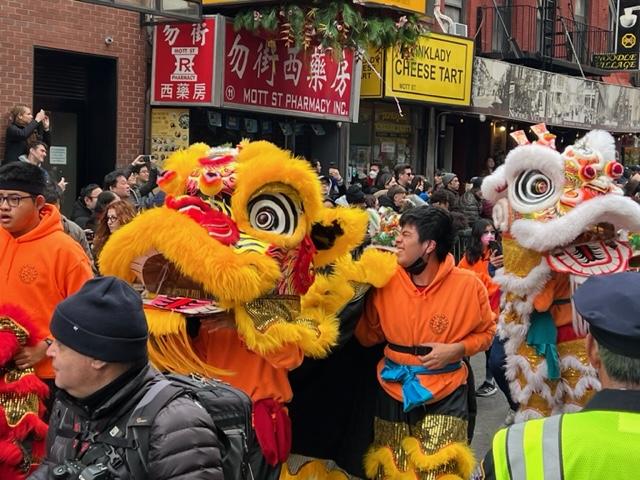
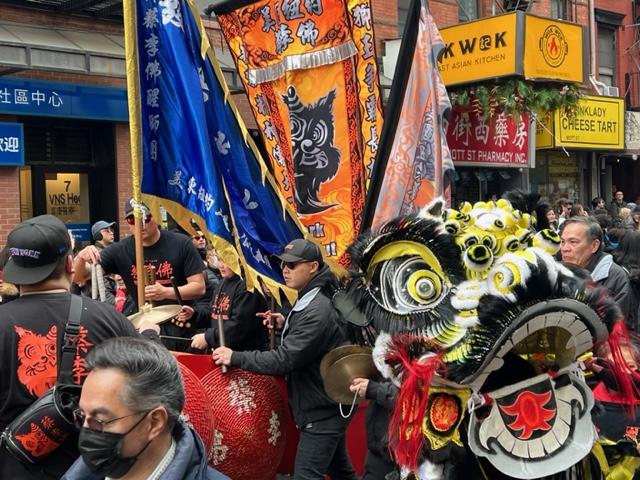
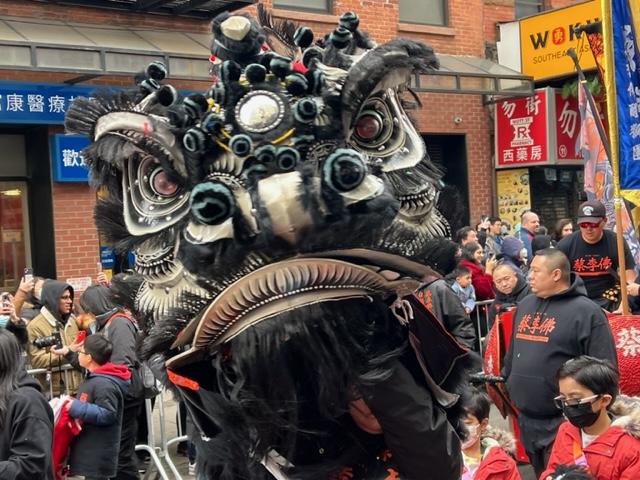
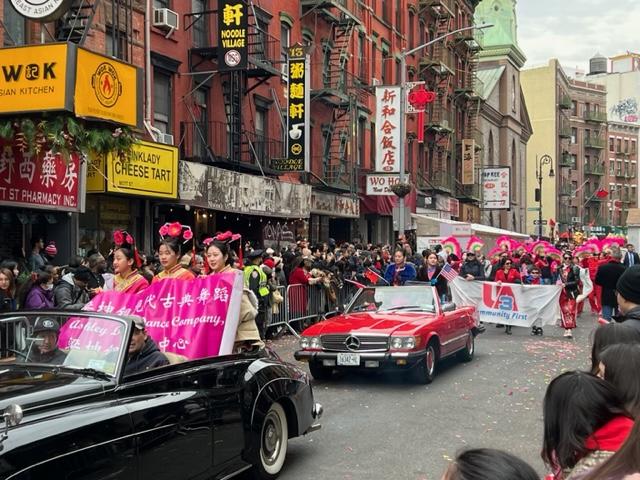


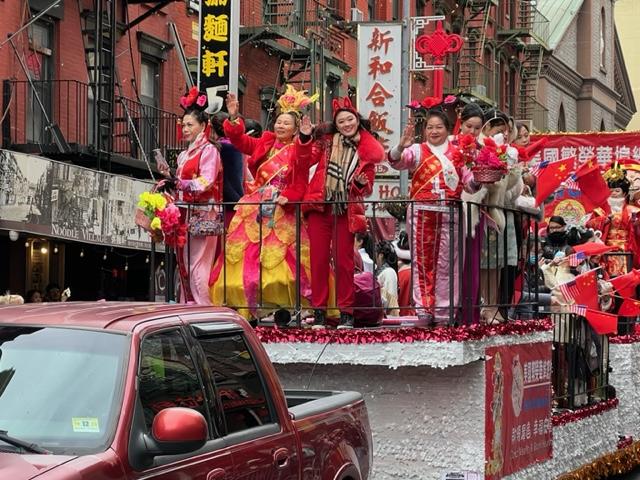


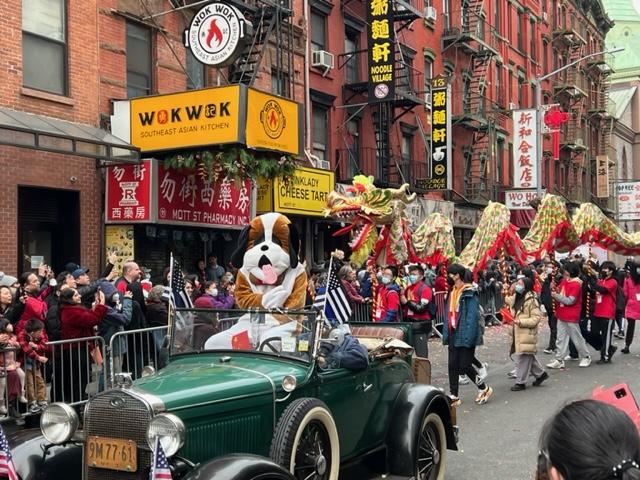

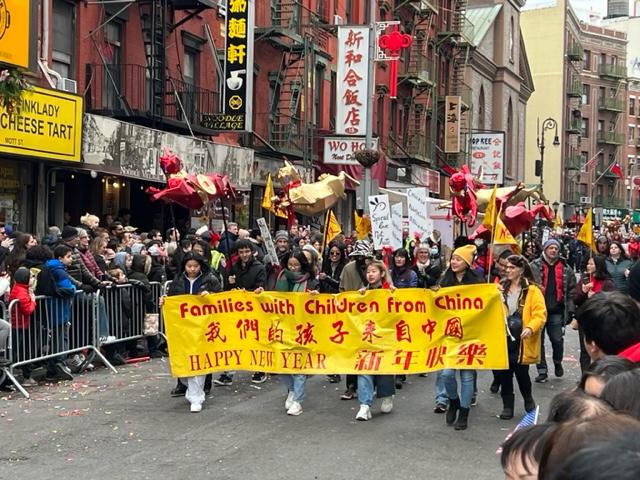
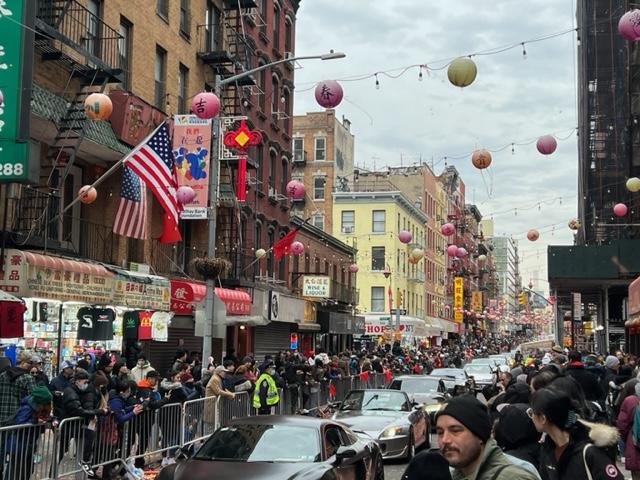
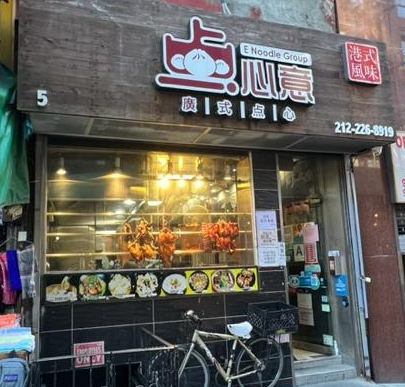
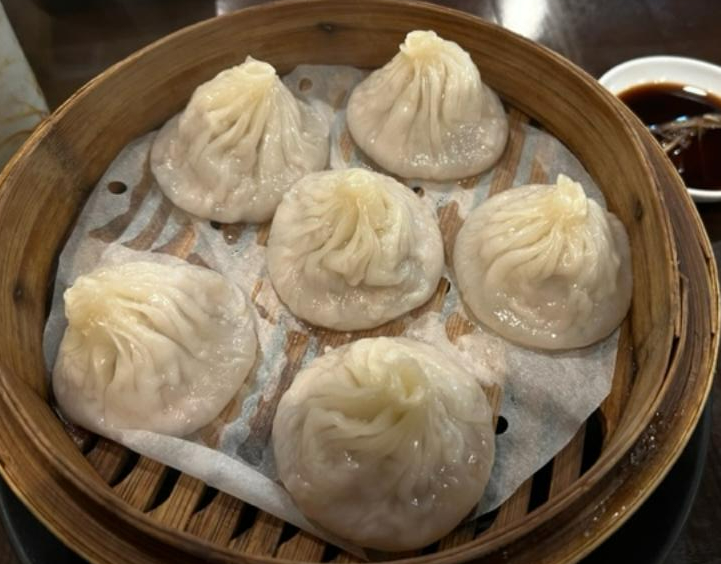


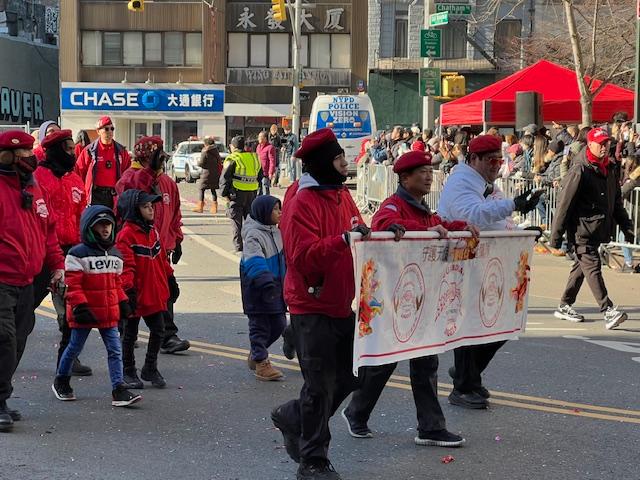

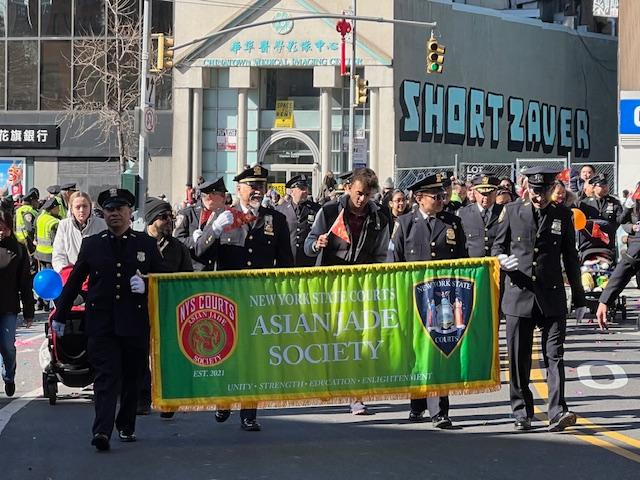

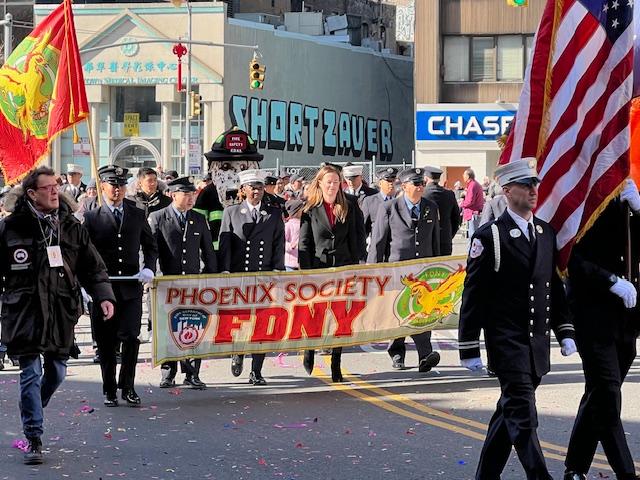

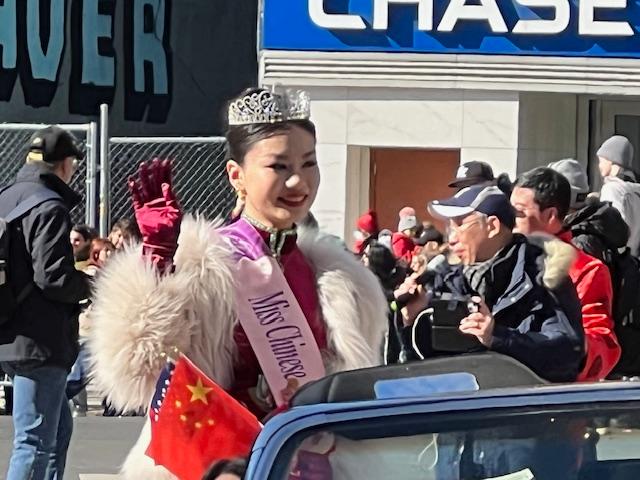
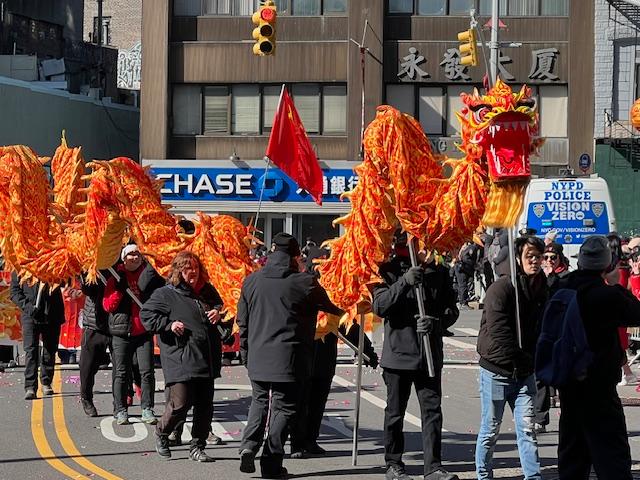
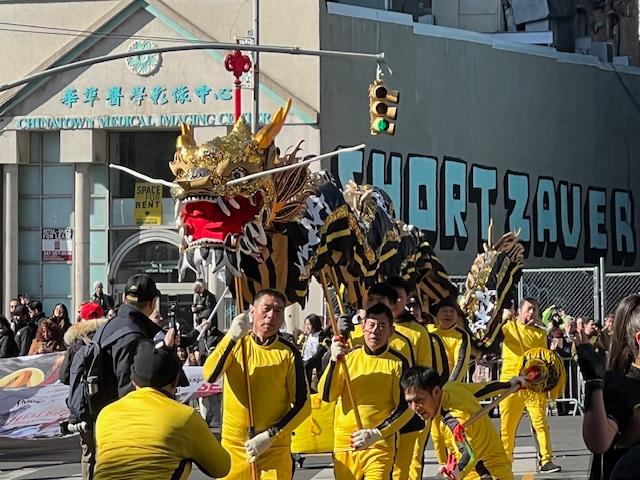

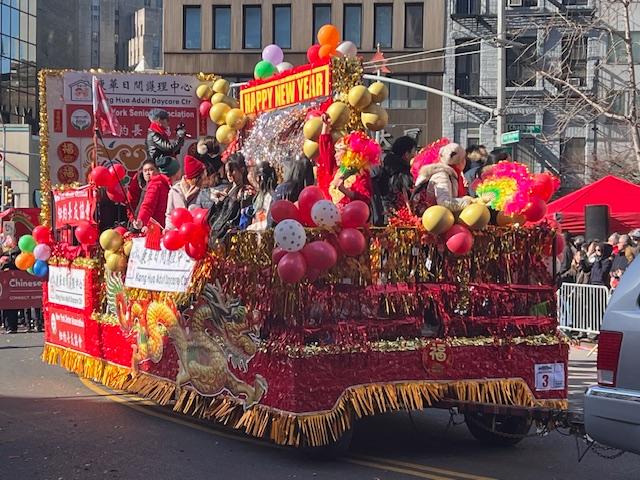

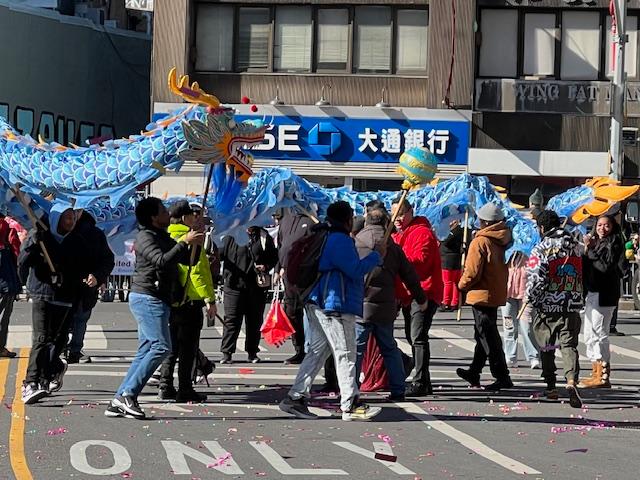
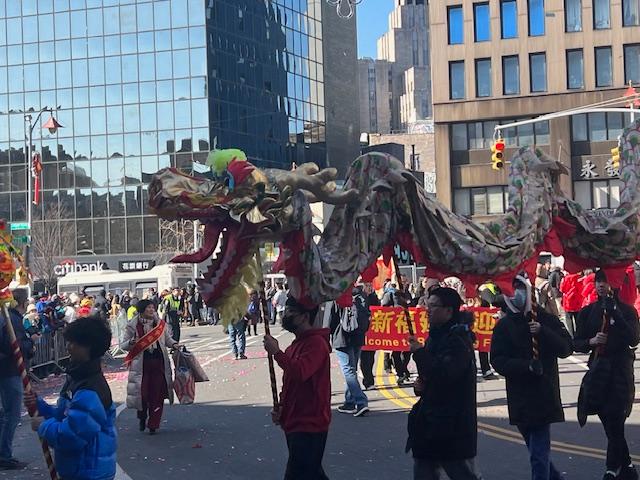
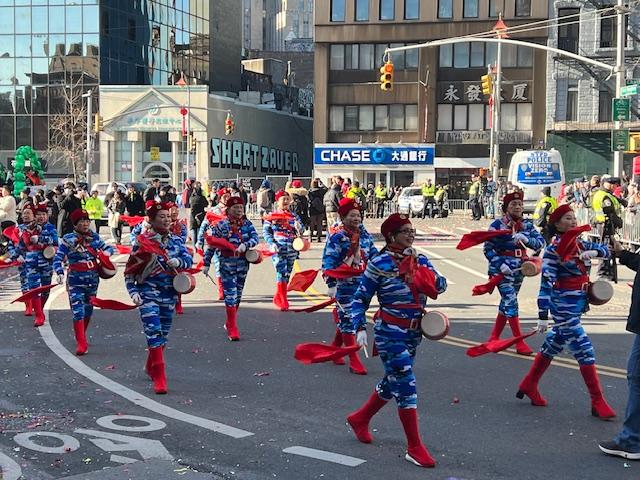


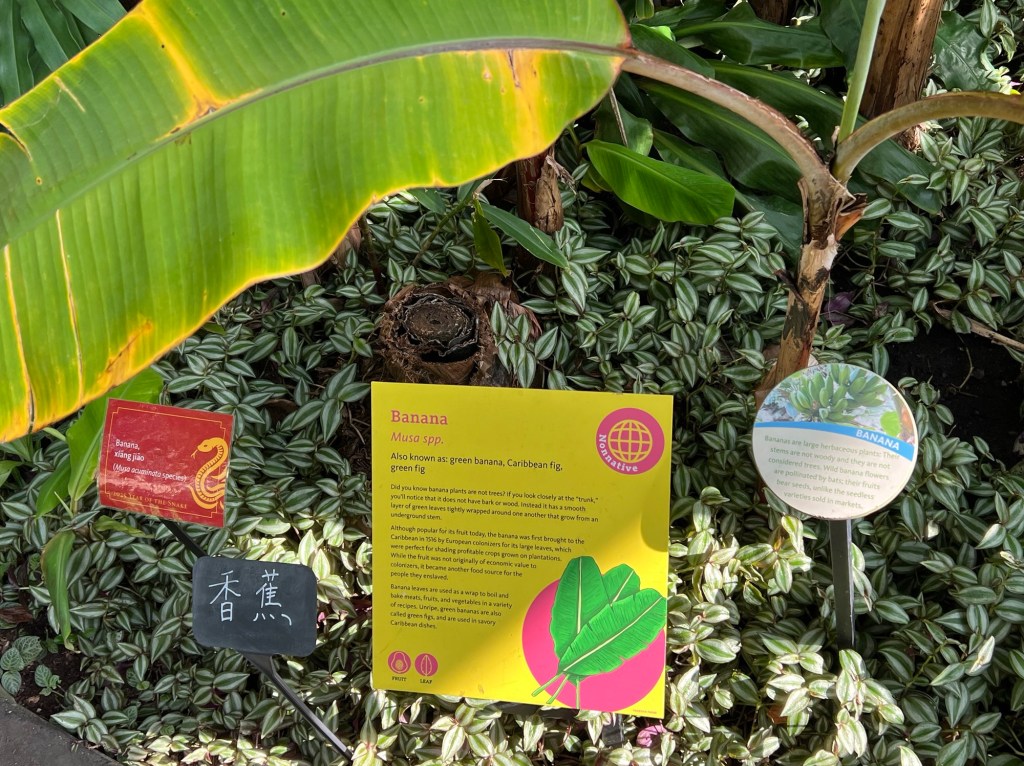


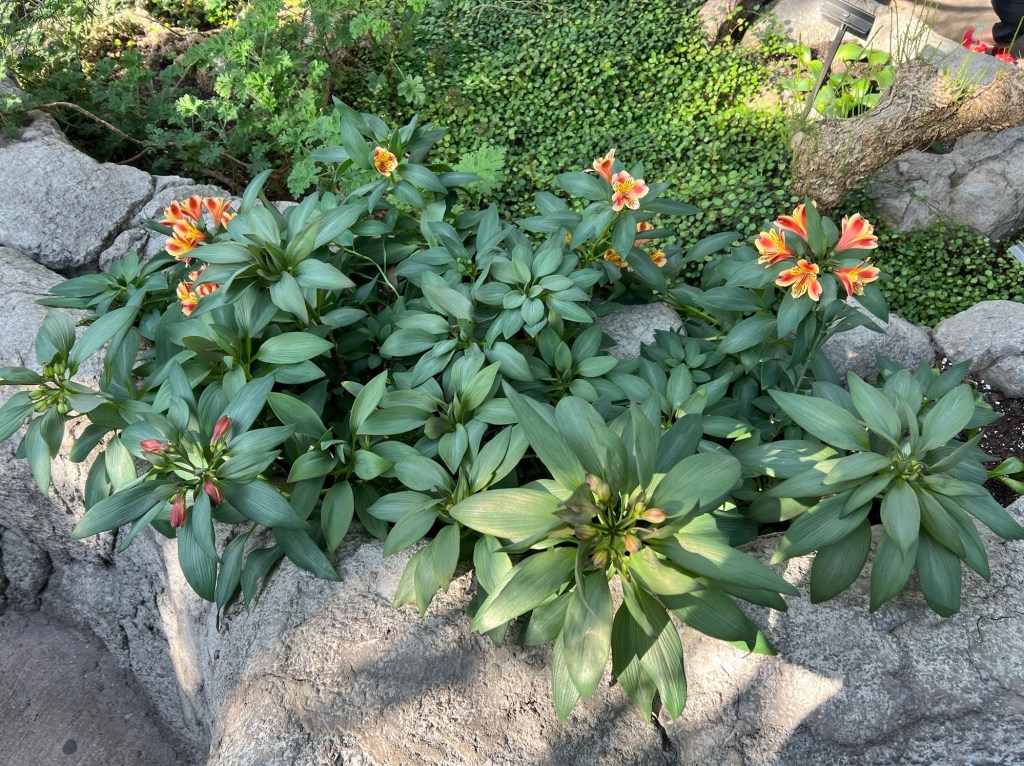


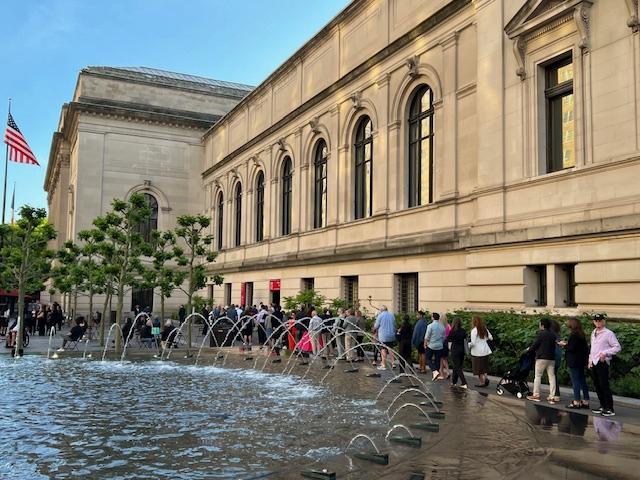
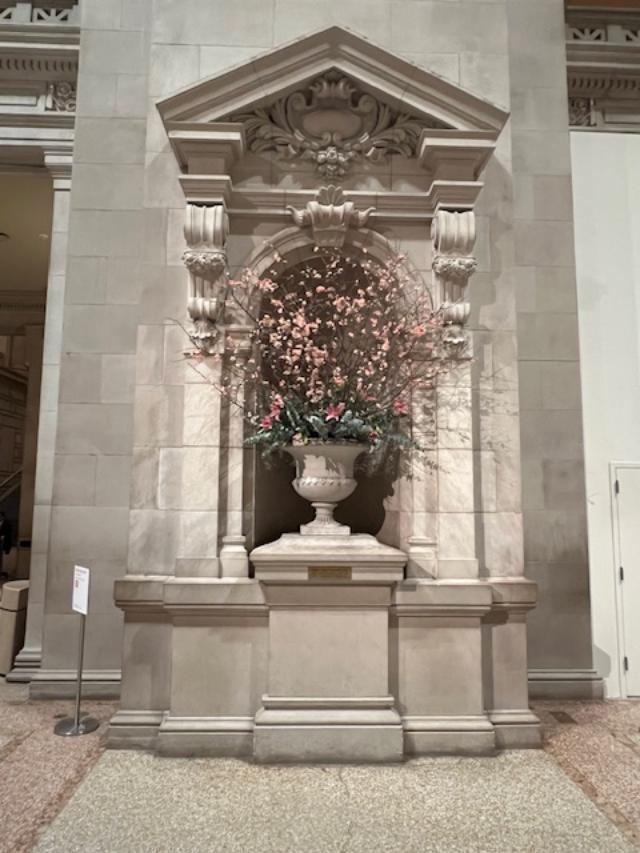


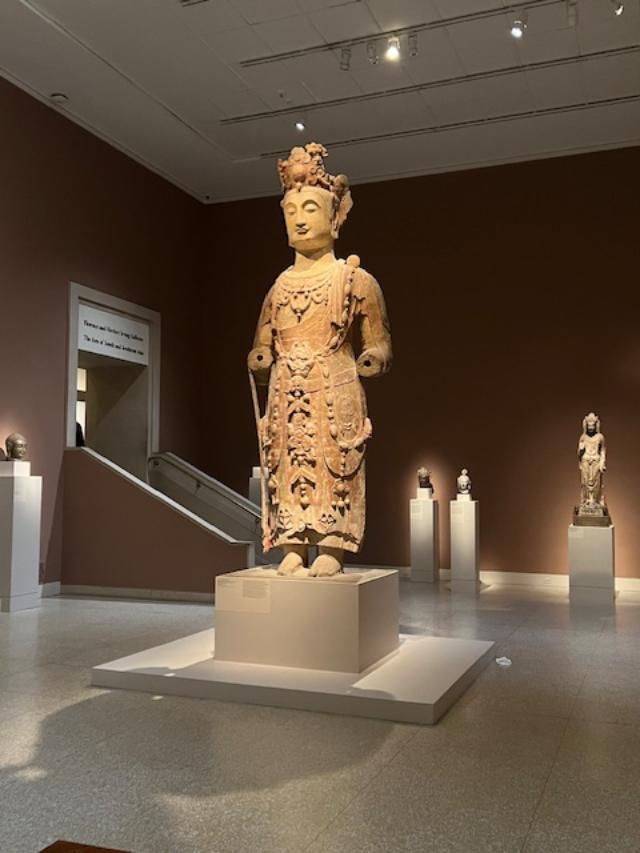
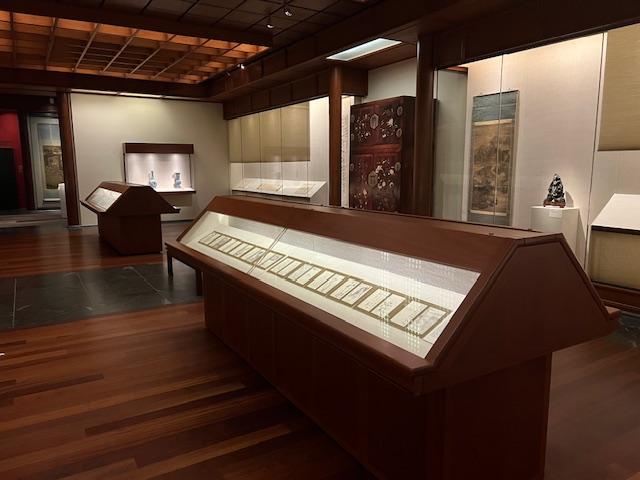
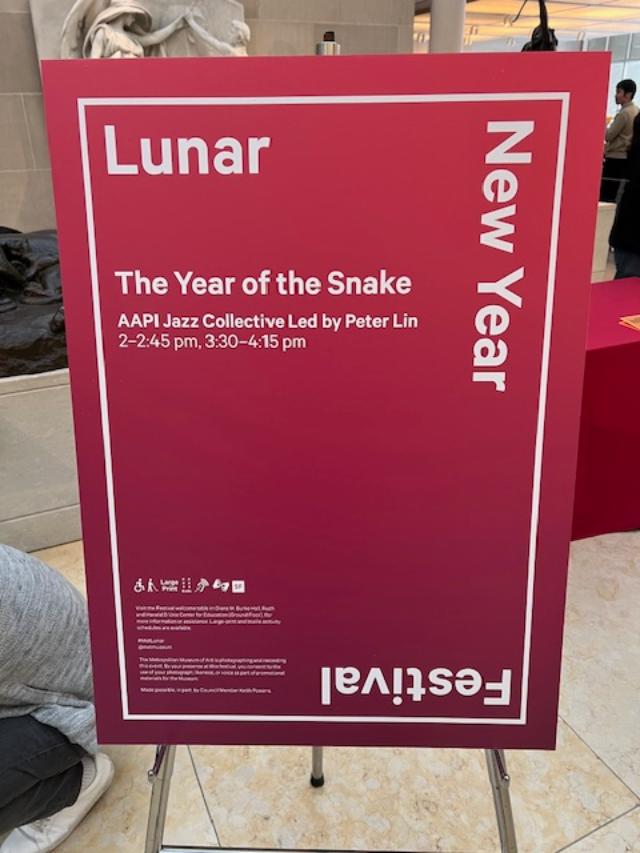

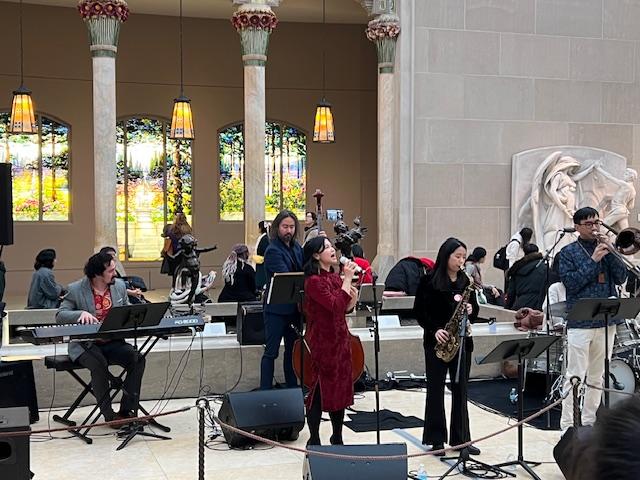
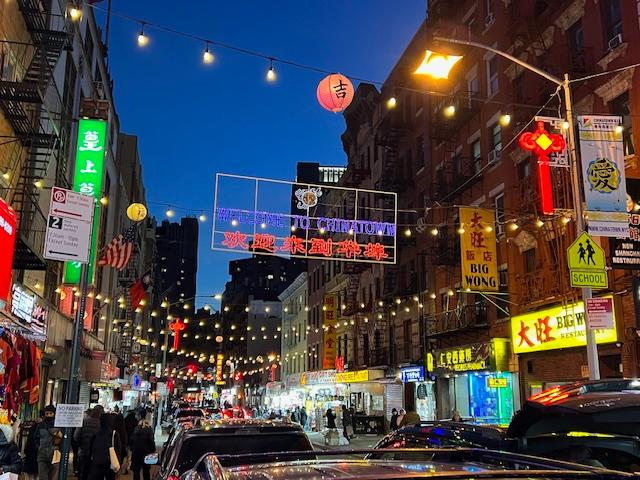
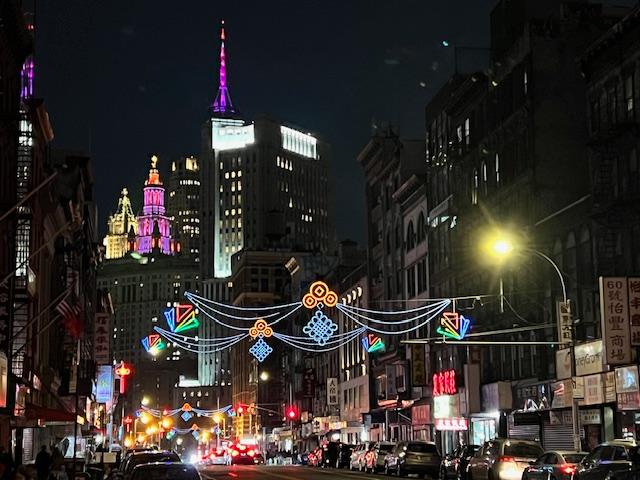

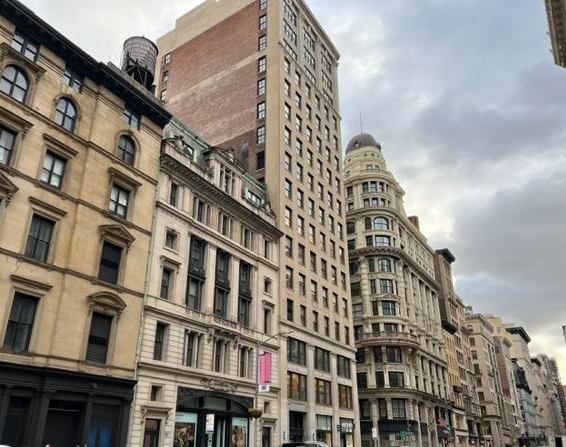
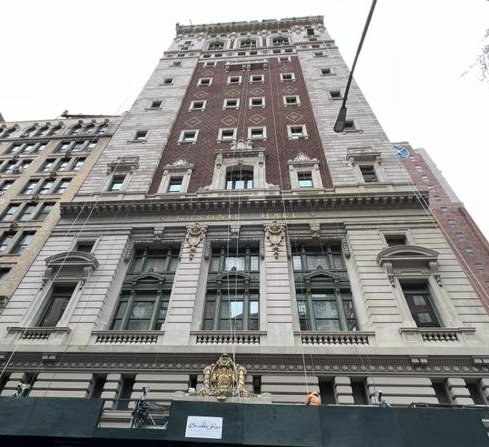


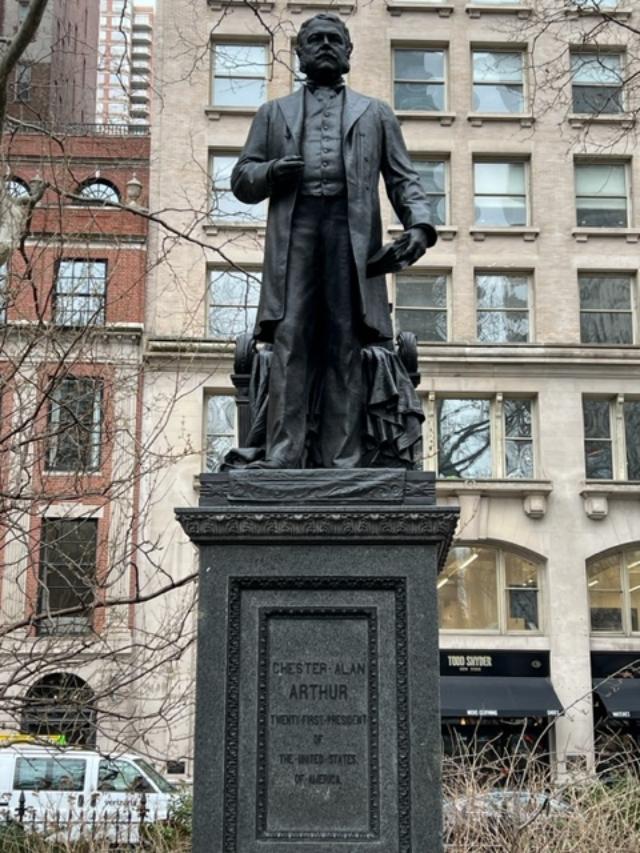

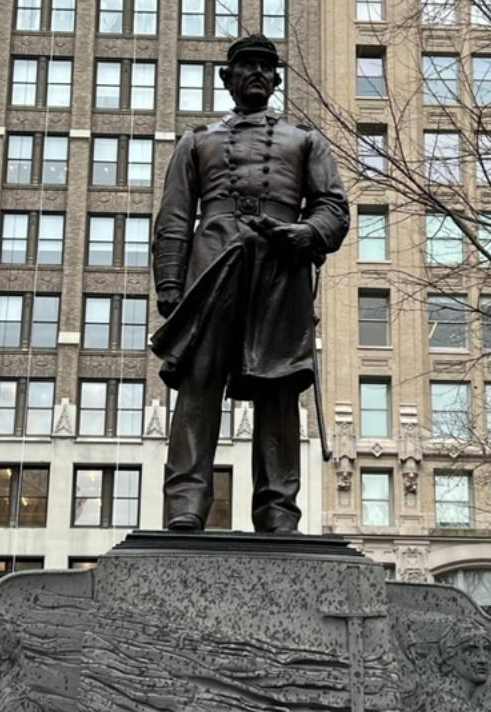

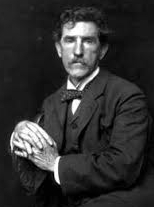
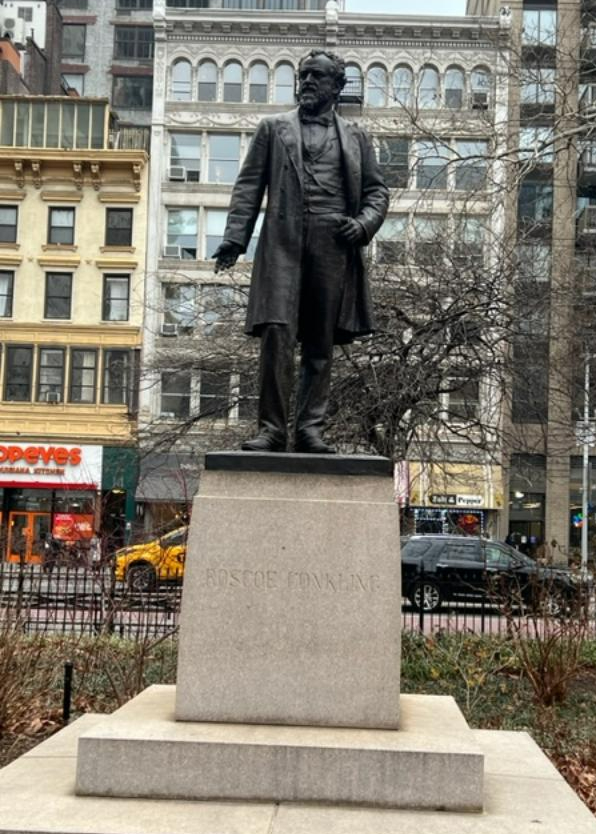


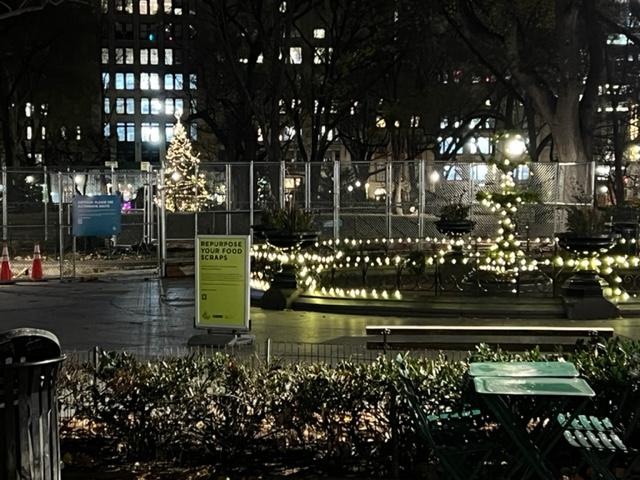
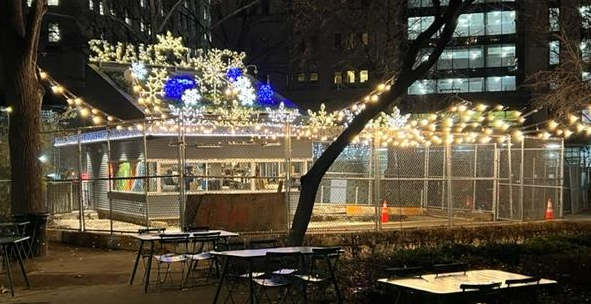
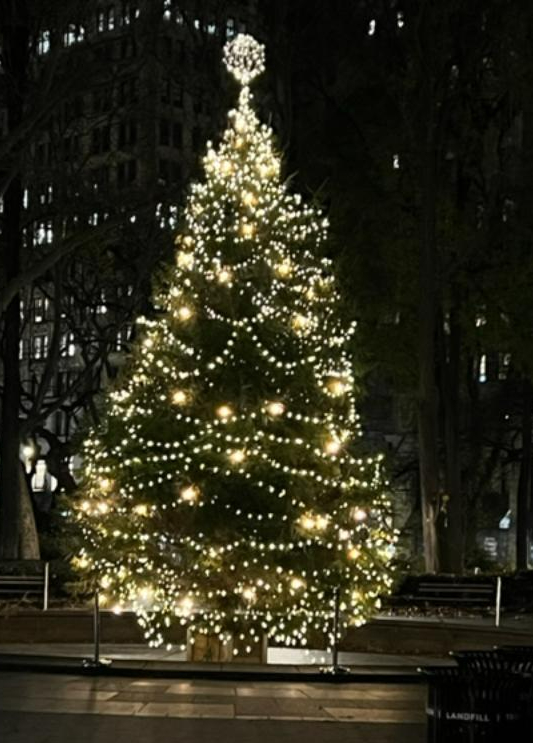
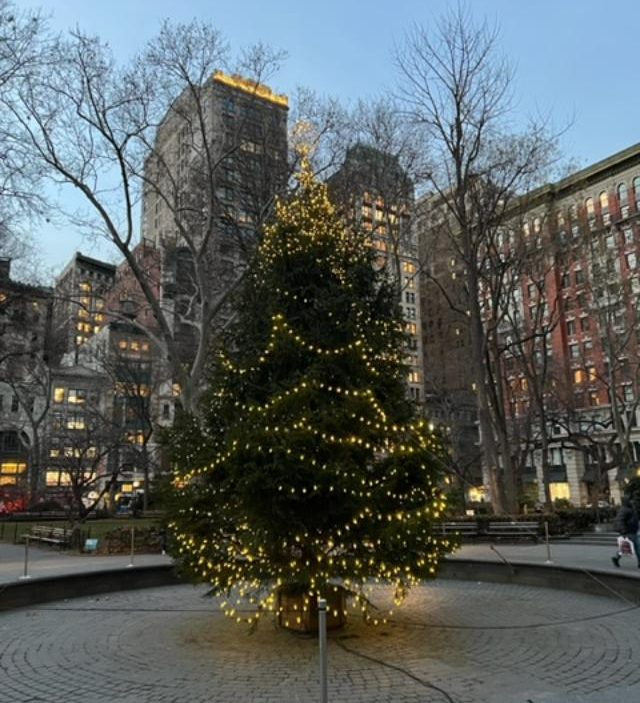
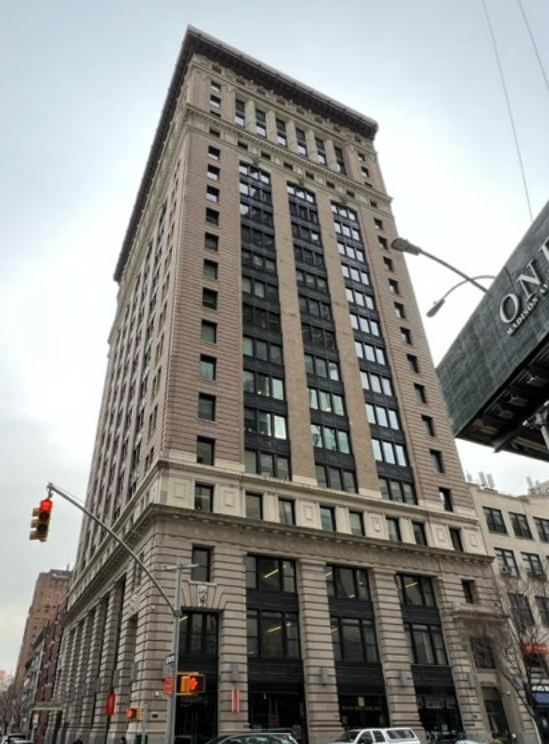
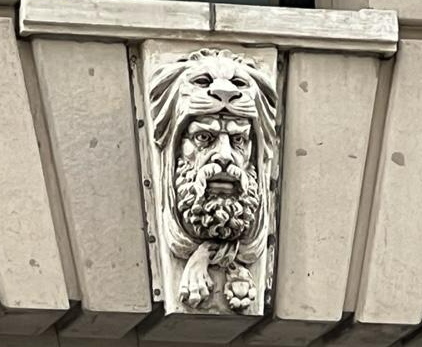


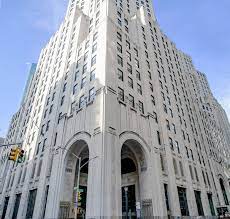
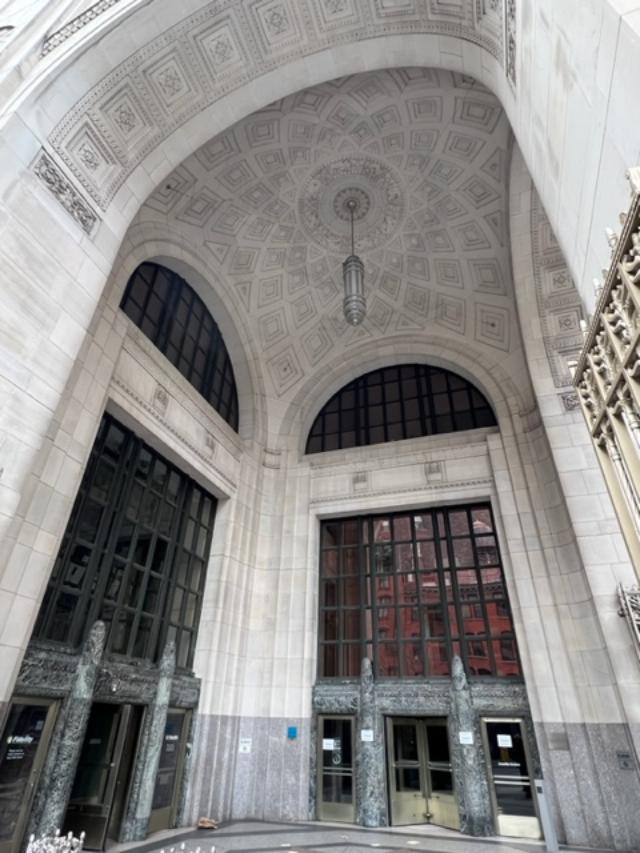
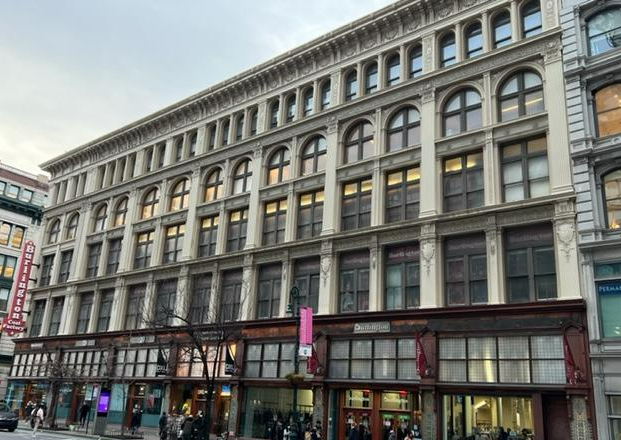
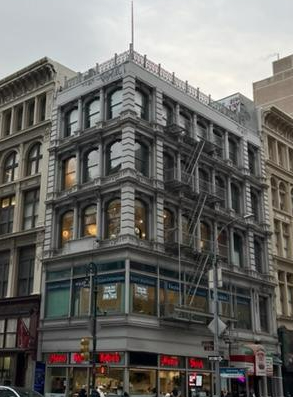
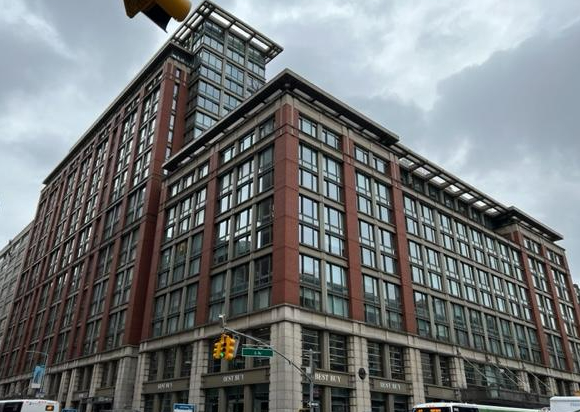
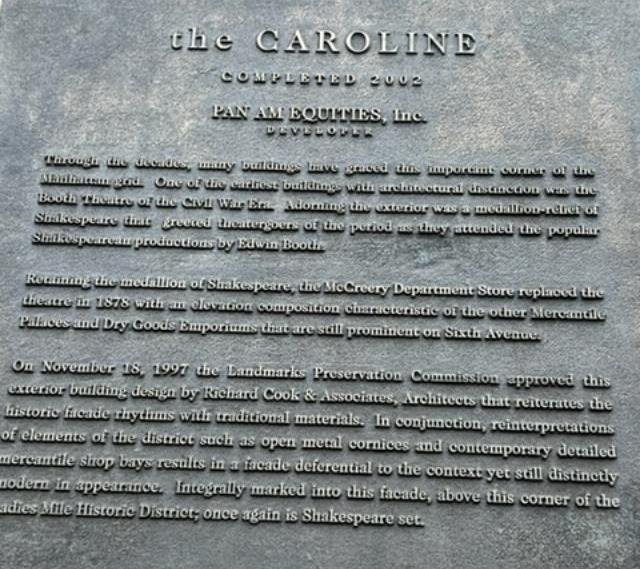


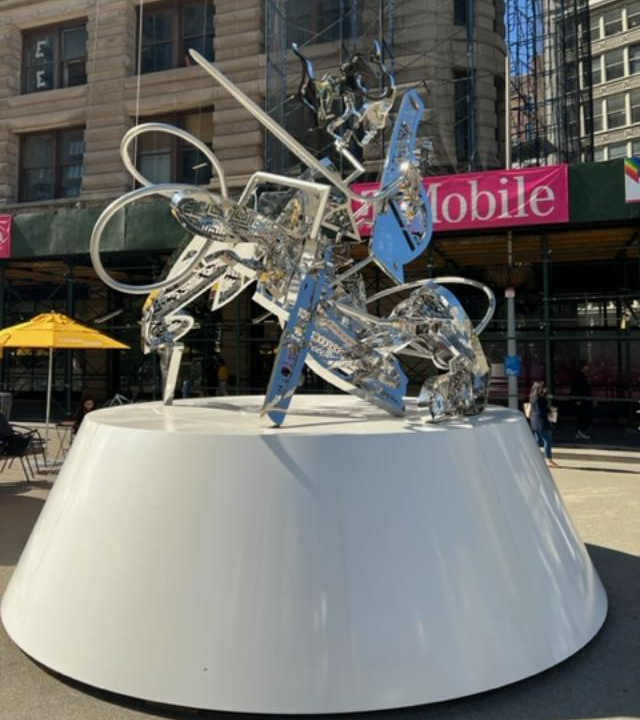
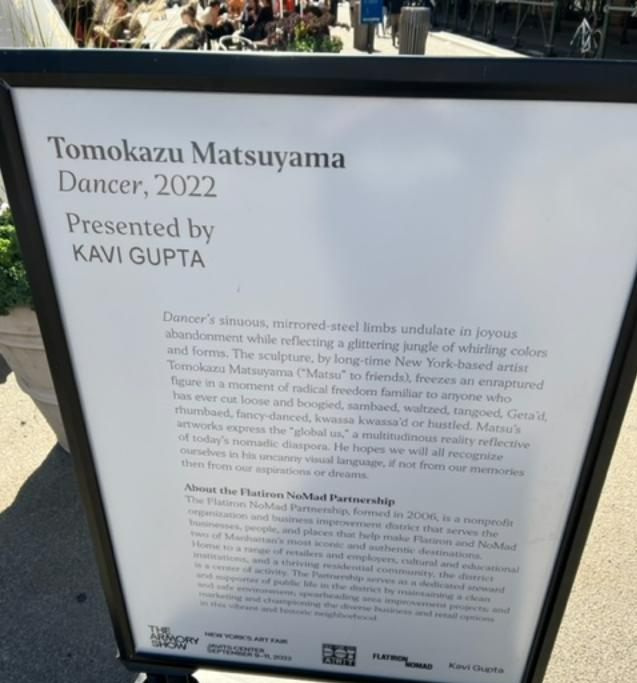
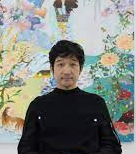
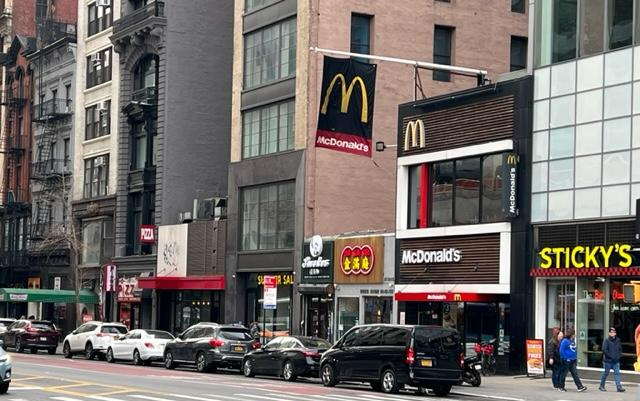
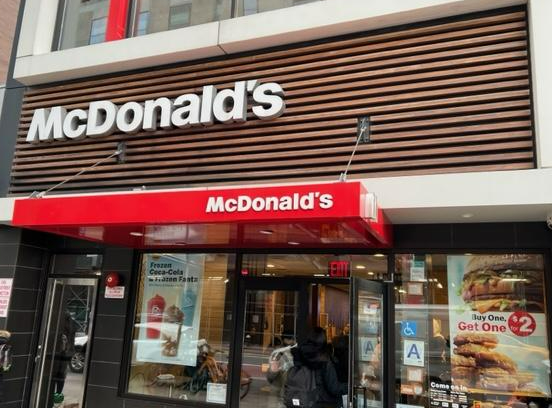

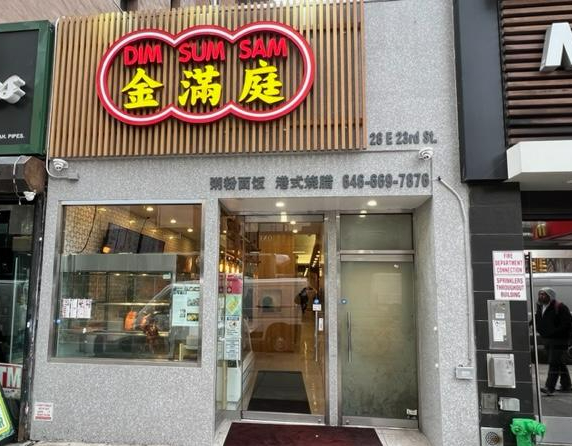
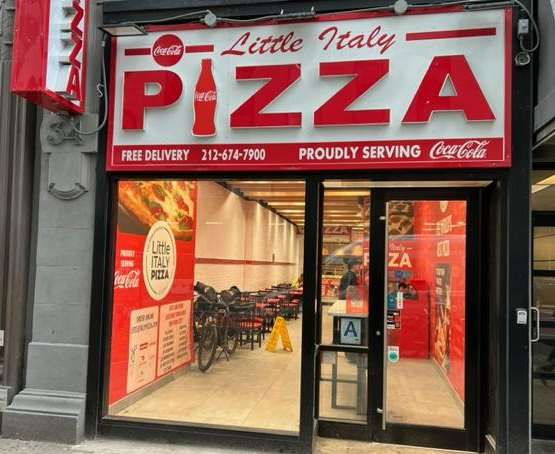
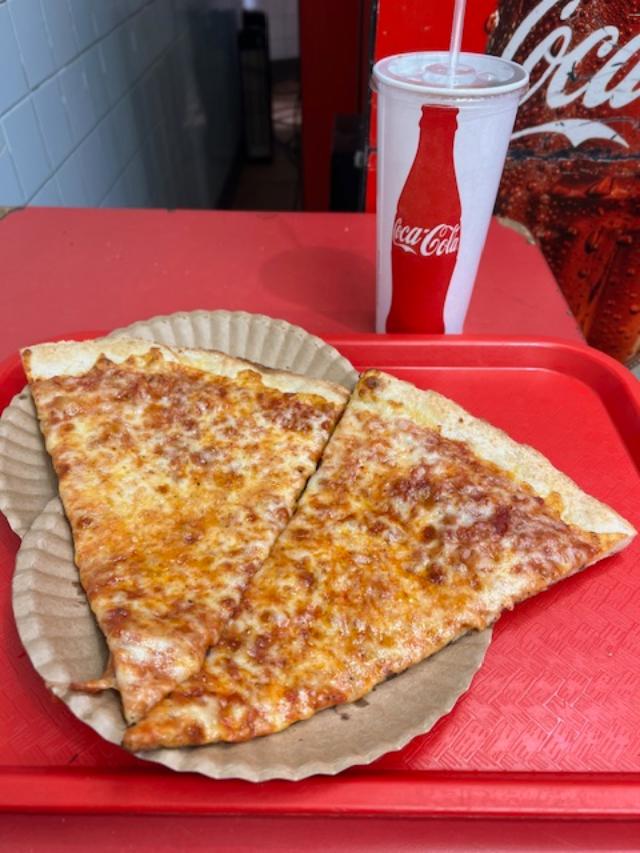

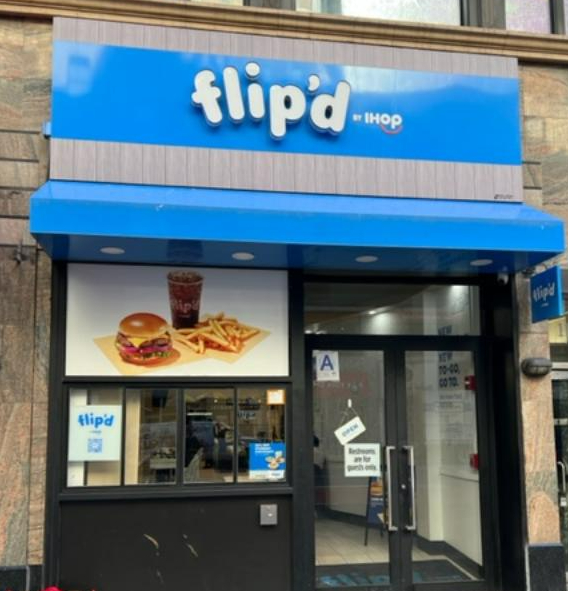
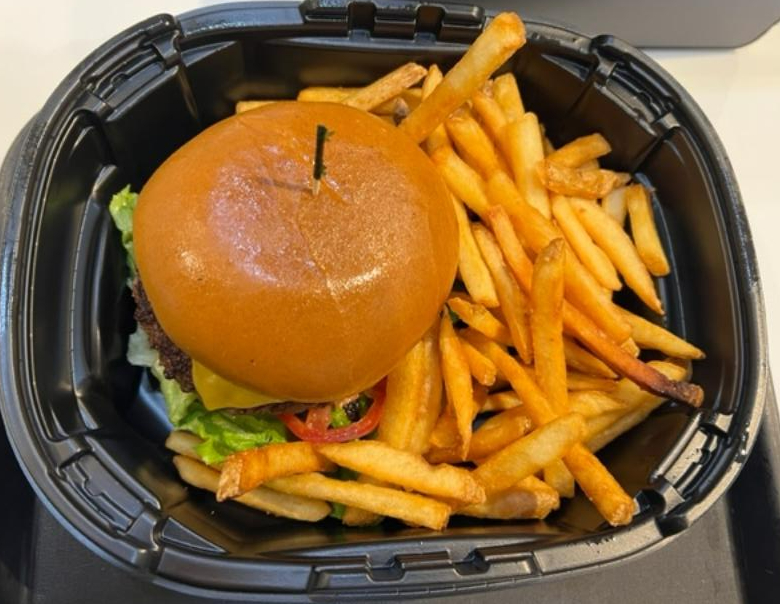
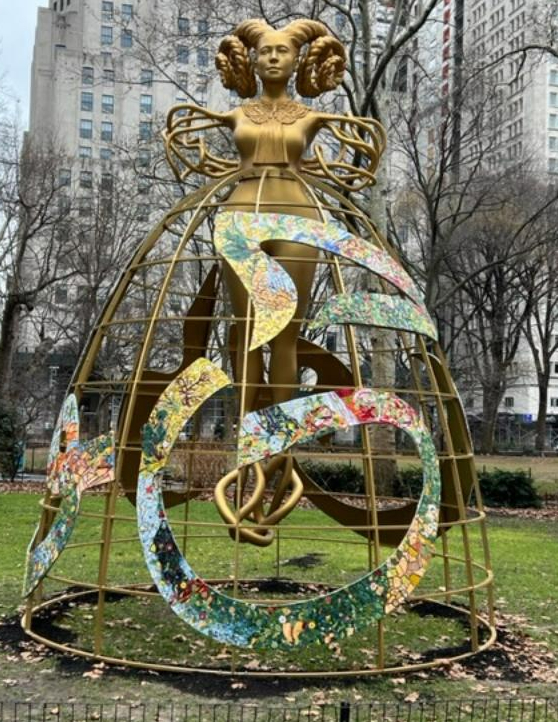


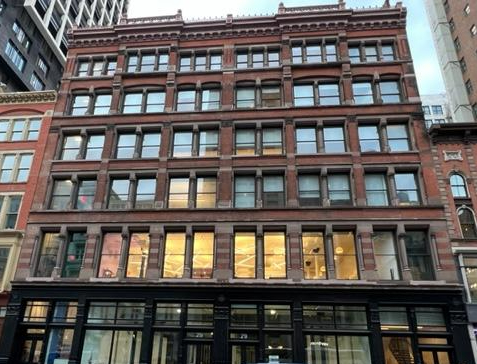

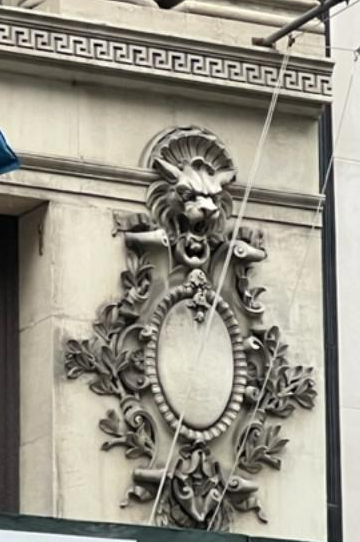

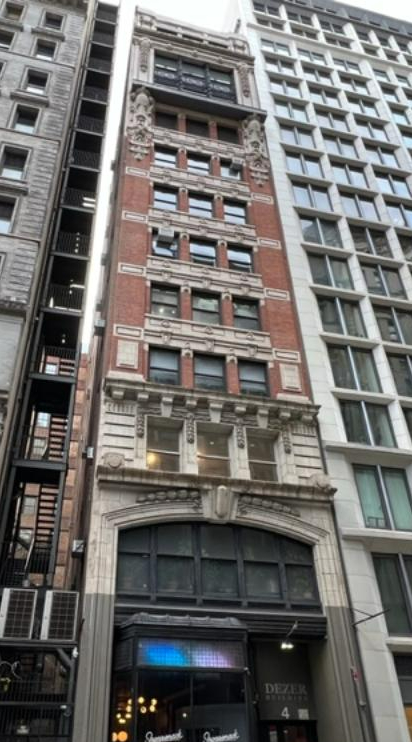

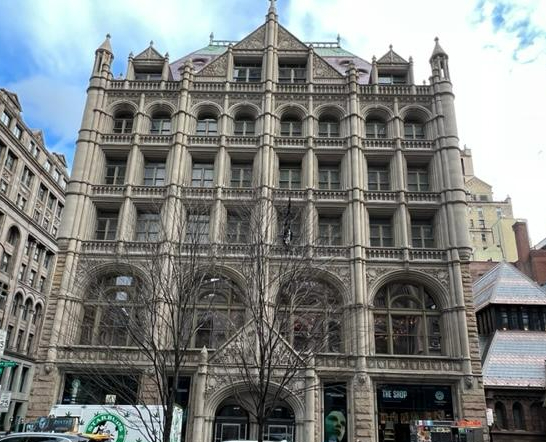


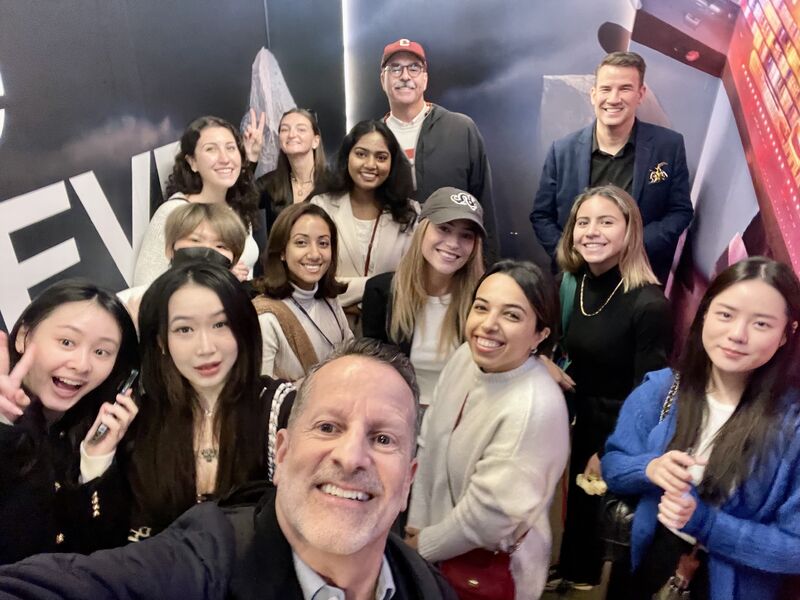


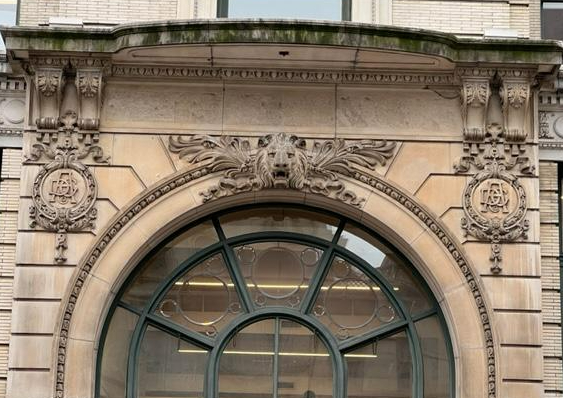
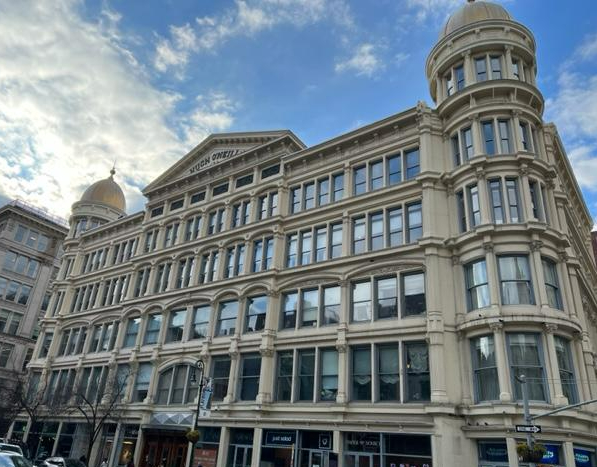
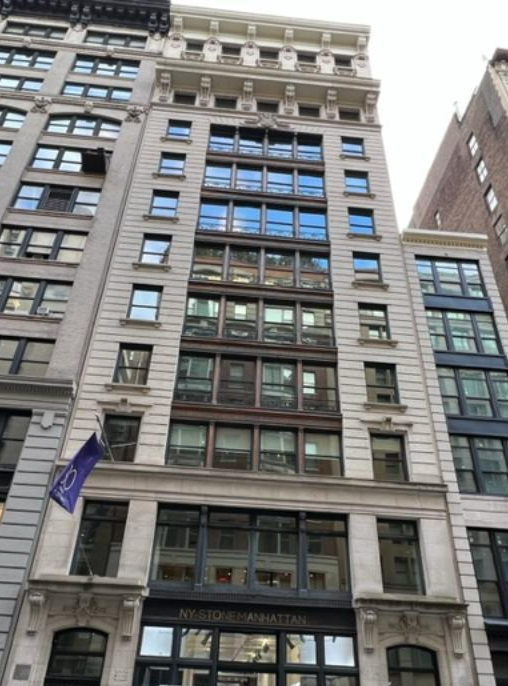

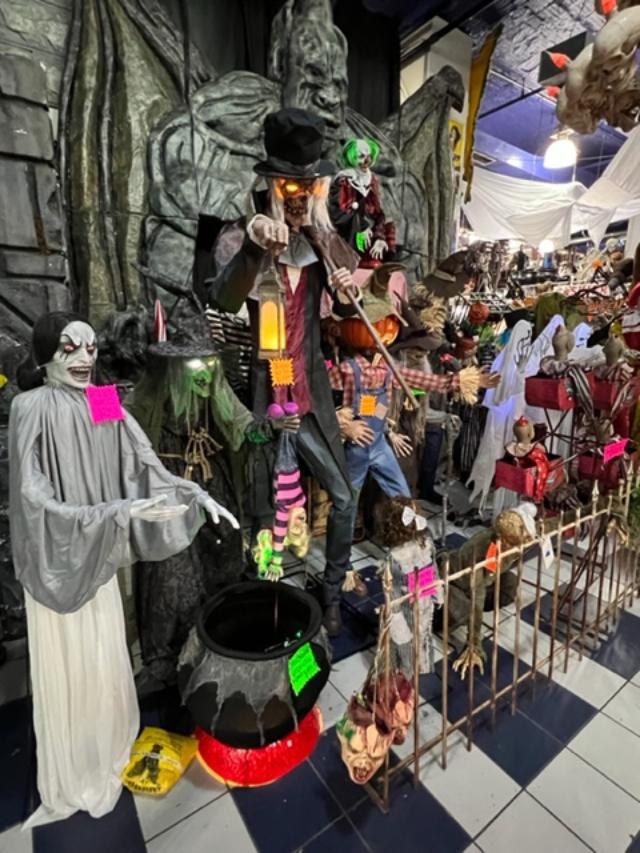
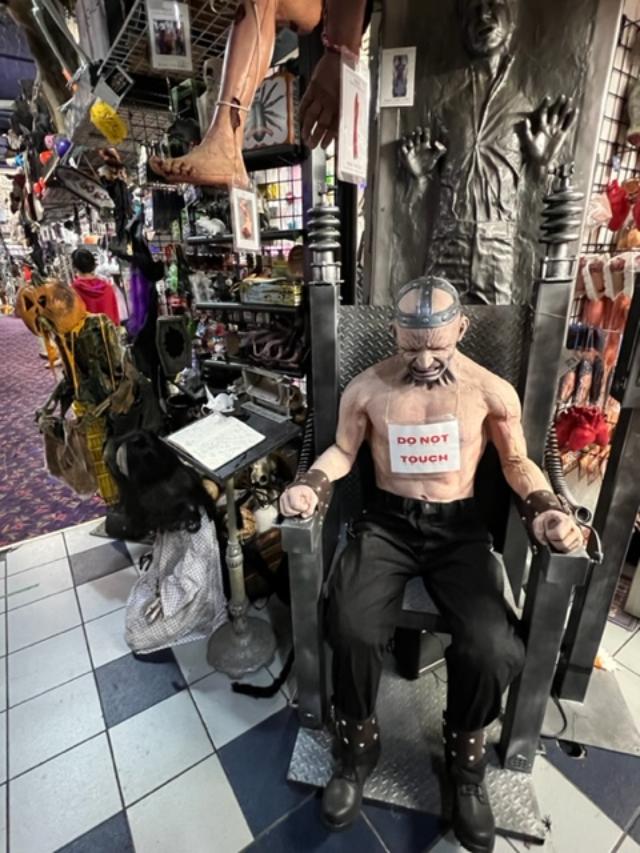
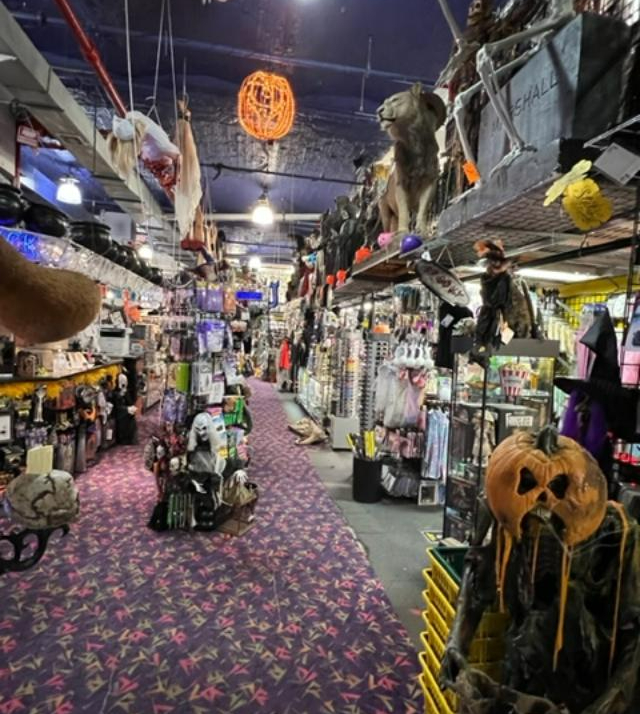


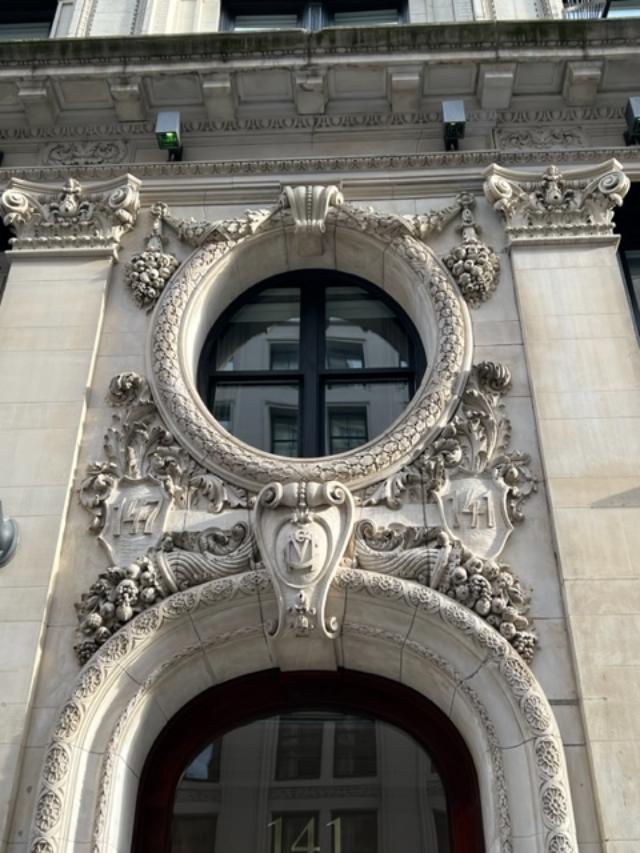
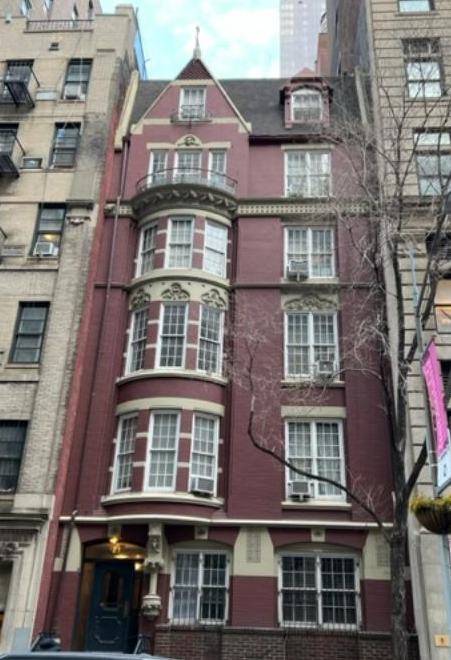
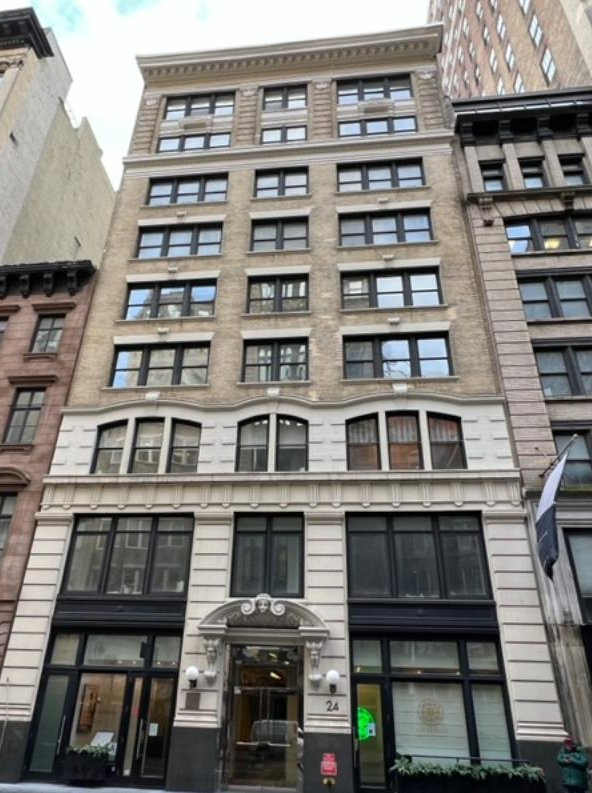

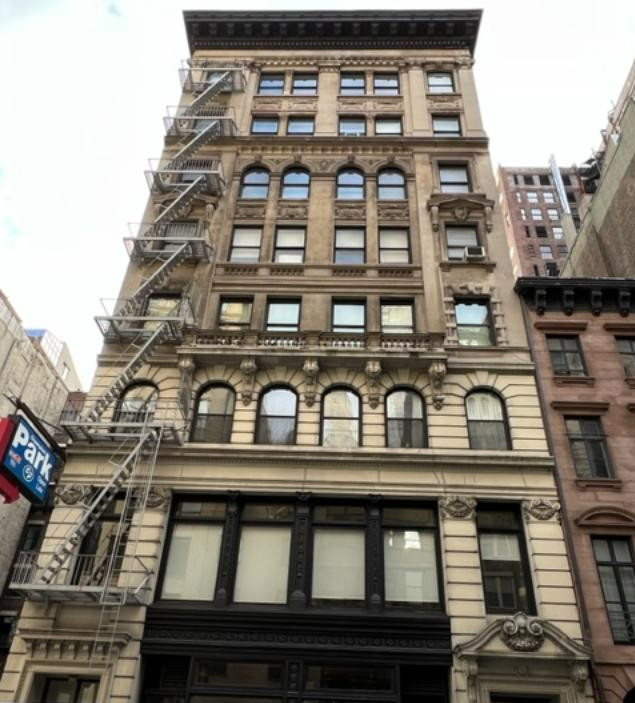
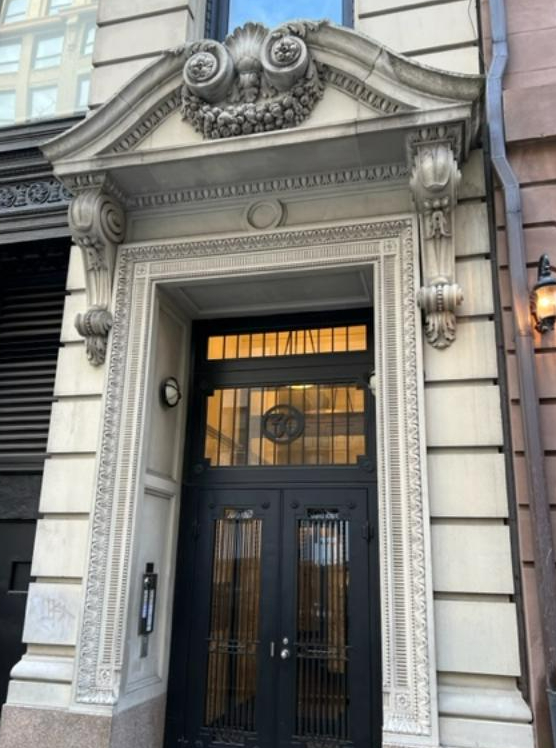
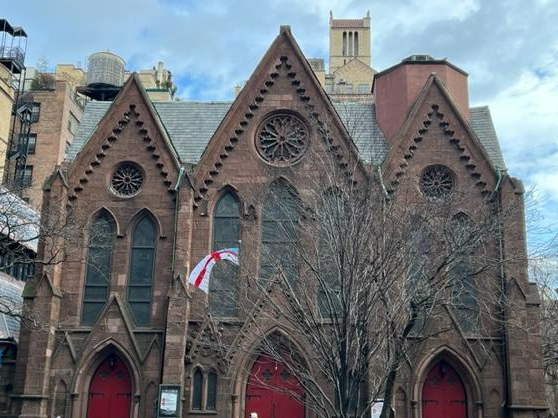

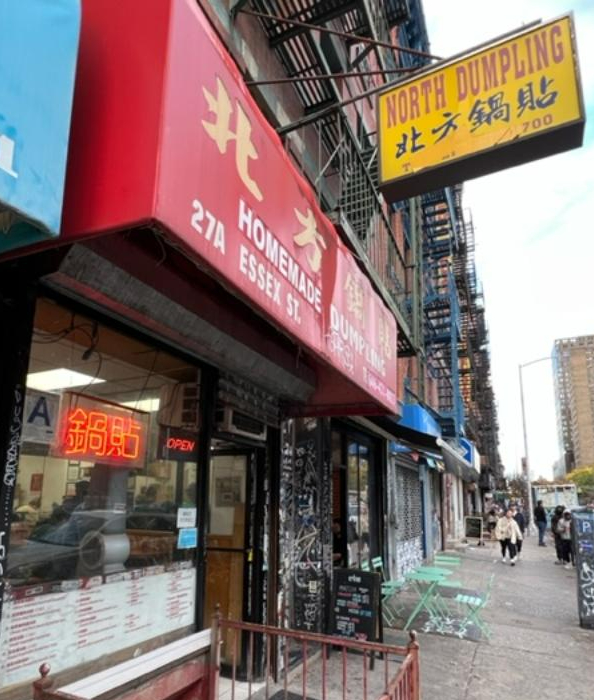


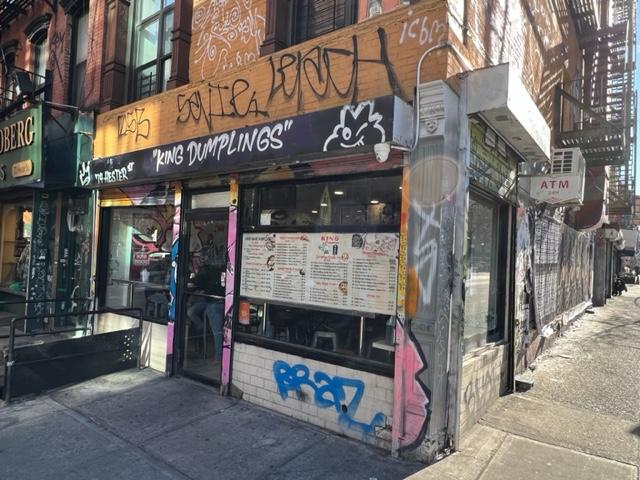
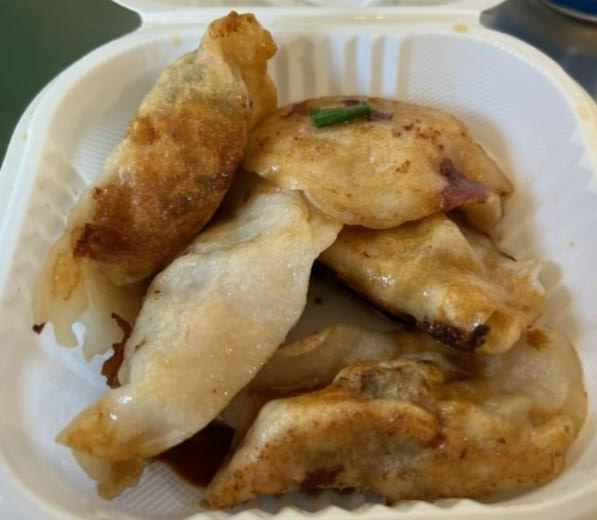
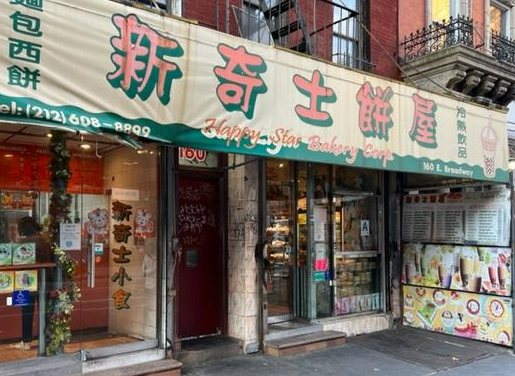


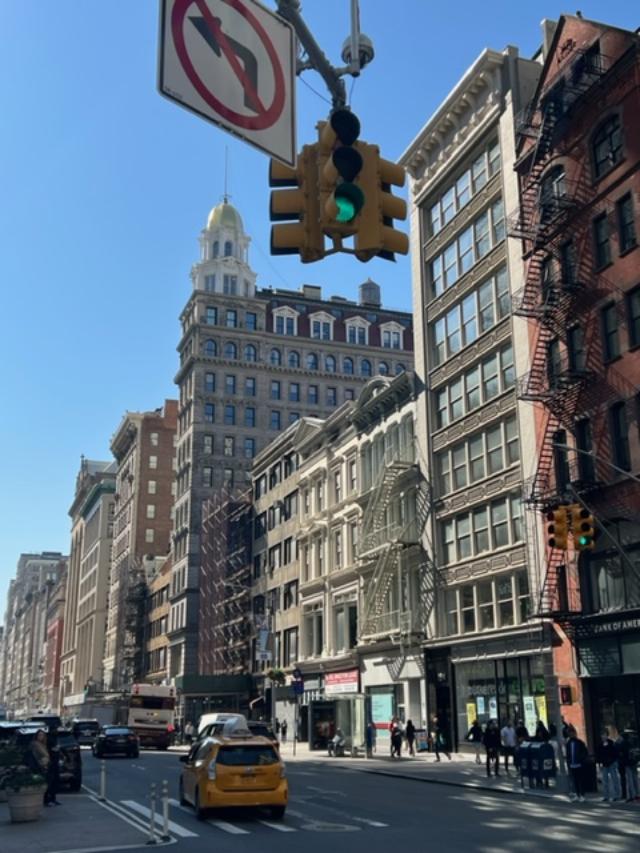


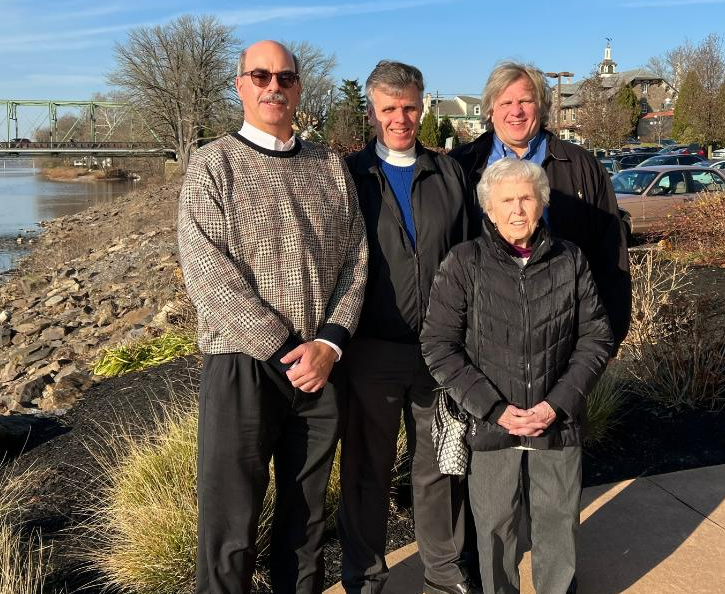
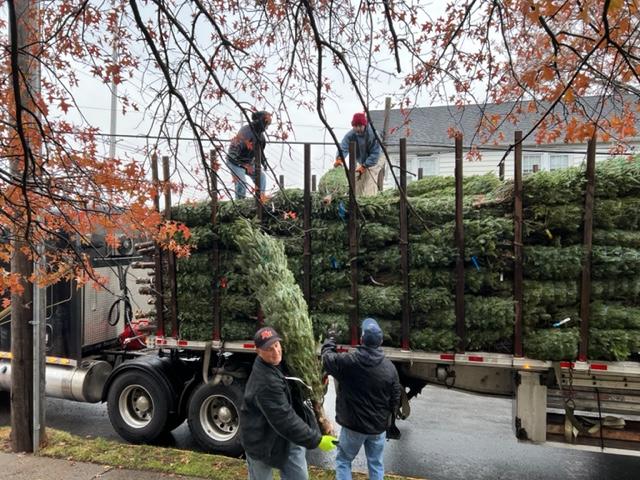


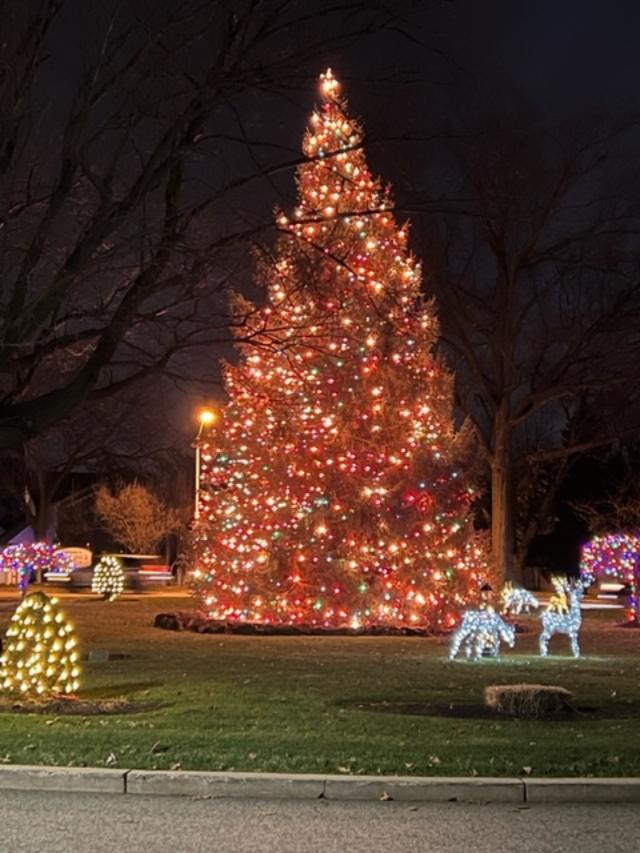

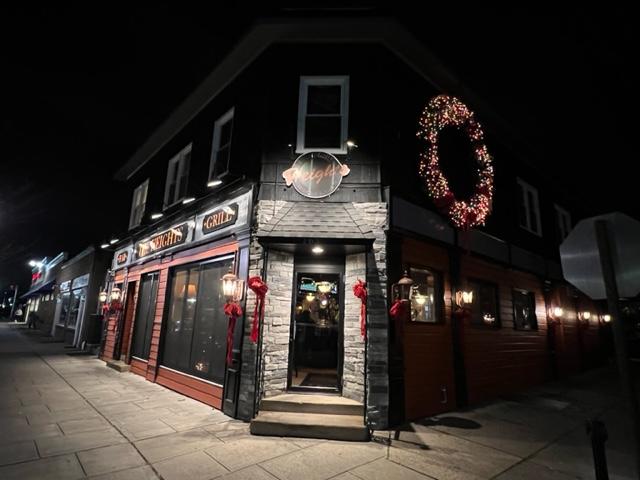
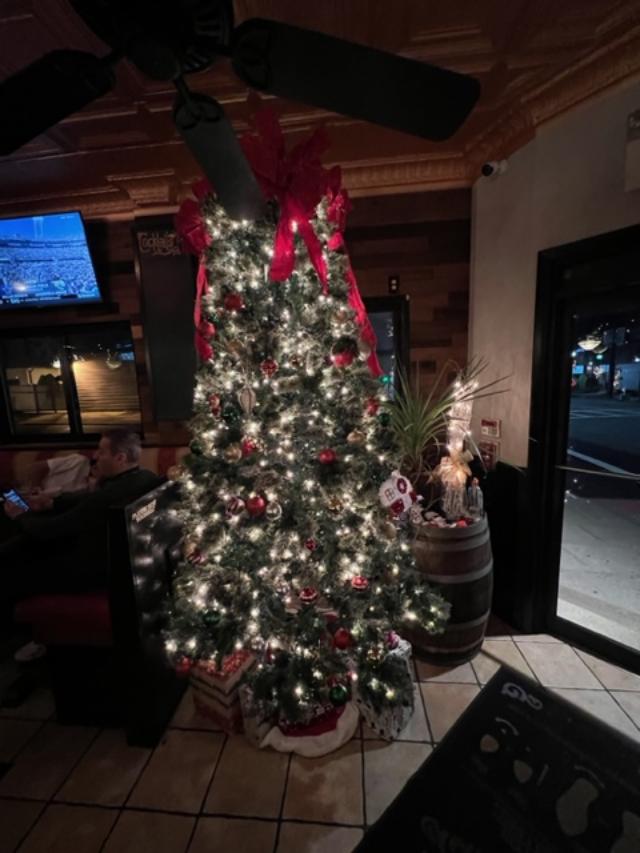
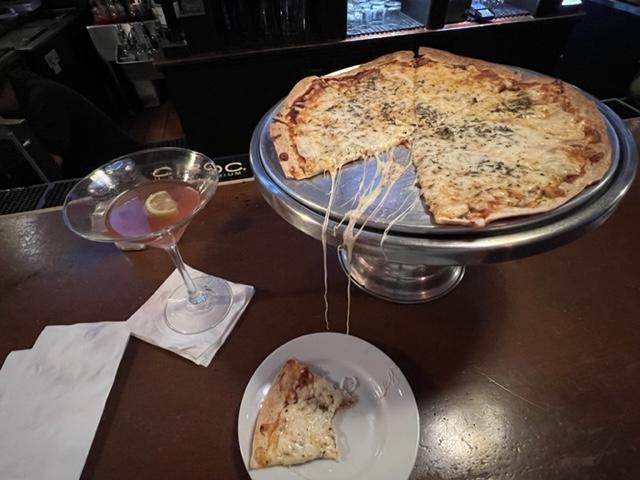


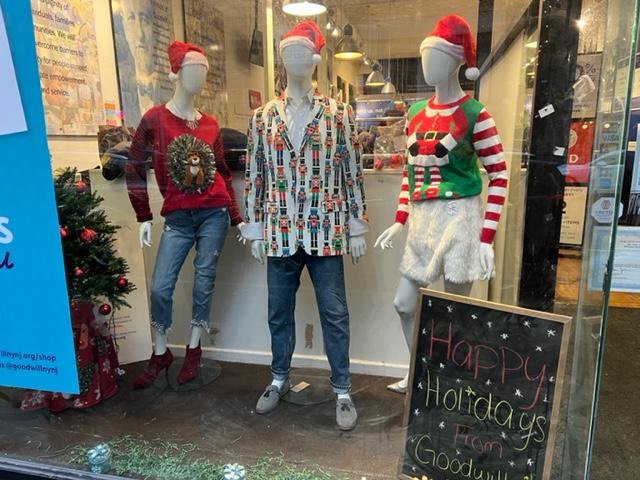
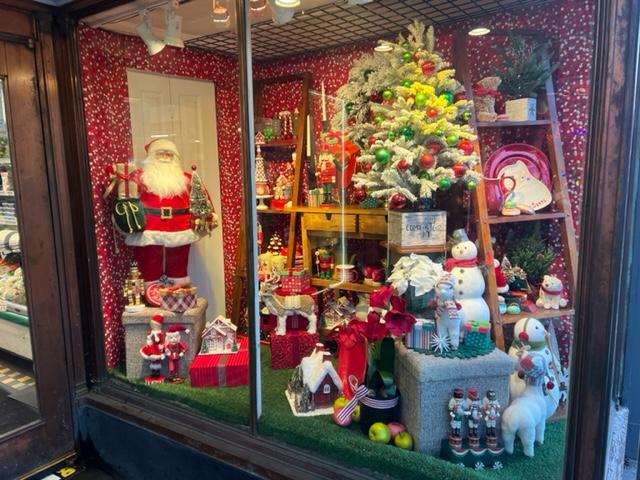


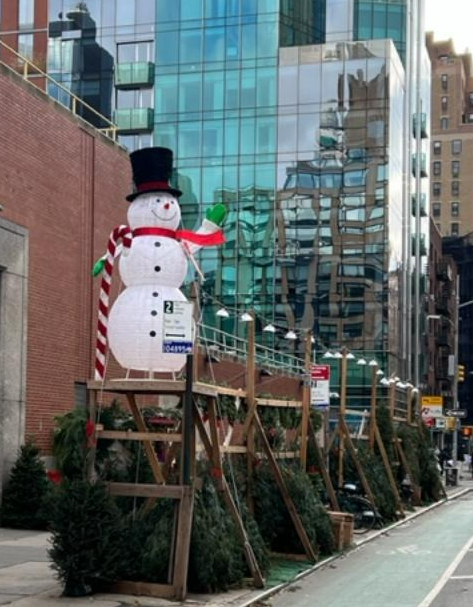
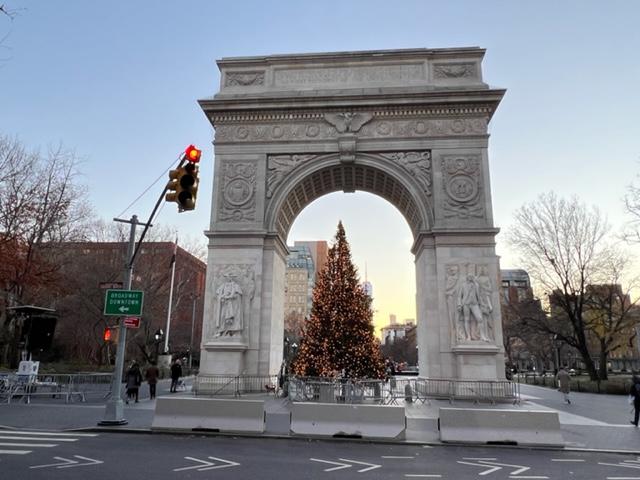


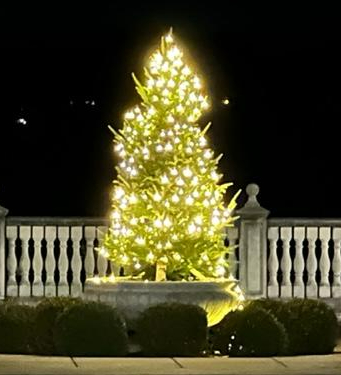


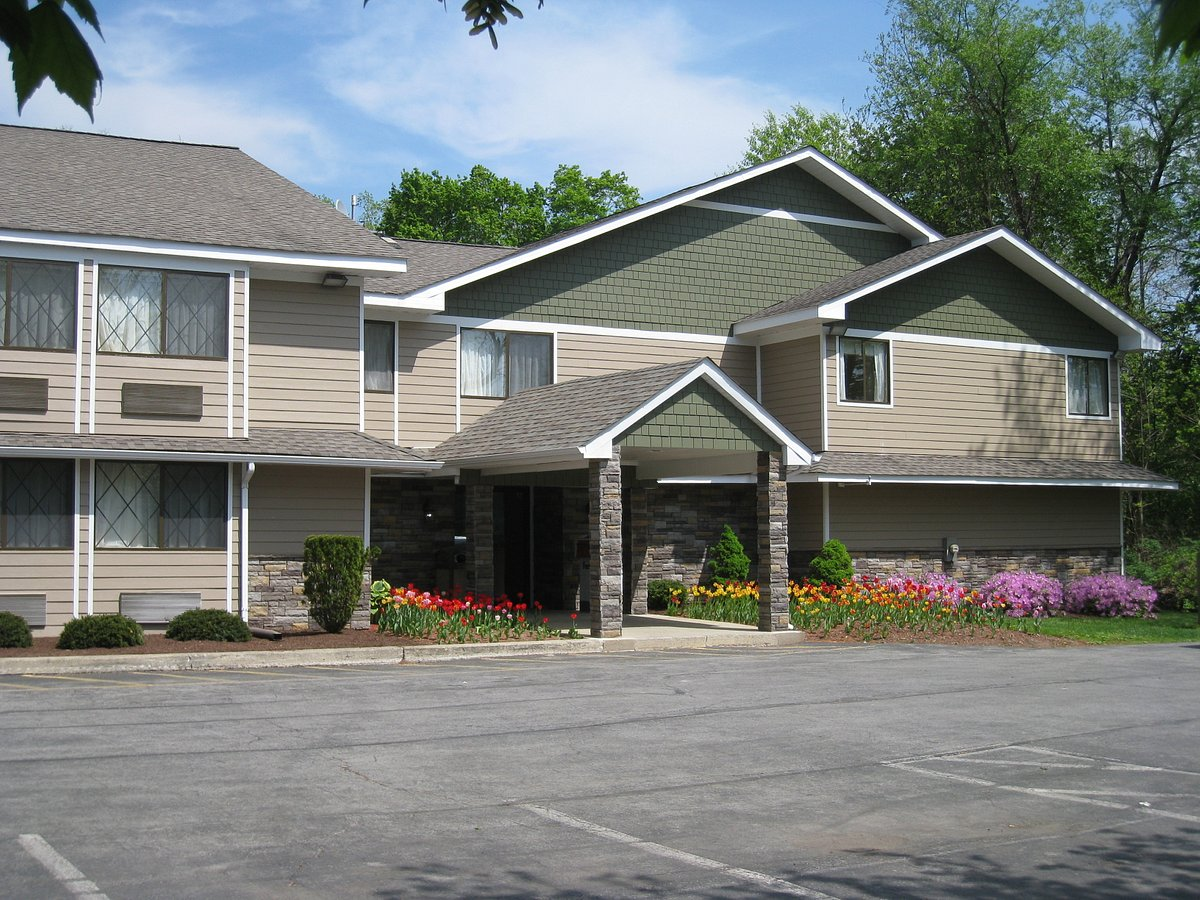


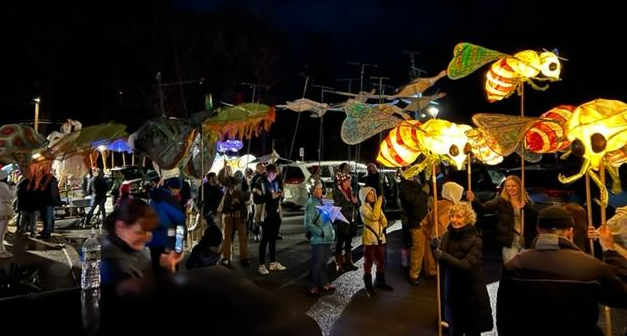
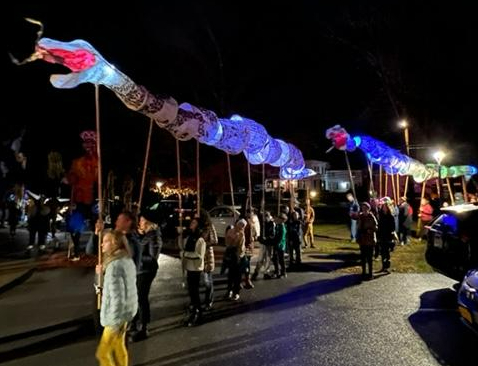

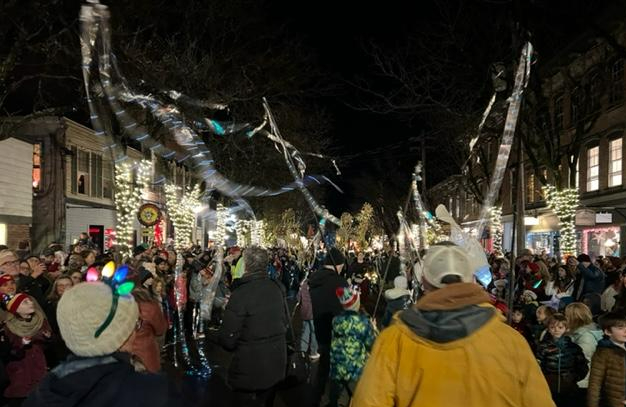


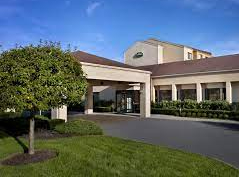


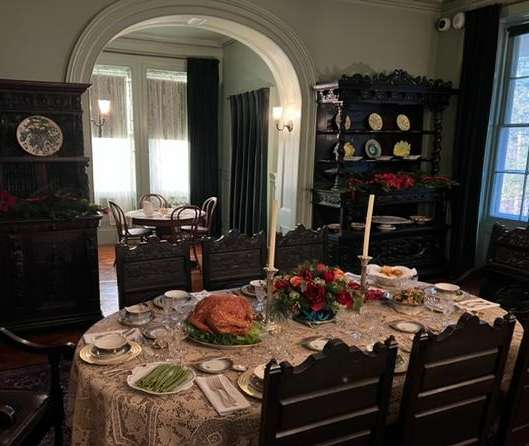


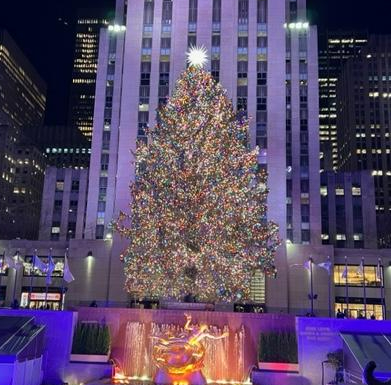


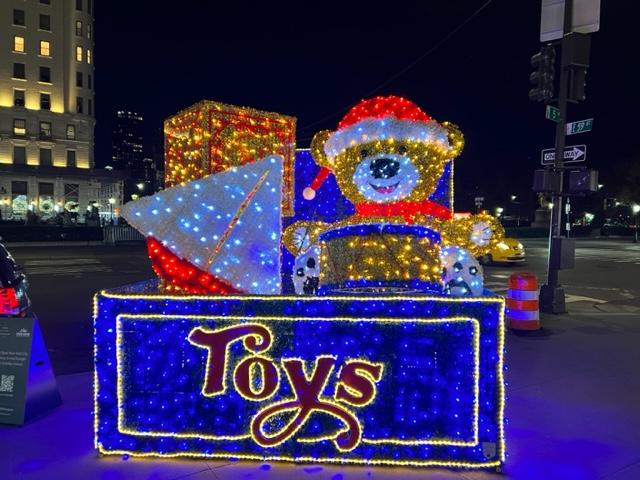
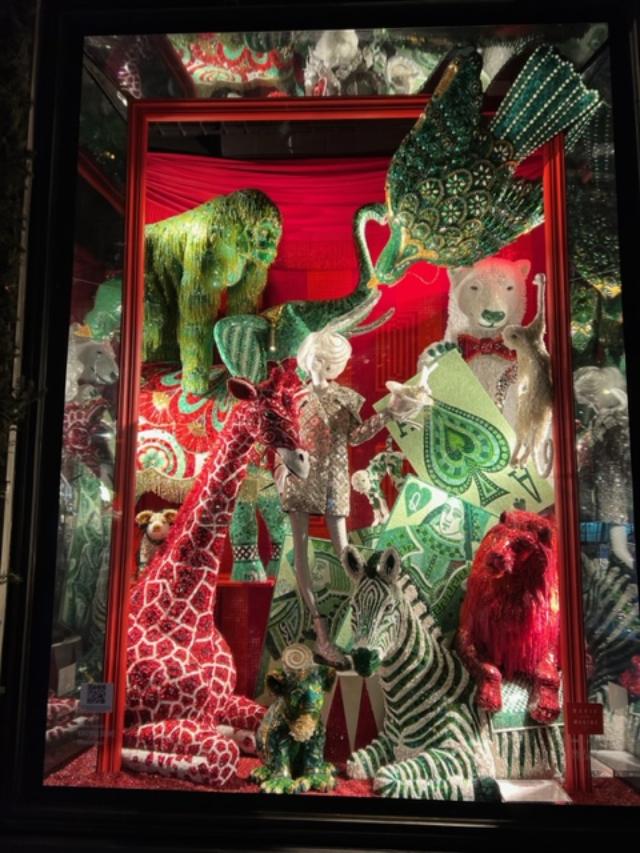
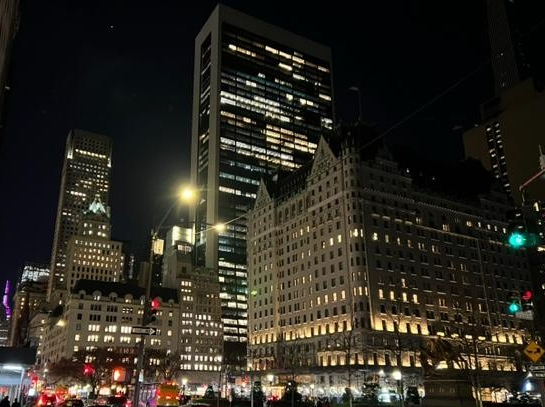
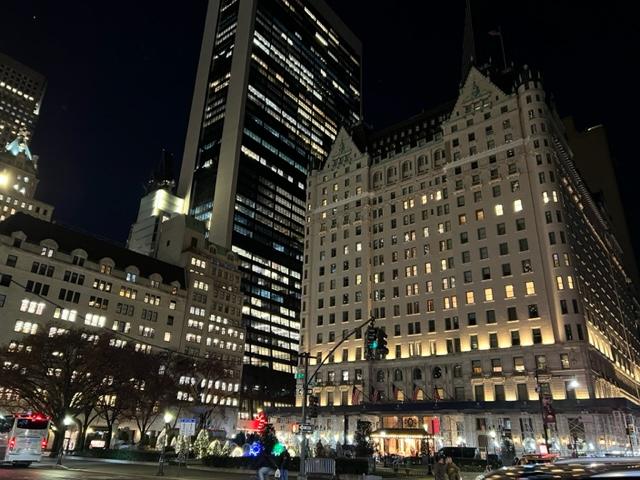


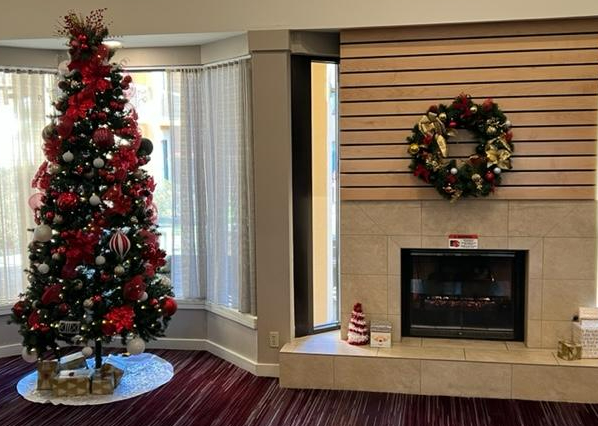
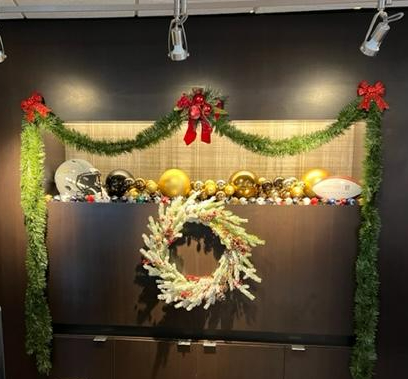


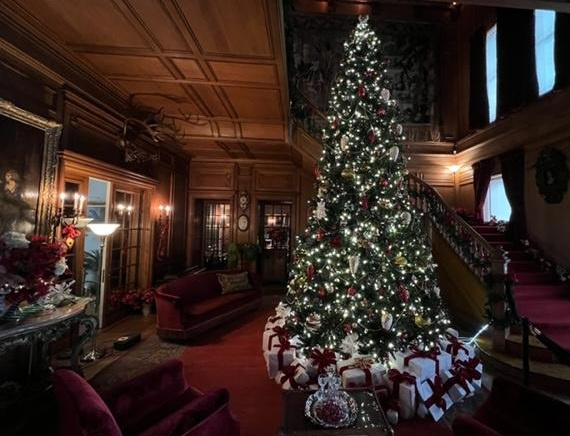


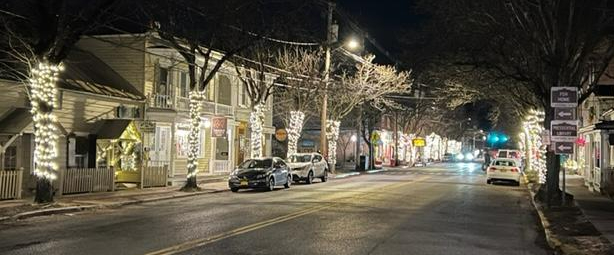


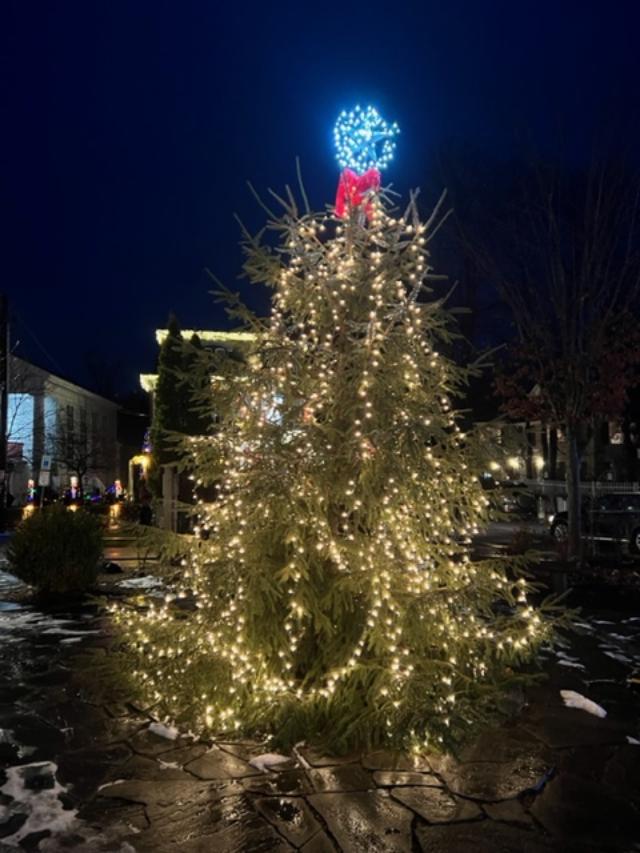


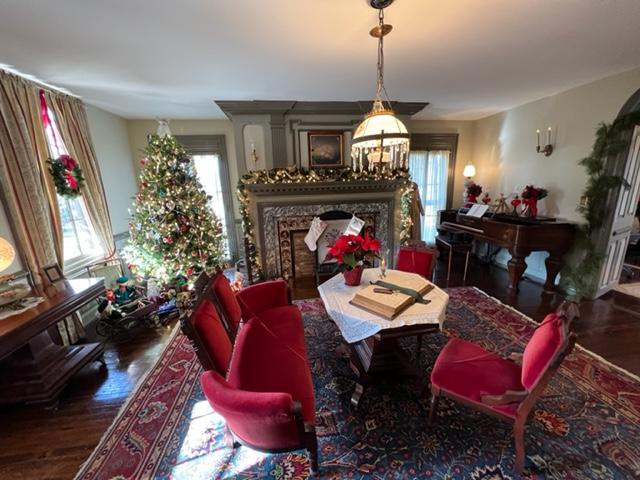
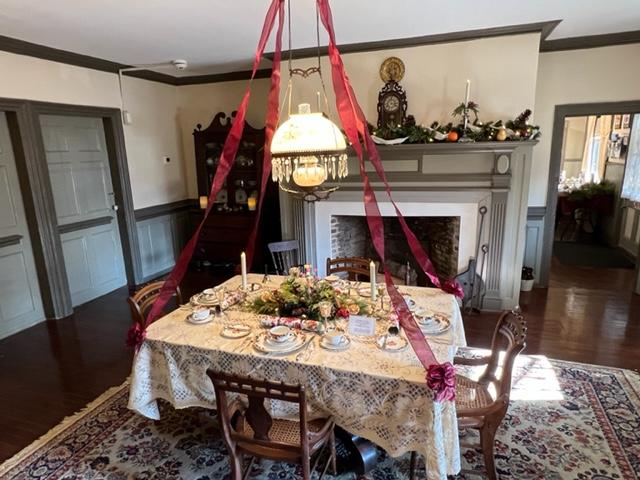




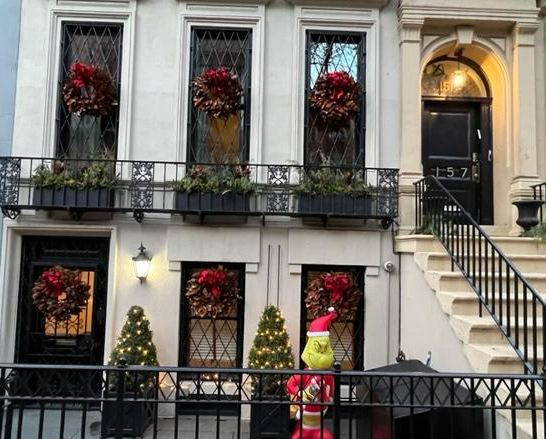
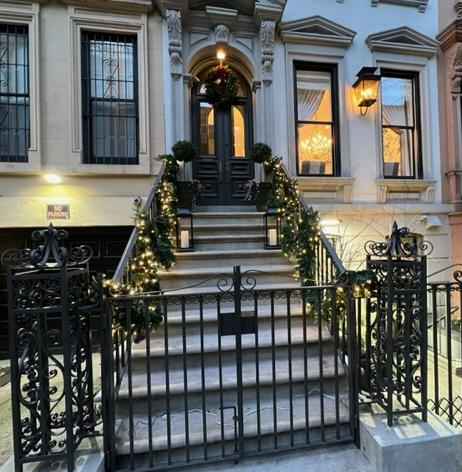


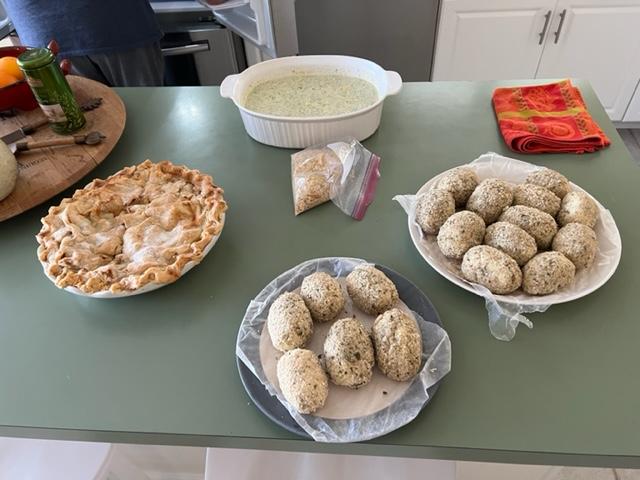

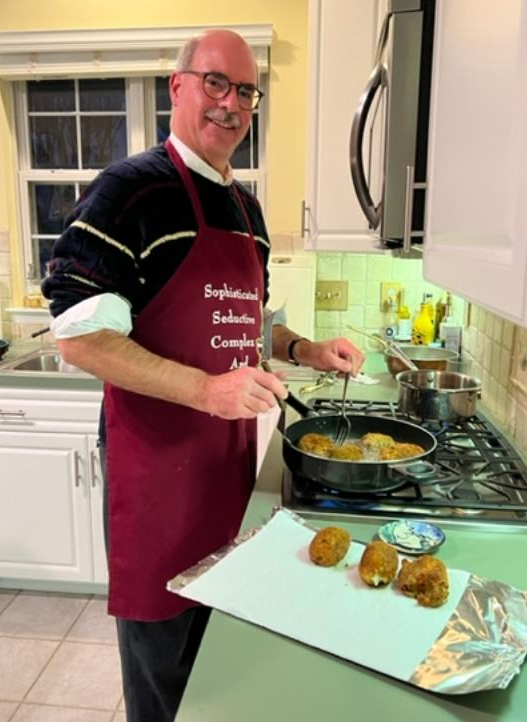
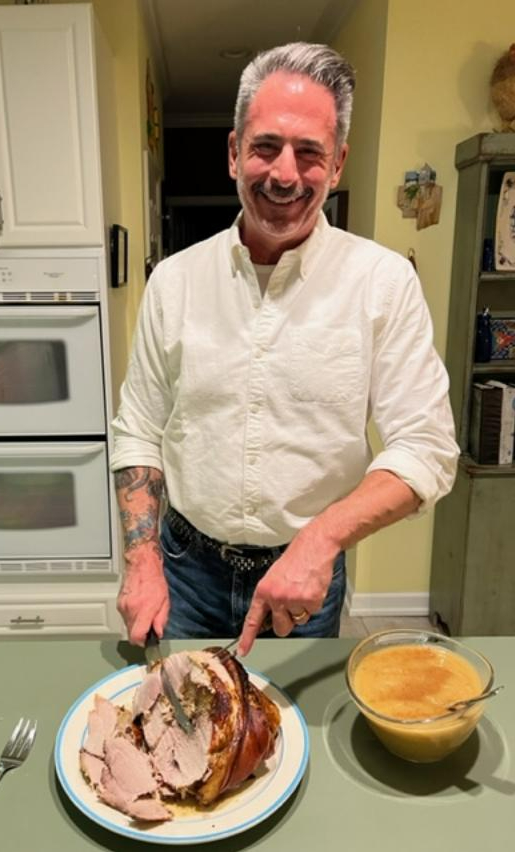
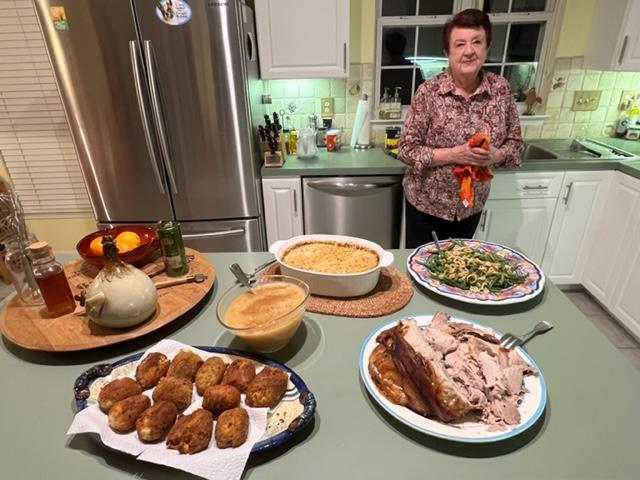


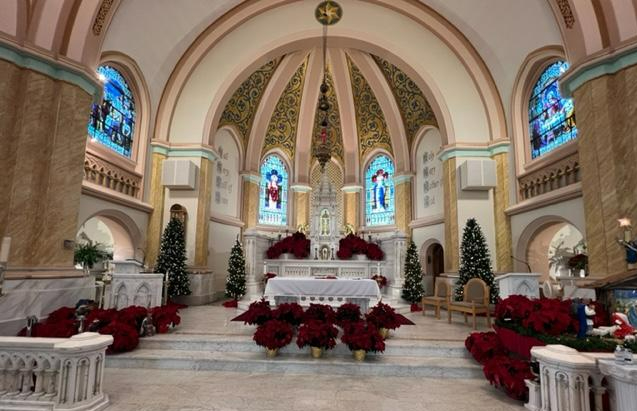


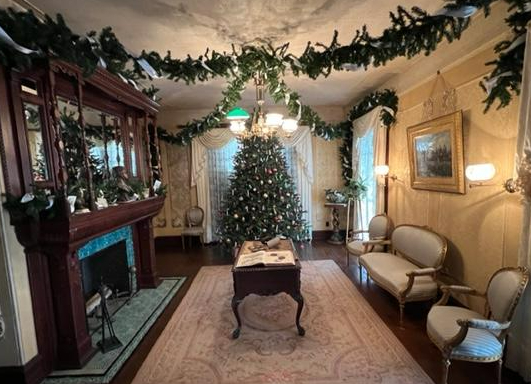


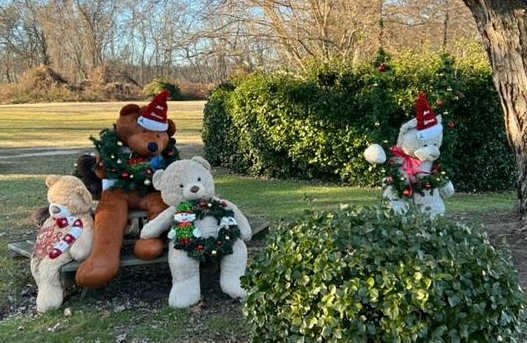
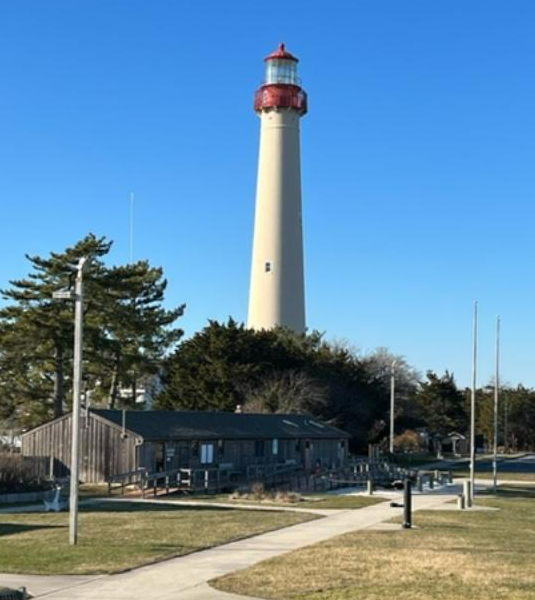


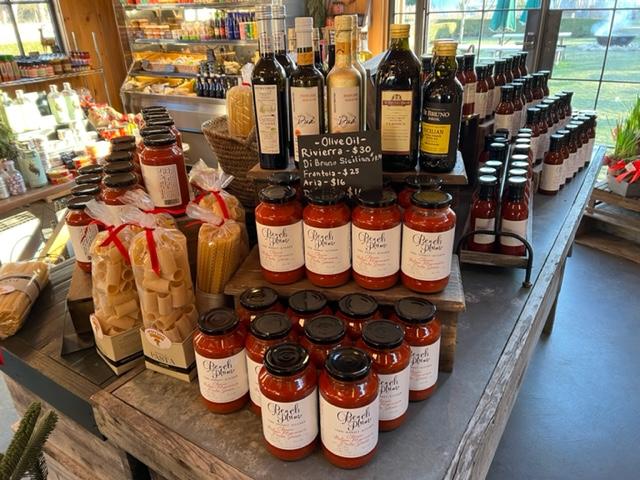


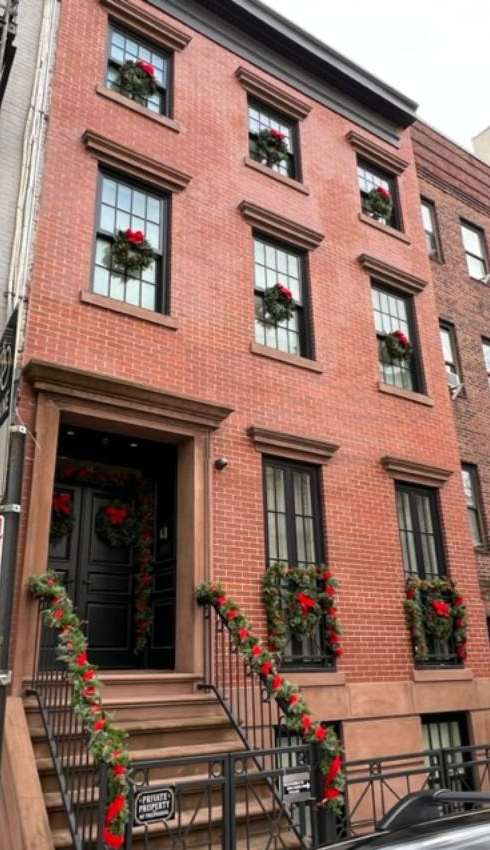

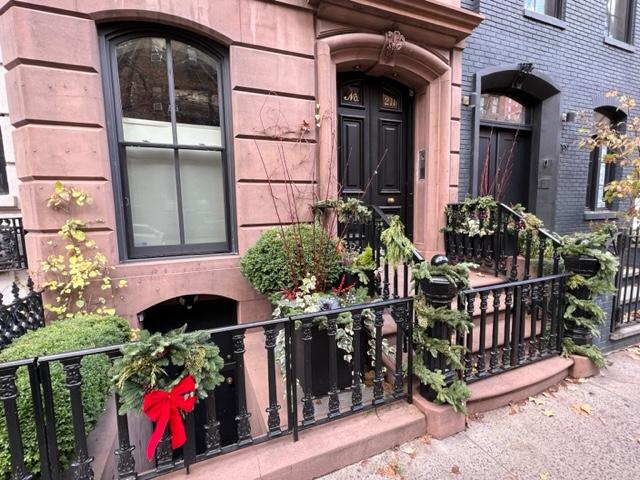

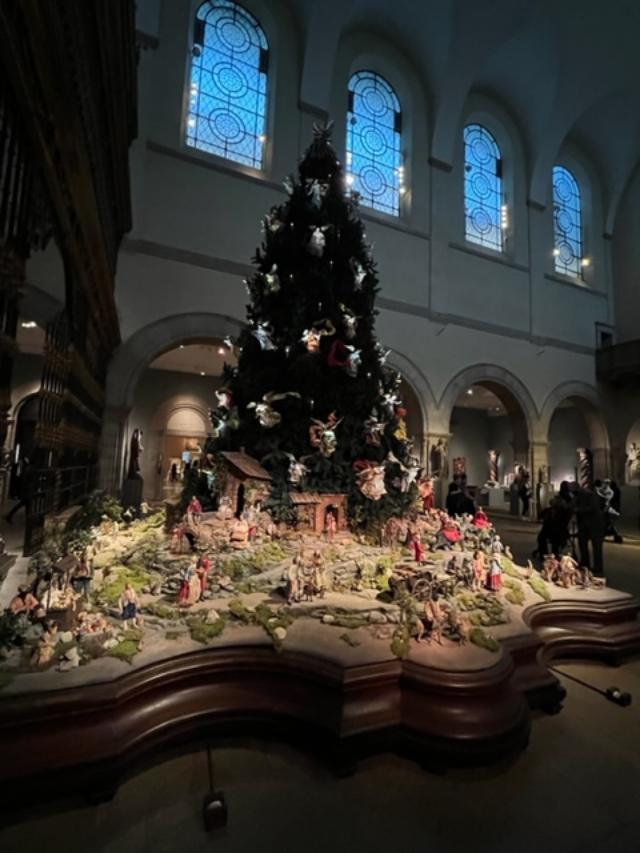


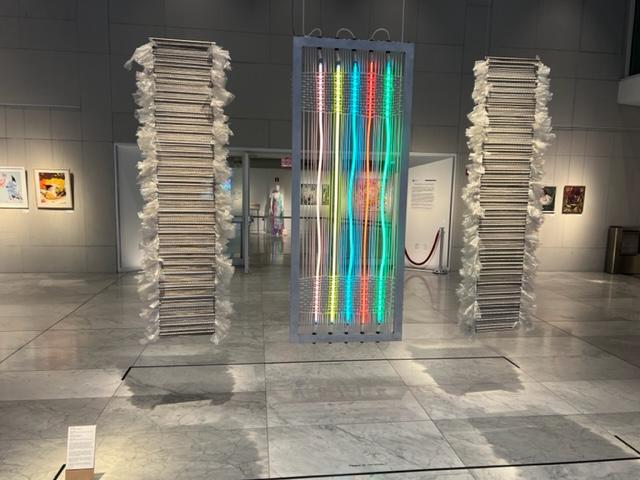
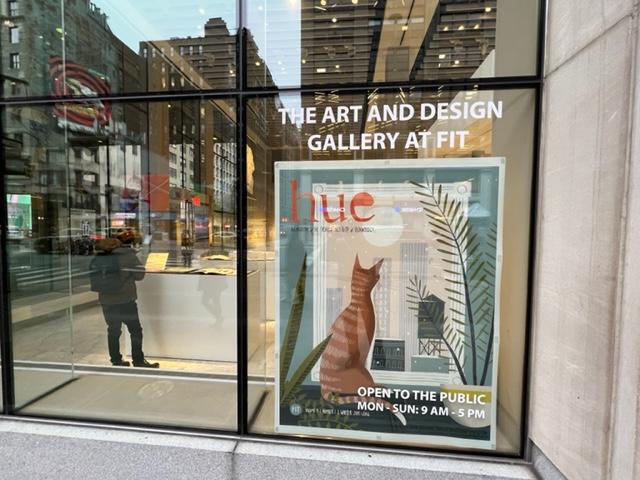

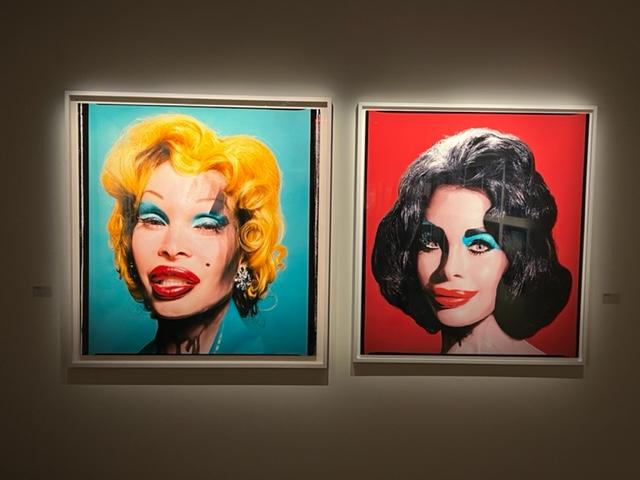





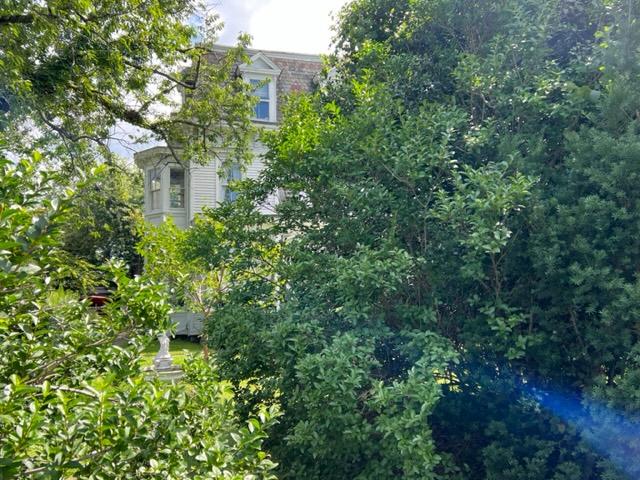

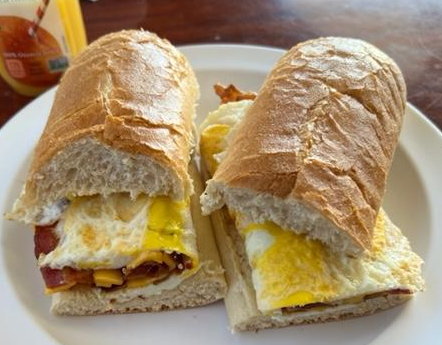

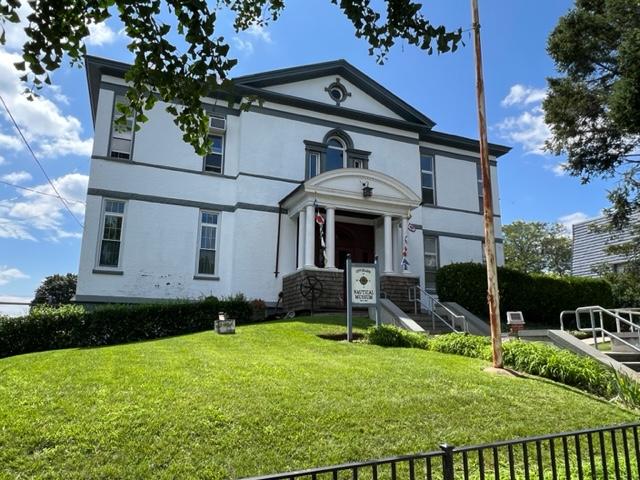
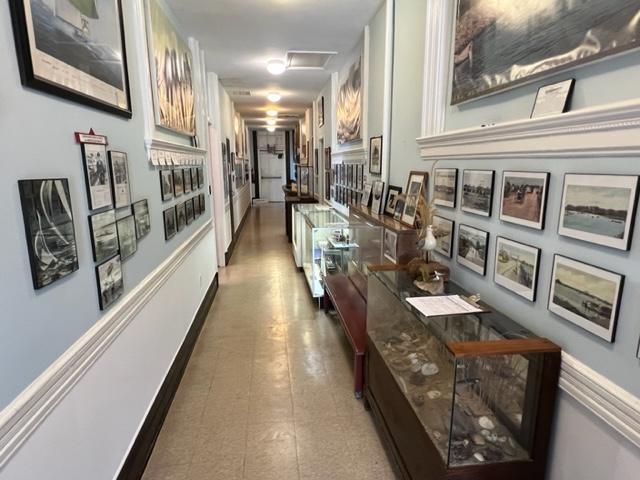
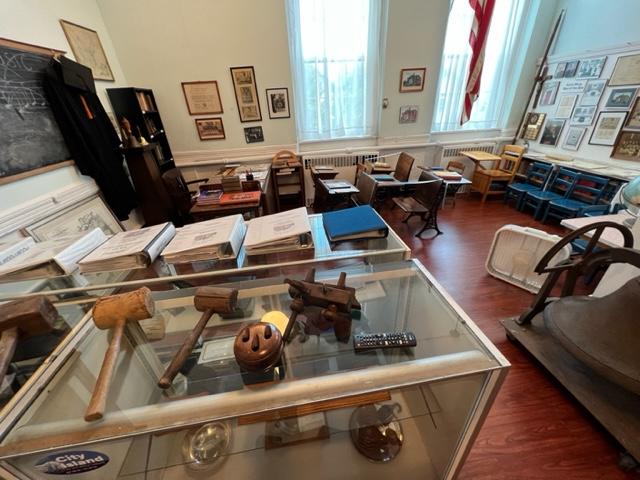

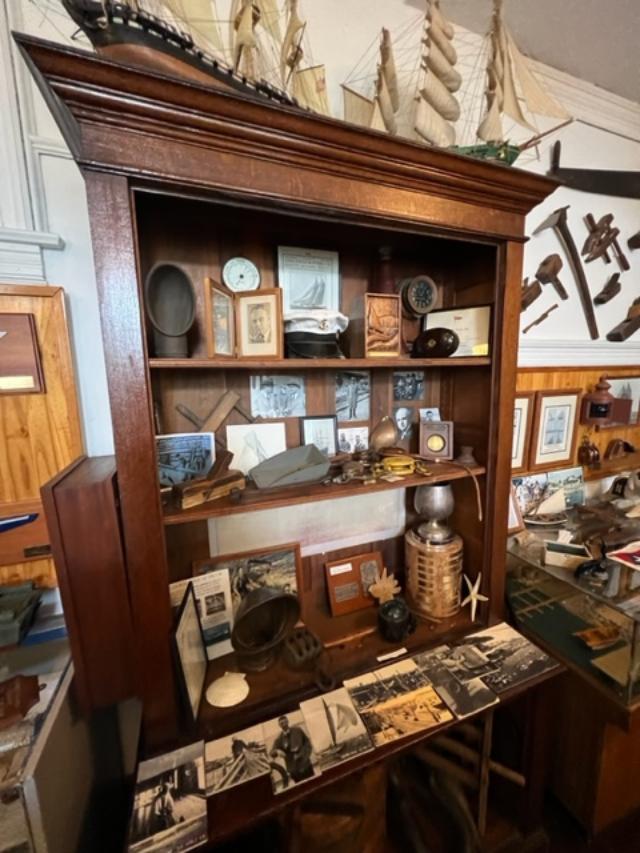


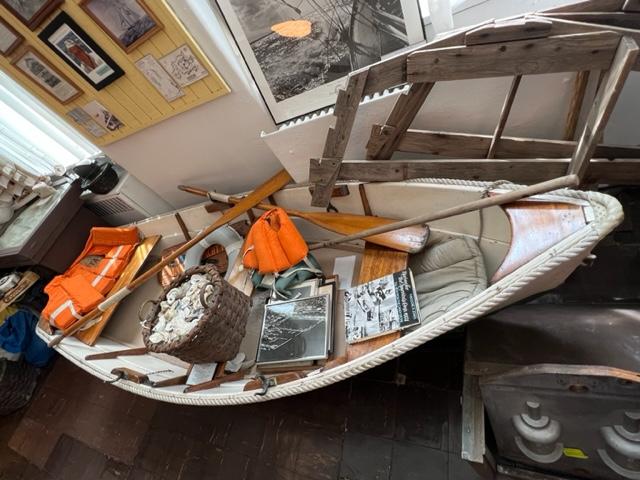
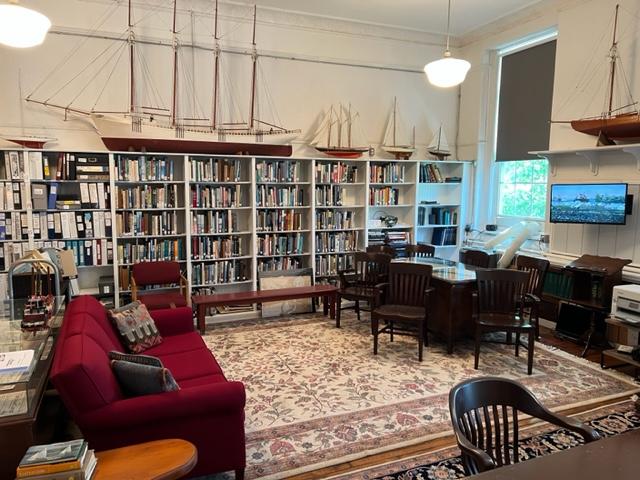


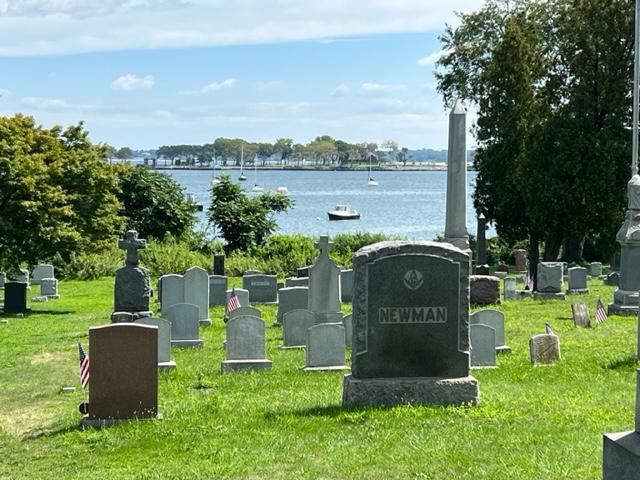


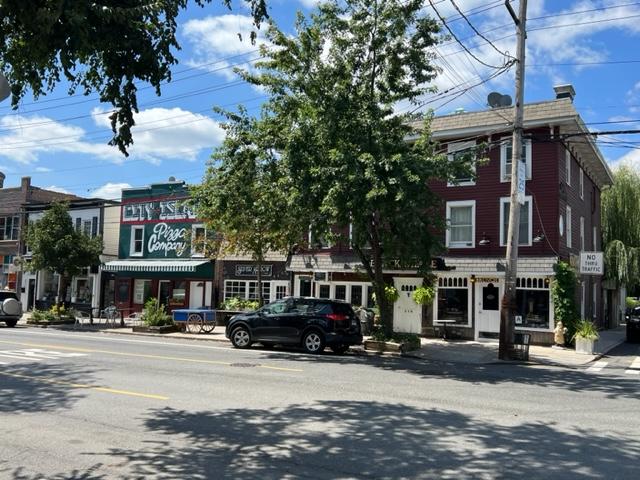

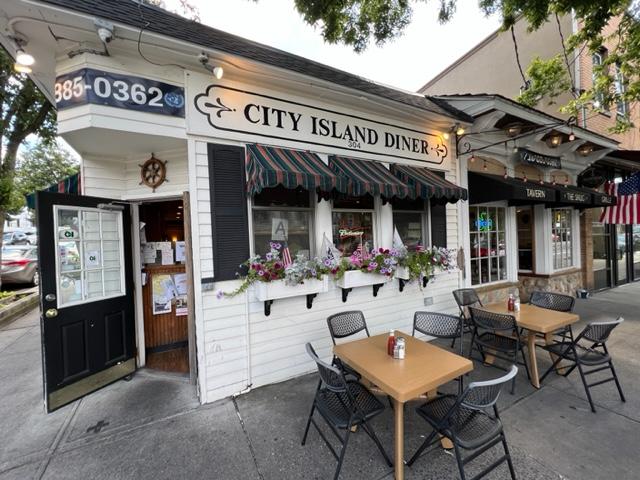


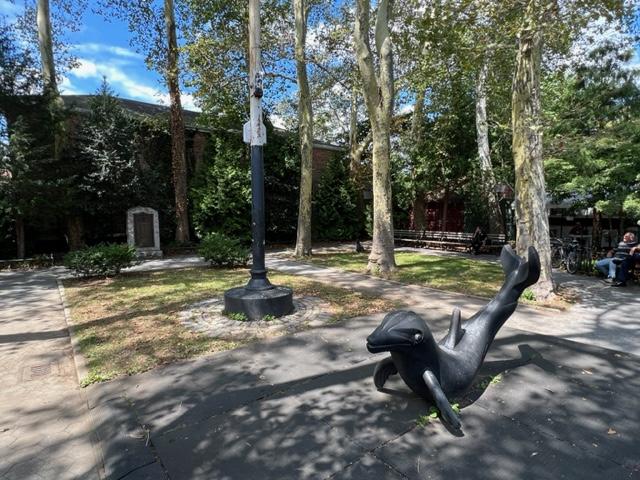


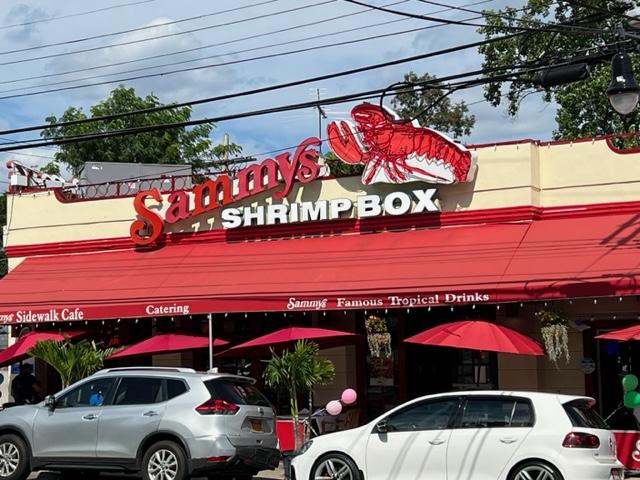
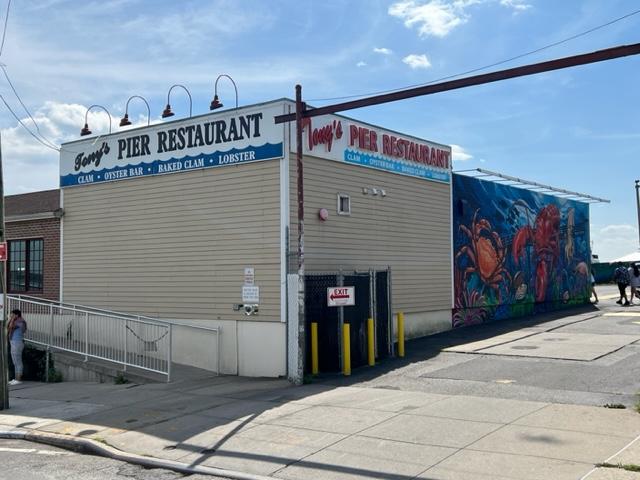


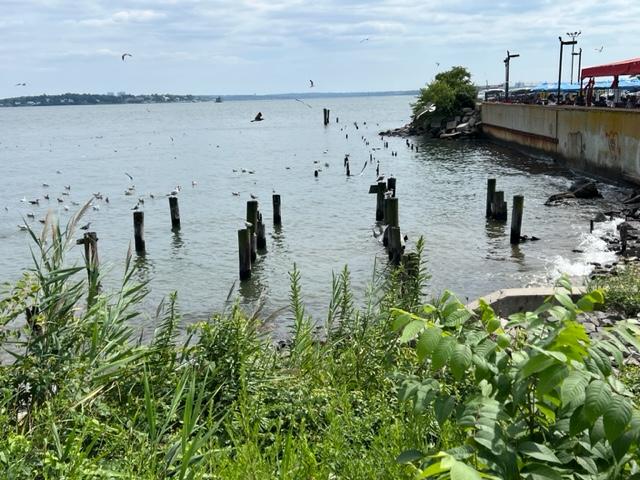


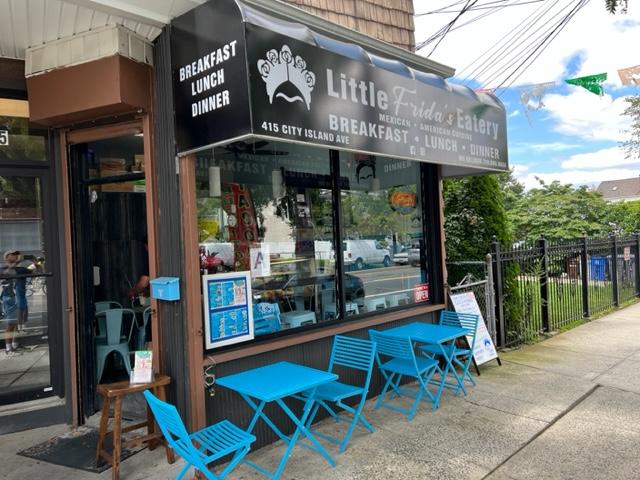

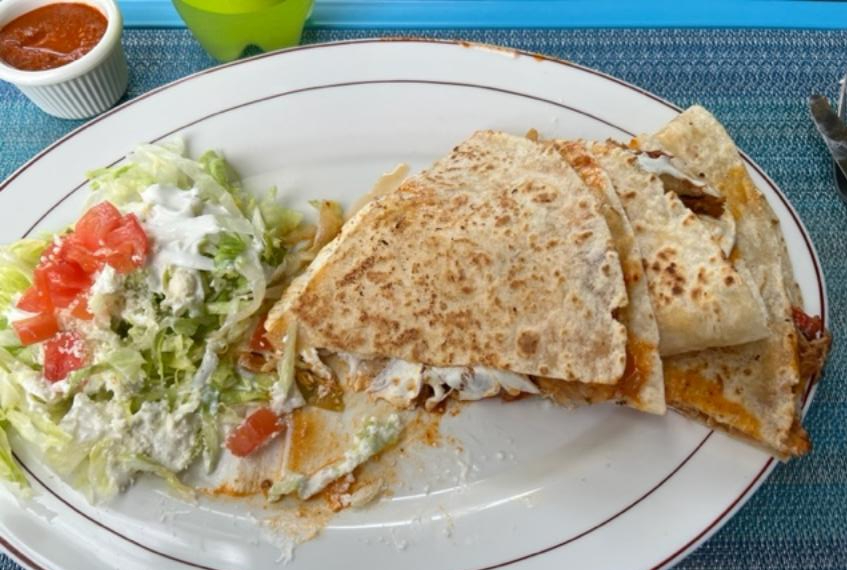


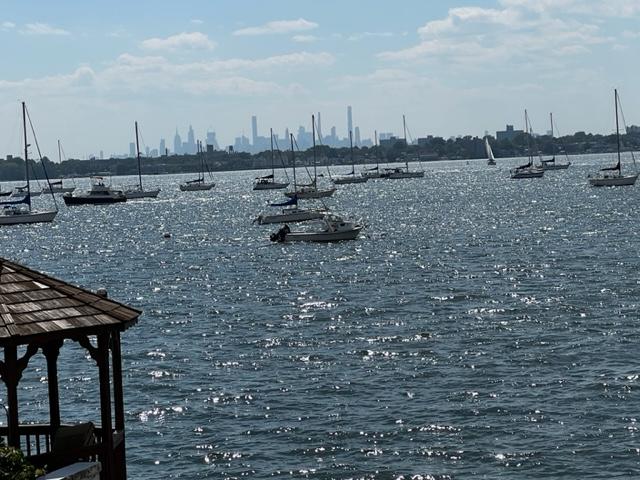
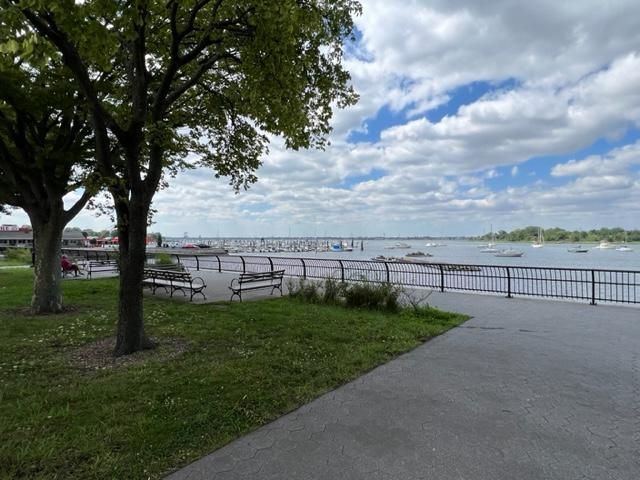
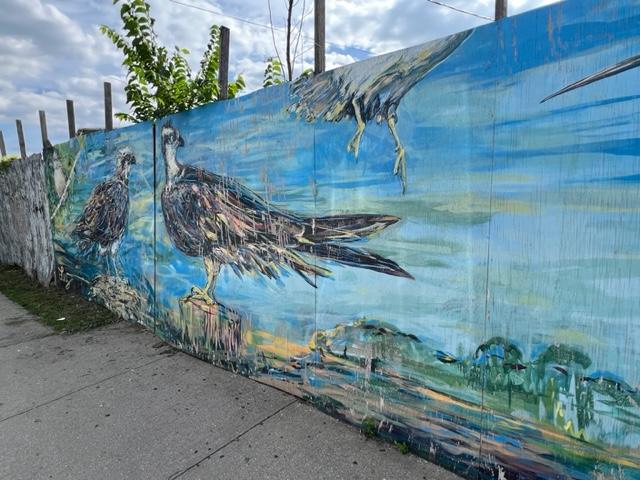
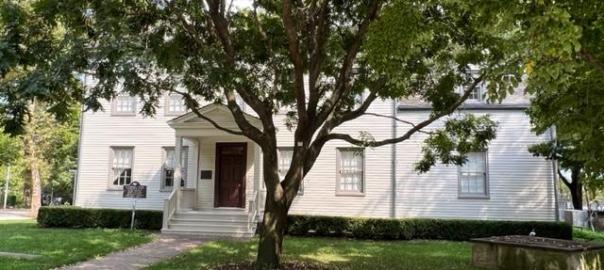


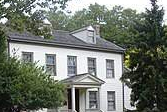


 mywalkinmanhattan