I was invited to a Metropolitan Museum of Art Private Members Night the night before Halloween, known as ‘Mischief Night’, where more tricks than treats are part of the fun. The museum has these private nights so that members can enjoy the museum on their without the huge crowds that come during the day. These events are so popular now and they have adjusted the hours to 7:00pm-10:00pm where working people can now enjoy the evening.
The Met lit at night for the Private Members Night did look a little spooky but a festive environment was inside waiting for us. A giant house of mystery awaiting us with treasures inside.
The lines started to fill as we entered the museum at 7:30pm. I got there after my Digital Marketing class at NYU was over. All the tricks and treats of the museum were open to members who entered the front door if they dared!
The very festive entrance of The Met at the information booth represented the coming of fall and the Halloween and Thanksgiving holidays.
The beautiful Fall arrangements in The Met’s nooks. It really made the night festive.
The first exhibition that I visited was “The Northern Renaissance European Sculpture and Decorative Arts 1520-1630” and the exhibition held some of the most exquisite art of the collection. Beautiful decorative objects with the detailed work in the permanent collection. These treasures were gathered in one spot to show their true beauty.
The sign for ‘The Northern Renaissance European Sculpture and Decorative Arts 1520-1630’ exhibition
The craftsmanship of these objects were some of the most sophisticated of the era and royals competed to have the most beautiful objects adorn their homes. Some of the objects were pulled from the permanent collection and are different parts of the museum but when housed together they really make a statement of the quality and precise workmanship. These objects made a statement of the owners and who they were in society.
One of the most detailed pieces of the show was “Diana and the Stag”. The craftsmanship of the piece was amazing and it is such a beautiful piece.
The silver Diana and the Stag art object.
The next room I went to was the Wrightman Wing down the stairs to see Vertigo of Color” Matisse, Derain and the Origins of Fauvism. All these beautiful and bright colors in paintings from the French coastline.
The Vertigo of Color Exhibition in the Wrightman Wing of the Met.
My favorite piece and the painting that stood out the most was ‘Open Window Collioure’ by Henri Matisse. It was the most beautiful painting of the show.
“Open Window Collioure” is one of the most vibrant paintings in the show.
The other painting that really stood out in the exhibition was by artist Andre Derain.
The Andre Derain Painting “The Faubourg of Collioure”
The sign for the painting.
My next stop was the “Tree and Serpent: Early Buddhist Art in India, 200-400 CE” exhibition on the second floor. The display of Indian art was from all over the world and displayed some of the most unusual icons. The exhibition the immense craftsmanship of these early artists.
The entrance to the “Tree & Serpent: Early Buddhist Art in India 200 BCE-400 CE” exhibition.
The Railroad Panels of the exhibition
The Railing pillars of the exhibition.
The Railing pillar sign.
Statuary from the exhibition.
The Pillar Abacus with elephants venerating the Ramagrama stupa.
The Elephant Pillar sign.
The Drum Panels in the exhibition.
The Drum Panel signs.
The Stupa Panel at the exhibition. I thought this was the most impressive work in the exhibition.
The Stupa Panel sign.
After visiting the intriguing art of India and all the splendor that comes with it, I made my way back downstairs, bypassing the very busy “Manet/Degas” which I had already seen and I made my way back downstairs where the crowds were either heading to the bar area that had been set up in the middle of the museum or to one of the three restaurants that were open that night. The restaurant in the American Wing was only serving popcorn (at $6.00 a bag!!) or drinks as well as the Balcony Restaurant. This was a bit too much for me, so I decided to wait until I left the museum to have some dinner.
The last exhibit for the evening that I visited was the “Grounded in Clay: The Spirit of Pueblo Pottery” in the American Wing. These beautiful pots and decorative pottery is art from the Pueblo culture.
The entrance to the “Grounded by Clay: The Spirit of Pueblo Pottery”
In the middle of the museum, the staff set up a festive Halloween bar for members to enjoy and relax. With a lively museum and even livelier cocktails, patrons conversed with their friends and made new ones. This whole part of the museum was alive with laughter and people having a good time before they had to deal with the trick or treating that awaited them the next week. It was a Spooktacular good time!
The cocktail party and bar on the main floor.
When we left the museum that night into the darkness that would become Halloween the next day, the museum employees wished us a good evening and gave us this sweet treat, a chocolate pumpkin that we were all munching on as we left the museum. It was the perfect way to end the evening. This is why I love the Met and have been coming here since 1973 and a member since 1993. It is a place of magic!
The delicious “Treat” we got when we left The Met that evening. The museum knows how to treat its members!
After the haunted night at the museum was over, I walked along the streets of the Upper East Side of Manhattan enjoying the decorations in preparation for Halloween the next day. Families really decorated their homes and the stores and brownstones were decked out for the Halloween holidays. This is becoming just as big as Christmas. Here are some of the great decorations that I saw that night.
Most of the these pictures were taken in the East 80’s and 70’s along the side streets between Madison Avenue and Third Avenue as I explored the neighborhood looking for the best haunts. People were really creative this Halloween.
Walking around the Upper East Side on Halloween week.
Halloween windows at a Park Avenue Florist during Halloween week.
Halloween decorations on the Upper East Side in the East 80’s.
Halloween on the Upper East Side in the East 80’s.
Halloween on the Upper East Side.
The haunting of the Upper East Side.
The haunting of the Upper East Side.
Caught in a spider web on the Upper East Side.
Ghosts protecting the entrance to the apartment building.
The haunting of the Upper East Side.
Escaping spider island on the Upper East Side.
Who says that New Yorkers are not creative? Decorating your home is not just for the suburbs.
I took a different direction from my walk having finished the Flatiron District (finally!). I had just started Graduate School as I was finishing the Flatiron District and had not completed the blog when classes started. Who knew it was going to be that crazy of a semester. I had not worked that hard since Wines & Menus when I was at the Culinary Institute of America.
I bypassed the whole Theater District after the COVID vaccine mandate was lifted in June of 2020 because between the riots that took place after the George Floyd incident and all the theaters being closed because of COVID (they would not open again until 2021) I skipped this section of the Manhattan. I went to Murray Hill and worked my way down to 23rd Street. The whole Theater District was loaded with police anyway guarding the theaters and the areas in between. There was literally no one walking around this neighborhood and I would have stood out. The theaters and restaurants were boarded up and homeless all over the place.
So I’m back and it makes it really easy since I just get right out of Port Authority and here I am. The Theater District has changed tremendously in the last thirty years and has gotten much better. All of 42nd Street and its seediness has pretty much gone away (but the element still lingers) and some of the most innovative new buildings have replaced all that. It made for an interesting walk before I had to meet my friend, Maricel, for her delayed birthday dinner at Virgil’s, a barbecue restaurant on West 44th Street.
Leaving the subway at 42nd Street the walls are filled with partying patrons
More partying patrons in the 42nd Street subway station before you get into the Theater/Times Square district
So I started on the corner of Eighth Avenue and West 42nd Street and made my way up Eighth Avenue to the northern border of the Theater District at West 54th Street. Talk about a combination of architectural structures and designs.
One of the most interesting buildings in the Times Square area is the Westin New York at Times Square at 270 West 43rd Street which stretches from West 42nd to West 43rd along Eighth Avenue. This hotel is considered one of the most innovative designed buildings in New York City when it was built.
Westin New York at Times Square at 270 West 43rd Street
The hotel was so innovative at the time when it was built and was considered a key in the redevelopment of the West 42nd Street district. The hotel was commissioned by the architectural firm of Arquitectonica to design the building. The 863 room hotel is actually two towers merged together with a ten story midsection for retail and hotel suites. The large scale abstract design has the look of a multi-dimensional gigantic origami (Arquitectonica website). The building was designed by HKS architects and was finished in 2002.
Further up Eight Avenue is the well-known Row NYC Hotel at 700 Eighth Avenue. This hotel opened in 1928 as the Hotel Lincoln and was the largest hotel in Manhattan when it opened with 1331 rooms. In 1957, the hotel was sold and remodeled and open again as The Hotel Manhattan. It was closed in the 1960’s as the rest of the area declined. It reopened again as the Milford Plaza Hotel in 1978 and was a big theater going hotel. In 2013, the hotel was sold once again and went through another renovation and opened as the currently Row NYC Hotel (Wiki).
As I made my way up Eighth Avenue that borders the Theater District, I passed the now reopened Smith’s Bar, which has been a fixture in Times Square for over sixty years opening in 1954. The bar had been sold to new owners in 2009 and then closed in 2014 to reopen a year later.
This bar has seen Times Square go through a major transition over the years and was once located in one of the worst areas during the 1990’s. It has since reopened and has been very popular going into “March Madness” with college basketball in full swing.
Located between 728 and 732 Eighth Avenue are three hold out businesses to a major construction project. It still houses Daniela at 728 Eighth Avenue, an Italian restaurant, a gift shop at 730 Eighth Avenue and Playwright Celtic Pub at 732 Eighth Avenue. Frankly I think all three businesses time is coming as the land is getting too valuable in the Times Square area. Every building around these has been torn down for a new building.
Further up the avenue on the corner of Eighth Avenue and West 46th Street is the West 46th Street SRO. This interesting building that I thought was an elegant Victorian is actually a combination of three former tenement buildings and two residences to make one building. Architects Oaklander, Coogan & Vitto PC created this interesting building with an additional shared floor topped with a mansard roof and tower. It used to house many trendy restaurants and bars but since the pandemic has been empty. By 2023 though, it is starting to fill up again (OCV Architects PC).
I reached West 48th Street and I passed Engine 54/Ladder 4/Battalion 9, which I used to pass all the time when I worked down the road at the Java Shop on the corner of Broadway and West 46th Street at 782 Eighth Avenue. These companies were hit hard a year after I left my job on 9/11 when the Brothers of this house lost 15 members that day, their entire shift. The memorial they have to their members is really touching and the guys that work there always seem so friendly to all the tourists that pass by.
Engine 54/Ladder 4/Battalion 9 at 782 Eighth Avenue
Pay respects to the Engine 54/Ladder 4 9/11 Memorial on the front of the building
The Memorials
Engine 54 Plaques and Awards including 9/11
The plaque at the firehouse
There are two wonderful Chinese restaurants that I like to visit when I am in the neighborhood. One is Chef Pho & Peking Roast Duck at 858 Eighth Avenue, which has wonderful lunch specials until 4:00pm. The restaurant has some of the best egg rolls that I have tasted in a long time. I made special stops here for lunch when walking the area.
Peking Roast Duck Restaurant at 858 Eighth Avenue (Closed 2020)
The other is Real Kung Fu Little Steamed Buns at 811 Eighth Avenue which is known for their Pork & Crab and Pork Soup Dumplings. I love their fried dumplings, Scallion pancakes with sliced beef, the pan-fried Duck Buns and the Shanghai pan-fried pork buns. Everything on the menu here is excellent and you can eat your way through the menu of delicious Dim Sum.
Real Kung Fu Little Steamed Buns at 811 Eighth Avenue
When I turned the corner at West 54th Street, it was like visiting an old friend. Although I walk down this street all the time on the way to the MoMA (The Museum of Modern Art), in the past I never really paid attention to the buildings in the area or the architecture. When I walked down the street I saw the beauty in a lot of the townhouses that lined West 54th Street toward Fifth Avenue.
As I walked the border of the neighborhood on West 54th Street from Eighth Avenue, you can see the traces of Old Residential New York side by side with the new office towers, hotels and the extension of the Museum of Modern Art on the corner of West 54th and Fifth Avenue.
At the very edge of the neighborhood is 254 West 54th Street now the home of a theater but in the late 70’s was home to the famous ‘Studio 54’ nightclub and epicenter of the Disco era. There has never been a club before and after that can compare to it.
The club was opened in 1977 by club owners Steve Rubell and Ian Schlager who had once opened clubs out on Long Island and to much fanfare and the party did not end until the club was raided for tax evasion and closed February of 1980. The party was over! The club continued to open over the years but the original magic was gone as the Disco era faded away in the early 80’s.
254 West 54th Street The famous former “Studio 54”
The history of the Rise and Fall of Studio 54
Seed54 Sculpture at the corner of Sixth Avenue and West 54th Street
On the corner is the an unusual sculpture that I first noticed when walking past a hot dog vendor on the corner of Sixth Avenue and West 54th Street in front of 1330 Sixth Avenue building. This strange looking piece of artwork resembles an open air egg is by artist Haresh Lalvani. This unusual sculpture can be interpreted many different ways. The only problem is that the hot dog vendor on the corner distracts from even looking at it and I have passed it without even noticing it over the times I have been in the neighborhood.
Seed54 Sculpture at the corner of Sixth Avenue and West 54th Street
Artist Haresh Lalvani in front of one of his “HyperSurface” works
Mr. Lalvani is a professional artist and Professor at Pratt Institute in Brooklyn. His emphasis in the work is his study of morphology into nature and its effects on art. ‘Seed54′ is part of his HyperSurface’ series. Mr. Lalvani is a graduate of the Pratt Institute of Architecture (Pratt Institute).
Artist Haresh Lalvani in front of one of his “HyperSurface” works
The first building that popped out to me was The Albemarle at 205 West 54th Street. This 12 story Beaux-Arts building was built in 1903 and was once known as the Hotel Harding and then the Alba. Actress Mae West once living in the building. The hotel at one time was home to the notorious “Club Intime” run by Texas Guinan. This was a well-known Speakeasy during Prohibition (City Realty).
Take time to look at the detailed stone work and carvings along the building. It really stands out amongst its more modern neighbors.
In front of 1345 Sixth Avenue is a large silver globe that has always fascinated me on the walks down West 54th Street. There is no name of the artist and nothing on the planters or doorway of the building.
The silver globe in front of 1345 Sixth Avenue on the corner of West 54th Street
At 162 West 54th Street, another beautiful building stands out with faces staring and smiling at you. This recently renovated building has now been turned into luxury condos and has been sandblasted back to its original beauty for a building that was built in 1911.
Walking further down the street, you will realize that this part of the neighborhood is home to many of the most famous ‘old line’ hotels in Manhattan. At 65 West 54th Street is the luxury Warwick Hotel.
The 36 story hotel was built by William Randolph Hearst in 1926 with the help of architect Emery Roth with the firm of George B. Post & Sons. The outside of the hotel is done with brick, granite and limestone giving it it’s unusual color scheme. Take time to look at the hotel’s detail work and old world charm in the lobby (Wiki).
The Warwick Hotel at 65 West 54th Street
The detail work around the windows of the Warwick Hotel
As you continue to walk the border of West 54th Street closer to Fifth Avenue, you will see the back of the Museum of Modern Art which just reopened after its renovation and expansion. On the northern side of West 54th Street is a series of historical mansions each with its distinctive look.
The first home that really stood out was 35 West 54th Street. The brownstone was built right after the Civil War and was part of a series of identical brownstones built on the block. When the brownstone was bought by owner, Dr. Allan Thomas, in the late 1890’s, he stripped the front of the brownstone and gave it its current Beaux Arts facade to match architecture being built along Fifth Avenue.
The house was then bought by Walter Tower Rosen, whose bought the house in 1916 and it stayed in the family until 1968. It is currently private apartments (Daytonian in NY).
Another mansion that stands out along West 54th Street is the William Murray House at 13-15 West 54th Street. These twin mansions were built for Larchmont businessman William Murray by architect Henry Janeway Hardenbergh in the ‘Renaissance style’. This section of fashionable mansions is what is left of the Gilded Age residences in the neighborhood.
The James Gordon House at 9-11 West 54th Street really stands out. James J. Gordon was the owner of the Erie Railroad and two insurance companies and was a cousin of JPMorgan, the banker. The house was designed by McKim, Mead & White in the Colonial American style. Mr. Gordon’s family had come to the United States in the 17th century and was from an old line Connecticut family. Look at the classic look of the mansion and its elegant stone and grill work. The house is now on the market for 65 million dollars (Curbed New York).
The last home in this series of brownstones is 7 West 54th Street which was built by banker Philip Lehman in 1900. The brownstone was designed in the Beaux Arts style and after his death in 1947, his son, Robert, moved in and used the home for his art collection. He used the house until he died in 1969. It is now being used as offices (Wiki).
As you turn the corner to Fifth Avenue, you start to experience the old wealth of Manhattan with the University Club to your right and St. Thomas Church to the left when you enter Fifth Avenue at West 54th Street. This area also contains luxury department stores and shops, famous hotels and the Upper Crust churches that dot Fifth Avenue. The Theater District shares the borders with Midtown East, the Upper East Side, Hell’s Kitchen and the Garment District so there is a lot of overlapping with the neighborhoods.
The next block up is a combination of unique buildings back-to-back with the University Club of New York (Princeton) and the Peninsula Hotel. These buildings are so beautiful in their place on Fifth Avenue.
The University Club of New York is a private social club and is just as elegant inside as it is outside. The building was designed by the firm of McKim, Mead & White in 1899 and was designed in the Mediterranean Revival Italian Renaissance palazzo style.
The University Club on the corner of West 54th Street and Fifth Avenue
The University Club of New York at 1 West 54th Street
When reaching the corner of East 53rd Street another historic church, Saint Thomas Church Fifth Avenue stands guard. Though the church has been part of Manhattan since 1823, the current church was built here by 1914 and consecrated in 1916 as an Episcopal parish (Wiki).
The church was designed by architects Ralph Adams Cram and Bertram Grosvenor Goodhue of the firm Cram, Goodhue & Ferguson with added sculpture by Lee Lawrie. The building is designed in the French High Gothic style and has magnificent deals (Wiki). Even if you are not Episcopalian, going to services at the church is a nice experience. The services are always very relaxed and the Saint Thomas Choir of Men and Boys is excellent. The music and songs are wonderful to hear and the concerts in the afternoon and weekends are a treat.
On the corner of Fifth Avenue and 52nd Street sits a true jewel box in the Cartier store at 653 Fifth Avenue. The store was once home to Morton Freeman Plant, the son of railroad tycoon Henry B. Plant. The home was designed by architect Robert W. Gibson in 1905 in the ‘Neo-Renaissance style’. Mr. Plant felt later that the area was getting too ‘commercial’ and moved further uptown and Cartier bought the building in 1917 (Wiki).
Cartier finished a renovation on the store in 2016 to bring back the true beauty and elegance of the store and of the building. Don’t miss the opportunity to walk around inside and see the refined displays of merchandise.
The Cartier store after the renovation
Next to the Cartier store at 647 Fifth Avenue is the next Versace store which is housed in the left side of the Vanderbilt ‘ marble twin mansions. The Vanderbilt family had bought the land and built twin buildings on the site at 647-645 Fifth Avenue. Designed by architects Hunt & Hunt in 1902, the homes were first leased out as homes until about 1915 when businesses and trade came to the area.
647 Fifth Avenue in 1902
After passing out the Vanderbilt family in 1922, the building went through many incarnations and 645 Fifth Avenue was torn down for the Best & Company Department store in 1945 only to be torn down again in 1970 for the Olympic Tower (which still stands in the spot). The building was renovated in 1995 by Versace as their Fifth Avenue store and spent six million dollars to create the store that greets customers today.
The true catalyst and center of the luxury shopping district though is St. Patrick’s Cathedral which sits gracefully at the corner of Fifth Avenue between 51st and 50th Streets. The Diocese of New York was created in 1808 and the land for the Cathedral was bought in 1810. The Cathedral was to replace the one in lower Manhattan.
This current Cathedral was designed by architect James Resnick Jr. in the Gothic Revival style. Construction was started in 1850 and was halted because of the Civil War and continued in 1865. The Cathedral was completed in 1878 and dedicated in 1879. The Cathedral was renovated in 2013 and this shows its brilliance (Wiki).
During the holiday season the Cathedral is beautifully decorated and the music can be heard all over Fifth Avenue.
Next door to St. Patrick’s Cathedral is Saks Fifth Avenue’s headquarters. The business was founded by Andrew Saks in 1876 and was incorporated in 1902. After Mr. Saks died in 1912, the business was merged with Gimbels’ Brothers Department Store as Horace Saks was a cousin of Bernard Gimbel. In 1924, they opened the new store at 611 Fifth Avenue and changed the name of the store to Saks Fifth Avenue (The old store had been on 34th Street previously and called Saks 34th). The building was designed by architects Starrett & Van Vliet and designed in a ‘genteel, Anglophile classicized design’. (Wiki).
The store has recently gone through a major multi-million dollar renovation and is worth the time to look around the new first floor. The new cosmetic department is on the lower level along with jewelry so it is a different shopping experience. In its place, the handbag department has moved to the first floor.
Once you get to West 49th Street things start to change when you enter Rockefeller Center which is across the street from Saks Fifth Avenue. The Rockefeller Center complex covers 22 acres with 19 buildings including Radio City Music Hall and the famous ice skating rink that is holiday tradition once the famous tree is lite. The complex stretches from East 48th to East 51st Street from Fifth to Sixth Avenues. Rockefeller Center was built in two sections, the original 16 building of the complex and then the second section west of Sixth Avenue (Wiki).
Rockefeller Center at 45 Rockefeller Plaza at night facing Fifth Avenue
The land under Rockefeller Center was owned by Columbia University (which was later sold) and the building of the complex started at the beginning of the Great Depression. Construction started in 1931 with the first section opening in 1933 and the remainder of the complex opening in 1939 (Wiki).
The original section of the complex was built in the ‘Art Deco style’ and the extension on Sixth Avenue was built in the ‘International style’. Three separate firms were hired to design the complex with the principal architects being Raymond Hood of Hood, Godley and Fouilhoux who was a student in the Art Deco style, Harvey Wiley Corbett and Wallace Harrison of Corbett, Harrison & McMurray and to lay the floor plans for the project L. Andrew Reinhard and Henry Hofmeister of Reinhard & Hofmeister. They were working under the Associated architects so that no one person could take the credit for the project (Wiki). Two of the original tenants including Radio Corporation of America (RCA) and National Broadcasting Company (NBC) which still exist.
The original section of Rockefeller Center
Radio City Music Hall, known for the elaborate shows and the Rockettes, was finished in 1932 and the ice-skating rink was finished in 1933 and the first Christmas tree was erected by the workers who were doing all the building.
The first tree in Rockefeller Center in 1933 with the constructions workers who erected it.
The rest of the complex went up over the next five years with extensions and renovations being done over the next fifty years. Many famous companies made Rockefeller Center their headquarters or moved their offices to the complex over the years. Still most tourists find their way to the restaurants and the famous rink at the holidays.
Rockefeller Center and the famous tree at Christmas 2022
Of all the beautiful artwork that line the walls and courtyards of the complex, two stand out. Prometheus is a beautiful statue that stands proud above the ice-skating rink. This beautiful cast iron, gilded sculpture was made in 1934 by artist Paul Manship. The work is of the Greek legend of Titan Prometheus who brought fire to mankind by stealing it from the Chariot of the Sun (Wiki).
Mr. Manship was a well-known American artist who noted for his specialized work in mythological pieces in the classic style. He was educated at the St. Paul School of Art and at the Pennsylvania Academy of Fine Arts.
The other standout statue is of the God Atlas that guards the courtyard of the International Buildings. The sculpture was created by artist Lee Lawrie with the help of Rene Paul Chambellan. The statue was created in the Art Deco style to match with the architecture of the Center and depicts Atlas carrying the celestial vault on his shoulders.
Atlas at Rockefeller Center
Mr. Lawrie was known as a architectural sculptor whose work is integrated into the building design. His work in the Art Deco design fit perfectly into the new building. Mr. Lawrie was a graduate of the School of Fine Arts at Yale.
Touring around Rockefeller Center can take a full afternoon itself especially at the holidays but in the summer months with the outdoor cafe open on the skating rink it is much more open.
Framing the view of Prometheus from the Channel Gardens are Youth and Maiden, which were originally commissioned as companion figures for Rockefeller Center’s famous fire god, one male and one female, to represent humankind.
Artist Paul Manship’s ‘Maiden’
Artist Paul Manship’s ‘Youth”
Originally placed on either side of the gilded Prometheus, each figure extends one hand to receive the gift of fire. The dramatic architecture surrounding Rockefeller Center’s Channel Gardens frames a major exhibition of sculpture by American artist Paul Howard Manship (Public Art Fund 1999).
Also visit the underground walkways of shops and restaurants and visit the new FAO Schwarz that opened in the center. In the winter months, it is fun to watch the skaters on the iconic ice rink. I then headed back down Fifth Avenue again to walk through Bryant Park.
Another former business that was well known on Fifth Avenue for years was located at 597 Fifth Avenue was Charles Scribner Sons Building. It originally housed the Charles Scribner Book Store replacing the old store on lower Fifth Avenue. The building at 597 Fifth Avenue was designed by architect Ernest Flagg in the Beaux Arts style between 1912-13 (Wiki).
The bookstore moved out in 1980 and the company became part of Barnes & Noble Bookstores and the building has been sold since. It now houses a Lululemon Athletica store but you can still see the Scribner’s name on the outside of the building and the Landmarked bookshelves inside the store.
The Charles Scribner Sons Building at 597 Fifth Avenue
The rest of Fifth Avenue is newer office buildings with retail space on the bottom levels some filled and some empty. When I was growing up, this part of Fifth Avenue was filled with high end stores. Today it is a combination of chain stores found in the suburbs or are just sitting empty, a trend found all over this part of Midtown East.
At 551 Fifth Avenue another interesting building, The Fred French Building really stands out. The building was created by architects H. Douglas Ives and Sloan & Robertson in 1927 in the ‘Art Deco Style’. Really look at the detail work all the up the building which was done in an ‘Eastern Design’ style with winged animals, griffins and golden beehives made to symbolize according to the architect ‘commerce and character and activities’ of the French companies. The outside material used on the building is faience, a glazed ceramic ware (Wiki).
The detail work on the top of the Fred French Building
From 43rd Street, I walked back up Fifth Avenue to the other side of the street and the buildings on this side of the street contains its share of architectural gems. The glass box building at 510 Fifth Avenue has always stood out to me. It was built in 1954 for the Manufacturers Trust Company. It was designed by architect Charles Evans Hughes III and Gordon Bunshaft of Skidmore, Evans & Merrill in the International style and recently has won awards for its extensive renovation. It had been used as a branch of Chase Bank until 2000 and now is used for retail stores (Wiki).
The lower part of this side of Fifth Avenue is going through a transition as a lot of buildings exteriors are either being renovated or the building itself is being knocked down and a new one is rising. Many of the buildings here are quite new or just don’t stand out.
I reached Bryant Park by the afternoon and it was just beautiful that afternoon. The park has gotten more crowded with each month that the City has opened. The tables and chairs are pretty much back to normal since the years of COVID have passed into memory (it is still with us) and people are back to socializing again. It has become one of the nicest parks in New York in comparison to what it was in the late 1980’s. It also has the nicest and cleanest public bathrooms in Manhattan so it is worth the wait in line.
Bryant Park was busy that day
Bryant Park just before the ice skating rink was taken down
Years ago when I worked in Manhattan in the early 90’s, Bryant Park was only used for drug dealing and criminal activity and was best avoided. What twenty years and a major renovation can do to a park. Today you can walk along the flowering paths and think you are in Paris. In the past there have been concerts and movies in the park but because of COVID-19, you can just sit in the park on a chair or bench and enjoy the sunshine and admire the flowers.
Just walking along the paths of Bryant Park in the Spring and Summer months can make you forget your troubles
I continued my walk of the Garment District passing the New York Public Library admiring the stone carvings and statuary that is part of the entrance of the famous library. The library had just had a recent refreshing and looked magnificent with the fountains flowing and patrons filling the tables outside the building.
The New York Public Library guards the borders of Murray Hill from Fifth Avenue in the Spring
This famous iconic building was designed by the firm of Carrere and Hastings in the Beaux-Arts style and opened its doors May 23, 1911. The founding for this important library came from patronage of the wealth members of society who believed in the value education and opened it to the people.
The famous lion statues that grace the entrance of the library were designed by American sculptor Edward Clark Potter and they were carved by the Piccirilli Brothers, American stone carvers whose business was based in the Bronx.
The NY Public Library Lions are iconic
Edward Clark Potter is an American born artist who studied at the School of the Museum of Fine Arts in Boston and at the Academie Julian in Paris where he studied ‘animalier’, animal sculpture.
The Piccirilli Brothers were a family of stone carvers and artists in their own right who were from Massa, Italy and owned a business in the Bronx. There were responsible for many famous statues all over the City including the Maine Memorial in Columbus Circle and the Firemen’s Memorial in Riverside Park.
Artist Attilio Piccirillo , one of the most famous from the family
Another feature of the famous building and I had never noticed before was the elegant fountains that flank the entrance to the library. I did not realize that these fountains had just been restored in 2015 after thirty years of not functioning. They were restored with a grant from the Robert W. Wilson Charitable Trust (NYPL Site).
The fountain “Beauty”
The fountain “Truth”
These beautiful fountains were designed by artist Frederick MacMonnies, an American born artist who studied at the Ecole des Beaux Arts in Paris.
I relaxed under the trees and took a break from the walking. It is a funny thing that I have noticed at the park and it seems like no one is ever working. Everyone is either eating or talking. It has been so different since COVID started. You never see dressed business people in the park taking a break. It looks more like it is full of tourists visiting.
Enjoy the opening scene of “Ghostbusters” from 1984 shot at the NY Public Library:
Enjoy this scene from “Ghostbusters” from 1984 shot at the NY Public Library
The opening of the film “Ghostbusters” was shot inside the New York Public Library
Still when the park is in full bloom there is nothing like it. It is surrounded by classic architecture and beautiful buildings. They even were bringing back the “Bryant Park Film Festival” by the end of the summer. One Monday night I took a break from walking and watched the film “Moonstruck” which I had seen outside once at the Brooklyn Botanical Garden. Even though I had seen it hundreds of times since it came out I never tire of watching the film.
There have been many changes around Bryant Park in the last twenty years. Most of the older buildings of Times Square have been long knocked down and the area rebuilt which needed it. Now the impressive Bank of America building at 1111 Sixth Avenue (or also known as One Bryant Park) graces the corner of West 42nd Street and Sixth Avenue (trust me, no one in New York City calls Sixth Avenue “The Avenue of the Americas”).
This innovative building was designed by architect Rick Cook from the firm of Cookfox Adamson Associates. The building was designed with a clear ‘Curtain wall’ and several diagonal planes for wind resistance. The building was also awarded a LEED (Leadership in Energy and Environmental Design) for sustainable ‘green’ architecture (Wiki/Durst website).
The further you walk down West 42nd Street, the more you see how the block has changed in the last thirty years. All the older theaters and office buildings were knocked down and cleared out back in the 1980’s when Times Square went through urban renewal. The more historical theaters and old hotels have since been refitted and renovated.
Across the street in Three Bryant Park’s plaza is an interesting statue entitled “The Guardians: Hero” by artist Antonio Pio Saracino. This unique sculpture in made in layers and created from marble set in precision stone. The statue is done in repeated planes of marble . The sculpture is a modern representation on Michelangelo’s “David” Stoneworld/APS Designs).
Artist Antonio Pio Saracino is an Italian born artist currently working in New York City. He is a graduate of Sapienza University of Rome and works as an architect and designer. He has had shows all over the world (Wiki).
At the corner of West 42nd Street and Broadway is the Knickerbocker Hotel at 6 Times Square. This hotel has had many incarnations over the years including an apartment house. As the neighborhood has improved, the historical buildings in the area have been renovated back to their former selves.
The Knickerbocker Hotel was built by John Jacob Astor IV and it opened in 1906. The hotel was designed by the firm of Marvin & Davis in the Beaux-Arts style. The outside of the hotel was built in red brick with terracotta details. The hotel was fully renovated in 2015 (Wiki).
One building that stands tall in Times Square is One Times Square known as 1475 Broadway. Once the home headquarters for the New York Times was opened in 1904. The building was designed by architect Cyrus L.W. Eidlitz. The original façade was of stone and terra cotta but this has been mostly stripped and is now home for mostly advertising. The ball still drops from the top of the building every New Year (Wiki).
One Times Square before the scaffolding went up
One Times Square with the lit ball for the New Year
What is left of the old ’42nd Street’ Theater District has been renovated and refitted of its historic theaters. The rest of the block was knocked down and new office buildings were built starting in the late 1980’s and throughout the 1990’s. This is still a major gateway to the City especially from the Lincoln Tunnel and the Port Authority (NYCEDC/42nd Street Redevelopment Project).
The original 42nd Street Redevelopment project (NYCEDC)
In the early 1980’s to the early 90’s until Mayor Rudy Giuliani took office, this area was being touted for redevelopment. It had started before the 1987 Stock Market Crash and then stalled for almost eight years. In the early 1990’s, the whole block between Seventh and Eighth Avenues along West 42nd Street were torn down, the theaters started to get renovated and new office buildings were built. If someone left New York City in 1990 and came back today, they would not recognize the neighborhood to the changes made.
Some of the changes has been the renovation and restoration of three beautiful theaters, the New Victory Theater at 209 West 42nd Street, the New Amsterdam Theater at 214 West 42nd Street and the former Empire Theater now the AMC Empire Theater at 234 West 42nd Street. Each of these architectural wonders used to be major theater houses before they became porn theaters and are now back to their original glory.
The New Victory Theater was one of the first theaters to reopen under the new plan.
The New Victory Theater was built by Oscar Hammerstein I in 1900 and was designed by architect Albert Westover. It opened as the Theatre Republic in 1900 and showed live stage shows. It did not become a movie theater until 1942 and by 1972 it became a porn theater. it resumed legitimate theater by the 1990’s when it was refurbished in 1995 and was the first theaters renovated in the 42nd Development plan (Wiki).
The New Amsterdam Theater is one of the oldest theaters in the area having been built between 1903 and 1904. The theater was built by Klaw and Erlanger for live theater and was designed by architects Herts & Tallant with a Beaux Arts exterior design and an Art Deco interior. The embellishments and details on the outside are quite elaborate (Wiki).
The theater was home to the Ziegfeld Follies from from 1913 to 1927 and hosted the elaborate shows of their day. It then was converted to a movie theater in 1937 until 1983 when it was leased to the Walt Disney company and renovated between 1995 and 1997. It is now operated by Disney Theatrical Productions for their live shows (Wiki/Walt Disney Company).
The former Empire Theater now the AMC Empire 25 was built in 1912 for producer Al H. Woods and was designed by architect Thomas W. Lamb in the Beaux Arts style. The theater was for live stage performances until 1943 when it was converted into a movie palace. It closed for good in the 1980’s as the area declined (Cinema Treasurers).
In 1998, the theater was moved from its location at 236 West 42nd Street and moved down the street to its present location at 234 West 42nd Street. The exterior was largely kept intact and the present theater interior was built inside of it enhancing the beauty of the present building (Cinema Treasurers/Wiki).
These theaters showed the testament of time and this type of architecture now is appreciated and being refitted to modern uses like the buildings I had seen in NoMAD (North of Madison Square Park) and in the Flatiron District.
A lot of the businesses on West 42nd Street heading back to the Port Authority have started opening up again. Sidewalk cafes were out with the warmer weather and customers were milling around. I saw this happening on my walks into the Hell’s Kitchen/Clinton section just north of the border of the Garment District.
The Port Authority at the edge of the Theater District is always busy.
After I reached the Port Authority, I double backed to West 44th Street to join Maricel for lunch at Virgil’s Barbecue. The restaurant was really crowded as “March Madness” had started and college basketball was in full swing. We had a group of Howard Alumni sitting behind us and by the end of lunch they looked heart broken as their team fell behind. There were plenty of other Alumni from other schools in the restaurant watching the games on the many TVs that lined the bar area of the restaurant.
We had not been to Virgil’s since before COVID hit. We used to come here quite often so it was nice to back. Lunch was wonderful. I had a much-needed Pulled Pork Sandwich with a bowl of homemade chicken soup. Maricel could not finish her Mac & Cheese, so she gave me the rest. It was a wonderful afternoon of food and great conversation. She actually asked how my walk in Manhattan was going. I reminded her that she was supposed to be doing this project with me originally. She laughed at that one. After lunch it was perfect after a long walk around the neighborhood.
The Pulled Pork Sandwich at Virgil’s with Mac & Cheese and a biscuit
It was a nice afternoon to walk around and to spend the rest of the afternoon with a good friend over wonderful food made it even better.
It is nice to see the Theater District come to life again after a long COVID slumber. It is going to interesting to see how the area develops now that all the theaters are open, and the tourists are coming back. Talk about a drastic change in just two years!
The Merchant House Museum, the former home to four generations of the Treadwell family, was built in 1832 and is designed in the late Federal style of brick and marble. When the house was built, elegant Greek Revival style rowhouses of red brick and white marble flanked the tree lined streets of this fashionable residential enclave, known then as the Bond Street Area.
The house was the home of wealthy merchant, Seabury Tredwell, his family and their four servants. Over the next 98 years, the family…
I do not know where time went. One day I am cutting the lawn in 70-degree weather and the next day it is 32 degrees, and everyone is freezing. The weather has been going up and down like a yoyo and everyone is getting sick right before the holidays. Every other day the weather was changing, and this is the way the temperature would be every day for the month of December. One day it is Spring or Fall and the next everyone is bundling up.
Don’t be fooled by all the pictures and activities. There were a lot of late nights, a lot of driving and a lot of arranging to pull the holidays off this year. Teaching three classes and taking four classes in Grad school on top of volunteer work that I was committed to and getting ready for the holidays and all its expectations I had a lot of nights where I did not go to bed until two in the morning. I would study on busses and in hotel rooms and I never worked like this before in my life. Still it was a Merry Christmas and I consider myself a lucky person to see all these wonderful things.
All I did was run in and out of New York City every week for classes and work. There were so many historical sites that I wanted to visit over the holidays to update previously blogs that every moment of my day was taken up with touring. Still, I enjoyed taking my time to walk to school through Greenwich Village. The residents and merchants here know how to celebrate the holidays.
Christmas in Greenwich Village. I saw this home after class and I knew Santa was on his way
Walking past the train station on the way back to Port Authority was even festive.
With Grad School taking up so much of my time and I just finished all my presentations at Bergen Community College where I work (please see all three Bergecco-Parc Consulting Inc. projects), it’s now the final project for Grad School and getting ready for the holidays that are taking up my time. It is only two more weeks.
Thanksgiving with my cousins and aunt at the Lambertville Inn
Christmas started for me right after Thanksgiving with my family when the next day we had Christmas Tree delivery for the Hasbrouck Heights Men’s Association. We had 390 Christmas Trees delivery and we emptied the truck in one hour. By 10:30am, we sold our first Christmas tree and by the end of the first weekend, we sold 134 trees and 8 stands. We just missed last year’s numbers. It had rained most of Sunday so we missed that afternoon and evening of that day.
Christmas Tree drop off is right after Thanksgiving at 8:00am the next morning
The guys on the Men’s Association after we finished tagging and unloading the trees
Friday was a busy day selling. It often amazes me how many trees sell that first weekend. Last year we sold out in 11 days and people were disappointed that they had to wait. Many said that this year, they arrived early to get the tree they wanted. Even with the rain on Sunday, we did very well and were anticipating another get year (we sold out by December 9th on the morning shift).
My blog on Christmas tree drop off for the Men’s Association:
I knew it was Christmas when my neighbors set out all their decorations
The next evening after Thanksgiving was the Annual Parade and Tree Lighting ceremony in Downtown Hasbrouck Heights. Since we were opening the tree stand and I was on leave from the fire department this year, I did not go. Instead I stayed at the tree stand that evening and sold trees on my first split shift. We sold 44 trees on the first day of sales.
The Christmas Tree at the Circle in Downtown Hasbrouck Heights, NJ
The Gazebo at the Firemen’s Circle Memorial in Downtown Hasbrouck Heights, NJ
I have to admit, Thanksgiving weekend and the subsequent week were all about grad school. We would be wrapping up classes in two weeks (classes ended on December 14th) and I had three major papers due, one for each class. With the exception of my Data Analytics class, I had one partner on each paper I really did not know if I could count on so there would be a lot of extra work to do.
Heights Bar & Grill at 163 Boulevard became a place to relax and unwind with a pizza and a drink
Heights Bar & Grill was very festive during the holidays
My post birthday dinner became my pre Christmas/post class dinner
The next weekend was Sinterklaas weekend, and I knew I had to be in Rhinebeck and then Boonton, NJ for the Bergen County Firemen’s Home Association Christmas Party that I committed to last month. When you’re on all the Executive Boards of these organizations, you have to be there.
Still on the way back and forth to classes starting from mid-November until classes ended, I enjoyed my walks from the Port Authority to the NYU campus in the Village to admire all the decorations, display windows and Christmas tree setups all over the Village. Even before Christmas started, this section of the City is very traditional ‘Old New York’ and when it is all ready for the holidays it puts you in the Christmas spirit.
Christmas in Greenwich Village really kept my spirits up between classes
Selling Christmas trees in New York City was not difference from us but in prices.
The window displays in the Greenwich Village stores and boutiques were really creative. I loved walking all the side streets to discover what shop owner did that was so different from the others and these are some of my favorites. They really cheered me up as the pressure of the assignments built up.
Window display in the Village after they changed from Halloween to Christmas
Window display in the Village
Window display in the Village
Christmas display inside and outside at Greenwich Village store
More Christmas trees for sale on lower Seventh Avenue
The Washington Square Park Christmas tree was so beautiful both during the day and night. It was so nice to pass every evening I was coming back from class. It really put me in the holiday spirit especially when I was stressed out on my last three research papers of the semester. I took the time to just walk around the park and enjoy the cool air.
The Washington Square Park Christmas tree by day
The Washington Square Park Christmas tree at night
In between classes and work, I had to decorate and get my own house ready for the holidays. I have never worked so hard trying to pull off the holidays with so much going on in my life. Still I thought the house looked very nice. I decorated both the living room and dining room and it looked really festive. It was too bad there was no time for entertaining. That and the fact that everyone else was so busy, it made it impossible to do anything.
I keep it simple but elegant in my house
For years, I used to have a Christmas dinner but with everyone’s schedules and COVID still around, I am finding more and more people don’t want to get together. Again my schedule was no better this December. Still I worked my own “Santa” magic with other things I did for friends, neighbors and family.
From December 1st to the 31st, my feet never touched the ground. From unloading trees for the Men’s Association to watching the ball drop to completing three major projects for my job at Bergen Community College to the three major papers at school, my laptop followed me everywhere and was prominent in each of my hotel rooms as a worked on every business trip for my work with this blog. Who says that life is boring? The fun began as it does every year with Sinterklaas weekend in Rhinebeck.
My blog on Sinterklaas/ The Snowflake Festival weekend in Rhinebeck Day Two Hundred and Fifty-Six:
I had to plan Sinterklaas weekend like D-Day. I had a major presentation on the Metaverse when I returned back on the next Monday night so I had to finish the framework for the paper the Friday night before the parade. I was visiting the Culinary Institute of American to interview one of my old chefs at the college but I was not able to get in touch with him.
Still I was able to leave a message for an appointment and then tour the campus. I forgot how beautiful the campus is and I never saw it during Christmas time. I had been on my Externship my first year at the CIA so I never experienced the holidays at the CIA.
Roth Hall decorated for Christmas
The Christmas tree in the outside courtyard
I did not have any plans that Friday evening and I looked at the papers and saw that there was a Snowflake Festival in Downtown Kingston, NY. So that evening after a nice nap at the hotel, I headed there for the evening. It was just what the doctor ordered. It was a cool but not cold evening full of activities and lots of Christmas decorations and a festive environment.
Downtown Kingston, NY the night of the Snowflake Festival
It was a nice evening of Christmas activities, horse drawn carriage rides, visiting the firehouse, beautifully decorated windows of the local merchants and people just having a good time amidst COVID problems and a bad economy. People ‘needed a little Christmas now’ (Please read the blog below on the Snowflake Festival and the Sinterklaas Parade).
The line to see Santa was impossibly long. I think everyone needed him this year.
The Christmas tree in Downtown Kingston, NY
My homebase for the weekend was the Quality Inn Hotel in Hyde Park, which is becoming a tradition with me. I love the location and the comfortable beds. If you get a room facing the field to the right, you can see the stonewall that lines the property. Plus, they have the best fresh waffle station every morning.
The Quality Inn Hyde Park at 4142 Albany Post Road
Sinterklaas morning was a really gloomy day. Even if the weather outside that morning was gloomy, the spirit of Sinterklaas was in full swing inside the Beekman Arms Hotel for the Opening Ceremony.
The Opening Ceremony at Sinterklaas with Founder Jeanne Fleming and the Pocket Lady
The animal being celebrated this year was the porcupine and this was his home in the courtyard in Downtown Rhinebeck. This wise woman told us his tale.
The “Into the Light” show at the local church
The parade is the highlight of the evening and we lucked out that night as the weather broke by the afternoon. The sun started to come out and it was a much nicer evening with a cool but not cold feel and you could see the stars out on this clear evening. The parade is always exciting especially as we walk down the hill into Downtown Rhinebeck.
The parade begins at the Starr Library
The serpents are always a big hit at the parade
The stars always lead the parade down the hill
I marched at the end of the parade so all I saw was everyone’s backs. The crowds were not the same because of the weather that morning but they were still pretty large once we got into the core of downtown. Because of the weather earlier in the day, I could tell we had a more local crowd which was nice because Downtown Rhinebeck can only handle so many people.
All the characters come together at the closing ceremony
I swear that this parade like selling Christmas trees goes by faster and faster every year. I come to Rhinebeck in the Spring and the Summer and it just seems like I am counting the weeks until it starts all over again. After the parade was over, I stopped at Village Pizza for a few slices with the last of the parade stragglers. There were maybe three families eating a late dinner. By the time I warmed up and finished my pizza I walked around the downtown one more time. It was so quiet and peaceful with the exception of the saxaphone player who plays downtown at night. You would have never known there was a parade that night.
My review on TripAdvisor on Village Pizza in Rhinebeck, NY:
After a very sound sleep, I ate breakfast and enjoyed the waffle bar. Then I headed down to Boonton, NJ for the Bergen County Firemen’s Home Association Christmas Party that we were hosting at the home. Again, the year seems to go by fast.
The Executive Board the day of the party (I’m third to the right)
Because of COVID, the party is more subdued and families are still not allowed back with any great crowds. Still we had a DJ and Jerry Naylis’s daughter and granddaughters entertained the residents of the home. We really had a nice afternoon.
The Naylis family entertaining the residents
After the party was over, a few of us went the Columbia Inn for dinner. There was only a small group of us this year because again many of the guys were worried about COVID and large crowds. Still we toasted in the holiday season and after dinner, it was right back home to do my homework for school and classwork for my students. It would be never ending for the next three weeks.
The week between Sinterklaas and the next weekend of the Mills Mansion Party and exploring the decorated mansions to update my blogs for work, classes in both schools took a frenzy of activity on. I had to finish papers on the Metaverse and complete my White Paper on the Travel Industry and we started our paper on Mapping the Rockaways. I don’t think I ever went to bed before 2:00am every night for the next three weeks.
The “Dining on the Metaverse” paper required me to run around and interview chefs on the what their thoughts were on the Metaverse. I first went to the Ivy Inn in Hasbrouck Heights and talked with the Chef/Owner Jack. His thoughts on the Metaverse in dining were pretty strong and I needed a second interview so back to the Culinary Institute of America I went to talk to my former Chef at the college. He just happened to reach out to me that week so I stopped in to see him late on Friday.
The Ivy Inn at 268 Terrace Avenue in Hasbrouck Heights, NJ decorated for the holidays
I had an offer to revisit the Brinckerhoff Homestead the next afternoon before they ran a Afternoon Tea fundraiser to take pictures of the home decorated for Christmas for work and was able to get a last minute invitation acceptance for the Mills Mansion fundraiser, I decided to spend the night again at the Marriott in Fishkill, NY. It would be another long weekend of running around. So I booked a room at the Marriott Courtyard Fishkill, where I had stayed twice before and it would be close to all the sites and headed Upstate.
The Marriott Courtyard Fishkill at 17 Westage Drive & Route 9
I got up to the CIA before 4:30pm and walked around campus and enjoyed the Christmas lights again. The campus was starting to wind down for the holidays as the students would be leaving for break in a week and a half but the restaurants were busy with weekend reservations and by 4:30pm, I stated my interview on “Dining on the Metaverse” with the last chef I had before I graduated in 1998. I had not seen the guy in almost 25 years. Still he was just as nice as he was when I had him as an instructor and we had a good interview for almost two hours.
The campus was at twilight and it showed its true beauty next to the Hudson River.
The Culinary Institute of America at sunset
The Christmas tree lit at the Culinary Institute of America
We had our interview and it was nice talking with a Instructor that I had a lot of respect for years ago. It was nice of him to meet me after almost 25 years.
My TripAdvisor review on my lunch at the Apple Pie Bakery Cafe:
We bullshitted for the first hour and knowing that I had to be at the Mills Mansion by 6:30pm (the party was only going to 8:30pm), we had to get down to business. We spent the next hour talking about the effects of dining on the Metaverse and what it could do to the business in the future. His thoughts were pretty much the same as the Ivy Inn but it was an engaging conversation and I was able to take notes and write that section of the paper before I left for the weekend. Then it was off to the Mills Mansion for the Masquerade Cocktail Party fundraiser. That got my mind off a lot.
I had not been to a fundraiser here for the holidays since 2018 (COVID and work stopped me from going in the past) and it was a last minute thing I was able to attend. The President of the Friends of the Mills Mansion graciously let me come since it was sold out. I did not get there until almost 7:15pm by the time I left the CIA and got to Staatsburg and then had to park all the way down the hill.
The entrance to Staatsburgh, The Mills Mansion at 75 Mills Mansion Drive the night of the party
I was not too keen on wearing a mask since I had to wear glasses but I still had a nice time. The band was excellent and the singer wore an outfit that looked like it was from the early 1920’s. The food was wonderful and they had nice passed appetizers and wine and champagne to drink. The mansion’s Dining Room was decked out with masks and everyone was dressed to the nines. I had not seen people so dressed up in years. It was so impressive to see how elegant the evening was like something out of the mid-1980’s. No one had dressed up this much in years and it made the whole event feel so festive and special.
The band with the singer with the 1920’s outfit
I was able to catch up to people I had not seen in two years (since the last Afternoon Tea lecture in February of 2020 right before the shutdown) and we had a nice time talking about what had been happening over the last two years. It was a nice evening to get my mind off school and work. I slept so soundly that night when I got back to the hotel.
It was a very elegant party that night
The Mill’s would have been proud of this party
The day after the interview and the party, off I went early in the morning to visit the decorated mansions and take the tours. The Brinckerhoff House was my first stop and I would not be there long because they had a fundraiser at 1:00pm and I promised to be there, take the pictures and leave because they would be busy for the rest of the afternoon. The house looked just as pleasant as it did when I visited it over the summer but the nice part was the fireplaces were going giving that house that winter smell of firewood and pine.
The Brinckerhoff House at 68 North Kensington Drive at Christmas
The house was set up and decorated for an Afternoon Tea fundraiser
The Christmas tree at the Brinckerhoff house
I only stayed for about an half hour as volunteers were showing up to assist with the event and then I was off to my next house which was the Vanderbilt Mansion. This was a big weekend for the decorated homes and I figured I should visit them since I would not have time in the future.
The Vanderbilt tour was booked solid as people had the same idea that I had. I got on the 1:00pm tour and off we went to tour the mansion. I had been there many times before but never to see the Christmas decorations. When I had visited back in 2019, they were taking the decorations down when I got there. By the time we left, most everything on one side of the house was gone. Today though, the mansion was in its full glory.
The Vanderbilt Mansion at 4097 Albany Post Road in Hyde Park
The house was tastefully but not over-decorated as Fredrick Vanderbilt and his wife never used the home for Christmas. They were in Manhattan for the Christmas and the beginning of the social season that would last from Christmas to about Easter when everyone would head to their Spring homes in the country or in Florida.
The entrance hall to the Vanderbilt Mansion
The Dining Room set for a formal Christmas dinner
The Living Room with the family Christmas tree
The full tour of the mansion was very interesting and you got to hear the stories of Fredrick and the last years of his life. He simplified matters, sold all his other homes and moved here until he passed away. He wife had died and he stopped the social swirl and concentrated on his job with the railroad.
After the tour was over, the tour guide told me that FDR Estate was having a big Open House that day and that I should head over before they closed at 5:00pm. Myself and pretty much everyone on my tour headed over to Springwood, the home of Franklin Delano Roosevelt.
Springwood Mansion at 4097 Albany Post Road in Hyde Park, NY
The first floor was decorated as it would have been for FDR and his family’s last Christmas when he was alive. The decorations were taken from old pictures of the house the year that he passed.
The entrance hall of Springwood decorated for Christmas
The library decorated for FDR’s last Christmas
The Dining Room was set for Christmas supper
The mansion again like the Vanderbilt Mansion was tastefully decorated but not overdone. The library had a tree with decorations and the many presents that the large extended family would have opened that day. The Dining Room was set for the family dinner with a children’s table in the back. It would have been a nice family affair.
We got to tour the rest of the house and head back to the Visitors Center for Hot Chocolate and cookies that they set up in the snack shop. That evening around 6:00pm, the Bard College music department was putting on a recital but I had to leave right after the tour as I had a tone of assignments and homework that I had to do for both colleges. At least I was finally able to see both mansions in their full glory at Christmas.
As I left the Vanderbilt and Roosevelt mansions, I passed Downtown Hyde Park, NY which has a small downtown with about two blocks of historical buildings and admired the lights and how the businesses decorated the lights and buildings. I stopped to take a picture of their Christmas tree which was ablaze with lights on this snowy night. It really did look like Christmas.
Downtown Hyde Park, NY
The Hyde Park, NY Christmas tree a block from downtown
I got home early that night to finish my papers on the Metaverse and my White Page on the visitors we had to our Travel Trends class. It was an uphill battle that night and on Monday for both presentations. We got a “B+” on the Metaverse paper and an “A” on the White Page and in both classes I got an “A”. The Mapping project would go on until December 22nd. It would take five revisions and a lot of late nights. We were able to pull out a “B+” on the Mapping paper of the Rockaways right as my own classes were ending.
That last week of school Monday classes ended and after the Tuesday class my classmates wanted to go for an evening of Karaoke. I had papers to grade when I got home so I declined and took a walk up to see the tree and clear my head before heading home.
Christmas in New York City is always a pleasure and with the City opened back up to tourism, it made it exciting again. The anticipation of Christmas in Manhattan is something to experience if you have never done it before. It all started for me when I declined a karaoke night with my classmates and went to see the Rockefeller Center Christmas tree. I just needed a walk after my Data Analytics class. It had been a rough semester. Just seeing the tree put me in the Christmas spirit.
The Tree as we call it in Rockefeller Center December 2022
I walked around Midtown along Fifth Avenue, looking at Saks Fifth Avenue’s windows, admiring the lights and looking at the skyline. I forgot how beautiful this area of the City is at night. It was a mild Tuesday night when I was walking around and there were not too many people around. the tourists had not arrived in full swing yet. Being a Tuesday night, it was relaxing being able to walk around the Rockefeller Center area without the crowds.
The side streets were particularly elegant
West 58th Street in its glory
The Plaza Hotel in all its glory that night
I saw this playful sculpture along with others on Fifth Avenue but it was near my old haunt FAO Schwarz
This was the best display window at Bergdorf-Goodman on Fifth Avenue
Still what stood out to me on that glorious evening was the beauty of Midtown Manhattan at night. Even though it was still early in the evening, it might have well been 11:00pm because the streets were so quiet that evening. This is why I love Manhattan.
The beauty of Midtown Manhattan at night
The Plaza Hotel and Bergdorf-Goodman shined that evening
This little trip to Midtown after class really cheered me up. It had been a long semester and I needed this little Christmas break from school. It really put me into the holiday spirit. On my way back to Port Authority to head home, I passed the New York Public Library on my way through Bryant Park to see the Christmas Village
Outside the New York Public Library where the lions were decorated for the holidays.
As the school year ended at Bergen Community College and classes were wrapping up, I was getting tired of giving the traditional quizzes so for Quiz Four I gave all three classes from Bergecco-Parc Consulting Inc. The students were asked by Corporate to arrange the company Christmas Party. They were asked to create the Invitation, the menu with an appetizer, main dish, dessert and a signature drink.
Then were asked to create a Christmas Corporate message and two classes were asked to create an original Christmas song. It is amazing what a group of students can accomplish in an hour. Everyone in all three classes got an “A” and I did not have to drag home quizzes to grade. I will remember this quiz in the future.
The Paramus Business 101 Team’s idea for the Corporate Christmas Event
The Marketing 201 Team’s Ideas for the Corporate Christmas Event
The original Christmas song from the Marketing 201 Team for the Corporate Christmas Party
The ideas that the students came up with in ONE HOUR were just fantastic. This is why I love being a College Professor when you can get this type of creativity out of your students.
This Christmas message won the competition from my Business 101 Lyndhurst Team
As we put the revisions to the Mapping paper for my Data Analytics class and I prepared the final exams for my students and graded my other classes work, I planned another trip to the Hudson River Valley to visit the rest of the decorated mansions on my list and update all my blogs for work. This was a long and very productive weekend. It would be capped off with a last minute Historical Christmas concert at the Bergen County Historical Society. I had not been to one of these in three years.
The Marriott Courtyard Fishkill is where the adventure began. I revisited Staatsburgh (The Mills Mansion) and Wilderstein and then on Saturday I went to the Meiser Homestead in Wappinger Falls for their Holiday Open House. I had to time everything perfectly because I had to be in Manhattan for a Christmas concert at Carnegie Hall at 8:00pm. I timed everything perfectly.
The Marriott Courtyard Fishkill was decorated nicely for Christmas
The Marriott did a nice job decorating the hotel for the holidays
I started my trip on a snowy Friday afternoon (it was funny that the weather was just cloudy down by us) and I made it for my 11:00am appointment to see Staatsburgh. I had been to the Mills Mansion fundraiser the week before but the whole house was not open that evening and I had only been there for an hour. Now I was able to tour the house at my leisure. I was even interviewed for the local papers by a woman who was doing an article on the decorated mansions of the area.
I returned to Staatsburgh on snowy cold afternoon so the mansion was pretty quiet for touring. There were only two people on the walking tour of the mansion that afternoon. The roads up to Hyde Park were not the best.
Staatsburgh-The Mills Mansion at 75 Mills Mansion Drive on that snowy afternoon
It was nice to tour the house in peace and quiet. The party the week before had been a lot of fun but you could not see the rest of the house. All the rooms were so beautifully decorated, and the Dining Room was decorated to the hilt with masks, the theme of the party the week before. Since there was only two of us touring around, I got interviewed by the local paper by a reporter doing the same thing I was doing, visiting these beautiful homes. Visit my blog, VisitingaMuseum.com to see all my stories on my visits to these beautiful mansions.
My last stop that evening was to Woodstock, NY. I had planned to come this year for the parade but with my brother coming in for Christmas that changed my plans. I figured this was the last time I was going to be able to come up before the holidays. So I braved the slush and snow and drove the long roads up to Woodstock. It never disappoints me.
The Village Square at Woodstock, NY during the holidays
The Woodstock, NY Christmas tree is always interesting
After dinner, I slept so soundly at the hotel again. The Marriott Courtyard in Fishkill, NY is in the perfect location with Route 84 and the mountains right behind it. Easy to get to the highway home but still the best views when you wake up.
The amazing view from my hotel room at the back of the hotel facing the mountains
I had to rush to go on the 10:30am tour of Locust Grove, the former home of Samuel Morse, that I wanted to photograph before I left for the Meiser Homestead. There was not time to eat this morning. Thank God I had some baked goods in the hotel room.
The Christmas tree in the formal Living Room in the Tower section of the home
The Dining Room at Locust Grove at Christmas
The Billiards Room at Locust Grove at Christmas
I toured the whole house in our private tour at 10:30am. There were so many people on the tour, they called a special docent in to run the tour and we had the house to ourselves. Ehtel lead the tour and we took time to enjoy each room. Then it was off the Meiser Homestead for their Open House.
The Mesier Homestead at 2 Spring Street in Wappingers Falls, NY
The Foyer at the Meiser Homestead decked out for the holidays
The Living Room with the Christmas tree
The Dining Room set for Christmas lunch
Downtown Wappingers Falls during Christmas
The Wappingers Falls Christmas tree in the downtown
After I returned home from the Meiser Homestead Open House, it was change clothes again and into the City I went. I did not have much time to do anything in the evenings when classes were going on at NYU so after the semester was over and my third class was finished for the semester at Bergen Community College, I got a last minute ticket to see NY Pops at Carnegie Hall with singer Ingrid Michaelson. What a concert!
I had not been to Carnegie Hall since 2019 in pre-COVID and this always is a tough concert to buy tickets for but I snagged a Saturday night ticket in Row H on the aisle (I have long legs) and it was fate.
The entrance to Carnegie Hall at 57th and Seventh Avenue on the night of the concert. Our concert is to the left.
The inside of Carnegie Hall decorated for the holidays. The crowds were getting settled into the theater.
The stage at Carnegie Hall decorated for Christmas
The excitement built when I entered the hall and it was all decked out for Christmas. It was a site to see. The surprising part was how casual everyone was dressed for the evening. I was really thrown by this especially at the holidays. My seatmate was also dressed to the nines and she made the same comment. She introduced herself and I thought it was funny that a recently married woman would come to the show by herself but there we were acting like two single people.
The beauty of the stage that night just as the NY Pops members started to come on to the stage
Ingrid Michaelson and her fellow singers on stage
The whole concert was amazing and Ingrid Michaelson was fantastic that evening. What I thought was funny was the end of these concerts end with a sing along with Santa on stage and that did not happen this time. She ended the show with one of her signature songs. Maybe her Friday night concert had that. Even though, the concert was excellent and I shared the two songs below that were my favorite from the show.
This was my favorite song from the concert “Christmas Valentine” a new classic. This was written by both Ingrid Michaelson and Jason Mraz who performed it that night on stage.
The other great song from the concert was “Christmas Time is Here”:
“Christmas Time is Here” by Ingrid Michaelson
Even though it was a almost a two hour concert, it just seemed to end very quickly. After the concert was over, I just exploring the area around Lincoln Center. What a beautiful evening it was right before Christmas. People were talking in the local parks, admiring the Christmas lights in trees all over the neighborhood. Christmas tree stands were running in full force as people were decorating their homes on top of the their busy schedules.
Christmas tree sales by Carnegie Hall
For both lunch and dinner I returned to Amore Pizza cafe at 370 West 59th Street, which is down the road from Carnegie Hall. I swear that their food is the best.
I stopped in for a slice of Meat Lovers Pizza which was more than enough before the show and after the show I was still hungry. I went back and had a Chicken Parmesan Hero, which was good but it had been made from chopped fried chicken breasts instead of a freshly fried breast. It was good but not as good as the pizza was that night. After dinner, I just walked around Midtown and down Fifth Avenue admiring the windows.
The Meat Lovers Pizza at Amore Pizza Cafe is excellent
The weekend was not finished yet as I had an early morning walking tour of the Philipsburg Manor in Sleepy Hollow and then I had a Christmas concert at the Bergen County Historical Society in River Edge. Since I had to extend my leave with the fire department, I missed the first “Santa Around Town” in eighteen years. This on top of the fact that I was supposed to run it. With my work and college schedule, I had to ‘cry uncle’ and give it up which really disappointed me. I had some really good plans for it. In the end only thirteen guys showed up out of fifty and they had a fire call before the event ended. Thank God it was just a block chimney.
I left for the last day walking tour of the Philipsburg Manor before the house closed for the season. I was on the last walking tour of the house. Since the house was not insulated and the weather gets bad for the winter, the house will not open again until April. So I was hoping to get some picture taking in and see the decorations. The house was not decorated for the holidays but still the tour was interesting.
The Philipsburg Manor house 381 North Broadway in Sleepy Hollow, NY
The tour was about an hour and we had indoor and outdoor activities that we got involved with cooking hardtack, touring the house and grounds and helping in the barn beating out the wheat seed. When the actors who worked at the site (who must have been freezing their butts off because it was cold that morning) told us and demonstrated the work that had been done on the estate, this was hard work! This was a working farm and business transport spot, not where a family lived and entertained. When Mr. Philips was on property, he was here for business and nothing else. The staff ran this farm.
Us making Hardtack at the outdoor oven
Our visit to the barn where were loosening the wheat seeds. This poor woman was out there all morning in the cold!
The tour was about an hour and I thought that the house would have had some Dutch Christmas decorations but again the tour guides and historians said that the house for business and visiting not for the day in day out lives of the family. Still it was interesting. After our tour finished, I toured the gift shop and then headed home to get ready for the concert.
The Bergen County Historical Society at New Bridge Landing brought back their indoor concerts for Christmas including opening the Blackhorse Pub (The Campbell-Christie House) for dinner before and after the concerts. It was so nice to come to this again. The crowds were a little light at the second concert at 7:45pm on a Sunday night but it made it more fun that we could still socially distance from each other and there was plenty of space to spread out.
I started the evening early at the pub eating my dinner before the concert. The pub had a limited but very nice menu based on what foods that may have been served at the time period (with a modern twist of course). There was Shepard’s Pie, a Ploughman’s Plate, Onion Pie, Trifle and Dutch Cookies and desserts on the menu..
The Campbell-Christie House at 1209 Main Street in River Edge, NJ at the Bergen County Historical Society
The Campbell-Christie House was used as the “Blackhorse Tavern” for the evening where pub food could be ordered for dinner. It was really beautiful that night with all the tables a glow from the candles and the room decorated with holly, garland and wreaths for the holidays.
The Blackhorse Tavern for dinner
After dinner was over, I had plenty of time to explore the gift shop and wonder around the property to see the other decorations. The other buildings on the property were closed that evening but still decorated so I followed the lantern filled pathway and looked at the decorations.
Before the second concert that evening that I would be attending at 7:45pm I wondered around the museum part of the Steuben House where the concerts were taking place. The exhibits were set up with a holiday/Christmas theme in mind. One display was on a candy maker who once had a store in Downtown Hackensack.
Bogert’s Candy Shop in Downtown Hackensack closed in 1934
Decorating the house both during the Revolutionary War and during the Victorian Age was a very extensive affair of preparing the house for entertainment. Garland, holly and pine would have been important to decorate with but it was the Christmas ornaments of the Victorian age and trimming trees with ornaments that would have made the tree very festive.
There were also displays on entertaining during that time period and soldiers lives while the war was going on and what would be needed. It could be lonely at the holidays.
We started to settle in as the second concert was about to start. The room was decorated for the holidays with a combination of Victorian and Revolutionary decorations.
The ballroom at the Steuben House
We were then treated to a concert by the great Linda Russell whose interpretations of Revolutionary Christmas songs is well known. We had a hour long concert of favorite songs, talks about the times and a history of the music itself. She shared with us her insights towards the holidays of New Jersey versus New England and their Puritan ways. Thank God we knew how to party then too.
Linda Russell (to the far left) and her group entertained us for the evening with songs, talks, a few jokes and a wonderful night of excellent music.
“I saw Three Ships Sail In” my favorite song from Linda Russell
We were entertained for about an hour and got time during the intermission to talk with the musicians who shared their experiences with us and about the musical equipment that they were using that evening. It was an interesting talk and a wonderful concert. I highly recommend visiting the Bergen County Historical Society during this time of the year. They do a nice job with this concert and the site is so beautifully decorated for the Christmas holiday season.
Before my the last day of classes at Bergen Community College on December 22nd, I made one last trip into the City before I left for my mother’s. The house had to get cleaned and the laundry had to get done and I got all my errands done before I left. I just wanted to walk around and get my mind off both colleges. It had been a long semester and I was burnt out. The City could not have been more beautiful.
Christmas on Park Avenue
Park Avenue was lined with Christmas trees lighting up before it got dark
Homes on the Upper East Side were beautifully decorated for the holidays
Homes on the Upper East Side were decorated so nicely and some blocks there seemed to be a competition for whose house was nicer.
I went to Rockefeller Center one more time to see the tree and it was like a madhouse so I just looked at it from across the street and continued walking around the Upper East Side down to the Cornell Club where I relaxed for a bit before I went home. People would start taking their decorations down after the holidays and I wanted to take one more glimpse of the neighborhoods before that happened.
The Empire State Building from the Flatiron District
Christmas Eve morning, I visit the cemeteries and pay my respects to my family before I leave for my mother’s. I think it’s important to pay your respects. After fighting the crowds at Mills Bakery on Christmas Eve morning to get a Seven Layer Cake and breakfast cakes and doughnuts for the next day, I left for Rehoboth Beach. I swear the roads were really quiet and it was the first time that I got down to my mom’s in three and a half hours.
Mills Bakery at 275 Valley Boulevard in Wood Ridge, NJ had the most festive cakes, pies and cookies for the holidays
I had just seen my mother in September after the Firemen’s Convention but this was the first time since 2019 that we had spent Christmas together. COVID has really wreaked havoc on the holidays.
Christmas Eve and Day were spent at my mom’s which we have not done since the pandemic. It kept us away and it was strange not having a family get together for three years. It was nice to get together as a family again. On Christmas Eve, we went to a Chinese restaurant for dinner and the place was a madhouse.
Confucius Chinese Restaurant in Rehoboth Beach, DE
My review on TripAdvisor of Confucius Chinese Restaurant:
Even with all the crowds, it was nice to just sit back and enjoy the meal and not have to do anything. I slept so soundly that night knowing that I did not have to be anywhere for a month.
My mother really decorated the house beautifully.
The House at Christmas.
Jane set the table so elegantly.
Cooking this year like in 2019 is now a family affair. My Mom relinquish some control of the kitchen over the last couple of years as dinner was getting to be too much for her to do alone so we all help now. My brother and I coordinate the schedules and plan the menu with my mom and we each did part of the meal and cooked it. This is what the Team work produced:
The Appetizers and Desserts being prepped for dinner:
Mom should be hired by Nancy Meyers to do visuals for her films.
The Potato Croquettes that I prepared for dinner, the Broccoli Casserole and the homemade Apple Pie my mother prepared for dinner (my mom makes the best pies).
We were all getting ready to cook our portion of Christmas Dinner.
My mother preparing the Sauteed String Beans
Me preparing the Potato Croquettes (which by the way were a big hit I think I look like a French Chef).
My brother getting the Roast carved before the start of dinner.
My Mother with the final Christmas dinner that was the Team effort
Christmas Dinner 2022 and everyone loved it! The dinner was Roast Fresh Park, Potato Croquettes, Apple Sauce, Broccoli Souffle and Sauteed String Beans.
The Desserts were Homemade Apple Pie and a Seven Layer Cake that I brought from Mills Bakery. My brother also made all the Christmas cookies.
My family on Christmas Day after dinner (minus my younger brother and his kids).
We had such a nice time with my mother and her friends at dinner and it was a nice quiet and mellow Christmas. It was what I needed after a long school year.
The day after Christmas while my brother headed to New York City, I took the ferry from Lewes to Cape May to spend the night and admire all the decorations all over town. I only spent one night in Cape May but with how relaxing, beautiful and quiet it was that evening I felt like I had been there for a week. I always say in my blogs that the only town to rival Rhinebeck, NY at Christmas is Cape May, NJ.
I took the ferry the next day from Lewes, DE to Cape May, NJ and thank God the weather was nice. We had really light waves and the trip went by really quick. We got into Cape May in a little over an hour and a half. Since I did not have to check into my hotel and it was getting late, I decided to head over to Sunset Beach and watch the sun set. That really relaxed me. In any weather, I swear the beach is always full of people doing the same thing. It was relatively warm that day and when I got to the park, people were playing miniature golf at the little range they have there. I thought that was amusing.
The sunset was fantastic! The weather had really cleared that evening and the colors were so entrancing.
The sun preparing to set that night
The hues at Sunset Beach make this place very special
I just stayed until it got a bit dark and then I headed to the hotel. I stay at the Chalfonte in the winter time in their Souther Quarters (the regular hotel is not insulted and closed until May) and I always enjoy the rooms with their cheery shabbiness and the way the place is always decorated for the holidays. You have to like these old hotels.
The Southern Quarters at the Chalfonte Hotel at 301 Howard Street
I have been coming to the hotel for Christmas for the last several years and last year when COVID again shut things down for Christmas, I stayed here while visiting my younger brother in Rehoboth Beach when he came for a visit. I love Cape May at Christmastime.
The hotel has that festive home away from home feeling with poinsettias around the hotel, Christmas candies and chocolates at the front door and Christmas lights around the building.
I like the shabby chic of the place
My room was really nice and the bed was so comfortable
The room has just been renovated but still had a water spot on the ceiling. That is the charm of the Chalfonte. It reminds you that it is an old hotel. I ventured out to the downtown and the Washington Mall that evening to see the true magic of what makes Cape May a Christmas town. All the lights, trees and decorations make sure that Santa does not miss this town.
The town square with it’s Christmas tree in the bandstand and white lights all over the little part are whimsical and magically as you walk through them. It always reminds me of “Whoville” in the “Grinch that stole Christmas”.
Cape May Town Square at Christmas
The bandstand and Christmas tree are amazing at night
The Cape May Christmas tree
I spent a good part of the my evening admiring the lights of downtown and of Washington Mall which is the downtown section of Cape May. The whole neighborhood was ablaze with lights, decorations and beautiful Christmas displays in the windows. Cape May knows how to decorate for the holidays.
The Washington Mall at night
The Washington Mall in Cape May decorated for the holidays
Our Lady of the Star Sea Church at 525 Washington Street in Downtown Cape May
After a long walk picture taking everything in the downtown from every angle (I have pictures that I ended up using for other sites), I went back to the room to relax. I just sunk into the pillows and went out like a light. I woke up two hours later and got to bed. I slept so soundly again.
The next morning was rested and ready to go. I had my usual post-Christmas game plan. I started with breakfast at the Mad Batter, a local well known restaurant in Cape May and the food is always excellent. I have eaten here several times and I highly recommend it.
The food and the service are always very good. That morning there seemed to be only one waitress on the floor and I swear that this woman handled the dining room like a pro. The service was flawless and she never panicked.
The Bacon and Cheese Omelet with home fries was outstanding
After breakfast was over, I gathered my things at the hotel and dropped off my keys and then spent the afternoon visiting historical sites. Most everything I was surprised were closed so I took exterior shots to update my blogs.
While walking downtown, I saw that Our Lady of the Star Sea, the Catholic Church in the Washington Mall was having service at 11:00am. Since I did not go to church services on Christmas Eve or Day, I went in for the post-Christmas services. I was surprised how crowded they were that morning. I found out that a young new priest has just come from the seminary and started that day. I found him very inspirational and very enthusiastic.
The church was so beautifully decorated for the holidays
Our Lady Star of the Sea for the Christmas holiday season
After church services were over, I toured around Cape May. I had a noon time appointment at the Physick Mansion to see their Christmas decorations so I stopped at a few of the museum around the downtown area but again all closed.
The Physick Mansion tour at the holidays I have taken many times and it is one of the nicest homes decorated for the holidays. Many people would not have decorated every nook and cranny of the house the way this is but like Locust Grove, it gives you an idea of how the Victorians celebrated the holidays.
The decorations were amazing and the house was decked to the hilt for the Christmas holidays. We got to tour the entire house and every room has such festive garland and Christmas trees. The family seemed to know how to celebrate the holidays.
The Living Room at the Physick Estate
The Dining Room
The Parlor with the ‘Tabletop’ Tree in the corner
We went room by room with the tour guide explaining how the family would prepare for Christmas and the preparations that would have to be done by the staff for guests and for the family dinner. There would be many trips to Philadelphia department stores for gifts for the family. You felt on the tour that the family had just left for the day.
After the tour, I headed over to West Cape May to see the Cape May Lighthouse and was surprised that it was open that day. With everything else being closed, it was a treat to be able to climb it again. The drive in was nice as people decorated their homes nicely and being a warm day around 50 degrees (Christmas just seems to be getting warmer), I drove around for a bit to admire them.
The entrance to the Borough of Cape May Point decked for the holidays
The outdoor Christmas display in West Cape May
The Cape May Lighthouse and grounds were really busy with visitors and being such a warm day many were walking on the beach or admiring the park. Several passed me as I climbed the lighthouse which I had not done in a few years. The view on this clear sunny day was great.
The views from the top were so clear and beautiful and being so clear you could see the entire surrounding community.
The view from the top of the Cape May Lighthouse
After climbing up and back down, I passed more people who I could not believe were complaining on how hard it was to walk it. I got up in about ten minutes with a couple of stops and then was back down again once reaching the top. It is not that hard and is well worth the trip up.
Watching the time, I wanted to visit the farms in the area but Rea Farm was closed for the season so I headed to Beach Plum Farm, which has become quite the tourist stop since my first trip to Cape May. It is such a picturesque farm but it looks very planned. When I first started coming here is was a more local farm. Now it looks like a gourmet shop and it has gotten more expensive.
The entrance to Beach Plum Farm at 140 Stevens Street
I toured around the gift shop and admired the beautiful displays of gourmet foods. The place was almost empty as I could see that they must have had a very good Christmas. There was some serious restocking that needed to be done.
The wonderful gourmet items at Beach Plum Farm
I ended my afternoon feeding the chickens before I left the farm. God they were so excited to see me. I just had a little feed and they ran all around me like groupies. I guess this is how the farm feeds them. It was the best quarter I spent on the trip.
The chickens were a very excited bunch that afternoon
Before I left Cape May that day for home, I visited Sunset Beach one more time to enjoy the weather. The beach was pretty crowded again as everyone waited to see the sun set again on Cape May. Like I said before, you can see this a hundred times but it is never boring.
Sunset Beach on a warmish sunny day attracts a lot of visitors
From Sunset Beach, I headed home. I stopped for a quick slice of pizza on the way and then I had to leave Cape May (until the next time). There was a lot to do and I had places that I wanted to visit before the holidays were over. I could not believe how much work I got done on this two day trip to Cape May. I got to see a lot.
In the week between Christmas and New Year’s, I made another trip around the City. Since I did not have to return to classes until the end of January, I was able to take my time and explore around campus and the Village. Christmas was still in full swing.
Christmas in Greenwich Village
Decorations in one of the pocket parks on Greenwich Street
Homes decked out for the holidays
Townhouses decked out for the holidays
I also made a special trip to the Metropolitan Museum of Art to see the Christmas tree and decorations before the museum took them down after the Epiphany. I love seeing them every year. It still is a big attraction at the museum and you have to visit it before that first weekend in January is over.
The Metropolitan Museum of at at 1000 Fifth Avenue:
My last holiday event before school started again was Epiphany services at the Reformed Church of Paramus and visiting my father for his birthday. It can be sobering but I try to still celebrate his life and going to this church puts me into the Christmas spirit.
The Paramus Reformed Church in Ridgewood, NJ
Christmas services at the Paramus Reformed Church
The Paramus Reformed Church’s decorations by Route 17 are always tasteful
After services were over, I stayed and joined the other parishioners for Tea and snacks after the service and talked with other parishioners. It was nice to sit back after a long holiday season and just relax. After services were over, I went to pay respects to my father for his birthday (which is the reason why I come here for church as its on the way home). The cemetery was filled to the brim with wreaths and grave blankets so even though it was a cemetery, there was still a festive feel to the fact that so many people paid their respects to their families.
My aunt took me out on the last day of the Epiphany weekend for my combination birthday/Christmas present dinner to the Ivy Inn. What a nice evening we had and it was the perfect way to end the holiday season. The Chef/ Owner was not there that day but we were able to discuss with the staff the paper I wrote on the Metaverse. They seemed amused by it all (see my review on dinner on my TripAdvisor review above by the Metaverse paper story).
The Ivy Inn decorated for Christmas
The beauty of the dining room decorated for the holidays
The delicious salad I started with
The delicious Penne with Sundried Tomatoes and Sweet Sausage that I had that evening
My aunt and I shared this wonderful Zeppoles with Chocolate and Raspberry sauces
It was a magical evening with good food and company in a festive environment. I really needed this with all the running around with school, work, blogging and research that I had done from Thanksgiving to the Epiphany. It was a lot for one person to pull off and somehow I managed it all. I am lucky that I have supportive friends and family.
I had the entire month of January to relax before the whole thing began again for Spring Semester and that is all I wanted to do. It didn’t quite happen that way but I finally got time to myself which I needed.
My work for my blogs took me all over New York and New Jersey, visiting small towns, admiring Christmas decorations and supporting many community events. Please visit my other blogs DiningonaShoeStringin NYC@Wordpress.com, LittleShoponMainStreet@Wordpress.com and VisitingaMuseum.com to see all the updates, more detailed stories on the mansions and events and all my updated pictures.
I got my final grades by the end of the semester and it was straight “A”‘s. This was the first time in my life I ever did that! Don’t even ask me how I pulled this all off!
Merry Christmas and Happy New Year!
The Empire State Building from the NoMAD section of Manhattan just off Broadway
Don’t miss this wonderful little shop in the heart of Greenwich Village.
Don’t miss visiting Rosecrans in Greenwich Village on a warm day for a drink and pastry and people watching.
Inside and out you can admire beautiful flowers
Don’t miss a relaxing breakfast at Rosecrans of Scrambled eggs with Chives and Cheddar on sourdough bread and a sweet Teddy Madeline on the side with freshly squeezed Orange juice. The breakfast I had recently was delicious.
For lunch, do not miss their Three Cheese Grilled Cheese with a Fresh Ice Tea. It is the perfect meal.
The outside of Rosecran’s Florist Shop and Cafe in late October 2022
Ever since I started Graduate School at New York University, I walk to school every day from Port Authority to the Greenwich Village to get exercise and clear my head before classes start. This gives me a chance to walk around the Village and explore the shops and all the wonderful concepts that people are developing in their stores with creative merchandising and wonderful window displays. What lured me into Rosecran’s was all the beautiful floral displays in the window and the beautiful little cafe that was outside that seemed to be popular with the locals in the neighborhood.
The entire outside of the store was surrounded by flowers and plants and on a warm September or…
I found this wonderful combination bakery and gourmet shop when walking home from school one afternoon and exploring Greenwich Village. All the delicious pizzas and pastries in the window lured me in.
I had just eaten my lunch, so I was not that hungry and just wanted a snack. I saw the small doughnuts in the windows called Bombolones, which are yeast doughnuts filled with chocolate or vanilla cream fillings and then rolled in granulated sugar. The small one is $2.15 and the large one was $5.00. Don’t let the price deter you as it is a sweet and filling little dessert. The fresh vanilla cream played beautifully off the sweet dough and sugary topping. Each bite was wonderful, and it was…
The Blackwell House on Roosevelt Island finally opened for tours after a major renovation of the house. When I had visited Roosevelt Island the last time in 2017, the house was corded off and was not open for touring. It had looked like it was falling apart from the inside out.
The home has now gone through a major renovation. The grounds outside were beautifully landscaped and gave the house a very warm and welcoming entrance to the property. In the middle of the summer, the flowers and trees were all in bloom and it was a nice view from the street. The house is conveniently located in the middle of the island, so…
There are some neighborhoods in Manhattan that just stand out for their access to parks or to the rivers and others are loaded with historic value who architecture had not changed over the years.
The Flatiron District which was once served as the old Midtown between the Civil War and World War One and “The Ladies Shopping Mile”, where women could shop and engage with one another without a chaperon on Avenues and Streets lined with Department stores, restaurants, movie theaters, tea houses and specialty stores catering to their needs. When you look up at the grand buildings of the district with their large windows and their Beaux-Art designs and decorations, you can see that their purpose was to impress the customers.
I had toured the area around Sixth Avenue and West 23rd Street three years earlier for a tour of a “New York Victorian Christmas” and you can see by the architecture that these buildings were meant to last.
These Grand Department Store buildings are the ghosts of their former selves with a shopping district that left them behind and names that have been out of business for over a hundred years (with the exception of B. Altman & Company which closed in 1990). You can still see the beauty and gracefulness that is carved into the stone of these buildings and in some cases still show the name or the initial of the original store owner.
Day One Hundred and Twenty-Eight: ‘Victorian Christmas Tour’
As I started my walk on the borders of the Flatiron District at West 25th Street and Sixth Avenue, there was not much to see as it was all new construction. The one thing that I did notice from my last walk in the neighborhood is that the colorful street art piece by was tagged over. It was on the very edge of the neighborhood on the wall of The Corner Cafe at the corner of 729 Sixth Avenue was the New York City painting by artist Dirt Cobain.
The New York City Street art by artist Dirt Cobain on the side of The Corner Cafe at 729 Sixth Avenue (painted over in 2022)
Artist Dirt Cobian is an American born artist who started with a spray can when he was a teenager. He creates the most interesting and eye-opening street art. He currently lives in Brooklyn (Artist bio).
A video on who the artist is and what he represents.
The colorful piece of street art was painted over by another tagger who did not do the painting justice. That and the fact that the Corner Cafe had closed its doors for business since I walked the northern part of the Chelsea neighborhood in June and now sat empty. It was when you reached West 23rd Street when the true gems of architecture began.
This unusual office building was built in 1920 and you have to look up to see the carving of “The Corner” at the top of the corniche
I remembered what the tour guide said this had once been the first real shopping district when shopping was acceptable for the middle to upper middle-class woman to shop and socialize unchaperoned. These were the days before malls when shopping was an experience and not something to be rushed.
You could see it in the size of the buildings that housed everything you needed for your household from furniture and clothing to wines and fine gourmet food. They had something for everyone. I could have only imagined what it must have been like and to go back in time to experience those times.
The shopping district stretched from the border of West 23rd Street to the border of West 14th along the Sixth Avenue corridor from the old shopping district to the new one. Even today when you walk that area of West 14th Street, you can still see traces of the old shopping district in the elaborate buildings that are left that line the street. As I walked the back-and-forth length of Sixth Avenue, I admired the buildings that still line it.
I walked south first down Sixth Avenue so that I could really see the stores for myself on one side and then walked past the storefronts on my way back up. What were once Upper Middle Class clothing emporiums are today ‘Big Box’ stores still catering to the retail trade just in another form on the bottom and offices to the top.
Th shopping district border with the Flatiron District starts at the Simpson-Crawford Department Store at 641 Sixth Avenue between West 19th and 20th Streets, which once catered to the wealthy elite of Manhattan and beyond. The store was established in 1878 by Richard Meares and William Crawford as Richard Meares & Company. Meares left the firm a year later and William Crawford then partnered with Thomas and James Simpson to create Simpson, Crawford and Simpson. When Thomas Simpson died in 1885, the store became known as Simpson-Crawford (Daytonian in Manhattan).
Simpson-Crawford Store today at Sixth Avenue between West 19th and 20th Streets
When James Simpson died in 1894, William Crawford became the sole owner and in 1899 with the rise of the great stores on Sixth Avenue, Crawford designed a new store of marble designed by William H. Hume & Son. The exterior of the store shined with polished marble and granite (Daytonian in Manhattan & the tour guide).
The store had many innovations at the time. It had the first escalator in the city, the first display windows with mannequins and large display windows that had to be created for the store. The store was stocked with the finest imported clothes, furs and laces and on the top floor was a restaurant that catered to 1200 guests (Daytonian in Manhattan & the tour guide).
Before the store opened, William Crawford retired and sold the store to Henry Siegel across the street who kept the tradition of the store going. When Siegel-Cooper Company collapsed in 1914, Simpson-Crawford was kept closed for three weeks and then reopened. Both stores closed one year later, and the store was converted to mail order warehouse. Today it holds various stores (Daytonian in Manhattan).
Our next stop was in front of Hugh O’Neill’s Dry Goods Store at 655 Sixth Avenue between West 20th and 21st Streets. It was built by the firm of Mortimer C. Merritt in the neo-Greco style who built the four stages of the building between 1887-1890 (Wiki & the tour guide).
Hugh O’Neill had started a small dry goods business right after the Civil War in 1865 with a small store around Union Square. In 1870, he decided to build a trade on the middle market customer and offered discounts on goods. The four floors of merchandise contained laces, ribbons, clocks and on the upper floors women’s and children’s clothing (Wiki).
When O’Neill died in 1902, the shopping area had just begun its decline and in 1906 it merged with Adams Dry Goods up the block. A year later they both went out of business as the area gave way to manufacturing. The building today has been converted into condos.
The Hugh O’Neill store today
Next door to it we looked at and discussed was the former Adams Dry Goods Store at 675 Sixth Avenue between West 21st and 22nd Street.
Samuel Adams, a merchant who had been selling upscale clothing and furnishing to customers in the area decided to open a store on Sixth Avenue. He used the architectural firm of DeLemos & Cordes, who had designed the Seigel-Cooper Department Store and the six-story building opened in 1902. The store was the first in New York City to use the new Pneumatic tubes to transport money and messages throughout the store (Wiki).
The problem with the store was its location. He built the store at the very edge of the neighborhood as the business changed. As the shopping area started to decline in the early 1900’s, Adams sold the store to Hugh O’Neill Dry Goods Store and they merged the two companies together, converting three floors of the Adams Dry Goods store to furniture. This concept was not popular as well and the businesses failed, and the store closed in 1913 (Wiki & the tour guide).
Adams Dry Goods Store today at Sixth Avenue between West 21st and 22nd Streets
The store has gone through a manufacturing stage and in the 80’s became part of the change to large box retailing. The building now houses eBay and several stores including Trader Joe’s and Michael’s. As we could see on the tour, the old department stores are finding new life in retailing.
The old entrance to the Adams Dry Goods Store
Between West 22nd and West 23rd Streets located between the old Adams Dry Goods and next to the former Macy’s store was Ehrich Brothers Department Store at 701 Broadway. The building was constructed in 1889 by architect William Schickel & Company with additions by Buchman & Deisler and Buchman & Fox in 1889 (Wiki).
Ehrich Brothers Department Store building at 701 Sixth Avenue (Wiki)
The “K” still adorns the store of the old J.L. Kesner Department Store
Another addition was added by Taylor & Levi in 1911 when the store was leased to J.L. Kesner. They added the terra cotta “K”s that can still be seen from the top of the storefront. The store folded in 1913 and then was used for manufacturing and offices as the shopping district moved to 34th Street and the Fifth Avenue area (Wiki).
At the corner of the neighborhood on Sixth Avenue and West 23rd Street at 100 West 23rd Street is the second Macy’s Department Store building. This was on the very edge of the Ladies Shopping Mile that once stretched along Sixth Avenue.
The building was built in 1871 and you can see all the elaborate embellishments on it with interesting stone carvings and elegant window design and some wrought iron details on different parts of the building. It was the last location of the store before it moved to its current location at 151 West 34th Street.
100 West 23rd Street (Renthop.com) is an old Macy’s
The plaque at The Caroline apartments tells of the location as being the former home of both the Booth Theater and McCreery Department store. The Shakespeare sculpture on the side of the building was once part of both structures.
This Shakespeare sculpture dates from the 1800’s and has been part of all three buildings.
At the edge of the shopping district on the corner of West 20th Street and Sixth Avenue is the old Church of the Holy Communion, which recently housed the Limelight Night Club and now the Limelight Shops at 47 West 20th Street.
The former Church of the Holy Communion at 47 West 20th Street (now the Limelight Shops)
The church was designed by architect Richard Upjohn and was built between 1844-45 and was consecrated in 1846. It was designed in the ‘Gothic Revival’ style and according to the church’s founder, Reverend William Muhlenberg “was the true architectural expression of Christianity” (Wiki). The church closed in 1975 due to declining membership. It had many uses until 1983 when it opened as the Limelight Nightclub. Today it houses the Limelight shops.
The church set up for outdoor dining in the summer
Samuel Hagai is an Israel born artist now living in Los Angeles. He is a self-taught artist know for his realistic portraits (Artist bio)
As I turned the corner onto West 20th Street, there was a lot of commotion across the street and there were police cars everywhere. I did not see what exactly happened, but it made me walk faster down West 20th Street.
West 20th Street is officially the southern border of the Flatiron District, but I have found that the district overlaps with NoMad, Rose Hill, Kips Bay and Chelsea so much of the neighborhood has two or sometimes three community names. The borders begin to blur here. You can see though that this was once a very important business district with buildings that were designed with distinction.
At the corner of Sixth Avenue and West 20th Street, another building got my attention at 650 Sixth Avenue. This impressive building, which is known as the Cammeyer and is located at 650 Avenue of the Americas on the southeast corner at 20th Street, was converted to a residential condominium in 2007 (Carter Horsley. CityRealty.com).
650 Sixth Avenue at the corner of Sixth Avenue and West 20th Street-Now the Cammeyer
The building was designed by Hubert, Piersson & Hoddick in 1892 for the estate of William C. Rhinelander. The red-brick, Neo-Renaissance-style building has white stone and terra cotta trim, a large copper cornice and a handsome band course beneath its top floor. It was the home of the Cammeyer Shoe Store, the one of the largest shoe stores in country (Daytonian).
The conversion was designed by Perkins Eastman for by Penterium, the residential development arm of Korean firm Kumang Housing Corp (Carter Horsley. CityRealty.com).
I was admiring 27 West 20th Street on my walk down West 20th Street to Park Avenue South. This detailed twelve story office building was built in 1908 and now offers loft style offices. the details of the building include elaborate stonework both around the doorways and lower windows and the top floors.
What I liked about the side streets as well as the avenues as I walked the neighborhood was that it kept its character and that these buildings had not been knocked down for the modern skyscraper. They were finding new use like the buildings in Midtown South and in NoMAD and become very desirable.
There was true beauty in the details of 20 West 20th Street that was built in 1906. The Beaux Art style details around the windows and doors accent the elegant building.
This is also the details you see in the office building of 10 West 20th Street built in 1903 with Beaux Art style details along the lower windows and doors and the upper floors of the building.
I passed 156 Fifth Avenue as I crossed the border from west to east in this part of the neighborhood and admired it for its detailed stonework carving and unusual styled roof. The Presbyterian Building was built in 1893 and was designed by architect James B. Baker and was designed in the French Gothic style. It was to be used by the Presbyterian Church as their base for domestic and foreign missions and used as office space. The Panic of 1893 changed that, and they had to lease the space out (Daytonian in Manhattan).
I reached Broadway and to what was once heart of the elegant shopping district of the old Midtown Manhattan before it moved up to the 34th Street area at the turn of the 20th Century. At 901 Broadway at East 20th Street is the old Lord & Taylor Building before its final move to Fifth Avenue in 1915 (they closed in 2020).
901 Broadway at West 20th Street-The Lord & Taylor Building
The building was designed by New York architect James H. Giles and was designed in the innovative cast iron style of the time that resembled stone. After the store closed in 1915 when it moved business uptown, the Broadway side of the store was resurfaced in stone which is why only a sliver of the old store design is intact (Daytonian in Manhattan/New York Public Library).
The original look of the Lord & Taylor Store at 901 Broadway (New York Public Library)
Across the street from the old Lord & Taylor Building is 903 Broadway, the former Warren Building. It was designed in 1891 by Stamford White for the Goelet family for their new commercial holding company. The Goelet family had owned all the land around this area and as it moved from residential to commercial, the family developed the neighborhood around them. The building was named after Robert Goelet’s wife, Harriette Louise Warren (Daytonian in Manhattan).
903 Broadway at West 20th Street-The Warren Building
Moving further down East 20th Street is the recreation of the childhood home of Theodore Roosevelt and the Theodore Roosevelt Birthplace Museum at 28 East 20th Street.
28 East 20th Street-Theodore Roosevelt Birthplace Museum
The house opened finally for touring after being closed for the pandemic in January 2023 so I finally got to tour the home. It is filled with period furniture, family heirlooms and many artifacts of the late President.
The Theodore Roosevelt Birthplace Museum at 28 East 20th Street
The small gardens outside the house were in full greenery when I visited.
The Living Room at the Roosevelt Home.
The Parlor at the Roosevelt Home
Towards the corner of East 20th Street and Park Avenue South near the border of the neighborhood is 42 East 20th Street, the current home of the Gramercy Tavern, The Bullmoose building. This loft style store building was built between 1898-1899 and was designed by architects Neville & Bagge. The building was converted into lofts and the restaurant below.
The beautiful entrance to the former N.S. Meyer Inc.
Turning the corner to Park Avenue South, you can see Gramercy Park in the distance which shares it border with the Flatiron District. This is where the lines get blurred between the Flatiron District and Gramercy Park, which share the same border.
As you walk up Park Avenue South, the first building that makes an impression is 251 Park Avenue South. This elegant office building with its large display windows and clean lines shows of the store inside. The office building was built in 1910 and has large windows both on the ground level and towards the top of building.
One building that does standout from the others on Park Avenue South is the Calvery Church at 277 Park Avenue. The church was established in 1832 and moved to its current location in 1842. The current church was designed in the Gothic Revival style by James Renwick Jr., who designed St. Patrick’s Cathedral.
Another interesting building, I looked up and admired while walking up Park Avenue South was 281 Park Avenue South, the former Church Mission House. The building was designed by architects Robert W. Gibson and Edward J. Neville in the Medieval style and was built between 1892 and 1894. It was built for the Episcopal Church’s Domestic and Foreign Missionary Society (Wiki). It now houses the photography museum The Fotografista Museum.
281 Park Avenue South-The Fotografiska Museum (The Church Mission House)
Another impressive building, I passed before East 23rd Street is 105 East 22nd Street the former United Charities Building. This is the final building in what was once known as “Charity Row” (Wiki). The building was designed by architect R. H. Robertson and the firm of Rowe & Baker. It was built by John Stewart Kennedy in 1893 for the ‘Charity Organization Society’ (Wiki).
When you turn the corner down East 23rd Street, you are heading back up to the border that the Flatiron District shares with the Kips Bay, Rose Hill and NoMAD neighborhoods. I had walked these district two years earlier when I explored these neighborhoods. I walked north first to the Infantry Regiment building and then walked south again to East 23rd Street to see if there were any changes. With the exception of DiDi Dumpling moving to 34 Lexington from 38 Lexington, it looked pretty much the same.
I walked to the front of the 69th Regiment Building at 68th Lexington Avenue. The scaffolding was finally down, and you could see the whole building now. This beautiful building is the home to the New York Army National Guard’s 69th Infantry Regiment, known as the “Fighting Irish” since the Civil War (Wiki).
The building was designed by architects Hunt & Hunt in the Beaux Arts style and was completed in 1906. It has been home to many events and show including the controversial 1913 Armory Show of contemporary art (Wiki). You really have to walk around the building to admire its beauty and history.
Just across the street is another beautiful building covered with snakes, skulls and dragons carved along the side of it at 130 East 25th Street.
Someone had a warped sense of humor
The former B. W. Mayer Building which now houses the Friends House in Rosehall was built in 1916 by architect Herman Lee Meader (Wiki). You really have to walk around the building to see all the unusual carvings that line the building.
130 East 25th Street, the former B. W. Mayer Building
The street art is also interesting on this part of Lexington Avenue. One the corner of East 24th Street & Lexington Avenue is the Friends House New York, a housing unit. Painted on the wall is a very unique painting by Italian street artist, Jacopo Ceccarelli.
Painting by artist Jacopo Ceccarelli
The mural is on the corner of East 24th & Lexington Avenue-The St. Francis Residence Building
The Milan born street artist, who goes by the name “Never 2501” hones his skills after moving to San Paolo, painting murals with an edge that got global recognition. He uses geometric forms in his work with circles and lines creating the abstract (Do Art Foundation).
I was getting hungry again with all this criss crossing across Lexington Avenue and I had two choices for a snack, DiDi Dumpling at 38 Lexington Avenue or Pick & Pay Pizza at 30 Lexington Avenue both having reasonable snacks. Since I would be stopping for Dim Sum later that afternoon, I chose the pizza. For a $1.25 a slice, the pizza was not bad in this tiny little hole in the wall that also served Indian food as well. The sauce had a lot of flavor and that is what makes the pizza.
Pick & Pay Pizza at 30 Lexington Avenue (Closed January 2024)
I noticed on the wall right near the doorway near the Starbucks was another wall mural “Urban Ocean” by artist Yuki Abe that is off to the side of the building on the corner of Lexington & 25th, Look at the interesting color and design of the work.
Surrounding this area of Lexington & 25th Street starts the campus of Baruch College which is part of the SUNY system, and I could see students who were taking live classes walking around enjoying the day. I am sure it is much different when classes were in full swing, and the students were hanging around the restaurants and coffee shops in the area.
The Baruch College Student Plaza at East 25th Street is a nice place to relax
Another building that stands out in its beauty and design is on the corner of the neighborhood on Lexington Avenue between 24th and 23rd Streets, the Freehand Hotel at 23 Lexington Avenue. The hotel was originally built as the Hotel George Washington in 1928 and designed by architect Frank Mills Andrews in the French Renaissance style.
The Freehand Hotel (the former George Washington Hotel) at 23 Lexington Avenue
While still a apartment building and a dorm in the 1990’s, several famous New Yorkers lived at the hotel including artist Keith Haring and musician Dee Dee Ramone. Playwright Jeffery Stanley also lived at the hotel for a period of time.
The entrance to the Freehand Hotel is very elegant
After the north south trip around the boundaries of Lexington Avenue, I turned at East 25th Street to head back to Sixth Avenue. The border of the Flatiron District is also part of the Rose Hill and NoMAD neighborhoods and shares the border with Kips Bay.
Walking down East 25th Street, you realize as you start to border the Midtown area that the buildings take up more of the blocks and there are less smaller brownstones and tenements in the area. The dominate building on the block by Madison Square Park is 11-25 Madison Avenue, the Metropolitan Life Buildings. The building that lines this part of East 25th Street is the Metropolitan Life North Building (or 11 Madison Avenue).
Metropolitan Life North Building at 25 Madison Avenue
This beautiful building was the extension of the main headquarters next door on Madison Avenue. The building was designed by the architectural team of Harvey Wiley Corbett and D. Everett Waid in the Art Deco style in the late 1920’s as the tallest building in the world but the Great Depression changed the plans and it was built in three stages. The first finished in 1932, the second in 1940 and the third in 1950 (Wiki).
The archways ‘Loggias’ on each side of the building
What stands out about the building is the arched vaults on each corner of the structure called ‘loggias’ and the features were made in limestone and pink marble. When you stand under them you can see the colors and details of the marble carvings (Wiki). Just walking around the building the features are impressive and standout.
Across the street from the Metropolitan Life North Building at 27 Madison Avenue is the Appellate Division Courthouse of New York State and one of the most beautiful and detailed buildings I have seen on my walks. The building was designed by architect James Lord Brown in 1896 in the Beaux Arts Style and is adorned heavily in sculpture (Wiki). You really have to step back and walk across the street to see the details on the building.
27 Madison Avenue The Appellate Division Courthouse of New York State
The side of the building facing Madison Square Park.
Looking up close, you can see that the building resembles a Greek Temple and was considered one of the best examples of the “City Beautiful Movement” that occurred during the 1890’s and 1900’s to enhance cities with monumental grandeur and beauty (Wiki).
The historical beauty of the architecture continued up the border of the neighborhood as I walked up Madison Avenue towards East 30th Street. You have to walk both sides of Madison Avenue to appreciate the designs and details of the buildings that line the avenue.
You have to look close to the building or you will miss it is the sculpture by artist Harriet Feigenbaum. It is a memorial to victims of the Holocaust and is very powerful in its work showing the concentration camps.
“The Memorial to the Injustice of the Victims of the Holocaust”-“Indifference to Justice is the Road to Hell”
Harriet Feigenbaum is an American sculptor and environmentalist. Her works cover sculpture, film and drawings that are seen all over the world (Wiki and artist bio).
I passed 50 Madison Avenue and noticed how the buildings blended in design. The bottom level of the building was built in 1896 as the headquarters of the ASPCA (American Society of the Prevention of Cruelty of Animals). The building was designed by architects Renwick, Aspinwall & Owen and had a classic ‘club like’ design to it. The building was refitted and added to in 2005 by the firm of Samson Management with a six story addition to luxury condos (CityRealty.com).
Another ornamental building that stands out in the neighborhood is 51 Madison Avenue which is the home of New York Life Insurance Building. The building was designed by architect Cass Gilbert in 1926 in the Art Deco style with Gothic Revival details along the sides and was finished in 1928. The structure is topped with a gilded roof (Wiki & New York Life Insurance history). This is another building that you have to see from all sides.
51 Madison Avenue-The New York Life Insurance Building
Continuing my walk up Madison Avenue while admiring the architecture of the neighborhood is The James NoMAD Hotel, the former Seville Hotel, on the corner of East 29th Street at 88 Madison Avenue. This interesting hotel has gone through several name changes and renovations since it was built in 1904. The hotel was designed by architect Harry Alan Jacobs in the Beaux Arts style and the annex to the hotel was designed by Charles T. Mott in 1906 (Wiki).
88 Madison Avenue-The James NoMAD Hotel (formerly The Seville)
The outdoor dining was open for the restaurant the first afternoon I had visited the neighborhood even though I thought it was a little cool to eat outside. Even though you can’t go inside unless you are a guest, I could see the lights stung from the street, and it looked very elegant in the outside dining area. It was noted in the paper that they will be keep the tradition of closing Broadway from West 25th to West 28th for the summer.
Across the street from this elegant hotel is 95 Madison Avenue the former Emmett Building. The structure was designed by architects John Stewart Barney and Stockton B. Colt of Barney & Colt for Dr. Thomas Addis Emmet in 1912 when the area was a wholesale district. The building is designed in the French Neo-Renaissance with Gothic style ornamentation (New York Landmark Preservation Commission and Wiki).
Heading straight ahead at East 25th Street and Madison Avenue is Madison Square Park, named after our fourth President of the United States, James Madison. This well landscaped park is the gathering place of the residents of NoMAD and has a wonderful playground that has been busy the whole time I have spent in the neighborhood.
Madison Square Park is an interesting little oasis from all the traffic and office space. It has an interesting history since it was designated a public space in 1686 by British Royal Governor Thomas Dongan. It has served as a potters field, an arsenal and a home for delinquents. In 1847, the space was leveled, landscaped and enclosed as a park. It became part of the New York Park system in 1870. There are many historical figures featured in the park (NYCParks.org).
The park today is a major meeting spot for residents and tourists alike with a dog track and the original Shake Shack restaurant.
Madison Square Park in the Spring when I was walking the length of Broadway
When I walked into the park to take a break, it must have been the busiest section of the neighborhood between the playground and the original Shake Shack that were serving food to a crowd clung to their cellphones.
The original Shake Shack is located in Madison Square Park at Park and 23rd Street
I stopped to look at the statue of our 21st President Chester A. Arthur, who had taken oath just two blocks away in his New York townhouse where the Kalustyan’s Specialty Foods is located at 123 Lexington Avenue (See My Walk in Kips Bay below). I thought about what was going on in our government today and what they must have gone through with this transition.
The Statue of Chester A. Arthur in Madison Square Park
George Edwin Bissell was an American born artist from Connecticut whose father was a quarry-man and marble carver. He studied sculpture abroad in Paris in the late 1870’s and was known for his historical sculptures of important figures of the time (Wiki).
The Admiral David Farragut statue in Madison Square Park by artist Augustus St. Gaudens
Another interesting statue that stands out in Madison Square Park is the of Civil War Navy hero, Admiral David Farragut. Admiral Farragut commanded the Union Blockage of Southern cities and helped capture New Orleans. The statute was designed by sculptor Augustus St. Gaudens. This was the artist’s first major commission when it was dedicated in 1881 (NYCParks.org).
Augustus St. Gaudens was an Irish born American artist whose specialty during the Beaux-Arts era was monuments to Civil War heroes. He had created the statue the William Tecumseh Sherman in the Central Park Mall on Fifth Avenue along with this statue of Admiral Farragut. He had studied at the National Academy of Design, apprenticed in Paris and then studied at the Ecole des Beaux Arts (Wiki).
Upon leaving Madison Square Park and proceeding across East to West 25th Street (Fifth Avenue separates the East Side from the West Side of Manhattan), I was traveling into what was once part of Midtown between the Civil War until WWI and then after that Midtown moved closer to Central Park during the 1920’s through the 1940’s.
Most of the buildings in this section of NoMAD were built with decorative stonework and elaborate ornamentation. There are so many in this section of Manhattan I will highlight the ones that are the standouts. As I walked the border of the neighborhood, you could see many beautiful buildings lining 25th Street.
When walking down East 25th Street from Madison Square Park, the first interesting site you pass is the historic Worth Square, the Memorial to and burial site of General William Jenkins Worth.
William Jenkins Worth was a native New Yorker (Hudson, NY) and decorated Army officer who had served our country in the Battles of 1812, The Second Seminole War and the Mexican-American War. His series of campaigns shaped this Country to where it is today. He died working for the Department of Texas in 1849 (Wiki).
The General’s remains are buried under the monument at Worth Square at the corner of Fifth Avenue, Broadway and East 24th and 25th Street. General Worth was interned here in November of 1857 on the anniversary of the British leaving the colonies (NYCParks.org).
The Worth Monument between East 24th and East 25th Street at Broadway and Fifth Avenue
The historic artwork on the monument.
The Worth Monument was designed by artist James Goodwin Batterson, whose main profession was one of the founders of the Travelers Insurance Company in Hartford, CT and helped design the Library of Congress Building in Washington DC. He had immersed himself in his father’s quarrying and stone importing business early in his career and traveled extensively to Europe and Egypt for the job. He designed this monument in 1857 (Wiki).
Passing Worth Square and continuing down West 25th Street, I noticed the impressive architecture that lines the streets of this section of the Broadway part neighborhood.
At 1123 Broadway is the detailed Townsend Building that was built between 1896-97 and was designed by New York architect Cyrus Lazelle Warner Eidlitz in the Classical style. The building is names for Isaac Townsend whose estate the building was built on (Flatiron Partnership).
Another beautiful building is the Heritage Hotel at 18-20 West Fifth Avenue. This detailed hotel was designed by the architectural firm of Israels & Harder in 1901 in the Beaux-Arts style.The hotel opened in 1902 as the Arlington Hotel, a residential hotel for well-heeled guests (Daytonian).
By the time I reached Sixth Avenue again, I could see the reason why most people call the Flatiron District a treasure trove of architecture. Block after block walking the borders of this neighborhood was an experience in the hopes and dreams of so many companies of the turn of the last century. When they built these buildings, they were meant to last, and they believed in what they were creating.
What I love about the Flatiron District is the belief that business had in itself to last, to make an impression on the not just the people that worked there but to the outside world. It showed a world of promise and power and showed New York City’s representation in business and culture. Between the Civil War and WWI, you could see the growth in commerce, marketing, retail and the arts representing in these blocks of Manhattan.
This was meant to show the country where New York City stood and what it represented. These were not just buildings but statements to the optimism that a country that had just been through a Civil War could accomplish. While this trend was followed by cities all over the country growing between the wars, New York stood out by doing it first and doing it bigger.
This is why Manhattan is the capital of the World.
Admission: Adults $12.00/Children Over 18/People with Disabilities/Students & Educators/Veterans $8.00. Children under 18 and Members are free (please check website for changes)
The Poster House is a little gem of a museum that I must have passed many times and never knew it was a museum. I had never heard of this museum before. The Poster House is dedicated to the history and art of posters and how they impact our lives as a way of communication. I got a chance to see the whole museum in about two hours.
The first exhibition on the first floor of the museum was “Utopian Avant-Guard: Soviet Film Posters of the 1920’s”, a retrospect on the film industry during the Silent Era…



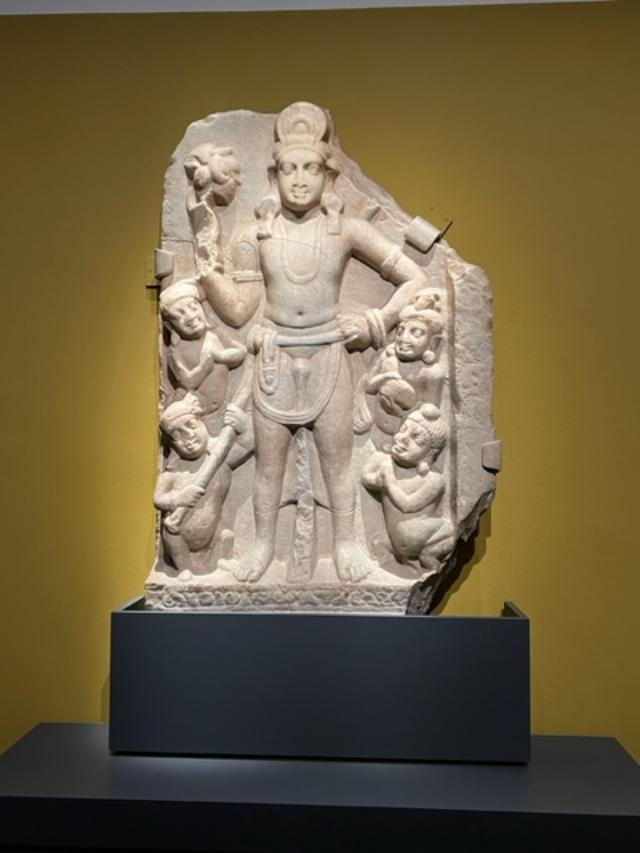
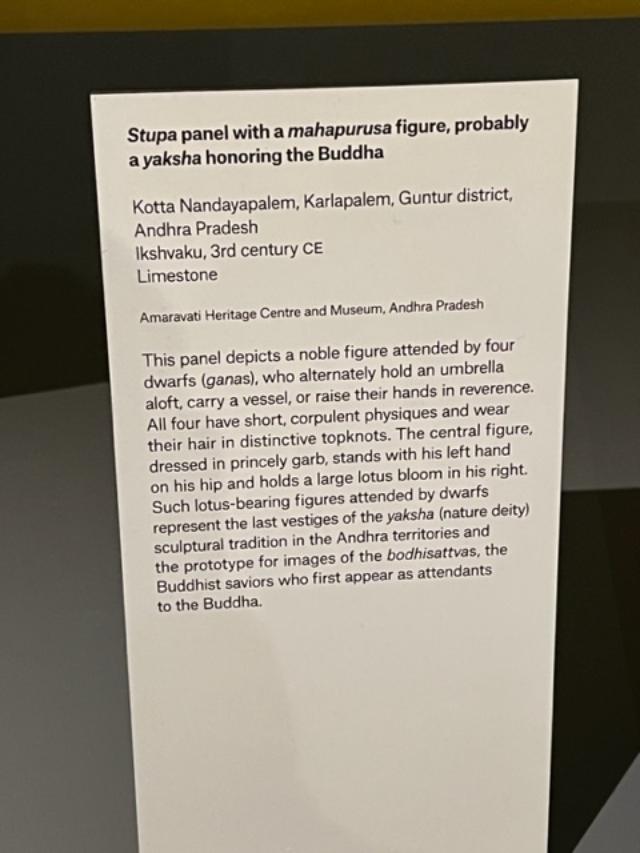


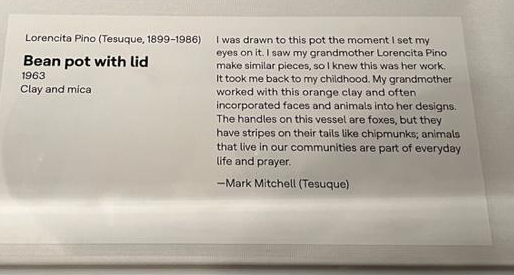
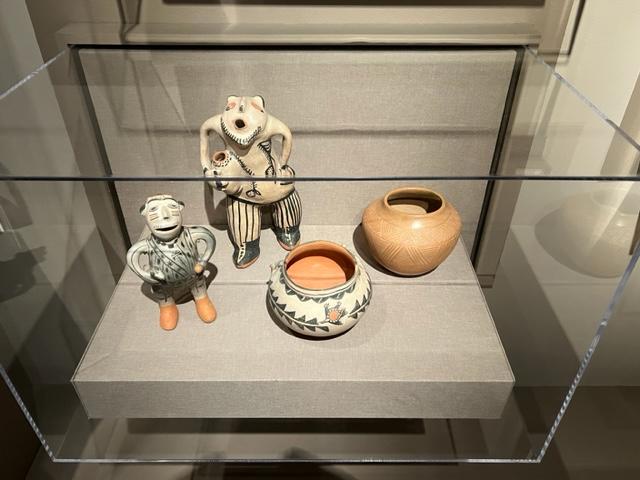

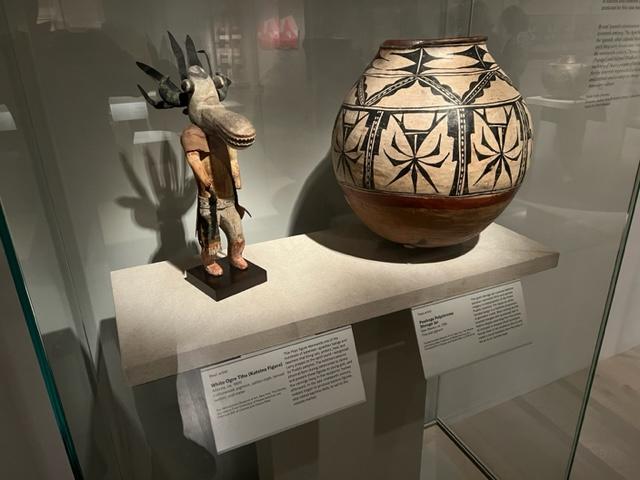
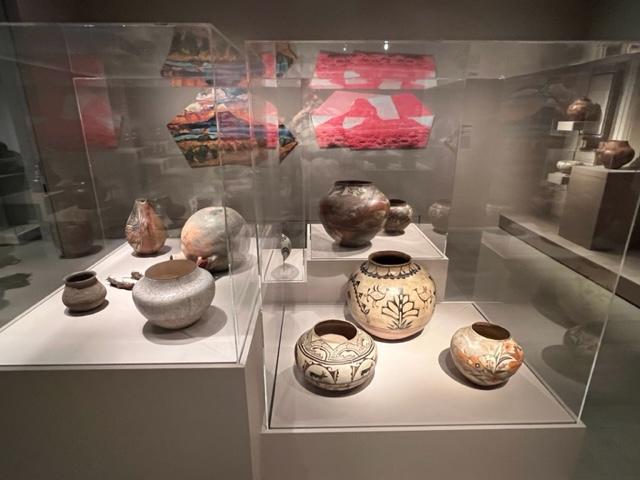


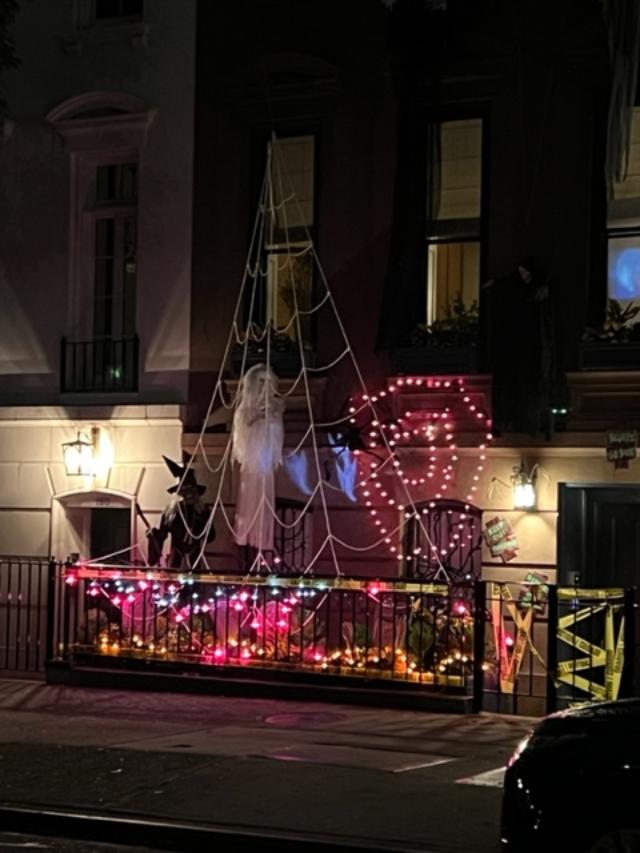
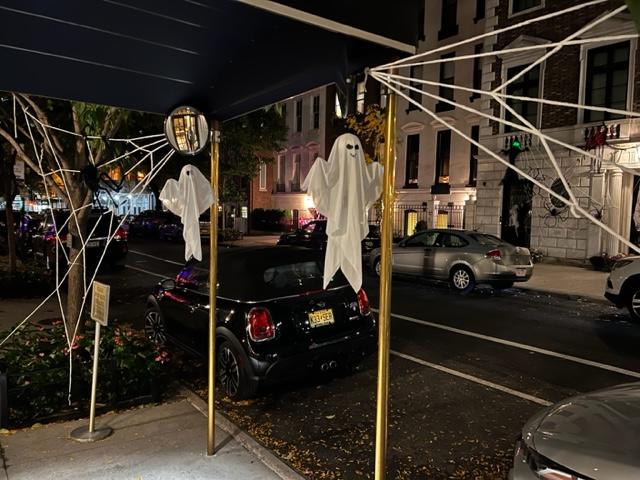
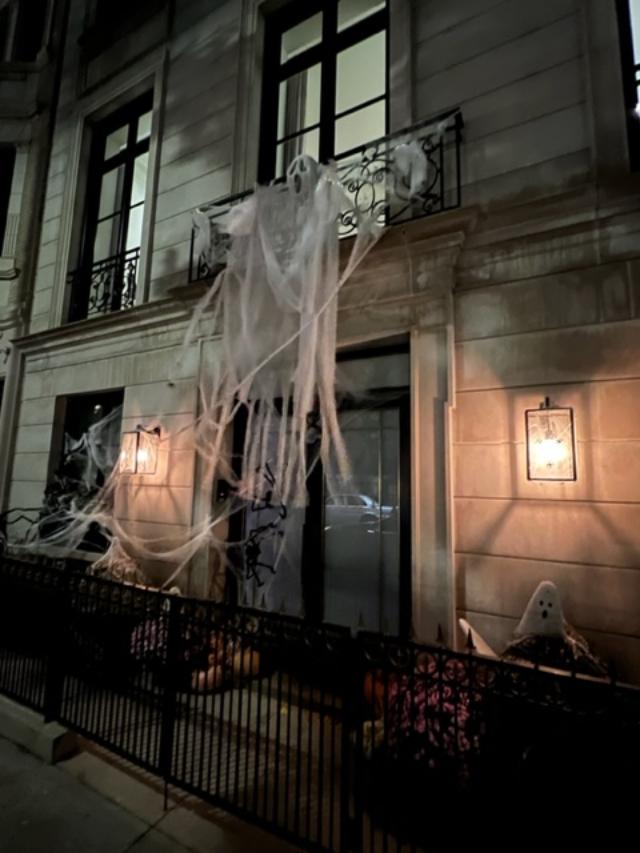
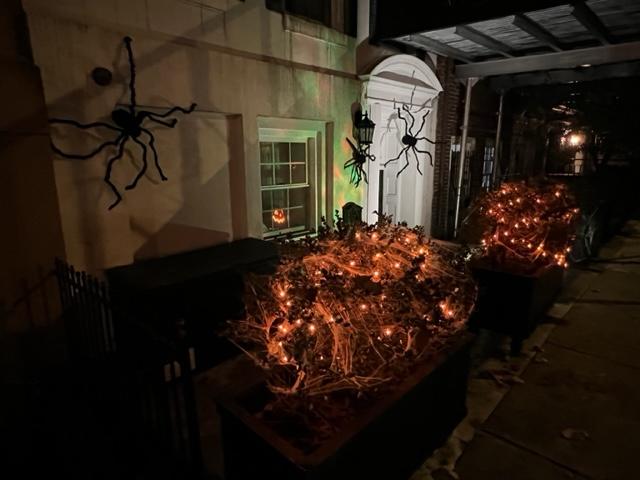
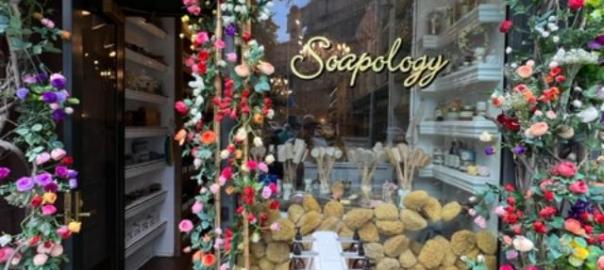
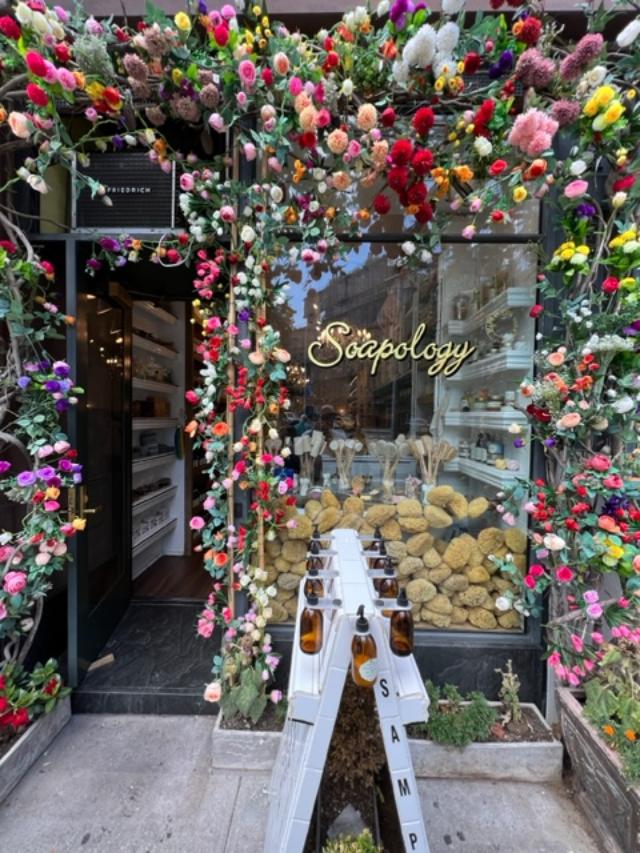


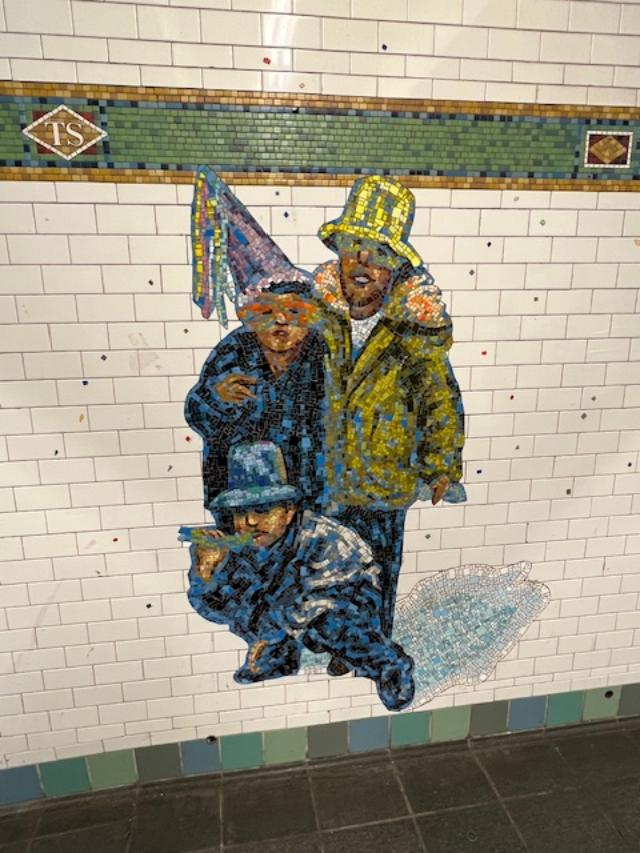
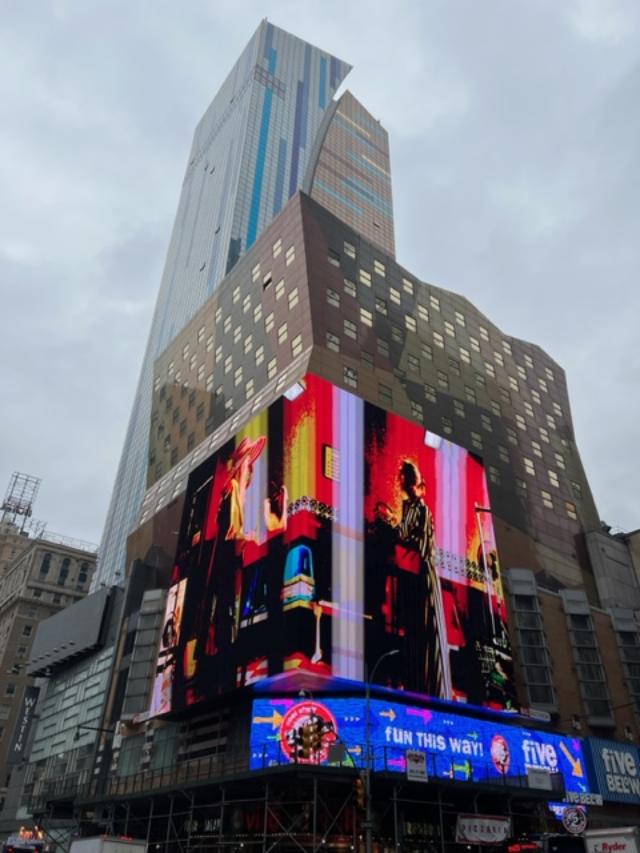
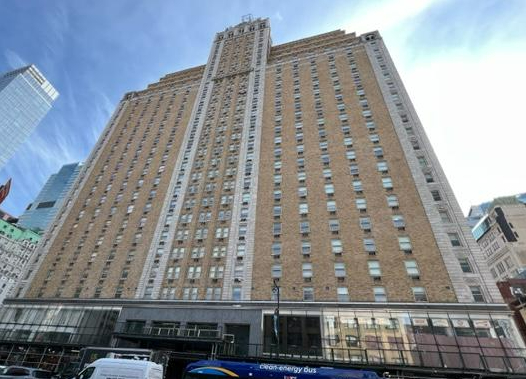
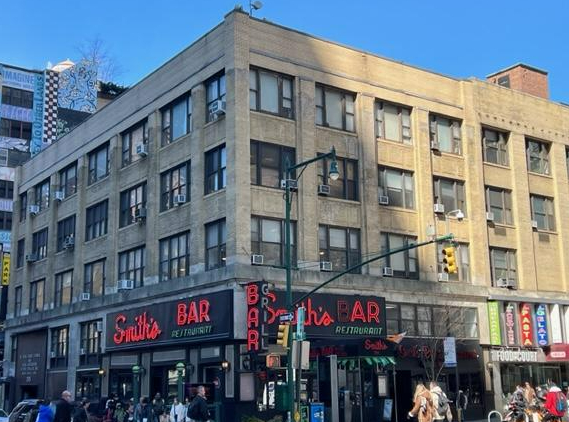


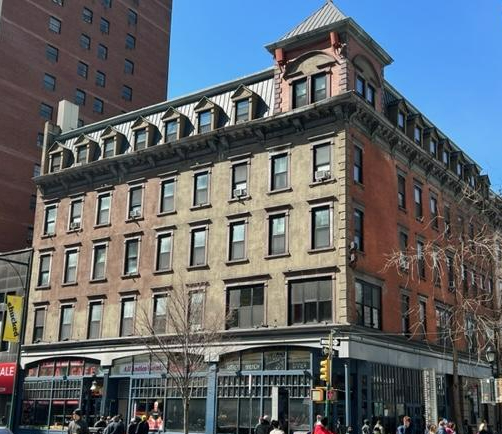
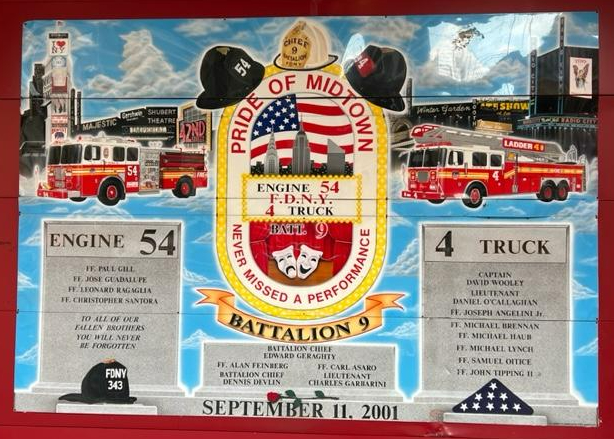
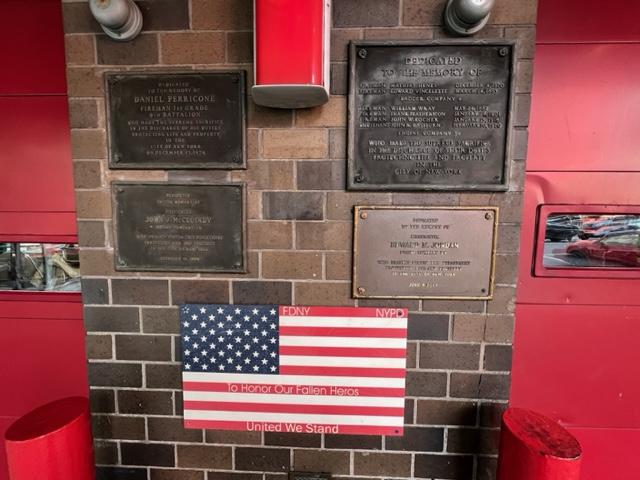
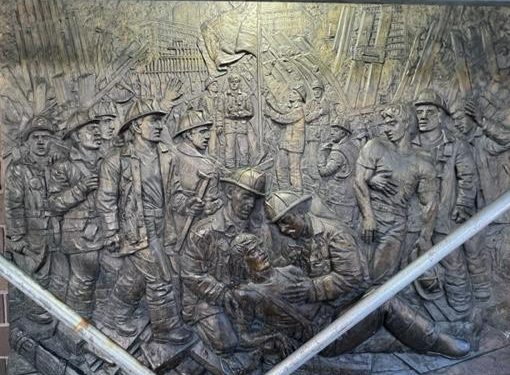
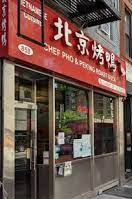

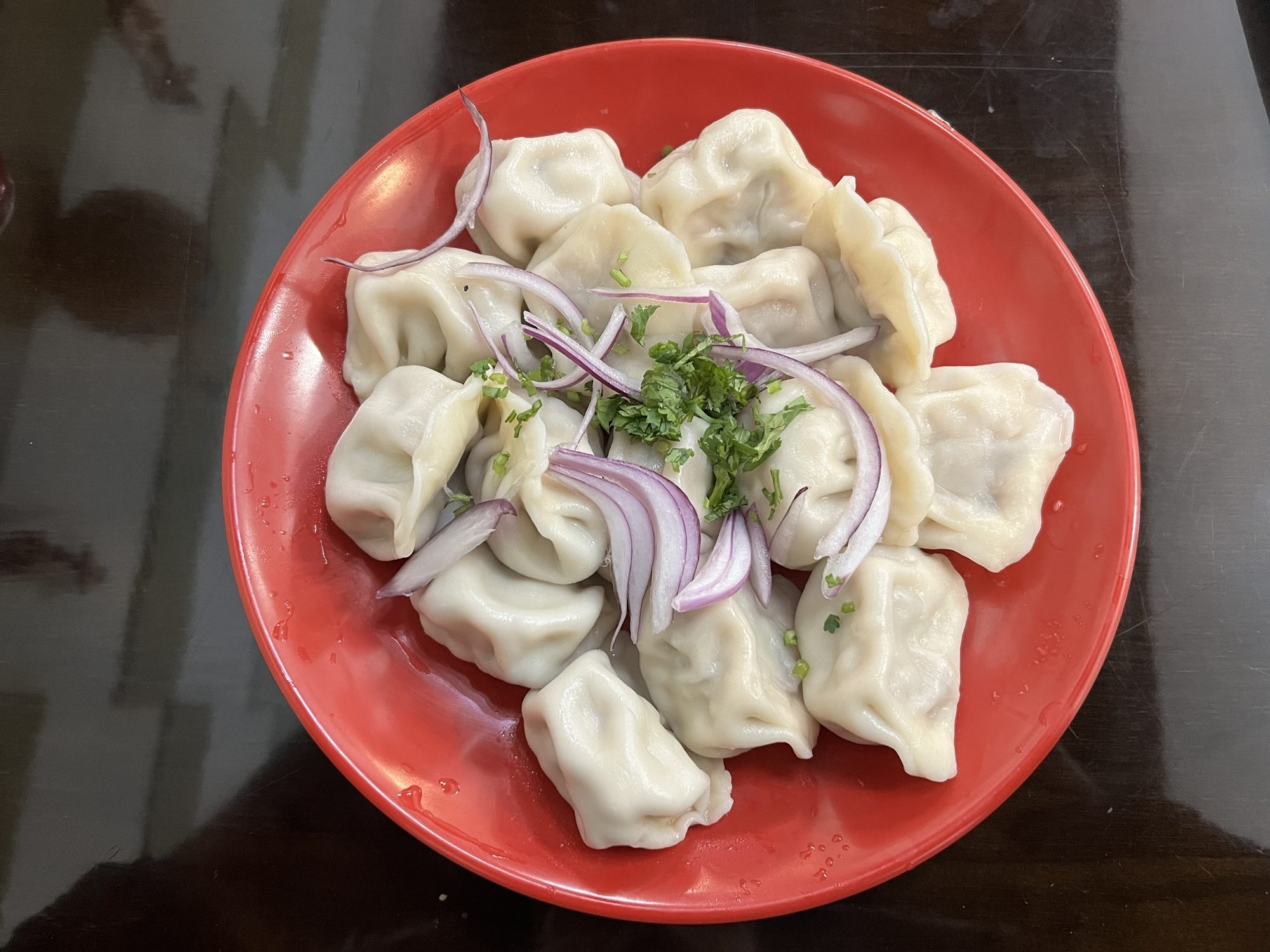


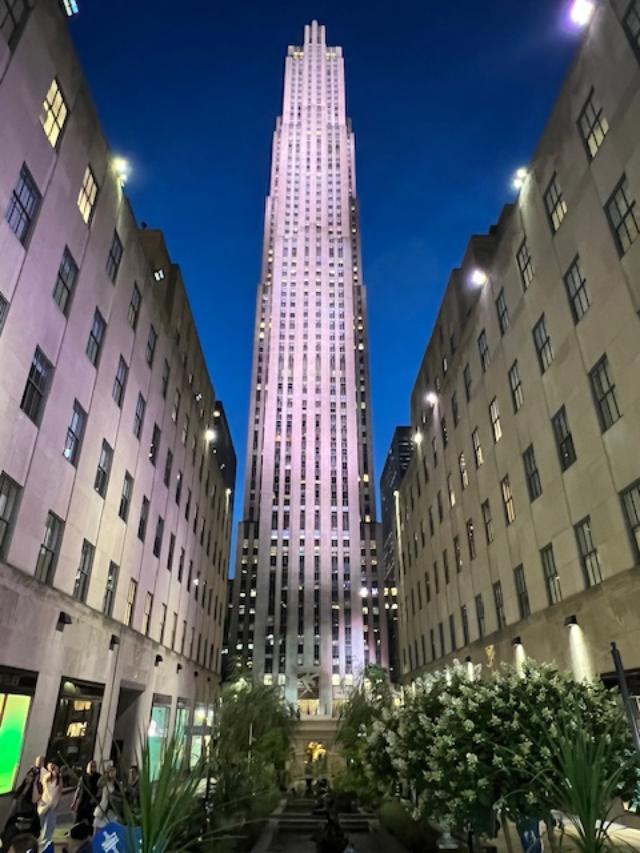


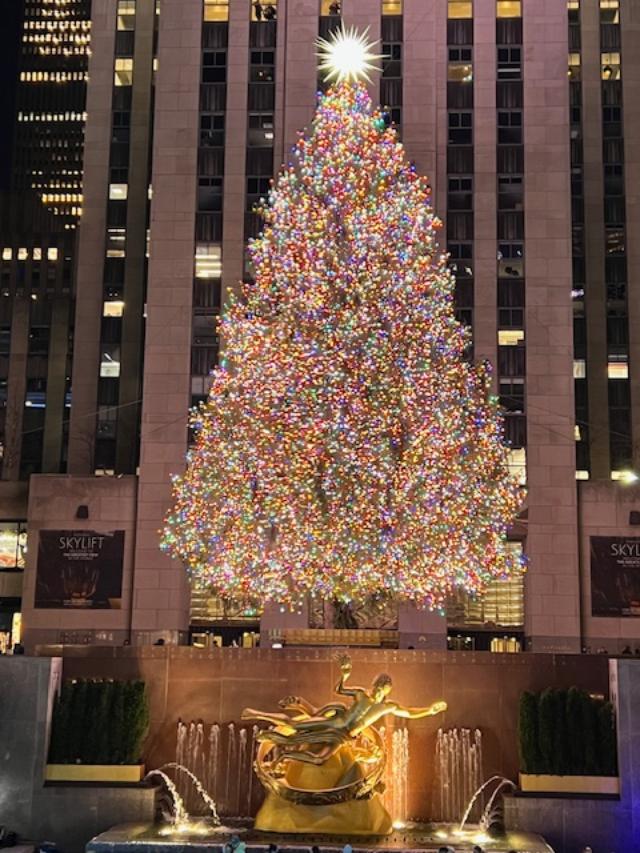


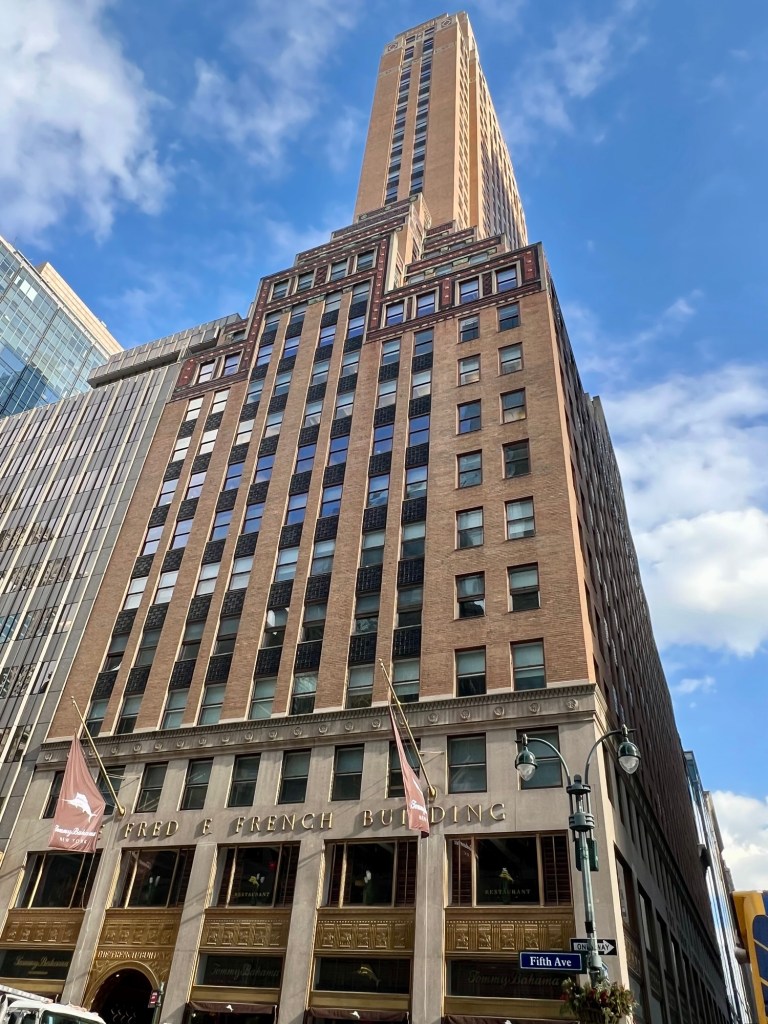
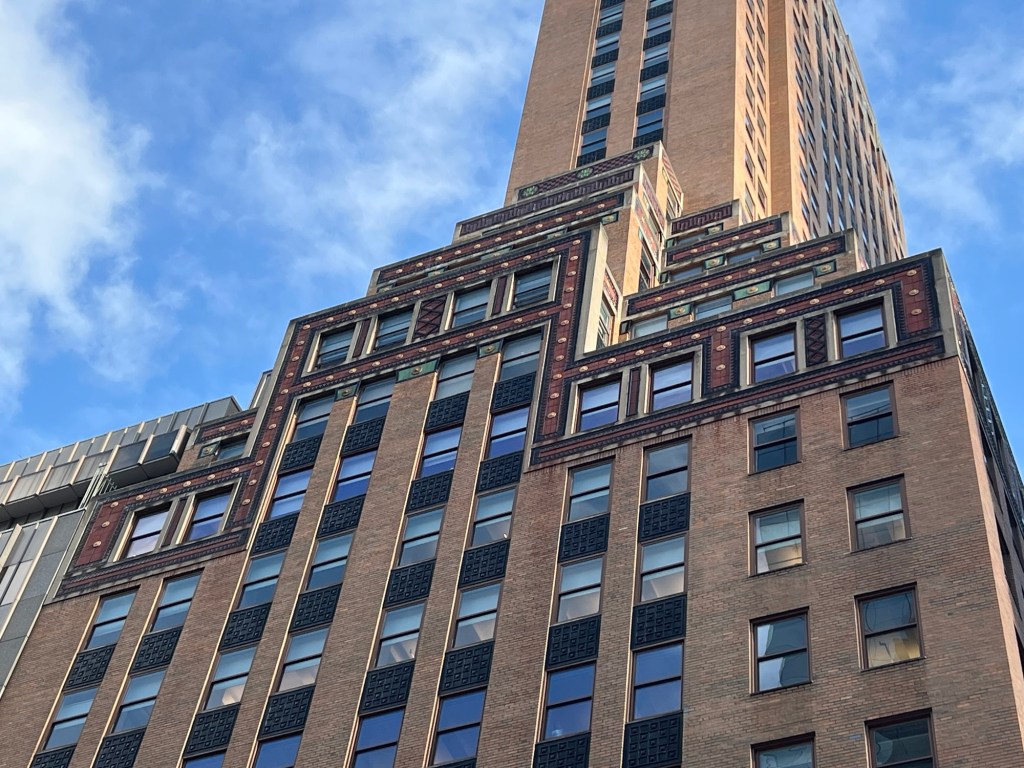


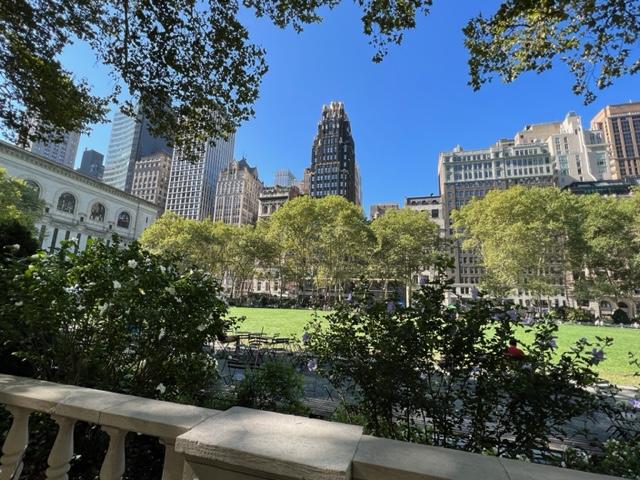
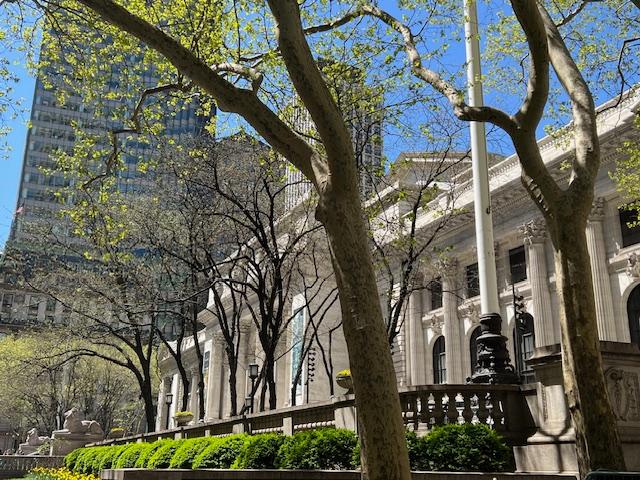


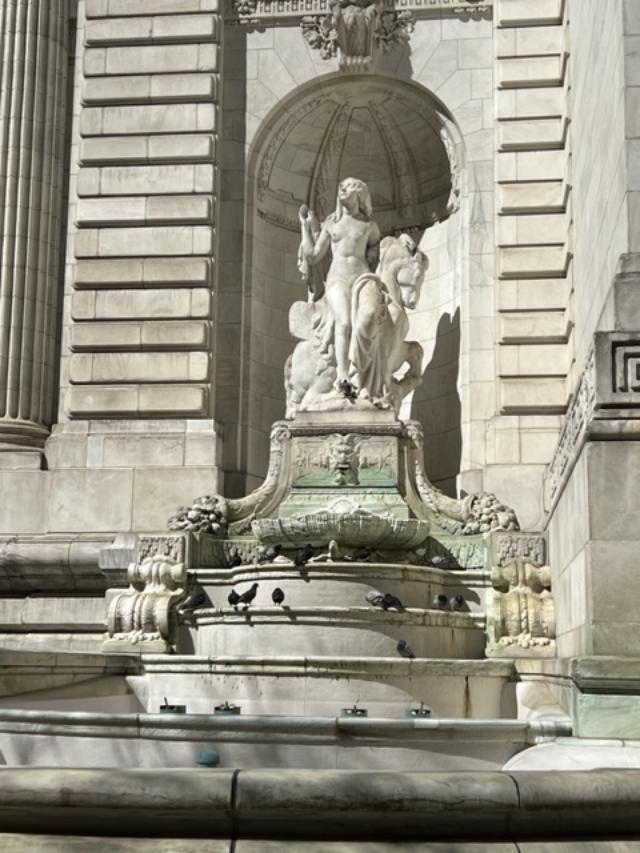


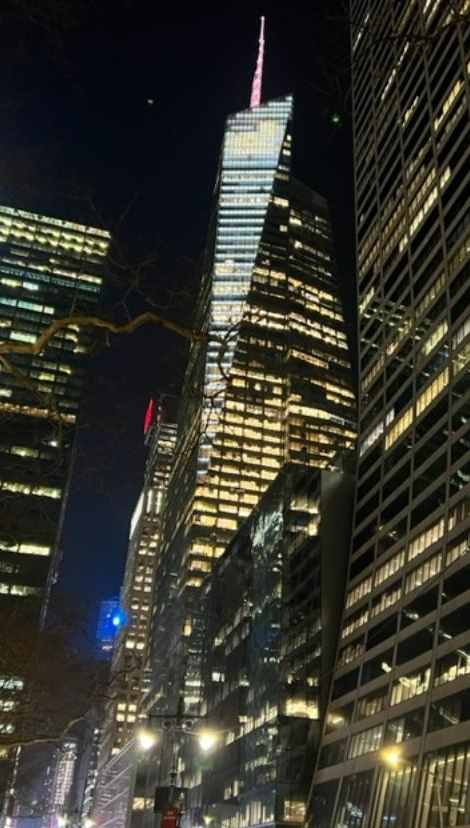


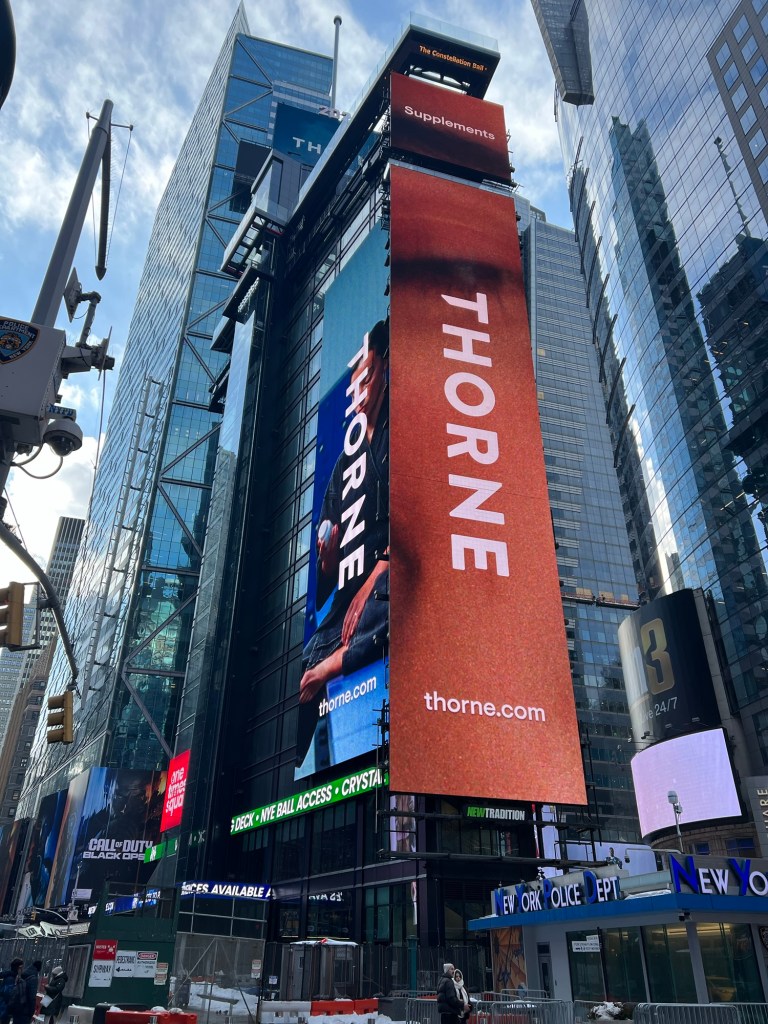
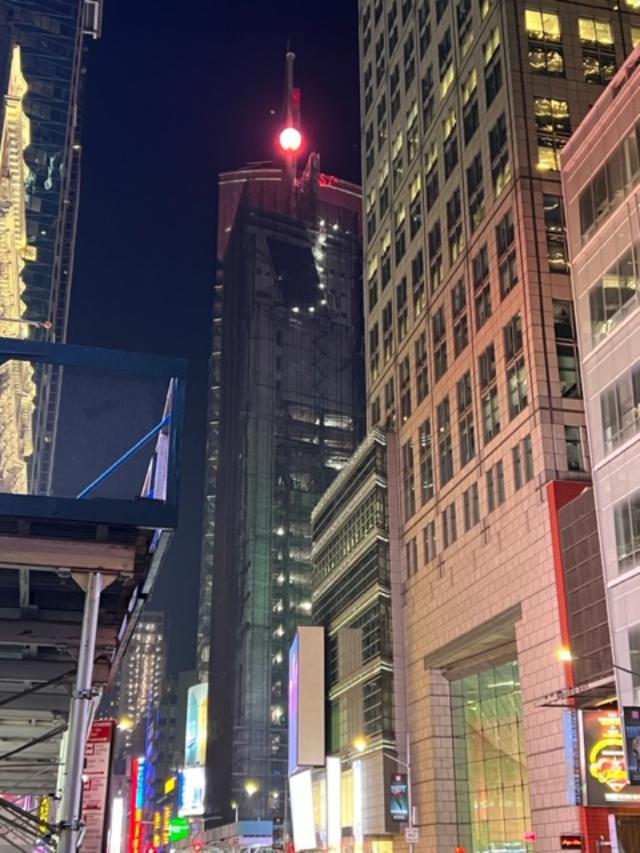
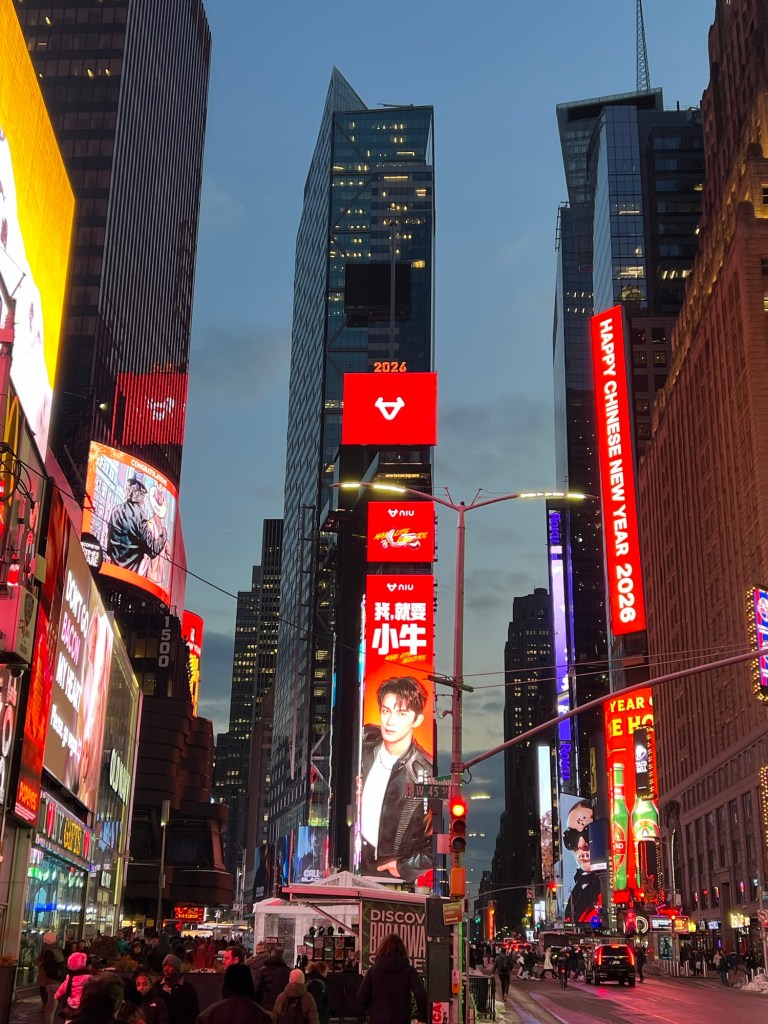


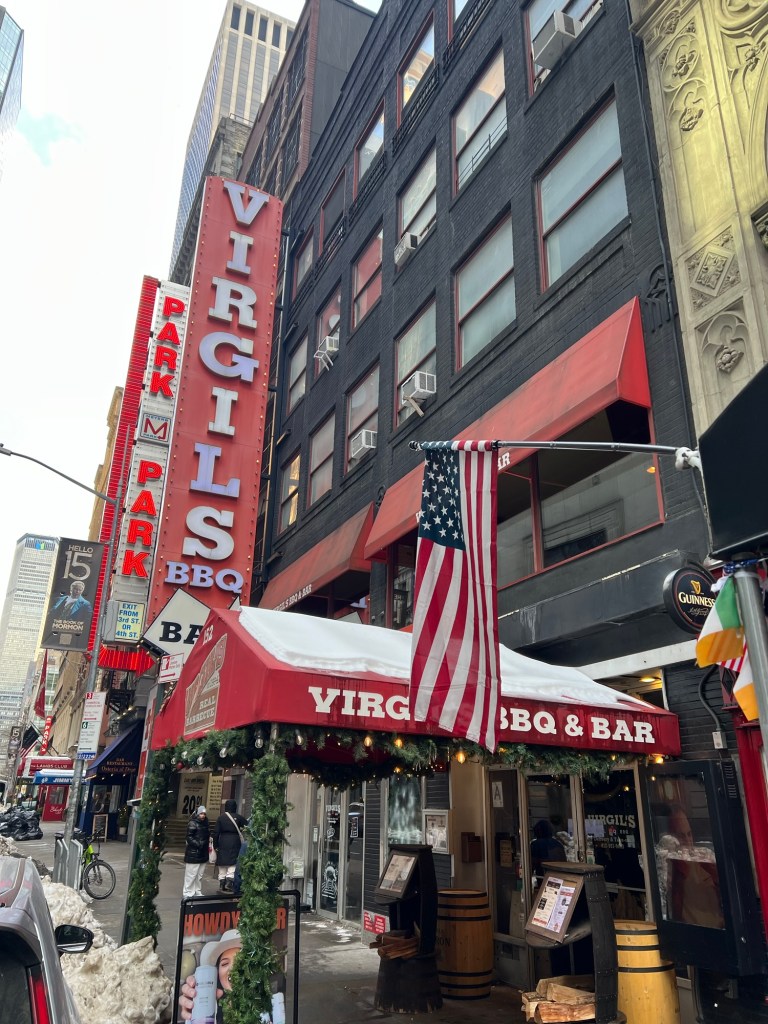
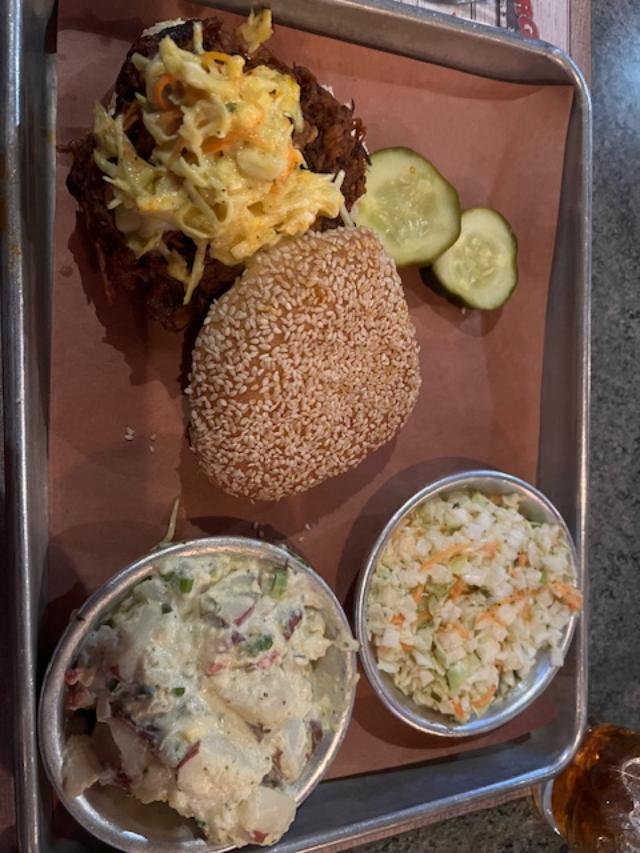

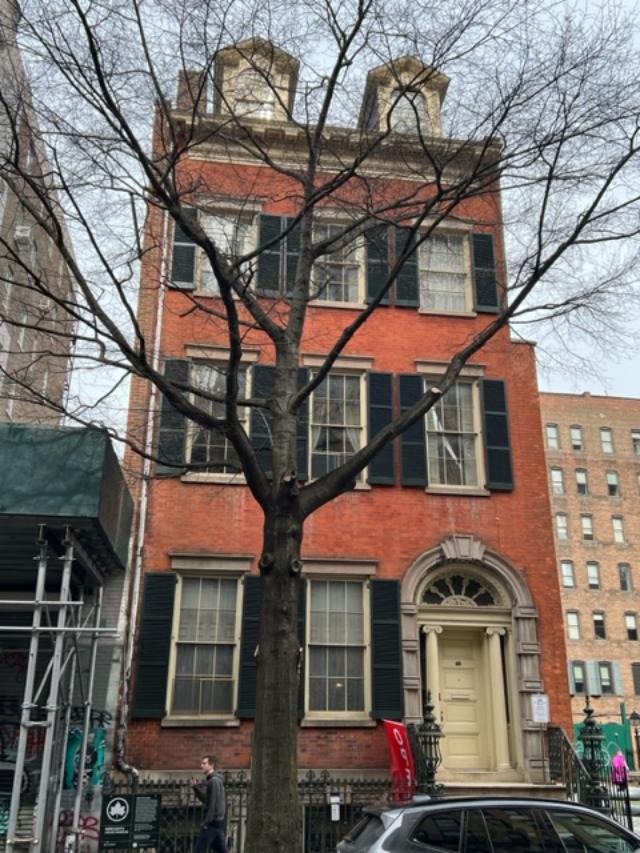


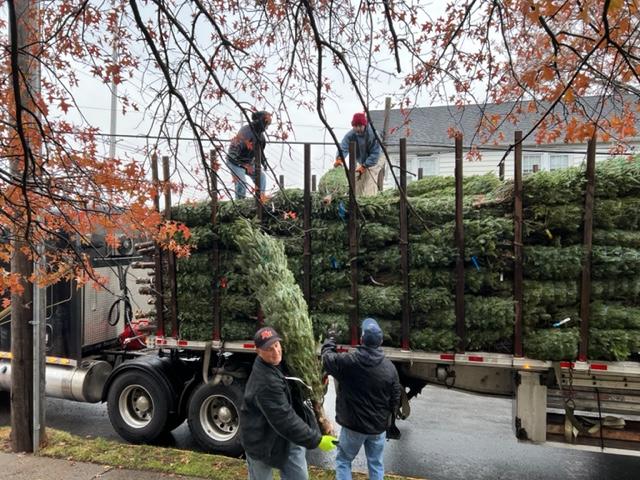


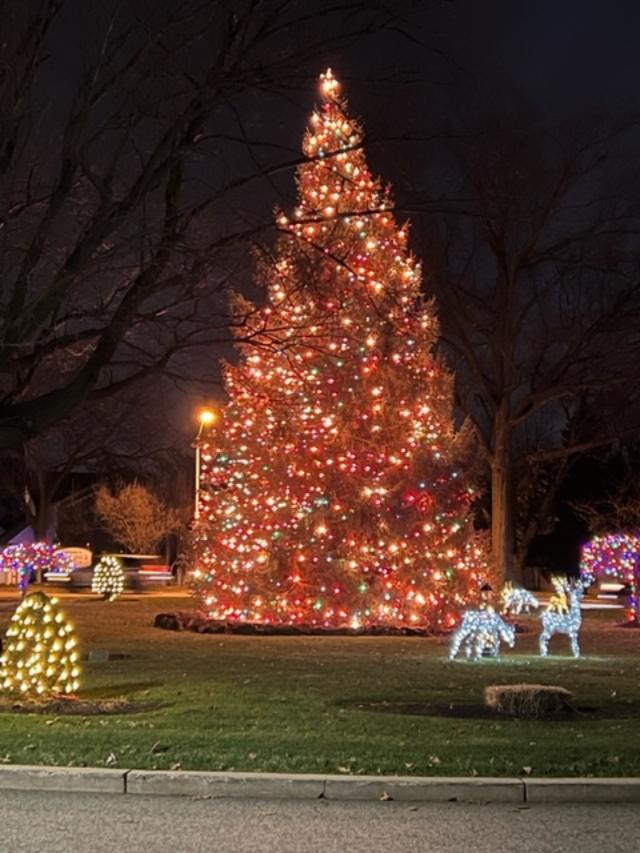

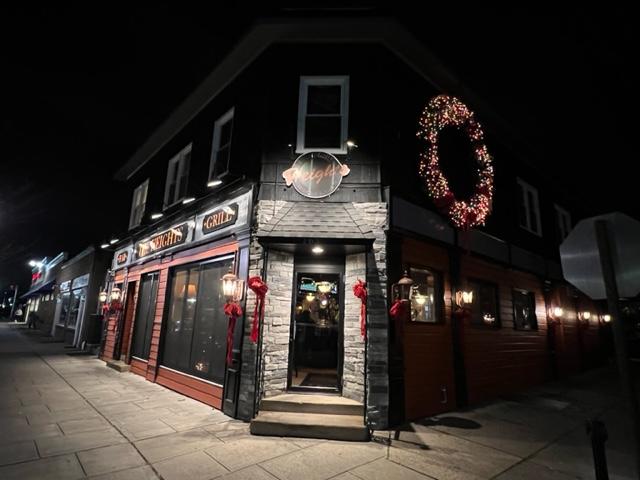
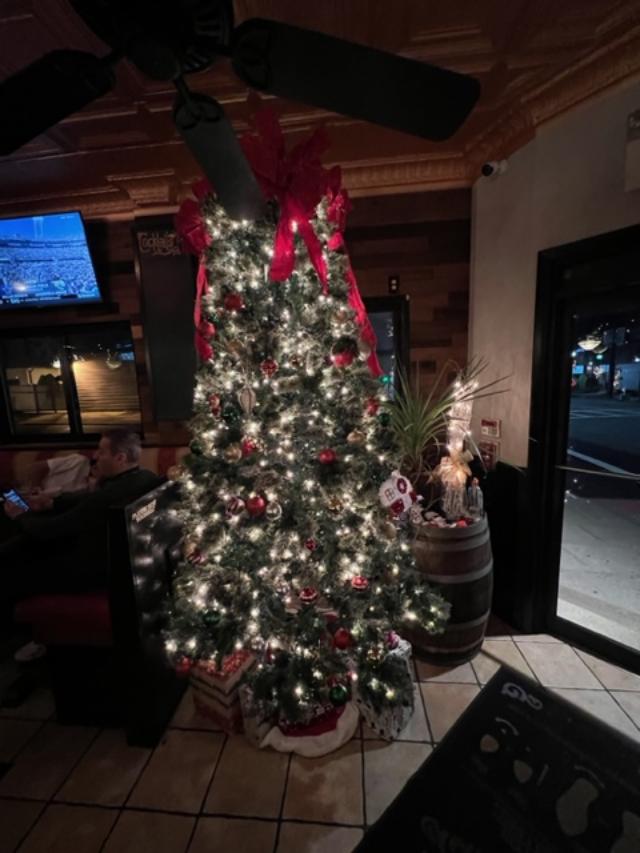
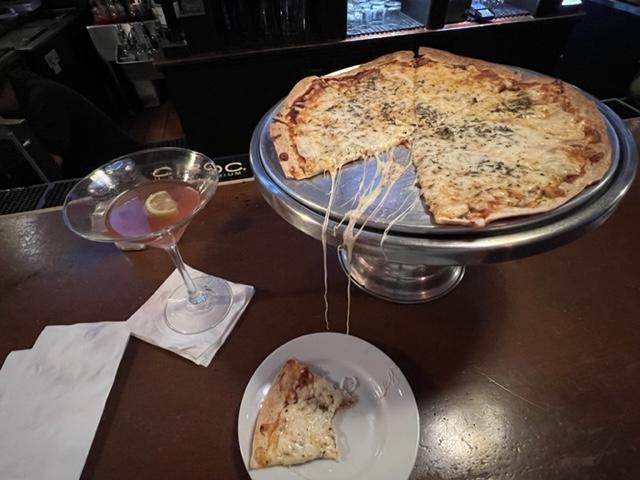


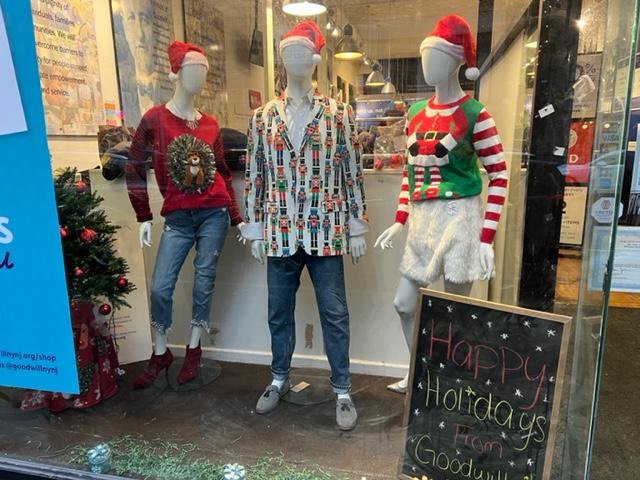
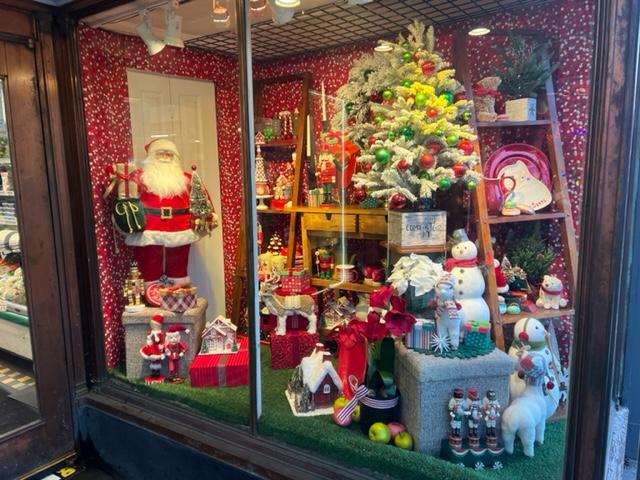


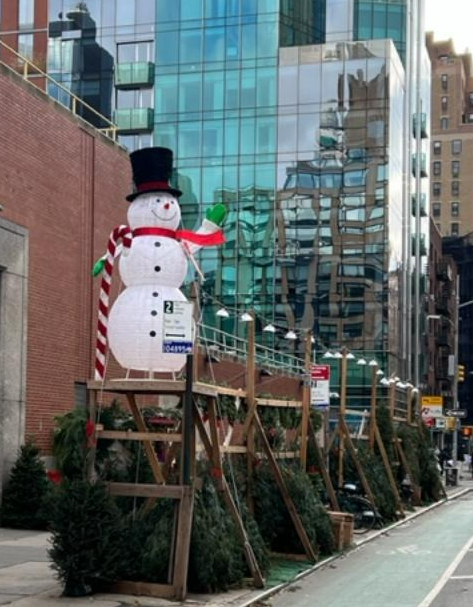
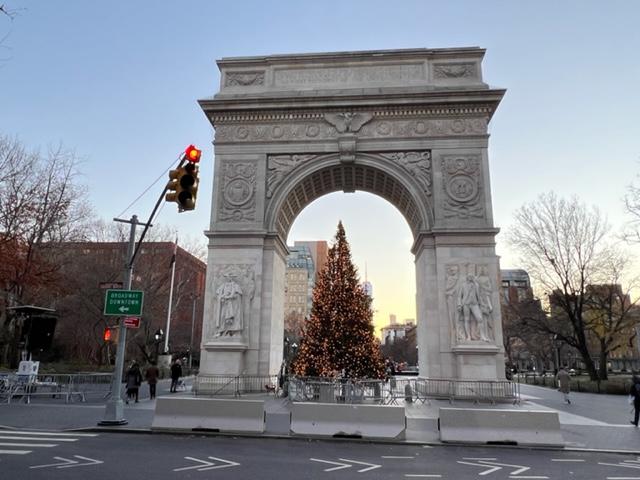


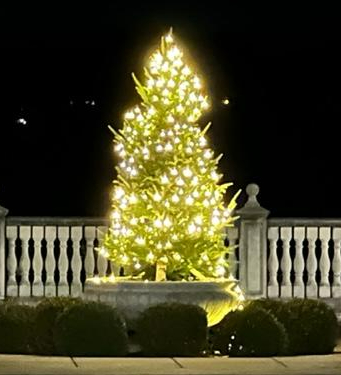


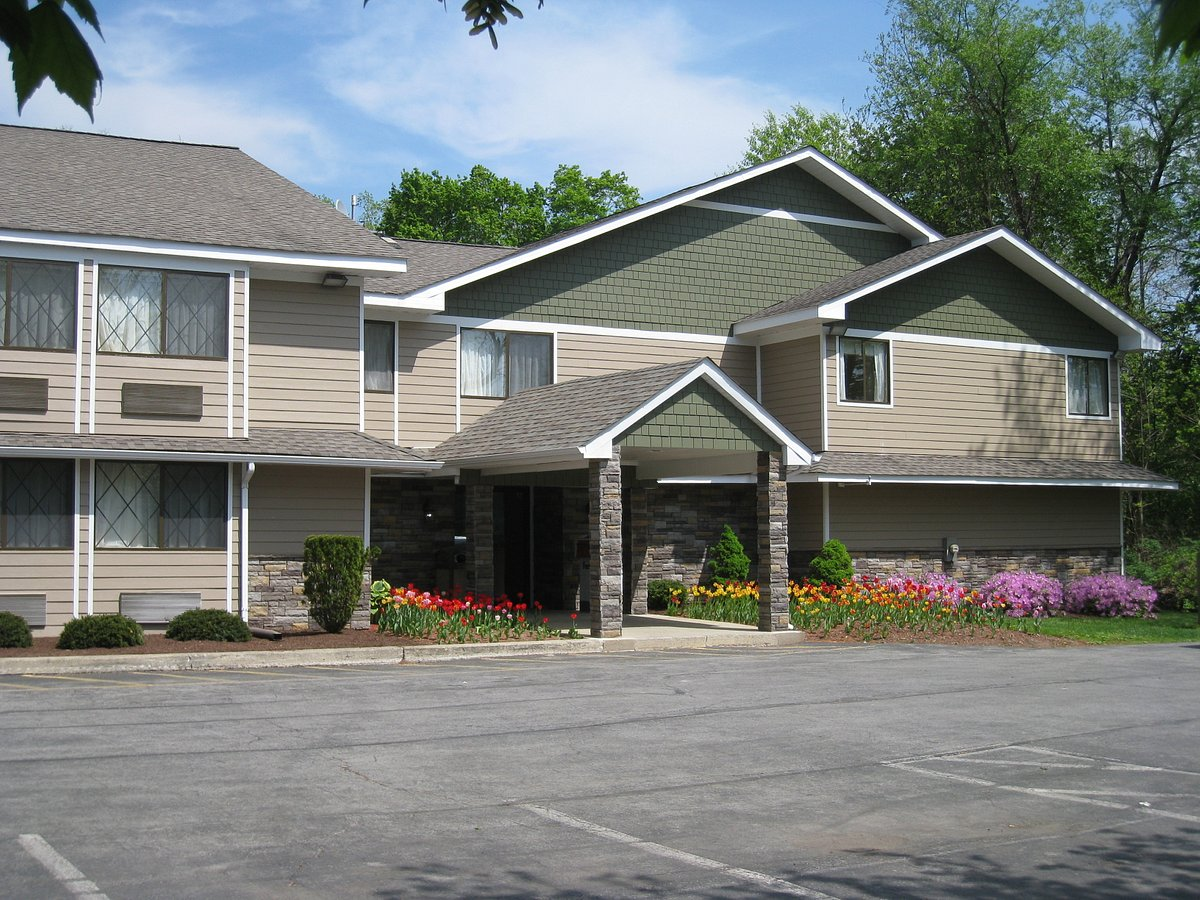


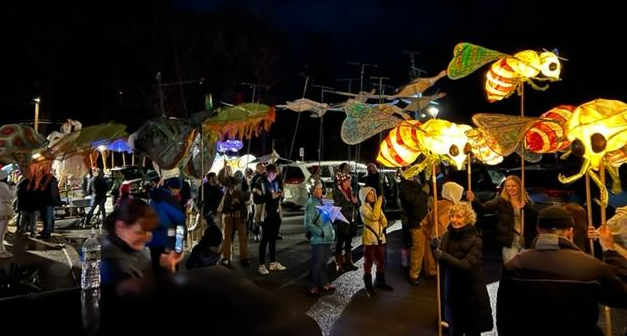
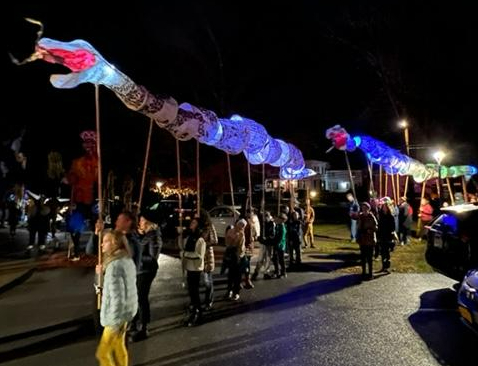

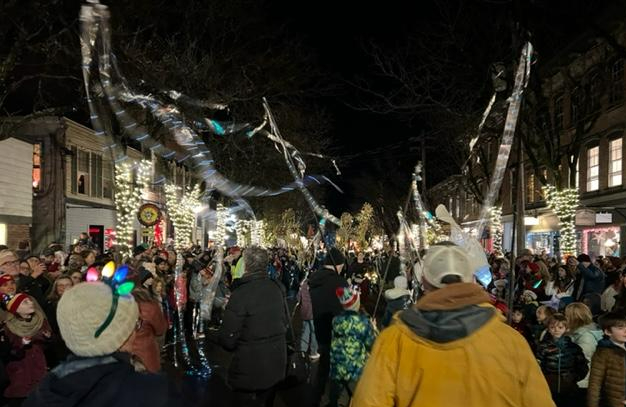


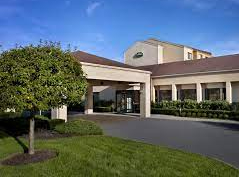


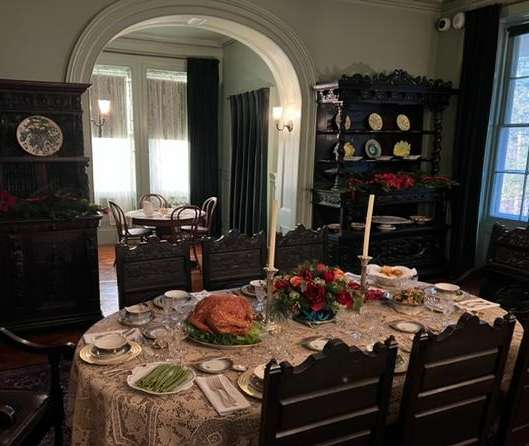


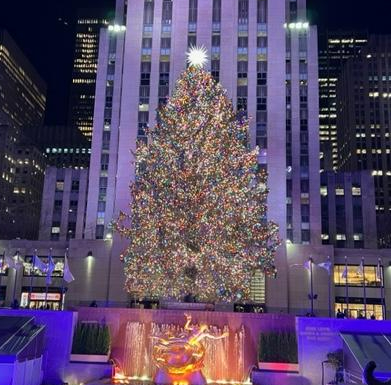


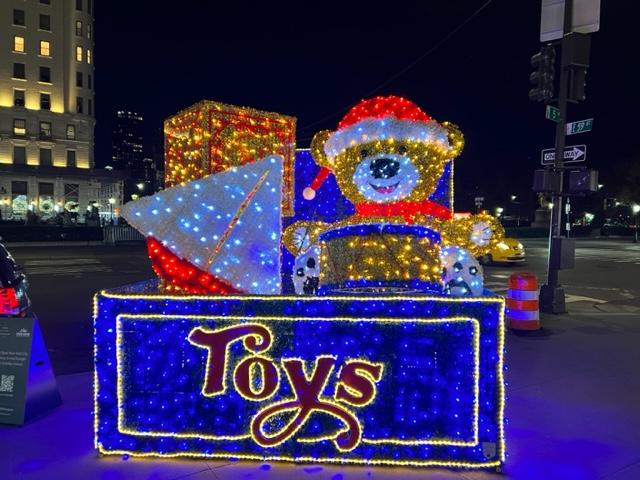
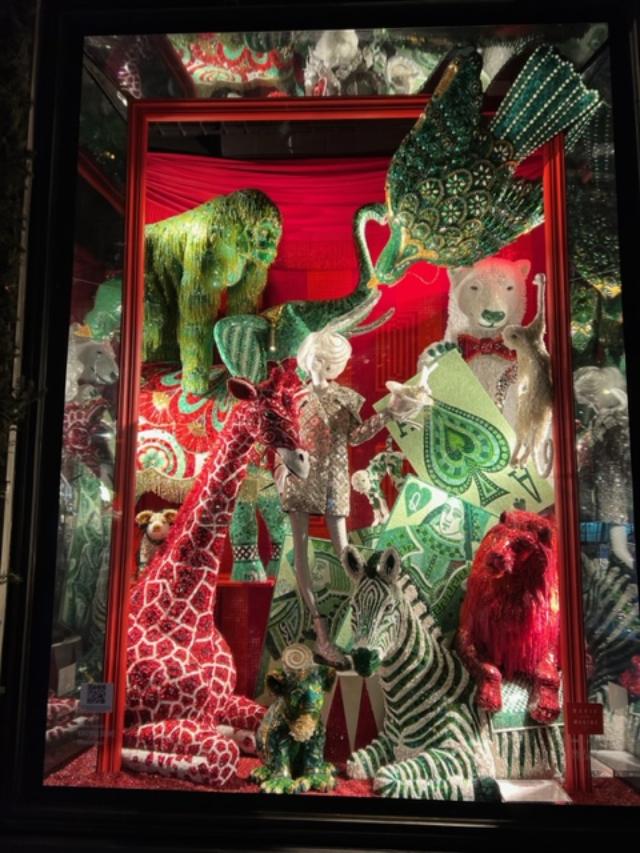
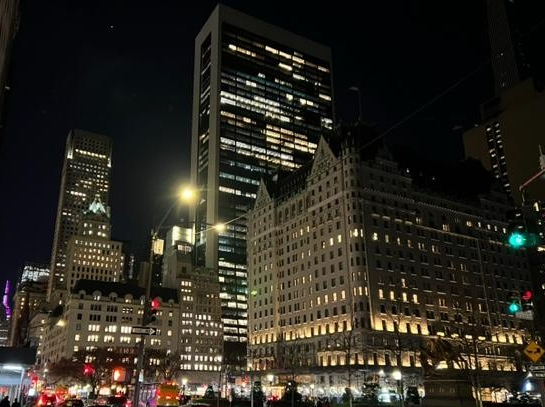
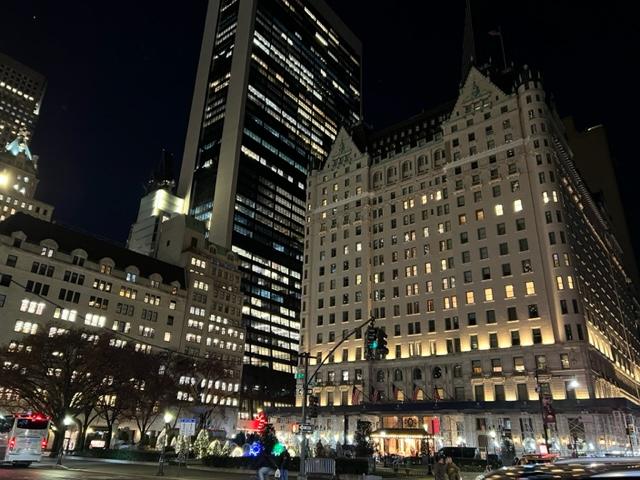



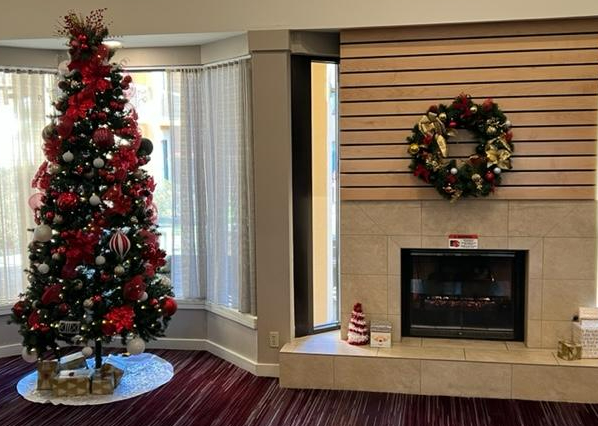
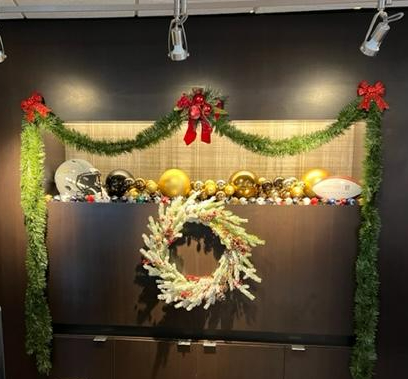


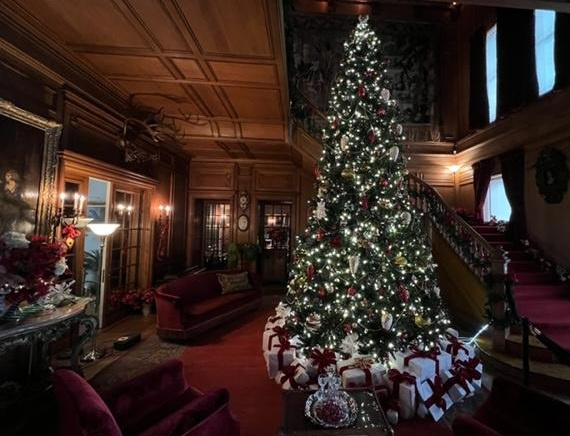


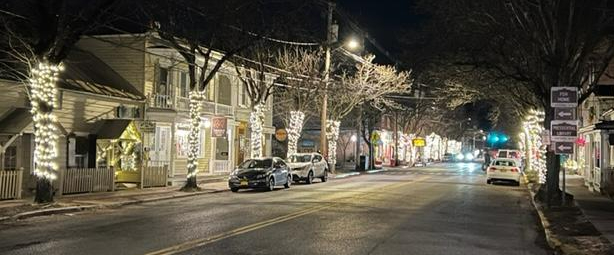


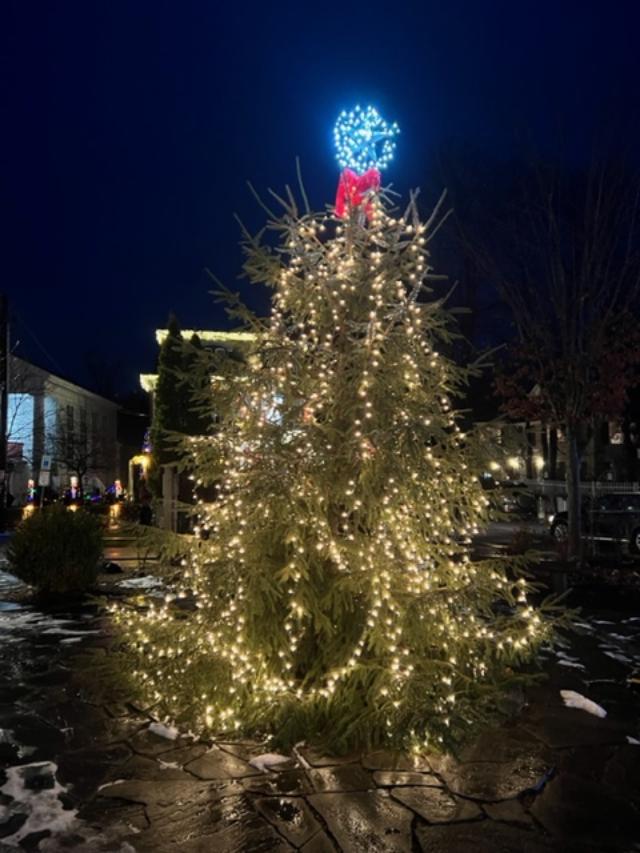


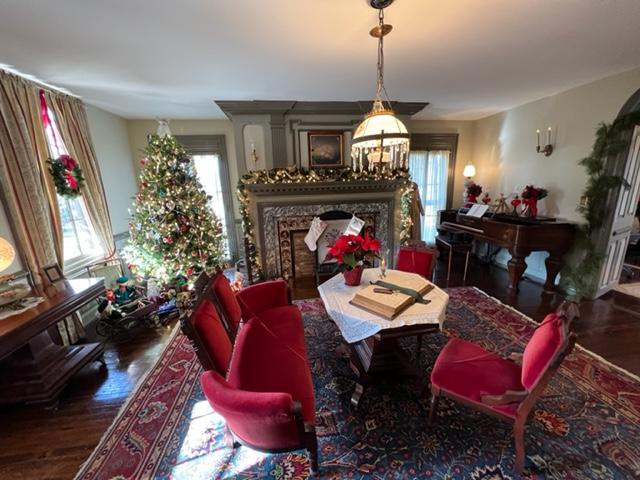
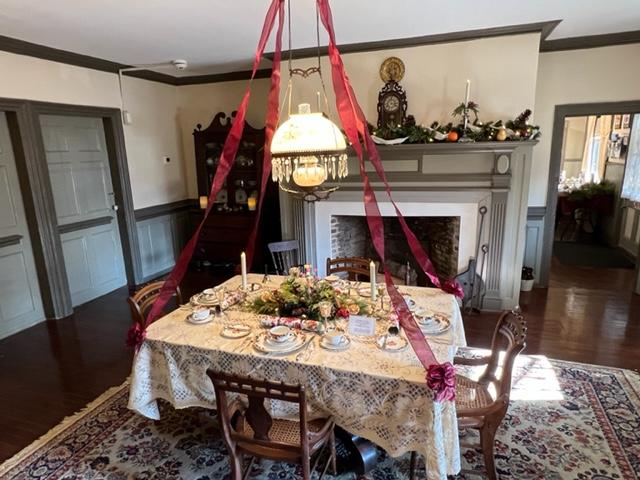


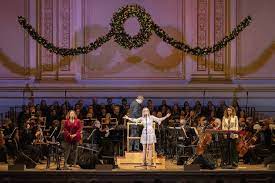


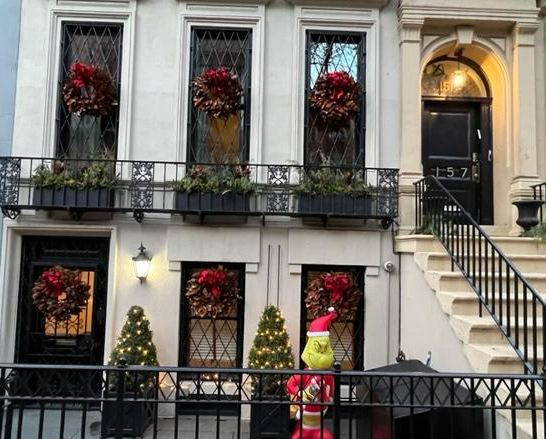
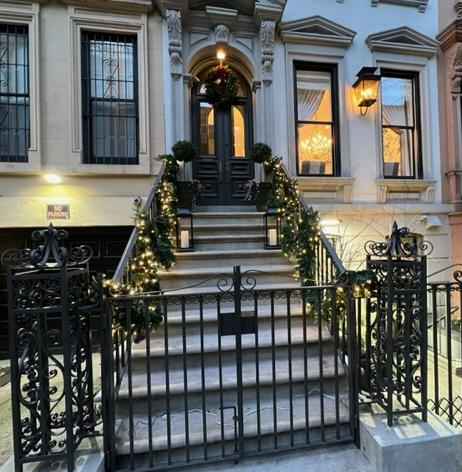


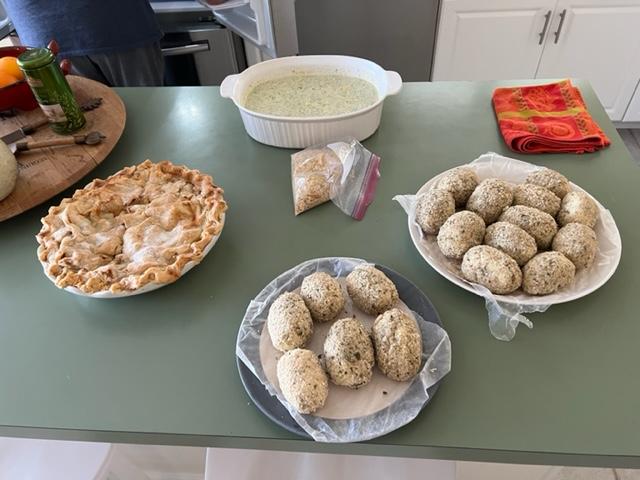

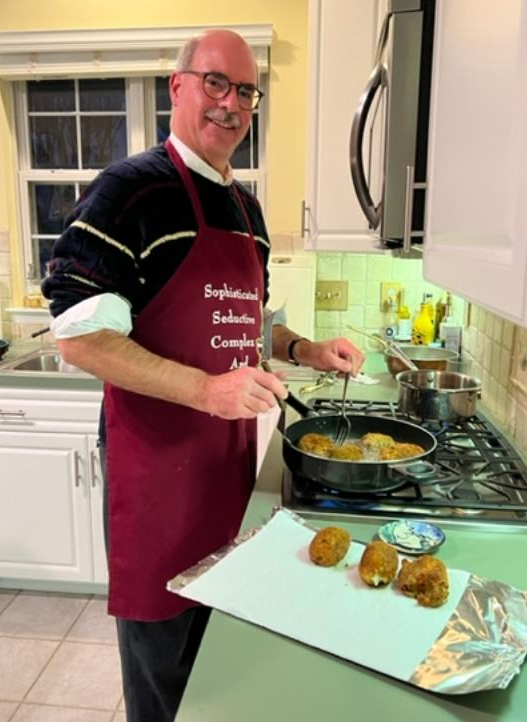
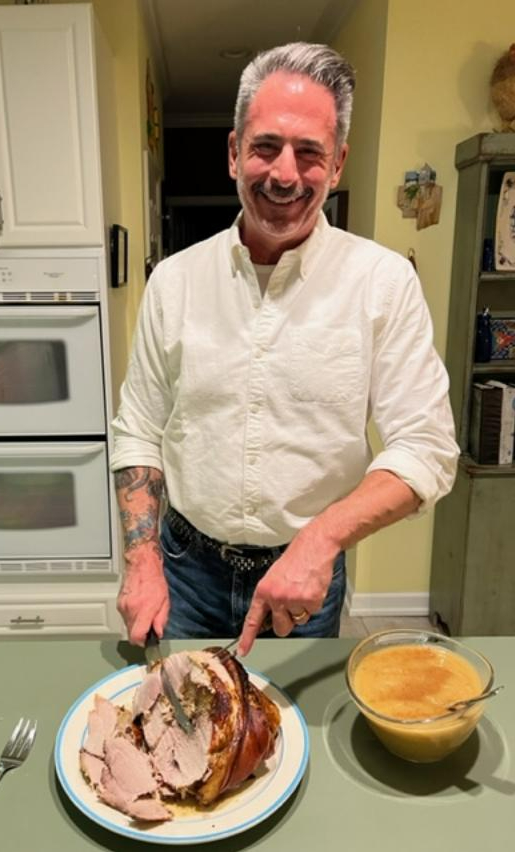
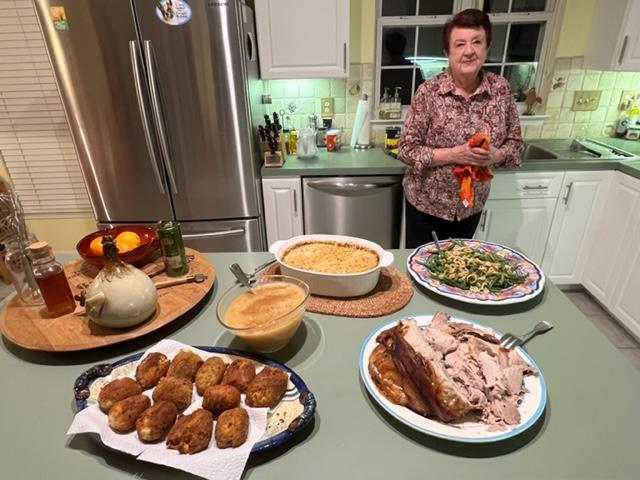


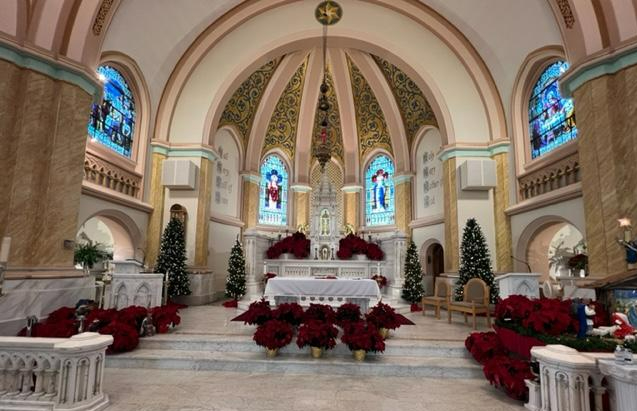


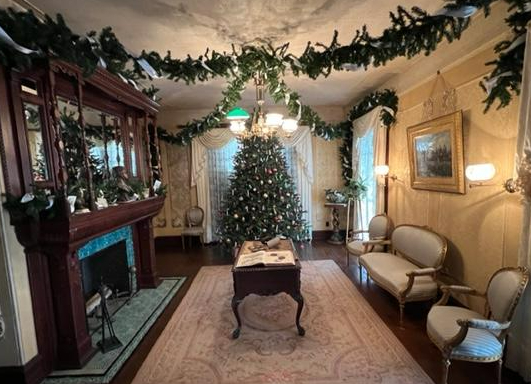


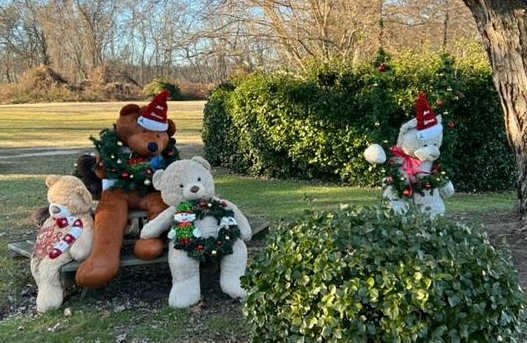
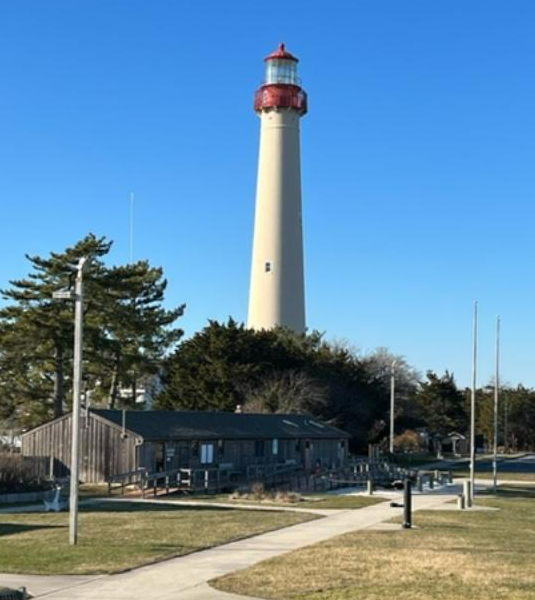


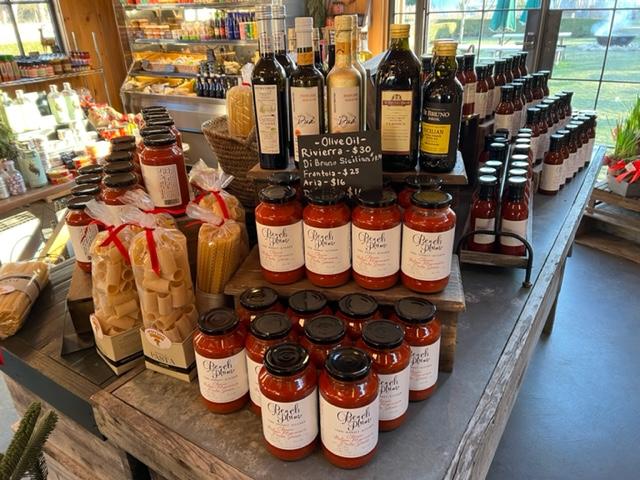


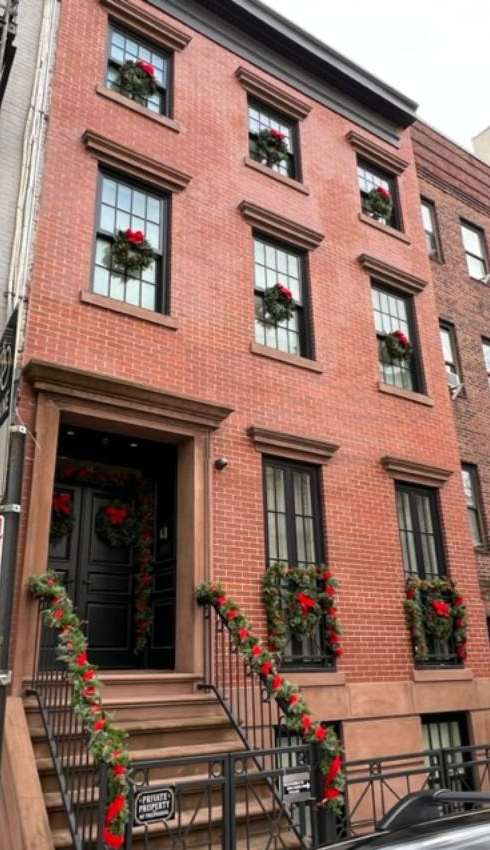

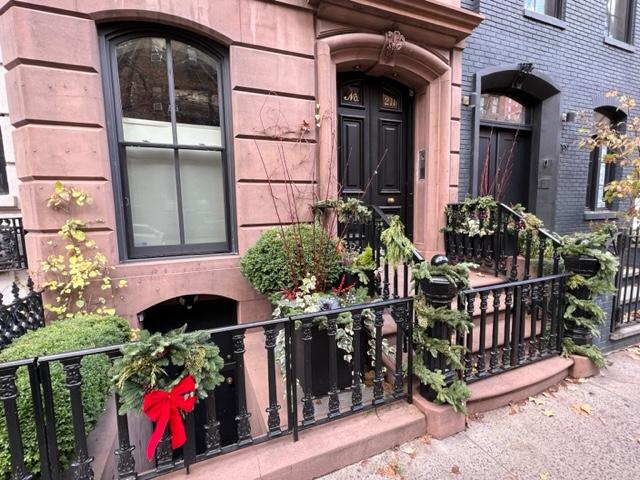

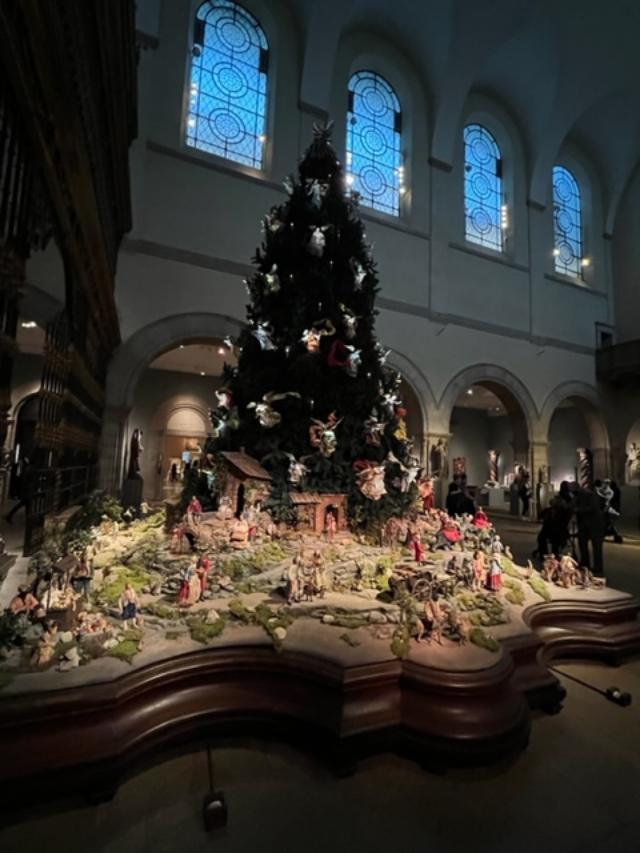



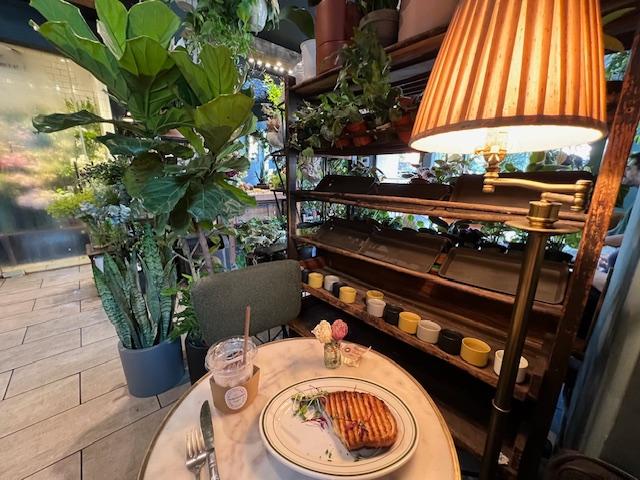




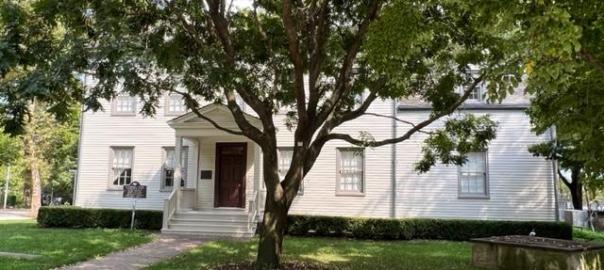




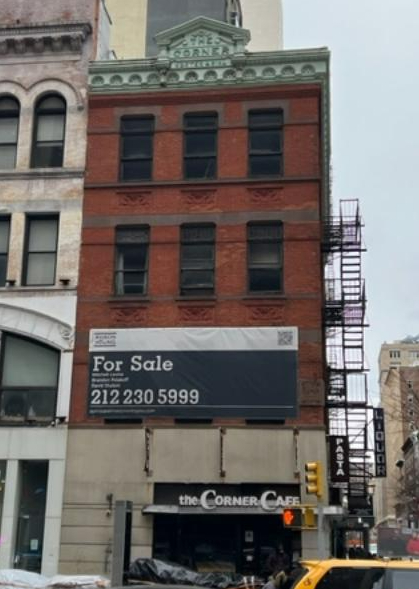
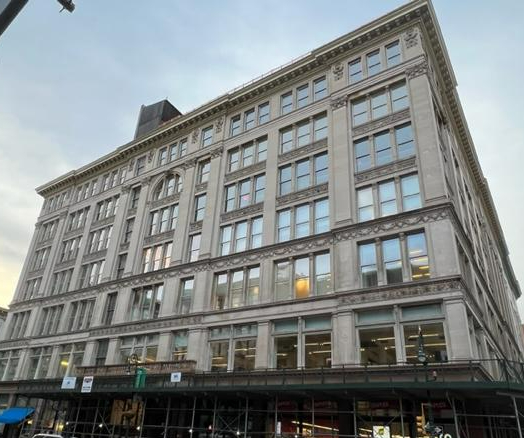
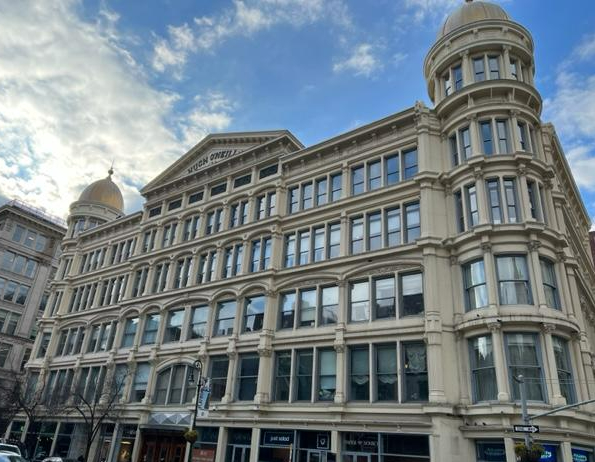

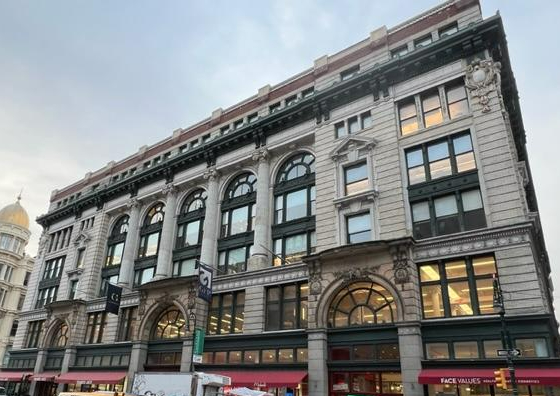

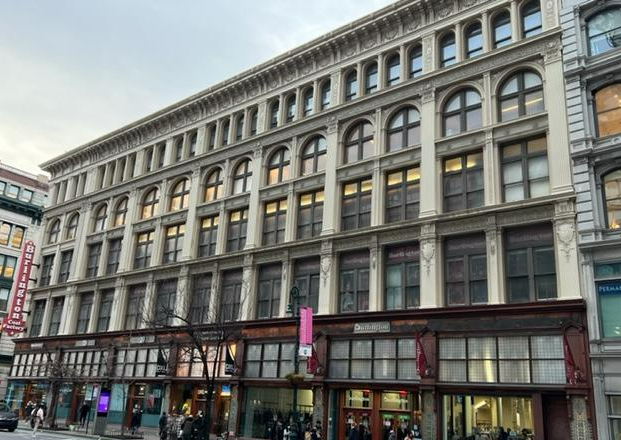
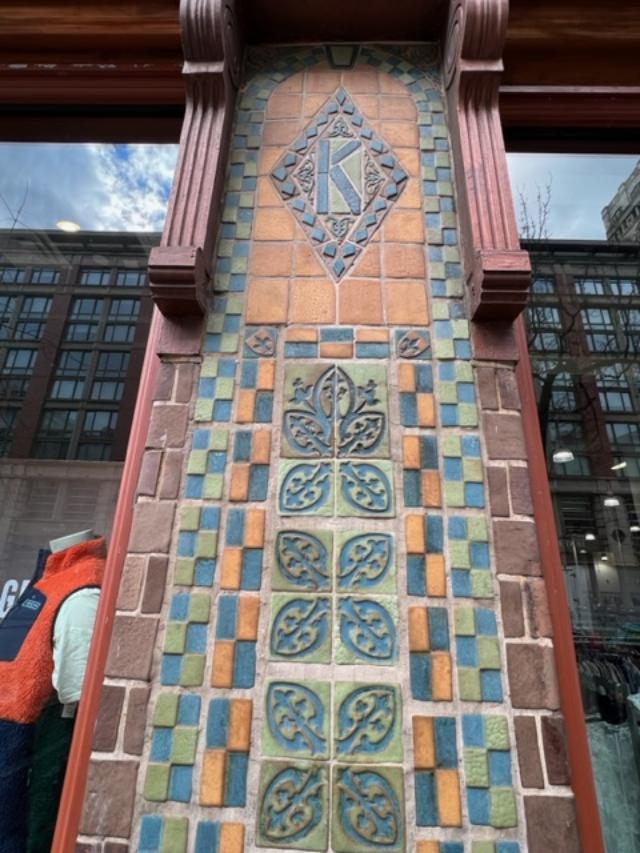
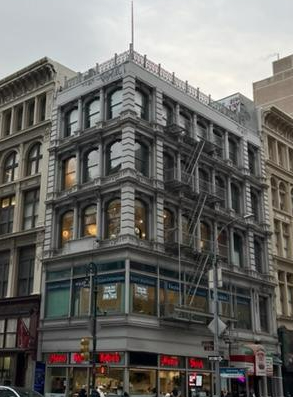
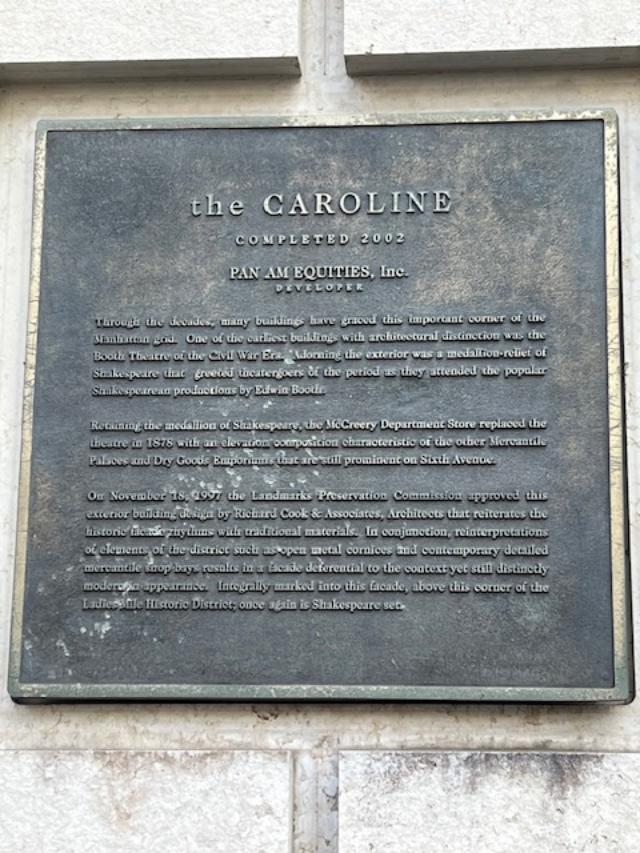
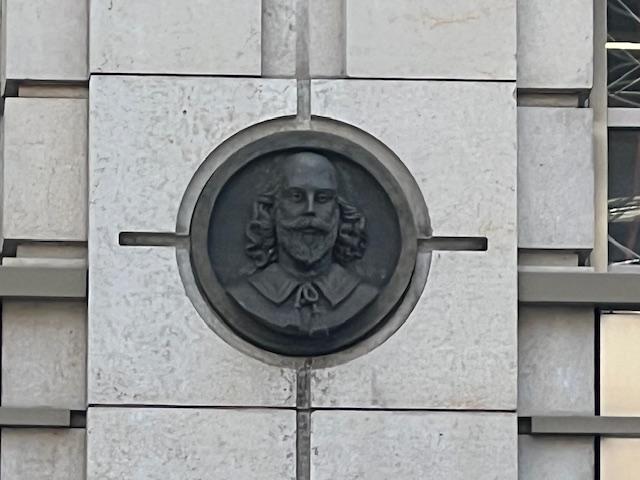
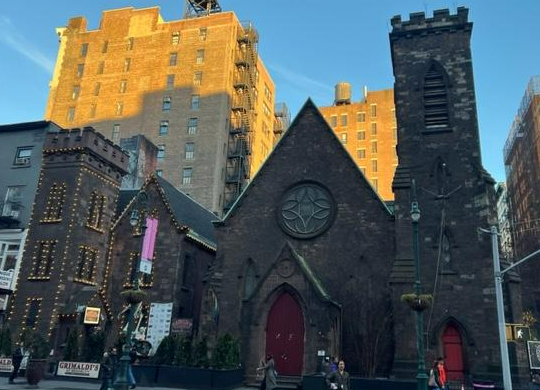
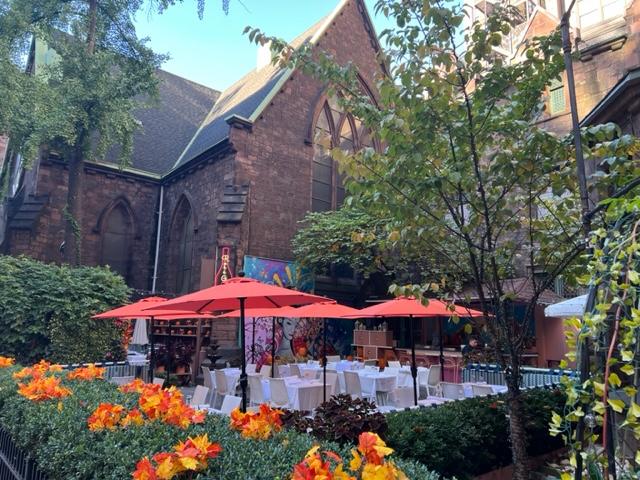
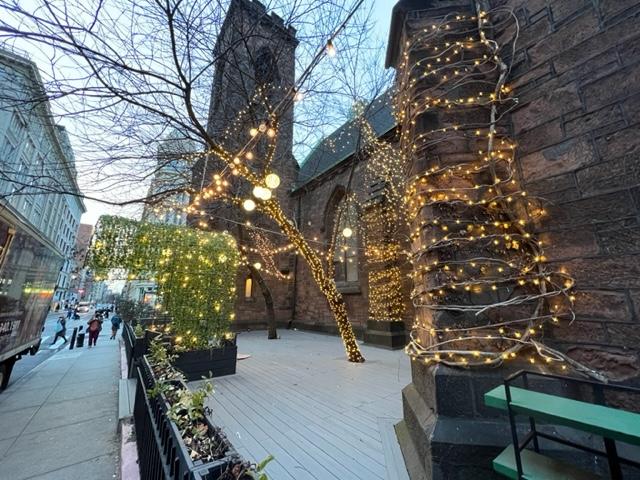
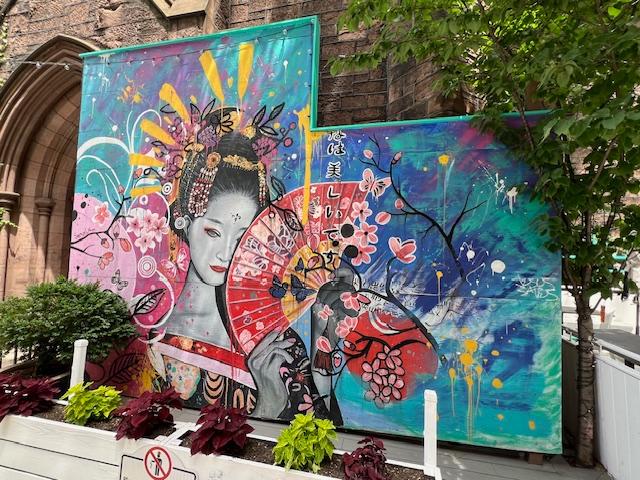

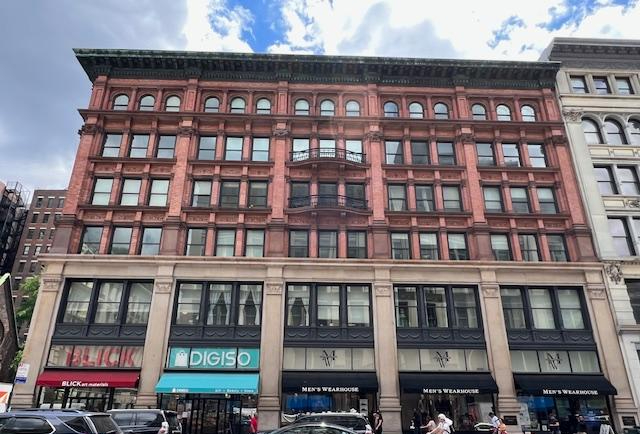
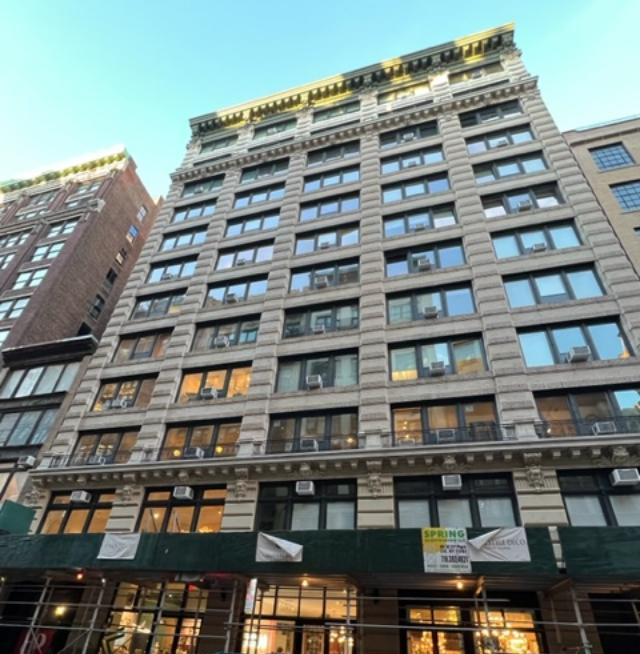


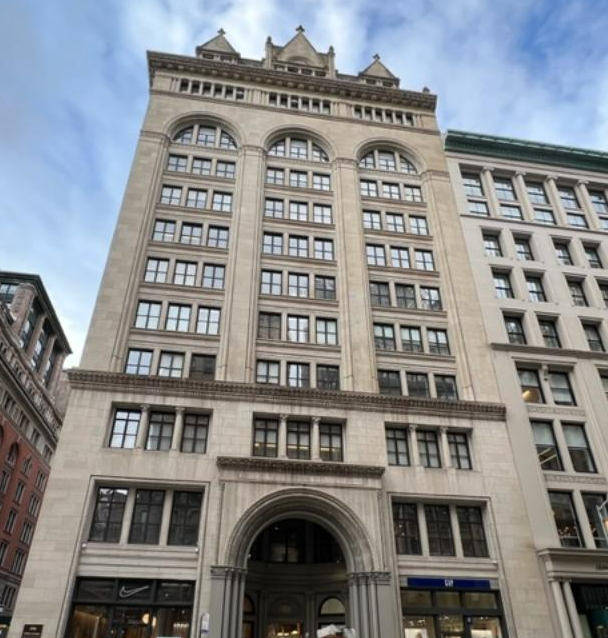
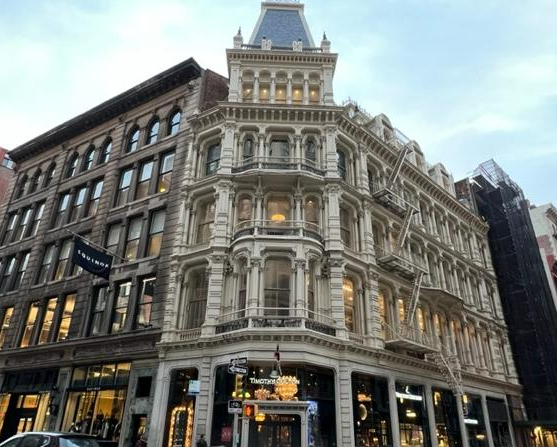
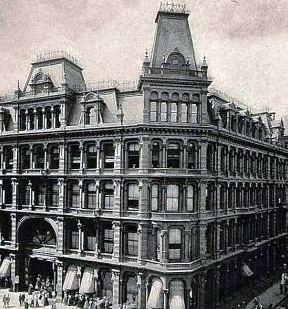
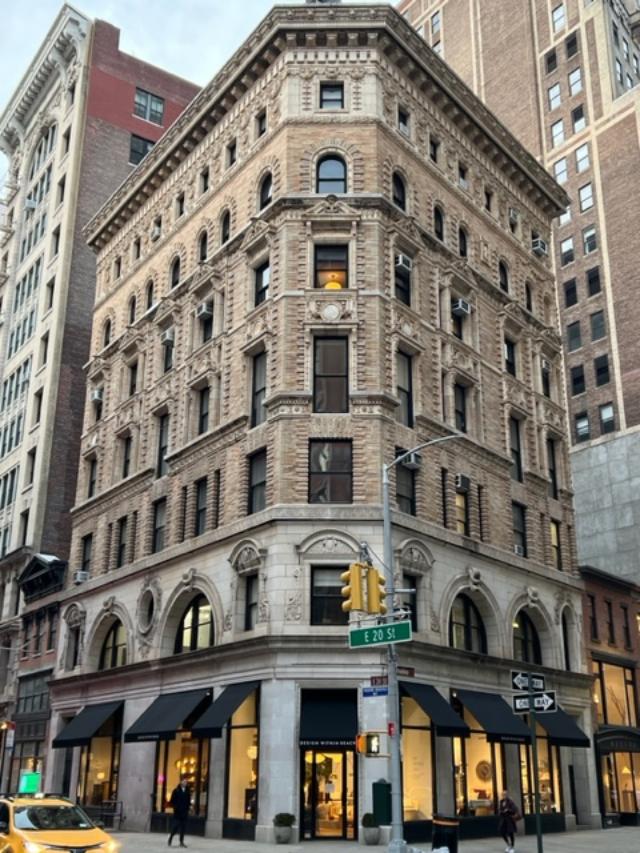
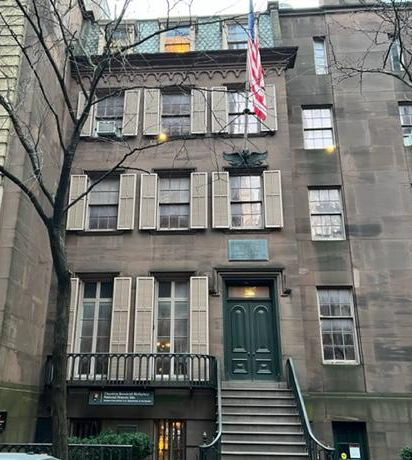
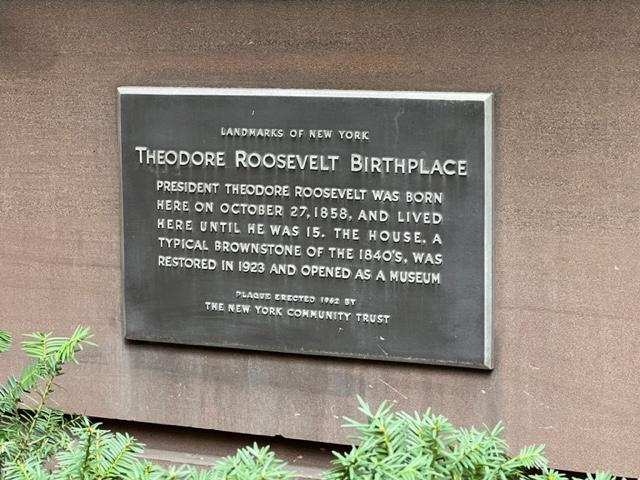
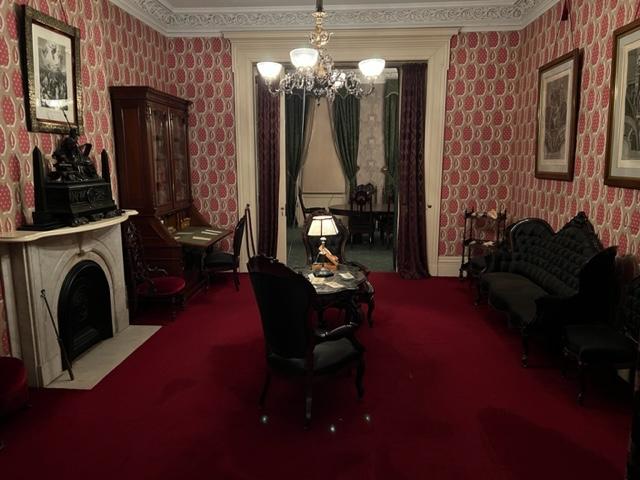
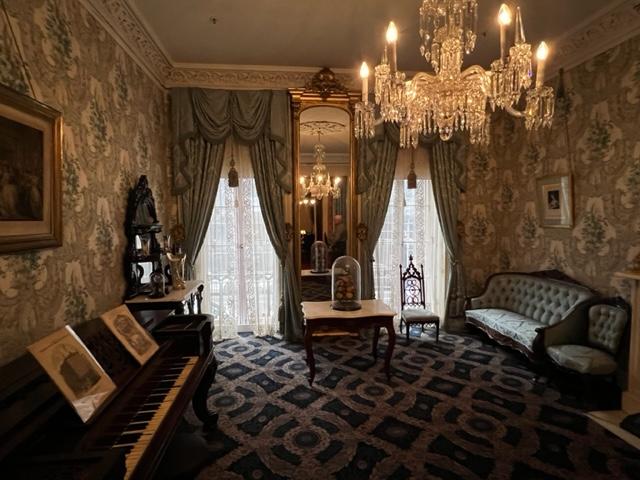
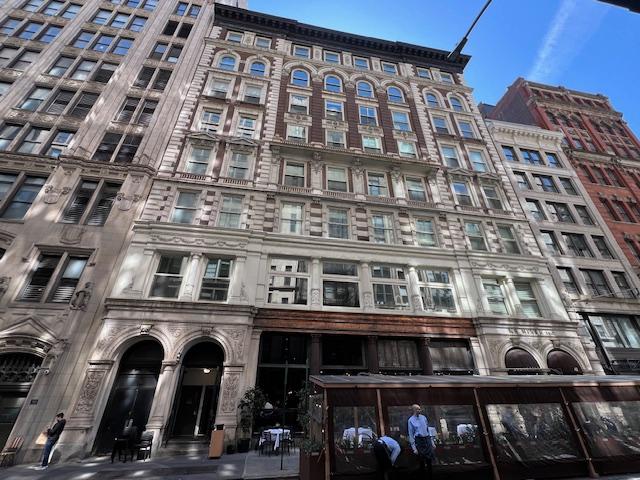
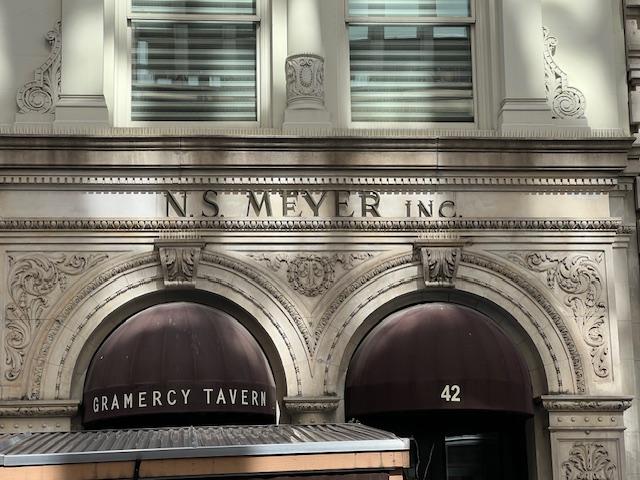
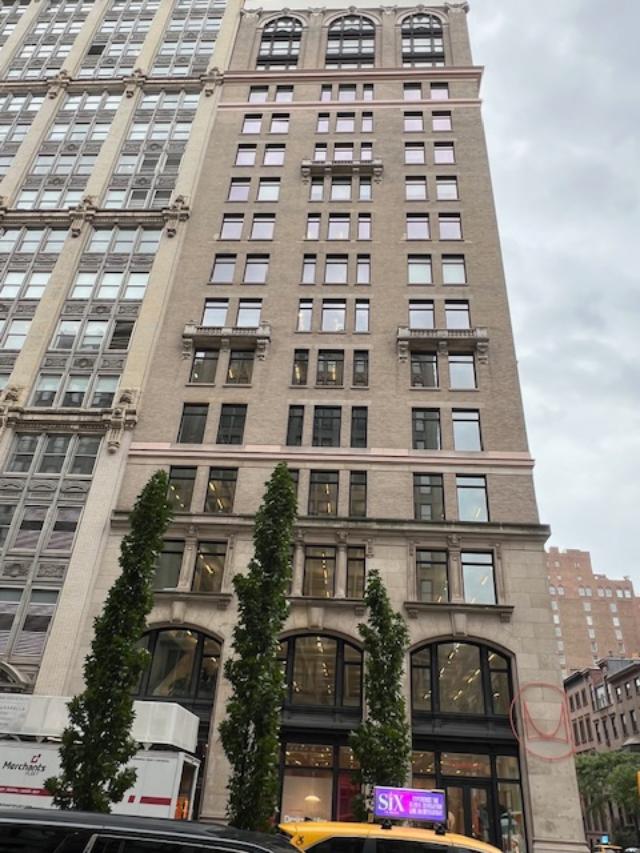
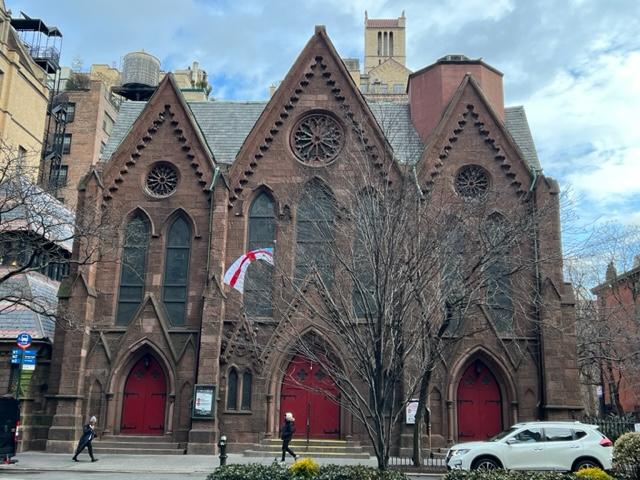
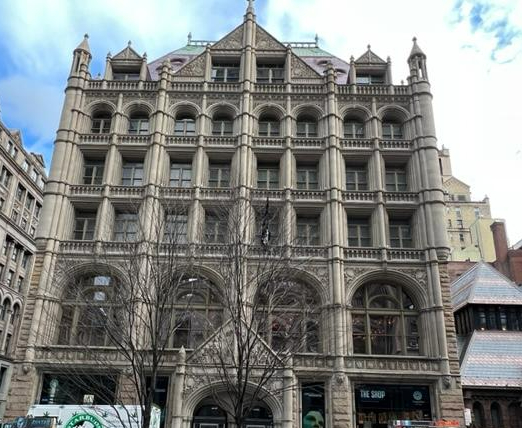
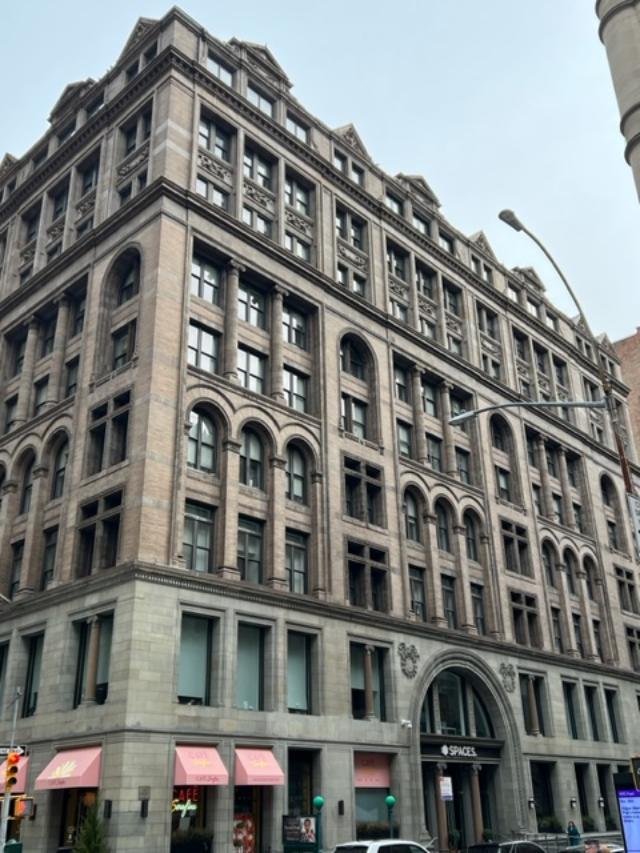


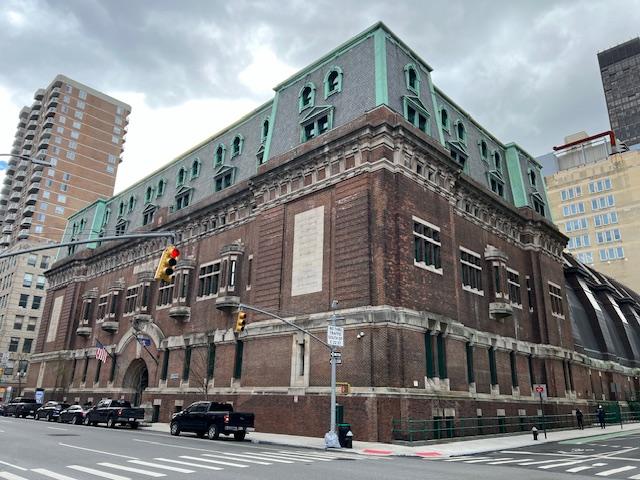
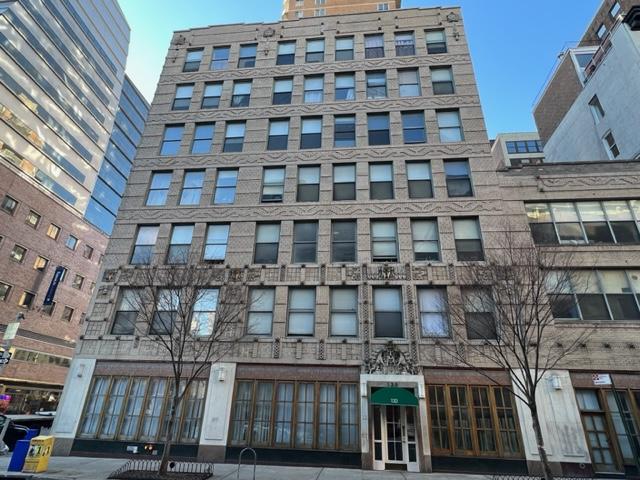
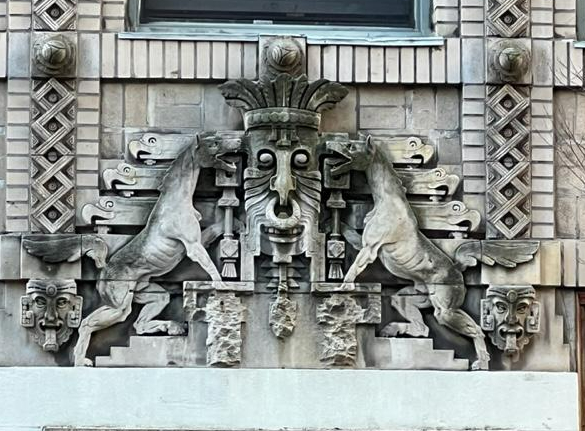
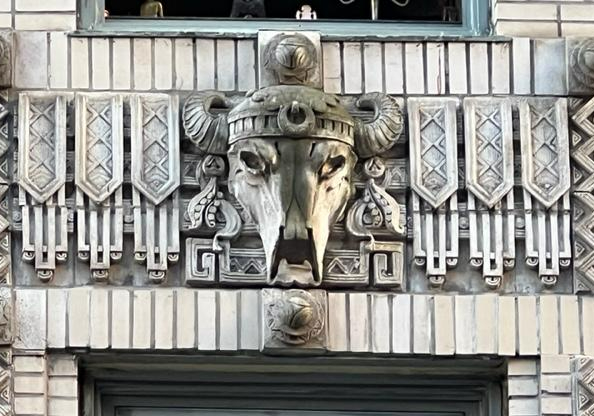
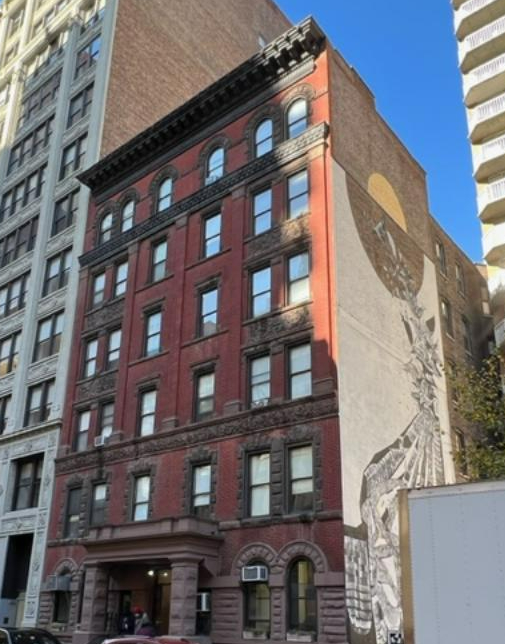

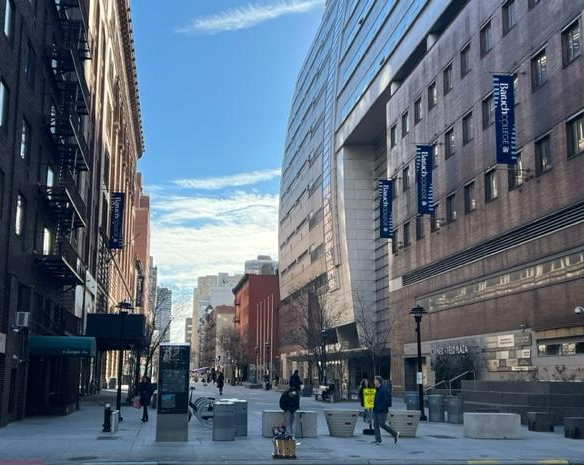
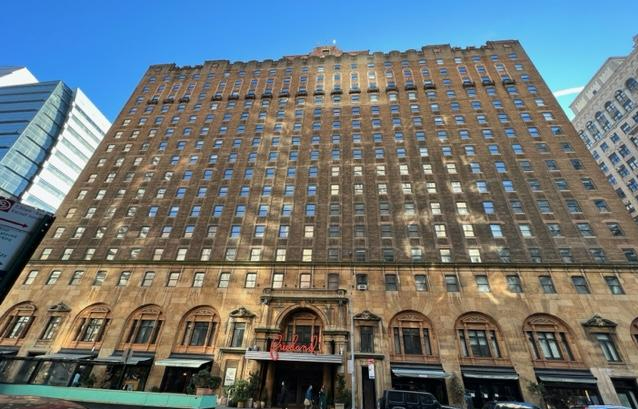
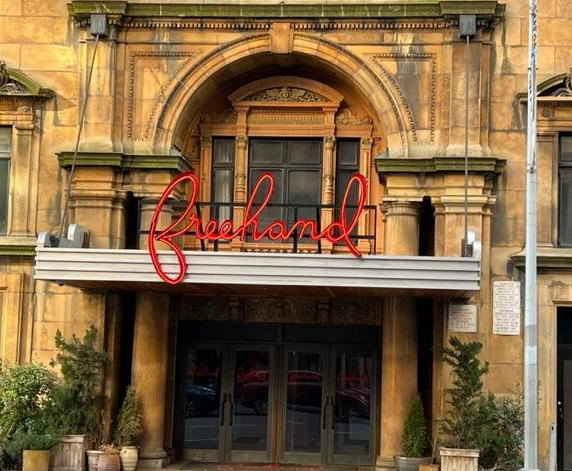

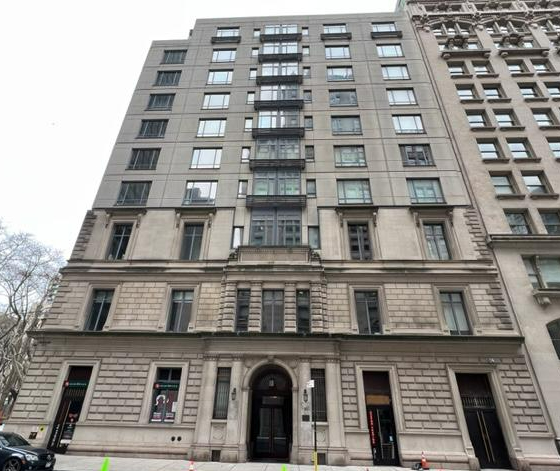
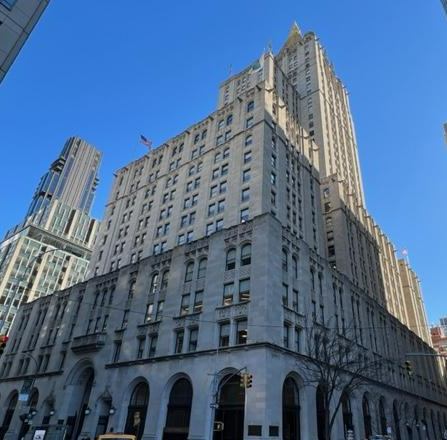
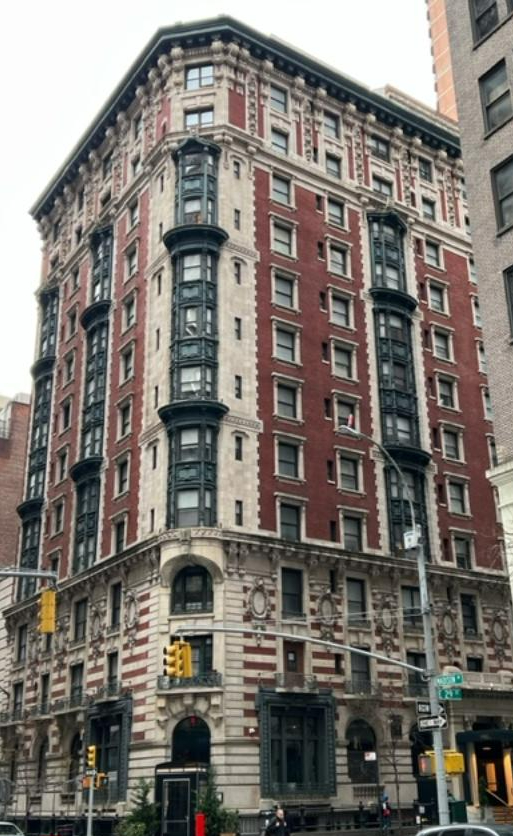
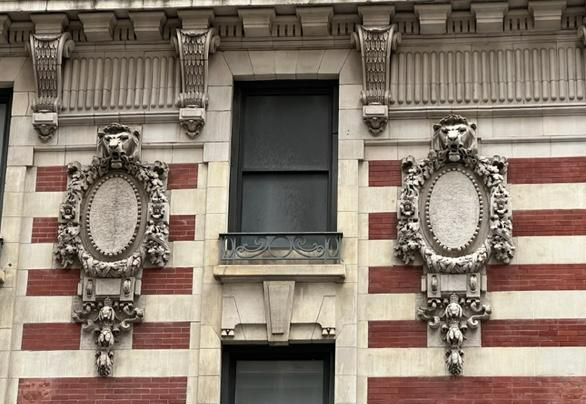
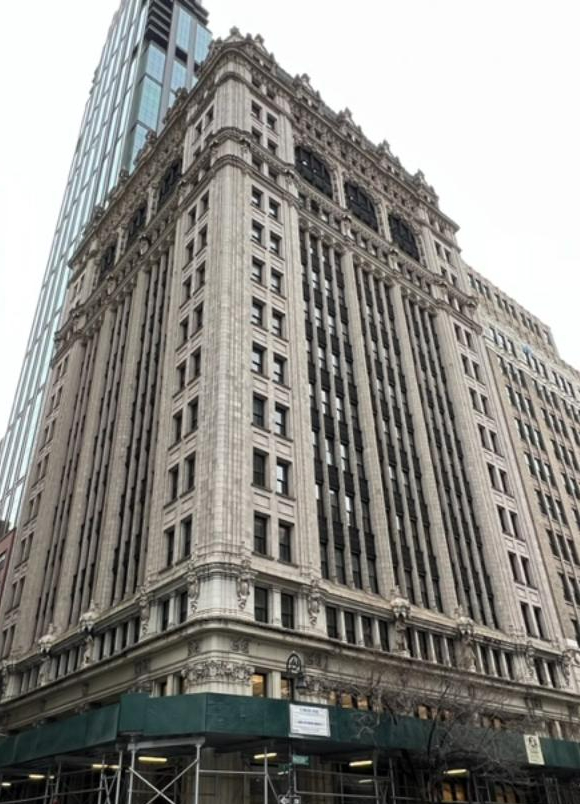
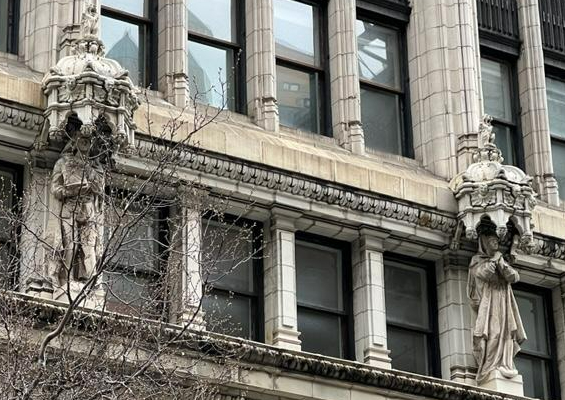
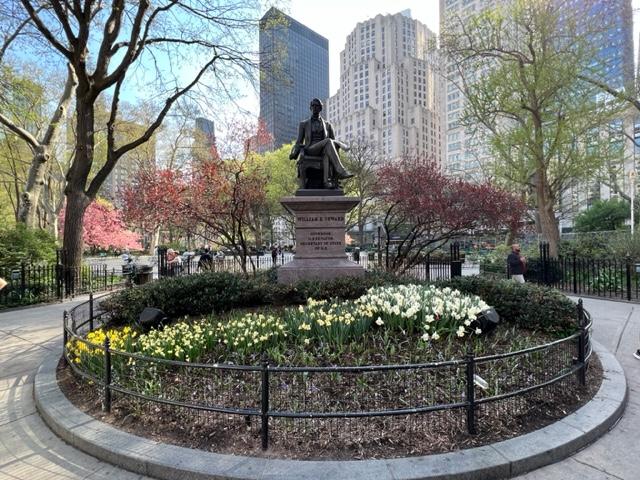
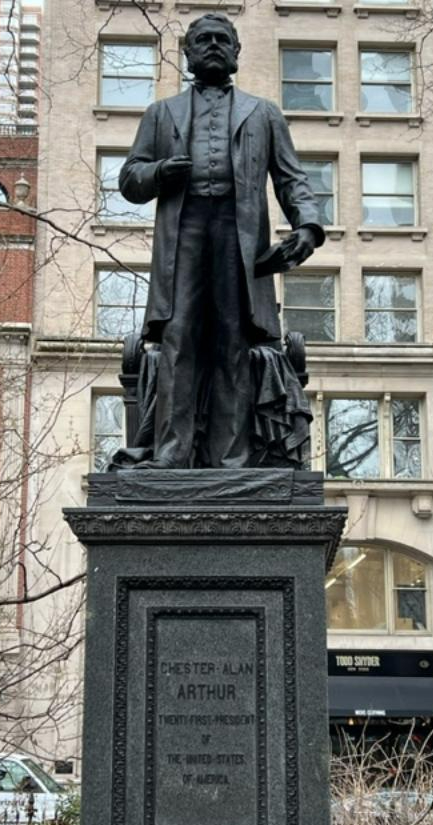

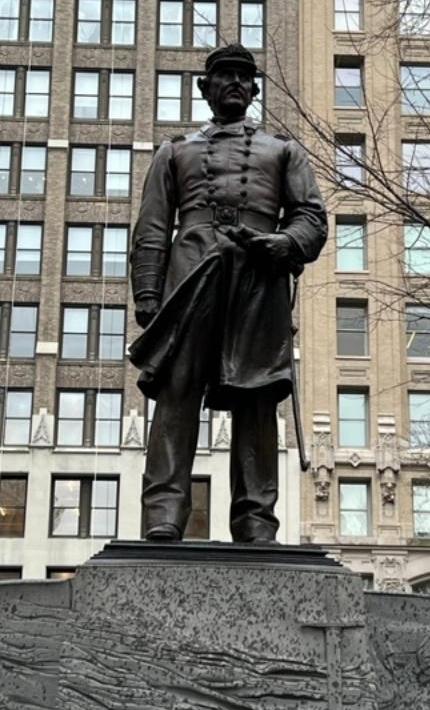

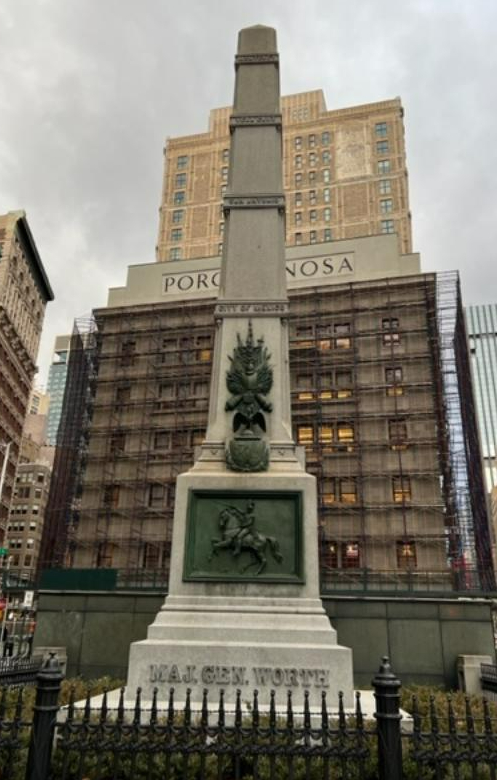
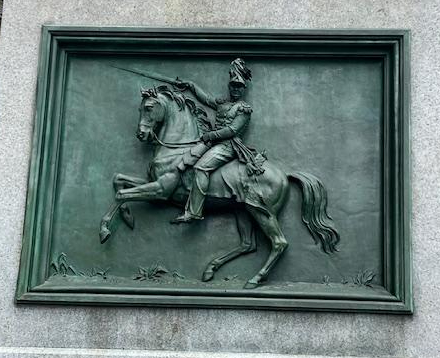
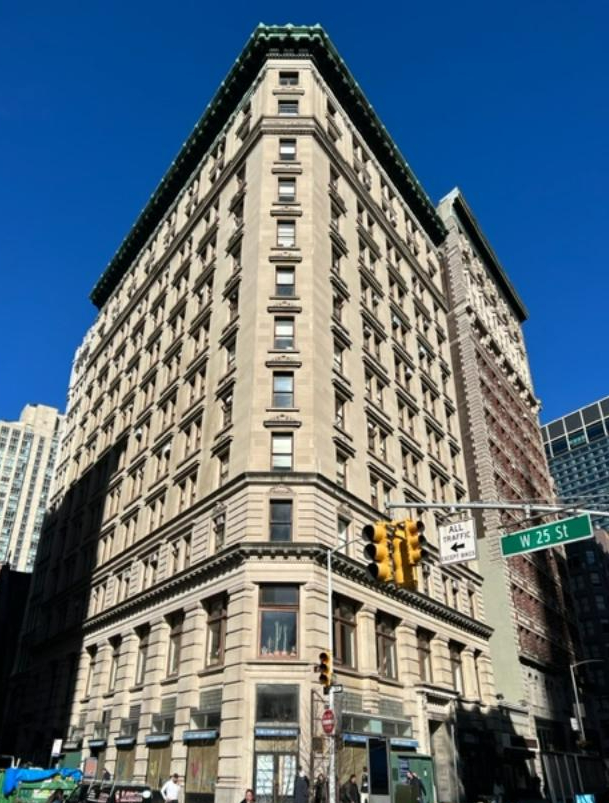
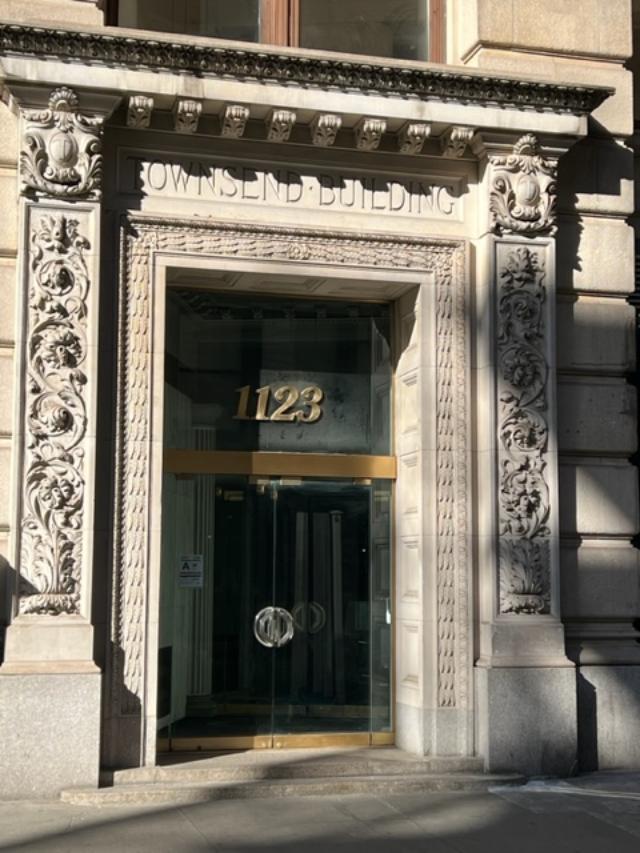
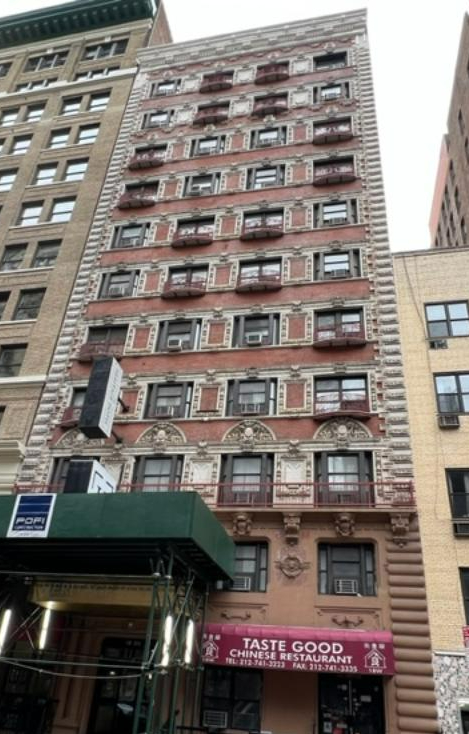
 mywalkinmanhattan