I still can’t believe that Christmas came so quickly this year. It was almost like the blink of an eye. With the start of the Christmas holidays, there are many cherished Christmas events in Hasbrouck Heights that have become tradition.
Downtown Hasbrouck Heights, NJ is always so beautifully decorated for the holidays (Heights Flower Shoppe)
Starting with the Christmas Parade the day after Thanksgiving, this annual event showcases our wonderful downtown in Hasbrouck Heights, NJ and dazzles us at the end of the parade with the Annual Christmas Tree Lighting and Caroling. It had been so cold that night that the crowds were more subdued than usual (remember COVID is still going on) but no less spirited.
The Neil Parrot Playhouse decorated for Christmas at the Hasbrouck Heights Circle
The Fire Department escorted Santa down the parade route to the Christmas tree and was greeted by the Hasbrouck Heights Community , who were ready for some Christmas cheer. When the switch turned on, we were dazzled by the lights of the trees and decorations that grace the Circle in Hasbrouck Heights.
The Christmas Tree at the Hasbrouck Heights Circle always dazzles at night
After the parade and carolling were over, it was back to the firehouse but not before the fire fighters got their own group shot at the Christmas tree.
The Hasbrouck Heights Fire Department at the Christmas Tree in 2021
By the end of the month, we were ready for our big community event, “Santa Around Town” where the fire department escorted Santa around the Hasbrouck Heights community to wish everyone Christmas cheer in a very difficult year.
We lucked out and the weather cooperated and it ended up being a sunny but cool day. Because of the COVID pandemic, we cut the number of stops and the crowds were a bit smaller but no less enthusiastic about seeing and talking to Santa.
Being socially distanced and wearing masks in some locations, residents of Hasbrouck Heights got to talk to Santa and give him their Christmas wishes. I have never seen so many families and especially children need a lot of Christmas cheer in these tough times and Santa really came through for families and even their pets, as many Christmas dogs greeted and licked Santa.
We toured all over town, greeting residents and every keeping as socially distanced and safe as we could as Santa greeted everyone who came and cheered up a community that really needed it.
Merry Christmas from the Hasbrouck Heights Fire Department!
The Hasbrouck Heights Fire Department’s Annual “Santa Around Town” 2021
Open: Sundays 1:00pm-3:00pm from June to October: Please check website for times
My review on TripAdvisor:
Hope Historical Society at 323 High Street
I recently went on a Lantern Tour of Hope, NJ’s downtown district for the Christmas holiday season visiting this once Moravian founded town. The evening was an interesting tour of the history of this small town near the Delaware Water Gap with visits to historical homes of the residents of the town and the manufacturing hub.
The Hope Annual Moravian Christmas Lantern tour
We toured the historic downtown district that was ablaze with lights and garland learning about the residential and commercial district and the role it played in the development of the town. We toured the former Grist Mill, Cannery, Distillery, homes and former barns and churches and given…
I put my walk of the Garment District on hold as many of the museums are having their Private Members nights before the holidays get into the full swing. It gives the members a chance to really enjoy the museums before the City gets crazy with tourists and people are beginning to return to the City.
My first event that I attended was “The Met After Hours” event. It was a well-attended event that members were able to explore the first floor at their own leisure for three hours.
It really was a wonderful night. First it was a warm and clear evening and you could see the stars because it gets dark at 5:00pm. We as members got to the museum before 5:00pm and waited in a long line by the Member’s Entrance on the side of the museum and had to show our COVID vaccine cards and ID. Even though we were all vaccinated, we still had to wear masks the entire time we were in the museum. It was not a problem and did not get in the way of us having a nice time.
For the evening, only the first floor was open and only certain galleries and exhibitions but there was plenty to see and do. In all the galleries, there were docents giving talks on the exhibitions and on the gallery displays that were permanent to the museum.
I started my tour of the museum at the Christmas Tree in the Medieval Galleries. It was decorated for the holidays with full detail but it had been corded off and you could not get as close to it as you once could in the past. They had a very interesting docent who went over the not just the history of the Christmas tree with its German-Pagan roots but how it was decorated by people in different countries at different times of history.
The beautiful Christmas tree is a part of the Metropolitan Museum of Art tradition
She talked about how the manager and the more religious aspects of the art came from Naples and then made its way to the United States with immigration. The works around the tree were collected over time.
Later that evening, they had a singing trio entertaining the crowd with festive Christmas songs. The ladies were very friendly and had wonderful voices. They really put everyone in the Christmas spirit.
I next went to the “In Praise of Painting: Dutch Masterpieces at the Met” exhibition in the Robert Lehman Collection. I was viewing all the works by Rembrandt and Vermeer for most of the evening. It was nice to just take my time and look at the works one by one without rushing like you normally do when the galleries are busy. The gallery was full of portraits and still lives and being a smaller gallery, I was not over-whelmed by the exhibition.
In Praise of Painting: Dutch Masterpieces at The Met should not be missed.
I walked through the American Wing to the American Wing Cafe which was mobbed. Every table was taken and what was really annoying is that in some cases, one person took a table and threw all their things on the chairs and were eating by themselves. They should have had a limit on that type of behavior as I could see that patrons were struggling to find a place to sit down. I just decided to eat when I left the museum. A $16.00 sandwich did not interest me. I just could not believe how much the food had gone up at the museum.
I spent the last part of the evening in the Temple of Dendur Wing admiring the building. I looked over all the ancient carvings and symbols and then realizing that this temple was created during the Roman Era. I thought that was interesting. I remember reading in the book “Dancing with Mummies” on the former director of the museum discussing how New York City beat out other cities to get the temple.
Every time I enter the gallery I think of this scene in “When Harry Met Sally”
It represents what is best about the Met
I ended the evening exploring the Greek Galleries since the rest of the Egyptian Galleries were closed for the evening. I really loved looking at the Cycladic Art and the way that the galleries are displayed. Even though I have been touring these galleries since they opened, it is always fun to see something new or a piece that you noticed for the first time again.
There is something unique about Cycladic Art
After I left the Met, I walked along the Upper East Side, walking down both Third and Second Avenues and noticing all the restaurants and stores that have closed since the Pandemic and it was scary to see. I thought that Madison Avenue was bad with all the empty stores and the cops protecting them but the other avenues were just as bad. It will take a long time for this to come back.
When I reached East 72nd Street at Second Avenue, I stopped at one of my favorite Chinese Take-out places where you can sit down and eat, Shanghai Chinese Restaurant at 1388 Second Avenue right near the subway station. I am telling you this is some of the best Chinese food in the City and very reasonable for the portion size they give you (see my reviews on TripAdvisor and DiningonaShoeStringinNYC@Wordpress.com).
Don’t miss Shanghai Chinese Restaurant at 1388 Second Avenue
I had the most amazing Shrimp Szechuan with Roast Pork Fried Rice with a side of Hot and Sour soup, the perfect dishes on a cool night. The soup really warmed me up and the shrimp had a nice fiery flavor to it.
The inside of Shanghai Chinese Restaurant
I was so content from the wonderful meal that I ended up walking all the way back to the Port Authority. It was such a nice night to walk back and enjoy the cool air. It really a beautiful night to walk around Manhattan.
After I returned from visiting my mother for her 85th birthday, I had another Members Night at the Museum of the City of New York at 1220 Fifth Avenue to attend the gallery talk of the Founders of the Talking Heads singing group, Chris Frantz and Tina Weymouth, talking about their time with the group and their experiences. Then we watched the film documentary “Stop Making Sense”, which was filmed over a series of concerts in 1984. The talk and the film were both amazing. I never knew that much about the group, so it was an eye-opener.
The Museum of the City of New York at 1220 Fifth Avenue
Ms. Weymouth and Mr. Frantz had gotten older but really had not changed that much. They were really engaging and such interesting stories about the band and the clubs that they played in the early 1980’s. It was fascinating to hear of the other artists that they knew like Debbie Harry and the Ramones who played the same clubs and the long-closed clubs that they enjoyed like Danceatiria and the Mudd Club.
They also talked about the work they are doing now and the revival of the music that they performed so long ago. It was a real blast from the past and most of the audience like me were either in high school or college when the group was performing so it was a real Gen X crowd that evening. After the talk, they left the stage with a rousing applause from all of us and then we watched the documentary, which really rocked the room. I could almost see people wanted to get up and dance and the applause from the songs after they were finished matched what was going on in the film (I included the link to the film we watched below).
The “Stop Making Sense” talk and showing of the film with Chris Frantz and Tina Weymouth
The ‘Stop Making Sense’ talk at the Museum of the City of New York: The Concert Film we saw that night.
“Stop Making Sense”
I went home that evening humming all the songs that I remembered from the film. It was such a great evening and I still could not believe that I never saw the film when it came out my freshman year of college.
Still my favorite videos from the early MTV days: “Once in a Lifetime”
The last museum Members afternoons that I attended was the “Sharks” exhibition at the American Museum of Natural History at 200 Central Park West. This exhibition was open to the members first before opening later in December.
The American Museum of Natural History at 200 Central Park West
I have to say it was interesting and very scientific and technical. I was floored by the number of kids that knew so much about sharks. I was listening to this kid talk to his mother on which sharks were which and he was about eight years old.
The exhibition was on the history of sharks and their habitats and the benefits that sharks bring to the ocean like being bottom dwellers and how their eating habits affect the rest of the ocean population. It was more than the movie “Jaws”.
The exhibition also discussed how sharks have evolved over the years since the era of the dinosaurs and how their population decrease is affecting the rest of the ocean population and food cycles. After about an hour in the exhibition it got a bit over-whelming with the information and I will have to go back again to see it.
‘Sharks’ at the American Museum of Natural History
The exhibition discussion:
After the visiting other parts of the museum in both the Central American Wing and the new Minerals gallery, I went outside and enjoyed the nice sunny day. I ended up walking all over the Upper West Side. Homes were decorated for the holidays and it was festive to see all the garland and trees in the windows and on the outside of the brownstone homes.
For lunch, I went to Tri Dim West, the sister restaurant to Tri Dim Shanghai on the East side at 467 Columbus Avenue for a Dim Sum lunch. The restaurant is right around the corner from the museum and was a nice alternative to the expensive fare at the museum.
I had the most wonderful (but pricy) Dim Sum lunch with freshly made Crab & Pork Soup Dumplings, Roast Pork Buns, Chicken Curry Puffs and a Peking Duck Spring Roll. Everything was made fresh to order and one dish was better than the other. The soup dumplings just slurped off the spoon and burst in my mouth with their juiciness. The roast pork buns had their usual sweetness with the combination of roast pork chopped up wrapped in a sweet dough.
The Peking Duck rolls are delicious
The service was so friendly and welcoming. The guy waiting on me kept spooning the dumplings on my plate. I thought that was taking it to the extreme but it was a quiet afternoon.
It is funny for the people who keep saying that New York City is going downhill and Manhattan is falling apart, yet I see that the museums are doing their best to engage with their members and the public in general with taking all sorts of precautions and safety measures. They are doing their best to keep the public informed while still having a good time.
It has been one busy year for me at work with online classes and live work and very little time for volunteer work. I was lucky that we sold out of Christmas trees for the Hasbrouck Heights Men’s Association Christmas Tree sale in a record 11 days!
Welcome to Hasbrouck Heights during the Christmas holiday season!
Hasbrouck Heights Engine One in the Hasbrouck Heights Christmas Parade
My last shift we sold the final tree and I was able to attend the fire department’s room cleaning that night. Needless to say, I have not been that active as a fire fighter this year due to work.
Still, I managed to finish everything and was able to assist the Rescue Truck as we set up the sound system and lights for the Annual Hasbrouck Heights Holiday Parade and Tree Lighting on November 26th, 2021. The parade takes place on the Boulevard in Hasbrouck Heights, NJ the day after Thanksgiving and we draw a nice crowd for the Parade and then the Tree Lighting. It was really cold that evening and we had about 150 residents for the tree lighting.
The Christmas Tree at the Circle is always a welcome site at the holidays
Firemen’s Park in Hasbrouck Heights, NJ
Firemen’s Bell Memorial decorated for the holidays
We participated in the parade with all the equipment following Santa down the Boulevard, handled the sound system and the lights for the ceremony and kept the town safe that evening. It was a wonderful to usher in the holiday season.
The Brothers of the Hasbrouck Heights Fire Department at the 2021 Christmas Tree Lighting
The decorations on the Boulevard
The Gazebo at Firemen’s Park in Hasbrouck Heights at Christmas time
Old Hook Farm Farmhouse Homestead at 650 Old Hook Road
One of the nice things about Bergen County, NJ is the small farms that remain in the area showcasing our Counties agricultural past. There are only about six left and located mostly up in the upper parts of Bergen County where the bulk of the farms were located up until the 1980’s. Land prices and development have made some disappear and with others a lack of an heir to continue the tradition on going forward.
The entrance to Old Hook Farm
The Old Hook Farm is a throwback to a combination of the old-fashioned General Store and Farm Stand that used to dot small towns in Bergen County. The outside of the store has a greenhouse full of decorative plants for both the house and for the gardens. In the Holiday months, the greenhouse is filled with hot house flowers for the holidays and outside there are Christmas trees, wreaths and other holiday decorations for sale. When it snows, it looks like a picture out of Currier & Ives.
The flowers and decorative products of the greenhouse
During the Fall months, the farm was ablaze with colors in the background while the front of the greenhouse was filled with gourds, pumpkins and corns of different colors. There were all sorts of Halloween related merchandise for decorating the inside and outside of the house.
Blogger Justin Watrel in front of the Fall display of products at Old Hook Farm
The inside of the Farmers Market has all sorts of fresh produce with seasonal fruits and vegetables, freshly baked pies, cakes and scones and loaves of bread from a local vendor.
The fresh produce is beautifully displayed in the inside of the market
The old fashioned feel of Old Hook Farm
There are candies from Conrad’s in Westwood, NJ (see blog on that store on this site), milk from a local dairy farm with no artificial ingredients, gluten free products and a lot of non-GMO grocery products and all natural snacks. There is an array of grocery items that are good for you.
The refrigerated cases are filled with all natural dairy products like ice cream, eggs and milk
There are natural cleaners for the home and cleaning supplies that are good for the environment. There is a small section of cosmetic and home products that are all natural.
The Old Hook Farm is a place of sights and smells and the beauty of the seasons in the trees and woods that surround the picturesque acreage. It is also a nice place to stock up on gifts and farm products for any social visit. It is special place especially during the holiday seasons.
History of the Old Hook Farm:
(From the Farm’s website)
The town of Emerson did not exist during the Native American origin. The name ‘Old Hook’ on the east side of the town came from the Dutch word ‘Hoek’ meaning ‘angle’ or ‘corner’. The angle of the land was created by the three connecting water ways, the Hackensack River, the Pascack Brook and the Musquapsink Brook. The first person to make their home here was William Rutan, who settled on a parcel of land just west of today’s ‘Old Hook Farm’ sometime around 1748 (Emerson Town History).
The fields behind the farm stand
The current ‘Old Hook Farm’ was bought by current owner, Bruce Marek’s grandfather in 1925 as a weekend getaway. He rented the farm and the farm house to a local resident for 35 years and the family had a large garden on the property until about 1948. Then his father took over the land and cleared the fields and had Soil Conservation come in and do contours and started to grow in the greenhouse. When his father died in 1973, he took over the farm and within eight years, reopened the garden store and started to experiment and grow organic crops (Bruce Marek’s interview with ‘Bergen Save the Watershed Action Network’).
I finally felt well enough to continue my walk around Manhattan. I had not been into New York City in six weeks and had really missed my walking around the island. I had finished exploring the Hell’s Kitchen/Clinton neighborhood before I pulled my back and decided to keep my adventures closer to home (Exploring Downtown Boonton-Day One Hundred and Two). I just was not up to coming into the City.
The Garment District once home to many designers and manufacturers in the New York Fashion Industry is not what it was when my Grandfather was an officer in the Ladies Garment Union back in the 1950’s and 60’s. It is not what it once was with the showrooms that were located there when I worked for Macy’s in the 1990’s. Cost of real estate, rezoning for commercial and residential during the Bloomberg Administration and cost of doing business in the area has shrunk the manufacturing of clothes that this area once prided itself.
Still in the core of the district many manufactures and shops still cater to the business and you will still see button shops, fabric stores and wholesale merchants next to new coffee shops , boutiques and small hotels that now dot the area.
Technically the area can stretch as far down as West 25th Street and around the Fashion Institute of Technology but the area with its real estate cache for names consider this area now ‘Chelsea’ and even east of it what is left of the ‘Flower District’. In the era of COVID, this area is still pretty quiet with manufacturing still shut and the Fashion Institute not yet open for the Fall semester (it has since opened and the area is full of students). I was amazed by the lack of people still not walking around the area.
I started my walk just outside the Port Authority which is on the very edge of the neighborhood and walked out the door and around the building to Ninth Avenue. Even though it was Labor Day, there were not a lot of people walking around the streets. It looked like everyone was either still away, recovering from the recent storm Hurricane Ida that flattened the area with rain and wind or just getting ready for school to start the next day. It seemed like a quiet day in Manhattan.
Pre-COVID the Port Authority between West 42nd to West 41st Streets from Eighth to Ninth Avenues was going through a face-life renovation and the facility started to move out all the older stores and restaurants for higher end takeout places and an art gallery. It looks now that it has been put on hold until people start to return.
The Port Authority Bus Terminal at 625 Eighth Avenue
Since I returned to Manhattan to resume this project last June, the traffic going through the Port Authority has not changed much even though there are more people on the bus. The afternoon I came into the City it was sunny and 66 degrees. More outdoor dining was in play and more people were outside enjoying the weather.
I started my walk exiting the Port Authority at the corner of Eighth Avenue and West 42nd Street, a corner that still needs a lot of work. Pre-COVID this was a bustling area of theaters, shops and restaurants and one of the biggest McDonald’s in the country. Most of it is closed down now and the homeless have taken back over this area. Surprisingly though, it still remains clean a result of the Partnerships established in the mid-1990’s. This area is swept all day long.
This was nice for me as the sidewalks were empty and the streets were quiet and it was nice to just walk around and not be bothered. Being Labor Day, there seemed to be a huge police presence in Times Square just north of the neighborhood so I did my best to blend in.
Ninth Avenue is in the process of change again as many of the old tenement buildings are being knocked down for new condo complexes and office buildings. Still there are many old named businesses in the neighborhood and the Garment District is home to a lot of the restaurants mentioned in my blog, https://diningonashoestringinnyc.wordpress.com/. There are many ‘Mom & Pop’ restaurants and deli’s that are really reasonable and the food is outstanding.
Walking down West 42nd Street from the entrance of the Port Authority down to Ninth Avenue shares the border with the ‘Hell’s Kitchen/Clinton/Midtown West’ neighborhood and even now new restaurants are beginning to open in places that had been shut during the COVID pandemic. The pandemic is still going on but like any other city, New York City is adapting to it and there are many changes going on all over the neighborhood. It has not stopped the spirit of the neighborhood from progressing and moving forward.
What I have always liked about Ninth Avenue near Midtown is the character of the neighborhood. There are still old tenements and brownstones along the Avenue from 42nd Street down into Chelsea. Here and there old restaurant and provision shops sit along side newer delis and retail shops that show the change in the make up of the neighborhood. Still with the rezoning of the area I am not too sure how long this will last.
Ninth Avenue not only offers an array of many interesting ethnic businesses but many reasonable and interesting delis, take-out places and restaurants that won’t break the budget. Many of the dining establishments featured on my DiningonaShoeStringinNYC@Wordpress.com site are found in the Garment District on its borders and streets that will save you money and the food is wonderful.
Starting right at the border of the neighborhood right across the street from the Port Authority is Capizzi Pizza at 547 Ninth Avenue. Their delicious small pizzas are all homemade down to the sausage made for the toppings. When I ate there a few years ago they were noted for their small pepperoni pizza which was excellent. The service was very friendly and very authentic. It can be pricey though but the quality is excellent.
A block down and across the street from the Port Authority is the original Two Brother Pizza at 542 Ninth Avenue. This place has been around for years and has one of the best $1.00 slices of pizza in Manhattan. This is my ‘go to’ place when I need a quick snack and want something substantial. To my knowledge, it is one of the original dollar slice places in the City.
The restaurant is in a rather shady section of the shadow of the Port Authority. During the day it is okay but the later at night you get it does attract some interesting characters especially if you eat outside on one of the cocktail tables. The pizza is really good and is one of the few dollar pizza places where the pizza tastes like something. Most places I find in the City the pizza is just something to fill you up.
Across the street from Two Brothers Pizza and our ‘go to’ place for breakfast during the Christmas holidays was Hell’s Kitchen Deli, a relatively new place to the neighborhood. This is where I ordered Bacon, Egg and Cheese sandwiches. The place is really clean and has a nice selection of snacks and sandwiches.
Hell’s Kitchen Deli at 535 Ninth Avenue has the best breakfast sandwiches
Though most of the housing in this part of the neighborhood is old tenement housing, you can look up from a distance and see some unusual carvings in the buildings. The building at 510-508 Ninth Avenue has some strange faces staring back at you from above. The building was built in 1920 (Apartments.com/StreetEasy.com).
When walking down Ninth Avenue, you will see the signs of the past not just in the architecture but in former restaurants and provision stores that used to line the Avenue. First there is Esposito Meat Market at 500 Ninth Avenue which has been in business since 1932. You can see the selection of meats and different cuts from the window. The one time I walked in you could smell the aroma of the freshly cut meats. The store prides itself on always delivering quality (Esposito Meat Market website).
Years ago I did an article on Manganaro’s Grosseria Italiano at 488 Ninth Avenue when owner Seline Dell’Orto still owned and worked at the store. The famous Italian provision store closed about ten years ago after years of squabbling but the sign is still there. It is now Tavolo Restaurant.
Manganaro’s Grosseria Italiano at 488 Ninth Avenue in 2011
Enjoy the article I wrote on Manganaro’s years ago:
One of the places that had inspired my dining site, “DiningonaShoeStringinNYC” is the 9th Avenue Gourmet Deli (Formerly the AM/PM & Juniors Deli) at 480 Ninth Avenue. This amazing little deli has it all, a nice grocery department, cold drinks and wonderful hot and cold food section that never ceases to amaze me.
The breakfast platters here are heaping with eggs, pancakes and sausage and the sandwich platters fill the take out containers. Everything is freshly cooked and delicious. Their burgers are cooked perfectly and they don’t skimp on the fries. The best part is that they are open 24 hours.
Another great place that I love to stop at is Kashmir 9 at 478 Ninth Avenue. The cuisine of the restaurant is traditional Bangladesh and Pakistani food with all sorts of baked goods and entrees. I have had their Lamb Kebobs, Chicken Patties, Potato Cutlets and the Vegetable Samosas are out of this world.
When you walk in the whole restaurant has the wonderful smell of curry and spices with the hustle and bustle of many languages being spoken. There is even a prayer rug in the back section of the restaurant for those on their breaks which I thought was a nice touch for their busy customers.
The kebobs here are delicious
The lunches here are reasonable and delicious
As I passed all the restaurants, I walked down Ninth Avenue to a small park that I never really noticed before. At least that it was a park. This little park called “The Canoe” Plaza is part of the Hudson Yards/Hell’s Kitchen Alliance and is at the corner of Ninth Avenue and West 37th Street. This was the creation of the design team of Design Wild and was convert the block to a flowery heaven right at the entrance of the Lincoln Tunnel (Hudson Yards Alliance/Design Wild).
Jordan Baker-Caldwell is an American born artist from New York City and is the youngest artist in the history of New York to have a permanent public sculpture. The artist’s work has been noted as evoking questions about gravity, structure, balance and the human body in relation to space (Artist’s bio).
Please watch the video of the artist describing his work in the park
As I turned the corner of the border of the neighborhood at West 34th Street, I saw a familiar restaurant from Christmas time, Golden City Chinese Restaurant at 423 Ninth Avenue. This is where we ordered in our Christmas dinner. I have to admit that their fried rice is really good but the rest of the meal was okay.
Golden City Chinese Restaurant at 423 Ninth Avenue (Closed January 2024)
Walking down West 34th Street brought back memories of my years at Macy’s. It is truly amazing how the City keeps changing. When I worked in the City in the early 1990’s, West 34th Street was not a place you wanted to walk at night or sometimes even during the day. From Sixth Avenue to Eighth Avenue was particularly sketchy. Now it is all new office buildings with most of the old neighborhood from Eighth to Seventh Avenue either completely knocked down or renovated.
Still there are a couple of old standbys still left. One of them before you arrive at Macy’s is the Hotel New Yorker on the corner of Eighth Avenue and West 34th Street at 481 Eighth Avenue. The hotel was designed by architects Sugarman and Berger and designed in the Art Deco style. The hotel was constructed in 1928 and opened in 1930. The hotel now managed by Wyndam Hotels put the hotel through a full renovation in 2006 to bring it back to its glory years now reflected the resurgence of the neighborhood (Hotel New Yorker History website/Wiki).
I continued walking down West 34th Street to Seventh Avenue I arrived at Macy’s at 151 West 34th Street. Things have changed so much in thirty years. The whole area has gotten so much better. It was so run down when I worked there. Also the retail scene was so much different with new retail stores lining this part of West 34th Street that used to be discount retailers.
Where the H & M store at 1293 Broadway is now used to be Herald Center, an upscale mall that never did well and the concept closed two years later when I returned to work in the buying offices. The only thing that survived was the food court on the top floor.
Before 1965, this was home to Saks 34th Street before its move to its current Fifth Avenue location. The store was founded by Andrew Saks and opened its doors in Herald Square in 1902 just five weeks before Macy’s opened their doors. The store was designed by architects Buchman & Fox in the Classical style. The store was bought by the Gimbel family in 1923 and that is when it was moved to its current location at 511 Fifth Avenue. The original store is now covered with new siding to give it its modern look for H & M (NYC Circa). The building stretches from West 34th to West 33rd Street along the Broadway corridor.
The Saks 34th Street Building on the corner of West 34th Street and Broadway at 1293 Broadway
Next door to that was the old Gimbel’s Department Store building that closed in 1986, a year and a half before I started at Macy’s. Gimbel’s had always been considered our rival for years but I think because of the sheer size of Macy’s I have a feeling that we beat them in sales. Gimbel’s had come to New York City by way of Philadelphia by the Gimbel’s family. It was founded by Adam Gimbel in 1887. The store in Herald Square opened in 1910 in the classical style by architect Daniel Burnham (Wiki). The store stretches from West 33rd to West 32nd Streets along Broadway.
Gimbel’s Department Store at Sixth Avenue and 33rd Street
There are still traces of Gimbels Department Store
When the store closed in 1986, it was renovated and was called A & S Plaza when that store moved into the space. When A & S closed in the mid 1990’s when it merged with Macy’s, the store was renovated again and now is called Manhattan Mall. It is mostly office space now (Wiki).
In the middle of this former shopping district and just south of Herald Square is Greeley Square named after Horace Greeley, the editor of the New York Tribune. The square was acquired by New York City in 1846 and turned into the park. The statue that dominates the southern end of the park was designed by sculptor Alexander Doyle in 1890 (NYCParks.org).
Greeley Square was named after Horace Greeley, who published the first issue of The New Yorker magazine and established the New York Tribune. He was also a member of the Liberal Republican Party where he was a Congressman and ran for President of the United States after the Civil War.
Publisher and Politician Horace Greeley famous for his quote “Go West, young man, Go West”
The Horace Greeley statue is located in the park just south of Herald Square in Greeley Square.
The statue at Christmas time
The statue was created by artist Alexander Doyle. Alexander Doyle was an American born artist who studied in Italy with several artists. He is best known for his marbles and bronze sculptures of famous Americans including many famous Confederate figures that have come under fire recently.
Reaching the border with Murray Hill to the east is the former B. Altman Department Store that closed in 1989 and in the other corner is the Empire State Building, once the tallest building in the world.
The B. Altman Building at 361 Fifth Avenue was built by Benjamin Altman for the new location for his ‘carriage trade’ store. The store was designed by architects Trowbridge & Livingston in the “Italian Renaissance Style” in 1906. The palatial store was home to couture clothing, fine furniture and expensive art work.
The former B. Altman Department Store at 361 Fifth Avenue
As the shopping district left Sixth Avenue below 23rd Street, the former “Ladies Shopping Mile” (read my Victorian Christmas Blog on the shopping district) gave way to stores opening between 34th Street to 42nd Street and eventually to the Fifth Avenue locations between 50th and 60th Streets where what is left of the great stores stand today.
The Ladies Shopping Mile on the Sixth Avenue corridor at the turn of the last century
My blog on the Ladies Shopping Mile and a “Victorian Christmas”:
Across the street from the old B. Altman’s building is another impressive building also under scaffolding 10 East 34th Street, The Ditson Building. The impressive building with it intricate details was built in 1906 and designed by architects Townsend, Steinle & Haskell in the Beaux-Arts style for Charles H. Ditson. Mr. Ditson ran the New York division of his family’s company, Charles H. Ditson & Company, a publisher and musical concern (Daytonian).
Crossing Fifth Avenue, I continued to walk down West 34th Street once a major shopping district lined with shops and department stores. The most impressive and well known building in the neighborhood is the former tallest building in the world at 102 floors, the Empire State Building at 2-20 West 34th Street.
The Empire State Building is probably the most famous building in New York City outside of maybe Rockefeller Center and one of the most prominent. The building sits on the side of the former Astor Mansion and the first Waldorf-Astoria Hotel before the current one was built in the 1930’s on Park Avenue.
The Empire State Building was inspired during the “Race to the Sky” movement in New York City during the 1920’s prosperity with builders vying for the “World’s Tallest Building” title. This was going on in cities all over the US at a time of great innovation in building. The building was conceived in 1929 long before the Stock Market Crash of 1929 as 40 Wall Street and the Chrysler Building were being constructed (Wiki).
The building is known just by its appearance and is probably best known for the movie “King Kong” back in the 1930’s and most recently “Sleepless in Seattle” in the 1990’s. The movies don’t do the building justice from its sky decks with views of Manhattan and beautiful Art Deco details on the elevators and in the lobby. The 102 story building is one of the ‘Seven Wonders of the Modern World’ and was the tallest building in the world until the World Trade Center opened in 1970 (Wiki). It is now the second tallest building in New York City.
The famous Empire State Building scene from “King Kong” in 1933
The building is a major tourist site and it was so strange to see no one in line for the now open sky ride to the sky decks where you can see across the whole City. The lines are usually really long down West 34th Street but there were just a few people talking to the guards the days I passed. If you get a chance to walk around the lobby it really is beautiful but that was pre-COVID. You have to have preassigned tickets to get into the building.
As I continued down West 34th Street, I saw the old Ohrbach’s Department Store building at 7 West 34th Street. The store was still open when I started to work at Macy’s in 1988 but it closed about a year later to be followed by B. Altman & Company in 1990. That left Macy’s alone on West 34th Street until a branch of the A & S opened in the Gimbel’s building in the 1990’s (that would close when A & S merged with Macy’s in 1995).
7 West 34th Street-McCreeyers/Ohrbach’s Department Store
What I did not know was the building has an older past by its original owner James McCreeyer & Company, a luxury department store that had started in the 1860’s and had closed this location in 1953 due to changing styles and business. Ohrbach’s bought the store in 1954 and ran it as a moderate department store until it closed in 1988 (Wiki and Defunct Department Stores).
Another impressive building on the this former shopping street is 19 West 34th Street, The Martin Building. The building was built and finished in 1907 for the Réveillon Freres, a leading manufacturer of furs and accessories. The building was designed in the Italian Renaissance style with Beaux Arts features. The company moved out of the building and further uptown in 1918 and leased the building out (Daytonian). The building now serves as offices on top and retail on the bottom.
17-19 West 34th Street-The Martin Building/Revillon Freres Building
Another standout building I saw was 31 West 34th Street the former Oppenheim, Collins & Company Department Store building. The store was built in 1907 for the Oppenheim, Collins & Company wholesalers when they decided to open a retail store in the location. The former department store was designed by architects Buchman & Fox in the Beaux Arts style. The store existed until 1963 when it was merged by the owner of the store with Franklin Simon & Company Department Store and the name disappeared. The store closed in 1977 (Daytonian).
31 West 34th Street-The Oppenheim, Collins & Company/Franklin Simon & Company building
The last building I noticed for its beauty was on the corner of Sixth Avenue and West 34th Street, 47 West 34th Street (1378 Broadway or 2 Herald Square) the Marbridge Building. The Marbridge Building was by architects Townsend, Steinle & Haskell in 1909 in the Classical Beaux Arts style and has been used as an office building since its opening (Wiki/Photo/Street).
It is funny that in all the years I had worked at Macy’s Herald Square, I either never noticed these buildings on all my walks along 34th Street or never gave them a lot of though. When you realize the rich architectural history of the neighborhood and the role it played in the retail history of New York it really amazed me how prominent a shopping area this once was between 1900-1960. This growth came about as the retail district moved further uptown from the Ladies Shopping Mile district on Sixth Avenue below West 21st Street.
I finished my walk of the borders of this neighborhood with a quick break by relaxing in Greeley Square again and using one of the few public bathrooms in the area (the other being Macy’s lower level Men’s Department) and just sat back and admired the Horace Greeley statue. I wondered how many people passed this statue and never gave it any thought. I wondered what he might of thought of the changes here in the last 100 years. The neighborhood is so rich in history of the development of the business sector in New York City.
As I walked up Fifth Avenue, the western border of the neighborhood, I was struck by all the other beautiful buildings that must have housed fine retail stores as the shopping district moved to this area.
At the corner of Fifth Avenue and West 36th Street is 390 Fifth Avenue that was designed by the architectural firm of McKim, Mead & White for the Gorham Manufacturing Company of fine silver products in 1903. It was designed in the “Italian Renaissance Style” and was used for manufacturing and their showroom. It later became Russeks Department store and has now found other uses.
390 Fifth Avenue-The Gorham Manufacturing Building
Another standout building is 383 Fifth Avenue. These two interesting twin buildings were built in the mid-1800’s as private homes and then converted to office space in the 1890’s.
Further up is the dazzling 373 Fifth Avenue which was built in 1800’s for the home of Charles H. Russell when the area was dominated by great mansions. As one by one the mansions were razed for commercial use, the home was razed in 1906 and architects Hunt & Hunt built the current office building in 1906 for Joseph Fahys & Company and for silversmiths Alvin Manufacturing Company (Daytonian).
Walking further up Fifth Avenue into the 400 block, more unique buildings fascinated me. The first that has always caught my eye is 401 Fifth Avenue, the old Tiffany & Company building. The building was designed for the company by Stamford White of McKim, Mead & White and was completed in 1905. The building was used by the jewelry store until 1940 when it moved to its new location further up Fifth Avenue. The building was inspired by the Palazzo Grimani de San Luca in Venice, Italy (Wiki).
Another standout building further up is 411 Fifth Avenue with its interesting trim and sculpture along the sides and top of the building. This building was built in 1915 again by the architectural firm of Warren & Wetmore with what was considered baroque trim that included urns, flowers and heads with facial reliefs (Daytonian). The building was used for small luxury manufacturing for things like millinery, lace and silversmiths. Today it is used as an office building.
Approaching the New York Public Library again, I passed what were some of the great department stores along the Fifth Avenue retail corridor that once dominated between 34th and 42nd Streets.
The detail of the top of 411 Fifth Avenue.
The former Lord & Taylor headquarters store that opened in 1914 just recently closed with a sale to the now imploded We Works company and was just sold to Amazon for 985 million dollars. This former ‘grand carriage trade’ store replaced the former headquarters store at Broadway and 20th Street by Union Square and opened at this location at 424-434 Fifth Avenue. The 11 story building was designed by architects Starrett & Van Vleck in the ‘Italian Renaissance Revival’. The store closed for business in January of 2019 after over one hundred years in the location.
Lord & Taylor was founded in New York City in 1826 and has moved around the City several times in its long history. I will miss walking around the store and wondering through the store at Christmas time which was always magical in the store’s heyday. I like everyone in the City will miss their Christmas windows.
I’m not sure if Amazon will continue this tradition
Another great retailer was at 452 Fifth Avenue, the former home to Knox Hat Company which was incorporated into the HSBC Tower in 1984. The glass tower was built around the Beaux Arts building for the HSBC and it was considered an architectural marvel when it opened. The Knox Building was built in 1902 and is considered on of the finest examples of ‘Beaux Arts style’ in Manhattan.
452 Fifth Avenue-The Knox Hat Company Building part of the HSBC Building
The Knox Hat Company was considered one of the finest hat companies for men when it was founded in 1838. It once had 62 retail stores and was sold in all the finest stores. It did not survive the Great Depression and was merged with three other companies in 1932 to form Hat Corporation of American (Hat Co) (Bernard Hats history).
The last interesting building I saw before returning to the library to relax by the fountains again was 454 Fifth Avenue at 40th Street, the old Arnold Constable & Company department store.
Fifth Avenue at 40th Street-Arnold Constable & Company Department store
The building opened in 1915 and closed when the company went out of business in 1975. It is now part of the New York Public Library. Arnold Constable & Company was founded in 1825 and was considered one of the oldest stores in New York City. The building was created as the shopping district moved further uptown. The company closed for business in the 1990’s.
I reached Bryant Park by the afternoon and it was just beautiful that afternoon. The park has gotten more crowded with each month that the City has opened. The tables and chairs are ‘socially distanced’ and park patrons did their best to stay away from each other. It also has the nicest and cleanest public bathrooms in Manhattan so it is worth the wait in line.
Years ago when I worked in Manhattan in the early 90’s, Bryant Park was only used for drug dealing and criminal activity and was best avoided. What twenty years and a major renovation can do to a park. Today you can walk along the flowering paths and think you are in Paris. In the past there have been concerts and movies in the park but because of COVID-19, you can just sit in the park on a chair or bench and enjoy the sunshine and admire the flowers.
Just walking along the paths of Bryant Park can make you forget your troubles especially in the summer.
I continued my walk of the Garment District passing the New York Public Library admiring the stone carvings and statuary that is part of the entrance of the famous library. The library had just had a recent refreshing and looked magnificent with the fountains flowing and patrons filling the tables outside the building.
The New York Public Library guards the borders of Murray Hill from Fifth Avenue during COVID
This famous iconic building was designed by the firm of Carrere and Hastings in the Beaux-Arts style and opened its doors May 23, 1911. The founding for this important library came from patronage of the wealth members of society who believed in the value education and opened it to the people.
The famous lion statues that grace the entrance of the library were designed by American sculptor Edward Clark Potter and they were carved by the Piccirilli Brothers, American stone carvers whose business was based in the Bronx.
The Lion Statues
Edward Clark Potter is an American born artist who studied at the School of the Museum of Fine Arts in Boston and at the Academie Julian in Paris where he studied ‘animalier’, animal sculpture.
The Piccirilli Brothers were a family of stone carvers and artists in their own right who were from Massa, Italy and owned a business in the Bronx. There were responsible for many famous statues all over the City including the Maine Memorial in Columbus Circle and the Firemen’s Memorial in Riverside Park.
Artist Attilio Piccirillo , one of the most famous from the family
Another feature of the famous building and I had never noticed before was the elegant fountains that flank the entrance to the library. I did not realize that these fountains had just been restored in 2015 after thirty years of not functioning. They were restored with a grant from the Robert W. Wilson Charitable Trust (NYPL Site).
The fountain “Beauty”
The fountain “Truth”
These beautiful fountains were designed by artist Frederick MacMonnies, an American born artist who studied at the Ecole des Beaux Arts in Paris.
Tucked to the side of the library that I never noticed before was the plaque dedicated to Wendall Wilke, an American lawyer and the 1940 Republican Presidential Candidate.
The Wendall Wilke plaque on the side of New York Public Library.
I relaxed under the trees and took a break from the walking. It is a funny thing that I have noticed at the park and it seems like no one is ever working. Everyone is either eating or talking. It has been so different since COVID started. You never see dressed businesspeople in the park taking a break. It looks more like it is full of tourists visiting.
Enjoy the opening scene of “Ghostbusters” from 1984 shot at the NY Public Library:
Enjoy this scene from “Ghostbusters” from 1984 shot at the NY Public Library
The opening of the film “Ghostbusters” was shot inside the New York Public Library
Still when the park is in full bloom there is nothing like it. It is surrounded by classic architecture and beautiful buildings. They even were bringing back the “Bryant Park Film Festival” by the end of the summer. One Monday night I took a break from walking and watched the film “Moonstruck” which I had seen outside once at the Brooklyn Botanical Garden. Even tough I had seen it hundreds of times since it came out I never tire of watching the film.
The library at the end of the evening.
The library at Christmas time
There have been many changes around Bryant Park in the last twenty years. Most of the older buildings of Times Square have been long knocked down and the area rebuilt which needed it. Now the impressive Bank of America building at 1111 Sixth Avenue (or also known as One Bryant Park) graces the corner of West 42nd Street and Sixth Avenue (trust me, no one in New York City calls Sixth Avenue “The Avenue of the Americas”).
This innovative building was designed by architect Rick Cook from the firm of Cookfox Adamson Associates. The building was designed with a clear ‘Curtin wall’ and several diagonal planes for wind resistance. The building was also awarded a LEED (Leadership in Energy and Environmental Design) for sustainable ‘green’ architecture (Wiki/Durst website).
The further you walk down West 42nd Street, the more you see how the block has changed in the last thirty years. All the older theaters and office buildings were knocked down and cleared out back in the 1980’s when Times Square went through urban renewal. The more historical theaters and old hotels have since been refitted and renovated.
Across the street in Three Bryant Park’s plaza is an interesting statue entitled “The Guardians: Hero” by artist Antonio Pio Saracino. This unique sculpture in made in layers and created from marble set in precision stone. The statue is done in repeated planes of marble . The sculpture is a modern representation on Michelangelo’s “David” Stoneworld/APS Designs).
Artist Antonio Pio Saracino is an Italian born artist currently working in New York City. He is a graduate of Sapienza University of Rome and works as an architect and designer. He has had shows all over the world (Wiki).
At the corner of West 42nd Street and Broadway is the Knickerbocker Hotel at 6 Times Square. This hotel has had many incarnations over the years including an apartment house. As the neighborhood has improved, the historical buildings in the area have been renovated back to their former selves.
The Knickerbocker Hotel was built by John Jacob Astor IV and it opened in 1906. The hotel was designed by the firm of Marvin & Davis in the Beaux-Arts style. The outside of the hotel was built in red brick with terra cotta details. The hotel was fully renovated in 2015 (Wiki).
One building that stands tall in Times Square is One Times Square known as 1475 Broadway. Once the home headquarters for the New York Times was opened in 1904. The building was designed by architect Cyrus L.W. Eidlitz. The original façade was of stone and terra cotta but this has been mostly stripped and is now home for mostly advertising. The ball still drops from the top of the building every New Year (Wiki).
What is left of the old ’42nd Street’ Theater District has been renovated and refitted of its historic theaters. The rest of the block was knocked down and new office buildings were built starting in the late 1980’s and throughout the 1990’s. This is still a major gateway to the City especially from the Lincoln Tunnel and the Port Authority (NYCEDC/42nd Street Redevelopment Project).
The original 42nd Street Redevelopment project (NYCEDC)
In the early 1980’s to the early 90’s until Mayor Rudy Giuliani took office, this area was being touted for redevelopment. It had started before the 1987 Stock Market Crash and then stalled for almost eight years. In the early 1990’s, the whole block between Seventh and Eighth Avenues along West 42nd Street were torn down, the theaters started to get renovated and new office buildings were built. If someone left New York City in 1990 and came back today, they would not recognize the neighborhood to the changes made.
Some of the changes has been the renovation and restoration of three beautiful theaters, the New Victory Theater at 209 West 42nd Street, the New Amsterdam Theater at 214 West 42nd Street and the former Empire Theater now the AMC Empire Theater at 234 West 42nd Street. Each of these architectural wonders used to be major theater houses before they became porn theaters and are now back to their original glory.
The New Victory Theater was one of the first theaters to reopen under the new plan.
The New Victory Theater was built by Oscar Hammerstein I in 1900 and was designed by architect Albert Westover. It opened as the Theatre Republic in 1900 and showed live stage shows. It did not become a movie theater until 1942 and by 1972 it became a porn theater. it resumed legitimate theater by the 1990’s when it was refurbished in 1995 and was the first theaters renovated in the 42nd Development plan (Wiki).
The New Amsterdam Theater is one of the oldest theaters in the area having been built between 1903 and 1904. The theater was built by Klaw and Erlanger for live theater and was designed by architects Herts &Tallant with a Beaux Arts exterior design and an Art Deco interior. The embellishments and details on the outside are quite elaborate (Wiki).
The theater was home to the Ziegfeld Follies from from 1913 to 1927 and hosted the elaborate shows of their day. It then was converted to a movie theater in 1937 until 1983 when it was leased to the Walt Disney company and renovated between 1995 and 1997. It is now operated by Disney Theatrical Productions for their live shows (Wiki/Walt Disney Company)
The former Empire Theater now the AMC Empire 25 was built in 1912 for producer Al H. Woods and was designed by architect Thomas W. Lamb in the Beaux Arts style. The theater was for live stage performances until 1943 when it was converted into a movie palace. It closed for good in the 1980’s as the area declined (Cinema Treasurers).
In 1998, the theater was moved from its location at 236 West 42nd Street and moved down the street to its present location at 234 West 42nd Street. The exterior was largely kept intact and the present theater interior was built inside of it enhancing the beauty of the present building (Cinema Treasurers/Wiki).
These theaters showed the testament of time and this type of architecture now is appreciated and being refitted to modern uses like the buildings I had seen in NoMAD (North of Madison Square Park) and in the Flatiron District.
A lot of the businesses on West 42nd Street heading back to the Port Authority have started opening up again. Sidewalk cafes were out with the warmer weather and customers were milling around. I saw this happening on my walks into the Hell’s Kitchen/Clinton section just north of the border of the Garment District.
One of my favorite Chinese restaurants from the 1990’s, Ollies at 411 West 42nd Street had not just opened their dining room but their outside cafe dining. Ollies had once been a popular restaurant in the Theater district at the corner of West 46th Street off Broadway and one of my favorite places to eat after work. It is still popular but the chef has since changed.
One building that stood out amongst the smaller tenement buildings of West 42nd Street was the Holy Cross Church at 329 West 42nd Street, which was decorated by plantings of many flowers that gave it a festive appearance.
The building has a interesting history. The parish was established in 1852 and the original building was built in 1852 but it was outgrown so a new building was built in 1854. This building was hit by lightning in 1867 and the current building was built in the same spot in 1870. It was built by architect Henry Englebert and is the oldest building on 42nd Street (Wiki and Holy Cross History).
Once I got back to Port Authority it was back for a bathroom break as there are not many public toilets in the neighborhood. Then I made the walk around the second time around the perimeter of the Garment District admiring the buildings and businesses walking the other side of the street. I could see by the traffic that the east side of Eighth Avenue was very quiet near the now closed theaters.
This area was hit hard by COVID pandemic and it is rumored that Broadway theaters should open between September and December (at the time of this writing of this blog, some of the theaters started to open up and some closed immediately). Slowly over the past month and a half the night foot traffic has increased with the opening of live theater and the loosening restrictions at the movie theaters. This has lead to the restaurants in the area reopening as well so there are lights on now on these blocks at night. They have also gotten cleaned up more.
The changes of the Upper Part of the Garment District along with Hell’s Kitchen have changed tremendously in the last thirty years with completion of the 42nd Street Redevelopment projects, more new hotels opening and the rezoning of the area under the Bloomberg Administration. We will start to see even more changes in this area as development post COVID starts to open. The funny part is that even when I entered the City again last June, it never stopped.
Bryant Park at night in the summer.
This part of Manhattan keeps moving forward with new buildings, new restaurants and new ideas.
Please check out my other blogs on the Garment District:
Day Two Hundred and Twelve: Walking the Avenues of the Garment District:
I had to split the neighborhood into two parts separated by 10th Avenue as there was so much to see and the complexity of the neighborhood changes on each side.
Walks in the surrounding neighborhoods of Murray Hill and Kipps Bay:
You really do learn something new every day!
Check out my other blogs on Murray Hill as well:
Walking the Avenues of Murray Hill on August 14th, 2020:
I have stopped in at the Hotel Chocolat a few of times over the last couple of months and have found that the store has the most amazing candies, chocolates and ice cream creations. The store had been closed during the COVID pandemic but reopened with a nice manager with a big smile and hearty greeting. I have never been so warmly welcomed to a store before.
I had been staying in Manhattan over the Spring Break, working on updating my blog on ‘Midtown East’ for my sister site “MywalkinManhattan.com” and revisited the store again. There were all sorts of beautifully boxed chocolates for sale for the upcoming Easter holidays as well as every day candies.
The candies here are creatively made and packaged with all sorts…
With classes being over and having the Summer Break ahead of me, I thought it was time to start exploring more of the Hudson River Valley region and continue my walk around the City. Instead of heading deeper Downtown into the Flatiron District, I also decided start exploring more of the West Side and started in Midtown West/Hell’s Kitchen/Clinton (Days One Hundred and Ninety Ninety-Six and Ninety Seven).
In the middle of exploring the neighborhood, I had an opportunity to leave the City and head upstate to see the Lindsey Webster Band perform at the Bearsville Theater on Saturday, May 22nd. I have written about seeing the band perform at the Woodstock Christmas Parade years ago when I used to spend Christmas in Woodstock from 2014-2017. When I saw the band in concert in December of 2014, I had not realized how huge the second album was going to be and a number one hit would come from it. It was nice to see the band in the very beginning when it was getting well known.
Lindsey Webster and her band at the Colony Hotel concert on July 6th, 2023
The entrance to the Bearsville complex
The mascot to the complex
The concert was at the Bearsville Theater at 291 Tinker Street in Woodstock, NY, which again I had not been to since the concert in 2014 and that was a very low key but lively concert.
Somehow I got to Hyde Park where I was spending the night, which is my headquarters in the Hudson River Valley when I am visiting the area very quickly. I checked in and dropped my bags off at the hotel before I drove to Woodstock which is about a half hour away over the bridge.
Since I had time before the concert started, I decided to stop at The Little Bear at 295 Tinker Street B, a Chinese restaurant within the complex for some dinner (see review on TripAdvisor). I have been many times when I have been up for a visit during Christmas and the food has gotten more uneven over the years since my first time.
The Little Bear Chinese Restaurant at 295 Tinker Street (Closed in December 2022)
I started my meal with the Steamed Dumplings. They were very soft and almost fell apart.
The Lemon Chicken had a nice sauce but again the chicken breasts were over cooked. The Lemon Sauce was delicious and tasted really good. The Mixed Fried rice was the best part of the meal. It was loaded with all sorts of meats, seafood and vegetables and they make it so good.
The Steamed Dumplings at Little Bear
The biggest problem that I have with Little Bear as a restaurant (see review on TripAdvisor) is the service. The family who runs the restaurant always seem so overwhelmed. At Christmas time, it was one of two restaurants that were open in Woodstock and the surrounding areas so it was mobbed, and the phone would not stop ringing with takeout orders. It was chaos! The people that run the restaurant are really nice but it gets to be too much for them when it is busy.
The Fried Rice at The Little Bear was the best part of the meal
After dinner, put the leftover fried rice in the car and headed over to the concert. This is when the State of New York needs to get their protocols together. I had to take a COVID test to go inside the building because I did not have my vaccine card on me. So I had to spend another $15.00 to be tested (negative of course) again. Thank God I have had all my vaccine shots. The concert started late because a lot of people had to take the test. Still it was worth it as the concert was excellent and the best part was that no one had to wear a mask.
The concert was of course excellent! I had not seen the band play live since 2014 and a lot of good things have happened to them since including a number one song. This is not the concert from that night but the songs you can enjoy just the same.
The Concert has not yet made it to YouTube but this concert from Daryl’s House is close:
The Lindsey Webster Band
What made the concert so special to all of us was not just the excellent vocals and music but it was the first time everyone was allowed to the Bearsville Theater without masks. It was nice to see people dancing and just enjoying themselves. It had been such a long time for everyone. It makes you appreciate life more.
The drive from Woodstock to Hyde Park was not that long and I got one of the best nights sleeps in a long time. The hotel was so relaxing after a long drive. What I love about staying up in the Hudson River Valley is the quiet of it all. That and people do not seem that much of a rush (unless you get those City visitors).
In 2023, I lucked out in that I had a series of walking tours on Friday and Saturday and Lindsey Webster, and her band were playing in Woodstock that Thursday night at the Colony Hotel in the ballroom. I had never seen a band play there before. The ballroom where they played that night really jammed and it was an excellent concert.
The ballroom at the Colony Hotel in Woodstock
Thank God the days of the COVID testing before the concerts is over (for now at least). It seems like a million years ago but I remember that first concert was right after everything had been officially lifted and they were still driving everyone nuts with over testing. It was nice to just walk into the building, relax, order dinner and watch a fantastic concert.
The Colony Hotel at 22 Rock City Road in Woodstock, NY
The band really rocked the ballroom that evening, and people were dancing in the aisles. Ms. Webster announced that she was expecting a child and the whole place applauded. She was a real trooper as she and the band performed two encores and the concert went until 11:00pm. What made it really special is that a lot of the band members family and friends were in the audience. It looks like they will be playing more concerts close to home in the next several months.
Lindsey Webster and her band rocked the whole night.
Before the concert started, I ordered dinner. Why I did not know before I had just had a lunch at Del’s Dairy Creme not even two hours earlier. I kept telling myself that I was not hungry but then I kept seeing all the wonderful sandwiches coming out of the kitchen and convinced myself that the concert would be going until 11:00pm and there would be nothing open that late at night (which was the case) and ordered a cheesesteak.
The Colony Hotel’s amazing Cheesesteak with homemade French Fries
I could not believe I ate this whole dinner and then watched a concert for the rest of the night. The food at the Colony Hotel is excellent and I swear that the French Fries are homemade. I got to see all the sandwiches coming out that night and the Reuben and Shrimp Po Boy looked excellent too.
The concert was great that night and the audience really got into it as we all knew the group’s song list and the best part was, they played several songs from here new album. She ended the concert with a signature song of hers, “Over the Rainbow” which took on a new meaning with her starting a family. People were really touched by this. I really enjoyed myself that evening.
The next day I started to explore the surrounding area and visit the small towns that make up the character of the Hudson River Valley. There has been much talk about the “Brooklynization” of the Hudson River Valley and I wanted to see those changes. In retrospect of the towns I visited, it depends on a couple of things: how close is the town to a train station to the City, how closed it is to Route 9, the corridor on both sides of the Hudson and how close to a college is the town.
What I like about so many of these towns is that the classic turn of the last century architecture that makes up the character of these towns. Also how carefully the new owners go to renovating these buildings back to their former glory. Town by town a lot of work has been done to refit these buildings and bring life back to downtowns that may have been forgotten by tourism.
My first stop was Rhinebeck, NY just above Hyde Park about a half hour up Route 9 depending on how fast you drive. Rhinebeck has changed a lot from I went to the Culinary Institute of America in the late 1990’s. It has transformed from a town of local stores and restaurants to a high end town of more expensive stores and restaurants. A lot of the mom & pop stores I remembered and galleries in the first wave of development are now gone. Still it is a very vibrant town with lots of activities.
Downtown Rhinebeck, NY is always fun to walk around in
I love to walk around the town and admire the stores. There is such a nice collection of businesses that cater to every taste. I still have my favorites that have been around for a long time and are staples in Downtown Rhinebeck. Many of these can be found on my websites:
The stores I love to visit are Pause Dog Boutique at 6423 Montgomery Street Suite 3 in the Montgomery Row Shopping Complex. This store formerly of Red Hook carries all sorts of pet products to pamper your pooch with from collars to snacks (see my review on LittleShopOnMainStreet@Wordpress.com). There is a unique merchandising approach to their items that showcases all the things that your dog could desire.
Pause Dog Boutique at 6423 Montgomery Street Suite 3
Another great store I love to visit is Samuel’s Sweet Shop at 42 East Market Street, a wonderful little candy and dessert store (see my reviews on TripAdvisor and LittleShoponMainStreet@Wordpress.com). I love the way they merchandise the store with all sorts of colors and displays. When I was walking around the store, admiring the shelves of candies and sweets, I eyed a glazed doughnut under one of the glass domes ($2.00) and had to have one. God with was soft, chewy and had a nice sugary glaze. Talk about waking you up!
I walked the Farmer’s Market which is held in the municipal parking lot, and I have to say that their wares are much more expensive than the surrounding towns. When a pastry is $5.00 or homemade soap or jelly is over $10.00 you are pricing yourself out of the local market. When I used to stop at the Farmer’s Market in Hyde Park, NY, the prices of everything were very fair. I guess post COVID people are trying to make their money back.
After finishing my walk around Rhinebeck, I drove further north to Red Hook, NY which is a quaint little downtown that I love. What I enjoy about the town of Red Hook is that it is not geared towards tourists as opposed it is a place that locals do their shopping. On a Sunday afternoon, it is really quiet as by the late afternoon a lot of things are closed.
Downtown Red Hook, NY
Check out my blog on Exploring Downtown Red Hook for more information on the town:
One store that was open and I was able to visit was Petals & Moss at 6 East Market Street. This wonderful little flower shop treats its plants and flowers with such respect, and they are merchandised like a piece of art. I was talking with the owner, and she said that even though she goes into the flower markets to buy things, when in season she will grow flowers in her own year for the store.
The fresh flowers from the owner’s garden at Petal and Moss
Another store I love to visit, and it is such a whimsical and well decorated place is Little Pickles at 7505 North Broadway. This delightful little toy and clothing store has everything a child could desire from jars of candy and balloons to wooden toy and experiments to clothing and shoes all in a playhouse environment. It is what you would expect a toy store catering to the Lilliputian set to look like.
Some of my other favorites such as Equis Gallery and Village Pizza III were closed that day but I was able to have another snack at Annabelle’s Village Bake Shop at 7501 North Broadway (right next door to Little Pickles-Closed in August 2024) and I had a jelly doughnut that said to me “buy me”! They know how to make a good doughnut. The jelly was so tangy and the doughnut was soft and fresh. The store has that classic bakery look almost like you are visiting an old General Store.
Annabelle’s Village Bake Shop at 7501 North Broadway (Closed August 2024)
Since a lot of the stores and restaurants were closed that Sunday morning, I headed up Route 9 to Tivoli, NY. Tivoli has a very small but quaint downtown in the middle of an area with large farms. Since visiting a few years ago, more restaurants and shops have opened and there is a good arts representation with the Tivoli Artists Gallery at 60 Broadway.
Downtown Tivoli in the summer
In the last three years, I have seen a change in the quality of the restaurants and again they have gotten pricey. Creative but pricey. I ate lunch at a local restaurant, Tivoli Broadway Pizza at 49 Broadway. The pizza and the service were really good and it was nice to sit back and relax and read the local paper.
What I love about Tivoli is the charm of the village. It is such a nice little town to walk around and just admire the farms and the woods. You can walk the downtown quickly but it is fun to take your time and let it all soak in.
After leaving Tivoli, it was time to cross the river at the Kingston Bridge and explore the other side of the river. I have written about Kingston , NY many times over the years so it was time to explore other towns. I headed up Route 9 for my next destination, Catskill, NY.
Catskill, NY on the other side of the Hudson River. I had only driven through Catskill about seven years ago when I explored the towns surrounding Rhinebeck and it was the other side of the river that I visited. Downtown Catskill is pretty amazing when it comes to architecture and I can tell that other people think so as well as all the buildings seemed to being snatched up and renovated.
Downtown Catskill, NY
Most of the businesses in Downtown Catskills were closed on a Sunday with the exception of a few gift stores and a couple of restaurants. Even walking around the downtown after crossing the bridge there were maybe a handful of people.
Walking Downtown Catskill, NY
The downtown is absolutely beautiful and it was interesting that the urban renewal that hit so many of these towns in the late 60’s and early 70’s did not come to Catskill so all the 19th and early 20th century architecture still dominates the main street.
Downtown Catskill, NY
Weaving in and out of a lot of the stores and provision shops I was most impressed by Cat on the Corner, a tiny store dedicated to everything cats at 362 Main Street. I was impressed by the variety of merchandise starting with items for everyone’s favorite feline to gifts and decorative items for the home.
Among all the objects I found was a magnetic with a lot of dirty words on it that I had to get for my mom (who loves cats) and to spend the $10.00 credit card minimum, I also got her a cat cookie by a local baker from the area, which I thought was really cleaver. She ended up loving both. What I also like about the business is that the owner was helping a lot of small women owned cottage businesses with their wares and I found that good business.
The windows are so clever
Another business that stood out to me was a Left Bank Ciders at 150 Water Street. What made me walk into the Tap Room was the sign and location. It was down a alleyway and then tucked into an above ground basement area. The inside of the Tap Room was exposed walls and ceilings. The selection of ciders looked terrific as well.
Left Bank Ciders at 150 Water Street’s Tap Room here is so unique
After walking the entire downtown both sides and the local park plus the entire other side of the creek area, I just relaxed by the car. I can tell they are starting to renovate the other side of the creek as well as some of the homes. It will take time to bring life back to this part of the neighborhood.
My last stop was Saugerties, NY, a quirky little downtown right by the Hudson River and again another downtown with a lot of charm and interesting architecture. It had not changed much since I visited and had lunch here seven years ago. The prices of everything have gone up significantly though over the years.
Downtown Saugerties has an interesting vibe.
The sign welcoming you to Saugerties
I drove through the downtown last when I went up to Cooperstown, NY back in October for my birthday and saw that there had been changes in several of the buildings. After my trip to Catskill, I made this my final stop of the day.
Before I stopped in downtown to walk around, I made a detour to see the Saugerties Lighthouse at 168 Lighthouse Drive, which I had always seen signs for but never stopped to see. It is nice when you have the time on your hands to detour to all these special places.
I have to say it was a drive off the main road of Route 9 down several hills and winding roads. When you come to the small parking lot, there is not a lot of space to park on a busy day but it was the late afternoon when I got here so it was quiet.
The pathway to the lighthouse is surrounded by woods and flowers and a few streams so in the Spring and Summer months, it is very beautiful to walk down the path. Many flowers were in bloom and it was very colorful. You have to stay on the path though as there is water everywhere.
The lighthouse sits on the end of the path with a small dock on one side and a small beach at low tide. I did not realize that it is being used as a B & B and you should check out the Friends website for details if you want to stay there. The lighthouse was built in 1869 and was decommissioned in 1954. It is an elegant old building with the Hudson River in the backdrop which makes it very impressive. (There are tours available by appointment). After my tour around the lighthouse and park, it was back to downtown.
A slice of pizza at Slices at 71 Partition Street went up to almost $4.00 and an ice cream cone at several places will set you back over $5.00. I know these things are gourmet but not when they are more than New York City prices. The rents must have really gone up over the years. Even my favorite restaurant, Miss Lucy’s Kitchen at 90 Partition Street was more than I remember. Their food was mind-blowing the last time I ate there years ago.
Miss Lucy’s Kitchen at 91 Partition Street was a favorite of mine years ago
I was able to walk the entire downtown and it was also slowly changing as well as buildings were being renovated all over the downtown and homes were getting a facelift. I had never seen so many potted plants and wreaths on doors. A younger crowd was moving downtown with many bars opening and an increase in nightlife that I did not remember on my last few visits.
Before I left that evening, I took a walk down by the river to the Saugerties Village Beach Park at 47 South Partition Street and watched all the kids running around the park and some people actually taking a dip in the water (I thought it was too early). It was so nice to watch the sunshine and sit back under a tree and just watch the world go by. It is such a relaxing park.
Saugerties Village Beach Park at 47 South Partition Street is a the bottom the downtown area.
On another trip to the Hudson River Valley, I visited both Downtown Pine Plains and Downtown Millerton to check out their downtown districts. Pine Plains is quaint but has a lot of businesses that are currently closed due to the pandemic. I can see this rebounding in the future with its interesting architecture and picturesque look.
When I revisited Pine Plains in the Summer of 2023, it was like a transformation. The theater in the downtown was open, all the restaurants were open for business that evening and all the store fronts were filled again. I had never seen such a dramatic change in a downtown before. It was like a ghost town when I visited the last time.
Downtown Millerton’s businesses were closing for the evening the afternoon that I arrived but encouraged me to stop by again on the next trip Upstate. Each of these little towns offer so much charm and interesting shopping and eating establishments.
In the Summer of 2023, Downtown Millerton’s business district was also in full swing. The Millerton Inn had people dining outside and music playing, the movie theater was busy with a line twenty deep and the restaurants were all busy as well. There were a lot of people walking around as the stores were closing on this Saturday night at 7:00pm.
Don’t miss taking a trip to any of these small towns lining the Hudson River. COVID has driven people out of the City and it has brought a new vibe and built on improvements made to these once small manufacturing and shipping towns. New restaurants, art galleries and stores have brought not just new customers but new ideas on ways to reach customers. It is so nice the times of good service and a friendly local atmosphere have not given way in the Amazon era.
There is still a relaxed and creative buzz to these towns that was always there but now being added to with new members of the community. COVID did not kill this spirit in the Hudson River Valley.
Visit soon!
*Bloggers Note: In fairness to stores, restaurants and parks I visited on my journey are mentioned below. The others I have added their links so that you all can choose the places you want to go. I will keep adding to this blog with more small towns.
I have visited the Philipsburg Manor House and Estate many times over the years. During the “Headless Horseman” Halloween activities, the house is open for tours. You are able to tour the rooms and see the home in a spooky environment. The house was lit by candles and the tour guides lead you through the house.
During a special event at the holidays, the house had seasonal decorations, lit by a combination candles and open hearth fires in the fireplace and tour guides explained a Colonial holiday season.
The Manor House as it was explained to me was a place where the Philipse family stayed when they were away from the…
I have never seen such a transformation of a neighborhood.
I finished Kips Bay right before the holidays and discovered the section between Lexington and Third Avenues was also considered part of “Rose Hill”, an old farming estate from colonial times. The area had not been called “Rose Hill” since the mid-1800’s and was surprised why anyone would want to bring the name back. That’s the real estate market for you. Anything to sell an apartment in a neighborhood.
This area of the Manhattan is actually a cross section of three neighborhoods, the “Rose Hill” estate section, NoMAD (North of Madison Square Park) and the Flatiron District, dominated by the Flatiron Building located on the cross section of Broadway and Fifth Avenue. The area in question is between Fifth and Sixth Avenue from East and West 25th to 30th Street, which is part of both the Flatiron District and NoMAD with a block being in Rose Hill.
It must be very confusing for the residents to know where they live and what neighborhood association to join. That being said there is not much residential in this area as opposed to it being more of the start of the lower Midtown Business District. This is where a lot of your “hip” companies like to have their offices.
The neighborhood’s central point is Madison Square Park, a small oasis of green in the middle of what used to be the financial and retail district from the turn of the last century to about the Great Depression era. Most of the commercial buildings were built between 1890 to about 1930. This district shows that these companies believed in their businesses and built these spaces to last a lifetime. Many of the companies that built this district no longer exist. Still a few of the insurance companies and banks still own their buildings but in the era of COVID with everyone working at home, we will see what the future holds for them as well.
The upper portion of the neighborhood is what is left of the old “Wholesale” and “Flower District”, which are both starting to dwindle in relevance in this neighborhood. As the neighborhood slowly started to be knocked down in the early 90’s and replaced by high rises especially above 23rd Street along Sixth Avenue, it went from being an old commercial district to one that was middle to high end residential.
What is left of the old “Wholesale” district is now concentrated around the stretch from Fifth to Sixth Avenue along East 30th Street and a little along Broadway but little by little the stores are closing up.
All the department stores that the district used to cater to are long gone with the exception of Macy’s Herald Square and realtors have discovered that people really do love the old charm of these turn of the last century Victorian and Art Deco style architecture. These buildings are slowly being converted back to their original use of hotels, stores and restaurants as they were in the early 1900’s.
Even the ‘Flower District’ is down to about a dozen stores. What was once lined with fresh flowers and decorative house plants as well as all sorts of gardening supplies have packed up and moved to Hunts Point in the Bronx along with the Fish Markets of South Street Seaport and the Meatpacking District in Chelsea. The buildings and land have just become too valuable, and the areas are being zoned for residential.
During Mayor Bloomberg’s last term in office all of these and other areas of the City that were once commercial were rezoned for residential and have changed the complexity of these neighborhoods. Some for the better and some for the worse. In NoMAD, the area just keeps morphing even during the era of COVID.
I started my day walking down from Port Authority and touring through the first floor of Macy’s Herald Square. The changes in that store since I have worked there have been tremendous. The Christmas decorations are long gone (except from the Ninth Floor where the Christmas Shoppe was still going strong) and the store was preparing for Valentine’s Day like the rest of the retail industry. The store was pretty crowded for early afternoon and gave me faith that the industry was not dead.
The Christmas windows at Macy’s Herald Square in 2024
I exited through the back door into Herald Square and walked through both Herald and Greeley Squares where people were eating their lunches and socializing on the park chairs and tables (socially distanced of course). It is surprising how busy the parks were a cool cloudy morning. I then walked around Koreatown on my way to NoMAD and the restaurants were really busy again like they were on Christmas Day. People still enjoy eating outside even at this time of the year.
Looking at the main floor of Macy’s Herald Square at Christmas 2024 from the Broadway entrance
I started my walk of NoMAD on the corner of Sixth Avenue and West 30th Street. This was interesting because in all my years at Macy’s, this had been the Textiles and Handmade Rug showrooms during the late 80’s and through the 90’s. Now there was not much left. The few showrooms that were left in the handmade rug business were closed that afternoon and the commercial part of the block was really quiet. There were not too many people walking around so I could take my time and really admire the buildings.
Many of the wholesale businesses were open but they are becoming few and far between. Even in the Pandemic, I do not foresee them being here in the next two years. As the leases start to get broken or the buildings get renovated, they are slowly emptying out and there are many for rent signs on 30th Street.
Looking down Broadway around 29th Street in the afternoon
Most of the buildings on 30th Street were non-descriptive until I reached the corner of West 30th Street and Fifth Avenue. At 284 Fifth Avenue is The Wilbraham Building, a beautiful Victorian building built between 1888-90 that was commissioned by jeweler William Moir. The building was designed by architect D. & J. Jardine in the Romanesque Revival style. The building has been home to Shalom Brothers Rugs for many years (StreetEasy.com).
284 Fifth Avenue at East 30th Street-The Wilbraham
Rounding the corner on East 30th Street to Madison Avenue, the border of the neighborhood is shared with the “Rose Hill” section of the neighborhood. Technically “Rose Hill” is the eastern section of the neighborhood by historical fact to the location of the original estate. Still on most maps, NoMAD stretches to the border of Kips Bay on Lexington Avenue. This is where the borders of all these neighborhoods got confusing.
So, I walked around the block and walked up and down Madison Avenue, the main artery and border of the neighborhood to revisit some of the most beautiful and picturesque buildings on the avenue. This starts the border also of the residential and business district of the neighborhood.
Walking down East 25th Street, you realize as you start to border the Midtown area that the buildings take up more of the blocks and there are less smaller brownstones and tenements in the area. The dominate building on the block by Madison Square Park is 11-25 Madison Avenue, the Metropolitan Life Buildings. The building that lines this part of East 25th Street is the Metropolitan Life North Building (or 11 Madison Avenue).
Metropolitan Life North Building at 25 Madison Avenue
The archways ‘Loggias’ on each side of the building
This beautiful building was the extension of the main headquarters next door on Madison Avenue. The building was designed by the architectural team of Harvey Wiley Corbett and D. Everett Waid in the Art Deco style in the late 1920’s as the tallest building in the world but the Great Depression changed the plans and it was built in three stages. The first finished in 1932, the second in 1940 and the third in 1950 (Wiki).
What stands out about the building is the arched vaults on each corner of the structure called ‘loggias’ and the features were made in limestone and pink marble. When you stand under them you can see the colors and details of the marble carvings (Wiki). Just walking around the building, the features are impressive and standout.
Across the street from the Metropolitan Life North Building at 27 Madison Avenue is the Appellate Division Courthouse of New York State and one of the most beautiful and detailed buildings I have seen on my walks. The building was designed by architect James Lord Brown in 1896 in the Beaux Arts Style and is adorned heavily in sculpture (Wiki). You really have to step back and walk across the street to see the details on the building.
27 Madison Avenue The Appellate Division Courthouse of New York State
Looking up closely, you can see that the building resembles a Greek Temple and was considered one of the best examples of the “City Beautiful Movement” that occurred during the 1890’s and 1900’s to enhance cities with monumental grandeur and beauty (Wiki).
The historical beauty of the architecture continued up the border of the neighborhood as I walked up Madison Avenue towards East 30th Street. You have to walk both sides of Madison Avenue to appreciate the designs and details of the buildings that line the avenue.
You have to look close to the building or you will miss it is the sculpture by artist Harriet Feigenbaum. It is a memorial to victims of the Holocaust and is very powerful in its work showing the concentration camps.
“The Memorial to the Injustice of the Victims of the Holocaust”-“Indifference to Justice is the Road to Hell”
Harriet Feigenbaum is an American sculptor and environmentalist. Her works cover sculpture, film and drawings that are seen all over the world (Wiki and artist bio).
I passed 50 Madison Avenue and noticed how the buildings blended in design. The bottom level of the building was built in 1896 as the headquarters of the ASPCA (American Society of the Prevention of Cruelty of Animals). The building was designed by architects Renwick, Aspinwell & Owen and had a classic ‘club like’ design to it. The building was refitted and added to in 2005 by the firm of Samson Management with a six-story addition to luxury condos (CityRealty.com).
Another ornamental building that stands out in the neighborhood is 51 Madison Avenue which is the home of New York Life Insurance Building. The building was designed by architect Cass Gilbert in 1926 in the Art Deco style with Gothic Revival details along the sides and was finished in 1928. The structure is topped with a gilded roof (Wiki & New York Life Insurance history). This is another building that you have to see from all sides.
51 Madison Avenue-The New York Life Insurance Building
Continuing my walk-up Madison Avenue while admiring the architecture of the neighborhood is The James NoMAD Hotel, the former Seville Hotel, on the corner of East 29th Street at 88 Madison Avenue. This interesting hotel has gone through several name changes and renovations since it was built in 1904. The hotel was designed by architect Harry Alan Jacobs in the Beaux Arts style and the annex to the hotel was designed by Charles T. Mott in 1906 (Wiki).
88 Madison Avenue-The James NoMAD Hotel (formerly The Seville)
The outdoor dining was open for the restaurant the first afternoon I had visited the neighborhood even though I thought it was a little cool to eat outside. Even though you can’t go inside unless you are a guest, I could see the holiday decorations and lights from the street, and it looked very elegant inside.
Across the street from this elegant hotel is 95 Madison Avenue the former Emmett Building. The structure was designed by architects John Stewart Barney and Stockton B. Colt of Barney & Colt for Dr. Thomas Addis Emmet in 1912 when the area was a wholesale district. The building is designed in the French Neo-Renaissance with Gothic style ornamentation (New York Landmark Preservation Commission and Wiki).
Turning the corner at East 25th Street and Madison Avenue is Madison Square Park, named after our fourth President of the United States, James Madison. This well landscaped park is the gathering place of the residents of NoMAD and has a wonderful playground that has been busy the whole time I have spent in the neighborhood.
Madison Square Park is an interesting little oasis from all the traffic and office space. It has an interesting history since it was designated a public space in 1686 by British Royal Governor Thomas Dongan. It has served as a potter’s field, an arsenal and a home for delinquents. In 1847, the space was leveled, landscaped and enclosed as a park. It became part of the New York Park system in 1870. There are many historical figures featured in the park (NYCParks.org).
The park today is a major meeting spot for residents and tourists alike with a dog track and the original Shake Shack restaurant.
Madison Square Park in the Spring when I was walking the length of Broadway
An interesting sculpture that that welcomes you into Madison Square Park is the statue of William Henry Stewart, the former Governor of New York State, US Senator and Secretary of State during the Civil War. He also negotiated the Alaskan Purchase in 1867.
Governor William Henry Stewart statue in Madison Square Park
Governor William Henry Sewart, who negotiated the Alaskan Purchase “Sewart’s Folly”
The statue was designed by artist Randolph Rogers an American born sculptor who studied in Italy. He was a Neoclassical artist known for his famous historical commissions.
When I walked into the park to take a break, it must have been the busiest section of the neighborhood between the playground and the original Shake Shack that were serving food to a crowd clung to their cellphones.
I stopped to look at the statue of our 21st President Chester A. Arthur, who had taken oath just two blocks away in his New York townhouse where the Kalustyan’s Specialty Foods is located at 123 Lexington Avenue (See My Walk in Kips Bay below). I thought about what was going on in our government today and what they must have gone through with this transition.
The Statue of Chester A. Arthur in Madison Square Park
George Edwin Bissell was an American born artist from Connecticut whose father was a quarryman and marble carver. He studied sculpture abroad in Paris in the late 1870’s and was known for his historical sculptures of important figures of the time (Wiki).
The Admiral David Farragut statue in Madison Square Park by artist Augustus St. Gaudens
Another interesting statue that stands out in Madison Square Park is the of Civil War Navy hero, Admiral David Farragut. Admiral Farragut commanded the Union Blockage of Southern cities and helped capture New Orleans. The statute was designed by sculptor Augustus St. Gaudens. This was the artist’s first major commission when it was dedicated in 1881 (NYCParks.org).
Augustus St. Gaudens was an Irish born American artist whose specialty during the Beaux-Arts era was monuments to Civil War heroes. He had created the statue the William Tecumseh Sherman in the Central Park Mall on Fifth Avenue along with this statue of Admiral Farragut. He had studied at the National Academy of Design, apprenticed in Paris and then studied at the Ecole des Beaux Arts (Wiki).
Don’t miss the beauty of the park at the holidays. They really decorate the park at Christmas with a beautiful tree and Christmas lights all over the place. Even the Shake Shack in the park is decorated for the holidays. It was so nice to cut through the park and look at their Christmas tree every evening after classes had ended. It really cheered me up after a long day.
The Madison Square Park Christmas tree
The park is so beautifully decorated for the Christmas holidays
Even the Shake Shack in the park was decorated to the hilt for Christmas
Upon leaving Madison Square Park and proceeding across East to West 25th Street (Fifth Avenue separates the East Side from the West Side of Manhattan), I was traveling into what was once part of Midtown between the Civil War until WWI and then after that Midtown moved closer to Central Park during the 1920’s through the 1940’s. This leads to the former ‘Ladies Shopping Mile’, which I had covered the previous Christmas on a walking tour.
My blog on my Christmas Walking Tour of the Ladies Shopping Mile in 2018:
Most of the buildings in this section of NoMAD were built with decorative stonework and elaborate ornamentation. There are so many in this section of Manhattan I will highlight the ones that are the standouts. As I walked the border of the neighborhood, you could see many beautiful buildings lining 25th Street.
When walking down East 25th Street from Madison Square Park, the first interesting site you pass is the historic Worth Square, the Memorial to and burial site of General William Jenkins Worth.
William Jenkins Worth was a native New Yorker (Hudson, NY) and decorated Army officer who had served our country in the Battles of 1812, The Second Seminole War and the Mexican American War. His series of campaigns shaped this Country to where it is today. He died working for the Department of Texas in 1849 (Wiki).
The General’s remains are buried under the monument at Worth Square at the corner of Fifth Avenue, Broadway and East 24th and 25th Street. General Worth was interned here in November of 1857 on the anniversary of the British leaving the colonies (NYCParks.org).
The Worth Monument between East 24th and East 25th Street at Broadway and Fifth Avenue
The General Worth artwork on the statue.
The Worth Monument was designed by artist James Goodwin Batterson, whose main profession was one of the founders of the Travelers Insurance Company in Hartford, CT and helped design the Library of Congress Building in Washington DC. He had immersed himself in his father’s quarrying and stone importing business early in his career and traveled extensively to Europe and Egypt for the job. He designed this monument in 1857 (Wiki).
Passing Worth Square and continuing down West 25th Street, I was revisiting the edge of the former “Ladies Shopping Mile” and noticed the impressive architecture that lines the streets of this section of the neighborhood.
At 1123 Broadway is the detailed Townsend Building that was built between 1896-97 and was designed by New York architect Cyrus Lazelle Warner Eidlitz in the Classical style. The building is names for Isaac Townsend whose estate the building was built on (Flatiron Partnership).
Another beautiful building is the Heritage Hotel at 18-20 West Fifth Avenue. This detailed hotel was designed by the architectural firm of Israels & Harder in 1901 in the Beaux-Arts style. The hotel opened in 1902 as the Arlington Hotel, a residential hotel for well-heeled guests (Daytonian).
By the time I reached Sixth Avenue, named “The Avenue of the Americas” only to tourists and out of towners, I had seen a significant change in this part of Sixth Avenue in the last thirty years. At West 25th Street, the intersection is just above what had been “Department Store Row” that ends at West 23rd Street.
This had once been the heart of the “Flower District” and while there still are some wholesale flower businesses tucked here and there on Sixth Avenue and some of the side streets, that business has mostly moved on. What had once been lined with rows of smaller buildings housing flower shops selling their wares to people in the Tri-State area is now lined with new modern apartment buildings up to almost West 34th Street. The area is still being redeveloped.
As I ended my first day in the neighborhood, I walked back down West 30th Street back to Madison Avenue passing the familiar buildings back through Madison Square Park and just relaxed. It was fun watching people walk their dogs in the park and the dogs have a great time playing with one another.
I ended the evening with a slice of $1.00 pizza at my new ‘go to’ place in the neighborhood, Fresh Pizza & Deli at 876 Sixth Avenue, a little hole in the wall pizzeria and sandwich shop. The prices here are extremely fair both for the pizza and for the sandwiches that range from $5.00 to $7.00. The pizza here is pretty good and has a nice sauce that gives it some flavor. At night, it has some interesting characters hanging around.
After my snack, I made one last walk around the northern border of the neighborhood to visit what was left of the wholesale businesses. Slowly these jewelry and accessory stores are giving way to boutiques, trendy restaurants and bars. Even in the era of COVID, the whole neighborhood is either being gutted and renovated or knocked down and being rebuilt. There is not one block in NoMAD that isn’t being transformed.
It will be interesting to see the results when all of this passes.
Please read my other blog on walking the Avenues and Streets of NoMAD:
Day One Hundred & Ninety: Walking the Streets and Avenues of NoMAD/Rose Hill:
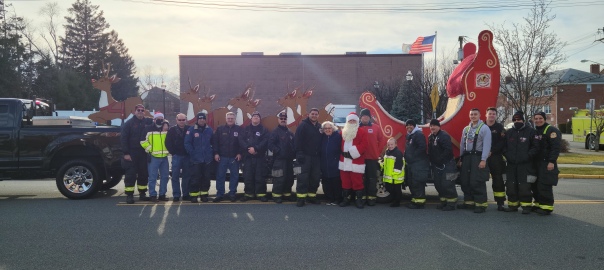
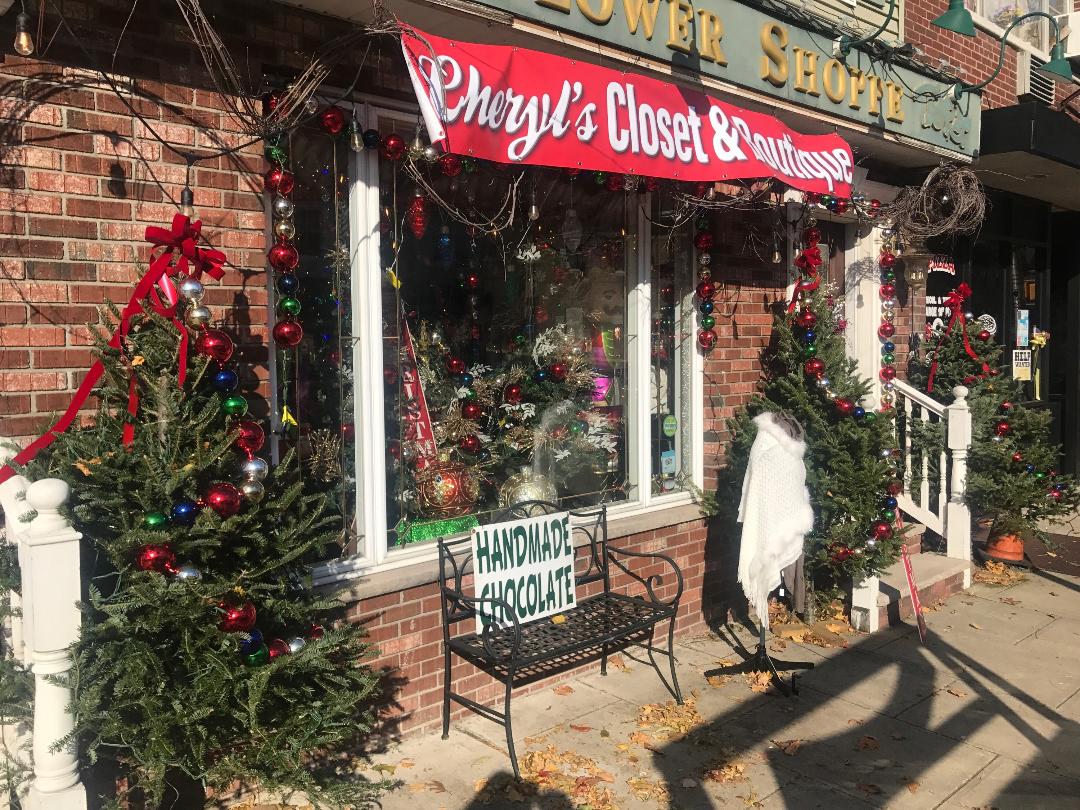
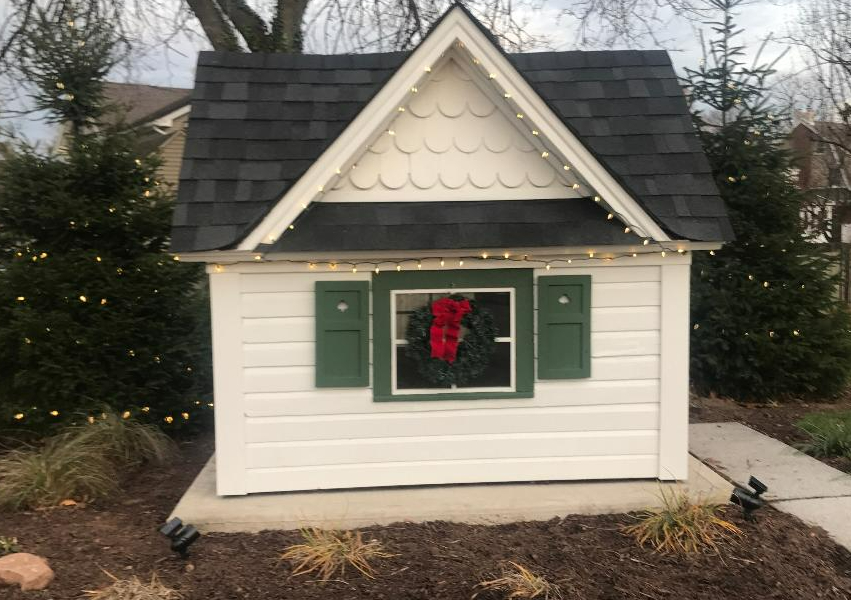

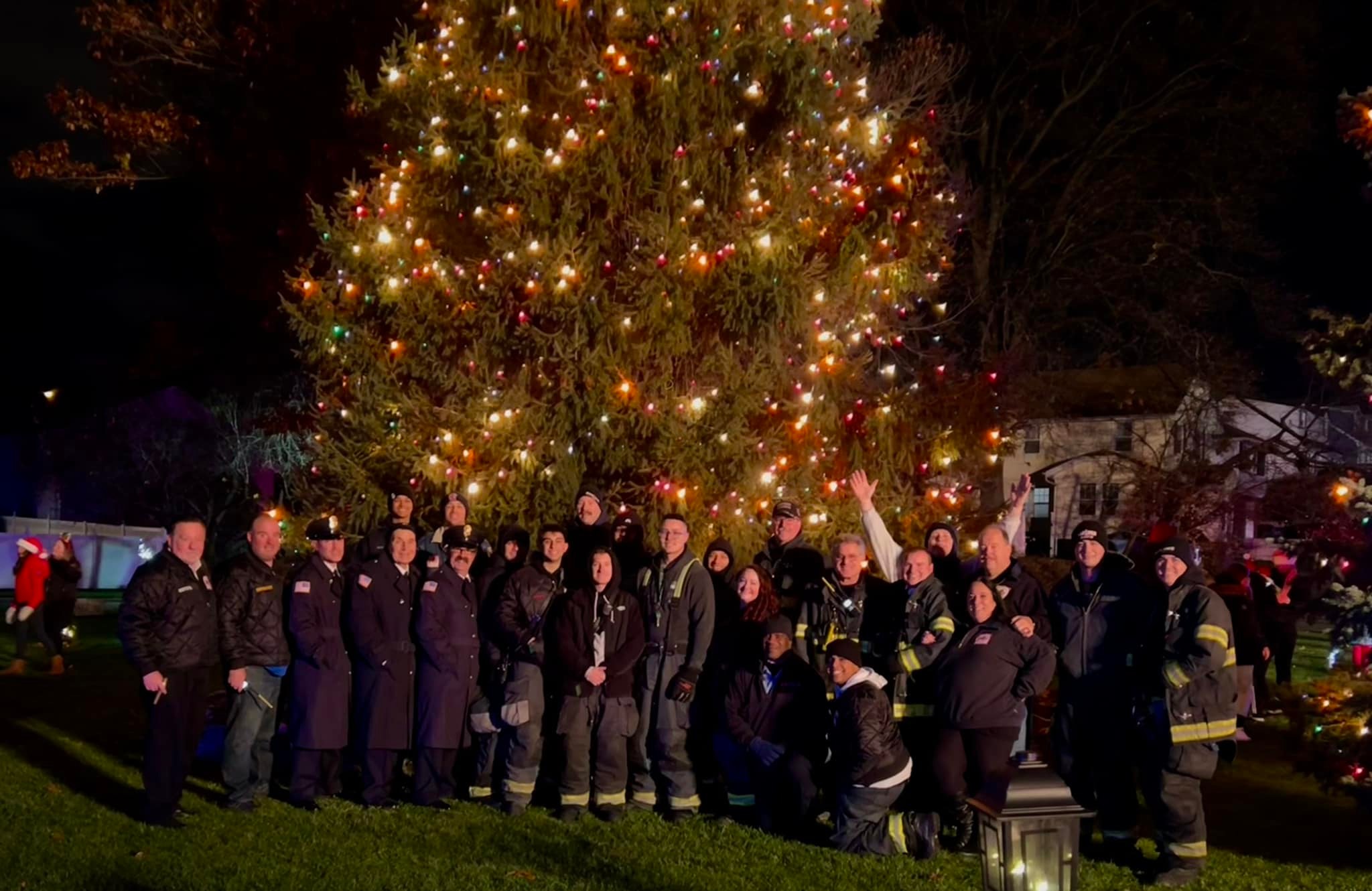

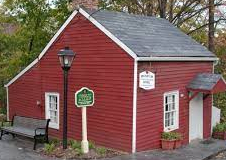
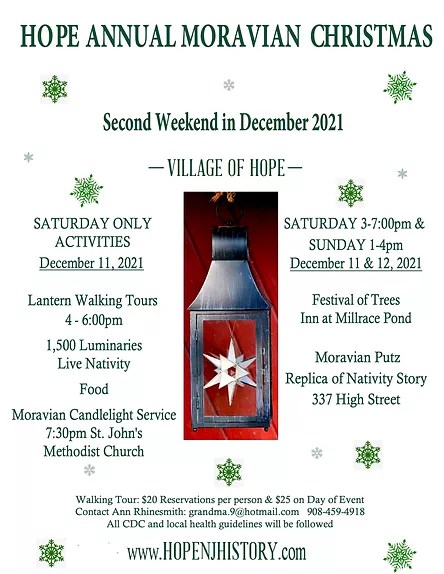


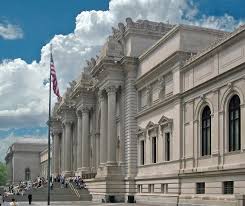

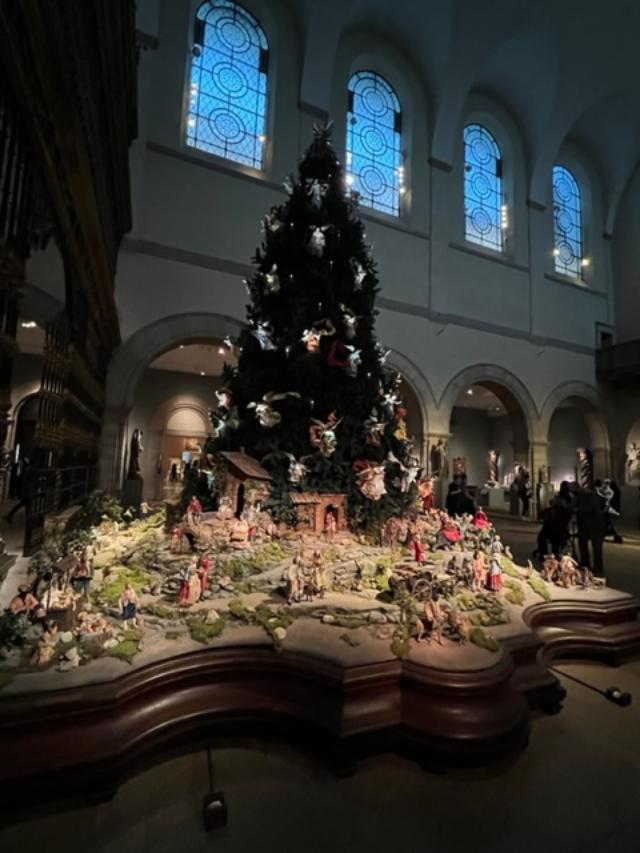
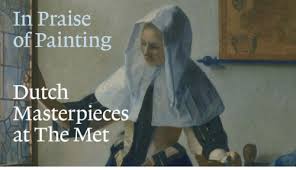


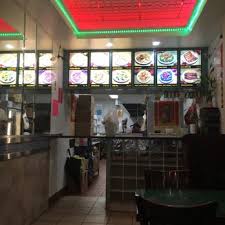


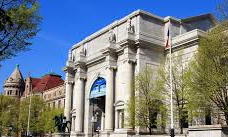


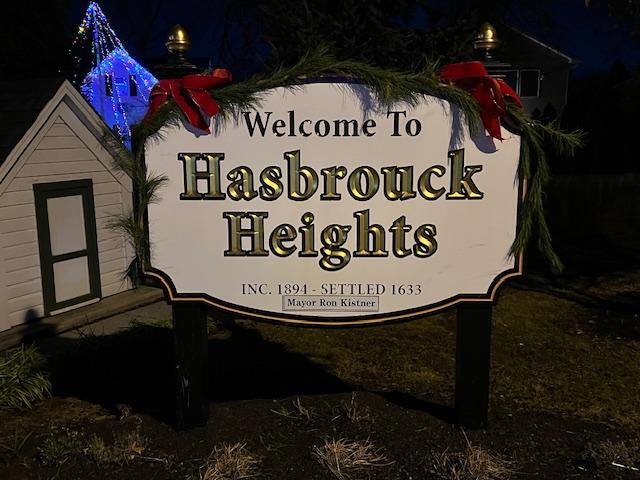
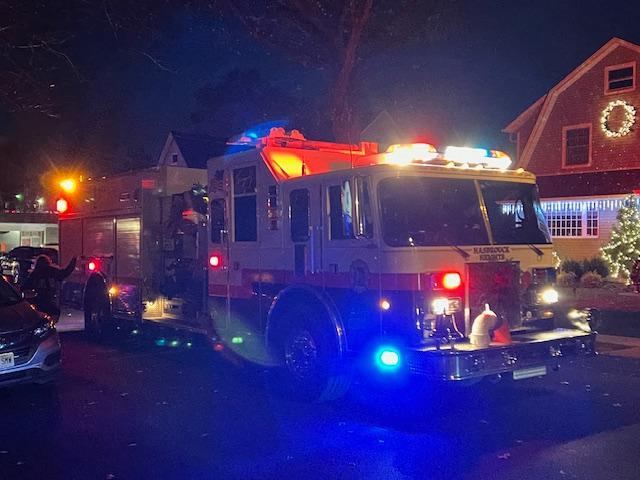


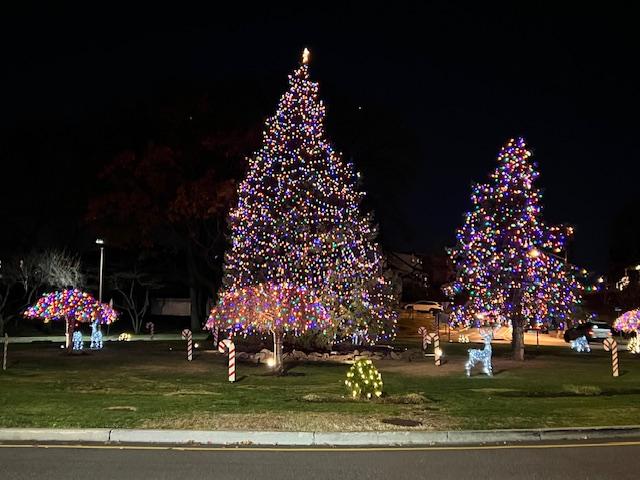

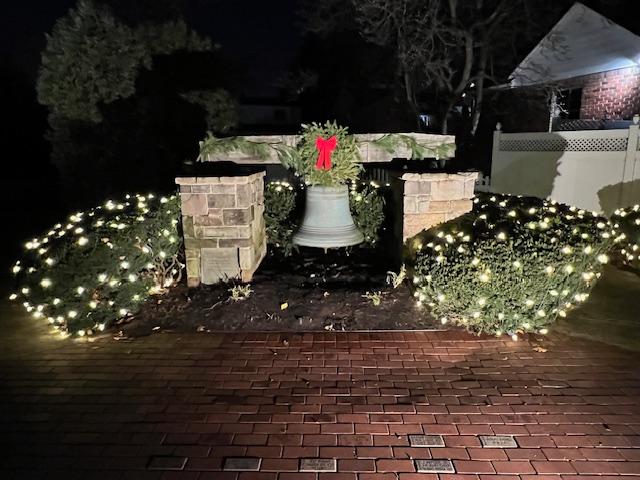


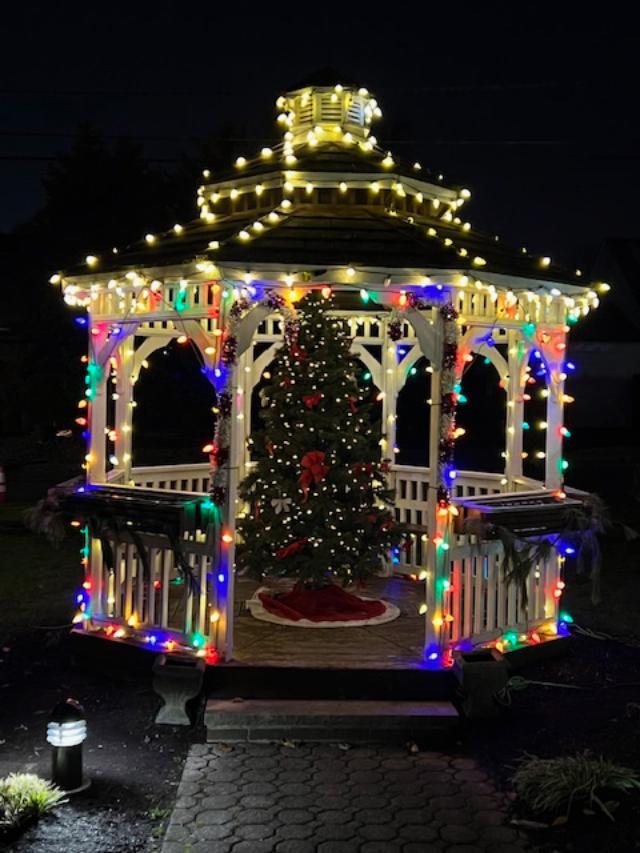


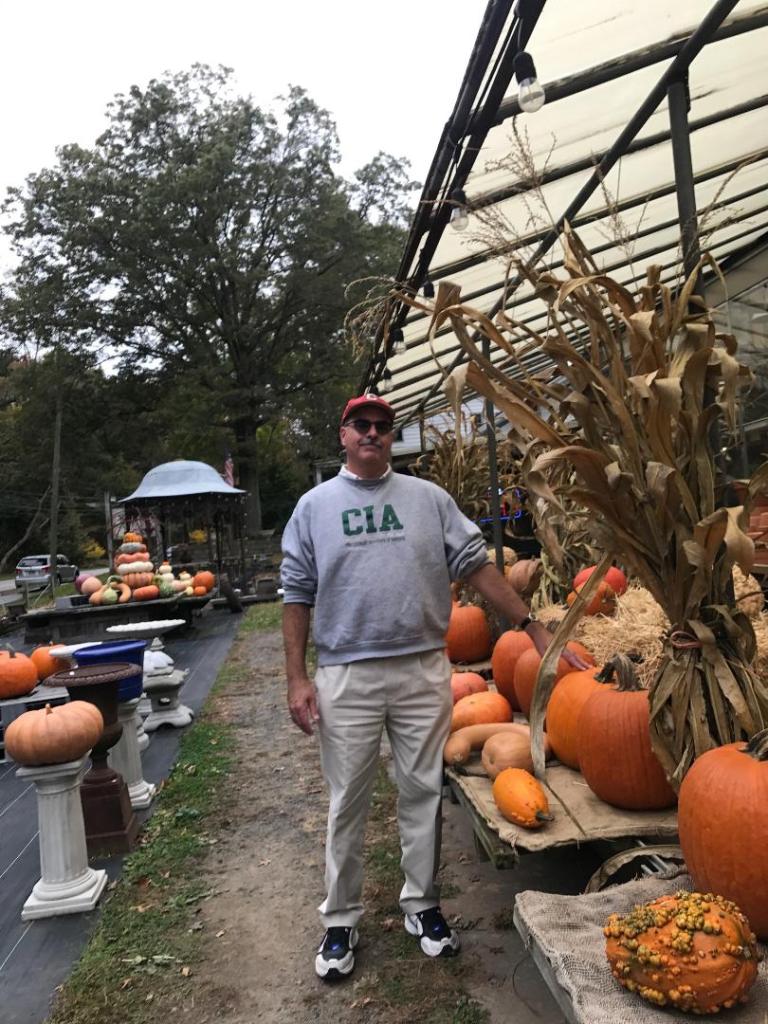


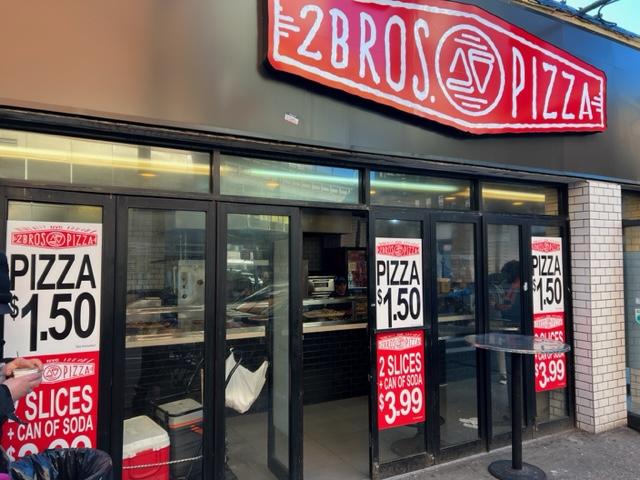


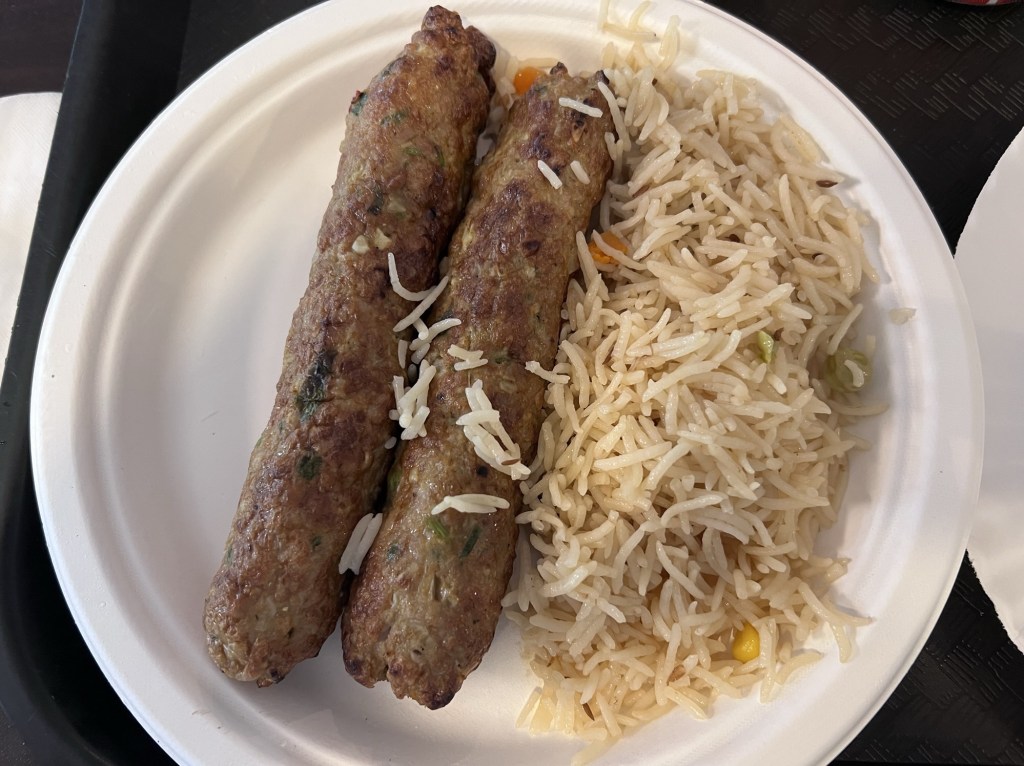
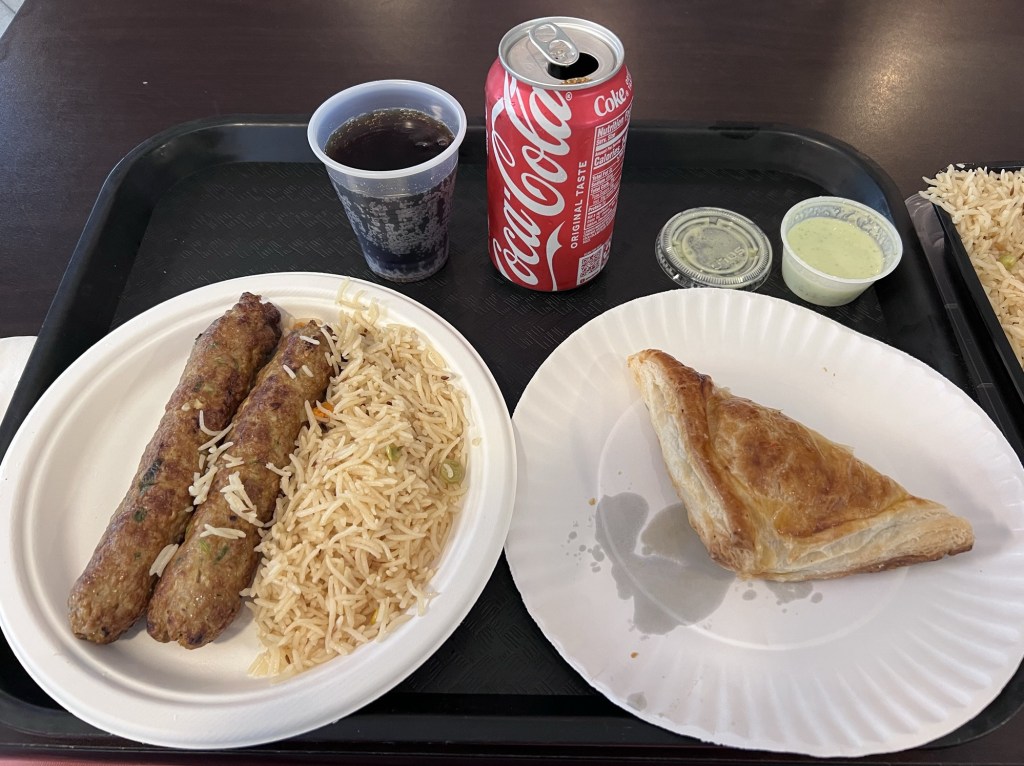


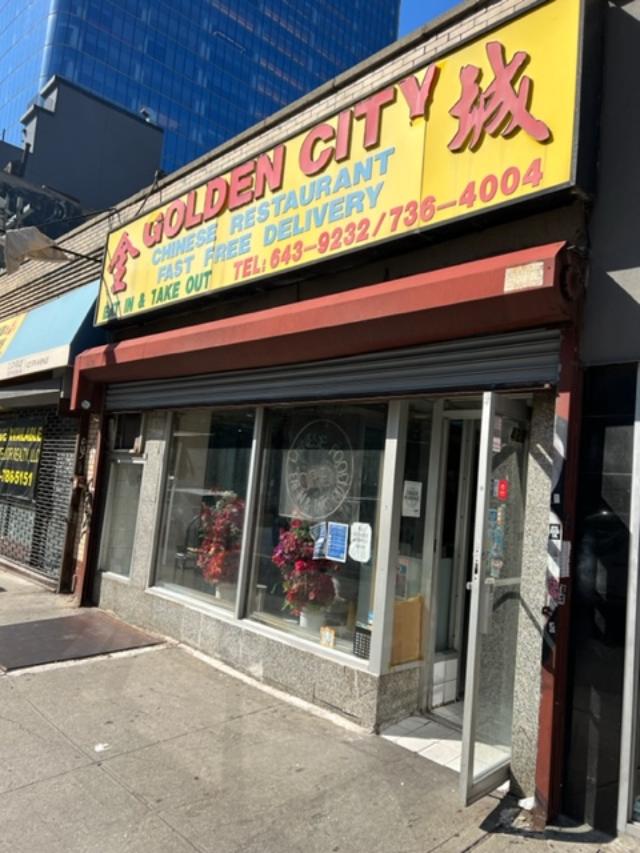
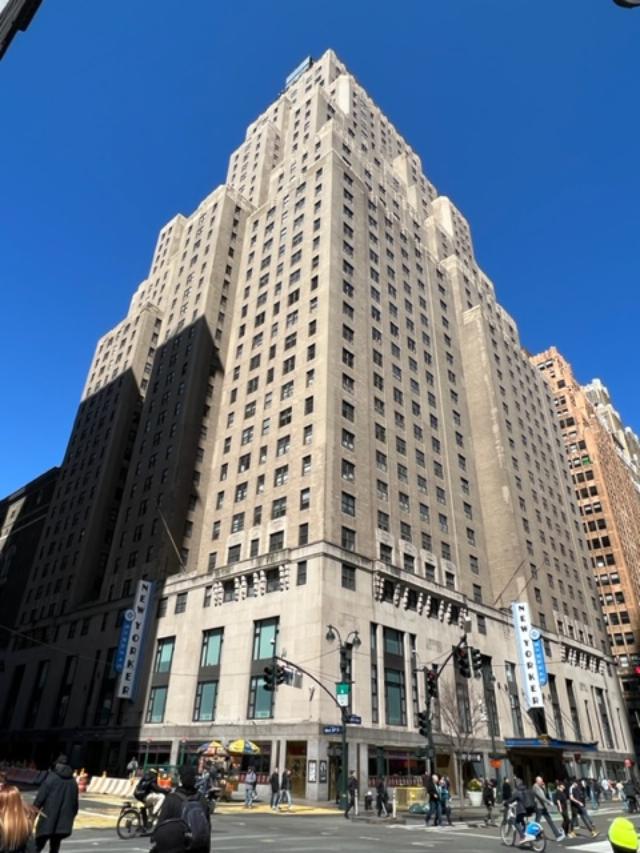

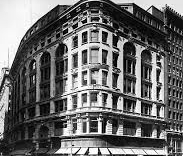
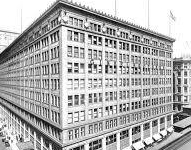

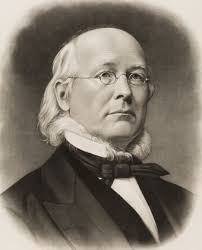


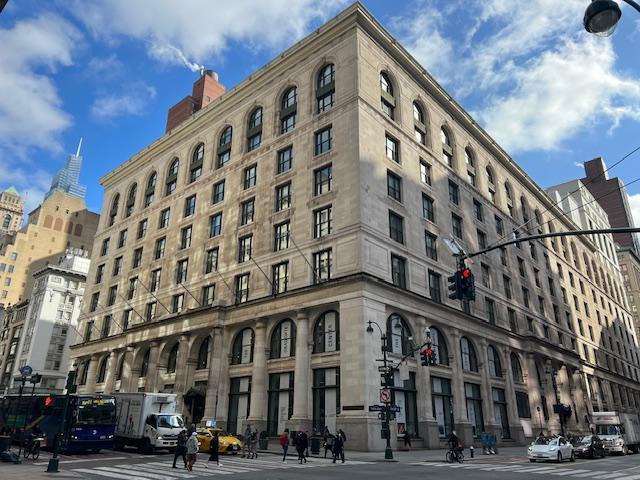


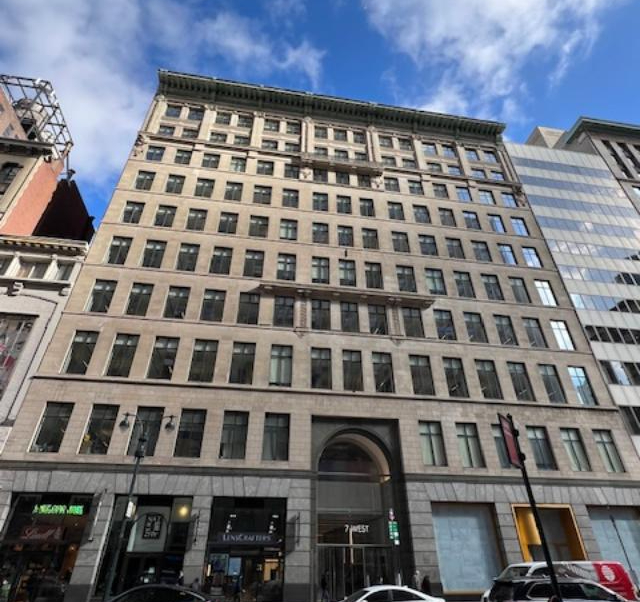
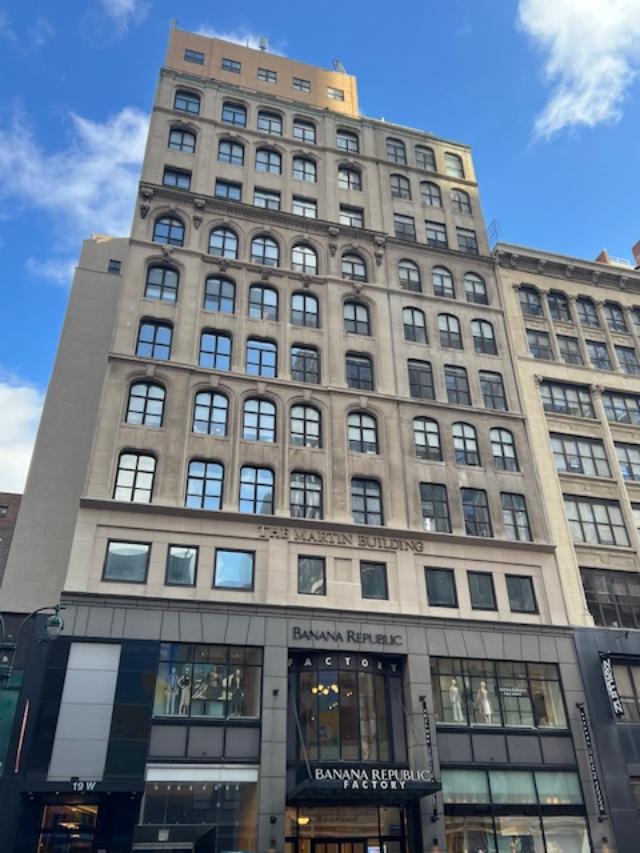
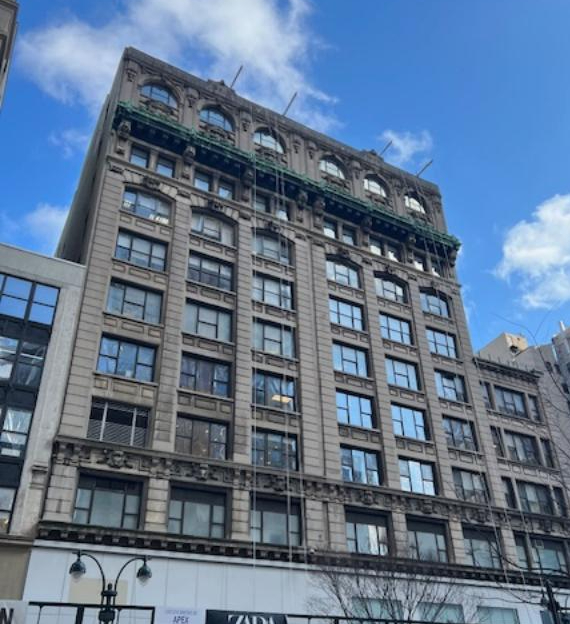
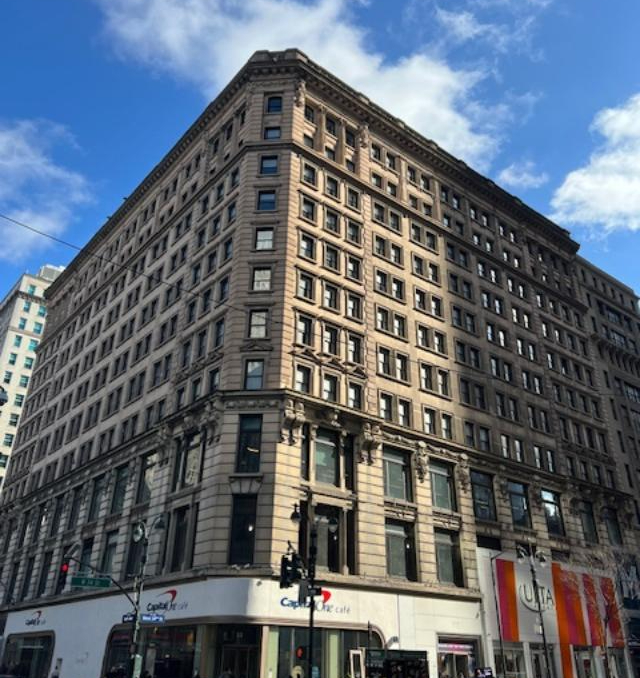
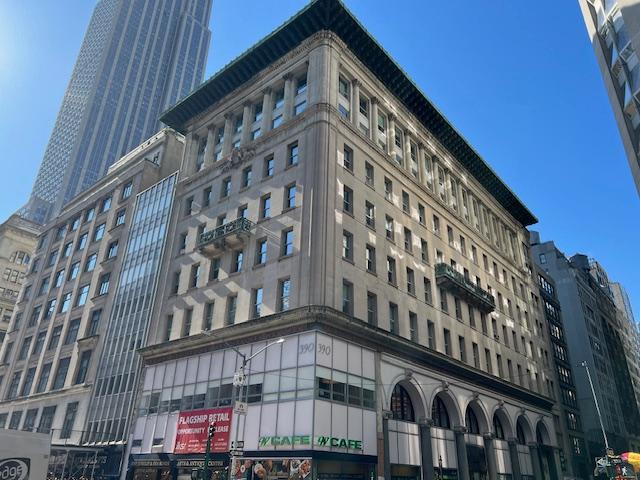


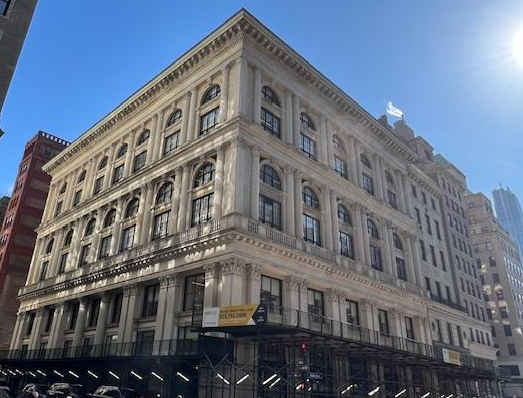


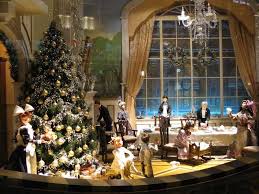


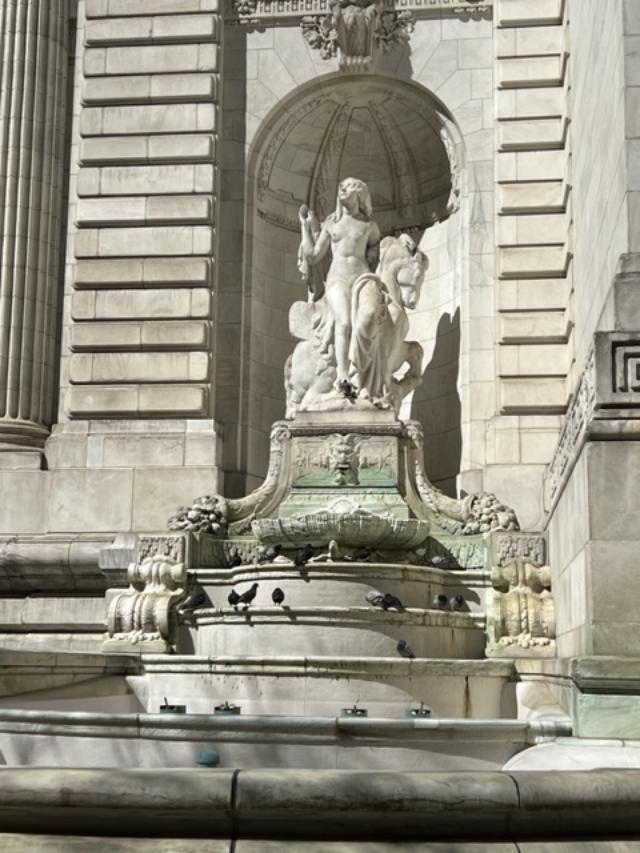


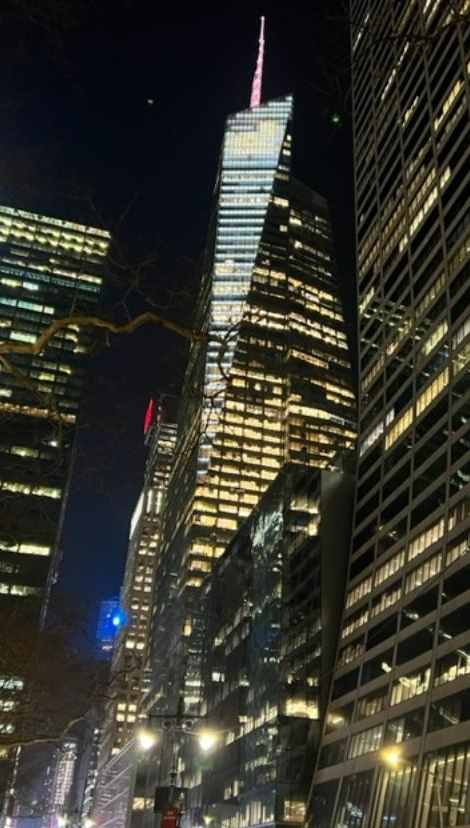


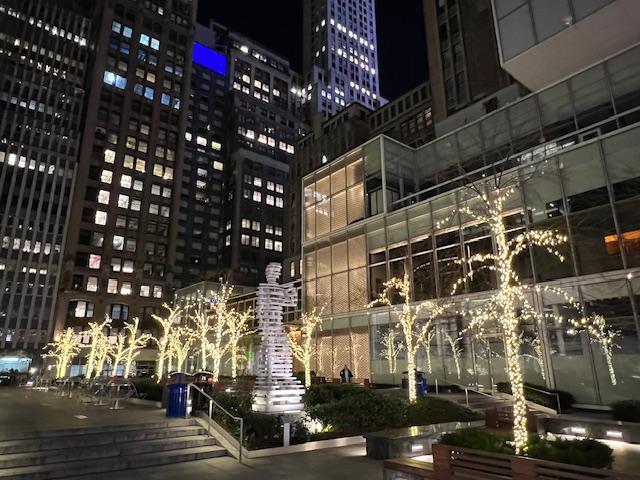

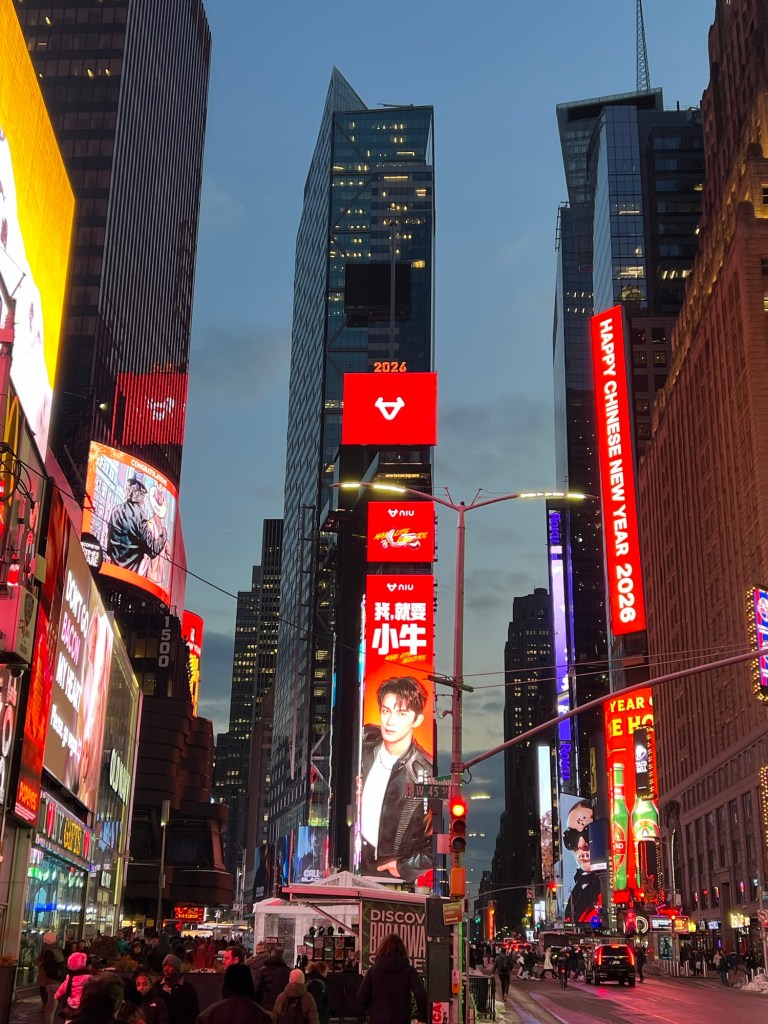
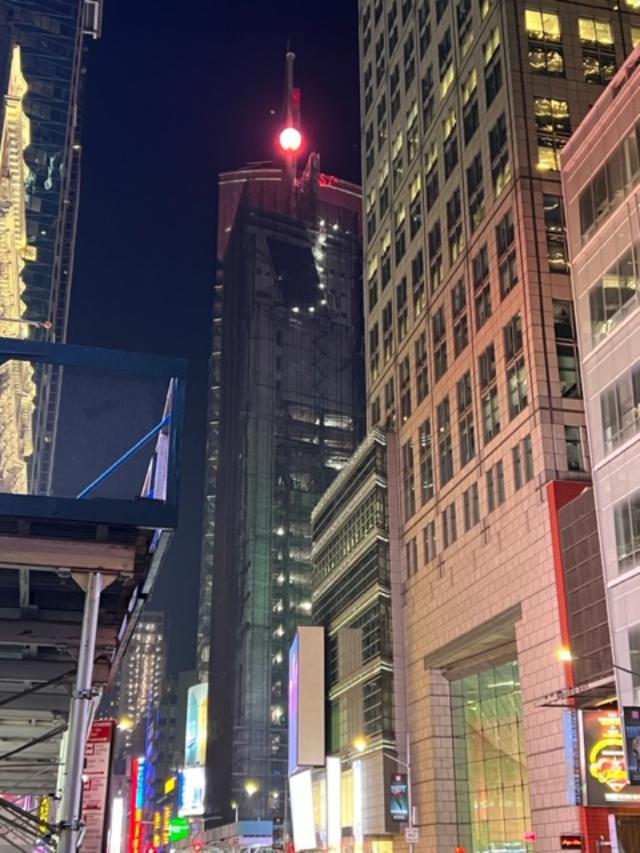


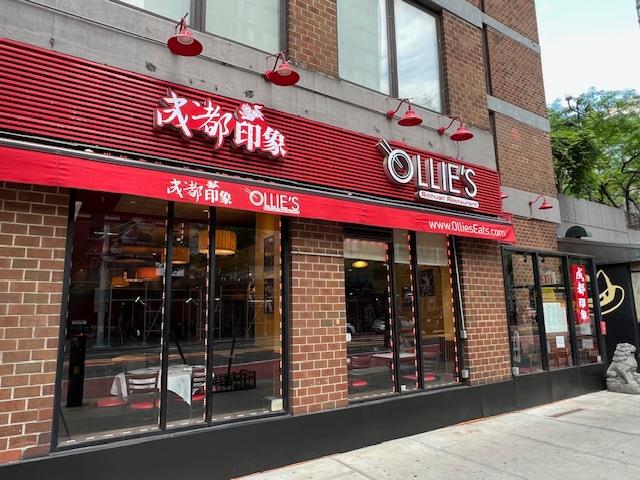
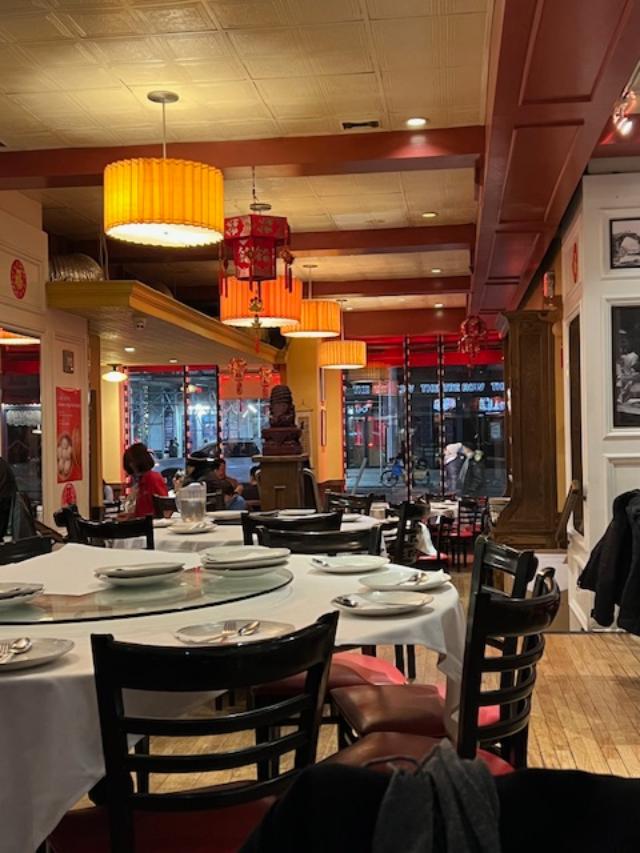

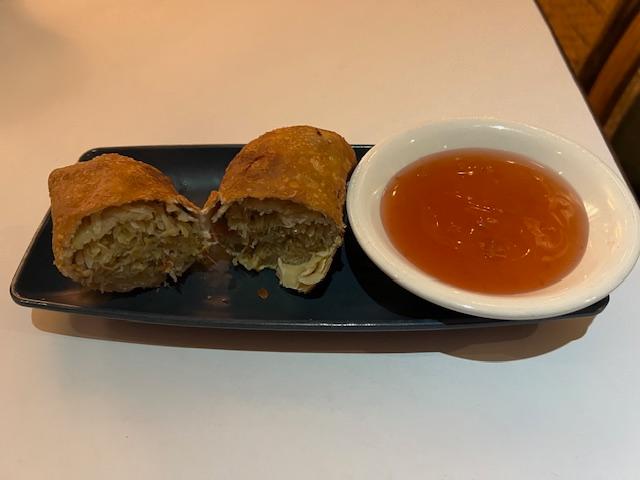
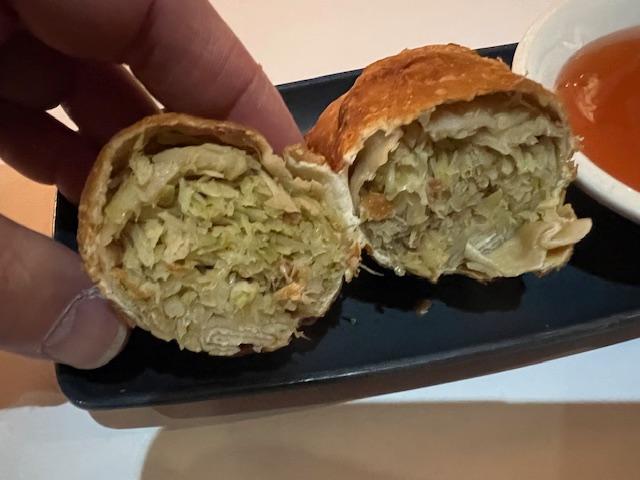
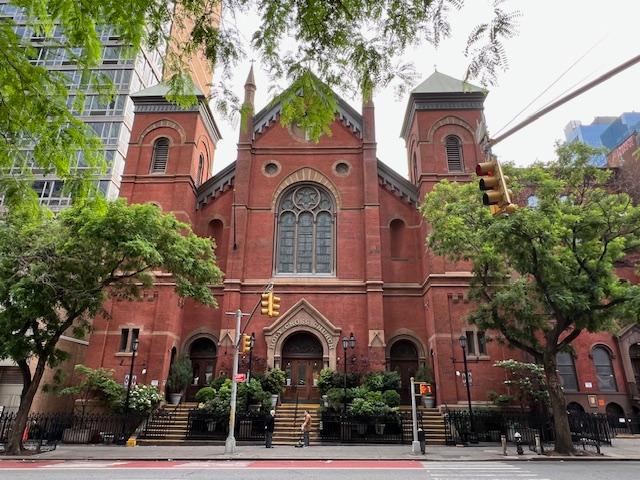
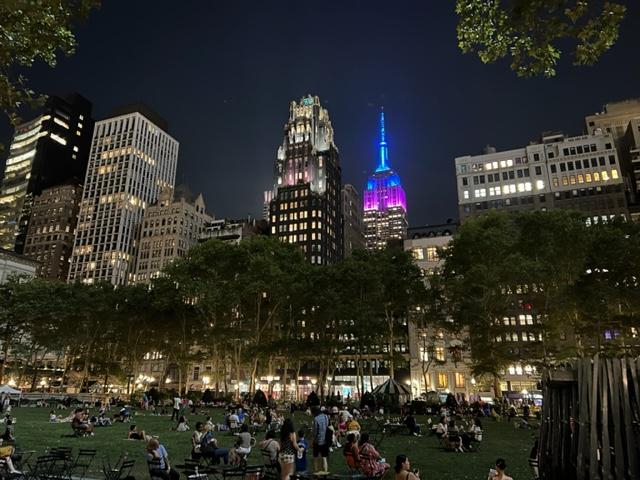

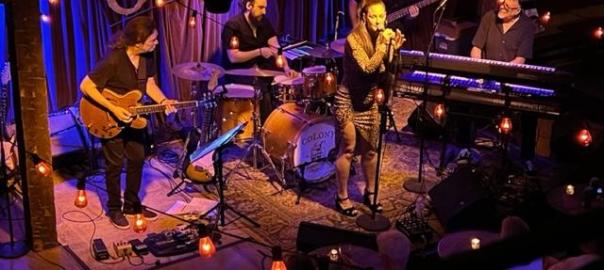


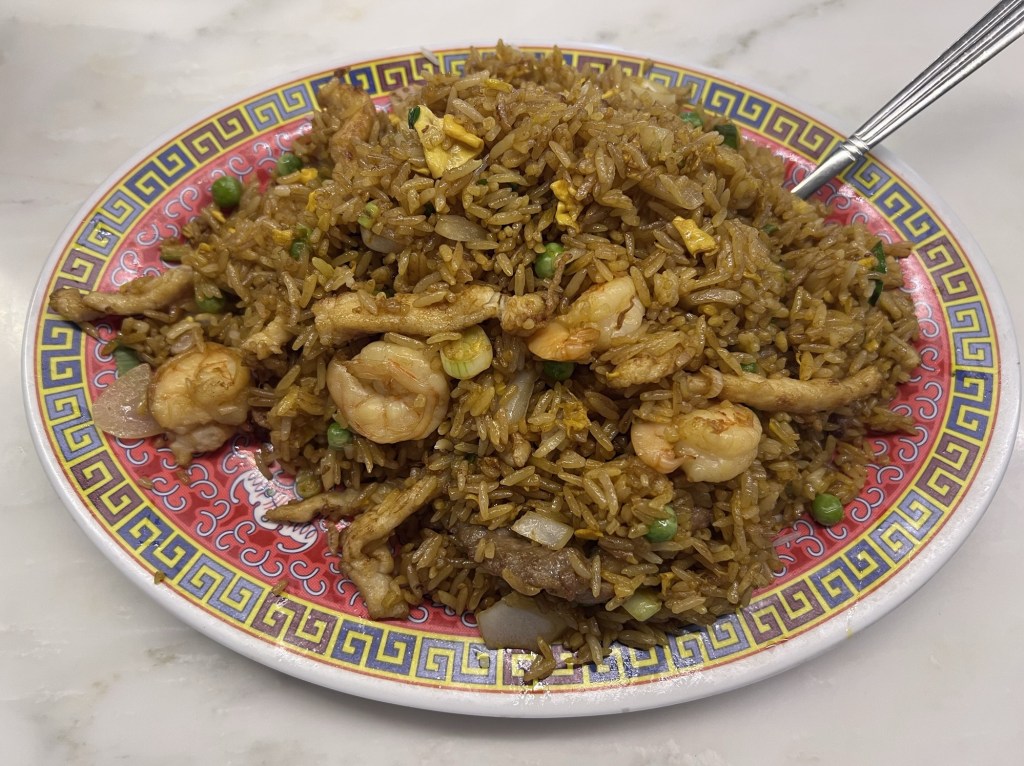

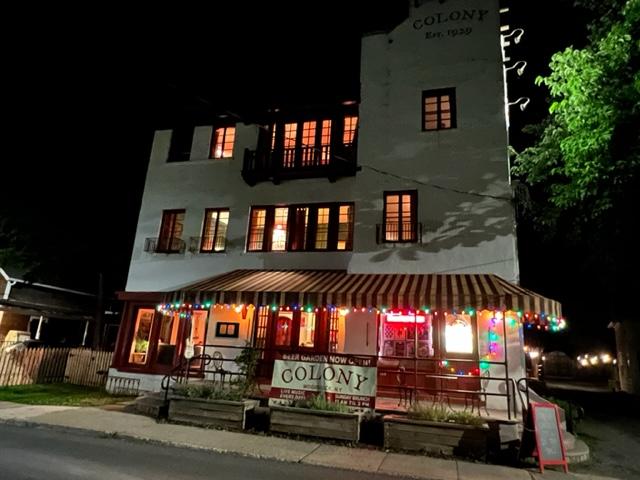

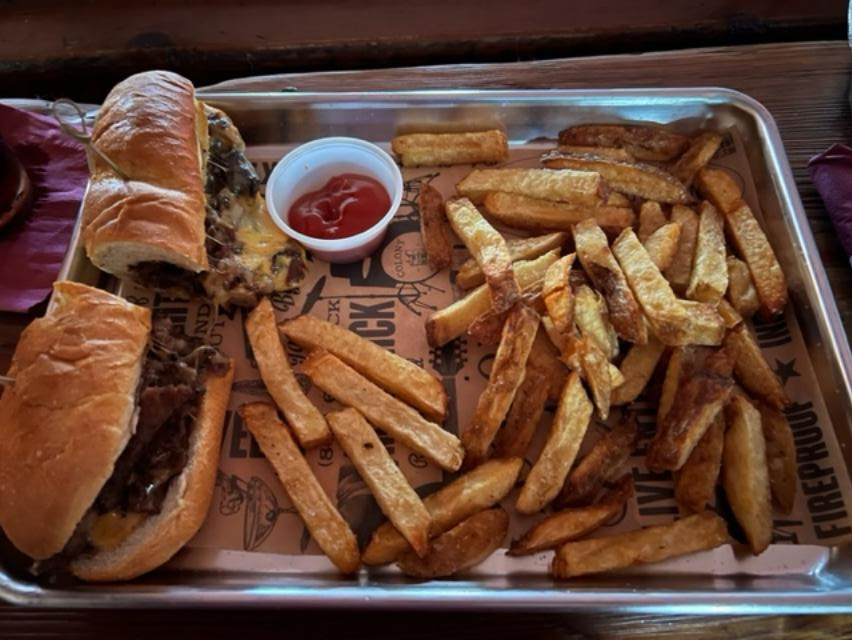


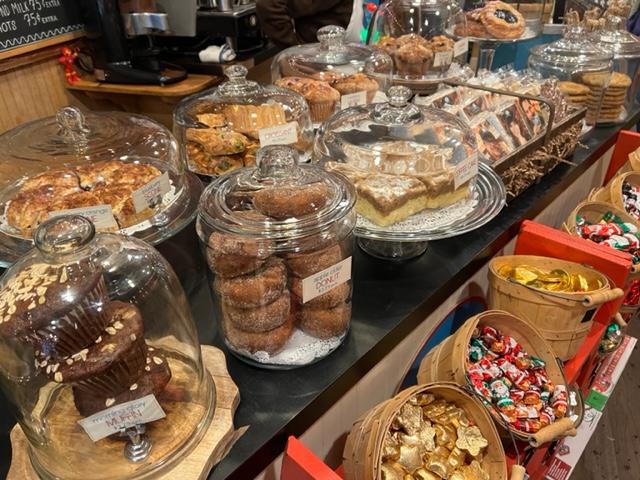

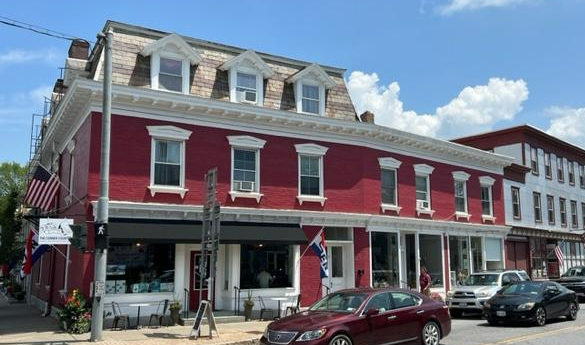


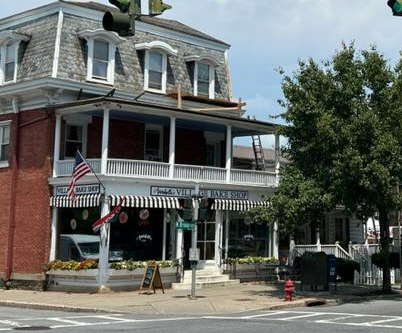
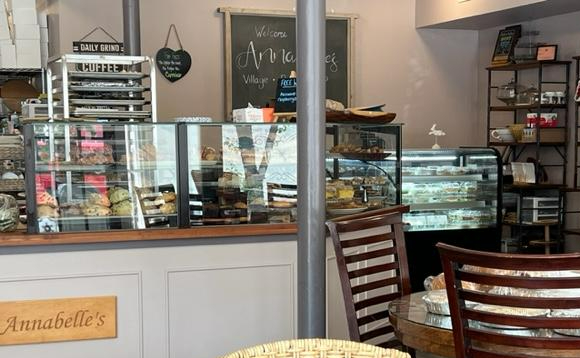
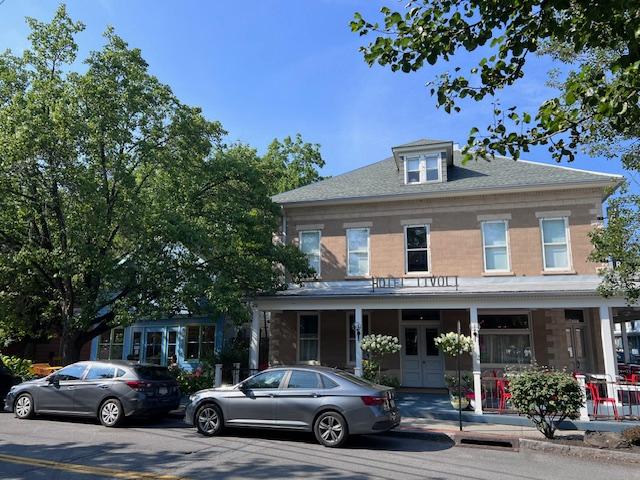

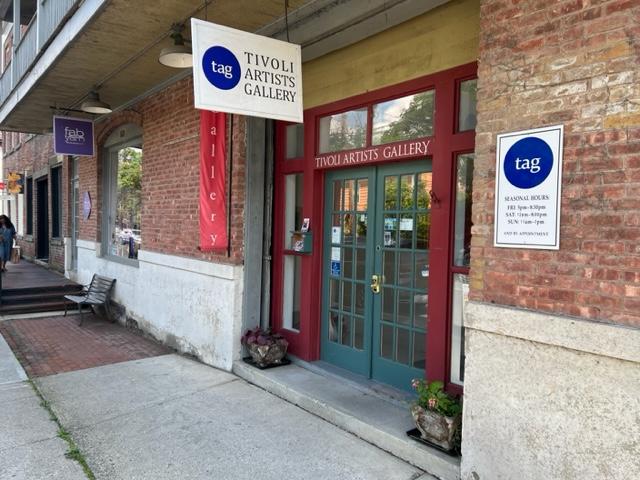

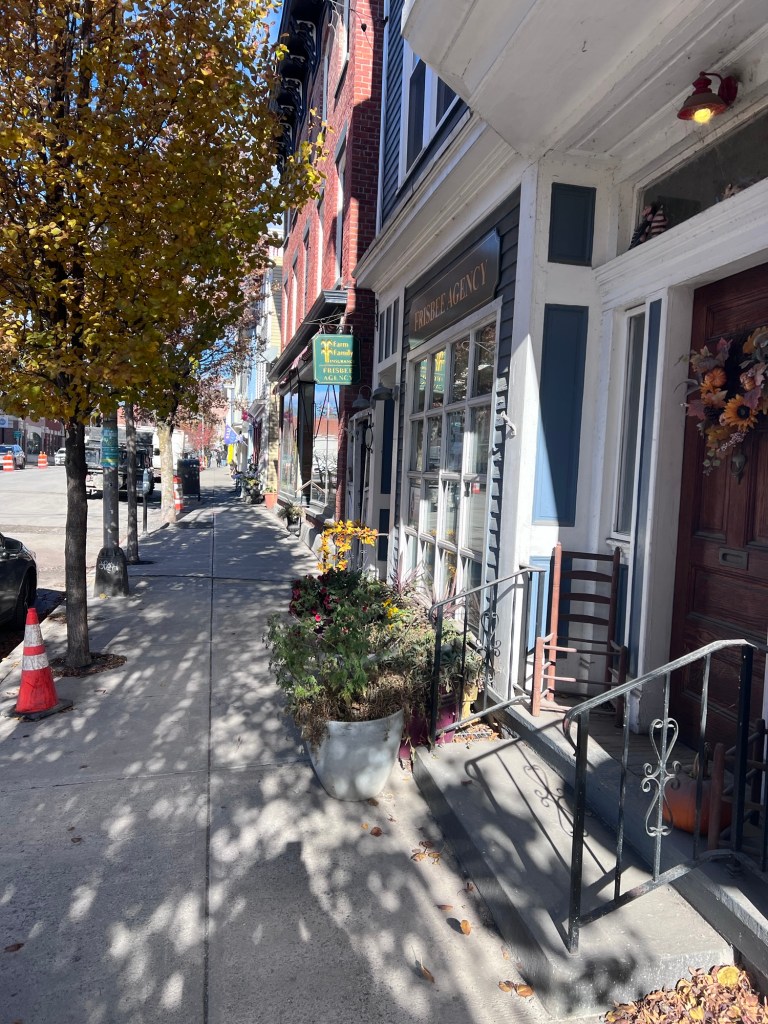

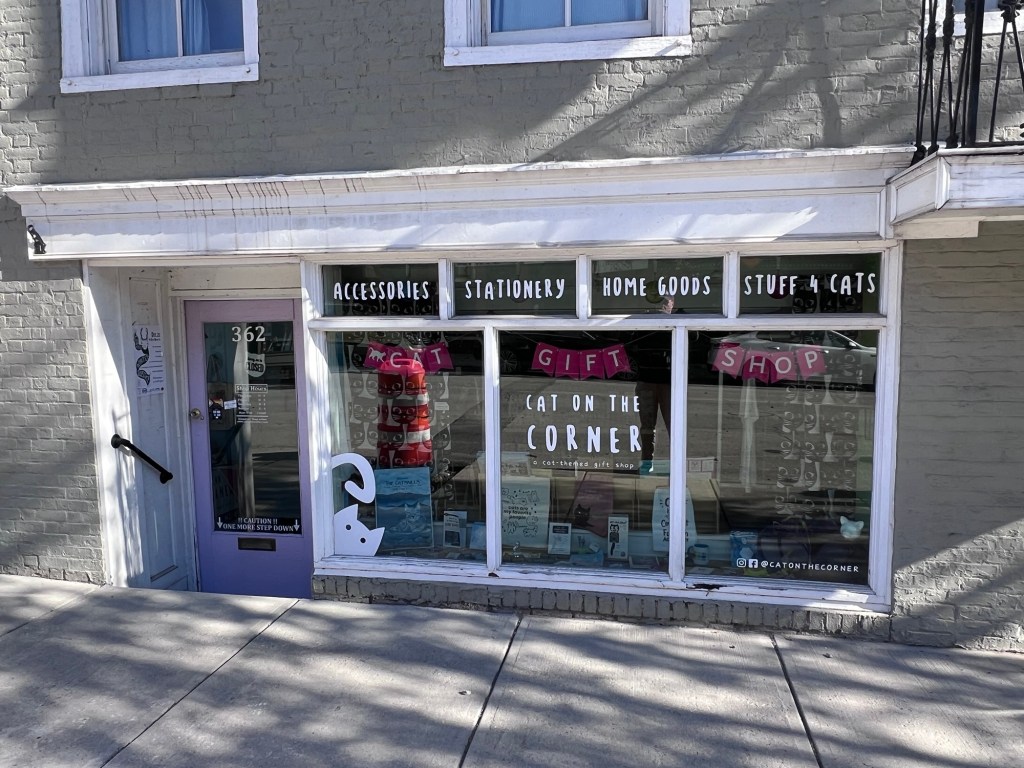
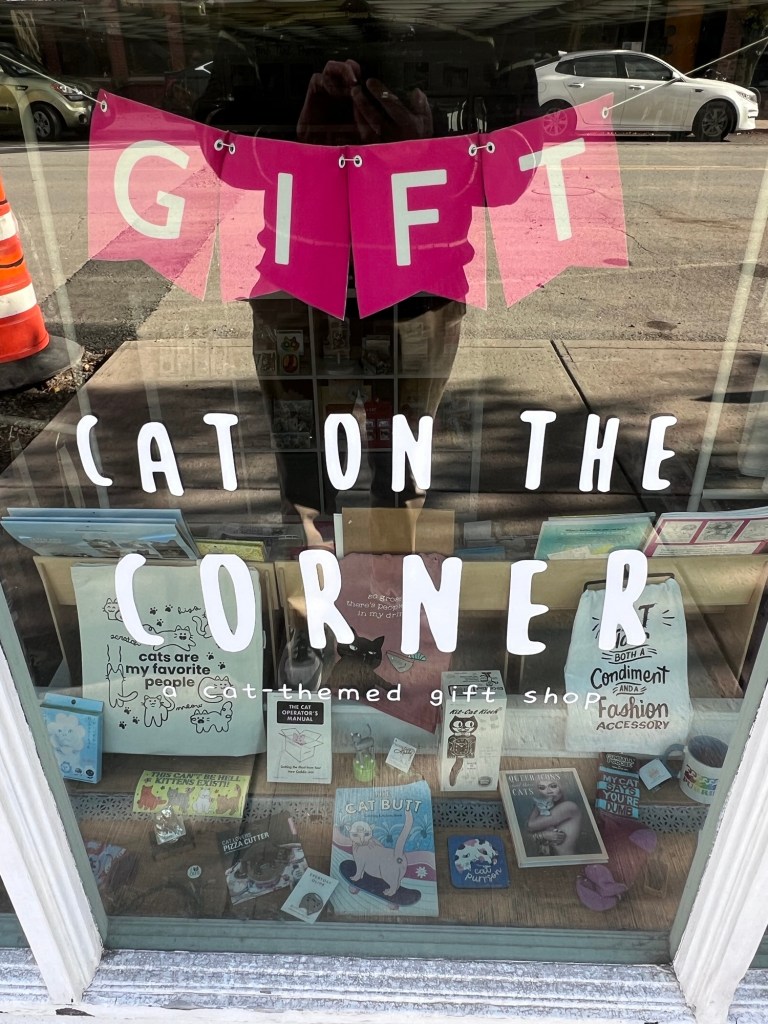


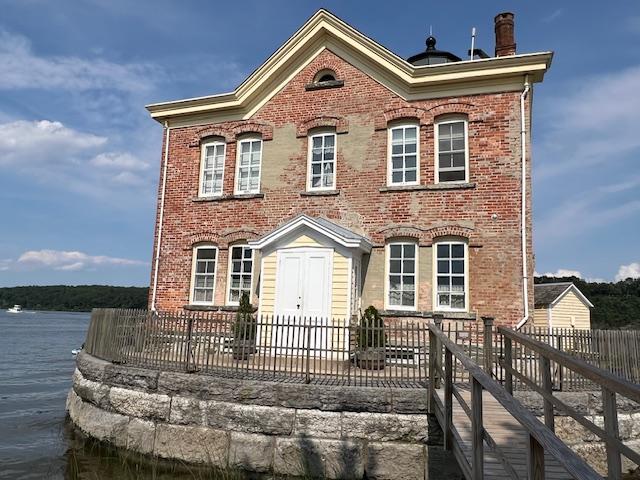

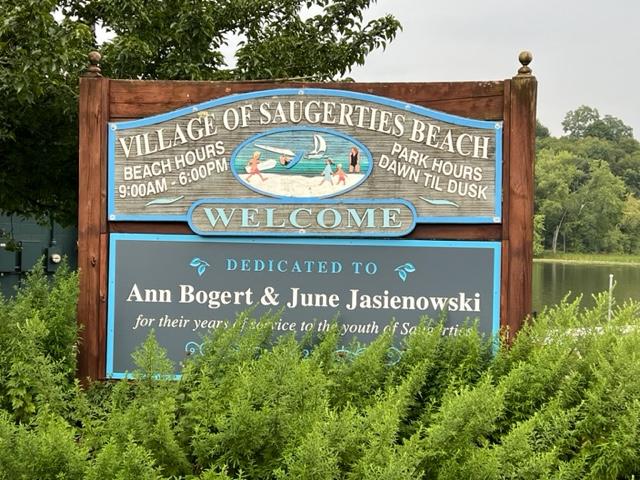


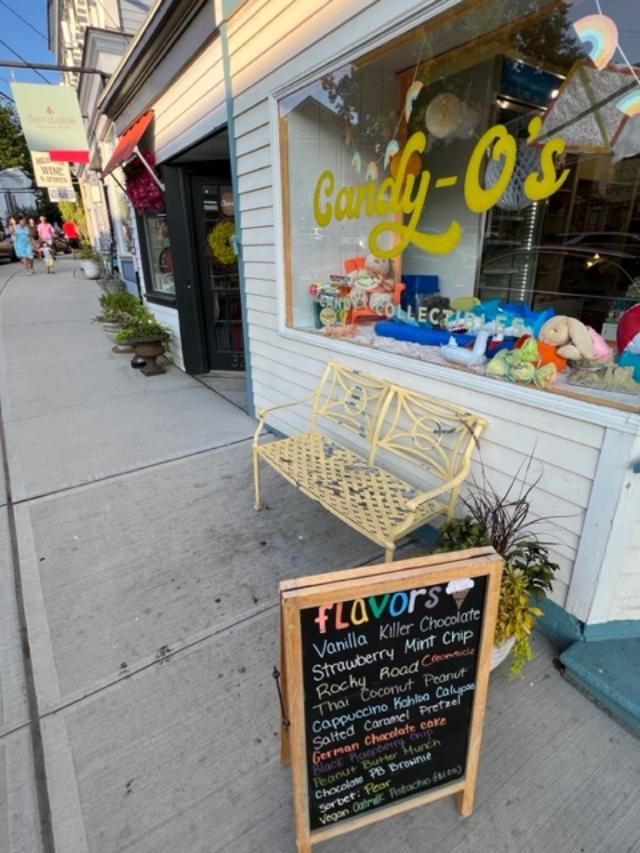


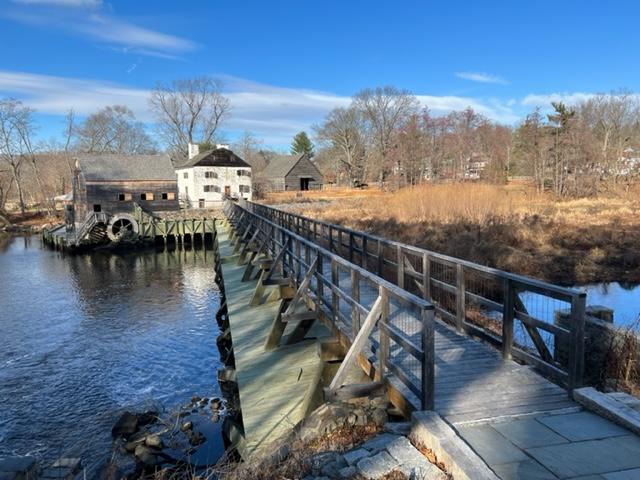

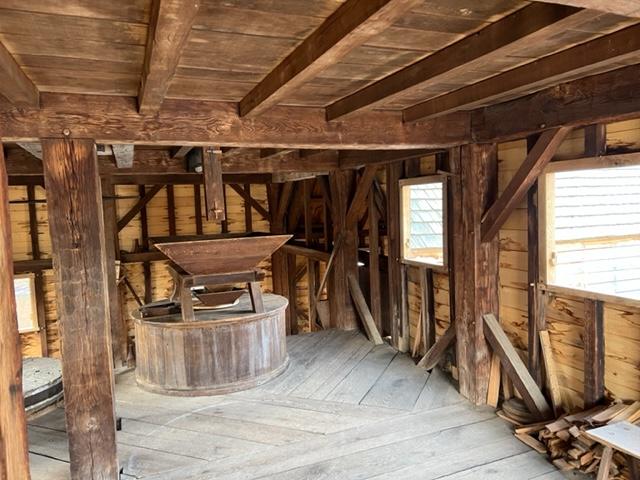


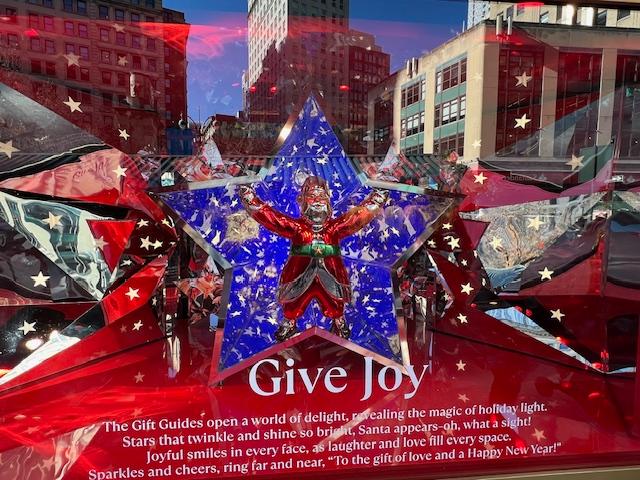
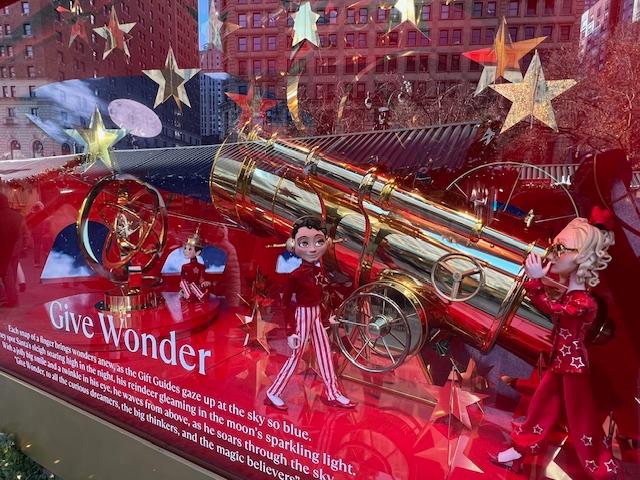

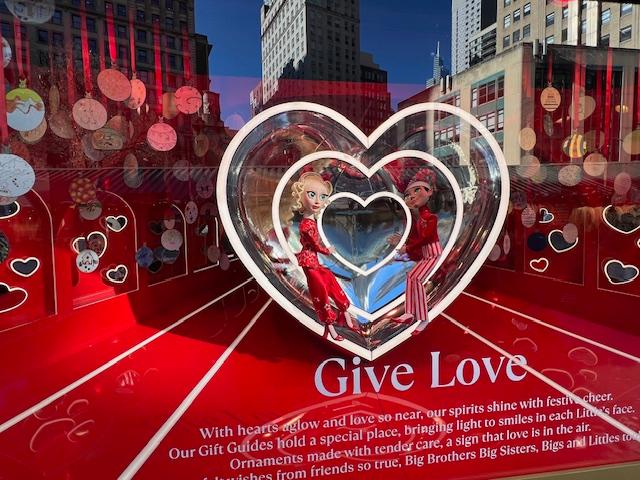
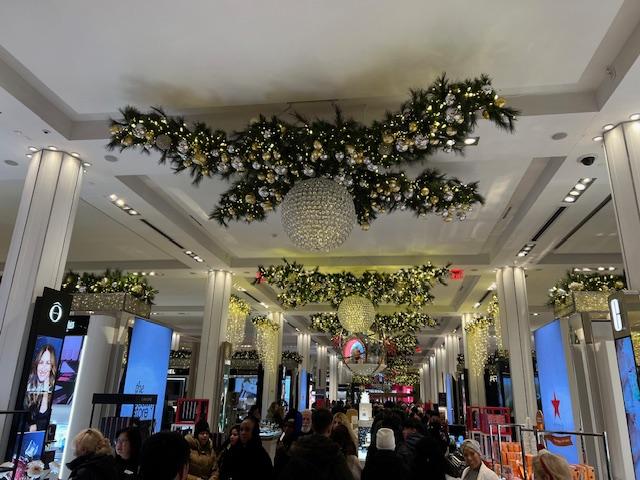

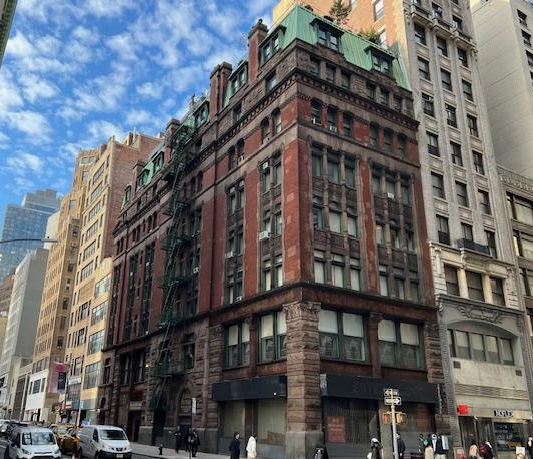


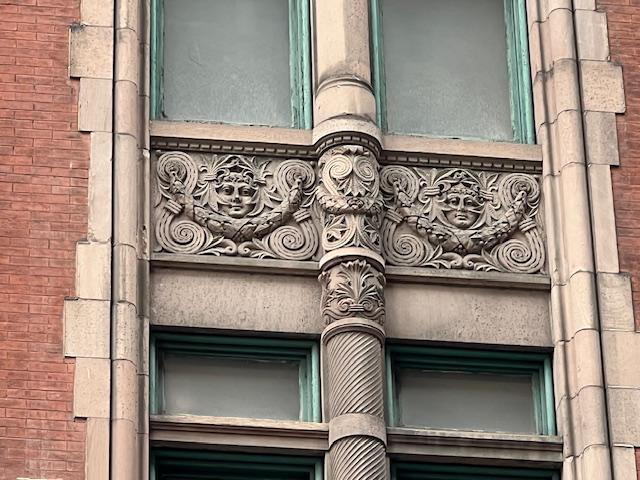

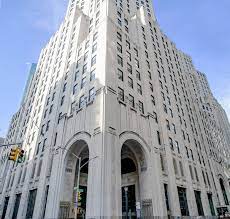
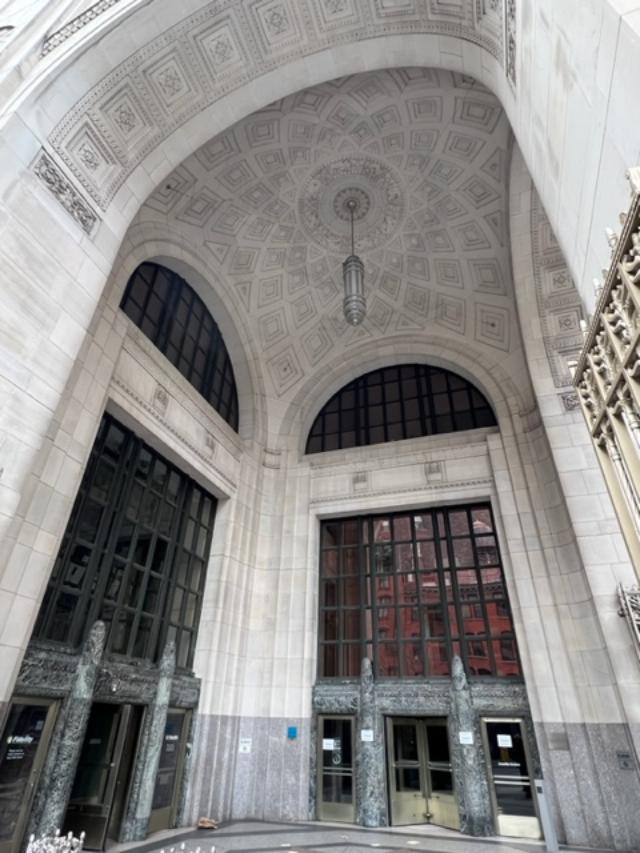

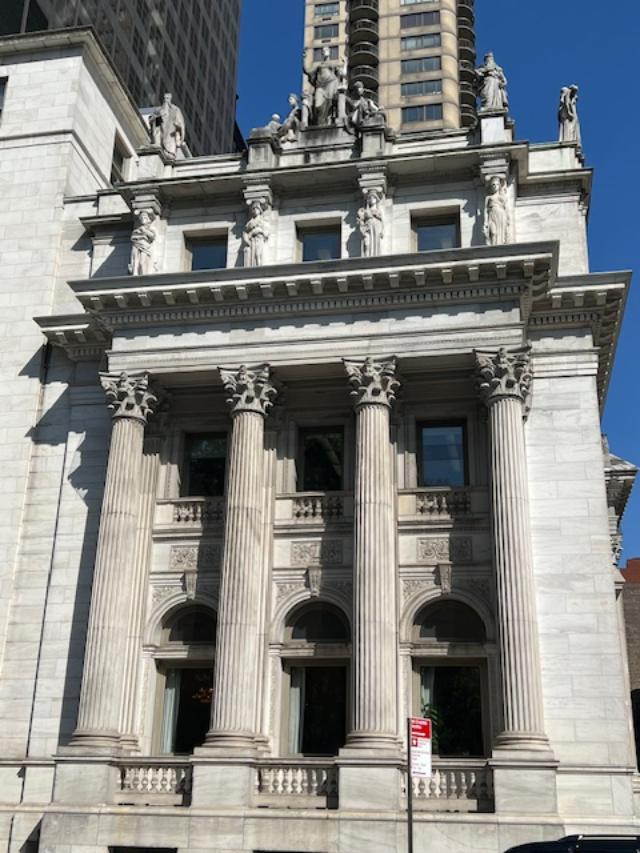
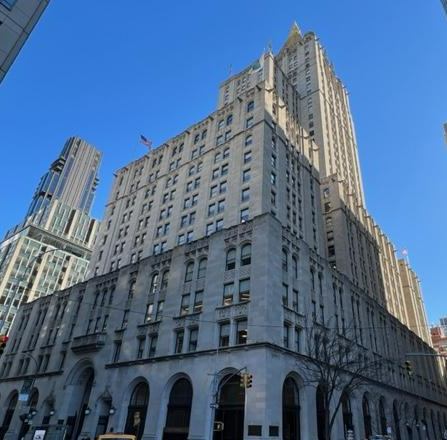
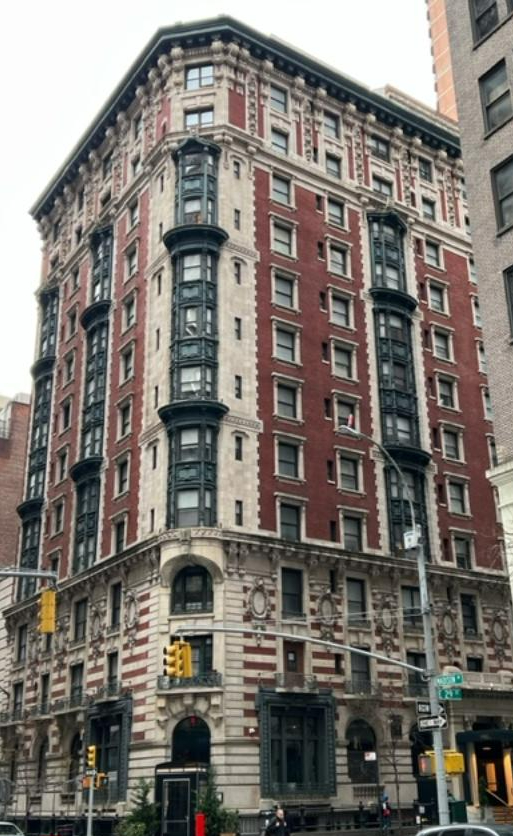
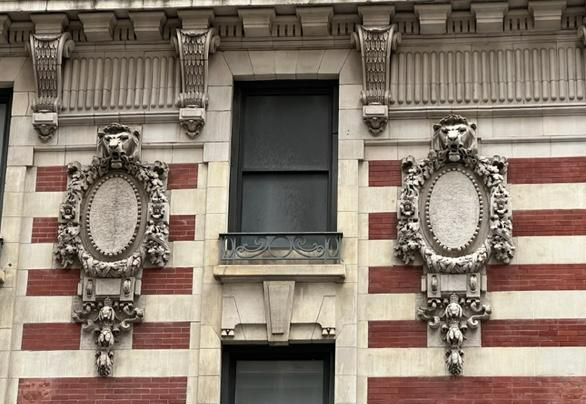
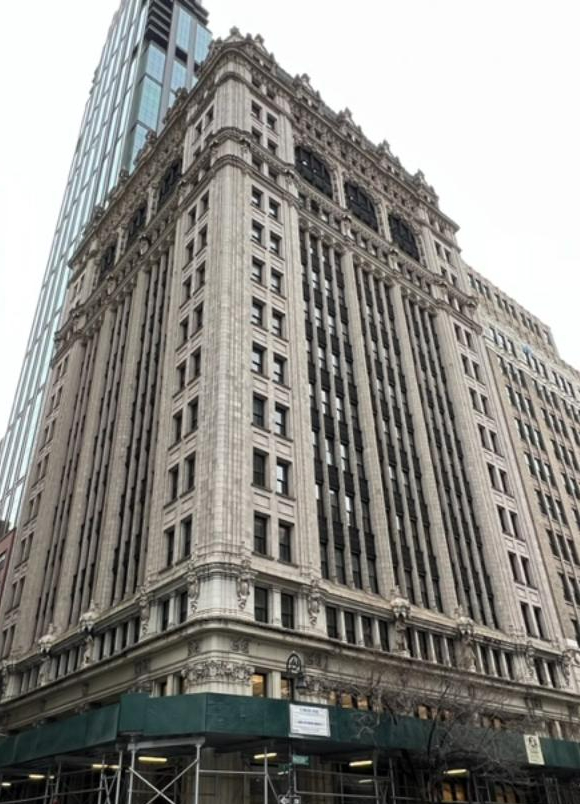
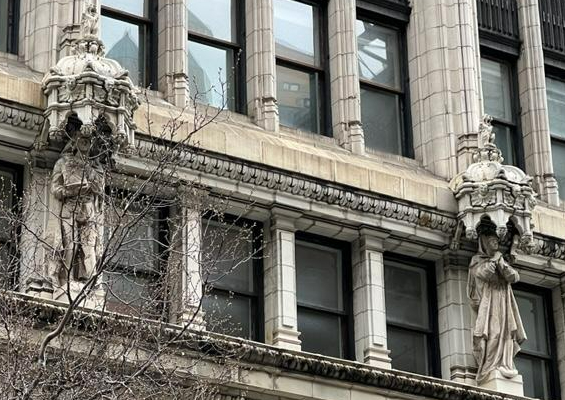


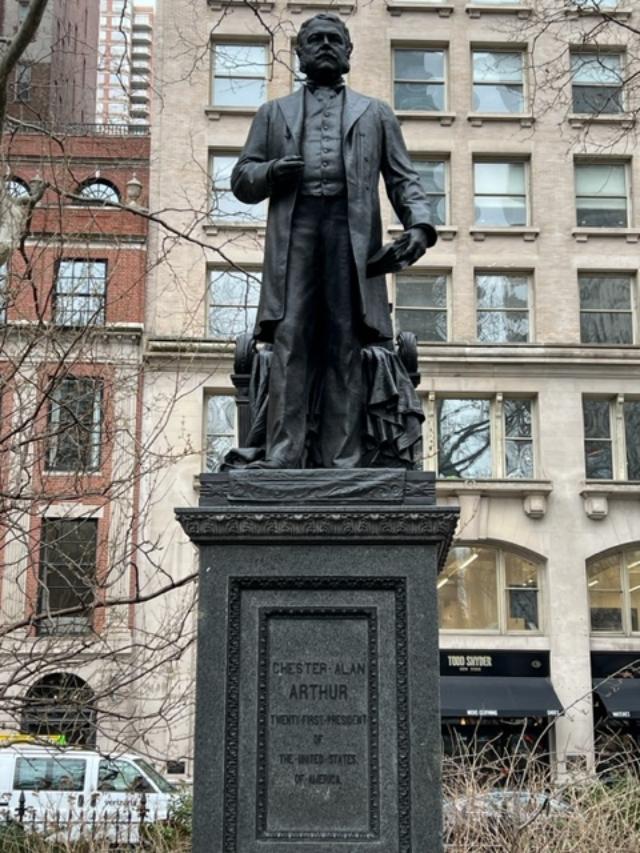

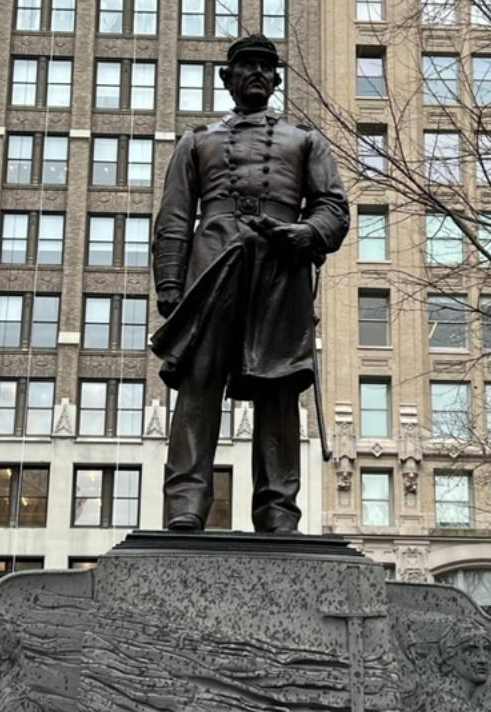

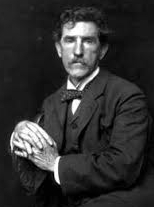


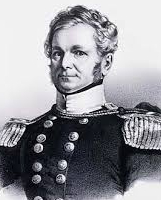

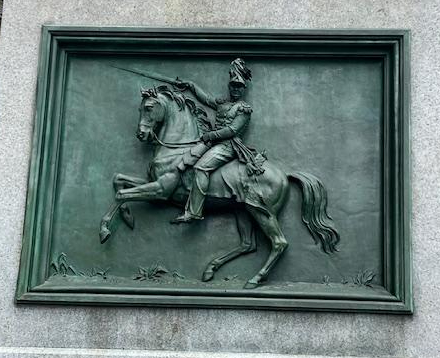

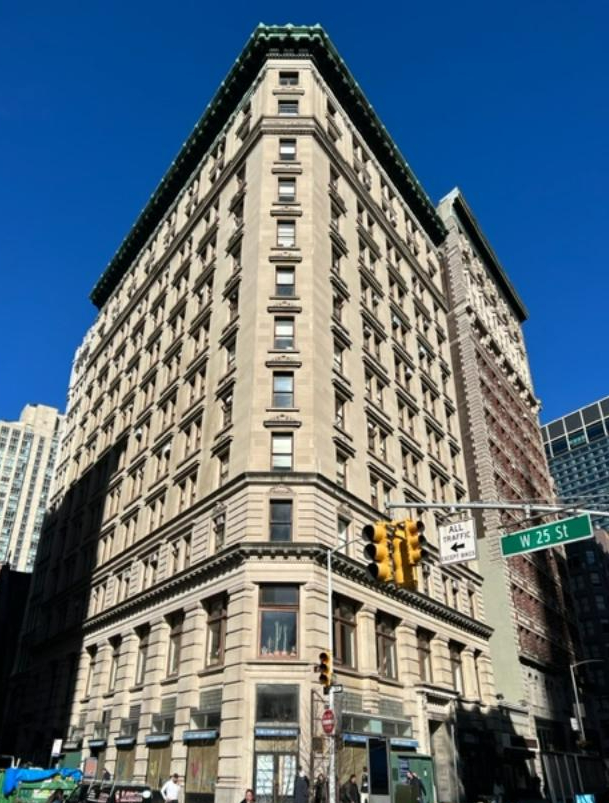
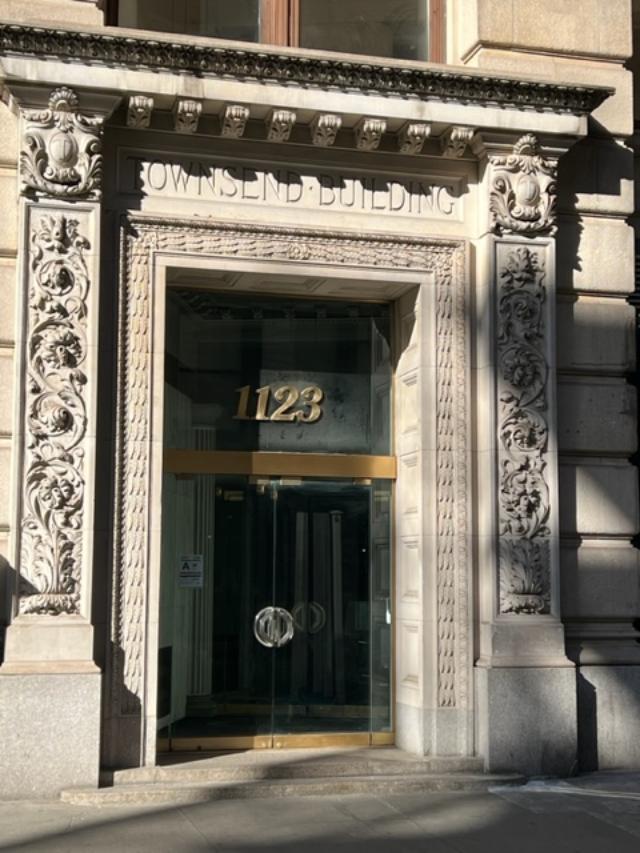
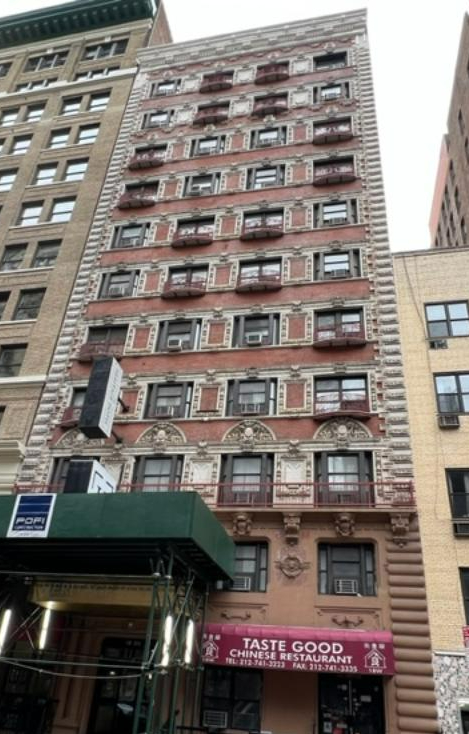

 mywalkinmanhattan