Tag Archives: Small museums of New York State

Gallery of New York School of Interior Design: NYSID Gallery 170 East 70th Street New York, NY 10021

Gallery of the New York School of Design; NYSID Gallery

170 East 70th Street

New York, NY 10021

(212) 472-1500

https://www.nysid.edu/exhibitions

https://www.nysid.edu/

Hours: Tuesday-Saturday: 11:00am-6:00pm/Closed on Sunday and Monday

Admission: Free

My review on TripAdvisor:
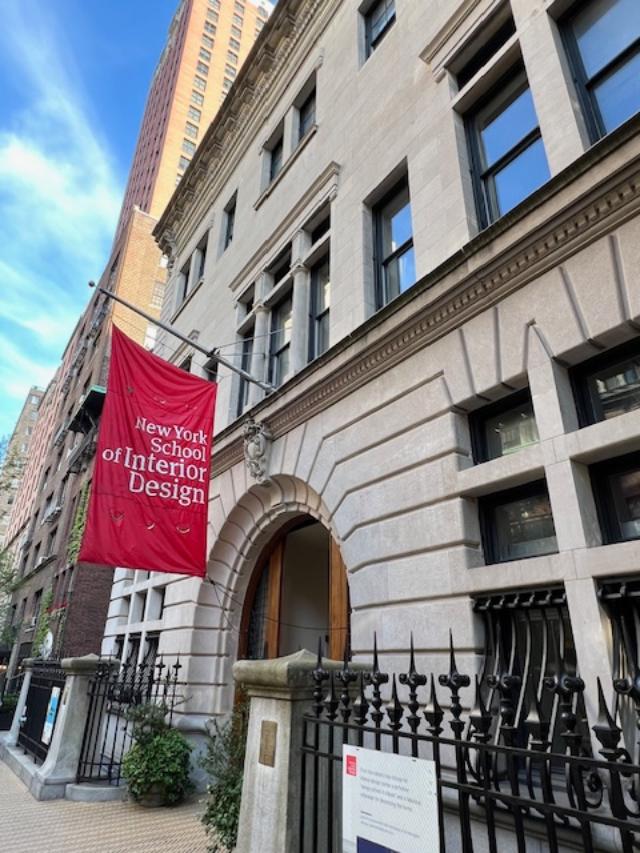
 New York School of Interior Design at 170 East 70th Street

I came across the Gallery of the New York School of design when walking the Upper East Side for my project, ‘MywalkinManhattan.com’ when covering the lower part of the Upper East Side.
The entrance to the Gallery

The New York School of Interior Design was displaying their Senior projects as most the college galleries I visited were doing at this time (this takes place between May and June around graduation time). It was interesting to see how the seniors at the college reused space in old buildings for new purposes. The seniors use their creativity to recreate these spaces. It is the student’s project to take a space and redesign it for a new purpose.
The entrance sign to the gallery

We had done similar projects in college but did not have the computer technology that students do today and they really went above and beyond the things we did back then. You can take this project into 3-D if you want and how real it looks. These kids are so talented that their creativity reminds me of us when we were in school. If only we had what they have today.

The Student Projects line the walls

Take time to look at the detail work and space design of each project. Some of the students even include samples of fabrics and stone/wood work that will be used for the surfaces.

The Gallery is located on the Upper East Side in the back of the school’s building on the first floor. The admission is free and the Gallery is open when the school is open. There are only two shows a year. You just have to show your ID to get into the galleries.

The student project along the walls
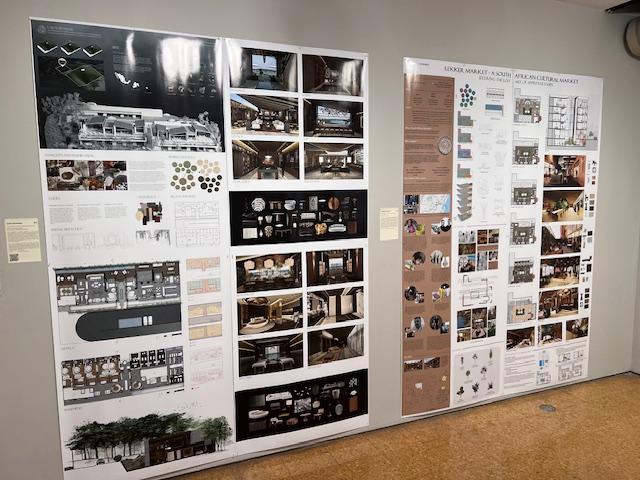
The student project along the walls
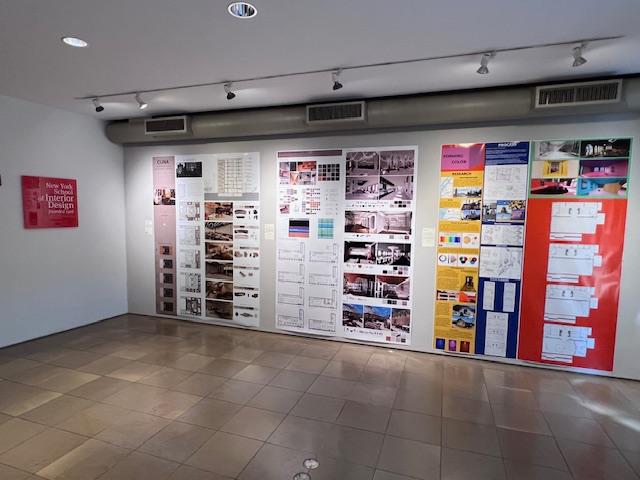
What I like about the museum is that you get to see the student creativity and how they imagine the space will be designed. The use of color and shape play a roll in all the designs. It looks like the students get to choose their own space to design.

The best part is the you get to go in for free with you ID and just enjoy the show and see the students creativity.

History of the Gallery/Museum at the College:

The New York School of Design’s gallery presents two public exhibits yearly on design and architecture. Exhibitions have included ‘Paris in the Belle Epoque’, rare photographs from the years 1880-1914; Perspective on Perspective, an exploration of artistic technique; ‘The Great Age of Fairs; London, Chicago, Paris, St. Louis’, selective coverage from the first World’s Fair in 1851 to the last in 1904; ‘Venice’s Great Canal’, architectural drawings of the buildings along the famous thoroughfare; ‘Stanford White’s New York’, a survey of that classicist’s many metropolitan buildings and ‘Vanishing Irish Country Houses’, a look into the preservation crisis facing these not infrequently grand structures.

The gallery’s Thursday-evening lectures have included ‘Palladio’s Villas’; ‘Beaux-Arts New York’ and a survey of the Grands Projects undertaken in Paris during the tenure of French President Francois Mitterrand.

(New York School of Interior Design Website)

John Burrough’s Slabsides and Nature Sanctuary 500 Burroughs Drive West Park, NY 12493

John Burrough’s Slabsides and Nature Sanctuary

500 Burroughs Drive

West Park, NY 12493

(845)384-6320

https://www.hudsonrivervalley.com/sites/John-Burroughs-Slabsides-/details

https://johnburroughsassociation.org/

Open: The Second and Forth Saturday of the month when in season. Please visit the website for the days open. The cabin is open from 12:00pm-4:00pm when in season.

My review on TripAdvisor:

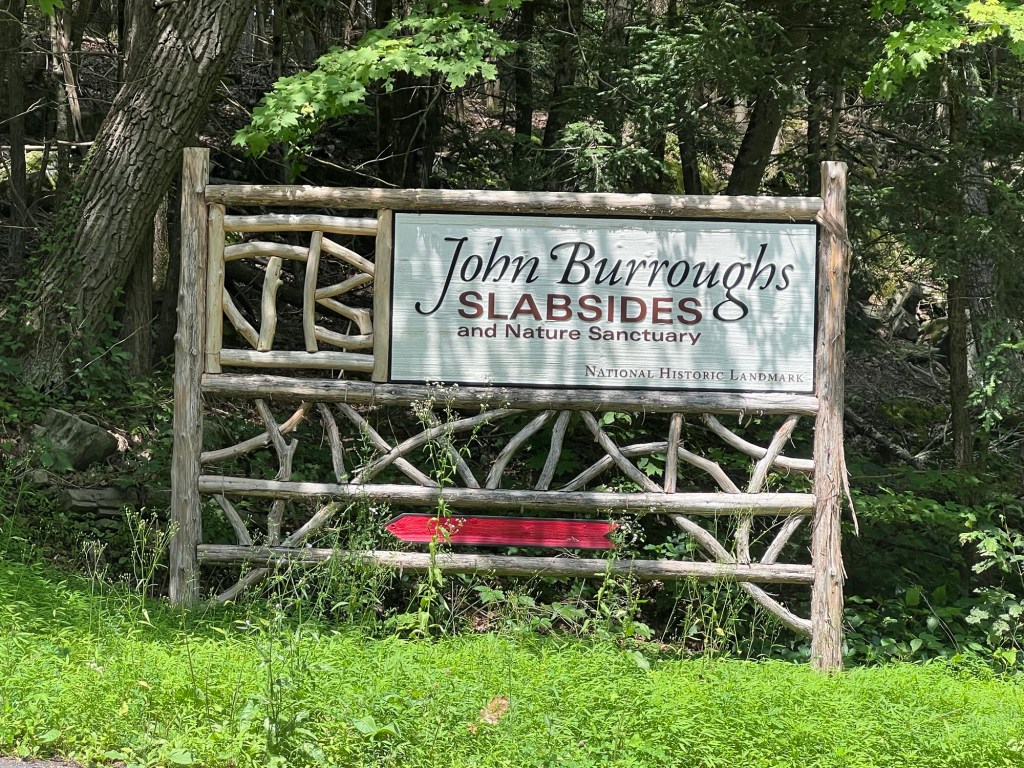
The entrance to John Burroughs ‘Slabsides’

The entrance to Slabsides is located on a local country road off another local country road off Route 9. Use your Google Map carefully when visiting or you will miss the turn off. The parking lot is really small and holds only about eight cars so please make the turn around on the road above and park facing down from the parking lot (word of advice on parking).

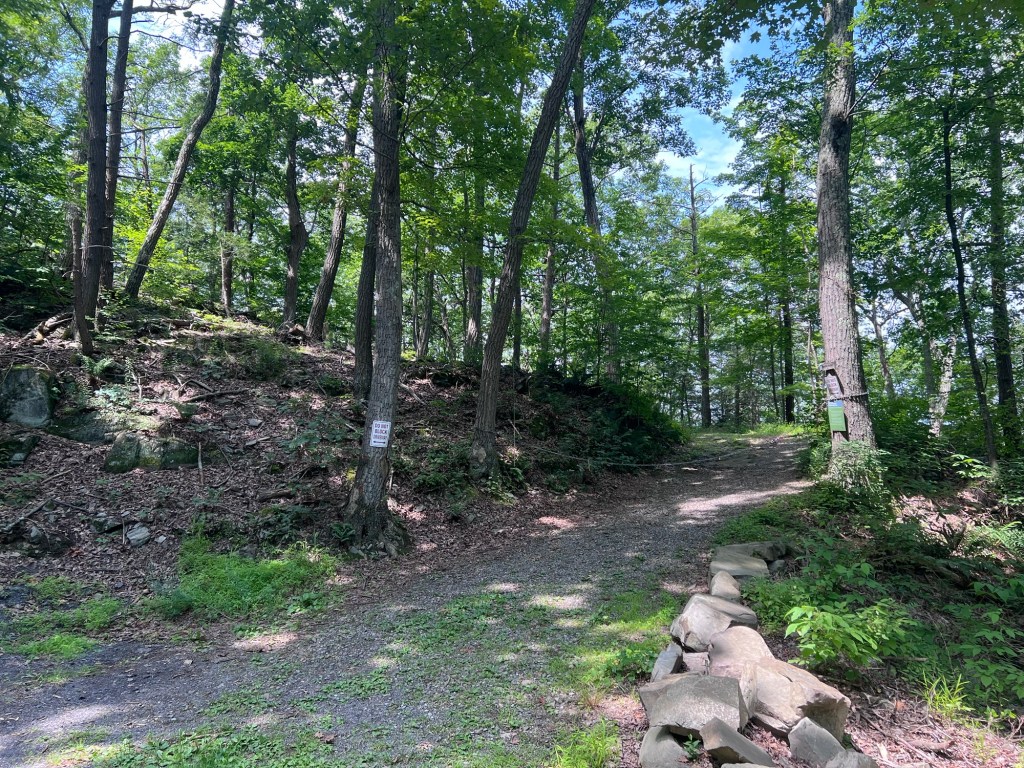
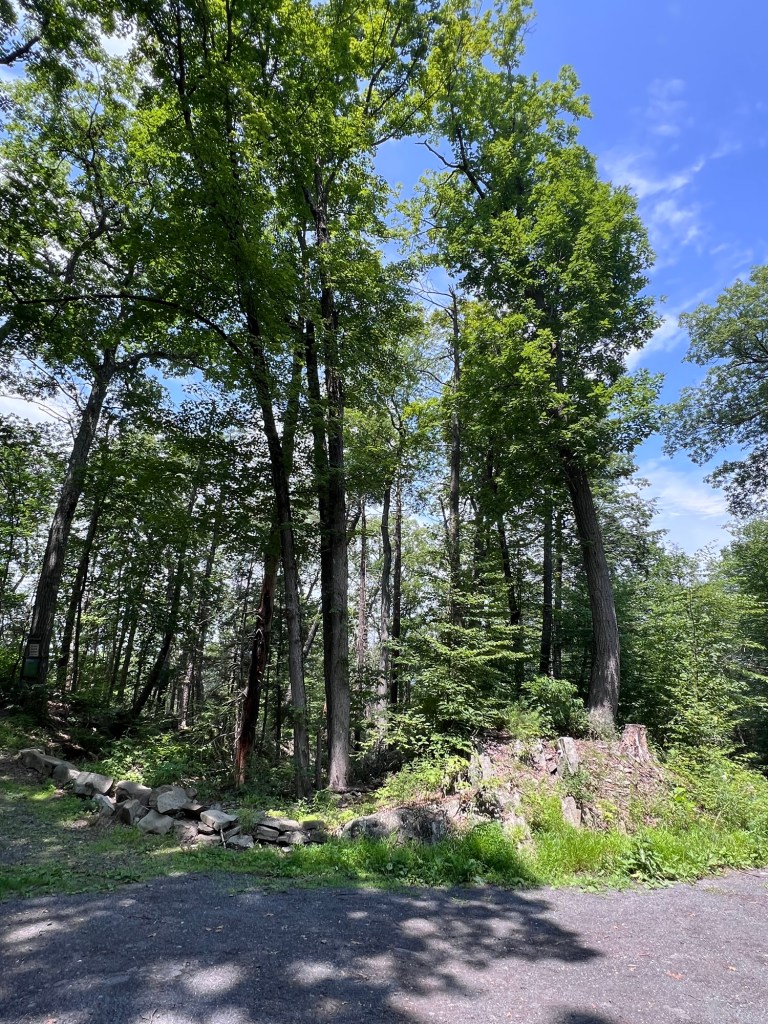
The pathway from parking lot to the house is really beautiful and lush in the summer. It seemed more desolate in the cooler months and just empty. Still it is only about a five minute walk from the parking lot to the cabin.

The original cabin “Slabsides” from the pathway. This one room cabin was used by Naturalist John Burroughs as a home away from home to write and to think.

The lawn outside the cabin

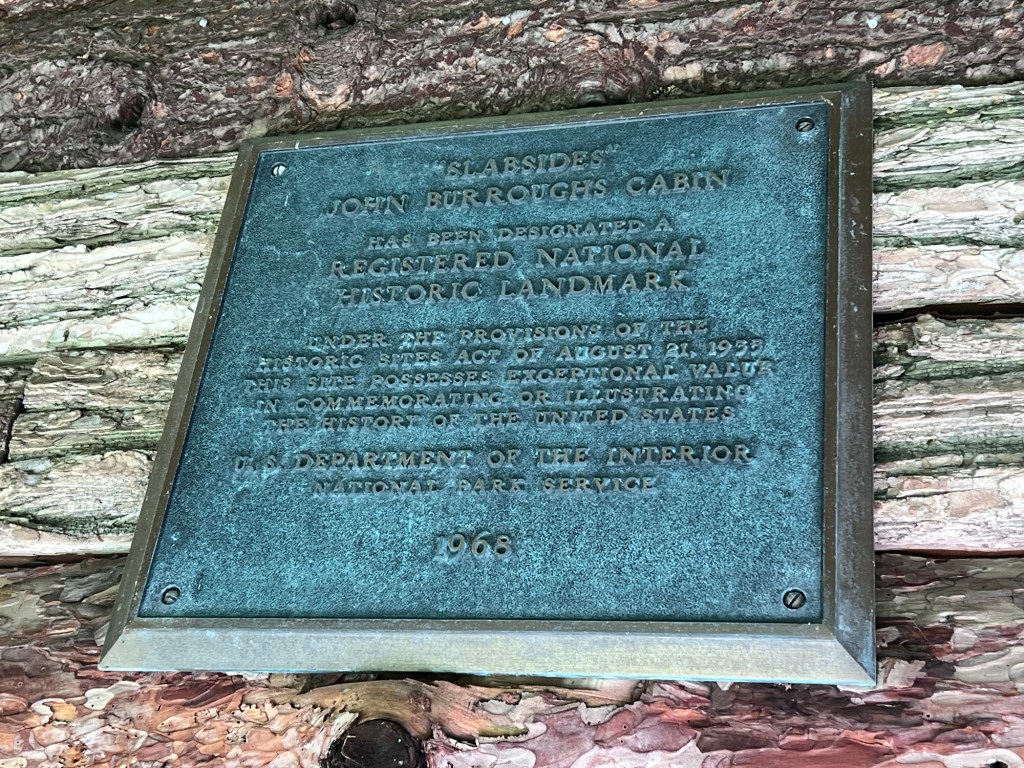
The historic sign outside the cabin

The porch of Slabsides in the summer

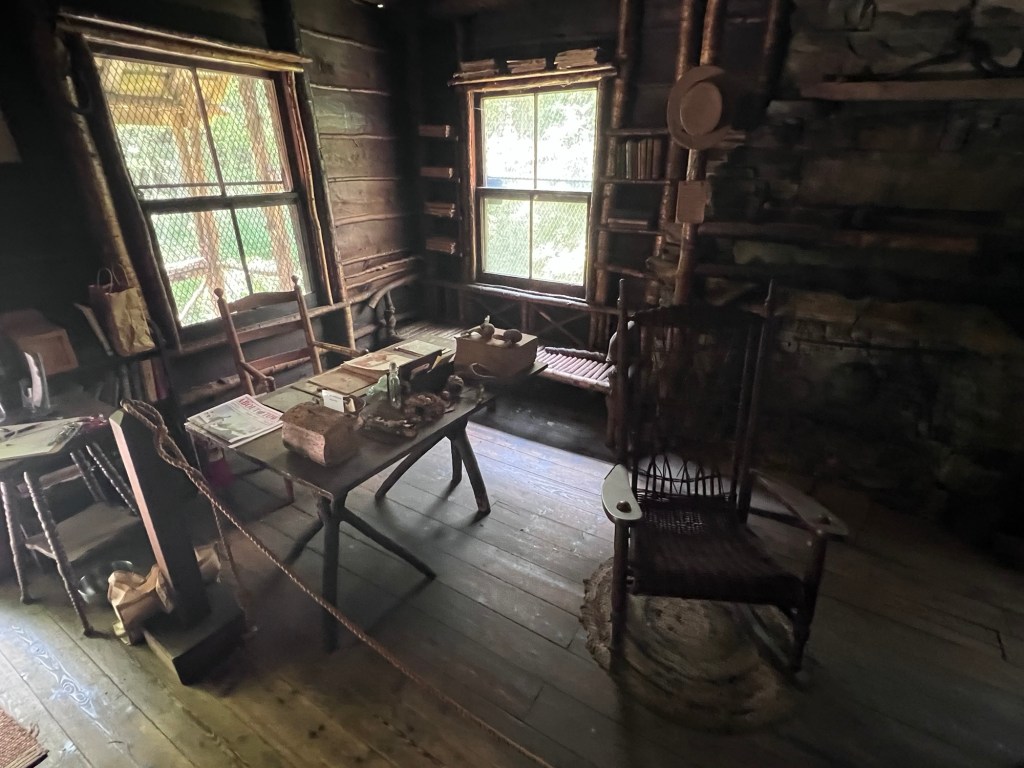
John Burroughs work area inside the cabin and his kitchen

John Burroughs work station overlooked the woods and rock formations

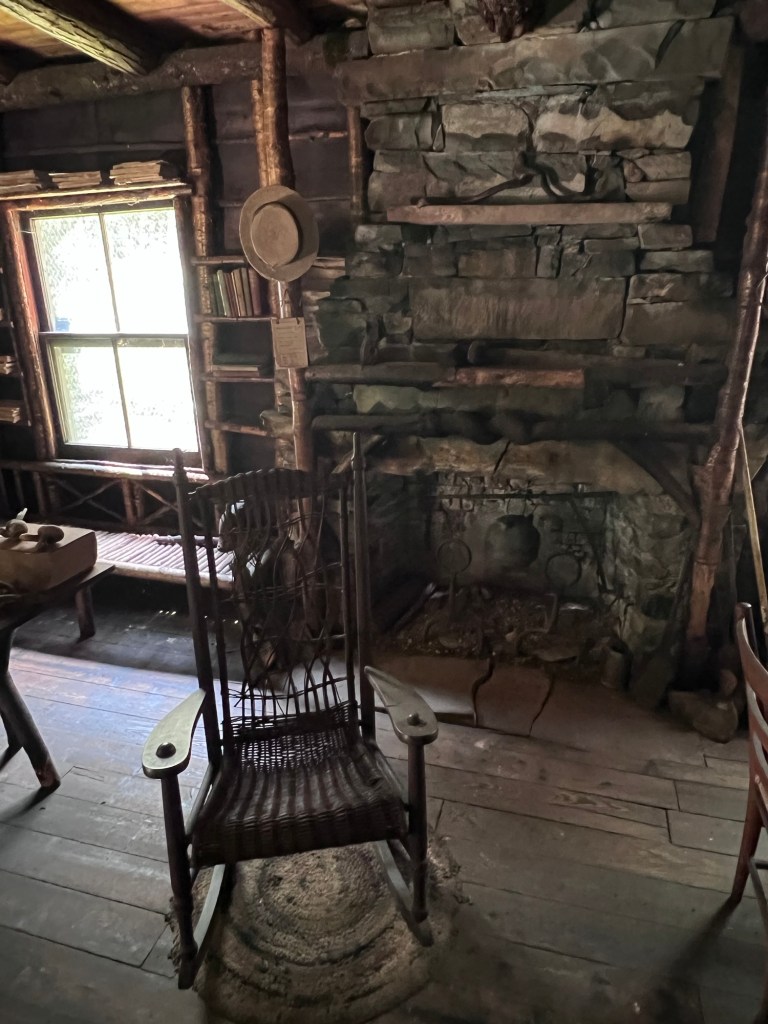
The fireplace and resting area

The kitchen area in the back of the cabin

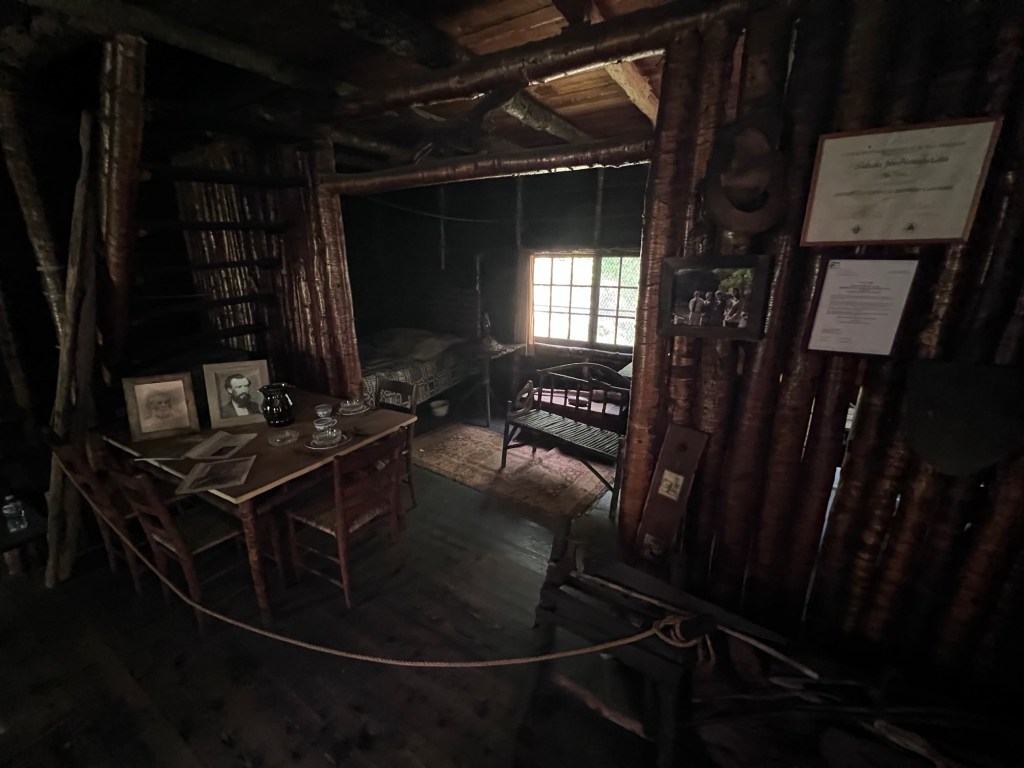
The bedroom and sleeping area of the cabin

The bedroom of the cabin

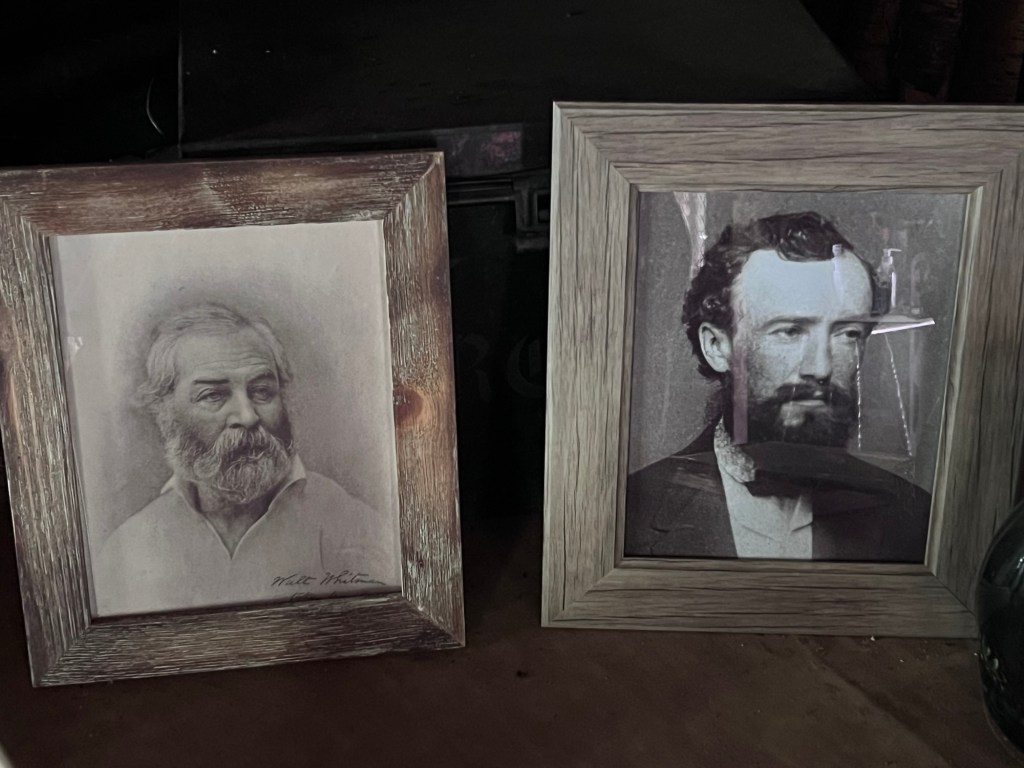
The pictures of Walt Whitman and John Burroughs in the bedroom

https://www.britannica.com/biography/John-Burroughs

https://exhibits.archives.marist.edu/s/marist-heritage-project/page/Esopus-Community-John-Burroughs

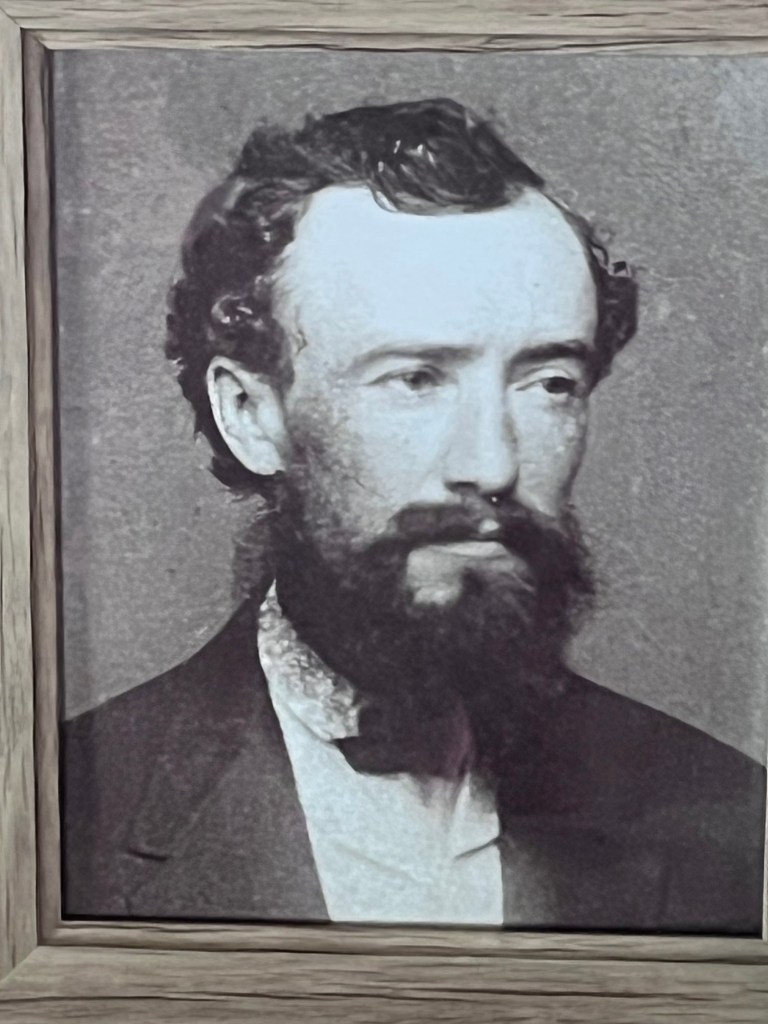
John Burroughs as a young man

https://johnburroughsassociation.org/about/about-john-burroughs

(From the John Burroughs website)
John Burroughs was one of the most popular authors of his day and is credited with creating the modern nature essay. Using easily understood prose, he described nature that was familiar and local, bringing the natural world to his readers. He encouraged them in the art of observation by sharing a sense of place and purpose in the land. Burroughs wrote more than three hundred articles published in leading magazines and in twenty-seven books over sixty years. Through his writings and friendships with influential leaders he had a profound impact on the emerging conservation movements.   

Born in the Catskill Mountains in 1837 he settled on a nine-acre fruit farm on the west bank of the Hudson River north of Poughkeepsie that he named “Riverby.” Poet Walt Whitman and Burroughs tramped through its surrounding woods during Whitman’s several visits, moving Burroughs to call these woods “Whitman Land.” In 1895 he purchased a nearby tract of land and built a two-story cabin as a place to write and entertain, calling it “Slabsides.”  

Though Burroughs was a writer particular to the Hudson Valley region, his travels were widely known and celebrated. In 1899 he joined the Harriman Expedition to Alaska and wrote the “Narrative” of the expedition. He accompanied Roosevelt into the wilderness of Yellowstone, telling the story in Camping & Tramping with Roosevelt, which provided the narrative for a segment of Ken Burns’s The National Parks. Burroughs also traveled to the Grand Canyon and Yosemite with John Muir and went on elaborate camping trips with his industrialist friends Henry Ford, Thomas Edison and Harvey Firestone. Accounts of these events are in Burroughs’ journal archived at Vassar College. 

Burroughs received honorary doctorates from Yale, Colgate, and the University of Georgia, and the Gold Medal of the American Academy of Arts and Letters.  

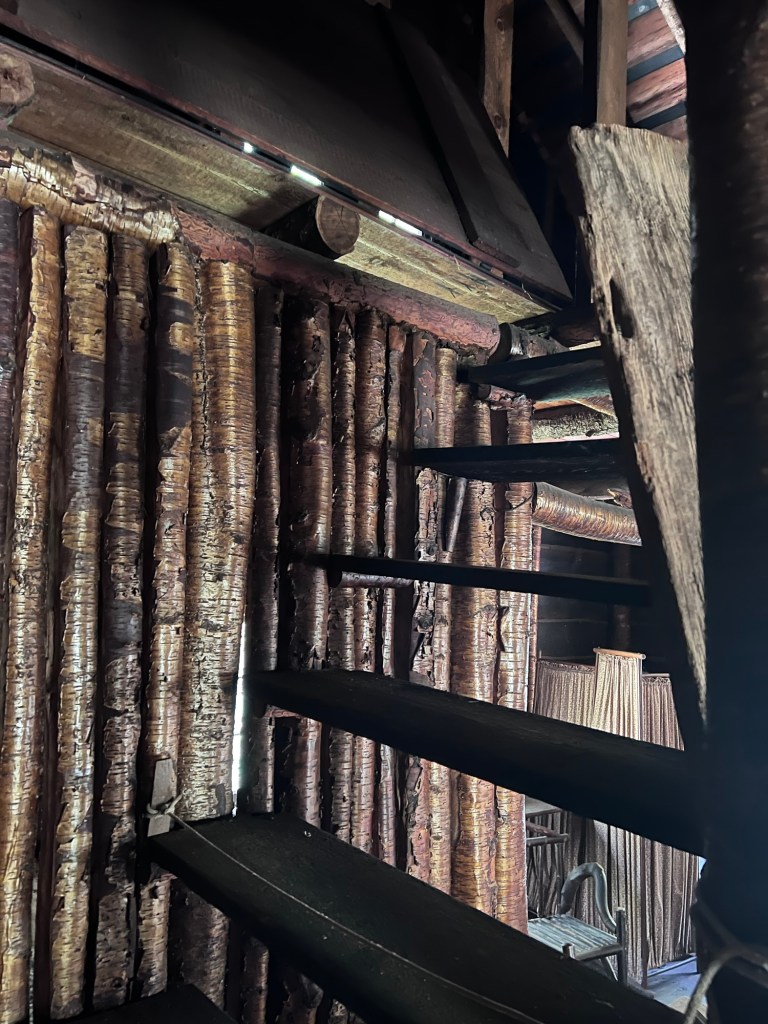
The ceiling of the cabin

The stairs to the upstairs loft

The cabin was small and is pretty much one full room with one or two walls partitioning the rooms. This seems more like a summer cabin. Still it had its charm.

We then finished the tour outside along the trails outside the cabin.

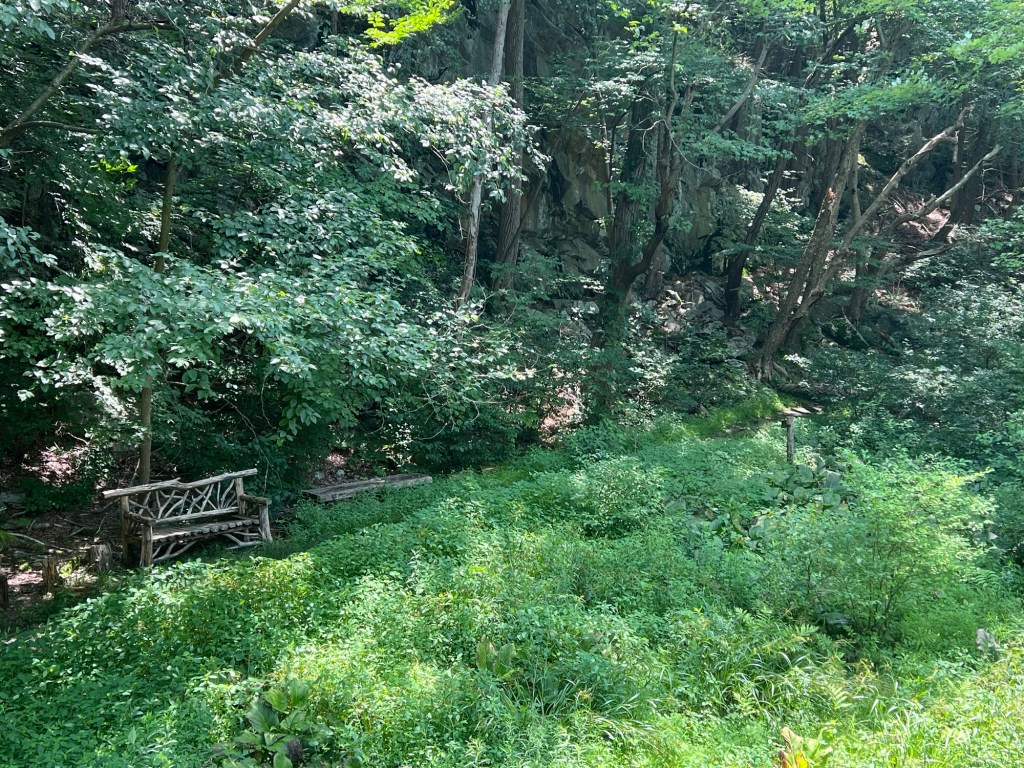
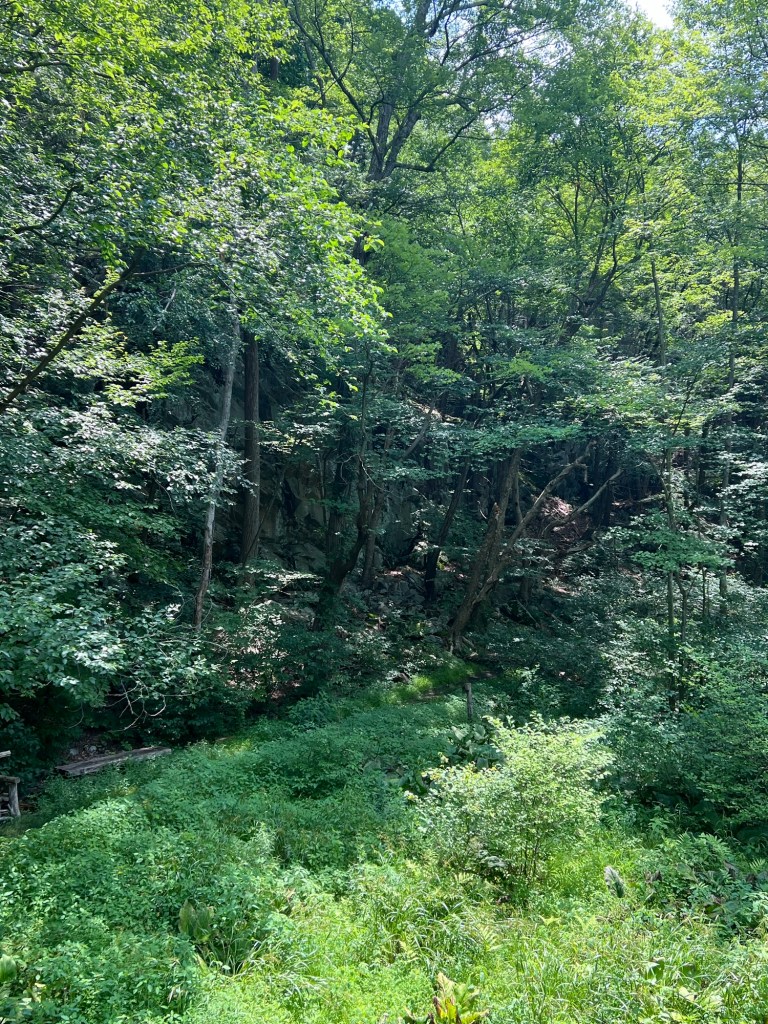
I admired the outside woods from the patio

(From the John Burroughs Association website)

The land around Slabsides informed many of his essays in which he described nature close at hand. Through works written here, John Burroughs inspired national leaders to preserve land and its wildlife and generations of readers to head out-of-doors. For nearly three decades Slabsides drew devoted readers and prominent friends. There are nearly seven thousand signatures in his Slabsides guest books. Among the early signers were ornithologists Frank Chapman and William Brewster, conservationist John Muir, leader of the Arts and Crafts movement Gustav Stickley, and his friends Theodore Roosevelt and Henry Ford, who gave him a series of three Ford cars. The young journalist Theodore Dreiser interviewed Burroughs at Slabsides.

The trail outside the cabin which Aldo served as the lawn when it is not full of vegetation from all the recent rain.

The trail signs

Looking down the trails outside the cabin

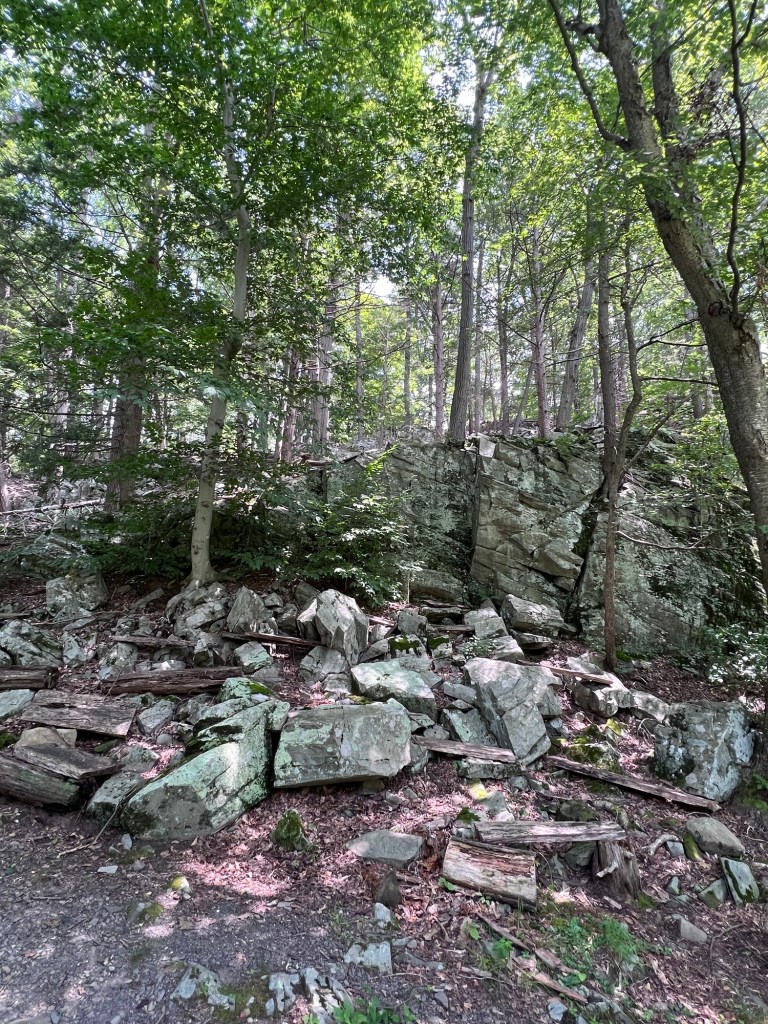
The rock formations outside the cabin on the trails

One last look back at the cabin before I left that morning

Walking along the trails outside back to the car

Walking along the trails bank to the car

Walking along the trails

Walking along the trails

The parking lot before I left that day

It was a wonderful private tour with Joan, who is the President of the organization. She explained who John Burroughs was, his significance in writing and his life. It was a very interesting tour.

The pathways were so beautiful and there is a full series of trails to follow throughout the property to explore.

Beacon Historical Society 61 Leonard Street Beacon, NY 12508

Beacon Historical Society

61 Leonard Street

Beacon, NY 12508

(845) 831-0514

https://www.beaconhistorical.org/

https://www.facebook.com/BeaconHistoricalSociety/

Open: Sunday- Wednesday Closed/ Thursday 10:00am-12:00pm/Friday Closed/Saturday 1:00pm-3:00pm

Admission: Free but donations are accepted

My review on TripAdvisor:

https://www.tripadvisor.com/Attraction_Review-g47291-d15772700-Reviews-Beacon_Historical_Society-Beacon_New_York.html

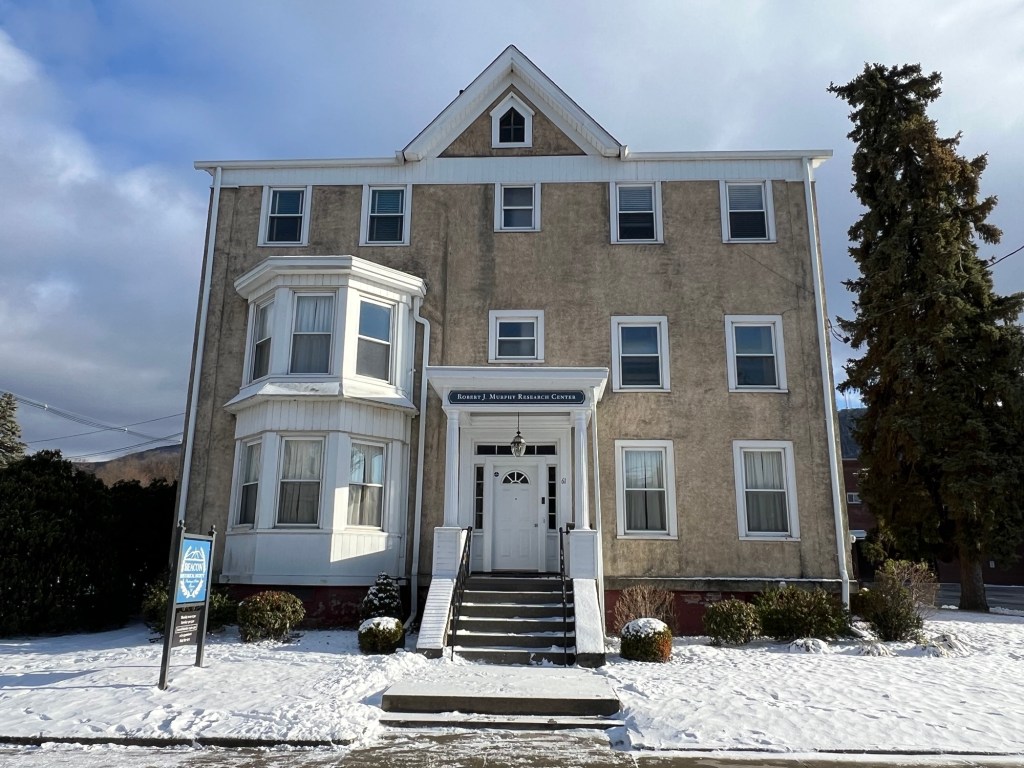
The Beacon Historical Society at 61 Leonard Street at Christmas time

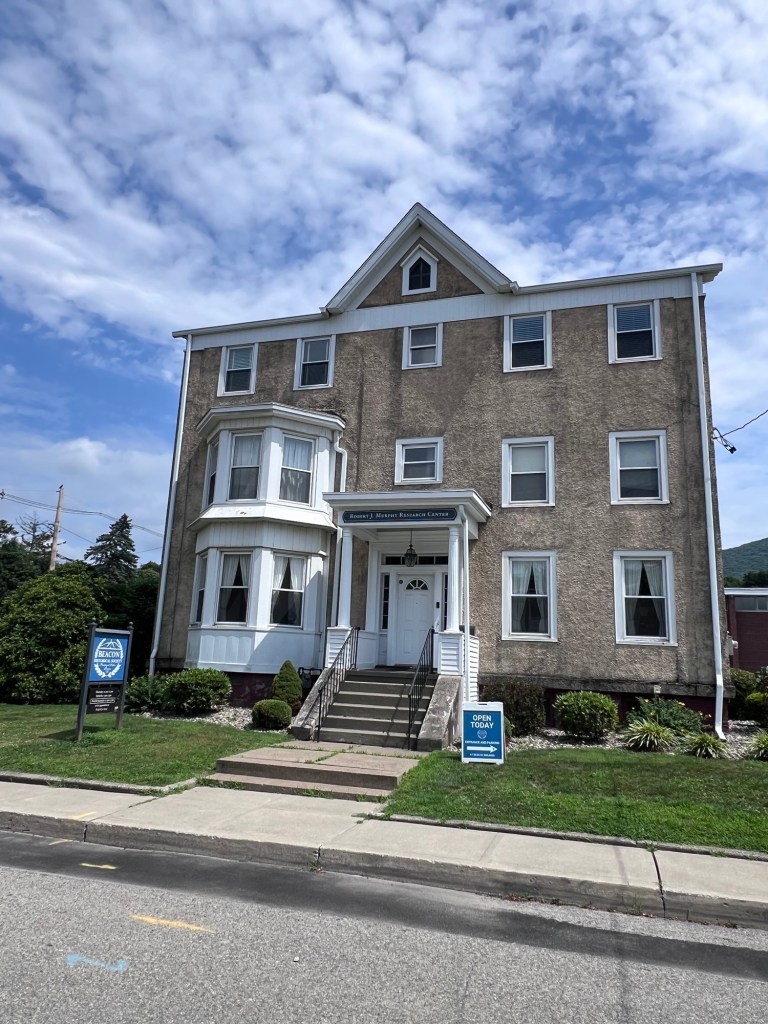
The outside of the building in the Summer

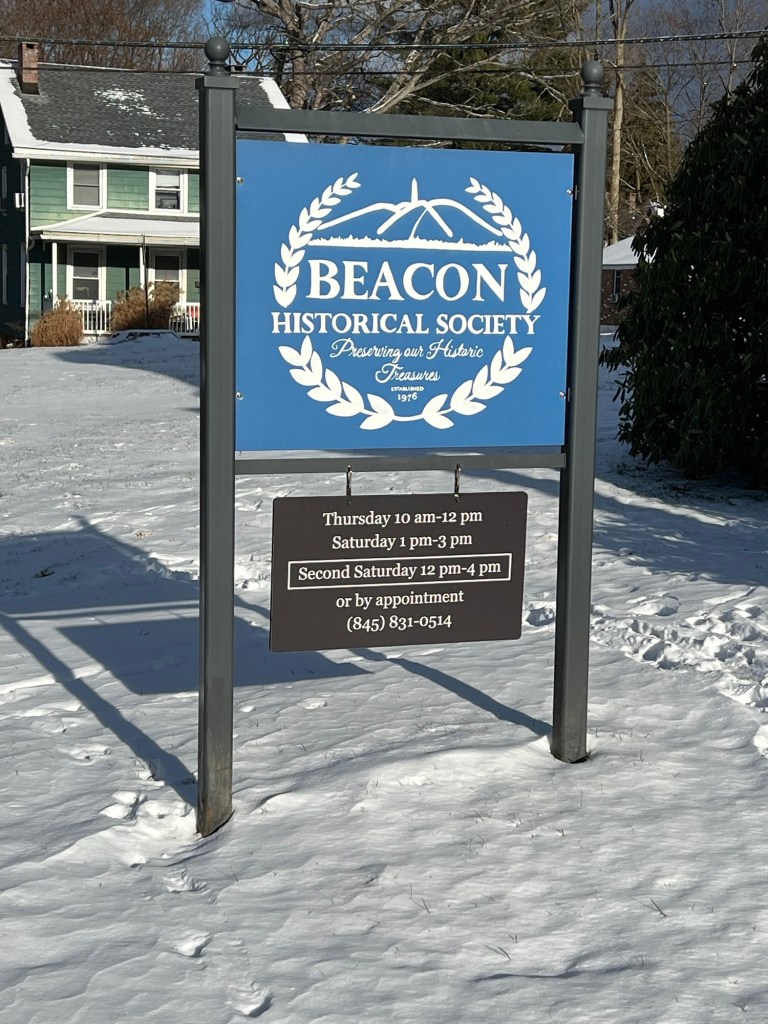
The sign for the Beacon Historical Society at Christmas time

The outside sign in the Summer

The Mission of the Society:

(From the Society pamphlet

The Beacon Historical Society was founded in 1976 to preserve, collect and interpret the rich history of the City of Beacon and its predecessor Villages of Fishkill Landing and Matteawan.

History of the Society:

(From the Museum website)
Established in 1976, the Beacon Historical Society showcases Beacon’s history through exhibitions, collections, programs, books and an informative monthly newsletter. The Beacon Historical Society is proud to serve as Beacon’s repository of rare photographs, paintings and prints, Hudson River ship models, objects and ephemera from local factories and Main Street businesses, records of local cemeteries and Civil War veterans, maps of Beacon, Fishkill Landing and Matteawan.

I recently did a walking tour of Downtown Beacon, NY and was impressed by the numbers of restaurants, bars and stores in the downtown area. It is an impressive downtown with very few empty stores and impressive and lively street life. On my first trip to the Beacon Historical Society I learned this was not always the case.

I recently visited this small historical society packed with information on the history not just of the City of Beacon but the surrounding Hudson River area. The museum gives an in depth view of the industrial history of the area and the highs and lows of many of the river communities. These small communities have seen a renaissance over the last decade especially during COVID and many of the older towns have seen new life being breathed into them.

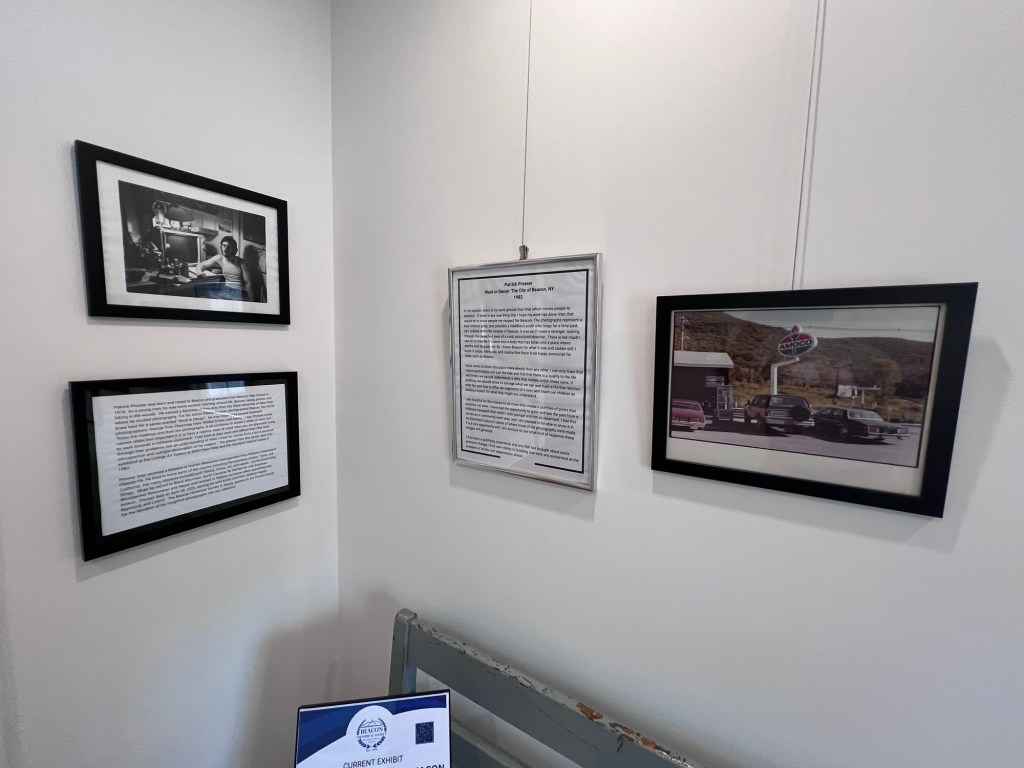
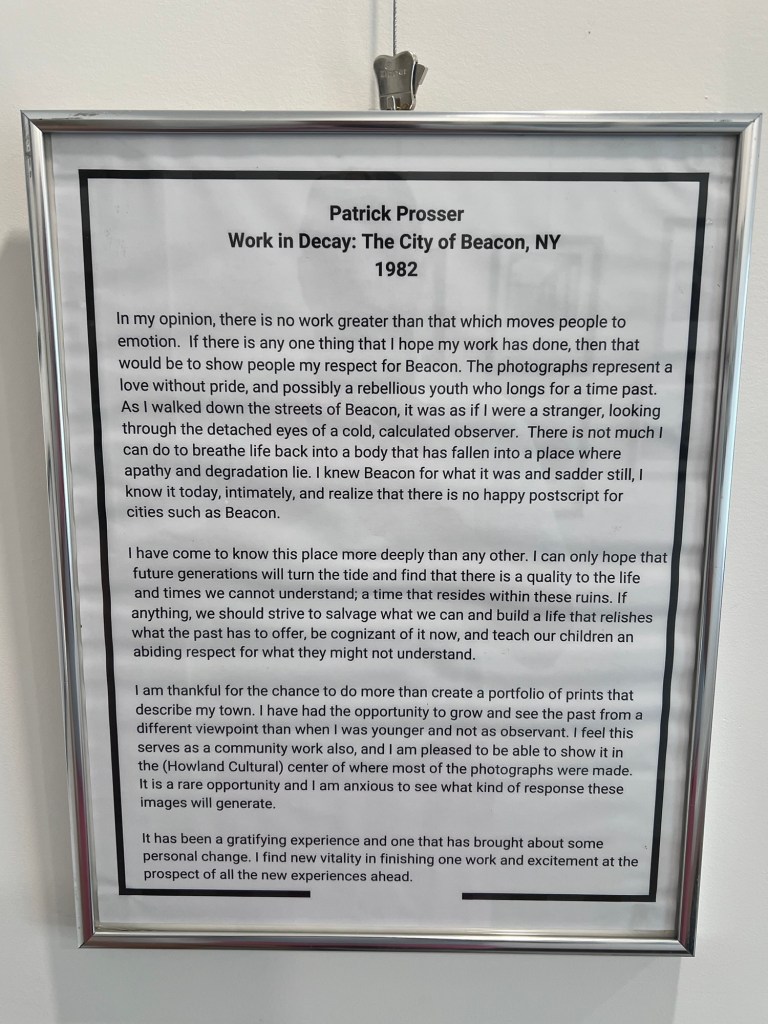
The first exhibition I looked at was the Photographer Patrick Prosser exhibition (being shared with the Howland Cultural Center) ‘Work in Decay: The City of Beacon NY’.
Artist Patrick Prosser

https://www.facebook.com/groups/Beaconphotogroup/posts/30007658412154532

Photographer Patrick Prossner was born and raised in Beacon and a graduate of Beacon High School and SUNY New Paltz with BFA. His work on this project started in 1982 photographing the decay of his home town (Author’s Bio on BHS website).

The photographer moved to the area in the early 1980’s during a time when Beacon’s mills and factories were closing and the downtown was boarded up. It shows what the downtown business district looked like and the changes that were made to shape it today.

The sign for the exhibition

Pictures of the former industrial zone

The pictures showed a once vibrant industrial community and the changes once these factories closed.

The changes in the surrounding area

The exhibition really shows the transformation of these towns from the once industrial hubs to the artsy communities filled with galleries and bars that many of them have become.

Downtown Beacon today filled with art galleries, shops and small restaurants

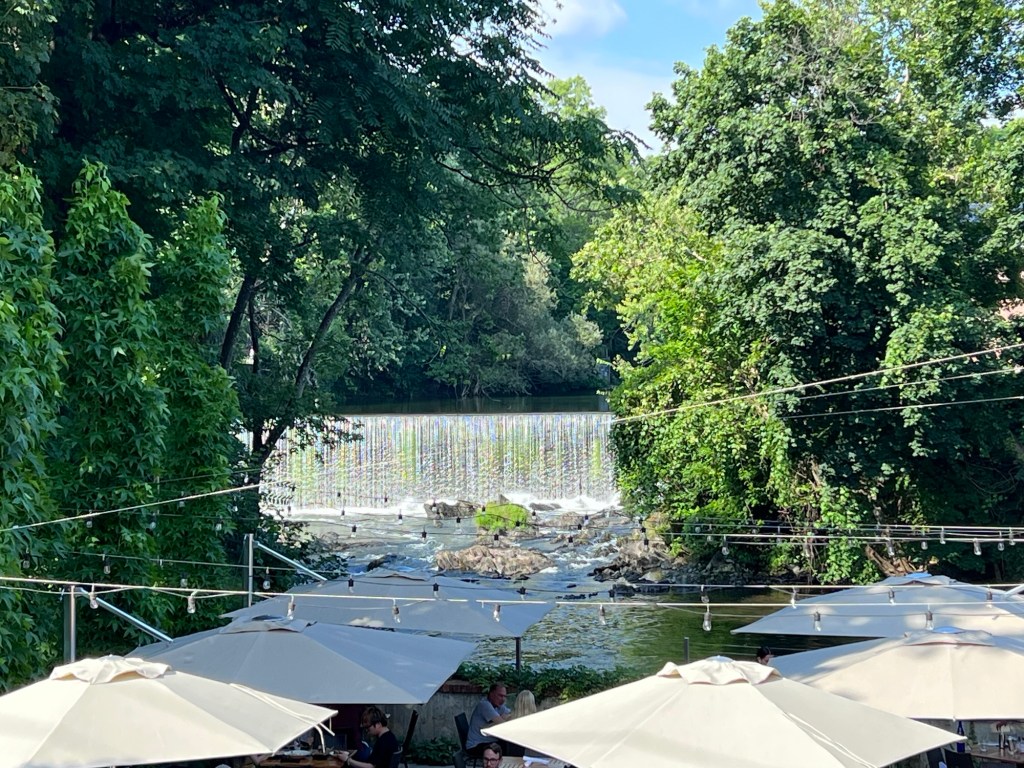
The former mill is now a luxury hotel and restaurant overlooking the same waterfall that used to power the mill

These small communities factories have now become hotels, lofts and in some cases new cottage industries have moved in. Time transforms areas and what is old becomes new again.

The first floor gallery

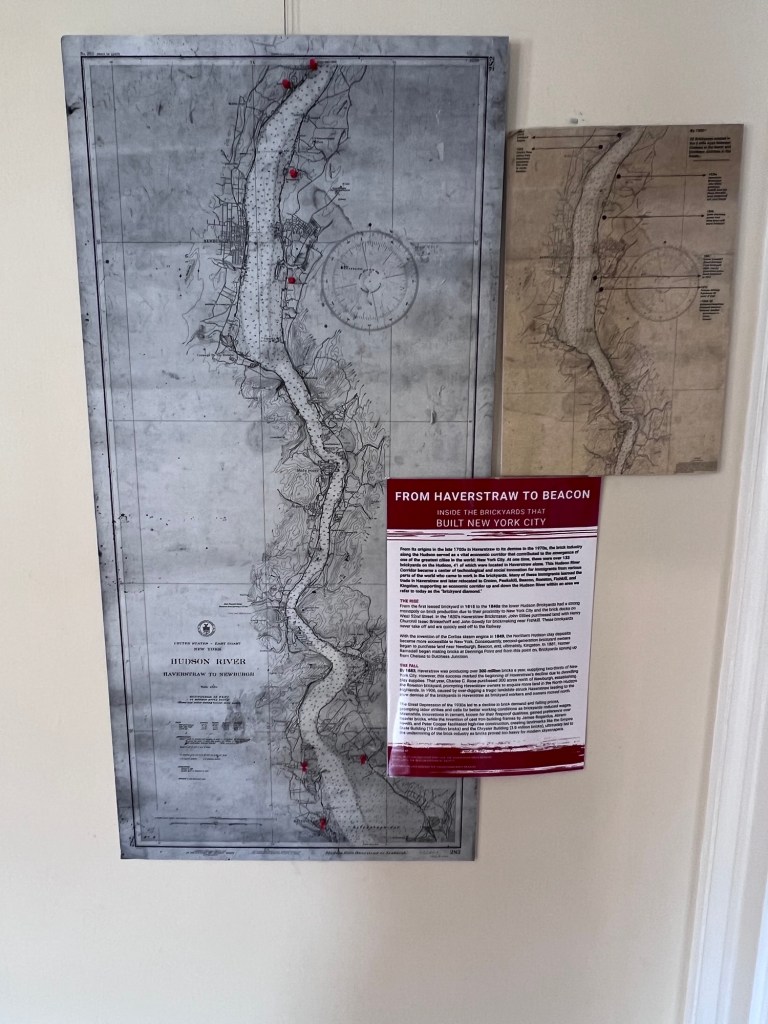
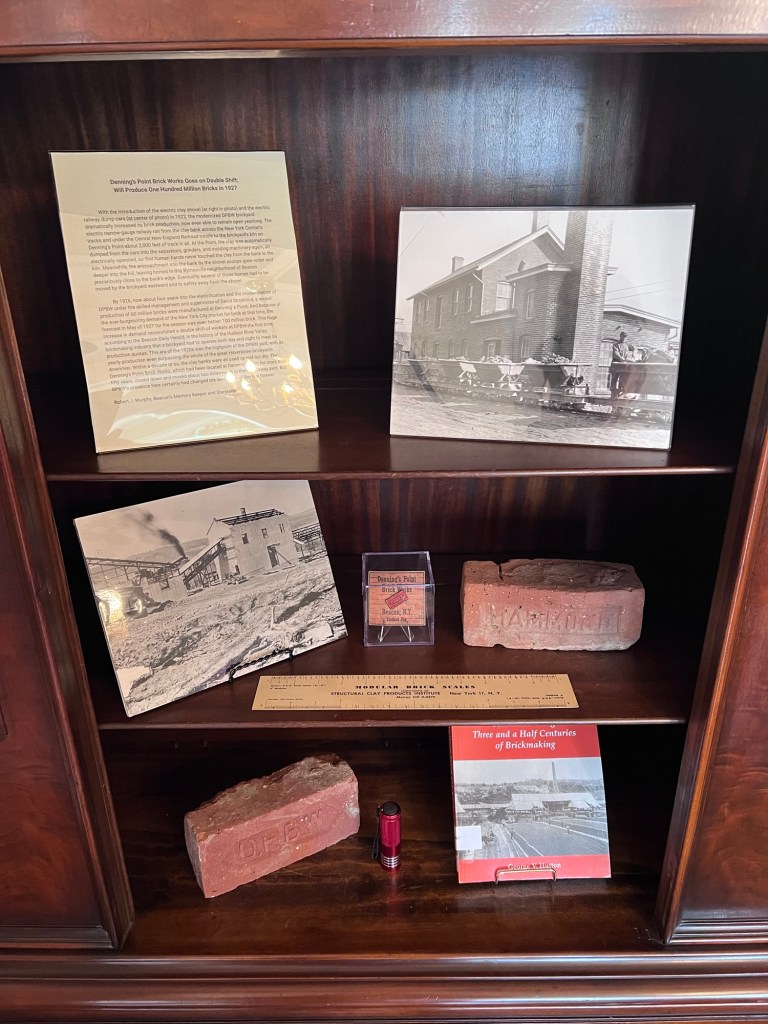
The second exhibition that I walked through was the ‘From Haverstraw to Beacon: Inside the Brickyards the built New York City’, an extensive look at the brickyards and the clay deposits that once lined the Hudson River that build most buildings in the City in the end of the Eighteenth, Nineteenth and early Twentieth centuries.

The exhibition sign

The map of the location of the brickyards along the Hudson River. This depended on the location of the clay deposits.

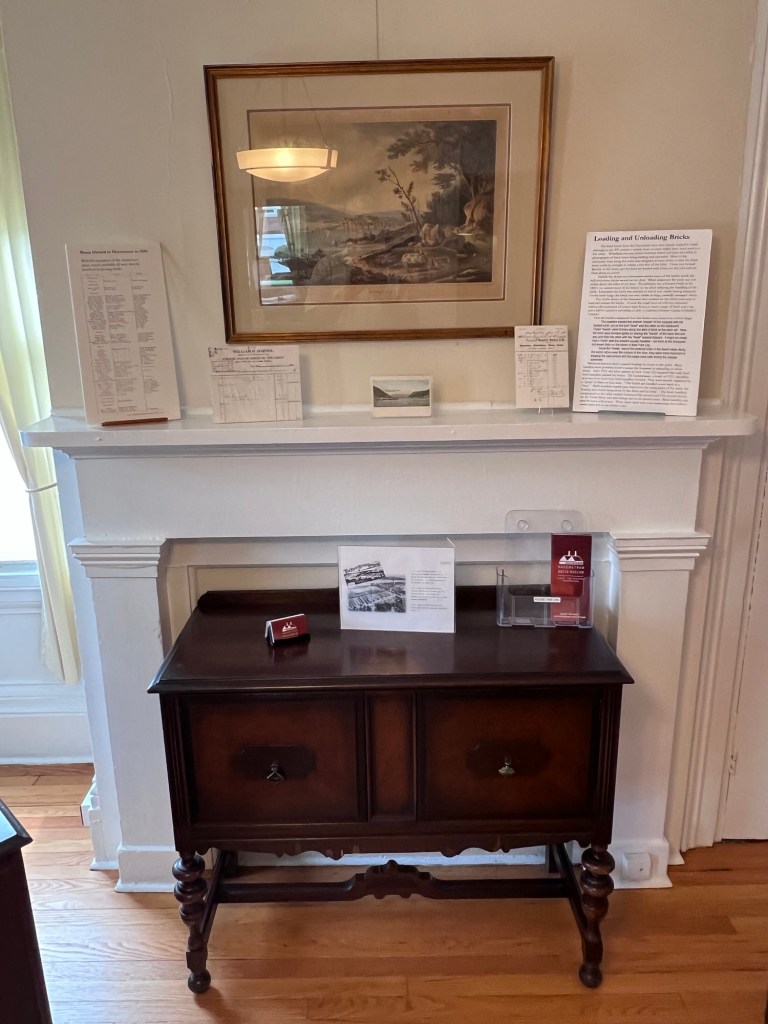
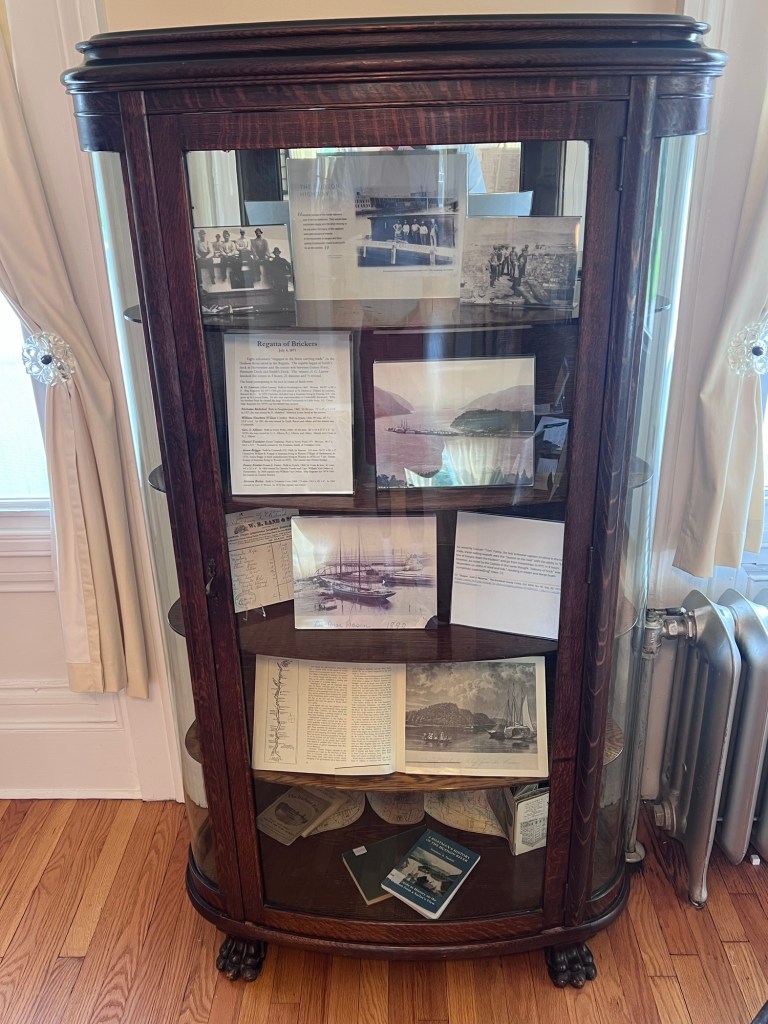
Transportation of freight and people for both recreation and business was described in this display of different boats down the Hudson River.

The display of understanding the brick business

Display of the different companies and processes of making bricks

The display of people that make up the industry

The process of mining, making, drying and creating the bricks that would end up in New York City

Some of the bricks and the companies from the New York market that were created in the region

Another display on the companies

More of the companies and processes to making bricks

The exhibition was a very interesting look at what was once a dominant industry in the area but like any industry as the clay ran out and building materials changed, the industry diminished in the area and that way of life changed. With it as well was the transformation of the area.

The former brick factories

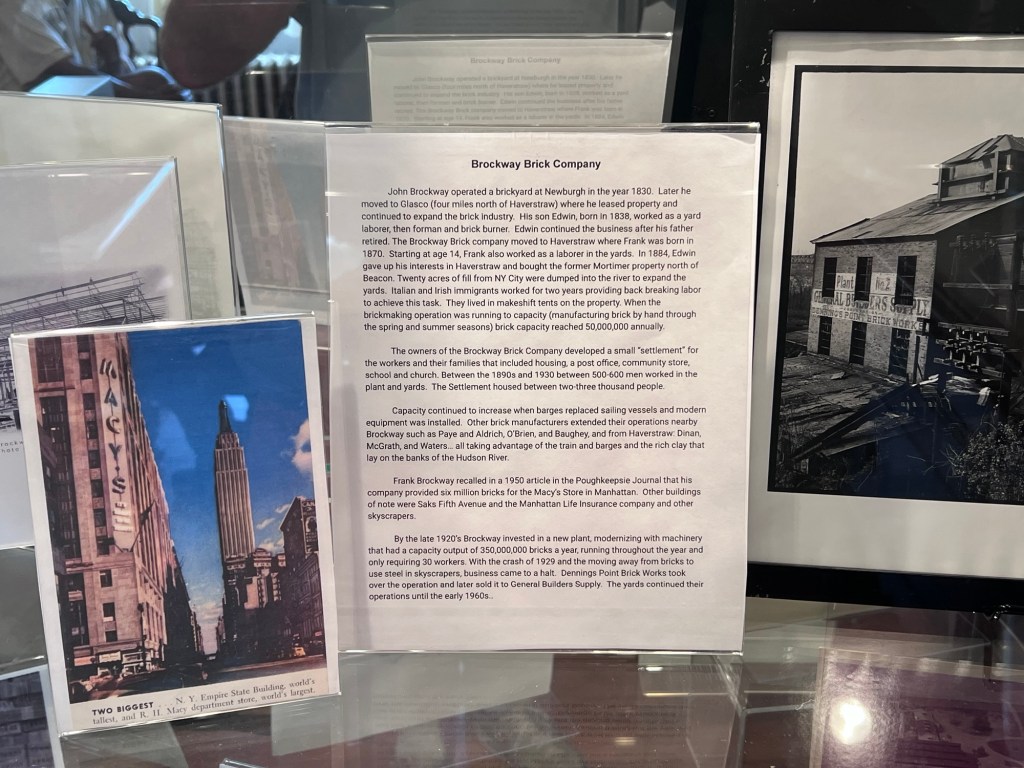
The Brockway Brick Company that built Macy’s original building in Manhattan

There were smaller exhibitions as well all over the two floors of displays. First there was a handmade dollhouse on the first floor that is a favorite of the elementary school students.

The handmade dollhouse on the first floor

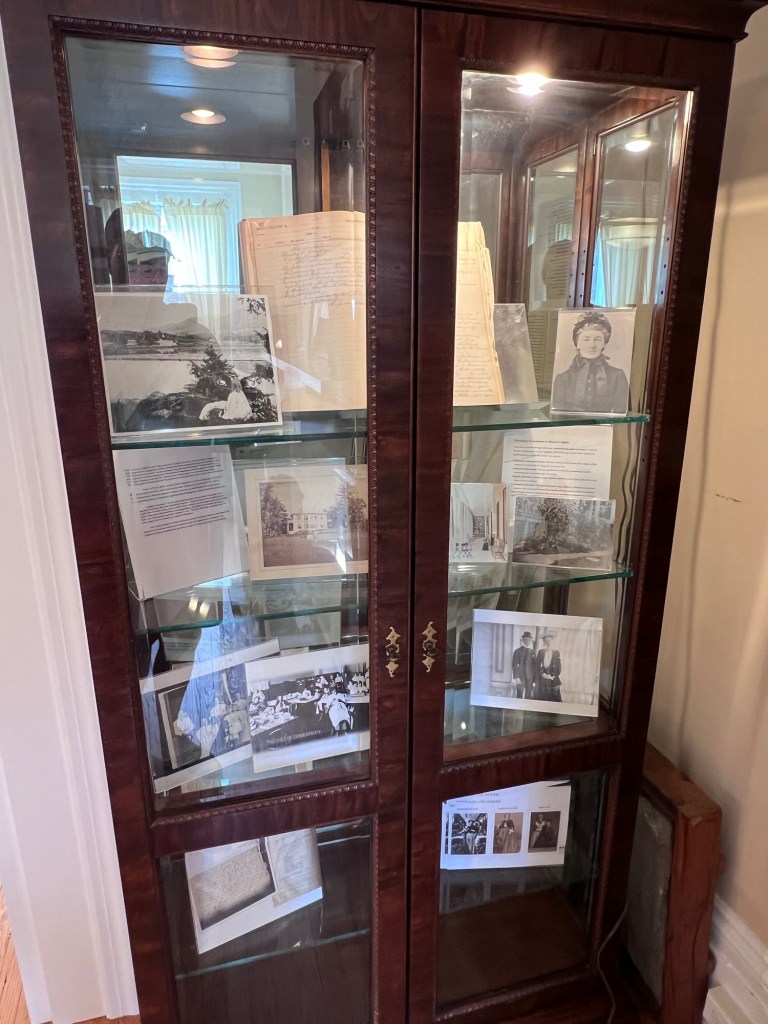
On the seconded floor is a display is the socially prominent Van Nydeck family. The family donated their family tree and many family heirlooms and portraits.

Part of the Schenck Van Nydeck family tree

The Van Nydeck family heirlooms

There was also artwork and artifacts from the surrounding community on display all over the museum.

The painting is by a local artist and the pottery is locally made

The window is a Tiffany window from a local church that the Historical Society saved for the museum

The first floor gallery

The docent told me after I toured the exhibition that there are more exhibitions being planned for the future.

Touring Downtown Beacon, NY:

After the trip through the Historical Society, I ventured and walked Downtown Beacon. The neighborhood has certainly changed since the early eighties.

Downtown Beacon today

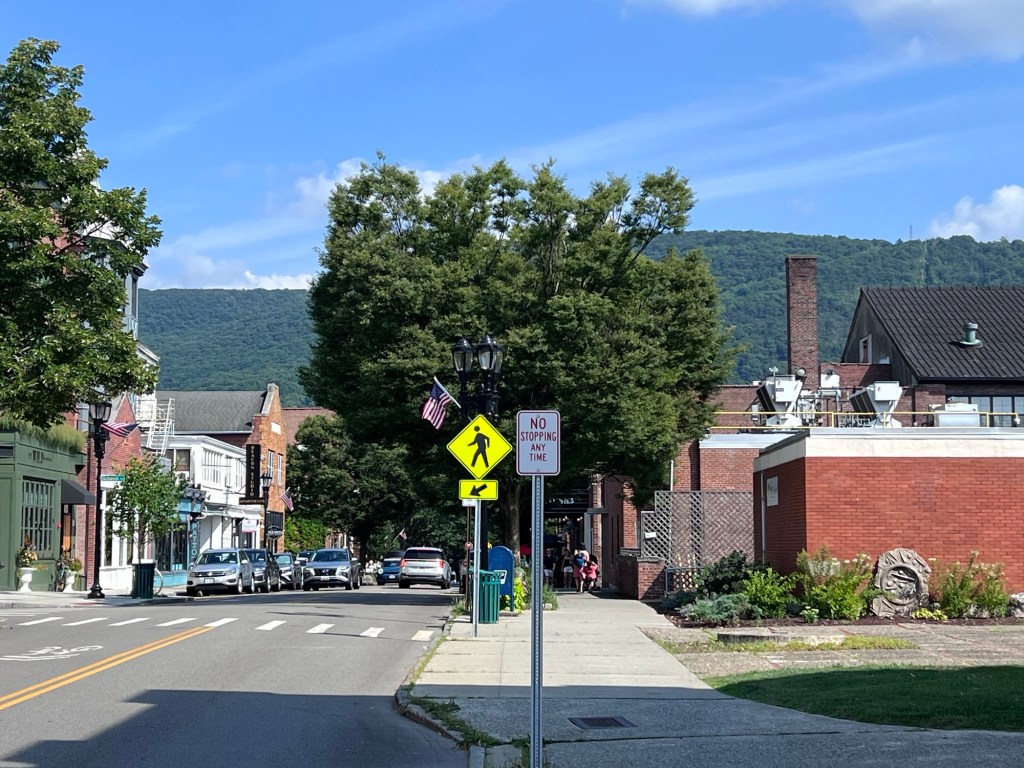
Downtown Beacon today with Mount Beacon in the distance

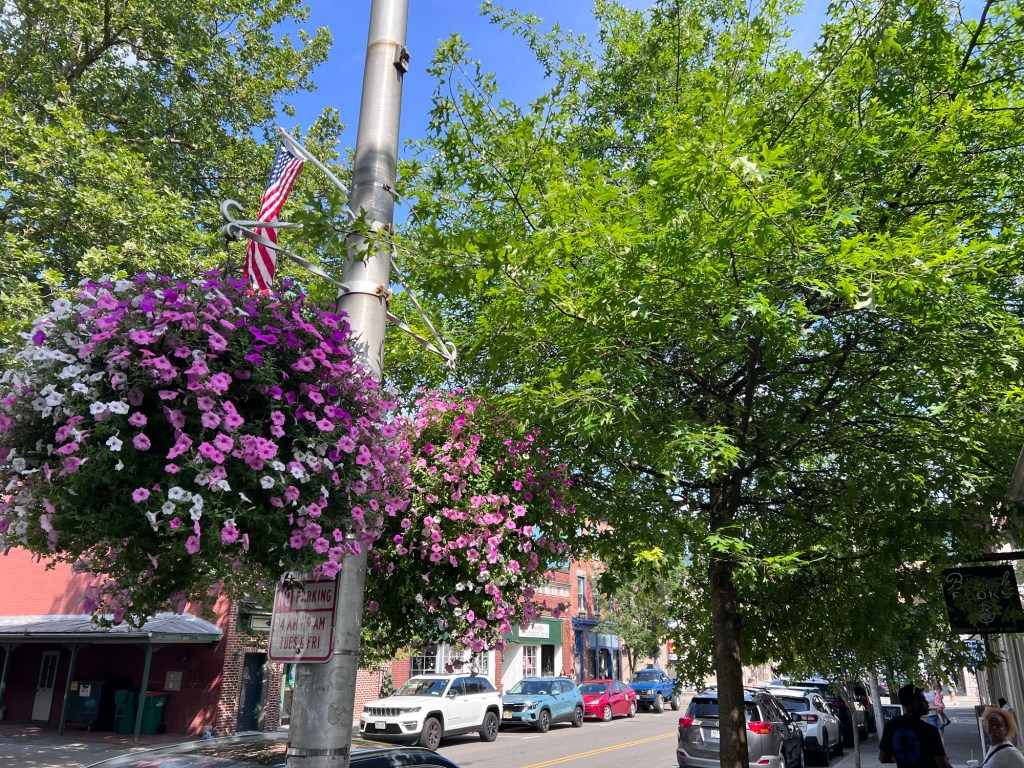
The beautiful floral arrangements in the downtown today

Montgomery Village Museum 142 Clinton Street Montgomery, NY 12549

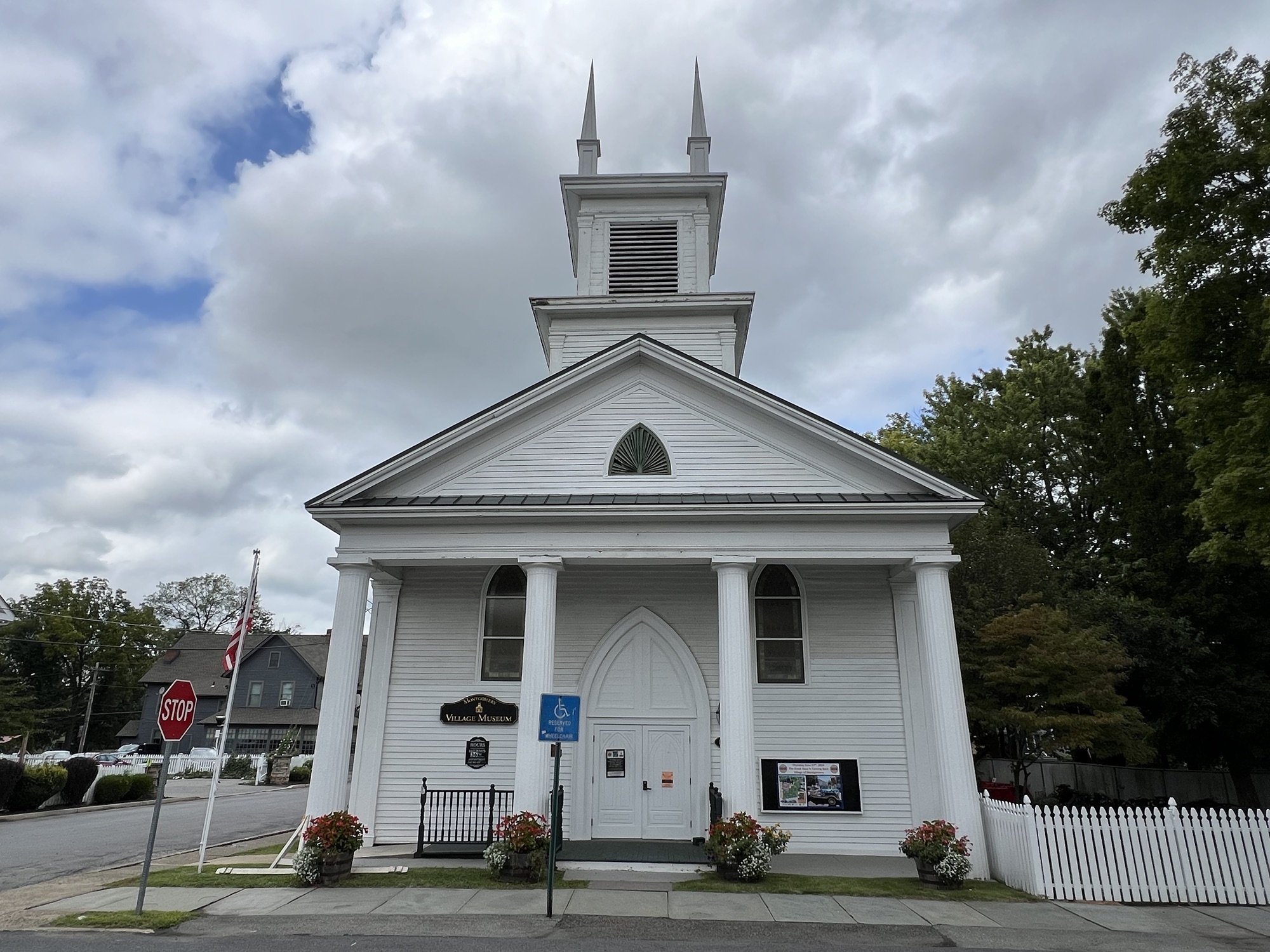
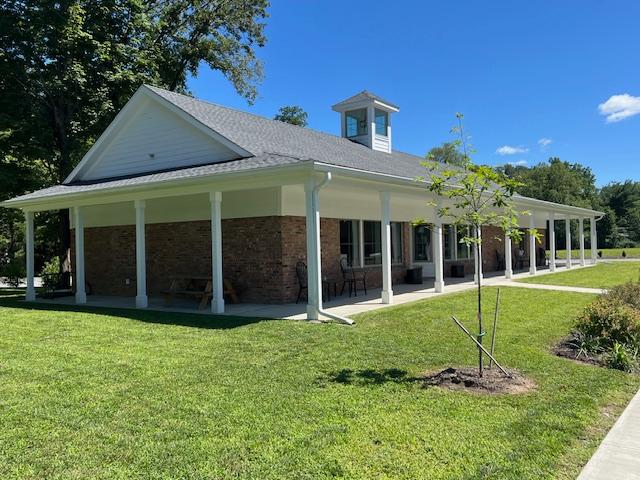
The front of the Montgomery Village Museum at 142 Clinton Street

The collection of town artifacts

The interesting displays at the Montgomery Village Museum

Dutchess County Historical Society 6282 Route US 9 Rhinebeck, NY 12572

The front of the Dutchess County Historical Society at Route 9 North

The front Gallery of the Historical Society

Historical Society artifacts

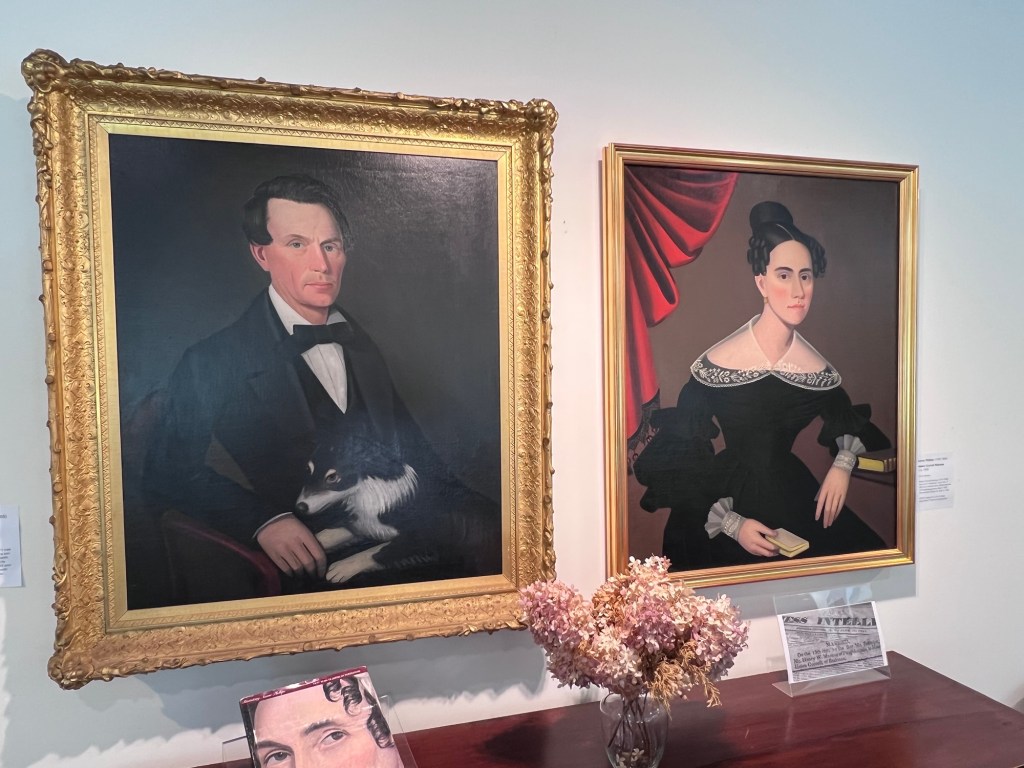
Local portraits and the Colonial flag

The Society’s collection of portraits

The sign for the portrait of Edward Martin

The collection of portraits of Judge and Mrs. Soutenburgh

The sign for the Stoutenburgh’s

The map collection

Farm scene

Saugerties Historical Society 119 Main Street Saugerties, NY 12477

The Saugerties Historical Society at 119 Main Street

Stony Point Battlefield State Historic Site 44 Battlefield Road Stony Point, NY 10980

The Stony Point Battlefield Museum

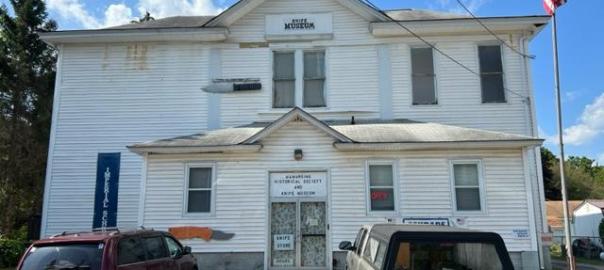
Wawarsing Historical Society and Knife Museum 3 Irish Cape Road Napanoch, NY 12458

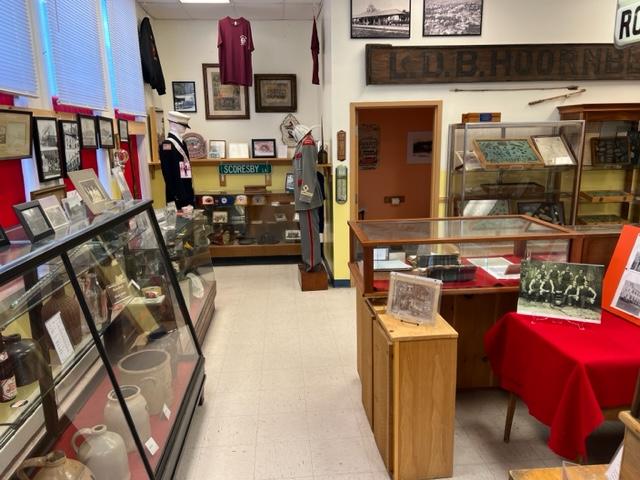
The main gallery at the museum.

Ulster County Historical Society 2682 Route 209 Kingston, NY 12401

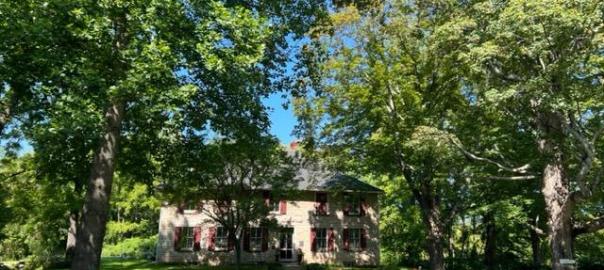
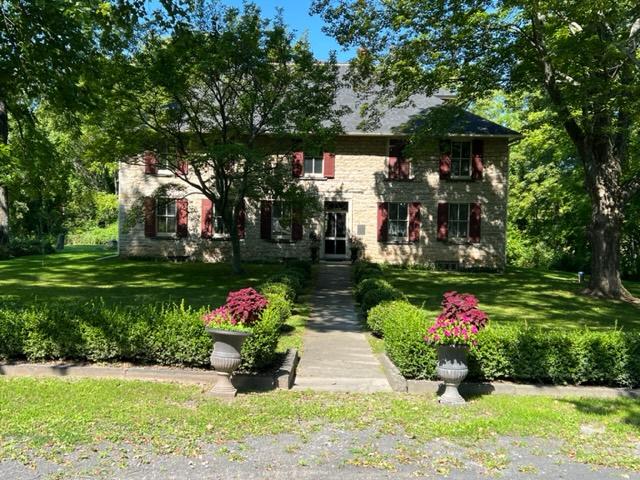
The historical Bevier Home that houses the Ulster County Historical Society.

Kripplebush Schoolhouse Museum Kripplebush Road Stone Ridge, NY 12484

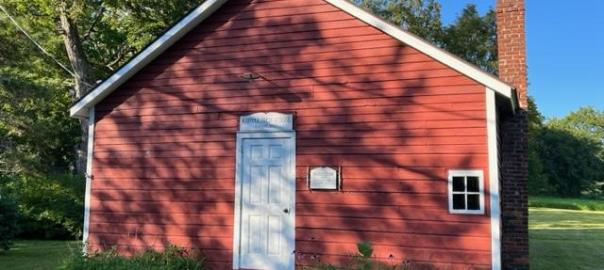
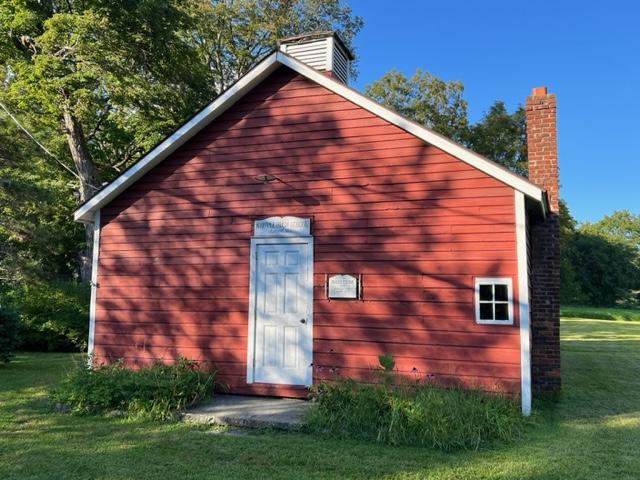
The Kripplebush Schoolhouse Museum on Kripplebush Road.