I love the Lunar New Year with all its pageantry, parades, fireworks and crackers and especially the food. I spend most of my time running around Chinatown in Manhattan before the holidays began, where most of the main celebrations take place but now travel to museums to enjoy the festivities they sponsor for the holidays.
I start the holidays at the Metropolitan Museum of Art (or as I say my second home in New York City) for their celebration for the ‘Year of the Horse’
Touring the Asian Galleries on the second floor for the ‘Year of the Horse’ celebration
The Met had created a display of all sorts of objects in the Asian Wing of the museum for the holidays. So there many horse themed pieces on display in the cases includes a series of zodiac figurines.
Some of the ancient horse artwork in the Asian Wing
Some of the artwork is so beautiful
The Scroll Room with the paper artworks. The collection is very extensive
The Chinese Shine tucked back in one of the galleries with its unusual stonework
Some of the statuary and stoneworks in the entrance gallery of the Asian Wing
The ancient stonework in the main gallery
The last event of the day in the American Wing was the Peter Lin Ensemble, who had played at the museum last year. The band was wonderful and played all sorts of jazz hits from all over the world.
The Peter Lin Jazz Ensemble
Video of Jazz tunes:
Video of Jazz tunes:
Mr. Lin then talked about the history of his group and introduced them to the audience.
After the break, the group performed more songs
Video of popular Asian jazz tune:
At the end of the afternoon, I stopped in the lobby at the gift shop. The Grand Hall was beautifully decorated with cherry blossoms.
The cherry blossoms in the Grand Hall on the first floor
The cherry blossoms decorated the urns around the Grand Hall
The weather that night was an unbearable 10 degrees and after all that touring in the Asian galleries, I needed some dumplings. So I took the Q subway and back downtown to North Dumpling at 21 Division Street in Chinatown.
The food had been so good the week before, I had to go back and try the fried dumplings. Even in the cold, it was well worth the trip to Chinatown. The food here is delicious and so reasonable. I can see why it is winning instant popularity.
The Spring Rolls are the perfect way to end the meal
After dinner, even though it was freezing cold, I had to try a soft serve cone at Mixue, a Chinese dessert chain that just opened on Canal Street. At $1.99 for a cone you can’t get a better deal than that. The Vanilla ice cream is really good even on that freezing night.
I had to head home as the temperature dropped to 12 degrees. It had not been this cold in many years during the New Year celebrations.
The next day I visited the Newark Museum in Downtown Newark for the start of their activities with a performance of Korean dance. It was already over by the time I got there but they had a sampling of popular Korean foods and the door was excellent.
I went into the main hall as the entertainment was ending and everyone was taking pictures. I loved the outfits everyone was wearing.
The main hall of the museum just after the festivities
A sampling of Korean dishes including Korean Fried Chicken, Noodles, Dumplings and Shushi
I had to go back for seconds the food was so good
I toured around the museum but most of the galleries closed early that afternoon. It was a nice afternoon of just walking around the open galleries on the first floor.
The exhibition of art by local Korean artists in the hallway off the museum’s main hall court
I unfortunately could not go in for the parade this year plus the weather was not the best to stand around and watch other parade goers freeze. The year before it down poured making two years of not the best conditions to attend the parade. On TV I did notice a nice sized crowd.
I managed to get to Chinatown after the parade and have dinner. Chinatown is becoming unrecognizable as many of the grocery stores and restaurants have closed to the change in rents and many of the old tenement buildings are being knocked down for luxury condos. I have never seen so many changes.
Chinatown in the afternoon
While Mott Street, like Mulberry Street, keeps up appearances for the tourists, the rest of the neighborhood is under gentrification. I have watched one business after another close including groceries and take out spots. I can see a lot of changes coming over the next five years.
As the snow storms peaked and did it snow this year with 18 inches coming after the holiday, the weather gave way to two 75 degree days during my Spring Break and hopefully warmer weather in the coming months. Spring is on its way.
I love the holidays in New York City. There are so many Christmas themed events to go to and decorated homes to visit. One of my favorite tours is at the Met Cloisters for their Christmas themed walking tours that take place from December through early January.
The Cloisters Museum & Gardens: A Branch of The Metropolitan Museum of Art
To finish my weekend of holiday festivities before the Epiphany, I took the annual Christmas walking tour of the Met Cloisters. The museum hosts an interesting walking tour of the history of the holidays during the Medieval era. Each tour has a different theme to it. There is the history of Christmas in that era, the use of plants and flowers in the decorating of the religious sites and the historic significance of the visit of the Three Kings.
Each tour guide incorporates the artwork, architecture and plants into the discussion. On average you will have about forty people on the tour.
The entrance of the Cloisters decorated for the holidays
The entrance of the gift shop decorated for the holidays
The archways were decorated with seasonal plants and fruits. I read online that the volunteers went into Fort Tyron Park and collected ivy from the wild to decorate the museum. Every day the museum is open during the holidays these are replaced on a daily basis.
The entrance to the galleries decorated for the holidays
We started the tour with a discussion of plants that once decorated churches and ministries
With the change in attitude towards the Christmas holidays during the Middle Ages and its incorporation into church traditions, decorating for the holidays came back into style. The use of holly, evergreen and mistletoe became part of the Christmas tradition and to justify the decorating, they were related to Christian symbols.
The beauty of the life plants in winter
Each of the Cloisters were lined with fresh greens and potted plants giving each of the Cloisters its own special mood.
One of the Cloisters bright with plants
The stairs leading into the chapel decorated for the holidays
The chapel on the main floor decorated for the holidays
The colorful floral displays lining the window sills of the chapel
This led to a discussion about what each plant, flower and fruit meant in the Christian tradition, a clever way to justify decorating and celebrating during the holidays. Ivies, pine, winter flowers and even late season apples not only lined places of worship but gave a festive look and district smell to these buildings. A symbol of life in the cold winter months while they waited for the arrival of Spring.
The plant types that decorated the houses of worship
The flowers and plants lining the chapel
The decorative candle stands lining the walls of the chapel
We then toured the main Cloister, closed for the Winter but was lined with plants, flowers and greens brighting every corner of the building. These were examples of plants and flowers that would have decorated these halls at the holidays.
Walking the halls of the Cloisters
Touring the halls of the Cloisters with flowers and plants to celebrate the season
Walking the halls of the Cloisters
The flowering plants of the Cloisters
The flowering plants and vines that would have decorated churches in Medieval times
We then toured the Tapestry Room and discussed the use of plants in art form and the use of the detail as symbolism in art. These tapestries were meant to cover the drafty walls of palaces and bring in color and decoration to the stone walls.
The famous ‘Hunt of the Unicorn’ tapestry
We then took a detour to the outside gardens that are enjoying their winter slumber. These gardens were used by the cloisters for food, medicines and decorative use. They will start coming to life in a few months.
The Cloisters Gardens
The garden terrace over looking the Hudson River
The terrace gardens in the winter waiting to come to life
Then we went back inside for a discussion of the Three Kings and the Epiphany and its symbolism in art at the Cloisters. These are some of the works featured on the ‘Christmas Tide’ tour to symbolize that visit.
Some of the woodwork from that era
The Visitation of the Three Kings
The Visitation of the Three Kings depicted in stained glass
The Visitation of the Three Kings depicted in statuary
We visited the last of the Cloisters and discussed some of the plants in the collection
We were admiring the plants and flowers
A candelabra in the hallway of the Cloisters
As I exited the building that afternoon, there were potted plants at the entrance of the Cloisters. It was a real treat to walk around the building at the holidays.
The potted plants outside the entrance of the museum
On my way down the stairs and out the door to Fort Tryon Park, I took another walk down the stone steps and walked through Ann Loftus Park. This popular playground was quiet this time of year, awaiting the Spring and the wonderful warm afternoons ahead.
I love coming for breakfast at G’s Coffee Shop after a tour of The Cloisters. The food and service of this small ‘hole in the wall’ diner is wonderful. The meals are so reasonable and when you dine at the counter, you can watch the food cooked right in front of you. I had a wonderful Bacon, Egg and Cheese sandwich with a side of golden pancakes. What a great meal on a cold winter morning.
The Bacon, Egg and Cheese sandwich
The breakfast sandwiches here are so good
The pancakes were wonderful. The perfect comfort food on a winter day.
It was a really great tour, and it was fun to walk around the neighborhood through the parks and seeing all the post-Christmas decorations. Inwood is a really beautiful section of Manhattan with lots to do and see. It is the perfect place to spend the Christmas break.
It has been almost a decade since I attended the Macy’s Thanksgiving Parade. The last time I attended the parade, it was when my best friend came in from the Midwest as part of a four day band trip that the local high school sponsored as they were performing in the parade. We had a really nice time.
For the next several years it was either spending time with a friend out on the island or family commitments or the weather that kept me away. Last year it down poured on the parade. This year it would be hit or miss with the weather but the rainstorm the day before went out to sea and it ended up being a sunny cool day.
My spot on the corner West 46th street and Sixth Avenue for the start of the Macy’s Thanksgiving Day Parade
I got there early leaving the house at 7:00am to a packed bus. I was lucky to get a seat and I am at the beginning of the route into the City. We just passed all the stops on the way into the City as we zoomed through the Lincoln Tunnel, a first in a long time.
The crowds at 8:00am on Sixth Avenue
I had read that the route had moved from Broadway to Sixth Avenue, so I walked a couple of blocks uptown to get away from the Times Square crowds. I figured that was where all the tourists were headed. I settled on West 46th Street, which has an incline near one of the office buildings and offered a better view.
The crowd just kept growing around me at the start of the parade.
The parade started uptown at 8:30am and made its way down Broadway until 59th Street and turn on Sixth Avenue and made its way down Sixth Avenue to Macy’s on West 34th Street. I was around the halfway point. Around 9:15am, we heard the first band coming down the Avenue and Tom Turkey, one of the oldest floats in the parade that I could remember from my years in the parade.
The Tom Turkey float used to house the grand marshal of the parade. My first year with the parade in 1988 it was a freezing cold Clint Black, the country singer.
Tom Turkey passing West 46th Street
As the float passed by there was no one on top. Maybe it was too cold or maybe they were on a different part of the float. That height can freak people out.
The start of the parade passing all of us on West 46th Street. The crowds and the excitement started to build. We could see Tom Turkey coming down Sixth Avenue to start the parade. People started to cheer as the parade passed us by.
The start of the parade with the Macy’s logoed gold balloons, which have been part of the parade since I volunteered in the early 1990’s.
The Macy’s balloons at the start of the parade
After this, it was a series of balloons and floats that passed by. The funny part was I thought there were more marching bands in the past.
The Super Mario balloon passing by
The Super Mario passing by
Doria the Explorer balloon
Doria the Explorer passing by our spot
The SpongeBob SquarePants balloon
The Sesame Street float passing by
The Diary of a Wimpy Kid balloon
The Green Giant float passing by
The Disney Float passing by with Micky Mouse
The Spiderman float makes an impact on the parade
The Spider-Man float passes by
The Minon passing us and looking everyone over
The Stuart the Minon balloon passes by
The Golden Turkey float passes by with rapper Busta Rhyms
The balloons Gabby and Panda Paw balloon pass by
Cool & the Gang on the Bronx Zoo float
The Smokey the Bear balloon
The Snoopy float, one of the many that have graced the parade for years
Snoopy passing by
Snoopy has been part of the parade in different forms since the early 1990’s. This is the latest version of the balloon.
The Pac Man Balloon passing by
The Marshall from Paw Control balloon passes
The Buzz Lightyear balloon passes by
The Silver Macy’s Balloon
The parade passed by in intervals as the parade had to stop for performances further down the route.
The Jolly Polly Pirate Ship passes by with Mr. Fantasy. I did not know who he was.
The balloons moved down Sixth Avenue
Here comes the Shrek Onion Carriage balloon in the distance
The Shrek Onion Carriage balloon
The Goldbear balloon
The Bluey the Dog balloon
The Counting Sheep Dream float passing by with performer Debbie Gibson, a singer from the 1980’s.
The Noorah balloon
The Palace of Sweets float
The Pillsbury Doughboy then passed us
The Pillsbury Doughboy passing us in the parade
The Deck the Halls float passed us with Ms. Christmas herself, Darlene Love, whose Christmas song, ‘Nobody aught to be alone on Christmas’ is played every year in the movie, ‘Home Alone II’.
Darlene Love on the Christmas float as it passed by
Then Minnie Mouse made her appearance towards the end of the parade
Then the ‘Believe’ balloons came down Sixth Avenue to announce the arrival of Santa
Here comes Santa, which basically opens the shopping season snd Christmas
Santa waving at the crowds
Santa waving to us as he passed by
Santa saved my way as we all waved to him
Santa on his sleigh marking the end of the parade as it passed West 46th Street
Then the parade ended by us as it made its way to West 34th Street to join the crowds at Macy’s. There all the performers would perform clips from their shows.
Sixth Avenue at the end of the parade
After the parade was over, I spent some time in Midtown getting some work on previous blogs and creating new ones.
After work was over at the club, I headed down to Chinatown for my Thanksgiving dinner. I had been feeling the sniffles trying to come in, so I had my dinner at Wonton Noodle Garden for an early dinner.
I felt I needed the excise and the fresh air to fight this thing so I walked from East 44th Street to Chinatown. I figured a several mile walk would get rid of this thing. I got some great pictures in along the way. All the parks on the way to Chinatown still had foliage left on the trees and the parks were also decorated for the upcoming Christmas holiday season. This is when you get to see the City at its best.
When I was attending NYU, I never realized how close Chinatown was to campus and I made my dumpling runs as many times as I could. I wanted to be supportive to Chinatown businesses. I decided earlier I would go to Wonton Noodle Garden (Mei Lai Wah) on Bayard Street for Thanksgiving.
I thought Chinatown and Little Italy would be closed down for Thanksgiving and I would not have much of a choice of places to eat. Wrong! Chinatown was mobbed with both locals and tourists and all the restaurants would be packed until 6:00pm.
When I got to the restaurant, it was packed with diners. I sat in the counter area by the kitchen, which I enjoy. You get quicker service and I like talking to the staff.
My Thanksgiving dinner, Cantonese Wonton Soup with Roast Pork, Egg Noodles and Pork Wontons and a order of Fried Wontons
This is the best dinner and the cure all when you have a cold. It cleans out all the cold in your system. The food and the service here are excellent. I have coming here since the original restaurant opened on Mott Street back when I was in Junior high.
The Cantonese Wonton Soup chicken broth is so rich in flavor
The Fried Wontons are the perfect accompaniment to the soup, crisp and served with a sweet sauce
The Wontons are so good
The staff is so funny here. They can never believe my appetite. I had had only a quick breakfast and no lunch so this served as both lunch and dinner. I was still hungry after lunch. I knew where to walk for dessert.
I stopped down at Great Taste Bakery on 53 Catherine Street for dessert.
Not only were they open but still baking. I got two egg custards that were still hot out of the oven. The tables were filled with local residents talking with their neighbors in Chinese.
The egg custards at Great Taste Bakery
This is one of the last reasonable holdouts in Chinatown for excellent desserts and cheap prices. It caters to the older locals and the hipsters who are flooding the neighborhood.
After dinner, I decided to walk back to Port Authority since it was such a nice night. Most people think I am crazy when I do this but it really is a nice walk.
Walking through Chinatown around 5:30pm Thanksgiving night
Midtown with the Empire State Building lit for Thanksgiving
The Empire State Building in all its glory
It really was a great afternoon and a wonderful Thanksgiving. This was fun just seeing the parade on a sunny afternoon and the perfect dinner in Chinatown.
There is always a lot of excitement when a new art exhibition is ready to open. It is even better when the museum opens it to its members first before the public gets a glimpse. The lines always wrap around the corner from the museum.
The long line of MoMA members waiting to get into the museum for the opening night of Artist Ruth Asawa’s exhibition
I noticed this year especially and right before Thanksgiving, all the museums are throwing open their doors for Member’s Nights. I have been invited to five Members Nights at museums all over the City. You can’t attend them all but when you can, it is a lot of fun.
The excitement the museum creates for these evenings
Video of entering the museum at the start of the opening with 80’s Japanese Pop Music
I think in an economy like this, these Members Nights are one of the best ways to engage with the membership for both donations and renewals of memberships especially before the holiday season. Plus it gives the members a wonderful night out to see the exhibitions ahead of time and enjoy the evening after a long week at work.
Born on a farm in Southern California, Asawa began her arts education when she was a teenager and she and her family were among the thousands of persons of Japanese descent who were forcibly incarcerated by the US government during World War II. It was at the internment camp that Asawa began taking classes in painting and drawing. After her release, Asawa studied to be a teacher but was unable to get a license because of her Japanese heritage, so she enrolled at Black Mountain College, an experimental art school in North Carolina. Asawa took classes from and worked alongside fellow artists Josef Albers, Robert Rauschenberg, Merce Cunningham, and R. Buckminster Fuller. Black Mountain was also where she met her husband, the architect Albert Lanier.
I loved her wire woven sculptures. They were the real standouts of the show.
The wire woven sculptures were the standouts of the exhibition
I thought these were a unique design
I liked here colorful paintings, these are of her child’s footprints. I loved the idea that her children were involved with the art
The patrons enjoying the art
The display of the wire art
The displays were impressive and graceful
The colorful faces looked tired
The look of nature in the wire art in the form of trees
I loved her works of food
At the end of the exhibition and the evening, I joined everyone on the main floor where the bar and gift shop were located. The main floor was the busiest part of the museum. I wondered if some of these people even went upstairs to see the exhibition or just stayed downstairs to socialize.
The main floor of the museum is always packed with people
Share in the excitement of the Membership opening
These evenings always get my mind off the stress of life. It is nice to just be in Midtown Manhattan and be in the moment. It is nice to see art, hear music and walk through the museum.
I finally finished walking Lower Chelsea which means that I have now walked 2/3 of Manhattan island. It has taken a decade to do this since my initial start but life does get in the way. I hope to all you readers you have been enjoying the journey.
The streets of Lower Chelsea took so much time because here in this corner and there in that corner I kept finding more interesting things I wanted to share with everyone. It makes this journey even more fun.
I started my journey in the Meatpacking District in the early afternoon of a glorious summer day. It was clear, sunny and warm and the perfect 80 degree day.
Ninth Avenue and West 14th Street
I started the walk on the corner of West 14th Street and Ninth Avenue, which was once all slaughter houses up until about twenty years ago. Some converted to clubs in the 1980’s and then funky shops and over the last twenty years has seen a change in upscale dining, shopping and living.
There are still meatpacking businesses and distribution centers on the edges of the neighborhood but I am sure that won’t last forever with the cost of real estate in this neighborhood. It’s just funny to see the meat distribution centers sitting across the street from stores selling $1000.00 leather jackets. In just a decade period, I have never seen a neighborhood change as dramatically as this one.
This was one of the scenes of “Sex and the City” where I saw the Meatpacking District change.
Once they featured this neighborhood in ‘Sex and the City’, it was already past trendy. Now most of the streets are lined with ultra chic and expensive stores. I have never seen so many stores lined next to the vestiges of meat wholesale businesses.
The edge of the Meatpacking District at the corner of West 14th Street and Ninth Avenue
Walking down Ninth Avenue to Ganesvoort Street seems to be one long Mexican restaurant. The street is lined with chain restaurants next to luxury condos. The cobblestone streets and plantings though give it a real picturesque look.
Walking down the cobblestone street of Ninth Avenue
Once you reach Gansevoort Street there is nothing left of the neighborhoods storied past
Looking down Gansevoort Street and its cobblestone look
Looking down Gansevoort Street seems like seeing a combination of what was old being converted to new plus a lot of new construction with very innovative design tucked in between. I love the hodge podge of architecture and how it all blends into the neighborhood.
Very whimsical street art along Gansevoort Street
The High Line Park ends on the edge of Ganesvoort because once upon a time these were the famous Washington Markets. The line was used to get produce and other foods transported out of the area.
The new Whitney Museum is at the very edge of the neighborhood and is a catalyst for tourists
When I was visiting the neighborhood for the second time to finish Hudson Street, I stopped at the Whitney Museum and found out that after 5:00pm on Friday nights, the museum is free for entry. That and being an NYU Alumni, I got in that night and was able to tour the museum and all the exhibitions for two hours.
On the very edge of Hudson River Park sits one of the few man made beaches in New York City , the Gansevoort Peninsula Sand Bluff that is part of the most southern part of Hudson River Park. This wonderful and relaxing park became my ‘go to’ spot when I wanted to relax after a long day of walking. The views are spectacular and if you can snag one of the lounge chairs either on the beach area or facing the Hudson River, it is even better.
Entering the park from Eleventh Avenue, the Gansevoort Peninsula Sand Bluff
The amazing artwork along the beach ‘Days End’ by artist David Hammons
This fascinating piece of art is entitled “Days End” by artist David Hammons. It looked like the shell of an empty building and struck a nerve as the sun started to set on the New Jersey side of the Hudson River. It is an ‘Open Air’ sculpture that explores the history of the neighborhood (Whitney Museum). This sits right at the entrance of the park.
Mr. Hammons is an American born artist who studied at the Chouinard Art Institute (CalArts) and at Otis Art Institute. He is known for his Body Prints and sculpture work (Wiki/Artnet.com).
Underneath it is the amazing and very busy beach
The pathway along Hudson River Park
The beautiful plantings along the pathways
The colorful flowers in season in Hudson River Park
The very edge of the dock in the late afternoon looking over Lower Manhattan
The views from the dock section are fantastic and have the most breathtaking views of both Jersey City and Lower Manhattan. It really shows the growth of these areas for business and residential over the last twenty years.
The view of the beach with everyone looking so relaxed
The view looking up from Tenth Avenue
I rounded Gansevoort Street and walked down little 12th Street , which itself is making a lot of changes from business to both retail and residential.
Making the turn on Little 12th Street
The mural above Golden Goose at 812 Washington Street
The view of the High Line Park from Little 12th Street
I thought the front of 12 Little 12th Street was quite unique
Little 12th Street like most of the neighborhood is in transition right now. Stores and restaurants have been opening and closing in the neighborhood and right now there are quite a few empty storefronts. The effects of COVID are still being felt all over the City.
On the contrary though, the empty store fronts are producing some interesting Street Art on the windows and doors of these establishments. These were some of my favorites.
I thought this was amusing
This looked like something out of the movie ‘Just can’t Wait’
This artist I was seeing all over the neighborhood
I love the irony of politics
Interesting art
I loved the little cents guy
This work was really creative
There is all sorts of public street art like this all over the neighborhood.
Turning on to West 13th Street,, I saw the last vestiges of the Meatpacking and Distribution industries. Some companies are still holding on in the area and their buildings prominently display their signs.
On some buildings, the signs have been kept as a reminder to the areas past and house expensive stores. The neighborhood has not totally gentrified yet and still has a grasp on the food industry, probably catering to the local restaurants and hotels.
Turning onto West 13th Street is a small look into the neighborhood’s past.
The Meat distributors who still operate in the neighborhood are becoming less and less. The London Meat Company and the Weichsel Beef Company still stand strong with their building on Little West 12th Street. These companies are the last holdouts of the old neighborhood. I have a funny feeling with the land worth millions that this will be a luxury condo or hotel in about five years.
What I read about the Meatpacking District is that this area was zoned for the Food Wholesale Markets going back to a deed from the Astor family when they owned this area. This tiny section of the neighborhood is still on that deed and many of these companies still have long term leases. How long before the real estate industry buys them out is anyone’s guess.
The Collier company was a producer of high end books and magazines and produced the publications in this building to up until the 1960’s. The building was designed by architects Trowbridge & Livingston in 1901 in the Neo-Classic style (Daytonianinmanhattan.com).
Looking at the view down West 13th Street and its future in upscale shopping and residences.
The cobblestone streets on the corner of West 13th Street and Hudson Street
I took a long turn around the neighborhood and walked up Tenth Avenue from the park on Gansevoort Street and walked up this still seedy stretch of the neighborhood.
I have been seeing this artist’s signs all over lower Manhattan
The Gansevoort Market Meat Center is in a state of transition eight now located on 10th Avenue
Surprisingly, the building has become a haven for street artists. These were some of the works on the building that I thought stood out. It is like an open air contemporary art gallery.
I loved the cartoon like character of this work
I love seeing this artist’s work
This artwork I thought was unique
This was on one of the garage doors
This poster was prominently shown on one of the walls
The signs along 11th Avenue still remind you that this is an area of food distribution.
I never noticed this interesting piece of art on the Rivian Building at West 14th Street
To give both our longtime followers and those new to our brand a chance to connect with a distinct facet of who we are, we’re introducing yearly, rotating concepts that will come to life through immersive design, content, events, and programming. The first concept, “Adventure Is In Us,” tells the stories of people who embody this spirit in their daily lives, including real Rivian owners. While adventure is core to our brand, it doesn’t always mean scaling cliffs or going off-roading. It can also mean starting something new or pursuing a creative path. “Adventure Is In Us” is about celebrating that broader, more inclusive view of adventure and inspiring visitors to embrace it too (Rivian website).
The last block I walked was down the tiny stretch of Washington Avenue that was the ‘Avenue of extremes’.
The upscale shops across from the meat distributors
On one side you had the back of the meat distribution building and on the other side of the street were boutiques selling $1000.00 sweaters and jackets.
The changes in the neighborhood from manufacturing and distribution I staggering. The front of Louis Zucker & Company still stands guard at 830 Washington Street
The neighborhood still showing its grit with the Louis Zuckerberg & Company distributor across the street from ironically enough a new Shake Shack all underneath the High Line Park.
I loved the messages on the garage doors
The view of the transition of 9th Avenue and views of the Highline Park
The tiny cafe tables across the street from the meat distributors and right under the High Line Park
On the second day of the walk around the Meatpacking District, I finished the small corner around Hudson and Gansevoort Streets on the very edge of the neighborhood that it shares with the West Village.
I loved this colorful mural outside of Starbucks but I could not find the artist. I am not sure if it is independently painted or is a corporate painting by the store.
The change in the neighborhood at Hudson and West 14th Street
I walked down 10th Avenue again to see if any of the distributors were still open but they had closed at this time of the evening.
What is left of West Street off 10th Avenue on Gansevoort Street
I realized this is where my grandfather back in the 1930’s owned his garage in side the old Washington Markets. I had a lively conversation via text with my brother that I wished our family still owned the building what we might be worth today. He laughed and said where it stood is an upscale condo. To have a crystal ball!
In the late afternoon, as I was walking back down Gansevoort Street, I noticed that the Whitney Museum was having a free Friday night and I used my NYU pass to get in. What a breathtaking museum with interesting contemporary art and gorgeous views of the Hudson River.
I traveled floor by floor from the top to ground floor and explored the museum. There was a special exhibition with artist Christine Sun Kim, whose art reflects the artist’s view on being deaf. I thought her art told a good story on how she has been treated.
In works full of sharp wit and incisive commentary, artist Christine Sun Kim, engages sound and the complexities of communication in its various modes. Using musical notation, infographics, and language—both in her native American Sign Language (ASL) and written English—she has produced drawings, videos, sculptures, and installations that often explore non-auditory, political dimensions of sound. In many works, Kim draws directly on the spatial dynamism of ASL, translating it into graphic form. By emphasizing images, the body, and physical space, she upends the societal assumption that spoken languages are superior to those that are signed.
The Sun Kim exhibition
This exhibition surveys Kim’s entire artistic output to date and features works ranging from early 2010s performance documentation to her recent site-responsive mural, Ghost(ed) Notes (2024), re-created across multiple walls on the eighth floor. Inspired by similarly named works made throughout her career, the exhibition’s title, All Day All Night, points to the vitality Kim brings to her artmaking; she is relentlessly experimental, productive, and dedicated to sharing her Deaf lived experiences with others (Whitney Museum website).
One of the pieces of relatable art
Then I toured all the floors to see the different exhibitions of art and some of the restaurants and bars in the museum. Food here is very expensive.
The bar on the Eighth Floor
The American flag on the Seventy Floor
The picture of Gertrude Whitney , the founder of the museum
The view of the Hudson River from the Seventh Floor staircase
The lower floors had large scale pieces or were closed for the new exhibitions being mounted for the Fall. So I headed for the first floor to visit both the gift shop and restaurant.
The restaurant, as pretty as it is and as nice as the pastries look, is extremely expensive and I think $14.00 for an eclair is a bit much. I was there on a busy Friday night and no one was in the restaurant. Since it was a free night for patrons, they probably did not get their usual crowd. This is considering it was a lot of tourists and local New Yorkers that night.
The exhibitions will be closing in two weeks to prepare for the fall shows so much of this art will be moved around. What I like about the new Whitney Museum versus the old one on the Upper East Side is the openness and airiness of the galleries and balconies that over look the neighborhood. It feels more inviting and less confined and elitist as the old building. The new museum is so inviting and easy to view. I saw the whole museum in about an hour.
It was still sunny when I got out of the museum at 6:00pm and I went back over to the Gansevoort Beach again. It was clear, sunny with no humidity and a slight breeze, perfect to sit by the river and relax.
I first decided to visit the beginning of the High Line Park, that starts on Gansevoort Street which was once the center of the Washington Markets. They sent produce and farming items to places all over New York City.
The start of the walkway of the High Line Park at Gansevoort Street
Artist Brittany Marakatt-Labba is a Swedish Sami textile artist, painter, graphic artist, and a member of the Maze Group. She is a BA in Textile Art from the Art Industrial School. While Marakatt-Labba works with numerous types of media, it is primarily her narrative embroidery using motifs from the Sámi culture and mythology that she is known for around the world (Wiki).
The sign of sculpture “Urmodern”
The view of the High Line Park at 14th Street
The view of West 14th Street from the High Line to the Hudson River
The of West 14th Street border of the neighborhood, which is undergoing massive renovations
After exploring the remainder of the neighborhood and touring the beginning of the High Line, I finished my day relaxing by the Gansevoort Beach and sitting on one of the wooden lounge chairs by the Hudson River. There is nothing like the breezes and the views by the Hudson River.
The most southern part of Hudson River Park
Looking north to Little Island
Walking around the park with a view of the Hudson Yards in the background
The view of the skylines of Lower Manhattan and Jersey City
Enjoying a beautiful sunny day by the Hudson River
The one New Yorker who found the perfect spot in New York City
Video of walking along the pier
The Meatpacking District has so much to offer from interesting architecture to wonderful restaurants at funky street art, there is something for everyone here. You just have to walk around and enjoy the views.
Some much is changing in this neighborhood so we will wait and see what happens next.
The one thing I suggest getting is the Sprinkle Cookie Cake Batter Vodka Martini infused Ice Cream sandwich. Words can’t describe how good this dessert is and after a long day it will give you a nice buzz.
The Sprinkle Cookie Cake Batter Vodka Martini Ice Cream sandwich I highly recommend
One of the nicest events we have as members of the Cornell Club is the walking tours that the club offers during the year. It really does give you an interesting perspective of New York City. I have toured the historic bars and saloons of Lower Manhattan, walked through historic Midtown Manhattan for a Victorian Christmas through the Ladies Shopping Mile, walked through the haunted historic sites of lower Manhattan and toured Chinatown through some of its oldest buildings and then lunch at a local restaurant. I even got to sit next to the gentleman who helped the President of Bloomingdale’s organize the big “China at Bloomingdales” exhibition. Now that was interesting.
The latest tour I went on was the “Secrets of Grand Central Station” tour on a recent Saturday. A group of about 25 of us met at the club to tour Grand Central Station and learn about various points of the history of the building. The tour guide was over an hour late so everyone on the tour got to know one another before we left the club.
When the tour guide arrived, we took the two block walk to the club and started at the staircases as you enter the building at Vanderbilt Avenue.
The Grand Central Terminal is right around the corner from the club
The terminal was not that busy that Saturday morning and we were still able to walk around with no problems. We started the tour at the top of the stairs leading into the Great Hall of Grand Central Station. We were able to admire the room from a distance and all the activity that train travel brings.
As the tour guide explained, Grand Central Terminal was meant to impress a visitor when they arrived into New York City from wherever they were traveling from. You entered the room to see the elegance and vibrancy of Manhattan.
Though splendid in its day, the original Grand Central Depot of 1871 had become a 19th century relic struggling to meet the demands of a 20th century city. Its 30-year-old rail tunnels couldn’t handle the steadily increasing traffic. The building lacked modern conveniences and signaling technology, as well as the infrastructure for electric rail lines. And having been designed for three independent railroad companies—with three separate waiting rooms—the terminal was badly outdated, crowded, and inefficient.
On top of that, the old station no longer reflected its surroundings. In 1870, 42nd Street was still a relative backwater. By 1910, it was the vibrant heart of a dynamic, ambitious, and swiftly growing New York City (Grand Central Terminal History).
The new Grand Central Terminal was built between 1903-13 and opened in 1913. This beautiful rail station was designed New York Central Vice-President William J. Wilgus and the interiors and some exteriors by architects Reed & Stem and Warren & Wetmore in the Beaux Arts design. The exterior façade of building including the famous “Glory of Commerce” were designed by French artists and architects Jules Felix Coutan, Sylvain Salieres and Paul Cesar Helleu (Wiki).
Grand Central Terminal Great Hall
The architects brought in Parisian artist Sylvain Saliéres to craft bronze and stone carvings, including ornamental inscriptions, decorative flourishes, and sculpted oak leaves and acorns (symbols of the Vanderbilt family.) Playful carved acorns festoon the Main Waiting Room’s chandeliers. The architects specified Tennessee marble for the floors, Botticino marble for wall trim, and imitation Caen stone for the walls (History of Grand Central).
The Great Hall of Grand Central Terminal right before COVID 2020
The view of the Great Hall from the stairs at the Vanderbilt entrance
The Landmarks Preservation Commission protected Grand Central from demolition, but the dilapidated terminal was still ailing. Restoring its former glory required an owner that recognized the station’s beauty and potential, craftsmen able to renovate its battered décor, and strong public support. It also required money. In 1982, Metro-North took over the terminal—now primarily a commuter hub—and launched a four-year, $12 million repair program that stopped further deterioration but didn’t erase decades of decay (Grand Central Terminal History).
In 1990, Metro-North announced ambitious plans to restore the station’s structural, architectural, and decorative glory. Peter E. Stangl, Metro-North’s first president and later Chairman of the MTA, led these efforts. Metro-North’s vision went far beyond simply refurbishing the building. Its master plan reimagined Grand Central as a vibrant shopping and dining destination, reclaiming its role as New York’s town square (Grand Central Terminal History).
The windows and the ceilings of the Great Hall
All the art on the window arches is dedicated to travel. The friezes were dedicated to travel, motion and speed. The theme of the sculptures was travel. The sculptures were designed by Sylvain Salières, who designed many other decorations around the terminal.
Artist Sylvain Salieres was born in France. He studied at the Ecole des Beaux-Arts, Paris. He taught at Carnegie Institute as a Professor of Art.
The interior of the building is just as spectacular. When you walk into the building and stare from the top of the stairs, you see the power and bustle of New York City. When you look up you will see the famous ‘Constellation’ ceiling cleaned and lit with all the stars in the sky. There is still a small portion of the ceiling that was not cleaned to show how dirty it once was before the renovation.
The ceiling of the Great hall shows all the constellations
The ceiling had been designed with the help of a professor from Columbia University who taught astrology. The tour guide told us it was after the completion of the ceiling that the constellations were upside down and backwards (which was also noted in the video as well). Still you can see its magnificence in the details and the fact that it is lit up with lightbulbs to represent the stars.
The dirt on the ceiling
This small spot left in the ceiling in the corner was what was left after they finished cleaning the ceiling and renovating the rest of the terminal in the early 1990’s. Both the tour guide and the video said that this was from years of allowing smoking in the terminal. That was banned in the late 1980’s and early 90’s by both the Giuliani and Bloomberg Administrations.
The windows of the Great Hall which have walkways going across balconies
The tour guide explained to us that the windows were also skyways where people could walk across them. I did not believe it until I looked up and actually saw people walking across the windows. They are actually skylights that are double paned and there are three levels of walkways for people who work in the building to walk across.
The tile ceilings of the “hallways”Whispering Hall” of Grand Hall
In all the years I have been visiting Grand Central Terminal the “Whispering Hall” was the most fascinating part of the tour. You can stand on one side of the hall and hear someone talking on the other side of the room. It was fun testing it out and it really does work.
This remarkable acoustic oddity is caused by the unusually perfect arches, which are a version of Catalan vaults, that compose the gallery. The distinctive tile work in the gallery is known as “Guastavino” tiles, named for the patented material and methods of Spanish tile worker Rafael Guastavino in 1892, whose meticulous work and herringbone patterns can be admired here and elsewhere in the city (Atlas Obscura/Wiki).
The Grand Central Oyster Bar Restaurant inside the main terminal
The Grand Central Oyster Bar was closed that day but is one of the oldest restaurants in the city and was located there for the commuters who came and went from the terminal. It has been there since the beginning.
The chandeliers of Vanderbilt Hall make quite a statement. These were created to show off the new modern technology of electricity which was new back in 1913 when they were installed. The modern light bulb replaced gas lamps and candles of an earlier era. The Vanderbilts wanted to show how progressive they were with the railroads so these were created to dazzle the modern train rider.
The first part of the use electricity with these chandeliers
The vaults and chandeliers on the side of the Great Hall
A combination of soaring ceilings and modern lighting were to show the progress of the rail system and to dazzle customers as they came into New York City. These halls were meant to impress travelers when they entered this part of the Terminal.
The Vanderbilt’s wanted travelers to know that Grand Central Terminal was electrified which was unusual at the time when the building was built. This was very important as they wanted travelers to know that they were in the modern age of travel.
Next we toured the Graybar Passage Way which is part of the Graybar building that is part of Grand Central Terminal. The tour guide noted the very decorative chandeliers that lined the passageway.
The Graybar Passageway of Grand Central
The details of the chandelier in the Graybar Passageway
The mural on the ceiling
The tour guide and the video you can listen to below both explained that this mural was part of the original terminal from 1913. The mural is a bit faded and I had walked these hallways before and never noticed it. It is a depiction of train transportation. The video said that at the time murals should represent what the building was all about (Grand Central Terminal Video). I thought that was very interesting. It is very easy to miss.
The Food Court
We took a quick tour of the Food Court area in the lower level and some people had to go to the bathrooms. This is one of the many money making parts of the terminal and the profits help with the continuous renovation and upkeep of Grand Central Terminal. Since COVID, this are is still not at 100% of what it was pre-COVID but is still slowly making its way back. It has a lot of popular restaurants that are convenient to commuters, tourists and office workers alike.
The Food Court like most of the retail spots in the Terminal was created to bring in income for the renovation and upkeep of the Terminal. We headed back up the ramps to the main room and headed up the ramp and out the door. We stopped first in the Jacqueline Kennedy Onassis Foyer. This was dedicated to the former First Lady.
The Jacqueline Kennedy Onassis Foyer leading to East 42nd Street
Notice the lamp in the shape of an acorn. This was part of the Vanderbilt coat of arms. The coat of arms symbolized “from an acorn a mighty oak will grow”.
This entrance way was dedicated to Jacqueline Kennedy Onassis who with members of the Municipal Art Society and the City helped save this treasured building. With the recent destruction of Penn Station, the former First Lady lent her celebrity to helping save and preserve Grand Central Terminal.
Jackie Kennedy Onassis with Bess Myerson and Ed Koch in front of Grand Central (The Attic 2020) trying to save this landmark
Grand Central was symbolic of old Manhattan, a city her grandfather, James T. Lee, had helped build (highlights include 740 Park Avenue). Onassis also cared about historic preservation, having restored the White House to its former glory and saved Washington’s Lafayette Square from being replaced by ugly government office buildings in the early 1960s (Bloomberg 2013).
She was the star of a press conference in Grand Central’s Oyster Bar. “If we don’t care about our past we can’t have very much hope for our future,” she said into a bank of microphones over the din of flashbulbs popping. “We’ve all heard that it’s too late, or that it has to happen, that it’s inevitable. But I don’t think that’s true. Because I think if there is a great effort, even if it’s the eleventh hour, then you can succeed and I know that’s what we’ll do.” (Bloomberg 2013).
Jacqueline Kennedy Onassis Plaque in the foyer
This entrance was dedicated to her for all her work in preserving the building for future generations.
When we walked outside, the tour guide pointed at the grill work that surrounds the building. I never really thought of it because I had never looked at it before. All over the grill work is tiny acorns and leaves, the Vanderbilt coat of arms that was created by Alice Vanderbilt. They were all in the details of the grill work. This was a symbol of the Vanderbilt’s influence at that time.
The Grill Work on the outside of Grand Central Terminal
The Acorn Coat of Arms of the Vanderbilt family
Acorns and Oak Leaves are all over the Terminal as a symbol of the Vanderbilt family and the lasting of the family business. Within one generation the railroads and the family fortune would be gone.
The Statue of Mercury and the famous Grand Central clock “The Glory of Commerce”
There is a true beauty to the statuary and stone carvings on the outside of the building. Each of these were done by different artists. Some of the statuary was taken from the original railroad terminal such as the statue of Commodore Vanderbilt and the Eagle statues on both side of the front of Grand Central Terminal.
The Commodore Vanderbilt Statue
The statue was designed by artist Ernst Plassman a German born American artist who moved to New York in 1853. The artist studied under many famous artists in Europe before founding the “Plassman’s School of Art” in New York City in 1854.
The Eagle statues were taken from the previous terminal.
They are two of the 11 or 12 eagle statues that ornamented the terminal’s predecessor, Grand Central Station. In 1910, when the station was demolished to build Grand Central Terminal, the eagles were dispersed throughout the city and New York State (Wiki). These two statues now are located on both sides of the Terminal. This eagle was returned to the Terminal in 2004.
The Eagle Statue on the outside of the front of the Terminal
The Vanderbilt Eagle plaque in the Vanderbilt Plaza
The terminal housed the New York Central Railroad and some of the busiest routes. It now houses the New Haven, White Plains and Poughkeepsie lines and stop overs for some Amtrak lines. In 2020, it was house the new lines of the Long Island Railroad.
The new Grand Central Madison Avenue Concourse:
The Grand Central Madison Avenue is a brand new terminal that is situated deep underneath Manhattan’s East Side. In the next few months, 296 LIRR trains per day will be rolling in and out of the terminal. This will mean more frequent train service to Long Island and better access to the East side of Manhattan.
The project was first proposed back in the 1960’s and then began in the 1990’s. After 25 years, the project was finally finished with an 11 billion dollar price tag. The project delays were because of budget cuts, 9/11, Hurricane Sandy and other issues that the City was dealing with over the last forty years. The terminal finally opened fully in March of 2023 (Tour Guide/Wiki).
This is the new Madison Avenue Concourse to the Madison Avenue Terminal
In the lower terminal, steel and glass creates a sleek, modern feel. As passengers rise toward the 350,000 passenger concourse and street level, however, visual references to Grand Central’s Beaux-Arts style will create a smooth transition to the century-old landmark above. The Grand Central Madison Terminal provides eight new miles of track to connect Long Island Rail Road to Grand Central Terminal. Transportation efficiency meets energy efficiency! Green design at the new LIRR concourse and terminal will combine maximum comfort with minimal power and water use (Grand Central Terminal History and tour guide).
The new artwork that dots the terminal and all the hallways is just beautiful. Many artists were commissioned to decorate the new rail terminal. These glass mosaics decorate the halls and subway entrances to the new part of the terminal.
Kiki Smith is a West German-born American artist[1] whose work has addressed the themes of sex, birth and regeneration. Her figurative work of the late 1980s and early 1990s confronted subjects such as AIDS, Feminism and Gender but her most recent works concentrate on the human condition and how it relates to nature. She studied at the Hartford Art School and is a member of Collaborative Projects, an artist collective (Wiki).
Further down the hall, we were greeted by this delightful and whimsical wall of surrealist images of happy and playful pictures. These engaging images were by artist Yayoi Kusama.
The artwork on the hallways of the new terminal area by Japanese artist Yayoi Kusama “A Message of Love, Directly from My Heart unto the Universe 2022”
“The other part of the artwork”A Message of Love, Directly from My Heart unto the Universe 2022” . The other side of the piece.
Artist Yayoi Kusama is a Japanese born artist who studied at the Kyoto School of Arts & Crafts and is known for her installments and sculptures but also works in film, performance art and fashion among other mediums and is known for influence in ‘Pop Art’ . She is currently the most successful living female artist in the world and is still going strong in her early 90’s. She currently is working on a second line of merchandise with Louis Vuitton (Wiki/Artist Bio).
Please watch the video of Yayoi Kusama
On the lower levels at each subway platform entrance, there is a new piece of art by Artist Kiki Smith, who continues to show here creativity in a series of local points of nature as she interprets it. Each work of art has a different theme and use of creativity and color.
The artwork at each track entrance “The Sound” by Artist Kiki Smith
The artwork at the track entrance “The Spring” by Artist Kiki Smith
The artwork at the track entrance “The Presence” by Artist Kiki Smith
The artwork at the track entrance “The Water’s Way” by artist Kiki Smith
“I made images from nature that hold affection and personal significance to me as I hope they will for others,” Smith said. “I am very honored to be included in the tradition of artists making work for the MTA, particularly as I have rarely had the opportunity to make something that lives within the public realm.” (6SqFt 2023)
We finished our tour at the last piece of artwork and then made our way back to the Cornell Club. I stayed for a half hour taking more pictures around the terminal and admiring the architecture one more time now knowing its history in more detail. It is amazing to walk around a building your whole life and never really know its history or its details. It was a wonderful tour.
The new modern entrance is now open for business and people can enjoy these wonderful pieces of art created for them to enjoy on their way to their trains and subways.
Grand Central Terminal at night
When I left for the evening, I got to see Grand Central Terminal at night and it really is nicely lit. You get to see the building at its best. It really is a beautiful building.
This was the closest tour I could find online of what I experienced:
Listen to the YouTube video while you are reading the blog. We had the same tour as on this video.
What is even more beautiful in Grand Central Terminal is it decorated for Christmas. Walking through the Great Hall with its towering wreaths and garland adorning the hallways.
Grand Central Terminal during the Christmas holiday season in 2023.
The beautiful wreathes adorn the walls of Grand Central Terminal. Christmas is such a special time at Terminal.
I took a different direction from my walk having finished the Flatiron District (finally!). I had just started Graduate School as I was finishing the Flatiron District and had not completed the blog when classes started. Who knew it was going to be that crazy of a semester. I had not worked that hard since Wines & Menus when I was at the Culinary Institute of America.
I bypassed the whole Theater District after the COVID vaccine mandate was lifted in June of 2020 because between the riots that took place after the George Floyd incident and all the theaters being closed because of COVID (they would not open again until 2021) I skipped this section of the Manhattan. I went to Murray Hill and worked my way down to 23rd Street. The whole Theater District was loaded with police anyway guarding the theaters and the areas in between. There was literally no one walking around this neighborhood and I would have stood out. The theaters and restaurants were boarded up and homeless all over the place.
So I’m back and it makes it really easy since I just get right out of Port Authority and here I am. The Theater District has changed tremendously in the last thirty years and has gotten much better. All of 42nd Street and its seediness has pretty much gone away (but the element still lingers) and some of the most innovative new buildings have replaced all that. It made for an interesting walk before I had to meet my friend, Maricel, for her delayed birthday dinner at Virgil’s, a barbecue restaurant on West 44th Street.
Leaving the subway at 42nd Street the walls are filled with partying patrons
More partying patrons in the 42nd Street subway station before you get into the Theater/Times Square district
So I started on the corner of Eighth Avenue and West 42nd Street and made my way up Eighth Avenue to the northern border of the Theater District at West 54th Street. Talk about a combination of architectural structures and designs.
One of the most interesting buildings in the Times Square area is the Westin New York at Times Square at 270 West 43rd Street which stretches from West 42nd to West 43rd along Eighth Avenue. This hotel is considered one of the most innovative designed buildings in New York City when it was built.
Westin New York at Times Square at 270 West 43rd Street
The hotel was so innovative at the time when it was built and was considered a key in the redevelopment of the West 42nd Street district. The hotel was commissioned by the architectural firm of Arquitectonica to design the building. The 863 room hotel is actually two towers merged together with a ten story midsection for retail and hotel suites. The large scale abstract design has the look of a multi-dimensional gigantic origami (Arquitectonica website). The building was designed by HKS architects and was finished in 2002.
Further up Eight Avenue is the well-known Row NYC Hotel at 700 Eighth Avenue. This hotel opened in 1928 as the Hotel Lincoln and was the largest hotel in Manhattan when it opened with 1331 rooms. In 1957, the hotel was sold and remodeled and open again as The Hotel Manhattan. It was closed in the 1960’s as the rest of the area declined. It reopened again as the Milford Plaza Hotel in 1978 and was a big theater going hotel. In 2013, the hotel was sold once again and went through another renovation and opened as the currently Row NYC Hotel (Wiki).
As I made my way up Eighth Avenue that borders the Theater District, I passed the now reopened Smith’s Bar, which has been a fixture in Times Square for over sixty years opening in 1954. The bar had been sold to new owners in 2009 and then closed in 2014 to reopen a year later.
This bar has seen Times Square go through a major transition over the years and was once located in one of the worst areas during the 1990’s. It has since reopened and has been very popular going into “March Madness” with college basketball in full swing.
Located between 728 and 732 Eighth Avenue are three hold out businesses to a major construction project. It still houses Daniela at 728 Eighth Avenue, an Italian restaurant, a gift shop at 730 Eighth Avenue and Playwright Celtic Pub at 732 Eighth Avenue. Frankly I think all three businesses time is coming as the land is getting too valuable in the Times Square area. Every building around these has been torn down for a new building.
Further up the avenue on the corner of Eighth Avenue and West 46th Street is the West 46th Street SRO. This interesting building that I thought was an elegant Victorian is actually a combination of three former tenement buildings and two residences to make one building. Architects Oaklander, Coogan & Vitto PC created this interesting building with an additional shared floor topped with a mansard roof and tower. It used to house many trendy restaurants and bars but since the pandemic has been empty. By 2023 though, it is starting to fill up again (OCV Architects PC).
I reached West 48th Street and I passed Engine 54/Ladder 4/Battalion 9, which I used to pass all the time when I worked down the road at the Java Shop on the corner of Broadway and West 46th Street at 782 Eighth Avenue. These companies were hit hard a year after I left my job on 9/11 when the Brothers of this house lost 15 members that day, their entire shift. The memorial they have to their members is really touching and the guys that work there always seem so friendly to all the tourists that pass by.
Engine 54/Ladder 4/Battalion 9 at 782 Eighth Avenue
Pay respects to the Engine 54/Ladder 4 9/11 Memorial on the front of the building
The Memorials
Engine 54 Plaques and Awards including 9/11
The plaque at the firehouse
There are two wonderful Chinese restaurants that I like to visit when I am in the neighborhood. One is Chef Pho & Peking Roast Duck at 858 Eighth Avenue, which has wonderful lunch specials until 4:00pm. The restaurant has some of the best egg rolls that I have tasted in a long time. I made special stops here for lunch when walking the area.
Peking Roast Duck Restaurant at 858 Eighth Avenue (Closed 2020)
The other is Real Kung Fu Little Steamed Buns at 811 Eighth Avenue which is known for their Pork & Crab and Pork Soup Dumplings. I love their fried dumplings, Scallion pancakes with sliced beef, the pan-fried Duck Buns and the Shanghai pan-fried pork buns. Everything on the menu here is excellent and you can eat your way through the menu of delicious Dim Sum.
Real Kung Fu Little Steamed Buns at 811 Eighth Avenue
When I turned the corner at West 54th Street, it was like visiting an old friend. Although I walk down this street all the time on the way to the MoMA (The Museum of Modern Art), in the past I never really paid attention to the buildings in the area or the architecture. When I walked down the street I saw the beauty in a lot of the townhouses that lined West 54th Street toward Fifth Avenue.
As I walked the border of the neighborhood on West 54th Street from Eighth Avenue, you can see the traces of Old Residential New York side by side with the new office towers, hotels and the extension of the Museum of Modern Art on the corner of West 54th and Fifth Avenue.
At the very edge of the neighborhood is 254 West 54th Street now the home of a theater but in the late 70’s was home to the famous ‘Studio 54’ nightclub and epicenter of the Disco era. There has never been a club before and after that can compare to it.
The club was opened in 1977 by club owners Steve Rubell and Ian Schlager who had once opened clubs out on Long Island and to much fanfare and the party did not end until the club was raided for tax evasion and closed February of 1980. The party was over! The club continued to open over the years but the original magic was gone as the Disco era faded away in the early 80’s.
254 West 54th Street The famous former “Studio 54”
The history of the Rise and Fall of Studio 54
Seed54 Sculpture at the corner of Sixth Avenue and West 54th Street
On the corner is the an unusual sculpture that I first noticed when walking past a hot dog vendor on the corner of Sixth Avenue and West 54th Street in front of 1330 Sixth Avenue building. This strange looking piece of artwork resembles an open air egg is by artist Haresh Lalvani. This unusual sculpture can be interpreted many different ways. The only problem is that the hot dog vendor on the corner distracts from even looking at it and I have passed it without even noticing it over the times I have been in the neighborhood.
Seed54 Sculpture at the corner of Sixth Avenue and West 54th Street
Artist Haresh Lalvani in front of one of his “HyperSurface” works
Mr. Lalvani is a professional artist and Professor at Pratt Institute in Brooklyn. His emphasis in the work is his study of morphology into nature and its effects on art. ‘Seed54′ is part of his HyperSurface’ series. Mr. Lalvani is a graduate of the Pratt Institute of Architecture (Pratt Institute).
Artist Haresh Lalvani in front of one of his “HyperSurface” works
The first building that popped out to me was The Albemarle at 205 West 54th Street. This 12 story Beaux-Arts building was built in 1903 and was once known as the Hotel Harding and then the Alba. Actress Mae West once living in the building. The hotel at one time was home to the notorious “Club Intime” run by Texas Guinan. This was a well-known Speakeasy during Prohibition (City Realty).
Take time to look at the detailed stone work and carvings along the building. It really stands out amongst its more modern neighbors.
In front of 1345 Sixth Avenue is a large silver globe that has always fascinated me on the walks down West 54th Street. There is no name of the artist and nothing on the planters or doorway of the building.
The silver globe in front of 1345 Sixth Avenue on the corner of West 54th Street
At 162 West 54th Street, another beautiful building stands out with faces staring and smiling at you. This recently renovated building has now been turned into luxury condos and has been sandblasted back to its original beauty for a building that was built in 1911.
Walking further down the street, you will realize that this part of the neighborhood is home to many of the most famous ‘old line’ hotels in Manhattan. At 65 West 54th Street is the luxury Warwick Hotel.
The 36 story hotel was built by William Randolph Hearst in 1926 with the help of architect Emery Roth with the firm of George B. Post & Sons. The outside of the hotel is done with brick, granite and limestone giving it it’s unusual color scheme. Take time to look at the hotel’s detail work and old world charm in the lobby (Wiki).
The Warwick Hotel at 65 West 54th Street
The detail work around the windows of the Warwick Hotel
As you continue to walk the border of West 54th Street closer to Fifth Avenue, you will see the back of the Museum of Modern Art which just reopened after its renovation and expansion. On the northern side of West 54th Street is a series of historical mansions each with its distinctive look.
The first home that really stood out was 35 West 54th Street. The brownstone was built right after the Civil War and was part of a series of identical brownstones built on the block. When the brownstone was bought by owner, Dr. Allan Thomas, in the late 1890’s, he stripped the front of the brownstone and gave it its current Beaux Arts facade to match architecture being built along Fifth Avenue.
The house was then bought by Walter Tower Rosen, whose bought the house in 1916 and it stayed in the family until 1968. It is currently private apartments (Daytonian in NY).
Another mansion that stands out along West 54th Street is the William Murray House at 13-15 West 54th Street. These twin mansions were built for Larchmont businessman William Murray by architect Henry Janeway Hardenbergh in the ‘Renaissance style’. This section of fashionable mansions is what is left of the Gilded Age residences in the neighborhood.
The James Gordon House at 9-11 West 54th Street really stands out. James J. Gordon was the owner of the Erie Railroad and two insurance companies and was a cousin of JPMorgan, the banker. The house was designed by McKim, Mead & White in the Colonial American style. Mr. Gordon’s family had come to the United States in the 17th century and was from an old line Connecticut family. Look at the classic look of the mansion and its elegant stone and grill work. The house is now on the market for 65 million dollars (Curbed New York).
The last home in this series of brownstones is 7 West 54th Street which was built by banker Philip Lehman in 1900. The brownstone was designed in the Beaux Arts style and after his death in 1947, his son, Robert, moved in and used the home for his art collection. He used the house until he died in 1969. It is now being used as offices (Wiki).
As you turn the corner to Fifth Avenue, you start to experience the old wealth of Manhattan with the University Club to your right and St. Thomas Church to the left when you enter Fifth Avenue at West 54th Street. This area also contains luxury department stores and shops, famous hotels and the Upper Crust churches that dot Fifth Avenue. The Theater District shares the borders with Midtown East, the Upper East Side, Hell’s Kitchen and the Garment District so there is a lot of overlapping with the neighborhoods.
The next block up is a combination of unique buildings back-to-back with the University Club of New York (Princeton) and the Peninsula Hotel. These buildings are so beautiful in their place on Fifth Avenue.
The University Club of New York is a private social club and is just as elegant inside as it is outside. The building was designed by the firm of McKim, Mead & White in 1899 and was designed in the Mediterranean Revival Italian Renaissance palazzo style.
The University Club on the corner of West 54th Street and Fifth Avenue
The University Club of New York at 1 West 54th Street
When reaching the corner of East 53rd Street another historic church, Saint Thomas Church Fifth Avenue stands guard. Though the church has been part of Manhattan since 1823, the current church was built here by 1914 and consecrated in 1916 as an Episcopal parish (Wiki).
The church was designed by architects Ralph Adams Cram and Bertram Grosvenor Goodhue of the firm Cram, Goodhue & Ferguson with added sculpture by Lee Lawrie. The building is designed in the French High Gothic style and has magnificent deals (Wiki). Even if you are not Episcopalian, going to services at the church is a nice experience. The services are always very relaxed and the Saint Thomas Choir of Men and Boys is excellent. The music and songs are wonderful to hear and the concerts in the afternoon and weekends are a treat.
On the corner of Fifth Avenue and 52nd Street sits a true jewel box in the Cartier store at 653 Fifth Avenue. The store was once home to Morton Freeman Plant, the son of railroad tycoon Henry B. Plant. The home was designed by architect Robert W. Gibson in 1905 in the ‘Neo-Renaissance style’. Mr. Plant felt later that the area was getting too ‘commercial’ and moved further uptown and Cartier bought the building in 1917 (Wiki).
Cartier finished a renovation on the store in 2016 to bring back the true beauty and elegance of the store and of the building. Don’t miss the opportunity to walk around inside and see the refined displays of merchandise.
The Cartier store after the renovation
Next to the Cartier store at 647 Fifth Avenue is the next Versace store which is housed in the left side of the Vanderbilt ‘ marble twin mansions. The Vanderbilt family had bought the land and built twin buildings on the site at 647-645 Fifth Avenue. Designed by architects Hunt & Hunt in 1902, the homes were first leased out as homes until about 1915 when businesses and trade came to the area.
647 Fifth Avenue in 1902
After passing out the Vanderbilt family in 1922, the building went through many incarnations and 645 Fifth Avenue was torn down for the Best & Company Department store in 1945 only to be torn down again in 1970 for the Olympic Tower (which still stands in the spot). The building was renovated in 1995 by Versace as their Fifth Avenue store and spent six million dollars to create the store that greets customers today.
The true catalyst and center of the luxury shopping district though is St. Patrick’s Cathedral which sits gracefully at the corner of Fifth Avenue between 51st and 50th Streets. The Diocese of New York was created in 1808 and the land for the Cathedral was bought in 1810. The Cathedral was to replace the one in lower Manhattan.
This current Cathedral was designed by architect James Resnick Jr. in the Gothic Revival style. Construction was started in 1850 and was halted because of the Civil War and continued in 1865. The Cathedral was completed in 1878 and dedicated in 1879. The Cathedral was renovated in 2013 and this shows its brilliance (Wiki).
During the holiday season the Cathedral is beautifully decorated and the music can be heard all over Fifth Avenue.
Next door to St. Patrick’s Cathedral is Saks Fifth Avenue’s headquarters. The business was founded by Andrew Saks in 1876 and was incorporated in 1902. After Mr. Saks died in 1912, the business was merged with Gimbels’ Brothers Department Store as Horace Saks was a cousin of Bernard Gimbel. In 1924, they opened the new store at 611 Fifth Avenue and changed the name of the store to Saks Fifth Avenue (The old store had been on 34th Street previously and called Saks 34th). The building was designed by architects Starrett & Van Vliet and designed in a ‘genteel, Anglophile classicized design’. (Wiki).
The store has recently gone through a major multi-million dollar renovation and is worth the time to look around the new first floor. The new cosmetic department is on the lower level along with jewelry so it is a different shopping experience. In its place, the handbag department has moved to the first floor.
Once you get to West 49th Street things start to change when you enter Rockefeller Center which is across the street from Saks Fifth Avenue. The Rockefeller Center complex covers 22 acres with 19 buildings including Radio City Music Hall and the famous ice skating rink that is holiday tradition once the famous tree is lite. The complex stretches from East 48th to East 51st Street from Fifth to Sixth Avenues. Rockefeller Center was built in two sections, the original 16 building of the complex and then the second section west of Sixth Avenue (Wiki).
Rockefeller Center at 45 Rockefeller Plaza at night facing Fifth Avenue
The land under Rockefeller Center was owned by Columbia University (which was later sold) and the building of the complex started at the beginning of the Great Depression. Construction started in 1931 with the first section opening in 1933 and the remainder of the complex opening in 1939 (Wiki).
The original section of the complex was built in the ‘Art Deco style’ and the extension on Sixth Avenue was built in the ‘International style’. Three separate firms were hired to design the complex with the principal architects being Raymond Hood of Hood, Godley and Fouilhoux who was a student in the Art Deco style, Harvey Wiley Corbett and Wallace Harrison of Corbett, Harrison & McMurray and to lay the floor plans for the project L. Andrew Reinhard and Henry Hofmeister of Reinhard & Hofmeister. They were working under the Associated architects so that no one person could take the credit for the project (Wiki). Two of the original tenants including Radio Corporation of America (RCA) and National Broadcasting Company (NBC) which still exist.
The original section of Rockefeller Center
Radio City Music Hall, known for the elaborate shows and the Rockettes, was finished in 1932 and the ice-skating rink was finished in 1933 and the first Christmas tree was erected by the workers who were doing all the building.
The first tree in Rockefeller Center in 1933 with the constructions workers who erected it.
The rest of the complex went up over the next five years with extensions and renovations being done over the next fifty years. Many famous companies made Rockefeller Center their headquarters or moved their offices to the complex over the years. Still most tourists find their way to the restaurants and the famous rink at the holidays.
Rockefeller Center and the famous tree at Christmas 2022
Of all the beautiful artwork that line the walls and courtyards of the complex, two stand out. Prometheus is a beautiful statue that stands proud above the ice-skating rink. This beautiful cast iron, gilded sculpture was made in 1934 by artist Paul Manship. The work is of the Greek legend of Titan Prometheus who brought fire to mankind by stealing it from the Chariot of the Sun (Wiki).
Mr. Manship was a well-known American artist who noted for his specialized work in mythological pieces in the classic style. He was educated at the St. Paul School of Art and at the Pennsylvania Academy of Fine Arts.
The other standout statue is of the God Atlas that guards the courtyard of the International Buildings. The sculpture was created by artist Lee Lawrie with the help of Rene Paul Chambellan. The statue was created in the Art Deco style to match with the architecture of the Center and depicts Atlas carrying the celestial vault on his shoulders.
Atlas at Rockefeller Center
Mr. Lawrie was known as a architectural sculptor whose work is integrated into the building design. His work in the Art Deco design fit perfectly into the new building. Mr. Lawrie was a graduate of the School of Fine Arts at Yale.
Touring around Rockefeller Center can take a full afternoon itself especially at the holidays but in the summer months with the outdoor cafe open on the skating rink it is much more open.
Framing the view of Prometheus from the Channel Gardens are Youth and Maiden, which were originally commissioned as companion figures for Rockefeller Center’s famous fire god, one male and one female, to represent humankind.
Artist Paul Manship’s ‘Maiden’
Artist Paul Manship’s ‘Youth”
Originally placed on either side of the gilded Prometheus, each figure extends one hand to receive the gift of fire. The dramatic architecture surrounding Rockefeller Center’s Channel Gardens frames a major exhibition of sculpture by American artist Paul Howard Manship (Public Art Fund 1999).
Also visit the underground walkways of shops and restaurants and visit the new FAO Schwarz that opened in the center. In the winter months, it is fun to watch the skaters on the iconic ice rink. I then headed back down Fifth Avenue again to walk through Bryant Park.
Another former business that was well known on Fifth Avenue for years was located at 597 Fifth Avenue was Charles Scribner Sons Building. It originally housed the Charles Scribner Book Store replacing the old store on lower Fifth Avenue. The building at 597 Fifth Avenue was designed by architect Ernest Flagg in the Beaux Arts style between 1912-13 (Wiki).
The bookstore moved out in 1980 and the company became part of Barnes & Noble Bookstores and the building has been sold since. It now houses a Lululemon Athletica store but you can still see the Scribner’s name on the outside of the building and the Landmarked bookshelves inside the store.
The Charles Scribner Sons Building at 597 Fifth Avenue
The rest of Fifth Avenue is newer office buildings with retail space on the bottom levels some filled and some empty. When I was growing up, this part of Fifth Avenue was filled with high end stores. Today it is a combination of chain stores found in the suburbs or are just sitting empty, a trend found all over this part of Midtown East.
At 551 Fifth Avenue another interesting building, The Fred French Building really stands out. The building was created by architects H. Douglas Ives and Sloan & Robertson in 1927 in the ‘Art Deco Style’. Really look at the detail work all the up the building which was done in an ‘Eastern Design’ style with winged animals, griffins and golden beehives made to symbolize according to the architect ‘commerce and character and activities’ of the French companies. The outside material used on the building is faience, a glazed ceramic ware (Wiki).
The detail work on the top of the Fred French Building
From 43rd Street, I walked back up Fifth Avenue to the other side of the street and the buildings on this side of the street contains its share of architectural gems. The glass box building at 510 Fifth Avenue has always stood out to me. It was built in 1954 for the Manufacturers Trust Company. It was designed by architect Charles Evans Hughes III and Gordon Bunshaft of Skidmore, Evans & Merrill in the International style and recently has won awards for its extensive renovation. It had been used as a branch of Chase Bank until 2000 and now is used for retail stores (Wiki).
The lower part of this side of Fifth Avenue is going through a transition as a lot of buildings exteriors are either being renovated or the building itself is being knocked down and a new one is rising. Many of the buildings here are quite new or just don’t stand out.
I reached Bryant Park by the afternoon and it was just beautiful that afternoon. The park has gotten more crowded with each month that the City has opened. The tables and chairs are pretty much back to normal since the years of COVID have passed into memory (it is still with us) and people are back to socializing again. It has become one of the nicest parks in New York in comparison to what it was in the late 1980’s. It also has the nicest and cleanest public bathrooms in Manhattan so it is worth the wait in line.
Bryant Park was busy that day
Bryant Park just before the ice skating rink was taken down
Years ago when I worked in Manhattan in the early 90’s, Bryant Park was only used for drug dealing and criminal activity and was best avoided. What twenty years and a major renovation can do to a park. Today you can walk along the flowering paths and think you are in Paris. In the past there have been concerts and movies in the park but because of COVID-19, you can just sit in the park on a chair or bench and enjoy the sunshine and admire the flowers.
Just walking along the paths of Bryant Park in the Spring and Summer months can make you forget your troubles
I continued my walk of the Garment District passing the New York Public Library admiring the stone carvings and statuary that is part of the entrance of the famous library. The library had just had a recent refreshing and looked magnificent with the fountains flowing and patrons filling the tables outside the building.
The New York Public Library guards the borders of Murray Hill from Fifth Avenue in the Spring
This famous iconic building was designed by the firm of Carrere and Hastings in the Beaux-Arts style and opened its doors May 23, 1911. The founding for this important library came from patronage of the wealth members of society who believed in the value education and opened it to the people.
The famous lion statues that grace the entrance of the library were designed by American sculptor Edward Clark Potter and they were carved by the Piccirilli Brothers, American stone carvers whose business was based in the Bronx.
The NY Public Library Lions are iconic
Edward Clark Potter is an American born artist who studied at the School of the Museum of Fine Arts in Boston and at the Academie Julian in Paris where he studied ‘animalier’, animal sculpture.
The Piccirilli Brothers were a family of stone carvers and artists in their own right who were from Massa, Italy and owned a business in the Bronx. There were responsible for many famous statues all over the City including the Maine Memorial in Columbus Circle and the Firemen’s Memorial in Riverside Park.
Artist Attilio Piccirillo , one of the most famous from the family
Another feature of the famous building and I had never noticed before was the elegant fountains that flank the entrance to the library. I did not realize that these fountains had just been restored in 2015 after thirty years of not functioning. They were restored with a grant from the Robert W. Wilson Charitable Trust (NYPL Site).
The fountain “Beauty”
The fountain “Truth”
These beautiful fountains were designed by artist Frederick MacMonnies, an American born artist who studied at the Ecole des Beaux Arts in Paris.
I relaxed under the trees and took a break from the walking. It is a funny thing that I have noticed at the park and it seems like no one is ever working. Everyone is either eating or talking. It has been so different since COVID started. You never see dressed business people in the park taking a break. It looks more like it is full of tourists visiting.
Enjoy the opening scene of “Ghostbusters” from 1984 shot at the NY Public Library:
Enjoy this scene from “Ghostbusters” from 1984 shot at the NY Public Library
The opening of the film “Ghostbusters” was shot inside the New York Public Library
Still when the park is in full bloom there is nothing like it. It is surrounded by classic architecture and beautiful buildings. They even were bringing back the “Bryant Park Film Festival” by the end of the summer. One Monday night I took a break from walking and watched the film “Moonstruck” which I had seen outside once at the Brooklyn Botanical Garden. Even though I had seen it hundreds of times since it came out I never tire of watching the film.
There have been many changes around Bryant Park in the last twenty years. Most of the older buildings of Times Square have been long knocked down and the area rebuilt which needed it. Now the impressive Bank of America building at 1111 Sixth Avenue (or also known as One Bryant Park) graces the corner of West 42nd Street and Sixth Avenue (trust me, no one in New York City calls Sixth Avenue “The Avenue of the Americas”).
This innovative building was designed by architect Rick Cook from the firm of Cookfox Adamson Associates. The building was designed with a clear ‘Curtain wall’ and several diagonal planes for wind resistance. The building was also awarded a LEED (Leadership in Energy and Environmental Design) for sustainable ‘green’ architecture (Wiki/Durst website).
The further you walk down West 42nd Street, the more you see how the block has changed in the last thirty years. All the older theaters and office buildings were knocked down and cleared out back in the 1980’s when Times Square went through urban renewal. The more historical theaters and old hotels have since been refitted and renovated.
Across the street in Three Bryant Park’s plaza is an interesting statue entitled “The Guardians: Hero” by artist Antonio Pio Saracino. This unique sculpture in made in layers and created from marble set in precision stone. The statue is done in repeated planes of marble . The sculpture is a modern representation on Michelangelo’s “David” Stoneworld/APS Designs).
Artist Antonio Pio Saracino is an Italian born artist currently working in New York City. He is a graduate of Sapienza University of Rome and works as an architect and designer. He has had shows all over the world (Wiki).
At the corner of West 42nd Street and Broadway is the Knickerbocker Hotel at 6 Times Square. This hotel has had many incarnations over the years including an apartment house. As the neighborhood has improved, the historical buildings in the area have been renovated back to their former selves.
The Knickerbocker Hotel was built by John Jacob Astor IV and it opened in 1906. The hotel was designed by the firm of Marvin & Davis in the Beaux-Arts style. The outside of the hotel was built in red brick with terracotta details. The hotel was fully renovated in 2015 (Wiki).
One building that stands tall in Times Square is One Times Square known as 1475 Broadway. Once the home headquarters for the New York Times was opened in 1904. The building was designed by architect Cyrus L.W. Eidlitz. The original façade was of stone and terra cotta but this has been mostly stripped and is now home for mostly advertising. The ball still drops from the top of the building every New Year (Wiki).
One Times Square before the scaffolding went up
One Times Square with the lit ball for the New Year
What is left of the old ’42nd Street’ Theater District has been renovated and refitted of its historic theaters. The rest of the block was knocked down and new office buildings were built starting in the late 1980’s and throughout the 1990’s. This is still a major gateway to the City especially from the Lincoln Tunnel and the Port Authority (NYCEDC/42nd Street Redevelopment Project).
The original 42nd Street Redevelopment project (NYCEDC)
In the early 1980’s to the early 90’s until Mayor Rudy Giuliani took office, this area was being touted for redevelopment. It had started before the 1987 Stock Market Crash and then stalled for almost eight years. In the early 1990’s, the whole block between Seventh and Eighth Avenues along West 42nd Street were torn down, the theaters started to get renovated and new office buildings were built. If someone left New York City in 1990 and came back today, they would not recognize the neighborhood to the changes made.
Some of the changes has been the renovation and restoration of three beautiful theaters, the New Victory Theater at 209 West 42nd Street, the New Amsterdam Theater at 214 West 42nd Street and the former Empire Theater now the AMC Empire Theater at 234 West 42nd Street. Each of these architectural wonders used to be major theater houses before they became porn theaters and are now back to their original glory.
The New Victory Theater was one of the first theaters to reopen under the new plan.
The New Victory Theater was built by Oscar Hammerstein I in 1900 and was designed by architect Albert Westover. It opened as the Theatre Republic in 1900 and showed live stage shows. It did not become a movie theater until 1942 and by 1972 it became a porn theater. it resumed legitimate theater by the 1990’s when it was refurbished in 1995 and was the first theaters renovated in the 42nd Development plan (Wiki).
The New Amsterdam Theater is one of the oldest theaters in the area having been built between 1903 and 1904. The theater was built by Klaw and Erlanger for live theater and was designed by architects Herts & Tallant with a Beaux Arts exterior design and an Art Deco interior. The embellishments and details on the outside are quite elaborate (Wiki).
The theater was home to the Ziegfeld Follies from from 1913 to 1927 and hosted the elaborate shows of their day. It then was converted to a movie theater in 1937 until 1983 when it was leased to the Walt Disney company and renovated between 1995 and 1997. It is now operated by Disney Theatrical Productions for their live shows (Wiki/Walt Disney Company).
The former Empire Theater now the AMC Empire 25 was built in 1912 for producer Al H. Woods and was designed by architect Thomas W. Lamb in the Beaux Arts style. The theater was for live stage performances until 1943 when it was converted into a movie palace. It closed for good in the 1980’s as the area declined (Cinema Treasurers).
In 1998, the theater was moved from its location at 236 West 42nd Street and moved down the street to its present location at 234 West 42nd Street. The exterior was largely kept intact and the present theater interior was built inside of it enhancing the beauty of the present building (Cinema Treasurers/Wiki).
These theaters showed the testament of time and this type of architecture now is appreciated and being refitted to modern uses like the buildings I had seen in NoMAD (North of Madison Square Park) and in the Flatiron District.
A lot of the businesses on West 42nd Street heading back to the Port Authority have started opening up again. Sidewalk cafes were out with the warmer weather and customers were milling around. I saw this happening on my walks into the Hell’s Kitchen/Clinton section just north of the border of the Garment District.
The Port Authority at the edge of the Theater District is always busy.
After I reached the Port Authority, I double backed to West 44th Street to join Maricel for lunch at Virgil’s Barbecue. The restaurant was really crowded as “March Madness” had started and college basketball was in full swing. We had a group of Howard Alumni sitting behind us and by the end of lunch they looked heart broken as their team fell behind. There were plenty of other Alumni from other schools in the restaurant watching the games on the many TVs that lined the bar area of the restaurant.
We had not been to Virgil’s since before COVID hit. We used to come here quite often so it was nice to back. Lunch was wonderful. I had a much-needed Pulled Pork Sandwich with a bowl of homemade chicken soup. Maricel could not finish her Mac & Cheese, so she gave me the rest. It was a wonderful afternoon of food and great conversation. She actually asked how my walk in Manhattan was going. I reminded her that she was supposed to be doing this project with me originally. She laughed at that one. After lunch it was perfect after a long walk around the neighborhood.
The Pulled Pork Sandwich at Virgil’s with Mac & Cheese and a biscuit
It was a nice afternoon to walk around and to spend the rest of the afternoon with a good friend over wonderful food made it even better.
It is nice to see the Theater District come to life again after a long COVID slumber. It is going to interesting to see how the area develops now that all the theaters are open, and the tourists are coming back. Talk about a drastic change in just two years!
There are just some stores that stand out when you walk by them. Whether it is the merchandise in the window, the store displays or just window display itself that draws you inside. This is how the Alexis Bittar store is 125 Greenwich Street in Greenwich Village. It is just so impressive from the elegant displays in the window, the beautiful merchandise in the displays and when you walk in the very personal service and attention you receive. You do not see this much anymore.
Alexis Bittar at 125 Greenwich Avenue
What drew me in initially was the beautiful window displays which are surprisingly hiding under the scaffolding of the building which is being renovated.
The windows at Alexis Bittar showcase all the beautiful merchandise
I love exploring Greenwich Village. Here and there tucked into corners are all sorts of interesting stores and restaurants. One of the standouts is Village Pizza at 65 Eighth Avenue. This small hole in the wall pizzeria offers delicious food and excellent friendly service.
The inside of the restaurant
The first time I tried the restaurant, I stopped in for lunch before classes at NYU. I had the most wonderful Meatball Sandwich ($8.95), in which you are served four large meatballs on a soft chewy roll with fresh marinara sauce.
The Chicken and Meatball Parmesan sandwiches are really good
The meatballs I could tell were home made as well as the sauce was made from scratch. You could really taste the…
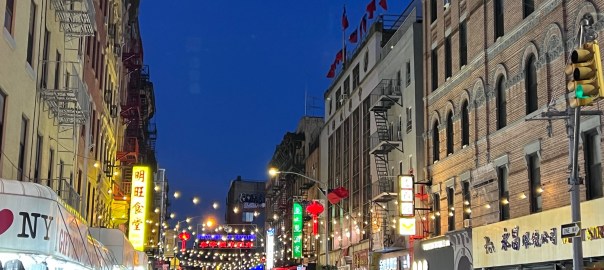
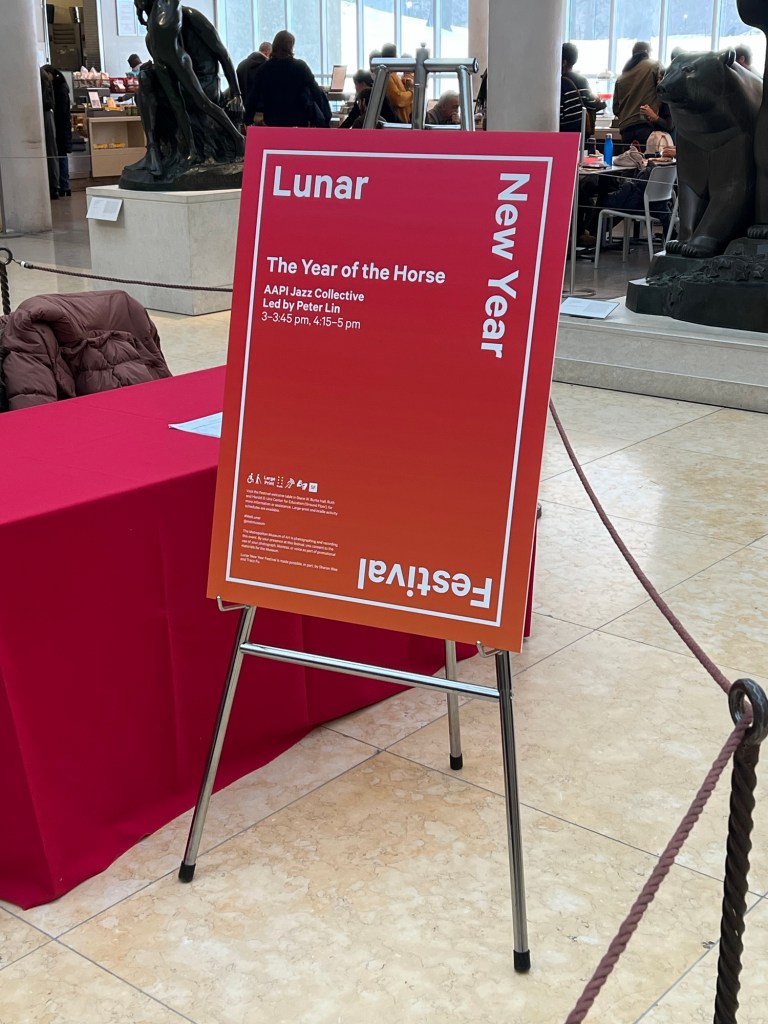
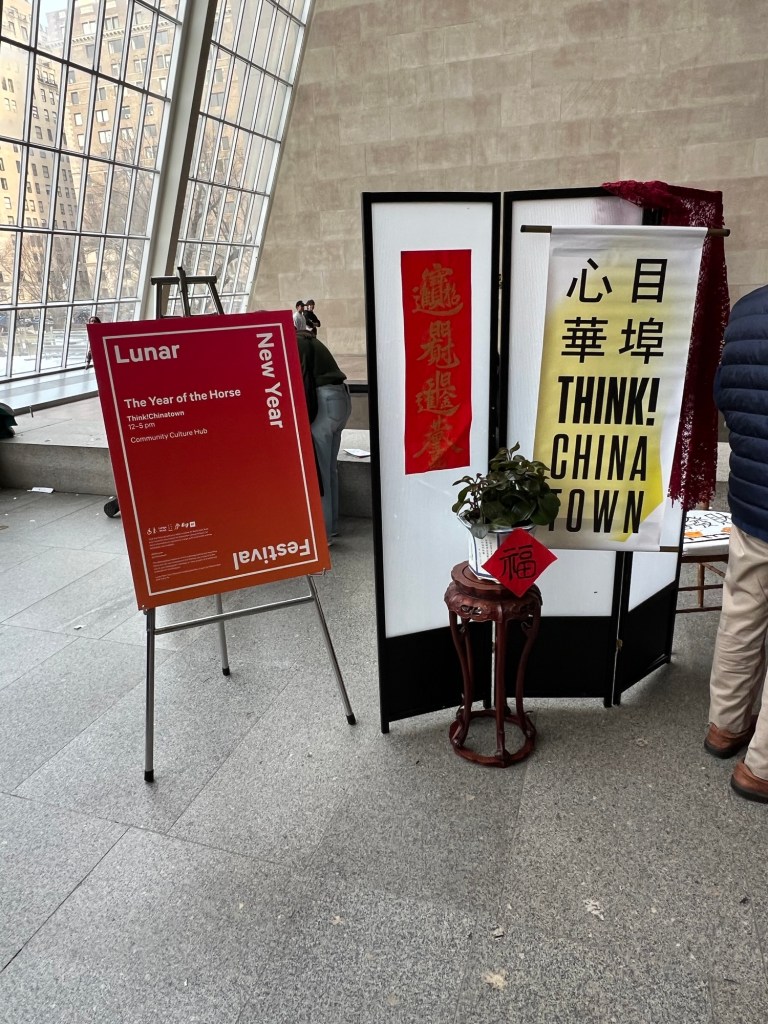
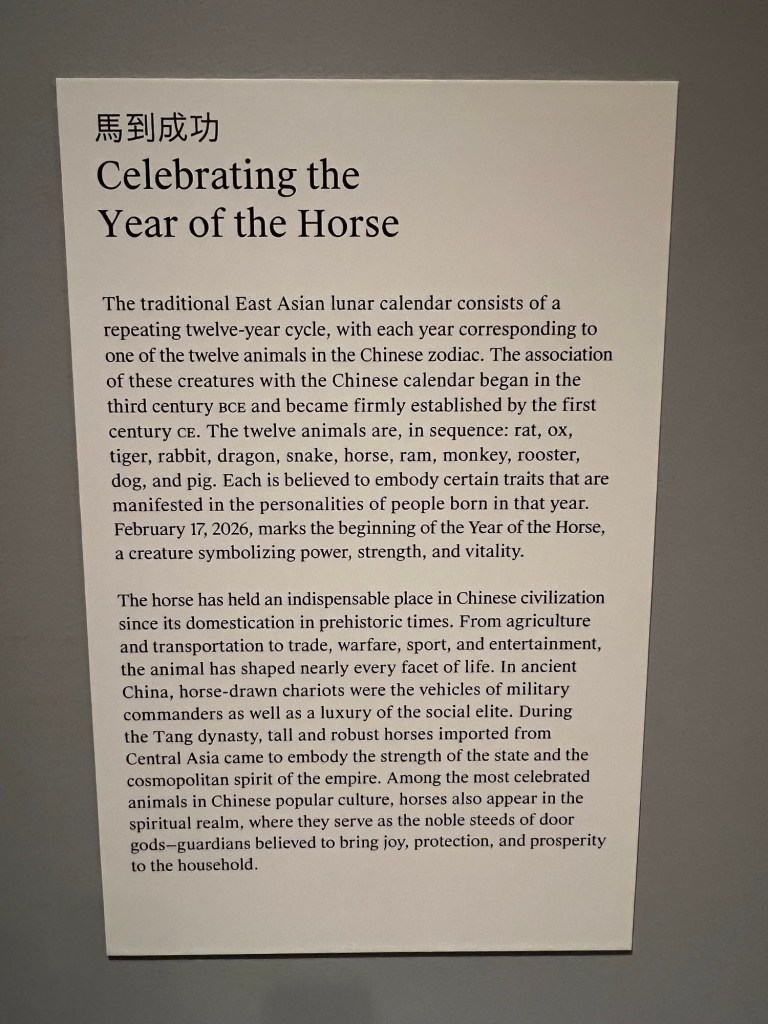
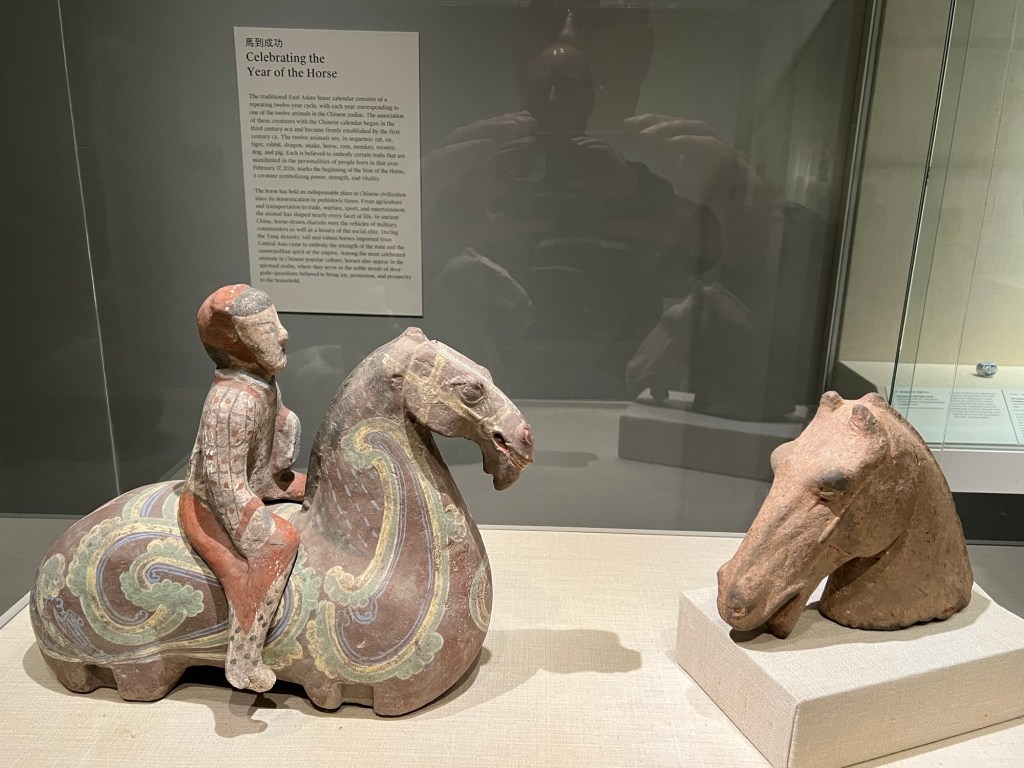
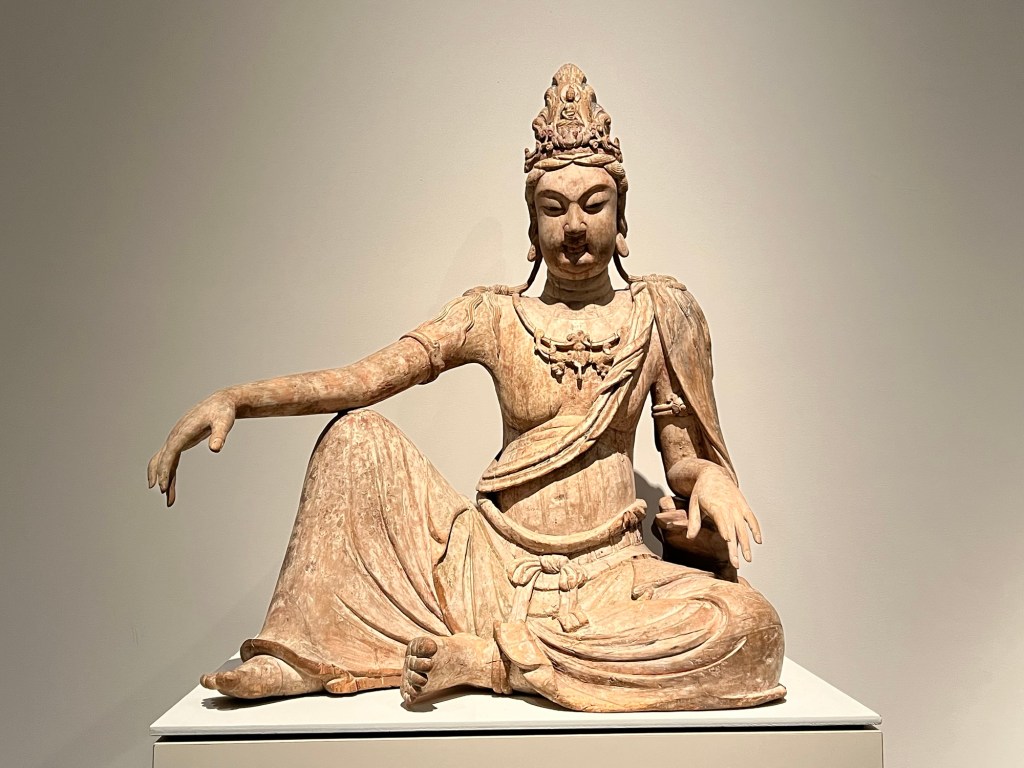
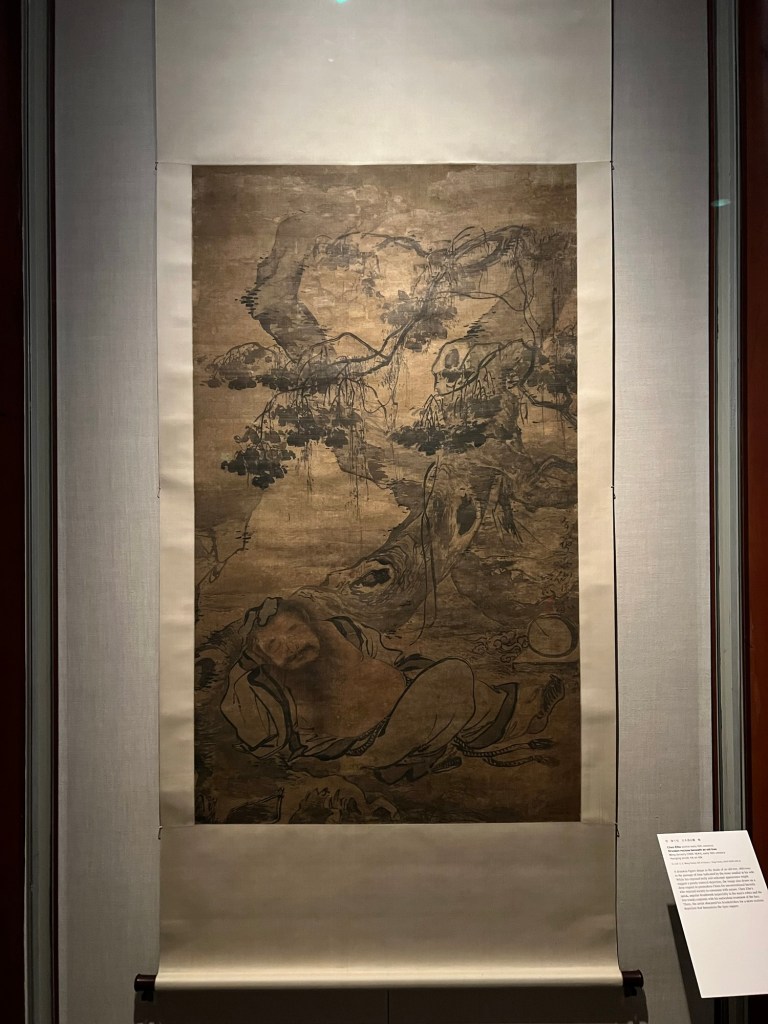
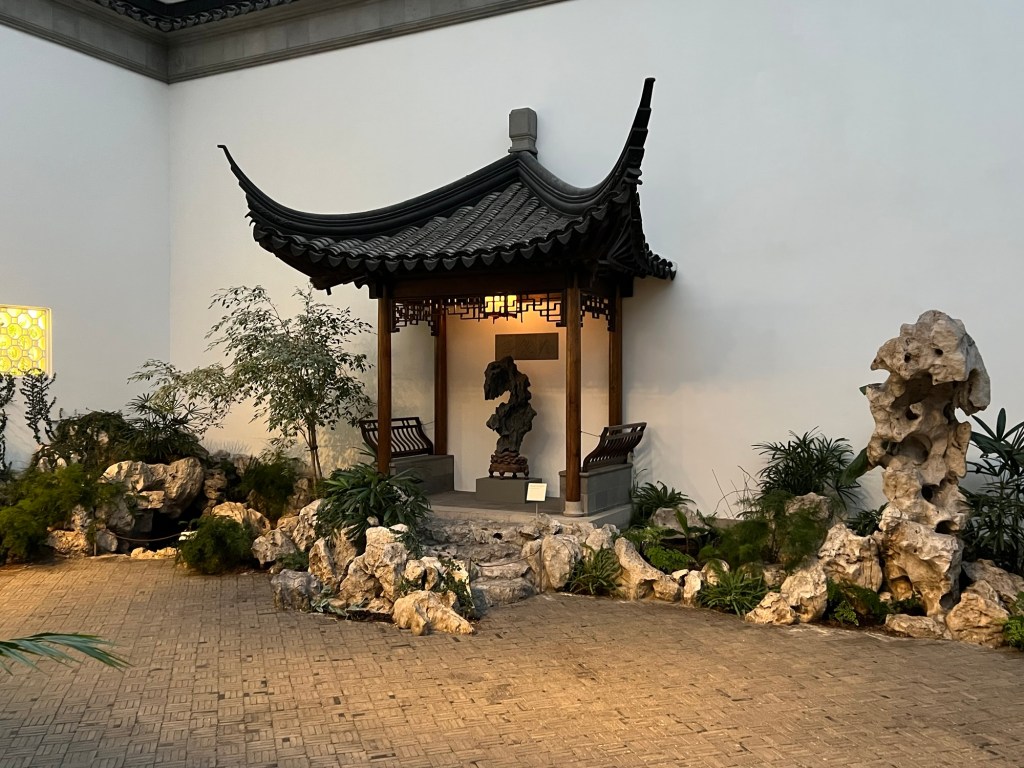
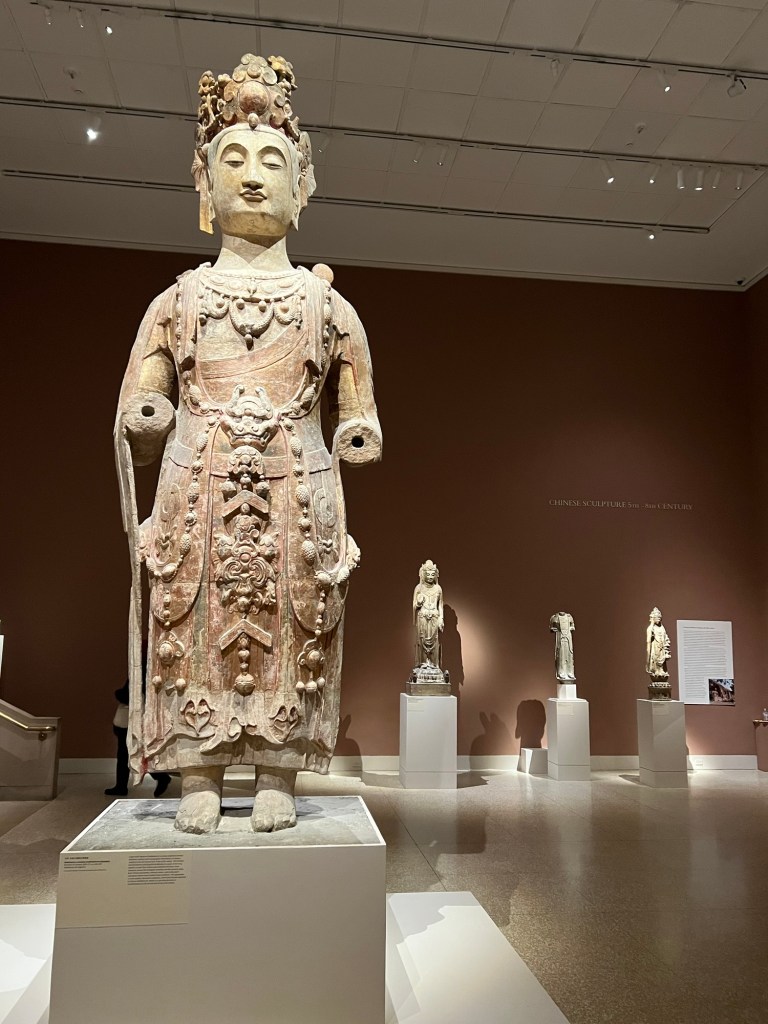
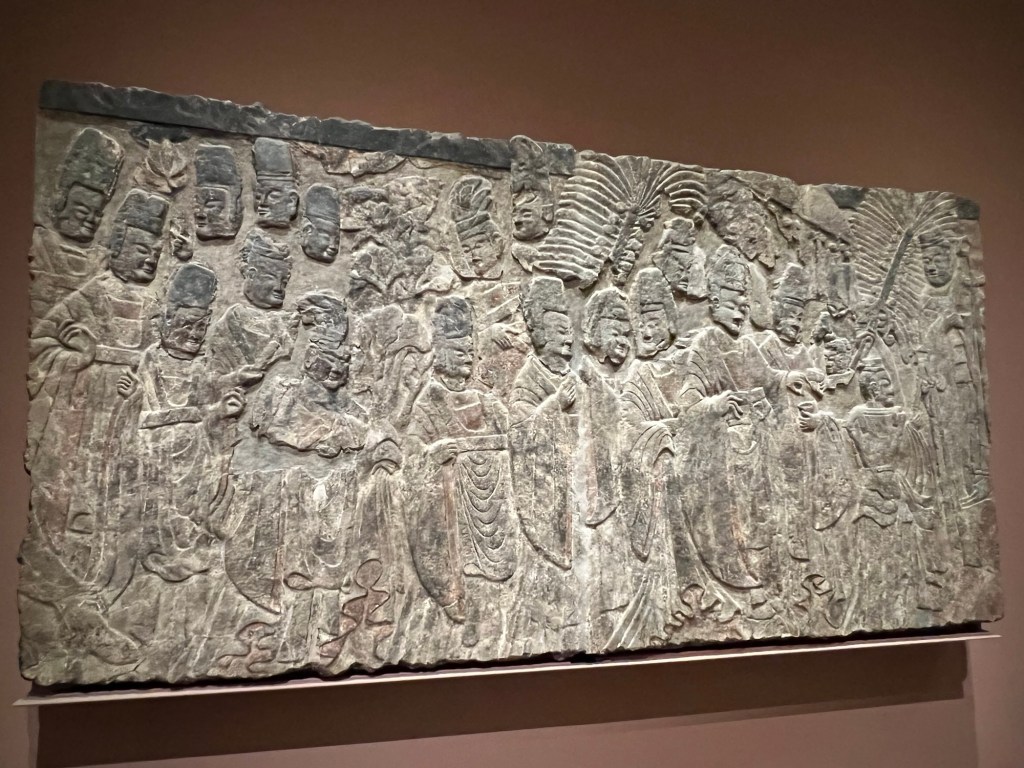
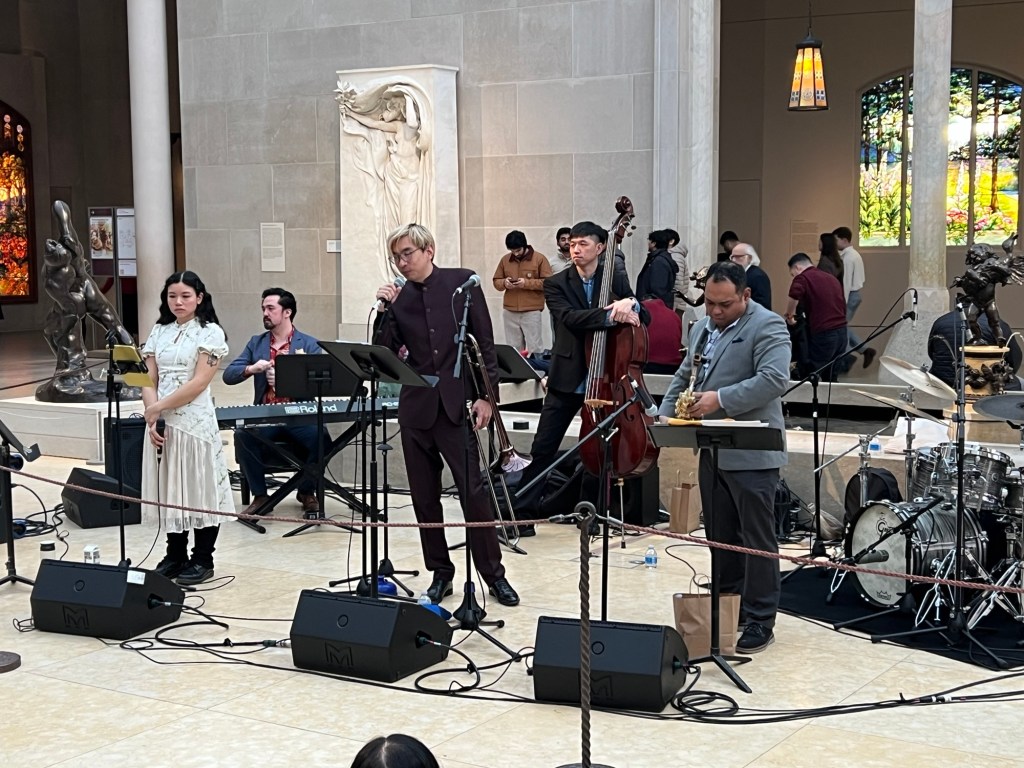
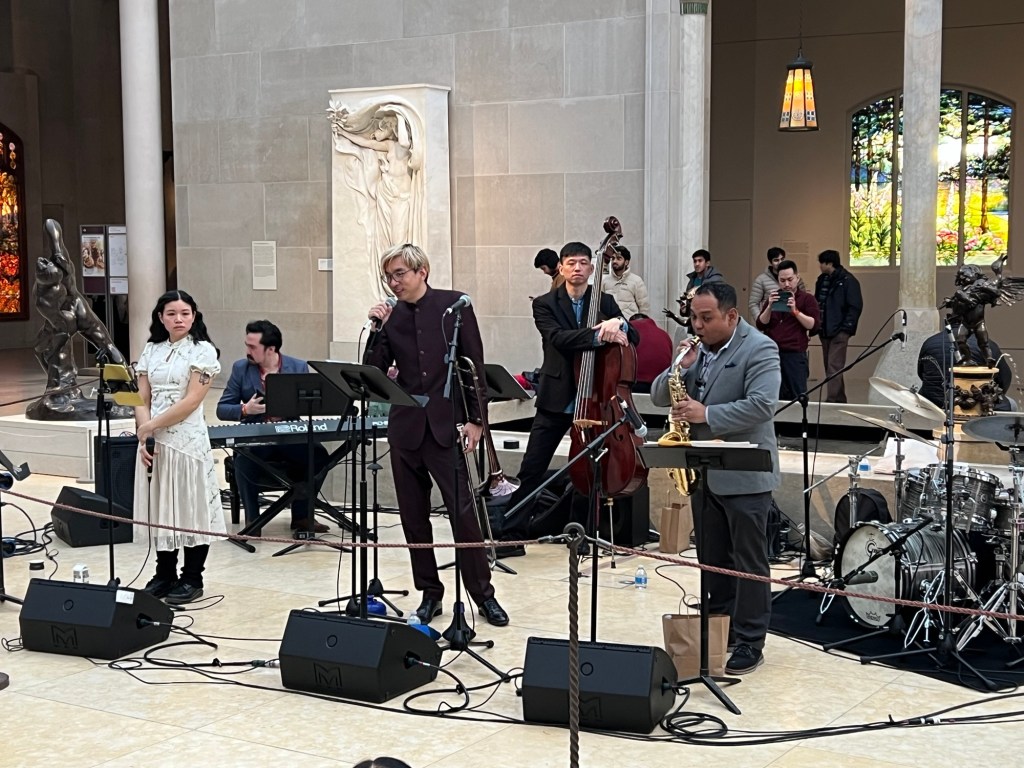
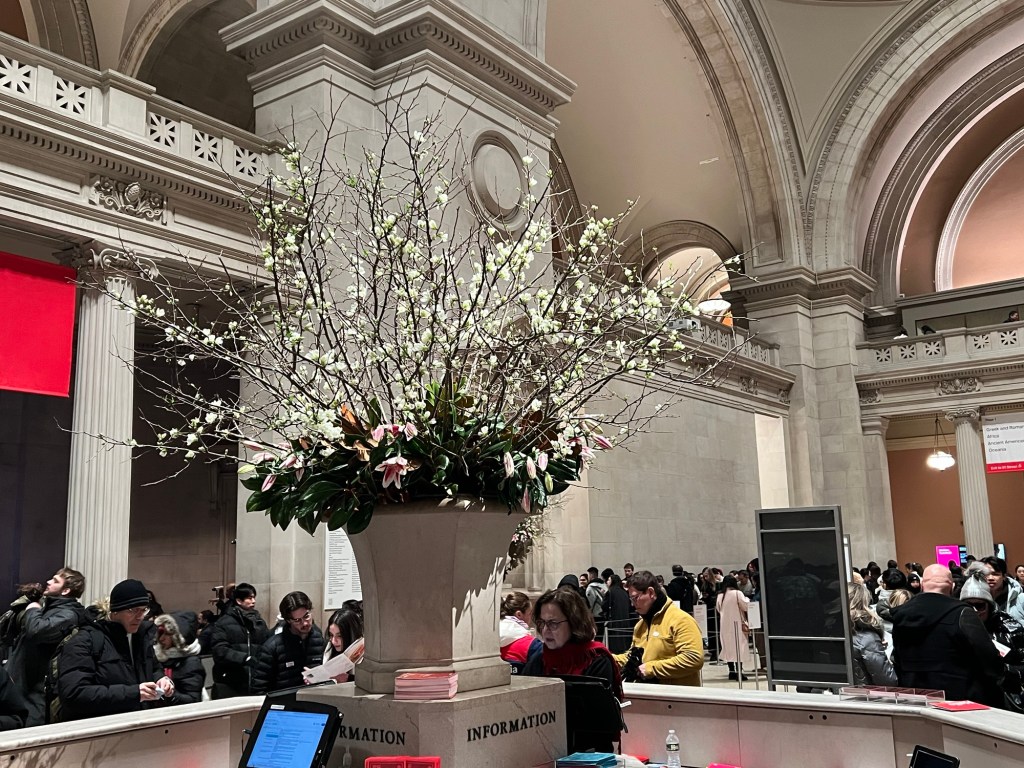
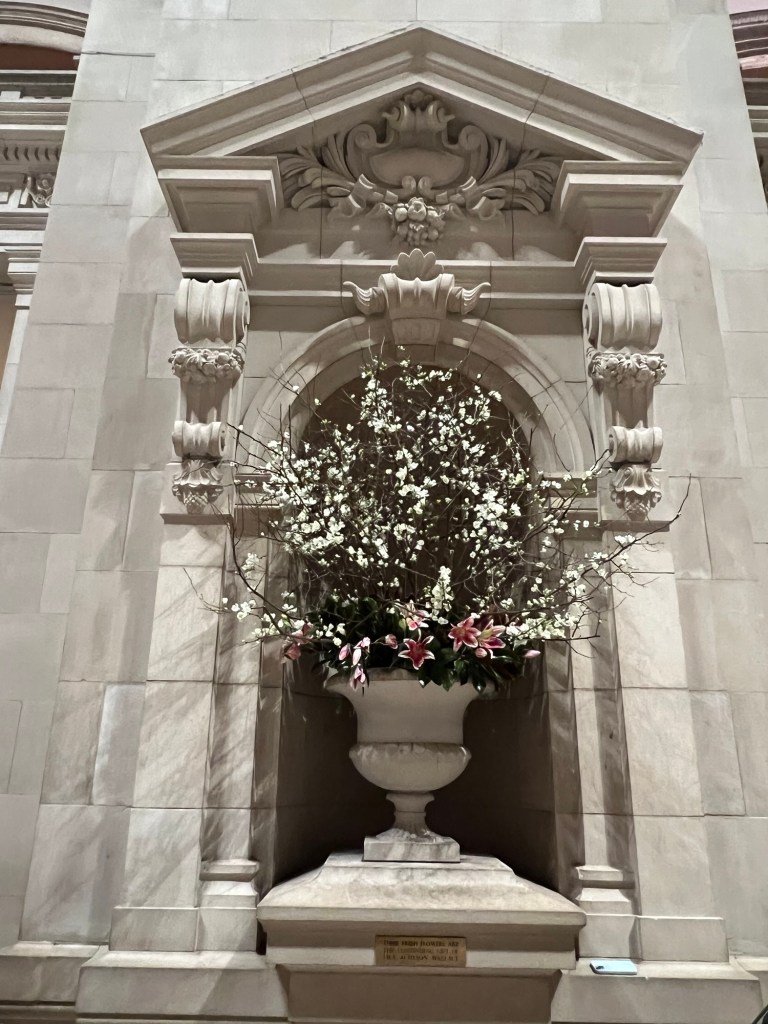
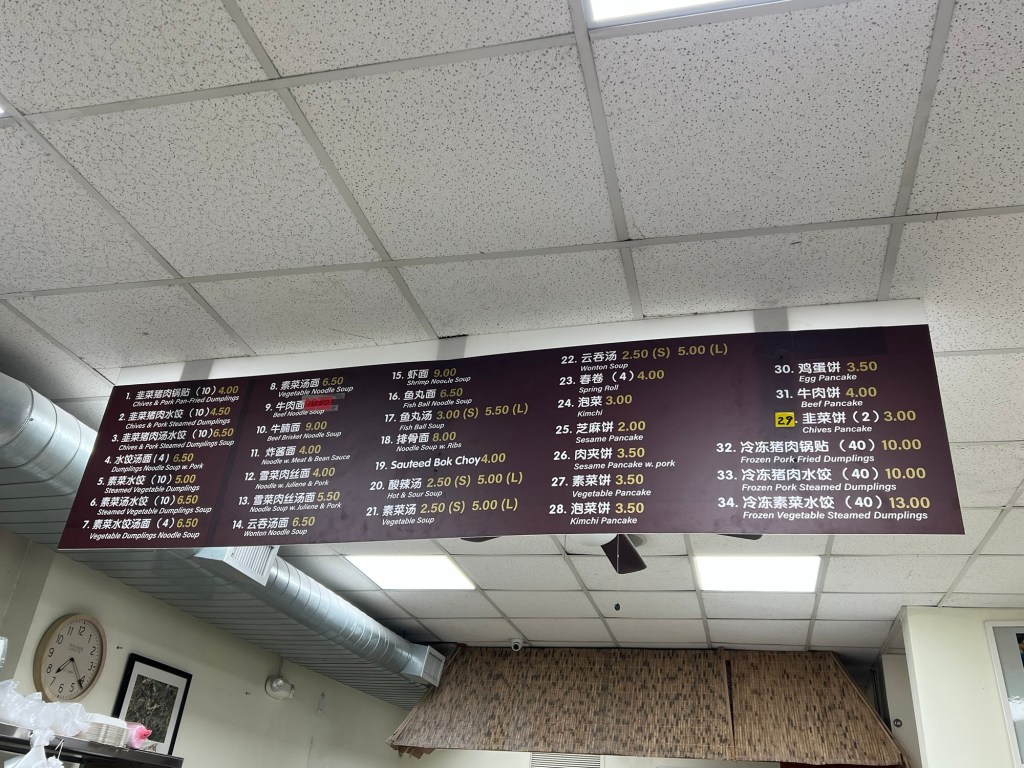
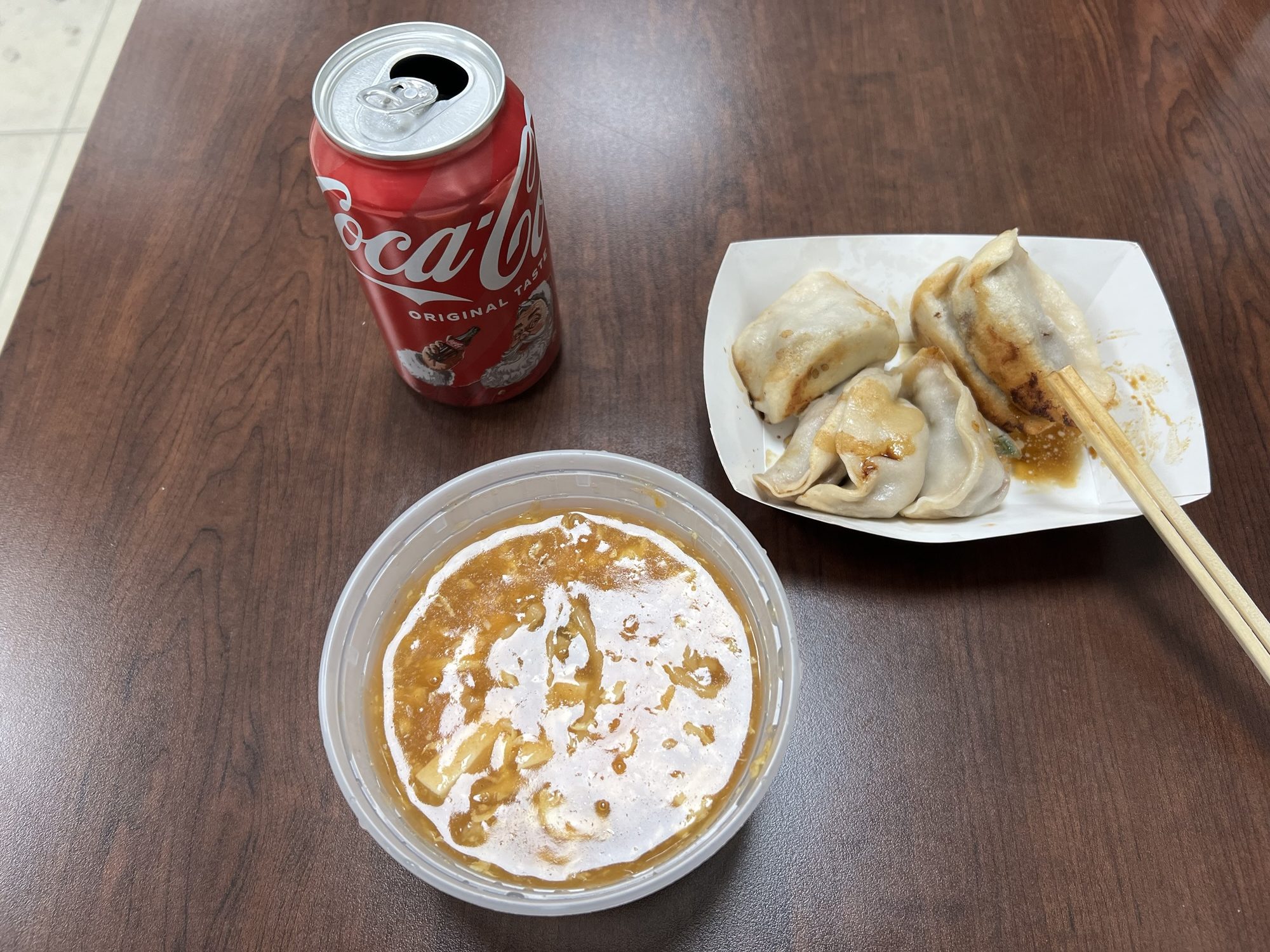
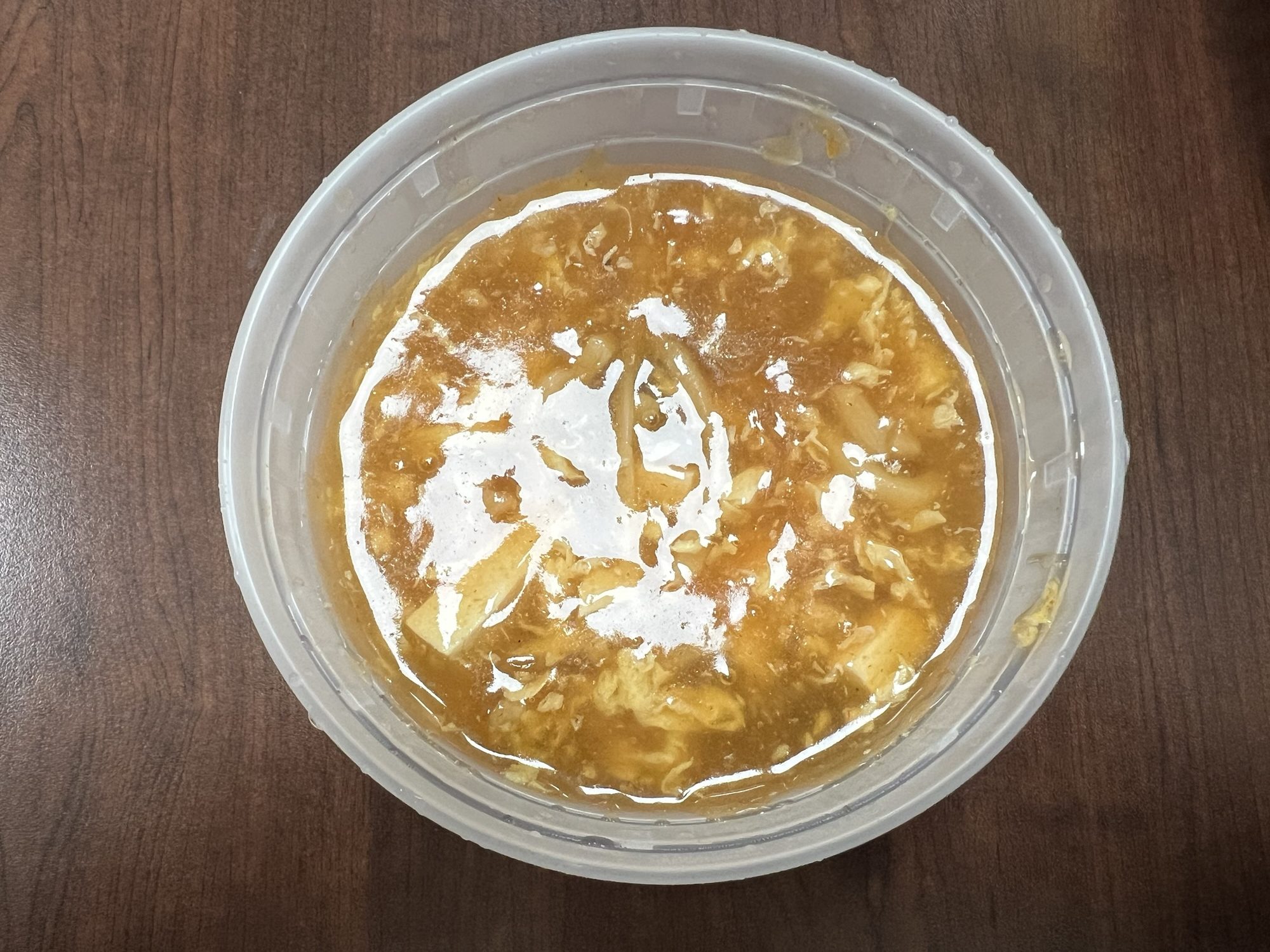
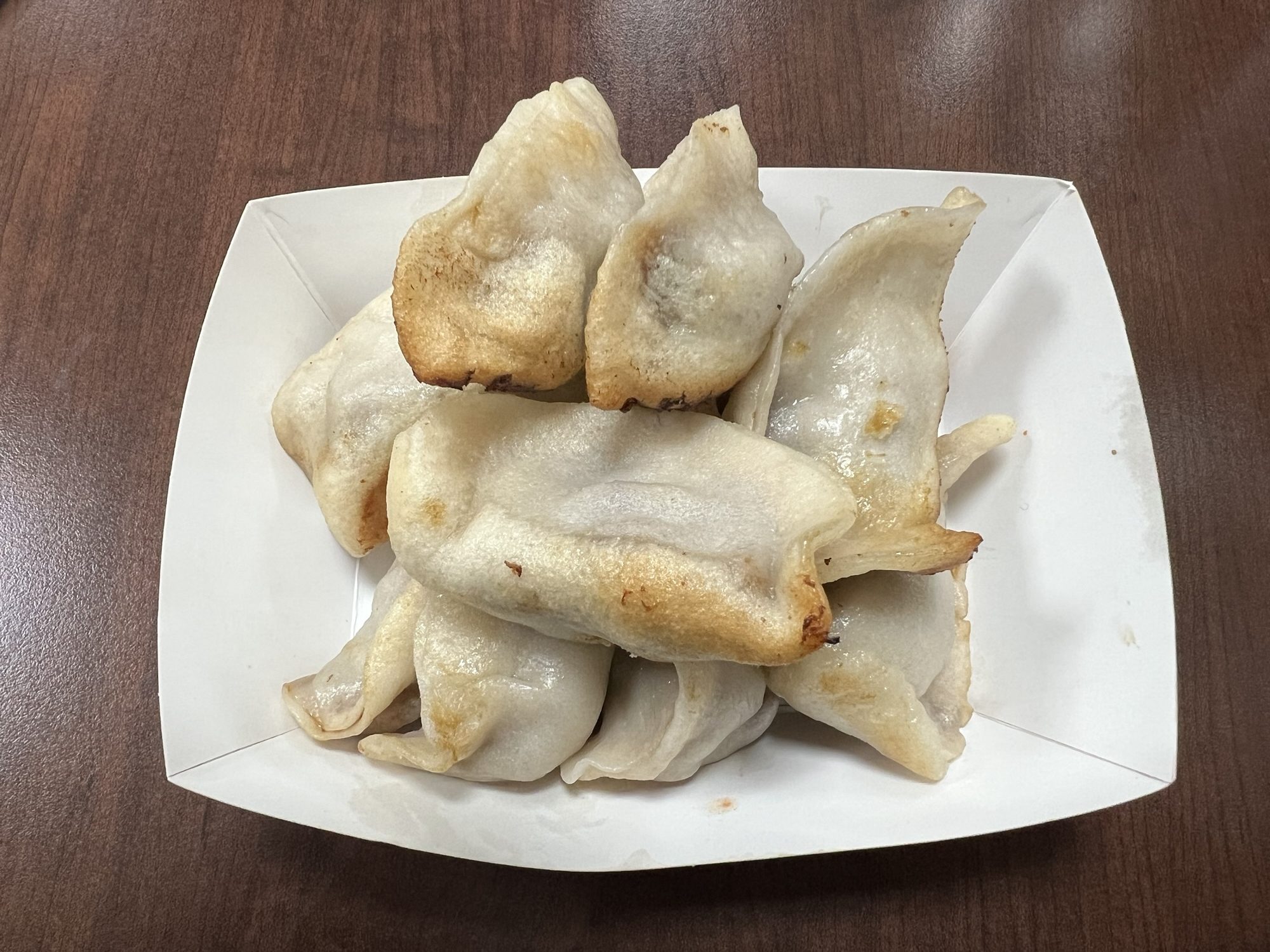
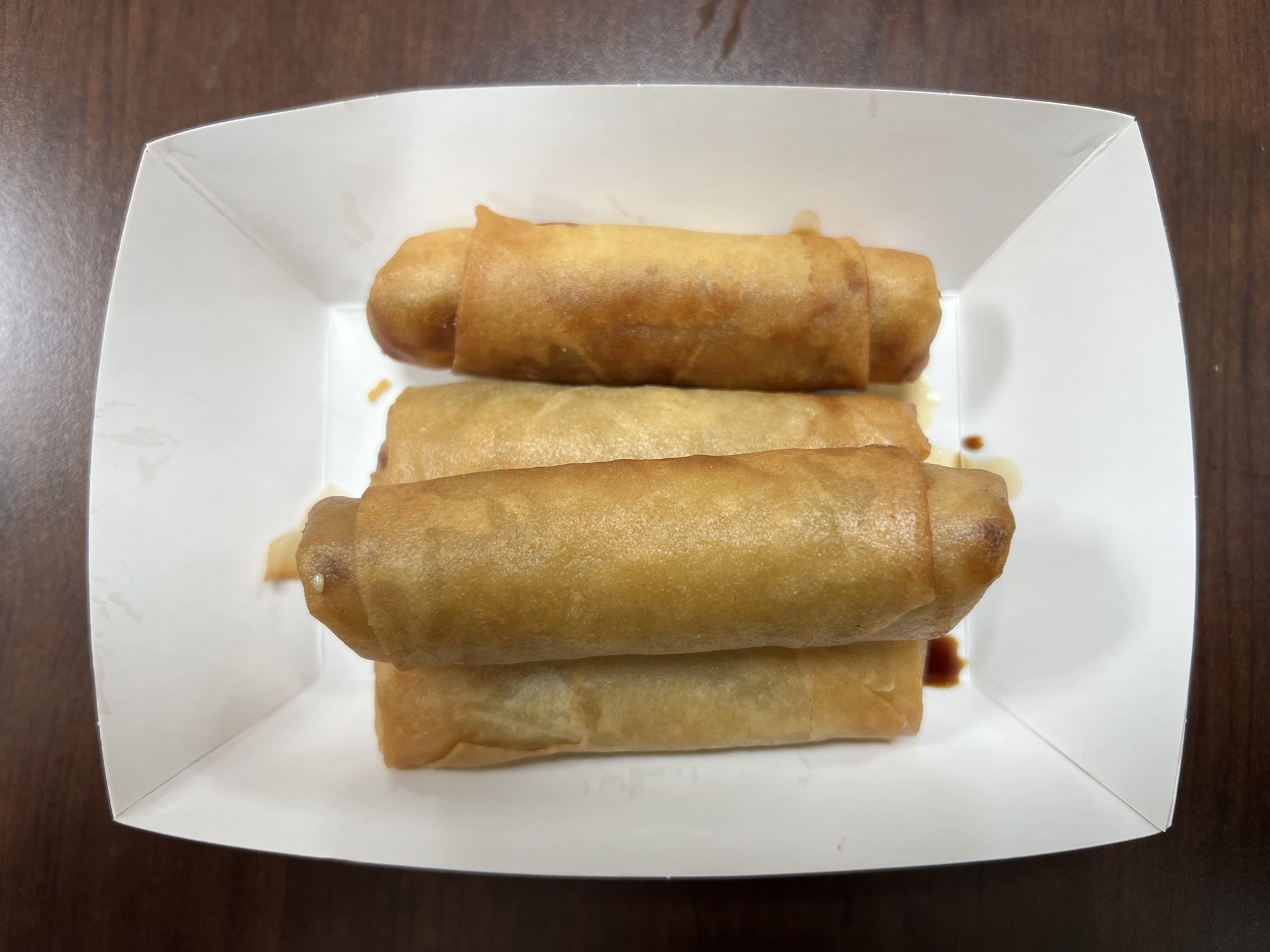
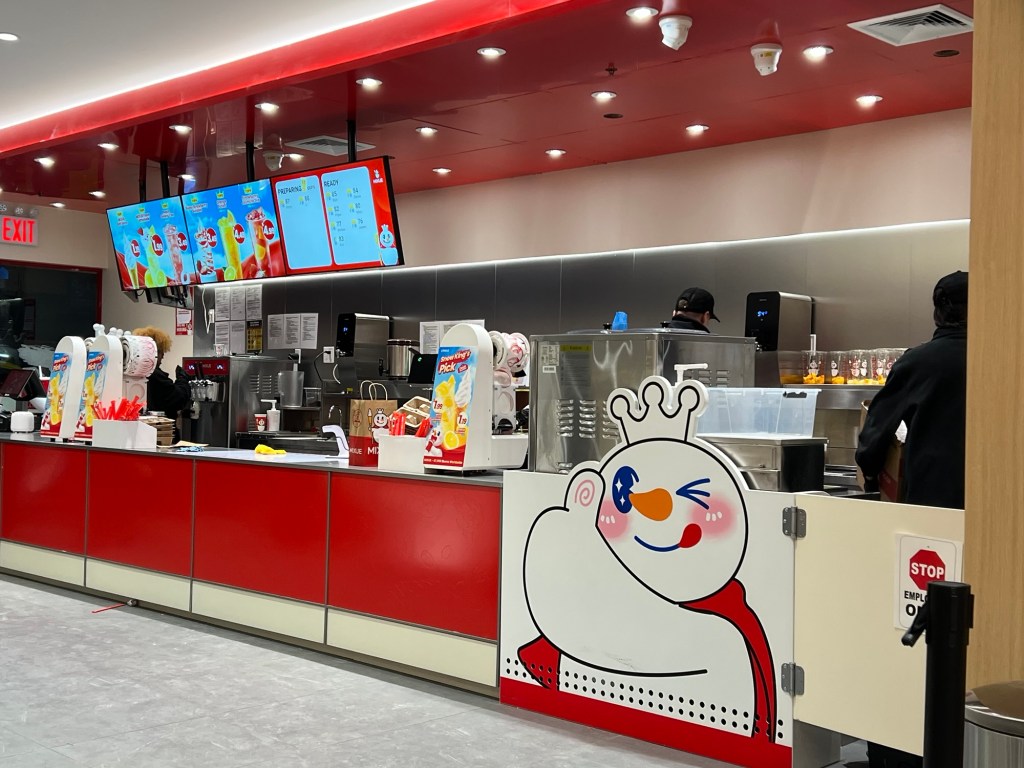
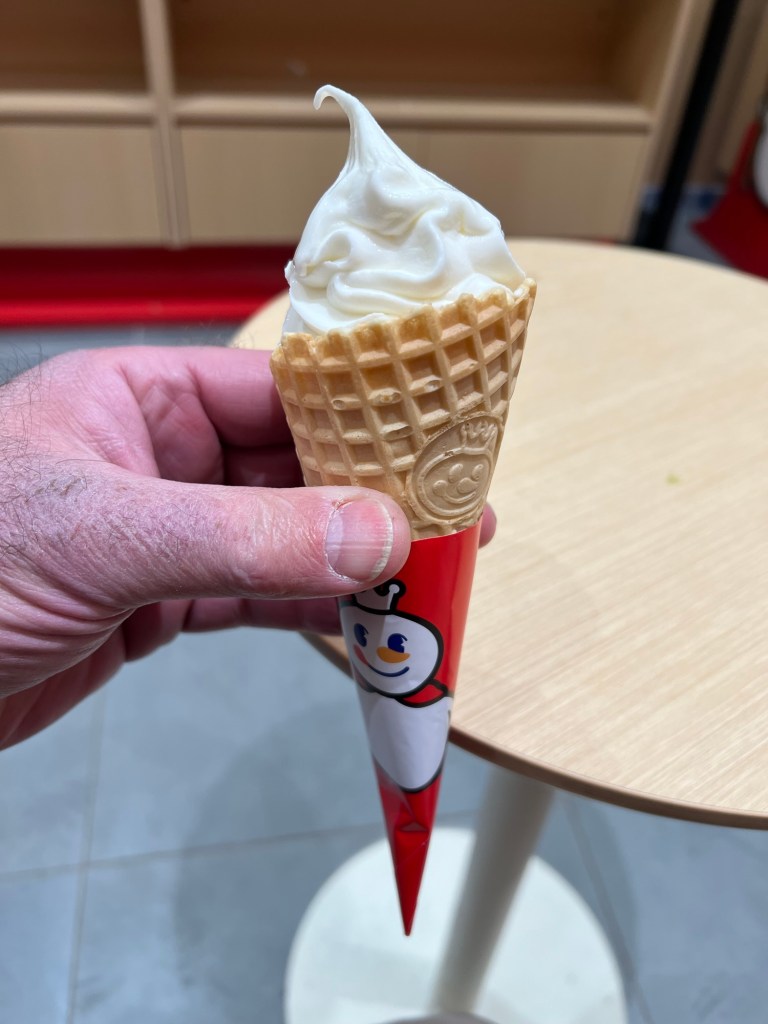
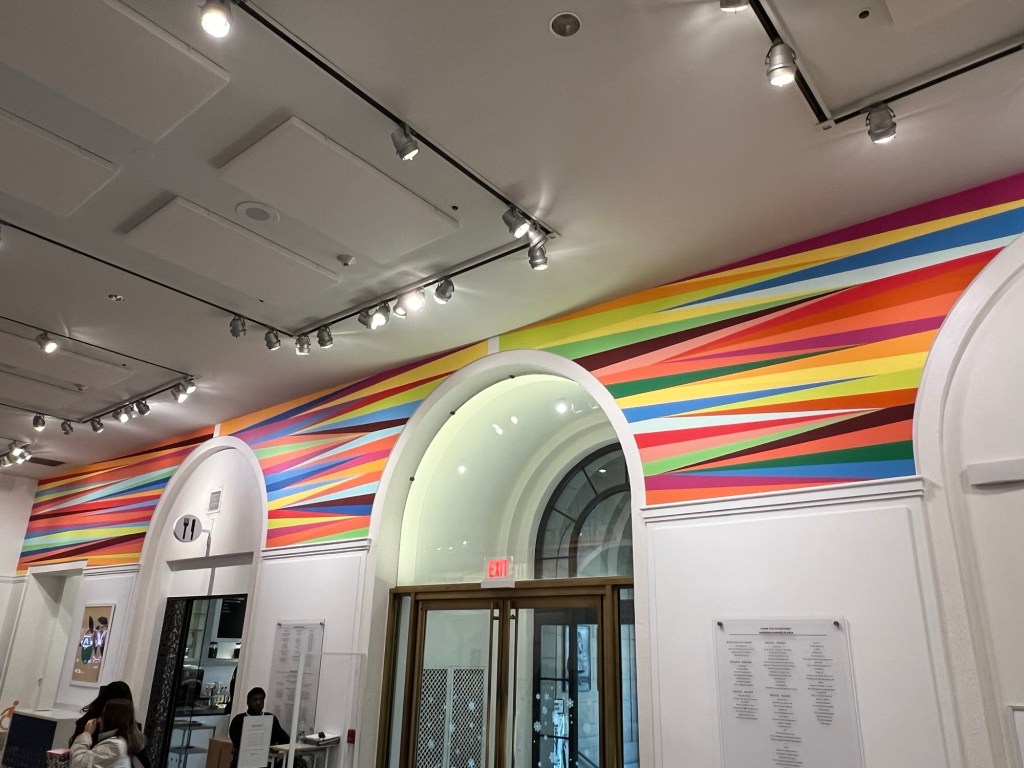

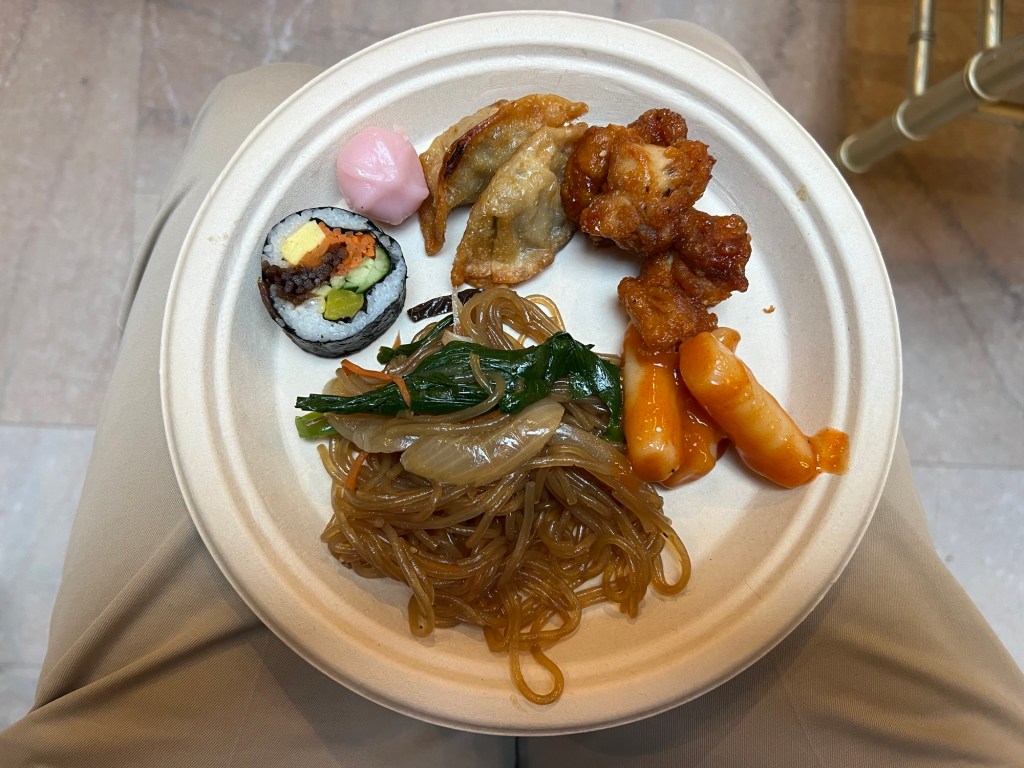
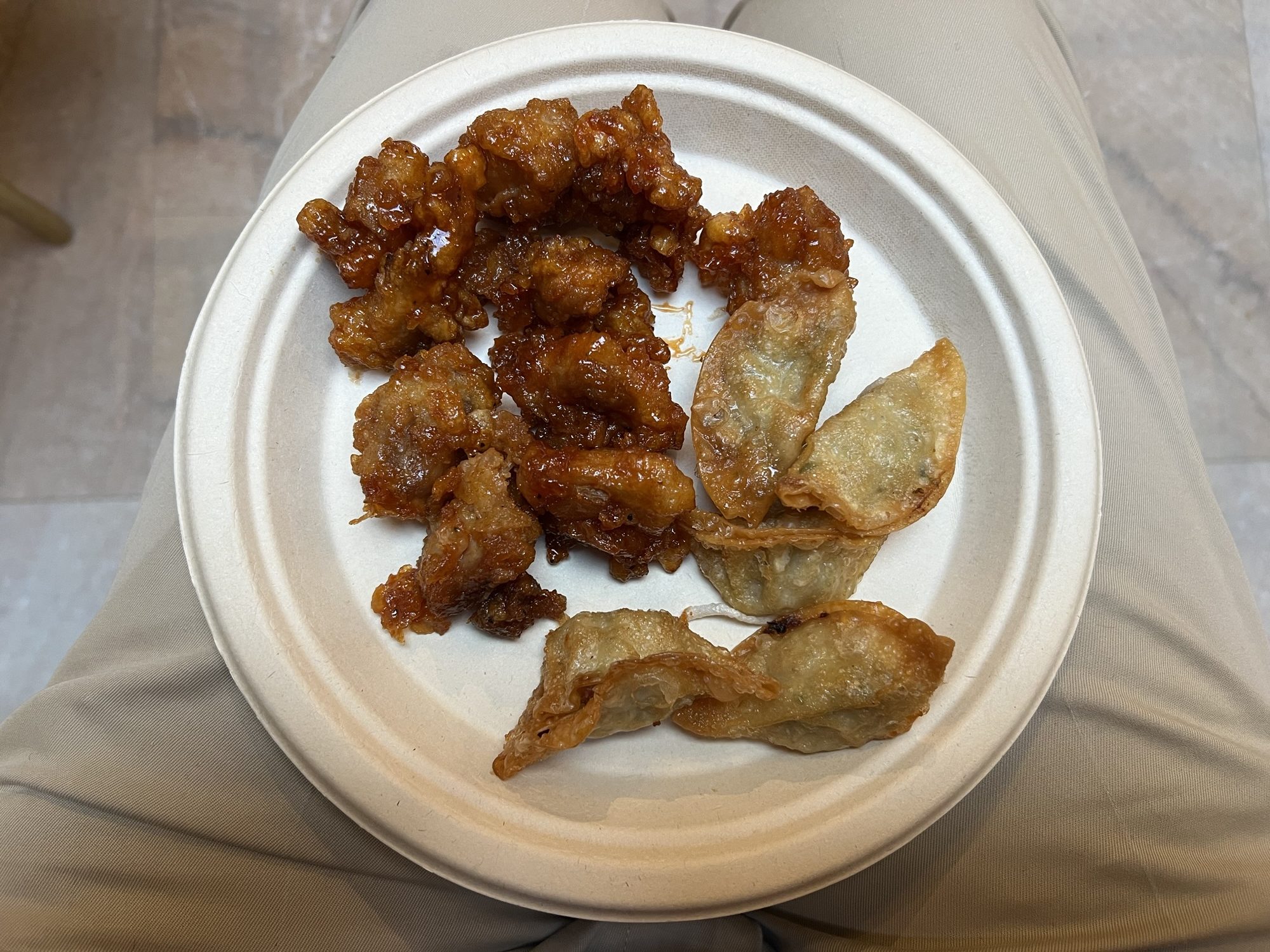


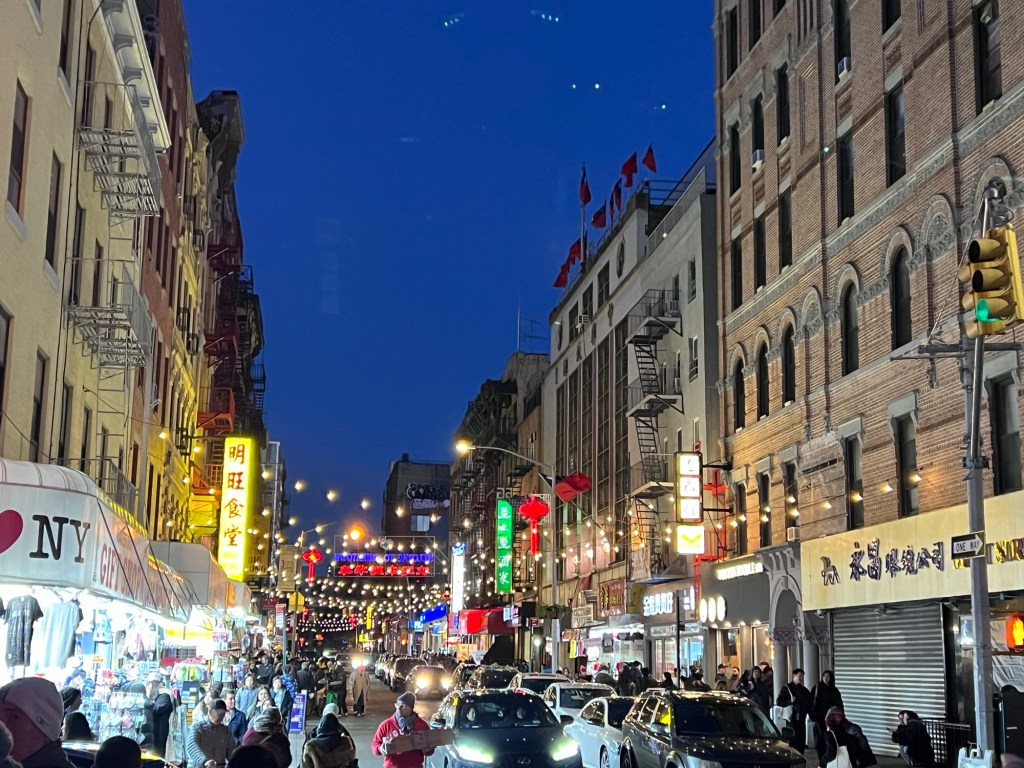
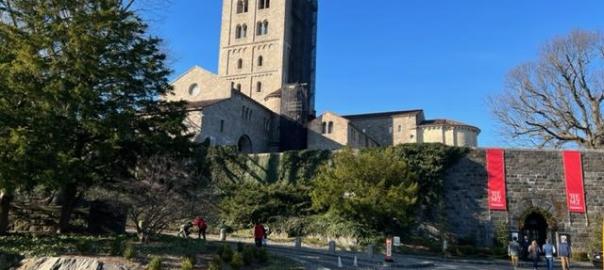


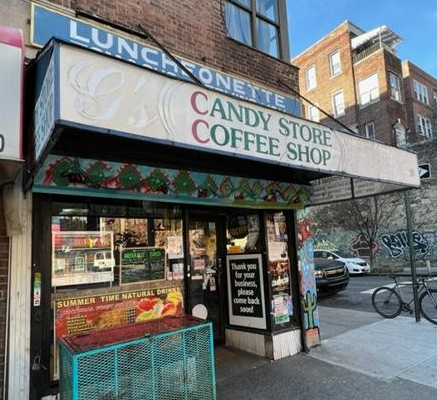


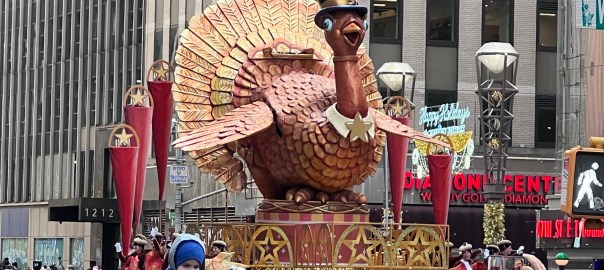


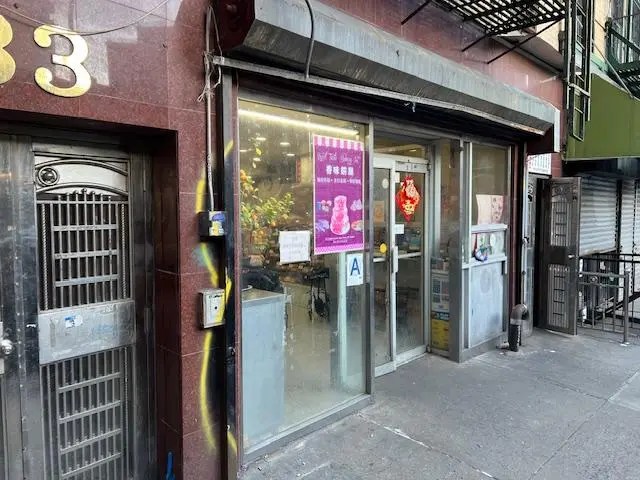




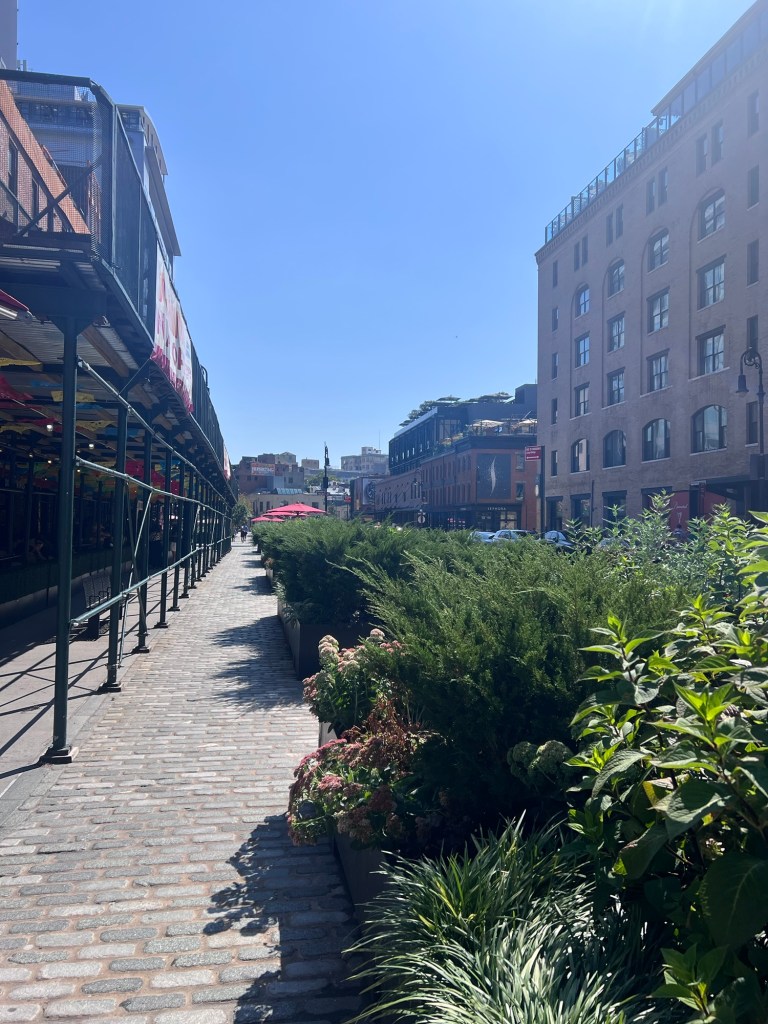


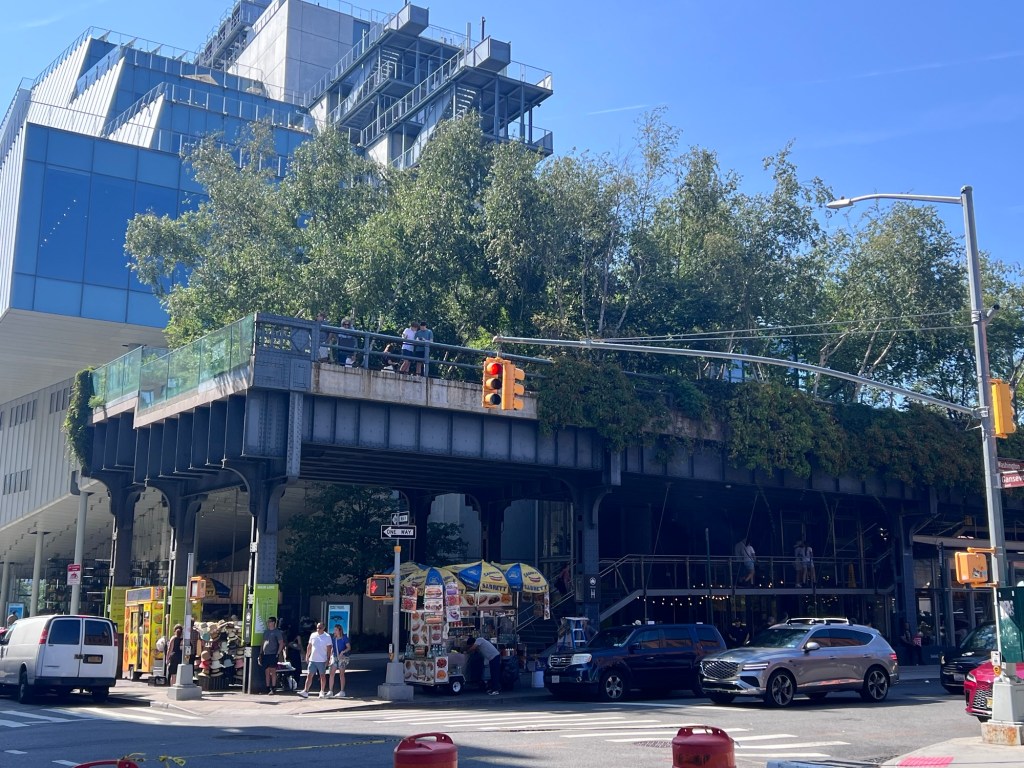


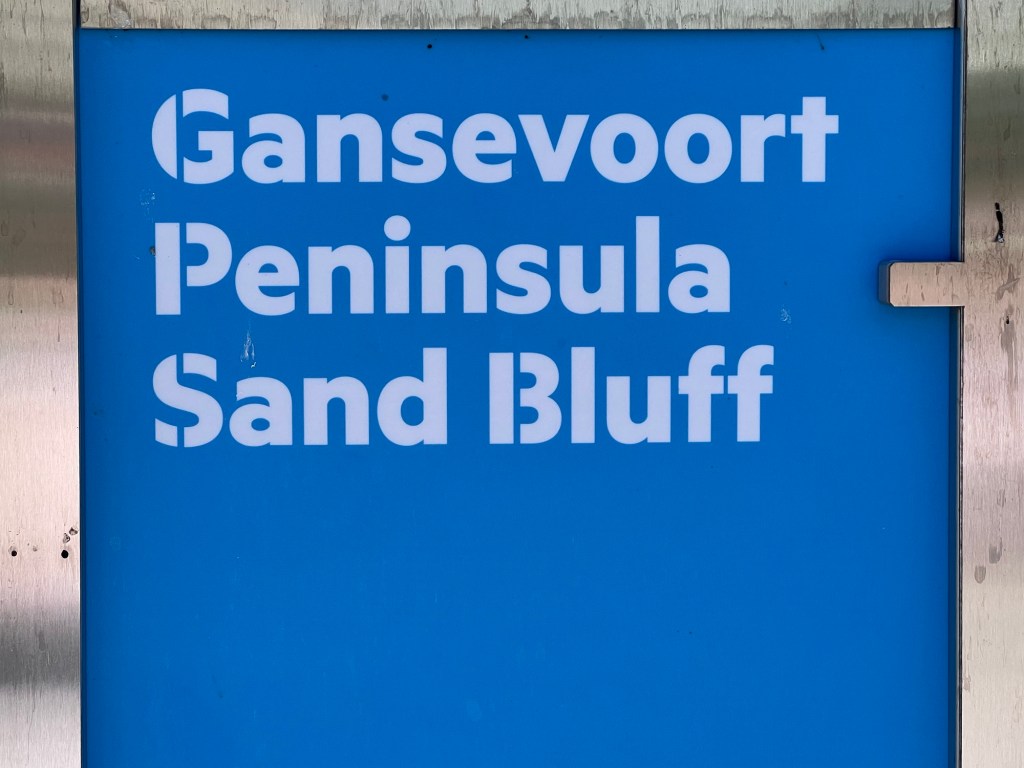
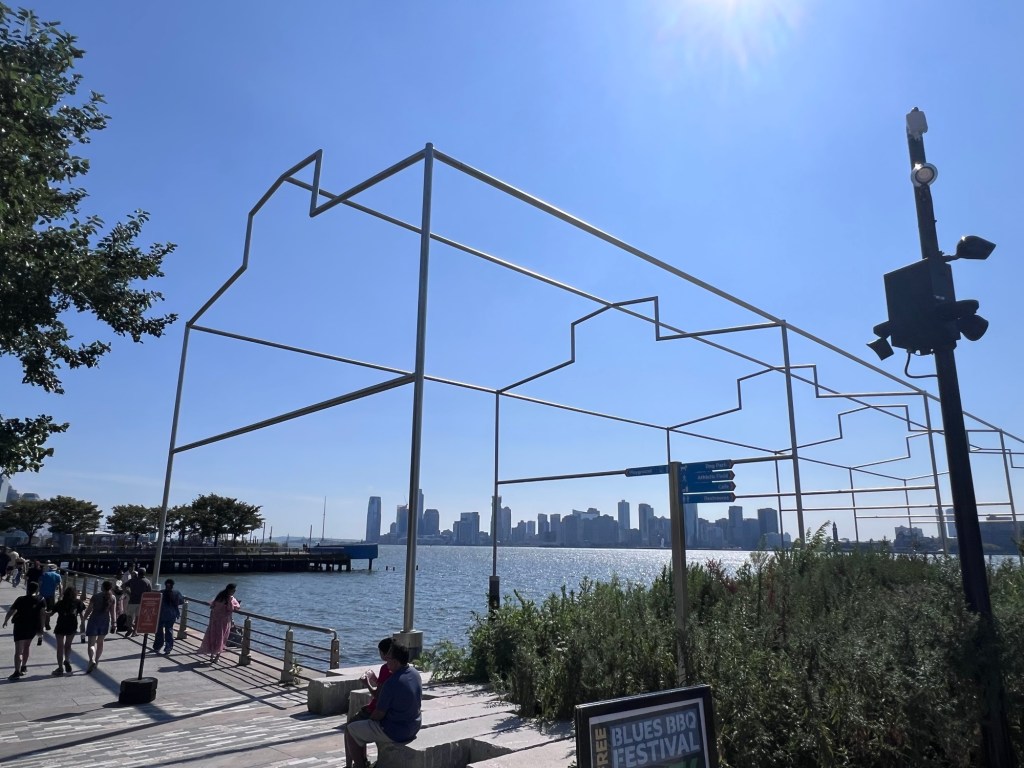


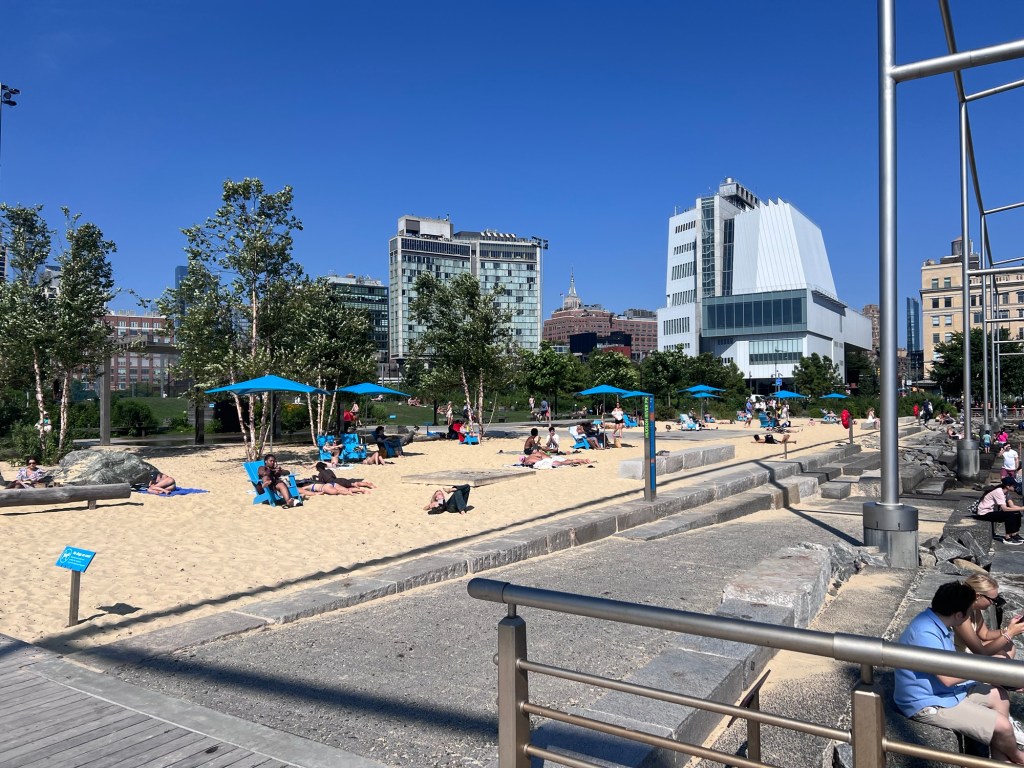


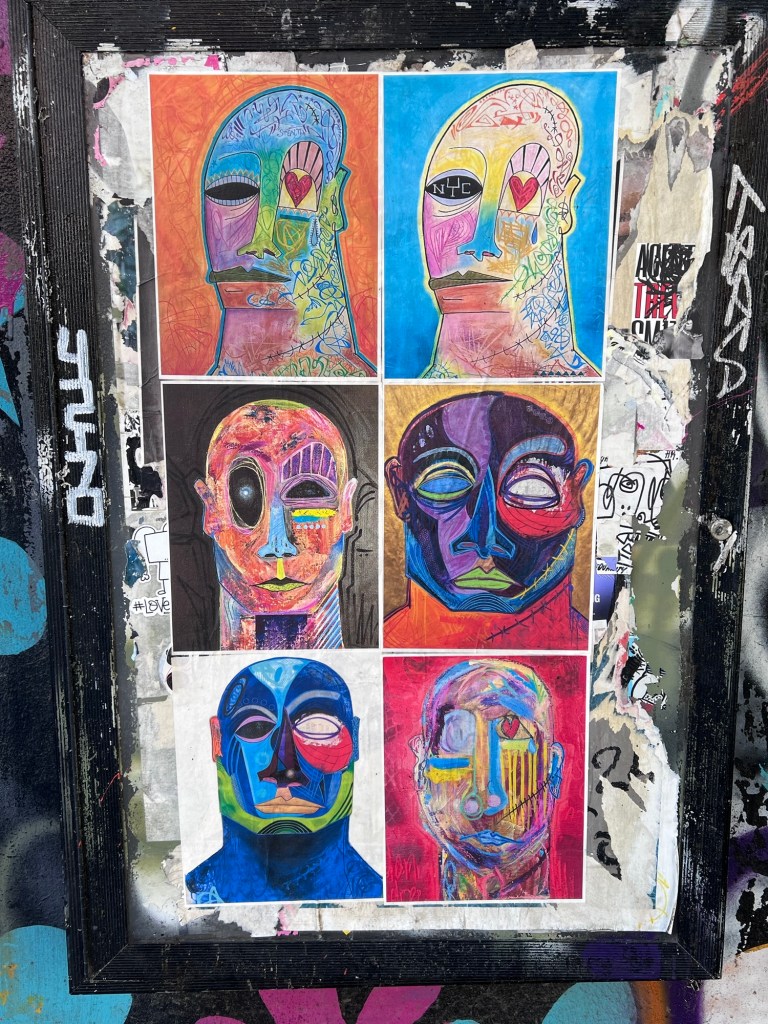


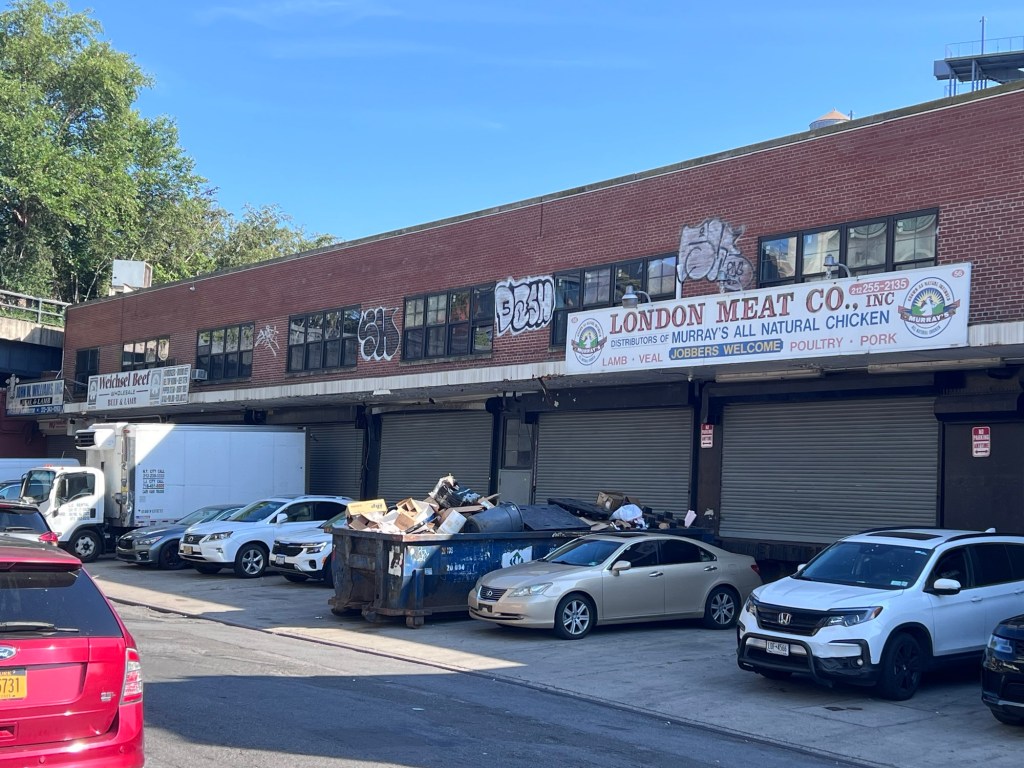
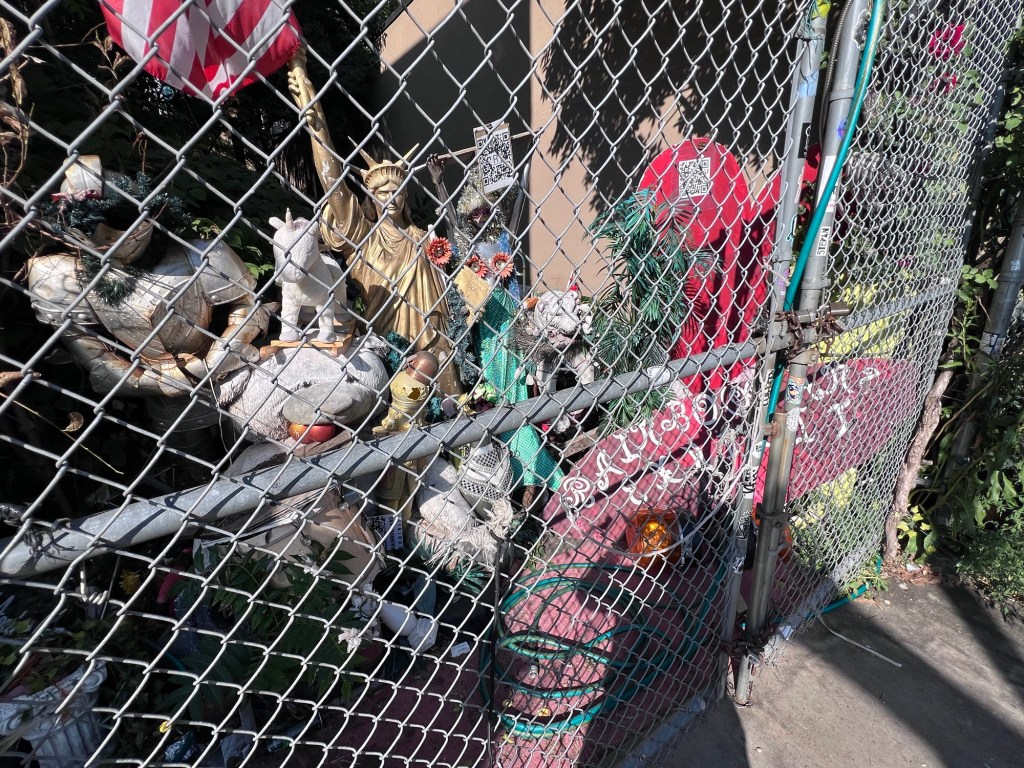


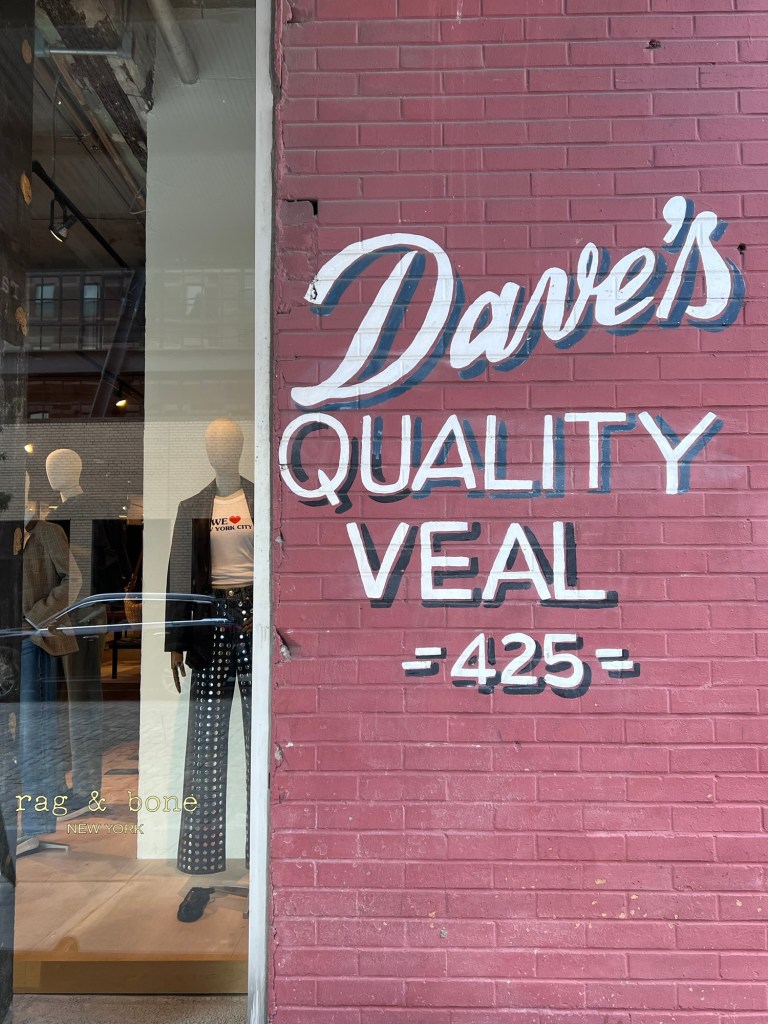


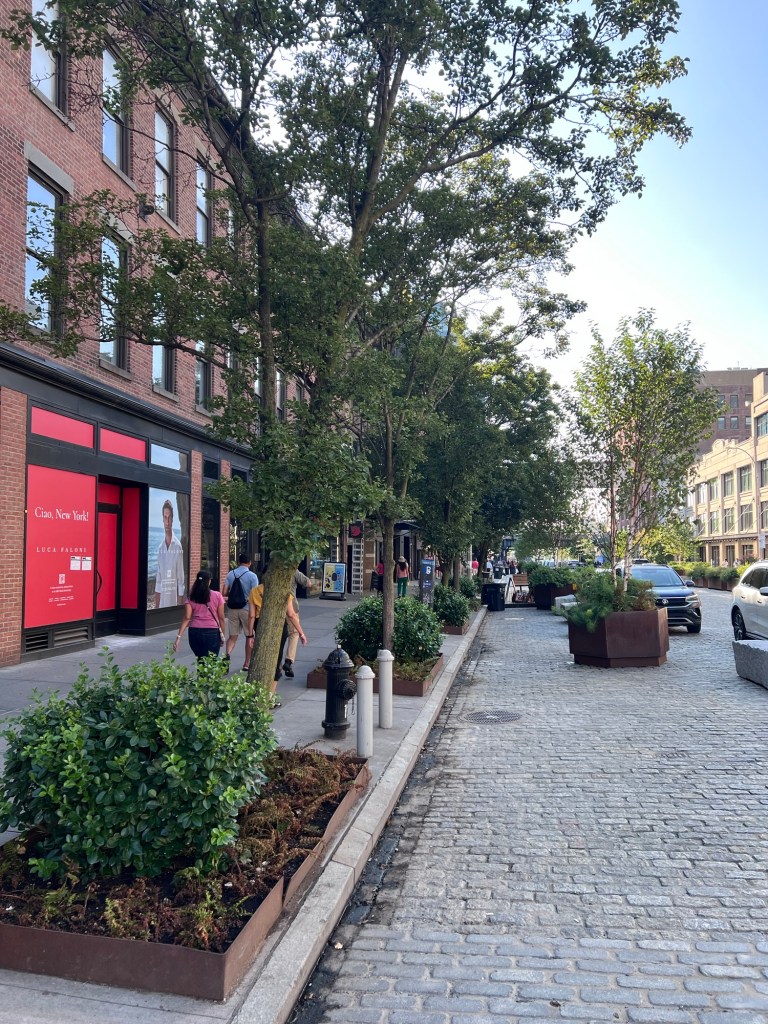

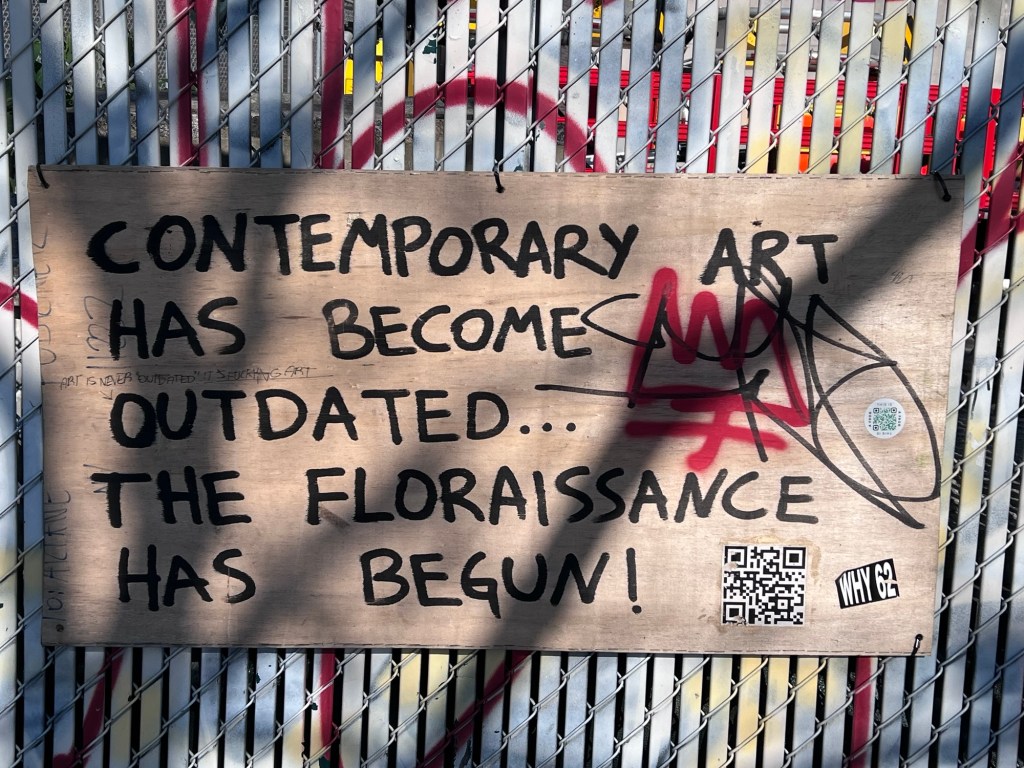
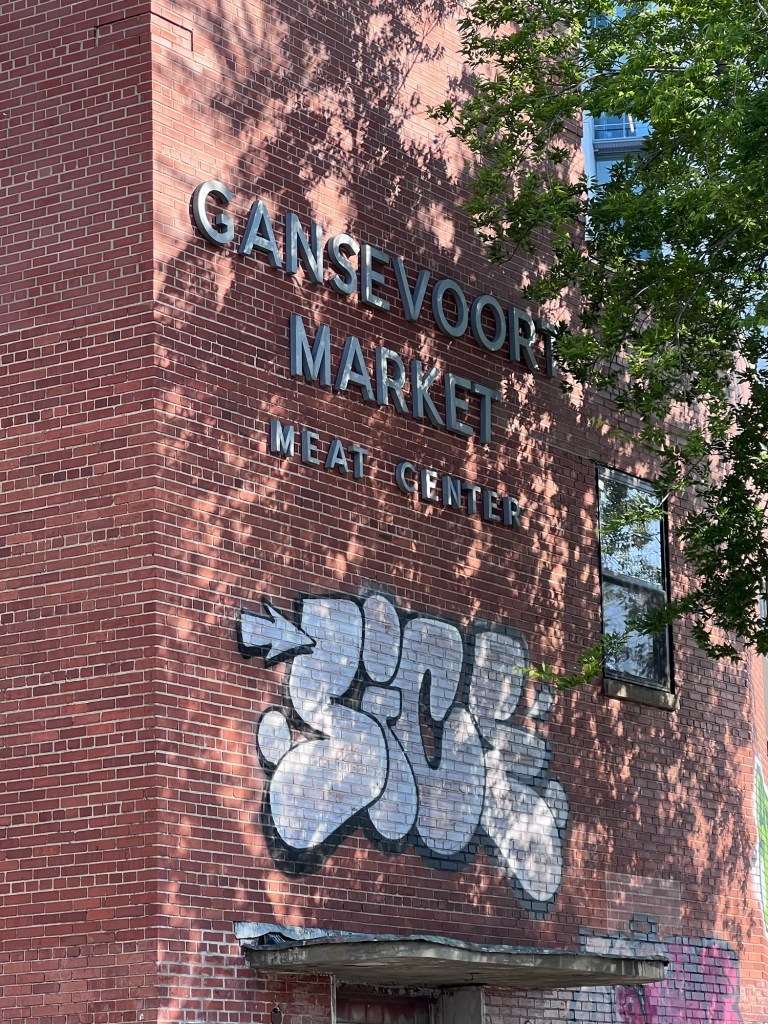


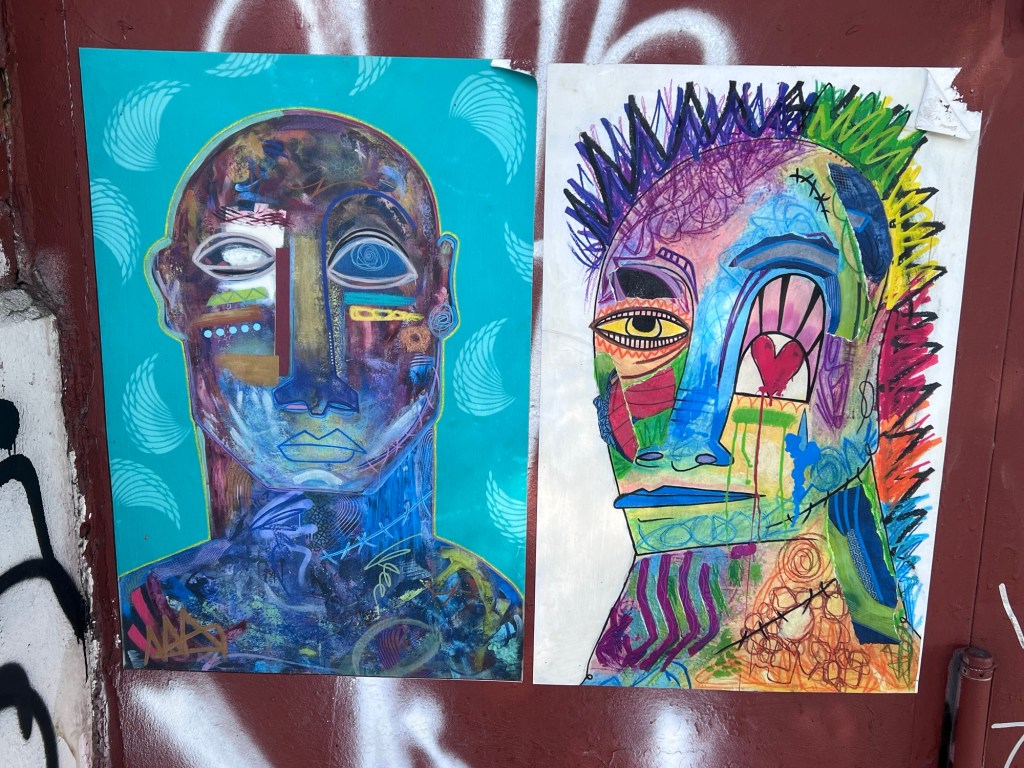


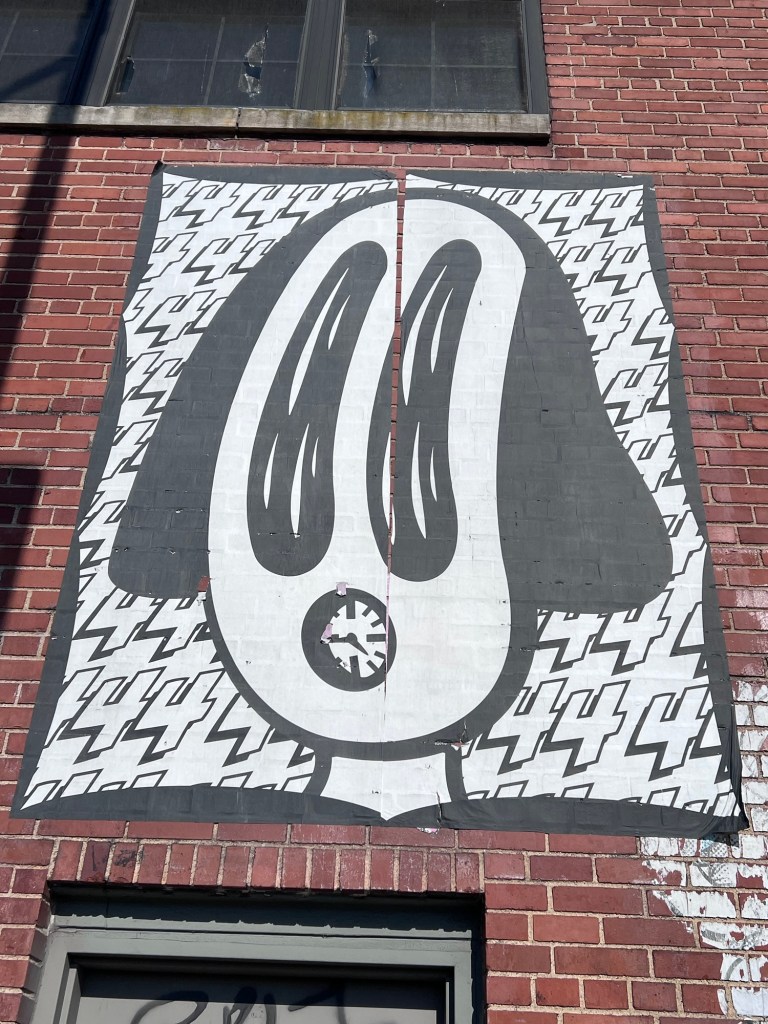

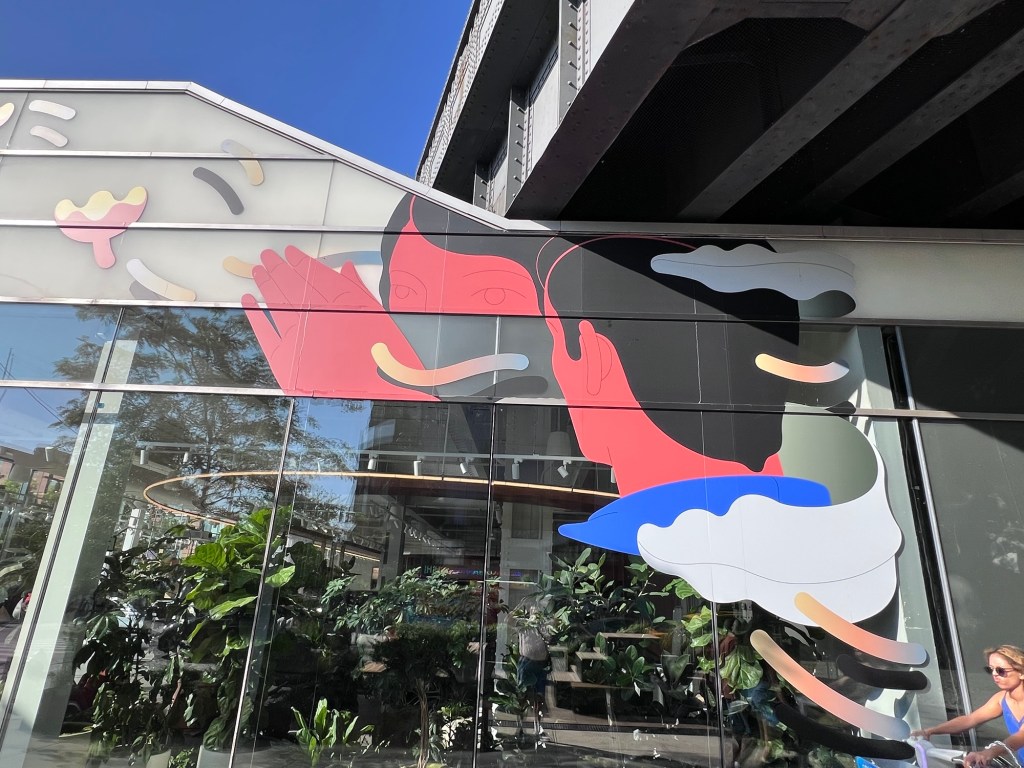


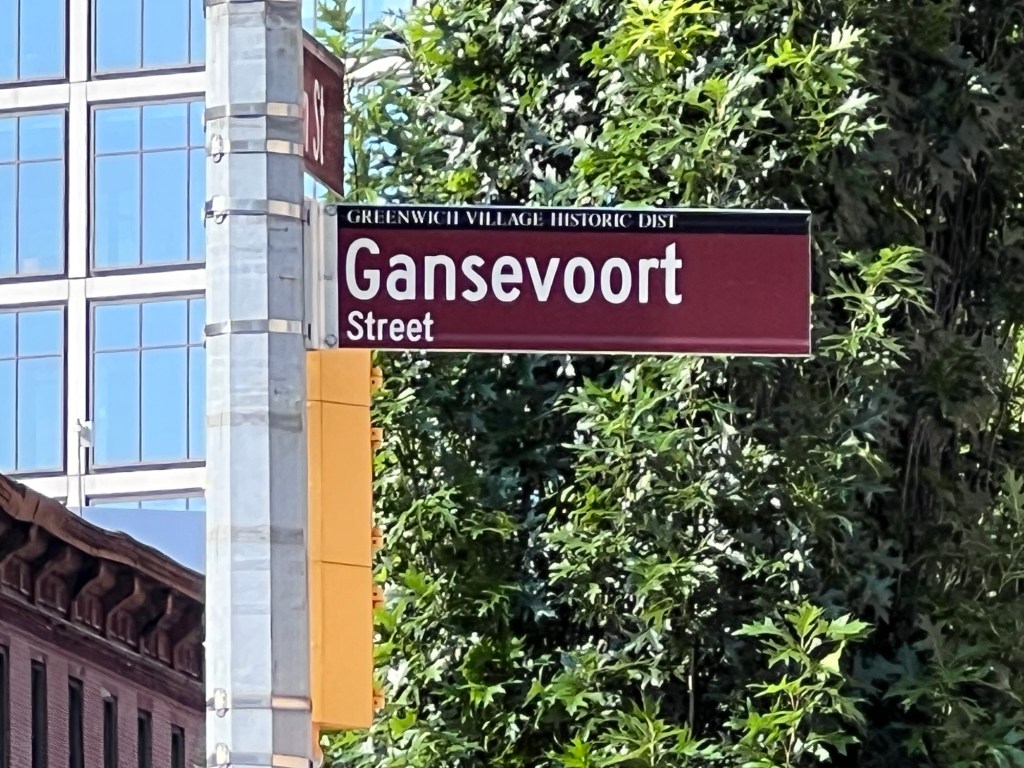
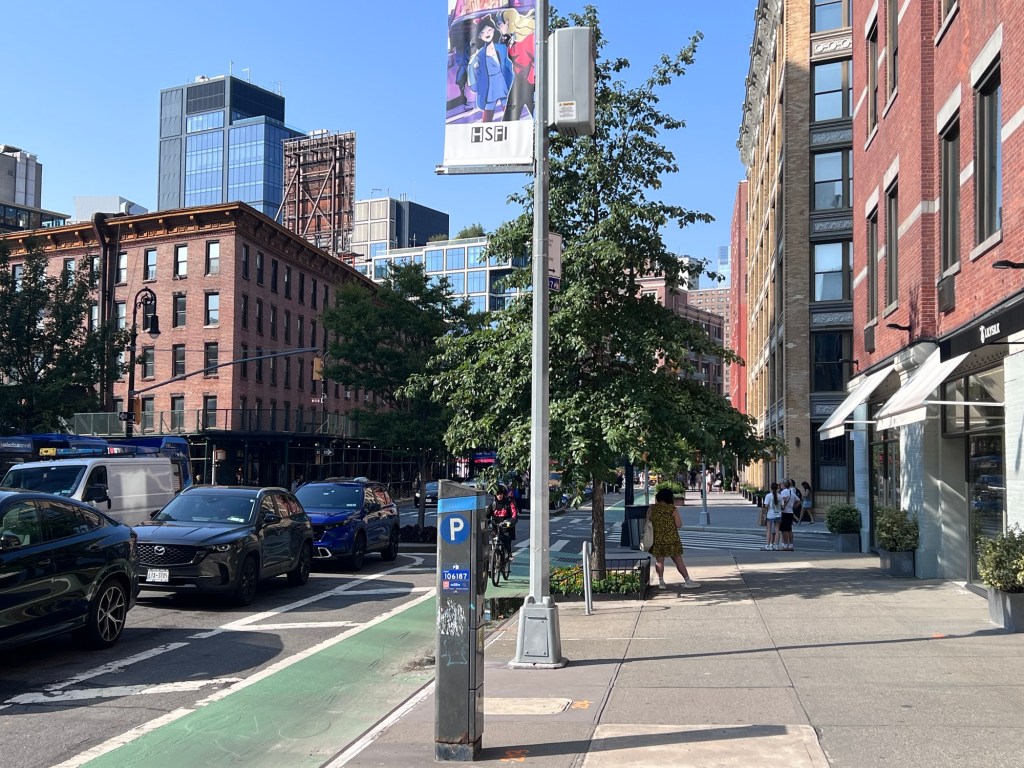


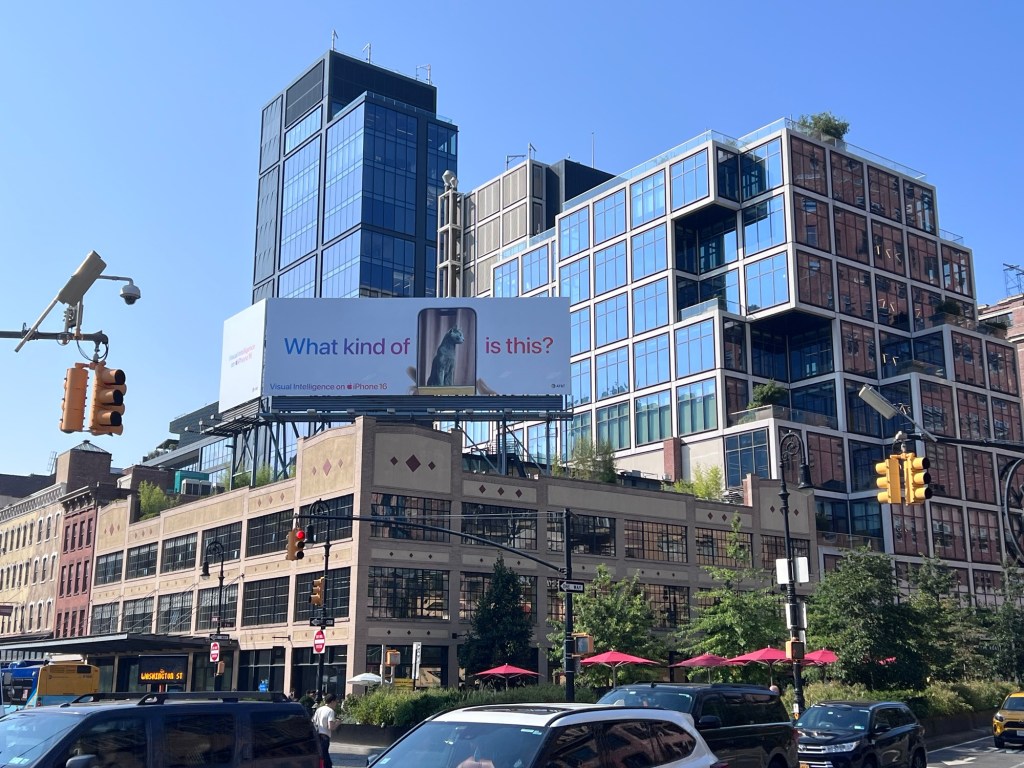
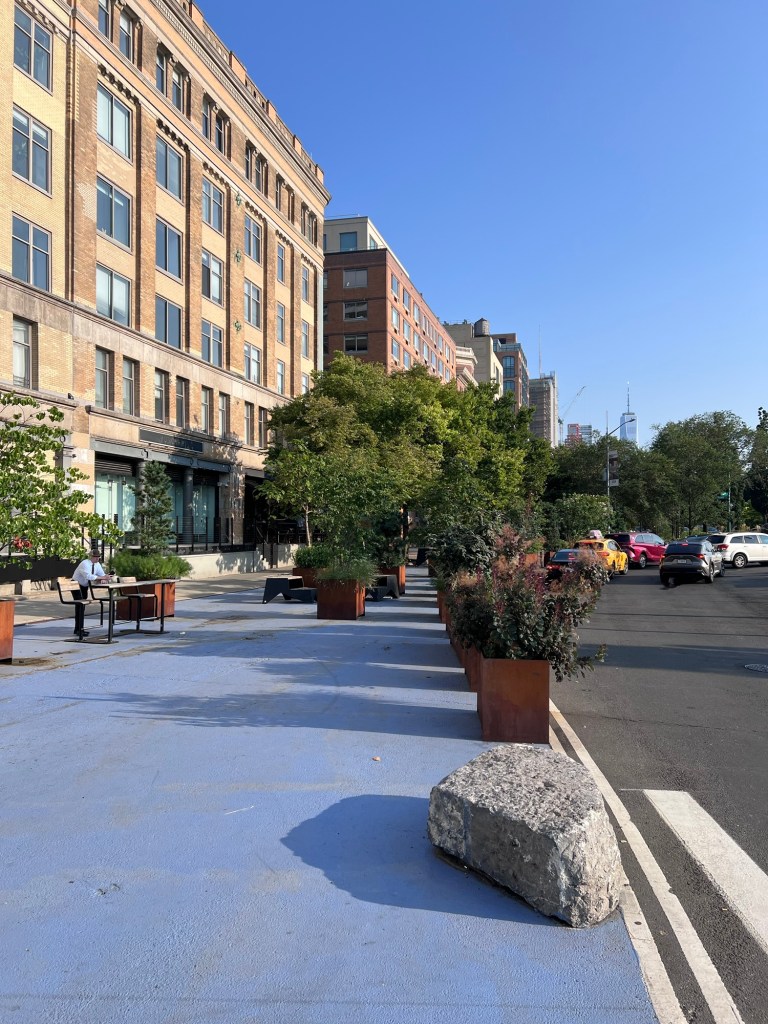

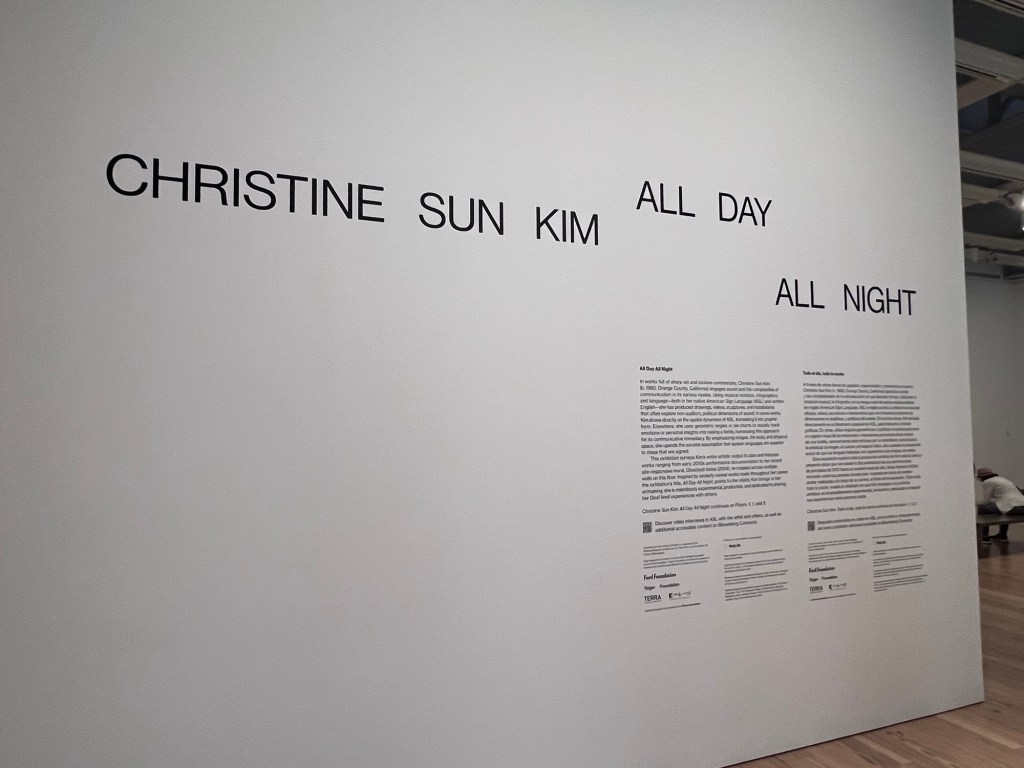


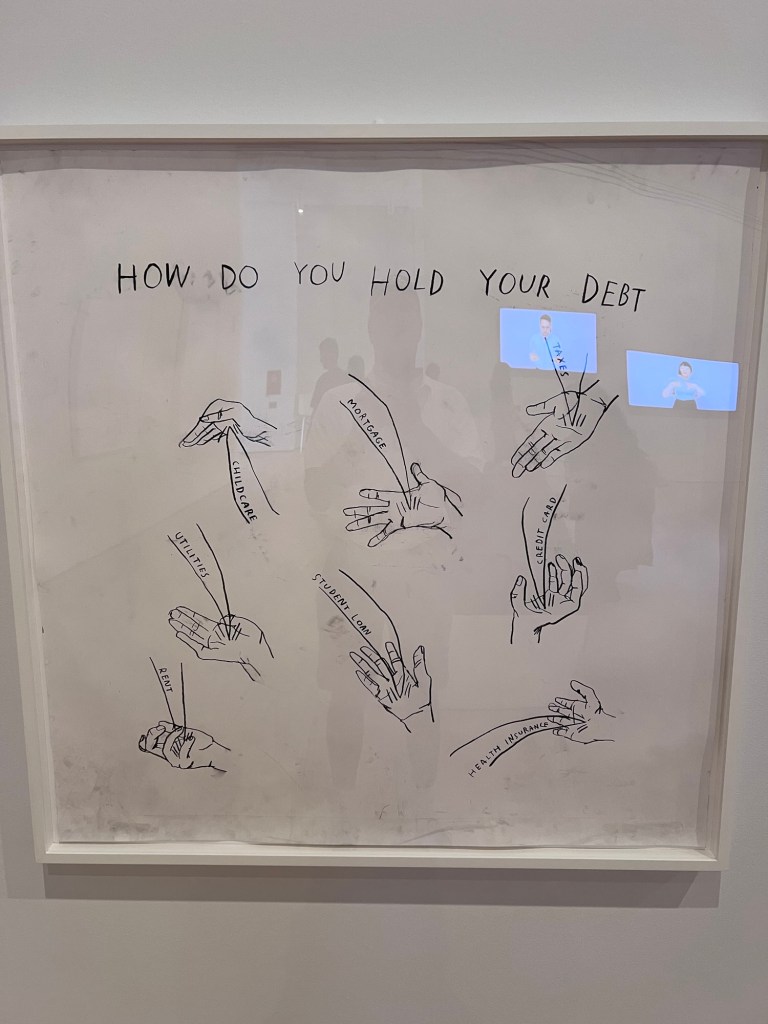


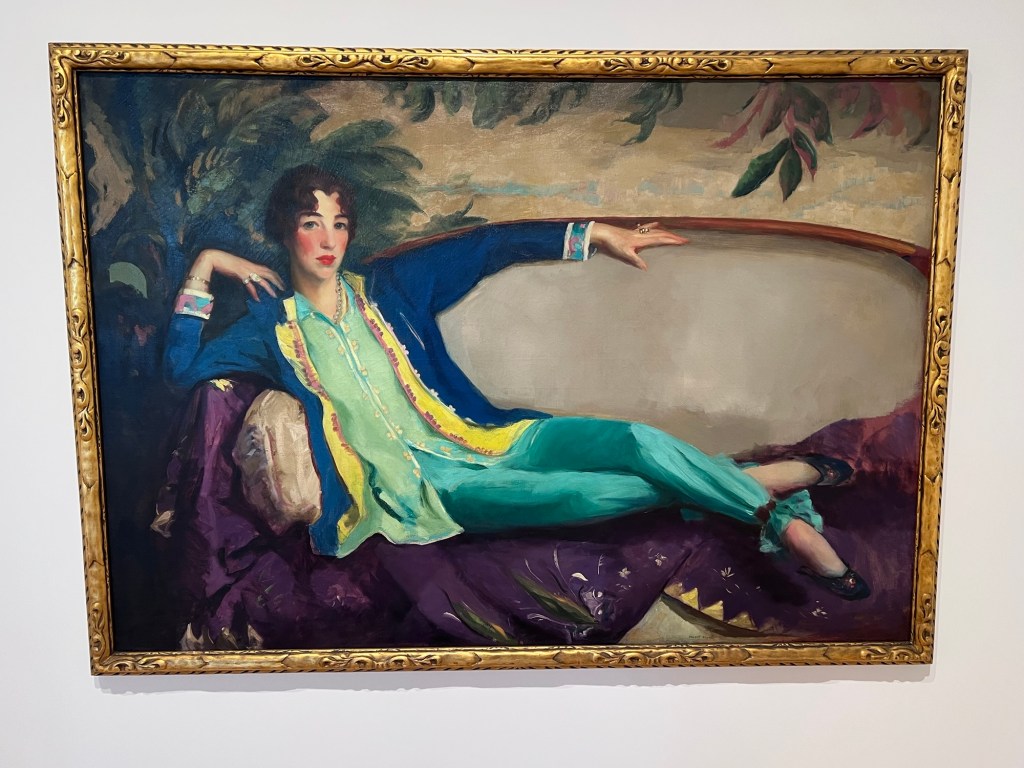

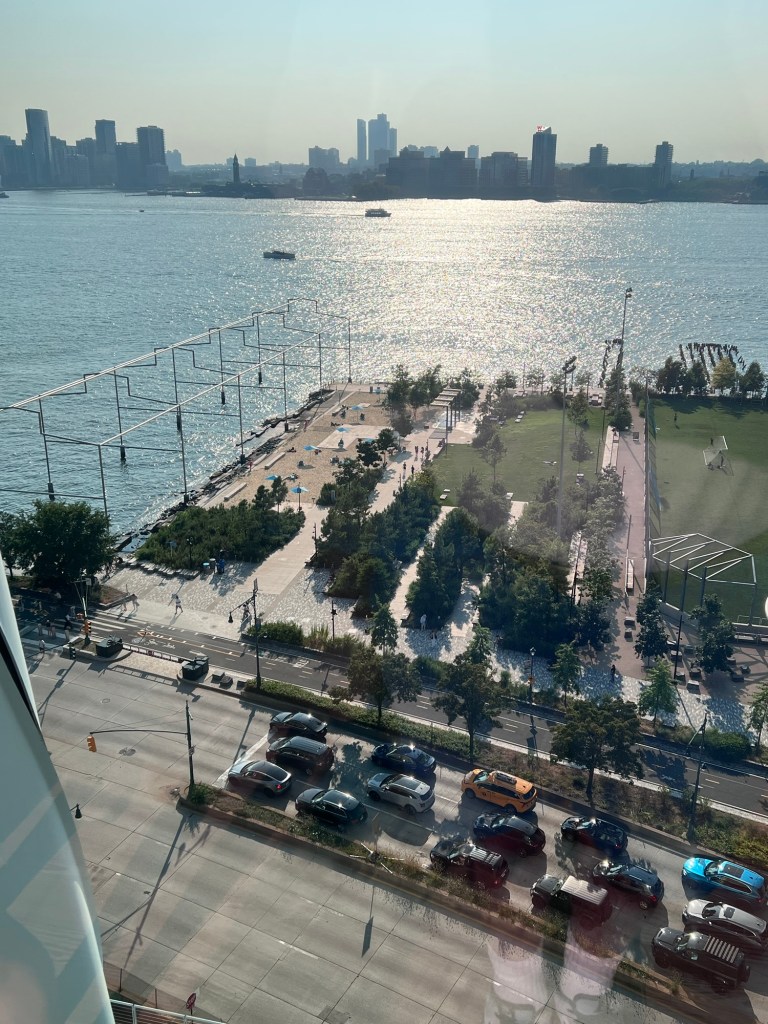

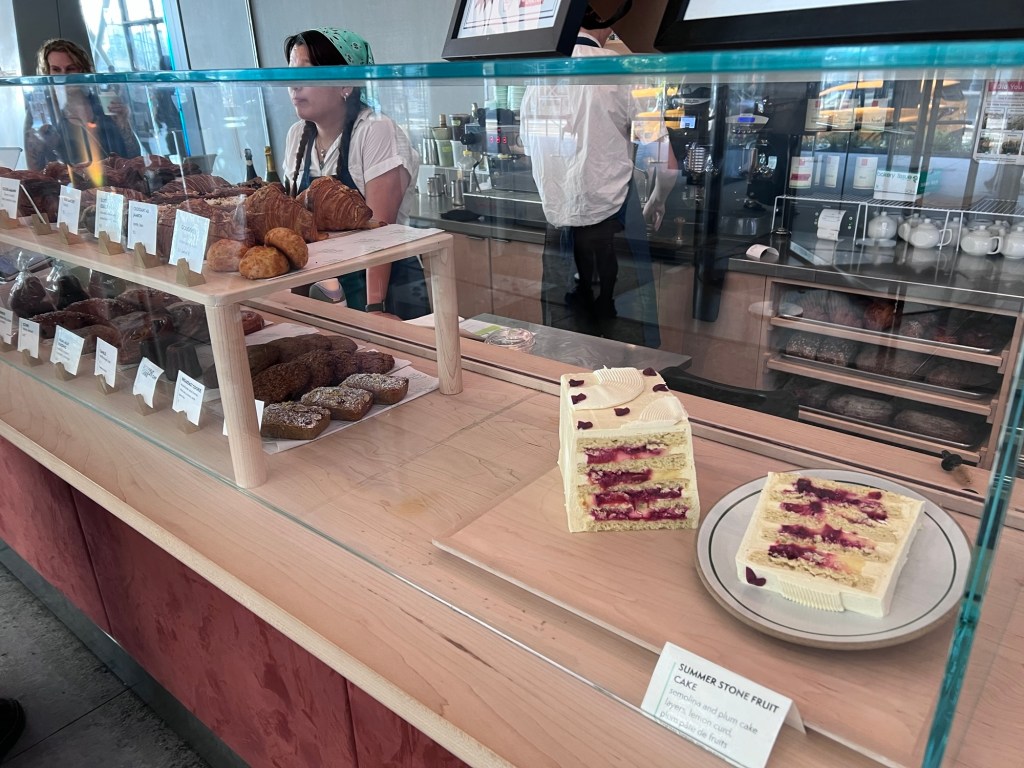




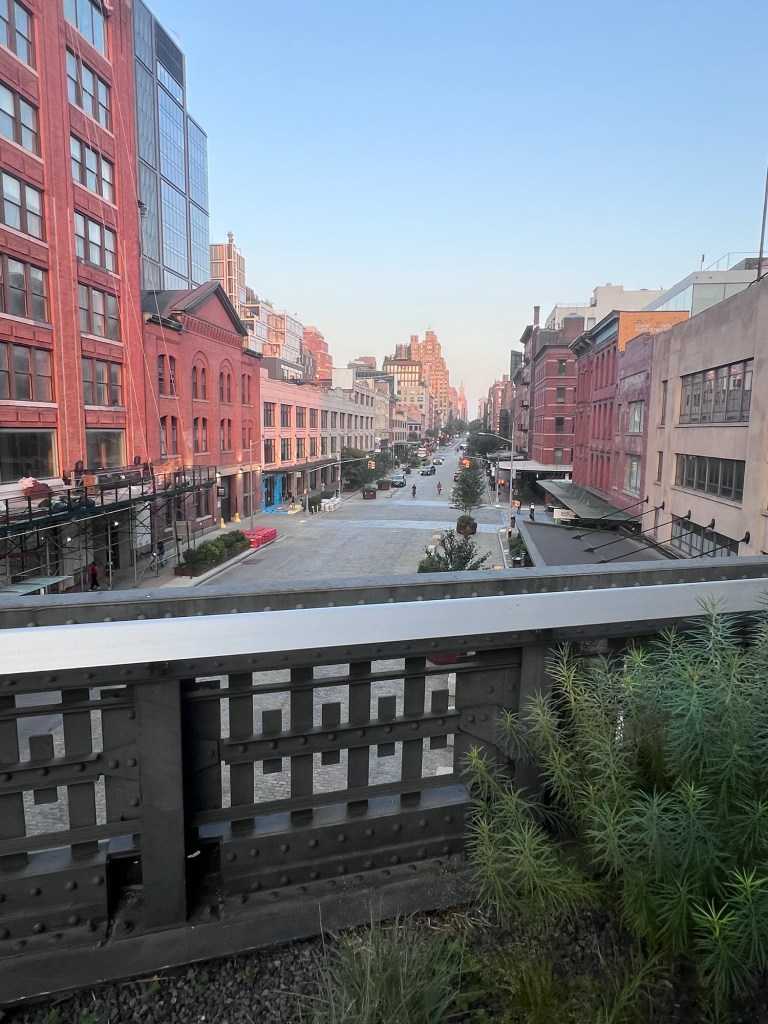
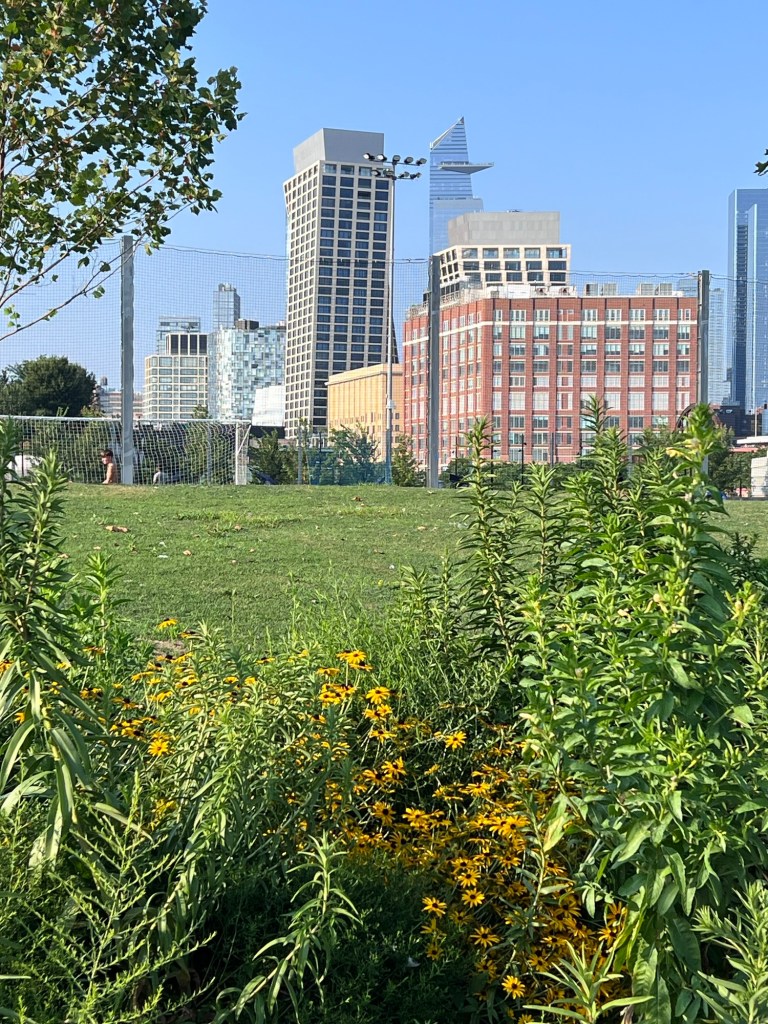

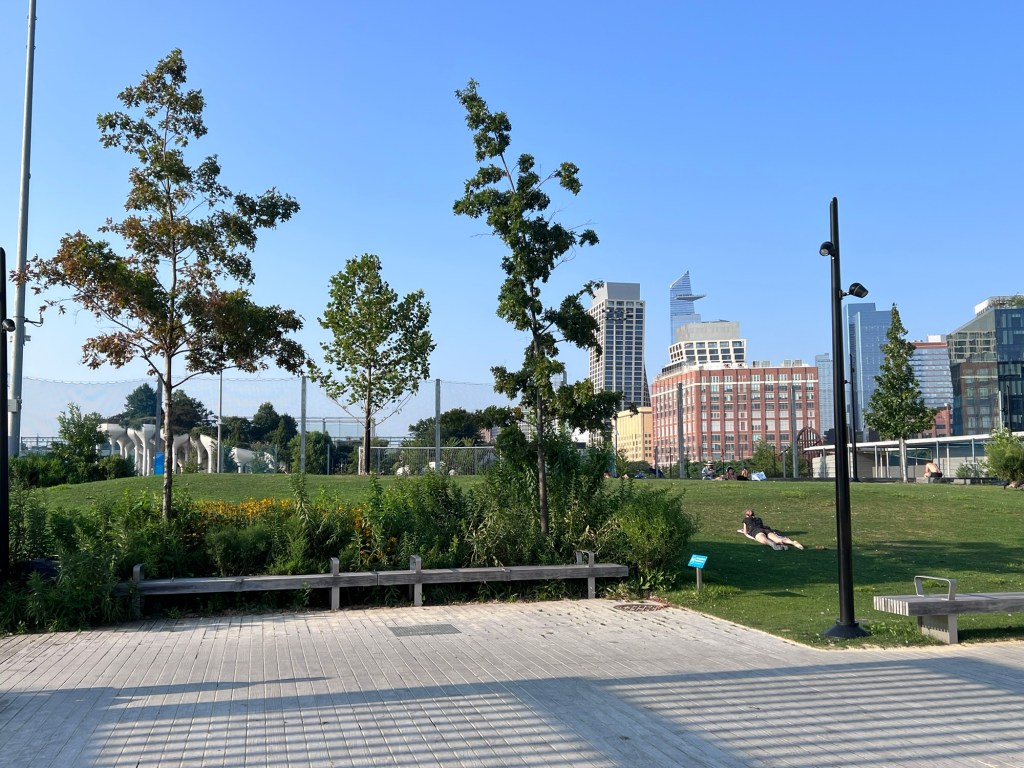


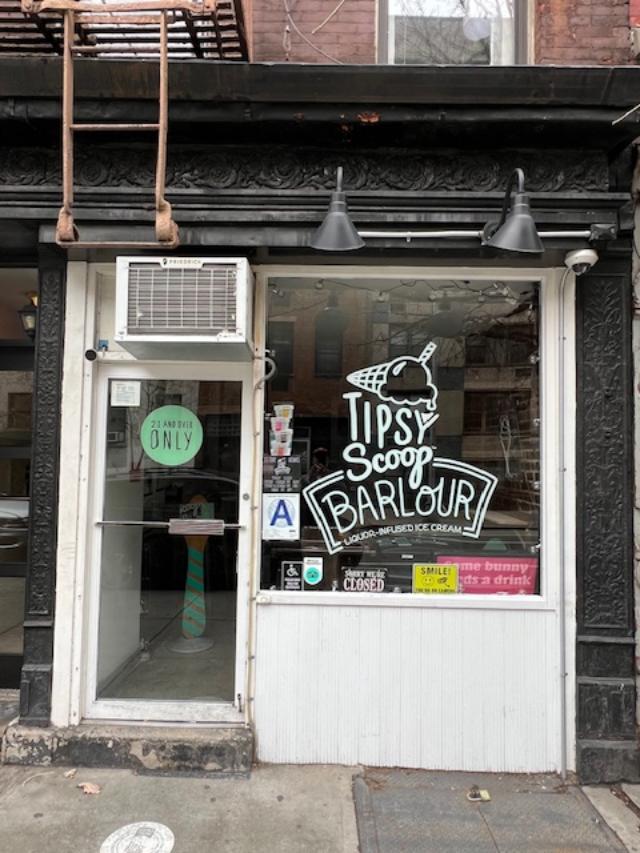
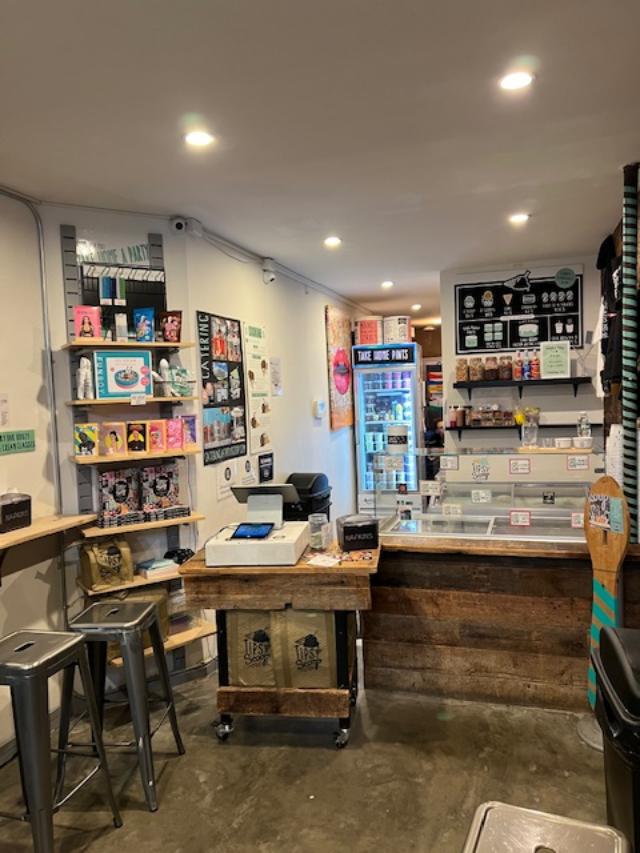

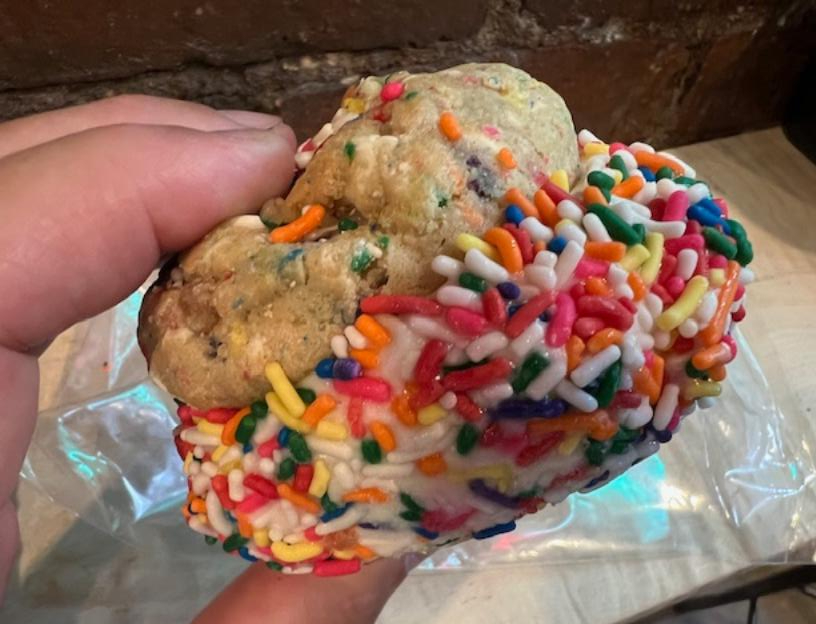

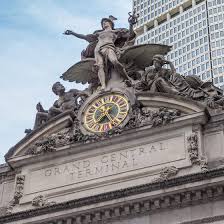
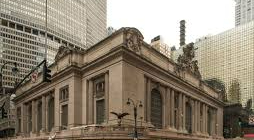
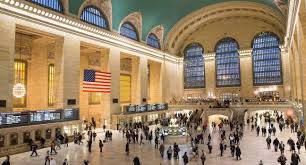
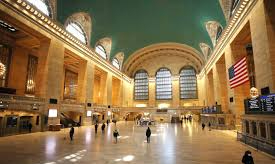
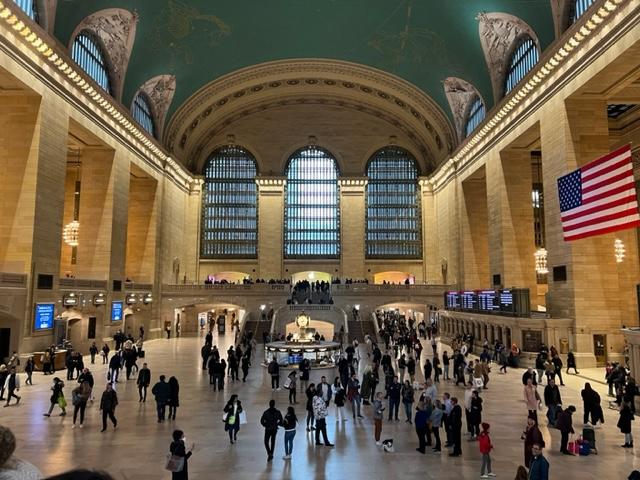
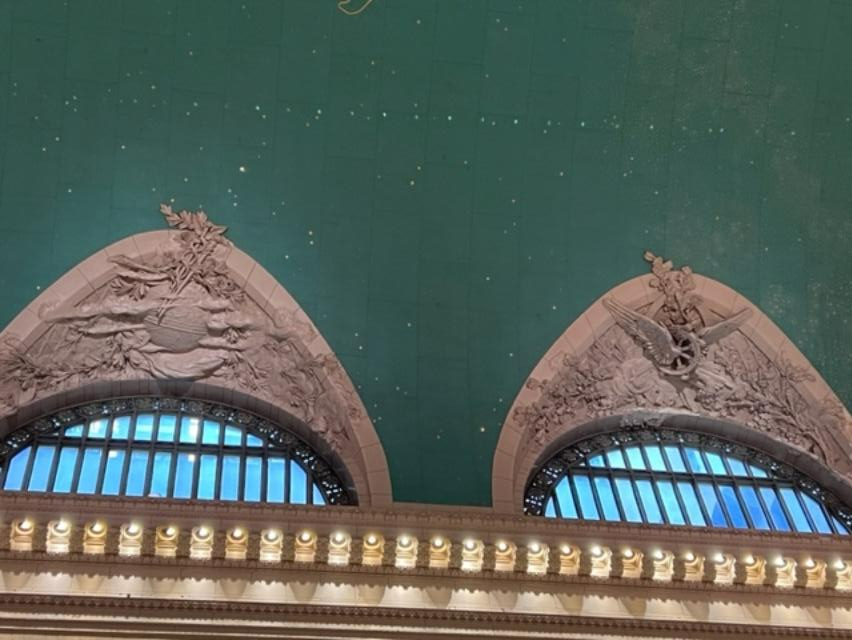
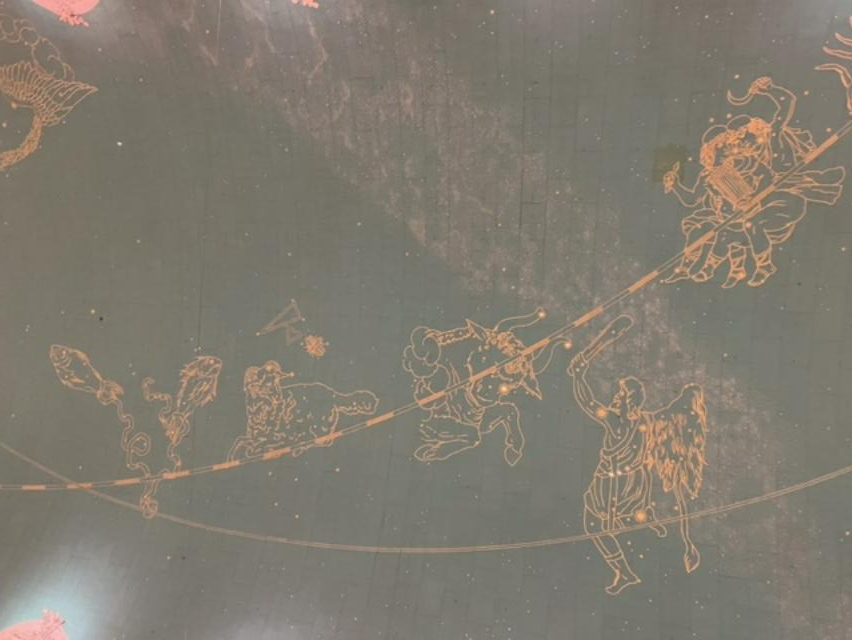
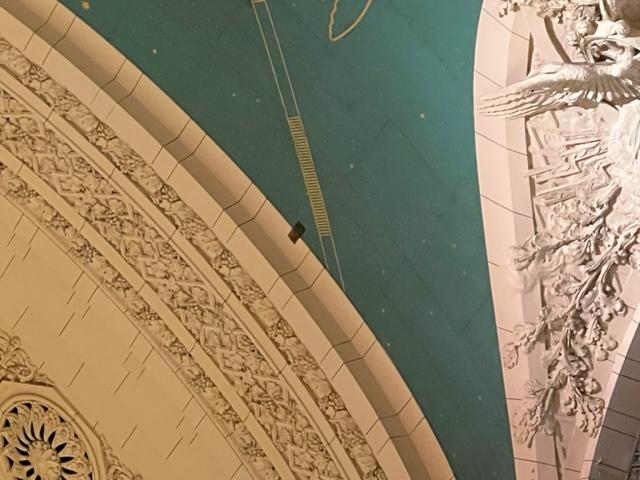
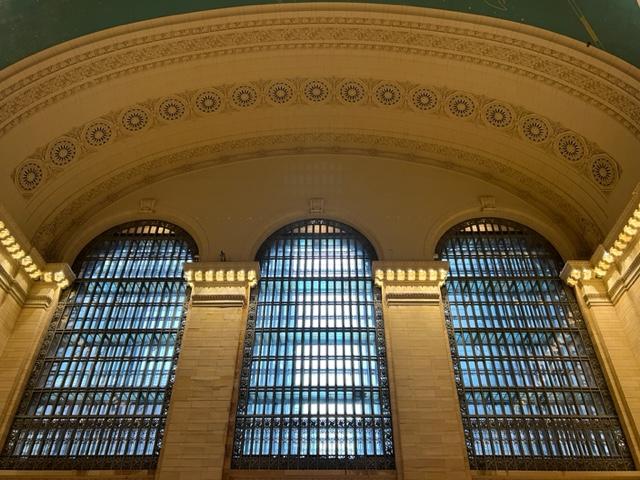
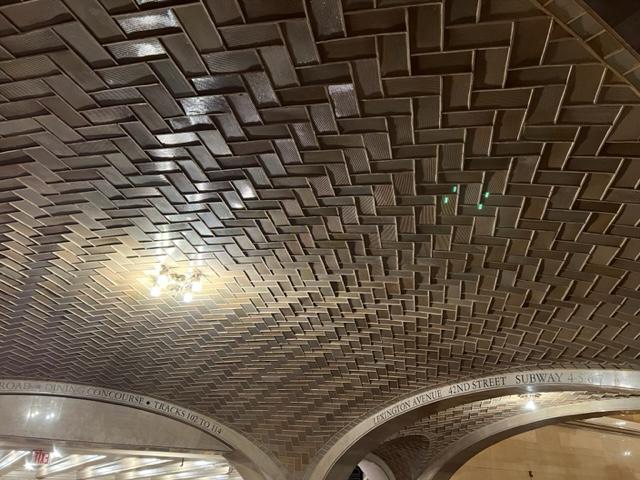
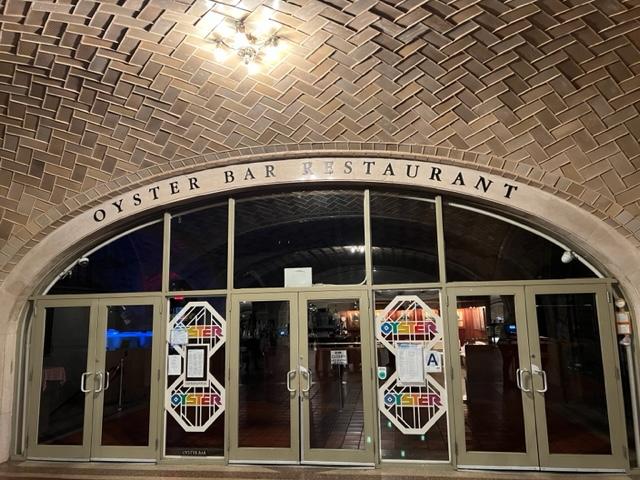
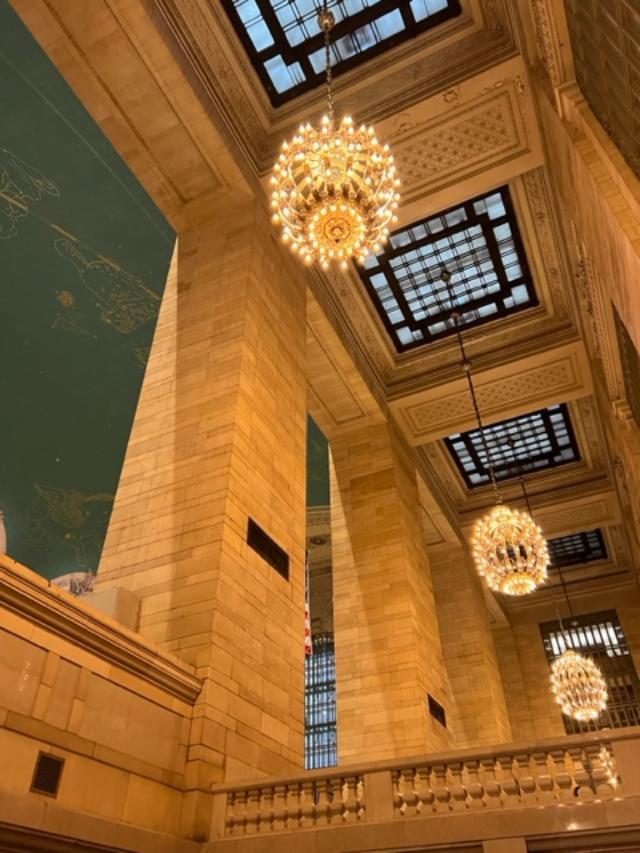
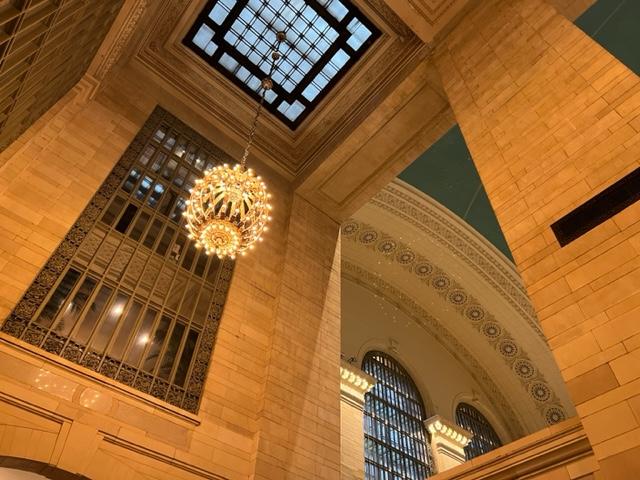
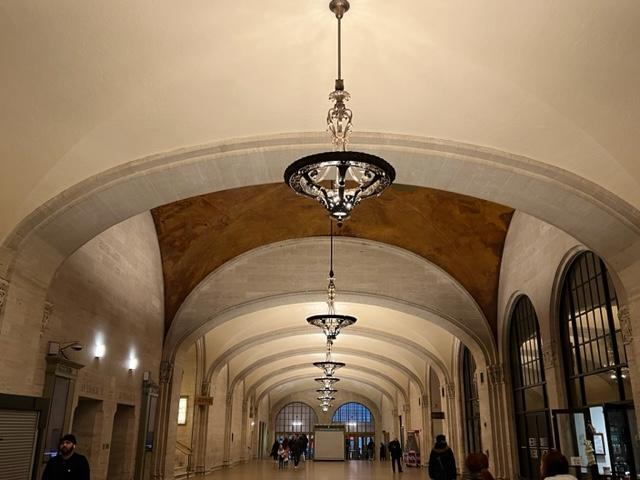
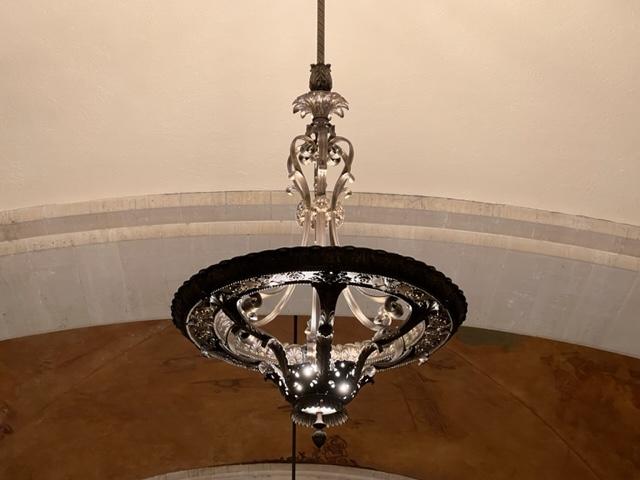
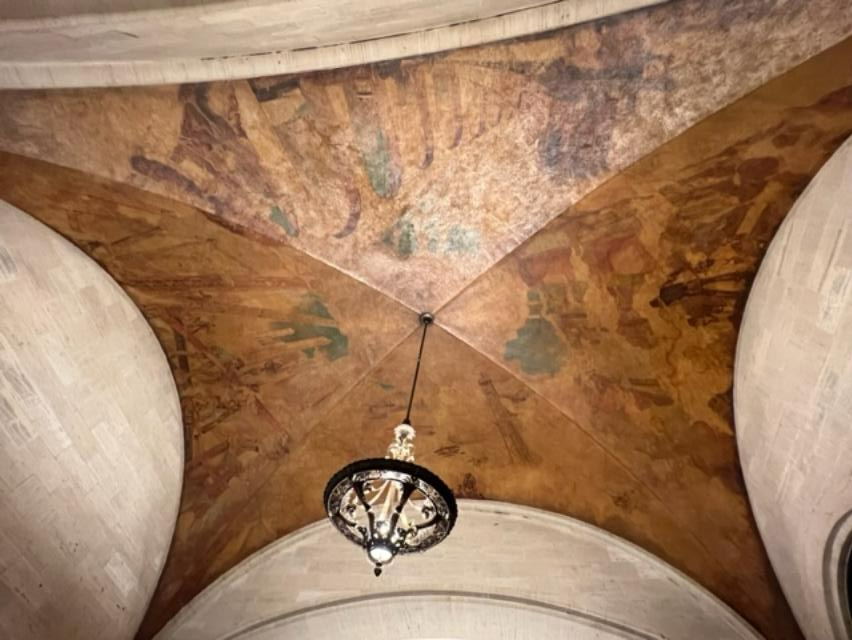
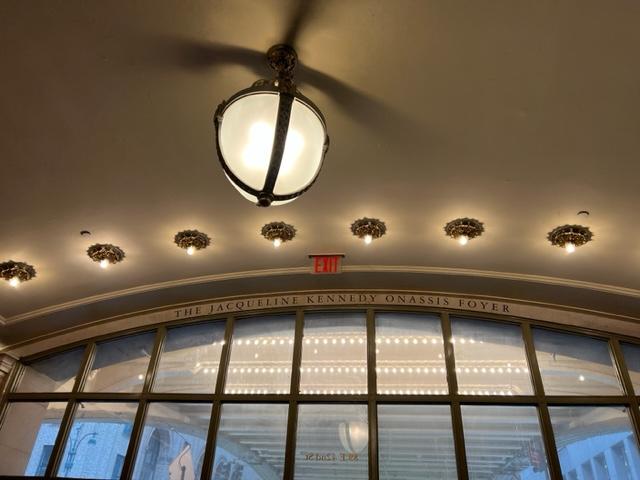
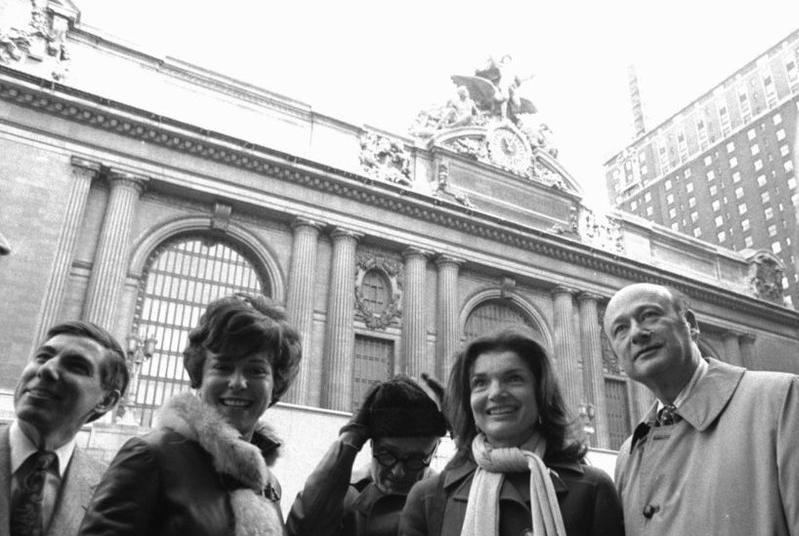
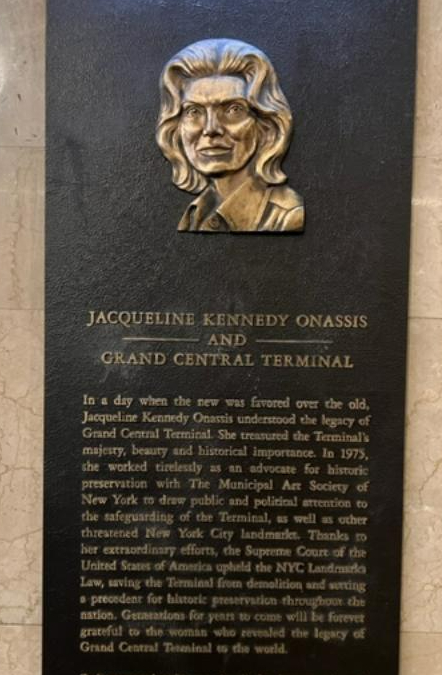
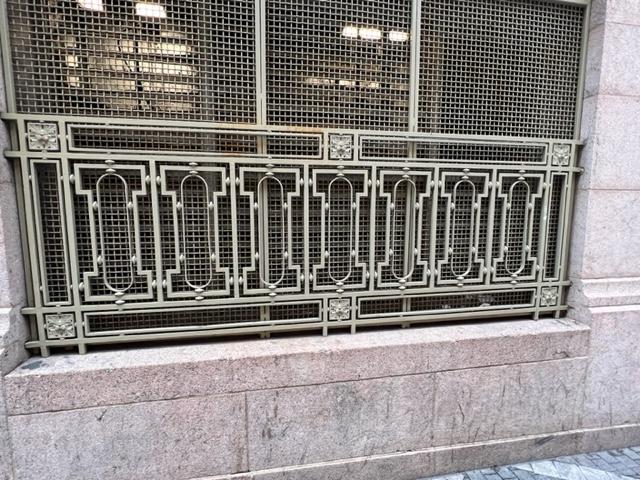
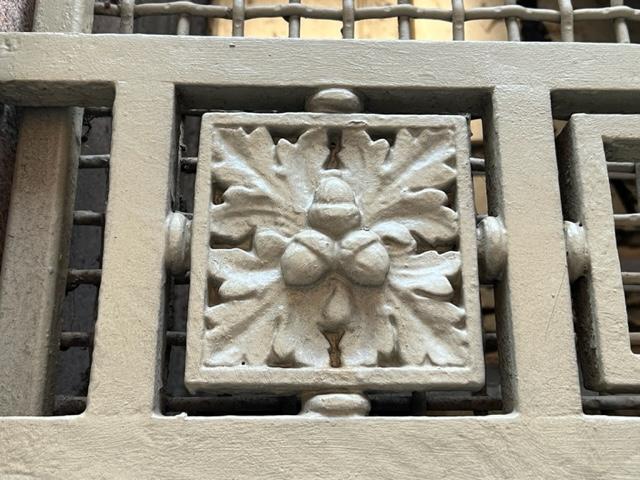
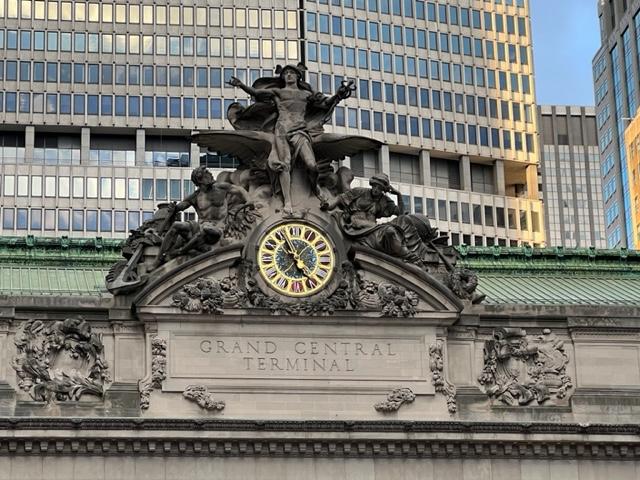
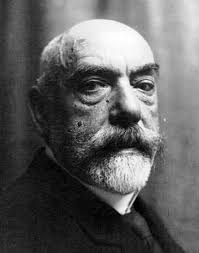
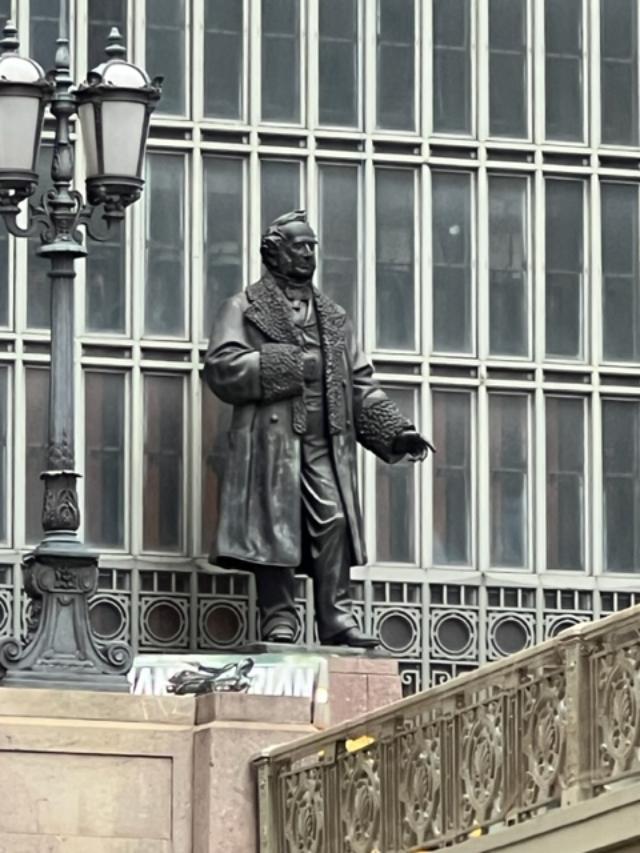
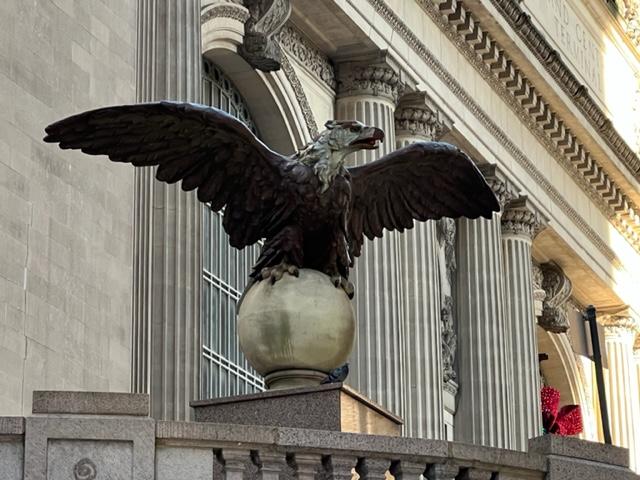
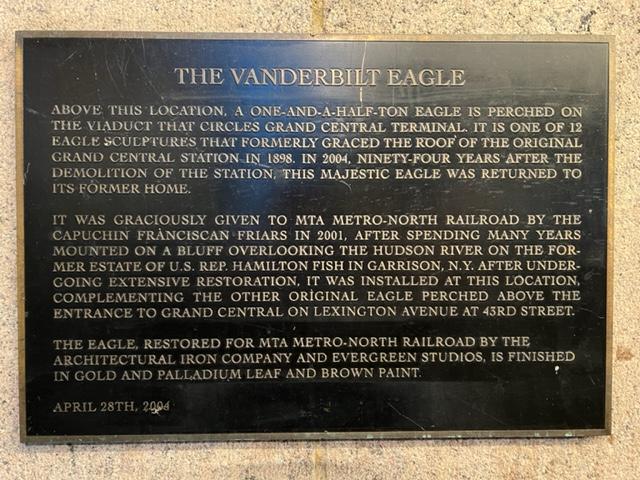
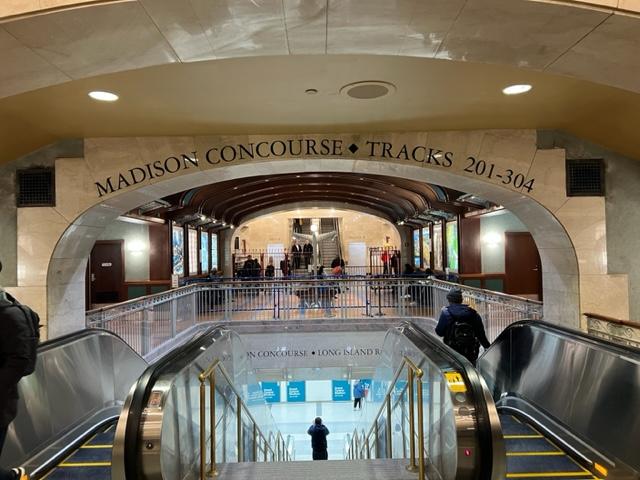
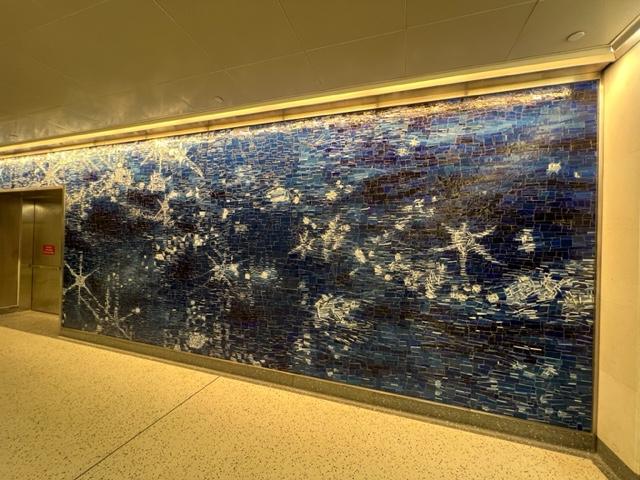

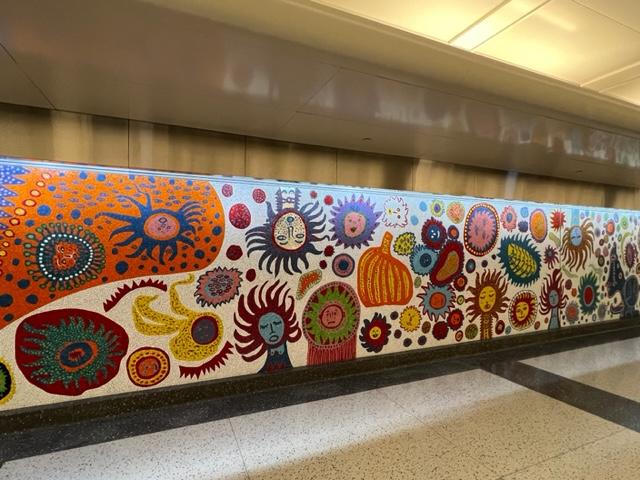
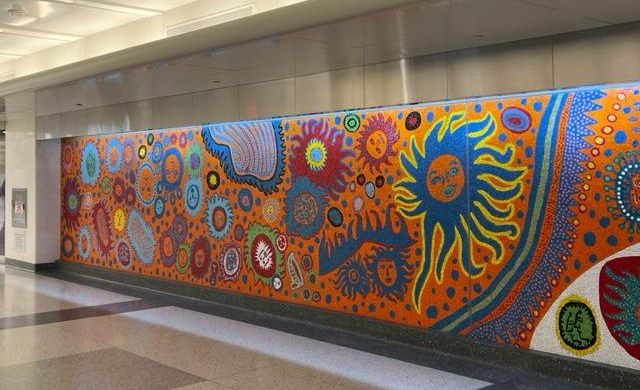
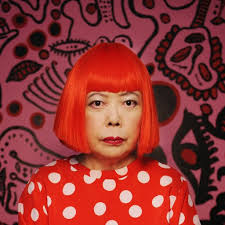
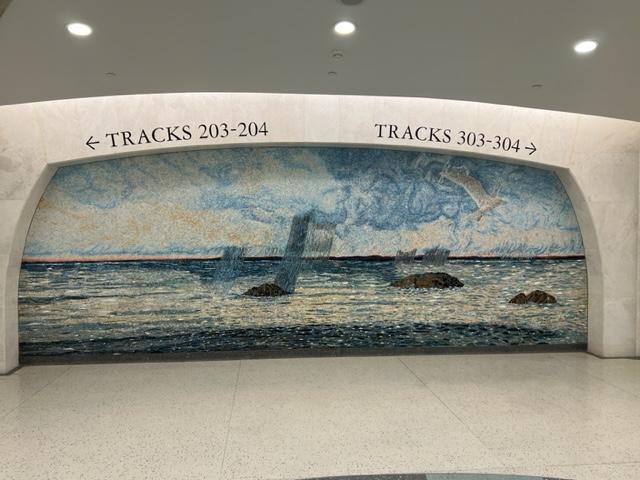
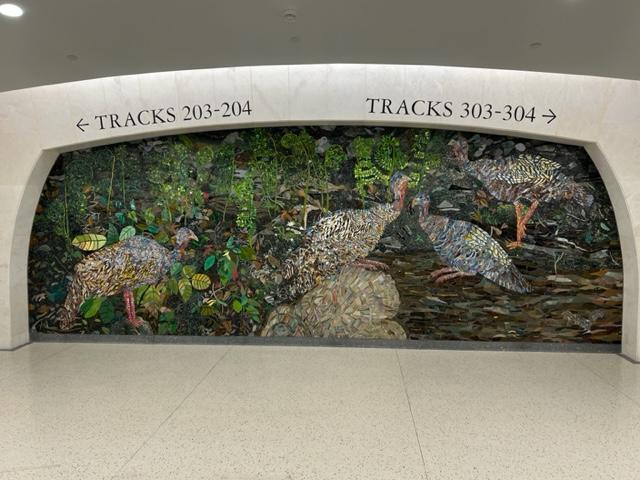
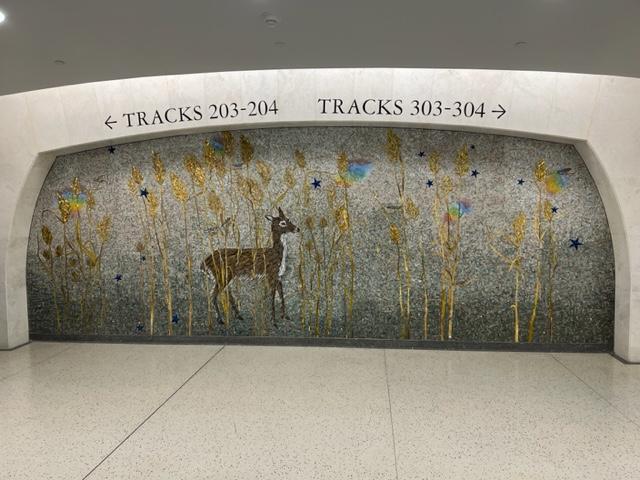
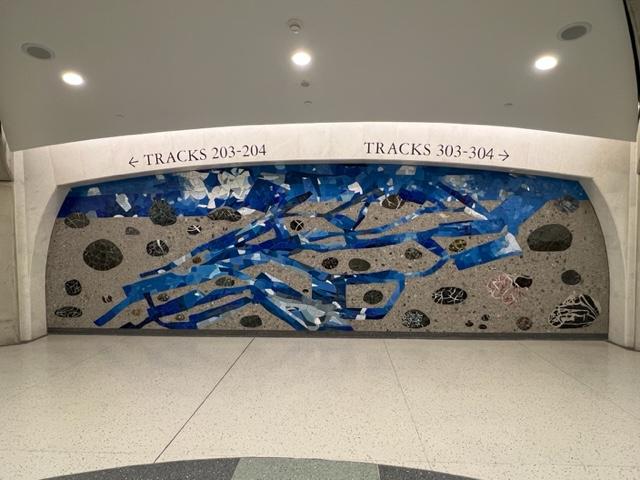
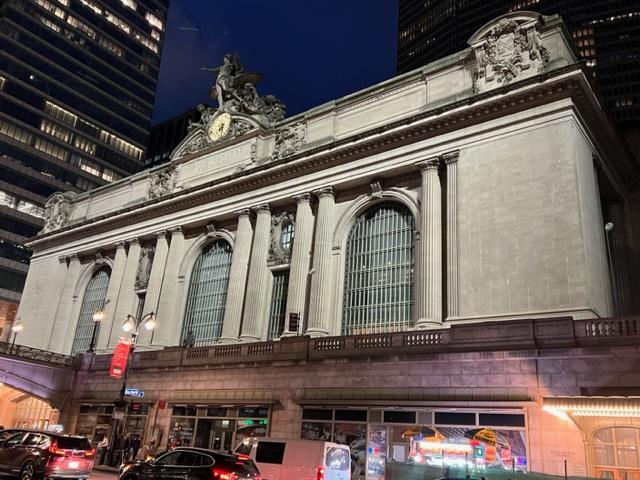
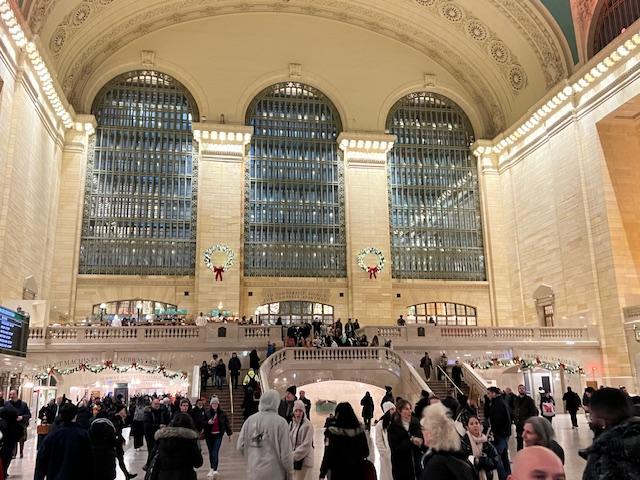
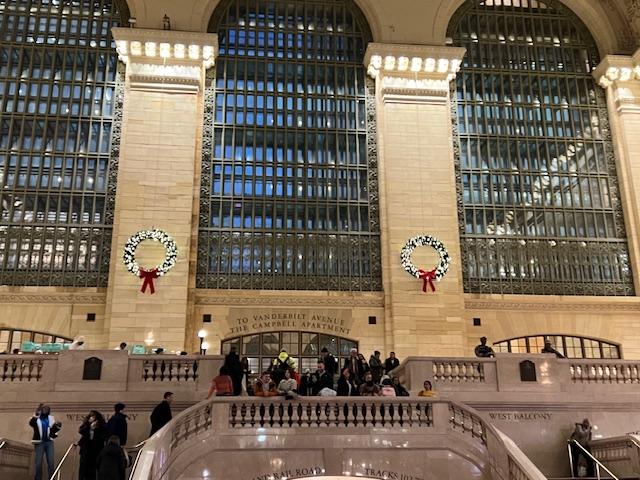


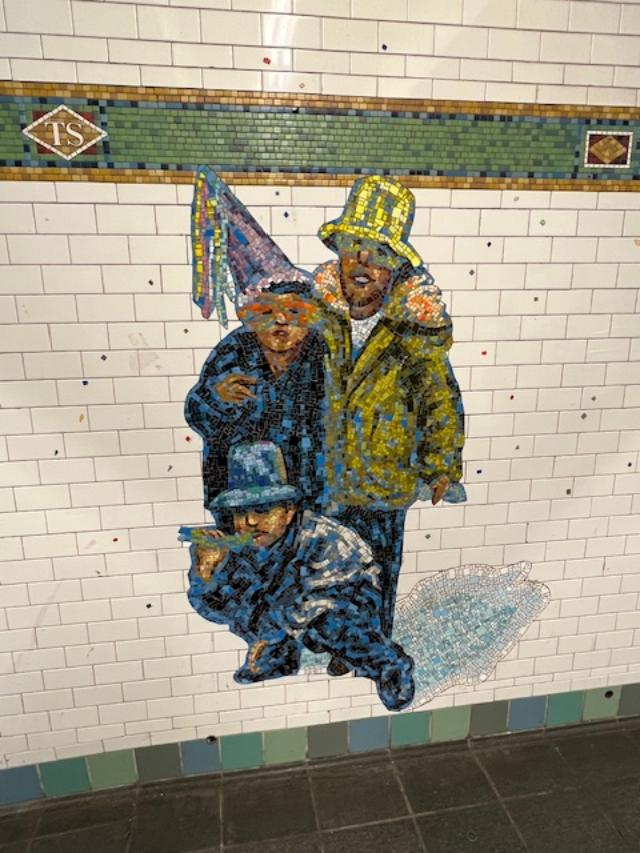
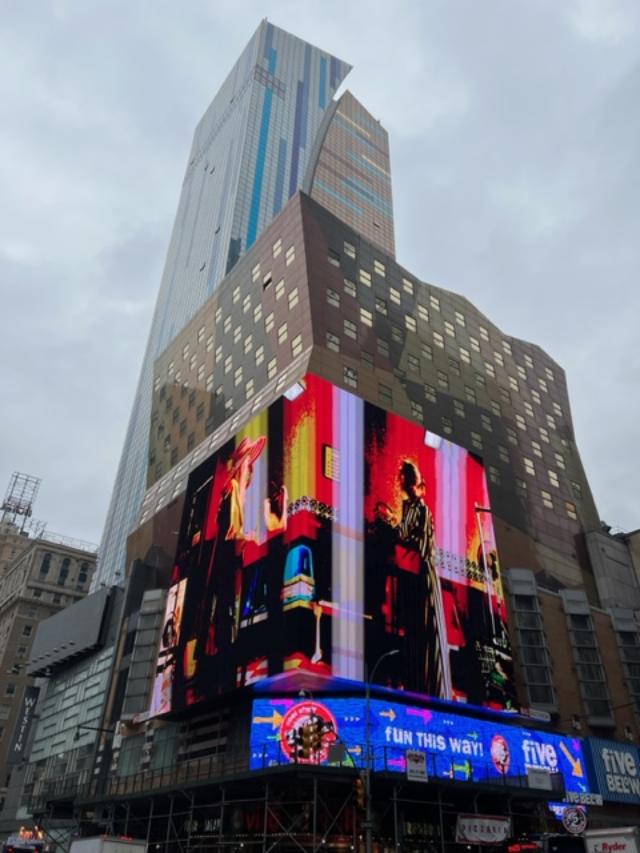
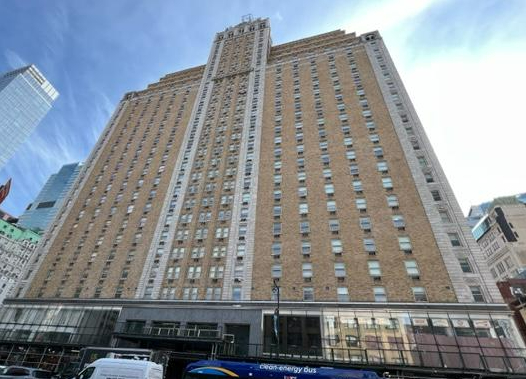
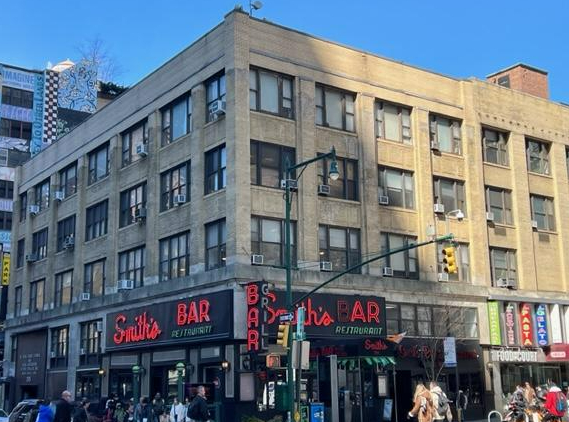


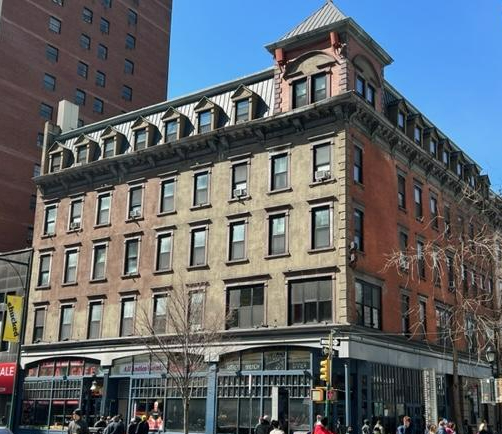
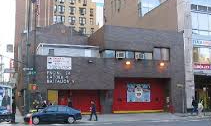
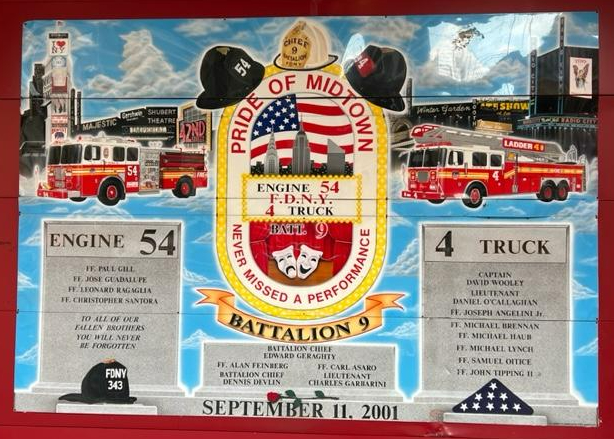
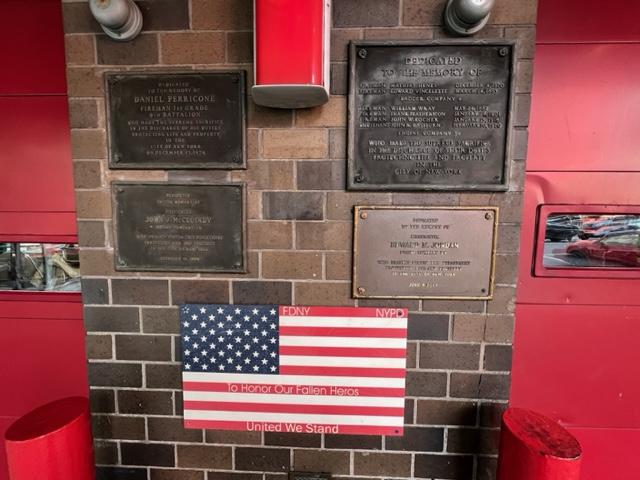
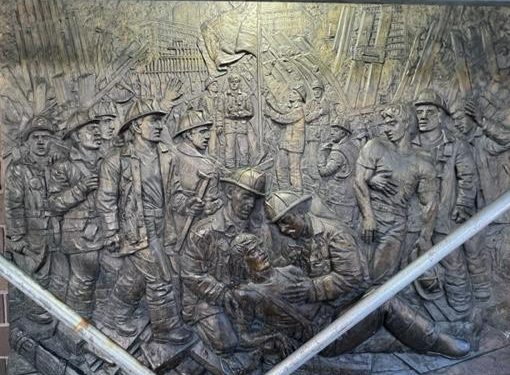
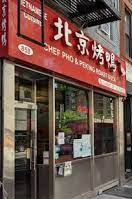

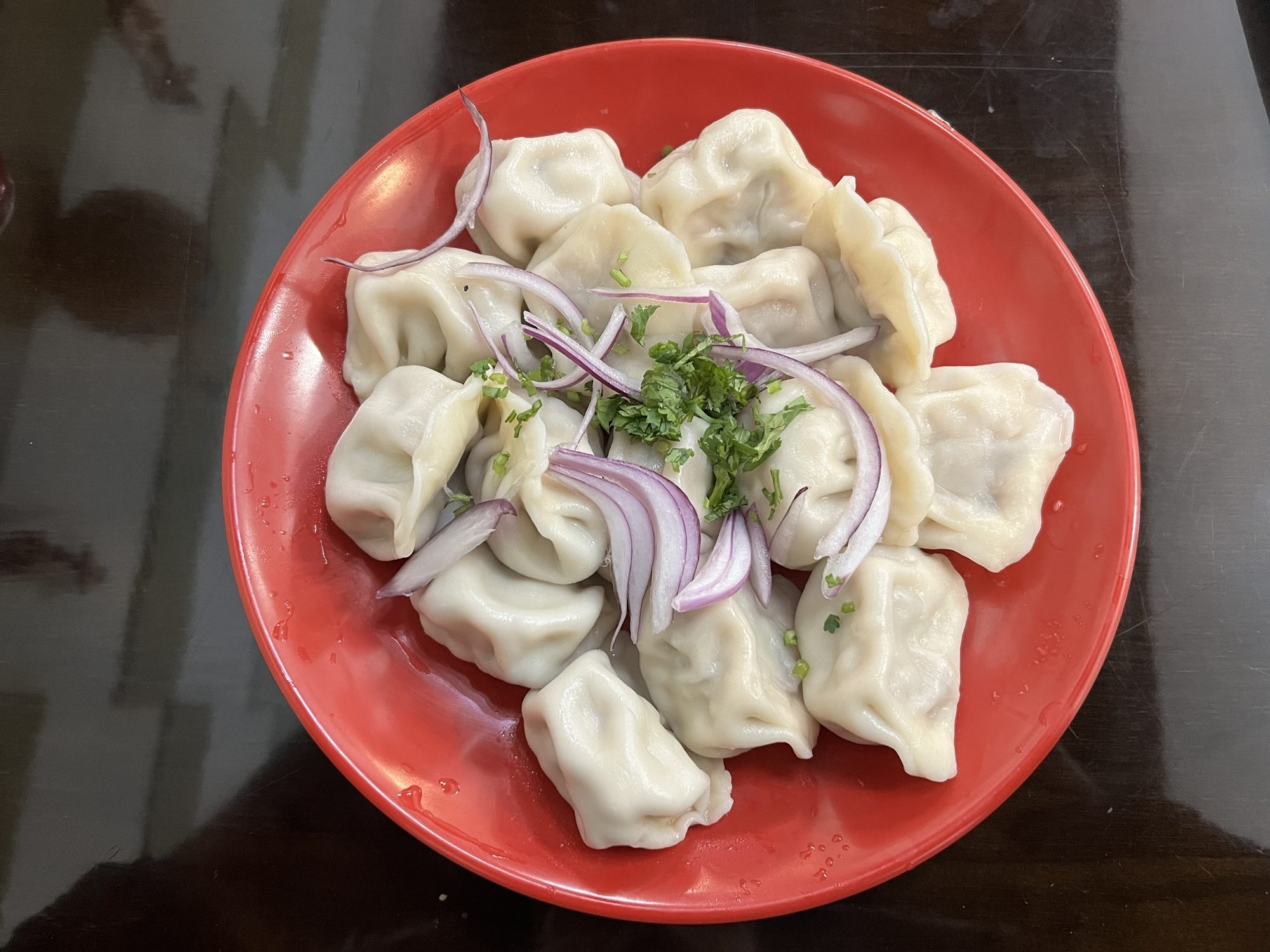


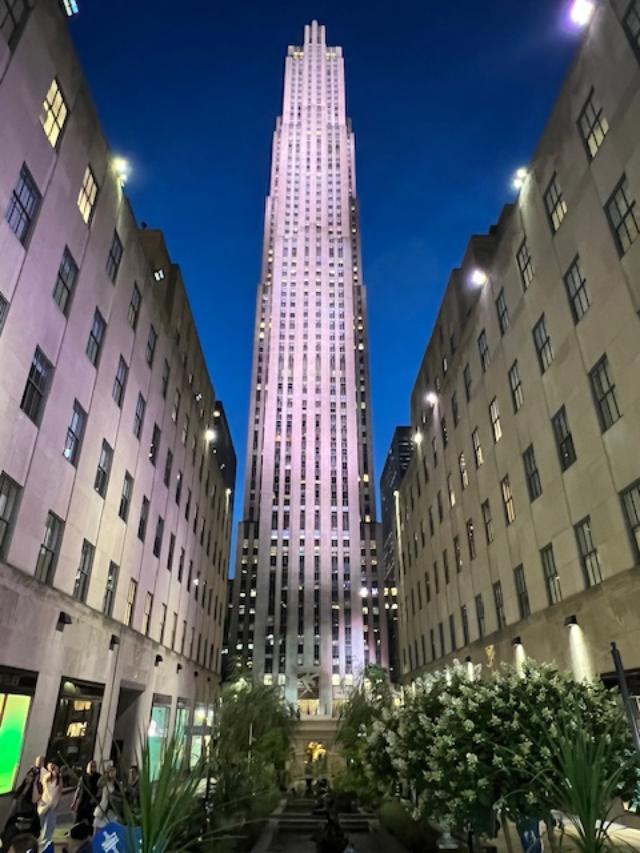


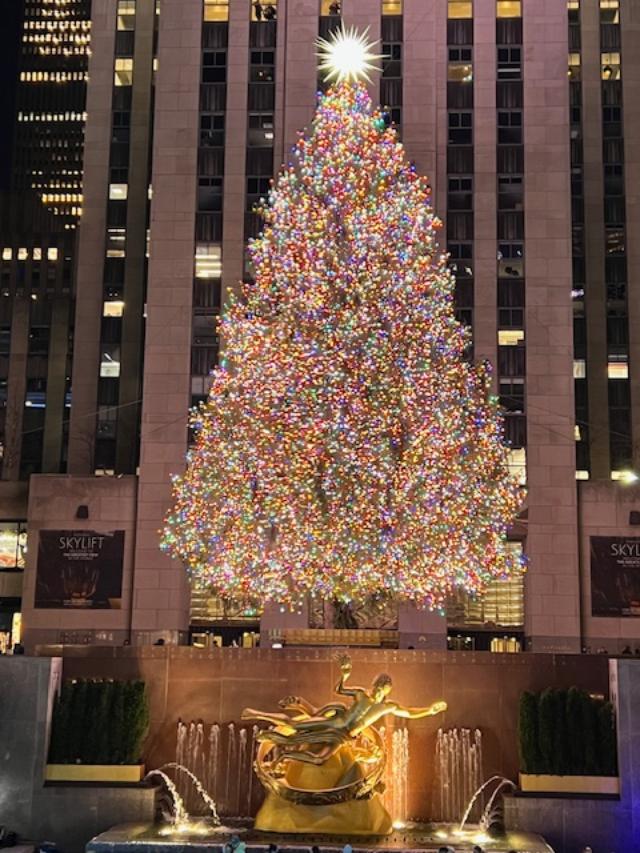


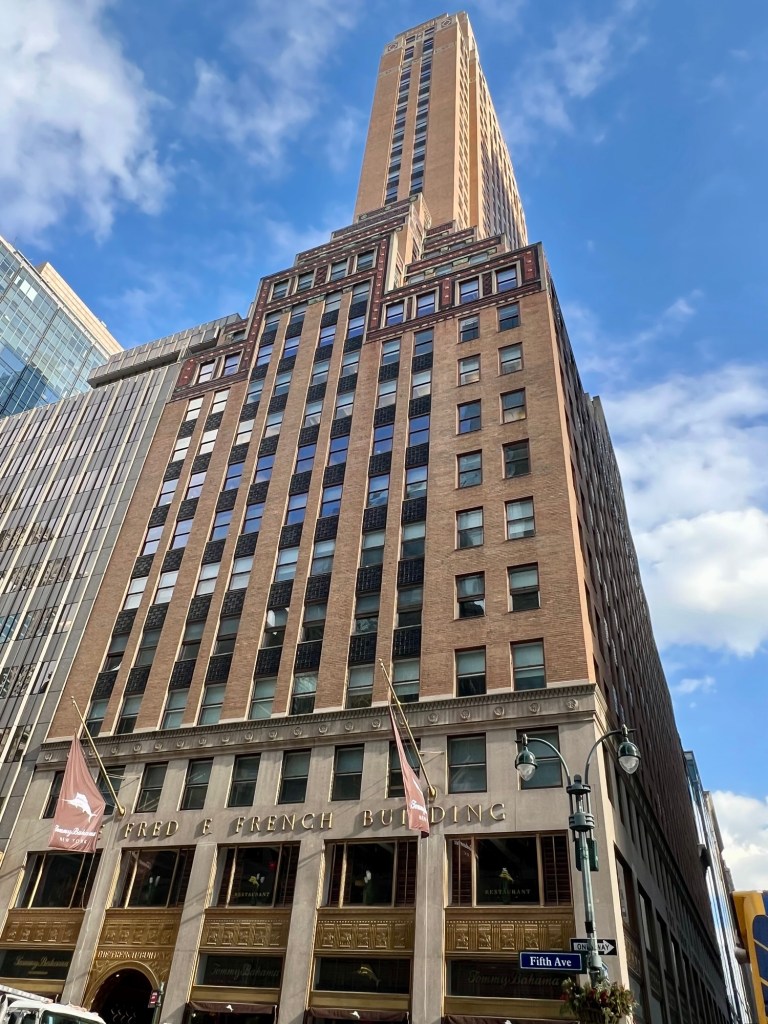
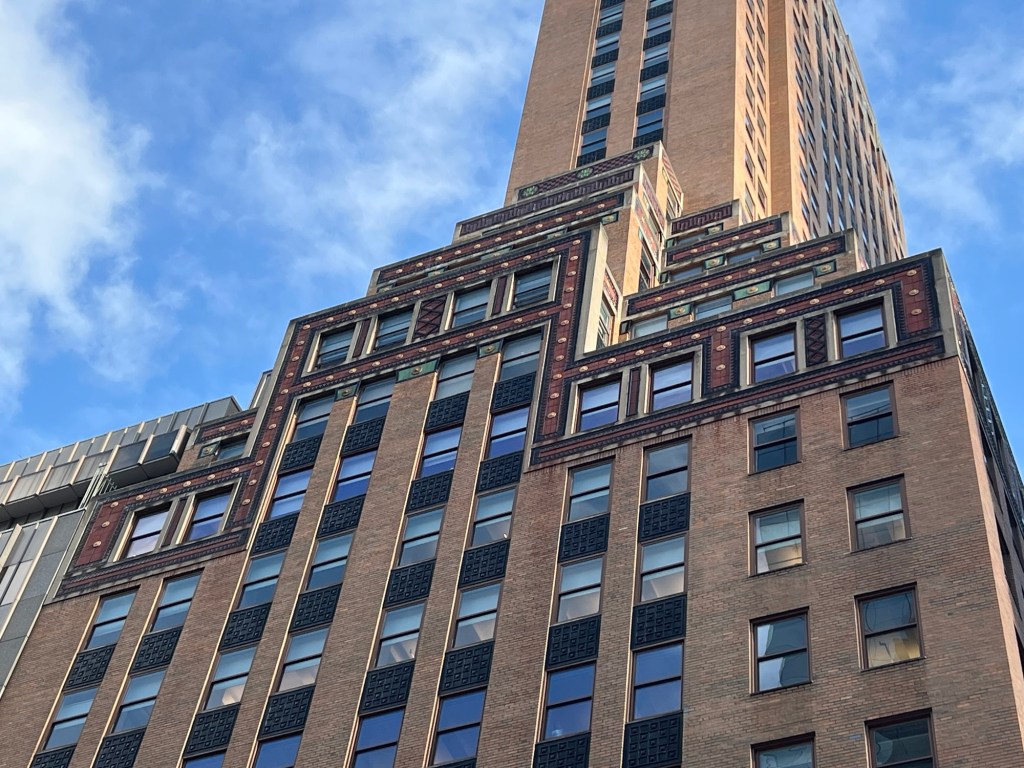


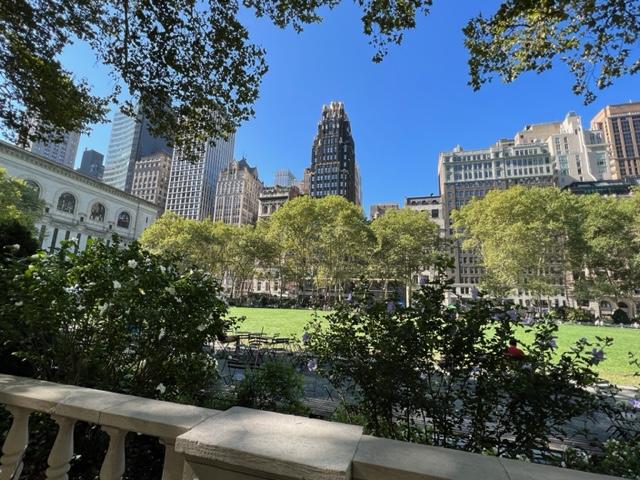
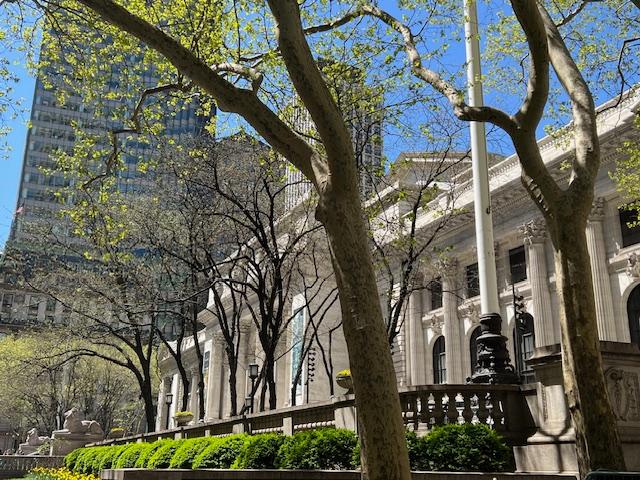


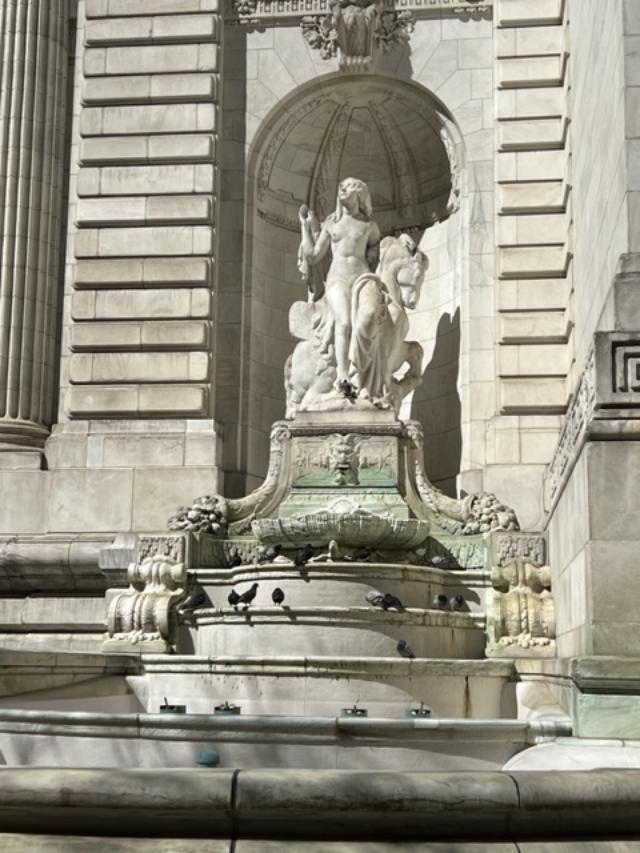


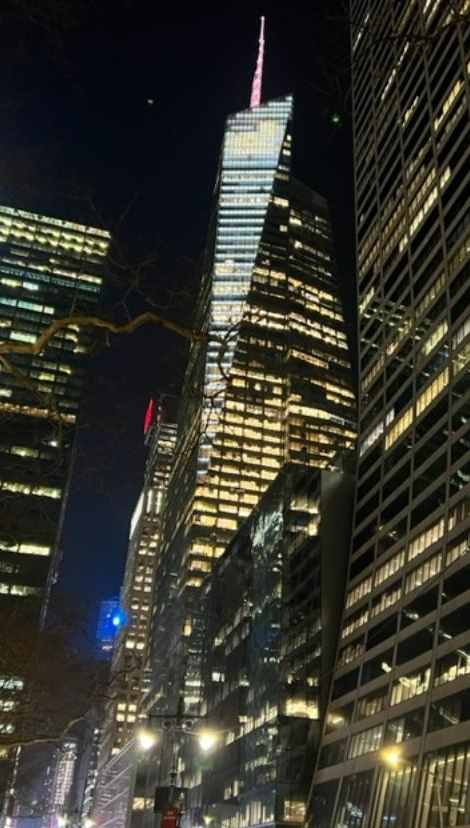


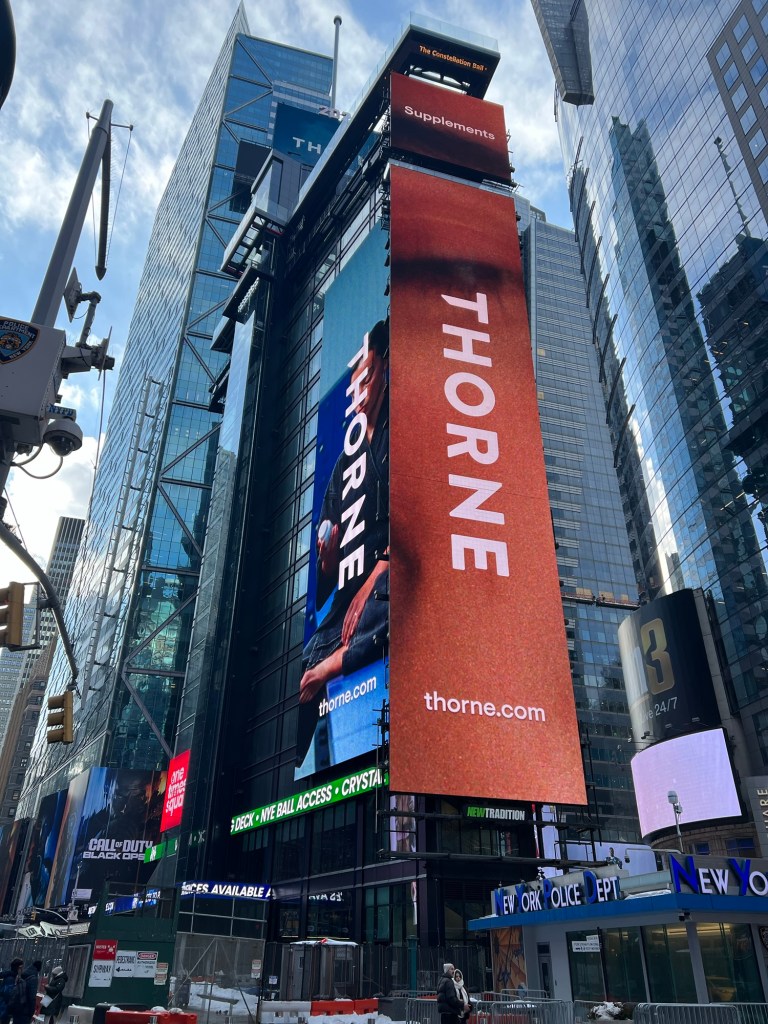
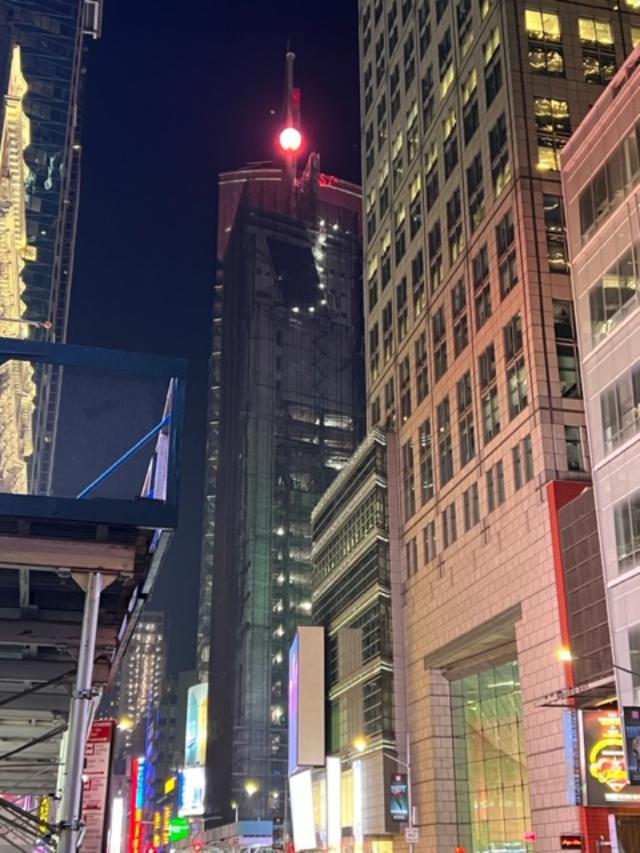
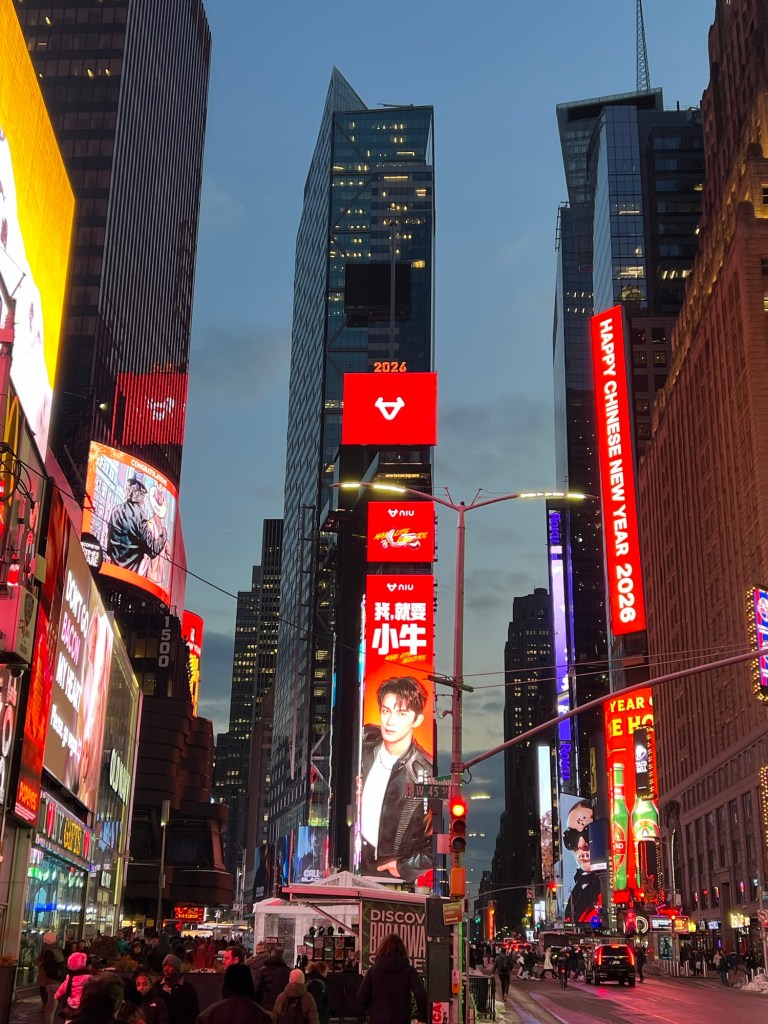


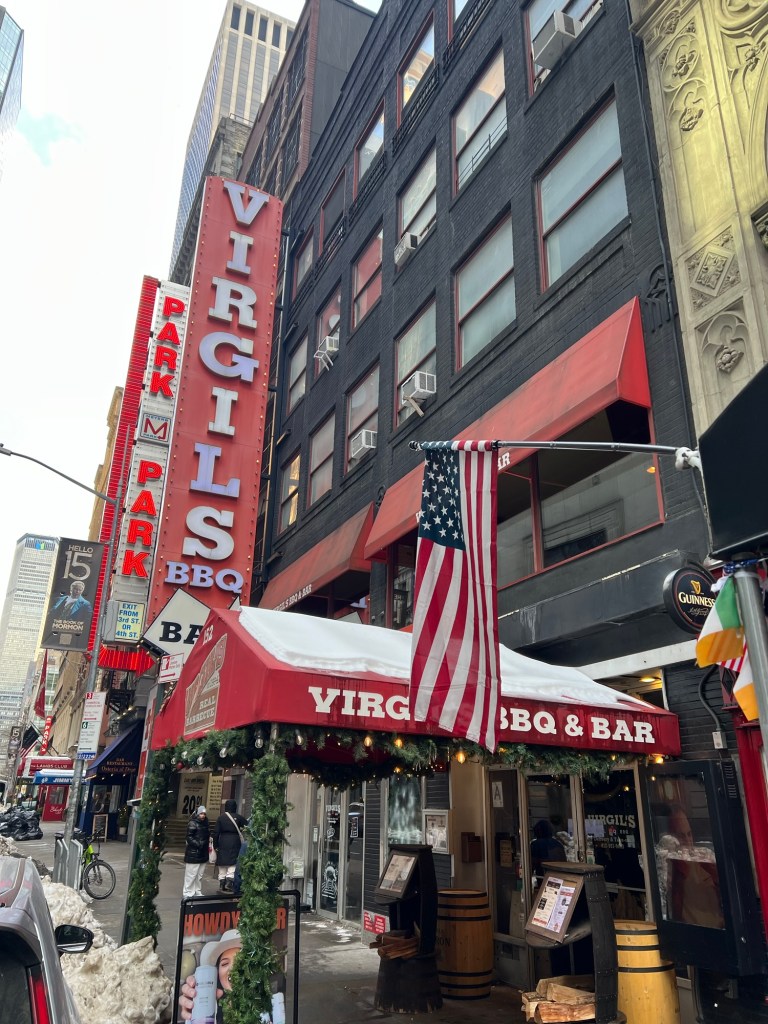
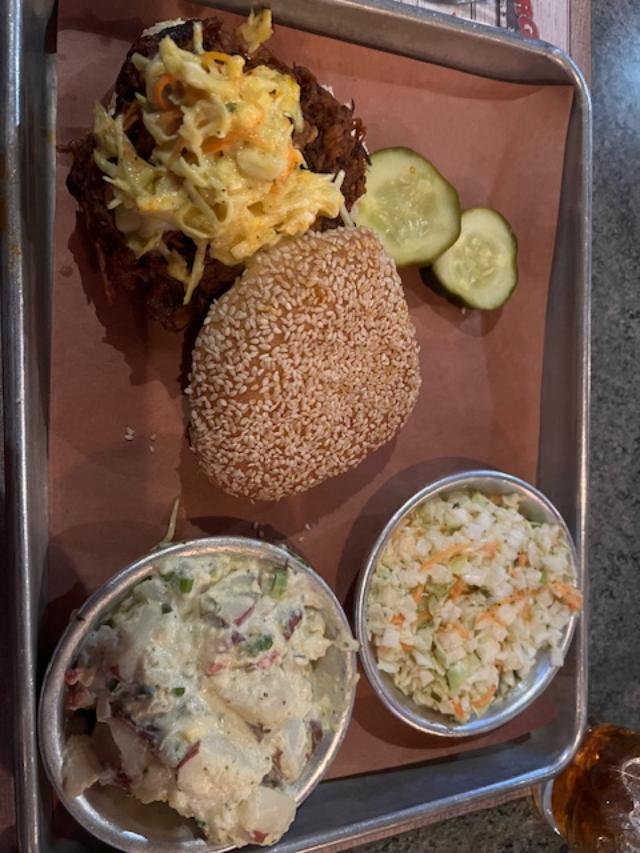


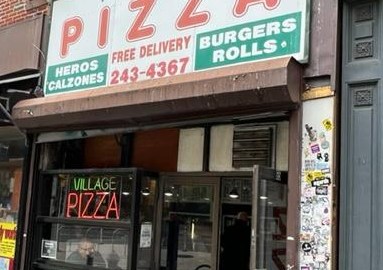


 mywalkinmanhattan