I was just watching ’60 Minutes’ tonight and it has never been scarier to be in New York City. The hospitals are being over-whelmed by patients that are low on supplies and the medical staffs are tired, burnt out and still stepping up to the plate to help get people better. The streets are empty with people as the last of the tourists left two weeks ago and the crowded streets of Manhattan that only in December were packed with so many people that you could not walk seems like a distant memory.
What should have been a great night for everyone. Michigan State WON 80-69!
As you have read from my last two blog entries, I was in Manhattan from March 7th until March 10th walking the International Restaurant Show, watching the Michigan State-Ohio State Basketball game at Blondies Bar on the Upper West Side for who would be the Big Ten Champion (MSU won Go Green Go White) that Sunday night, at the Anthology Film Archives watching Sandra Bullock in “The Net” for a series the movie theater had on 1990’s Internet films on Monday night and then my last night in the City on Tuesday, March 10th for the Gerhard Richter Exhibition at the Met Breuer for a Private Members Night. All this while everything was going on around us.
The night I went to the Anthology Film Archives, I stopped in Chinatown first to go to Wonton Noodle Garden on Mott Street (see review on TripAdvisor) for dinner. What shocked me was how empty the place was that evening. This is a restaurant that is packed all the time and it is open until 2:00am. The only people who were there were myself and two tables of NYU students.
When I asked the waiter where everyone was, he threw up his shoulders and said “Everything going on in the world”. I knew it did not look good that night as the rest of Chinatown was empty. The East Village was hopping with college students and the neighborhood around me was busy but you could feel the mood shifting.
Wonton Noodle Garden’s Cantonese Wonton Soup with Egg Noodles and Roast Pork can cure all ills.
‘The Net’ Trailer
Sandra Bullock can cheer anyone up!
I felt this at the Restaurant Show where you could walk down the aisles of the show and never bump into anyone. The Tuesday afternoon that I went in to see the show one last time by 3:30pm most people had packed up and gone. The show did not close until 4:30pm. They were ready to go by early that morning. So, my last five days in Manhattan I felt the mood changing as people were not sure what to do.
That last night at the Met Breuer as I walked the crowded floors of the museum enjoying the Gerard Richter Show before the opening to the public, I could hear in the corner’s members saying “I am really surprised they did not cancel this.” and “Could you believe this crowd with what’s going on?” It was like all of us knew this was the last night of “ballyhoo”.
All over the world people are banding together to contribute what they can and keep the human spirit alive by volunteering where they can and helping one another out. I know that between my work at the College and the Fire Department everyone has me running around and my spirit of volunteerism is never lacking.
So, to all my readers especially the ones who are displaced New Yorkers remember that New York City has seen it darker days in the past and has risen to overcome them. There is a real spirit in the City that is not replicated anywhere else in the world and we saw that in the 1970’s, 80’s 90’s and on 9/11 to current days.
That was until 1977 when we rediscovered that spirit and said “I LOVE New York!”
To cheer everyone up, I pulled the old campaign from YouTube from the dark days of the 1970’s and 80’s to show how the human spirit can overcome anything if we pull together. So, this special entry of “MywalkinManhattan” is dedicated to all of you who will never let that spirit die both here and where you live now. We will get through this!
After all “WE LOVE NEW YORK!”
The song that started it all:
The original campaign videos:
New York City after 9/11:
The Original Campaign videos from the 1980’s 1-5:
How the “I LOVE NEW YORK” campaign came about:
This excellent documentary was done by a New York High School student in 2006.
Songs that represent the true spirit of New York City:
Native New Yorker by Odyssey:
The Great Liza Minnelli singing the best version of “New York New York”
The darker days of the Fall have come and it is starting to get dark at 4:30pm in the afternoon. It gets so depressing sometimes. Still this part of the City is dressed up for the Christmas holidays so all is still cheerful with sparking lights and window displays. The hotels and department stores in the neighborhood are in full swing and everyone is getting ready for the holidays.
Putting the Sinterklaas Parade behind me and visits to decorated mansions in New York and New Jersey for my blog, “VisitingaMuseum.com” (if I saw one more house decorated with garland I would have screamed), I was able to concentrate on finishing Central Park South. Even though it is a smaller neighborhood it still takes time to walk these busy streets. There is a lot to see and do in Central Park South. Between admiring the hotels decorated for the holidays and attending a show at Carnegie Hall for Christmas (I love my research), it was a lot of walking around admiring buildings and street art as well as watching the tourists rush around the area. Central Park keeps everyone busy no matter what the temperature.
According to the history of the area, Central Park South has transformed itself over the last fifty years from a fashionable residential area to a commercial neighborhood and now back to fashionable residential area with some of those very same buildings that were turned to office space and now back to expensive condos.
Columbus Circle in Spring 2024.
My walk started on a rather cool afternoon in December. I miss those days in December in 2015 when El Nino was affected the weather and it was 60 degrees. It was a cool 40 degrees and rather cloudy. Still it was a brisk day for a walk.
I started to walk the interior streets from the borders from West 55th to West 58th Streets dodging office workers and tourists. The character of the streets changes from Eighth Avenue to Fifth Avenue. The more classic elegant stone townhouses still surround Fifth Avenue whereas by Eighth Avenue and Broadway, new office buildings dominate.
After a morning of working at Holy Apostles Soup Kitchen (we had no extra bread in the Extra Bread station), I went to see the early silent horror film, “The Cabinet of Dr. Caligari” at the Museum of Modern Art. It was an interesting film with a lot of twists and makes you aware of who is really crazy in this film. It is interesting to note how this film has held up in almost 90 years. After the movie, I walked out the back door to West 55th Street and started walking.
The film “The Cabinet of Dr. Caligari”
My start point was West 55th Street, walking under scaffolding all over the place and noticing reminders of the City when it was on the verge of bankruptcy. When I was kid the New York City Center was on the verge of being knocked down and it was a group of artists that saved the complex. The theater at 131 West 55th Street was built in 1923 designed by architect Harry P. Knowles from the firm of Clinton & Russell.
The building was designed in the ‘Neo-Moorish style’ with interesting terra cotta tile work and murals. The building was originally called the “Mecca Temple” and was used by the Shriner’s for their meetings, but its purpose changed after the Crash of 1929, and it became City property. Mayor La Guardia turned it into the performing arts center in 1943. Having faced two bouts with demolition in both the 40’s and 70’s, it has now been land-marked in 1984 and is home to Encores Off-Center (Wiki).
Across the street from the City Center, I came across Myzel’s Chocolates at 140 West 55th Street. Now, I have been walking around this area all my life and could not understand how I missed this wonderful little candy shop. It is such a tiny space but packed with lots of character and a lot of delicious candy.
The shop was opened in 1990 by Kamila Myzel and her mother, Alina and is known for their handmade chocolates and cookies plus an array of licorice, chocolates and decorative gift items. When she opened the shop in 1990, Ms. Myzel was noted in saying “I love any nuts, chocolate with nuts, almond bark and marzipan. My chocolate is good quality for ordinary people.” (NYT 2009).
Kamila Myzel minding the store at Myzel’s Chocolates
This love of her product shows not just in her merchandising (See review on TripAdvisor and LittleShoponMainStreet@Wordpress.com) but in the customer service she gives. Even though I was only in to look I could see her eyeing me to see what I would buy while she chatted with a customer she knew. I loved the size of the store, which is tiny, in comparison with the ten people squeezed into the space jocking for her attention. I loved the festive atmosphere as the store was decorated for Christmas.
The window display of delicious candies at Myzel’s Chocolates
On a more recent trip to Myzel’s Chocolate, the store was decked out for Valentine’s Day, and everything was splashed with the color red. It was quiet enough where I could finally sample the delightful treats that they sell. I tried one of her Chocolate Chip cookies that they are well known for ($11.95 a pound) and a chocolate covered Marshmallow ($9.95 a pound) and both were very good.
The chocolate chip cookie was loaded with butter and chocolate chunks and had a crisp body and a nice caramelized sweetness to it. The chocolate covered marshmallow was enrobed in a thick milk chocolate and had a rich sweetness in every bite. I think the marshmallow was freshly made as well.
I was amazed by the amount of Street art that was in the neighborhood. Inside the lobby at 1350 West 55th Street is an unusual sculpture by artist Janaina Tschape, ‘Cut Out Lobby”.
“Cut Out Lobby” by artist Janaina Tschape at 1350 West 55th Street
Artist Janaina Tschape was born in Munich, Germany and has a BA in Fine Arts from Hochschule für bildende Künste in Hamburg, Germany and a MFA from the School of Visual Arts in New York. She is known for her various mediums of art including abstracts in painting, drawing, photography, sculpture and video (Artist Bio).
Another interesting piece of art sits on the side of the Ziegfeld Theater in the courtyard but I was not able to get a closer look. It was an abstract work of what looked like a bird in paradise but once the gates come down I will get a closer look.
The mural on the side of the Ziegfeld Theater
As I continued down West 55th Street, I almost missed the historical Rockefeller Apartments at 24 West 55th Street that was hiding under that neighborhood scaffolding. The complex was built in 1936 by Rockefeller family architects Wallace Harrison and Andre Fouilhoux and was designed in the ‘International Style” and was noted for changing our perspective in light and air in building design (HMdg.org).
The best part of the evening was that I got to meet Sal, the chef on the way out and I told him about my meal and how I ordered it because of the Travel Network show. Then I added how much I loved the meal. He was so nice and gave me a jar of his Mariana sauce and told me to enjoy it at home. I thought he was a great guy and good businessman.
Rockefeller Apartments 24 West 55th Street
The historic plaque for the Rockefeller Apartments
At the end of the block on the corner of Fifth Avenue and West 55th Street is the Peninsula Hotel. This elegant hotel was built in 1905 in the Neo-Classic style as the Gotham Hotel and was bought from bankruptcy in 1988 to the Peninsula Group as their New York property.
The entrance of The Peninsula Hotel at 700 Fifth Avenue
I was able to walk for a bit inside the hotel which was lavishly decorated for the Christmas holidays with all sorts of trees, lights and Santa’s. I could barely walk around with all the tourists’ taking pictures. The exterior of the hotel is always so beautifully decorated for the holidays.
The entrance to the Peninsula Hotel at Christmas
The hotel is always so festive during the holidays
The Fifth Avenue Presbyterian Church at 7 West 55th Street is across the street from the Peninsula and was also decorated with lights and garland for the holidays. There was music playing inside as mass was going on at that time of the day. The Church had been built in 1875 by architects George B. Post and finished by Carl Pfeiffer. You really have to look up at the elegant details of this church that was designed in the Victorian Gothic design (Wiki).
Fifth Avenue Presbyterian Church at 7 West 55th Avenue
On my way back down West 55th Street, I stopped for some lunch at the Star Stage Deli at 101 West 55th Street (see review on TripAdvisor). In all the times I had been in this neighborhood over the years, I had never noticed the restaurant before. It is a little hole in the wall that is a throwback to the restaurants that used to dot Manhattan all through the 70’s and 80’s until they were pushed out for the expensive ‘revolving door’ restaurants that keep opening and closing in the area.
At first, I was going to have a Cheeseburger platter but when I saw the guy behind the counter throw an already cooked burger on the grill, I quickly changed my mind and had the Chicken Parmesan and Spaghetti platter ($8.95) with a Coke because it looked much fresher. It was delicious and I highly recommend it. You got two big pieces of breaded chicken breast in a delicious tomato sauce with several nice sized scoops of baked ziti. The meal could have fed two people and was enough food to re-energize me. There are all sorts of specials that run under $10.00.
The Chicken Parmesan here is excellent.
The inside of Star Stage Deli
Their Chicken Salad is terrific too.
When walking back to Eighth Avenue, there is a series of hotels that you will pass all of them decorated for the holidays. The Wellington Hotel at 871 Seventh Avenue was decked out for the holidays with lots of white lights and garlands all over the street level Park Cafe windows. This 27-story hotel was built in 1911 and designed by architect Robert T. Lyons. The entrances and facade of the building are done in polished granite and bronze. The hotel closed in 2023 and the plans are to raze the hotel.
The Hotel Wellington at 871 Seventh Avenue (closed in 2023)
On the corner of West 55th Street and Broadway is the Dream Hotel at 210 West 55th Street which was lavishly decorated in and out for Christmas. Garland, trees and lights are all over the exterior of the building making it very festive. The hotel is housed in a series of renovated buildings with the main one on the corner of Broadway which was built in 1895 in the Beaux-Arts style (Dream Hotels Bio).
The Dream Hotel at the corner of Broadway and West 55th Street
At the end of the block is the well known McGee’s Pub at 240 West 55th Street. McGee’s has been known to be the inspiration for MacLarsen’s Bar in the popular CBS sitcom “How I met your Mother”. The restaurant has been around for years and reflects the changes in time by the whole neighborhood begin knocked down around it. It almost reminds me of PJ Clarks on the Westside of Manhattan with a modern skyscraper surrounding it.
At the end of the block before you get to Eighth Avenue, in a small building front is The Original Soup Kitchen at 259 West 55th Street. Here you can order all sorts of freshly made soups for take out on a daily basis. The restaurant is known best from the ‘Seinfeld’ episode on “The Soup Nazi”. It is popular with tourists and locals alike.
As I turned onto West 56th Street, I came across another iconic restaurant that I have eaten at many times, Patsy’s at 236 West 56th Street (see reviews on TripAdvisor). I love the food here. The pastas are all freshly made and their Fried Mozzarella is so well prepared and their Mariana sauce is so flavorful. The service is excellent and I always enjoy eating there.
Patsy’s was founded in 1944 by Pasquale “Patsy” Scognamillo and has been in its current location since 1954 serving locals, celebrities and tourists alike. There has only been three chefs at Patsy’s, Patsy himself, his son, Joe and Joe’s son Sal (Patsy’s history).
The second floor dining room at Patsy’s right before the theater
When I had dinner there before my trip to Carnegie Hall, the food was amazing (see my review on TripAdvisor). I came with a big appetite and had a wonderful three course meal. I read about the menu online and then I saw Sal, the owner cooked the Lobster Linguini on Martha Stewart’s TV show.
I started with the Mozzarella in Carrozza for two which I finished on my own. It is basically a breaded mozzarella sandwich with their fresh Mariana sauce which were pan-fried perfectly and melted in the middle. It is served with their delicious homemade red sauce.
The Mozzarella in Carrozza at Patsy’s is excellent
The Mozzarella Carrozza
For the entree I had the Lobster with Linguine Oreganata, which I had seen prepared on the Travel Network and on Martha Stewart’s TV show and feeling generous to myself at the holidays, I treated myself. It was excellent. Perfectly cooked pasta with almost a half of sweet lobster topped on the dish. While the entree is not cheap, it is well worth the price so treat yourself!
The Lobster Linguini comes in two parts when served, with pasta and a split and broiled with bread crumbs. It is a delicious dish.
Don’t ask me how ate dessert but as the Dessert Cart kept passing me, I kept eyeing this cake and it ended up being a Napoleon Cake filled with white cream and layers of pastry dough. It was such a great end to a fantastic meal.
For dessert I had on my second trip to Patsy’s, the Vanilla Cream Napoleon Cake
Walking down the stairs at the holidays
Somehow I stuck upstairs with all the tourists but I it was fun as it was where all the action was that evening. The downstairs was extremely quiet that night. I do not know why they kept it so empty. The restaurant during the holidays is so nicely decorated and this is the view going down the steps.
Chef Sal Scognamillo of Patsy’s Restaurant
On the back part of the City Center is The Writers Room plaque dedicated the writers of Sid Caesar’s “The Show of Shows”. Some of the most famous writers and comedians had worked on this show and went on to their own famous careers.
This plaque is located on the back of The City Center on the West 56th side of the building
In the corridor of The Marlborough Building at 40 West 57th Street which runs to West 56th Street is an exhibition of artist Tom Otteness’s work. Don’t miss this open air art exhibition on the artist’s work.
The Marlborough Building open air exhibition of Tom Otterness works (the artwork is gone in 2024).
Each of the works is very interesting (the artwork is now gone)
The artist studied at the Arts League of New York and is well known for his work on public art. He art has graced many parts of New York City including an exhibition of “Tom Otterness on Broadway” which ran from Columbus Circle to 168th Street. Don’t miss this interesting open air exhibition that stretches from West 56th to West 57th Streets.
On the corner of Seventh Avenue and West 55th West and 56th Streets at 881 Seventh Avenue is Carnegie Hall which is all decked out for the holidays. This palace of entertainment was designed by architect William Burnet Tuthill and built by industrialist Andrew Carnegie. It is one of the biggest buildings in New York built entirely of masonry without a steel frame Wiki).
Carnegie Hall at 881 Seventh Avenue at Christmas is beautiful
The inside of Carnegie Hall decorated for Christmas
At the last minute I got the last ticket to “New York Pops with Frank and Ella” on Friday December 20th and off I went to enjoy the concert. It was a really cool night that evening and it was nice to see so many people dressed for the occasion. I even saw a few mink coats out.
Carnegie Hall outside at Christmas time.
I really enjoyed the concert and talk about putting you in the Christmas spirit. I had not been Carnegie Hall since the concert last year. The stage was so tastefully decorated and the New York Pops entertained us first. We started with a round of traditional Christmas songs before the show started and ‘Deck the Halls’ was one of the songs on the schedule.
The New York Pops performing “Deck the Halls”
The concert “A Frank and Ella Christmas” starred Tony DeSare and Capathia Jenkins sang the songs of Frank Sinatra and Ella Fitzgerald. Essential Voices USA provided the background singing and backup and they were excellent.
Tony DeSare singing “Have yourself a Merry Little Christmas”
What I love about this concert is one of the events at the holidays I look forward to as it always puts me in the holiday mood. Carnegie Hall is always sold out for both nights of the concerts as I think everyone else feels the way I do.
Last year, the only seat left was on the aisle and Santa himself was standing next me when he entered the concert hall to start the sing a long. For a split second, I really believed. That’s how much this concert puts you in to the proper holiday spirit. What I loved the most about the concert was the sing a long at the end of the concert and I mean everyone sings! It is really something. That’s the wonderful memory I have when I walk past Carnegie Hall.
As I headed back to Eighth Avenue, I passed one of the best McDonald’s (see my reviews on TripAdvisor) in the City at 946 Eighth Avenue on the corner Eighth Avenue and West 55th Street. I have eaten at this McDonald’s so many times in the series of walks for this project that I can’t even count them on my finger. The food here is really good and the service is very quick. When there is no alternative before the movies or theater, this is the go to place for a McDouble or Premium Chicken sandwich.
Sitting at the head of the neighborhood is the Hearst Publishing Building at 300 West 57th Street between West 56th and 57th Streets. This impressive building was built in two stages. The first part of the building was built in 1928 by architect Joseph Urban as the headquarters of Hearst Publications for William Randolph Hearst. The rest of the building was not completed due to the Great Depression (Wiki).
The original part of the building by architect Joseph Urban
The newer part of the building was completed eighty years later and was finished in 2006. This 46 story tower was designed by architect Norman Foster and is designed in triangle grid called a “diagrid” and won many awards as one of New York’s first ‘green buildings’ (Wiki). Look up at this unusual design and the contrasts of the two parts of the building.
The Hearst Tower designed by architect Norman Foster
I rounded West 57th Street and walked past many familiar buildings from crossing the neighborhood but there are many well known restaurants and stores on this block. There is a lot of excitement with the new Nordstrom department store that opened on the corner of Broadway and West 57th Street at 225 West 57th Street.
The store is one of the largest and single project investments in Nordstrom history. There is seven levels of merchandise, six restaurants and an extensive list of services for the customers. The store forms the base of one of the largest residential buildings in the Western Hemisphere and is the combination of old and new. It is the first department store to open in New York City since the 1920’s. With a facade of large windows and lots of natural light you can see the happenings in the store from street level (Nordstrom Press Release).
During the three times I walk through the store is was indeed busy with lots of hipster employees walking around but most were on their cellphones and the customers seemed to be looking around. The restaurants were mostly full the nights I was there but the one thing I did not see was shopping bags leaving the store. I did not see one Nordstrom bag on the streets in the neighborhood. It is going to be interesting to see how the store does during its first Christmas especially with the Lord & Taylor flagship closing on Fifth Avenue and West 38th Street and Barney’s on Madison Avenue.
Further down the street I passed the Osborne Apartments at 205 West 57th Street. These iconic condos were built between 1883-1885 by architect James Edward Ware in a rusticated brownstone outside to the building and an ‘American Renaissance’ in the detailed foyer and public rooms (Wiki). The building is truly one of kind and its apartment structure a time of ‘Gilded Age’.
The elaborate lobby is something to see. It has stuccoed and mosaic tiled floors with use of Italian marble. The walls are covered in glazed terra-cotta panels and the ceilings are covered in different colored hues (Wiki).
The details of the Osborne Apartment’s lobby
Near the Osborne Apartments at 200 West 57th Street at the corner of Seventh Avenue is the Rodin Studio Apartments. This beautifully detailed building was built in 1917 by architect Cass Gilbert, who had designed the Woolworth Building downtown. The building was designed as studios for artists and combination studio/living spaces thus the name Rodin after the artist Auguste Rodin. The building had been the brainchild of a groups of established artists (Daytonian Manhattan).
The Rodin Studios building at 200 West 57th Street
The historic plaque for the Rodin Studios building.
The building, like the Woolworth Building, is designed in ‘white terra-cotta Gothic Revival’ with lots of windows to let in the natural light. You will have to look up from the other side of the street to see the interesting details of the building. The exterior of the building just went through a full renovation. Walking down West 57th towards Fifth Avenue are very interesting and historical.
163-165 West 57th Street-The former Louis H. Chalif School of Dancing.
The five-story building was designed by George A. and Henry Boehm for dance instructor Louis H. Chalif. It was designed as an event space, a school, and Chalif’s apartment. 165 West 57th Street has an asymmetrical facade. Construction started in 1914 and was completed in 1916. The building was occupied by the Louis H. Chalif Normal School of Dancing until 1932 or 1933 (Wiki).
163-165 West 57th Street plaque
Another well-known iconic restaurant is located in the neighborhood that has always catered to the theater and business crowd alike, the Russian Tea Room at 150 West 57th Street right next to Carnegie Hall. I have been in this restaurant many times over the years and the renovations twenty years ago made it a little ‘glitzy and over the top’ in design.
The entrance to the Russian Tea Room at 150 West 57th Street (facade under renovation)
The restaurant had opened in 1927 by a group of Russian Ballet expatriates as a gathering place and it then got the reputation as a place for the entertainment industry to gather for lunch and dinner. The restaurant had a series of owners but when Warner LeRoy bought the restaurant in 1996 and when he closed it he took a very nice elegant restaurant and turned it into another “Tavern on the Green” with garish decor.
The food and atmosphere was never the same both to many New Yorkers, who left it for the tourists and in many meals I have had there in recent history, the last one being in April of 2011 for my father’s birthday/Christmas present one month before he got sick. That evening has special meaning to me now.
In the years that I ate at the restaurant during the holidays in the early 90’s, my brother and I would see celebrities all the time in the other booths. Our last meal there before it closed for renovations in 1996, we sat next to Sylvia Miles, who recently passed away in the summer of 2019. But that night she held court in the restaurant and our attention especially to my brother who kept nudging me that she was there. This was when dining there was a special event and the food was really good. Today you get a ‘watered down’ version of Russian cooking. (I would not recommend it in this blog.)
Many movies were shot there but this scene from Tootsie in 1982 captured the mood of the restaurant in the 1980’s.
One of the funniest scenes of a movie shot in the Russian Tea Room from the movie “Tootsie” in 1982
There was more interesting buildings to see in the neighborhood another located at 130 West 57th Street, which is Steinway Hall, the home of the Steinway Piano showroom. This elegant building was built between 1907-08 by architects Pollard & Steinam in the ‘Art Deco style”. This building was also created as artists studios/residences when this was a creative residential district and another building was designed by the firm at 140 West 57th Street (Wiki).
130 West 57th Street-Steinway Hall Building
The building is richly detailed in the front and you can see the statuary all over the building from all angles.
The sculpture in front of the building at Christmas of 2025
In front of the largest office buildings on the block is a giant “9” which I had not noticed until recently. I thought it was done by a famous artist but it is actually the building’s address. The Solow office tower at 9 West 57th Street in New York City is a giant ski-slope of a building designed by Skidmore Owings & Merrill. This huge red 9 sits on the sidewalk on city property and marks the building’s main entrance. The sculpture is fabricated out of half-inch steel plate and weighs three tons. It has become something of a New York landmark (Architect: Skidmore, Owings & Merrill website).
At the end of the block, I revisited Bergdorf Goodman at 754 Fifth Avenue that runs from West 57th to 58th Streets opposite of the Plaza Hotel. This palace of luxury was founded in 1899 by Herman Bergdorf and later owned by Edward Goodman. The store when you look at it was designed as a series of buildings that could have been broken into shops had the business not done well. During the Depression, the store thrived and Edward Goodman bought up the remaining parts of the building to reconfigure the store into its present form (Wiki).
The Palace of Luxury Bergdorf Goodman at 754 Fifth Avenue is fun to visit
The Fifth Avenue entrance was part of their renovation years ago.
It is a fun way to spend the afternoon taking the escalator to the various floors and look at how the clothes are displayed and examine the beautiful jewelry and handbags. It also had one of the nicest perfume departments in the county with items found no where else in the United States. Having worked there in 2004, I found it a unique experience to my retailing career and I still enjoy talking to James, the doorman who works there.
The new Jewelry Salon at Bergdorf-Goodman
The windows at Bergdorf Goodman where Marlo Thomas stood in “That Girl” opening.
Right down the road from Bergdorf-Goodman at 35 West 57th Street is the loneliest looking stone mansion that new houses a deli. This magnificent mansion is the Schieffelin-Bowne Mansion that was built in 1891 by Margaret Vanderbilt Shepard for her daughter, Maria Louise Vanderbilt Shepard for her marriage to William Jay Schieffelin, a member of a drug manufacturing family and the grandson of John Jay, the first Chief Justice. The house was a few steps from the large mansion of Cornelius Vanderbilt II, which was one the location of Bergdorf-Goodman (Daytonian 2012).
The Vanderbilt Mansion at 35 West 57th Street sits lonely now
The house was sold to millionaire Samuel Bowne in 1898 when the Schieffelin’s moved to East 66th Street. Mr. Bowne suffered a stoke around 1909 and died a year later. His widow sold the house and moved to Florida and died in 1930. Since 1930, the mansion has been used for commercial purposes and sits next to a construction site as a sad reminder of how fashionable the neighborhood was once (Daytonian 2012). It could used a good cleaning.
At 57 West 57 Street on the corner of West 57th and Seventh Avenue is a beautiful Art Deco office/apartment building that was built in 1928. The building has interesting details from the gilded facial imagines on the cornices to the marble front and lobby inside. Really look at the artwork carved into the outside of the building. Der Scott, the architect of Trump Tower renovated the building in 1988 and added many of the details to the building.
57 West 57th Street is a gilded Art Deco Building
The detail work on 57 West 57th Street
The detail work along the West 57th side of the building.
The detail work over the main entrance on Seventh Avenue
Another beautiful building at 123 West 57th Street #3 is the Calvary Baptist Church which stands guard amongst its more modern neighbors. This interesting church is an example of a ‘skyrise church’ as it is a sixteen story building. It was built in 1929 by architects Jardine, Hall & Murdock and the building was dedicated in 1931 (Wiki). Take a look up at the stone carvings and intricate design of the stone work.
Calvary Baptist Church at 123 West 57th Street (being replaced by a new office building in 2024)
I started my third afternoon in the neighborhood back at the Turnstyle Underground Market at 1000S 8th Avenue which is in the subway station under the Time Warner Building. This surprising little food court has some innovative and very reasonable restaurants. Last time I ate here was at Daa! Dumplings, the Russian dumpling restaurant and this time I ate at Champion Pizza at the end of the court after eyeing a Mac & Cheese Pizza in the display window.
Champion Pizza in the Turnstyle Underground Food Court (closed during COVID)
The Turnstyle Underground Food court reopened after COVID in 2022
After deciding on that and a Coke (see Review on TripAdvisor), I sat down at one of the busy tables with high school students and tourist staring into their phones. The pizza was delicious and tasted like Kraft Mac & Cheese topped with mozzarella on the top. After my lunch, I was ready for a long walk.
I rounded the corner and entered the more commercial West 58th Street in the early afternoon. This is an interesting block as you head past Seventh Avenue the street is lined with the back of the New York Athletic Club, the Park Lane Hotel and the Plaza Hotel.
One of the more interesting buildings is the Central Park Mews at 117 West 58th Street. This interesting brick apartment building was built in 1900 and show a lot of character with its marble and brick facade. Look at the stone details around the building and interesting windows towards the top.
Central Park Mews at 117 West 58th Street really stands out
At the end of West 58th Street towards Bergdorf-Goodman is the now closed Paris Theater at 4 West 58th Street, which was once a major art movie theater and noted for its edgy releases. Now Netflix has reopened it for their releases to the public before they start screening films on TV. The 71 year old theater is seeing new life and a lot of new patrons (NYTimes 2019). The theater is the last single screen theater in New York City.
The Paris Theater at 4 West 58th Street is now leased by Netflix
Just outside theater and in front of 9 West 58th Street, the Solow Building, is an unusual and very strange statue standing guard on the street. This is “Moonbird” by artist Joan Miro. This strange fourteen foot abstract sculpture had replaced an Alexander Calder sculpture that had been once stood here.
‘Moonbird’ by Joan Miro from 1966 in front of the Solow Building
The sculpture was created in smaller forms in 1966 and was noted as having a cosmic connection to nature. The sculpture was derived from a connection the artist had in the world of birds and the terrestrial and celestial worlds (Artworld 1988).
The statue at Christmas time
I love the candy cane decorations on the building
Joan Miro was a Spanish born painter, sculptor and ceramicist whose art gravitated towards Surrealism, whose goal it is to liberate thought, language and human experience from the boundaries of rationalism (Artworld). The artist had studied at the Cerle Artistic de Sant Lluc and held is first solo show in 1918 (Wiki).
When crossing the street into the Plaza Hotel and know the hotel of its heyday, it is a much smaller and more compact hotel. When enter from the back of the Plaza Hotel you will come across The Shops at the Plaza Hotel and the Plaza Hotel Food Hall inside the basement area of the hotel at Central Park South and Fifth Avenue.
Looking down West 57th Street at Christmas time
There is a selection of expensive stores and small restaurants inside the Food Hall. You can choose from bakery items, Chinese, Italian and sandwiches. The Shops has an exclusive Plaza boutique and an Eloise shop that even has a tea room for children’s tea parties. There is a nice selection places to visit if money is not the object.
The Shops at the Plaza Hotel and the Plaza Hotel Food Hall are interesting to visit
When exiting the back of the Plaza Hotel, you will see the service areas and backs of some of the most famous hotels facing Central Park. As you head back down West 58th Street, there are two side by side buildings you might miss under all the scaffolding all over the block.
Tucked behind scaffolding is 213 West 58th Street, now the Unity Center of New York but when it was built was the stables/garage of Helen Gould Miller. The structure was built in 1910 by architects York & Sawyer in the ‘French Renaissance style’ for the daughter of financier Jay Gould. This was the home of her carriages and then cars with apartments for the coachman and then chauffeur. Even in the shadows of all the construction you can see the detailed stone work and carved details of the building.
213 West 58th Street, The Helen Gould Miller Stables
The historical market at 213 West 58th Street.
Next door at 215 West 58th Street is Engine 23, “The Lion’s Den” a FDNY Firehouse that was established on October 6th, 1865 as one of the oldest companies in New York City and two months after the department became paid. The original company had been established in 1810 as Equitable Company 36 then as Harry Howard Volunteer Company named after the Department Chief Engineer.
Engine 23 at 215 West 58th Street “The Lion’s Den”
The building was designed by architect Alexander H. Stevens between 1905-06 in the ‘Beaux Arts style’ (New York YIMPY).
Engine 23, “The Lion’s Den”
This historical marker of the Brothers of Engine 23 who donated the Lion’s statue.
I ended the walk at the Museum of Art & Design at 2 Columbus Circle on the very edge of the neighborhood. This unique museum I have written about many times in my VisitingaMuseum.com site. The museum was opened in 1956 to celebrate American craftsmanship and in it’s current incarnation established at its present site in 2008, the museum studies the art and design process dealing with many art forms including movies, music, painting, jewelry and clothing & textiles (See my review on TripAdvisor and VisitingaMuseum.com).
The Museum of Art & Design at 2 Columbus Circle on the very edge of Central Park South
I went to a walking tour of the museum highlights and then visited the Anna Sui exhibition of her clothing, accessories and cosmetics. Her clothing is an interesting art form itself with each season it gets more interesting.
Designer Anna Sui
The collections of Anna Sui at the Museum of Art & Design at 2 Columbus Circle
The walk of the neighborhood ended with dinner at China Gourmet, a tiny hole in the wall restaurant at 877 8th Avenue (see review on TripAdvisor) that I had passed walking up to the neighborhood. This is a big restaurant with the office workers in the area and had been packed for lunch. I had a Sweet & Sour Pork combination platter with an egg roll and Coke ($10.95).
China Gourmet at 877 8th Avenue is in Hell’s Kitchen
Even though the portion size was large and the food fresh it tasted like the wok had not been cleaned or the oil was old. The meal was okay but still the place bustled and the most interesting characters walked in and out of the restaurant. There was no lack of entertainment in the customers here at 9:00pm at night.
Sweet & Sour Pork at China Gourmet was okay.
To end the evening, I went to Rockefeller Center to see the Christmas tree which was surprisingly still up on January 8th. Much less crowded than the week before, I was able to walk around the rink and watch the skaters and admire the tree from afar with the gaping tourists taking ‘selfies’ all over the place. I will tell you that tourists spend more time in Manhattan taking pictures than actually admiring what is around them. That is such a pity as I think you miss more if you don’t actually look at what is surrounding you as you walk around.
The Rockefeller Christmas tree January 8th, 2020
Merry Christmas & Happy New Year 2020!
Skating at Rockefeller Center before and after the holidays.
All the interesting buildings in the neighborhood I have mentioned by address and you should take the time to really look up at these beautiful structures. There are coming down too fast to make way for new things.
I came across Myzel’s Chocolates when walking the Central Park South neighborhood for ‘Day One Hundred and Fifty Eight’ for my ‘MywalkinManhattan.com’ project. This delightful little store sits across the street from the City Center and just down the road from Fifth Avenue.
What attracted me to the store, which was right before Christmas was its whimsical display window with all sorts of colorful Christmas decorations, Santa’s and figurines in the window. Inside it was a mob scene of people buying the store out. You could not get near the counter, let alone fit into the 100 square foot store. I had to wait outside for a few people to leave and then I could walk in.
Myzel’s Chocolates is the brainchild of Kamila Myzel and…
I finally entered the core of the tourist area of Manhattan with Central Park South, some of the most expensive real estate in the world and some of the most spectacular views of Central Park. It is also one of the most iconic neighborhoods and most photographed in New York City. It is the neighborhood that is anchored by The Plaza Hotel in one corner, the Time-Warner Building Complex in another, the New York Hilton in another and the newly reopened Museum of Modern Art in the last corner. This are some of the most famous modern landmarks in Manhattan.
The Plaza Hotel in front of the Fifth Avenue Plaza
This neighborhood is also one of the smaller I have walked but packed with famous landmarks, lots of street art, many beautifully designed buildings and here and there remainders of the ‘old’ New York of the 70’s and 80’s that is being ushered aside by new buildings with new ideas.
The Pulitzer Fountain graces the small park.
This busy little park is a refuge for people shopping on Fifth Avenue, tourists wanting to take pictures of the Plaza Hotel and the pigeons so watch out. The park is of the Grand Army Plaza that extends to the other side West 59th Street.
The fountain was designed by sculptor Karl Bitter and the park by architect Thomas Hastings of the firm Carrere & Hastings. The statue is of the Pomona, the Goddess of Abundance who is holding a basket of fruit.
When Mr. Bitter died in a car accident, the statue was finished by his assistant, Karl Gruppe with the help of Isidore Konti. The fountain was dedicated in 1916 (Wiki).
It was a rather gloomy day when I started the walk and after a busy day working the Bread station at Holy Apostles Soup Kitchen. With the weather getting cooler, the Soup Kitchens’ needs begin to change, and we are starting to see the effects of the Fall upon us with people needing warm weather outfits and more places to sleep than ever. It looks like it is going to be a very cold winter!
I started my walk in front of one of the most famous hotels in the world, The Plaza Hotel at 768 Fifth Avenue. This iconic masterpiece is more cult figure than a hotel. The 20 story hotel opened in 1907, replacing a smaller version of the hotel and was designed by Henry Janeway Hardenbergh in the ‘French Renaissance inspired chateau style’ design (Wiki). The hotel is famous for its restaurants, The Oak Room and the Palm Court for Afternoon Tea and has been used in countless TV shows and movies.
The problem with walking around the hotel these days is that hotel security is really tight and since the recent renovation of the hotel, most the hotel is now closed off. You can still visit the Plaza Hotel Food Hall (which is wildly expensive) and the Palm Court for meals. Since the renovation that turned most of the hotel into condos, the hotel just does not have the same zing it once did. Everything now seemed so overpriced. The famous Afternoon Tea is now $86.00 (US) and even the burger which I enjoyed as a teenager is now $32.00 (US). I thought that was a bit much.
The Palm Court at the Plaza Hotel is a New York Institution
Entering the lobby of the Plaza Hotel in July of 2025
The hallway in front of the Palm Court
Afternoon Tea in the last seating in the afternoon
The Palm Court at the beginning of the last seating
I recently had Afternoon Tea in Palm Court with my best friend and her nephew. It really brought back a lot of memories for me when I used to come here in the 1990’s in my Macy years. It was a thrill to come back but it just didn’t seem the same. Still it was a lot of fun to come back for Afternoon Tea at the Plaza.
The hallway Chandelier’s from the film still shine
Don’t miss this fun scene of The Plaza Hotel in Home Alone 2 with former President Trump
Afternoon Tea at the Palm Court is iconic and we really enjoyed it. Maricel works at the Plaza and had arranged for the afternoon out. It was a lot of fun.
Maricel’s little cousin enjoying tea that afternoon
The tea sandwiches and cakes and sweets
The sandwiches on the tea stand
The cakes and sweets on the tea stand
Enjoying Afternoon Tea at the Plaza
Enjoying the tea sandwiches
Maricel out of uniform and on the other side of the kitchen enjoying Afternoon Tea with us
Another iconic hotel and once part of the Helmsley Hotel Empire is the Park Lane Hotel at 36 Central Park South. The hotel was constructed in 1971 and designed by Emery Roth and Sons for financier Harry Helmsley. The hotel was designed in the post-modernism design. The hotel was once noted when run by Hotelier Leona Helmsley for ‘Harry’s Bar’ named after her husband. It was noted for its drinks and complimentary appetizers. The hotel itself may be replaced by a super tall building in the near future.
Columbus Circle itself was part of the great plan of Central Park in 1857 by Fredrick Law Olmsted, the designer of many parks in New York City as having four rotary entrances to the park. The other rotary in the neighborhood is Grand Army Plaza by The Plaza Hotel.
I then walked across that street to the Time Warner Building right off the subway station under Columbus Circle (it is amazing where they put this stuff) to the food court in the subway station. The Turnstyle Underground Market is located at the West 59th Street entrance at the Time-Warner Building. Just take the escalator down.
The Turnstyle Underground is in the subway station at the Time Warner Building at 59 Columbus Circle
The food court market had just reopened a few months ago and the place was more than half empty. All the great little restaurants that were independently owned were gone. VIctims to the COVID pandemic and the lack of tourists and office workers. I had read that my favorite, Daa Dumplings had closed about four or five months ago due to lack of traffic (See Day One Hundred and Fifty-Walking the Borders of Central Park South):
If I saw four people sitting down there, it was a lot. Most of the restaurants were empty and almost all the small stores were gone as well. Even the bar that was so popular at the end of the food court and the small independent pizzeria were shut down. It was really spooky because just a year and a half earlier your could not get a seat here.
While walking down West 59th Street, look across the street into Central Park as the leaves are starting to change colors and the signs of autumn are in the air. They don’t call this Central Park South for no reason as you will see some the best and safest views of the Park here.
On the Park side of West 59th Street, you will notice the Monument to General Jose de San Martin, the liberator of Peru just past the entrance to Sixth Avenue. This statue which sits at the entrance to Central Park South, makes a pretty bold statement. General Jose de San Martin helped liberate Argentina, Chile and Peru from Spain in the early part of the 19th century.
The statute was created by French Sculptor Louis Joseph Daumas and the statue was given to New York City by the City of Buenos Aires in exchange for a statue of General George Washington that we sent to their country. The statue was dedicated in 1951 (NYCParks.org).
General Jose de San Martin Statue on West 59th Street
The other statue further in the park
Down further was a statue of Simon Bolivar. The Simon Bolivar statue commemorates a military general and advocate of Pan-Americanism. Bolivar (1783-1830) is credited with the liberation from Spanish domination of Venezuela, Colombia, Ecuador, Peru, Bolivia, and Panama (NYCParks.com).
Mrs. Sally James Farnham was an American born self taught sculpture artist who was influenced and trained by several sculpturer friends of hers. She was known for her large public works statues (Wiki).
In 1916, the Venezuelan government sponsored a worldwide competition to select a sculptor to render Bolivar. From 20 entrants, the committee selected Sally James Farnham (1876-1943), a relatively unknown sculptor. Farnham’s statue depicts Bolivar in full military dress upon his steed, which has its hoofs in the air. The sculpture was dedicated at Bolivar Hill on April 19, 1921. United States President Warren G. Harding (1865-1923), who spoke at the event, used the occasion to deliver a major policy address in which he urged greater cooperation between North and South America (NYCParks.com).
Continuing the walk down West 59th Street, you will next pass the JW Marriott Essex House New York Hotel at 160 Central Park West. This iconic hotel was designed to be a condominium hotel complex and construction started on the hotel one day after the Stock Market Crash of 1929.
The JW Marriott Essex House Hotel at 160 Central Park West
The hotel opened during the Depression in 1931. In 1969, it was acquired by Marriott hotels and since then has has several owners and management groups. Take a good look at the hotel as its details are an excellent example of Art Deco style architecture.
The Essex House sign is a fine example of Art Deco style art.
The hotel’s historical plaque
Walking further down West 59th Street, you will pass the famous NY Athletic Club at 180 Central Park South. This private club was founded in 1868 and has some of the best sporting facilities in New York City. This interesting building was designed by architect Charles W. Clinton and was built in the early twentieth century. Really look up to see the interesting details of the building.
The New York Athletic Club at 180 Central Park South
The details on the entrance of the New York Athletic Club
The details on the front of the New York Athletic Club
As I continued walking down West 59th Street towards Columbus Circle I saw the familiar sites of that statue of Christopher Columbus and the Time-Warner Complex in the background. It has been a long time since I finished the Upper West Side of Manhattan and even as I walk those streets again I always feel like I missed something.
Columbus Circle has changed over the last twenty years
The Christopher Columbus Statue at Columbus Circle
The detail work on the statue
Columbus Circle is always busy day and night with street vendors, bicyclists, performers and just people sitting and reading or enjoying the weather and people watching on a warm day.
The 76 foot statue was designed by Italian sculptor Gaetano Russo as part of a plan to honor Columbus’s discovery of the Americas as part of the 1892 commemoration of the 400 year anniversary of the event. If you look closely at the pillar, you will see the reliefs of the Nina, Pinta and Santa Maria ships on the memorial (Columbus Memorial and Wiki).
Columbus Circle itself was part of the great plan of Central Park in 1857 by Fredrick Law Olmsted, the designer of many parks in New York City as having four rotary entrances to the park. The other rotary in the neighborhood is Grand Army Plaza by The Plaza Hotel.
The Time Warner Center on the other side of the circle represents the massive change in the Upper West Side from a liberal working class area to the new luxury of Manhattan. The Time Warner Center is a mixed use building containing office space, the Mandarin Hotel, many exclusive restaurants and shops and entertainment. The building was designed by David Childs and Mustafa Kemel Abadan of Skidmore, Owings & Merrill. This modern palace of luxury replaced the old New York Coliseum and opened in 2003 (Wiki). Don’t miss just wondering around the building.
On the other side of the Circle is the new Museum of Art & Design that opened in 2008. The building was the former home of the Gallery of Modern Art designed by Edward Durell Stone in 1969. The building was modernized by architect Brad Cloepfil (Wiki) and the museum shows interesting aspects of art from media, video, painting and photography. I just recently saw the “Post Punk New Wave” exhibition at the museum.
Museum of Art and Design at 2 Columbus Circle
The Post Punk New Wave Exhibition at the Museum of Art and Design
As I rounded the corner, the neighborhood is full of Post War architecture but one building stands out with its modern twist. The Hearst Tower at 300 West 57th Street.
The first six floors of the original Hearst Tower were built in 1928 by architect Joseph Urban for the headquarters of the Hearst publishing empire. The building was originally supposed to have an office tower on top but the Great Depression put a stop to the construction. Take a look at the statuary, stone work and details of the original building before admiring the new addition (Wiki).
Admire the detail work of the original 1928 building
Architect Norman Foster designed the 46 story addition to the building which was completed in 2006. The addition of glass and steel is designed in the ‘Diagrid’ pattern and was the first ‘green building’ with environmental features in New York City (Wiki).
As I walked the border of the neighborhood on West 54th Street from Eighth Avenue, you can see the traces of Old Residential New York side by side with the new office towers, hotels and the extension of the Museum of Modern Art on the corner of West 54th and Fifth Avenue.
The first building that popped out to me was The Albermarle at 205 West 54th Street. This 12 story Beaux-Arts building was built in 1903 and was once known as the Hotel Harding and then the Alba. Actress Mae West once living in the building. The hotel at one time was home to the notorious “Club Intime” run by Texas Guinan. This was a well-known Speakeasy during Prohibition (City Realty).
Take time to look at the detailed stone work and carvings along the building. It really stands out amongst its more modern neighbors.
Walking further down the street, you will realize that this part of the neighborhood is home to many of the most famous ‘old line’ hotels in Manhattan. At 65 West 54th Street is the luxury Warwick Hotel.
The 36 story hotel was built by William Randolph Hearst in 1926 with the help of architect Emery Roth with the firm of George B. Post & Sons. The outside of the hotel is done with brick, granite and limestone giving it it’s unusual color scheme. Take time to look at the hotel’s detail work and old world charm in the lobby (Wiki).
As you continue to walk the border of West 54th Street closer to Fifth Avenue, you will see the back of the Museum of Modern Art which just reopened after its renovation and expansion. On the northern side of West 54th Street is a series of historical mansions each with its distinctive look.
The James Gordon House at 9-11 West 54th Street really stands out. James J. Gordon was the owner of the Erie Railroad and two insurance companies and was a cousin of JPMorgan, the banker. The house was designed by McKim, Mead & White in the Colonial American style. Mr. Gordon’s family had come to the United States in the 17th century and was from an old line Connecticut family. Look at the classic look of the mansion and its elegant stone and grill work. The house is now on the market for 65 million dollars (Curbed New York).
Another mansion that stands out along West 54th Street is the William Murray House at 13-15 West 54th Street. These twin mansions were built for Larchmont businessman William Murray by architect Henry Janeway Hardenbergh in the ‘Renaissance style’. This section of fashionable mansions is what is left of the Gilded Age residences in the neighborhood.
Seed54 Sculpture at the corner of Sixth Avenue and West 54th Street
On the corner is the an unusual sculpture that I first noticed when walking past a hot dog vendor on the corner of Sixth Avenue and West 54th Street in front of 1330 Sixth Avenue building. This strange looking piece of artwork resembles an open air egg is by artist Haresh Lalvani. This unusual sculpture can be interpreted many different ways. The only problem is that the hot dog vendor on the corner distracts from even looking at it and I have passed it without even noticing it over the times I have been in the neighborhood.
Mr. Lalvani is a professional artist and Professor at Pratt Institute in Brooklyn. His emphasis in the work is his study of morphology into nature and its affects on art. ‘Seed54′ is part of his HyperSurface’ series. Mr. Lalvani is a graduate of the Pratt Institute of Architecture (Pratt Institute).
Artist Haresh Lalvani in front of one of his “HyperSurface” works
At the very edge of the neighborhood is 254 West 54th Street now the home of a theater but in the late 70’s was home to the famous ‘Studio 54’ nightclub and epicenter of the Disco era. There has never been a club before and after that can compare to it.
The club was opened in 1977 by club owners Steve Rubell and Ian Schlager who had once opened clubs out on Long Island and to much fanfare and the party did not end until the club was raided for tax evasion and closed February of 1980. The party was over! The club continued to open over the years but the original magic was gone as the Disco era faded away in the early 80’s.
254 West 54th Street The famous former “Studio 54”
The history of the Rise and Fall of Studio 54
So Central Park South keeps morphing. From fashionable residential area to commercial properties and hotels now back to residential properties. The buildings get renovated or gutted, knocked down and then rebuilt or a bit of both. But you can see by the architecture, stores, new hotels and progressive office buildings the area just keeps changing. From the added Nordstrom’s (let’s see how long it lasts in this retail environment) to the converting hotels to condos back to hotels it is a never ending change.
I ended the day eating at the food court below the Time Warner Building right off the subway station under Columbus Circle (it is amazing where they put this stuff). The Turnstyle Underground Market is located at the West 59th Street entrance at the Time-Warner Building. Just take the escalator down.
Among the independent vendors that I passed, one stood out and it was one I had read about in the WestSider newspaper, Daa! Dumpling (See review on TripAdvisor-Now Closed) at 1000 South 8th Avenue.
Daa! Dumpling is so good! (Closed 2021)
This little Russian Dumplings are delicious. Perfectly boiled and seasoned I had the combination chicken and pork dumplings with sour cream and pickles and each bite was a pleasure. The woman even kept it open for me when I ordered and closed as soon I started to devour my dumplings. For $8.00, they were so good and dipping them into the sour cream made them extra rich.
It was the perfect meal to end the day.
When visiting the Underground Market in 2021, the era of COVID, the market has been badly hit and more than half the stores, restaurants and take out places have closed for business. The ones that were remaining the afternoon I had visited were barely busy. It was sad to see from a market that was once elbow to elbow.
To see my write up on the border of Fifth Avenue with Midtown East, see MywalkinManhattan.com below:
Day One Hundred & Forty Six: Walking the Streets of Midtown East:
To see the historic buildings and hotels I provided all the addresses to see them on your own. Just look for the plaques on the outsides of these buildings.
I have never seen such a drop in temperature in one week. It is only a week since Halloween and on Halloween night it was 71 degrees and humid. I had to turn the heat off in the house and turn the air conditioner on one last time before I went to bed. That was unusual but the reason why I keep the air conditioners up until the weekend after Halloween.
Walking the Avenues of Central Park South this afternoon there was a distinct drop in the temperature by the afternoon. It was freezing in the City by 2:30pm. When I came out of the Cornell Club where I was doing all of my work, it must have been around 48 degrees and continued to go down. By the time I finished walking all of the Avenues, it must have been 40 degrees as the sun went down. I could tell by the way everyone was dressed this afternoon that no one was prepared for this.
I started my walk at Hop Won Chinese Restaurant at 139 East 45th Street for lunch (see reviews on TripAdvisor and DiningonaShoeStringinNYC@Wordpress.com). The food at the restaurant is always impressive and very reasonable. A combination platter is $9.00 for an nice sized entree, fried rice and an egg roll. On this trip I had the Sweet & Sour Shrimp with fried rice and an egg roll and a Coke ($10.95 with tax) and your could not beat the portion size or quality.
Hop Won Express serves excellent Chinese-American cooking and is reasonable
They served me eight nice sized tempura shrimp in a light sweet and sour sauce and they were sweet and fresh. Their fried rice is very good, a little light sometimes on the ingredients but still good and the egg rolls here are good. This is why the restaurant is so popular at lunch hour for people in the surrounding office buildings and with tourists.
The Sweet & Sour Shrimp here should not be missed
After lunch, I walked up Lexington Avenue to East 59th Street and walked across the familiar neighborhoods of Turtle Bay and Midtown East which I had finished walking over the summer. Both are going through extensive changes with renovations and refittings of older buildings and the knock down and total construction of new ones. The Manhattan of the 60’s, 70’s and 80’s is slowly becoming a memory as the City morphs into its next step of existence, which seems to be very upscale. The commercial and residential buildings are definitely catering to a certain clientele.
I started my walk on the Avenues of Central Park South at the corner of Sixth Avenue and 59th Street. This section of Manhattan is some of the most expensive real estate in the world and with the changing of the neighborhood and rents skyrocketing, I saw a big change not just in the buildings with their updates and renovations but a change in the businesses as well. Those 1990’s leases are coming up on their twenty year anniversaries and a lot of smaller businesses are being pushed out. If you do not own the building or have a certain lease with the landlord, you might be facing a double or triple increase in rent and its too much for the smaller restaurants and services like dry-cleaners and shoe repair shops.
Sixth Avenue (or Avenue of the Americans which NO ONE calls it) has seen a lot of changes over the years especially from Central Park all the way down to West 34th Street and it still is changing as we speak. Yet there traces of the old Manhattan that still stand out on the Avenue.
57 West 58th Street The Coronet, an 11 story brick building
At the corner of West 58th Street is 57 West 58th Street, The Coronet Building, a 11 story condominium building that was built in 1901. The building is built of red brick and limestone and what gives it its unique look is in the detail work of the entrance with its arched entrance and quoins, a type of wedging on an angle, that are made of limestone and detail work around the windows. The Beaux Arts detail work was very fashionable at the time (CityRealty 2018).
The beauty of the entrance to 57 West 58th Street
Another standout building on Sixth Avenue is one that sits on the corner of 57 West 57th Street. This 20 story Art Deco Building was was built in 1928 of stone and glass and was renovated in 1988 by Der Scutt, the architect behind Trump Tower.
57 West 57th Street beauty is in the Art Deco details
They restored the façade of the building and redid the lobby . Some the details of the building were gold-leafed for effect (LoopNet).
The details on the building facing West 57th Street
The entrance 57 West 57th Street with the fancy grill work
At the edge of the neighborhood is the famous New York Hilton Hotel Midtown at the corner of Sixth Avenue and West 54th Street. This hotel is the largest hotel in New York City and one of the largest in the world. The hotel was designed by architect William B. Tabler. When it opened in 1963 with 2153 rooms it was the largest hotel in the City (Hilton History and Wiki).
The hotel has a lot to claim to fame. John Lennon wrote “Imagine” in the hotel, the first cell phone was used here in 1973 and President Trump recently gave his victory delivery speech in the hotel in 2016 (Wiki).
When walking back up north on Sixth Avenue at the corner of West 55th Street is artist John Rennert’s sculpture, “Listen” on the spot where the well-known “Love” sculpture used to be.
Artist Jim Rennert’s “Listen”.
“Listen” sits proudly at the corner of West 55th Street & Sixth Avenue
Mr. Rennert was born and raised in the Southwest in Las Vegas and Salt Lake City. A former businessman, Mr. Rennert later wanted to try his hand in being an artist and a sculptor in 1990 with much success. His works have been shown all over the world with his portrayals of the success and obstacles of the modern working man. His works are formed with a combination of bronze and flat laser steel. “Listen” is one of his public works (Artist Bio).
Across the street from this statue, sits another interesting Globe sculpture that I had not noticed on my first trip to the neighborhood. It sits in front of the entrance of 1345 Sixth Avenue, the Alliance-Bernstein Building. It must have just been placed there since my original visit. It is a very detailed piece art.
Rounding West 59th Street I continued down Seventh Avenue and was struck by the beauty of a building even under scaffolding. Alwyn Court is one of the most beautiful buildings in this part of Manhattan.
The beautiful details of the Alwyn Court building.
The Alwyn Court at 180 West 58th Street was built at a time when the wealthy were abandoning the large mansions of Fifth and Madison Avenues and wanted luxury apartments instead (ie Income Tax has been introduced). The building was created between 1907-1909 and was designed by architects Harde & Short in the French Renaissance style with terra cotta ornamentation done in the Francis I style which gives it the unique look.
Alwyn Court’s terra-cotta ornamentation on the windows.
The beauty is in the detail work of the building and it is going through a second cleaning and repair. It was designated a landmark in 1966 (Wiki).
The historic plaque.
Further down Seventh Avenue you come to one of the most famous buildings in the world, Carnegie Hall at 881 Seventh Avenue at the corner of West 57th Street. One of the most recognized music venues in the world, this building was designed by architect William Burnet Tuthill and build by Andrew Carnegie, business owner and philanthropist in 1891. It was one of the last largest buildings in New York City build with masonry and no steel frame (Wiki).
Outside Carnegie Hall at Christmas for the Amy Grant concert.
You can see by the last three years of Christmas blogs that I have written that I have visited Carnegie Hall many times for the holiday concerts. The joke “How do you get to Carnegie Hall? Practice, Practice, Practice” is so true. The best and most talented perform here.
The Amy Grant Holiday Concert in 2023 at Carnegie Hall last Christmas was amazing!
There are more interesting buildings further down Seventh Avenue that are going through a renovation. 850 Seventh Avenue is a elegant detailed eleven story building at the built in 1910 with its stone exterior and its Art Deco features. It is very impressive when you look from the other side of the Avenue.
One sad reminder of the changes in Manhattan comes with 854 Seventh Avenue, the former home of the Carnegie Deli which closed in 2016. This was one of the most famous and iconic eating places in New York City and was in more TV and movies that I can remember. The restaurant was opened by Leo Steiner and Milton Parker in 1937 and the most amazing food including over-sized pastrami sandwiches, Matzo Ball soup and cheesecakes. I had eaten there many times in both high school and college and then when I was working in the City. The building remains empty today as the new owners are waiting to demolish it and build a residential building there (Wiki).
The famous Carnegie Deli in its heyday at 854 Seventh Avenue
Across the street from the former deli is 853 Seventh Avenue, “The Wyoming” apartment building. What stands out about this beautiful twelve story building built in 1906 is the elegant Beaux-Art style detail work around the windows and roof.
853 Seventh Avenue at the corner of West 55th Street
Heading back up Seventh Avenue, don’t miss the famous Osborne Apartments at 205 West 57th Street which faces Seventh Avenue. This elegant apartment house was built and designed by James Edward Ware between 1883 and 1885 in the American Renaissance style with masonry bearing walls and the building itself looks like a giant brownstone.
The Osborne is Victorian elegant at its best at 205 West 57th Street at the corner of Seventh Avenue.
The splendor of The Osborne lobby can not be matched
It was just starting to get dark when I rounded West 59th Street one more time for the last Avenue to walk and Broadway is always interesting. Having walked this main artery during the summer months three times, I gained a respect for the complexity of the businesses and apartment buildings that line it from Inwood to the Bowling Green. This former Indian trail offers a lot of interesting things to see and do.
My first stop was a visit to the new Nordstrom department store at 235 West 57th Street in the heart of the business district. After years of working at Macy’s, I always remember my store manager saying that they never wanted to open in NYC because of the unions. They felt they could never give the service that they were known for by opening in Manhattan. What twenty-five years does to a City!
I have to admit that the store is pretty and has beautiful merchandise but the staff was either so busy kidding around with each other or on their cell phones, they were not paying attention to the customers too much. The restaurant on the top floor was the busiest department I saw in the store and they seemed overwhelmed.
The Women’s Department at Nordstrom
A couple of things I did notice when walking through the store was the staff was so young and not dressed in the traditional conservative Nordstrom way that I knew of the suburban stores. The dress code went out the window here. That and no one ever approached me no matter what department I entered. Big change from the 90’s store that I remember. The second thing I noticed was that no bags were leaving the store. I always remember my boss saying that was the sign that a store was doing well.
Nordstrom Manhattan
Walking down Broadway in the later afternoon and evening, this part of Broadway is full of large office buildings that are somewhat generic but here and there are still traces of old New York.
At the corner of Broadway and West 55th Street is the Dream Midtown Hotel at 210 West 55th Street. What makes the hotel unique is that it is a renovated 1895 Beaux Arts building that also encompasses old brownstones on West 55th Street for a unique design. The hotel is basically a hip new hotel surrounded by New York elegance and the hotel has done a wonderful job restoring this old building.
My last stop up Broadway was at the Museum of Arts and Design at 2 Columbus Circle (see my reviews on TripAdvisor and VisitingaMuseum.com) which I had visited a few times over the summer to see the ‘Post Punk and New Wave Art’ exhibition. It is really different from the more traditional museums in the City.
The Museum of Arts and Design at 2 Columbus Circle
The museum was founded in 1956 and has had a few name and location changes over the years settling in this building in 2008 with a total redesign of the building by architect Brad Cloepfil of Allied Works Architecture. The museum’s purpose direction is dedicated to creativity and craftsmanship of the artist along with their materials and techniques (Museum history).
I thought the exhibition on the Post-Punk and New Wave era was really interesting as I remember the music from that era.
There had been some controversy when redesigning the building. It had been originally built in 1964 by A & P Heir Huntington Harford to house his collection of art as a museum. The original building before the renovation was designed by architect Edward Durell Stone and opened as the Gallery of Modern Art. According to what I read, the building was never endured by any of the architectural reviewers and only came into notice when the building was sold in 2002 (Wiki).
The old 2 Columbus Circle “The Gallery of Modern Art” before the renovation
This museum and the Dream Hotel Midtown are examples of what is happening in Manhattan now. The reuse of buildings and the old mixing with the new as businesses are being reworked into old establishments and that morphing Manhattan into its next stage of existence.
I walked around Columbus Circle as the lights were coming on and the temperatures were starting to cool. The holidays are around the corner and it looks like the City is gearing up for them.
Central Park was still busy and the carriage rides were in full swing that night. A lot has changed since the 80’s.
It took a long time to finish the Upper West Side with classes and work going on and the beginning of the holiday season. I started walking the streets between West 59th Street in early October when the weather was still warm and the trees were still green then somehow along the way the leaves turned a golden brown and I started to see cobwebs and pumpkins all over the place. By the time I was finished, these would be replaced by garland, holly, wreathes and pine trees. I had never seen a neighborhood transform so fast or was it just me revisiting so many times over the period of three months. The holidays just creeped up on me and then overwhelmed me.
The lower part of the Upper West Side is much different from the rest of this side of town. As noted in earlier blogs of the neighborhood, pretty much everything below West 69th Street was leveled to make way for the Lincoln Center complex and only buildings around Central Park West, historic churches and some pre-war ‘gems’ survived the wrecking ball. Everything east of Broadway seemed to survive the wrecking ball but that has continued to change.
This ‘clearance’ made way for the performing arts center, many branches of college campuses, a hospital, new residential housing and new schools. There are very few traces of the old neighborhood once you cross West 70th Street until you get to about West 58th Street where some of the older buildings survived. If it did not have historic value or a certain charm, it got knocked down in the way of progress.
The Lincoln Center clearance project that transformed this part of the City
The charm of the neighborhood continued from West 72nd Street to West 70th Street. These was the edges of the old Upper West Side that had survived the 60’s wrecking ball. West 72nd Street to me still represents the old New York with stores catering to the neighborhood residents and not to tourists. They are stores and restaurants for New Yorkers not New York places for tourists looking for a New York experience like walking around Times Square.
I started walking the streets of the Upper West Side from West 72nd Street to West 59th Street in early October and finishing a section here and a section there finishing closer to Thanksgiving. It was so weird to start this part of the walk when the trees still had green leaves on them to seeing Christmas decorations on the brownstone homes. Between work and the beginnings of the holidays and my hectic schedule it took a long time to see all the streets in the detail I wanted.
In the few months that I had been walking around, West 72nd Street has really started to change. I starting seeing a lot more scaffolding on the street and more restaurants opening and closing. I could not keep up the pace of the changes. Many older businesses started to close up shop due to the rent increases. All over the City rents that must have been negotiated in the mid to late 90’s were now coming due and business owners just can’t pay some of these rents. I am seeing more and more empty store fronts or restaurants replacing them with $20.00 hamburgers and $25.00 pasta dishes which are over-priced to the average person.
West 72nd Street is still worth the visit as they are many shops and restaurants that reasonably priced and are patronized by the neighborhood residents. There are many places that I like to revisit whenever I am in the neighborhood. As you round the corner onto West 72nd Street from Central Park West, you are greeted by the anchor of the neighborhood, the Dakota Apartments at 1 West 72nd Street, the famous home of John Lennon. These beautiful apartments were built between 1880-84 by architect Henry Janeway Hardenbergh for Edward Cabot Clark, the head of the Singer Manufacturing Company (Wiki).
During my time on the walk, there had been a memorial in the park on the date of his passing and many people were trying to take pictures there but the doorman are shooing people away. This is the private home to many people.
Walking down West 72nd is an array of well maintained apartment buildings and Coops but here and there on the street, there are still some pockets where you will find a brownstone here or there tucked into some corner of the street or look at the stone work on a apartment building.
Walking down West 72nd Street is a treasure trove of wonderful restaurants, interesting shops and historical architecture. It’s not just the Dakota and Olcott Apartments that are interesting. When looking up you notice so much. As you walk past the famous apartment buildings of Central Park West past Columbus Avenue, you pass an avenue of ever changing bars, restaurants and shops that continue to surprise residents and tourists alike.
The Olcott Apartments at 27 West 72nd Street were built in 1925
One restaurant/bar I enjoy visiting is Malachy’s Donegal Inn at 103 West 72nd Street (See my reviews on TripAdvisor and Diningonashoestringinnyc@Wordpress.com) just past Columbus Avenue. The bar has been there for years and a neighborhood staple for locals in the neighborhood. I had eaten here many times and I always felt like I was being watched, like people at the bar were trying to figure out whether I lived there or not.
The food is really good. Their burgers, chicken fingers and hot turkey sandwiches ($8.95 each) are generous in size and their prices for food and drinks is very reasonable. It is a great place to sit back and talk to strangers about just about anything.
Just past Malachy’s is an unassuming store, Stationary & Toy World at 125 West 72nd Street (See my blog ‘LittleShoponMainStreet@Wordpress.com) for a great selection of office supplies and toys for all ages.
The aisles are stacked top to bottom with popular games, crafts and building blocks while others with hard to find office supplies. Why order on Amazon when you can walk out your door and talk to people in the store who know their merchandise? It’s a throwback to a store in the 70’s that had it all. The people who work there are really nice and will help you find anything.
The extensive selection in the windows shows a glimpse of the inside
Verdi Square, part of the once infamous ‘Needle Park’ of the 70’s when this area got very run down has become a cornerstone of this part of the neighborhood.
There is no ‘Needle Park’ here anymore with fancy coffee vendors and musicians playing the park on a warm day. The park has been landscaped with flowers blooming each season and is a nice place to just relax and talk before taking the busy subway up or downtown.
What the neighborhood used to look like in the early 70’s
Just to tell you how much the neighborhood has changed there is a very popular Bloomingdale’s Outlet Store at 2085 Broadway with loads of merchandise from the popular chain and a 40 Carrots yogurt shop upstairs. You can get lost in the racks of clothing.
The unique shopping district on West 72nd
Just past Bloomingdale’s at 233 West 72nd Street is Westsider Records, another 70’s looking store for vinyl records and used books. If you are looking for the hard to find classics or for book or record that your mother threw out years ago, this is the store to start in. There is a wide variety of records here including original cast albums from musicals that I have not seen in years.
As you head down West 72nd Street, take a stop before arriving at West End Avenue and admire what is left of the old mansions that still peak out here and there on the street especially towards the very bottom of Riverside Park, when the neighborhood was an exclusive address. At the end of the block is Riverside Drive and the bottom of Riverside Park.
Across the street under all that scaffolding is The Chadsworth Apartment House that was designed in the late 1800’s (See Day One Hundred & Eight of MywalkinManhattan.com for full history of the apartment houses on West 72nd Street). Under all that piping if you look close, you can see the beauty and the detail work of the stone carvers. It will be something when the renovation is finished.
The beauty of The Chadsworth with the lower part of Riverside Park
Before crossing back, take a look at the Eleanor Roosevelt Monument at the corner of Riverside Drive and West 72nd Street. The statue is dedicated to the former First Lady and is a nice place to sit and relax on a warm day. American artist Penelope Jencks designed the statue and is a graduate of Boston College with a BFA. This is one of her best known works.
I have seen this part of the park in all seasons since starting to walk this part of the neighborhood and the Spring is best when the first set of flowers starts to peek out.
The Eleanor Roosevelt Statue at the end of West 72nd Street by artist Penelope Jencks
Walking back down West 72nd Street on the other side of the road is West Side Cafe at 218 West 72nd Street (closed as of February 2020), my go to place in the neighborhood for reasonable meals and snacks (See my TripAdvisor reviews and review on DiningonaShoeStringinNYC@Wordpress.com).
How I found this restaurant/deli was the sign that they had on the street with the prices of their meals and went in immediately for their pizza lunch special ($5.00). The pizza there is amazing as is all of their food and seems to be the place all the cabbies and doormen eat at as well. Large portions of well made food at a reasonable price.
West Side Cafe and Pizza at 218 West 72nd Street (now closed in 2020)
The pizza was amazing here
If you are still hungry from all the walking, another place I like to stop for a snack is Gray’s Papaya at 2090 Broadway right across from the subway station. Their hot dogs are the best and since they are grilled, they snap when you bit into them (See review on TripAdvisor and DiningonaShoeStringinNYC@Wordpress.com).
The food is really good and you have to eat outside when the weather is nice to experience New York City.
The hot dogs and Papaya drink is the best
Yum!
The one thing I like about West 72nd Street on the West Side is that there is something for everyone from the fancy dining establishments heading toward Central Park West to the more reasonable hole in the wall restaurants that dot the street and those hidden stores stacked high with merchandise, this street was created for the New York customer and has not given into the tourists yet.
Rounding the corner of Central Park West, this trip around the neighborhood took so much time that I saw the four seasons occur in the park. Fall is most distinct with the colorful leaves with a touch of still warm weather. Morning or night, the park is always busy.
West 71st Street has a more residential feel to it and between the park and Broadway is lined with impressive brownstones and apartment buildings. Facing Central Park is the Majestic Apartments at 115 Central Park West, which opened right before the stock market crash of 1929. The apartment building is an interesting example of Modern American Art Deco architecture and was considered quite innovative when it opened. The building was built by the firm of Chanin Construction Company by Irwin Chanin (StreetEasy 2019).
Take time to look at the buildings design from the other side of Central Park West. Its elegant design is in contrast to the more Victorian look of the Dakota right across the street. Just don’t stare too long or the building doormen will give you a funny look.
The beautiful row of brownstones and small apartment buildings on West 71st Street were decorated at all times of the holiday season. When I started the walk in early October with the leaves still green on the trees, people were preparing for the Halloween and the coming of the Fall. As I finished the walk, many people were putting up trees, garland and lights. With the care of these brownstones and their decorations, especially at night, made it look like a true neighborhood.
Halloween decorations on the Upper West Side are quite creative
Further down West 71st Street is the Church of the Blessed Sacrament at 152 West 71st Street which was built in 1917. The first church was built in 1887 near West 72nd Street and the second church was built in 1900 on the site of the current church. This church was built by architect Gustav Steinbach, a Columbia graduate, who modeled it after a much smaller 14th century French Gothic Sainte Chapelle in Parish (Church History).
The Church of the Blessed Sacrament at 152 West 71st Street
The church has a very engaging sermon and mass and if you are in the area during that time, take the time out to stay and enjoy it. It was a small crowd that afternoon that I was there but I only stayed for a short period of time. It would be nice to hear the whole mass sometime.
The plaque dedicated to the Reverend Monsignor Matthew A. Tailor
Once you reach Sherman Square, you will see the artist Kathy Ruttenberg’s statue, ‘In Sync’ which is part of her open air exhibition with the NYC Arts, ‘In Dreams Awake: Kathy Ruttenberg on Broadway exhibition (one of her other statues, ‘All the World’s a Stage’ is located in the neighborhood on West 64th near Lincoln Center). Take time to look at this interesting twist of nature by the Woodstock, NY based artist. She has four other statues up and down Broadway which means revisited the Upper West Side above West 84th Street.
‘In Sync’ By Kathy Ruttenberg
“All the World’s a Stage” by Kathy Ruttenberg
I have to say one thing is that she is very creative and looks at nature and art in an extremely unusual fashion. Her work takes on a different meaning showing nature in human form. The funny part is that the whole time I was looking over the statue everyone else just bumped into me passing it. No one stopped to look at the deer-man and tree walking in tandem like it was something you saw every day in New York City.
Two of my favorite and reasonable places to eat in this part of the Upper West Side are located right across the street on Broadway. The McDonald’s at 2049 Broadway and Little Italy Pizza at 2047 Broadway (see reviews on TripAdvisor and DiningonaShoeStringinNYC@Wordpress.com).
The McDonald’s is one of the better ones in the City for food quality and cleanliness. I have many lunches and dinners here and it is fun to order a Sausage McMuffin and Egg and a cheeseburger at 9:00pm. When the weather was really hot at the beginning walk of this neighborhood I came here for one of their frozen lemonades.
The Sausage McMuffin with Egg
It is still the best dinner meal
Little Italy Pizza is one of the best places for slices in the City as their pizza actually has some flavor to it. When you have a slice ($2.95) here it is a decent sized piece of pizza and the sauce is nicely spiced. Their calzones are excellent ($6.50). They are almost the size of a small pizza and are loaded with ricotta and mozzarella cheese. Their marinara sauce is delicious and well spiced. If you have one for lunch, you will need no dinner. The service here is quick and the pizza makers are in a rush all the time so take your order and wait to be called.
As you continue down West 71st Street towards West End Avenue, there is a little slice of oasis in Septuagesimo Uno Park between Broadway and West End Avenue. The park was created in 1969 as part of Mayor Wagner’s ‘Vest Park Program’ to take vacant lots in neighborhoods at the time and turn them into a ‘small oasis’ for the neighborhood.
The park was part of an effort between the Mayor, the NYC Parks and neighborhood groups who wanted to beautify the neighborhood. It is beautifully landscaped and in season you can see the flowers and scrubs in full bloom. The only problem that I found with visiting the park is that the gate is always locked. Every time I wanted to visit, there was no one there.
The inside of the park in the Spring
As you walk to the end of the block, you will see the transition in the street from where it used to stop at the back of the Chadsworth Apartments and the new Heritage at Trump Place Apartment Building. This leads back to the extension of West 72nd Street and the new Riverside Boulevard. This is where you see old and new mix in both architecture and parks. When you reach Riverside Boulevard you will see all the new buildings that I described when walking the Avenues. It shows the ingenuity of the city planners of reclaiming land and redesigning the City into the 21st Century.
As you head back down West 71st Street, really look up and admire some of the architecture and details on the buildings along the street. Once you pass West End Avenue, look at the details of 260-266 West 71st Street with their large staircases and the elegance of the clean lines on these brownstones. These brownstones were built in 1899 and were to have a look ‘different from one another’ (NY Times Real Estate).
Lots of care has been taken to restore them to their glory and when the weather was warmer, were decorated outside with potted plants.
Move on to the brownstones from 248-250 West 71st Street that are across the street to see their details. These were build in 1892 and look up to see the weird faces staring back at you. Further down the street, sitting like a Grand Dame of the neighborhood and not part of the Moses chopping block is The Dorilton Apartments at 171 West 71st Street that were built in 1902. These were built at a time architects were trying to lure people off Fifth Avenue and onto Broadway which was modeled after a French Boulevard.
Heading back to Central Park West is the brownstones of 35-39 West 71st Street with their elegant staircases, curved windows and their lion keystones staring back at you. These brownstones were built in 1900 and show a grace and elegance of ‘Old New York’.
I found West 71st Street offers a lot in beautiful small parks, gorgeous architecture, wonderful restaurants and interesting shops. The people here must really love it.
Across the street, the buildings at 264-266 West 71st Street is just as beautiful. These buildings were built in 1899. The embellishments on the building are so interesting.
264-266 West 71st Steet has the most beautiful embellishments
The front of 260 West 71st Street
The embellishments
The doorway
The banister of the stairs
The four faces stare back at you as you w
I rounded Central Park West again looking at the Central Park as it transitioned seasons during the walk and walked onto West 70th Street. This is where the neighborhood starts to change. Up to Columbus Avenue, you see the older part of the neighborhood that survived the wrecking ball and past Broadway is all new construction.
I traveled down West 70th Street to Riverside Boulevard and it is amazing how in just one block a neighborhood can change. You see how ‘urban renewal’ can change the character of a neighborhood.
Still there is a beauty to many buildings on the block. It may not have all the charismatic brownstones as West 71st Street but still here and there are buildings that stand out and you take notice of when walking around. At 135 West 70th Street there is a building that has an Egyptian style motif that decorates the entire frontage.
The Pythian was designed by architect Thomas Lamb and was built in 1926 for the Knights of the Pythians, who were a fraternal order founded in 1864. The building was constructed of buff brick and terra cotta. The outside decorations of the building are designed in ‘Egyptian Revival Art Deco’ and are some of the best examples of the use of polychrome terra cotta in the City. The building was converted to condos in 1983. Really look up and admire the details of ancient Gods and Goddesses, mythical animals and artwork that looks like the outside of an ancient temple. Admire the orb that sits atop the entrance with the Goddess Isis stand guard (Streetscapes & Wiki).
I stopped by P.S. 199 as they were letting out of school and it was sea of children and parents for the next hour. Next to the school is Matthew P. Sapolin Park, which is a great place to visit on a hot day. There are really nice public bathrooms that come in handy after a long walk and benches under shade trees to relax on. The parents are so busy watching their kids and the other parents no one noticed me walk in the many times I visited here. This was my go to place for the bathroom and to relax when walking this section of the neighborhood and they keep the park up really nicely.
The former Playground 70 was renamed in 2011 to Matthew P. Sapolin Park after the former Commission of the Mayor’s Office for People with Disabilities, who died of cancer in 2011. The park is fitted for children with disabilities with a children’s garden, a basketball court with backstops for children in wheel chairs and picnic table seating low enough to allow for disability access (NYCParks.com).
Matthew P. Sapolin has a very interesting life before dying at age 41. He had been mainstreamed in school on Long Island, was a drummer in a band he formed and the Co-Captain of his wrestling team at NYU. Many people had commented that he was an inspiration for many people who never let a disability define them and it is fitting that such a park available to so many be named after him (NY Obituary).
Walking back from a relaxing break at the park, I walked back to towards Central Park West. Tucked away near Columbus Avenue is an interesting little antique jewelry store called Icon Style by Lara Kornbluh at 104 West 70th Street (See review on LittleShoponMainStreet@Wordpress.com). Do not miss this interesting little shop refitted in a turn of the last century pharmacy, if you like vintage and antique fine and costume jewelry.
It has some of the most unusual pieces in the shapes of animals and sunburst. I got to meet the owner, artist Lara Kornbluh, whose work had been shown in galleries in the 90’s. She had gotten interested in jewelry as a side business while working as an artist to make extra money. Her creativity as an artist shows in the one of kind selections she has bought for the store. No two pieces look alike. For jewelry lovers, it should not be missed.
After a long day in Soup Kitchen and walking all of West 72nd to West 70th Streets and rounding onto West 69th Street, I had had it. I wanted to relax and decided to end this part of the evening at the New York Historical Society at 170 Central Park West. I had not visited the museum in a long time and wanted to look around some of the exhibitions. What is nice about the museum is that on a Friday night it is ‘pay what you want’ and since I was broke, I just paid $5.00.
The New York Historical Society & Museum at 170 Central Park West
It was an busy evening for the museum with the ‘Harry Potter’ exhibition going on. I bypassed that and went upstairs to see the ‘Billy Jean King’ exhibition on her career as a tennis player, philanthropist and activist. I also got to see the permanent collection of objects in the collection. What was nice about that was I had the galleries pretty much to myself. I stayed until the museum closed at 8:00pm. I stopped for a quick snack on Broadway and then headed home. There would be more to see for another day.
My next trip to the neighborhood started at the Soup Kitchen again. Why I exhaust myself and walk the rest of the afternoon amazes even me. I have no idea where I get my energy from. I worked the busy bread station and after my four hour shift was over, I walked from 28th and Ninth Avenue to Harriet’s Kitchen (see review on TripAdvisor) at 502 Amsterdam Avenue, a small southern hole in the wall restaurant for lunch.
I had visited Harriet’s before and wanted to try more entrees on their menu. I had a chicken pot pie with mashed potatoes for lunch ($12.95 plus $4.95 for the potatoes and gravy) which was the perfect lunch on a cool day and the calories would support an afternoon of walking around the neighborhood. Don’t miss this rich gravy loaded pie loaded with fresh white chicken.
Harriet’s Kitchen on 502 Amsterdam Avenue (Closed October 2019)
After a full lunch, I walked down Central Park West tracing the park side. I really looked at the park as the joggers and walkers entered and wondered when I missed the leaves changing colors. It was the middle of October and the pumpkin decorations and mums started to appear on steps and porches of the brownstone blocks of the Upper West Side.
As I walked onto West 69th Street, I was greeted by a juxtaposed of brownstone and small apartment house styles between Central Park West and Columbus Avenue. The shopping area around Columbus Avenue has not changed much over the years but the stores are constantly in transition. In the three months that I visited and walked the neighborhood I had never seen so many restaurants change hands and even watched a few open and close while I was there. The rents must be skyrocketing in the neighborhood as the twenty and ten year leases that were negotiated after the last recession have given way to market rates. Again, I don’t think the Upper West Side needs another restaurant that serves a $20.00 hamburger.
The sign for the church
One of the most beautiful and quintessential blocks of the neighborhood is West 69th Street from Columbus to Amsterdam Avenues. This row of brownstones on both sides is met in the middle by Christ & St. Stephens Church at 120 West 69th Street. This cute little church has a garden just a few steps up from the side walk with benches to relax on.
Christ & Stevens Church at 120 West 69th Street. This block is amazing to walk in!
When I was visited earlier in the month, I just saw the last of the flowers in bloom and the leaves change colors. During the winter months, you could better appreciate the beauty of the buildings.
129-135 West 69th Street
The brownstones across the street were decorated with colorful pumpkins and potted plants and the whole effect was out of a movie. It is what you would think all of New York City should look like or probably did at one time.
129-135 West 69th Street
Take time to admire the brownstones from at 129-135 West 69th Street with the unique carvings, beautiful details and their curving stairs. Decorated for both Halloween and Christmas when I walked the neighborhood, this is truly picturesque.
The front of the buildings
The banister of the stairways
Once you cross Broadway, you see where the changes of the 60’s come in and the neighborhood has given way to modern construction. Between Amsterdam and Broadway you will begin to see the final buildings as part of the Lincoln Center complex of buildings of schools, theaters and offices which leads to the modern apartment complex of Lincoln Towers that continues from West 69th Street to West 66th Street. They are not so keen about letting people walk around the grounds so I snuck in carefully and did not walk around where I wasn’t supposed.
Along West End Avenue to Freedom Place is the same. Lincoln Towers, a modern apartment complex stretches from West 70th Street to West 66th and there are guards all over the place at each entrance to the complex. It is mostly paths leading the the apartments. Between Freedom Place and Riverside Boulevard are all the sparkling new apartment buildings that line the extension of Riverside Park. This new modern look to the city stretches on the West Side from West 70th Street to West 59th where some new buildings are behind fencing waiting to appear this Summer.
So to complete this part of the walk and it was such a nice day when I did it, I made a right turn up Amsterdam Avenue from West 69th Street and walked up to West 70th Street and walked the entire length around the Lincoln Towers Complex to West 66th Street and then back to see some of the garden and paths of the complex that I could see with the guards looking me over and then back around.
When I finished that, I made the turn once I returned to West 66th Street and West End Avenue and walked to Riverside Boulevard and re-walked all the side streets between West 66th to West 70th Streets between the park and Freedom Place and looked at all the new construction again. This part of the neighborhood is dissected from the rest of the Upper West Side and is almost its own self-contained neighborhood similar to Battery Park City. It has its own shops, stores and schools. It faces a beautiful sparkling new park where the sod had just been laid that Summer and it was in full use when I was there (See Days One Hundred and Twenty One and Two).
Freedom Place marker
I crossed back over the street at West 70th and continued to walk down past this extensive neighborhood and in the corner of Freedom Place and West 70th Street saw the Freedom Place marker from the Freedom Summer of June 21, 1964 when volunteers went to Mississippi to register Black voters. The plaque was dedicated to the three volunteers who were killed, Andrew Goodman, Michael Schwerner and James Chaney. They had been ambushed and killed that evening. A very somber plaque for such an interesting block of luxury housing.
I made the turn again and back down the other side of West 69th I went. Once you past Broadway, you pass from new to old again and it is the other side of the brownstone row until you get to Central Park West. When you turn the corner again at West 68th Street, you are pretty much looking at what is left of the old Upper West Side between Central Park West and Columbus Avenue. After that the rest of the neighborhood is new construction especially around the boundaries of Broadway which is loaded with chain businesses.
West 67th Street is almost the same as the area contains many new buildings between Central Park West and Columbus Avenue. Here you start to see more of the buildings that are part of Lincoln Center just to the south or are part of the commercial district that has developed over the last twenty five years. When you turn the corner again from Central Park West to West 66th Street, you see the neighborhood streetscape change again with differences in the buildings from Central Park to Riverside Park.
West 66th Street takes you right back over to Riverside Park and then back to Central Park as I stopped in the park to relax. It has a wonderful view of New Jersey of the cliffs facing the Hudson River. On a warm Summer day you have a choice of things to do in the park, admiring the artwork, walking, jogging or just lying by the grass.
A tiny triangle of grass greets you right across the street from Lincoln Center in the former Empire North Park now dubbed “Richard Tucker Park”. This little park like its counterpart Verdi Square further uptown not only serves as a subway entrance but in the warmer months has a very popular Farmers Market, waffle stand and bookseller. Its a pleasant park to sit in the Summer and watch the world go by.
Richard Tucker had started off as a Cantor who in 1945 made his operatic debut with the Metropolitan Opera, where he stayed on with the company until his passing in 1975. The bust of him by artist Milton Hebald that graces the park was donated to the park system by his wife, Sarah, in 1975.
West 65th Street brings you to the heart of Lincoln Center. This is also where the neighborhood has its extremes. On one side of Amsterdam Avenue is Lincoln Center and on the other is the Amsterdam Houses. Still the neighborhood houses some of the best schools in the country. Julliard is housed between Broadway and Amsterdam Avenue as well as the Fiorella H. Laguardia School of the Performing Arts, two of the nation’s finest performing arts schools in the US.
Making the rounds back to Central Park and back in to the heart of the neighborhood, you will walk through Lincoln Center with all it’s beauty and glory. It really is a stellar site with its fountains and walkways and art. In the evening after a performance, I have always enjoyed just sitting by the fountain in the middle of the theaters and just watched people walk by either afternoons or evenings. It brings back many memories of performances past.
The Lincoln Center complex stretches from West 65th to West 62nd Streets from Columbus to Amsterdam Avenue so it takes some time to walk the whole complex and admire the gardens and statuary.
I had an interesting walk behind Lincoln Center once I crossed Amsterdam Avenue into the Amsterdam Houses, which are currently under scaffolding and being renovated. The Amsterdam Houses stretch from West 64th to West 61st from Amsterdam to West End Avenues. It is an interesting set of paths to walk through all the scaffolding. With my progressive glasses and dark jacket, I made most of the construction guys and residents a little nervous. I had a glass thrown from a third floor window at me, security guards look the other direction when I walked by and watched a few construction guys get nervous. It just seems out of the place with the rest of the neighborhood.
One bright spot of the complex is the Samuel N. Bennerson 2nd Playground located toward the back of the complex which has recently been renovated. It has new swings and a plastic climbing complex. The few afternoons that I entered the park, the kids seemed well-behaved but there were a lot of adults there talking.
Samuel N. Bennerson 2nd was a local resident and activist, who was a third generation member of the ‘San Juan Hill’ community who served as a mentor to children in the neighborhood and a sports coach.
I continued by walk down West 64th Street and walk all around the Amsterdam Housing Complex which made me very popular with the construction crew who seemed to step of the pace every time they saw me walking through taking notes. I walked down and around West 61st Street and covered all the area from West 59th Street to West 64th Street from Riverside Boulevard to Amsterdam Avenue. Amsterdam Houses are really an island on to themselves with the Lincoln Center complex to the east and the luxury apartments by Riverside Park South to the west.
As you head around West 59th and 60th Streets past Amsterdam Avenue you will see the John Jay College and Fordham College campuses just south of Lincoln Center. These and Mt. Sinai Hospital pretty dominate the very bottom of the Upper West Side.
There are two stand out buildings that you should not miss admiring on West 59th Street, the IRT Powerhouse between West End Avenue and the Henry Hudson Parkway and West 59th and 58th Streets. This historic building was built in 1904 by architect Stanford White for the Interborough Rapid Transit Company and is designed in ‘Renaissance Revival’ and was part of the City Beautiful Movement (Wiki). Note all the beautiful carvings and decor at the sides of the building.
The beautiful details of the building on all sides
The other building not to miss is the Williams J. Syms Operating Theater at 338 West 59th Street right behind the Time-Warner Complex. It was built in 1892 as a medical hospital and is the last remaining piece of the old Roosevelt Hospital. Made with marble and mosaic floors as not to harbor bacteria, it was considered state of the art when it opened. It is now being renovated for a school.
From West 59th Street, I walked around the back of the Columbus Circle complex and walked up Columbus Avenue back to West 64th Street and continued the walk back to Central Park West. Here you see the sparkling new Time-Warner complex with its luxury stores, hotels and restaurants. This has set the tone for the transformation of the Upper West Side.
Making the walk back onto West 63rd Street, I walked again through the Lincoln Center Complex again and then through the Amsterdam Houses again just to rile the builders who by this point just ignored me. Towards the end of the block between West 63rd and 64th Streets and West End Avenue and Freedom Place there is another really nice park to relax in that does not have a formal name by the Parks system. It has a nice playground in the front and paths with benches to the back which is the perfect place to relax on a hot day. This park is always busy with kids.
Walking back to the commercial district of Columbus Avenue and right across from Lincoln Center is Dante Park, which in the summer is busy with vendors and book sellers and at the holidays has the most beautiful Christmas tree with an even nicer holiday event. Dante Park was originally part of Empire Park to the north but was renamed in 1921 for the Italian poet Dante Alighieri.
There is a statue of him facing the park by artist Ettore Ximemes (Wiki). Mr. Ximemes was born in Italy and had studied at the Palermo Academy of Fine Arts and then at the Naples Academy under artist Domenico Morelli.
Dante Park shows its true magic when the sun goes down and the lights go on.
When walking back to West 63rd to Central Park and then back to Columbus Avenue the areas between West 62nd, 61st and 60th Streets are lined with commercial buildings, hotels and apartment buildings. The Empire Hotel which faces Dante Park and is always busy on theater night in its restaurants was built in 1923 by owner Herbert DePuy.
The last part of my walk that evening was exploring the artwork at Lincoln Center. As I looked over the signs for upcoming shows and watched the holiday decorations being placed on the inside of the opera house, I admired pieces of art tucked here and there in the complex. There was artist Henry Moore’s ‘Working Model for Reclining Figure’ in one part and Alexander Calder’s “Le Guichet” that stand out. In all my times at the theater, I never noticed these two pieces of outdoor art. Taking time to walk around and needing to sit down you do notice them.
Henry Moore’s “Working Model for Reclining Figure” at Lincoln Center
Henry Moore was a English artist who had graduated from the Royal College of Art in London and Leeds School of Art. He was known for his semi-abstract figures and his work in bronze. This work, “Working for Reclining Figure” was installed in 1965 and has been thought to be human figure in a reclining state. One piece represents that head and the torso and the other the figures legs. You really have to walk around the piece to figure it out (Wiki).
Alexander Calder is an American artist who graduated from the Stephens Institute of Technology. He was known for his abstract mobiles with some known of the themes of the cosmos and nature (Wiki). The work, “Le Guichet” (the ticket window) was installed in Lincoln Center in 1963. Some say it represents a irregularly shaped hand reaching through a window.
My last night walking the streets of the Upper West Side was also the beginning of the holiday season. It had been a long day at the Soup Kitchen working the Social Services area and I just wanted to get out of there.
I walked back up Columbus Avenue to look at the store windows and took a short cut through West 69th Street between Columbus and Broadway again to look at all the lights along the brownstones again. People really decorated their homes with lights, garlands and trees. At nightfall, this is what New York is all about. The simple decorations that make the City so special.
I ended my evening with dinner at the West Side Cafe again at 218 West 72nd Street (now closed as of February 2020). I just needed a couple of slices of pizza and remembered how much I enjoyed it. I am beginning to feel like a regular here.
West Side Cafe at 218 West 72nd Street (now closed in 2020)
The pizza here was amazing
So here on the Upper West Side is a wonderful mixture of architecture, unusual art by interesting artists, great hole in the wall restaurants and a great mix of retail. Here and there a real ‘gem’ pops out but at the end of the day it is a great neighborhood to take a long walk in.
Merry Christmas everyone!
Please read my other blogs on the Lower Part of the Upper West Side:
Day One Hundred and Twenty-One: Walking the Borders of the Lower Part of the Upper West Side:
It has been nice being on this side of town again. It has been a few months since my last visit to the Upper West Side. I had a long day in the Soup Kitchen working on the Bread Station and of course, they put me on the dessert section handing out cookies and pies. They kept me going until we ran out of desserts half way through service. How I walked all the Avenues from West 72nd to West 58th Streets in some parts, I don’t know.
After Soup Kitchen, I revisited Lions, Tigers and Squares at 238 West 23rd Street for a sausage and onion pizza square ($10.89-See Reviews on TripAdvisor and Diningonashoestringinnyc@Wordpress.com), which is a deep dish Detroit pizza with the cheese baked into the crust and loaded with chopped sweet onions and spicy sausage. I took the pizza and relaxed on the High-line. I just watched everyone walk by and get jealous watching me enjoy my pizza.
Lion’s and Tigers and Squares at 238 West 23rd Street (Closed May 2025)
Their sausage and pepperoni pizza is really good
After lunch, I walked up 9th Avenue which leads to Columbus Avenue by West 59th Street. The lower part of the Upper West Side is a neighborhood of extremes. This part of the Upper West Side is rather unusual in that once you pass West 70th Street everything is large block long buildings, new architecture and one of the most impressive cultural arts centers in the world.
In 1967, New York City planner, Robert Moses, had most of the neighborhood, over 67 acres demolished to make way for the new Lincoln Center complex. You can see the difference in the neighborhood as you pass West 71st Street and the change in each block. Some of the more historical buildings made the cut to survive and the rest were demolished. The City pretty much cleared the area of all buildings and housing and redeveloped everything south of West 70th Street from Columbus Avenue to Riverside Drive and the Hudson River to just past West 59th Street. You can see a distinct change in the architecture south of the low 70’s.
The area was once known as ‘San Juan Hill’ and ‘Lincoln Square’ and was the center of the Puerto Rican and Black community more so than Harlem and East Harlem was at the time. The whites were concentrated to the east from Amsterdam Avenue to Central Park West and the Blacks and the growing Puerto Rican population to the west to West End Avenue. The area was slated for demolition and renewal by the city planners.
I watched the neighborhood change from getting ready for Halloween to getting ready for Christmas (it tells you how long I spent on this side of the City), so I got to see how people decorated their homes during the duration of the holiday season.
Brownstones decorated for the holidays.
With the exception of some of the historical buildings and the Brownstone area between Columbus Avenue and Central Park West, they pretty much looked like they leveled the neighborhood from about West 71st Street all the way down to West 58th Street. Everything here now is relatively new in comparison to the rest of the Upper West Side.
The City leveled the neighborhood for the Lincoln Center complex
It is now filled with large apartment complexes, colleges, schools and office buildings though here and there some of the historic buildings were saved from the wrecking ball. With the exception of a small amount of brownstones and the apartment houses facing Central Park West, most of the buildings below West 71st are only about thirty to forty years old.
My first part of walking the neighborhood was walking down the new extension of Riverside Boulevard which is being built on claimed land that was once part of the railroad tracks. This area of the city has been added to on the shoreline of the Hudson River and the the City is just finishing the extension of Riverside Park with Hudson River Park.
This section of green space hugs the Hudson River from West 72nd Street to West 59th Street with new plantings, paths and playgrounds along the way. During my entire trip in the neighborhood no matter the weather, there were joggers, strollers and residents of the neighborhood sitting on the benches talking. This park has created a new neighborhood on the edge of this part of the Upper West Side.
The new Riverside Park on the West Side of Manhattan
All along Riverside Boulevard from West 71st Street to the extension by the walls of West 59th Street is lined with innovative luxury resident buildings that have a beautiful views of the Hudson River and the New Jersey Palisades. On a sunny day by the park, the views must be amazing from the windows facing the windows.
Turning the corner at West 70th to Freedom Place which dissects the riverfront from West End Avenue, you begin to see the changes that Robert Moses and the City of New York made when they leveled the neighborhood for Lincoln Center and the universities. The architecture changes from prewar apartments and brownstones to modern buildings of the sixties, seventies up to current construction. These are much bigger more modern structures that change the complexity of the neighborhood.
Freedom Place and Freedom Place South are separated by resident structures between West 66th and West 64th Streets. This area is morphing again as buildings are being sandblasted back to life or being rebuilt. Freedom Place is an Avenue in transition as the neighborhood is changing again and bringing in a whole new set of residents.
Unfortunately though these buildings don’t have the personality of those above West 71st Street. The detail to the architecture is more ‘big box’ then the stonework with carved details. What is does show though is a new modern neighborhood in Manhattan. These is one detail that stands out. On the corner of West 62 Street is Collegiate Garden, a small rose garden with benches to relax. When it was in bloom during the end of the Summer and beginning of Fall it was in full bloom. It was a nice place to just relax and watch people walking their dogs.
West End Avenue in this part of the Upper West Side does not have that pre-war classic look to it. In this section of the neighborhood it is modern apartment buildings dominated by 150 West End Avenue. This complex of modern apartment buildings covers from West 70th Street to West 66th Street. From West 63rd to West 61st Streets from West End Avenue to Amsterdam Avenue is the Amsterdam Houses which were built in the late 50’s when the neighborhood was being leveled.
The Amsterdam Complex on Amsterdam Avenue on the West Side
They are currently going under a renovation. Still it was creepy walking through the complex. Someone threw something out the window when I walked by. Also most of the construction workers stared at me as I walked through the complex as I had to criss cross it several times to walk this part of the Avenues. I still get that debated look on everyone’s face of whether I am a cop or DEA.
Like West End Avenue, Amsterdam Avenue is very similar to West End Avenue dominated by new construction, the Fordham University campus, two high schools one being the famous Fiorello H. LaGuardia High School of Performing Arts where many famous actors, singers and performers have graduated from.
This part of Amsterdam Avenue is a place of extremes right across the street from one another. You have the Amsterdam Houses right which were built in the 1950’s right across the street from Lincoln Center which was built in the 1960’s. Literally a huge change in walking across the street.
I walked all through the Amsterdam Houses and got a lot of looks from the construction guys who were working on the renovation of the complex. Like most of the neighborhood, even the complex is going through changes. The whole complex was under scaffolding or under wraps as all the buildings were being fumigated. It is so strange that the City would have built this complex in this area considering what Robert Moses thought of the poor and being across from the new ‘jewel’ of the neighborhood, Lincoln Center.
If you thought you were in some upscale part of the area trust me I was reminded when a bottle was lodged from one of the top floors at me when I was walking around. It is amazing what people will do when someone was just walking around. That was the wake up call to what gentrification is doing to change the neighborhood. It will be interesting to see what the results of the renovation will look like. The weird part about this complex is that it sits like an island in the middle of a neighborhood that is getting richer and richer.
As you pass the Amsterdam Houses though, you are reminded that this is now a neighborhood of culture. Right across the street from the projects is Lincoln Center, one of the most influential and prestigious entertainment complexes in the world.
The Lincoln Center for the Performing Arts is a 16.3 acre complex of buildings that house the New York Philharmonic, the Metropolitan Opera, the New York City Ballet and the New York City Opera. Built as part of the “Lincoln Square Renewal Project” during the Robert Moses program of urban renewal in the 1950’s and 1960’s, the complex spans from West 60th to West 66th Streets between Columbus and Amsterdam Avenues.
The Lincoln Center urban renewal site in the 1960’s
Under the direction of city planners and civic leaders that included John D. Rockefeller III, almost the entire neighborhood from West 59th Street to West 69th Street from Amsterdam to West End Avenue was leveled of its tenements and the has become home to two college campus, two high schools, the sprawling Lincoln Center campus and many new apartment buildings that now line the streets from the Hudson River to Columbus Avenue.
Over the past fifty years, the entire neighborhood has changed with new buildings for schools and housing on the spot where black and Irish gangs used to do battle. This once area of immense black culture has given way to an upper middle class enclave that now includes the Time Warner Building with the Mandarin Hotel and upscale shops.
As you continue the walk up Amsterdam Avenue, you will pass Fiorella H. LaGuardia High School for the Performing Arts whose Alumni reads like a Who’s Who in the entertainment world. On the next block up from that is the Martin Luther King High School, which specializes in Law, the Arts and Technology. At lunch hour and after school the neighborhood is teeming with teenagers gossiping and yelling at one another. Nothing has changed in the 35 years since I graduated. The conversations are still the same.
LaGuardia High School of the Performing Arts at 100 Amsterdam Avenue
As you cross over the West 70th Street border of the neighborhood, you start to see the older section of the neighborhood and this is the tail end of the neighborhood before everything below was leveled. You will see a distinct change in the architecture and how the city planners must have saved the more historic buildings of the neighborhood bounded east of Broadway.
Passing Sherman Square, a small pocket park on the corners of Amsterdam, Broadway and West 70th Street that is dedicated to Civil War General William T. Sherman once had a past all of its own as the notorious “Needle Park” of the 60’s and 70’s, where drug dealers and pushers used to habit.
I had to watch “The Panic in Needle Park” again to see how this stretch of the neighborhood has changed. Between Verdi Square and Sherman Square with the new plantings, trees and freshly painted benches and a branch of Bloomingdale’s around the corner, it is amazing how a city transformed itself in 35 years. The area is now loaded with new housing, restaurants and stores (and its still morphing!).
Sherman Square near West 71st Street (Formerly Needle Park)
In the lower part of Verdi Square, you can continue to admire what the Art in the Parks is doing with the statue “In Sync” by artist Kathy Ruttenberg. This unusual sculpture looks like a deer mashed with people and the strangest expression on its face. It is part of the project “Kathy Ruttenberg on Broadway, a series of sculptures by the artist. It is a cross between some surrealist beast in “Alice in Wonderland” or you would see “Over the Rainbow”. What I loved about her work in this outside show was how depicted nature in such an unusual fashion.
In Sync by Kathy Ruttenberg
“Kathy Ruttenberg on Broadway: in dreams awake”: features six large-scale, figural sculptures artist on the Broadway malls between 64th and 157th Street. In her first major outdoor installation, Ruttenberg created narrative works, combining human, animal and plant forms that bring alive a wonder world in which different species merge and figures serve as landscapes. The artist employs a variety of sculptural media including paginated bronze, glass mosaic, transparent cast resin and carefully orchestrated LED lighting. The interaction among color and form, opacity and transparency and even light itself used as a medium highlights the inherently theatrical nature of the visual storyteller’s art (Broadway Mall Association 2018).
Ms. Ruttenberg was born in Chicago but her family moved to New York City. She received her BFA with Honors from the School of Visual Arts in 1981. It was noted that her work expresses a distinctly feminine perspective with mostly women as main characters and masculine characters depicted in complex but usually secondary roles. The natural world and our relationship to it underpin her work and feature broadly in her narratives (Wiki). Try to see the works before they disappear in February of 2019.
Sitting at the corner at 171 West 71st Street and Broadway near the intersection with Amsterdam Avenue is The Dorilton Apartments which looks like a Victorian wedding cake. The apartment building is a reminder when apartment buildings were not glass boxes but graced with elegance and loaded with carved marble and statuary.
The apartment building was designed by Janes & Leo, the New York based architectural firm of Elisha Harris Janes and Richard Leopold Leo for real estate developer Hamilton Weed. The building is noted for its opulent Beaux-Arts style limestone and brick exterior, featuring monumental sculptures, richly balustraded balconies and a three story copper and slate mansard roof. The building was finished in 1902 (Wiki).
You can see through the gateway in front to the courtyard of the building, something similar to The Dakota and The Ansonia a few blocks away. Residents enter their building through a narrow entrance that leads into a recessed courtyard and the masonry archway over this entrance rises to the 9th floor. The doorway to this courtyard is comprised of a stone doorway topped with globes, all of which is sandwiched in between detailed wrought iron fencing (Wiki). You can see from the building that it sits as a grand dame amongst the new buildings in the area and was spared the wreaking ball by being on the right side of the neighborhood.
As you cross into West 72nd Street, you are greeted by the upscale coffee stands that are now in Verdi Square which lies above Sherman Square. It just goes to show how thirty years has changed this once downtrodden section of the Upper West Side. There is still grit along this side of the Avenue but slowly, like the rest of Manhattan, is covered up by scaffolding and will either be sandblasted or torn down to make way for the next high-rise. Still as written in various other walks, West 72nd Street still holds onto its charms with older shops in its business district that are geared to the locals and not the tourists.
On the way back down Amsterdam Avenue by the corner of West 63rd Street is the firehouse FDNY Engine 40/Ladder 35 made famous by the David Halberstam novel “Firehouse” based on the events of 9/11 which was published in 2002. Mr. Halberstam discusses in his book the tragedy of that day and the companies losing their members (eleven) in the collapse of the towers.
The memorial outside the firehouse shows the members who were lost that day. Take time to look over the memorial and say a prayer for these members who gave up their lives to make us safe.
Engine 40/Ladder 35
After meeting Mr. Halberstam at a book signing, it inspired me to write my novel, “Firehouse 101” a fictional tale taking it from the standpoint of the people were survived and were left behind to pick up the pieces of their own lives. My novel took it from the standpoint of the neighbors and friends where Mr. Halberstam took it from the stand point of the non-fictional lives of the fire fighters lost. I swear for the couple of weeks that I criss crossed the neighborhood and passed this firehouse, I just kept thinking of the sacrifice these men made and how that inspired books to be written.
As you pass the firehouse, you are walking in the back section of Lincoln Center for the Performing Arts. Towards the bottom of the Avenue heading to West 59th Street is Fordham University and Mt. Sinai Hospital campus which run from Amsterdam Avenue to Columbus Avenue as you cross West 59th Street. As you walk from Amsterdam Avenue to Columbus Avenue down West 59th Street, you pass these active campuses.
At the corner of West 59th Street and Columbus Avenue is the William J. Syms Operating Theater that was built in 1891. This is the last part of the old Roosevelt Hospital that was part of the neighborhood. William Syms was a gun merchant, who had had surgery at the hospital. After a successful surgery at the hospital, he wanted to give more than his bill which the hospital would not accept (Wiki).
William Syms Operating Hospital at West 59th Street
What he did is upon his death, he left Roosevelt Hospital $350,000 of which $250,000 was to be used for an ‘operating theater’ and at the time used the most innovative materials to keep out bacteria. It had been used for this purpose until the 1950’s and left to ruin. The structure today was gutted and it now going to be used as a private school. The building is now part of modern structure that has been expanded. Look to the details of the building and the signage that is carved in.
As you walk further up Columbus Avenue, you pass the front part of the college and hospital campus and the new construction that happened in the 1960’s to the 1980’s. By the time you get to West 62nd Street to West 66th Street you get to the Lincoln Center complex and its grandeur especially at night with the lights of all the buildings ablaze. It is even more beautiful as we got closer to the holidays when everything was being decorated for Christmas.
Across the street from Lincoln Center is Dante Park which is located at the corner of Columbus Avenue, Broadway and West 66th Street. This little triangle of green across the street from the Empire Hotel and Lincoln Center, was originally called Empire park. The park, which was established in 1921 by Americans of Italian decadency and named it after Dante Alighieri, an Italian poet. At Christmas time, there was one of the most beautiful Christmas trees in the City lit in the park which was part of neighborhoods Annual Winter’s Eve festival, which takes place in the last week of November.
Across the street from Dante Park is the Empire Hotel, a small boutique hotel that has been part of the neighborhood since 1923. The hotel was built by Herbert DuPuy, who had knocked down the original structure in the park and opened this unique hotel on December 5, 1923 (Wiki). It has been part of the neighborhood dining experience since with a series of restaurants over the years that has graced the ground floor. Between the park and the hotel it sits in contrast to the rest of the neighborhood that has been rebuilt over the years.
Columbus Avenue gets interesting once you cross over West 68th Street as the modern structures of lower Columbus Avenue give way to the smaller brick buildings that house a series of homegrown restaurants and stores with an every growing number of national chain stores. Back in 1984, just as the economy was booming due to the rise in Wall Street and junk bonds, Columbus Avenue from West 70th Street to West 84th Street was the new ‘happening neighborhood’ with papers touting it as the next Madison Avenue.
Through several booms and busts in gentrification and the rise of rents, there is not much left of that era except the American Museum of Natural History. On my walk through the Upper West Side in the few months that I have explored the streets of the area, I have started to watch stores and restaurants change hands and open and close with lighting speed. Some have moved further up the Avenue and others have transplanted to other parts of the City.
These articles tell the Boom and Bust of the neighborhood:
Broadway has seen the most changes from West 59th Street to West 72nd Street with loads of new apartment buildings and stores built along the street since the 1980’s. I remember all the construction along Broadway in those years and I have never seen this section of the City change so much. Many modern apartment buildings are popping up along the street and this is going all the way up into the 90’s and 100’s now. Still it is interesting to see the old and new structures mix in various parts of the neighborhood.
I ended the walk in the neighborhood by walking across West 72nd Street, looking at the street come to life after work hours. The restaurants started to fill up and people were walking up and down the street heading into stores for dinner. I saw the guys lighting the lights around The Dakota at the corner of West 72nd and Central Park West. It is such a beautiful building.
I walked down to the Museum of Modern Art on West 52nd to see a movie and I just relaxed for the rest of the evening. It had been a long afternoon and my feet were killing me.
Please read my other blogs on the Lower Part of the Upper West Side:
Day One Hundred and Twenty-One: Walking the Borders of the Lower Part of the Upper West Side:
I finally was able to get back into New York City to resume my walk of the Upper West Side. It is amazing how fast the summer went. I haven’t been on this side of the island for months. Walking the lower part of the Upper East Side took many days and there was so much to return to in way of galleries, parks and restaurants that I had wanted to take my time. I hope to see the same on the lower part of the Upper West Side.
I really lucked out and it was a spectacular day, sunny and warm with blue skies. It had been a very difficult summer with the rain and the humidity and it was nice to see a pleasant fall day.
I started my day taking a seminar of the changes that will be going on with the editing system at WordPress.com (where this is printed through). It seems that they will be introducing a new editing system to our blogs that will help make them better and I look forward to improving my sites.
After class was over I visited the Museum at FIT (The Fashion Institute of Technology-see reviews on TripAdvisor and VisitingaMuseum.com) which is located at 227 West 27th Street on the corner of Seventh Avenue at 27th Street on the main campus to see some of the new exhibitions. Don’t miss their “History of Pink” exhibition on the use of the color in fashion with some clothing items dating back to the 1700’s and their “Reconstruction” exhibition of the components of fashion.
From FIT, I took the number 1 subway up to West 79th Street to continue my walk of the lower part of the Upper West Side. My first stop in the neighborhood was to join other Alumni from Michigan State University at Blondie’s Sports Bar at 212 West 79th Street to watch the Michigan State versus Western Michigan football game (we won 31-20).
Even though the score was not that high I have to admit our coach does have class and does not run up the score like other coaches do when playing a smaller school. Over a plate of chicken tenders ($8.99 for six), which were delicious (see review on TripAdvisor) I got to hear all the noisy Alumni in the back go nuts at every play. I had gotten there after half time so I had to sit through all the play by plays of the game.
After the game it was the late afternoon but sunny, gorgeous and warm, the perfect day for a walk around the City. My starting point was West 72nd Street and Central Park West corner near The Dakota Apartments at 1 West 72nd Street, where tourists were all snapping pictures. They had just finished the outside renovation on the building and the apartment complex looks elegant and you can see all the architecture elements of the building shine. The iron work around the Dakota is interesting with all its twists and faces looking out at you.
I walked down West 72nd Street like I was visiting an old friend. I had not been on this side of the island since the beginning of the summer and there have been quite a few changes on the road. A few more of the businesses have closed and more of the buildings on the street are under scaffolding. So much is being renovated in the neighborhood.
The West 72nd Street shopping district
As I rounded West 72nd Street onto Riverside Drive, I came across the very busy Little Engine Playground at West 67th and Riverside Drive. This whimsical playground is part of the NYC Parks Department and the main feature of the park that the small children enjoy the is the small train that they can climb inside and on top of in the middle of the park. This popular park is on the corner of West 67th Street and Riverside Boulevard and it one of the popular parks for kids in the Riverside Park Conservatory. The afternoon I was there the kids running all over the park while the parents talked amongst themselves.
Riverside Drive and Riverside Park end at West 72nd Street but the park continues with the new Hudson River Park that currently lines the river below the Henry Hudson Parkway which itself ends at West 57th Street. This stretch of riverside is the newly landscaped park with benches, running and biking paths and a cafe, Cafe Pier One. The park is a new addition to the City that stretches down to Battery Park City.
It is a pleasure to walk along the newly reclaimed waterfront which I think was what Robert Moses wanted in the first place. This highway was needed at the time to open up the whole area to cars and now is being reclaimed as parkland. The park was conceived in the mid-90’s but construction started on parts of the park starting in the Bloomberg Administration in 2003 and still continues today to reclaim river side land and rotting piers for parkland and it the largest riverfront park in New York City and one of the largest in the country.
As I walked down Riverside Boulevard, you can see all the new sidewalks, plantings and small pocket parks that line the Boulevard from West 72nd Street to West 57th Street and the Boulevard is now lined across the street from the park with series of luxury office and apartment buildings. Everything is so new that you can see the deep green of the new sod in the park from parts of the Boulevard above.
Riverside Boulevard and Riverside Park on the Upper West Side
To get a full view of the park, I walked along both the Boulevard and the inside the parks paths to see what the vision of the Hudson River Park Trust is trying to achieve. What the park does so well it that it combines the river with the park and it blends the natural beauty of both. It also protects the park goers with large boulders so that people don’t fall into the river from the side of the park. It’s a sloped effect where the river shines on a sunny day.
Both from the street and from the paths, you get beautiful views of the cliffs on the New Jersey side of the river but still engage it via the various piers that you can walk on that jut out into the river. When you reach West 59th Street, Pier 96 and the Hudson River Pier and the boat basin giver great views of the Hudson River.
I walked around the park and saw an unusual sculpture in the shape of a bottle. The public art piece ‘Private Passage’ by artist Malcolm Cochran is a unique sculpture in that what appears to be a ship in a bottle is actually a replica of a stateroom in the Queen Mary all done in metals. At night and in bad weather I read that the piece is illuminated.
‘Private Passage’ by Malcolm Cochran
The inside of the sculpture
Malcolm Cochran is an American artist and former Art Professor at Ohio State University. A graduate of Wesleyan College, Mr. Cochran has had many solo and group shows since the 70’s and has created numerous works all over the world. ‘Private Passage’ was created for Hudson River Park in 2005 and is an engaging piece of art where the visitors have to look inside the port holes to see the art inside the bottle. It is very clever.
Another piece of art that stands out in the park is actually part of the original park when the train tracks dominated the area. At the West 63rd Street section of the park is a section of the New York Central Transfer Station elevated above the side of the park. This is all that is left of the celebrated rail line that had been built in the 1800’s. It sits majestically above the park on what is left of a rotting pier.
As part of the Hudson River Park is ‘Linda’s Lawn’, a piece of the newly landscaped park named after Linda Stone Davidoff, a champion of the City and one of the city planners and a member of the Parks Council who fought to have this 27 acre park as part of the West Side landscape (NYParks.org).
As I walked the park up and down from West 72nd Street back to West 59th Street, I crossed the rather difficult street path and walked down West 59th Street. Near the local school is Gertrude Ederle Playground which sits next to the Gertrude Ederle Recreation Center. This park stretches from West 59th to West 60th Street and is a very popular park with the areas families offering many whimsical playground jungle gyms and swings and a very nice field for soccer and baseball. It also offers a very nice public bathroom that is nice to have when walking around the area.
Gertrude Ederle Park
The playground
Gertrude Ederle was a champion Olympic and distance swimmer, who was a member of the 1924 Paris Olympic Games. She set over twenty world records in swimming in the early 1920’s and won a gold medal for the 400 meter freestyle relay. She swam the 22 mile harbor swim from Battery Park to Sandy Hook, NJ in a record that stood for 81 years. She also set the record for crossing the English Channel as the first American woman and received a ticker tape parade when she returned. She also appeared as herself in the 1927 romantic comedy ‘Swim, Girl Swim’. She continued to swim by teaching deaf children to swim (she had lost her hearing at this point) and lived to ripe age of 98 passing in 2003 (NYCParks.org).
Across the street from the park is the former IRT (Interborough Rapid Transit) Powerhouse at 840 12th Avenue. This ornate building was built in 1904 and takes up the entire area from West 59th to West 58th Street between 11th and 12th Avenues. Designed by architect Stamford White, the building is used by Con Ed of New York to supply the New York Steam system. It is designed in the ‘Renaissance Revival’ and really walk around the building you can see the beautiful details of the building especially around the building . It was recently declared a Landmark Building in New York (Wiki).
I walked both sides of West 59th Street past John Jay College which stretches from 11th to 10th Avenue and then past a branch of Mt. Sinai Hospital which stretches from 10th to 9th Avenues. These buildings take up the entire city blocks between West 58th and 59th Streets and stop at the intersection of West 59th Street where Columbus Avenue turns in 9th Avenue. This leads to the back section of Columbus Circle and the new building that houses the headquarters of Time Warner and the Mandarin Hotel. This complex stretches from 9th Avenue to Columbus Circle from West 58th to 60th Streets so there is a lot of crossing streets in this area that is loaded with tourists.
I stopped in Columbus Circle Park roundabout and sat watching skateboarders who took over the southern part of the park filming their antics of flying over benches. Tourists stopped here to take pictures and film movies of the guys skateboarding.
The Statue of Christopher Columbus has been part of a recent controversy that has since calmed down. There were some New Yorker’s that said that the statue should be taken down for the way Columbus exploited the Native Americans. Honestly, I don’t think they thought that way in 1492 and it shouldn’t be related to in 2018.
The statue was designed in 1892 as part of the 400 hundred anniversary of Columbus discovering America by Italian artist Gaetano Russo. Russo was an artist from Messina, Sicily who studied at the Academia de Belle Arti in Rome. In the inscription it says “To the world he gave a world”.
The 76 foot statue was designed by Italian sculptor Gaetano Russo as part of a plan to honor Columbus’s discovery of the Americas as part of the 1892 commemoration of the 400 year anniversary of the event. If you look closely at the pillar, you will see the reliefs of the Nina, Pinta and Santa Maria ships on the memorial (Columbus Memorial and Wiki).
The statue and the circle had recently been renovated in 1992 for the 500th Anniversary of the crossing and again in 2005 adding the new fountains and benches which everyone relaxes on (Wiki).
Christopher Columbus Statue at Columbus Circle
The bottom statuary of the statue.
The traffic circle had been part of the original plan by Frederick Olmstead design for the park in 1857 for a ‘Grand Circle at the Merchants Gate’ and the entrance to the park and 8th Avenue (NYCParks.org).
The roundabout is where traffic enters the Upper West Side from Midtown Manhattan and is the halfway point of the island of Manhattan. I still can’t believe that I have gotten here.
From Columbus Circle, I doubled back around the Time Warner Building and made my way back down West 60th Street crossing Columbus Avenue to West 59th with a second pit stop at the bathroom at Gertrude Ederle Park, which at this point was loaded with families climbing the jungle gyms and playing softball.
Sometimes it’s nice to sit by the fountain and just relax
The Time Warner Building really changed the complexity and mood of the neighborhood from an working class area to one very upscale. The building replaced the old New York Coliseum which was knocked down in 2000. The building was designed by David Childs and Mustafa Kemel Abadan of Skidmore, Owings & Merrill. The complex houses many upscale shops, restaurants and offices as well as the new Mandarin Hotel (Wiki).
I made my way back up through Hudson River Park to enjoy the sunshine and walked from West 59th to 72nd Street passing familiar businesses that I had seen the last time I was in the neighborhood.
The complex at nightfall
This took me to my last leg of rounding the neighborhood by crossing the West 72nd Street border to Central Park West and making my way down past the still green trees of Central Park. There was a free concert going on in the park at the time so there was security all over the place.
I walked past the many families walking around the park at twilight and thinking to myself how it had all changed in thirty years when you would not be caught dead in the park after sunset. Now there are free concerts and walking tours after dark.
I relaxed in Columbus Circle for the remainder of the evening and watched the skate boarders do their routine and this lady dressed as a ballet dancer or could have been a ballet dancer in a tutu with Christmas lights in her dress dancing around the circle. Half way through her routine she bumped into a guy walking around the park and then they danced together.
What was amusing was when the skateboarder collided into her as she danced and the two of them bumped one another. Both of their reactions were priceless but they both got a laugh out of it. Funny for a park that could have torn a city apart that people can still laugh at their differences and find a common ground. They both talked and she continued to do her ballet around the park and the group of skate boarders continued to do their flip routines on the benches.
That’s true New Yorker’s for you!
Please read my other blogs on the Lower Part of the Upper West Side:
Day One Hundred and Twenty-One: Walking the Borders of the Lower Part of the Upper West Side:
It took several weeks to cover the lower part of the Upper East Side. The weather has started to get hotter and now with the Summer here, you have to deal with more humidity. That’s why I like to discover where all the public bathrooms are located in the City. When you drink as much water as I do on these trips, it can become the most important part of the walk (outside the great restaurant find or interesting historic site). You need to know your priorities when you walk the City especially when the temperature hits in the mid 90’s.
Walking the Upper East Side has its extremes in housing and architecture as it moves east from Central Park to the river. Here and there are little ‘treasures’ of buildings and places of business that pop up from block to block. As the weather has gotten hotter and more humid, I have taken my time to really walk the streets of the neighborhood and explore it properly. That is why it has taken so long to finish. There are a lot of great things to see on the lower part of the Upper East Side.
In 2024, I spent my birthday wondering around the Upper East Side just enjoying the beautiful weather and eating at some of the restaurants that had been on my bucket list for a long time, Majorelle and Perrine. I know these were expensive but on my birthday I felt I could splurge this one time. They were well worth the money and better than any stupid gift that I did not need. I just wanted a special day for myself to enjoy and be with me. I had spent the morning volunteering at the Soup Kitchen because I believe you should give back on your birthday. Then the rest of the day was mine.
My walk took me to East 59th Street starting at Grand Army Plaza at the statue of General Sherman, which is a big meeting and tourist site right off the edge of Midtown near the Plaza and Pierre Hotels. Many tourists meet their buses here and it is the southern entrance to the Central Park Zoo and then onto Central Park. On a hot day, many people were sitting on the benches in the shade.
The Statue of General Sherman was created by American and New York artist Augustus St. Gaudens in 1892 and finished it in 1903. He modeled the bust after the General who lived in New York City at that time after the Civil War. Mr. Saint-Gaudens was an American artist who specialized in American Renaissance and Beaux-Arts design whose concentration was in monument sculpture. He studied as an apprentice under artists while at Cooper Union and National Academy of Design and continuing at the Ecole des Beaux Arts in Paris.
General Sherman distinguished himself during the Civil War with his army taking Atlanta and then marched to the Atlantic to cut off the South (Central Park Conservatory).
The Statue of General Sherman at the edge of Central Park
In 2015, the Northern part of the Grand Army Plaza was restored by the Central Park Conservatory which included cleaning the statue and applying a layer of gold leaf covered with wax on the outside. The rest of the plaza was landscaped with new trees and is now ADA accessible (Central Park Conservatory).
This gilded statue now serves as a welcome to the southern part of the park as well as a focal point to the plaza. It sits majestically almost guarding the park from intruders. The interesting part of its placement here is that the Sherman family wanted it placed here after they rejected Riverside Drive near Grant’s Tomb (See VistingaMuseum@Wordpress.com)(Central Park Conservatory).
East 59th Street is a busy part of the neighborhood with a bevy of upscale stores, restaurants and hotel plus a meeting point for buses loaded with tourists and the carriage trade around the park. Central Park is a huge draw to people sunning themselves on the lawns and going to the zoo, playgrounds and the carousel.
I love walking around this area looking at the luxury stores and walking around the Pierre and Plaza hotels, especially around the holidays. Unfortunately because of recent occurrences, the security at the hotels becomes a point of harassment where you can’t even walk around to look at the displays in public areas anymore.
Pierre Hotel at 2 East 61st Street of Fifth Avenue
For my Birthday dinner in October 2024, I enjoyed my birthday dinner at the hotel’s signature restaurant, Perrine. The food and service were wonderful. The only problem was that the restaurant was so quiet during the Jewish holidays I felt alone sitting in the back of the restaurant (I had asked for a large table so that I could grade papers).
Perrine Restaurant inside the Pierre Hotel at 2 East 61st Street
The dinner was the perfect way to end my day walking around the Upper East Side. I had been eyeing that Perrine Burger for so long and on a cool night it was the perfect comfort foods.
The inside of Perrine on my birthday
My table at Perrine
I did not even need a menu I had memorized it and I was having the Perrine Burger. It was one of the best burgers I have eaten in a long time. It was made of Prime Beef and Short ribs and you could taste the difference in the meat. It was gamey and rich
My birthday dinner
Nothing like a juicy burger and fries on your birthday
The Perrine Burger is indeed special
Yum!
For dessert instead of any cakes or traditional sweets (I had all of that at Tea in the afternoon), I order the Apple Galette topped with sweet apples and cinnamon. Another perfect comfort food on a cool October night.
My birthday dessert, the Apple Galette
Don’t miss the Apple Galette at Perrine is amazing!
I just relaxed on this birthday evening, spending my day visiting the things I had missed before and just relaxed and enjoyed them.
Me on the night of my birthday at Perrine. It really was a special evening and a special day. It really cheered me up.
It had a wonderful afternoon in the City on the night of birthday. I had worked in the Soup Kitchen in the morning, then it was a haircut at York Barbers, then off to Tea and a trip to the Central Park to the Zoo, then a trip to the Met and then to Perrine for dinner. I certainly can’t do this all the time but it was the perfect treat to myself in lieu of buying things I did not want or could not use. Sometimes you should pamper yourself. Isn’t it that was life is about? After all that, it was a trip to the Central Park Zoo.
Also, the economy and rent increases have hit this area just as hard as the rest of the City and even the upscale stores of Fifth, Madison and Park Avenues have moved to either less choicer areas or have taken root on Lexington or Third Avenues, making them now more expensive. The old brownstone homes and businesses that used to line the Avenues (See the Avenue walks of the Upper East Side on previous ‘MywalkinManhattan.com’ entries) have given way to modern office and apartment buildings with not as much character and space. They rent mostly to the chain stores that can afford it.
I started my first day after a long day in the Soup Kitchen. They put me on the busy Bread Station where we could barely keep up with demand. Sometimes I feel the homeless and the working poor are acting entitled, like the Bread Station is some sort of Starbucks and we should have exactly what they want to eat. When one guy came down hard on us one afternoon I kindly reminded him that the food here is donated and distribute out what we get. It’s not like we order the bread. It is very generously donated by Amy’s Bread and Rockland Bakery. That’s why I like walking around so much, it gets that irritation out of my system as I realize that it is not there fault.
After Soup Kitchen, I decided on eating a few snacks before I came uptown. Before I got to Soup Kitchen, I stopped at Shamas Deli, a tiny little hole in the wall deli at 150 West 38th Street (See review on TripAdvisor). I had passed this place a million times over the years and decided that I needed an bacon, egg and cheese sandwich. It was okay but for $3.25, I thought it was fair. Not the prettiest place but it serves its customers well.
Shamus Deli in the Garment District at 150 West 38th Street
After Soup Kitchen, I like to go to Fu Xing at 273 West 38th Street (See reviews on TripAdvisor.com and DiningonaShoeStringinNYC@Wordpress.com) for cream and roast pork buns ($1.25) for a quick snack and then for lunch at Non Solo Piada at 302 West 37th Street for lunch. They specialize in Roman street food and make an egg, Italian sausage and cheese wrap called a Cassoni, which is almost like a calzone. Their prices are very reasonable (See reviews on TripAdvisor and DiningonaShoeStringinNYC@Wordpress.com)and their selection of tiny pizzas and calzone like sandwiches are not just delicious but reasonable. These two restaurants cater to the Garment Industry crowd who look for a reasonable lunch and thank God, I found them as well. I highly recommend them.
I walked up to East 59th Street via Fifth Avenue and even in the Herald Square area you can see that it is quickly gentrifying. All these old buildings that were once whole-sellers for the Garment Industry have made way for hotels and fancy condos.
Even Fifth Avenue changes from the New York Library on up. It used to be that from East 34th Street to East 59th Streets, there were all of these exclusive stores starting with B. Altman’s at Fifth and East 34th Street ending with the Pierre Hotel at East 60th Street.
Now it looks like a cross between North Michigan Avenue in Chicago and the Garden State Plaza Mall in Paramus. The stores and restaurants are more moderate as well as there are many empty store fronts which you would not have seen pre-2008. Now prime upscale real estate sits empty.
Things are changing as you get to the Upper East Side border as well. The stores are still nice but not as exclusive as in the past. I still take a short cut through Bloomingdale’s at 1000 Third Avenue at East 59th Street.
It is fun to look at the displays or have lunch at Flip, on the bottom level or 40 Carrots for frozen yogurt (See reviews on TripAdvisor). When the humidity starts, this is where I like to go to cool off and they have nice bathrooms on the bottom level and on the Forth Floor.
The Magic of Bloomies-60 Minutes 1976
Bloomingdale’s has some great restaurants. I have been to Flip on the lower level of the Men’s Department twice for lunch when walking in the neighborhood. Their Heritage Burger and fries ($19.00) is delicious. The burger was perfectly cooked and topped with onions and cheese. The second time I ate there, I tried their Flip Signature Grilled Cheese, which was a combination of three cheeses, bacon, jalapenos peppers (which it could have done without) served with shoe string fries ($16.00). This was a nice combination of flavors and with the fried egg added it gave it a nice complexity of flavors. It would make a nice brunch item.
I have written many times on 40 Carrots on Eighth Floor for their frozen yogurt and on a humid day, which there were many of during this part of the walk, it made going to the Eight floor of Bloomingdale’s well worth it (See all reviews on TripAdvisor).
As I walk past the store fronts and apartment buildings, I am greeted at the end of East 59th Street at Andrew Haswell Green Park by the Queensboro Bridge to look at the sculpture, the East River Roundabout by Alice Aycock again (See Walking the Avenues of the Upper East Side on ‘MywalkinManhattan.com). It is a nice place to just relax and watch the East River go by. There are nice seats to sit down and relax in.
Below the bridge, there is 24 Sycamores Park between East 61st and 60th Streets. It is a nice place on a hot day to sit under a tree and cool off. They also have nice bathrooms and a great water fountain with cool NYC tap water to fill the water bottles up with on a humid day. It is a very popular park for the neighborhood children and their babysitters so that means a lot of noise. It is a real family environment.
Twenty-Four Sycamores Park at 501 East 60th Street
Since I was meeting a good friend later that evening for dinner and a stay in Long Island City, I decided to walk the length of the Queensboro Bridge to Long Island City neighborhood in Queens, NY. That was interesting. The walk over the bridge led me to downtown Long Island City but along the way I passed over Roosevelt Island, the projects that face the park in Long Island City and then into a very gentrifying Long Island City. I swear the entire neighborhood is being knocked down and rebuilt from ground up. All over the place there are apartment and office buildings.
The Queensboro Bridge on the border of The Upper East Side and Sutton Place at East 59th Street
I spent most of my time walking over the bridge dodging joggers and bicyclist while watching what I was seeing in front of me. What a view of the City! The Manhattan skyline is just breathtaking from the bridge and you get a perfect view of the Upper East Side. I am convinced it is better to live in Roosevelt Island than on the Manhattan itself just for the view. I still can’t believe they built projects with a view of the river and the Upper East Side skyline. That’s the progress of the 60’s.
When I got to the other side, I walked around the area to see a rapidly changing environment. Bike paths were all over the place and smaller buildings were giving way to what looks like another city. I was floored with all this progress and square footage in such a small period of time. Even the next morning when I walked around, I could not believe how much of the neighborhood was being leveled giving way to Long Island City becoming almost a new city on its own. It seems to be happening overnight.
When I walked back over the bridge I walked directly back to the other side of East 59th Street and walked to the theater district to join my friend, Maricel and her friends for dinner at Viv Thai at 717 Ninth Avenue between West 48th and 49th Streets (See review on TripAdvisor). It is the most beautifully designed restaurant with interesting lighting and an enormous dragon to greet you at the door.
The food here is excellent! We shared a Fried Calamari with sweet sauce that was perfectly cooked and I had the Pad Thai with chicken which was flavorful with a generous portion of chicken and noodles.
The Pad Thai with Chicken was delicious
After a quick drink, Maricel and I went to the Fairfield Inn in Long Island City at 2927 40th Road (See review on TripAdvisor), right near where I had taken the walk at the Queensboro Bridge. I was so exhausted from all the walking over the bridge and the rest of the neighborhood, that I went out like a light as soon as I hit the pillow. So much for engaging in conversation.
The Fairfield Inn in Long Island City at 2927 40th Street
The irony was that I had just explored the area just a few hours before. While Maricel slept in the next morning, I explored the area in more detail and the whole neighborhood it seems is being torn down and rebuilt as almost a second city. After the hotel’s buffet breakfast (pretty good), I checked out and took the bus home. Enough walking for those two days.
The Breakfast Room inside the Fairfield Inn in Long Island City
I resumed my walk around the Streets of the neighborhood two days later starting on East 60th Street and then I worked my way up through the neighborhood. There is a lot to see and do in these many blocks. The neighborhood is rapidly changing and in the short time since I have walked the Upper and Middle parts of the Upper East Side many businesses have closed their doors and the store front remains empty.
The ever changing skyline of Long Island City
East 60th Street with its juxtaposed architecture offers a few gems amongst the newer construction. You just have to look up. When rounding 5th Avenue and East 60th Street take time to look at the architecture of the Metropolitan Club, one of the oldest and most exclusive private clubs in the city. The marble work on the club’s exterior has an elegant, polished look to it. The building was designed by Stanford White for the club which was founded in 1891 (Wiki).
Metropolitan Club on Fifth Avenue at One East 60th Street
Between Lexington and Third Avenues on East 60th Street, look to your left as you are approaching Third Avenue and you will see the original entrance to Bloomingdale’s Department Store. This entrance has been incorporated into the current store and notice the mansard roof which was part of the original design of the store when it was founded in the late 1880’s.
The original entrance to Bloomingdale’s on East 60th Street
On the corner of Lexington Avenue and 60th Street, there is a small brownstone attached to a modern building. This was the home of an old woman who owned the last apartment in the building and had lived there for years. She was the reason why the building is still there as they had to build the current building around her.
The Brownstone the lady would not move out of for the building behind it.
She was quoted as saying she would not move for any price as it gave her proximity to Bloomingdale’s. When she died when the current building was finished, the owners simply padlocked the brownstone and there is still stands as a symbol of corporate defiance.
On the corner of 2nd Avenue and 60th Street is Tony and Joe’s Pizza at 1097 First Avenue near East 60th Street (See review on TripAdvisor), an old line neighborhood establishment. I stopped in for a snack and had a slice of pizza and a coke ($4.95). The pizza is pretty good and the staff had their eyes glued to the soccer game that was on TV. It’s a nice place for lunch.
The cheese pizza was really good
I took another break in the 24 Sycamore Trees Park and need a rest in the shade because of the heat. The humidity was really getting to me. The one thing I like about this park is that there is plenty of places to sit under the trees, they have decent public bathrooms that they keep clean and are open until 5:00pm and they have a great water fountain that spurts out cool, New York tap water which is great when filling your water bottle. Its just nice to relax here.
This became my favorite place to relax when I was walking the Upper East Side
When making your way to East 61st Street, you will pass the decorative structure of the Queensboro Bridge, with all its geometric designs on the exterior. This is where you can enter the walkway to walk or bike to Long Island City. If you have a chance to do this, take in the beautiful views of the river and the Upper East Side skyline and at the end of the walkway, walk around Long Island City to see the creation of a new city from the ground up.
Right near the entrance to the Bridge is the Mount Vernon Hotel & Garden at 421 East 61st Street (See TripAdvisor and VisitingaMuseum@Wordpress.com), a much-overlooked historic home/hotel built in 1799. The museum is run and owned by the Colonial Dames of America. This very overlooked historic building and museum was once the home to Abigail Adams Smith, the daughter of the President John Adams. There is a very interesting one-hour tour of the museum.
The Mount Vernon Hotel Museum was a ‘day hotel’ which meant that City dwellers, mostly the growing middle class, would come up to the hotel for the day for lunch or tea and recreational pursuits. You would spend the afternoon in the formal parlors for games, music and readings.
The Dining Room at the Mount Vernon Hotel Museum
The Ladies Parlor decorated for the holidays in 2025
The tour takes you through all the rooms, dining rooms and kitchen. It is an interesting tour if you like historical buildings. Don’t miss the beautiful gardens in the back of the building (See review on TripAdvisor and VisitingaMuseum.com).
Mount Vernon Hotel & Gardens at 421 East 61st Street
There is an interesting waterfall that lines the building on the corner of Third Avenue and East 61st Street. You tend to miss these public spaces if you are not looking at them. As you walk from Second Avenue to Park Avenue, you enter the Treadwell Farm Historic District.
The Treadwell Farm Historic District was founded in 1967, making it one of the oldest in the City. The district extends from Second to Third Avenues between East 61st to East 62nd Street. This had been once part of the Treadwell family farm which was bought by Adam Treadwell in 1815 from the Van Zandt and Beekman families, who had owned the land previously. In 1854, the family sold the land for development. This happened between 1868-1875 and the they were building Italianate row houses, some still standing today (Wiki).
Treadwell Farm Historic District on the Upper East Side
You will notice that on the side streets from Third Avenue to Fifth Avenue and from East 59th Street to East 79th Street are part of the East Side Historic District which was founded in 1981. According to their Friends Group, it is one of the largest Historic Districts in New York City. This area cover a whole array of architectural types from the grand mansions near Fifth and Park Avenues to the limestone, brownstone and detailed apartment buildings that line block after block of the district (Friends of the Upper East Side Historic District).
When exploring and admiring these buildings in both historic districts, really look up to see the details to these homes. Here and there residents have added plantings and artwork to the fronts of their homes. The growth of vines up the walls and statuary really adds to the detail of these buildings.
When rounding East 62nd Street, I came across the beauty of 36 East 62nd Street with it’s gorgeous stone work, interesting keystones over the windows in the form of faces staring at the street and intricate iron work. This interesting building was designed in 1917 for the Links Club, a golfing club, by the firm of Cross & Cross for the club. The faces really do stare at you when you pass the building but remember to look up and take time to look at the details.
Another historical building is the Cumberland House at 30 East 62nd Street on was once of the home of President Teddy Roosevelt as the plaque states on the building. This luxury apartment building offers many luxury features and stands guard in this historical neighborhood.
The Knickerbocker Club at the corner of East 62nd and Fifth Avenue
The Knickerbocker Club historical plaque
At the corner of East 62 and Fifth Avenue at 807 Fifth Avenue is the exclusive Knickerbocker Club that was founded in 1871 by former members of the Union Club of the City of New York. They had thought that the membership to the club was losing its exclusivity. The building was designed by William Adams Delano and Chester Holmes Aldrich and was designed in the Neo-Georgian style (Wiki).
I stopped for lunch at the Ritz Diner at 1133 First Avenue #1 and the corner of East 62nd Street. The food was so-so. I was surprised for the reviews it has gotten online. I had one of their lunch specials ($12.95) for a bowl of Matzo Ball soup and a Gyro wrap sandwich. The soup was delicious, rich in flavor and the matzo ball was light as a feather.
Their gyro wrap I would avoid. It was a large soggy mess with too much iceberg lettuce and tomatoes. The sauce in it made it even soggier than the cut tomatoes and the whole thing fell apart. I checked the reviews online and it seems that the restaurant does breakfast best.
As I rounded East 63rd Street, I finished for the day. Between the heat, the walking and the afternoon at the Soup Kitchen, I had enough for the afternoon. This more time to explore the neighborhood with a fresh mind.
On my third day in the Upper East Side, I started my day with another long day putting my culinary skills together to work in the Prep Kitchen. We had loads of vegetables to prep for lunch for the next two days so we were all kept busy that afternoon. Surprisingly, I had the energy to walk up to East 63rd Street to continue the walk.
The first thing to check out is the Lowell Hotel at 28 East 63rd Street at Madison Avenue. This elegant little hotel is one of the ‘Leading Hotel’s of the World’ and whose architecture is elegant and inviting. The potted plants and well appointed doorman really give it that European looking touch.
On my birthday in 2024, I finally broke down and went for Afternoon Tea in Majorelle, one of their signature restaurants. I went to try the new “Lilly of the Valley” Tea designed by Dior. It was pricey but this was a once in lifetime experience (unless someone takes me here again). The whole experience was amazing from the time I walked in to the time I left. It was first class all the way.
The floral arrangements along were magnificent. I could not believe the attention to detail the whole hotel paid to every corner of the hotel. Even in the bathrooms nothing was out of place.
The floral arrangements in the lobby were polished and elegant
Majorelle is a quiet corner of the hotel’s restaurants with an elegant and polished look to it. The restaurant was not busy that afternoon with only three other tables having diners. People were well dressed and subdued and the room was polished elegance.
Majorelle set for Afternoon Tea patrons
Nothing was out of place in Majorelle
The table set for one and ready to celebrate my birthday
Ordering from a menu fit for a King! I did not look at any prices this afternoon (it was my present to myself)
The start of the Afternoon Tea service
The Sweets and Sandwiches of the Lilly of the Valley Tea
The Curried Chicken, Lobster Salad and Cucumber Sandwiches
The pastries were so beautiful that I did not want to eat them. They looked as good as tasted!
I toasted my father on the Anniversary of his passing and to my birthday for a happy and safe year. This French Rose Champagne was excellent and a generous pour. Happy Birthday to me!
I had to justify spending the extra $35.00 on a glass of Champagne, I admitted to the waiter that it was my birthday and I should spend it in a special way. They came out later with two freshly made Madeline’s with a candle on the plate for my birthday. I will not tell you how much they sell Madeline’s for here but this was a generous gift that the waiters gave me. I told them I did not say it for something free (this is hardly an Olive Garden) but they could see it was a special gift to myself.
The Madeline’s presented to me with a candle on my birthday
Then came out the freshly baked scones which were still warm from the oven. Everything was made from scratch and made for me for this Tea. Even the Madeline’s were still warm from the oven.
These scones just came out of the oven for me and they were served with freshly made jelly
The additional sweets: freshly made iced cookies, Madeline’s, the Pink Dior Cake and a Chocolate Puffed Cake were presented to me after Tea was served
The Pink Dior Cake that served as a Birthday cake
The Pink Dior Cake was the perfect Birthday cake
Me on my birthday at the Lowell Hotel tea. This was the perfect birthday present to myself. I did make a wish that afternoon but I will not tell it
After I filled myself with sweets and good things to eat, I needed to walk this all off. Even then the sugar was starting to affect me and I needed a stretch or I would have spend out in the hotel’s lobby. I walked outside in the warm weather and walked down East 63rd Street and enjoyed the sunny day. That was some birthday!
Along the way while walking down East 63rd Street, look up and admire the buildings that line the area from Fifth Avenue to Lexington Avenue. The historic district offers all sorts of interesting townhouses to admire.
At the very end of East 63rd Street you will reach the bottom of Rockefeller University and the entrance to the ramp that leads to the walkway that lines the East River. Take time to walk up the ramp and walk up and down the Riverwalk. The views of Roosevelt Island on a beautiful day are just breathtaking.
Rockefeller University (you have to be checked in to get on campus)
The grounds of Rockefeller University on the East Side
At 101 East 63rd Street, you will see a modern slick brownstone looking glass building named ‘The Halston House’, which was once the home of the New York designer, Halston. Many of the designers legendary parties and get togethers of the Studio 54 crowd took place here according to local legend (Wiki).
I visited the Society of Illustrators at 128 East 63rd, a small museum dedicated to the art of comics and illustrations both the whimsical and serious. I had never heard of the museum before, so I toured the whole museum. I got to see the “Kent State” shooting exhibition of the 1970’s and the “Eric Godal: Fighting for Human Rights” exhibition (See Reviews on VisitingaMusuem.com).
Walking on East 64th Street was routine until you arrive at the edge of York Avenue and you start to peak into the Rockefeller University campus. Unlike the other blocks, it just seemed like a row of buildings and stores. This is when newer architecture shows its lack of character of the ‘brownstone blocks’.
Crossing over to East 65th Street, you will notice the historic signs of the twin Roosevelt Houses at 47-49 East 65th Street. This is the New York home of Franklin Delano and Eleanor Roosevelt and their children and Franklin’s mother, Sara Delano Roosevelt. The home was finished in 1908 and the President and Eleanor moved into #49 while Mrs. Roosevelt moved into the adjoining #47 house.
The house was their city residence while Springwood in the Hudson River Valley served as their country estate. This is where Franklin started his political run and Eleanor got more involved in her own career in public life entertaining many famous political and foreign visitors. The house remained in the family’s hands until the death of Sara Delano Roosevelt in 1941 and the house was bought by Hunter College where it is now part of the Public Policy Institute of Hunter College. There are tours of the house during the schools year on Saturdays.
As you head towards Fifth Avenue, you will find the Kosciuszko Foundation at 15 East 65th Street. The interesting part of this Foundation is that it was named in honor of Tadeusz Kosciuszko, a Polish general and patriot who migrated to the United States and fought in the Revolutionary War. The one time Polish American Scholarship Committee was established in 1923 to bring students to the United States. The building was designed by Harry Allan Jacobs for James J. Van Alen, who was a member of the Astor family (Wiki).
Kosciuszko Foundation Building at 15 East 65th Street
When rounding onto East 66th Street, there are many interesting stone townhouses that line both sides of the street. One of them being the home of artist Andy Warhol at 57 East 66th Street, where the artist lived with his mother from 1974 until his death in 1987. The Historical Landmark Preservation Center erected the plaque in honor of the artist in 1998. It is the first memorial to the artist in New York City.
Artist Andy Warhol is one of the most famous American born artists whose works spread from paintings, sculpture, film and multimedia. He held a BFA in Fine Arts from Carnegie Institute of Technology.
Toward Fifth Avenue at 6 East 66th Street is the home of the Lotus Club, one of the oldest Literary Clubs in the United States founded in 1870. The French Renaissance style building was built in 1900 by Richard Howland Hunt for the home of Maria Shepard, a granddaughter of William H. Vanderbilt. Notice all the detail work on the outside of the old mansion, which was going through a cleaning when I passed it.
At 3 East 66th Street, there is a plaque dedicated to President Ulysses S. Grant as the site of the house where the President wrote his memoirs. It has since been replaced by a stone apartment building. I stopped here for the day as I was pooped from this part of the walk of the neighborhood.
The Ulysses S. Grant plaque outside what had once been the site of his home.
My last full trip of the neighborhood took me from the top portion of East 66th Street to the bottom of East 72nd Street. I had had a long day working the Bread Station at the Soup Kitchen and walked from West 27th Street to East 66th Street via Fifth Avenue so I got to see more of the City as planned.
I walked East 66th Street again and there is more interesting architecture to see along the street. At 45 East 66th Street, look up to see the detailed Gothic architecture and details toward the top of the building. You see more of this type of Gothic architecture at the Park Avenue Armory which stretches from Park Avenue to Lexington Avenue the former home of the Seventh Regiment of the National Guard and was designed by Charles W. Clinton, a former regiment member. It is now used for entertainment.
There is a lot of beauty to the old carriage houses from 110-112 East 66th Street and were probably the carriage houses and stables to the old Fifth Avenue mansions. These brick buildings with their arched fronts and key stones have since been converted into private homes.
At 122-124 East 66th Street look up to admire the interesting iron grilling work with its almost southern looking accents at the top. The design is done in graceful ovals along the grill work. The building is home to the Cosmopolitan Club that was founded in 1909.
On the corner of East 66th Street and Second Avenue in the courtyard of the Sloan-Kettering entrance to the hospital there is an interesting sculpture by artist Barbara Pepper called “MSKCC Twist” that the artist created in 2017.
Ms. Pepper was born in Brooklyn, NY and had studied at Pratt Institute, the Art Student’s League in New York and Brooklyn College and had studied aboard in Paris. She started to specialize in metal work in the 1960’s and her works were known to be outdoor sculptures (Wiki).
When rounding East 67th Street, stop at the New York Blood Center to visit their memorial to the victims of 9/11 just outside the building. The little metal footsteps by the wall are pretty touching and show that the tragedy is not forgotten in any part of New York City.
When walking further down the street, you will reach the twisted statue by artist Tony Cragg, Runner 2017, a creative twisted sculpture that sits on the Park Avenue island surrounded by flowers.
Tony Cragg is from England and studied art at the Gloucestershire College of Art. He uses a combination of synthetic and natural elements to this art and it show in this twisted beauty of a sculpture that looks almost like a moving tornado.
His work is part of the NYC Parks ‘Art in the ok Parks Program’, bringing temporary contemporary art to the parks (NYC Parks.org). Mr. Cragg’s works appear in five different locations on Park Avenue.
Tony Cragg Sculpture
Another interesting piece of sculpture is on Fifth Avenue and East 67th Street on the edge of Central Park. It is the statue of Seventh Regiment of New York 107th US Infantry’, whose building on Park Avenue I passed many times when crisscrossing the neighborhood.
It was designed by member of the Regiment, sculpture Karl Illava in 1927. Mr. Illava it was said drew from his experience from serving in the field of the Regiment and used his own hands as the model for the ‘doughboys’ he depicted (NYC Parks.org). I find it fascinating how many times we pass these sculptures in Central Park without ever stopping to notice them.
Walking past the New York Police Department Precinct 19 and Fire Department of New York Ladder 16 and Engine 28 and admire the beauty of the buildings that they are housed in and the surprise of the buildings are that they are part of Hunter College.
Police Sergeant Nathaniel Bush, who was responsible for designing the force’s new station houses from 1862-1895, laid out the plans for the station. It was a four-story Italian edifice of red brick with bluestone copings and Terra cotta trimmings and used the combined styles of Second Empire, Romanesque Revival, Neo-Greco and Renaissance Revival.
The FDNY building, which was designed in 1886 by architect Napoleon LeBrun, was originally the FDNY Department Headquarters until it moved down to Centre Street, now it just houses the companies. (Ladder 16 history). In 1980, the buildings were declared by the Landmarks Preservation Commission to landmark status (Daytonian New York)
In 1986, when Hunter College wanted to expand the college, there was an agreement to preserve the façade of both buildings and renovate them. A new building was built in the back and the facade’s of the front buildings were preserved to landmark status. The renovations were complete in 1992 with the Hunter portion separate from the civic buildings and the police station uses the the upper floors of the old fire station. These buildings were re-designed as a landmark in 1998 (Daytonian New York).
When walking back to the East River on East 67th Street, take a break in St. Catherine’s Park between East 67th and 68th Streets off First Avenue. It is nice place to take a break and sit down but by no means quiet especially in the summer months that I was walking the neighborhood. Children were running all over the park, chasing one another while parents and nannies traded stories on the benches and under the trees trying to escape the afternoon sun. It has a very nice playground and loads of benches to sit back and relax on.
The end of the block by York Avenue houses the hospitals of Sloan-Kettering and Cornell-Weill and this complex covers from First Avenue to FDR Drive from East 67th Street to East 71st Street. This is a busy area around York Street with ambulances and cars all over the place and security is high. The Cornell-Weill building still is something to see with its large cathedral looking exterior and gardens for guests to relax in the front. Don’t think of lingering as security is all over the place. The same goes for Rockefeller University at the end of York Avenue. You need a pass to go through the gates to walk on their landscaped campus.
As you turn the corner to East 68th Street, head back to the Hunter College campus between Park and Lexington Avenues and stop in the Karl & Bertha Leubsdorf Gallery at 132 East 68th Street (See TripAdvisor and VisitingaMuseum@Wordpress.com), one of several art galleries that are part of the Hunter College campus.
The Bertha and Karl Leubsdorf Gallery-The Hunter Art Gallery at 132 East 68th Street
There was a very interesting exhibition of West Coast LGBT art from the 70’s on display at this small but edgy gallery on the main campus. The best part is that the gallery is free to the public and the gallery takes less than an hour to view so it’s not over whelming.
If you are hungry, there are all sorts of food trucks parked outside the main entrance to the building of Hunter College. Their selection of all sorts of foods cater to the student palate and include hot dogs, Halal foods, hamburgers and fries. All of this for under $10.00.
As you head back to Central Park between Park and Fifth Avenues, you will notice that this area is under all sorts of scaffolding and there is a lot of renovation work on the buildings going on here. A lot of the stone work is being sandblasted back to its original beauty and the homes are getting gutted for present or new owners.
Heading back to Fifth Avenue admire the almost confection of a marble townhouse at 35 East 68th Street with its curbed windows, grill iron work and Queen-Anne decorations. A similar home is at 40 East 68th Street. This large mansion by the park has ornate details and lavish decorations around the windows and roof.
When making the turn around Central Park, stop for a rest under the trees on one of the many benches that line the path on Fifth Avenue. Its nice to stop and people watch in this area.
When walking down East 69th Street, there are a series of stables from 147-161 East 69th Street that have now been converted into homes. These rare structures are a holdover similar to other blocks off Fifth Avenue that used to cater to the elite mansion dwellers. These small buildings were located close enough to their owners but far enough away to not bother them (NY Times 2014). These small structures have now been converted into homes and studios. The stable at 159 East 69th Street was owned by John Sloane of the Sloane Department Store family and the stable at 157 East 69th Street was owned by artist Mark Rothko, who took his life there in 1970.
Carriage Houses on the Upper East Side
The most picturesque part of the of East 69th Street is when you walk between First and Second Avenues on a beautiful tree-lined block of homes full of character and many styles. It is full of marble and brownstone townhouses which have been restored by their owners. It just looks like a neighborhood. I stopped here for the day and relaxed at St. Catherine’s Park. Between all the walking and the heat I was exhausted.
Before I walked the rest of the neighborhood a few days later, I decided to double back to the upper part of the Upper East Side and take a free tour of Gracie Mansion, the home of the Mayor of New York City and his family (See review on TripAdvisor and VisitingaMuseum@Wordpress.com). On a beautiful day being next to the river, there is nothing like this tour.
The house is now located in Carl Schurz Park but originally it was part of the estate of Archibald Gracie, a prosperous merchant, who used this as his country home (See write up on VisitingaMuseum.com). The house was built in the Federalist style in 1799. The house was in the family’s hands until 1823 when Archibald Gracie had to see the house to pay off debts.
The formal gardens to the side of the house
The house had many uses over the years and became the Mayor’s residence in 1942.
The tour was really interesting and the best part is the tour is free. You have to go to the Gracie Mansion website at www1.nyc.gov/site/gracie/visit to set up a time and tickets. The tour meets only on Monday’s at 10:00am, 11:00am and 5:00pm and lasts one hour.
The formal gardens in the front of the mansion
It is an interesting tour that takes you through the Susan Wagner addition toward the back of the mansion when the former Mayor’s wife added the ballroom, receiving room and the library. The front of the house that we toured was the original part that included the living room, dining room and foyer and the formal stairs to the second floor. We were able to peak outside into the gardens that were in full bloom to see where they were setting up for a luncheon.
Touring the Wagner Ballroom
Our tour went through some of the historical furnishings of the home and the fact that art work from museums in the City were borrowed to decorate the house. It was interesting to listen to the history of the house and its current use and I highly recommend the tour.
The Wagner Ballroom fireplace from the Bayard Mansion
After the tour was over, I walked from East 84th Street back to York Avenue and East 69th Street to continue my walk of the neighborhood. I started at the hustle and bustle of hospital zone by Cornell-Weill. I walked the campus from East 68th Street to East 70th Streets to see the hospital. The main building is the most interesting and when you walk into the lobby (hopefully as a visitor), it is quite beautiful for a hospital. Security is running around all over the place so don’t linger long here but take time to walk the garden in the front.
I walked past the hospital zone and walked down East 70th Street towards the park. Around this part of the neighborhood, more college campuses seem to pop of with the New York School of Design and Marymount College having branches here. There are also a lot of small art galleries and museums to choose from and take time to visit them (See my reviews and write ups on TripAdvisor and VisitingaMuseum@Wordpress.com).
The first gallery I visited was the New York School of Interior Design Gallery at 170 East 70th Street. The gallery is open when the school is open and is free to the public. It had the ‘Senior BFA Thesis Projects’ of the graduate students on display.
The inside of the galleries
The seniors were reusing historical buildings for modern use and not only had the full design but all the materials that would be used for the interior.
New York School of Design Galleries at 170 East 70th Street
The exhibition on display in the Summer of 2024
The BFA Thesis Project exhibition
Technology has changed since we did these projects in the 80’s and 90’s and they are able to make 3D designs that show the finished product. I was floored by the creativity but realized that we had to do more with less twenty years ago.
The inside of the gallery
If you get a chance to see the gallery when it is open, take about an hour out to visit it. The show was a treat. Try to visit the gallery when it is open.
For lunch that afternoon, I tried New Shanghai Restaurant at 1388 Second Avenue between East 71st and East 72nd Streets (See reviews on TripAdvisor and DiningonaShoeStringinNYC@Wordpress.com). The food here was excellent and attracts quite the crowd at lunchtime.
One afternoon I had the General Tso’s Chicken with egg fried rice and an egg roll with a Coke ($10.44) and the other afternoon I tried the Orange Chicken with egg fried rice and a egg roll with a Coke ($10.44). Both were wonderful and the portion sizes were huge. You will not need dinner after eating here. Both had a sweet and spicy flavor to them and served with steamed broccoli.
The Orange Chicken with Pork Fried Rice is amazing at Shanghai Chinese Restaurant.
On the corner of Lexington Avenue & East 70th Street are two establishment’s you should not miss that are housed in one of the most picturesque brownstone’s covered with ivy that I have seen in New York City. On the corner at 960 Lexington Avenue is Corrado Bread & Pastry (See reviews on TripAdvisor & DiningonaShoeStringinNYC@Wordpress.com). The food here is wonderful, very reasonable and if you can nab one of the seats outside, a true New York experience.
Corrado Bread & Pastry at 960 Lexington Avenue (closed May 2025)
The seats overlook this part of the neighborhood and being around the corner from Hunter College, it attracts a mix of students, tourists and Upper East Side socialites. Their sandwiches are unusual with items like Ham with tomato and truffle butter and Brie and Tomato with truffle butter on a French Baguette. The Chicken and Tuna Salad sandwiches are delicious too.
The tiny Chicken and Tuna Salad sandwiches are the perfect snack when walking around
The two times I went their for dessert after a meal elsewhere, I tried the Apple Turnover , which is loaded with sweet apples in cinnamon in a flaky pastry and one of the their Cheese Puffs which are a type of chewy, cheesy popover. A real treat is their Chocolate Porcupine , which is made of layers of chocolate cake and mousse than covered in a chocolate ganache. The dessert is decorated with a face that smiles at you.
Next door and interesting to visit is Creel & Gow at 131 East 70th (See LittleShoponMainStreet@Wordpress.com) for the most unique gifts and decorative objects. They have all sorts of items from all over the globe with bowls from India, throws and pillows from Asia, taxidermy of exotic birds and all sorts of shells layered with silver. I have not seen merchandise like this since my travels abroad. Its a real treat.
From Lexington to Park Avenues on East 70th Street take time to admire the tree lined street with its interesting mix of brownstones and stone townhouses. These blocks in the historic district are what make Manhattan Manhattan. This stretches from East 70th Street to East 71st Street in this side of the neighborhood.
As you walk past Park Avenue, notice the Explorer’s Club building at 46 East 70th Street with its Gothic looking entrance. This is the home of the Explorer’s Club, which was founded in 1904 and is headquarters in New York City. The club promotes which bonds explorers in good fellowship and promote the work of exploration (The Explorer’s Club history). Membership is by application and invitation only but they do have a Friends group and the club is open once a week on Monday’s Public Lecture Day for touring. Take time though to look at the outside architecture of the building.
One block down at 725 Park Avenue at East 70th Street is the Asia Society Museum which I visited for a second time. I tried to visit their restaurant but for the second time it was already closed for the day. Since I had seen the upstairs galleries early in the walk of the neighborhood, I toured the gift shop. There are a lot of interesting things to buy at the shop.
At the end of the block on the corner of Fifth Avenue and 1 East 70th Street is the Frick Collection Museum, who was showing the ‘George Washington’ exhibition. The nicest part of visiting the collection is just walking around the private home of the Frick Family (See reviews on TripAdvisor and VisitingaMuseum@Wordpress.com).
The Frick Collection is housed in the former residence of Henry Clay Frick (1849-1919), which was designed by Thomas Hastings and constructed in 1913-14. After Mrs. Frick’s death in 1931, changes and additions to the building were made by the architect John Russell Pope and in 1935 the Collection was opened to the public (Frick Collection pamphlet).
The Frick Museum at 1 East 70th Street (under renovation in 2021-2023)
(The Collection preserves the ambiance of Mr. Frick’s private home and visitors are therefore asked to observe regulations necessary for protecting the works of art and their domestic setting: See regulations on site-Frick Collection Pamphlet).
Rounding East 71st Street the next day, I was determined to finish the neighborhood. With so much to do and see you will miss a lot if you keep your eyes glued to a cell phone.
This includes admiring the tree lined blocks between Fifth and Lexington Avenues with the interesting brownstones, stone townhouses and beautiful apartment buildings. When walking down block don’t miss some of the unique little shops that line East 71st Street.
Folly, a gift and decorative shop, at 157 East 71st Street is one store to stop by (See LittleShoponMainStreet@Wordpress.com-Closed in 2019). The shop is tucked into the bottom of a brownstone and has the most welcoming entrance. The owner, Emily Hottensen, could not have been more welcoming to me and her little dog knows his customer service as he will charm you to death.
Folly gift store at 157 East 71st Street (Closed 2020)
The shelves are lined with stenciled boxes of candy, decorative pillows and lamps, stationary and all sorts of items that would make the perfect host gifts. All I did was rub her dog’s stomach while I was there as he wanted a lot of attention.
Folly after it closed during COVID
Another nice shop is Cotelac at 983 Lexington Avenue for the latest in French fashions (See LittleShoponMainStreet@Wordpress.com). This small chain of French designer clothing has the most interesting designs in coats, dresses and tops all beautifully displayed. They also have nice accessories on the tables toward the middle of the store.
I stopped at the Hewitt Gallery of Art on the main campus of Marymount Manhattan College at 221 East 71st Street (See VisitingaMuseum@Wordpress.com) to see the ‘Senior Solo Show’ of the MFA students. They displayed their final projects and there was a collection of prints, pictures and oils to view and buy. All the art was on sale, which I had never seen before. The video art by student Corinne Grahn on emotions and the Plus size prints of Brianna Fazio should be seen and these artists watched. The art was very interesting.
Don’t miss the elegant headquarter of the National Society of Colonial Dames of the State of New York at 215-217 East 71st Street. The building was constructed in 1927 and looks like an old mansion. The club runs the Van Cortlandt House in the Bronx for touring.
215-217 East 71st Street The National Society of Colonial Dames
At the Belaire Building at 525 East 71st Street they have a nice sitting area in front of the building with gardens and a fountain that I see the doctors in the hospital use for breaks. It is a nice place to just sit and relax on a hot day, especially one with a lot of walking around.
On my last day in the neighborhood, I went museum hopping. I first started at the Metropolitan Museum of Art at 1000 Fifth Avenue (See reviews on TripAdvisor) and did a walking tour of the ‘California Contemporary Artists of the 1970-80’s’ with a long time docent of the museum, Judy. She was explaining the art and how the artists wanted to forge their own path away from the New York artists. She mentioned the video “Whatever happened to my Future” by video artist, Ilene Segalove and I found it very profound, especially to anyone over the age of 35. I have it below to share with the readers.
The Metropolitan Museum of Art at 1000 Fifth Avenue
I also stopped at the Met Breuer (the old Whitney Museum) at 945 Madison Avenue (See review on TripAdvisor) for the last day of the “Like Life Sculpture, Color and the Body” exhibition. The exhibition was described as ‘Seven hundred years of sculpture practice, from the 14th century Europe to the global present that explores the narratives of sculpture in which the artists have sought to replicate the literal, living presence of the human body’. I found some of the funeral looking works to be creepy and some the contemporary statues to be unusual. This exhibition (now closed) was not for everyone.
The last part of the touring took place at the Mount Vernon Hotel Museum and Garden at 421 East 61st Street (See reviews on TripAdvisor and VisitingaMuseum.com). This historic building is one of the last links to 19th century New York and should not be missed.
As I rounded East 72nd Street, my final destination, I stopped at La Crosta Restaurant & Pizzeria at 436 East 72nd Street for lunch (See reviews on TripAdvisor and DiningonaShoeStringinNYC@Wordpress.com). They have the best lunch specials for $7.00 and their pizza is excellent. I had the Spaghetti with Bolognese sauce ( a meat sauce) and the meal was wonderful as usual. They give a very generous portion size, and the sauce is packed with flavor from the rich ground meats they use in their sauce.
La Crosta Pizza at 426 East 72nd Street (Closed June 2021-Now York Pizza)
My review on TripAdvisor:
Closed
My review on DiningonaShoeStringinNYC@Wordpress.com:
This was one of my favorite places to go for lunch when it was open. The Linguini with Meat Sauce was delicious.
When walking some the blocks again up by the Met on another day, I tried Tri Dim Shanghai at 1378 Third Avenue between East 78th and 79th Streets for their lunch specials (See review on TripAdvisor). There lunch specials are wonderful and very reasonable as well. I had their specialty, Slippery Chicken which is prepared with thinly sliced chicken cooked with ginger, hot pepper and garlic in a brown sauce with spinach. The dish was rich with flavor and the spinach really brought out the flavor of the meat. Their Hot & Sour soup was really good and make sure to order a side of their Steamed Pork Xiao Long Bao (soup dumplings $8.00). They are the best!
As you can see there is a lot to see and do in this part of the Upper East Side and it will take you several days to explore the area thoroughly. You can’t do this neighborhood in just a day but pick out the blocks you want to visit and check out all the sites mentioned in the blog. You are going to be glad you took the time out to research first.
The Soup Dumplings here are amazing.
See read my other Blogs on walking the Lower Part of the Upper East Side:
Day One Hundred and Sixteen: Walking the Streets of the Lower Upper East Side:
Met Lecture on California Contemporary Artists by Docent Judy Bloom discussed Ms. Segalove’s video, which is brilliant. I wanted to share this with the readers.
Video Artist Ilene Segalove’s Video: “What ever happened to my Future”
To all of my readers and fellow bloggers following my blog, ‘MywalkinManhattan.com’. I created two more blog sites to accompany the main site.
I created ‘VisitingaMuseum.com’ and ‘DiningonaShoeStringinNYC.Wordpress.com’ to take what I have discovered on the walk around the city and put it into more detail.
I created ‘VisitingaMuseum.com’ to feature all the small and medium museums, pocket parks, community gardens and historical sites that I have found along the way in my walking the streets of the island and in the outlining areas of Manhattan. There are loads of sites you can easily miss either by not visiting the neighborhoods by foot or not consulting a guidebook. Most of the these places are not visited by most residents of the City and should not be missed.
I never realized how many small museums exist in New York City, let alone the outer boroughs and in New Jersey. I have discovered so many wonderful and interesting artifacts in these museums that not only have so much historical value but they also deal with local history.
Gallery Bergen at Bergen Community College
There are so many pocket parks, community gardens and historical sites that you would miss if you did not walk the neighborhoods. What has also been fascinating about it is the people you meet along the way that volunteer in these facilities. There is so much pride to be had by these local residents dedicating their time to make these places successful.
‘DiningonaShoeStringinNYC.Wordpress.com’ is my latest site:
I am featuring and promoting wonderful local restaurants that I have found along the way when doing the walk as well as places I have recently visited outside the city for $10.00 and below. I am not just featuring them for their price but for the quality of the food, the selection and the portion size.
Delicious Dumplings at ‘Dumplings’ on Henry Street
These little ‘hole in the wall’ dining establishments offer a good meal at a fair price as well as supporting the local economy. I have a very limited budget for meals and thought this blog site would help all of you economize when touring New York City and the outlying regions. I cross reference my reviews on TripAdvisor.com.
For anyone thinking of doing a similar project like ‘MywalkinManhattan.com’, I want to let you know how expensive it is to do. I have to pay not just for bus tickets, subway passes, meals, donations to museums and historical sites but the general wear and tear on my clothes. I am on my third pair of sneakers due to this walk. This is why you need to set a budget for it:
So I hope you enjoy ‘VisitingaMuseum.com’ and ‘DiningonaShoeStringinNYC.Wordpress.com when coming to Manhattan. Please check all of this places out online for a change of hours and exhibits and menus.
Check out the newest site, “LittleShoponMainStreet@Wordpress.com” for small boutiques and specialty shops that are unique and quirky.
Please check out my fire fighting blog sites, ‘The Bergen County Firemen’s Home Association’, ‘tbcfma.Wordpress.com’, where I am blogging about the activities of the association that I am volunteering for at the home on a quarterly basis and the support that the organization gives to The New Jersey Firemen’s Home in Boonton, New Jersey. Firemen for all over Bergen County, where I live, volunteer their time up at the nursing home with activities to engage and cheer up our fellow fire fighters.
The second site about fire fighting I blog about is ‘The Brothers of Engine One Hasbrouck Heights Fire Department”, ‘EngineOneHasbrouckHeightsFireDepartmentNJ.Wordpress.com’, where I blog about the activities of Engine Company One, in which I am a member, as part of the Hasbrouck Heights Fire Department. We do a lot of volunteer work for the department and many of our members are very active and hold a lot of positions on the department.
The Brothers of Engine One HHFD (site now closed-Blogs moved to section of MywalkinManhattan.com called “My life as a Fireman”):
The most frequented of my blogs is “BergenCountyCaregiver.com’, a caregivers blog site to help adult caregivers take care of their loved ones. This helps caregivers navigate a very broken system and put all sorts of programs that might help them all in one place to read and chose what might help them. This deals with county, state and federal programs that most social workers miss because there are so many of them that don’t get a lot of attention. It is by far the most popular site.
The Bergen County Firemen’s Home Association
I wanted to share these with my readers and thank you for following my main blog, ‘MywalkinManhattan.com’. Please also share this with your friends who are visiting New York City to really tour the city by foot and see it for its own beauty and uniqueness.






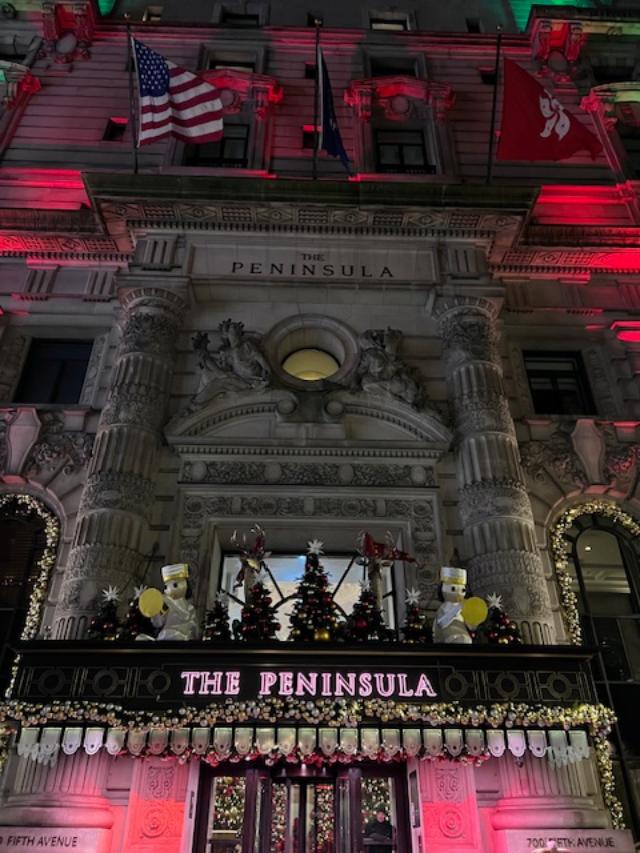
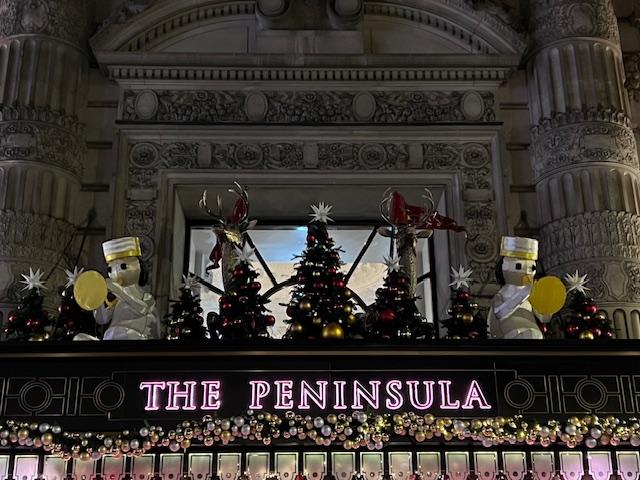


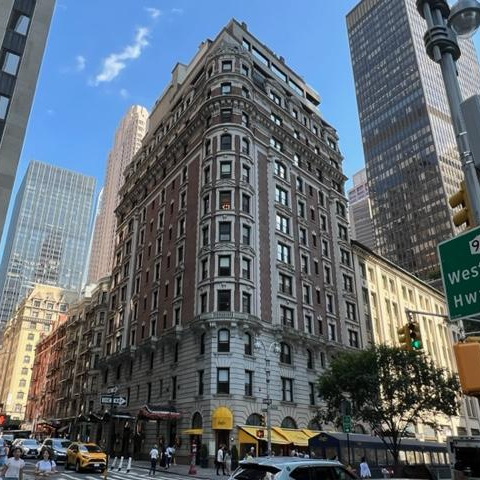


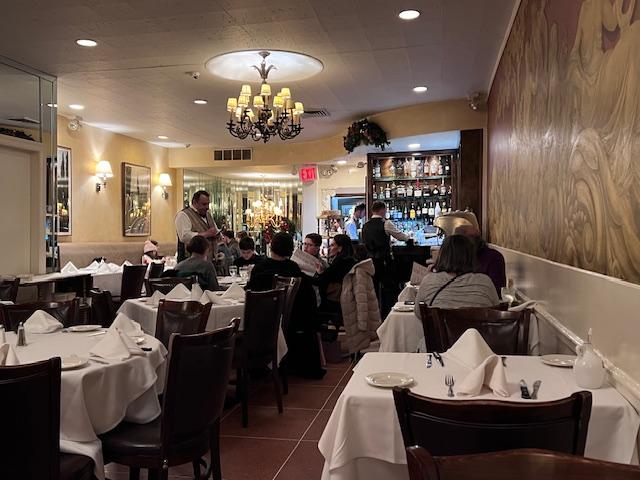
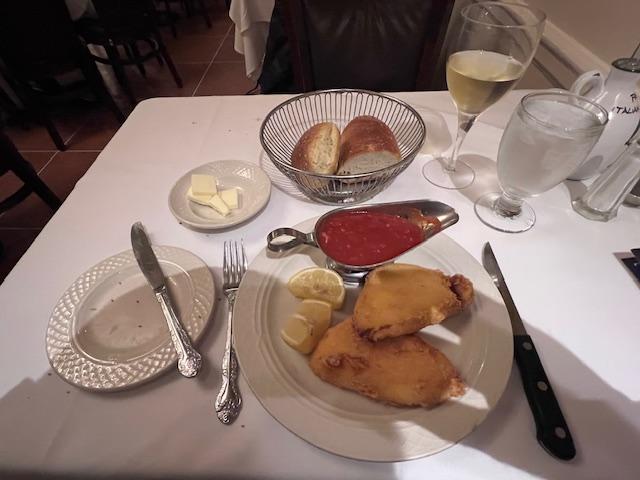
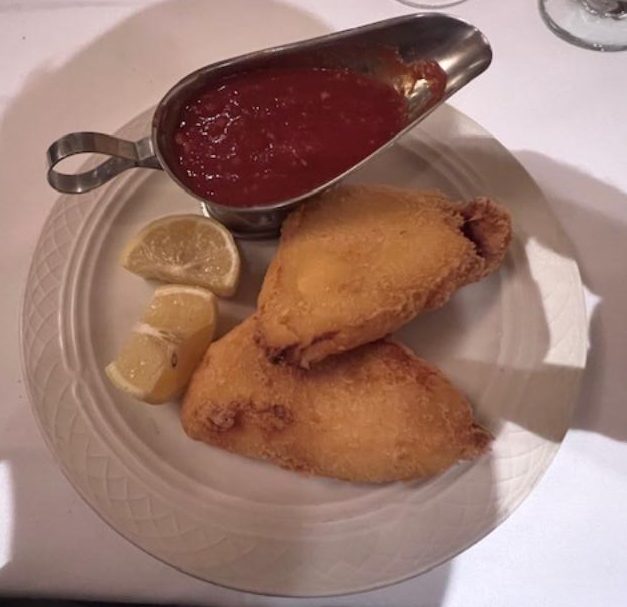
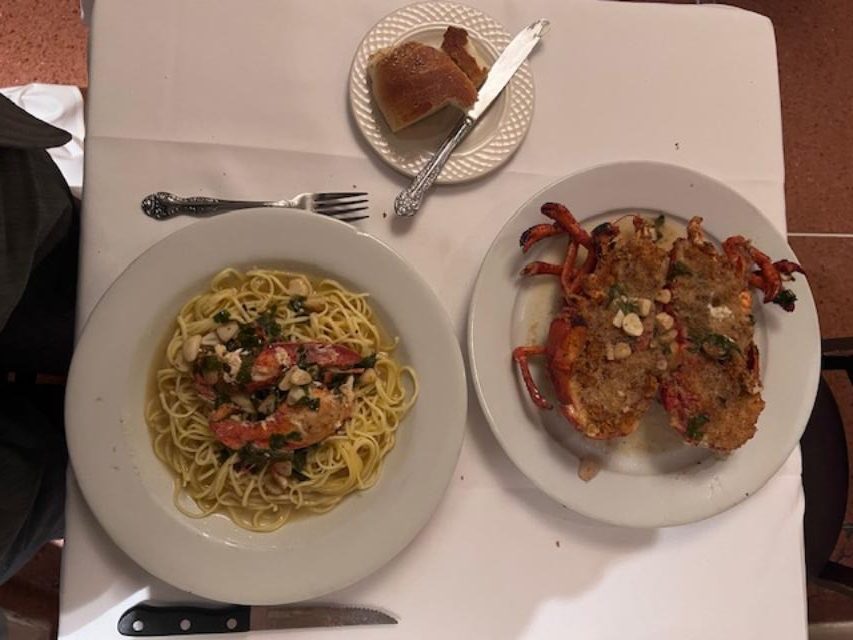
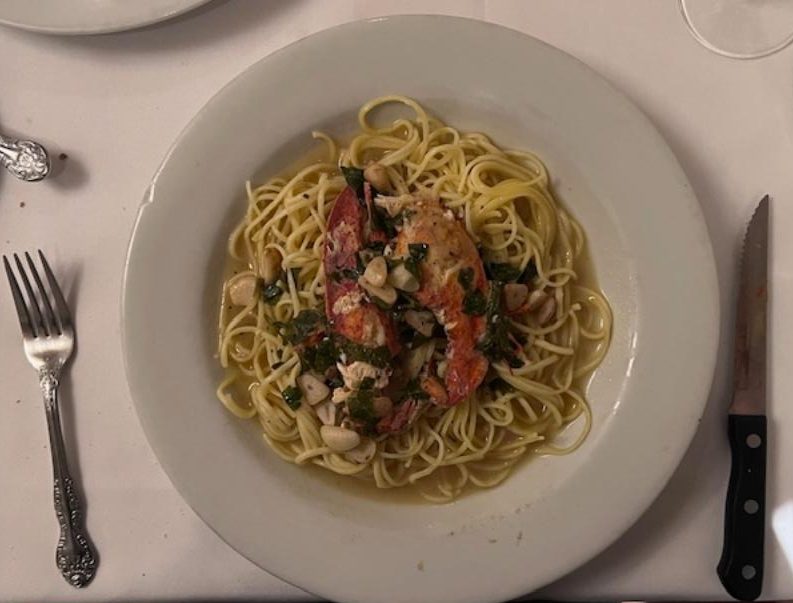
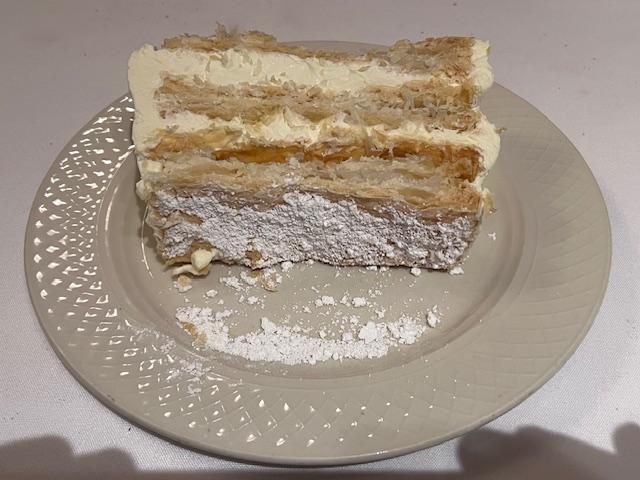
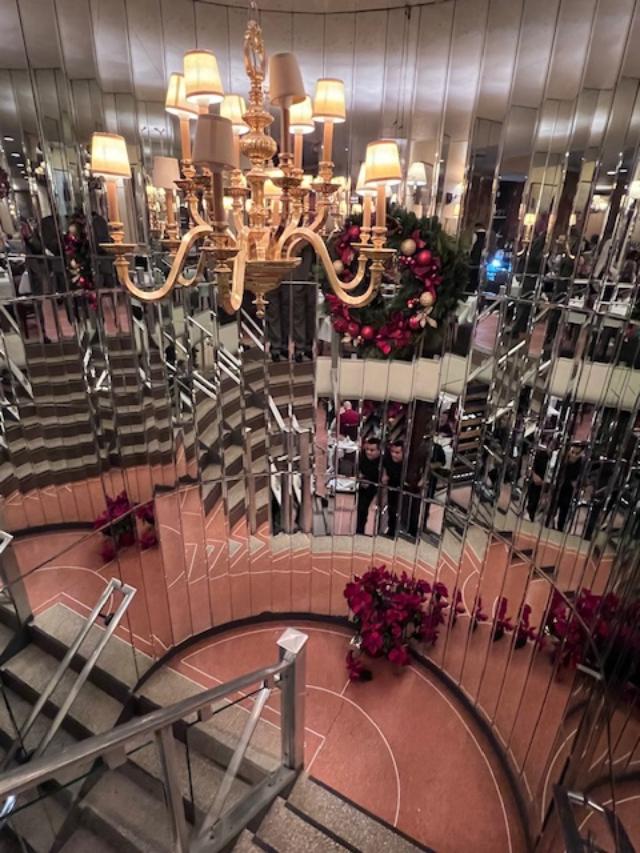


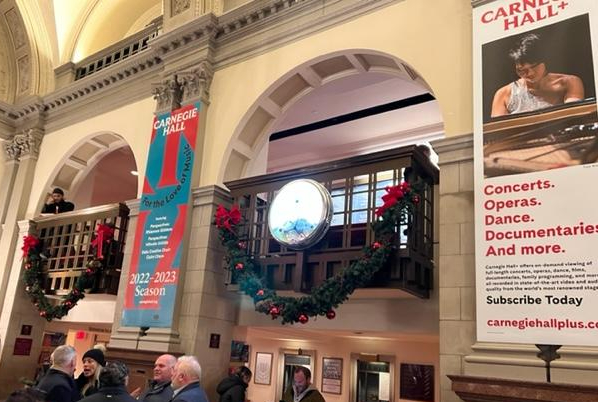
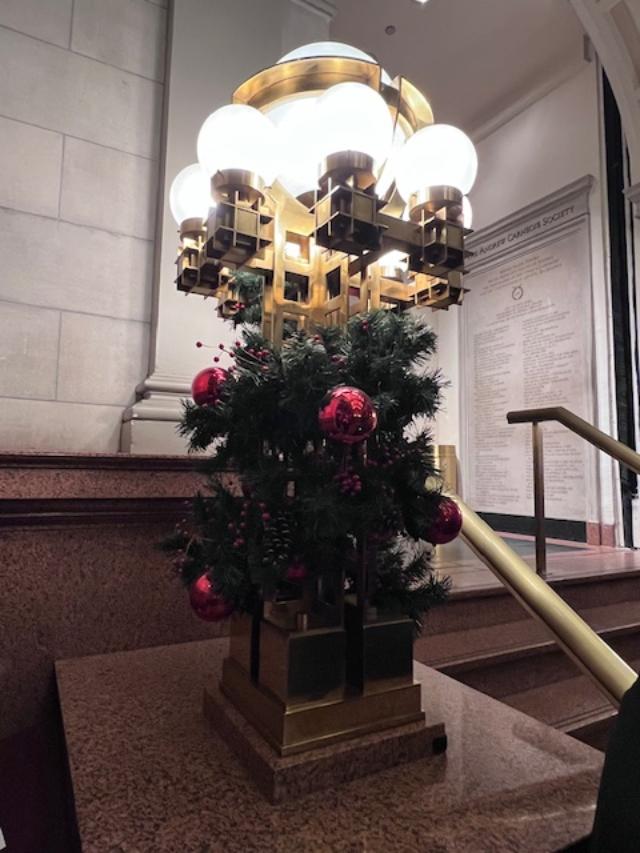
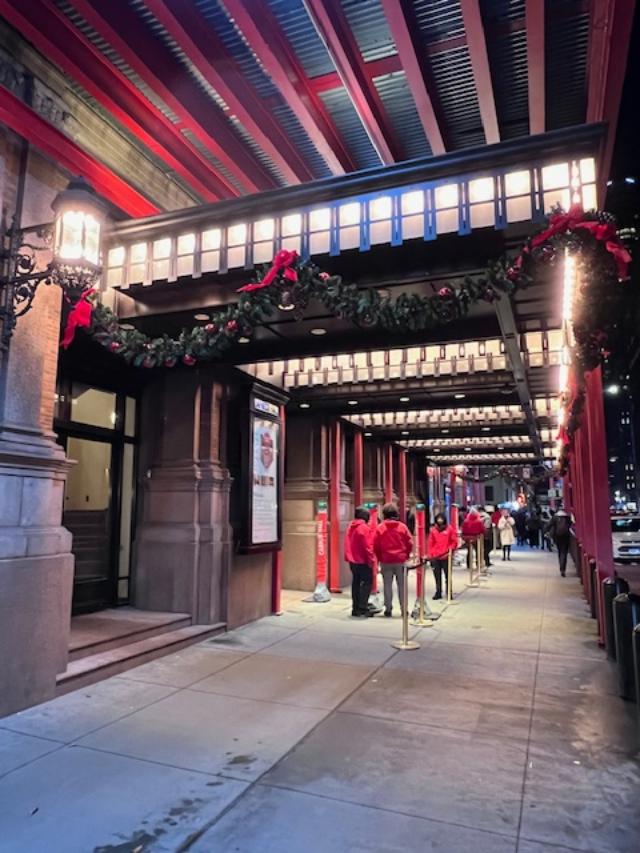


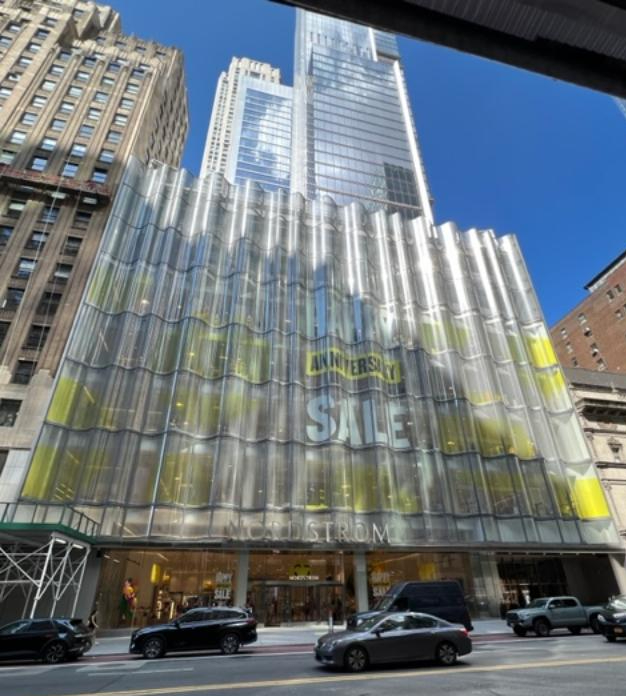
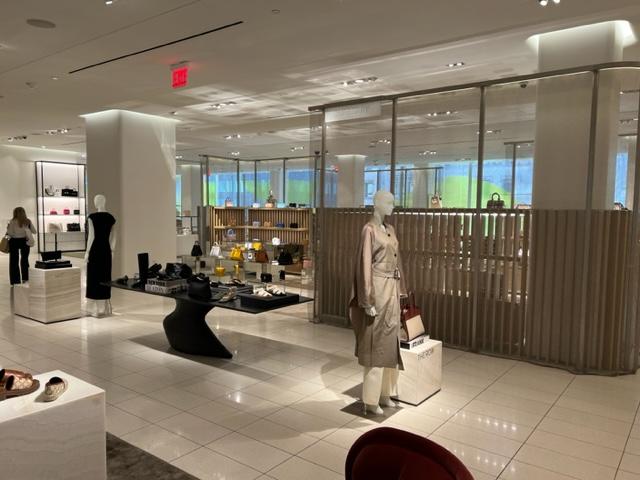

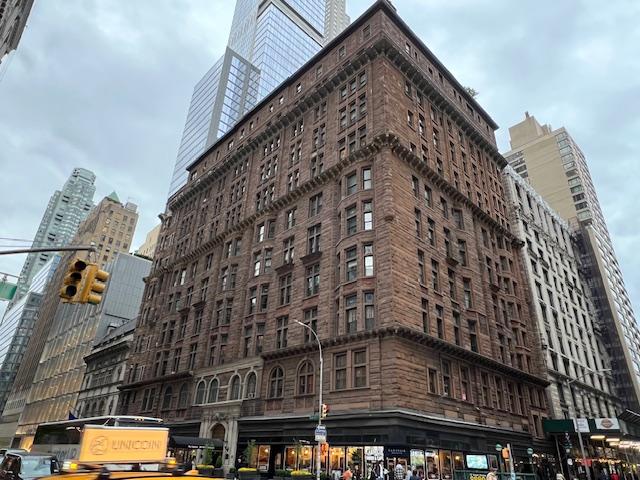
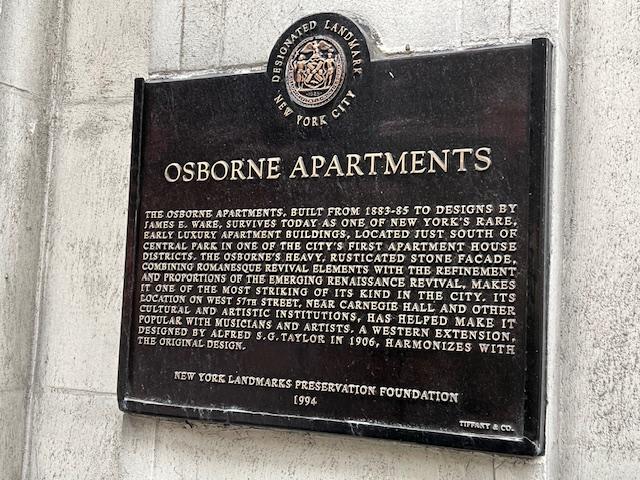
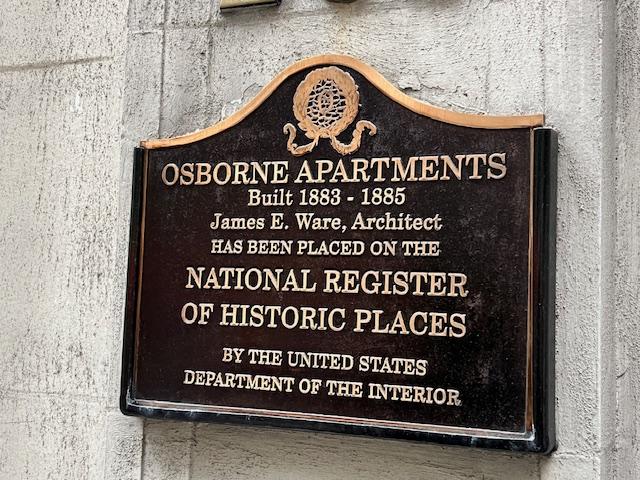


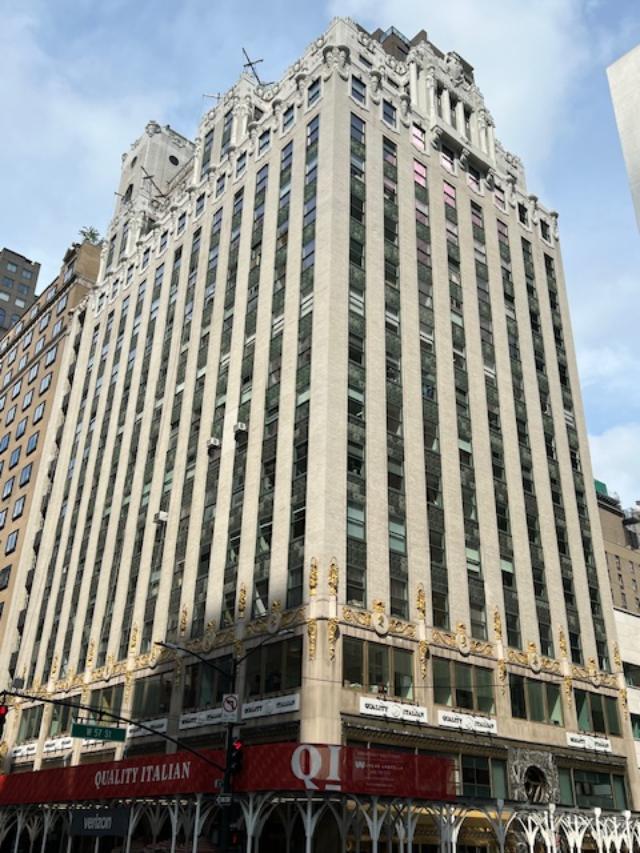
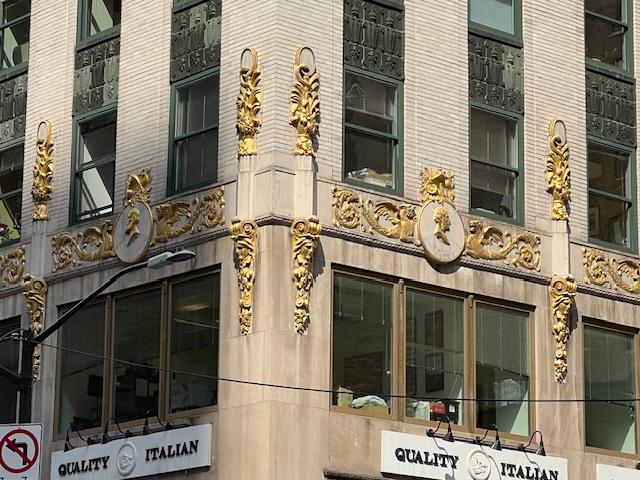
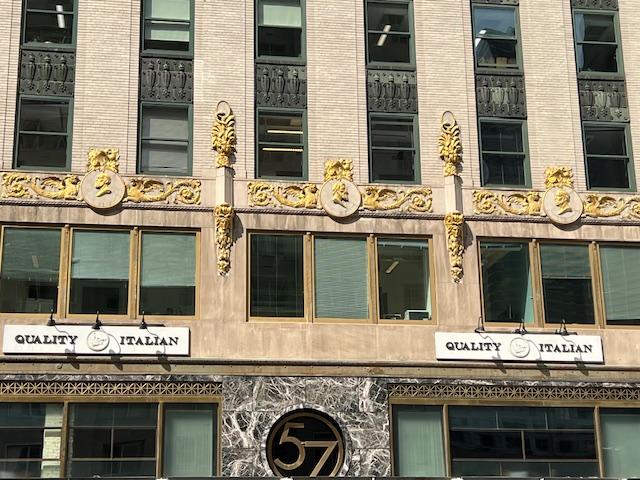
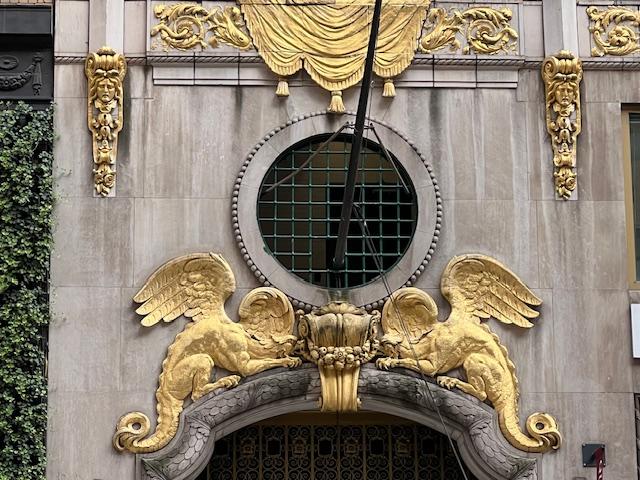


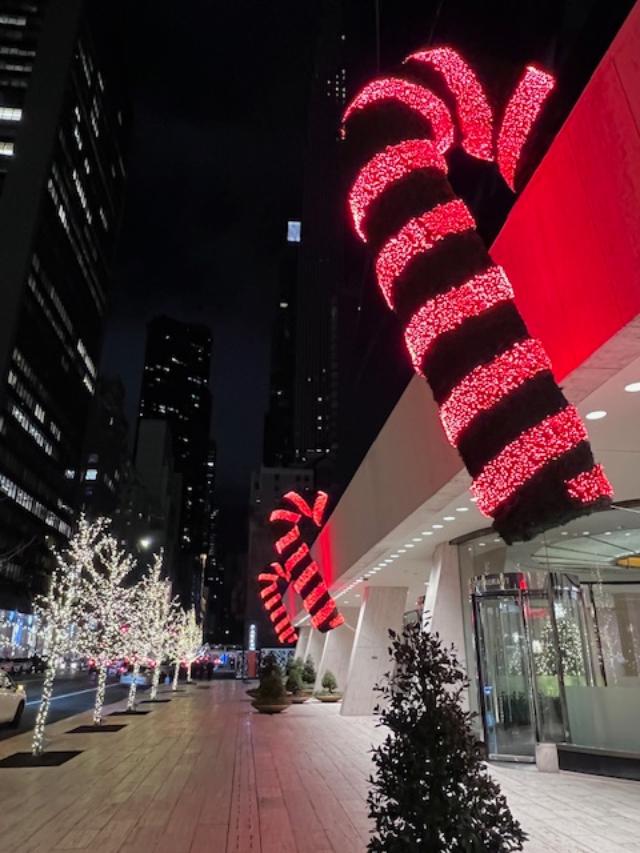


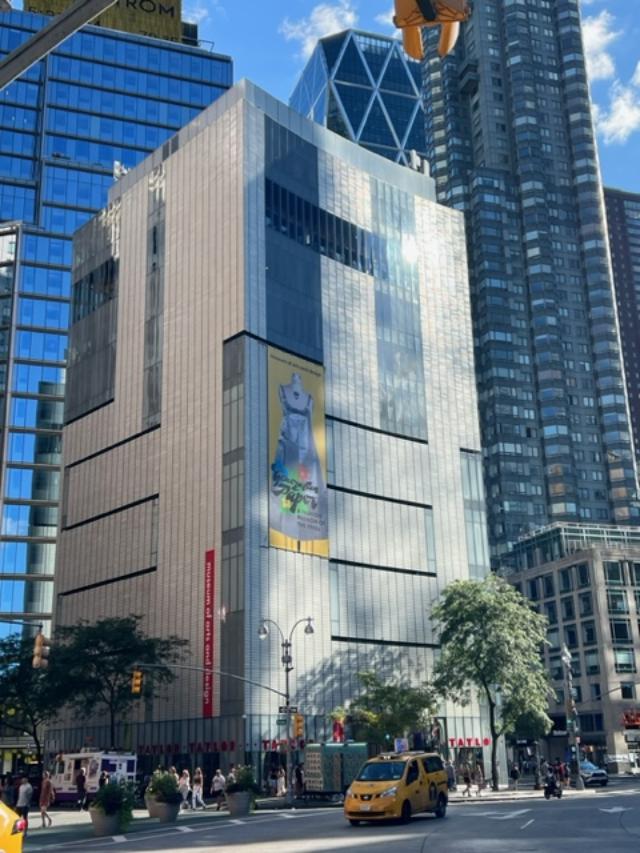


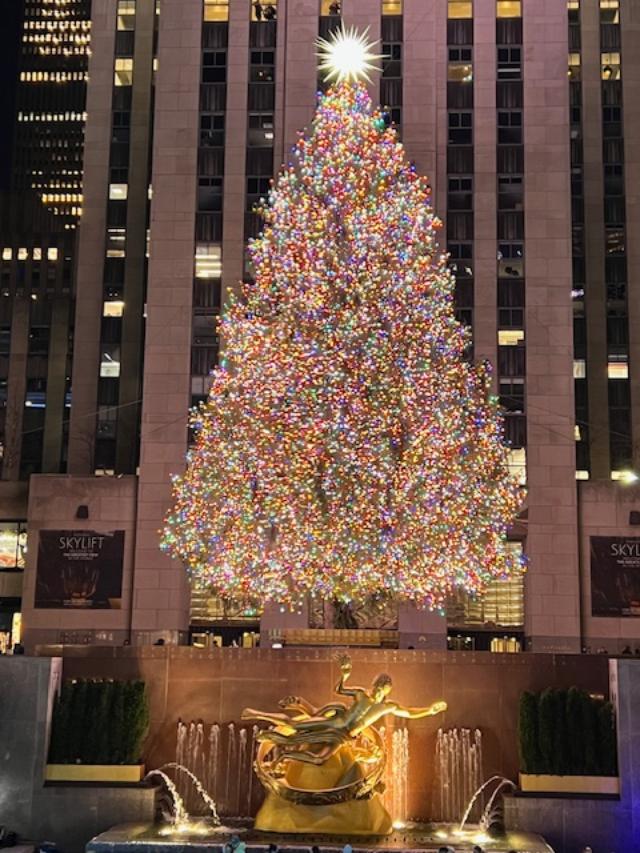


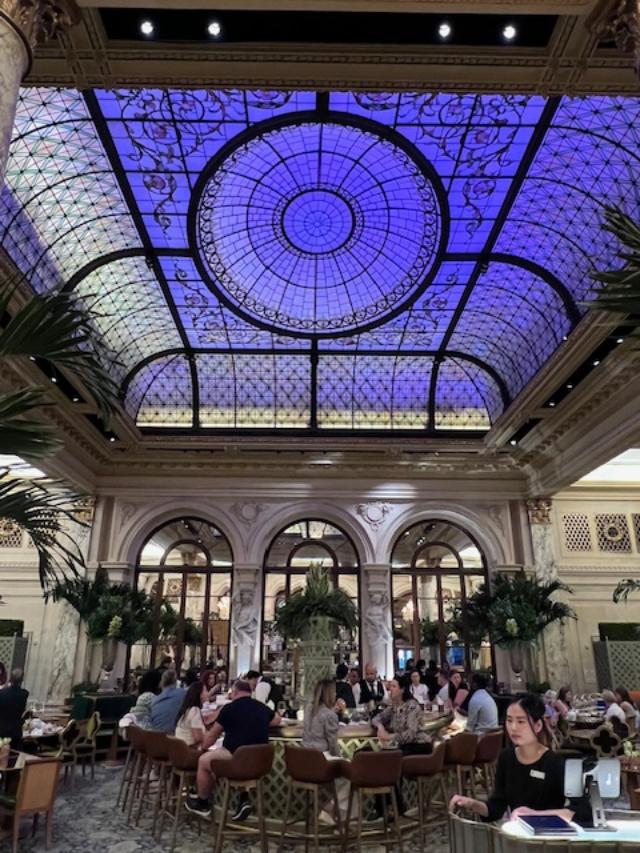
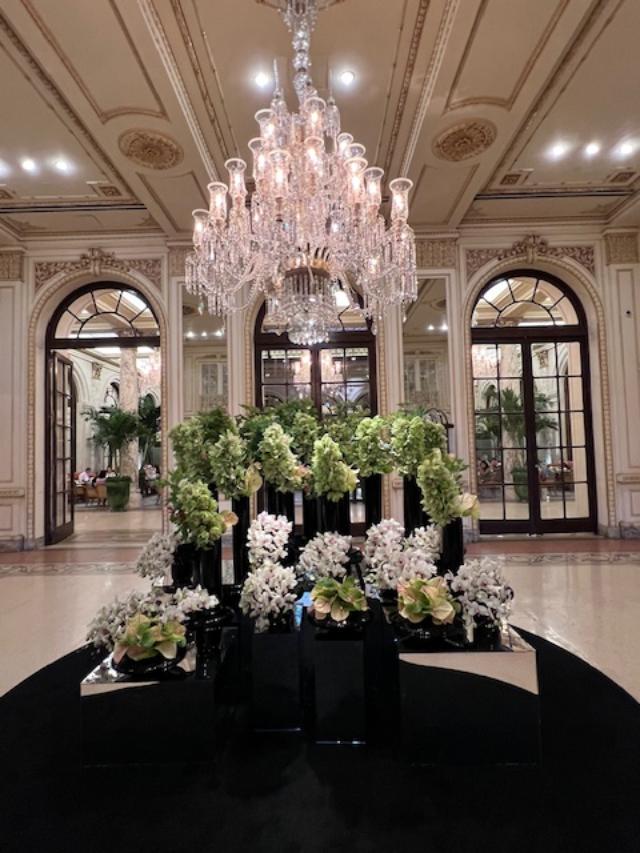


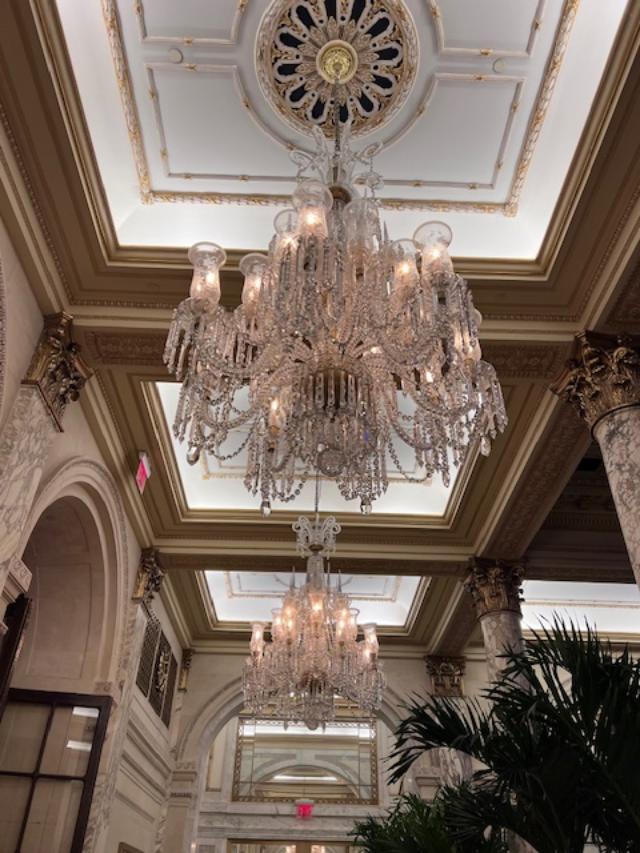


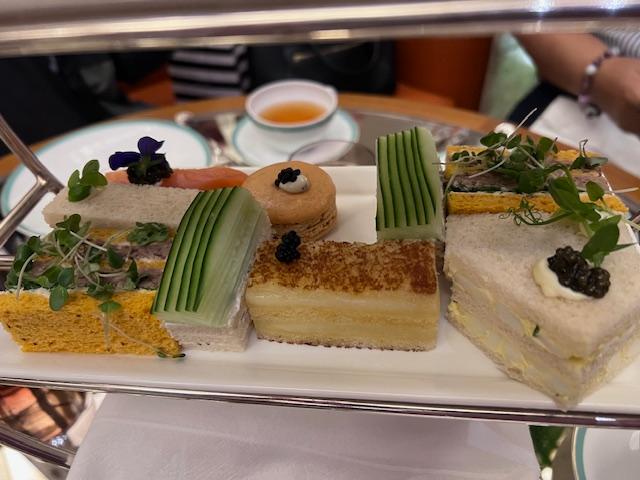


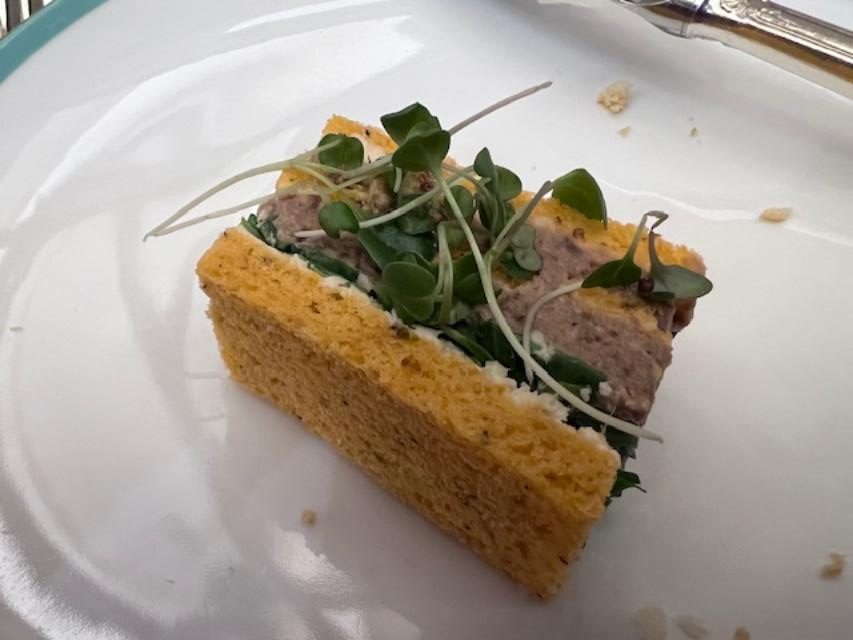
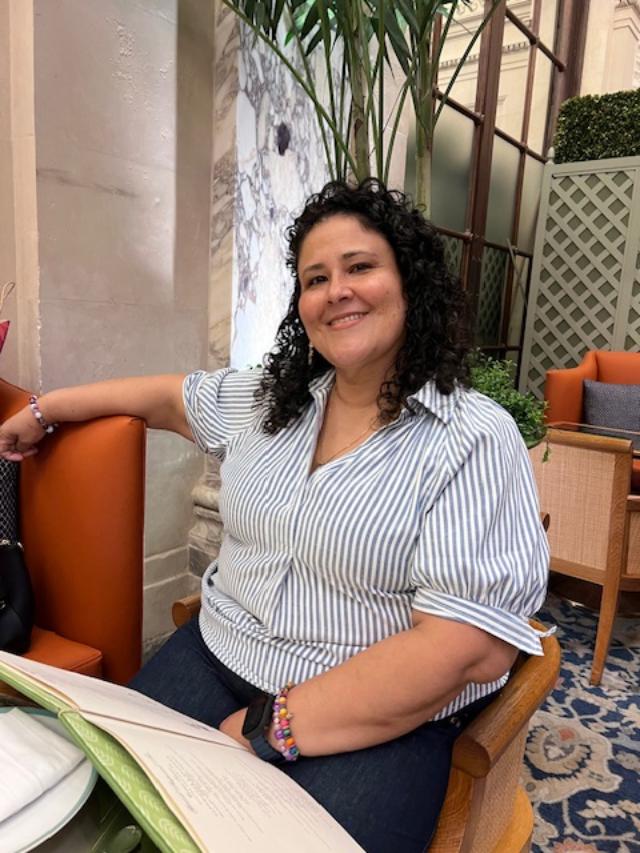


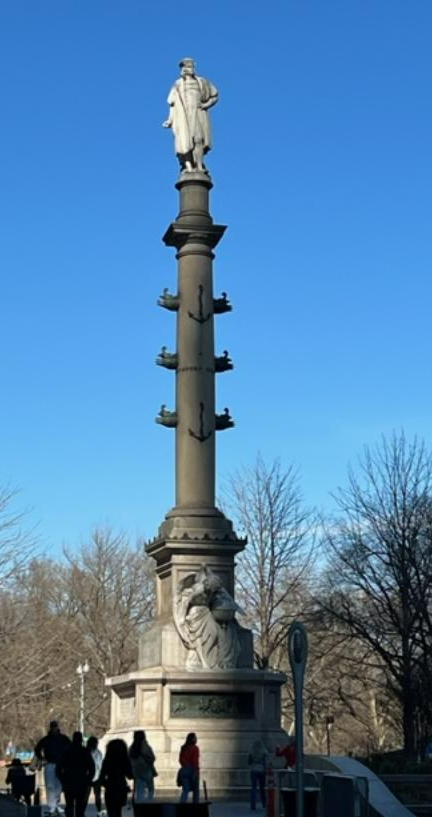
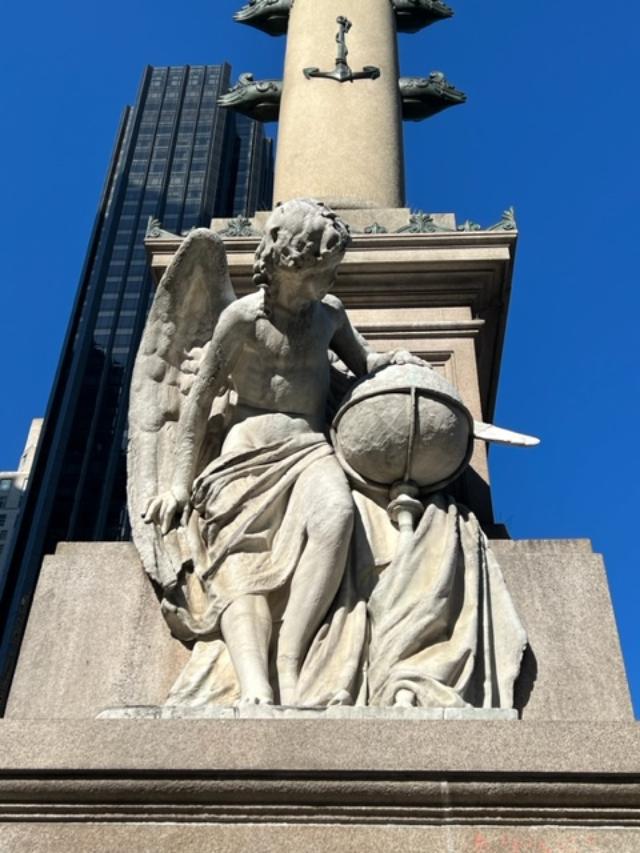
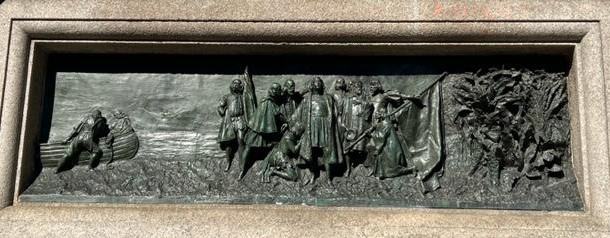
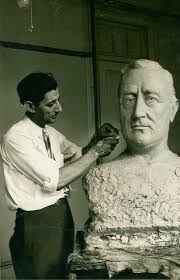


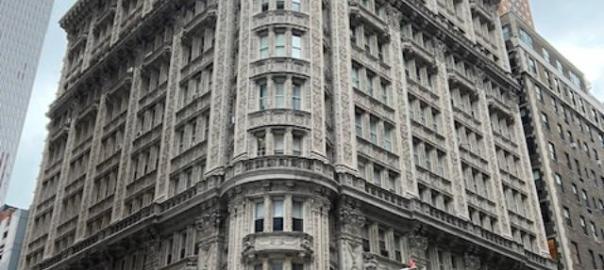
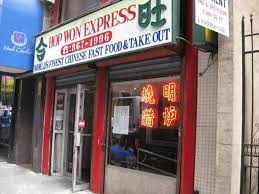
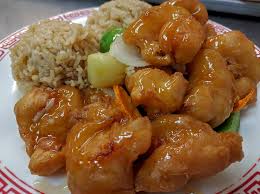
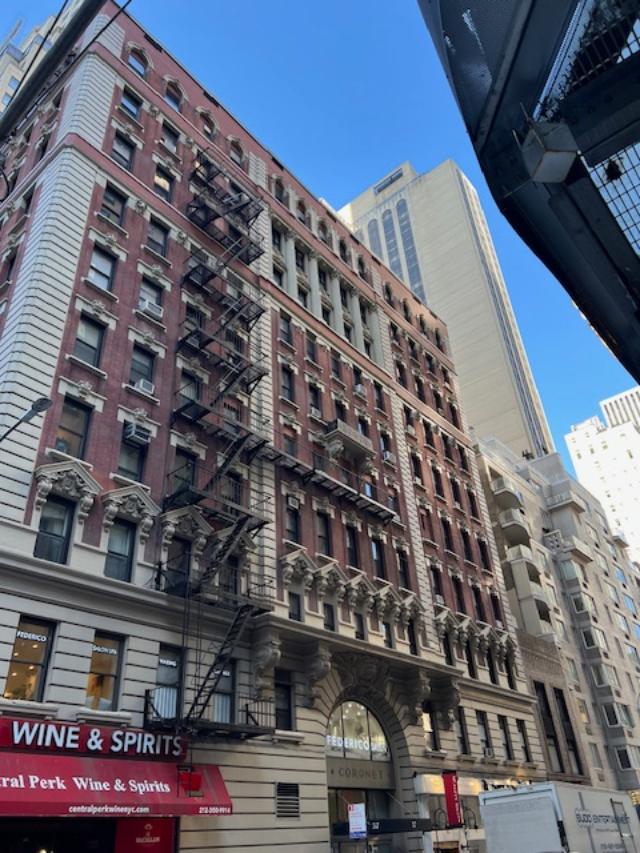
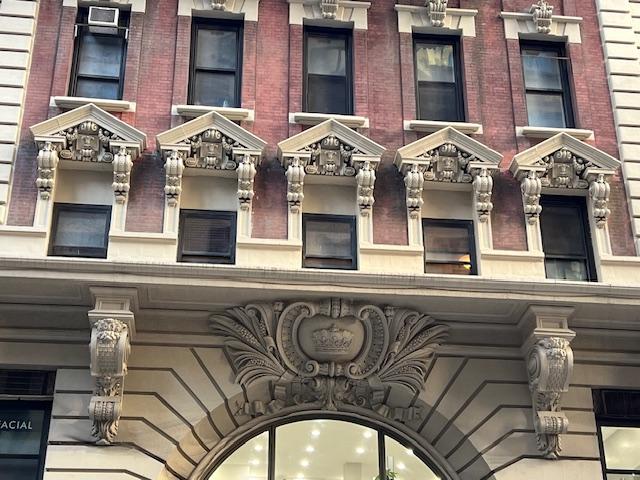
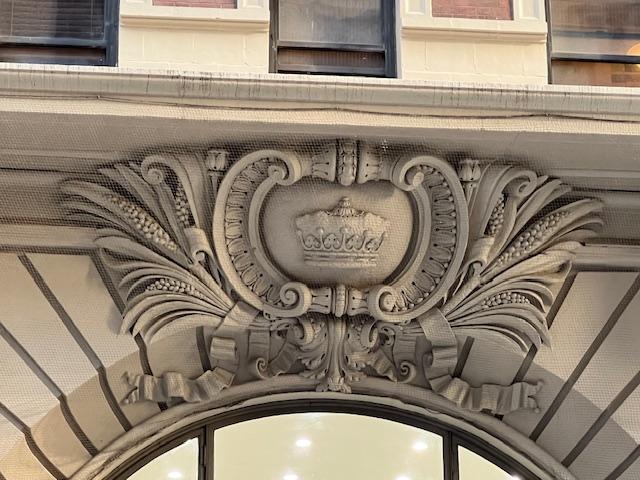
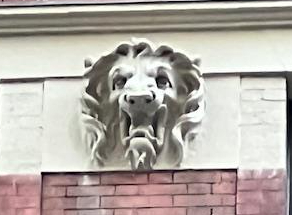
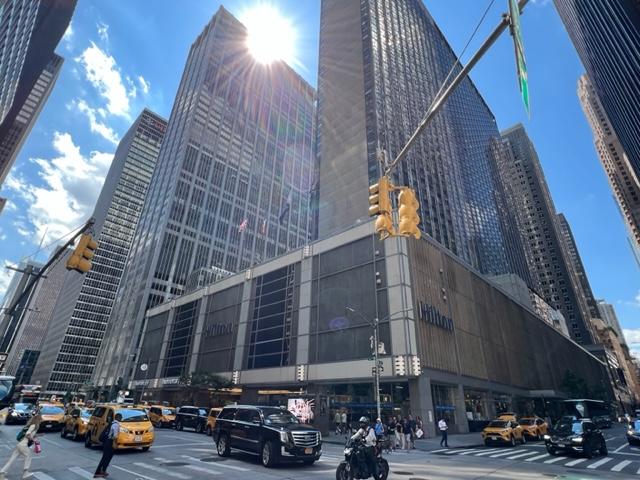
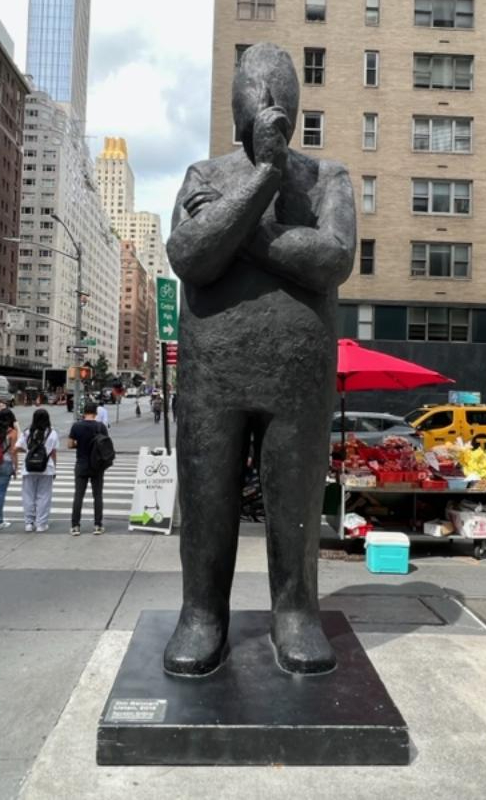
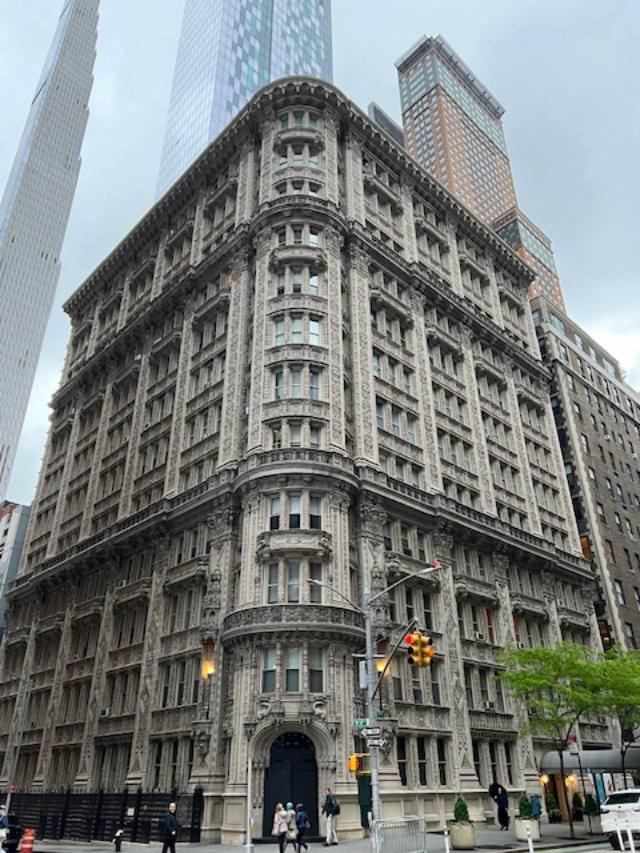
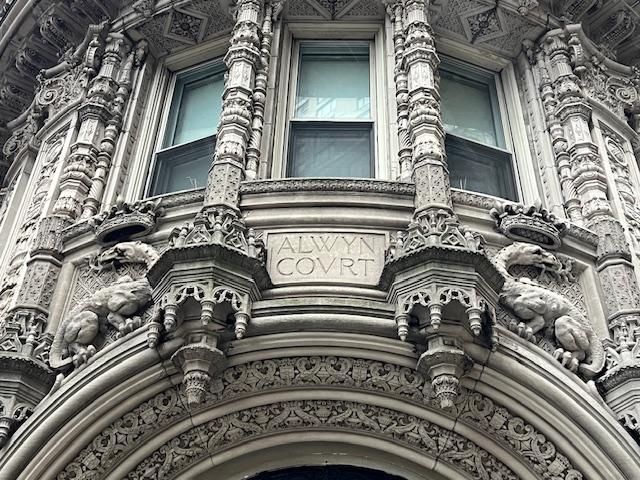
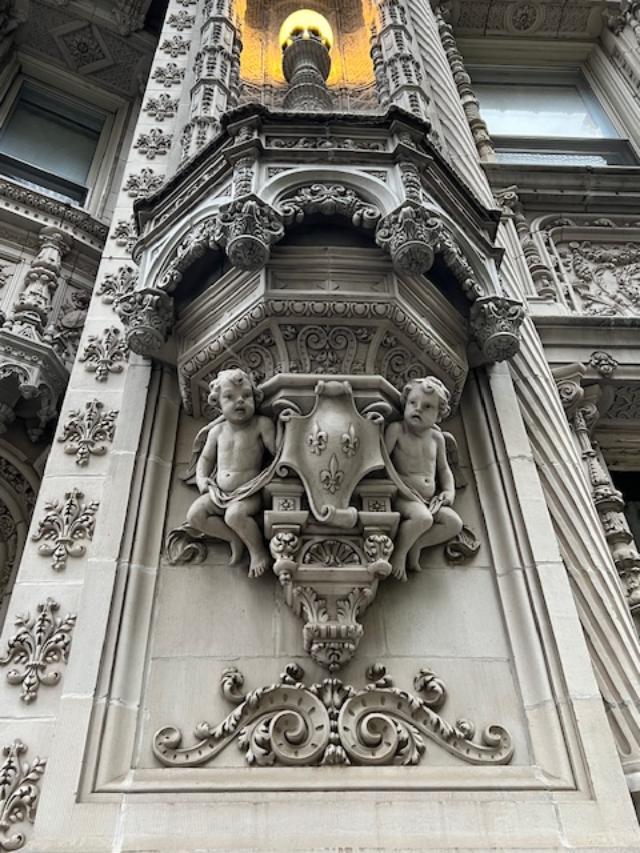
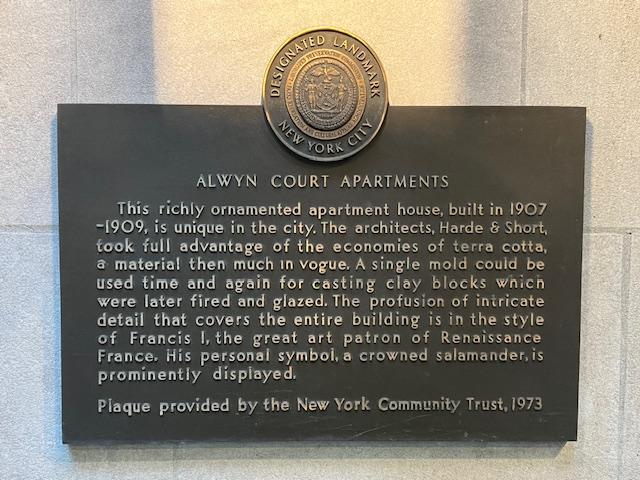
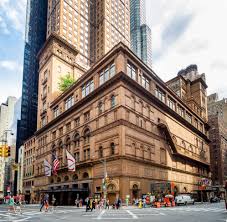
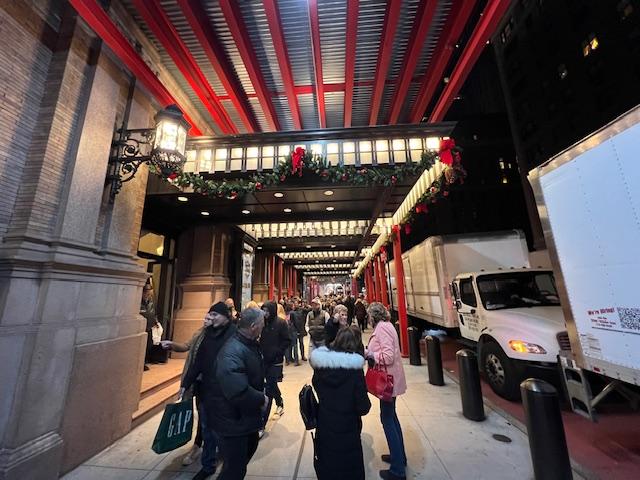
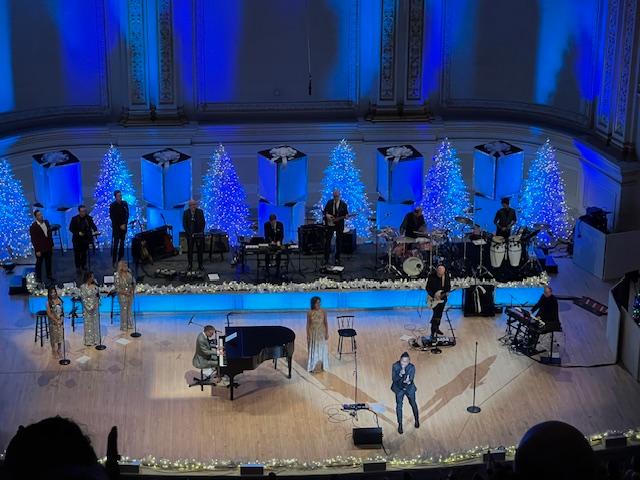
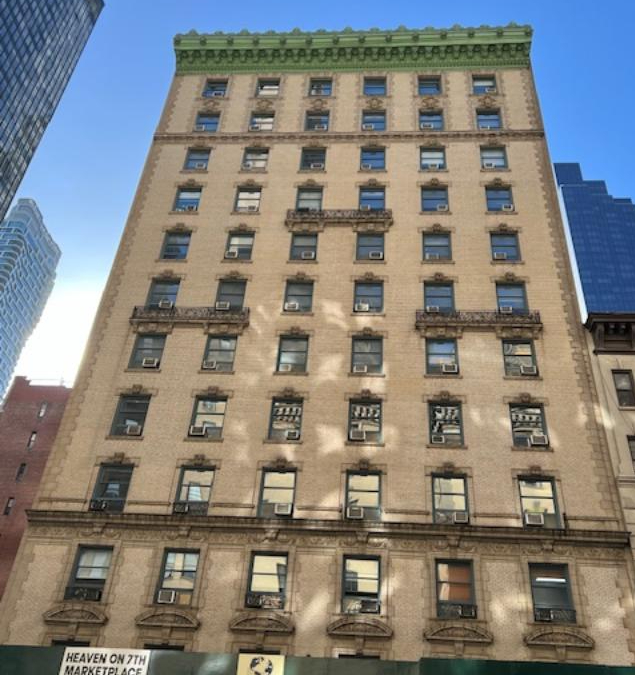
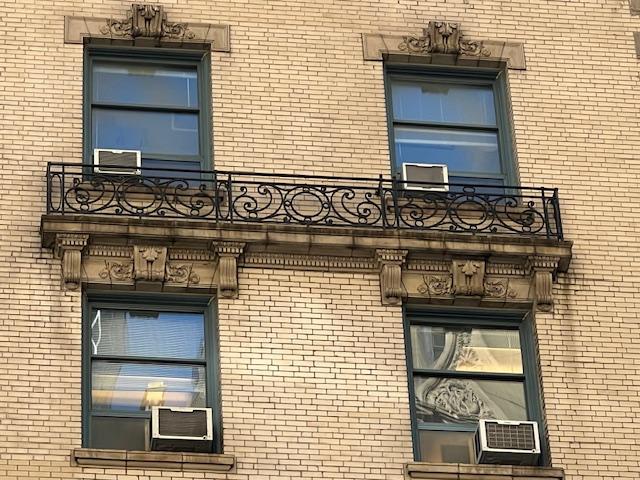
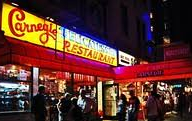
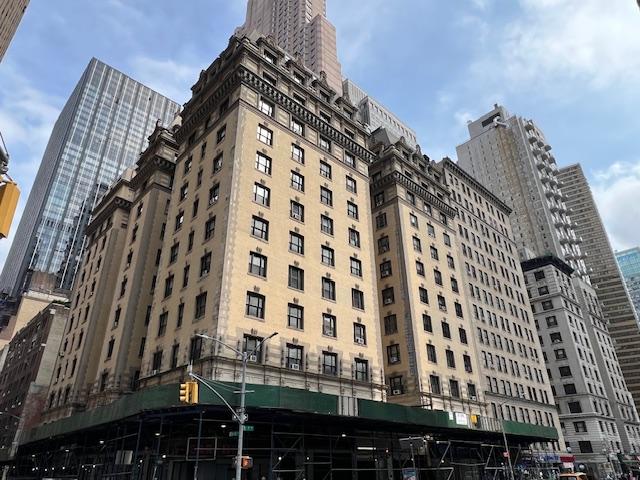
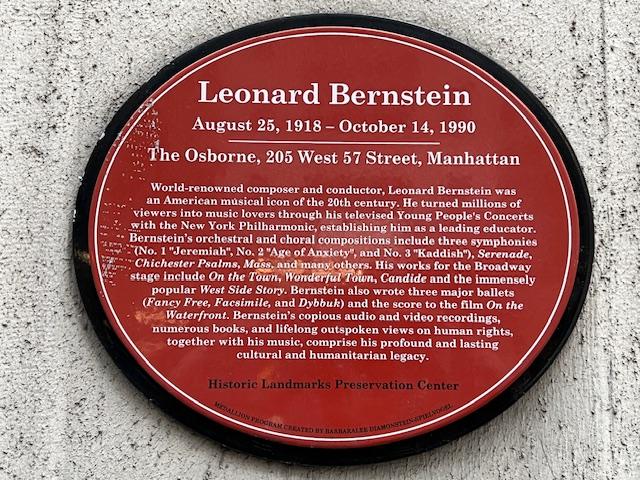
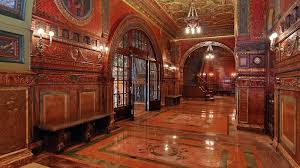
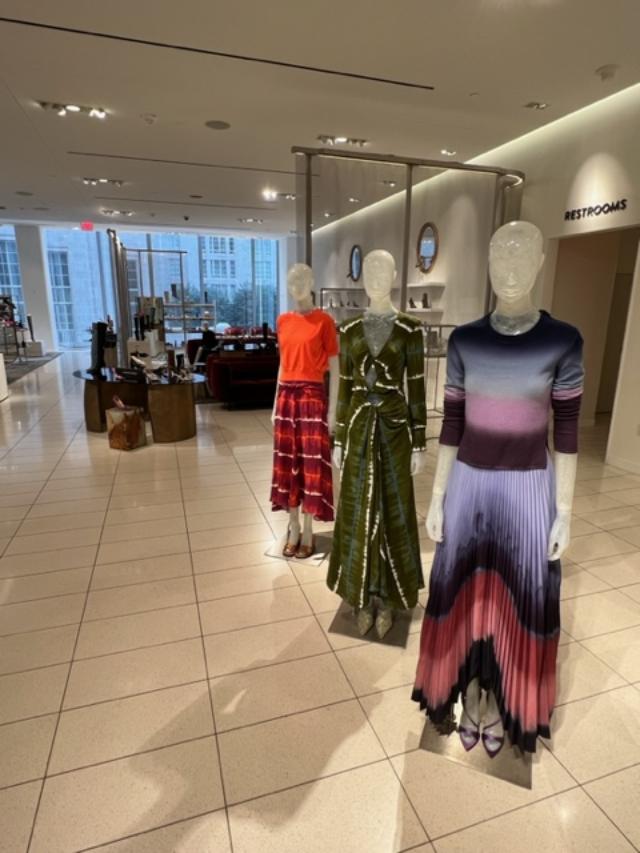
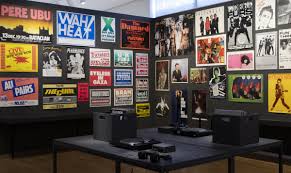
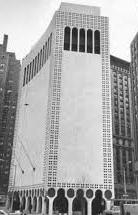

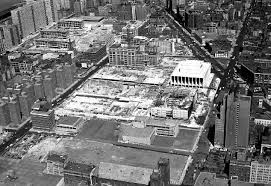
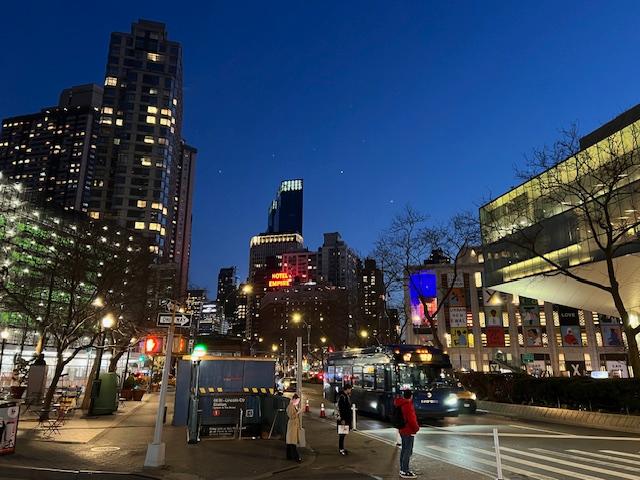



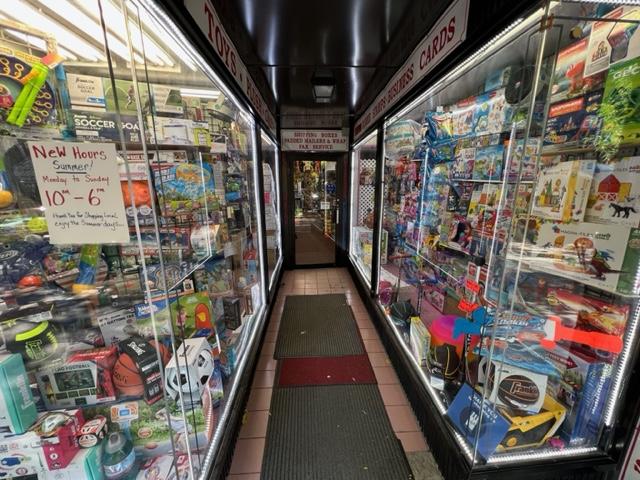
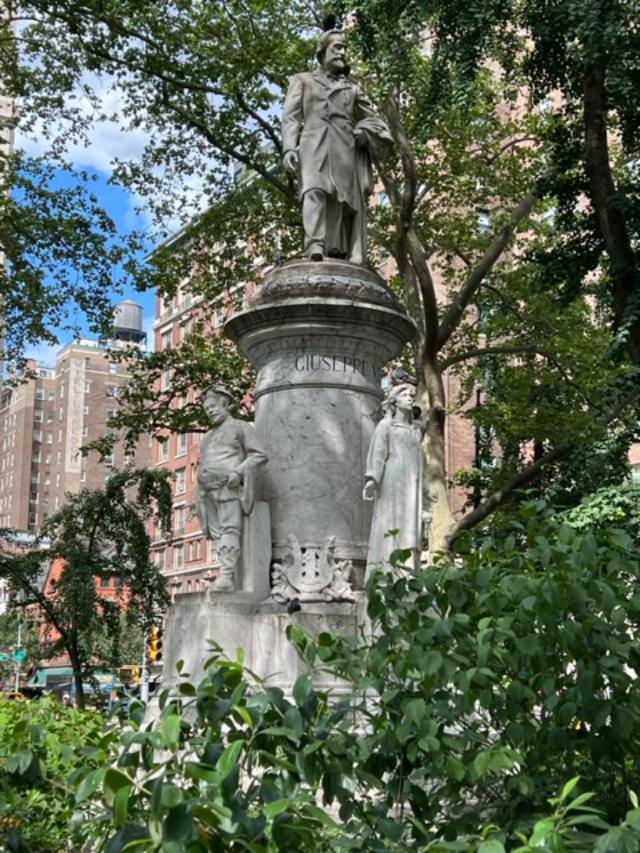


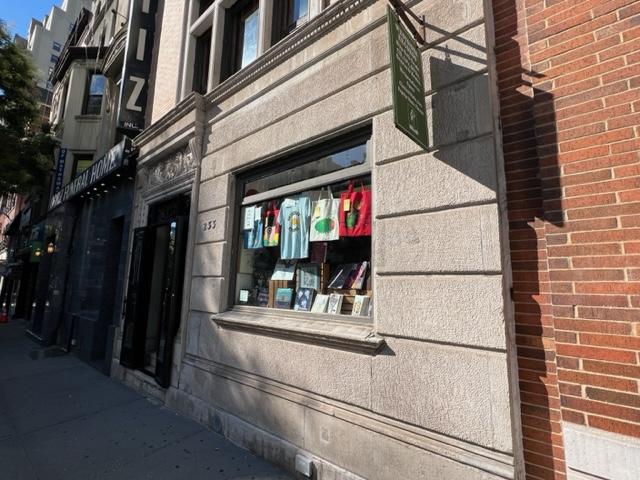
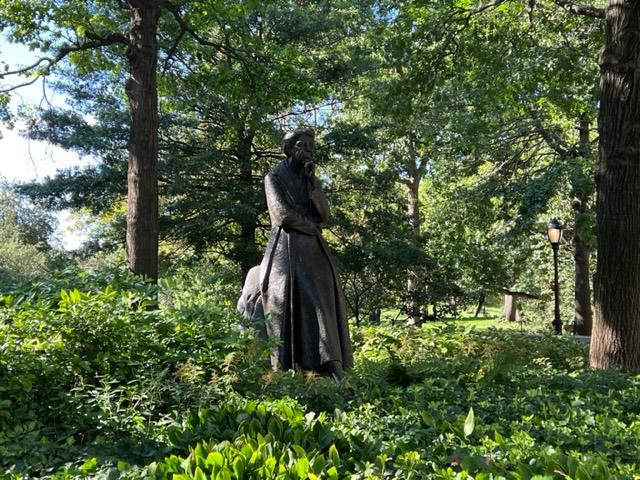


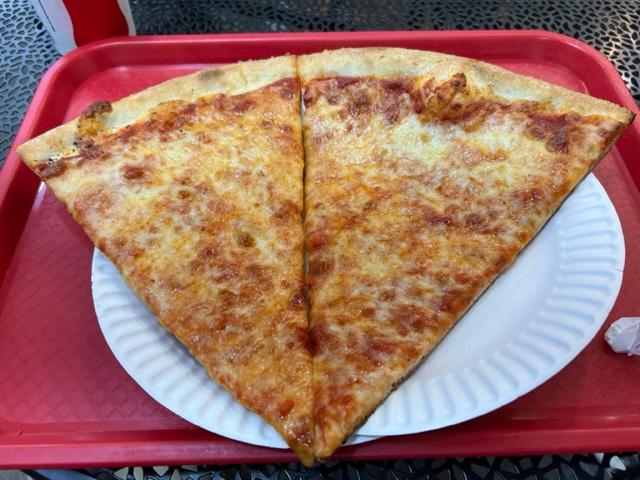
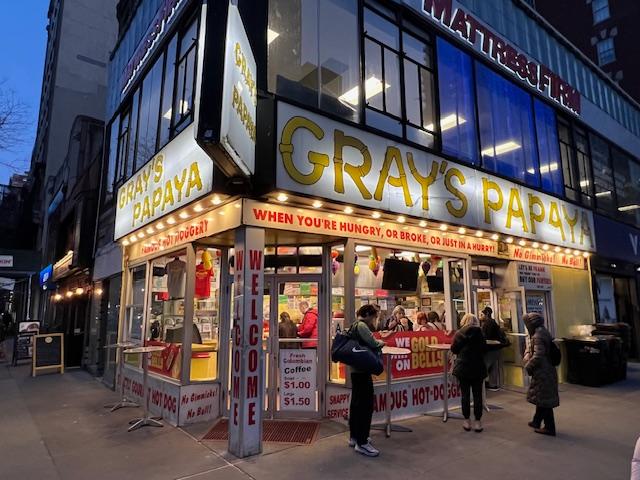
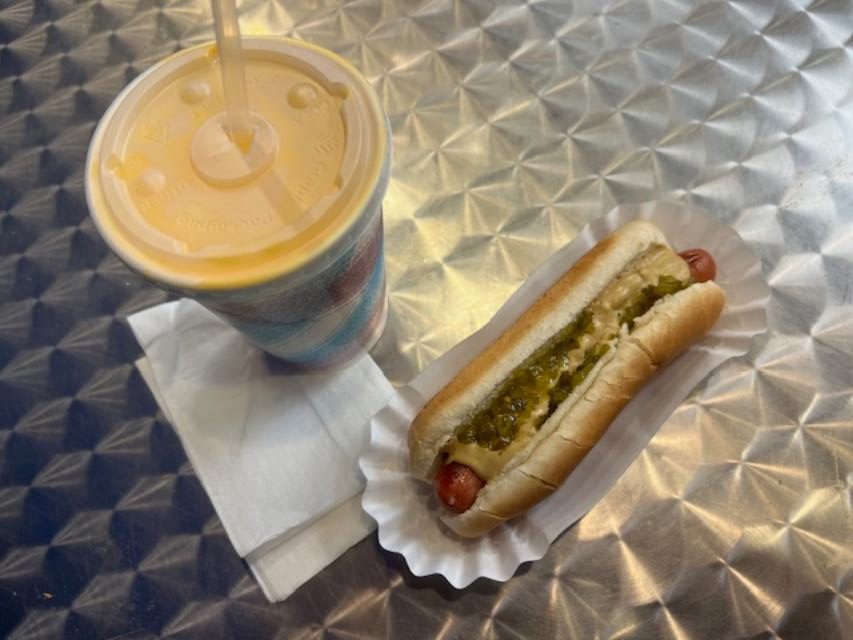
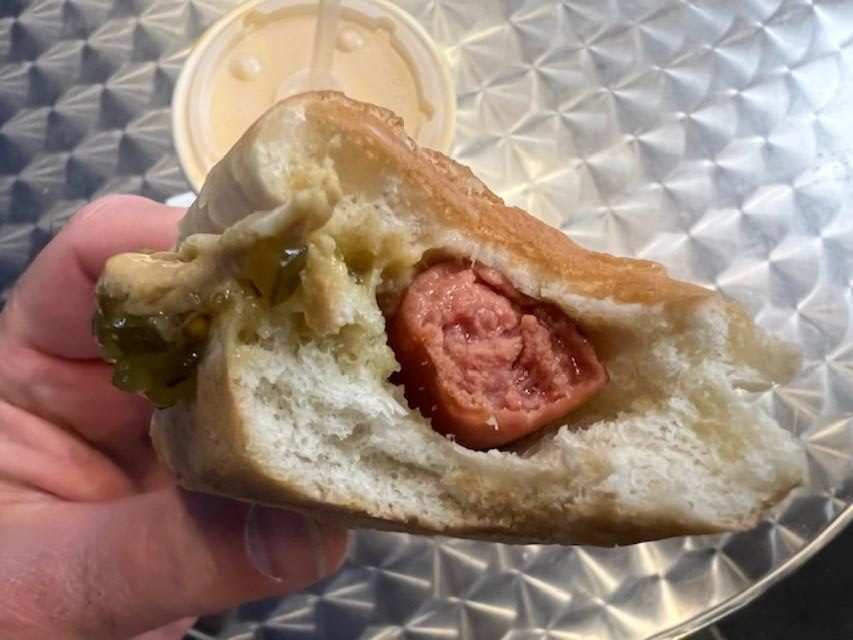


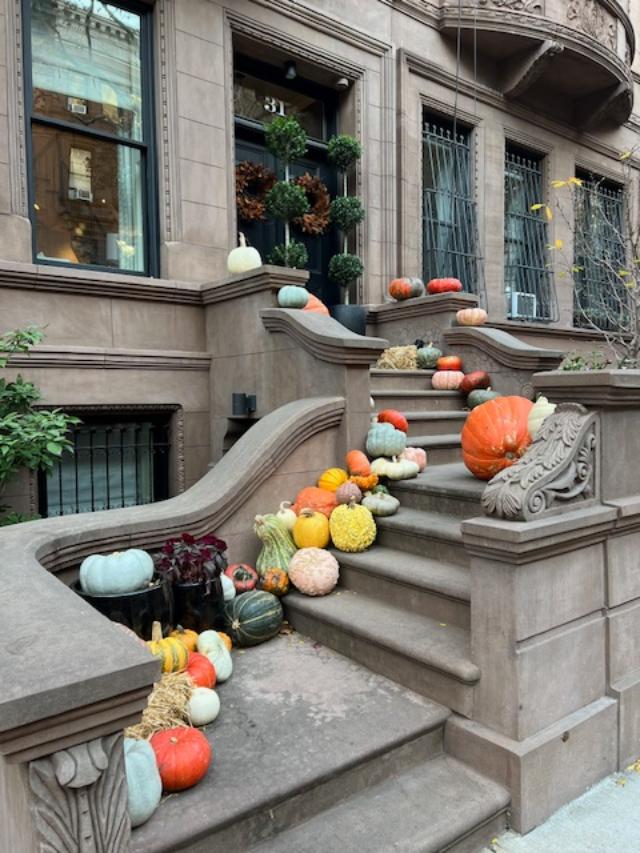
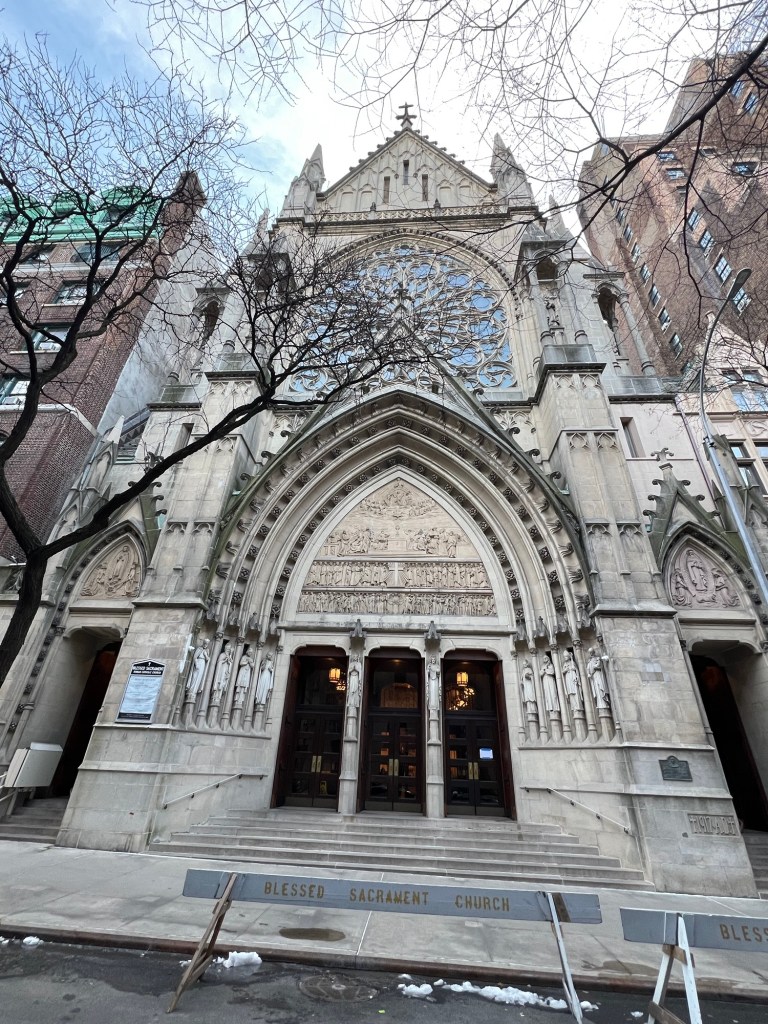
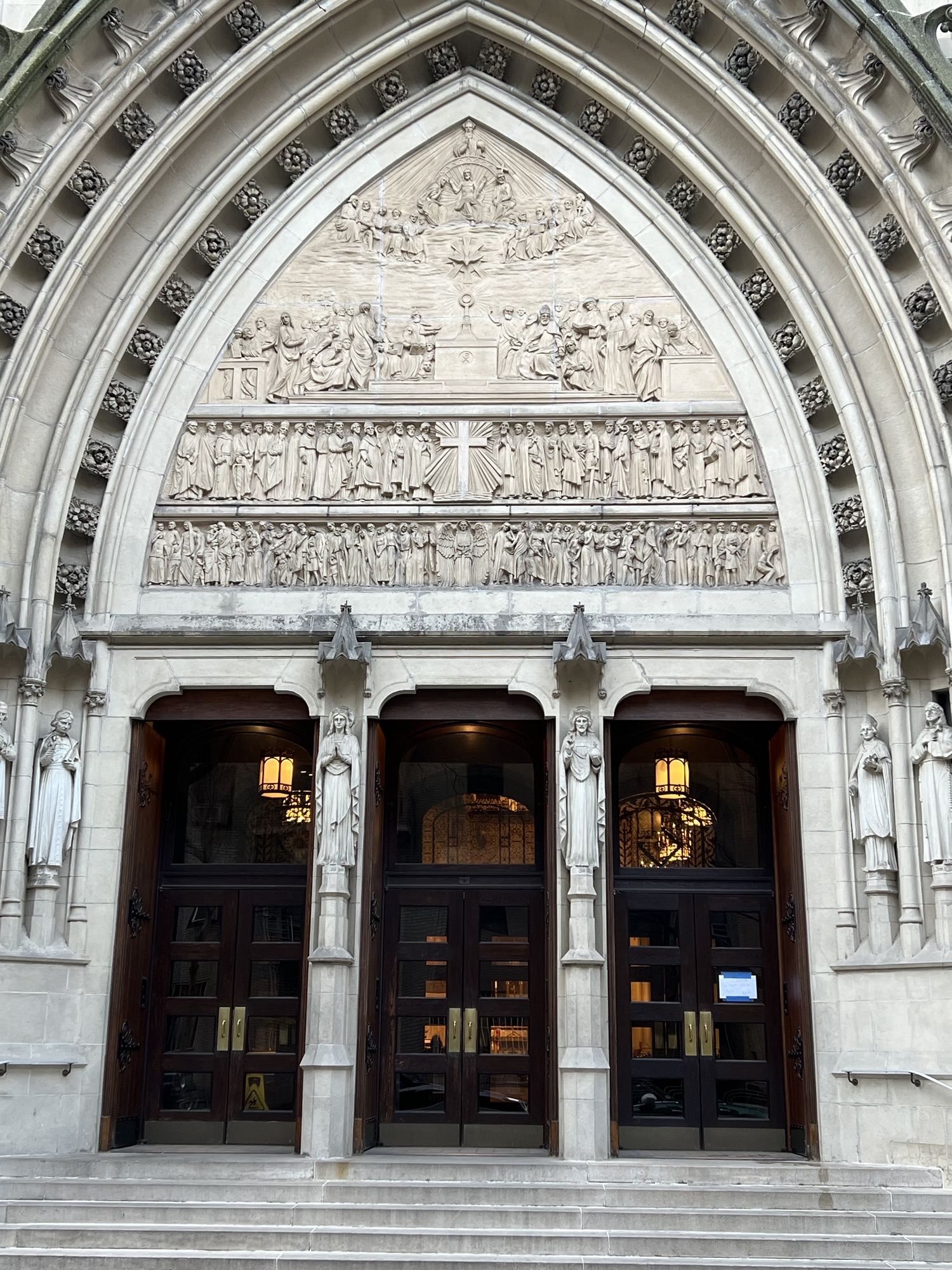

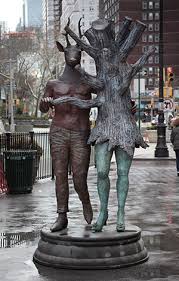



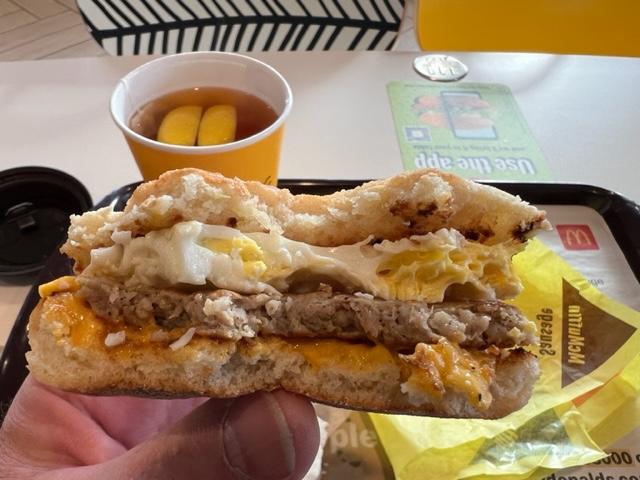




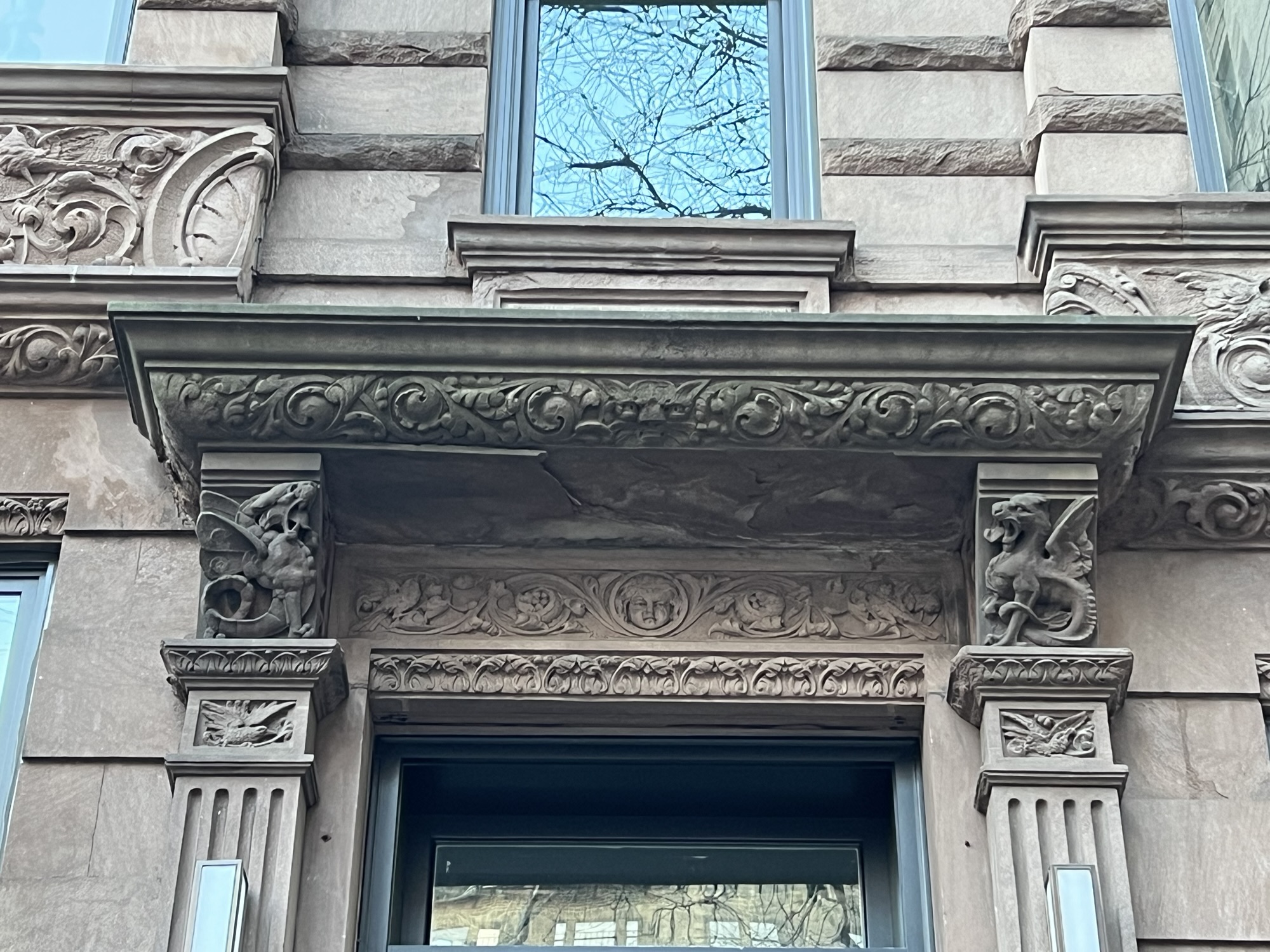


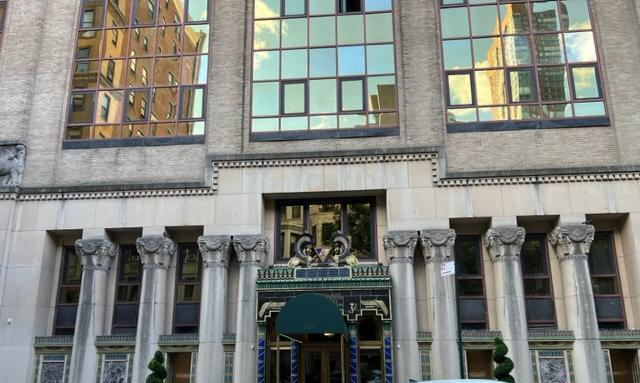
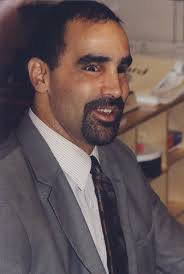
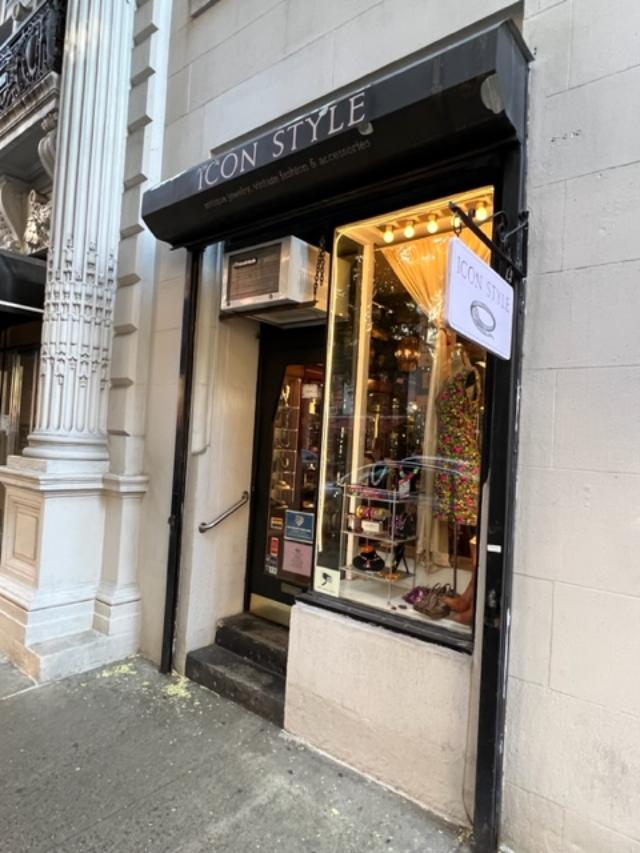


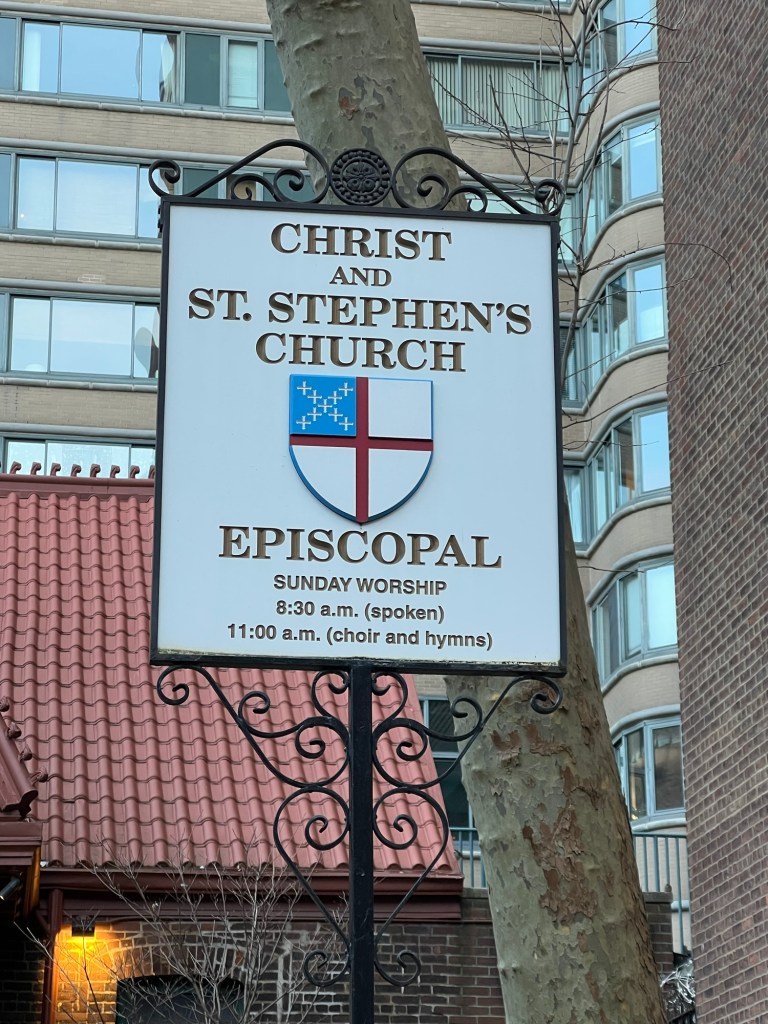

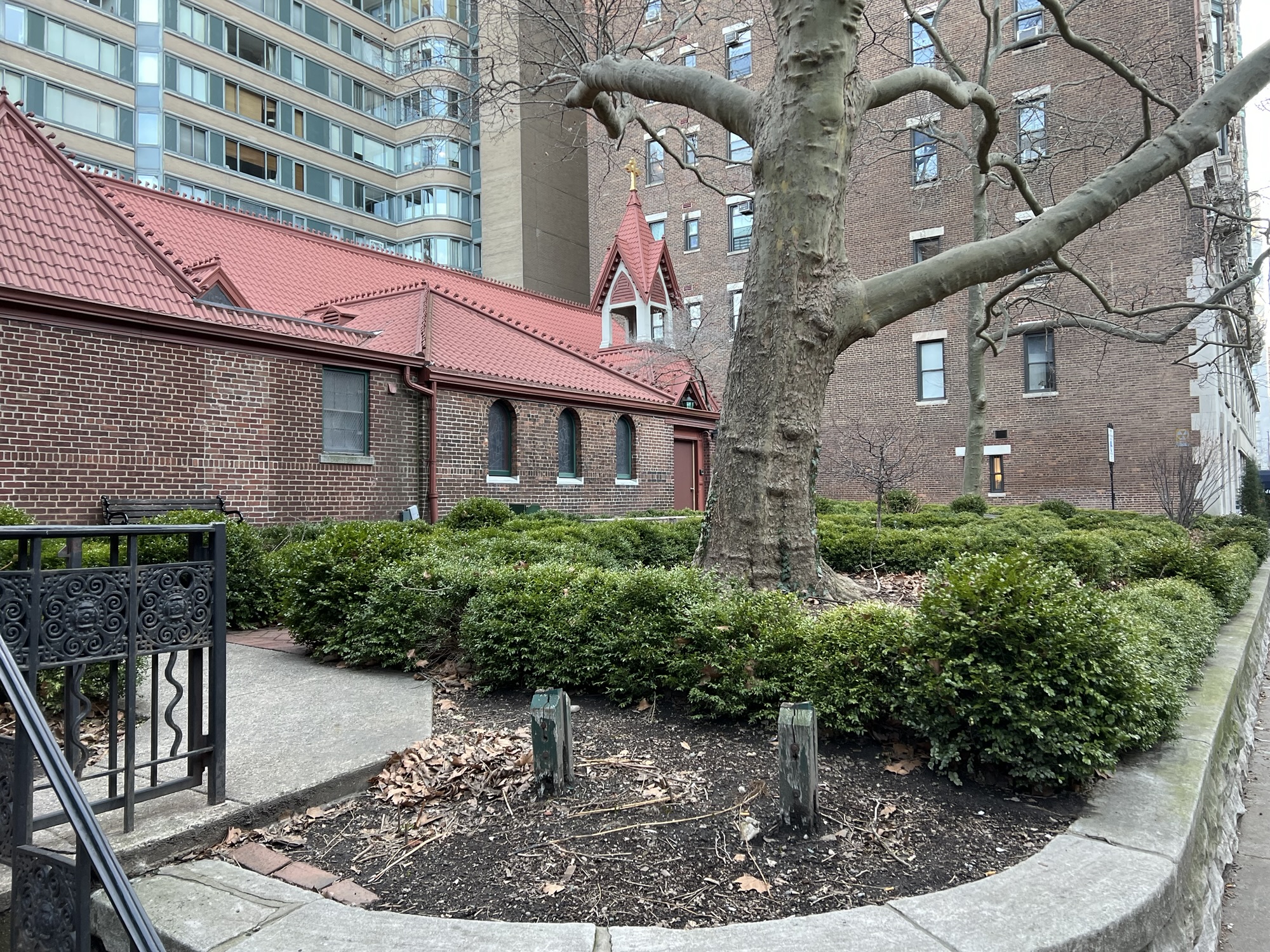
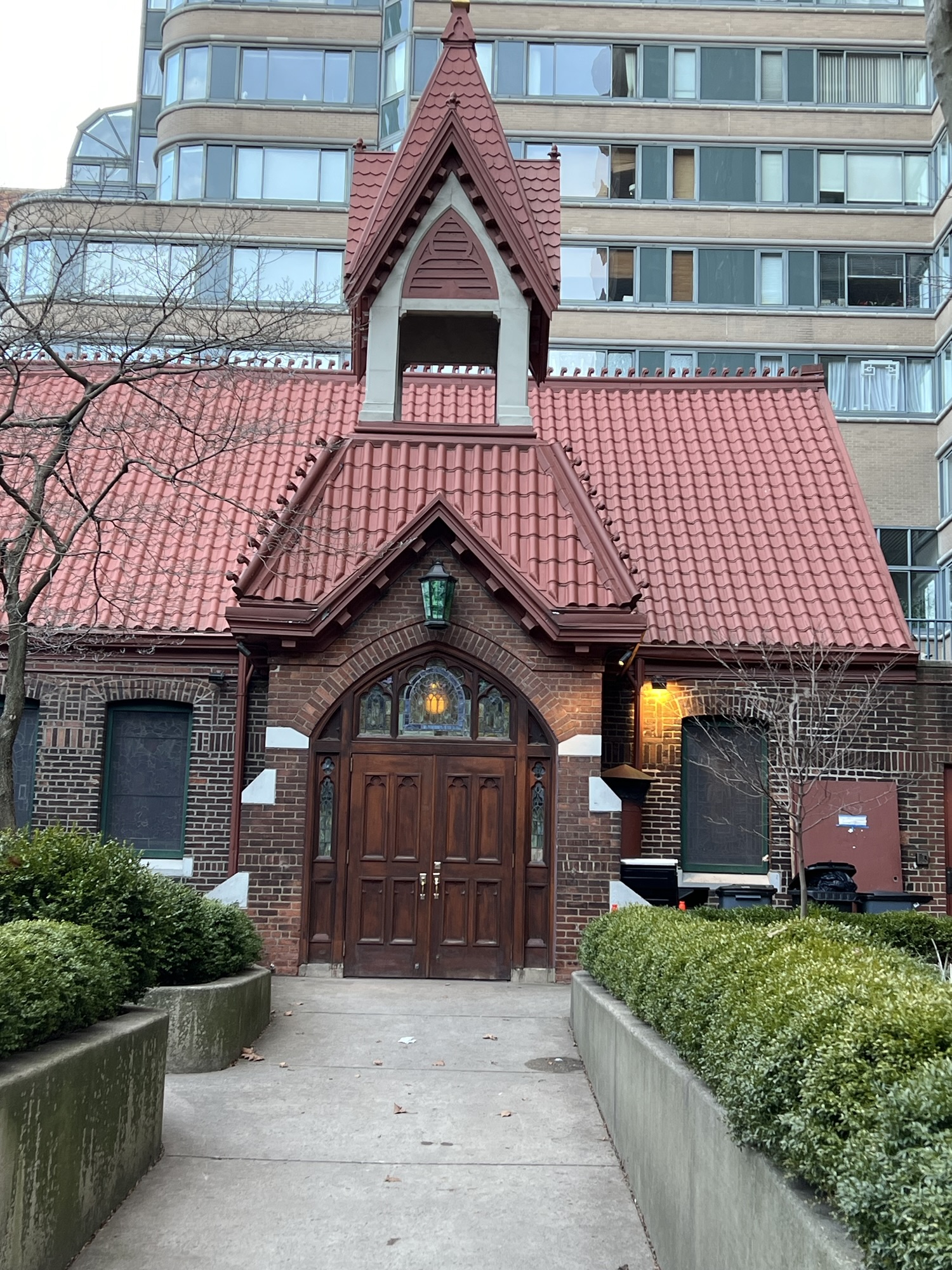


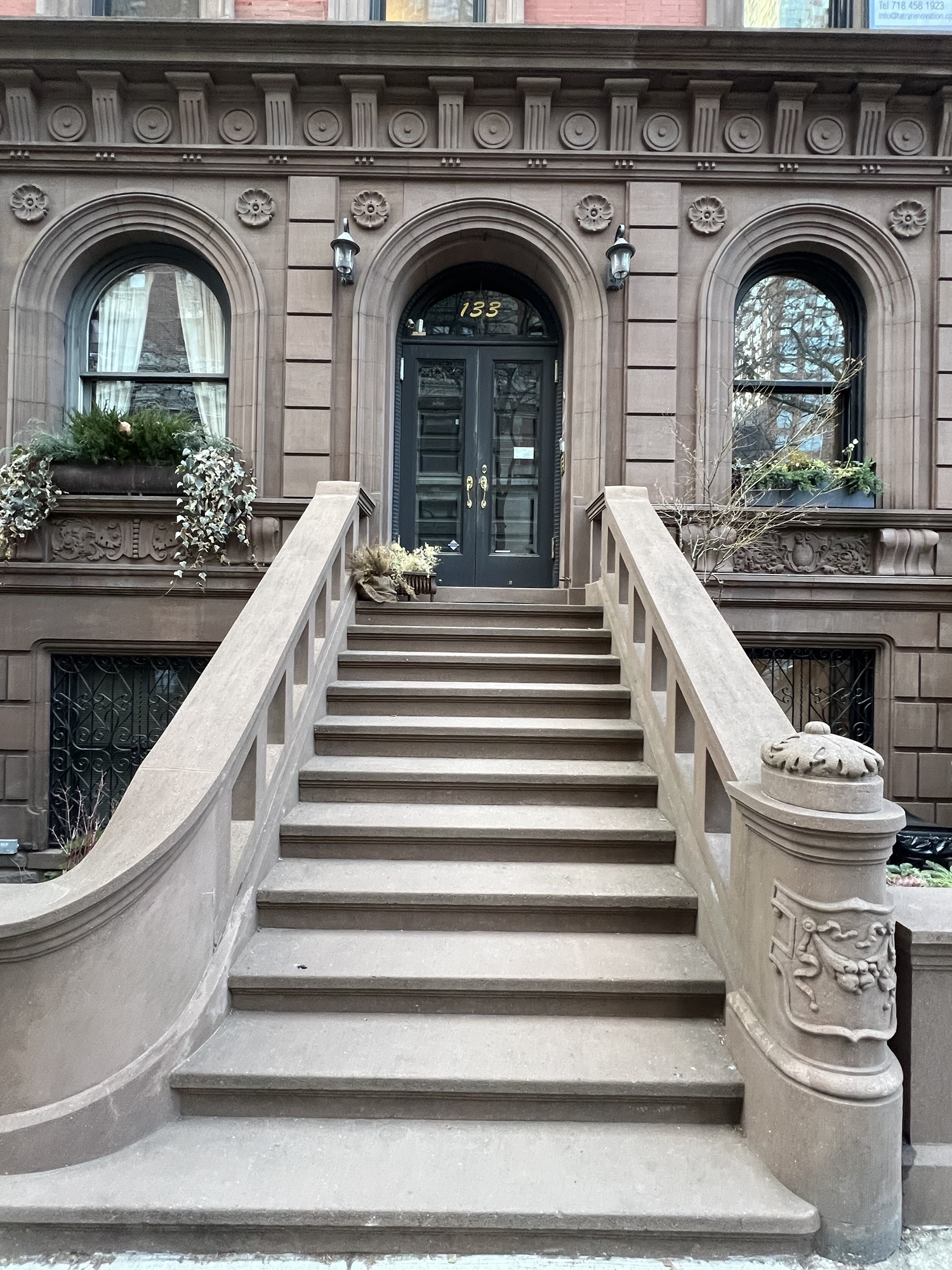


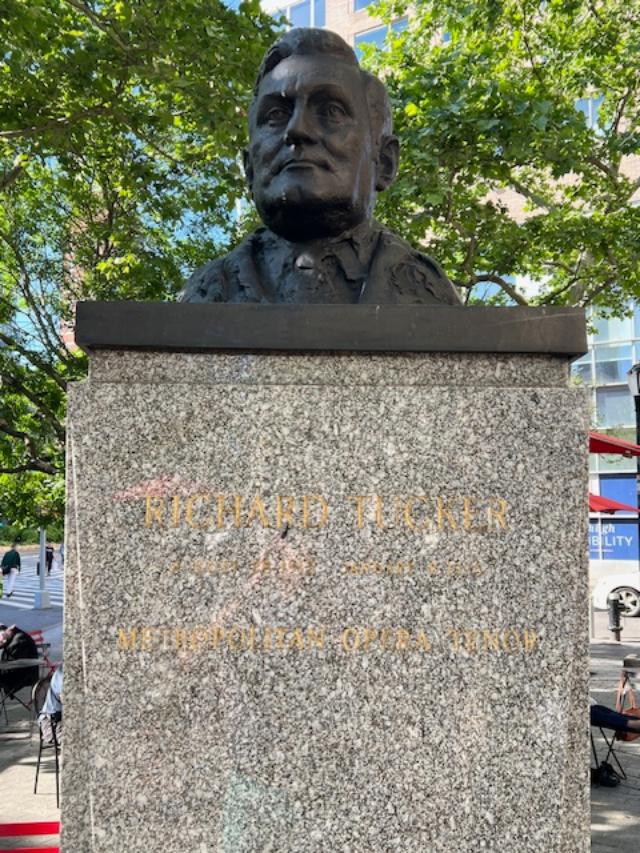



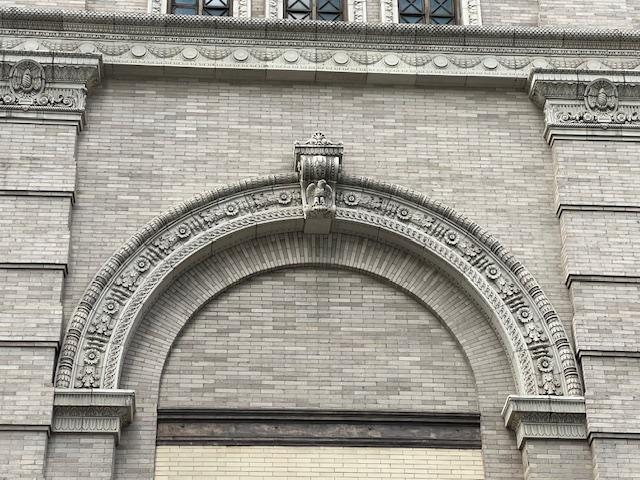
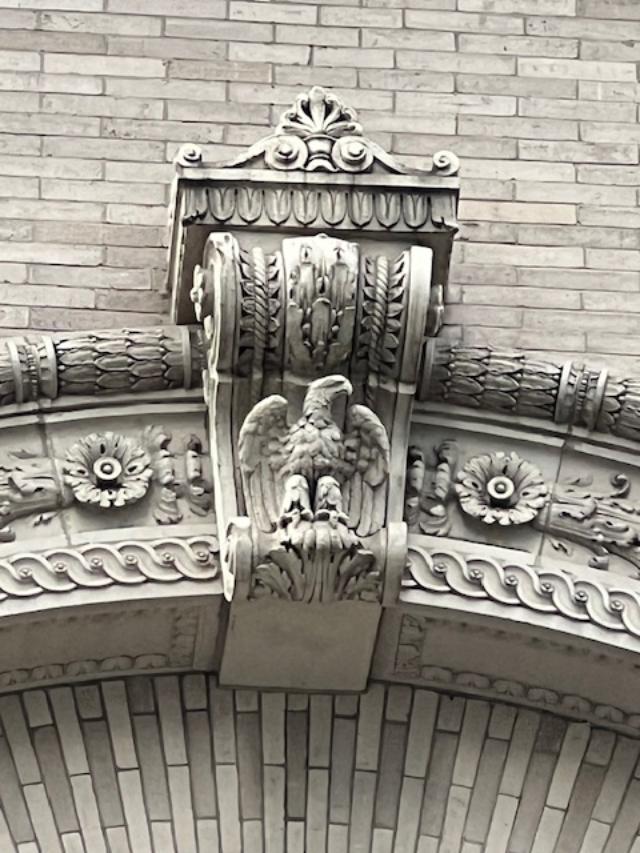
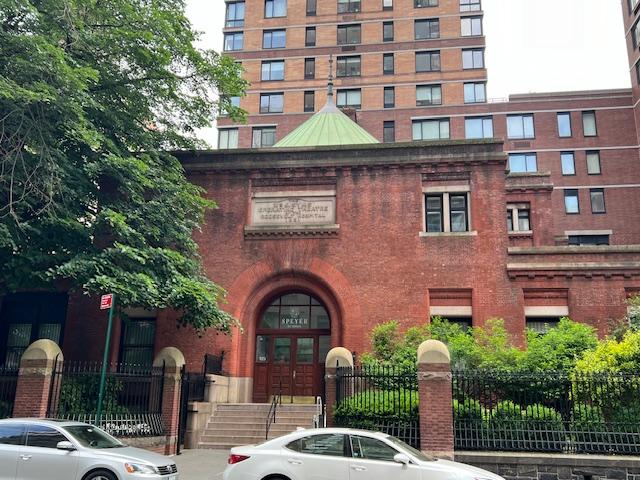
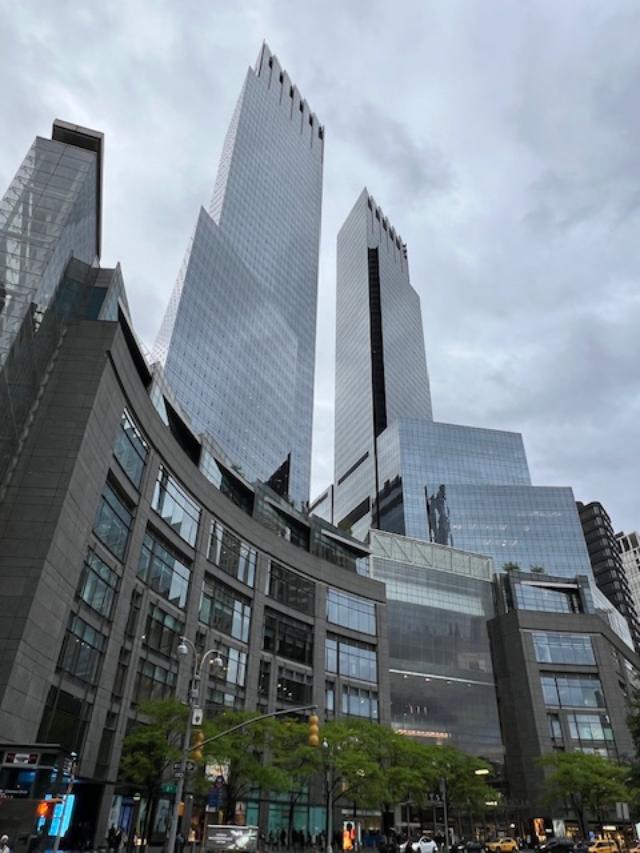
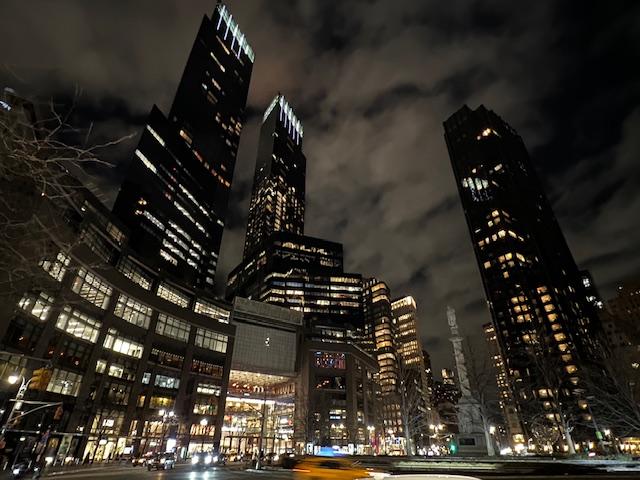
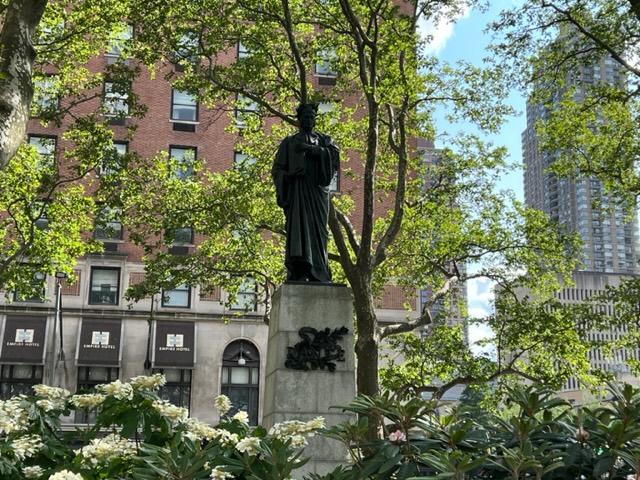

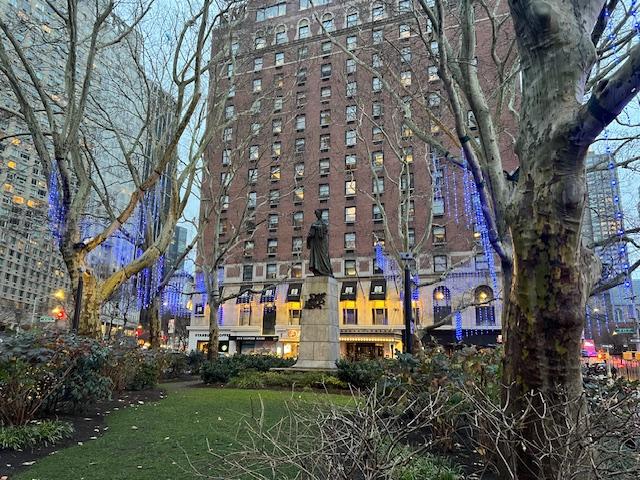

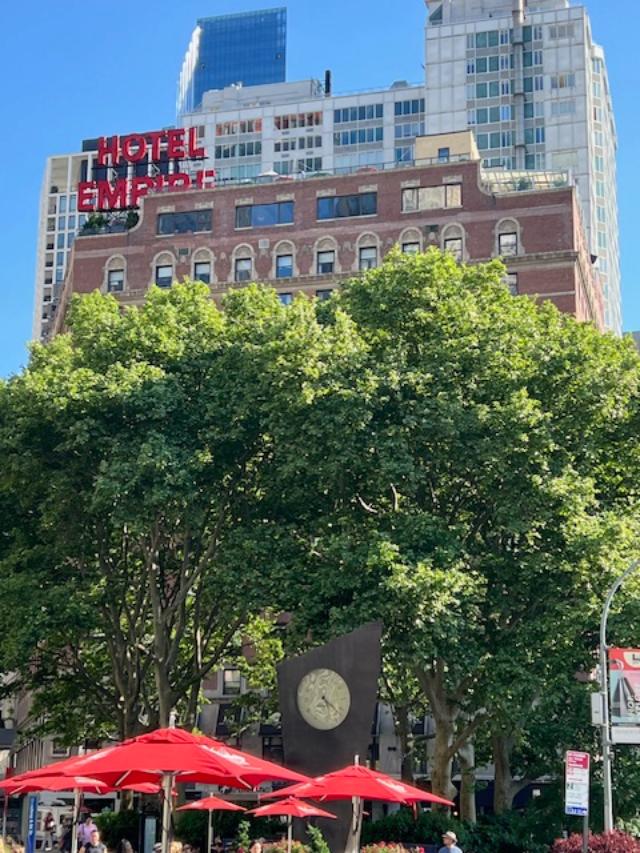
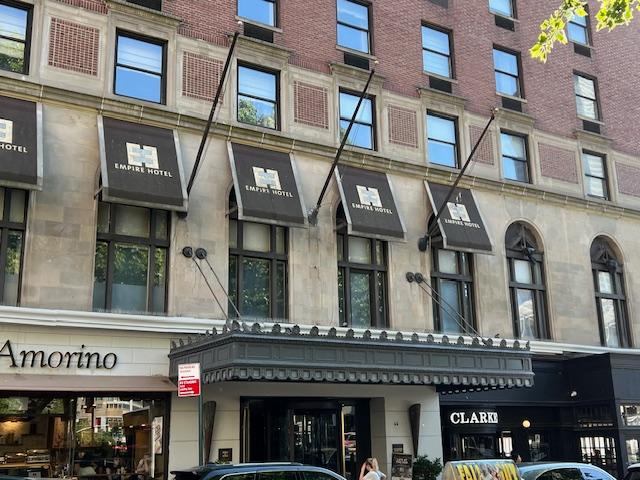


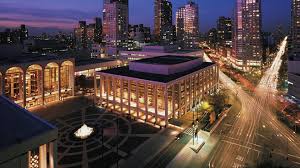
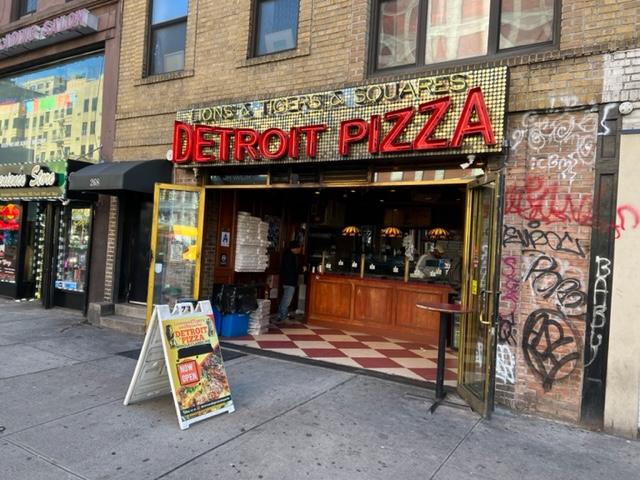
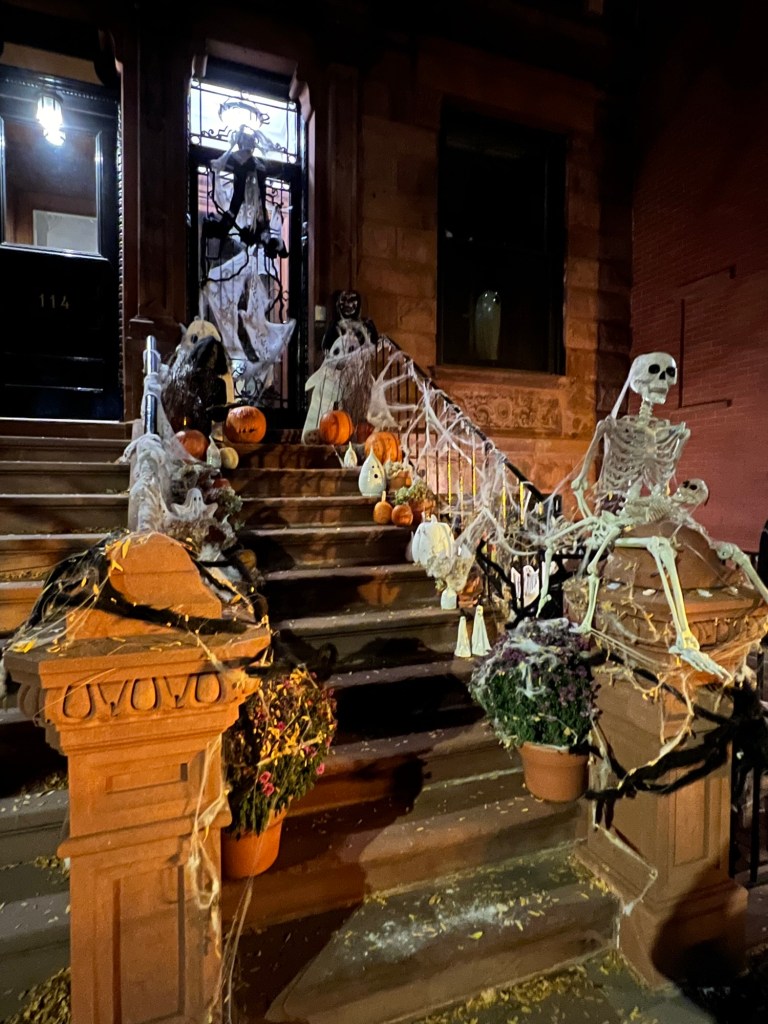


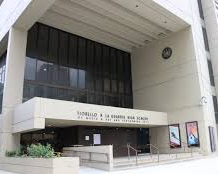
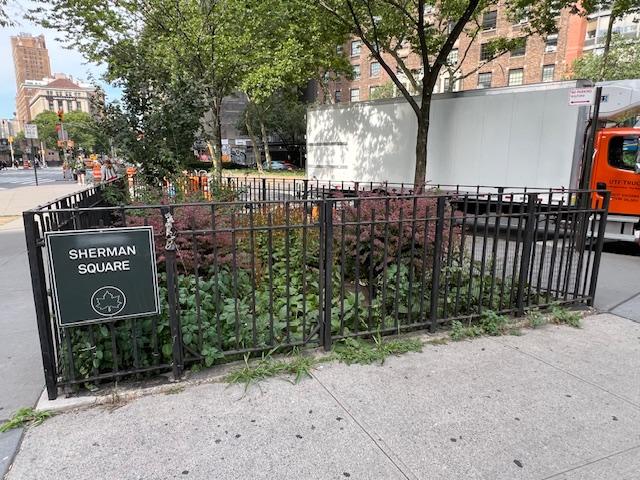
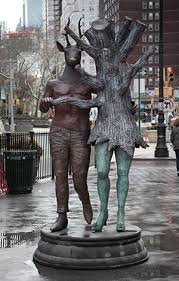
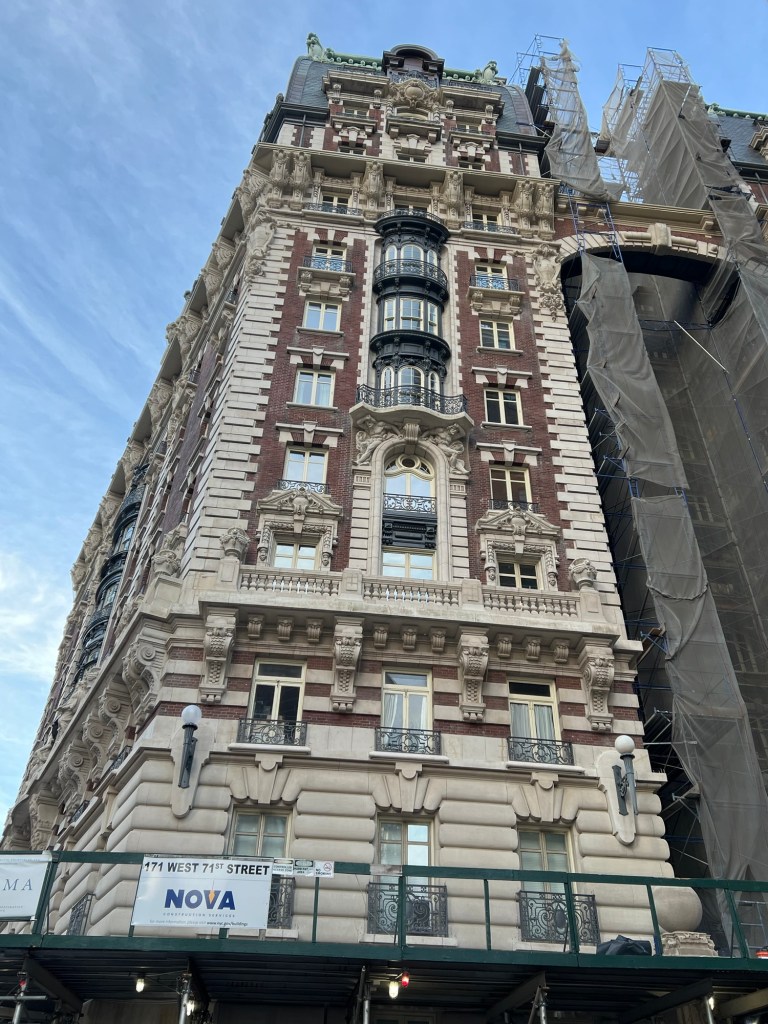
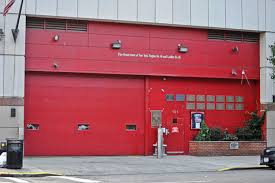
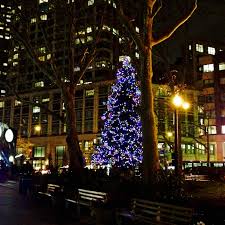


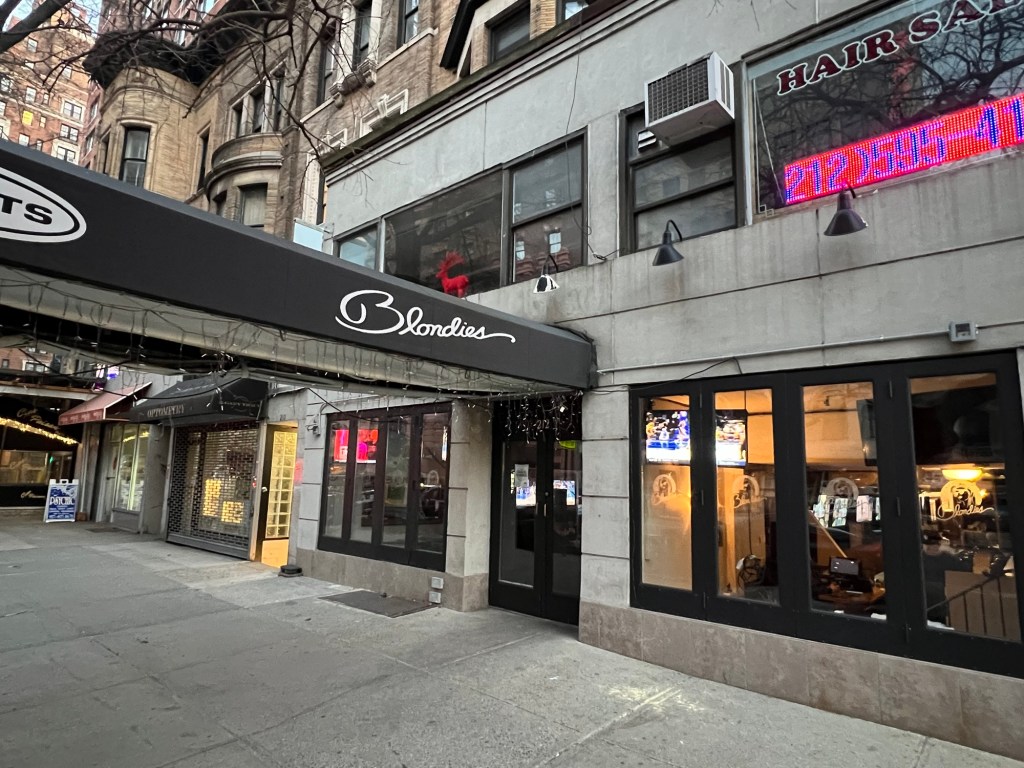
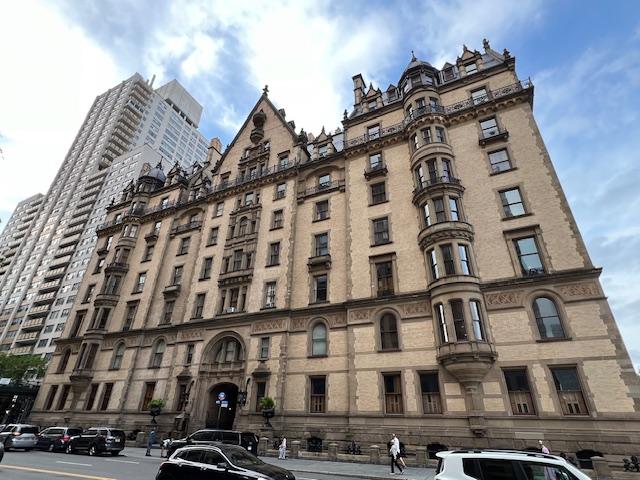

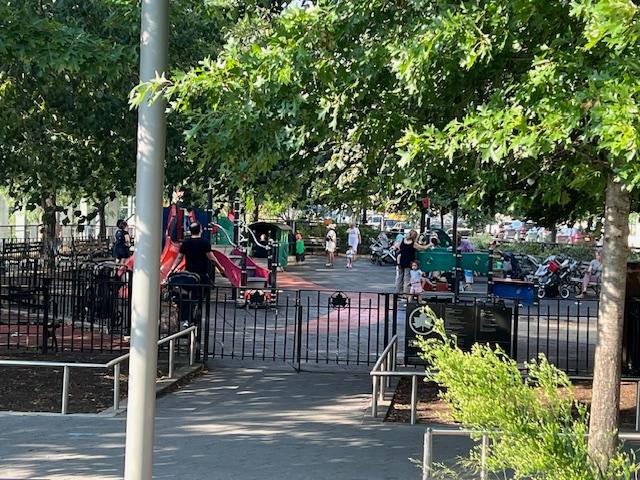
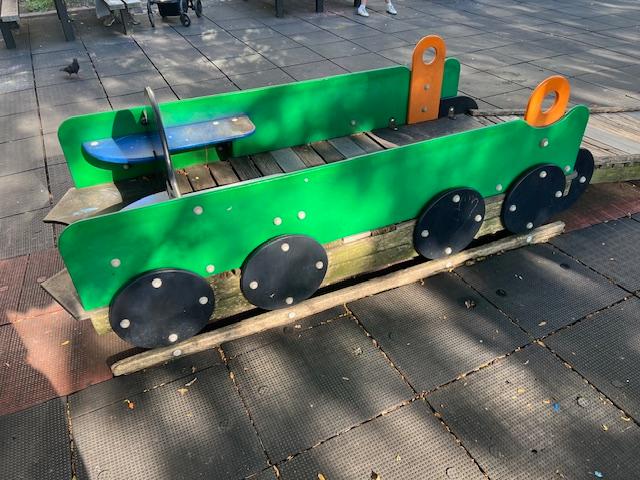

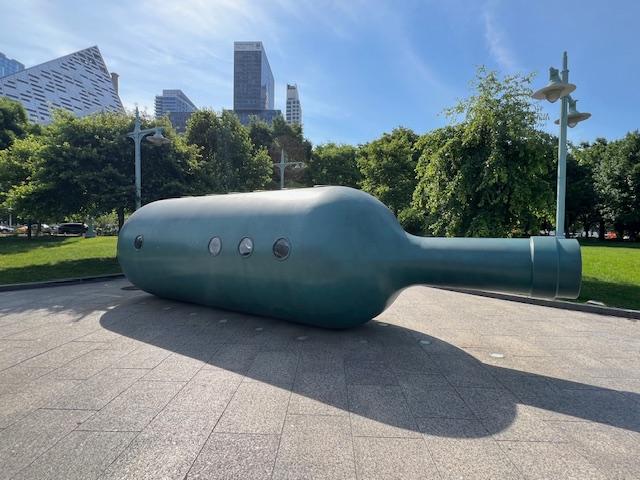



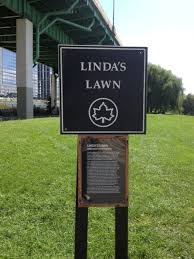


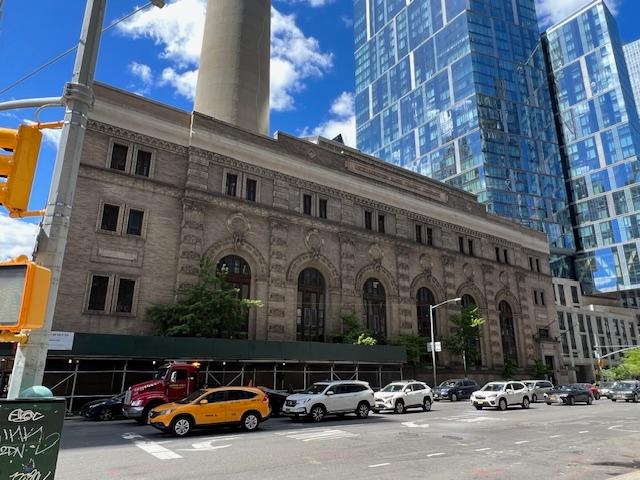


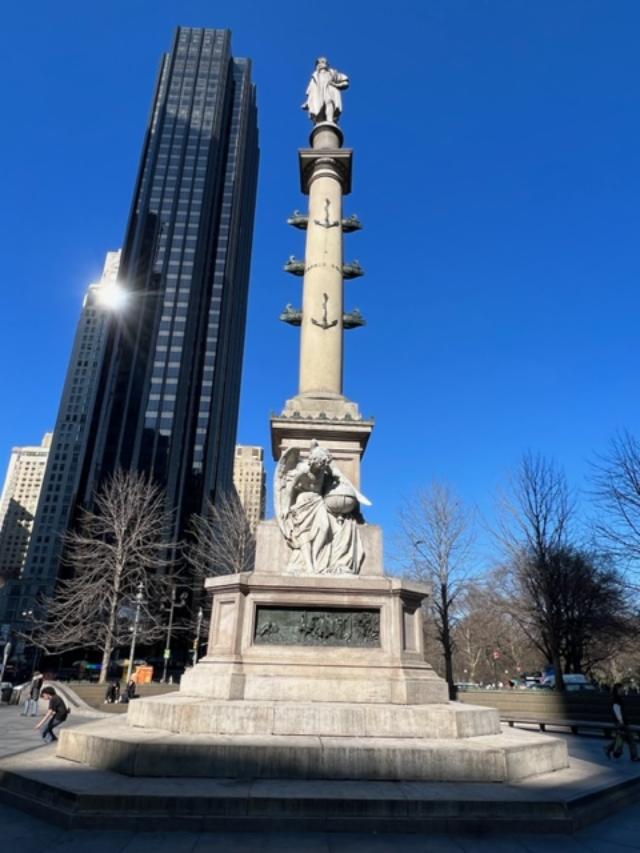


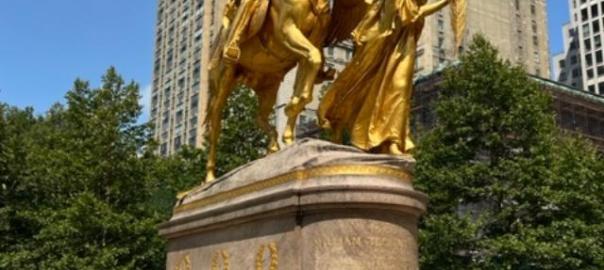
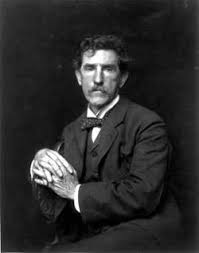


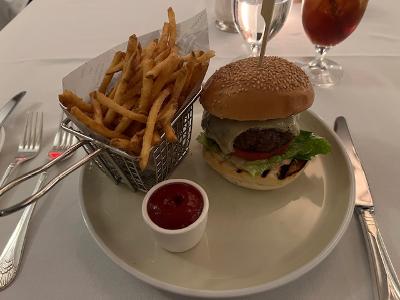

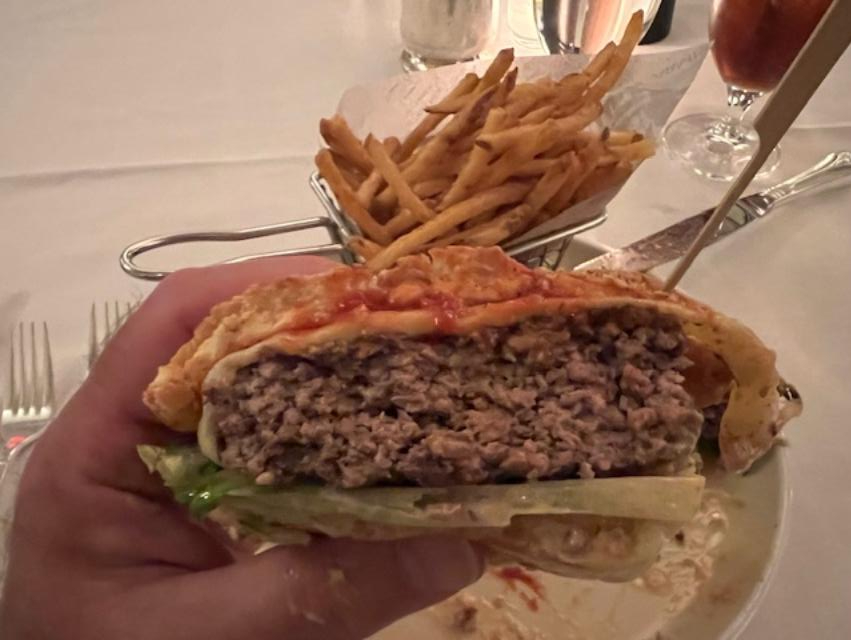

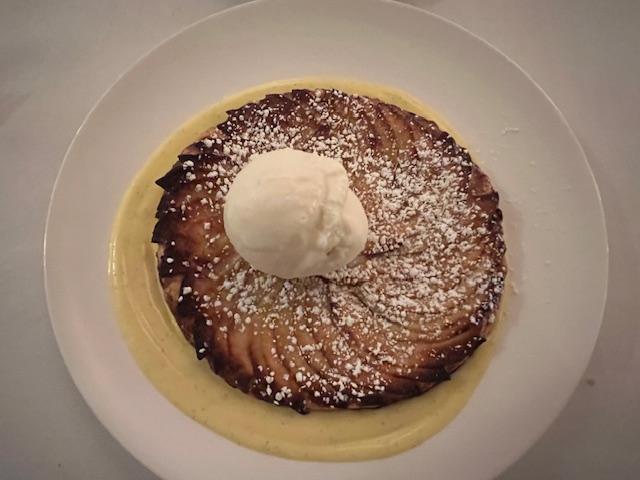
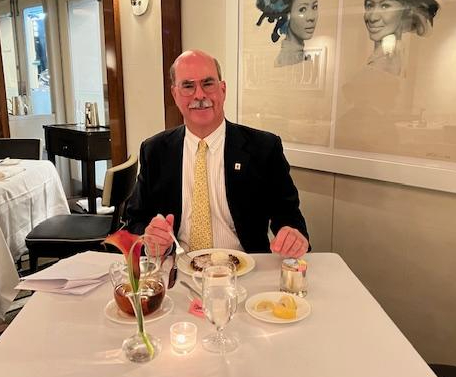


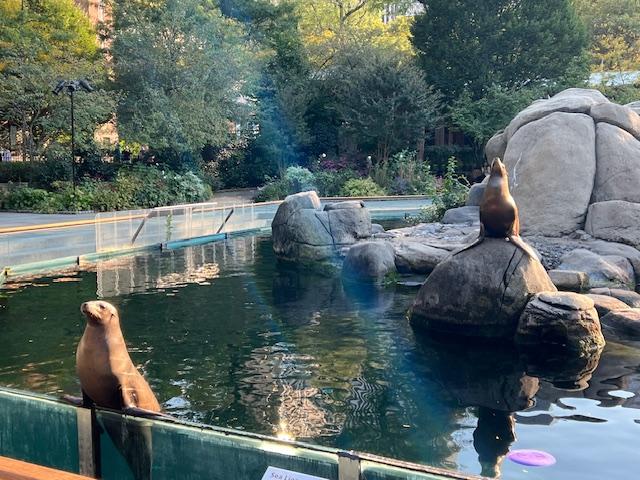

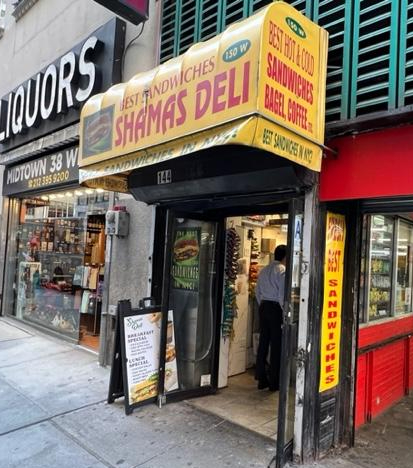
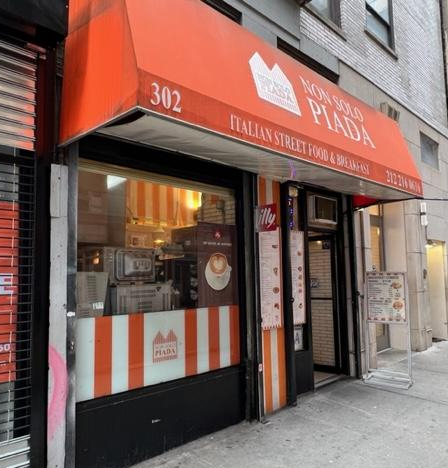
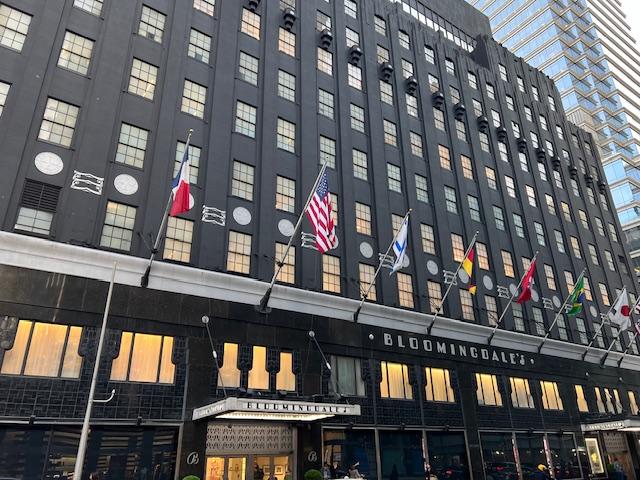


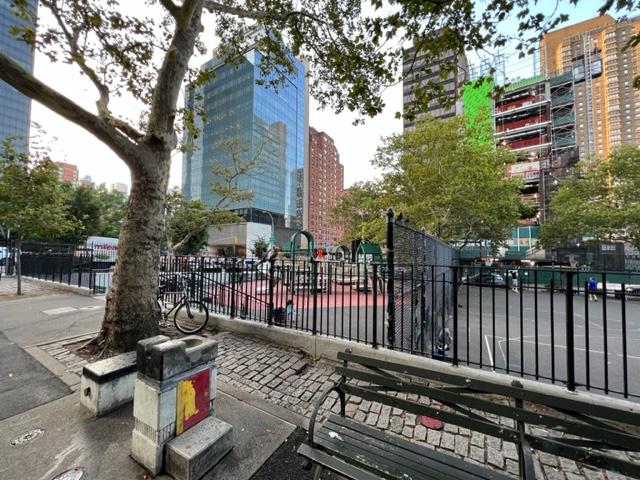

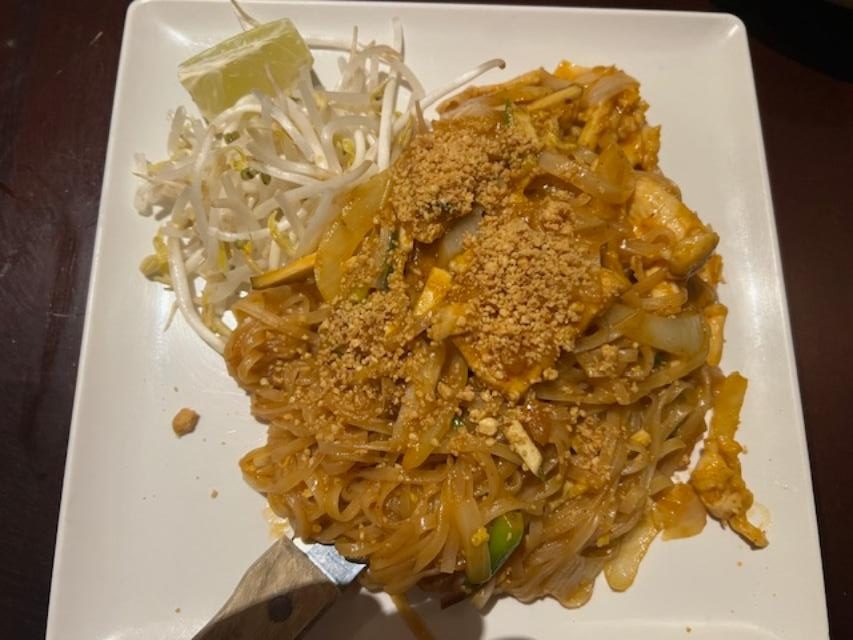
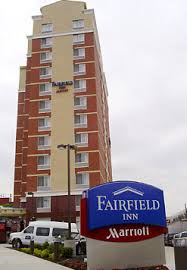

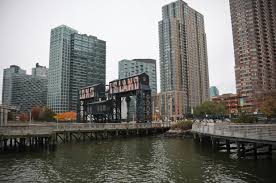
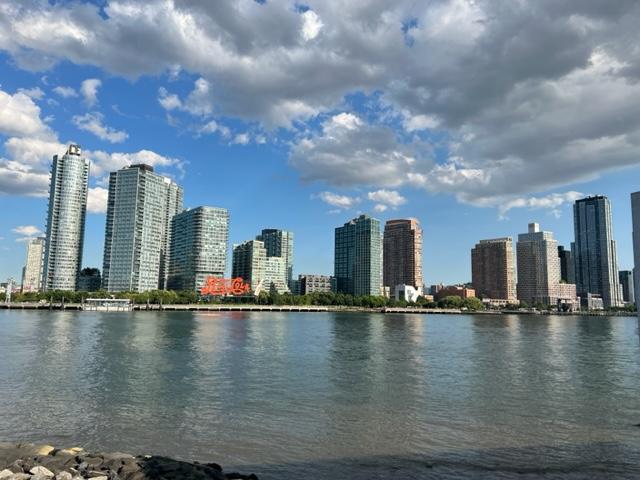

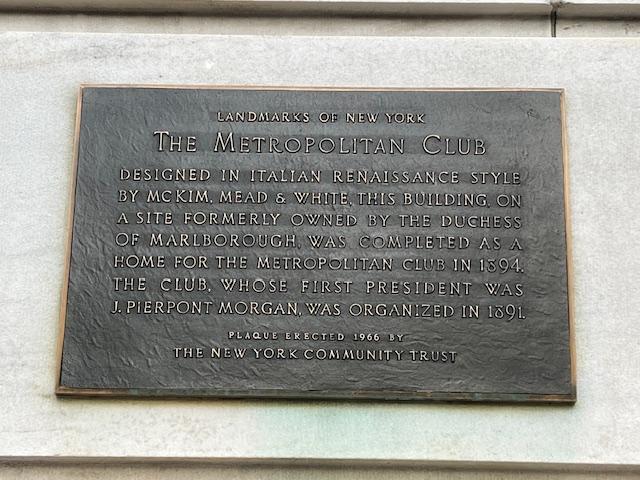
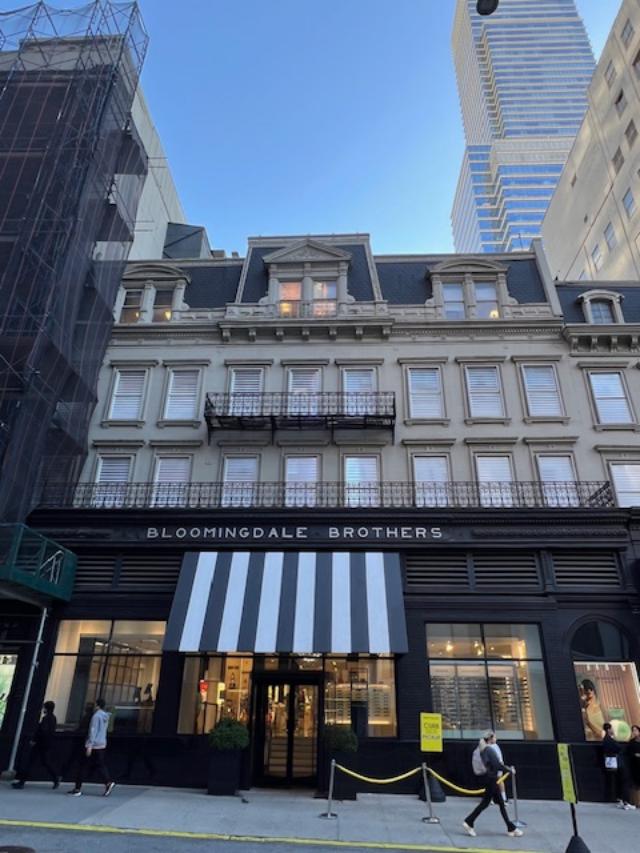


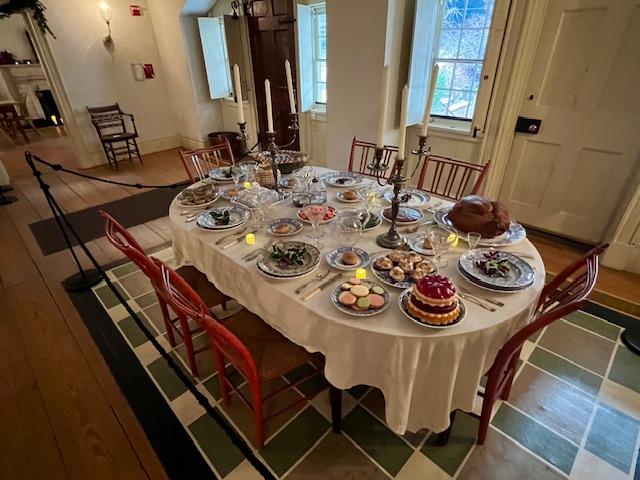
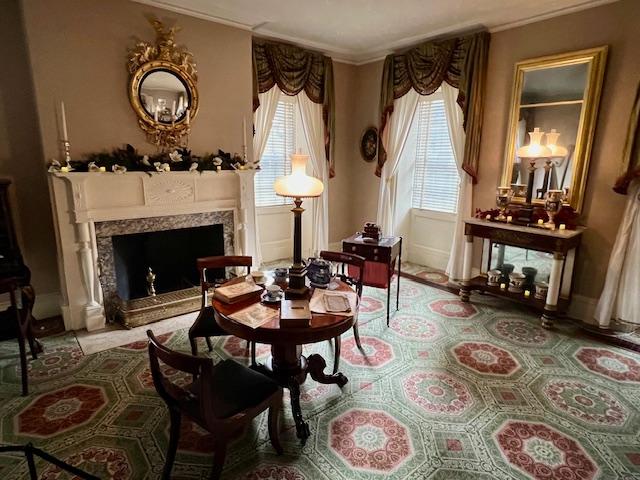
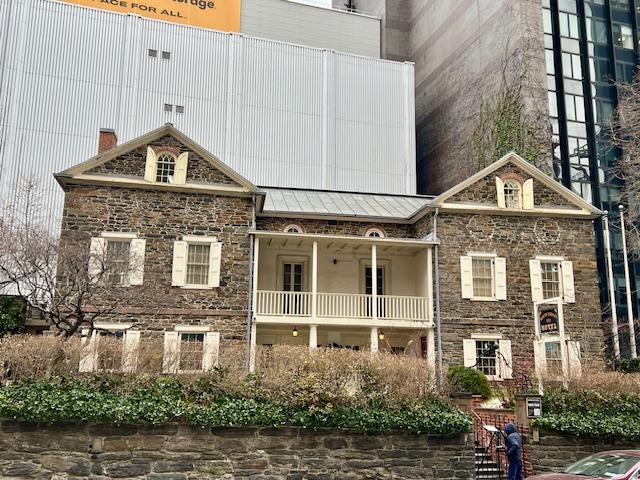


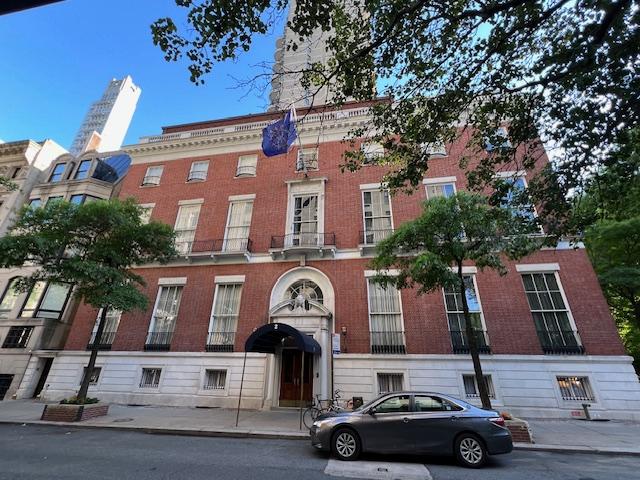


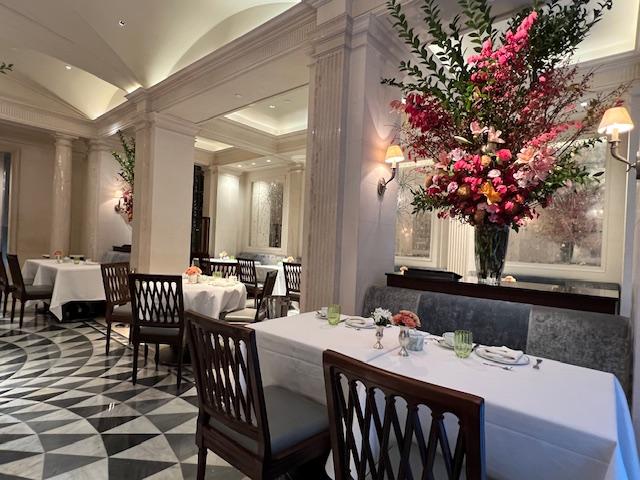
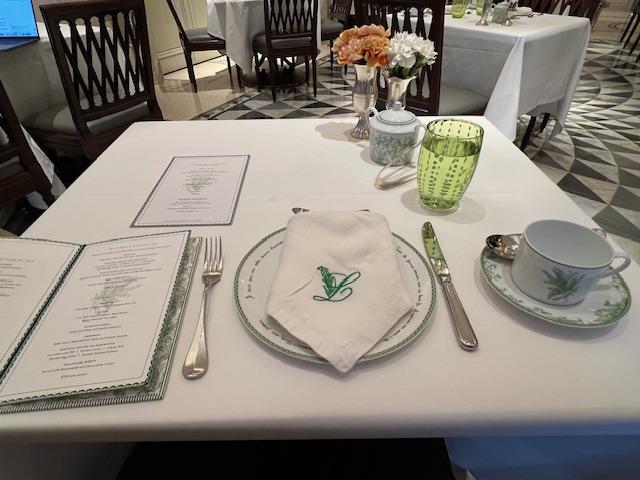
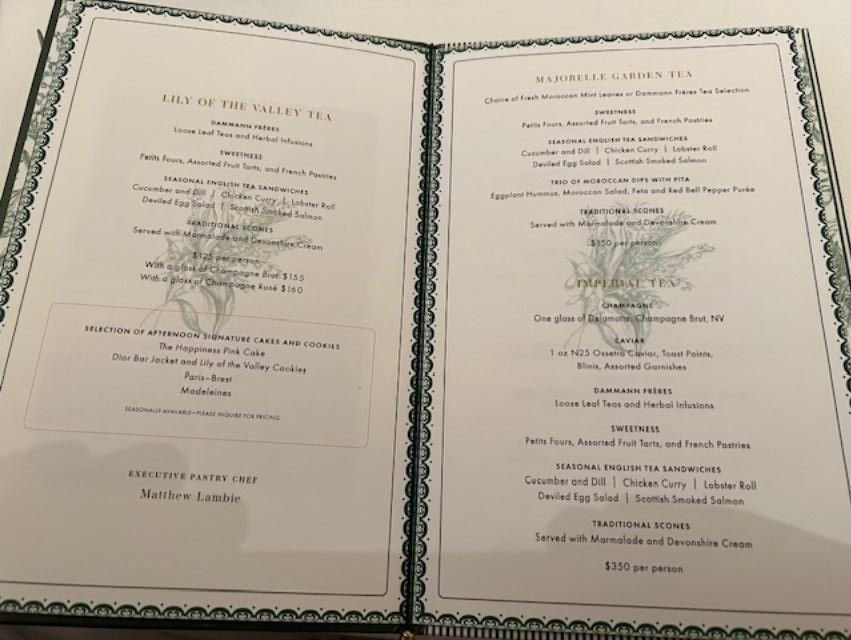


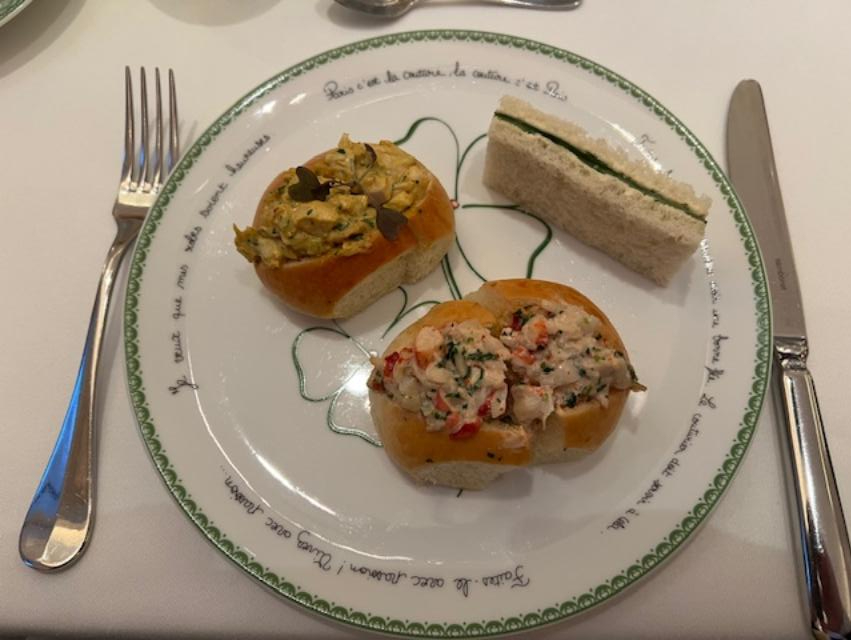
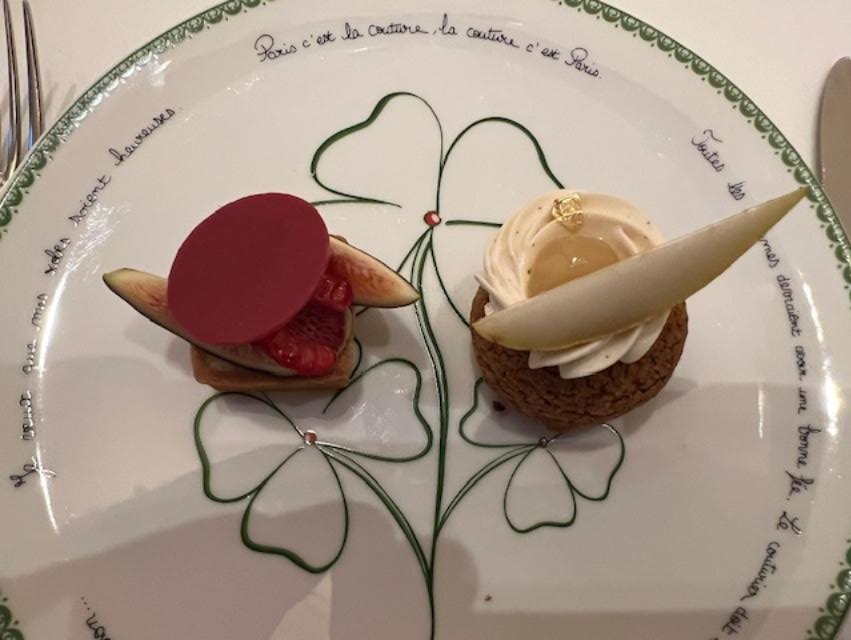


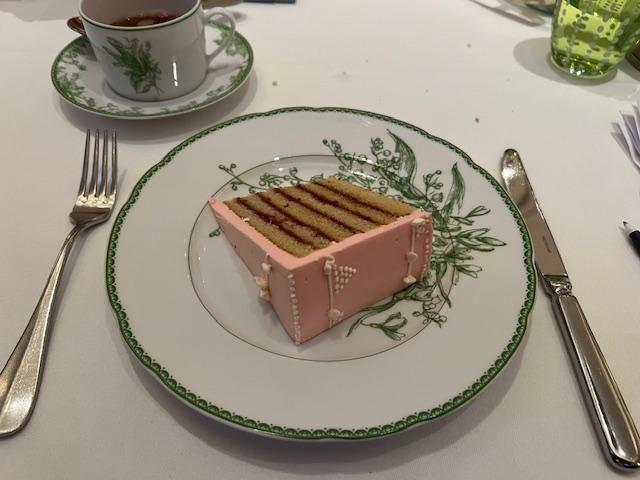
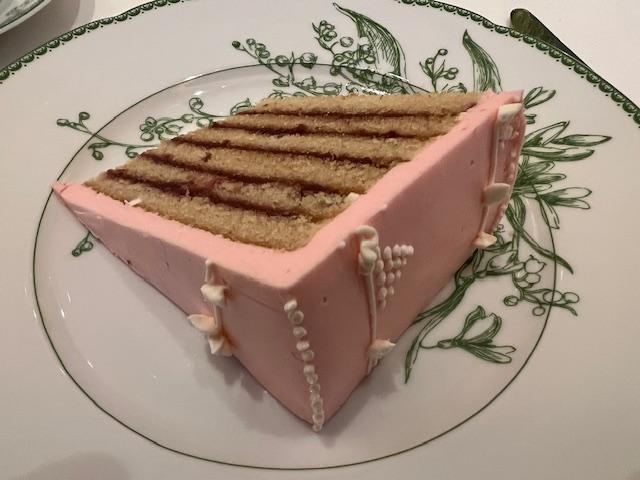

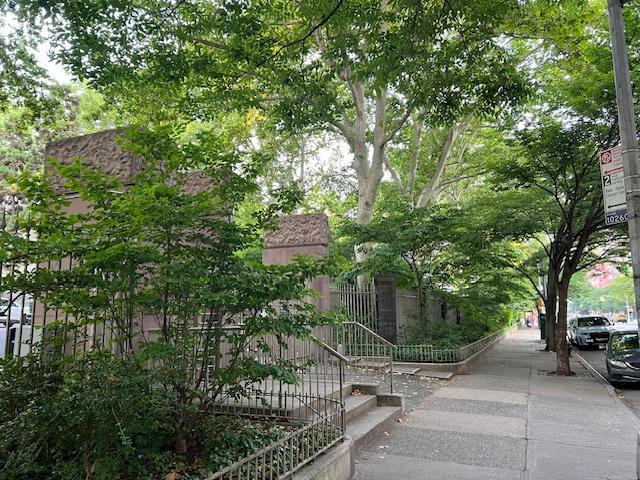
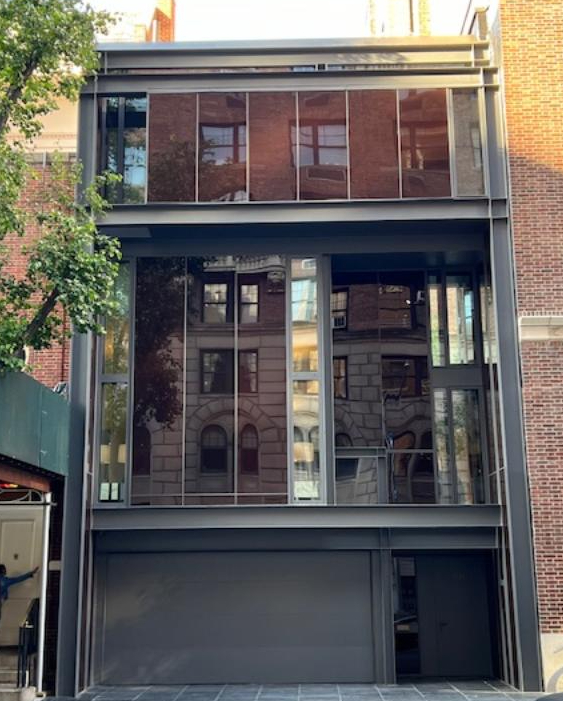
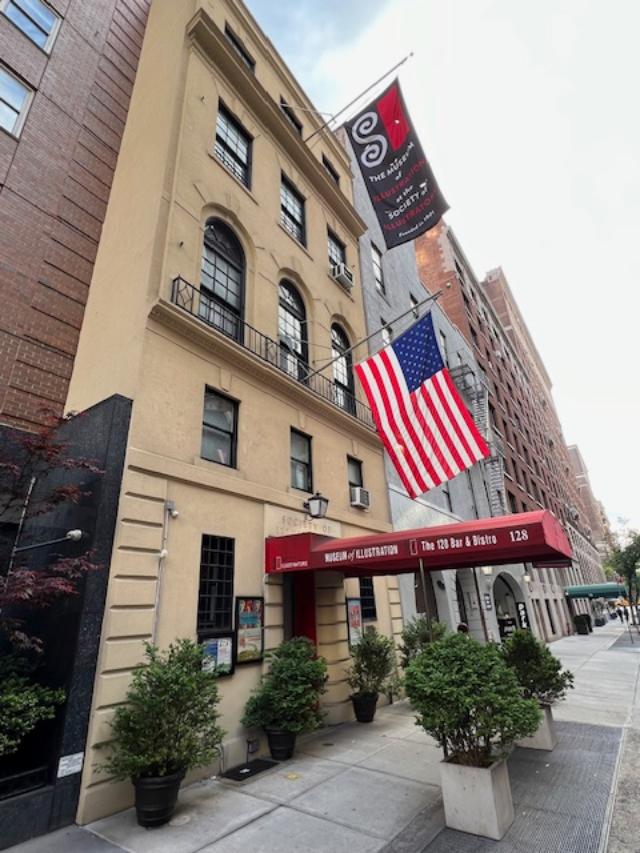
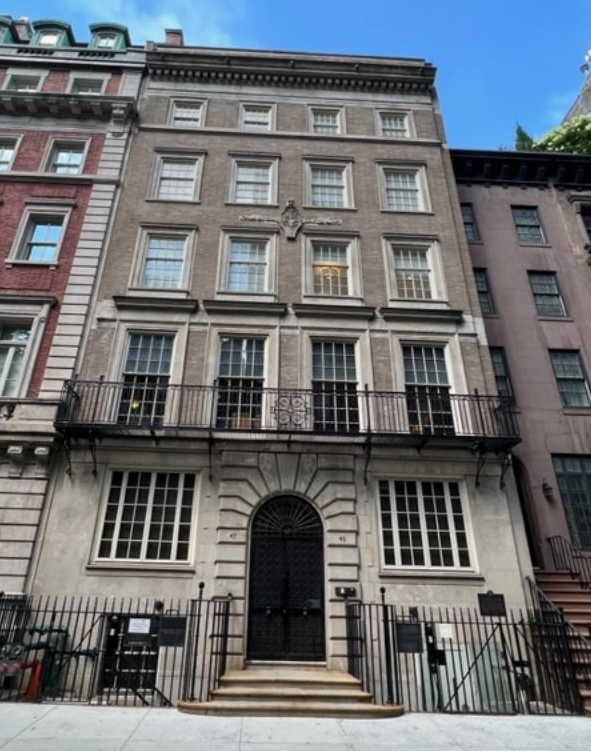
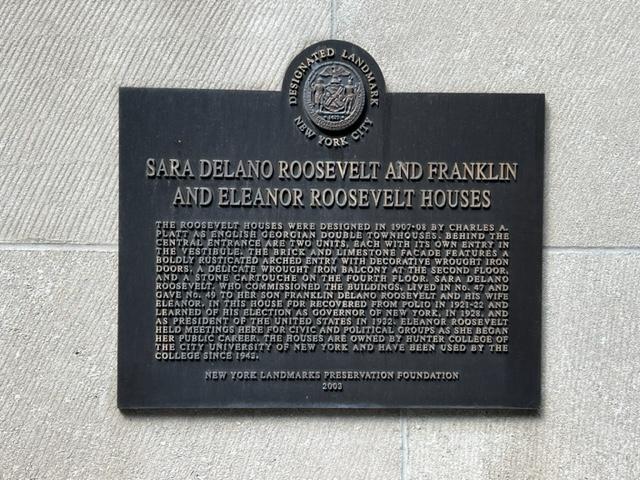


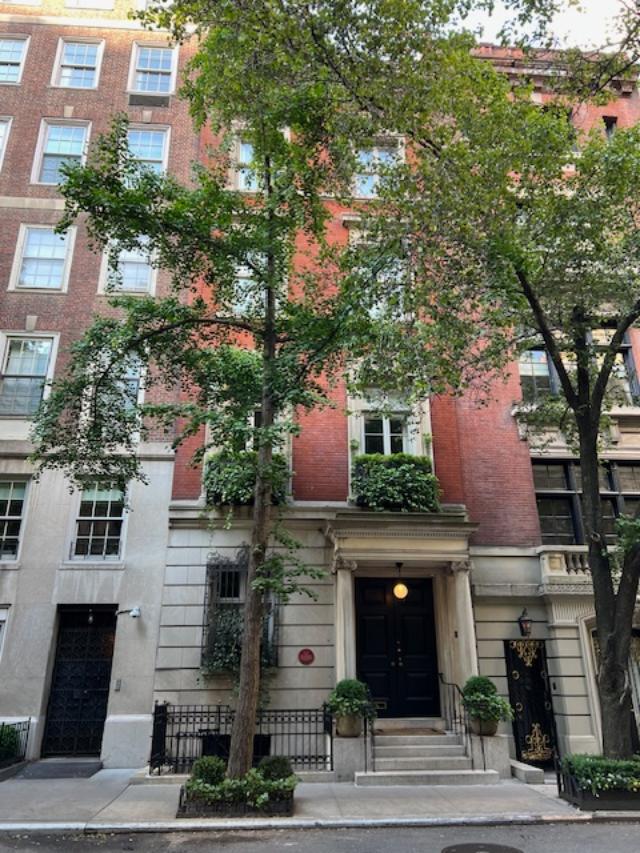


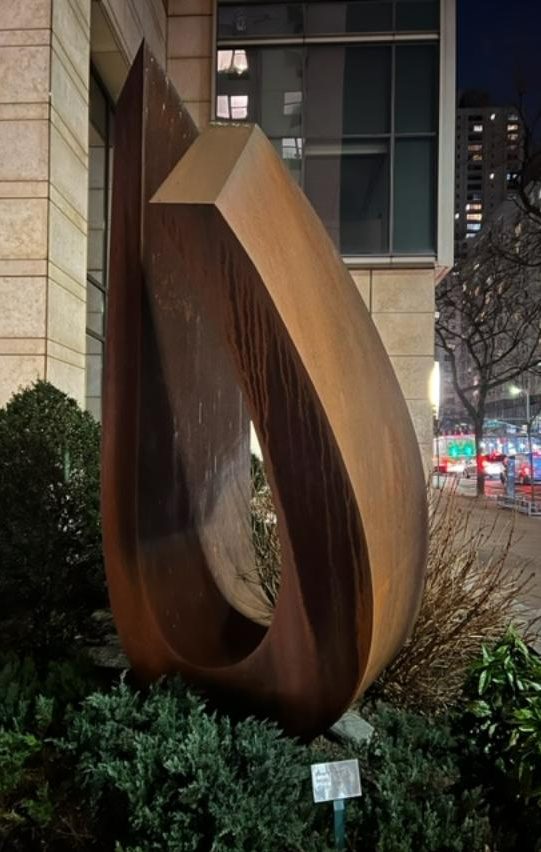


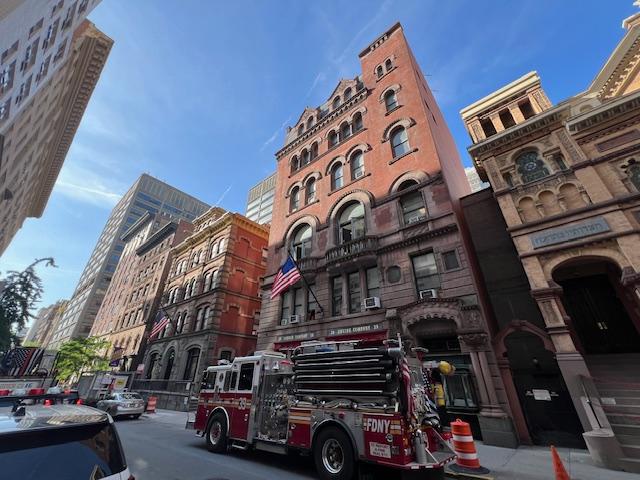
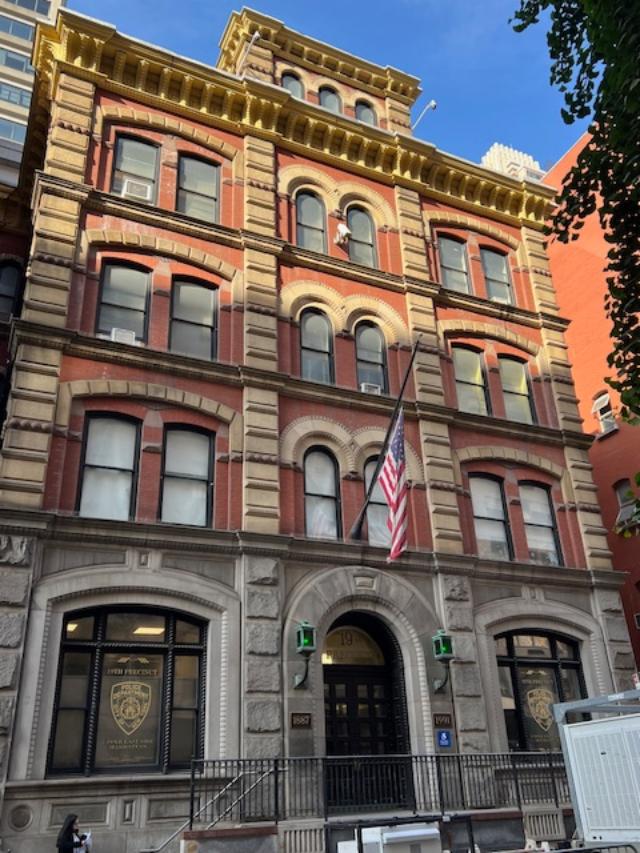











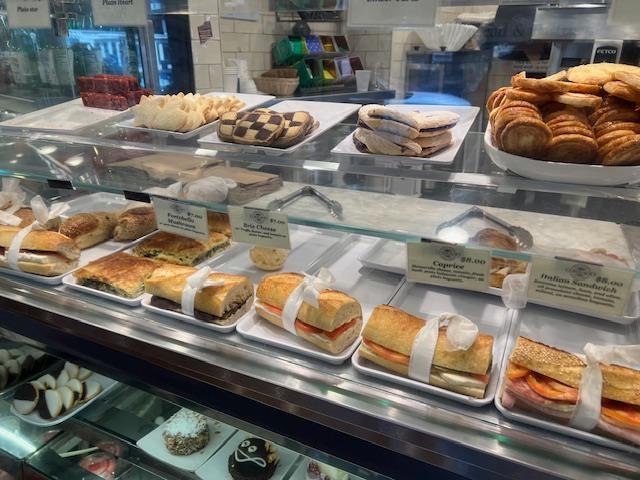

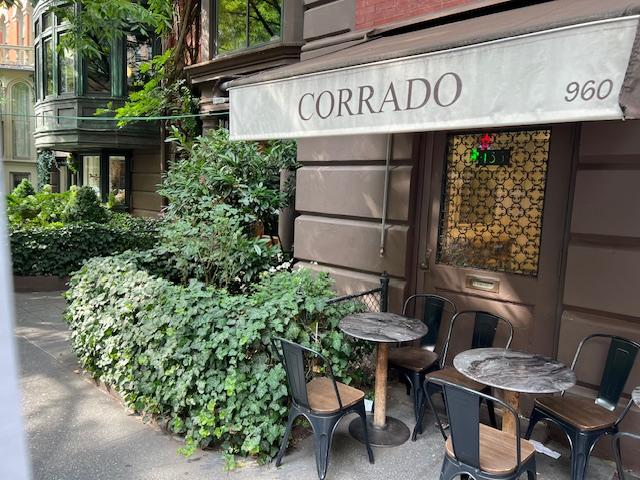

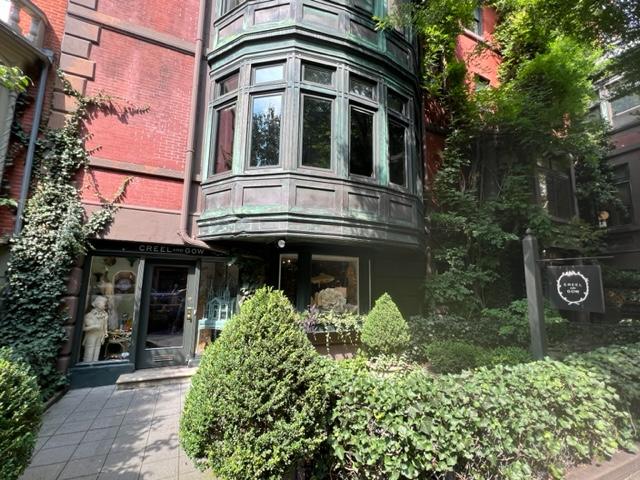


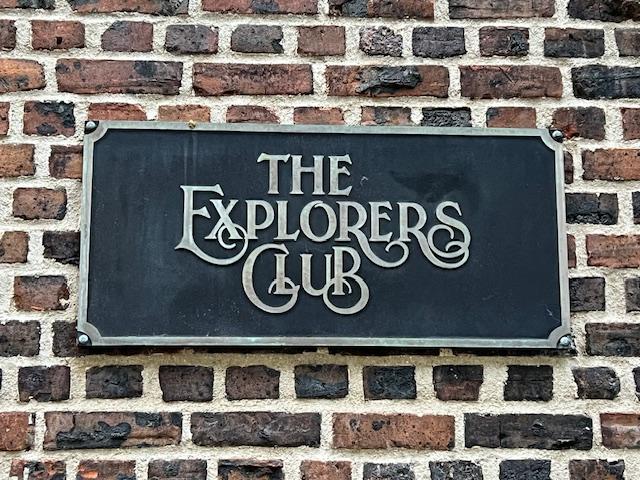
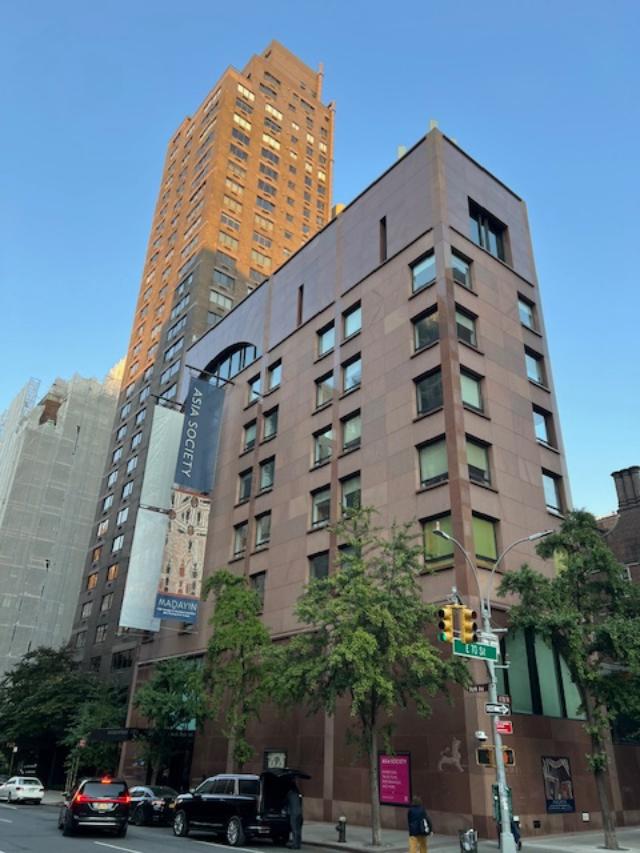
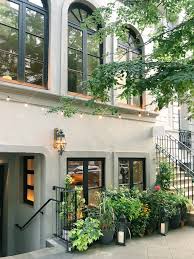


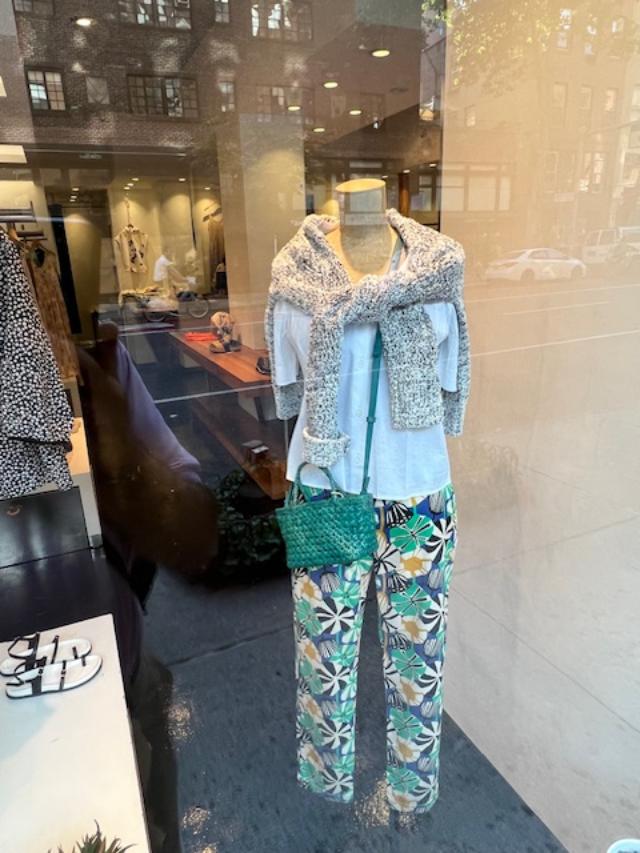
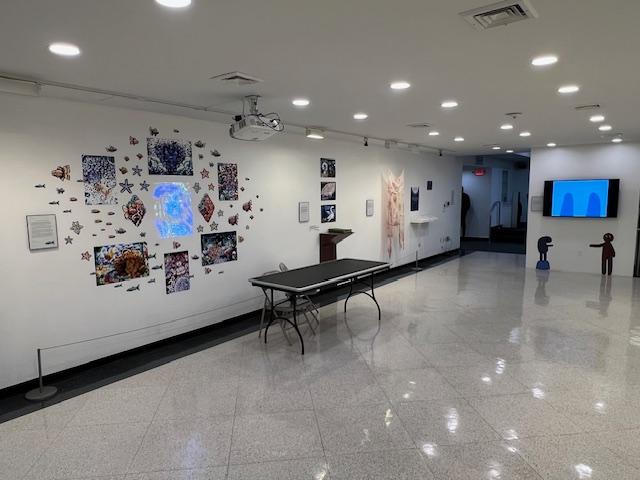

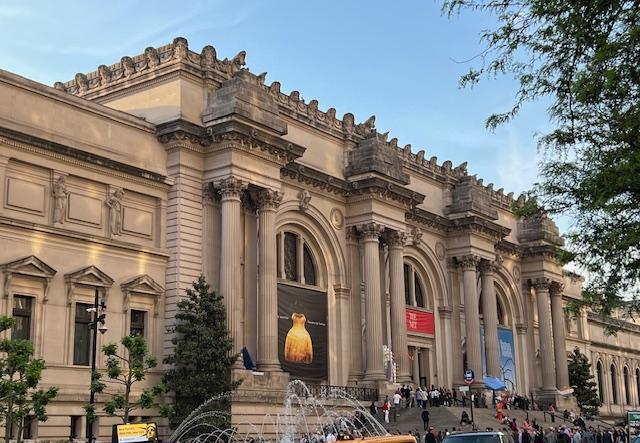
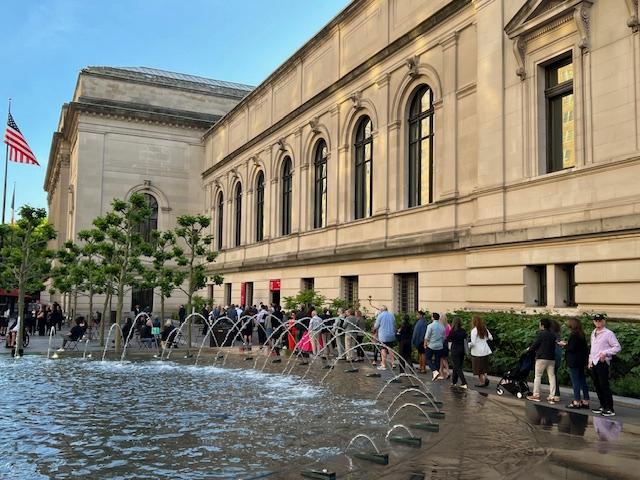
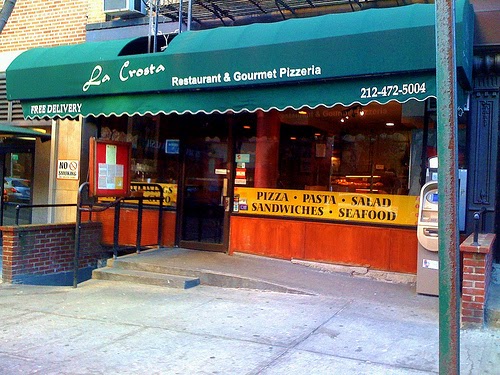


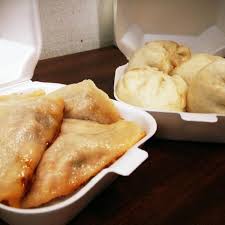

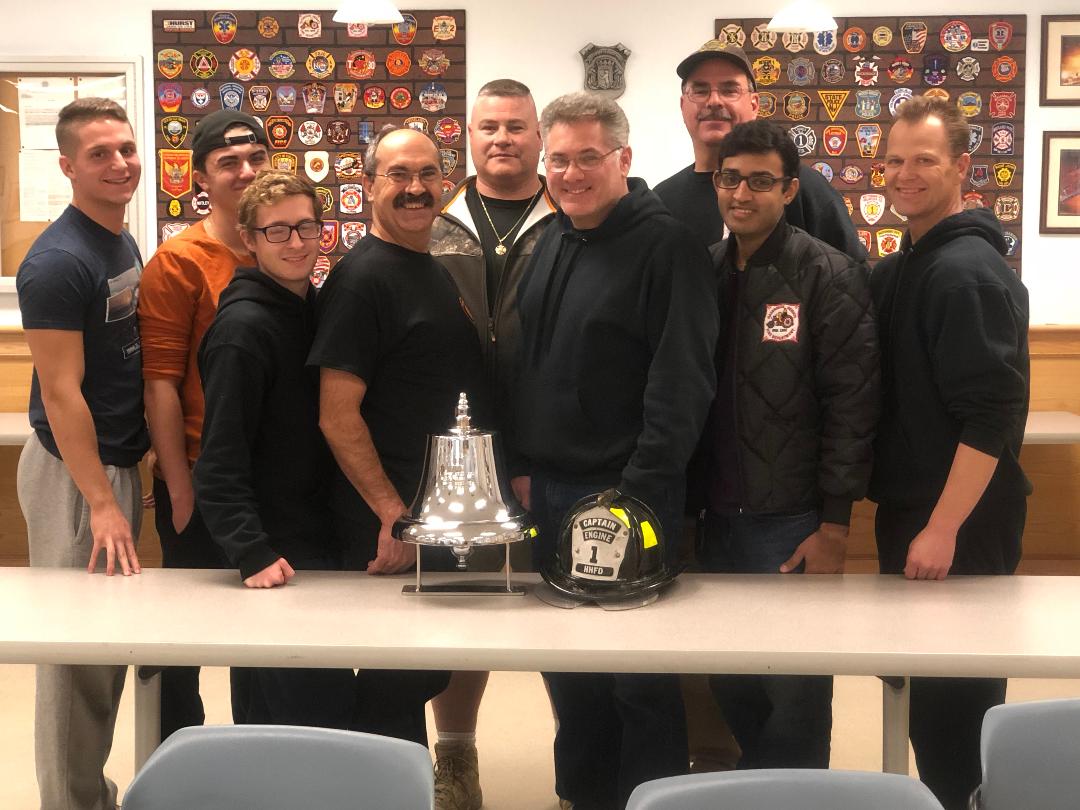
 mywalkinmanhattan