Right after the Metropolitan Museum of Art had their private members night, ‘Met After Hours’, the Museum of Modern Art countered with their event. Neither museum has the whole museum open but at least at The Met there is more than one bar open and they keep two of the restaurants open for patrons so you can have dinner at the museum.
The Museum of Modern Art (MoMA) kept only two floors open and had one very crowded bar open that evening. Still it was nice to visit the museum after hours and walk through the halls.
The front of the Museum of Modern Art at 11 West 53rd Street
Looking down on the bar crowd as I walked to the second floor
Listening to the music play with the artwork
The first piece of art I saw was ‘Cadence’ by artist Otobong Nkanga. This colorful and impressive piece took up the entire second floor atrium and the interesting part of the work was that it was interactive and you could walk through the display. It looked like a volcano had exploded and the rocks that spewed out you could walk around.
The work ‘Cadence’ by artist Otobong Nkanga
The write up on the this interesting work
The work took up the second floor atrium
The rest of the second floor of the museum was closed that evening so I made my way to the fourth and fifth floor to visit the galleries.
There was no special exhibition on the fourth floor so I stopped room by room to admire the art. Sprinkled amongst the paintings and sculptures, the museum had placed clips of movies, a few of them silent films. One of my favorites was showing, George Meles’s ‘Trip to the Moon’.
George Meles’s silent film ‘Trip to the Moon
The write up of the piece
The YouTube video on the movie “A Trip to the Moon”
I had first seen this film in high school and had fallen in love with the elaborate sets and the campy storyline. I never got how they thought they were going to get home. Still the movie is fun to watch and you think to seventy years later to movies like ‘2001 Space Odyssey’ and ‘Apollo 13’ and even the footage of really landing on the moon and think how far we have come.
Roaming around the Picasso gallery
Then I walked around the Contemporary Galleries and admired all the works by Picasso and Brancusi. Everyone else was still down at the bar on the first floor so I had these galleries to myself for the first forty-five minutes. I quietly walked and admired all the works.
The contemporary gallery
The works ‘Fish’ and ‘Bird in Space’
Brancusi’s works especially ‘Bird in Space’ I had studied in my Art History class at Michigan State University and zI had admired them for a long time. I had forgotten that versions of them were at the MoMA.
‘Broadway Boogie Woogie’ by Piet Mondrian
The signage
Then I passed ‘Broadway Boogie Woogie’, another work I had studied in college. It is amazing how many great works were at this museum. I just liked the colors and whimsy of this painting. Then I walked through the Claude Monet gallery where the famous ‘Water Lillie’s’ paintings were located.
The gallery dedicated to Claude Monet’s ‘Water Lilies’
The signage
Claude Monet’s ‘Water Lillies’
I love these immense murals either their beautiful colors and calmness to the painting.
I then turned the corner and came across Picasso’s ‘Girl before the Mirror’
I had forgotten that this painting was here and I stopped for a while and just admired it. I loved the simplicity of the idea but enjoyed its bold colors and crazy cubism to it. I have been attracted to this painting since I was a kid when my mother took me to the Picasso Retrospect here when I was a freshman in high school.
The signage for the painting
As the night wore on I visited the floors that were open and it was only two floors, four and five and the second atrium that were open so I visited the bar area when I finished with the other floors.
The prices here were just as expensive as the earlier Member’s Night at The Met and the selection was not as nice, so I bypassed it. I just watched everyone from a distance.
I just enjoy watching everyone having a good
time. I makes the evening even more special.
Watching the crowd while admiring the beautiful interactive art. This work kept moving around to the music in the background
The painting would move in different directions to the music
It had been a short but relaxing evening and got my mind off everything between work and home and I guess I needed a change of pace to shake me out of it.
After a short visit to the gift shop, I left the museum and headed home. As I turned the corner past the museum, I stopped to admire the lights of Seventh Avenue. I sometimes forget how breathtaking Manhattan can be at night.
Seventh Avenue at night around the corner from the MoMA
I took a short walk around the neighborhood, thinking about where I could stop for a snack. None of the restaurants at the museum were open the evening and they had nothing at the bar.
I remembered a wonderful hamburger/ hot dog place near Eighth Avenue, Lucky’s Famous Burgers at 370 West 52nd Street.
I settled on the ‘Double Dog’ special meal with two dressed hot dogs and a large size of French Fries with a large Coke. It was enough food for two people. The hot dogs here are fantastic and the French Fries are cooked to order. The meal just hit the spot and really cheered me up as had the visit to the MoMA. It was the perfect meal to cap off the evening.
The Doubledogs with French Fries meal
The delicious twin hot dogs
They were nicely decorated
What a way to end the evening
It was quick and relaxing evening and shook away the blues of the past days of gloomy weather and some of the long nights of grading papers at work. A pleasant night at the MoMA can really cheer you up!
It is especially nice when the museum is closed and you can visit the museum with all the other members in a private event just for us.
It was time for another ‘Met After Hours’ member event
I wait for these evenings as a member. It is so much fun to walk the halls of the Met after the museum closes and just relax, look at exhibitions that I might have missed on my last several trips to the museum, have a much needed cocktail (one specialty drink is more than enough) and enjoy listening to the speaker.
Entering the main hall of the museum
The beautiful Cherry Blossoms are in season in all the urns
Walking through the Greek Galleries on my way to the exhibitions that were open that evening
I decided to start on the second floor of the museum since most of the members seem to settle on the first floor. My first stop was the Jesse Krimes exhibition ’Corrections’.
Krimes’s image-based installations, made over the course of his six-year incarceration, reflect the ingenuity of an artist working without access to traditional materials. Employing prison-issued soap, hair gel, playing cards, and newspaper he created works of art that seek to disrupt and recontextualize the circulation of photographs in the media (Met website).
Displayed at The Met in dialogue with Bertillon, whose pioneering method paired anthropomorphic measurements with photographs to produce the present-day mug shot, Krimes’s work raises questions about the perceived neutrality of our systems of identification and the hierarchies of social imbalance they create and reinscribe. An artist for whom collaboration and activism are vital, Krimes founded the Center for Art and Advocacy to highlight the talent and creative potential among individuals who have experienced incarceration and to support and improve outcomes for formerly incarcerated artists (Met website).
The description of the show ‘Jesse Krimes Corrections’
The art work ‘Purgatory’ where the artist put faces of the artist’s imagination while in solitary confinement.
The signage for the piece
The sculpture ‘Naxos’ with thousands of pebbles from prison yards
The signage for ‘Naxos’
I then toured through the Asian Galleries to see what exhibitions were open that evening. Some of the displays for Chinese New Year were still prominent in the galleries and I admired them in the cases.
This very evil looking statue just stares at you while you pass it
I admired the Chinese Zodiac sculptures in the Asian Wing and found my sculpture in the year of the Snake. Chinese New Year was over but the displays for the year of the Snake were still on display.
The sculptures of the Chinese Zodiac
The sign for the Zodiac animals
At the entrance to one of the galleries, one sculpture stood out to me that has been accented by peacock feathers.
The peacock sculpture ‘Mahamayuri on Peacock’
The sign for the sculpture
The piece stood out for its grace and its beauty. There was something unique about it.
I then visited the other side of the floor that was open in the Arabic Wing. I had visited the gallery in length during one of the other member nights when they officially reopened. I love all the displays of rugs and decorative objects throughout the various rooms.
Walking through one of the rug gallery rooms
What I admire the most from some of these artisans is the approach to precious items like gold, silver and jewels in the works. You could really see the amazing detail to these works.
Several decorative items in the display case
One of the special exhibitions in the Arabic Wing was the Merchant Ivory exhibition ‘Ink to Ivory’ from the Director’s private collection.
This focused exhibition presents a selection of superlative drawings from the courts and centers of India and Pakistan (with a few related Persian works) dating from the late sixteenth to the twentieth century. These works are mainly selected from The Met collection in partnership with film director James Ivory, whose recent gift to the Museum of nineteenth-century photograph albums will also be featured in the exhibition (Met website).
The drawings will include fresh and informal preparatory exercises for paintings as well as beautifully finished works in their own right. The photographs will present the subject matter and styles that came about in the contexts of royal patronage and ceremony; views of architecture, cities, landscapes, and people, among others. As an artist and filmmaker, James Ivory will help us appreciate this material through his unique gaze (Met website).
The description of the show at the Met
The exhibition was a selection of drawings and photos from the British possession of India. I could see from the pictures the Caste system that had been created. The drawings though were quite interesting and showed a different perspective of Indian life at that time. I liked the mix of royals both from England and India.
When I got to the first floor, I noticed the time as getting late in the evening. This special evening was ending at 9:00pm rather than the usual 10:00pm and after the last three weeks that I had with Midterms and papers to grade and leading a recent field trip with my students. I really needed to relax and have a drink.
The Temple of Dendur gallery was lit for the evening and music was playing when I arrived. I guess all the other members felt the way I did as the place was packed. I was wondering why the halls were so quiet.
The Temple of Dendur Gallery was set up for the Members Bar
The lighting really accented the ancient temple
The crowds really packed the cocktail tables
Everyone had to get drink tickets to get a beverage and trust me this did not look like the soft drink crowd. They were featuring a ‘Berry Fizz’ as their signature drink that evening.
The signature drink ‘The Berry Fizz’
Relaxing at the end of the evening on the rim of the pool at the Temple of Dendur Gallery
Relaxing and talking to other members at the Temple of Dendur that evening
The bewitching hour of 9:00pm came and the bar area was still going strong but other parts of the museum began to clear out and close for the evening.
As we left, members of the staff handed out Chocolate Flowers that represented the Cherry Blossoms that were prominently featured all over that entrance and would be blooming all over the City in the next few weeks.
The Chocolate Flower we got when we left. I think this was a nice touch as was the pumpkin at the Halloween members night
All the Cherry Blossoms around the Great Hall entrance as I left
It was not a pleasant night as we left for the evening. It was pouring down rain and I could see this when I was in the Temple of Dendur Gallery.
I walked to East 72nd Street and had dinner at Shanghai Chinese Food at 1388 Second Avenue for dinner. This little hole in the wall restaurant has some of the best Chinese food in Manhattan.
I needed the ultimate comfort food that night and ordered the General Tso’s Chicken with Pork Fried rice. That took the gloom off this rainy evening.
The crispy rich sweetness of the dish is so satisfying
I love this delicious dish
Each piece was a delight
The nice part was that the staff let me relax and finish my dinner. Since I was still dressed in a suit from classes earlier in the day I just assumed they thought I worked at the hospital nearby. It is always so funny to see peoples reactions to me being all dressed up.
It was a nice relaxing evening and a great way to end the day.
The Halloween decorations were not even put away, the weather was 80 degrees on Halloween night and as I walked to the restaurant after the parade, display people were decorating windows with wreathes and trees. Here comes Christmas ! Between Halloween and Christmas I never sit still. There is so much ground to cover between New Jersey, New York and Pennsylvania covering events for the holidays for my blog. It was a lot of picture taking this holiday season and revamping older blogs with new pictures and updates on the events. Join me for my crazy holiday season.
The beautiful sunrise on the day after Thanksgiving to start the Christmas holiday season
The Friday after Thanksgiving, we had the Christmas tree drop off with the Men’s Association and then I worked a triple shift that Friday from 7:00am to 9:00pm. It was a long busy day . We sold over 50 trees that day and they kept coming.
The tree racks were filled and refilled during the day
We had not even been open ten minutes and we had our first sale
It was a beautiful day for the start of the sale
Fully set up for the sale
The members of the Hasbrouck Heights Men’s Association at the beginning of the sale
The first day it was non- stop business all day. Thanksgiving fell a week late this year and we lucked out with sunny but cool weather putting everyone in the Christmas mood. We just ran around and worked all morning, afternoon and evening selling , wrapping and tying trees to people’s cars and trucks. It was really a team effort.
Because I had plans on almost all weekends and weekday nights for the next two weeks, I worked the “Triple Shift”, which is Christmas tree drop off, then the morning shift from 10:00am-2:00pm, the afternoon shift 2:00pm-6:00pm and the evening shift the 6:00pm-9:00pm plus marching in the Hasbrouck Heights Christmas Parade with the Hasbrouck Heights Men’s Association.
We were open for business on one of our busiest opening days that I can remember. We all forgot that Thanksgiving came a week late this year and people were waiting for us to open
One of our new Executive Board Members wanted to put a float in the parade for publicity for the Christmas tree sale so we marched along with that. It was a long day. Thank God, we had bought pizza for lunch for the members and another member brought White Castle Hamburgers and Chicken Rings for us. We did not have to stop for meals. That brought its own challenges later on.
Fully open for business
It may have been a long day, but it was a productive day for us. By the end of the evening, we sold 51 trees and four stands, refilled everything as we went along and then marched in the parade and then returned to sell one more tree before we called it quits at 8:45pm. The temperatures did drop, and the parade was not as crowded as I thought it might be on an evening where everyone was off.
We turned the Christmas lights at dusk
Later in the evening is when the true spirit of the site comes to life. The Christmas lights come on and it really brings the spirit of Christmas home. It lets our customers know that we are open for business.
The Christmas tree lot the first weekend night of the sale
I think this festive environment is perfect for selling trees
We closed the lot for an hour so that the guys working that night could march in the town holidays parade with our float. We really had a nice time handing out candy canes to the kids and wishing everyone a happy holiday season.
The start of the Hasbrouck Heights Holiday Parade
The costumed Christmas characters
The Moonachie Fire Department displaying their lights
The Hasbrouck Heights Men’s Association float in the parade
The parade concluded at the Circle for the Annual Tree Lighting ceremony. We did not stay for it as we had to head back to the lot for selling but I went back later to take pictures.
The Christmas trees lit on the Circle in Downtown Hasbrouck Heights
The museum has an extensive collection of firefighting memorabilia and equipment from different stages of the fire service. The museum is a must for firefighters and fire buffs.
The lighting display by the Circle
The historical Dollhouse on the Circle
The Hasbrouck Heights Firemen’s Park at the Circle decorated for the holidays
The bell at the Firemen’s Park
The Firemen’s Park display by the gazebo
The gazebo beautifully decorated by the town for the holidays
The sign welcome you to Hasbrouck Heights for the holiday season. When it comes to the holiday spirit of special events, house decorating and community involvement the residents of Hasbrouck Heights really bring the holiday spirit to life.
We headed back to the lot to finish out the evening selling for more trees and one stand. By the time we closed the lot for the evening, we had sold a record 51 trees and four stands in one day. It was a great way to start the sale. This was just the start of my holiday season in the never ending rush of activities.
The Christmas tree lot as we were closing for the evening
That Saturday, I decided to break a bad curse that I had experienced five years ago when visiting the historic Kearney House in Alpine. This is where I had the accident going down that cliff road at night. Though I said to myself that I would never enter that park again at night, I figured during the day would be okay.
The sad part was that I was the only guest for the first hour and a half of the opening. It was a chilly afternoon on Thanksgiving weekend but inside there was wonderful entertainment and hot cider to enjoy.
Enjoying the guitar playing and a cup of hot cider at the Kearney House
In between the entertainment and enjoying a few cups of the hot cider, I was able to tour the house again and take pictures. With the fireplaces going and glowing, it created a festive environment for relaxing during the holidays.
The Dining Room with the fireplace warming the room and hot cider to drink
Historic games to play
The fireplace glowing keeping the kitchen warm
Touring the upstairs bedroom gallery
The other bedroom and park system gallery
The old Attic bedrooms where Mrs. Kearney’s children used to sleep
After the tour was over, I stayed for an hour and enjoyed the music and the warm fire. It was a nice break from the holiday rush.
Enjoying the holiday music by the fireplace
I had to get back home but took the time to tour the park and houses grounds. It is an interesting historic site.
The herb garden
The house by the boat basin
The beautiful Fall foliage inside the park grounds. This was the last of the colors as the cold of winter was coming
In touring the Kearney House, I completing taking pictures of almost all the historical sites in Bergen County. The house is now closed for the season and will not open again until the end of April.
The next day I attended the Bergen County Firemen’s Home Holiday Party at the NJ State Firemen’s Home Association Christmas Party of the residents. This is one of the biggest events that we run for the residents for the home and the residents love this event. They have a good meal at the home, wonderful entertainment and present for every resident. No resident should be forgotten during the holiday season.
My blog on the Christmas event at the NJ State Firemen’s Home:
We started our meeting with a very nice buffet lunch that all members and the staff at the home could enjoy before the entertainment started. It was a nice way to start the afternoon. Chef Prince prepared a feast of Baked Ziti, Chicken Piccata, salads, breads, deli sandwiches and Chocolate Cake from Rockland Bakery for dessert. Everyone loved it!
The buffet lunch
The buffet lunch
Then we headed in for the afternoon entertainment. We were treated to the entertainment of and Member Jerry Naylis’s family, who we are watching grow up before our eyes. Funny how time marches on.
The members of the Bergen County Firemen’s Home Association with Santa and our pal, Wells
Jerry Naylis’s daughter and granddaughters in their group picture
Wells and I took our picture as well. He is such a great member
The members of the Bergen County Firemen’s Home Association elected me President for 2025 which I humbly accepted. I felt very honored.
After the party was over and everyone headed home, I took a detour to visit Downtown Boonton, which is a few blocks from the home and saw all the decorations. The town looked very festive.
I then visited the town’s Santaland that was closing for the afternoon and took pictures around the park.
Santaland
Letters to Santa in Santaland
Santaland set up for visitors
Santa’s Headquarters in the Park
The decorations in the park
The other entrance to Santaland
The Gazebo in the Park lit for the holidays
The gazebo in the park at dusk before I left for the evening
I have to say one thing is that for a small town, Boonton does a beautiful job decorating the Downtown. The Main Street and the parks were very festive and put you in the holiday spirit.
The rest of the week was concentrating on the last quiz of the semester and getting ready for major projects. I also had another night of selling Christmas trees and did the weather turn quickly. It went from the 60’s to the 30’s very quickly.
After this week was over, it was time for a break. My students were very antsy due to their major project being due the next week. I do not know why everyone felt so uptight on such a fun project.
I could not wait until Friday morning when I could have a day off and just relax. I planned a trip down to South Jersey to take two Christmas House Walking Tours, one in Woodstown and Pinesboro on Friday and the other in Salem,NJ the next day.
This is my blog on the Pilesgrove-Woodstown Walking Tour on the Historical Society site:
I was not too sure what to expect so I dropped my luggage at the hotel first and got to Woodstown early. I had enough time for some lunch so I ate at the Creekside Inn, where the busses were leaving from. The food and service were excellent.
The entrance to the Creekside Inn right on the golf course off Downtown Woodstown
I sat down in the bar area that was decorated for the holidays and ordered lunch while planning the evening. The food and the service are excellent.
The Christmas tree by the buffet being set up for that evening
The food and the service were wonderful (see review on TripAdvisor). Not wanting to be loaded up for the tour I had a Grilled Cheese with Bacon and Tomatoes. It was delicious. They made it with sour dough bread and cooked it in butter so that the outside was crisp. The perfect comfort food on a cool afternoon.
My lunch at the Creekside Inn, the Grilled Cheese with bacon and tomatoes with a side salad and a Coke
It was a nice sized lunch
Yum!
It was perfect timing because just as I finished it was time to take the bus out to the homes in Pinesgrove. What a nicely planned tour.
The outside patio area where we caught the bus and Santa would join us later
Our first stop on the four house tour was the Seven Stars Tavern House, what was once an old Tavern between Woodstown and Bridgeton. It was so beautifully restored and decorated for the holidays.
The historic marker for the tavern
Our group starting the tour of the house
Our group talking with the owner of the Seven Stars Tavern
The former tavern area of the home
The decorations in the Living Room of the Seven Stars Tavern
The decorations in the Seven Star Tavern
The Christmas tree in the Dining Room
The Dining Room in the Seven Stars Tavern
After the tour of this former tavern, it was time to move onto the next three houses on the tour.
We started the next part of the tour at the farm.
The Farm in Pilesgrove
The Living Room at the house
The Dining Room at the house
The barn on the property
When we exited the house, we had time to walk the grounds which were so beautifully landscaped and maintained. I was trying to imagine what the grounds must look like in the Spring and Summer.
The bus then picked us up and took us to the next location which was the Figo Farm. That was a real treat as that home was so beautifully decorated and the hosts so welcoming to us.
The Figo Farm in Pilesgrove, NJ
The Figo Farm was more of a ‘gentlemen’s’ farm with small fields and an orchard with a stable in the back. The family who hosted the event could not have been more gracious to us. They welcomed us with home baked cookies and holiday greetings.
Welcoming us in their beautifully decorated kitchen
The aroma of freshly baked cookies was in the air
The beautiful warm living room where we had a talk on the history of the farm
While I talked inside with the host’s parent’s most of my group took a hay ride around the farm. I met them in the stables which were beautifully decorated for the holidays.
The stables at the back of the farm
The beautiful decorations in front of the barn
The beautiful tree by the barn
Our then took us to the last stop on the Pilesgrove tour which was ‘Morgan’s Folly’, a Federalist style farmhouse home, very big and elaborate for the time. It just started to get dark when we arrived.
The beautiful sunset on the farm fields
The ‘Morgan’s Folly’ home at the holiday
The Dining Room at ‘Morgan’s Folly’
The beautiful family Christmas tree
The ‘Morgan’s Folly’ house we were left at for over forty-five minutes and no bus came to pick us up. We found out later from the bus driver that one of the bus drivers got let go early and they forgot to pick us up. So we got back to the Inn about an hour late. No big deal. I got back to the meeting spot and vendors had set up and Santa was there.
I ended up having a long conversation with Santa and I asked why people were so rude today. He had been by himself and stood up and looked at me and said, ‘Some of it they learned at home listening to their parents and some of it they learned on their own.’ He told me though that you should look for the best in people. I thanked him and told him, ‘I still believe in you.’ That seemed to please him. I think we need to carry that holiday spirit with us always.
Myself with Santa
When I got back, it only left me about two and a half hours to tour homes in Woodstown so I got back on the bus and they drove us to Downtown Woodstown, which was beautifully decorated for the holiday.
Downtown Woodstown, NJ decorated for Christmas
Downtown Woodstown
The display windows were so nicely decorated for the holidays
The whole downtown residential area was so nicely decorated for the holidays
I had never been in Woodstown for Christmas. I had just passed through to look at the decorations. What a beautiful town to walk around. Since it was late, I wanted to visit as many homes as I could before 8:30pm. The event closed up at 9:00pm but I am sure that many people would be exhausted by that point with people walking through their homes.
The homes were so nicely decorated
Some houses were not open but the exteriors were on display. This one had a wonderful light show on the side of the house.
This was a delightful show
The first house I visited was the Bobbitt House, which had been owned by a former doctor. The fire places were lit that evening which was nice on a cool night and the whole house sparkled with lights and garland.
The Bobbitt House lit for Christmas
The house was decorated to the hilt
The rooms were all decorated for the holidays
The house was just magnificent and all the details were so perfect. The family that owned the house did such amazing work on the decorations. I then moved on to the next house.
This house was only open on porch to admire the decorations
The next house I visited was only open for view of the outside but the owner’s daughter was entertaining us on the porch. It was a really festive concert.
A wonderful version of ‘Have yourself a Merry Little Christmas’
I moved on to the Pilesgrove- Woodstown Historical Society for a quick tour and to admire the decorations. The docents were stationed around to help and there were refreshments in the kitchen area.
The Christmas tree at the Historical Society
The Doll and Toy collection
The old house was decorated with bows and garland
The Colonial kitchen was still the centerpiece and the heart of the house
It was getting late and I visited my last house of the evening, which had once been the home of the minister and his wife to the church next door. It now was owned by a designer who decorated it to the hilt for the holidays.
Every detail was in place to the home in Downtown Woodstown
The beautiful Living Room decorated for the holidays
The Christmas tree in the Living Room
The banister decorated for the holidays
What was nice about our host was how gracious she was with refreshments of hot cider, hot tea, cookies and chocolate. Unfortunately spending the day eating all these sweets was enough and I just needed a snack later.
While most of the homes were closing up for the evening, before I took the bus back to the car, I walked around the downtown where they had set up a market with all sorts of vendors. By this point, they were just starting to close up but I got to sample some of the wares.
The Christmas Mart in Downtown Woodstown, NJ
I took the bus back to the Inn and drove back to Salem for the evening. I got into bed early. I was so worn out from the cold and the running around that I spelt soundly that night. Still I got up early to watch the sun rise.
The sun rising from the view of the Meadow Room at the Inn at Salem River
I had a nice breakfast the morning at the Inn overlooking the Delaware Bay. It was not like the Summer or Fall when you could eat outside on the deck. It was so cold that I ate by the windows looking out with the heat on. Breakfast at the Inn with that view on a sunny morning is breathtaking.
Starting breakfast with this view is a treat
I always enjoy my breakfasts at the Inn
There was a whirlwind of activities that I had not planned. I had another Christmas walking tour of homes but this time in Downtown Salem, NJ but it did not start until the afternoon. What I did do was attend the Annual Christmas parade on the Main Street.
The start of the Magic of Christmas Parade
The start of the parade with costumed characters
The entertaining band
The costumed people in the parade
The Salem Fire Department adds to the spirit of the parade
The Parade Queen and her court waving to the crowd
Even this playful Christmas got into the spirit of the parade
After the parade was finished, I made my way to the Salem Fire Museum, which after five years of trying to visit was finally open. I talked with the firemen on duty and walked the whole museum. It is a unique look at the history of the fire service in both Salem and New Jersey.
The second floor gallery of living quarters and offices
The firehouse Christmas tree and rescue equipment
The I stopped next door to the Salem County Courthouse, which is the second oldest continuous used courthouse in the country. The courthouse was beautifully decorated inside and out.
The Salem County Courthouse at South Broadway decorated for the holidays
The entrance to the courthouse was so spirited
These historical buildings line Downtown Salem, NJ
The side of the Salem Courthouse was decorated for the holidays
The inside of the Courthouse has the original wooden chairs
I loved the tree in the corner
The tour guide said since the doors have opened, this building has been in continuous use for the City of Salem. If these walls could talk.
I crossed the street and visited the old main bank in town that is now an art store and school. They were preparing for an onslaught of children coming in for arts and crafts.
Then I moved on the antique store to check in with the formal part of the house tour, exploring the historic buildings of Market Street. My first stop was to check in at Royal Port Antiques at 13 Market Street.
Royal Port Antiques at 13 Market Street is always so nicely decorated for the holidays and has such interesting merchandise.
From the antique store, I worked my way down Market Street to many of the homes and churches that were open for the house tour. The first part of the tour was a Colonial military display along the river.
The Dutch cabin during the military display
The military display near the river right before a Christmas battle
The Gazebo decorated for the holidays
The decorations are whimsical
I started the tour of the Federalist homes and they were so beautifully decorated.
Downtown Salem, NJ decorated for the holidays
The first stop on the Yuletide tour at 40 Market Street
The house was so beautifully decorated and the host could not have been nicer. She talked extensively about the renovation and her little grandson was dressed in period costume greeting people.
The Dining Room decorated for the holidays
The fireplaces were lit in the Living Room and Dining Room giving it a warm feeling
Our host had wonderful refreshments in the kitchen waiting for us at the end of the tour
After this wonderful tour, I moved to the next house.
This house at 43 Market Street was next on the list
The foyer at 43 Market Street
The upstairs at 43 Market Street
The couple that owned this house put a massive amount of work into the renovation of this home and you could tell the amount of TLC that went into every detail. The whole house was so beautifully decorated.
I went inside St. John’s Episcopal Church for a tour of the Christmas decorations and listen to the traveling carolers. They stopped at most of the places I visited that afternoon.
The church opened their rectory to sell items for lunch and had a desserts available. After two days of non-stop Christmas cookies I was all cookied out. So I had a bowl of New England Clam Chowder with sourdough bread and talk about hitting the spot on a cold day. I was totally energized.
The excellent Clam Chowder I had for lunch
The Carolers came to the rectory as well
After a good lunch and a nice rest from all the walking, I moved on to explore the rest of Downtown Salem. The next stop was the Presbyterian Church with its musical performance.
The 1st Presbyterian Church at 88 Market Street is very impressive that afternoon
The carolers followed us around the downtown and performed in this church as well
What was nice about this Christmas walking tour was being able to see the inside of all these historical buildings and being able to see all the nooks and crannies of these old buildings.Just like the Woodstown tour the day before, the Salem County Historical Society was open too for touring.
I had seen all these exhibitions in the Summer when I was in town for the Firemen’s Convention, so I was not there long. My favorite section of the museum at the holidays is the ‘Keeping Room’, which is the original section of the home where the museum is housed.
I toured the museum for about forty-five minutes before I moved on to the next site. Take time to really tour the museum as it has so many interesting exhibitions and artifacts to see.
I next walked down Broadway to the Friends Meeting House, the center of the Quaker religion. The building was really old and smelled like wood and dust and creaked when you walked around it. I did not stay long.
The one part of the Meeting House that was cheerful and decorated for the holidays
I moved on to the last two homes of the tour as the afternoon moved on. The first house was no longer a home but an insurance company. The front of the building is the older part of the house and the back was the addition which was part of the old Masonic Lodge. It was a unique building.
The old house at 90 West Broadway is now an insurance company
The beauty of the main entrance room of the former home
This little doll in a sled was one of the members Grandmother’s toy
The home had been sold years ago and then became the Masonic Lodge which itself had closed years ago and the insurance company bought it for offices.
The last house I visited on the tour was a gorgeous Victorian in a rather sketchy neighborhood. The couple had lived there for years and said they never had a problem. I could see the huge potential if many of these houses were renovated.
The home at 24 Oak Street was the last house on my list that day
The owners had lived here for years and had renovated it to loving care. The landscaping was impressive even at the end of Fall. I would love to see what it is like in the Spring and Summer.
The woman who owned the home with her husband explained that she had hung all the wallpaper herself when she was younger. She did a beautiful job and the couple could not been more gracious in welcoming us into their home.
Their beautiful Living Room with elaborate wallpaper
Even the Kitchen was nicely decorated
We toured the house and got to see the gardens in the back which be impressive in warmer weather. The couple also had hot cider and cookies waiting for us at the end of the tour.
The last stop on the tour was where I would spending the night, the Barrett Plantation House B & B. I got to the B & B which was packed with cars out front. I was graciously welcomed by my hosts.
There was a fire going in the fireplace and music in the Parlor Room, which is where we would be served Breakfast the next morning. They even had a violinist who was in Revolutionary War garb playing songs from that period.
The Barrett Plantation House B & B at 203 Old Kings Highway
He beautiful decorations for the holidays at the entrance of the foyer
The Parlor where we relaxed when we finished the tour
The violinist who entertained us that evening not played the songs but explained the holiday entertainment of that period.
It was a very nice end of the tour. We just sat in front of the fire and talked with the violinist. He explained the songs he was playing and how people would entertain during that time. It was nice to just relax in a chair and be warm by the fire.
Since the couple at the B & B had to clean up after all the people touring through the rooms, I drove back downtown to attend the Christmas tree lighting ceremony
The County Courthouse decorated at night for the ceremony
The local elementary school provided the choir for the ceremony
Santa and Mrs. Claus arrive at the ceremony by fire truck
The Parade Queen and Santa led the tree lighting ceremony that evening
The front of the Courthouse after the tree lighting ceremony
The ceremony was for only about forty five minutes with the kids singing two Christmas carols and the elected officials wishing everyone a very Merry Christmas. It got really cold out at the end of the evening.
I made it back to the B & B and joined the owners and the other guests drinks and a hot Roast Beef sandwich with fresh Potato Salad by the fire. Now that was fun. We all talked about the tour and what a perfect day it was seeing all the decorations. After a nice evening by the fire, I just relaxed up in my room. I had to be on an early walking tour of the Alloways History Museum, which had been arranged for me.
I had an early morning tour of the Alloway History Museum at 49 Greenwich Street on the second floor of the Municipal Building. This tiny museum had been elusive to me and the owners of the B & B were able to arrange to get me in. The appointment was at 8:30am so everyone else slept in while I drove to Alloway, a tiny farming community just west of Salem.
For such a small museum, it packed with interesting artifacts and displays. I was impressed by their Native American collection and their community displays. Here is a small sampling of the collection you can see on my VisitingaMuseum.com blog:
The Native American artifact collection
The local community displays
The Schoolhouse and Education display
While everyone else slept in, I toured the museum and got a feel for the collection. It really is a ‘hidden gem’ and like the Salem Fire Museum should be open to the public more.
After the tour, I went back to the Barrett’s Plantation for breakfast with the other guests and we had a wonderful meal with lively conversation by a warm fire in the dining.
The beautiful breakfast room at the Barrett’s Plantation
Our gourmet breakfast started with fresh fruit with local honey, freshly squeezed orange juice and hot tea
The delicious fruit salad
The honey Amish Bread
The breakfast entree was the Sunday soufflé with a side of hash browns
We just relaxed and talked to our hosts and enjoyed the crackling fire. It was a nice way to end the two days of touring.
After breakfast was over, I relaxed in my room for a bit before I left for a day of touring around the community. I really loved my room and the way it had decorated for the holidays.
The Dickerson Suite I highly recommend
The decorations in the Dickerson Suite at the holidays
Before I packed up and left for the day, I took a tour around the B & B and the grounds. The couple who owns it did a wonderful job decorating for the holidays. Here are some of my favorite pictures.
The staircase and foyer
The outside of the Barrett’s Plantation decorated for the holidays
The sleigh on the porch
The holiday decorations
The grounds are so nicely landscaped and are a pleasure to walk around in all seasons
Before I left for the day, I went to visit the Pennsville Historical Society to see if the house was open to see their Christmas decorations. I lucked out and they were having their Annual Open House with a visit from Santa and Mrs. Claus.
The Church Landing Farm, the home of the Pennsville Historical Society
The Christmas Open House was an amazing event and it was a beautiful sunny day to be outside. I started my visit with meeting with Santa and Mrs. Claus. In this crazy political world we live in, it was nice to see that the Claus’s were so welcoming to everyone. It is nice to believe.
Santa and Mrs. Claus greeted me warmly that afternoon
Me with Santa getting some good advice at the holidays
I toured all the display sheds and the farmhouse which were all beautifully decorated for this holiday event. There were so many beautiful decorations that I can’t show them all here but look at my blog on the Pennsville Historical Society on my site, VisitingaMuseum.com. Here are some of my favorites from the tour around the house and ground:
The farmhouse on the day of the Open House
I took a full tour of the house and grounds and took so many pictures (see the blog above) of all the beautiful decorations throughout the property. Here are some of my favorite pictures.
This is from the amusement park shed
The decorations in the military shed
The front of the farmhouse decorated for the holidays
What I love when you come to the Pennsville Historical Society’s Church Landing Farmhouse is that it is so beautifully decorated for the holidays. The volunteers go above and beyond and the house is amazing.
The foyer to the home
The front Parlor
The Christmas tree in the Living Room
The upstairs bedroom
The decorations in the second bedroom
Even the upstairs bathroom was decorated
The little elf in the upstairs bathroom
The refreshments in the kitchen
I finished the tour of the house and headed down to the kitchen where the volunteers set the main table with every type of Christmas cookie you can imagine. One of the volunteers told me that every volunteer had baked a pound of cookies and they had an excess. After two full days of sweets, two were fine with me.
After some hot chocolate, I finished my tour of the grounds.
The little schoolhouse on the grounds was decorated for the holidays
The Gazebo decorated for the holidays overlooking the Delaware Bay
The Church Landing Farmhouse decorated for the holidays
After spending the early morning at the Open House, I had enough time before I went home to take a trip to Millville to see the decorations at their historical house. Unfortunately, the ladies who decorate the home that the Society owns next door had not decorated it yet so one of the volunteers took me to the Ward Mansion which they also run.
This was the home of the family that started the WaWa chain amongst other companies. The home had been decorated for their holiday party and they let me tour the home.
The Wood Mansion is part of the Millville Historical Society
The Living Room at the Wood Mansion decorated for the holidays
The Victorian Christmas tree in the Living Room
The Dining Room
The artifacts in the upstairs gallery
The Wood family tree to the branch that now runs WaWa
It was nice to take a personal tour of the home and see how the family lived in Victorian times. It seemed that the modern generation no longer wanted the home and left it to the historical society. After the tour was over, I took another tour of the historical society and then headed home. It had been a long and productive weekend.
The second week of December was presentation week for my students. I had for major presentations with all four of my classes plus a presentation to Ramsey Borough Hall. I had been teaching four classes at Bergen Community College and each of my classes had real clients this semester which I had never had before. So there were the demands of real clients and visits for the students to Closter, Bergenfield, Lyndhurst and Ramsey, NJ whose job it was to promote these great towns. I found out months later they were still asking me for things. That’s how real these projects are to people outside the classroom.
The first class to present their project was the Farm team presenting how they were going to promote the farm with all their specialty products and create a series of Special Events.
Me with my President and Senior Vice-President of Operations for the Farm Project
The Manager of the farm came to the presentation and gave his thoughts on our ideas and loved almost all of them. So I had my first happy client.
The next presentation I had was with my Marketing class and we were creating a Destination Tourism plan for the Borough of Bergenfield. We were showcasing the Bergenfield Museum, Cooper’s Pond Park and the South Church of Bergenfield’s historic cemetery.
We presented the project to the Board of the Bergenfield Museum and the publicity member of the Borough of Bergenfield. It was a brilliant presentation and everyone really liked it.
The Bergenfield Team after the Presentation
The next presentation was “It’s Razzling in Ramsey-Be a Tourist in your Own Town”, an extensive Destination Tourism plan for how to promote Ramsey, NJ for tourism. The students presented to me in the classroom first and then we presented to the Ramsey Borough Council. That was pretty amazing.
Me with my President and my Senior Vice-President of Operations
My last presentation for Thursday night was the presentation for the Lyndhurst Team for the Red Schoolhouse Museum. We presented the project that Thursday night to the Board of the museum. This presentation was put together in four weeks and it was a great presentation.
All the Presentations went and was impressed with all the students work. It took many weeks and a lot of touring of the locations but we presented to all the clients our best work. I was so drained by the end of the week that I went to bed early that evening.
I had another busy schedule the third weekend of December and that included more holiday tours and decorated homes. I had to run from Hope, NJ to Upstate New York, to attend one day events. All this while I was preparing the final exams for the next week. We had sold out of Christmas trees in two and a half weeks, so the was now behind us. We got ready for our annual Christmas stand party.
The party fell on Friday the 13th and I got in the car and left for Blairstown , NJ, where the opening scenes of the original film were shot. Going to Blairstown, NJ where the opening scenes were shot of the 1980 film has become a big thing. It was in October 13th, 2023 but in December 2025, it was Christmas all the way.
It was so cold out and so close to Christmas that there was not a sole in town. I was there for about an hour taking pictures on the holiday decorations rather than talking about Friday the 13th. I toured there and Hope, NJ and took pictures of all the decorations..
The decorations in Blairstown
The building that was the original diner that was in the opening scene. It is now a gift shop.
The cemetery gate where Annie gets dropped off in the middle of the scene
After I had toured both Hope and Blairstown, I double back to Blairstown for lunch. The Blairstown Diner for lunch and had a very good but expensive chicken sandwich off their ‘Friday the 13th menu.
I was coming back that Saturday night for the Moravian Christmas walking tour and would have loved to spend the night in the area but I had so much work to do at home that it was just easier to drive home than stay.
I was resting at home after the long ride home when the guys from the Men’s Association texted me telling me to get my butt to the party and to bring some dessert. So I changed clothes and played a platter of homemade cookies and went to the party for an hour. It ended up that after the long week of student presentations and running around, I needed the drink.
The guys on the Men’s Association enjoying a job well done at the end of the season
The tree stand the night of the party with one tree left
The next morning I was in a rush to finish my grading and the laundry as I had to be back in Hope, NJ for the walking tour and then the church services afterwards. It was going to be an hour trip back out there. Then the day after that, I would be up in Beacon, NY visiting more decorated houses.
I had been to the Moravian Christmas Lantern tour three years prior in 2021 but it had been so windy they could not put up the luminaries. This year they could.
Downtown Hope, NJ before the nightfall
The Presbyterian Church that used to be the old Moravian church where the candlelight service would take place that evening.
I liked the way everyone decorated their homes
Many of these old homes were decorated with wreathes and garland
As it grew darker, it grew colder and I was smart enough this year to take the earlier tour and leave time for dinner before church services.
The Hope Community Center where we started the tour
Inside the Hope Community Center, they set up a buffet where you could buy dinner and you could see their ‘Festival of Trees’ display the they used to display at the local hotel. They moved it back to the Community Center this year which was nicer to observe all these beautiful Christmas trees decorated by local groups.
The Community Center set for dinner and the tours
The beautifully decorated Christmas trees
The beautifully decorated tree
One tree was more impressive than another
Since I wisely chose a tour that would start at twilight and end when it got dark, I got to see the town in both perspectives. Either way, the town was fully decorated for the holidays and when the sun went down it was really beautiful.
The bridge coming into town
I got to walk around before my tour started while it was still light out and in the winter time the town is so picturesque.
All the homes in the downtown area were decorated for the holidays
The tour started at 5:00pm and we started to walk through this former Moravian community. During COVID, the town had been ‘discovered’ by New Yorkers and since my last tour in 2021, almost all the homes in town had been renovated and landscaped. The town was very impressive.
Our guide on the lantern tour
The tour took us to all the historical sites in Hope which included the church’s, manufacturing and old farms and mills. The temperature was dropping as it got darker and I felt bad for all the actors outside who had to stand there waiting for us.
Starting the tour at dusk
The historical buildings of Hope, NJ
The local elementary school entertained us on the tour
Then we toured the downtown, visiting historical buildings that are now banks and offices and visiting a live Nativity scene.
The bank was an old Meeting House at one time
The luminaries in the downtown
The luminaries downtown looking toward the church
The live Nativity performance
We rounded the downtown one more time to see all the historical homes and the beautiful light
After I returned to the Community Center, I stopped and had some dinner. The buffet had some heavy dishes and I decided on the Mac & Cheese which really warmed me up on this cool night. For dessert, I had a locally made Cider doughnut. What a nice way to end the tour.
The Community Center is a nice place to eat dinner after the tour
After dinner was over and I warmed I walked over to the Presbyterian Church for the traditional Moravian Candlelight Service. I had been here four years prior and had enjoyed the service with its engaging sermon and the beauty of the candles in the final part of the service.
The church was decorated in a secular fashion for the holidays
The service was very inspiring with a talk about family and what the purpose of the holiday really means. With all the pressure of the holidays in hand and finals week being the next week plus the posting of grades before I left for my mother’s for the holidays it was nice to just relax.
The end of the Candlelight service
Downtown Hope, NJ at the end of the church service
Having prepared all my exams and wrapped up the grades for the Team project, I was able to head to the Hudson River Valley to visit some decorated homes that I needed to revisit for my museum blog, VisitingaMuseum.com.
The first one was Mount Gulian in Beacon, which I had visited over the Summer and now needed pictures of the Christmas decorations. The other was Knox Headquarters Homestead, which I had visited several times between the Summer and the Halloween holidays. The decorations at both homes did not disappoint me.
Mount Gulian Historical site for the holidays
Since I had taken the formal tour of the house over the summer, the docent who led my tour then just gave me an overview of the Dutch holidays and explained the decorations.
The beautifully decorated front doors
The main staircase decorated for the holidays
While my tour guide finished with his first tour, I toured the house on my own.
I started in the basement looking at the Colonial kitchen, which is the only thing that survived the fire that burned this historical house to the ground in the 1930’s (the current house is a recreation of the original home).
The colonial kitchen decorated for the holidays
The decorations around the kitchen area
I made my way upstairs and continued the tour on my own.
The elegant Dining Room
The table was set for Christmas lunch
Then I toured the other rooms and made my way to the Library.
The Library was decorated with all sorts of garland and Christmas ornaments
The Library was decorated with all sorts of garland and wreaths
The old Parlor was set up for the upcoming Children’s tea
The old Parlor Room was set up and decorated for a Children’s Tea which was the week after Christmas but I still got to walk around and enjoy the decorations. The Christmas tree was elaborately decorated for the event.
The Christmas tree surrounded by pictures of the Order of Cinncinatti
I ended my tour when the next group of visitors arrived. While the tour guide greeted them, I took one last tour of the dining Room. It just a beautiful room.
The fireplace in the Dining Room with a picture of the last descendant who lived in the house as a baby over the fireplace
After the tour of Mount Gulian, I had time before my tour of the Knox Homestead to tour Downtown Beacon and have some lunch. The downtown really nicely decorated for the holidays.
Downtown Beacon decorated for the holidays
The snow had fallen the day before giving it the early Christmas look
The beauty of the mountain tops after the sun
The snow bound downtown
The beautiful falls downtown
Downtown Beacon is really a picturesque place with wonderful restaurants and shopping and interesting street art. It is a wonderful town to explore and window shop.
The beautiful decorations downtown
For lunch that afternoon, I ate at Noble Pie at 137 Main Street, a small restaurant specializing in homemade sweet and savory pies. What a treat. I had not had a piece of homemade pie in a long time and you can tell the care they have in their product in each bite.
It was a tough choice but I decided on the Homemade Chicken Pot Pie and the Apple Pie a la Mode with a big scoop of Vanilla Ice Cream with the ice cream from Del’s Ice Cream in Rhinebeck, NY.
The wonderful Chicken Pot Pie with a flaky buttery crust
The delicious Apple Pie a la Mode with Vanilla Ice Cream
The restaurant was nicely decorated was nicely decorated for the holidays
After a wonderful lunch and a full tour of the picturesque downtown on both sides, I headed down to the Christmas Open House at the Know Headquarters . I had wanted to go early because it was so cold and it got dark early.
The lights turned on before I left Beacon giving it more of a Christmas feel
I got to the Knox headquarters for their Christmas Open House just before nightfall so they were still setting up the outdoor lights. The house looked so picturesque with the snow on the trees and grounds.
All the rooms were decorated for the holidays with costumed actors talking about life in the house during the Revolutionary War Christmas era.
The Parlor decorated at Christmas
The spirit of the lady of the house
The decorations in the Parlor
The ghostly figure in the mirror in the decorated Dining Room
The Knox office in the house with a costumed soldier to explain the plan
The decorated stairs and bannisters for the holidays
The upstairs bedrooms were well appointed and decorated for the holidays
A soldier met us at the top of the stair and explored the war years to us
The Dining Room
The last room of the afternoon I visited was the Dining Room where the Dining Room table was decorated for the holidays. This had been a trend during that period where the top of the table was decorated to impress guests.
The whole Dining Room was beautifully decorated
The Army Captain explained what entertain was like during the war years for officers and soldiers
The outside of the home was lit with a bonfire and torches
The temperature really dropped that evening and it got cold! The poor actor who portrayed a soldier standing guard was really cold. He really knew what these men must have felt.
The soldier standing guard outside the homestead
The Knox Homestead when I left that evening
The torches that lit the property on a cold winters night
After the Open House was over, I had not realized how early it still was so I decided to take a detour and visit Kingston and Woodstock to see how those town’s were decorated for the holidays.
My first stop was Woodstock, where I had spent many relaxing Christmas’s after my father passed. I needed to clear my head and spending time in the mountains with some peace and quiet helped me tremendously. I found the town quaint and had an almost Currier & Ives feel about it. It still means a lot to me at the holidays.
I always love the Woodstock Christmas tree. It always looks so unusual
The Dutch Reformed Church where I spent many Christmas Eve’s
The manager scene outside the church
The retail district around the Green at the holidays
It was so cold out that no one was outside. The restaurants were pretty quiet that evening as I could see no one wanted to venture out. It was a big difference from four months prior when it was 60 degrees and sunny in the evening. I had the whole downtown to myself that evening.
The restaurant’s were decorated to the hilt. This used to be Joshua’s where I ate Christmas Eve the years I came here
I walked around the quiet Green admiring the Christmas tree and peeking in the business windows. I could not believe that Christmas was going to be next week.
The Village Green the week before Christmas
I finished my tour of Downtown Woodstock and it was still early so I headed to Kingston. I had missed the Snowflake Festival this year because I was in Salem and Woodstown for the Christmas Hour tours so I wanted to see how the town was decorated.
Kingston is always so nice at the holidays and I wanted to see how the town was decorated. It is another picturesque town.
Downtown Kingston ‘Stockage District’ with the snowflakes
I got to Kingston late in the evening around eight in the evening and for some reason Kingston likes to roll up its sleeves at 8:00pm. I walked around the downtown and had the streets to myself.
The Kingston Christmas tree in the ‘Stockage District‘
The Dutch Reformed Church at the holidays
I would have thought there would have been bells during the holidays and it was just very quiet in the evening around the church.
The Senate House barns
One last tour around the Downtown before things closed for the evening
The merchants compete for the best windows
The windows in Kingston could compete with any other town
It was a nice way to end the day walking around this beautifully decorated town enjoying all the wonderful lights and displays all to myself. I knew I needed the relaxing as Finals week was here and the last day of class was on Thursday night. I could not wait to be done with classes.
Finals week was a rough week for everyone being so close to the holidays. I could see that a large portion of my students had no desire to study for their finals and their grades reflected that .
The students that had taken the class work seriously did really well and an about a third of each of my classes struggled on a final that really was not hard. You just had to do that new fangled thing called ‘study’ I had to spend most of December 20th and 21st grading and posting grades That took time and I was glad that the semester ended. I could now relax for the next month. The semester would not begin again until the first third week of January.
The students that had taken the class work seriously did really well and an about a third of each of my classes struggled on a final that really was not hard. You just had to do that new fangled thing called ‘study’ I had to spend most of December 20th and 21st grading and posting grades That took time and I was glad that the semester ended. I could now relax for the next month. The semester would not begin again until thethird week of January.
December 20th and 21st grading and posting grades That took time and I was glad that the semester ended. I could now relax for the next month. The semester would not begin again until the third week of January.
I had to clean the house, finish my cookie baking for gifts and do all the laundry and pack. I was leaving for my mother’s for the holiday and then two days of work and rest in Cape May. There was a lot of picture taking and cultural sites to visit.
Decorations for the holidays in Murray Hill at the Union League Club at 38 East 37th Street
I was able to get into New York City just before Christmas and I will tell you there is nothing like Manhattan during the holidays.
Nothing says ‘Christmas’ more than Macy’s on West 34th Street, my home away from home for seven years of my life working as a Manager and then a Assistant Buyer. It still is an amazing Christmas store.
I explored the City and ran around Manhattan visiting as much as I could in a day. I would be leaving for my Mother’s on the morning of the 24th, so I wanted to get things done.
Macy’s Herald Square on the Broadway side of the first floor
My first stop was Macy’s to see their windows and to see how the stores were decorated. They really did a nice job on the inside of the store and their windows I thought were the most unique of all the department stores.
Macy’s Broadway Christmas windows
Macy’s Broadway windows
Macy’s Broadway windows
Macy’s Broadway windows
Passing Penn Station at Christmas
I walked around the Murray Hill neighborhood in Midtown enjoying all the holiday decorations on all the buildings.
I passed this tree outside one of the office buildings in Midtown
Gem Saloon in Murray Hill decorated for the holidays
Touring through Bryant Park during the holiday season is always a lot of fun. You always see such interesting vendors during the holiday season. The skating rink was packed with skaters and tourists filled both.
I continued to tour around Midtown, walking into stores and parks and admiring the decorations. After a long semester of classes and projects, it was nice to get my mind off work and school.
I continued the walk around Midtown up Park Avenue and passed the decorations at Grand Central Terminal. This is when you see the City at its best during the holidays.
My last stop before I left the City was an extremely crowded Rockefeller Center where every tourist from every walk of life was taking pictures from every direction. I had to elbow my way around the complex and I still got some wonderful pictures.
The Angels at Rockefeller Center at Christmas
The complex at Christmas time
The Christmas tree at Rockefeller Center just known as the ‘Tree’ to us
After I left the skating rink, I walked around Saks Fifth Avenue. Their windows were not that exciting this year as they just featured clothing from the Couture floor. I could see under all the glitter that the store was having problems. I saw the cracks that I had seen at Macy’s years ago. We will see how this plays out.
The front of Saks Fifth Avenue at 611 Fifth Avenue minus their Lightshow and exciting windows
It was nice to just walk around the City and enjoy the decorations and get my mind off work. It was going to be a long day of getting ready for the holidays and then a trip to Cape May to just decompress.
Christmas Eve Day was a whirlwind of activity. I had to head to Downtown Hasbrouck Heights and pick up flowers for my cemetery visits, then head to Downtown Wood Ridge to Mills Bakery for doughnuts for my mother for breakfast Christmas Day. Then I visited my family before I left for my mother’s. It was a busy morning.
The store was so beautifully decorated inside and out
How magical the store looks inside for Christmas
The back of the store sells all sorts of Christmas treasures
This is where I buy all my flowers to pay my respects at the cemeteries and they always put a nice arrangement for me at a fair price. Plus I love looking at the decorations at the holidays.
Then it was off to Mills Bakery for pastries. The baked items at Mill’s are always fresh and the selection is wonderful.
Mills is always so nicely decorated at the holidays
The beautiful Christmas cakes at Mill’s
The holiday cookies at Mills always smile at you
The elegantly wrapped Gingerbread houses make the perfect gift
After I finished my shopping and made my visits the my family, I had a quick lunch at Bella Pizza on the Boulevard for a slice of pizza before I left for my mother’s. The Sicilian slice was really good and hit the spot for the long trip.
Bella Pizza at 197 Boulevard decorated for the holidays
The Sicilian Pizza is fantastic and did not affect my appetite for dinner
After lunch, it was the four hour trip to my Mother’s . Thank God the traffic was not bad. Once I left the Newark area, it was smooth sailing. Even when I had to make a stop at one of the rest stops, the new rest stops were nicely decorated.
On the way into Rehoboth Beach, there is a farm where I always admire the decorations. It may not be that elaborate, but there is just something about the way they decorate that I always admire.
The farm outside Rehoboth Beach
The pictures don’t reflect how truly beautiful the farm is decorated. I could not get the correct lighting
Since there was no room at the house, I stayed at the Hampton Inn Rehoboth Beach at 18826 Coastal Highway and I highly recommend the hotel at the holidays
The Hampton Inn Rehoboth Beach at 18826 Costal Highway at Christmas time
The hotel is really nice with a large lobby and Breakfast Room and an indoor pool. The hotel was nicely decorated for the holidays.
The lobby at Christmas time
The Christmas tree in the lobby
The Breakfast Room where meals are served in the morning
I met the rest of the family at my mother’s after I had settled in and then we left for Christmas Eve dinner, which she calls our ‘Jewish Christmas’ meal at Confucius Chinese Restaurant.
Confucius Chinese Restaurant at 57 Wilmington Avenue in downtown Rehoboth Beach
Dinner is always an experience at the restaurant offering some of the best Chinese food in Delaware.
We started the Christmas Eve meal with Salt & Pepper soft Shell crab
They serve the most amazing Duck Springrolls
The Pork & Chive Dumplings steamed or Fried are mouthwatering
The entrees here are top notch and the dishes that came out of the kitchen were excellent that evening. Even for a busy evening, one dish after another was amazing.
The Moo Shu Pork here is one of their specialities and one of our favorites to order. We had to get two orders just so everyone could have one.
The Kung Pao Chicken without peanuts is one my mother’s favorites
The Tang Lake Chicken is one of my favorites and I highly recommend it
The House Special Lo Mein is another favorite of mine
The House Fried Rice is one of the best I have tasted
We had to add some greens to the Christmas Eve dinner
It was a wonderful dinner and it was nice to catch up with my family. It is tough when all of us are scattered throughout the country. It is one of the few family meals we have during the year.
After dinner was over, we all met back at my mother’s house. Before I left Downtown Rehoboth Beach, I took a quick tour of the boardwalk and the town’s Christmas tree. It is always a nice site and very festive.
The Gazebo by the shore all lit up for the holidays
Christmas Eve in downtown is quiet and beautiful
I got back to the hotel that evening and slept soundly. All those weeks of final projects and running around caught up with me. There is something about the Hilton mattresses that give you the perfect night’s rest.
My perfect Hilton bedroom
Christmas morning was a whirlwind of activity. I had to meet my family for breakfast later in the morning and help with dinner at my mother’s before her guests arrive. Since I love breakfast, I started with an early morning meal at the hotel.
It was a very nice breakfast with a good assortment of hot and cold items. Since the howl was not that busy, I got to talk with other families, who like myself there was no room at the inn at their relatives home.
The Breakfast Room at the Hampton Inn
The Breakfast Room and Lobby at the hotel
The selection of hot and cold items makes a nice breakfast
Creating the perfect breakfast sandwich
The morning would be a whirlwind of activity as we had to finish last minute preparations at the house, getting appetizers in order and do some last minute preparations work and clean the kitchen. It would be a very nice morning and afternoon.the kitchen.
Helping my mom in the kitchen at Christmas has become a new tradition for my brothers and I . For years we were told to stay out but as my mom is getting older it is a lot of work so we all enjoy helping out. It has become a family affair.
The Dining Room set for Christmas dinner
The Dining Room table always looks so elegant
The decorations in the house
Simple but elegant
My mother kept it simple at Christmas and did not go overboard but the house always looks so nice at the holidays. The table was set so beautifully and my mother likes to keep the tradition of name cards, which is really nice.
My mother kept dinner simple this year and we had a lasagna with a salad and garlic bread . We were all working and was tough doing all fancier dishes we had cooked in the past . Still it was a nice meal.
We started with a simple meat and cheese anti pasta
The most amazing Christmas dinner Lasagna, Garlic Bread, Dressed Salad and roast pork
My mother hosting dinner with much pride. She is an excellent cook and host
It really was a nice Christmas Day. It gave us all a chance to be together with our mother and her friends and catch up with one another’s lives. My brothers and I did the clean up and helped with dessert.
Christmas dessert, my brother baked the cookies, my mother baked her wonderful apple pie and my sister in law brought a very rich Russian chocolate cake
My brothers and I with our mother at the end of the evening on Christmas Day
We really had a wonderful Christmas but like most holidays it zipped right by and the night was over. The next morning we met at our mothers for breakfast and each of went our own separate ways afterwards. I was heading to Cape May, NJ by ferry while my brothers both headed to New York City. I would meet up with them later in the week for lunch in Manhattan. My mother got some time to relax after we departed.
I love the trip over to Cape May from Lewis, DE. The ferry is always so nicely decorated for the holidays and even on Christmas Day a few years ago is always busy at the holidays.
The terminal and their restaurant inside are always so nicely decorated for the holidays
The ferry takes only an hour and a half compared to the five hour drive around southern New Jersey. On a beautiful sunny morning, the views are amazing.
The Lewes Terminal in the summer months
Getting ready to arrive
Cape May at Christmas time is one of the most magical places especially at night. The lights and sounds and music, plus the tours and the restaurants is the reason you will never be bored here. I took a ride through the back roads and made to the heart of downtown and to my hotel in no time Cape May in no time.
The Chalfonte Hotel where I normally stay when I am in Cape May was closed season (the hotel is not insulated) and I stayed at the Southern Quarters, the sister hotel next door. Somehow I keep getting the room on the top floor of the hotel and it holds a lot of memories for me because it’s where I first stayed when visiting Cape May.
The room at the top of the Southern Quarters has a great view of the neighborhood
I was finally able to relax and decompress for a few hours. I ended up sleeping for three hours. This trip to Cape May was about relaxing and picture taking for the blog so it would be another working vacation for the next two days. I would be spending a lot of time time visiting the Congress Hotel to revisit restaurants and take pictures of the decorations.
The front of the Congress Hotel was decorated to the hilt
The Congress Hotel at is decorated for their “Winter Wonderland” promotion at Christmas time. The hotel is a spectacular time to visit the hotel with the public rooms fully decorated and the lawn area in the back set up like a Christmas Village with a decorated tree, amusements, shops and refreshment stands. It was packed both nights I visited.
The beauty of the lobby at The Congress Hotel
The hotel sometimes reminds me of ‘The Overlook Hotel’ in the movie in the movie in ‘The Shining’
The Courtyard of the hotel
The Christmas tree on the lawn of The Congress Hotel
The Christmas tree by the shops
The Congress Hotel is one of the most beautiful hotels at Christmas time. Every inch of that hotel is decorated. Before I went to dinner, I walked the halls and the grounds. Most of the amusements were closed for the evening but I figured I would come back during the day to see the shops and what else was going on.
I revisited the Boiler Room Pizzeria in the basement of the Congress hotel for dinner as I had back in 2018 and in 2021. The food and service here is wonderful and the place was packed.
The pizzeria at the Boiler Room
Like I said, I was on a picture taking mission and had to eat the same things I ate six years earlier(which I did not mind) and I had a Arugula and Prosciutto Pizza, which was the meal I had at the hotel in Christmas Eve when I stayed at the hotel.
The lighting might have been a bit strange but the food was excellent The Caesar Salad was delicious and could have fed two people.
The Arugula and Prosciutto Pizza is a treat
The Boiler Room bar area was really busy at night
Even in the post Christmas, the whole hotel seemed mobbed. I would read later on that one guest of the hotel complained that there were so many outside visitors to the hotel that the registered guests couldn’t enjoy all the special things at the hotel. My feeling was tough! That is how the hotel makes money and I did not hear the hotel complaining about how many guests there. There were a lot spending money.
After dinner was over, I decided to walk around the downtown area and admire Washington Mall, which was nicely decorated for the holidays.
The Washington Mall is so festive
The Washington Mall at night
Even by the hotel, the light show continued as many of the B & B’s and businesses had heavily decorated for the holidays.
The Bed & Breakfasts were nicely decorated for the holidays
Cape May’s Downtown Square Park
The trees in the park were fully lit
The Gazebo in the park was an array of lights
The colorful Christmas tree in the gazebo
Downtown Cape May at night during the holiday
The unique Victorian Mansion on the walk back to the hotel
Even closed for the season The Chalfonte Hotel was decorated for the holidays
The next morning was a clear and sunny day. The temperature was nippy but not cold. I could not wait to start the day.
The view from my room at the top of the Southern Quarters
Since food service was closed for the season at the hotel, I walked down to Uncle Bill’s Pancake House, my go to spot every Summer and holiday season. Right after the New Year, they normally close until it gets warmer.
Uncle Bill’s is one of the best places at the shore to have breakfast
Decorated for the holidays
The Christmas Village at Uncle Bill’s
I love coming here for breakfast when I am in Cape May and they make the best French Toast, Scrambled eggs and Pancakes. I saw someone having the Pancake platter with scrambled eggs at the next table over and that is what I ordered.
The Pancakes and Sausage at Uncle Bill’s are cooked in Claire’s butter giving it a sumptuous taste and the pancakes an extra crispness
The pancakes and eggs here are excellent
After a great breakfast, I paid the bill and walked around Cape May. It was a warming day in the 40’s and downtown is a nice place to work off breakfast. I headed back over to The Congress Hotel to see what was happening in Santa’s Village. The hotel was in full swing with people taking rides on the trains and Merry go Round. They were ordering pretzels, hot chocolate and other holiday snacks at the snack bar. I just thought it was fun.
The Merry go Round at the Congress Hotel
The lines were long for families to rise the trains
The lobby was just as spectacular during the day as at night
After walking around the hotel grounds and tiring of the crowds, I went out to explore the community and investigate historical sites in the area. It took me to corners of Salem County that I had never seen before. There were some historical locations in Upper Cape May County that were still on my bucket list. I knew they were closed for the season but I wanted to know where they were located.
My first stop was the the JW Grady House which is in the middle of nowhere where.
The JW Gandy Farmstead at 26 Tyler Road in Oceanview, NJ
The JW Gandy Farmhouse was closed for the season and would not open again until the Spring
The next site I wanted to visit was the historic Tuckahoe Train Station. This Victorian Train Station was the hub of activity at the turn of the last century.
The Tuckahoe Train Station on Route 659 Railroad Avenue
Both historical sites were closed for the season and would not open again until the Spring do they would another trip to Cape May.
It was a lot of twists and turns to come to these remote sites and then I headed back to Cape May to walk around before dinner. I walked through the downtown again and walked through the park to see the Christmas tree again but during the day.
The Gazebo during the day
The Christmas tree was just as spectacular during the day
I relaxed at the hotel for the rest of the afternoon and then went to dinner in North Cape May to Viggiano’s on Sunset at 109 Sunset Boulevard in West Cape May. I had seen the recommendation on my Dining Club and had passed it many times and wanted to try it on this trip.
I really enjoyed my meal that evening. I keep it simple on the rather cool night. I started the meal with a bowl of the Wedding soup that contained tiny meatballs and kale that seriously warmed me up. The temperature had dropped that evening so it was the perfect appetizer for dinner.
The wedding soup at Viggiano’s
The delicious Wedding Soup
For the entree, I wanted something that was filling and could warm me up on this cool night and I picked the Spaghetti Carbonara, which was loaded. With butter, cream and cheese, which I had not had in a long time.
The Spaghetti Carbonara
The perfect comfort food on a cold night
After a wonderful dinner and a relaxing evening, I walked back to the hotel through town admiring the lights and decorations on all the homes and businesses around West Cape May and Downtown Cape May.
The decorations as you enter West Cape May
The decorations in West Cape May
The decorated homes and B & B’s by the hotel
I walked along the beach on the way back to the hotel and work off dinner. It was so quiet that evening. In the post-Christmas season, the nights were much quieter this time of year. By the time I got back to the hotel, I got ready for bed and fell asleep.
The next morning I packed up the car and then headed over to The Congress Hotel again but this time for breakfast at the Blue Pig. Like I said before, it was all about the pictures and I ordered the same thing I ordered back in 2018, the Eggs Blackstone with Orange Juice, Hot Tea and a side of Potatoes. It was just as good as it was six years prior.
I had not been back to the restaurant in seven years (there are always so many places I wanted to try between here and Wildwood) and it was a treat to come back. The prices were still pretty reasonable for the meal that you got and the food is excellent.
My breakfast at the Blue Pig Tavern
The Eggs Blackstone Poached eggs on top of Cheddar Cheese biscuits with spinach and bacon and tomatoes with Hollandaise Sauce and Hash-browns. Decadent and delicious. Breakfast and lunch.
The weather was really gloomy that morning so I checked out and headed home. My original plan was to stop in various shore towns to see what they were doing for the holidays but it started to downpour when I left Cape May and I figured I would stop in Point Pleasant and see what activities were happening on the Boardwalk.
I knew Santa was making a plunge at the aquarium so I stopped there . It really was a miserable day. Stopping at the Boardwalk though made it better.
The Sea of Lights event at Point Pleasant Beach Boardwalk
As festive as the Boardwalk was it never stopped raining. Not the most pleasant place to be in the rain
The Boardwalk was surprisingly busy for such a gloomy day because the show of shows was inside the aquarium itself with the beautiful “Sea of Lights”. I must have missed Santa (I met him along the way during my holiday adventures) but I was exhilarated by the display of twinkling lights inside the aquarium showcasing the exhibitions. Santa could not have done any better. What a show!
The ‘Sea of Lights’ at the Jenkinson Aquarium
The aquarium was spectacular that day with all the twinkling lights
I cut my trip short because of the weather. It was a misty day and I did not want to linger down the shore. I took a quick tour in downtown Point Pleasant where there were nice decorations dotting the street lamps and many of the merchants had interesting display windows. I still thought they did a better job decorating the downtown during Halloween.
Downtown Point Pleasant decorated for the holidays
Before I headed home, I took a quick trip to Bayhead, NJ and toured their decorated downtown. They had interesting and very clever decorations. Whether it was the Santa in front of the Bayhead Firehouse or the twinkling lights and garland along the bridges, Bayhead is a very picturesque town at the holidays.
Downtown Bayhead, NJ at the holidays
The downtown is filled with quirky little shops, interesting restaurants and a great bakery. In the summer months, the town is especially beautiful. The sounds of the waves and seagulls is nice on a late Summer afternoon. Unfortunately, it was a gloomy rainy day and not much fun to walk around. I headed home from here. Until the warmer months.
The Bayhead Chapel at 442 Main Avenue at Christmas time
Before I left Bayhead, I took a chance and stopped by the Bayhead Historical Society, which was open that afternoon and was still open when I got there. I got to see their display of a ‘Victorian Christmas’.
The Bayhead Historical Society in Bayhead, NJ at Christmas time
The “Victorian Christmas” at the Bayhead Historical Society
The “Victorian Christmas Tree” at the Bayhead Historical Society
The Historical Society is a ‘hidden gem’ in the area with an interesting “Historical Map” exhibition and outer buildings with nautical displays. The museum has limited hours so try to visit it on the weekends when it is open. Their “Victorian Christmas” display was really nice with the vintage decorations and antique ornaments that were displayed on the Christmas tree. Many of these ornaments once decorated the members mother’s and grandmother’s Christmas tress in the past and I thought fascinating to see generations of decorations on one tree. After my visit to the museum, I headed home into the gloomy rainy evening.
The week between Christmas and New Year’s when I returned home was filled with running around doing errands and laundry. I had been running the whole month and it gave me a chance to catch up. On the day before New Year’s Eve, I met my siblings for lunch at Jing Fong, a Dim Sum restaurant in Chinatown. This had been a former Dim Sum palace on Elizabeth Street but moved to its new location at 202 Centre Street after they lost their lease. The food is still spectacular.
The food was excellent and we had a variety of Dim Sum for our lunch that afternoon. The only bad part of this restaurant is that it has limited space and they need to turn the tables over quickly which is annoying when you want to sit and relax and talk after your meal is over. They are a bit rude of asking you to leave (this happens to everyone who dines there. Check the TripAdvisor reviews).
The Steamed Pork Buns
The Shrimp Spring Rolls were perfectly cooked
The Fried Pork Dumplings
The homemade Soup Dumplings will melt in your mouth
The Pork and Chive Dumplings
For dessert, we had the Egg Custards, a Portuguese tradition comes through Hong Kong
The menu is really interesting and the carts have all sorts of delicious goodies to choose from. The only problem with the restaurant is when they rush you out the door when you are finished. After lunch, we went up to Rockefeller Center to see the Christmas tree. It was crowded but it still fun to see again.
I never get tired of seeing the Christmas tree at Rockefeller Center and it was spectacular this year. It was really impressive.
That evening we went to the Marriott Marquis for dinner at the second floor Broadway Lounge, where I had my graduation dinner many months before. My brother had really enjoyed it the year before and invited us to join him and his wife for dinner. The food and the views are amazing!
I had the most amazing Chicken sandwich for dinner that night. I tried to keep it simple since we had a big lunch. I ate the whole thing.
I highly recommend the Chicken Sandwich
Yum!
Before we left, my brothers and I took a family shot at the restaurant. It amazes me sometimes that we are still kids at heart even in our fifties.
My brothers and I at the Marriott Marquis after dinner
After dinner was over, we went our separate ways. One of my brothers headed home and my other had plans for the New Year’s celebrations. I had wanted to visit Philadelphia for the afternoon and checked on the Macy’s Philadelphia’s website and discovered that the Annual “Lightshow” and “Dickens Village” were still open and that December 31st was the last day the display would be open. I made the reservation for 2:00pm and off I went on a early train from Penn Station in Manhattan. Everything in and around Penn Station was still heavily decorated for the holidays. The whole station was quite the Christmas site.
I was only here for the morning before my trip to Philadelphia but it really is a beautiful building and what a food court! The place was so nicely decorated for the holidays with wreathes and garland all over and interesting decorations tucked here and there. This was another picture taking trip to update a blog I did on visiting Philadelphia during the holidays.
The trip on the Acela took about an hour and I got into Philly with plenty of time before the lightshow, so I went to have lunch at the Dutch Eating Place in Reading Market. I had wanted to go to Carmine’s Cheesesteaks, but Carmine had retired and closed his restaurant a couple of months before, so I went to my second favorite place and already knew what I wanted to order. The hot Turkey platter with extra gravy.
I can’t tell you how much I love Reading Terminal Market with its food stalls, colorful displays and especially the isles and isles of delicious food. I swear there is one good restaurant after another in the place and it is not a place for someone on a diet. The rule here is to indulge.
Rows of delicious baked goods just outside of Beiler’s bakery
The lines of people there on New Year’s Eve. This is the best place to ring in the New Year
The ultimate place to eat from them all and one of my personal favorites is the Dutch Eating House where really will enjoy some of the most Pennsylvania roof
After lunch was over (and trust me I was stuffed), I needed something sweet and I needed a doughnut so I walked across the aisle to Beiler’s Bakery.
Beilers Bakery has the most amazing treats
Beilers Bakery on one side and Beilers Doughnuts
The selection of great baked goods at Beilers Bakery
I can’t tell you how mouthwatering the bakery items are at Beilers. All the items are baked on premise at the Reading Market and the turnover is quick so everything is always so fresh. From buttery cookies and cakes to heavily iced doughnuts, the selection is extensive and all the toppings and fillings are freshly made and the doughnuts are made right in front of you.
The doughnuts are freshly made, iced and filled right on the spot and sold just as quick
The selection of doughnuts are so mouthwatering and delicious
The Glazed Doughnuts and Lemon Filled were the best on this trip
The Lemon Iced and filled is just the best
There’s nothing like a Beilers Glazed Doughnut
After a wonderful lunch and an even more wonderful dessert it was off to Macy’s for the light show. My appointment to see the Dickens Village was not until two o’clock so I got to see the show both before and after the show. I took one more walk around The Reading Market before I left.
I always love the excitement of the Market
I thought I would have time to stop at Bassett’s for ice cream but maybe the next trip
Macy’s was just around the corner from the Market and I have to say I love the Macy’s here is just so beautiful and classic. I still have a hard time calling it Macy’s considering it was the old Wanamaker’s store since its inception. This beautiful grand dame of the department store industry was so much nicer when it was Wanamaker’s.
Macy’s Center City Philadelphia-The old Wanamaker’s Department Store
The Windows at Macy’s Philadelphia were nicely decorated similar to the windows in Manhattan
The Macy’s Windows based on the New York windows
Window Two at Macy’s Philadelphia
Window Three at Macy’s Philadelphia
Window Four at Macy’s Philadelphia
There were beautiful restaurants, luxury departments and it was always nicely decorated for the holidays. Macy’s does a nice job, but it was a different store in the 80’s and early 90’s. I still see traces of the old store in the movie “Mannequin” when it was still Wanamaker’s.
The movie trailer for “Mannequin” was shot at the store in 1986
The famous opening scene that was shot in front of the old Wanamaker Department Store
My favorite song from the movie “Mannequin”
The movie “Mannequin”
I can still see traces of the old store here and there. It was beautifully decorated for the holidays and it was really pretty in the store. The displays were very colorful and the main rotunda was so festive. It was not the same as the old Wanamaker’s but more like a Macy’s store in New York.
The Rotunda of Macy’s Philadelphia (former Wanamaker’s)
The beauty of the Rotunda decorated during the holidays
The decorations in the Fine Jewelry Department
The Eagle in the Rotunda
The Women’s Accessories Department during Christmas
The Men’s Department during Christmas
The decorations of the main floor
I have seen the light show about five times now and I know I can see the whole thing on YouTube, but it is still fun to see it live in the store and hear the organist play the famous pipe organ. It really is an exciting show. I love the music and I love the way they display the story line. Julie Andrews does a nice job narrating the story.
The start of the show that takes place every two hours
The start of the show with the Introduction
The start of Part One of the show
The video of Part One:
The video of the start of the show with a scene from ‘The Nutcracker’
The second part of the show with the clocks
The Video of Part Two:
The video of the Clock Show and Snow falling
The Sleigh Ride and the Snow Falling
The visit from Rudolf the Red Nosed Reindeer
Video of Part Three:
Taking a Train trip to a Winter Wonderland
Welcoming Frosty the Snowman
Welcoming the Snowfall
Video of Part Four:
The Finale with the sounds of the organ is always a treat
One of the reasons I came down to Macy’s Philadelphia not just to see the windows, see the Lightshow but I made a reservation to see the Dickens Village, which was a relic of Strawbridge & Clothier created in 1984 by the former rival of Wanamaker’s.
The Macy’s Dickens Village is now located on the Third Floor of the store which was the old Executive Offices
The start of the tour of the “Dickens Tour”
The start of the “Dickens Tour”
The Dickens display with Charles Dickens narrating
The Dickens display with Scrooge confronted by members of the Charities
The Dickens display The Ghost of Christmas Past
The Dickens display of Fuzzywink’s Party scene
The Dickens display Meeting Ghost of Christmas Present
The Dickens display Nephew Fred’s Party
The Dickens display Scrooge meeting the Ghost of Christmas Future
The Dickens display The end of the story with a Revelation by Scrooge
The Dickens Village is a lot of fun to walk through and it is a fun way to learn the story and understand the lessons about the story. It is nice to see that Macy’s is keeping these traditions going (for now). After seeing the Lightshow and walking through Dickens Village and walking around the store to see the decorations and what the store looks like, I walked around the downtown. I swear, it has not changed much since my last visit. Most of Market Street is still as dumpy as it ever was in the past. They really need to build more housing downtown to bring more people to the downtown. I found out when I got home a few days later in the New Year that Macy’s will be closing this store in March 2025.
The closing of Macy’s Downtown Philadelphia-For the second time since Wanamaker’s closed
On my way back to the train station, I stopped in the Christmas Village by City Hall and stopped to see the Christmas tree. This was the last day of the Christmas Village as well. Most of the stores were closed by this point but a lot of food vendors were open and the skating rink was really busy in the late afternoon.
During the holiday season, I also like to see the light show at Macy’s (which I still call Wanamaker’s) and visit the tree at City Hall. Philadelphia has its own magic at holidays. There is such a beautiful holiday market that surrounds City Hall with all sorts of artisan crafted foods and handmade products. There was a slew of singers, actors and musicians that were entertaining the public.
Downtown Philadelphia’s Christmas Market in 2024
The City Hall Christmas Tree may not be as big as the one in New York but no less nice. It was beautifully decorated and at twilight, covered with colorful lights. A lot of people were taking pictures around it or were getting ready to skate around the makeshift skating rink. It is not Rockefeller Center, but the affect was just as nice, and it really did put me in the Christmas spirit.
The Christmas tree by City Hall in Center City Philadelphia
The beautiful downtown Christmas tree with Downtown Philadelphia in the distance
After touring the Christmas Market, I left to take the train home. I did not want to get caught in the Manhattan traffic of New Year’s Eve. The train station was beautifully decorated with lights, wreaths and a huge tree and it was nice to just sit back and relax until the train came. On the way back, the city was all lite in front of me. The boat houses on the river were lit with Christmas lights and boats passed by lit up as well.
The Christmas tree in Penn Station in Penn Station in Philadelphia
The tree was truly beautiful at the end of the Christmas season
When I got back to Manhattan, I made my way out the back door of the station and headed up Eighth Avenue to get home. I did not want to deal with all the nonsense of Times Square on this cold night. The Hudson Yards were so beautifully decorate for the holidays with the white lights with the backdrop of the buildings.
The Hudson Yards on New Year’s Eve
It was surprisingly quiet at the Hudson Yards at 6:00pm.
I just wanted to get out of Manhattan before it too crazy in Times Square. I celebrated New Year’s Eve in a quiet way. The privacy of my Living Room watching the ball drop at Midnight. I had fallen asleep on the bed and woke up around 11:50pm and almost missed it.
It had been a productive December for me with travels all over the Tri-State area, classes concluding and now three weeks off to relax before the Spring semester began. The weekend after New Year’s Day I spent travelling to light shows at the Bronx Zoo and The Brooklyn Botanical Garden on the last weekend before the Epiphany. There was a lot going on this last weekend and I rushed to everything. It was a great weekend.
My blog on the Lightshows during the holiday season of 2024:
The amazing Chinese New Year Dinner I had at Lan Zhou, the Tiny Pork Buns, the Pork and Chive Dumplings and the Longevity Noodles with Chicken. Everything was delicious.
The “Tiny” Pork Buns and Longevity Noodles with Chicken
After the holidays were over and I returned from my trip to Cape May for three days, exploring all the museums and historic sites that were open while enjoying the extension of the holidays, I got to visit a few of the local “Lightshows” on the last weekend they were open before the Epiphany. These are interactive exhibitions of lights and museum that should not be missed and are fun to walk through.
These started in Cape May and continued on through my last walk through Brooklyn on the last night of “Lightscapes” on one of the coldest nights of the New Year. Even with the weather turning bitterly cold, some of the nights there was not wind and made these nights out a true delight. You get caught up in the beauty of all the lights and music.
My adventure of lights began after Christmas with my annual trip to Cape May, NJ. Cape May is one of the most dazzling towns to celebrate Christmas. The only town to rival it is Rhinebeck, NY and they are neck in neck for the holiday season. The parks, hotels and the downtown Washington Street Mall are always decked out for the holidays.
The Park in downtown Cape May, NJ
Cape May Park in Downtown Cape May, NJ
I love this annual lightshow because it is free and part of the holiday magic that makes Cape May, NJ so special. This walk through the ‘Village Green’ of Cape May is part of what is so wonderful and shows the holiday spirit of Greater Cape May during the Christmas holidays.
The glittering tree in the park
The park glitters and shines
The Gazebo is always brilliant at the holidays
The Christmas tree is always amazing in Downtown Cape May
The decorated homes of Cape May, NJ near the beach
The houses in Cape May lit up for the holidays
Washington Mall in Downtown Cape May lit for the holidays
Washington Mall in Downtown Cape May
The Washington Mall during the later evening in Cape May
The beautiful Christmas lights and decorations continued at The Congress Hotel just off the downtown. The hotel is always so beautifully decorated like the town and is a wonderful place to stay at Christmas time (I stayed here in 2017 for Christmas and loved it). I ended up eating at the hotel for both breakfast at the Blue Pig and dinner at the Boiler Room (you can see these reviews in my Christmas blog from 2017 updated in 2024):
The inside of the hotel’s foyer always decorated to the hilt for the holidays
The Courtyard of the hotel decorated for the holidays
The beautiful Christmas tree in the courtyard is always a treat to look at every holiday
After I left the hotel, I just walked around Cape May and there is always a light show to see. So I walked around town, had dinner and just enjoyed the lights for two nights.
The light tree in one of the parks in Cape May
I ate at Viggiano’s at Sunset 109 Sunset Boulevard for dinner my last night in Cape May after touring around town
I started the meal with a delicious Italian Wedding Soup
This was followed by a delicious Spaghetti Carbonara
The food at the restaurant is very homey and delicious. The dinner was a perfect way to end my tour of Cape May’s downtown area and all the decorated homes. The two days I spend there always refresh me after the holidays.
When I arrived home from the Christmas holidays with my family, I had the week off before the college I work at resumed classes. I had not planned too many activities so I decided to update some of my older blogs by visiting places I had once visited during the holidays and planned to visit some of the popular light shows in the tri-state area.
The first thing I did when I returned home was visit the Christmas tree at Rockefeller Center. The crowds started to go down after the holidays and I got to visit it later in the evening so I could take better pictures. There is nothing like Rockefeller Center at Christmas time. It is in a league all its own.
Visiting Rockefeller Center at Christmas is always exciting
You have not experienced anything at the holidays until you have seen the tree at Rockefeller Center
Across the street, Saks Fifth Avenue was decked out for the holidays. The decorations and lights were beautiful and made up for their windows which were decorated with just clothes this year.
Saks Fifth Avenue at 611 Fifth Avenue at Christmas time
There were three light shows I wanted to visit on the last weekend of the holidays and it took some coordinating. On New Year’s Eve, I took the train down to Center City Philadelphia to see the lightshow at the old Wanamaker’s store which is now Macy’s (Thank God I did as they announced after the holidays that Macy’s will be closing this location in March 2025). This is always a treat. I had not seen it since 2016.
See my Blog on visiting Philadelphia at Christmas in 2016:
The front of the store made famous by the movie ‘Mannequin’
The trailer for “Mannequin”
The windows at Macy’s Center City
The opening of the movie “Mannequin”:
The inside of Macy’s Center City in the movie “Mannequin”
The beautiful decorations of Macy’s Philadelphia at Christmas
Preparing for the lightshow in the main Rotunda
The magnificent decorations on the first floor
The famous eagle on the first floor
I saw the Lightshow twice, once to take pictures and once to film it. It is the same show I have seen several times, narrated by Julie Andrew’s but I never get bored from it. It really is a holiday tradition.
The start of the show that takes place every two hours
The start of the show with the Introduction
The start of Part One of the show
The video of Part One:
The video of the start of the show with a scene from ‘The Nutcracker’
The second part of the show with the clocks
The Video of Part Two:
The video of the Clock Show and Snow falling
The Sleigh Ride and the Snow Falling
The visit from Rudolf the Red Nosed Reindeer
Video of Part Three:
Taking a Train trip to a Winter Wonderland
Welcoming Frosty the Snowman
Welcoming the Snowfall
Video of Part Four:
The Finale with the sounds of the organ is always a treat
The Finale
The Video of Part Five: The Finale
The Finale always gets an applause
After the Light-show was over, I walked around Macy’s. It is not the same store it was when it was Wanamaker’s when all the floors were open and they had all the magnificent restaurants. Wanamaker’s was top notch. Still I saw traces of the old store here and there. You can still see all the beautiful architecture and lighting.
The Rotunda after the Lightshow
Macy’s at Christmas
Macy’s at Christmas time
After I left Macy’s, I walked around Center City Philadelphia and walked around the City Hall complex. This was pretty much the last week of decorations and the holidays before they started to take this down.
City Hall in Center City
The lights continued with the Philadelphia Christmas tree downtown
On the other side of City Hall was the last day of the Christmas Mart
The outside Christmas Mart had its own gardens and Christmas lights
After I had toured both the store and the downtown area, I headed over to Reading Market for lunch. I love coming here for meals when I am in Philadelphia. There are so many places to choose from.
One of my favorite places to eat when it is open is the Dutch Eating Place inside the Reading Market. I love their breakfasts, their burgers but especially their Hot Turkey Platters. They are the best. Sitting at the counter, you can always have a nice conversation with someone.
The food at the Dutch Eating Place is always top notch and very homey. The Hot Turkey Sandwich was the Thanksgiving dinner that I did not have this year.
After my tour of the Reading Market, a short walk around downtown Center City and tour through Macy’s (with almost no merchandise on the shelves in certain departments, it was signaling to me that there was a problem in the store), it was time to head home. There were even more beautiful Christmas lights at Penn Station with their Christmas tree.
The Christmas tree at Penn Station in Philadelphia
After the holidays were over, Macy’s announced that the Center City store would be closing in March. So much for coming back or a ‘Mannequin’ remake.
Macy’s closing their downtown store in Philadelphia in March 2025
Over the weekend of the Epiphany, I arranged to see three more walking tours before they all closed for the season. One was the Holiday Lights tour at the Bronx Zoo, another was the Christmas Walking tour of the Armour-Stiner House in Irvington, NY and the last was one of my favorites, The Lightscape tour at the Brooklyn Botanical Garden. Each of these were more beautiful then the next with the only problem being is how cold it got those evenings.
The well lit welcome to the Bronx Zoo at the entrance by Astor Court
The fountains by Astor Court
Astor Court dazzling that evening
The wonderland of lights by Astor Court
The Christmas Tree light show just off Astor Court
The Light-show is captivating
This holiday light presentation was ongoing and beautiful. I just wished the music could have been louder. The main Christmas tree had so many unusual light displays.
The beautiful lights during the show
The main Christmas tree
I loved all the lights on the tree
I ended up watching the show three times for over a half hour and it still keep changing to something new
The tree display
The tree lights were captivating
After I left Astor Court, I just followed the pathways around the zoo and enjoyed the lights and displays. The show either seemed bigger than I remembered or I missed a lot on my last trip in 2019.
Walking along the pathways with all the displays
The pathways lit to create a Fantasyland
What I love about this show is the different themed sections of the show and how the zoo sets the show up. The Nautical displays were on the side of the Zoo that I entered and were the first set of lights I saw.
The nautical lights
The Nautical lights
Stingrays in the Nautical lights
The fish display
The Jellyfish display
The seals were one of the bigger displays in the zoo
One of the indoor displays was interactive
The multi lights and interactive puppets by the zoo sign
I liked the light structures
The giraffe sculptures
The reindeer lighting the way
The colorful flowers lining the paths
The light sculptures line the paths of the zoo
The puppet masters entertained us in the park
Then I headed down paths to visit all sorts of exotic animals and their colorful habitats lined the paths.
The flamingoes
The Turtles
The ant eater
The colorful parrots
The penguins
The Emu
The Alligator
The crowds are sparse at this time of the year and this is the best time to take pictures
It was the weekend of the Epiphany when I visited so the holiday decorations were still up
The park was so nicely decorated for the holidays
The beautiful snow flakes
I next went to the jungle themed part of the park and visited all the animals in the wild. This is where all the bigger displays were located and you got to see all the zoo related animals.
Where the wild animals were located
The friendly giraffes
The friendly faces of the giraffes
The playful monkeys
The elephants
The Rhinos
Lions and tigers
Walking down the well lit paths
The Rainbow tunnel
The Wild Wolves
The Green Tree by the Dancing Crane Cafe
I had to stop for a while to warm up and have something to eat. I tried to stop before I got to the zoo but there are only delis that surround the park. I had not eaten here years and the food had always been pretty good.
The Chicken Fingers here were excellent and the portion size was very fair
The fries were really good as well and had just come out of the fryer
I have to say that I was very impressed by the food and the service. Everyone could not have been nicer and it was a very pleasant and relaxing dinner.
As I resumed my walk down the paths of the zoo, I walked through the most amazing colorful tunnel, where everyone was taking pictures.
When you can walk through this alone it is really amazing
My part of the zoo I traveled through was the Magical Rain Forest with its colorful flowers and exotic animals.
The beautifully lit Totem pole
The colorful flowers lined the paths
The colorful butterfly’s
The colorful flowers in the Rain Forest
The beauty of the walkways
This was such a colorful frog
Another playful frog in the Rain Forest
I thought the frog with the toad was very clever
These colorful birds lined the path
The colors of the frogs in the Rain Forest were amazing
This beautiful Diamondback turtle was last animal I saw before I left the Rain Forest
The temperature really started to drop this evening and it was in the thirties when I left the Bronx Zoo. Still it was an amazing night. The show was so dazzling that night and dinner was surprisingly good that night that I did not mind.
The 125th sign all lit when I left the park that night
The Swan Gate as I was leaving
It got really cold at the end of the evening but it was such a great night. The displays were amazing and the musical light shows were a lot of fun. It is something everyone should see once. It is even better later in the season when there are no crowds and you can take great pictures.
The decorated Rhino was one of the last thing J saw when I left the park
On the Sunday of the last day of the Christmas season, I visited the Brooklyn Botanic Garden to see their lightshow ‘Lightscape’ which I had seen a few years earlier. It was the last night to see it and it was crowded and really cold.
The problem was that the weather had turned really cold and it was in the low thirties even in the early evening. So I really had to bundle up for these visits. The show itself was well worth the trip.
The map would take us all over the gardens
The lit tree army the entrance of the gardens
Then I entered the ‘Canopy of Light’ with its magical lights and music
At the entrance of the show was the breathtaking ‘Canopy of Light’
The beautiful multi lights with music
The lights moved to ‘Let it Snow’
I continued down the path to the Japanese Garden and saw the most spectacular light and water show in the lake of the garden.
The colors and fountains swayed to the music
What gorgeous colors
The movements and music were wonderful
The amazing water show in the Japanese Garden
The end of the show was beautiful
I ended up seeing the water show twice because I knew they would not let me turnaround to see it again. The I turned down the path.
The lights in the trees were amazing
The field of white lit roses
A closer look at the white roses
I continued down the path to the next display
I next moved on to the main lawn where the sculpture ‘Singularity’ was displayed. You could not stare at it too long or it could hypnotize you.
The sculpture ‘Singularity’
The sculpture ‘Singularity’
I walked around the Water Lilly ponds whose flowers would bloom again in the summer but had sculptures of Butterflies floating around in them.
These were called ‘Butterfly Effect’
The ‘Butterfly Effect’
I love the way the sculptures swayed and moved in the pond to the music. The Yellow Magnolia, the Garden’s restaurant was open that evening and was packed with people eating dinner. There was no way of getting in so I moved on down the path.
The pathways were lit with all sorts of colors
The next sculpture was ‘One Small Thing’ and the sculpture ‘Halo’ that lit the way in the back of the Gardens.
‘One Small Thing’
The lights alone the path for ‘One Small Thing’
The came the sculptures for ‘Halo’
The next interactive and musical sculpture was ‘Alumine’ which looked like trees in a Dr. Seuss book. Colorful and fun!
Walking through the ‘Alumine’ sculptures
The experience of walking through ‘Alumine’ is like walking through ’Whoville’ in the winter
The lights here changed color every minute and were so amazing.
As I left ‘Alumine’, the next series of sculptures were light shows with dazzling colors and music. This is what made this show stand out more than the shows of the past.
The beautiful lights lit the path through dormant trees
The colors kept changing
As I walked down the path, I entered ‘Rainbow Road’ with it colorful disco lights and energetic soundtrack.
The outdoor lights and music makes you feel like you are in a discotheque
I stayed here the longest to listen to the 70’s soundtrack
The music was fantastic that night
I moved on to the area of the gardens between where the crocuses will grow in two months and near Daffodils Hill was another amazing display entitled ‘Anemonia’. These sculptures looked like futuristic lamps.
The ‘Anemonia’ sculptures
The ‘Anemonia’ lit beautifully
The next light display rivaled the ‘Happy Waters’ was ‘Interface’, a display of memorizing lights and music. I stayed for three shows as it was so dazzling.
The ‘Anemonia’ sign
The lights and sounds of ‘Interface’
The sights and sounds of ‘Interface’
The show ended with some of the spectacular lights
I then walked through the ‘Neon Network’ to get to where the Cherry Blossom Esplanade dazzled everyone in April with its beautiful, fluffy pink blossoms. It was other bright colors showcasing this part of the gardens.
The ‘Neon Network’ sign
Walking through the ‘Neon Network’
The ‘Neon Network’
Walking through the ‘Neon Network’
The ‘Neon Network’ led to the last spectacular displays of lights in the Cherry Blossom Esplanade, ‘Winter Reflection’, a celebration of lights, trees and snowflakes.
The colors of ‘Winter Reflections’
The colors of ‘Winter Reflections’The
Video on ‘Winter Reflections’:
The tree brightly lit in ‘Winter Reflections’
The dazzling colors of ‘Winter Reflections’
To really appreciate the shoe of ‘Winter Reflections’ you had to walk up the pathways overlooking the Esplanade.
The pathway through the Cherry Esplanade was spectacular
The lightshow for ‘Winter Reflections’ was most entertaining from the top of the hill
The video of the show from the top of the hill show it’s true beauty and entertainment:
One of the most memorable show off ‘Lightscapes’
After I saw the show twice before I headed out of the gardens. I walked through the ‘Winter Cathedral’ which had been the biggest part of the light show a couple of years ago. This is most impressive.
The ‘Winter Cathedral’ at the end of the tour
The lights are so spectacular in the evening
The last display before I left the park was the ‘Lantern Garden’ at the original area of the gardens entrance.
The sign for ‘The Lantern Garden’
The ‘Lantern Garden’ at the end of the garden
The ‘Lantern Garden’
I exited the gardens after almost two hours of walking around and it started to get cold outside. It was still really busy in the gardens as the later ticket holders will still coming in.
The exit of the show at the Eastern Parkway entrance
Before I returned to Manhattan, I had a quick dinner at Bahn Mi Sandwich on Washington Avenue. Their Vietnamese sandwiches are always wonderful.
After cold night in the gardens, I stopped to have a sandwich and eat inside the restaurant. It was so nice and warm and the sandwich was excellent. I ordered the Shredded Chicken Banh Mi and it was delicious. Lots of steamed chicken tucked inside a chewy bun with fresh vegetables. I really enjoy their sandwiches.
The sandwich was a perfect way to end the evening
Before I left Manhattan for the evening, I walked through Bryant Park on the way back to Port Authority. The Christmas tree was still up surprisingly and the most of the food vendors around the skating rink were still open.
The Skating Rink at Bryant Park at the end of the holidays
The food vendors were still open at the end of the season
The Christmas tree was still ablaze at the end of the 12 Days of Christmas
Bryant Park is so spectacular during the holidays
For anyone who says New York City or even Philly for that matter are boring during the holidays have not walked the parks and streets. There are so many beautiful and spectacular things to do and see.
You all have to experience them for yourself in eleven months!
Post Christmas visit during the Philadelphia Flower Show 2025:Macy’s Closing
What was sad though when I returned two months later for the Flower Show, it was announced that Macy’s was shutting down the downtown store as part of the store cuts as Macy’s was downsizing the company.
Macy’s Closing at the Wanamaker’s Building
Almost all the inner city stores like Brooklyn and Philadelphia were going to join stores like Pittsburgh and Minneapolis. It was a sad day for Philly.
Macy’s during my day of touring
Sad day in Philly
It reminded me of when B. Altman closed in New York City
The display windows said it all but had been very festive just two months earlier
The once elegant Men’s Department
The mannequins for sale
Me with the ‘Mannequins’ on the first floor
Me with the decorations that once adorned the first floor during Christmas
It’s so sad to see where John Wanamaker once walked and Andrew McCarthy and Kim Cattrall once danced down the aisles has now been reduced to thisbargain sale
The empty cases were once filled with beautiful jewels and fancy perfumes
All the Christmas decorations from two months before were all sold
The beautiful atrium where I watched the light show a few months before
The Accessories Department
No one was near the Eagle that day
The back part of the Atrium
The sadness of the Clothing Department
The Cosmetics Department had nothing left
The beautiful embellishments around the Cosmetics Department of the Eastern States. This is of Massachutes
This is the New Jersey emblem
Where Kim Cattrell and Andrew McCarthy danced in the film
The lion guarding the stairs
The actors dancing in the film “Mannequin”
The front of the old Wanamakers store where the opening scene of ‘Mannequin’ was shot
Not what John Wanamaker envisioned for his store
It is a sad day as this was once one of the most beautiful and creative stores in the country now reduced to a bargain sale.
School has started, the leaves have started to change colors and it is getting dark at a depressing 7:00pm. Fall has started. With that, the farms go from peaches and tomatoes to pumpkins and apples. By Labor Day, the Halloween merchandise starts to hit the shelves and even more depressing, Christmas trees and ornaments with Santa’s singing have entered the stores. I am still hitting the beach and I have to look at reindeer?
As I was passing Rosie’s Farm on my way into Mullica Hill as I was driving to Wildwood for the Firemen’s Convention, I came across this festive sign for Halloween. We were worried about Halloween in the middle of September? Still it intrigued me and I thought this would be fun. I booked a room at the Salem River Inn for two weeks later and off I went yet again to South Jersey exploring all the back roads.
When I got off at Exit Two off the Jersey Turnpike, I was greeted with all these signs with this festive little ghost all over them. I would understand later that this was a big fundraiser for the Harrison Township Historical Society, a very nice little museum on the edge of Downtown Mullica Hill, NJ that I had blogged about in the past. So with the room and tour all booked, off I went exploring the area again until I could check into my hotel.
Since I had just toured the area two weeks earlier, I got most of my stock pictures in and had a list of places I wanted to visit again before they closed for the season. On that list was Hudock’s Ice Cream to see if I could get that heavenly peach ice cream again before they closed for the season, then visit a small museum in Bridgeton (which ended up being closed), the Cohanzick Zoo in the Bridgeton public parks and the Bridgeton Presbyterian Church cemetery for more pictures of sections of the historic cemetery that I missed. So I took all the local back roads through farm country to get to Bridgeton. The adventures took through farm country and all the great farms and farm stands that come with it. It is so much fun when I get lost.
The Mullica Hill Ghost Walk in Mullica Hill, NJ started the Halloween season
I was coming back from the Firemen’s Convention and was staying in Salem River when visiting museums for my blog and I saw the sign for the Mullica Hill Ghost Walk and back to South Jersey I went. I had to take my mind off the first month of school, so I took the weekend to get away.
As I made my way down to Bridgeton to start a series of visits to historical sites on my bucket list for my blog I took a local detour down local roads and came across Moods Farm with a very festive looking pumpkin looking at me and smiling. I had plenty of time for a detour and visit the farm. What a treat!
The farm was really active that morning with people going on hay rises through the fields, walking through the corn maze and enjoying apple cider and cider doughnuts. That last one I was planning on doing.
The very festive female pumpkin greets you at the gate
Moods Farm Market at was very busy that morning and was even busier when I left
The entrance to the market at 901 Bridgeton Pike, where they were selling tickets to hay rides and the maze
The farm created such a relaxing and enjoyable environment when welcoming you. I felt like I was taking a step back to the 1970’s when there was time to stop and take a breather and enjoy a sunny afternoon. I really like the farm stand with the multiple fruits and vegetables and homemade jams.
The fruits and vegetables from the farm
There were lots of things to choose from at the stand
I was in search of a good cider doughnut. I was bummed that they were selling them by the pack. That was until I stopped and talked with the girl at the counter and she said I could buy them individually. They were just coming out of the fryer and they were warm. There is nothing like a fresh cider doughnut with fresh apple cider.
The doughnuts were just out of the fryer and were so delicious
The Apple Cider was made from Honey Crisp apples
I took my cider doughnut and my apple cider and sat at the picnic tables over looking the farm. With all the rushing around in my life, it was to just stop and enjoy a sunny morning.
I was watching the rides through the fields
While I was at the picnic tables, I read the trivia questions in the large pumpkin while watching the tractors drive by.
The Pumpkin Trivia board
The questions and answers were really cute. I thought it was an interesting game.
The questions
The answer
It was just nice to watch people on the rides and having a good time. It is nice to see all this on a sunny early afternoon.
Looking over the farm in the early afternoon
Watching people have fun on the hay rides
The wooden pens of animals for kids to play with at all ages
After this relaxing detour at the farm, I continued my trip down the back roads to Bridgeton, passing other farms and fields of corn.
Then I passed Elmer, a small farming town just south of Mullica Hill. I had not heard from their historical society and when I saw the sign and time I took a chance to see if they were open and pulled down the country lane. I am glad I did.
The country road leading to Elmer, NJ
In Southern New Jersey you are reminded that we are still a rural state
When I visited Elmer, NJ, they were having their ‘Harvest Fest’ that afternoon when I finally got to see their historical society, which was open as they were sponsoring the event. Normally they are only open the second Sunday of the month and that is it.
The Tractor display at the Harvest Fest
The crowds at the Harvest Fest
The amazing crafts at the festival
The amazing crafters at the festival
While I walked around Downtown Elmer, I found that their historical society was open too. I finally got to tour that elusive museum too.
After I left Elmer, I made my way down to Bridgeton to the downtown to visit some of the historical sites in this former Colonial city. For such a depressed City, Bridgeton has a lot to offer and see. I am so surprised that the artists have not taken over this city as well. I am starting to see traces of it as there are now two art galleries in the downtown amongst the Mexican businesses and a few of the Victorian homes outside the downtown have been really fixed up.
The first museum that was located in the main library, the Woodruff Museum of Indian Artifacts was closed and no one could take me downstairs no matter how much I asked. I could not understand how a main library could run on just two people.
So I left there and decided to take pictures at the Presbyterian Church cemetery. There were a lot of pictures that I did not get the last time I visited and there were certain parts of the cemetery I wanted to revisit. Before I did that, I noticed a woman and her daughter had set up a taco stand just in front of the church across the street from the library.
The smells were amazing and I wanted to see what they were serving. She was cooking homemade soft tacos. tamales and quesadillas. I was starved and they looked so good. So I ended up getting two of them and she served them with a homemade hot sauce. They were out of the world.
What was nice is that they set up a table just outside their stall and I was able to enjoy lunch outside in the beautiful weather
The fresh Tacos being cooked across the street from the Bridgeton Library. The woman and her daughter were such good cooks
After lunch, I headed back up into downtown Bridgeton and visited the Century Bakery at 525 North Pearl Street. I had read an article online that this was one of the best bakeries in the State of New Jersey. It did live up to its reputation. The doughnuts were excellent.
I could not believe the selection of different flavors of doughnuts and cakes and it was hard to choose between them.
The selection of doughnuts to chose from
I wanted something different so I got a Vanilla Cream filled glazed doughnut. Talk about excellent. It was light and sweet and topped with a thick layer of glazed.
The Glazed Vanilla Cream Filled doughnut
Yum!
After lunch, I spent the rest of the afternoon before I checked into my hotel at the Bridgeton Presbyterian Church in the cemetery taking pictures of the historic graveyard. It really is something out of a Hollywood horror film. The cemetery at Bridgeton Presbyterian Church contains some of the founding families of the region and many veterans of both the revolutionary and Civil Wars.
I headed to the church and toured the cemetery. On a sunny Fall afternoon with the leaves changes colors, the graveyard had a certain glow to it like the spirits knew I was there. I still think this graveyard has positive spirits at rest because I never feel creeped out by it. It seems like the spirits always appreciate visiting them and respecting their place here.
The graveyard has a creepy look about it even during the day
I toured the graveyard and looked over some of the more unusual tombstones. I liked the part of the graveyard that was older and closer to the church. The names of many of the original families of the area and a lot of Revolutionary War members were buried here so it’s not only historical but part of the fabric of the City of Bridgeton.
After I toured the graveyard I headed to another part of Bridgeton and headed to the Cohanzick Zoo in the Bridgeton Park.
The entrance to the Cohanzick Zoo in the early afternoon
I got to the zoo in the early afternoon and was able to walk around the zoo and tour the whole thing in an hour. This regional zoo had a lot of smaller animals that had been rescued or abused. The sad part was that the cages and pens were not that big so some of the animals looked bored.
The entrance of the Zoo
The sign that explains the zoo
The Raccoon House was my first stop
I searched for the raccoon and found him sleeping at the top of his house
The little guy looked so pooped
The zoo is one of the smaller more localized ones that I have visited so you can see the whole zoo in about an hour. Then you can walk leisurely around the paths and revisit the exhibitions again. Some of the animals like the peacock family, just wonder around the park and do their thing.
This gorilla sculpture that greets you in the back part of the zoo
Following the walkway to the back pens where a lot of the small animal and bird displays were located
The next exhibition that I visited was the Sand Hill Crane and I read that the poor little guy had been injured. He seemed a bit more optimistic when I passed the cage. I think that the animals just want some attention.
The Sand Hill Crane display
The Crane was watching all of us as we passed his cage
The next small animal that I visited was the Fennec fox and the two that I saw were fast asleep on this warm afternoon. They must have had a busy morning.
The Fennec fox cage
The foxes that I saw that day were fast asleep
While I was walking around the back part of the zoo, there was a peacock family walking around the cages. The father peacock had two small birds with him and they just meandered amongst the cages.
The male Peacock walking around the zoo with his children. They were allowed to walk around on their own without being locked up. They looked like they were having an adventure as a family.
The Ring Tailed Lemur display
I visited the Ring- Tailed Lemur pens and these little monkeys looked like they were plotting an escape. They stayed in a bunch the whole time I watched them and they just stared.
The lemurs just stared back at me as I watched them
The back part of the museum was beautiful in the early fall
The tiger sculpture along the path at first freaked me out that he had gotten out and just looked at us. He looked real.
The Totem Pole Garden
The river running through the gardens in the Fall 2024
The leopard looked bored in his cage. He justly walked aimless around their cages. They are not being given enough space to move around.
The serval cage
The Serval also looked bored. It just walked in circles around the cage. I was not sure if he was bored or just confused.
The zoo was such a nice place to relax and just collect my thoughts. The beginning of the semester had been rough for me and we were going into Midterms in a couple of weeks. Just walking through the zoo relaxed me. Between the gardens and the sounds of the animals it was nice to clear my head for an hour.
I headed over to the Salem River Inn in Salem, NJ and dropped my things off in my room before the tour. I just relaxed for a bit before I made the trip back to Mullica Hill to start the tour. The town was packed with people already starting their tours.
Downtown Mullica Hill the night of the walk
The downtown was dotted with scarecrows
The foliage was just starting to change but like Octobers in the past five years it has been warmer and greener further into the month.
The tee shirts of the event being sold at the start of the tour
Our tour guide at the start of the tour
The scarecrows on the tour
We walked many stops in the downtown that was steeped in history even before the Revolutionary War.
The Hanging Barn where a worker hung himself
The history of the 12th Infantry some buried in the town
The Haunted St. Stephen’s Church downtown
The inside of the church where angels were seen
The graveyard talk in the back of the church
The Haunted House where multiple ghosts have been seen
Another haunted house
The Mullica family home is haunted
Another haunted house in town
After the tour was over, I toured the Mullica Hill Historical Society after the tour to see the new ‘Taverns and Temperance’ exhibition on the local watering holes of the 18th and 19th centuries of which only two exist.
The Last Call exhibition at the Harrison Township Historical Society Museum at 62 Main Street
The ‘Last Call’ exhibition was a look on how taverns were such an important part of socialization at a time when there were no movies, internet, phones and newspapers were limited. Still there was a strong resistance to people drinking which still reflects to our Puritan past.
There was nothing wrong with having a drink but there was a sense of taking it too far. Still this attitude is reflected today. It is still interesting though how one or two of these taverns have carried over into the Twenty First century. They are still welcoming guests today and that proves the socialization of these establishments and how important they are in our lives.
After the tour was over and I had a nice visit with the museum, it was almost 9:00pm and I wanted to eat something. Two small tacos and two doughnuts are hardly a proper lunch for someone. By 9:00pm though, the whole town had rolled up its sleeves. Even the restaurant where the tour started was closing at 9:00pm. I was shocked as there were people inside still ordering. The host said the kitchen was closing and if I knew what I wanted I could sit down.
That was not much of an offer especially at their prices and I made my way down to Naples, the pizzeria and Italian restaurant where I had parked. They were open until a normal 11:00pm on a Friday night (I still do not understand restaurants that close at 9:00pm on a Friday or Saturday night. This part of the COVID scare is over and things are pretty much back to normal).
I went to the host stand and they seated me quickly. Tours were still going on and as I ate my dinner, the place really filled up when I finished because there was no place left to eat in town. (Not a good business decision). I really enjoyed Naples. Not only was it a lively environment with the games going on and a very active bar scene but the food was really good as well and very reasonable.
Naples Pizzeria 1 South Main Street in Mullica Hill
After the walk was over, I went back to the hotel and sunk into bed. I was exhausted from all the driving. The Salem River Inn is so quiet and relaxing the I slept so soundly that night.
My favorite room in the hotel, The Meadow Room with views of the old golf course and the lawns in the front of the hotel.
I had a bit of a rough night’s sleep, I figure to all the traveling and running around due to work. When I got up, I got to watch the sun rise over the field. That is worth getting up for in the morning.
The start of the sunrise
Continues
Continues
Continues
Continues as the Sun peeks out
Continues
Continues
The sunrise finished. This is why you have to book this room
I had a kind day ahead of me with a lot of running around visiting museums for my blog and exploring the areas of South Jersey that I had not yet covered. That meant running from Salem to Millville to Penns Grove to Pennsville to visit all three historical societies before everything closed at 4:00pm. It does not seem like much but it was a lot of ground to cover.
I started off with a good breakfast on the deck overlooking Delaware Bay that Yvonne prepared for me. It was an egg omelet with tomatoes with fruit, breads and hot tea. The perfect breakfast to start the day. The weather was spectacular and perfect for eating outside.
The views from the deck at breakfast the first week of October
The perfect breakfast outside on the terrace
The perfect omelet
Matched with the perfect view
I had to check out early as the Inn was preparing for a big wedding and I had a lot of ground to cover before I headed home. Don’t ask me how I did it but I got the job done.
I said my goodbyes to the owners but not before taking some more spectacular pictures of the grounds and the beach area. It was so beautiful in the morning.
The beach just outside the hotel
Looking the other direction down the shore line facing the Delaware Bay
After I packed up, I said my goodbyes to the owners and headed to my first stop, the Millville Historical Society in Millville, NJ the first of my three stop journey.
It took just under an hour to arrive in Millville which was past Bridgeton where I had been the other day. I was lucky there was no traffic on the road and I got to the museum fifteen minutes before it opened. It gave me time to take all my exterior pictures of the museum. It is a nice little museum with a great bunch of volunteers.
The Millville Historical Society at 200 East Main Street
The Baracha-Dunn House right next door to the Historical Society is open for touring.
History of the museum:
(from the museum’s website)
The Millville Historical Society has been preserving Millville, New Jersey’s past for over nine decades. Incorporated in 1927, the organization’s headquarters and archives depositary is located in the historic 1857 Millville Bank at 200 E. Main St., Millville.
The main gallery of the Millville Historical Society
The Society has been entrusted with the care of three of Millville’s most historic structures: the 1857 Bank building at 200 E. Main Street, the 1798 Baracha Dunn House, and the 1814 Mansion House. Admission to all buildings is free. Donations are gratefully accepted.
The main gallery of the Millville Historical Society from the front door
I recently visited the Millville Historical Society and got to tour the museum and the historical home next door. The main part of the museum is built inside a historic bank that the Society took over in the 1970’s. All the displays are showcased around the museum.
The original picture of the Millville National Bank during the turn of the last century
One of the first displays you will see is the original drawing of the bank. This beautiful historic building sits on the very edge of the downtown as you enter Millville. On the top of the display was a model of a sand separator that was in the creation of glass which the area was known for in the previous century.
The historic map of Downtown Millville, NJ
Another display has a model one of the major ferries that once ran in Millville.
The model of the Millville
After I toured the displays along the perimeter of the museum, I had a tour of the Baracha-Dunn House next door which was part of the historical society’s complex. These historic buildings were built in the late 1700’s and the addition in the early 1800’s. The tour takes you through both the main house and the later addition both upstairs and downstairs.
The Barack’s-Dunn house was open for a tour
The entrance the house from the street
The main room of the original house with the hearth in the main room for cooking and for heat in the house
The hearth is the center of the house
The Living Room of the main home
The Living Room of the home
The Living Room
The other side of the house which was the later addition to the home offered more rooms.
The Living Room from the main door
I left Millville after about an hour and a half and had to race across the southern part of the State of New Jersey down both Routes 45 and 47 to get to Penns Grove to visit the Penns Grove Historical Society which was on the other side of the Garden State Parkway. They closed at 3:00pm and that offered its challenges. Thank God I had already visited the Presbyterian Church cemetery and the Cohanzick Zoo the day before. Since I also updated the exhibition at the Historical Society at Mullica Hill and the town pictures of Millville, Salem, Mullica Hill and Penns Grove, pretty much my blogs were completed to the seasons. That took a lot of driving and a lot of racing around. Still I was extremely impressed the the Historical Society of Penns Grove, Carney’s Point and Oldmans.
While the Society is in a very depressed downtown area which pretty much does not exist anymore (all the stores surrounding the building are all boarded up), inside the museum was presented the exhibition “What We Wore Then”, an impressive look at the town’s former Downtown area up until the 1970’s when the Delaware Memorial Bridge, the Malls and highways changed the way the town shopped. All the strip malls along the highway drew people away from the stores downtown.
The Penns Grove Historical Society at 48 West Main Street
This was when the museum was decorated for Christmas in 2023
The Penns Grove Historical Society sign that welcomes you to the museum
The mission of the Society is to collect, study and conserve such historical materials as they relate to the towns and their inhabitants, especially of the early settlement. It shall preserve relics and property of the past, both real and personal as may be given, bequeathed, purchased, loaned or otherwise acquired by the Society. It shall be the Society’s responsibility to use the collection for the education, enjoyment and benefit of the general public.
After almost two years of trying to visit this small historical society, the trips aligned and J was able to visit the Penns Grove Historical Society and delightful and very engaging exhibitions. What was sad was that people missed this wonderful well thought out museum when visiting the area. The museum has so much charm and such interesting exhibitions to walk through.
Entering the museum and the sign for the main exhibition ‘The Clothes we Wore’
There were three exhibitions showing when I came to visit. One was “On the Waterfront” on the Penns Grove waterfront. This describes the shipping and fishing industry that the town had before the building of the factories and the Delaware Memorial Bridge. Each display case has different aspects of the industries.
The seafarer and shipping artifacts
This exhibit shows how much the Delaware Bay has changed over the last 100 years.
The pictures and description of the native coastline around the Delaware River
Pictures of the Fishing Industry that was once part of the fabric of the town
The next was the exhibition, “The Clothes We Wore” was an extensive look at the retail community of Downtown Penns Grove, NJ before the coming of the malls and changes of traffic patterns into town. It is also a look at the changes in the way we dress not just to go out but how we dress every day.
When you walk the exhibition you can see the array of stores from shoe stores to hats that people used to don until the mid 1960’s and the coming of ‘Flower Power’. Each store had its specialty and catered to a specific client. It is interesting how each stores had it own display of wares and its use in our wardrobes. It also shows a very vibrant downtown that is now part of its past.
Each store had its own display along with the advertising in a time when shopping was leisurely and we took time out to try things on. Pride in appearance was a big part of who we are as people.
Dresses and suits were once part of our everyday wardrobe
The Millinery shop where hats and gloves were part of the wardrobe
Shoes shined for work every day were part of the uniform
Accessories built the character of our wardrobe
More hats that showed the personality of the wearer
The different advertising for the various merchants that made up the downtown
A glimpse of the downtown in its heyday
The infant and children’s clothing was a bit more formal even at public school
We pampered babies even back then. Their wardrobes were always special
Poland’s Department Store downtown was the place to shops before malls took over
The last exhibition was entitled “It’s Elementary” on the town’s school system. The displays in the back of the museum discuss the modes of transportation before cars and highways became part of the fabric. The progression of the schools in Penns Grove were on display as well with class pictures, school trips, awards and pictures of the schools themselves before regionalization and building of new schools.
The history of the Penns Grove School system in the exhibition “It’s Elementary”
The history of early schools in Penns Grove
The corner stone of the Penns Grove School
A classic trip to Washington DC and Mount Vernon were part of the school traditions even in the 1920’s
After I finished touring the Penns Grove Historical Society, I made a mad dash across the highway followed by the Pennsville Historical Society President, who just happened to be visiting that afternoon, to tour the house before they started to put the Christmas decorations up. This was pretty much the last weekend before all the houses closed to start the holiday season. Most of the houses needed to be decorated before Thanksgiving and it took time.
I got to the Church Landing Farm in plenty of to tour the house and the grounds. What an interesting museum that is full of surprises. When they unlock the auxiliary buildings to show you the displays, they are a real wonder of fascinating artifacts each with its own theme.
The sign welcoming you to the Church Landing Farm-Pennsville Historical Society
The house was built by Daniel Garrison between 1840-1845 and was the home for five generations of the Garrison family up to 1973 when the last living relative, Anna Locuson died and did not leave an heir. In 1991, Atlantic City Electric worked with the Pennsville Township Historical Society to open this as a museum.
I started with a quick tour of the outer buildings which I had seen three years prior but did not have a camera to take the proper pictures. Since there is not much online, I was on major picture taking mission and started with the amusement shed of the old Riverview Amusement Park display.
The display of the original park
The Amusement Park display
The Amusement Park display
The Amusement Park display
Then I moved onto the Military and Farming buildings
The town history building
Then I moved onto the High School and Military displays and then I took a quick tour of the house before they closed at 4:00pm. Talk about visiting under the wire.
The Town and High School History building
The High School display
After the tour of the outer buildings, the president of the historical society took me on a quick tour inside so I could take pictures in the house before it was decorated for Christmas. It really is a beautiful old home with the most amazing views of Delaware Bay. No wonder it was in the family for so many years. We first toured the downstairs starting with the Living Room.
The Living Room during the late Fall
The Parlor during the rest of the year
Then we took a quick tour of the bedrooms before they were decorated again for Christmas.
Bedroom One
The Bedroom during the regular months
Bedroom Two
The Bedroom during the regular months
The new dollhouse that was donated
The bathroom during the year
I just had enough time to visit the rest of the house and then head off to lunch before my trip home. The house is so nicely decorated both in the regular months and for the Christmas holidays that it is fun to visit all times of the year. I just finished the tour when the museum closed for the day (Visit my blog site VisitingaMuseum.com for details on all of these historical museums and sites).
I stopped for a late lunch/early dinner at my favorite Chinese restaurant in the Pennsville area, Orient Restaurant at 414 South Broadway, a small restaurant in a tiny strip mall that you would never notice. It may have a very non-descriptive front but the reviews online do not do the restaurant justice as the two times I have eaten here the food and service are excellent. I never quite understood why the restaurant is not busier.
Orient Chinese Restaurant at 414 South Broadway in Pennsville, NJ
Orient Chinese Restaurant is one of those old fashioned Cantonese places that still offers the fried noodles and sauces in the beginning and still serves hot tea, ice water and Fortune Cookies at the end of the meal. Don’t be fooled though, this is no Chow Mein palace. Everything I have tried here is delicious, the prices are fair and the portion sizes are just right for a full meal.
The Wonton Soup is excellent
I kept it traditional by ordering a combination platter with Wonton Soup and Sweet and Sour Pork with Pork Fried Rice.
The Sweet and Sour Pork with Pork Fried Rice and an Egg Roll
The egg rolls here are delicious!
I have always been impressed by the meals at the restaurant and it was a nice way to end a very productive weekend. I got to visit, update and revisit so many cultural sites for my blogs plus I got to see Mullica Hill’s Haunted past. It was also such nice weather and I love waking up and looking at the views of the Delaware Bay at the Salem River Inn. Dinner was the cap off to a very busy Halloween season.
With four class though, I told myself that I am toning the whole Halloween season back a notch to limit the amount of events on the weekends. It got to be too much last year with work at the college and classes at NYU that I nearly lost my mind. So I promised myself that I would try not to revisit events of the past and pace myself each weekend of October. This year we did luck out and every weekend in October was beautiful with surprisingly warm weather. It would be 80 degrees on Halloween Night for the parade but for now, I enjoyed the long weekends and relished my time off when I had it. Until the next weekend.
The second weekend of October was my birthday and this time around I was planning things I had wanted to do and visit on my blogs and eat at some of the restaurants on my bucket list. Two of my major projects were done so on Friday I got all dressed up and started my birthday morning volunteering at Holy Apostles Soup Kitchen.
I got in a little late but was able to catch up with everyone filling take away bags for the guests to go with their meals, then preparing 100 sandwiches for the weekend to take to sites where the homeless were sleeping so that they had a meal over the weekend and then we had to prepare for Sunday Supper that Sunday so all the place settings had to be prepared and bagged up for the dinner, which I had been to a couple of times over the Summer when I had more time. I always like to give back on my birthday and this was the perfect way to start my birthday day.
It was such a beautiful afternoon to walk around the City. This area of Chelsea has changed a lot in the last twenty years
I decided to take it easy this birthday and not do too much running around. I still had to get a haircut and get some other errands done. One of the meals that I planned today was having Afternoon Tea at the Lowell Hotel up on East 61st Street. I had passed the hotel years ago and when I was doing research on the hotel, they had mentioned the excellent Tea Service they had in the afternoon. Since I have been to the Plaza, Pierre and Waldorf (which is still closed for renovation) many times in the past, I had put it on my bucket list to try. At $150.00 for tea, and tiny cakes and sandwiches it was always hard to justify the price for ‘just going’, Since it was my birthday, I decided to splurge today and spend some of my hard earned money on something special. It was well worth it. What a nice afternoon.
The first thing to check out is the Lowell Hotel at 28 East 63rd Street at Madison Avenue. This elegant little hotel is one of the ‘Leading Hotel’s of the World’ and whose architecture is elegant and inviting. The potted plants and well appointed doorman really give it that European looking touch.
On my birthday in 2024, I finally broke down and went for Afternoon Tea in Majorelle, one of their signature restaurants. I went to try the new “Lilly of the Valley” Tea designed by Dior. It was pricey but this was a once in lifetime experience (unless someone takes me here again). The whole experience was amazing from the time I walked in to the time I left. It was first class all the way.
The floral arrangements along were magnificent. I could not believe the attention to detail the whole hotel paid to every corner of the hotel. Even in the bathrooms nothing was out of place.
The floral arrangements in the lobby were polished and elegant
Majorelle is a quiet corner of the hotel’s restaurants with an elegant and polished look to it. The restaurant was not busy that afternoon with only three other tables having diners. People were well dressed and subdued and the room was polished elegance.
Majorelle set for Afternoon Tea patrons
Nothing was out of place in Majorelle
The table set for one and ready to celebrate my birthday
Ordering from a menu fit for a King! I did not look at any prices this afternoon (it was my present to myself)
The start of the Afternoon Tea service
The Sweets and Sandwiches of the Lilly of the Valley Tea
The Curried Chicken, Lobster Salad and Cucumber Sandwiches
The pastries were so beautiful that I did not want to eat them. They looked as good as tasted!
I toasted my father on the Anniversary of his passing and to my birthday for a happy and safe year. This French Rose Champagne was excellent and a generous pour. Happy Birthday to me!
I had to justify spending the extra $35.00 on a glass of Champagne, I admitted to the waiter that it was my birthday and I should spend it in a special way. They came out later with two freshly made Madeline’s with a candle on the plate for my birthday. I will not tell you how much they sell Madeline’s for here but this was a generous gift that the waiters gave me. I told them I did not say it for something free (this is hardly an Olive Garden) but they could see it was a special gift to myself.
The Madeline’s presented to me with a candle on my birthday
Then came out the freshly baked scones which were still warm from the oven. Everything was made from scratch and made for me for this Tea. Even the Madeline’s were still warm from the oven.
These scones just came out of the oven for me and they were served with freshly made jelly
The additional sweets: freshly made iced cookies, Madeline’s, the Pink Dior Cake and a Chocolate Puffed Cake were presented to me after Tea was served
The Pink Dior Cake that served as a Birthday cake
The Pink Dior Cake was the perfect Birthday cake
Me on my birthday at the Lowell Hotel tea. This was the perfect birthday present to myself. I did make a wish that afternoon but I will not tell it
After I filled myself with sweets and good things to eat, I needed to walk this all off. Even then the sugar was starting to affect me and I needed a stretch or I would have spend out in the hotel’s lobby. I walked outside in the warm weather and walked down East 63rd Street and enjoyed the sunny day. That was some birthday!
After Tea was over, I took a trip to the Central Park Zoo to walk off some of the desserts and then I started to get phone calls from friends and family on my birthday, which was really nice of everyone. It was so beautiful and warm that I sat in the gardens near the Seal Tanks and talked with everyone for over an hour before my haircut appointment.
By the time the Zoo had closed, I had finished most of the my phone calls with my family and friends ( I was on the phone for over two hours), I went to get my haircut at York Barber at 981 Lexington Avenue. My barber of thirty years finally retired at 92 and I had to find a new barbershop. I had passed this place many times on my walks on the Upper East Side and finally decided to try it. I have had my last four haircuts here and I have been very happy.
York Barbershop at 981 Lexington Avenue has been around since 1926 and the interior looks like it
The barbers here are really nice and the haircuts are only $42.00 which I think is very fair for the quality of the cut and the fact that I look so nice when leave. They have also all been around for a long time so their clientele is pretty much established. This is also where a lot of celebrities get their haircuts but I never see anyone I know.
The inside of York Barbershop with the all well known people who get their haircuts here
After my haircut, it was off to the Metropolitan Museum of Art for a quick tour of the new exhibitions and just to walk around. I love just getting lost in the Met when I want to just get lost in myself. This was the perfect place to spend my birthday.
I love walking around this area looking at the luxury stores and walking around the Pierre and Plaza hotels, especially around the holidays. Unfortunately because of recent occurrences, the security at the hotels becomes a point of harassment where you can’t even walk around to look at the displays in public areas anymore.
Pierre Hotel at 2 East 61st Street of Fifth Avenue
For my Birthday dinner in October 2024, I enjoyed my birthday dinner at the hotel’s signature restaurant, Perrine. The food and service were wonderful. The only problem was that the restaurant was so quiet during the Jewish holidays I felt alone sitting in the back of the restaurant (I had asked for a large table so that I could grade papers).
Perrine Restaurant inside the Pierre Hotel at 2 East 61st Street
The dinner was the perfect way to end my day walking around the Upper East Side. I had been eyeing that Perrine Burger for so long and on a cool night it was the perfect comfort foods.
The inside of Perrine on my birthday
My table at Perrine
I did not even need a menu I had memorized it and I was having the Perrine Burger. It was one of the best burgers I have eaten in a long time. It was made of Prime Beef and Short ribs and you could taste the difference in the meat. It was gamey and rich
My birthday dinner
Nothing like a juicy burger and fries on your birthday
The Perrine Burger is indeed special
Yum!
For dessert instead of any cakes or traditional sweets (I had all of that at Tea in the afternoon), I order the Apple Galette topped with sweet apples and cinnamon. Another perfect comfort food on a cool October night.
My birthday dessert, the Apple Galette
Don’t miss the Apple Galette at Perrine is amazing!
I just relaxed on this birthday evening, spending my day visiting the things I had missed before and just relaxed and enjoyed them.
Me on the night of my birthday at Perrine (with my hair cut). It really was a special evening and a special day. It really cheered me up especially that wonderful dessert!
After my birthday dinner, I walked around Midtown and just enjoyed the views. It is so beautiful in this section of the City. Still before I left I had to take a quick tour of the Pierre Hotel. I forgot how elegant this hotel is to visit. I had worked at the hotel during Spring Break in 1984 and remembered it being one the best hotel’s in the world at that time. I still have that love of this hotel.
Exploring the Rotunda at the Pierre
Even the bathrooms are amazing
After I left the hotel, I just walked around Fifth Avenue and enjoyed the views. Fifth Avenue and East 59th Street is what people think the State of New York is when you say the words “New York” to anyone outside the City.
Midtown Manhattan by the Plaza Hotel at night
The amazing views of Fifth Avenue at night
I really enjoyed the day with wonderful food, excellent activities and giving back on my big day. I know the meals will set me back a bit but both hotels are well worth it. The quality of the food and service you just don’t see a lot of anymore. Happy Birthday to me!
I got back to work over the weekend and graded papers and worked on new projects for my students. With four classes the semester, these students keep me awfully busy. So I spent Saturday and Sunday in front of the computer.
On Sunday morning, we had the October meeting for the Bergen County Firemen’s Home Association. We are starting to get ready for the annual breakfast and the holiday party so there was a lot to discuss.
The NJ Jersey Firemen’s Home decorated for the Fall holidays
The home did a nice job making the grounds cheerful for both the residents and their families
The stage was set for a wonderful afternoon of entertainment
My blog on the event at the NJ State Firemen’s Home:
Singer Kelly Carpenter entertained the guests that afternoon
It was a productive meeting and we got a lot accomplished. We started the plans for the annual Christmas Party at the home and the breakfast meeting at the Wyckoff Fire Department. After the meeting was over, I drove around Downtown Boonton taking pictures of the foliage. It was going to be a long week at work and every weekend had something going on due to Halloween.
The next week after an extremely tiring week of classes and testing, I was finally able to sneak back up to Narrowsburg, NY (the upstate Brooklyn) for the weekend. I have been trying to do this for five years and I was finally heading back to the town.
Two days later, I was off again to try another restaurant, The Heron, in Narrowsburg, NY. I must be dedicated because only me could travel to two out of the ways spots just to try a restaurant. I had missed eating here in 2017 when I was passing through on my way to Bovina Center, NY (See Day Seventy-Seven on ‘MywalkinManhattan.com’):
To see the whole trip to Narrowsburg, I followed the same trip I made five years ago. This was a picture taking trip and it was just as enjoyable as it was the first time. Here is the link to the full trip both times:
I had gotten to Narrowsburg at 5:00pm that night and had to be in Bovina Center by 8:00pm so I just had about a half an hour to walk through the downtown and pass the restaurant. I vowed I would be back and it took three years to do it. Funny how life gets in the way when you are living it?
The goal is Downtown Narrowsburg, NY
My trip to Narrowsburg, NY was also a last minute trip that had been on my bucket list for the summer break from school. After such a wonderful day in Cape May, I wanted to take another drive to revisit the area in more detail plus there were a few museums that I wanted to visit that were also on the bucket list. So after work, I traveled up Route 23 into Sussex County and traveled up the highway to my first stop, The Franklin Mineral Museum (which I had passed years ago). It was a nice little museum on the site of the old Franklin Mine.
Before I got to the museum, I had to stop at the McDonald’s in Franklin, NJ, which has been my go to place for lunch before the long trip up to Narrowsburg. It is right around the corner from the Franklin Mineral Museum at 260 Route 23 in Franklin, NJ.
The limited edition Chicken Big Mac which is on the menu as a special
I had to try the new Chicken Big Mac that they were featuring as a special on the menu. It was two tempura chicken patties with the same sandwich set up as the beef counterpart with another type of secret sauce. I have to admit with a small Coke, it was more than enough to tide me over before dinner at 7:00pm. I did not need to order anything else. After lunch, I headed over to the Franklin Mineral Museum.
The entrance to the Franklin Museum 32 Evans Street in Franklin, NJ
The Franklin Museum 32 Evans Street in Franklin, NJ (See my reviews on TripAdvisor and VisitingaMuseum.com) is dedicated to preserving the history of the mining industry, the types of minerals that were found on the property plus interesting displays on fossils from New Jersey and Native American artifacts.
The Franklin Mineral Museum on a sunny afternoon
Before you start to tour the museum, they give you an option to tour the quarry on your own and look for specimens of rocks. I looked over the quarry to find smaller pieces to take home and they had a black light to look over what you found. I found several pieces of calcite that glows orange under the light.
The Mineral Room before the lights go out
When touring the museum, leave yourself plenty of time to tour each of the galleries with two standing out, the Illuminated Rock Room and the simulated mine shafts, which take you into a copy of what a mine shaft and working in the mine would be like.
The Illumination Room is interesting once they shut the lights and close the door
The gallery illuminated
The other rooms are dedicated to minerals and rocks that are found all over the world. The only problem with the museum is that it is a little dated. Most of the signs are typed and the displays could have had more videos to explain what things were and how they were mined. Still the museum is an interesting stop along the highway.
The Franklin Museum Mineral Room
The Native American and Pre-Columbian Gallery
The Fossil Room
After my trip to the Franklin Museum, I continued the drive up Route 23 to downtown Sussex, the County seat. I have never been to such a depressed downtown before since visiting Asbury Park in 2002 (this shore town looks nothing like that today). In 2024, this is the same with Downtown Sussex with a very big theater and arts district. Now the sidewalks are being ripped up and bricked up. The buildings are getting a new life with new stores, restaurants and I can see galleries.
The changes going on now will change Downtown Sussex in 2024
Driving through it looks very nice from a distance but when I parked the car and walked around, almost all the storefronts were empty. All these beautiful historical buildings were just sitting around rotting. The historic hotel on the edge of downtown that looked over the rest of the city was falling apart. There was a theater that had been turned into an arts center but the rest of the downtown had not caught up yet. The artists have not found this place yet. Even the Chase branch closed recently so it is telling you about business. I got in my car and continued driving.
When I stopped in Downtown Sussex in 2024 for the first time in almost five years and all the predictions I thought that would happen to this downtown are coming true. The artists and the creative types have discovered the area. The beautiful Victorian homes that surround the downtown are being renovated, the sidewalks are being bricked up and the ‘new windows’ on old buildings are showing repurpose. It , like Asbury Park, are finding a new beginning.
The views as you start the drive into the mountains on Route 97
The views of the Delaware River in 2024
The trip up Route 23 continues into the mountains and to the highest point of New Jersey, High Point Mountain in High Point Park. Here you will see a lush forest and a great park to go hiking in. Maybe for the next time. I exited through the town of Port Jervis, NY before making the turn onto Route 19 which lead me into the mountains.
The Route 97 plaque
Route 19 past Port Jervis, NY hugs the Delaware River
Route 19 right now is one of the most beautiful drives into the mountains. The foliage was still green on my way up but in a few months the leaves will start to change colors and the views will be even more spectacular. Just driving slowly up the road the Delaware River Valley shows off its true beauty. My advice when you travel up to Narrowsburg, NY is to take your time and if there is a driver that wants to pass you, stop at one of the stops along the way and take the time to admire the view.
Route 19 views of the Delaware River
The view on its way to Narrowsburg, NY
I have to admit though that the drive can be a little scary being so close to the cliffs. I had not been this nervous about driving to close to an edge since my trip to Hana in Maui, Hawaii so please take your time, drive alert and drive during the day. During the late summer, just seeing the river glisten beside me and driving through the small towns on the way up the highway was picturesque and romantic.
The views from the top of Route 97
I got up to Narrowsburg in the late afternoon and the everything in the town was closing down for the night. I arrived at the Narrowsburg Inn by 3:00pm and needed to take time to relax. I met the owners who were preparing for a wedding that Saturday so I did not want to take up much of their time. What surprised me was when they told me that this was their last weekend in business and that Sunday would be their last day running the Inn. Also I was to be their only guest that evening and that they were leaving by 6:00pm for the evening.
All I could think about was the Overlook Hotel in the movie “The Shining” and the rumors that I read online that the Narrowsburg Inn was haunted. The owners assured me that there were no ghosts at the hotel, and I would be fine. They showed me to my room toward the back of the hotel with a view of the park and the river in the distance.
For $100, I thought it was very nice (See my review on TripAdvisor). It had a nice large bedroom with a small sitting area and bathroom with another small sitting area. The whole Inn had been renovated and made to look rustic to match the environment of the town.
The views of the Delaware River from the bridge in Narrowsburg
I had time to unpack and then explore the town while my hosts returned to their work. Downtown Narrowsburg is right around the corner from the Inn and is a nice walk down the road (The Narrowsburg Inn has since been renovated since I stayed there in 2019 and I have no pictures of it).
In 2024, the Narrowsburg Inn was full and I stayed at the new Darby Hotel just across the bridge in Pennsylvania.
The Darby Hotel is a new hotel to the area and is a five minute walk across the bridge from Downtown Narrowsburg. This little hotel which was once a nursing home has been transformed to a hipster hotel with game rooms, wonderful jazz music in the lobby and at breakfast and the most comfortable beds. They had a fire pit at night and a wonderful continental breakfast in the morning. I slept soundly that evening and enjoyed walking the grounds in the morning.
The Common area of the Darby Hotel
The firepit on the grounds at night
My bedroom and the dreamy bed
The Continental Breakfast in the morning which is part of the package
The grounds of the hotel
Narrowsburg had once been a sleepy little logging and fishing town that had become depressed with the economy of Upstate New York until the artists and restaurateurs discovered the town again and made it the ‘Brooklyn’ of the Catskills. The downtown is filled with innovative ‘farm to table’ restaurants, some very expensive galleries and shops (these do not cater to the locals) and some excellent views of the Delaware River.
I think Narrowsburg is going through its second transition as some of the more expensive stores have closed up and some newer ones look like they have been planned.
Downtown Narrowsburg, NY in the Fall of 2024
The small four block downtown is filled with clothing and food stores, small gift shops and galleries and some interesting restaurants. Most of the stores were closed by 5:00pm and would not be opening until 11:00am the next day so there was not much to do but window shop. I walked the whole downtown and passed the grain factory at the end of the block and wondered how long it would be operating with this wave of change. It was nice to see the old and new next to one another and how the town is remaking itself.
Downtown Narrowsburg, NY post office
Downtown Narrowsburg with the Heron Restaurant in the background
I had time to walk ahttps://welcometonarrowsburg.com/exploreround the river and the bridge that lead to Pennsylvania and don’t miss out on this breathtaking view. It is really something to look down the river and see woods and rock formations as well as see the view of the “Big Eddy”, the bend in the Delaware River in the middle of the downtown. The river bends to create a type of lake that naturally flows. At one time, this is where the logging industry used to move the logs downstream but now its used for fishing, boating and photography.
The Bridge over the Delaware River
The views of Delaware River in the Fall 2024
After the walk downtown and saw how busy The Heron Restaurant was that evening, I decided to walk a little further to work up my appetite and walked around the other blocks and look at the old homes and small farms that surrounded the downtown. Right down the road there was even a small historic cemetery and Fort Delaware were right down the road from the Inn.
The views of the ‘Big Eddy’ of the Delaware River from the Downtown Narrowsburg
Dinner at The Heron Restaurant was beyond my expectations (See review on TripAdvisor). The whole experience was excellent. From the warm greeting that I got at the host desk, to the view from my deck table (if the weather is nice it is highly recommended that you get a table on deck facing the river) which is amazing, to the friendly and welcoming service. It was one of the best meals I had eaten in a long time. What was nice was the restaurant was decorated for the Halloween holidays and it was pretty spectacular.
The artsy entrance to The Heron Restaurant at 40 Main Street
The inside of the restaurant during October of 2024 with Halloween decor
Choosing to sit on the outdoor terrace at sunset
The outdoor dining that overlooks the Delaware River
Enjoying a Bellini before dinner and toasting my father on the Tenth Anniversary of his passing
My toast to my father with much love!
What is nice about The Heron is that the prices are very fair for the portions you receive and everything I had was consistently delicious. I started off with a side salad of fresh greens with a homemade vinaigrette dressing, which was a small side dish that could have passed for an appetizer. It was more than enough. It was a combination of mixed greens, red onions, carrots and radish which was crunchy and delicious.
The Mixed Green Salad to start the meal
The salad was crisp and tossed with a light dressing
For my entree, I ordered the Fried Chicken with mashed potatoes with mushroom gravy with a side of mac & cheese that was made with three cheese, caramelized onions and baked bread crumbs . Trust me when I say that the sides of salad and mac & cheese are more than enough. The appetizer portions were much larger and would be too much with a full entree.
My Fried Chicken and Mashed Potato dinner (there were no sides of Mac & Cheese on the menu on this visit)
The Fried Chicken was excellent. When you have a free range organic chicken you can tell the difference in flavor with that and a frozen chicken from KFC. The chicken was moist, succulent and flavorful. The outside had been coated with a crunchy breading that was perfectly fried and crisp. The mashed potatoes were loaded with butter and the mushroom gravy had a rich flavor to it. The mac & cheese must have contained three cheeses and was sharp, gooey delight. The entree was delicious.
I highly recommend the Fried Chicken the Heron Restaurant
For dessert in 2019, I skipped the rich, heavier desserts (even though I really wanted one) and opted for the homemade grapefruit sorbet which was light and tart and the perfect ending to spectacular meal. In 2024, that dessert was no longer available and I wanted some comfort food to end the meal. I had the Lemon Ricotta Cake with a pot of Tea for my dessert. Talk about heavenly. The dense cake was served with a side of fresh whipped cream.
My dessert, the Lemon Ricotta Cake with Hot Tea on a cool October night
The dessert was perfect on a cool October night
The view was the deck was just as breathtaking! As I waited for dinner to arrive, the view changed from a sunny evening that gave way to a beautiful sunset over the “Big Eddy” and the mountains to a starry night where you could almost touch the constellations. I could see the ‘Big Dipper’ perfectly from my table. It was the perfect compliment to the wonderful food and excellent service.
The people dining on the patio The Heron Restaurant looking over the “Big Eddy”
I was the last one left on the terrace which had such beautiful views of the stars
After dinner was over, I walked around the quiet downtown and walked over to the small deck that is next to the stores down the road and looked at the stars. Up in the mountains you don’t have all the light pollution of the City and you can really see all the stars and admire the constellations. The walk was the end of a perfect evening.
The Skeleton inside the restaurant greeting you and watching you leave
The Mummy Lady outside the restaurant
When I got back to the Inn, it was quiet. There was one light on at the other side of the building over the kitchen. I guess one of the cooks stays there. Outside that, when I walked in I saw the empty kitchen and dining room. I walked up the creaky stairs to see the other empty rooms and arrived back in my own warmly lite room and got ready for bed.
Downtown Narrowsburg at night with a full moon by the bridge
If there is a ghost in this Inn, I did hear them. I sunk immediately into the soft, firm, comfortable bed and went fast asleep. When I mean its quiet up here it is silent. I did not hear a peep and slept soundly the whole night. Since the owners were not coming back until noon the next day, I could sleep in and had one of the best night’s sleep since the trip to Cape May. All that driving wore me out.
The owners had recommended Gerard’s Cafe at 119 Kirks Road the next morning for breakfast (See review on TripAdvisor). It had been an old gas station that had been turned into a restaurant (I think they still pumped gas there). It was a pleasant little cafe where all the local farmers ate and caught up on their gossip.
Gerard’s Cafe is now called “Proper to Go” and is a gourmet grocery store
I had a sausage, egg and cheese breakfast sandwich with a side of hashbrowns ($10.95) and a blueberry Danish that had been brought in from a local bakery ($2.00) and everything was simple and delicious. The hashbrowns could have been warmer but overall it was a nice meal. It was fun watching the staff interact with the local guys and some of them went in the back to kid with the staff and give the cooks a hard time. It is a very nice place to eat if you want to go where the locals eat.
The Sausage Egg and Cheese sandwich was excellent (the restaurant is no longer open)
Since none of the downtown stores open until 11:00am, I stopped at Fort Delaware down the road. Fort Delaware is a local historical site (See review on TripAdvisor and VisitingaMuseum.com) that is a recreation of an old fort that used to be on the Pennsylvania side of river.
The Historic sign
The fort was created in the 1950’s as a local tourist attraction by an area resident historian who later sold it the area Parks system. The fort was open for touring on my first visit and I got to see the grounds. In 2024, it was closed as they were preparing for a Haunted Halloween event.
The site has three homes that recreate life in the fort as well as a working blacksmith shop and areas for spinning cloth and cooking. There are actors walking around demonstrating their crafts and talking to the visitors. It is a nice place to take the family if they are interested in history. If you visit the fort, remember to take time to walk all around the upper decks of the fort to look inside.
The next day after a relaxing breakfast and a quick run through Downtown Narrowsburg, I headed home. I had to drive down the shore to visit both Point Pleasant and Seaside Heights to check out their Boardwalks to see how the towns were celebrating Halloween. So there was a lot of driving I had to do this entire weekend before I resumed classes on Monday. I dragged my class work with me on the trip and managed to grade all my papers over dinners both in Narrowsburg and Seaside Heights.
The Aquarium was packed with people going to the special programming. The lines were so long that I did not bother. I had been there over the summer and had a lot of fun inside. The aquarium is very interactive and I loved the feedings that I saw in the summer.
The seal feedings were a lot of fun. The seals they have at this aquarium were both disabled and needed to be in a controlled environment. One had a flipper amputated and had a tough time swimming and the other was blind. They both seemed so grateful that people were helping them and were both very aware of human contact.
The harbor seal was a little charmer
She was always looking around, watching everything we were doing
The little harbor seal could not have been friendlier to the crowd and more engaging. She just showed the crowd what she could do and proceeded to swim around, eat and enjoy herself. She was so used to being around humans she acted like one herself.
The blind seal was just as friendly
The larger seal seemed so at home and comfortable around humans she seemed so relaxed during the feeding. You can tell she was well taken care of by the handlers.
She was also very playful
After the feeding was over and most people left, I stayed to say goodbye to the little harbor seal and she gave me such an innocent look. I just wiggled my mustache at her as she stared back at me.
How can you resist that look?
I walked through the upstairs open pools before I headed downstairs and watched the turtles watching us. Both the Spotted Turtles and the Diamondback turtles just popped in and out and stared at us.
The Northern Diamondback Terrapin
The Northern Diamondback turtle was funny. He just bobbed his head around and looked at all of us looking at him. It is so interesting to watch wildlife observe us and form an opinion. It would be an eye opener if they could talk and form an observation on us watching them.
The Diamondback turtles staring at us
The Spotted Turtle
The Spotted Turtle kept looking at us as well
Both turtles must be so used to humans looking at them, I swear that they are forming their own observation of us. If they were born and raised in captivity, they must be used to us as well.
The one thing I can say about the aquarium from what I observed is that the mammals and aquatic like are very well taken care of and the tanks are very clean. The employees here really take good care of the marine life and of the aquarium itself. I found the staff engaging and knowledgeable on their assigned displays. They interacted with the public very engaged and that’s what made this trip here so enjoyable.
When I came back in October for the Halloween holidays, the aquarium was mobbed with people trying to get in for the Halloween special events inside. I did not even bother getting in line but just walked the Boardwalk to see the decorations. “Boo at the Boardwalk” was a big deal and people came out in droves.
Halloween in 2024 in Point Pleasant with “Boo at the Boardwalk”
Trust me, Halloween is a big deal at the Jenkinson Boardwalk. There were all sorts of activities. Considering that it was almost 72 degrees that day, the Boardwalk was mobbed with people that Sunday afternoon. Everyone was sweating on the Boardwalk and a lot of people were wearing shorts. So much for the Fall!
Classes got even tougher for me as we going into Midterms and all my students were getting their Team projects so there was a lot going on between Mondays and Thursdays. Then on the long weekends I kept running from one section of New Jersey to the Hudson River Valley and then trips down the shore. I really stretched myself trying to cram as much as I could get done before the day was over.
I could not wait for weekends in October. Classes were rough and having over a hundred and thirty students can be taxing but I still managed to get the job done. As I was getting my second round of research papers graded, on the third weekend of October I traveled back up to the Hudson River Valley for a Holiday Tea at the Mills Mansion Staatsburgh. It was the first Halloween Tea since the one I attended in 2019 and the program was very similar to the one we had then.
I have been a Friend of the Mills Mansion now for about four years finding that I was going to a lot of their events it just made it easier to join and get priority on their special events which are enjoyable. The ‘Halloween Tea’ was one of them the opened the holiday season.
The slide show as we were about to begin the lecture at the Staatsburg Mansion
The guests arriving for the Halloween Afternoon Tea
The friendly witches getting ready to greet guests
This event was a tea and lecture of how the Victorians recreated Halloween from a dark more countryside evening wrapped in mystery to an engaging urban event with costumes, specialty foods and traditional events like apple bobbing that guests then made their own. Local Historian Carol Kohan discussed how the event went from a dark rural event to fun and engaging holiday.
The celebration was spooky and fun
From the old traditions to new ones
The Victorian’s made everything elaborate and overdone and the Halloween celebrations were ‘taken up a notch’ with elaborate costumes, parties, bonfires and desserts and candies that were to be served. There were special invitations and cards that were to sent and rules of etiquette.
The Ghosts and Ghouls of the holidays
Following the Civil War and at a time when disease was not understood the way it is now, there was an interest in spiritualism and seances were in vague as people want to reach out to their loved ones. So having a medium at a party was part of the activity. The Victorians knew how to transform a holiday.
The Menu for the afternoon
Our tables numbers on the table
During the discussion, we enjoyed an afternoon tea of the specialty Staatsburg Tea blend, a variety of finger sandwiches, pumpkin and cranberry scones and many types of pastries including mini pumpkin cheesecakes, tiny devil’s food cupcakes and assorted sweet cookies. The caterer always does a nice job with the food and service here.
The food at these function are excellent and plentiful. These were the current and raison scones
The Assorted delicious Tea Sandwiches
Sweets and cakes Afternoon tea here is wonderful
The estate in the Fall of 2024
The estate during the Fall of 2024
After the tea was over, I took a tour of the mansion. After my afternoon at Staatsburgh, I went mansion hopping and took pictures of the foliage at Wilderstein by Rhinebeck and then at the Vanderbilt Mansion in Hyde Park. I worked my way back down Route Nine to my last event of the evening, the ‘Ghost Tour’ at the Knox Headquarters site. It was a very unique event.
My first stop was Wilderstein just as the house was closing for the afternoon. The last of the guests were relaxing on the patio overlooking the Hudson River as the docents started to close up the house. The views of the Hudson River from the house are spectacular.
The Wilderstein Estate 330 Morton Road in Rhinebeck, NY in the height of the foliage
The most amazing views of the Hudson River in the Fall of 2024
The colorful fall foliage of the Hudson River at Wilderstein
The beauty of the Wilderstein estate
After I visited Wilderstein, I went to the Vanderbilt Estate in Hyde Park, where the last of the tours for the day were completely sold out and the parking lot was really busy. People were touring the grounds and looking over the Hudson River. These old estates had some of the most prime space along the river.
The Vanderbilt mansion facing the Hudson River around the time of the setting of the sun
The views of the Hudson River from the Vanderbilt Mansion
The last home of Fredrick Vanderbilt
I could tell why Fredrick Vanderbilt loved this house so much
After I toured the grounds of both of these wonderful mansions, it was the trip down both Route 9’s past all the other historical sites that were closing for the afternoon. The whole Hudson Valley was busy that afternoon.
I attended the Halloween events at the Knox Headquarters when in the spirit of the 18th Century Gothic Literature, an author took us on a tour of treason and tides turning during New Windsor Cantonment and inside the Knox Headquarters. The ghosts of the past tried to find a traitor in the midst of the war.
Meeting the ghosts of the author and her characters on the site of the Knox family estate
The Knox House at 289 Old Forge Road is lit for the Halloween holidays had a eerie look to it that night
The Ghosts of the past trying to find a traitor during the war
Leaving the Continental Army camp after the performance was over that evening
We walked the estate and followed the storyline with the actors. There were people on both sides of the war who thought they were right. It was an interesting Halloween event. Then it was the quick trip home to relax.
The week before Halloween, the Hasbrouck Heights Men’s Association head it’s Forth Annual Halloween House & Merchant Decorating Contest, which was a huge success. The contest took place as I was giving my students their midterms and as I prepared for the Halloween Parade. It was the week from Hell as it was a series of late nights and taking my computer and all my paperwork with me. I never worked so hard. Last year, throw in Grad School and three massive projects and three research papers and you know why last year my Halloween blog was filled of nights of exhaustion. At here I did not have the three classes at NYU but this time I had the additional class with another thirty students so it was just hard.
It was a banner year in ‘Haunted Hasbrouck Heights’ as a record number of Hasbrouck Heights residents decorated their homes for what has now become the start of the Holiday season. ‘In our town of Halloween’ we searched for the best ghosts and ghouls and things that go bump in the night to find the best house and merchant that best represents the spirit of the Halloween holidays. This is my forth year as the Chairman of the Hasbrouck Heights Halloween House Decorating Contest and I have never seen so much creativity in our town.
The Hasbrouck Heights Men’s Association Halloween House & Merchant Decorating Contest:
We found that our winners were two members of the community that had been winners in previous contests, who really stepped up their game and created displays that dazzled the judges unanimously, Heights Floral Shoppe for a third straight year and the Fiduccia family of 85 Woodside Avenue for a second year since winning two years ago. The judges were blown away by their creativity and ingenuity in creating such fantastic displays.
Our Merchant Division is starting to grow with more of our Downtown merchants decorating their windows for the Halloween season. We wish more would get involved but the clear winner is now a three time winner with not just the most amazing windows but interior as well.
The Heights Flower Shoppe dazzles during day and night
‘I love Halloween,” owner Ray Vorisek said. “We like to use our creativity in the windows. I am always adding on and looking for new things for the display. We have been so busy lately that we were not able to finish adding some of the newer pieces for the store.”
The witches, goblins and ghosts in the display at Heights Flower Shoppe
The windows were decorated with flying witches and beasts smiling on their journeys while a howling wicked witch of the west stood guard in the front of the store. The interior was a wonderland of Halloween decorations and candies perfect for any Halloween event and party.
The inside is decorated for a Halloween get together
The candy selection for you little goblins
The store both inside and out was decorated to the hilt with items for sale and the displays.
Three time winner Ray Vorisek with HHMA Halloween Chairman Justin Watrel
Winner and owner of Heights Flower Shoppe Ray Vorisek in front of his store.
Our runner up the year was Healing 4 the Soul, the gift shop and café that is one of the newer additions to our business district. The business is owned by residents Renee and Dawn Pikowski. The windows were simple and creative and elegant.
The enchanting windows of witches and pumpkins
The spiritual windows up close
“We love to decorate our windows,” said co-owner Nicole Pikowski “ we strive to be creative. You will always see different displays at each holiday.” The store was decorated with beautiful witches wishing everyone a Happy Halloween.
The inside of the Cafe for Healing 4 the Soul
The enchanting gifts at Healing 4 the Soul
There are a lot of lotions and potions and sweet treats to eat inside that are all handmade in house. The Halloween fragrances abound the store. More of our merchants got very creative this year and we are hoping to see more next year.
Chairman Justin Watrel presenting the Runner Up Merchant award to Co-Owner Renee Pikowski
In the House Decorating Division it was a difficult decision for judges who drove around many days both day and night to see the houses. Of all the wonderful houses we visited all over Hasbrouck Heights, one home was on the top of every list of each judge and that was 85 Woodside Avenue.
The Fiduccia family had been our winners in the Second Annual contest and stepped up their game by adding all sorts of new elements to the yard to be the winners again in 2024. The vote was unanimous amongst all five judges.
85 Woodside Avenue at night
These are some videos on the winning home’s video display that won the contest. These were amazing and so spooky:
Ghosts and ghouls lined the yard performing all sorts of interesting acts
Skeletons lined the yard awaiting the crowds of Trick or Treaters visiting on Halloween Night
The Fiduccia family in their family ‘skeleton’ costumes
The Fiduccia family with their second year win!
The display during the day was just as impressive as it is at night
Matt Fiduccia said that he really wanted to add new things to the display. “We found a lot of new items that became available and added them to the display. I created the arch for the ‘Ghostbuster-like video’. We added the projectors to the windows on the second level of the house as well. There are a lot of new decorations on the market now for Halloween.”
The house not only had sculptures and mannequins of all types but creatures, skeletons and ghouls that lines the yard. In the archway in the front yard was a running video of apparitions from movies like ‘Ghostbusters’ and ‘Poltergeist’. In the upstairs windows of the home were running videos of desperate souls and violent blows. Each part of the house had its own storyline. It was a well-deserved win.
The Fiduccia family together with their second win for the Halloween House Decorating Contest
The Judges Marc Mancuso, Chairman Justin Watrel and Vinnie DeCicco from the Hasbrouck Heights Men’s Association with winner Matt Fiduccia
With so many wonderful houses to choose from, the judges narrowed it down to three homes as the runners up. There were so many that we liked but each judge was asked to narrow it down to three and it was pretty much unanimous amongst the five of us. Just like the winner, the judges had a short list of the runners up and three homes captured our imagination.
The first two were previous runners up who upped their game and had extraordinary displays of creativity. One was at 36 Hamilton Avenue, the home of Alex, Laura and Scarlet Pena. The other was at 115 Ottawa Avenue the home of Dennis Hall. The displays were both intriguing and imaginative both during the day and night. Like the winners, everyone stepped up the decorations with lights and sound effects and added that special touch to their homes that made it stand out.
Our third was a house on the Hasbrouck Heights border in Lodi that captured the imagination of each judge at 236 Paterson Avenue. The house had a bevy of creatures displayed both in and out of the house. All the judges kept passing it at night so impressed by it we did not realize that it was on the border of Hasbrouck Heights in Lodi, NJ.
“My grandfather used to decorate his house and people used to travel to visit it, so I wanted to keep that tradition going,” said Runner up Jay Logan. “We keep dreaming up new ideas for the display and we keep adding to it.”
Jay and Ann Logan of Lodi were one of the three Runners up for the contest
“We didn’t even know that there was a contest going on,” said Anne Logan. “We live right on the border of Hasbrouck Heights and Lodi, so we feel like we are part of both communities.” The Logan’s turned their display on and lit up and roared. The Logan’s are active members of both communities and were surprised and very excited about their win.
236 Paterson Avenue at night
The ghost and ghouls in front of 236 Paterson Avenue
236 Paterson Avenue during the day
Chairman Justin Watrel awarding the Logan’s their award.
At 26 Hamilton Avenue, Alex and Lauren Pena and their daughter, Scarlett added at lot to their and their display had more horrors in each section of the yard and house. “We have a lot of fun decorating on Halloween and everyone is impressed by the front yard display,” Lauren explained.
26 Hamilton Avenue was Runner Up last year as well
36 Hamilton winners Lauren and Scarlet Pena in front of their home with Chairman Justin Watrel
The Skeleton surgery in front of 26 Hamilton Avenue
36 Hamilton during the day
The mother and daughter Runner Up winners Lauren and Scarlet Pena
The last house on the Runner Up list was 115 Ottawa Avenue which had an honorable mention last year in the contest and has been noted on the list since the first year of the contest. Owner Dennis Hall accepted the Runner Up award with much excitement. “I love decorating the house for Halloween. The kids really seem to love it when they come here Trick or Treating. We are a very popular house. I added the sound effects and have several new pieces that I did not have time to put out for next year. You will have to come back next Halloween.”
115 Ottawa Avenue
115 Ottawa Avenue by the doorway
Runner Up and previous Honorable mention winner Dennis Hall Second next to his ghoulish display that was lit for the night of the presentation
115 Ottawa Avenue drinking the day
We want to thank all the members of the Hasbrouck Heights community for their wonderful displays and with a little extra decoration here and sound effect there can make a big difference in the judging.
Before I headed into the city for an overnight stay the night of the parade, I went to the Halloween events at the Harlem Meer in the northern section of Central Park. For years I had wanted to see the Pumpkin Flotilla. This is when hundreds of lit carved pumpkins are paddled around the Harlem Meer at sunset. I have never seen this section of the park so crowded. Being 77 degrees that night, families crowded the park creating crafts and children in costume were having a ball playing with each other and enjoying the activities. It was when it turned dark, the eerie and exciting events of the water activities started.
The Harlem Meer in late October 2024 before sunset
Every year the park has all sorts of activities for families like pumpkin painting, costumes contests and refreshments. The conclusion of the sent they have the pumpkin parade.
The Harlem Meer and the Dana Center right before sunset and the activities begin
I had never seen the Harlem Meer so crowded before especially with lots of little kids. Families were enjoying the Halloween activities of pumpkin carving and painting, games and little treats that the kids got (I never saw anything as it was gone quickly). The festivities were just ending as I raced from class to get into the City before the Pumpkin Flotilla started at dusk. It was still light outside so I got to enjoy the exhibition inside the Dana Discovery Center, “The Gates”, on the history of the various gates people use to enter Central Park.
The Gates Exhibition at the Dana Exploratory Center
Then the fun began when the sun went down and the Halloween music started to play on the load speaker. Then two people canoeing started to paddle around the Harlem Meer Pond with lit Jack O’Lanterns following them. They started at dusk but when the sun finally went down, the real magic began.
For the next hour, one gentleman started paddling around the Meer then followed by another and they circled the pond for about an hour. Everyone was jockeying for space as we all tried to take the perfect pictures.
I stayed in the park taking pictures as the guys finished paddling around. The park had a almost spooky and mysterious look to it at sunset. I just wanted to get out of Central Park when it got dark. Too many bad memories of things happening. I headed over to the East Side
I stopped at the Bamboo House for a quick dinner before I left for home. The one nice aspect of this small take out place is that is has a nice place to sit down and eat. It isn’t the fanciest place but is a nice place to sit down and have a relaxing meal.
The inside of the dining area of Bamboo House is very nice for a takeout establishment.
I stopped by the restaurant for a late night dinner and had the General Tso’s Chicken with Pork Fried Rice and a pint of Hot and Sour Soup. It was perfect on a cool October night.
My dinner that night
The Hot & Sour Soup was perfect. The spiciness of the soup really opened me up. It had such a rich flavor to it. The General Tso’s Chicken had a nice tangy and spicy flavor to it to complimented by the Pork Fried Rice.
The Spicy Hot& Sour Soup
The General Tso’s Chicken was delicious
This small gem by the Lexington Houses is very good and I look forward to dining here in the future. They have a very nice selection of meals for a reasonable price. It was a wonderful dinner and a great way to end the evening. To work off dinner, I walked from East 98th Street back to Port Authority down Park and Madison Avenues, stopping on the side streets to look at the Halloween decorations. I took so many pictures of displays because I knew the second the Halloween Parade was over, everyone would take down their decorations by Saturday and the Christmas decorations would start to go up.
For some reason East 95th Street off Fifth Avenue especially between Park and Lexington Avenue, were decorated to hilt. The East 90’s were heavily decorated for Halloween as if there was a competition between the neighbors of these areas. Then when I got into the more commercial 80’s, it seemed to stop. More and more this year I saw more people decorate for the holidays.
Here are some of my favorites from my walk down through the Upper East Side:
There scary tales of the Upper East side
East 95th Street looked like it was in competition for the best decorations
Halloween at 1165 East 98th Street
East 95th Street decorations
East 95th Street
East 95th Street
East 95th Street
East 95th Street
East 95th Street
East 95th Street
East 95th Street
East 95th Street
East 95th Street
East 95th Street
East 92nd Street
East 92nd Street
East 92nd Street
East 92nd Street
East 91st Street
East 79th Street
East 79th Street
This was pretty twisted on East 79th Street
East 79th Street
East 78th Street
East 78th Street
East 78th Street
People on the Upper East Side really decided to decorated and they did. People were really creative and had a lot of fun this year. I saw this in my own community that people are embracing the fun part of Halloween. I think people really wanted to outdo each other.
The next day, I had class in the morning at the college and I could tell that the students were getting antsy that they wanted to get out and enjoy Halloween. I can tell a lot of my students had plans that day and wanted class to end. As soon as class was over, I was on the bus to the City. I found out earlier in the week that Mark, who I had been working with for years at the Performance Gate as a Marshall, was not going to be there and now I was in charge with another Marshall J.J. to run the gate. I had to admit I was nervous.
I really had nothing to worry about as I was well trained and there was a lot of help plus J.J. was a great guy and we got along really well. Our entire Team worked together and the evening went by without a hitch. I had never seen four and a half zoom by so fast.
The Cat Puppets practicing at the parade
The Cat puppets rehearsing at the beginning of the Halloween Parade
The Dragon Float at the end of the Halloween Parade
Last float in the Halloween Parade
Me Protecting the Gate at the Halloween Parade with my friend the Dragon
J.J. and I working together at the Halloween Parade
By 8:30pm, the last of the stragglers had come into the parade route. Anyone who arrived late were out of luck anyway as the the floats were long gone. Most of the parade goers were downtown anyway. When we closed the gate, J.J. and the other volunteers left and I stayed to watch what was left of the floats heading up town. By the time I got to the staging area, only two floats were left and the rest were people in costume marching up Sixth Avenue. The parade was winding down by 9:00pm and I walked up Sixth Avenue and followed the parade uptown. Even the Village was heavily decorated for Halloween.
Decorations on East 11th Street
Halloween on East 11th Street
Decorations on East 13th Street in the Village
The crowds were huge and still going strong when I left Da Umberto’s later that evening. One of the police officers said they were on duty until 11:00pm and I thought he was kidding. That really was when the crowds thinned out.
After the parade a group of us went to Da Umberto’s at 107 West 17th Street for dinner as we had in the past
I stayed and had dinner with some of the other volunteers at the parade at Da Umberto’s, an Italian restaurant at the end of the parade route. As I watched the remainder of the parade goers finish their march uptown and the volunteers packing up the puppets and floats, I stopped in for dinner and just relaxed. It was nice to talk to the other people who helped in the parade and exchange notes.
Dinner Buffet at Da Umberto’s
Dinner Buffet at Da Umberto’s of Roasted Potatoes and Brussel Spouts, Penne Vodka and Veal Risotto. The food is as good as it looks!
The food and the service at Da Umberto’s is excellent and we all had a nice time after the parade was over to relax and catch up with each other. The parade was the main topic and its success. It was such a beautiful night and the temperature was still a balmy 65 degrees when I left the restaurant. I had never seen such a warm Halloween but the economic impact of people eating outside, bars jammed with party goers and every restaurant below 23rd Street including the pizzerias and fast food restaurants jammed packed were helping the local economy. Owners may have been tired but looked extremely happy. It ended up being a very nice Halloween for everyone.
As I resumed classes and handed back Midterm exams, (I spent the night at the Residence Inn Downtown and locked myself in the room until 4:00pm the next day grading) there was once last event I attended before it closed for the season. It was the The Pumpkin Blaze up in Croton on the Hudson at the Van Courtland Manor.
I was able to get tickets the Friday night of the last weekend. It was a cool night when I drove up and since it was after Halloween as one of the volunteers at the site said to me, “We see a significant drop in people after Halloween”, the place was empty. There may have been about fifty people when I walked through which was perfect for picture taking. No one was in my way this time and I had plenty of time to walk through and admire the displays.
By the last weekend though, the amount of pumpkins was less and I could see they carved just enough to fill it in for the last weekend. Still I loved the creativity of everyone who contributed to the Blaze.
Arriving to the Pumpkin Blaze on the last weekend of the event. It was quiet on Friday night but was the best for picture taking and viewing all the wonderful displays
Van Cortlandt Manor Pumpkin Blaze in Croton on the Hudson:
I have been to the Blaze over the last ten years and each year displays do change but it is nice to see new things be created. These are some of my favorite displays of the Blaze. I hope you enjoy them.
The Entrance display
The entrance to the Pumpkin Blaze
The entrance path to the Blaze displays and all the Halloween Delights!
The entrance to the Pumpkin Parade
The Carved Pumpkins at the entrance
The Carved Pumpkins at the entrance
The Carved Pumpkins at the entrance of the Blaze
The Carved Pumpkins at the entrance of the Blaze
One of my favorite carved pumpkins
I loved this pumpkin
The main display has not changed much but it is still spectacular. It is an amazing site.
The Tappan Boo Bridge travelling to the ghostly display
The Van Cortlandt Family home decorated for Halloween
The decorations during the musical performance
The field of pumpkins along the way
The end of the Blaze
The Gift Shop on the last week of the Blaze. The Blaze would close that Sunday.
It really was a wonderful Halloween season. I may have cut back because of work but the things I had volunteered to do and events I participated in made it all worth it. It really was a great start to the holiday season.
Boo!
Places to Visit:
Old Town Hall Museum/Harrison Township Historical Society Inc.
Open: Sunday 1:00pm-4:00pm/ Monday-Saturday Closed/Museum is open from April-December/The Auxiliary buildings are closed when the museum is closed. The community is welcome on Sundays when the museum is open and for community events. Please check the museum website on this.
Fee: Combination Museum & Rock Collecting: Adults $15.00/Children 3-16 $10.00/Seniors (65+) & Veterans $12.00 Other packages for just the museum and rock collecting are available. Please check the website.
Hours: Open Thursday-Sunday: 11:00am-5:00pm (the last tour is at 4:00pm)/Open Monday Holidays from April 19th to October 28th. The mansion then closes to prepare for the holiday season. Closed on Thanksgiving and Easter. There are special programs from January to April so please see the website.
Admission: $8.00 for adults/$6.00 for groups and Seniors/Children under 12 are free. Special events have separate fees and can run from $8.00 to $10.00 and above.
Fee: $10.00 donation at the Holidays/$16.00 Adults/$10.00 Seniors & Students/Children Under 12 free
Visit Wilderstein-With its exquisite Queen Anne mansion and Calvert Vaux designed landscape, this historic estate is widely regarded as the Hudson Valley’s most important example of Victorian architecture.
The school year has started and that means that classes at the college have resumed for the Fall semester and it back to work time. Coming into New York becomes less and less as I am starting to grade papers and put together lectures.
I was able to sneak in on Sunday, September 8th for the monthly Sunday Supper at Holy Apostles Church where I volunteer. I find the church service before the supper very inspiring and I enjoy listening to Reverend Ann as the talks are less preachy and more uplifting about the issues of life and what is going on in the world.
After the service is over, then it is time to set the tables and eat. It is always a nice meal and you have some interesting conversations while you are at the table. We always have a nice crowd of the people and it is perfect time for me to meet up with other volunteers that i have not seen in a while.
Everyone breaks bread with each other after the service
Sunday Supper at Holy Apostles Church
It was a nice dinner with Chicken Fried Steak with gravy, Baked Ziti, Mixed Salad, Broccoli and cauliflower and Fresh rolls. For dessert, there was Bread Pudding and assorted cookies for dessert. It was quite the feast. After lunch was over, it was time to walk around the streets of Gramercy Park.
I started my walk on the border of the neighborhood at Park Avenue South and East 22nd Street. Like most of the neighborhood, the most beautiful architecture was around Gramercy Park itself. The first building I passed was the Sage Building. I had not noticed the beauty of this building by just looking at the front of it.
The side of the Sage Building
Across the street from CUNY campus, the Sage House at Four Lexington Avenue. Sage House was built in 1913 for the Russell Sage Foundation, a social welfare nonprofit that was an early advocate of social work and urban planning (Streeteasy.com).
The building is a pre-war office building designed by Grosvenor Atterbury in the Italian Renaissance palazzo style. It has a rusticated red sandstone façade, vaulted ceilings, and carved decorative shields (Wiki). The building was converted to Coop apartments in 1986. The building next to it was the Hotel Gramercy Park which is currently closed and under renovation. Even though the hotel is closed, you can still peek through the scaffolding and see its elegance.
The core of Gramercy Park surrounds the park itself with most of its classic older buildings surrounding the park. Some of the streets were tree lined and looked like classic old New York.
The tree lined streets of Gramercy Park
The end of East 22nd Street is the Peter Cooper complex. Every thing is in bloom and the complex is so nicely landscaped.
Peter Cooper Village in the Summer of 2024
On the way back down East 22nd Street. I passed the Church of the Epiphany at 375 Second Avenue and passed an interesting sculpture dedicated to the victims of 9/11. If you do not walk on the side streets, you will miss this beautiful park with this interesting sculpture in the garden. It looks like a burst of sun.
The sculpture in the Peace Garden, ‘Light Overcomes Darkness’
The plaque for the sculpture ‘Light Overcomes Darkness’
The sculpture was designed by artist Witkor Szostalo
Artist Witkor Szostalo is a Polish born artist who graduated with MFA from the Academy of Fine Arts in Cracow. He is known for his works in stainless steel, wood and bronze. Mr. Szostalo works in both Poland and St. Louis, MO (Artist Bio/Wiki).
The sculpture was part of the larger Peace Garden that landscaped this side of the church.
The Epiphany Peace Garden by the Church
The plaque for the church’s Peace Garden
I made my way back down through the neighborhood and never noticed the Gramercy House private gardens behind a fence. Some of the residents were outside enjoying the afternoon and having a nice conversation as I was snapping pictures of this private garden.
The private garden of the Gramercy House
This is what always amazes me about New York City is the tiny pockets of green that you come across when you walk the streets. It was so beautiful to look at that I envied the residents. It was such a fantastic sunny day.
I made the turn at Park Avenue South and made my way down East 21st Street and passed the Baruch College campus again, with its beautiful architecture and interesting artwork.
The beauty of the Admission Building of Baruch College
The building on the Baruch Campus that I admired was the was the Baruch College Administration Center whose entrance is at 135 East 22nd Street. I loved the Art Deco details on the building. These seemed to represent all aspects of business.
The beauty of the College seal
The front of the Baruch College Administration Center at 135 East 22nd Street
The elaborate details on the building give it its Art Deco appearance. The Art Deco Administrative Center at 135 East 22nd Street was built in 1937–1939 as the Domestic Relations Court Building, and was connected to the Children’s Court next door (Baruch College Website).
The Art Deco side of the building
Each of the panels represents a part of the business world.
The Art Deco details of the building
The buildings on the Baruch Campus are interesting in their details. Some of the buildings were being renovated at the time I was exploring the neighborhood but has the scaffolding came down on later walks, you really could see the beauty of this Art Deco Buildings.
As I walked down East 21st Street, I came across The Parish of Calvary-St. Georges. The elegant Episcopalian church was founded in 1832 and moved to Gramercy Park in 1846.
The Parish of the Calvary of St. Georges at 61 Gramercy Park North
The church’s design was inspired by parishioner Leopold Eidlitz, who designed the plain interior and the original openwork spires of St. George’s Church. The congregation was so satisfied with the design that they rebuilt the church after a disastrous fire in 1865 following the same design, under Eidlitz’ supervision. By that time the design was also influenced by Dr. Stephen Tyng, a new pastor hired for what had become a changing urban congregation (Church website).
Just before I turned the corner onto East 21st Street, just above the restaurant, Nico, I admired the ceramic details of 102 East 22nd. There is a real beauty in the Art Deco details around the windows and doorways.
The beauty is in the details
A better view above the restaurant awning at the Gramercy Arms Building
Gramercy Arms is a handsome, 10-story Art Deco-style apartment building at 102 East 22nd Street that was designed by Sugarman & Burger and erected in 1928 (City Reality). You have to admire all the ceramic work all over the building and see a peek of the rooftop garden at the top of the building.
The Novita Restaurant at the base of 102 East 22nd Street whose reviews were mixed when I read them on TripAdvisor.
The ceramic and grill work is beautiful. When you pass this part of the neighborhood you enter the center of Gramercy Park and that is the park itself.
What I always love about Gramercy Park is the interesting combination of beautiful brownstones, elegant mansions and interesting apartment buildings that line all sides of the park. The old Gramercy Park Hotel is currently under renovation so there was not much to see under all the scaffolding.
The homes surrounding Gramercy Park have access to the park with a key
Gramercy Park in the summer of 2024 at Gramercy Park West and East 21st Street
The park is amazing to walk by in any season by the end of the summer on a sunny day there was nothing like it. It almost shined against the sun.
The historic One Lexington Avenue at the corner of Lexington Avenue and Gramercy Park North
The historical apartment building had replaced the home of Cyrus West Field, who helped lay the first Transatlantic cable line across the Atlantic Ocean.
Built in 1910 by noted architect Herbert Lucas. This twelve-story intimate cooperative features extraordinary design details including a stately limestone and brick façade, timeless-elegant marble lobby and wood-paneled elevator still attended full-time by the elevator operator (Streeteasy.com).
The Cyrus West Field plaque on One Lexington Avenue where his home once stood
One Lexington Avenue was once the home of Cyrus West Field, who was considered the ‘Father of the American Cable” and helped lay the first trans Atlantic cable in 1858. When it broke, it was laid again in 1866 (American Experience).
The original house on the same corner in 1866 (NY Public Library)
Just across One Lexington Avenue was one of the best views facing the southern end of the neighborhood. The gardens just stood out this afternoon and with the clear sunny skies, it looked like a postcard.
Looking South from Gramercy Park down Irving Place
The park was at its peak of blooming and foliage in the beginning of September. I thought this was a beautiful shot of the true elegance of the park.
Looking at Gramercy Park East in the summer of 2024
The beauty of Gramercy Park is that all sides of the park are so pretty to look at. You can admire this park from all sides with the beautiful shrubby, flowers and the elegant architecture of homes and apartment buildings that surround the park.
As I continued to walk around East 21st Street, I passed the outdoor cafe of Grill 21 at 346 East 21st Street. I loved this picture painted outside the restaurant and the menu looked very interesting. I noted it to maybe try it later. The people who were eating outside that afternoon looked like they were enjoying their meal.
Walking past Grill 21 Restaurant at 346 East 21st Street
As I passed the NYPD 13th Precinct, I passed this very touching memorial to those on 9/11. Being now twenty years ago, it still seems like yesterday for those of us who lived through it. It means something to us every September but it seems lost to a newer generation who were born after it.
The memorial to the officers that died in the attacks on 9/11 outside the 13th Precinct at 230 East 21st Street
Walking around Gramercy Park West at East 22nd Street
After walking one side of Gramercy Park, I did a semi circle around park admiring the park from all angles. The park stretches from East 22nd to East 21st Streets and is the only private park left in New York City. The park is all that is left of the original Rose Hill Farm estate.
Gramercy Park North at East 22nd Street is all that is left of the corner of the Rose Hill Farm
Gramercy Park East
Gramercy Park East
Gramercy Park East
The plaque at 3 Gramercy Park East to former Mayor James Harper
Mayor James Harper served as Mayor of New York City for one term as a Republican from 1844-1845. Before that he established the publishing firm J & J Harper with his brother which eventually in time became Harper’s Brothers in 1825 (which became Harper & Row in 1962). He was only served as Mayor for one year (Wiki). He lived in Gramercy Park from 1847 to 1869 when he passed away (Wiki).
I love passing the old Stuyvesant Fish Mansion. I have always thought this was an apartment building but I just read that it is still a private home. This home was originally built in 1854 by William Samuel Johnson and it was expanded by architect Stamford White for the Fish family in 1887. When the family moved uptown to the more fashionable Fifth Avenue, the house was broken up into apartments. Many incarnations later it was sold as a private residence in the past few years (Wiki).
The beautiful brownstones and brick buildings at Gramercy Park South
This delightful little embellishment at East 20th Street
Street art on East 20th Street near Second Avenue
Street art on East 20th Street
Street art on East 20th Street-I thought this was so profound and so true!
Street art on East 20th Street
Just outside the edge of the neighborhood is the extension of East 20th Street is the border of Gramercy Park, Stuyvesant Town and Peter Cooper Village. The middle class enclave is beautifully landscaped and East 20th Street to the even nicer landscaped Stuyvesant Cove.
It was a brilliant sunny afternoon in the late summer. The temperatures had reached in the mid 80’s and it was clear and slightly cloudy when I visited the park. Everything was in late bloom including the sunflowers which were brilliant. I could not believe what a spectacular day it was that afternoon. I just relaxed for a bit and enjoyed the beautiful views.
The beautiful sunflowers in the Stuyvesant Cove Gardens
The sign welcoming you to Stuyvesant Cove Park
Walking back down East 20th Street into Gramercy Park South
The beautiful gardens of East 19th Street
Easy 19th Street at the end of the summer of 2024
The side of the apartment building at Irving Place
The old Carriage Houses at West 19th Street
The beauty of urban gardens on East 19th Street
I thought this was just gorgeous on a sunny afternoon
The building itself at East 19th Street was rather plain but I thought the archway was beautiful
I loved the creative Halloween decorations at 318 East 19th street
The decorations at 318 East 19th Street
The decorations at 318 East 19th Street
Halloween seemed to come early to parts of the neighborhood.
As I walked along the blocks along East 19th Street, I came across interesting street art around the neighborhood. Here and there things popped up that I thought were interesting to see.
Street art along East 19th Street
Street art along East 19th Street. The was right near a restaurant at 358 East 19th Street
The historic home of George Bellows
The plants surrounding the front of the home at East 19th Street
Artist George Bellows was an American artist who was self taught and left college to move to New York to pursue the life of a painter. He works were well known in art circles for their social and political themes (Wiki).
I thought this series of brownstones were just classic New York
Walking down East 18th Street has its charming blocks of brownstones with gardens and potted plants
The charming urban gardens of Gramercy Park
The elegant Halloween decorations in the neighborhood
What was interesting about passing the Stuyvesant Houses on East 18th Street is how old these homes are and that they are still part of the fabric of the neighborhood in the 21st Century. They were built by Cornelia Stuyvesant Ten Broeck in 1852 on land that was part of the original Stuyvesant Farm. This could be considered part of the development of ‘suburban housing’ in New York City. This was built beyond the core of Manhattan which was located below Wall Street (Historic Market of the New York Community Trust).
The sign for the designated historic part of the neighborhood
This triplex apartment was originally designed and configured as a mid-century artist’s studio by New York architect Bernard Rothzeid, who was commissioned to modernize the space by the painter and print-maker Al Blaustein (Streeteasy.com). It looked like a smaller version of the Flatiron Building and stands out in a neighborhood of brownstones and apartment buildings.
I was impressed by this series of flower boxes along East 17th Street
Here and there along all the streets of this part of Gramercy Park were pocket gardens and decorations outside buildings all over the neighborhood.
327 East 17th Street is home to the Robert Mapplethorpe Treatment Center and the home of composer Antonin Dvorak on this site. This is the home of the Mapplethorpe Foundation.
Robert Mapplethorpe was an American Artist known for his black and white photography and his study of celebrity, gay life and self portraits. He had attended Pratt Institute in his early education. Before he died, he founded the Mapplethorpe Institute, which handled his estate to help promote his work and has been instrumental in raising millions of dollars for AIDS research (Wiki/Mapplethorpe Foundation website).
The historic sign for the once home of composer Antonin Dvorak
There was an interesting statue dedicated to the composer inside of Stuyvesant Park. All along East 17th Street I came across more interesting street art.
The beautiful flowers in Stuyvesant Square in the very late Summer of 2024
The brilliance of Stuyvesant Park in the late summer. The park was in full bloom with summer flowers showing off their beauty and colors. The park still could use some work on the beds and lawns though.
The famous statue of Composer Antonin Dvorak inside Stuyvesant Square at the corner of the park at East 17th Street
Composer Antonin Dvorak was born just outside of Prague and came from a long line of business people who were innkeepers and butchers. His father recognized that when he was young the talent he had with music and encouraged this. While in Prague, he was sent off to a music school that started his career. The Institute for Church Music, as the school was officially known, was located in Konviktská street in the Old Town and provided instruction in organ playing, harmony and counterpoint. This was the beginning of his career (Dvorak website/Wiki).
The historic plaque in the park in Stuyvesant Square
Artist Ivan Mestrovic was a Croatian born American artist who was a known sculptor, writer and architect. He is a graduate of the Academy of Fine Arts in Vienna. He was known for his romantic and classical style sculptures (Wiki).
In 1963, this bronze portrait bust was given by the Czechoslovak National Council of America to the Philharmonic, but never put on public display. It is believed to be the last work of the noted sculptor Mestrovic, a student of Rodin and the first living artist to receive a one-person exhibition at the Metropolitan Museum of Art (NYCParks.org).
The beautiful brownstones along the northern part of Stuyvesant Square at East 17th Street
I rounded Stuyvesant Square on both sides, exploring all the historical buildings from all angles of the park. While I was in the park, I admired all the flowers in the gardens and the statuary.
I saw this sculpture by Lee Tal was also in the park
Artist Lee Tal is an Israeli born artist now based in New York City. He received a BA in History and an additional BA in Art and Photography from Open University in Tel Aviv. He received a B.F.A studies at the Royal College of Art, London, England. In his early works, Tal draws inspiration from everyday objects found in our daily lives, seeking to transcend their original purpose (Artist’s bio website). This interesting work was commissioned by the Stuyvesant Park.
The sculpture by Lee Tal ‘Blooming Reflections- Yellow Trout Lily’
I walked through the gardens from all sides and walked out to Rutherford Place and admired the old churches along the street. On the northern side of Rutherford Place was the historic St. George’s Church.
St. George’s Church was founded in 1752 and the church moved around several times until 1846 when this new church was started and finished in 1854. The church was designed in the Romanesque Revival style by architects Charles Blesch and Leopold Eidlitz. Mr. Belsch designed the interior and was influenced by the Rundbigenstil, the round arch style. The church has been altered and rebuilt over the years after a devastating fire in 1865 (Wiki).
The historic plaque of the church
The church‘s official sign
Next to St. George’s Church is the Quaker Friends building that has been part of the neighborhood since the 1700’s. This historical building is part of a full complex of modern buildings that stretch down East 16th Street from the park.
The historical Friends Meeting House at 15 Rutherford Place
This building was built in the Restrained Greek Revival Design in 1861 and has been in use since that time for the annual meetings (New York Landmark Preservation).
The historic Friends Meeting House at 15 Rutherford Place
The views of Stuyvesant Square Park in the late Summer months
I walked around the park before exploring East 16th and 15th Streets and just like Gramercy Park there is a true beauty in the architecture that surrounds this green space.
The historic beauty of East 15th Street on the southern eastern side of the park.
Somehow this tree just stuck out at the entrance of 146 East 16th Street
Another view of this tiny garden in front of 146 East 16th Street
The historical buildings that are part of the church seminary along East 16th Street
This is classic Old New York with brownstones covered in ivy is part of the church’s housing
I cross-crossed so much through Stuyvesant Square that the homeless guys and the delivery drivers thought I was an undercover cop watching them.
The park is still so colorful in the late summer
The beautiful stained glass windows in from of the East 15th side of St. Mary’s Church at East 15th Street
St. John The Baptist Greek Orthodox Church at 143 East 17th Street
Built in 1885, designed by Schwartzmann & Buchman, with a baroque façade that was altered in 1957 by Kyriacos A. Kalfas (Wiki).
Finishing my walk along East 15th Street with the elegant townhouses that line the southern half of Stuyvesant Square
For dinner that evening, I had Chinese food at Mee’s Noodle House at First Avenue. I had eaten at their branch years ago at their uptown branch near Sutton Place and ordered the same meal as a comparison, the Seafood Steamed Dumplings and the Shrimp Lo Mein. It’s nice to know that nothing changes. The food was excellent.
The sign inside of Mee’s Noodle House at 922 Second Avenue
These dumplings were as light as air and perfectly cooked. The dumplings were plump and filled with a mixture of Shrimp and other seasonings. They tasted perfect with just a touch of soy sauce.
The delicious Shrimp Lo Mein
The Shrimp Lo Mein was studded with lots of perfectly cooked shrimp, vegetables and freshly made noodles that are made inhouse. The only problem with the dish was the button mushrooms that I had to pick out. I do not know why they use these since they are not used in dishes in China. I discovered that the restaurant is quite the neighborhood hang out for people living at Stuyvesant Town and Peter Cooper Village. Everyone was talking neighborhood gossip.
The front of Tipsy Scoop Barlour at 217 East 26th Street
On my way home, I stopped at Tipsy Scoop Ice Cream store for dessert. I wanted to have one of their infused ice cream sandwiches. So I ordered the Sprinkle Cookie Cake Batter Vodka Martini ice cream sandwiches. Talk about a dessert that takes the edge off after a long day.
The inside of Tipsy Scoop at night
The neon lights of this popular ice cream shop where all the ice cream is infused with liquor
The ice cream sandwiches here are fantastic. The alcohol in the ice cream is so subtle and sweet you don’t notice until you finish it. Then it hits you and relaxes you. This is the best dessert after a long day.
The Sprinkle Cookie Cake Batter Vodka Martini infused ice cream sandwich
The Sprinkle Cookie Cake Batter Vodka Martini infused ice cream sandwich
Yum!
I took the long walk through Madison Square park on the way back to the Port Authority at night. The pictures I get from that park are just breathtaking at night and I never get tired of the views.
The views of Manhattan at night are quite spectacular from Madison Square Park
I finished walking the streets of Gramercy Park in the early evening while watching the lights turn on in all the buildings surrounding the area. It is quite a site seeing all the homes lit while watching the office buildings all over the neighborhood work their magic. It is quite the place both day and night and in all seasons. Gramercy Park is a true Manhattan neighborhood.
I never tire of the views of Manhattan at night.
Please read my other blogs on Gramercy Park:
Day Three Hundred and Twenty Walking the Borders of Gramercy Park:



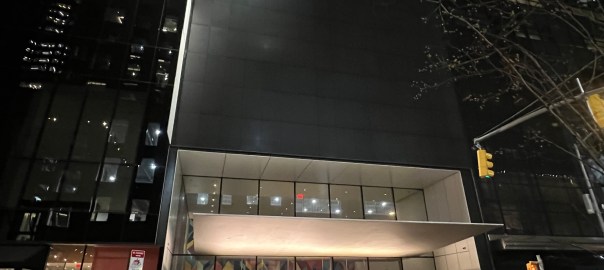


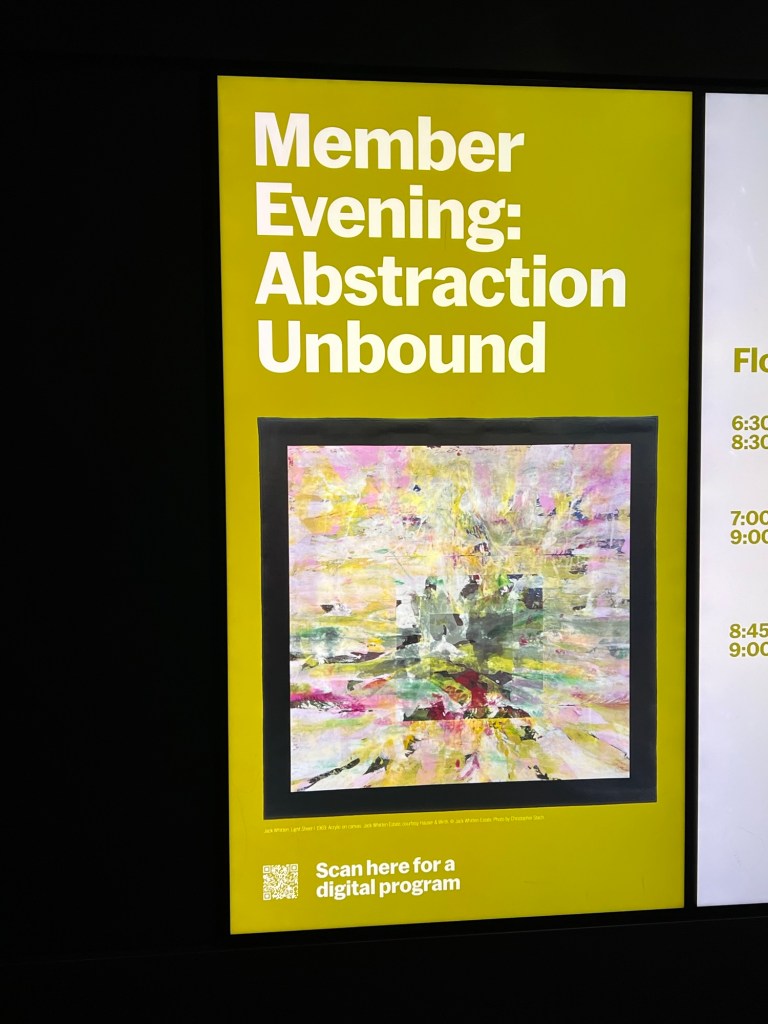


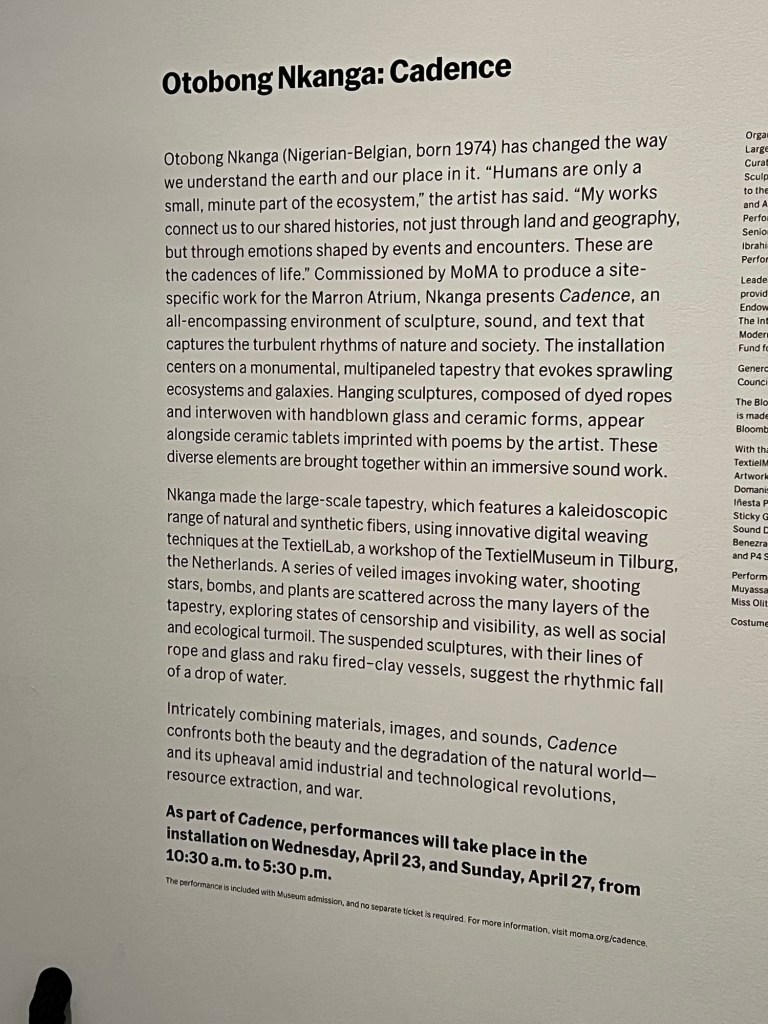

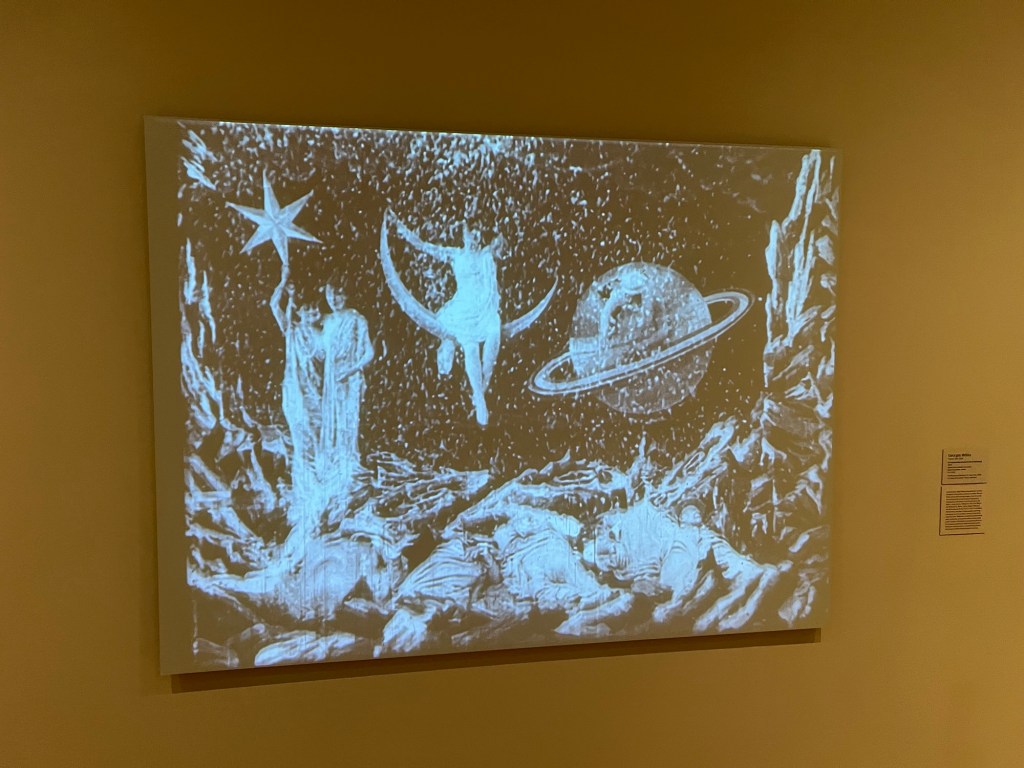


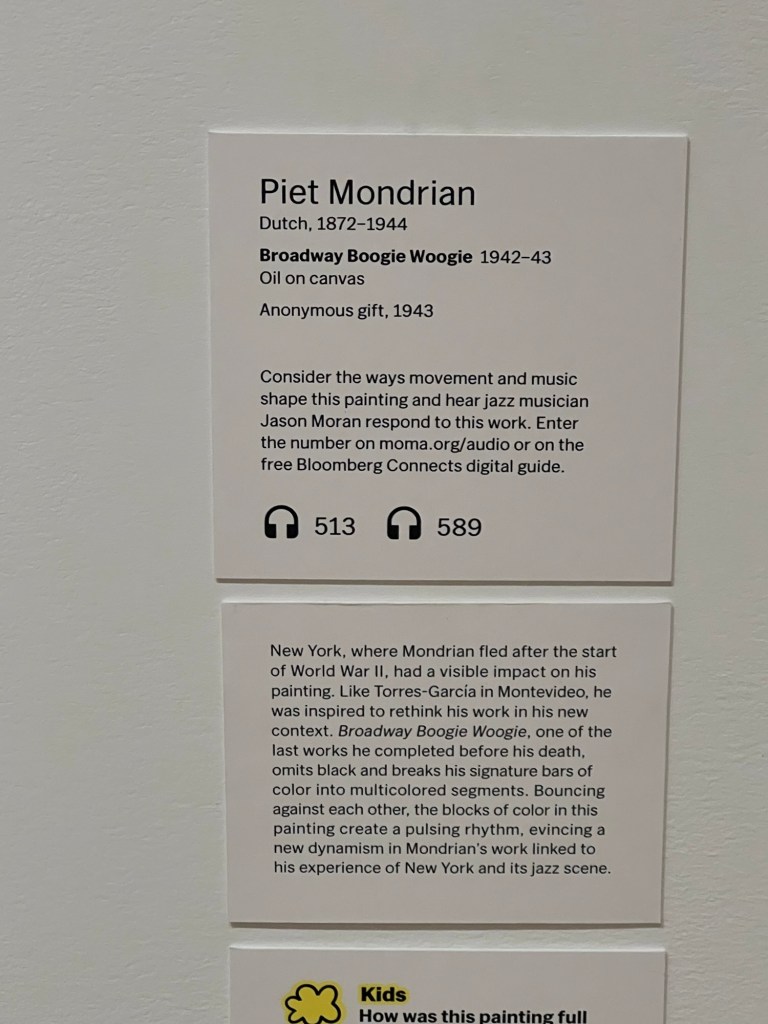


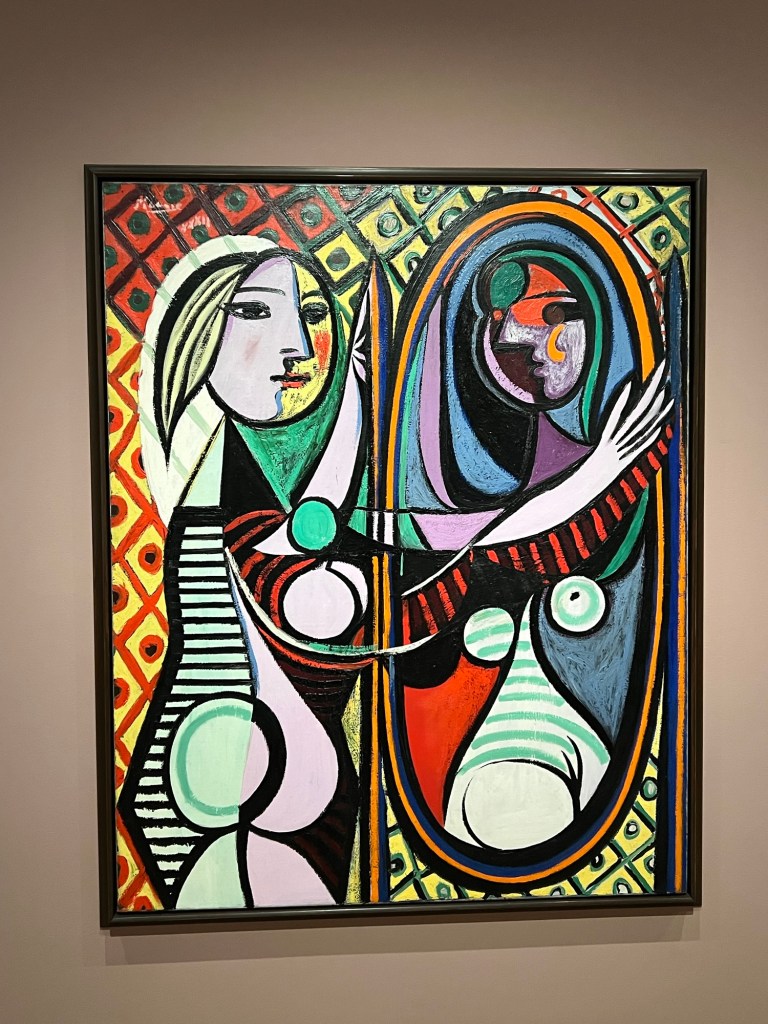
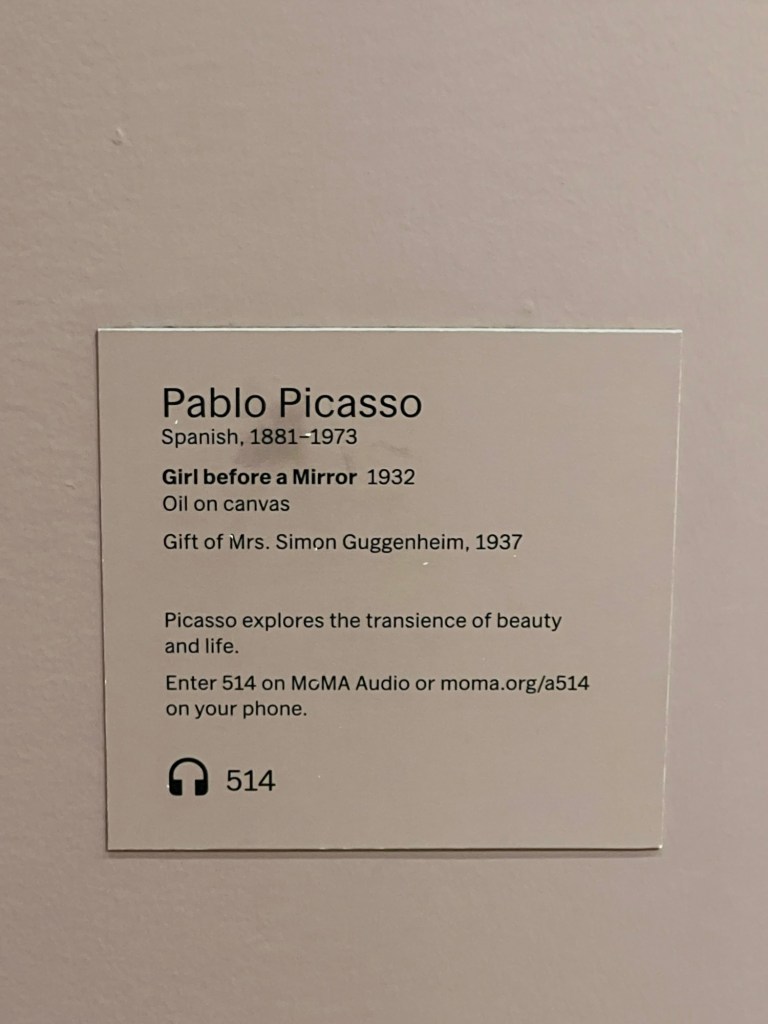


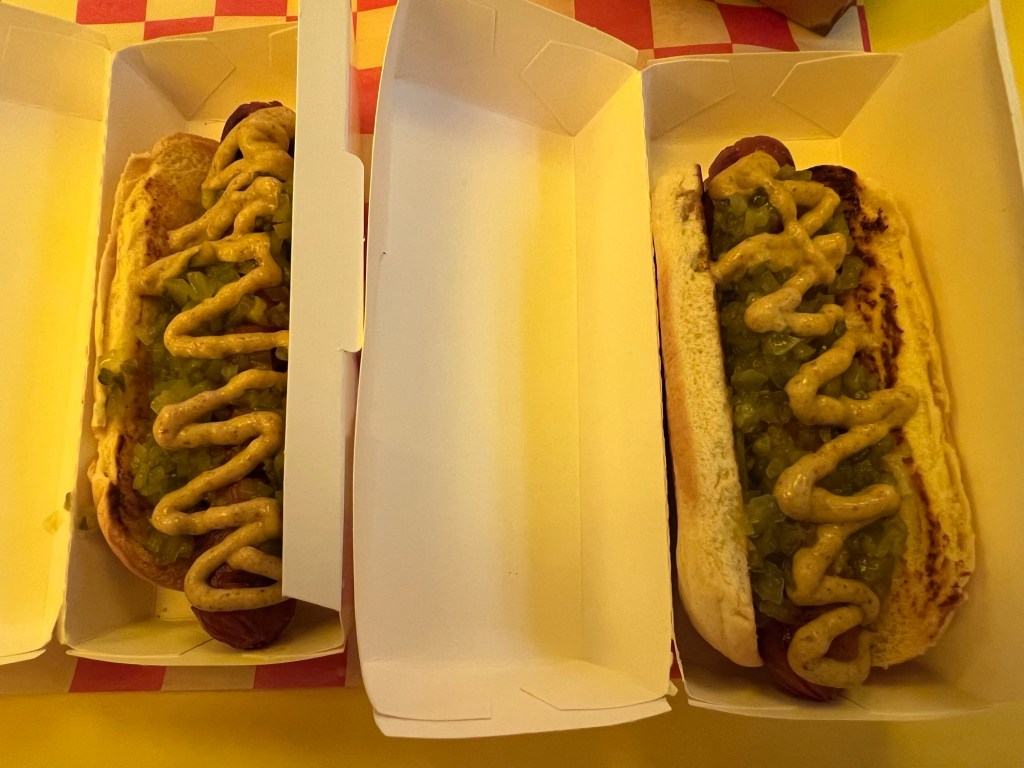
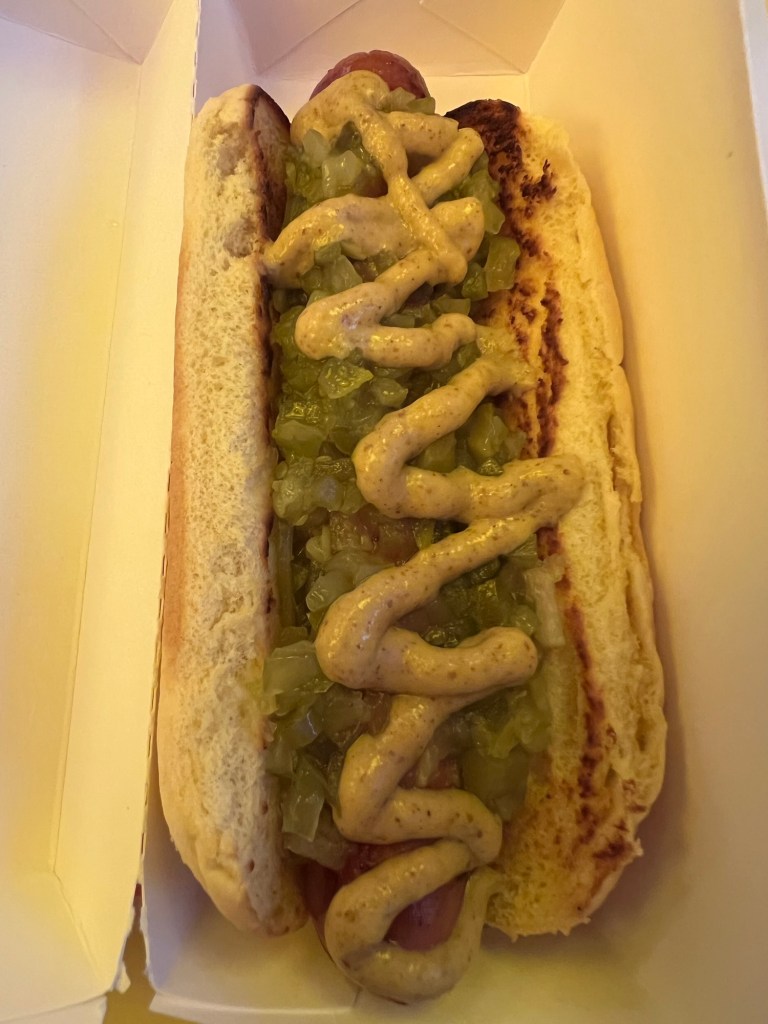

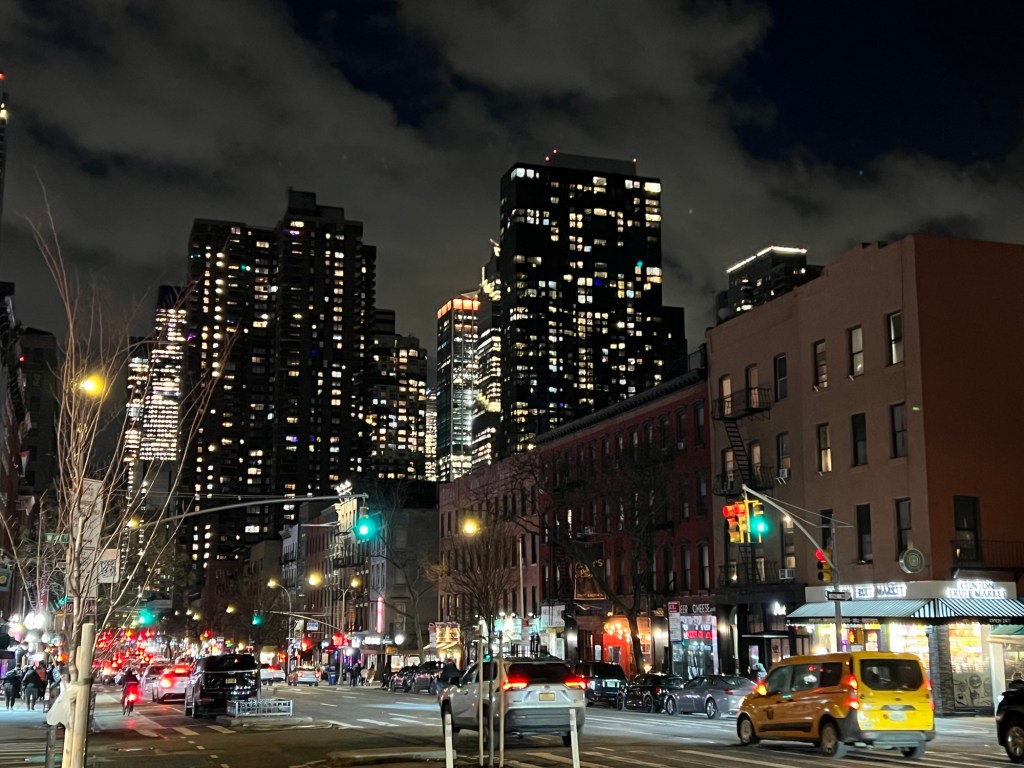
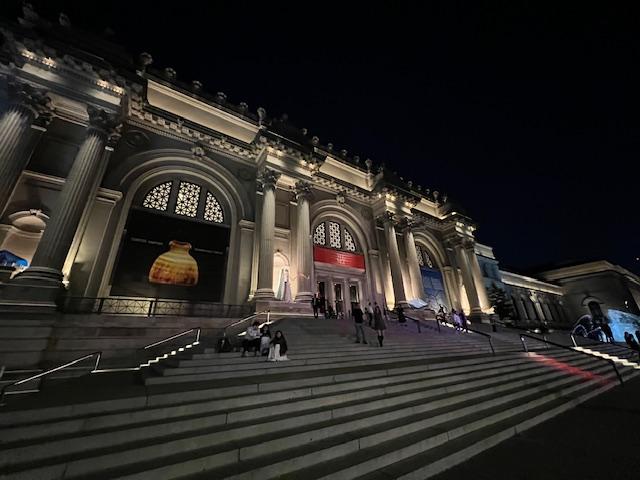


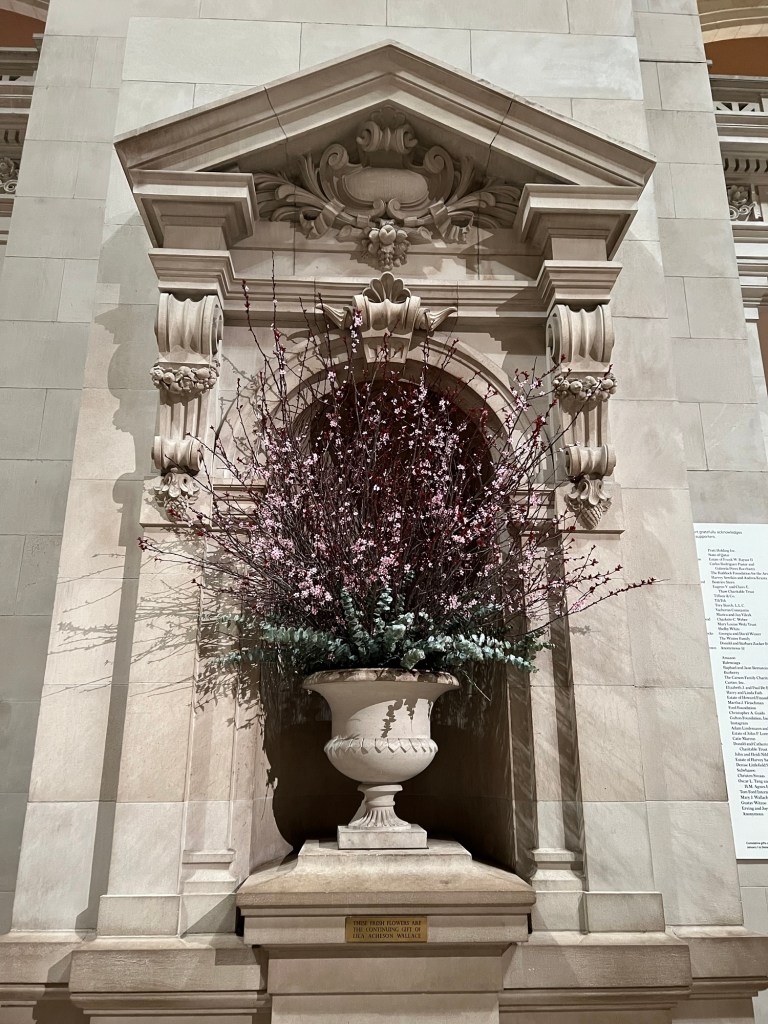


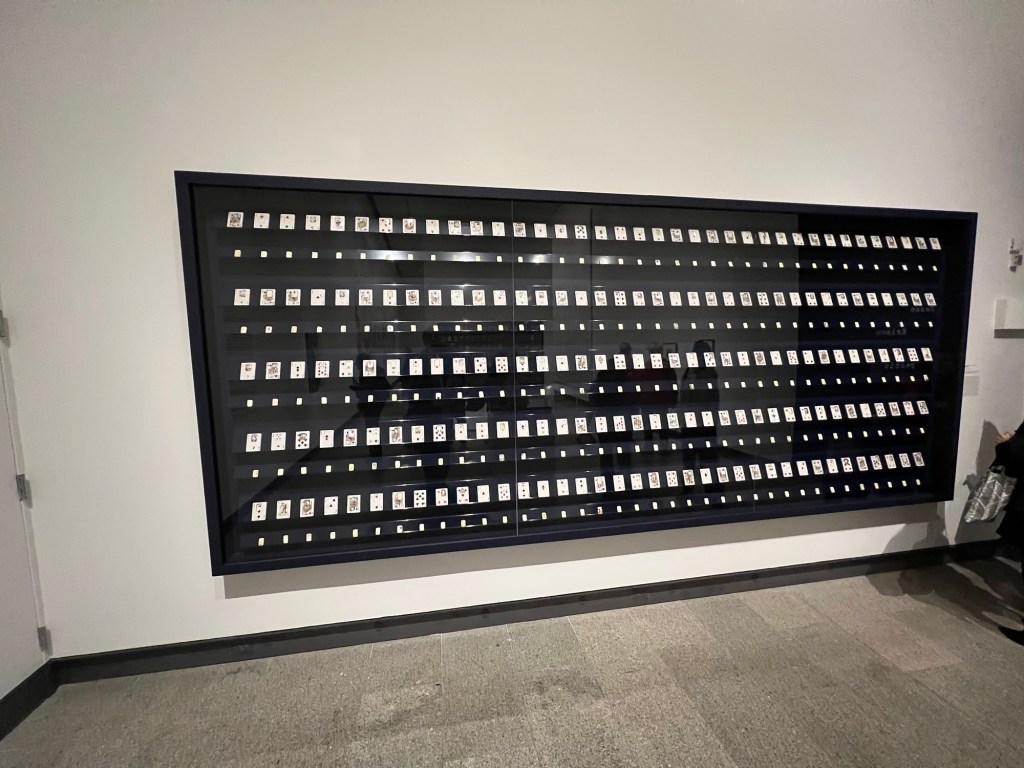


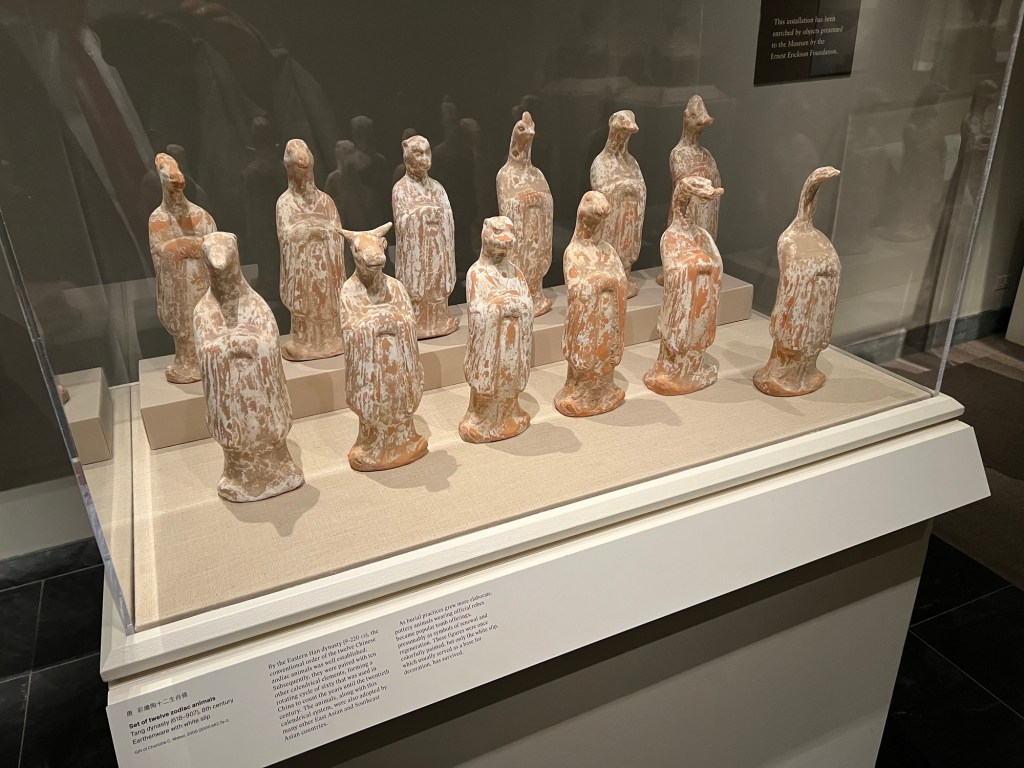
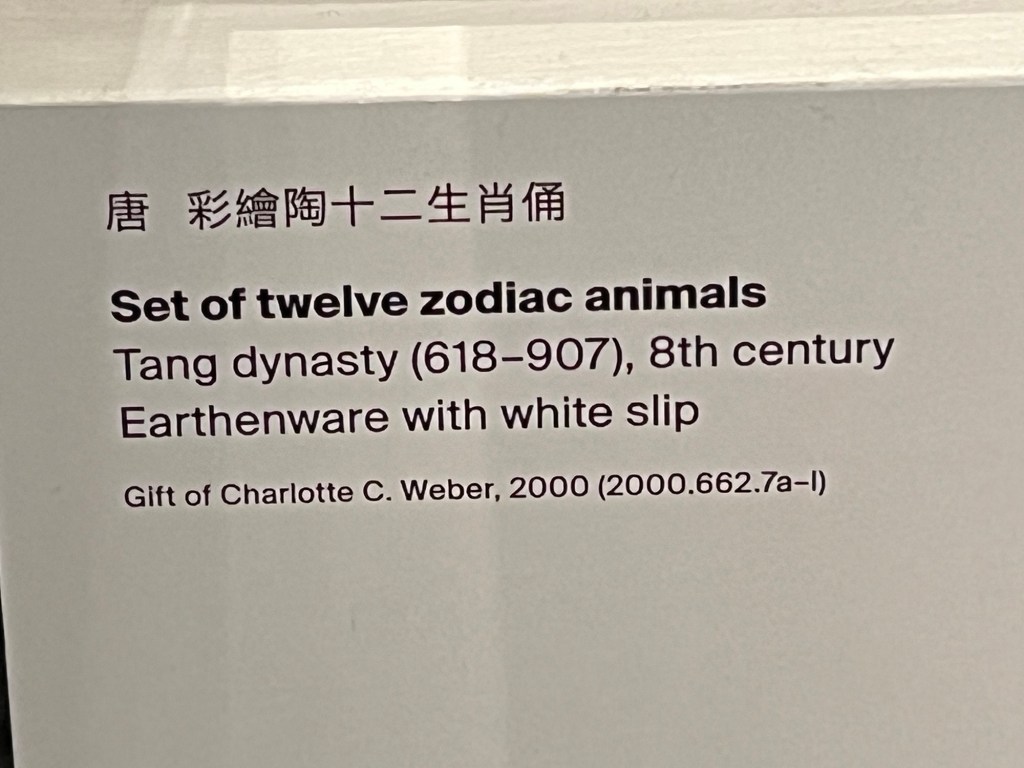
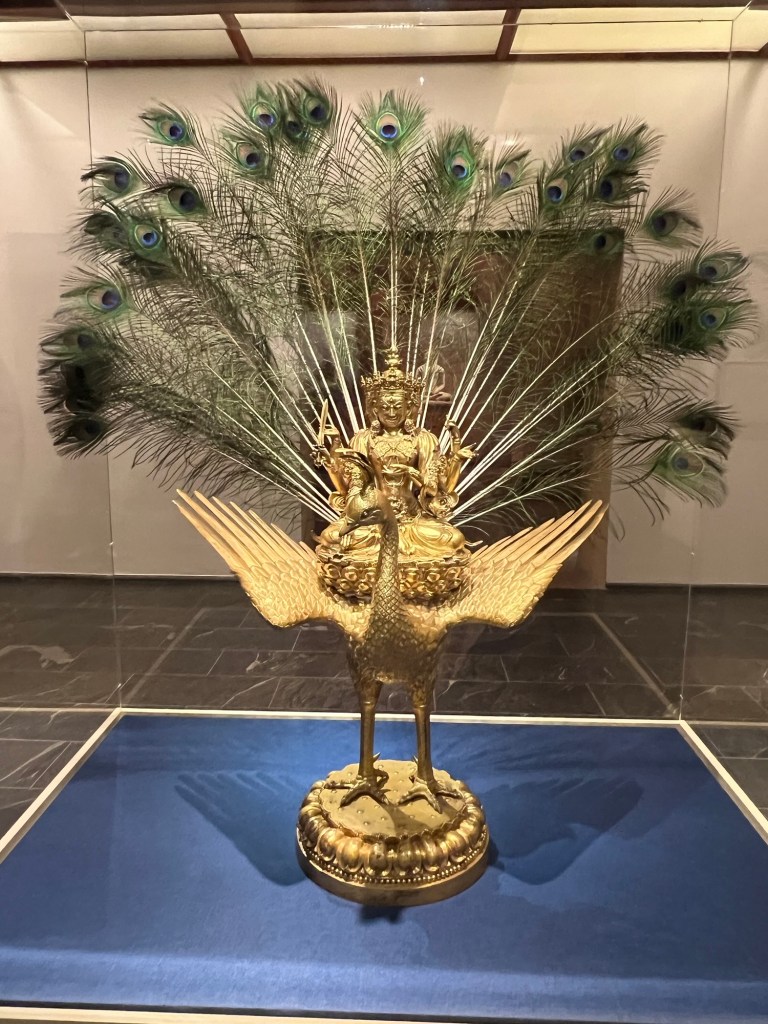
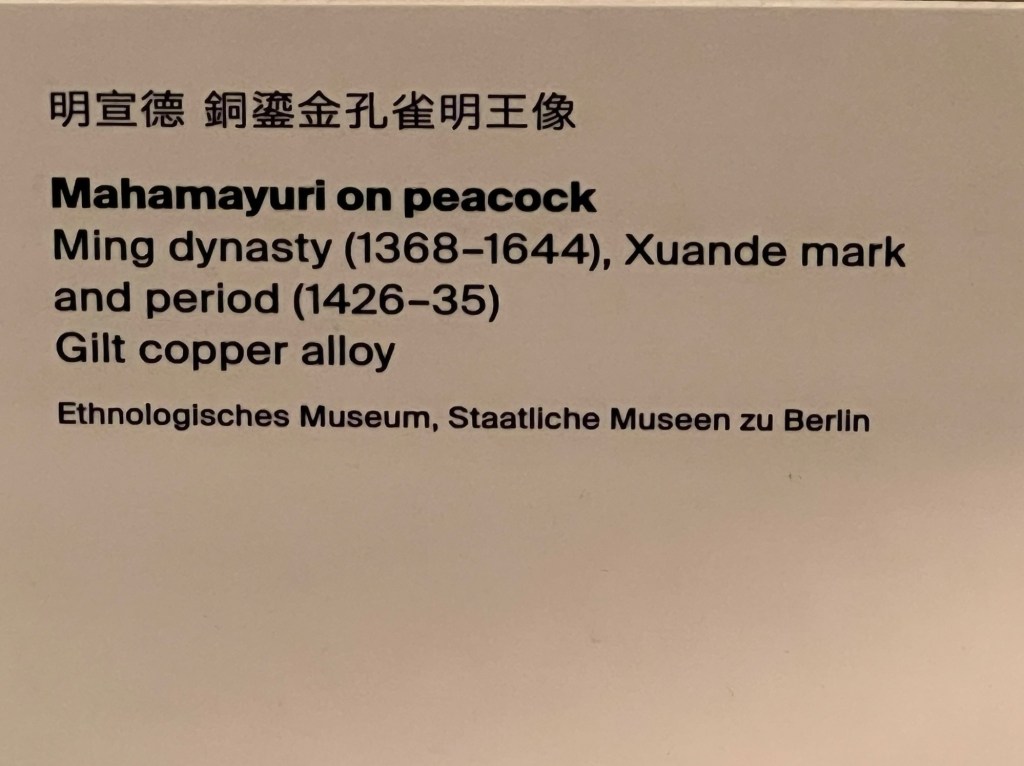

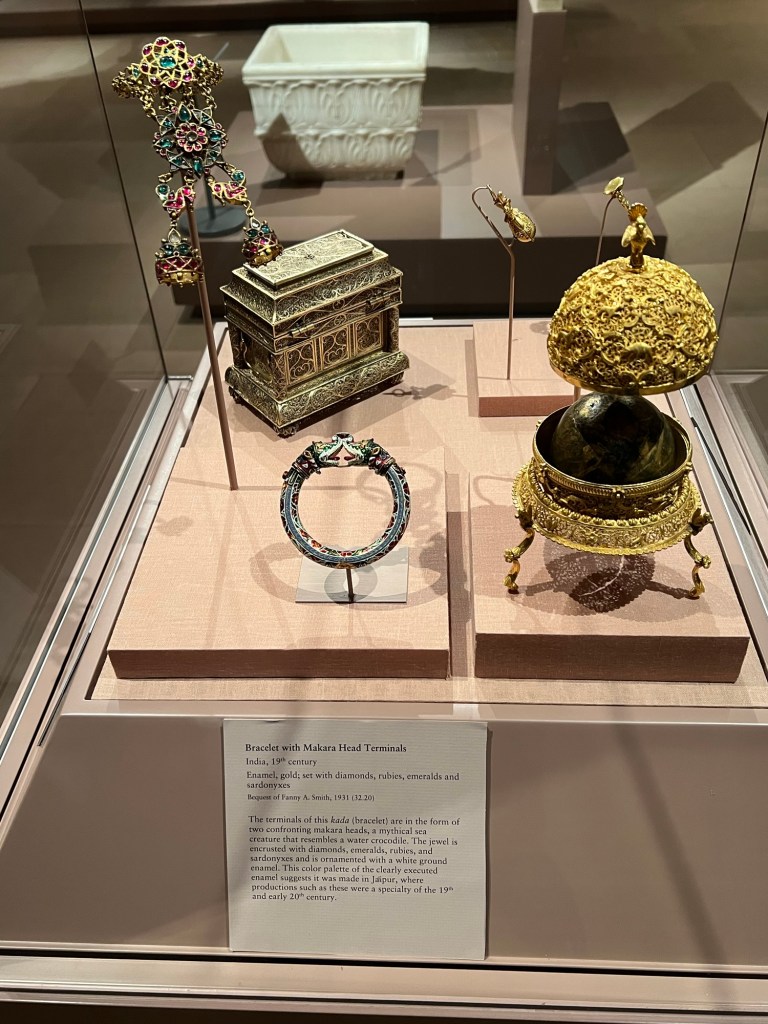
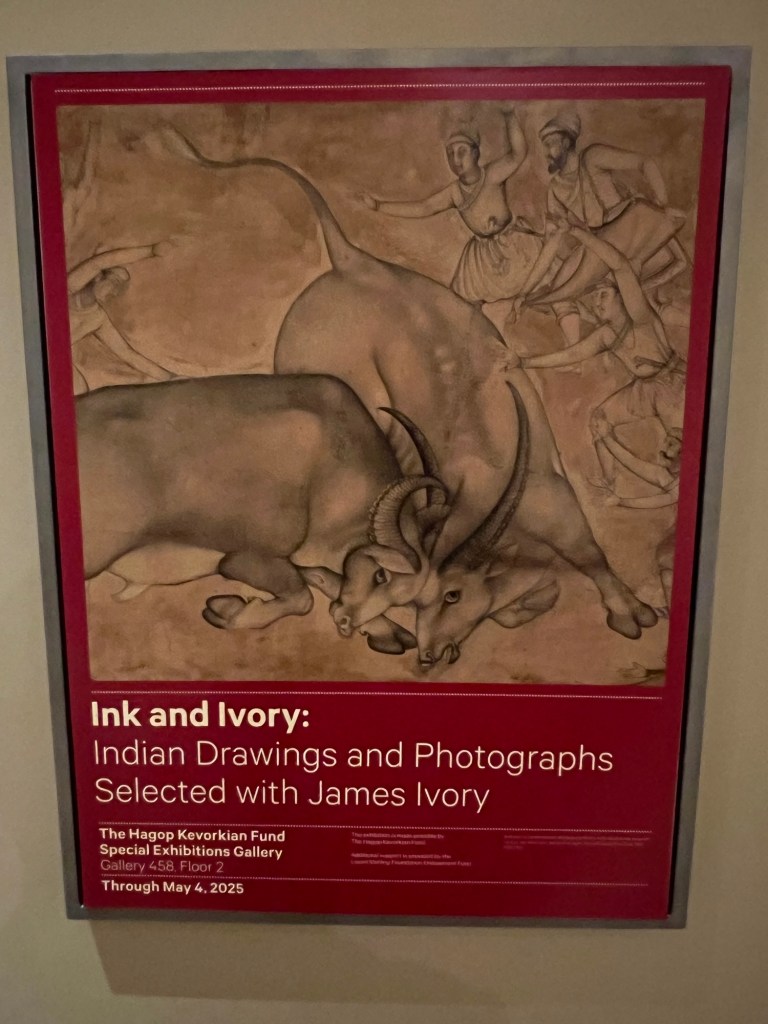


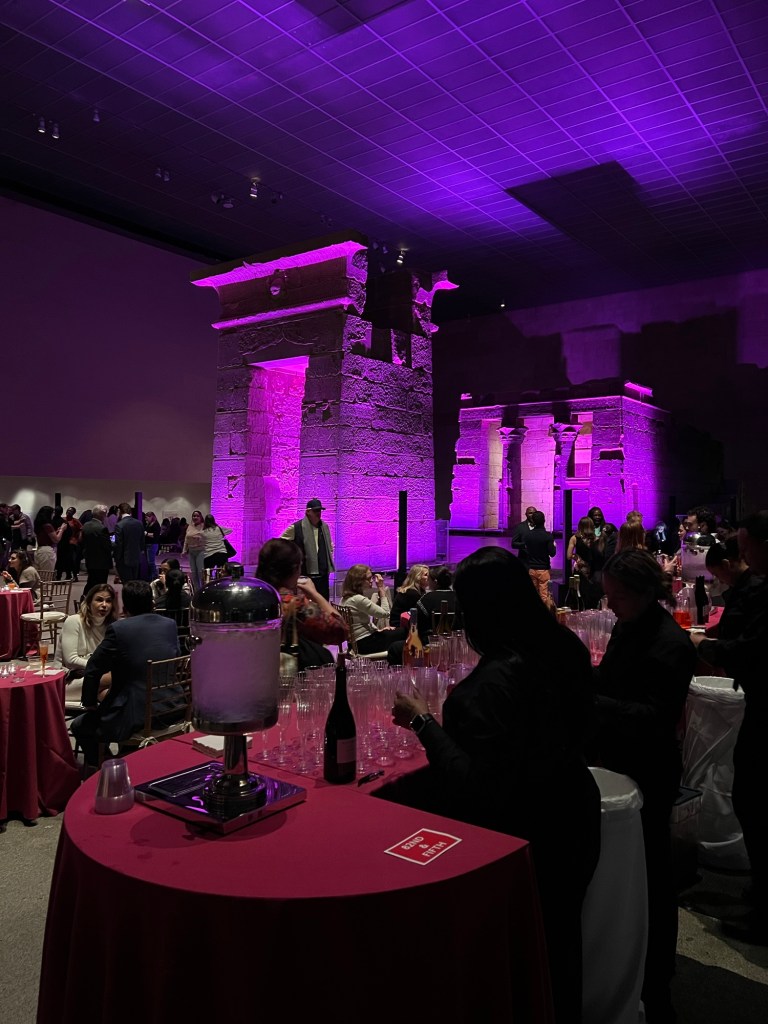


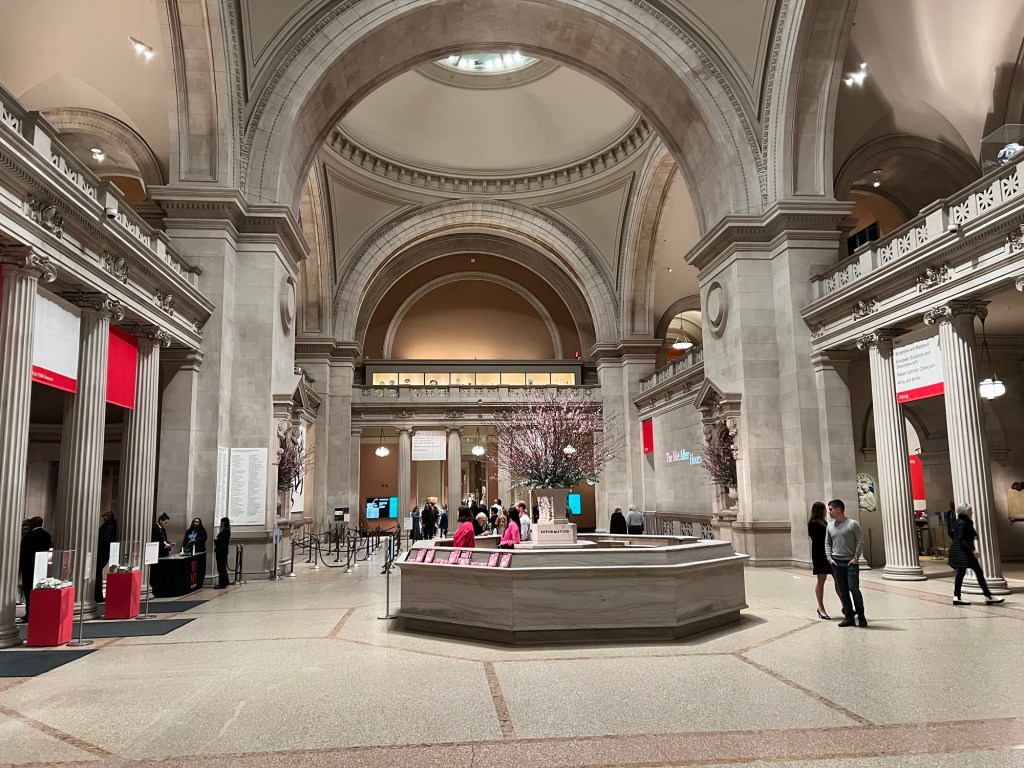

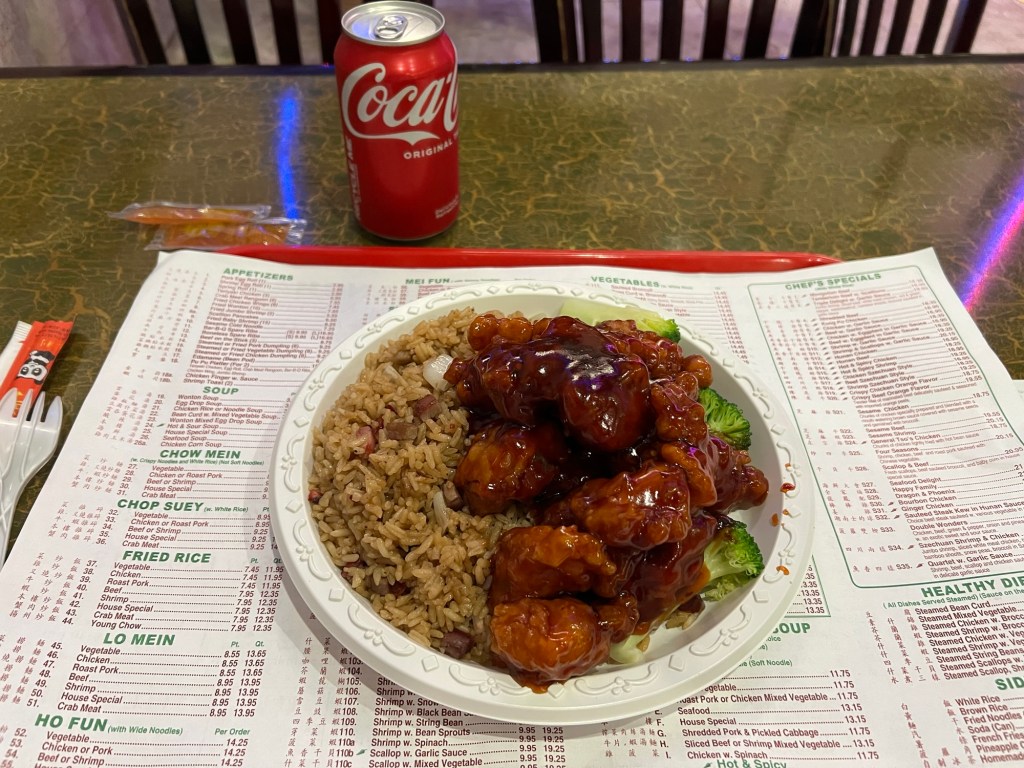

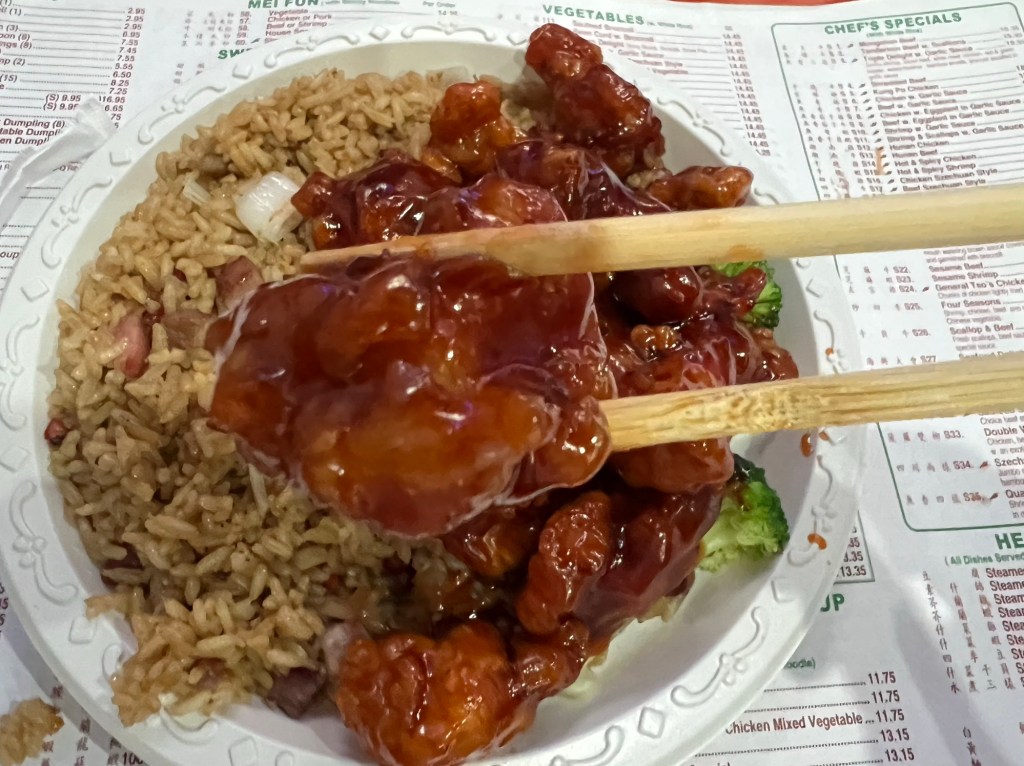


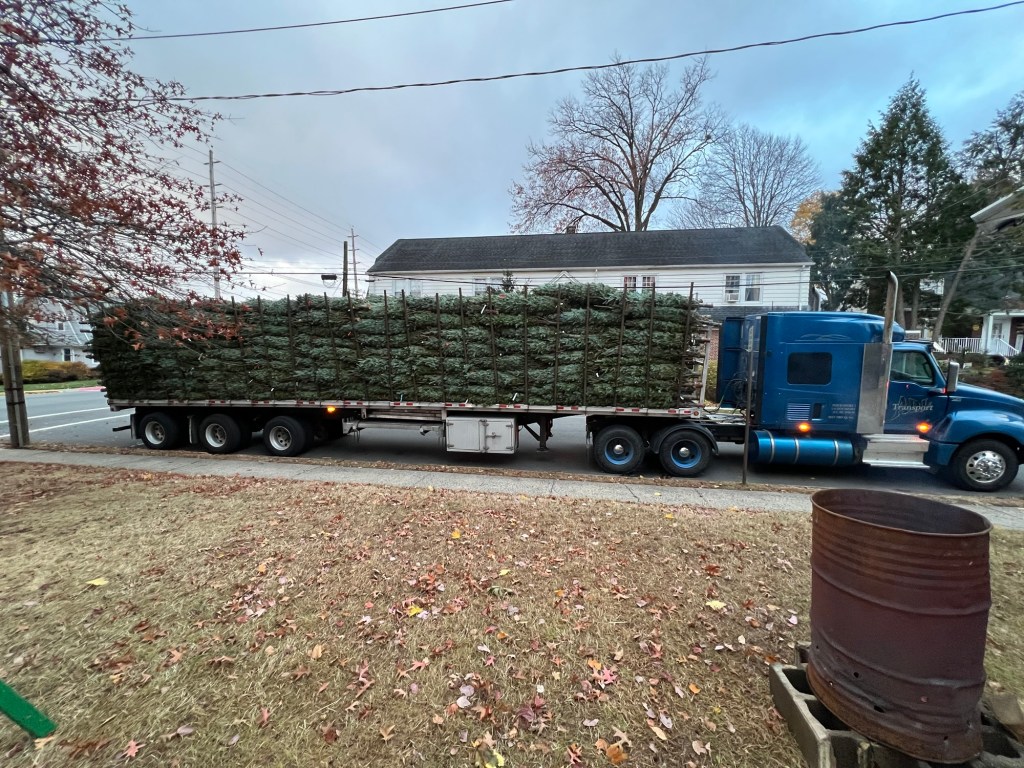
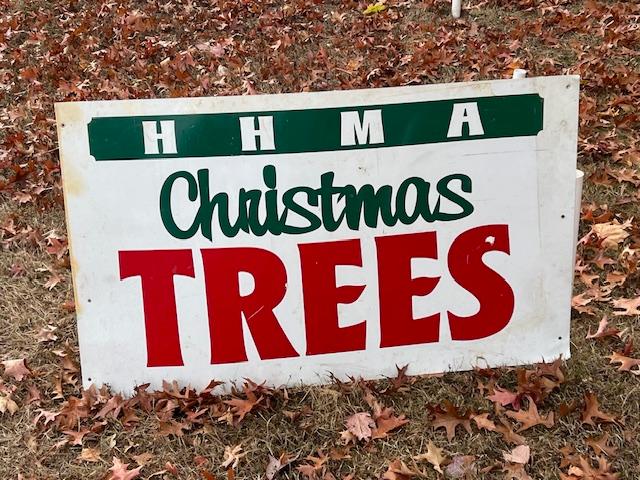

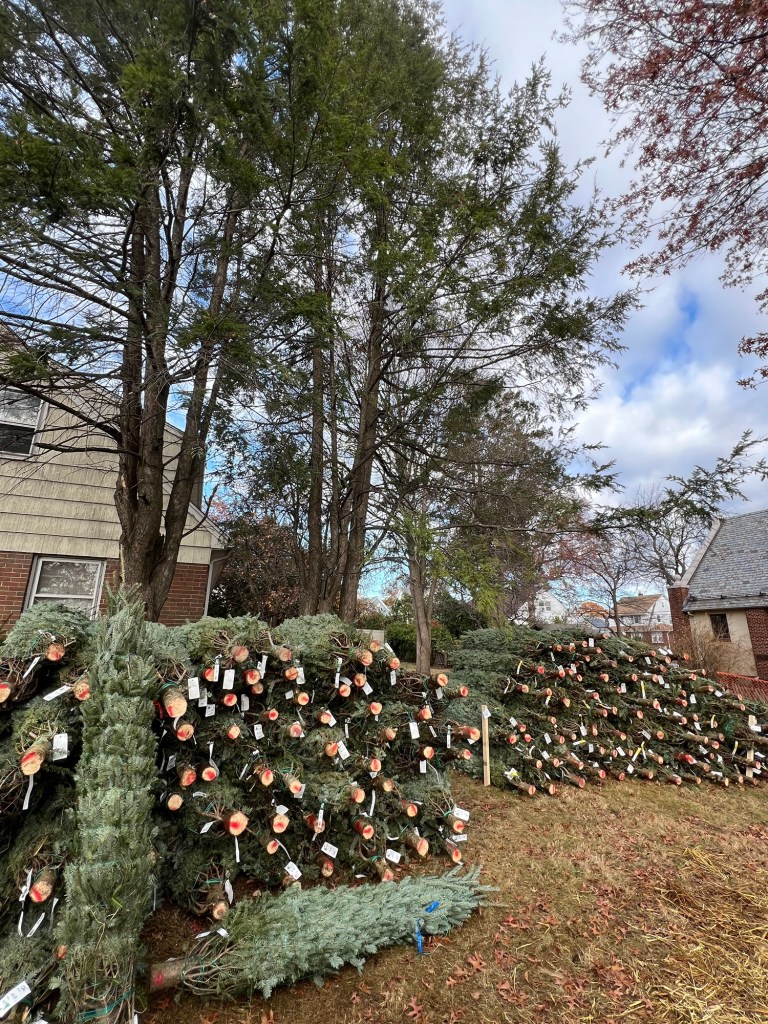

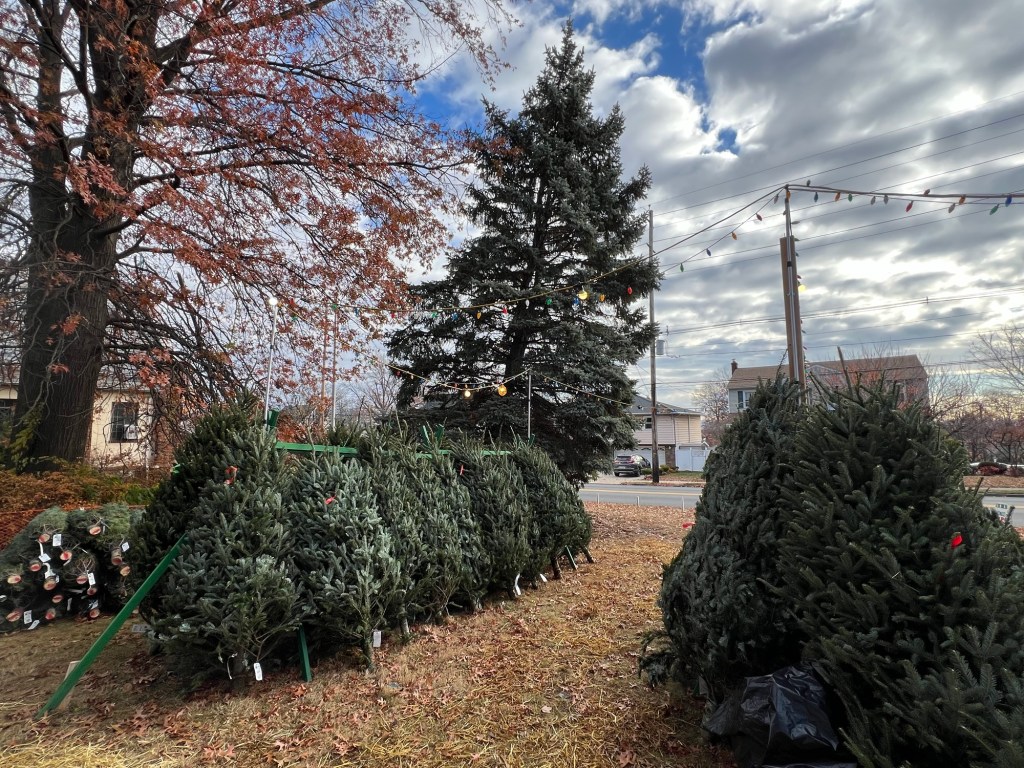

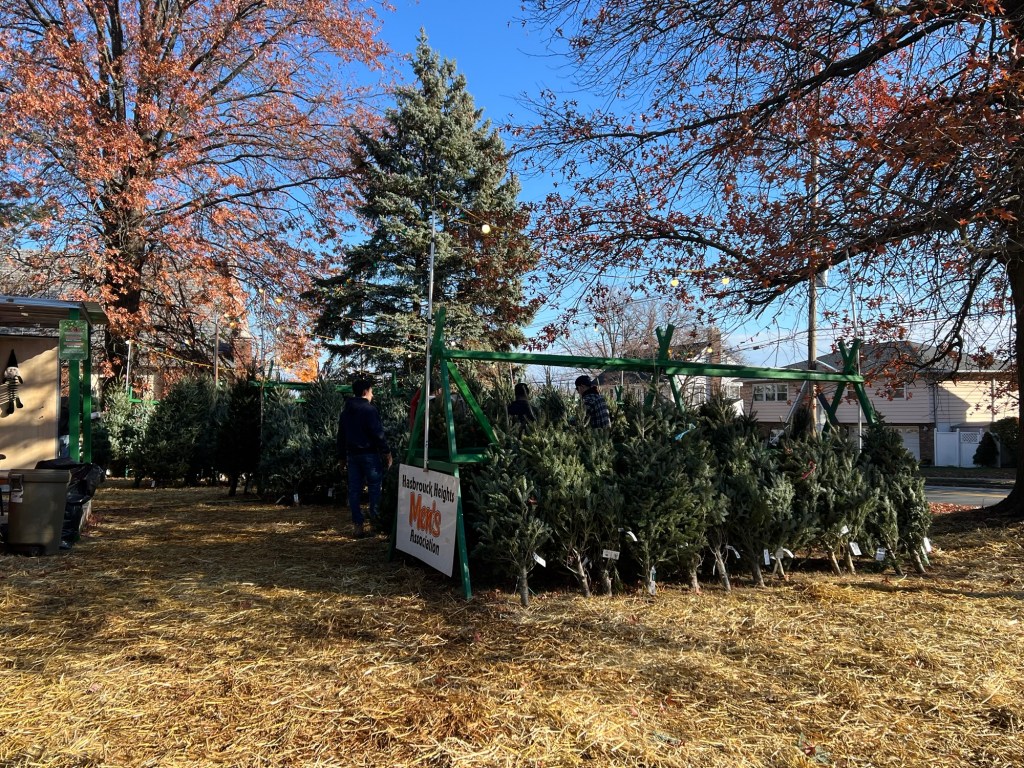
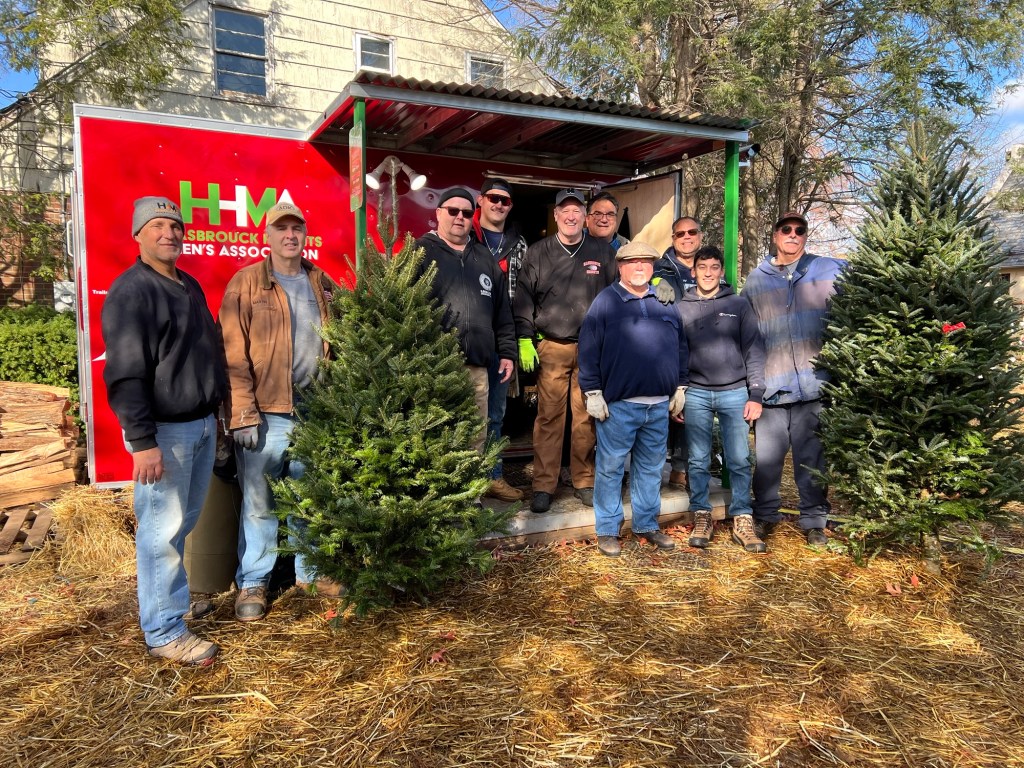


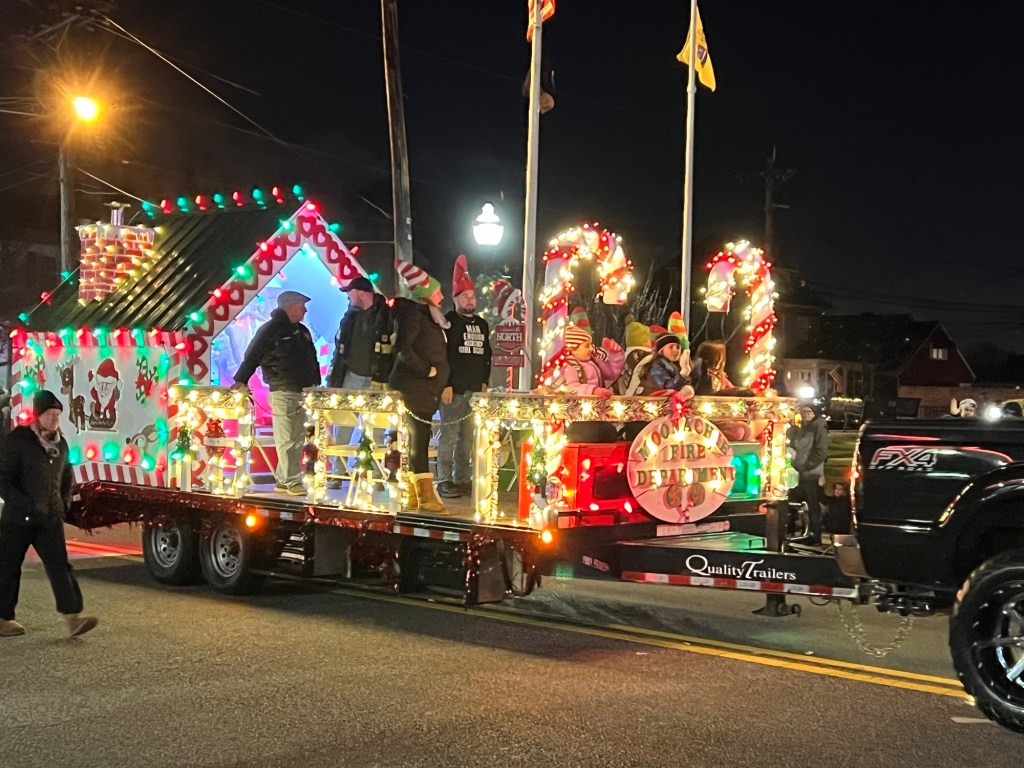
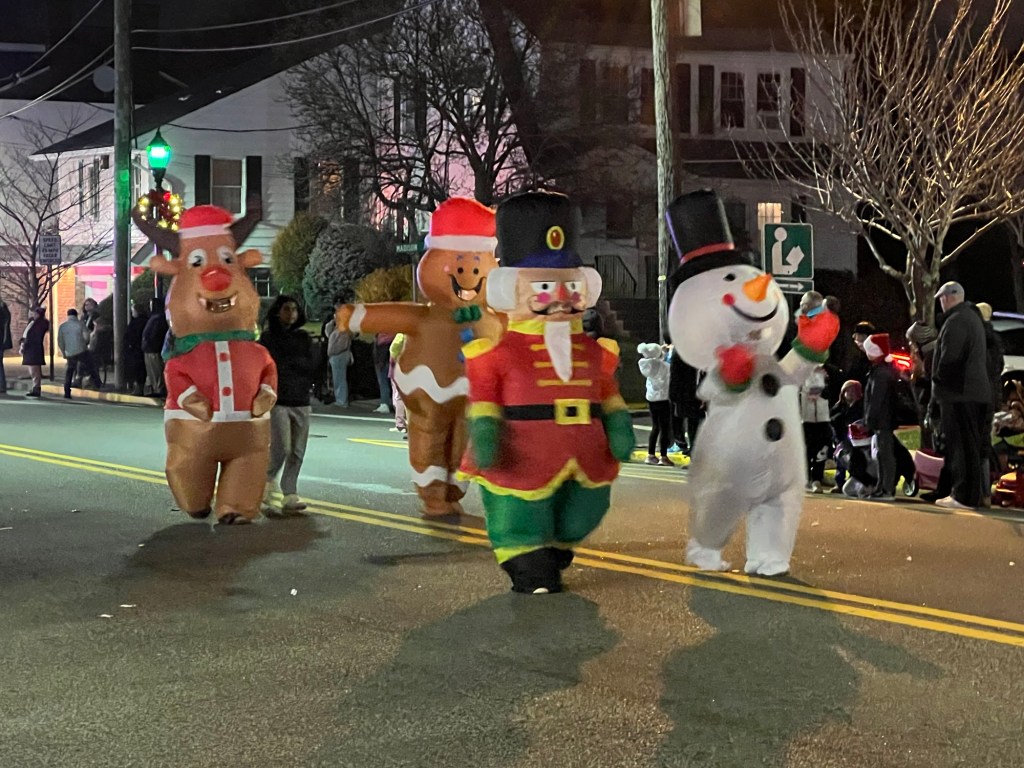


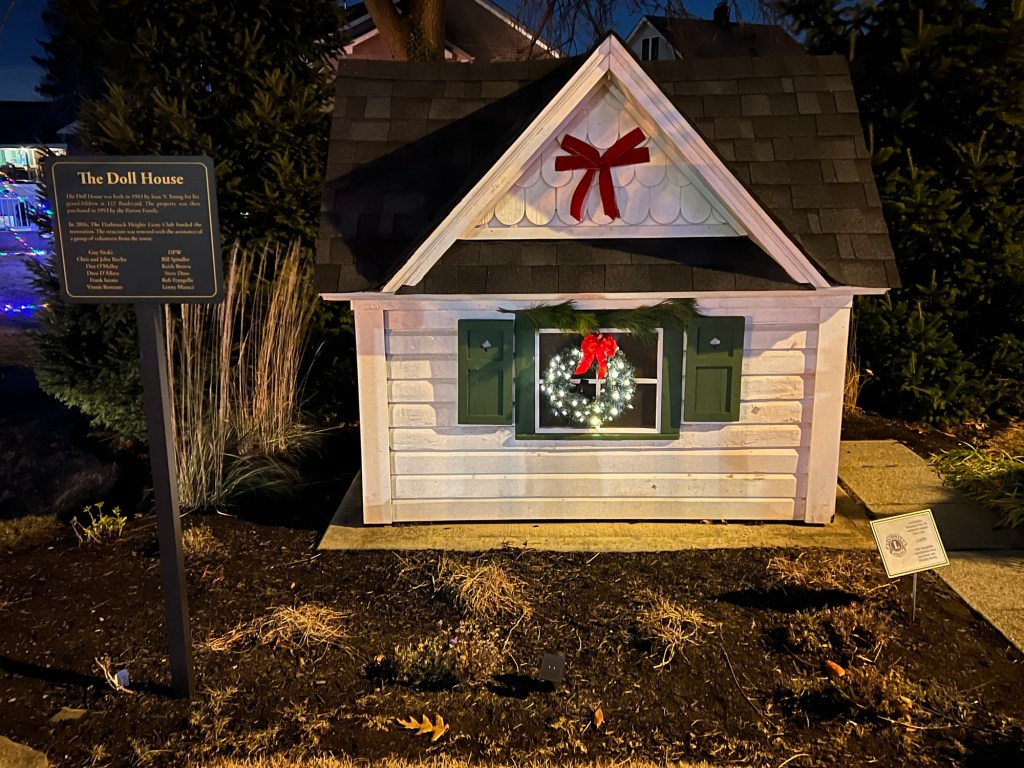
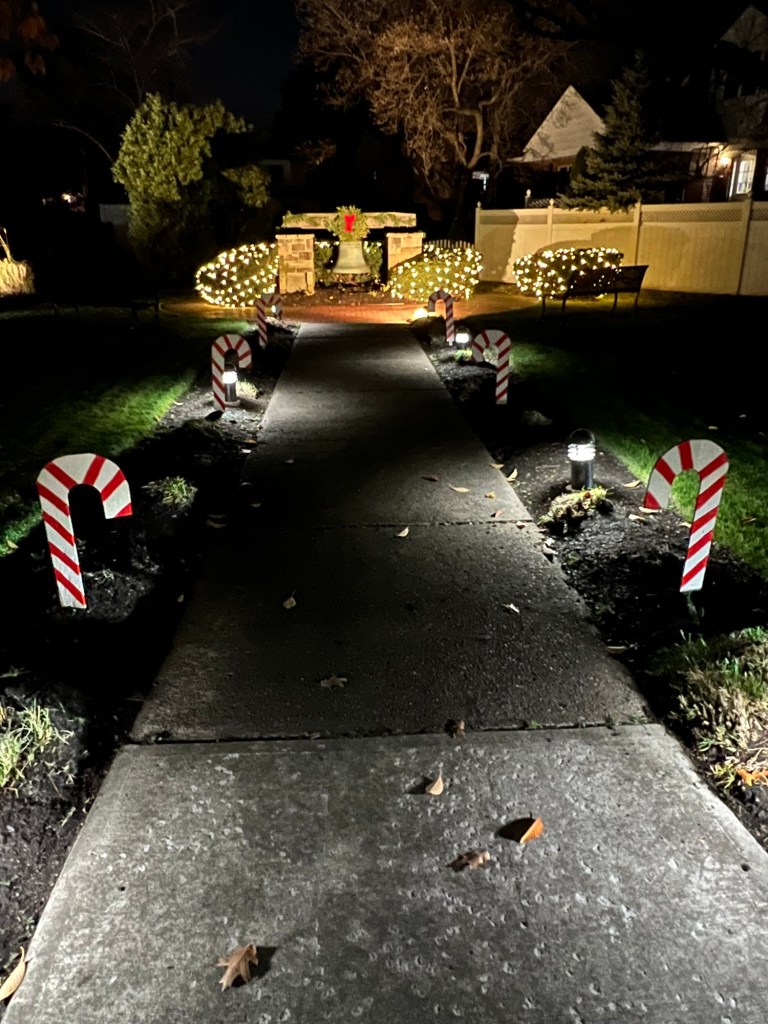


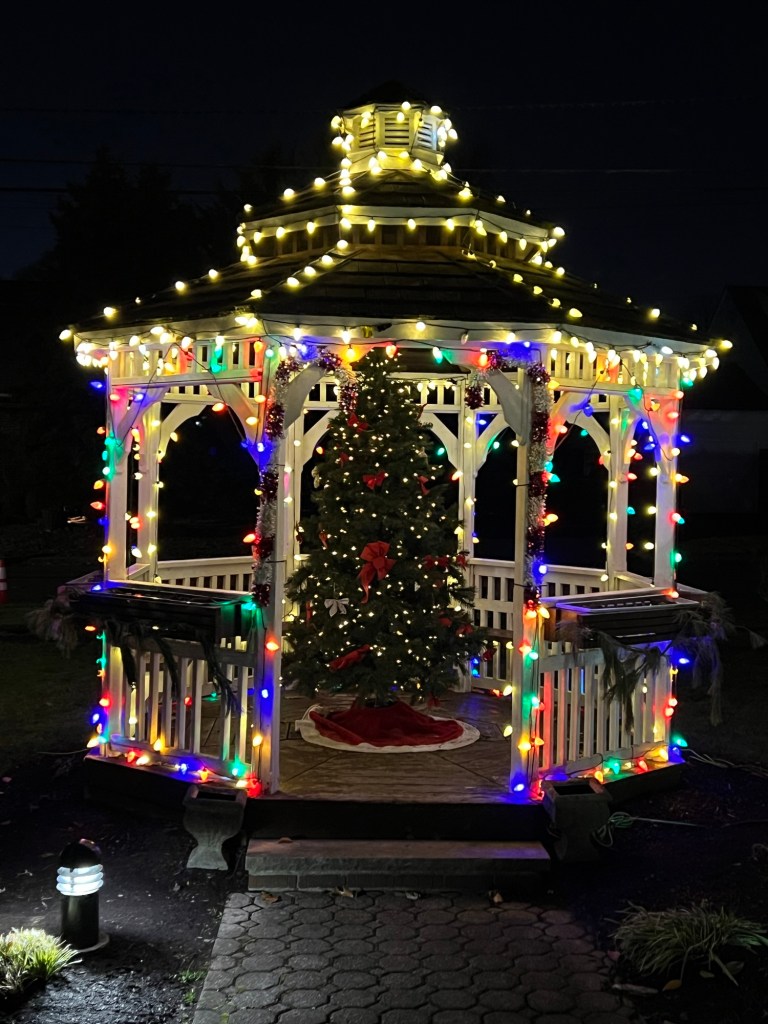
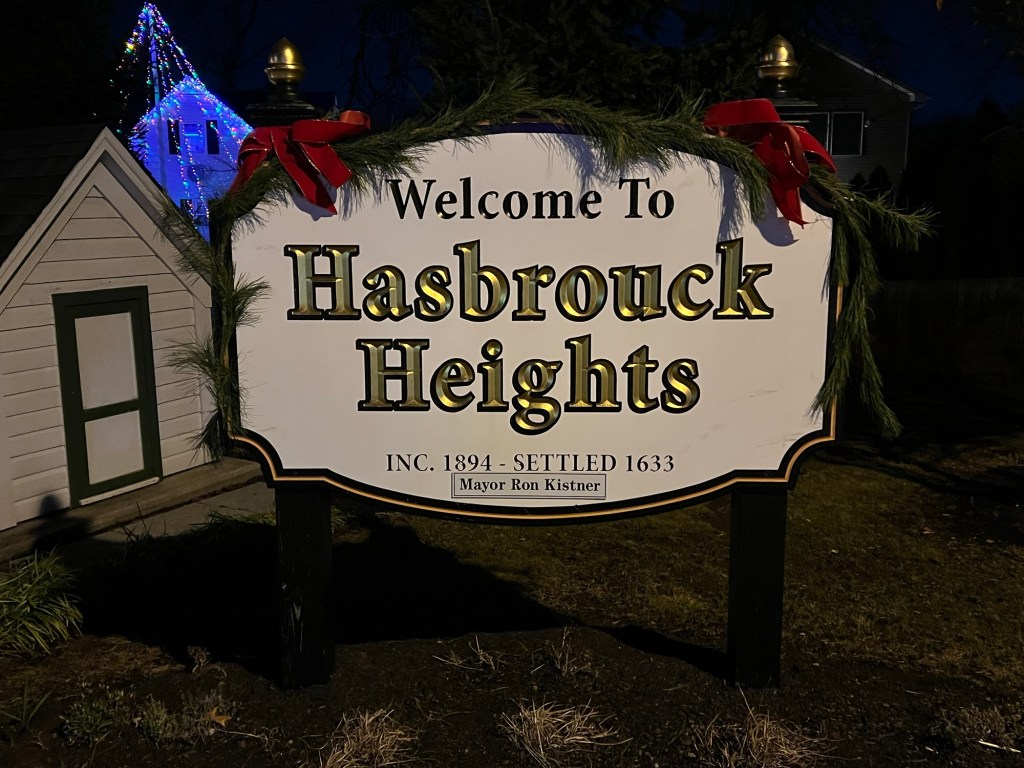
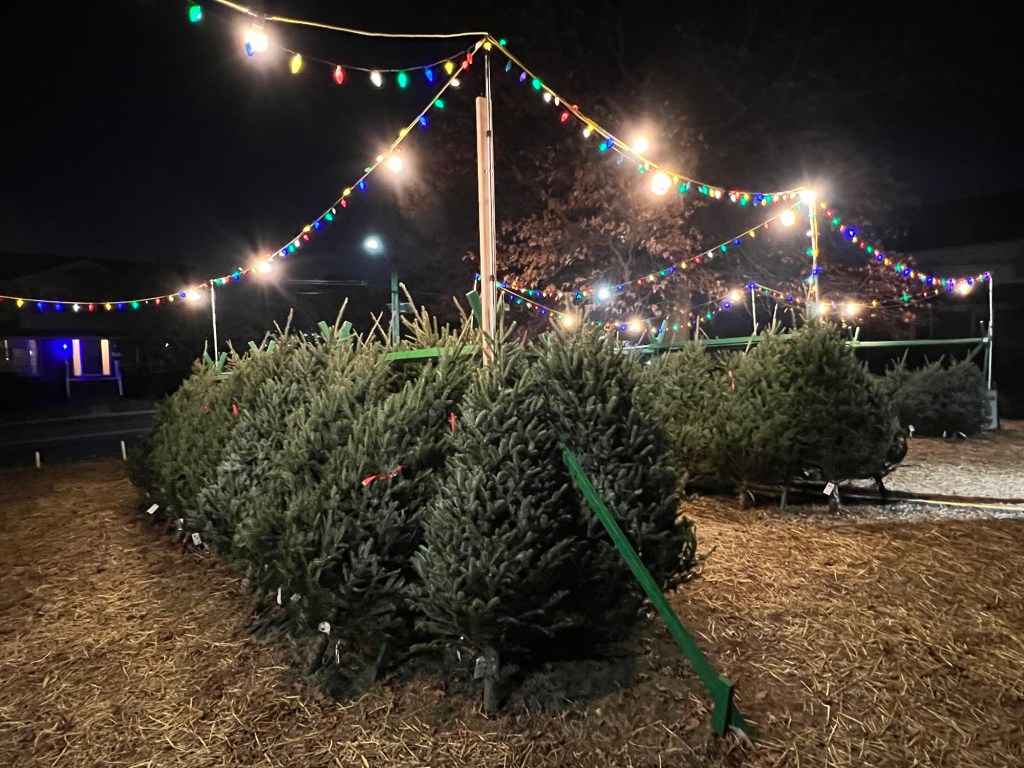


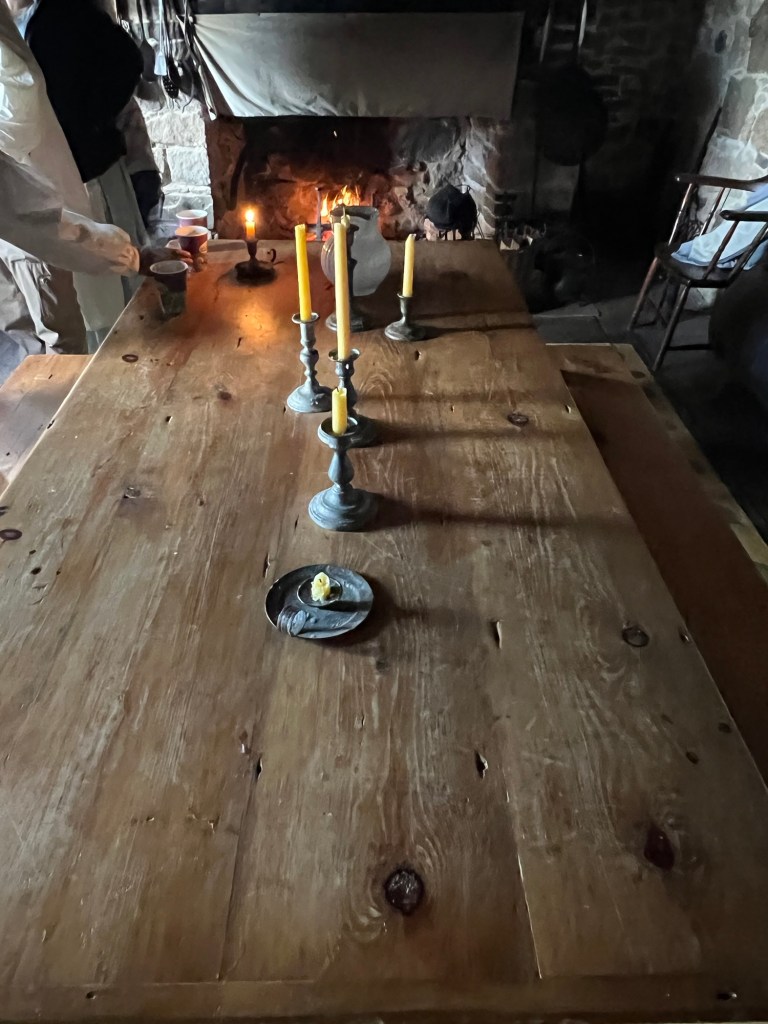


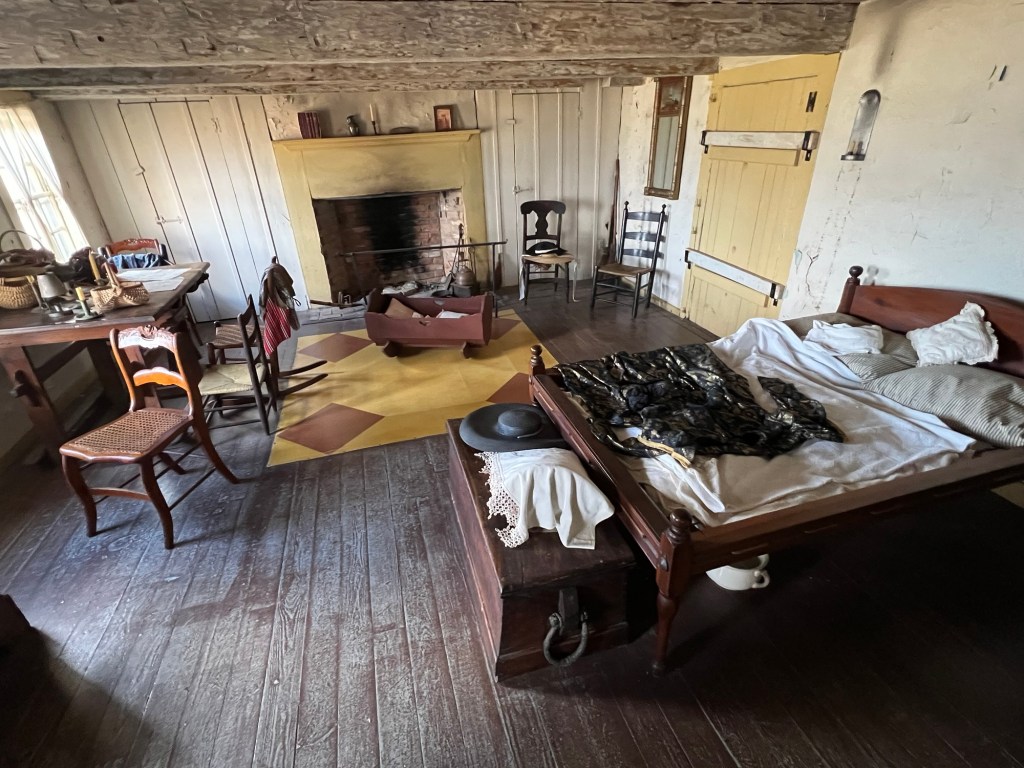
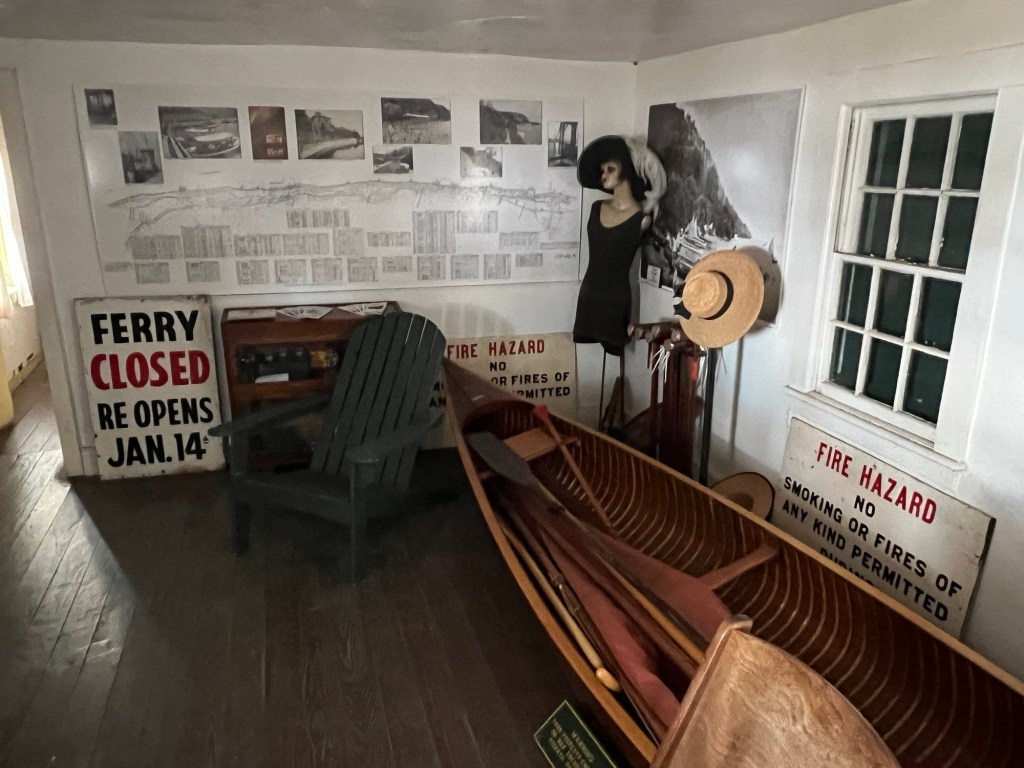


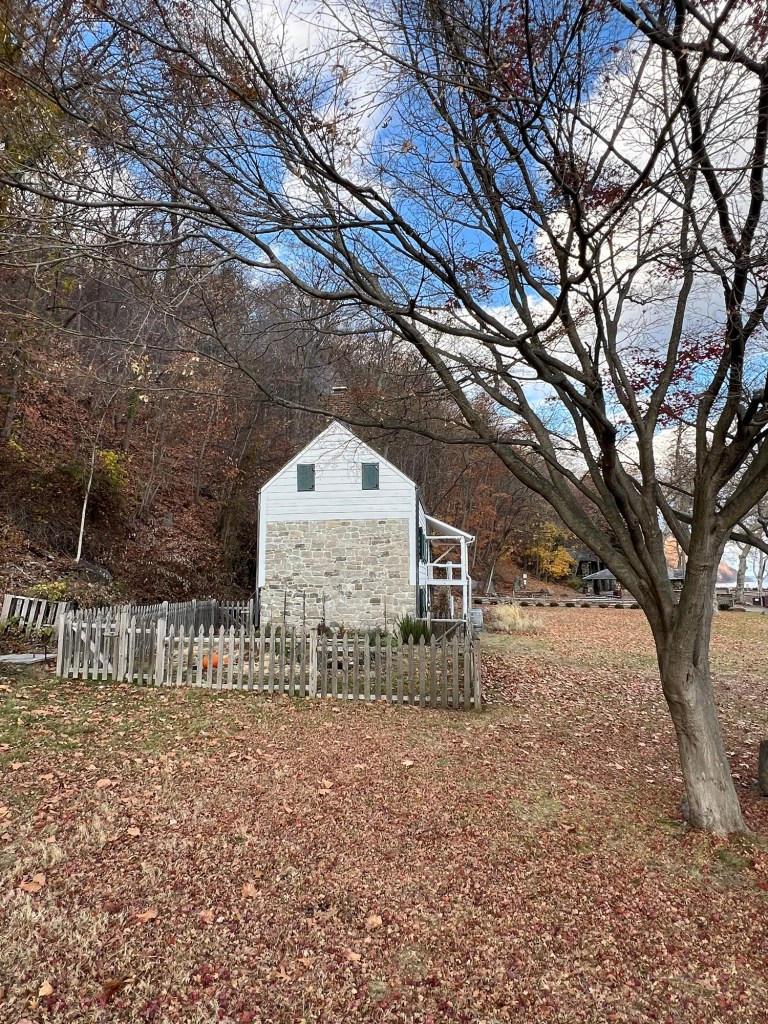

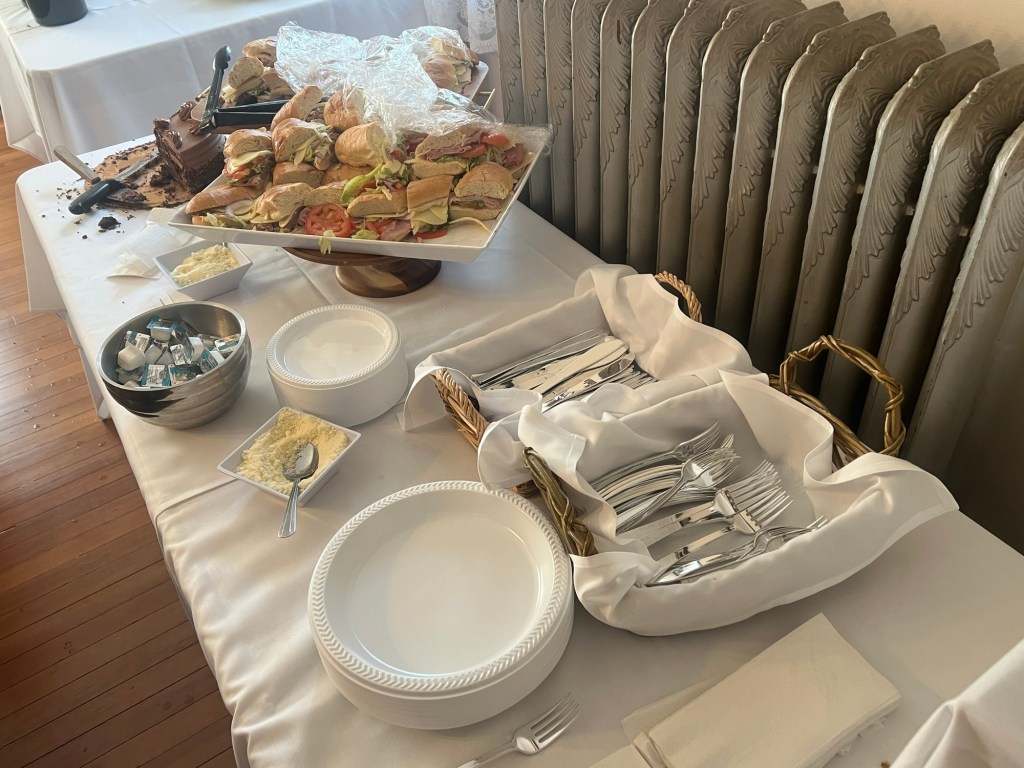
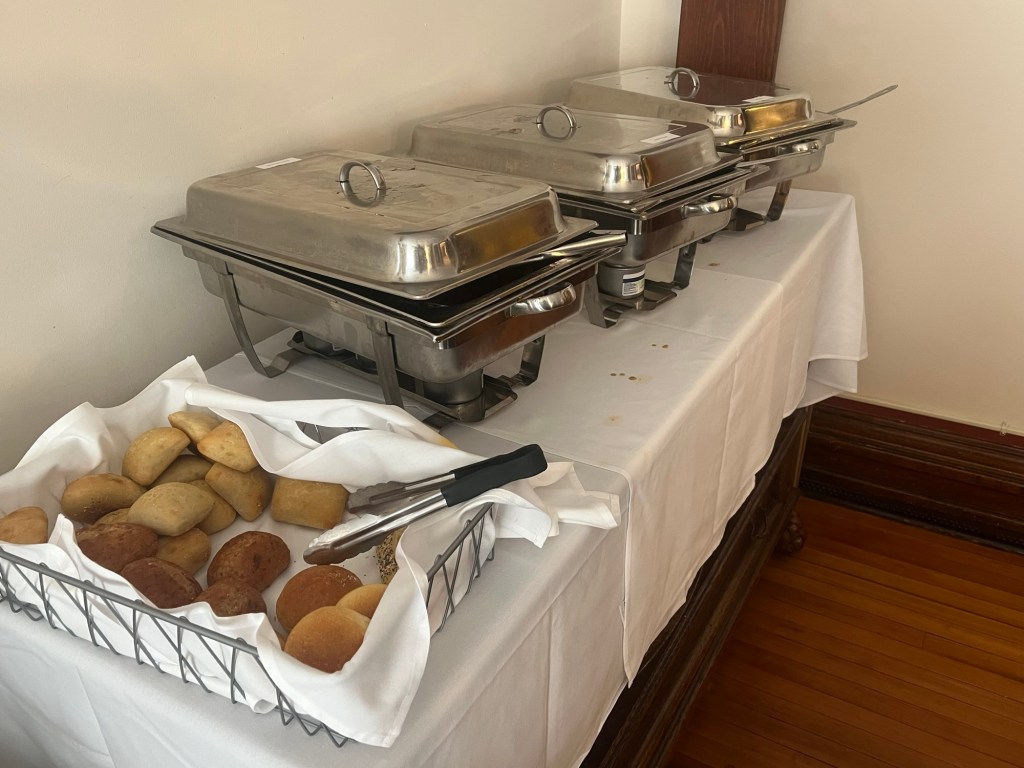
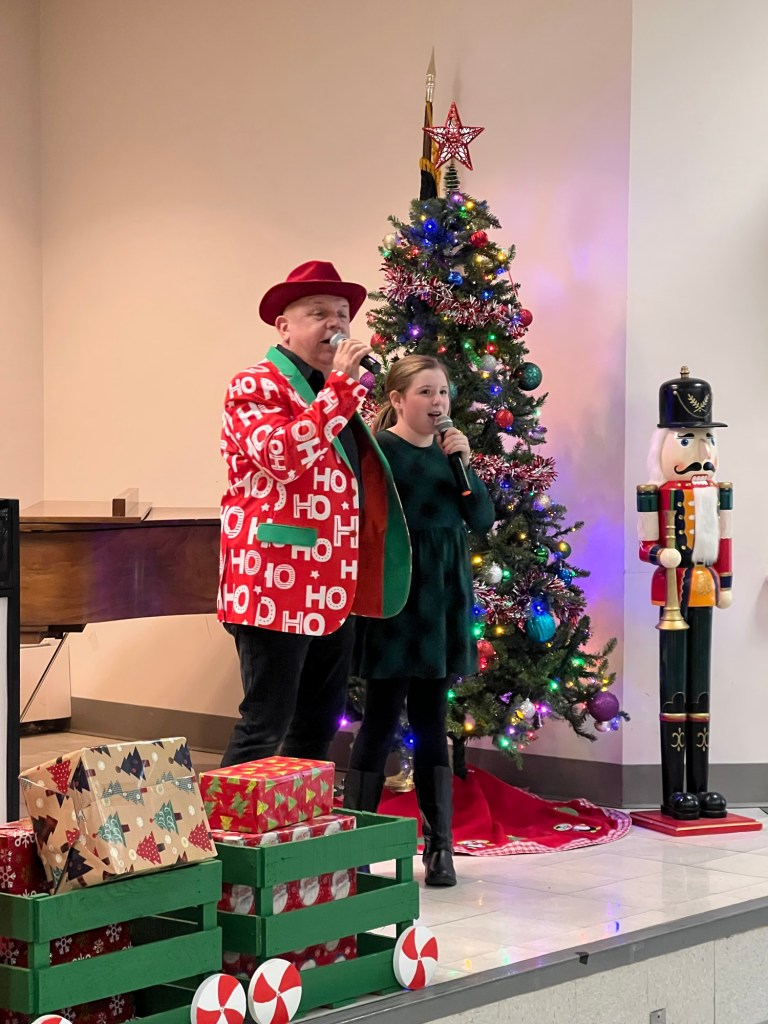


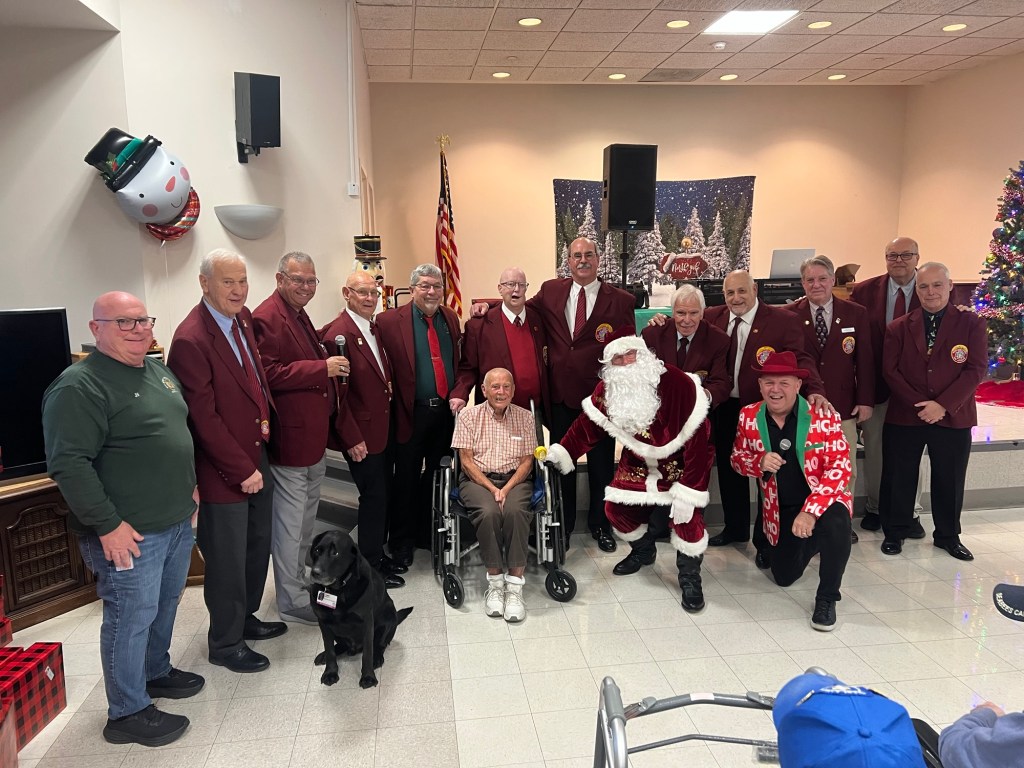
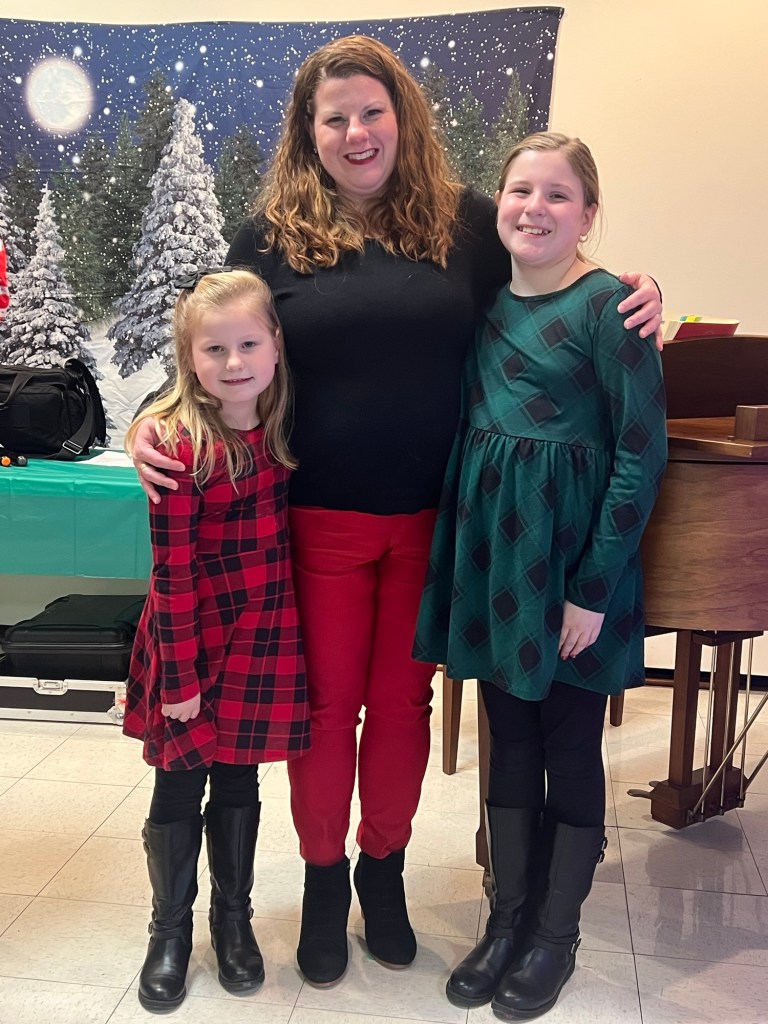
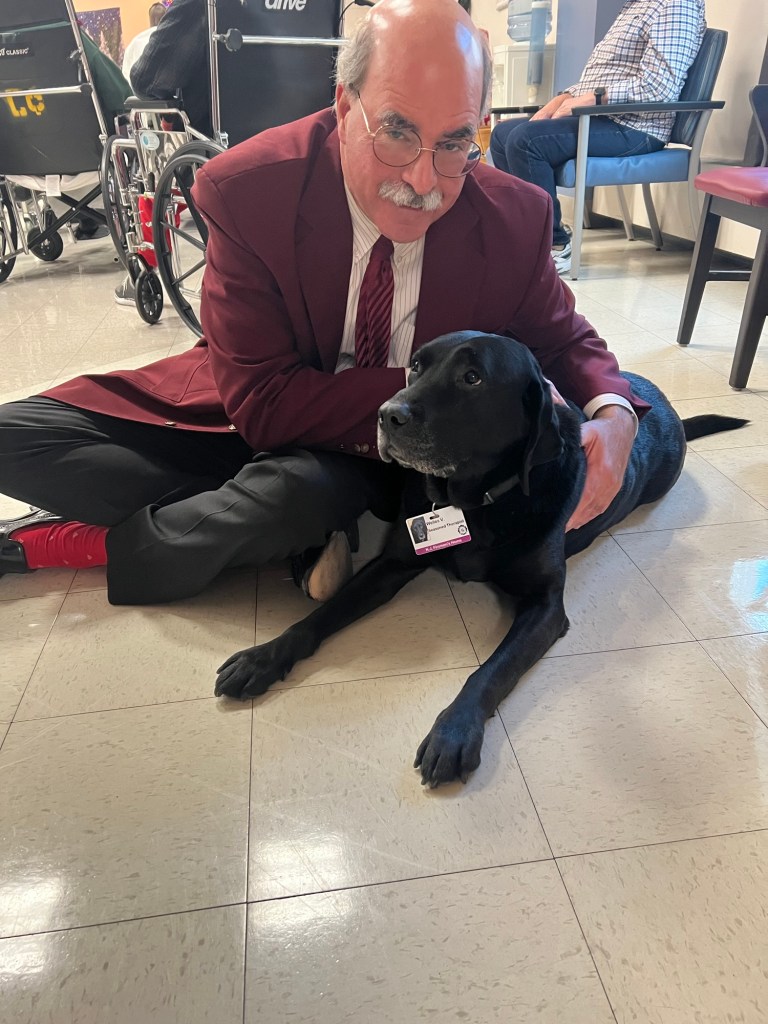

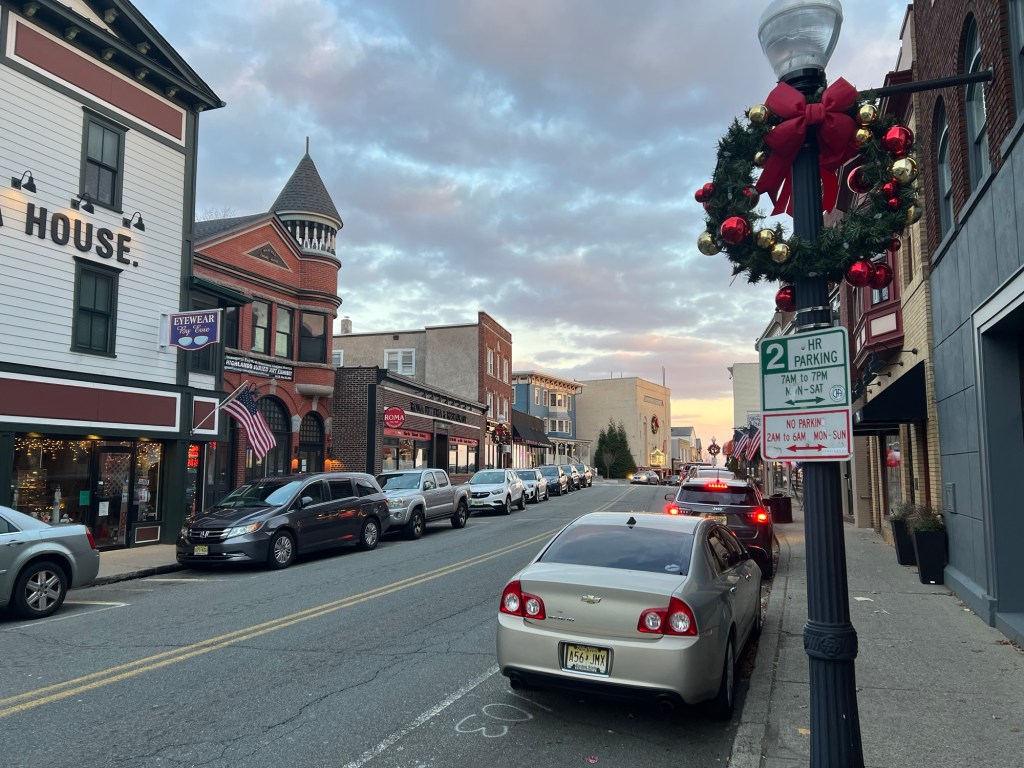


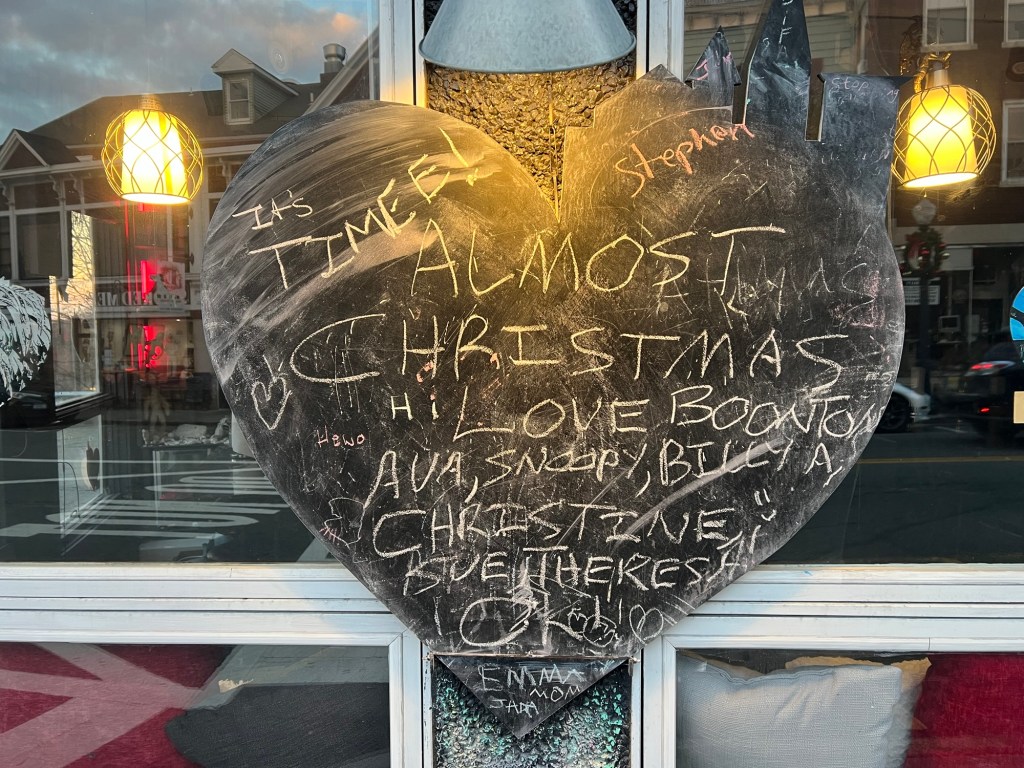

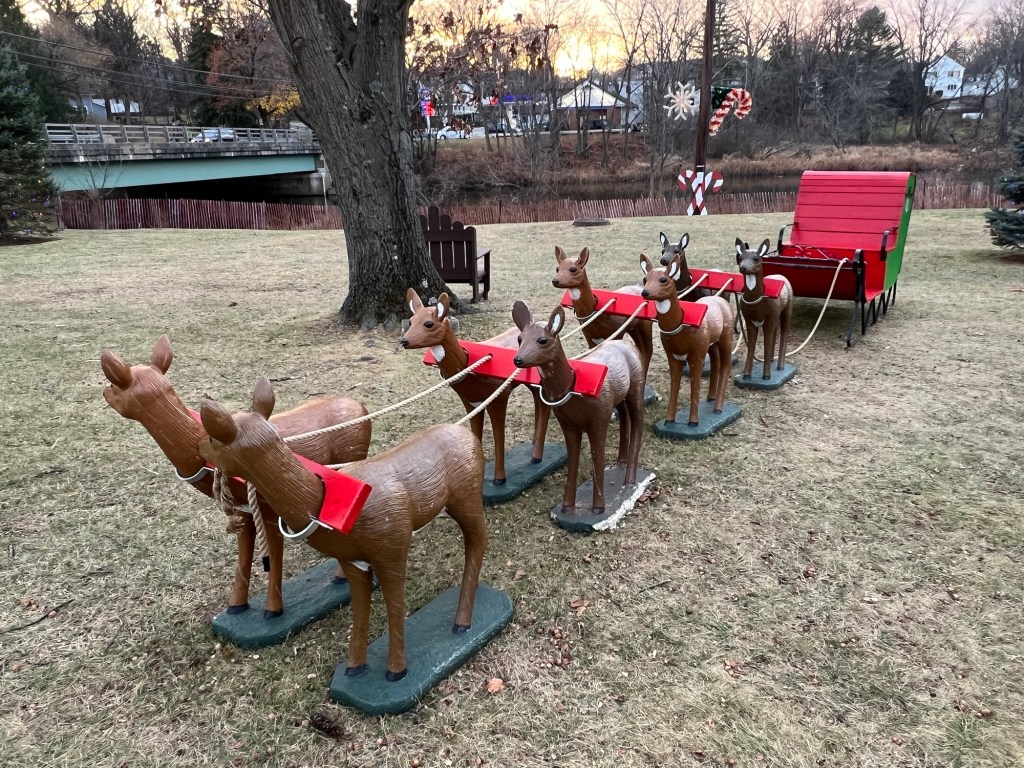
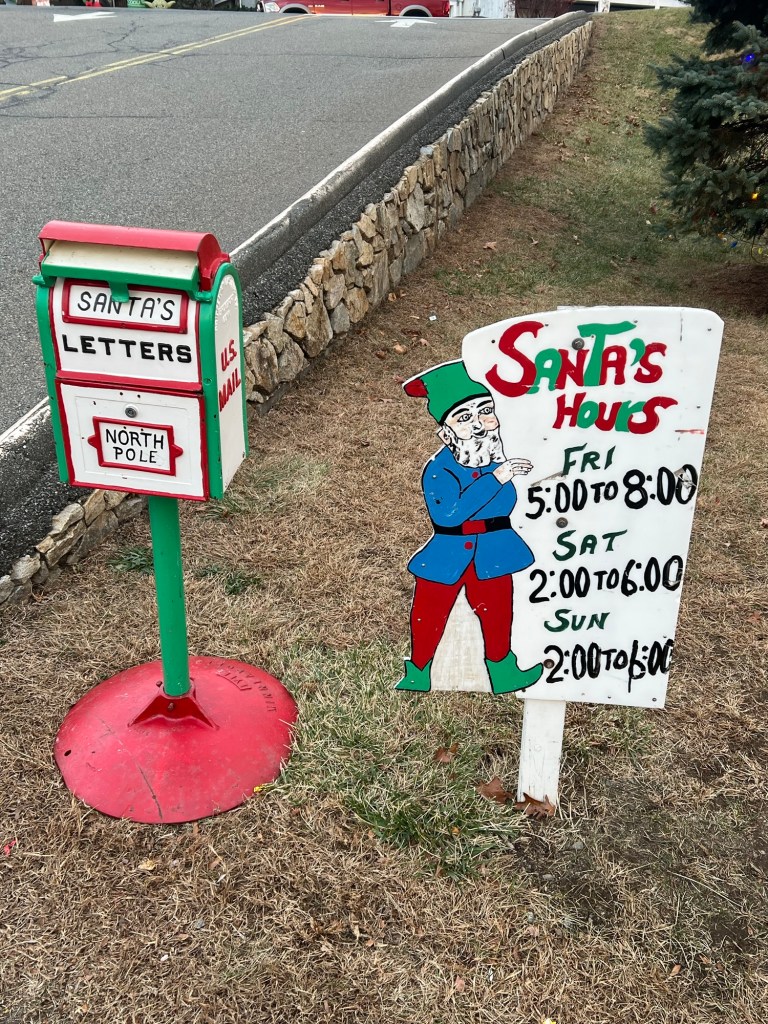
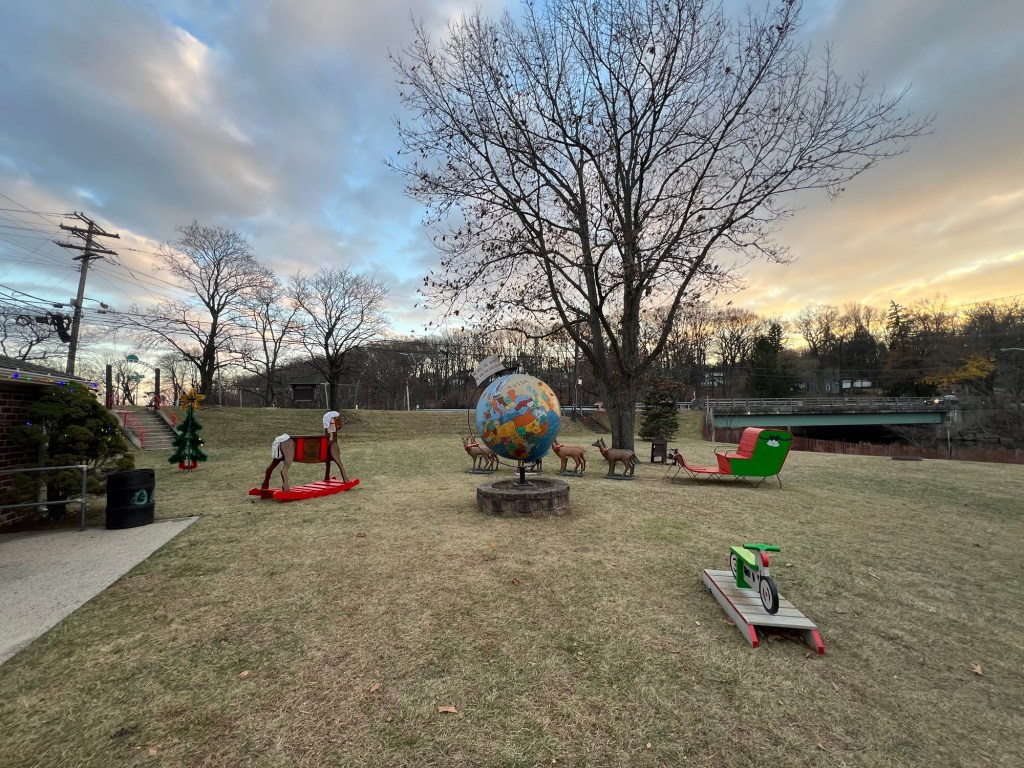



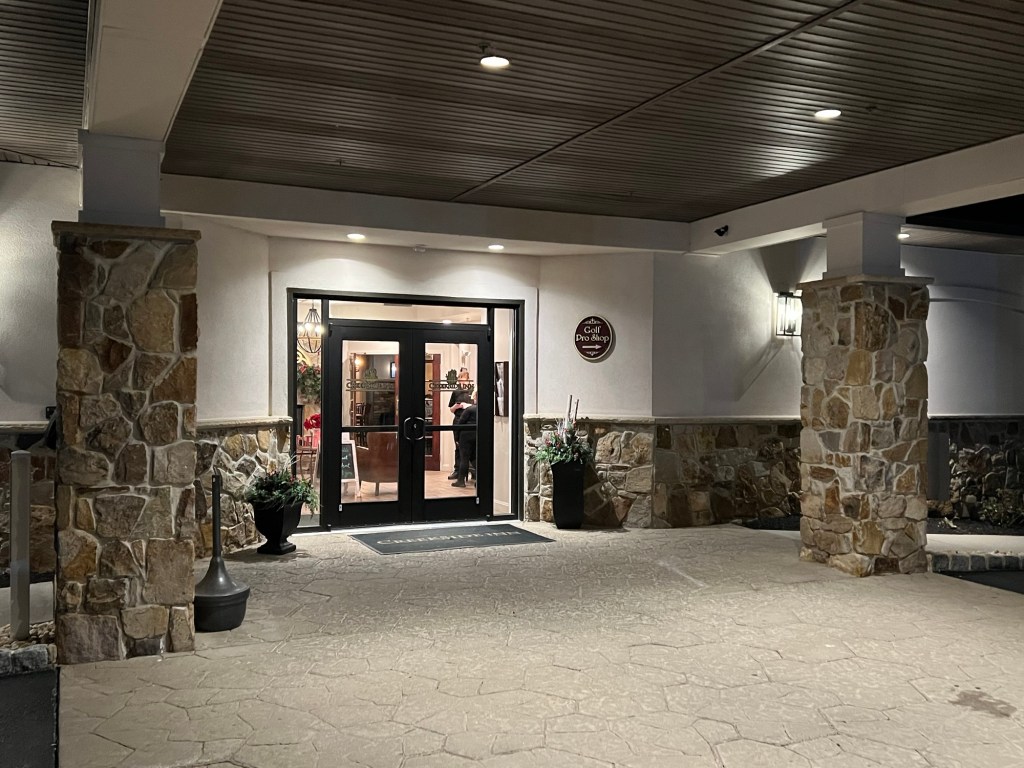


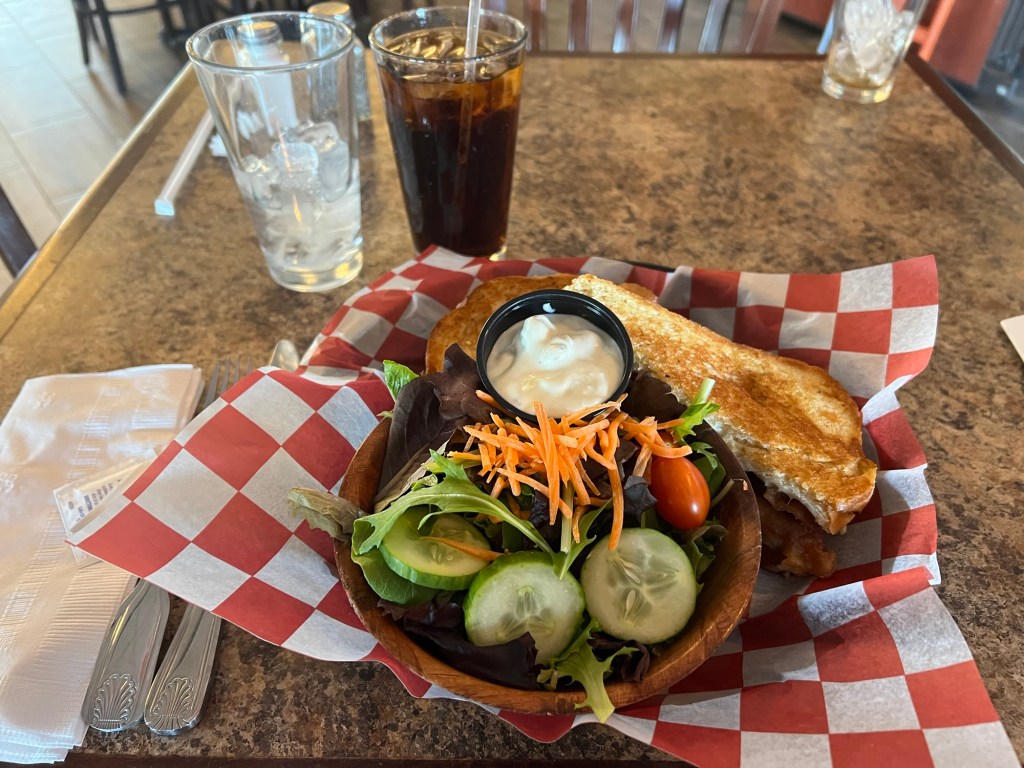

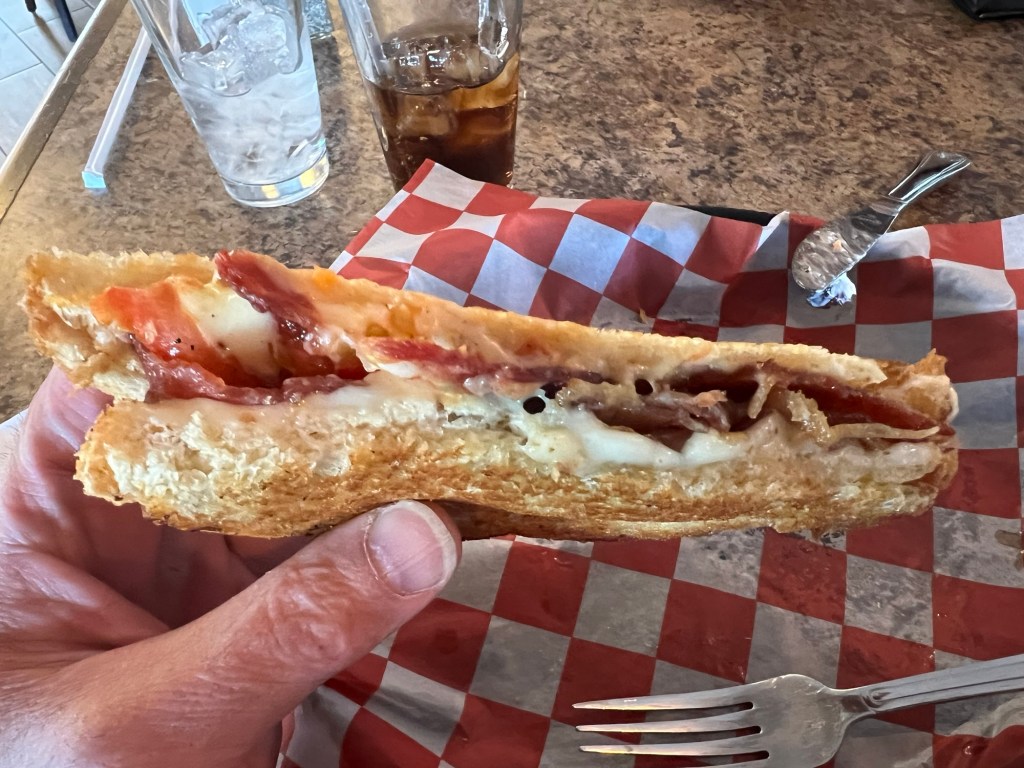
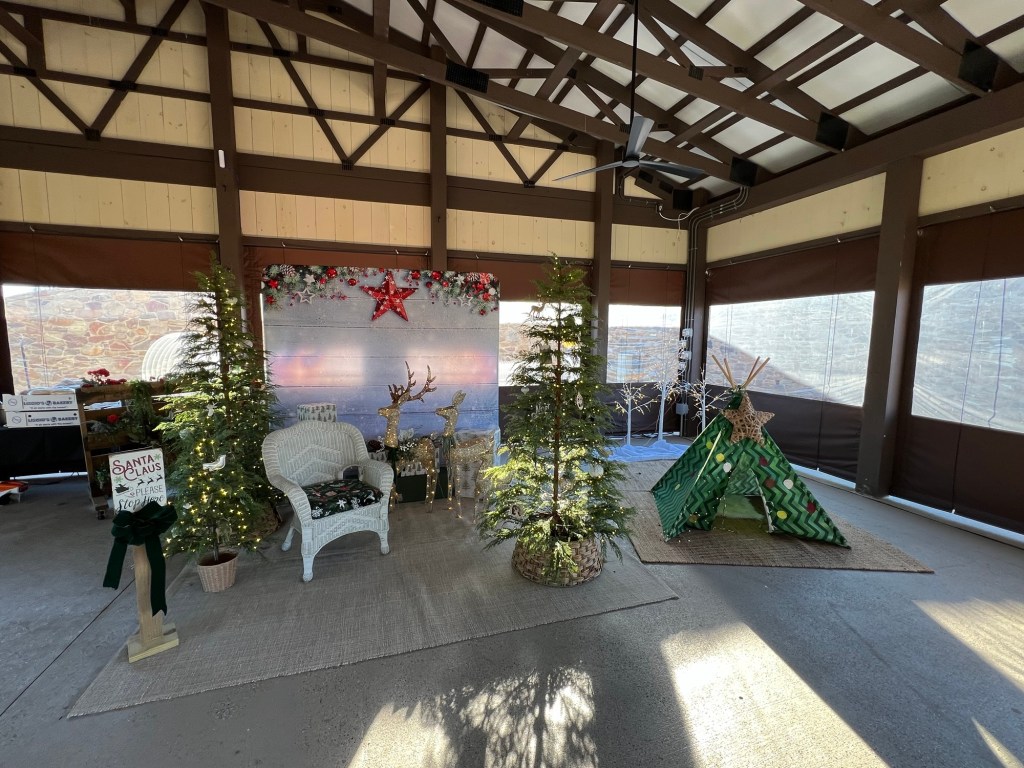


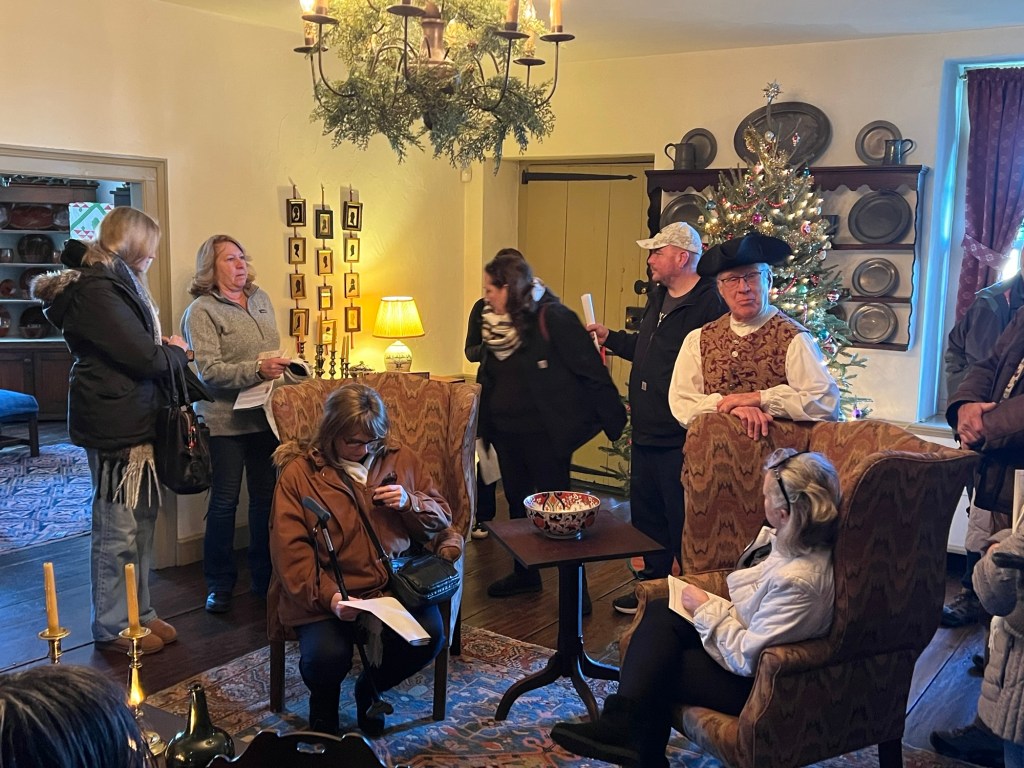
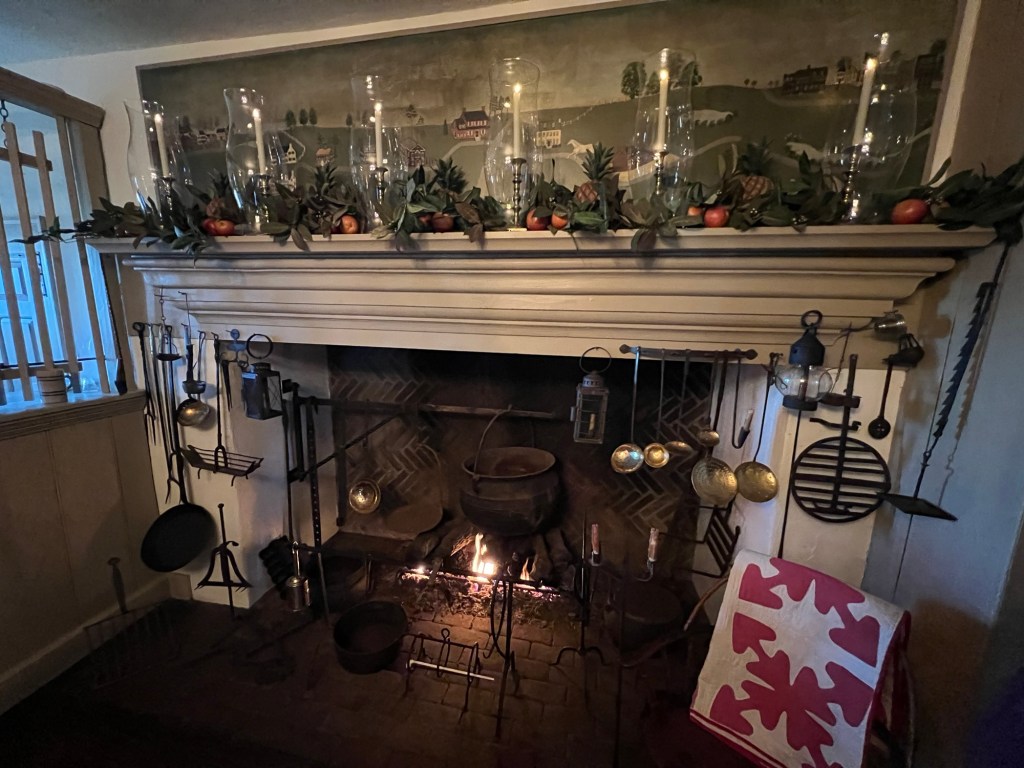


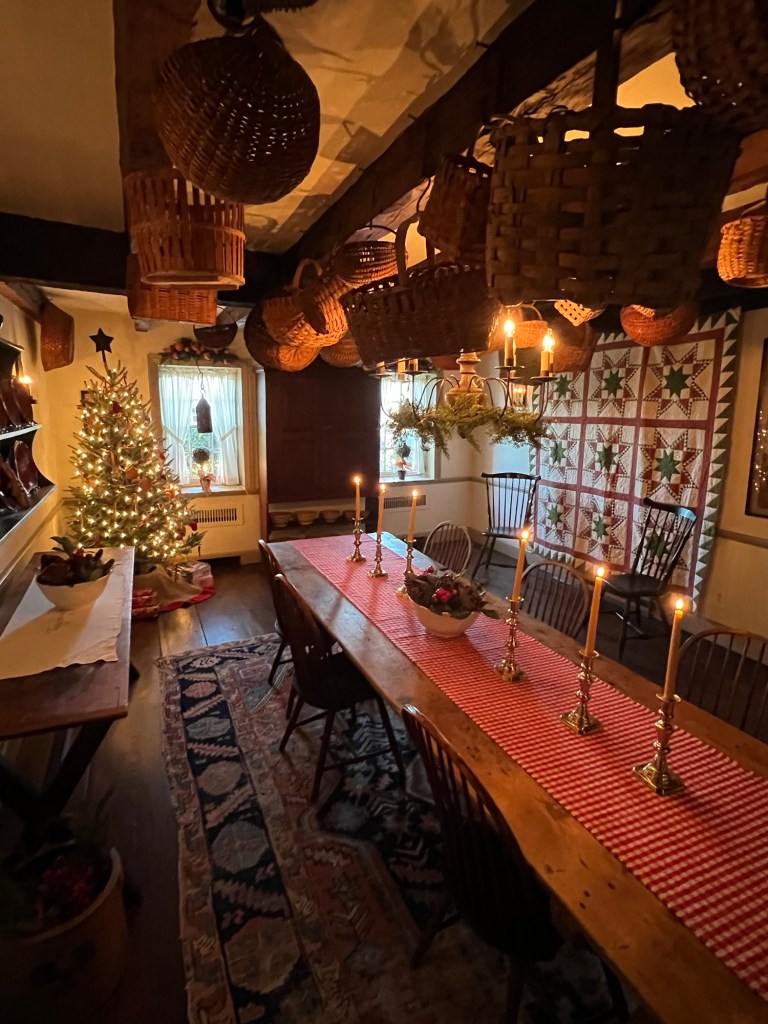

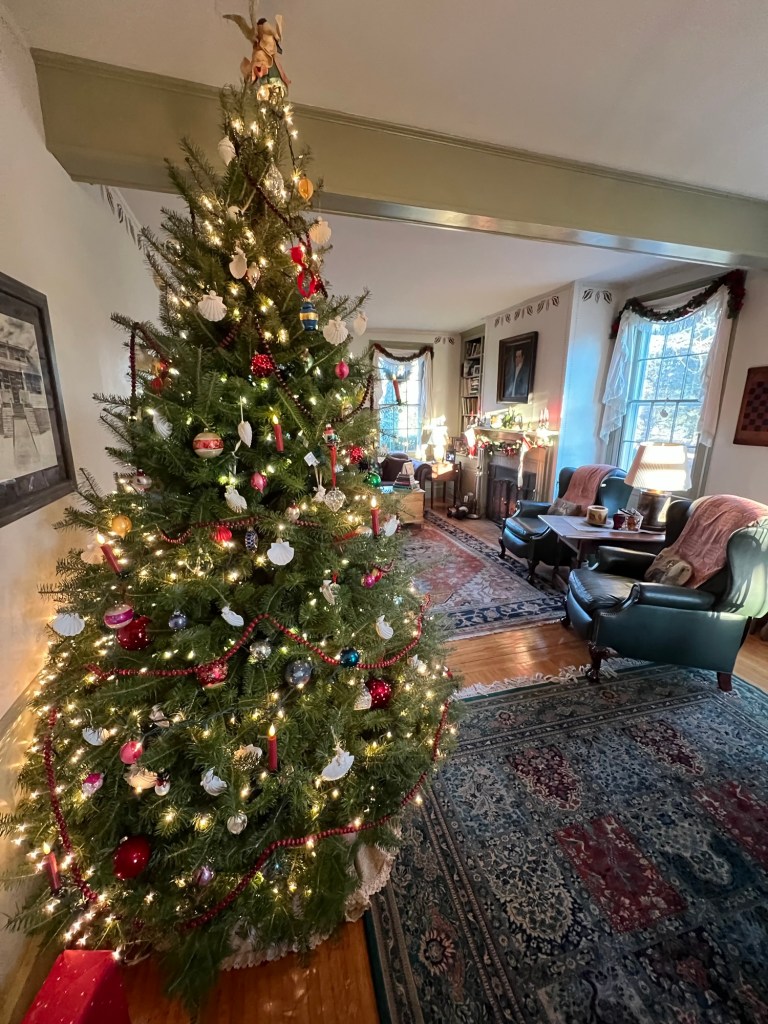


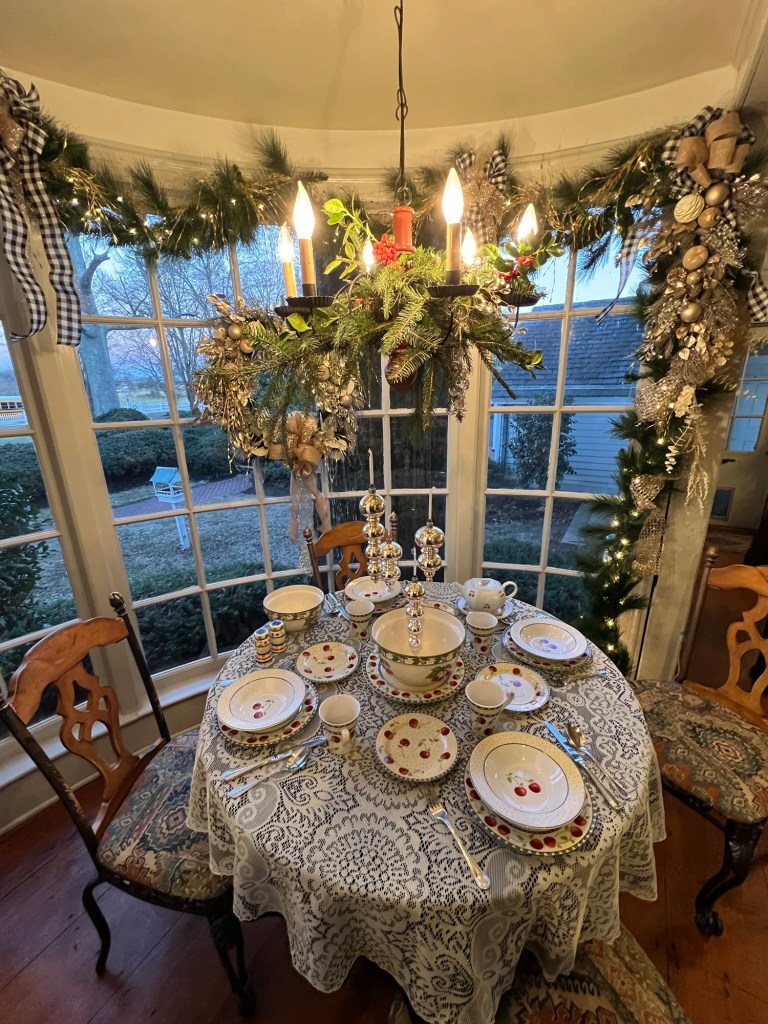


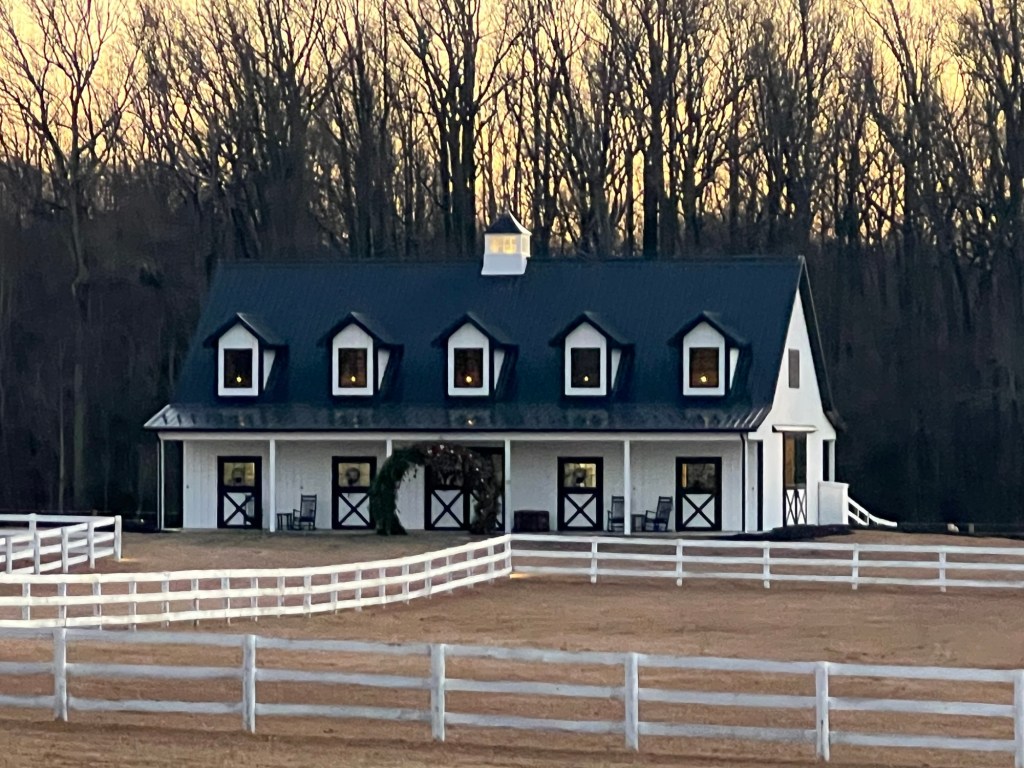

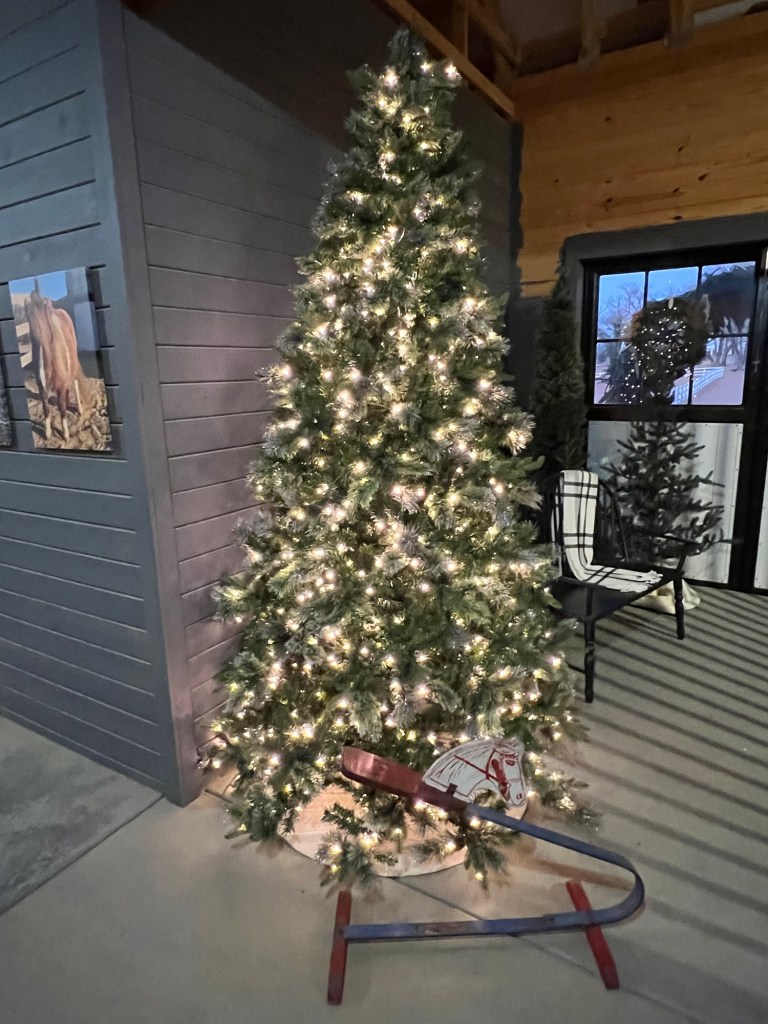
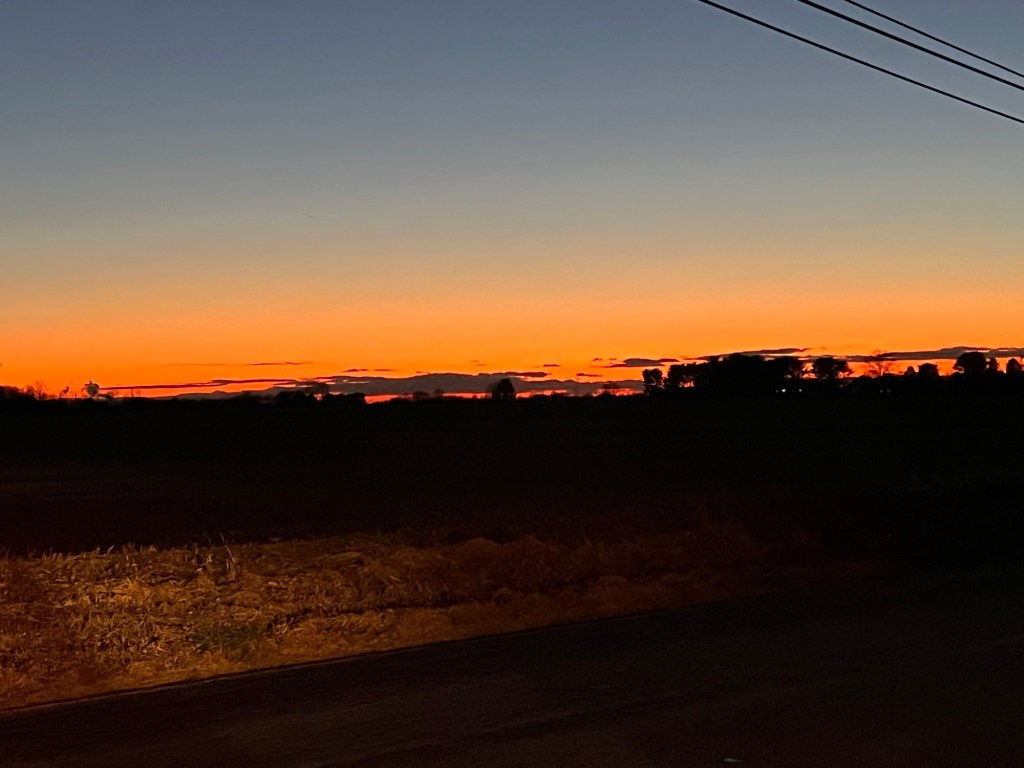
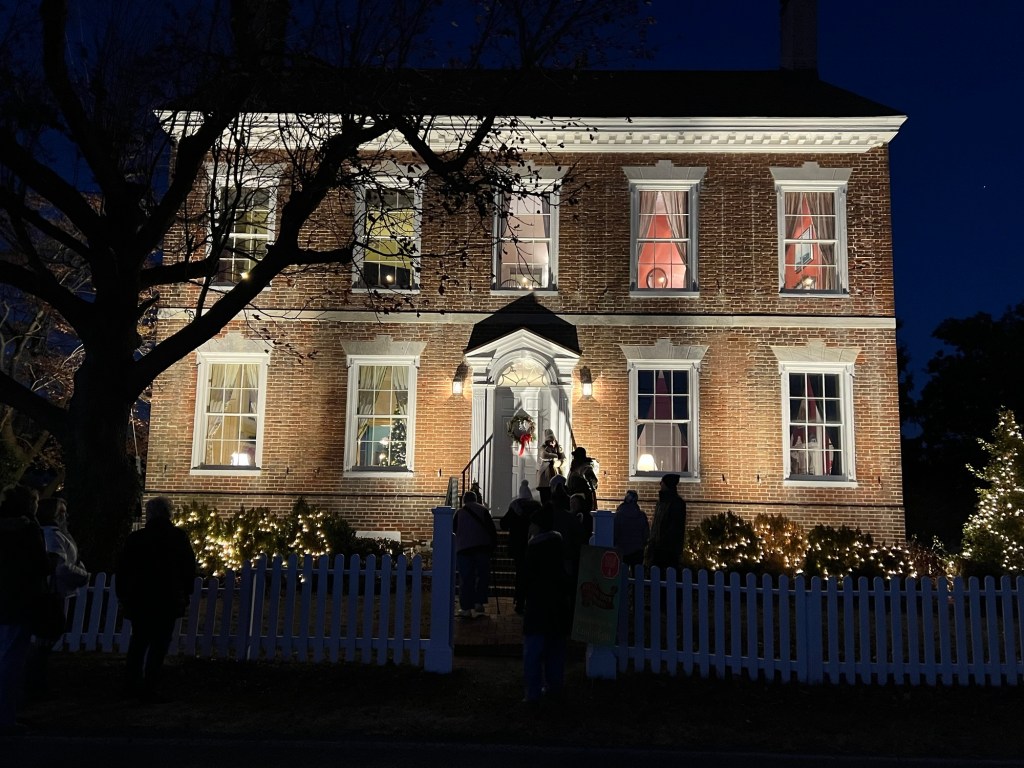

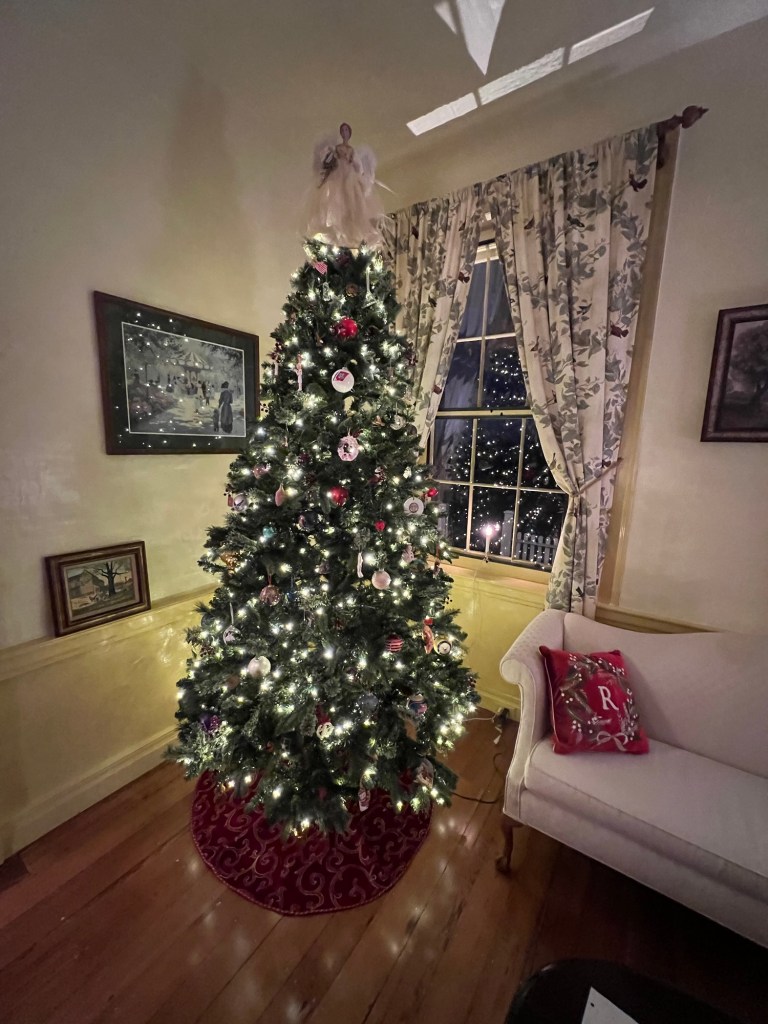


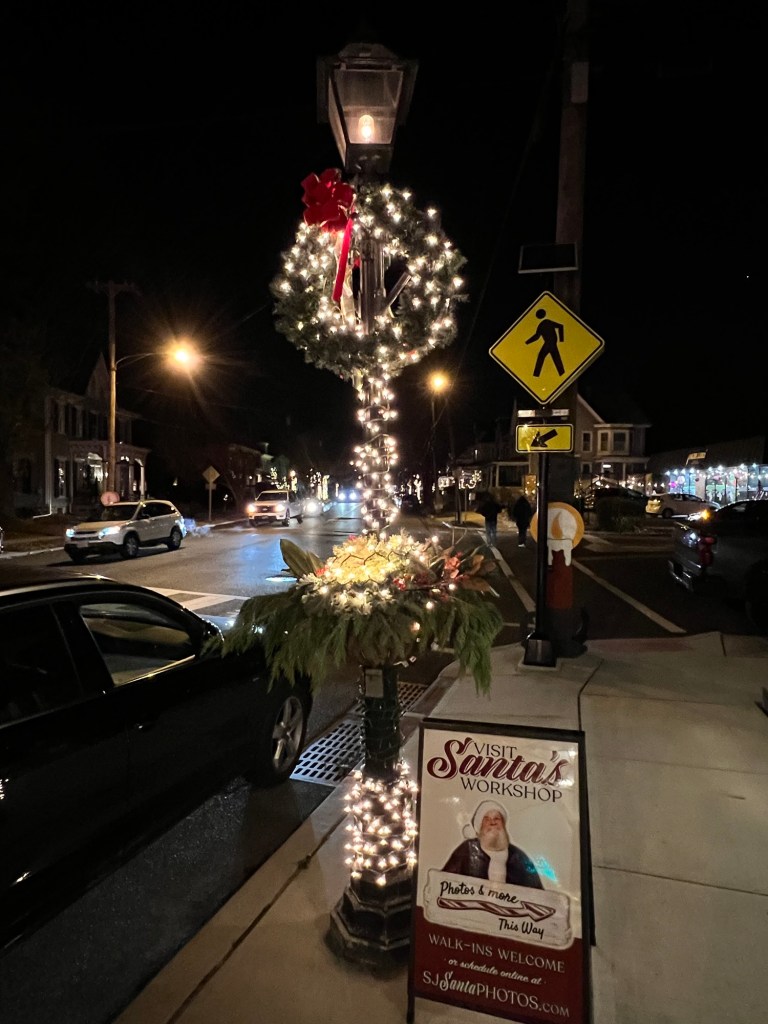
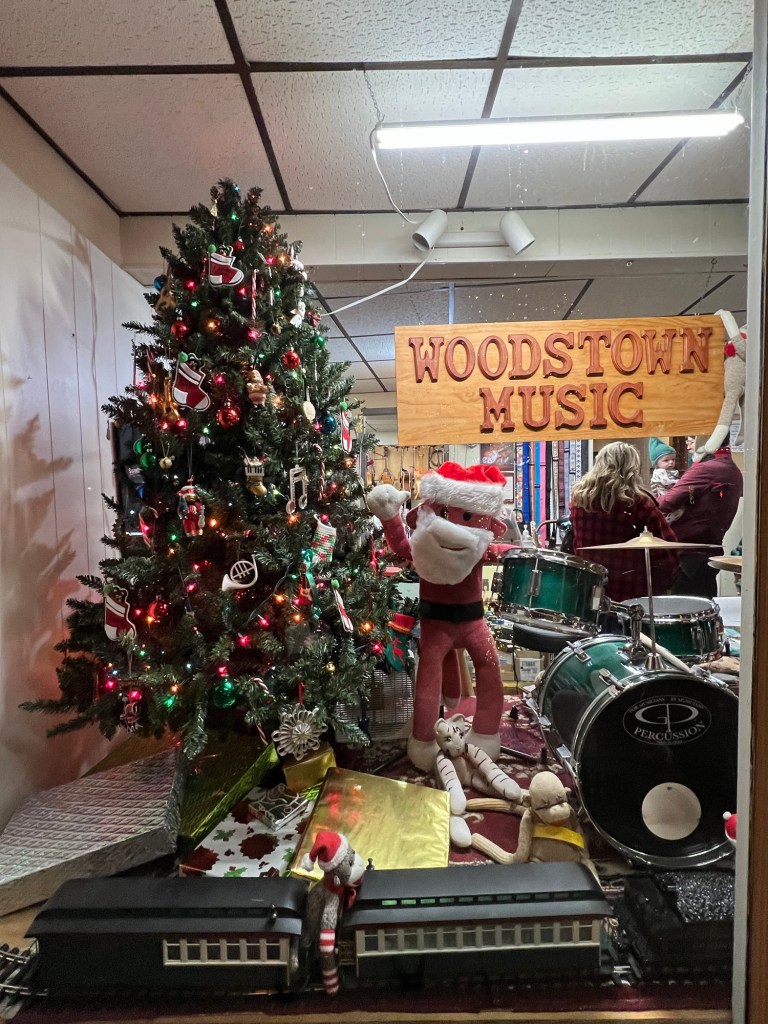
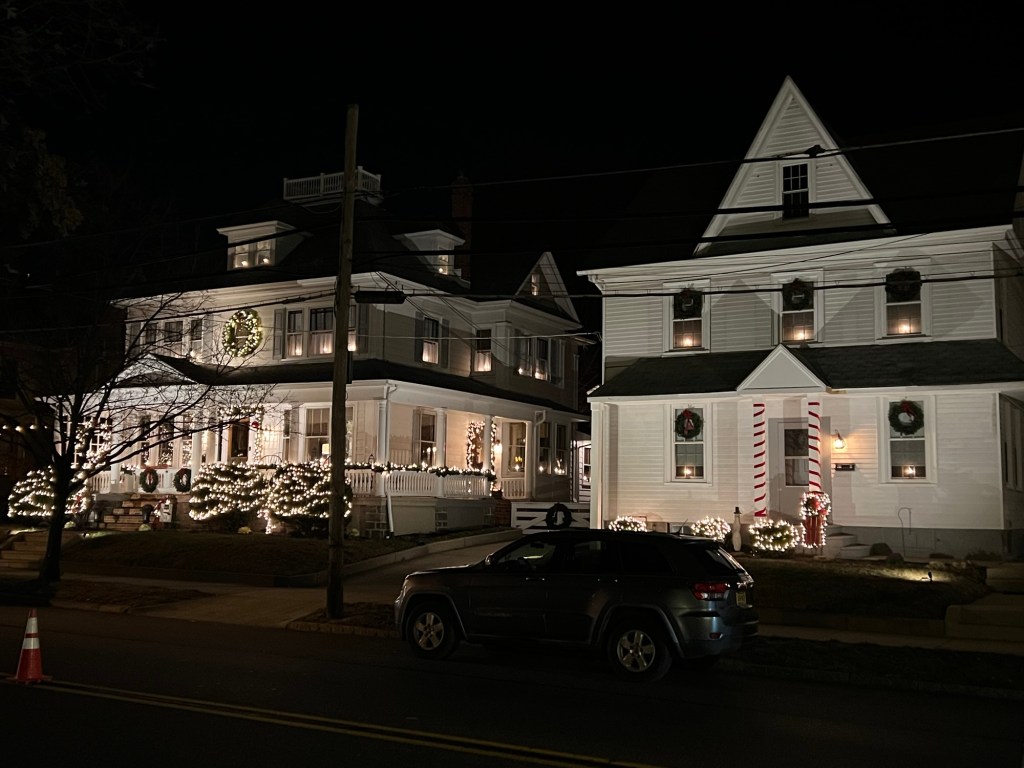




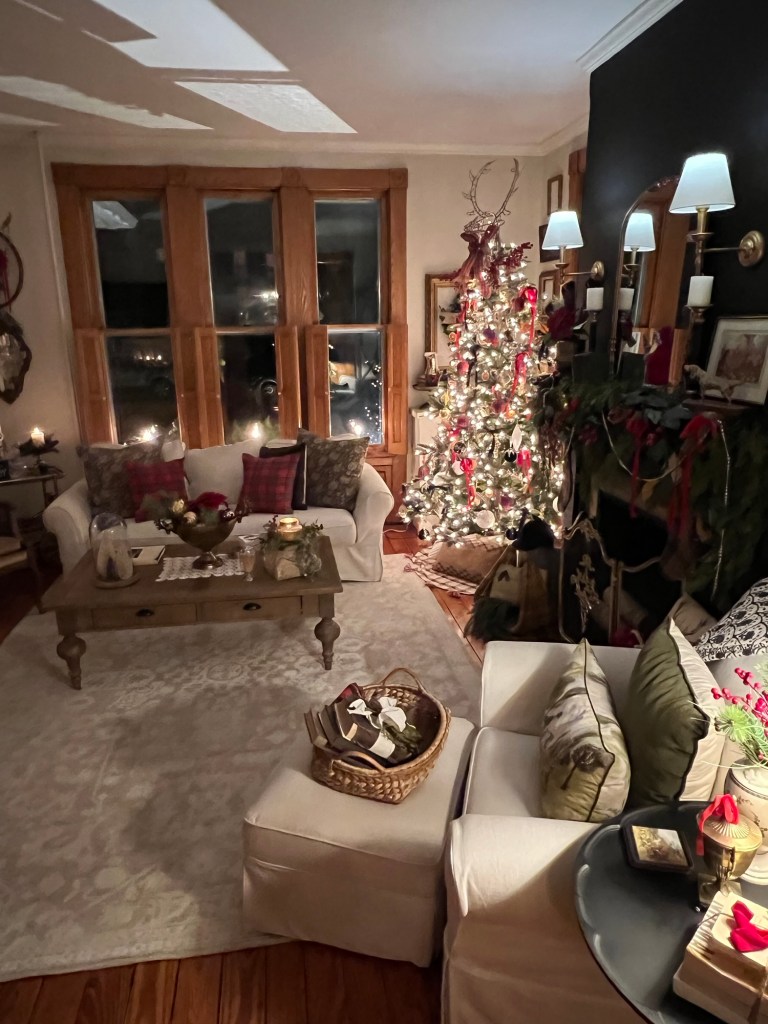
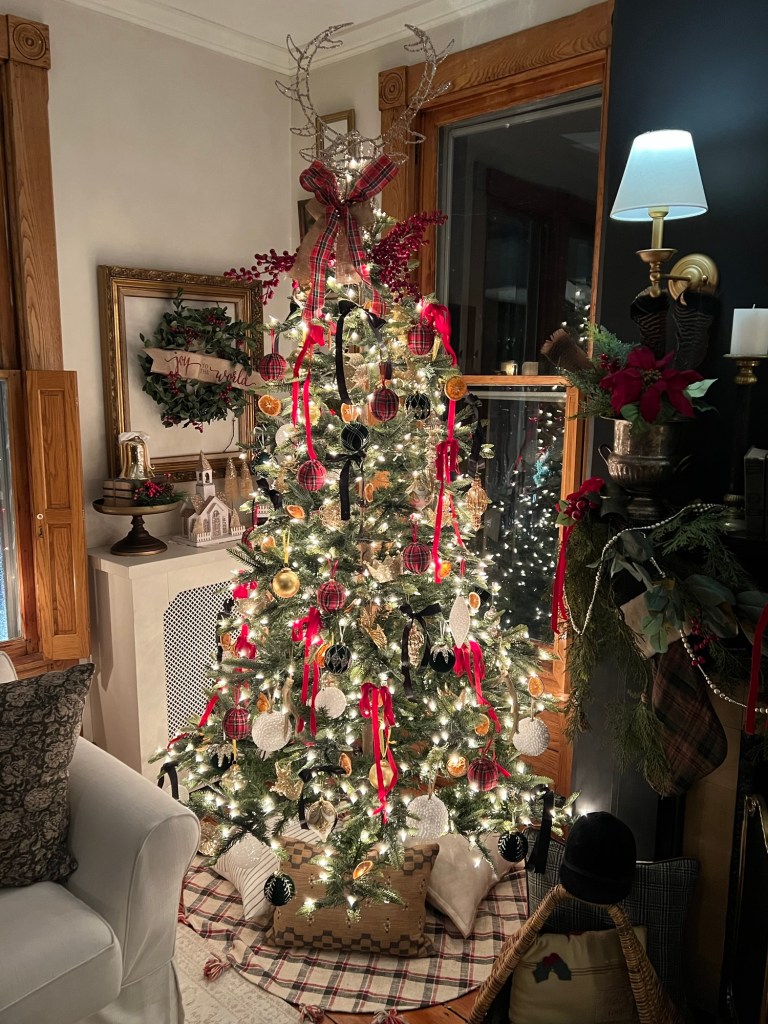
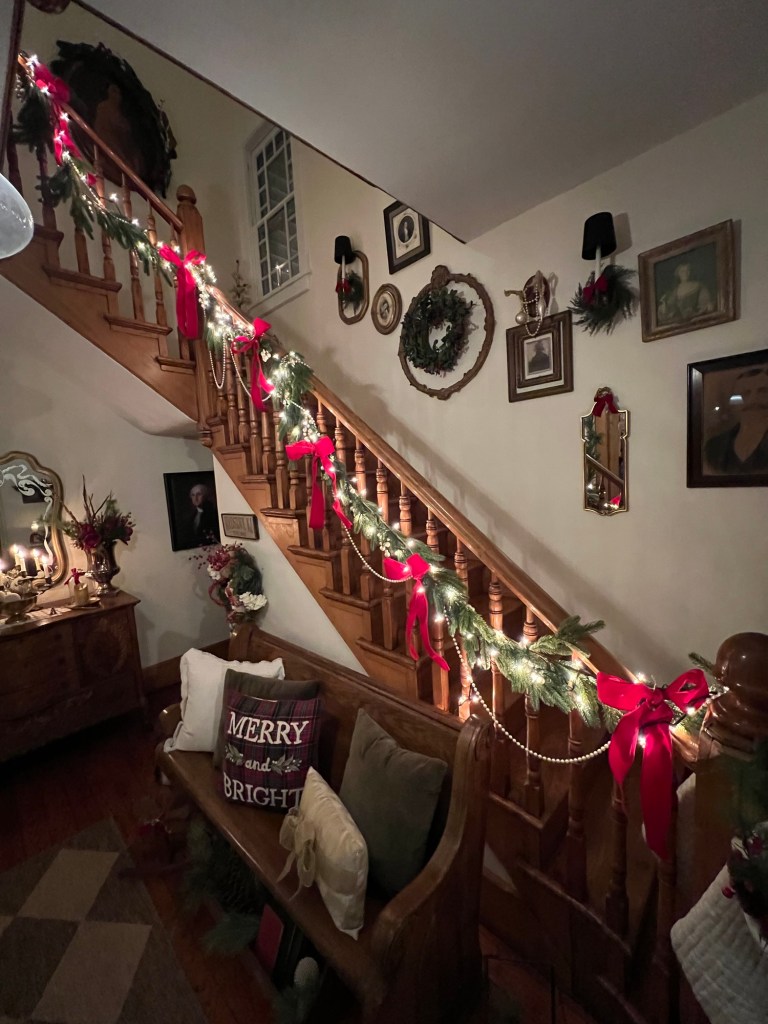
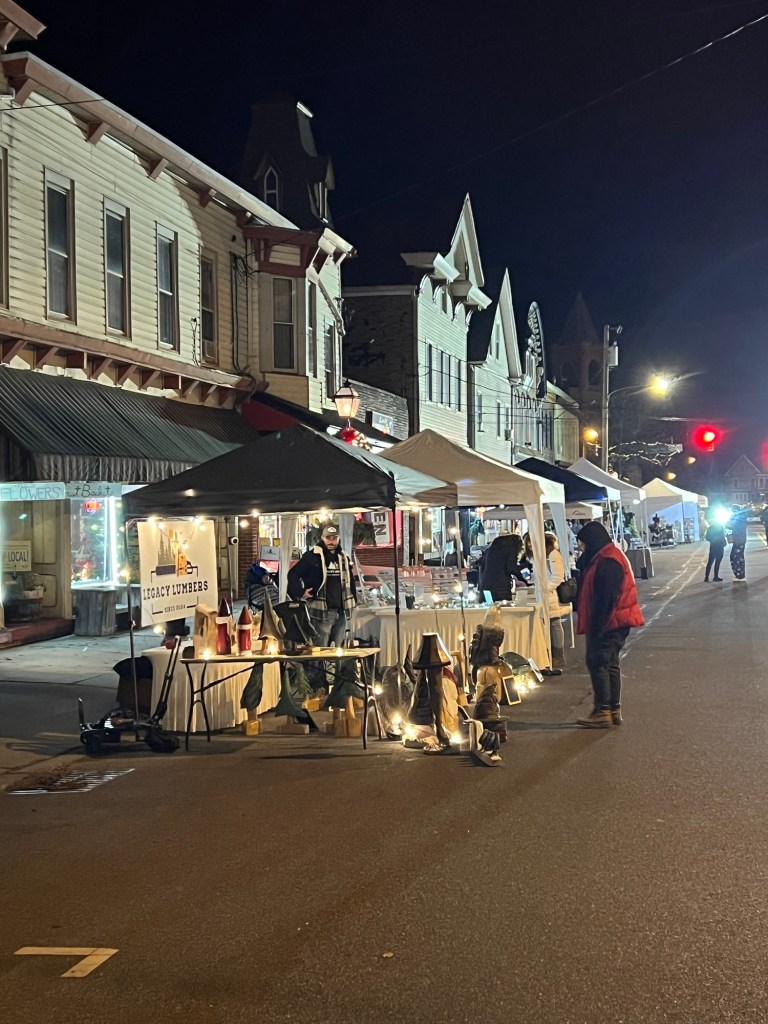
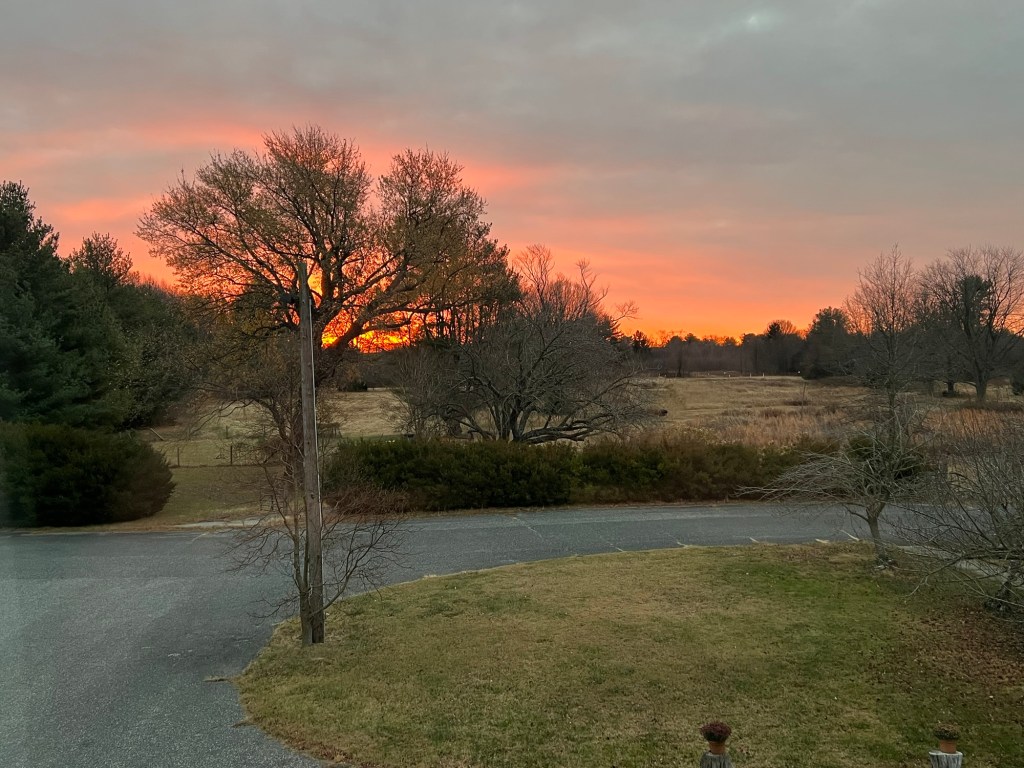
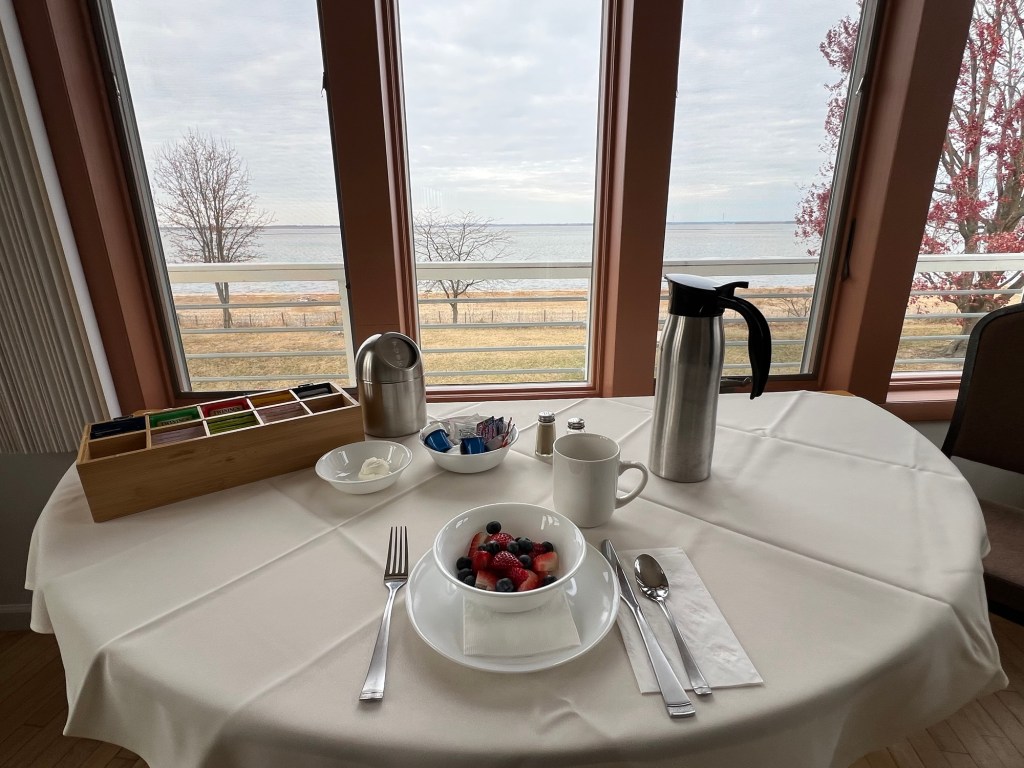

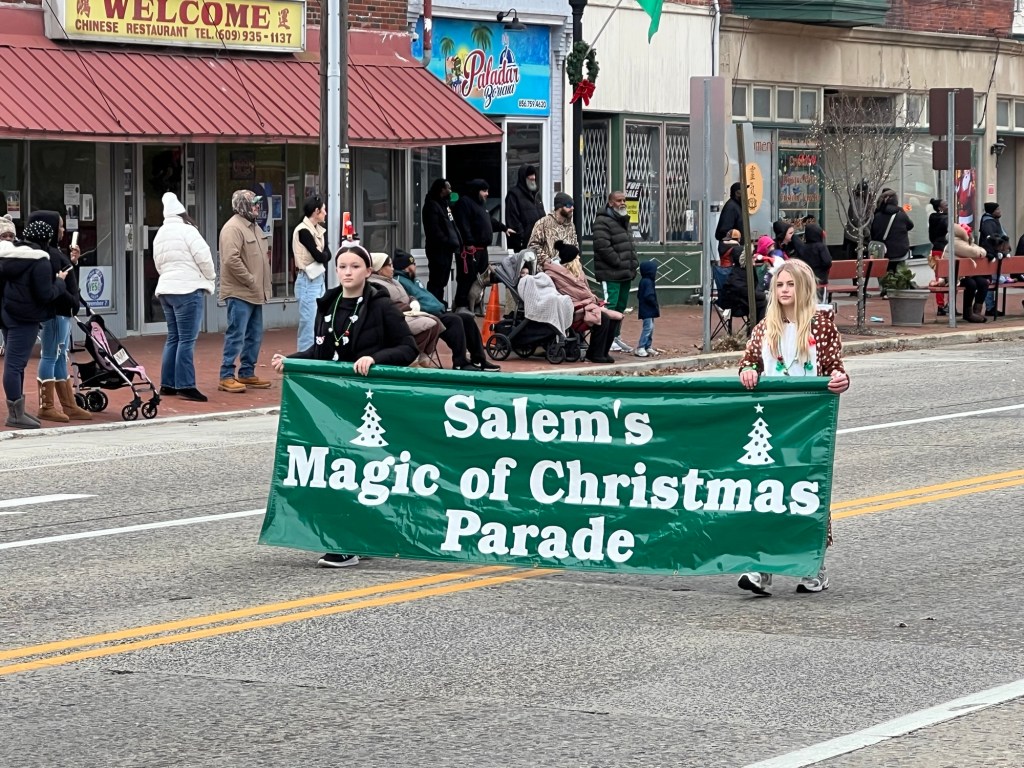

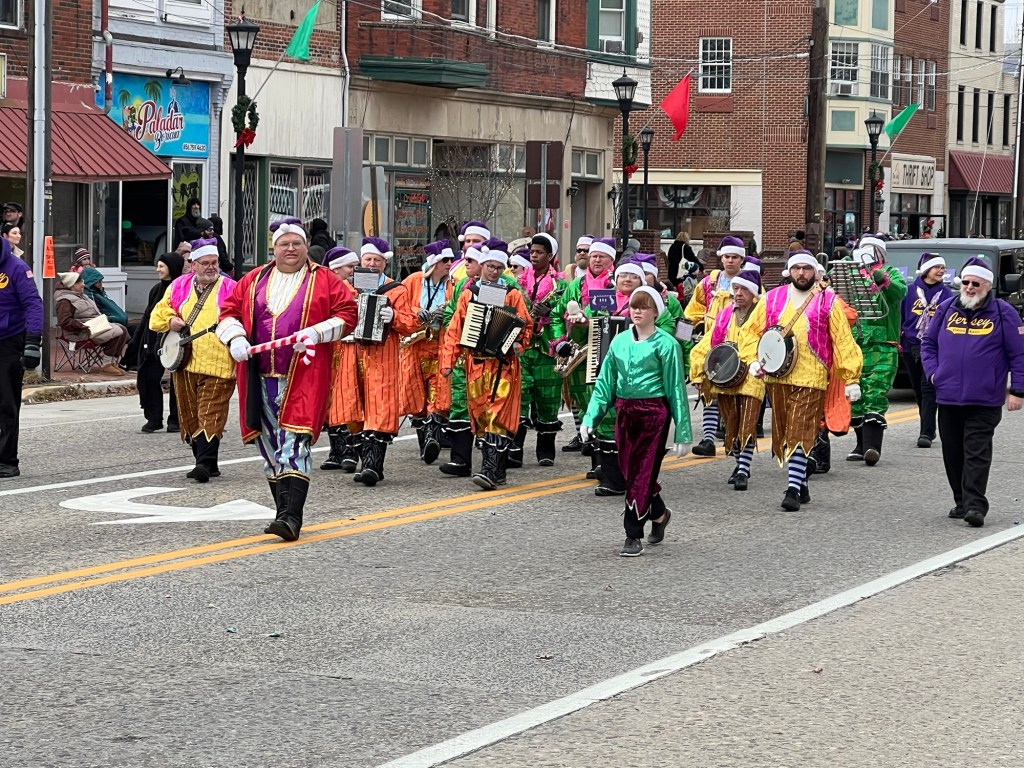
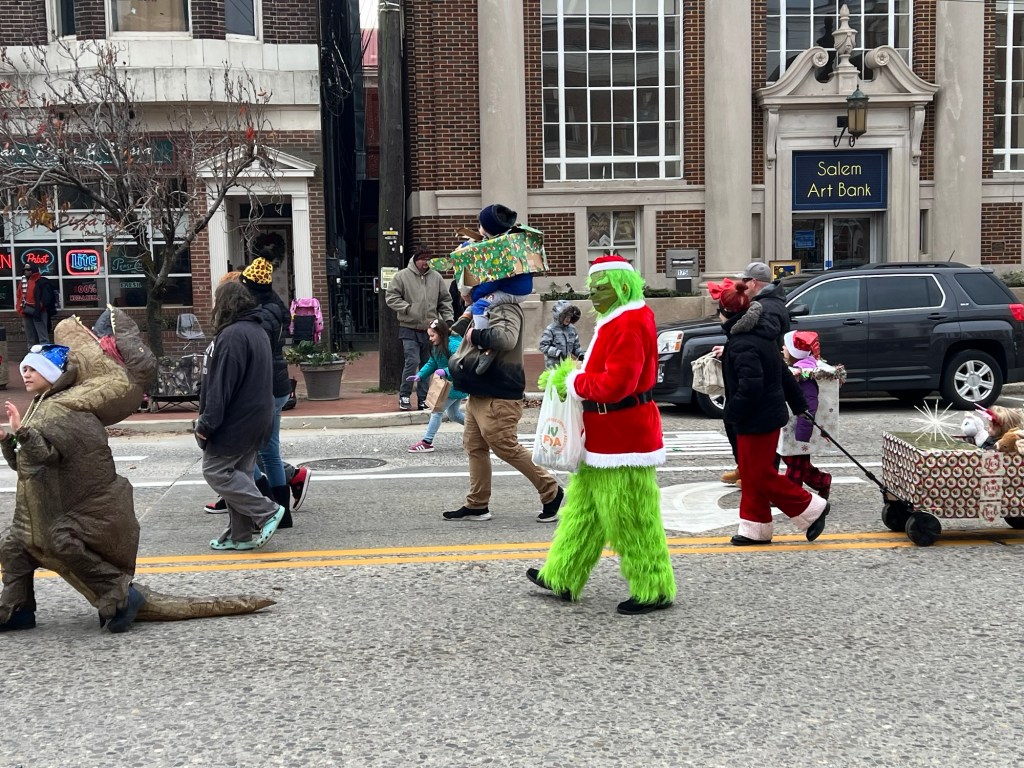

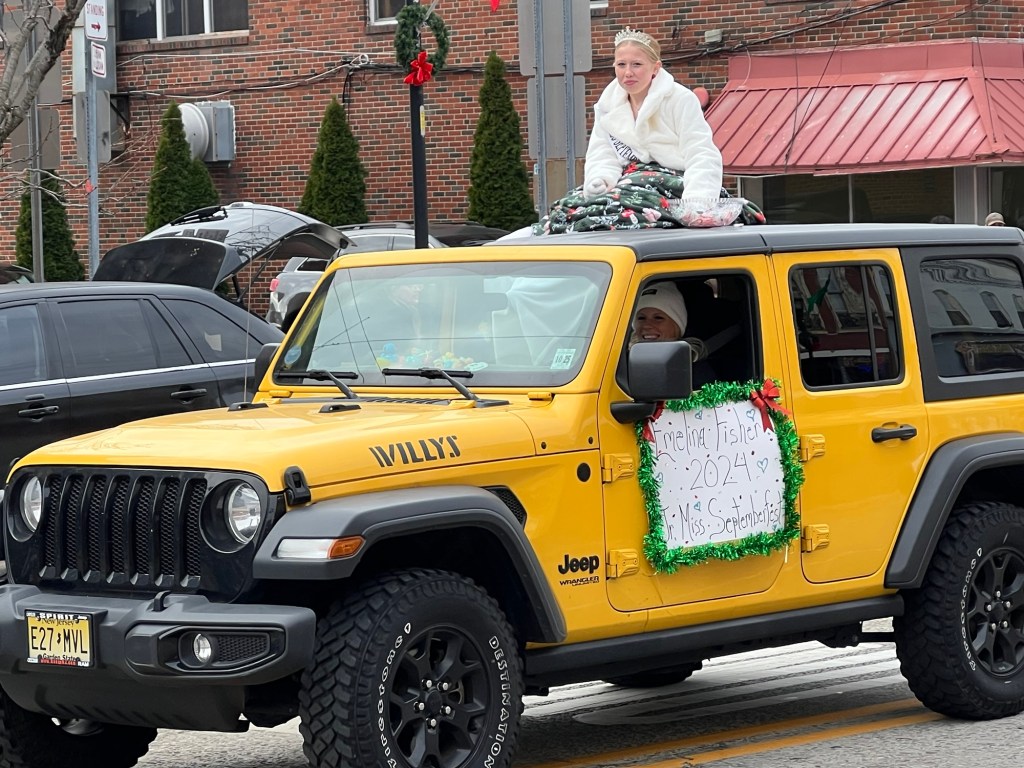


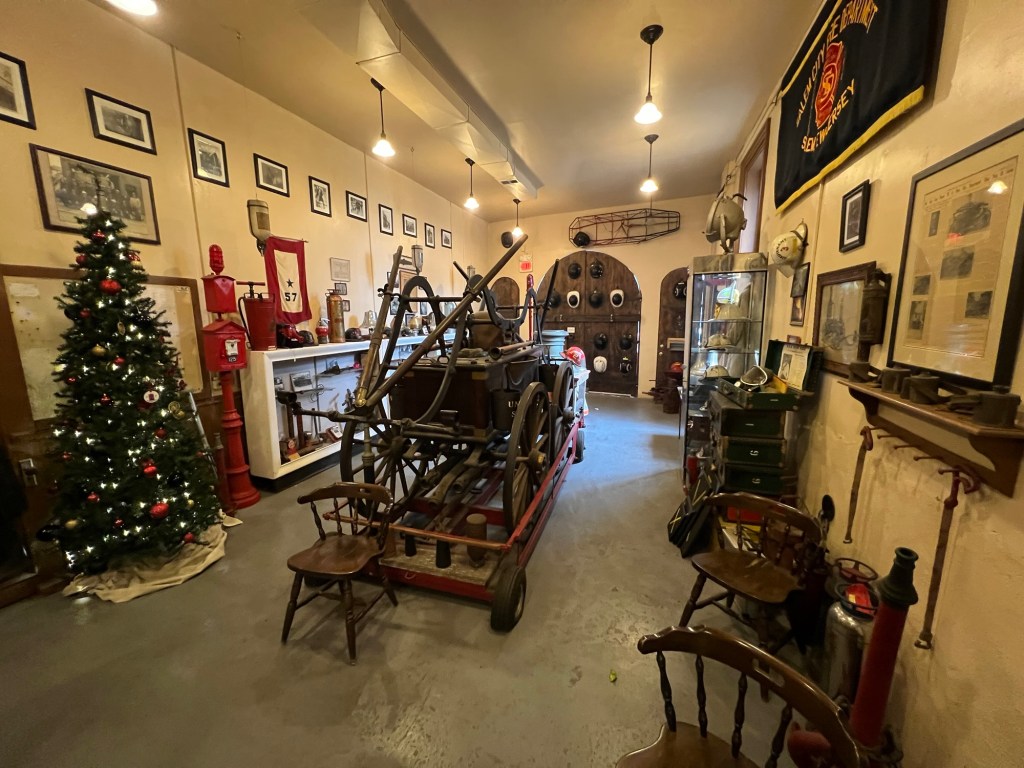


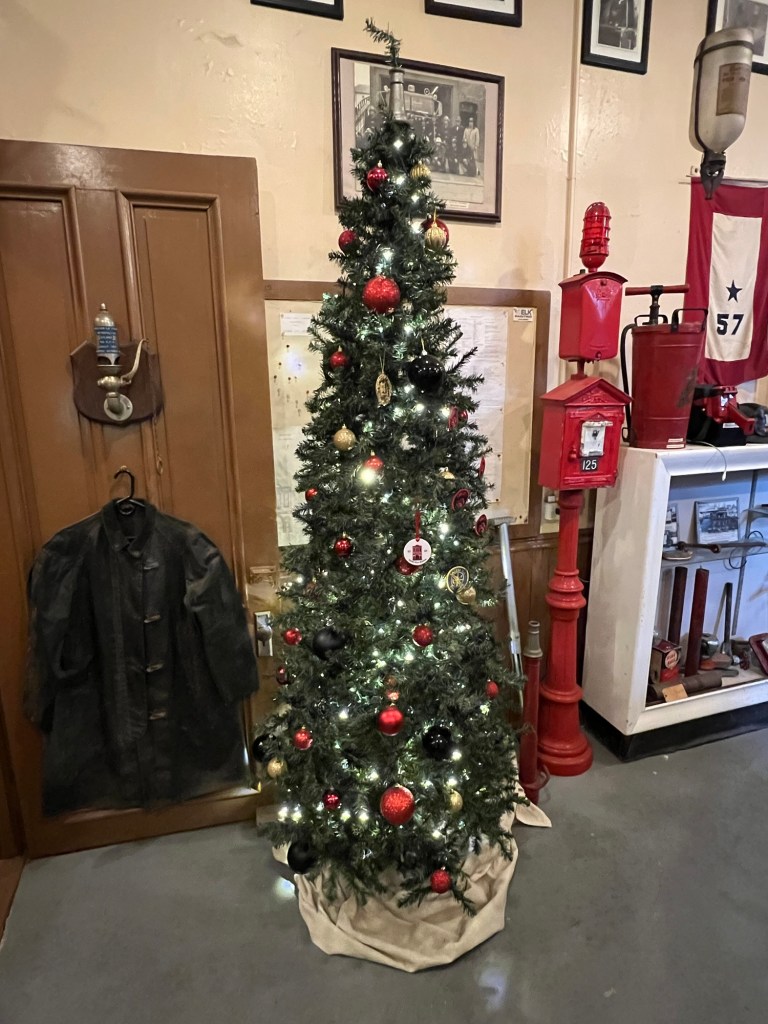


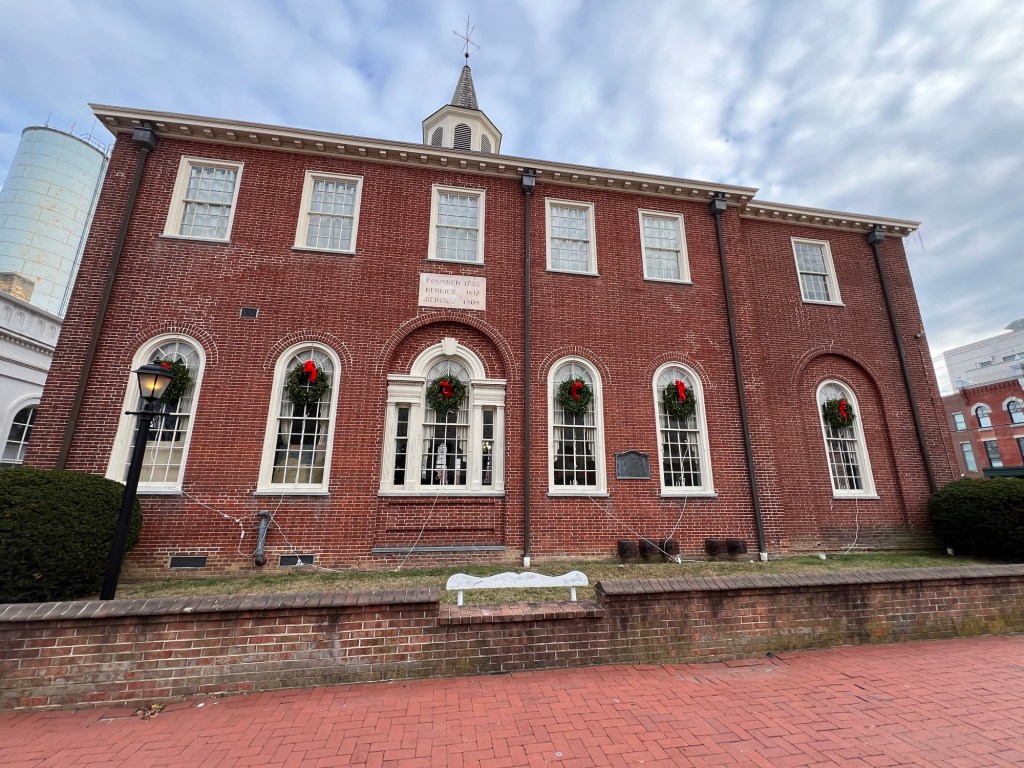
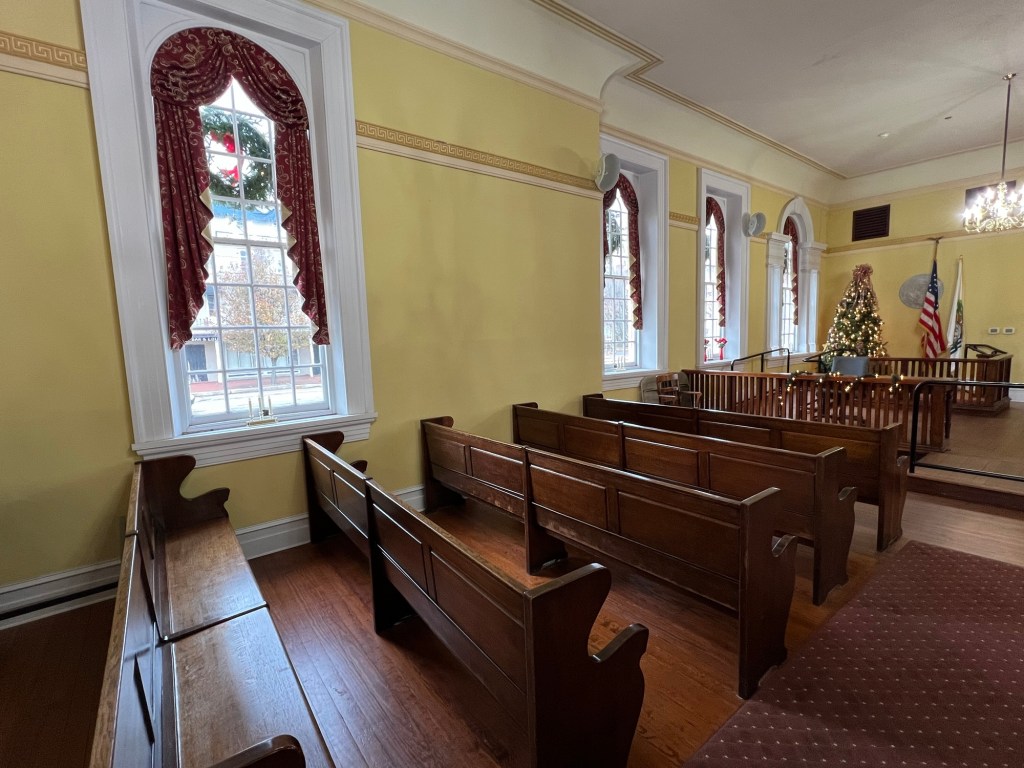


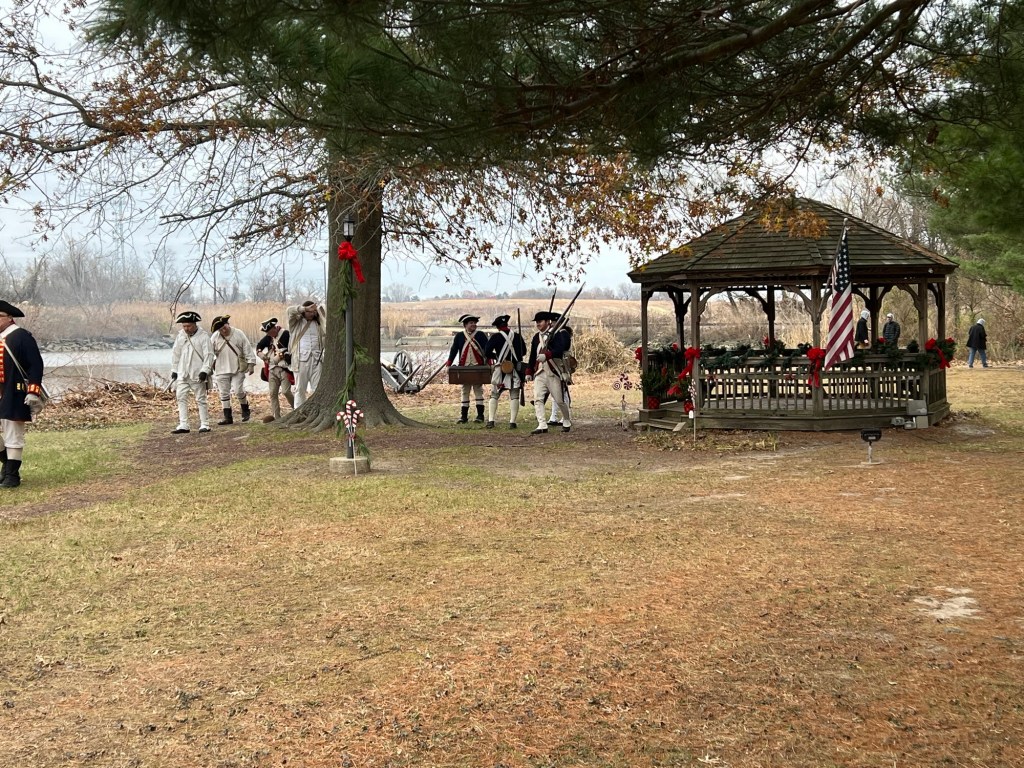


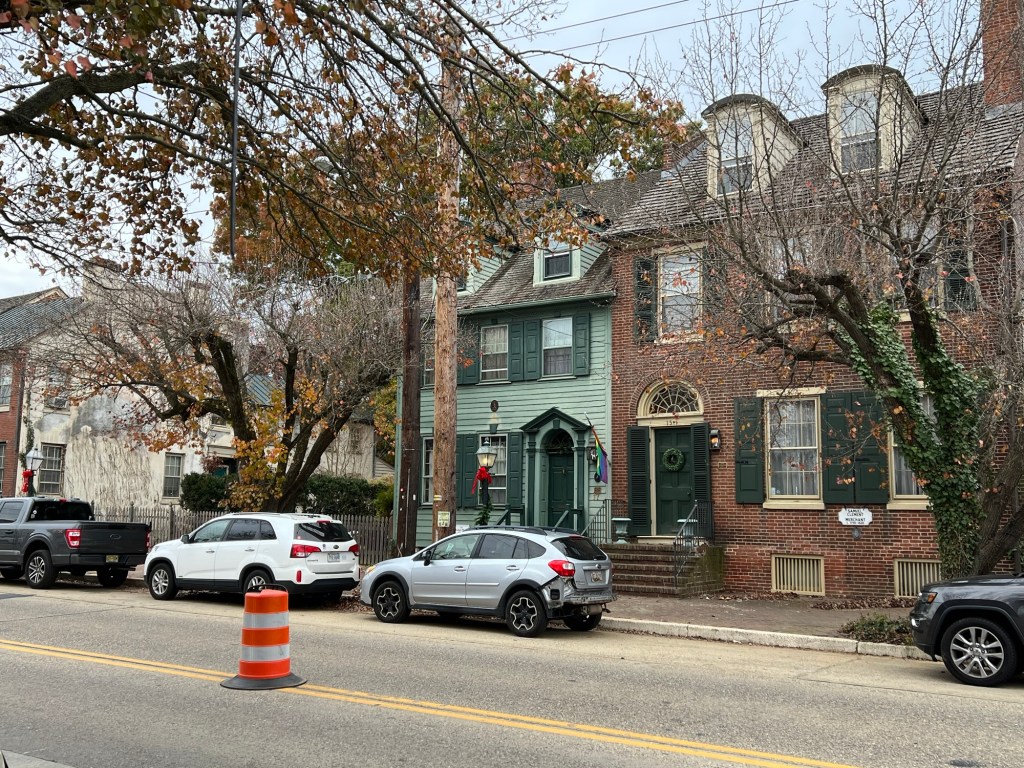
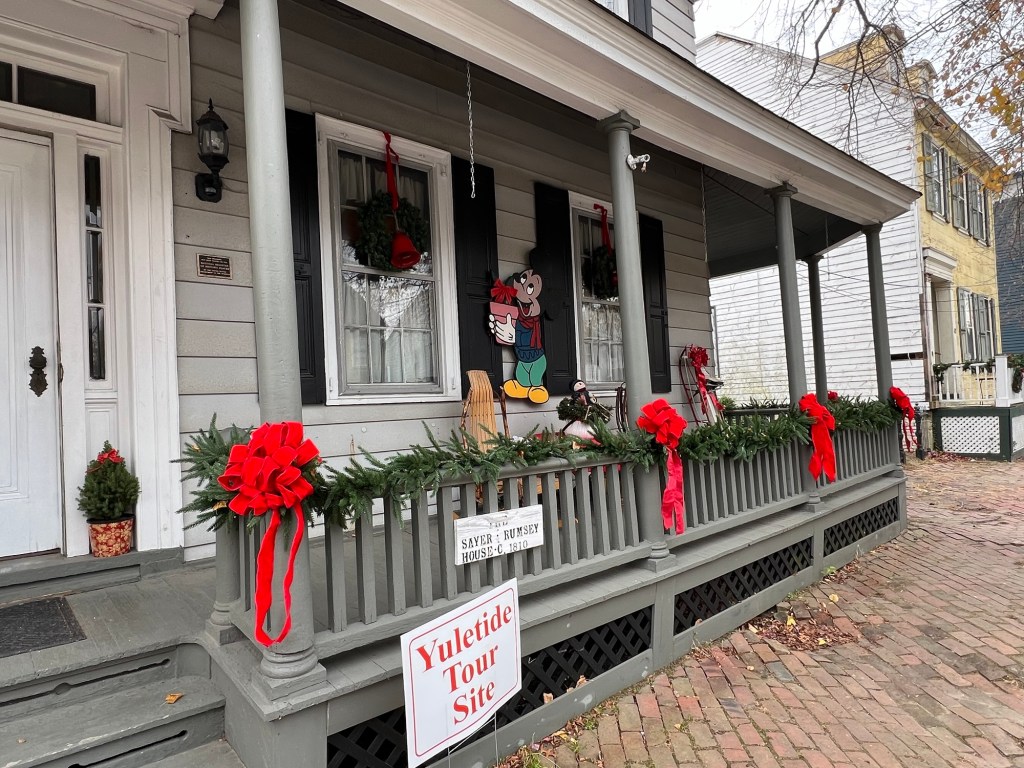
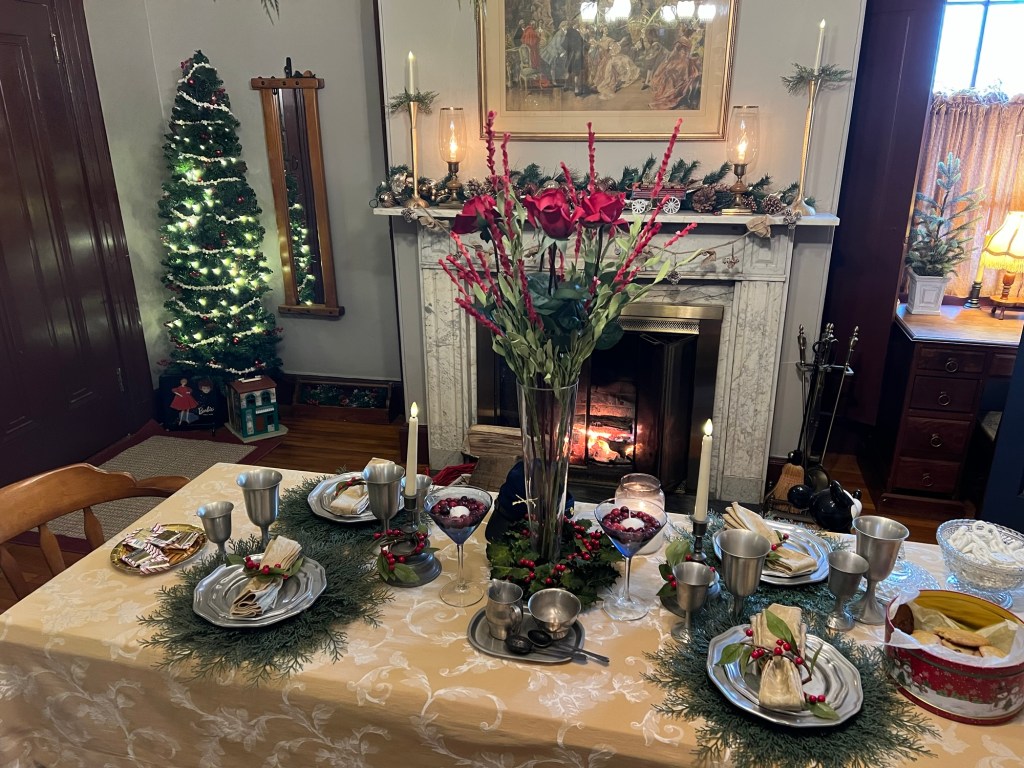
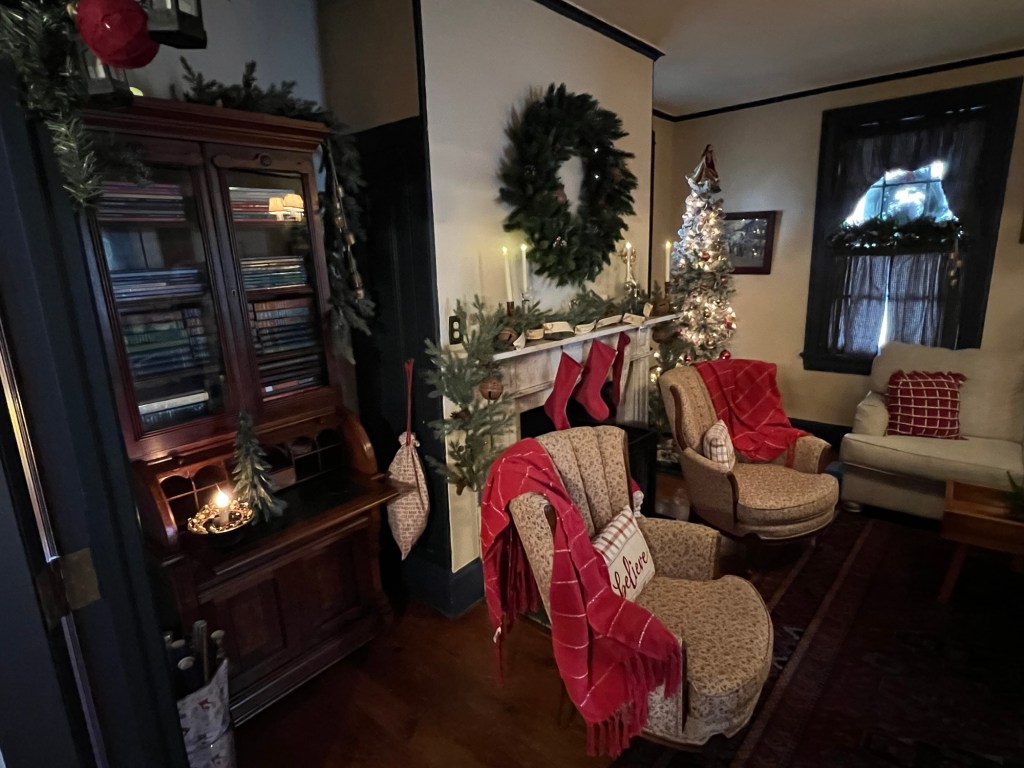

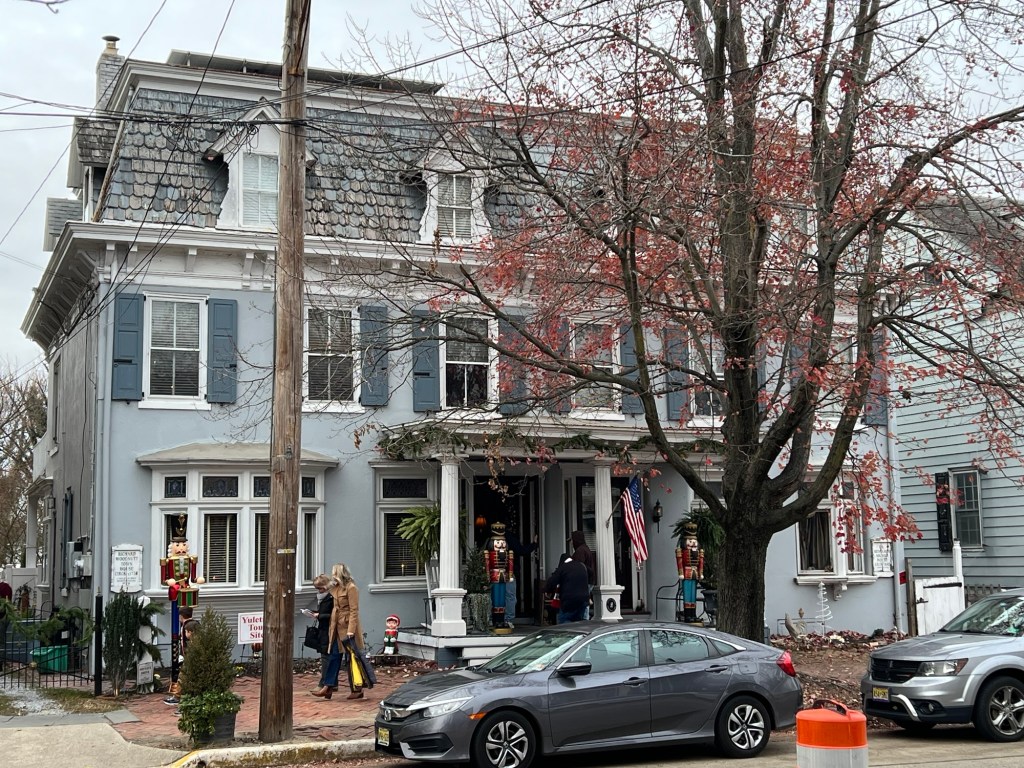
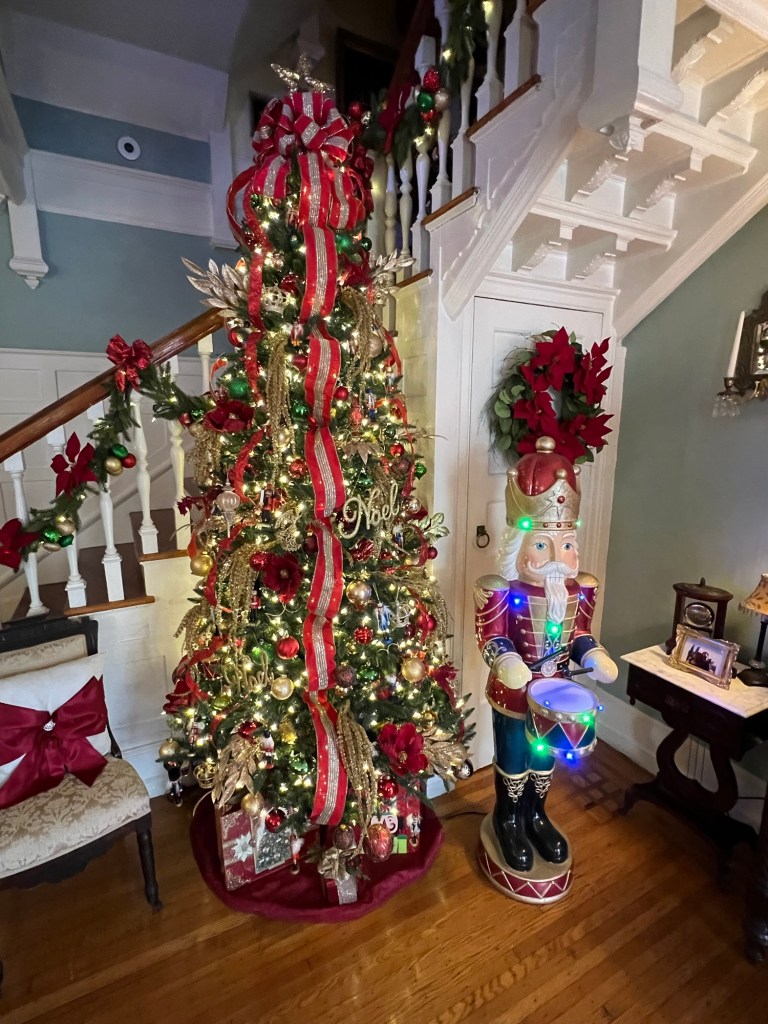


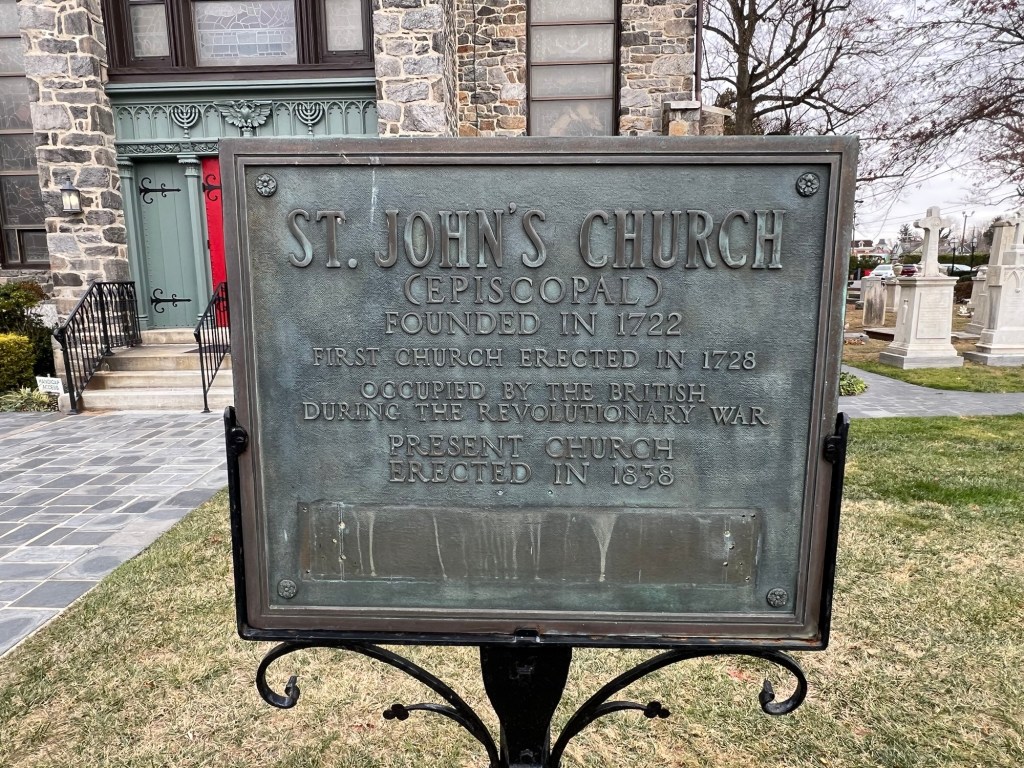


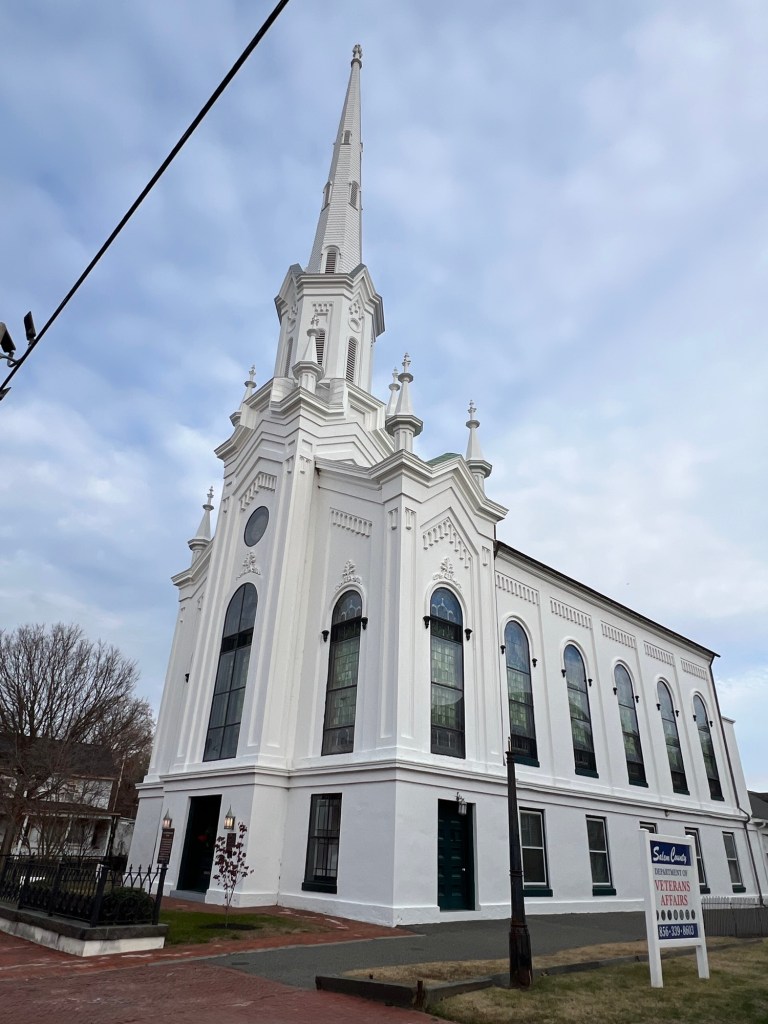
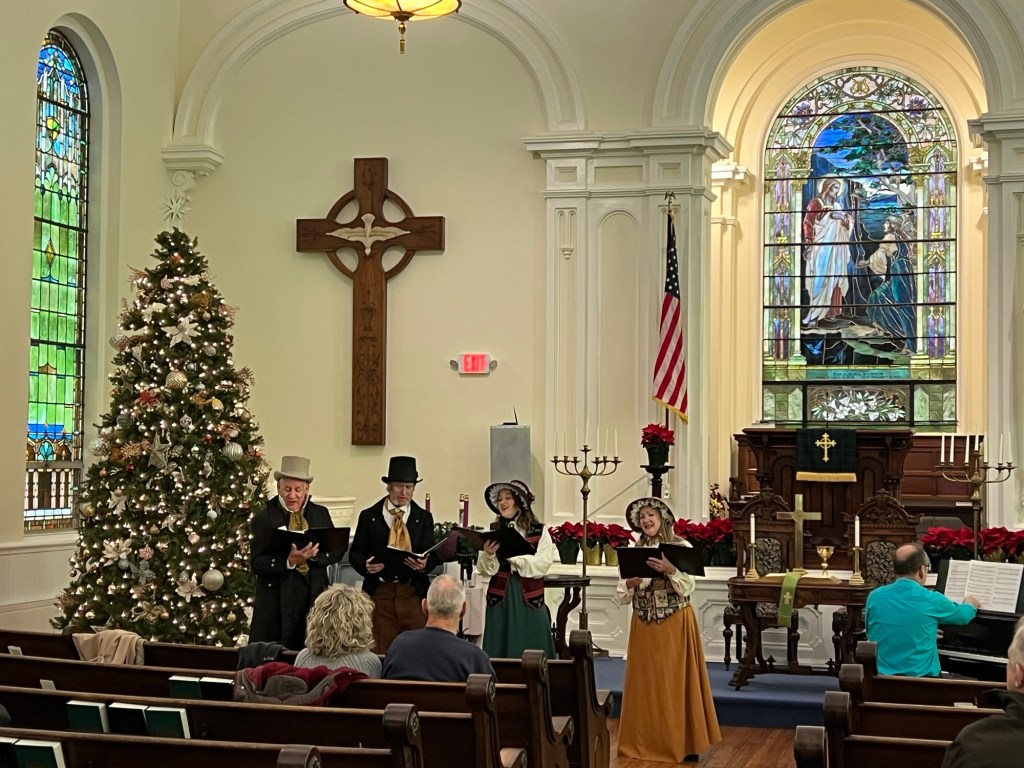

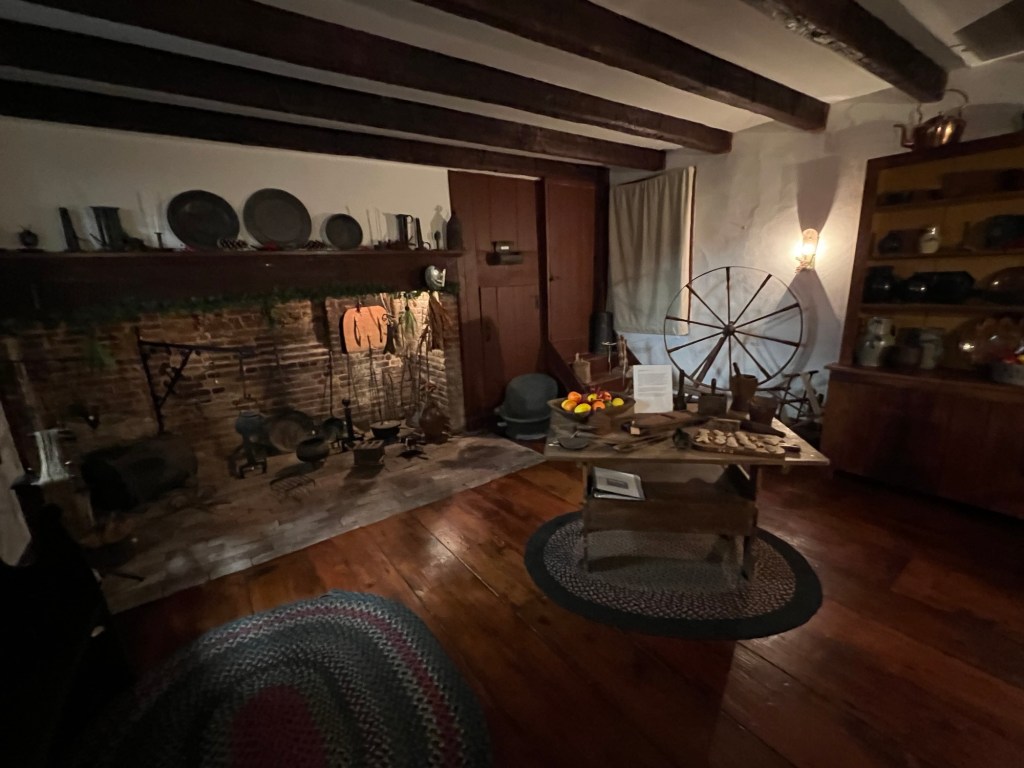

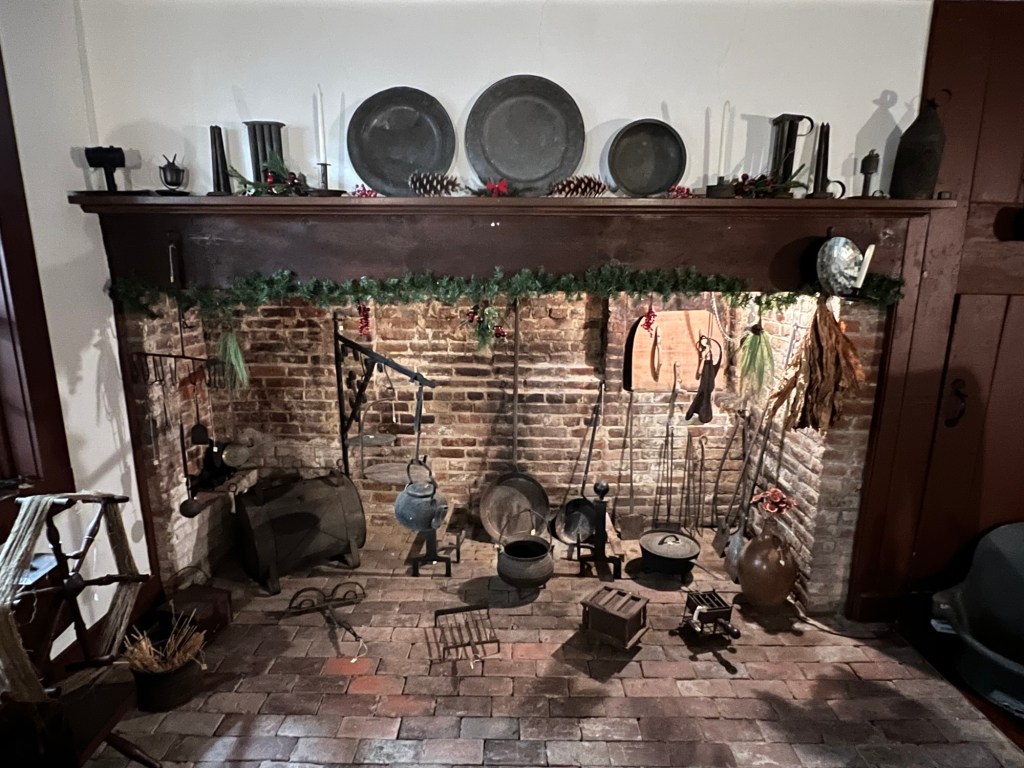

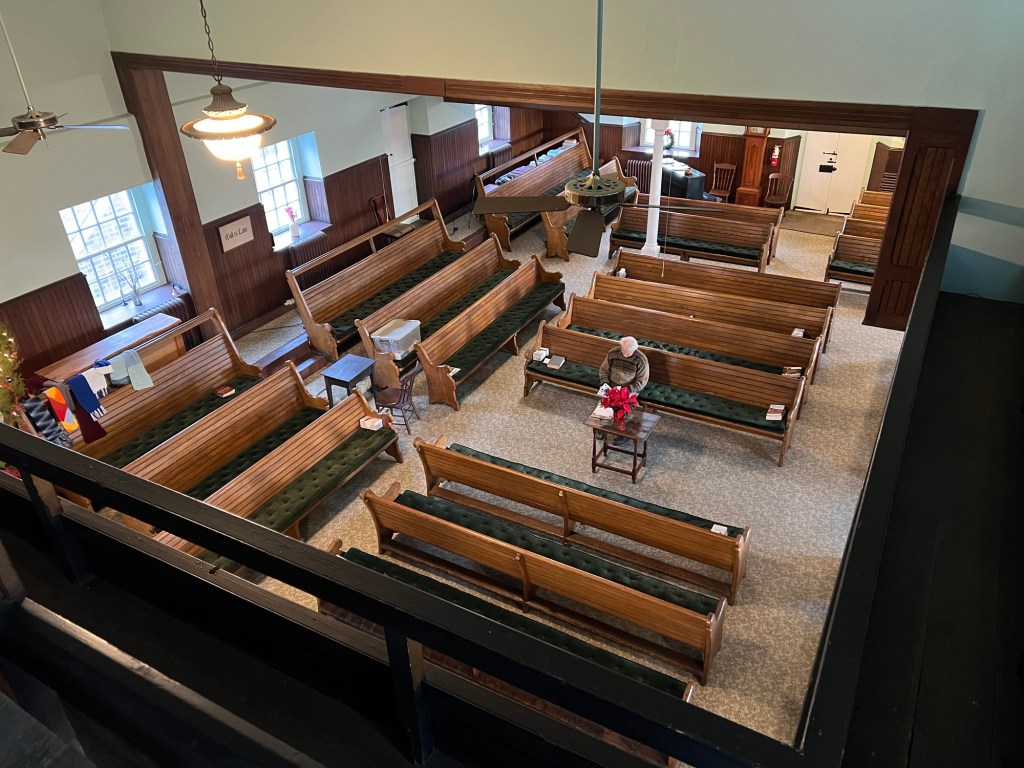
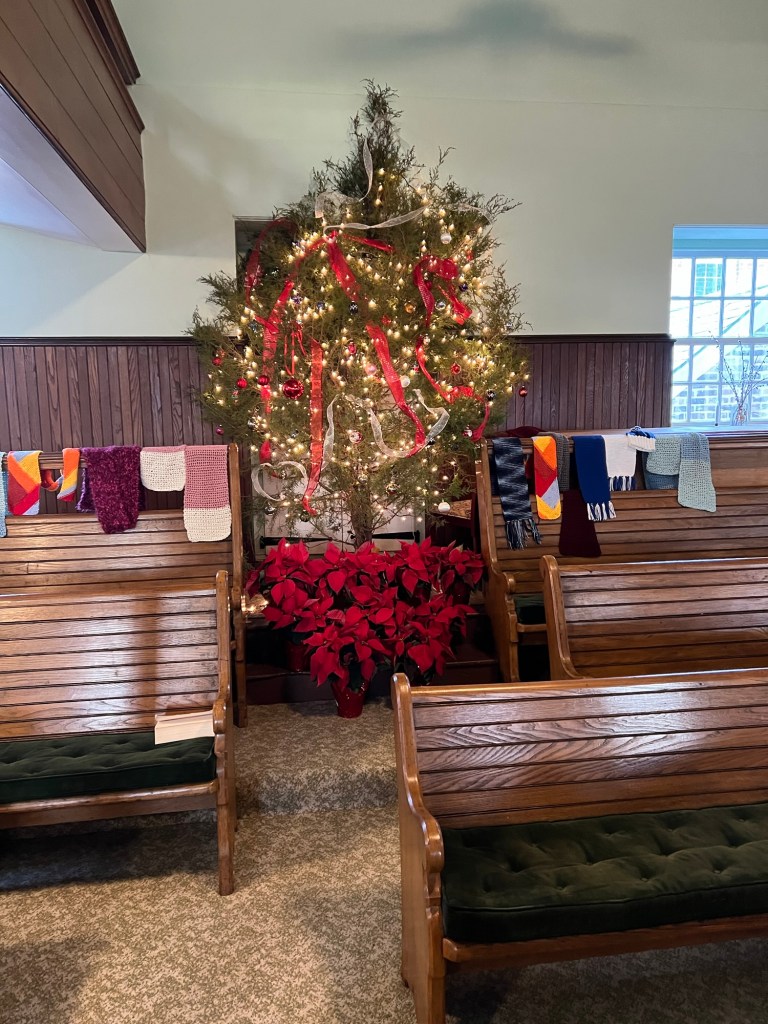


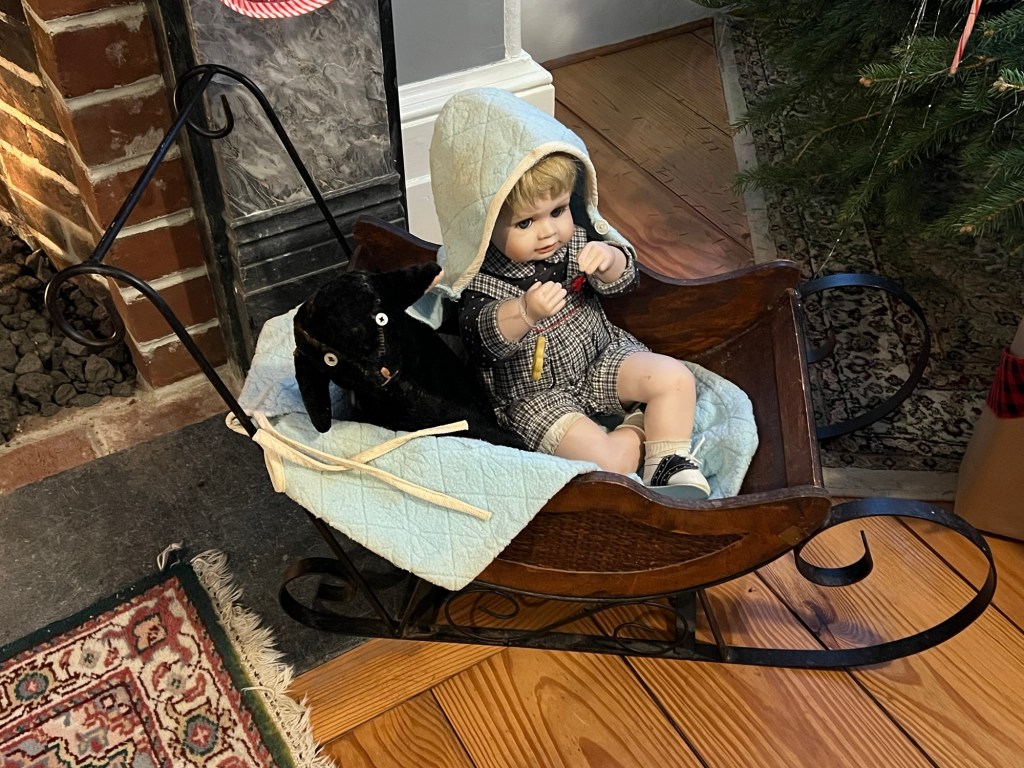
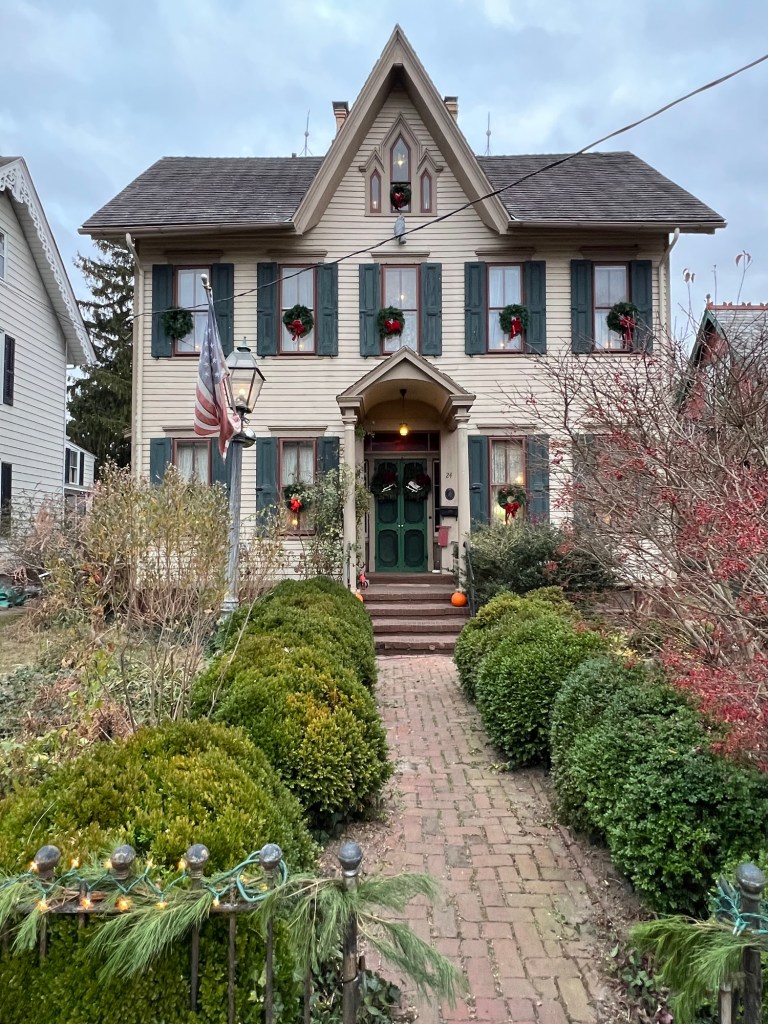


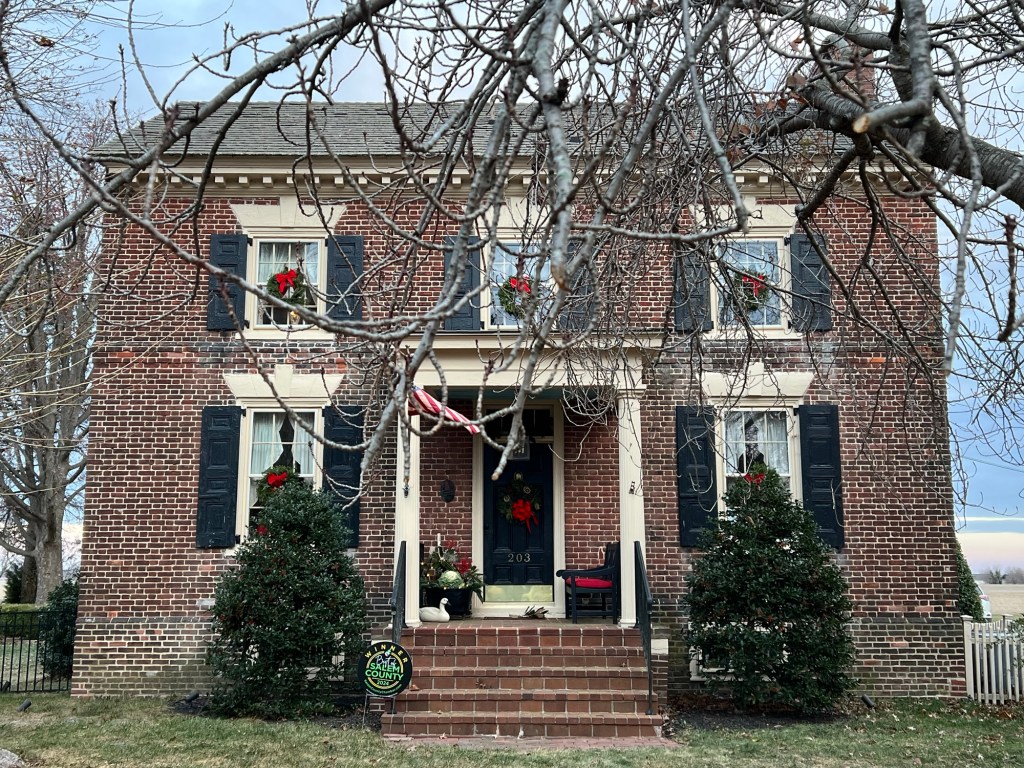
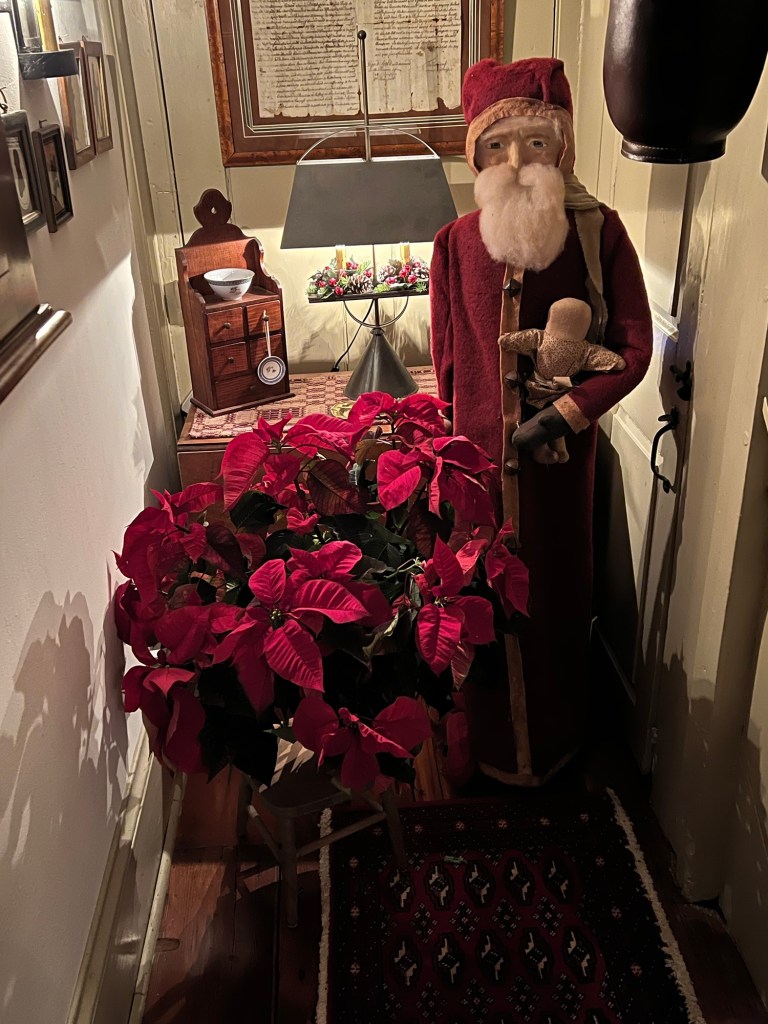

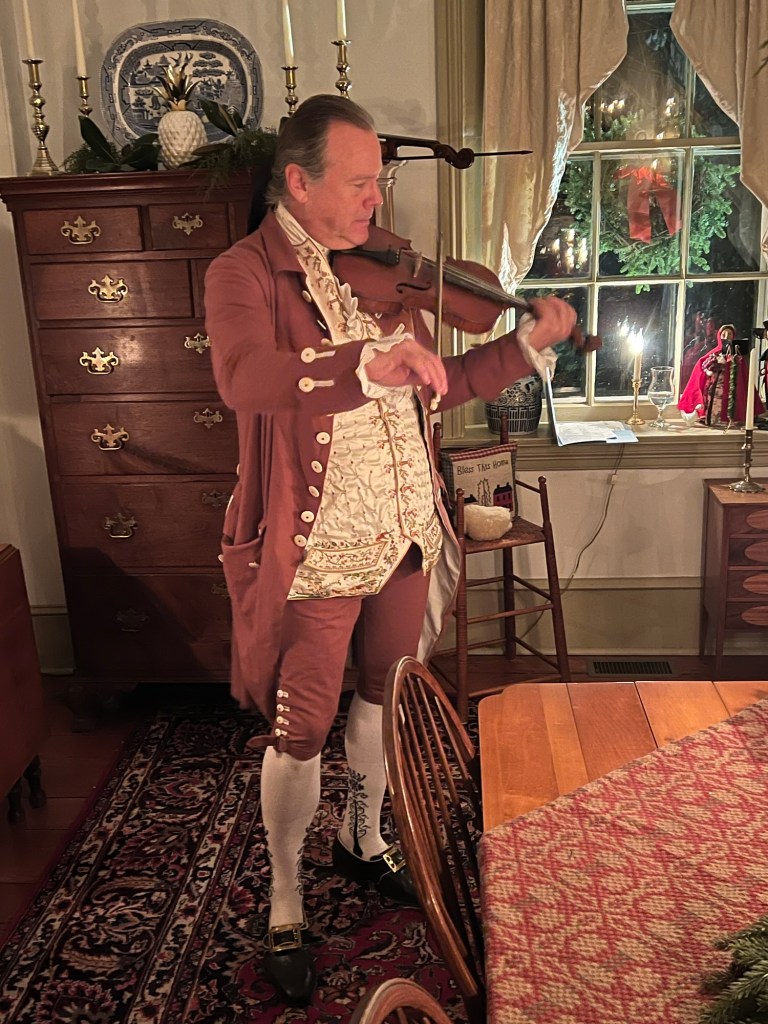


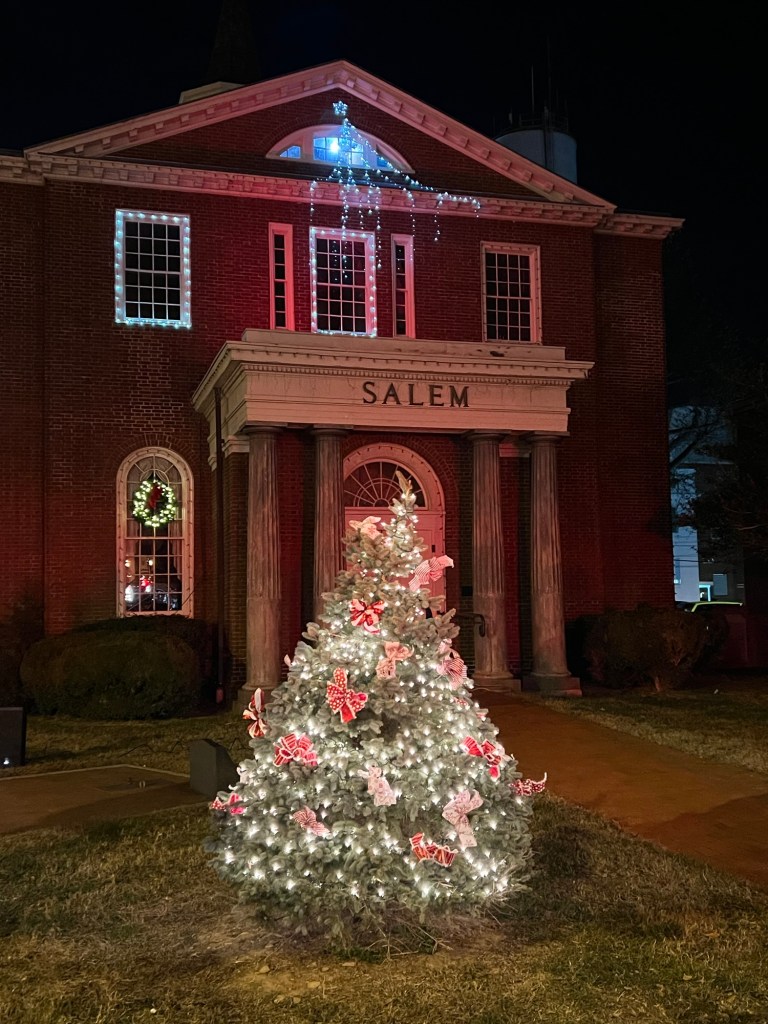
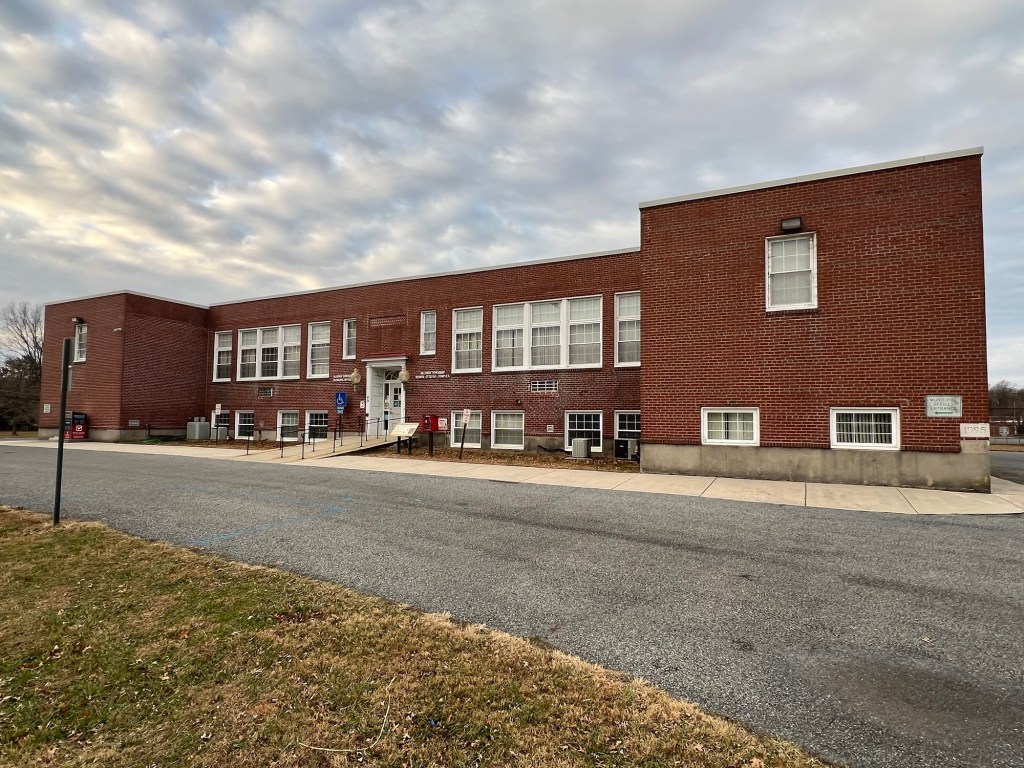


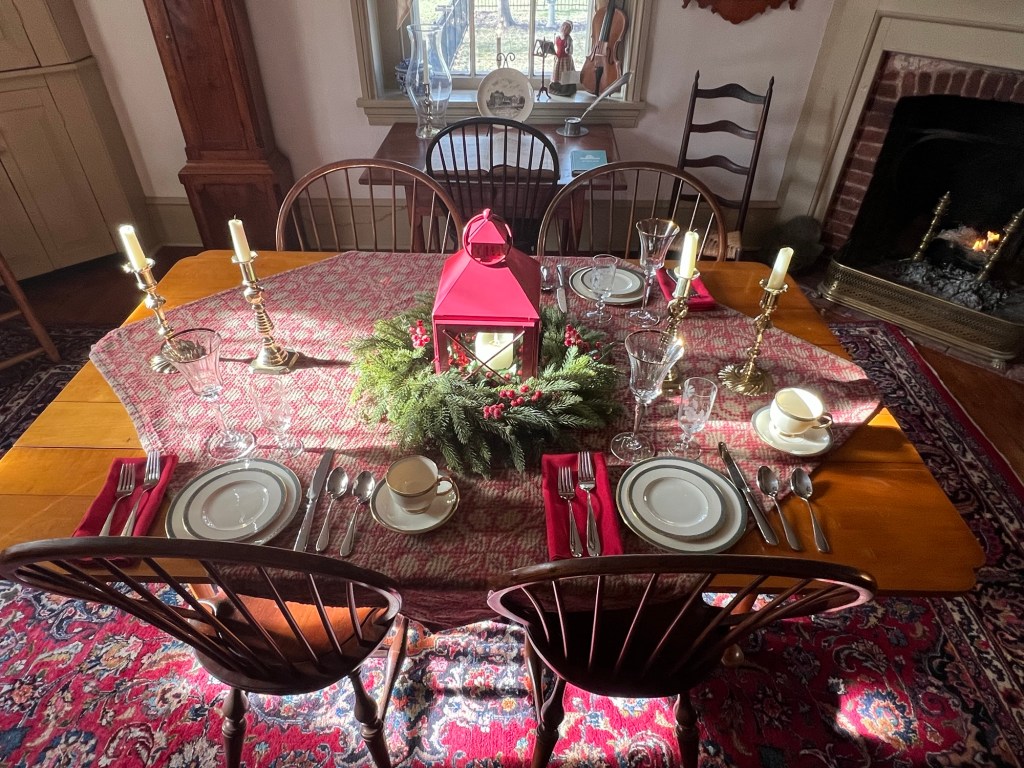

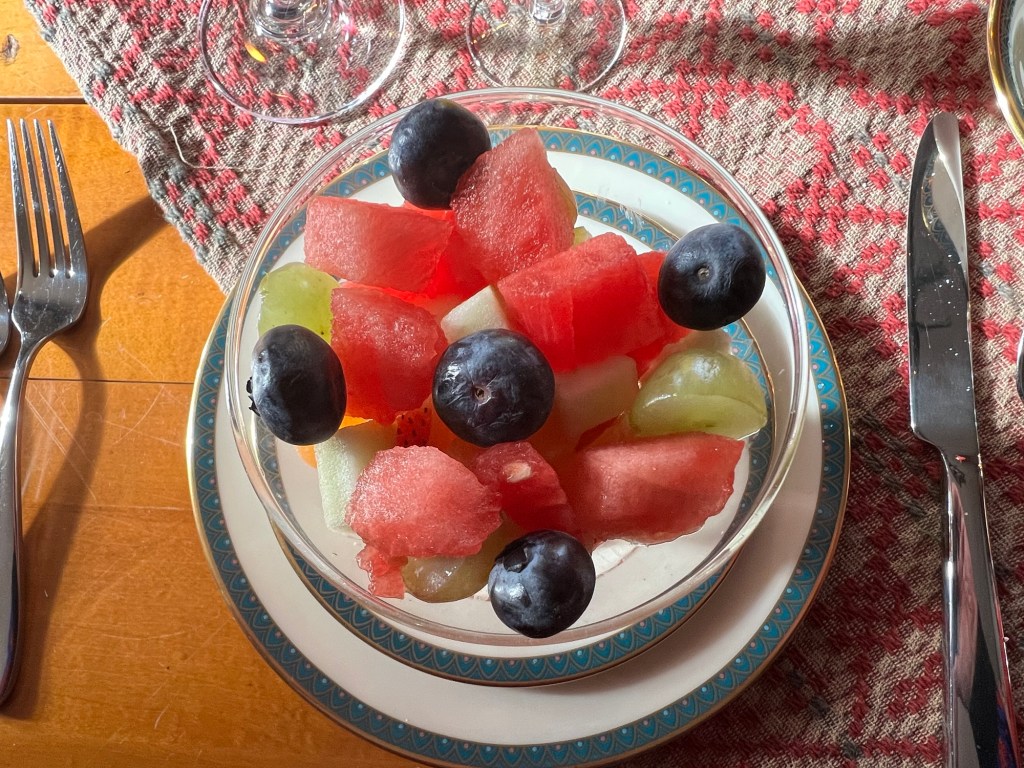

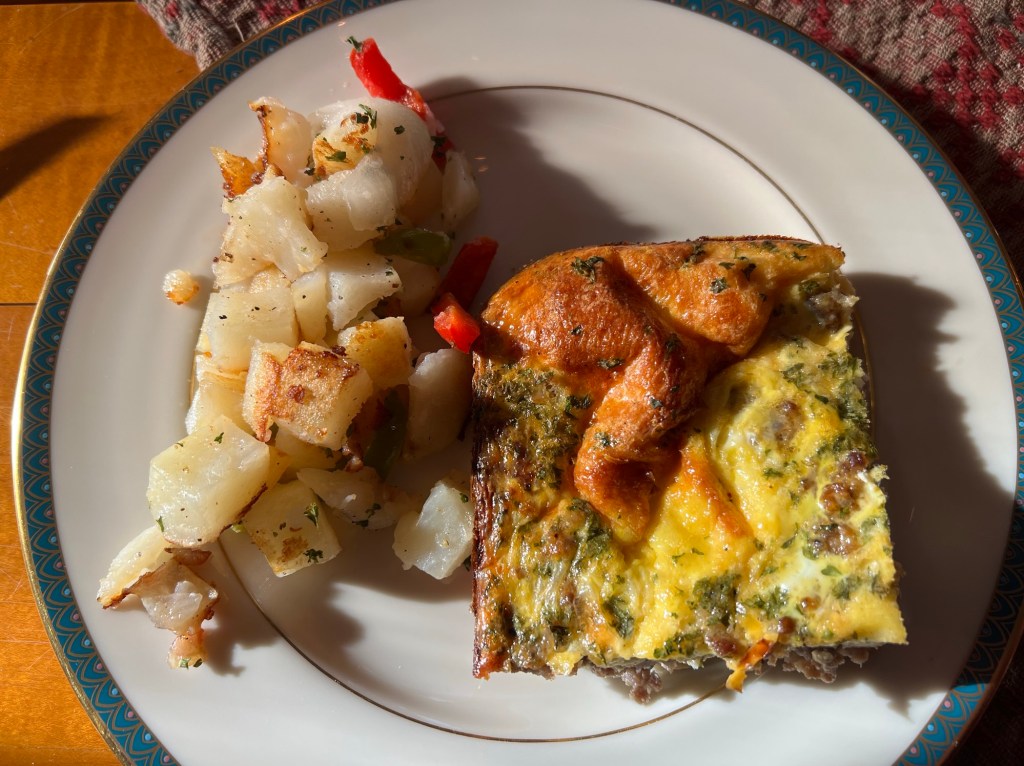

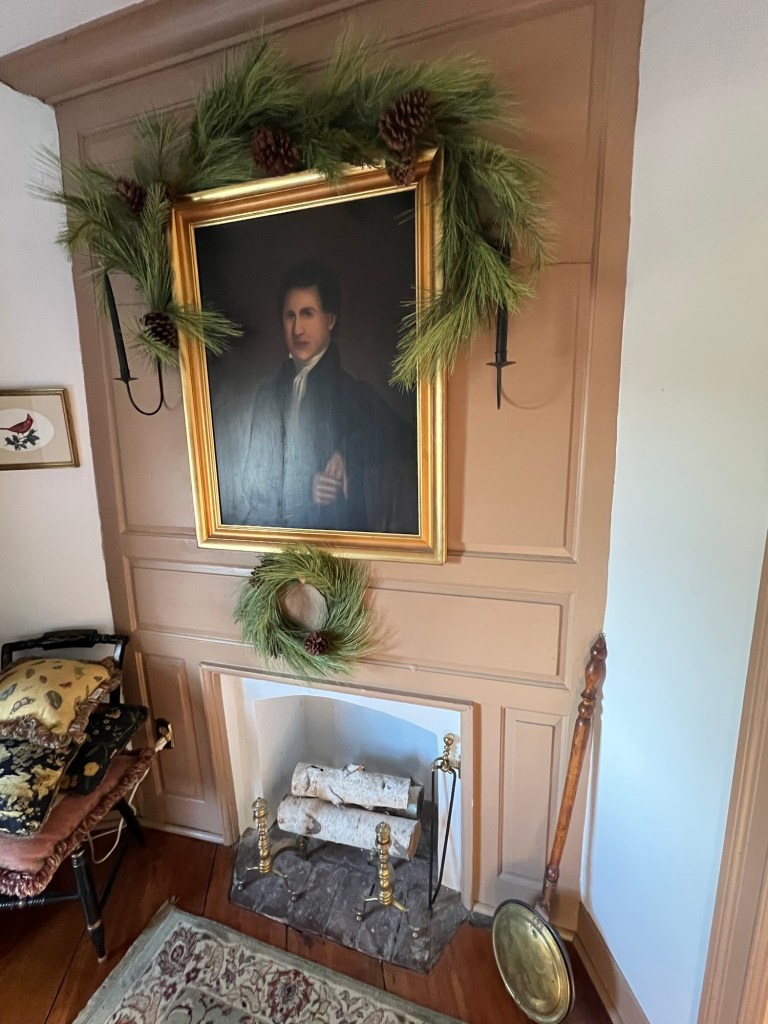
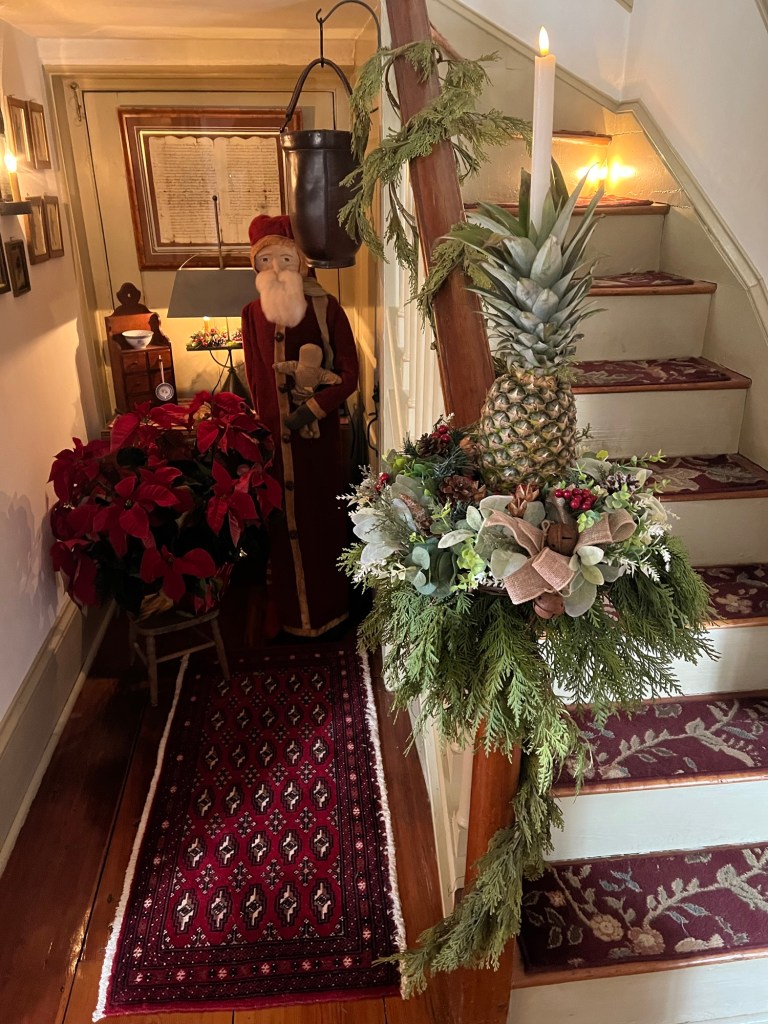
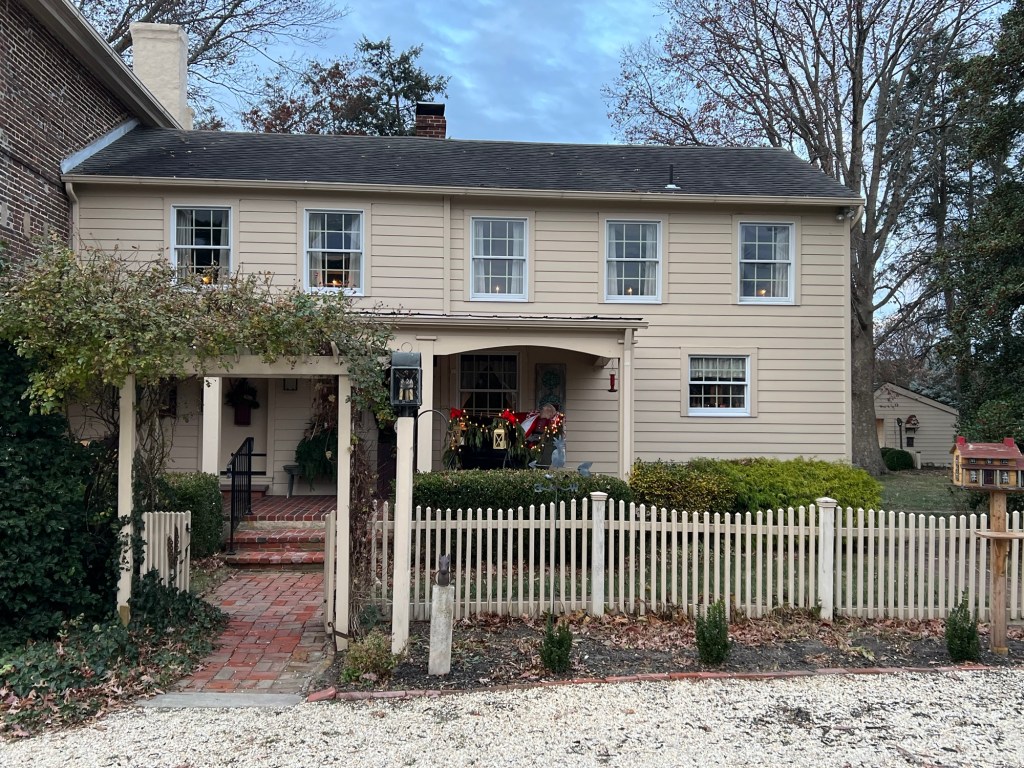


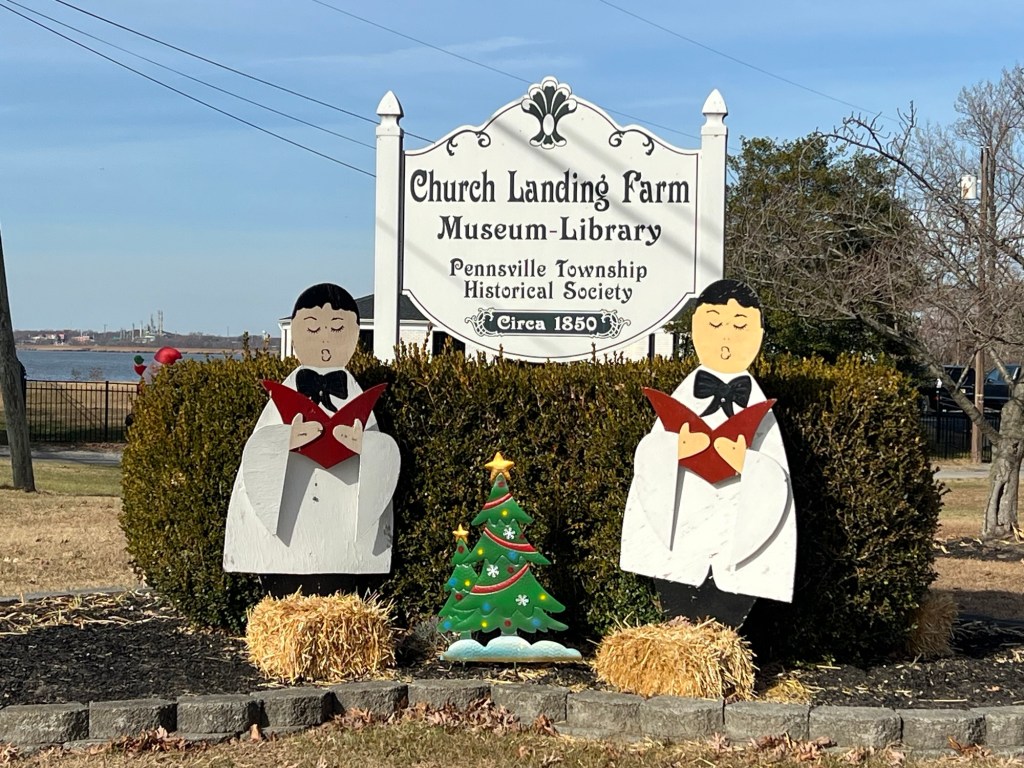
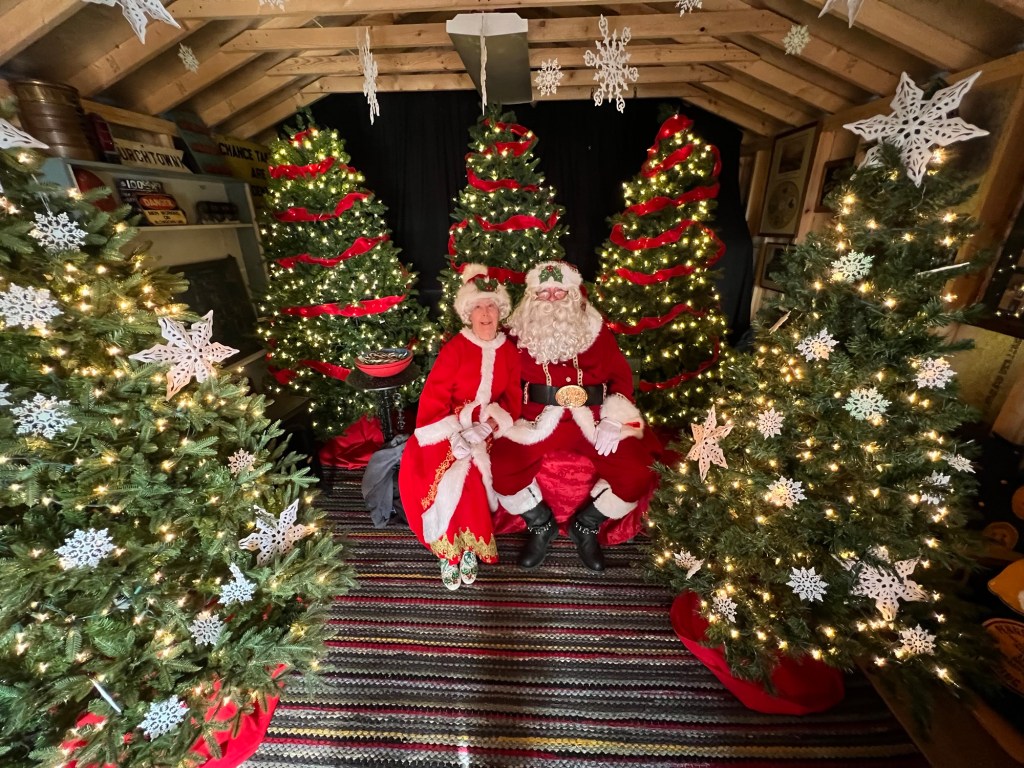

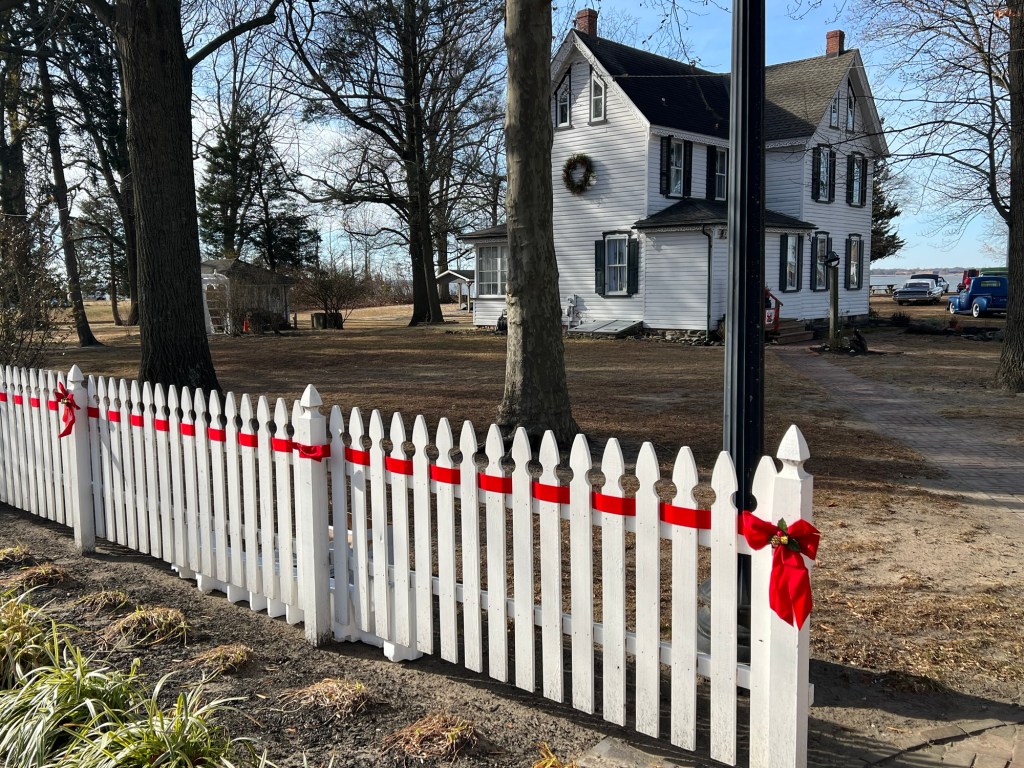


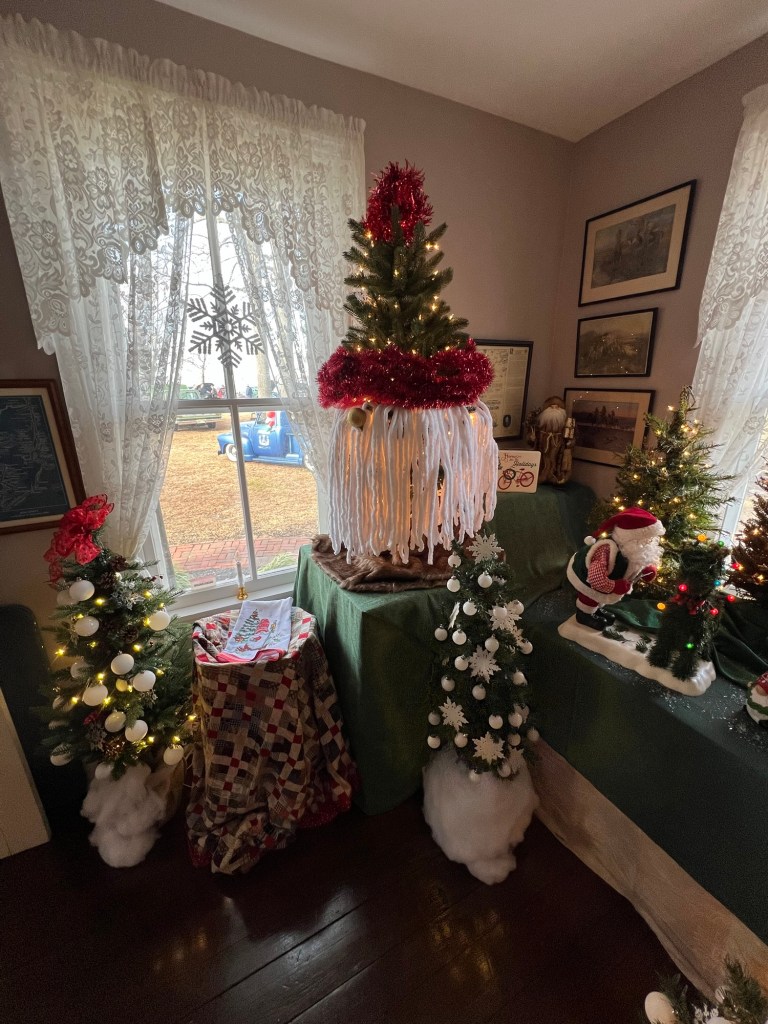
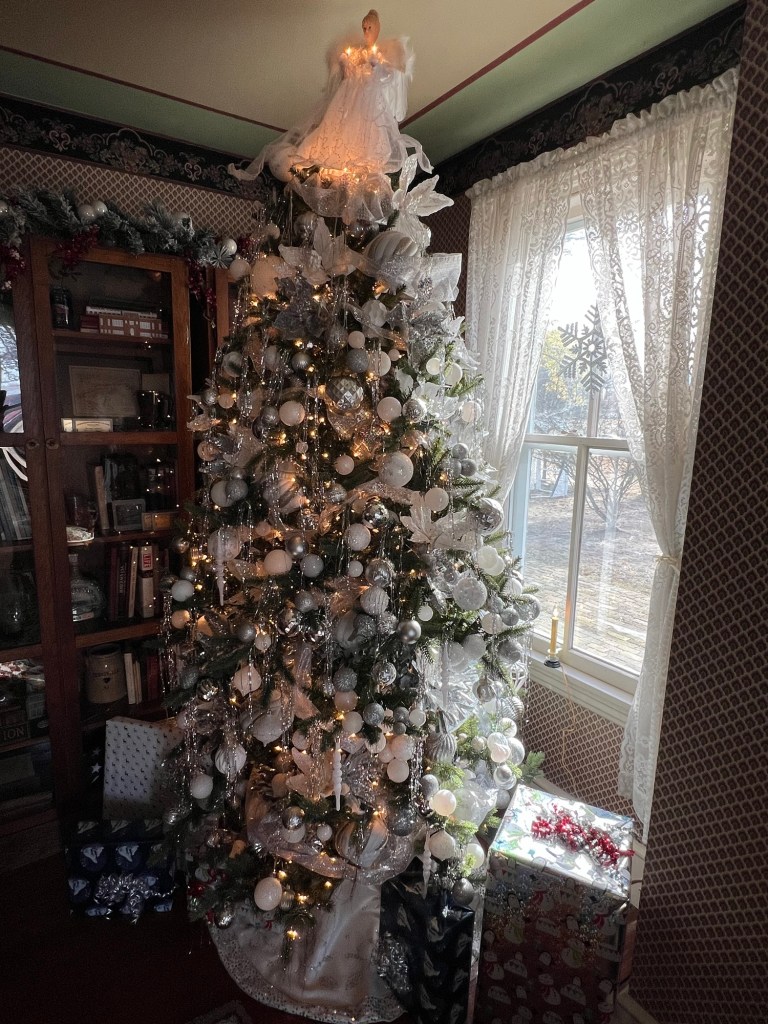
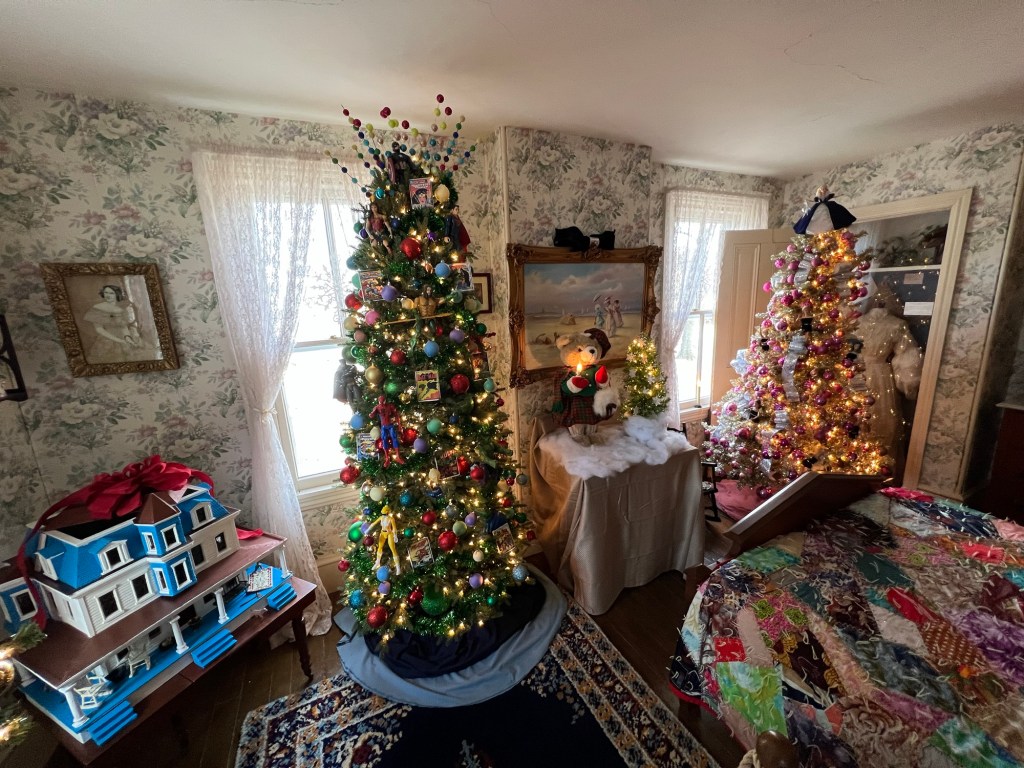

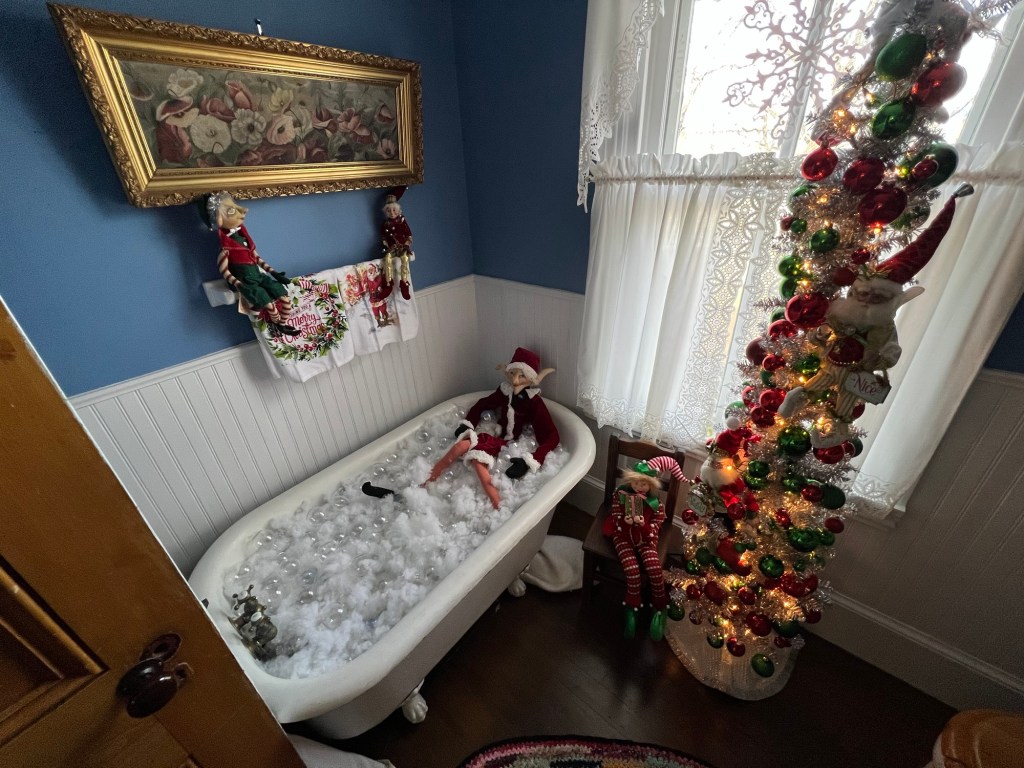


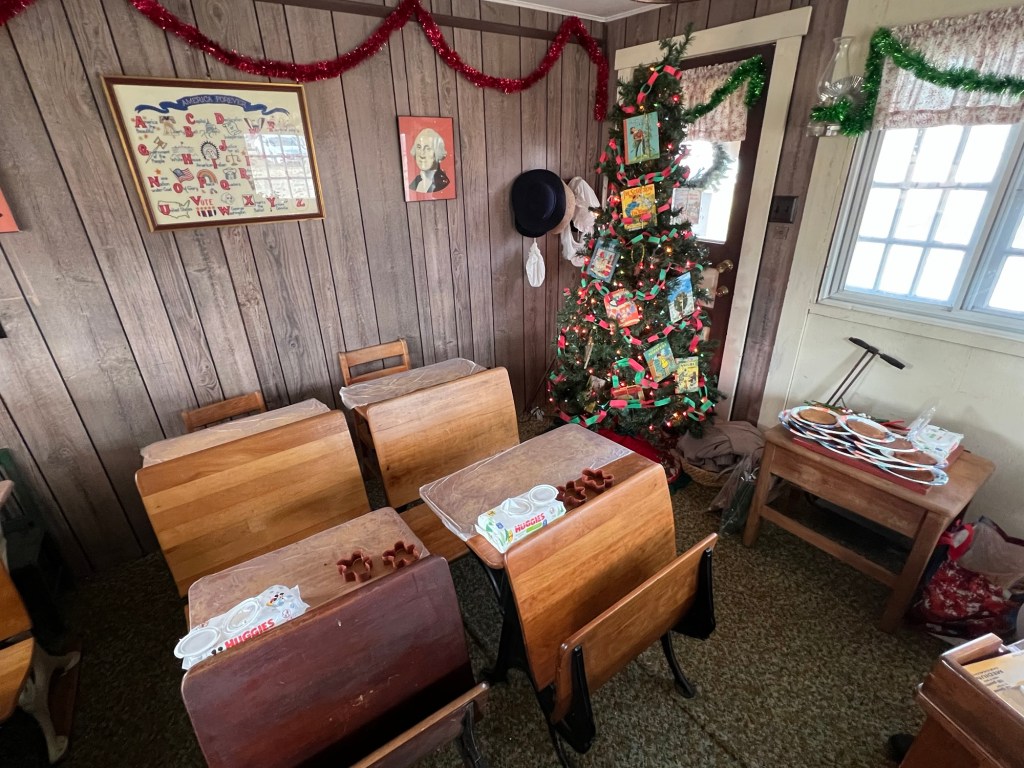
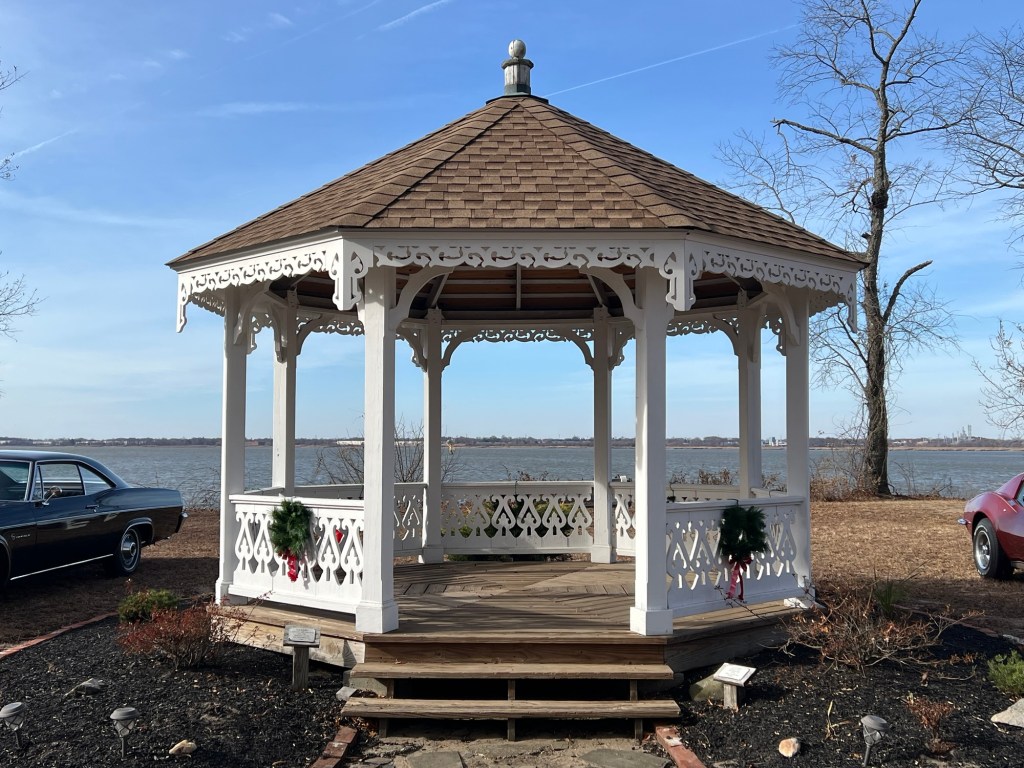
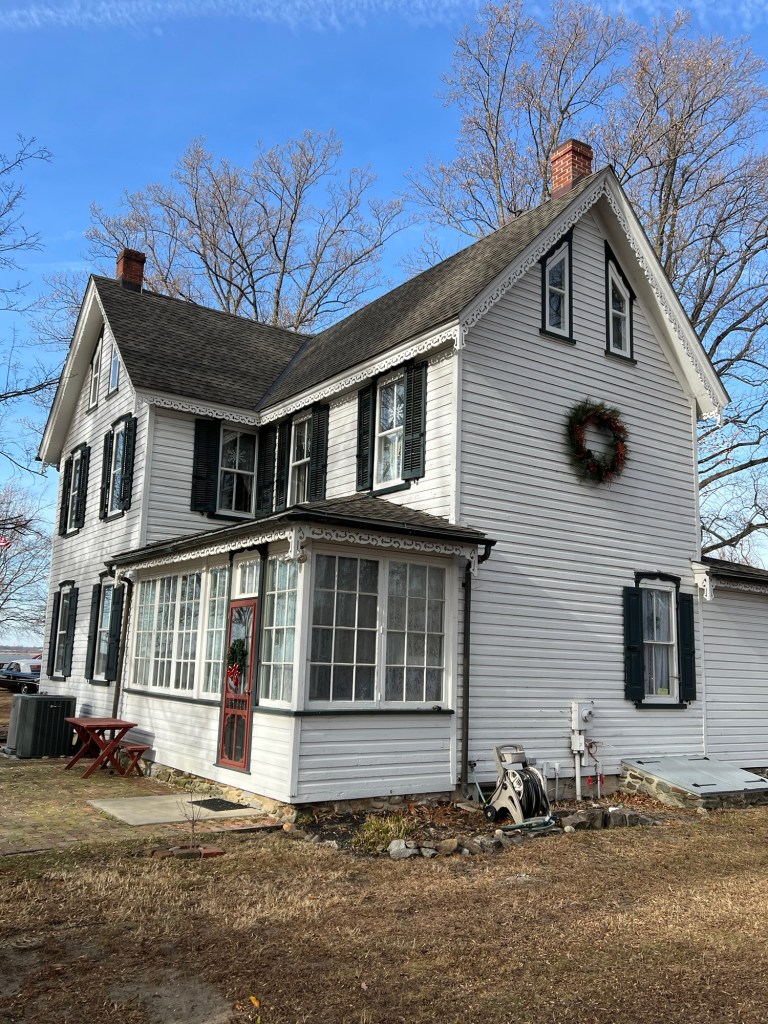
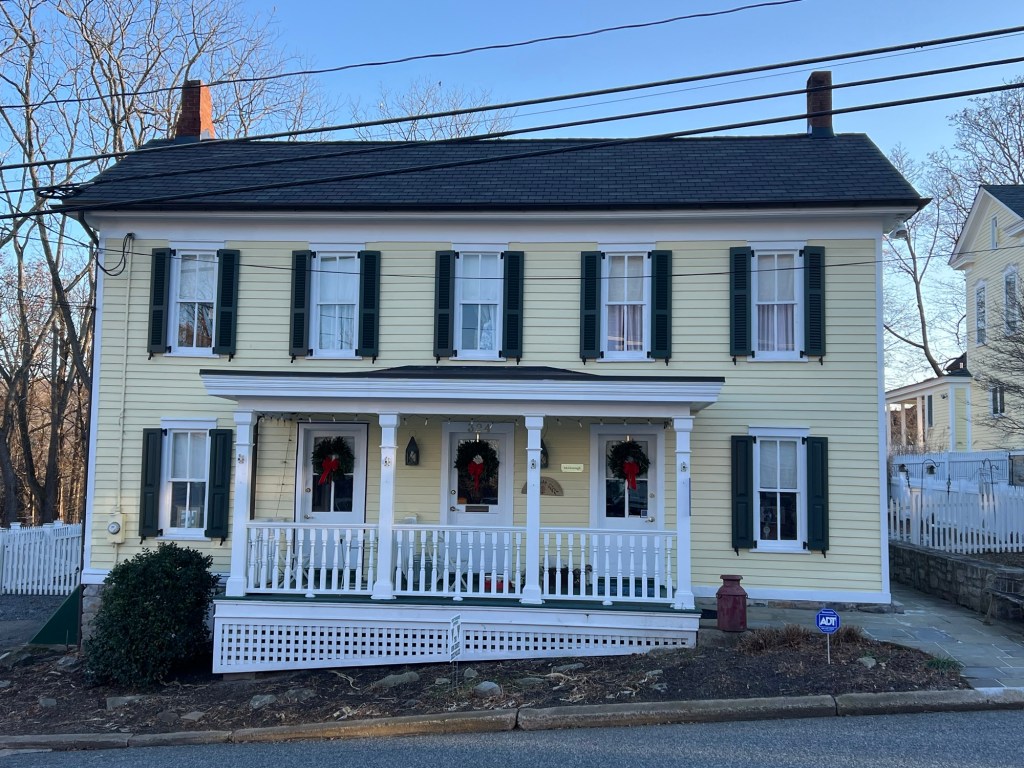

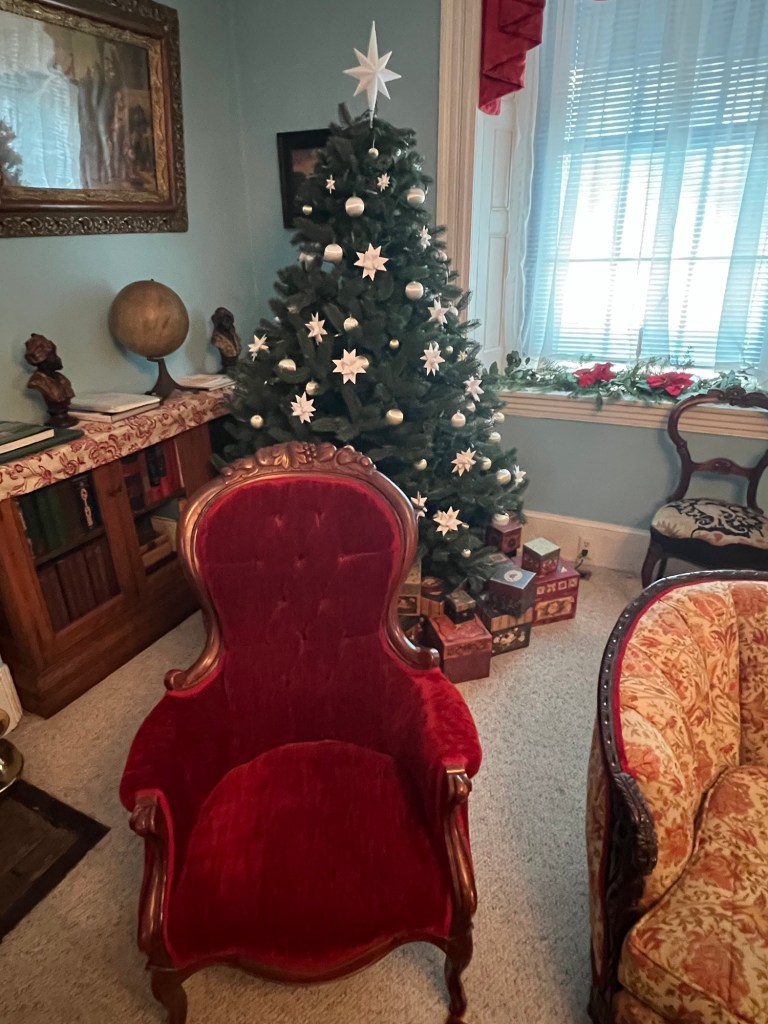
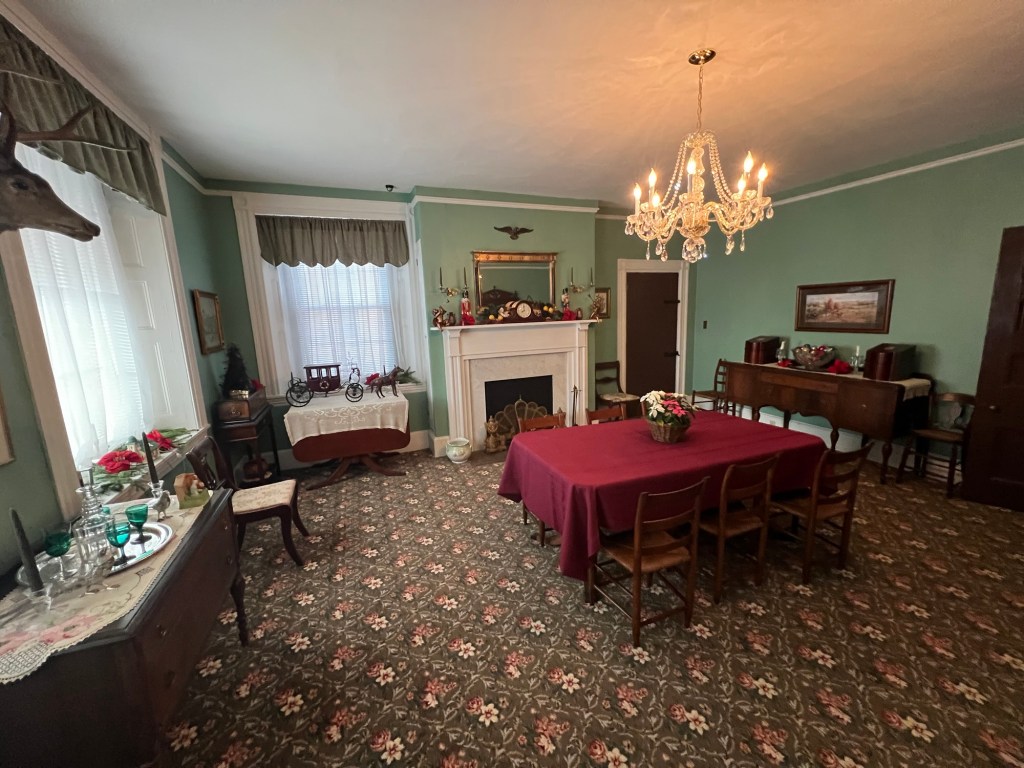
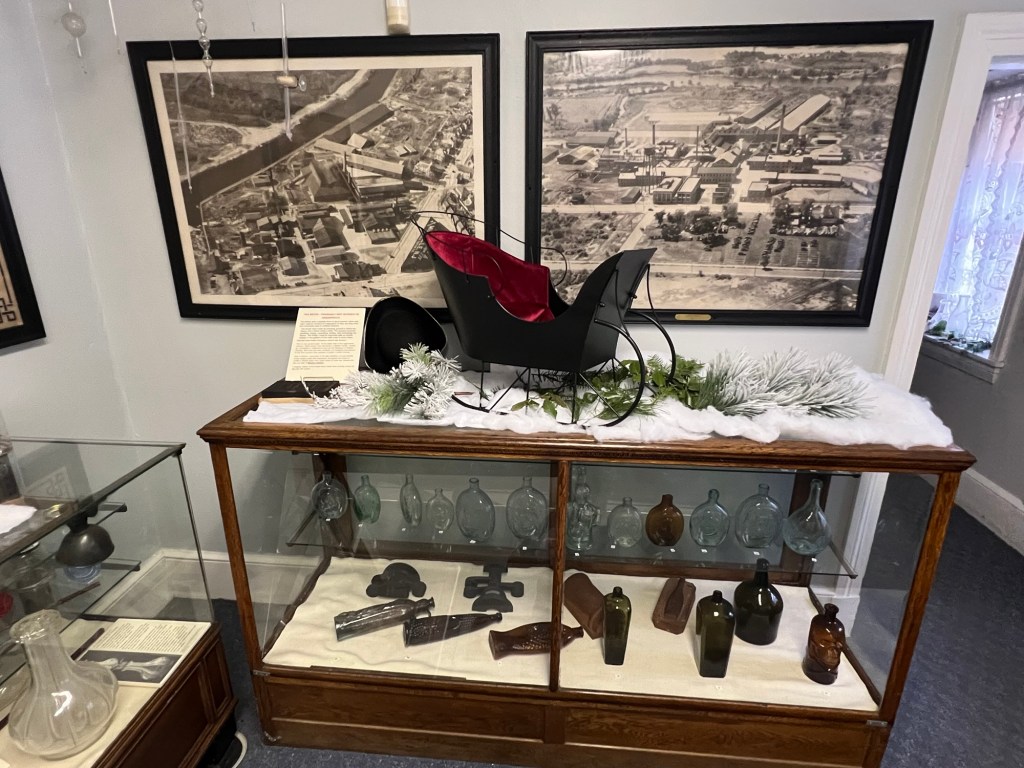


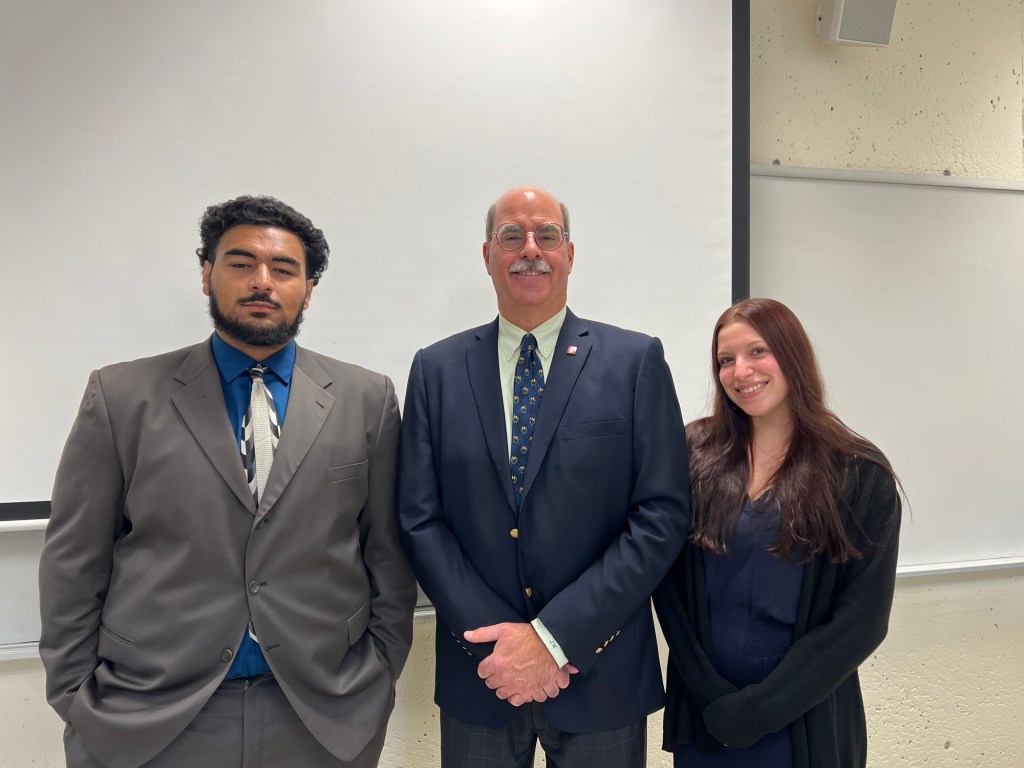


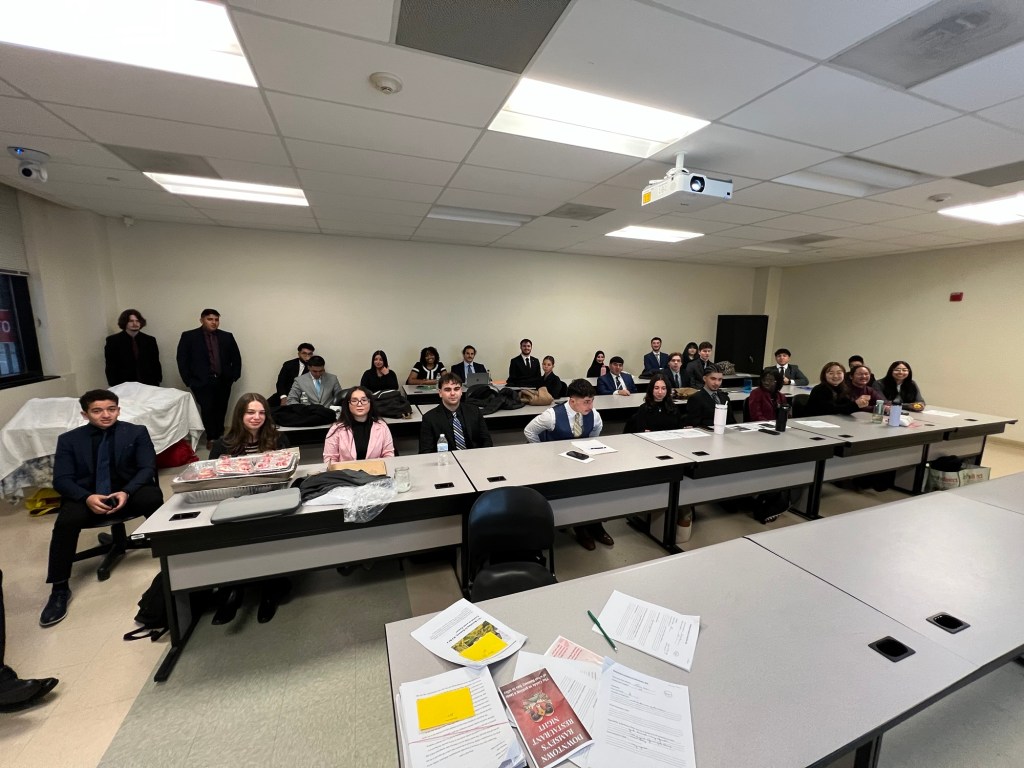


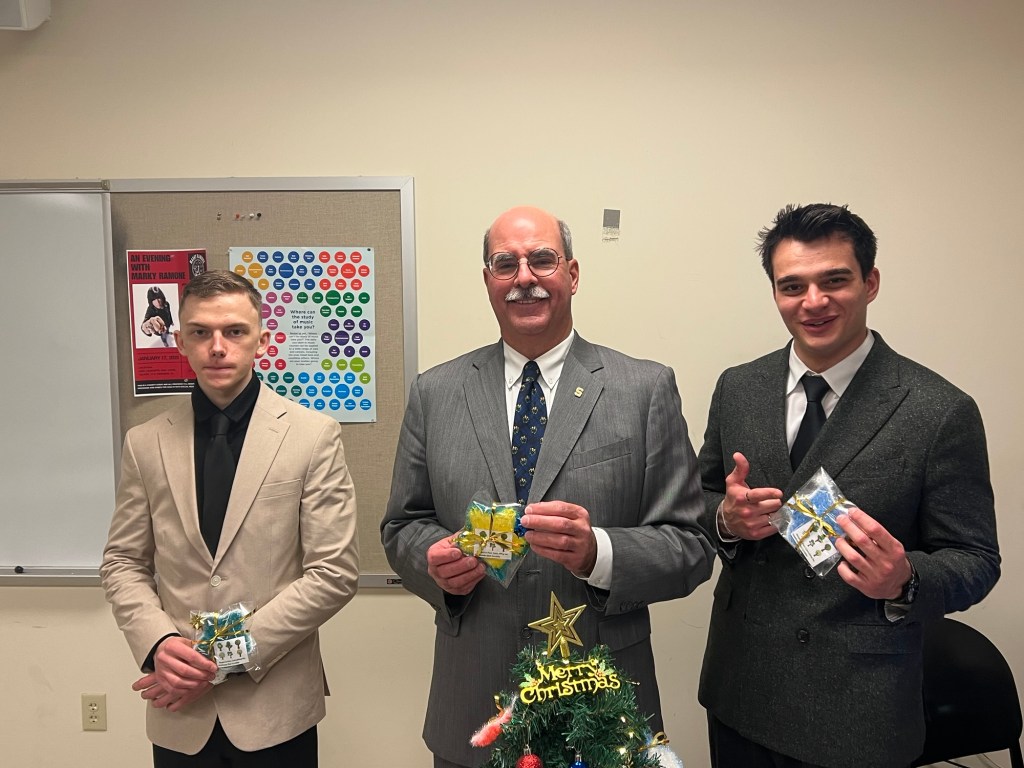


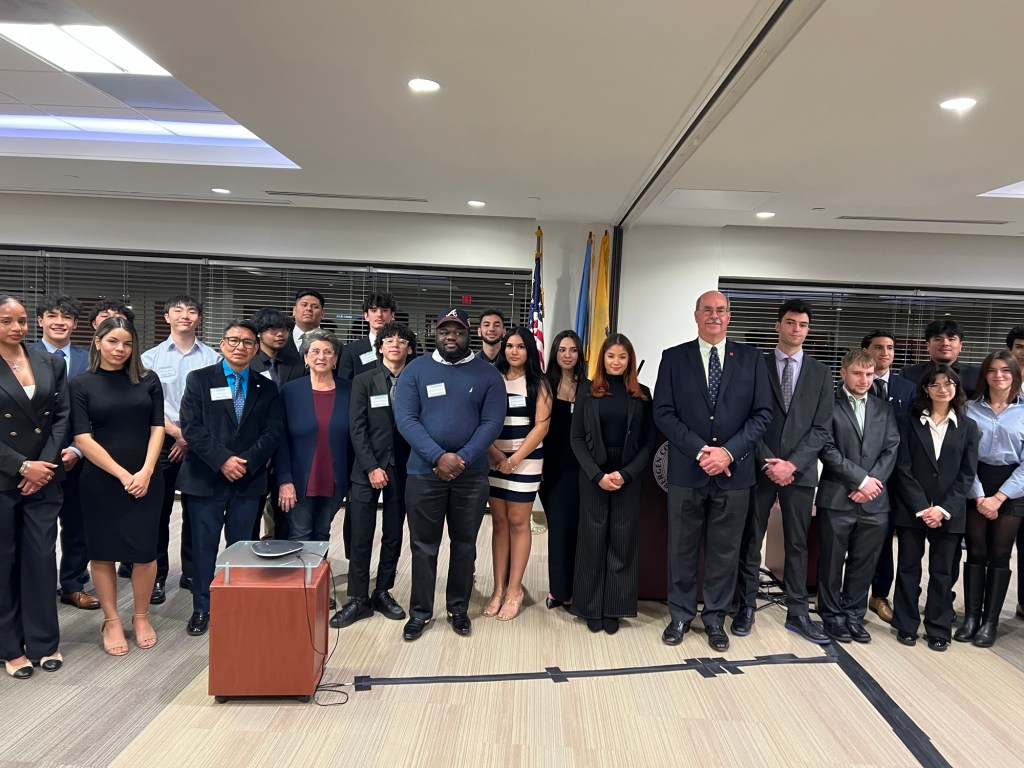


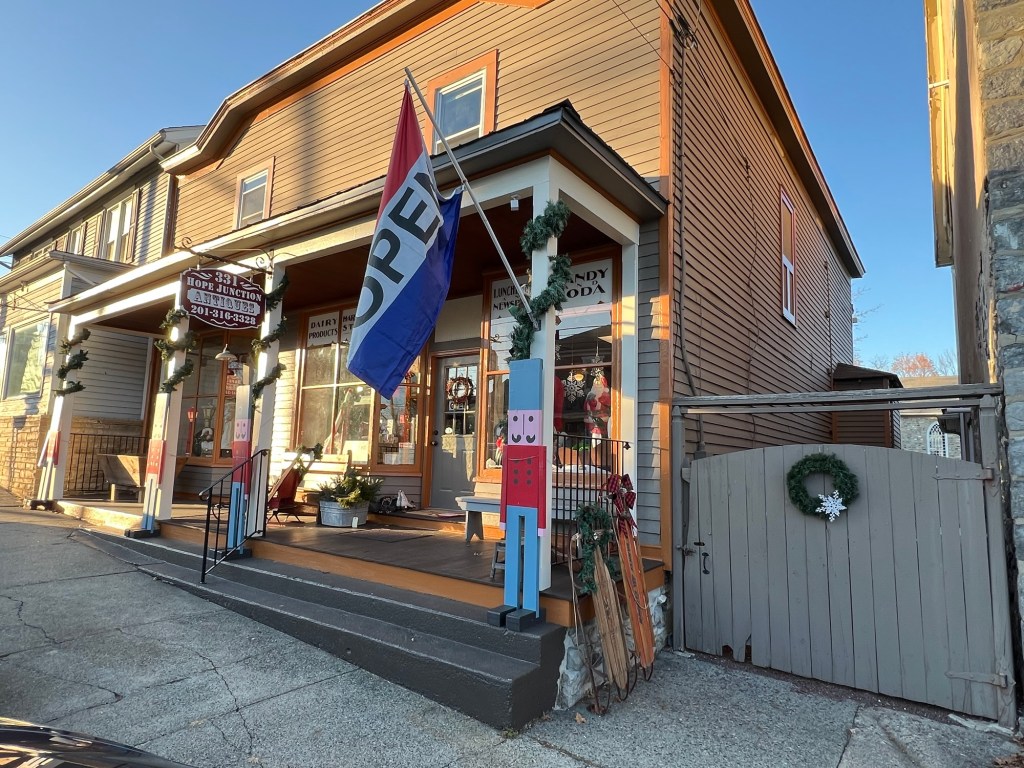
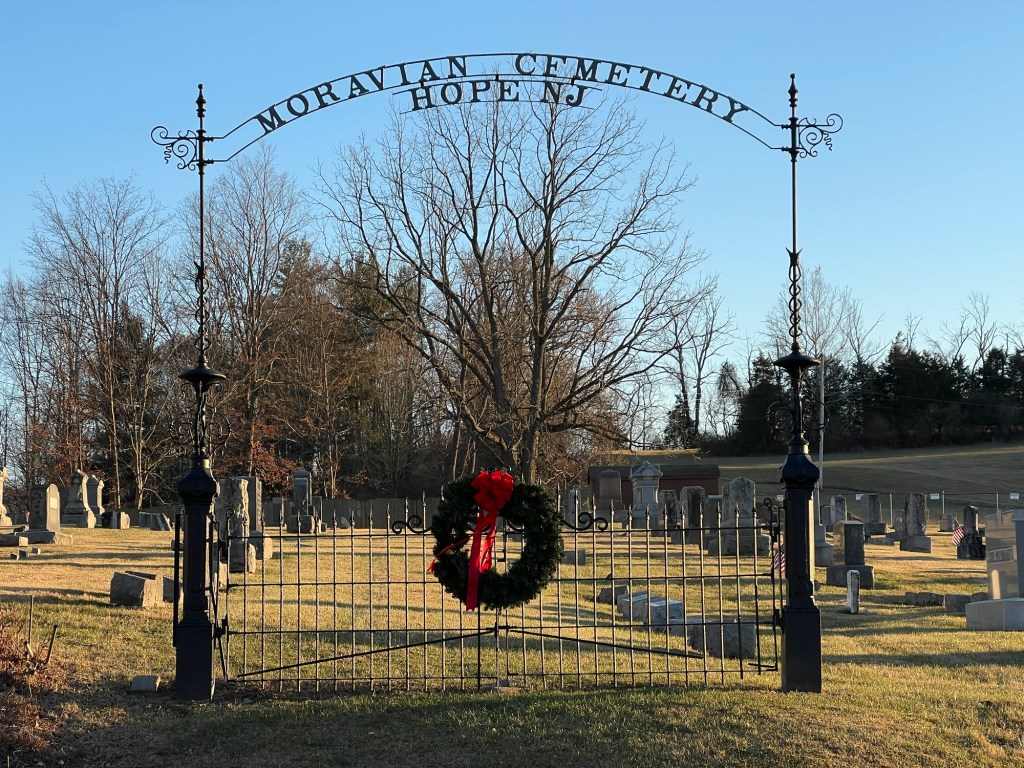
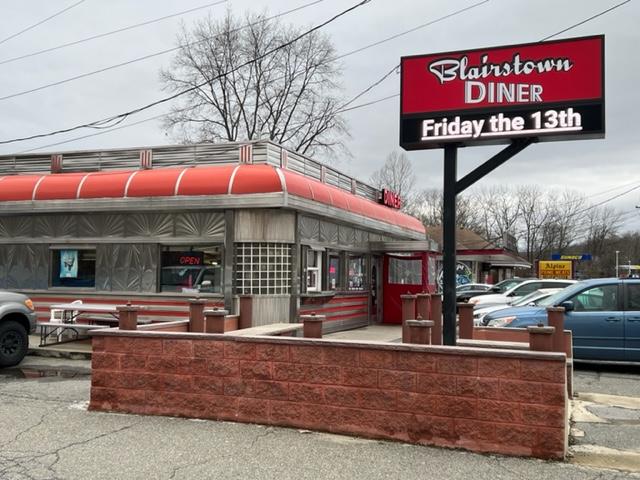

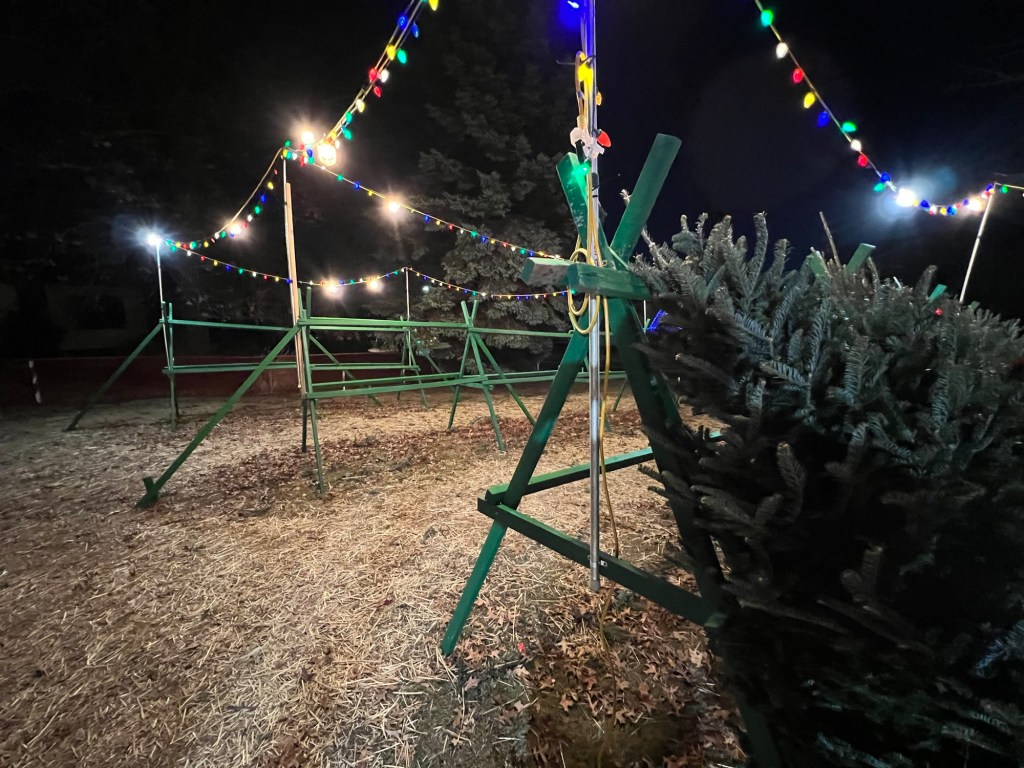
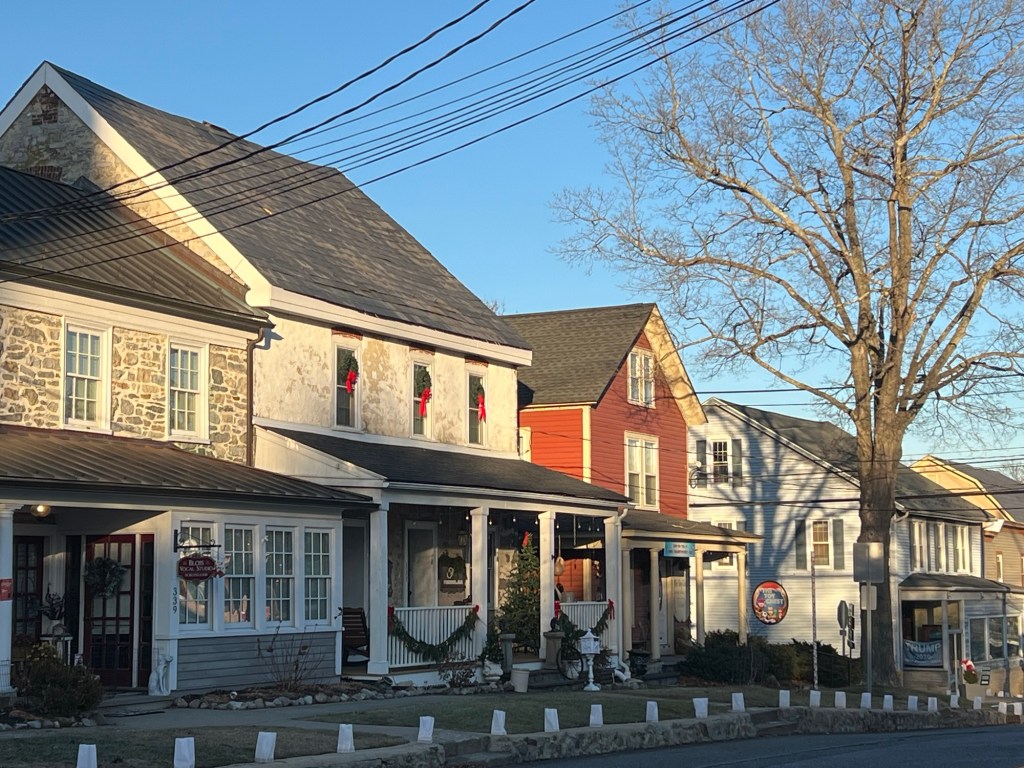


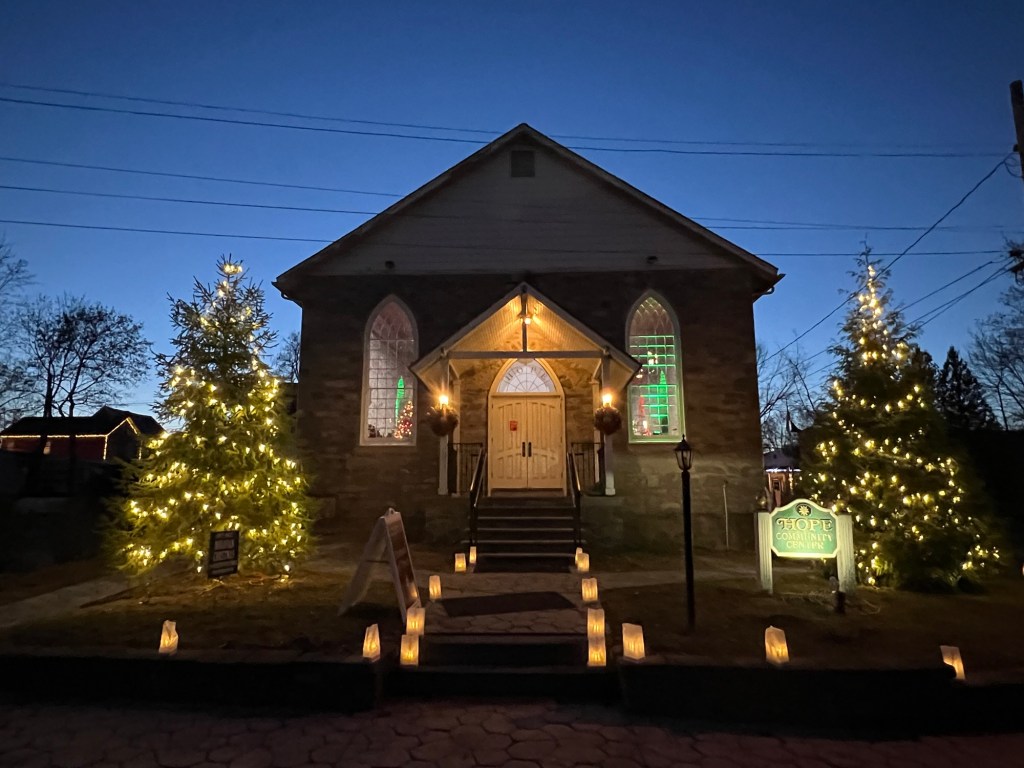

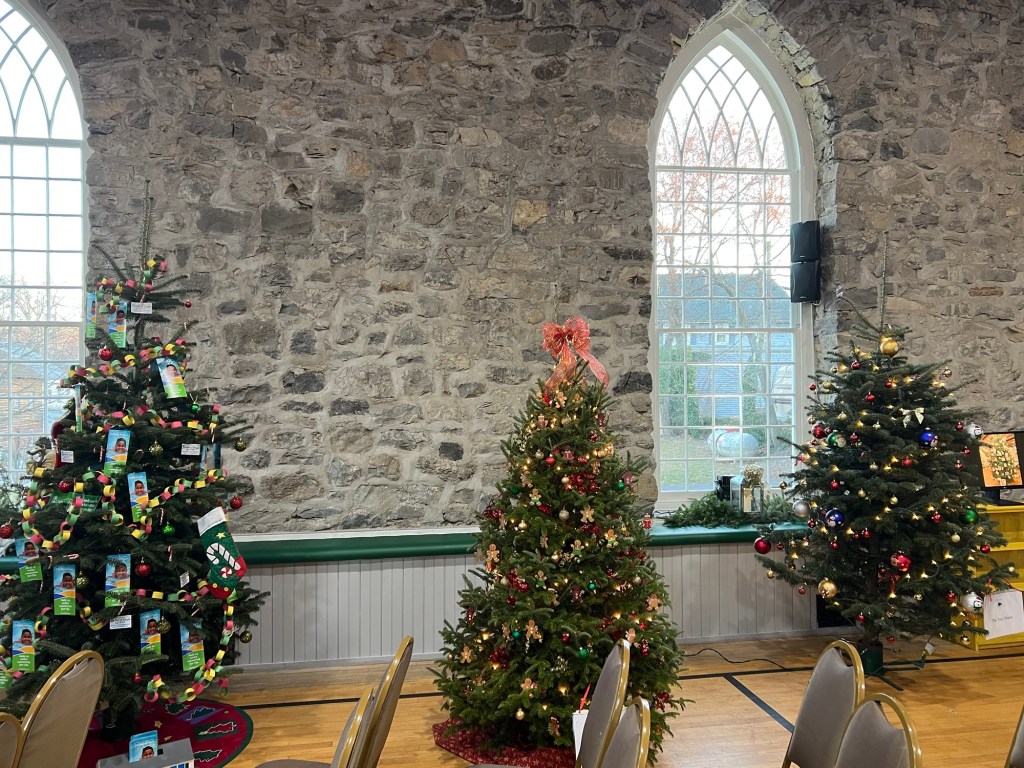
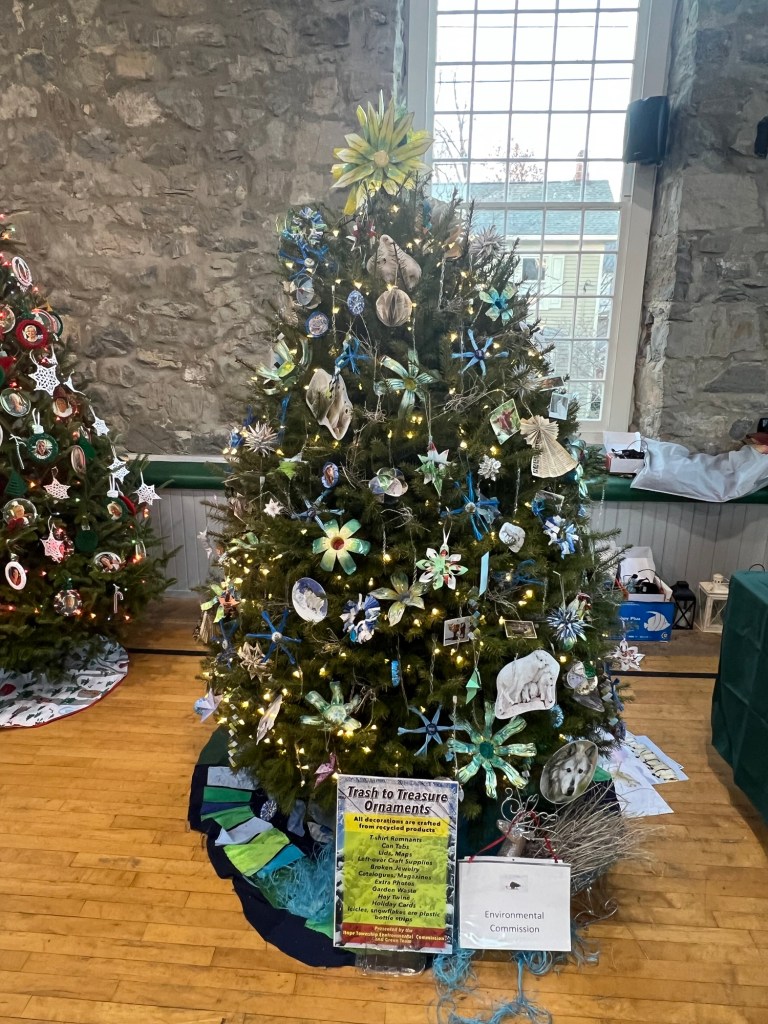
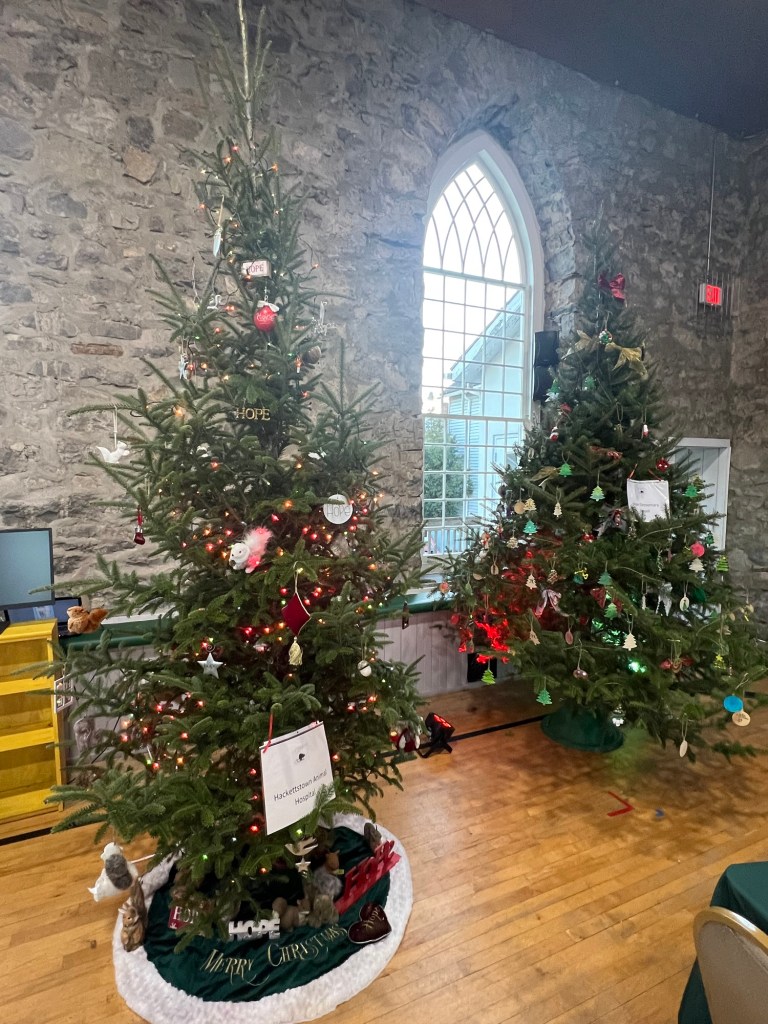


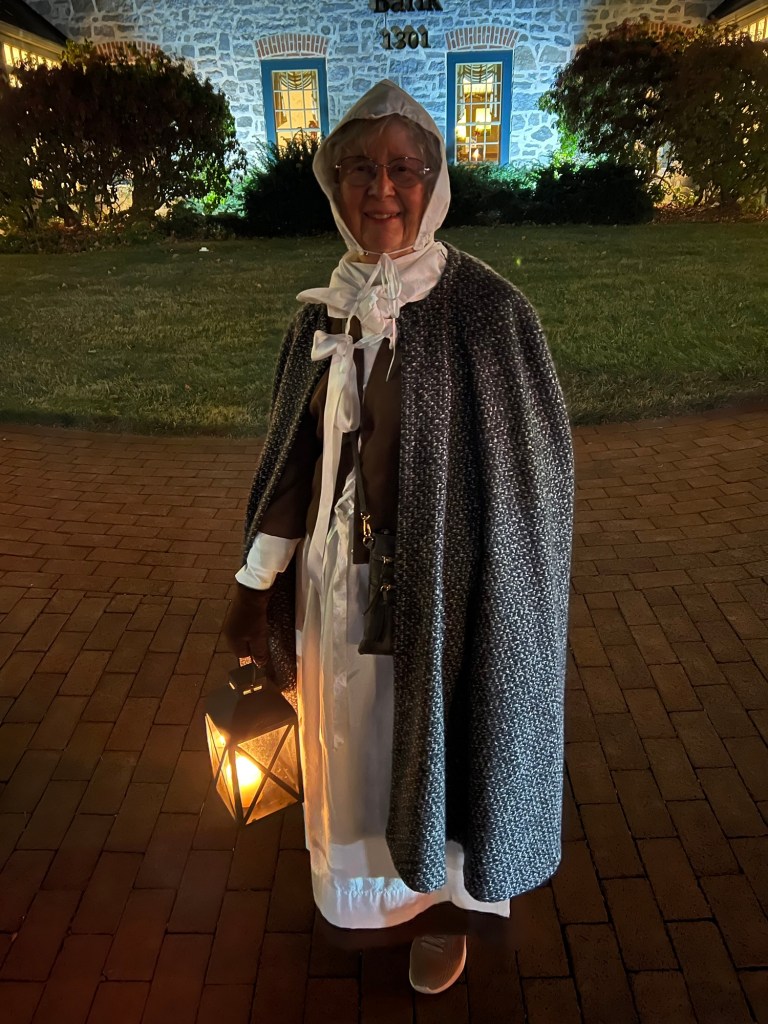


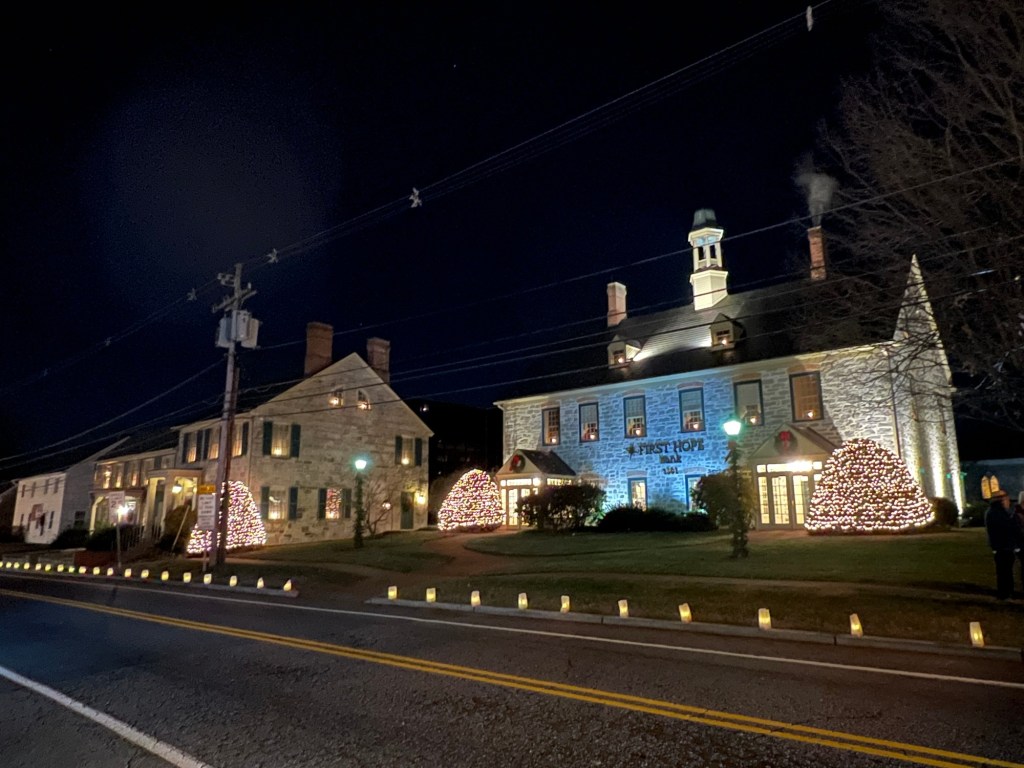


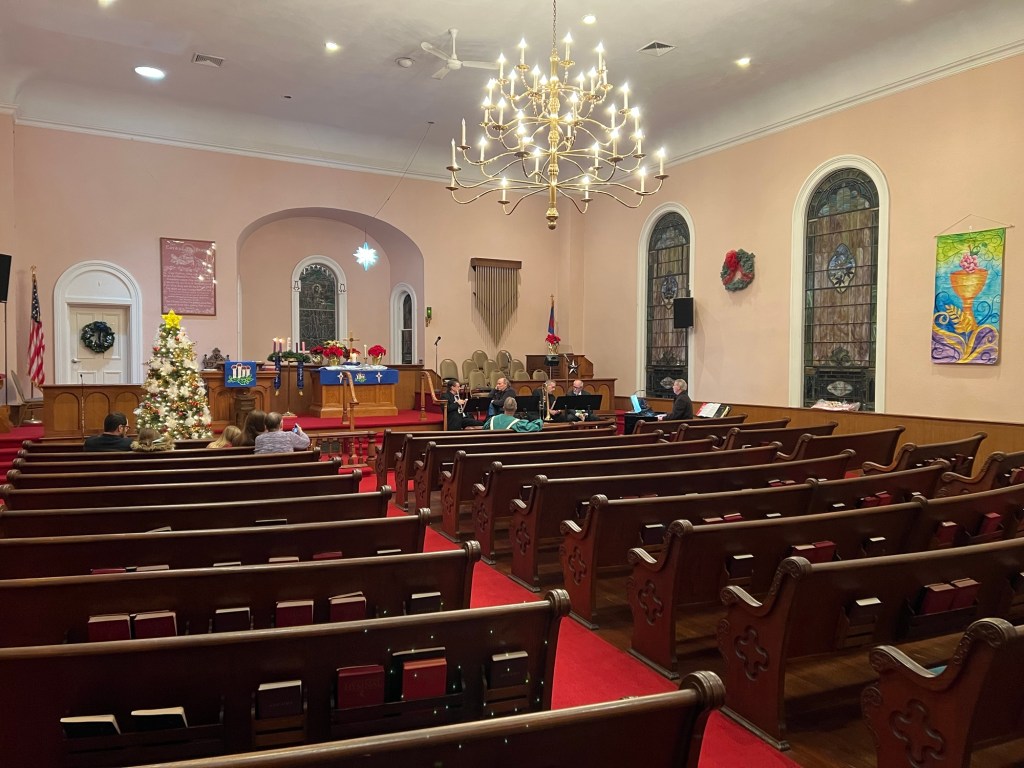
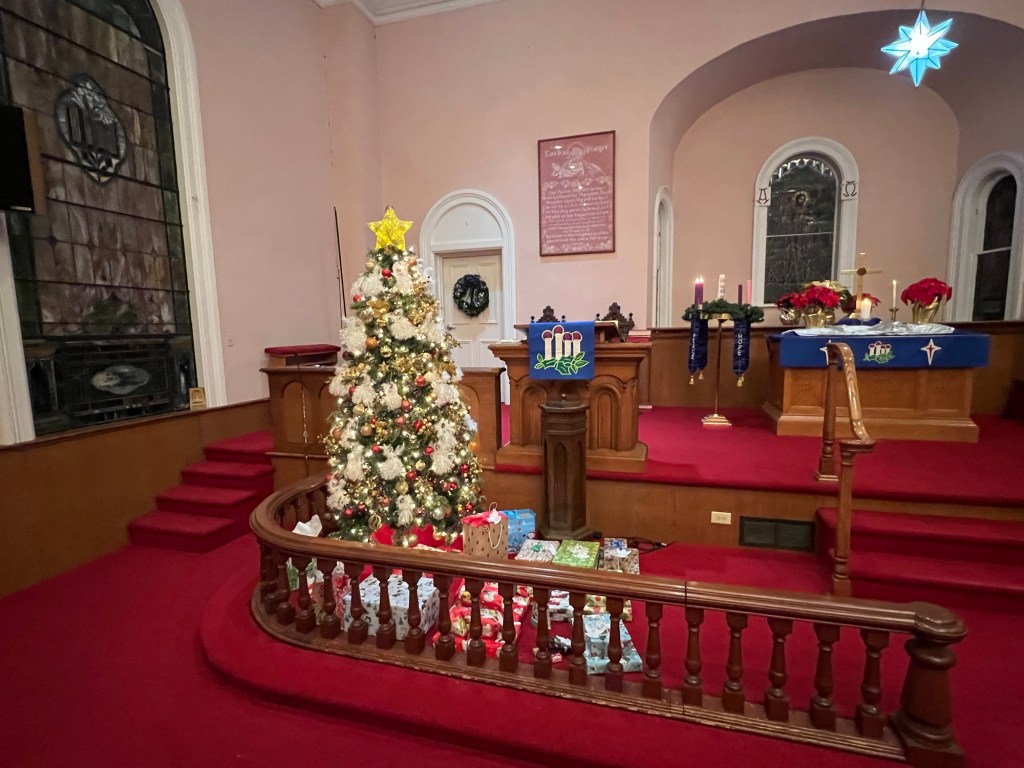
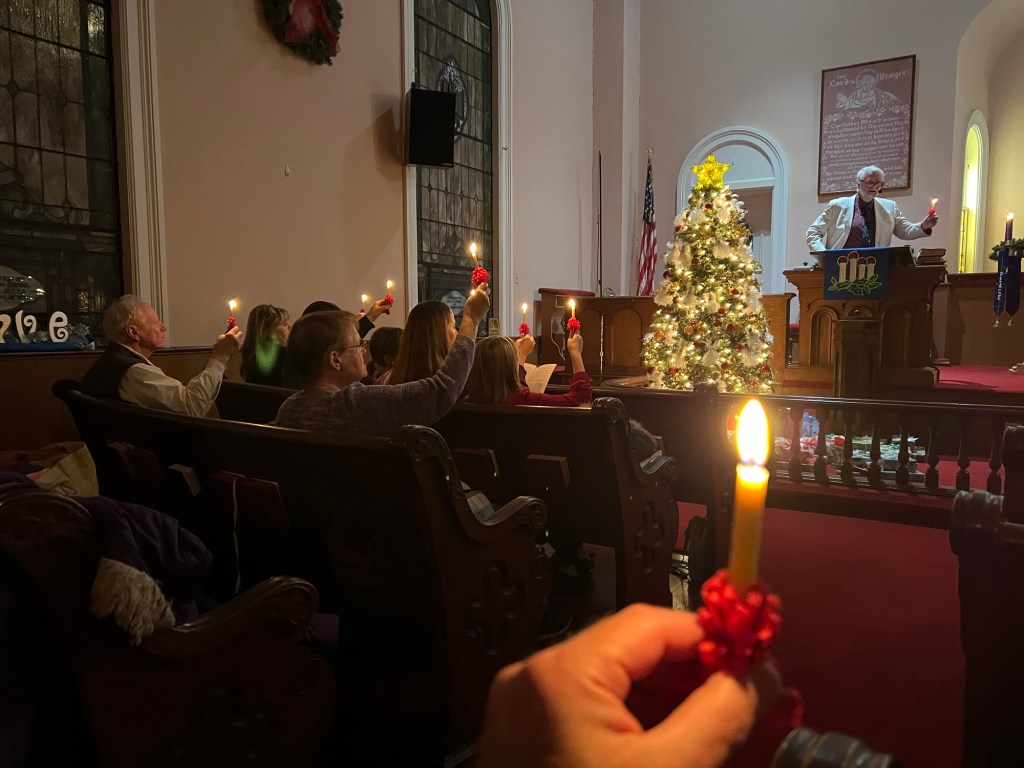
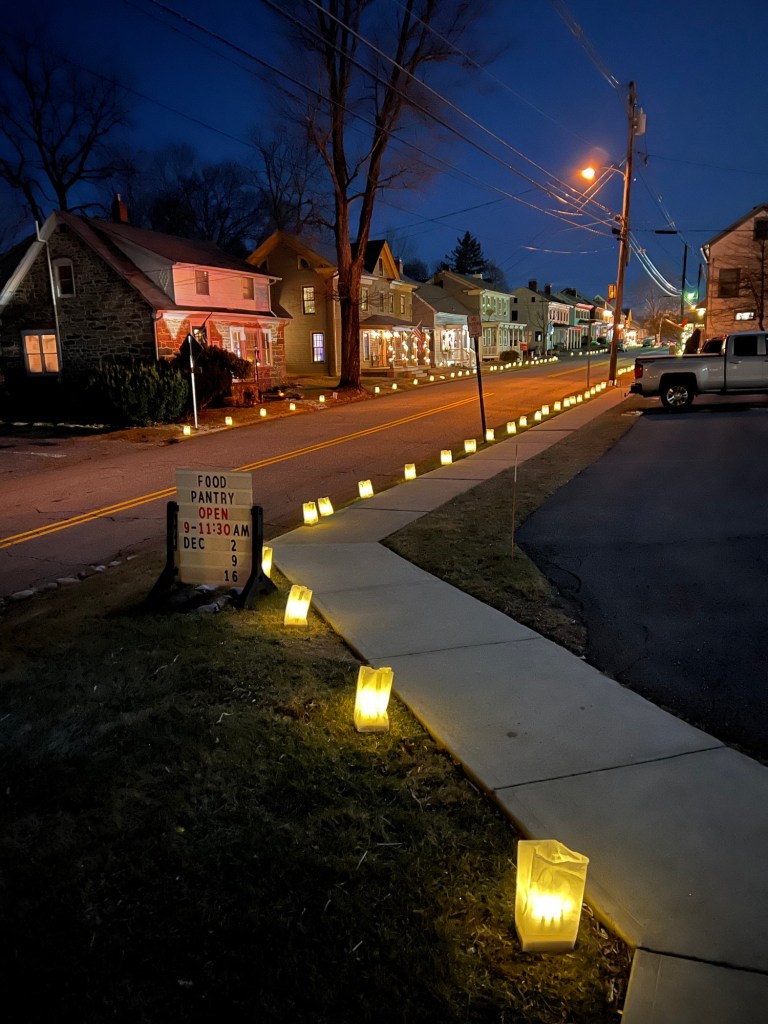
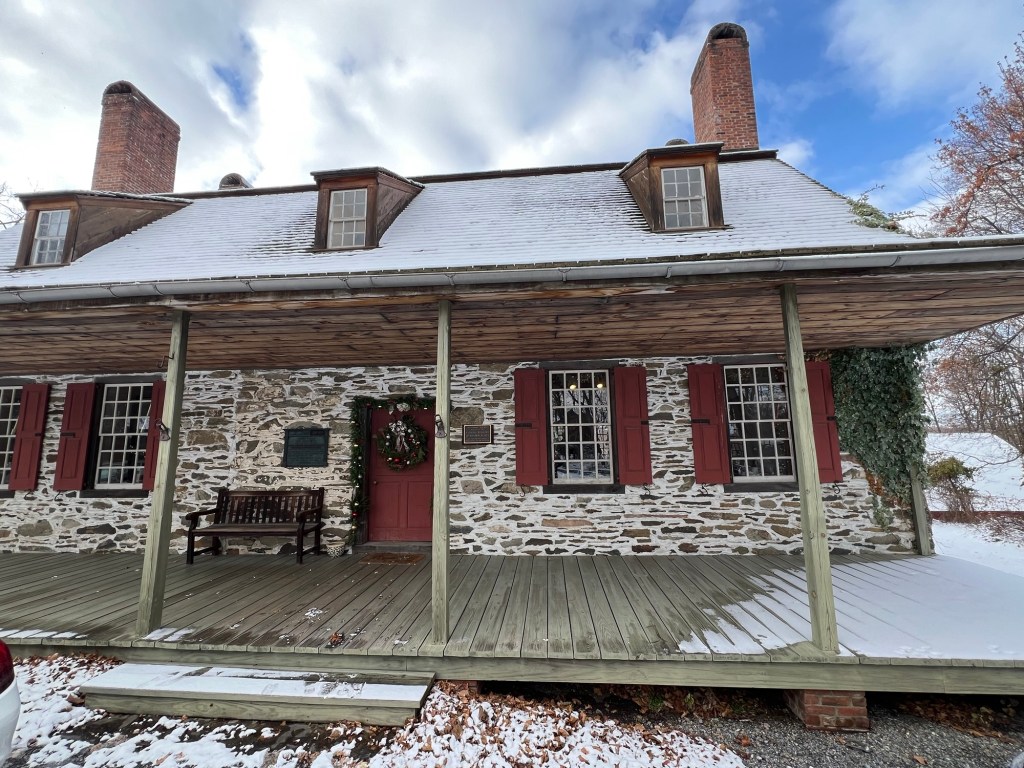
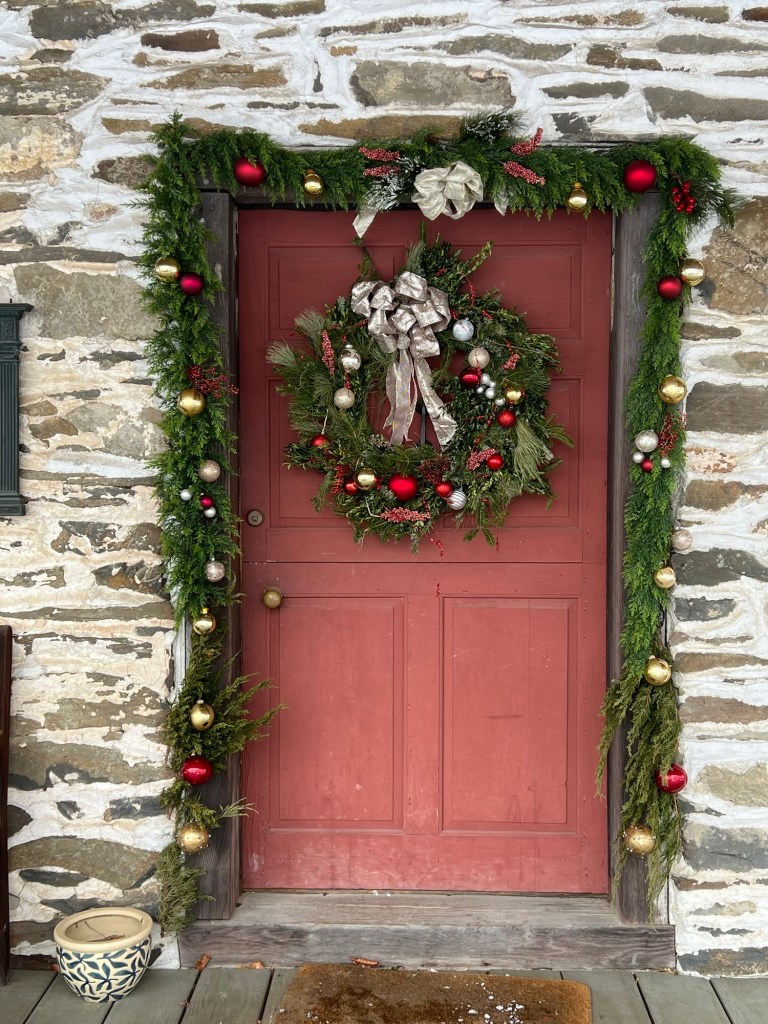

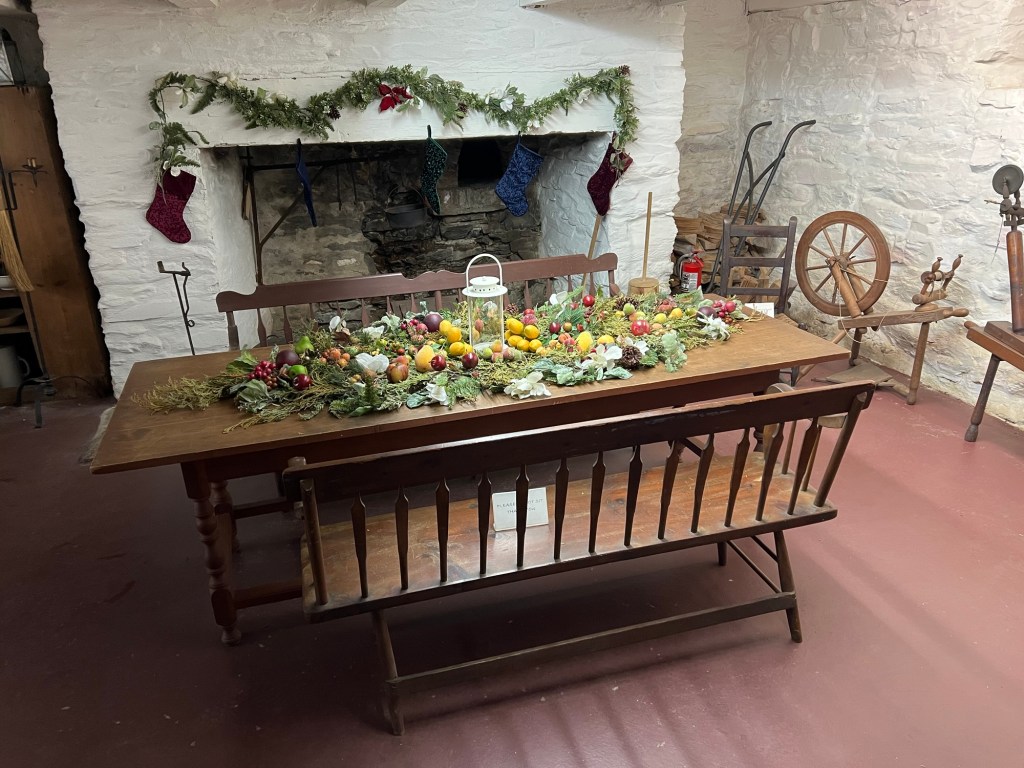


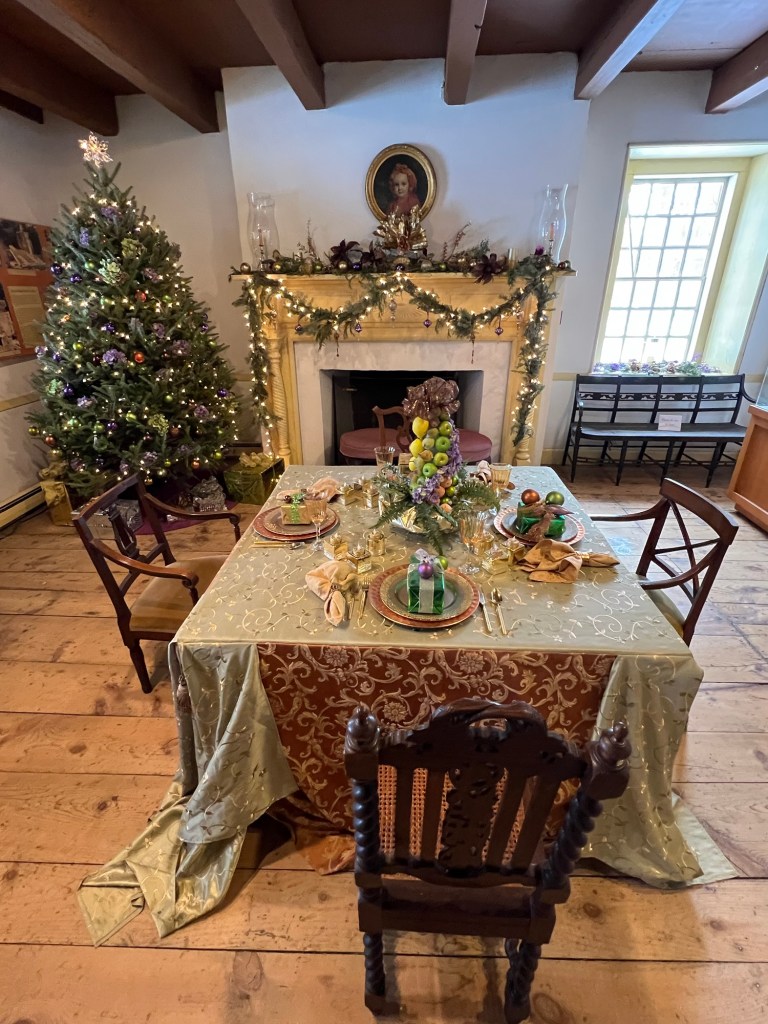


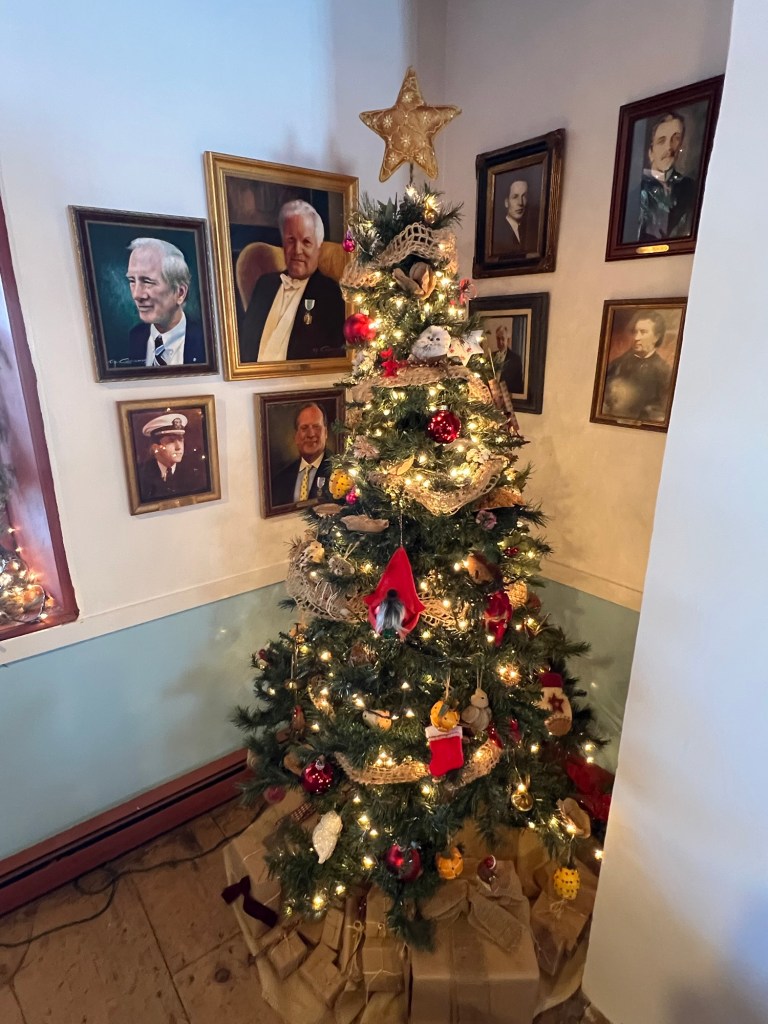

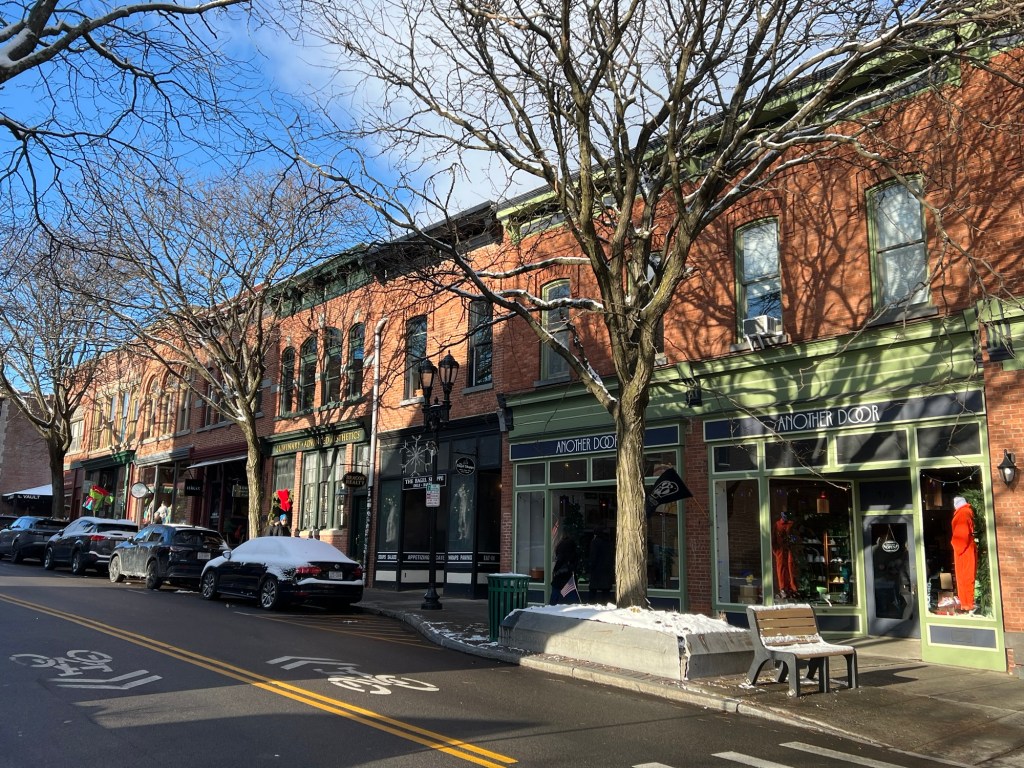


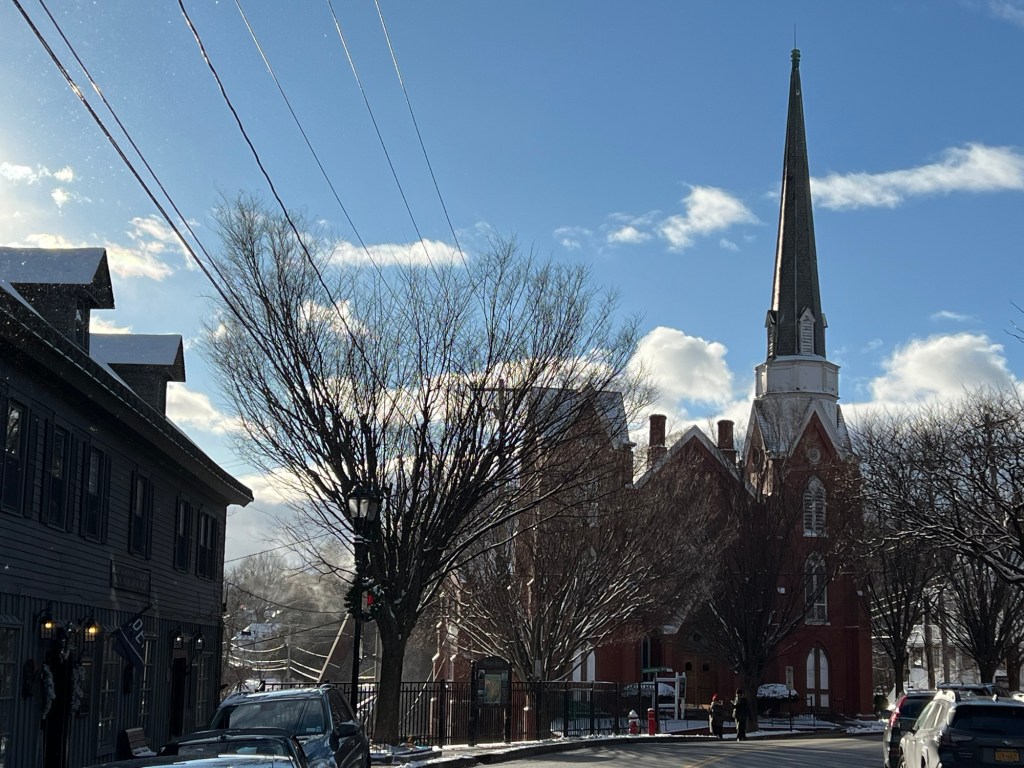
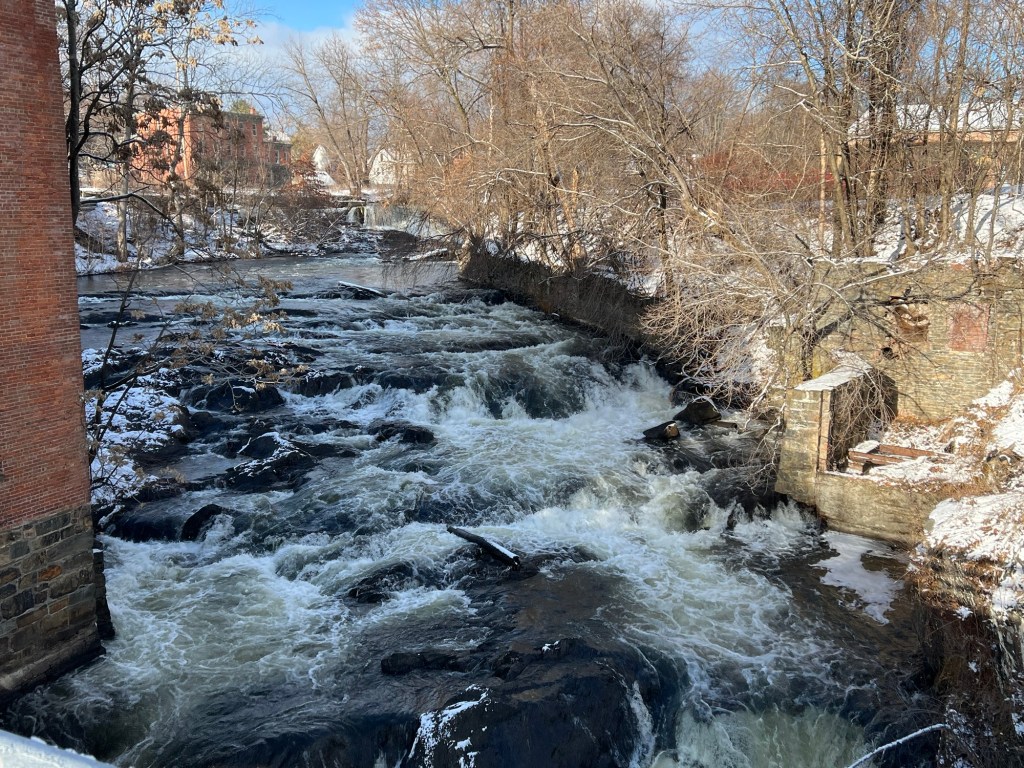
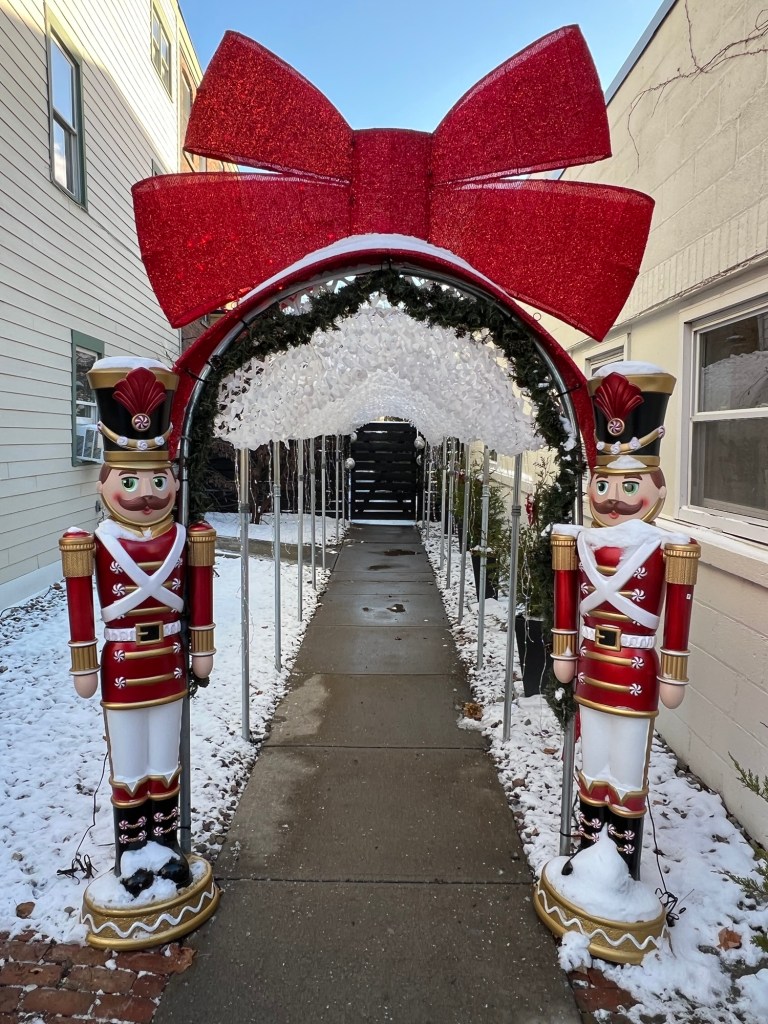

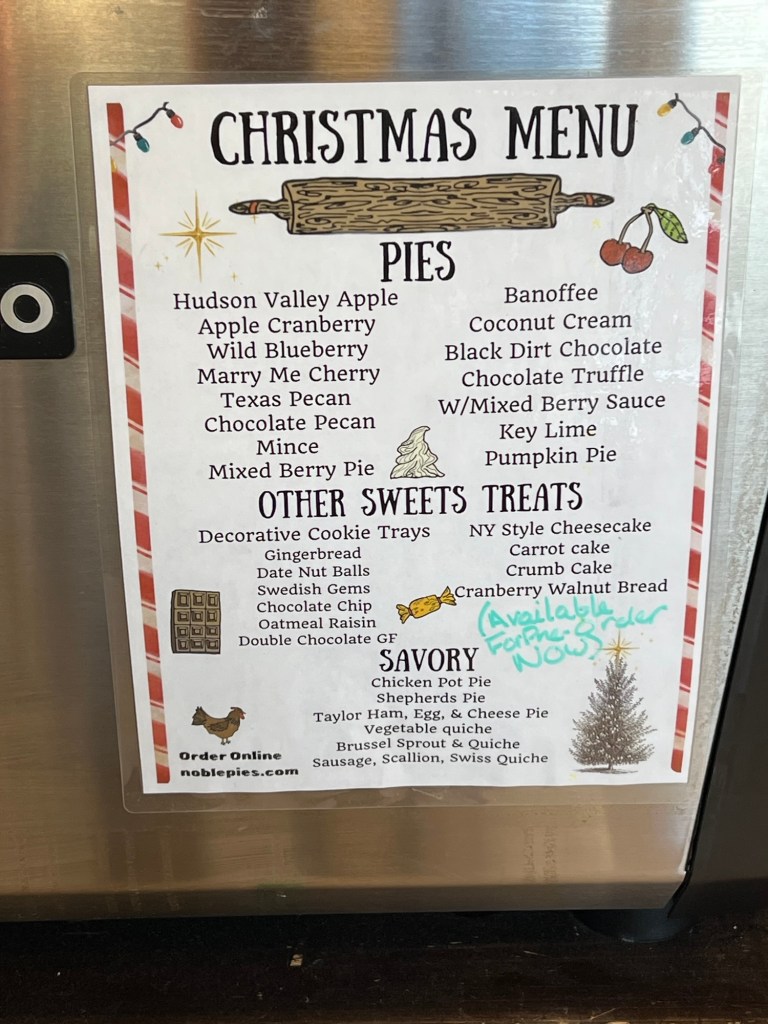
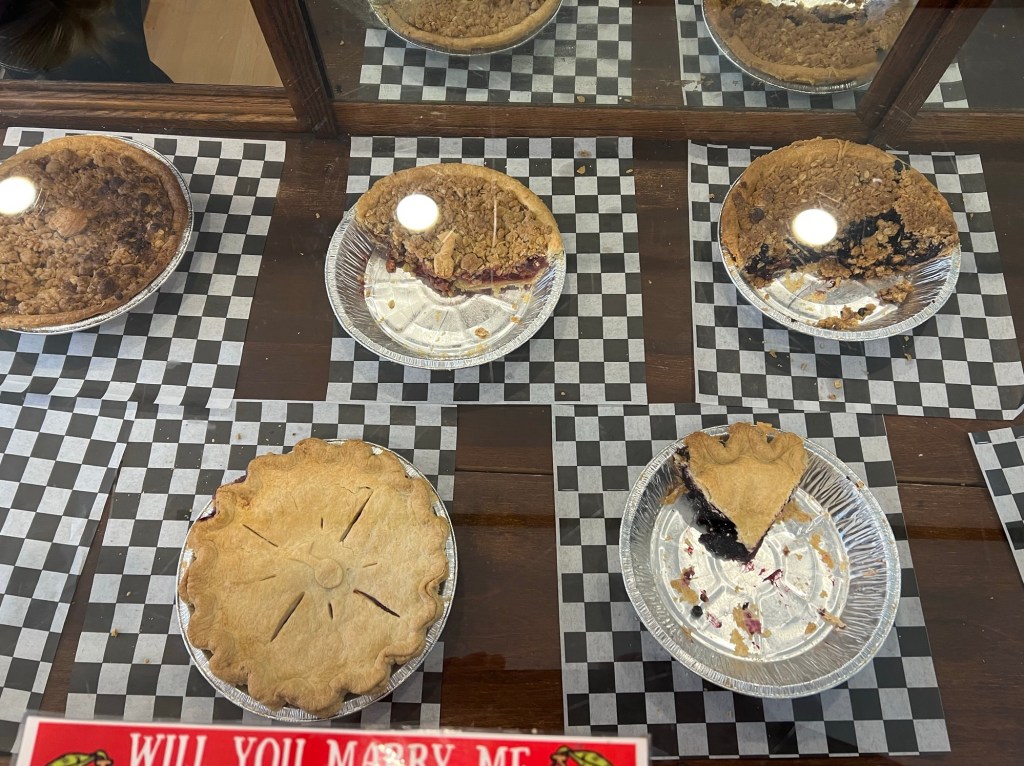


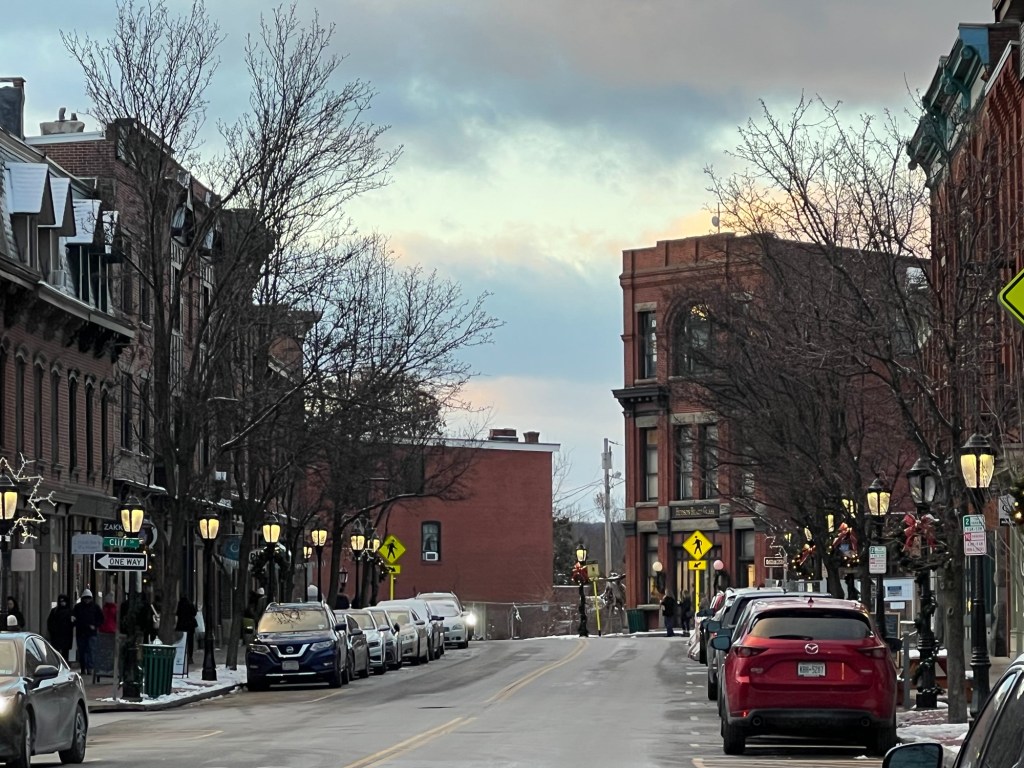


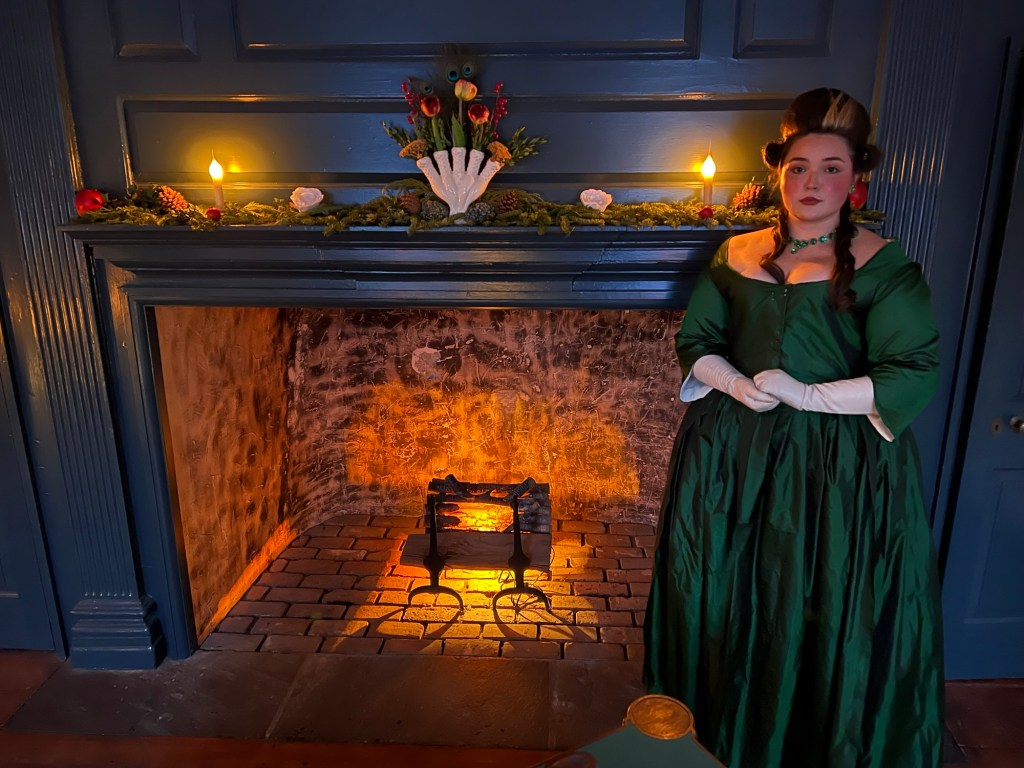
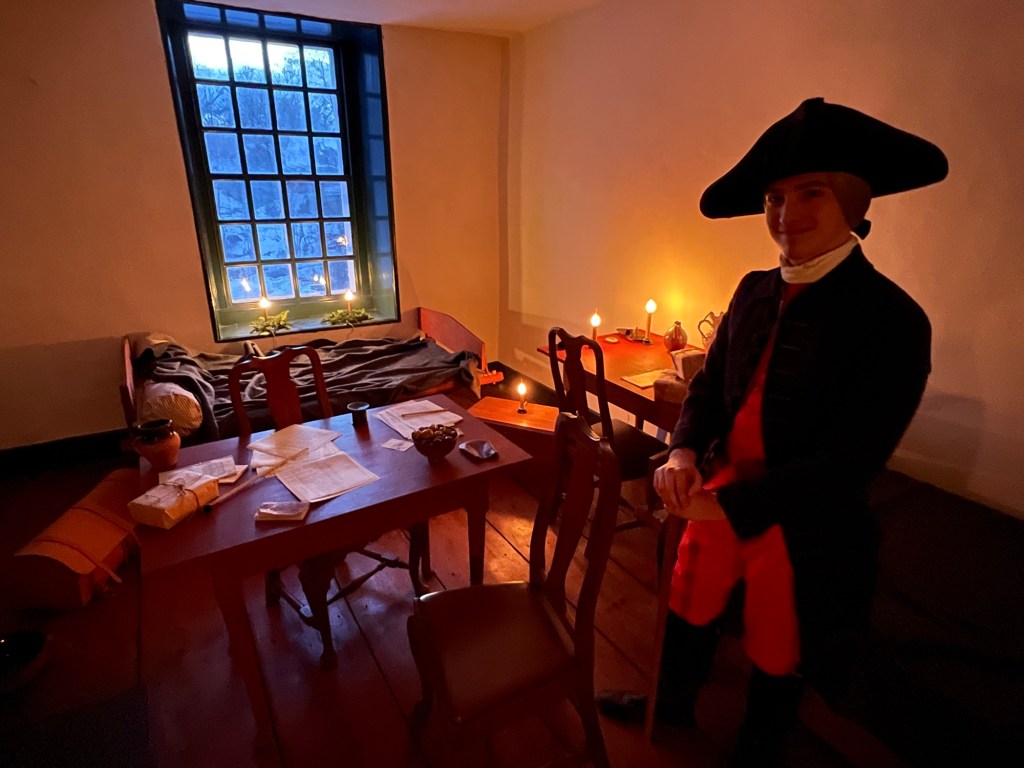

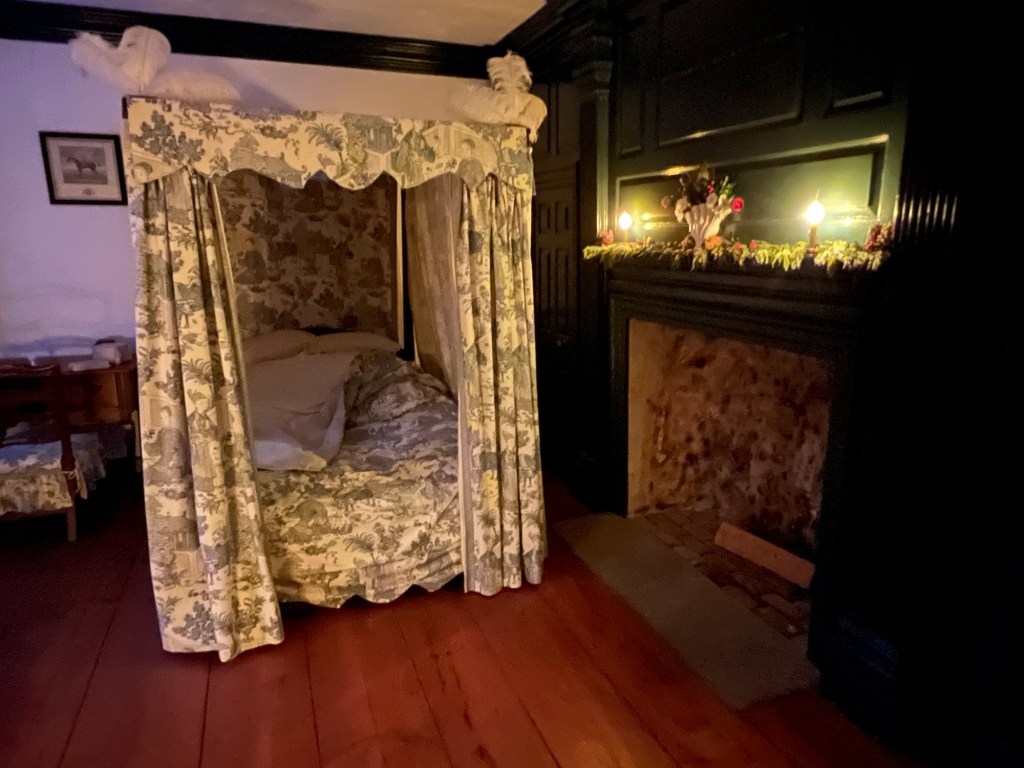
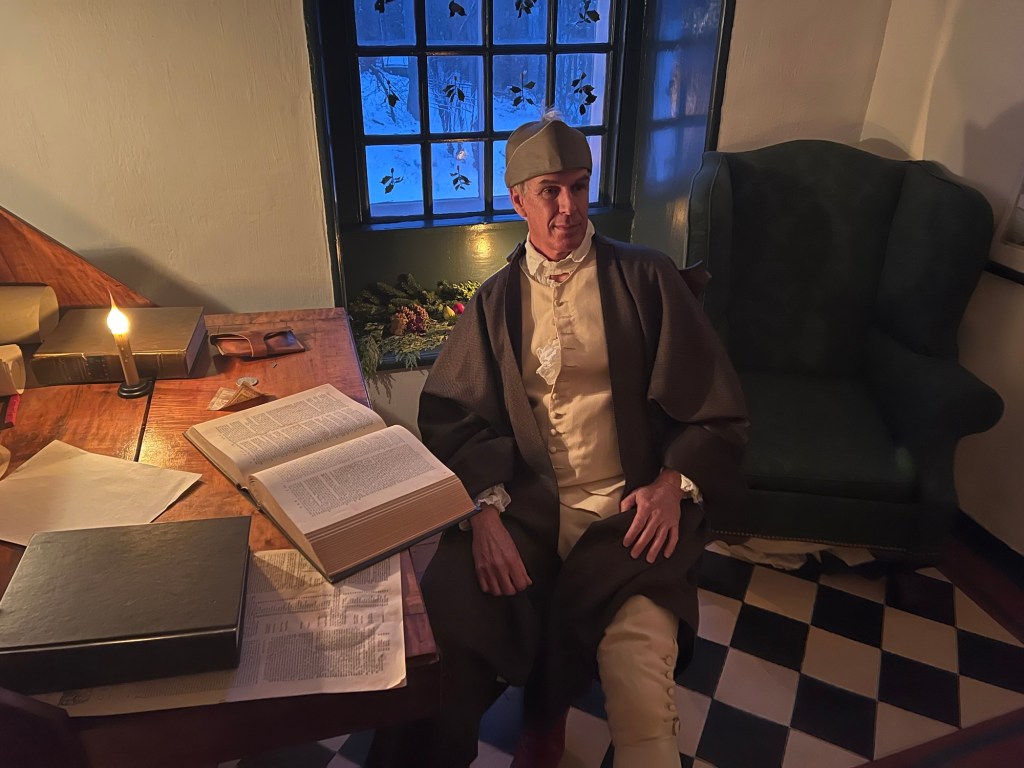


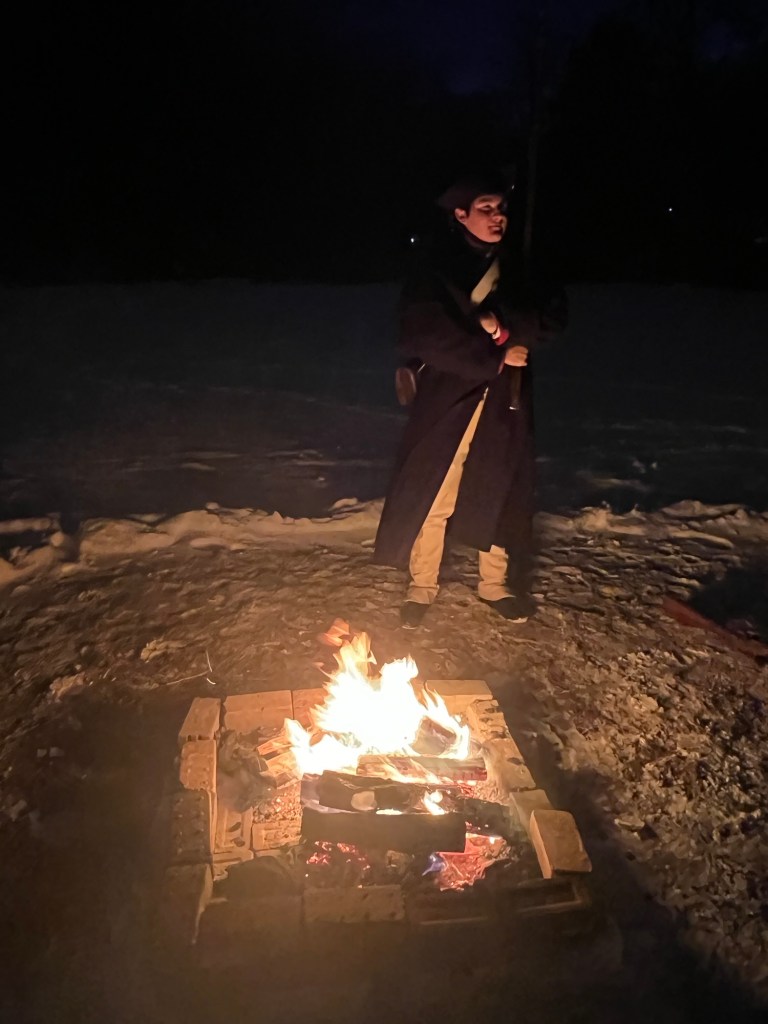


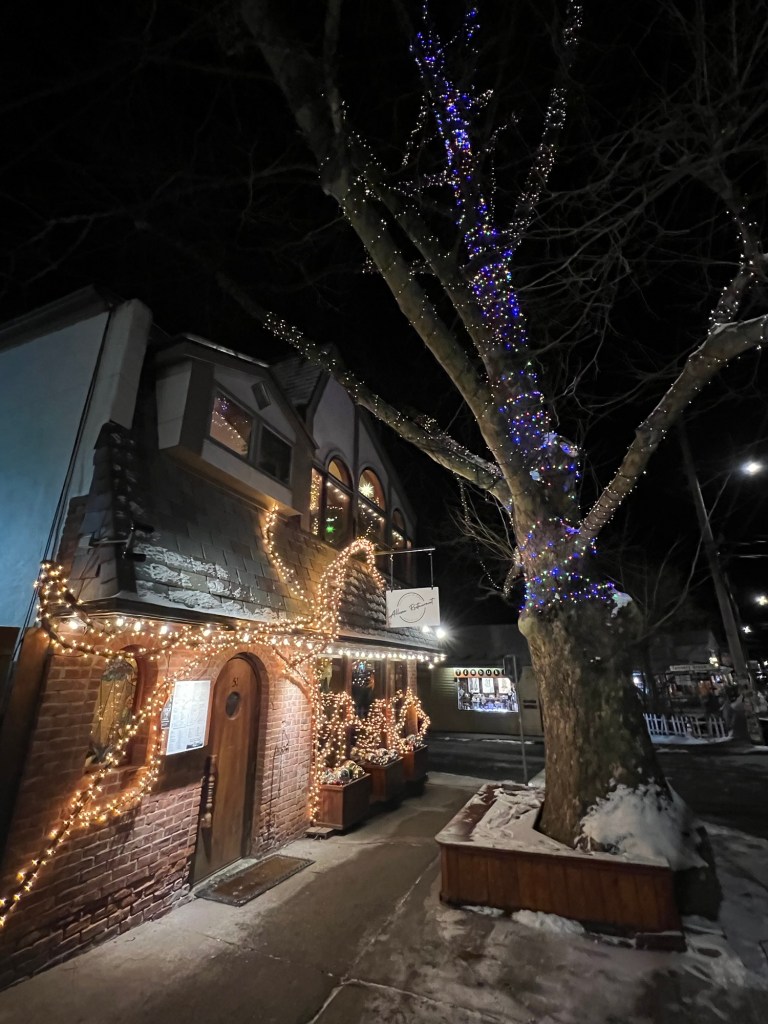

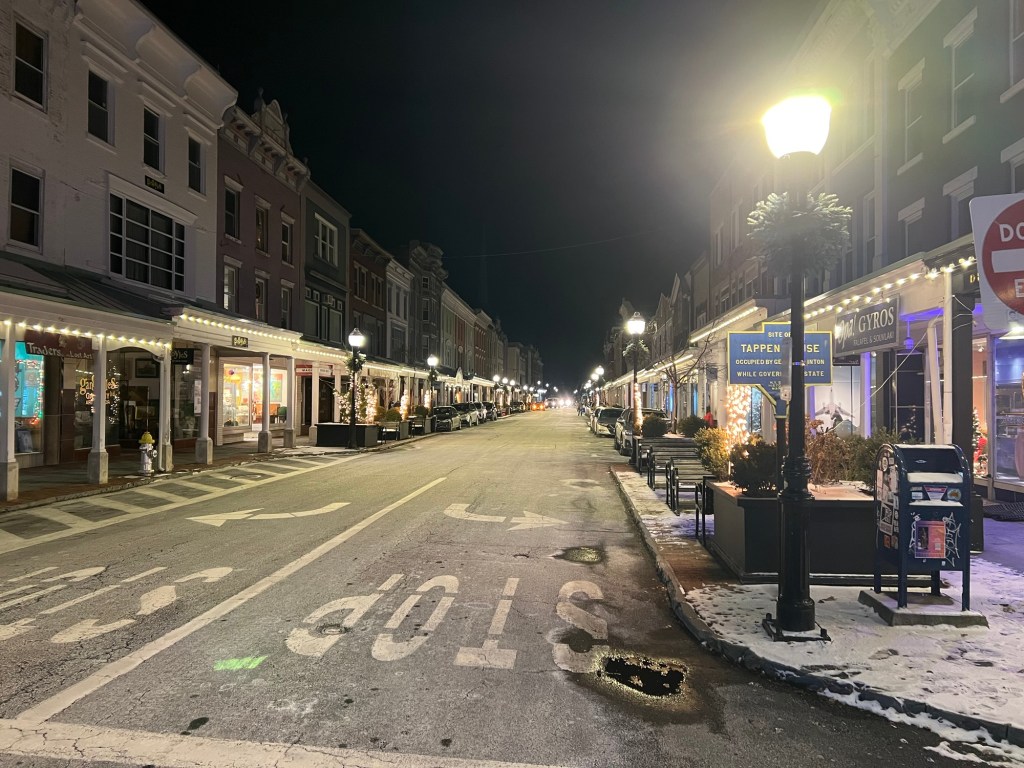

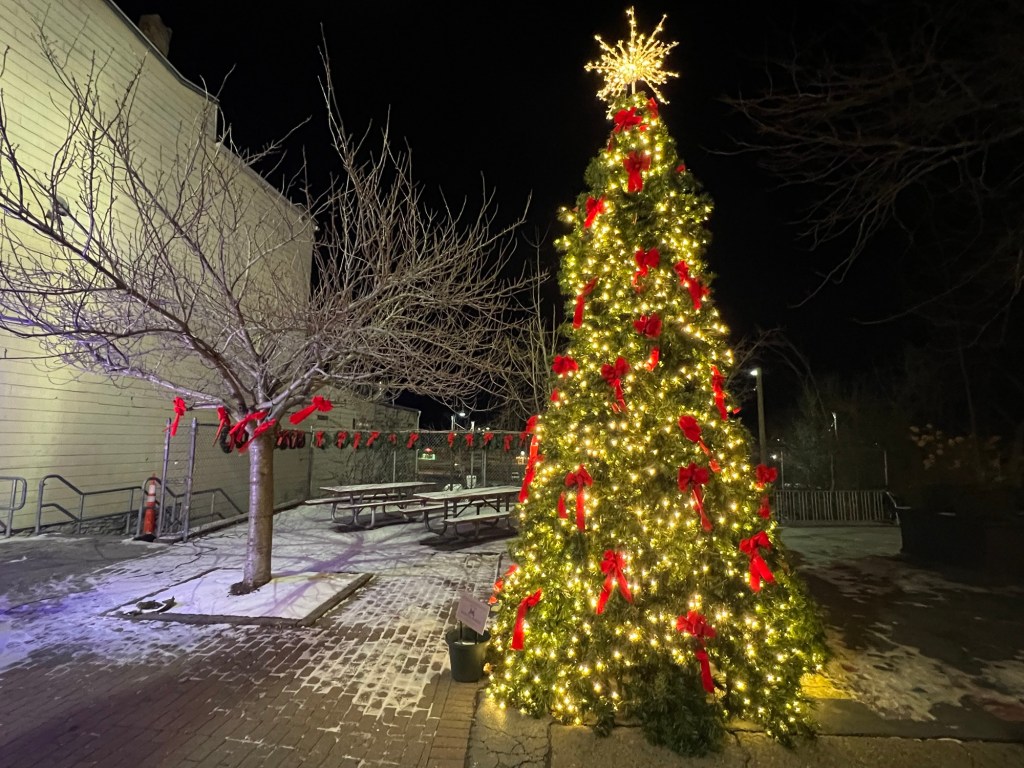


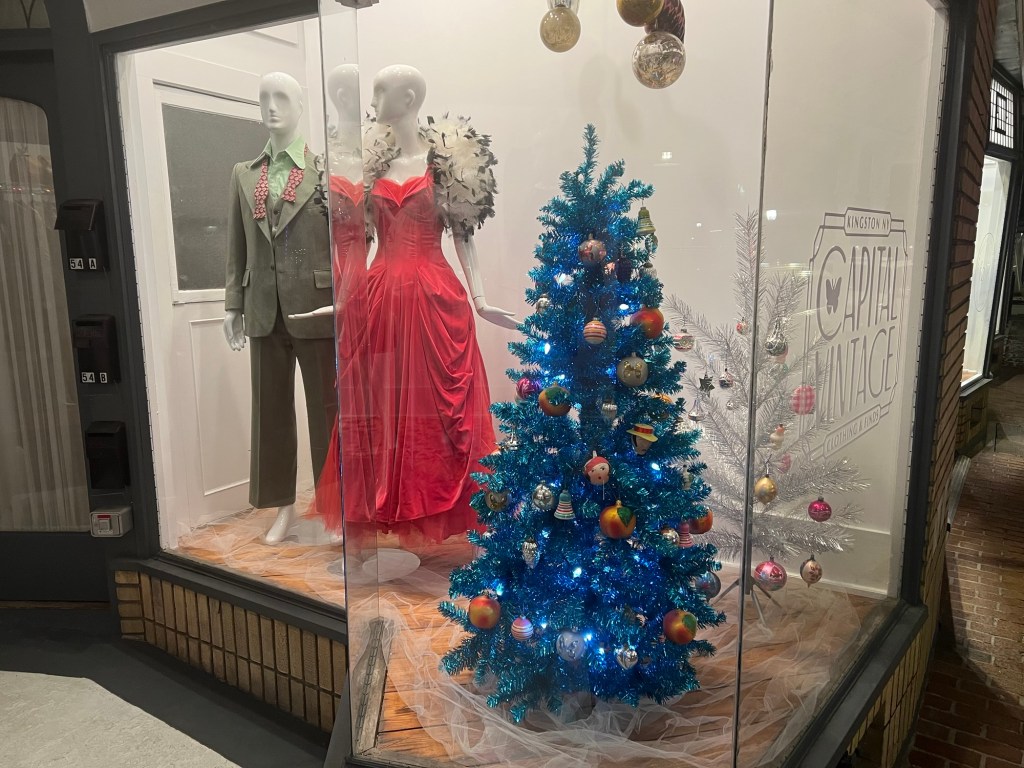


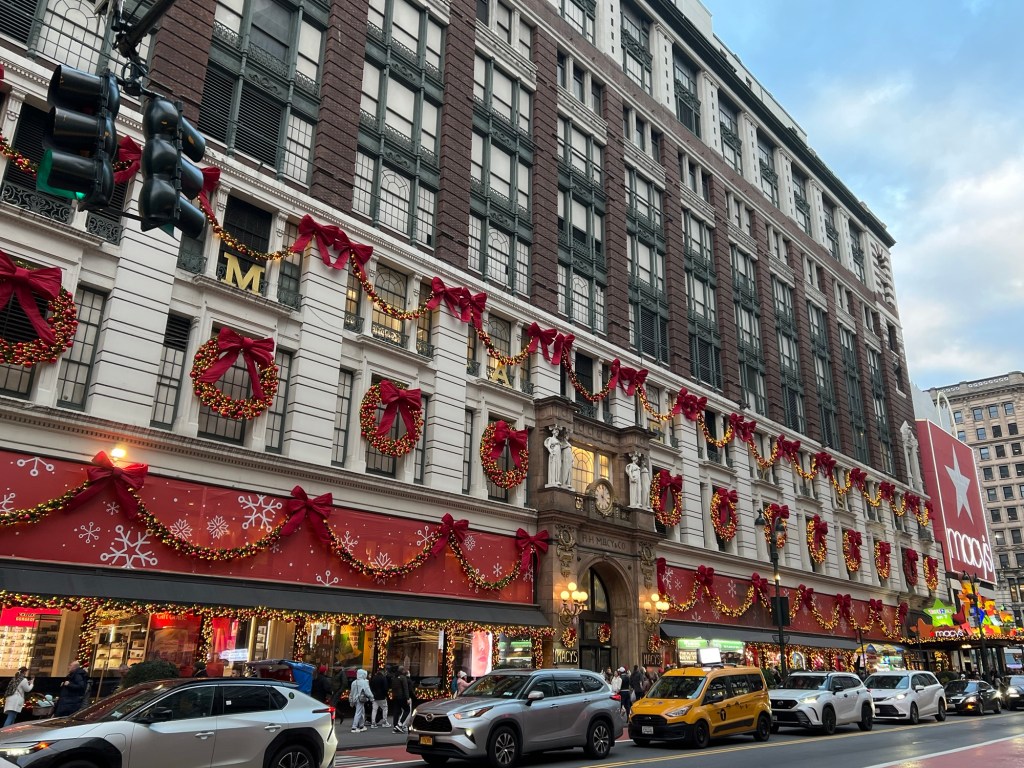
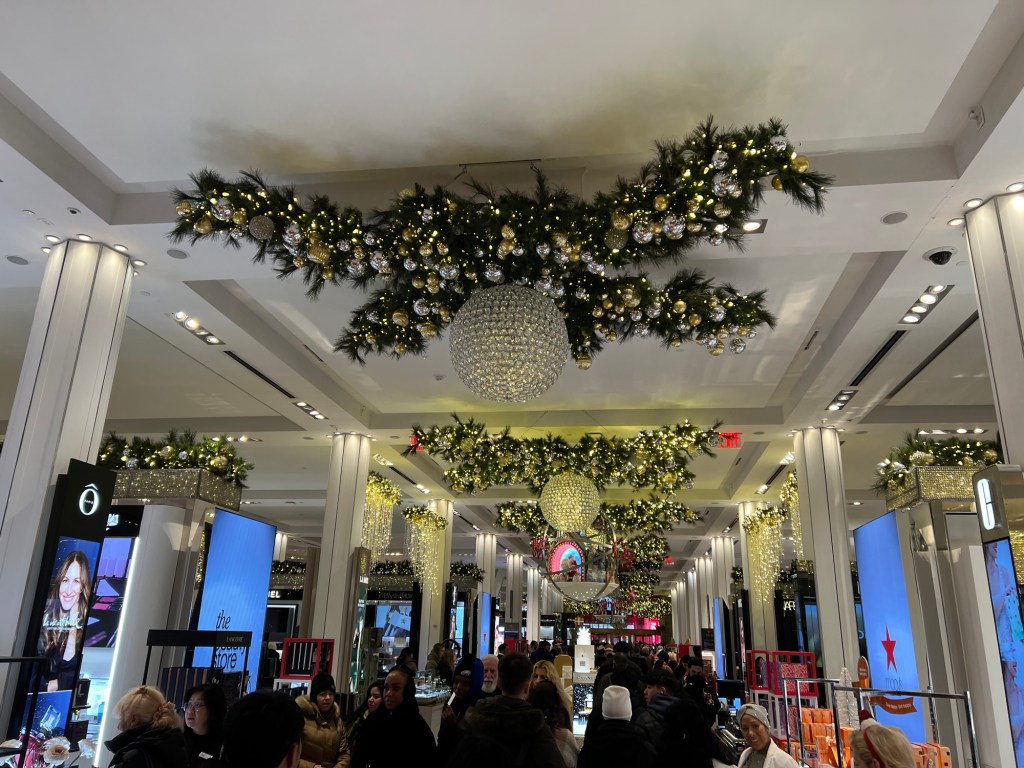

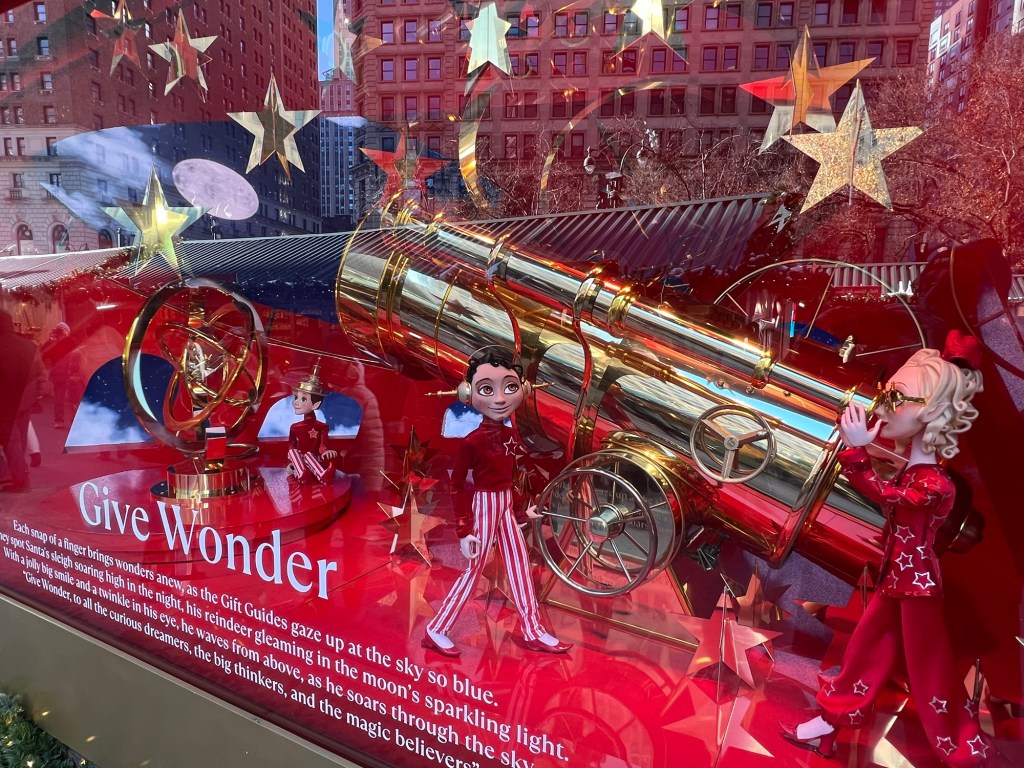

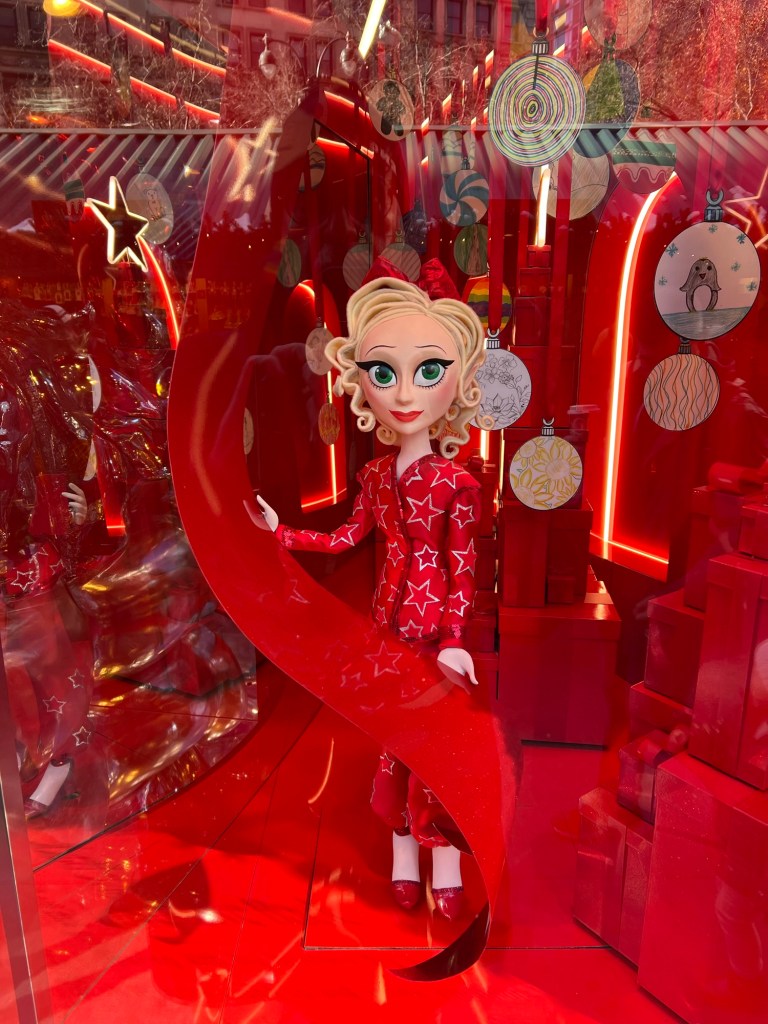
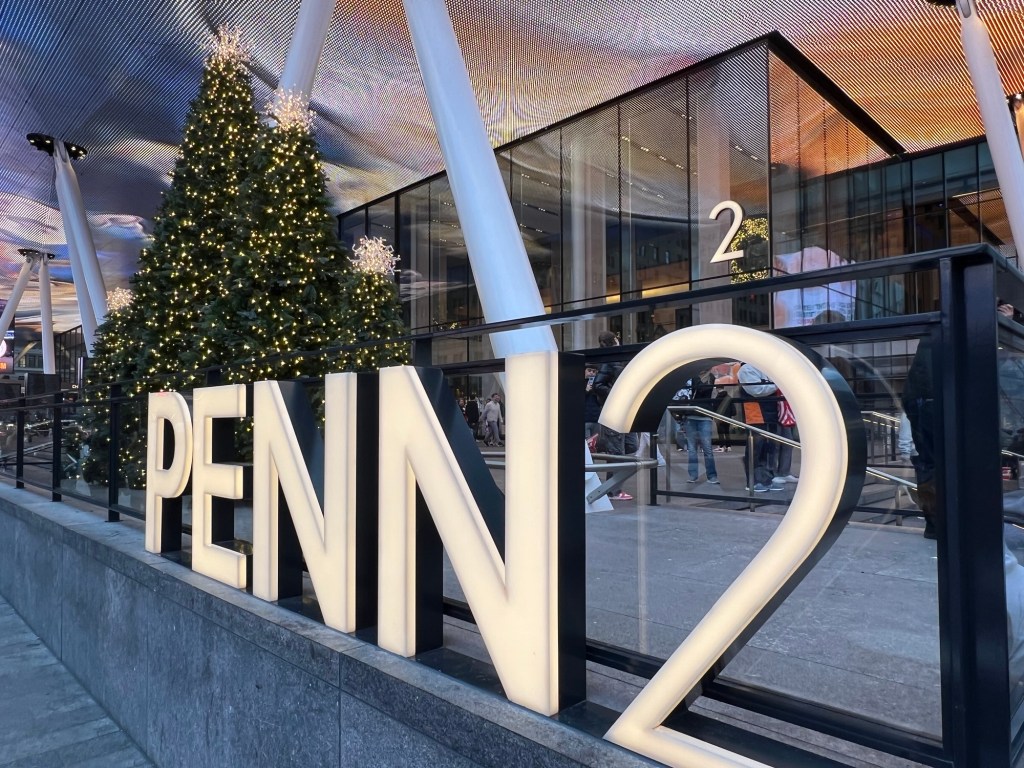


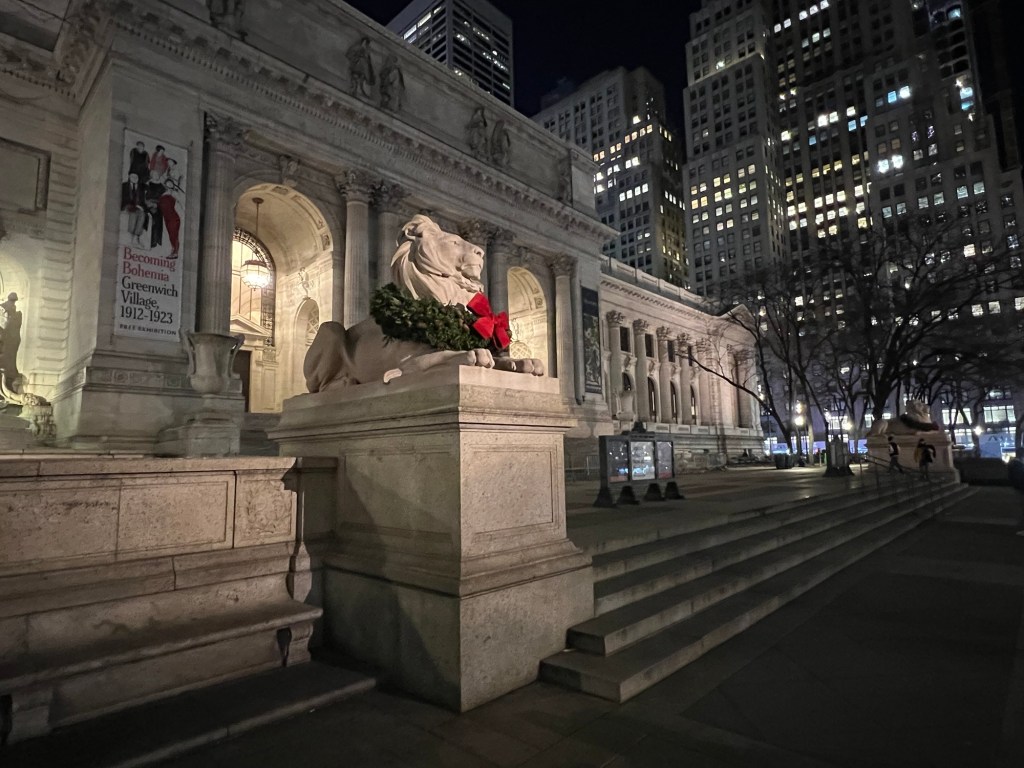
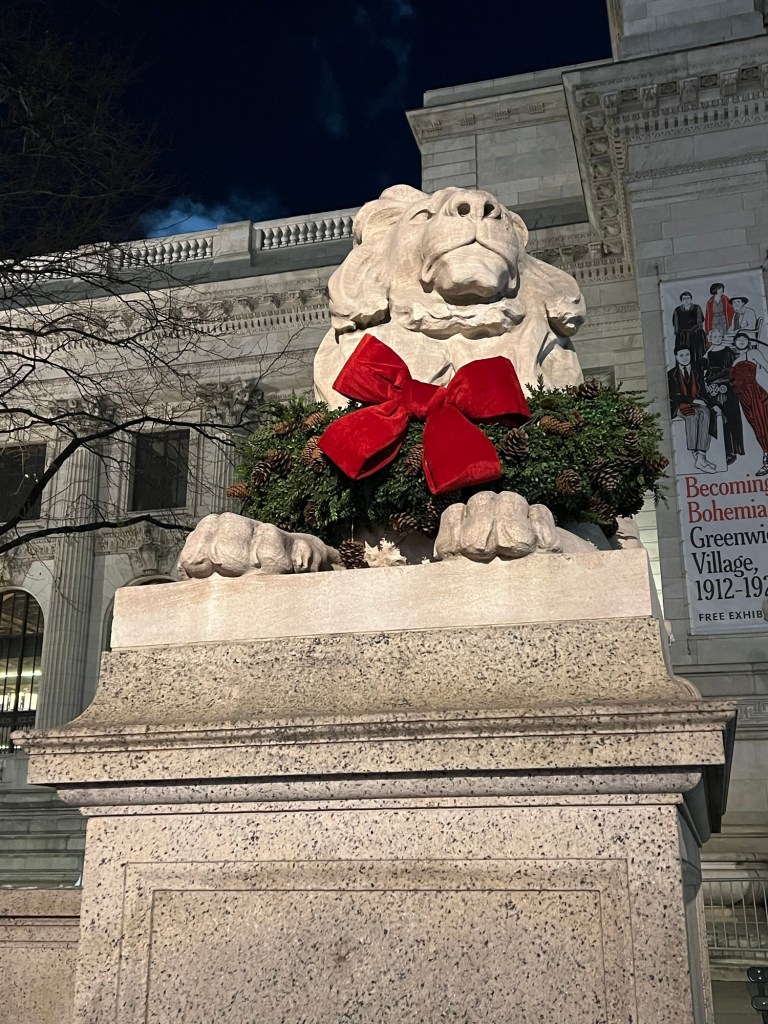


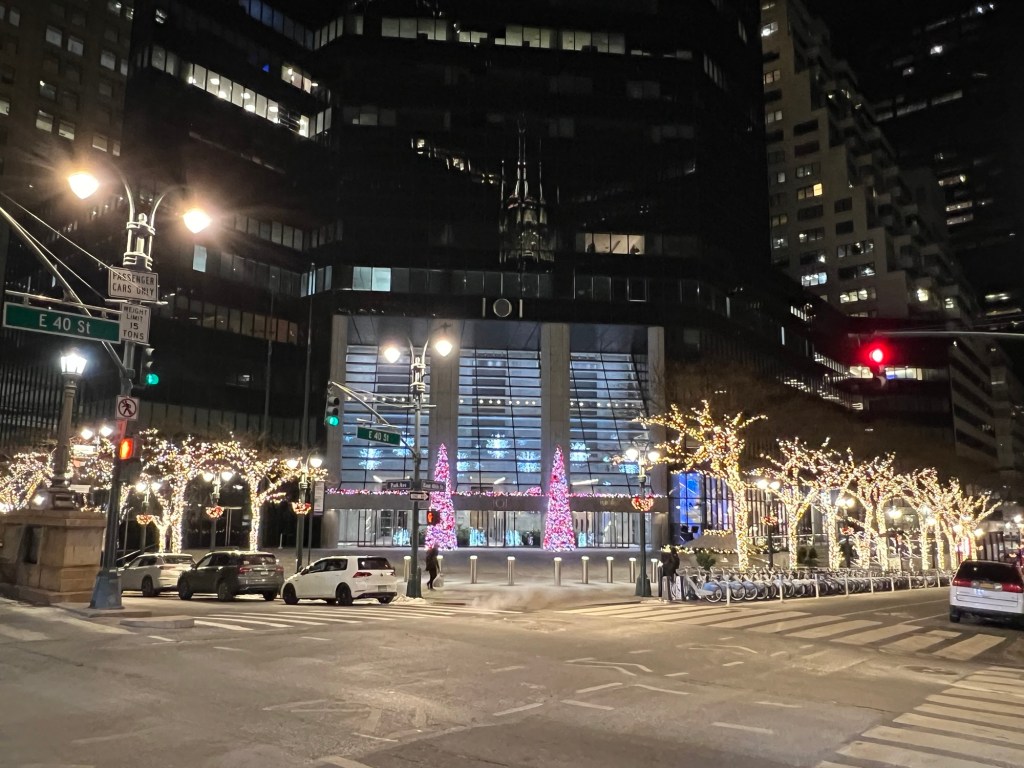
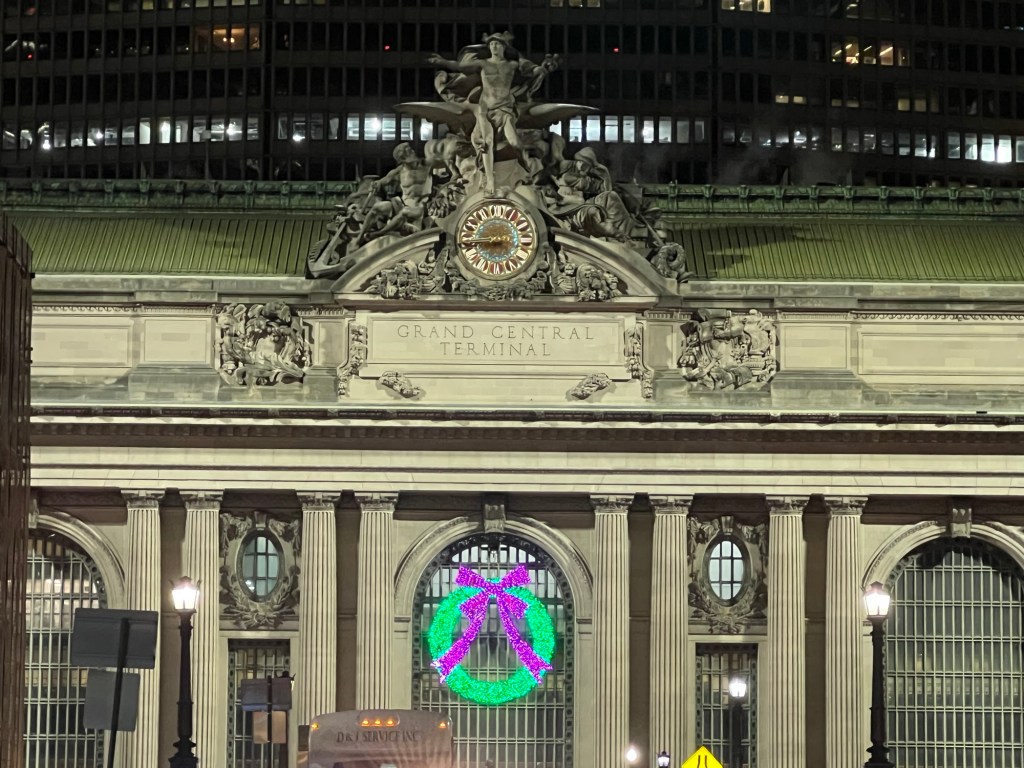


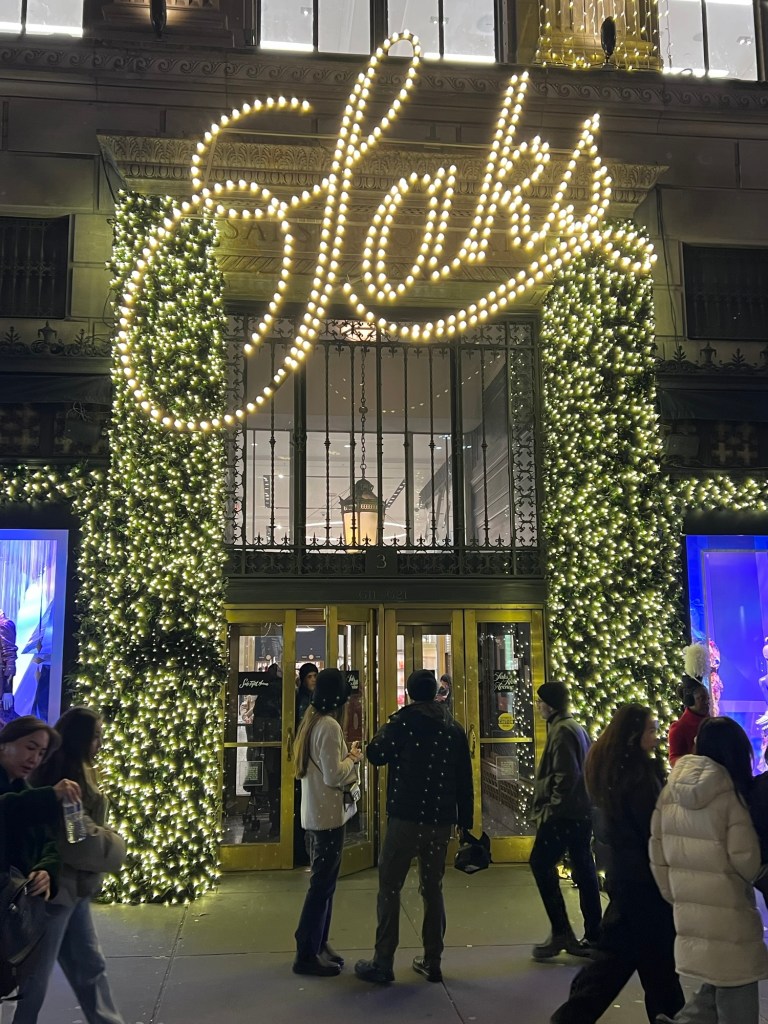
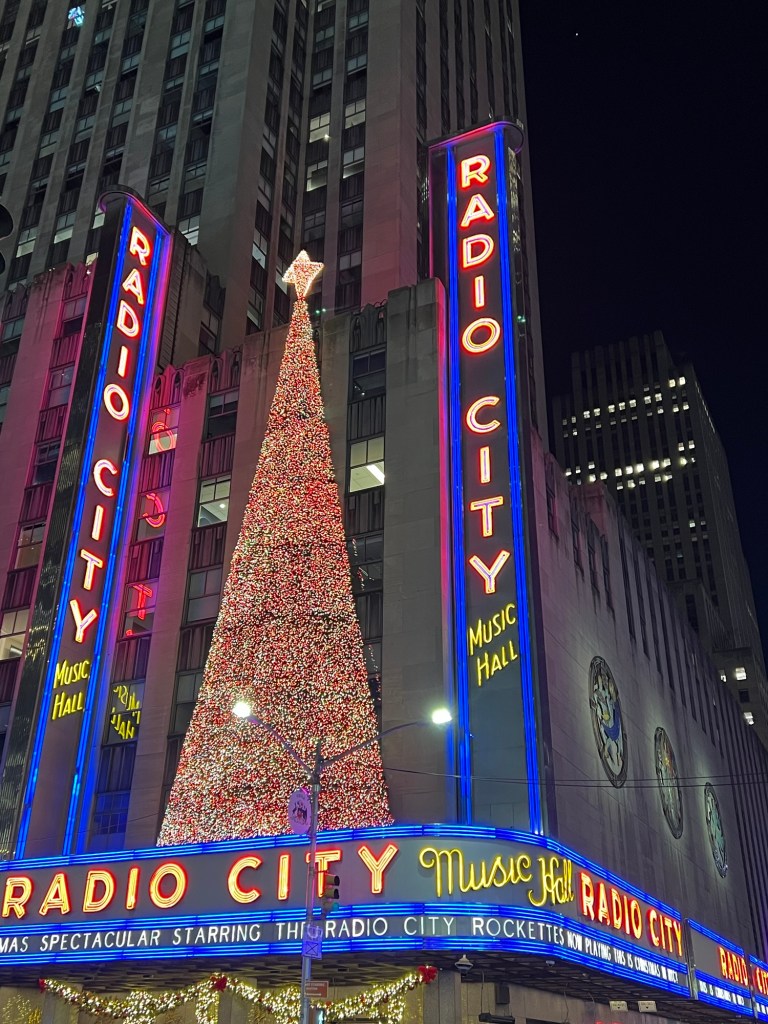


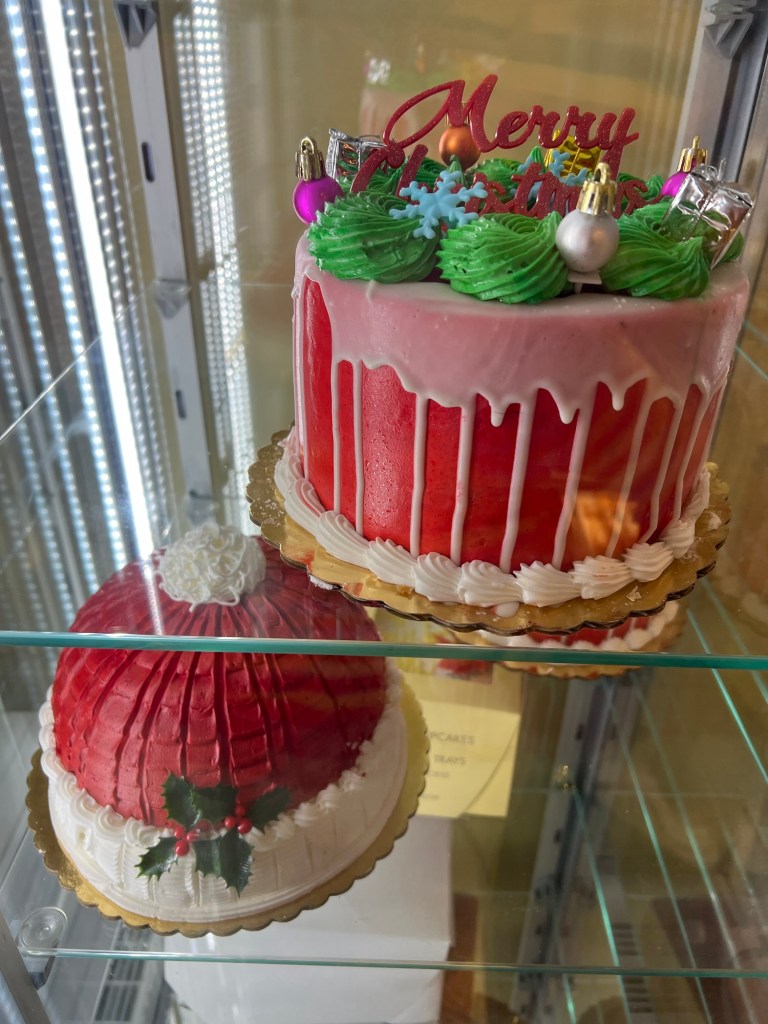


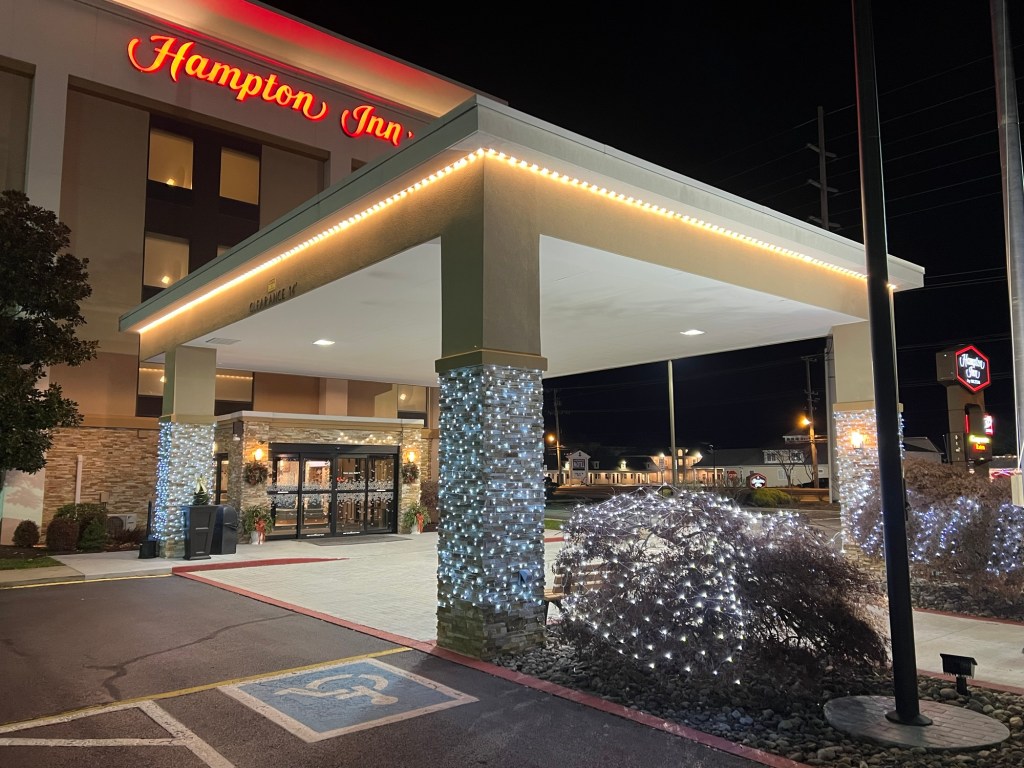

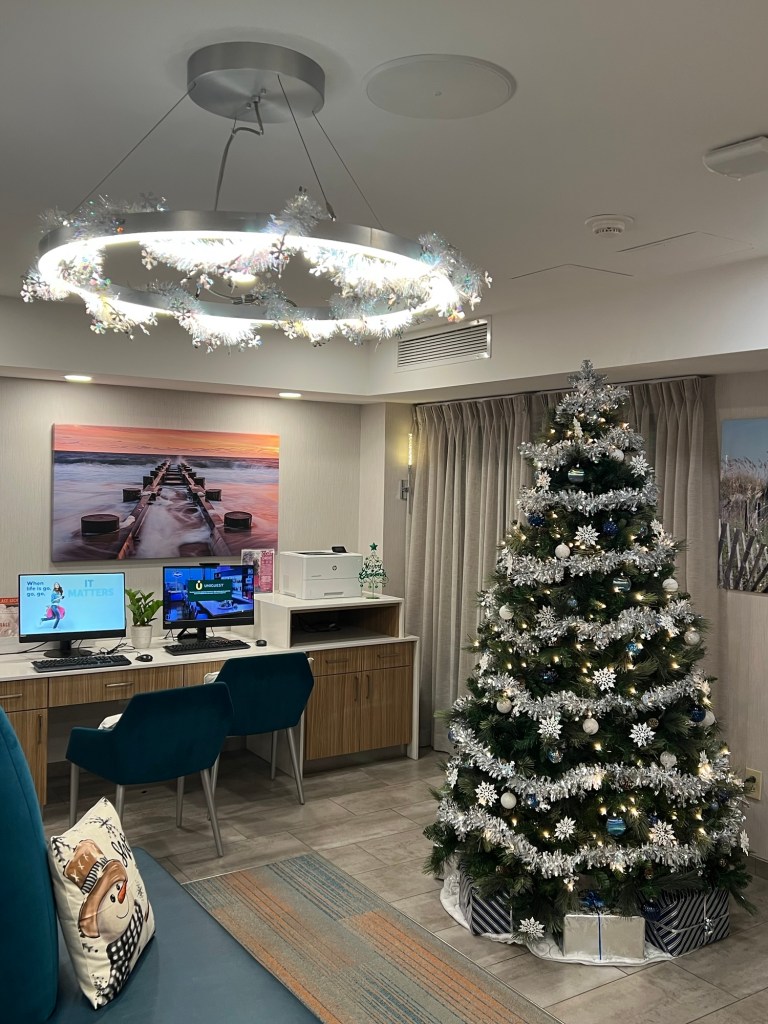
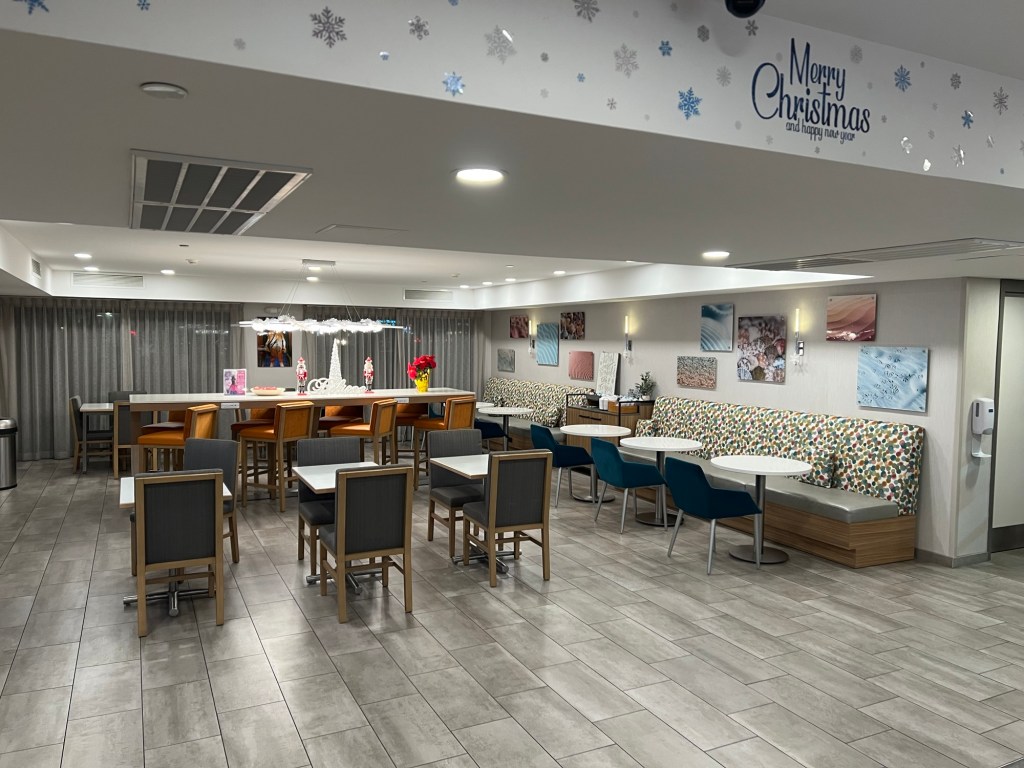

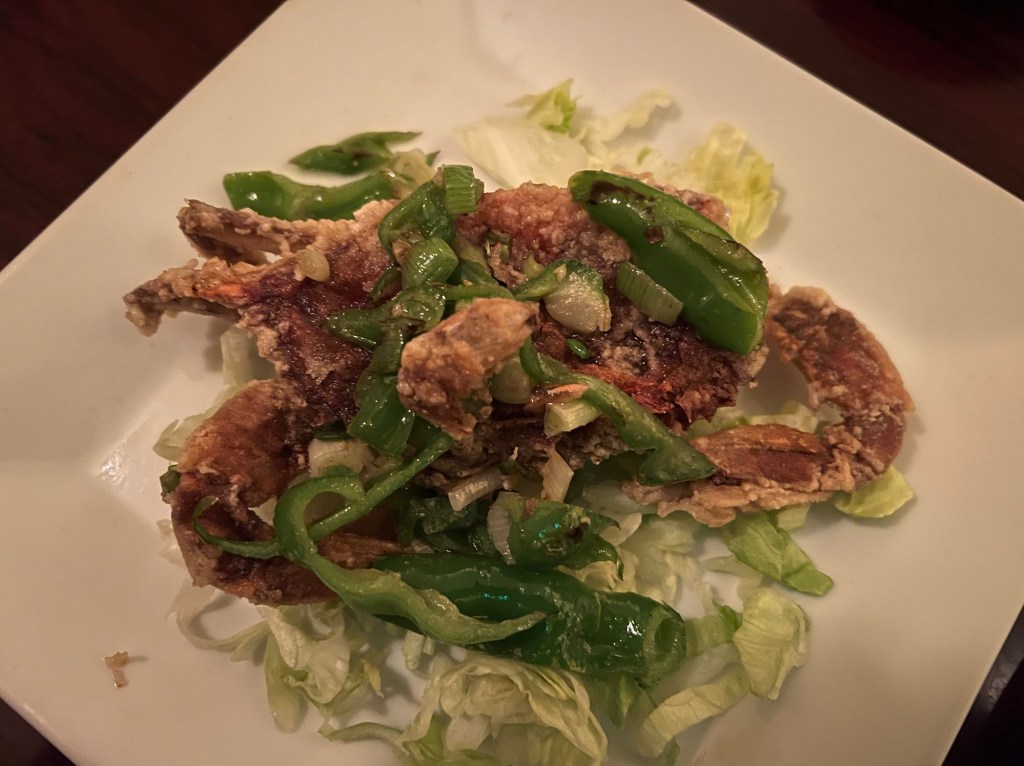
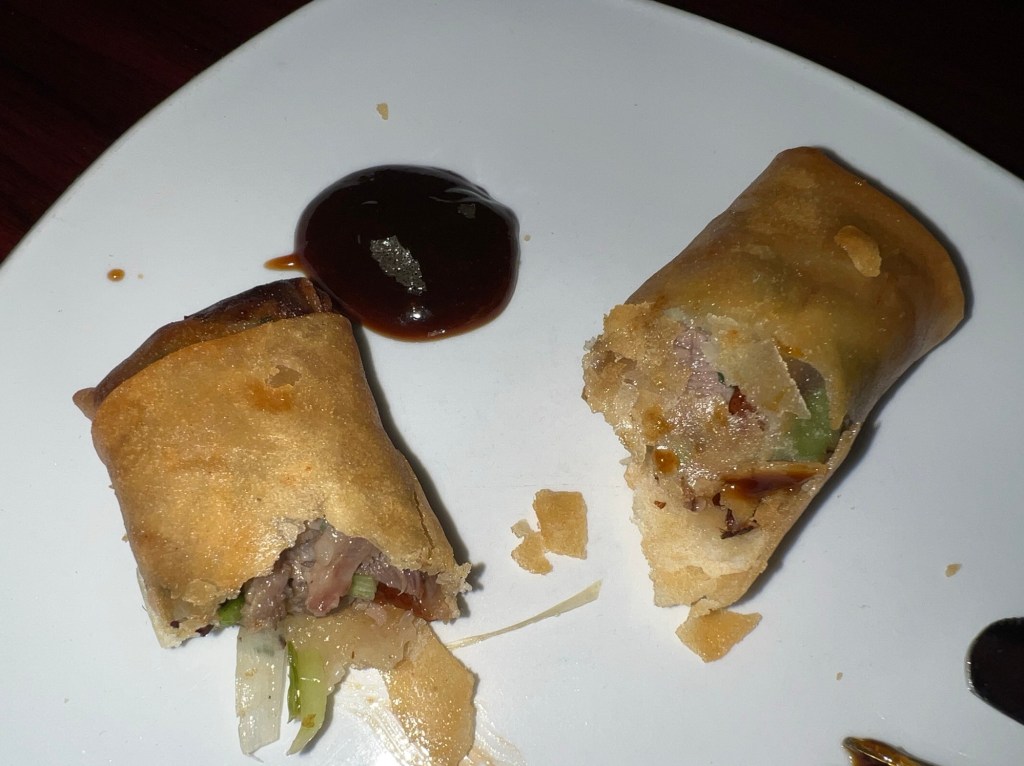


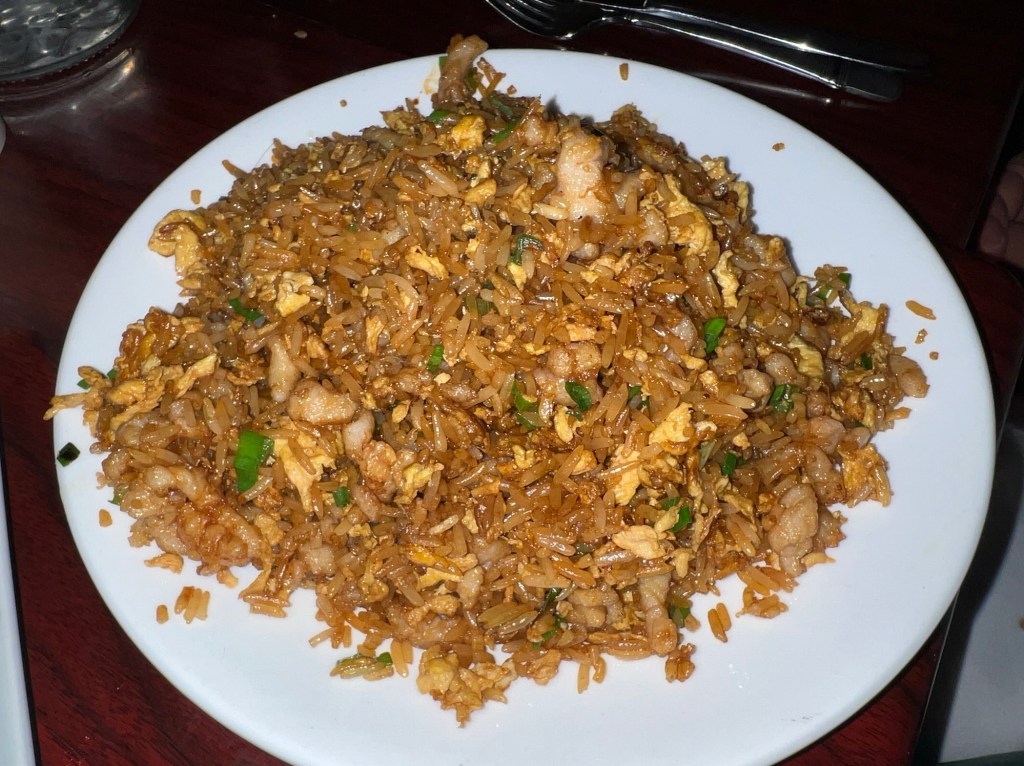


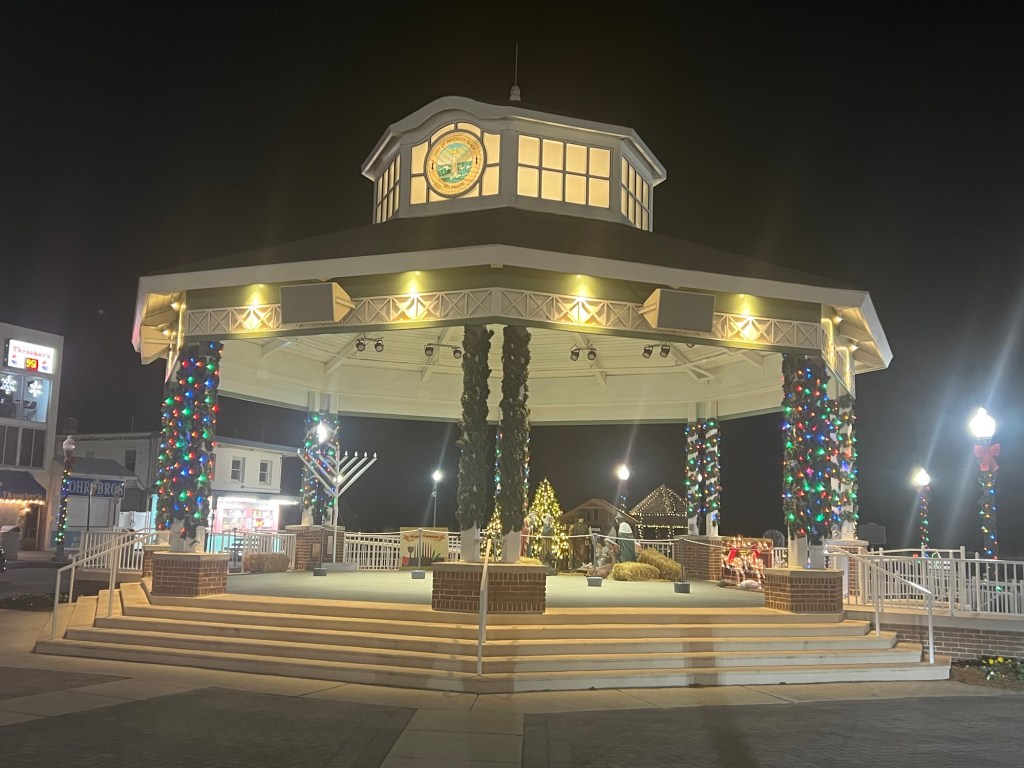

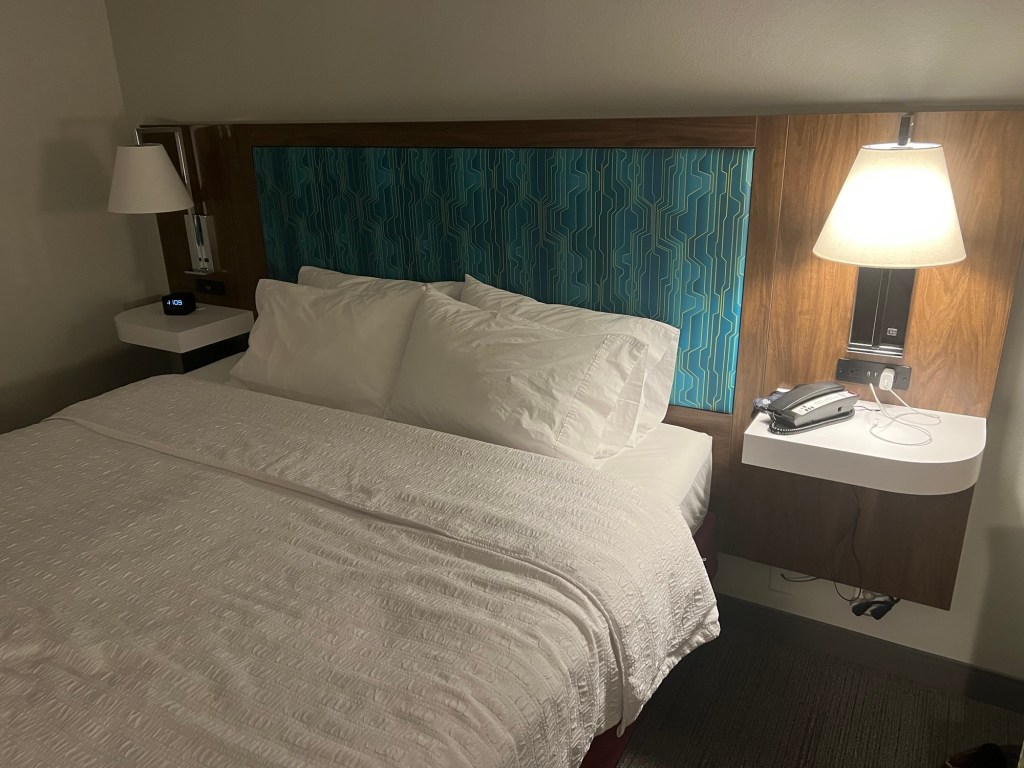


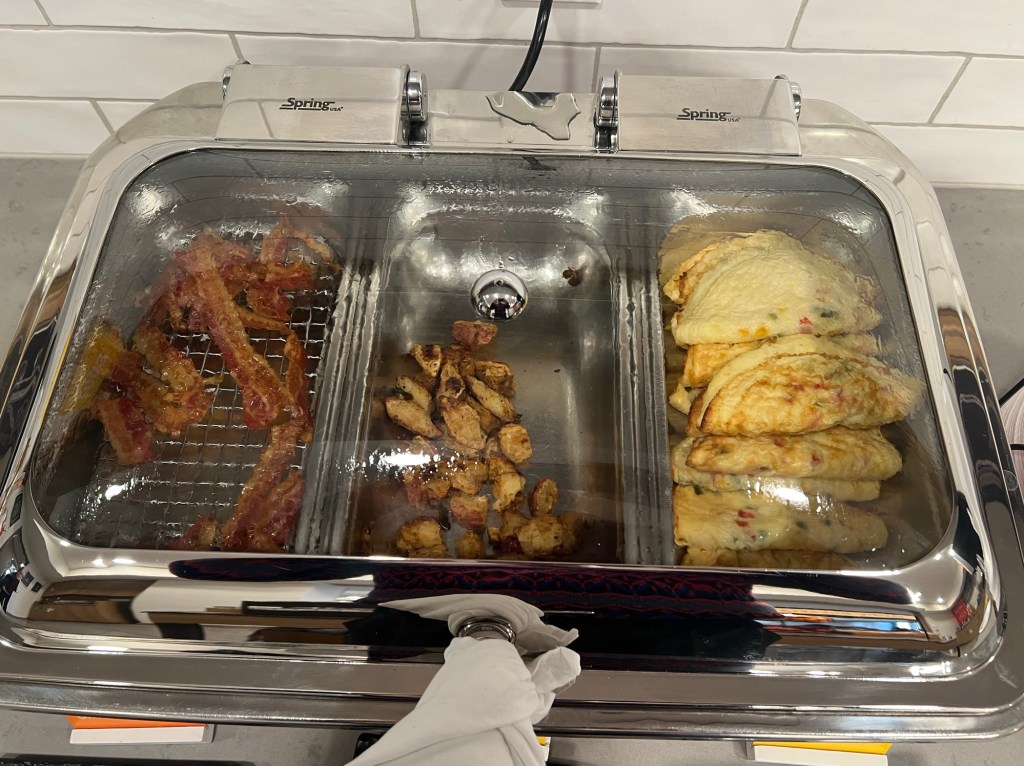
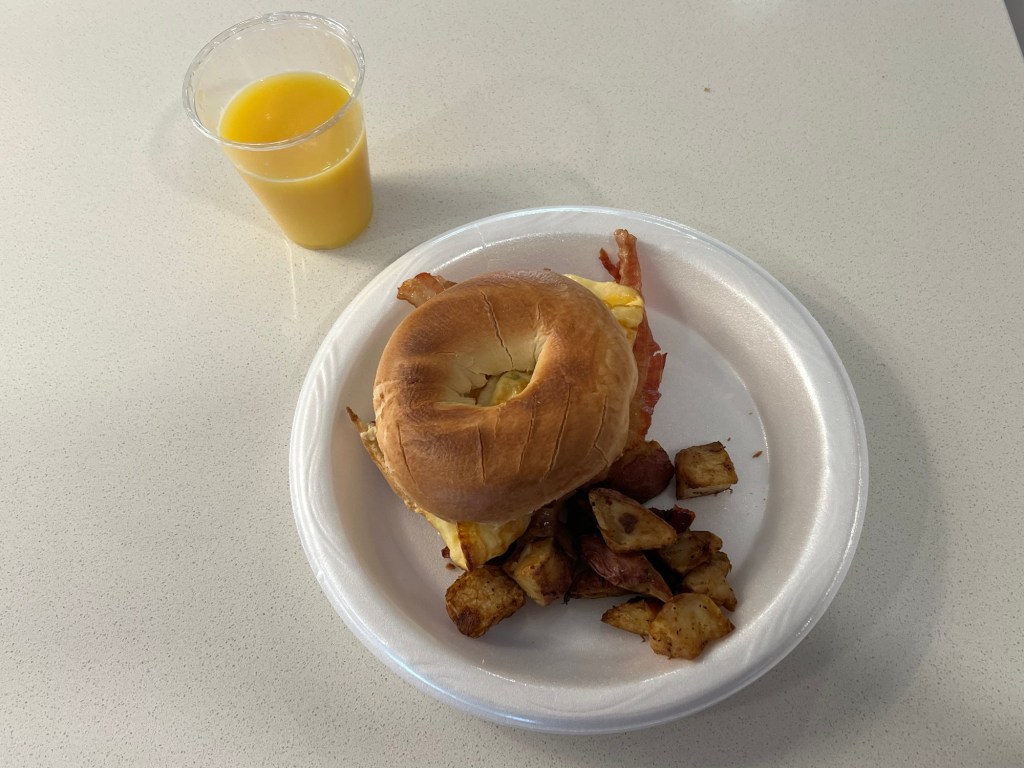


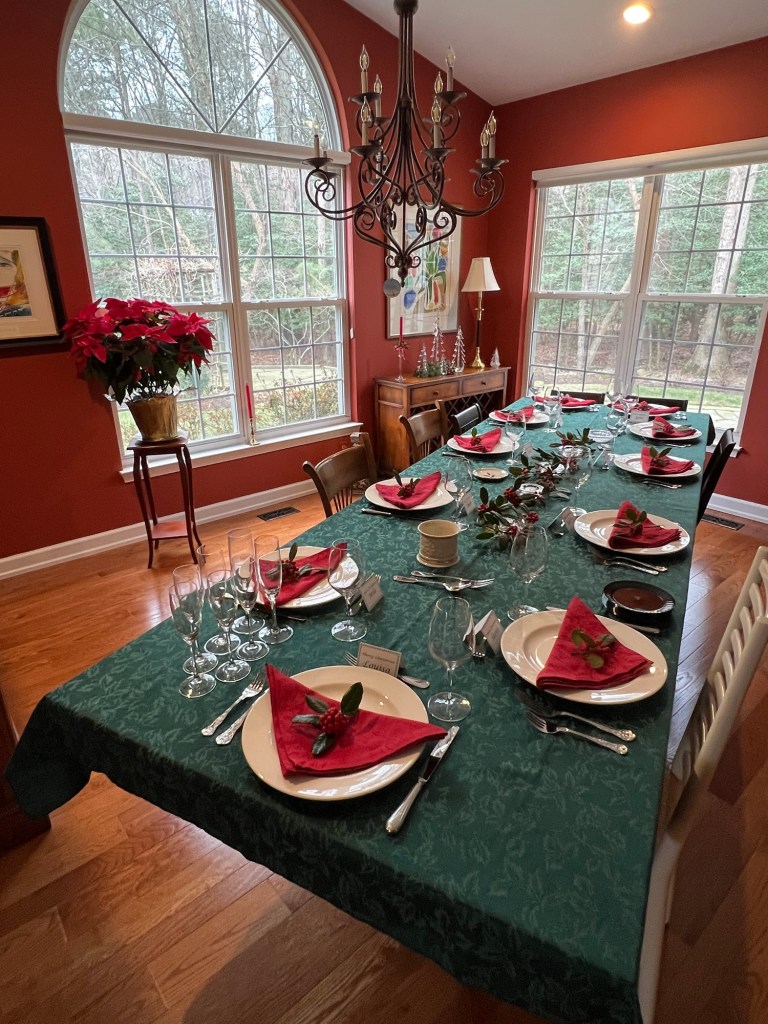

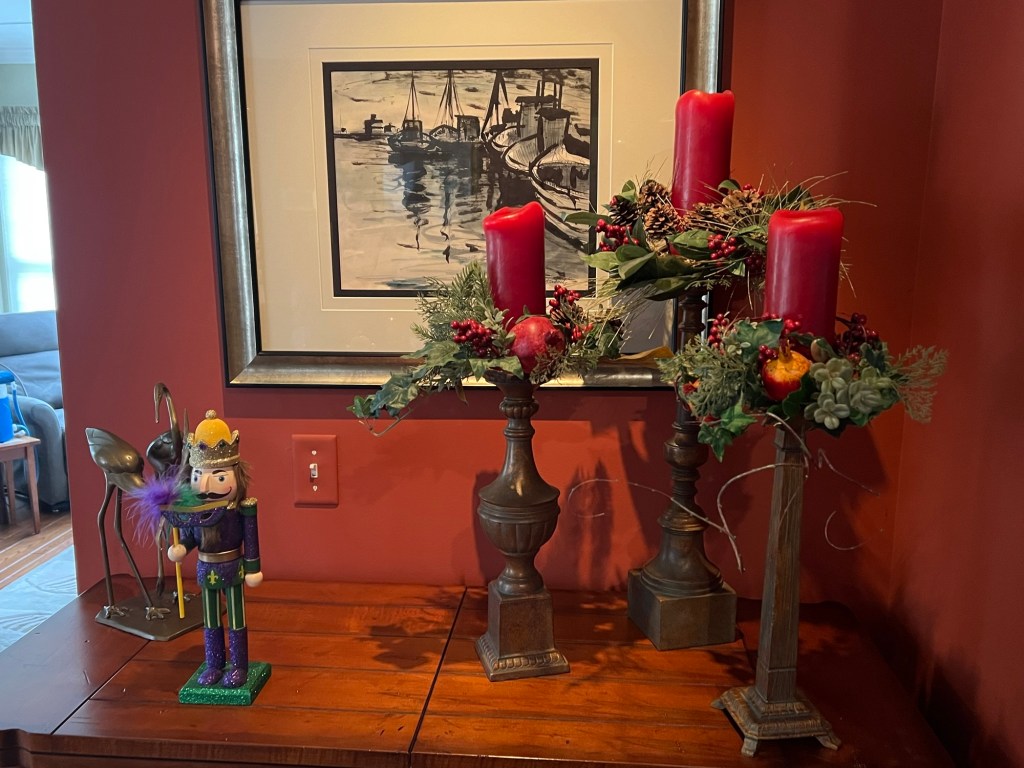


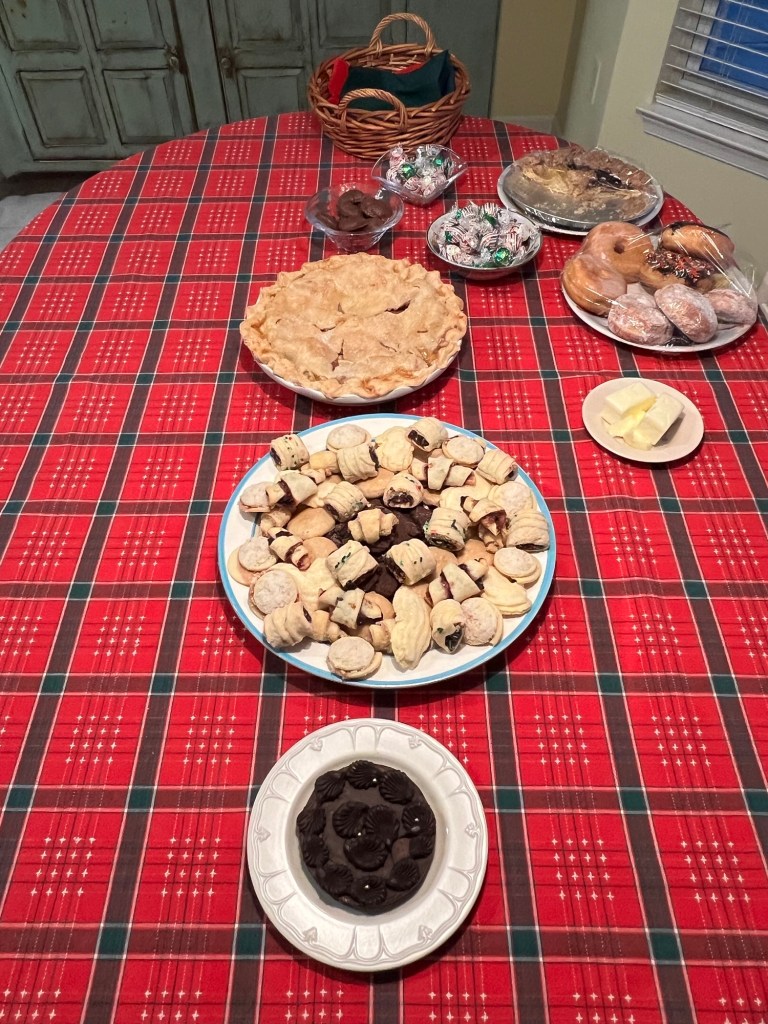


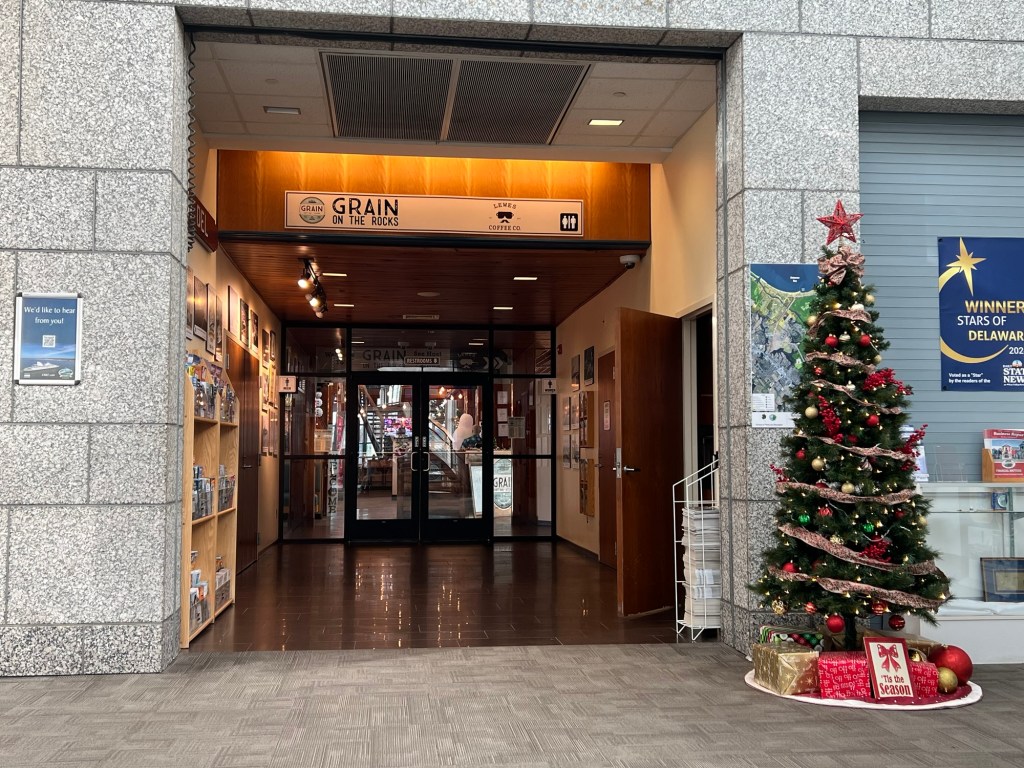

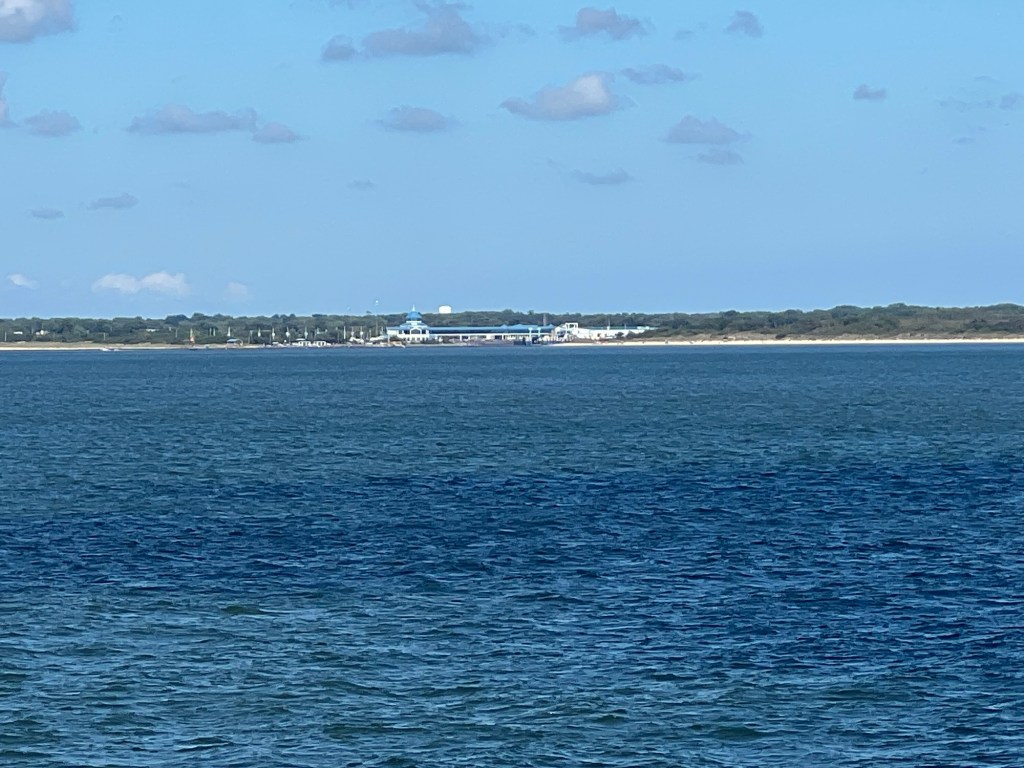

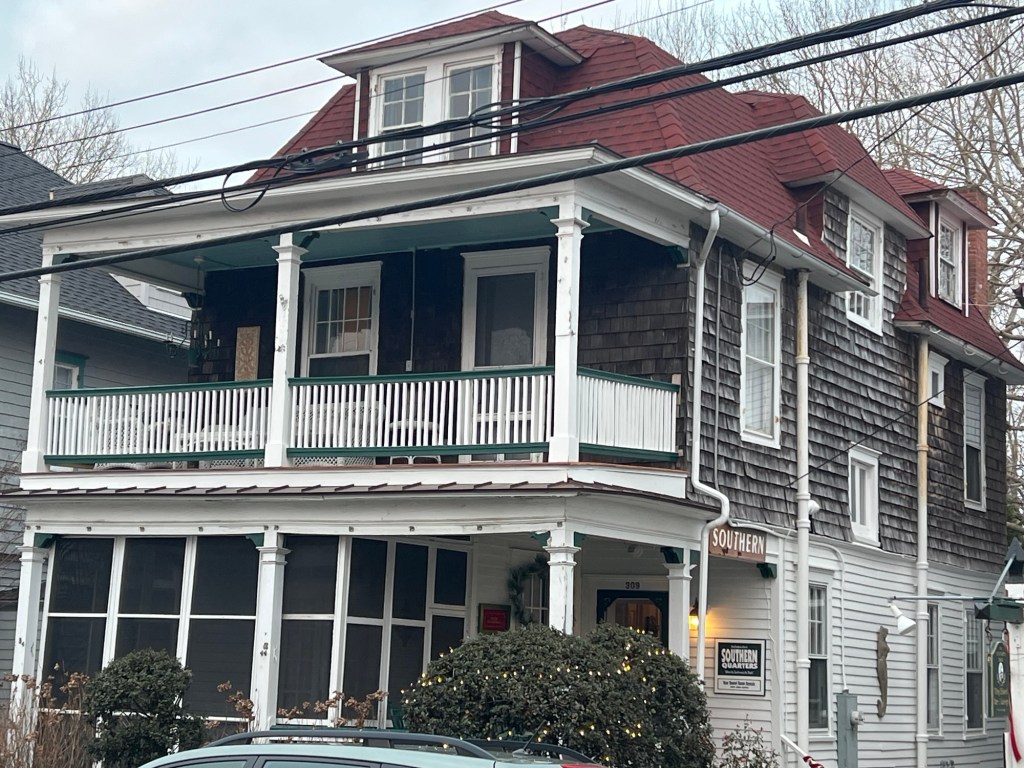
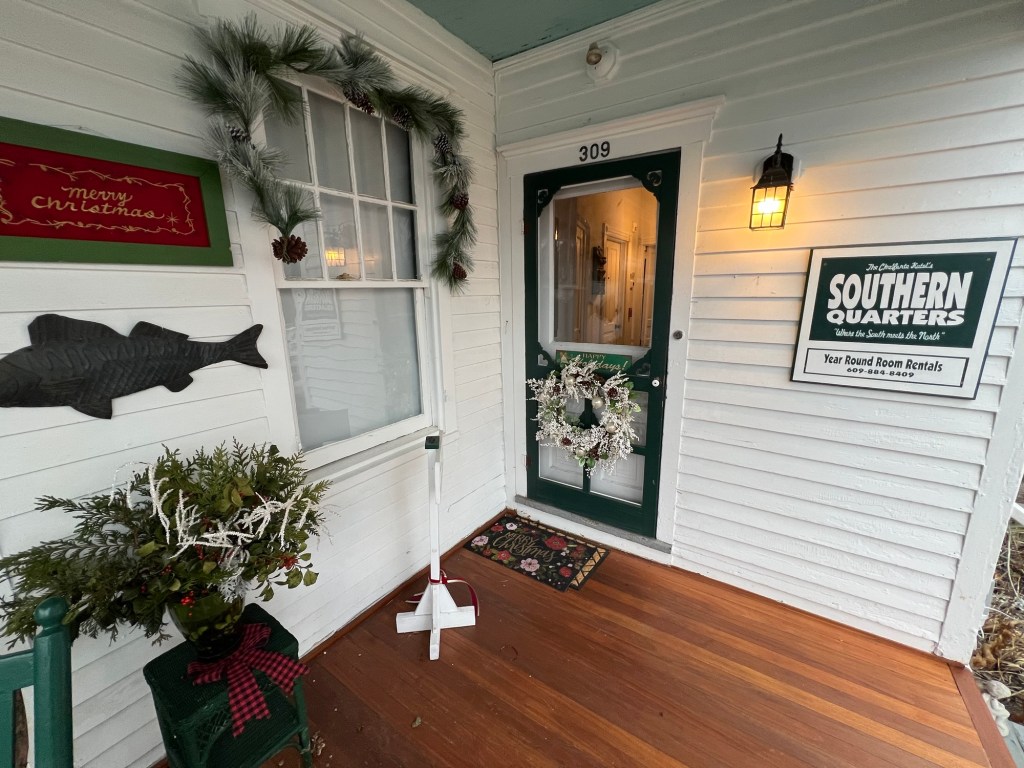

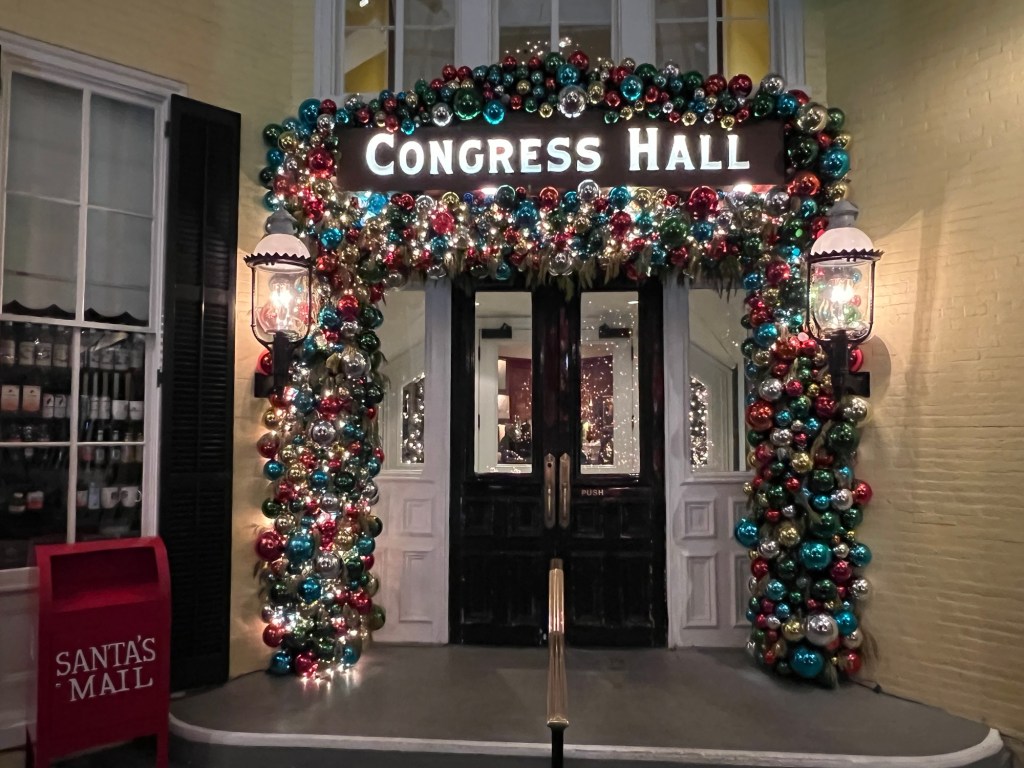


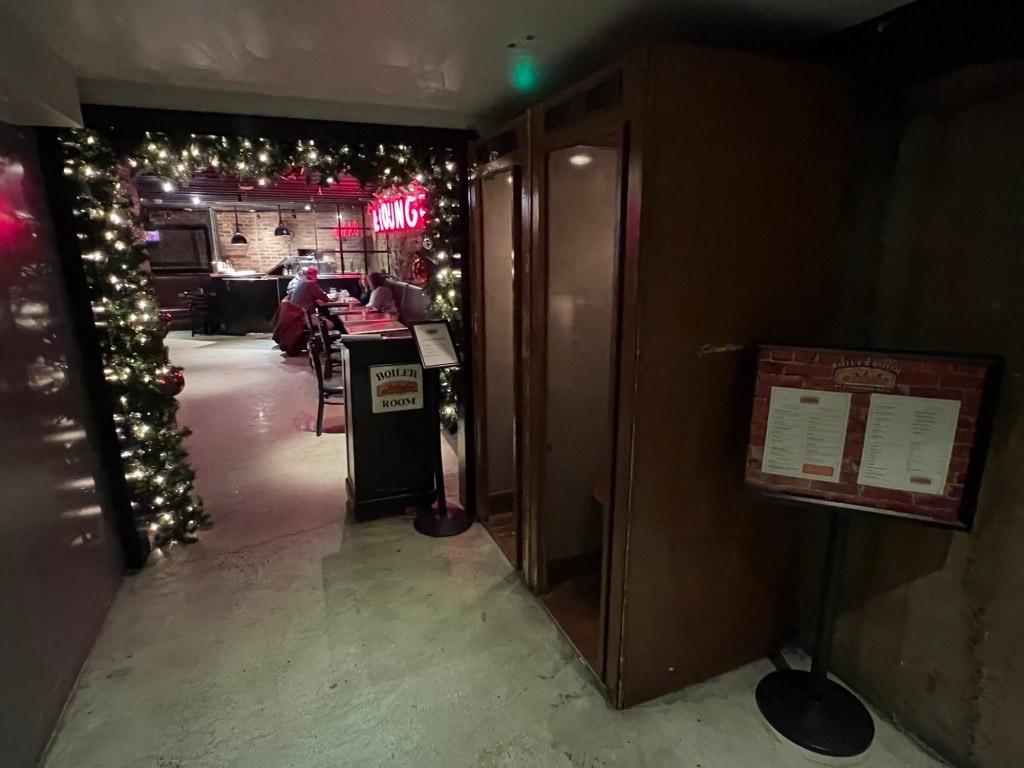


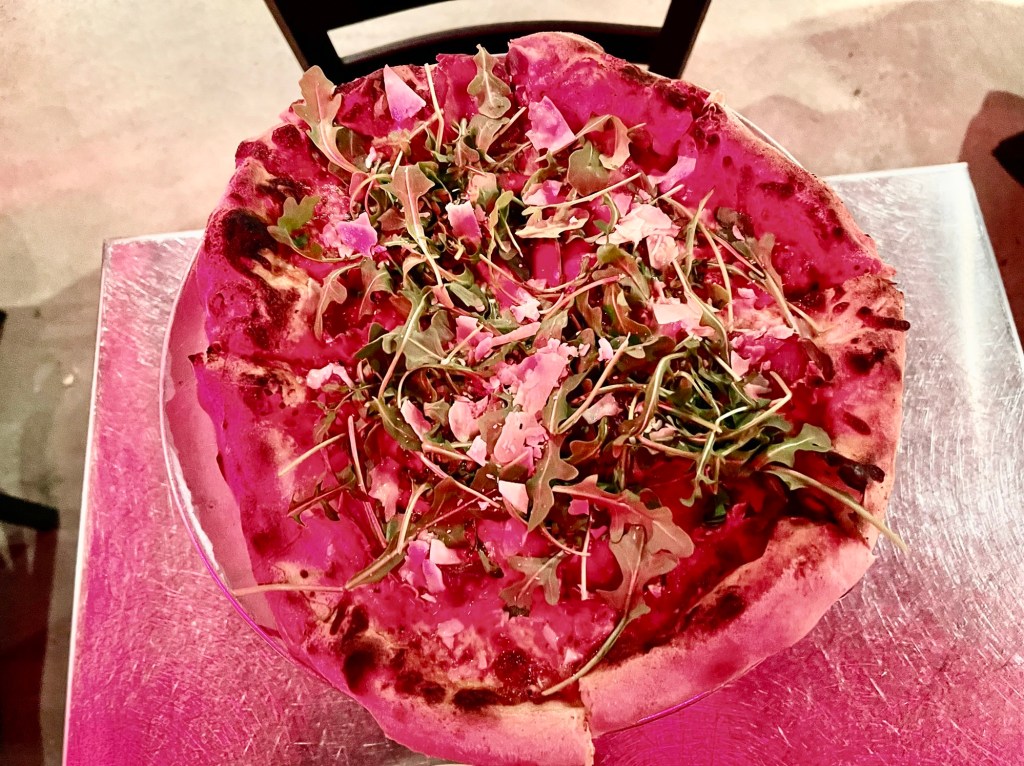
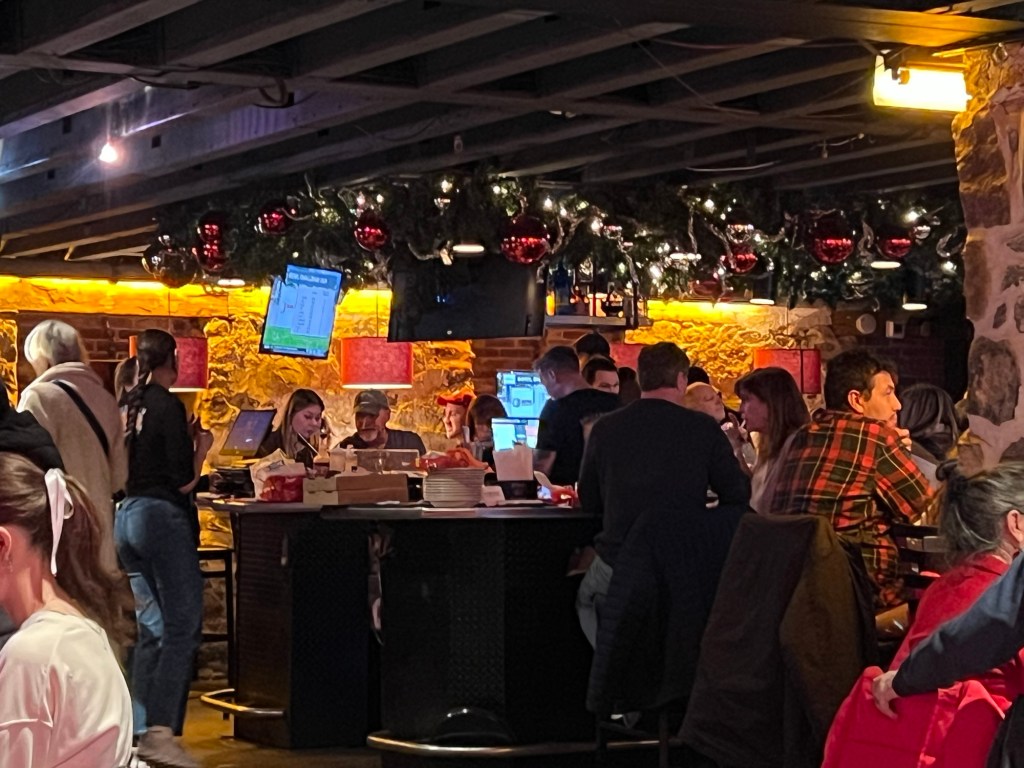

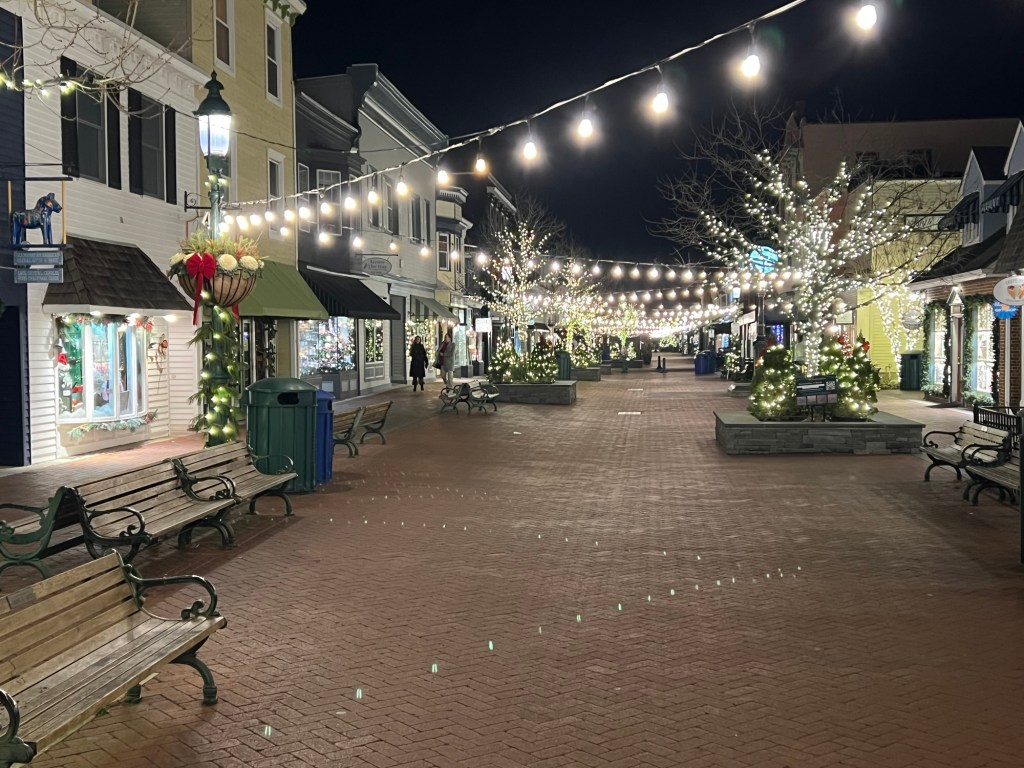


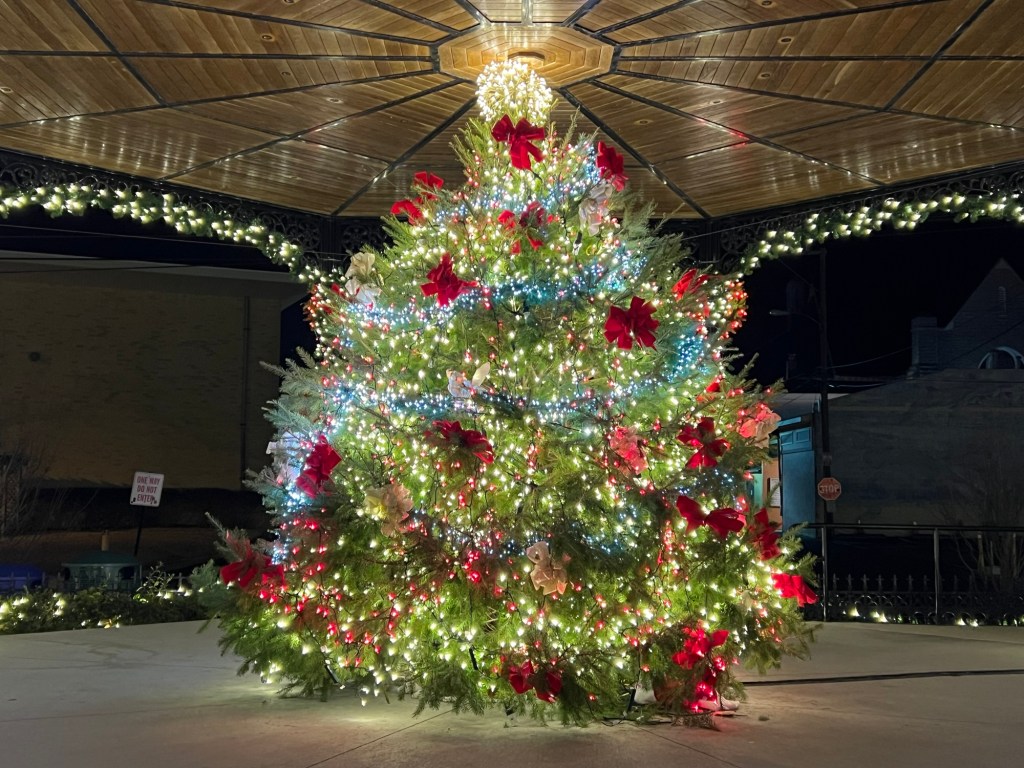


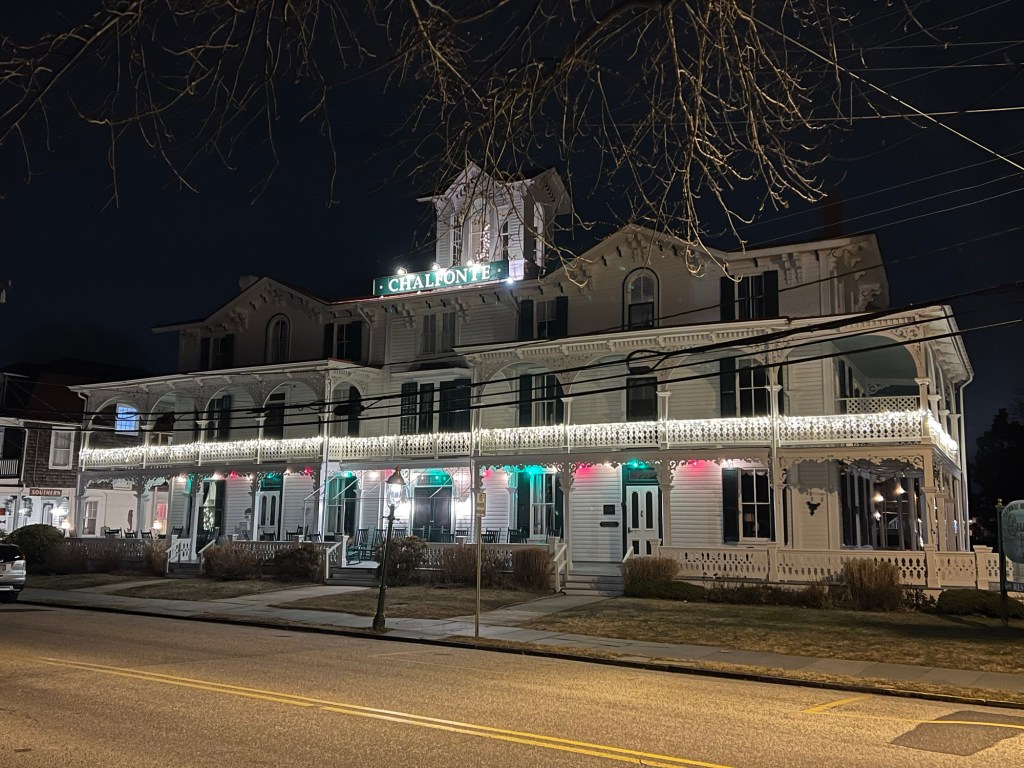


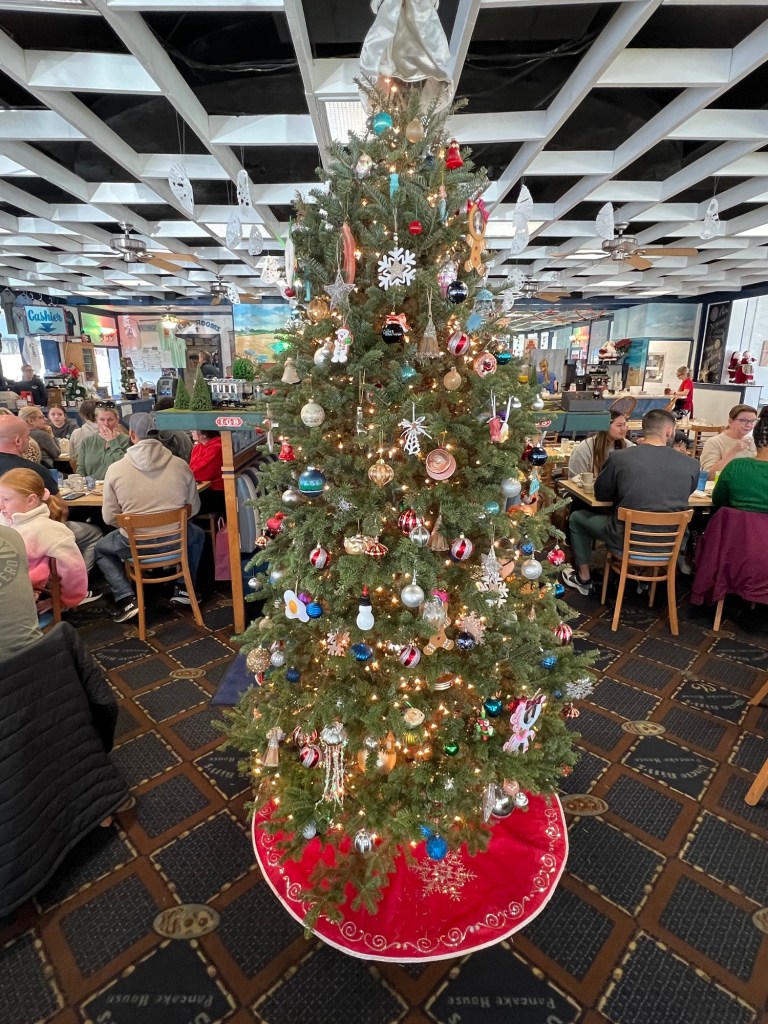


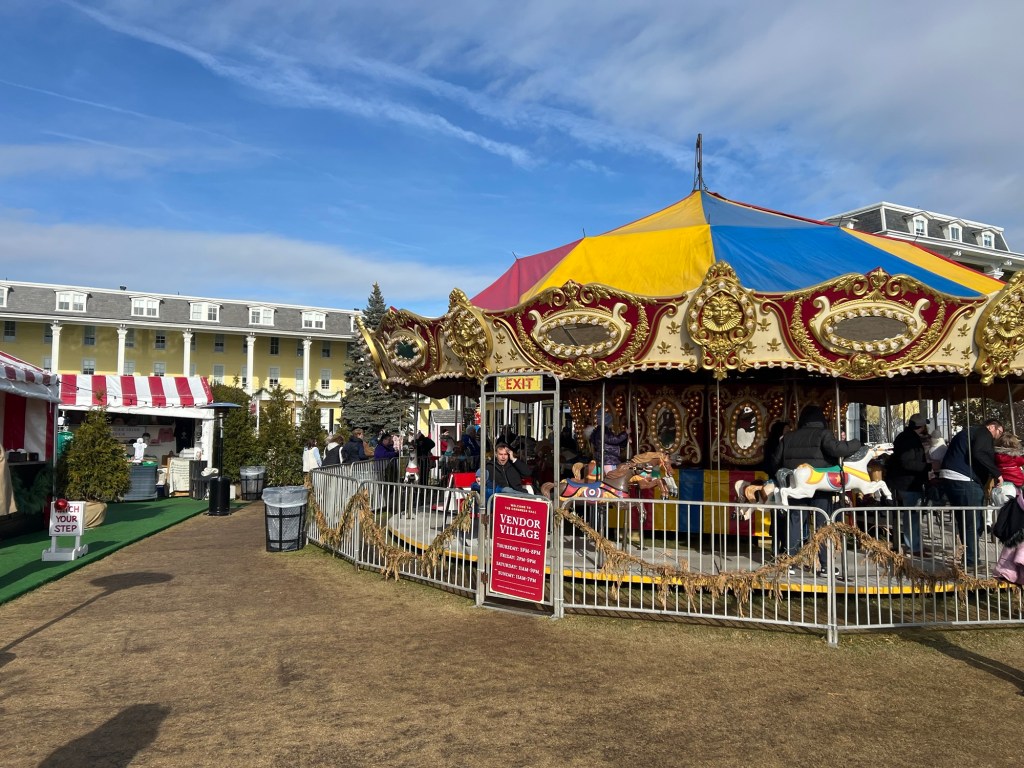


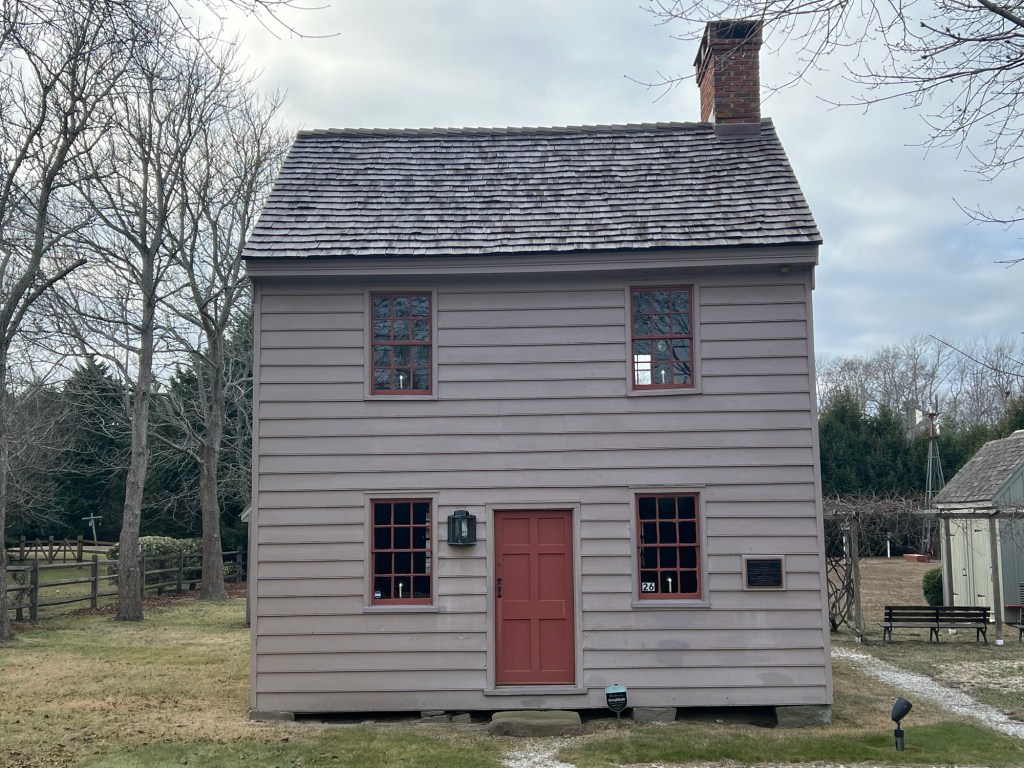
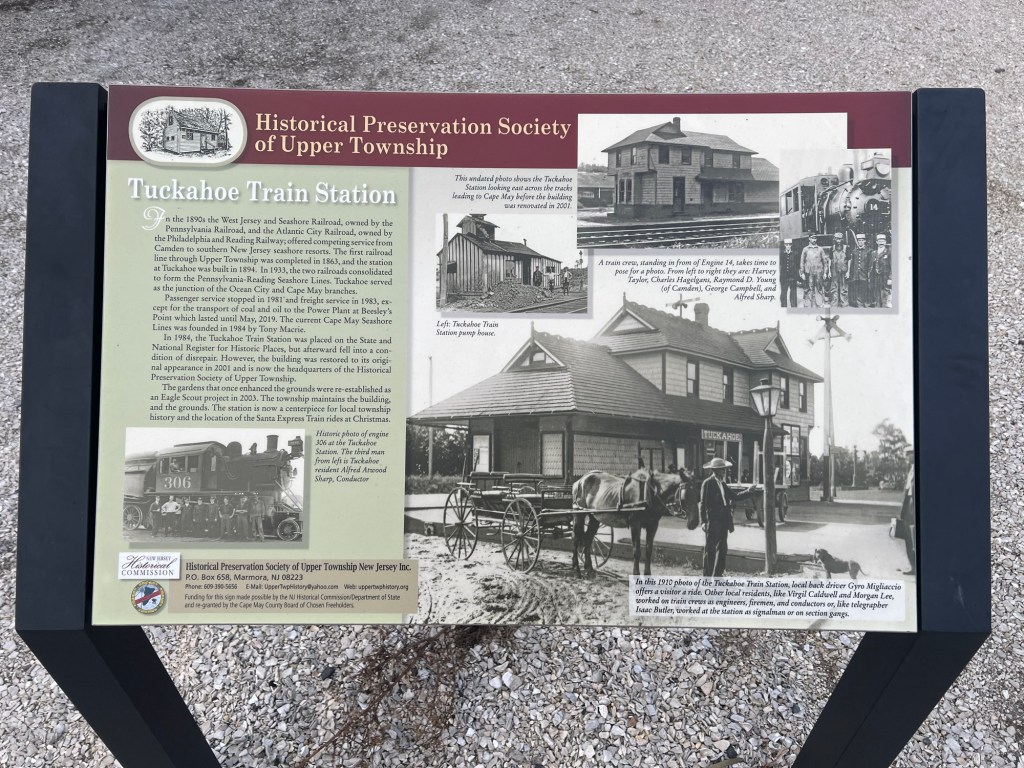


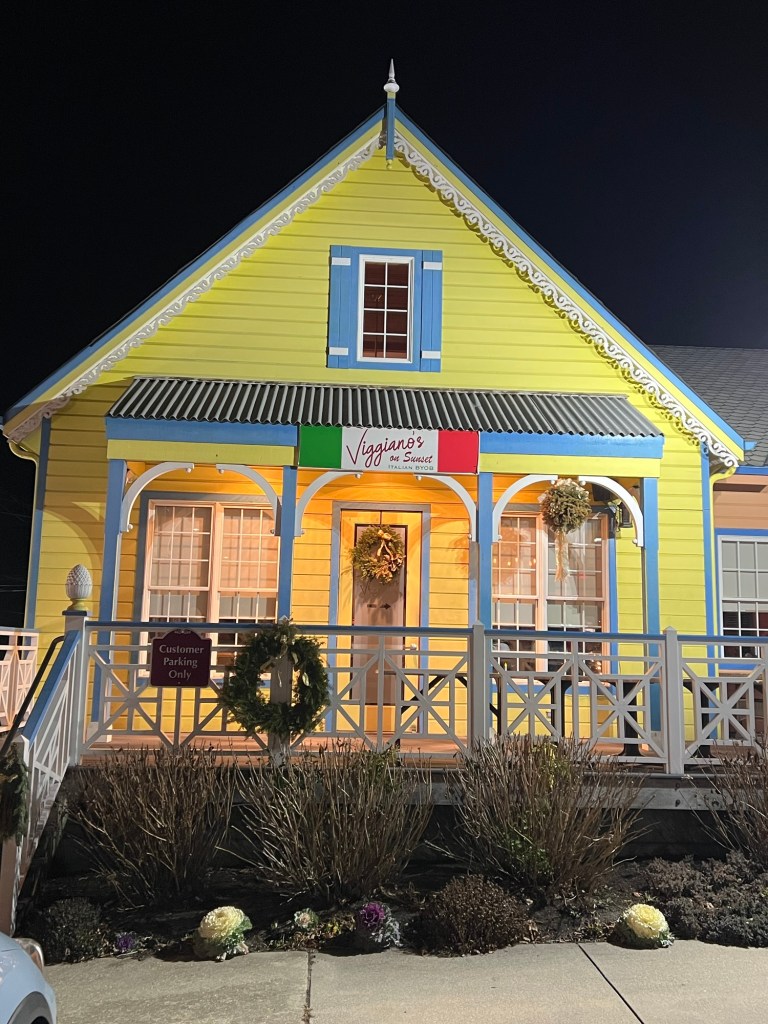
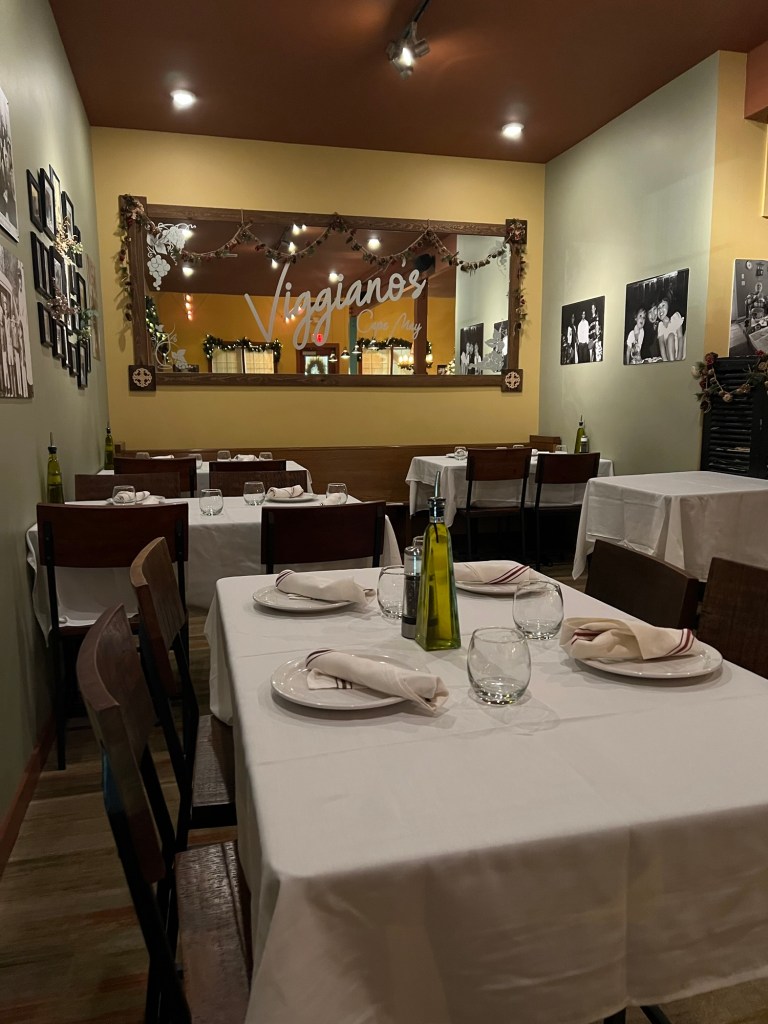
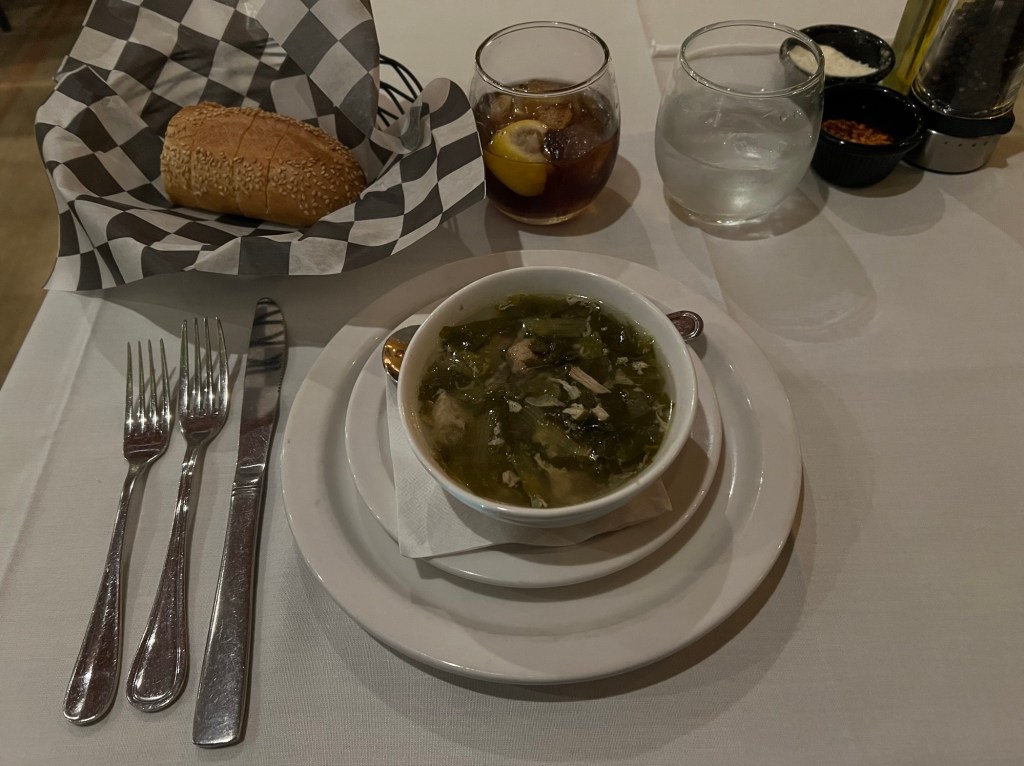
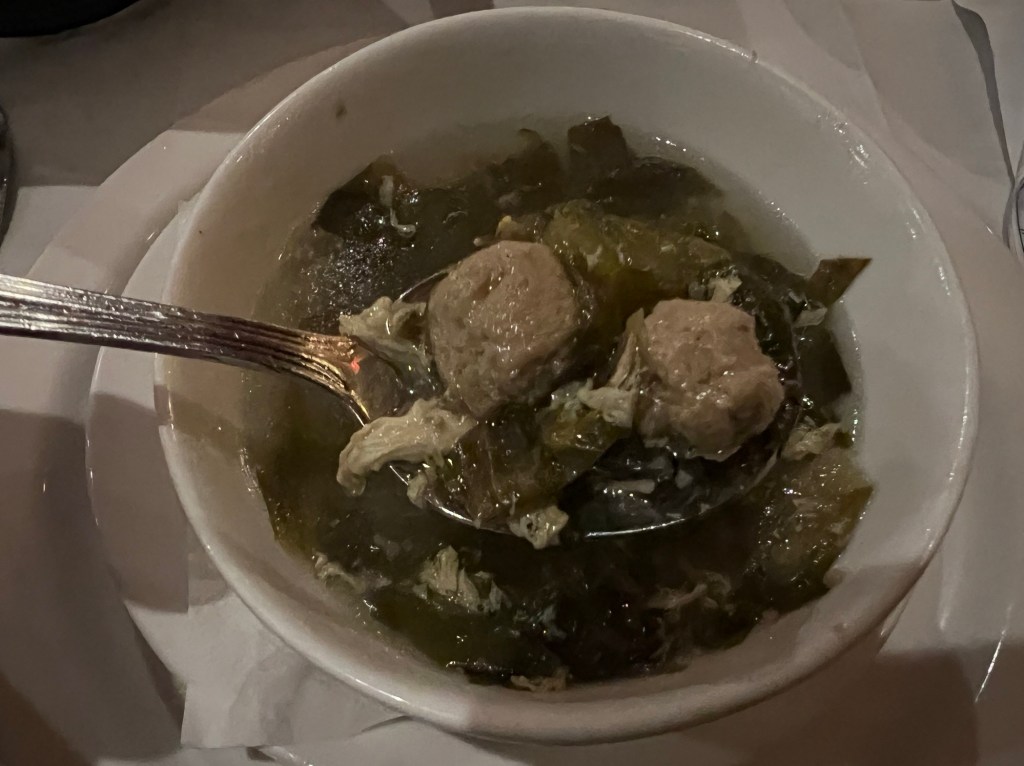


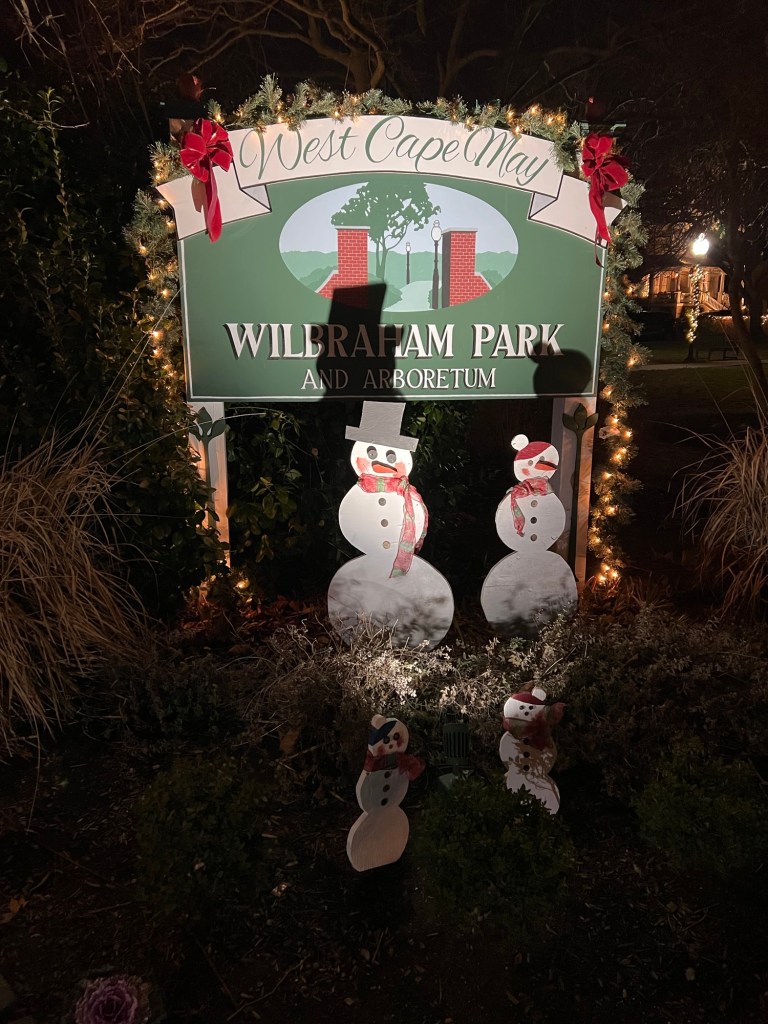
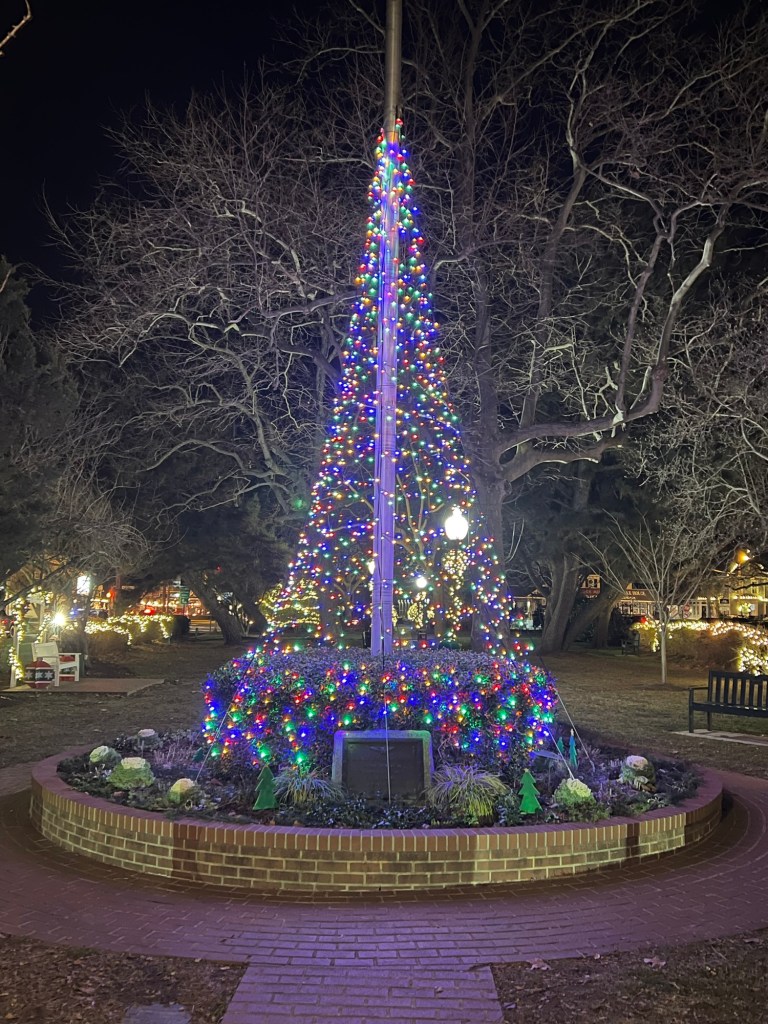

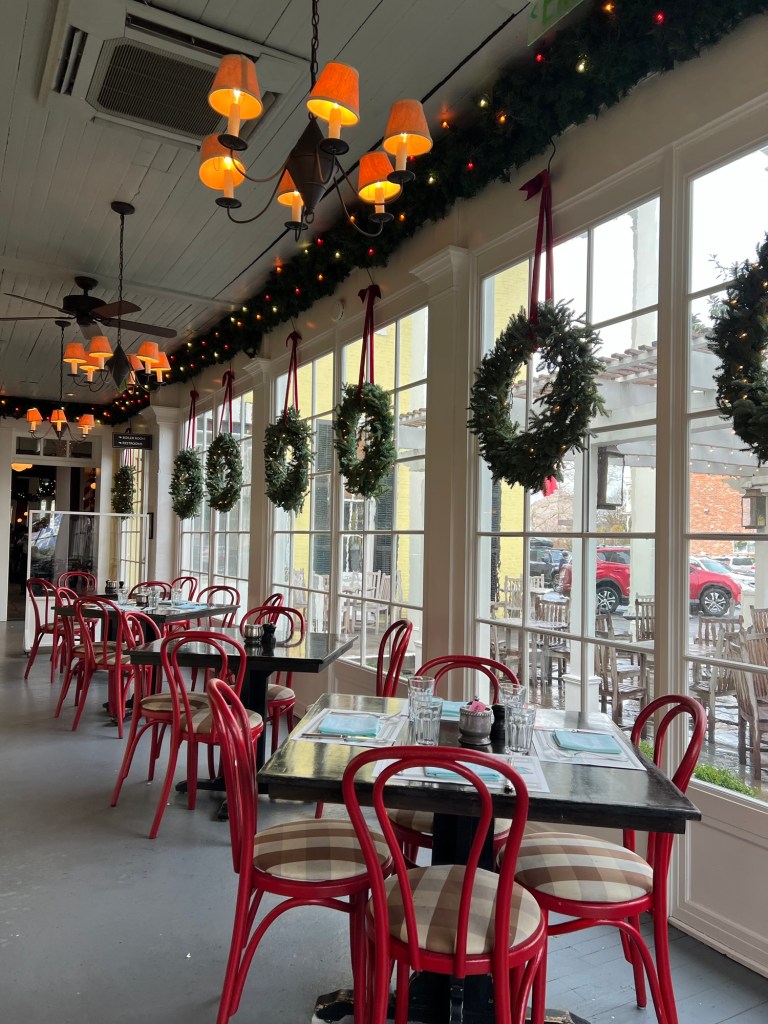
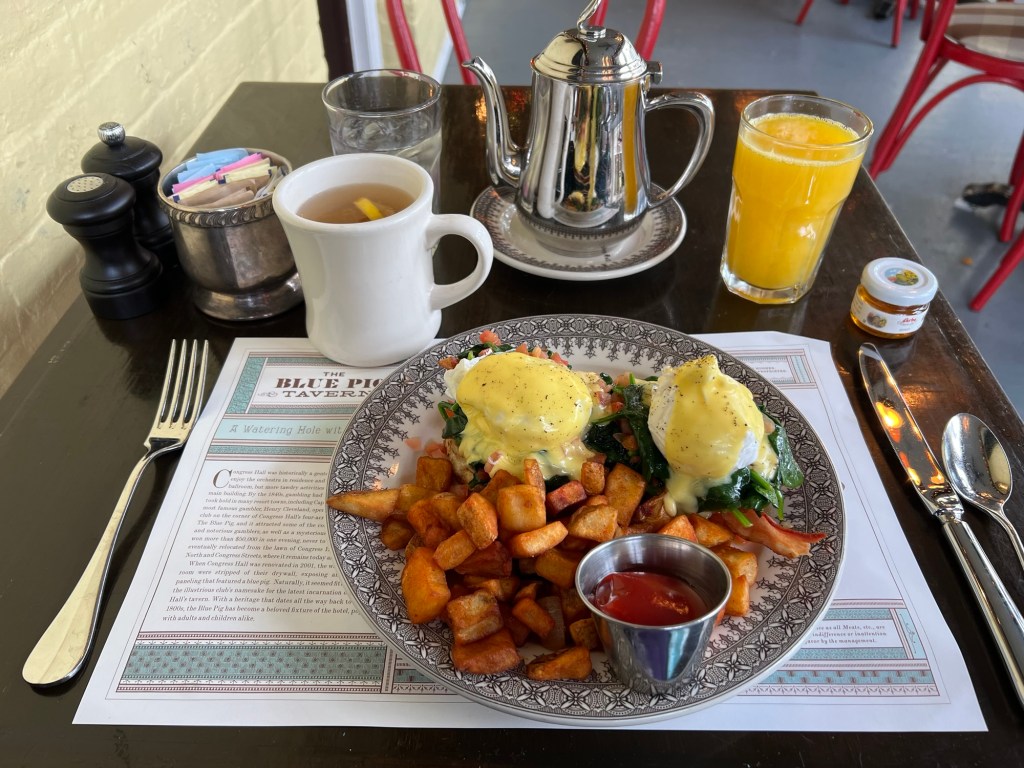
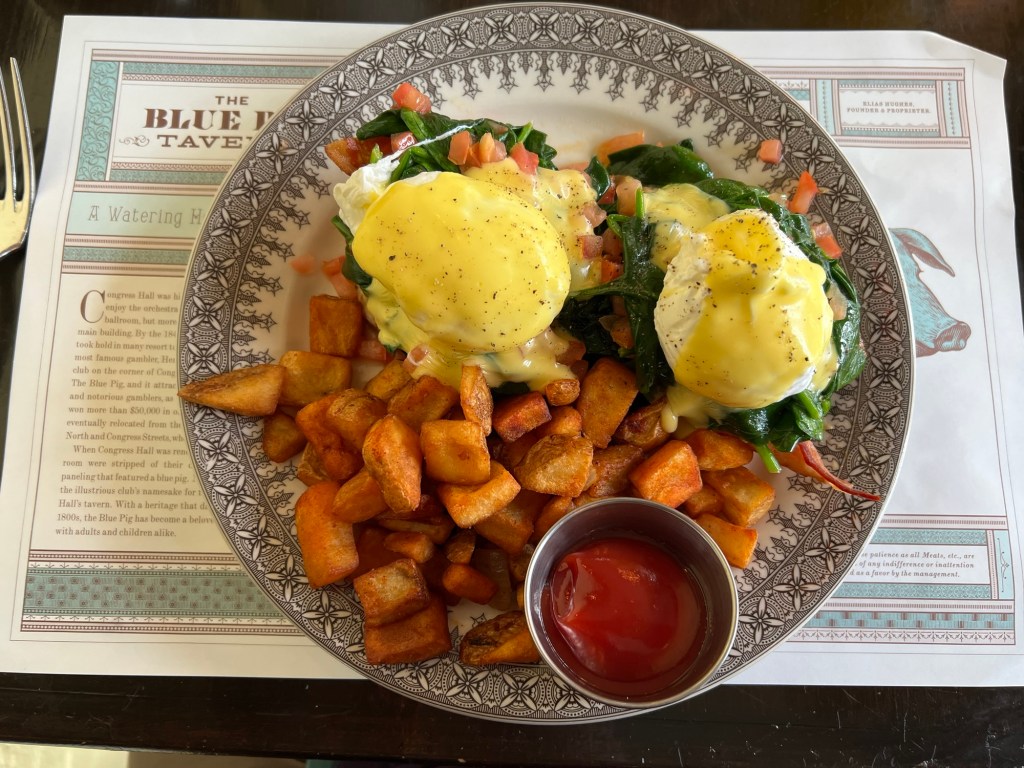
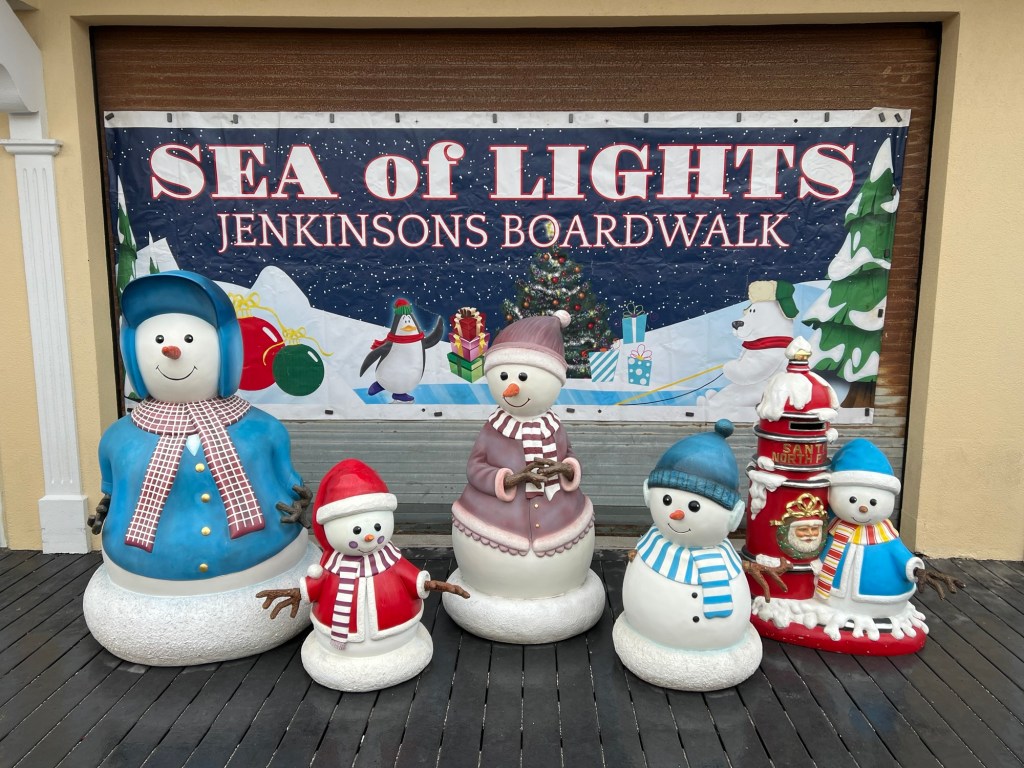

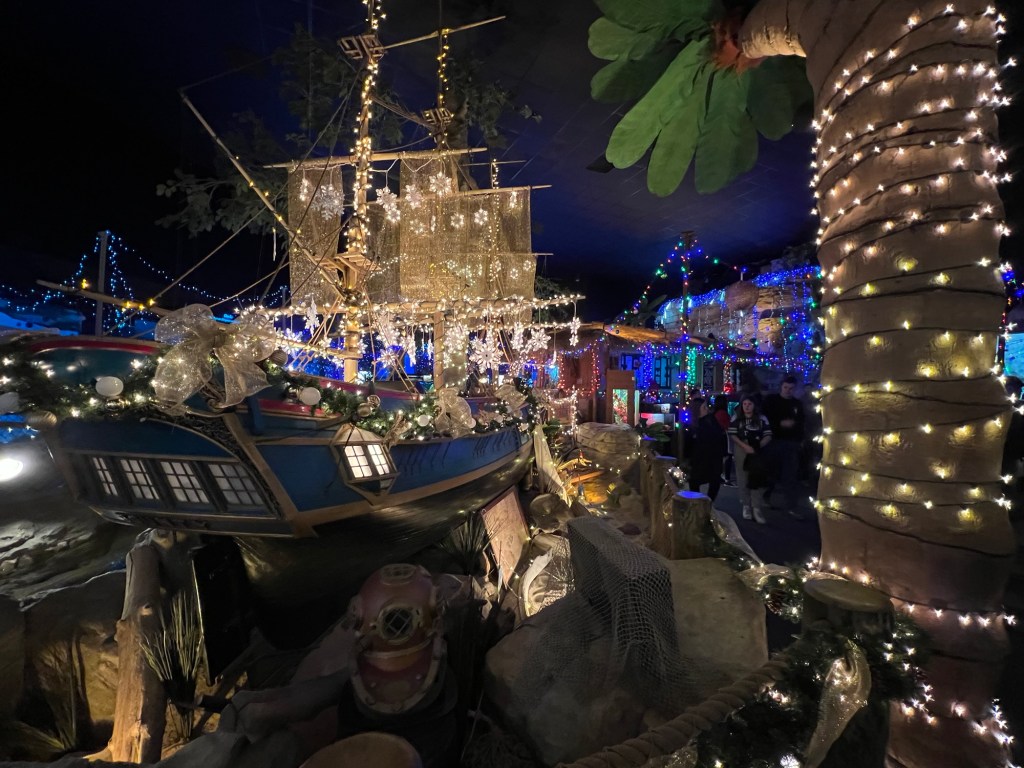


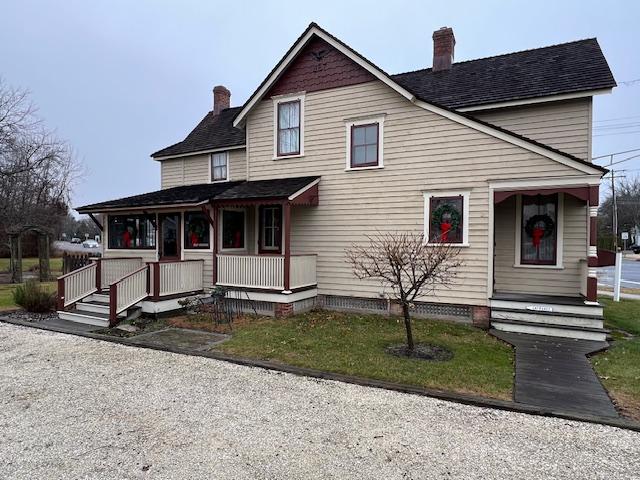
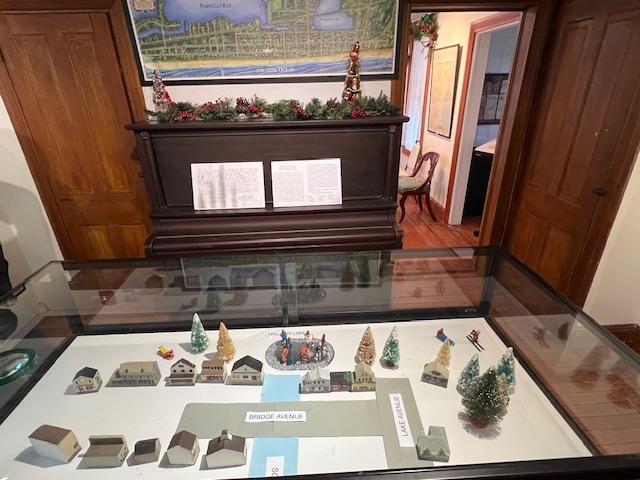

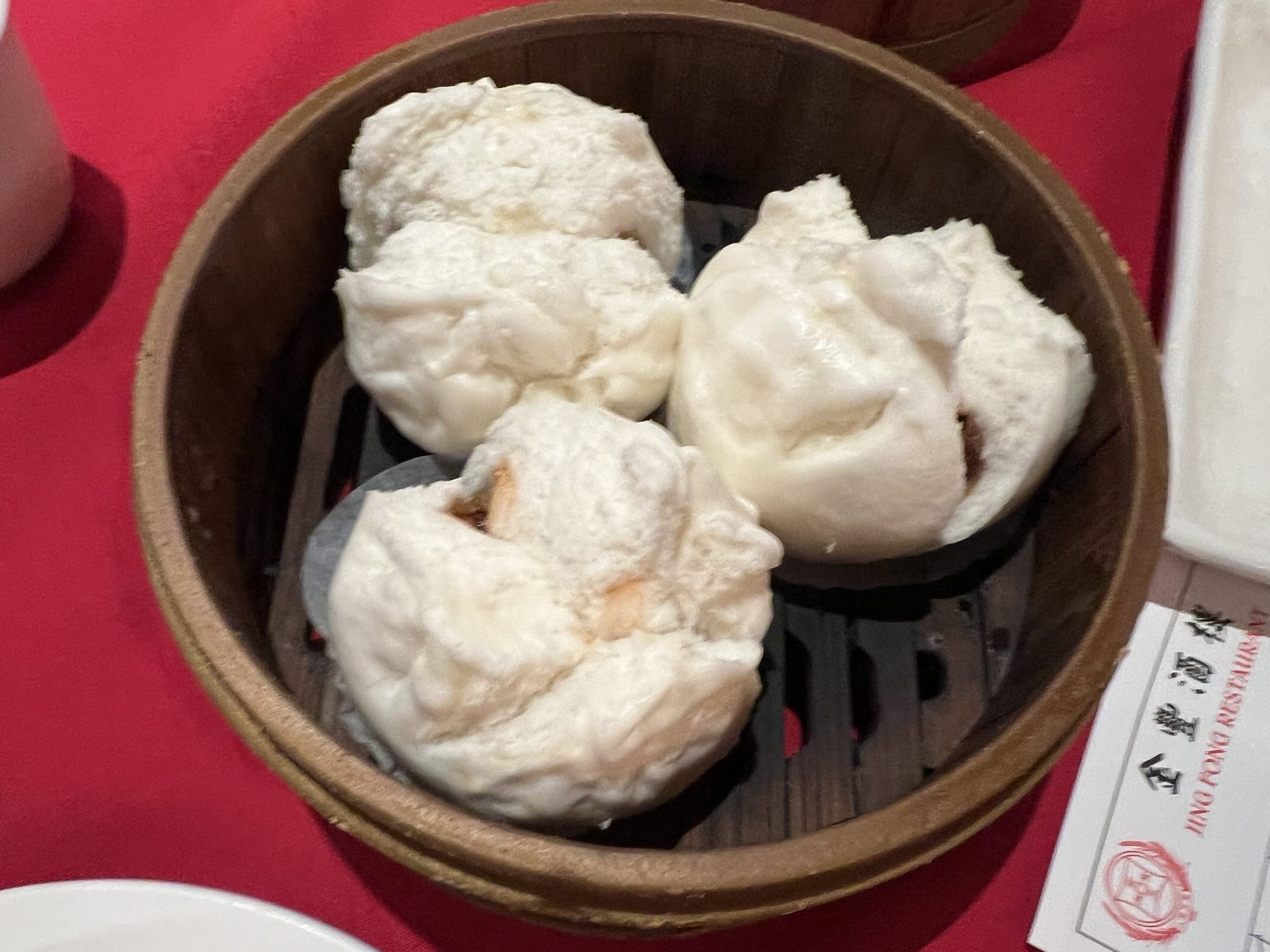


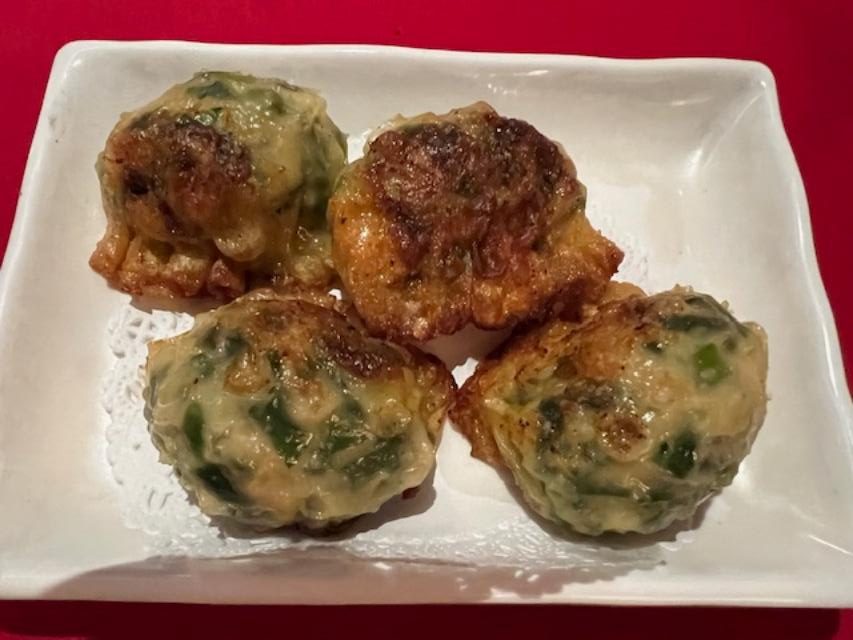


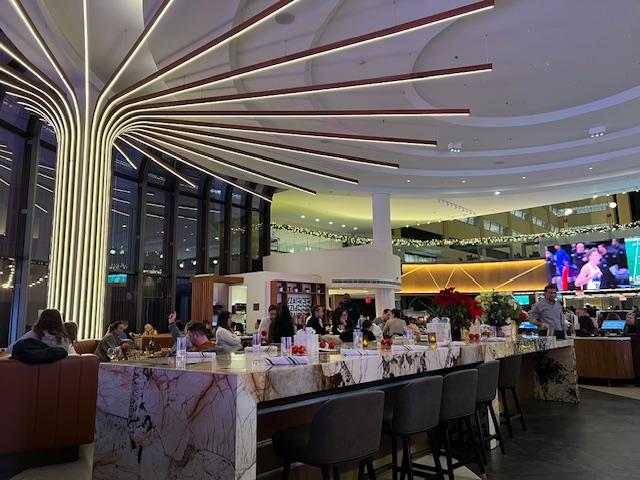
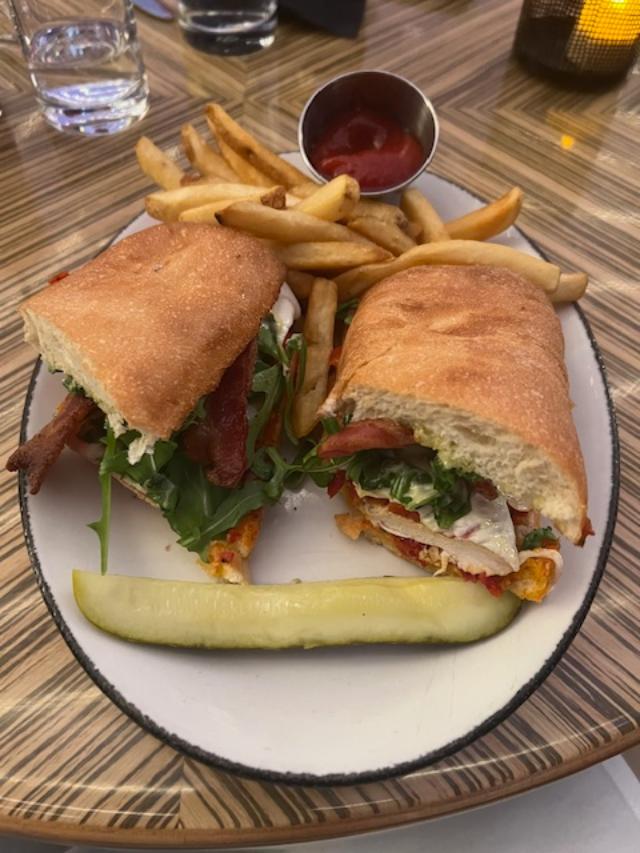


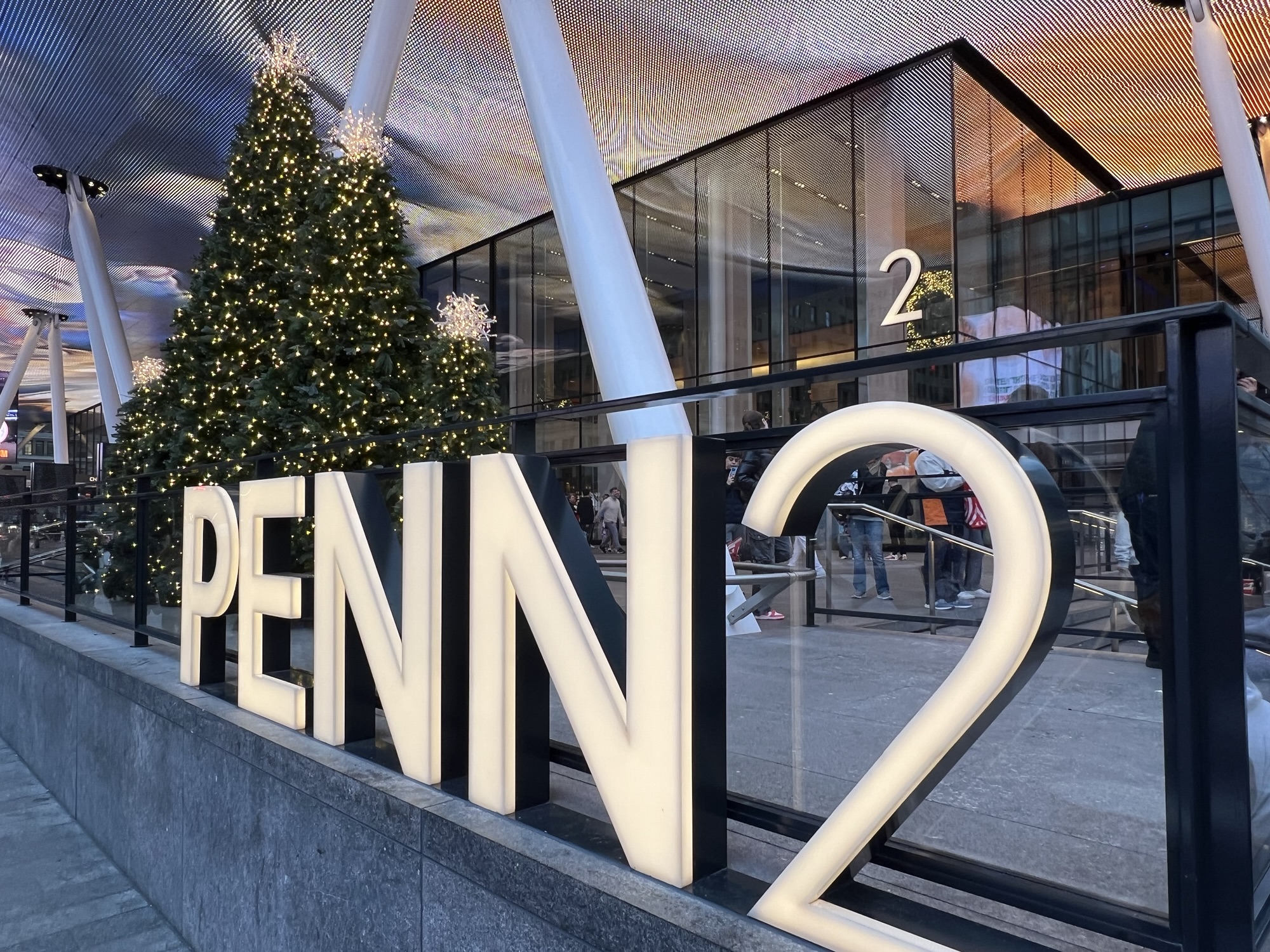
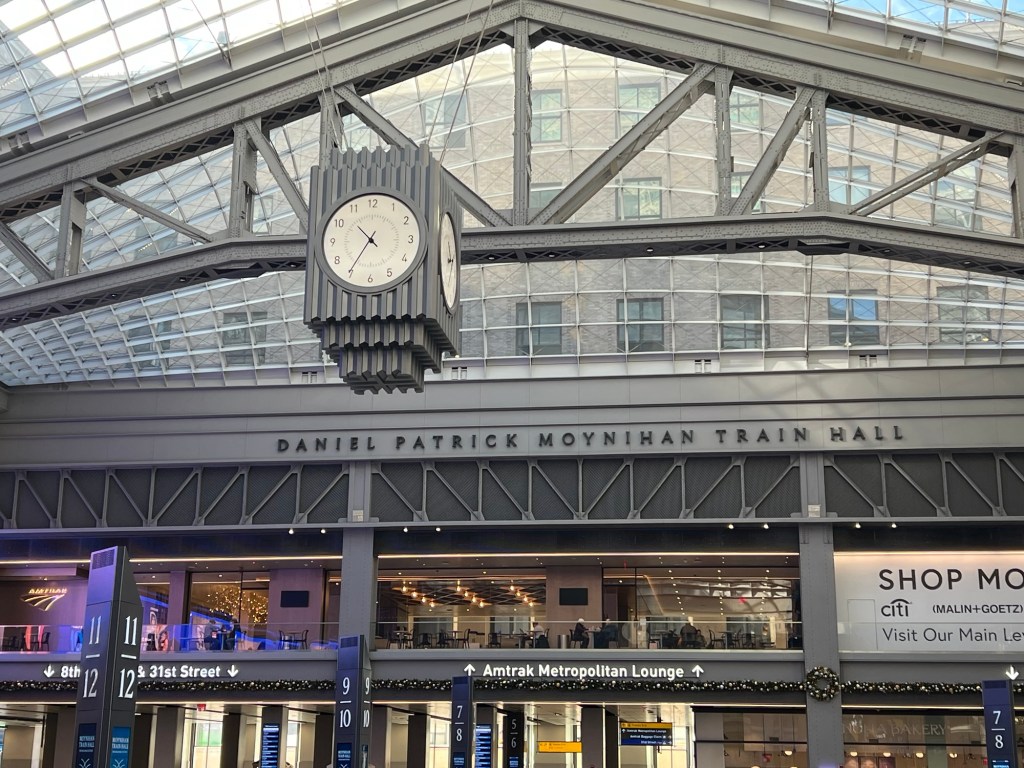

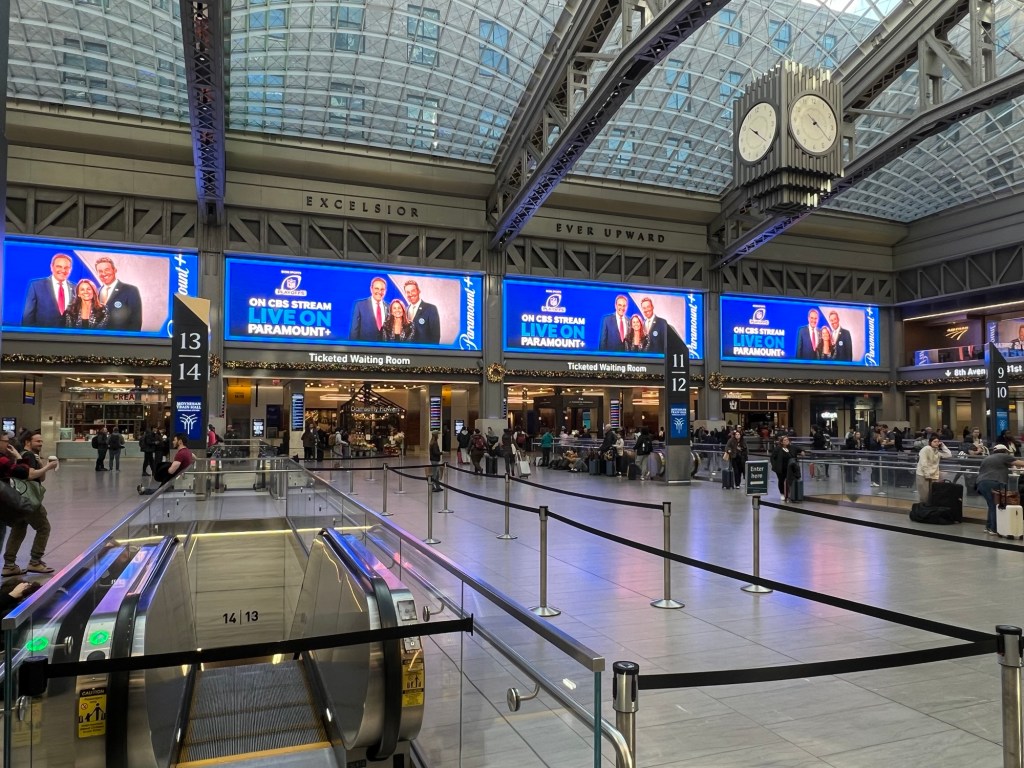


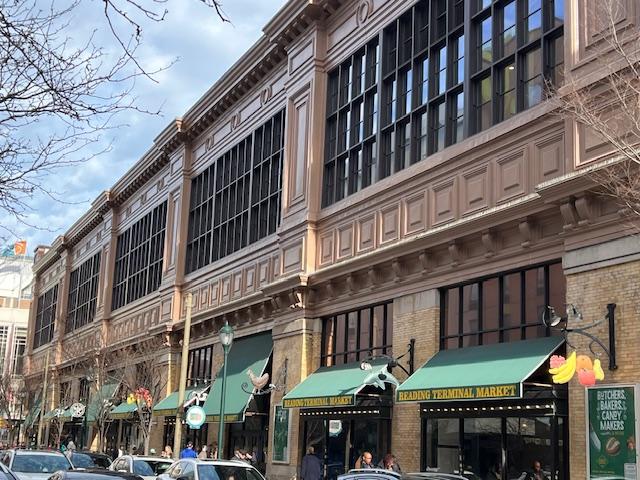


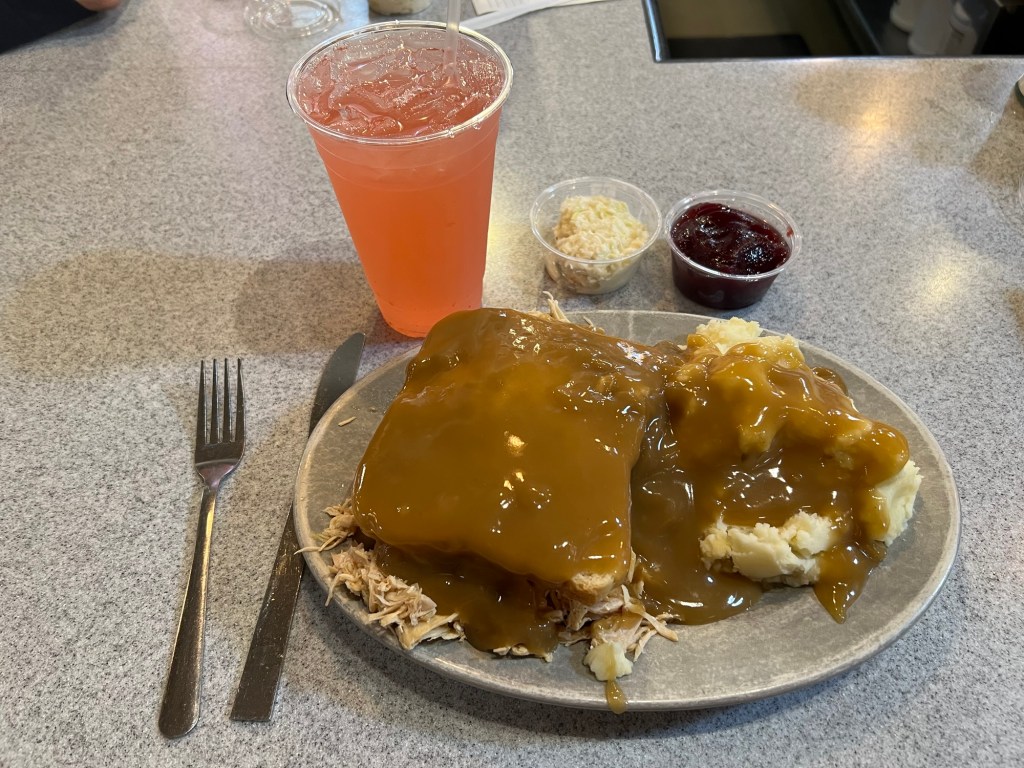

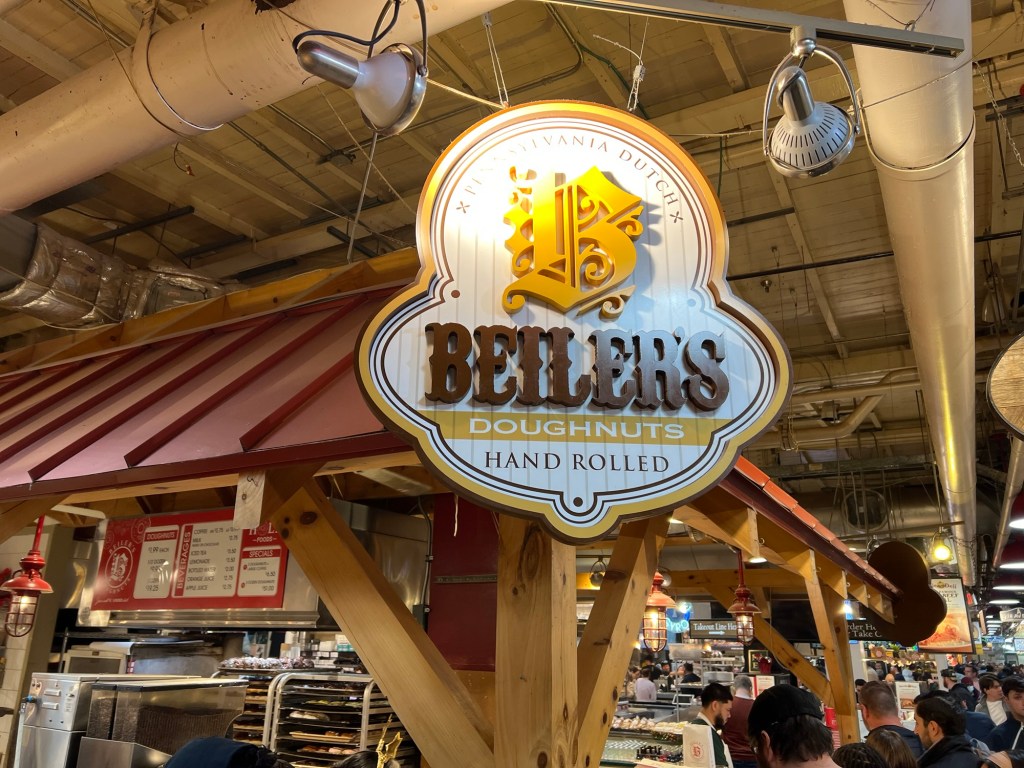


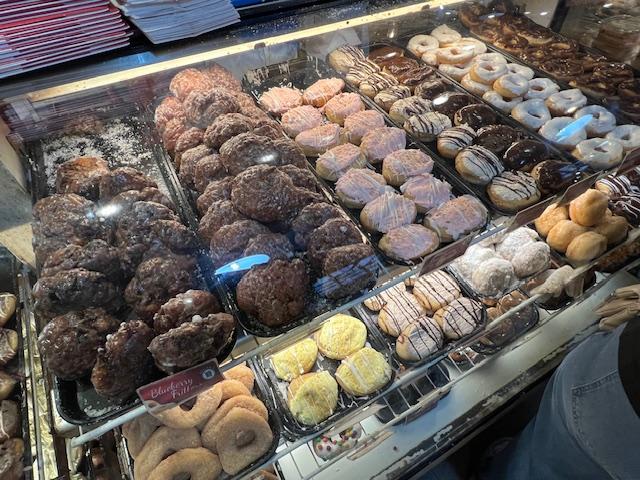
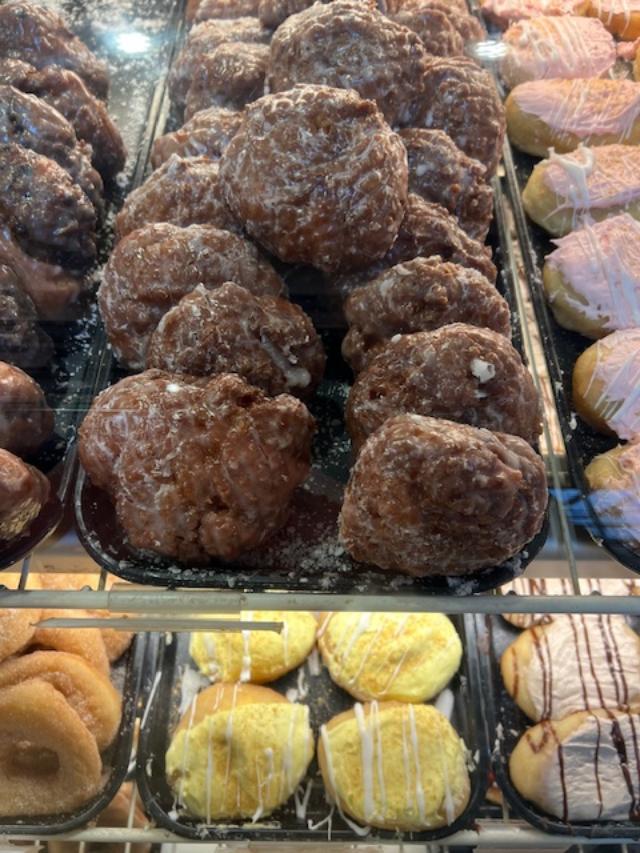


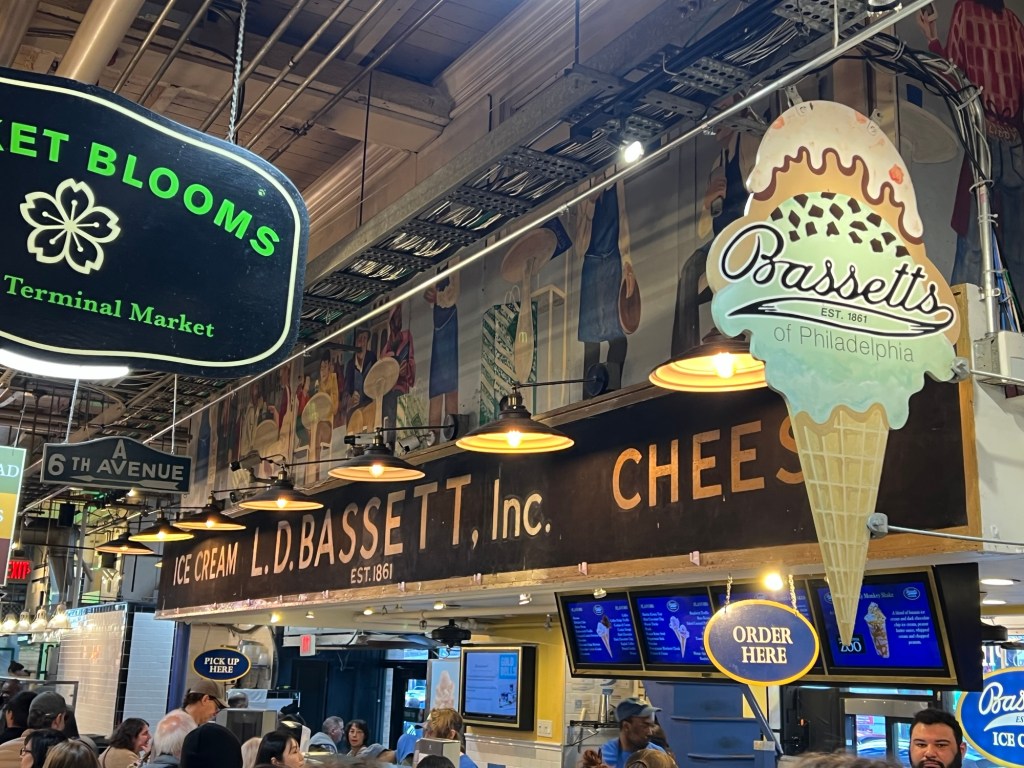
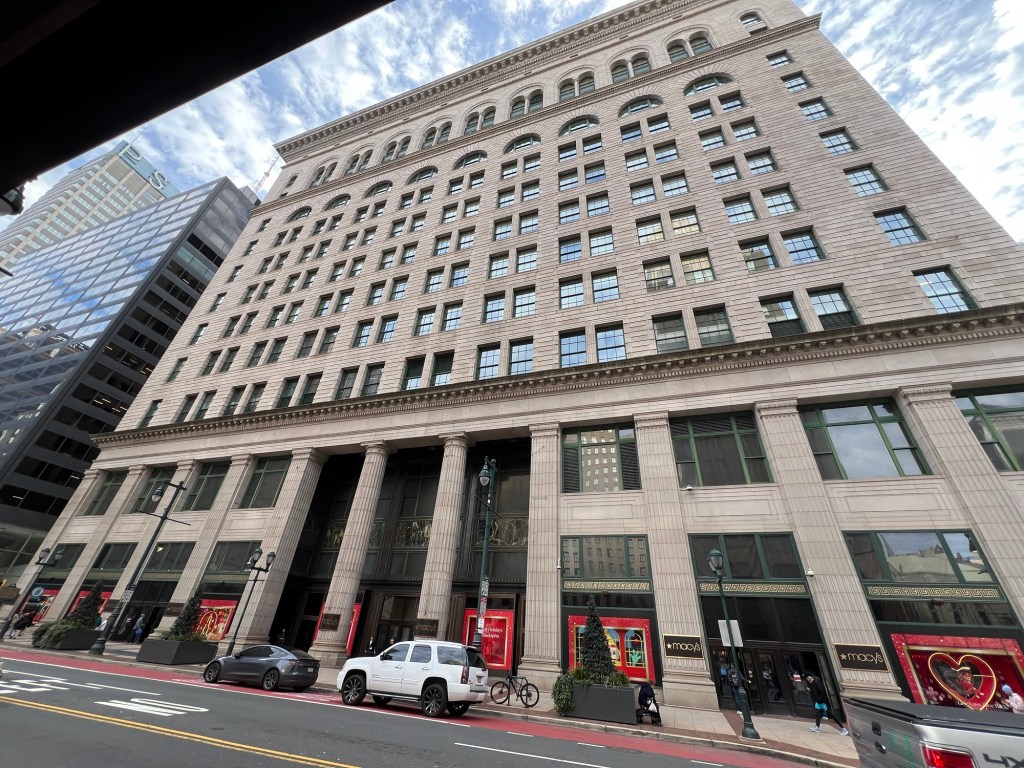


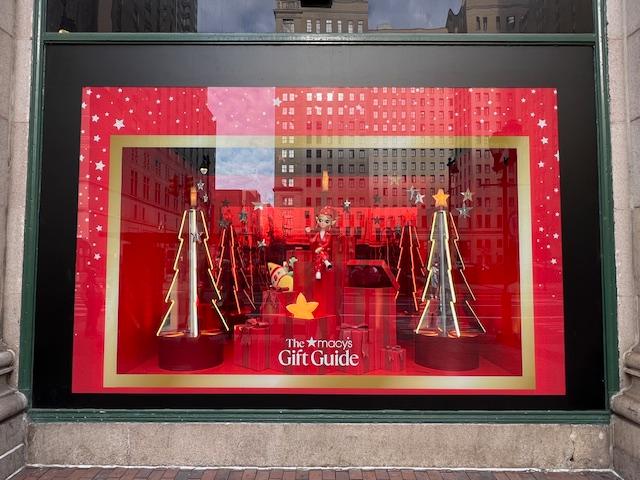

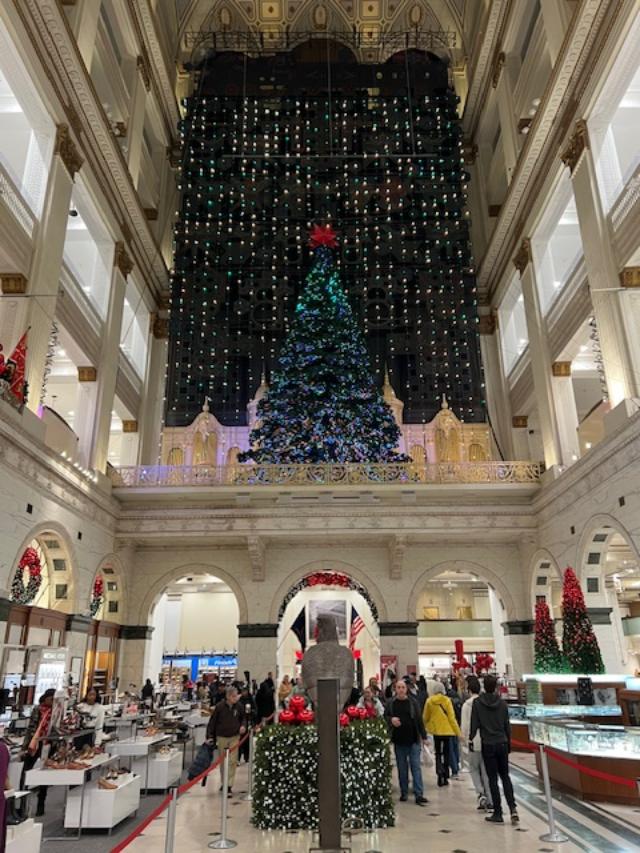
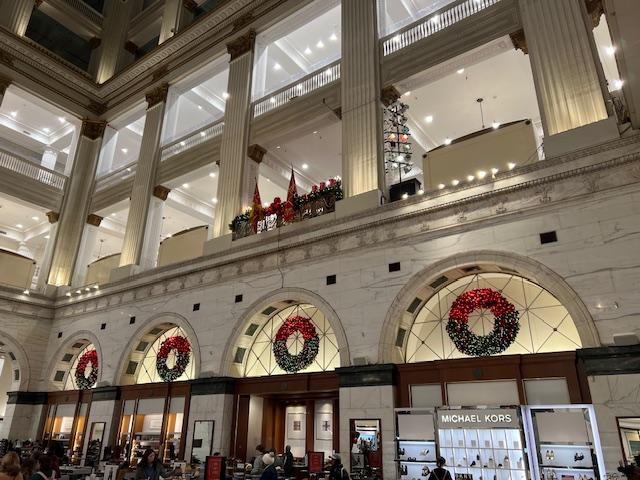


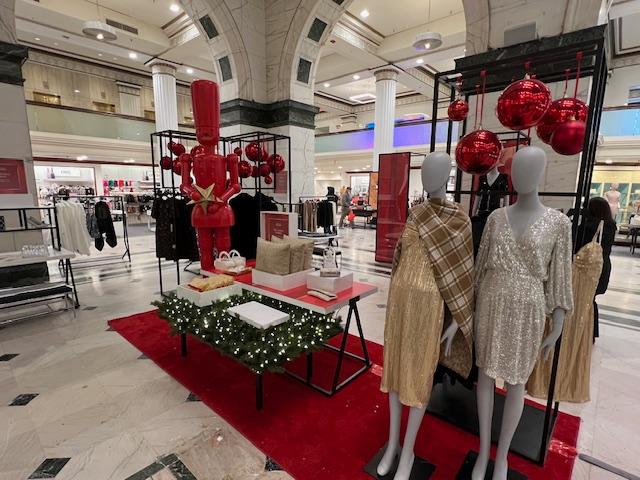


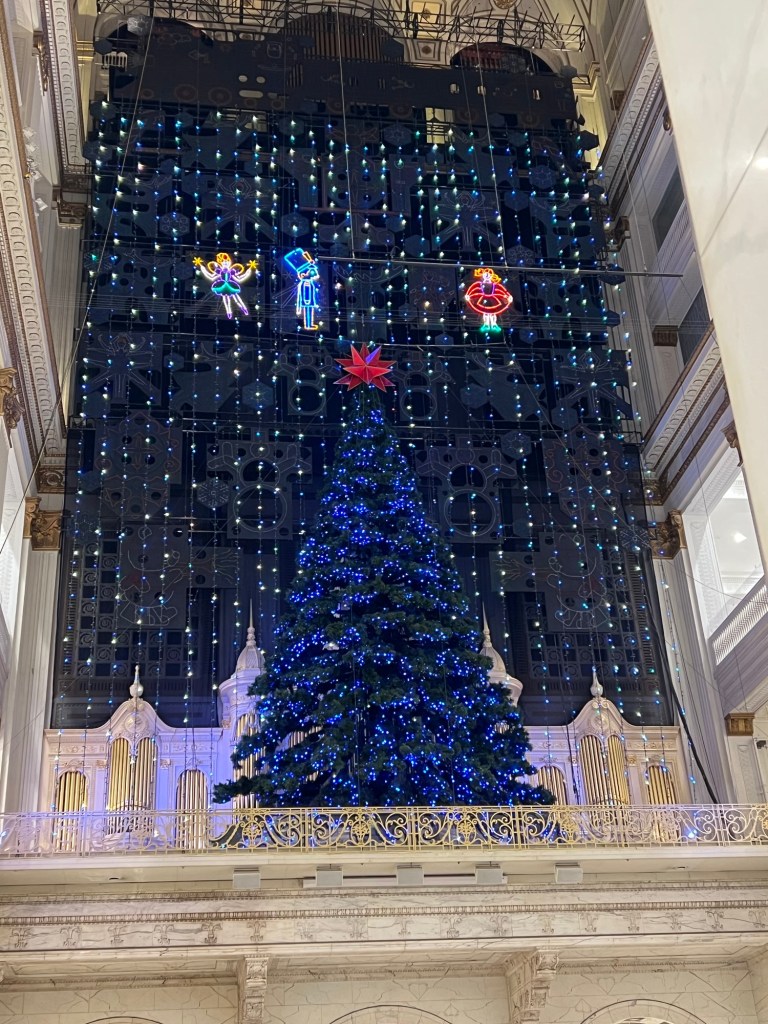


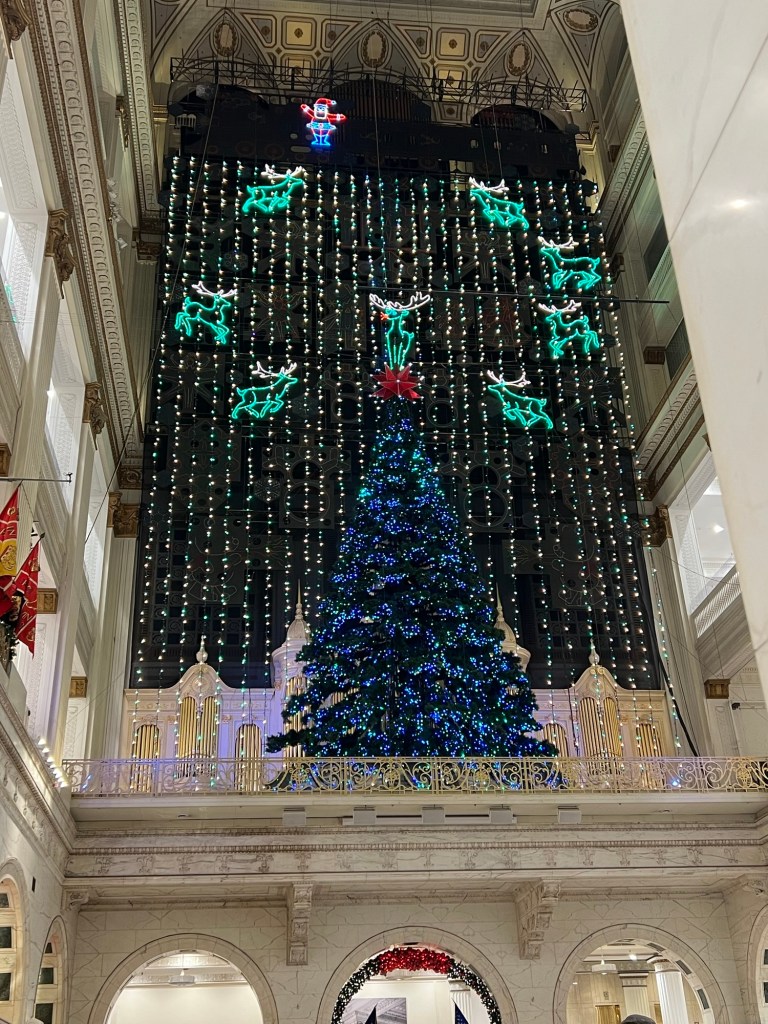


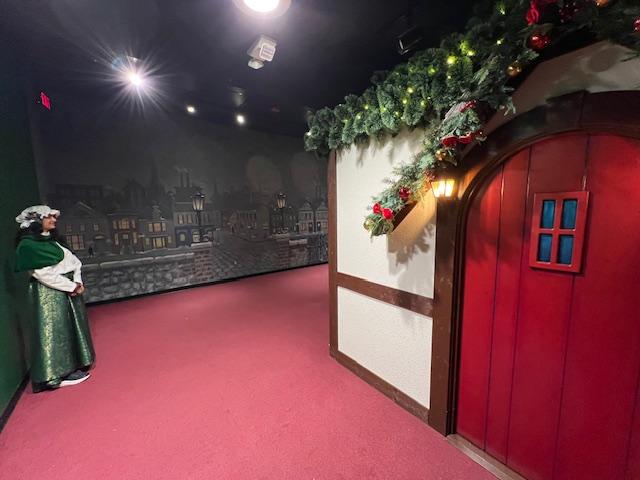

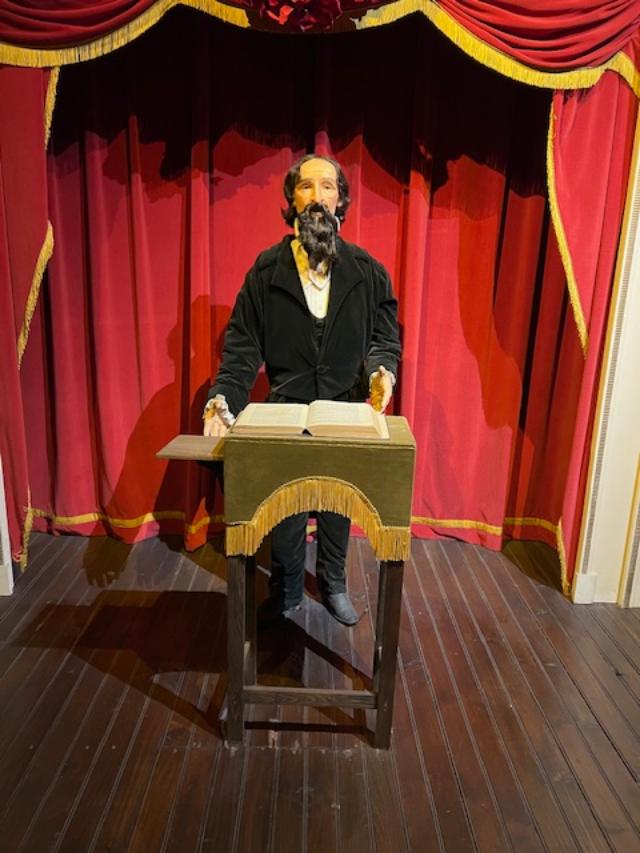
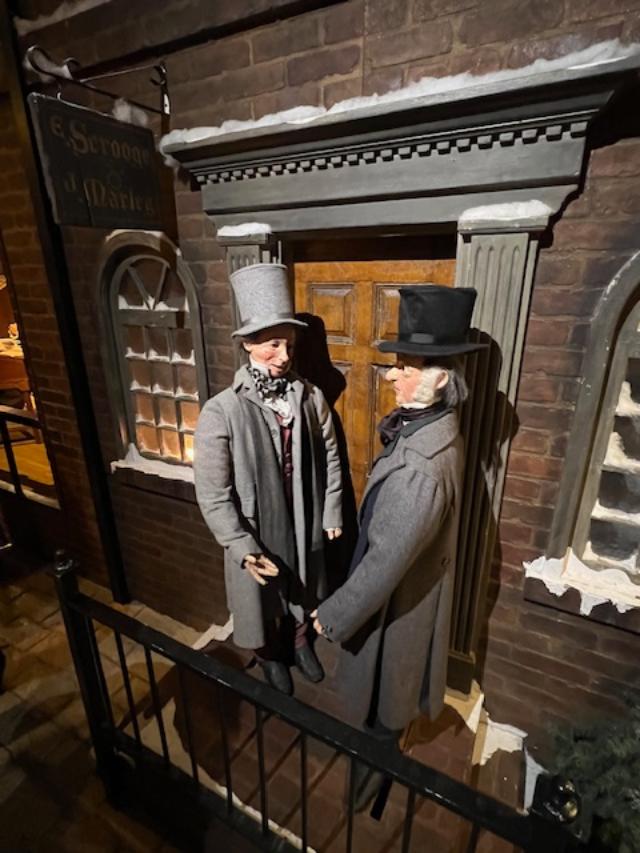

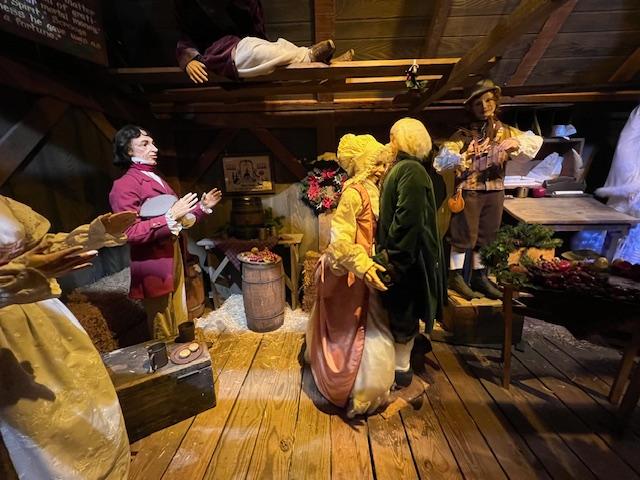


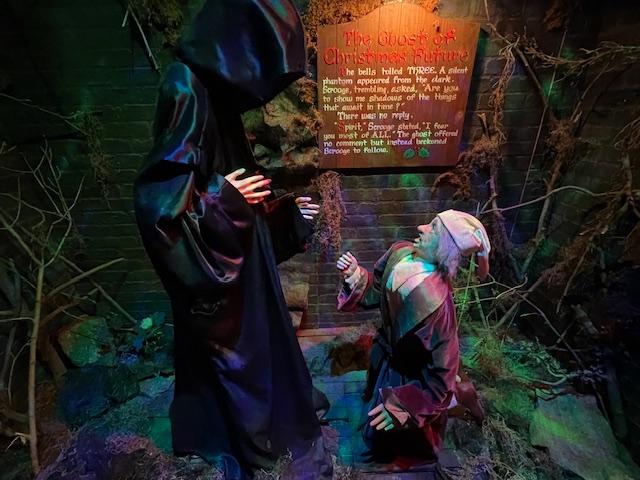
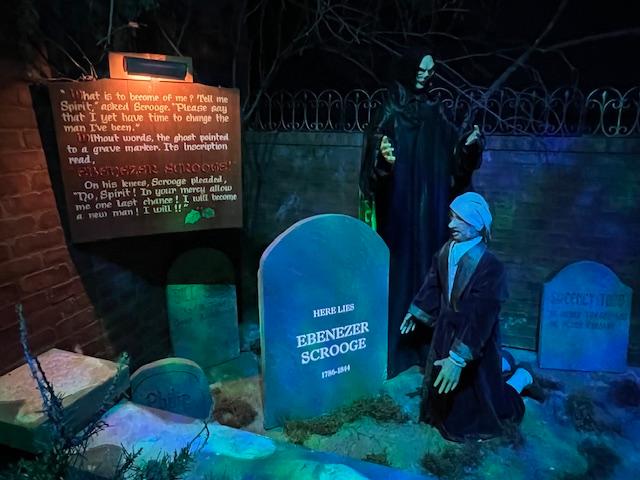

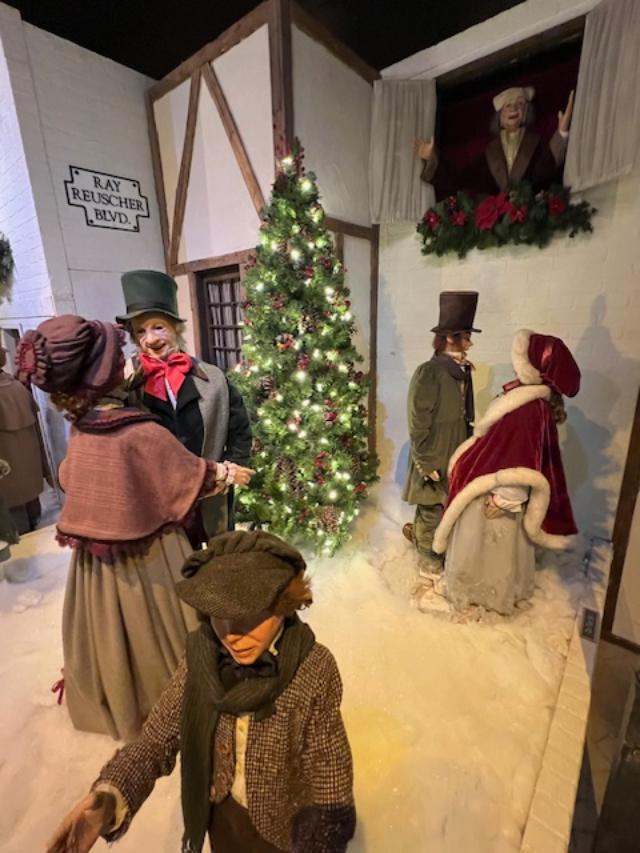


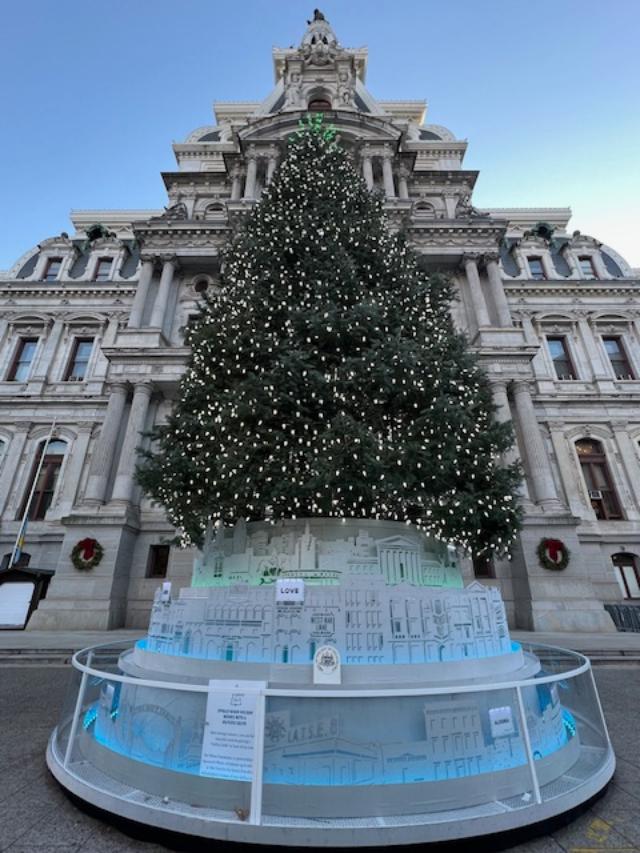

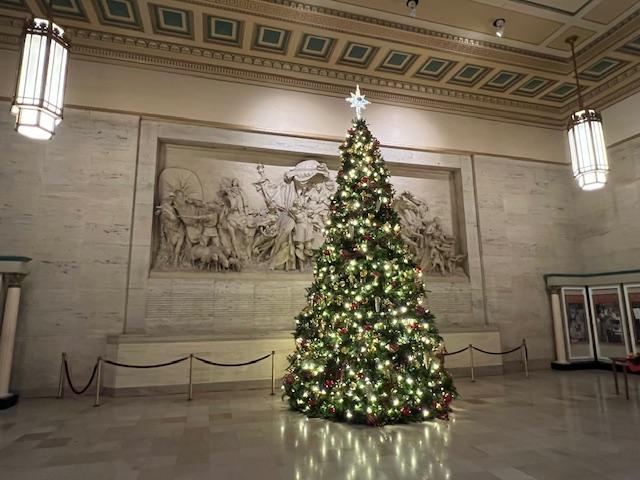
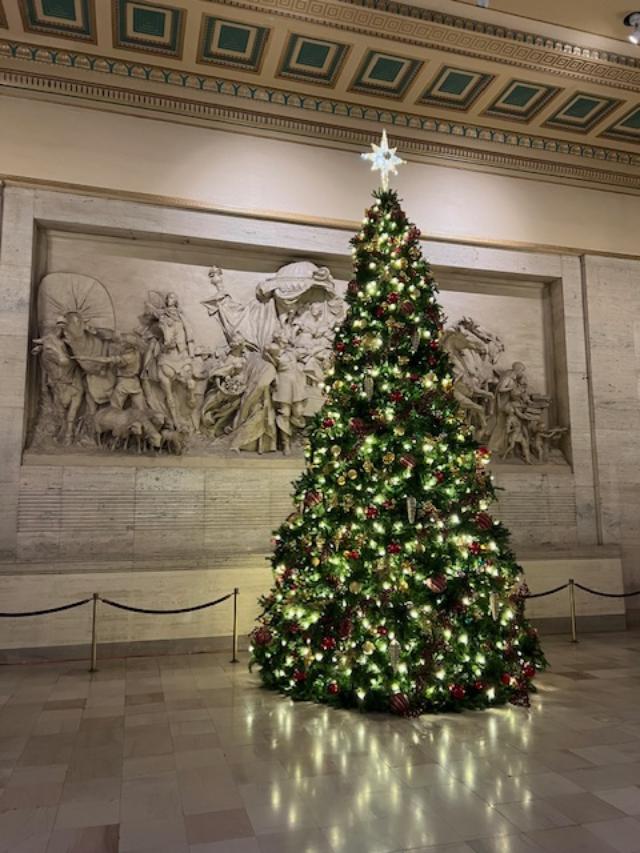
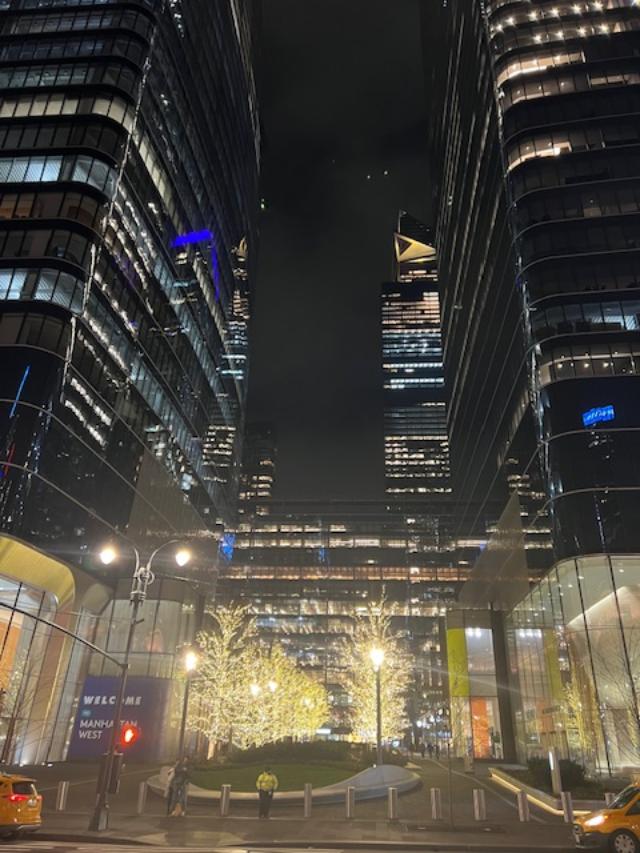
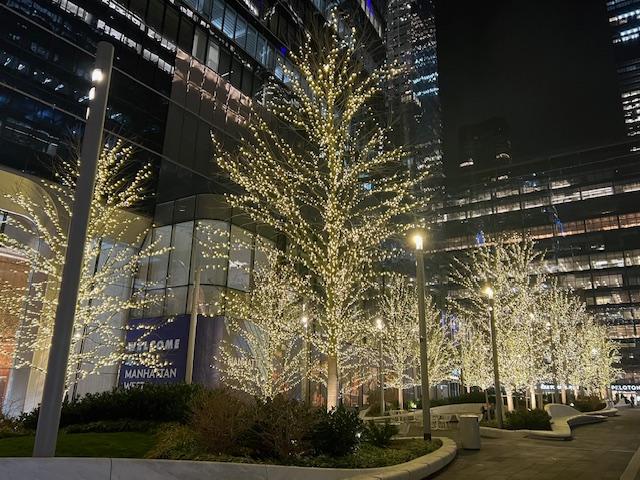


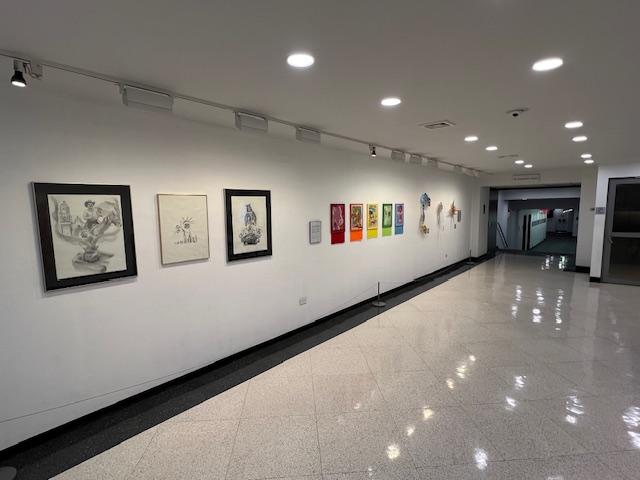


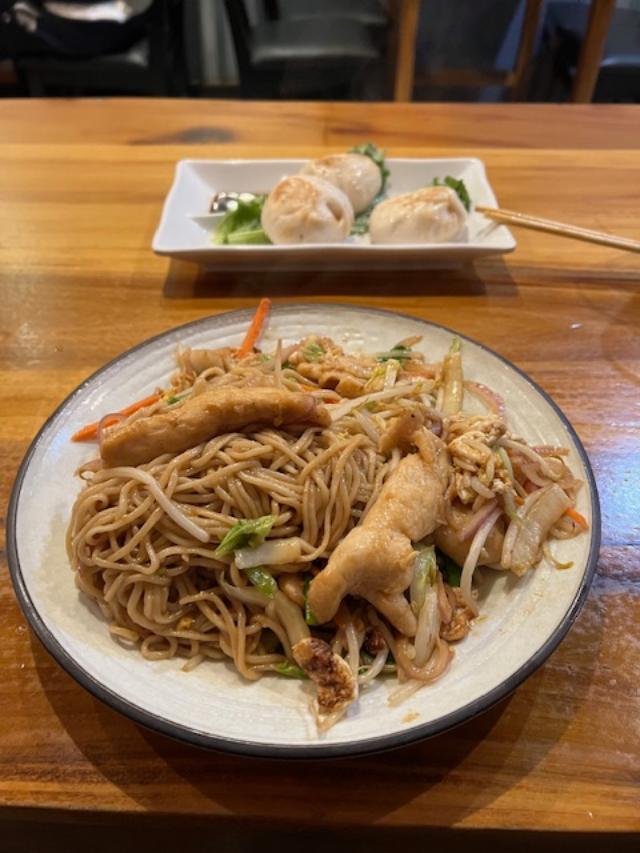

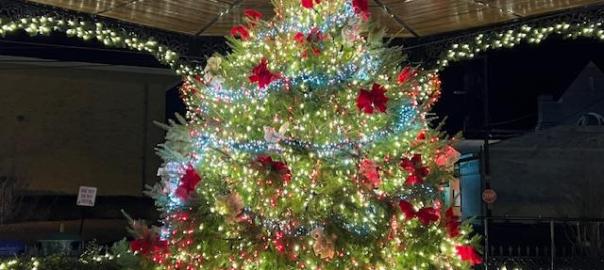


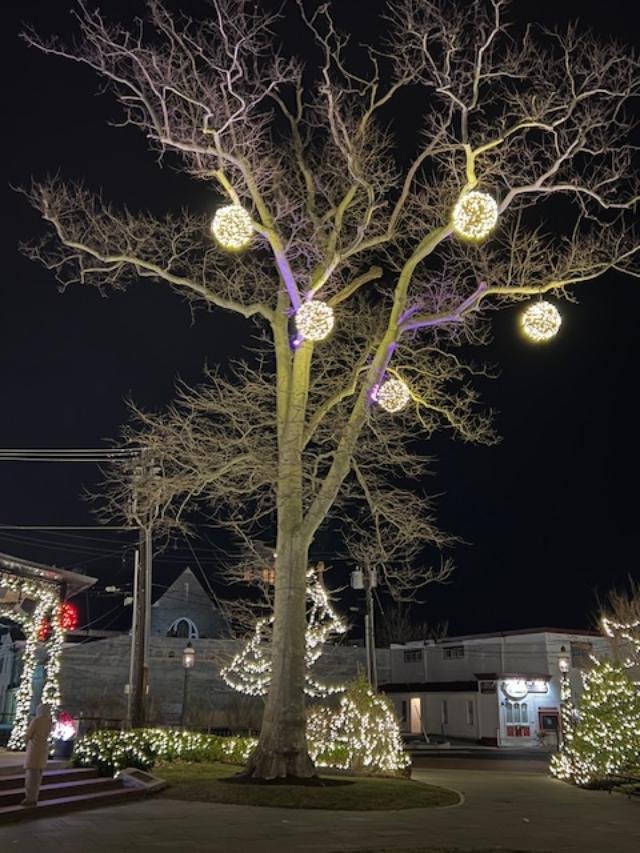
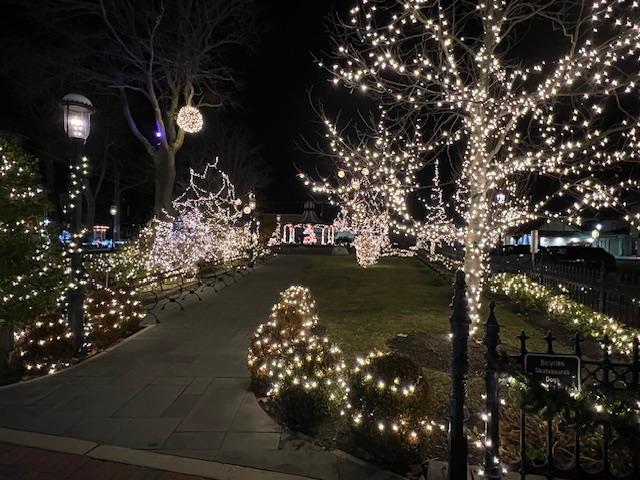
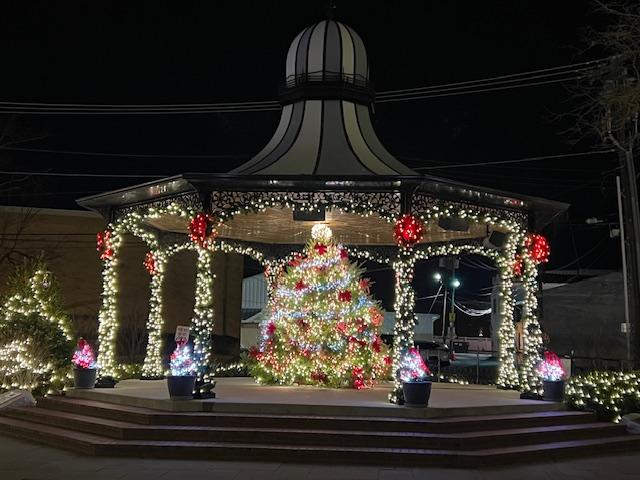
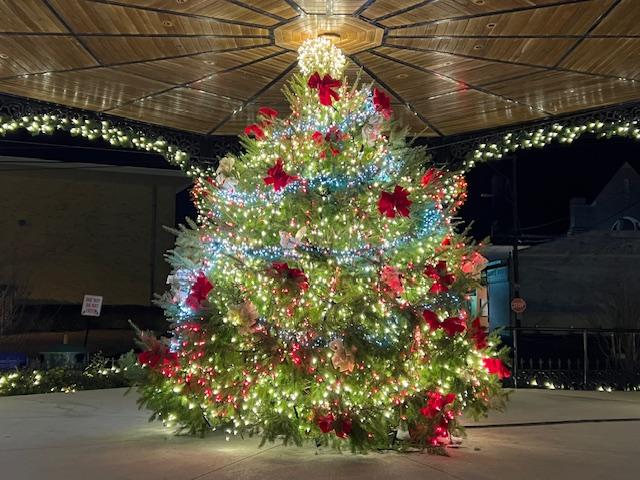


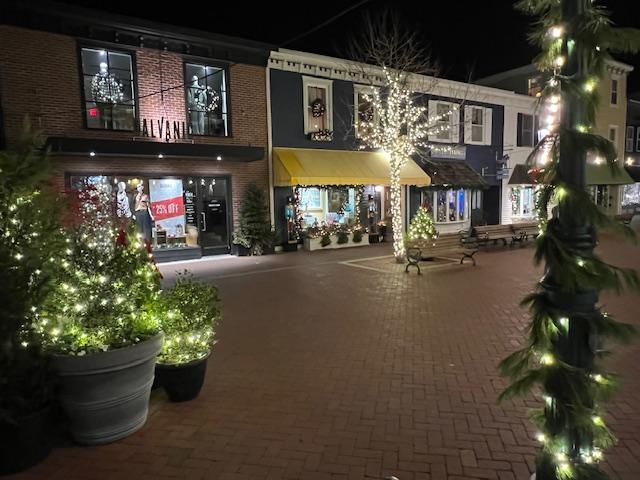

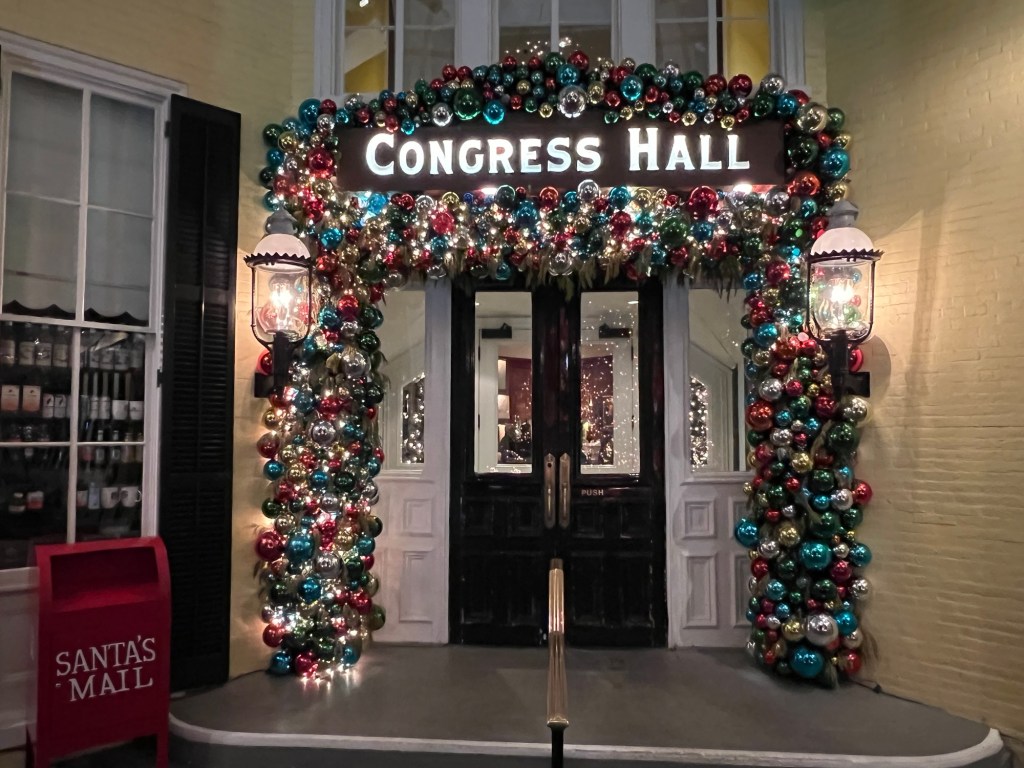
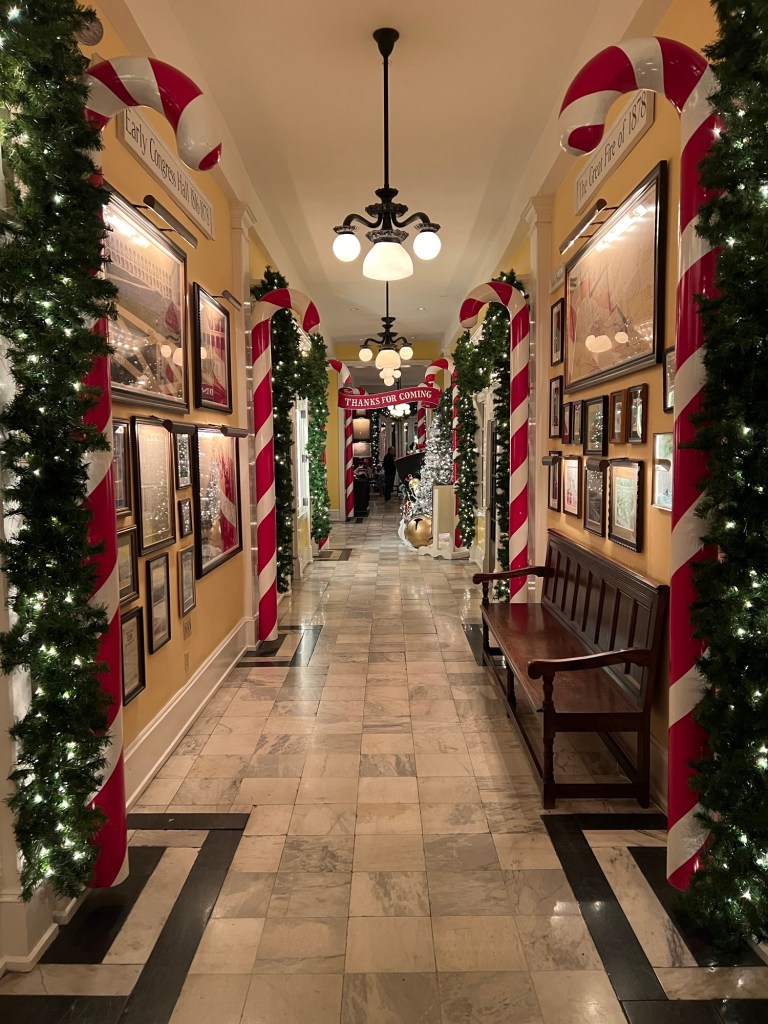
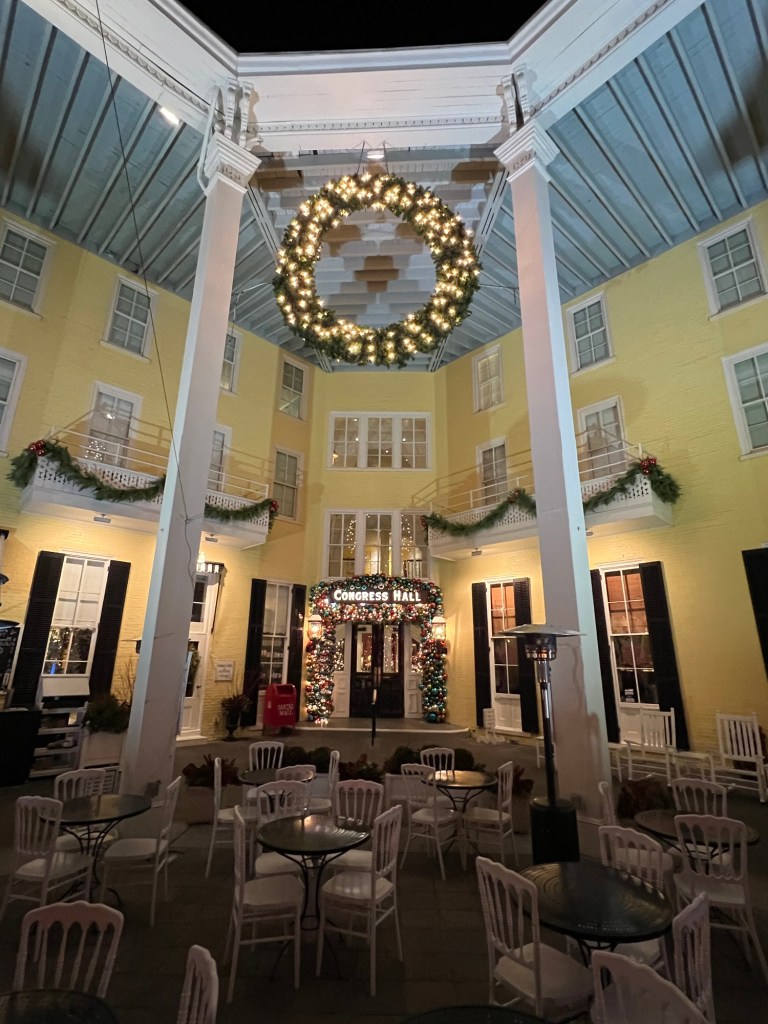


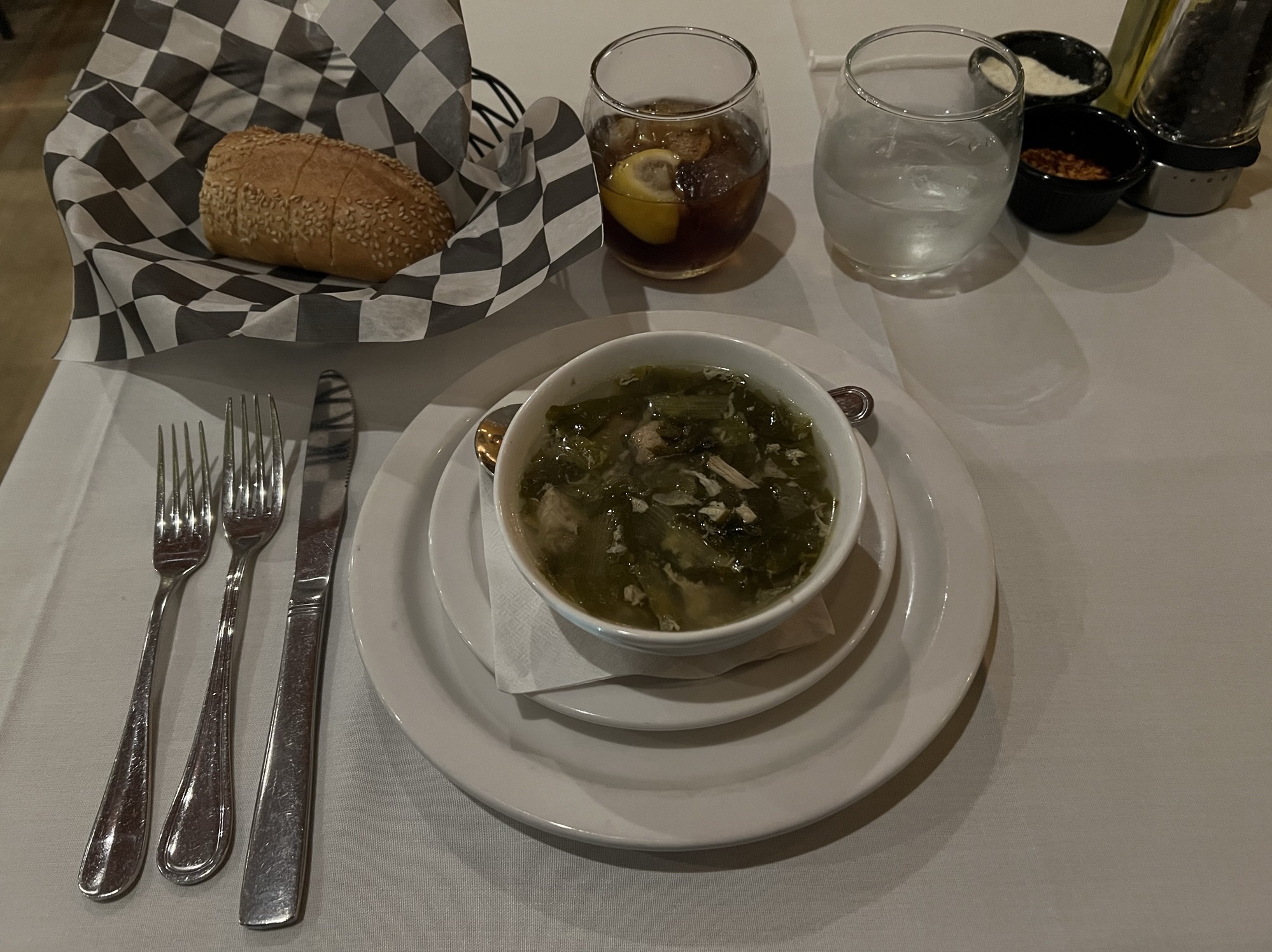
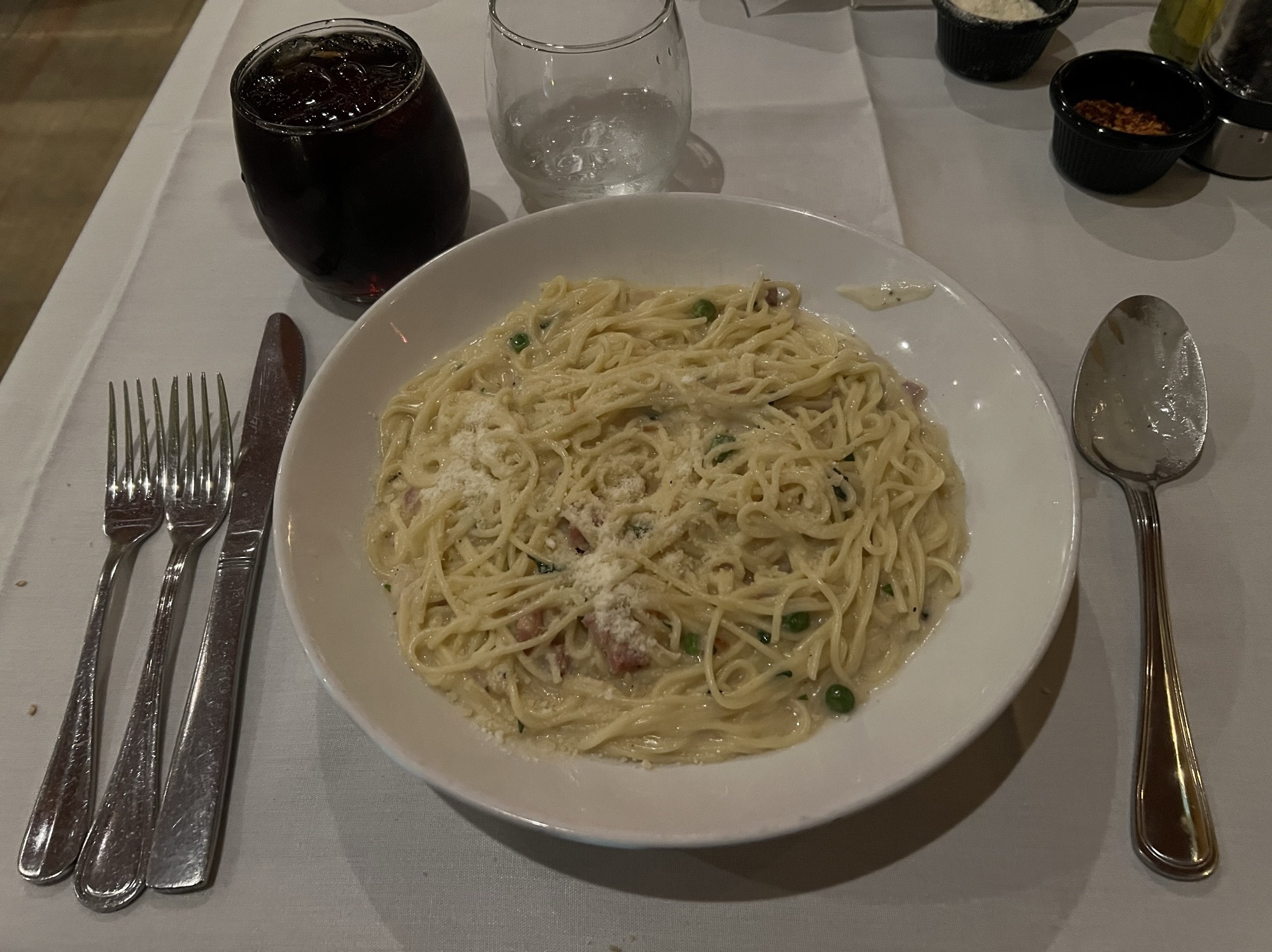
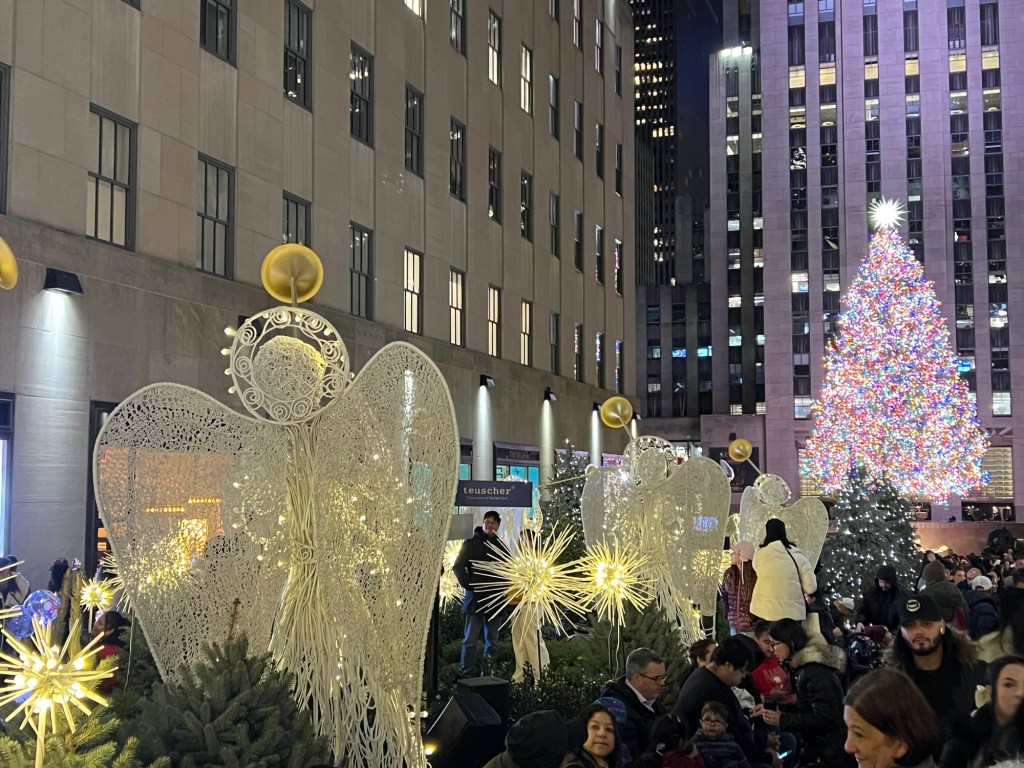


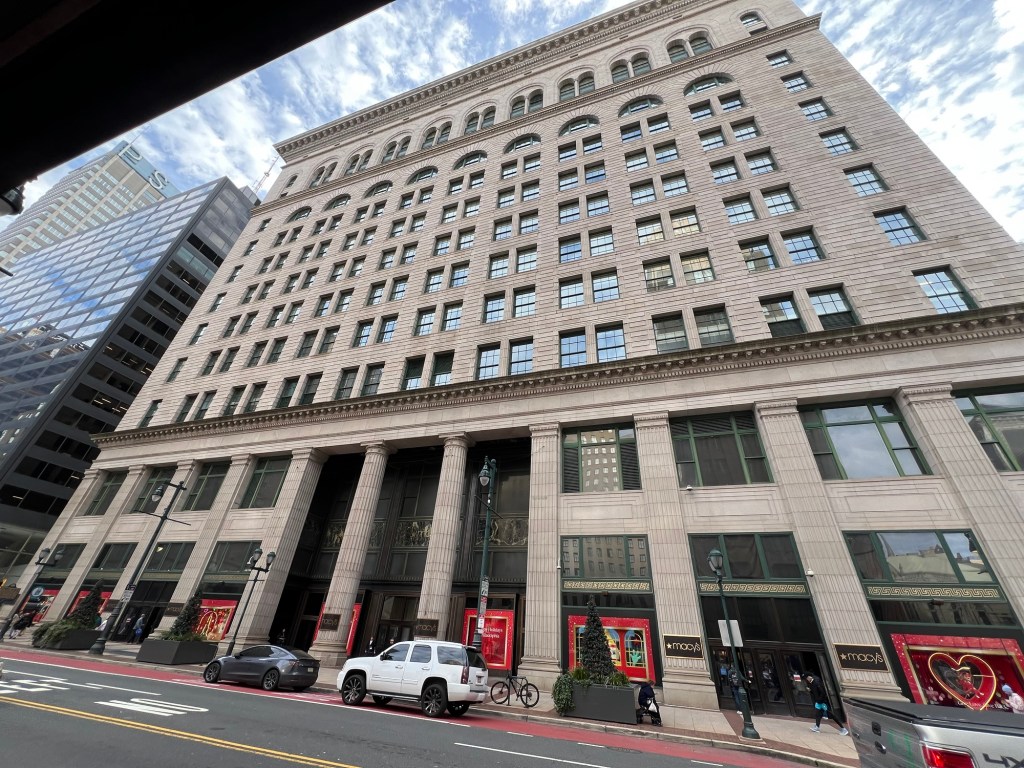
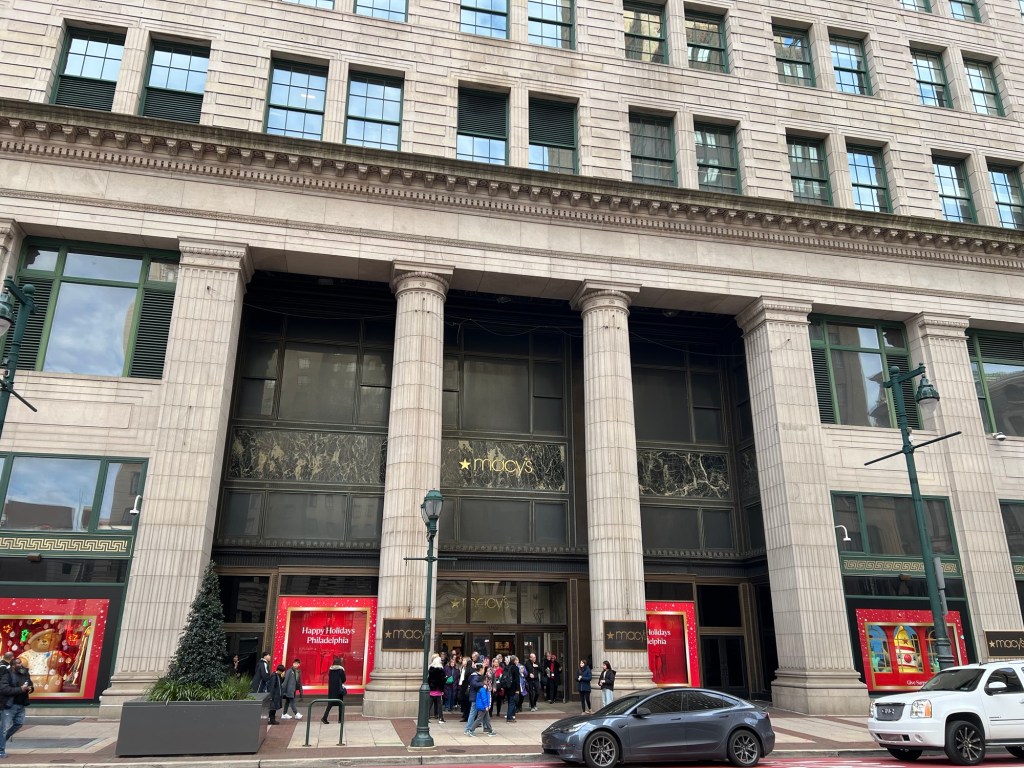


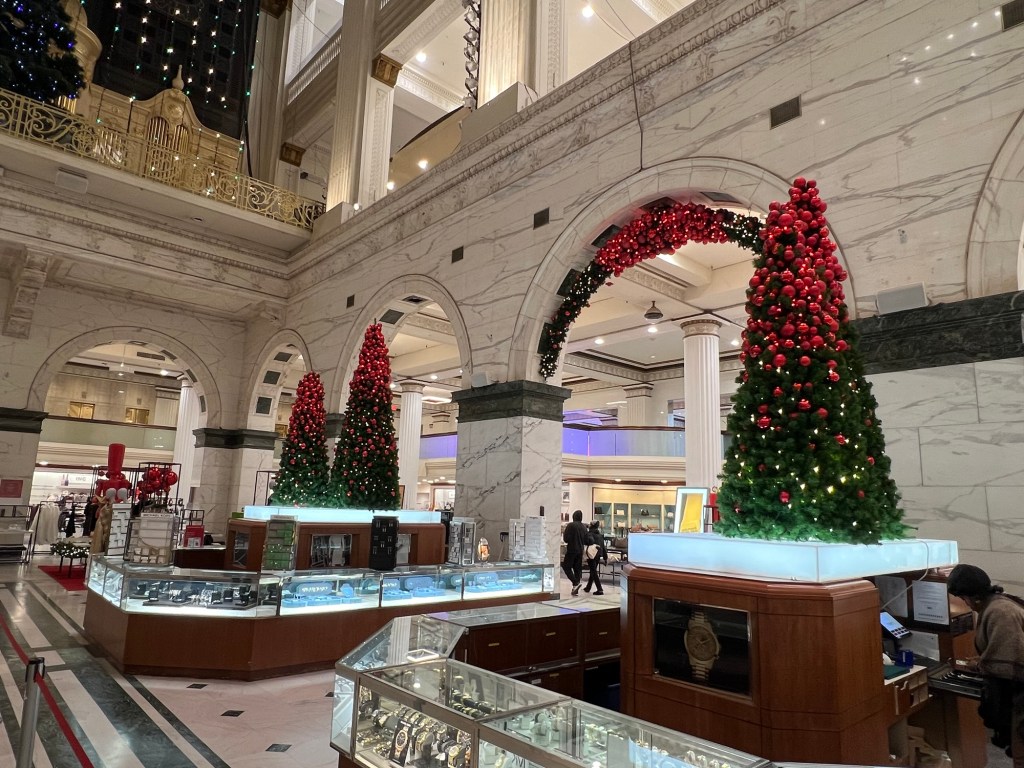

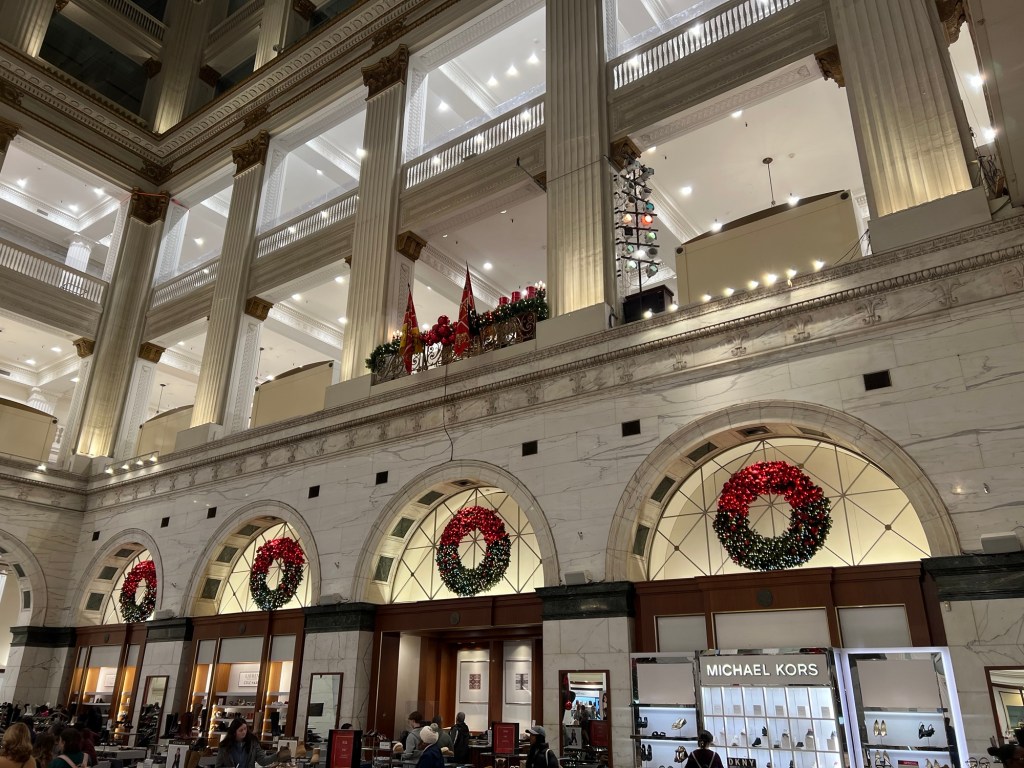
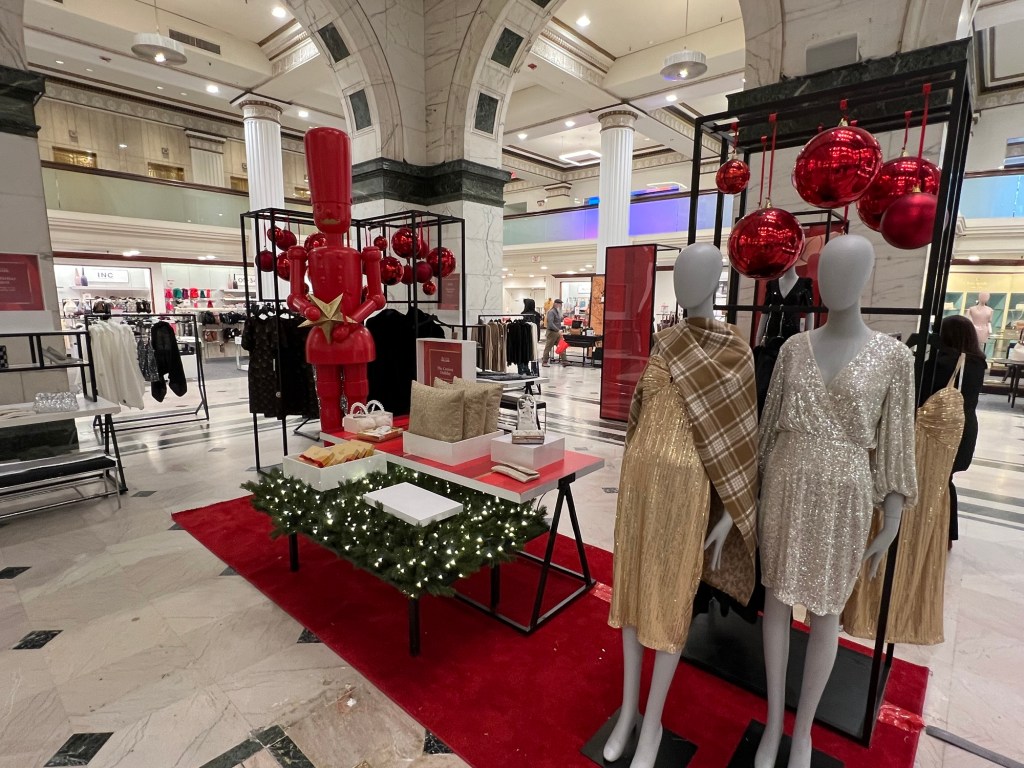


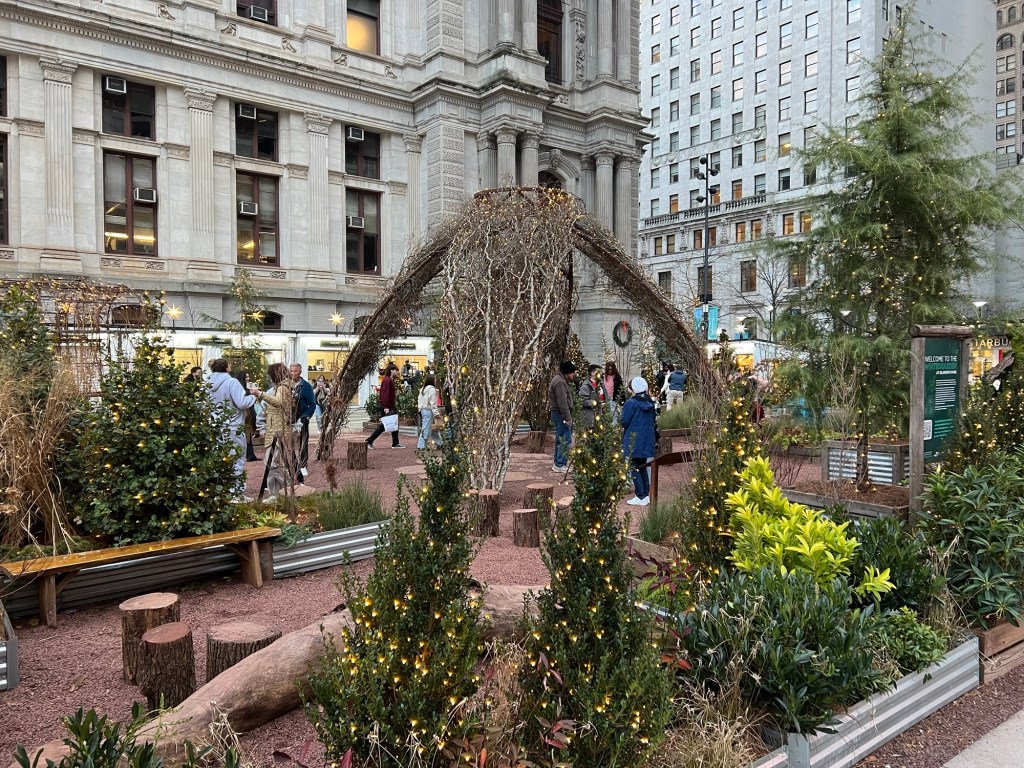
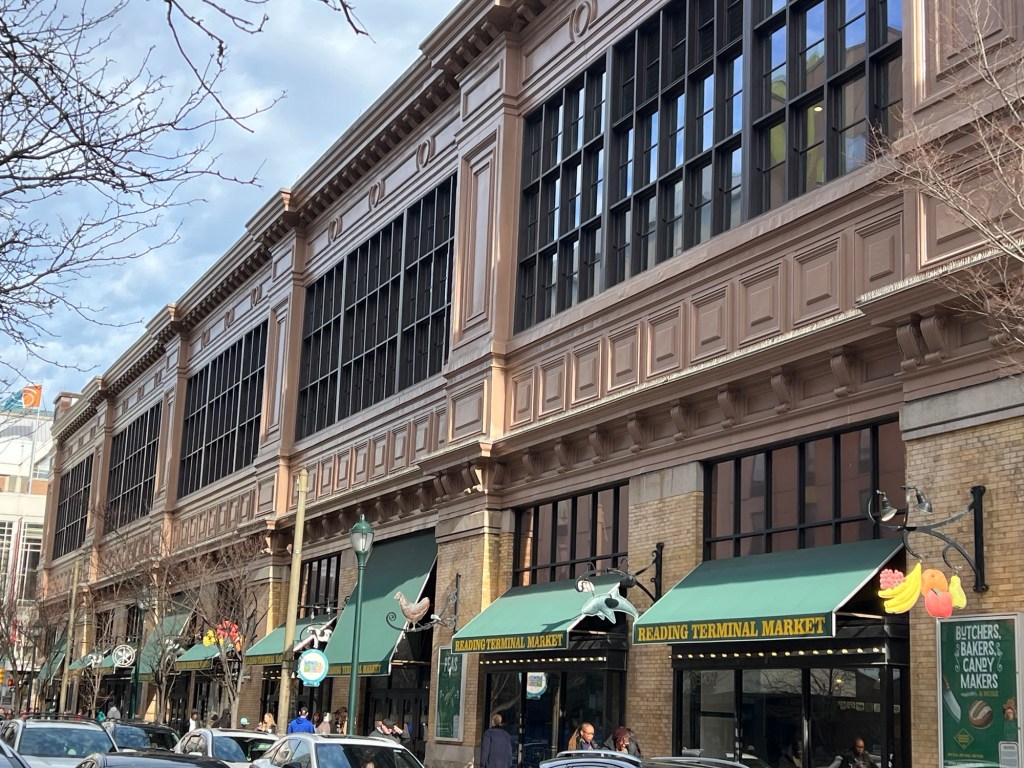




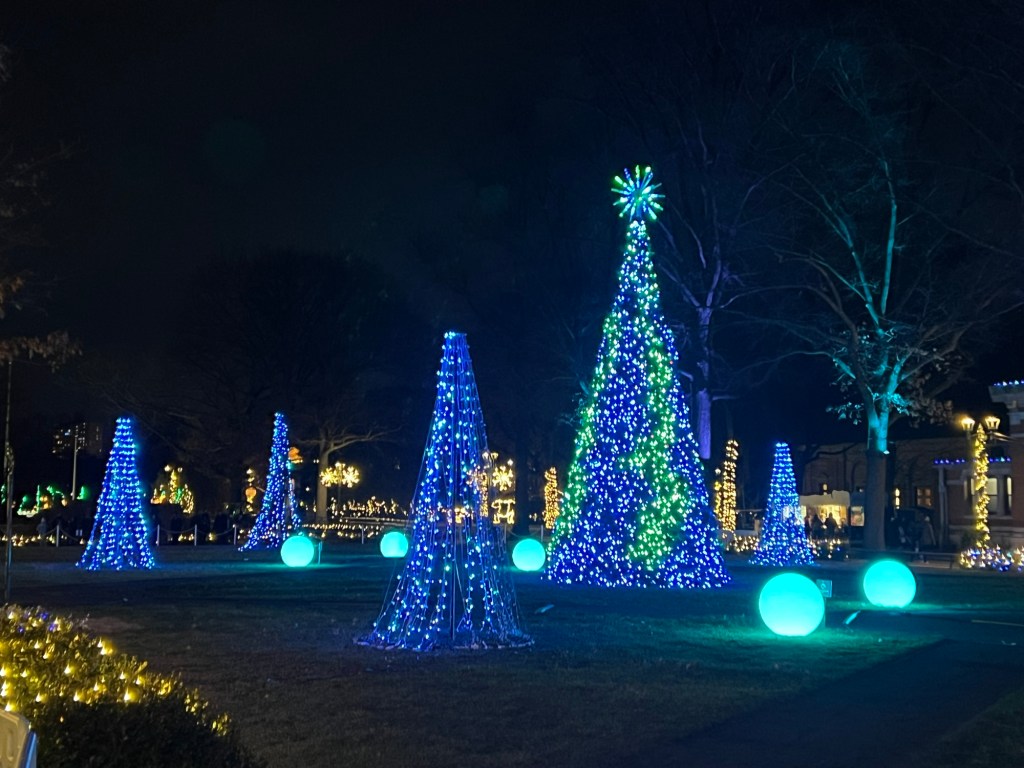


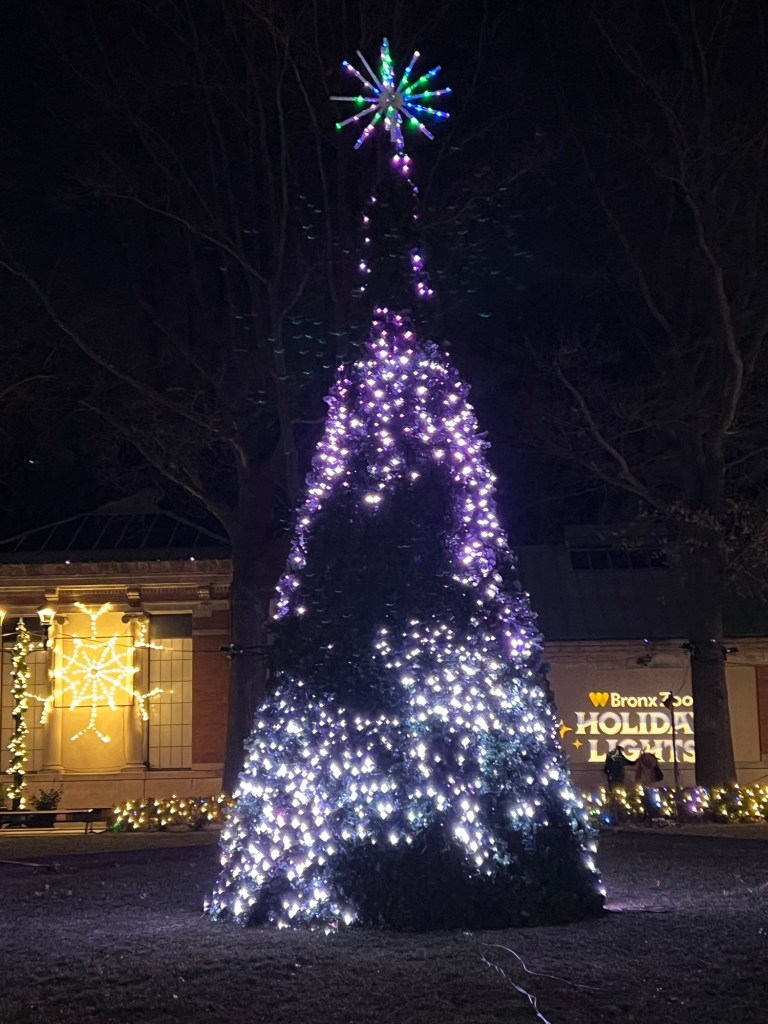

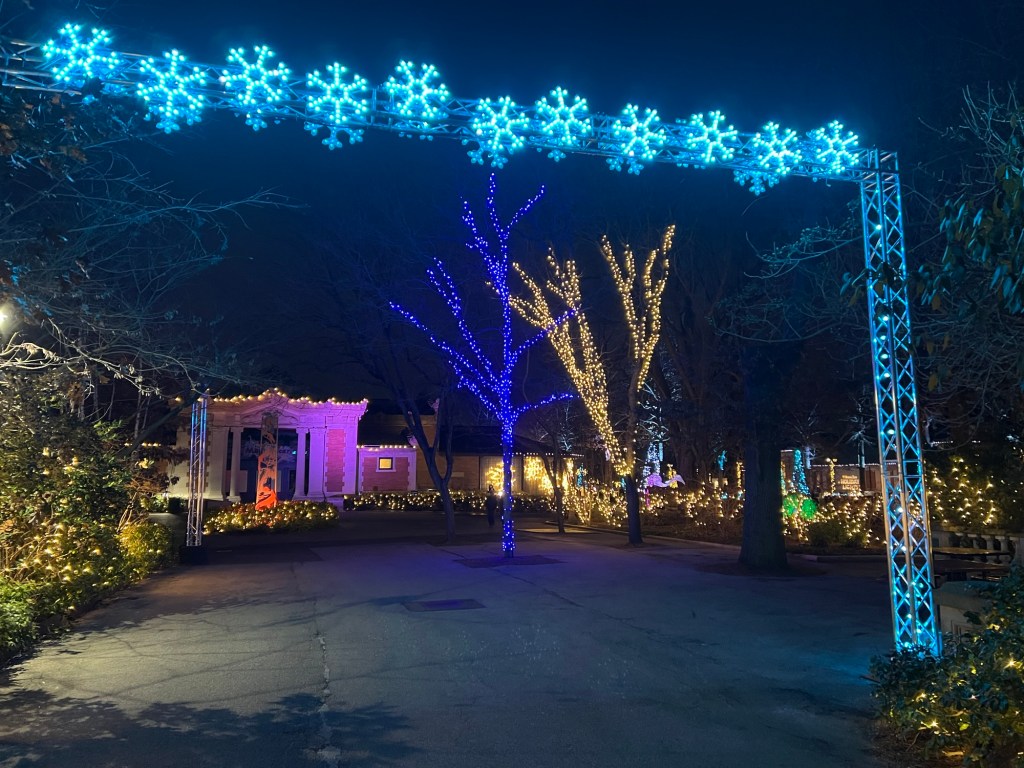


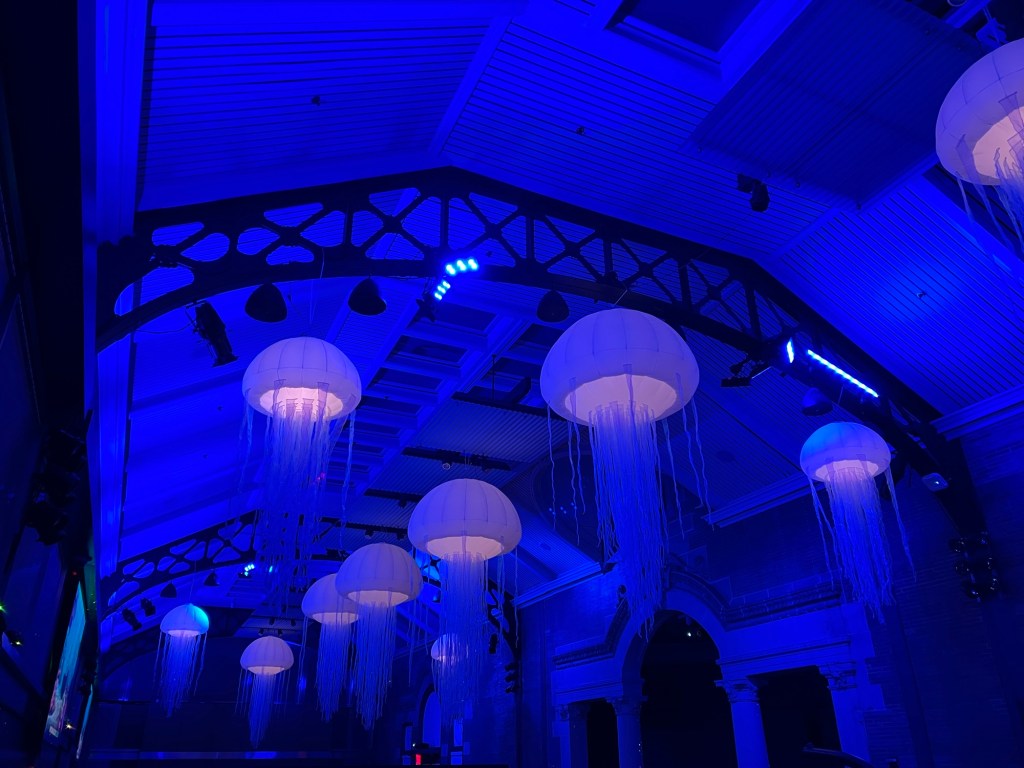

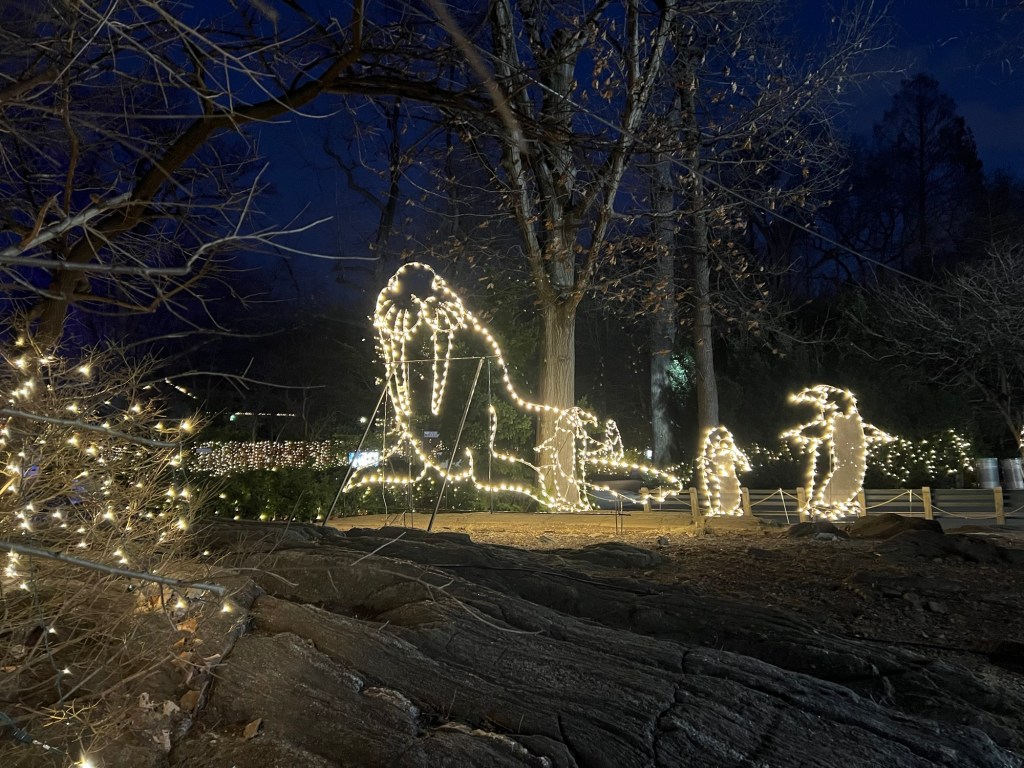

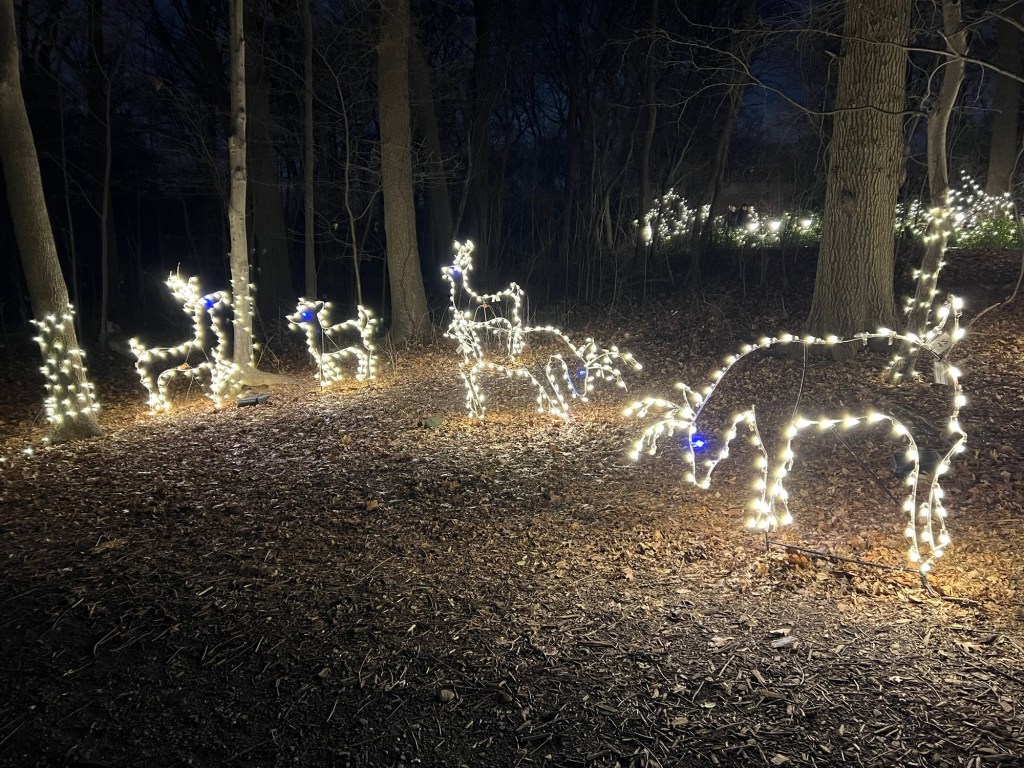


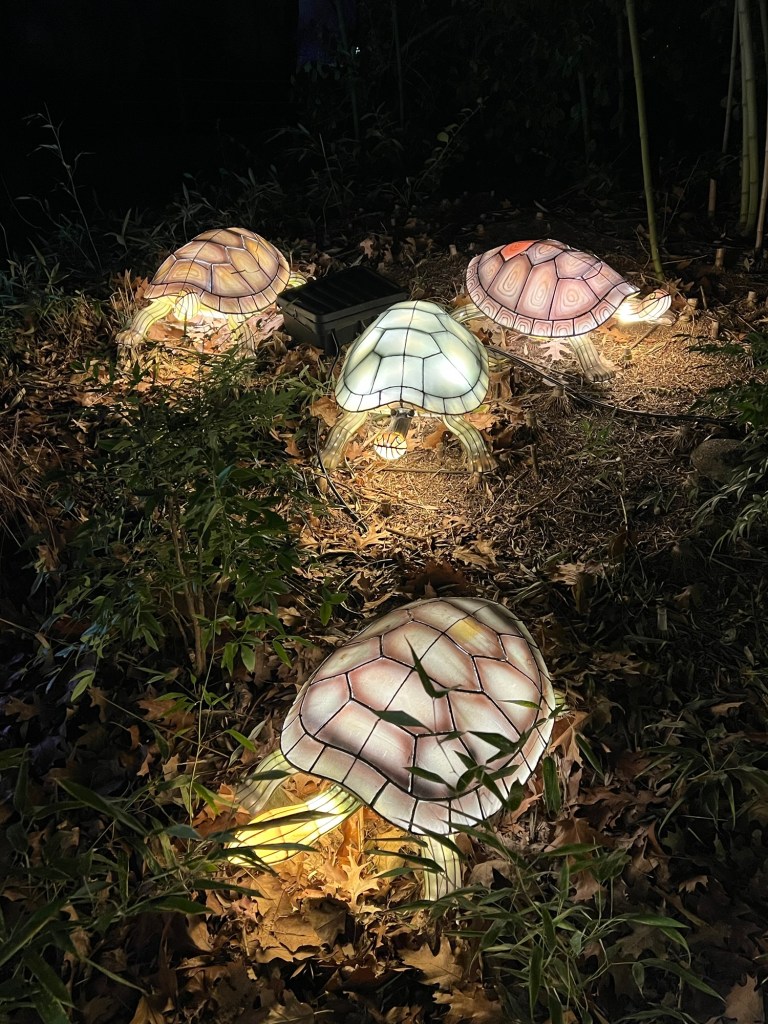

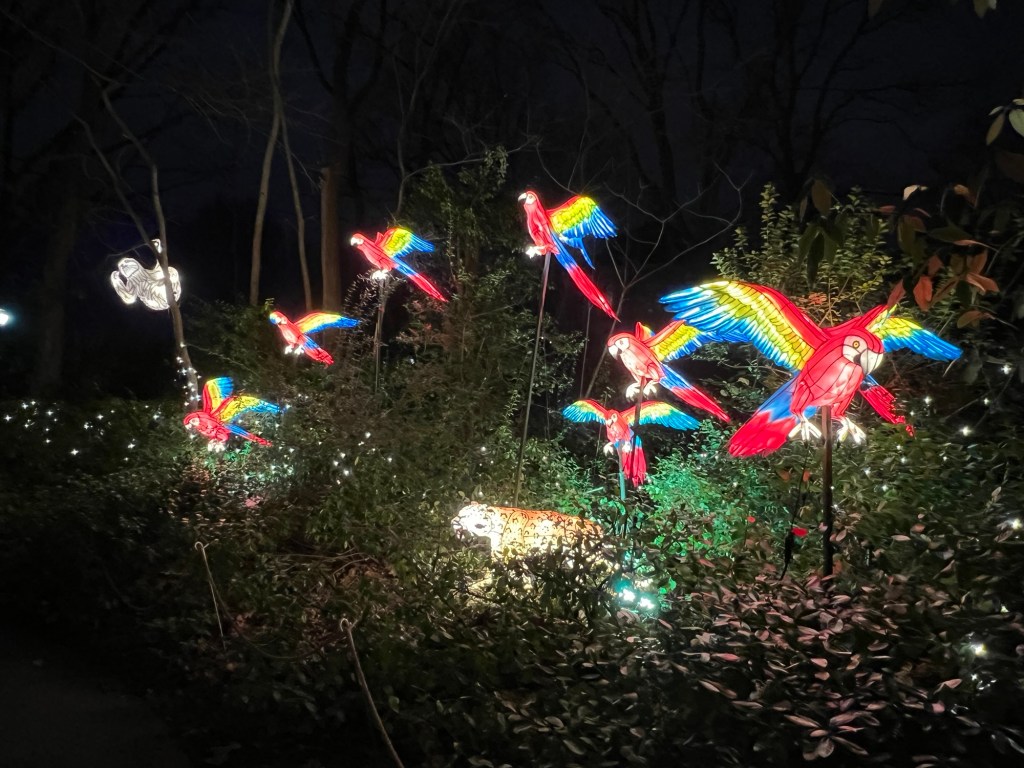

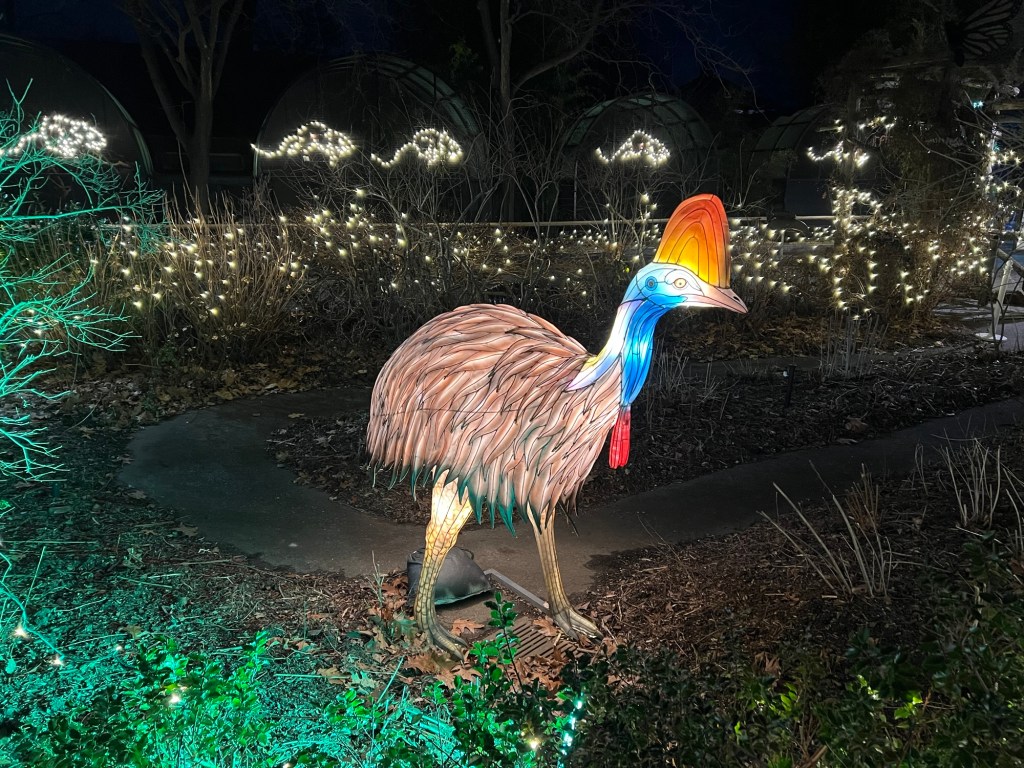

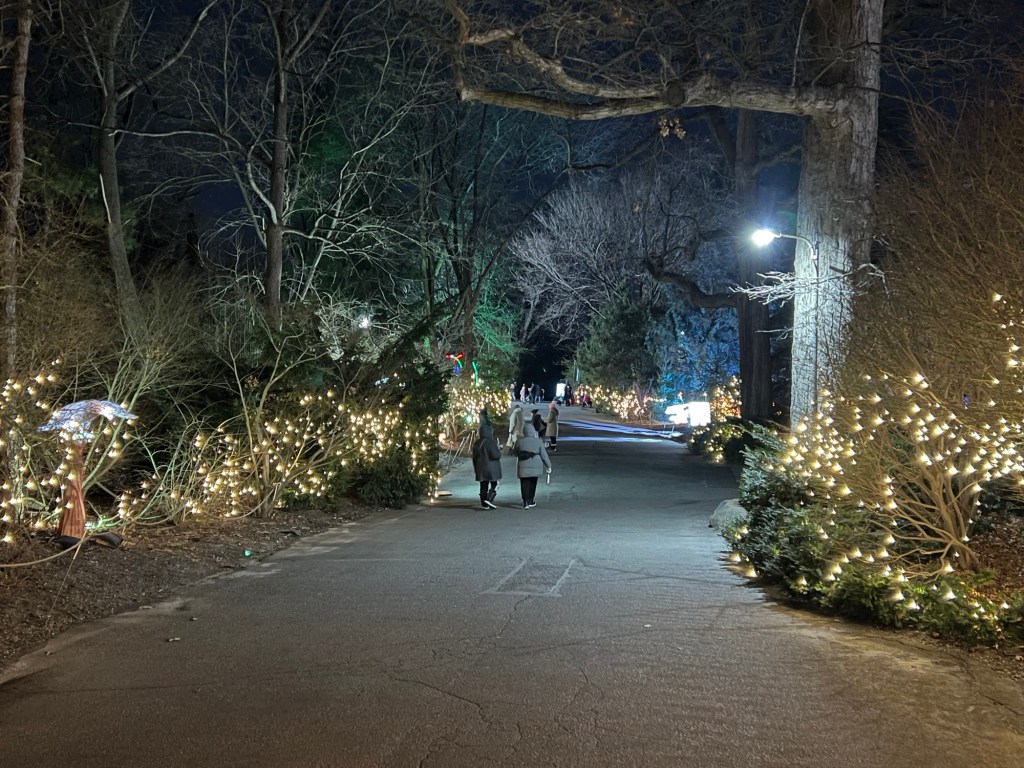

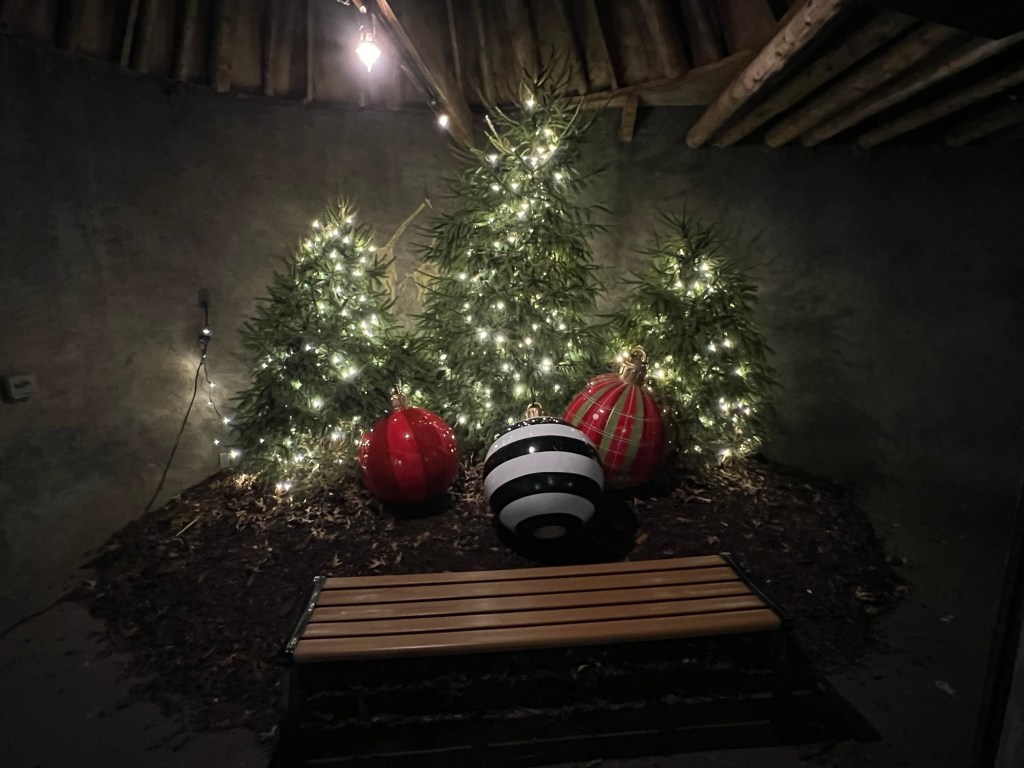





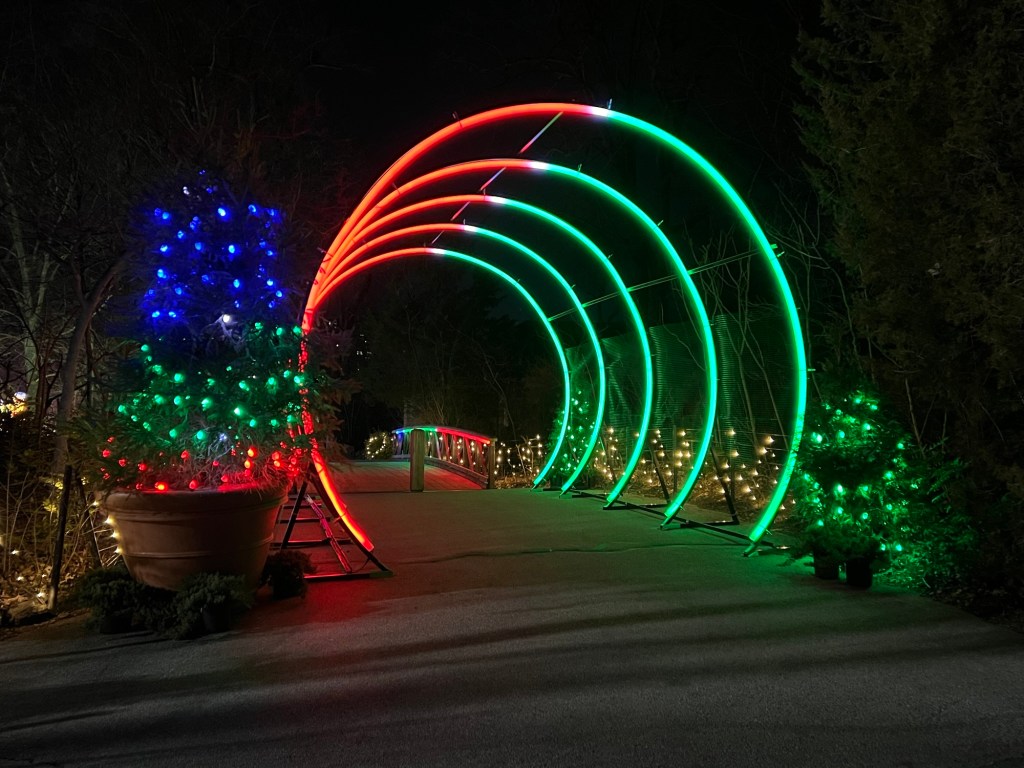

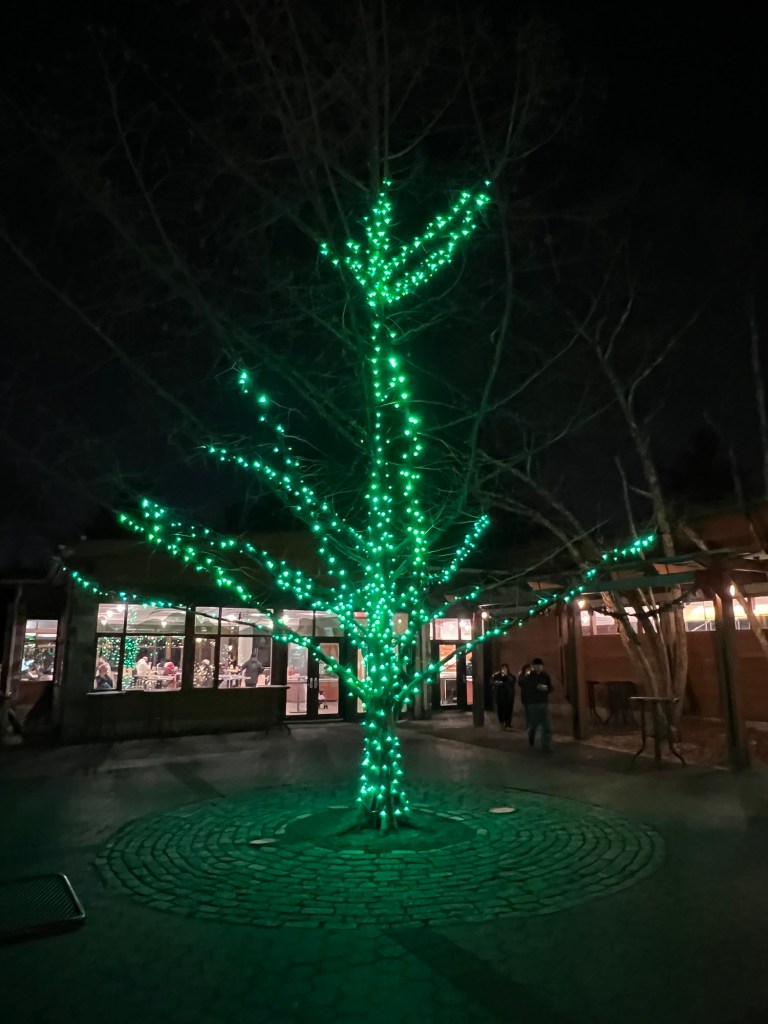


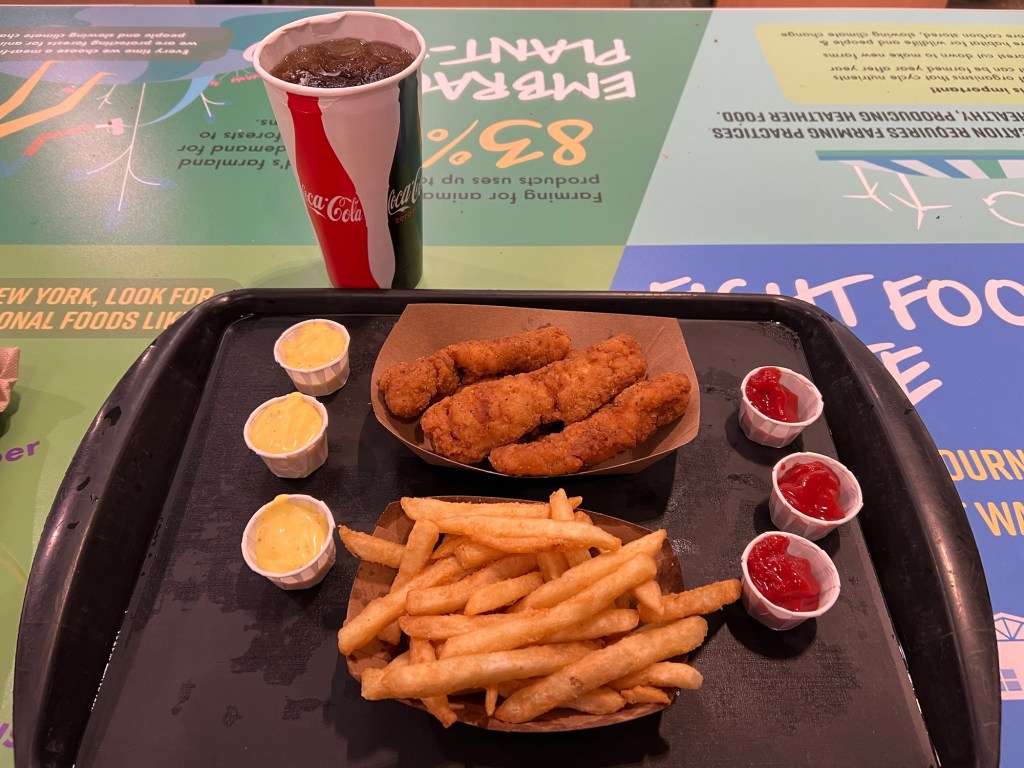

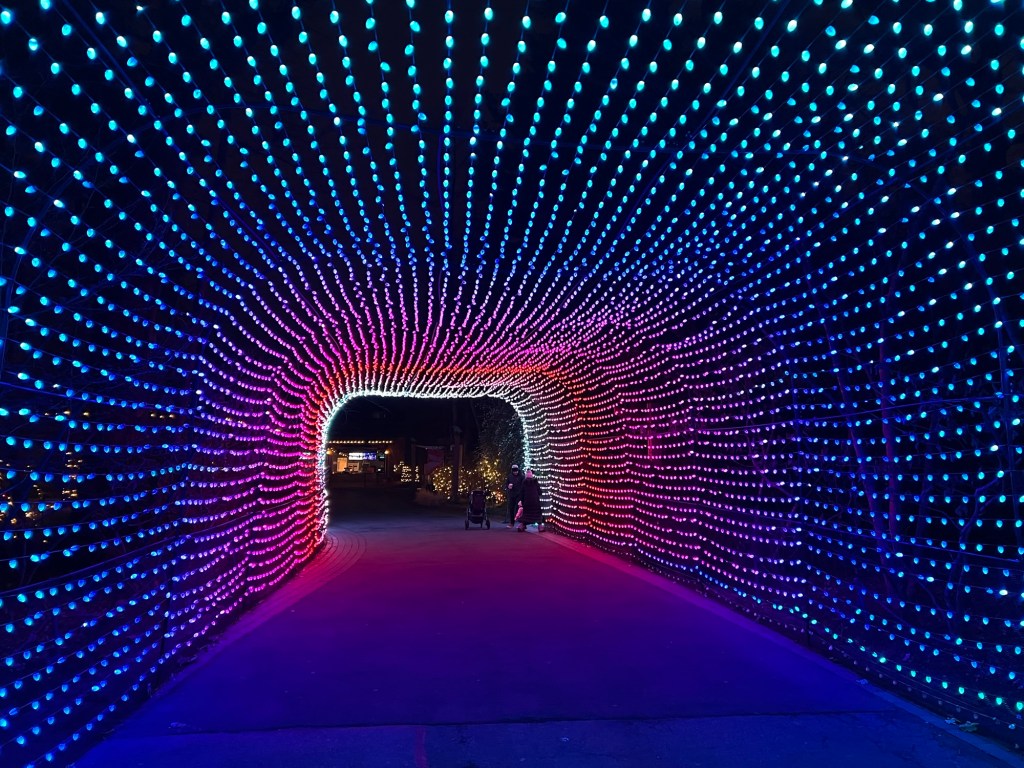
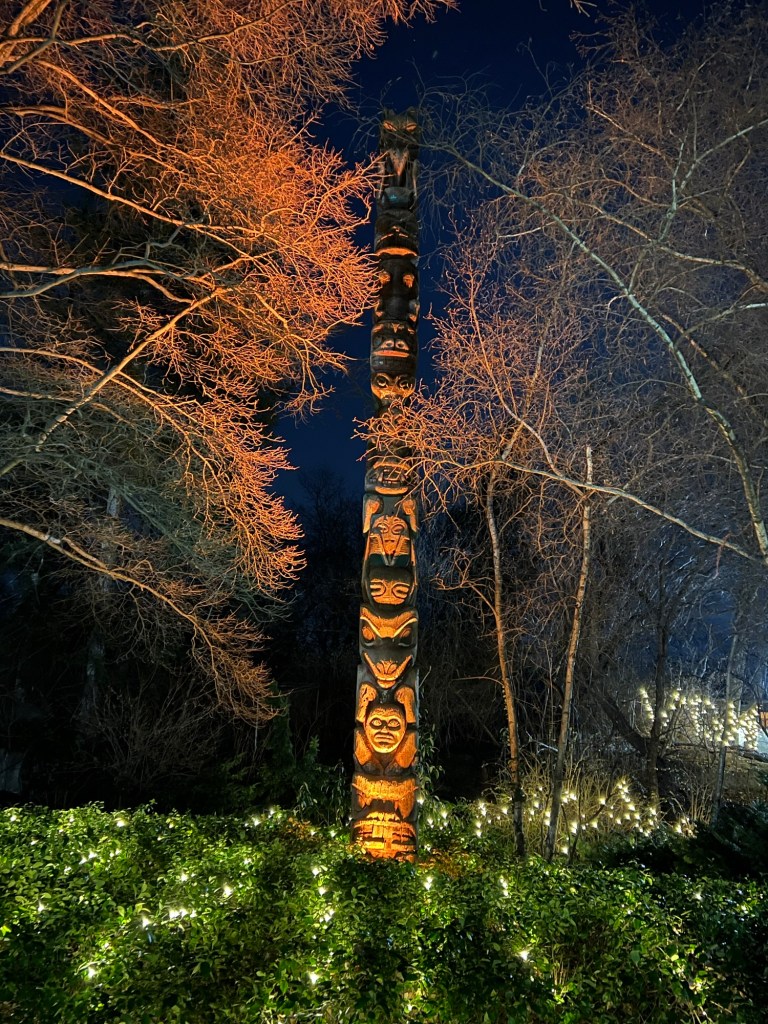
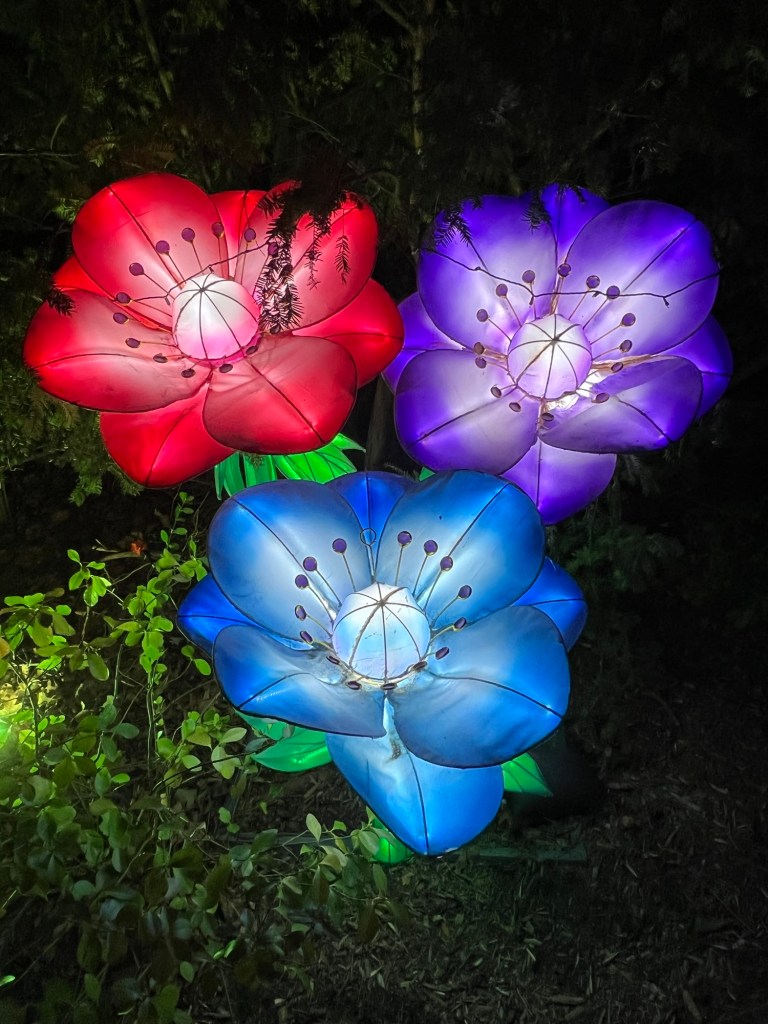
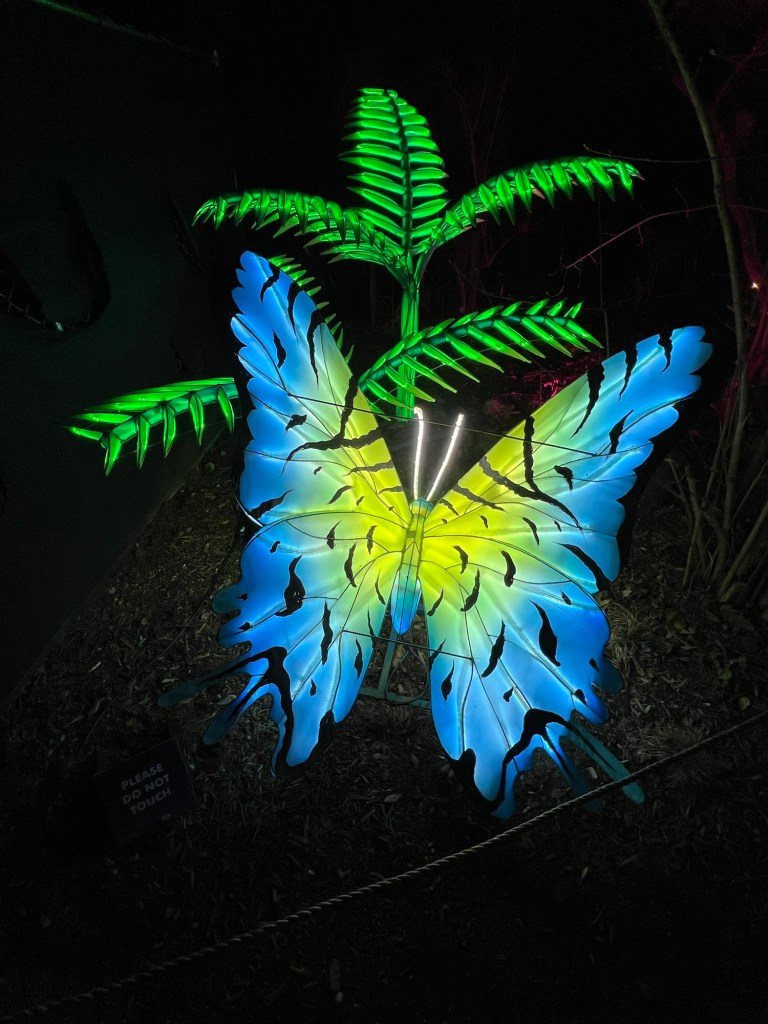




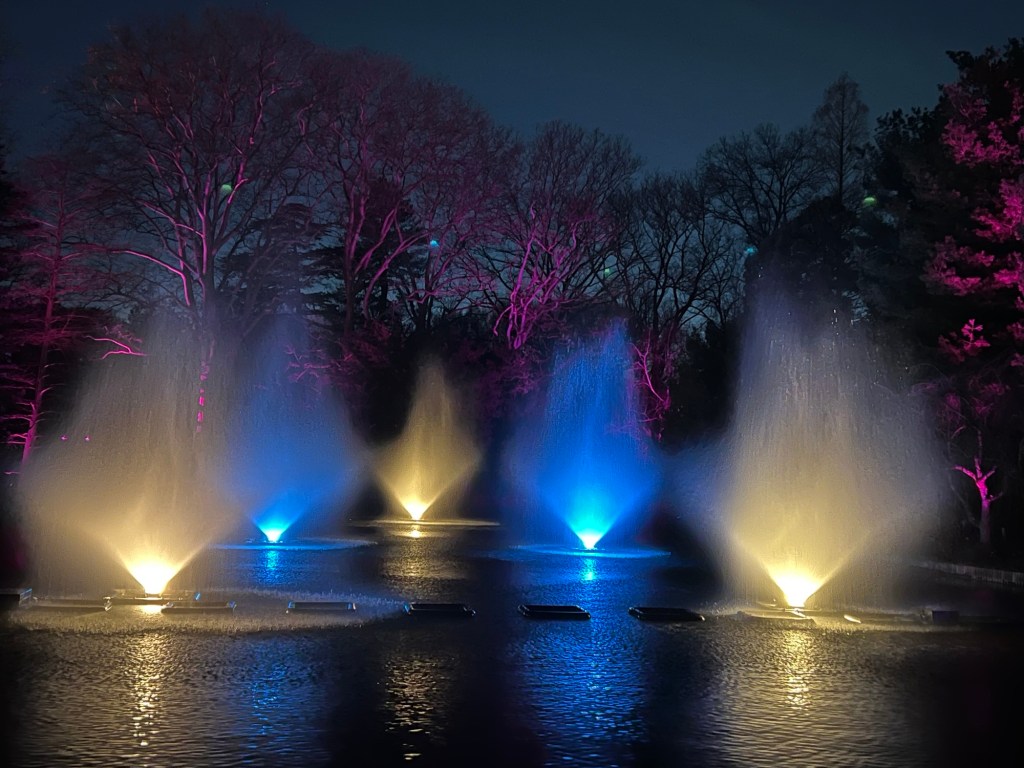

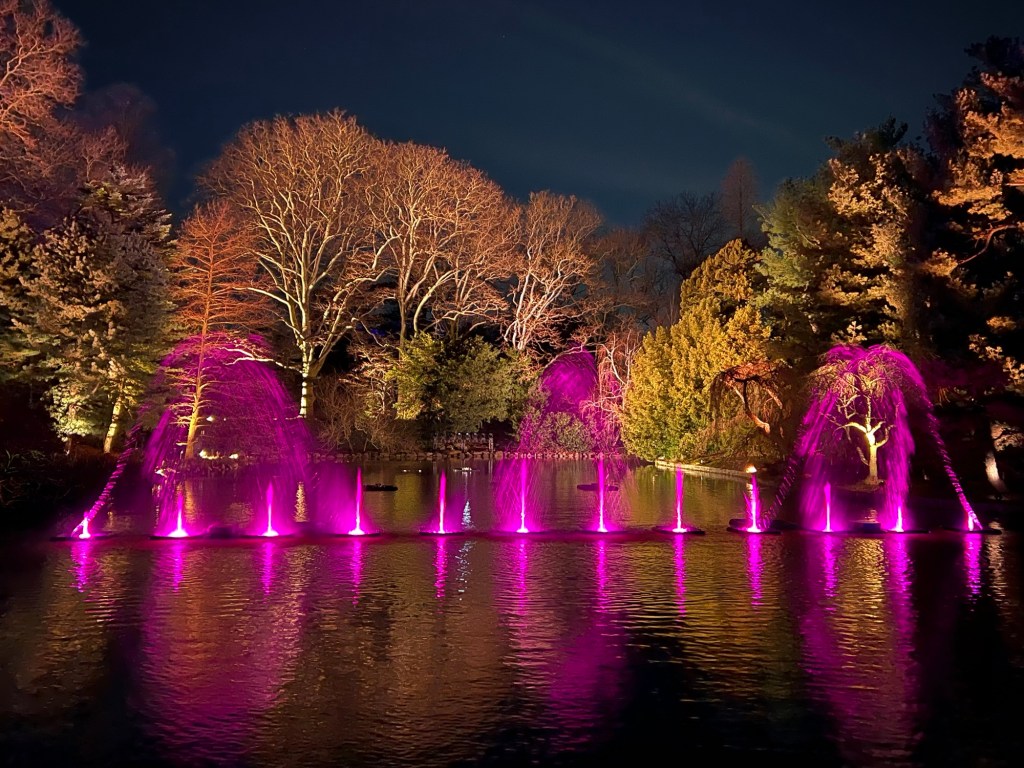
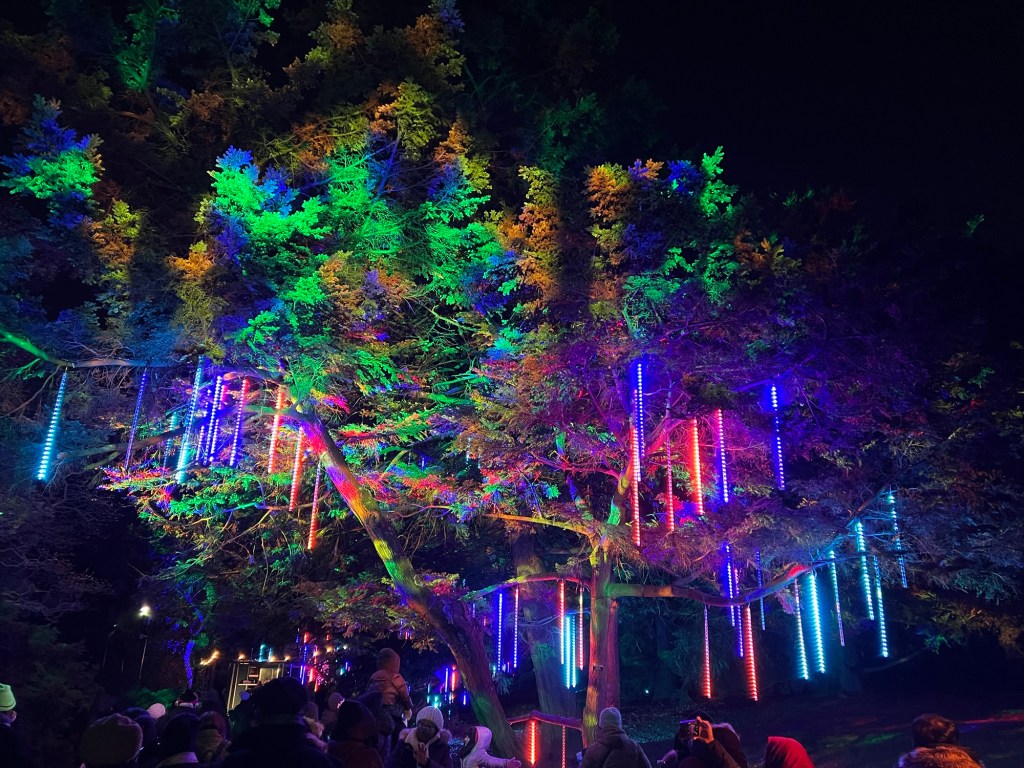
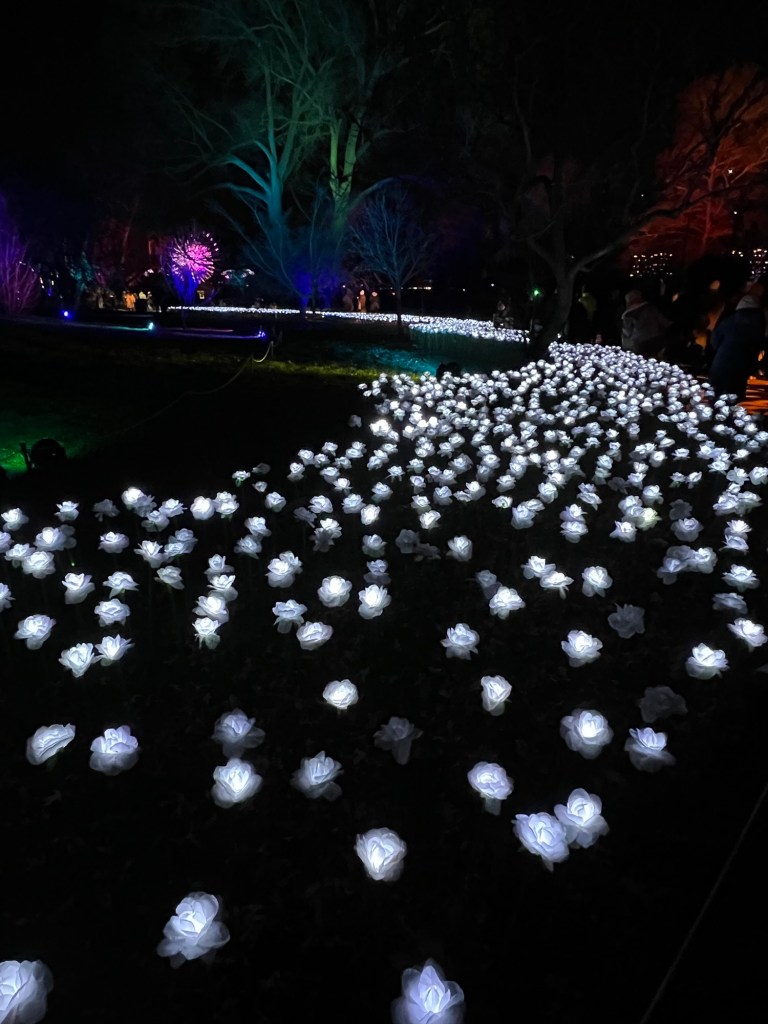






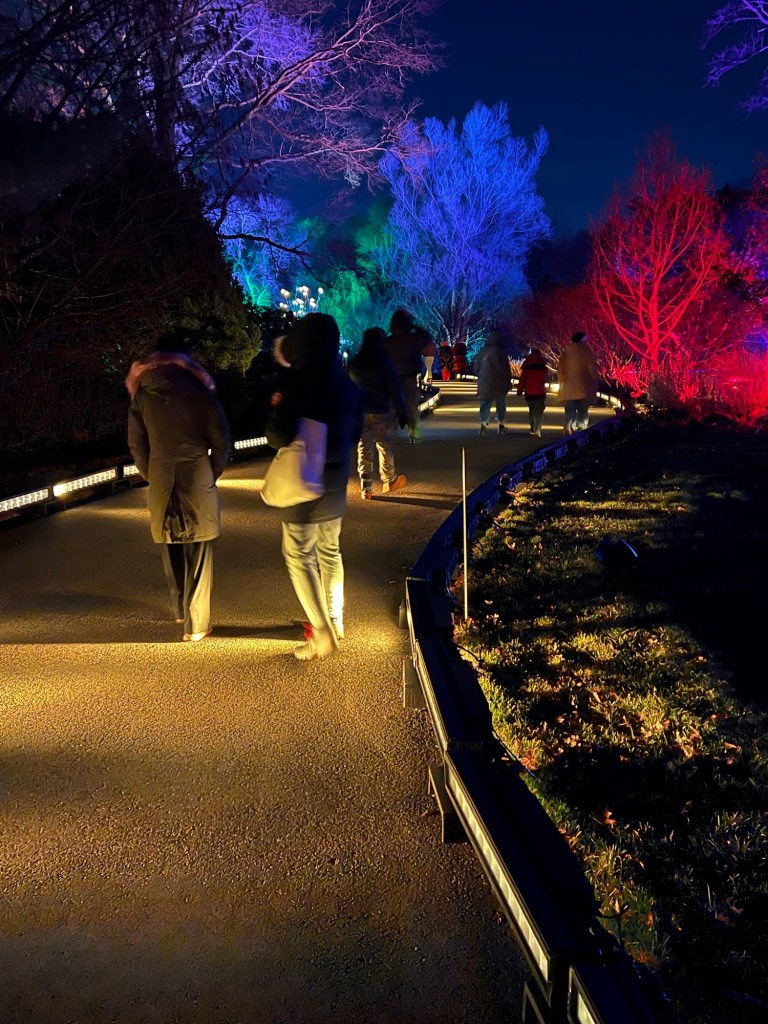
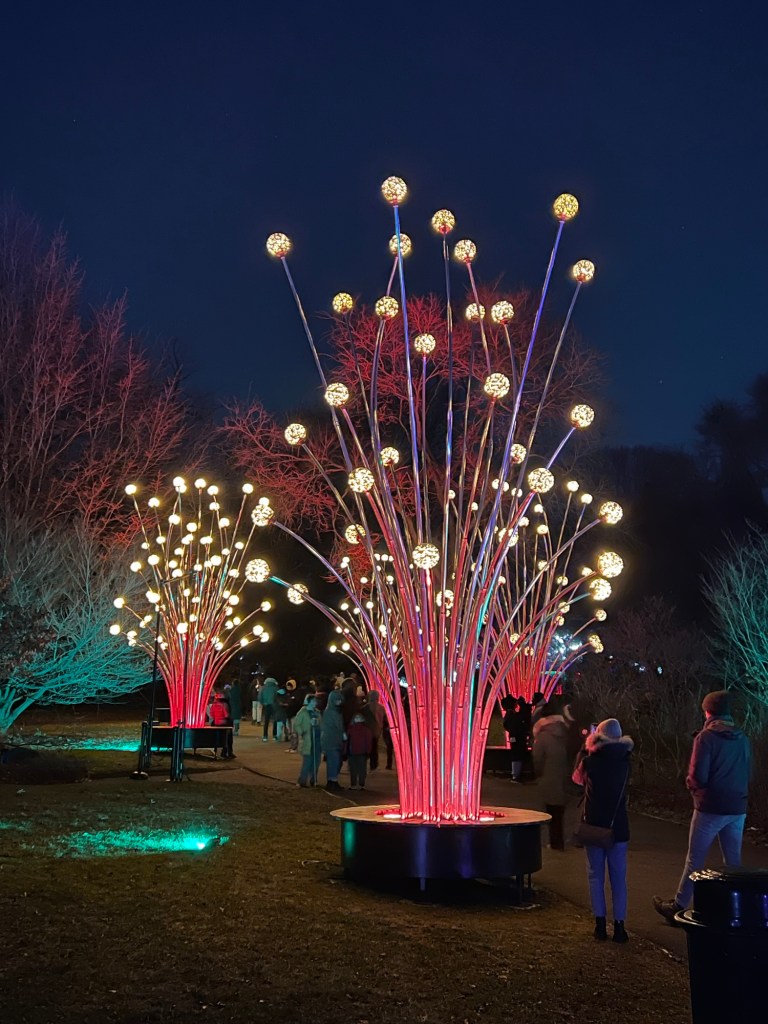









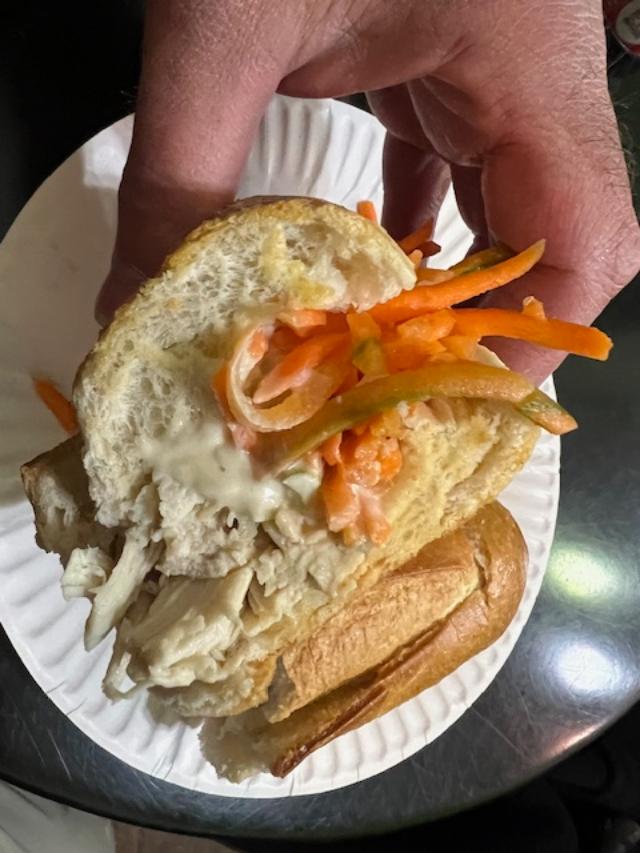
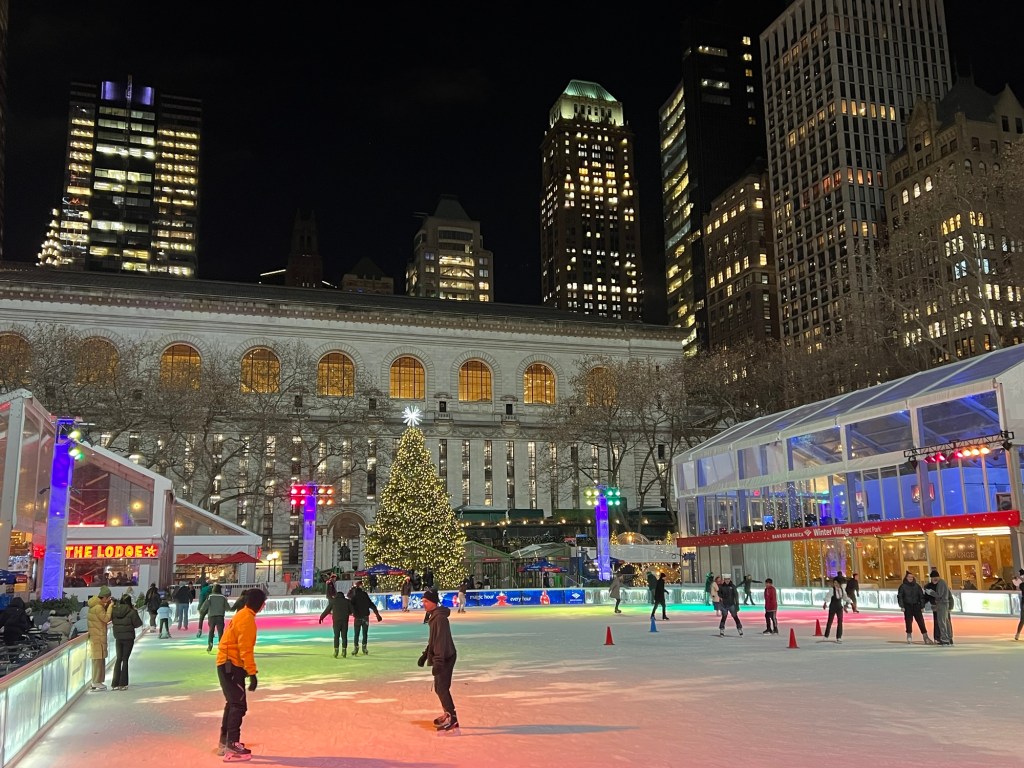
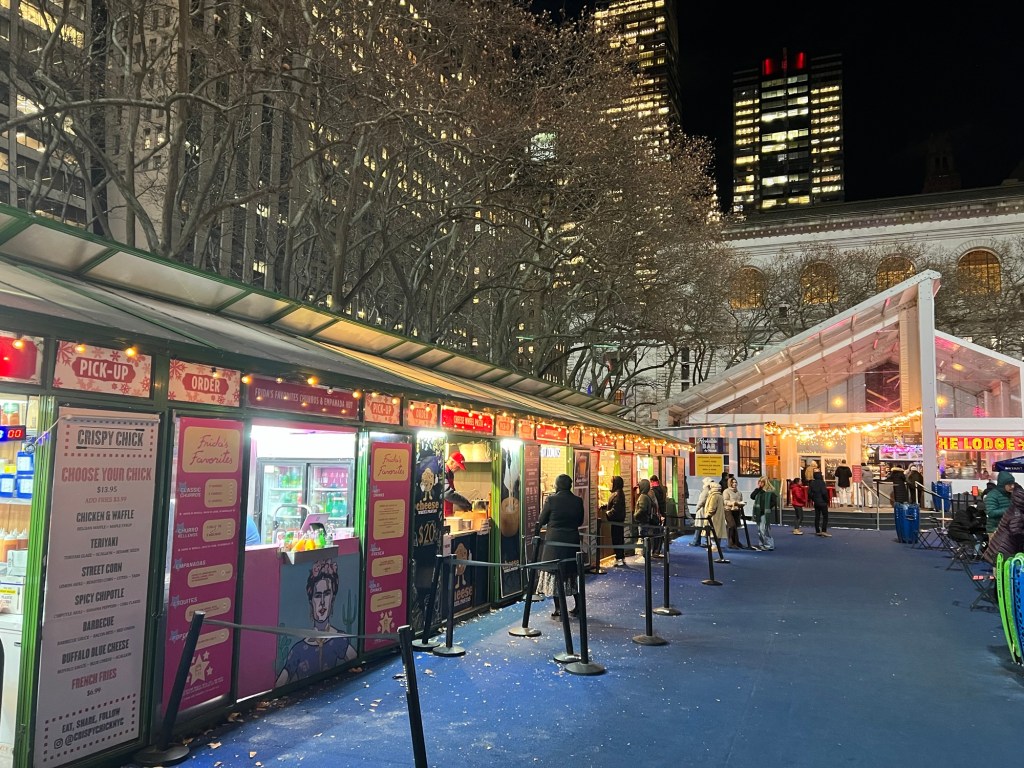


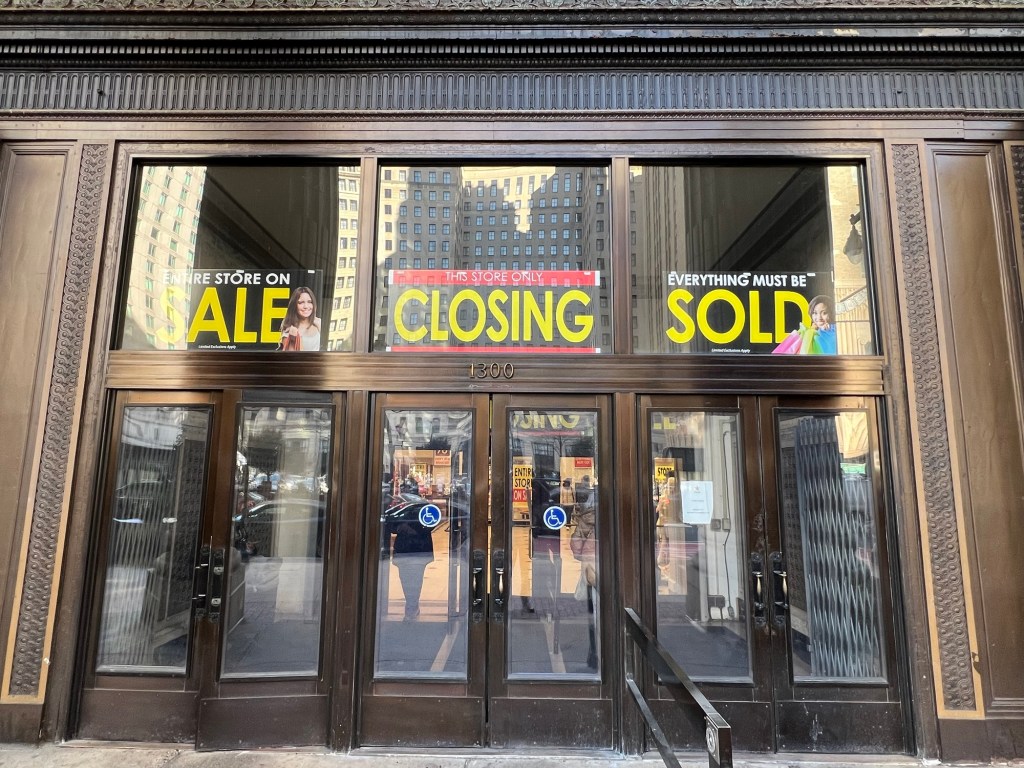
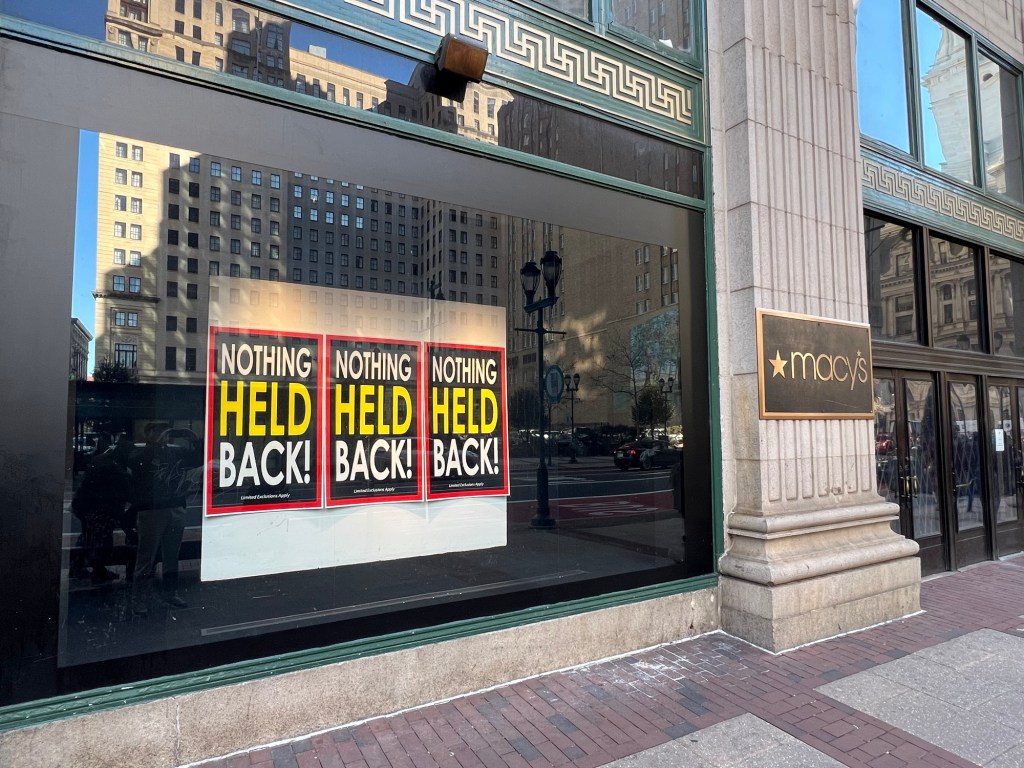
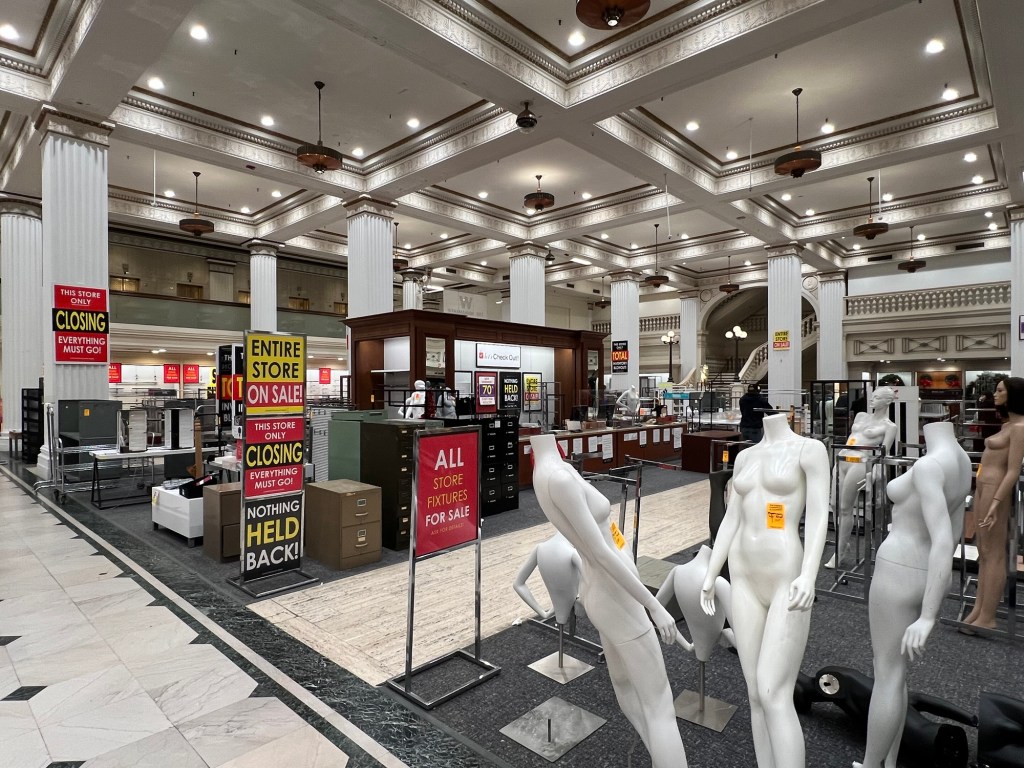


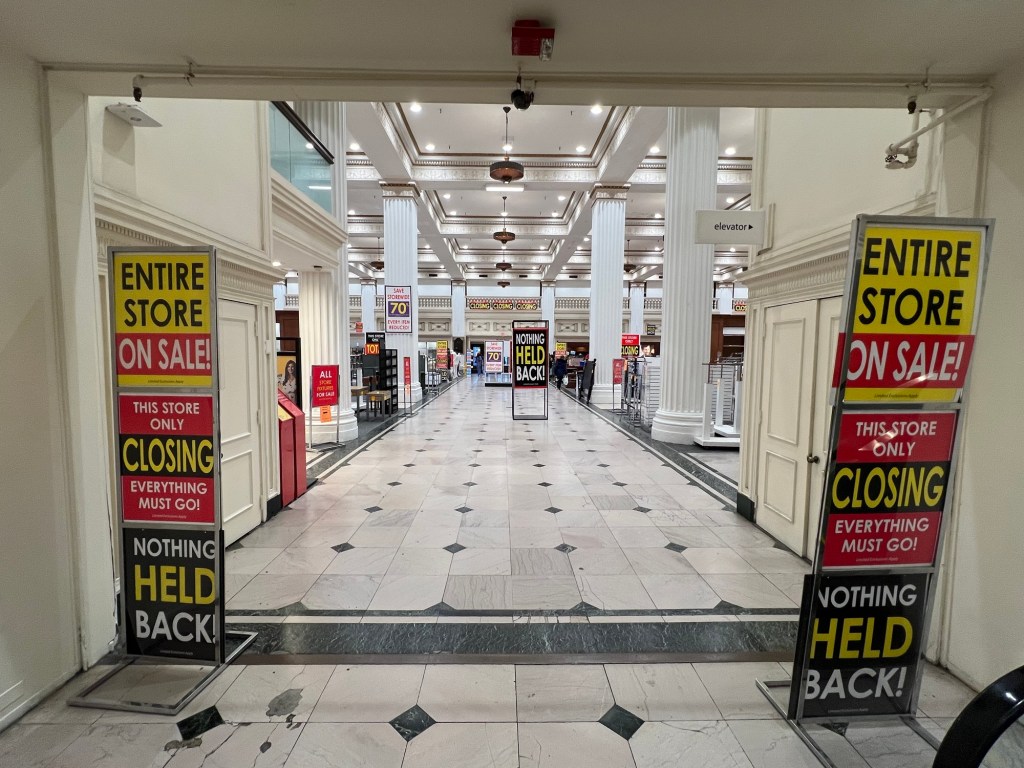



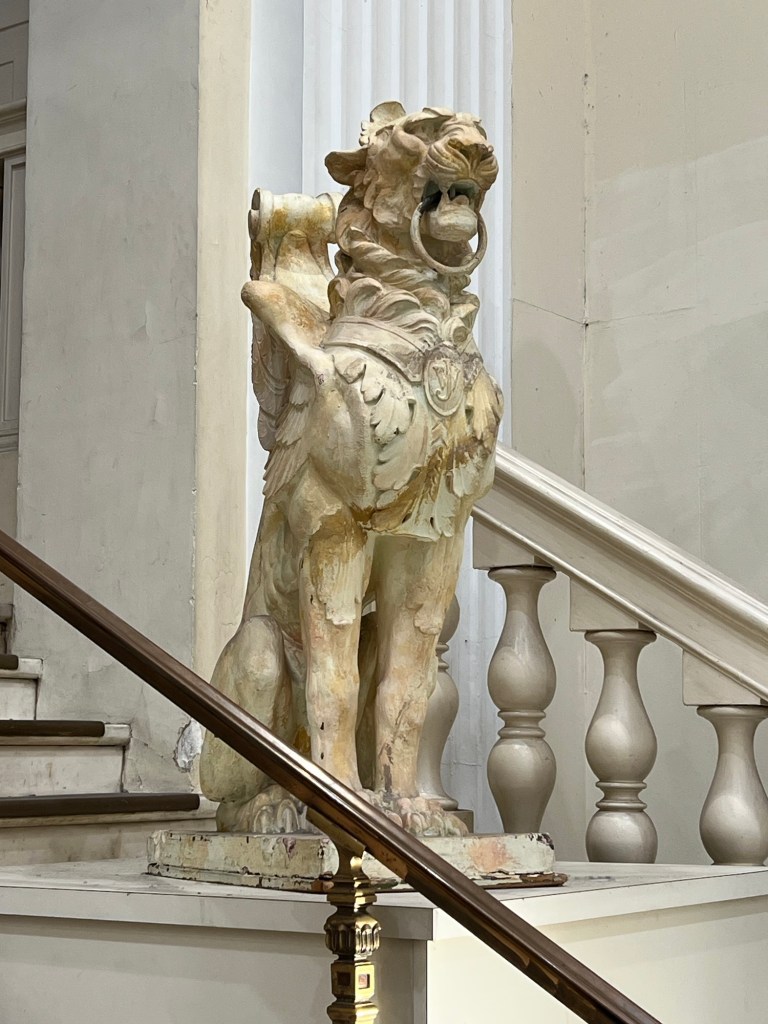

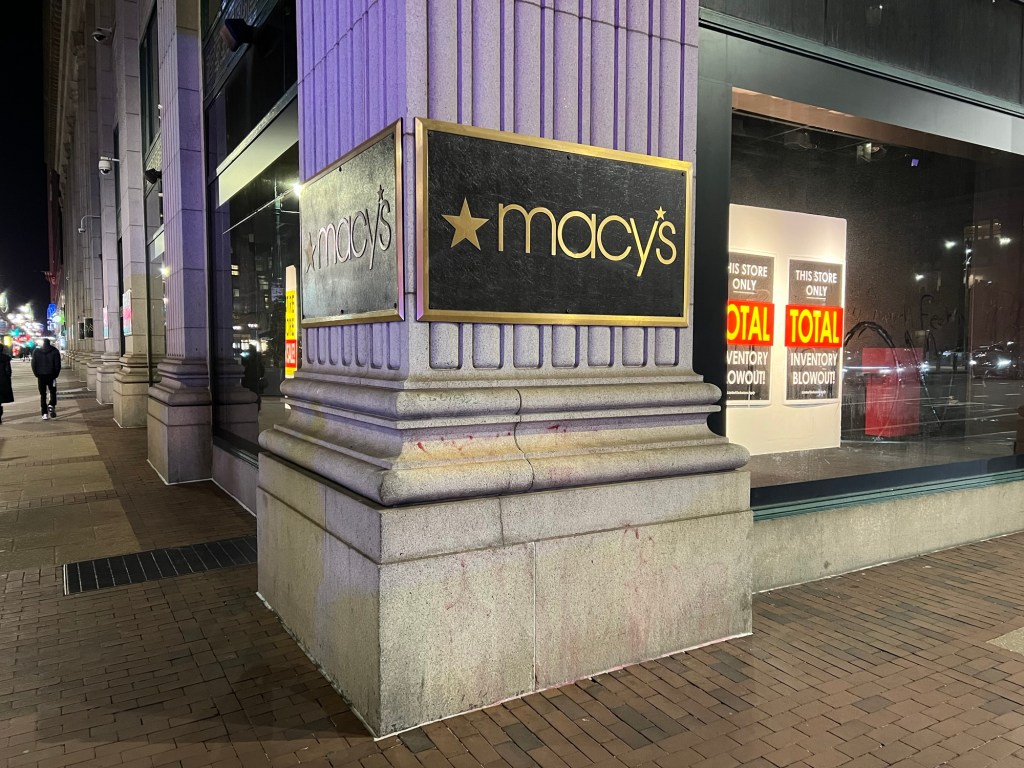


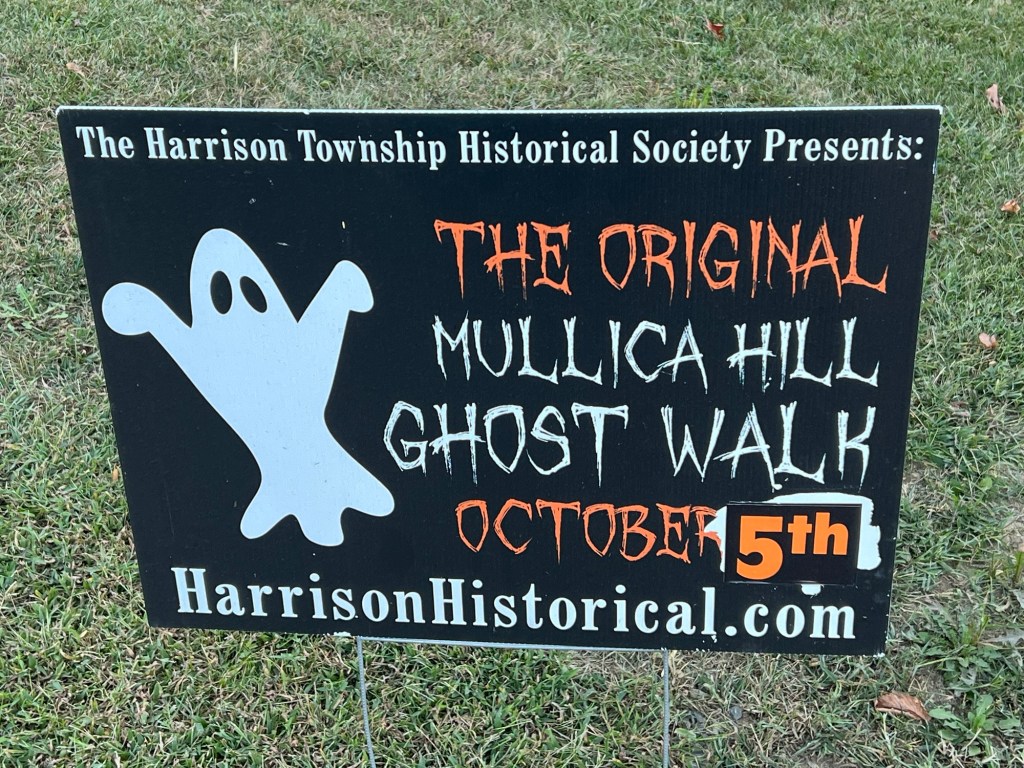




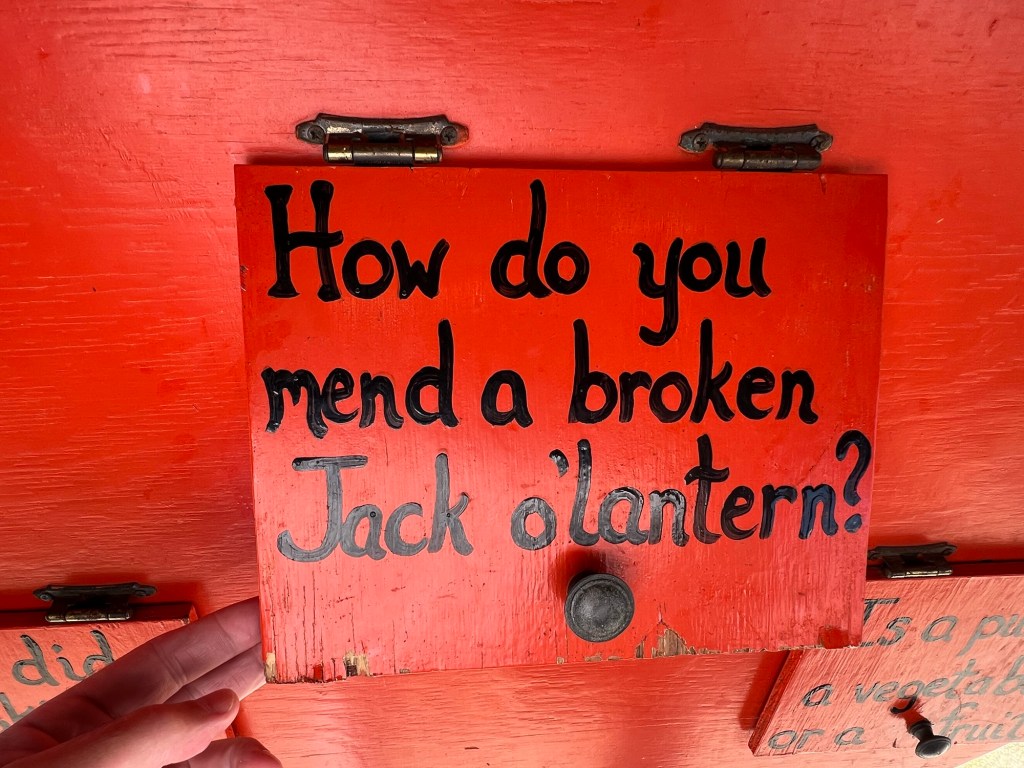
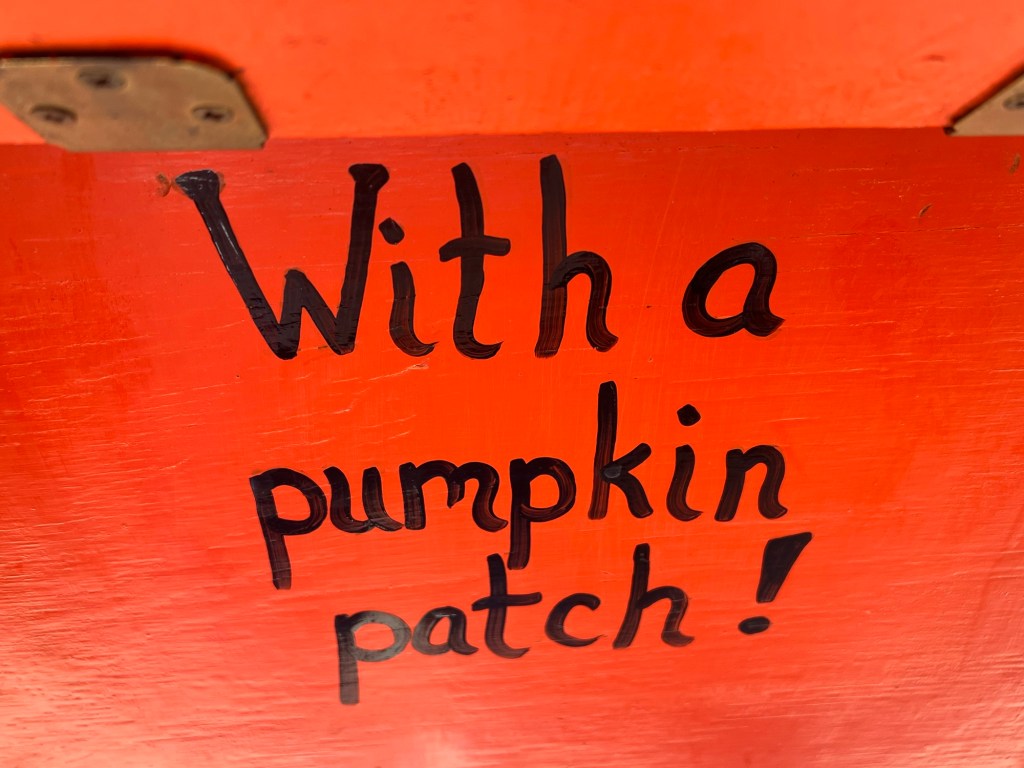






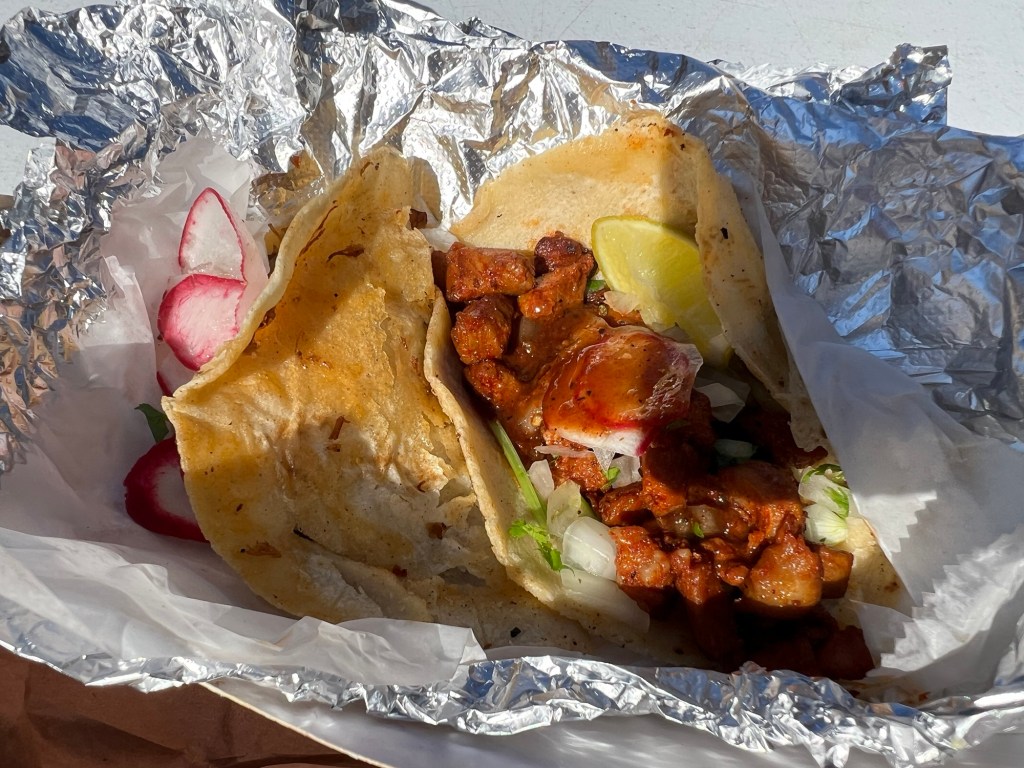

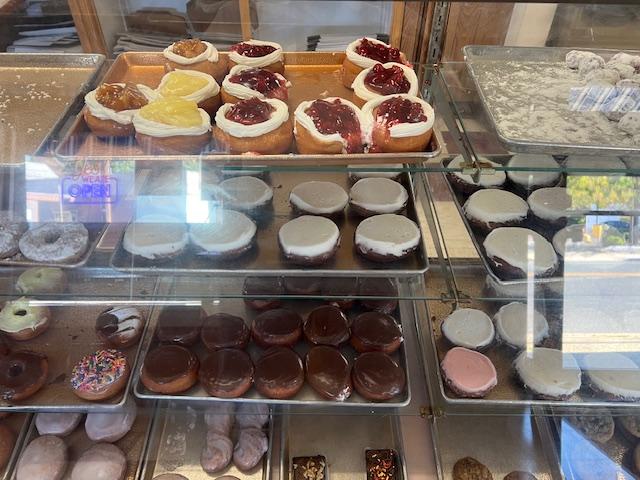


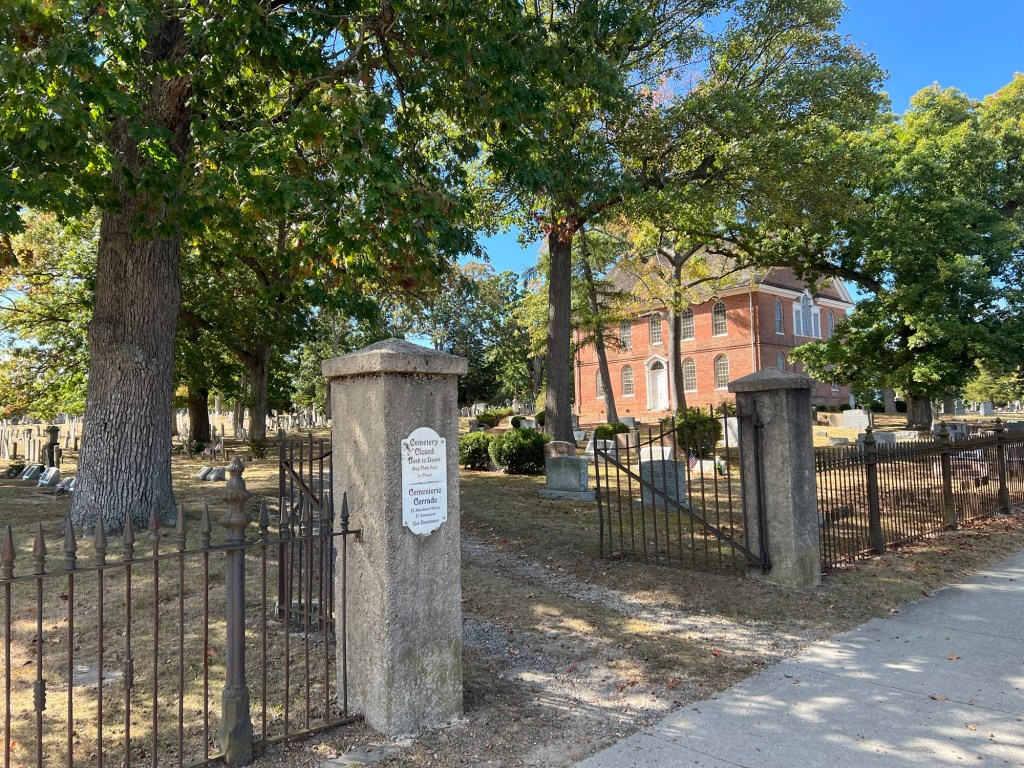
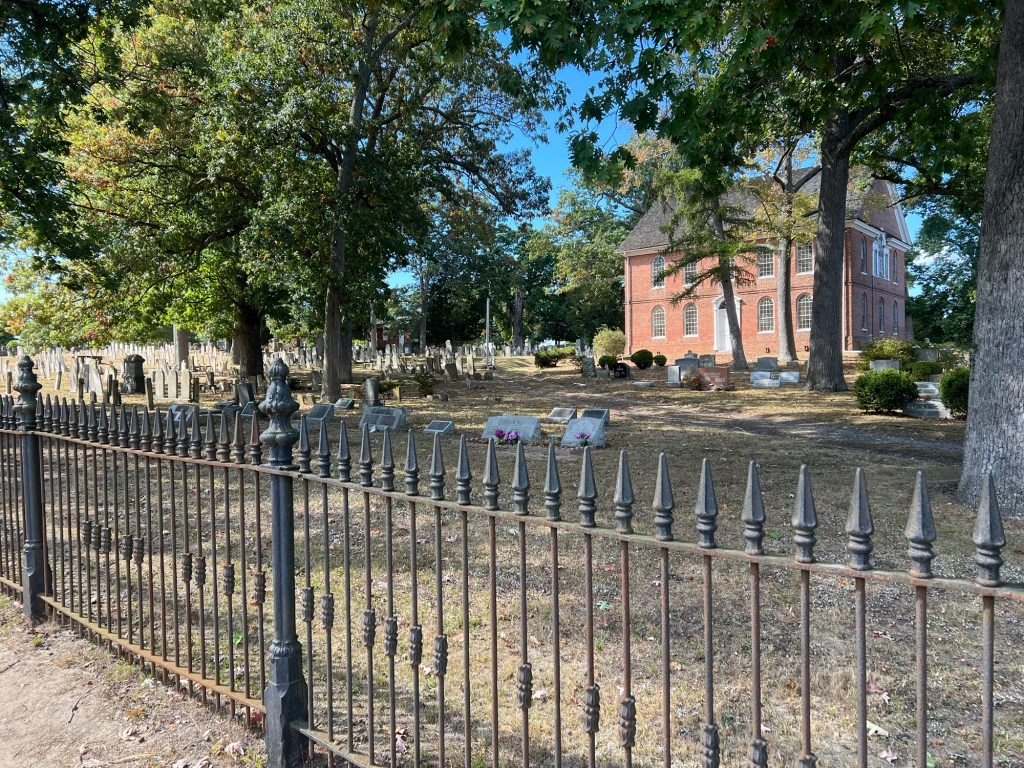



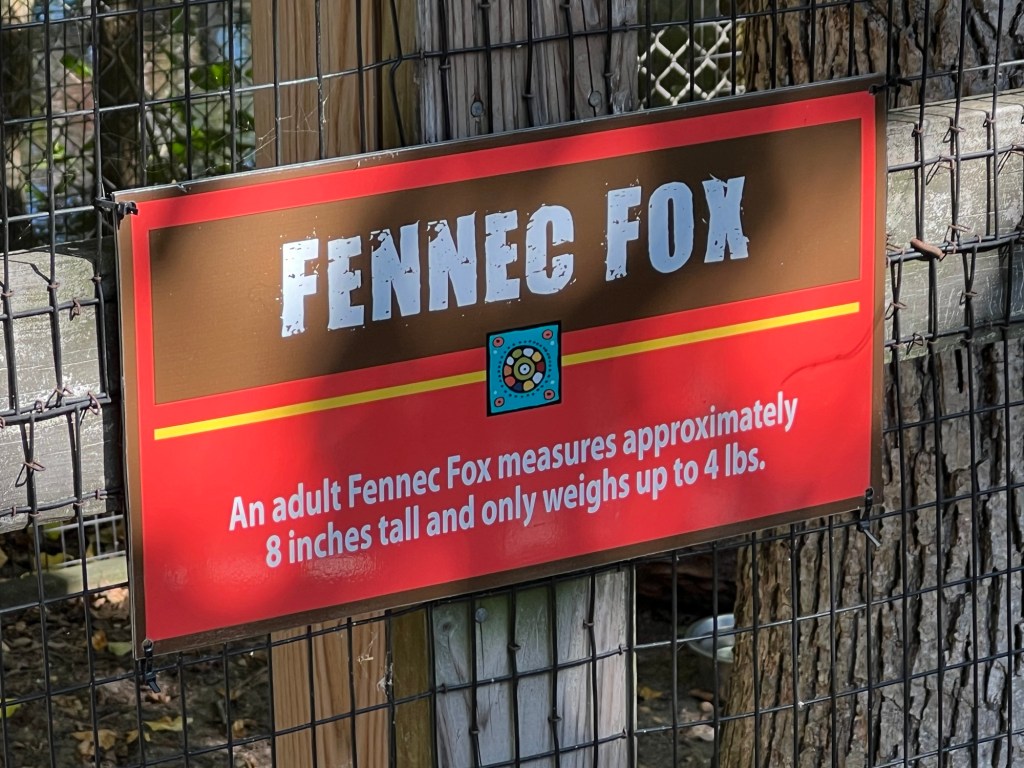
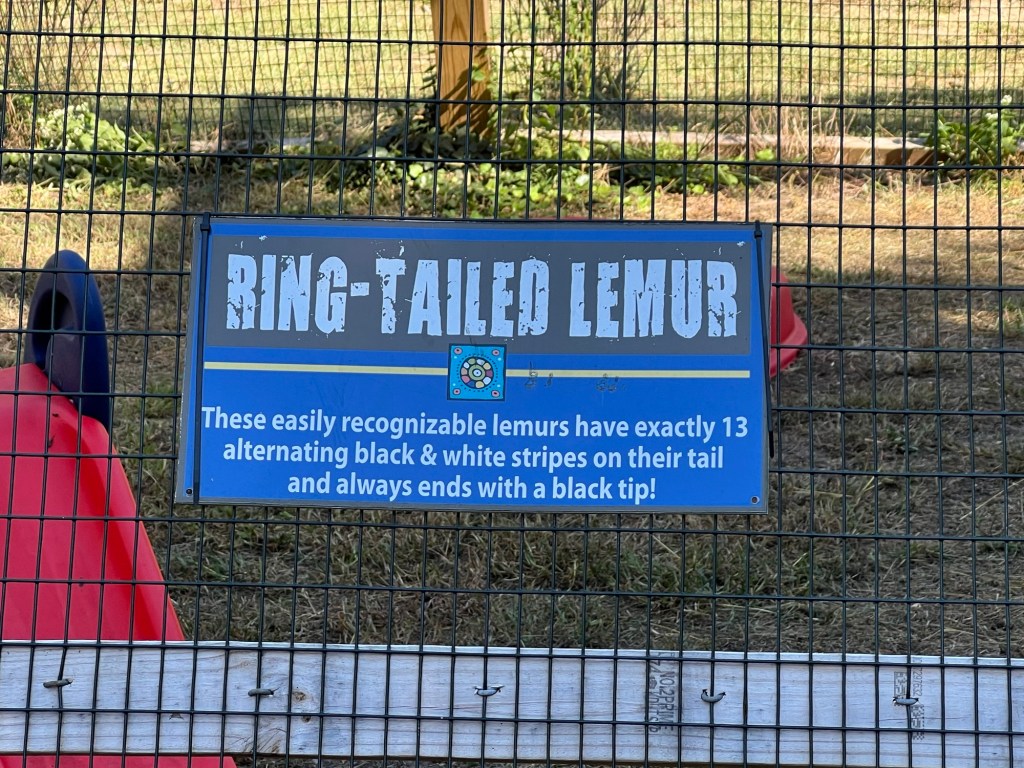
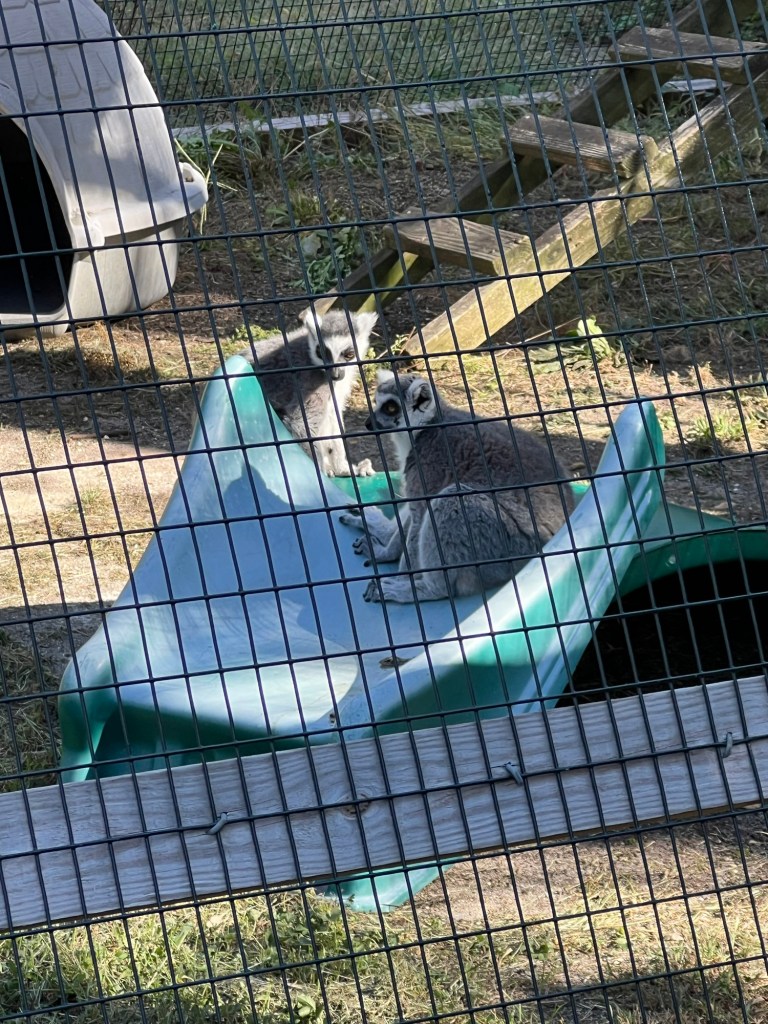
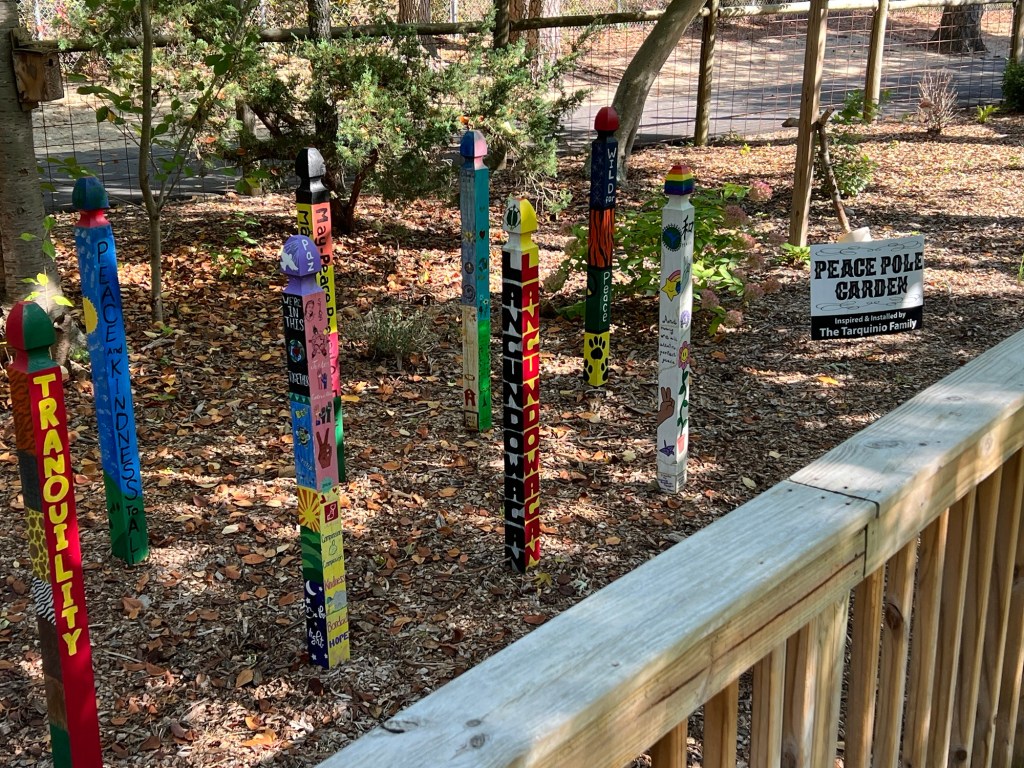
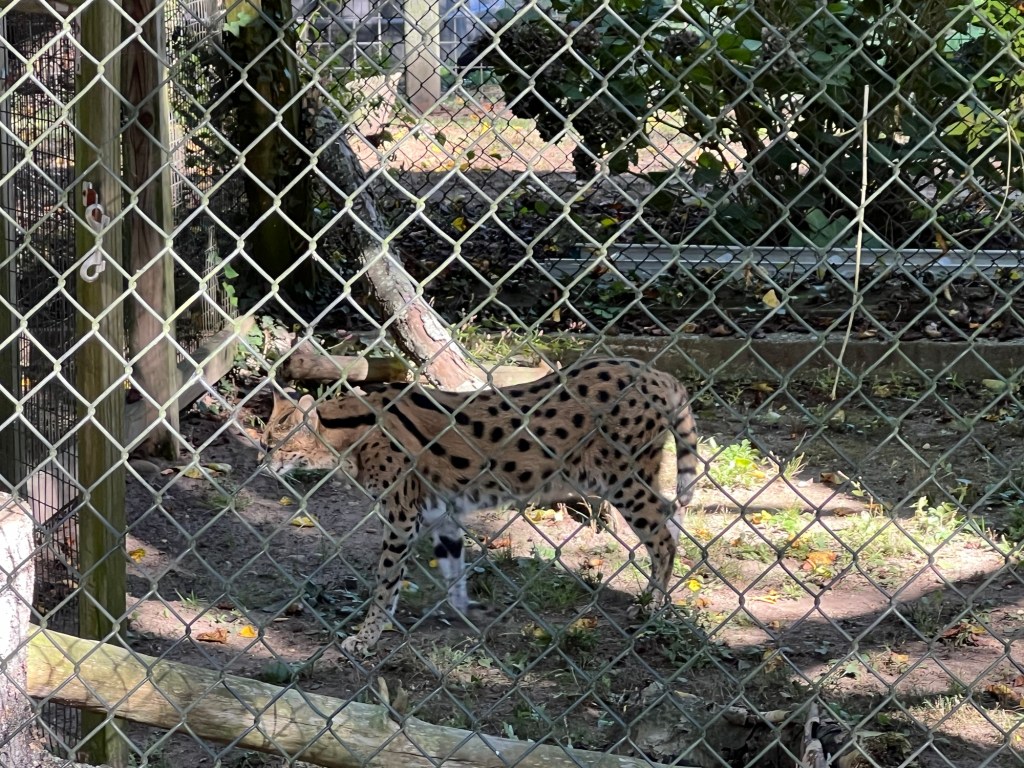
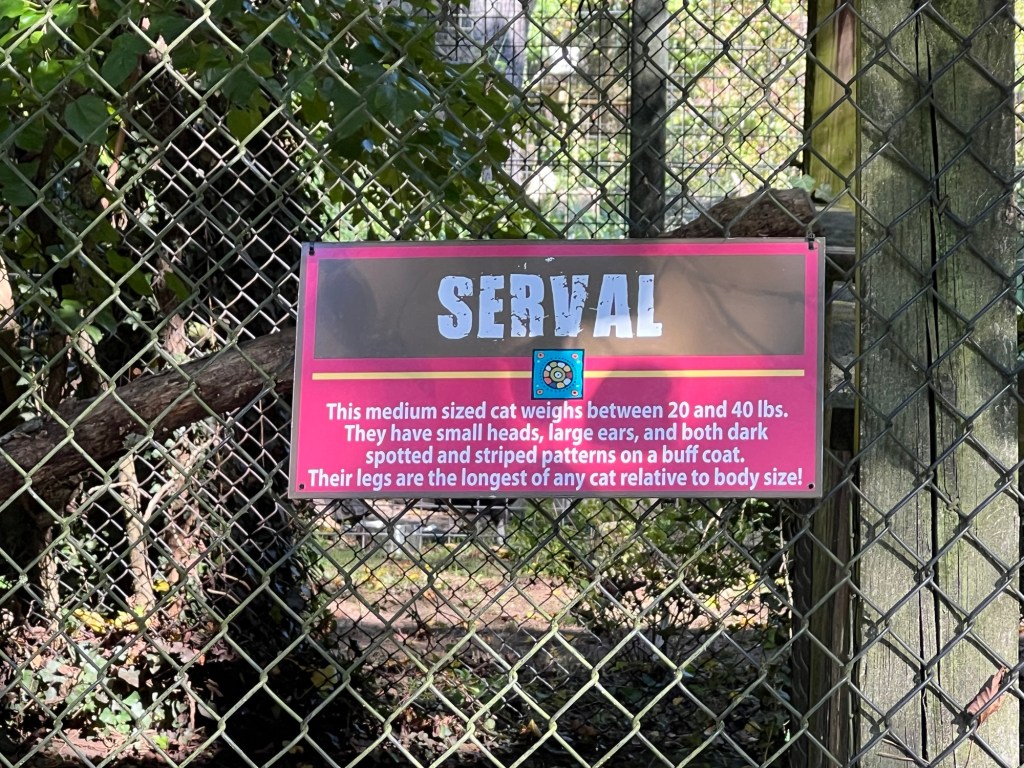
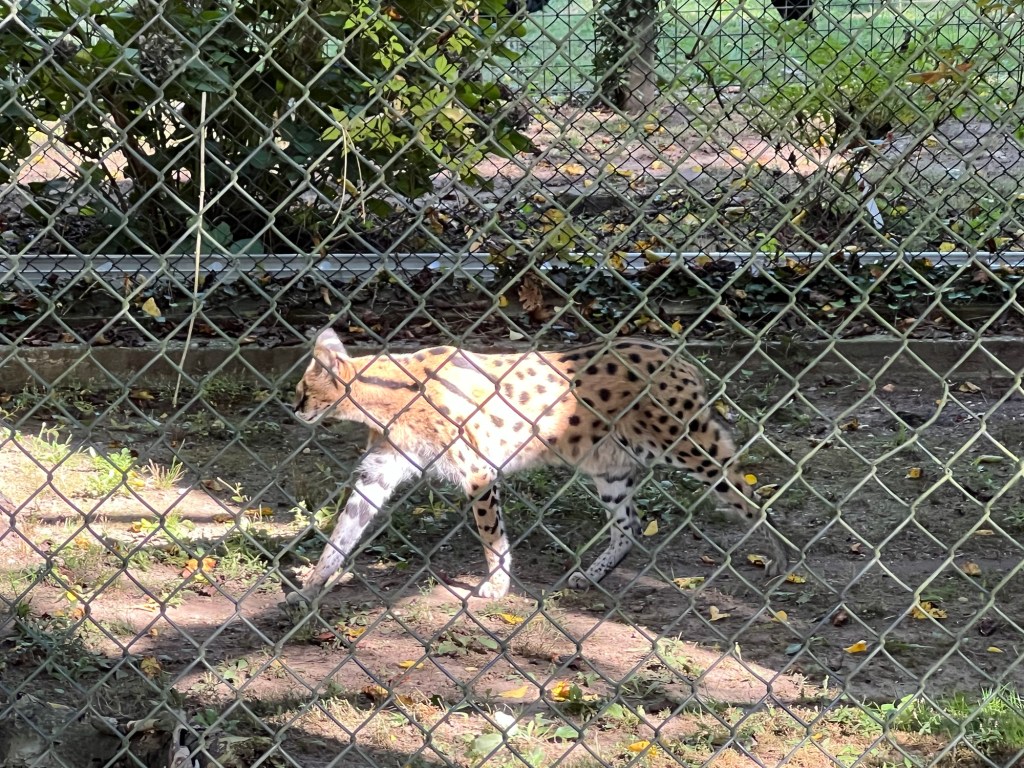
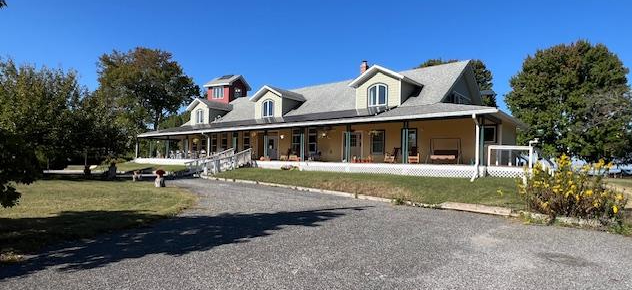


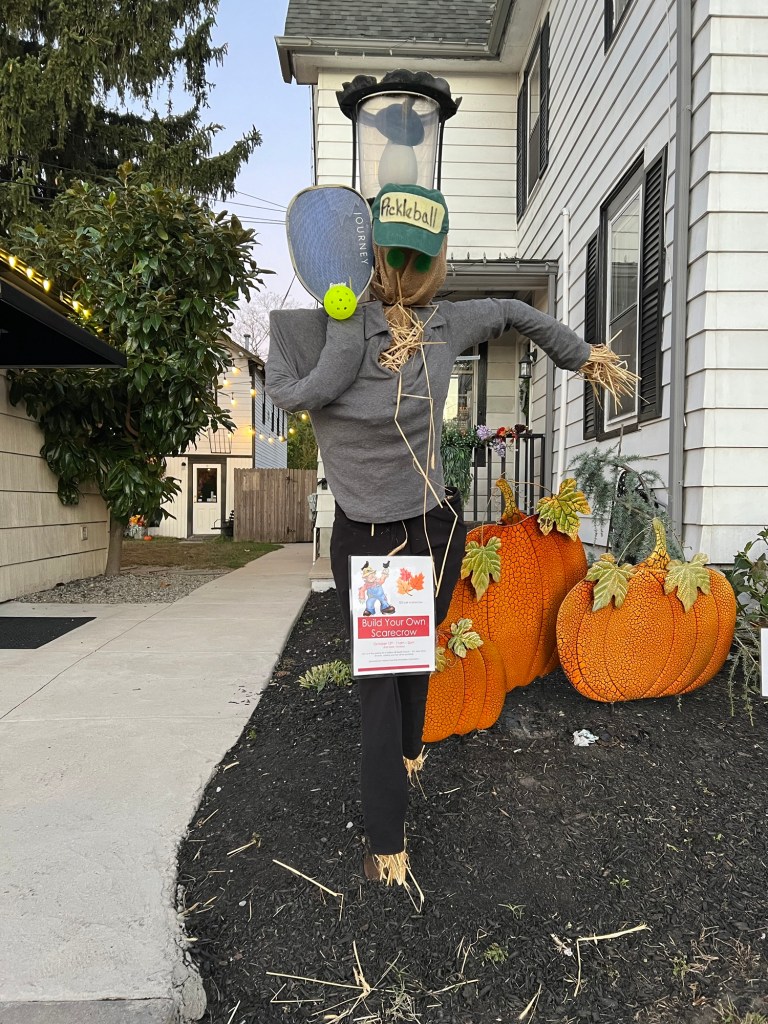

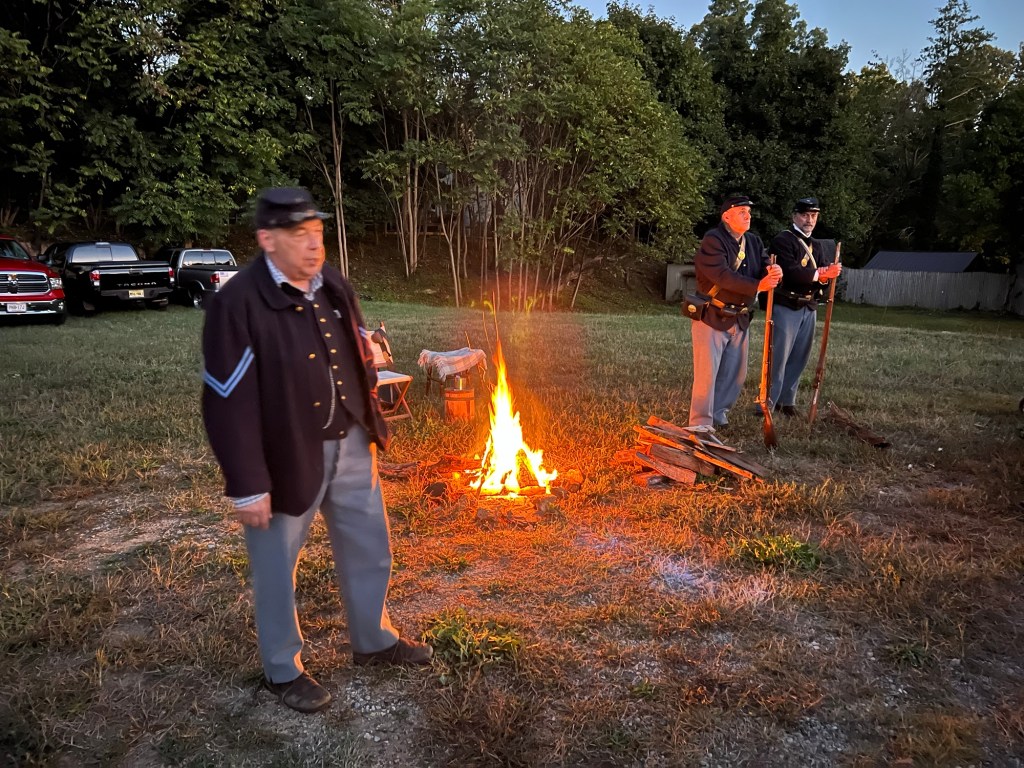


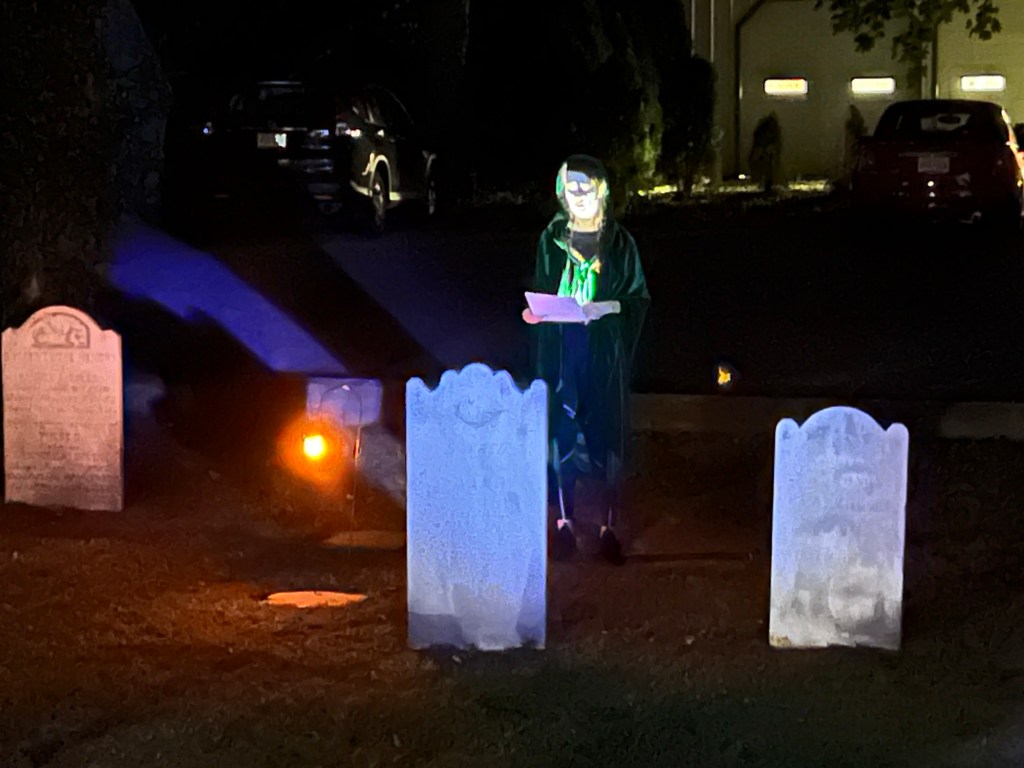
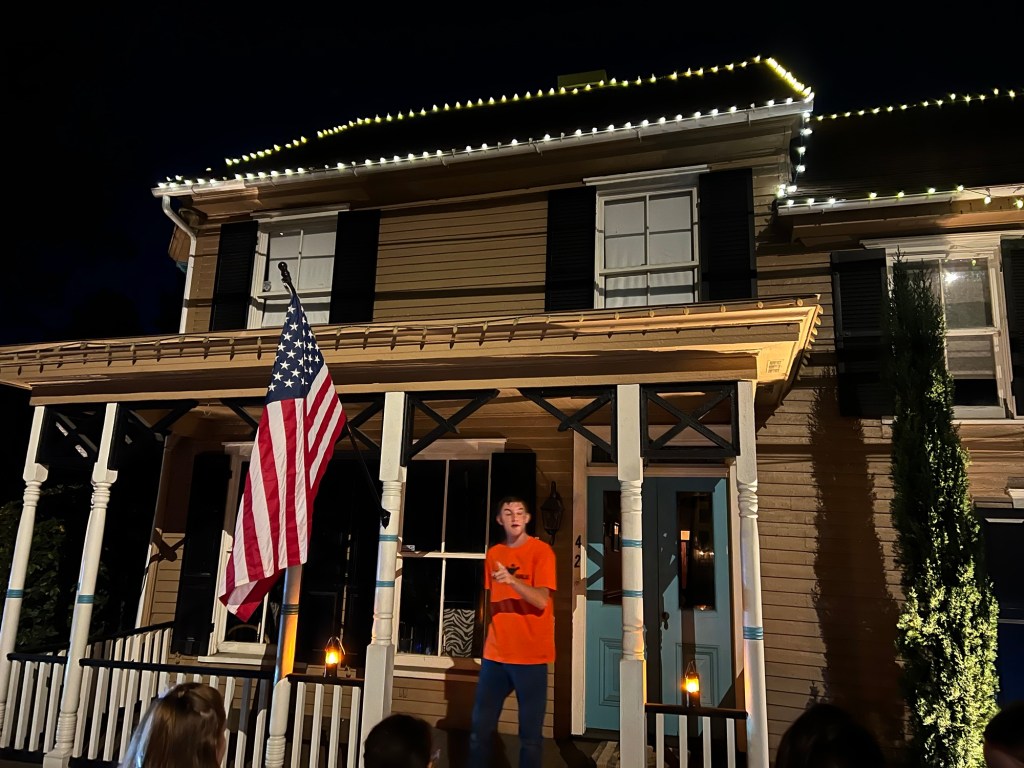
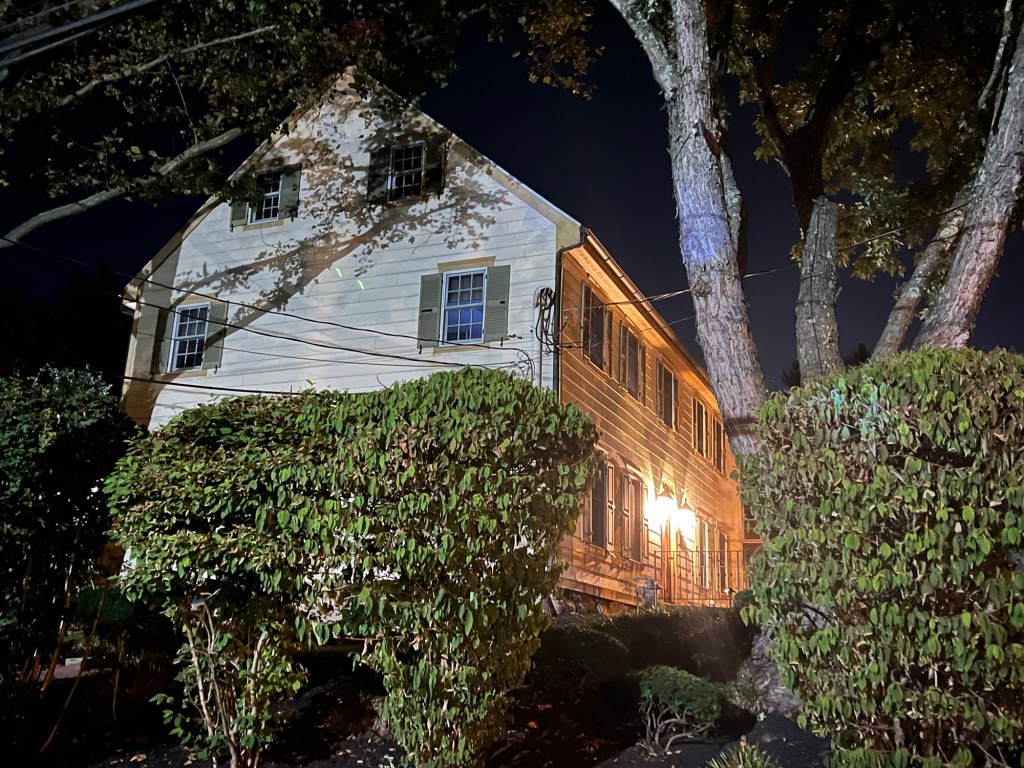



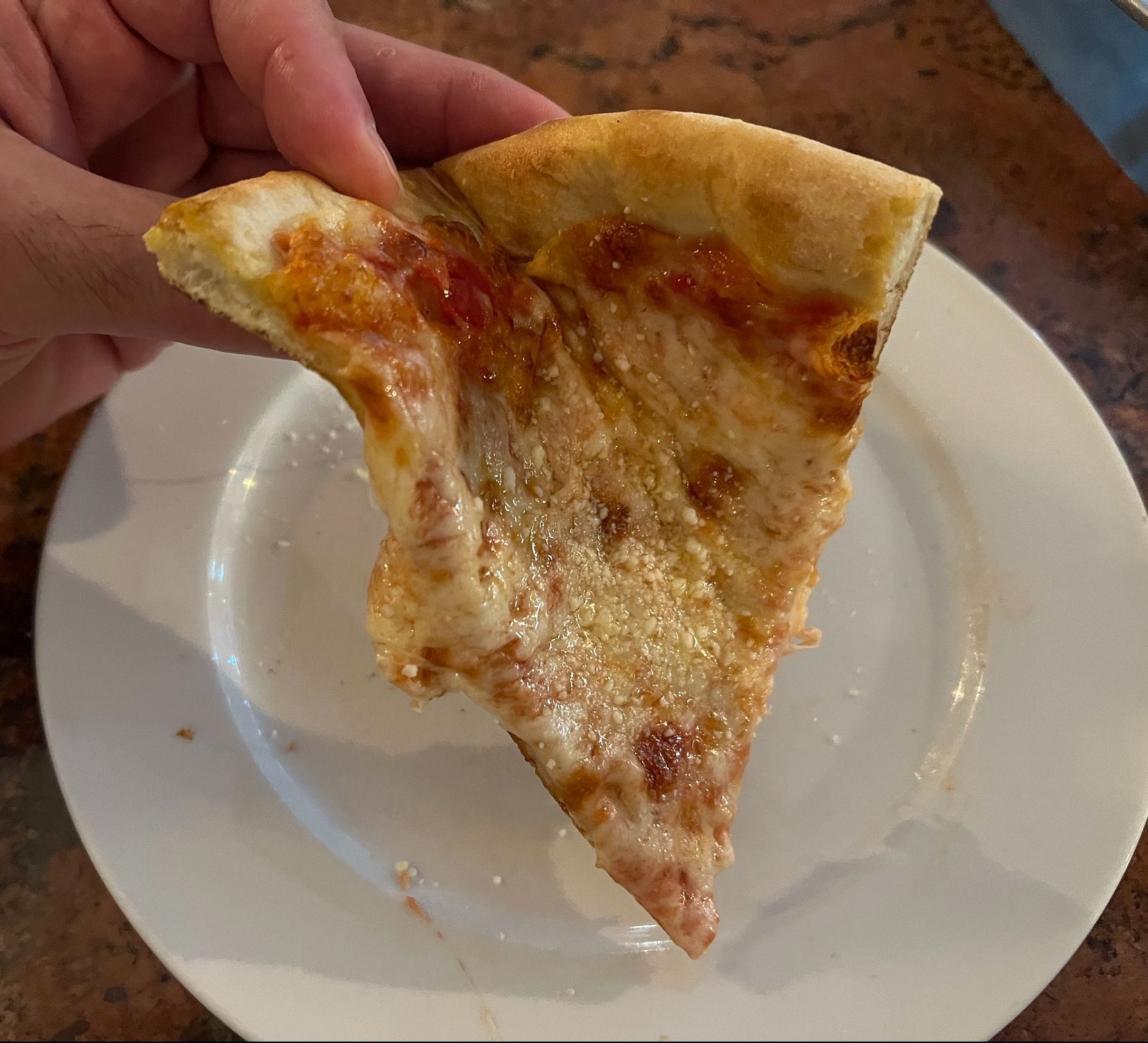
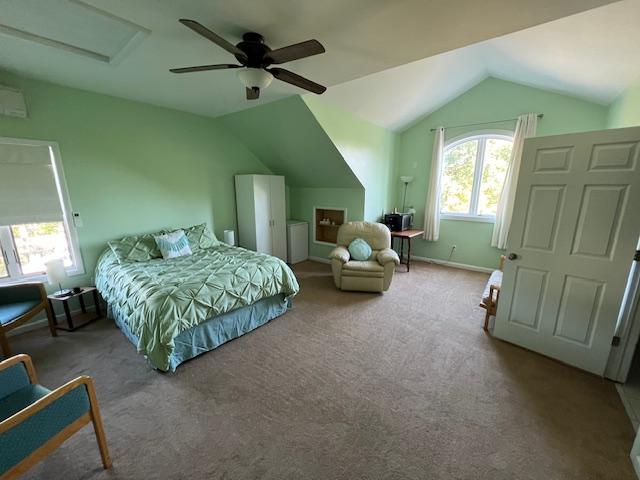

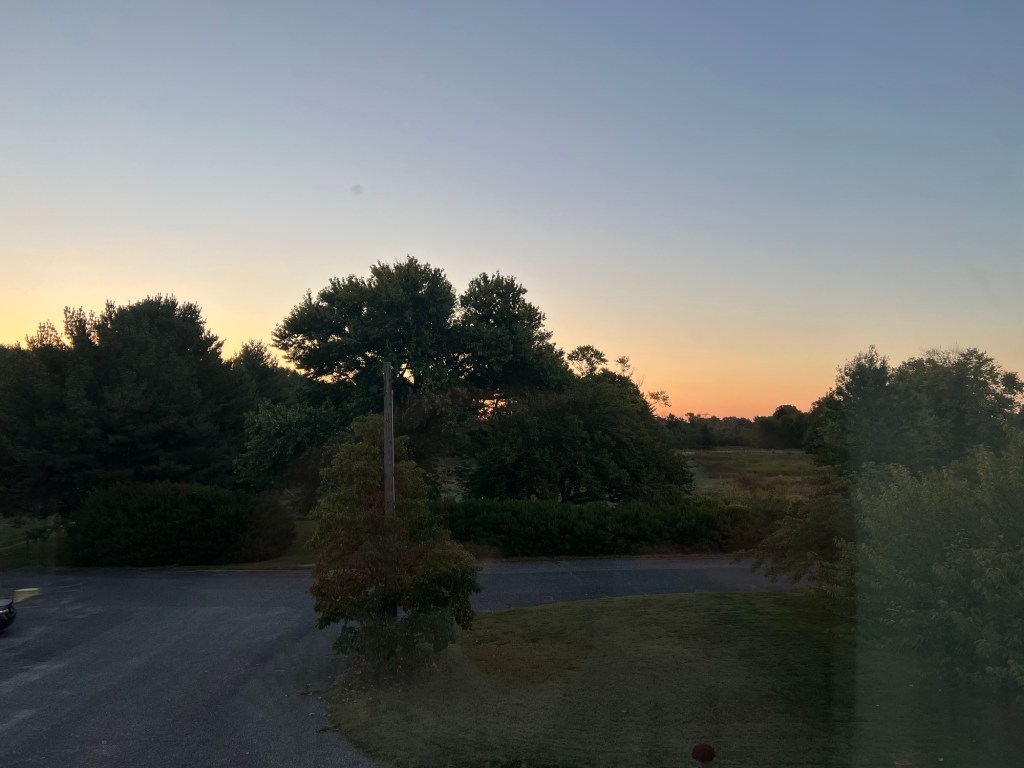
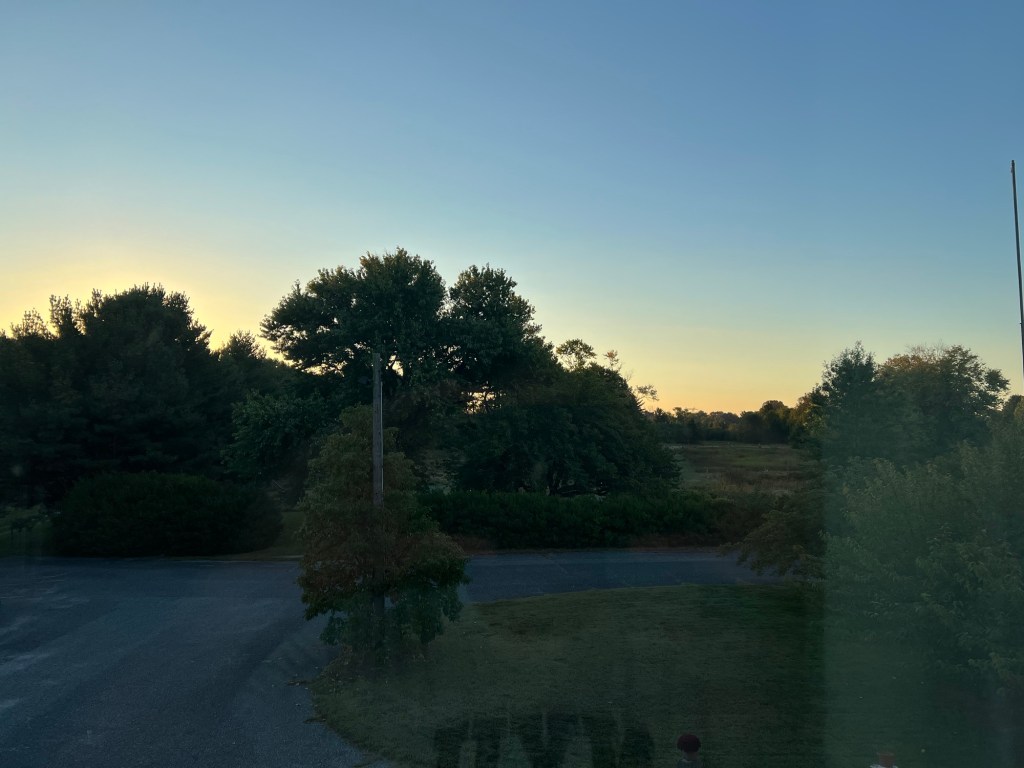


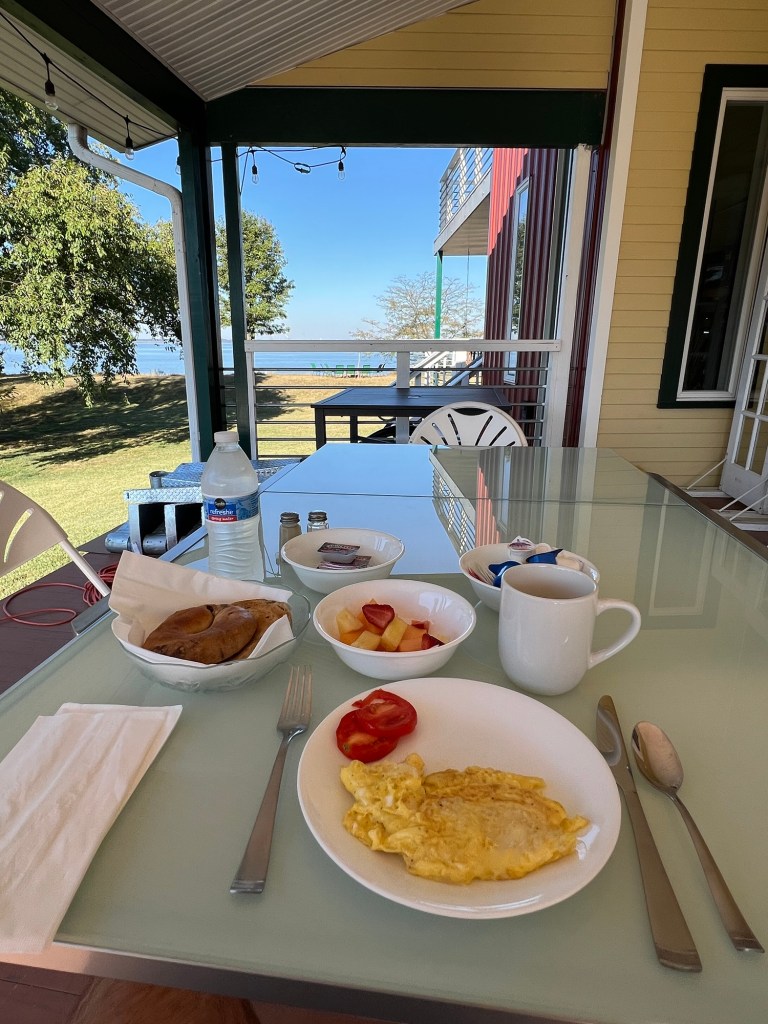

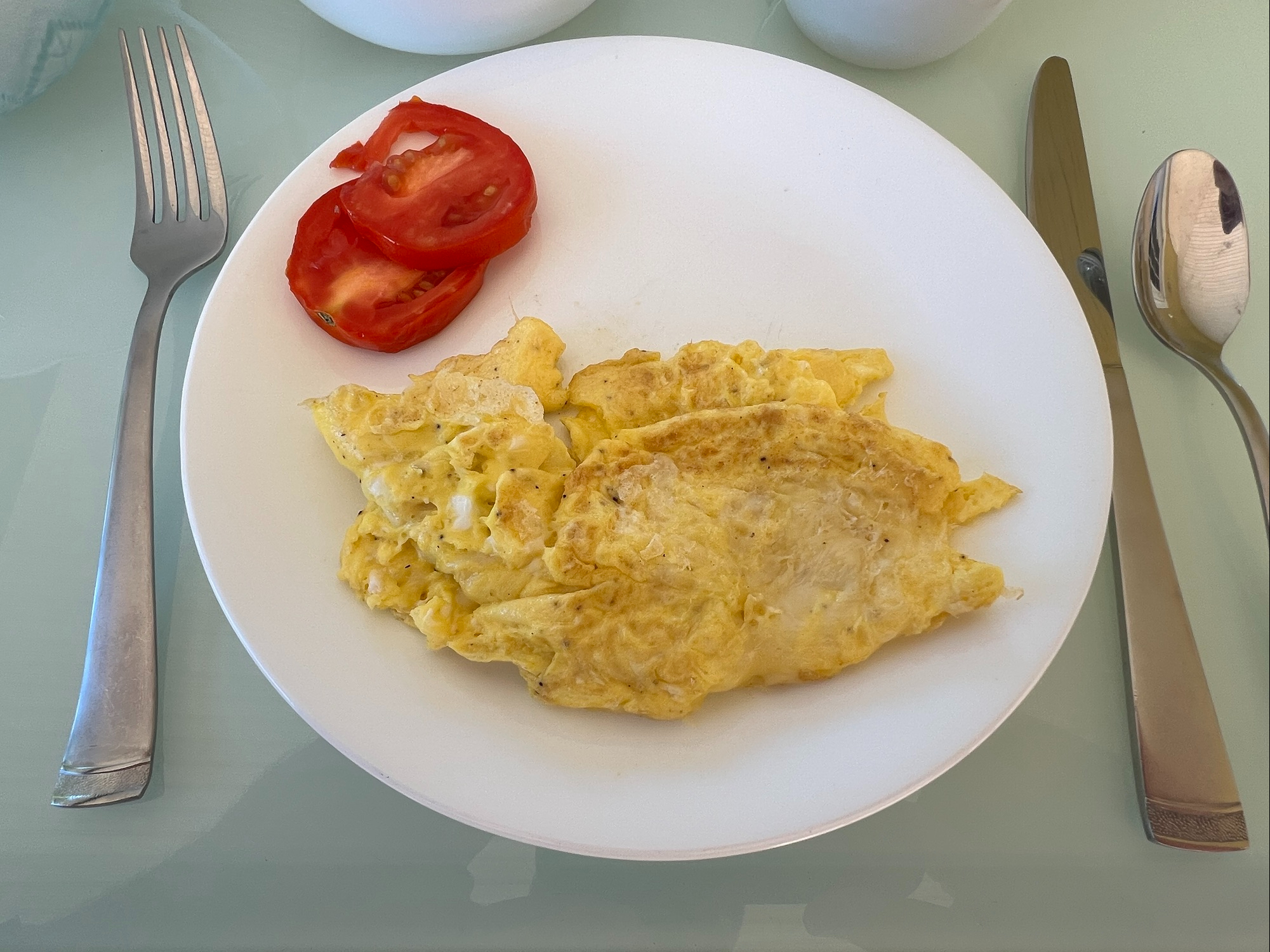

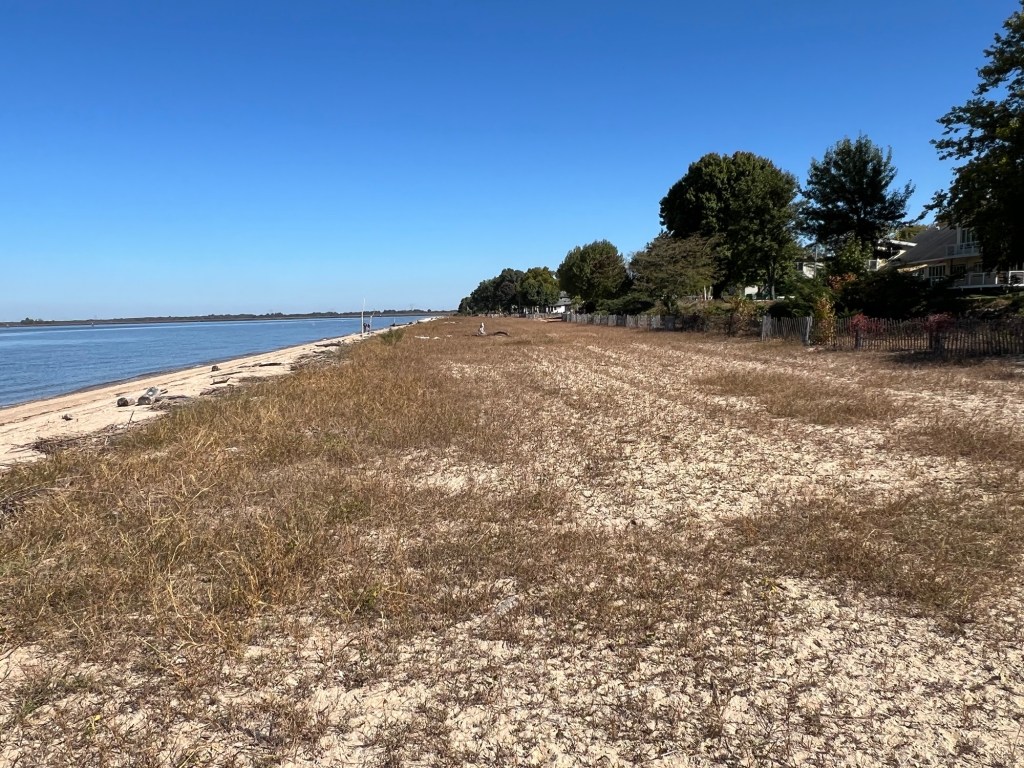
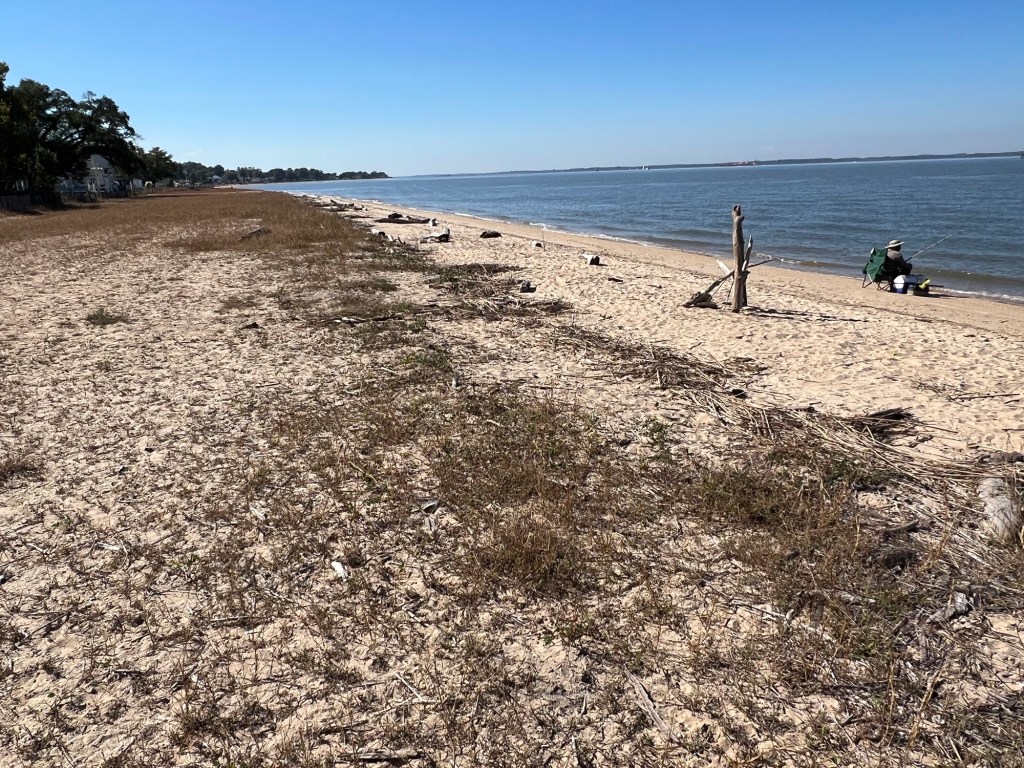
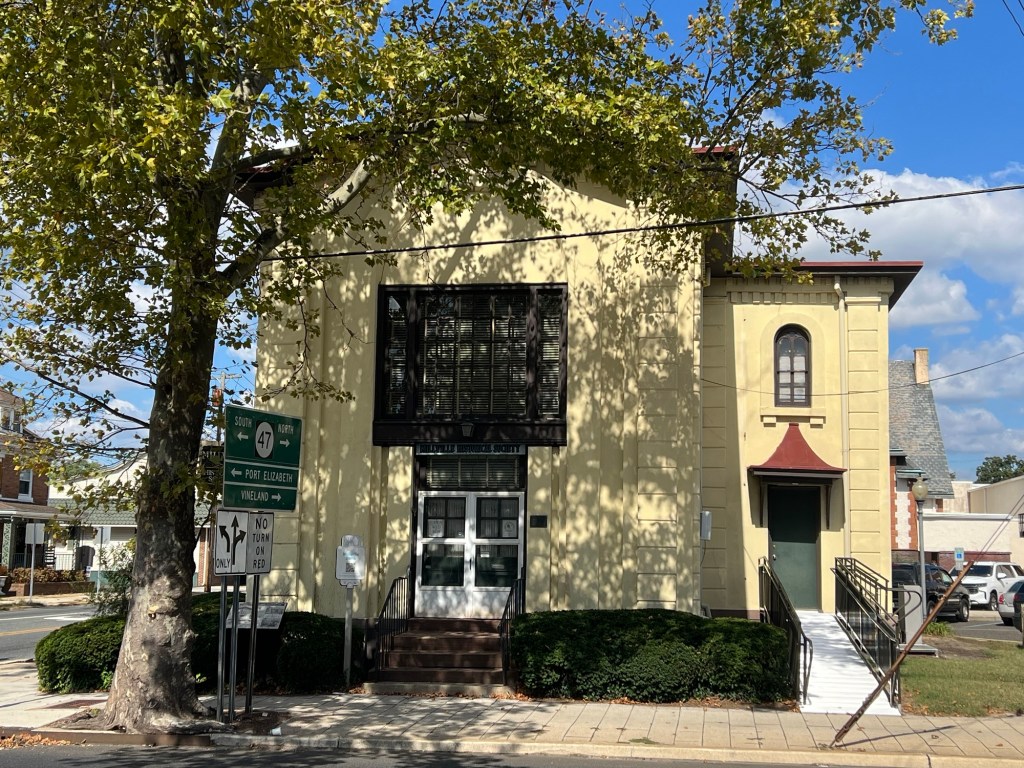
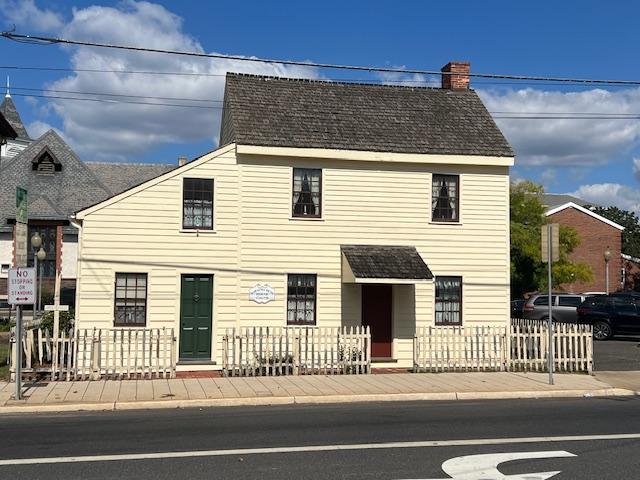
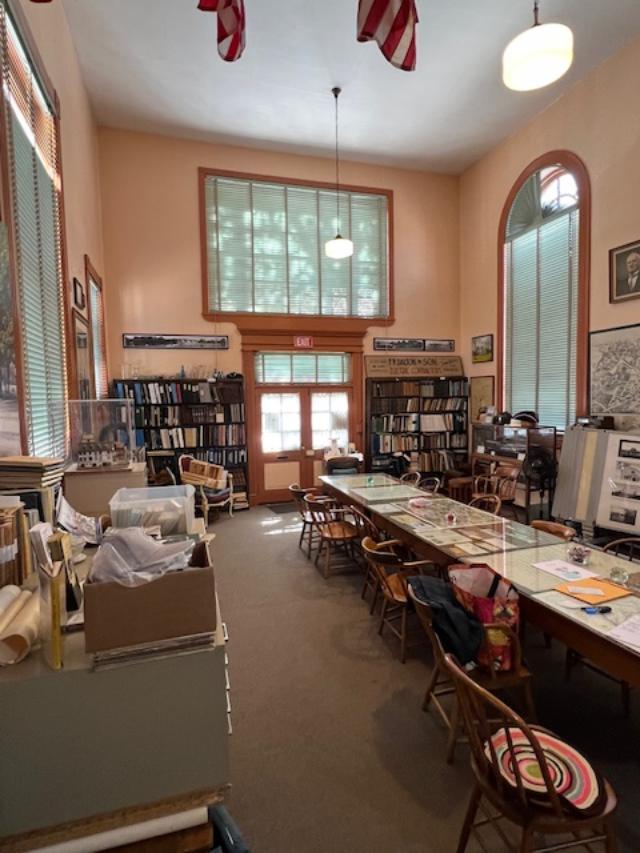
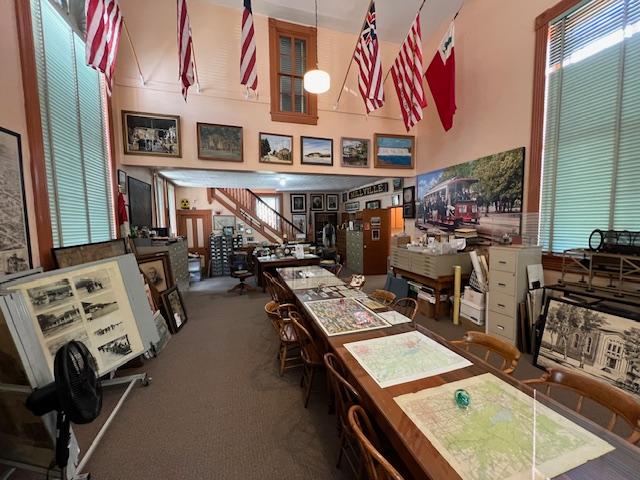
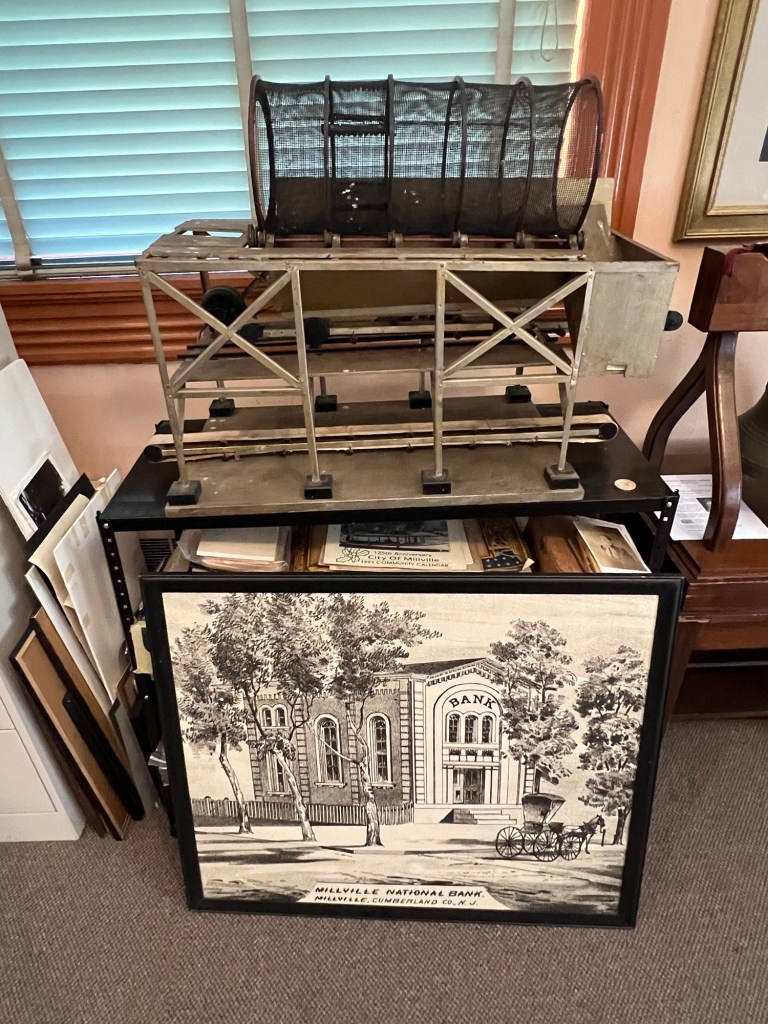


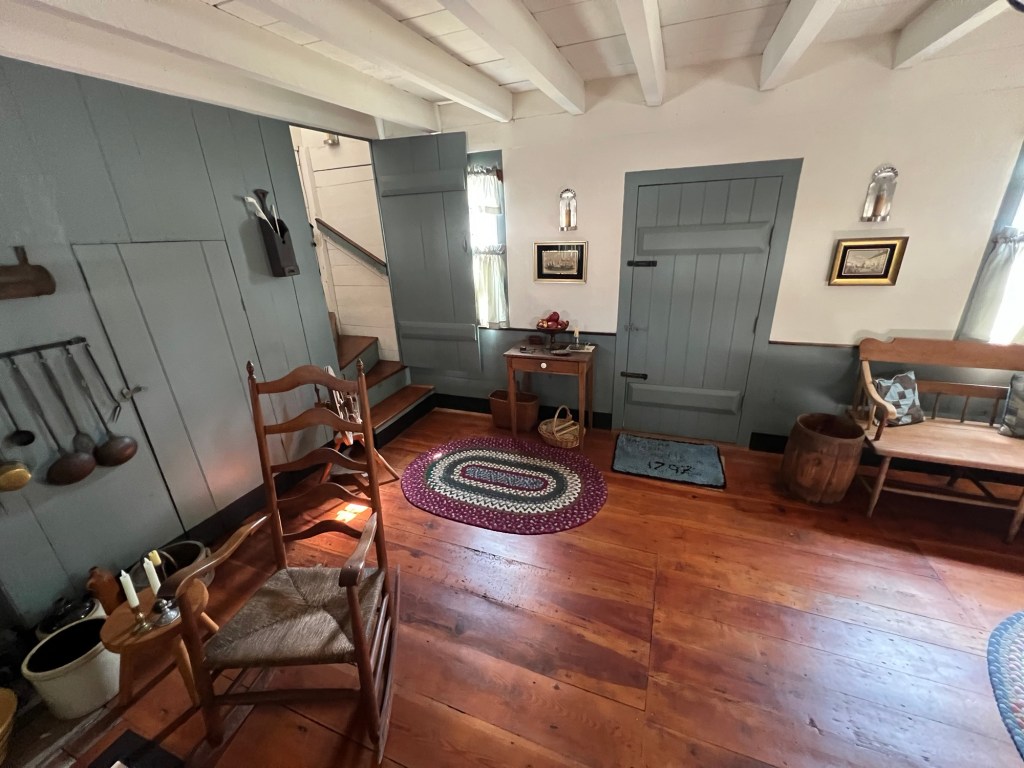


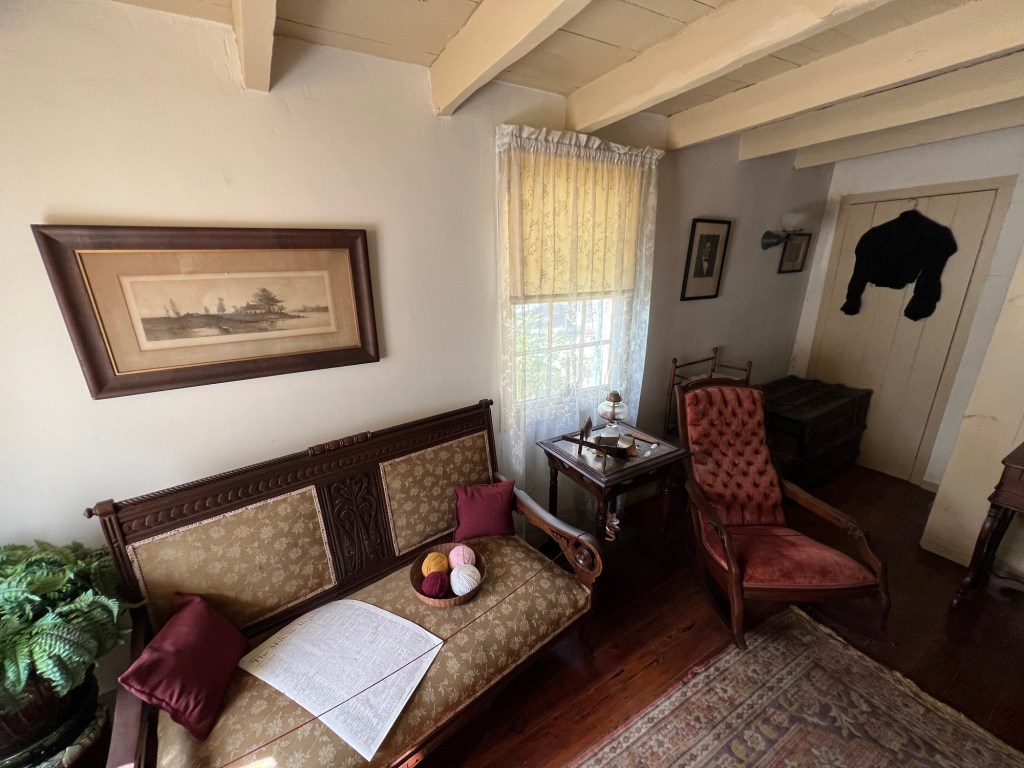

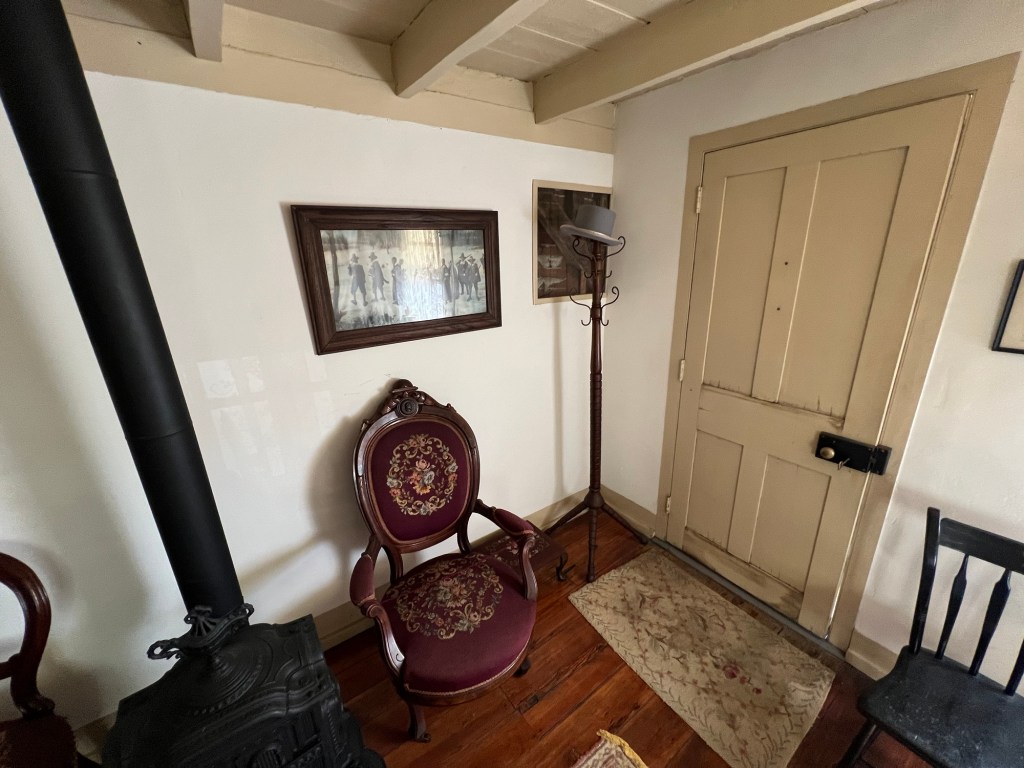


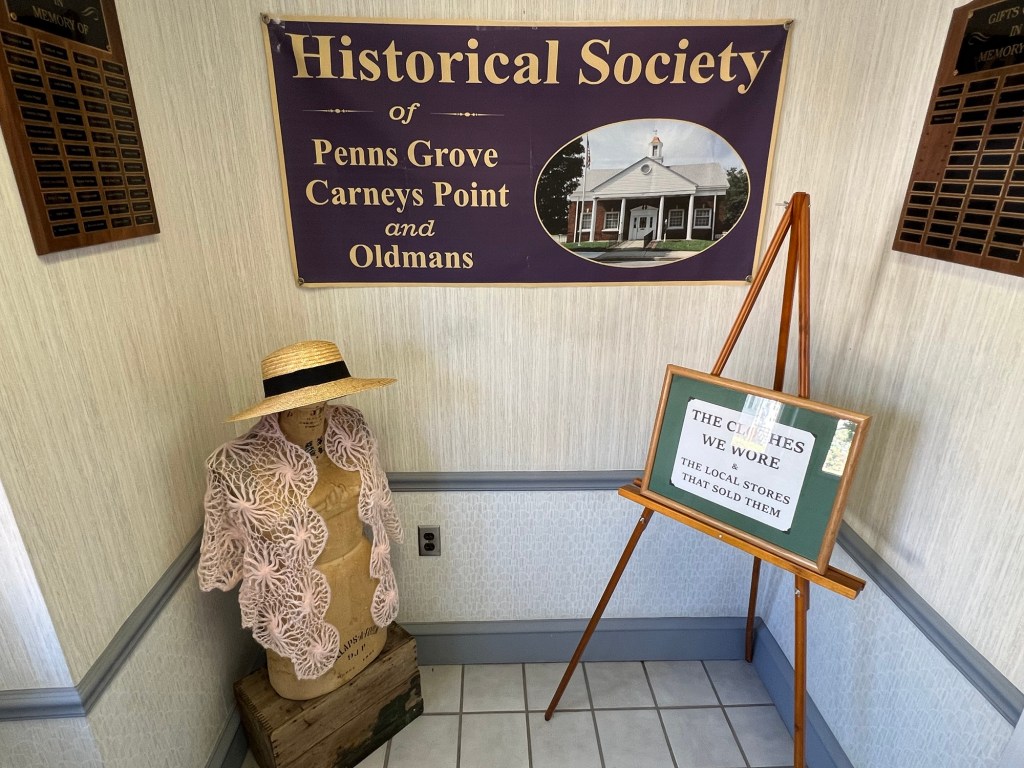
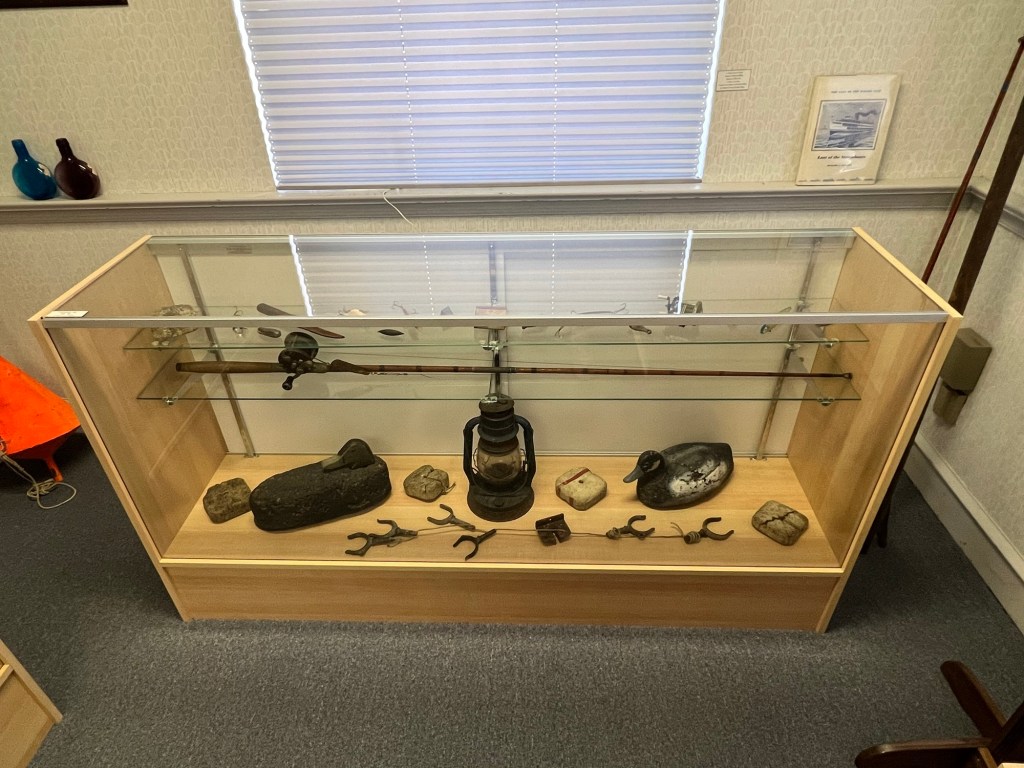
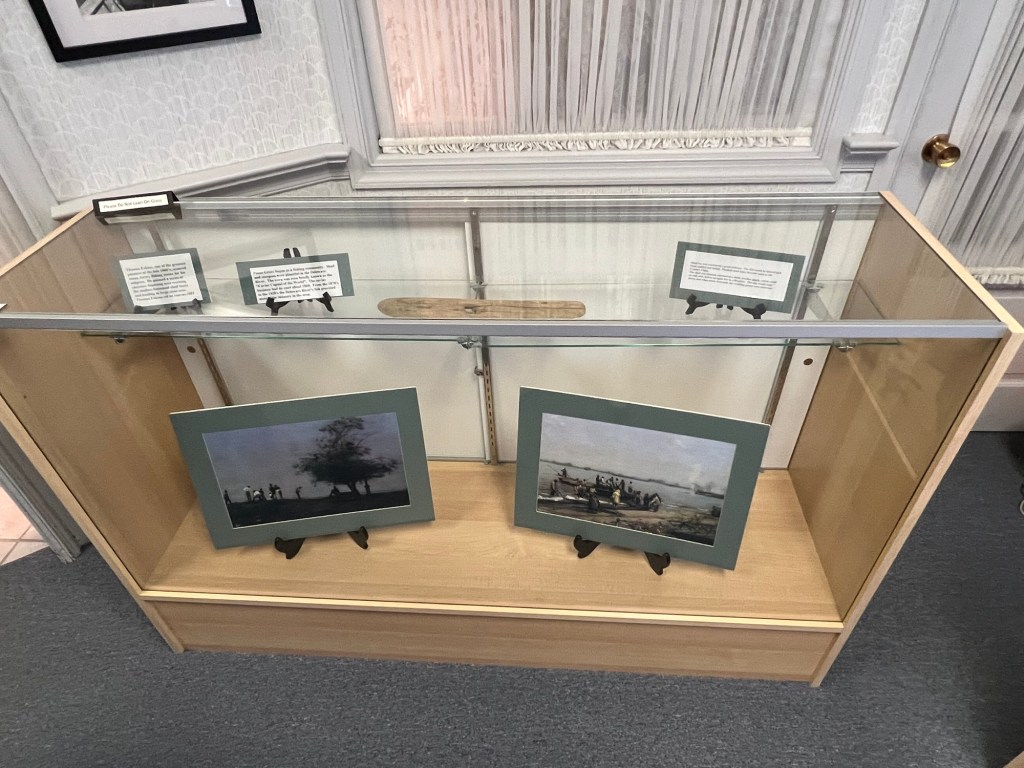
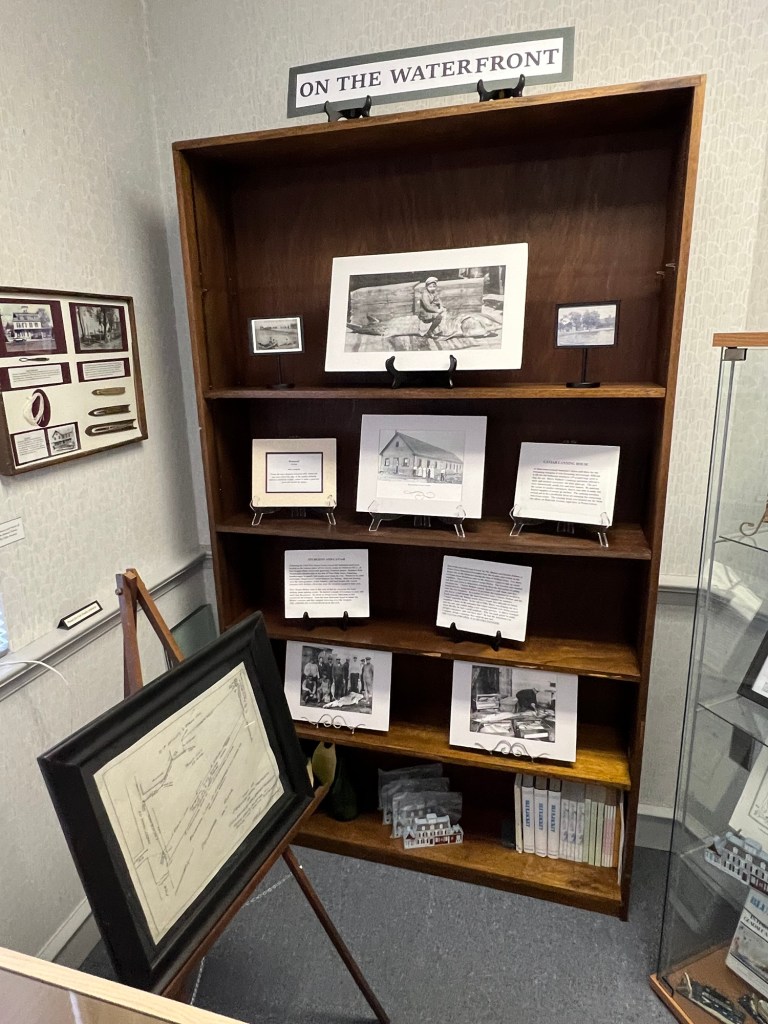
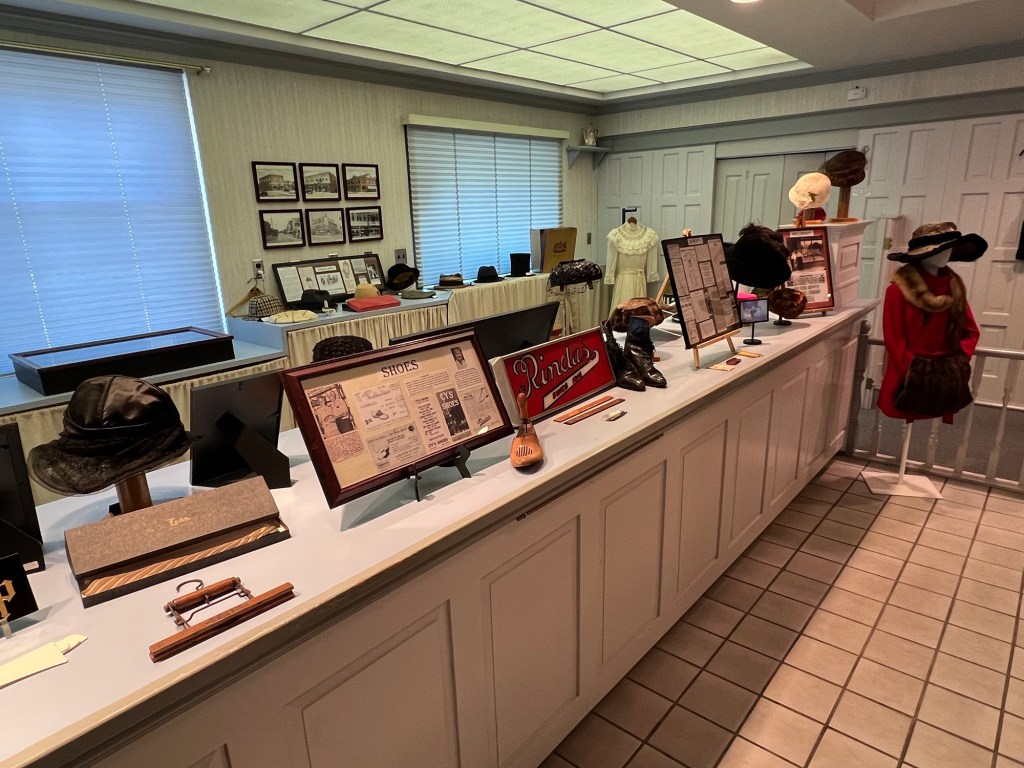
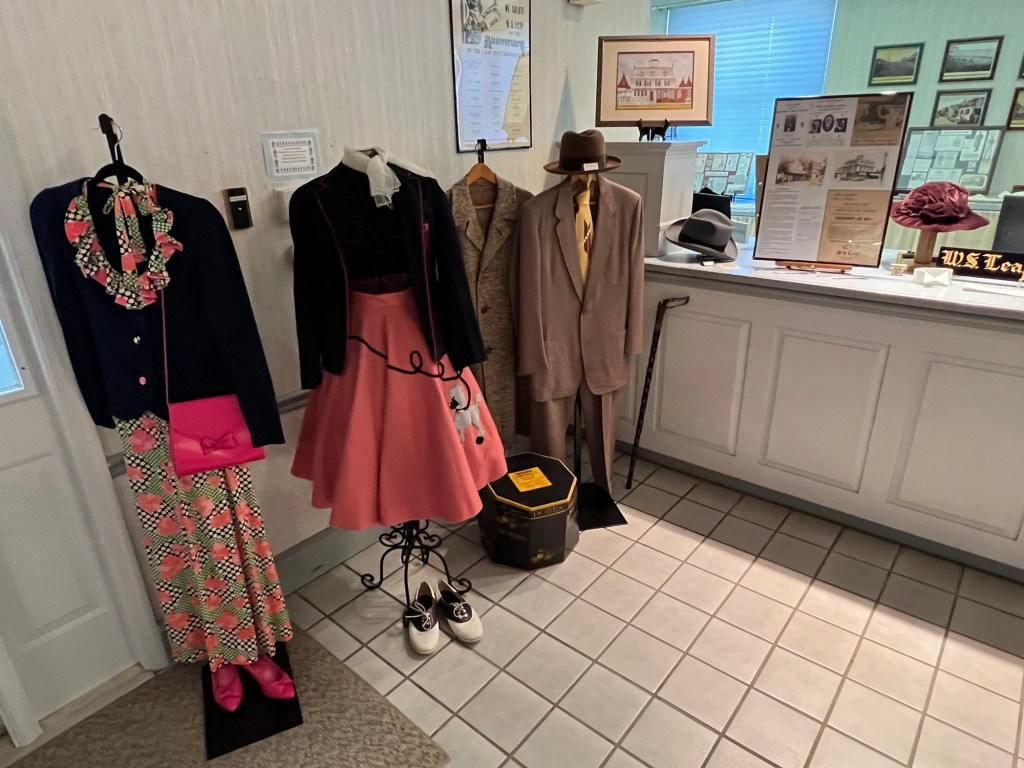
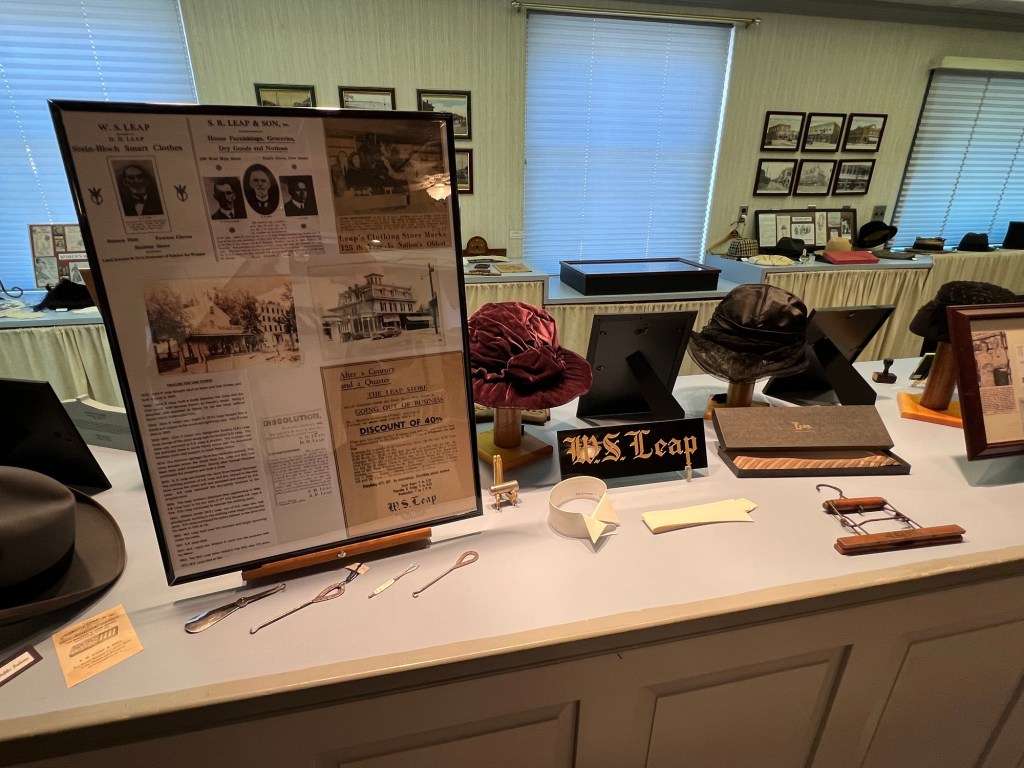
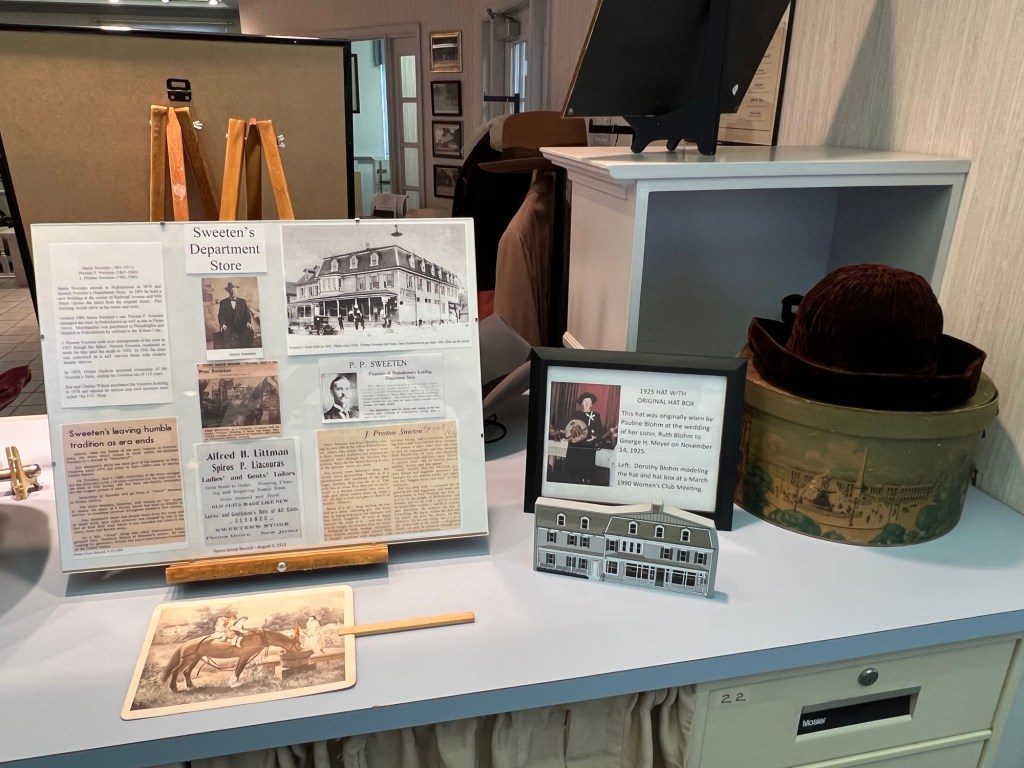
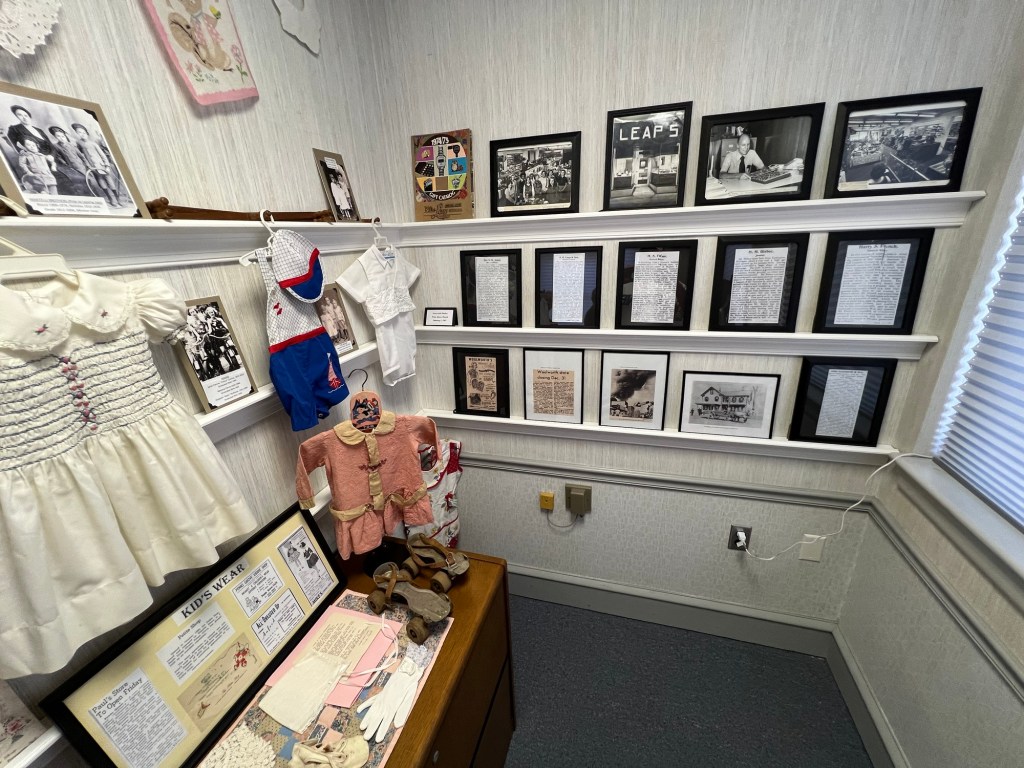
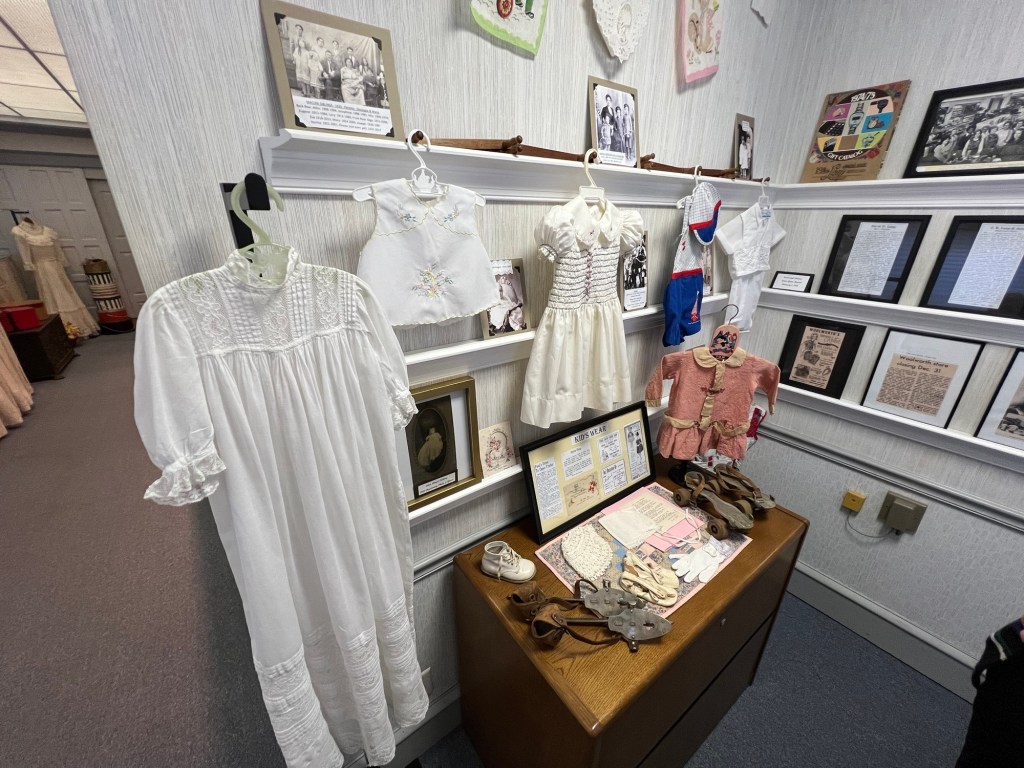
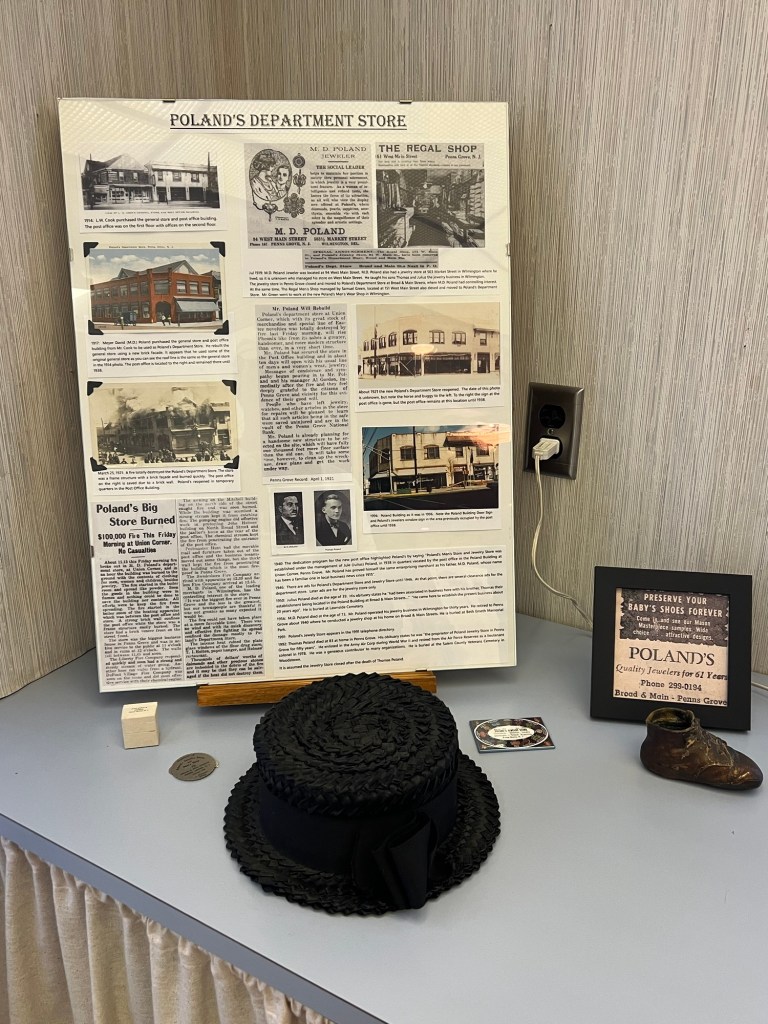

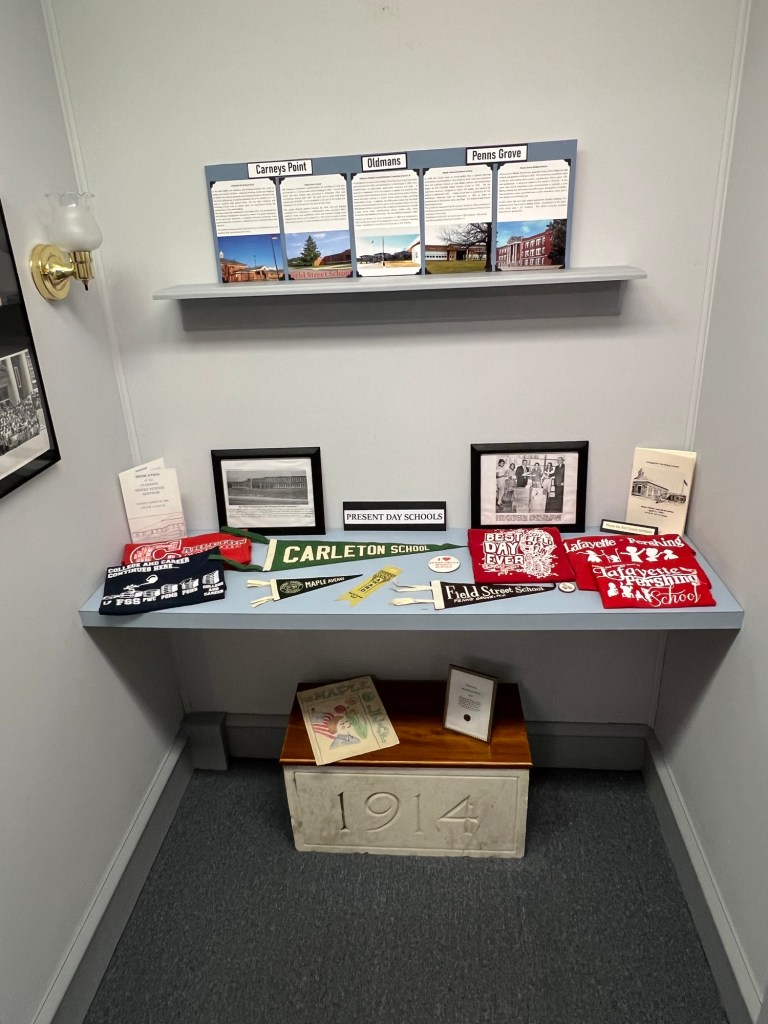
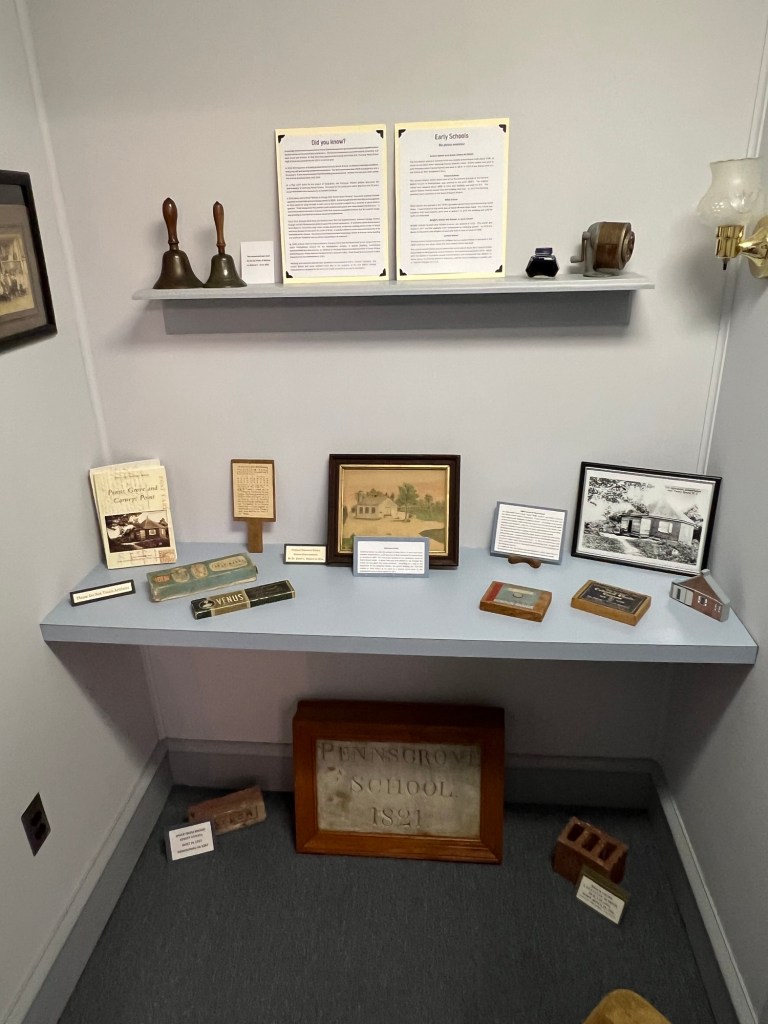
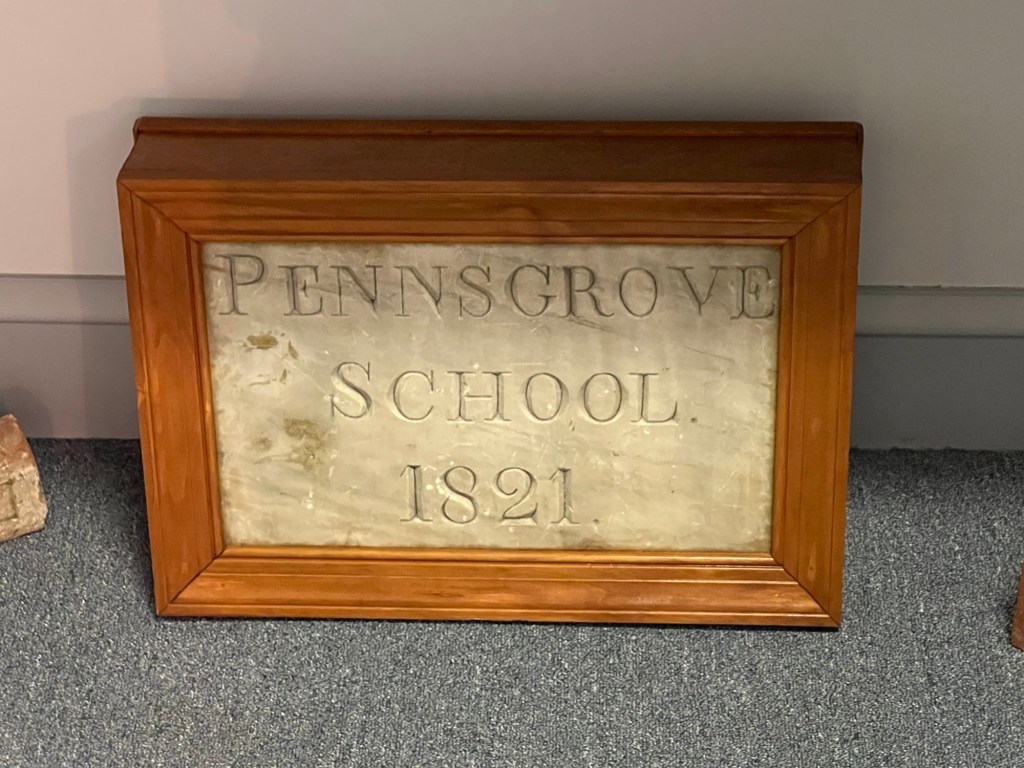
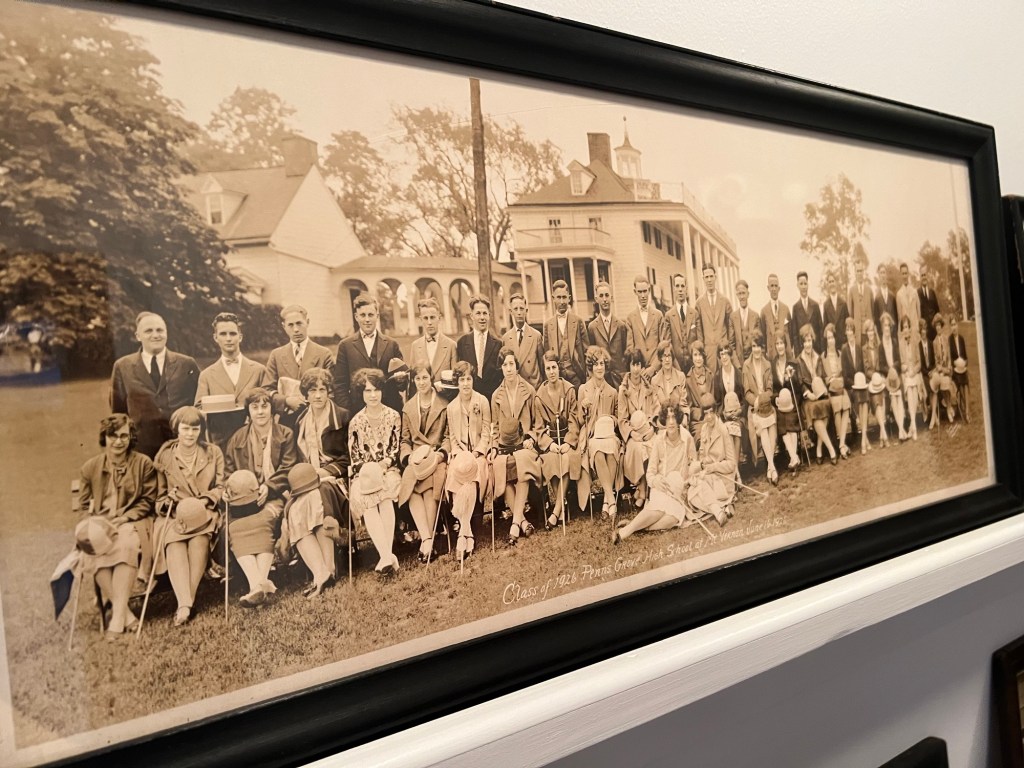


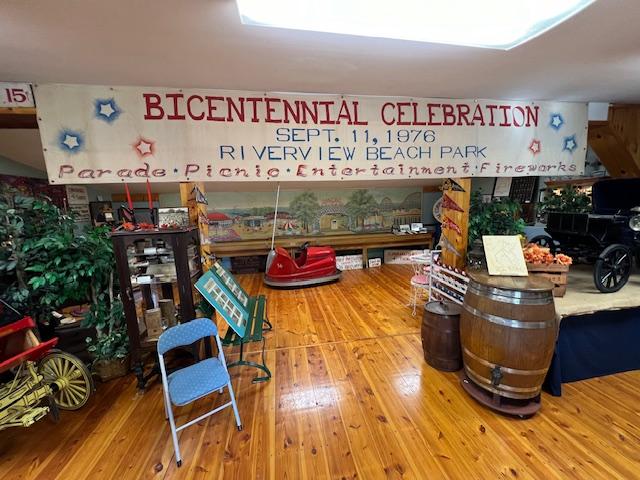


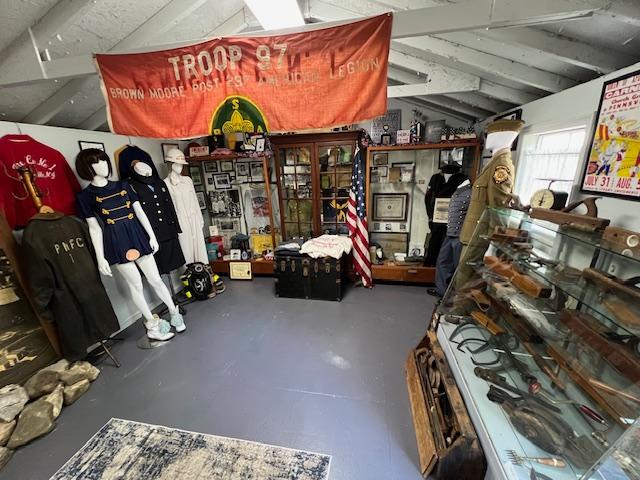


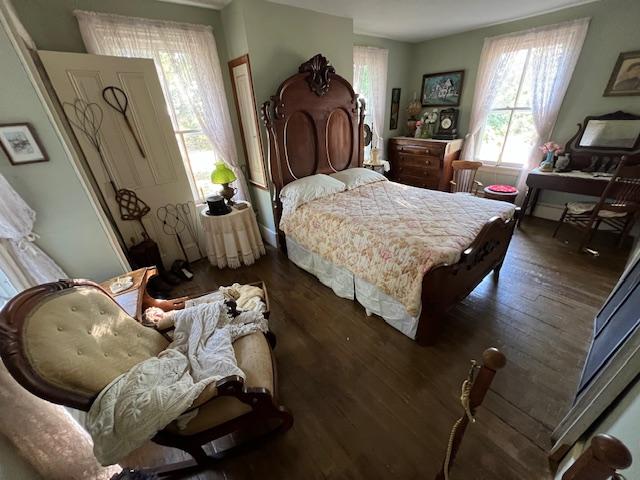

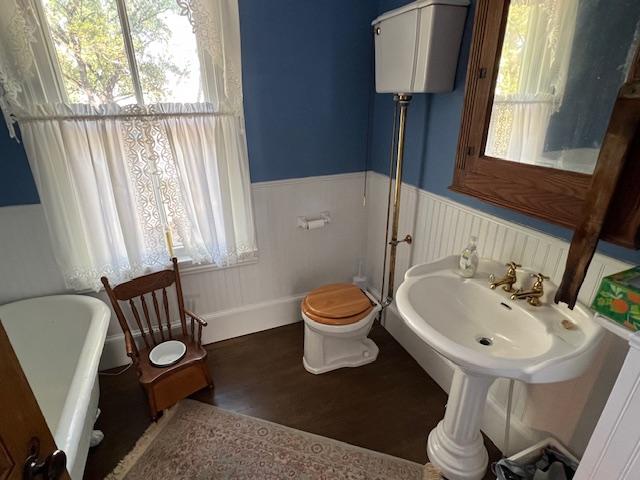

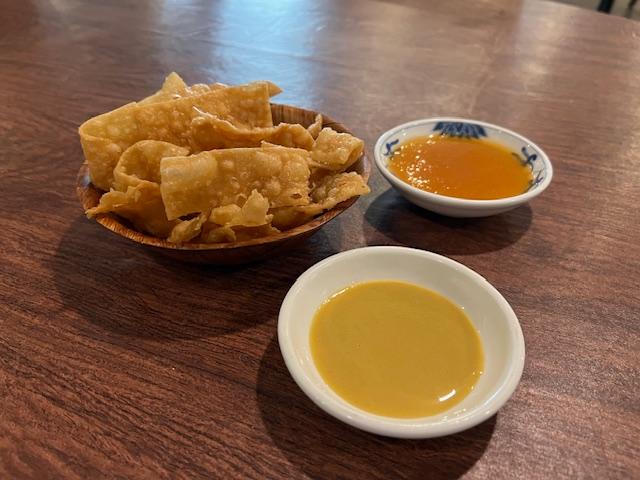

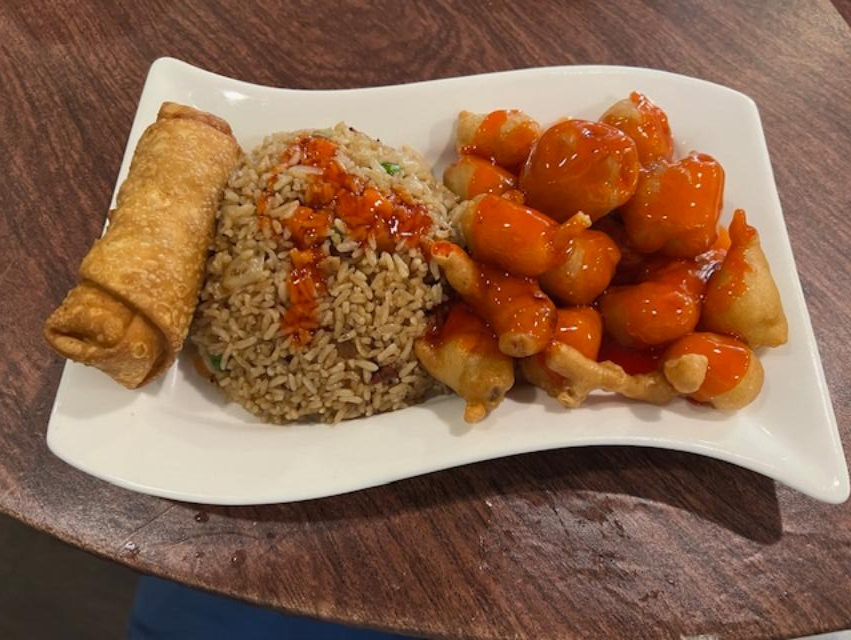

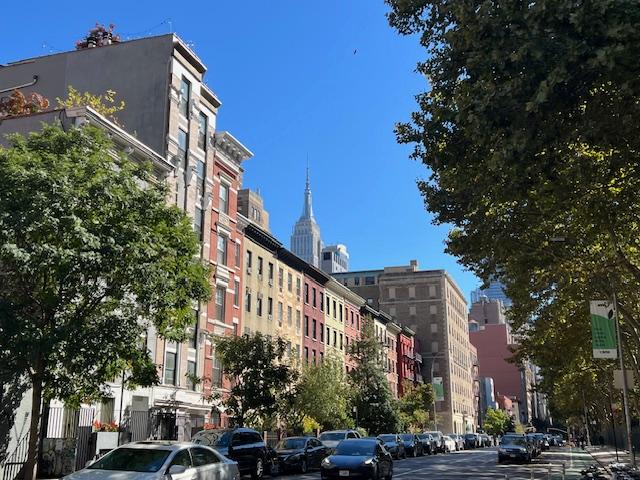


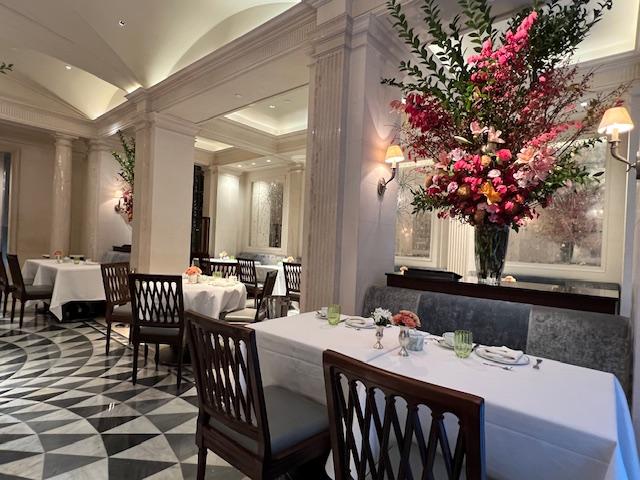
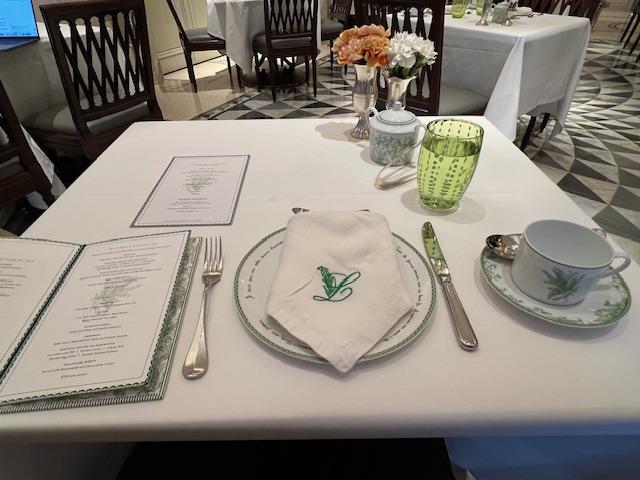
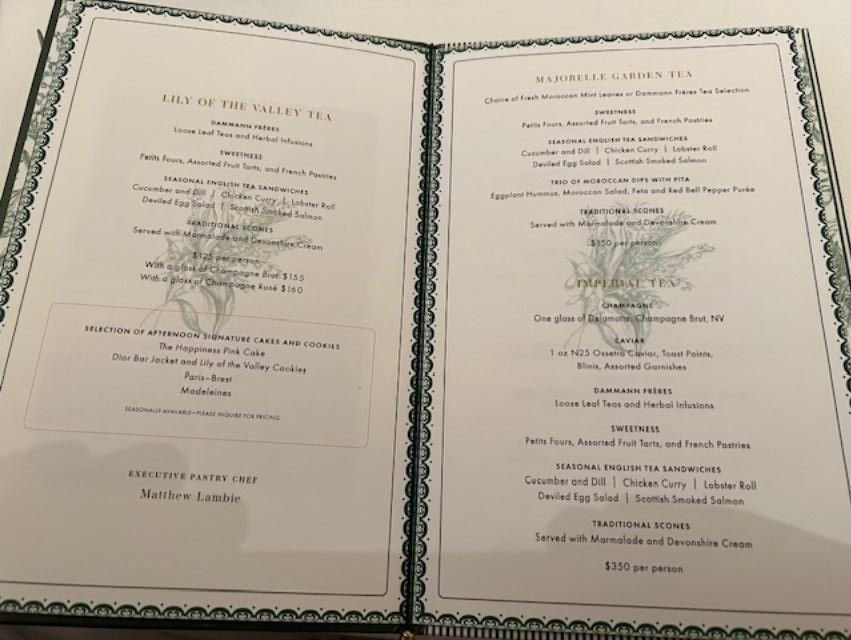


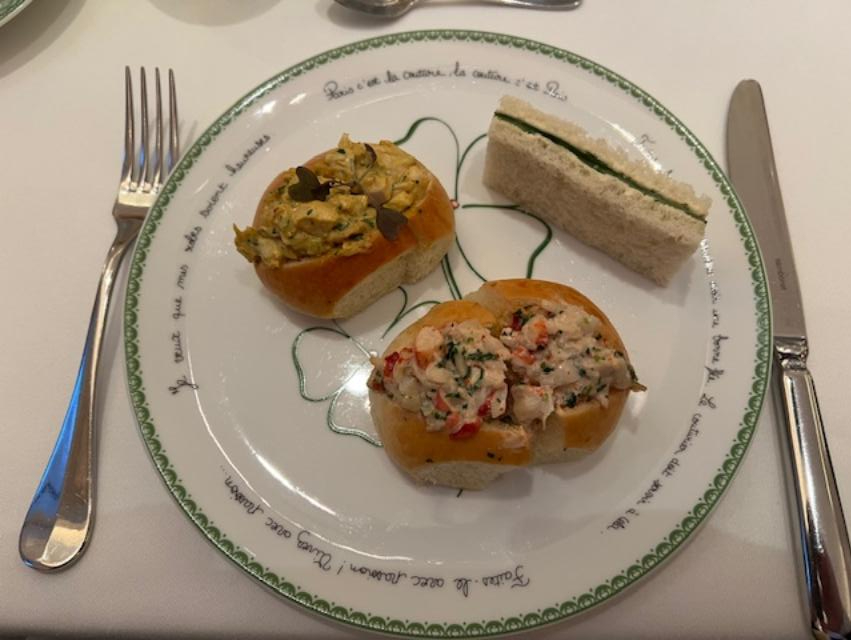
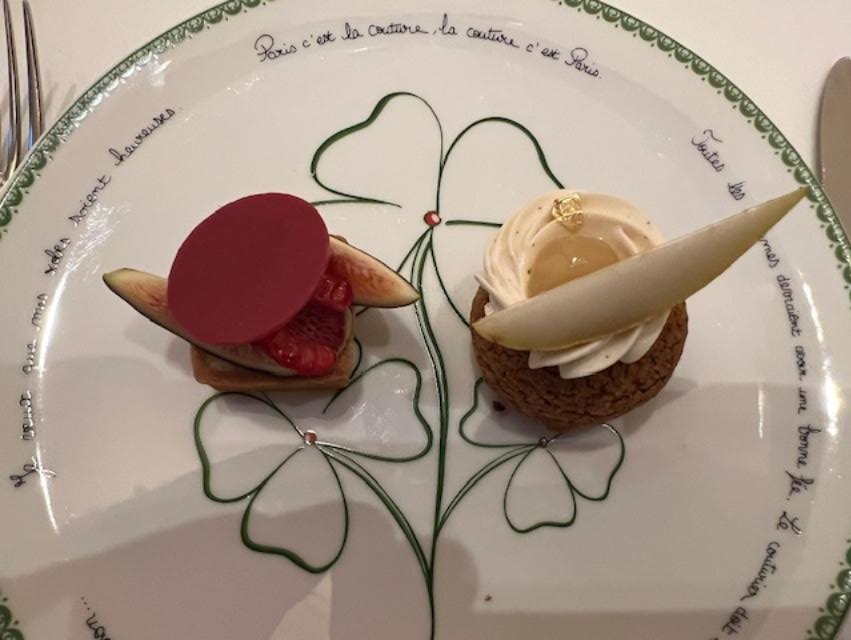
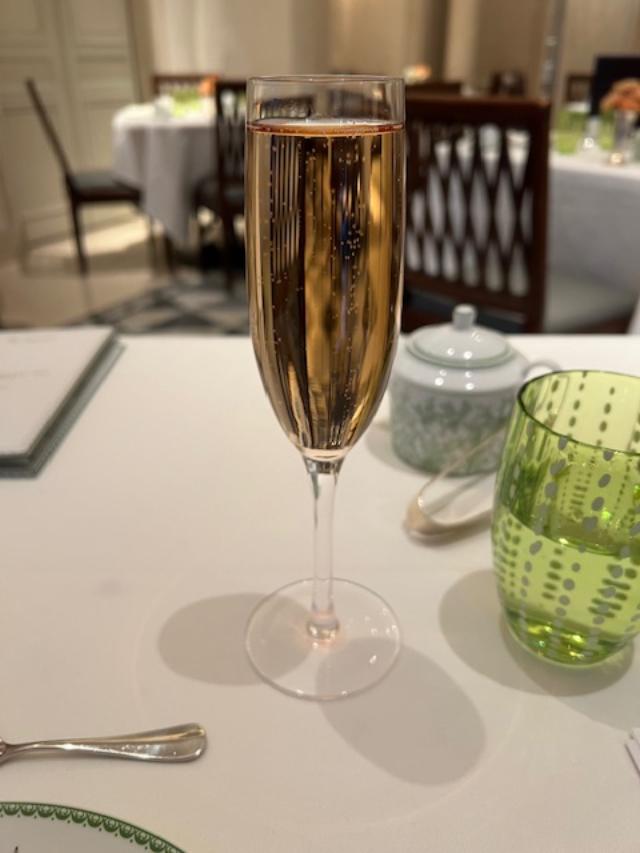


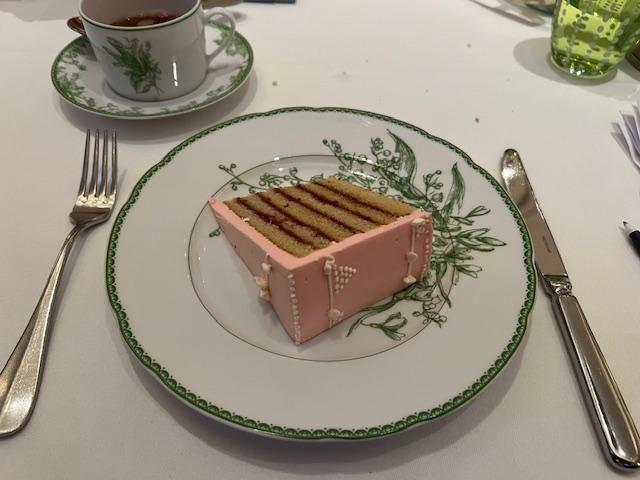
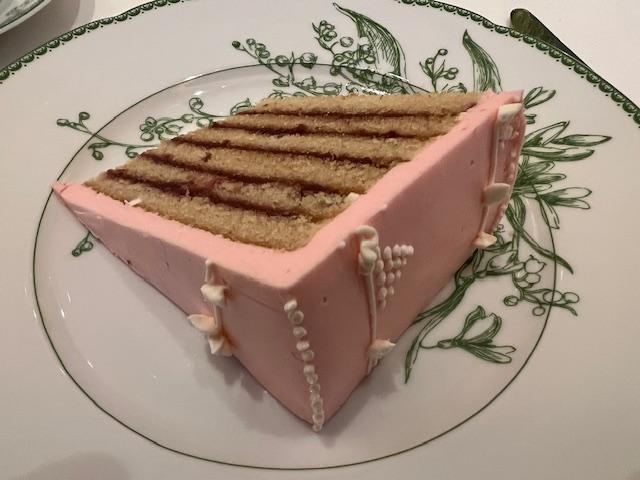


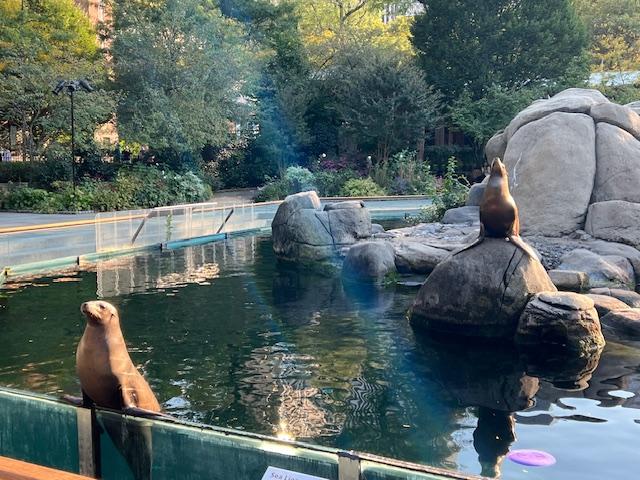


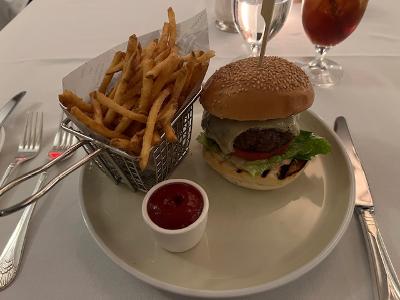

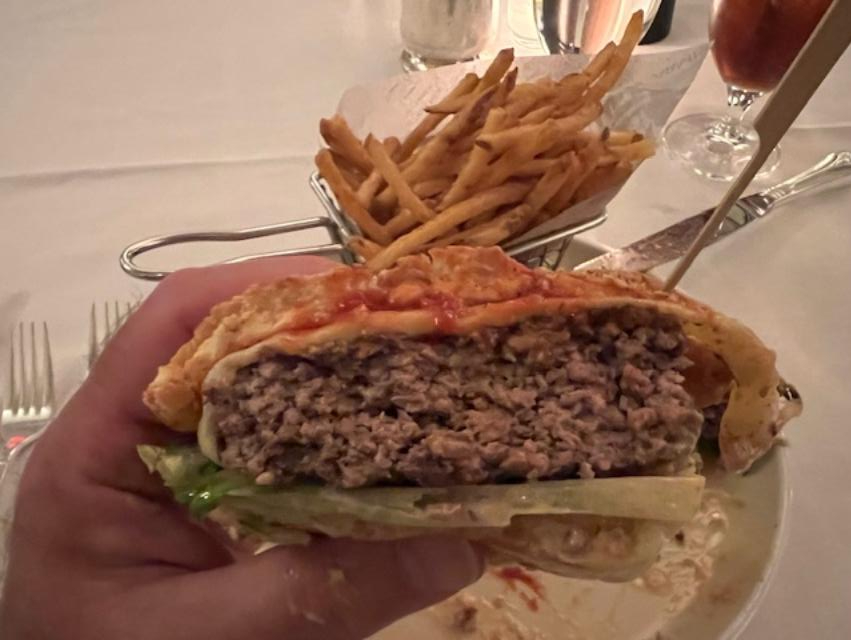

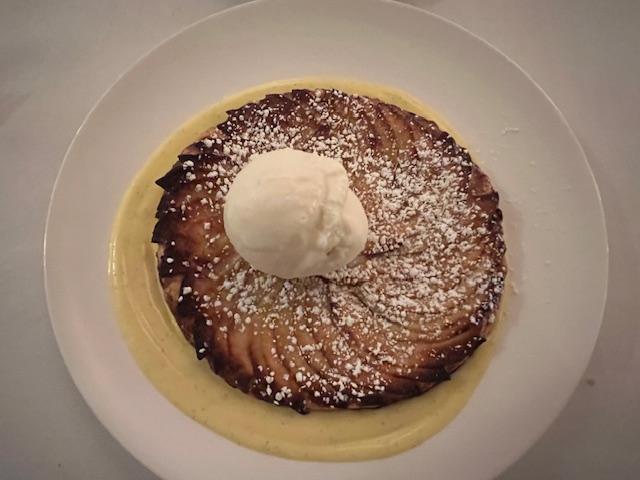
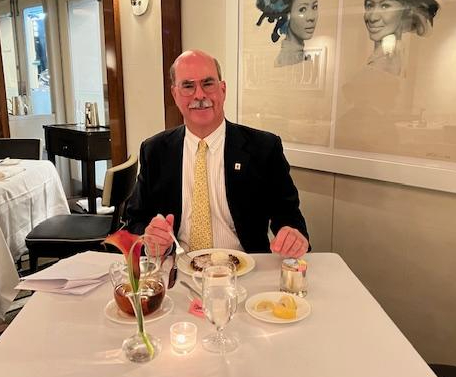


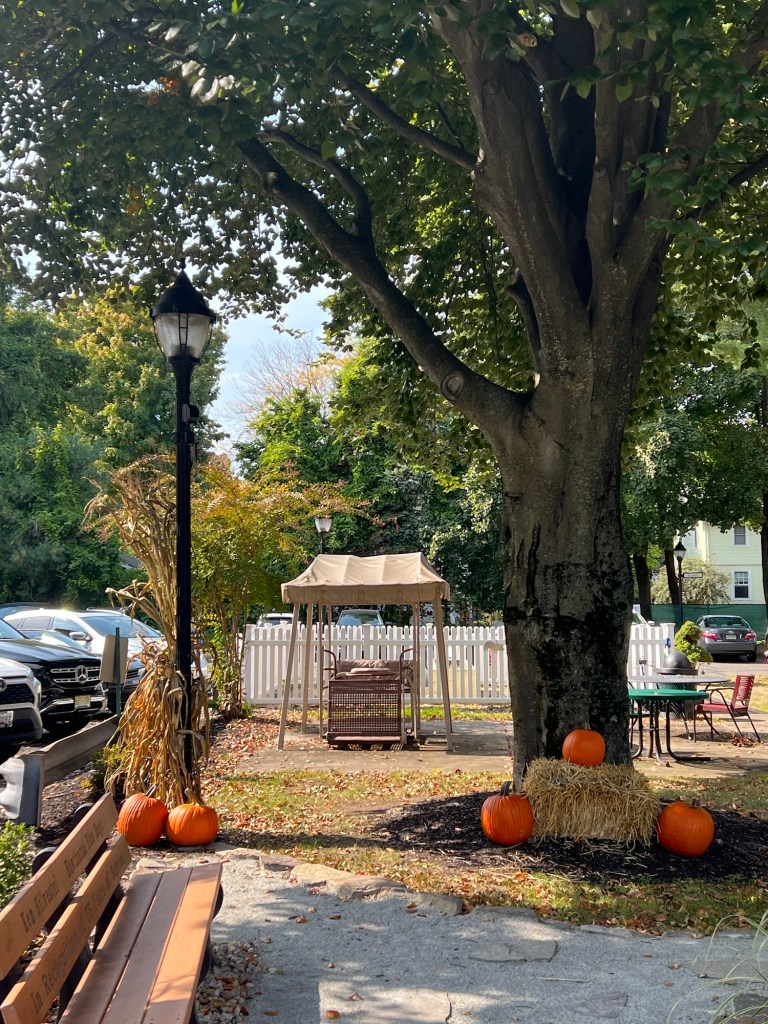
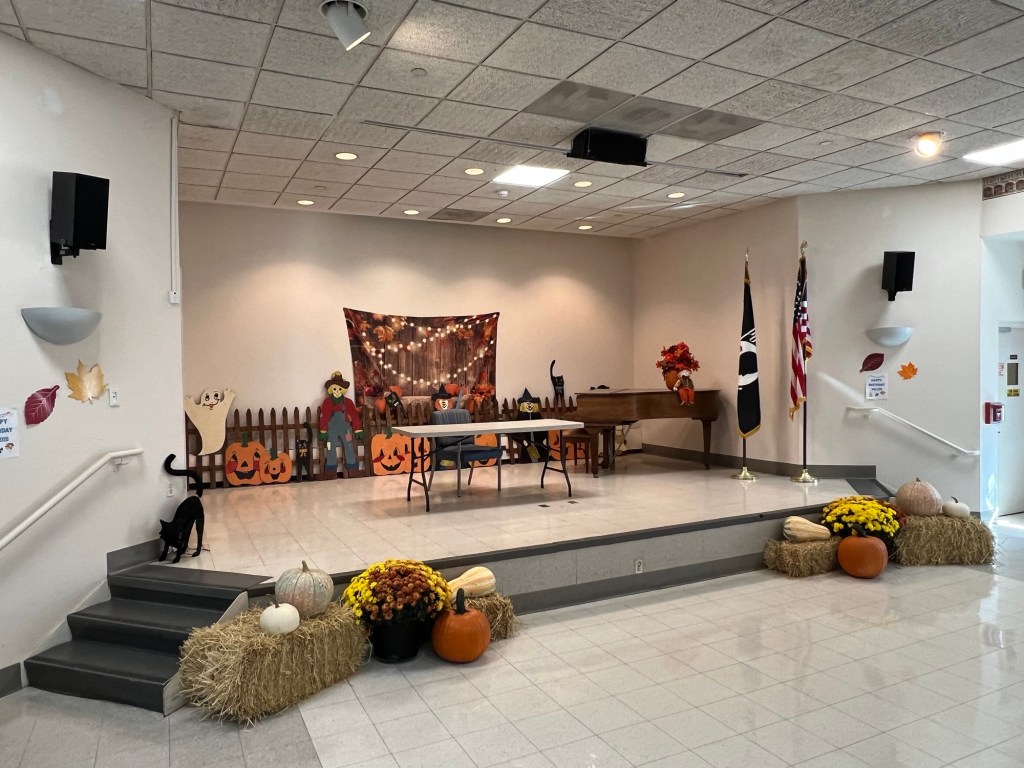
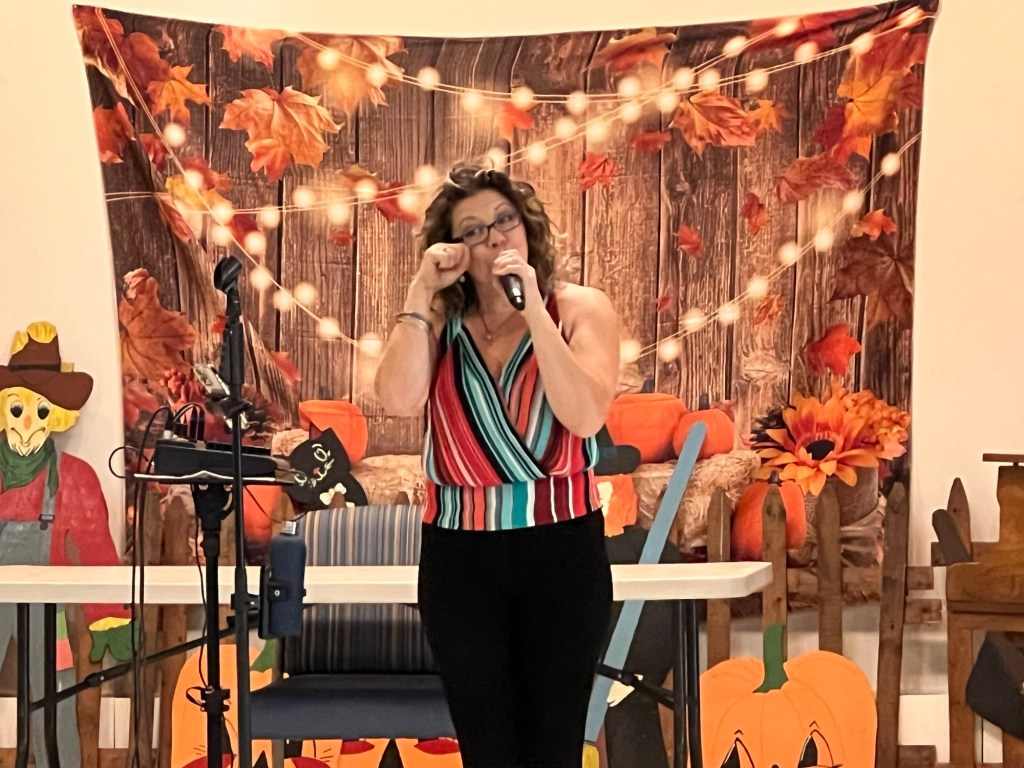


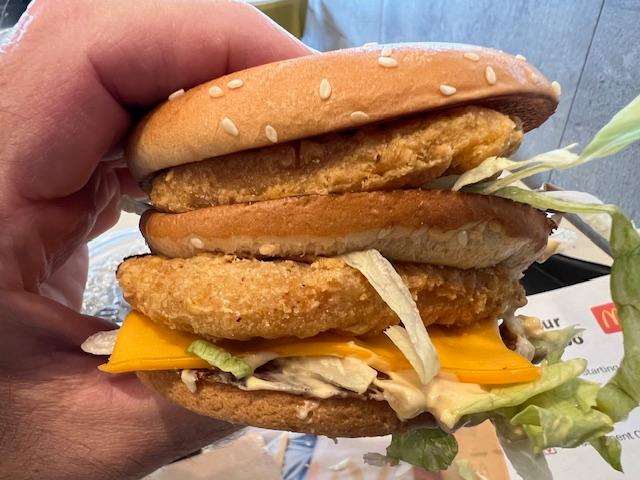
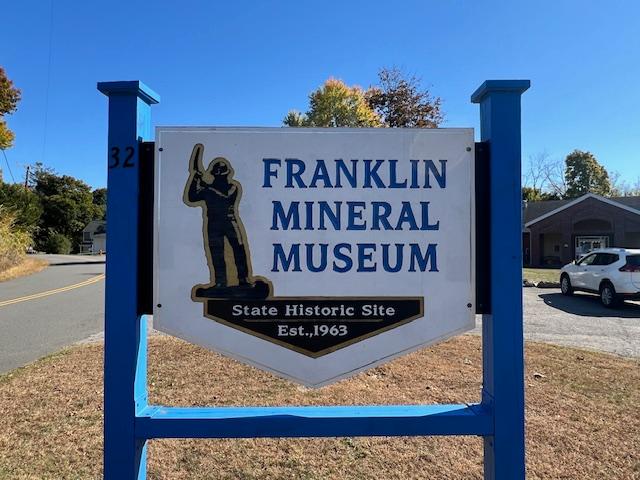

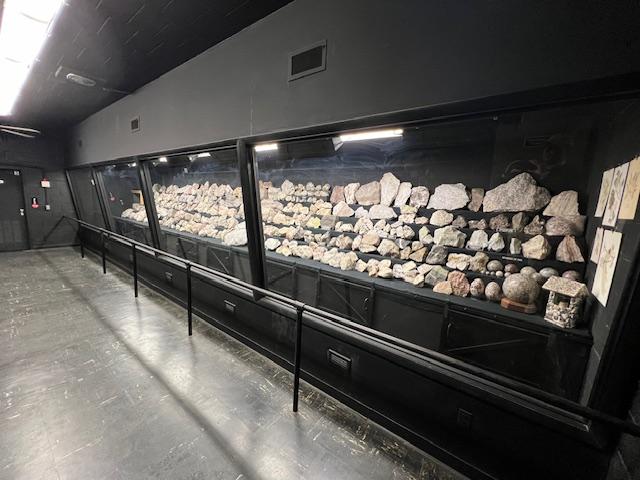






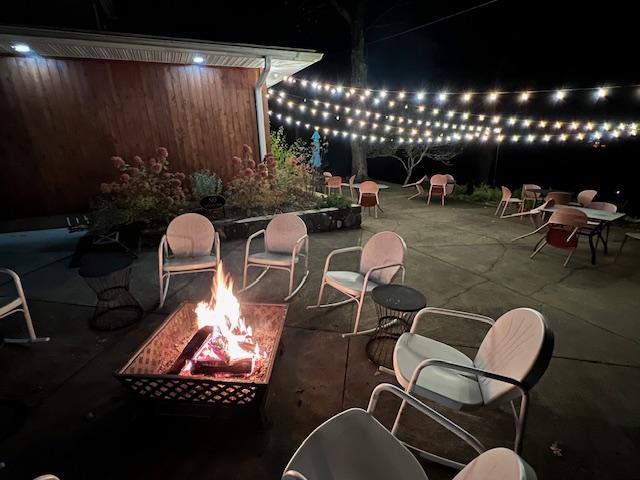


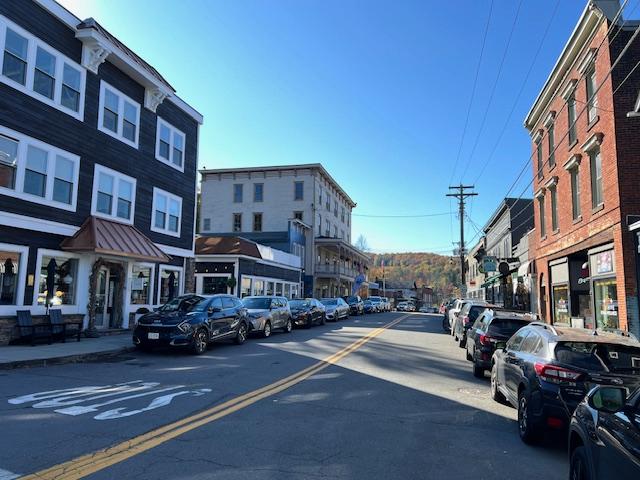
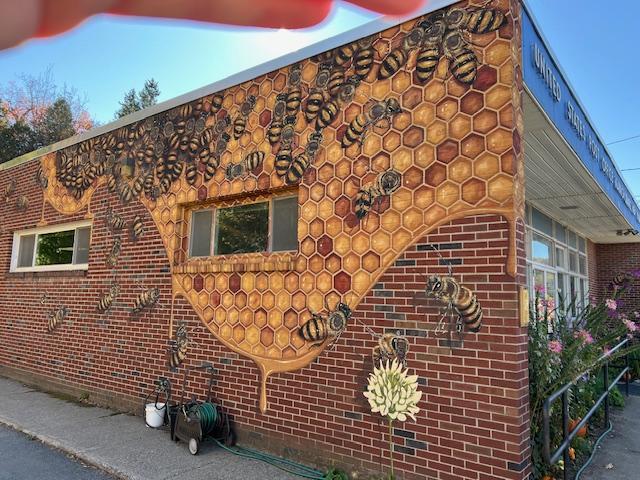
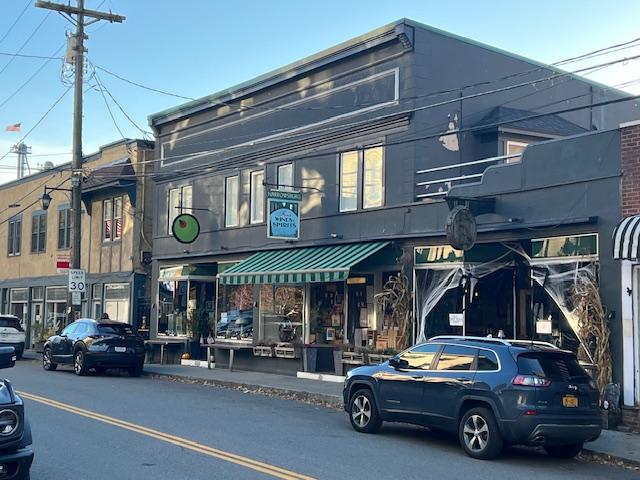


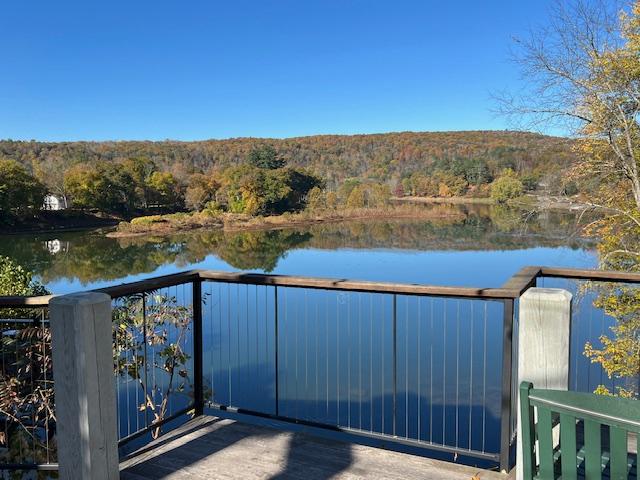


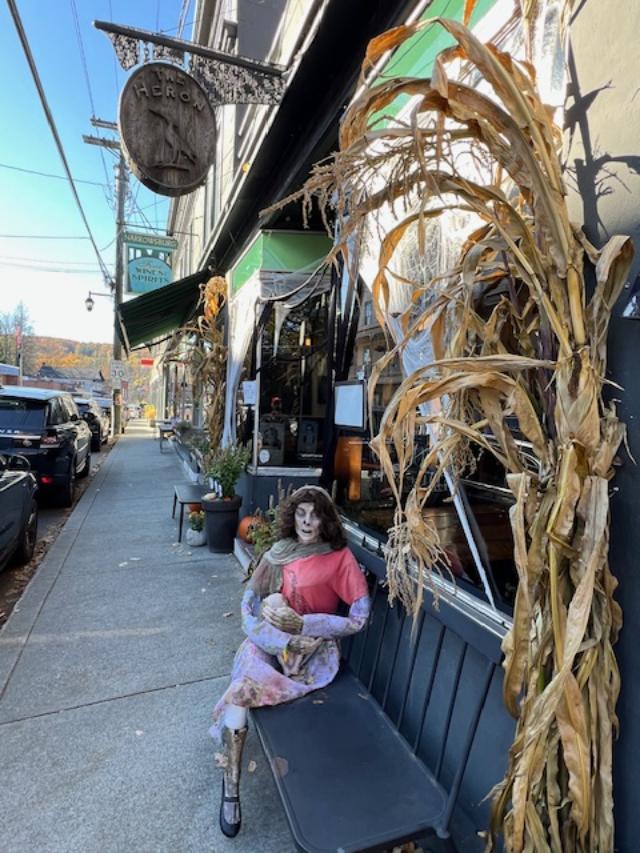
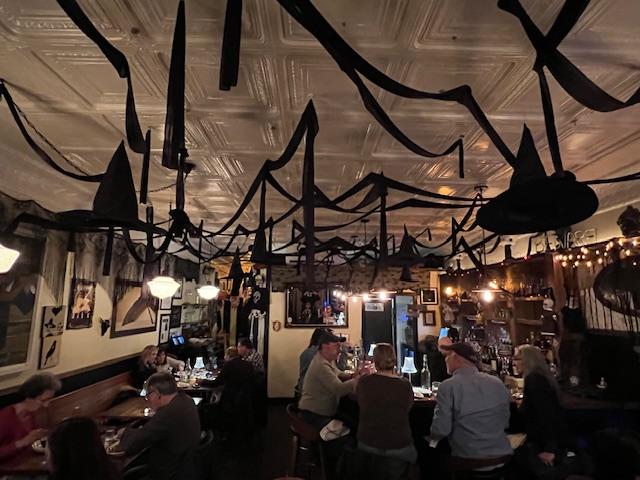


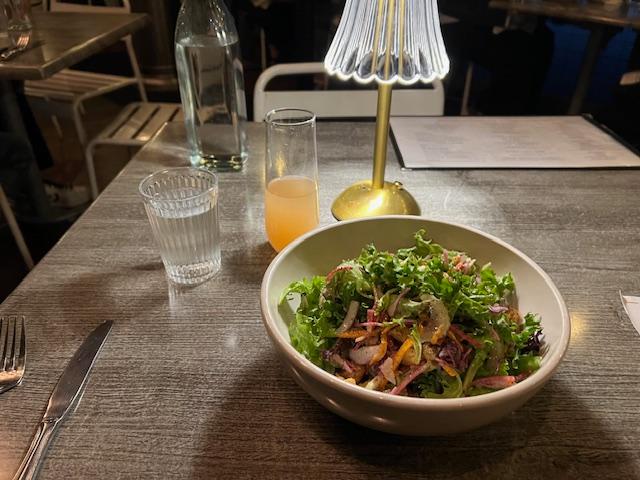


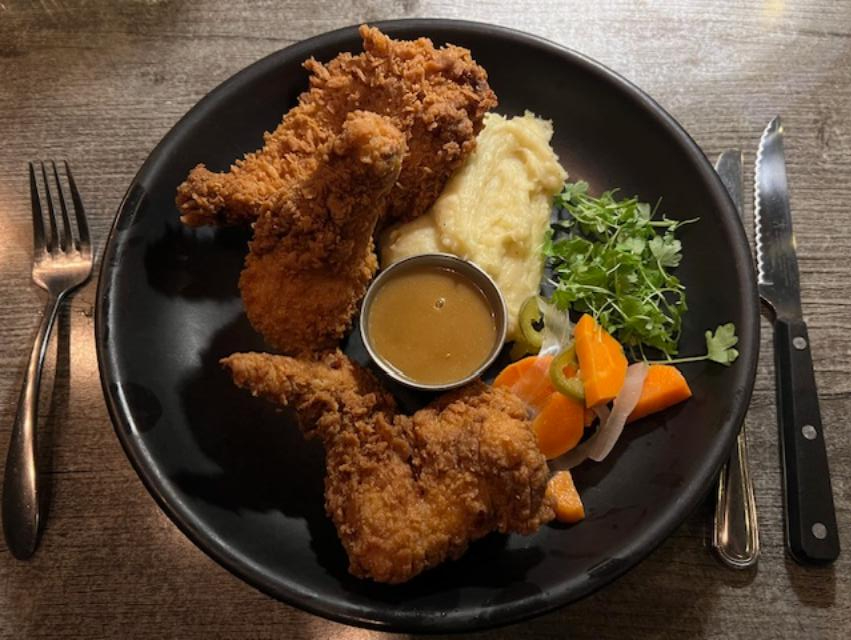
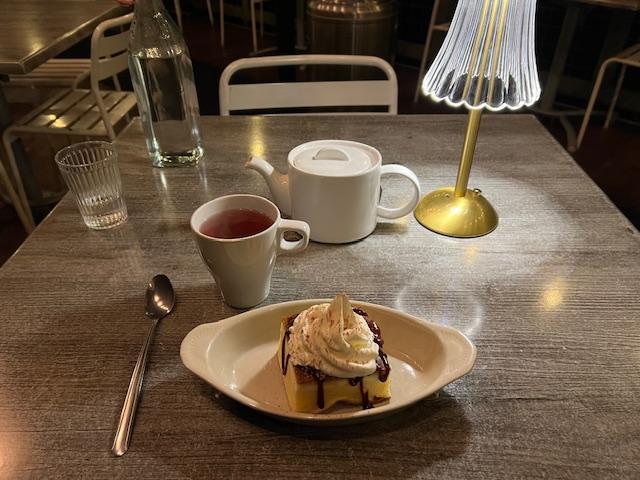

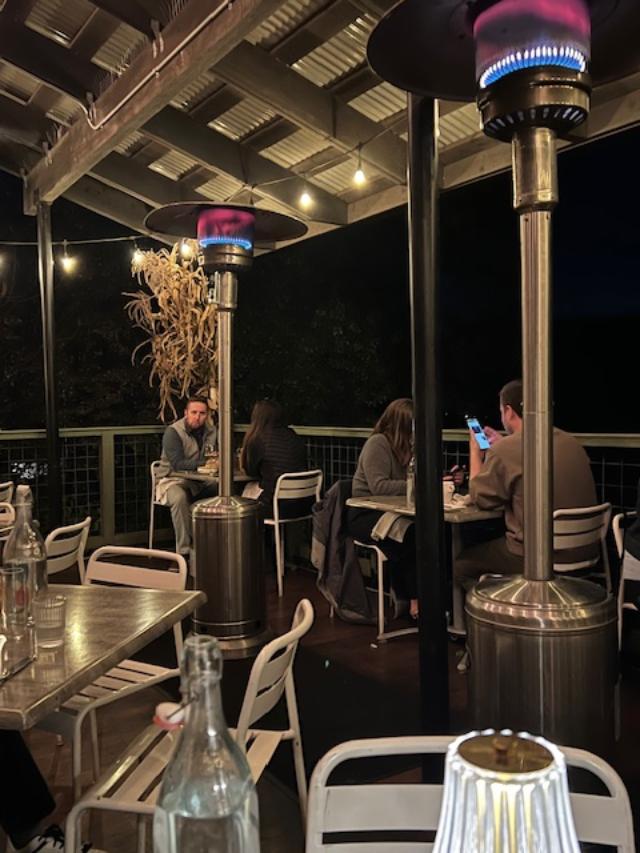

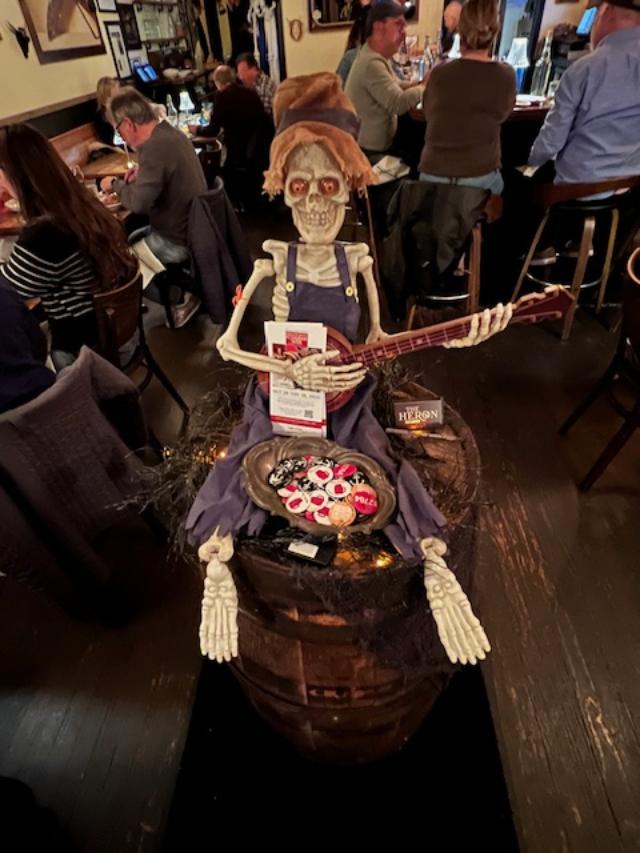

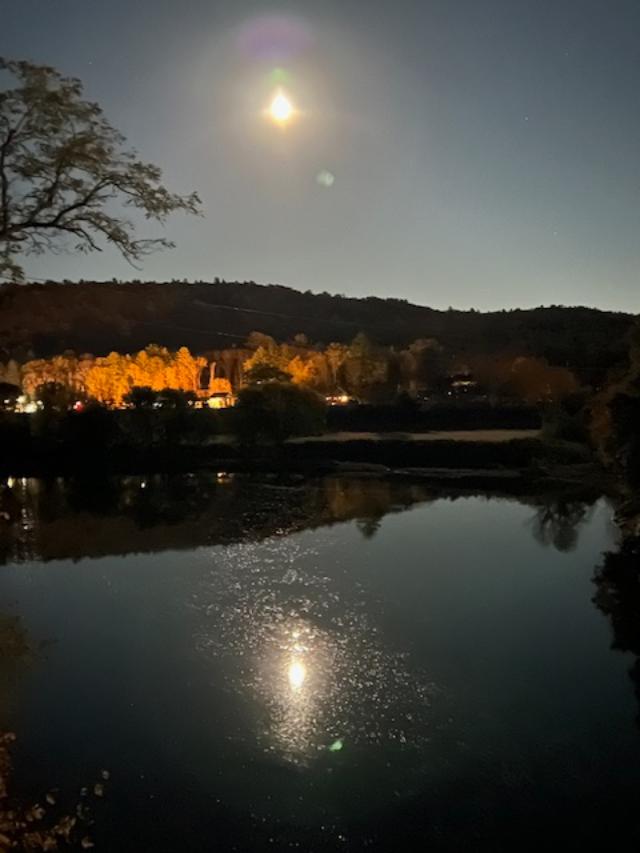


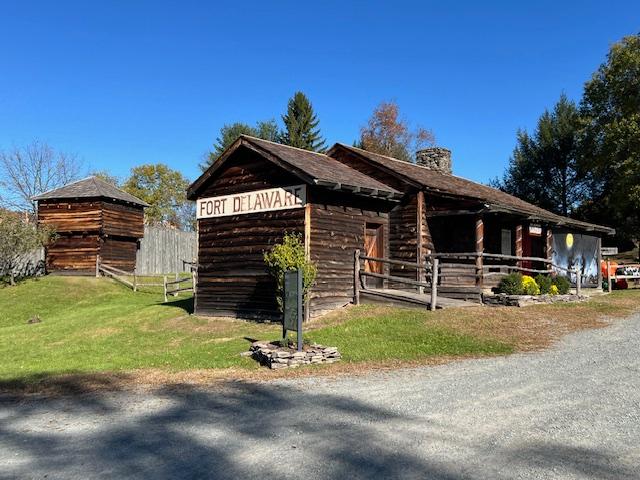




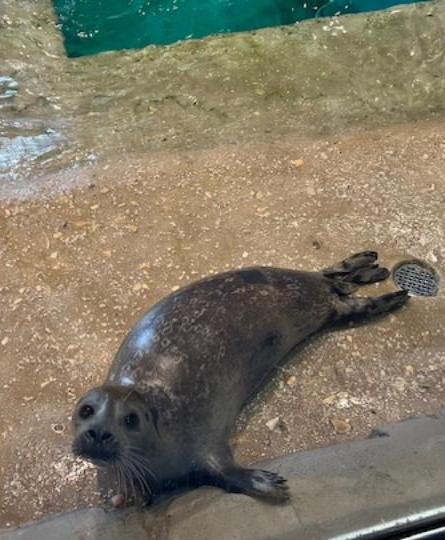
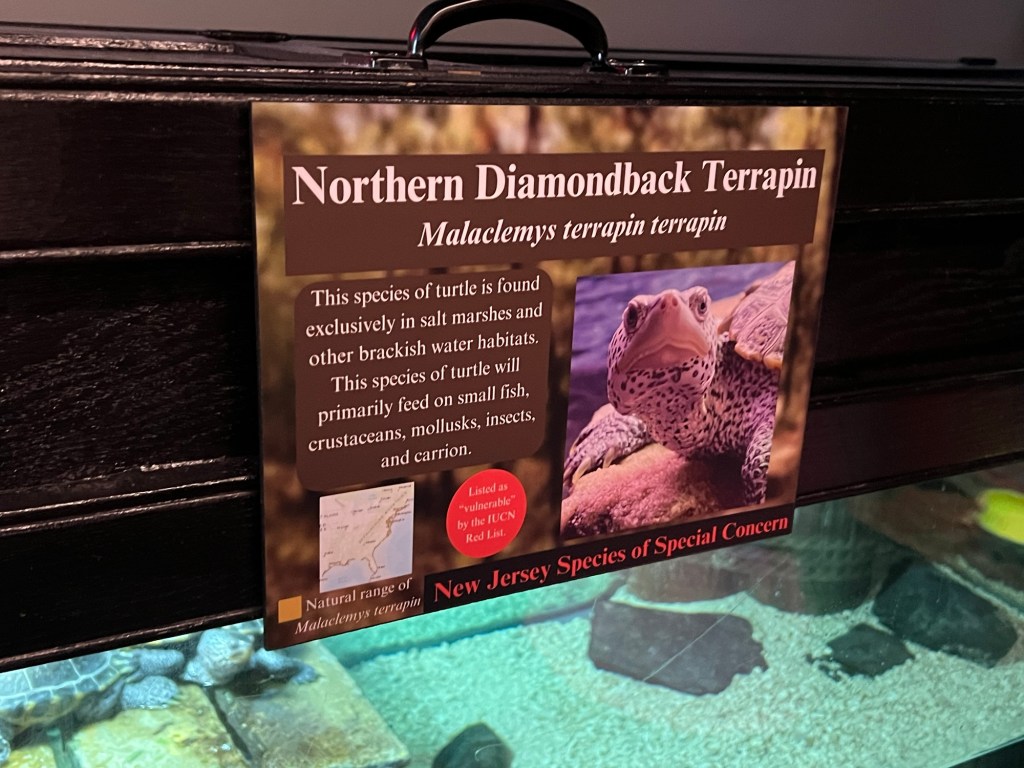

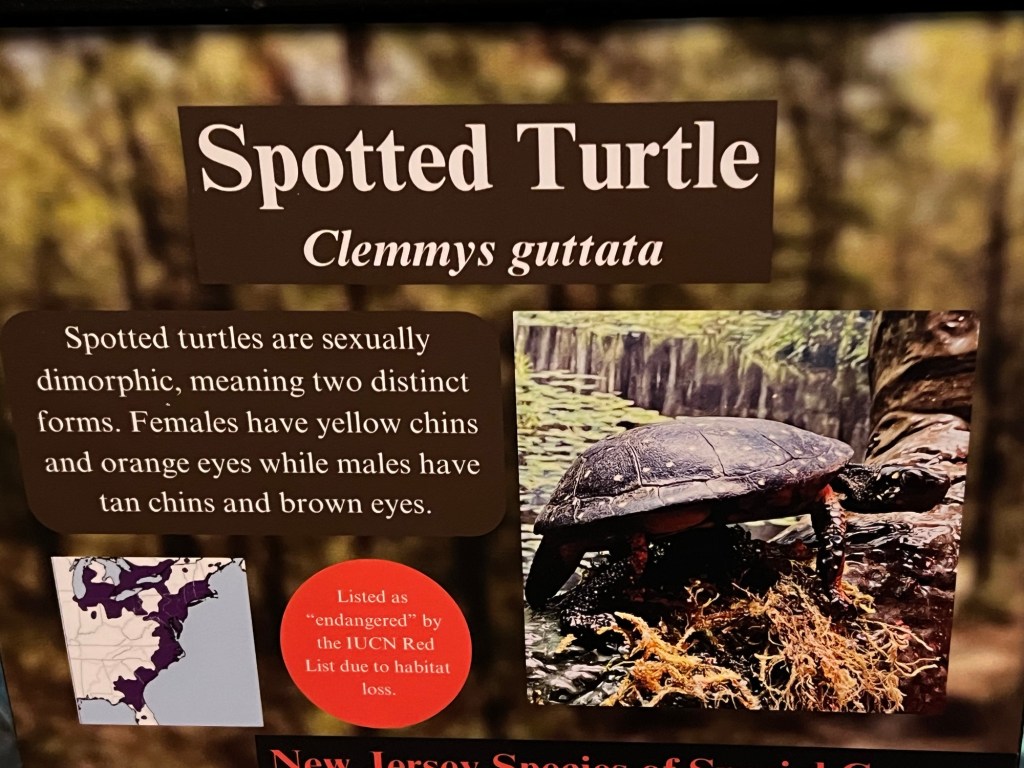
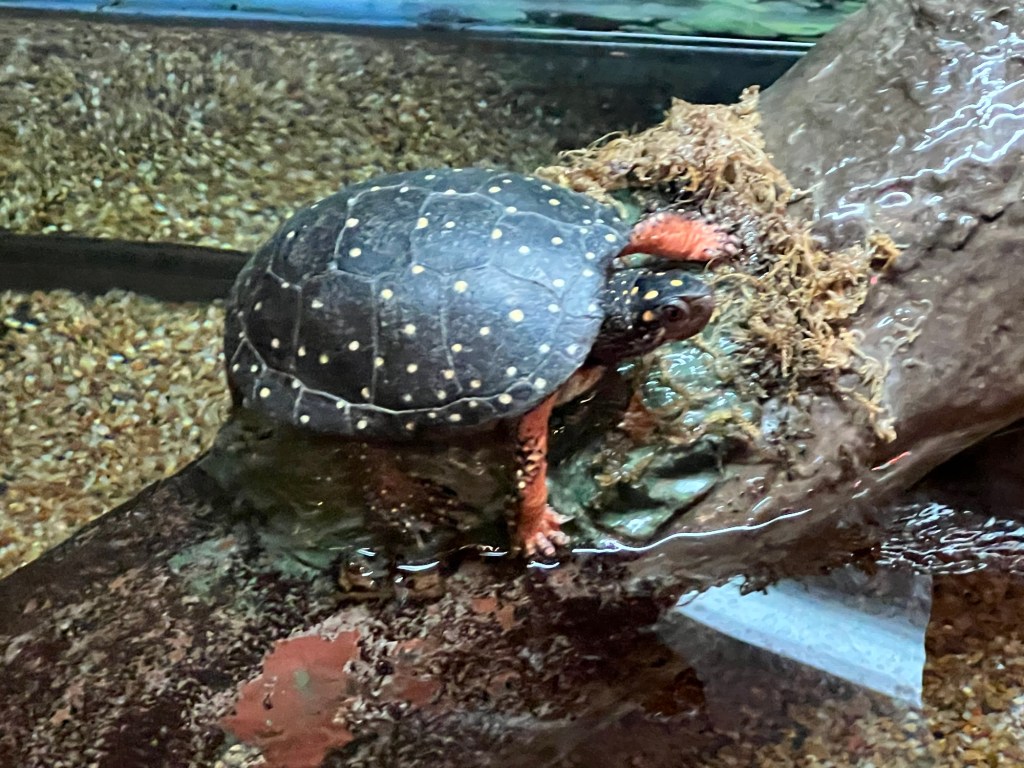


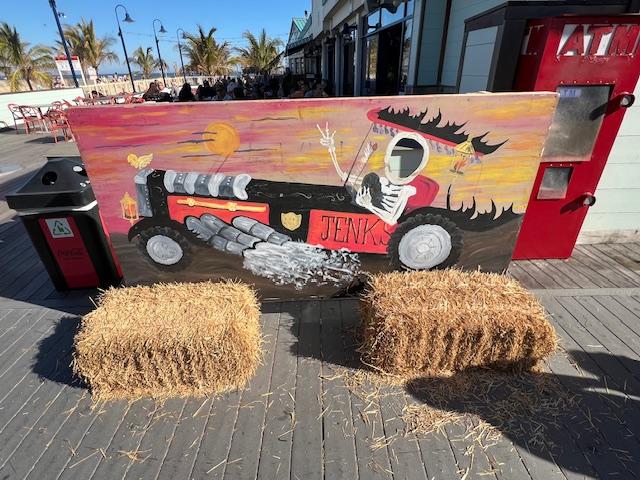
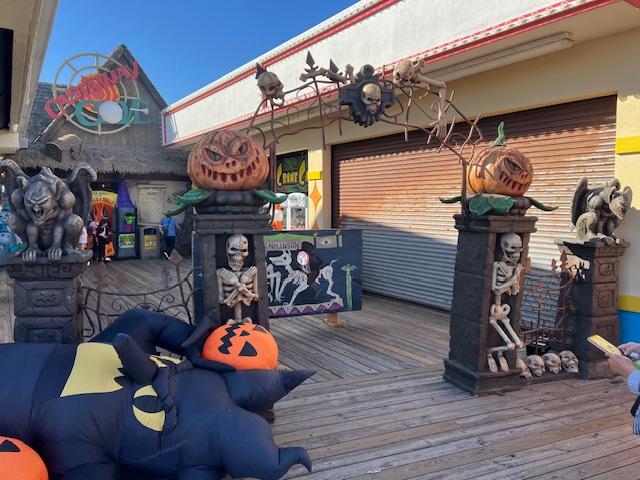

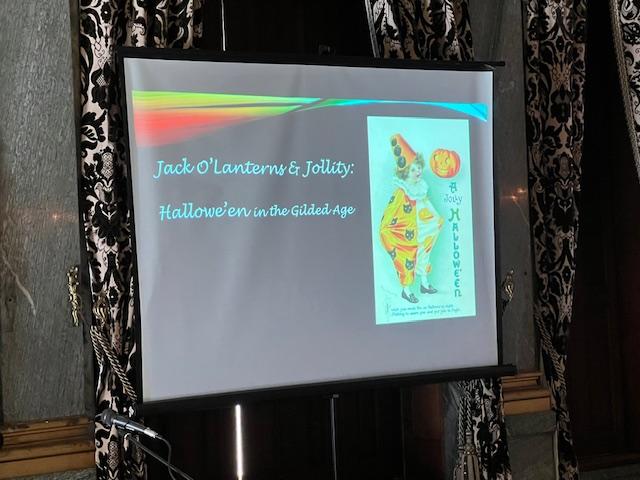
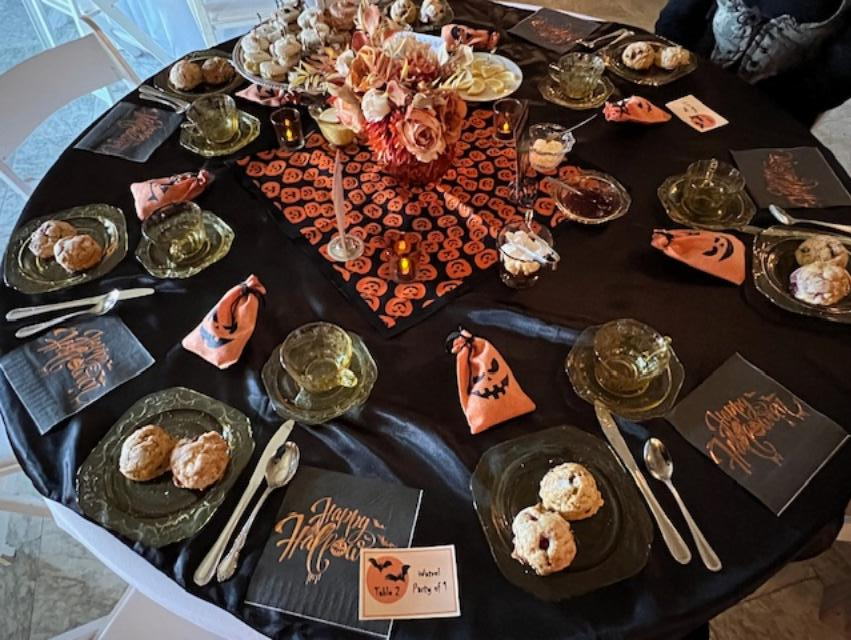
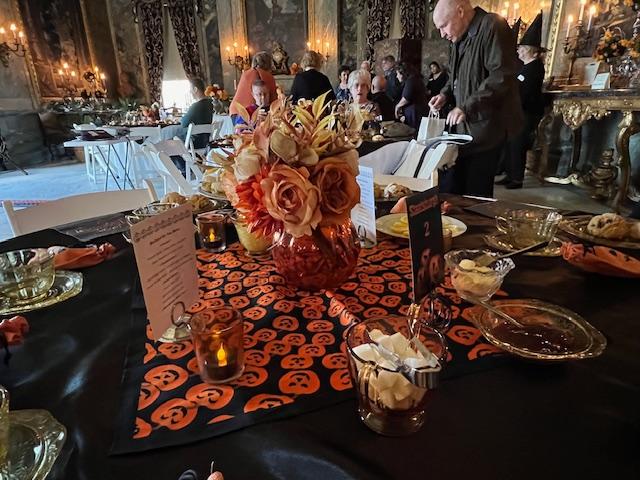
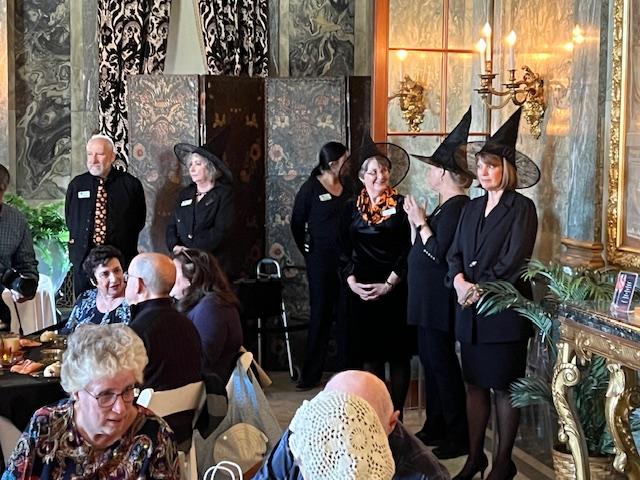


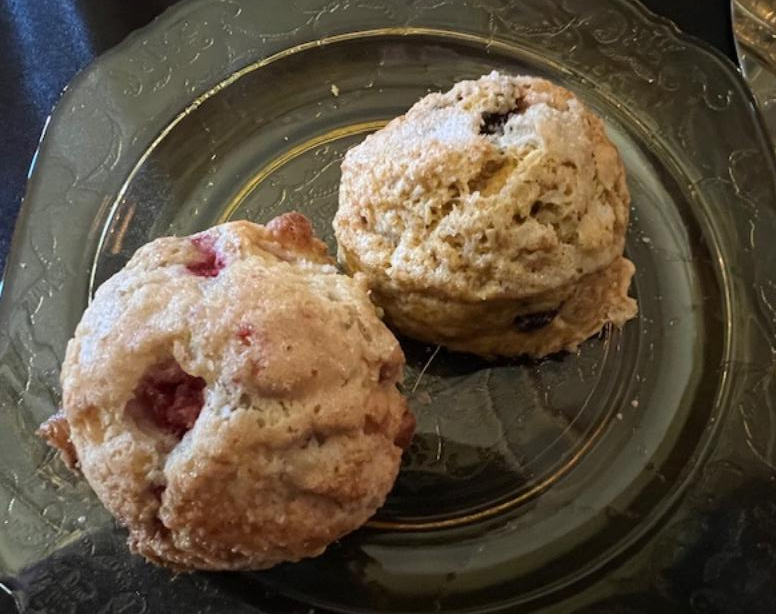


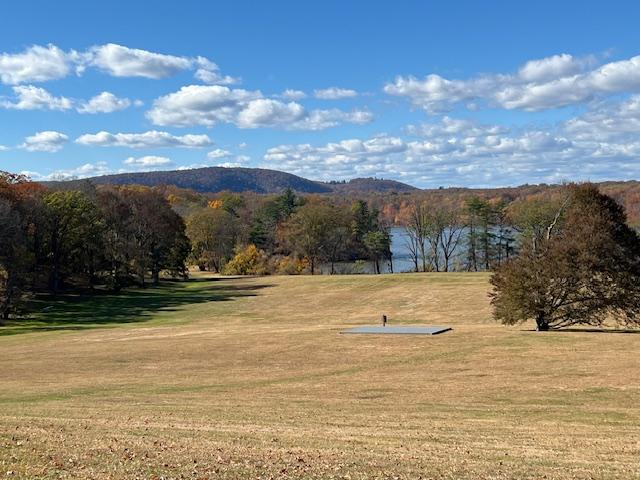

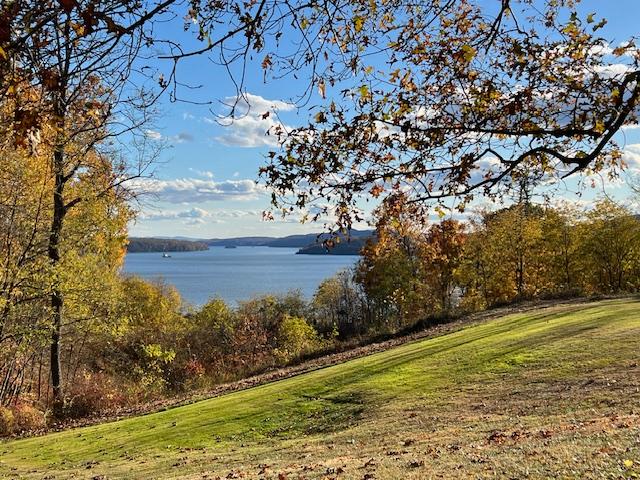


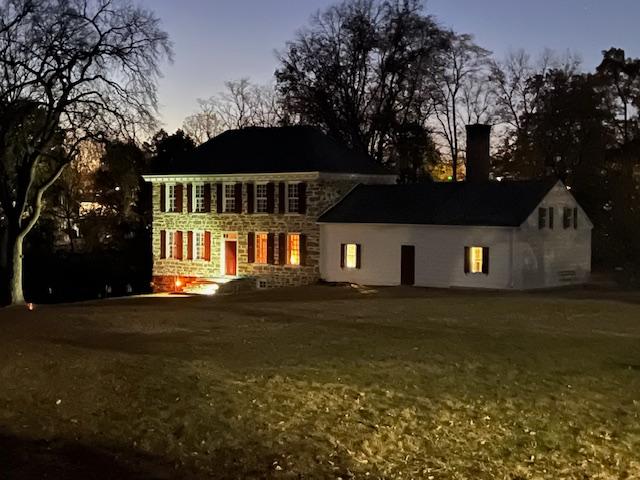
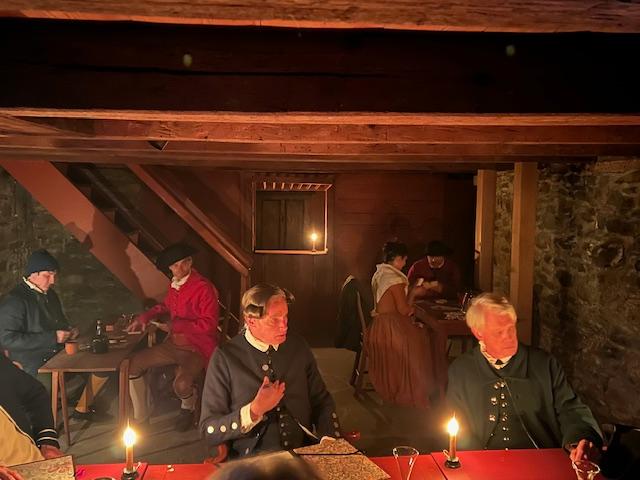

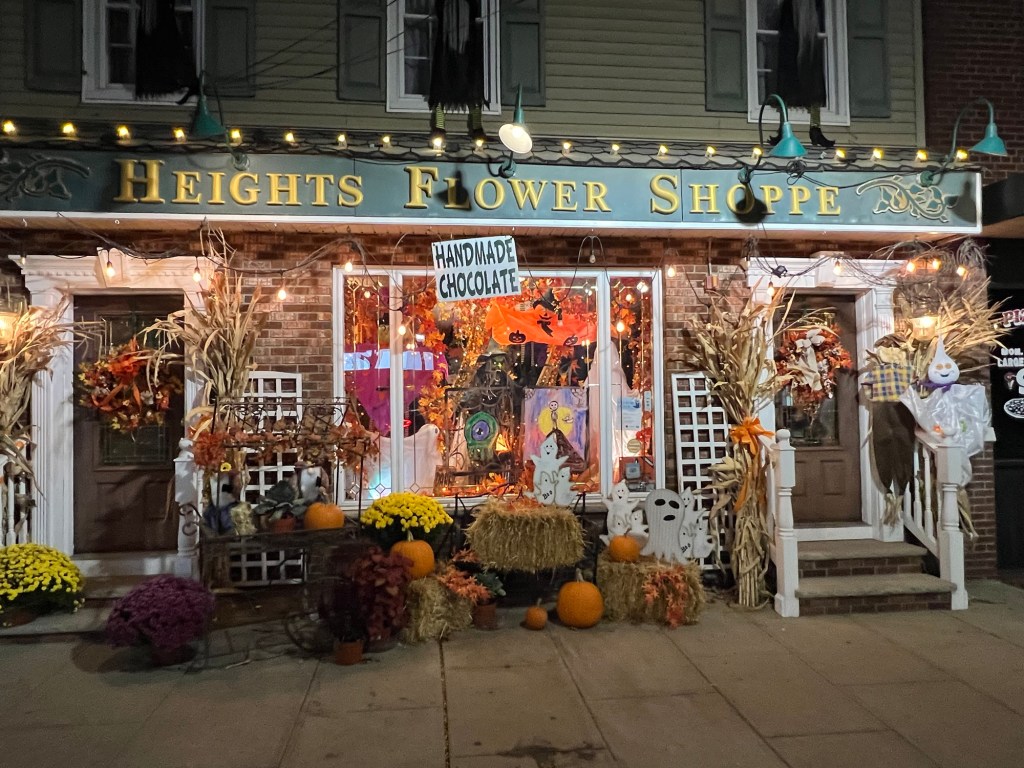


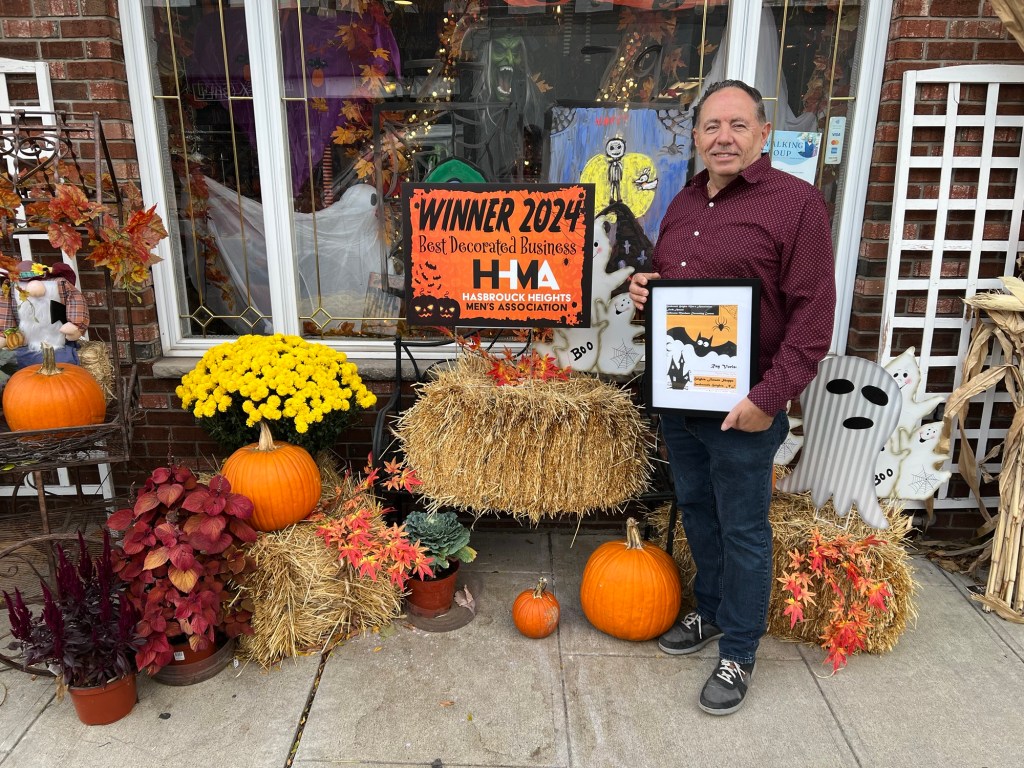


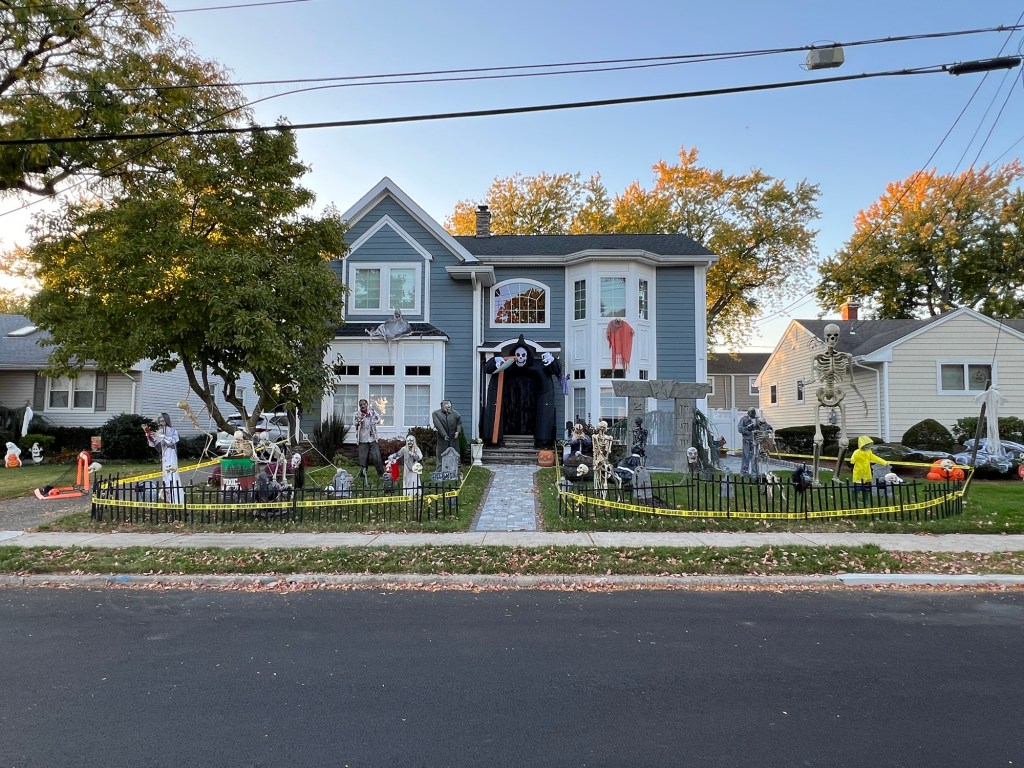




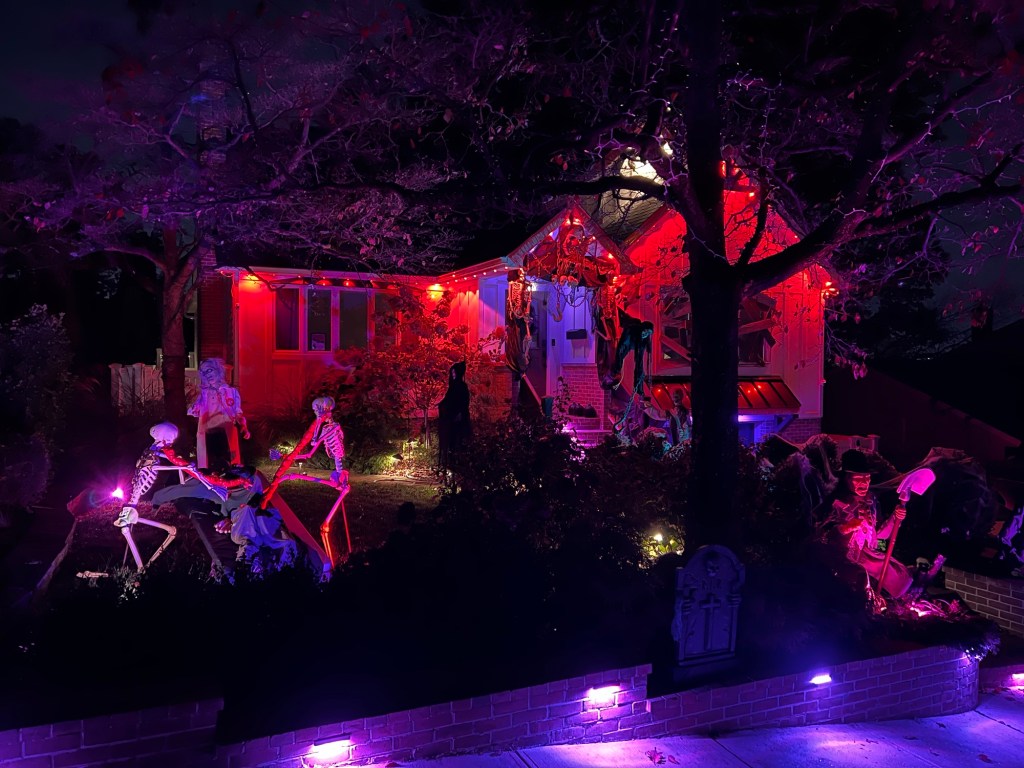




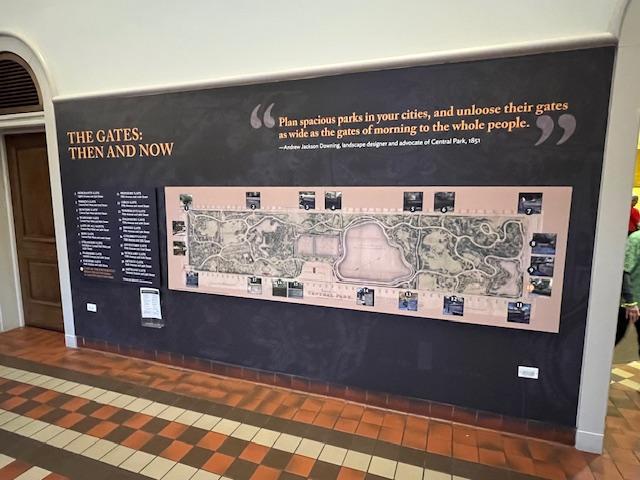

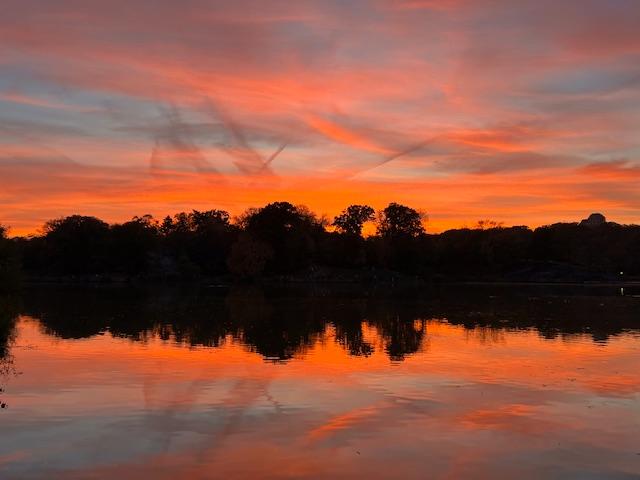
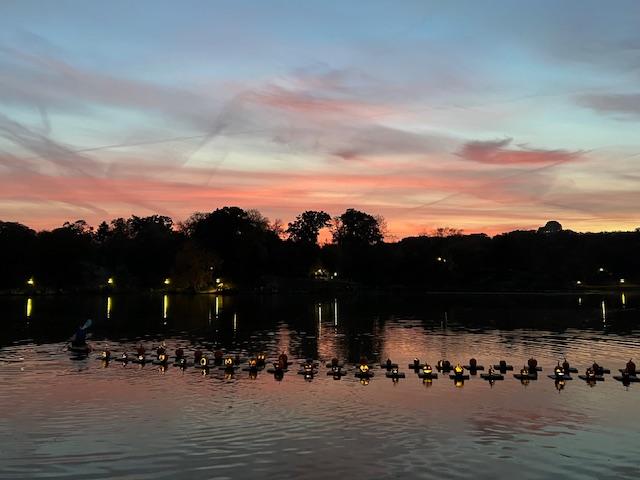
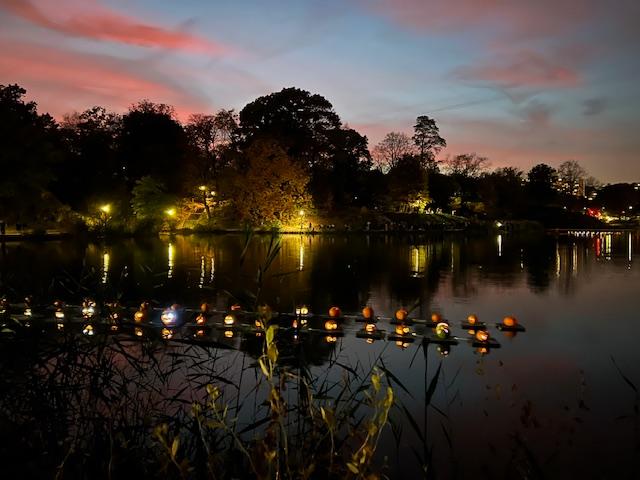






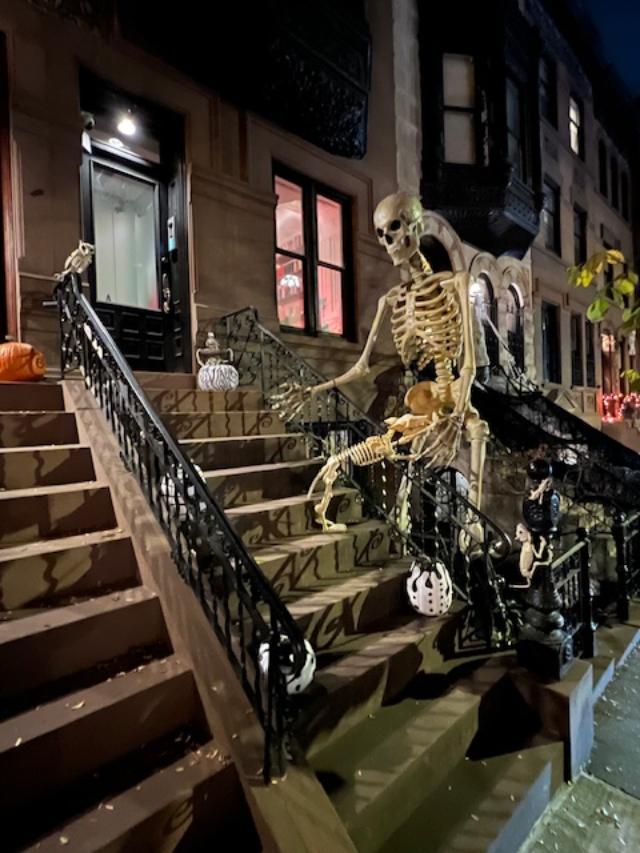

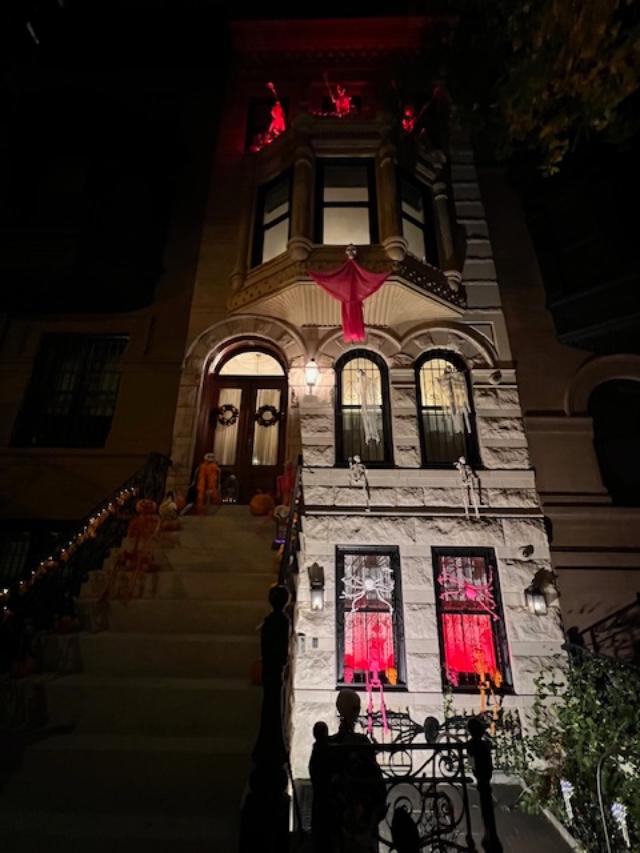


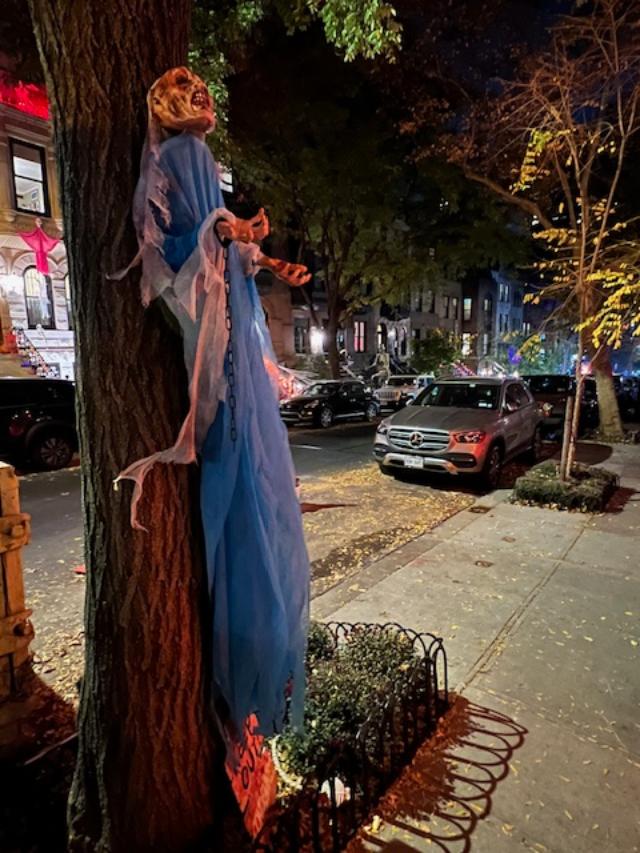

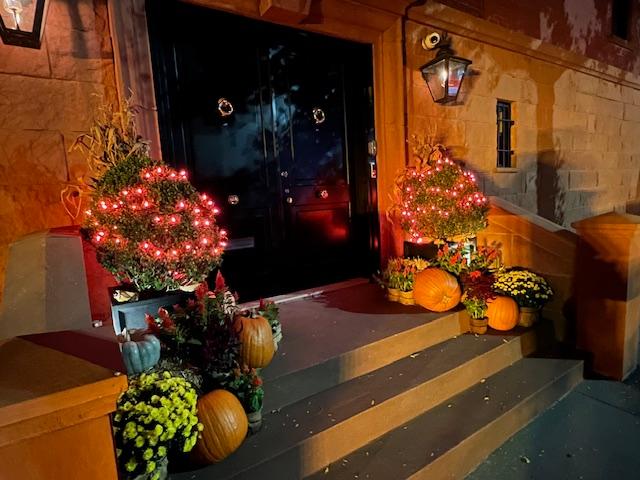


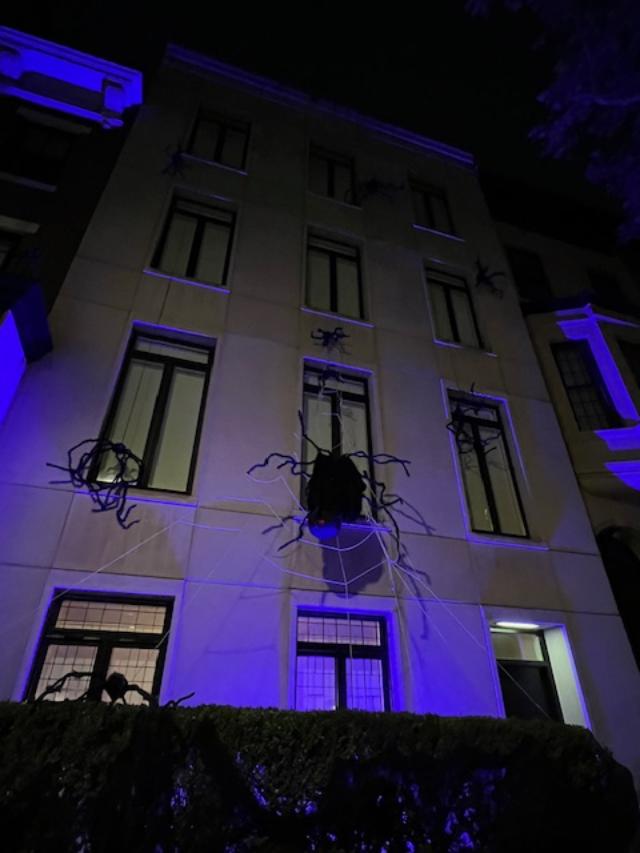
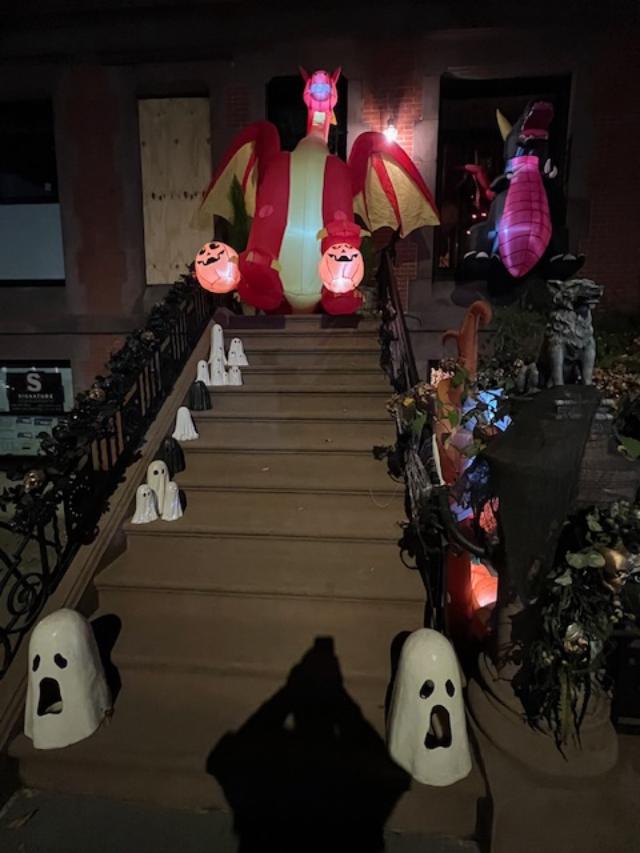
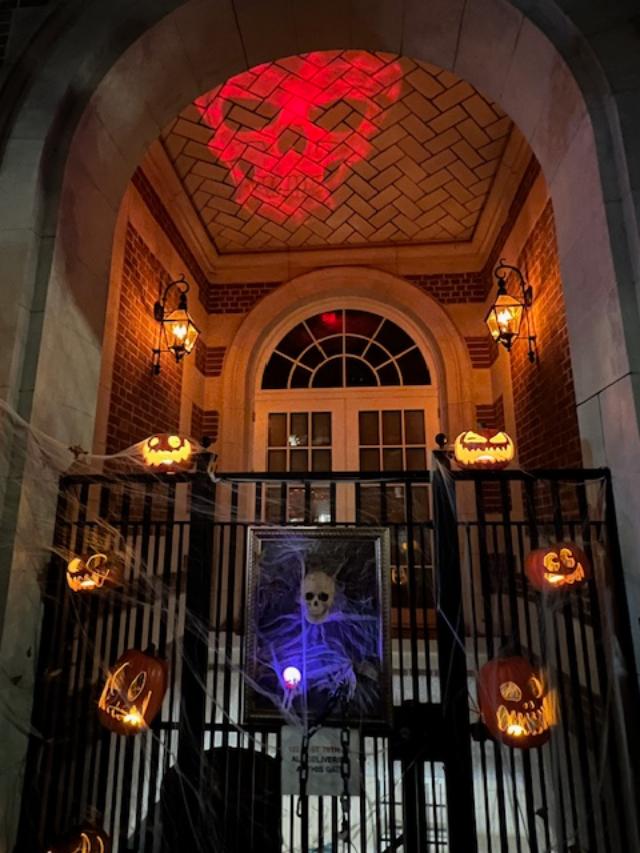
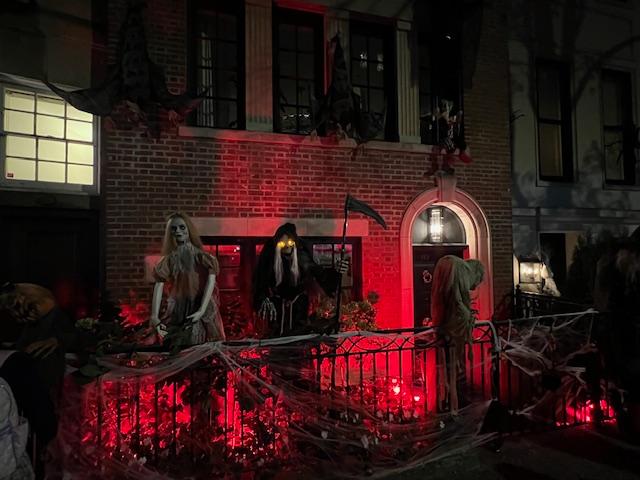
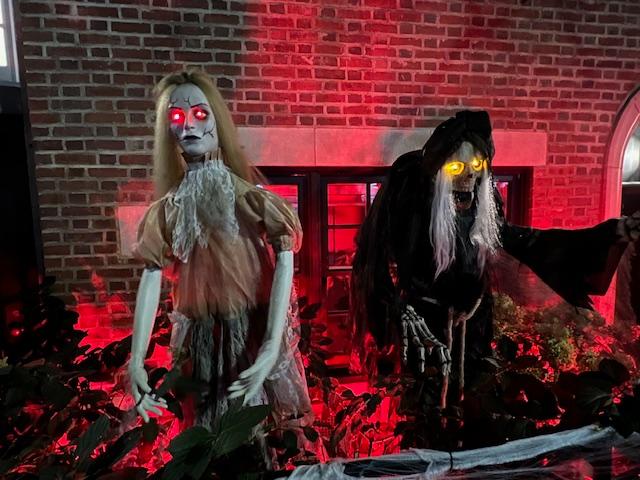
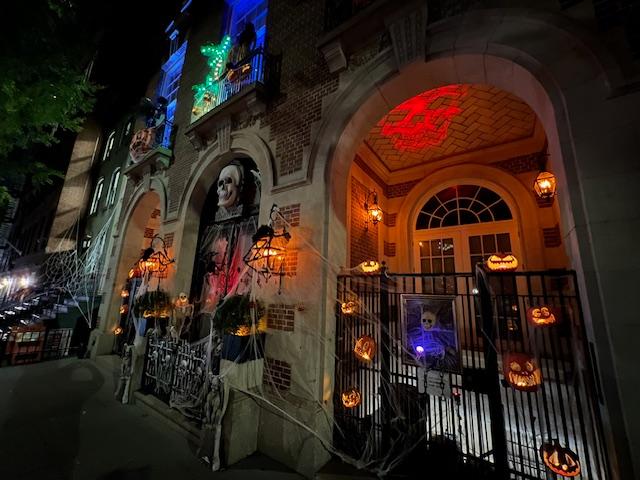
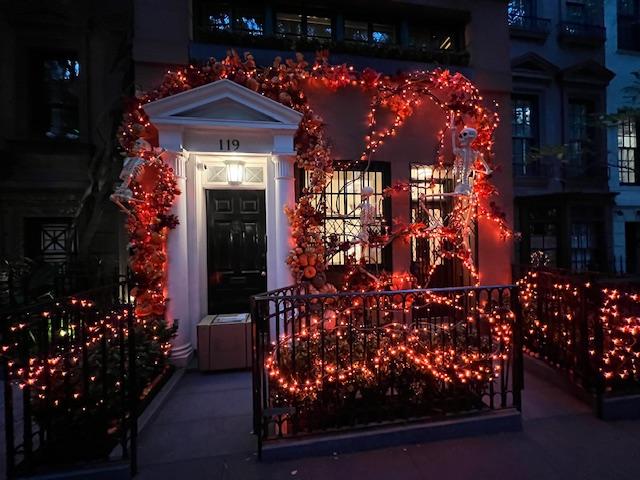
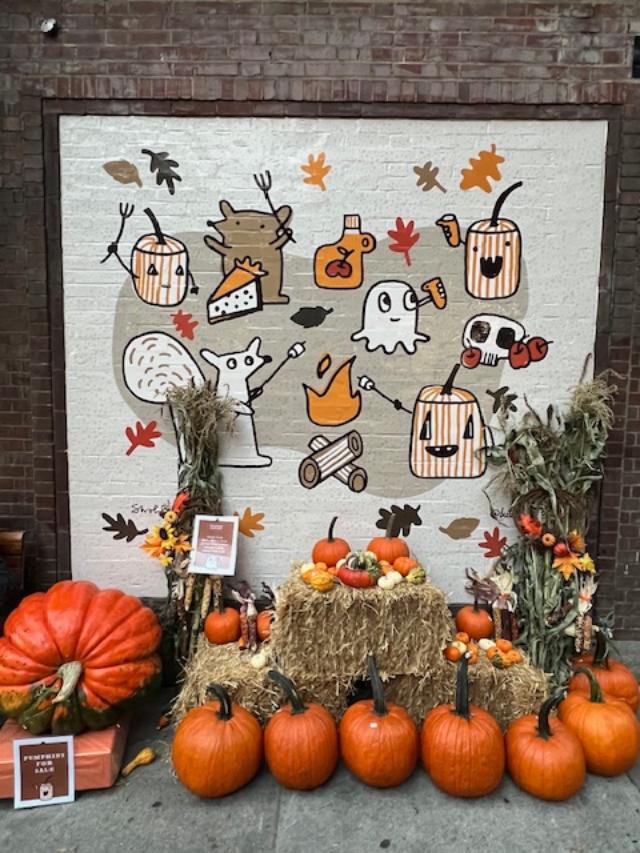


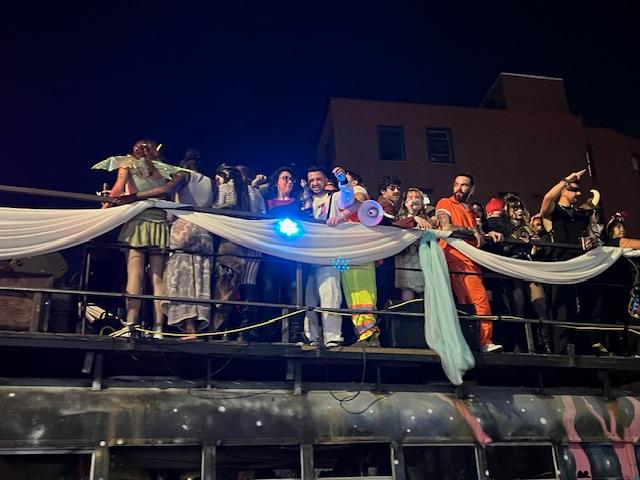


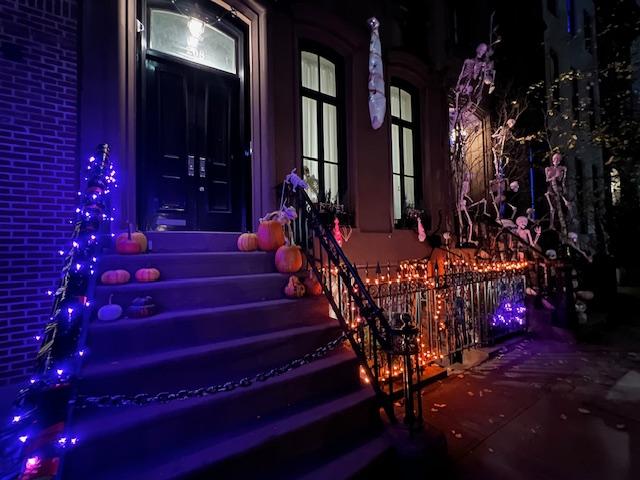
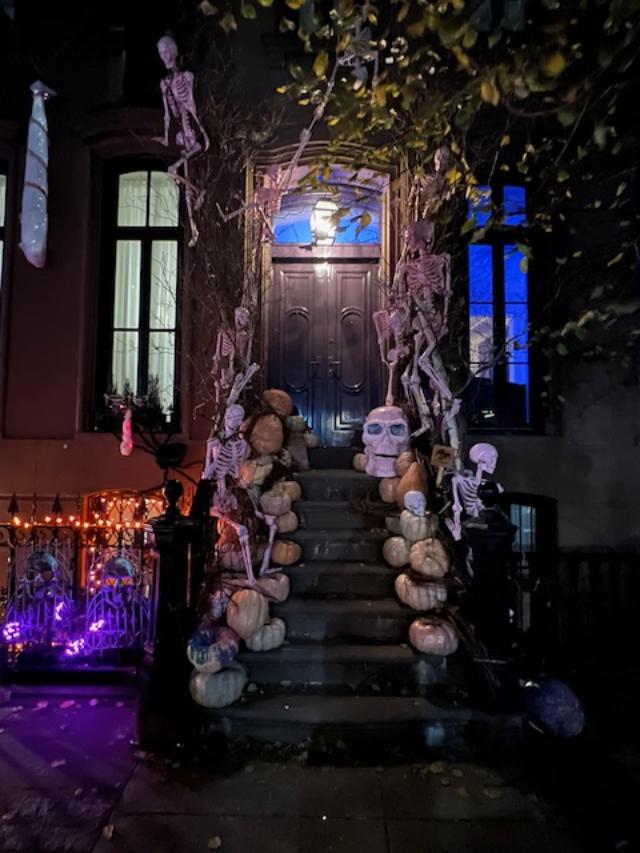



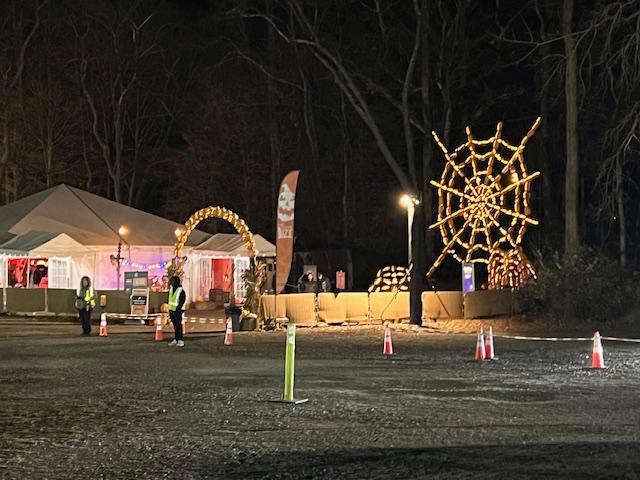

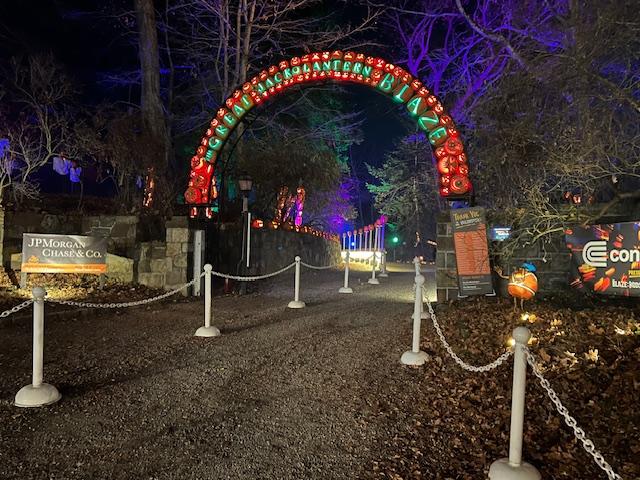

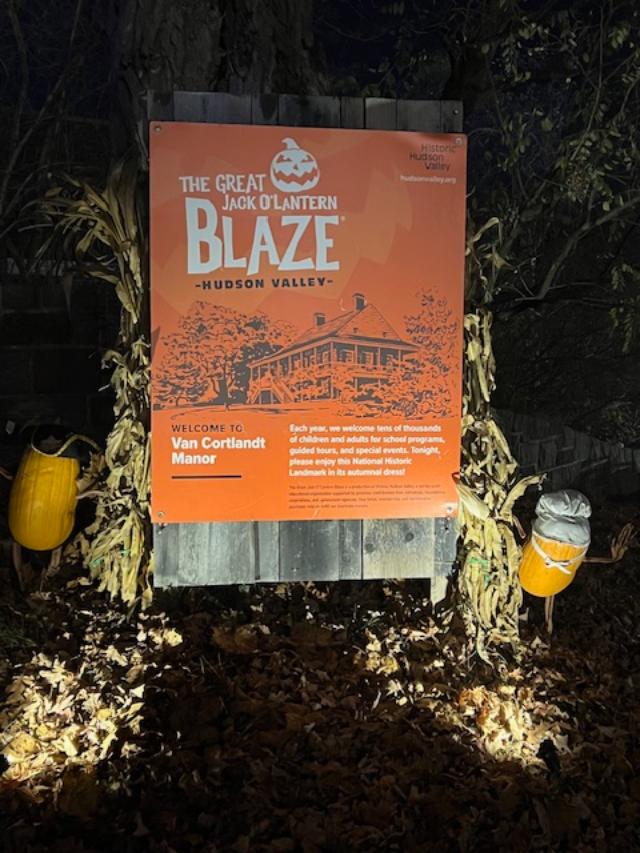


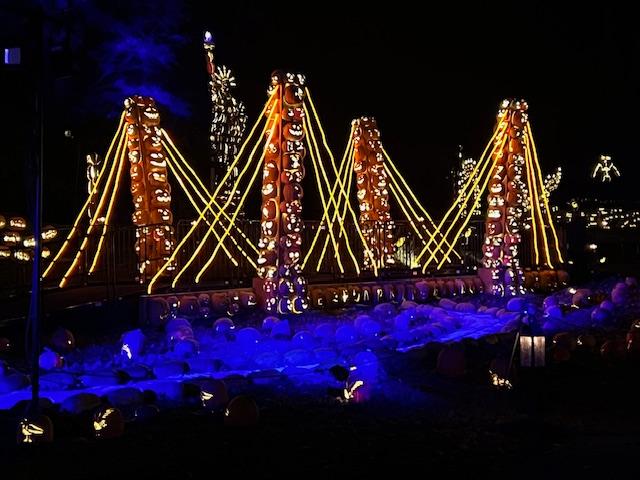


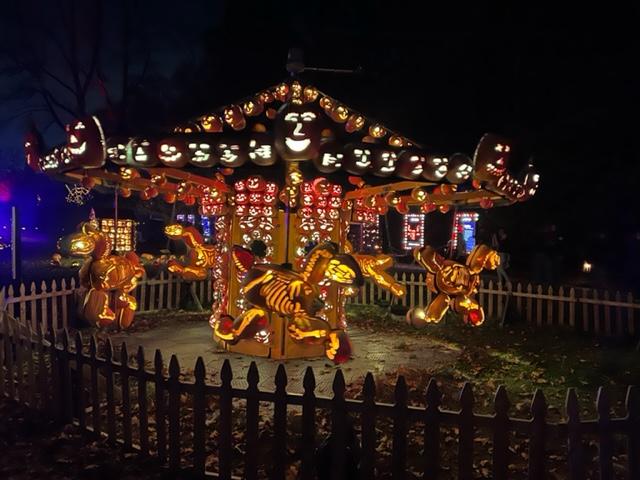
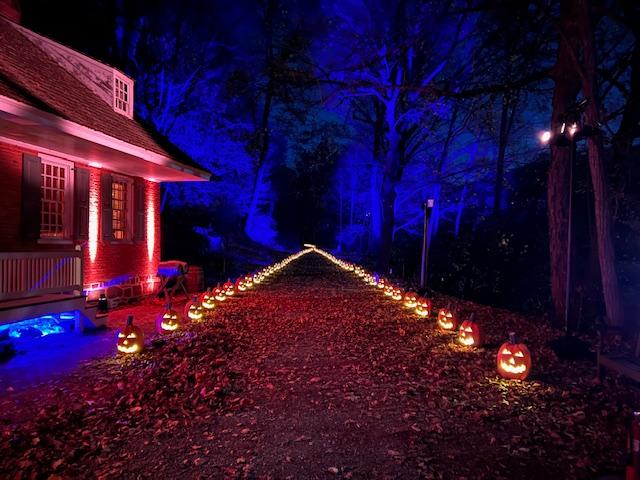


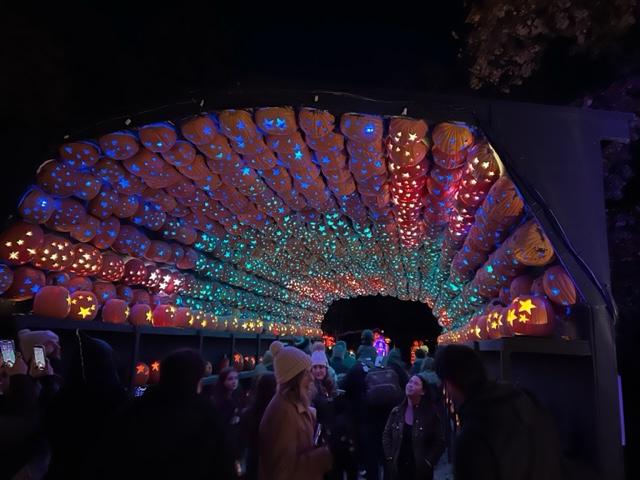

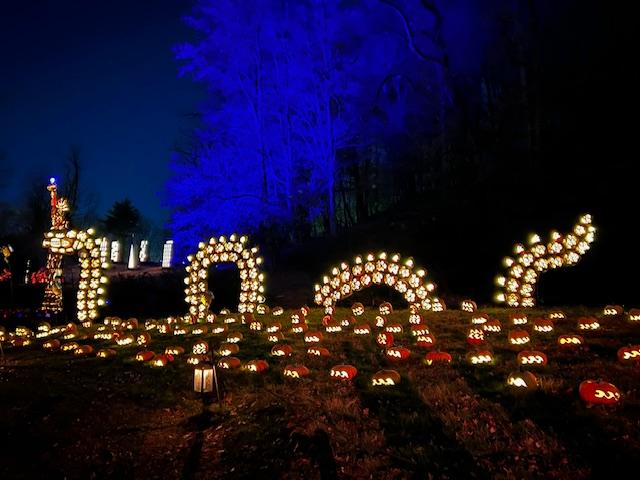


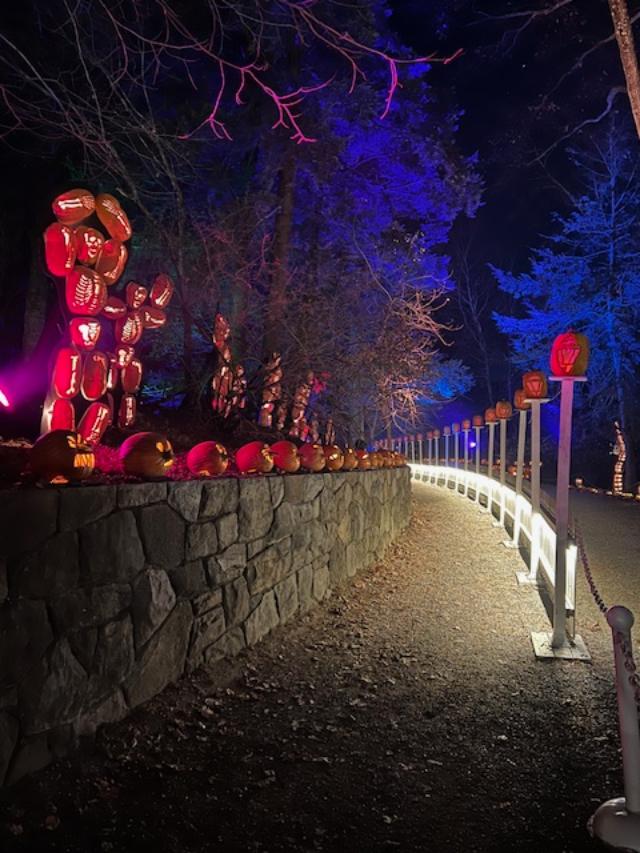
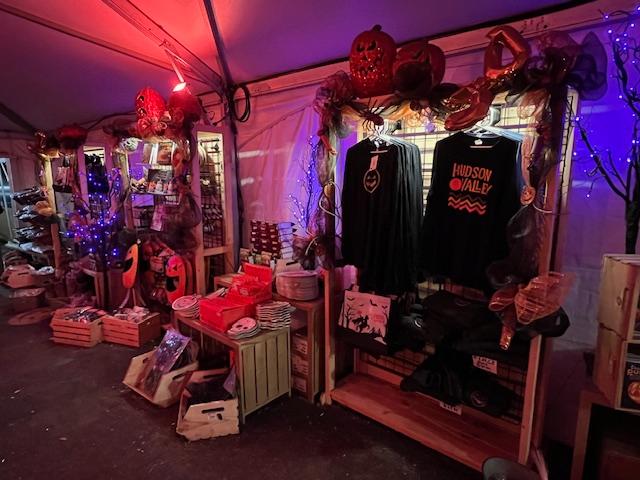

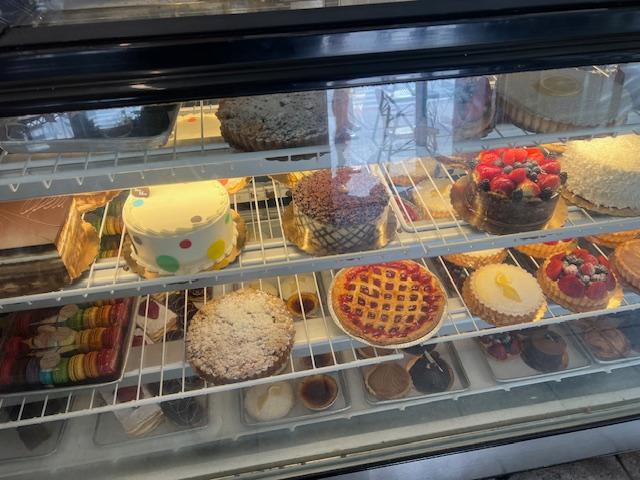

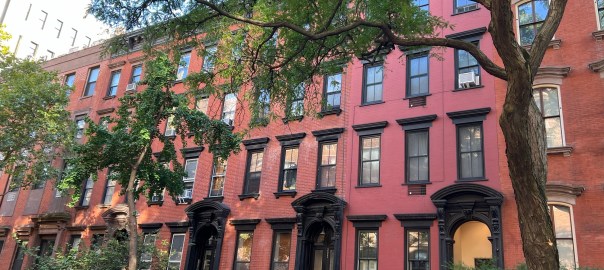
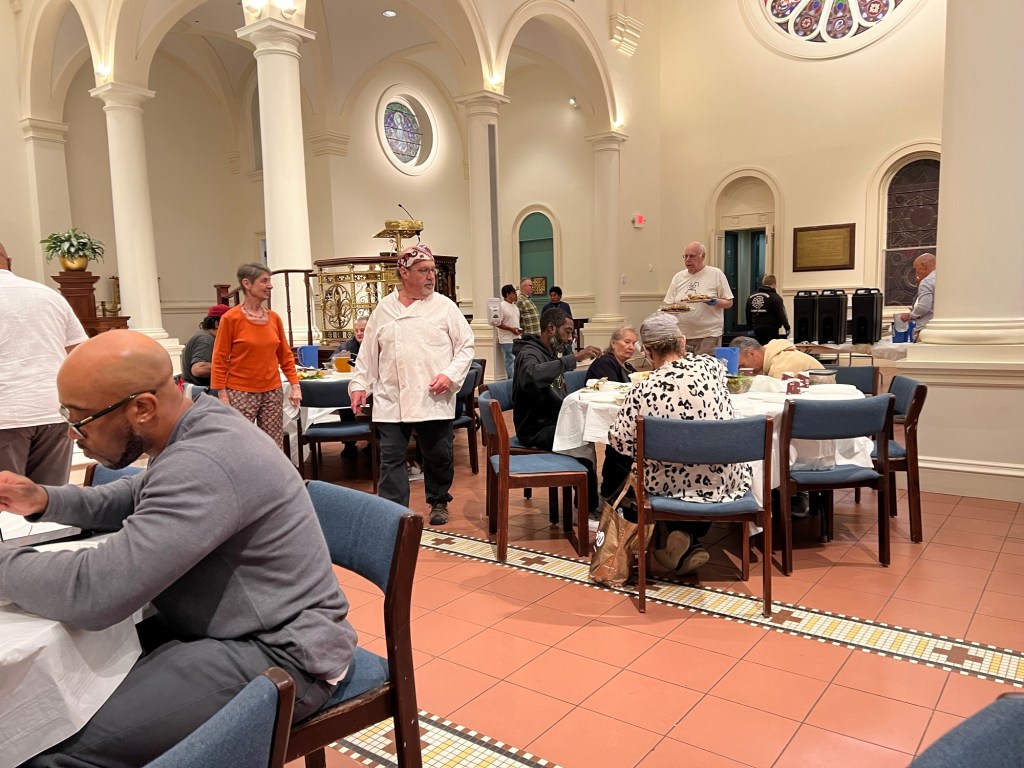


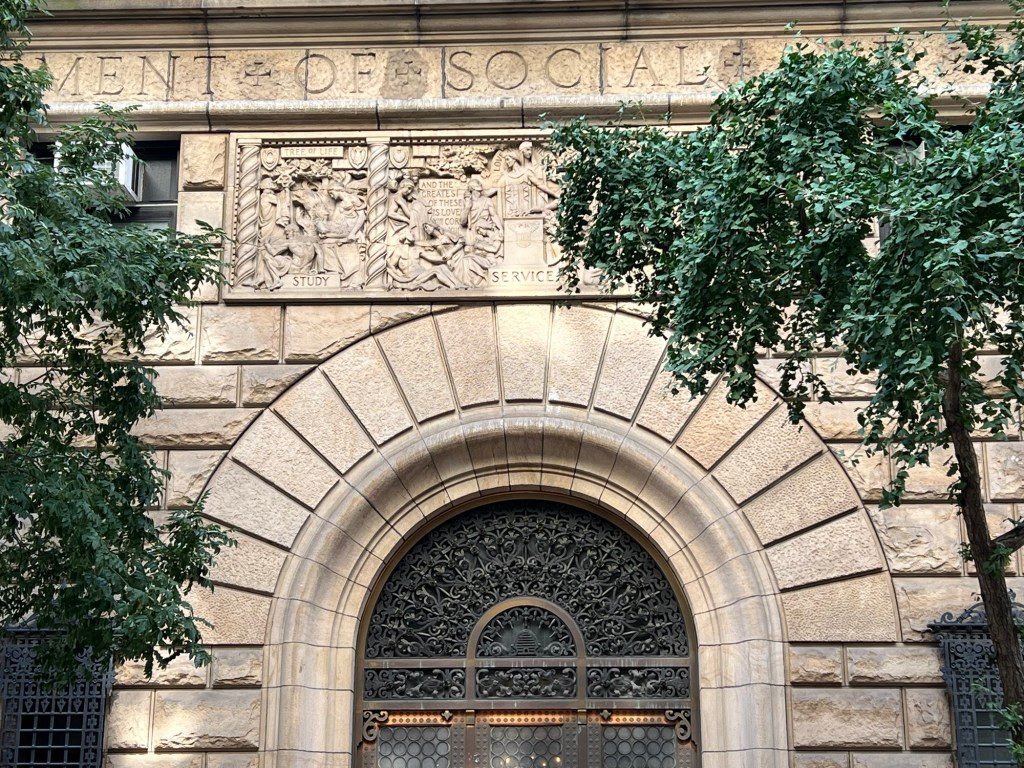




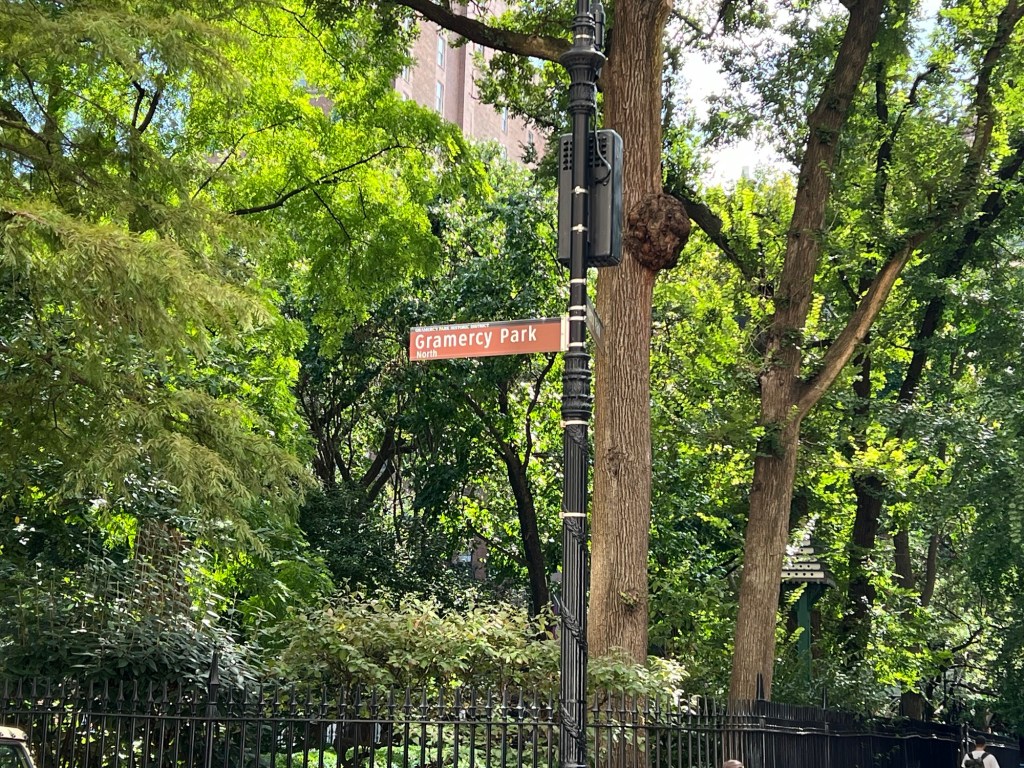
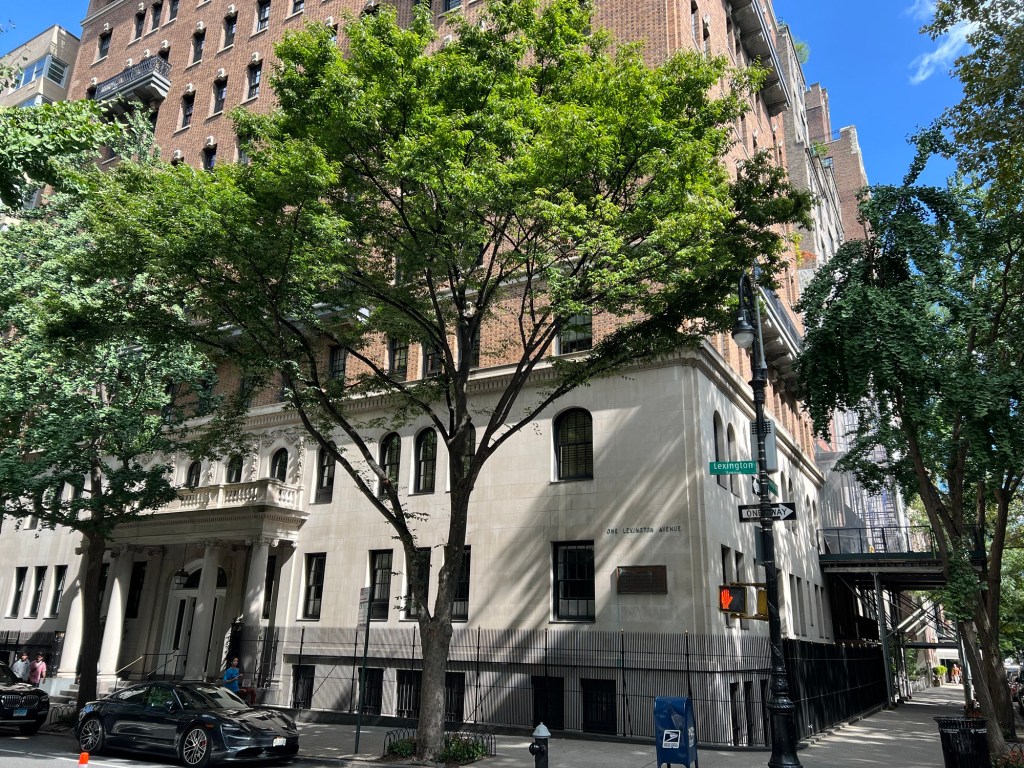
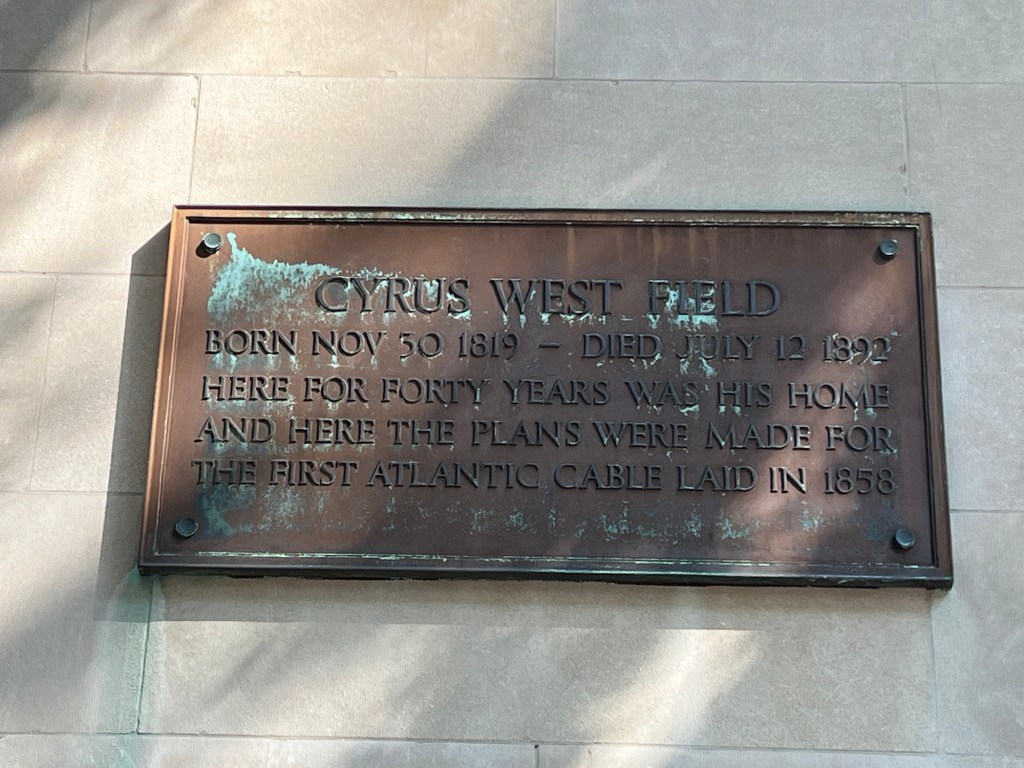

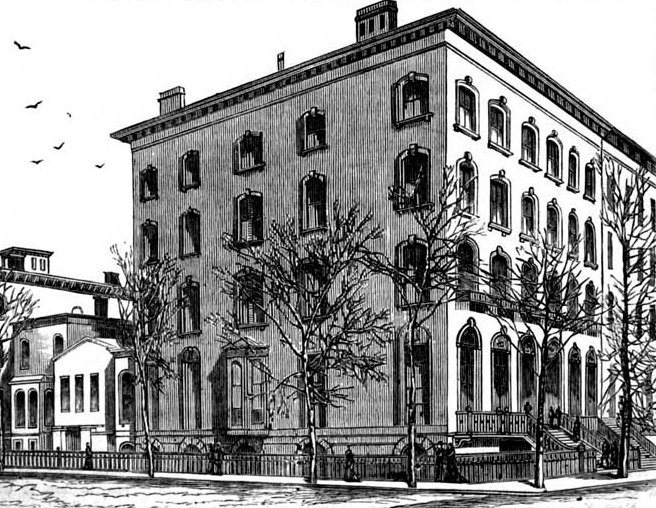
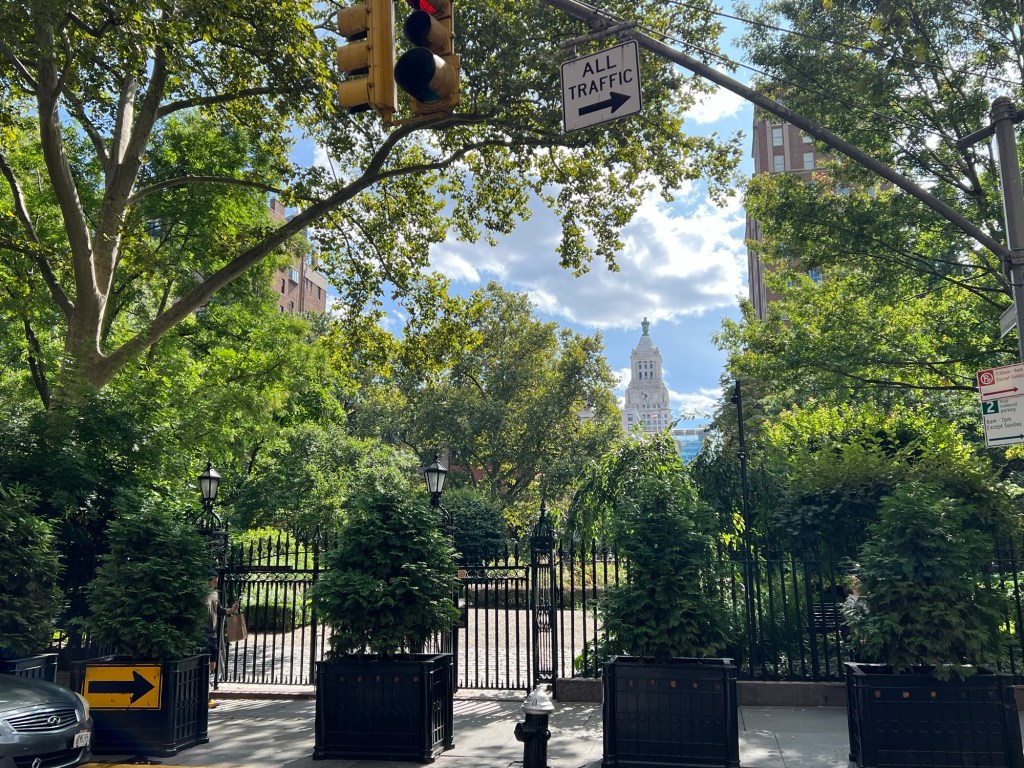

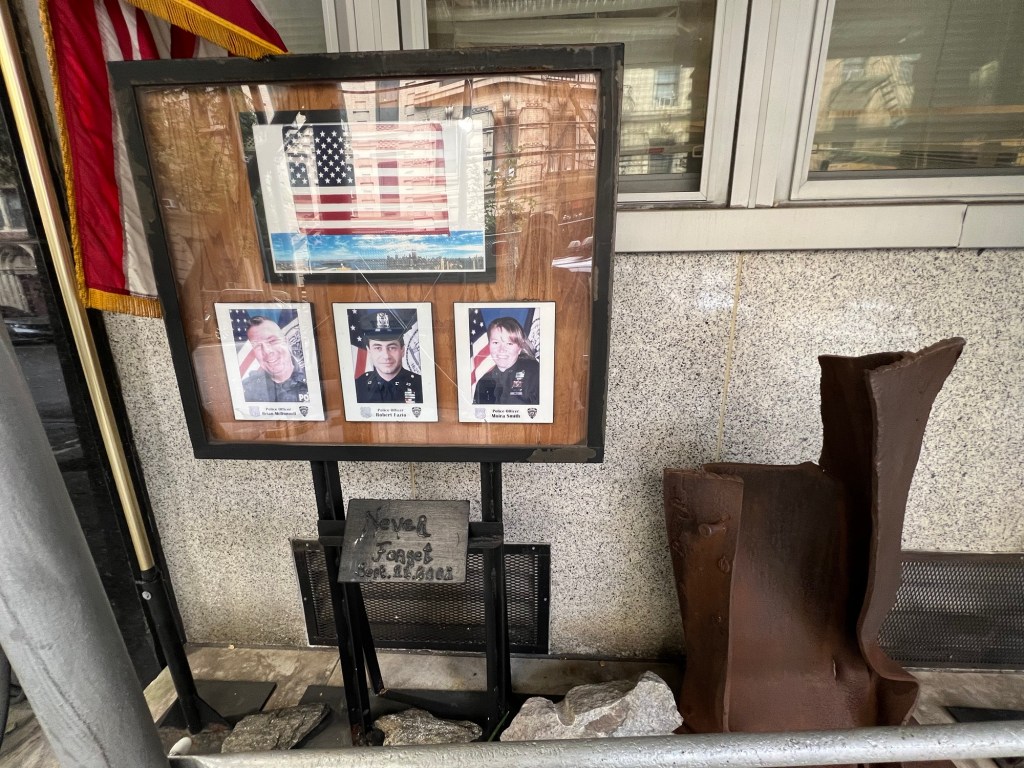


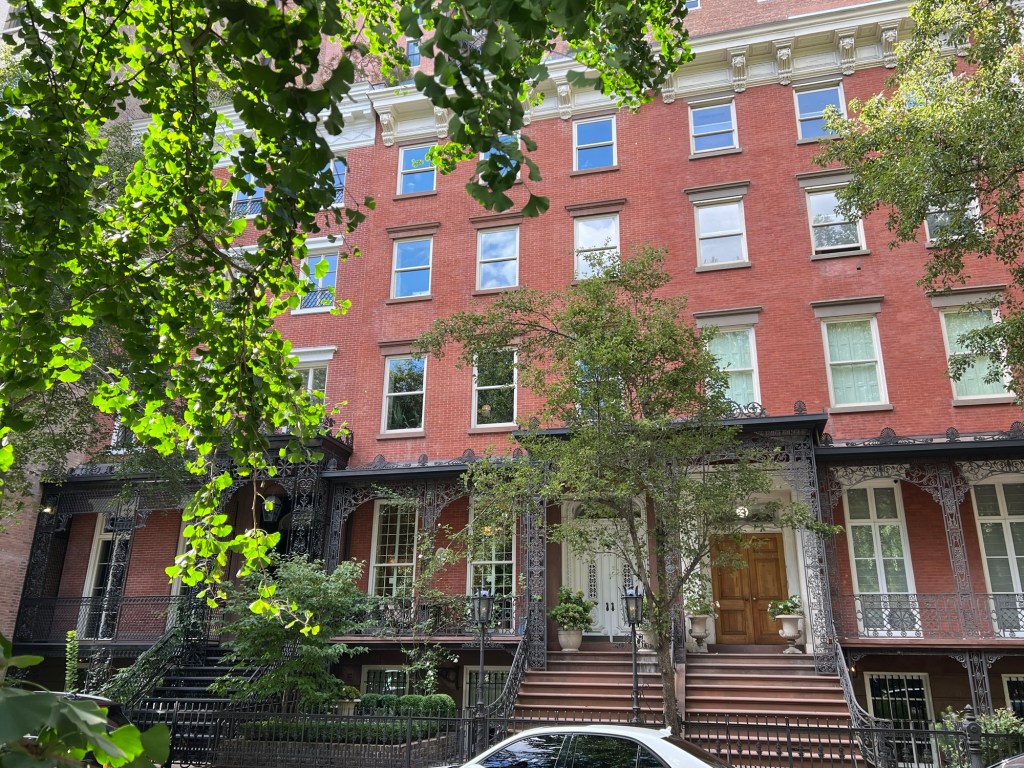
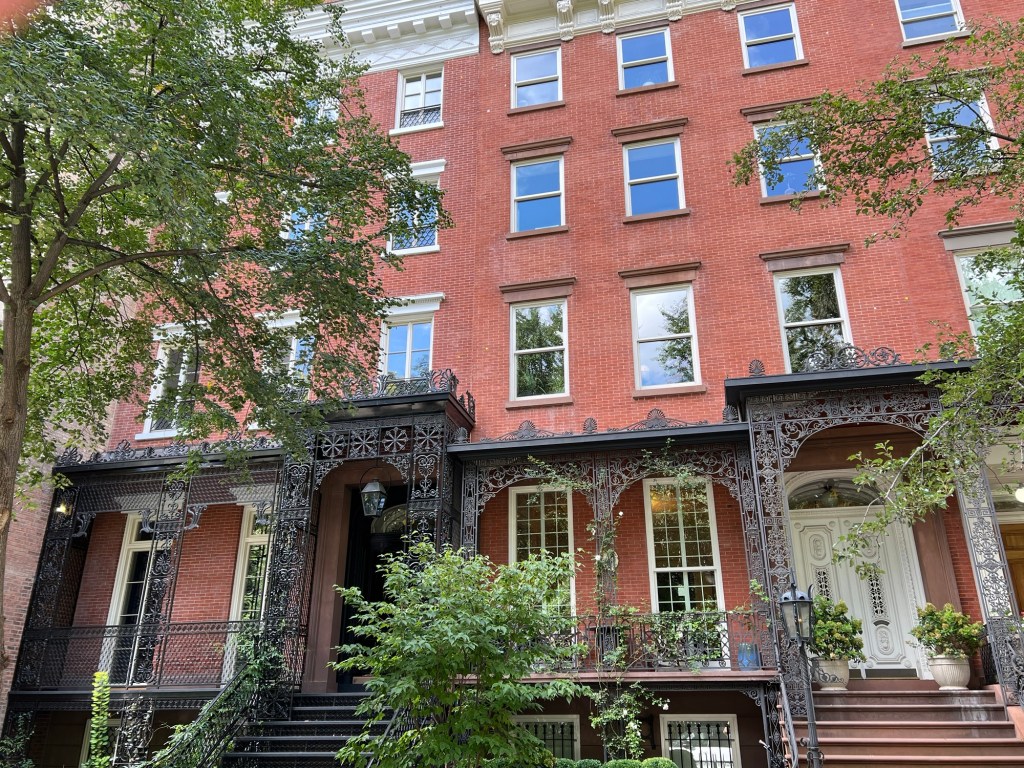



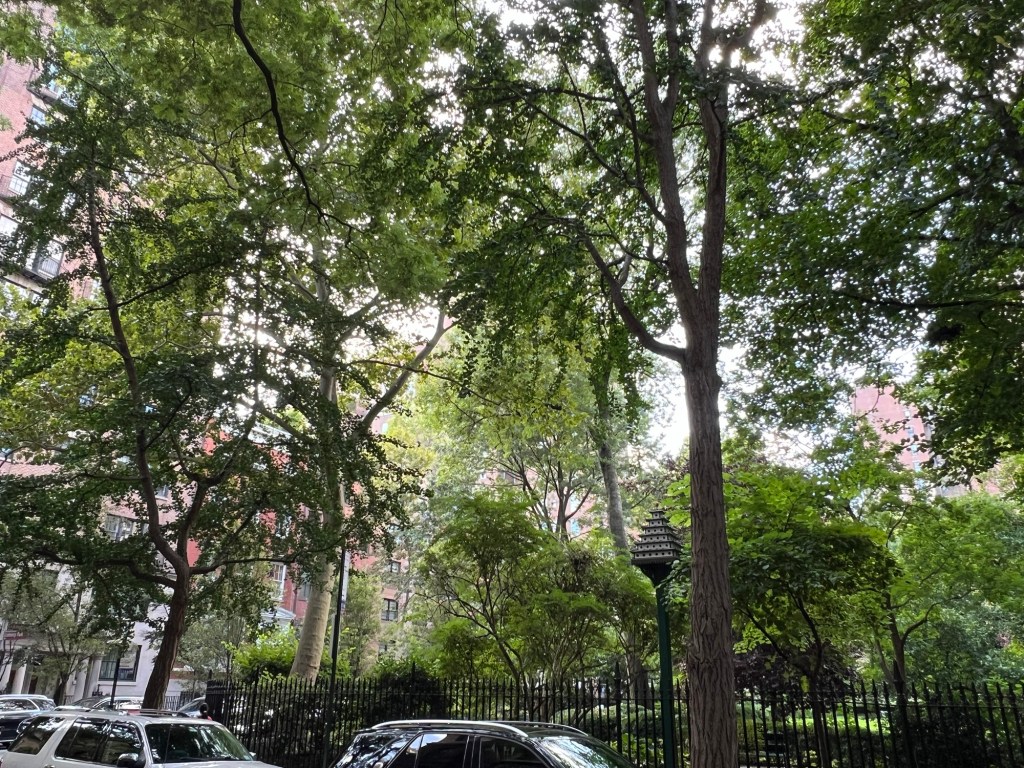
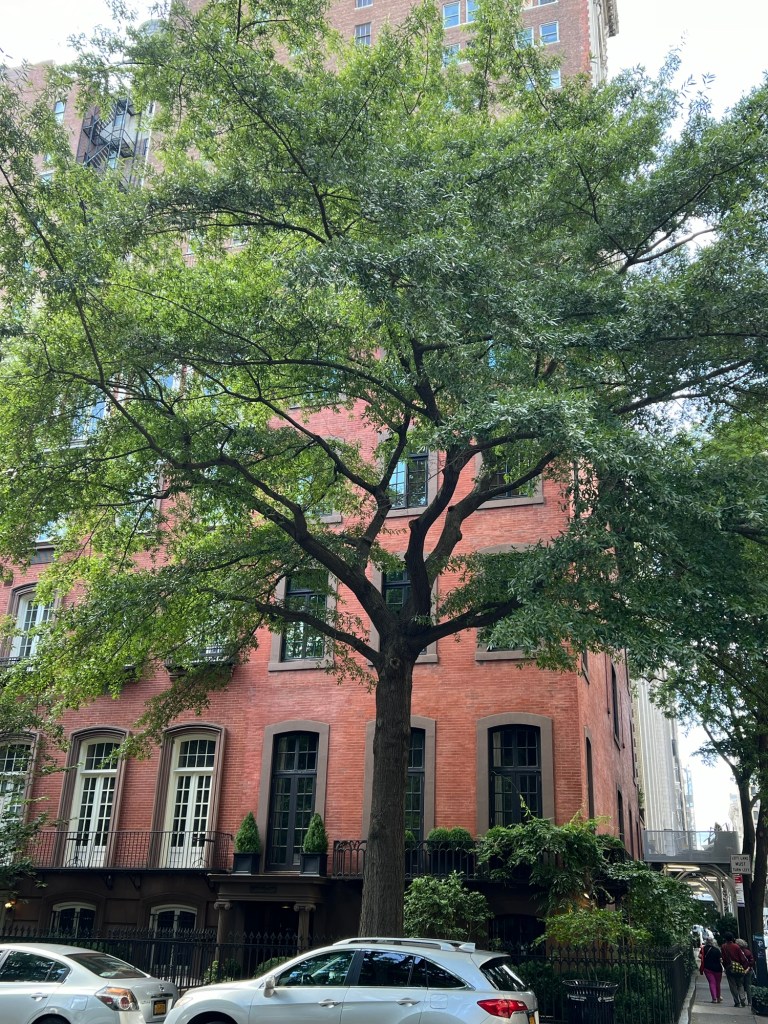

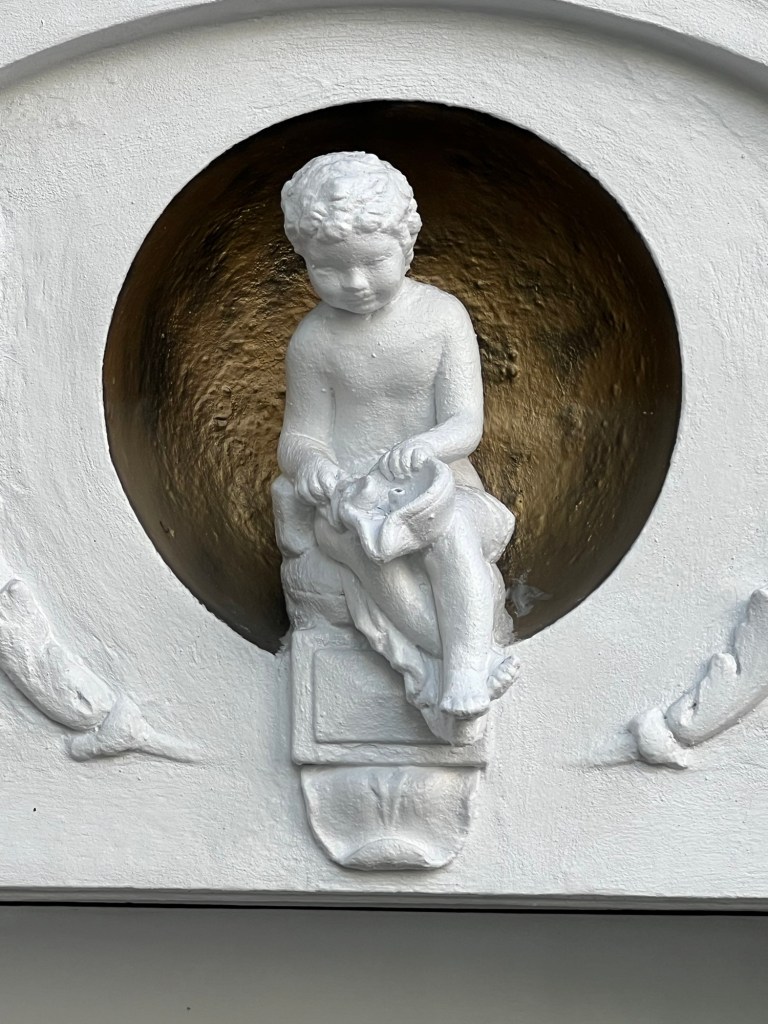











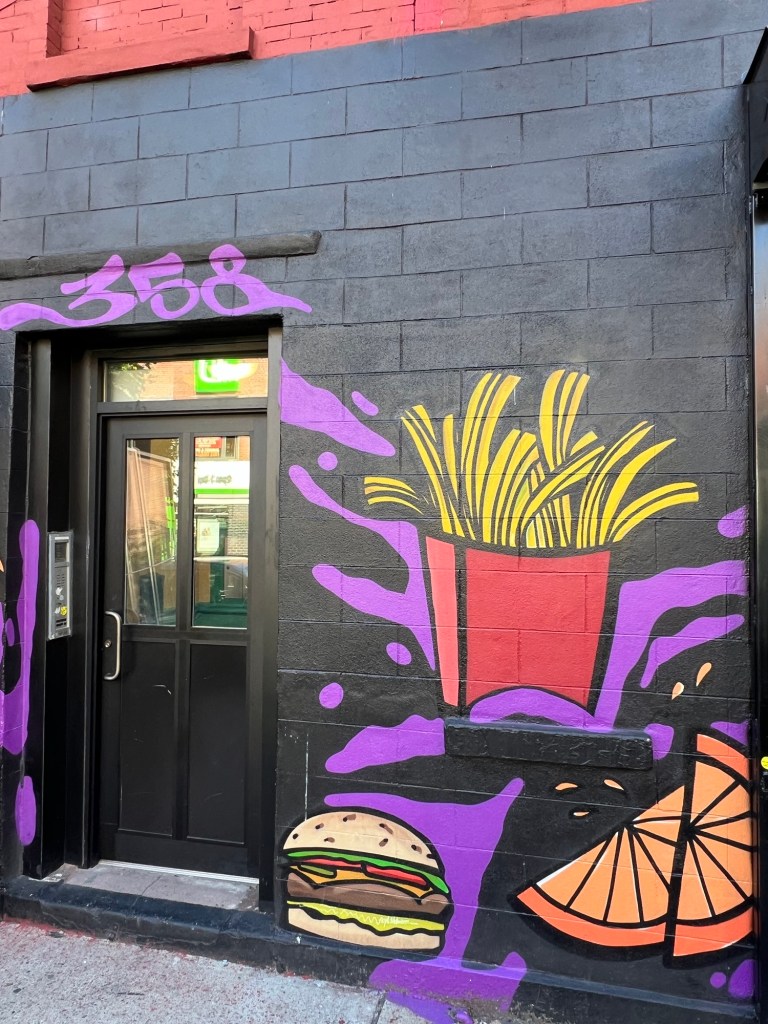

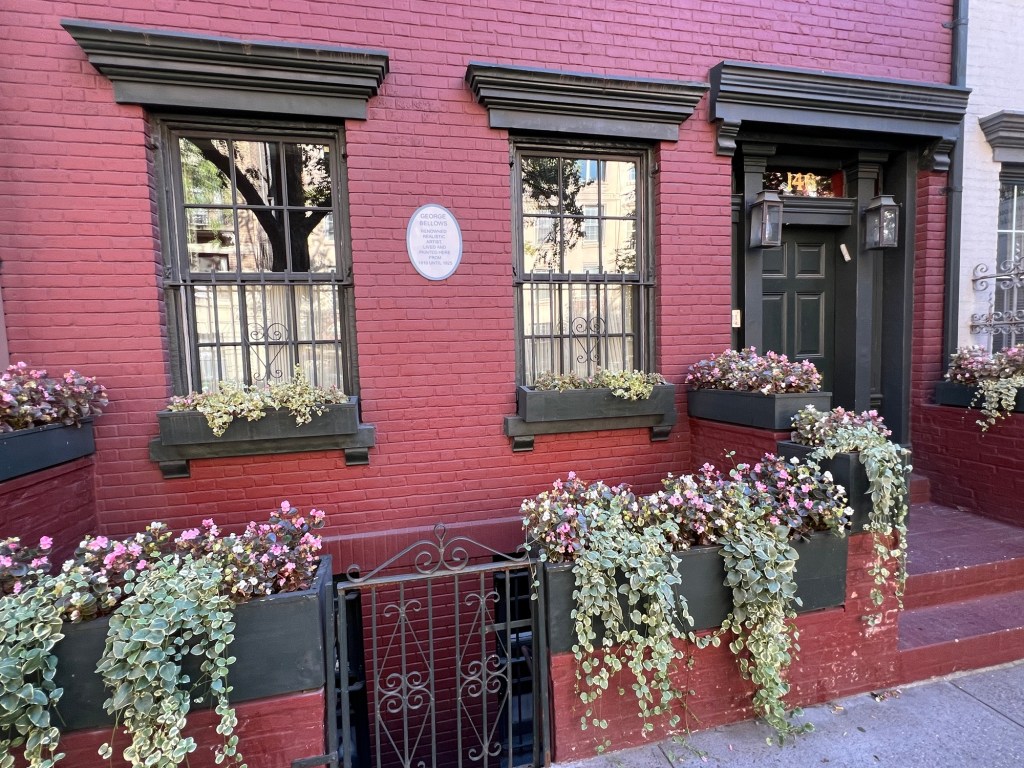



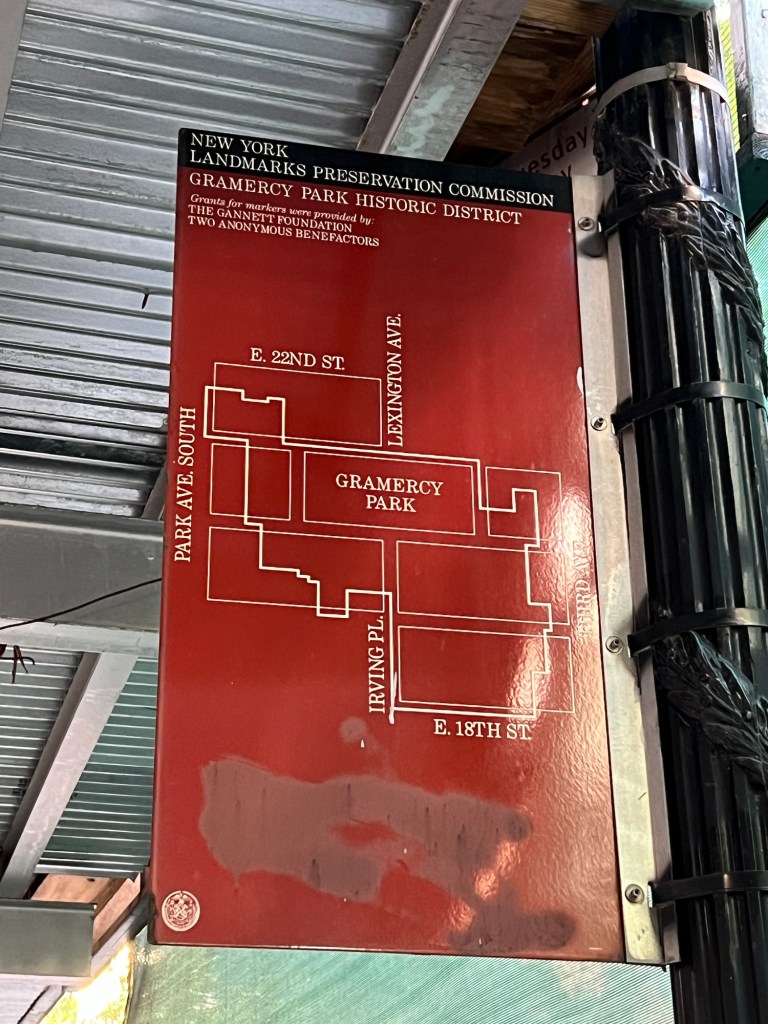






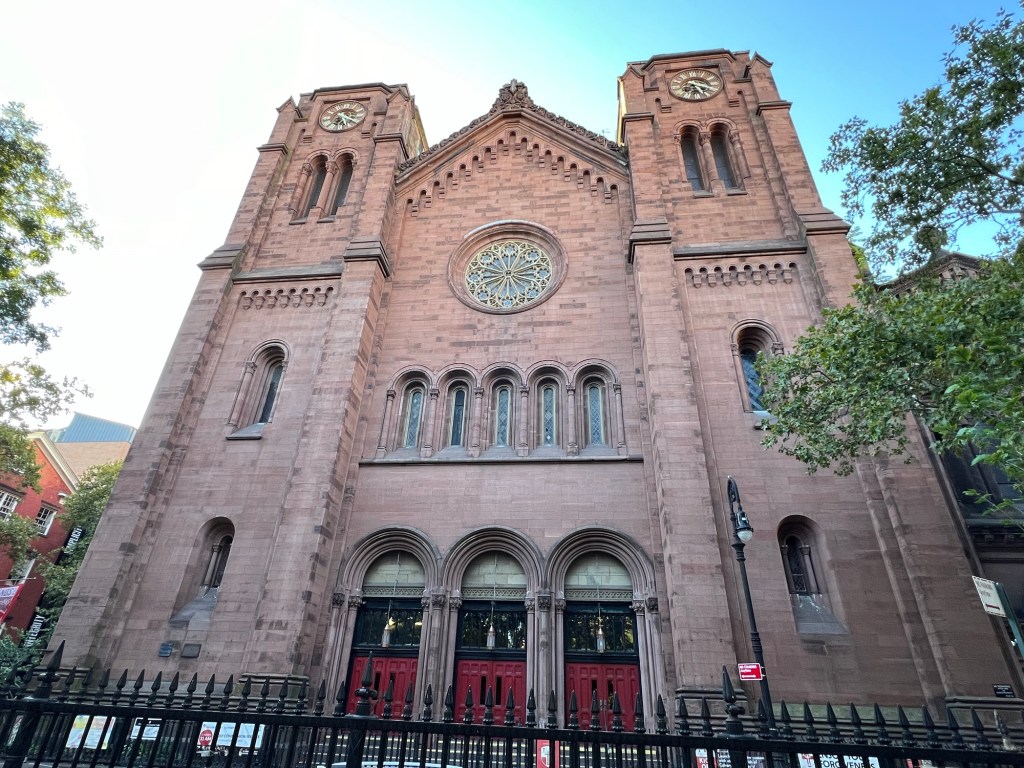


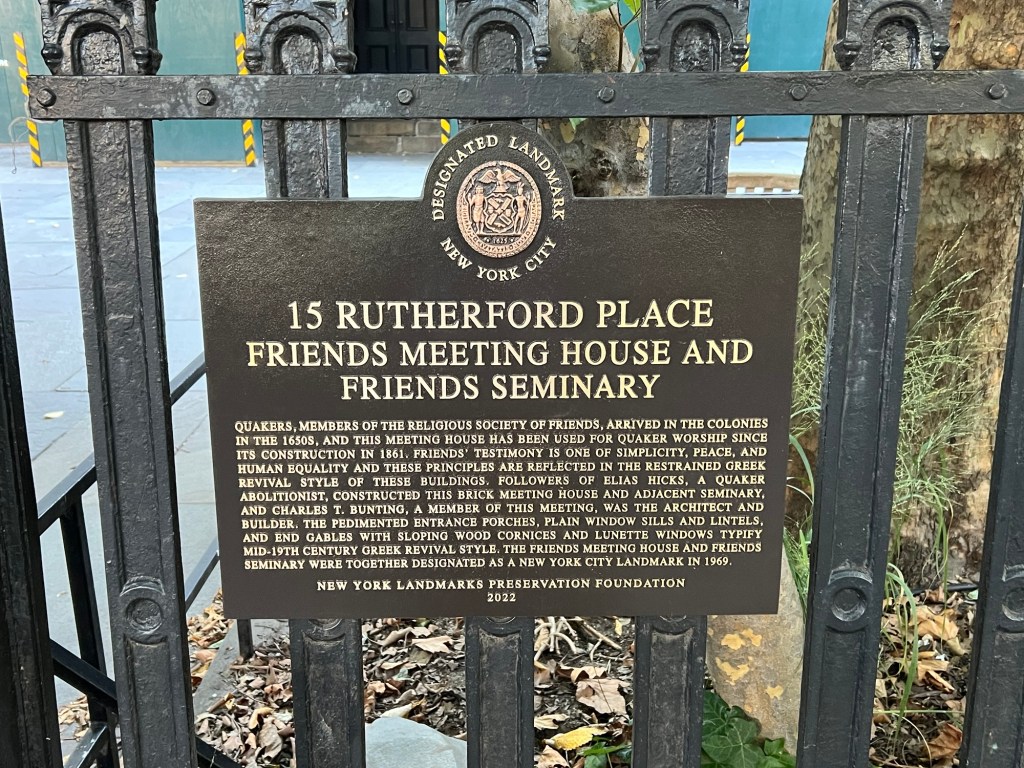
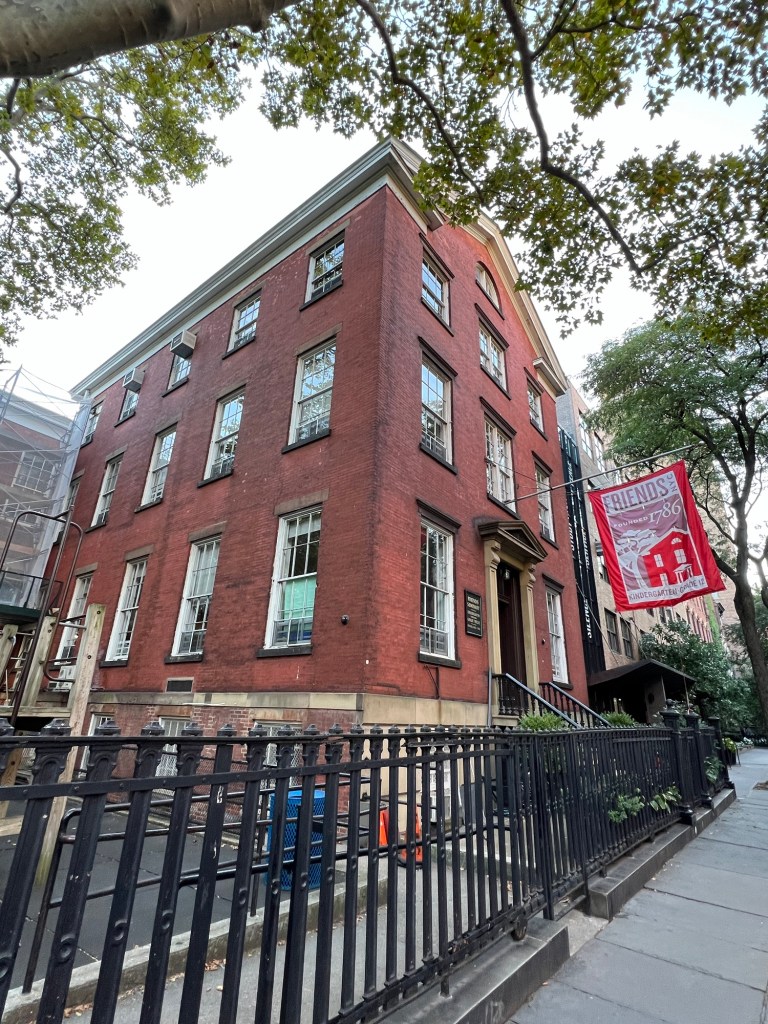





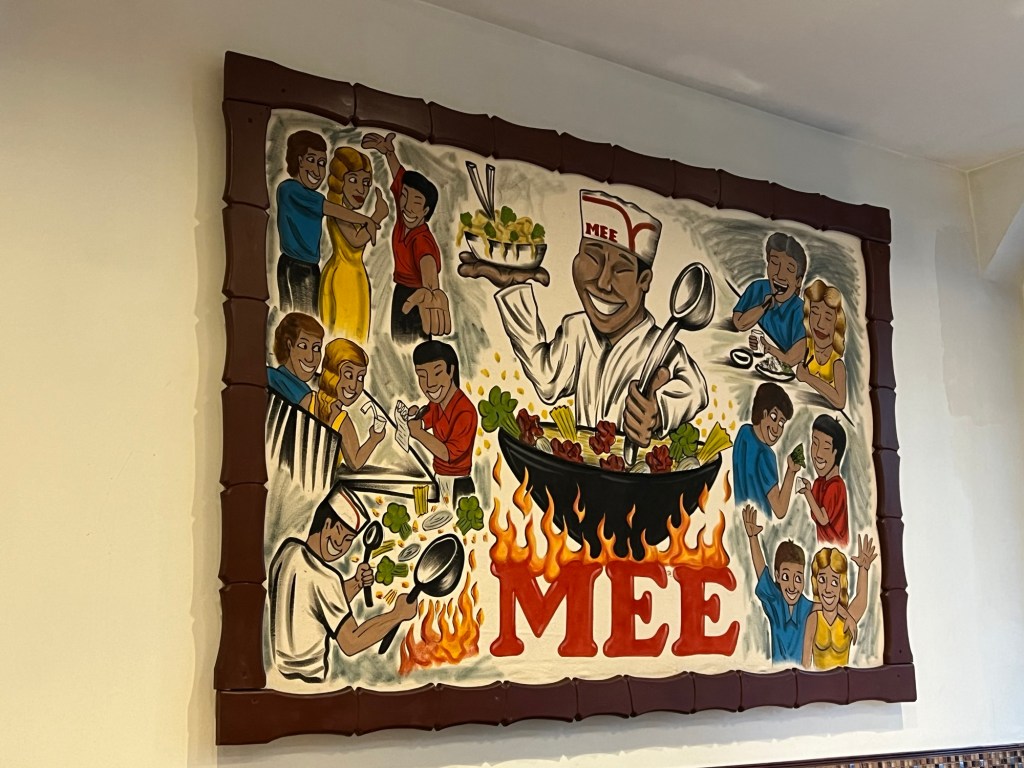
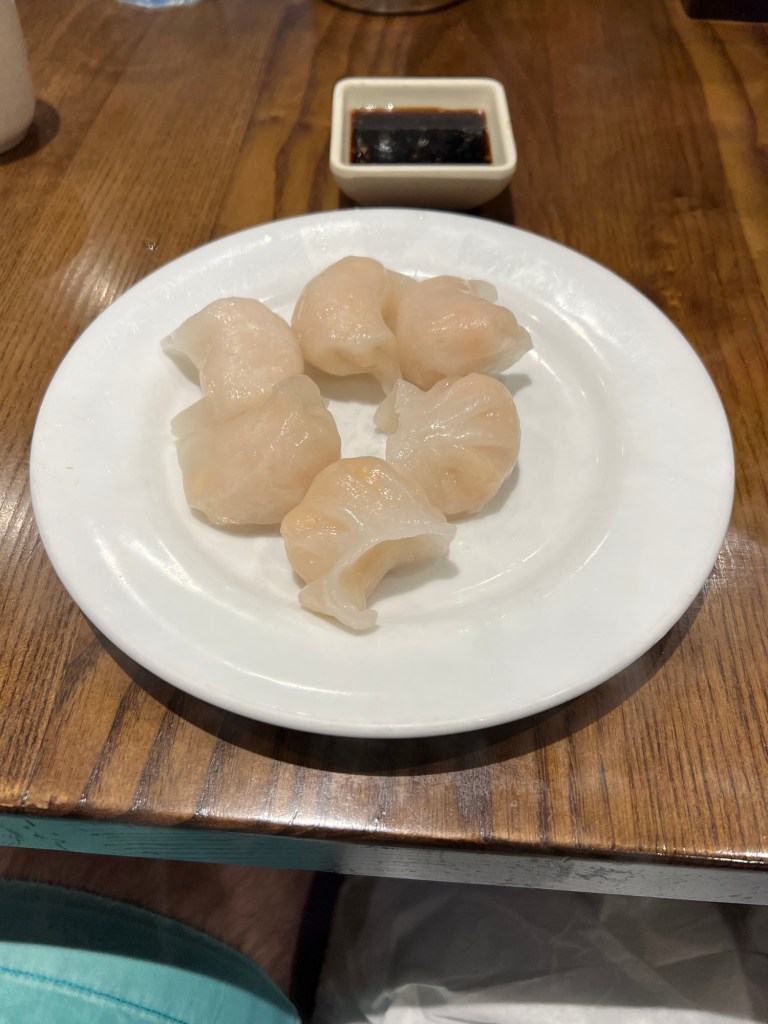

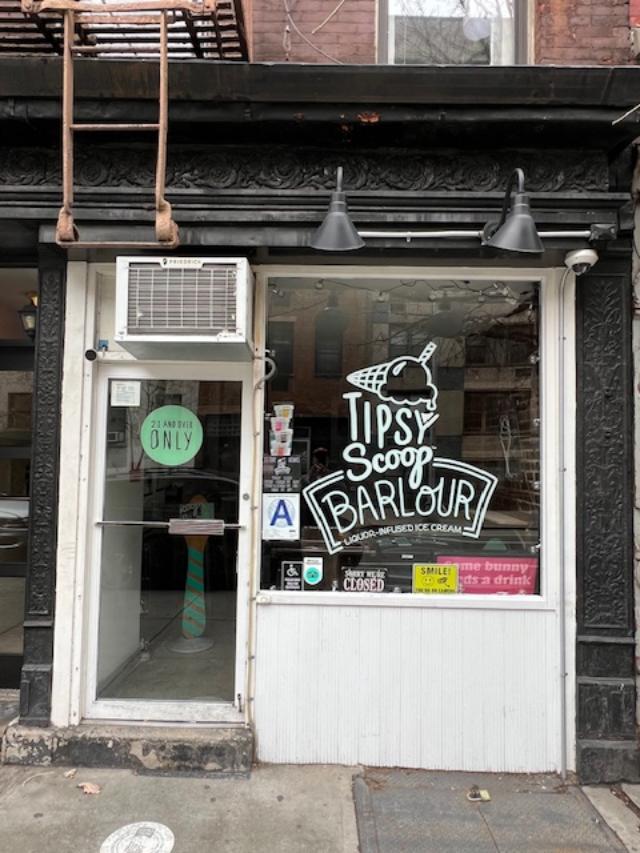



 mywalkinmanhattan