To all of my readers and fellow bloggers following my blog, ‘MywalkinManhattan.com’. I created two more blog sites to accompany the main site.
I created ‘VisitingaMuseum.com’ and ‘DiningonaShoeStringinNYC.Wordpress.com’ to take what I have discovered on the walk around the city and put it into more detail.
I created ‘VisitingaMuseum.com’ to feature all the small and medium museums, pocket parks, community gardens and historical sites that I have found along the way in my walking the streets of the island and in the outlining areas of Manhattan. There are loads of sites you can easily miss either by not visiting the neighborhoods by foot or not consulting a guidebook. Most of the these places are not visited by most residents of the City and should not be missed.
I never realized how many small museums exist in New York City, let alone the outer boroughs and in New Jersey. I have discovered so many wonderful and interesting artifacts in these museums that not only have so much historical value but they also deal with local history.
Gallery Bergen at Bergen Community College
There are so many pocket parks, community gardens and historical sites that you would miss if you did not walk the neighborhoods. What has also been fascinating about it is the people you meet along the way that volunteer in these facilities. There is so much pride to be had by these local residents dedicating their time to make these places successful.
‘DiningonaShoeStringinNYC.Wordpress.com’ is my latest site:
I am featuring and promoting wonderful local restaurants that I have found along the way when doing the walk as well as places I have recently visited outside the city for $10.00 and below. I am not just featuring them for their price but for the quality of the food, the selection and the portion size.
Delicious Dumplings at ‘Dumplings’ on Henry Street
These little ‘hole in the wall’ dining establishments offer a good meal at a fair price as well as supporting the local economy. I have a very limited budget for meals and thought this blog site would help all of you economize when touring New York City and the outlying regions. I cross reference my reviews on TripAdvisor.com.
For anyone thinking of doing a similar project like ‘MywalkinManhattan.com’, I want to let you know how expensive it is to do. I have to pay not just for bus tickets, subway passes, meals, donations to museums and historical sites but the general wear and tear on my clothes. I am on my third pair of sneakers due to this walk. This is why you need to set a budget for it:
So I hope you enjoy ‘VisitingaMuseum.com’ and ‘DiningonaShoeStringinNYC.Wordpress.com when coming to Manhattan. Please check all of this places out online for a change of hours and exhibits and menus.
Check out the newest site, “LittleShoponMainStreet@Wordpress.com” for small boutiques and specialty shops that are unique and quirky.
Please check out my fire fighting blog sites, ‘The Bergen County Firemen’s Home Association’, ‘tbcfma.Wordpress.com’, where I am blogging about the activities of the association that I am volunteering for at the home on a quarterly basis and the support that the organization gives to The New Jersey Firemen’s Home in Boonton, New Jersey. Firemen for all over Bergen County, where I live, volunteer their time up at the nursing home with activities to engage and cheer up our fellow fire fighters.
The second site about fire fighting I blog about is ‘The Brothers of Engine One Hasbrouck Heights Fire Department”, ‘EngineOneHasbrouckHeightsFireDepartmentNJ.Wordpress.com’, where I blog about the activities of Engine Company One, in which I am a member, as part of the Hasbrouck Heights Fire Department. We do a lot of volunteer work for the department and many of our members are very active and hold a lot of positions on the department.
The Brothers of Engine One HHFD (site now closed-Blogs moved to section of MywalkinManhattan.com called “My life as a Fireman”):
The most frequented of my blogs is “BergenCountyCaregiver.com’, a caregivers blog site to help adult caregivers take care of their loved ones. This helps caregivers navigate a very broken system and put all sorts of programs that might help them all in one place to read and chose what might help them. This deals with county, state and federal programs that most social workers miss because there are so many of them that don’t get a lot of attention. It is by far the most popular site.
The Bergen County Firemen’s Home Association
I wanted to share these with my readers and thank you for following my main blog, ‘MywalkinManhattan.com’. Please also share this with your friends who are visiting New York City to really tour the city by foot and see it for its own beauty and uniqueness.
It has taken several days to walk NoHA (North of Harlem), whatever that means. The realtors in New York get a great joy out of naming areas of the city so that real estate prices can go up. NoHA is pretty much everything from 155th Street to 125th Street from river to river (that being broken into Hamilton Heights from 145th Street to 125th Street west of St. Nicolas Park and then below 125th until 110th Street is Morningside Heights) and SoHA is everything from 125th Street to 110th Street.
Then on the West Side it is known as the Upper Upper West Side until you hit 96th Street and on the East Side it is Spanish Harlem (that is slowly changing as well) until you hit 96th Street then you’re in Yorkville. The Upper East Side starts traditionally on 86th Street. Don’t forget Manhattanville right above Morningside Heights and below Hamilton Heights. I still think the arty crowd calls it NoHA
Most of my days were spent on the on the west side of CUNY campus, which stretches from 141st Street to 130th Street. St. Nicholas Park sits next to the campus and stretches from 141st Street to 127th Street and pretty much cuts the West Side from the East Side of Harlem. Again like the rest of my walk, this area is in heavy transition because of the college and the investment both the college and the city have made in this area.
The gentrifying neighborhoods around CUNY on Covent Avenue.
When I started the walk in this neighborhood, CUNY was out for the summer but as school started, the areas parks, restaurants and streets bustled with student activity. Many of the streets, especially Amsterdam Avenue and Broadway, were beginning to be lined with new bars, restaurants and shops catering to the students and new locals. There is a big difference between the bodega customer and the bar customer as I found out everyone time, I entered one.
The Entrance to the CUNY Campus in Hamilton Heights
My first day walking around was extremely humid and not exactly the best day to walk but I tried to stay in the shade as much as possible. The biggest issue with this area is that the side streets on the west side of St. Nicholas Park are very hilly, a reminder again that Manhattan was not flat to begin with when they were laying out the grid. Walking up and down those hills especially by Riverside Park can take a lot out of you. I was a pool of sweat as I finished walking up and down this part of the neighborhood. The nice part of being so close to campus are the numerous numbers of bodegas in the area. There is a cool drink and a quick snack always close by.
Over a period of four days, I covered a lot of territory in the neighborhood. My walk took me from elegant brownstones to some pretty shady areas that I would avoid like the plague. There are just some parts of these neighborhoods that I am sure that the residents avoid.
The Morris-Jumel Historical District
Most of the streets west of the CUNY campus are very beautiful especially close to the campus, the streets that line Riverside Park and many of the homes that surround Convent Avenue just north of campus. You will find some of the gorgeous townhouses and apartment buildings line the streets of Convert and Nicholas Place with their sandblasted fronts with potted plants and decorations for the upcoming Halloween season. This once exclusive area is becoming exclusive once again.
The Brownstone neighborhoods are so beautiful at Halloween
There are even faces staring back at you from the buildings.
The nice part about the CUNY campus in the summer is that there are not many students on campus during the summer break. I was able to relax on the campus lawn and the security guards left me alone. They probably thought I was a returning student or a professor on an afternoon break. I was so sweaty and tired from walking all around the campus, I fell asleep for while in one of the chairs that was out on the patio in the middle of campus. During the quiet summer, it is a nice place to relax.
One of the nicest surprises in the area was the Hamilton Grange, the home of Alexander Hamilton and his family during the summer months. Back then, Harlem was the countryside for people living and working in lower Manhattan and many wealthy patrons-built country homes in this area. He lived here in the summer months with his wife, Elizabeth (nee Schuyler) and their eight children. After his time in the military, he worked as a lawyer in New York City and working for the federal government.
After his death in 1804 when dueling with Aaron Burr, Elizabeth and her children stayed in the house. Elizabeth had helped start an orphanage among other interests and stayed in the house well into her 80’s. At age 91, she went to live with one of her daughters in Washington DC and died in 1854 at the age of 97. The house had sat neglected into recent times and it was bought by one of the local churches as part of their property. The house has since been moved three times and is still going through a restoration (Wiki and Hamilton Grange History). The grounds were being worked on my volunteers during the time of my visit.
Elizabeth Schuyler, the widow of Alexander Hamilton
I went in on a weekend where the house was open for tours to the public and I got to tour the first floor at my own pace. The bottom level is a history timeline of Hamilton’s life and accomplishments plus information on the house. There is a short movie to see and if you do not know much about Alexander Hamilton’s life, you will learn it here.
The entrance area of the Hamilton Grange
The Information Room on the lower level of the Hamilton Grange.
The Entrance Hall
The portrait of Alexander Hamilton
The Alexander Hamilton bust
The upstairs is the only place you can tour and there are only a few rooms to see. The parlor room, dining room and living room are all done in period furnishings and the hallway has been renovated in period look.
The Hamilton Grange office area
The whole tour will take about a half hour. Since the musical ‘Hamilton’ came out, the tours have been fourfold at the house so take that into consideration when visiting the Grange. It is located at 414 West 141st Street.
Hamilton Grange Living Room
The Living Room in the early afternoon
The Dining Room
The Dining Room
The Dining Room Table
The house is located at the very tip of St. Nichols Park right next to the CUNY campus. Don’t be surprised if you see a lot of the students sunning themselves in the park while you are there. Be sure to take your time touring the homes along Hamilton Terrace and Convent Avenue. There are some beautiful brownstones to look at around the Grange.
St. Nicholas Park right behind the Hamilton Grange
Touring in St. Nichols Park is interesting. The summer students used the hills on the side of campus to sun themselves, read, do homework and converse with their friends and classmates while the neighborhood kids played basketball and hung out. It was a real hodgepodge of people in the park the many afternoons that I was there. Between Jackie Robinson Park and St. Nichols Park, I don’t see the local college students too intimidated by the surrounding neighborhood.
The St. Nicholas Park hill where students like to hang out
They seem to be spreading out into it. One thing not to miss is the old Croton Aqueduct which has been turned into the Harlem Stage at the Gate House at 150 Convent Avenue at 135th Street. This beautiful building was built between 1884-1890 and is now a theater. This used to regulate the amount of water flowing underground. The little park surrounding it is nice for a break as well.
The lower sections of the park and the college give way to a fast-gentrifying neighborhood where many seniors hang out on benches outside the park and talk while the summer students entertain their family and friends in many of the new restaurants lining Amsterdam Avenue. On a warm summer night, there are a lot of people conversing in the outdoor cafes. This area is extremely hilly so take plenty of time to walk up and down the hills. Most of this section between Broadway and the river, you will be walking up and down the roads and will get a big work out.
The Morris-Jumel Community Garden at 457 West 162 Street
The Morris-Jumel Community Garden in the Spring of 2024.
The Morris-Jumel Community Garden.
As you west of the campus toward the river, most of the blocks west of Broadway are lined with elegant pre-war apartment buildings whose residents are a cross section of Hispanic families, young Yuppie couples and depending on the block, older couples who like to walk their dogs. These buildings lining Riverside Park like everything else in this part of the city are under scaffolding and some in the process of sandblasting. The closer you get to Riverside Park and to Columbia University, the nicer it gets.
The brownstones lining Covent Avenue
One great stop for a snack is Las Americas Bakery on the corner of 136th Street and Broadway right by the subway station (See review on TripAdvisor). The guava flips, apple turnovers and doughnuts are really good and are only $2.00. Load up on carbs here for your walk and remember the bottled water.
Las Americas Bakery was at 3362 Broadway (closed 2019)
When you reach 125th Street on this side of Manhattan, it really becomes the tale of two cities as Columbia University starts to dominate this side of the island. The new extension of the campus is being built between 125th Street and 133rd Street, west of Broadway to the river. This is all across from a major housing project. These glossy new buildings give an entirely new look to the area and the irony is that the famous Cotton Club which sits on a island between 125th and 129th on the break in the street grid, sits isolated now with the campus being built around it. There is a Dinosaur Barbecue restaurant next door and a Fairway supermarket up the road. 12th Avenue is lined with new restaurants and bars and the city has renovated this part of the park.
The Cotton Club is in a obscure spot under the subway
West Harlem Pier Park offers the most spectacular views of New Jersey and the extension of Riverside Park that lies ahead. On a sunny warm day, it is a great place to relax and enjoy the view. Many residents and students alike are biking, sunning themselves, fishing or just sitting enjoying the amazing view on a sunny day. The park has been replanted with paths and places to sit and look at the river. It will be even more utilized once the new college buildings open up.
West Harlem Piers Park is at the end of 125th Street next to the new Columbia campus extension
The area across Broadway is one of the larger housing complexes and seems to be going though its own renovations. The Manhattanville Houses dominate around from 133rd Street to the 126th and 127th grid that changes above 125th Street. The streets do get a little choppy in this area and skip around due to the projects that dominate in this area. Just do yourself a favor and avoid Old Broadway between 133rd and 131st Street at night. It is a little shady after twilight with too many places to hid.
The Manhattanville Houses sit in a quickly changing area
This side of Amsterdam Avenue is going through its own type of renovation as warehouses are becoming loft and studios and many of the old-time businesses along this stretch of 125th, 126th and 127th are starting to change hands and many chain stores are moving in. It so weird to see an IHOP right next to the projects but it is a reasonable restaurant and the neighborhood deserves to have the same comforts as the rest of the city.
The longest part of this part of the walk was the walk back and forth on 125th, 126th and 127th Streets. Going back and forth from one side of the island to another takes a lot of time and be prepared for not just a walk but a big transition in neighborhood in just a few blocks.
CUNY and Columbia Universities are having their presence known in the blocks between Amsterdam to Fredrick Douglas Boulevard between 131st to 125th Streets. Most of the apartment buildings that I saw at afternoon time had anxious students running out the doors. 126th and 127th Streets between 7th Avenue and Park Avenue are mostly lined with old brownstones which are quickly getting scooped up and renovated. This was one of the nicest surprises as the brownstones are very elegant. This neighborhood I noticed is a very mixed neighborhood of white and black residents that seem to look out for one another.
As I walked these many blocks, I would see residents conversing with one another and stop to watch me walk by as if to say, ‘what are you doing here’? I see that a lot in this area of the city. Most of the homes have been sandblasted and were being decorated for the fall. In between many of the homes, new smaller apartment buildings are being tucked in between and look quite expensive. Here and there, there are brownstones that have not been fixed up yet but give them time as the middle-class residents in this part of the neighborhood don’t look like they would stand for it. They won’t stay that way long.
The scariest part of the neighborhood is the area from Lexington Avenue between 131st Street to 125th Street surrounded on all side by the Harlem River. This area is mostly commercial with two bus depots, a health orientated building going up and a dealership. The walking on sidewalks in this area is awkward with not much places to cross. Projects dominate between Park and Lexington Avenues and as I walked the short blocks by the parks, I really stood out with many residents looking me over as I walked up Lexington Avenue, walking over the 3rd Avenue Bridge and looking over the kid’s playing soccer and football.
Even though there are loads of kids in these parks after school and parents are all over place, I would give you a safe bet to avoid this small corner of the city at any other time of the day. I walked down 128th Street to 7th Avenue and then crossed over to 129th Street to walk through the Saint Nichols Houses to get back to Fredrick Douglas Boulevard.
It was a very busy evening with people coming home from work and families yelling at one another. The saddest thing I saw was a small group of brownstones sitting across from a school on the project property, sitting empty and falling apart. The poor things looked sad as I don’t know how many people would want to buy a dilapidated brownstone across from a busy school. I rounded the small blocks of 129th, 128th and 127th Streets that lie between Fredrick Douglas Boulevard and the park.
The weird juxtapose of this area is that new hip restaurants are opening in this area right across from the projects and these homes again seem to be dominated by a mix of locals and college students. I cut through the park on a hilly path on 128th Street to finish walking 128th, 129th and 130th Streets below the campus. Be prepared to be long winded after this part of the walk as you are going up and down hills. This section was my best work out since the streets by Riverside Park.
This area gives you the perspective that Manhattan is definitely not flat. Also, when walking down the stairs on 129th Street by the warehouses, plan to do this during the day. Again not a great area to walk alone at twilight. As I said before, most people left me alone but kept looking me over.
My last stop of the evening was dinner at Sylvia’s Soul Food Restaurant at 328 Malcolm X Boulevard. This meant walking from the hills of 128th Street down to 126th Street and crossing over to 125th Street. That alone was a long walk.
I was not thrilled by the food as much as I was by Charles Southern Fried Chicken or Miss Mamie’s Spoonbread. Maybe it was the sheer exhaustion I felt from all the walking or when I was finally able to relax or the pitcher of the overly sweet, iced tea but by the time I got my food, I was feeling nauseous. I had ordered the Fried Chicken Dinner which was two pieces of white meat with mac & cheese and candied yams on the side. It just didn’t strike me as being as good as the other restaurants in the area. I remember on of my professors who took us on a tour here years ago saying it had gotten very commercial. I could see why.
The chicken dinners at Sylvia’s are over-rated or I just hit a bad night
Most of the clientele that night was white and mostly touristy looking people who could not get into the very busy Red Rooster down the road. The Fried chicken was crisp on the outside and chewy and dry on the inside. The candied yams and mac & cheese tasted like it had been made in batches and were warmed up. It’s not that it wasn’t good, but I expected more from it. The food was average.
What it lacked in the quality of food, it made up in service as the waitress handled the whole room by herself and could not have been more professional and friendly (see review on TripAdvisor). Needless to say, that the manager of Sylvia’s was not the happiest with my review. Oh well, it was an experience anyway. I had wanted to try the restaurant for years.
Overall, this area of the city will take you through a real difference in neighborhood sites, from projects to brownstones from historical through commercial. Sometimes right next to one another. Like any place else in the city, it is going through the ‘change’ and won’t stay the same for very long. You can see the transition going on around you.
I finally completed my walk of the entire Harlem neighborhood from 155th to 145th Street. I was lucky that it was a nice day with not much humidity. It has been pretty bad with the weather lately. This part of my walk took me to the area east of Jackie Robinson Park from Bradhurst Avenue to the East River. It was one of the harder sections of the city. I always felt that I was being watched by someone.
As I walked along the side street between 145th Street and 155th Streets the residents reacted to me differently. Some were smoking pot on the street and when I came back walking on the other side of the street they disappeared. One woman was having a very heated argument with a man on Frederick Douglas Boulevard that was getting pretty heavy and when she saw me immediately shut up. When I walked down the other side of the street, she and the man had also disappeared.
The police in the area kept driving around looking me over and when I was walking on 147th Street, someone threw a bottle from the building that hit the other side of the street I was walking on. I never thought I ever screamed ‘cop’ before but I got a pretty good idea that that’s what the local residents thought I was that afternoon. Things really quieted down as I walked around this area.
Like all other areas of Harlem, the area is quickly gentrifying. I have never seen so many young perky white kids running around the area. All the buildings lining Bradhurst Avenue by Jackie Robinson Park especially closer to 145th Street are all brand new and there is even a Starbucks on the corner of 145th and Bradhurst Avenue which means that the neighborhood is past the ‘transition’ stage.
Most of the area around 145th Street to Frederick Douglas Boulevard are new housing a lot of it catering to the CUNY students who are boldly pushing the boundaries of the campus into all parts of Harlem. They walk all over the neighborhood, sometimes much to the surprise of the local merchants.
The front of Jackie Robinson Park
Entering Jackie Robinson Park at 145th Street is very pleasant. Named after the famous baseball player, there are basketball courts, a public pool, picnic and barbecuing areas that are very popular with the local residents and walking trails. The rock formations in the middle of the park not too different to the ones in High Bridge Park tell the story of how the Ice Age molded these parks for the future.
Jackie Robinson was known to some as one of the greatest baseball players in the history of the sport but had a much more accomplished life. He lettered in four sports at UCLA and contributed to the community in youth sports as well. Entering the major leagues for the Brooklyn Dodgers, number 42 broke the color barrier and integrated major league baseball. He helped the Dodgers win the 1955 World Series. Upon retirement, he served as a Vice-President of Chock full o’Nuts coffee company and continued supporting causes that meant something to him (Wiki).
The large formations are mostly covered with vegetation but still make quite an impression. The park was very busy that afternoon with kids crowding into the pool and many pickup basketball games going on. On the upper reaches of the park, there must have been four barbecues going on at once, many were having birthday parties and many of the area seniors were sitting around talking and watching what I was doing. I didn’t know that me walking around was such a topic of discussion.
The main staircase through Jackie Robinson Park
It must have spread around the neighborhood because a bottle came flying down from one of the apartment buildings on 147th Street. That surprised some of the people walking around the neighborhood. Between that and the police vans trolling the neighborhood, I felt like I was being followed.
The pathways through Jackie Robinson Park
Walking down Bradhurst Avenue, the street is lined with new buildings facing the park and many new shops that have opened between the park and Fredrick Douglas Boulevard along 145th Street like Starbucks and Popeye’s that cater to the students and residents alike. As you move further into the neighborhood, local businesses line the avenues along Fredrick Douglas and Macomb’s with interesting local stores and restaurants. The chain stores have found themselves up here so the services are changing in the shopping area.
At 146th Street is the Robert Clinkscales Playground and Community Park at 234 West 146 Street that was founded in the neighborhood in 1983. This small park has an active playground on one side with a cooling area in the middle and raised vegetable garden on the right side of the park with sitting areas throughout.
Even on a Sunday, the playground was very active with lots of kids being looked upon by their grandparents. The vegetable garden was in full form with lots of tomato and herb plants all around the gardens. It is a nice refuge from the hot streets and a good portion of the brownstones and apartment houses that surround the park have been renovated.
Robert Clinkscales Playground at 234 West 146th Street
I have noticed a trend in all the neighborhoods I have walked so far in Upper Manhattan. If a neighborhood puts the time and effort into Community Garden or triangle park, all the real estate around it improves. Time and time again I have seen homes renovated around these small parks and that the owners enjoy having a view of something.
The Flower beds at Robert Clinkscales Playground
As I worked my way up the side streets, the area of renovation depends on how close you are to Jackie Robinson Park. The closer you are to the park, the newer the buildings and more construction is going on. The further you get away from the park towards Adam Clayton Powell Jr. Boulevard, you move towards the projects. Even the projects are going through a renovation in the neighborhood as most are under scaffolding and look like they are getting a sandblast and new windows.
The lower part of the neighborhood is dominated by a bus depot at 145th Street and Lenox Avenue. Large apartment buildings dominate around this area of Lenox Avenue and the streets can get quite busy on the weekends. A lot of residents hang out outside their buildings gossiping with their neighbors. No one seemed to pay attention to me walking by until I made my way onto their side of the road and then everyone seemed to disappear.
As I made my way onto 152nd Street, the street was dotted with many small Community Gardens. There is a real community spirit within the neighborhood when it comes to Community Gardening. The ‘Garden of Love’ run by the Bradhurst Garden Association at 321 West 152nd Street has beds of flowers and vegetables but locked from the outside and the 8th Avenue Garden at 301 152nd Street near Fredrick Douglas Boulevard, were small patches of green on this residential strip. The neighbors reclaimed these spots and by planting them and taking care of them really add to the fabric of the community as well as teaching the kids about gardening. Their a special touch to the neighborhood.
Walking up Macombs Place, I saw a neighborhood that is starting a very early transition. Beautiful townhouses and apartment buildings line the street and lead into the Bronx where Yankee Stadium is located. People were smoking pot outside one of the apartment buildings when I passed and were fighting with each other and when I walked back down the street, there were long gone. This seemed to be the trend wherever I went.
The exception was Colonel Charles Young Triangle at Macombs & 153rd Street, the one big park in the neighborhood outside of Jackie Robinson Park. This large triangle is in the corner of the neighborhood at 154th Street just off the bridge and dominates a very busy traffic corner. The park is named after the third Black graduate of West Point.
Many of the people in the neighborhood gather here to talk or in some cases have family parties as I had seen the three times I walked in the park. It is not well taken care of as it needs a good weeding and planting. The only thing I did was turn some heads.
Colonel Charles Young, third Black soldier to graduate from West Point
Colonel Charles Young was born into slavery but whose father served in the United States Colored Regiment in Ohio and the family won their freedom. One of the first blacks to enter West Point, he accomplished skills in languages and engineering. After discharge, he worked for the park system and continued with his military duties (Wiki).
Much of the upper part of the neighborhood is commercial and when you walk down the steps to 155th Street, you are facing probably the most sterile and probably one of the more dangerous projects in the city at the old Polo Fields where the NY Giants used to play. As I said on a previous day, please do not linger around here. Even the police stay in their cars in this neighborhood and the site of a preppie 6:4 guy walking around the neighborhood for a third time must have had everyone wondering what I was doing there.
Trust me, I walked down 155th Street to Bradhurst Avenue as fast as I could go and then crossed down Bradhurst before the other set of stairs that leads up to Harlem River Drive and Edgecomb Avenue where High Bridge Park is located. Pretty much the park separates the two areas from one another.
By Jackie Robinson Park in the summer
My last stop on the tour of this neighborhood was dinner. I stopped at Charles Country Pan-fried Chicken on Frederick Douglass Boulevard between 152nd and 153rd Streets and a neighborhood staple (it has since moved). While eating lunch, I talked to Charles, the owner, who was taking a quick break. He could not believe the makeup of his customers that day which were mostly white and some were out of town tourists.
I told him that everyone reads about the restaurant on TripAdvisor and Yelp and that’s why he has such a hodgepodge of customers. There were some excellent reviews online. I just found the place while walking around earlier and checked TripAdvisor for what people were saying.
Charles Country Pan-Fried Chicken new location at 340 West 145th Street
Thank God I ate there that day because Charles said that this was his last day at this location. He had been there for over twenty years and was moving to a bigger spot on 145th Street which is closer to CUNY. He explained that he needed more room as big groups wanted to visit and he had to keep turning them down. He only had about five tables and they were all full.
My meal at Charles Pan-Fried Chicken
The food is excellent. He really does cook his chicken in a very large cast iron pan and chicken is constantly cooking so it is fresh. They give you a big portion for a meal so bring your appetite (See review on TripAdvisor). I had the fried chicken dinner which consisted of a freshly fried chicken breast and wing, a big portion of creamy mac & cheese and cornbread.
The chicken is crisp and flavorful on the outside and moist and juicy on the inside. It was one of the best fried chickens I had in a long time.
The Fried Chicken, Mac & Cheese and Cornbread are delicious
As I was eating, I told Charles that I thought his food was excellent which he appreciated. Remember to wash it all down with their fresh lemonade. It will really cool you down on a hot day. It was nice to eat with and talk to the owner of the restaurant.
I really enjoyed my meal that afternoon
The day ended with a final walk into Jackie Robinson Park and a cool down period on this humid day. Many of the CUNY students have come to sunning themselves on the lawn on the hill off 145th Street or cooling down in the pool located in the park. After that, a quick subway ride from 145th Street back to midtown. The whole area between 155th Street to 145th Street both sides and in between had been done.
It was quite a walk that afternoon.
The reindeer statue in the park when I visited in June 2024
The Reindeer Statue in Jackie Robinson Park. There was no artist plaque for this.
The Black Yankee Team history before the integration of the teams started.
I finally finished my two Brooklyn tours through school and was back up in Harlem today. It was a long day of walking as those city blocks across are long. I started at the subway stop at 168th Street and walked down to 155th Street (the subway was not running to 155th Street over the weekend).
As usual when I have to walk down Broadway, I stopped at my new favorite bakery, Estrella Bakery at 3861 Broadway (check out the numerous reviews on TripAdvisor and DiningonaShoeStringinNYC@Wordpress.com) for chicken pastelitos and cubanitos.
The pastries at Five Star Estrella Bakery are wonderful
If you like hot snacks and sweet desserts, this will be your ‘go to’ place for a quick snack when walking up here. The food here is wonderful and the selection of baked items and snacks is extensive. It is still one of the reasons why I don’t complain about getting off at 168th Street when the C subway is not in service. I like to stop at one of the pocket parks on Broadway to relax and eat. It was a long afternoon of walking.
Don’t miss Five Star Estrella Bakery at 3861 Broadway
My walk over these three days took me from 155th Street to 145th Street from Riverside Drive to Lenox Avenue (there are still some side streets on the other side of Jackie Robinson Park that I have not finished yet). Don’t let these maps fool you, these are long blocks being walked in humid weather.
I started my walk today at the Hispanic Society of America Museum at 613 West 155th Street which is on the Boricua College-Manhattan Campus. It shares the campus with the American Academy of Arts & Letters, which closed down in June for the rest of the summer. The Hispanic Society of America is a free museum that is small enough that you can enjoy the visit for about an hour without being overwhelmed like you would at one of the bigger museums.
The Hispanic Society of America at 613 West 155 Street
It was a small but no less impressive collection of Spanish Art from different periods. The Hispanic Society of America was founded as a free museum and research library in 1904 by the American scholar and philanthropist Archer Milton Huntington (1870-1955). Over the past century, the Hispanic Society had promoted the study of the rich artistic and cultural traditions of Spain and Portugal and their areas of influence in the Americas and throughout the world. The Museum and Library constitute the most extensive collection of Hispanic are and literature outside Spain and Latin America (Hispanic Society of America literature).
The front galleries
The museum had a nice crowd that afternoon, (how these people found it I will never know. I never knew it existed) and the galleries were small but the work was impressive. Some of the pieces that stood out were Jouquin Sorallo y Bastida’s ‘Vision of Spain’ created between 1911-1919, with many traditional views of parts of Spain and ‘After the Bath’ done in 1908, which looked more like a contemporary beach scene.
The portrait gallery
The one piece that stuck in my mind was a new piece to the collection, ‘The Four Fates of the Soul’, which showed Death, Heaven, Purgatory and Hell. The sculpture really proved it’s point and made me think that we really are being watched from above. Even the guard as I was leaving said it was a new piece to the collection but people really talked about it as they were leaving.
I thought this painting was a bit creepy
After the museum, I had about ten minutes to walk around Trinity Cemetery, which is a quiet but scenic place. On a nice sunny afternoon, it can be an interesting place to tour around in.
The graves on this side of Broadway overlook the Hudson River and are so peaceful with beautiful views, it makes you think of where you want your final resting place to be located. To live eternity here says something. Even the views of New Jersey are gorgeous. Be sure to get to the museum and the grave site early as they do close at 4:00pm.
Trinity Cemetery on 155th Street
I began my zig-zag trip of this part of Harlem at 154 Street and from there until 145th Street, the areas between Riverside Drive and Edgecombe Avenue house some of the most beautiful and elegant brownstones that I have seen in the city. So many of the them are under scaffolding as the new population moving up here is putting a lot of money into the renovations of these properties. The results are amazing with wooden doors, elegant metal work cleaned up and lively planters all around the stairs and the windows.
With the CUNY campus just south of this area, you can see that college population is spreading its wings all over the neighborhood as the students, even in the summer, are moving in or living in this neighborhood and invest in buying in the bodegas, restaurants and hanging around the parks. The more diverse population looks like it is really making an effort to work together for this neighborhood. The most beautiful of these blocks is concentrated between Amsterdam Avenue and Nicholas Street so take time to really look at these homes and see the love and care that is put into them.
Another stop I made was in the Hope Steven Garden at 153rd Street that runs through 152nd Street. This was an empty lot between all the buildings that has now been cleaned up and the neighborhood held their Annual Open House & Barbecue for the neighborhood. It was not much of a turnout at that point of the afternoon but all the neighborhood seniors looked at me like ‘oh oh, another one is moving in’. You begin to pick up on these things when you walk through neighborhoods that have not seen me before.
Hope Steven Garden at 505 West 142nd Street
Everyone was really nice though and some of the ladies were explaining how the neighborhood banded together to clean and landscape the garden. The garden now contains peach trees, berry bushes and a grape arbor while supporting a cat colony that lives in the garden. Some of the neighbors were grilling hamburgers and hot dogs and older residents were chatting amongst themselves. No one made a fuss about me eating and since I was not hungry, I did not partake in the barbecue but it looked pretty good.
Most of the residents sat around and chatted with their neighbors or busy working in the garden. As I sat down to rest, two of the women who volunteer here, looked like they wanted to recruit me to do the same as they told me the story of how the city’s water aqueduct runs underneath the garden so they can never build here and how bad the neighborhood had become and how it was coming back to life. It takes a big person to show the immense pride in a neighborhood.
I stopped back in Convent Garden again to visit Ms. Davis, who was chatting the afternoon away while getting her exercise working in their garden. She was telling me that they will be having a jazz concert with food on Labor Day Weekend and invited me to join in. This I don’t want to miss as it is my two favorite things, jazz music and food. The volunteers were really working away at making this garden the well maintained and colorful place that the garden is to the neighborhood. Everything is in full bloom right now.
Convent Garden in full bloom at Convent Street and St. Nicholas Avenue
The Sugar Hill neighborhood is really impressive and you could see that this was not one of the places that went downhill as the rest of Harlem decayed in the 60’s, 70’s and early 80’s. It was and still is an grand group of homes that their owners take a lot of pride in. Now that the rest of the city has caught up with it, it will be interesting to see what comes out of it the next few years.
Maggie’s Garden is now part of the NYC Parks system
Another small oasis exists on 149th Street, which is Maggie’s Garden. It was locked at the time but also another garden taken from an empty lot and brought back to life. Maggie Burnett, are Harlem resident, turned what was once a ‘rickety old house’ when torn down into an urban oasis starting in 1974.
Fighting off drug dealers to build the garden, she got some help from New York Restoration Project and its founder, Bette Midler who assisted in 1999 helping clear the site and now it is a garden with trees, flowers, a full vegetable garden and a barbecue. You could not see all that from the locked gates. (Daily News article).
Maggie’s Garden at 564 West 149th Street
The artwork in front of Maggie’s Garden on a recent trip
I was able to start my walk on the other side of Bradhurst Avenue on the other side of Jackie Robinson Park. I will let you know that the college students from CUNY have discovered the park and were sunning themselves the afternoon I walked around the park. Bradhurst Avenue has a lot of new buildings on it and the businesses include a Starbucks so you know that neighborhood is going through a transition.
Jackie Robinson Park at 85 Bradhurst Avenue
To let you know though, this transition stops here and the further you get away from the park, the seedier the area gets. By the time you hit Lenox Avenue, gentrification has not hit this area of the neighborhood and you should watch yourself. The buildings are beautiful and there is a police station a block in but it still needs a lot of work on this side of West 145th Street.
The end of the walk that day was at 145th Street and lunch at Harlem Brothers Pizza & Wings at 346 West 145th Street (Closed in 2021) which is right next store to Victorio’s Pizza that is more of the rave. The pizza was just average and the sauce did not have much flavor to it. The funny part was to listen to Indian music while eating my pizza. That was strange.
The pizza at Victorio’s is excellent. Very crisp and the sauce is amazing
My recommendation is go to Victorio’s Pizza and get it to go and eat it in Jackie Robinson Park. The middle of the park has benches to sit on and the park is really pretty with its slopping walkways and rock work and it’s large trees to sit under.
The front of Jackie Robinson Park’s band stand facing Bradhurst Avenue
The entire walk between 155th Street and 145th Street with an extra afternoon walking down Convent Avenue took almost five hours. Again, don’t let these blocks fool you as they are long and you will want to stop in the parks and gardens and walk around.
Places to Visit:
Jackie Robinson Park
85 Bradhurst to Edgecombe Avenues at 145th Street to Manhattan Avenue
I went to the Museum of Natural History this morning for a walking tour called “The History of Sharks” that took us through several galleries as the tour guide explained the history of sharks from pre-historic times to present day.
‘The History of Sharks’ exhibition at the American Museum of Natural History
How we live with sharks, how their DNA developed over the years and a discussion on the famous attacks on the New Jersey shore in 1916 to the movie ‘Jaws’.
The Museum of Natural History
The museum runs these special tours for members and it was nice to explore the museum as a small group. Their volunteers do a wonderful job explaining things and the museum, in anticipation of a major rainstorm that never happened, was packed to the gills. I never see it that busy.
The Dinosaur Hall
The Native American Wing just after the renovation of the hall
After my visit to the museum, I decided to take a walk up Riverside Drive. It was such a beautiful day with no sign of rain coming, I walked the length of Riverside Drive from 86th Street to 155th Street, crossed over 155th Street to St. Nicholas Avenue and walked down the street to 145th Street to get a better look at the brownstones and mansions and then back up to 155th Street and back down the other side of Riverside Drive to 110th Street and across to the subway station the corner of Central Park. This part of the walk took me past many historical sites and statues, past pocket parks and mansions and the beauty of Riverside Park.
The mansions that line Riverside Drive
First there is nothing like walking around the west side of Manhattan along Riverside Park. It is a truly wonderful park with people jogging, biking, sunbathing and picnicking. Everyone was really enjoying this clear, sunny Summer afternoon. On a quiet Sunday, the park is mostly yours depending on where you are walking.
All along the way uptown, Riverside Park and Drive are lined with many memorials and statues. I was amazed on many were in the area of the drive. My first stop along the way was the Soldiers’ & Sailors’ Monument at West 89th Street that was dedicated to the Union Army soldiers and sailors who contributed in the American Civil War.
The Sailor’s & Soldiers Monument in the Fall of 2024
This structure was completed in 1902 and President Theodore Roosevelt presided over the opening. A very impressive structure that I can see most people miss. Part of the structure is still in disrepair but you can still walk around the pillared structure and gaze at its beauty.
Soldier’s & Sailors Monument on Riverside Drive near West 89th Street
I took a turn and swung into Riverside Park to visit a small playground and a very lively birthday party. I dropped into Hippo Park at 91st Street, a lively little playground with tons of kids running around, climbing on playground structures and actually acting like kids. I see far too many children obsessed with the cell phones not paying attention to what is going on around them. The kids were obviously having fun while the parents handed out food and gossiped amongst themselves.
Hippo Park is part of the Riverside Park Conservatory and run by volunteers in the neighborhood that also provides entertainment during the summer with outdoor concerts and a newly renovated playhouse for parties. Check out their website for details.
The next monument that I passed was the Firemen’s Memorial at 100th Street and Riverside Drive. This is a very quiet and relaxing sculpture that is dedicated to the members of the Fire Department who have lost their lives in the line of duty. This sculpture was dedicated in 1913 and has been renovated a few times since. During the tragedy of 9/11 in 2001, this became a vigil site for those morning the loss of so many members of the FDNY. This stop is a must for all fire fighters.
Firemen’s Memorial
The Firemen’s Memorial on Riverside Drive
My next stop was at the Franz Sigel Statue at West 106th Street. The majestic statue of a Major General in the Union Army during the Civil War. He encouraged many then German-Americans to fight for the Union. After the war, he became a proud New Yorker. This small park faced Riverside Drive on the other side of the street.
Franz Sigel Statue
As I continued the walk up further, the monuments continued with the statue of Samuel Tilden, a former Governor of New York located at West 112th Street. Tilden’s career was illustrious with fights against the Tweed stronghold in NYC and some saying that he had the Presidential election stolen from him with the Electoral College by Rutherford Hayes. His large estate and book collection helped found the New York Public Library.
Samuel Tilden Statue
I finally made it to one of my goals for the day, Grant’s Tomb (see the reviews on TripAdvisor and VisitingaMuseum.com), the final resting place of our 18th President Ulysses Grant and his wife, Julia. This monument has had a love-hate relationship with the city. The President died of throat cancer in 1885 and his wife recommended that his burial place be in New York City over West Point and Washington DC as President Grant and his wife made this their home for the last years of their life.
The monument was finished in 1897 and the President’s remains were moved here before the dedication. His wife died in 1902 and was buried along side her husband. In 1958, the National Park Service took the monument over and was given a small budget to oversee it. In the 70’s and 80’s as the city had declined, this part of the park was a mess and the monument was vandalized to the hilt.
The graves of President Grant and his wife
It had gotten so bad at one point where the descendants of the family threatened to pull the bodies out of the tomb because of neglect. Since the 90’s, the monument and the park have been restored and it is open to the public for limited times during the week.
The side view of the tomb facing the park
The park now is used for picnicking and parties as many were going on as I walked through the park. The tomb itself was closed for the day and was fenced off to the public. Not a good sign for the parks system for such an important piece of the city’s history.
The park behind Grant’s Tomb
The park near the tomb
Off to the side of the monument, inside Riverside Park next to the path, is the Amiable Child Memorial (See review on VisitingaMuseum.com), the resting place to St. Clair Pollock. This touching little monument is dedicated to a child who died in 1797 in the fifth year of his life from a fall from the cliffs somewhere in the current park. It is one of the private graves located on public land. This small stone funeral urn is on a pedestal marking the grave. It is a very touching grave to a small child. I left a coin there as many have in the past.
I continued the walk up through the park until I hit Riverbank Park on 145th Street, one of the unique parks I have ever seen. The 28 acre park is built on the top of a water treatment plant that was inspired by parks built on roof tops in Japan. This park has everything. It has a pool, basketball courts, tennis courts, soccer field, baseball field, a cool off fountain and ice skating rink. It has it all and has the neighborhood embraced this park. The place was packed in all venues. It was a truly democratic park as all races play here.
I was most impressed by the number of families having parties and barbecues in the park. There must have been about a dozen birthday parties going on at once. The smells of barbecue meats and vegetables wafted in the air and the sounds of laughter and singing was all over the place. Even on a hot day, nothing stops people from having a good time.
I was most impressed by the Snack Bar located in the park’s main building. For $6.00, I got a cheeseburger, fries and a Coke and for a park snack bar they were really good. The portion size was generous and I can tell you for fact that the fries are excellent. Even if you don’t like sports make a special trip to snack bar and you won’t be disappointed. (See review on TripAdvisor)
After a 45 minute detour of this amazing park, I walked the rest of the way through Riverside Park until I hit Trinity Cemetery again and crossed 155th Street to St. Nichols Avenue again. I wanted to take a better look at the mansions at 150th Street in Sugar Hill. This section of Sugar Hill I did not have time to take a good look at the last time I was walking St. Nichols Avenue.
The Sugar Hill section is located in the Harlem neighborhood.
Sugar Hill Brownstones
The homes and brownstones in this area are just gorgeous and give you a totally different prospective of Harlem. Most of these buildings have been sandblasted and restored or in the process of being done. The mansions on the corner of 150th Street and Edgecomb Avenue hark back to a time when this was a very fashionable avenue and don’t miss the Bailey House that is fully restored.
I took a pit stop and stopped for a quick slice of pizza on 145th Street at Victorio’s Pizza Plus at 348 West 145th Street and one of the best slices of pizza I have ever had for $1.00. The pie had just come out of the oven and it was a thin crust made with fresh mozzarella and it was heavenly. Flavorful sauce and the right amount of cheese that was cooked perfectly at any price the pizza was delicious. This is a must for all the CUNY students. (See TripAdvisor review)
The walk took me back across 155th Street and back down Riverside Drive. The park, even at twilight is busy. There were so many bikers, joggers and walkers that you had to move a lot on the sidewalks. My last structure I saw as I walked down Riverside Drive was the Ralph Ellison art piece “Invisible Man” (the picture above) done by sculpture Elizabeth Catlett at 150th Street. Ms. Catlett was a artist who themes were the struggles of the Black experience with race and feminism. Her work was influences by Primitivism and Cubism (Art.net).
It was dedicated to the novelist work on his book “The Invisible Man” about his experience as a Black man during the Civil Rights Movement in NYC. Ralph Ellison lived in the area before he died in 1994. It really is quite the statue.
As I passed Grant’s Tomb, there were about three parties going on in the park. I don’t think the President even partied that much in one evening when he lived in the city. I could not believe that the park around the tomb would be this busy at eight at night. There were colorful lights all over the trees and a grill going.
I got to 110th Street around 8:30pm and as I rounded Riverside Drive to 110th Street the neighborhood which had been on the fringe for many years has completely changed. The area by Riverside Park had always been nice but as I walked further down the street this area has been sandblasted and rebuilt. Many parts of uptown that had been ignored for years look more like the Upper East Side.
I even saw people walking into Morningside Park which when I was working in the city in the 90’s was a death trap that you would not walk anywhere near but like the rest of the parks like Tompkins Square in the Lower East Side and Bryant Park behind the main library time has passed and they have been fixed up, cleaned up and the area around them now is priced higher.
My last stop of the evening was Miss Mamie’s Spoonbread Too at 366 West 110 Street. This neighborhood staple has been around for years and in a much gentrifying neighborhood that seems to be getting away from its Harlem roots. I hope owns the building. The food and service were just excellent. The biggest problem I had with the restaurant is that I over thought how hungry I was that night. After a big lunch at 5:00pm and a slice of pizza by the time the food came I was barely hungry.
Miss Mamie’s Spoonbread Too at 366 West 110th Street
Miss Mamie’s is not to be missed. They had a dinner special that was $19.99 for a salad that was one of the best restaurant salads I had had in years. It was crisp with fresh lettuce and tomatoes with a light dressing, for the entrée was freshly fried chicken that was crisp on the outside and moist on the inside and the chicken had so much flavor to it. I had it with mac and cheese and candied yams, not the most healthy choices but after a five mile walk I figured I had burned off a few calories. It was so much food that I had to take half of it home with me along with the Peach Cobbler dessert that was included in the meal (See the review on TripAdvisor).
Miss Mamie’s Spoonbread Too
The service was friendly with out being overwhelming. I must give off certain vibes in this neighborhood because the waitress asked me if I was a lecturer for Columbia. I laughed at the one and asked why. She said I looked smart. I don’t know what looking smart is but I took it as a compliment. Usually above 110th Street every assumes that I am either a cop or DEA. Amazing what being tall is to people.
I ended the evening totally exhausted and took the subway from the 110th Street and Central Park West. Another sign of changes in the neighborhood is that I saw people jogging into the northern park of Central Park at 9:30pm. Things have really changed up here.
I finally crossed the border of Washington Heights into Harlem and I can tell you that border does make a difference in the neighborhoods. Not in a bad way it just seemed to me that there is a different personality to the neighborhood.
I started my walk at the 168th Street subway station and walked down to Amsterdam and 155th Street. In a period of barely a year (six months for that matter), I have seen a whole bunch of businesses close their doors, scaffolding all over buildings both in Washington Heights and Harlem and a rebirth to the area around the CUNY campus. I had even taken walking tours of Harlem as little as eight years ago and have seen a huge change in the area since Mayor Bloomberg rezoned the city. 125th Street is going through a big makeover as the chain stores seem to be taking over the street.
The entrance to the cemetery at 145th Street
Trinity Church cemetery in the summer of 2025
I started my walk in the Trinity Church Cemetery with a visit to my favorite New York Mayor, Ed Koch. He brought so much positive change to New York and was New York in the late 70’s and 80’s. Mayor Koch was still mayor when I came back to work in the city in the 80’s. New York was going through its first wave of gentrification at the time. I had even sent him a copy of my book, ‘Firehouse 101’ of which his office sent a nice not too generic form letter to me thanking me for the book. As far as I know I do not know if he ever read the copy I sent him.
Still there I was sitting on a bench on a small hill over-looking Amsterdam Avenue paying my respects. It was a quiet moment until school let and then there were kids yelling and screaming all over the place. I then decided to start the rest of the walk. I said my goodbyes to the Mayor, placed a rock on the tombstone and started out of the cemetery and down Amsterdam Avenue.
My travels today took me down Amsterdam Avenue from 155th Street to 125th Street as my border and then I walked the entire length of 125th Street from the Hudson River to the East River. Then it was back up Amsterdam Avenue to 155th Street and then the walk down Broadway. Needless to say, the journey was long but full of surprises.
Amsterdam Avenue is a street in major transition. It also depends on what part you walk. As you get closer to the CUNY campus around 138th Street the are starts to get even better with small, trendy restaurants and pre-war buildings with sandblasted fronts and new windows. The crowd is certainly getting younger with a lot of students and their parents milling around the street.
One little gem to walk around if it is open is the Hope Stevens Garden at 505 West 142nd Street. The garden was in full bloom but unfortunately the gates were locked at the time.
In 1986, the Hope Steven Community Garden (then known as the West Harlem Group Assistance Garden) was selected to participate in Artists in the Gardens, a project of Green Thumb, the community gardening program sponsored by the New York City Department of Parks and Recreation. From a roster of artists chosen by a panel of art professionals, the gardeners selected Eva Cockcroft to paint a mural on the building facing their garden. In 1998, the garden was sold by the City of New York to the Trust for Public Land for eventual transfer to the newly formed Manhattan Land Trust, thus ensuring its preservation. (Harlem One Stop)
Hope Stevens Garden at 505 West 142nd Street near Amsterdam Avenue
If you get a chance to walk into the garden when it is open it looks like a real treat. The flowers are all in bloom and the bed showcases a colorful assortment of plants.
I stopped a little snack shop, The One Stop Patty Shop at 1708 Amsterdam Avenue (See review on TripAdvisor). This delightful little shop has the best Jamaican meat patties. The spicy beef patty that I munched on as I walked down the road had just come out of the oven. It was flaky, filled with a generous portion of spicy beef and was a nice size patty. It more than filled me up for a quick lunch. The service was really friendly and the staff there takes a lot of pride in their food. The guy was encouraging me to buy more for my trip home. (see my review on TripAdvisor)
The patties were delicious and filled with a lot of ground beef and spices
I really enjoyed my lunch here
My trip took me past of the campus of CUNY where a very active student body was milling around the campus, in the park across the street and eating in the new outdoor cafes that are now dotting Amsterdam Avenue by the campus at 138th Street and Amsterdam Avenue. The campus was a buzz with students socializing and just enjoying a sunny day. There are some interesting restaurants to investigate in the future.
Before I continued down the street, I took a turn on 145th Street to Broadway to try my dining destination for the evening, Handpulled Noodles. It was further up the street but I discovered Grullon II Bakery at 3522 Broadway (see review on TripAdvisor). A nice selection of baked goods and traditional Dominican snacks like Pastelitos and croquets. Most of the items had been sitting most of the day. The vanilla iced doughnut I had looked really good but was hard and the hot snacks looked dried out. It was obvious that the store had not seen too much action that day. It warrants another try though as the service was attentive and friendly and the selection of baked goods looks good.
The lower part of Amsterdam Avenue was a collection of public housing and a warehouse district that was transformed into lofts, studios and a few art galleries. What was interesting was that in the middle of a housing project was that a developer was building a mixed use building with luxury apartments. That is going to be an interesting mix of people.
From Amsterdam Avenue, I walked the entire length of 125th Street, considered the heart of Harlem, that since the Bloomberg zoning changes is under the biggest transformation since Times Square was completely knocked down. By the time the transformation is complete, it will more chain stores, hotels, office buildings and the northern branch of Columbia University.
When I walked to the right down 125th Street, most of the former cheaper stores were in the process of closing down and being replaced by new businesses.
The mural at the edge of 125th and Broadway by Artist Angel Toren is amazing a array of color and brightness. It adds something to this corner.
Ángel Toren is a contemporary urban artist and muralist who combines influences from graphic design, typography, and brutalist architecture to create visually striking compositions. Toren’s compositions intertwine with the lines and volumes of brutalism, reinterpreting its monolithic forms through vibrant color palettes and optical effects that evoke both the digital and the painterly (Artist’s Bio website).
The controversial new section of Columbia University is being built, replacing some old buildings with sleek new towers. Once done it will be a very impressive campus of glass, steel and new gardens. It will bring a whole new resident to this part of Harlem.
Walking down the border of 125th Street
What I thought was progressive was that the campus was surrounding the famous Cotton Club nightclub that sat there in the middle of all this change. It looked totally out of place with a modern campus being built around it and a Dinosaur Barbecue restaurant catering to the college students a block down.
Surreal was not the word for it as if anyone from the 20’s walked down this block now would not know where there were in Manhattan. The club was preparing for a show and I saw the performers passing by groups of college students on their way to Riverside Park and the surrounding restaurants.
The Cotton Club has a very interesting past as this is the third Cotton Club in the history of the club. It open in 1920 by Jack Jones, the heavyweight boxing champion as the Club Deluxe. In 1923, bootlegger, Owney Madden bought the club and renamed it the Cotton Club, with a ‘whites only’ policy that lasted until the club closed in 1936. The club has had two other locations and the current club in the present location opened in 1977 (Wiki).
I passed the projects on the way back down 125th Street where a woman passed me and made a comment under her breathe with a few four-letter words enough where she knew I could hear her on her thoughts about policemen. I guess more and more I am realizing that everyone in this part of Manhattan thinks I am a cop or DEA. I remember how fast the drug dealers in the Dykeman House projects ran when they saw me coming.
I had taken a recent walking tour of Harlem with the Cornell Club and we covered the areas from 125th Street to 124th Street from 5th Avenue to 7th Avenue and how some of the residents did not appreciate being treated like a curiosity by tourists. Now there are so many white residents in the area and visiting tourists eating in the restaurants that you blend right in.
Be prepared thought more culture shocks as there are a Red Lobster and a Banana Republic on either side of the Apollo Theater and there is a mall like environment between Fredrick Douglas Boulevard and 5th Avenue that will one day be a suburban strip mall environment. It reminds me of the changes going on in downtown Brooklyn as everything is being replaced by chain stores. The local businesses that give it the character of the neighborhood are being pushed out.
The Apollo Theater was built in 1913-14 by architect George Keister in a neo-classical style and opened as Hurtig & Seamon’s New Burlesque Theater with a ‘white’s only’ policy which existed until the 1930’s when it reopened in 1934. It was then open to black patrons as well with a mixture of entertainment.
I passed the famous Hotel Theresa which is now called Theresa Towers. When built in 1912-1913 by German-born stockbroker, Gustavus Sidenberg and it was ‘the’ hotel in Harlem and all the famous black celebrities stayed when they could not stay in the luxury hotels of midtown (Wiki).
Today it has been refitted as an office building with commercial businesses. The building has seen better days but is still impressive and maybe one day someone will get the good idea to convert it back into a hotel like the renovation and reopening of the Hotel Knickerbocker in Times Square. It is an ideal place for a good hotel in the midst of all this change. The building itself has seen better days but like the rest of Harlem it will be catching up to the rest of the city soon.
Hotel Theresa in Harlem 2600-2700 Adam Clayton Powell Boulevard
As I walked towards the East River, most of 125th Street is in the process of being either knocked down and renovated. In not even two years, the whole makeup of this area will change as more chain stores and apartment buildings are added to the area. I still can’t believe how run-down parts of this area are in comparison to the rest of the city.
The worst is that it is tough to find a public bathroom anywhere in the area. I stopped by a library on 125th Street and there was no public bathroom anywhere in the building. Even the libraries in Washington Heights had bathrooms. I had to hold it in until I found a McDonald’s closer to the Washington Heights border.
My last part of the walk took me back down 125th Street to the Studio Museum 127 at 144 West 125th Street (see review on TripAdvisor and VisitingaMuseum.com) in Harlem where my next walk in the area will include a tour of some of the exhibitions and tours of some of the smaller museums in the area. I passed so many galleries that I wanted to stop in as well.
The Studio Museum 127 of Harlem opened in 1968 to showcase Black artists. The museum is currently closed for construction.
Studio Museum 127 of Harlem at 144 West 125th Street
The CUNY campus had quieted down for the day as I walked back up and the students and their friends filled the parks and restaurants in the area enjoying the warm Spring night.
I got back up to 155th Street, turned the corner and proceeded down Broadway to my dinner destination Handpulled Noodles at 3600 Broadway (see review on TripAdvisor), which bills itself as Northwestern Chinese Soul Food which attracts not only the locals but students and tourists as well. It is considered by many in the Asian community as one of the best Chinese restaurants in New York City.
It is a small hole in the wall restaurant with limited seating in a very energetic environment. The place was loaded with CUNY students who knew the menu by hard. I had the Spicy Cumin Lamb with Lagman noodles (traditional thick cut noodles that are native to Northern China) and their jumbo pork and chive dumplings that melt in your mouth and are out of this world.
The inside of the restaurant
The lamb was very spicy and you could taste the cumin in every bite. This is not the traditional Cantonese restaurant so do not look for fried rice and egg rolls. It is more of a cross between Indian and Mongolian cooking. There menu is very unusual with more stew like dishes like the cumin lamb, ginger chicken and herbal beef. The service is friendly and very fast paced to keep up with the large dinner crowds in such a small space (See my review on TripAdvisor).
The Dumplings here are amazing
I had a interesting talk with someone from the neighborhood who worked renovating brownstones in the area and talked about the local real estate market. He told me that if you had bought even five years ago, you could have made your money back quickly after a renovation. The whole area above 125th Street is in a major state of transformation that happens even month by month as I have seen in a six-month period in Washington Heights as old family businesses and small restaurants give way to coffee bars and fancy shops and galleries. Even he said it is not the Harlem it was last year.
My walk concluded with a subway ride back down to 42nd Street with a game plan to cover the rest of the area above 125th Street as my border for this part of the project. There are so many pocket museums and parks to cover and explore.
The weather finally broke and it was a nice day to continue the walk. It has been a mild winter but it is hard to find time to do much with work and my volunteer activities plus the job search to keep me busy. Wednesday brought a sunny, warm day to New York City and I was going to take full advantage of it. After a busy morning at the Holy Apostles Soup Kitchen, I took the A Train up to 207th Street and was about to complete the last leg of Washington Heights. I walked the entire stretch of Dyckman Street leading to Harlem River Drive to FDR Drive which covers the whole east side of the river. This part of my walk took from 1:45pm to 7:15pm. I walked fifty-two blocks both ways with stops in all parts of High Bridge Park.
The Dyckman Houses as you are walking towards Highbridge Park
First off, there are many changes going on all over Washington Heights since I started the walk in June. There is scaffolding all over the place and many businesses are starting to change hands.
The Dyckman Street Shopping District by the Dyckman Houses
There have been more upscale looking restaurants opening up all over the neighborhood, more renovations in the parks and more white residents jogging in the parks and walking their dogs is telling me that the neighborhood is transitioning. So many apartment buildings and brownstones are being renovated that the whole look of the neighborhood is changing.
High Bridge Park is under renovation
I started the walk on Dyckman Street walking by the very top of High Bridge Park by Fort George Hill right across from the Dyckman Houses. This part of the park could be quite pretty if it were not so full of trash. The beautiful rolling hills and trees are loaded down with garbage. It’s sad in that this part of the park is in such bad shape since it gives the impression of what Manhattan must have looked like when the Dutch arrived with rock formations and hanging trees. If cleaned up and properly landscaped, it could be breathtaking.
The entrance to High Bridge Park by Dyckman Street and the Dyckman Houses
I walked down Harlem River Drive making stops inside High Bridge Park along the way. It is sad that most of the park is full of trash and not well maintained. All along the highway though interesting rock formations and flowering trees enhanced what you really saw by walking next to it.
By the time you get to 175th Street, you can’t walk any farther and you have to make your way into the park, which I had been through many months before the Fall. The parks system is working on the pathway from 175th Street to about 170th and then it stops again. You will have to walk down Amsterdam Avenue to about 166th Street where the park meets the local school parks and then take the path extension through High Bridge Park.
The beginning of High Bridge Park by Dyckman Avenue
During the day, I would trust this path but I would not venture through it after twilight. As you wind down the paths, go off the beaten track around 170th Street and you will see all the natural cliffs that overlook the Bronx. This winding pathways can be rugged so make sure you have comfortable walking shoes when venturing off the paths. The natural rock formations are unusual and there are many places to view the surrounding area.
Walking the path down High Bridge Park by the East River
What was fascinating was the graffiti art work by the overpass at 175th Street. This form of tagging is all over Upper Manhattan and rather than a hindrance, the artists (or ‘taggers’) have an interesting display of faces and animals that would belong in any inventive gallery. The ‘x’ed out eyes on some of the cartoon like work hark back to the work of Keith Haring in the 80’s. Since these band of ‘gangs’ often paint over each other’s work, these pieces of art are in a constant state of flux and are ever changing.
High Bridge Park in not so good light
The famous High Bridge Water Tower that is located in the park between West 173rd and 174th streets was built in 1866-72 to help meet the increasing demands on the city’s water system. The 200 foot octagonal tower was designed by John B. Jervis in a mixture of the Romanesque Revival and Neo-Greco styles and was accompanied by a 7-acre reservoir.
The High Bridge Water Tower from the park
The High Bridge system reached its full capacity by 1875. With the opening of the Croton Aqueduct, the High Bridge system became less relied upon; during World War I it was completely shut down when sabotage was feared. In 1949, the tower was removed from service and a carillon was installed in 1958. The tower and the cupola were rehabilitated and restored in 1989-90 and the tower was designated a NYC landmark in 1967. Located behind the Highbridge Play Center, it is fenced off and you can only see it from a distance. (Wikipedia).
The Water Tower in High Bridge Park at 173rd Street
The Highbridge Play Center located at West 172nd and West 174th Streets was built between 1934-36 in the Art Moderne style. It was built on the site of the reservoir and features a very large swimming pool that has been closed since the Summer. It was designated a NYC Landmark in 2007. (Wikipedia).
These two landmarks are located once you exit the path off Harlem River Drive and take some time to walk around this part of the park. Another landmark you should not miss is the High Bridge, which is the oldest standing bridge in NYC. Built in 1848, it was built to carry the Old Croton Aqueduct over the Harlem River. (Wikipedia).
The bridge is fun to walk over and offers the most beautiful views of the river and the surrounding park. On a clear day, you can see for miles around and once the foliage comes back a nice view of the park.
The Bridge at 173rd Street
The pathway brought me back to the Morris-Jumel Mansion park, which I had visited right after the holidays and to the end of the park at 155th Street. I exited the park at 158th Street and walked down the Historic Brush Staircase.
Walking towards the Polo Grounds Houses
Named after John T. Brush, the owner of the New York Giants baseball team that used to play in the Polo Grounds, the stairs were built in 1913 and were used to go from the ticket booth that was located on the top of Edgecombe Avenue to the stadium below. When the Giants moved out and the stadium was knocked down in 1967 to be replaced by a public housing project in 1968, the stairs were in a state of disrepair. (Google).
Brush Staircase at 155th Street leading to the Polo Grounds
Renovated in 2014 and rededicated, the stairs takes you from the top of the park at 158th Street back down to Harlem River Drive. The stairs are a steep walk so remember to hold onto the rail on the way down. At the bottom of the stairs is a very scary vendor selling Spanish food that looks like it has not passed inspection so avoid it and maybe grab a coke like I did that afternoon. Make sure to look at the inscription on the stairs as it harks back to a time when this was a major sports area and a footnote in NYC sports.
I ended the afternoon by crossing 155th Street and walking down the stairs by the bridge into the lower part of 155th Street where the public housing was located. I have to say that I was pretty naïve to walk through this area with my ‘CIA’ hat on (Culinary Institute of America where I am an Alumni).
The Polo Ground Towers are a 15.5 acre parcel of land in which four 30 story towers were built on the site of the old stadium. It was a scary part of the walk as even the cops that were located by the Community Center would not get out of their car. It was funny though in that no one looked at me weird or even bothered my but I could see that the firemen on the fire truck exiting the projects and the police looked at me strange.
Everyone who lived there just went upon their business without even noticing me and I just walked around the projects down 155th Street and up and around Fredrick Douglas Drive and around Harlem River Drive West. There is a series of supermarkets, convenience stores and small restaurants. The area is isolated and pretty self-contained. I have to admit it is not the most pleasant place to live and looks plagued with problems.
The funny part is that when you cross the street onto 154th Street, you can see where the buildings are starting to renovate and it looks like new residents are moving into the area just one block away. I made my rounds down Fredrick Douglas Boulevard around the block and headed around the projects on my way back to Harlem River Drive and then crossed over to the overpass where the sidewalk started to go back up Harlem River Drive across from the end of the projects. That was another interesting part of the walk.
Walking by the path on the East River
As you walk up the left side of the highway facing the river, you will realize the true beauty of Manhattan island by way of the river. Many pleasure boats, rowing teams and flocks of birds habitat this area. It has a whole culture just based on the river and from across the street you don’t see the faults of High Bridge Park. Just the visuals of the park and the rock formations jutting out.
The Dyckman Beach at the end of Dyckman Avenue
As I finished the walk at Dyckman Street and crossed over Broadway, all the upscale outdoor cafes were open and loaded with customers signaling that the warm weather was back, and winter might finally be over. Mother Nature has a way of toying with us, but it looks like the cold days are behind us and we are looking forward to a warm Spring ahead.
Before I could finish my walk of Washington Heights, there were a few sights I wanted to see before it got too cold. So on a mild but brisk afternoon after a long morning in the Soup Kitchen, I visited the Little Red Lighthouse and the Morris-Jumel Mansion. I missed seeing these spots during the summer.
My first part of the trip lead me to 181st Street and the long walk down the street to Riverside Park. I was amazed of how beautiful 181st Street is at all seasons. It is still breathtaking in the winter as it is during the summer except you can see more. You could view more of the formations on the riverside cliffs at this time of the year.
The shoreline by the Little Red Schoolhouse.
Even in the short time since the summer ended, there have been many changes in the neighborhood. More buildings are under scaffolding and being sandblasted. A lot of storefronts are empty and the mom-and-pop businesses that I passed over the summer have closed their doors showing that the neighborhood is in transition. Slowly more expensive restaurants and shops are opening east of Broadway.
The view of lower Manhattan from Fort Washington Park in 2023
View of the George Washington Bridge from the park
The park view in the early Spring
The walk down the path through Fort Washington Park is quite steep so make sure that you have comfortable shoes on and do your best to avoid the bike riders who speed by. At the end of the path, turn the corner and you will see the small lighthouse hidden behind a leg of the bridge.
The Pollinator Garden at the Little Red Schoolhouse.
It is rather unusual spot for a lighthouse, but it has a rather colorful past. Located underneath the George Washington Bridge along this treacherous section of the Hudson River once known as Jeffrey’s Hook, this is one of the few surviving lighthouses in New York City.
As traffic increased along the Hudson River, so did the number of shipwrecks at Jeffery’s Hook. In an attempt to reduce accidents, a red pole was placed at Jeffery’s Hook jutting out over the river to warn travelers of danger. In 1889, two 10-candlepower lanterns were placed on the pole to aid navigation. Much of the land surrounding the lighthouse, including the riverbanks of Jeffery’s Hook, was acquired by the City in 1896 and became known as Fort Washington Park.
The park in the late Summer
The Little Red Lighthouse had been erected on Sandy Hook, New Jersey in 1880, where it used a 1000-pound fog signal and flashing red light to guide ships through the night. It became obsolete and was dismantled in 1917. In 1921, the U.S. Coast Guard reconstructed this lighthouse on Jeffery’s Hook in an attempt to improve navigational aids on the Hudson River. Run by a part-time keeper and furnished with a battery-powered lamp and a fog bell, the lighthouse was an important guide to river travelers for ten years. The George Washington Bridge opened in 1931 and the brighter lights of the bridge again made the lighthouse obsolete.
The Little Red Lighthouse below the George Washington Bridge
The Coast Guide planned to auction off the lighthouse but an outpouring of support for the beacon helped save it. The outcry from the public was prompted by the children’s book, ‘The Little Red Lighthouse and the Great Gray Bridge’, written by Hildegarde Swift and Lynd Ward in 1942. In the popular book, the Little Red Lighthouse is happy and content until the great bridge is built over it. In the end, the lighthouse learns that it still has an important job to do and that there is still a place in the world for an old lighthouse. People then sent money to save the icon from the auction block.
The book “The Little Red Lighthouse and the Great Gray Bridge by Hildegarde Swift
In 1951, the Coast Guard gave the property to the parks and in 1979 it was added to the National Register of Historical Places.
(New York City Department of Parks & Recreation)
The path leading up from the park.
It is a neat little park under the bridge and should not be missed when visiting this part of Riverside Park.
Instead of climbing back up the long path, I took a stroll down the paths of Fort Washinton Park and walked by the river that was so close that you could put your hand into it (don’t!). It was a beautiful walk to be so close to the river and see the vistas of the cliffs of New Jersey and view the river both up and down stream. On this cool winter day, the park had a few joggers but not too many other people.
My walk took me back to 160th Street and the cross bridge that took me back to the neighborhood that I had visited earlier this summer. This extension of Riverside Drive leads back to Broadway and I crossed back up to 161st Street to my destination of the Morris-Jumel Mansion located in Jumel Terrace right off High Bridge Park.
I made a pit stop for a snack at Esmeraldo Bakery on Broadway at 538 West 181st Street (see review on TripAdvisor and DiningonaShoeStringinNYC@Wordpress.com) for their Cubanitos, a sweet meat pie and Rellenas, a mashed potato meat pie that are deep-fried. They are so good and at 2 small Cubanitos for $1.00 and the Rellena for $1.25, it is quite a steal. Their doughnuts are really good as well. They are also $1.00. The staff always tolerates my broken Spanish.
Jumel Terrace which is located between 162nd Street and 160th Streets located on a bluff overlooking the Harlem River on its own park like setting with great views of both the Bronx and other parts of Manhattan. It is surrounded by a neighborhood of beautiful, renovated brownstones, some still having their lights and decorations up from the holiday. It must have been beautifully decorated for Christmas.
The Jumel Terrace Historic District in the Summer
The Morris-Jumel Historic District in the Spring of 2024
The Morris-Jumel Mansion, located at 65 Jumel Terrace, is the long surviving Colonial residence left in Manhattan. The mansion was built as a summer ‘villa’ in 1795 by the British Colonel Roger Morris and his American wife Mary Philipse, it originally commanded extensive views in all directions. It viewed New York harbor and Staten Island to the south; of the Hudson and Harlem rivers to the west and east and of Westchester County to the north.
Morris-Jumel Mansion at 65 Jumel Terrace
The grounds of the Morris-Jumel Mansion at the back of the mansion
Colonel Morris was the son of the famous architect Roger Morris, a fact which may explain the extremely innovative features of the mansion such as the gigantic portico and the rear wing which was the first octagon built in the colonies.
The Morris-Jumel Mansion Gardens in early Spring
The house’s situation and large size made it ideal as military headquarters during the Revolution and it was occupied successively by Washington, General Sir Henry Clinton and the Hessian General Baron von Knyphausen. As the Morris’s were loyal to Britain during the Revolution, their property was seized and sold after its conclusion. In 1790, Washington returned for a cabinet dinner at which he entertained Jefferson, Adams, Madison, Hamilton and Colonel Knox among others.
The Morris-Jumel Gardens with crocuses peeking out
The later history of the house centers on the Jumel’s. Stephen Jumel was a wealthy French émigré who married in 1804 his beautiful and brilliant mistress, Eliza Brown. They bought the mansion in 1810. In 1815, they sailed to France and offered Napoleon safe passage to New York after Waterloo. Although he eventually declined the offer, they did acquire from his family many important Napoleonic relics, some of which can be seen in the Blue Room on the second floor. Stephen died in 1832 and Eliza married the ex-Vice-President Aaron Burr in the front parlor one year later. They were in the process of a divorce a few years later when he died on the day the divorce was finalized. On Eliza death in 1865, she was considered one of the wealthiest women in America.
Spring flowers peeking out in the gardens
The History of the Mansion:
(Morris-Jumel Mansion welcome Guide)
The house tour is self-guided and you are able to walk all around the first and second floors as well as the kitchen in the basement. The mansion had just finished having all the holiday decorations packed up for the season, so the mansion was in a little disarray. The kitchen is really interesting with all the period cooking tools in which we take the electronic ones so much for granted today. The antique waffle iron is really interesting.
The kitchen at the Morris-Jumel Mansion
The kitchen was set for the summer harvest
The upstairs bedrooms have been restored and you get to see where Aaron Burr slept. Eliza had adopted her niece and she became Eliza’s daughter and her children her grandchildren, which by the painting in the house she must have been very fond of growing up.
The historical account of Aaron Burr
Aaron Burr’s Bedroom
The historic description of Eliza Jumel’s bedroom
Eliza Jumel’s Bedroom
William Chase, Mrs. Jumel’s grandson’s room
William Chase’s bedroom
In the summer months, the gardens are really nice to walk around in and are nicely landscaped. On a cool winter afternoon, it was nice to sit outside but there was not much to see. The mansion is definitely best either during the holidays or in the warmer months.
The entrance hall with the portrait of King George’s brother
The French Parlor historic sign
The French Parlor on the first floor of the home.
The Dining Room historical sign
The Dining Room off the main hallway
George Washington’s War Room on the second floor when he stayed at the house.
George Washington’s War Room and Office during the Battle of Harlem
The second floor hallway
It was nice to visit these sites as I missed them most of the summer and both are worth checking out. If you need to have dinner before leaving the neighborhood, Broadway is lined with many interesting Dominican restaurants that are reasonable and have nice menus.
When I revisited the mansion in June of 2024, the mansion was open for touring and walks on the grounds. They were also getting ready for a concert later that afternoon so I was able to tour the whole house in about an hour.
The Morris-Jumel Gardens in the Spring of 2024
The mansion and the grounds need a lot of work but you can see where the restoration has been coming along. There is still work to be done on the house to bring it back to its former glory.
Well, I finally finished my tour of Washington Heights. I had spent so much time in the neighborhood that I felt like I lived there. This part of Manhattan took a long time to tour as there is so many interesting things to see and places to visit. It has also been tough with the time change and the days getting shorter. It is now getting dark at 5:00pm.
This part of Washington Heights I started on Sunday afternoon walking from 181st Street from Broadway to Amsterdam Avenue to 167th Street just at dusk. I was also able to tour some parts of High Bridge Park.
I started the long journey at Quisqueya Playground at 180th Street. It’s a nice little part of the park for small children with a pleasant playground and a nice view of the bridge. It is also a good place for a pit stop for the bathroom, which finding a public bathroom can be a chore off the beaten track.
Quisqueya means “cradle of life” and it was named after one of the two aboriginal names for the island of Hispaniola (the Dominican Republic). This was named by Christopher Columbus for the “la Isla Espanola”. The park was created in 1934 and was renovated in 1998. The park is very popular with local children (NYCParks.com).
The park in the middle of the summer
The park in the middle of the summer
I crisscrossed the streets back and forth looking at classic pre-war apartments with brownstones tucked in here and there. In some parts of the neighborhood, you might even find a lone wooden home, a through back to a time when this was a more rural area as late as the 1930’s. In the six months that I have been doing this walking project, I am amazed by the number of changes I keep seeing in such a short period of time.
So many merchants along the 180th Street and St. Nichols Avenue shopping districts have either closed or in the process of changing hands. Many of merchants along St. Nichols Avenue have been upgrading their businesses improving the look of their interiors and their selection of products. It is reflected in the way the neighborhood is changing.
The West 181st Shopping district in the summer
All over the streets and avenues, scaffolding is going up around apartment buildings and brownstones. Much work is being done between 187th Street to 183rd Street around Yeshiva University as the school keeps expanding and more students are moving into the surrounding buildings.
The area around Columbia Medical Center is going through a major change as the facility expands around Broadway to Audubon Avenue. Not just in the buildings themselves but the surrounding apartment buildings and brownstones as more people working at the hospital move in as well as the businesses that cater to them. Don’t be fooled though the area still has a rich Dominican flair with lively music being played and great restaurants and bakeries that cater to everyone.
I continued my walk to the corner of St. Nichols and 178th Street where a very busy street vendor was making fresh pastilitos, which were some of the best I had eaten so far. Her chicken pastilitos were filled with a generous portion of well-spiced chicken and beef and were still steaming hot from the fryer. She seemed surprised that I was so enthusiastic about eating them. Her version was really good!
As I munched my way down the various streets, I peeked in stores and restaurants and looked over many of the wares being sold on the street. There is such a great selection of items to buy at very reasonable prices. One woman on St. Nichols Avenue was selling dolls and doll carriages at half the price of the stores. It was the Dominican version of the Lower East Side.
Water Tower in High Bridge Park at West 173rd Street
It was one of those unusually warm days where the temperature went up to 68 degrees making it a perfect day to walk around High Bridge Park. The park was so beautiful and relaxing on a warm day. The leaves were still on the trees with a warm yellow and gold hue to them and I walked past the empty pools by the Water Tower, which was closed off to touring. The tower was built in 1842 and used to transport over 47,000 gallons of water to Midtown from the Croton Aqueduct (NYCParks.com). The tower is currently closed off for renovation by the Parks service.
You could see the High Bridge from the top of the buff. These cliffs really prove that Manhattan is not flat. It still has its rustic look from the Ice Age. The view of the river is just spectacular.
The best part was there were a lot of people out enjoying the day, so you could see how much the population up here uses and appreciates the park. There were a few heated soccer and baseball games going on Sunday and the playgrounds were in full swing both on the weekend and after school. Where the kids are the food vendors are as well. I had my selection of ice creams, meat pies, croquettes and soups to choose from. I made a second trip to El Manantial Bakery at 1220 St. Nichols Avenue (see review on TripAdvisor) for Guava pastries and sugary doughnuts.
I ended my Sunday tour at 167th Street touring around the Mirabel Sister’s School, which is home to a whole new school complex and apartment dwelling. This is where IS 90 is located, which was quiet on Sunday but bustling the next day after school. There are four schools in this complex, which is right next to the police station, which means security is very good in this area. The kids had the playground and the park to stretch out in.
On Monday afternoon after a long day in the Soup Kitchen working on prep for the upcoming week, I started my walk on the border of Washington Heights and Harlem at 155th Street. This area is bustling with traffic that is coming in and out of the Macombs Dam Bridge.
I crisscrossed the streets between 155th to 170th Streets. The most impressive housing outside the Upper West Side is located between 157th and 163rd Streets. I have never seen such beautiful apartment buildings and brownstones that have had so much care put into them. So many of them were still decorated for Halloween and upcoming Thanksgiving. There is so much impressive stonework on the buildings you must remember to look up and really see these buildings from both sides of the street.
Halloween in Uptown
Still one of the most beautiful sections of this part of the neighborhood is around the Morris-Jumel Mansion and Jumel Terrace with its well-tended brownstones with potted plants and decorations around the doors of these two impressive blocks surrounding the mansion. White lights adorn some of the trees and there is even a Community Garden at 162nd Street that must be nice to plant and sit in on a Spring or Summer Day.
The grounds of the Morris Jumel Mansion 65 Jumel Place
The grounds of the mansion were closed that day for a private function, but I had been on them before, and it is a nice place to just sit and relax and enjoy the view of the river.
I walked around the Sugar Hill Luminary Park which needs a good mow and some new landscaping but must have been something in its day when the Harlem elite lived in this area. Pretty much all the brownstones in this area have been snatched up and renovated.
For lunch, I had a slice of pizza at Slice Pizza of Amsterdam at around 180th Street and Amsterdam (Closed in 2018). The pizza is terrible, warmed over from the morning and no flavor in the sauce. There was no taste to it. It’s a pretty restaurant catering to the changes going on in upper Amsterdam Avenue but everything in the cases looked like it had been sitting since the early morning, so they obviously are not getting that much business in the early morning or afternoon until school lets out.
Walk by the schools when they let out and eat at one of the street vendors. At least you will know the food is fresh (Yelp reviewers have said that the pizzeria has now closed down for business February 2019).
I walked the entire length of Edgecombe Avenue which lines High Bridge Park and talk about an area in transition. All the apartment buildings that line the park are going through what I call the ‘new window complex’. It’s when a building is being renovated for new residents and high rents. The entire area by the park is being refinished and sandblasted. This little gem of a neighborhood has the most spectacular view of the park and the river.
Walking down Edgecombe Avenue in the summer
On my way back to the subway I stopped Estrella Bakery Corp. at 3861 Broadway (see reviews on TripAdvisor and DiningonaShoeStringinNYC@Wordpress.com) and had the most amazing snack. A potato croquette called a ‘Renelito’, which is mashed potatoes filled with a spicy beef and then breaded and fried. These melt in your mouth, and they are so flavorful. I could not believe how fresh and delicious they were to eat.
I also had one of their Cinnamon roll pastry called a ‘Quesito’ which is a puff pastry rolled with lots of cinnamon sugar and then baked. Both were a bit of heaven and great way to end today’s walk. This is a bakery you should not bypass when in the neighborhood.
There are all sorts of great bakeries and restaurants that line Broadway and the 181st Street shopping corridor. Don’t miss walking around this area at Christmas time when 181st Street is decorated for the holidays.
Please read my other blogs on walking Washington Heights. It was a big area to cover:
Day Twelve: Walking West of Broadway to West 170th Street:
On a beautiful sunny day in Washington Heights, I finally finished my travels up Amsterdam Avenue from 181st Street to the corner of Fort George Avenue. My first stop was McNally Plaza as I crossed the street to start the walk-up Amsterdam Avenue. The park and its fall foliage were beckoning. McNally is a small park right by the Washington Bridge leading to the Bronx.
McNally Plaza Park is named after World War I Corporal Richard J. McNally, who lived in the neighborhood and was killed at the end of the war in September of 1918 (NYCParks.com).
I don’t recommend taking a walk on this busy bridge but for a short distance it offers the most amazing views of the East River and of the foliage in High Bridge Park below. You can see the few joggers and bicyclists below that had finished their day at work. The rolling hills remind me of my travels in Inwood.
As I walked up Amsterdam Avenue, I passed by the Washington Heights Expeditionary Learning School (Wheels), that was letting out for the day. There is the most amazing street vendor just outside the school who makes freshly fried pastilitos and croquets filled with beef, cheese or chicken. She is located just outside the door to the school at 182nd Street and try to catch her before she leaves the school area. You can pick up a nice lunch for about $3.00 and her beef pastilitos are the best.
As the kids were leaving for the day, there was a superhero performance that some outside vendor was putting on for the kids and they were truly engaged by the performance. They had the kids singing and dancing right on the street to the amusement of all the parents who looked happy for the distraction. I forgot what it was like to be in elementary school and have time to just relax and have fun. It may not have been the best performance, but the actors knew how to relate to the kids, and it was fun to watch.
The George Washington School at the tip of Amsterdam Avenue was letting out for the day, so when I reached the top of the avenue there was a swirl of activity. The students swarmed all the local businesses to socialize with their friends and have snacks. When school let out for the day, this is a very busy area. There are about five public and three private schools in the area and after school the kids keep themselves occupied with hanging out at the local parks or outside popular businesses in the neighborhood.
My first stop in the neighborhood was an ice cream parlor that is a popular hangout Rincocito Ice Cream at 1650 St. Nicolas Avenue that I had passed many times in this part of the neighborhood. It is located by the convergence of all the avenues starting points to the north. I had a delicious ice cream named ‘Perry’s Birthday’ which you have to try when you visit this neat little shop. I had it in a fresh waffle cone, and it is a combination of birthday cake and cotton candy ice creams. For $2.50 for two large scoops, it was quite the deal and hit the spot on this unusually hot day.
After my snack started my long day of walking down the streets, starting at 193rd Street, one of the shortest streets in the walk to all the way down to 181st Street. It was walking on both sides of the streets crisscrossing the avenues. There was quite a view of High Bridge Park from Laurel Hill Terrance that abuts Yeshiva University. The fall foliage is in full glory in the park at this time and try to get into the park before the array colors is gone. Many of the students from Yeshiva and the local schools were using the park and the playgrounds in droves, enjoying the last warm days of the summer that crept into fall. Lauren Hill Terrace gives you such a nice view of the park.
Highbridge Park at 190th Street and Amsterdam Avenue
As I crisscrossed most of the streets, they are lined with beautiful pre-war buildings with less activity then in the past. As the weather has cooled, I don’t see as many people on the street either playing dominoes or conversing in fold-up chairs. Still there were lots of kids milling around talking to their friends.
On 182nd Street, there was a small grouping of brownstones that were out of place with the rest of the block. The residents had them beautifully decorated for Halloween with all sorts of spider webs, skeletons and hay/corn stalk displays. They did a good job putting me into the Halloween spirit. They were entertaining a group of people who were dressed like they were getting ready for a party.
Halloween in Washington Heights
By the time I reached my goal of 181st Street, it was nightfall with the bustle of a street teaming with activity. Since this is a major shopping block, the stores were bustling with activity. There are loads of interesting street vendors to choose from selling all sorts of hot snacks, from roasted pork, hot soup, pastilitos, croquettes, ices and soft tacos there is a never-ending choice of freshly cooked food that is made right in front of you. These vendors line 181st Street between Amsterdam and Broadway.
181st Street in Washington Heights is the shopping street of the neighborhood closer to Riverside Drive
West 181 Street shopping district closer to Amsterdam Avenue on the other side of Broadway
The West 181st Street shopping district
I liked the logos on Engine 93/ Ladder 45/Battalion 4
I thought the logos on the firehouse were pretty unique. The company always seems to be busy or out on a call. This is a very active firehouse.
This truck was traveling down the street and I thought the street art on it was very unique
My day ended at the Morgan Library at 225 Madison Avenue at 36th Street for a screening of ‘Nosferatu’, the silent German version of ‘Dracula’ made back in 1922. The screening was packed on this pre-Halloween night with patrons who enjoyed the musical performance during the film. Between the foliage in the park, the decorations around the city and the movie, it put me into the spirit of Halloween.
Don’t miss ‘Nosferatu’ from 1922, the German Count Dracula
Please read my other blogs on walking Washington Heights. It was a big area to cover:
Day Twelve: Walking West of Broadway to West 170th Street:
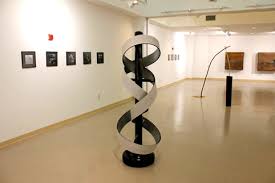
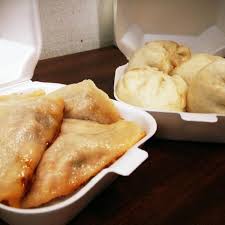

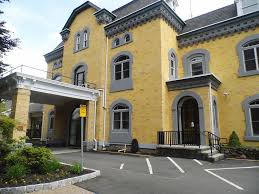
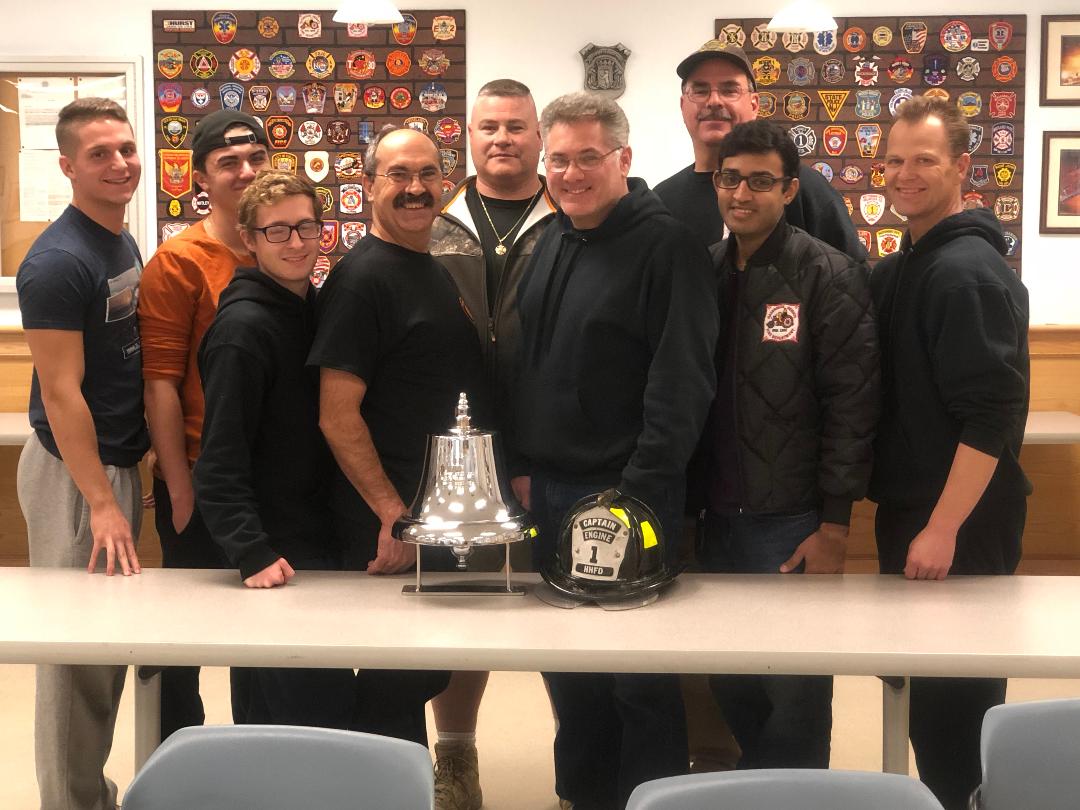
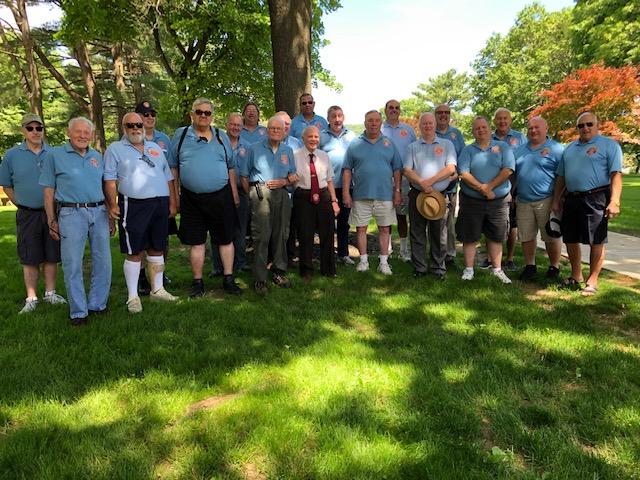
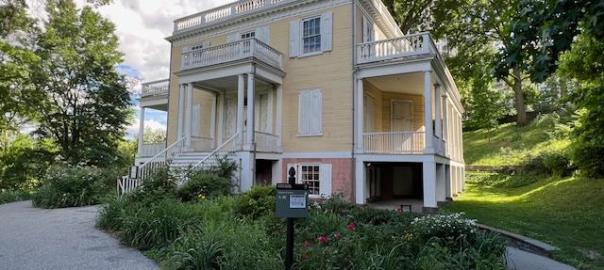


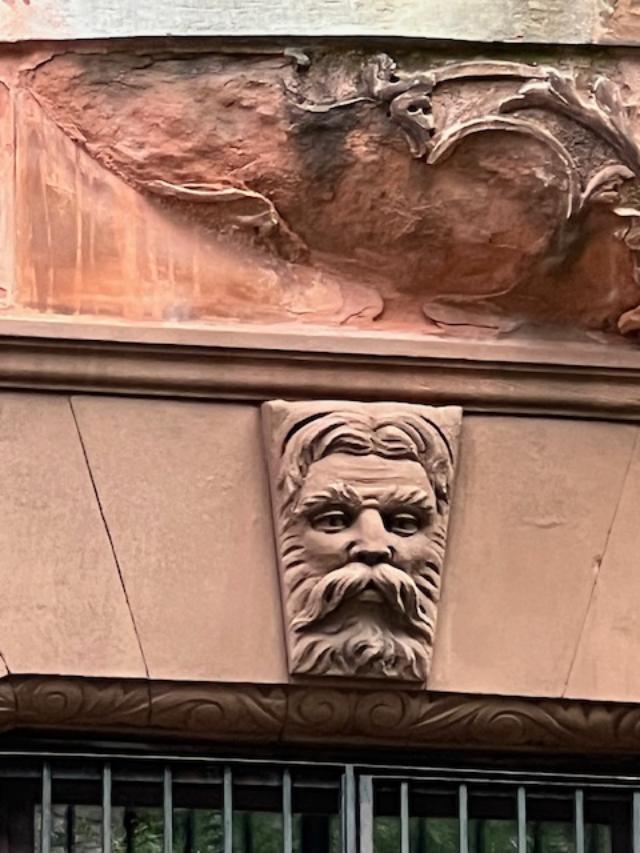


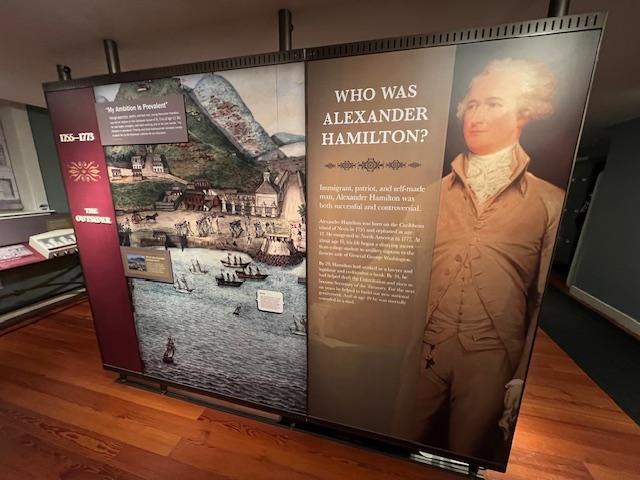
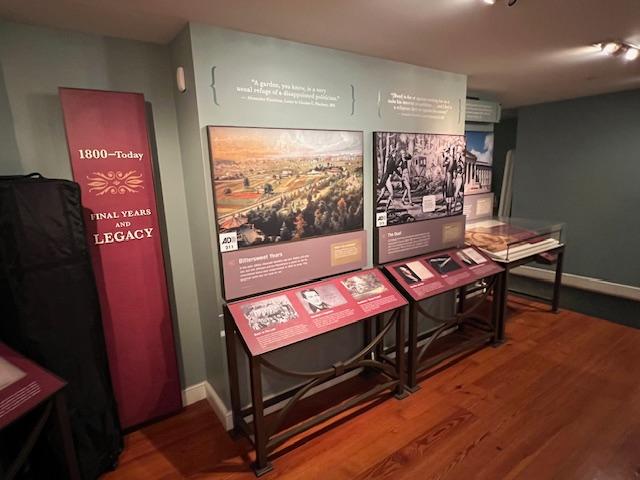
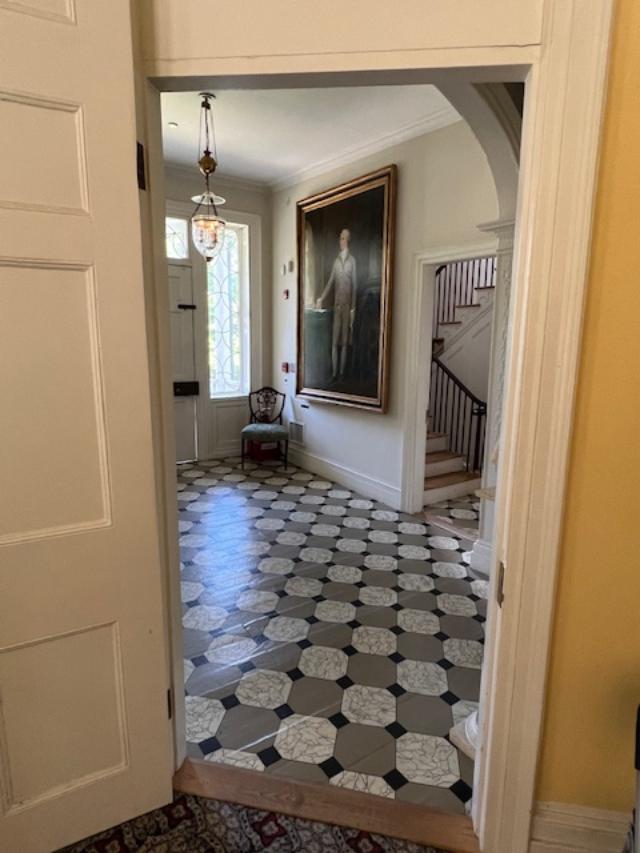
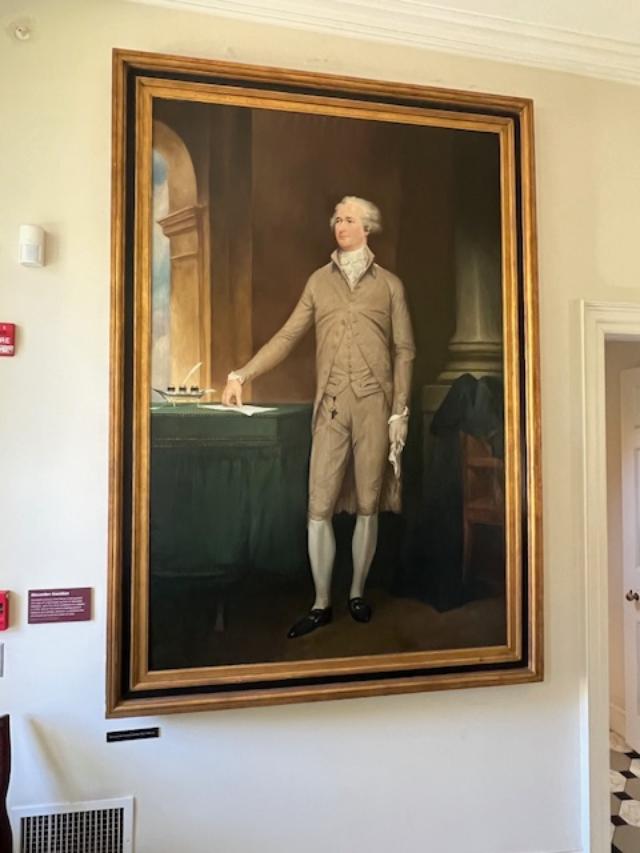

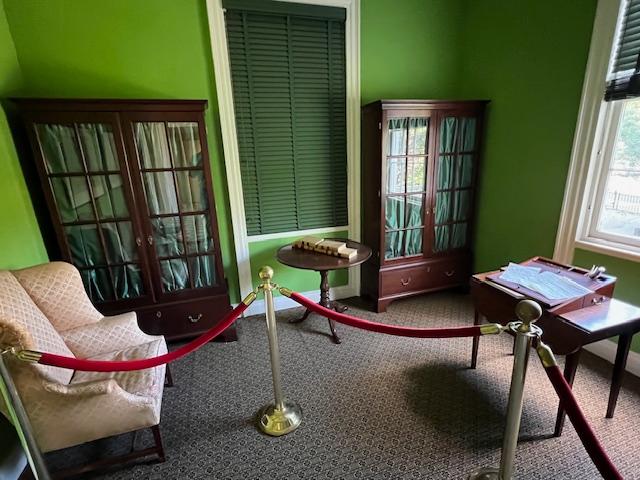


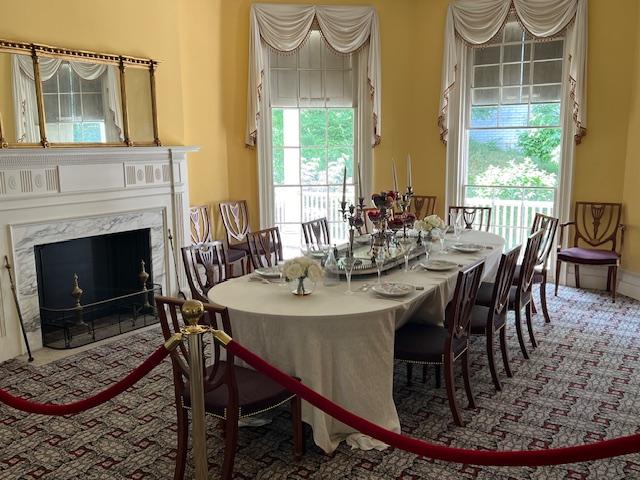

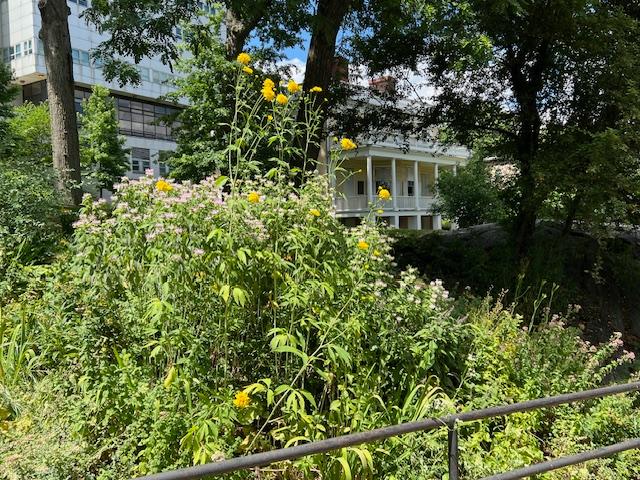

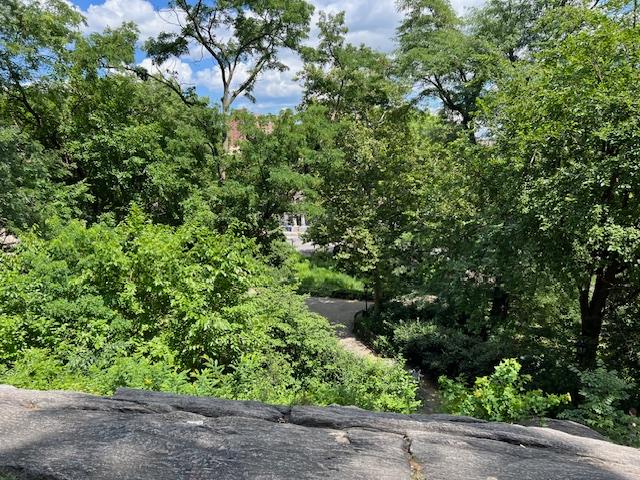


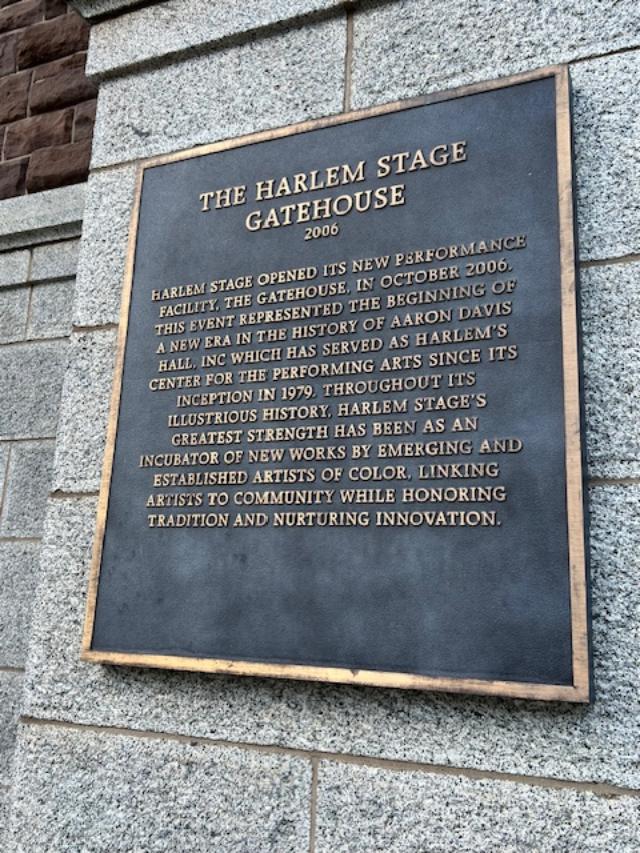

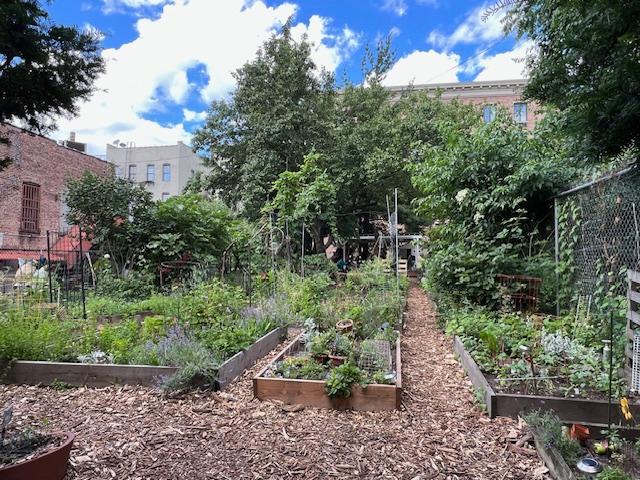

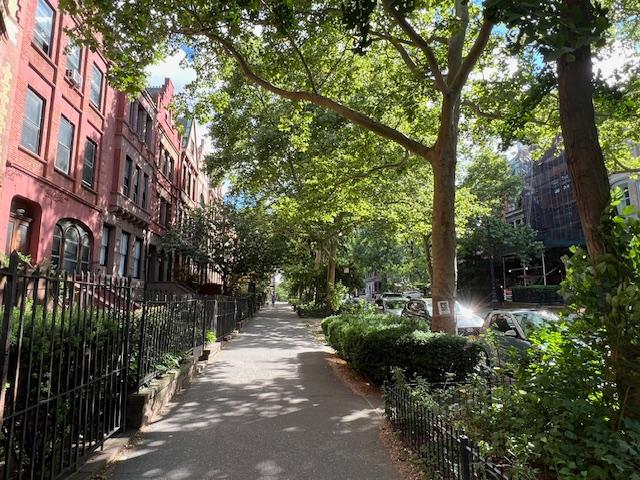


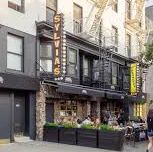
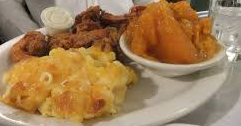


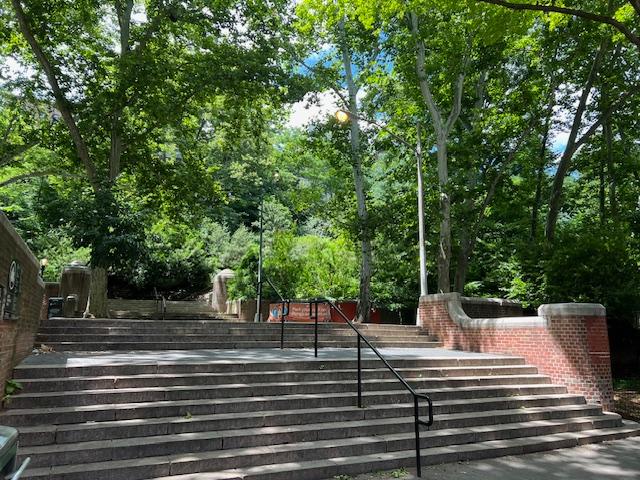


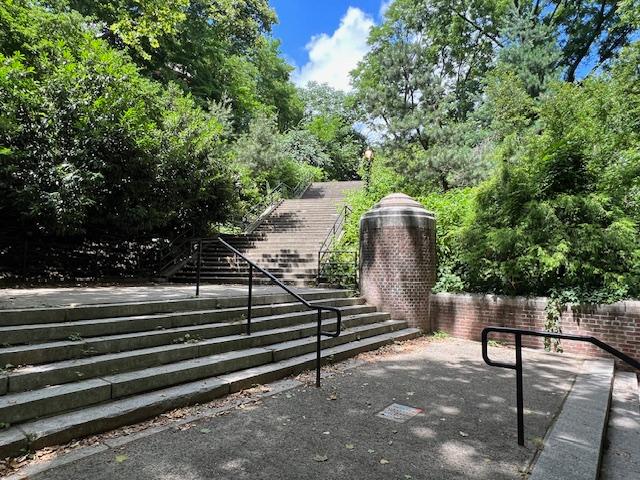

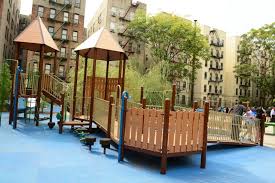

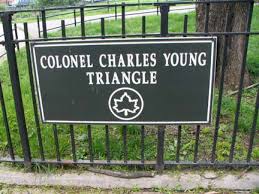
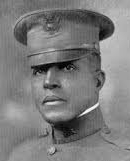
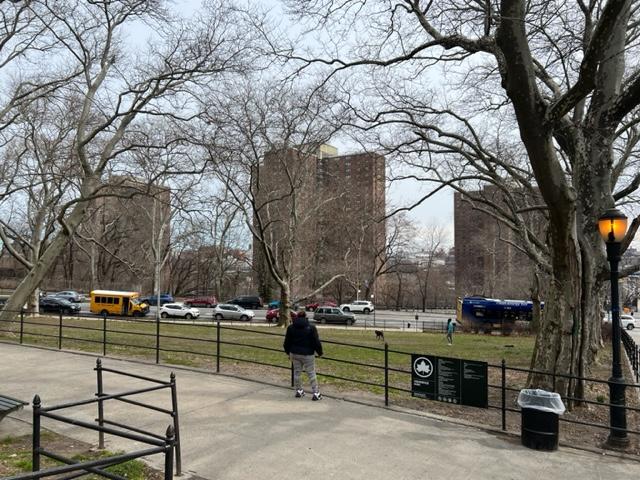

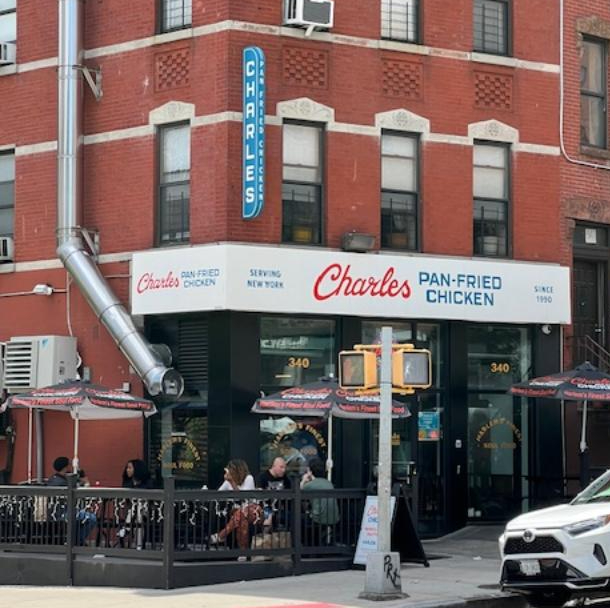

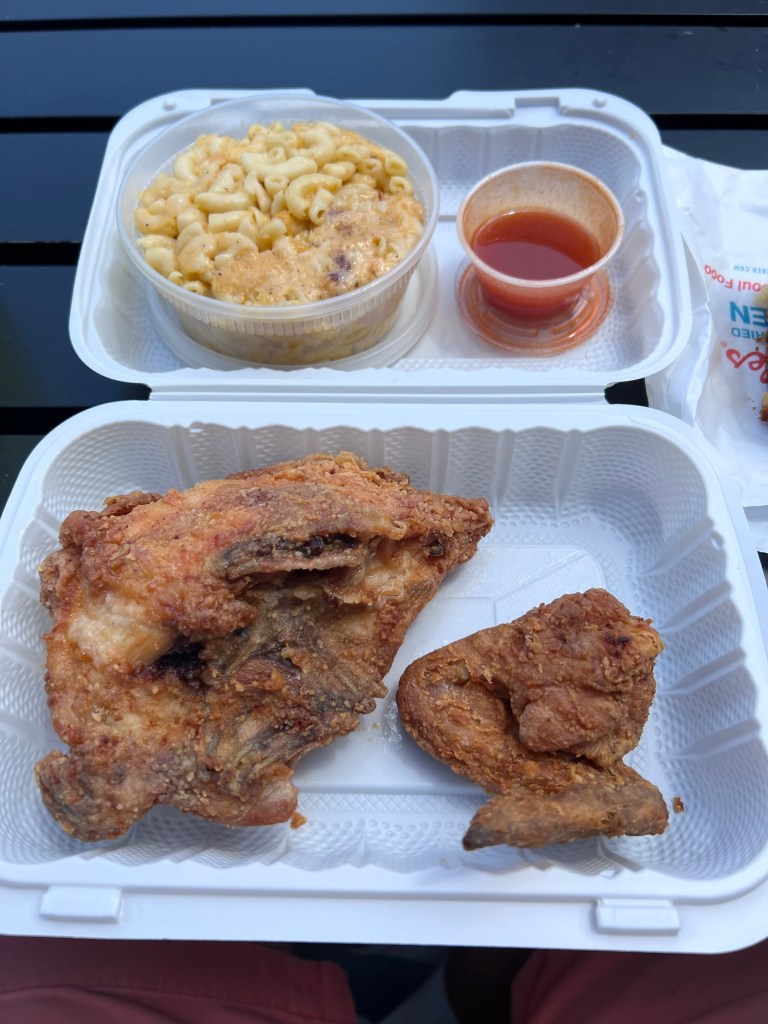


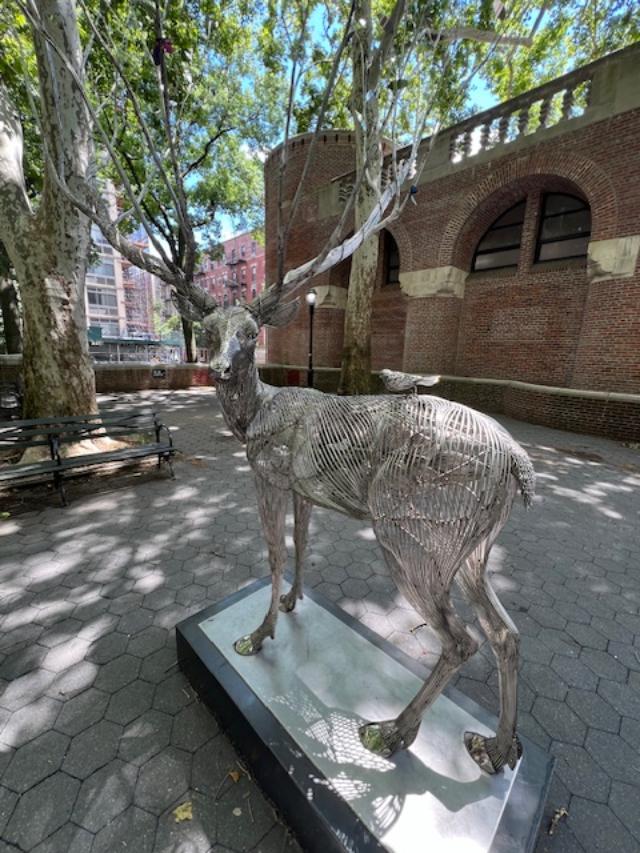

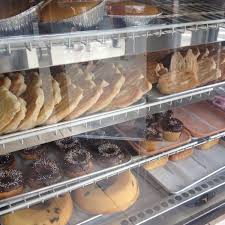
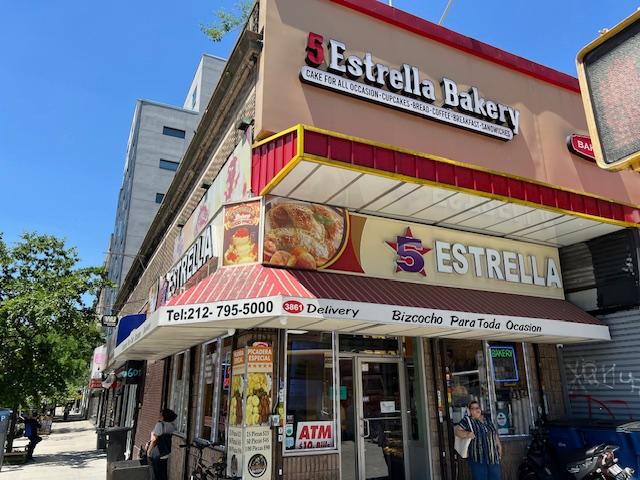
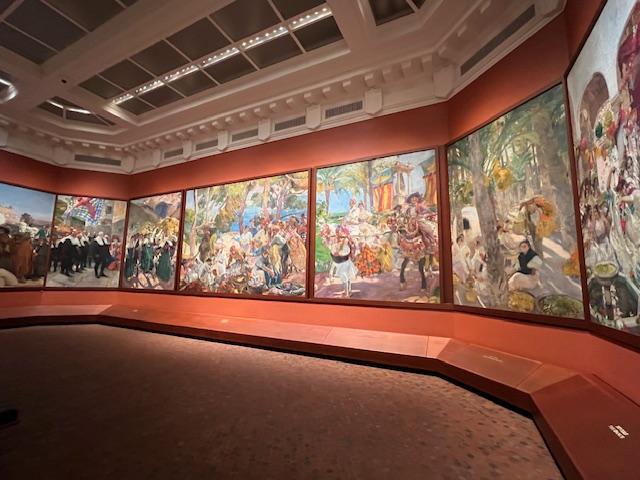

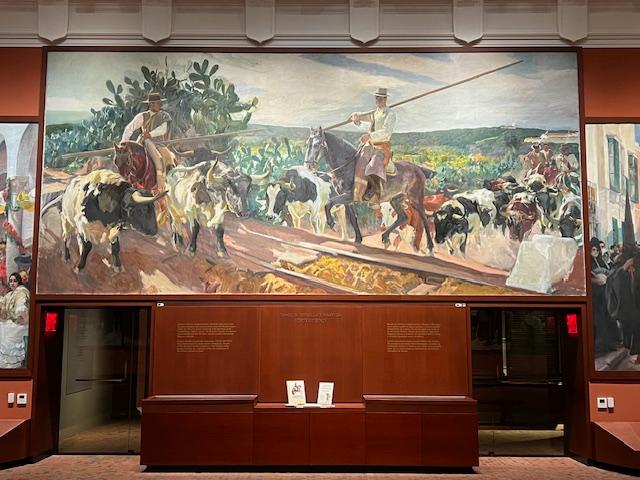
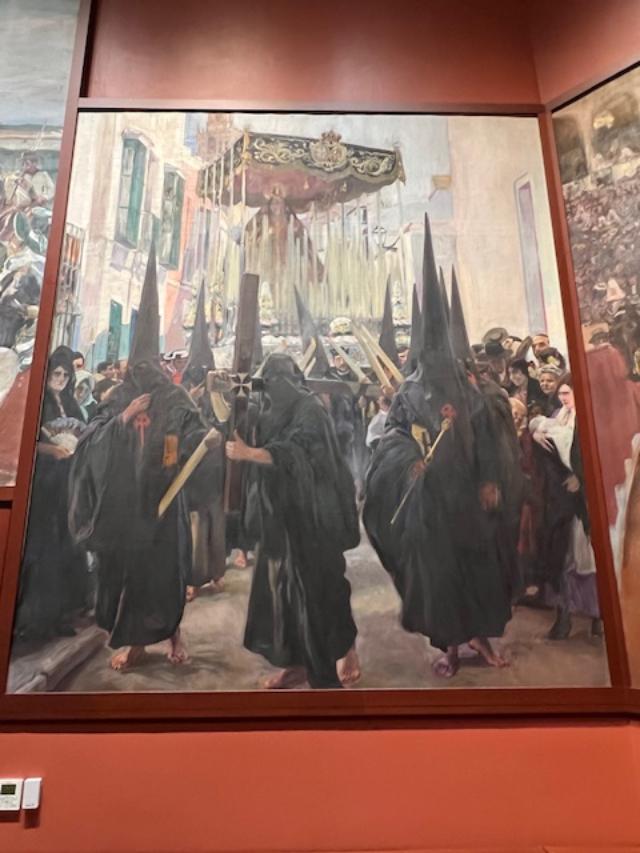


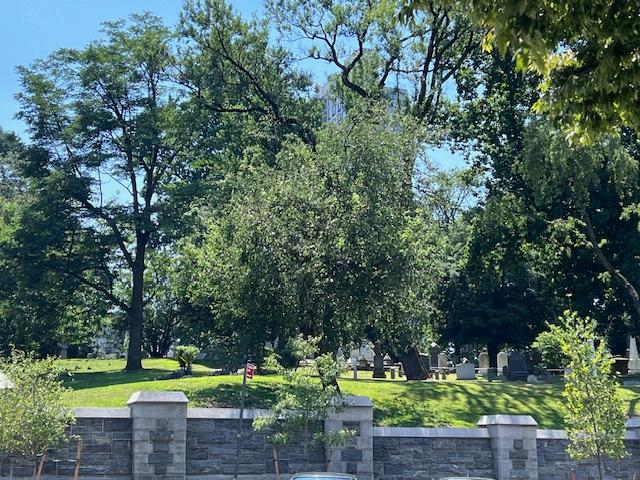

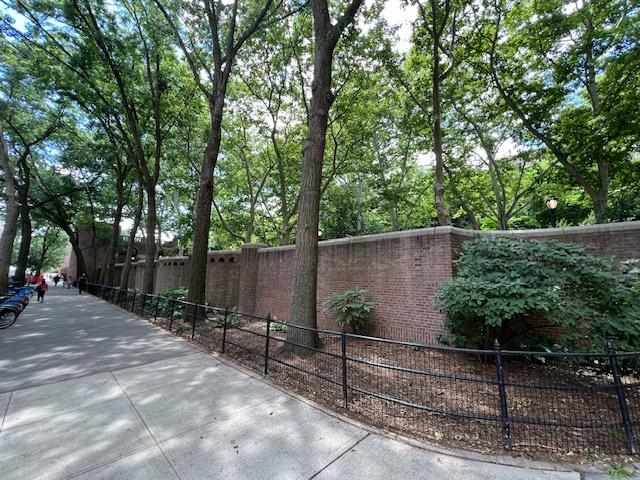

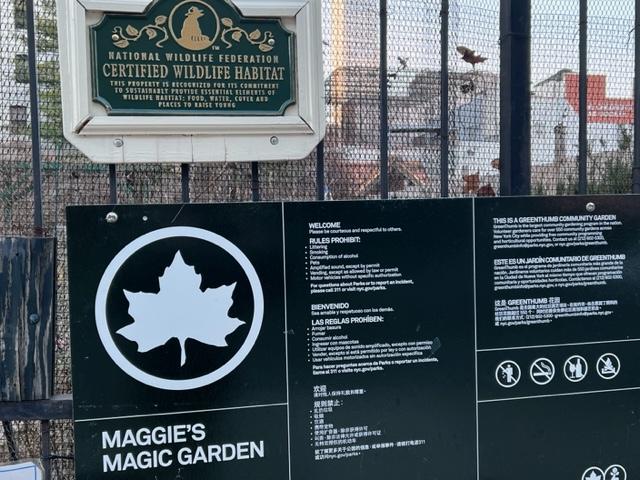


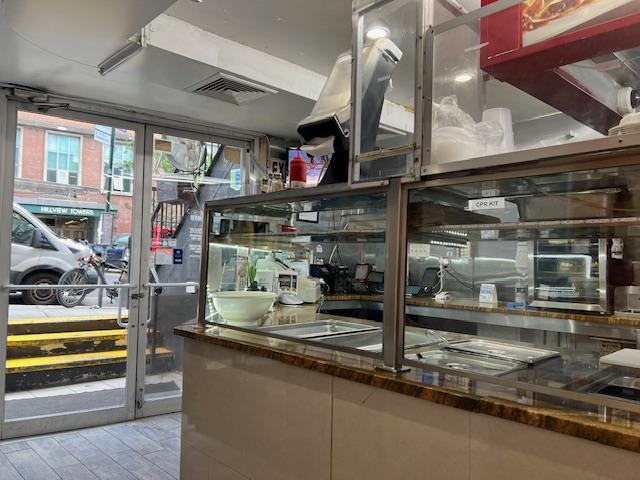


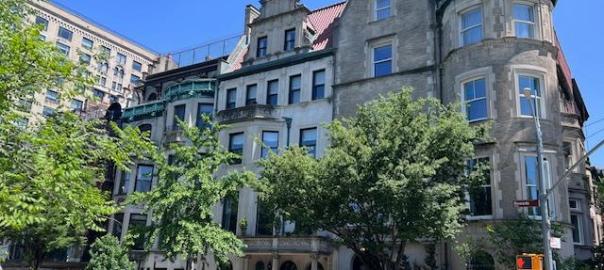


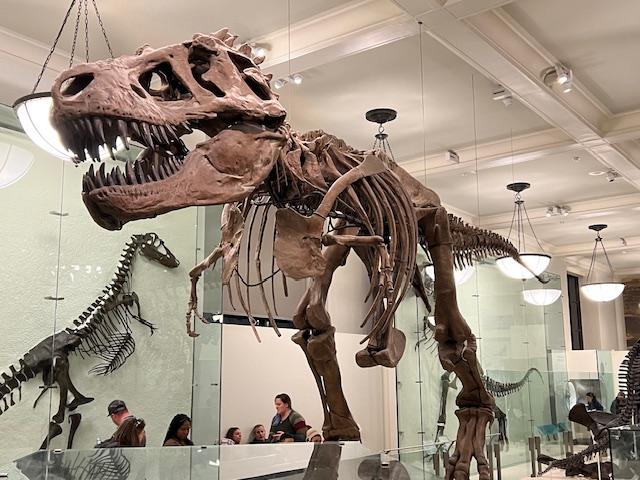
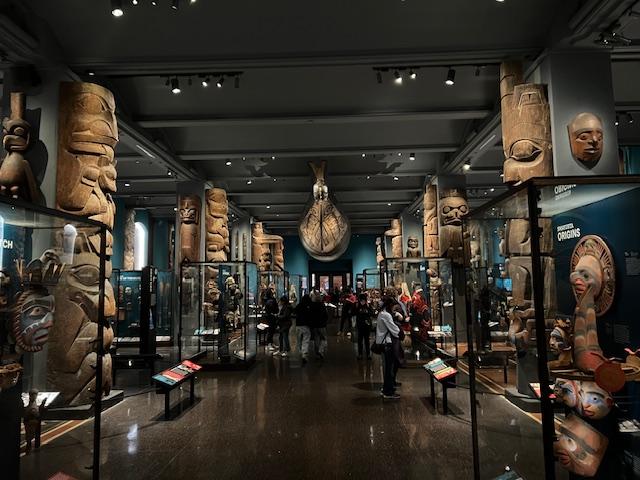
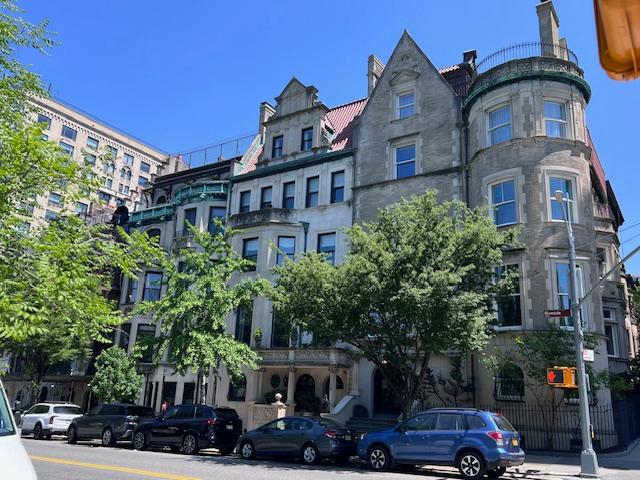

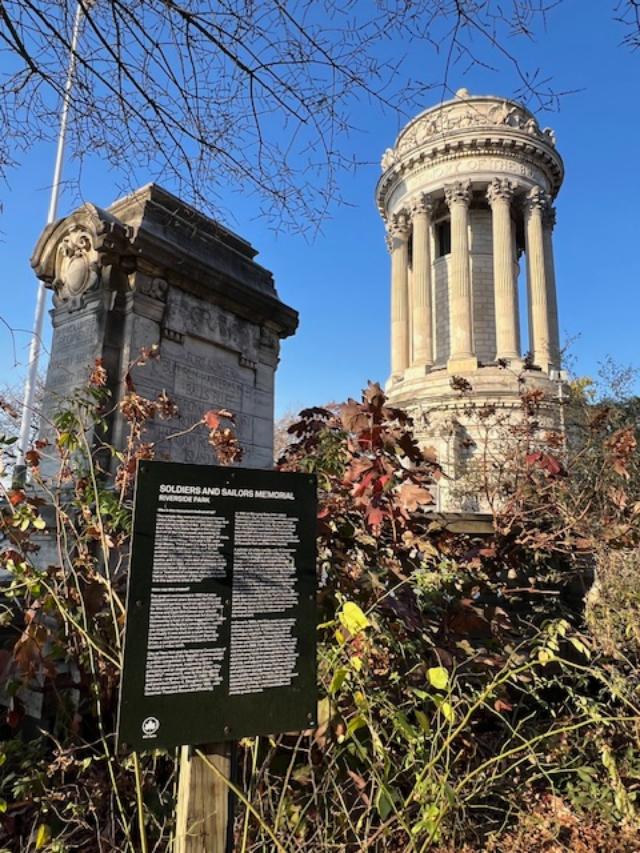

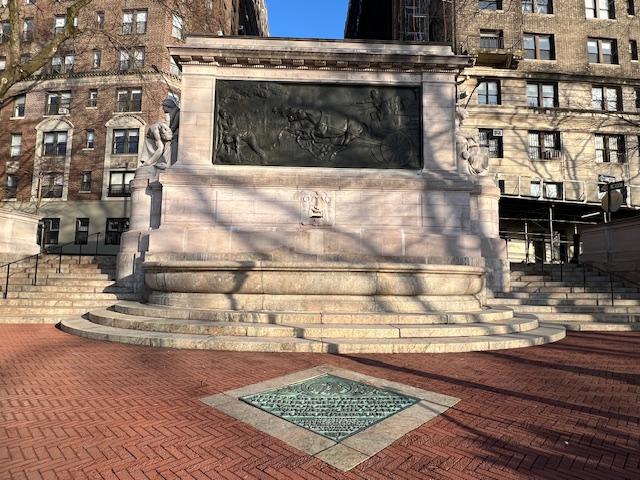
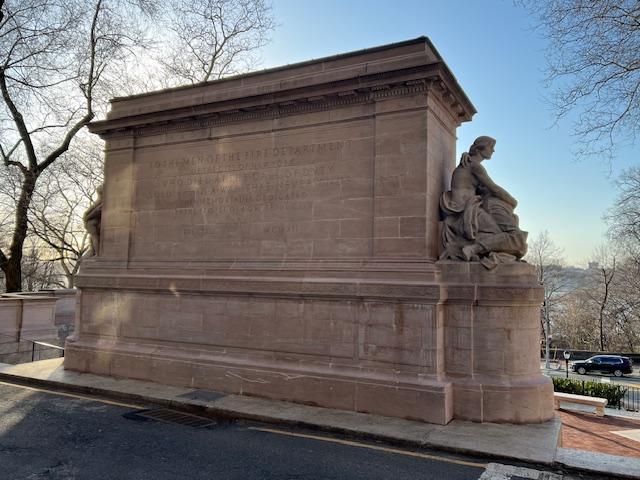


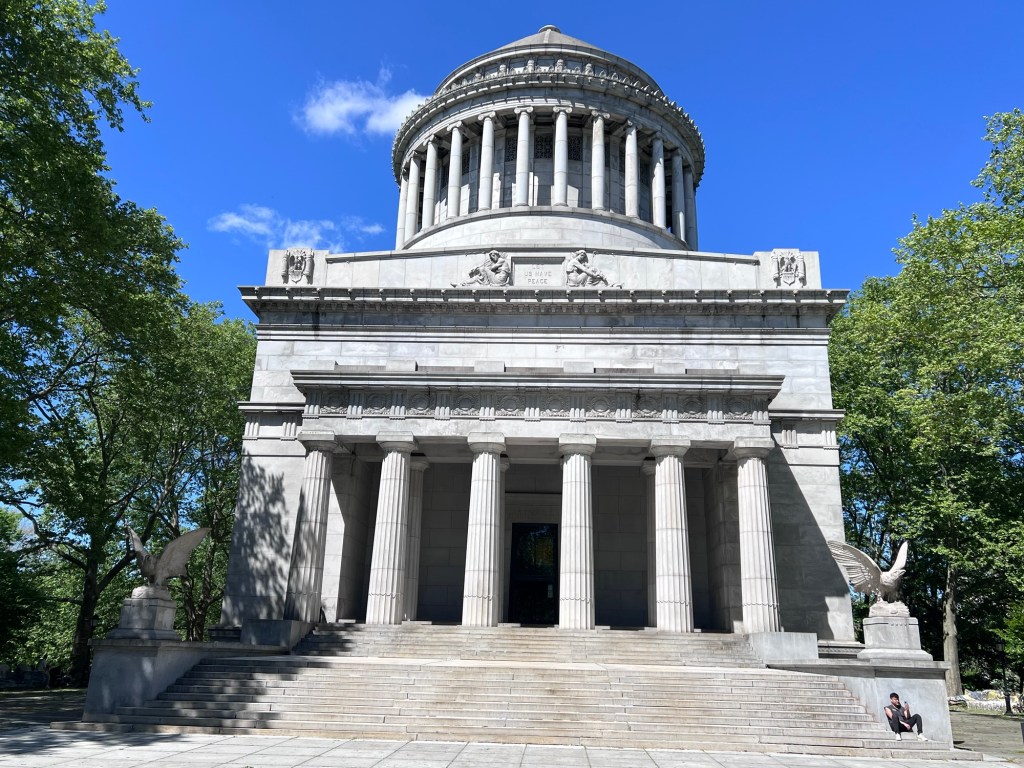

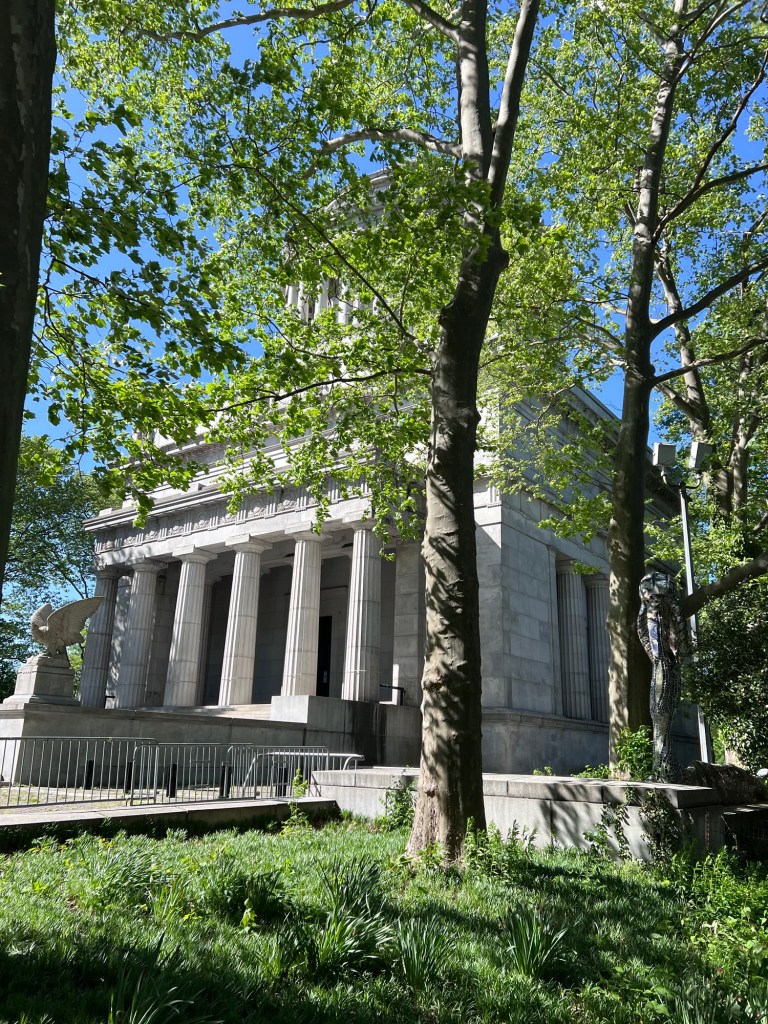

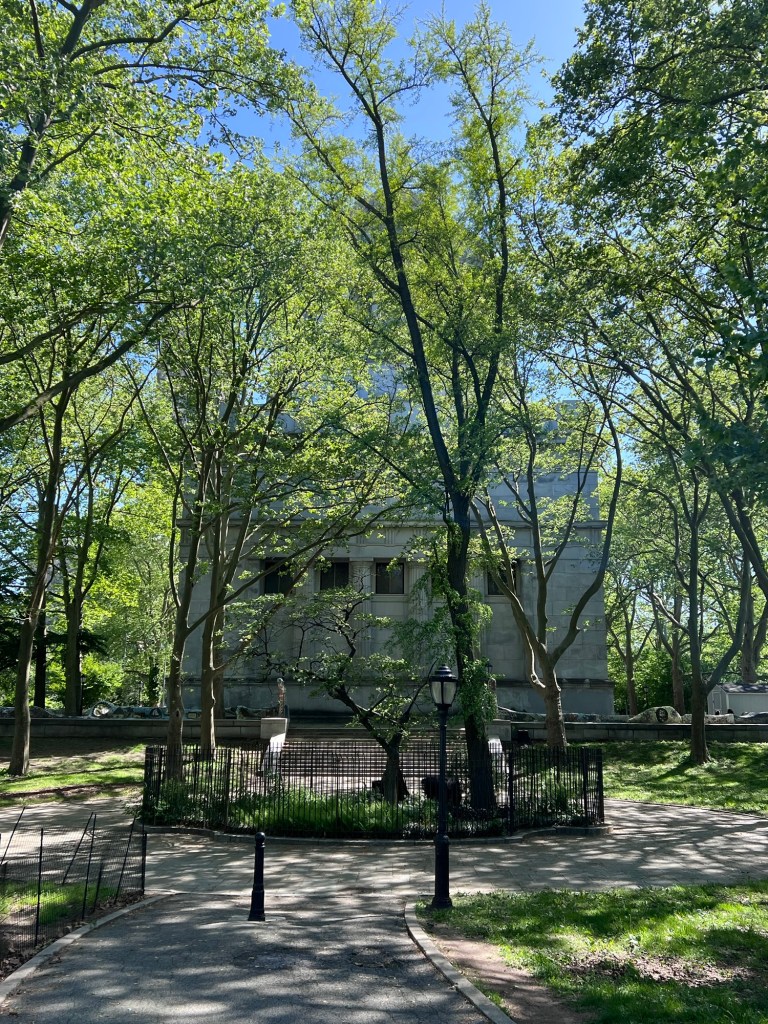

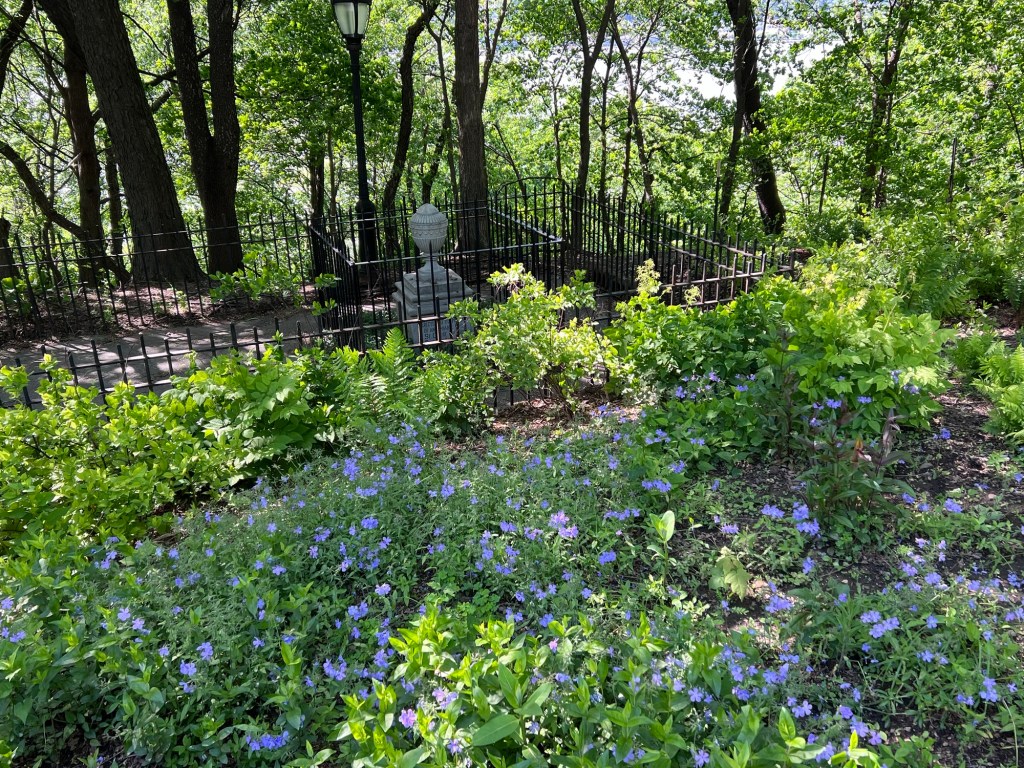

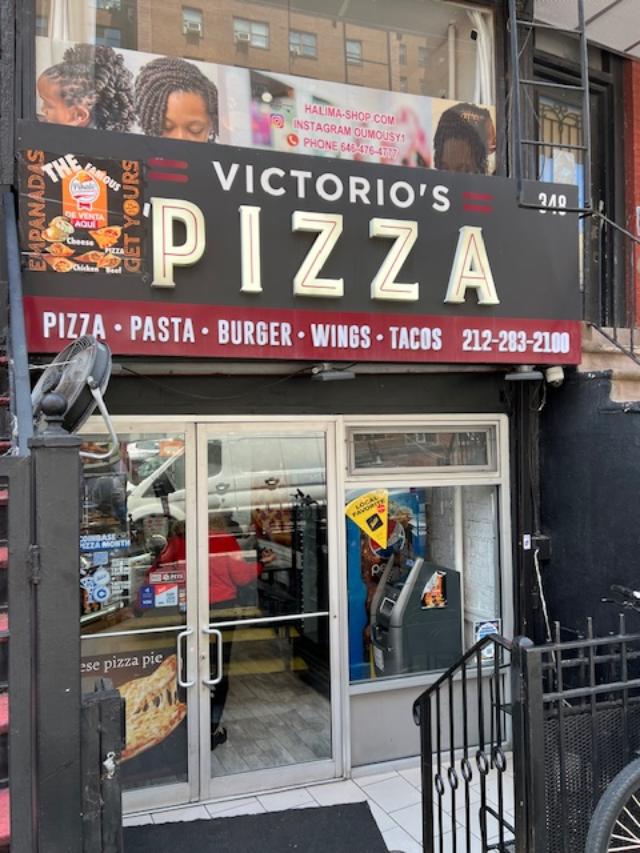

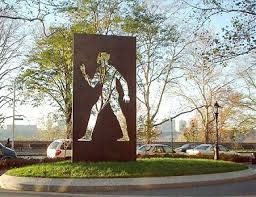


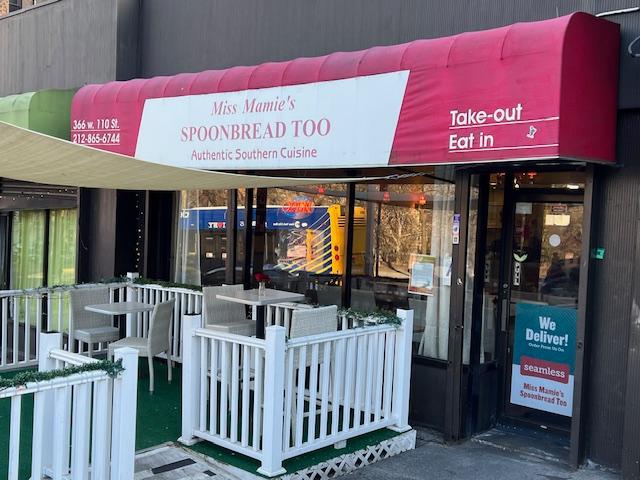
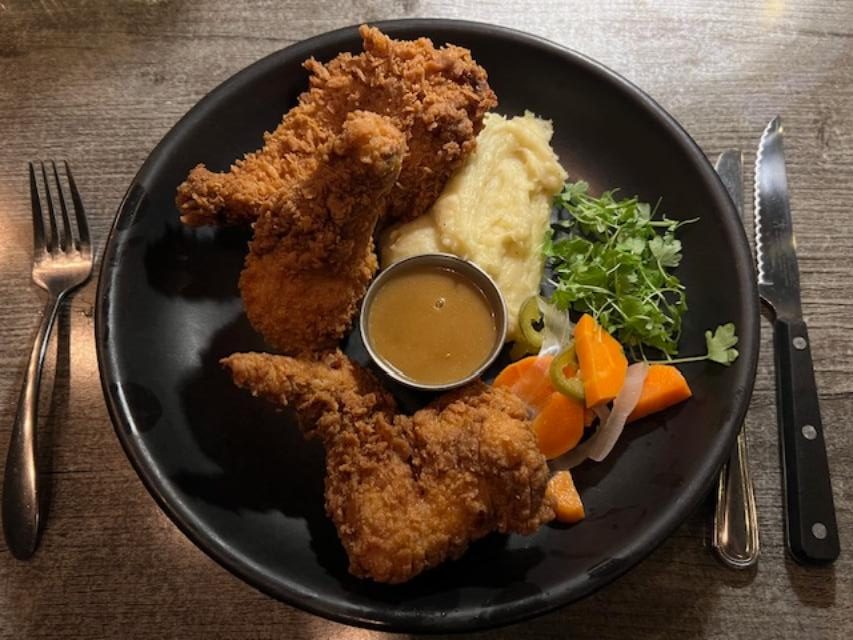


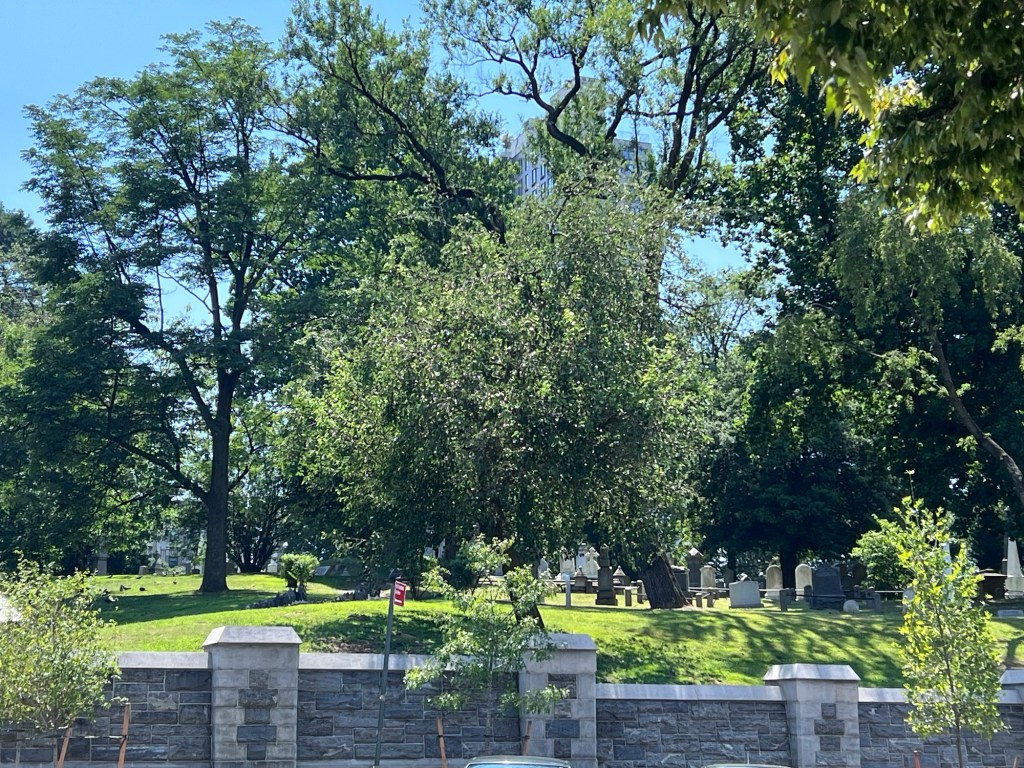
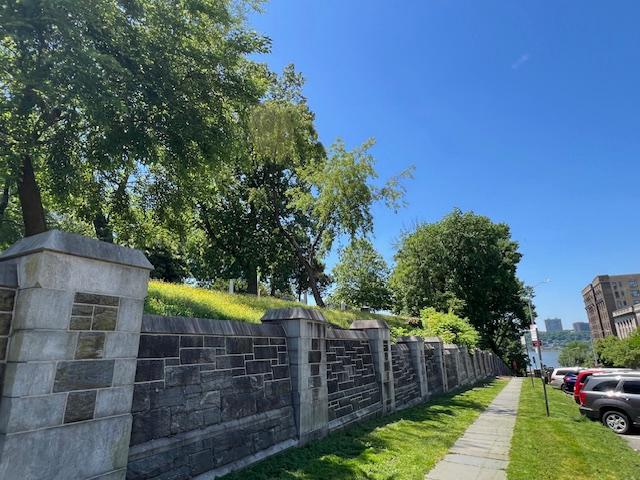
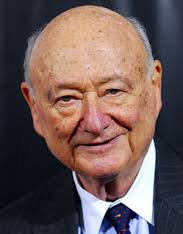


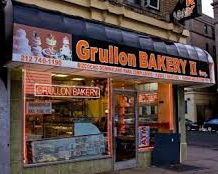

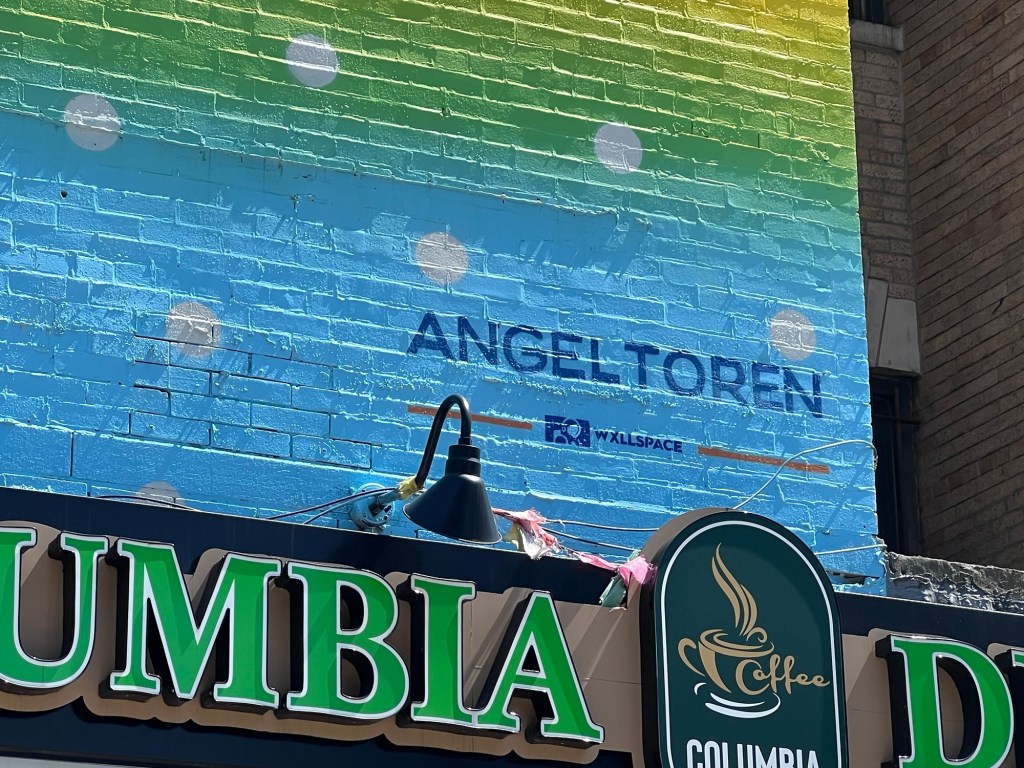

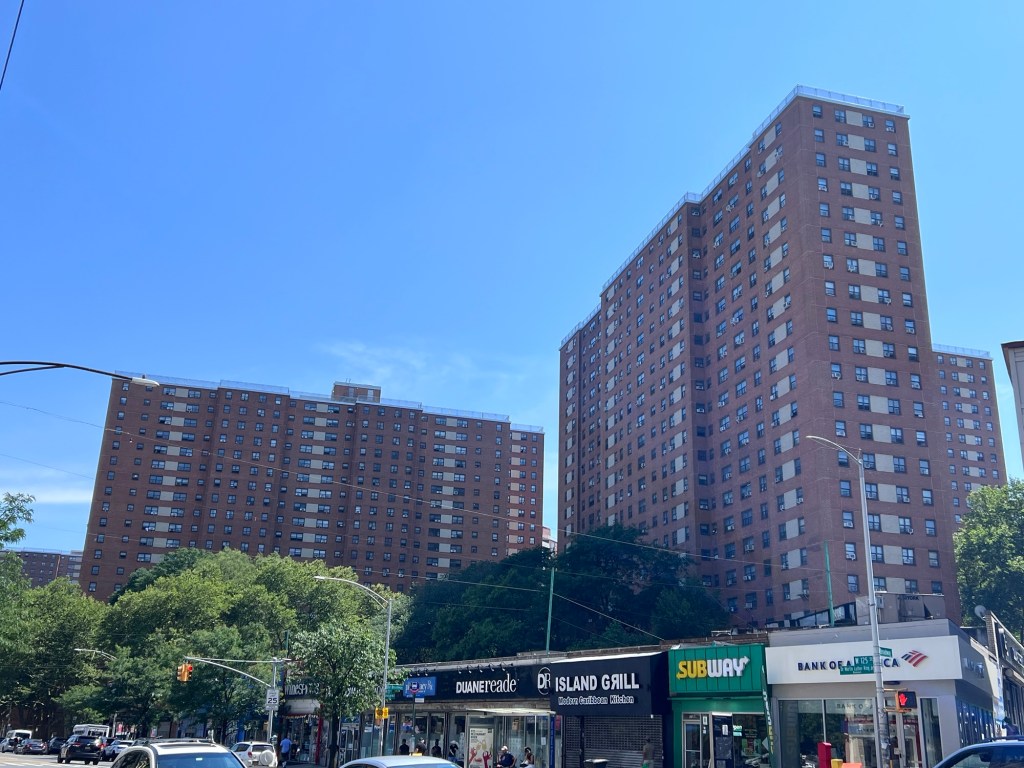
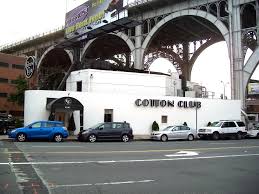
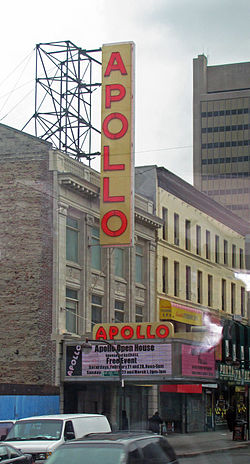
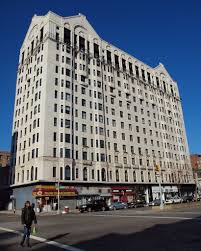


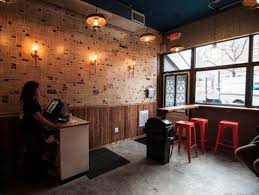
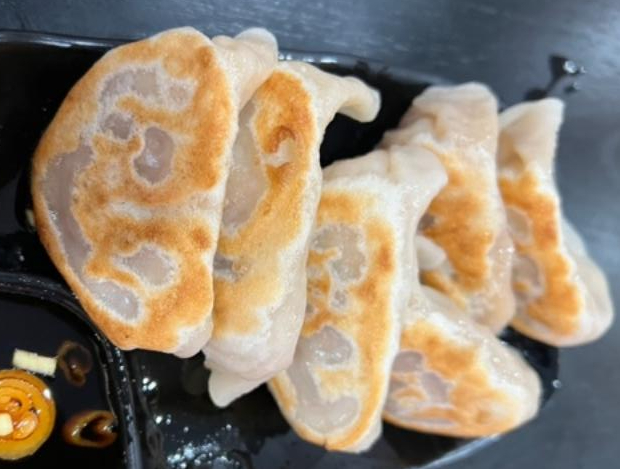



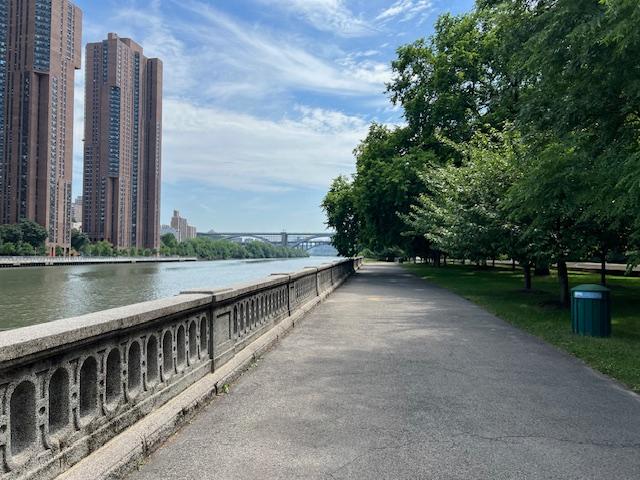
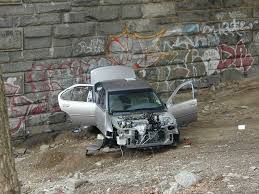

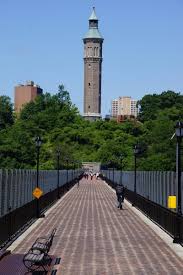
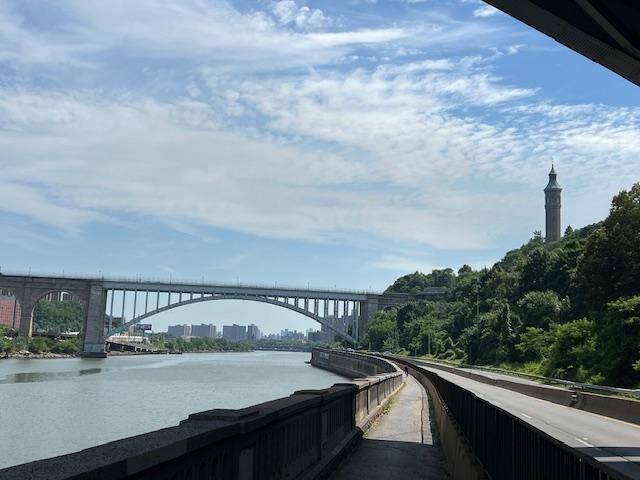


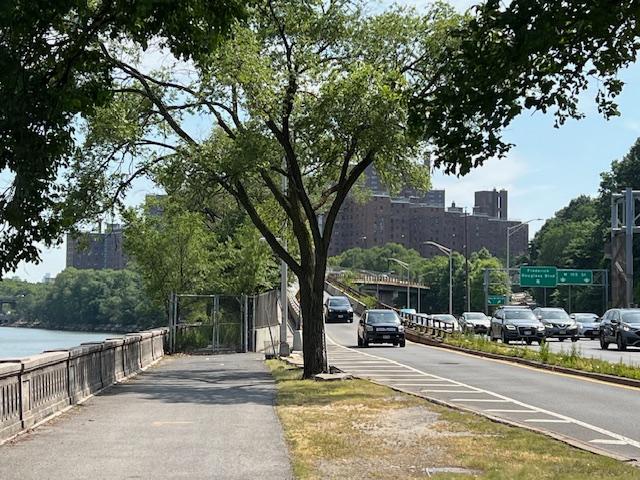
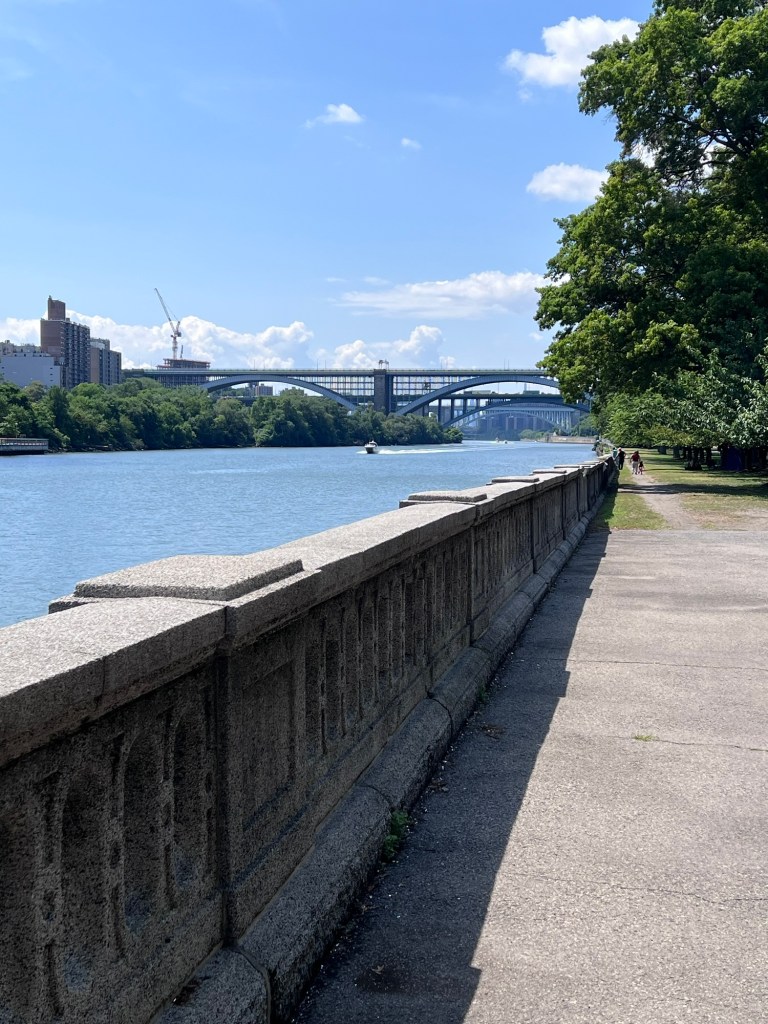

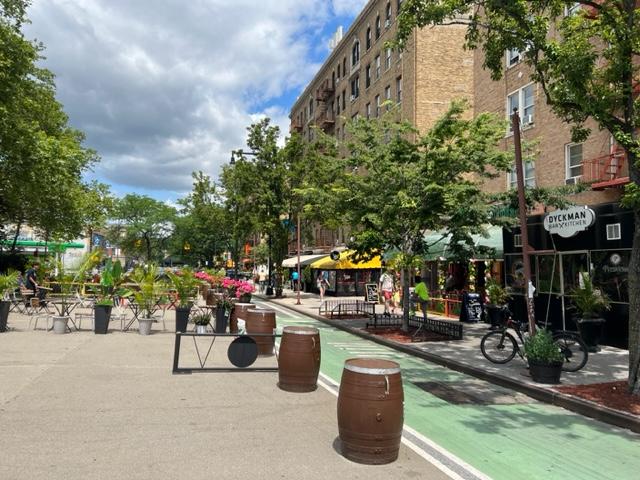


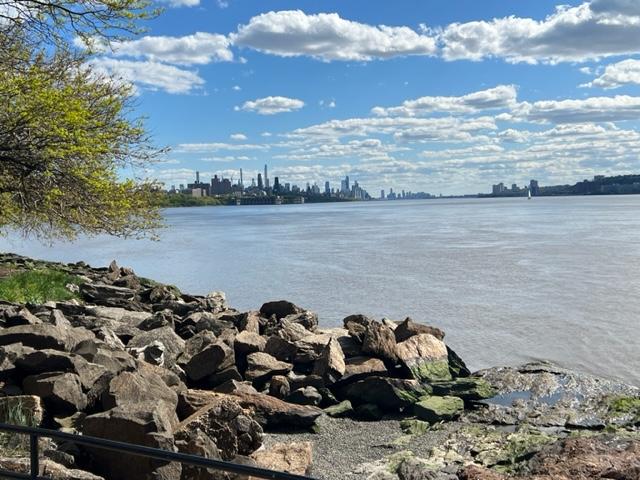


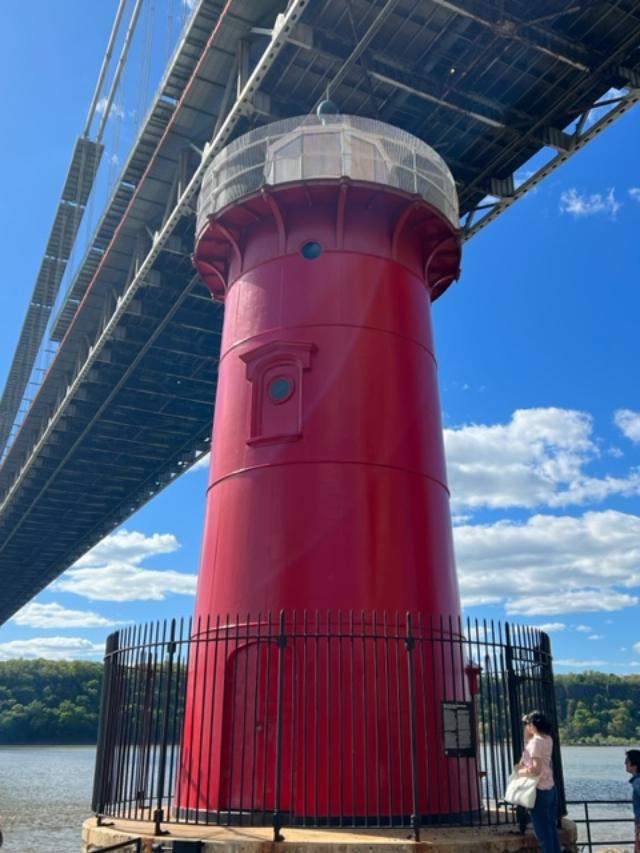
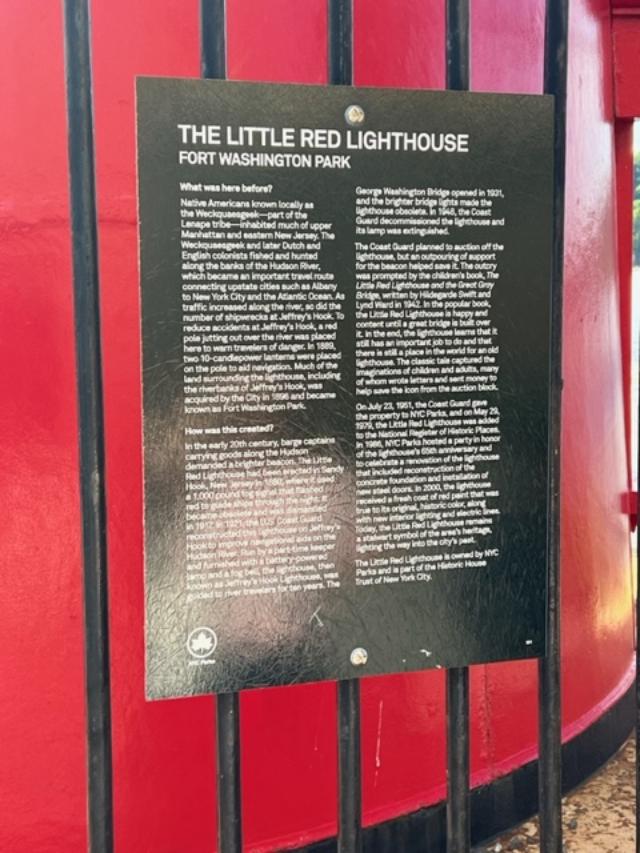

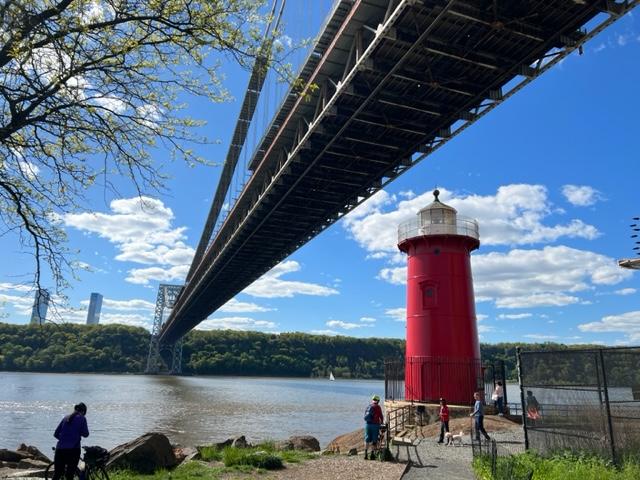


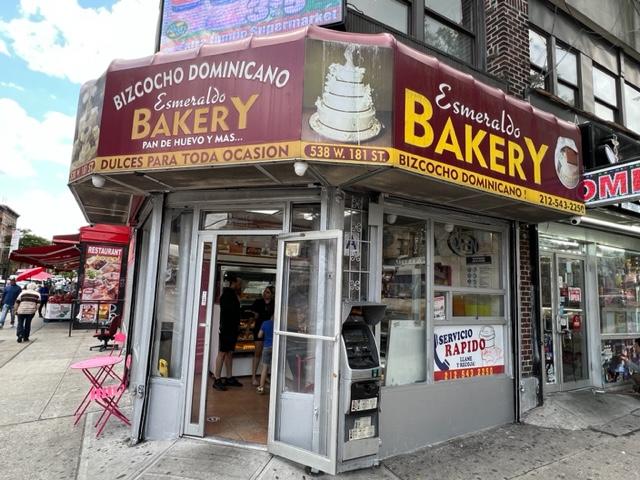

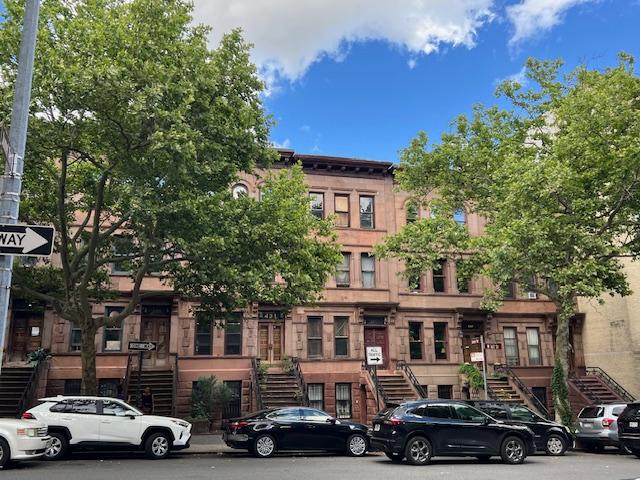
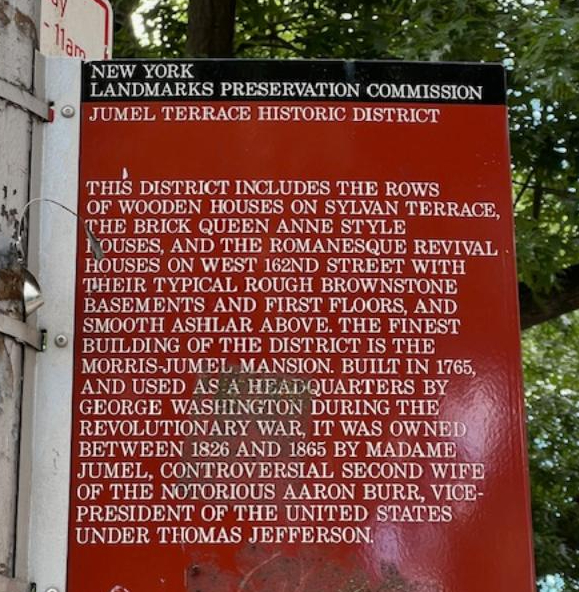
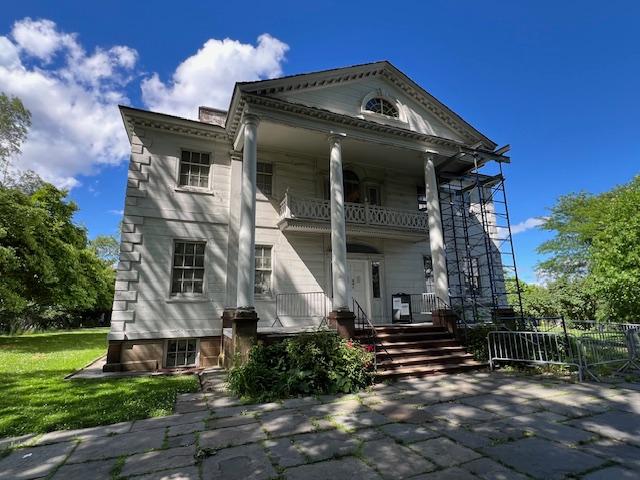
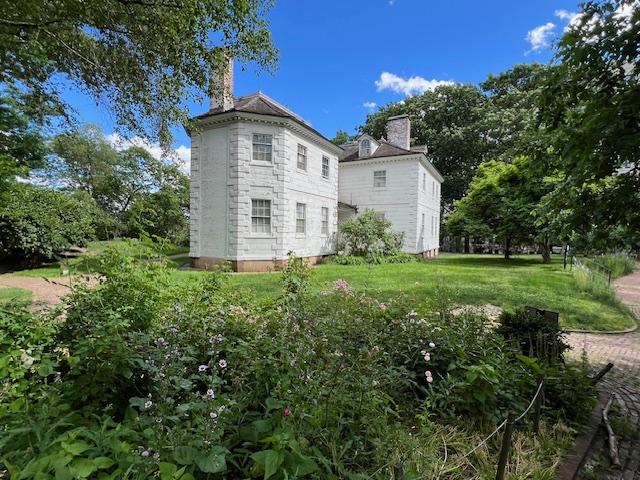

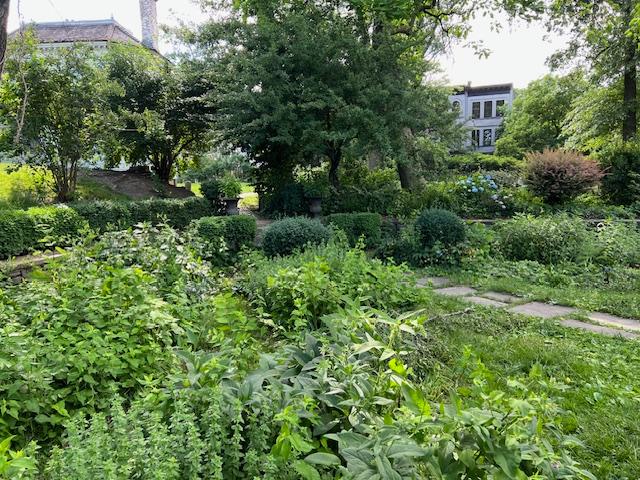
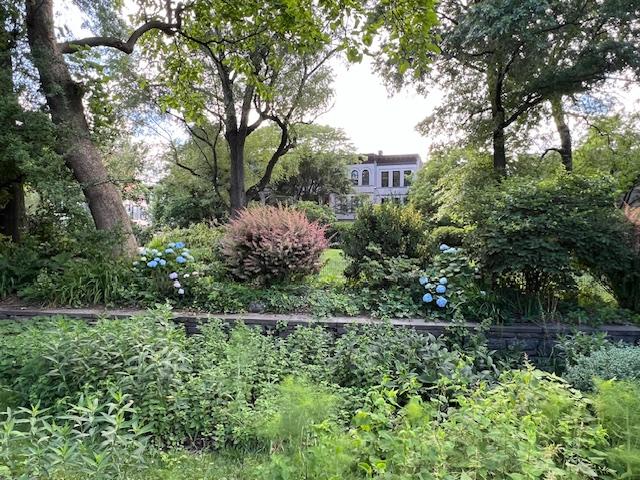


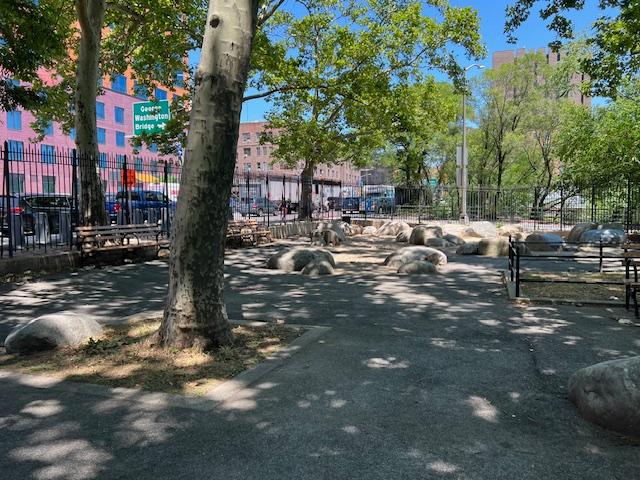
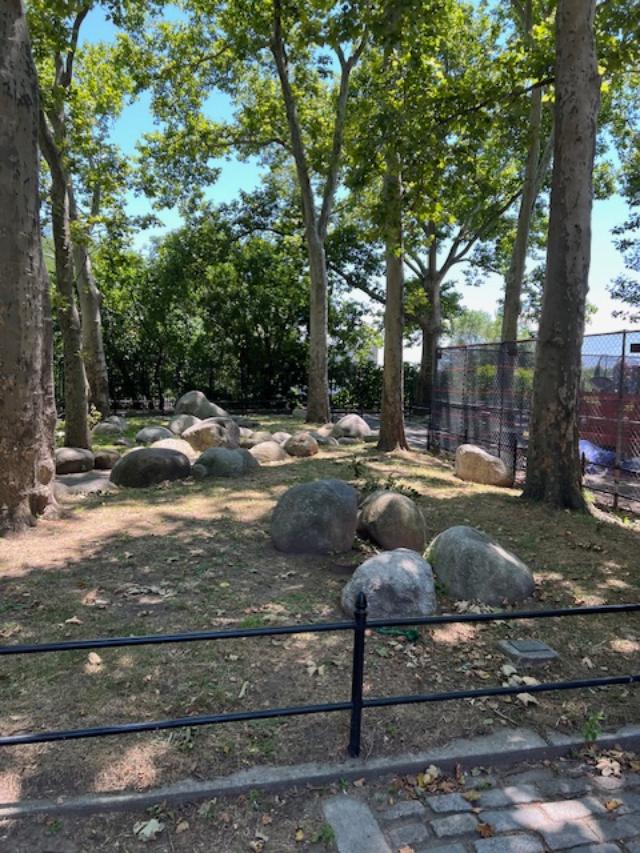


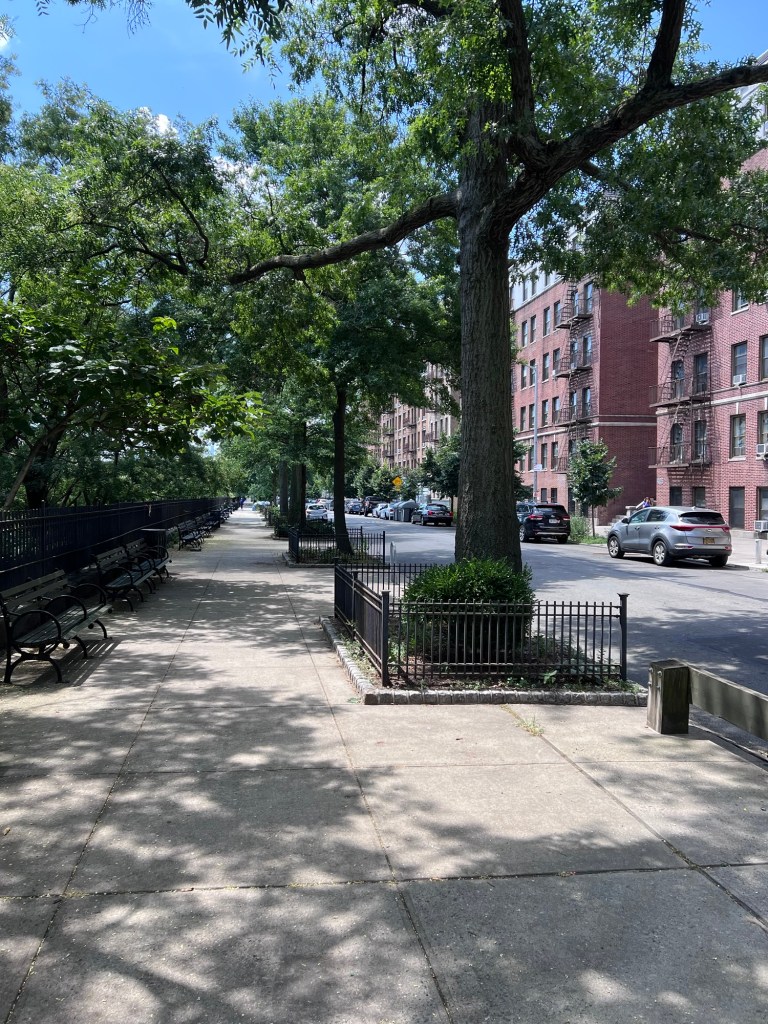

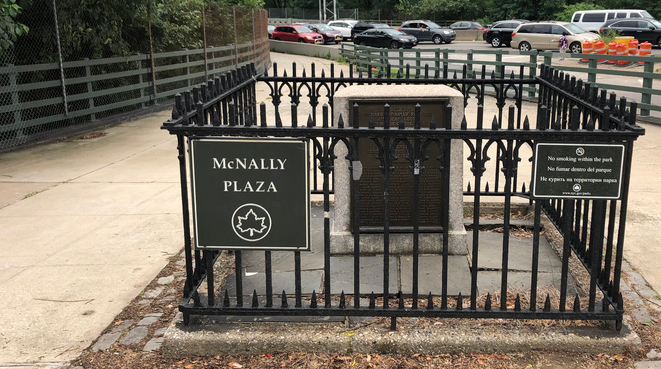
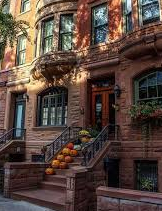
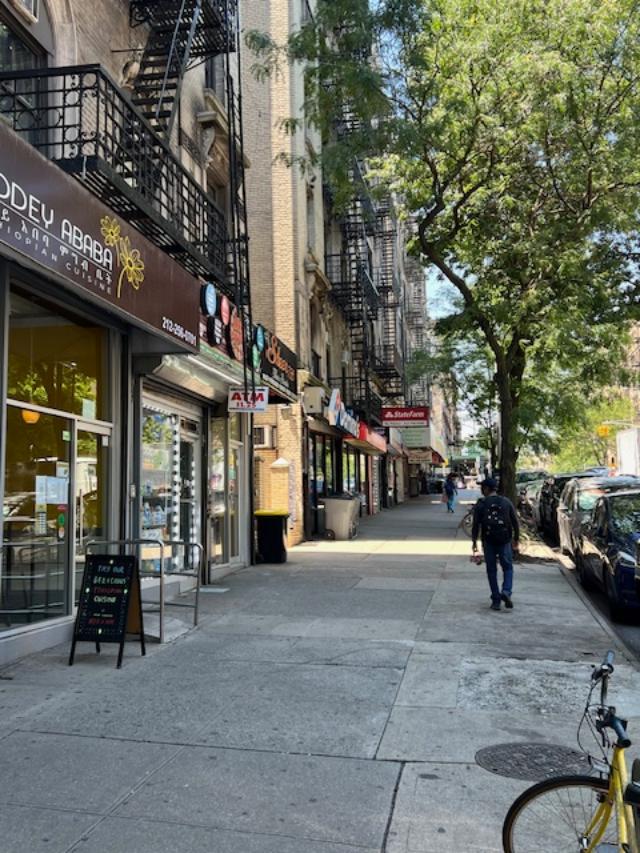

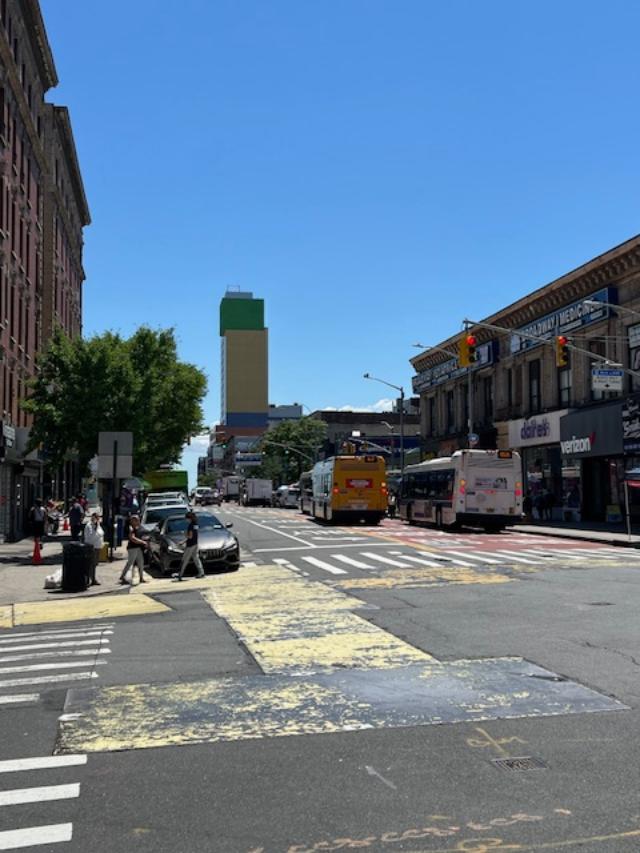
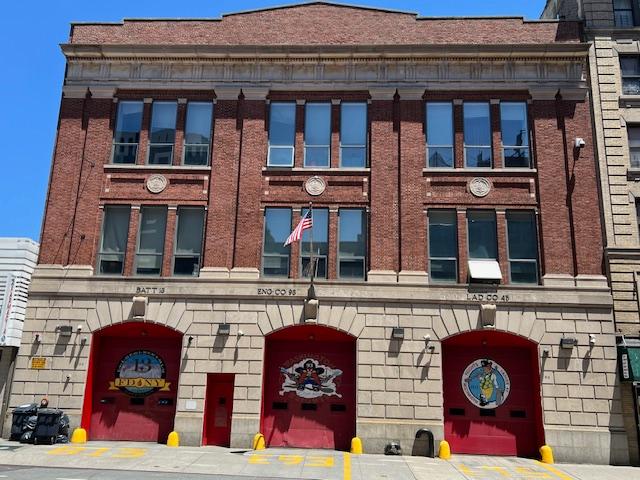
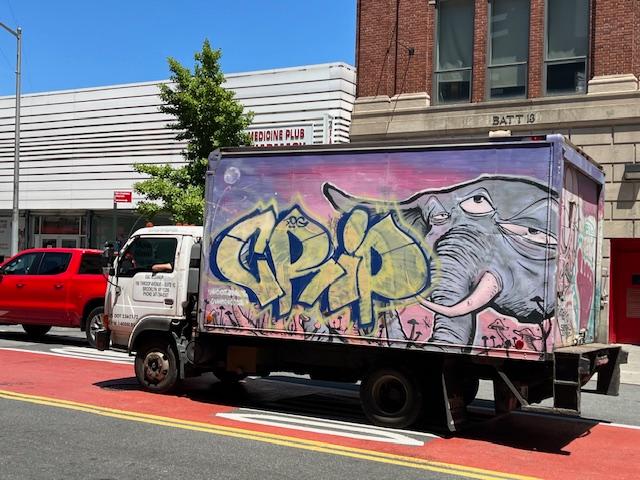
 mywalkinmanhattan