There are times you are walking around a neighborhood and there are restaurants that just stick out to you. It might be the number of people waiting to eat there, it may be the smell of the food cooking that drives you in or just maybe you are hungry.
The afternoon I passed Kam Lai 94 Restaurant, it was all of those things and I am glad that I stopped for a late lunch. The food and the service were wonderful in this tiny take out restaurant with just a few tables.
The delicious Beef and Broccoli with Pork Fried Rice with an Egg Roll
I ordered the Beef and Broccoli combination based on seeing another customer eating it at another table. It was excellent! The rich brown sauce of Soy and Hunan sauce really brought the flavor of the beef out.
The tender beef and the well cooked broccoli was a nice combination in a dish that will sometimes not work if either is not cooked right.
The Beef and Broccoli was delicious
The Egg Rolls were wonderful
The Egg Rolls were delicious. They were filled with lots of chopped roast pork and shredded cabbage and spiced perfectly. With a little Duck Sauce it made the perfect addition to this combination lunch special.
The egg rolls here are amazing
I recently came for a late lunch after visiting a museum on the Upper West Side and ordered the General Tso’s Chicken combination platter with an Egg Roll and it was delicious. The food came out steaming hot and wafted the smell of honey, hot peppers and soy sauce.
The General Tso’s Chicken combination platter with a Coke.
The chicken was steaming hot when it came to the table
The General Tso’s Chicken was a wonderful combination of sweet and savory with hints of ginger, honey, hot peppers and Hunan and Soy sauces. It was crisp and crunchy and had nice pieces of tender broccoli.
The pieces were lacquered with sauce
I love the Egg Rolls here. They are fried to a crispness and are a bit greasy but crunchy and flavorful.
The Egg Rolls are so good
They are filled with chopped cabbage and nice sized pieces of roast pork. They are really good and the perfect accompaniment.
Yum!
Don’t let the appearance of this little hole in the wall restaurant fool you. The food is excellent and the family running it is really nice. You will have a good meal here.
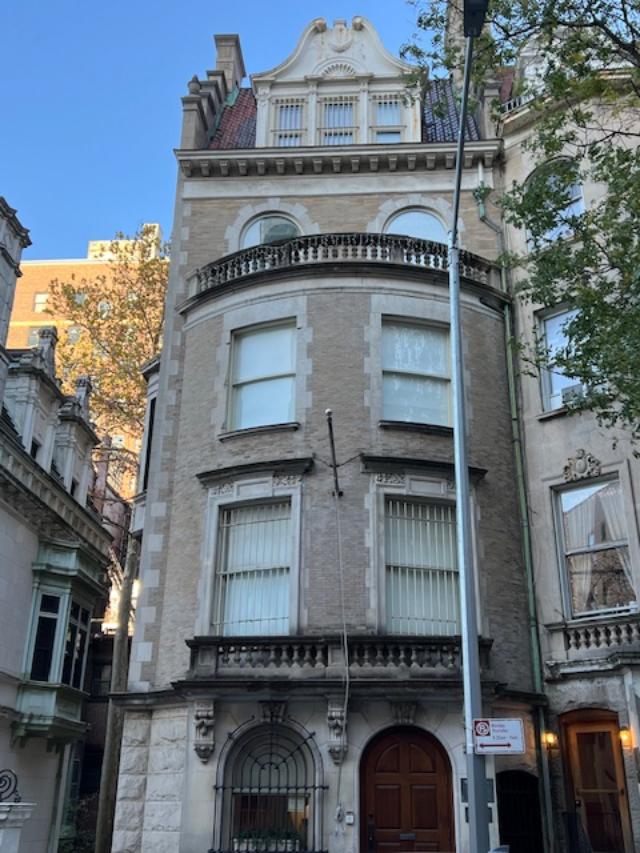
This small museum in the Upper West Side neighborhood of Manhattanville is easy to miss. It is in a small brownstone on West 107th Street right near Riverside Drive. You can see the plaque for the museum to the right of the building and there is a side door to get in. The admission is free but they do ask for a donation if you can do it.
The gallery on the second floor
The museum is a specialty collection of the works of artist Nicholas Roerich. They are mostly landscapes and religious themed that cover three floors of the museum.
The is a beauty to all his works especially the ones concentrated in the Himalayas with their colorful and spiritual themes.
The artist’s portrait of his mother on the third floor
It takes about an hour to an hour and a half to see all the floors. A nice touch they had in the afternoon that I was there was a piano player whom you could hear play throughout the brownstone. When you go, it will be a pleasant afternoon where you are not fighting the crowds of the larger museums.
The art pieces enlighten you and I felt gave you a sense of hope.
(The following information is from the museum website)
Artist Nicholas Roerich
(From the museum website)
The Nicholas Roerich Museum was founded in 1949 to house a permanent collection of over two hundred paintings by the Russian-born artist, poet, philosopher and humanitarian, Nicholas Roerich. The museum also houses a library of books and maintains an archive and a collection of artifacts relating to the areas of Roerich’s interests (Museum guide).
The Mission of the Museum:
The mission of the Nicholas Roerich Museum is essentially a narrow one: to make available to the public the full range of Roerich’s accomplishments. These, however, are not narrow; they cover the realms of art, science, spirituality, peacemaking and more. Because Roerich’s activities ranged widely, so do the museum’s.
The second floor galleries
The Museum Collection:
Nicholas Roerich is known first and foremost as a Russian-born artist. His paintings, of which there are thousands around the world, explore the mythic origins, the natural beauty and the spiritual strivings of humanity and of the world.
One of the more spiritual paintings in the collection
The museum houses approximately two hundred of these works and keeps most of them permanently on display for visitors who come from around the world. Indeed, for many of these visitors, the museum is a destination of great importance; the paintings speak to them of their own inner yearnings and possible fulfillment. For them, Roerich’s paintings are a kind of teaching-about spiritual development about culture and its role in human life and about opportunities for the achievement of peace in a fractious world.
The second floor galleries
The beautiful landscapes on the second floor
Publications & Booklist:
The museum also keeps in print a number of books by and about Roerich and his life and work and a substantial stock of postcards and reproductions of his paintings. These too are seen by many as more than just prints; they are hung in homes with a degree of appreciation that is not often given to such things.
The gallery on the first floor with some of the more religious works
Cultural Events:
In addition to these functions, the museum also maintains an active schedule of cultural activities.
The second floor galleries
It was Roerich’s fervent belief that the role of cultural development in the peace and evolution of the world is fundamental and that it is therefore the responsibility of those who work in creative and cultural fields to strive always for that peace and evolution and for those goals to be the chief impulses guiding their creative work. Information about these ideas is always available.
The second floor gallery with Asian themed art
The Roerich Pact & the Banner of Peace:
The museum sustains an ongoing effort to spread public awareness of the intermingled roles of peace and culture and the ways in which each sustains the other. Information and materials about The Roerich Pact and the Banner of Peace are always available.
The patronage of the museum through the Katherine Campbell-Stibbe Foundation
Throughout this century of wars and national struggles, the yearning of the public for ways of achieving peace has been great; the ideas of the Pact and the Banner provide a welcome answer to those yearnings.
The history of the museum through the years
As Roerich’s ideas become better known around the world, attendance at the Museum grows and requests for information and materials about him and his art and social achievements increase.
The gift shop on the first floor. The director of the museum even sells honey from the beehives on top of his building.
*This information is from the Museum’s website.
Disclaimer: This information was taken from a combination of the museum’s website and from the biography of the artist.





 mywalkinmanhattan