I love the Lunar New Year with all its pageantry, parades, fireworks and crackers and especially the food. I spend most of my time running around Chinatown in Manhattan before the holidays began, where most of the main celebrations take place but now travel to museums to enjoy the festivities they sponsor for the holidays.
I start the holidays at the Metropolitan Museum of Art (or as I say my second home in New York City) for their celebration for the ‘Year of the Horse’
Touring the Asian Galleries on the second floor for the ‘Year of the Horse’ celebration
The Met had created a display of all sorts of objects in the Asian Wing of the museum for the holidays. So there many horse themed pieces on display in the cases includes a series of zodiac figurines.
Some of the ancient horse artwork in the Asian Wing
Some of the artwork is so beautiful
The Scroll Room with the paper artworks. The collection is very extensive
The Chinese Shine tucked back in one of the galleries with its unusual stonework
Some of the statuary and stoneworks in the entrance gallery of the Asian Wing
The ancient stonework in the main gallery
The last event of the day in the American Wing was the Peter Lin Ensemble, who had played at the museum last year. The band was wonderful and played all sorts of jazz hits from all over the world.
The Peter Lin Jazz Ensemble
Video of Jazz tunes:
Video of Jazz tunes:
Mr. Lin then talked about the history of his group and introduced them to the audience.
After the break, the group performed more songs
Video of popular Asian jazz tune:
At the end of the afternoon, I stopped in the lobby at the gift shop. The Grand Hall was beautifully decorated with cherry blossoms.
The cherry blossoms in the Grand Hall on the first floor
The cherry blossoms decorated the urns around the Grand Hall
The weather that night was an unbearable 10 degrees and after all that touring in the Asian galleries, I needed some dumplings. So I took the Q subway and back downtown to North Dumpling at 21 Division Street in Chinatown.
The food had been so good the week before, I had to go back and try the fried dumplings. Even in the cold, it was well worth the trip to Chinatown. The food here is delicious and so reasonable. I can see why it is winning instant popularity.
The Spring Rolls are the perfect way to end the meal
After dinner, even though it was freezing cold, I had to try a soft serve cone at Mixue, a Chinese dessert chain that just opened on Canal Street. At $1.99 for a cone you can’t get a better deal than that. The Vanilla ice cream is really good even on that freezing night.
I had to head home as the temperature dropped to 12 degrees. It had not been this cold in many years during the New Year celebrations.
The next day I visited the Newark Museum in Downtown Newark for the start of their activities with a performance of Korean dance. It was already over by the time I got there but they had a sampling of popular Korean foods and the door was excellent.
I went into the main hall as the entertainment was ending and everyone was taking pictures. I loved the outfits everyone was wearing.
The main hall of the museum just after the festivities
A sampling of Korean dishes including Korean Fried Chicken, Noodles, Dumplings and Shushi
I had to go back for seconds the food was so good
I toured around the museum but most of the galleries closed early that afternoon. It was a nice afternoon of just walking around the open galleries on the first floor.
The exhibition of art by local Korean artists in the hallway off the museum’s main hall court
I unfortunately could not go in for the parade this year plus the weather was not the best to stand around and watch other parade goers freeze. The year before it down poured making two years of not the best conditions to attend the parade. On TV I did notice a nice sized crowd.
I managed to get to Chinatown after the parade and have dinner. Chinatown is becoming unrecognizable as many of the grocery stores and restaurants have closed to the change in rents and many of the old tenement buildings are being knocked down for luxury condos. I have never seen so many changes.
Chinatown in the afternoon
While Mott Street, like Mulberry Street, keeps up appearances for the tourists, the rest of the neighborhood is under gentrification. I have watched one business after another close including groceries and take out spots. I can see a lot of changes coming over the next five years.
As the snow storms peaked and did it snow this year with 18 inches coming after the holiday, the weather gave way to two 75 degree days during my Spring Break and hopefully warmer weather in the coming months. Spring is on its way.
I have been visiting Beacon, NY since I read an article on it and the perils of its gentrification since 2018. So I made a special trip for a First Friday event that Christmas holiday season. With Merchant Open Houses and Caroling and refreshments at every stop, I found a delightful Christmas town that seemed to be rediscovering itself as well as outside visitors were marveling at the town’s turnaround.
I started to venture back to Beacon in 2022, when things fully opened and all the museums and cultural sites opened their doors to visitors again. Over the last three years since my holiday visit, stores and restaurants had opened and closed with time and there is a lot to explore in this small city.
Revisiting Beacon in the summer of 2025
Walking downtown in the Summer of 2025
What I thought was interesting on my last trip over the Summer of 2025, was how the homes on both sides of the downtown were getting renovated and how nice the neighborhoods were getting in the city. It was a slow process but a lot of these small Upstate towns have been seeing a rebirth since COVID.
The neighborhoods have gone from homes that were shabby and somewhat run down to fully renovated and refreshed, creating a vibrant look to the residents who are moving up to this ‘artsy’ city.
Street art in Downtown Beacon
The downtown has made a real transformation from a gritty boarded up downtown of the 1970’s to the late 90’s to what it is today when the DIA Beacon opened up in the old Nabisco Factory by the river. The museum opening really transformed this small Hudson River City. When I was at the Beacon Historical Society recently, they had an exhibition on the before and after pictures of Beacon and what the Downtown looked like in the 1970’s, 80’s and into the 1990’s until the DIA opened. The transformation in twenty years has been amazing! You would never know it was the same city.
The new luxury housing being built in the downtown catering to a hipster crowd from the City. More of this is being built in the downtown.
Downtown Beacon has been fun to explore over the years and watch the progression of restaurants and shops come and go with the times. Since the first holiday ‘First Friday’ event to walking around and exploring new shops in between visits to cultural sites all over town. There is a lot to see and do in Beacon.
Walking in Downtown Beacon means exploring interesting shops and restaurants
The way to start your tour of Beacon is at the coastline of the Hudson River. There are two cultural site you should not miss Bannerman Castle and the DIA. Both show off the distinction of Beacon with both offering unique visits. These are located on the western part of the downtown area closest to the Hudson River.
The Harbor at Hudson River where you start your journey
Bannerman Castle is a seasonal excursion and you should try to visit between May and the middle of October when the foliage is at its peak. The views are spectacular.
Bannerman Island is a tiny island in the Hudson River that used to be ammunition storage area where the storage facility on the island went on fire years ago
Arriving at Bannerman Island
Arriving on the island by boat
The dockside and park at the Beacon Park is where the journey always begins. The views of the river are just breathtaking anytime of the year but the area is especially beautiful at the peak of the Fall foliage and in the beginning of the Spring when the buds are coming out and it is just starting to get warm.
The view of the docks before the tour
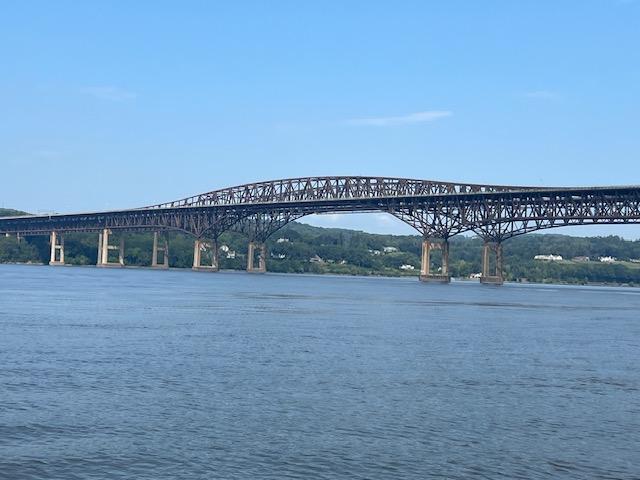
The view of the bridge near the park and part of the boat tour
Arriving at the dock on Bannerman Island after your boat ride
The historic sign of General Lafayette’s landing at this site in 1824
Once you get to the island, you are greeted by the tour guide and then have to walk up 74 steps from the harbor to the ridge of the island so this is NOT ADA compliant. At the top of the stairs starts the path around the island. Our tour guide that lead the tour had been there since the tours started in 2004 and gave us many insights on the history of the island and its purpose to the Bannerman family.
The gardens at the hillside as you walk up the stairs at Bannerman Island in the Summer of 2024
The first stop on the tour is the view of the ruins of the old Munitions Storage building
Our first stop was the Bannerman Munitions Storage facilities that were in the form of a castle that can be seen from the rail system up to Poughkeepsie, NY. For years I thought (as most people do) that this was a home but it was the Bannerman Munitions Warehouse for all the Army surplus items that Mr. Bannerman had brought up here from New York City. All the Military items were stored up here and the orders were fulfilled from this island.
Walking by the ruins of the old castle
Walking by the castle on the pathway
The pathway by the river
Walking the pathway by the river
The company has not been in business since the early 60’s and when the children of the founder closed the company after the laws in the Federal Government changed to where private citizens could not sell explosive, it put a damper into operations. In 1967, the storage buildings were destroyed by fire and the compound was a shell of the former factory. The home was also abandoned at the top of the ridge when the family sold the island.
The Bannerman Island Munitions Storage Facility
Once you leave the former storage facility which is now being held up by stilts because the structure is so weak, you will proceed up the path past the formal gardens that are planted along the trail. The local garden clubs now come to the island to replant Mrs. Bannerman’s formal gardens and beautify the island.
The gardens on the pathway to the house
The gardens along the pathway
The gardens
The gardens along the pathway to the house
The gardens by the front of the house
The gardens by the front door of the Bannerman Mansion
At the top of the point, there is the former home of the Bannerman family that is currently under renovation. It houses a quick tour of the family and there is a small gift shop inside. The porch area has the most amazing views of the Hudson River and the surrounding mountains. Here the Friends of Bannerman Island show movies in the warmer months and hold plays just outside the home. The last movie had been “Abbott and Costello Meet the Frankenstein”, which had been sold out according to the tour guide.
The Bannerman House and Gardens
When you get to the island, you have a set amount of time to wonder up and down the paths of the island, admiring the gardens, touring the house and looking over the gardens. When I went to the island for a second time in the Summer of 2025, we had more time to explore the island and take pictures. This is when I got to see the island in full bloom and the gardens were at their peak. It is one of the best times of the year to go.
The main room in the house
I visited the Dia: Beacon also on the riverfront many times too and is the catalyst of why Beacon is what it is today. Almost a colony of artists and writers who have moved to the area from the City and keep changing the community. I have to say that is an interesting space.
The museum is sited on thirty-one acres on the banks of the Hudson River and is adjacent to ninety acres of riverfront parkland. The museum is located in a former printing plant built in 1929 by Nabisco (National Biscuit Company) (Wiki). This type of square footage gives the museum the flexibility to showcase many of the larger pieces of artist’s collections that we may not see in the bigger museums whose infrastructure may not be able to hold.
The DIA Museum has clean lines and big halls and a minimalist landscaping
The one thing about the Dia is that the works are quite large and pack a bold statement. The museum uses a combination of both American and Foreign artists and their works make a bold statement. The museums galleries are large and airy and can show larger works of art. The museum shows many of the artists largest pieces of work.
The inside of the Dia: Beacon’s large galleries
These larger pieces were interactive
Inside the museum, many contemporary artists are featured each season. Many of their larger works were featured in their galleries. Artist Louise Bourgeois has displayed some interesting sculptures that dominate the upper floors. One of the most fascinating pieces was that of a large spider that dominates the corner of the floor.
This Louise Bourgeois work is a rather creepy piece of art like something out of the movie “It”.
In Bourgeois’s works on view in these galleries, organic formations fuse with the inorganic materiality of the media in which they are rendered, be it marble, wood, or bronze. The artist’s repertoire of materials spans traditional media and new textures, such as latex and synthetic resin. In her work, representation often entails the creation of a surrogate for the body and its suffering organs (Dia: Beacon museum website).
Artist Andy Warhol has one of his largest works displayed in the main gallery on the first floor.
What I loved about the work by Warhol was the continuous colorful pattern of the work and the way it wrapped around the room. The pattern took form in many colors and showed consistency and balance.
A single painting in multiple parts, Shadows is one of Warhol’s most abstract works, yet one that cohesively synthesizes key elements of his practice, including film, painting, photography, and screen-printing. Originally commissioned by Dia and acquired in 1979 for a solo exhibition at 393 West Broadway in New York, Shadows includes a total of 102 canvases; the final number of canvases on view in each installation is determined by the dimensions of an existing exhibition space (The Dia: Beacon museum website).
What I liked about the DIA is that the works are all on a large scale and you can walk around with plenty of space to admire them. The former factory space offers a lot of room for display so every time I visit, there are three or four artist exhibitions to explore.
What I like about Beacon is that it has an amazing downtown filled with lots of interesting stores, galleries and sometimes pretty pricey restaurants. As the residents from the City are relocating here, the prices keep increasing not just for restaurants but for housing as well.
I have noticed more and more like the town of Hudson, the houses on the side streets are starting to get renovated and neighborhoods are getting a fresh look of suburban gentrification. This is happening all over the Hudson River Valley as small towns are gaining a new set of residents. So many old homes have gotten a facelift. With that, more businesses are catering to these incoming customers.
The first I love visiting is Colorant at 146 Main Street. The trendy and environmentally safe clothing store has a variety of in house made clothes and trendy gifts for the house. I have always admired their custom made clothing with natural dies.
I love walking into the store and seeing the beautiful merchandise and the creative way they display it. It is more than a store or a boutique, Colorant is an experience in retail. It is the way shopping should be, interesting merchandise in a creative setting with personal service from the salespeople.
This new tie die dress really wowed me along with their jean and sweatshirt collection in 2021
This dress by Po eM I thought was really nice
The store also has an assortment of gifts such as planters, soap dishes, mugs and some jewelry and cosmetics. All of the products are environmentally made and have their own artistic touch to them. Please check the above website as the prices do change.
Specialty lines at Colorant
The store’s line of gourmet snacks
The service could not be more personal. The young woman working there explained the way the clothes are made and constructed and a little story about the owner as a designer and how she merchandised the store. The store is designed with exposed walls and piping holding the clothes with creative display cases to showcase the gifts.
Colorant offers something for everyone
There still is an experience of shopping in person and actually touching the merchandise and trying it on. You are part of what the owner is trying to convey with this exclusive line of clothing made for the store. This is something that Amazon can’t replicate. I love looking at all the clothing that made for the store and wonder how it would look on customers in public.
Another great store I enjoy visiting especially when I am hungry is Noble Pies, across the street at 137 Main Street. I love it when I get the emails and what pies they are featuring for the week. There have been times I have organized trips up to the Hudson River Valley to visit historical sites just to try what the featured pie is of the week. They are that good.
The entrance to the new Noble Pie’s at 137 Main Street in Beacon, NY
I stopped in Beacon, NY recently to take a walking tour of a historical home and walked around the downtown after the tour. I had read about Noble Pie’s story on the window of the restaurant on my last visit to Beacon and decided to stop in to see what the store was all about. What a delightful, creative store with friendly service and excellent pie that you could either buy by the pie or by the slice. I decided to stay for lunch and try some out.
The interesting items they have on their menu
I had gotten several emails from the owner of new pies that were coming out and each one of them sounded really good. I had to be upstate for some museum visits and I stopped in Beacon for lunch. I tried a piece of the Cubano pie and. Slice of Blueberry and Peach pie. Both were delicious.
The Cubano is a savory pie with layers of Roasted Pork, Swiss Cheese and pickles. I thought it could have used a little more of the Roasted Pork as I only got about two slices in my piece.
The Cubano Pie with Roast Pork, Swiss Cheese and pickles
The Cubano Pie
This savory pie was delicious
For dessert, I wanted to try the Peach and Blueberry pie because all the fruits are in season now and it was available for a limited time.
The shop had a variety of ice creams to choose from to have an a la mode and I chose the Apricot Orange ice cream to put on the side. What a great choice as it complimented the sweetness of the fruit.
The Blueberry Peach pie with Apricot and Apricot Orange ice cream on the side
The pie was heated up and was cooled by the creamy ice cream
I loved the buttery crust either a hint of sugar on the top of the crust
The selection of pies rotates every week and there is always something interesting on the menu. I got on the email list just to get the blast on what is new on the menu and it makes my mouth water to think of all the delicious pies being created and I have to wait until my next trip.
During the holiday season pre-COVID, I used to come up to Beacon for special shopping nights they used to have on Third Thursdays and loved wondering around the shops and enjoying the entertainment and the special engagements that all the stores used to create on these nights.
Another great shop I came across on these shopping trips puts a spin on the traditional flower shop, Flora a Good Times at 197 Main Street just down the road from these two stores. Talk about a creative approach to selling flowers and the way they are displayed.
It looked more like a boutique than a traditional flower shop. There are handmade pots and gifts, a wonderful selection of exotic flowers and plants all nicely displayed.
The inside of Flora Good Time with its beautiful displays.
What I discovered when I walked in was the original way they display their potted plants and arrangements. The color scheme is juxoposed and the plants were arranged in a way that gave it a colorful and distinctive look about the way a customer would buy them. The shelves were loaded with all sorts of potted and hanging plants that fit every décor.
Handmade gifts and plants
I came across a shelve of smiling face pots by artist Calfinn and thought it made a novel way to display the plants. Not just were the plants showcased well but the smiling face back gives a positive spin on the merchandise. They were so novel and whimsical and I had never seen anything like it before.
Pots by artist Calfinn-The Collection is called Lil’ Friends
The Handmade “Victory” Pots that have their own personality
What was nice about Flora Good Times is that they will create the most special bouquets and arrangements for the customers. Their approach to flowers gives them a personality all to its own and is the perfect housewarming and host present. I thought the arrangements I saw in both the store and online were colorful and very original in design.
The fresh flower are very beautiful
They also have a nice assortment of potted and hanging plants that line the walls and a selection of gift items that come from artists all over the country. I thought it was good business not just to support local artists but artisans all over the country.
There are a lot of wonderful places to go to lunch up and down the Main Street of Beacon and a few of them I have tried. I stopped in BJ’s Soul Food at 213 Main Street for lunch to regroup one afternoon after a day of walking and touring. Talk about the most delicious Cheeseburger that you will sink your teeth into. God, that hit the spot.
BJ’s Soul Food Restaurant at 213 Main Street (Closed January 2026)
The food and the service were always very nice and I enjoyed doing work in my booth while I was eating. I ate here the night I went to tour the historic Boscobel Mansion at Christmas time. I just read that the owner closed the restaurant in early 2026 after 47 years in business.
The Cheeseburgers at BJ’s were excellent.
I love the selection of menu item and their emphasis on Southern cooking. They also had some amazing desserts.
One of my favorite pizzerias in Beacon is Pizza & Stuff Two at 332 Main Street. I have been coming here since my first trip to explore Beacon’s downtown. The food and service here are really good.
Pizza and Stuff Two at 332 Main Street in Downtown Beacon
I have always loved the Cheese Pizza here and they have decent specials during lunch hour and on the weekends. Like many other places in Beacon the prices have gone up over the last six years but they still offer nice specials are reasonable and the service is really good.
Another restaurant I enjoy dining at is the Great Wall Chinese Restaurant at 393 Main Street. I have never had a bad meal here and their lunch specials are really good and very reasonable.
The Great Wall Chinese Restaurant at 393 Main Street
When I was visiting Mount Gulian, a historic house just outside of town, I stopped in for a late lunch/early dinner and a Shrimp Lo Mein combination platter with an Egg Roll and Wonton Soup. Both the food and the service were wonderful. I have enjoyed many wonderful meals there.
The Shrimp Lo Mein meal was delicious and just enough for both lunch and dinner
Another restaurant I have enjoyed many times since touring Beacon is the Yankee Clipper Diner at 397 Main Street.
The make the best Roast Turkey Club sandwiches and the best part is that you can watch TV while you are eating. I was watching this hysterical episode of “Will and Grace” when I was there the last time and when Jack walked in dressed as Cruella De Vil, I lost it in my booth laughing so hard. No one else got it.
Nothing beats a Turkey Club sandwich for lunch
When visiting Beacon, just off the downtown area, one of the historical sites that is interesting to visit but hard to see is the Madame Brett House at 50 Van Nydeck around the corner from the downtown district. The house is only open once a month so you have to time your visit accordingly.
The Madam Brett Homestead at 50 Van Nydeck Avenue in Beacon, NY
I visited the Madam Brett Homestead on a walking tour and discovered that the family had a lot to do with the growth of not just Dutchess County but New York State as well. The house was the homestead for five generations of family members each who added to the home.
The homestead’s historic plaque
Since the family practiced thrift in the home and decor, we get to see the house with period furniture that has been donated back to the house from the family. Also, period pieces have been donated by other members of the community to show the home at different periods of time. It gave us a look into the home life of a prosperous farming and milling family.
The entrance of the Brett Homestead
The tour starts with a short video on the family and how Madam Brett got her inheritance from her father and built on the wealth that he had created. She leased out land with water and mineral rights thus adding to her wealth and had a grist mill that was the only one on the patent, so everyone had to go through her for grain processing.
The china cabinet with family related items.
The homestead was built by Roger Brett and Catherine Rombout Brett on land inherited by her father, which was part of the Rombout Patent (which covered much of lower Dutchess County). The couple had been married in 1703 and had originally moved in with her mother in the family’s manor home in Manhattan. Upon the death of her mother, Catherine inherited the land and the manor house in Manhattan.
Land rich and cash poor, she and her husband mortgaged the manor house in Manhattan and built a small home and gristmill. They moved into their Dutch style home on Christmas Day 1709. The house was expanded in 1715. The home was later added on again in the 1800’s to the present house (Brett Homestead Pamphlet).
In the hallway on display is the original Rombout Patent, which everyone on our tour thought was very impressive. It had been found and was given back to the house. It shows the land deal that the settlers made with the Native Americans.
A copy of the Rombout Patent
We next headed to the Dining Room, where the family entertained guests. The room is full of period furniture and silver both family owned and donated to the homestead. The formality of entertaining is shown in the room set up.
The Dining Room at the Brett Homestead
Hannah Brett’s (Madam Brett’s granddaughter) bridesmaid dress was on display as well. This had been worn when she danced the Minuet with Marquis de Lafayette. I thought this was interesting in that she had this altered for the occasion and that it had lasted all these years. She had worn this for the wedding of Cornelia DePeyster, whose wedding dress in the New York Historical Society (Brett Homestead pamphlet). It was donated back to the house by the family descendants for display.
Hannah Brett-Schenck’s bridesmaid dress
Period furniture and decorations adorn the Brett Homestead
I went back to visit the house during the holidays as my tour guide raved about the decorations. It ended up being some garland around the banister and around the fireplace with some greens and fruit around the dining room table. Interesting tour of the Dutch Christmas holidays but the decorations were rather simple for the times. The you of the house is an example of how the town had grown up around the house.
The downtown walk towards the Roundout Hotel and the Falls is beautiful at anytime of the year.
Downtown Beacon in the middle of the summer in 2025
A downtown sculpture by a local artist
It was a pretty amazing night with people walking up and down the downtown at night admiring the lights, the musicians strolling and the warm drinks at some of the stores . Their Downtown Association did a really nice job with the event.
Downtown Beacon during Christmas time
The decorations downtown
A evil looking snowman in the window
The beautiful views of the mountains surrounding the town
The waterfall during winter time
I had wanted to come back but between work and the holidays, I never got back. Then time rolled by and then COVID closed everything down until 2021. So there was a lot of waiting to travel back until the end of 2021. That’s when things began to open up again and then close by the holidays due to the second wave. Then it opened back up in the Spring and then you saw the magic of Beacon come to life.
The snow backdropping the downtown
Downtown Beacon at Christmas time is quite picturesque
The beauty of Mount Beacon in the background of the city
The waterfall by the Hotel Beacon used to power the mills in the summer months
The waterfall by the hotel patio restaurant
In 2025, Beacon has really come into its own with most of the downtown fully occupied with all sorts of innovative and very interesting restaurants and shops. The sticker prices have also gone up as the restaurants have gotten very expensive here. Some of the more reasonable restaurants that I had eaten at in the past had either closed or have raised their prices since COVID. In some cases the prices of going out to eat here are the same as Manhattan.
One of the markers for a turn of the century steam heater on one of the buildings downtown
I recently explored the Beacon Historical Society at 61 Leonard Street just off the main part of downtown. The museum hosted two exhibitions, one on brick manufactures along the Hudson River and the other on pictures of the progression of change in Beacon by a local photographer. This led me to discover even more changes to that part of the town. The Beacon Historical Society, which like the Madame Brett House has limited hours during the month and year so again plan accordingly.
The Beacon Historical Society at 61 Leonard Street
The second exhibition that I walked through was the ‘From Haverstraw to Beacon: Inside the Brickyards the built New York City’, an extensive look at the brickyards and the clay deposits that once lined the Hudson River that build most buildings in the City in the end of the Eighteenth, Nineteenth and early Twentieth centuries.
The exhibition sign
The map of the location of the brickyards along the Hudson River. This depended on the location of the clay deposits.
Transportation of freight and people for both recreation and business was described in this display of different boats down the Hudson River.
The display of understanding the brick business
Display of the different companies and processes of making bricks
The display of people that make up the industry
The process of mining, making, drying and creating the bricks that would end up in New York City
Some of the bricks and the companies from the New York market that were created in the region
Once I had finished my tour of downtown, I headed out of town and visited the historical site, Mount Gulian, the historical home of the Verplanck family, who are still prominent in the area. The original house burned down in the 1930’s and this home is a recreation of the original built on the same foundation. I have visited both in the summer snd when decorated for Christmas.
In the Summer of 2024, I returned to Mount Gulian to take a full tour of the estate in the summer when everything was in bloom. The same house but a different feeling than the Christmas holiday season. On the Summer tour, you are able to walk the gardens, the barn and the grounds around the house. Plus the gardens were in bloom so it was a more complete tour.
The back lawn on the Mount Gulian Homestead estate
The lawn to the gardens from the house
I started the tour of the property while I waited for my tour at 2:00pm. I walked the lawns and walked around the gardens. The property looked so much nicer than in the winter months. You can see the vibrance of the gardens and the beauty of the lawn and woods against the house. The gardens were well maintained and the flowers were still in bloom in the late summer months.
The gardens with the house in the distance
When I started the tour of the house in the Summer of 2024, it was similar to the December tour in the description of the house but the tour guide discussed the house from the perspective of the family living here full time when they moved from their New York City home to the Hudson River Valley permanently.
The Living Room with original furniture from the Verplanck family
Our first stop was in the Living Room where original family furnishings decorate the room. The family would gather in this room for specials occasions and holidays. The tour guide explained that the room contained some items that used to be in the original house including the portrait of the last resident of the house, Virginia Verplanck before the house burned down in the 1930’s.
The Verplanck Family china
Portrait of Virginia Verplanck as a child. She was the last Verplanck to live in the house
The Library
Revolutionary War artifacts in the house
The house was used by General Washington and his troops during the Revolutionary War and Baron von Steuben used the house during the war as well. The proximity both Washington’s Headquarters and the City made it an ideal location.
The portrait of the Baron Van Steuben
We next toured the kitchen, which had been decorated for a Dutch Christmas the last time I had visited. The hearth was from the original house and you could see how things were cooked in the open fire and then in the beehive oven where breads and cakes were cooked.
The kitchen in the basement
The cooking hearth and heat of the house
Cooking and Kitchen equipment
The items a cook would need to prepare meals in a Dutch kitchen.
The Grounds part of the tour:
After the full house tour, we went out to the grounds to see the barn and the gardens. The barn was the American Dutch style barn which was specific to this area. It was large and airy, enough to hold the crops and the animals in case of bad weather.
The Dutch Barn sign
The outside of the Dutch Barn
The Maitland bird holes in the barn to eat bugs on the hay and vegetables
The house officially had closed for the season at the end of October and was decorated for the holidays for the weekend between December 14-16th to represent the Dutch celebrations. There had been a Children’s tea the Monday before the New Year, so the house was closing down for the season. I was able to revisit the house and see it decorated beautifully for the holiday season in December of 2024.
The beautiful garland and lights adorn the house at Christmas time
The front door is very welcoming for the holidays
The front door was beautifully decorated for the Christmas season
The house as you enter through the front door
The house is very unique. You would have never known it was a reconstruction. The house really looked its age. The funny part of the house is that is at the very back of an old estate that had been developed with townhouses from the main road to almost the border of the house’s property, so it was strange to drive through to find the house. Once in the semicircular driveway, you plunge back into time.
The Hallway decorated for Christmas
The Hallway decorations in more detail
The Staircase to the Second Floor (Closed) was beautifully decorated for the holidays
The large porch in the front of the house looks over what’s left of the lawn and the housing developments. Once inside you enter the foyer and long hallway with rooms on each side. Each room was or had been decorated for the holidays with garland, mistletoe, fruits and a Christmas tree in one room, a kind of mixture of old Dutch meets Victorian Christmas. Still the effects were nice and it was very festive.
The furniture in the hallway decorated for Christmas in 2024
The furniture in the Hallway was nicely decorated for the holidays
What I enjoyed is that in each room, there were stories of the Verplanck family and the role that they played in the formation of the community and in the nation as well. In real life though, this much decorating would not have been done. This is a more elaborate look on how the Victorians would have decorated the house. The Dining Room would have been one of the most elaborate for entertaining during the holiday season for dining and entertaining.
Until the Victorian Age, things had been kept very simple. You would have decorated the house before Christmas Eve and then on Christmas Day, there would have been an afternoon church service and a nice lunch. Gift giving did not come into play until after the Civil War.
What I enjoyed is that in each room, there were stories of the Verplanck family and the role that they played in the formation of the community and in the nation as well. In real life though, this much decorating would not have been done. This is a more elaborate look on how the Victorians would have decorated the house. The Dining Room would have been one of the most elaborate for entertaining during the holiday season for dining and entertaining.
Until the Victorian Age, things had been kept very simple. You would have decorated the house before Christmas Eve and then on Christmas Day, there would have been an afternoon church service and a nice lunch. Gift giving did not come into play until after the Civil War.
The Dining Room set for Christmas dinner in 2024
The full view of the Dining Room
The Dining Room Table and the fireplace mantle
The back part of the Dining Room
The Dining Room sideboard decorated for the holidays
The Historic Documents in the Dining Room with a funeral dress (why this was here I was not too sure)
The elaborate decorations between the windows in the Dining Room
The detailed decorations on the Dining Room table ready for a wonderful Christmas dinner
The beautiful fresh Christmas tree in the corner of the Dining Room in 2024
All of the rooms had artifacts that the family keeps donating the house as most of the original furnishings were destroyed in the 1931 fire. Still the furnishings are vintage to the time period. Here and there are stories of the house, the people that lived here and about the family in their daily lives. There were also stories of the Revolutionary War and its headquarters of Major General Friedrich Wilhelm von Steuben. It is a really great tour at any time of the year.
There is a lot of more to do in Beacon from street fairs to film festivals or just a nice day of shopping on a warm weekend or during the holiday season. Things keep changing in the downtown as I have seen over the last six year of visiting and I look forward to new changes when I visit next.
I could not believe how fast the Christmas holiday season creeped up on us. One minute I am finishing classes for the summer and the next I am running around the State of New Jersey and Upstate New York attending the start of Christmas events. I have never seen a year pass by so quickly.
I started the Christmas touring early with a quick trip on the Thanksgiving break to Cooperstown. NY for some R & R at The Otesaga Hotel. The hotel was having some massive discounts on rooms and I had the time and money for a quick trip upstate. Plus I had wanted to update my birthday blog and needed new pictures, so I traveled Upstate, through the winding back roads and highways of the Catskills to Cooperstown, NY. It was a relaxing trip.
The town was preparing for the Christmas festivities the Friday after Thanksgiving. When I arrived, they were finishing decorating the downtown for their holiday parade.
Downtown Cooperstown, NY decorated for the Christmas holidays
The finishing touches on Santa’s Village
The holiday treats in the Schneider’s Bakery window
The downtown is really picturesque as urban renewal never hit this small town and it still has its Victorian charm. All the local businesses have been replaced by tourist spots but the architecture of the homes and businesses still amaze me. The buildings were decorated with bows, garland and lights and the windows of the shops that were open were preparing for a long holiday season.
Downtown Cooperstown, NY decorated for the holidays
The hotel was starting to decorate for the holidays as well holding off the major decorating until after Thanksgiving. Traditionally the hotel closed for business after the Thanksgiving weekend but since COVID, has been open year round with winter activities. The hotel will be decked out fully for the holidays.
The outside of the front of the hotel with Christmas trees
The inside lobby of The Otesaga Hotel ready for the holidays to start
My stay up in Cooperstown was relaxing and enjoyable. I toured the museums, walked the grounds and explored the downtown, which most was closed this early holiday week. For me it was a two day escape to relax after a kind semester and getting ready for finals. Santa could not have provided me a better gift.
After my trip up to Cooperstown, it was a whirlwind of running around over the Thanksgiving week. I got back on a Wednesday and then Thanksgiving was the next day. The weather cleared and I went into Manhattan for the Macy’s Thanksgiving Day Parade, which I had not seen live in a decade. Again, I was updating pictures on an older blog.
It was a beautiful sunny day in Manhattan and the parade route was packed with people. It was a lot of locals but there was loads of tourists as well as I heard all sorts of languages being spoken as well. In the post-COVID era, tourism is back in New York.
Getting ready for the parade on West 46th Street an excellent spot to view the parade
It was really great to see the parade again and we had the perfect late Fall weather. It was clear, sunny and about 50 degrees outside by the start of the parade. Cool but perfect for this time of the year.
The Tom Turkey float opening the parade
The floats and balloons heading down Sixth Avenue to the Macy’s store on West 34th Street
The Gingerbread House float
Towards the end of the parade on the Christmas float, singer Darlene Love, who sang ‘Nobody aught to be alone on Christmas’, which was featured in the movie, ‘Home Alone II’, was in the parade and I thought that was really cool.
Singer Darlene Love on the Christmas float
My video on her performance in the parade as she passed by us. Everyone was excited that she was in the parade!
Then Santa arrived to much excitement of the crowd. I have to say from where I stood, this Santa really looked like Santa. He could not have been more engaging with the crowd as the float passed by.
The Santa float passing by us
Santa waving at us as we waved back
Santa passing by us on West 46th Street to head to Macy’s to open the holiday shopping season
The parade passed us by and was over before noon
After the parade was over, I was starved and made my way downtown. I could not believe how mobbed the City was all over the place Many stores and restaurants were open all over the place and the sidewalks packed with people.
The statue of Horace Greeley was decorated all around
By the time I passed Herald Square, the parade had ended and they were taking down the barriers. I could see tourists looking to see if the store was open! In 2015, they opened for a Midnight Sale (Union rules on opening on Thanksgiving), and after that I never saw it open that early again.
Macy’s during the day
Macy’s decked out for the holidays later that evening
The store was decorated for the upcoming holiday season starting at 6:00am the next morning. I was back in the City the next morning working in Holy Apostles Soup Kitchen for a post Thanksgiving meal and passed the store afterwards and the whole area was mobbed.
The ‘Wonderful Stories’ theme of the storied windows
The windows were decorated for the holidays and the store was so creative with the Santa theme.
The ‘Wonderful Stories’ theme
The Macy’s Parade window
The inside workings of the store
The outside of the store
I made my was down Broadway, taking the same route I had done three weeks earlier on my Broadway walk down the length of Broadway. How the foliage changes so fast when I arrived in Madison Square Park.
I made my way down busy lower Fifth Avenue to Washington Square Park, where the students from NYU hung out. The park was really busy that afternoon considering school was out for the Thanksgiving Weekend. It also was decked out for the holidays. I took my walk down Broadway the way I walked to school last year (God is NYU over already?!).
The entrance to the park from the NYU side of the park at the start of the Christmas holidays
The entrance to the park so beautifully decorated
I reached my Thanksgiving dinner destination and nothing says Thanksgiving than Chinatown. I thought maybe a few restaurants would be open and neighborhood quiet. Both Chinatown and Little Italy streets and restaurants were mobbed! Mott Street was packed with people. I was floored by that. I went to one of my favorite restaurants for Thanksgiving dinner, Wonton Noodle Garden, known now as Mei Lai Wah, at 23 Pell Street.
Wonton Noodle Garden (Mei Lai Wah) at 23 Pell Street
The food is always wonderful and the service is excellent. I always eat at the bar area in the back and you get the best service and see what is going on. Being at the bar you observe not only what is going on in the kitchen but in the dining room. I ordered the Cantonese Wonton Soup with roast pork, pork wontons and egg noodles and an order of Fried Wontons, which are so good.
My Thanksgiving dinner of Cantonese Wonton Soup and Fried Wontons
The Cantonese Wonton Soup with roast pork and wontons
Fried Pork Wontons
It was a really wonderful meal and the perfect Thanksgiving dinner with a nice twist. This is how to spend the holiday.
After dinner, I walked around Chinatown on a cool night and it was so picturesque. When the lights went down earlier in the day, you can see the true beauty of Manhattan.
Mott Street at night, the heart of Chinatown
The beauty of Chinatown and lower Manhattan
I decided to walk back to the Port Authority and admire the views on the way up Broadway. I never get tired of the lights on Broadway.
The Empire State Building on Thanksgiving at night
It really was a wonderful holiday and it was fun to spend it in Manhattan.
After working in Holy Apostles Soup Kitchen the next morning and walking the streets of Alphabet City for my blog. It was fun to explore the streets of this diverse neighborhood. I also knew the weekend was going to be lot of running around and I wanted to get as much done in Manhattan as possible. I knew that I would not get back to finishing the streets until after the holidays and then it would be cold.
The next morning it was an early morning drive to Long Beach Island and the holiday activities of the shore towns the line it of Beach Haven, Ships Bottom and Barnegat Light. Even in the colder months, there is a lot going on in these once sleepy summer towns. They are open for the holiday season and the towns have lots of activities going on.
The beauty of the inlet that separates Long Beach Island from Seaside Park
The boats were out in full force that cool morning
You have to be there to experience how relaxing it is
It was a cool and crisp day and there were a lot of activities going on all over the island. There were places I wanted to revisit. This holiday would be one long picture taking mission.
Watching people walk along the bunker by the lighthouse
Walking along the pathway back to the car
Learning about the areas role in the Revolutionary War
After the tour of the lighthouse and its grounds, I headed over to Viking Village for the Crafts Fair and Santa’s visit. That is always a lot of fun.
The Viking Village Craft Fair and some of the interesting work at the fair
The statue outside is always clever in its decorations
The entertainment was really good. Musician Jimmy Aziz played for everyone in the afternoon
His performance singing “Easy as Sunday Morning”
I really enjoyed the performance as did other people who stood by to listen to the mini concert. I got to walk around the craft fair, admiring all the artists works and many of the display pieces. There were a lot of talented artists showing there work that afternoon.
One of the craft displays outside a store
While I was walking around waiting for Santa to arrive on the fire truck, I was admiring the display the people at Viking Village had set up in his honor for the holidays.
The Santa display set up in Santa’s honor
Then 1:00pm arrived and we could hear the bells and whistles of the fire truck as Santa and Mrs. Claus arrive at Viking Village. There is always a lot of anticipation for their arrival and the crowds lined up so deep, that the truck dropped them off at the entrance and they walked in this time.
Santa and Mrs. Claus arrive by fire truck with help of the Barnegat Light Fire Department
Santa and Mrs. Claus arrive to a enthusiastic crowd
Then they sat down to join the crowd and hear requests from children and adults alike. They were busy for the rest of the afternoon.
Santa and Mrs. Claus await the first family to visit them
The proud couple with their first little visitor
As the long lines started for their visit, I decided to get some lunch while the crowds waited in line. In the same complex was the restaurant, ‘Off the Hook’, a wonderful seafood restaurant I had eaten at before. It was the perfect place for an outside lunch on the picnic tables.
Viking Fresh Off the Hook at 1905 Bayview Avenue in Barnegat Light, NJ
The food here is excellent and again I really enjoyed my meal. They had a limited menu and I started with the New England Clam Chowder, which I enjoyed so much the year before.
The start of my meal, the New England Clam Chowder
It was thick and rich and loaded with clams
For my lunch, I ordered the Fried Shrimp Tacos. They were served in a soft taco shell with fresh shredded lettuce and tomatoes. With a little hot sauce and sour cream, they made the best lunch.
The Fried Shrimp Tacos with fresh shredded lettuce and tomatoes and fried potato chips
Now this is dining at the shore!
Yum!
Maybe it was the salt air or the excitement of the holidays and Santa’s visit or just the beautiful day of just the delicious food and eating outside on the picnic bench but it was such a nice lunch and I really enjoyed myself. The meal was excellent. It was also nice to eat outside on a sunny day when the weather is cool but not cold.
On the way back to Beach Haven to visit the Beach Haven Library Open House, I stopped at Baked on the Beach at 2102 Long Beach Boulevard for dessert. I love their cookies and needed something sweet to finish the meal.
Baked on the Beach at 2102 Long Beach Boulevard in Surf City
I had to get one of their cookies and got the ‘Beach Bum’ with all sorts of chips inside an oatmeal cookie.
The Beach Bum cookie
The delicious desserts at Baked at the Beach
After I finished at the Craft Fair and lunch, I headed down to Beach Haven to go to the Beach Haven Library & Museum Open House. I never knew that there was a museum at their library so I looked forward to seeing it. What a beautiful library.
The Beach Haven Library & Museum at 219 North Beach Avenue
It is such a beautiful and historical library dating back from 1924. The downstairs was very interesting with wooden bookshelves and display cases and shelves showcasing the libraries collection. On the top floor was the museum with many artifacts from the island’s nautical and resort past.
The first floor of the museum with the library book collection
The second floor book collection
The second floor museum gallery
While the museum was small, it was packed with all sorts of interesting artifacts. There were hotel ledgers from long closed hotels, relics from ship wrecks and items from local families.
Hotel ledgers where guests once signed in
The artifacts save from ship wrecks and pictures of local spots
The upstairs conference room decorated for the holidays with book shelves lined with the collection
Downstairs there was a very nice Open House with snacks and a working fire with music and nice conversation with the staff.
The Open House Refreshment table
The Christmas decorations in the library with the working fire place
The Christmas tree in the Children’s Room
After I left the library, I explored the Downtown area and the Pharmacy had their Open House too with ice carvings and several contests. This was a how many reindeer can you count in the window contest.
The Counting Reindeer contest in the window
So many reindeer
The ice carving demonstration
Before I left for my last event on the island, the Ships Bottom Tree Lighting Ceremony, I stopped for some ice cream at The Woo Hoo. This is always a treat and I do not care how cold it gets there is nothing like homemade ice cream.
I decided on the Christmas specialty flavor, ‘Santa’s Favorite Cookie’, which was a Cinnamon ice cream filled with crushed biscotti cookie, cookie dough, chocolate chips and M& M’s. It was heavenly.
‘Santa’s Favorite Cookie’ ice cream
Yum!
I love the holiday decorations at the Woo Hoo
With the wonderful lunch and some time before the tree lighting, I walked over to the pier to see the sun set over the island. This is always a treat.
The sunset over the pier
The sunset was so beautiful that night
The decorations in the park in Beach Haven
It got darker for the tree lighting ceremony and I got so lost. Then I did not know where the tree lighting was taking place. I had to Google the location about three times and I finally found it down by the harbor by the bay. By that point, they had lit the tree and people were visiting Santa. It was a nice way to end the evening at the shore.
The Christmas Tree lighting ceremony in Ships Bottom, NJ
People were taking pictures by the tree and visiting Santa. They also had refreshments for everyone as well.
The beautiful Christmas tree in Ships Bottom by the bay
The decorations with Santa leading the way
The festive pirate ship
People were visiting Santa in the gazebo that night
This was a nice way to end my evening at the shore. The lights and the sounds were really nice and there was still a nice crowd when I left the tree lighting. It was really a wonderful afternoon at the shore. Long Beach Island knows how to celebrate Christmas.
After another long week at work, it was going to be another long weekend of activities as I had the Snowflake Festival in Kingston, the Cape May Historical Walking Tour and their Christmas Parade and then the Bergen County Firemen’s Home Association Christmas Party for the residents followed by a Sinterklaas event at the historical Van Allen House, home to the Oakland Historical Society. I would be in the car all weekend.
I had gotten an email from the Dorsky Museum on the SUNY New Paltz campus that the BFA/MFA Student Opening Show was going to be that night. I decided to attend before I went to the Snowflake Festival in Downtown Kingston. Don’t ask me how but I attended both events with plenty of time to spare.
I got up to New Paltz in record time and had time before the art opening to visit Historic Huguenot Street, the complex of historic homes in the historic district in the downtown area.
Some of the homes were decorated with simple wreaths and not much else but the snow from the recent storm offered a picturesque view with a Christmas feel.
The decorations outside the Dubois House
The historic Dubois House
The Janet Hasbrouck House
The historic Presbyterian Church decorated for the holiday
As it got darker, I made my way to the SUNY campus and to the art museum. It really was a good show with a nice reception and interesting art. While the students were devouring the food at reception, I had the whole gallery to myself to look at the art.
I have to admit that some of the art was quite unusual. The students did have a streak of creativity to them.
The Dorsky Museum Gallery
Some of the unique pieces
Once the students devoured the Reception buffet, everyone came in to see the exhibition
This is the one piece that really stuck with me at the show
The gallery at the museum is rather small do I got through the whole show in less than an hour. I had a quick snack with what was left on the buffet table, which was not much. The food was really good and a snared the final meatball.
Just enough of a snack to get through the next two hours
I only stayed at the Gallery opening for about an hour and then it was back on the road again and up I 87 I went to downtown Kingston to the Annual Snowflake Festival. The weather was cold but at least it was not raining like the previous year. The crowds were beginning to grow that night.
The crowds that evening on East Front Street
The decorations in downtown Kingston, NY for the Annual Snowflake Festival
The first entertainer at the beginning of the event I saw was the Fire Thrower and she did an amazing job interesting us. She really got the crowd engaged.
The Fire Thrower engaged the crowds downtown
The next group of entertainers I saw was the band on stilts, whom I have seen at Sinterklaas for years. They got the crowd motivated.
The guys do a marvelous job every year
Even their Christmas songs are fun. Here are them performing ‘Rudolf the Red Nosed Reindeer’
I made my way around the downtown this year to try to enjoy everything in the festival, which meant running from one thing to another.
Main Street where the stage was and the core of the entertainment
My first stop was the bank with all its entertainment and things to do. They really kept the crowds entertained.
There was a group of singers performing Christmas carols. I thought they were the bank staff.
They had all sorts of desserts and hot beverages like Hot Cider and Chocolate for the crowds
Mrs. Claus was entertaining all of us with puppets and stories. There was also crafts for the kids
Mrs. Claus posing for me. It took me a half hour to finally email this picture to here.
Then I headed over to the Dutch Reformed Church to hear the fiddlers. The church is always so beautifully decorated for the holidays. It never disappoints anyone to just visit inside and keep warm and listen to wonderful music.
The inside of the Dutch Reformed Church that evening
The start of the concert with the Strawberry Fiddlers performing
Here you get to see the true beauty of the church
I then got a close up shot of the fiddlers
The Strawberry Fiddlers performing that night. They really got the crowds going. I heard two songs performed before I moved on to the next thing to do.
Walking through the well lit downtown where freshly fallen snow the night before made it look more picturesque.
The downtown was amazing at night
My next stop was the Kingston Volunteer Museum’s display of antique fire trucks.
I didn’t go inside because the crowds packed the place and I remembered from both years how God awful their hot chocolate was and bypassed it this year. Still the fire trucks were the big lure and festively decorated with Christmas lights.
The decorated trucks outside the museum
As the evening wore on, I had never seen an evening fly by. My last stop of the evening was the Senate House, which was closed that evening, but in the barn Santa and Mrs. Claus were receiving visitors and a guitarist was performing.
The line to see Santa was about sixty deep and I really did not have time to see them. I had seen Mrs. Claus already.
Santa and Mrs. Claus greeting guests that night
So I listened to the guitarist, who I seen perform before. He performed all sorts of classic Christmas songs with a good personality. He talked about this traditional Italian Christmas song that his Sicilian wife loved so much.
The singer performing on that cold night. I do not know how he did it.
Here he is performing ‘Dominick, the Italian Christmas Donkey’
The musical performance of ‘Dominic, the Italian Christmas Donkey’
The last thing I did that night after the performance was get in line for the horse drawn carriage around the downtown. The line had been fifty deep most of the night. It ended up I was the last person allowed in line as it was the last ride of the night.
The horse drawn carriage rides that night
Everyone was trying to get on the last ride of the night and begged because they had kids. I love it when parents use their kids as pawns. Even so just as we were to get on the carriage a group of people snuck out of a restaurant and took the spots of the family in front of me and myself and we could not get on.
They were so pissed. The police were just starting to reopen the downtown roads and the carriage guys said he had no control over it. So the carriage guy said he would take us on a ride back to the other side of downtown to load up these very cold horses.
The temperature had really dropped at this point. We got the best ride because we got to see more of downtown and see it lit up for the evening.
The very last ride on the horse drawn carriage through the downtown. It was the best trip of the night!
By this point the event was over. It was past 8:00pm and when this event ends, it ends! The roads opened up and the crowds disappeared. I turned around and everyone was gone.
Like last year, most of the restaurants close at 8:00pm on the dot. I am not sure why. One of the few restaurants open that night downtown was Vincenzo’s Pizza at 305 Wall Street. It was packed when I arrived being one of the few restaurants open at that time.
The inside was crowded as there was barely anything open after 8:00pm
I needed something to warm me up and carry me over before the two hour ride home and pizza would not do. So I ordered a Meatball sub. Was that ever good on a cold night.
The best comfort food that night. Yum!
After dinner was over, the crowds were gone and I had to head home. I stayed for just a little bit longer to admire the decorations one more time and visit their Christmas tree.
This downtown display replaced the Pumpkin man from a month ago
The Kingston Christmas tree downtown
I headed back to the car and managed to get home in an hour and forty-five minutes. There was no traffic on the road that night. I was happy as I had to turn around early that next morning for my trip to Cape May for the Christmas Walking tour.
I only got about six hours sleep before I had an early ride to Cape May for the Christmas walking tour of the decorated homes, churches and B & B’s. I had been wanting to do this for years and with Sinterklaas cancelled again in Rhinebeck, NY this was my opportunity to go on the tour.I got on the road early for the three hour ride down the Garden State Parkway.
Needless to say, the walking tour in Cape May was an excellent experience and one I have wanted to do for years but the B & B I stayed at in Wildwood was a complete horror show. They never turned the heat on in the house and I slept in a room that was 32 degrees. An igloo was warmer than this place. That was a whole other story.
The Christmas tree at this B & B was the only good thing I experienced that night
I got to Wildwood and dropped my things off. I felt something coming on and I seriously needed Chinese food especially Hot & Sour soup. There are no Chinese restaurants in Cape May proper so I had to eat in Wildwood. Most restaurants this time of year are closed because the town is so quiet. The only choice that took a credit card is the Dragon House at 3616 Pacific Avenue in Downtown Wildwood.
I had eaten here many, many years ago the first year of when I started attending the NJ State Firemen’s Convention. It was the only option in town and I swear it was like a step back into the early 1970’s both in decor and food. It still is a Cantonese holdout.
The restaurant still has paneling and red backed booths
The food is just good here and I will leave it at that. It is not bad but not great and it would not warrant another trip. It served its purpose as I ordered the lunch combination meal of Hot & Sour Soup and Beef and Broccoli. Everything was just average but the soup was spicy enough to open me up and I did feel better for the long night of activities.
My 1970’s lunch started with Hot & Sour soup
The Hot & Sour Soup did open me up
The Beef and Broccoli was just good
After lunch was over, I headed down to pick up my tickets for the walking tour and walk around Cape May. It was promising to be a very cold night but it was in the mid 40’s when I got there. I dressed as warm as I could.
Enjoying the decorated homes of Cape May
Cape May at Christmas is a fantasy land of Christmas decorations
I started the day with a walk around the Physick Estate in Cape May, where I picked up my tickets. I had toured the house at various times of the year so I knew the home quite well.
The Physick Estate was the start of the holiday walking tour
The home was once the home of Dr. Physick and his extended family. I picked up my tickets and started to walk around Downtown Cape May. The crowds were overflowing into the town because of the Cape May Holiday Parade. It would be starting about an half hour after I arrived.
The start of the parade with local organizations and the Coast Guard Band to start the parade
Then the floats and bands joined the line up
In the beginning of the parade, the Coast Guard, with its band and equipment entertained all of us. The boats were lit up with brightly colored lights and the band played on.
The Coast Guard boats were lit up at the beginning of the parade
The Cape May Fire Department then joined the parade
More decorated Coast Guard boats passed by
I only stayed for the first half hour as the parade winded through Downtown Cape May to the large crowds of on lookers.
I started the Cape May Holiday Walking tour with my green band on and map in hand. I walked two blocks to my first stop at the Cape May Stage, where I had seen many shows during the holidays.
The Cape May Stage decorated for the current production
The woman who helps run the theater told us the story of the building and of its time as a church. Then about its history as a theater and the famous actors who have graced the stage.
The Christmas tree in the lobby
My next stop up the street was the Macedonia Baptist Church at 630 Lafayette Street, which was decorated for the upcoming holiday Mass.
The tour guide who was a parishioner of the tour told us the history of the church and its place in the community.
The Macedonia Baptist Church decorated for the holidays
All the Inns and B & B’s that were around the square near Columbia Street were packed to the gills with people waiting in lines that were about 40 deep so doubled back to Hughes Street and visited the J. Stratton Ware House, one of the few private homes on the tour. The house was nicely decorated with festive green.
The J. Stratton Ware House at 655 Hughes Street
The J. Stratton Ware House during the day
The inside of the living room of the house
The main room
The festive Dining Room table
On the way to the next destination. I passed the Chalfonte Hotel, where I should have stayed that night rather that night instead of the place I decided on in Wildwood. We all learn from our mistakes.
The Chalfonte Hotel at 301 Howard Street decorated for the holidays
The Chalfonte Hotel during the day in the Summer of 2025
The hotel’s first floor had been winterized and had been open that weekend but the rooms were sold out and the only one that was open was $250.00, which I could not afford that weekend. So I stayed in my Airbnb ‘igloo’ that night. More on that later.
The next B & B I visited was the Beauclaire’s B & B at 23 Ocean Street (the inn during the day)
The Bedford Inn at 805 Stockton Avenue during the day
The inside fireplace decorated for the holidays
The banister fully decorated
The Christmas tree in their parlor
The White Christmas tree in the foyer
The Parlor at the Inn
The last house of the evening I toured was the Physick Family, where I started the tour during the day. I have visited the home many times at Christmas and I never get bored of looking at all the Christmas decorations. Dr. Physick was once prominent resident in town whose home is still a showcase of the community.
The Physick House when I arrived that afternoon of the tour
The estate was decorated both inside and out and there were lights and decorations all over the grounds. It really puts you in a festive mood and it is a house you should not miss at the holidays.
The 1879 Emlen Physick Estate at 1048 Washington Street
The home is always so beautifully decorated for the holidays and I try to take this tour every year. While the decorations do not change that much it is still spectacular to tour.
Being greeted by the docent in the Living Room
The Parlor was decorated for the holidays
The beautiful woodwork in the home
The Christmas tree was decked for the holidays
The sideboard during the holidays
The Dining Room table set for Christmas lunch
The elaborate table setting for the holiday dinner
The Table Tree in the Parlor
The beautiful decorations set around the room for the holidays
It is always nice to take your time to tour the house and admire all the beautiful objects to enjoy looking at. The house is a real treat to visit at the holidays. After my visit to the house, I took a tour of the gift shop and admired all the beautiful decorations there as well.
The Physick House Gift Shop at the holidays
After the tour was over, I was starved and you will be amazed how quickly places close around Cape May even after a major event. After walking around for awhile and passing packed bars that there would be no way to get a seat, I came across Mario’s Pizza and Italian Eatery at 315 Ocean Street Unit 7, that was still open for the evening.
Mario’s Pizza and Italian Eatery at 315 Ocean Street Unit 7
On a progressively cold night, the warm pizzeria was a God send. It was one of the few restaurants open after the tour and the pizza was really good. Their red sauce base for the pizza is so well spiced and dinner was just delicious.
The pizza was really good that night and warmed me up
After such a wonderful evening in Cape May, the real fun began when I got back to Wildwood. The weather had been dropping all night and it had to be about 38 degrees by 10:00pm when I returned to the B & B.
It had been warm inside the building when I left that afternoon but when I returned, the house seemed cool. I called the number and tried to talk to innkeeper but no one picked up. I went down to the Christmas tree in the Living Room to get some work down but it just kept getting cooler in the room. So I called again.
This merry go round went on all night with me calling and texting through Airbnb and their phone number all night. By 3:00am, I gave up and slept in my clothes with every blanket in the room on top of me. I barely got two and a half hours sleep with an almost three hour car trip ahead of me. I was pissed off.
The only saving grace the next morning was the shower was hot and I was able to warm up. I slammed the keys down at the innkeeper and marched out of this place. I eventually got reimbursed for the stay (I know the owner screwed up) but this was after long talks Airbnb. My advice to my readers is stay away from the Sea Gypsy B & B in Wildwood, NJ.
On the way to Boonton, I had to stop at a rest stop to regroup and eat some breakfast before our meeting that morning. I stopped at the Burger King at the Wildwood Rest Stop on the Garden State Parkway and was pleasantly surprised by the wonderful breakfast and friendly service there. The woman working the counter was so nice to me, it put me back into a much better mood.
The Wildwood rest stop was very nice that morning (and warm!)
I had a simple Croissanwich meal with sausage and you do not know how this cheered me up after a bad night. It just warmed me up.
My breakfast that morning
Even the rest stop Christmas tree cheered me up that morning
Work was in full force with all the Presentations of the students final projects. I was totally drained by the end of the week. Plus the memory of that freezing cold room in Wildwood, I did not want to travel the next weekend. The weather was not going to be nice either and I did not want to drive as snow.
After a very long weekend last week and a storm coming through the next weekend, I cancelled all the plans I had and just stayed home. I had wanted to see the Christmas House Tour in Mauricetown, NJ but with a snow storm coming decided against it. Smart move as I had to dig out on Sunday morning. It was a spectacular view thought.
The house in the first snow fall of the year
Our street after the storm
After I dug myself out, I walked around the property and admired the view. I could not believe how quiet and beautiful the backyard was the morning.
The backyard was a winter wonderland
The backyard after I shoveled the walks. It would melt that afternoon but was so beautiful when the snow stopped.
That Wednesday I had a series of presentations with my three classes at the college. For the last six weeks, the students had labored on these projects and I looked forward to seeing them.
The Tuesday before this, I needed a haircut, so I headed into New York and off to York Barber shop where I have been getting I have been getting my haircut since my barber, Jerry, retired after almost forty years of being my barber.
I have been coming here for a year and they do a wonderful job with my hair and I loved the scented hot towel after I am finished with my cut. I looked for my presentation.
The inside of York Barber Shop
I love the old-fashioned feel of this shop that has been around since the 1920’s and some of the barbers have been around for over thirty years.
After I got my haircut, I had time to walk around Manhattan and see all the decorations. So many homeowners and businesses decorated for the holidays and you can see the creativity and originality in getting ready for the holidays.
As I walked up to the barber’s and back, these were some of the best pictures I took around Manhattan as the sun set and the lights came on.
The churches are especially decked out for the holidays
Walking around Greeley Square decked out for the holidays
Brownstones on the Upper East Side decorated awaiting Santa
The lone Christmas tree in the window
6 1/2 Street by the MoMA
6 1/2 Avenue by Sixth Avenue
The lights in the pathway next to the CBS building
The beauty of the Upper East Side
Around the corner from the barber, I saw this lone wreath on this building
I thought this was the spirit of Christmas
I then walked back down through the Upper East Side, I saw all sorts of beautiful displays for the holidays.
The Pierre Hotel at 2 East 61st Street decorated for the holidays
Then I took a tour of both Saks Fifth Avenue and Bergdorf Goodman. For two stores that are teetering on the edge of bankruptcy, they looked pretty good. We are seeing their ‘gilded’ sheen and we will see what happens to them after Christmas.
The floors were so elegantly decorated for the holidays. The company though is ‘dancing on the rim of a volcano’ right now. The store looked so beautiful on each of the floor and I figured this is where all the money was going. The in store designers did a magnificent job with the store for this holiday season.
The back floor of the first floor of Saks
The escalators between the first and second floors
A first floor clothing display
This was a display was on the first floor perfume department
Then I walked outside to admire their Christmas windows. They were not their best but I thought some of them were fun. These were my favorites.
The snowman through Central Park
A cab ride down Fifth Avenue
The baking of Gingerbread treats
Then across the street from Saks Fifth Avenue was Rockefeller Center as it turned to twilight.
The decorated lions outside the New York Public Library
Then I headed back to Port Authority to head home. I stopped by the New York Public Library to see the decorations and take a walk through the Christmas Village in Bryant Park. I love looking at the lions when they are decorated.
The Christmas tree at the Bryant Park ice skating rink
It was a nice but quick afternoon in the City before the Presentations the next day . The students had to Present their final projects which was a major part of the grade. They had been working on this for the previous six weeks and it was time to see the results. All of these projects are under my Bergecco-Parc Consulting Inc. banner for my business classes.
My 8:00am class presenting the ‘ Sounds and Subs’ Team Project
Some of my 8:00am students presenting their diagrams of their restaurant for their presentations
The day of the project, I have the students dress in professional dress to present their ideas to the clients. The student executives presented their ideas on location, design, menus and ideas for local musicians who could entertain on a nightly basis. The client was looking for a concept that would attract music lovers not just from the suburbs but from Manhattan, Brooklyn and Newark.
Then at 11:00am, I had my next class present their project “Farmer’s Market-A Farm to Table” dining concept with the same set up as the other classes. They had to pick a location, figure the rent, logistics and zoning, the menu, create items for the gift shop, create an opening party and do the social media on Tik Tok and YouTube.
My 11:00am class Team Pictured for the ‘Farmer’s Market-Farm to Table ‘ concept
This class created menus with Farm to Table concept with sandwiches, entrees, side salads and unique signature desserts. Some students kept the menus safe while others really put their heart and sole into it and showed how creative they were with their menus.
The Holiday project normally serves as Quiz Four for my class but I wanted the students to concentrate on their Academics this semester so I used this as an extra credit project.
Each Team has been requested by corporate to create a proposal for the Corporate Holiday Party that includes a invitation with a Christmas themed logo, a menu proposal with an appetizer, entree, and a dessert along with a signature holiday drink. Then the Team had to film a video greeting in English and Spanish wishing everyone a Happy Holiday season. They had forty-five minutes to pull it off and these were the result of that project.
One Wednesday morning, December 10th, the class presented their ideas to me and these are the results of the individual Teams.
Team Two’s diorama of their restaurant concept
Some of my students presenting their projects that morning to me
The Team
One of the Team’s presenting their logo
My last class at 6:25pm that made their presentation that evening was my Business 101 class with their restaurant concept ‘Pasta and Pies’, which was a restaurant that offered sweet and savory pies and pasta dishes.
This class created menus with creative pies and what can be tucked into them, selective pasta dishes with side salads and unique signature desserts. Some students kept the menus safe while others really put their heart and sole into it and showed how creative they were with their menus.
One Wednesday night, December 17th, the class presented their ideas to me and these are the results of the individual Teams.
Each Team made their presentation to me and the Team below really did a wonderful job with their presentation and won the competition.
Team Three so professionally dressed for the Presentation and the Team that won the competition
Team Four gave them a run for their money
All of the major Presentations were done on December 10th and then the next week on the 17th was the final exam. Each division had to create their PowerPoint, their video Presentation and a website for their division of the company. This way the entire Team have a reference point to put on their resume.
I joined other faculty members for the college’s Holiday Party that week and then went to the Bergen Room, our on campus student run restaurant for Christmas lunch, which is the final student project before the winter break. There was a lot of eating going on this week.
The Bergen Room Bistro had a very special Christmas Dinner in December of 2025 which was the last meal of the year by the students. The room was beautifully decorated and the food and service were wonderful.
The Bergen Room Bistro had a very special Christmas Dinner in December of 2025 which was the last meal of the year by the students. The room was beautifully decorated and the food and service were wonderful.
The menu for Christmas dinner in the Bergen Room in 2025
Christmas dinner in 2025 was a wonderful afternoon of good food and conversation. I loved the was the tables were set with a Christmas tree napkin. This was the last meal of the semester and the students and faculty advisors made the whole room as spirited to the holidays as possible.
The Christmas table set for a wonderful lunch
The table setting
The Christmas tree napkin fold
The candy decoration on the table
There was a fun centerpiece decorating the table
The students did a nice job decorating the tables for the Christmas holidays. The menu was so enjoyable. We started off either homemade soup.
The Minestrone Soup
The Garlic Bread
We then were treated to an Antipasti and a Caesar Salad. Both served family style and everyone at the table helped themselves while we were talking at the table.
The Antipasti
The Caesar Salad
The entree kept with the Italian theme and for the main entree, we had a platter of Chicken Parmesan with a side of Pasta Primavera and Penne à la Vodka.
The Chicken Parmesan
The Penne à la Vodka
The Pasta Primavera
My Christmas lunch that afternoon with delicious pastas and salad and the Chicken Parmesan
My holiday drink, the Berry Sparkler
For dessert, we had homemade Tiramisu
At the and of the meal, we applauded all the students for all their hard work on the meal and their dedication to the class and the Bergen Room.
The Culinary arts students who cooked this wonderful meal for us.
I loved how the centerpieces said “Merry Christmas everyone!”
It was a nice afternoon of talking to my counterparts on the faculty before the break and gave me a chance to finish my grading on campus and get ready to post grades to the students before the Winter break.
Because of the snowy weather and the bad experience in Wildwood, I decided to give the Christmas activities a rest the weekend between the Presentations and the final exam. I resumed my touring and picture taking the weekend after the finals. We finished finals on December 17th and I had graded all my students in my morning classes before I gave my evening final. Once finals were done, I spent the evening finishing grading my evening classes exam and went straight to bed. I had to be up early to meet students.
That Friday I met with any student who wanted their exams back and wanted to know their grades. This way there were no surprises and several students took me up on this. I had finished all the evening grades that morning and left for campus. Then in the afternoon I posted grades and changed clothes and headed to dinner and the theater in the City.
Singer Megan Hilty was returning to Carnegie Hall for a Christmas show performance and I decide to take this opportunity to revamp the blog I did on this eight years earlier. That meant dinner at Patsy’s Italian Restaurant and an evening in Carnegie Hall, both of which I was looking forward to the evening. It was the perfect way to end an extremely long semester.
Carnegie Hall was sold out both nights
The concert that evening ‘A Place Called Home’ was the return of Singer Megan Hilty since her concert I saw this time back in 2017. I could not believe that eight years had gone by so fast. Both performances were sold out and seeing her perform again was worth the wait. As I said before, this holiday was a picture taking mission so I recreated the whole evening I had at her show and started with dinner at Patsy’s Italian Restaurant.
Dinner at Patsy’s was wonderful but I could not understand why they put everyone on the second floor and kept the first floor empty. Patsy’s was founded in 1944 by Pasquale “Patsy” Scognamillo and has been in its current location since 1954 serving locals, celebrities and tourists alike. There has only been three chefs at Patsy’s, Patsy himself, his son, Joe and Joe’s son Sal (Patsy’s history).
The second floor dining room at Patsy’s right before the theater
When I had dinner there before my trip to Carnegie Hall, the food was amazing (see my review on TripAdvisor). I came with a big appetite and had a wonderful three course meal. I read about the menu online and then I saw Sal, the owner cooked the Lobster Linguini on Martha Stewart’s TV show.
I started with the Mozzarella in Carrozza for two which I finished on my own. It is basically a breaded mozzarella sandwich with their fresh Mariana sauce which were pan-fried perfectly and melted in the middle. It is served with their delicious homemade red sauce.
The Mozzarella in Carrozza at Patsy’s is excellent
The Mozzarella Carrozza
For the entree I had the Lobster with Linguine Oreganata, which I had seen prepared on the Travel Network and on Martha Stewart’s TV show and feeling generous to myself at the holidays, I treated myself. It was excellent. Perfectly cooked pasta with almost a half of sweet lobster topped on the dish. While the entree is not cheap, it is well worth the price so treat yourself!
The Lobster Linguini comes in two parts when served, with pasta and a split and broiled with bread crumbs. It is a delicious dish.
Don’t ask me how ate dessert but as the Dessert Cart kept passing me, I kept eyeing this cake and it ended up being a Napoleon Cake filled with white cream and layers of pastry dough. It was such a great end to a fantastic meal.
For dessert I had on my second trip to Patsy’s, the Vanilla Cream Napoleon Cake
Walking down the stairs at the holidays
Somehow I stuck upstairs with all the tourists but I it was fun as it was where all the action was that evening. The downstairs was extremely quiet that night. I do not know why they kept it so empty. The restaurant during the holidays is so nicely decorated and this is the view going down the steps.
Chef Sal Scognamillo of Patsy’s Restaurant
After dinner was over, I had to take a long walk around the block to digest. It was a wonderful three course meal but still I wanted to digest and relax before the show and what a show it was that evening. I love going to Carnegie Hall.
Carnegie Hall at 57th Avenue and 7th Avenue at Christmas time
The view from my seat in the ‘nose bleed’ section of the sold out concert. This was one of the last seats left when I bought the tickets at the last minute. I still could hear the concert fine and it was nice being back in Carnegie Hall again.
The singing group before the second act
Some of the songs she sang that night:
“The Christmas Song”
“Have yourself a Merry Christmas”
“The Most Wonderful time of the Year”
“A Place called Home”
The second part of the concert was all Christmas carols and some of the more religious songs. They ended the concert with a sing a long and everyone in my section of the theater really got into it. We ended the concert with the singer and Santa taking a bow. It was another great concert and if you have to the chance to catch her concert at Carnegie Hall at Christmas, get a ticket and go! It is well worth it. It really puts you in the holiday spirit.
The end of the sing a long
“Jingle Bells” was part of the sing a long
Megan Hilty and Santa taking a bow
After the concert was over, I took a long walk around Midtown, up and down both Fifth and Sixth Avenues to look at the Christmas decorations. I love Manhattan at Christmas.
West 57th Street decorated for Christmas
The decorations are incredible at night
The candy cane decorations are fantastic
Then I walked down Fifth Avenue and passed the Star on Fifth Avenue, which changed colors either each rotation.
The Star on the corner of Fifth Avenue and 57th Street in aqua
The star in blue
The Star in red
Star in a green and red
The video on the Star changing colors
I then turned the corner down Fifth Avenue and admired all the lights and decorations. Businesses really decorated this year.
These beautiful Christmas present boxes lined upper Fifth Avenue
The Peninsula Hotel in all its glory
The beauty of the decorations that top the entrance of the hotel
Cartier on Fifth Avenue decked out for the holidays
Saks Fifth Avenue at 611 Fifth Avenue across from Rockefeller Center
All the buildings at Rockefeller Center were decorated to the hilt and surprisingly the crowds by the tree were not that heavy that night so I got some great pictures in around the complex.
The front of 630 Fifth Avenue across from Saks
The Ralph Lauren bus outside of 630 Fifth Avenue
Walking through Rockefeller Center was easy that night
The Tree at Rockefeller Center was beautifully lit that evening
After my walk around Fifth Avenue and then through Rockefeller Center, I walked down Sixth Avenue to see all the decorations there was well. Corporate America at its best.
The tree at 1221 Sixth Avenue
The tree at 1221 Sixth Avenue
The tree outside of Sixth Avenue
I then made my way down to Bryant Park to see what was happening there and even after 11:00pm the park was going strong.
What really dazzled me was the Bryant Park Christmas tree. It was lit for the evening and the array of lights and colors was so brilliant. It really put me in the Christmas spirit.
The Bryant Park Christmas tree ablaze with lights
Not only was the tree amazing but in the background of the park the Empire State Building was having a light show that made the building look like a giant ice cycle.
Now that grading was done and posted for my classes I finally started my holiday break and that meant a series of tours of historical building and sites in Upstate New York in the Tarrytown region. I had tickets for a special Victorian Christmas event at Sunnyside, Washington Irving’s home first and then of Philipsburg Manor and their holiday tour. It was a long day of touring.
The Washington Irving estate decked out for the holiday event
The sign for the holiday event
I started the tour with some of the holiday refreshments they had in the meeting room off the gift shop. They had a variety of cookies and snacks along with coffee, tea and hot chocolate . The perfect snack to start the tour of the house.
The refreshment table at the event
After a snack and a talk with the docents, it was off to tour the house which was all decorated for the holidays pre-Civil War around 1835.
Washington Irving’s home , Sunnyside in Irvington, NY
The house was beautifully decorated for the holidays and what was nice was that the rooms were not overdone. Each room was tastefully decorated for the holidays. These were some of my favorite rooms in the house.
Washington Irving’s office and study
The Dining Room set for Christmas lunch
The Dining Room table was so beautifully set for a Christmas luncheon. These side boards held all the desserts, sweets and beverages.
The Living Room held the Table tree which was popular before the Victorian era and the full tree came into vague.
The Children’s guest room for a visiting niece held all sorts of holiday toys and gifts
The French Bedroom has some of the best views in the house and wonderful exposure to sunlight and the river.
The kitchen was all set for the holidays as the servants prepared meals for the holidays. The table even had original recipes for dishes cooked in the house.
The last part of the tour once I left the kitchen was the grounds and this wonderful patio is just off the kitchen.
The last part of the events was a crafts room in the barn where we could make either pumice, which are oranges studded with cloves, Christmas crackers or ornaments . I chose the pumice as the smell is incredible over time as it ages. It was a really nice scent.
In between my tour of Sunnyside and the Philipsburg Manor, I stopped in Downtown Irvington to see if the Irvington Historical Society was open and it was on their last day of the exhibition on the ‘The history of the Irvington Gazette’. I got to tour the museum and then walk around their wonderful downtown, which was beautifully decorated for the holidays. Their latest exhibition that I visited was on The Irvington Gazette, their local paper.
The Irvington Historical Society at 131 Main Street is always so beautiful during the Christmas holidays
When I returned to the museum in December of 2025, the new exhibition that was on display was the history of The Irvington Gazette Gazette, the local paper. It is a testimony to the power of local news. This is the importance of local newspapers.
The Irving Gazette exhibition
The exhibition up close
The first issue of The Irvington Gazette in color
The museum is small so I was able to tour the whole exhibition in about an hour and still have time to walk Downtown Irvington, NY. It is such a beautiful and quaint downtown and one of those Upstate downtowns that are so beautiful at Christmas time.
Downtown Irvington, NY decorated for the holidays
The downtown was decked for the holidays
Toy soldiers smile and wink at passers by on the fences of downtown
The fences in the downtown
The downtown merchants really decorated too
Irvington City Hall decked for the holidays
Even the Downtown Merchants got it
Both inside and out
After touring Downtown Irvington and admiring all the decorations, I moved on to my next site, Philipsburg Manor, the site of the Philipse family gristmill and home when they were in Upstate New York.
Philipsburg Manor and Gristmill in Sleepy Hallow, NY at 381 North Broadway
The first part of the tour was the gristmill where the wheat from the estate was produced, bagged and shipped down to the storerooms in New York City.
The inside of the gristmill
The finished flour products that would have been used for shipping
The gristmill that was used to manufacture and process the wheat into flour
We then toured the grounds and got to see where life would take place during the working months on the property. We passed the vegetable gardens where the slaves would grow their crops and where animals would graze.
The grounds of the Philipsburg property during the winter time when things would have slowed down on the estate.
We next toured the Manor house which would have been used by the Philipse family when they were visiting the facility which was at least once a year. The house would have been prepared for them as if they could come out at any time.
The Philipse family Manor house on the property
We toured the preparatory kitchen used by the slaves to prepare and cook meals both for the owners and his guests and themselves.
The seasonal table in the main kitchen with its fresh fruits and vegetables all sourced locally
The formal kitchen where all the meals were finished and where the china and pewterware would be kept for serving
The formal bedroom where members of the Philipse family would stay when they were visiting the site
The Philipse family kept everything in house for the tenant farmers and even had a store within the house selling goods from the City saving them a boat trip that could take hours or days.
The store room
This way the money was kept on the estate when money was paid for crops and supplies.
Items that would have been found in the store room of the Philipse shop
The store room items
We then moved to the dining area where business would be conducted and inventory and accounts would be settled.
The Dining area
The Philipse bedroom
The Philipse bedroom and dining area
Our last part of the tour was the historic barn
The docents did a great job demonstrating the process to separate wheat
The sunset over the estate at the end of the tour was amazing
This was the last weekend that the estate would be open and I had wanted to see as much of the town as I could. This tree was fully decorated with lights and was illuminated at twilight.
The illuminated Christmas tree in Downtown Tarrytown
After classes were over after finals week, I was completely burnt out from work. It had been a rough semester of trying to motivate everyone. My best friend and I decided to take a night off and spend the night in Manhattan. She arranged a room at the Fairfield Inn at Penn Station and we met in the City.
The lobby of the Fairfield Inn & Suites at Penn Station at Christmas time
I was really surprised by the hotel. When I had walked in here about a decade ago it was not the nicest hotel with some shady characters in the lobby. When I walked in this time, it had all been renovated and decorated for the Christmas holidays. The room was comfortably corporate and we just relaxed before we left for lunch.
We stayed in the neighborhood and went to Pho 2 at 273 Eighth Avenue. We were both in the mood for Bahn Mi sandwich and this small City chain has wonderful food in every branch I have eaten at in Manhattan.
What surprised us was a new item on the menu that we enjoyed, the Pork and Chicken Tacos. These were even better than the sandwiches filled with fresh veggies and spicy meat tucked into a soft shell. A nice twist on fusion food.
For dessert, we stopped at the Krispie Kreme at Penn Station. We got a kick out of the ‘Peanuts’ themed doughnuts and we had to get a few of them to bring back to the room. I thought the design was very clever.
It was a very interesting and very delicious pre-Christmas lunch. We had a ball just eating and talking in the afternoon. I think the two of us just needed an afternoon to relax. We then spent the evening watching the new documentary “Drop Dead City”, on the 1975 financial crisis in New York City. Seeing the changes in the City especially in Brooklyn and Manhattan over the last thirty years, you would think this movie was made up. I remembered seeing it all as a kid as I lived it every time we went into the City to go to the museums and to Chinatown.
The Directors talking about the movie in 2025
The movie’s trailer
I am not sure how tired we both were but right after the movie, I was fell asleep and slept for eight hours. I was not sure if I was just tired from work, the weather, all the running around I was doing for the holidays and for the blogs or a combination of all of these. December had been a long month. I felt much better the next morning.
Before I left for home the next morning, I had a good breakfast at the hotel’s buffet. That I really enjoyed. This also put me into the holiday spirit.
The morning buffet at the Fairfield Inn & Suites just before Christmas
The buffet was really nice and had a very nice selection of items to choose from
They even had a pancake making machine to make fresh pancakes for guests
I thought the machine was really clever and made good pancakes
It was a wonderful breakfast and a very interesting and very international crowd as I heard languages from all over the world being spoken. It looked like everyone was loading up for a long day of touring.
The room was really decorated for the holidays
After breakfast, we both crashed back in the room and just talked for an hour while we were digesting. We talked about work and the upcoming holidays. We had the option to stay until 4:00pm if we wanted but I had packing to do. I was leaving for the Christmas holidays, first to Woodstock, then to Rehoboth Beach and finishing in Cape May. It would be a long holiday for me and a lot of running around and picture taking for my blog.
We took one last look at the view out our window of the Moynihan Train station and then went downstairs to check out. I had to go home and pack. It was going to be a very busy Christmas.
The view from our room of the Moynihan Train Station
The first part of the holiday was busy and a lot of running around. The second part of the holidays was just as busy. I did not sit still until after New Years. This is why there are two parts to this holiday blog. There so much more to see and do.
So look out for Part II of the blog: A trip back to Woodstock, NY
I finally finished walking Lower Chelsea which means that I have now walked 2/3 of Manhattan island. It has taken a decade to do this since my initial start but life does get in the way. I hope to all you readers you have been enjoying the journey.
The streets of Lower Chelsea took so much time because here in this corner and there in that corner I kept finding more interesting things I wanted to share with everyone. It makes this journey even more fun.
I started my journey in the Meatpacking District in the early afternoon of a glorious summer day. It was clear, sunny and warm and the perfect 80 degree day.
Ninth Avenue and West 14th Street
I started the walk on the corner of West 14th Street and Ninth Avenue, which was once all slaughter houses up until about twenty years ago. Some converted to clubs in the 1980’s and then funky shops and over the last twenty years has seen a change in upscale dining, shopping and living.
There are still meatpacking businesses and distribution centers on the edges of the neighborhood but I am sure that won’t last forever with the cost of real estate in this neighborhood. It’s just funny to see the meat distribution centers sitting across the street from stores selling $1000.00 leather jackets. In just a decade period, I have never seen a neighborhood change as dramatically as this one.
This was one of the scenes of “Sex and the City” where I saw the Meatpacking District change.
Once they featured this neighborhood in ‘Sex and the City’, it was already past trendy. Now most of the streets are lined with ultra chic and expensive stores. I have never seen so many stores lined next to the vestiges of meat wholesale businesses.
The edge of the Meatpacking District at the corner of West 14th Street and Ninth Avenue
Walking down Ninth Avenue to Ganesvoort Street seems to be one long Mexican restaurant. The street is lined with chain restaurants next to luxury condos. The cobblestone streets and plantings though give it a real picturesque look.
Walking down the cobblestone street of Ninth Avenue
Once you reach Gansevoort Street there is nothing left of the neighborhoods storied past
Looking down Gansevoort Street and its cobblestone look
Looking down Gansevoort Street seems like seeing a combination of what was old being converted to new plus a lot of new construction with very innovative design tucked in between. I love the hodge podge of architecture and how it all blends into the neighborhood.
Very whimsical street art along Gansevoort Street
The High Line Park ends on the edge of Ganesvoort because once upon a time these were the famous Washington Markets. The line was used to get produce and other foods transported out of the area.
The new Whitney Museum is at the very edge of the neighborhood and is a catalyst for tourists
When I was visiting the neighborhood for the second time to finish Hudson Street, I stopped at the Whitney Museum and found out that after 5:00pm on Friday nights, the museum is free for entry. That and being an NYU Alumni, I got in that night and was able to tour the museum and all the exhibitions for two hours.
On the very edge of Hudson River Park sits one of the few man made beaches in New York City , the Gansevoort Peninsula Sand Bluff that is part of the most southern part of Hudson River Park. This wonderful and relaxing park became my ‘go to’ spot when I wanted to relax after a long day of walking. The views are spectacular and if you can snag one of the lounge chairs either on the beach area or facing the Hudson River, it is even better.
Entering the park from Eleventh Avenue, the Gansevoort Peninsula Sand Bluff
The amazing artwork along the beach ‘Days End’ by artist David Hammons
This fascinating piece of art is entitled “Days End” by artist David Hammons. It looked like the shell of an empty building and struck a nerve as the sun started to set on the New Jersey side of the Hudson River. It is an ‘Open Air’ sculpture that explores the history of the neighborhood (Whitney Museum). This sits right at the entrance of the park.
Mr. Hammons is an American born artist who studied at the Chouinard Art Institute (CalArts) and at Otis Art Institute. He is known for his Body Prints and sculpture work (Wiki/Artnet.com).
Underneath it is the amazing and very busy beach
The pathway along Hudson River Park
The beautiful plantings along the pathways
The colorful flowers in season in Hudson River Park
The very edge of the dock in the late afternoon looking over Lower Manhattan
The views from the dock section are fantastic and have the most breathtaking views of both Jersey City and Lower Manhattan. It really shows the growth of these areas for business and residential over the last twenty years.
The view of the beach with everyone looking so relaxed
The view looking up from Tenth Avenue
I rounded Gansevoort Street and walked down little 12th Street , which itself is making a lot of changes from business to both retail and residential.
Making the turn on Little 12th Street
The mural above Golden Goose at 812 Washington Street
The view of the High Line Park from Little 12th Street
I thought the front of 12 Little 12th Street was quite unique
Little 12th Street like most of the neighborhood is in transition right now. Stores and restaurants have been opening and closing in the neighborhood and right now there are quite a few empty storefronts. The effects of COVID are still being felt all over the City.
On the contrary though, the empty store fronts are producing some interesting Street Art on the windows and doors of these establishments. These were some of my favorites.
I thought this was amusing
This looked like something out of the movie ‘Just can’t Wait’
This artist I was seeing all over the neighborhood
I love the irony of politics
Interesting art
I loved the little cents guy
This work was really creative
There is all sorts of public street art like this all over the neighborhood.
Turning on to West 13th Street,, I saw the last vestiges of the Meatpacking and Distribution industries. Some companies are still holding on in the area and their buildings prominently display their signs.
On some buildings, the signs have been kept as a reminder to the areas past and house expensive stores. The neighborhood has not totally gentrified yet and still has a grasp on the food industry, probably catering to the local restaurants and hotels.
Turning onto West 13th Street is a small look into the neighborhood’s past.
The Meat distributors who still operate in the neighborhood are becoming less and less. The London Meat Company and the Weichsel Beef Company still stand strong with their building on Little West 12th Street. These companies are the last holdouts of the old neighborhood. I have a funny feeling with the land worth millions that this will be a luxury condo or hotel in about five years.
What I read about the Meatpacking District is that this area was zoned for the Food Wholesale Markets going back to a deed from the Astor family when they owned this area. This tiny section of the neighborhood is still on that deed and many of these companies still have long term leases. How long before the real estate industry buys them out is anyone’s guess.
The Collier company was a producer of high end books and magazines and produced the publications in this building to up until the 1960’s. The building was designed by architects Trowbridge & Livingston in 1901 in the Neo-Classic style (Daytonianinmanhattan.com).
Looking at the view down West 13th Street and its future in upscale shopping and residences.
The cobblestone streets on the corner of West 13th Street and Hudson Street
I took a long turn around the neighborhood and walked up Tenth Avenue from the park on Gansevoort Street and walked up this still seedy stretch of the neighborhood.
I have been seeing this artist’s signs all over lower Manhattan
The Gansevoort Market Meat Center is in a state of transition eight now located on 10th Avenue
Surprisingly, the building has become a haven for street artists. These were some of the works on the building that I thought stood out. It is like an open air contemporary art gallery.
I loved the cartoon like character of this work
I love seeing this artist’s work
This artwork I thought was unique
This was on one of the garage doors
This poster was prominently shown on one of the walls
The signs along 11th Avenue still remind you that this is an area of food distribution.
I never noticed this interesting piece of art on the Rivian Building at West 14th Street
To give both our longtime followers and those new to our brand a chance to connect with a distinct facet of who we are, we’re introducing yearly, rotating concepts that will come to life through immersive design, content, events, and programming. The first concept, “Adventure Is In Us,” tells the stories of people who embody this spirit in their daily lives, including real Rivian owners. While adventure is core to our brand, it doesn’t always mean scaling cliffs or going off-roading. It can also mean starting something new or pursuing a creative path. “Adventure Is In Us” is about celebrating that broader, more inclusive view of adventure and inspiring visitors to embrace it too (Rivian website).
The last block I walked was down the tiny stretch of Washington Avenue that was the ‘Avenue of extremes’.
The upscale shops across from the meat distributors
On one side you had the back of the meat distribution building and on the other side of the street were boutiques selling $1000.00 sweaters and jackets.
The changes in the neighborhood from manufacturing and distribution I staggering. The front of Louis Zucker & Company still stands guard at 830 Washington Street
The neighborhood still showing its grit with the Louis Zuckerberg & Company distributor across the street from ironically enough a new Shake Shack all underneath the High Line Park.
I loved the messages on the garage doors
The view of the transition of 9th Avenue and views of the Highline Park
The tiny cafe tables across the street from the meat distributors and right under the High Line Park
On the second day of the walk around the Meatpacking District, I finished the small corner around Hudson and Gansevoort Streets on the very edge of the neighborhood that it shares with the West Village.
I loved this colorful mural outside of Starbucks but I could not find the artist. I am not sure if it is independently painted or is a corporate painting by the store.
The change in the neighborhood at Hudson and West 14th Street
I walked down 10th Avenue again to see if any of the distributors were still open but they had closed at this time of the evening.
What is left of West Street off 10th Avenue on Gansevoort Street
I realized this is where my grandfather back in the 1930’s owned his garage in side the old Washington Markets. I had a lively conversation via text with my brother that I wished our family still owned the building what we might be worth today. He laughed and said where it stood is an upscale condo. To have a crystal ball!
In the late afternoon, as I was walking back down Gansevoort Street, I noticed that the Whitney Museum was having a free Friday night and I used my NYU pass to get in. What a breathtaking museum with interesting contemporary art and gorgeous views of the Hudson River.
I traveled floor by floor from the top to ground floor and explored the museum. There was a special exhibition with artist Christine Sun Kim, whose art reflects the artist’s view on being deaf. I thought her art told a good story on how she has been treated.
In works full of sharp wit and incisive commentary, artist Christine Sun Kim, engages sound and the complexities of communication in its various modes. Using musical notation, infographics, and language—both in her native American Sign Language (ASL) and written English—she has produced drawings, videos, sculptures, and installations that often explore non-auditory, political dimensions of sound. In many works, Kim draws directly on the spatial dynamism of ASL, translating it into graphic form. By emphasizing images, the body, and physical space, she upends the societal assumption that spoken languages are superior to those that are signed.
The Sun Kim exhibition
This exhibition surveys Kim’s entire artistic output to date and features works ranging from early 2010s performance documentation to her recent site-responsive mural, Ghost(ed) Notes (2024), re-created across multiple walls on the eighth floor. Inspired by similarly named works made throughout her career, the exhibition’s title, All Day All Night, points to the vitality Kim brings to her artmaking; she is relentlessly experimental, productive, and dedicated to sharing her Deaf lived experiences with others (Whitney Museum website).
One of the pieces of relatable art
Then I toured all the floors to see the different exhibitions of art and some of the restaurants and bars in the museum. Food here is very expensive.
The bar on the Eighth Floor
The American flag on the Seventy Floor
The picture of Gertrude Whitney , the founder of the museum
The view of the Hudson River from the Seventh Floor staircase
The lower floors had large scale pieces or were closed for the new exhibitions being mounted for the Fall. So I headed for the first floor to visit both the gift shop and restaurant.
The restaurant, as pretty as it is and as nice as the pastries look, is extremely expensive and I think $14.00 for an eclair is a bit much. I was there on a busy Friday night and no one was in the restaurant. Since it was a free night for patrons, they probably did not get their usual crowd. This is considering it was a lot of tourists and local New Yorkers that night.
The exhibitions will be closing in two weeks to prepare for the fall shows so much of this art will be moved around. What I like about the new Whitney Museum versus the old one on the Upper East Side is the openness and airiness of the galleries and balconies that over look the neighborhood. It feels more inviting and less confined and elitist as the old building. The new museum is so inviting and easy to view. I saw the whole museum in about an hour.
It was still sunny when I got out of the museum at 6:00pm and I went back over to the Gansevoort Beach again. It was clear, sunny with no humidity and a slight breeze, perfect to sit by the river and relax.
I first decided to visit the beginning of the High Line Park, that starts on Gansevoort Street which was once the center of the Washington Markets. They sent produce and farming items to places all over New York City.
The start of the walkway of the High Line Park at Gansevoort Street
Artist Brittany Marakatt-Labba is a Swedish Sami textile artist, painter, graphic artist, and a member of the Maze Group. She is a BA in Textile Art from the Art Industrial School. While Marakatt-Labba works with numerous types of media, it is primarily her narrative embroidery using motifs from the Sámi culture and mythology that she is known for around the world (Wiki).
The sign of sculpture “Urmodern”
The view of the High Line Park at 14th Street
The view of West 14th Street from the High Line to the Hudson River
The of West 14th Street border of the neighborhood, which is undergoing massive renovations
After exploring the remainder of the neighborhood and touring the beginning of the High Line, I finished my day relaxing by the Gansevoort Beach and sitting on one of the wooden lounge chairs by the Hudson River. There is nothing like the breezes and the views by the Hudson River.
The most southern part of Hudson River Park
Looking north to Little Island
Walking around the park with a view of the Hudson Yards in the background
The view of the skylines of Lower Manhattan and Jersey City
Enjoying a beautiful sunny day by the Hudson River
The one New Yorker who found the perfect spot in New York City
Video of walking along the pier
The Meatpacking District has so much to offer from interesting architecture to wonderful restaurants at funky street art, there is something for everyone here. You just have to walk around and enjoy the views.
Some much is changing in this neighborhood so we will wait and see what happens next.
I can’t believe its been ten years since I started this project!
I read online all the time of how people say, “I walked every street in Manhattan in one Summer and I got so much out of it!” Sorry folks, I have been doing this for ten years and I have walked every street, park, road, bridge and byway including other parts of the City and outside the City when the City closed for COVID for a decade and I still have to revisit neighborhoods because they keep changing. The City just keeps changing faster since COVID.
Manhattan like the rest of New York City or any City for that matter is like an onion, you have to keep peeling back the layers and you find more than you thought. You always miss something. I had to revisit the entire Upper Upper and Upper West Side from West 125th Street to West 59th Street over the Fall and there was so much I had to revamp on over a dozen blogs. There is so much you miss the first time around that you have to go back again. Then you go “Wow, how did I miss that?”
The starting point of The Great Saunter at Fraunces Tavern in May 2025
Architecture I missed, restaurants have opened and closed and then opened again under new ownership. Museums that needed to be revisited and so much more that was discovered sometimes in just a one block area. How many residents just pass a building or a statue and give it not a second thought. There is so much to see, do and experience in this City and just on the Island of Manhattan. I think it is all fascinating the complexity of it all.
The only way to really get to know a place is by walking around it and experiencing it. I have done this over the last three years with visits abroad to Paris, Prague, Abu Dhabi and Dubai with NYU, especially when I finally had some time on my own to just walk those cities. What I missed on the tour I visited on my own, especially in Prague and Abu Dhabi, when I had the day to myself and I could relax and do. Just having a morning in Paris to myself and having breakfast near my dorm on my own was an eye-opener, especially to the French who could not believe an American could eat that much for breakfast.
Me doing the tourist thing in front of the Eiffel Tower in Paris the Summer of 2023 with NYU. Talk about walking a City!
This experience I have also shared in the Tri State area with visits to Philadelphia and Washington DC, walking around Newark, NJ (yes it does have it attributes) and exploring the states of New York, New Jersey, Pennsylvania and Connecticut in cities like New Haven, Narrowsburg, Cooperstown, Rhinebeck, Greenwich and exploring the shore towns of Cape May, Seaside Heights and Park, Point Pleasant and Point Pleasant Beach and a complete tour of Long Beach Island towns. There is so much to experience so close to you and each little town has attributes you only experience once you leave the Boardwalk.
I have completed the Broadway Walk from 242nd Street to the Bowling Green over a dozen times and just completed the Great Saunter, the 33 mile perimeter walk of Manhattan for my forth time officially and plan the fifth time unofficially as soon as it stops raining.
On the day of the Tenth Anniversary, it rained all day (it never stopped raining for a week) in the City making walking around the City impossible so I went to the Museum of Modern Art to see some movies that were part of the retrospect that was part of “Pride Week” entitled “Queer and Uncensored”, which was a retrospect of what passed for racy in the 1970’s and 80’s. It is interesting that the MoMA showed what was considered provocative films of that era. I watched some interesting perspectives of art in film.
Honoring a courageous history of liberation and transgression, this major survey of queer film and video includes more than 70 shorts and features by 65 filmmakers. This cinematic celebration of lesbian, gay, and transgender sexuality, love, and activism presents seven decades of pioneering, landmark films and lesser-known or marginalized works.
Guest curators MM Serra, longtime head of Film-Maker’s Cooperative, and Erica Schreiner—both filmmakers themselves—write, “Since the inception of queer cinema, artists have faced censorship and invisibility, a challenge that persists today. Queer and Uncensored showcases a powerful selection of rarely seen, suppressed films that are crucial milestones in the evolution of queer filmmaking. Each program focuses on a topic that is relevant to the development and expansion of queer identity and its diversity. These films explore gender, race, class, sexual orientation, and the emergence of the epidemic.”
After the movies were over, I treated myself to dinner. Then the rain subsided finally in the evening and I decided to revisit a restaurant I had eaten at in post-pandemic in Kips Bay, Anjappar Chettinad South Indian Cuisine at 116 Lexington Avenue. I had eaten here a few years ago right after the City opened after the Pandemic and had wanted to come back to try it again. With some of the restaurants that I have visited lately, it is all about ‘the picture’ (meaning going back to restaurants of the past blogs to take pictures of the meals I had before).
My ten year anniversary dinner at Anjappar Chettinad South Indian Cuisine
This was the exact meal I had in the restaurant five years prior when the City had opened up. Because of COVID, only a handful of us were allowed in the restaurant at one time. As I recall, there were only three of us in the restaurant that night. It was nice to return. The food and service are wonderful here (See my review on TripAdvisor).
The Chicken Marsala is very spicy and wonderful with the bread to soak up the sauce
The Parotta bread is a spiral bread perfect for this saucy meal
The Mango Lassi to cool me down
The dinner was fantastic
The dessert, the Gulobjamun, a sweet rice cake in syrup. Unusual and delicious!
If wasn’t the day I had planned with me wanting to do the Broadway walk but that would be for another day. For tonight I dealt with the rain storm as I did the first day of the walk in Marble Hill on June 15th, 2015 (Father’s Day). It has been a long time since that day and I celebrated walking 2/3rds of the Island of Manhattan.
I will keep walking until I have visited every street, park, and garden until I get to the tip of Battery Park and that includes Liberty and Ellis Islands as well. Along the way, I will be sharing with all of you interesting restaurants and stores while seeing how the City keeps changing. I don’t bemoan things of the past but look forward to things of the future. There is more to come so keep walking with me.
There are more adventures ahead and I want all of you to enjoy them with me.
After six months of classes and finishing Graduate school, I am finally back to walking the neighborhoods again. This time to finish Lower Chelsea, which has changed from a neighborhood of manufacturing and shipping to one of the now more exclusive neighborhoods in Manhattan. I started my walk at Sixth Avenue and West 23rd Street.
I found the City a little quieter than on other weekends but figured those who get out of New York City were probably at their weekend homes either at the shore or in the country.
The corner of Sixth Avenue and West 23rd Street
I started the walk where I left off last November walking the streets of the Lower Flatiron District on the corner of Sixth Avenue and West 23rd Street. This is the border of the Lower Flatiron District and Lower Chelsea. These neighborhoods overlap so much I am not sure where on neighborhood starts and the other stops.
Much of West 23rd Street over the last several years has been torn down and rebuilt with new apartment buildings or older more historical buildings have been renovated for the same purpose. The neighborhood has become that desirable especially with the creation of the High line Park. The first building that always stands out in the neighborhood is the Chelsea Hotel at 204 West 23rd Street.
The historic Chelsea Hotel at 204 West 23rd Street
The one building that always impresses me is the Chelsea Hotel. This former Residential hotel is now a combination of residential apartments and a traditional independent hotel.
The Chelsea Hotel at 222 West 23rd Street was built between 1883 and 1885 and was designed by architect Philip Hubert from the firm of Hubert, Pirrson & Company. The hotel is designed in the Queen Anne Revival with a combination of American Gothic (Wiki).
The hotel had originally opened as a cooperative and a home to artists and members of the theater community, but the concept changed in 1905 when it reopened as a hotel. The hotel has gone through several management changes over the years. In early 2022, the Chelsea Hotel reopened again as a hotel when the interior renovations were finished.
The historic plaques at the hotel
The hotel has such a celebrated past with all the famous people who have stayed here. I think all the plaques on the front of the hotel don’t even touch the number of well known names who resided here.
The historic plaque
The historic plaque
The historic plaque
This is just a small portion of the famous people who have resided here.
The hotel went through a massive renovation recently and is now open as a regular hotel. Many older residents still live there but as their numbers dwindle that rest of the building will probably become a regular hotel.
At 244 West 23rd Street is a beautifully embellished building in brick and cream colors was built in 1900 by developer Isidor Hoffstadt. Decorations of garlands adorn the windows and top of the building and some of the upper floor windows are surrounded by archways. It now contains twelve lofts with multiple bedrooms (Daytonian in Manhattan).
While the core of West 23rd Street has changed with gleaming new buildings as residential and office space, as you get closer to Eighth Avenue the neighborhood has that classic ‘old New York’ look to it.
Walking down West 23rd Street near Eighth Avenue
I walked the length of West 23rd Street from Sixth Avenue, the border of the lower Flatiron District to Riverside Park. The weather just kept changing going from really sunny to cloudy and rainy the entire time I walked the neighborhood. One comment it was raining and the other it would be dazzling sunshine.
West 23rd Street by Tenth Avenue and the Hi Line Park
At the end of West 23rd Street starts Chelsea Waterside Park and Hudson River Park, which lines the entire side of the Upper West Side. The gardens were at the height of their bloom and it was a beautiful display of flowers.
This was the legacy of the Bloomberg Administration’s ‘Million Tree’ initiative. Between these parks that lined the waterways and the High line Park, it just made the neighborhood more desirable.
Funny how the weather went from sunny to rainy in ten minutes on Memorial Day weekend. By the time I walked to Hudson River Park, it got gloomy again. Still, it did not affect the beauty of the parks and helped water all the beautiful flowers blooming.
The flower beds were in full bloom
The park was in full bloom in the late Spring and was dazzling. Their Friends groups and gardeners are doing a wonderful job maintaining these flower beds.
As I walked the piers, the clouds kept rolling in and out and it sprinkled off and on that afternoon.
Admiring the view as I was waiting for the clouds to clear
The skyline of Jersey City was gloomy and impressive at the same time
Then the clouds broke again and the sun came out. This would be the weather all day long. The clouds then the sun then the clouds then rain and then the sun. It made for an interesting walking day.
The sun finally came out on Pier 57
The view of the Hudson Yards was just spectacular when the clouds passed by
The path led from the Hudson River Park to Pier 57 and I took the pathway through the Pier and all the recreation buildings that now make up the complex. I had never seen it from the river side of the pier.
Pier 57 from the waterfront side of the complex with all the pleasure boats
As I walked through the passageway, I learned the history of the pier and all the famous ships that had docked or left the pier. There was a display of pictures of famous arrivals and departures from the pier that I stopped to read about. It was a interesting look at the past of these piers,
The people at the dock were waiting for the Carpathian to arrive with the Titanic survivors in 1914.
The Carpathian arriving at New York harbor with the Titanic survivors.
The Lusitania leaving New York harbor for its final voyage. It would be torpedoed before it arrived in Europe.
The modern Chelsea Piers of today
Walking down Eleventh Avenue when the rain cleared
Along past the new construction along Eleventh Avenue
For all the building and changes this neighborhood has been through and so many luxury buildings replacing the docks of the past, there is still a little influence of the old neighborhood that still pops up from time to time. The graffiti art is still fantastic all over the City.
Some of the street art on the construction site on Eleventh Avenue
Some of the street art along the fence of the new construction
I followed Eleventh Avenue down the sidewalk to the Food Court at Pier 57. That was interesting with all the sounds and smells of different cuisines cooking.
The Food Court at Pier 57 should not be missed
The Food Court at Pier 57 really has some wonderful restaurants. There is an interesting mix of Spanish, Italian and Asian cuisines in the food court but it can be a bit pricey. The smells are amazing and you could almost taste the spices in the air. The couple of times I have been here the place is always busy.
The excitement of entering the Pier 57 Food Court
The floral decorations in the middle of the food court. I love the decorations here. They are really festive. The only bad part of the food court is the prices are really high so be prepared to spend money on lunch and dinner.
I left my tour of the food court as the clouds rolled in again and I arrived at Little Island Park, one of the newest and most innovative parks in New York City. The whole park is built on this innovative type of piling that come together to create this whimsical park. Something out of “Whoville”.
My trip to Little Island and the Chelsea Market with my NYU class:
At the very corner of the neighborhood was ‘Little Island Park’ at . This very unique structure has been captivating both New Yorker’s and tourists since it was built.
I then took the time to walk all over Little Island. I explored all the paths and stairs and explored all the beautiful gardens and terraces. What views! As the clouds passed by, we had moments of brilliant sunshine and at times it looked like it was going to down pour.
The gardens in full bloom on Little Island
The views from the very top of the terraces as the clouds finally cleared
Walking back down the stairs
The view from the pathway on the way down towards the exit
The view from the exit of Little Island as the clouds rolled by
The rest of the afternoon was on again off again clouds. I crossed over Eleventh Avenue to West 14th Street into the borders of Chelsea and the Meatpacking District (where at this point all the meatpacking companies are gone). In their place now are gleaming new apartment buildings that surround the High Line Park.
Eleventh Avenue at West 14th Street
I crossed the street to see 14th Street Park in full bloom. This park represents this new neighborhood with its gleaming towers and expensive stores. The lawn was perfectly manicured and the flowers were in full bloom. I did not even see any homeless people in the park. Just young couples walking their dogs.
The gardens in 14th Street Park as you cross onto West 14th Street from Eleventh Avenue
The gardens in full bloom at the park on West 14th street
Crossing onto West 14th Street by the Meatpacking District near 11th Avenue
I have been walking around this neighborhood since the 1980’s and talk about change. What used to be buildings that were geared to the docks and shipping, then became clubs in the 1980’s and early 90’s are now lofts and luxury stores. I have really seen this City change.
Walking down West 14th Street
Walking down West 14th Street near the Meatpacking District
Walking in Meatpacking District by Tenth Avenue
This border that Chelsea now shares with the Meatpacking District (which no longer has any more meatpackers) has become one of the trendiest and innovative neighborhoods in the City. Aldo judging by the prices at the restaurants and stores, one of the most expensive.
West 14th Street in the Meatpacking District
Walking down West 14th Street
As you walk further away from the parks along the river coastline and further down West 14th Street, more modern buildings pop up on both sides of the street. Still here and there, details of the old neighborhood still pop up such as at 200 West 14th Street, with its stoic faces and immense detail in the doorway.
The unique sculptures on outside of 200 West 14th Street
The building was marketed with the sophisticated-sounding name “French Flats,” one of the very first of these was built by Jersey City businessman Henry Meinken at the corner of 14th Street and 7th Avenue. Meinken called on James W. Cole to design his new building in 1888. Cole was a favorite of the Astor family and he built several factory, warehouse and apartment buildings for them, several a few blocks west on 14th around Hudson and 9th Avenues (Daytonianinmanhattan.com).
It was completed in 1889 and given the cultured name “The Jeanne d’Arc.” The five-story brick building with brownstone trim had commercial space on the street floor and 8 commodius apartments above — two apartments per floor. To set the building apart from the baser tenements, Cole added an attractive pressed metal cornice and carved brownstone sills and lintels (Daytonianinmanhattan.com).
The street art along West 14th Street was very interesting as well. I loved this version of lady liberty. This was painted outside of a pharmacy.
The street art outside the pharmacy by Artist Shira One
Shiro’s artwork is an exploration of classic New York urban history through the lens of an artist who reveres Hip Hop culture. Her artwork is a prime example of the fusion of Japanese aesthetics and old school New York graffiti art. In 2002, she moved to New York alone, and after living between Japan and New York, she obtained an US American artist visa in 2013, acquired an US artist green card in 2021, and is currently based in New York (Artist Shiro1 website).
Another great mural that sits on the side of a building on West 14th that stands out entitled “Mural on 14th Street, New York” by Brazilian artists brothers Gustavo and Otavio Pandolfo known as ‘Osgemeos’. This colorful and engaging piece of artwork towers over the street and shows an exaggerated image of everyday New Yorkers.
The word ‘Osgemeos’ is translated as “the twins” in Portuguese, is a collaborative art duo comprised of twin brothers Gustavo and Otavio Pandolfo. It was in the 1980’s with the invasion of hip-hop, and the explosion of Brazilian culture that the brothers began to use art as a way of sharing their dynamic and magical universe with the public. Combining traditional, folkloric, and contemporary elements of Brazilian culture with graffiti, hip-hop, music, dreams and international youth culture, the artists have created an expansive body of work that includes murals, paintings, sculpture, site-specific installations, and video (Lehmannmaupin.com website).
This is what I love about walking around Manhattan. You do not even have to step foot in a museum to enjoy great artworks that are tucked into corners of every neighborhood on walls, telephone poles, on the street and in courtyards. You just have to look for it.
As I walked further down West 14th Street, between all the new construction going on and the gleaming glass towers that seemed to be changing the face of the neighborhood a few buildings stood out for the beauty and details in their architecture.
The first one was the Church of Our Lady of Guadalupe at 229 West 14th Street. I was attracted the elegant look of the church.
Church of Our Lady of Guadalupe at 229 West 14th Street
The church opened in 1902 and was designed by architect Gustave E. Steinback in both the Baroque Revival and the Spanish Baroque style of architecture (Wiki).
The Church of Our Lady of Guadalupe was founded in 1902, and became the first parish in New York City to serve the swelling numbers of Hispanics. During this time the Archdiocese was ill-staffed with priests who could not speak Spanish and those who were willing to reach out to the newcomers and learn their language and their ways were preoccupied with other important ministries. Our Lady of Guadalupe parish was established as a national parish, responsible for the spiritual care of all Hispanics of the city. (Church of Our Lady of Guadalupe website).
The details of the Church stood out for their beauty and elegance
Another standout building on the corner of West 14th Street and Seventh Avenue is 154 West 14th Street. Arranged in a tripartite base-shaft-capital composition with large window areas, this building is a striking and unusual example of a large loft building partly clad in terra cotta, on the three-story base, on the spandrels between the white-brick piers of the midsection, and on the upper portion. The building was designed by architect Herman Lee Meader and was built between 1912-1913 (The Historic District Council Website).
The details on the building are so unusual and you really have to look at the building close to appreciate its beauty.
Another building that stands out on West 14th Street is 144 West 14th Street which is part of the Pratt College today but has an interesting past. Pratt bought the building in 1999.
The beautifully detailed building at 144 14th Street
144 West 14th Street is a grandly-proportioned Renaissance Revival-style loft building. It is faced with limestone, tan brick and terra cotta and was designed by the prominent architects Brunner & Tryon in 1895-96. It is seven stories tall and has a street façade articulated through a series of monumental arches embellished with neo-classical ornament (Historic District Council website).
The detail work at 144 West 14th Street
Though the building reminded me of one of the department stores from the post Civil War period, the building was actually used for manufacturing, one the tenants of the building being Macy’s (DaytonianinNYC website).
Turning the corner onto to Sixth Avenue that Chelsea shares with the Lower Flatiron District, you enter what was once the next great shopping area of the late 1880’s to about 1920 when the “Ladies Shopping District’ moved from 14th Street after the Civil War to Sixth Avenue between West 20th Street to West 23rd Street to create “The Ladies Shopping Mile”.
It would then move to West 34th Street where Macy’s resides today and the ghosts of B. Altman, Stern’s, Orbach’s and Franklin Simon buildings still remain to the last holdout of Lord & Taylor on Fifth Avenue that closed a few years ago that used to line the blocks. Most of the older smaller buildings have been torn down and gleaming new towers are starting to line parts of West 14th Street between Eighth to Fifth Avenues and up along the Avenues.
West 14th Street by Sixth Avenue
Looking up Sixth Avenue and 19th Street, the eastern border of Chelsea
Walking up Sixth Avenue towards West 20th Street, most of the more elaborate buildings are closer to the edge of West 20th Street. Walking back up toward the heart of the former “Ladies Shopping Mile” along Sixth Avenue from West 18th Street to West 23rd Street, the lower part of Sixth Avenue is similar in look to West 14th Street. A mish-mosh architectural styles from years of knocking down the older buildings. Inside are a variety of fast food restaurants, coffee shops and small stores.
The first building left of the former shopping district is the former Pace Building at 610 Sixth Avenue.
David Price opened his first women’s clothing store, D. Price & Co. around 1887. The Price Building was built in 1910-1912 and designed by Buchman & Fox in the Beaux-Arts style (Wiki). The was the combination of the two stores, the one facing Sixth Avenue and the one facing 18th Street (DaytoninManhattan.com).
The embellishments of 610 Sixth Avenue designed by Buchman & Fox.
Next to the Price Building is what was one of the grandest of the department stores in New York City at 620 Sixth Avenue, Seigel Cooper
620 Sixth Avenue-The former Siegal Cooper Department Store
The original store design in the late 1800’s (New York Historical Society)
The Siegel-Cooper Department store was a Chicago based store that was founded in 1877 by Henry Siegel, Frank H. Cooper and Isaac Keim. They opened the New York City store in 1896 on the Ladies Mile Shopping District. The store was designed by the architectural firm of DeLemons & Cordes in the Beaux-Arts design. When it opened, it was the largest department store in the world until Macy’s opened in 1902 (Wiki).
The Siegal Cooper insignia on the building.
The window details
The details on the upper windows of the store.
Henry Siegel over-extended himself and sold the company in 1902 to an investor and the store declared bankruptcy in 1915 and closed in 1917. After the store closed, it was used as a military hospital and then as a warehouse. Today after years of being used as a warehouse, it now has several retailers located in the store space (Wiki).
Across the street from the Siegel-Cooper store is the old B. Altman & Company store before they moved to East 34th Street.
625 Fifth Avenue-The old B. Altman & Company Department Store.
B. Altman & Company was founded in 1865 as a family store that eventually came under the control of Benjamin Altman. It moved from its Third Avenue and Tenth Street location to 621 Sixth Avenue in 1877. The store expanded four times in this location to cover what is now 625 Sixth Avenue. The store was designed in the Neo-Grec design and built in four stages. First by architects David and John Jardine for the original store in 1877 and then the extension in 1880. Then by architect William Hume in 1887 and then by architects Buchman & Fox in 1910. The store moved to the corner of Fifth Avenue and 34th Street in 1906 when the shopping district moved to 34th Street (Wiki).
The last old department store on the Ladies Mile Shopping District is at 641 Sixth Avenue on the corner of Sixth Avenue and West 20th Street.
641 Sixth Avenue-The old Simpson Crawford Department Store
Simpson Crawford like many stores on Sixth Avenue had its humble beginnings on 19th Street. The store continued to grow and expand catering to the ‘carriage trade’ and selling the finest merchandise. After their new store was destroyed in a fire in 1880, they opened the store at 641 Sixth Avenue in 1899 which was designed by architectural firm William H. Hume & Son in the Beaux-Arts design (dayoninmanhattan.com).
The details of 641 Sixth Avenue.
This part of the Flatiron District feels so different from the northern part of the neighborhood. So much of it has disappeared over the years that the character has changed. It does not have the distinction of the blocks between 23rd and 20th streets. There are blocks of these types of buildings whereas the blocks of the old shopping districts of the early to late 1800’s from 14th to 18th Streets have slowly disappeared over time. Older buildings have since been replaced with modern office and apartment buildings. The buildings have even been refitted for apartments and for the growing college campuses in the area.
While there are many architectural gems in this neighborhood, it just goes to show the progression of Manhattan and how things have changed in the last 100 years. The City keeps marching on. Still this section of the Lower Flatiron District shows just how important this part of the old “Midtown Manhattan” was from the Civil War until WWI. Just look up and admire all the details on each building. There are a surprise and delight for the eyes.
The Street art on West 15th Street off Sixth Avenue “I Love New York”
Read my blog on Walking the Streets of the Lower Flatiron District:
While I was walking around Chelsea, I was trying to figure out where to go for dinner. A guy was sampling slices of pizza outside of a new branch of Pizza Studio on West 14th Street. It was delicious and I decided to eat there for dinner.
I thought that the prices were very fair and you got a delicious 12 inch pizza for $10.00 and a lemonade. The whole bill with an extra tip was around $12.50, which was reasonable for all the food. Plus the pizza was delicious.
The ingredients to choose from
The Sausage pizza I ordered that evening
The pizza was wonderful
The pizza served with the Blue Lemonade
What was really nice after the day walking around the neighborhood was the lemonade was so refreshing. You got a choice between Watermelon Lemonade and the Blue Lemonade above and you got free refills. Talk about quenching your thirst on a hot day. It was a great dinner.
Walking past Holy Apostles Church at night
The Empire State Building lit for the holiday
A beautiful site of the Empire State Building
On each corner of the neighborhood, surprises and changes keep this neighborhood in a continuous flux. It just keeps reinventing itself.
Fee: Adults $22.00/Seniors (over 65) $14.00/Current Students with ID $13.00/Free to Members and Children under 12 accompanied by a parent. Free on Friday Nights from 7:00pm-9:00pm. Discount for people with disabilities $13.00-Caregiver Free.
What I love about the Morgan Library & Museum is the level of sophistication and quality of their exhibitions. The museum really makes you think when you tour their galleries and attend their lectures and gallery talks. Their docents and curators bring an exhibition to a whole new level. I always feel like I am taking a college course and will be graded afterwards. They really make you think about the work or what the author or artist is trying to say.
In the late 1700’s, well-to-do dwellers moved to Harlem Heights in the summer, seeking its cool breezes. They also wanted to avoid yellow fever, a summer threat in lower Manhattan, Hamilton and his wife, Elizabeth (of the influential Schuyler family) often visited friends here and decided to build their own retreat.
In 1802, they moved in and Hamilton began commuting to his downtown law office, a 90 minute carriage trip. He and Elizabeth also began to entertain friends, colleagues and leader in their elegant home and gardens. Little did Hamilton know that his time at The Grange would be brief.
Witness to Slavery:
Alexander Hamilton (1755-1804) grew up on Nevis and St. Croix, islands in the Caribbean, where thousands of enslaved Africans labored in…
The bitter winter finally gave way to some warmer weather and I was finally able to continue walking the streets of Manhattan again. It had been almost three months since I finished the Upper West Side but the holidays were particularly busy and full of activities that had me running from the Hudson River Valley to Rehoboth Beach, Delaware for Christmas plus a host of holiday activities, fundraisers, dinners at the house with my family, parties, selling Christmas trees and generally a lot of running around. On the first warm (at this point 48 degrees) and sunny day, off I went to continue my walk starting on the Upper East Side and revisiting East 59th Street.
After a long day at the Holy Apostles Soup Kitchen serving up breads and pastries to the guests, I walked up to the Upper East Side to start my walk of Sutton and Beekman Places by the East River, neighborhoods steeped in history and beautiful architecture. It was a beautiful warm day with the sun shining and that was a plus.
I started the afternoon with lunch at Flip, the restaurant inside the main Bloomingdale’s store on Lexington Avenue and 59th Street (see my review on TripAdvisor). I had been here a few times before when walking the lower part of the Upper East Side. It is located in the lower level of the store and has the most wonderful hamburgers and sandwiches. I had the Bavarian Burger, which was delicious and the perfect pick me up after a long day serving other people.
Flip is in the Men’s Department in the lower level of Bloomingdales
The burger was made with a combination of ground meat and short ribs and was topped with caramelized onions, apple smoked bacon, Brooklyn lager cheese sauce and homemade bread and butter pickles on a pretzel roll served with a side a steak fries. It tasted as good as the description. I highly recommend a trip to Flip when visiting Bloomingdale’s main store. You will find it in the downstairs Men’s Department.
The 24 Sycamores Park sign welcoming you to the park
I started my walk at 24 Sycamores Park on East 60th Street. I needed to take a quick rest after that big lunch and it was such a nice day to just relax on the benches and watch the kids play with their nannies. It is such a great little pocket park with an interesting history. It was one of the parks developed for the Upper East Side residents who complained to Robert Moses that there was no greenery on their side of the City. Here I planned my walk around Sutton Place, Beekman Place and Sutton East (between First & Second Avenues), which some people consider part of the Turtle Bay neighborhood.
After relaxing in the park for a half hour and catching my breath from the Soup Kitchen and lunch, I started my walk along First Avenue. This is lined with elegant apartment buildings and a combination of old brownstones and mansions. It depends on what part of the Avenue you live on. The area around Sutton Place and Beekman Place is pretty much self-contained and off to itself. You really have to walk through the side streets and the parks to see the real beauty of the neighborhood and the little gems that make the neighborhood special.
The park in the Summer of 2024
The one thing I have noticed in this part of the neighborhood is that a lot of the stores on East 59th Street from Second to First Avenue have closed down and have joined the rest of the epidemic of empty store fronts in the City. Since I finished the walk of the Upper East Side in December, in just three months about a half dozen businesses have closed down. It will be interesting to see what replaces them.
The park in the Summer of 2024
I started the day walking down from East 59th Street and walked the perimeter of the neighborhood from FDR Drive to Second Avenue from East 48th Street where the United Nations is located to East 59th Street, the border of Sutton Place with the Upper East Side. Here and there lots of buildings and restaurants stand out.
I walked down Sutton Place from Sycamore Park down to the United Nations Building. This official border of Sutton Place is lined with pre-war apartment buildings, modern co-ops and a few brownstones and mansions tucked here and there.
Sutton Place is named after Effingham B. Sutton (1817-1891), a shipping magnate and entrepreneur, who made a fortune during the Gold Rush. He developed a series of brownstones between East 58th and 57th Streets in hopes of reestablishing the neighborhood for residential purposes from its then current state of small factories and commercial purposes. The Sutton Place Parks at the end of each street from East 59th through East 54th Street were established in 1938 when the FDR Drive was built taking away the access to the river. There are a series of five parks now along the East River at the end of each block (NYCParks.org).
At the corner of East 59th Street and Sutton Place starts the series of mansions that line this part of the street. In 1883, this little stretch of roadway had been renamed Sutton Place, a nod to Mr. Sutton, who had constructed that row of brownstone residences in 1875 (Daytonian in Manhattan).
The Vanderbilt and Morgan Mansions on Sutton Place
The beautiful old mansion at 2 Sutton Place was renovated by Anne Vanderbilt, the widow of William K. Vanderbilt. She sold the Vanderbilt mansion on Fifth Avenue that had been built by her husband’s family and bought the Effingham Sutton House. She hired architect Mott B. Schmidt to renovate the home into a 13 room Georgian mansion.
Anne Vanderbilt Mansion at 2 Sutton Place; next door is the Anne Morgan Mansion
Anne Tracy Morgan bought the 3 Sutton Place, the house on the corner of Sutton Place and East 57th Street and merged it with the home at 5 Sutton Place. Mott Schmidt filed revised plans for Anne Morgan’s house at 3 Sutton Place when she bought 5 Sutton Place and had the homes merged. The plans called for the rebuilding of the two structures into a four-story dwelling in American Colonial style with a roof garden and Morgan and Vanderbilt would share a common garden. To create the illusion of a vintage home, Mott reused the bricks from the old buildings on the site. The house was completed in 1922 (Daytonian Manhattan).
The entrance to the Vanderbilt Mansion at 2 Sutton Place
As you walk the side streets between East 58th through East 48th Street, these dead-end blocks offer magnificent views of Roosevelt Island and the Queens-Brooklyn waterfront which is quickly changing from old warehouses to luxury high-rises and waterfront parks. Each has its own unique view of Roosevelt Island.
The historic homes and mansions of Sutton Place
The Vanderbilt Mansion at sunset
At the end of Sutton Place at the corner of East 53rd Street there is a small park, Sutton Place Park South, overlooking the tip of Roosevelt Island and FDR Park with its beautiful landscaping and stonework. It is a nice place to just relax and enjoy the cool breezes and hear the racket of FDR Drive zooming by.
Sutton Place Park South at the tip of Sutton Place
The new Sutton Place Park after the renovation and the addition of a pedestrian bridge.
At 11 Sutton Place was once the home to architect I.M Pei and his wife, Eileen. They lived in the house for 45 years. The four-story residence is now on the market for eight million dollars. Mr. Pei was responsible for some of the most famous and innovative architecture in the twenty century.
11 Sutton Place was home to architect I. M. Pei and his family
This wonderful park should be visited by everyone who visits Manhattan. It has the most spectacular views of Roosevelt Island and the Queens/Brooklyn Waterfront and on a sunny warm day, it is one of the most relaxing parks I have visited since MywalkinManhattan.com started.
Sutton Place Park South
It is nice to sit amongst the cool breezes of the river by small gardens and shade trees. There were two dedications in the park that stood out to me. One was to Clara Coffey and the other was to Bronka Norak.
Clara Stimson Coffey was a landscape architect who in 1936 accepted the role of Chief of Tree Plantings for the NYCParks system and helped design several parks including the Clement Clark Moore Park in Chelsea which I recently visited on my Victorian Christmas Tour (Day One Hundred & Twenty Eight).
Bronka Norak was a long time Sutton Place resident and upon her death, her husband, the late Adam Norak, left an endowment for the maintenance of the flowers, trees and shrubs in the park.
On the west side of Sutton Place is lined with pre and post war apartment buildings each with a doorman that will look you over if you walk around the neighborhood too much as I did. You would think that they would have better things to do.
As I crossed back over East 59th Street, my next part of the walk took me to First Avenue which itself is going through a transition. Many of the old buildings and store fronts are giving way to new apartment buildings. As with the rest of Manhattan, this area is going through a makeover to upscale housing.
On my next trip to Sutton Place after another long day at the Soup Kitchen (the Bread Station is beginning to get to me. Every time we have desserts available, the guests’ pound on me), I walked from Ninth Avenue and West 28th Street to First Avenue and East 59th Streets. On top of all the exercise from running around the Soup Kitchen, I got even more walking in but on a sunny, warm day it does not make much a difference.
I stopped into Jimbo’s Hamburger Place at 991 First Avenue (See reviews on TripAdvisor) and DiningonaShoeStringinNYC@Wordpress.com) for lunch. This small hole in the wall diner has been there for years and is a favorite for many of the older neighborhood residents who seem to know the owners quite well. The food is here is wonderful and the whole menu is very reasonable for this neighborhood.
I had a cheeseburger with fries ($8.50) that tasted as if the meat had just been ground and cooked perfectly with a nice caramelization on the meat. The fries were cooked to order and the whole meal was delicious and hit the spot. What was nice was to talk to people who had lived in Sutton Place. The restaurant has a nice neighborhood feel to it and the patrons had obviously been eating here for years. One woman who sat next to me eats here every day. I guess as you get older and are single you don’t want to cook for yourself anymore.
Jimbo’s Cheeseburger and fries
Jimbo’s burgers are really juicy, well-cooked and delicious
After lunch, I continued the walk down First Avenue, I stopped at 931 First Avenue which had once been an old elementary school that had been built in 1892 in the Romanesque style. Instead of knocking the school down, the builder incorporated the school into the office tower above and around it. It gives the building a modern twist. As I was looking over the current renovation, I noticed a plaque on the corner wall.
The former P.S. 135 now the Beekman Regent Building
The school sat on the site of patriot James Beekman’s estate, Mount Pleasant, that had once been the British headquarters during the Revolutionary War. James Beekman (1732-1807) was a prominent New York City merchant and came from a family of merchants, lawyers and politicians. His ancestors had been Mayors of New York City and Albany and held positions as Governors of New York, Delaware and Pennsylvania. His grandfather, Gerardus Beekman, had been the acting Governor of New York under British rule (Wiki).
James Beekman whose name is given to Beekman Place
His estate and mansion, Mount Pleasant, had been used by the British as their headquarters during the war. The estate covering what is currently now both Sutton and Beekman Place. This was also the site for the trial of Patriot Nathan Hale.
Nathan Hale had volunteered to go behind enemy lines during the war and was recognized in a tavern by Major Robert Rangers of the Queen’s Rangers. Another story was he was turned in by his own cousin, Samuel Hale, who was a loyalist. Either way, Hale was questioned at the Beekman mansion by British General William Howe and was led to gallows on September 22nd, 1776 (See MywalkinManhattan.com on the Upper East Side. He was hung where there is a Pier One store at present).
Mount Pleasant, the home of James Beekman and his family
The house was moved once to a buff at First Avenue and East 50th Street when the street grid was put into effect and the house was torn down in 1874 at the start of the real estate boom after the Civil War (Untapped Cities).
The “Mount Pleasant” plaque of the original location.
I continued walking down First Avenue until I reached East 48th and 49th Streets where the road forks into First Avenue and United Nations Plaza. This area is filled with Embassies and offices for the United Nations and Trump World Tower is at end of the neighborhood at 845 United Nations Plaza, so traffic here is rough and the security all around the place is tight.
The Bridge leading to the East River Walk
When I reached the east side of First Avenue and at 51st Street, I took a turn down the road to the river and I went over the pedestrian bridge at the end of the block. This leads into the enclave of Beekman Place, the former estate of James Beekman. As you cross the bridge, you will enter Peter Detmold Park and its extension leading down FDR Drive, General Douglas MacArthur Park.
Peter Detmold (1923-1972) was once a tenant of the Turtle Bay Gardens. He was a veteran of World War II, serving under General George Patton in the Battle of the Bulge in France. Upon his return to civilian life, he was a Cornell graduate and when he moved to the City, became the one of the founders and President of the Turtle Bay Association and the founded the Turtle Bay Gazette. He along with other residents fought to keep the are residential and away from the commercial districts that were creeping into the area. On the night of January 6, 1972, after returning home from a meeting of the East Side Residential Association, he was murdered inside his building. The murder still has not been solved and the park was named after him later that year (NYCParks.com).
Activist, Veteran, Resident of Turtle Bay and fellow Cornell Alumnus Peter Detmold
Before I walked the bridge to the overpass, I walked down the steep stone steps down to the park area. It is a really hidden park. The area is surrounded by stone walls and apartment buildings above. To the left is a dog walk park that is extremely popular with residents and pooches alike. It is always busy.
To the right is a series of garden beds and benches to sit down and relax. There are tables where people were eating their lunches or playing with their dogs and being the beginning of spring, lots of flowers are in bloom. I walked around the area and watched as groups of residents talked and ate their meals or played games. The parks trees were just budding so the park had a canopy covering the top. When you walk through the gate at the end corner of the park, it leads to the General Douglas MacArthur Park and playground. Here you will find the much-needed public bathrooms and they are in good shape.
The General Douglas MacArthur Park and Playground was named for General Douglas MacArthur (1880-1964), who had a illustrious military career that spanned four wars and five decades. Having served in the Philippine Islands and Mexico, he served in France during WWI. He was called back into service for WWII serving as the Supreme Allied Commander in the Pacific and developed the strategy of “island hopping” that turned the tide of the war. He also served in the Korean War as well. After serving as an unofficial advisor to two presidents before retiring in 1951. After that, he retired at the Waldorf Towers in NYC (NYCParks.com).
The park was originally built as part of the UN Plaza then was ceded to the City by Alcoa Associates and became part of the NYC Parks system in 1966. The small playground has a several swings, jungle gyms and tables to play chess along with bed of flowers and shade trees. It is right around the corner from some of the United Nations buildings so the outside can be busy with cars coming and going. The best part is the bathrooms are nice and open until 5:00pm (NYCParks.com)
After visiting both parks, I went back to Peter Detmold Park and went back up the narrow stone stairs and walked over the crosswalk to the riverfront promenade that lines the East River from East 51st to East 54th Streets offering breathtaking views of Governors Island and the Queens Riverfront. On a sunny day, the whole riverfront gleams.
View from the Riverfront Promenade of Long Island City
After walking the Promenade to East 54th Street and walking back, its hard to believe that changes in the riverfront areas in both Queens and Brooklyn in the last fifteen years. The whole coast is lined with luxury housing, boast slips and parks offering excellent views of the East Side of Manhattan.
Once you exit the park, you will notice a small tree lined street with brownstones and pre-war apartment buildings. You have just entered Beekman Place, a tiny enclave of older homes and an assortment of embassies.
I glanced down a small road lined with small brownstones, townhouses and pre-war apartment buildings and proceeded to detour down Beekman Place to tour the road and the side streets, each leading back out to First Avenue from East 51st Street to Mitchell Place.
As you walk down this quiet enclave of majestic architecture, there is a lot to admire in the surrounding buildings and the serene side streets of 50th Street and Mitchell Place. Each block is lined with unique buildings all decorated with plantings.
21 & 23 Beekman Place
Many famous people have lived in this neighborhood. At 23 Beekman Place, stage actress Katharine Cornell and her husband, Guthrie McClintic lived. Ms. Cornell was once considered one of the greatest American actresses on stage, best know for her roles in ‘The Barretts of Wimpole Street’ and her Tony award winning role in ‘Anthony and Cleopatra’. Her husband was a famous theater and film director whose production company produced all of his wife’s plays (Wiki).
At 21 Beekman Place, Ellen Biddle Shipman, one of the most famous and best regarded landscape architects in the United States known for her formal gardens with a lush planting style. A Radcliffe graduate, she is best known for her work on the Longue Vue Gardens in New Orleans and the Sarah P. Duke Gardens at Duke University, considered her finest work (Wiki).
As you walk to the end of these streets facing the river, you get the most spectacular views of the Queens waterfront and Roosevelt Island. Along East 51st, East 50th and Mitchell Place you will find an assortment of embassies from countries I am not too sure people might know.
I exited down Mitchell Place at the edge of the neighborhood and passed the Beekman Tower at 31 Mitchell Place. Originally called ‘The Panhellenic’, the tower was built between 1927 and 1928 in the Art Deco style by architect John Mead Howells. It was opened as a residence for women of the Greek sororities who were entering the workforce in New York City but by 1934, the building had male residents. Today this graceful building is being used as a corporate apartment building.
The Art Deco Beekman Tower at 31 Mitchell Place & First Avenue
I walked back up First Avenue, I looked across the street and saw the most beautiful floral displays and flowers for sale outside of Zeze Flowers at 938 First Avenue (See review on LittleShoponMainStreet@Wordpress.com). This is more than a store it is more like a museum of flowers. Everything from the window displays with the ‘Man in Moon’ to the exotic flowers enticing you inside you will be taken by the beauty of store.
Once inside Zeze Flower Shop you will admire the beauty of the displays, statuary and the gorgeous orchids that line the shelves and tables. All the tables are lined with all sorts of decorative objects and the walls with vases to hold their carefully cut flowers. The store itself is a work of art and the bouquets and arrangements look like something out of a painting. There is a lot of care in this store and the staff is attentive and friendly.
The beautiful flowers and gift ideas of Zeze Flower Shop
On the way back up First Avenue, I passed the spot of the Beekman Mansion again at First and East 51st Street and admired the renovation of the building which was once a school. The building, The Beekman Regent at 351 East 51st Street, had been designed and built in 1892 by George W. Debevoise, who was the Superintendent of Board of Education at the time as P.S. 135. Later it had become the United Nations School. It now serves as a luxury apartment building that won the 2002 Mercedes Benz Property Award for the ‘finest new redevelopment in the world’ (Beekman Regent history).
The Beekman Regent building at 351 East 51st Street
I continued up First Avenue past a long line of restaurants. I have noticed just in the two weeks that I have been walking the Sutton Place neighborhood, two businesses have closed and the storefronts are empty.
Another restaurant I ate at when walking the Upper East Side at another time was Go Noodle at 1069 First Avenue (See review on TripAdvisor). There combination platter at lunch are reasonable and I had a chicken with string beans and an egg roll ($8.50) that was delicious.
I made it back to East 59th Street in time to see the traffic building up on the Queensboro Bridge. The lights from the waterfront started to come on and when I walked back to 24 Sycamores Park, the place was still filled with families. I was exhausted and saved the rest of the walk for another day.
I came back to the neighborhood a week later on a beautiful sunny day after a long day working the Bread Station at Holy Apostles again. These guests love their bread and we were busy again, so it was another long walk up to Sutton Place. Here I started at East 59th and Second Avenue. Technically this area is known as Turtle Bay but some creative people in the real estate industry have called the area between First and Second Avenues between East 59th and 49th “Sutton East” as I saw on some of the buildings. So down Second Avenue I went to visit ‘Sutton East’.
Second Avenue between East 59th and East 48th Streets has become a real hodge-podge of buildings as the area closer to Midtown, between East 48th and 50th Streets have given way to larger office and apartment buildings. Once above East 51st Street, there still is a mixture of older brownstone and smaller apartment buildings that house the mom & pop stores and restaurants that keep the borders of Sutton Place and Turtle Bay unique.
I started my day with lunch at Mee’s Noodle Shop at 930 Second Avenue (See review on TripAdvisor) which I had passed a few times when walking back to Port Authority (the restaurant has moved its operations to Ninth Avenue in Hell’s Kitchen since 2022). The menu and the write ups on the restaurant had been very good and there is a lot of creativity to the selection.
Since it was Good Friday when I visited, I stuck to all seafood dishes which was a nice choice. The restaurant’s specialty is dumplings and noodles that are made fresh on premise, and you can see them being made as you walk in. Everything was fresh and delicious and you could tell it was homemade.
Mee’s Noodle Shop at 930 Second Avenue (Closed in August 2022-Now on First Avenue below East 14th Street)
I love the sign inside
I ordered the steamed seafood dumplings ($6.50) which were a combination of crab, shrimp and scallop. They were really light and had a nice taste to them with the soy dipping sauce.
The Seafood/Shrimp Dumplings
The Dumplings were light as air
They were delicious
For my main part of the meal, I ordered the Shrimp Lo Mein (Small $7.35/Large $9.20). This was especially good because all the noodles were being made in front of me and were fresh and cooked to perfection. The dish was studded with nice size shrimp and an array of vegetables including a very well cooked Bok choy. The service could not have been nicer especially during the lunch rush.
The Shrimp Lo Mein at Mee’s Noodle House is excellent. They do not skimp on the shrimp
The Lo Mein is excellent
After lunch I walked the distance of Second Avenue, looking over all the menus on the restaurants that lined the Avenue. There is a lot to choose from. There are coffee shops, Italian restaurants, Continental, German, Thai and several very good pizzerias. What I like about Second Avenue in this stretch of the Avenue is the juxtaposed look of the buildings that give it character. The most action at night seems to be between East 50th and 51st Streets where a lot of the bars are located. This part of the neighborhood I read that the residents here worked hard to fight the city on new construction to keep the character of the neighborhood the way it has been.
A nice place to sit and relax is the Katherine Hepburn Place by Sterling Plaza at Second Avenue and East 49th Street. This little park named after the actress who lived and advocated for the neighborhood is a small area of trees and benches that is nice to rest for a bit. It is nice to people watch here especially the dog walkers who all seem to converge here.
As I walked back up to East 59th Street, I began to notice that again smaller businesses between that and East 57th were beginning to close. It seems that the fringes of the Upper East Side are beginning to blend into this neighborhood. When you reach the top of the block at East 59th Street, you are greeted with the traffic going into the Queensboro Bridge, the tram going back and forth to Roosevelt Island and the sheer movement of people.
On the way back down Second Avenue, I visited La Vera Pizza at 922 Second Avenue (See review on TripAdvisor) for a quick slice. The pizza is really good and they make a delicious Sicilian slice ($3.00). The slice was pillowy and crisp and their sauce has a lot of flavor to it.
There is a distinct difference when you cross East 48th Street from the neighborhood as all the brownstones disappear and you see more office and apartment buildings on that part of Second Avenue. From East 58th to East 49th Streets, you will see a transition and change block by block. Some blocks will be all brownstones and small mom & pop businesses and others it will be a new building with a combination of businesses at street level.
From here, I walked block by block and explored the side streets of the neighborhood and there are many hidden gems in way of restaurants, stores and historic architecture to explore.
The vaulted ceilings under the Queensboro Bridge of Trader Joe’s
The Trader Joe’s under the Queensboro Bridge at 405 East 59th Street
Starting on East 59th Street a lot has changed since I walked the neighborhood since before the holidays. A lot of the stores that I had passed were gone and the stores were empty. Either to changing times or higher rents, these businesses disappeared right after the New Year so I turned the corner at Second Avenue and walked down East 58th Street and was surprised by the trove of stores and restaurants on the street. There are still a lot of antique stores and florists on the street as well many restaurants. You will also see the most amazing views of the Queensboro Bridge as it extends from Manhattan to the shores of Queens in the distance.
The Ed Koch Queensboro Bridge on East 59th Street it extremely detailed in its look.
When you turn the corner and enter 58th Street towards the entrance to the Queensboro Bridge, you will see two small brownstones, 311 and 313 East 58 Street. They were built between 1856-57 by Hiram G. Disbrow for his own use. They were built in the Greek Revival-Italianate style with a porch with a picket fence (Streeteasy). 311 is now the home of Philip Colleck Ltd., an antique furniture store where they carry beautiful classic furniture for the home. 315 is still a private home right next to the ramp on the entrance to the Queensboro Bridge. These two interesting little brownstone homes stand out against the modern high rises that dot the rest of East 58th Street.
This pretty much dominates East 57th Street as well until you get to the Morgan and Vanderbilt Mansions at 2 & 3 Sutton Place with the amazing view of Roosevelt Island and the Queens Waterfront. There is a real beauty in the line of old mansions and brownstones between East 58th and 57th on Sutton Place.
The mansions on Sutton Place
East 56th Street is lined with an array of pre and post war buildings as well with more great views of the river at the end of street of the East River on Sutton Place. East 55th Street is about the same but there is a standout with A La Mode, an ice cream shop at 360 East 55th Street.
A La Mode (see my review on TripAdvisor) is a very cute and engaging ice cream shop that caters to the locals. The selection of homemade ice creams offers a few unusual flavors. I enjoyed a double scoop of Pink Sprinkle (Strawberry with colored sprinkles) and Partly Cloudy (Cotton Candy with baby marshmallows) both of which were colorful and delicious.
The Pink Sprinkle and the Partly Cloudy flavors are excellent and refreshing
They also carry an assortment of gifts and clothes for that lucky child. I must have enjoyed eating it because everyone smiled at me on my walk down to Sutton Place Park to enjoy it and the views.
As I rounded the corner onto East 54th Street, I stopped by both Sofia Pizza and Marinara Pizza many times when touring the neighborhood. Sofia Pizza Shoppe at 989 First Avenue (see review on TripAdvisor) has been noted as being one of the best slices in the City by several magazines. I would bypass the traditional slice as it was okay ($3.25) but the Sicilian slice ($4.50) was delicious. It had a nice pillowy consistency, and the sauce is loaded with flavor of fresh tomatoes.
Marinara Pizza at 985 First Avenue and the corner of East 54th Street (see my review on TripAdvisor) is a beautiful open restaurant that allows you to look in at all the pizzas. I had a slice from a pizza that just came out of oven, and it was excellent. Their sauce is delicious and well spiced, and the cheese was nice and gooey. Between the slice of pizza here and the sundae at A La Mode while looking at the view at Sutton Place Park at East 54th Street it was the perfect afternoon. People were smiling back at me that I seemed so happy to indulge in my ice cream while walking down the street.
When you get to the end of East 54th by Sutton Place, there is a small set up stairs that will take you to the first part of Sutton Place Park, Sutton Place Park North, with benches that overlook the skyline of Queens and Roosevelt Island. On a nice day, it is the perfect place to soak up the sunshine and relax while looking at soaring skyline.
The view into Brooklyn is amazing!
Walking down East 54th Street from the park you will find the Recreation Center 54 at 348 East 54th Street with the Neighborhood Playhouse School of Theater next door at 350 East 54th Street. The Neo-Classical building was built in 1911 as a recreation facility for the working classes and has many of the original details inside such as wrought iron staircases and marble baths. Originally called the 54th Street Baths and Gymnasium, the facility has now morphed into complete gaming experience with basketball, volleyball and swimming (NYCParks.org). Really look up to see the beauty of the building.
Recreation 54 Building on East 54th Street
On the outside of the Neighborhood Playhouse School next door, there is a plaque for Sanford Meisner, one of its most famous faculty. He developed the ‘Meisner Technique’, which is a self-investigation for the actor.
The Sanford Meisner Plaque at the Neighborhood Playhouse School
Mr. Meisner, who had wanted to be an actor since he was a child has studied under Lee Strasberg at the Theater Guild for Acting. In 1935, he joined the faculty of The Neighborhood Playhouse School of the Theater which had been founded in 1928. He had served at the Director of the Acting Department until his retirement in 1990.
At the other end of East 54th Street by Second Avenue, there is an interesting and relaxing little public space that is part of the apartment complex, The Connaught Tower. This is the perfect place to relax and unwind after a long walk with benches, small gardens and shade trees. In the front of this public space is the artwork by artist Alexander Liberman, ‘POPS209: Accord’, a large geometric sculpture.
Mr. Liberman’s, Russian born immigrant as way of France, career as an artist covered many different forms of art including photography, painting, sculpture and retiring as an Editorial Director at Conde Nast. In his sculpture work, he was noted for his use of industrial objects like steel drums, and I beam and then painting them in uniform bright colors. POPS209: Accord is example of that, but you almost miss it as the trees are growing all around it.
After several breaks in this public space, it was off to explore East 53rd Street. As I made my way back to the river passing the southern part of Sutton Place Park and rounding Sutton Place South onto East 53rd. Be careful when walking in this area. You are blind to cars coming on street from Sutton Place South and they may not stop.
What stands here is this small red brownstone at 413 East 53rd Street that sits like a poor sole amongst the large apartment buildings that surround it.
This little building doesn’t look as good as this now on the outside, but it does have a colorful history in the transformation of this neighborhood several times. The property was once part of the Beekman estate in an area of summer homes and estates of wealthy downtown Manhattanites.
After the Civil War and the land boom that pretty much doomed the Beekman’s estate, this area was built up with tenement housing for the working class who worked in the nearby factories and this little house must have built somewhere in the late 1880’s. It has been lived in by several interesting characters.
The house was once lived in by corrupt politicians who were once slum lords in other parts of the neighborhood, then by a prostitute and her pimp and after that to an insurance company which dealt with cremations. After that it became a sheet metal shop and was fought over and sold by the slum lord’s estate (Daytonian in Manhattan).
By the time that Mrs. Vanderbilt and Mrs. Morgan built their homes up the road, the little brick building became a clock shop and then for the next several years was an antique reproduction store. Its last incarnation was as a dentist office and the upper two floors was renovated into a luxury home. Now it sits empty and boarded up waiting for the next stage of its history. So much history for such a small building.
As you pass the corner of East 53rd Street and First Avenue, take a peek inside the doorway to 400-402 East 53rd and look at the secret garden behind the locked door. If you glare to the back, you will see the garden that is hidden behind all the buildings on this part of First Avenue between East 53rd and 52nd Streets. If you could only sneak inside to take a peek.
The secret garden hides behind this entrance
The hidden garden behind the doorway
Walking further down East 53rd Street, two small wooden homes that stood out among all the luxury buildings and commercial shops on the street. These two little wooden homes are two of the last remaining in Manhattan and are currently landmarked.
The homes were built in 1866 by Robert and James Cunningham, two returning Civil War veterans who returned to an ever-changing City. The area had once been the farm of David Devore and now contained slaughterhouses and factories and was considered ‘sketchy’. The brothers built the two twin wooden homes right before the City changed the building codes banning wooden homes due to fires destroying the City like the ‘Great Fire of 1835, which destroyed most of downtown (Daytonian in Manhattan).
The two homes are built in the French Second Empire Style and have mansard roofs and brick basements and a shared garden in the back of both homes. The brothers leased the homes out until 1870. In the 1920’s 312 East 53rd was leased to Lincoln Kitsten, who founded the New York City Ballet and then to Society Hostess Muriel Draper and her dancer son, John. The homes were landmarked in 1968 and 2000 respectively (Daytonian in Manhattan).
As you cross the street at Second Avenue and walk down the other side of the street heading back to the river, you will pass Éclair Bakery at 305 East 53rd Street (see reviews on TripAdvisor and DiningonaShoeStringinNYC@Wordpress.com), which I consider one the best independent bakeries I have tried on my walk since Estrella Bakery in Washington Heights and the now closed Glaser’s Bakery on the Upper East Side.
Éclair Bakery has some of the most delicious pastries, quiches and sandwiches at what I consider very reasonable prices for this part of the city. The Strawberry and Nutella mini doughnuts ($2.50) are pillowy and coated with sugar filled with fresh strawberry jelly and chocolaty Nutella and are three bite wonders.
The pillowy little Nutella and Strawberry Mini Doughnuts at Eclair Bakery.
The eclair’s ($5.75) come in various flavors and are arranged in the case like jewels. The Hazelnut was my favorite. The Quiche with ham and cheese ($5.75) when warmed up has a nice custard like texture and a sharpness due to the cheese. Everything here is delicious, and the service is really friendly.
Do not miss a visit to Éclair Bakery when visiting Sutton Place. Their delicious savory sandwiches.
The Ham and Cheese Quiche at Eclair Bakery is wonderful
The Turkey, Swiss and fresh tomato on a baguette is also delicious too
52nd Street between the river and Second Avenue is filled with mostly pre- and post-war buildings and filled with many embassies and consulates. As you walk toward the United Nations, you will notice that a lot of the smaller apartment buildings and brownstones between East 52nd and East 48th Street have many foreign signs.
Turning the corner onto East 51st Street on Second Avenue, you will see a change in the neighborhood again. Second Avenue is the border between Turtle Bay and Sutton Place East neighborhoods, and you will notice as you get further down the avenue block by block you will see a change between new modern apartment buildings and the smaller brownstone buildings that house the locally owned restaurants. It still is a neighborhood in this section between East 51st and East 49th Streets.
Again, on the corner of East 51st Street and First Avenue, you will pass the site of the Beekman Mansion on the way back to the East River. At the end of street, you will return to Peter Detmold Park. On a beautiful sunny day, take another walk across the bridge to take in the views of the East River and Roosevelt Island or just sit on the benches in the park and watch people playing with their dogs.
There is one little standout building on the Street at 328 East 51st Street. This beautiful little yellow townhouse was built in 1861 and was the home of actress Katharine Cornell when she moved back to the City in 1965. The two tiny sculptures that sit above the doorway are of Julia and Comfort Tiffany, the twin daughters of Louis Comfort Tiffany who were born in 1887. Ms. Cornell commissioned sculpture to artist, Mary Lawrence Tonetti, who was a good friend of her’s and whose son-in-law, Eric Gugler and architect, had designed the actress’s homes in Martha’s Vineyard and Sneden’s Landing (New York Times). Really look at the stonework and grill work of this home.
328 East 51st Street has a beauty of something in the French Quarter
When you turn the corner again to East 50th Street, the area around Beekman Place closer to the East River by the park has more classic brownstones and prewar apartment buildings and the area between First Avenue and the river is its own little enclave. Here the brownstones on the side streets are filled with many consulates. As you walked down to Second Avenue, the streets are lined with pre and post war buildings. Take the time though to walk Beekman Place and Mitchell Place near the Beekman Tower. It is like its own neighborhood.
Walking back and forth down East 49th Street, you will notice this lower part of the neighborhood is changing to more modern buildings and businesses catering to the United Nations around the corner and the same with East 48th Street which is more modern buildings and parking garages for the UN. The classic brownstones give way to the modern buildings of Midtown.
Still, you have two great restaurants between East 49th and 50th Streets, Mee’s Noodles for those wonderful dumplings and noodles at 930 Second Avenue and La Vera Pizzeria on the corner of East 49th Street and Second Avenue at 922 Second Avenue (see reviews on TripAdvisor).
My last trip into the neighborhood I made another trip to La Vera Pizzeria and the place was crowded with people getting off work from Midtown. Their pizza is very good, and the service is friendly.
The Cheese Pizza at La Vera Pizzeria is delicious
You can see how this part of the City like all others is in a state of transition as the brownstone buildings with their independent businesses are giving way to the more modern structures of today changing it to an extension of Midtown. Still many parts of the blocks have a ‘neighborhood’ feel to it and the area is loaded with interesting buildings, wonderful restaurants, small pocket parks and amazing views of the East River and the outer boroughs changing skyline. It is a wonderful place to just walk around and enjoy!
Steve Tyrell and Neil Sedaka “Laughter in the Rain”. It cheered me up!
I don’t know why but I kept humming this the entire time I walked Sutton Place. I had heard this the previous day at work and I could not get it out of my mind.
I had planned to go out to Punxsutawney, PA again for Groundhog’s Day but the weather really turned this year. There was an Arctic Vortex (or whatever they are calling it this week) and the weather plunged in Pennsylvania. It was going to be 20 degrees on Groundhog’s Day (that meant 0 degrees that night) and raining when I would drive home on Sunday and I thought that would be over doing it for me.
The sunrise in Staten Island park near the zoo
The sun was rising in the park
I later saw that it did go up to 38 degrees that day in Punxsutawney, higher than expected but the overnight Friday night into Saturday was 4 degrees and sorry but the thought of standing in Gobbler’s Knob for five and a half hours in that weather was too much. I did that in 2016 in 30 degrees and that was bad enough. I will wait until next year (I did not go back until eight years later).
My blog on visiting Punxsutawney, PA in 2016 and 2024 for Groundhog’s Day:
I then remembered that we have our own Groundhog Festival here in the New York City area at the Staten Island Zoo with ‘Groundhog Chuck’, an event I had heard of in the past. So when I knew that driving to PA was out (I was assisting with the Hasbrouck Heights Fire Department at the Marcal Paper Factory fire on Wednesday night January 30th, 2019-See The Brothers of Engine One Blog site on WordPress.com that I write), I went online and looked at the festival that they had at the Staten Island Zoo.
My blog on the Marcal Paper Fire right before Groundhog’s Day:
So on a cold morning, I got up at 3:30am in the morning to get ready to go to Staten Island. It was not too much better on an early Saturday morning here as well. It was 19 degrees (versus 4 in PA) in Staten Island but off I drove into the darkness. The trip to the Staten Island Zoo was not that bad. I got to the zoo in forty minutes and there was plenty of parking. I guess not as many people had the same idea that I had. There were only about six other cars in the lot when I arrived.
A group of about ten of us were waiting outside the back gate when someone finally came to the gate and told us we were at the wrong gate. It would have been nice if some zoo personal was directing people to the parking lot (which was dark with not a lot of signage to see) and had a sign to go to the front gate.
The front gate of the Staten Zoo on Groundhog’s Day 2024
When the ten of us got to the front gate we were lucky in that the TV crews had already set up and there were only about ten other people there at the time so we got great views of the stage.
Trust me this is WAY smaller than the festival in Punxsutawney, PA. There were about a hundred and fifty people there that I could see and that included the staff, the politicians, the choir from P.S. 29 and their parents and the crowd of us but that made it more intimate. You were not elbow to elbow with people and did not have to camp out for the night. The Staten Island Zoo did a nice job. I still think they should move it to a bigger area of the zoo so that the kids could see it. Also, it would have been nice to put the choir and the dancing Groundhog (a staff member dressed in a Groundhog costume) on the stage so that more people could have seen them.
The Zoo staff introduced some of the local politicians to the event. Some of them kept it short and sweet and a few others had to make it about themselves and bring up things in Washington DC, which I think at an event like this has no place for it. It is a family event.
Still one of the local politicians made a good MC for the event and then introduced a student from P.S. 29, who played the “Star-Spangled Banner” for us on her violin and that was followed by the P.S. 29 choir, who sang a song about Groundhog’s Day. It was really cute and the kids did a nice job entertaining the crowd (See the video below).
Groundhog’s Day 2019
The Groundhog Ceremony at the Staten Island Zoo 2019 (that’s me in the Spartan knit hat)
Then the band, “Rock a Silly” played their song for Staten Chuck and it was quite clever. (See the band’s video on YouTube below).
The Rock-A-Silly Band with their original song for “Staten Island Chuck” (I give the band full credit for this video-very clever guys!)
The band got the crowd really moving on this cold morning.
After all the entertainment, it was time to hear the report from Chuck and the handlers took him out. There was a little of a commotion and then the report came. In the middle of this ‘deep freeze vortex’ Chuck’s prediction was SPRING IS COMING! Everyone cheered loudly at that. With that, there was a little more entertainment, then I was off to tour the zoo.
The Staten Island Zoo is very nice even in the cold weather. I was able to go into the main building and see the monkey, the reptile and the aquarium exhibits, which were nicely displayed and labeled so that you knew what animals were what. The only problem with the zoo is the space is very limited and surrounded by houses so there is no room to expand, so the living space for the animals is small. Still they look happy and content.
I stopped at the Zoo Cafe for a doughnut ($1.00) and to look at the gift shop. They had an interesting ‘Staten Island Chuck’ stuffed groundhog ($12.00) that I had to keep myself from buying (I bought it in 2020).
The zoo gift shop is stocked with all sorts of ‘Chuck’ coloring books, tee shirts and little do-dads as well as plush animals, pencils, shirts and hats. The zoo cafe has the usual hamburgers, chicken fingers and fries on the menu that will appeal to any child.
The stuffed toy Staten Island Chuck I bought in 2020. It is a real must have from that day!
I walked around the zoo as it started to warm up (now 25 degrees) and went to the outside pens to see the pigs, donkey’s, kangaroos, emus, geese and ducks. The poor emus looked so cold that they were chasing after me with a look in their eyes like either I had food or was going to take them inside. I really felt for the animals in this cold.
The Staten Island Zoo during the winter months
By the time I left the zoo, it was 9:45am and the zoo still had not opened. There was myself and two other families left in the early hours zoo and by the time I got back to the parking lot, there were only six cars left.
It was so cold that even Chuck was not home. I think he was inside
Even though it was not the crowds of the event in Punxsutawney, PA, it was still a cute event that you should not miss on future Groundhog’s Day when you are visiting New York City. The Staten Island Zoo puts on a good show!
The Staten Island Zoo during the winter on Groundhog’s Day
Groundhog’s Day 2020:
In 2020, the ceremony was much toned down from the year before. First, the weather was much nicer than last year. I got up this year at 5:00am and was out the door by 6:15am. The zoo I found out last year is only thirty-five minutes from my house and I did not need to rush. The zoo does not have the crowds of Punxsutawney. Again there were about a hundred or so people at the zoo this morning and when the sun rose, it was warm and sunny about 43 degrees.
Looking over the stage on Groundhog’s Day
The ceremony was only twenty minutes this year. There was no band and no kids choir at the service. Being Super Bowl Sunday, it seemed to me that everyone wanted to get out of there and rushed the whole thing. There were the same politicians with the same lame jokes and it seemed that Speaker Corey Johnson is running for Mayor of New York City (Good Choice!). At least he admitted the jokes were lame and just wished everyone a Happy Groundhog’s Day.
The Groundhog’s Day sign at the Staten Island Zoo
Then they could not even get Chuck out of his Plexiglas pen to hold him up (the Groundhog kept running away. He probably didn’t like the jokes either), so they just announced the weather prediction of an early Spring and then they played a recording of the children’s choir singing and that was the program. We were done in about thirty minutes. It was so quick that a woman walked in with her son at 7:45am and asked if this was the ceremony. The guy standing next to me said that it was already over and they were packing up. She was a little pissed because she said to the guy that she just got dropped off with her son and her husband was parking the car. So much for pomp and circumstance!
The Staten Island Zoo Snack Shop
After the ceremony, I walked around the zoo again and visited with the monkey’s, kangaroos and sheep. The ostriches and Emu’s were rather friendly this year and seemed more chipper than last year, but it was because it was not as cold. In fact, most of the animals were out this year. So, I just enjoyed my time walking around the zoo and stopped into the Zoo Snack Shop and had another doughnut (Still $1.00) and just relaxes. This year I did buy the stuffed Chuck from the gift shop (he now sits prominently near my Dayton’s Santa Bear, Hamley’s Bear, Macy’s Snoopy and Brooks Brother’s Brooks Bear (I love retail stuffed animals).
Staten Island Zoo Gift Shop-Chuck is on the top shelf
Even the geese were cold on Groundhog’s Day
Groundhog’s Day in 2025:
The musical performance of the band live singing ‘Staten Island Chuck’:
The live musical performance at the event
There was also a second song about Groundhog’s Day:
The second song on Groundhog’s Day
The ceremony was a little on the long side because every politician had to chime in but still was a lot of fun:
The Opening Ceremony in 2025
The next person to talk was the Zoo Director:
The Staten Island Zoo directors speech
It was nice to welcome back the choir of P.S. 29 in Staten Island who had entertained us back in 2019. They had not been there in 2020 during the start of the pandemic.
The musical performance of P.S. 29
Senator Nicole Malliotakis giving a speech during the ceremony
The prediction of an early Spring:
The prediction was of an early Spring
Even Chuck looked happy
What a great day at the Staten Island Zoo
The Zoo also has a nice gift shop, where a ‘Staten Island Chuck’ stuffed animal will cost you $20.00 ( in 2020 I bought the little stuffed animal. It is really cute). There is also a restaurant with stand kid fare like chicken fingers and burgers in the afternoon hours. There selection of doughnuts are really good. For a dollar, it is worth the trip.
The Staten Island Zoo Snack Shop
The menu is very basic but the food is really good
I ate a early lunch at the Snack Shop and the food is very reasonable. I got a Grilled Cheese with Bacon with a side of French Fries and a Coke and it was really good. The selection of items are the typical items that appeal to children and adults alike.
The Grilled Cheese lunch at the Staten Island Zoo Snack Shop
I would highly suggest the Grilled Cheese with Bacon as savory and buttery and was really gooey. The perfect comfort food on a cold day.
The Grilled Cheese with Bacon was the perfect lunch on a cold day
The gift shop has a lot of fun things to buy and I did buy a Staten Island Chuck in 2020 when I visited the second time. It really is a great toy and memento of the event.
The stuffed Staten Island Chuck is the perfect gift to remember the event
Meanwhile in Punxsutawney Phil predicted six more weeks of Winter. It depends on who you want to listen to in the forecast. Once they finished the ceremony, everyone took pictures with Chuck and then they put the poor, cold guy away. It should be interesting 2025 what the weather will be in the next six weeks.
I walked around the zoo after the ceremony, starting by walking through the African, Tropical Forest and the Aquarium which were located towards the front of the zoo. I walked through the aquarium which is small but still nice and you are able to see many types of fish and plant life.
The Aquarium tanks at the zoo
The Aquarium tanks from the Asian River Tank
The Starfish tank in the tanks
The Pacific Kelp Forest with kelp and starfish
The Red Bellied Pacu fish display in the Jungle exhibition
The Pacu sign describing the fish
The Pacu fish in the display
In the African exhibition, I loved looking at the bearded monkeys who just looked back at me and then it was off to the reptile wing to look at snakes, turtles and frogs.
The display of the Lemur monkeys
The Lemur just stared at me
I went outside later in the morning and looked at the horses (who looked freezing) and the kangaroos, who looked at me like they wanted to run back inside (it was about 35 degrees at that point). The emus looked at me with desperation as well like ‘at least he is going to feed us’ look.
The Llamas and Pony looked at me like they were shivering
None of the outdoor animals looked comfortable in this weather. Even Staten Island Chuck was inside because his keeper said that it was too cold even for him to be outside.
The Llamas looking at all of us when we were walking around
After the zoo, it was such a nice morning that I once again walked along the retail stretch of Forest Avenue near the zoo and zig-zagged through some of the stores that were open. People were getting ready for the Super Bowl, so a lot of the food stores were busy with take-out orders. Most of the restaurants were quiet.
Pastosa Ravioli is a wonderful Italian specialty shop that looks and smells terrific. They had samples of their sandwiches for you to taste. I had a ham and mozzarella small sample and I was ready to order a sandwich. When I can eat outside, I will be back to have lunch.
I did stop into an old-line Italian bakery, Moretti’s Bakery at 640 Forest Avenue (see review on TripAdvisor) and have another doughnut. This time a creme filled powered doughnut ($1.25) and God was that good. They have a very nice selection of baked goods at very fair prices and good service.
The doughnut selection of the bakery is so tempting
The selection at Moretti’s Bakery
The delicious treats at the bakery
After that I just walked through the local park and drove home. The whole thing was done this year in about an hour and a half. Oh well, off to the firehouse for the Super Bowl game.
The doughnuts at Moretti’s Bakery are delicious!
Here’s the ceremony in 2020!
I thought this commercial with Bill Murray and reuniting the cast from the film for this commercial:
This is very clever!
This interview with Bill Murray:
This is very clever!
The Groundhog Day Trailer-Excellent film
Very clever cartoon when the Mayor dropped the Groundhog in Staten Island
The wonderful mural honoring the FDNY
McDonalds at 803 Forest Avenue around the corner is always a good place for a snack
Admission: Adults (15 and over) $10.00/Seniors (60 and over) $7.00/Children (3-16) $6.00/Wednesdays after 2:00pm is free to everyone. Free with membership. Closed Thanksgiving, Christmas and New Year’s Day.
The Cafe and the Gift shop are open when the zoo is open.
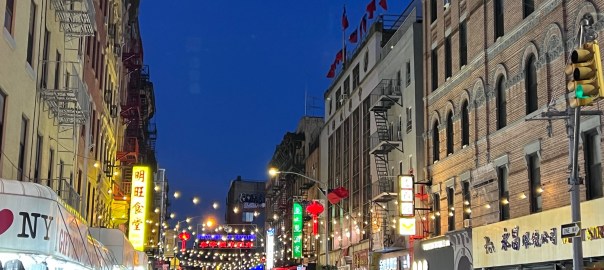
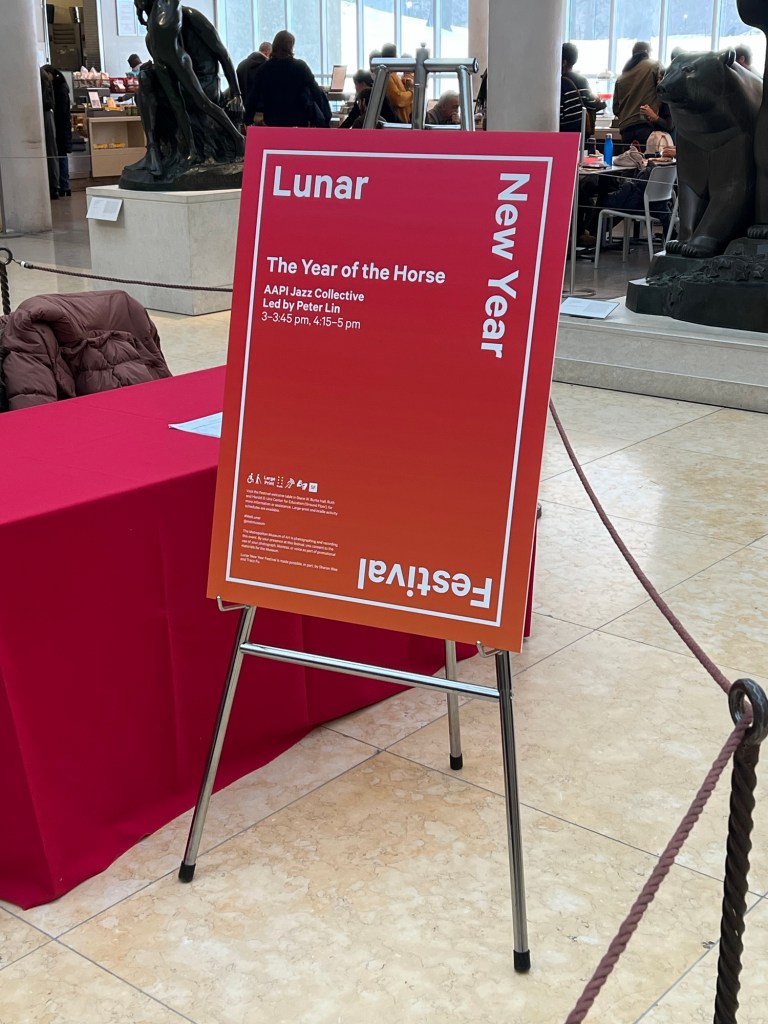
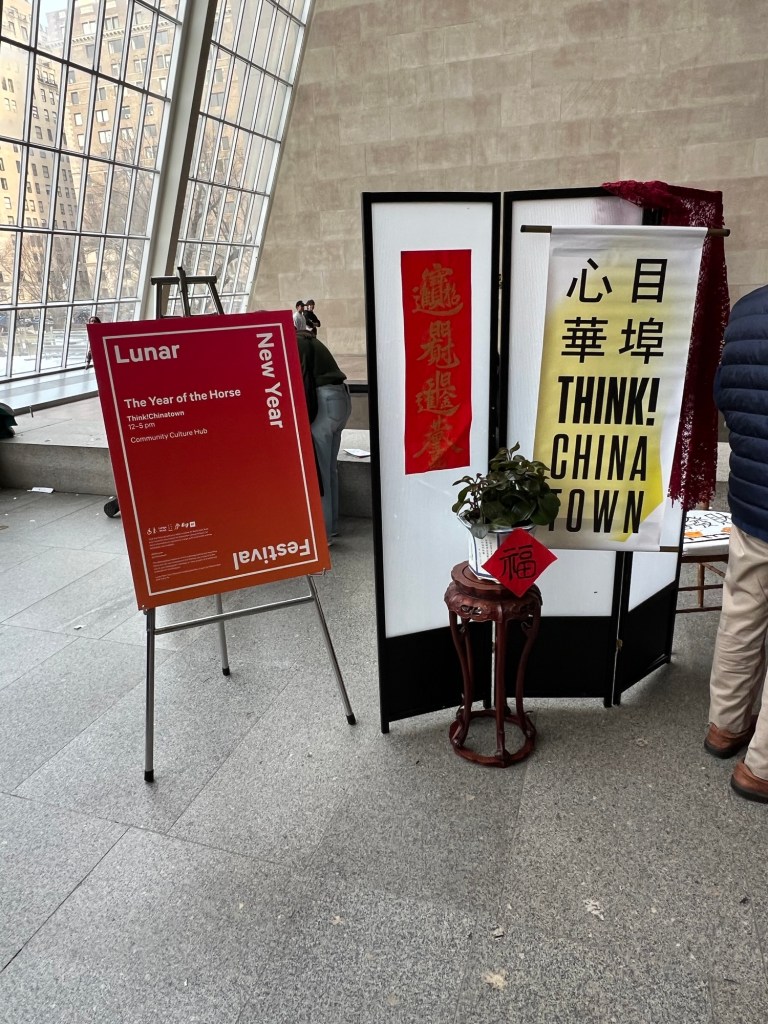
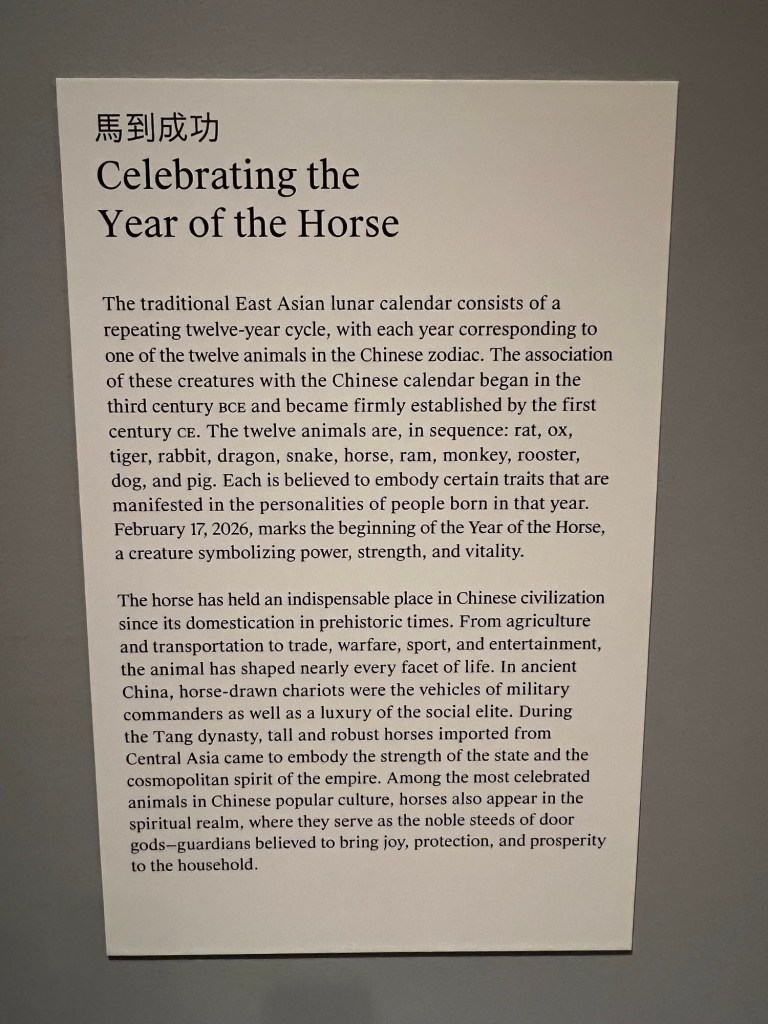
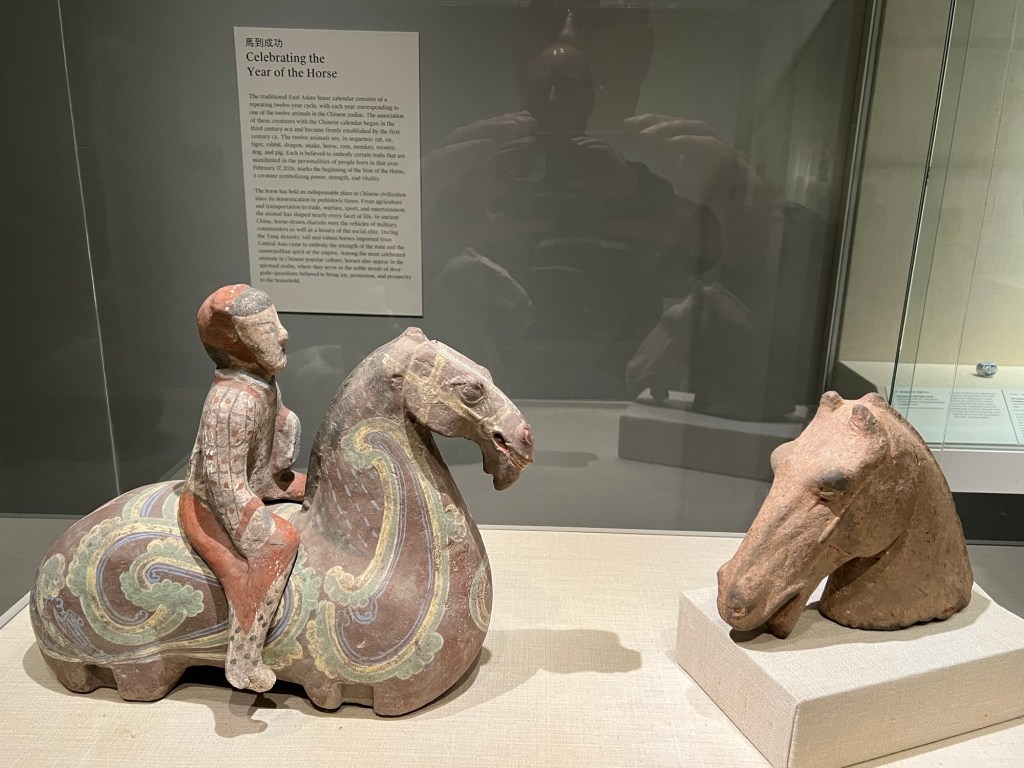
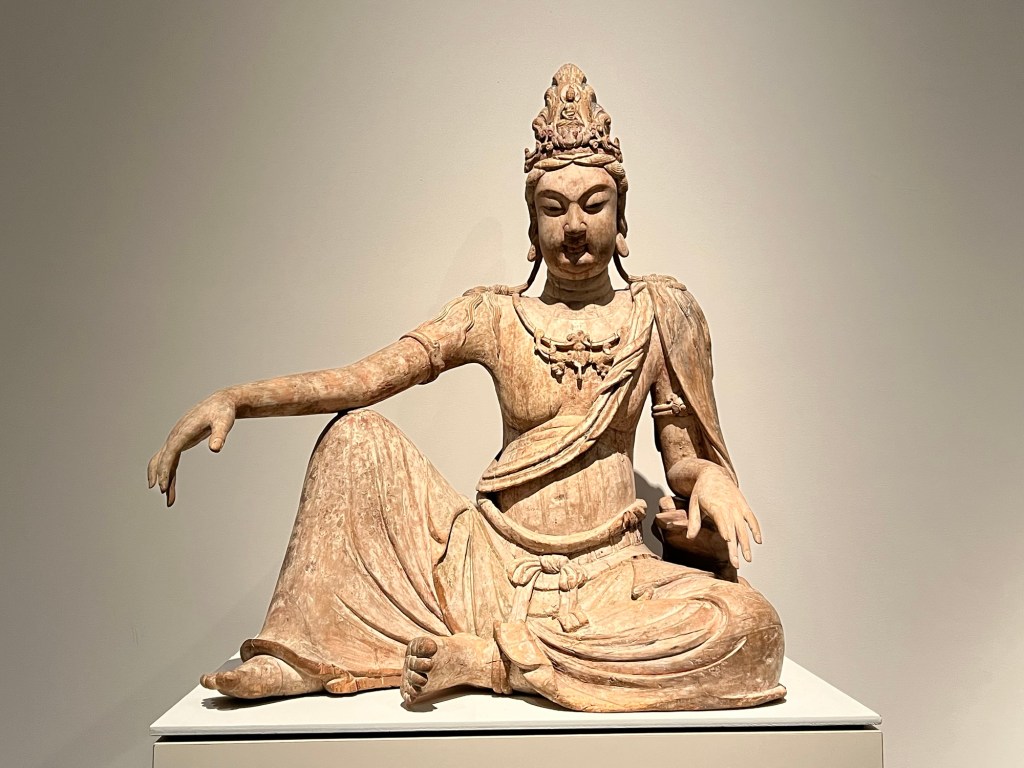
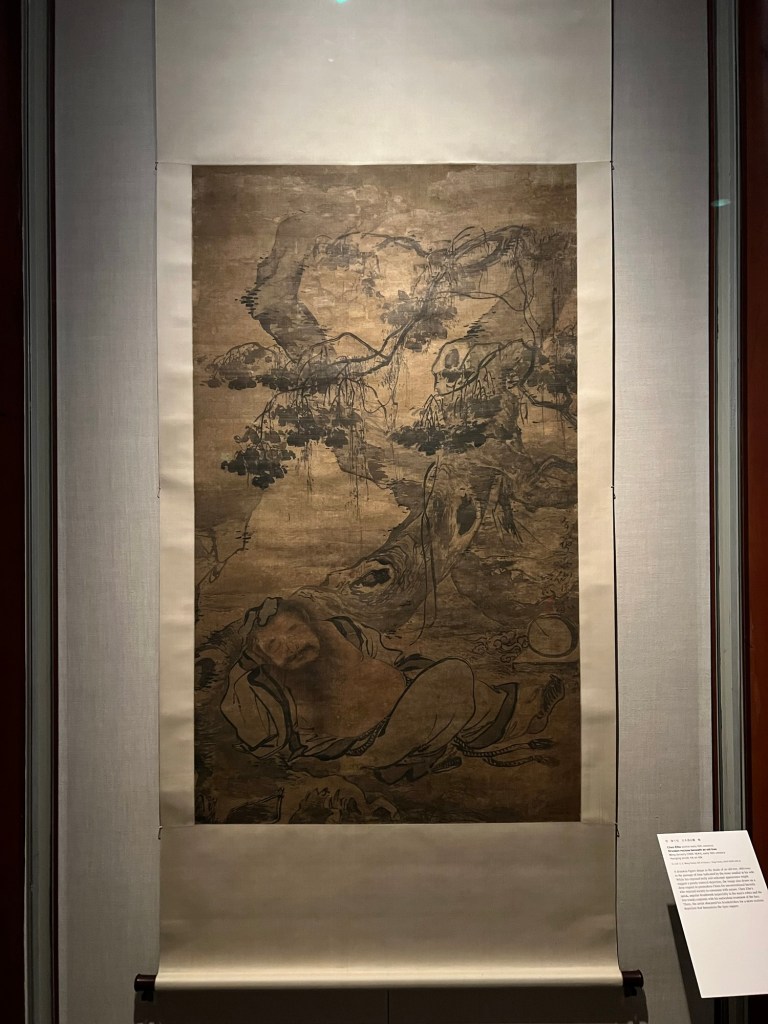
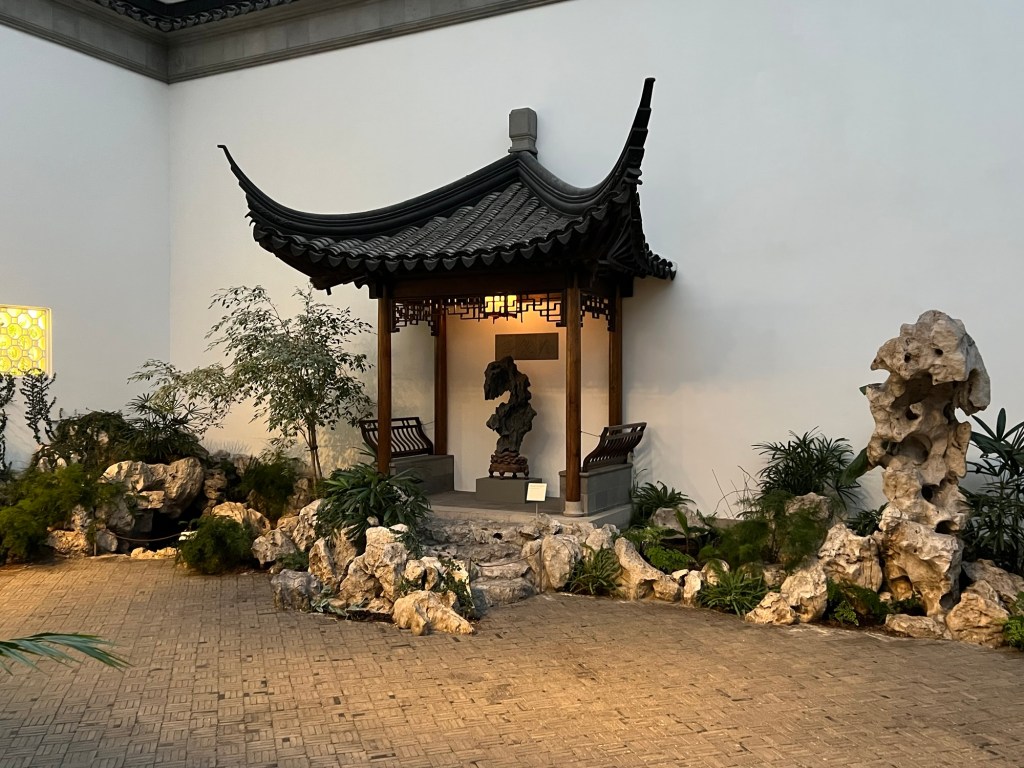
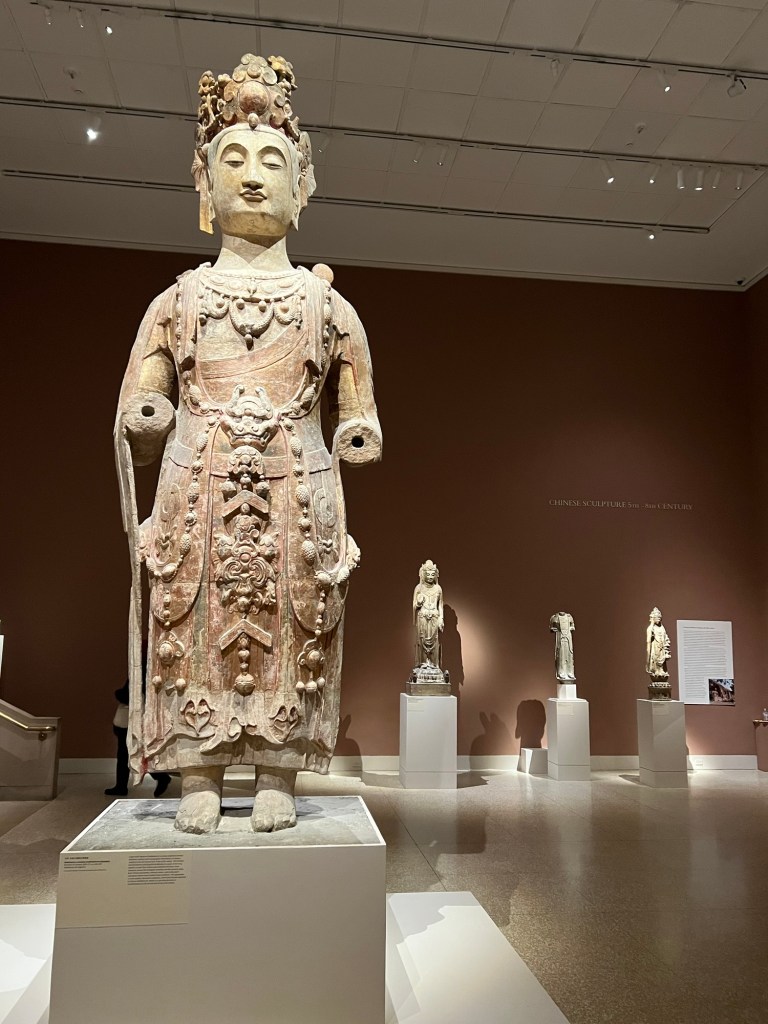
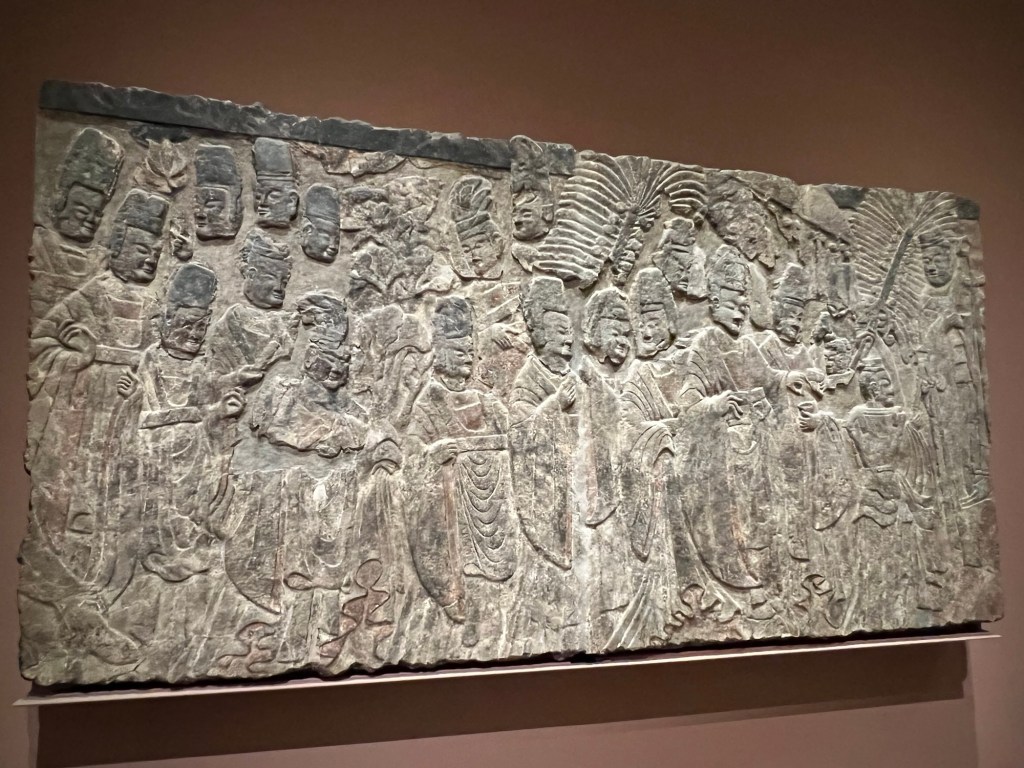
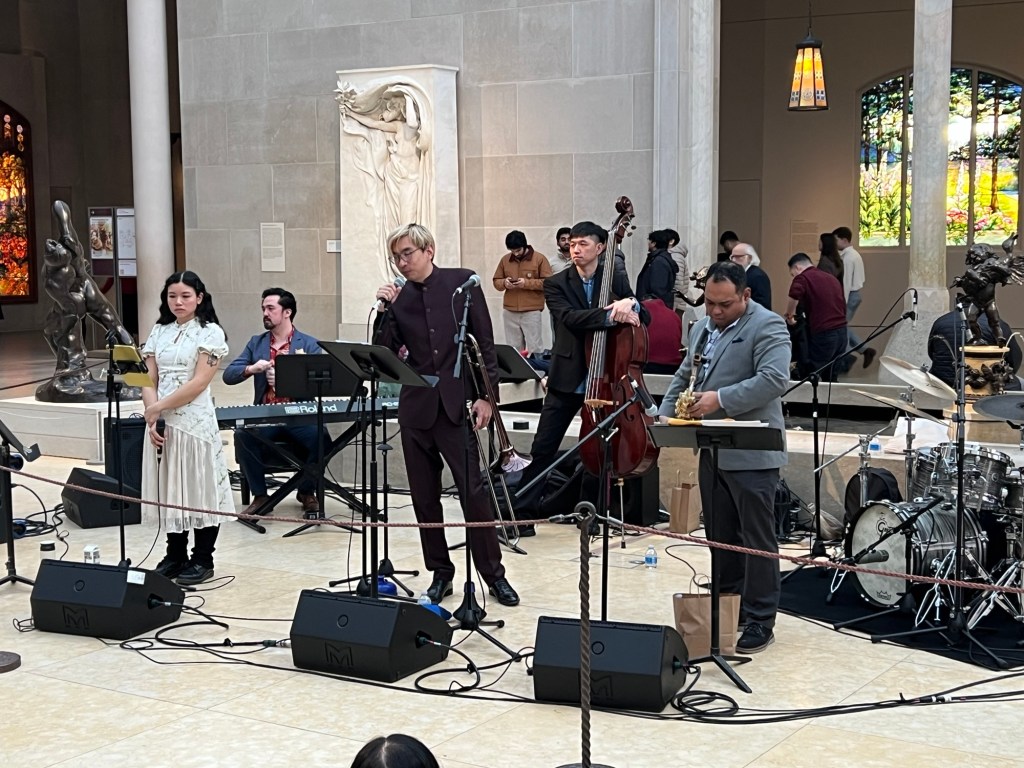
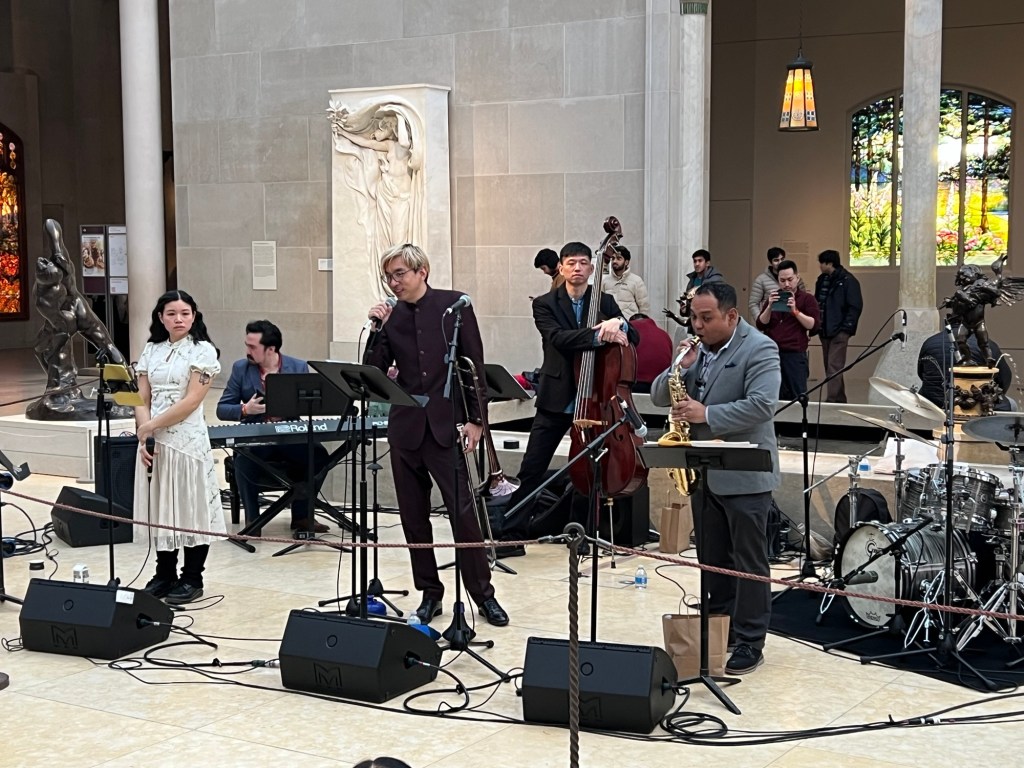
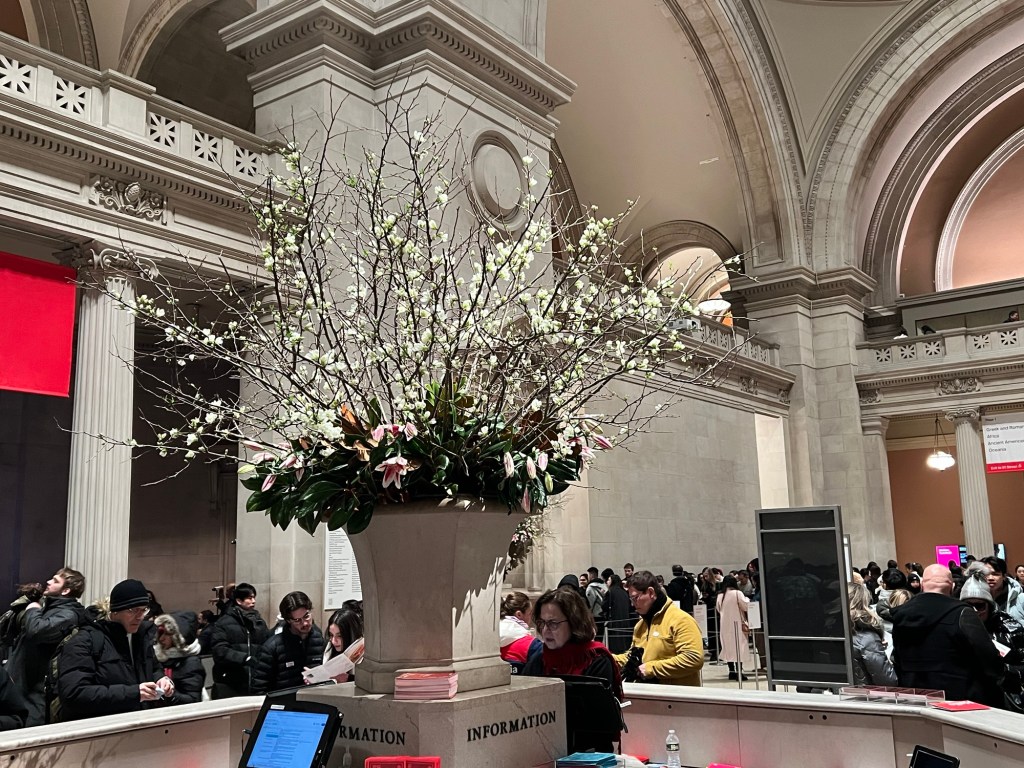
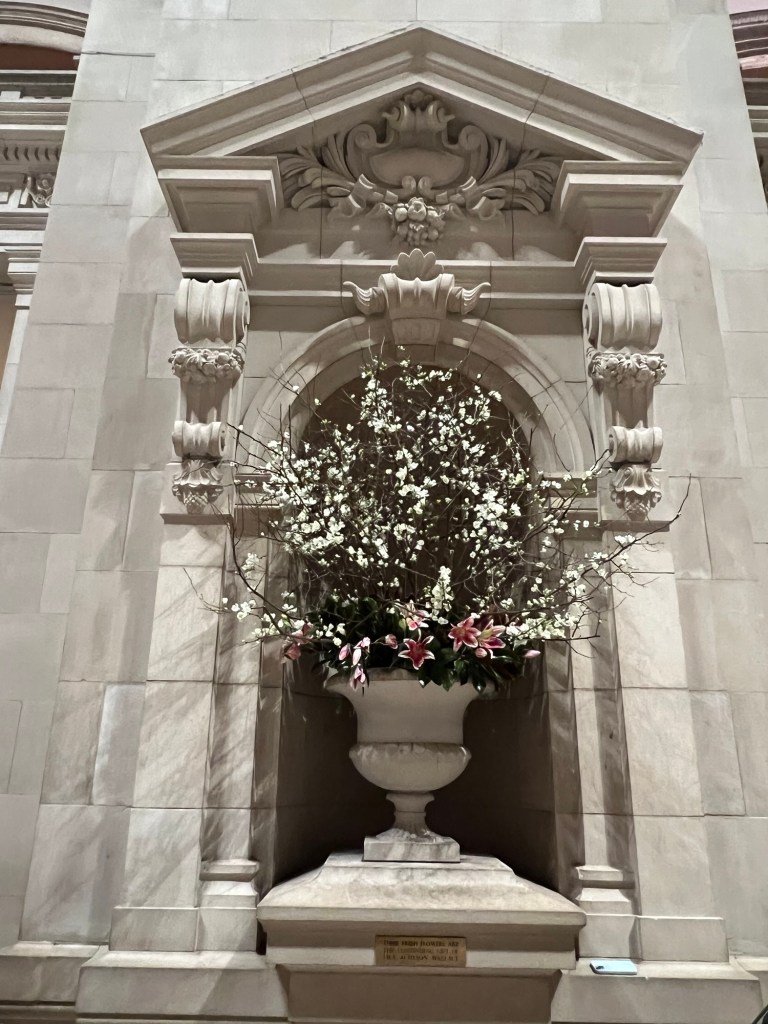
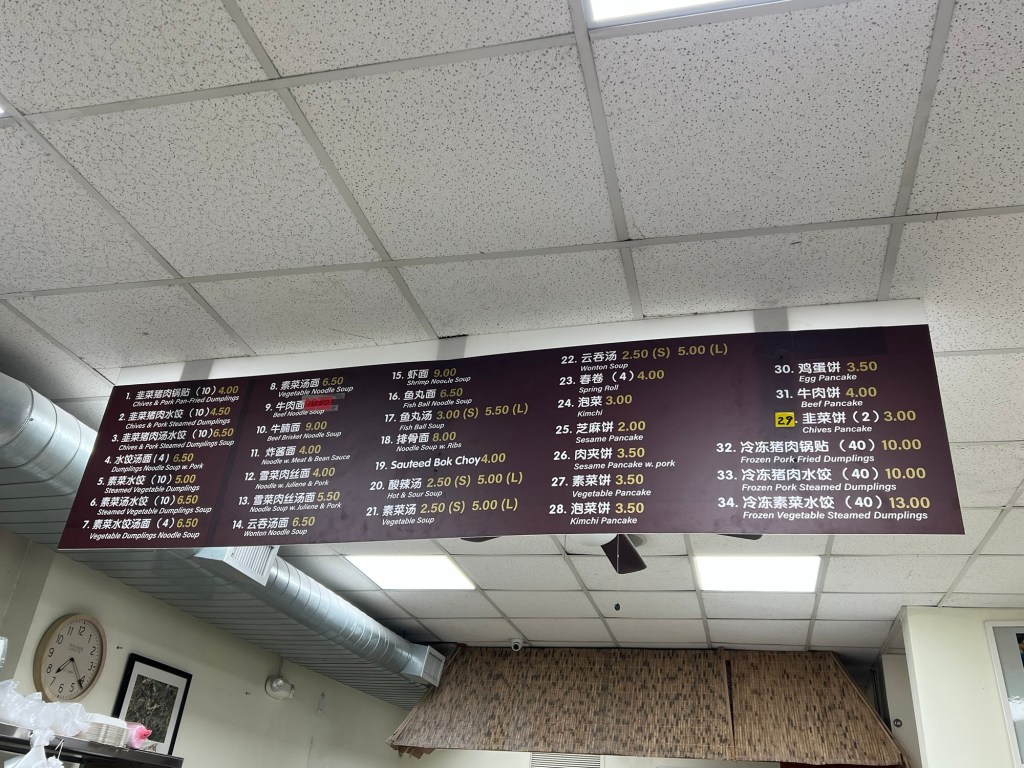
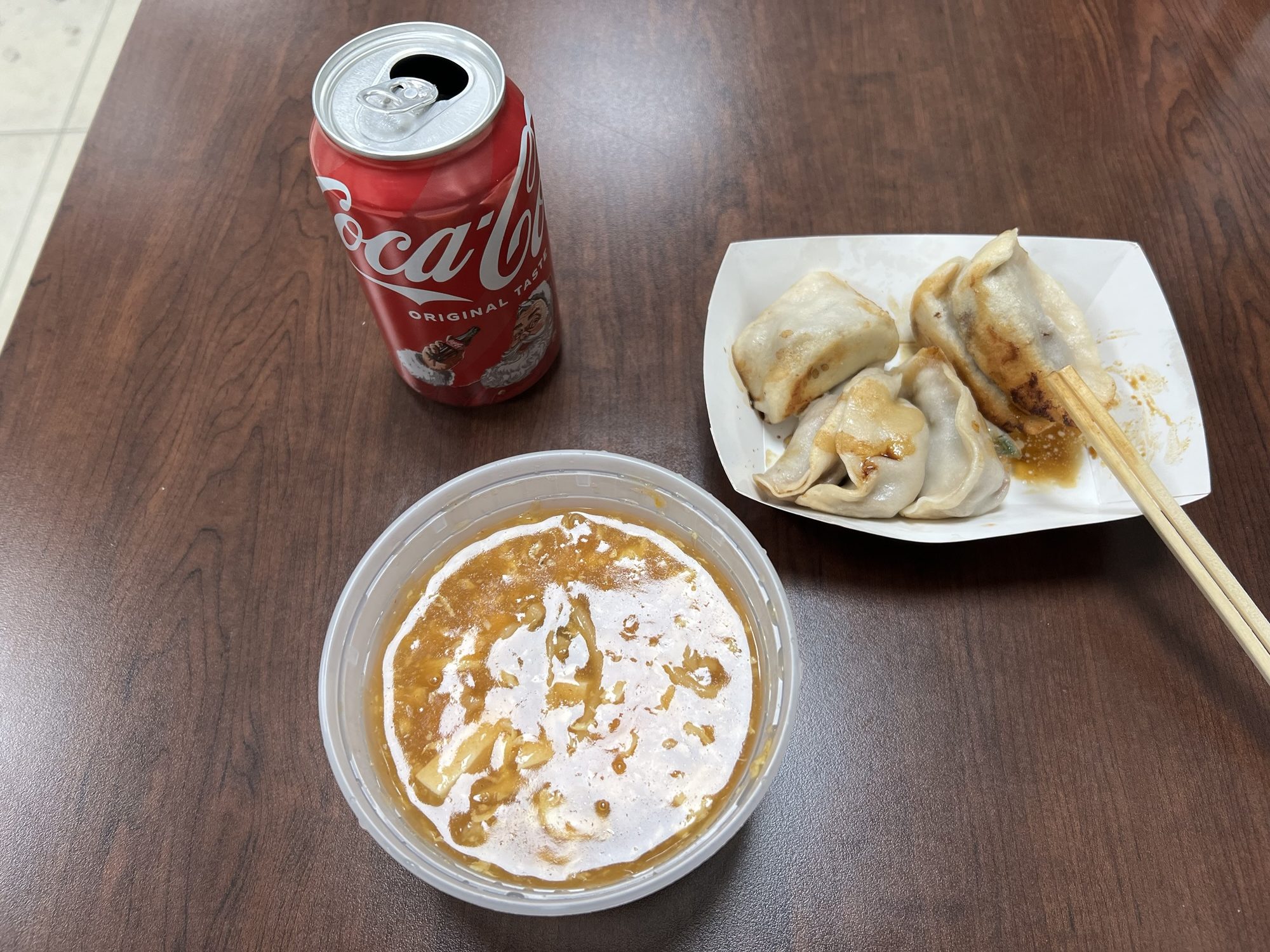
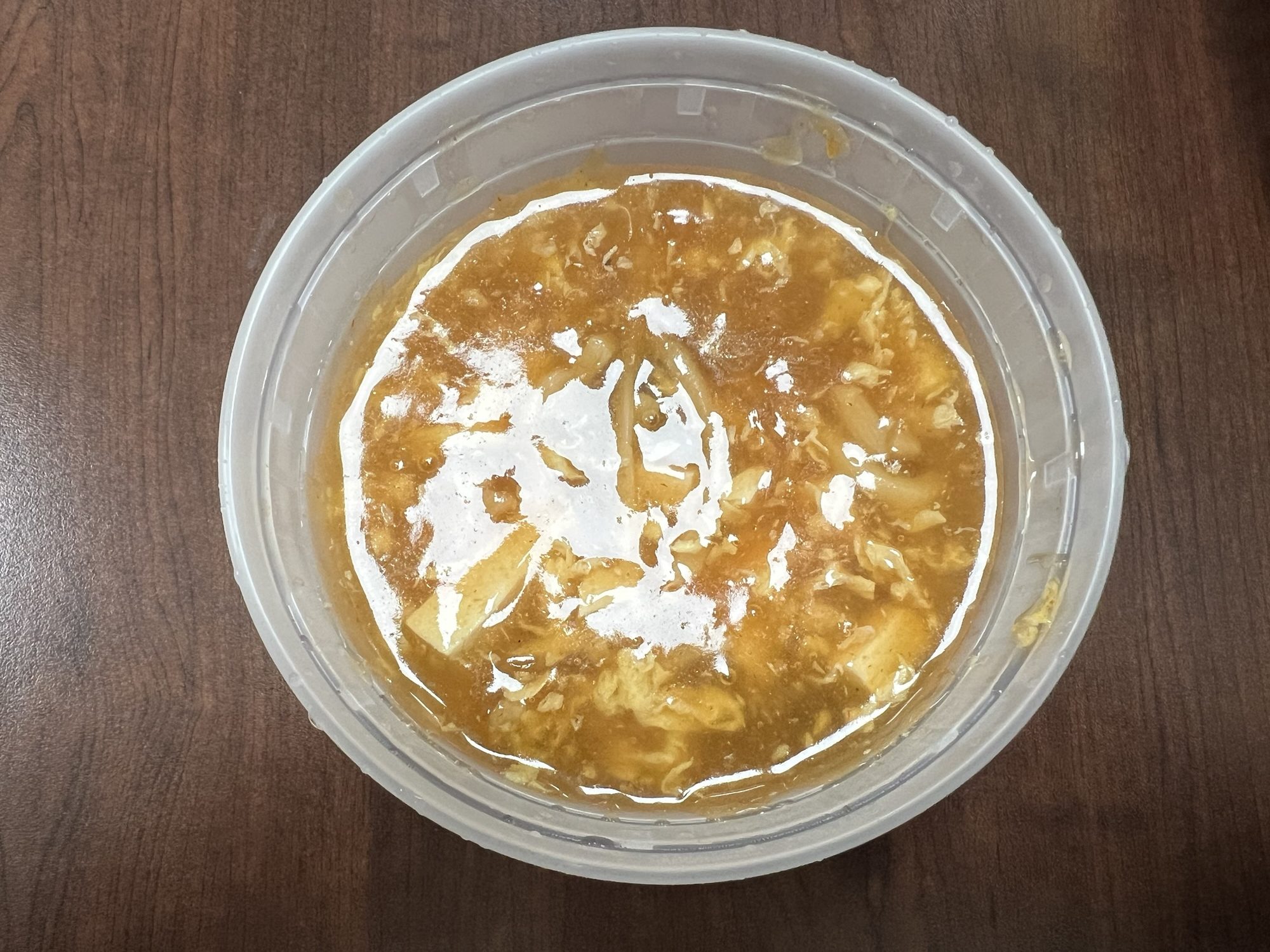
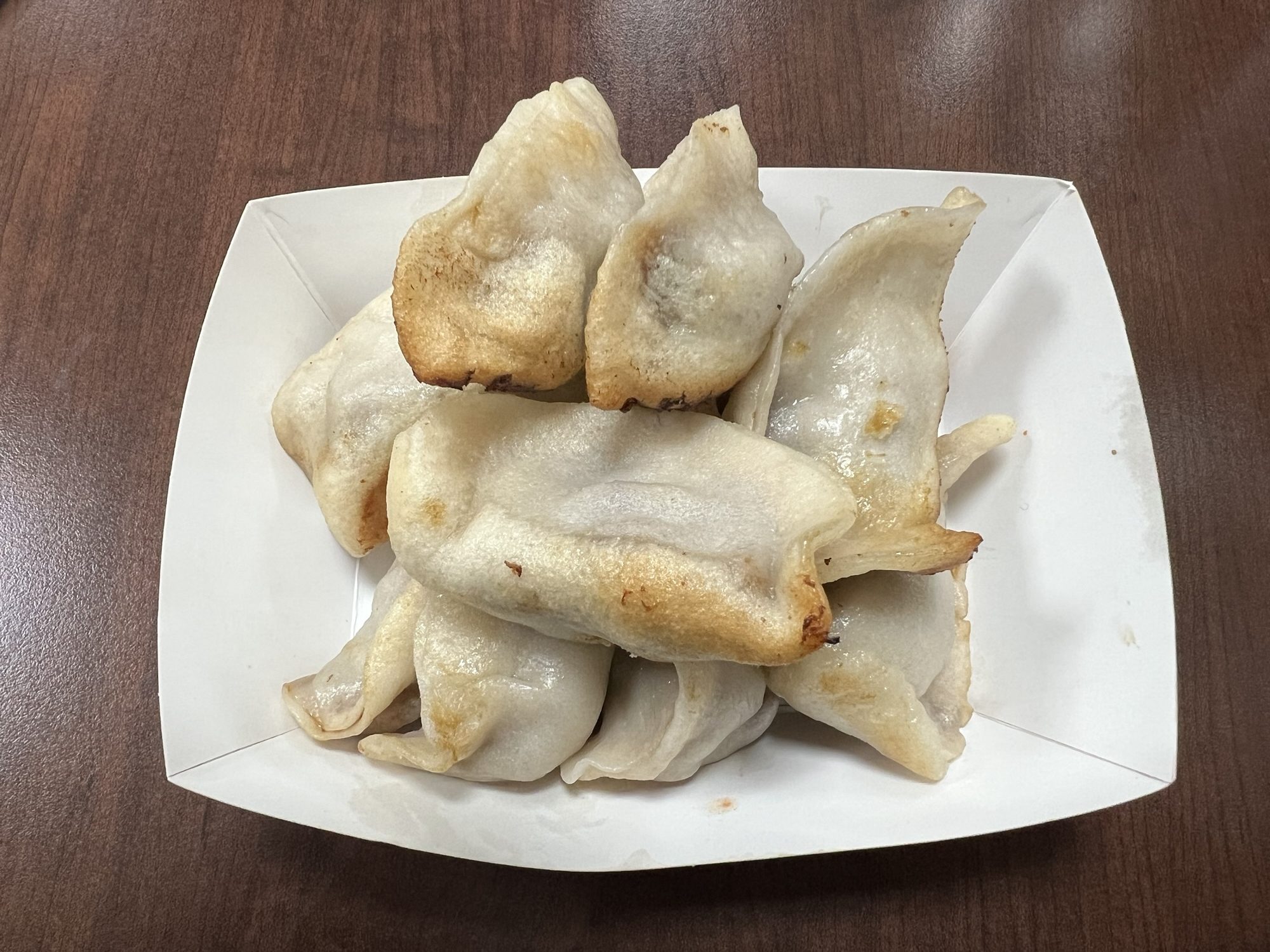
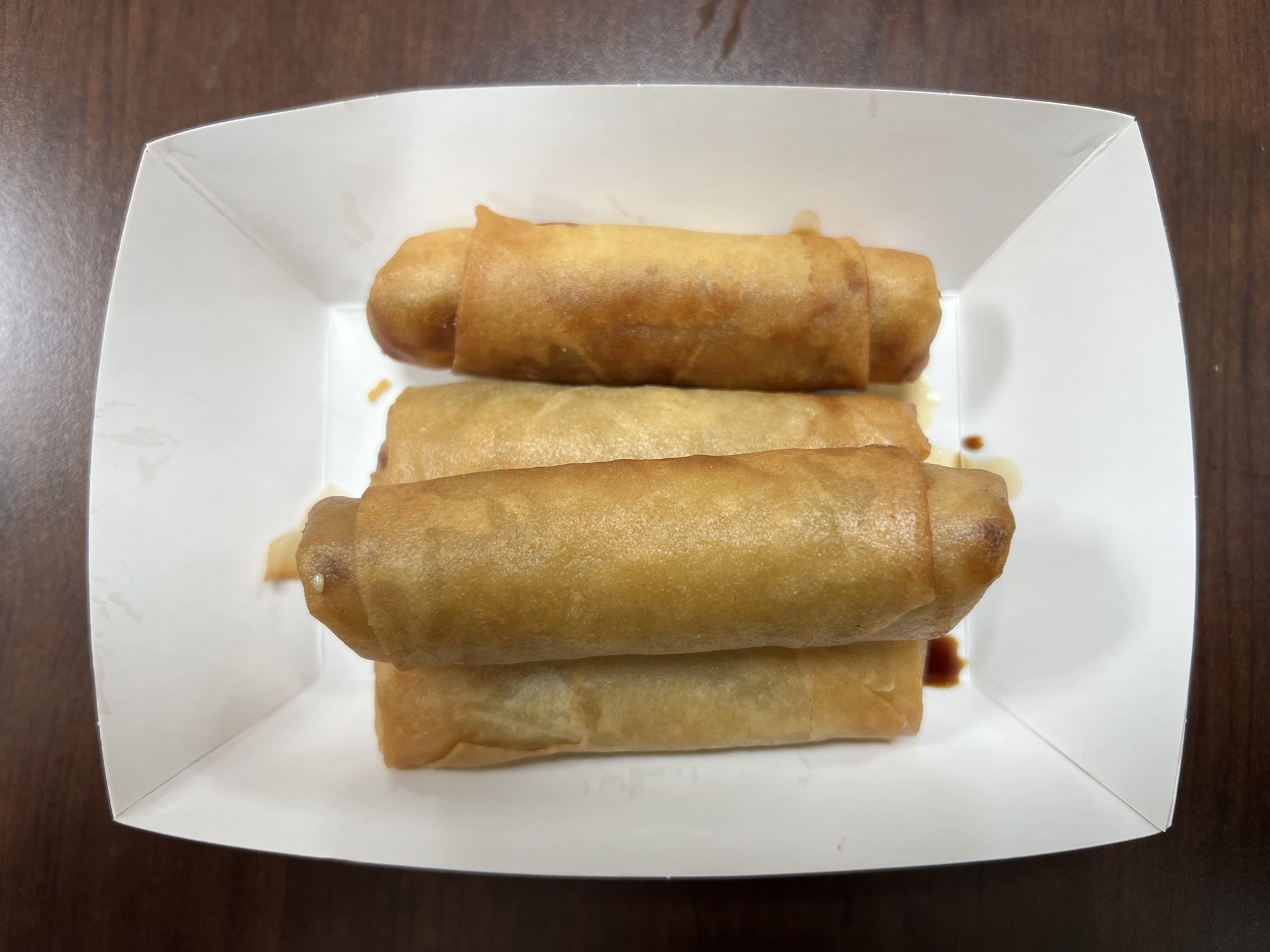
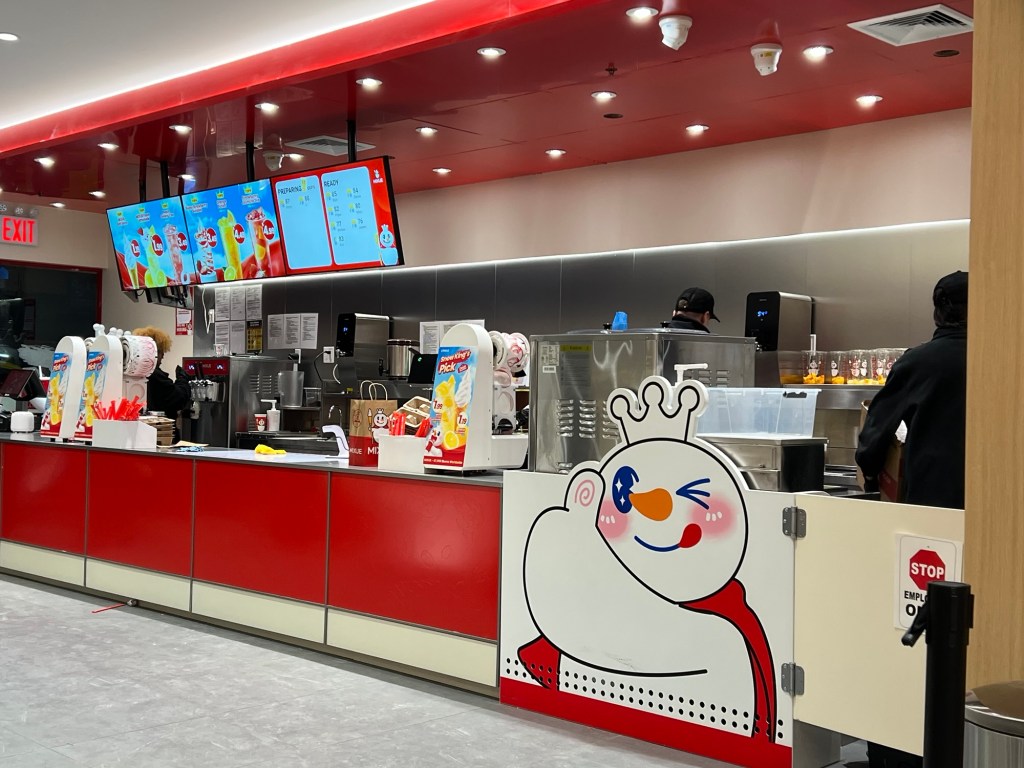
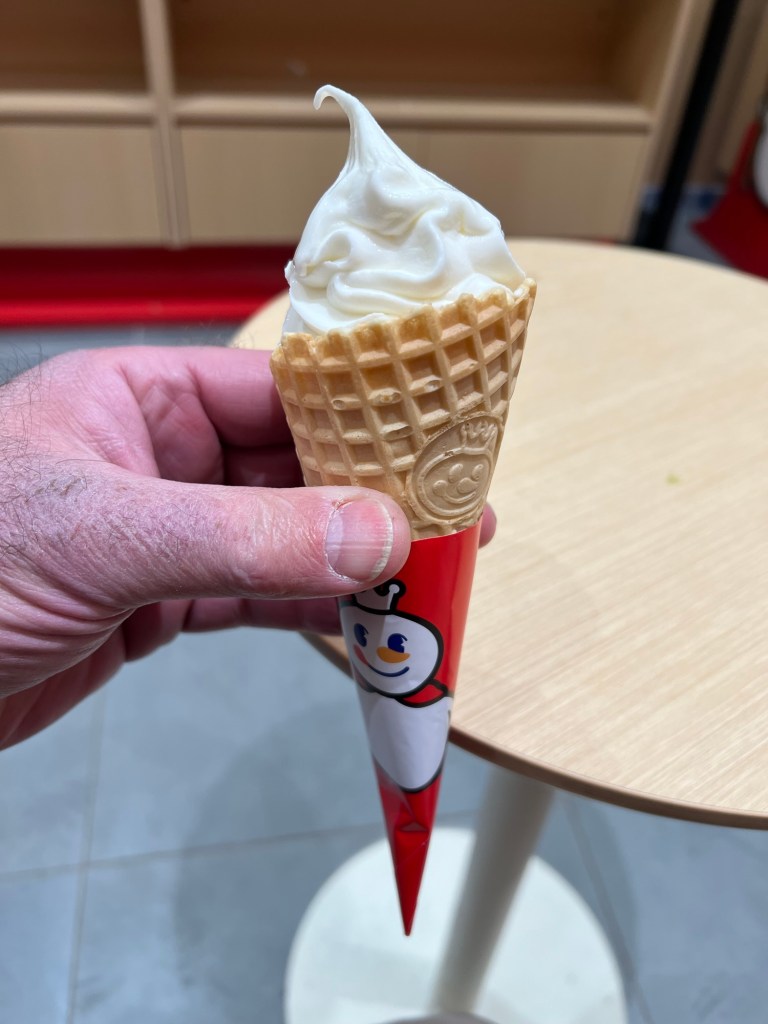
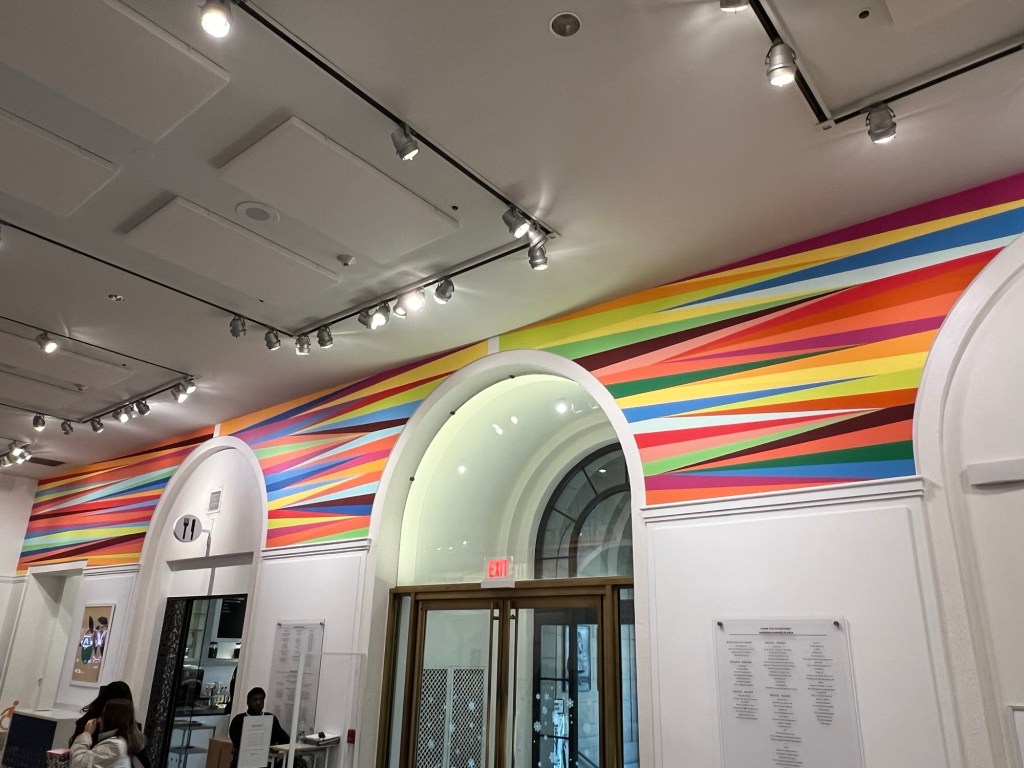

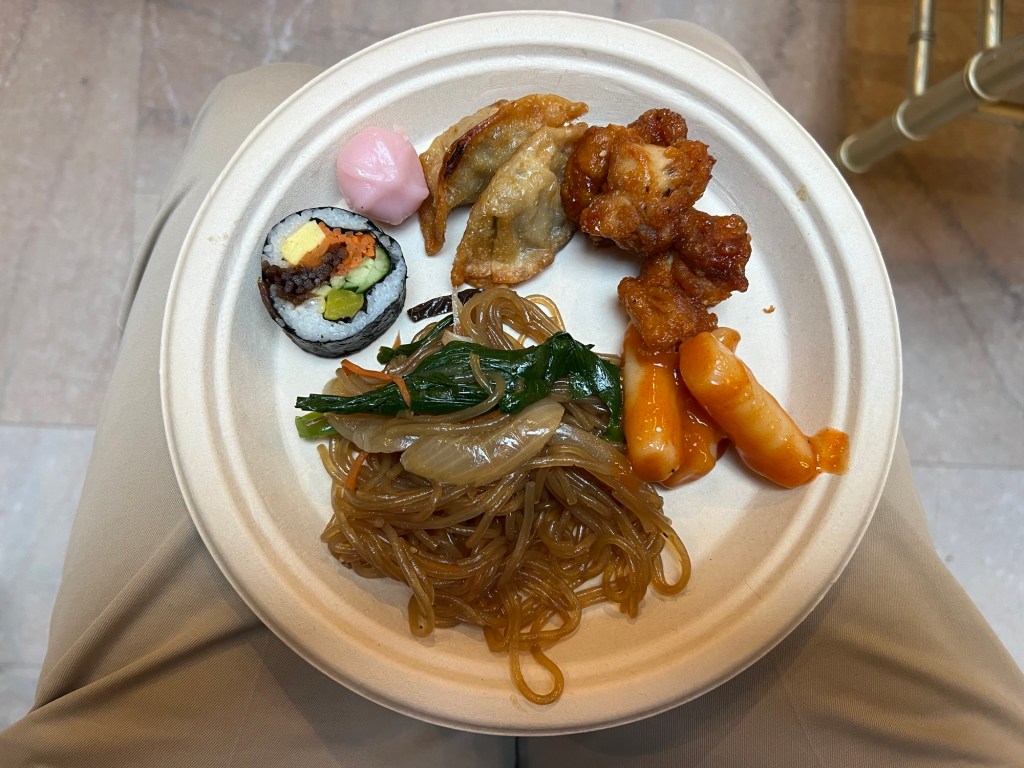
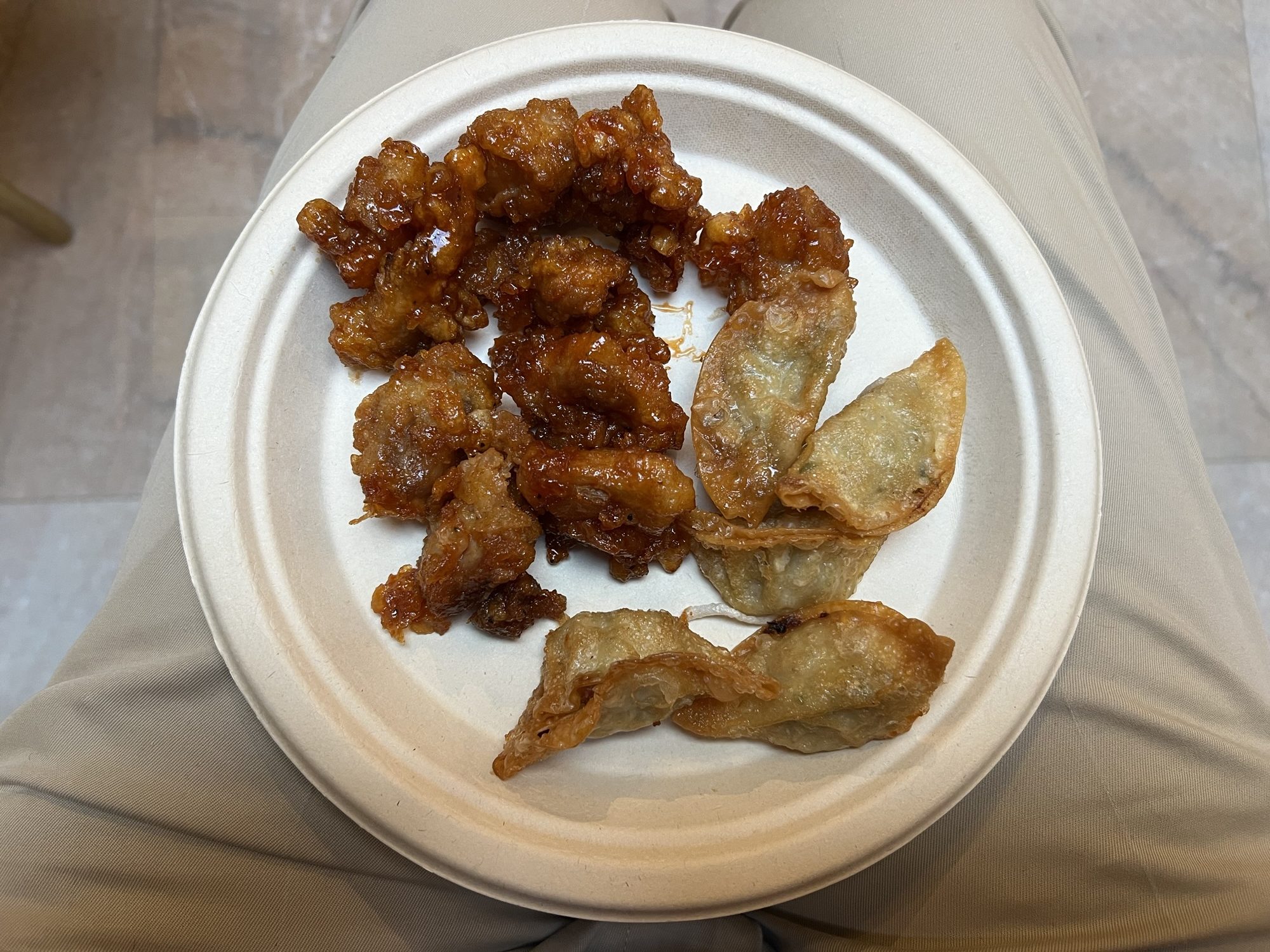


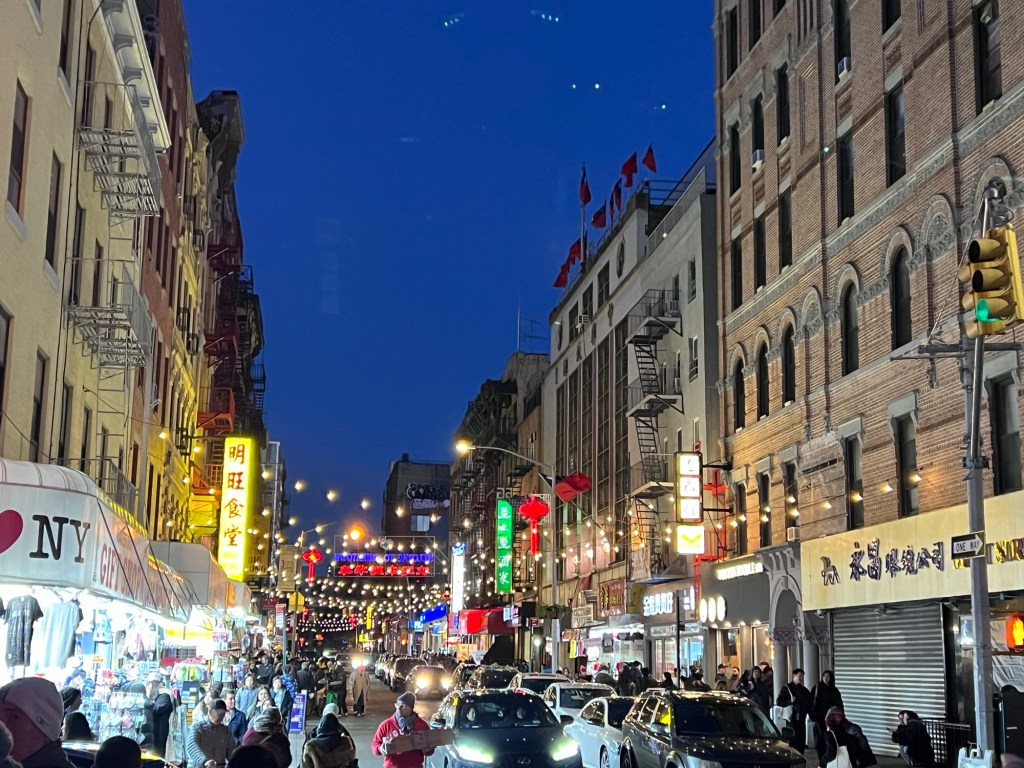
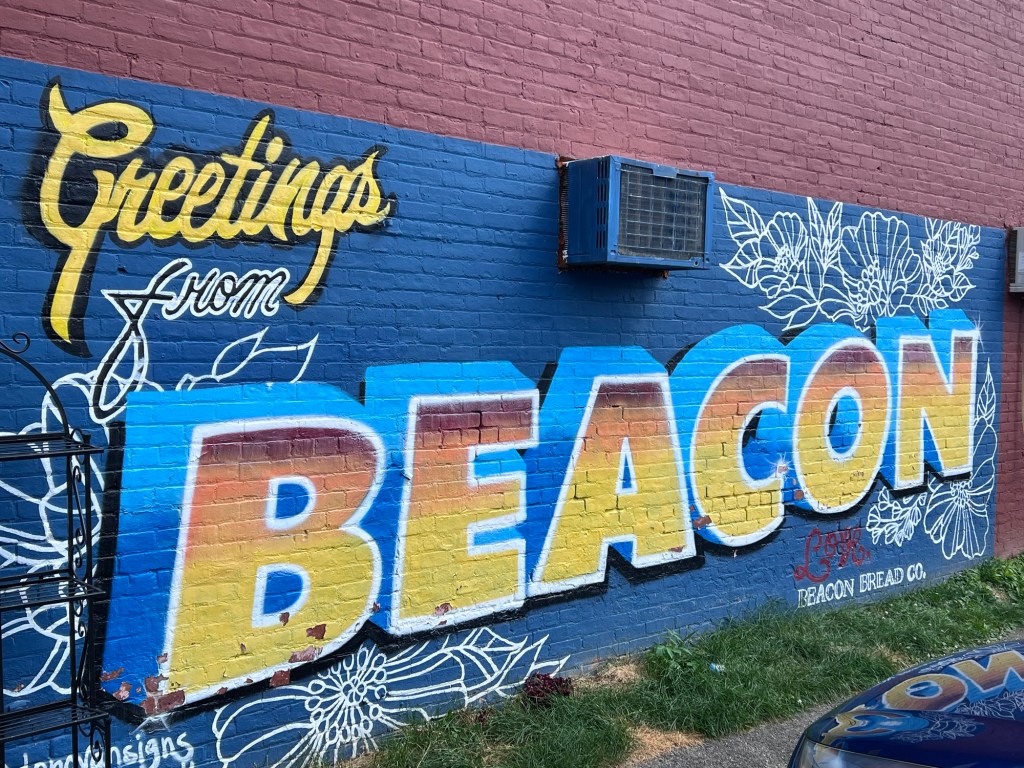
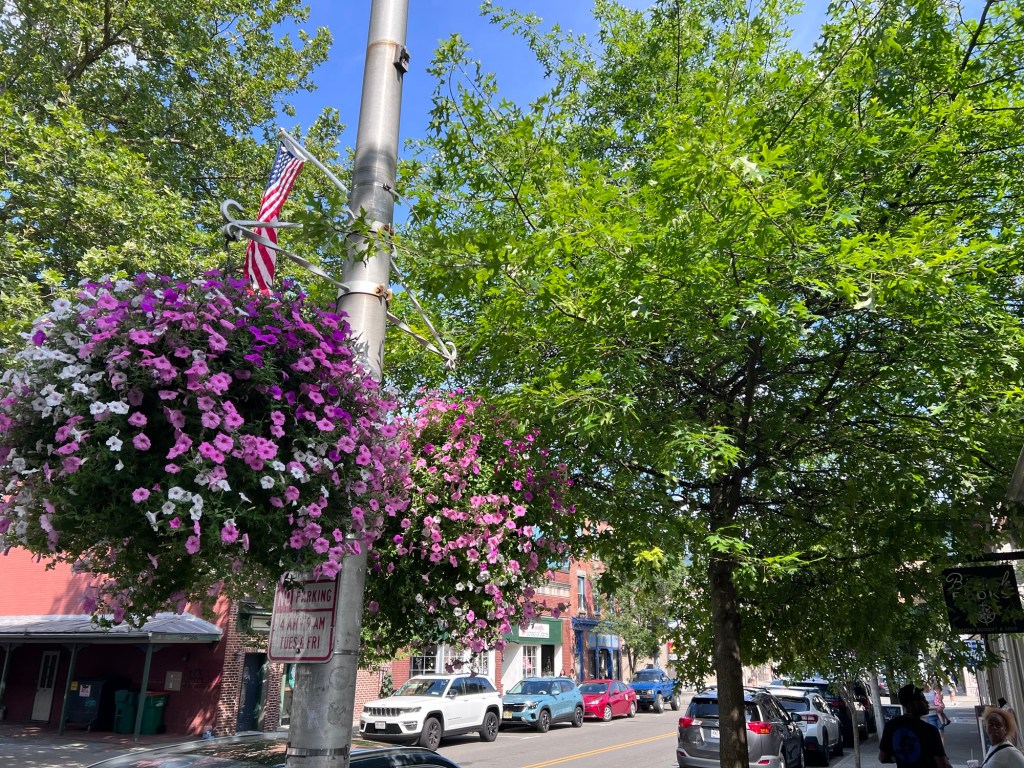
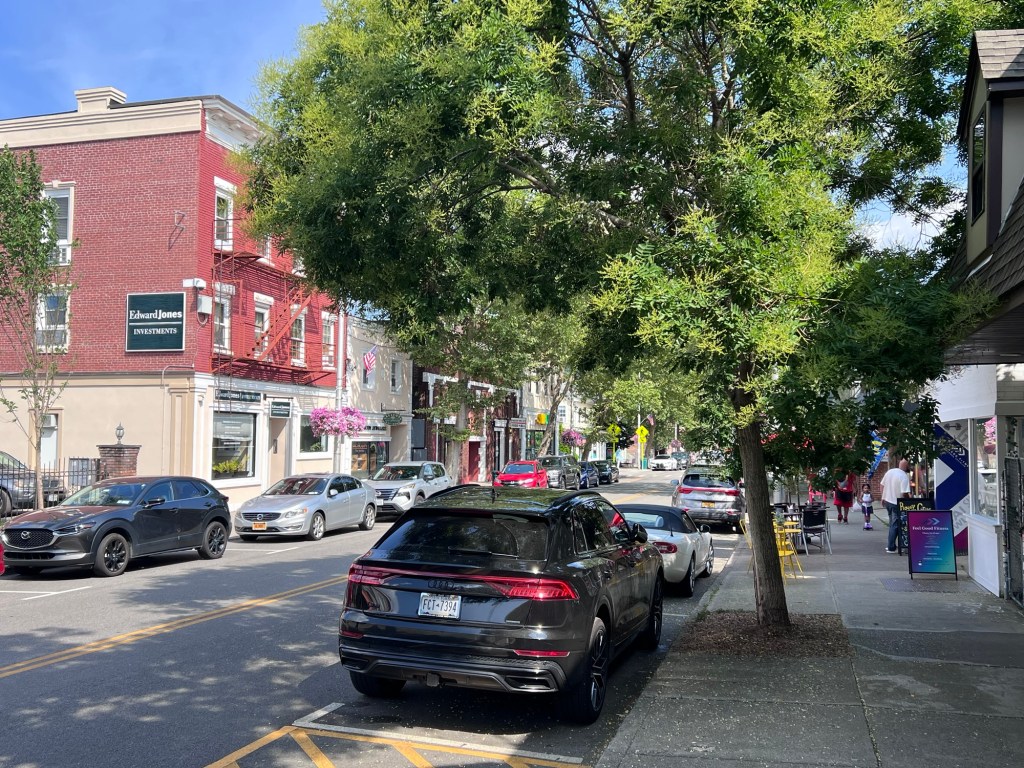
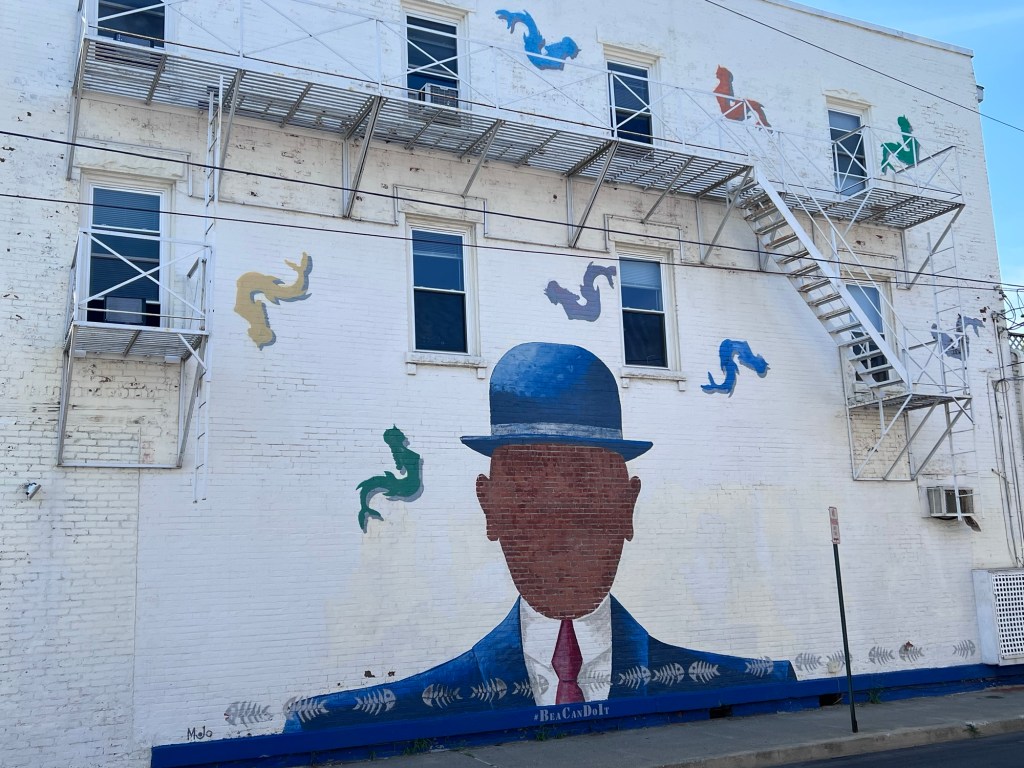
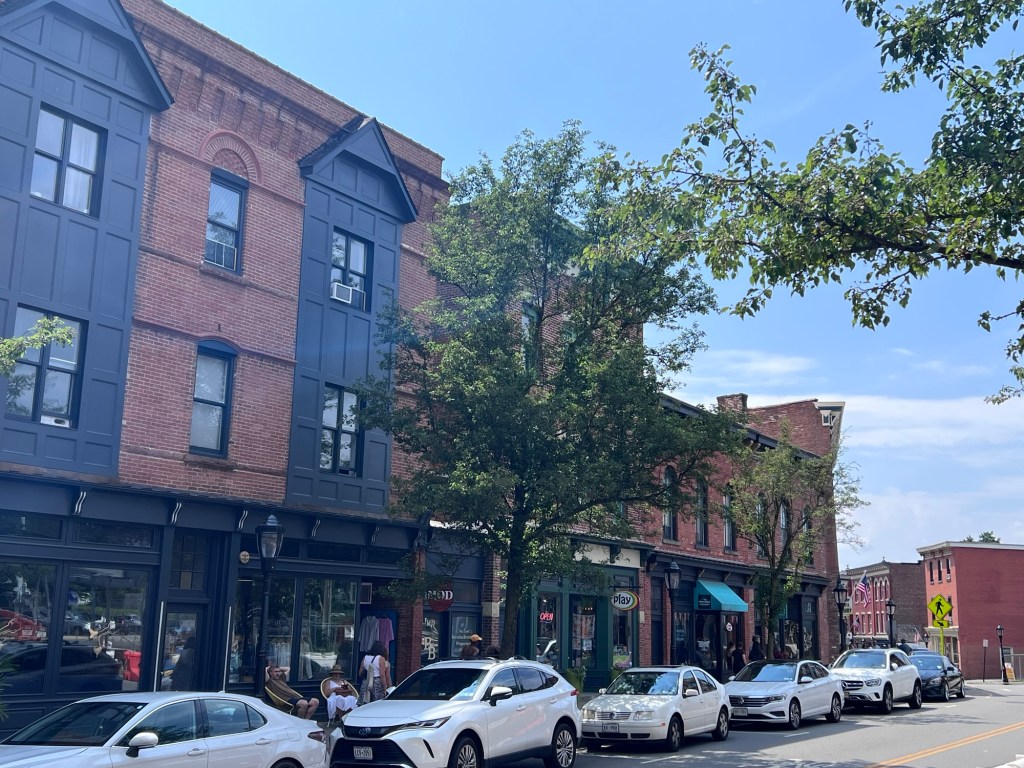
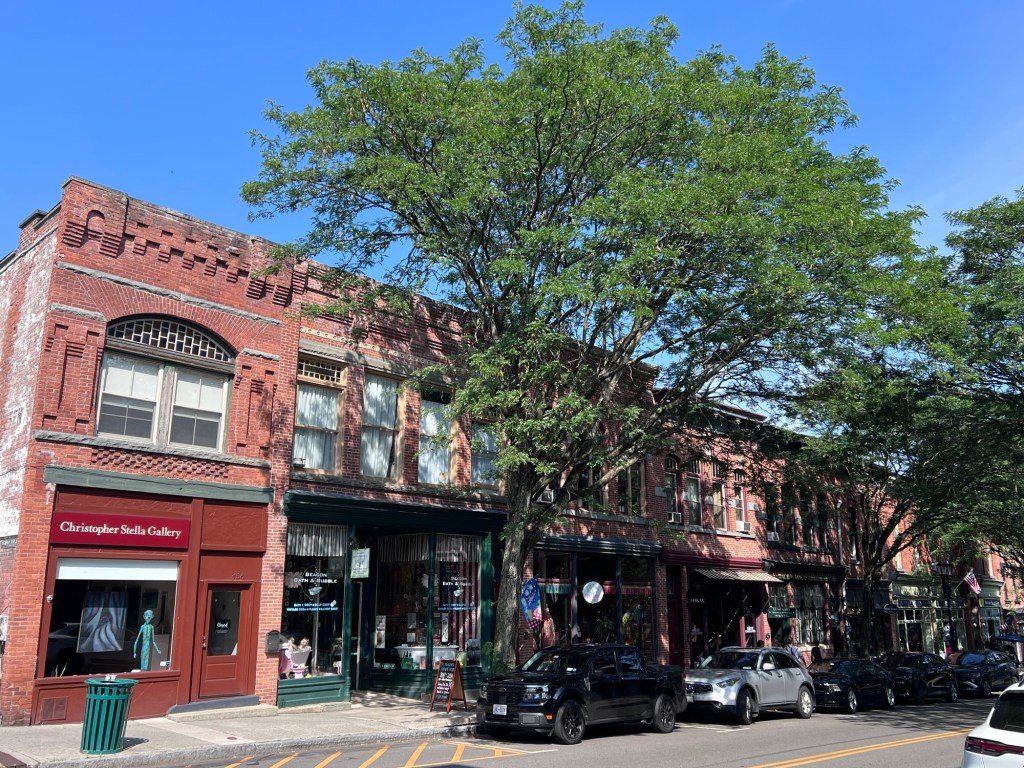
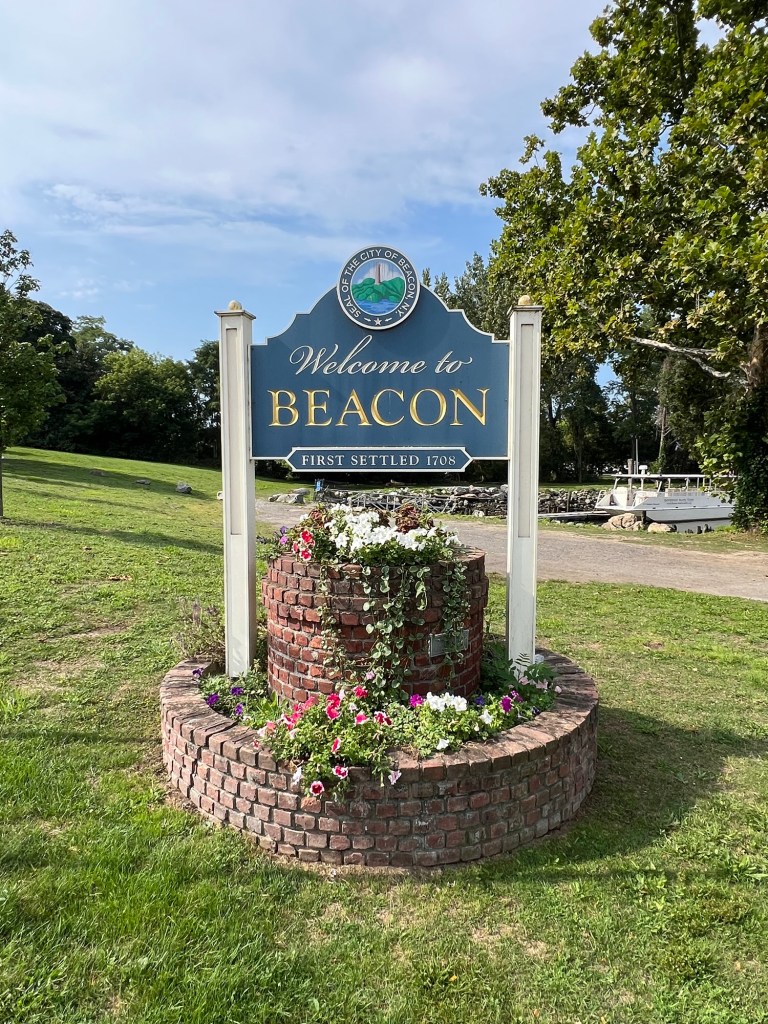
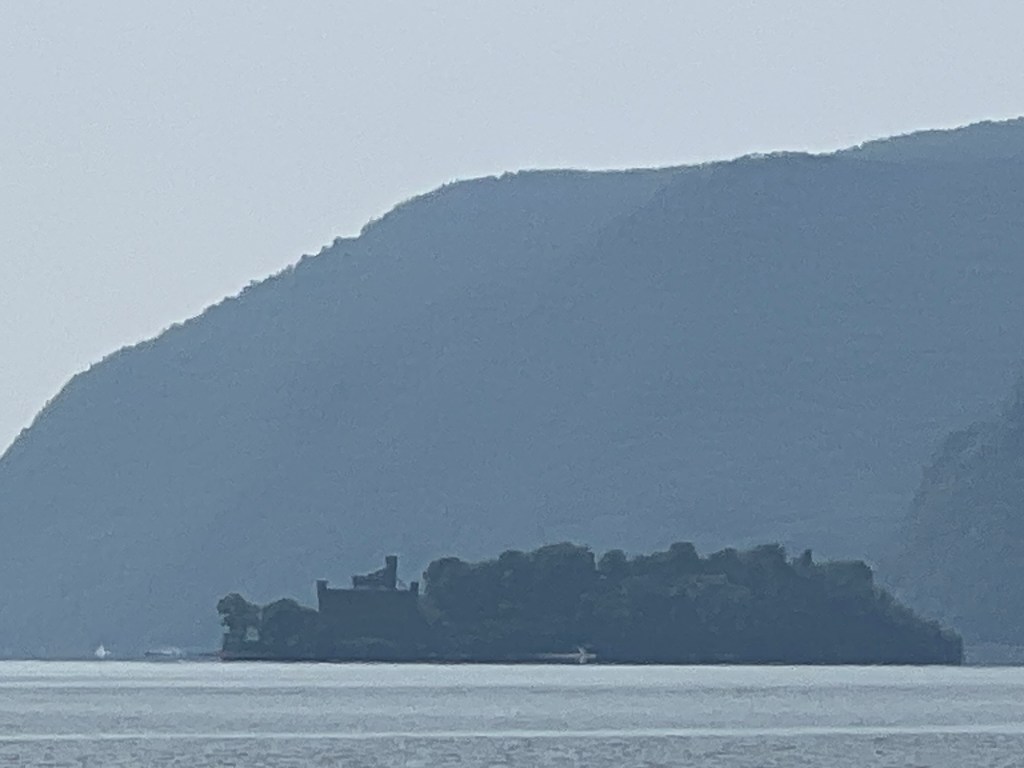
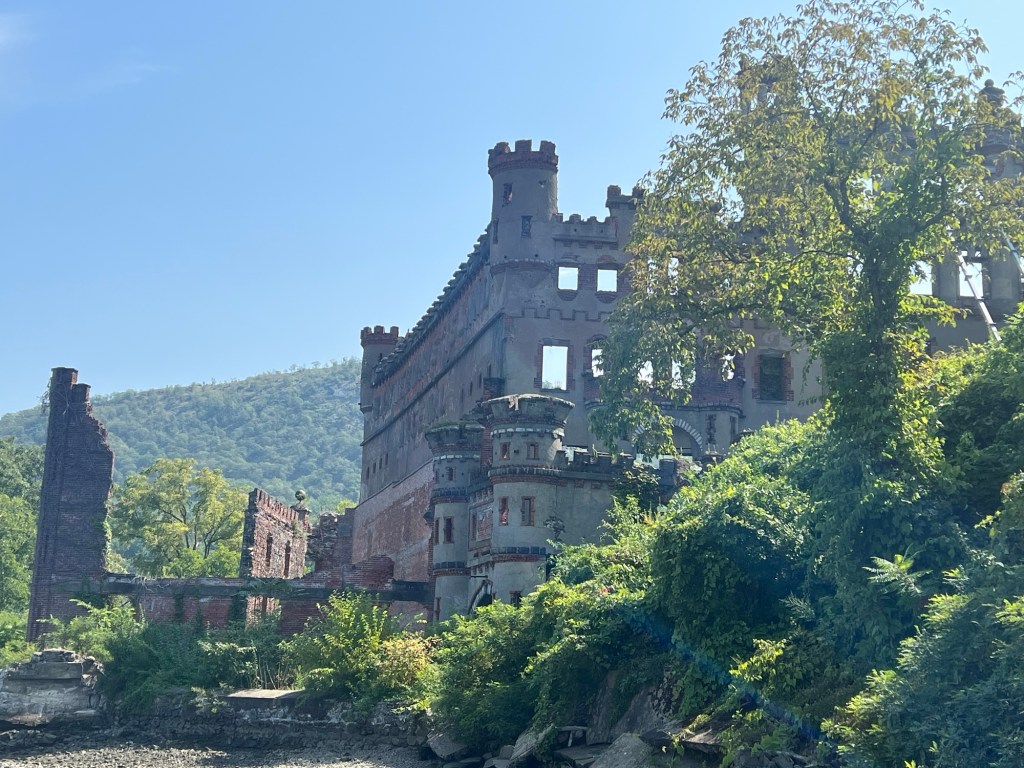
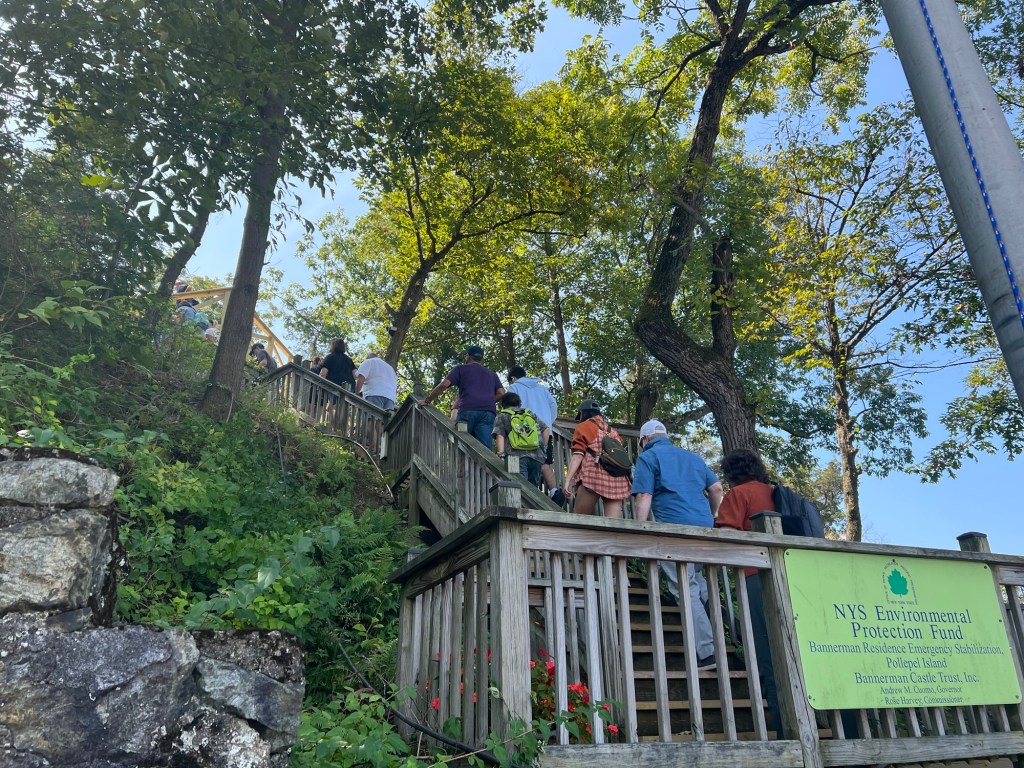


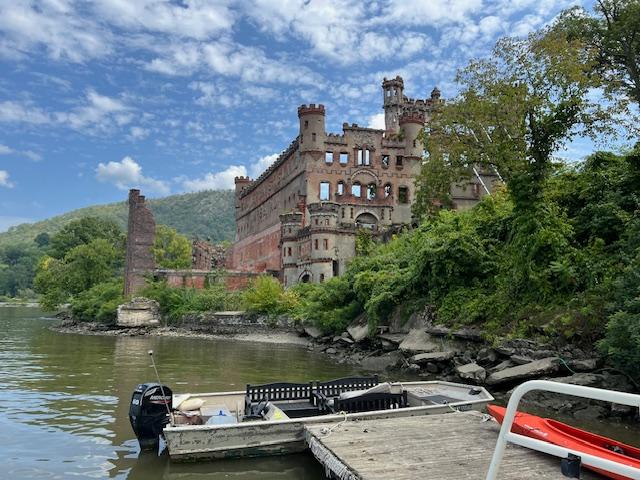


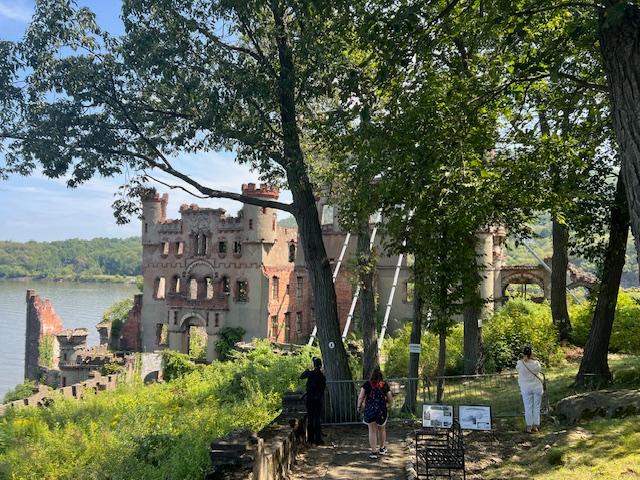


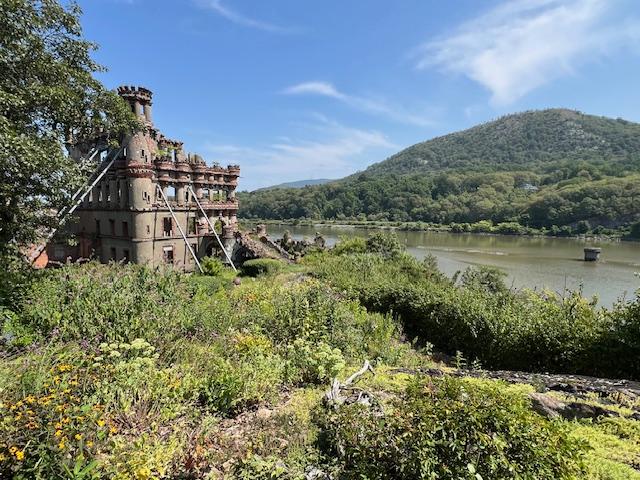

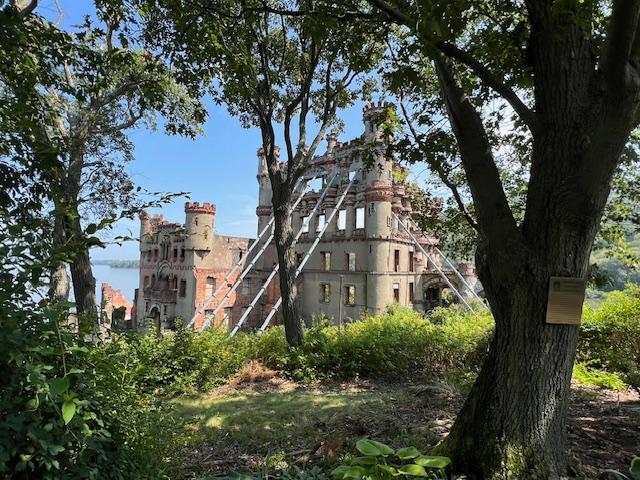

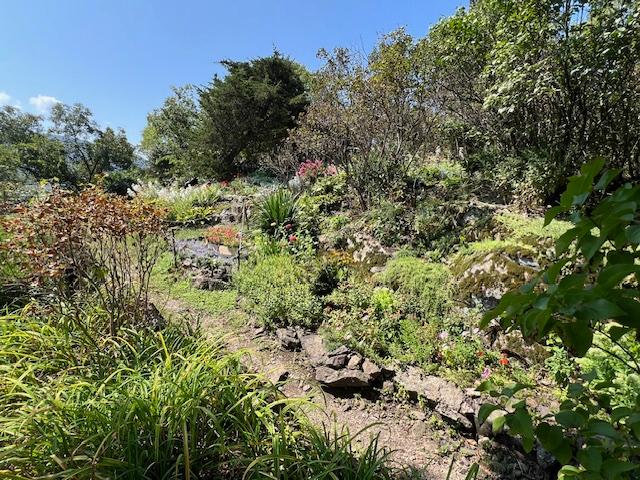

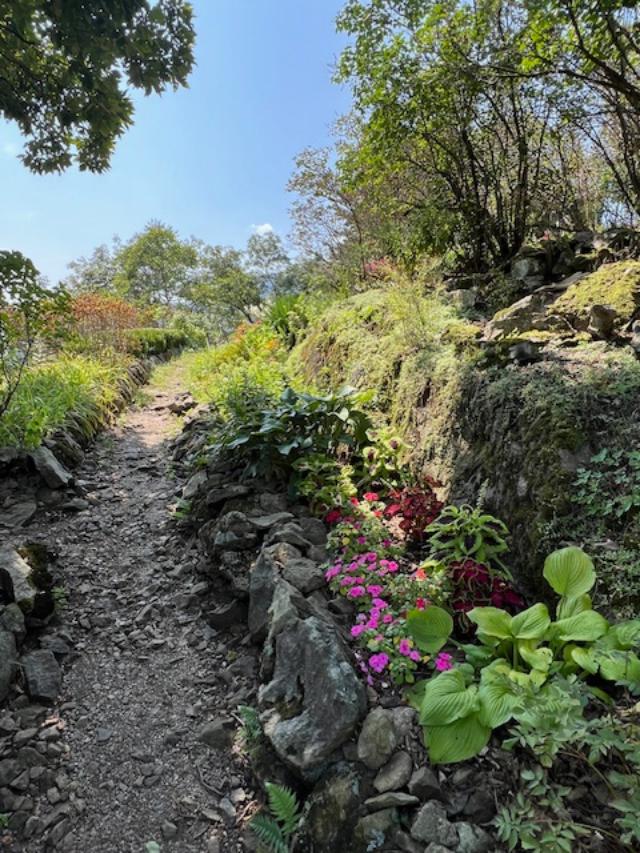

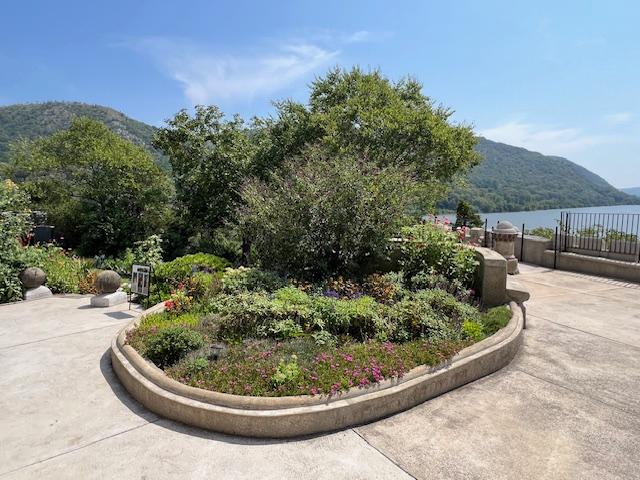
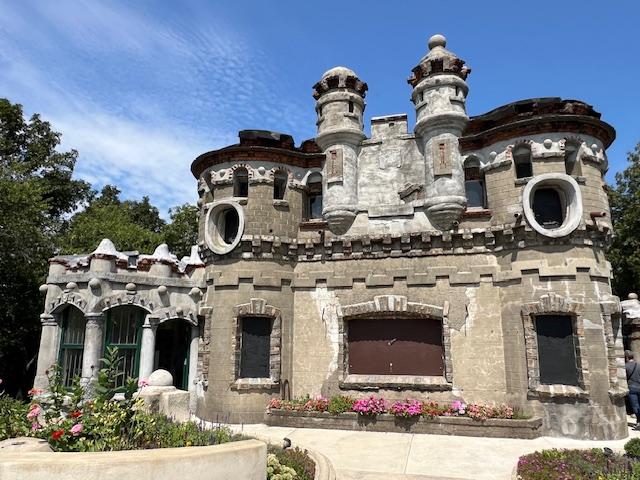


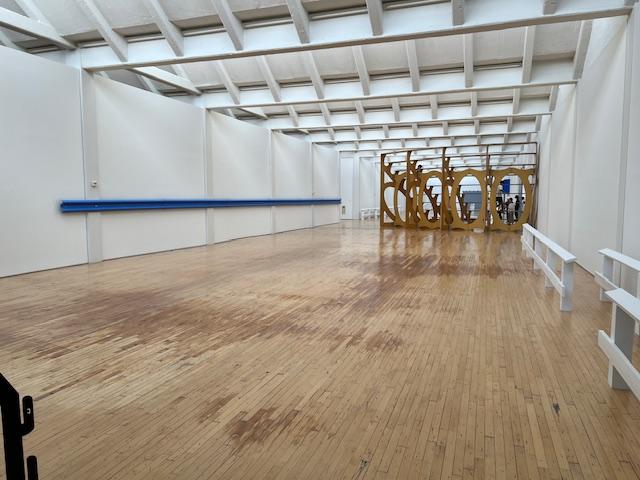


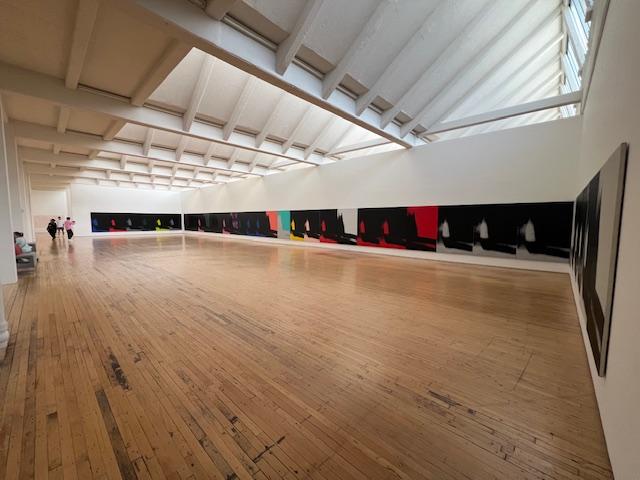

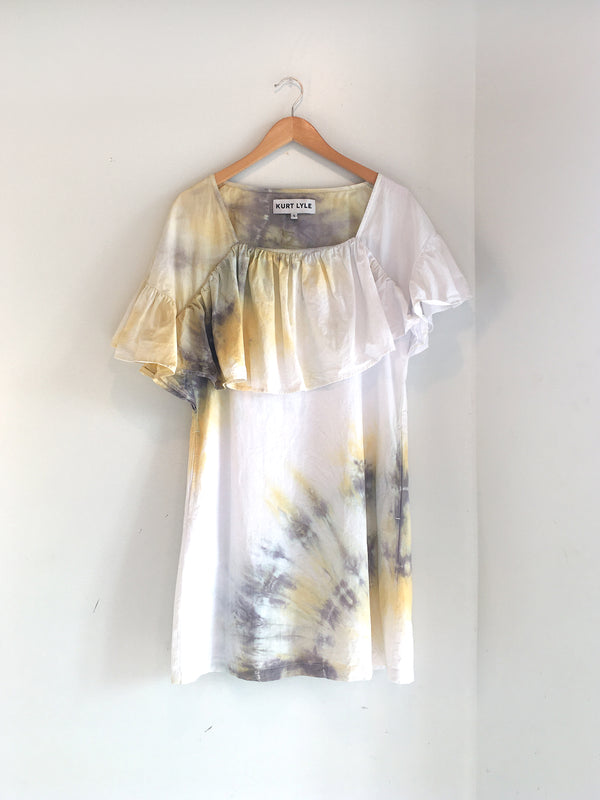

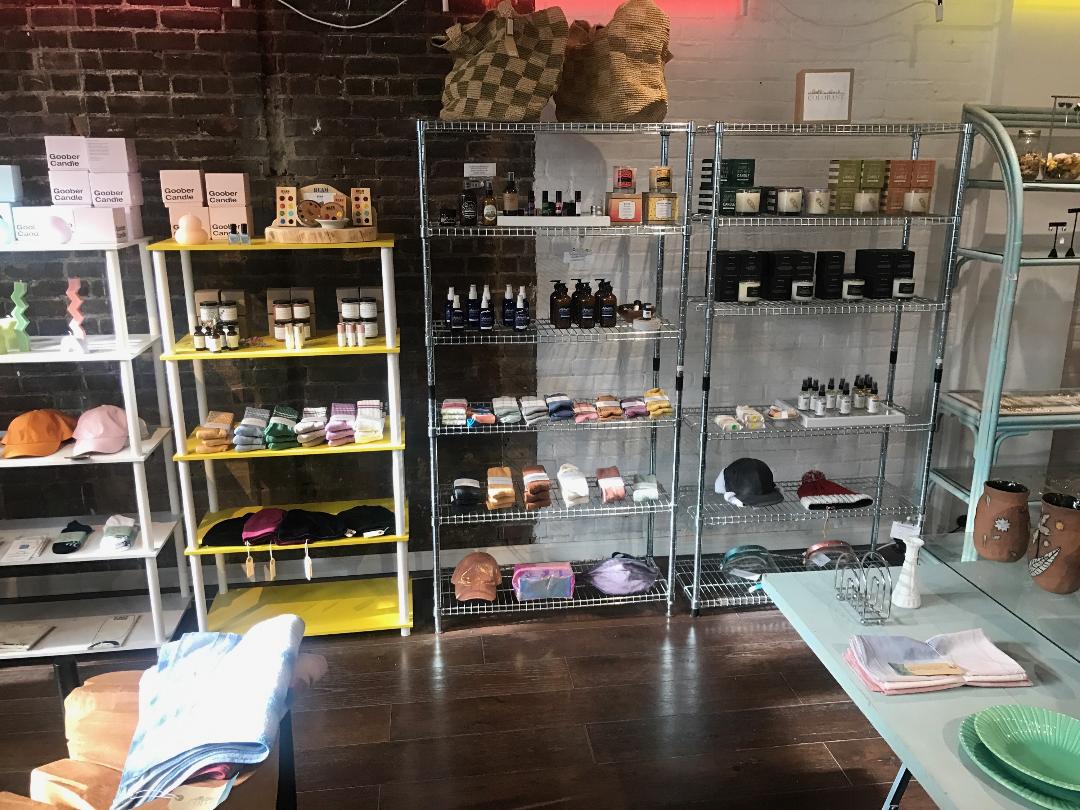


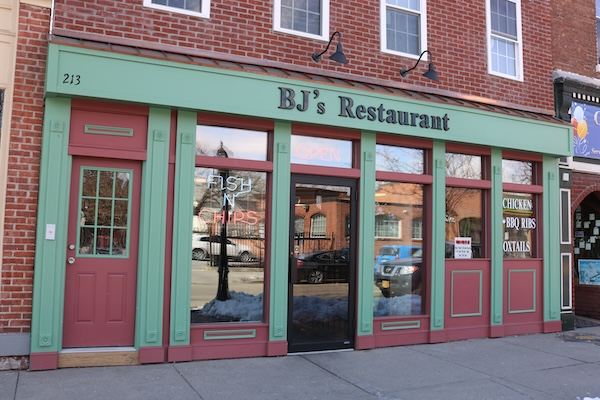
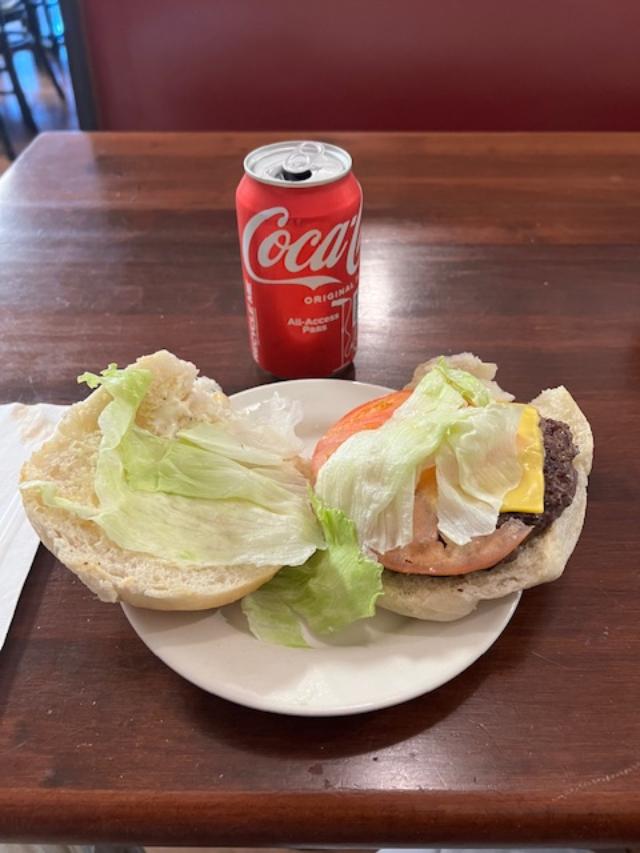

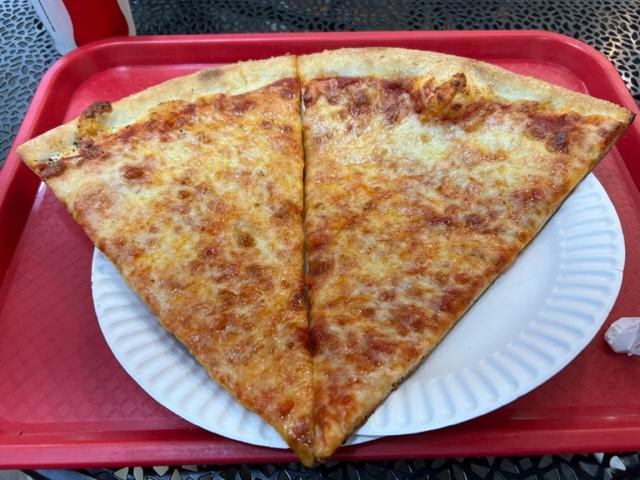
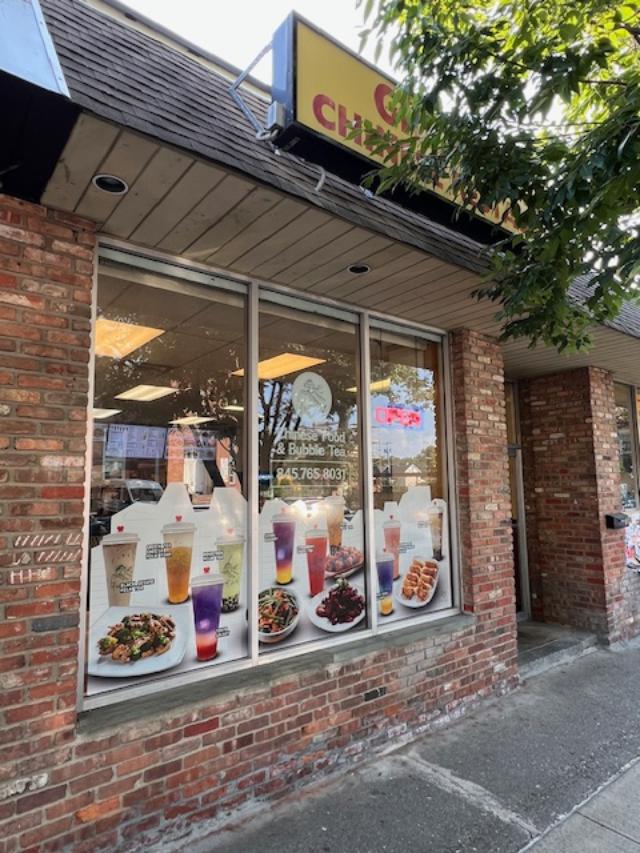
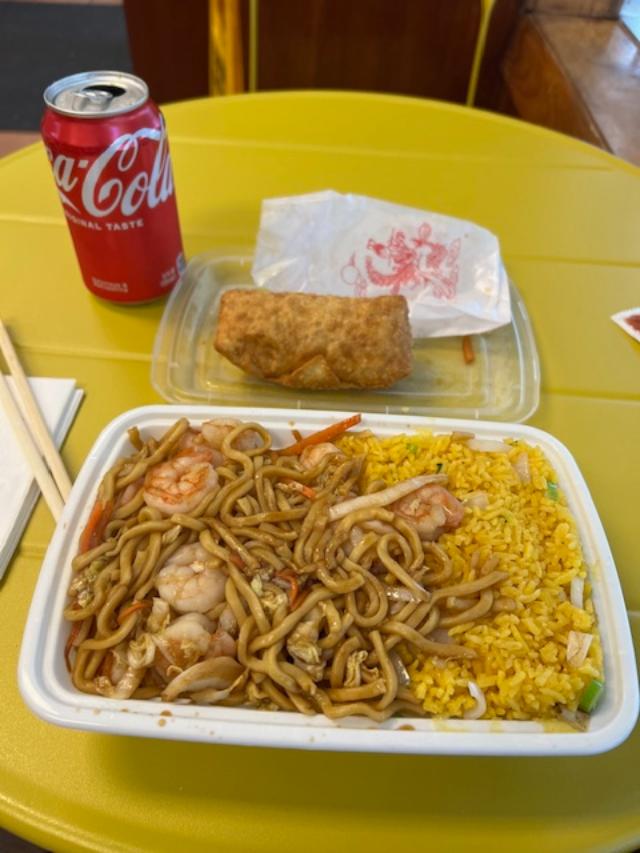
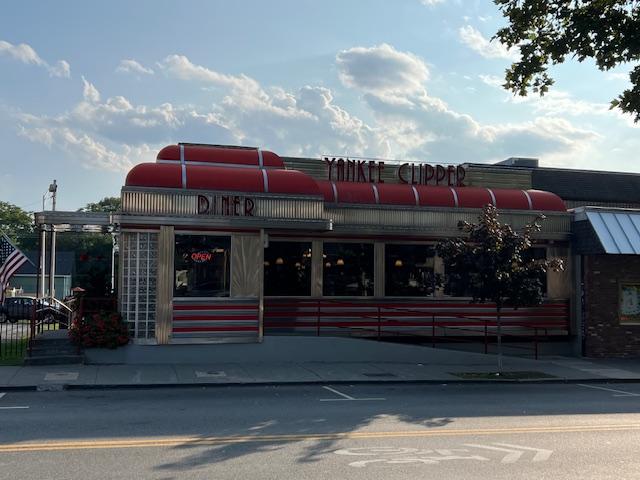
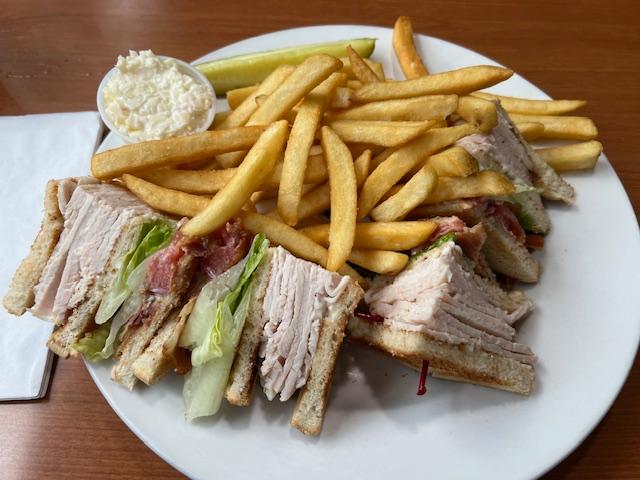


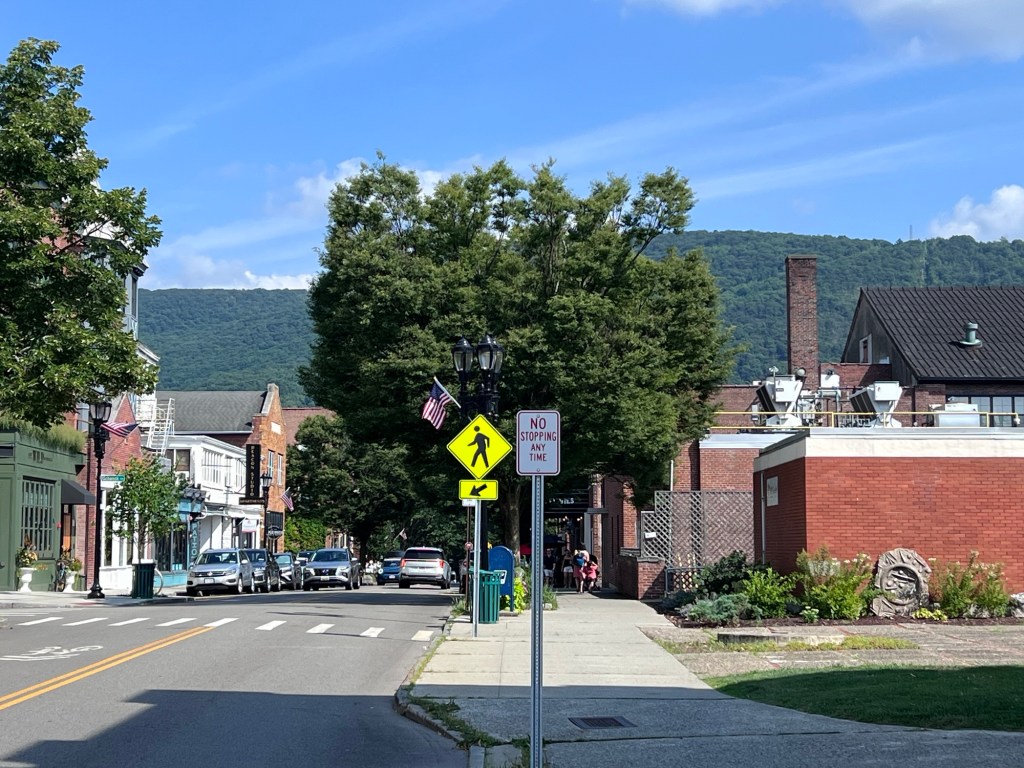
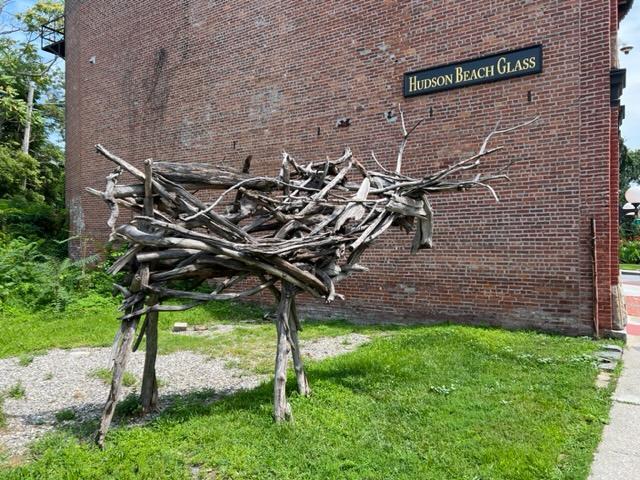
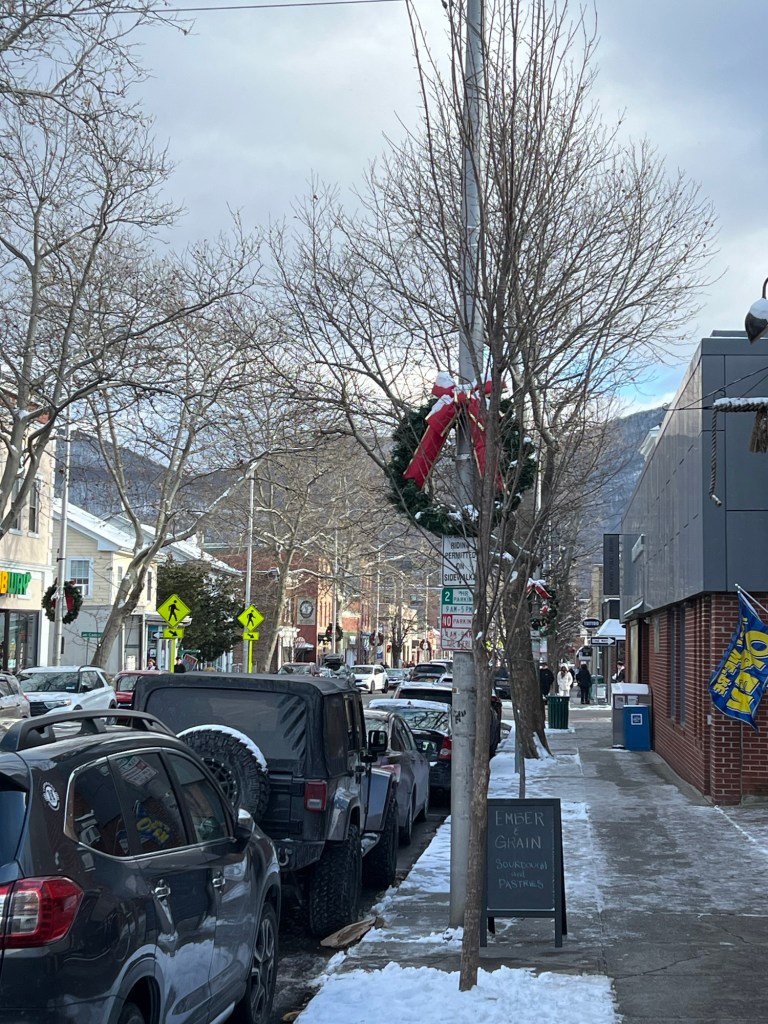
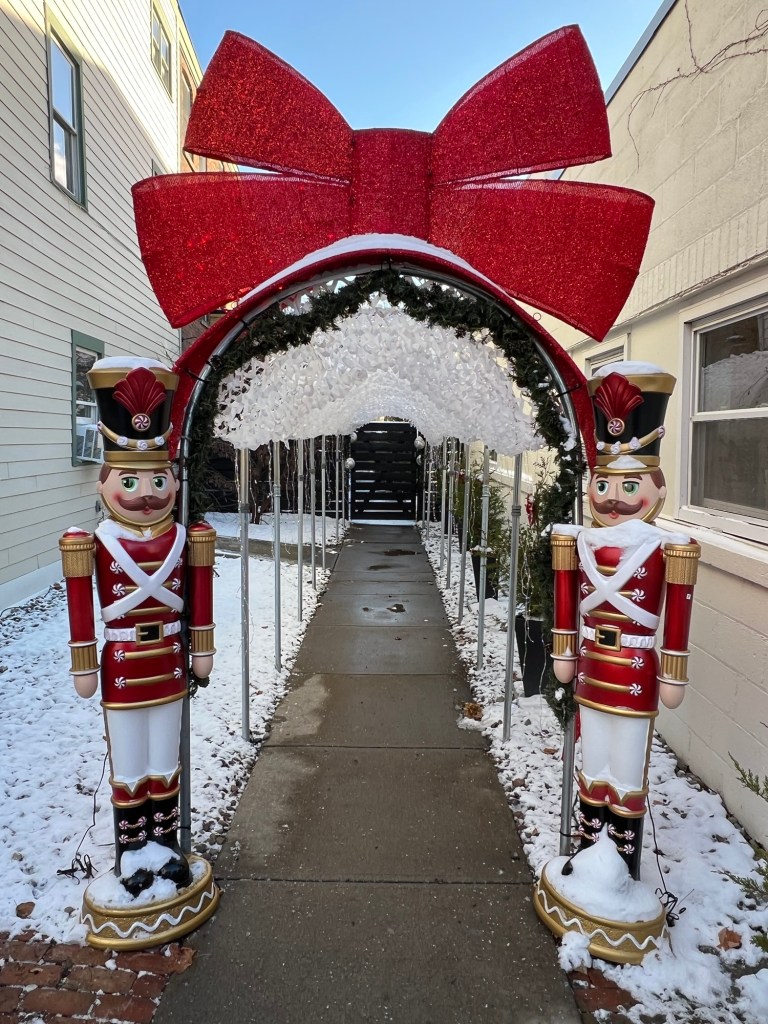
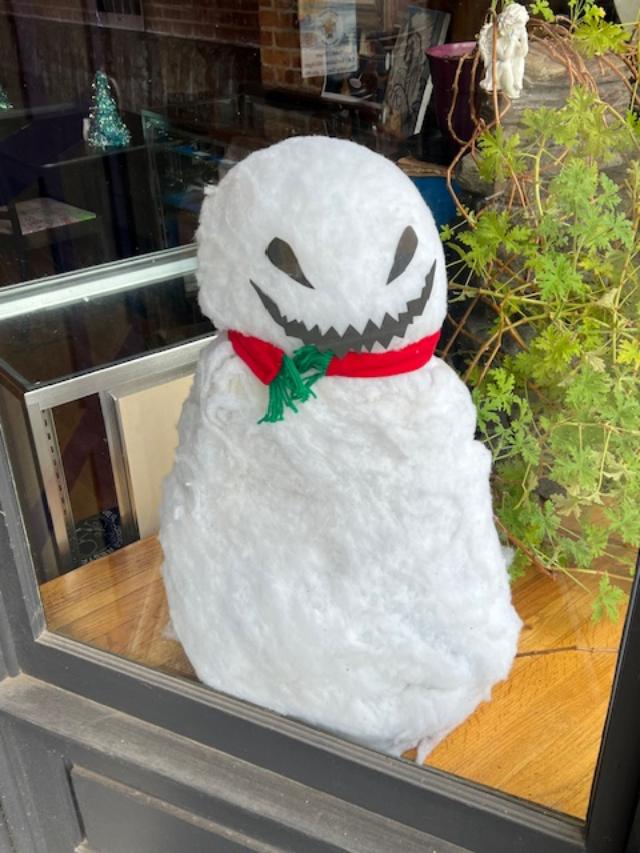
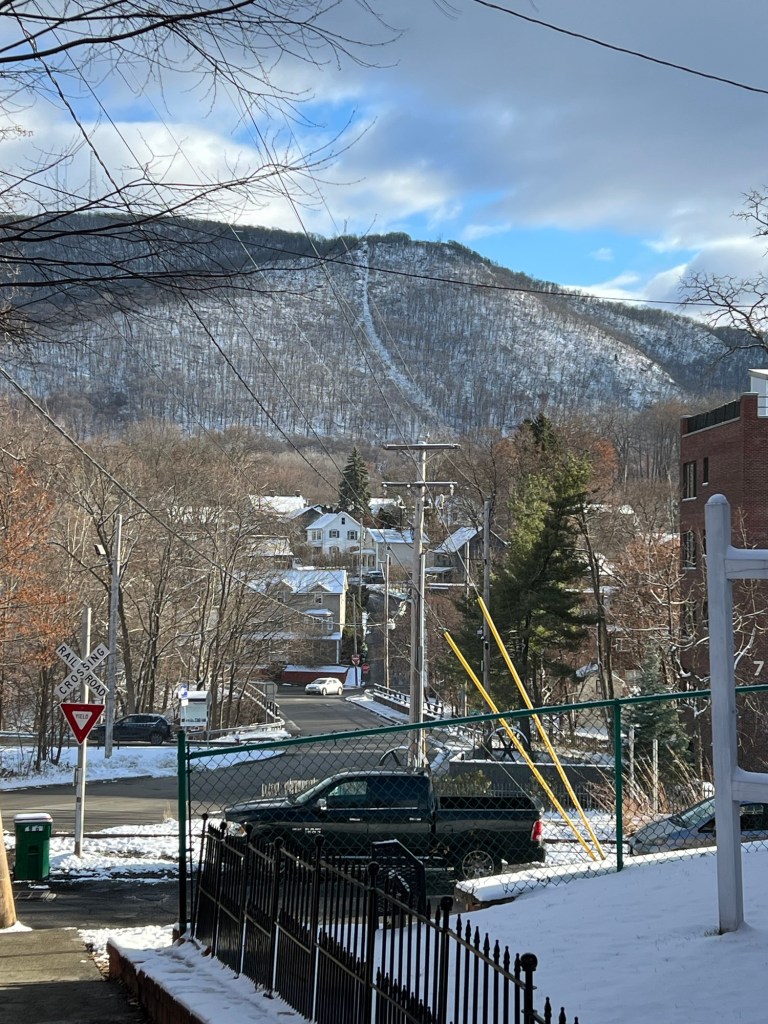
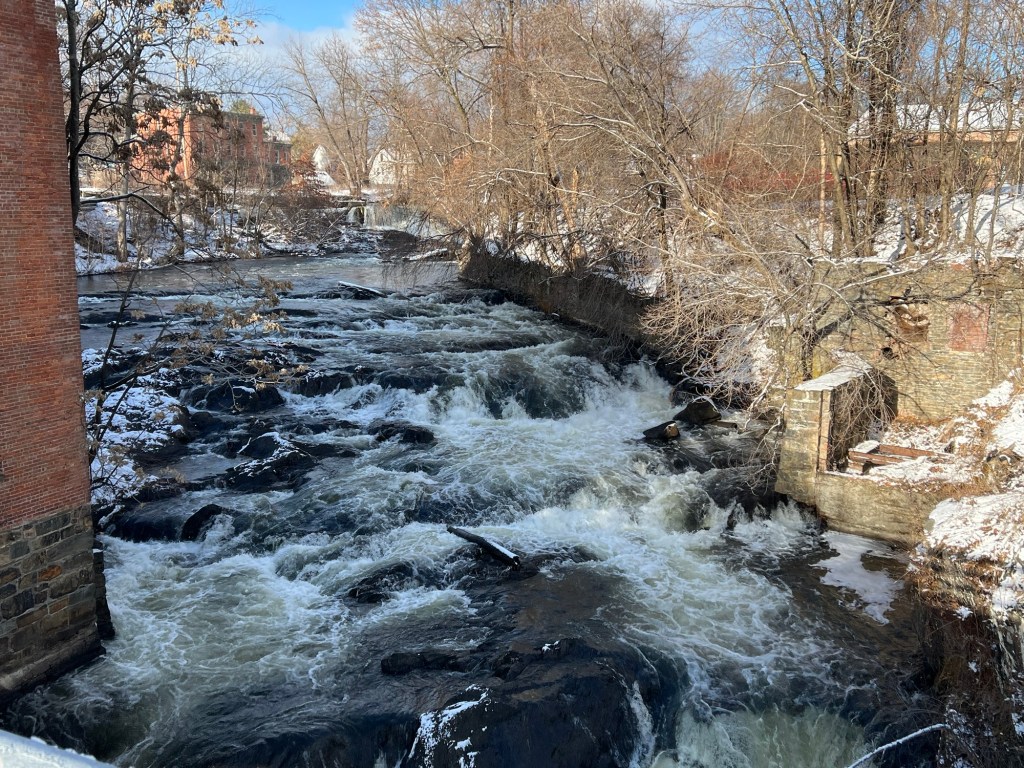
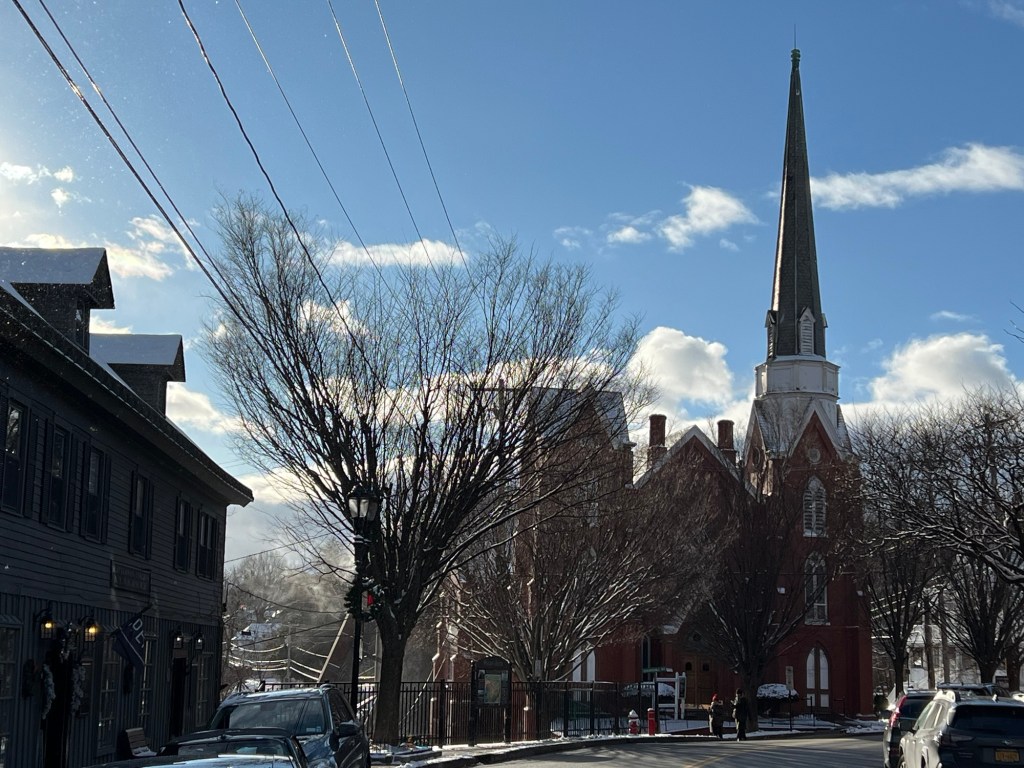
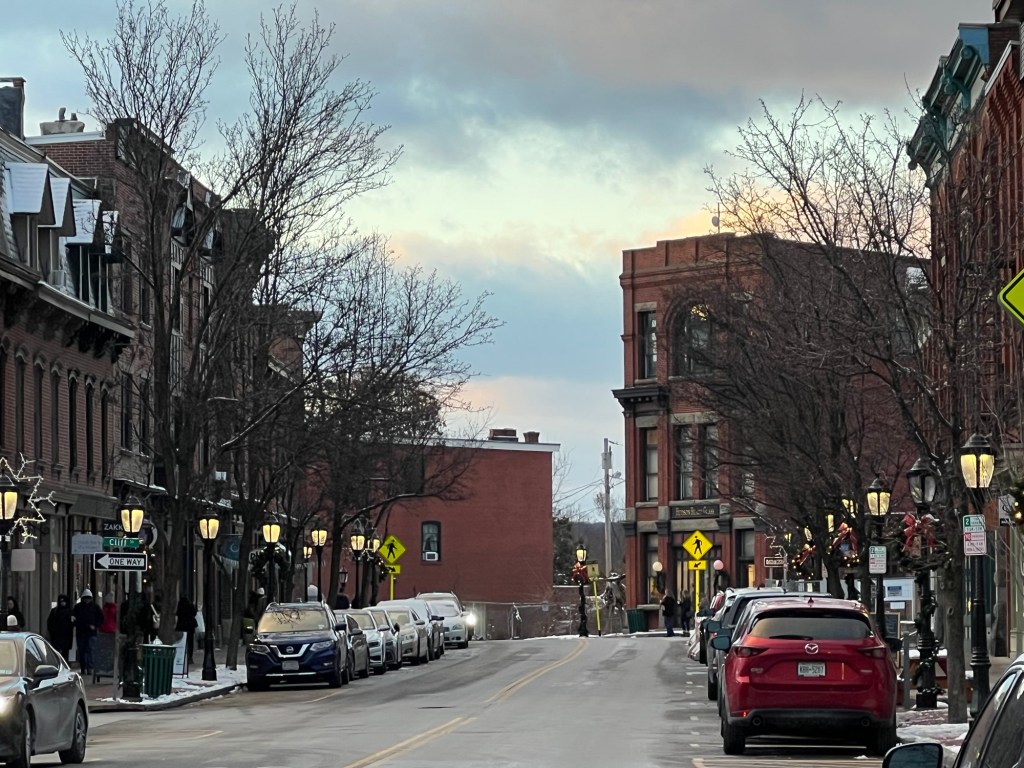
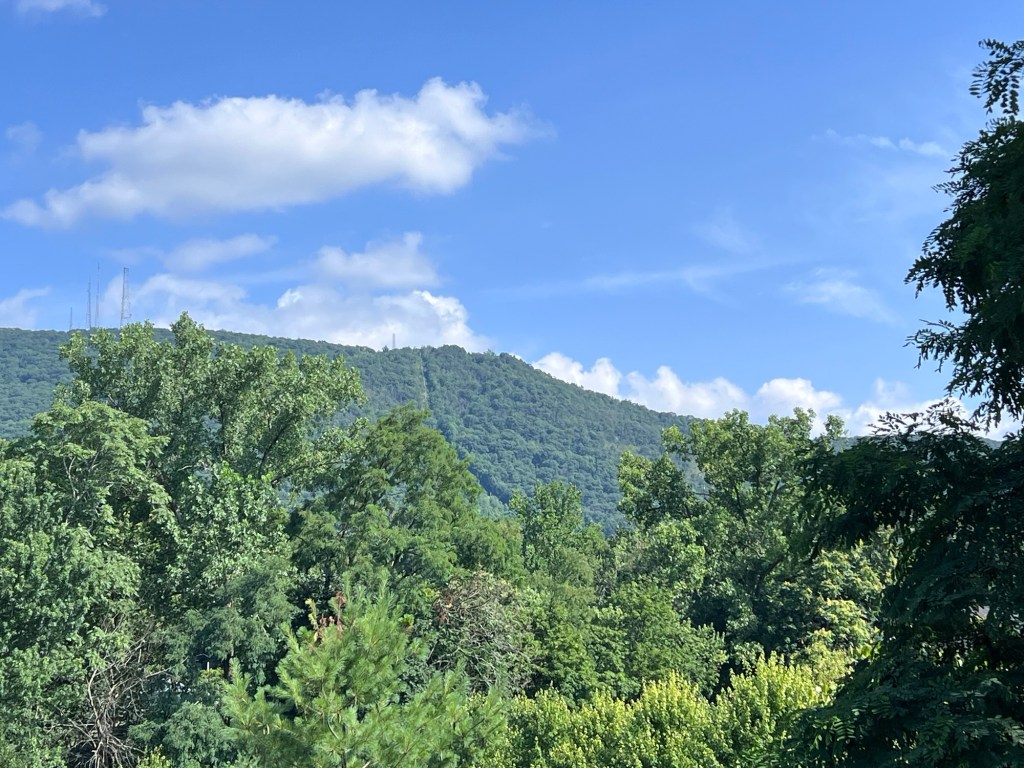
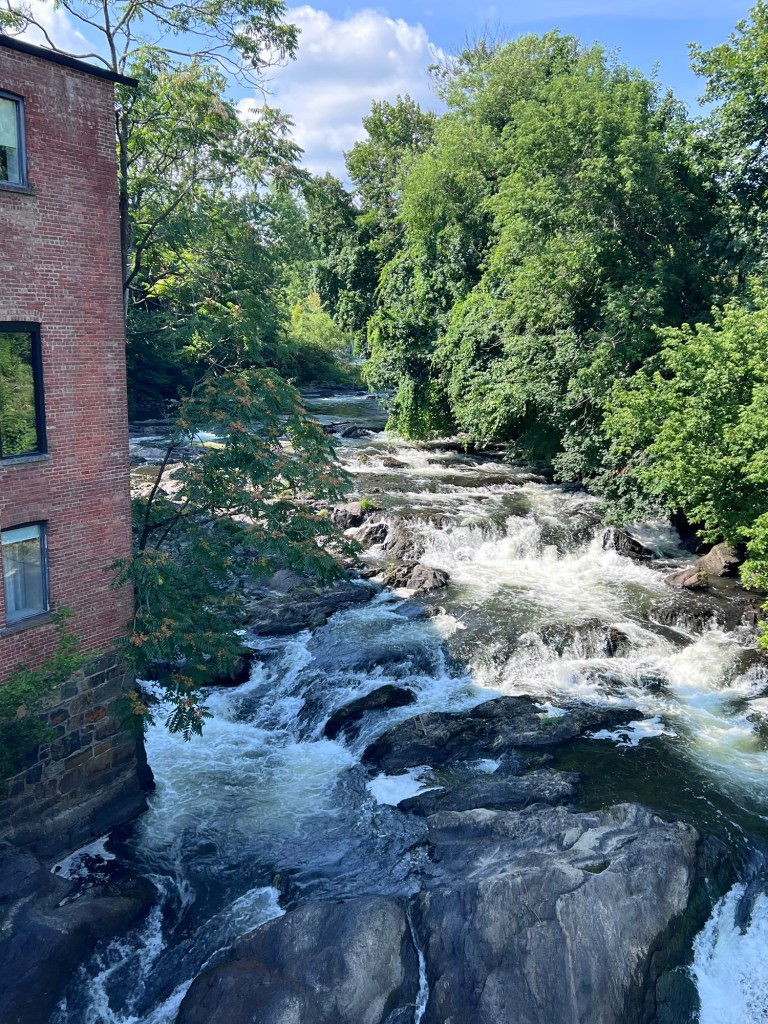
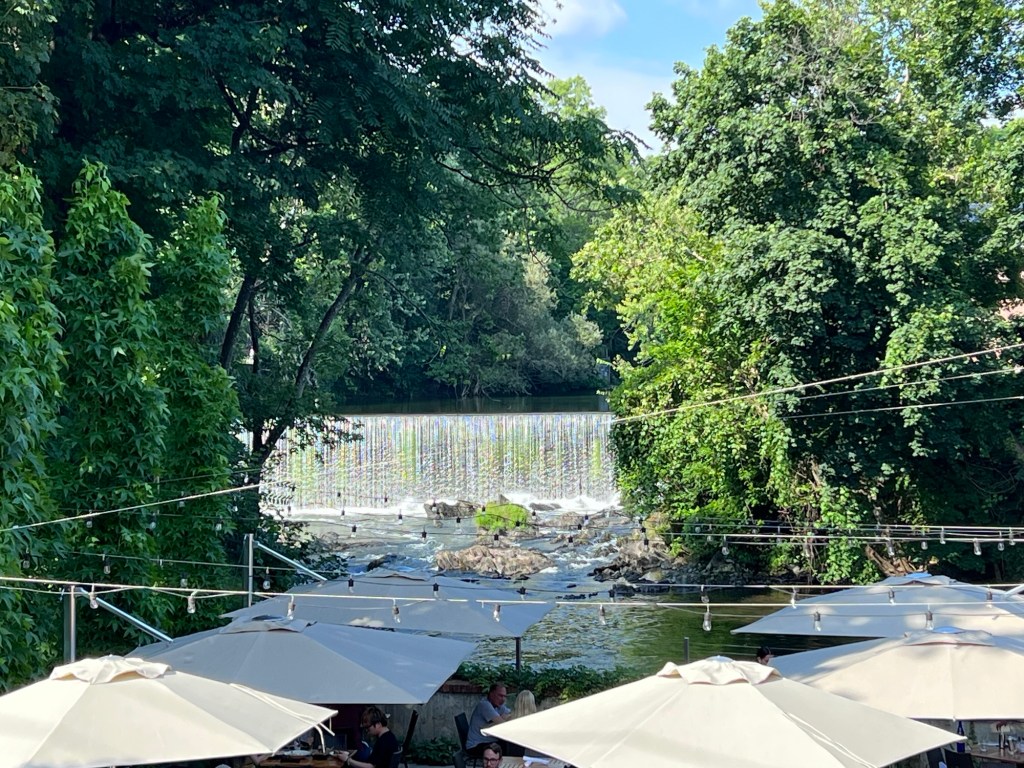
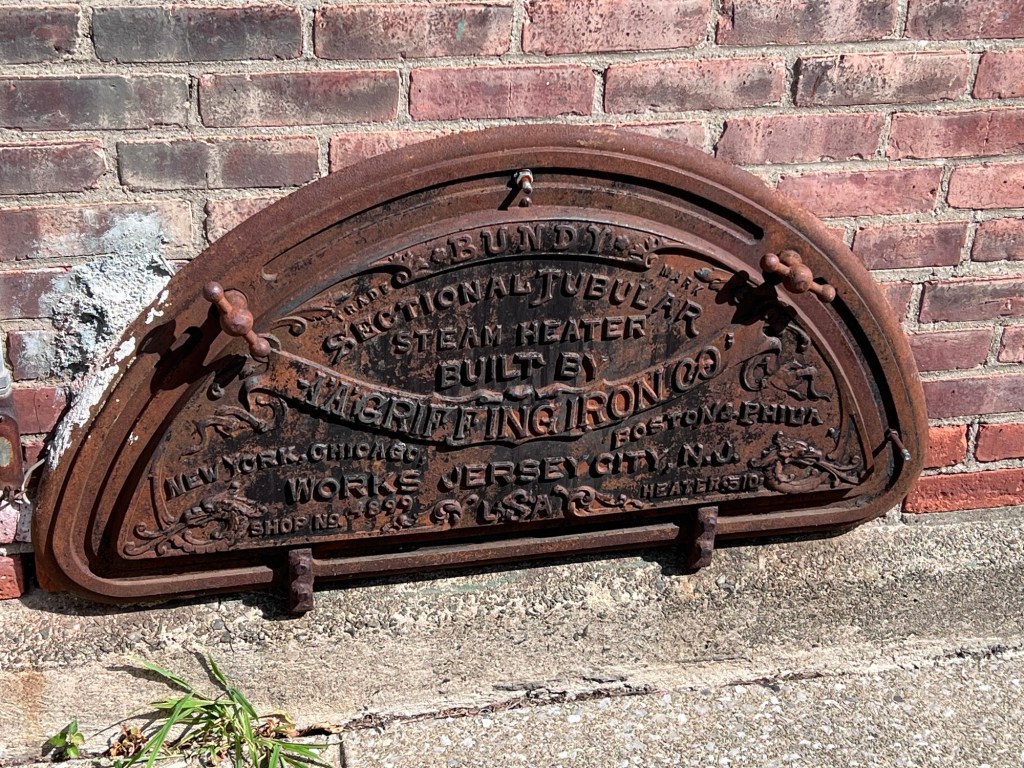
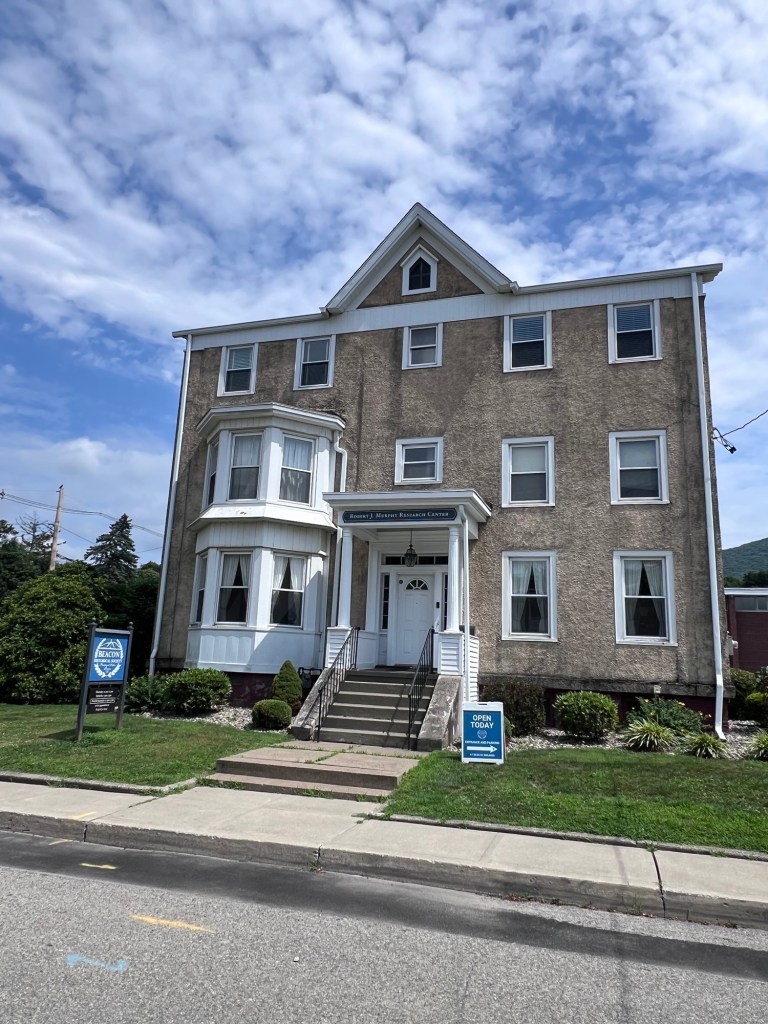

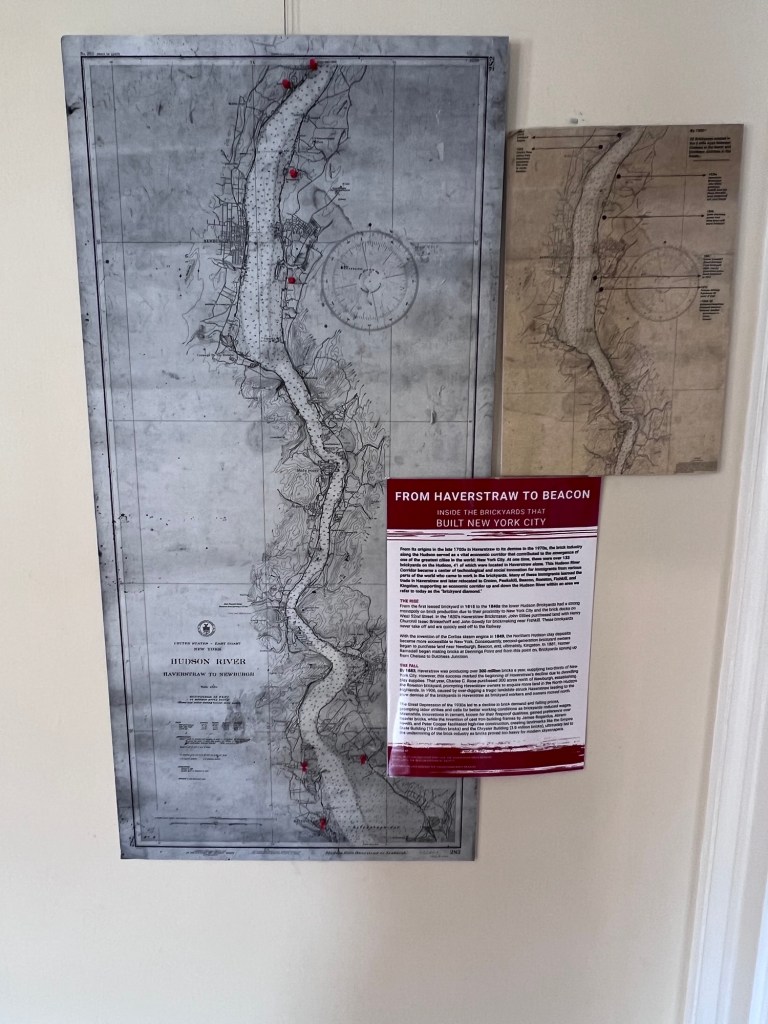

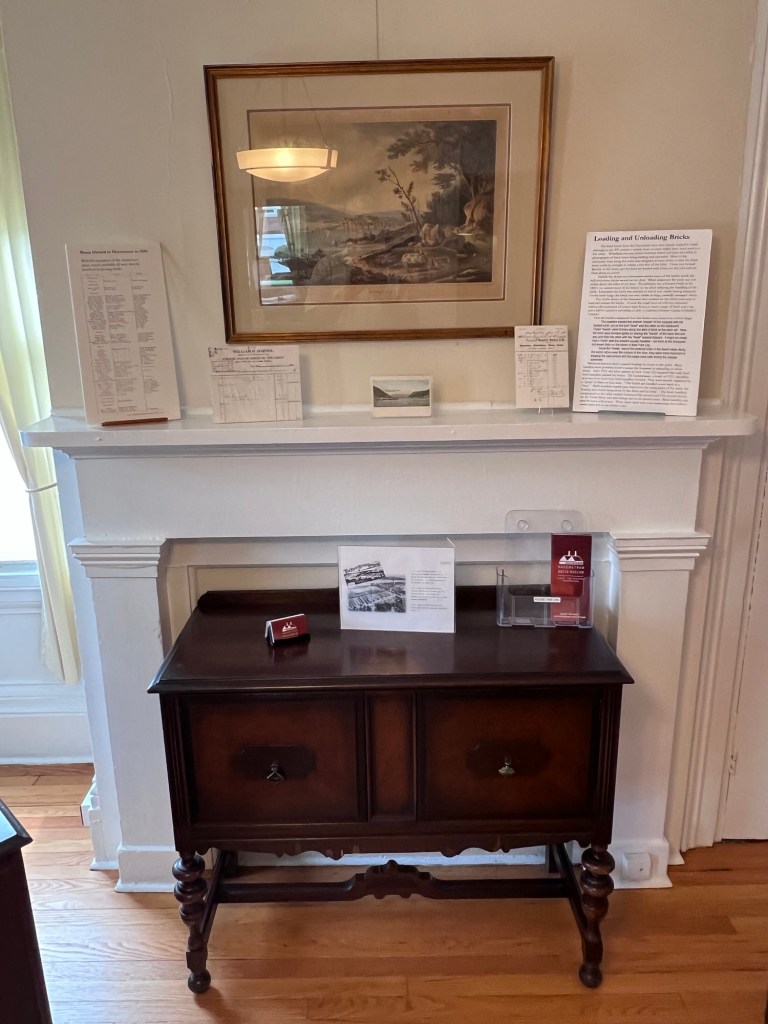
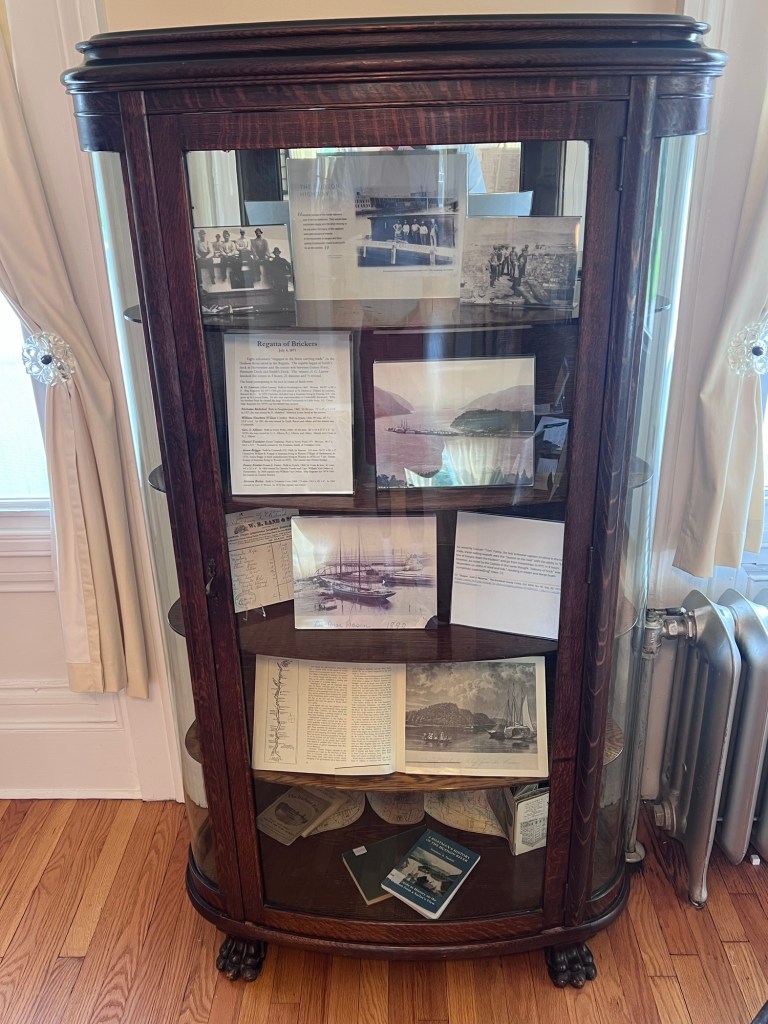
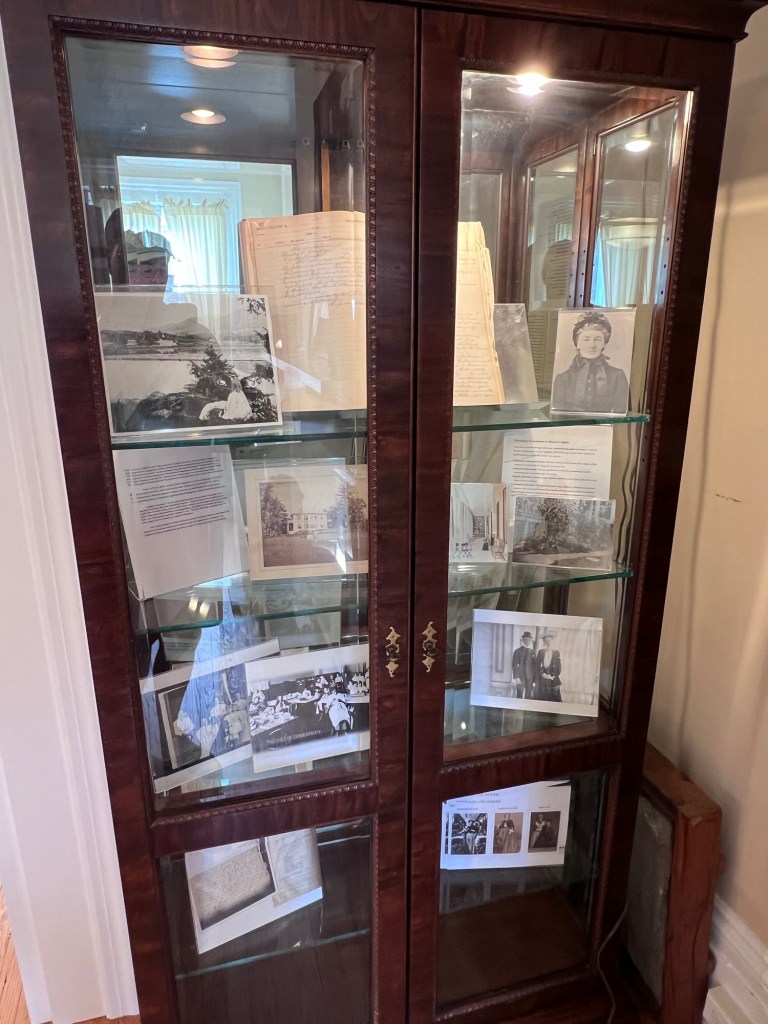


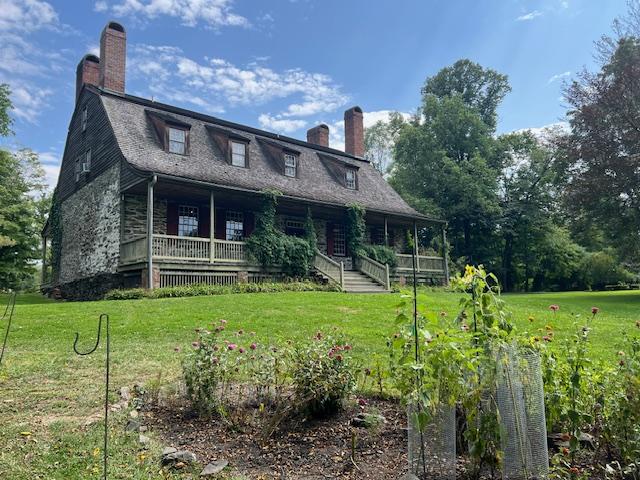
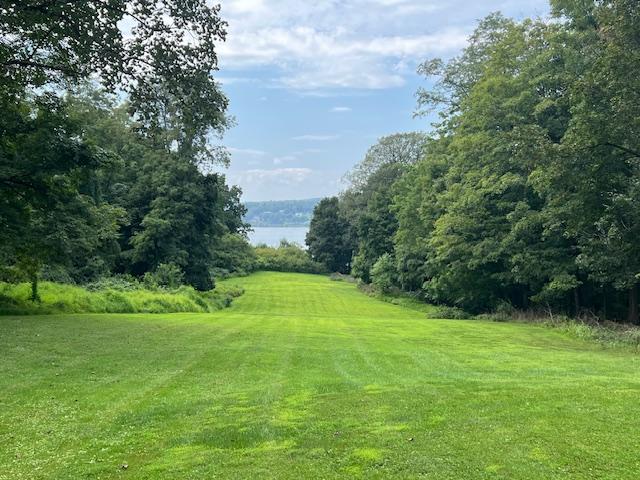
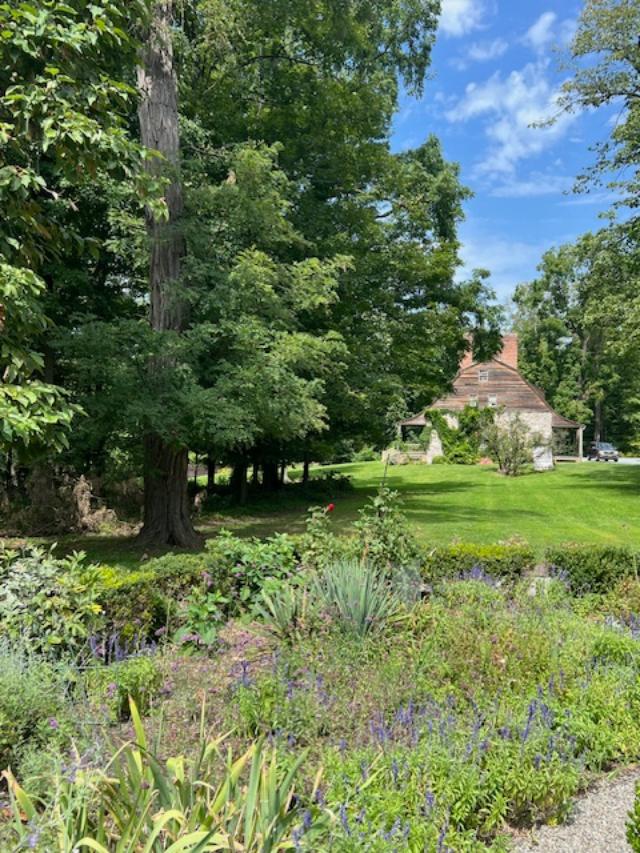
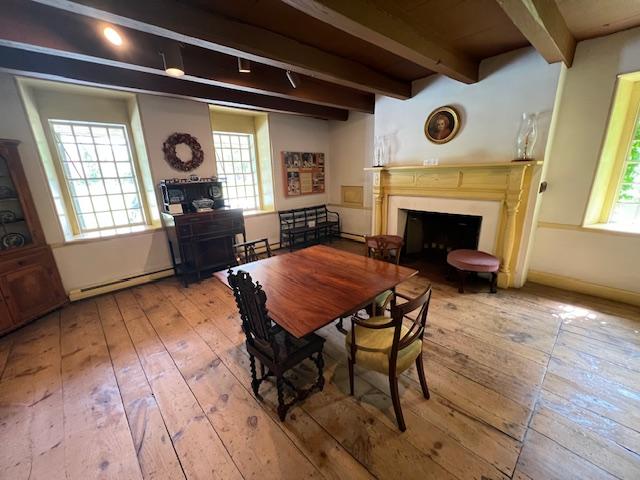
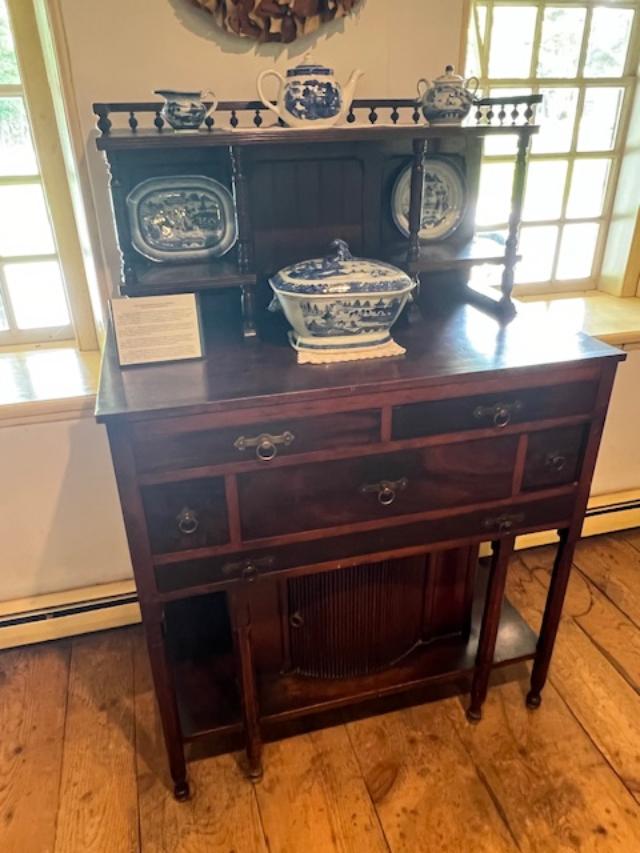
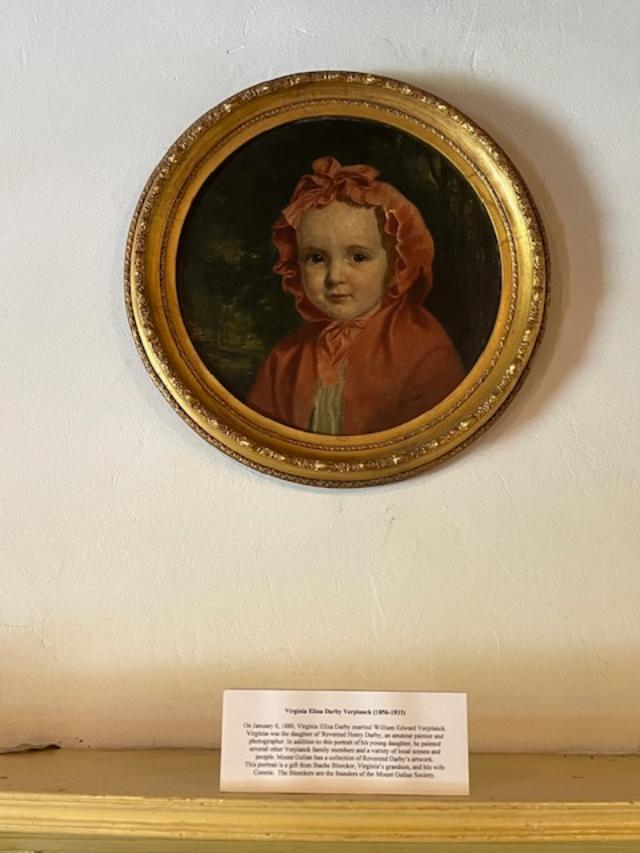

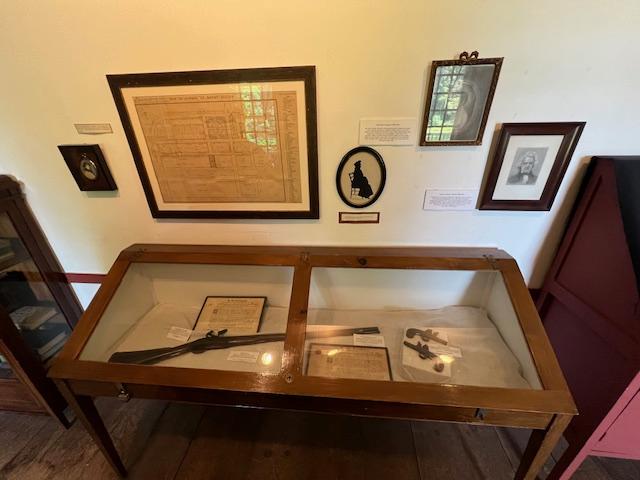
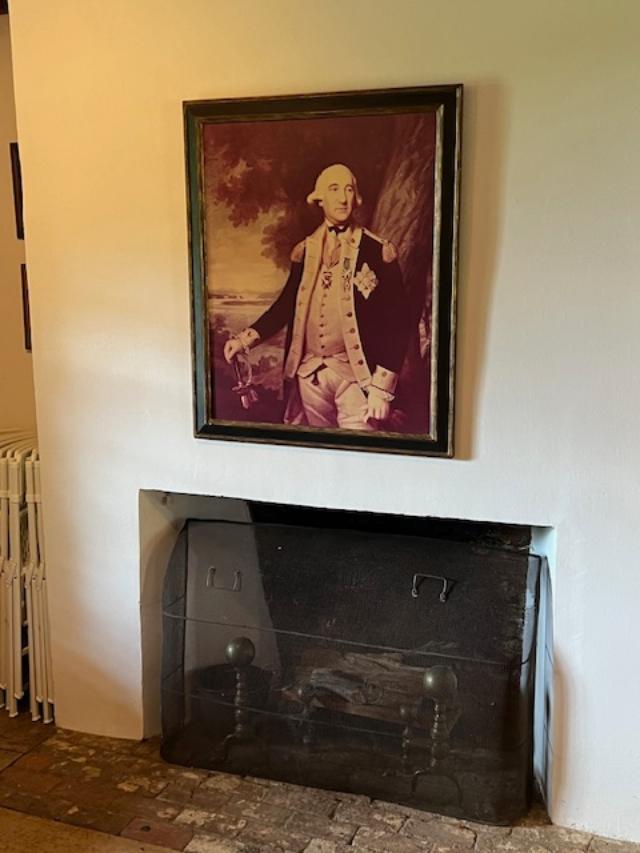
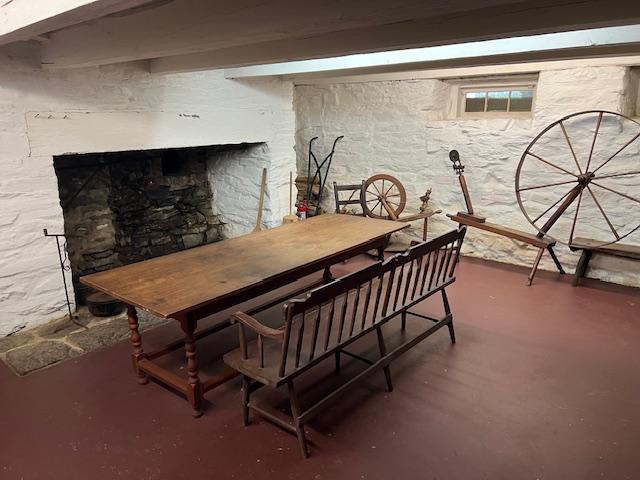
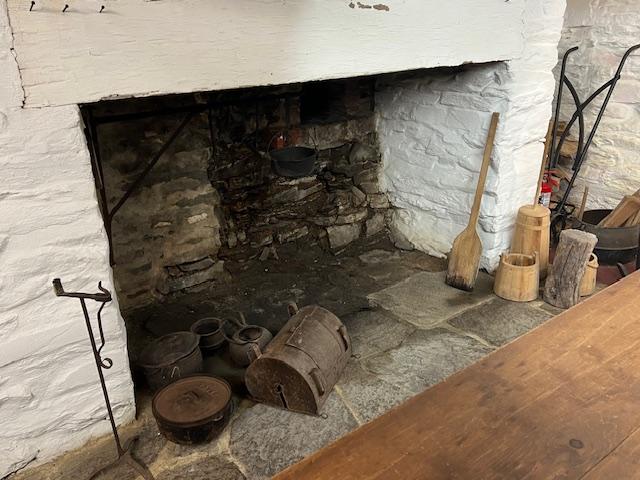
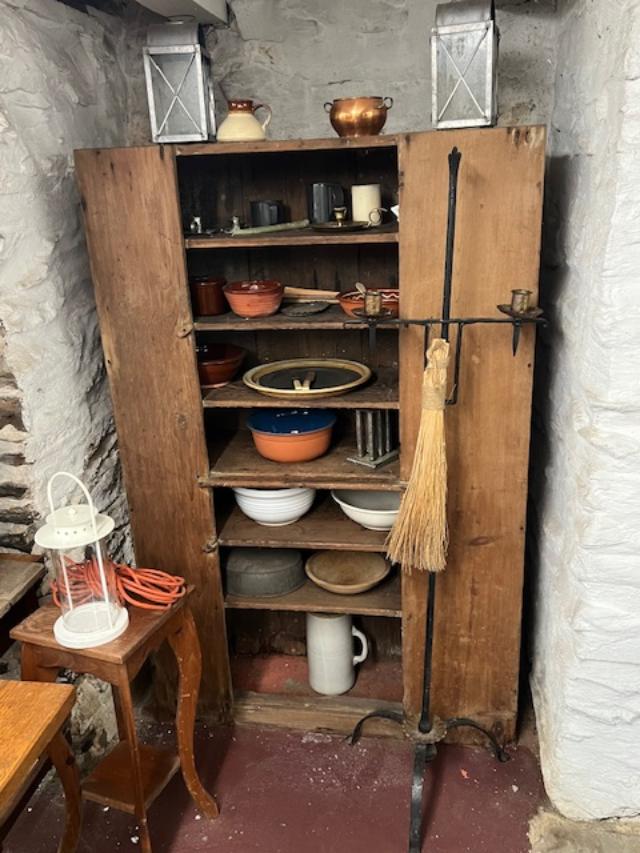
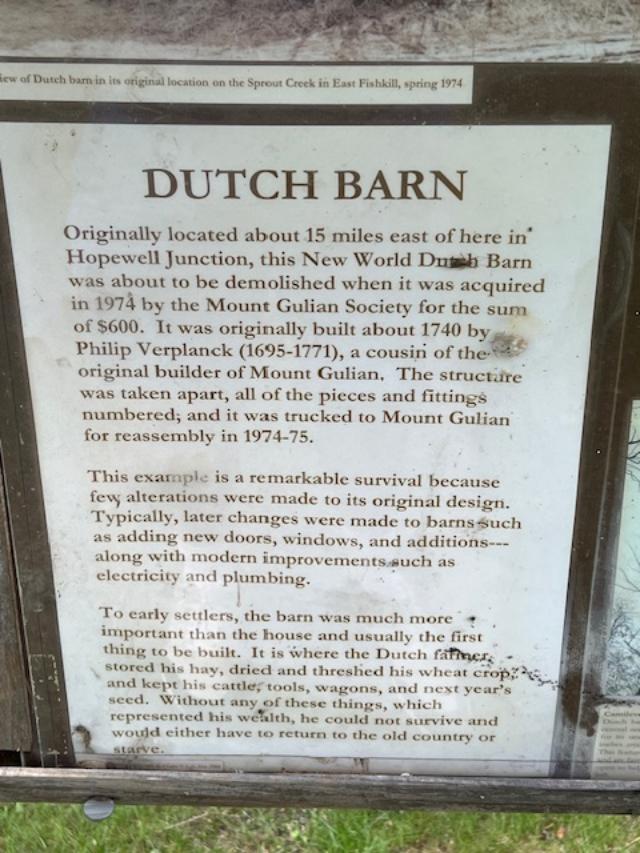

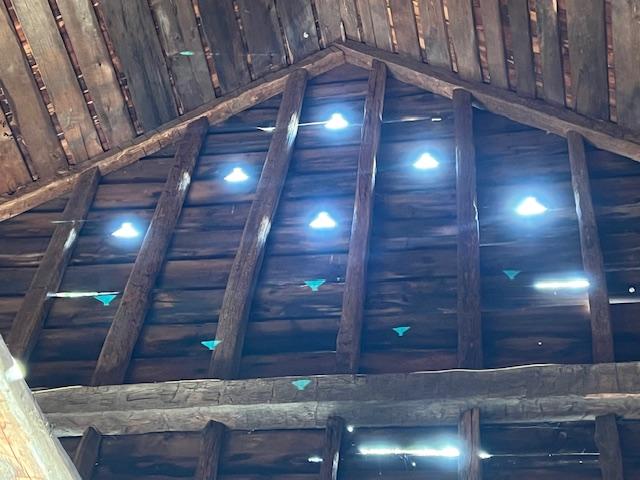
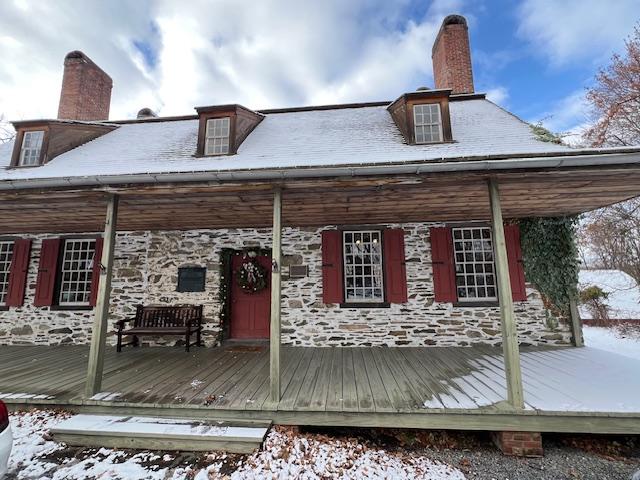
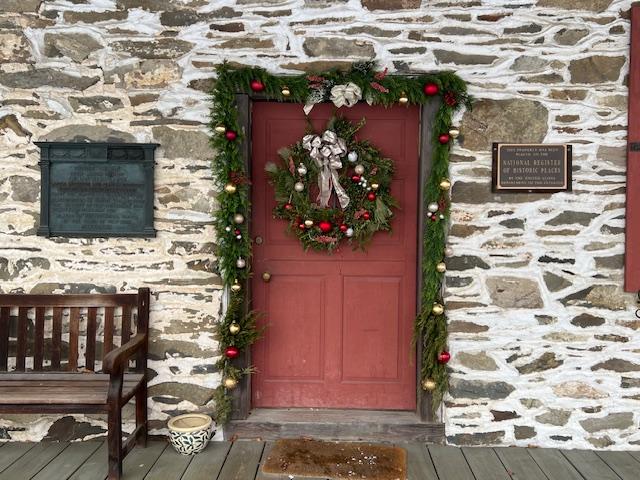
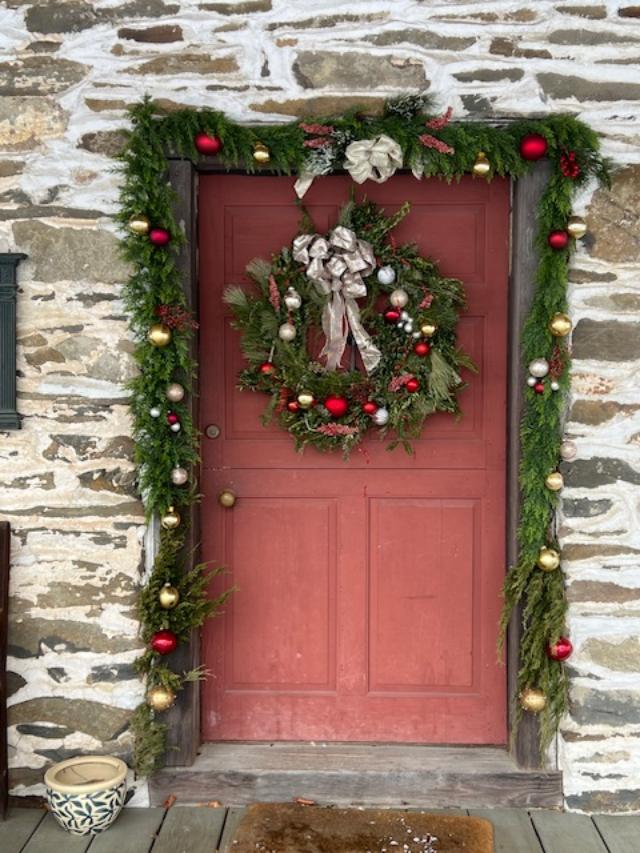
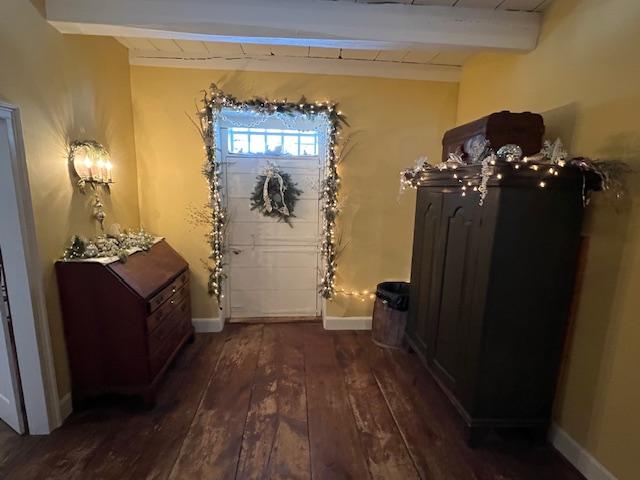
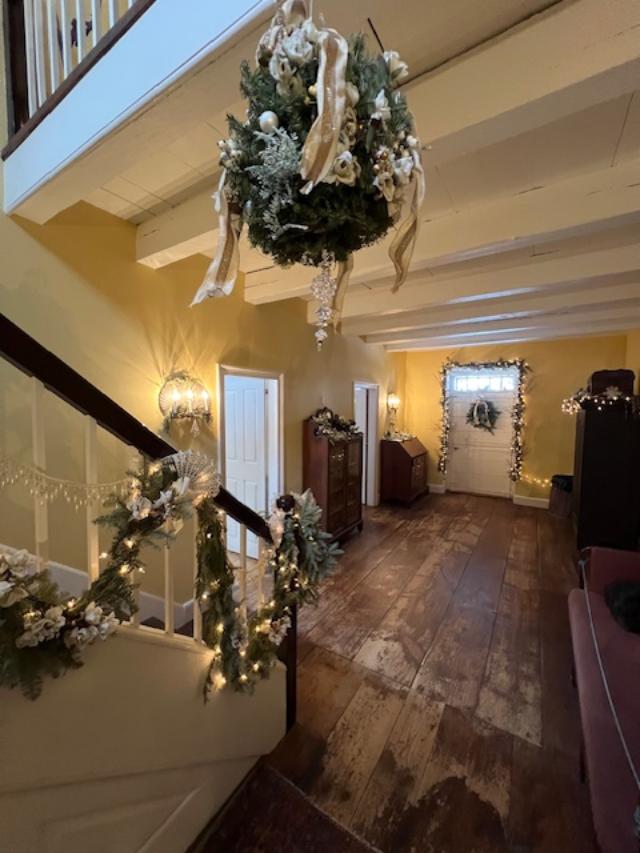
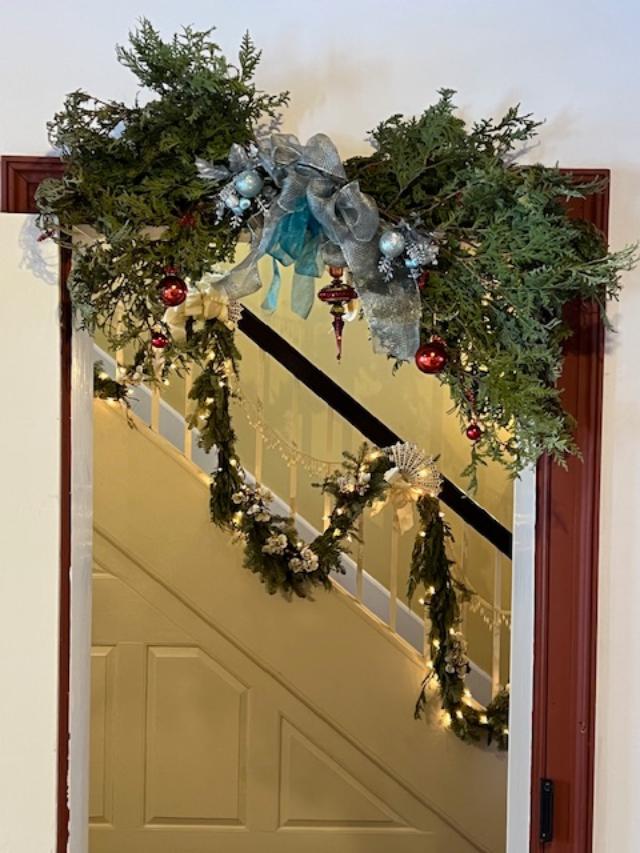
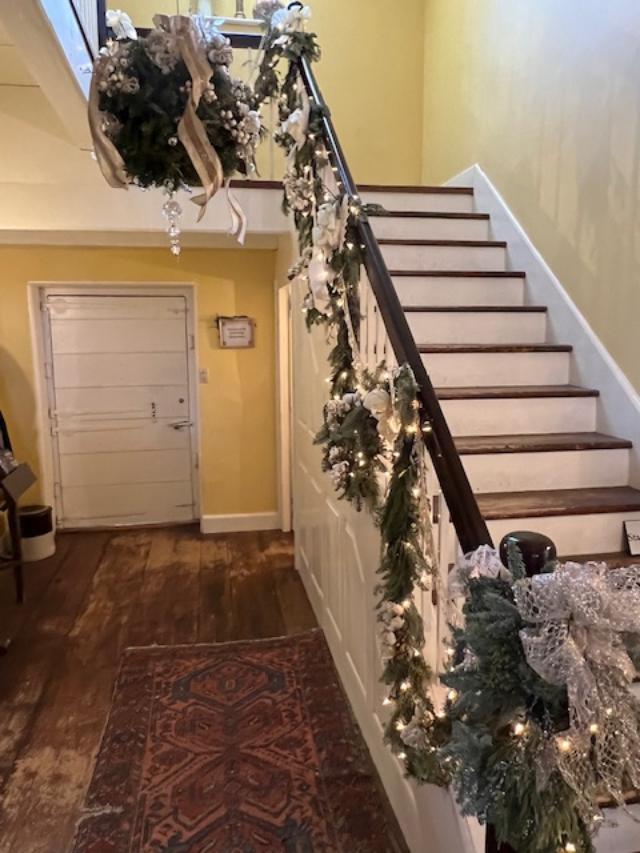
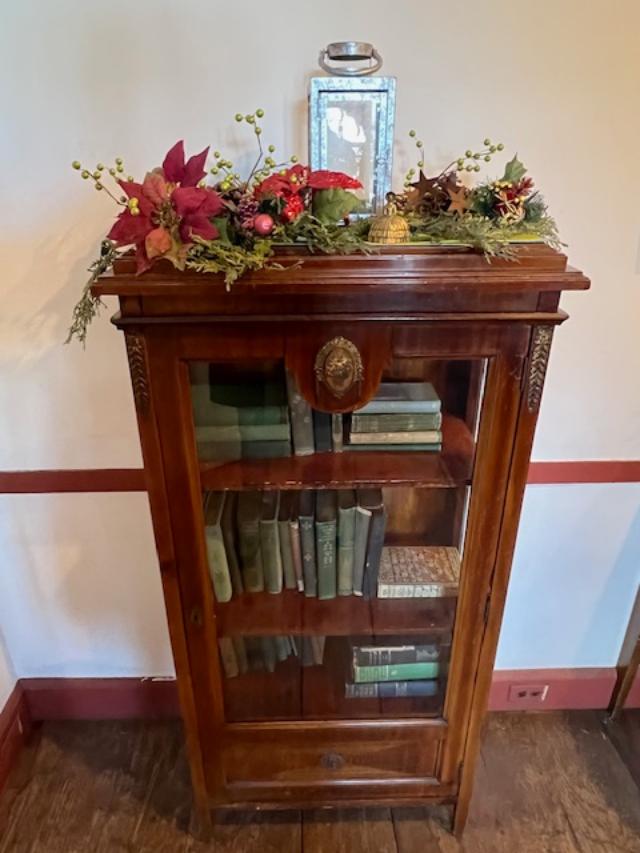
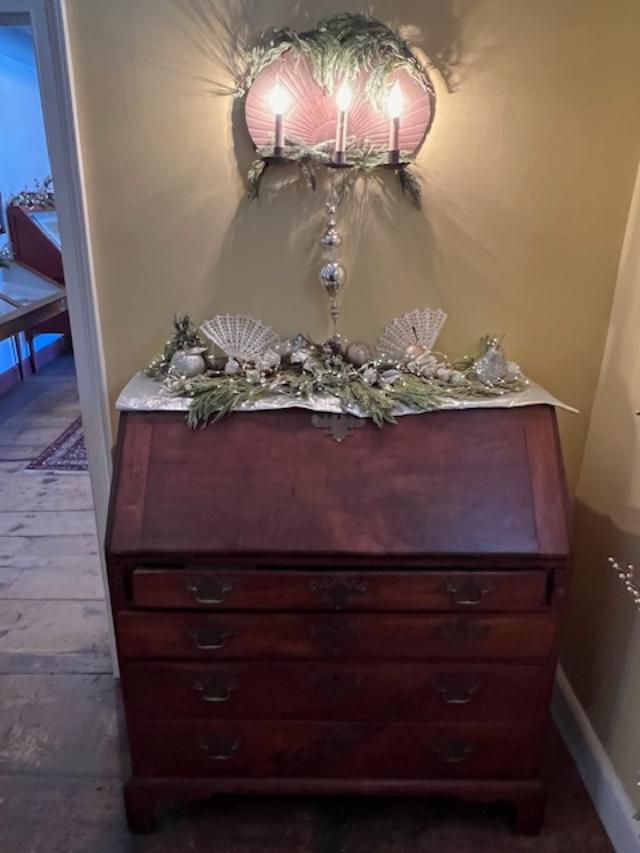
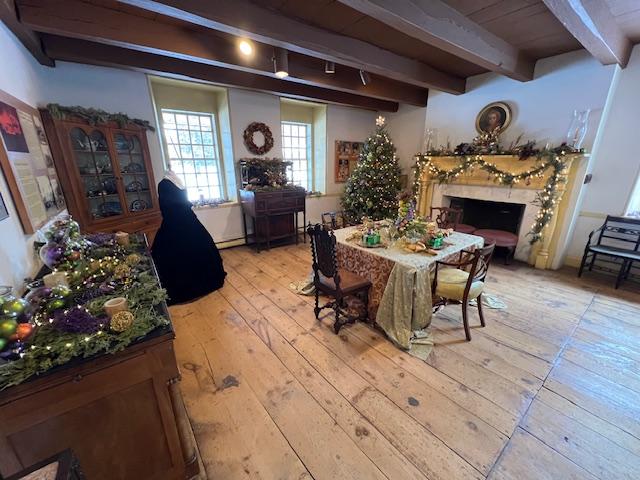
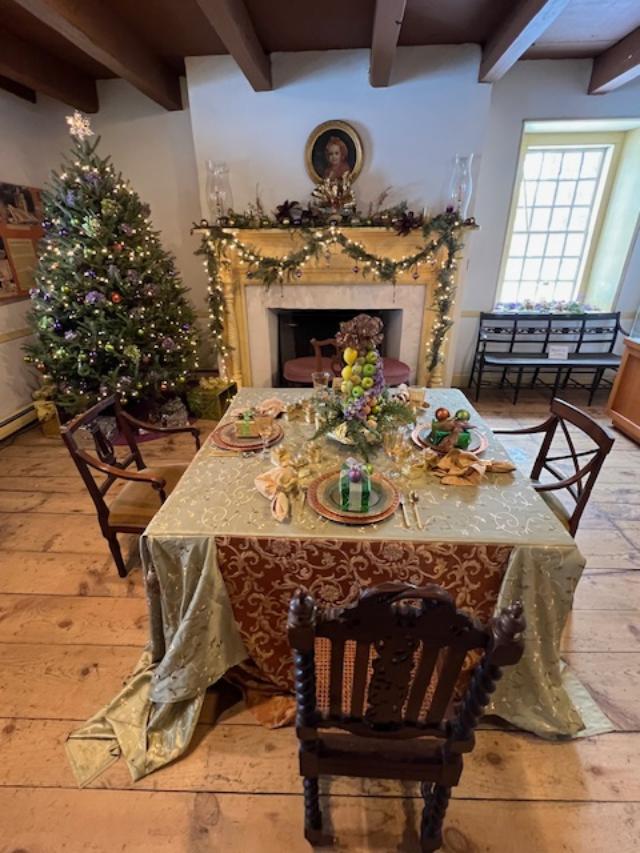
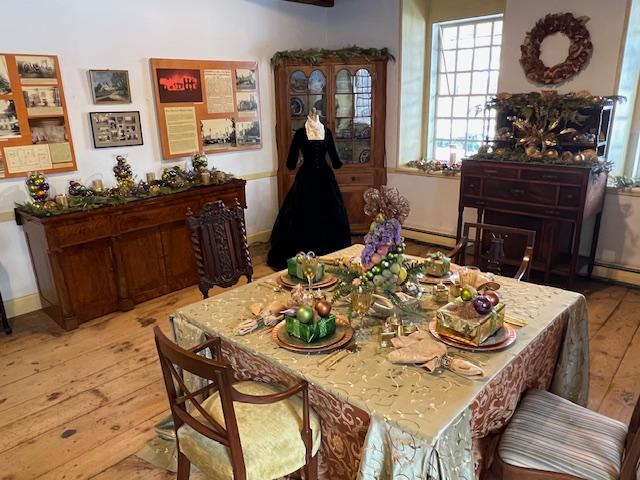
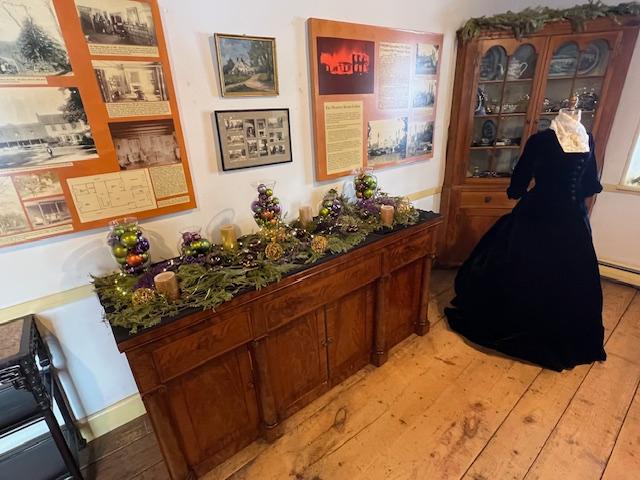

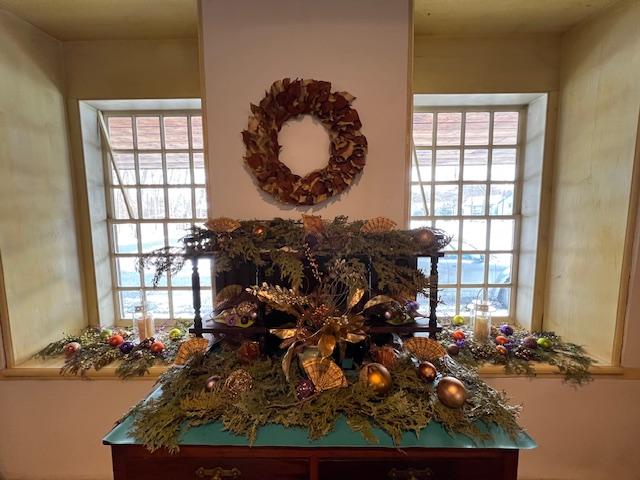
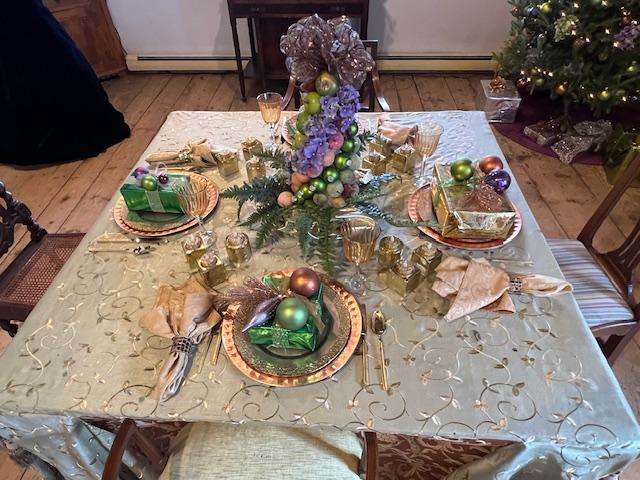
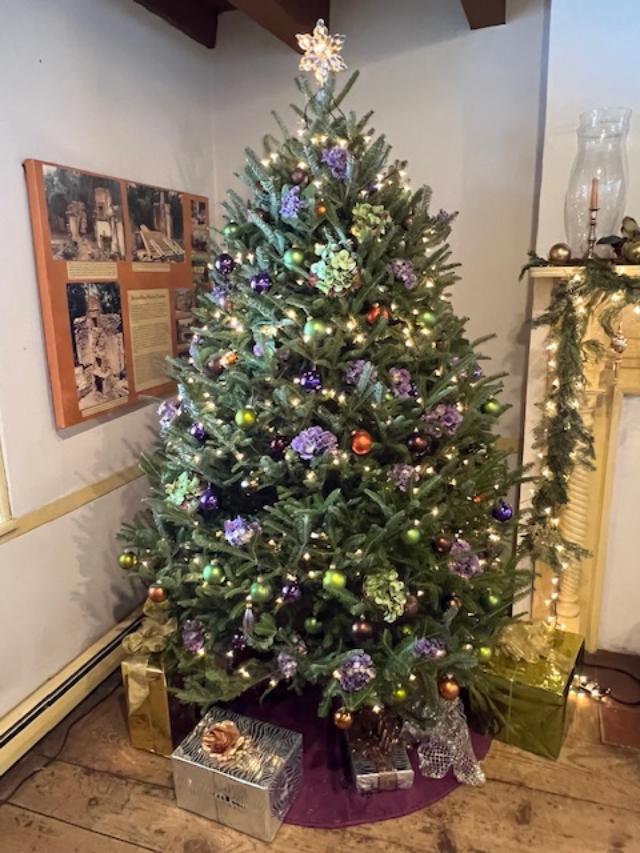
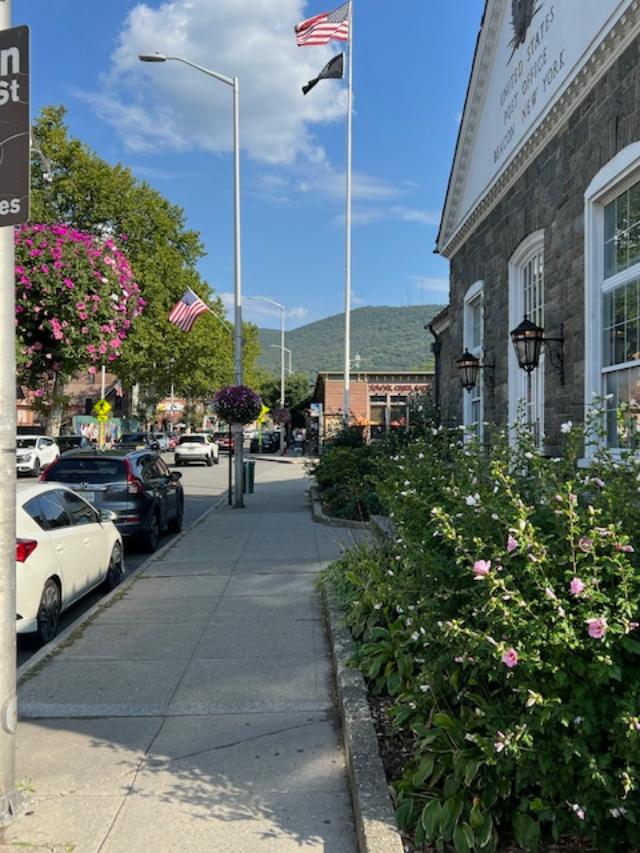
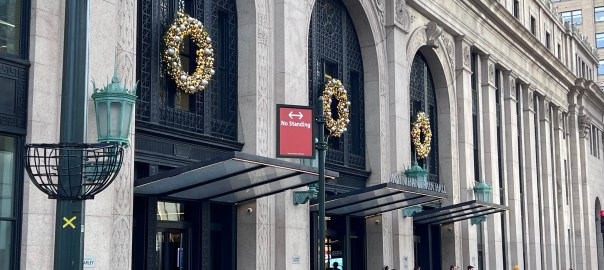


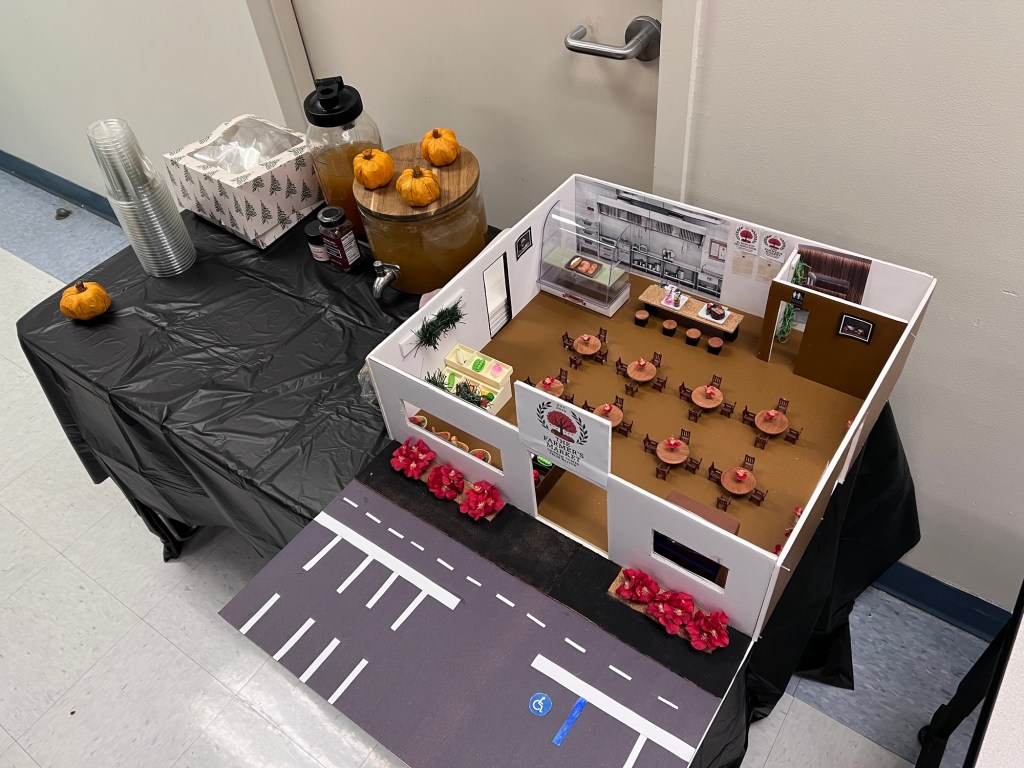


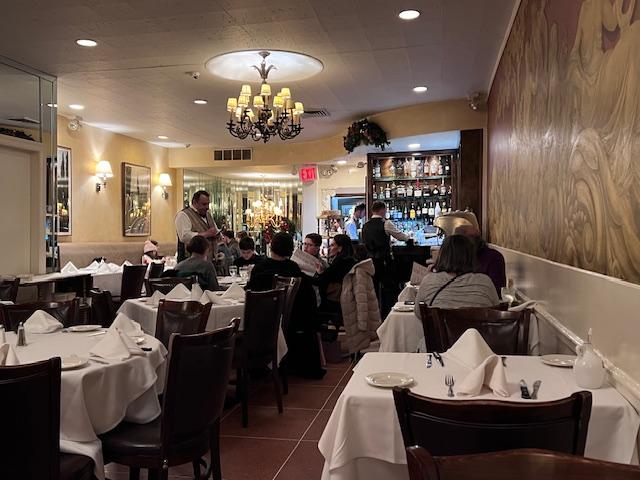
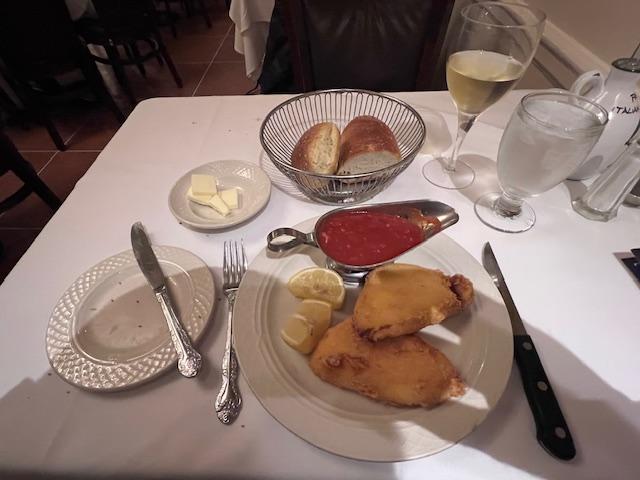
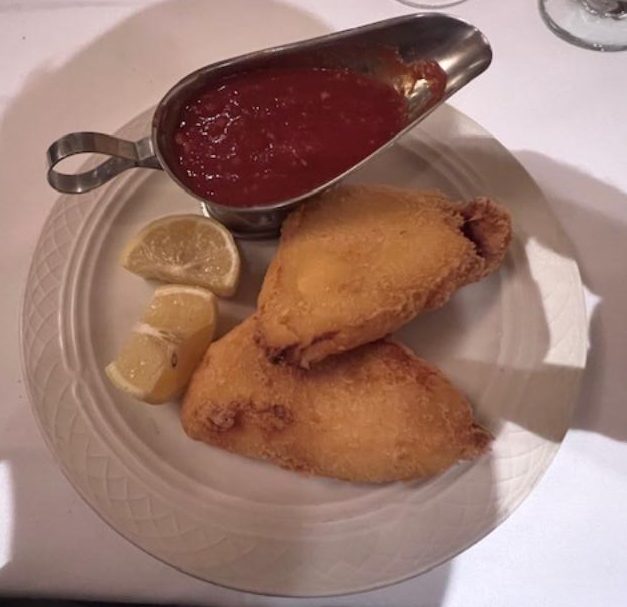
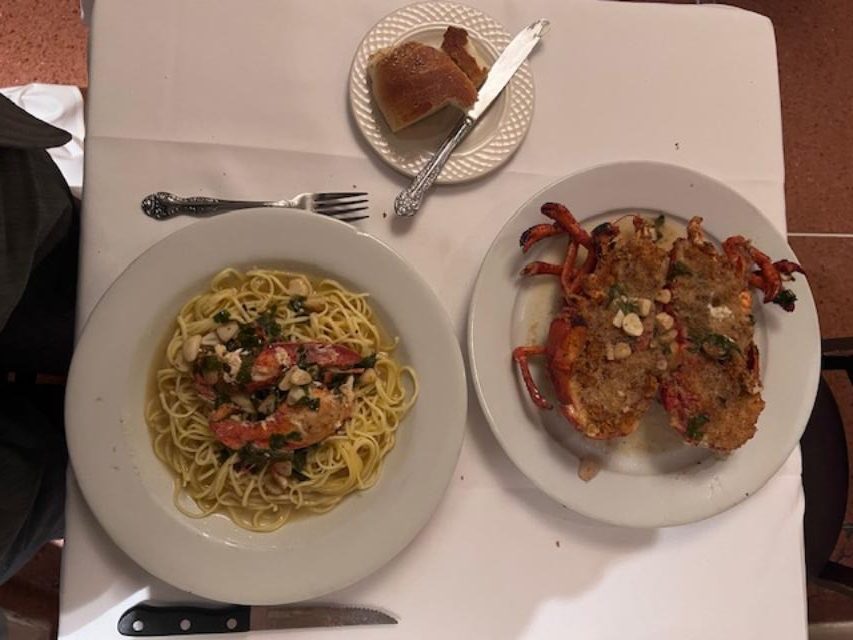
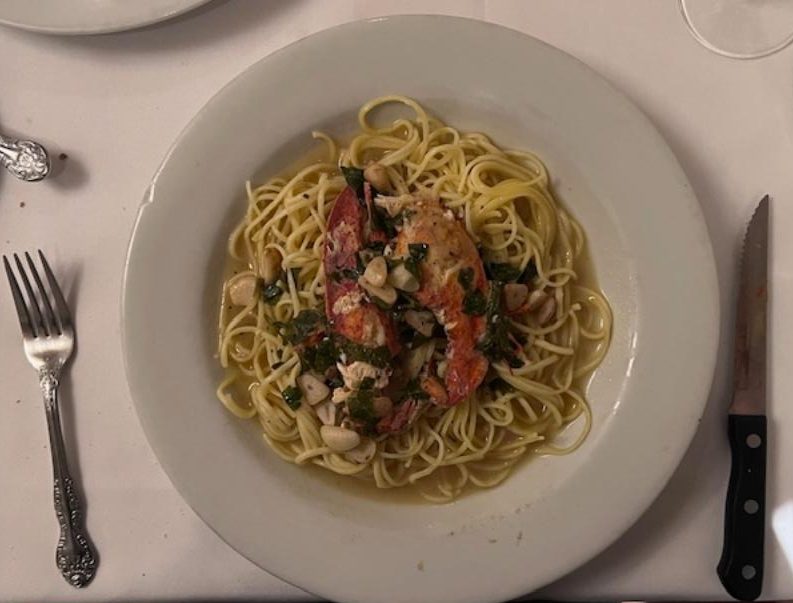




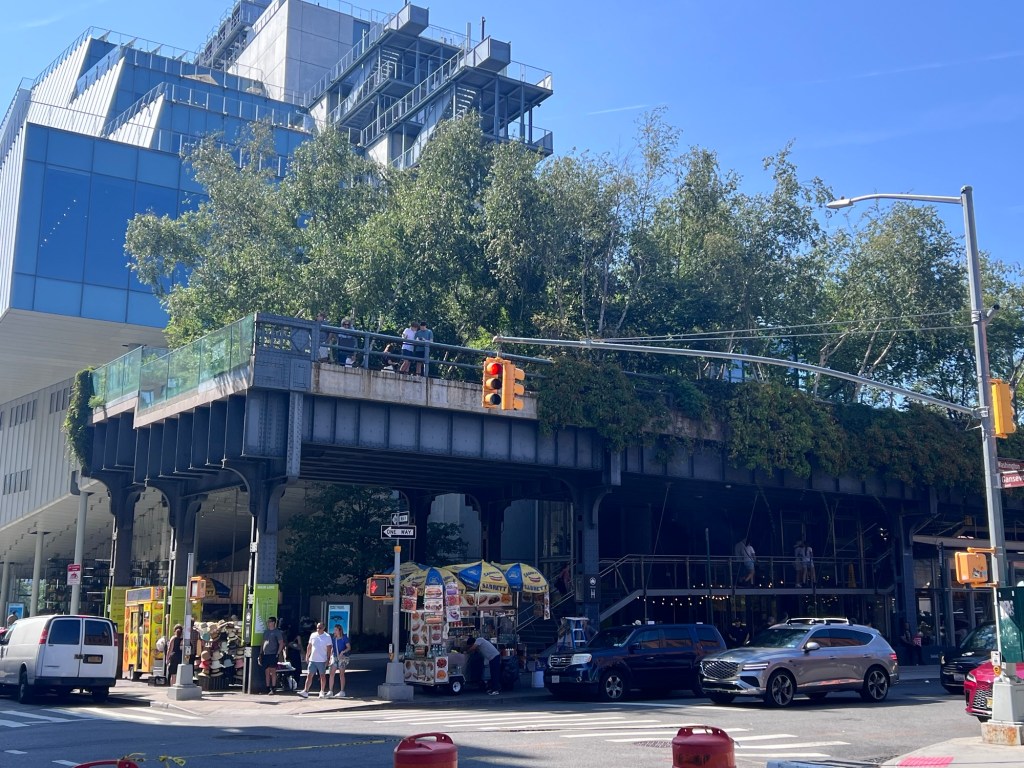


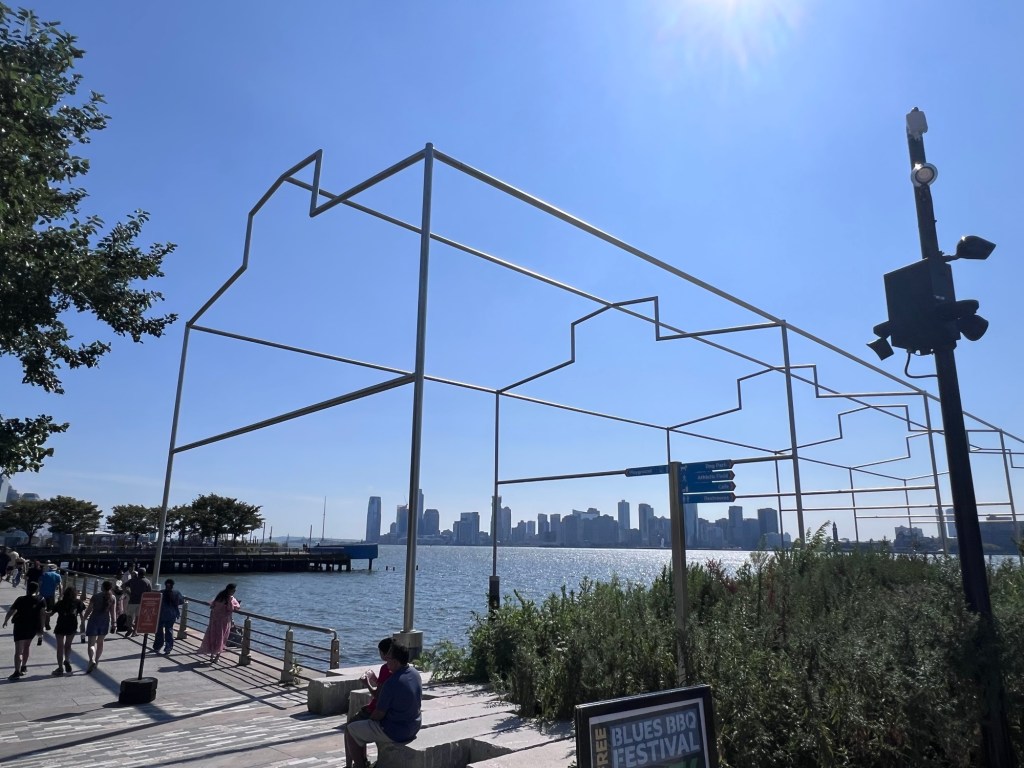


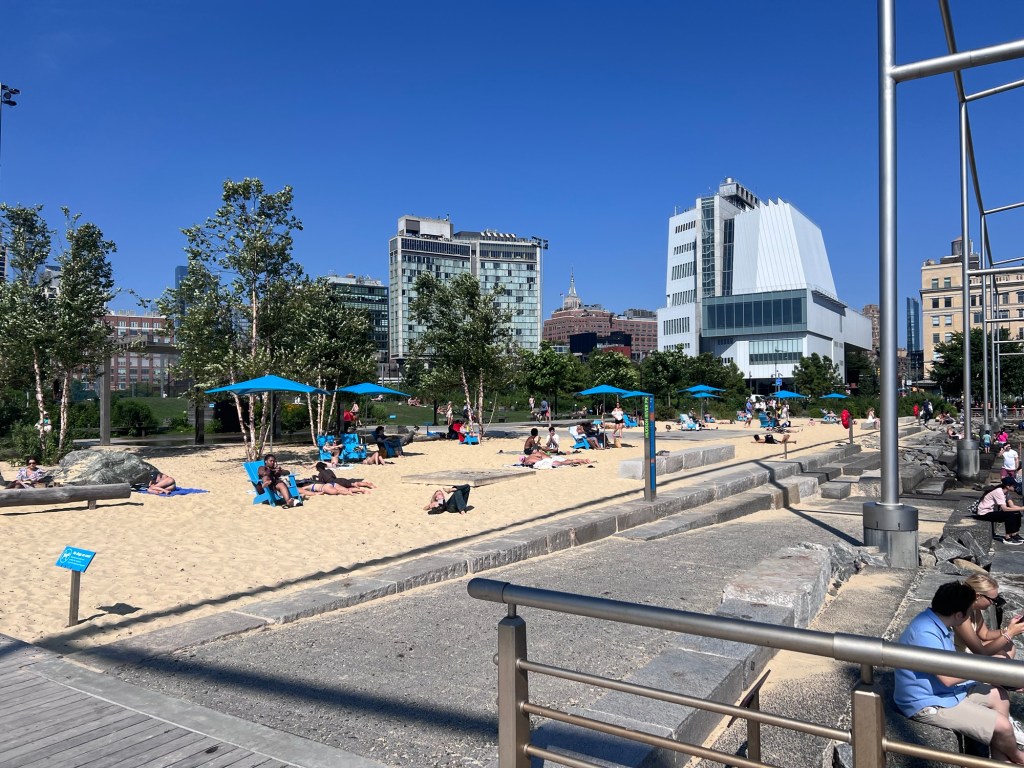


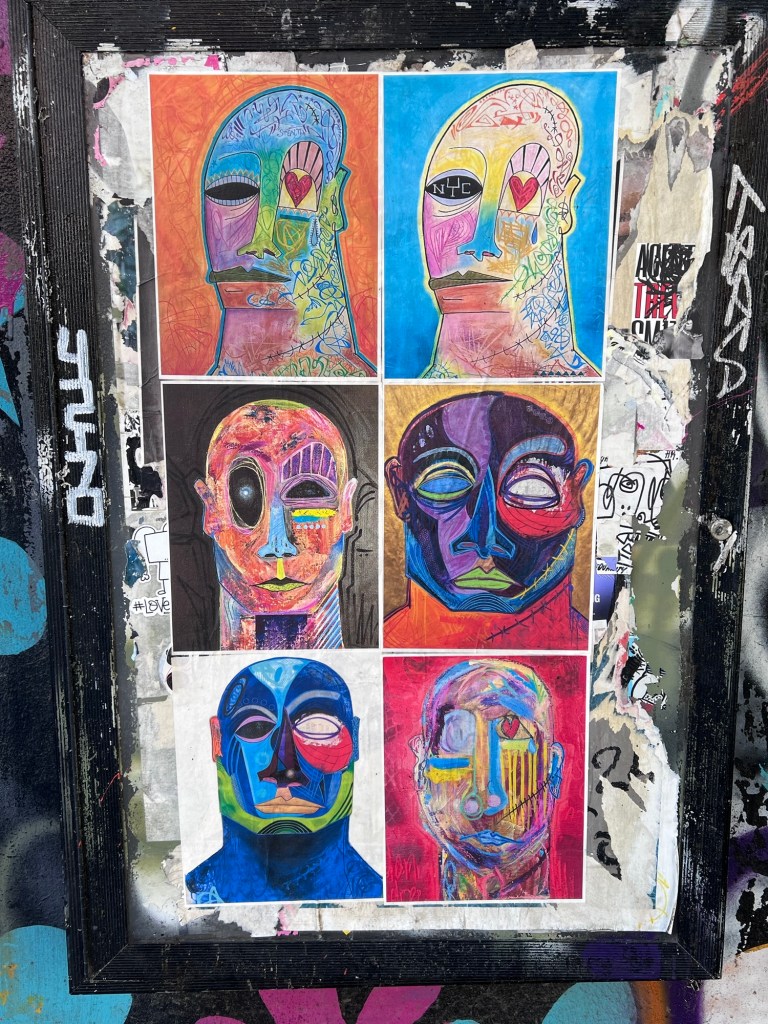






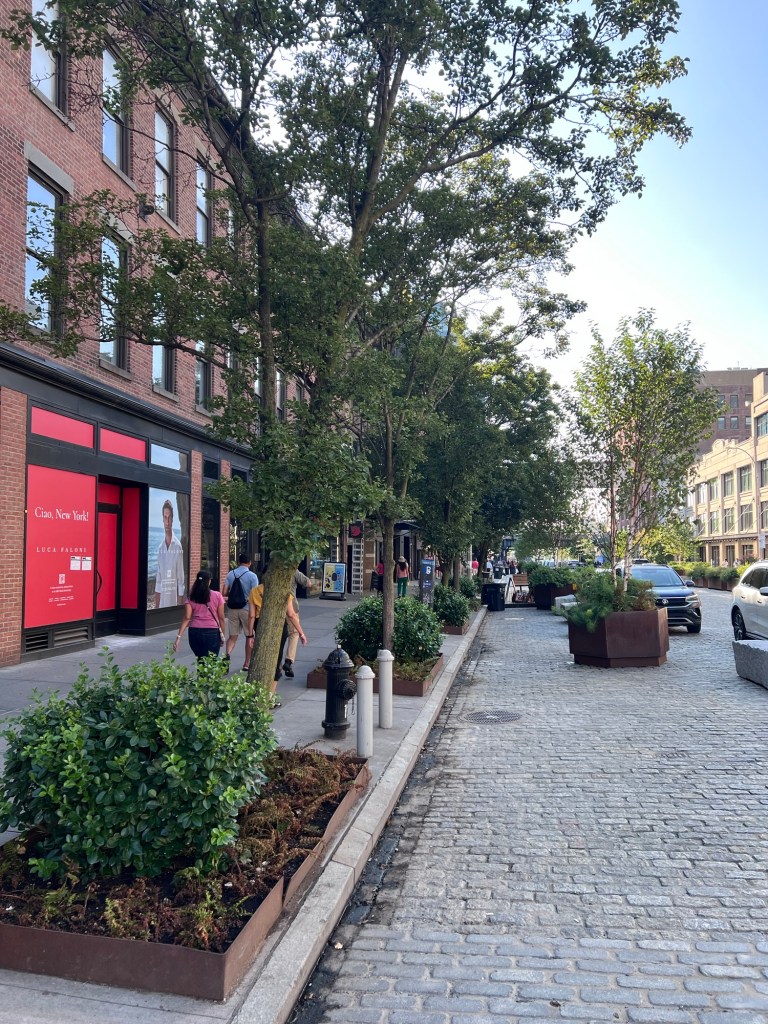

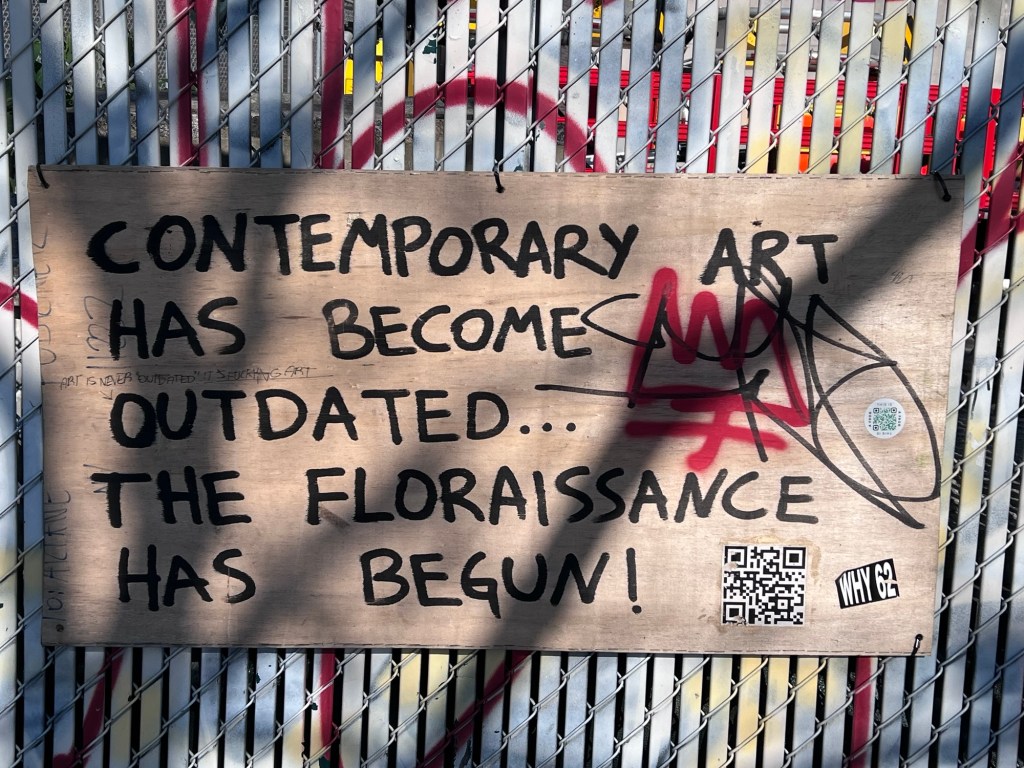


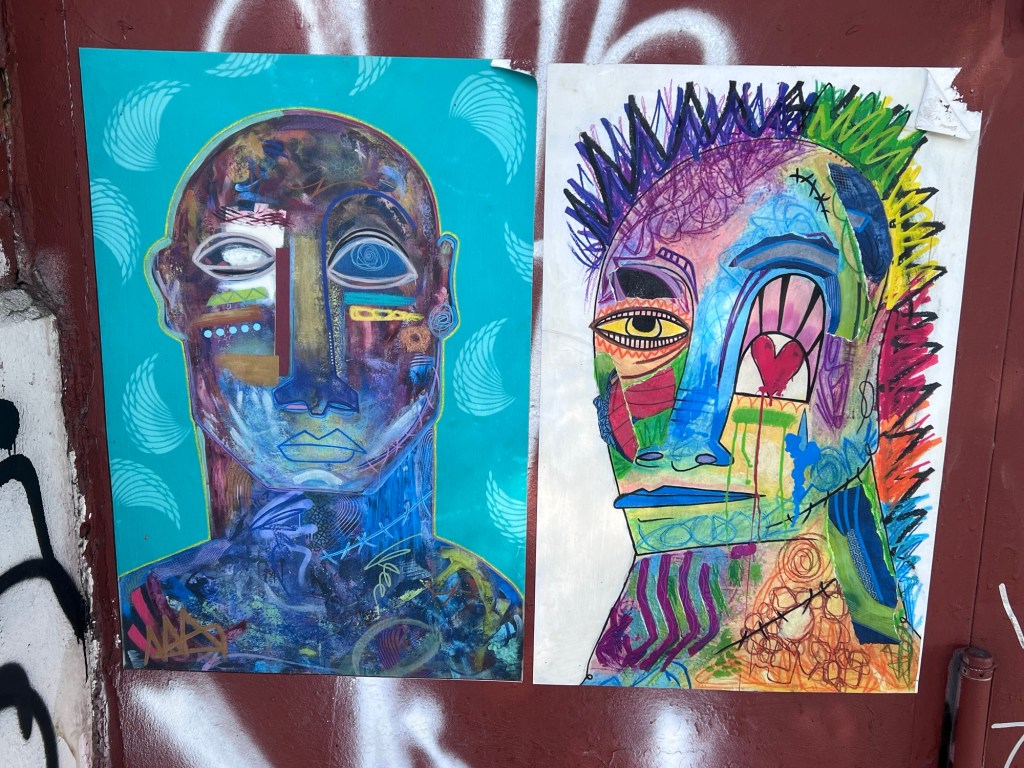


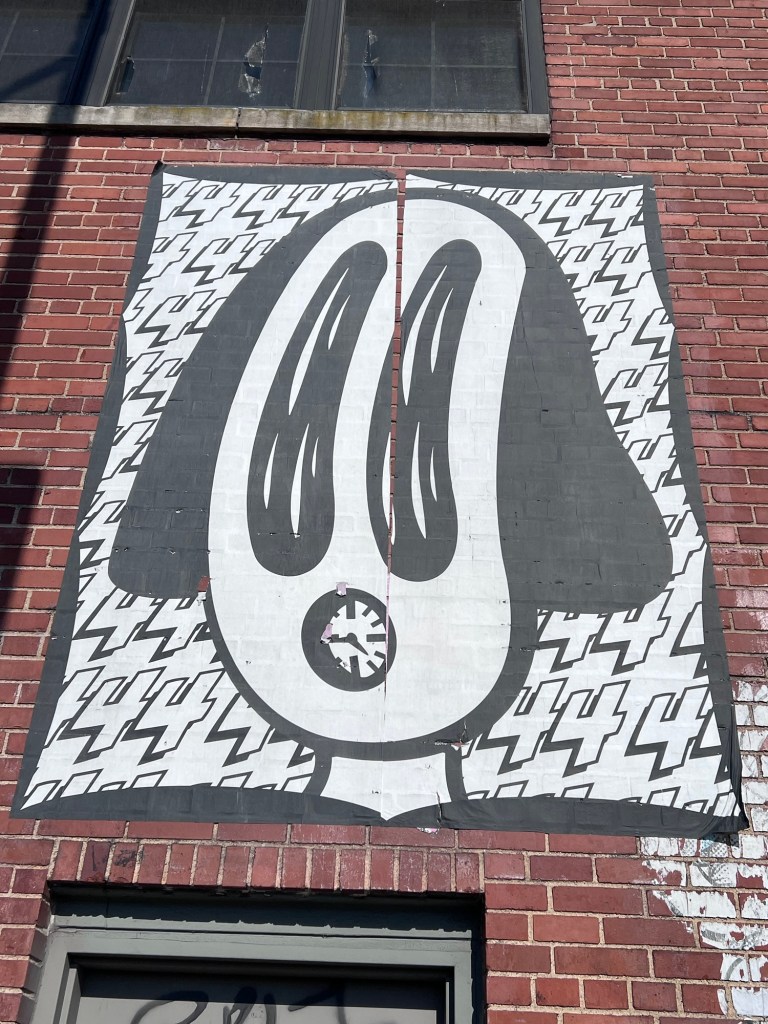





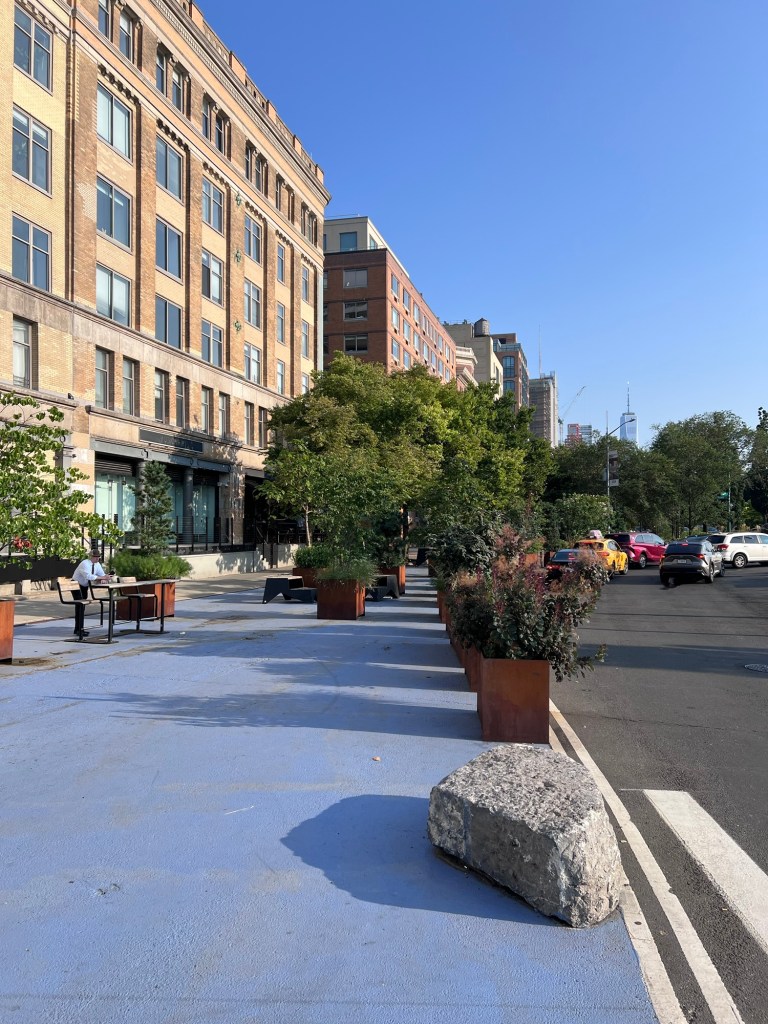

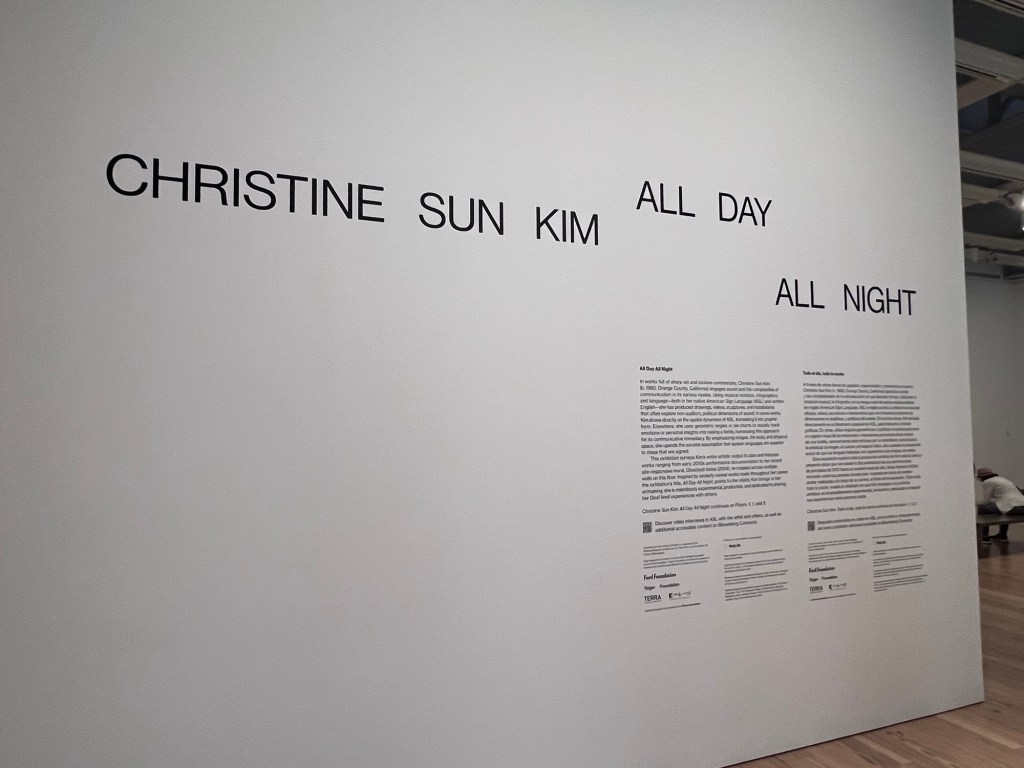


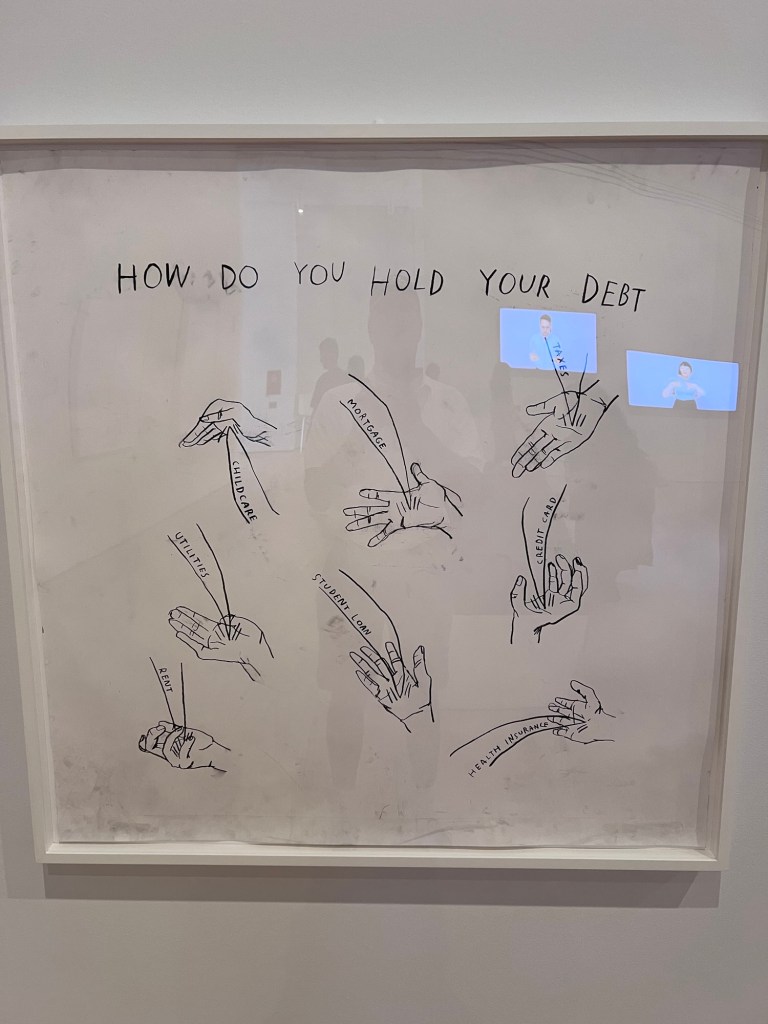


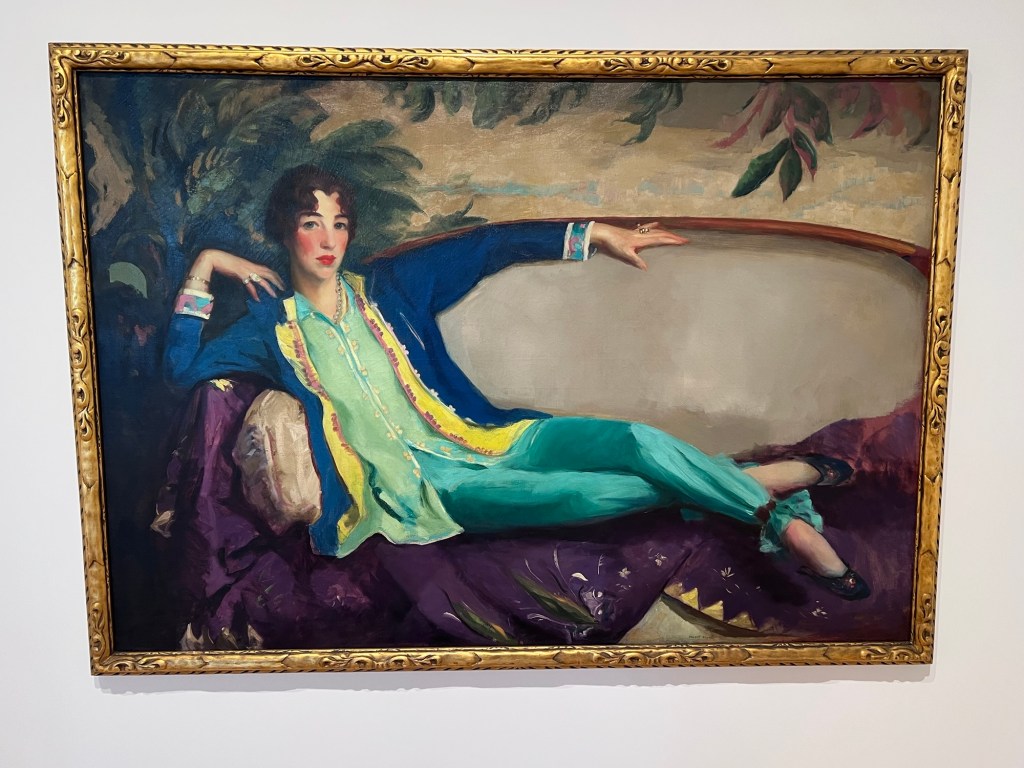

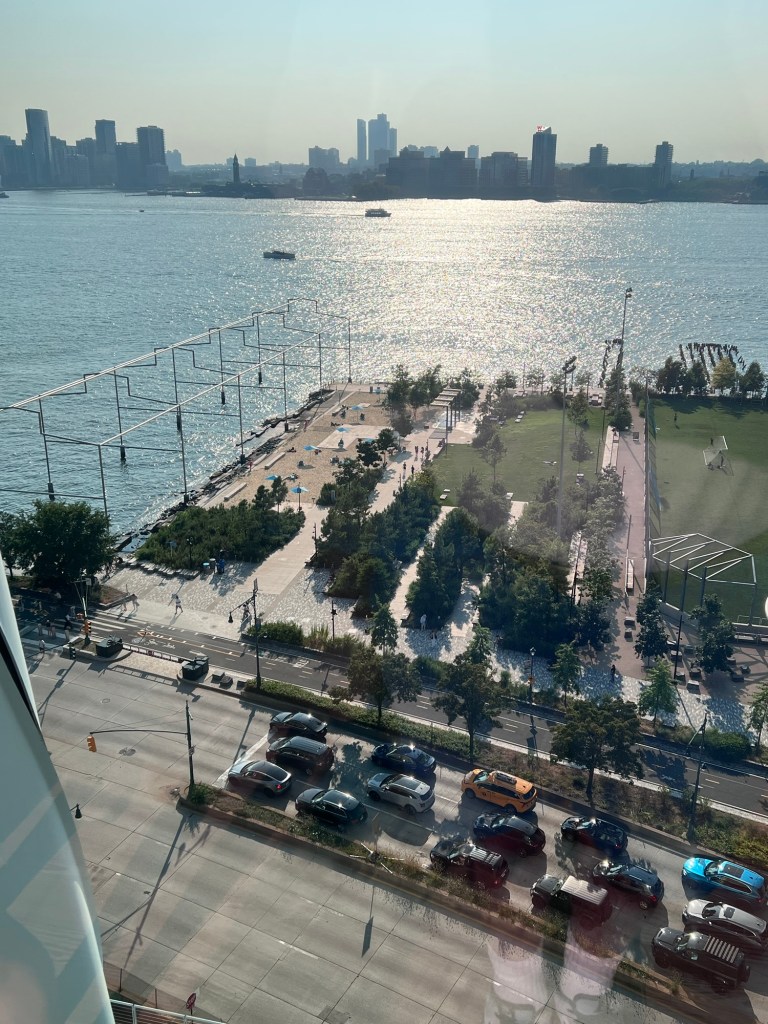

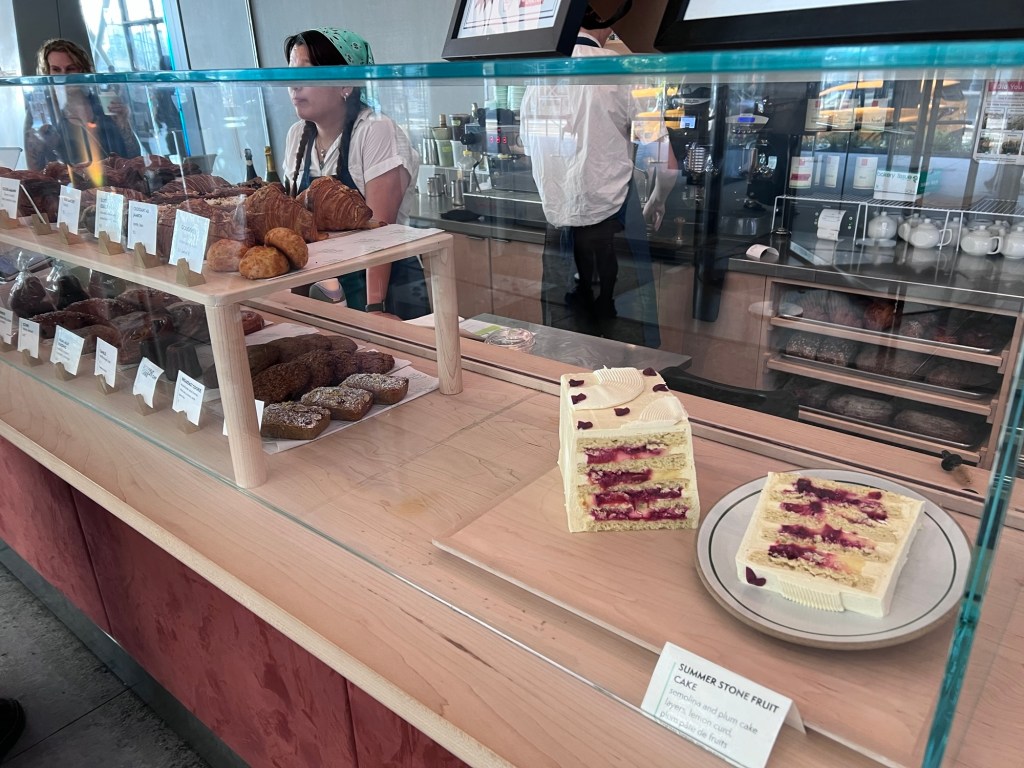




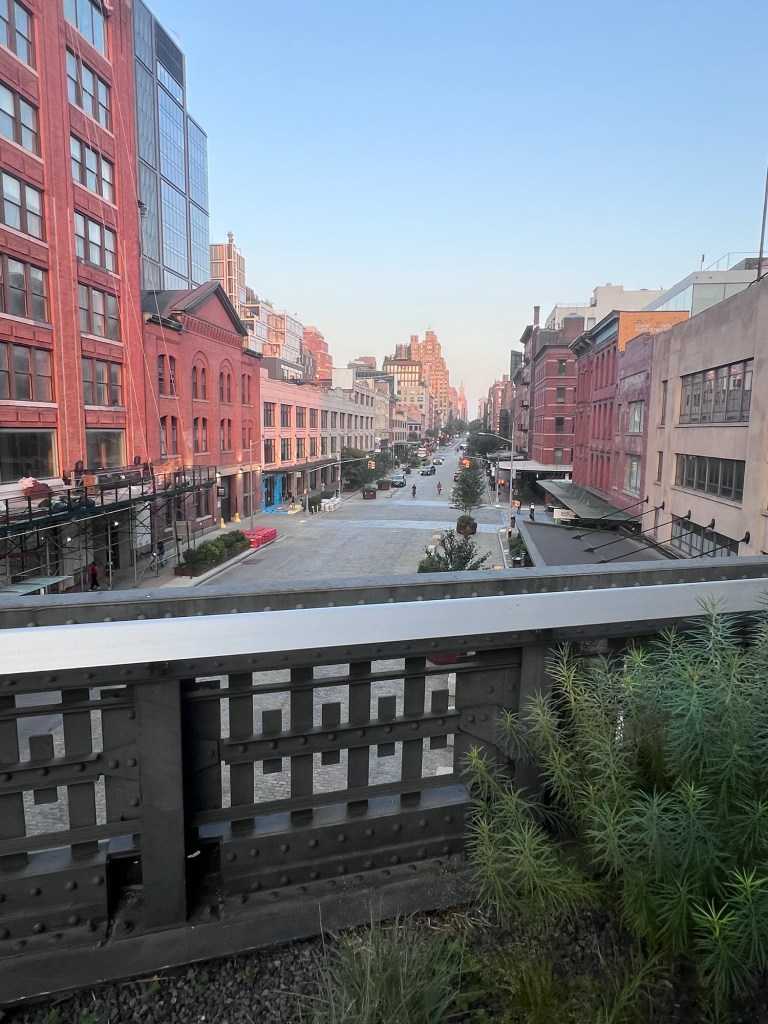



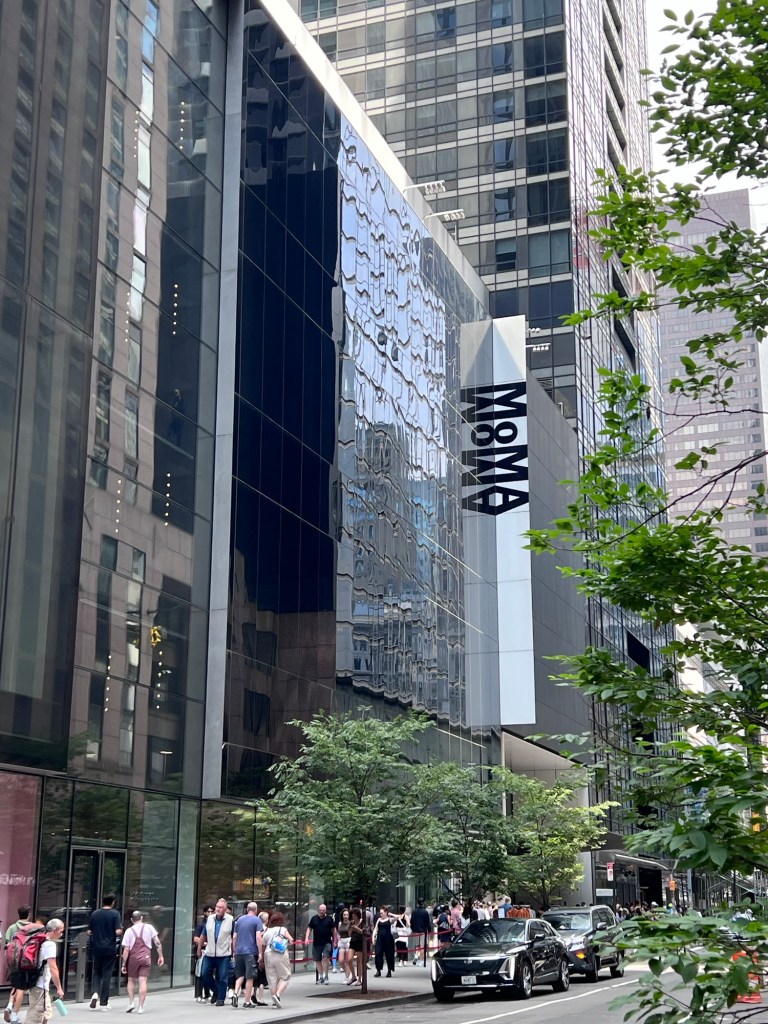


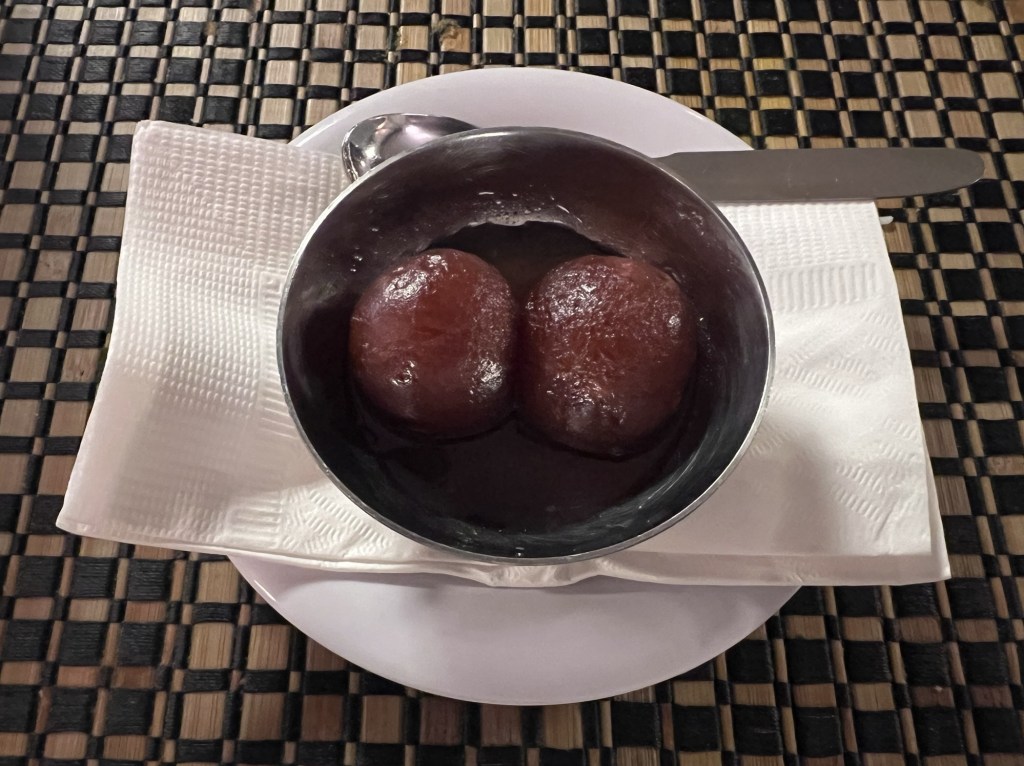
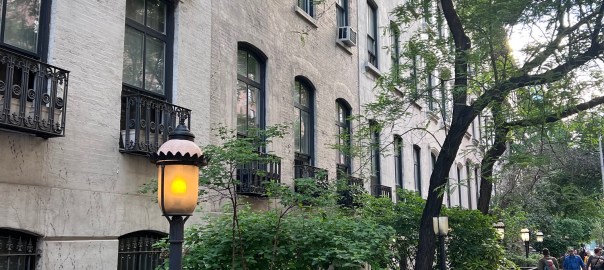
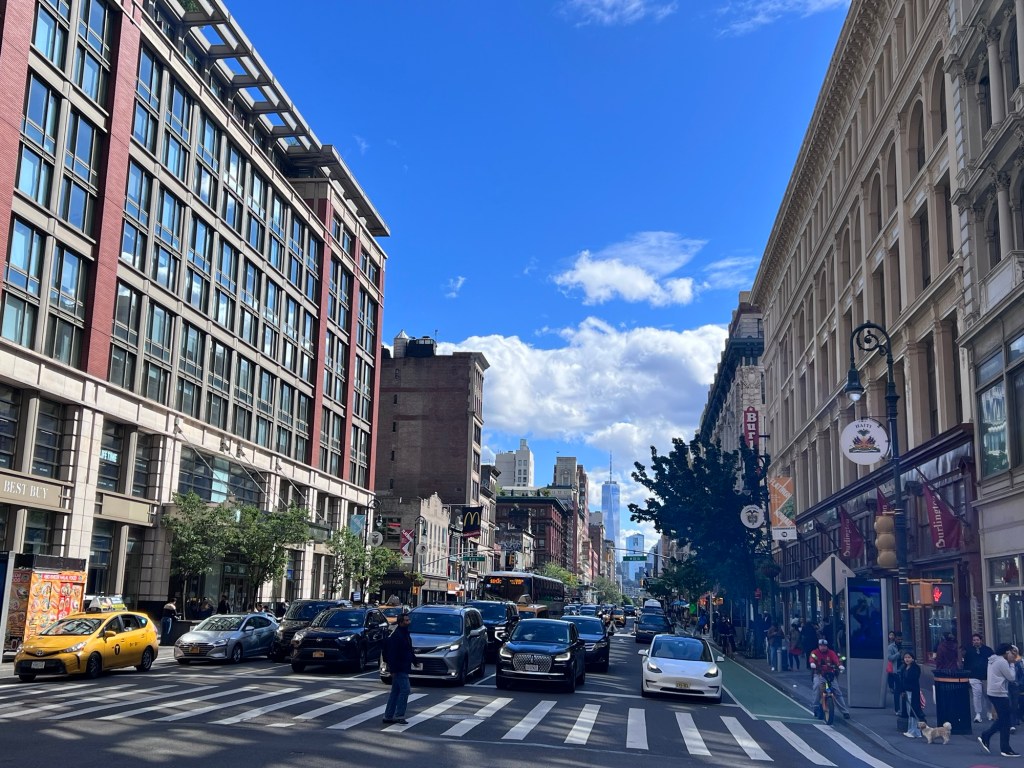
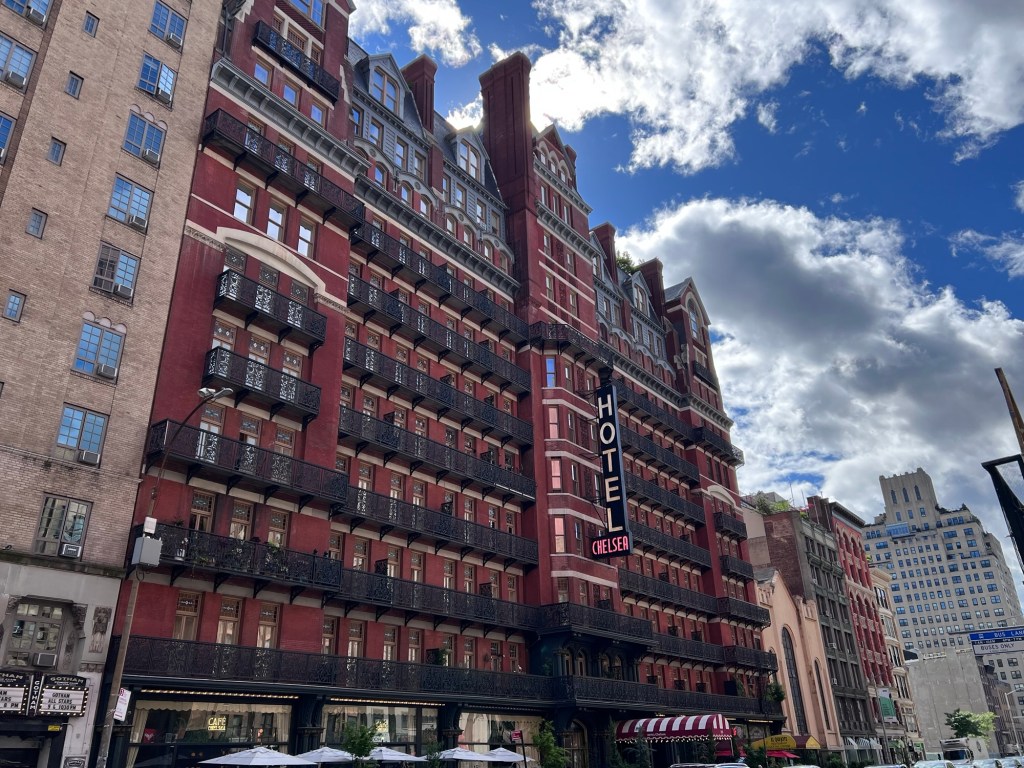
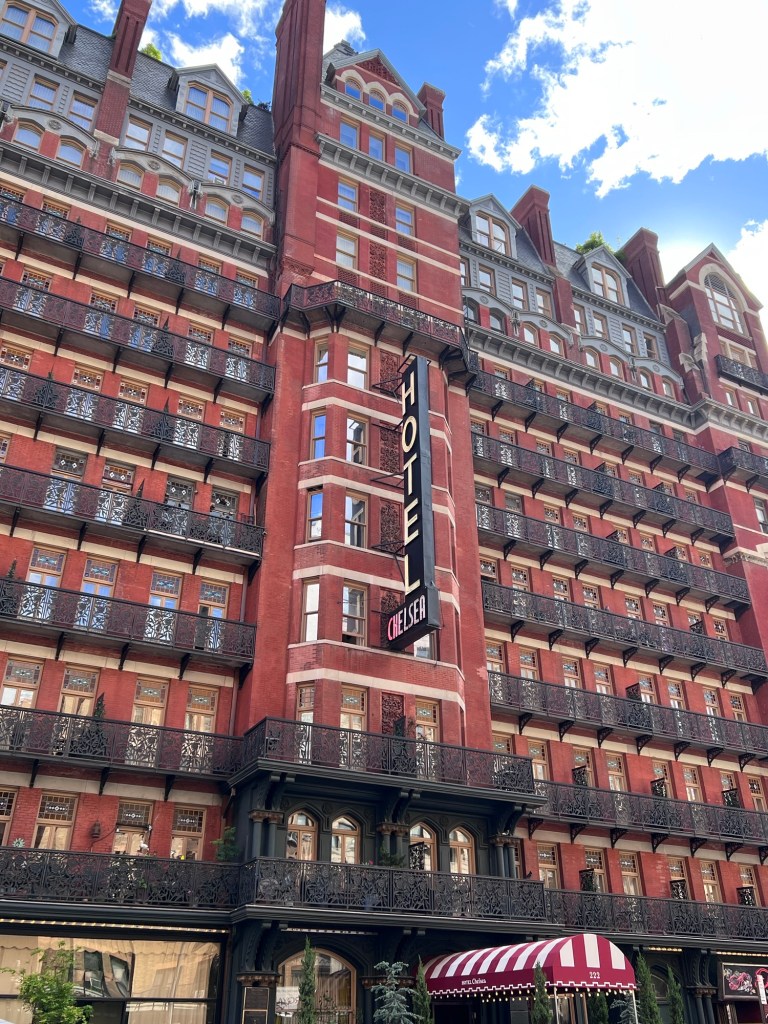
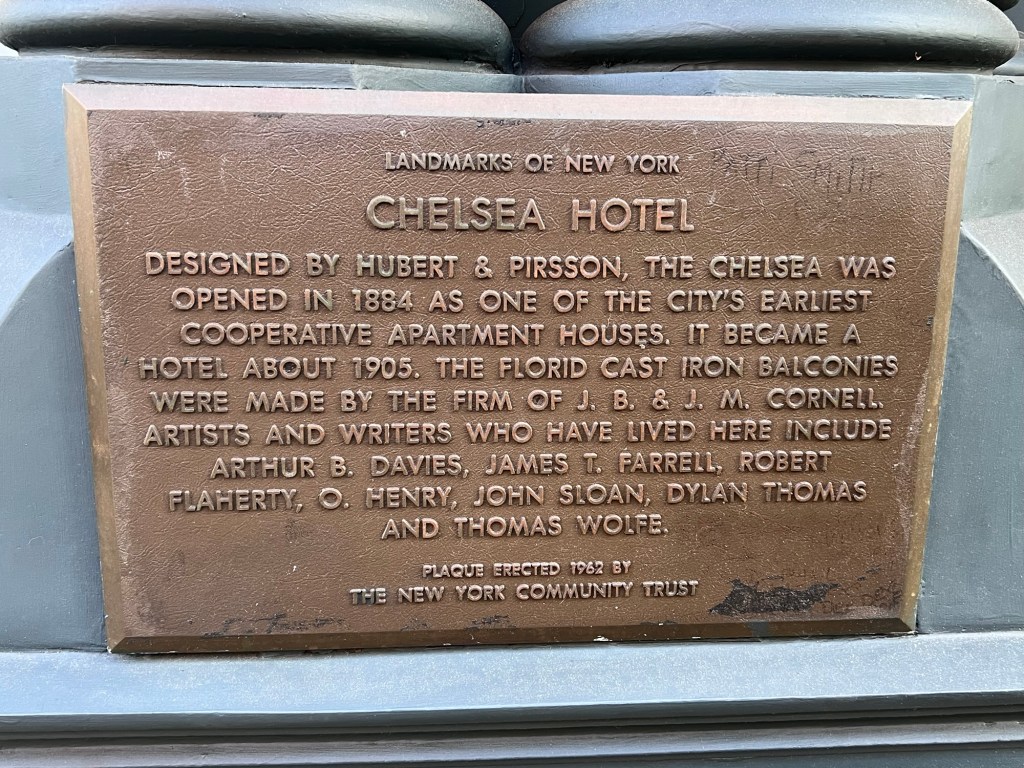

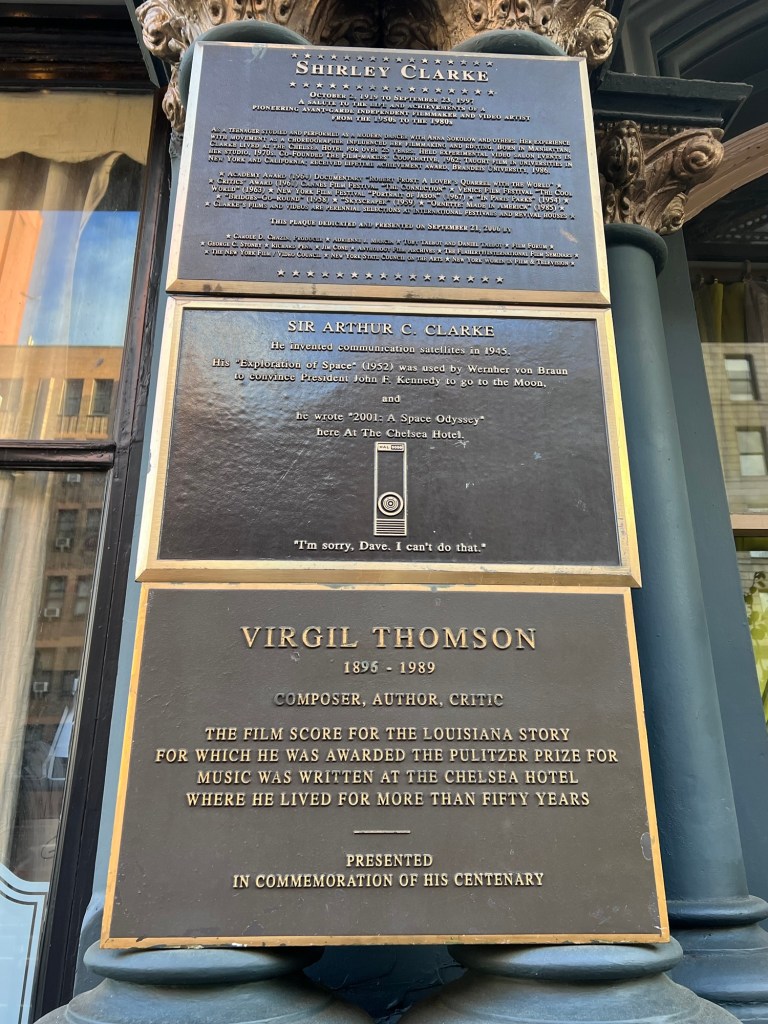


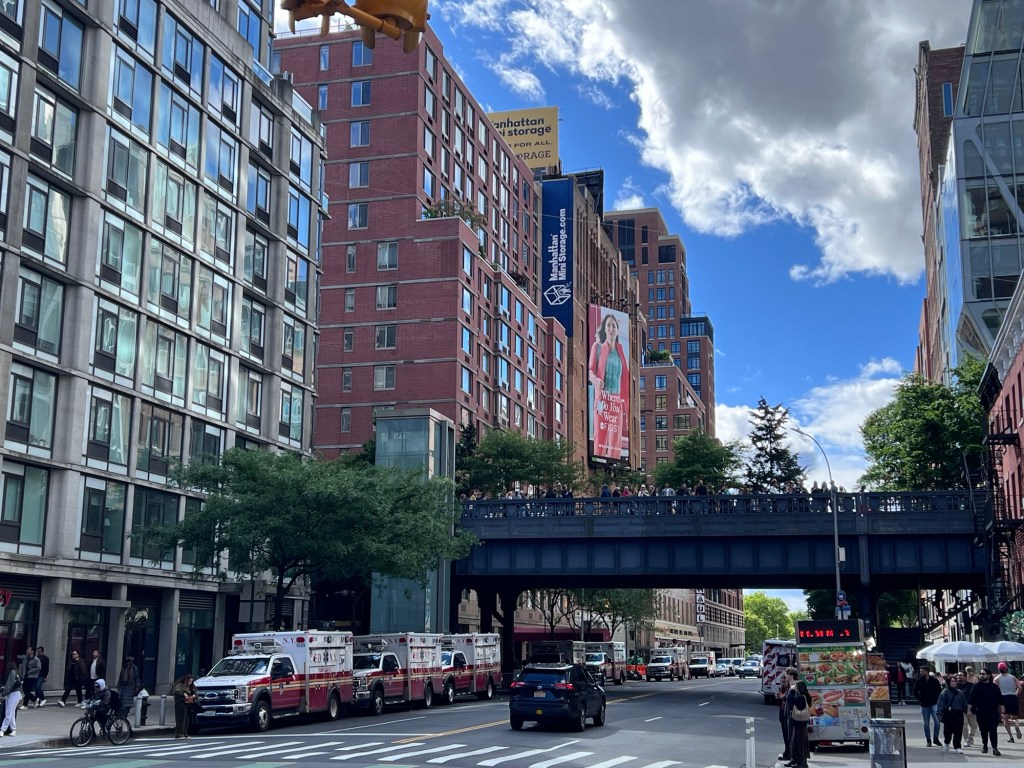
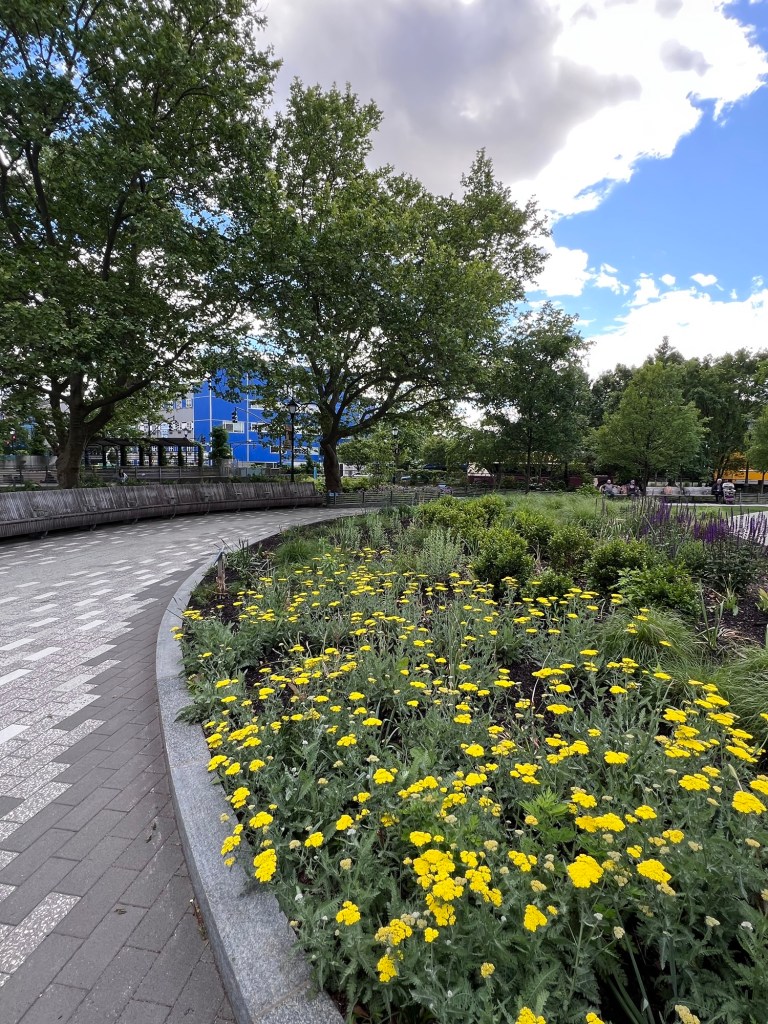


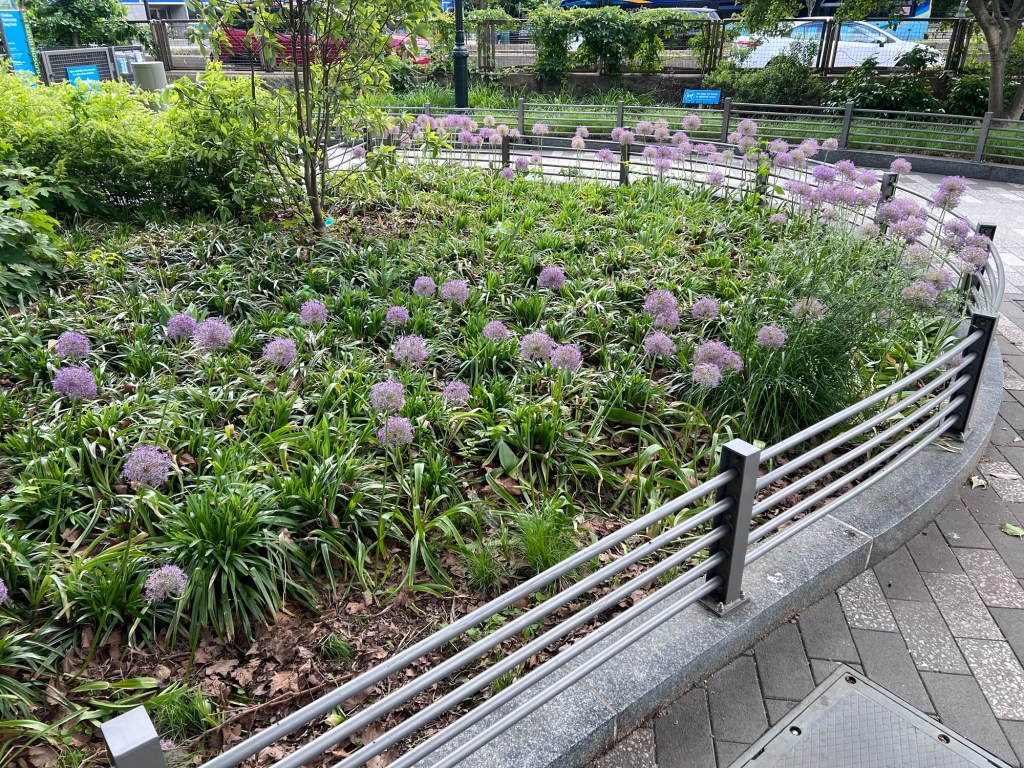


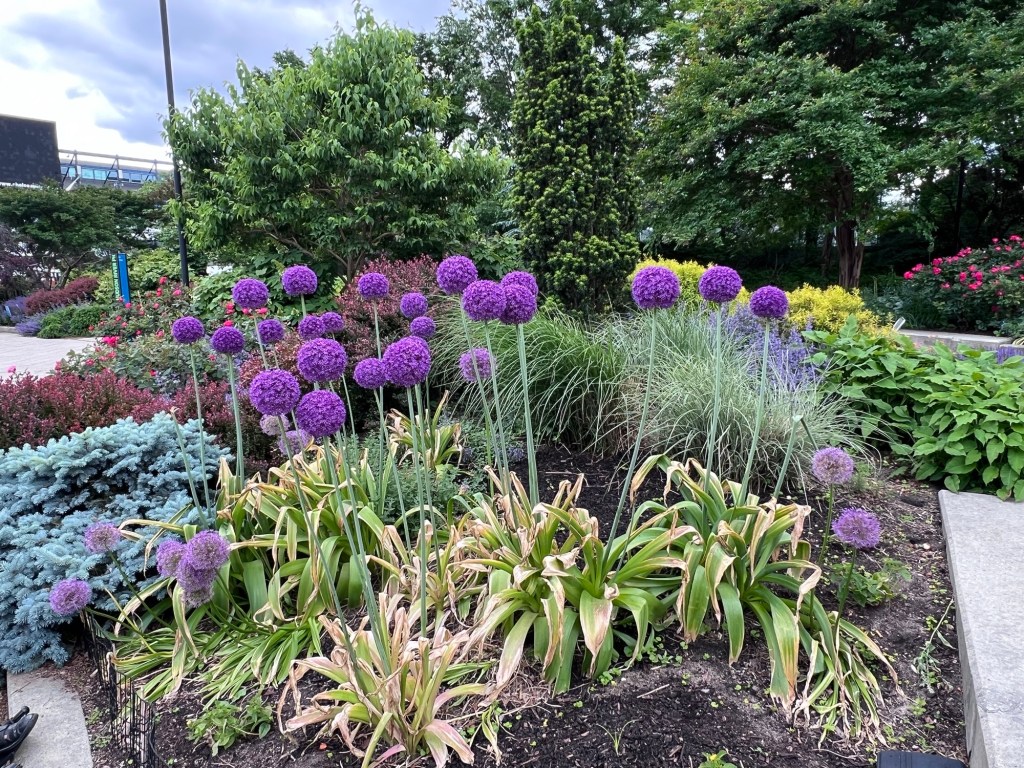

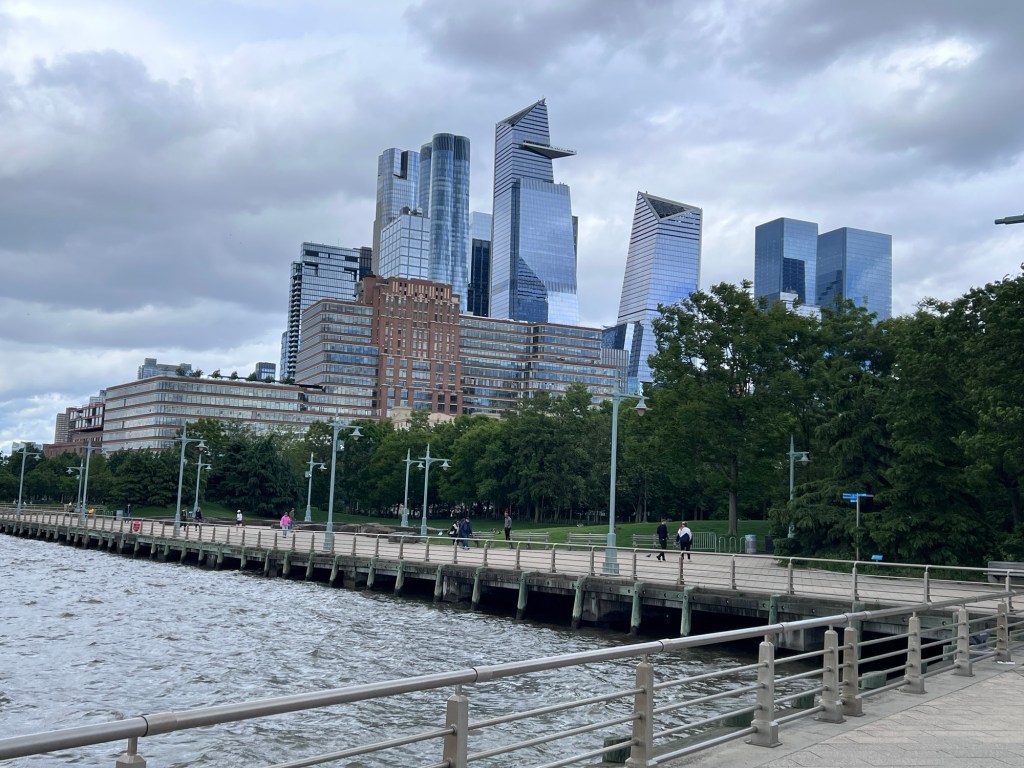


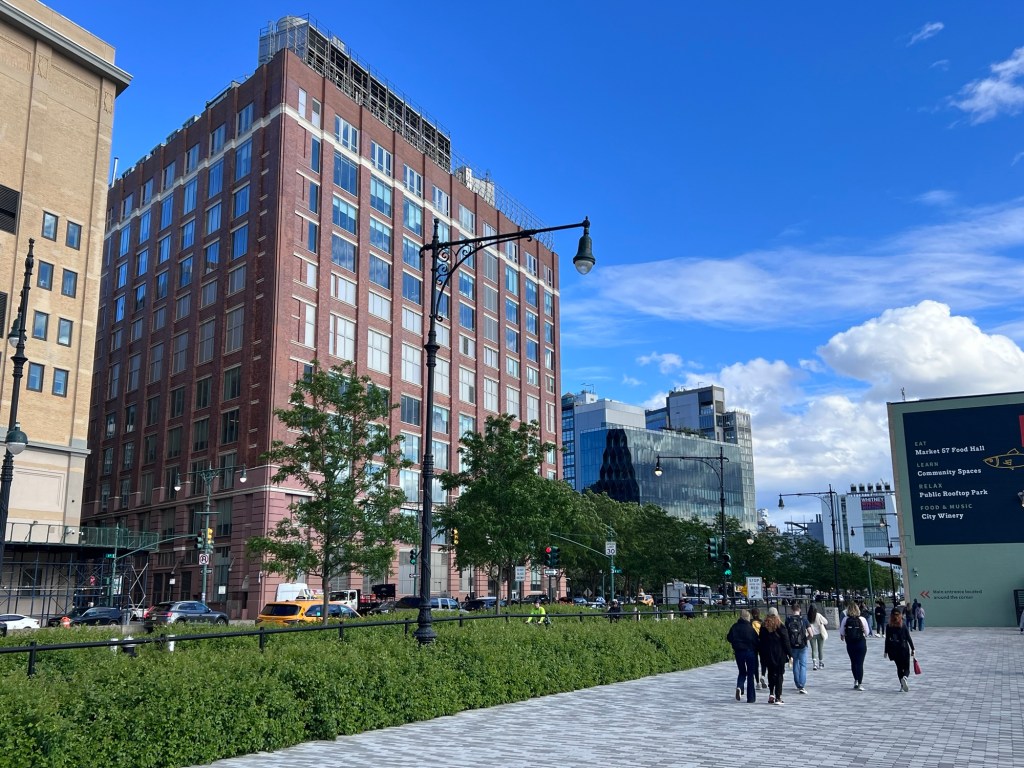


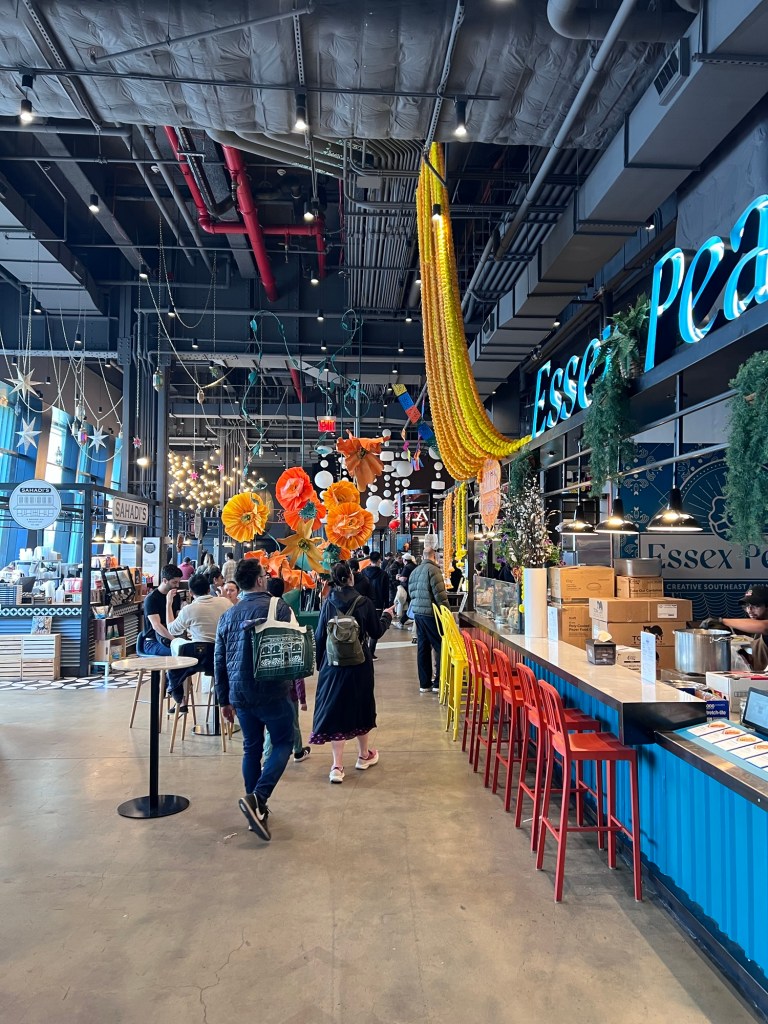
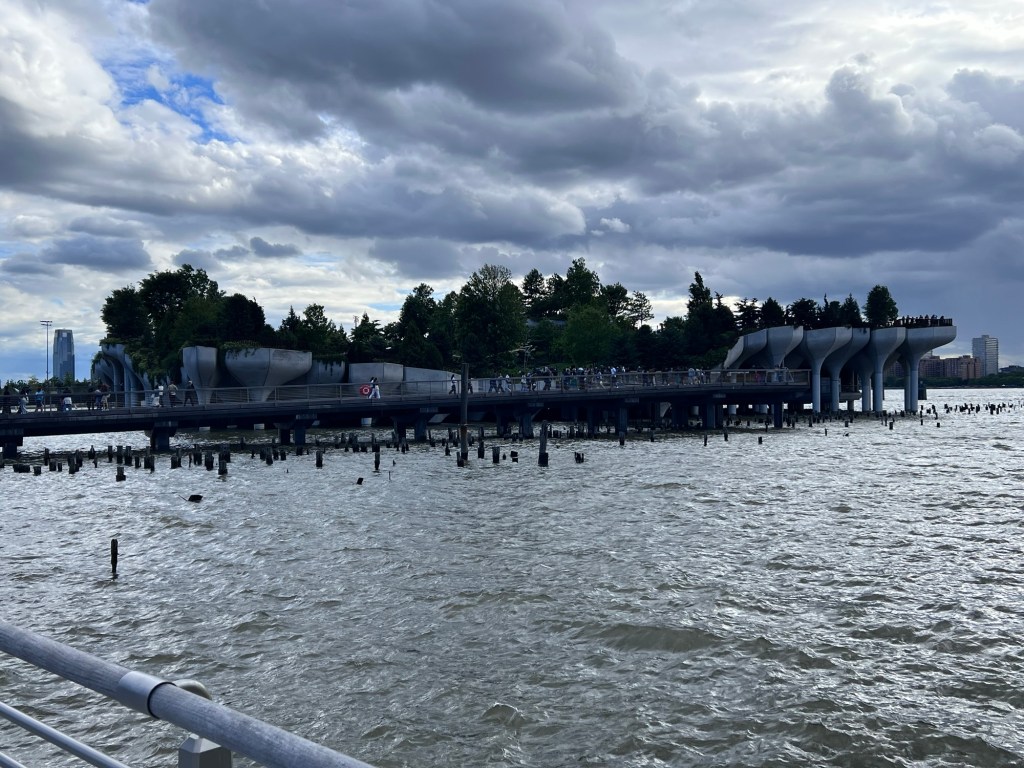



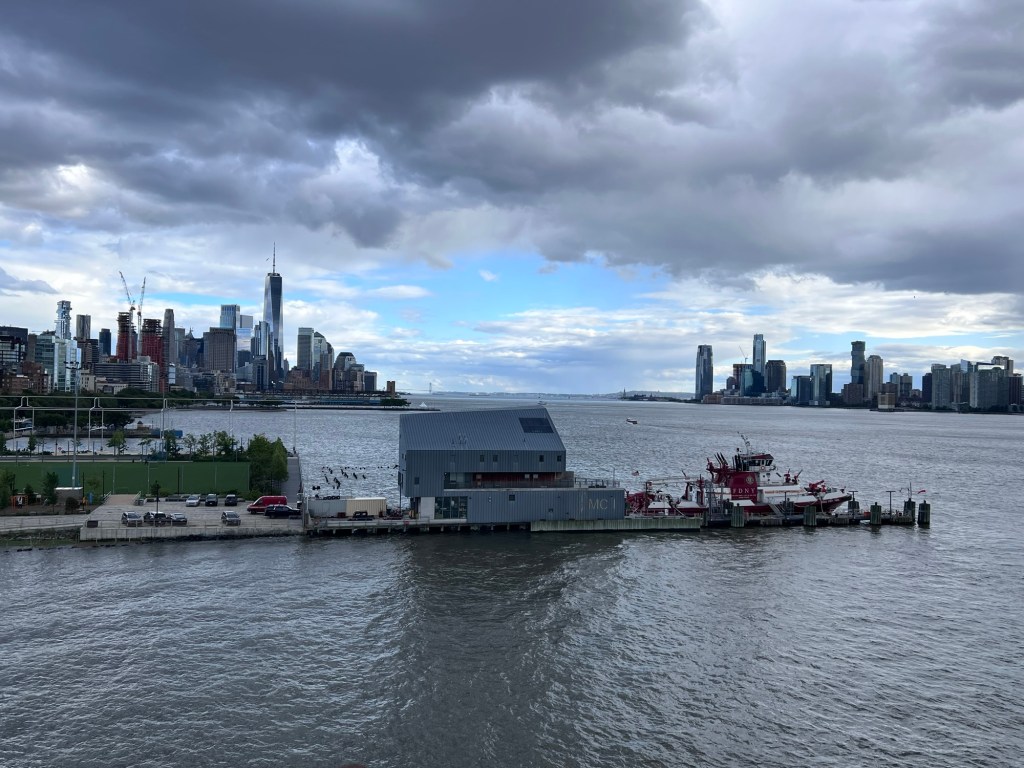









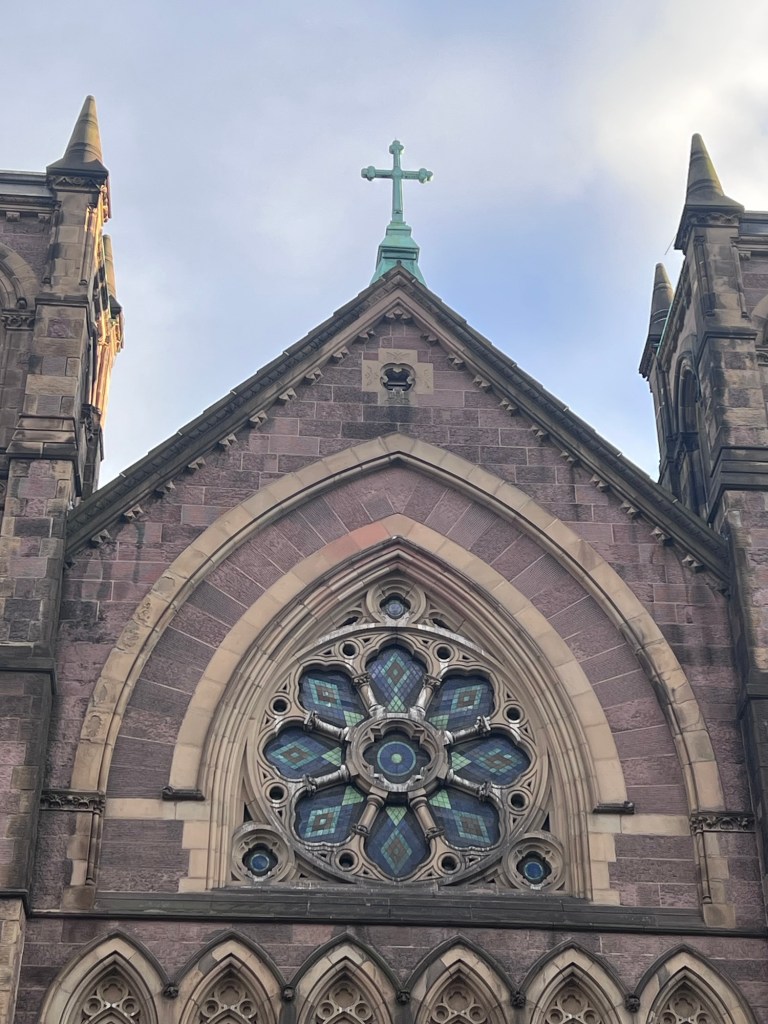

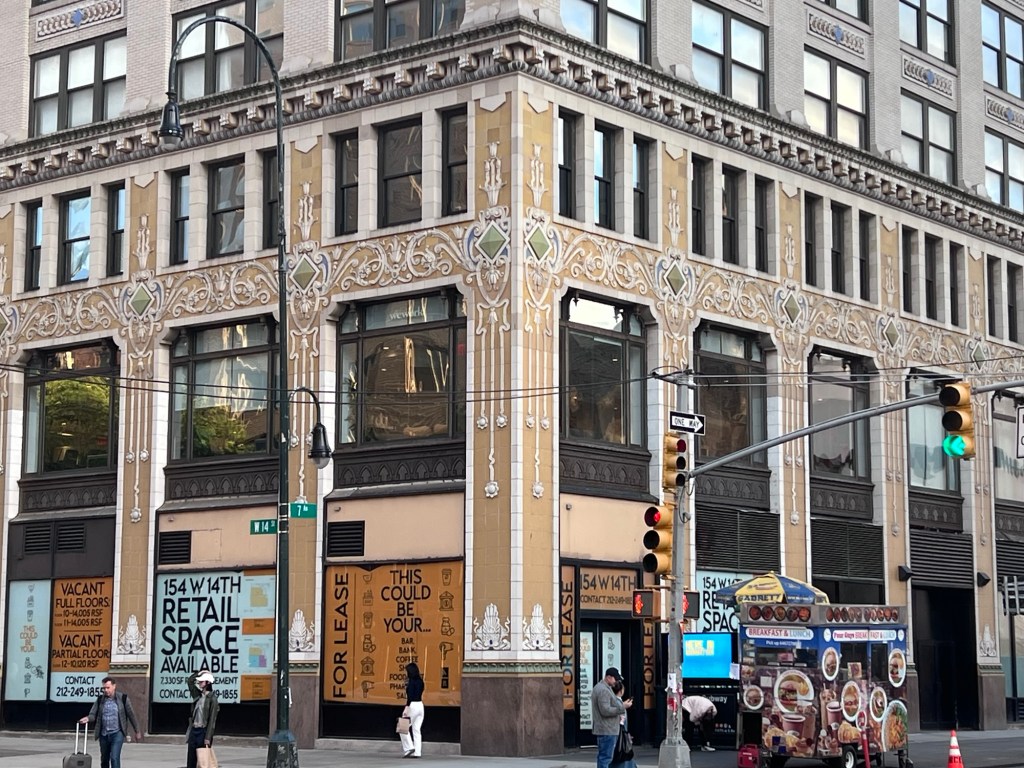
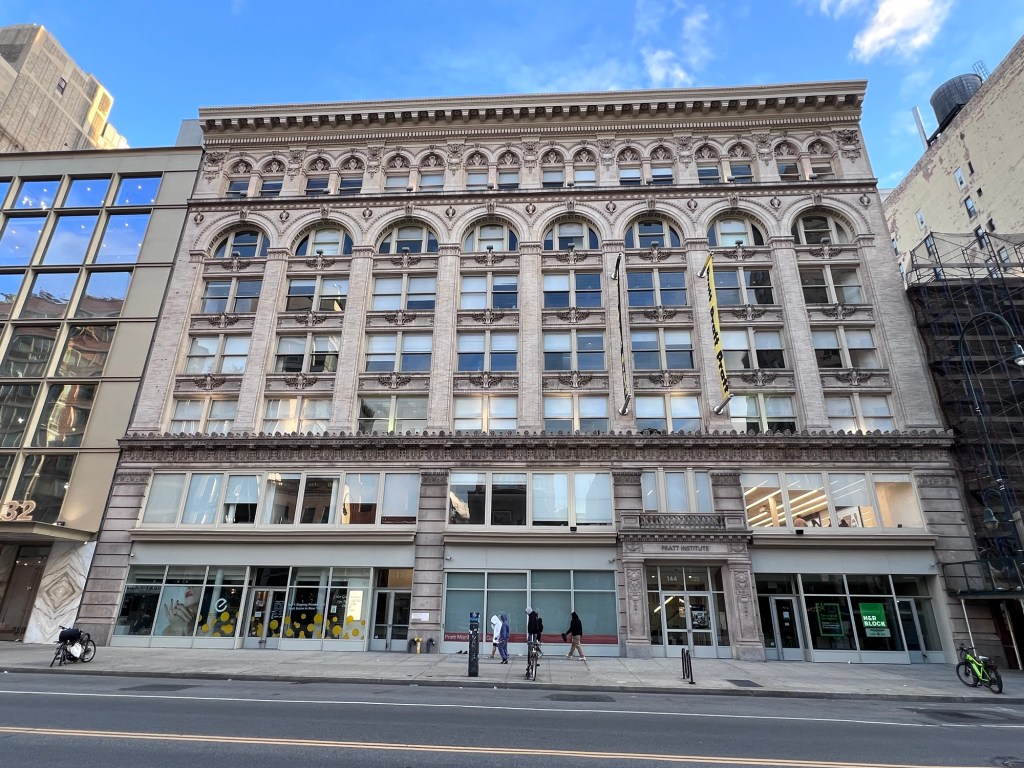
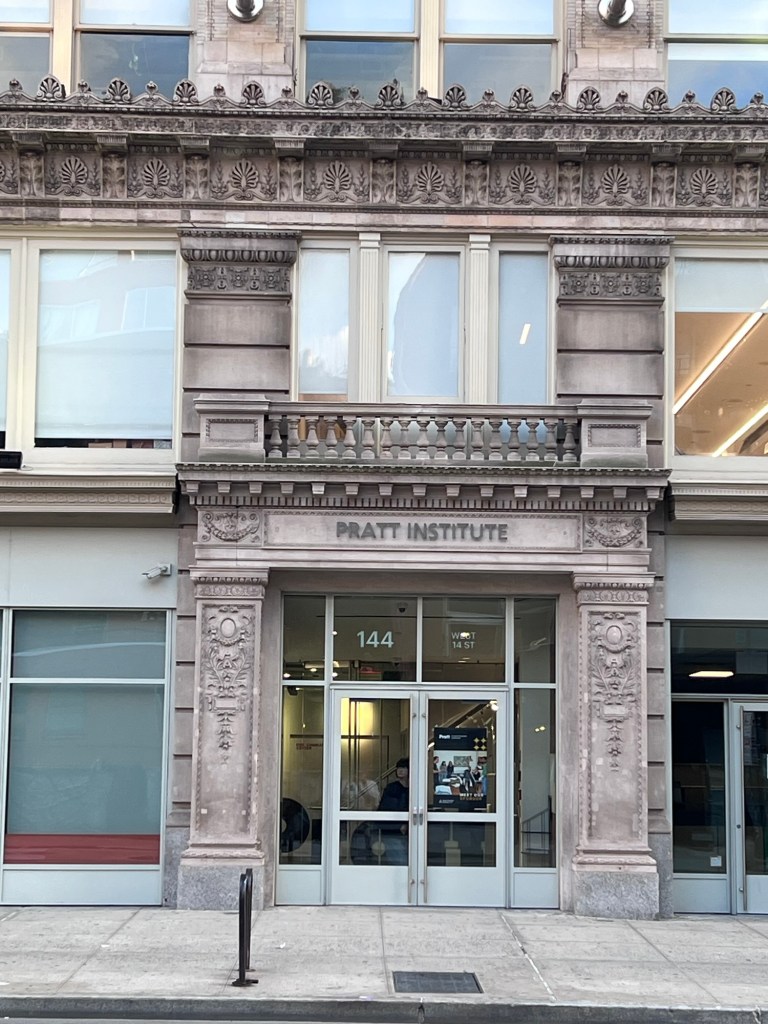
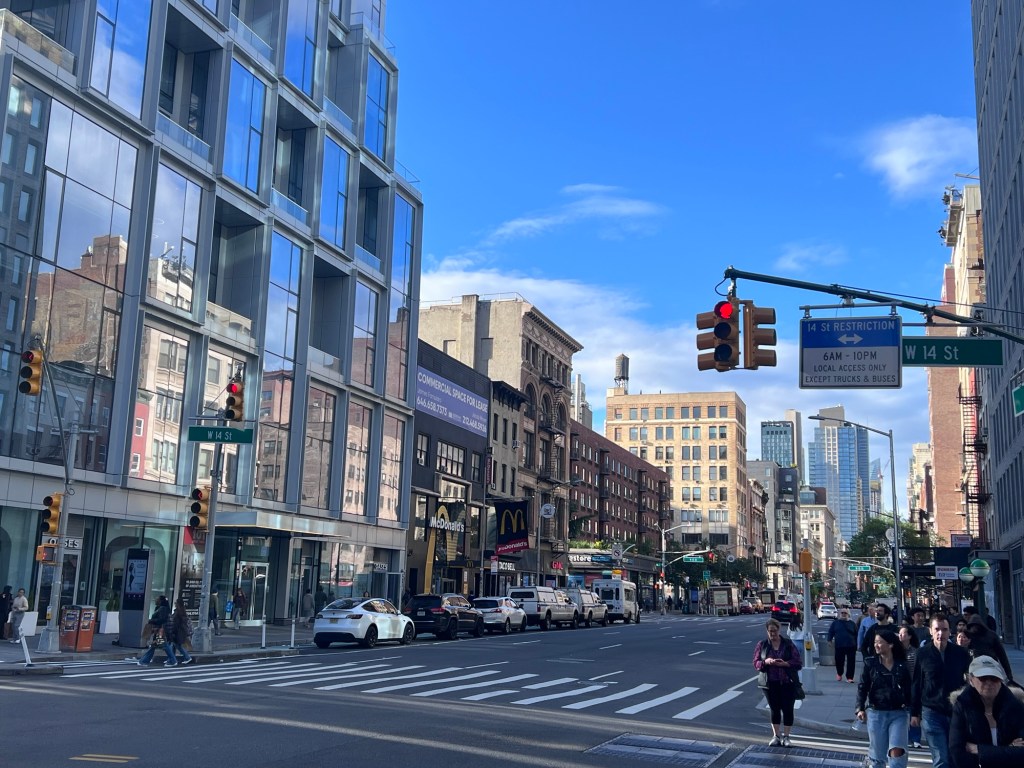

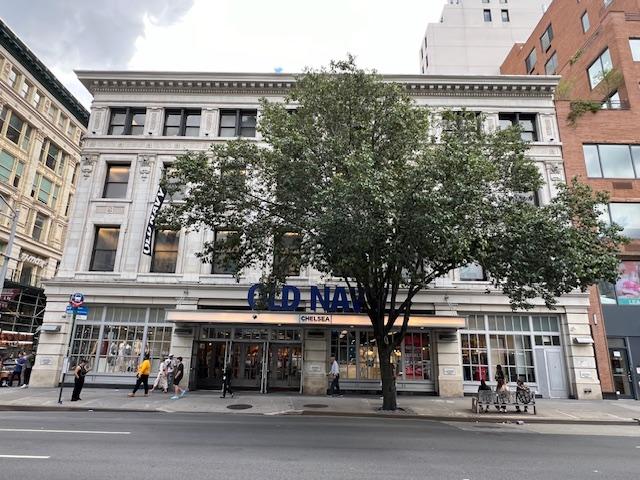
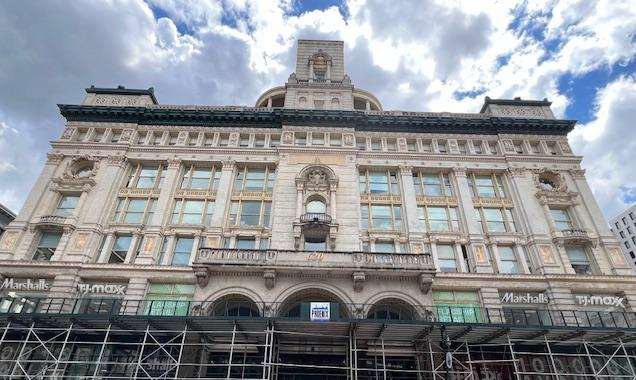



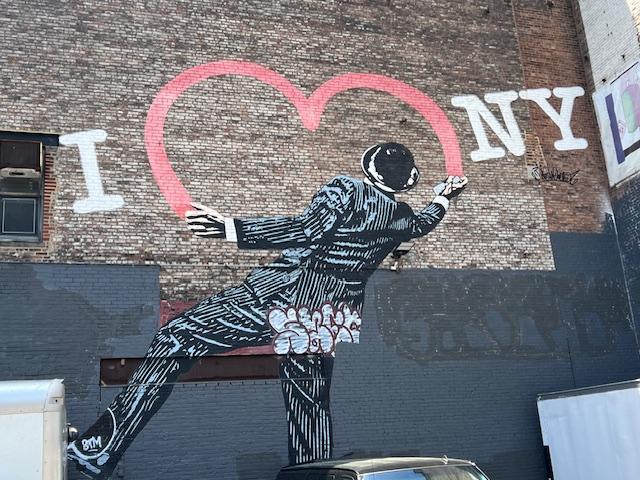


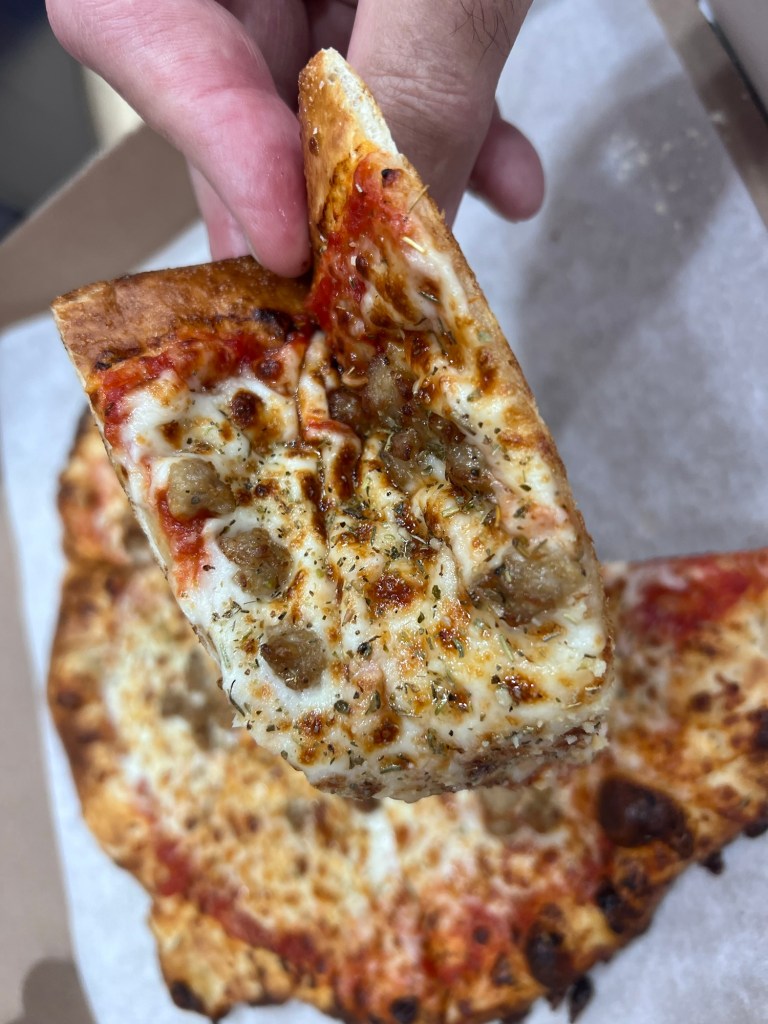



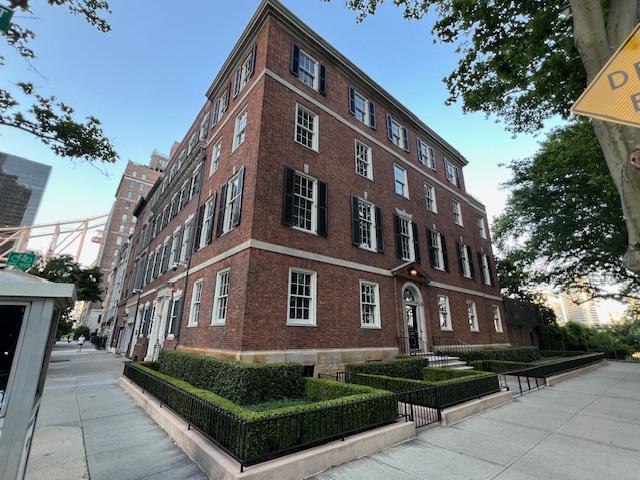


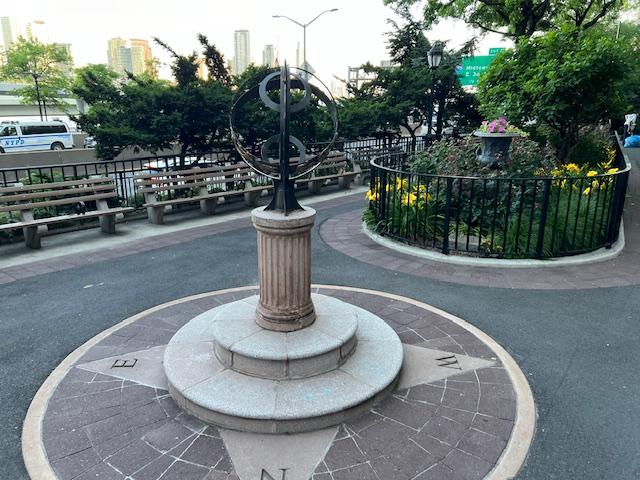


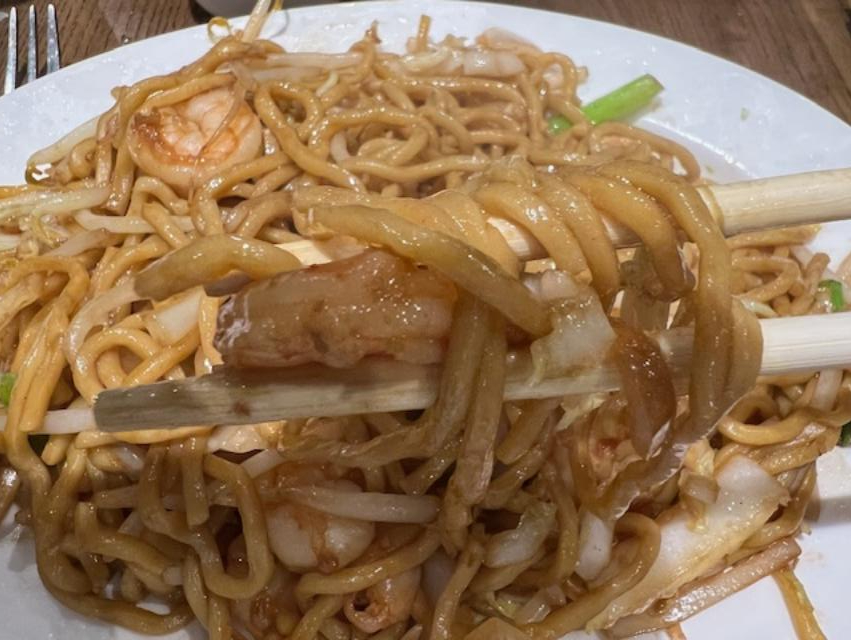
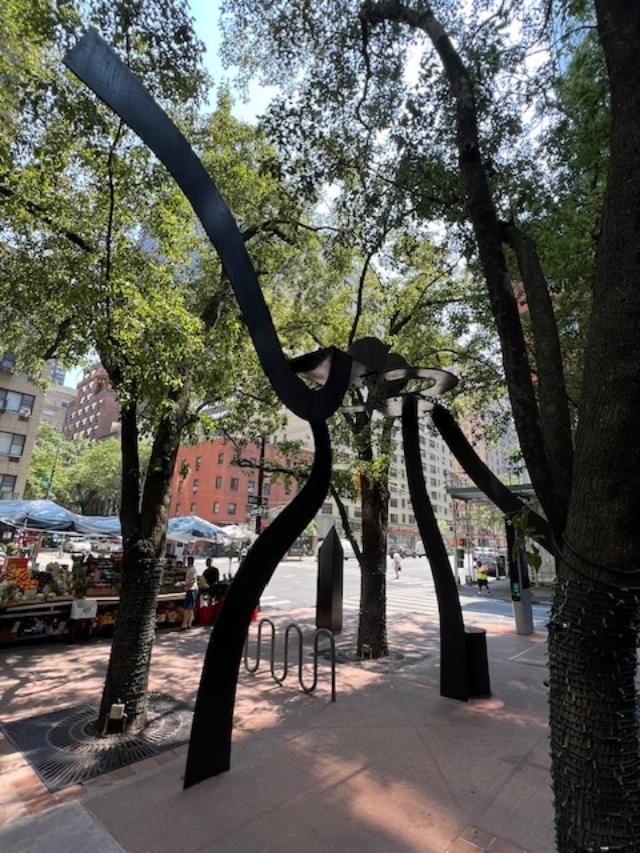




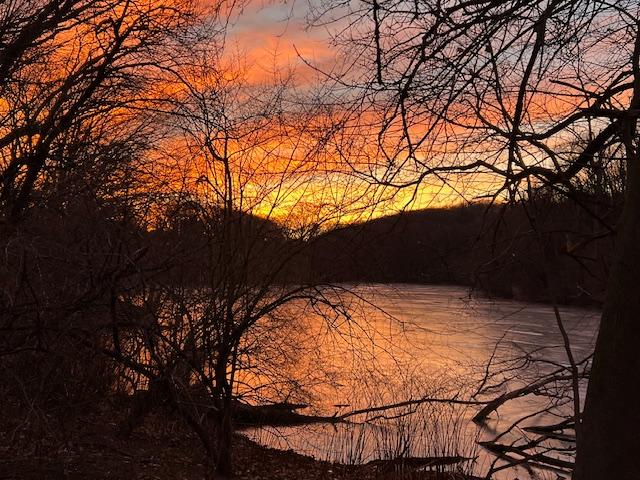


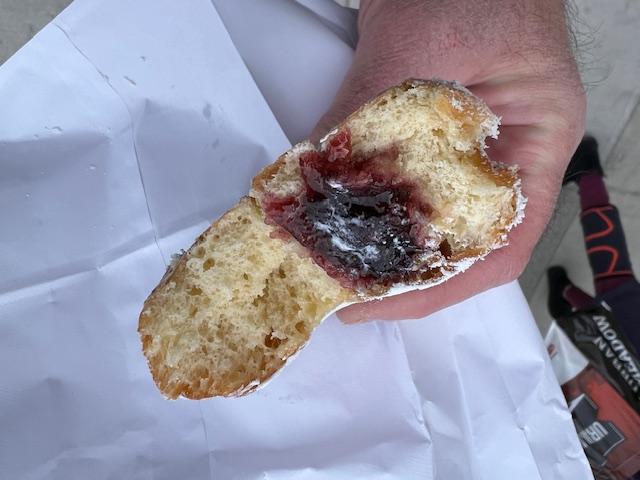


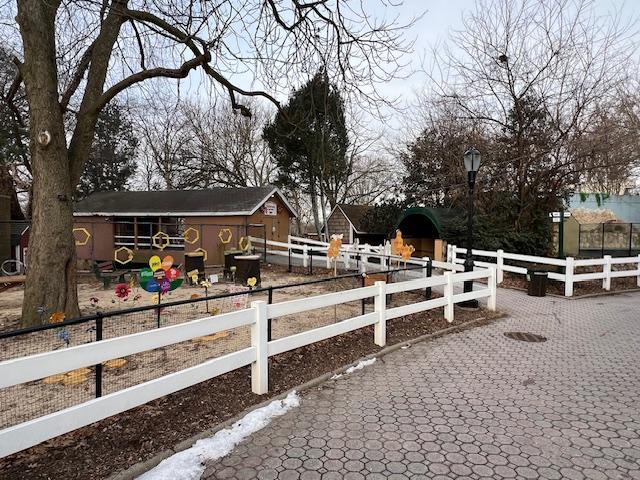


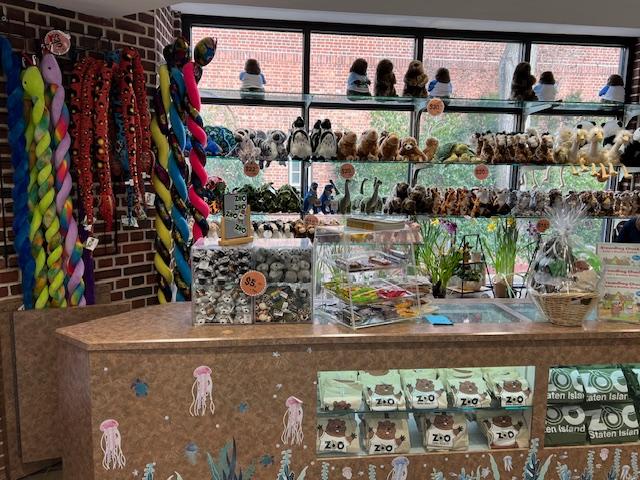


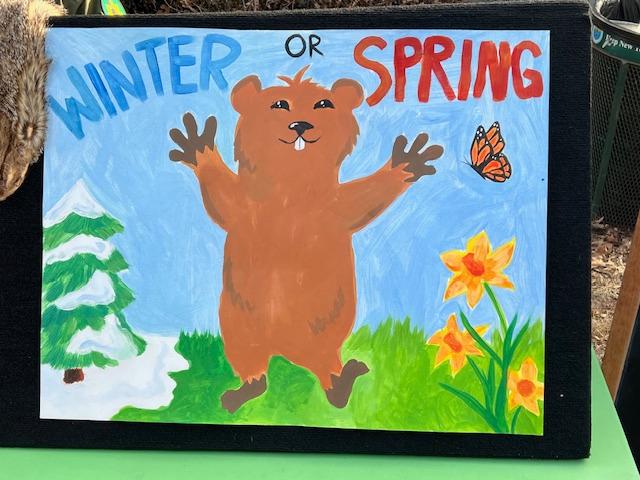


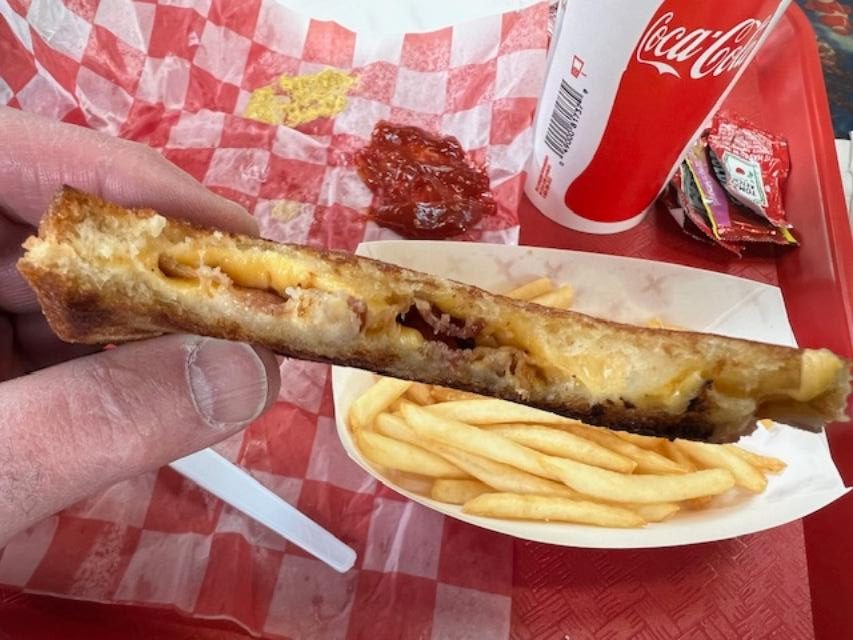


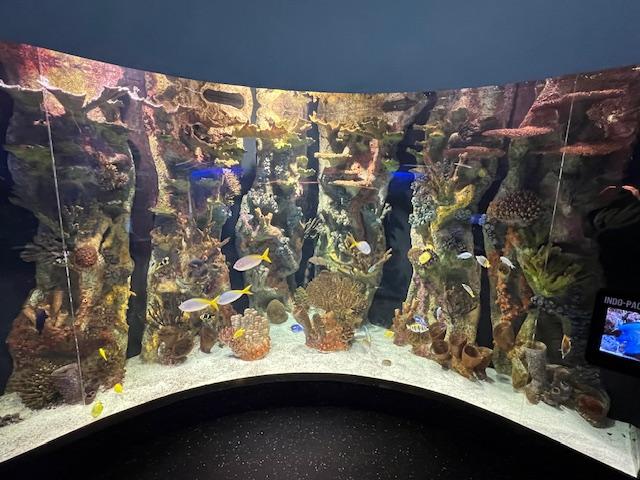



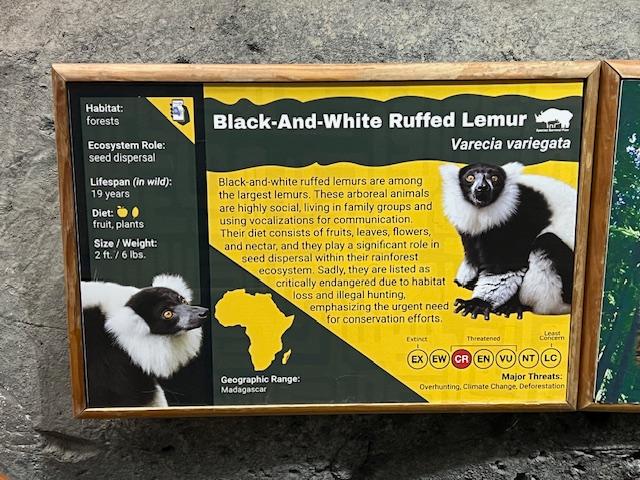

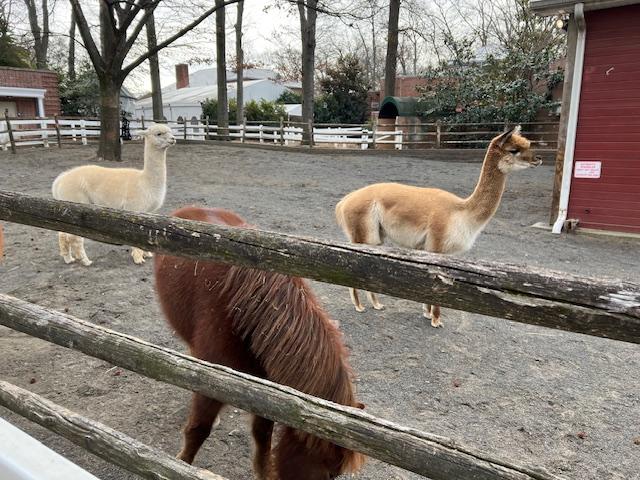


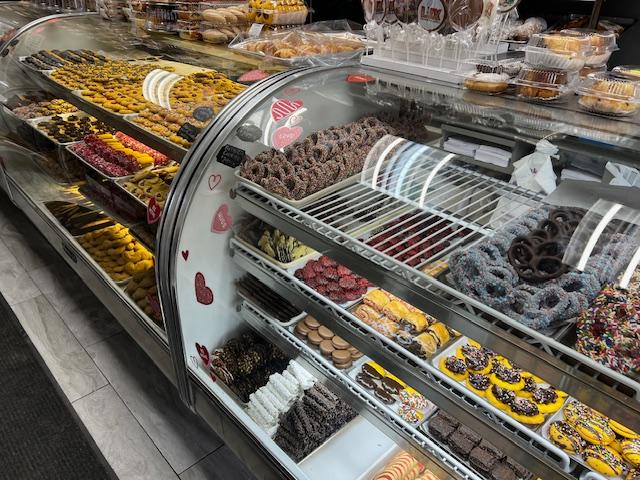
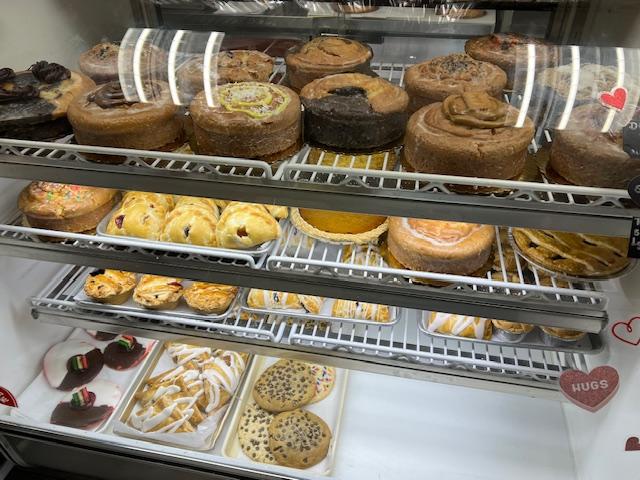




 mywalkinmanhattan