Tag Archives: Small Museums of Cape May NJ

Doo Wop Preservation League Museum 4500 Ocean Avenue Wildwood, NJ 08260

Doo Wop Preservation League Museum

4500 Ocean Avenue

Wildwood, NJ  08260

(609) 523-1975

https://www.facebook.com/Doo-Wop-Preservation-League-The-Wildwoods-NJ-128130849267/

Open: Friday-Saturday 10:00am-2:00pm/ Closed Sunday-Thursday

Fee: Free but they ask for a donation

My review on TripAdvisor:

https://www.tripadvisor.com/Attraction_Review-g46931-d283304-Reviews-The_Doo_Wop_Preservation_League_Museum-Wildwood_Cape_May_County_New_Jersey.html?m=19905

The Doo Wop Preservation League Museum at 4500 Ocean Avenue.

I visited the Doo Wop Preservation League Museum when I was visiting Wildwood, NJ for the Firemen’s Convention. They were sponsoring the DJ on the stage behind the museum. It was easy to miss the museum with all the fire equipment around it and hundreds of firemen milling around.

The neon signs in front of the Doo Wop Museum.

The old neon hotel signs outside the museum

Once inside, this small museum is a treasure trove of history of the resort motels that once lined the beaches of Wildwood, Wildwood Crest and North Wildwood. As time rolls on, many of these old motels, hotels and restaurants are giving way to condos, newer homes and new chain hotels changing the landscape of Wildwood. It is bringing it into modern times with newer looks.
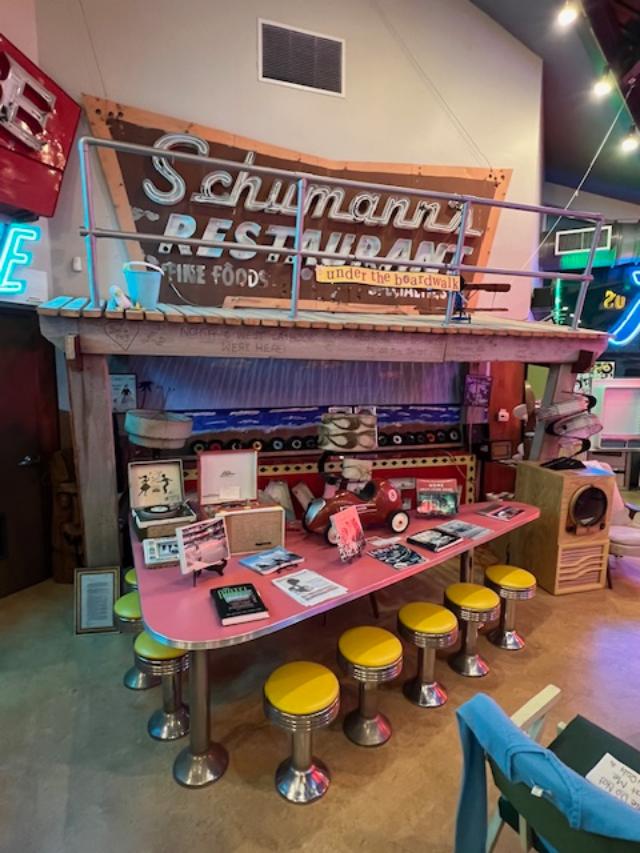
The restaurant section of the Doo Wop Museum
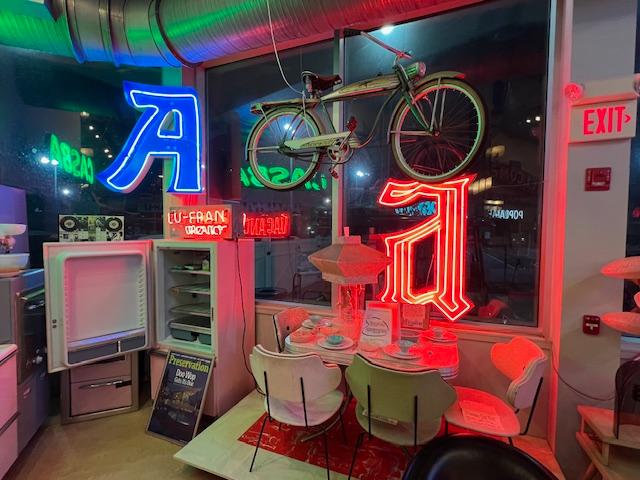
When many of these motels are torn down, the establishments donate old furnishes, decorative objects and signs from the outside to the museum. The outside of the museum is decorated with signs of businesses that are now closed, there neon lights still shining but for a different purpose. These somewhat gaudy and over-grandised signs and looks were of a time of great optimism and travel. Since the middle and working class families did not have the money to travel to these exotic places, something similar was created for them in the Wildwoods bringing that look to the Jersey shore.
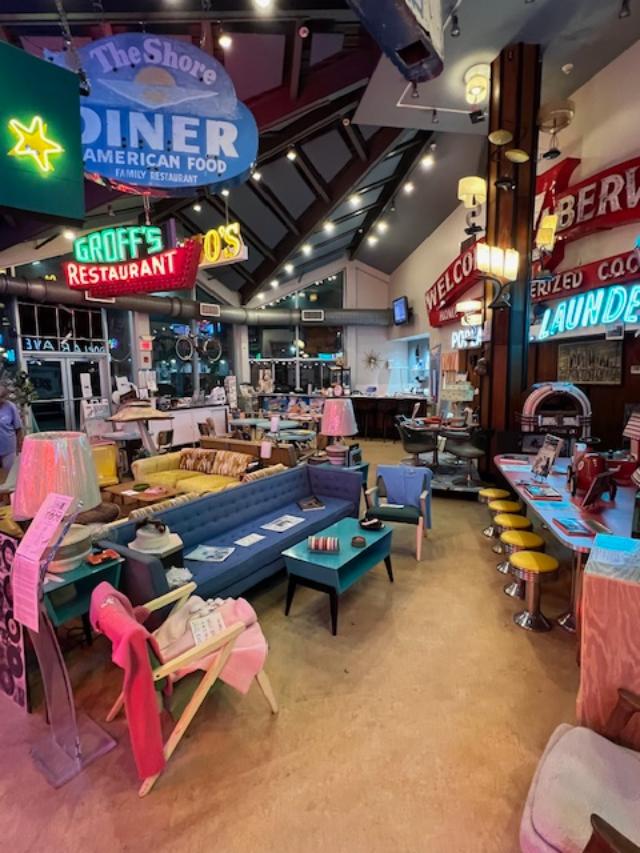
The restaurant section of the Doo Wop Museum

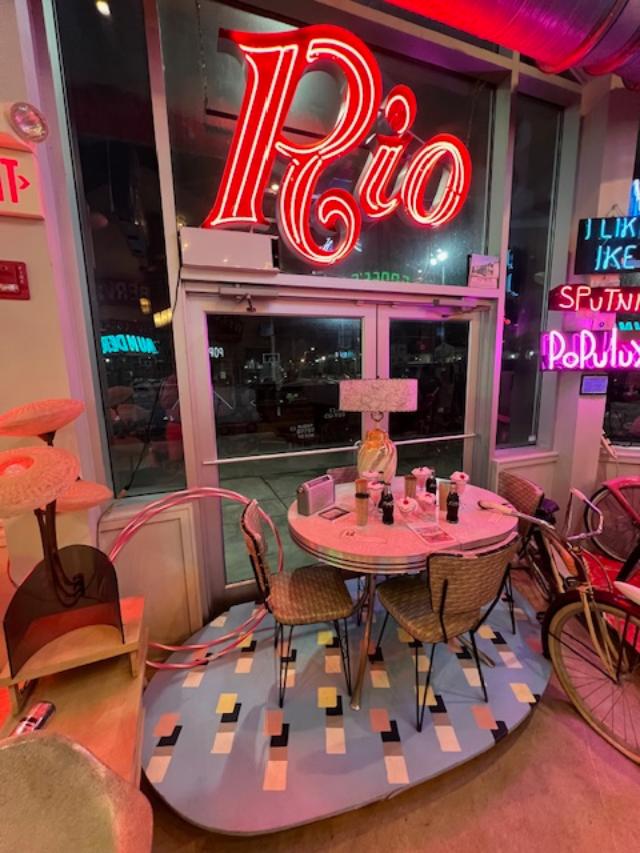
The neon room of the 1950’s

When talking to the curators , a couple that ran the museum said that the museum represents the change in décor used after WWII when they used the neon lights and steel from the war into the signs and lighting of the new resorts. It was a unique style of the late 1950’s and 60’s, when these materials were plentiful and motel owners were getting creative to bring in the rising middle class tourists that could not afford the trips to Hawaii and Miami Beach. These owners brought these themes to Wildwood with a creative twist. Check out the signing and furniture that lines the walls and dining set ups of the museum.

The old neon signs of the hotels in Wildwood, NJ.

The museum is small and takes only about an hour to walk through. Each of the vignettes are designed as its own room with furnishings from old hotels and motels like tables, chairs, lamps and ashtrays in one corner, in another are stools, a jukebox and menus from a 50’s or 60’s style restaurant or items used at the time like bicycles or scooters.

The interesting preservation by the museum shows all over
The History of the Doo Wop Museum:

The Doo Wop Preservation League was founded in 1997 as a 501C3 to preserve  the 1950’s and 60’s architectural styles of the Wildwood’s. Doo Wop style is a combination of Space Age dreams of the late 60’s and the exotic seaside tropics of recently opened South Seas Islands  like Hawaii which became out 50th State in 1959.  The Polynesian look was very ‘in’ at this time as most people could not afford to go but wanted to replicated for them.

The signs of the museum beacon visitors.

The museum is housed in the 1960’s ‘Space Age’ restaurant “The Surfside” that was saved from the wrecking ball and moved to this spot right across the Convention Center and the Boardwalk. On Tuesdays and Thursdays when in season (i.e. Warmer Months), there are bus tours offered by the museum. The museum’s goal is catalogue the remaining businesses in town that still keep their look of the era (Museum website and The Wildwooder Newspaper).

Don’t miss the museum tours:

The best part is that the museum is free (donation suggested) and you can take your time for a self-guided tour of the museum.

YouTube videos on the museum

What a great little museum!
The Sam Azeez Museum of Woodbine Heritage 610 Washington Avenue Woodbine, NJ 08270

The Sam Azeez Museum of Woodbine Heritage

610 Washington Avenue

Woodbine, NJ 08270

(629) 626-3831

https://woodbinemuseum.org/

https://visitnj.org/sam-azeez-museum-woodbine-heritage

https://www.facebook.com/p/The-Sam-Azeez-Museum-of-Woodbine-Heritage-of-Stockton-University-100085580916230/

Open: Sunday-Tuesday Closed/Wednesday-Saturday 10:00am-4:00pm/Saturday Closed

My review on TripAdvisor:

https://www.tripadvisor.com/Attraction_Review-g46938-d3915473-Reviews-The_Sam_Azeez_Museum_of_Woodbine_Heritage-Woodbine_Cape_May_County_New_Jersey.html

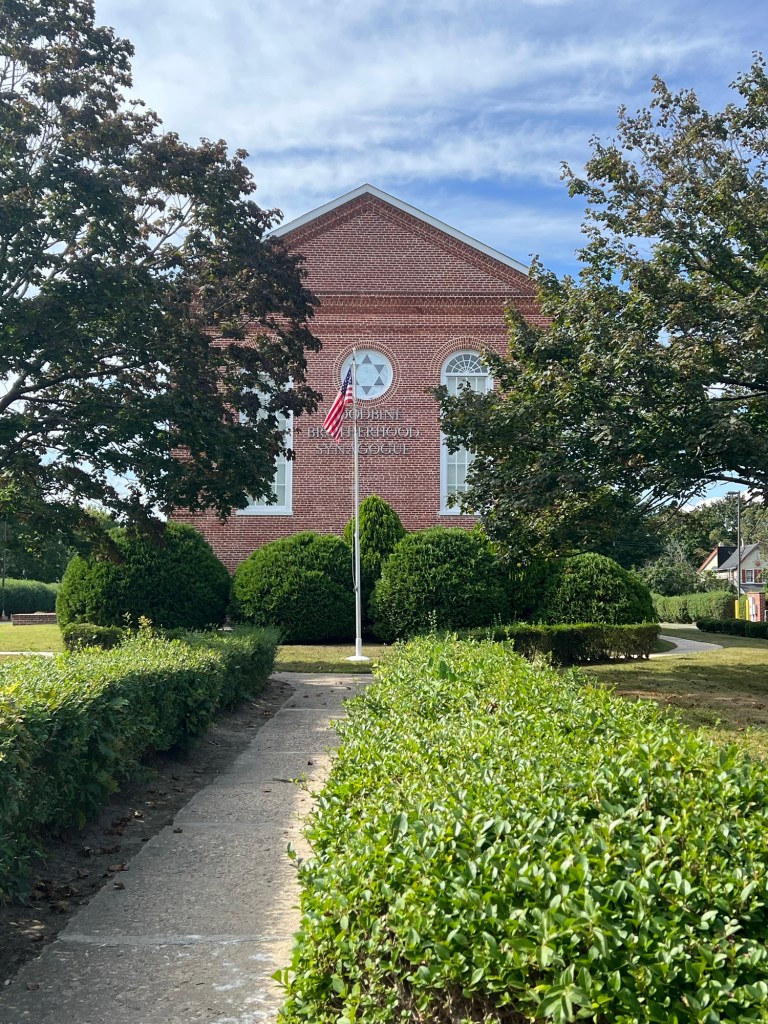
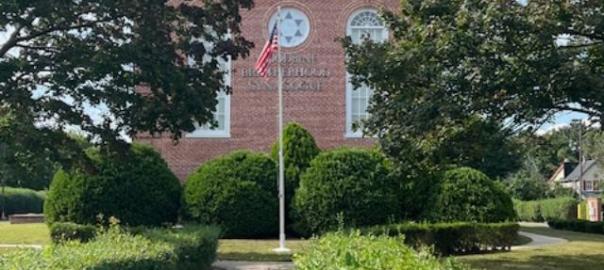
The front of the Sam Azeez Museum of Woodbine Heritage

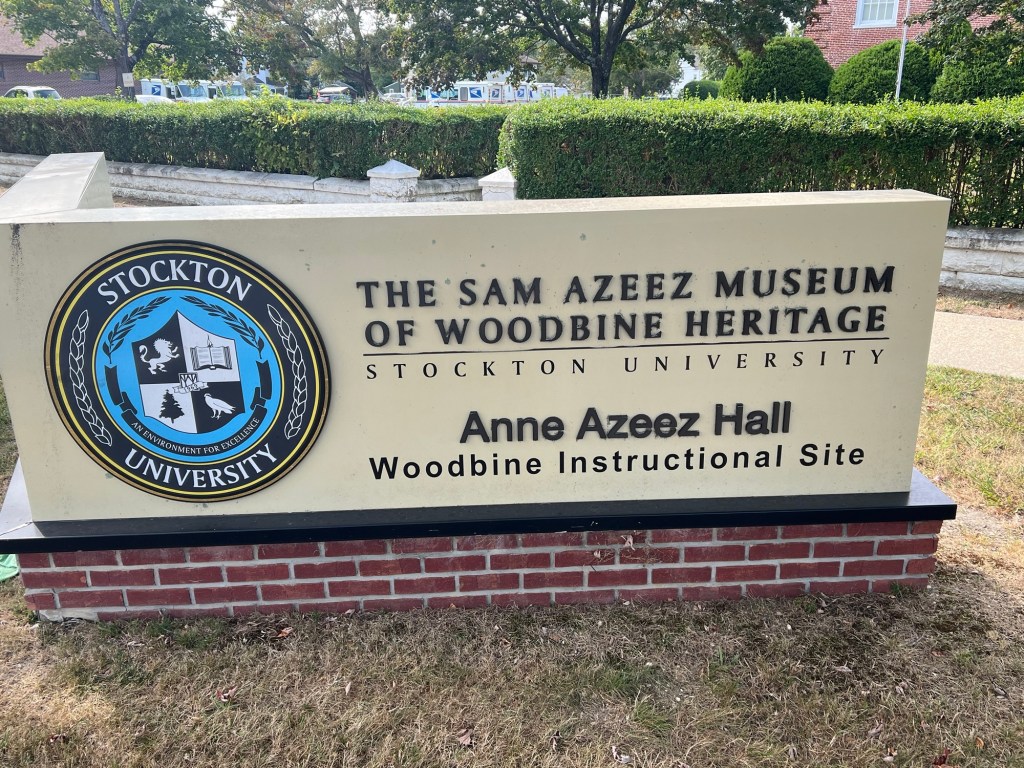
The entrance sign that welcomes you

The History of the Sam Azzez Woodbine Museum:

(from the museum’s website):

The Sam Azeez Museum of Woodbine Heritage is an independent non-profit charitable organization preserving the unique history of Woodbine, NJ.

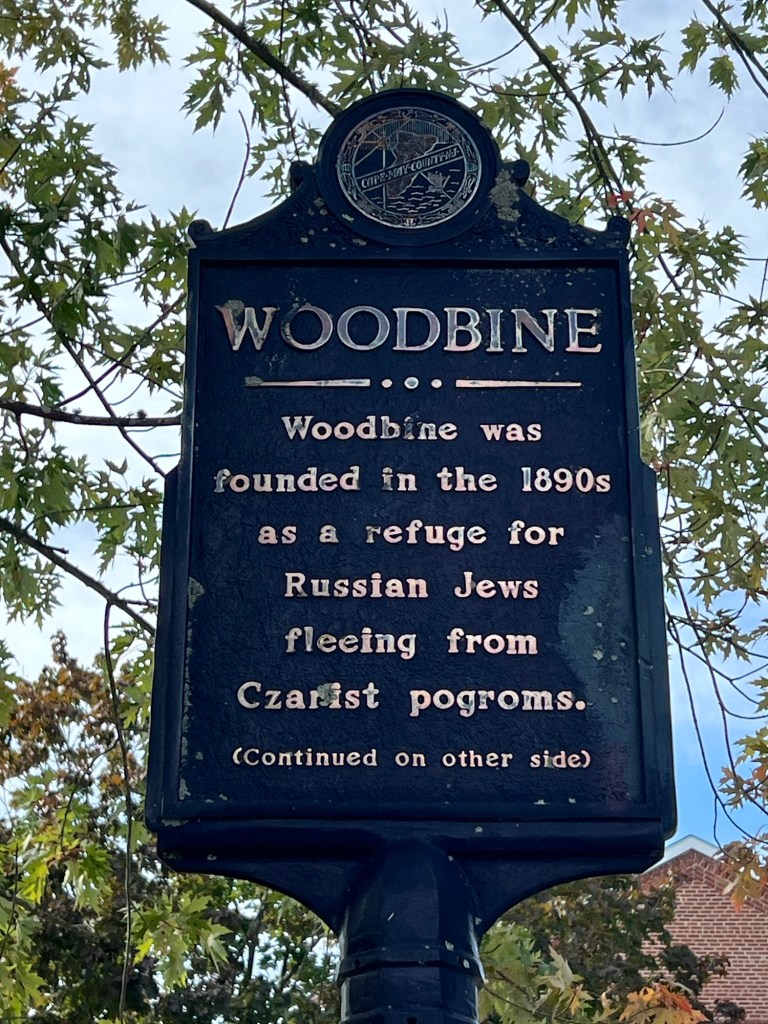
Established in the 1890’s through Baron de Hirsch’s philanthropy, Woodbine began as an agricultural colony for Russian Jewish immigrants seeking freedom denied in their homeland. As poor soil conditions limited farming, Woodbine evolved into Cape May County’s manufacturing center while maintaining founding values of education, religion and inclusion.

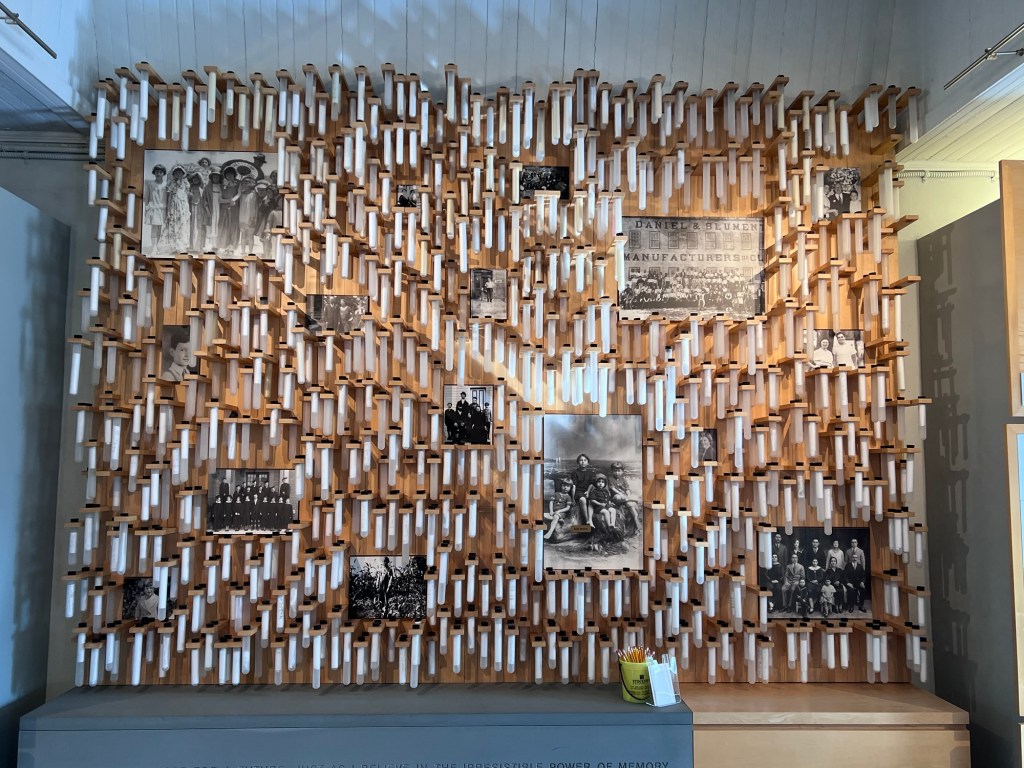
The museum occupies the historic Woodbine Brotherhood Synagogue, listed on the Natural Register of Historic Places. The restored sanctuary hosts special services, while the Brotherhood Hall houses exhibitions including the community-contributed Collective Memory Wall.

The historical significance of of the Town of Woodbine

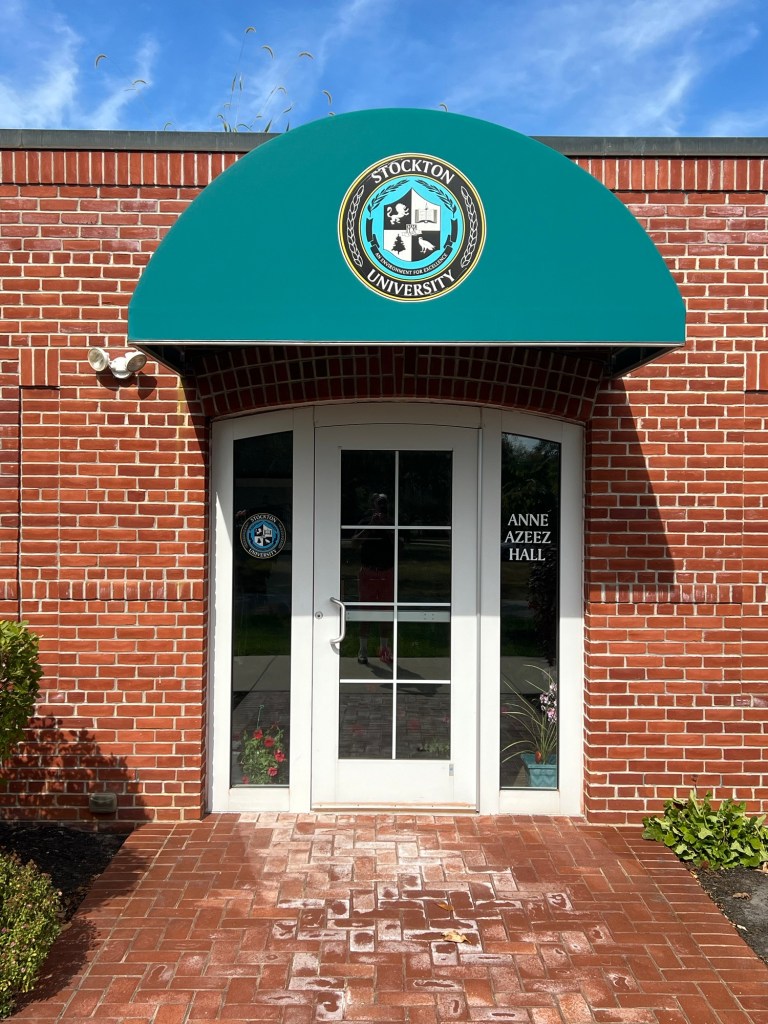
The entrance to the museum

The museum is another interesting look at New Jersey history and the development of the immigrant story of assimilation into American society.

I was given a personal tour by the Assistant Curator and she explained the resettlement of Russian Jewish immigrants by a wealthy patron into this South Jersey community.

The main gallery of the museum

The panels tell the story of how these community came into being and how these people built a community through agricultural and eventually manufacturing and small businesses that supported the community around it. It established a town that was self sustaining and grew to the community center.

The panels show the growth of Woodbine as a community

The residents established their own sports teams, community organizations and civic groups like the councils and fire and police departments.

The records of the many town organizations of Woodbine

Display of one of the first families to settle in Woodbine

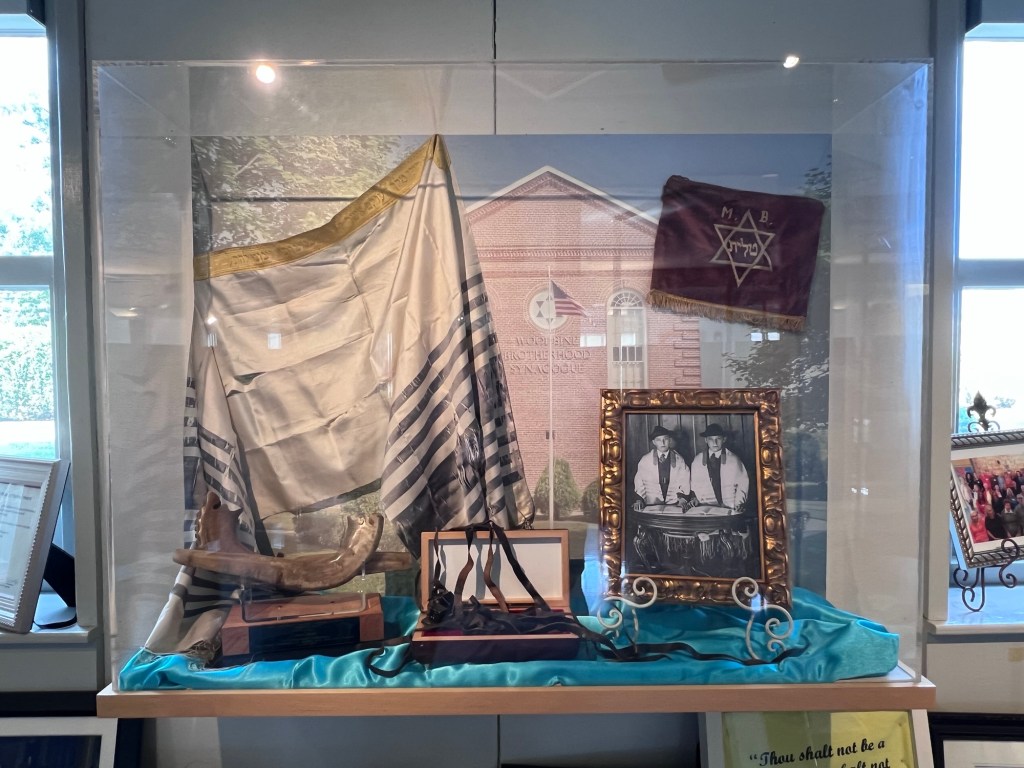
Display of the religious faith of the community

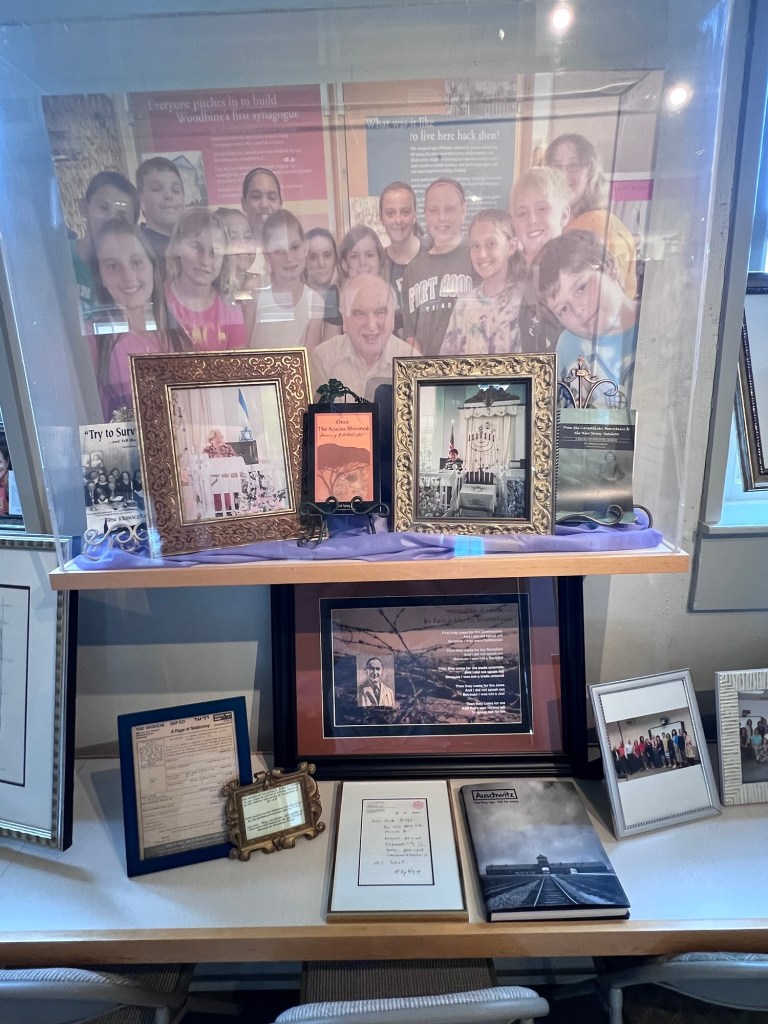
One of the most touching displays is of survivors of the concentration camps during the holocaust. These pictures represent these women as children and them today.

The display of the women who survived the camps

The history of the community and the growth of diverse businesses in Woodbine

Creating and building the Synagogue in the community

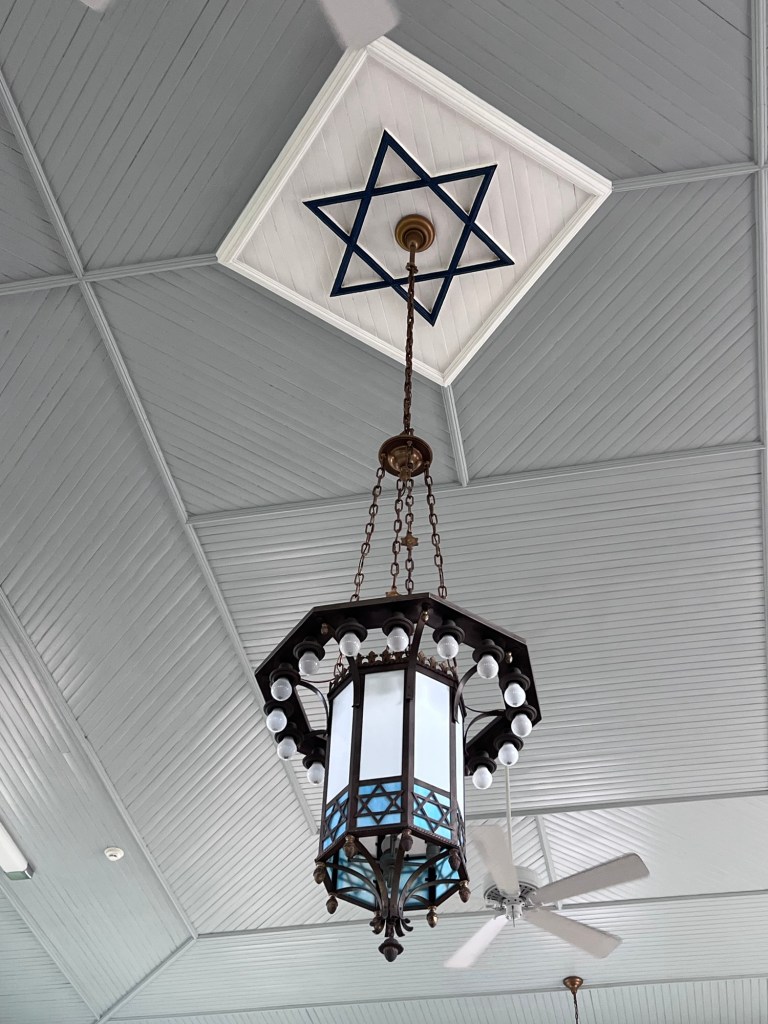
On the second floor of the building is the old synagogue of the community which is only used during the high holidays. This is used by descendants of the community and family members of theirs.

The inside of the synagogue on the second floor of the building

The front of the temple

The chandelier is original to the temple

The space was being prepared for the Jewish New Year and the crowd of people who would be attending.

The Memorial Wall

The traditions of the religion being practiced in the community

The self-government of the community

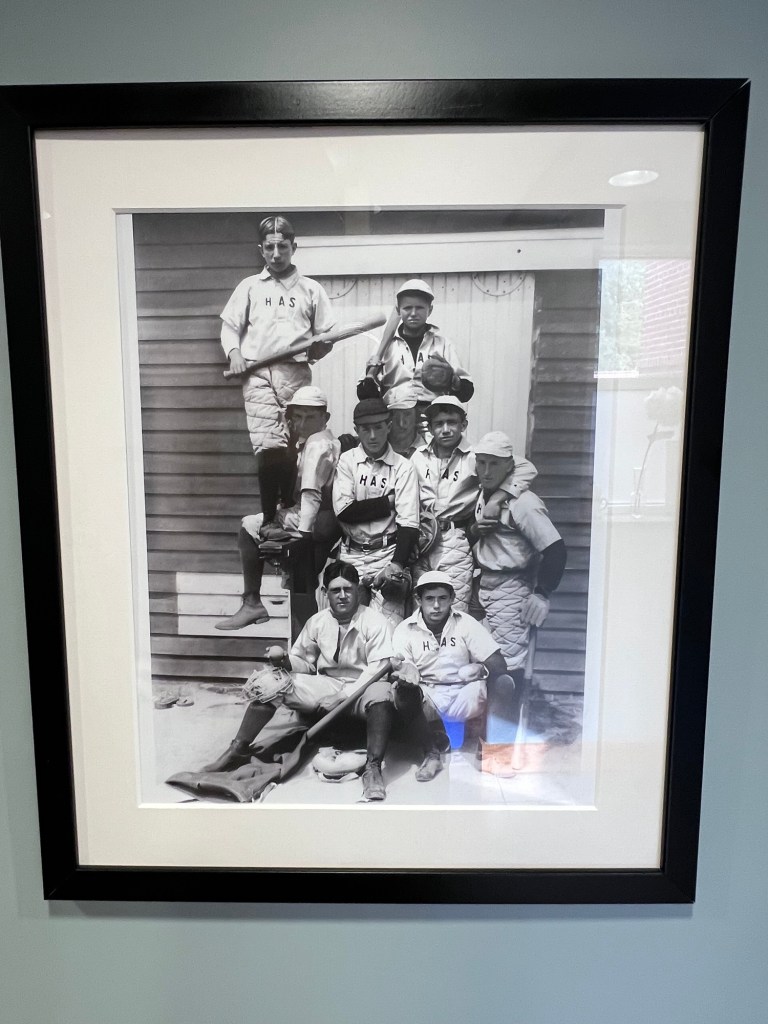
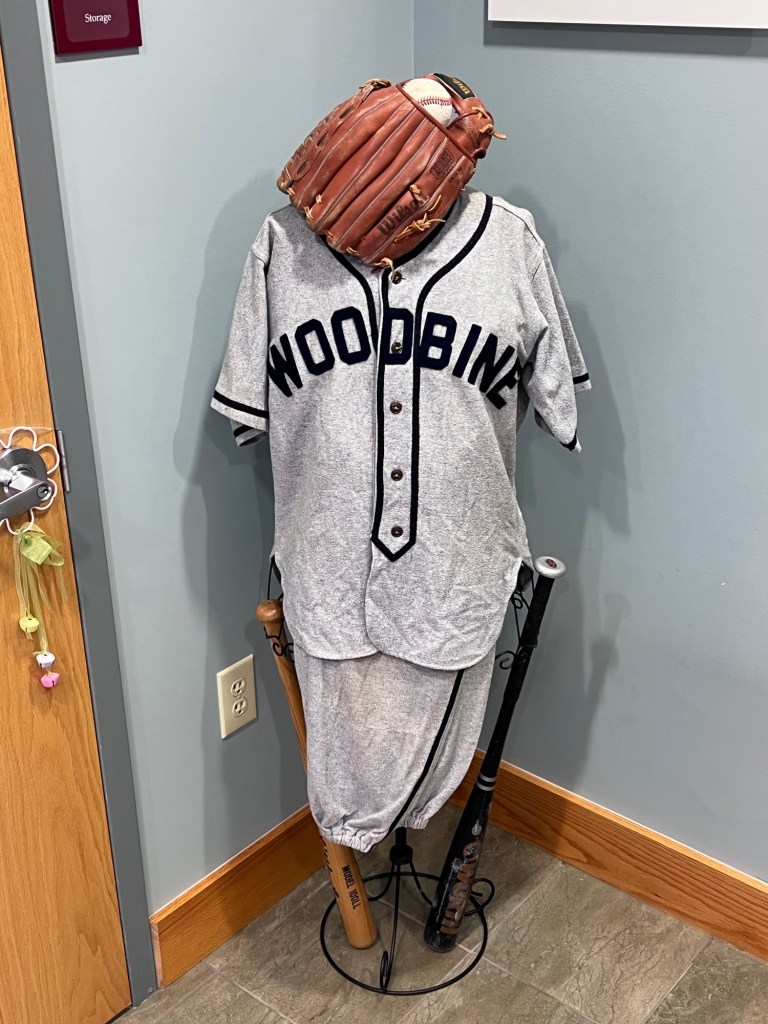
Still the younger generation was all American and wanted to assimilate into society with an all American past time of things like baseball.

The Woodbine youth baseball team

The uniform of the old baseball team for youths in the town

The last display is of the famous alumni who once lived in the community. These are the men and women who once lived here and went on after all odds to do great things and make our country better.

The Hall of Fame

The museum I thought had a bit of an identity crisis as I really did not know what the museum was about.

I was pleasantly surprised to find an interesting part of New Jersey history I had never known. It just goes to show you how a museum can educate you with just one visit. The Assistant curator said there will be more to come in the future.

The Museum of Fine Arts & Popular Culture 507 Washington Street Unit 104 Cape May, NJ 08204

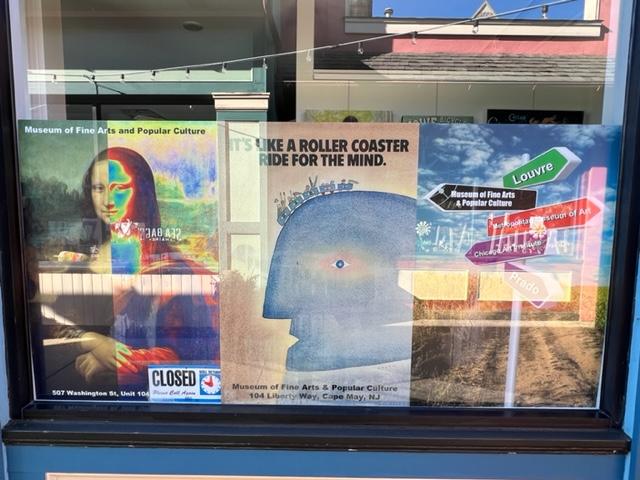
The unusual take on art displayed in the windows of the museum.