Tag Archives: Small Museums in New York CIty

Nicholas Roerich Museum 319 West 107th Street New York, NY 10025

Nicholas Roerich Museum

319 West 107th Street

New York, NY  10025

(212) 864-7752

Open: Monday: Closed/Tuesday-Friday: 12:00pm-4:00pm/Saturday-Sunday: 2:00pm-5:00pm

Closed: Major holidays

Admission: Admission is free, though donations are welcome.

http://www.roerich.org

http://www.roerich.org/

TripAdvisor Review:

https://www.tripadvisor.com/Attraction_Review-g60763-d136141-Reviews-Nicholas_Roerich_Museum-New_York_City_New_York.html?m=19905

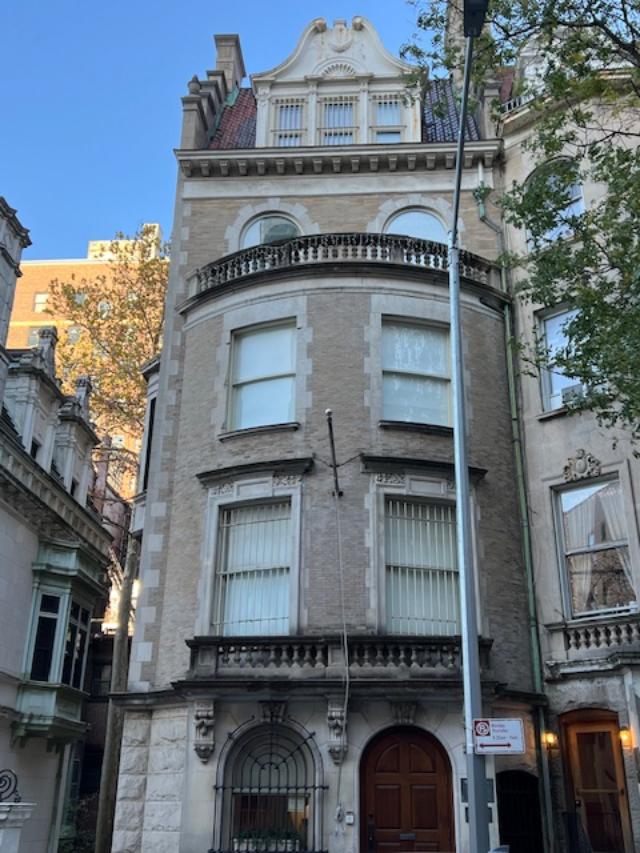
The front of the museum

This small museum in the Upper West Side neighborhood of Manhattanville is easy to miss. It is in a small brownstone on West 107th Street right near Riverside Drive. You can see the plaque for the museum to the right of the building and there is a side door to get in. The admission is free but they do ask for a donation if you can do it.

The gallery on the second floor

The museum is a specialty collection of the works of artist Nicholas Roerich. They are mostly landscapes and religious themed that cover three floors of the museum.

The is a beauty to all his works especially the ones concentrated in the Himalayas with their colorful and spiritual themes.

The artist’s portrait of his mother on the third floor

It takes about an hour to an hour and a half  to see all the floors. A nice touch they had in the afternoon that I was there was a piano player whom you could hear play throughout the brownstone. When you go, it will be a pleasant afternoon where you are not fighting the crowds of the larger museums.

The art pieces enlighten you and I felt gave you a sense of hope.

(The following information is from the museum website)

Artist Nicholas Roerich

(From the museum website)

The Nicholas Roerich Museum was founded in 1949 to house a permanent collection of over two hundred paintings by the Russian-born artist, poet, philosopher and humanitarian, Nicholas Roerich. The museum also houses a library of books and maintains an archive and a collection of artifacts relating to the areas of Roerich’s interests (Museum guide).

The Mission of the Museum:

The mission of the Nicholas Roerich Museum is essentially a narrow one: to make available to the public the full range of Roerich’s accomplishments. These, however, are not narrow; they cover the realms of art, science, spirituality, peacemaking and more. Because Roerich’s  activities ranged widely, so do the museum’s.

The second floor galleries

The Museum Collection:

Nicholas Roerich is known first and foremost as a Russian-born artist. His paintings, of which there are thousands around the world, explore the mythic origins, the natural beauty and the spiritual strivings of humanity and of the world.

One of the more spiritual paintings in the collection

The museum houses approximately two hundred of these works and keeps most of them permanently on display for visitors who come from around the world. Indeed, for many of these visitors, the museum is a destination of great importance; the paintings speak to them of their own inner yearnings and possible fulfillment. For them, Roerich’s paintings are a kind of teaching-about spiritual development about culture and its role in human life and about opportunities for the achievement of peace in a fractious world.

The second floor galleries

The beautiful landscapes on the second floor

Publications & Booklist:

The museum also keeps in print a number of books by and about Roerich and his life and work and a substantial stock of postcards and reproductions of his paintings. These too are seen by many as more than just prints; they are hung in homes with a degree of appreciation that is not often given to such things.

The gallery on the first floor with some of the more religious works

Cultural Events:

In addition to these functions, the museum also maintains an active schedule of cultural activities. 

The second floor galleries

It was Roerich’s fervent belief that the role of cultural development in the peace and evolution of the world is fundamental and that it is therefore the responsibility of those who work in creative and cultural fields to strive always for that peace and evolution and for those goals to be the chief impulses guiding their creative work. Information about these ideas is always available.

The second floor gallery with Asian themed art

The Roerich Pact & the Banner of Peace:

The museum sustains an ongoing effort to spread public awareness of the intermingled roles of peace and culture and the ways in which each sustains the other. Information and materials about The Roerich Pact and the Banner of Peace are always available.

The patronage of the museum through the Katherine Campbell-Stibbe Foundation

Throughout this century of wars and national struggles, the yearning of the public for ways of achieving peace has been great; the ideas of the Pact and the Banner provide a welcome answer to those yearnings.

The history of the museum through the years

As Roerich’s ideas become better known around the world, attendance at the Museum grows and requests for information and materials about him and his art and social achievements increase.

The gift shop on the first floor. The director of the museum even sells honey from the beehives on top of his building.

*This information is from the Museum’s website.

Disclaimer: This information was taken from a combination of the museum’s website and from the biography of the artist.

The first floor galleries
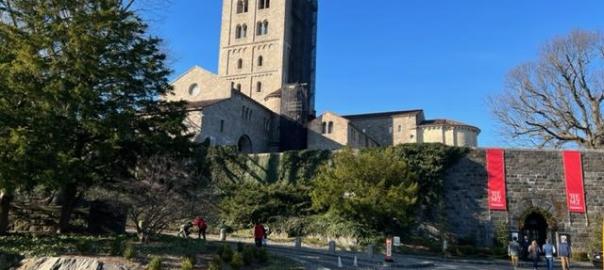
Day Three Hundred and Seventy-Six Touring the Met-Cloisters at Christmas time ‘The Yule Tide Tour’-The Walking Tour of the Museum January 4th, 2026

I love the holidays in New York City. There are so many Christmas themed events to go to and decorated homes to visit. One of my favorite tours is at the Met Cloisters for their Christmas themed walking tours that take place from December through early January.

The Cloisters Museum & Gardens: A Branch of The Metropolitan Museum of Art

99 Margaret Corbin Drive

Fort Tryon Park

New York, NY  10040

(212) 923-3700

Open: March-October 10:00am-5:15pm/November-February-10:00am-4:45pm

http://www.metmuseum.org

https://www.metmuseum.org/visit/plan-your-visit/met-cloisters

Fee: Adults $30.00/Seniors $17.00/Children $12.00/Members & Patrons and Children under 12 are free (prices do fluctuate).

Museum Hours:

Hours: Open 7 days a week

March-October 10:00am-5:15pm

November-February 10:00am- 4:45pm

Closed Thanksgiving Day, December 25th and January 1st.

*Some galleries may be closed for construction or maintenance.

TripAdvisor Review:

https://www.tripadvisor.com/Attraction_Review-g60763-d106609-Reviews-The_Met_Cloisters-New_York_City_New_York.html?m=19905

My review on VisitingaMuseum.com:

To finish my weekend of holiday festivities before the Epiphany, I took the annual Christmas walking tour of the Met Cloisters. The museum hosts an interesting walking tour of the history of the holidays during the Medieval era. Each tour has a different theme to it. There is the history of Christmas in that era, the use of plants and flowers in the decorating of the religious sites and the historic significance of the visit of the Three Kings.

Each tour guide incorporates the artwork, architecture and plants into the discussion. On average you will have about forty people on the tour.

The entrance of the Cloisters decorated for the holidays

The Christmas Tide Tour:

https://www.metmuseum.org/perspectives/christmastide-deck-the-halls

The entrance of the gift shop decorated for the holidays

The archways were decorated with seasonal plants and fruits. I read online that the volunteers went into Fort Tyron Park and collected ivy from the wild to decorate the museum. Every day the museum is open during the holidays these are replaced on a daily basis.

The entrance to the galleries decorated for the holidays

We started the tour with a discussion of plants that once decorated churches and ministries

With the change in attitude towards the Christmas holidays during the Middle Ages and its incorporation into church traditions, decorating for the holidays came back into style. The use of holly, evergreen and mistletoe became part of the Christmas tradition and to justify the decorating, they were related to Christian symbols.

The beauty of the life plants in winter

Each of the Cloisters were lined with fresh greens and potted plants giving each of the Cloisters its own special mood.

One of the Cloisters bright with plants

The stairs leading into the chapel decorated for the holidays

The chapel on the main floor decorated for the holidays

The colorful floral displays lining the window sills of the chapel

This led to a discussion about what each plant, flower and fruit meant in the Christian tradition, a clever way to justify decorating and celebrating during the holidays. Ivies, pine, winter flowers and even late season apples not only lined places of worship but gave a festive look and district smell to these buildings. A symbol of life in the cold winter months while they waited for the arrival of Spring.

The plant types that decorated the houses of worship

The flowers and plants lining the chapel

The decorative candle stands lining the walls of the chapel

We then toured the main Cloister, closed for the Winter but was lined with plants, flowers and greens brighting every corner of the building. These were examples of plants and flowers that would have decorated these halls at the holidays.

Walking the halls of the Cloisters

Touring the halls of the Cloisters with flowers and plants to celebrate the season

Walking the halls of the Cloisters

The flowering plants of the Cloisters

The flowering plants and vines that would have decorated churches in Medieval times

We then toured the Tapestry Room and discussed the use of plants in art form and the use of the detail as symbolism in art. These tapestries were meant to cover the drafty walls of palaces and bring in color and decoration to the stone walls.

The famous ‘Hunt of the Unicorn’ tapestry

We then took a detour to the outside gardens that are enjoying their winter slumber. These gardens were used by the cloisters for food, medicines and decorative use. They will start coming to life in a few months.

The Cloisters Gardens

The garden terrace over looking the Hudson River

The terrace gardens in the winter waiting to come to life

Then we went back inside for a discussion of the Three Kings and the Epiphany and its symbolism in art at the Cloisters. These are some of the works featured on the ‘Christmas Tide’ tour to symbolize that visit.

Some of the woodwork from that era

The Visitation of the Three Kings

The Visitation of the Three Kings depicted in stained glass

The Visitation of the Three Kings depicted in statuary

We visited the last of the Cloisters and discussed some of the plants in the collection

We were admiring the plants and flowers

A candelabra in the hallway of the Cloisters

As I exited the building that afternoon, there were potted plants at the entrance of the Cloisters. It was a real treat to walk around the building at the holidays.

The potted plants outside the entrance of the museum

On my way down the stairs and out the door to Fort Tryon Park, I took another walk down the stone steps and walked through Ann Loftus Park. This popular playground was quiet this time of year, awaiting the Spring and the wonderful warm afternoons ahead.

Walking through Fort Tryon Park

Fort Tyron Park

Riverside Drive to Broadway

New York, NY  10040

https://www.nycgovparks.org/parks/fort-tryon-park

https://www.nycgovparks.org/parks/fort-tryon-park/history

Open: Sunday-Saturday 6:00am-1:00am

My review on TripAdvisor:

https://www.tripadvisor.com/Attraction_Review-g60763-d2305249-Reviews-Fort_Tryon_Park-New_York_City_New_York.html?m=19905

My review on VisitingaMuseum.com:

https://visitingamuseum.com/tag/fort-tyron-park/

Ann Loftus Park in the winter time

Ann Loftus Park quiet in the winter

Ann Loftus Park upon leaving the park that afternoon. The quiet beauty of the Winter.

https://www.nycgovparks.org/parks/fort-tryon-park/highlights/11234

https://www.nycgovparks.org/facilities/playgrounds/325

After the tour was over, I went to G’s Coffee Shop for second breakfast that morning.

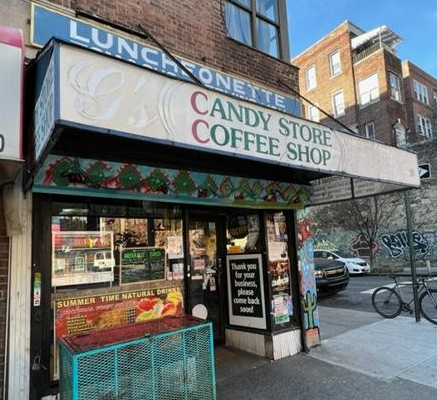
G’s Coffee Shop at 634 West 207th Street

G’s Coffee Shop

634 West 207th Street

New York, NY  10034

(212) 942-0679

Free Delivery

Open: Sunday-Saturday 7:00am-9:00pm

https://www.facebook.com/pages/category/Breakfast—Brunch-Restaurant/Gs-Coffee-Shop-205601462950934/

My review on TripAdvisor:

https://www.tripadvisor.com/Restaurant_Review-g60763-d17445018-Reviews-G_s_Coffee_SHop-New_York_City_New_York.html?m=19905

My review on DiningonaShoeStringinNYC@Wordpress.com:

My breakfast at G’s Coffee Shop

I love coming for breakfast at G’s Coffee Shop after a tour of The Cloisters. The food and service of this small ‘hole in the wall’ diner is wonderful. The meals are so reasonable and when you dine at the counter, you can watch the food cooked right in front of you. I had a wonderful Bacon, Egg and Cheese sandwich with a side of golden pancakes. What a great meal on a cold winter morning.

The Bacon, Egg and Cheese sandwich

The breakfast sandwiches here are so good

The pancakes were wonderful. The perfect comfort food on a winter day.

It was a really great tour, and it was fun to walk around the neighborhood through the parks and seeing all the post-Christmas decorations. Inwood is a really beautiful section of Manhattan with lots to do and see. It is the perfect place to spend the Christmas break.

Gallery of New York School of Interior Design: NYSID Gallery 170 East 70th Street New York, NY 10021

Gallery of the New York School of Design; NYSID Gallery

170 East 70th Street

New York, NY 10021

(212) 472-1500

https://www.nysid.edu/exhibitions

https://www.nysid.edu/

Hours: Tuesday-Saturday: 11:00am-6:00pm/Closed on Sunday and Monday

Admission: Free

My review on TripAdvisor:

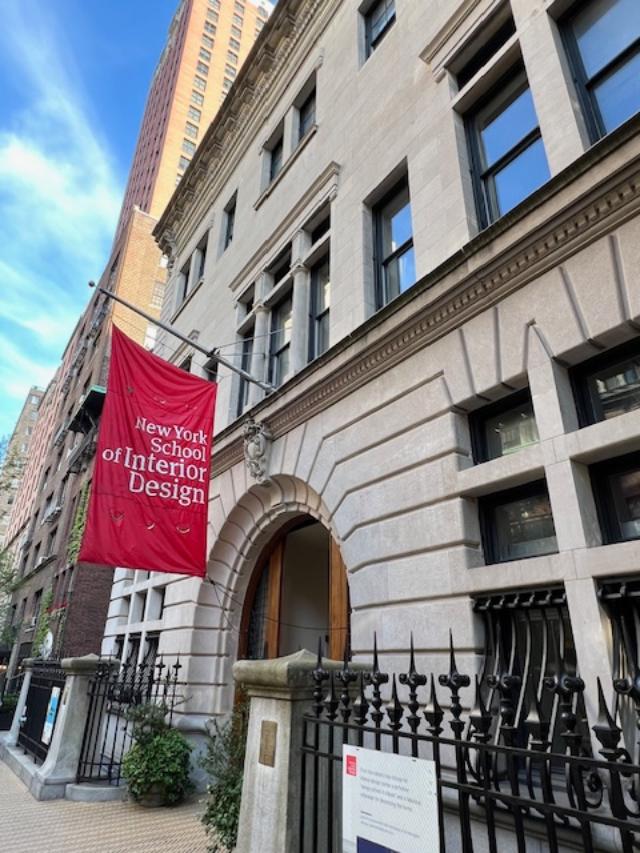
 New York School of Interior Design at 170 East 70th Street

I came across the Gallery of the New York School of design when walking the Upper East Side for my project, ‘MywalkinManhattan.com’ when covering the lower part of the Upper East Side.

The entrance to the Gallery

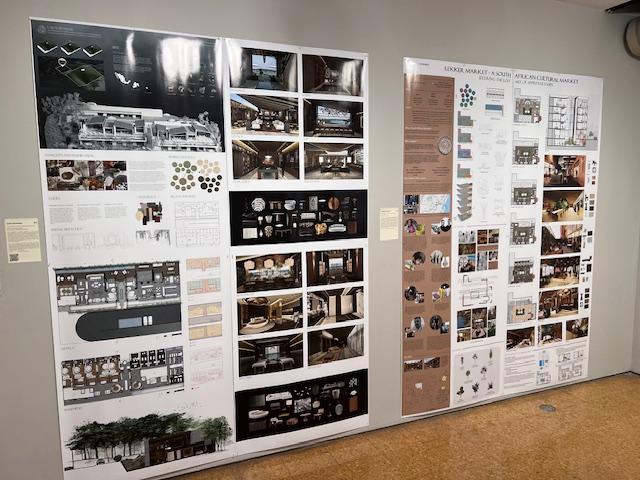
The New York School of Interior Design was displaying their Senior projects as most the college galleries I visited were doing at this time (this takes place between May and June around graduation time). It was interesting to see how the seniors at the college reused space in old buildings for new purposes. The seniors use their creativity to recreate these spaces. It is the student’s project to take a space and redesign it for a new purpose.

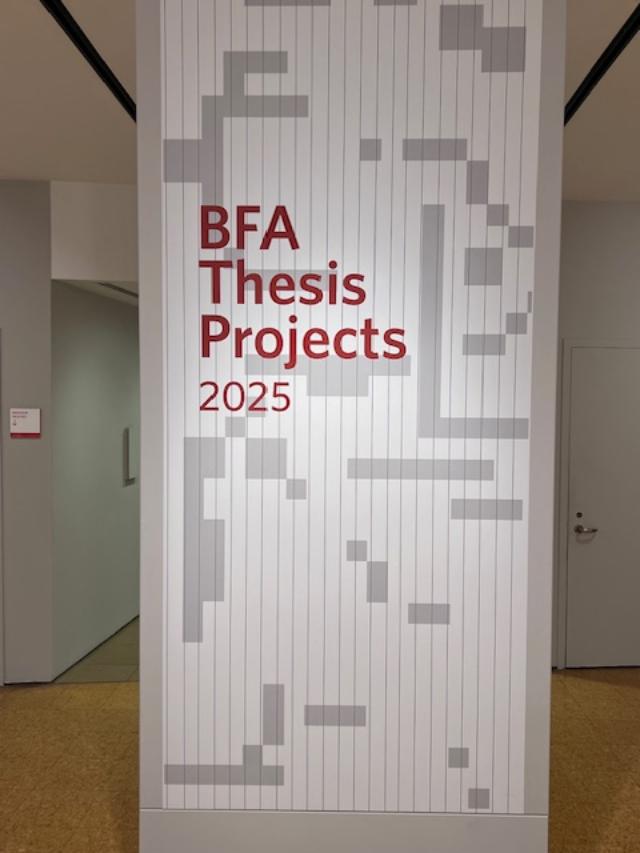
The entrance sign to the gallery

We had done similar projects in college but did not have the computer technology that students do today and they really went above and beyond the things we did back then. You can take this project into 3-D if you want and how real it looks. These kids are so talented that their creativity reminds me of us when we were in school. If only we had what they have today.

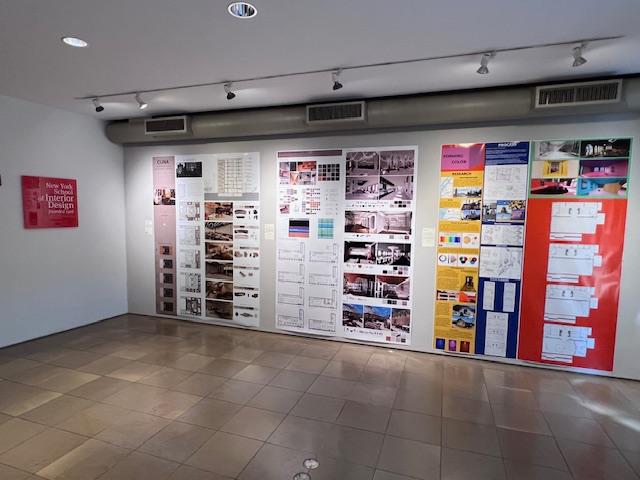
The Student Projects line the walls

Take time to look at the detail work and space design of each project. Some of the students even include samples of fabrics and stone/wood work that will be used for the surfaces.

The Gallery is located on the Upper East Side in the back of the school’s building on the first floor. The admission is free and the Gallery is open when the school is open. There are only two shows a year. You just have to show your ID to get into the galleries.

The student project along the walls

The student project along the walls

What I like about the museum is that you get to see the student creativity and how they imagine the space will be designed. The use of color and shape play a roll in all the designs. It looks like the students get to choose their own space to design.

The best part is the you get to go in for free with you ID and just enjoy the show and see the students creativity.

History of the Gallery/Museum at the College:

The New York School of Design’s gallery presents two public exhibits yearly on design and architecture. Exhibitions have included ‘Paris in the Belle Epoque’, rare photographs from the years 1880-1914; Perspective on Perspective, an exploration of artistic technique; ‘The Great Age of Fairs; London, Chicago, Paris, St. Louis’, selective coverage from the first World’s Fair in 1851 to the last in 1904; ‘Venice’s Great Canal’, architectural drawings of the buildings along the famous thoroughfare; ‘Stanford White’s New York’, a survey of that classicist’s many metropolitan buildings and ‘Vanishing Irish Country Houses’, a look into the preservation crisis facing these not infrequently grand structures.

The gallery’s Thursday-evening lectures have included ‘Palladio’s Villas’; ‘Beaux-Arts New York’ and a survey of the Grands Projects undertaken in Paris during the tenure of French President Francois Mitterrand.

(New York School of Interior Design Website)

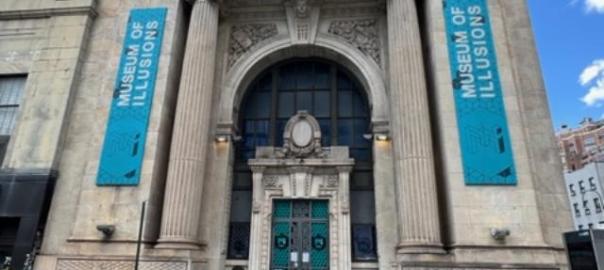
The Museum of Illusions 77 Eighth Avenue New York, NY 10014

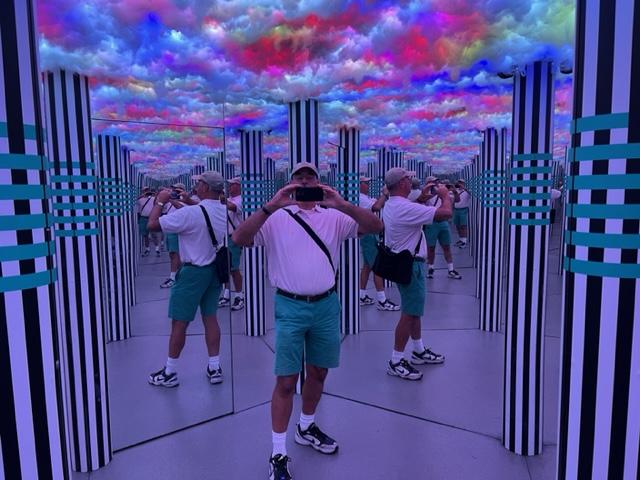
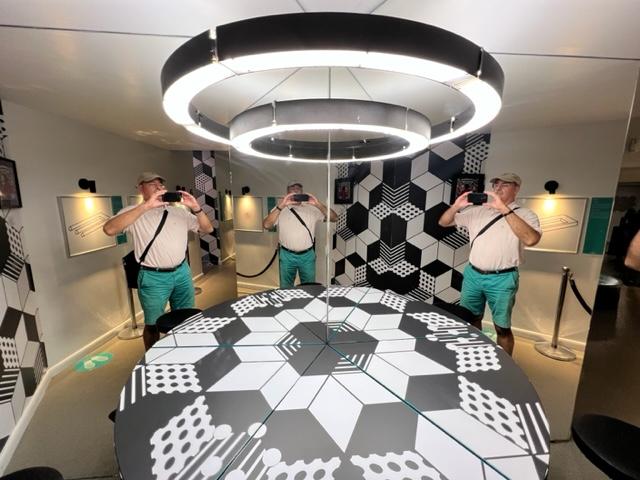
The Museum of Illusions is a place that will test your brain and your senses and you will walk out of some experiences mesmerized and dizzy but enlightened. It is a nice way to spend an afternoon.

Me in the Infinity Room

Me in the Clone Room