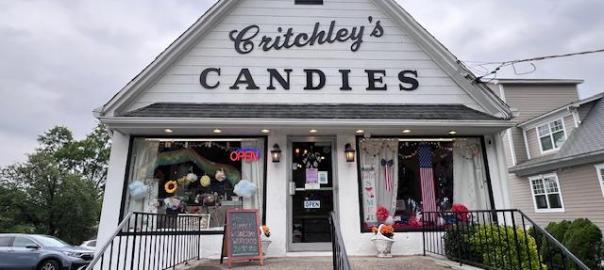
The front of Critchley’s Candies at 812 Kinderkamack Road in River Edge, NJ
Critchley’s Candies is an old fashion candy and chocolate shop with a modern twist. Many of the original ‘penny’ candies are still sold here along with new items like the ‘Dubai Bars’, which have become really popular lately.
The store carries all the classic candies like jelly beans, Swedish fish, licorice and chocolate bars but also has a line of homemade chocolates that are made ‘in house’ such as chocolate covered bark, marshmallows and Oreos.
The inside of Critchley’s Candies
The owner can also create all sorts of gift baskets and arrangements for special occasions and holidays.
The section of candies at Critchley’s Candies
The delicious homemade candies at Critchley’s
The selection of homemade candies are made fresh daily in the store and are all decorated by hand. They make a special gift for someone who enjoys homemade candy.
The store offers very personal service by the owner and her staff. They will work with you with special requests and offer a level of service not seen in too many stores today.
The history of Critchley’s Candies:
(from the store’s website)
Critchley’s Candies is located in the former Grace Lutheran Church of River Edge, NJ. If you look at the back of the store, you will see a decorative arch that has now become part of the store decor. This is where the original alter was in place. The building was converted to a chocolate and candy shop in 1957. Nicholas S. Phillips, and later his brother Ed, were two of the original owners.
They trademarked the “Mint Oritani” which was at the time our most famous treat! The store has changed ownership a few times over the decades, but each time it has kept the traditional chocolate recipes and added new delicacies. Critchley’s has become a one-stop shop with its expansive selection of gifts. Of course, there are still the old favorites like our large selection of chocolates, licorice, gummi bears, delicious chocolate covered strawberries and our newest favorite… hot cocoa bombs!
The Bergecco-Parc Consulting Inc. Team Project the store partnered with me through Bergen Community College in Paramus, NJ:
Touring the store with my students
Touring the store with my students
Our Project Team picture at the end of the tour
Having a candy sampling with my students
Video of our tour:
The Presentation my students made to the owner of Critchley’s Candies:
Bergecco-Parc Consulting Inc. presents: “Critchley’s Candies-We’re Making it”
During the Summer months, the Hudson River Valley, especially towns in Dutchess County host all sorts of events. They are so numerous you have to pick and choose. Plus it’s the distance from New Jersey where I live where you have to plan accordingly.
The Friends of Clermont, the home of the Livingston family holds a series of concerts every summer, of which I never have time to attend being that the estate is two and a half hours away. When I saw that they were hosting a Victorian era Brass Band, with instruments and music from that era, I made a special trip up to the Hudson River Valley to see them.
I started my trip after my class met and headed up to the Hudson River Valley in spectacular sunny weather. The day may have been hot but the cool breezes off the river made it better to walk around.
The concert did not start until 6:00pm, so I had time to explore and visit cultural spots and towns that I had not been to since the early Spring. Everything changes so much during the seasons and Summer is especially beautiful up here. My first stop was Marist College to see the Marist Art Gallery.
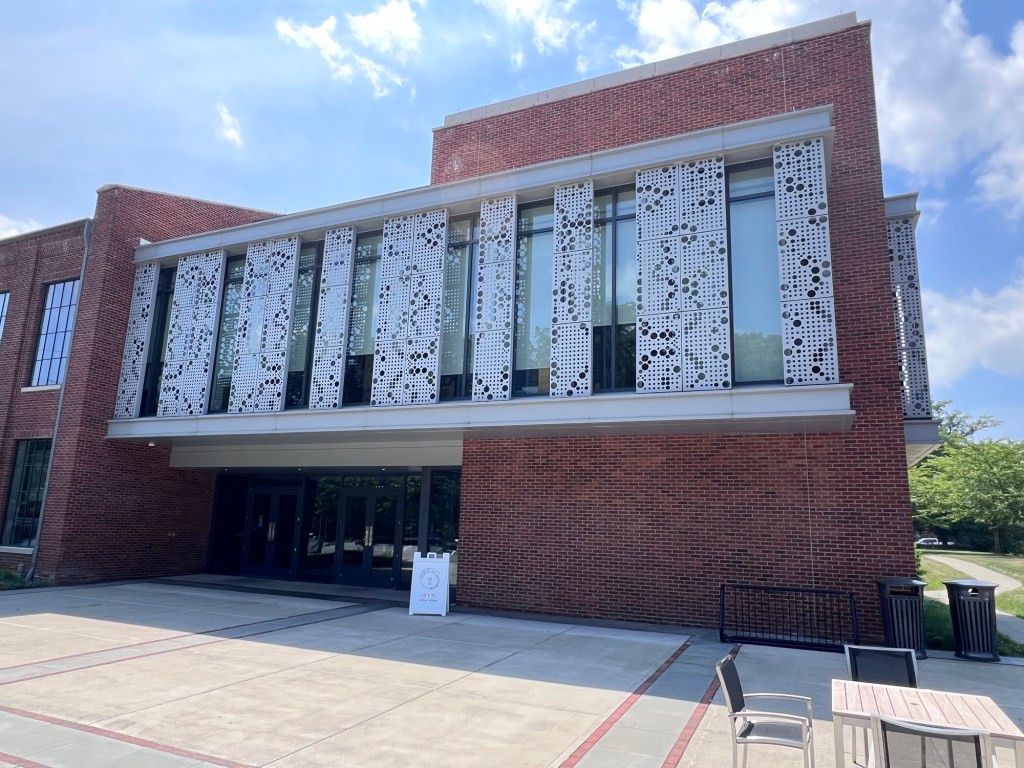
The museum was closed for the summer but it gave me a chance to see the new section of the campus that had been built. The building is amazing as is the art school. I can’t believe how the campus has changed in the last twenty years.
Since I had to be at the Clermont Estate by 5:00pm, I decided to do some touring around the area and stopped in Rhinebeck next. The town was packed with day trippers and there was not much parking available.
The Dutchess County Historical Society at 6282 US 9
I stopped at the Dutchess County Historical Society at for a visit. The last time I had been it was when it first opened. The museum now is mostly being used for research and people were using the library when I walked in. I walked through the Portrait gallery.
The portrait of local resident Edward Martin
The portrait of Judge and Mrs. Soutenburgh
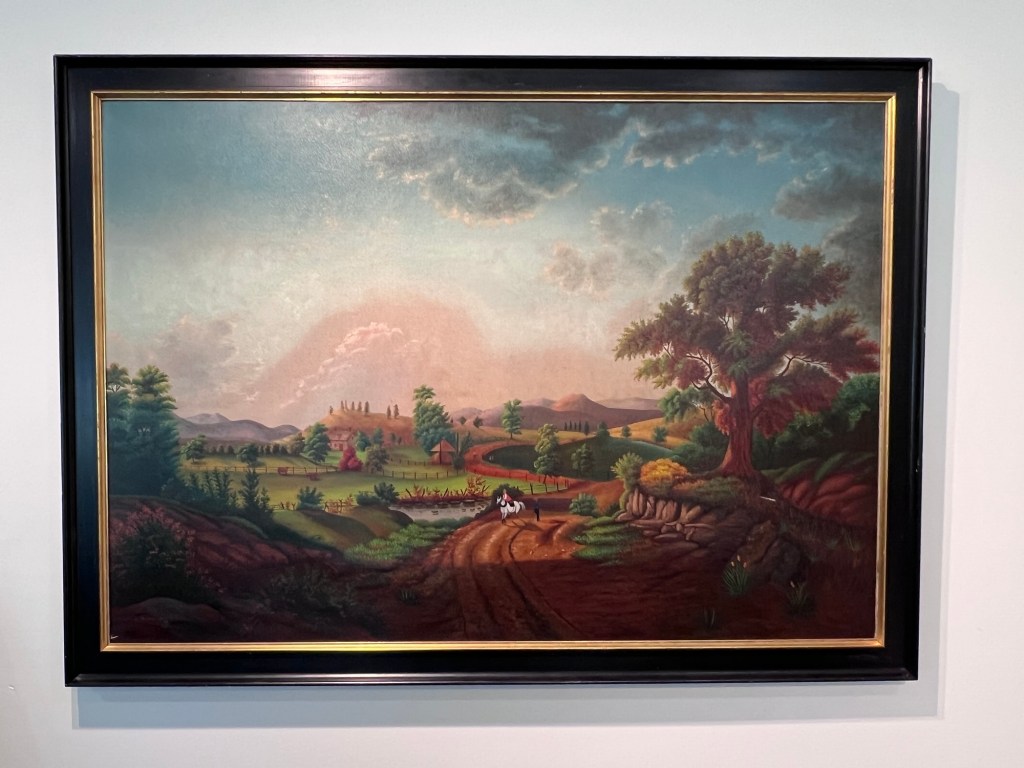
A Farm scape of one of the local farms
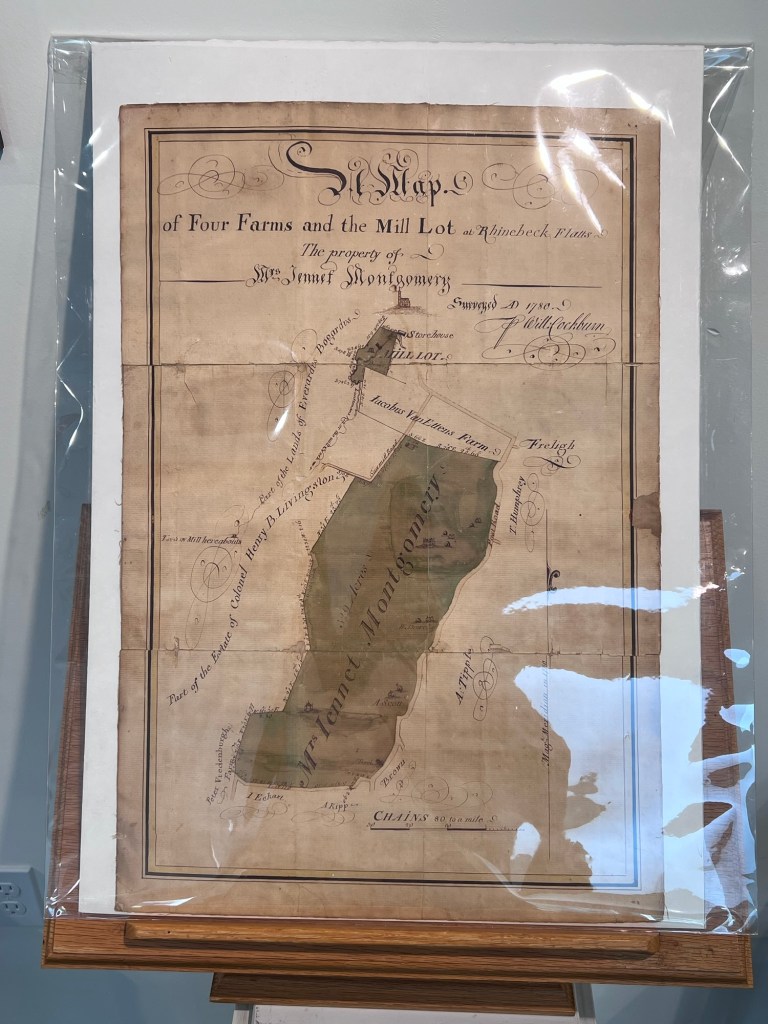
The museum has an extensive Map Collection
The museum was just about ready to close for the day so I headed for my next destination of Red Hook for lunch. I decided on Village Pizza III, which has some of the most delicious food at reasonable prices.
Village Pizza III at 7514 North Broadway in Downtown Red Hook, NY
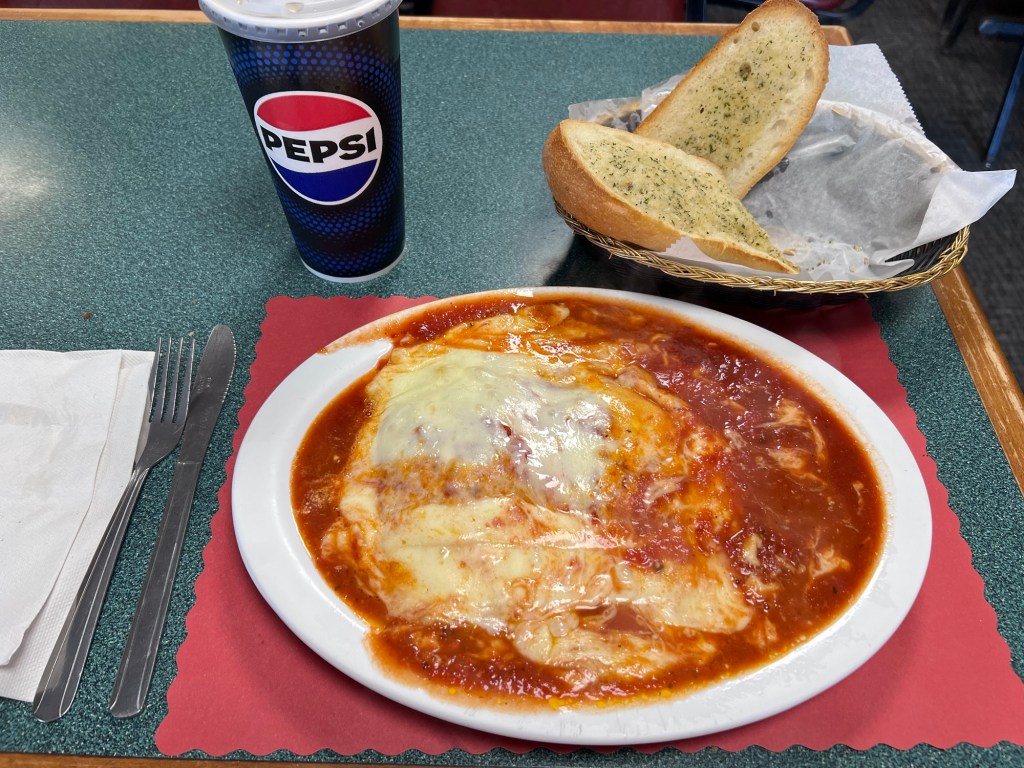
Knowing that there would be no time for dinner on the way home, I ordered a Lasagna dinner for myself. They make the most flavorful red sauce and it brings such flavor to their food. Everything that I have tried at Village Pizza III has been excellent and I have always enjoyed my meals here over the years.
The Lasagna dinner at Village Pizza III
The food is excellent here. The portion sizes are very large and the prices are reasonable (though they just went up a few dollars). Everything was delicious.
The garlic bread was loaded with garlic and olive oil
The Lasagna was a gooey delight of sauce and cheese
After lunch was over, I walked around Downtown Red Hook and it is funny, just like the pizzeria everything seems to be going up in price. The other restaurants that used to be so reasonable have gotten a little more expensive. I guess the Rhinebeck prices have finally found their way to Red Hook. That was the one thing I always liked about Downtown Red Hook, the merchants were meant for the locals. Now they have gotten very gifty and more expensive. Just like the other Hudson River Valley, these cute little towns have gotten expensive with the City expats.
Downtown Red Hook, NY in the Summer of 2025
Here’s my blog on Exploring Downtown Red Hook, NY:
After I walked Downtown Red Hook and noticed all the new shops and gourmet grocery stores, I figured that the hipsters and artists have finally found their way to Red Hook when I saw the selection of stores that have opened and replaced the ones that had been there for a long time. It is funny when you see a town change the way I have over time. Rhinebeck did the same thing about a decade ago.
I left Red Hook and decided to go up to Tivoli, a small town by the river before I left for Germantown, NY, where Clermont Mansion is located. Tivoli was really quiet on a late Thursday afternoon and I just walked around the downtown area and took some pictures. It is such a great little downtown to walk and explore.
Queen Anne’s Lace growing on the side of the road is just beautiful
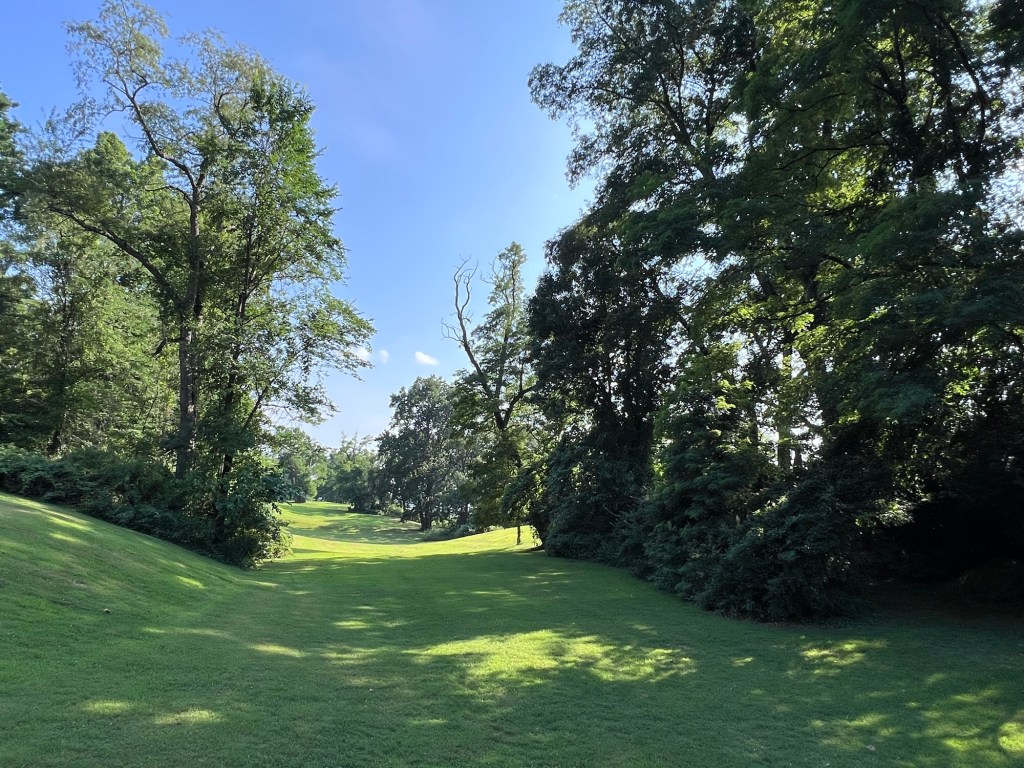
After my tour of Downtown Tivoli, I left for Germantown and the estate. I decided to first walk the grounds and the gardens to work off my early dinner. The estate looked amazing with everything in bloom and everything was green with longs lawns lining the river. It was just gorgeous.
Walking towards the mansion through the lawns and gardens on the Clermont Mansion
I decided since I had an hour before the concert that I would tour the house and grounds. All the gardens were still in bloom and were still at peak blossom. It was nice to take my time and not be rushed as I walked the estate.
Walking though the Lilac Gardens
First I walked through the Lilac Gardens, which had been out of bloom since the summer, but the trees were lush with green. The lawns had just been cut and the estate really looked beautiful.
Clermont Mansion in the summer
A rabbit was posing for myself and other photographers
The South Spring Garden is right next to the mansion and is one my of my favorite gardens on the estate. I love visiting here first.
The South Spring Garden is right of the mansion
The South Spring Garden
The South Spring Garden in full bloom
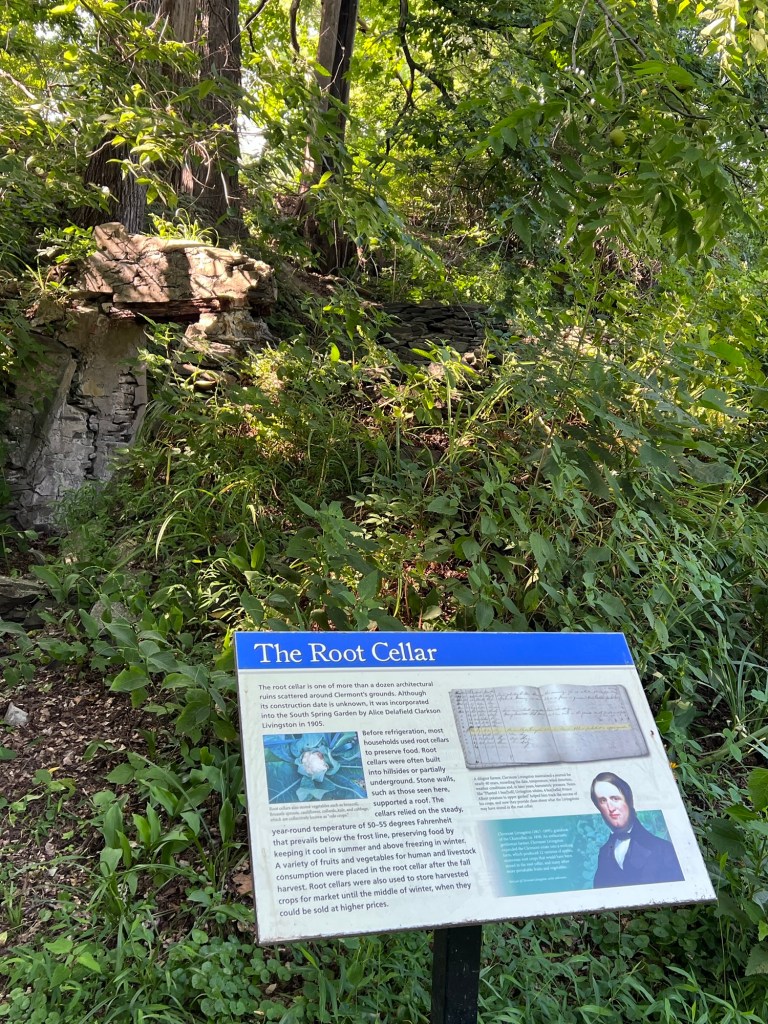
The Root Cellar for food storage before refrigeration
The ruins of the Root Cellar
I then walked over to the Walled Garden which was under renovation at the time. It was still in full bloom and nicely landscaped. This is one of the nicest gardens when in full bloom.
The sign for the Walled Garden
The entrance to the Walled Garden
Inside the Walled Garden
Inside the Walled Garden
The Walled Garden in full bloom
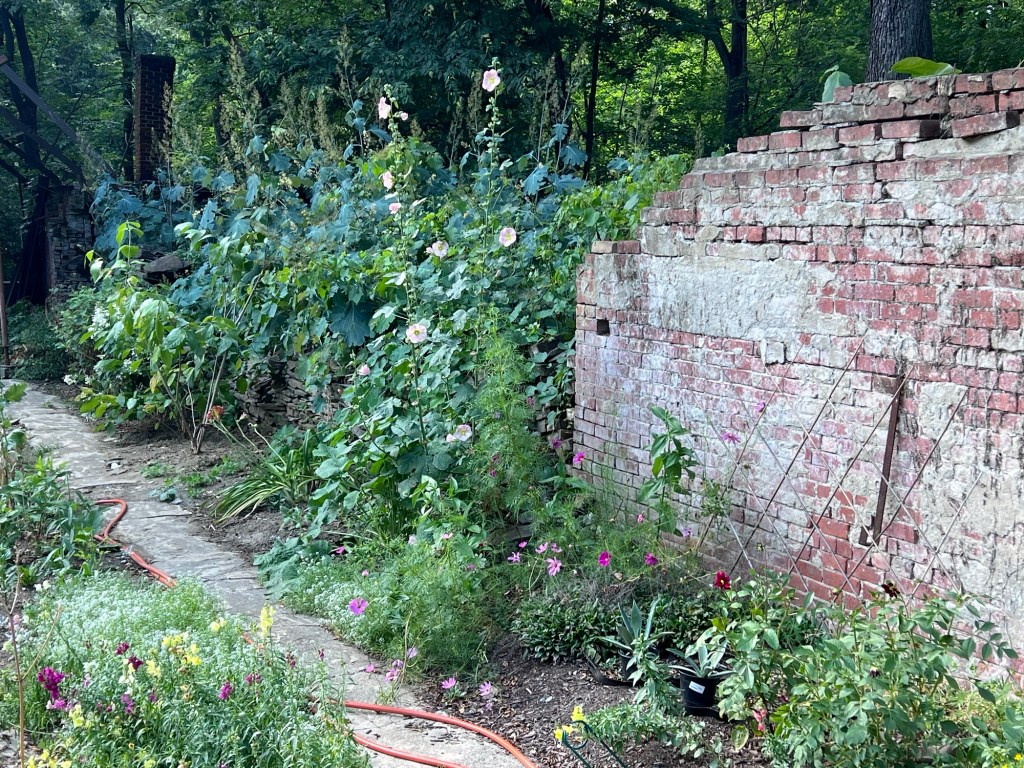
The Back of the Walled Garden
Leaving the Walled Garden to go to the Cutting Garden
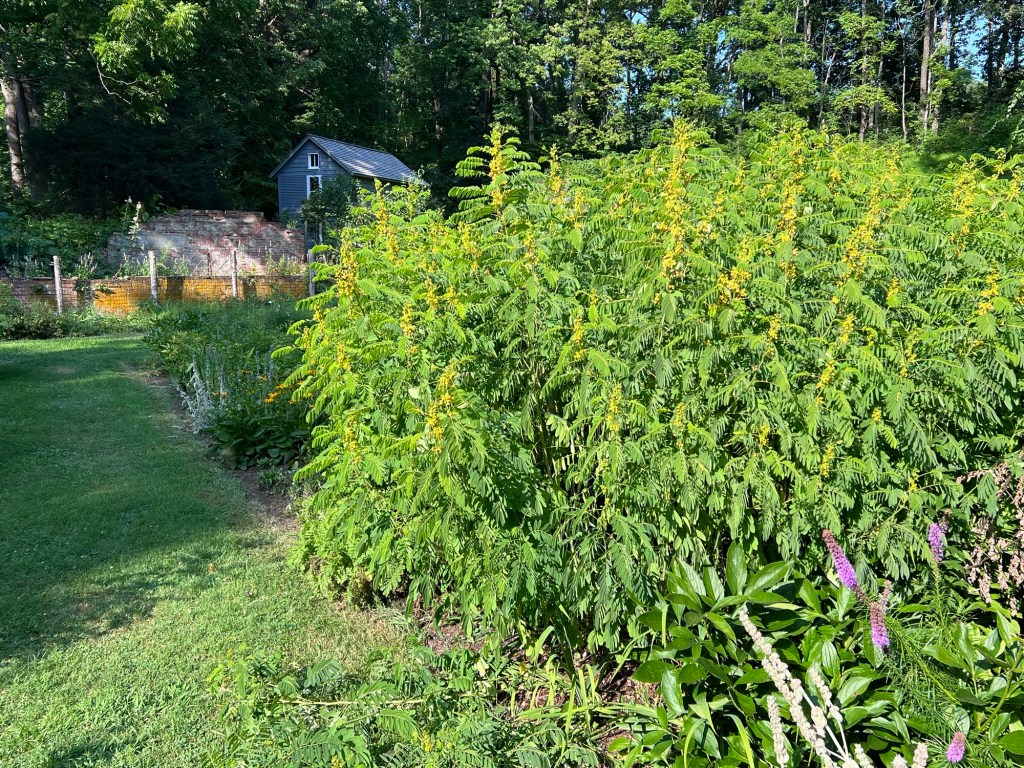
The Cutting Gardens and the Children’s Playhouse by the old Greenhouses
These gardens were created for the foundation of other gardens and for flowers for the house.
The Gazebo in the Cutting Gardens
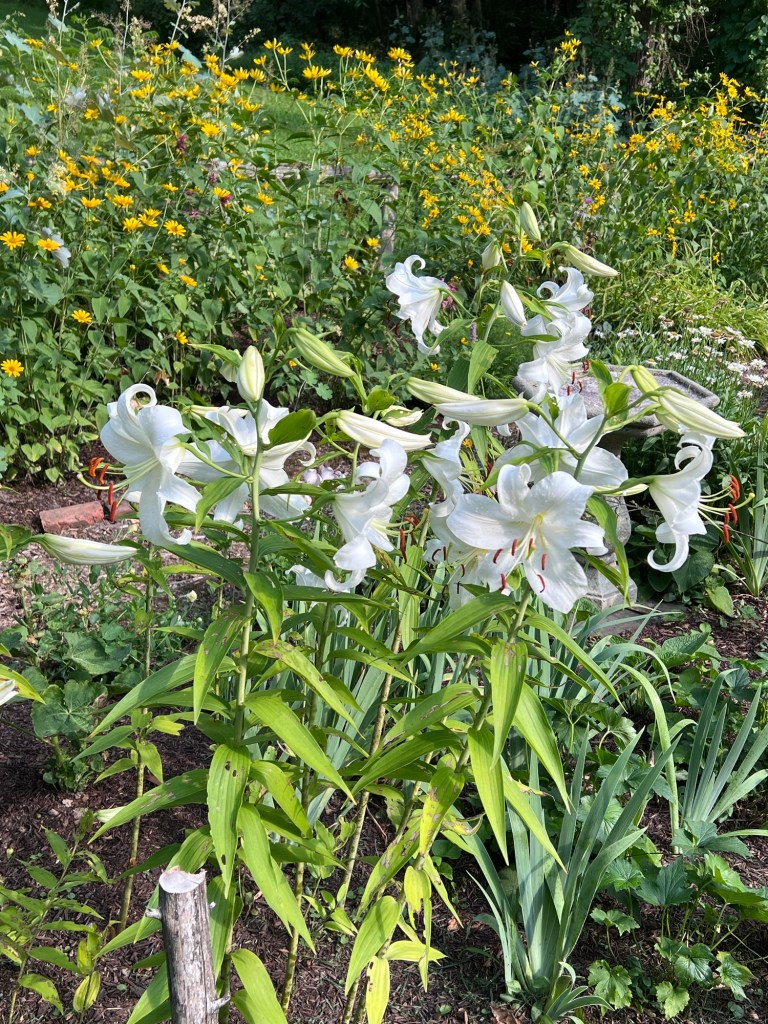
The Cutting Gardens in bloom
The flower beds in full bloom
Walking through the gardens
The flowers in full bloom
The ruins of the greenhouses
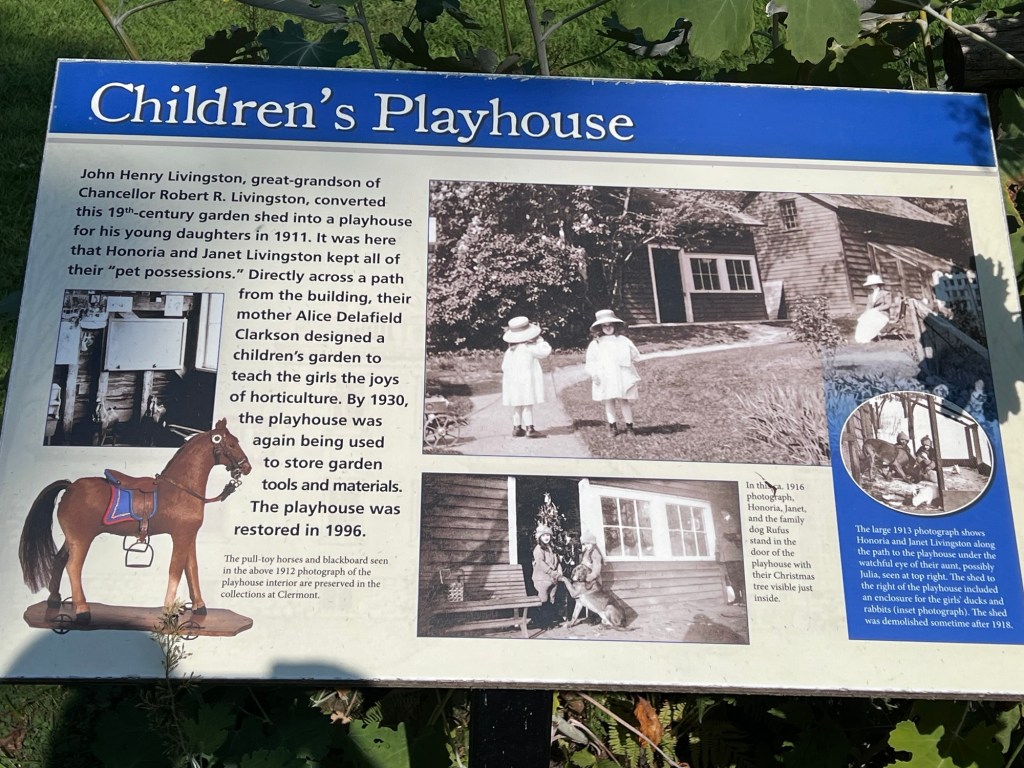
The Gardening shed was converted to a playhouse for the children
The Children’s Garden has now been restored and in full bloom
I then left this part of the estate gardens and headed back to the house and toured the Wilderness Gardens next.
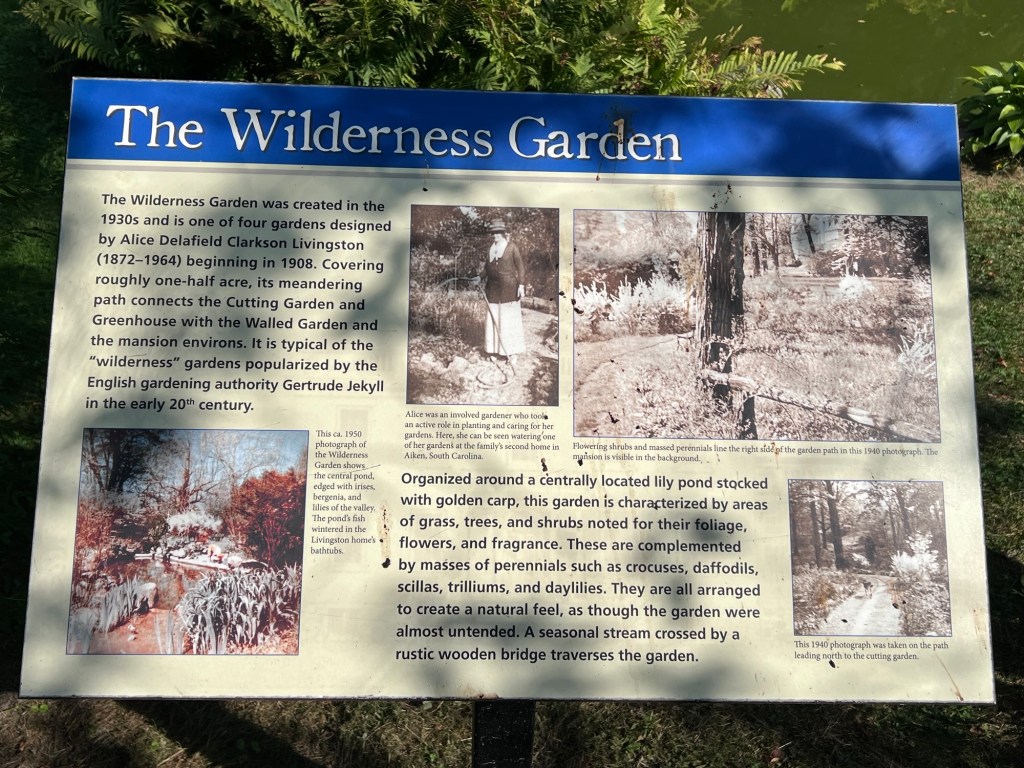
The sign for the Wilderness Gardens
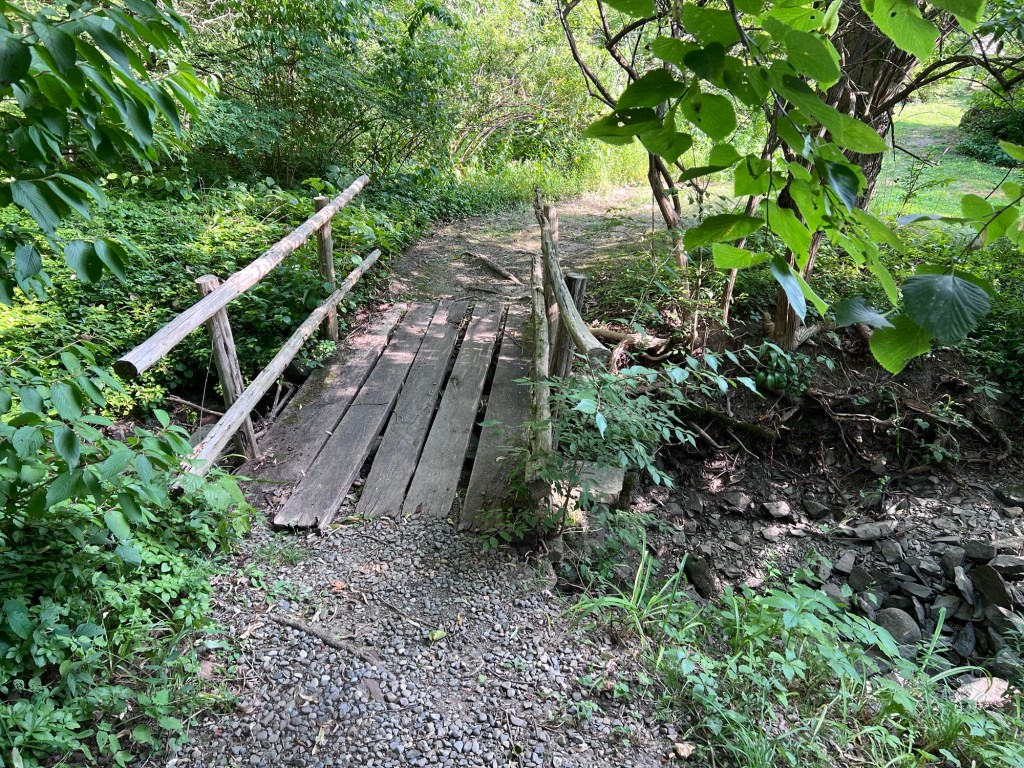
The bridge from the Cutting Gardens to the Wilderness Gardens
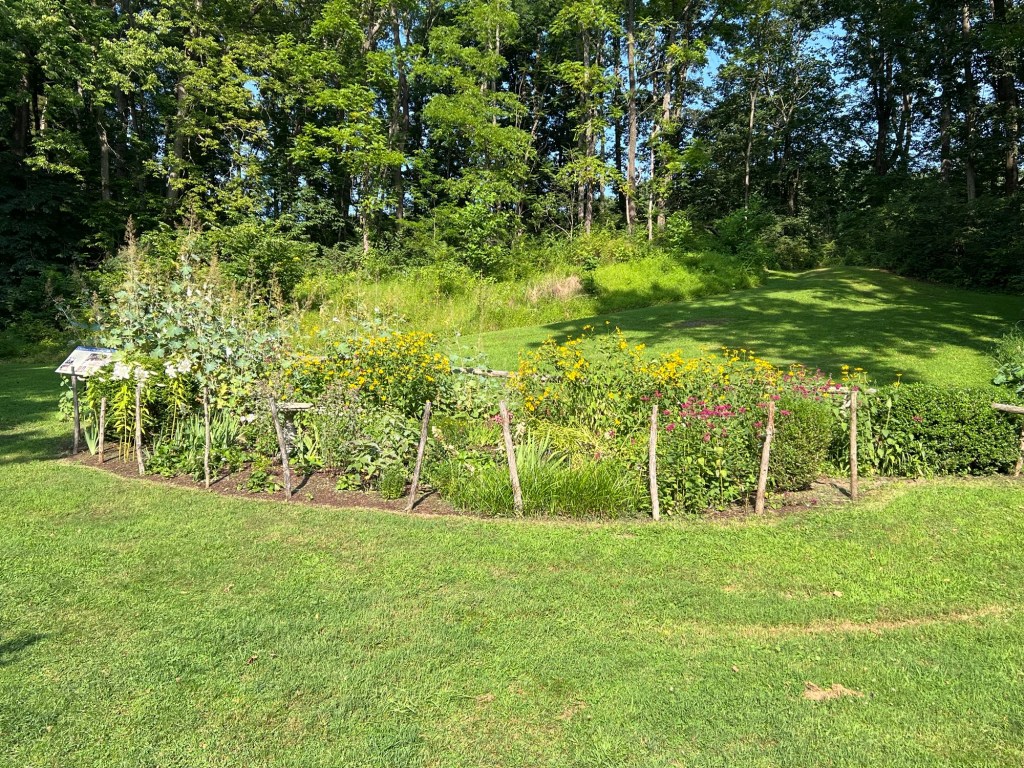
The Wilderness Gardens in the late afternoon
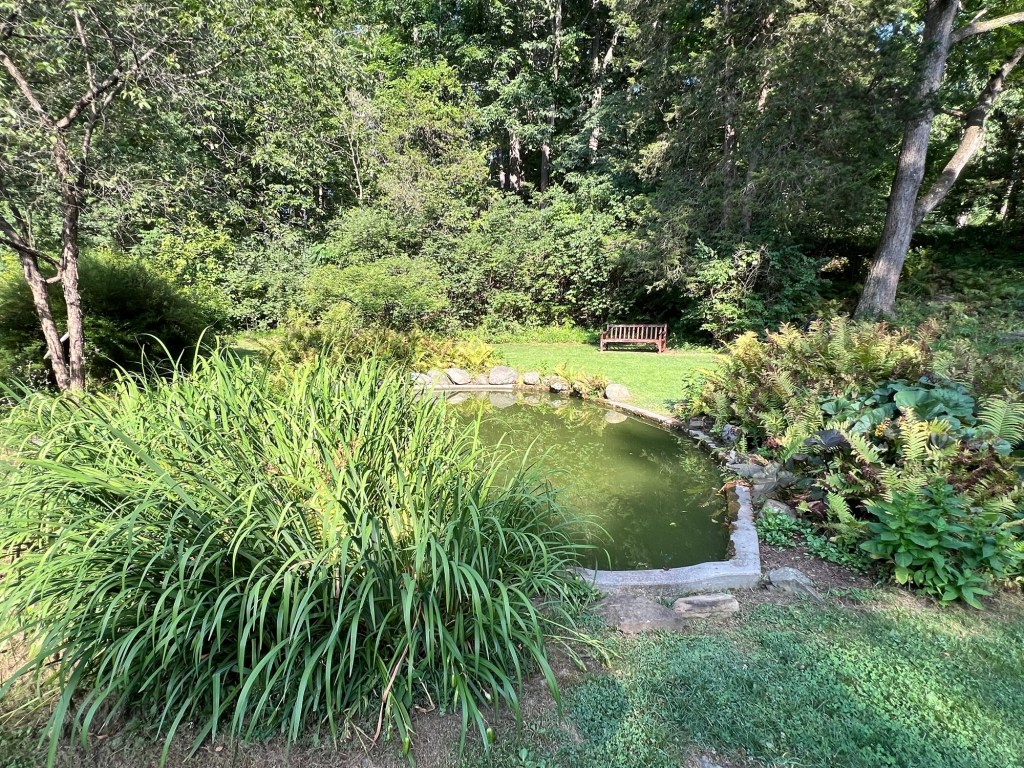
The pool in the Wilderness Gardens
The Wilderness Gardens near the woods
The gardens were just amazing that afternoon. Everything was so well taken care of and the new gardener the park had was doing such a good job maintaining things.
I headed back to the house and toured the lawn near the river where the concert would take place.
The mansion in the late afternoon
The lawns in the late afternoon
Walking by the Hudson River
Walking by the Hudson River and admiring the views
The concert lawn is right next to the river so we could enjoy the cool breezes
By the time I got back to the concert grounds, the band was getting ready to play. The crowds had also grown as well. When I arrived at 5:00pm, there were barely any cars in the parking lot but the crowds swelled right before the concert.
The Yankee Brass Band preparing for the concert
The History of the band:
(from the band website)
Since 1986, the Yankee Brass Band has entertained audiences in New England and beyond with historically informed performances of nineteenth-century American brass band music. Using antique brass and percussion instruments from the period, painstakingly restored by their owners, the Yankee Brass Band presents the music of the “Golden Age of Bands” played in much the same manner as in the mid- to late nineteenth century.
To recreate this music, the band plays close attention to the aesthetics, performance practice, and concert attire of an earlier time. For one week each summer, the members of the Yankee Brass Band assemble from across the country to preserve this unique musical legacy through a series of live performances. Each year’s tour repertoire is developed through careful study of period programs, personal papers, manuscripts, and early printed music, along with all sorts of band ephemera.
The musicians of the Yankee Brass Band volunteer their time and talents to bring this music to life. The band is supported by the generosity of tour hosts, donations, and Friends of the Yankee Brass, Inc (a 501(c)(3) organization).
(The performance of the “Victoria Gallop” by the Yankee Brass Band)
The horn solo and duo of the “Duet from “Il Puritani”)
Part One (before someone walked in front of my camera)
The Duet from “Il Puritani”
Part two to finish the duo
The concert was wonderful. The Yankee Brass Band played all the traditional marches from the 19th and early 20th Centuries. All the musicians came from all over the country for a week to play together and all performed on antique instruments.
The second half of the concert and patriot music played
The song “Our National Union March” by the Yankee Brass Band
After the concert was over, it was still early at 7:30pm and the sun was shining bright. While other people prepared to leave I walked around this part of the estate.
The river front by the Hudson River
I walked around to see the ruins of Arryl House, the home of Robert Livingston which buried down in the early part of the twentieth century.
The sign for Arryl House
The ruins of Arryl House
The ruins of Arryl House
After the tour, it was time to go home. I had over a two hour journey home but it was a productive and fun way to spend the afternoon. I think I just needed a break from everything. The views of the river and the tour of the gardens really relaxed and refreshed me and was a great way to end the day.
Open: Sunday 9:00am-12:00pm/Monday-Saturday Be Appointment
My review on TripAdvisor:
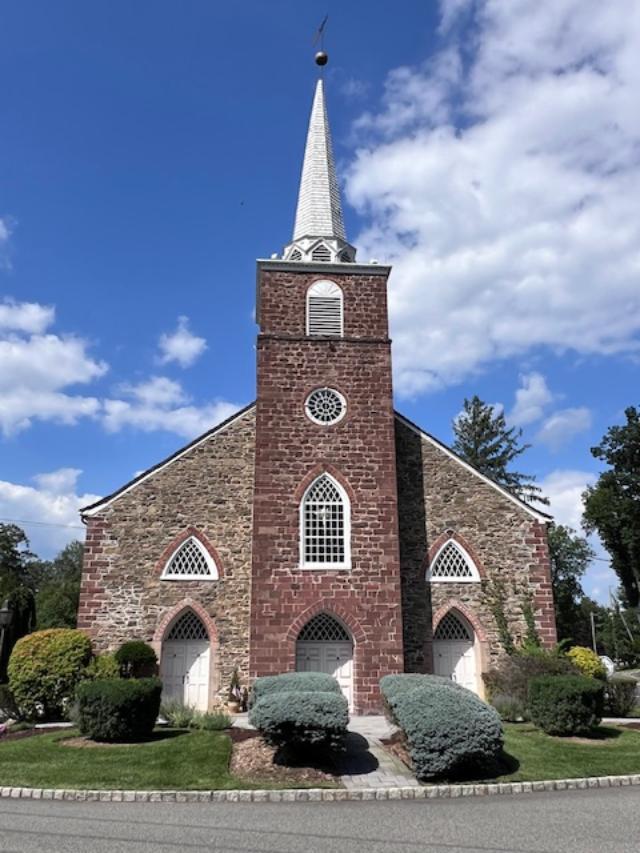
The Saddle River Reformed Church at 481 East Saddle River Road in Saddle River, NJ is also known as the “Old Stone Church”
The historic marker of the church
I visited the ‘Old Stone Church’ in Saddle River, one of the oldest churches in the state and was taken not just by the beauty of the church but by the respect the church has for the people who are buried here. There is much recognition for the contributions of the soldiers and the armed forces not just for the Revolutionary War soldiers but current ones as well.
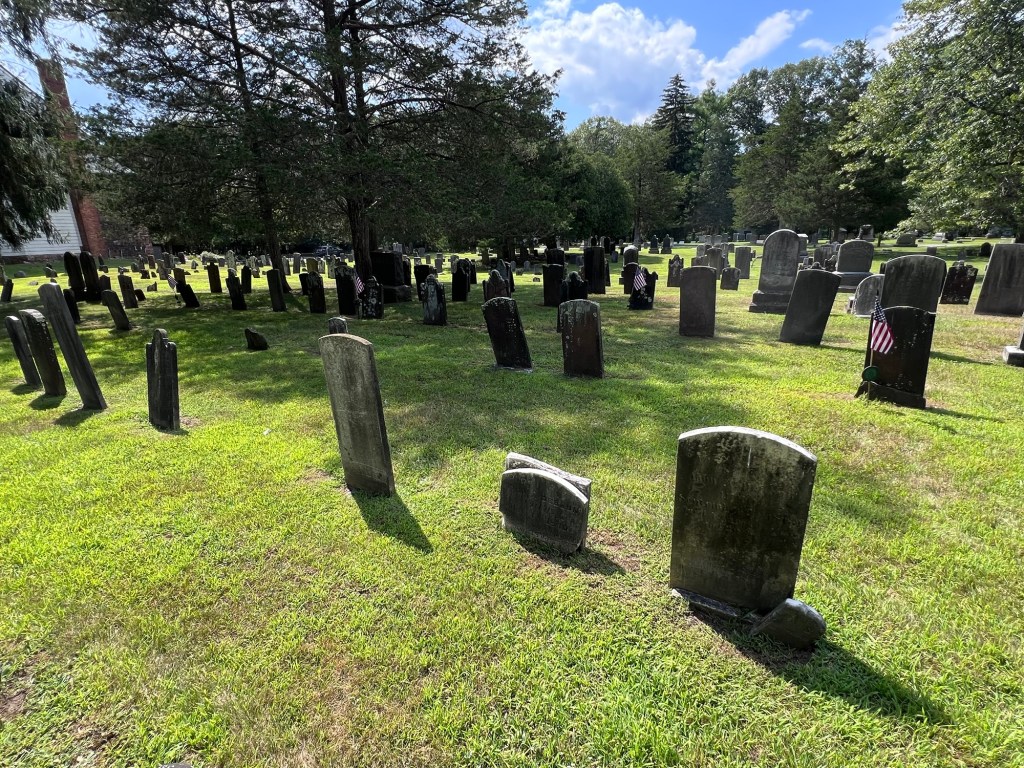
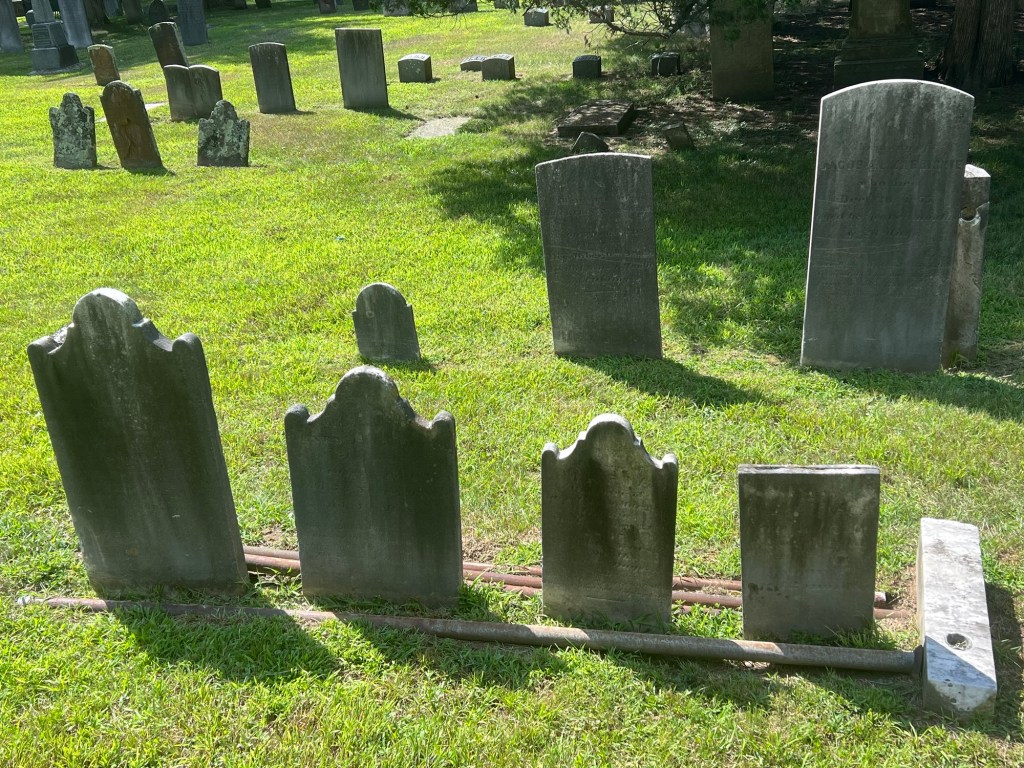
The oldest part of the cemetery is the closest to the church
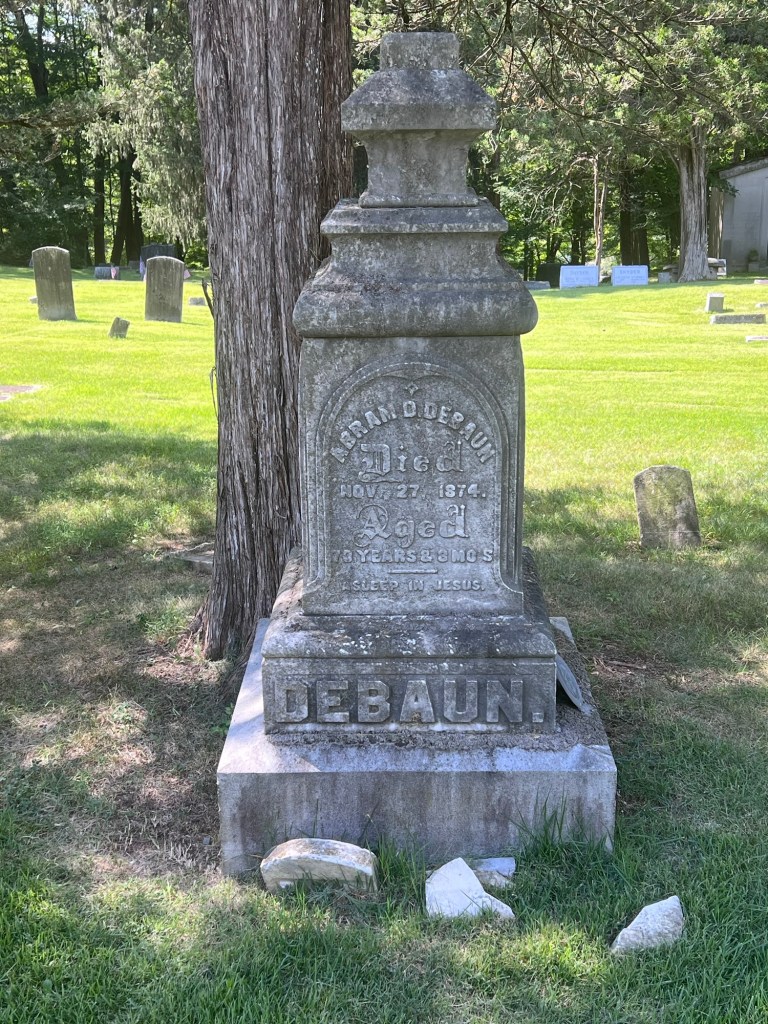
The oldest part of the cemetery contains names like Demarest, Haring, Hopper, DeBraun, Eckerson, Terhune and Zabriskie. These are the first settlers of the area whose families owned farms in Saddle River. Many of the families have family plots in the cemetery.
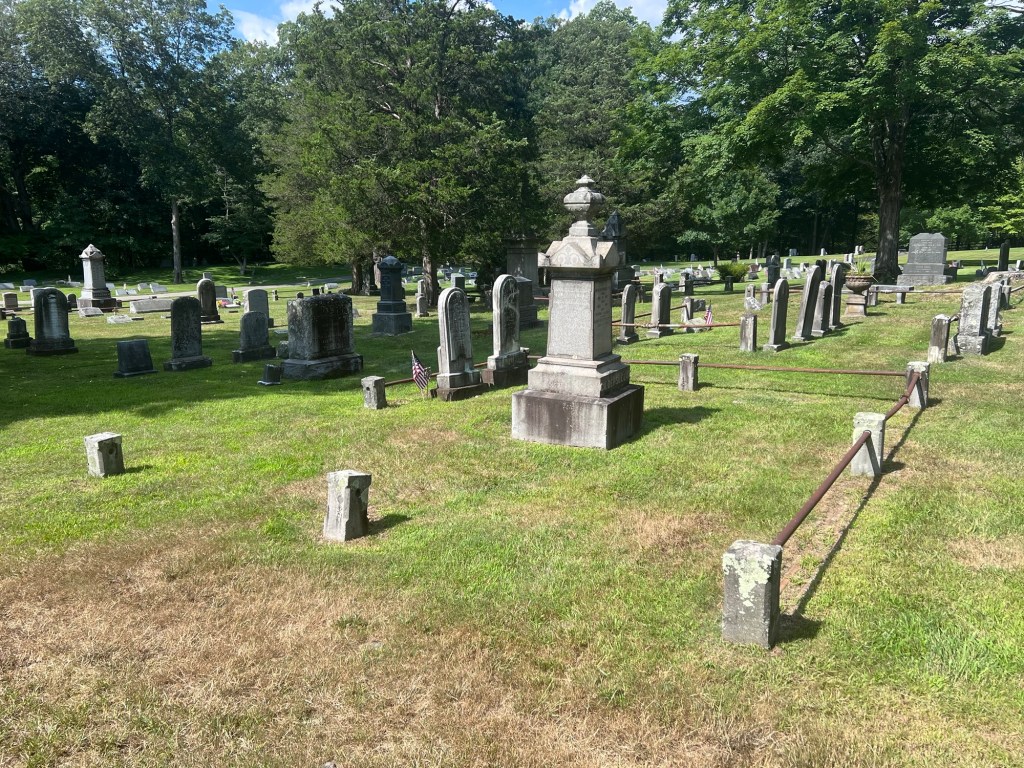
The Hopper family plot
The Zabriskie family plot
The Gilderston family plot
The DeBraun family plot
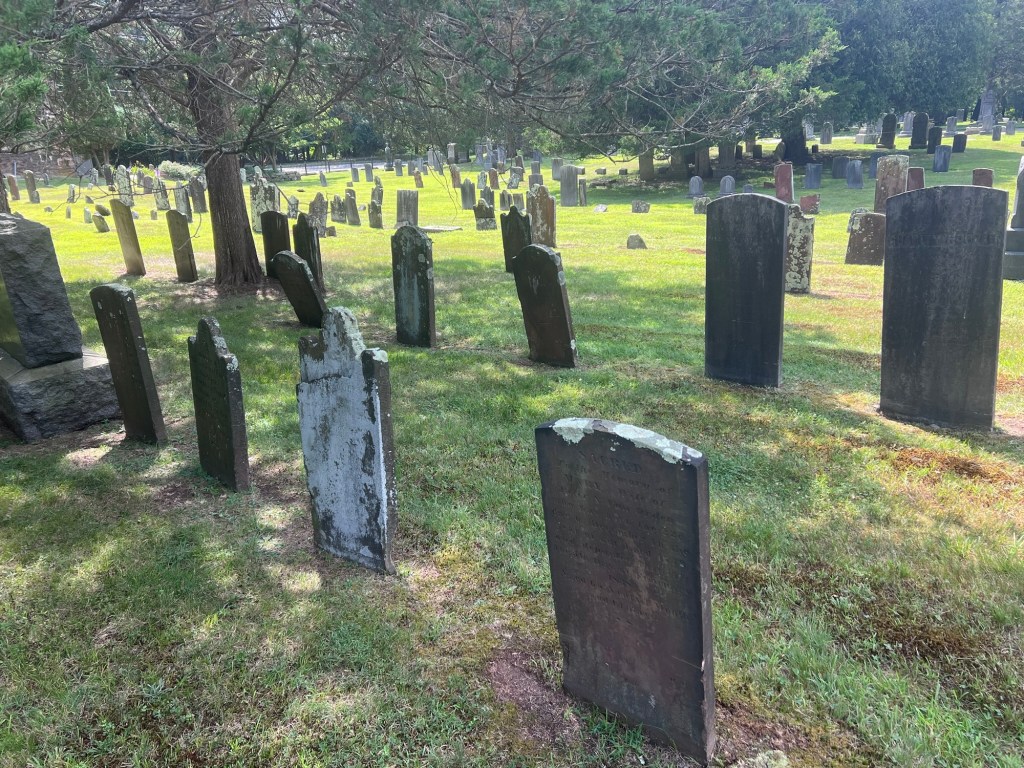
The oldest part of the cemetery holds so much history of the founding members of the Saddle River and Bergen County community.
The History of the Church:
(from the Saddle River Reformed Church website)
Our church, known to many as the Old Stone Church, was organized in 1784 as a daughter church of the Old Paramus Church. It is a part of the Reformed Church in America, a denomination which traces its roots to the Dutch colonists.
While there is evidence that the original church building was erected in 1789, our present sanctuary was built in 1819. An extensive renovation in 1971 – 1972 recreated the appearance of the original structure.
The Old Stone Church and the historic Revolutionary War Cemetery that is located behind it.
The History of the Cemetery:
(From the Saddle River Reformed Church website):
Our cemetery is the resting place of numerous American Revolution and Civil War Veterans. Church records indicate that the following veterans have been buried at our historic site.
The Saddle River Reformed Church Cemetery is one of the most historic in this part of the country. Our cemetery is over 230 years old and is the burial ground of nine known Veterans of the American Revolution. Tracing back to the founding of this nation, these resting places designate the cemetery as an historic spot of great significance, with a special interest to historians and antiquarians. Surrounded by mature and lush foliage, its peaceful setting by the banks of the Saddle River make for an esteemed and hallowed resting place for your loved ones.
Some of the most fascinating part of the cemetery is its historical section
With the Bergen 250-The 250th Anniversary of the Revolutionary War next year, I wanted to point out the veterans buried here from the war.
David DeBaun was born in Schraalenburg (Bergenfield) in 1759 to Abraham DeBaun and Bridget Ackerman. About 1770 the family moved to Hempstead in New York. David served as a private in the Second Regiment of Hay’s Militia, Captain Garret Ackerson’s Company. He married Hannah Forshay, b. 1868, d. 1836. David died in New Hempstead, NY in 1820. He was tax officer of Hempstead in 1811 and 1812; supervisor of Haverstraw 1811-1814. An enclosed plot in the Upper Saddle River Cemetery is the resting place of his entire family.
John Tallman
(from the church website)
John Tallman was a Sergeant in Hays Regiment of Militia, Orange County, NY Militia, Company of Captain Hogenkamp, William Sickles, and Aurie Smith, and is listed on the Revolutionary War pension records. He was born in Tappan, the son of Jan Tallman and Helena Gerritse Blauvelt. He married Margrietje Forseur (Forshay). He died in New Hempstead, NY in 1839.
David Eckerson
(from the church website)
David Thomas Eckerson, was born in Schraalenburgh (Bergenfield) in 1738. He married Angenetye Vanderbeek and they had a sons Thomas, Paul, Jon, David and Aurie and daughters Hannah, Mary and Angenetye. He is on the Revolutionary War rolls in Rockland County. Revolutionary War veteran Peter van Orden was an executor to his will.
Thomas Eckerson
(from the church website)
Thomas Eckerson, 1745-1818, was married to Cornelia Eckerson. They had children, Thomas Eckerson, Edward T. Eckerson, Maria Eckerson Crouter, and Jacob Eckerson. He is listed as a Private, New Jersey Regiment. He also served in the War of 1812.
Abraham Haring
(from the church website)
Abraham G. Haring was born in 1755 in Tappan, Orange, NY to Garret J. Haring and Cornelia Lent. He married Elizabeth Blauvelt. He died in 1832 in Hempstead, Rockland, NY. He served in the Revolutionary War 1775-1783, Coopers Regiment, NY Militia.
John Terhune
(from the church website)
John A. Terhune, 1753-1805, was the son of Albert A. Terhune and Elizabeth Doremus. He inherited the stone house on the sw corner of Lake Street and West Saddle River Road, known as the Terhune-Hopper house. He married Catherine Lutkins, daughter of Harman Lutkins of Paramus. He is on the SAR list.
Jacob Zabriskie
In the modern day, I wanted to point out a hero to the Bergen Country Firefighting Community and former Saddle River Fire Chief Larry Rauch and his wife, Sherry who both contributed so much to the firefighting community.
Many members of the Revolutionary, Civil, war of 1812 to WWI and II to Desert Storm are buried here. These church treats our veterans with great respect.
Hours: Tuesday-Saturday: 11:00am-6:00pm/Closed on Sunday and Monday
Admission: Free
My review on TripAdvisor:
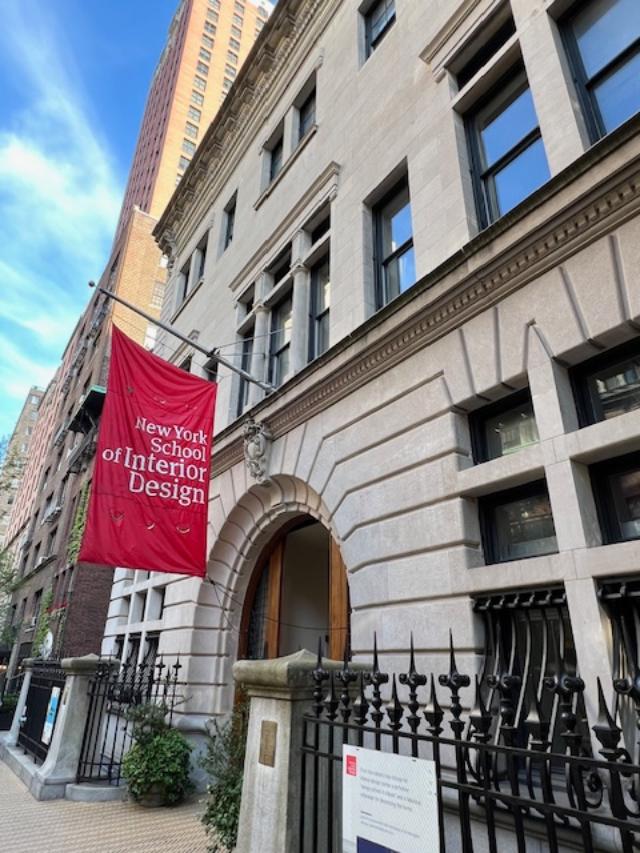
New York School of Interior Design at 170 East 70th Street
I came across the Gallery of the New York School of design when walking the Upper East Side for my project, ‘MywalkinManhattan.com’ when covering the lower part of the Upper East Side.
The entrance to the Gallery
The New York School of Interior Design was displaying their Senior projects as most the college galleries I visited were doing at this time (this takes place between May and June around graduation time). It was interesting to see how the seniors at the college reused space in old buildings for new purposes. The seniors use their creativity to recreate these spaces. It is the student’s project to take a space and redesign it for a new purpose.
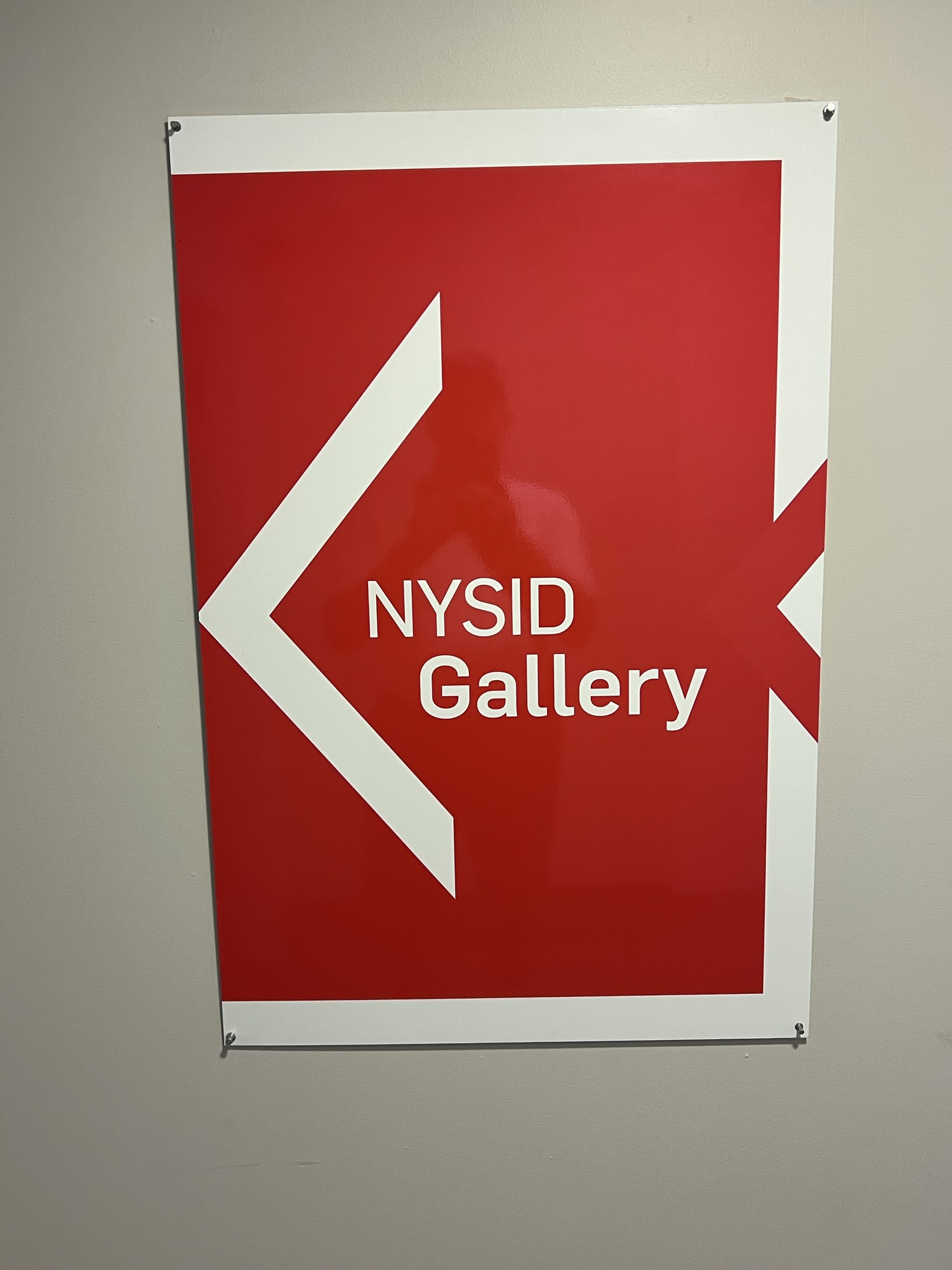
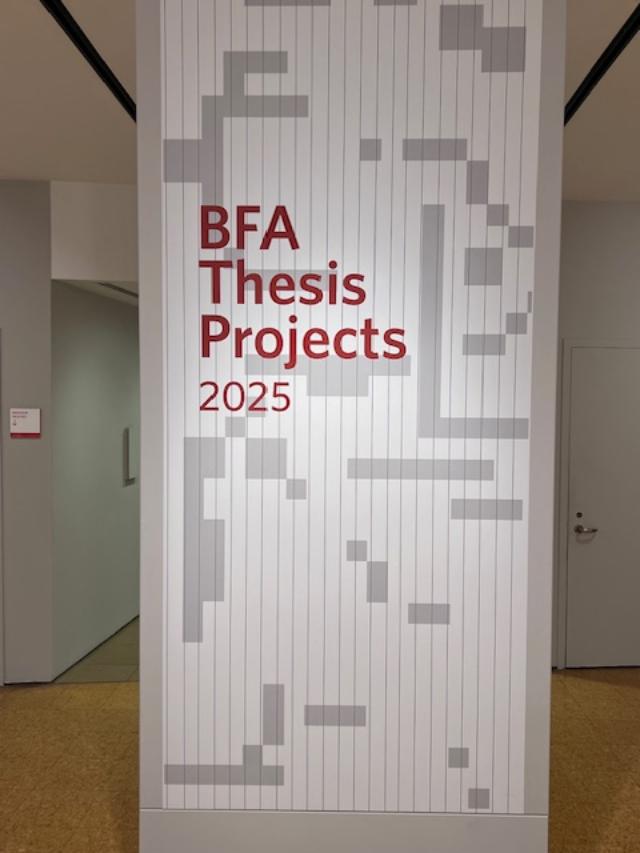
The entrance sign to the gallery
We had done similar projects in college but did not have the computer technology that students do today and they really went above and beyond the things we did back then. You can take this project into 3-D if you want and how real it looks. These kids are so talented that their creativity reminds me of us when we were in school. If only we had what they have today.
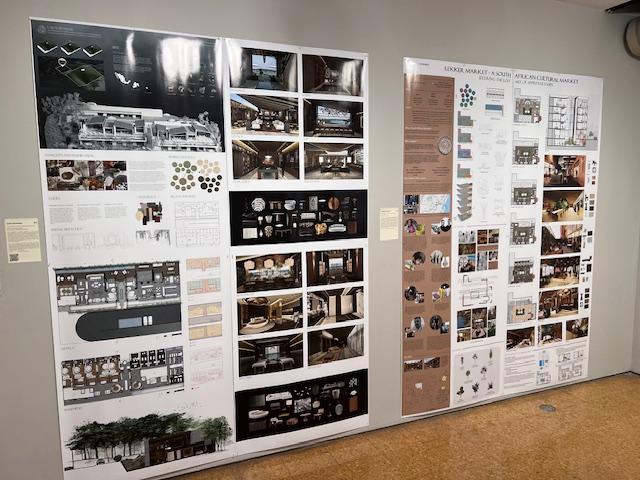
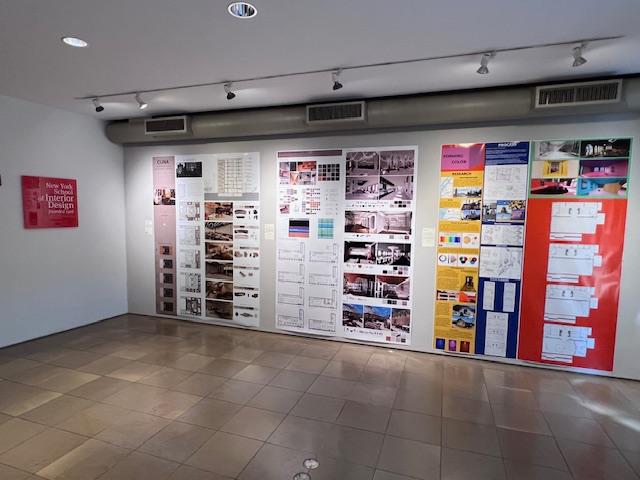
The Student Projects line the walls
Take time to look at the detail work and space design of each project. Some of the students even include samples of fabrics and stone/wood work that will be used for the surfaces.
The Gallery is located on the Upper East Side in the back of the school’s building on the first floor. The admission is free and the Gallery is open when the school is open. There are only two shows a year. You just have to show your ID to get into the galleries.
The student project along the walls
The student project along the walls
What I like about the museum is that you get to see the student creativity and how they imagine the space will be designed. The use of color and shape play a roll in all the designs. It looks like the students get to choose their own space to design.
The best part is the you get to go in for free with you ID and just enjoy the show and see the students creativity.
History of the Gallery/Museum at the College:
The New York School of Design’s gallery presents two public exhibits yearly on design and architecture. Exhibitions have included ‘Paris in the Belle Epoque’, rare photographs from the years 1880-1914; Perspective on Perspective, an exploration of artistic technique; ‘The Great Age of Fairs; London, Chicago, Paris, St. Louis’, selective coverage from the first World’s Fair in 1851 to the last in 1904; ‘Venice’s Great Canal’, architectural drawings of the buildings along the famous thoroughfare; ‘Stanford White’s New York’, a survey of that classicist’s many metropolitan buildings and ‘Vanishing Irish Country Houses’, a look into the preservation crisis facing these not infrequently grand structures.
The gallery’s Thursday-evening lectures have included ‘Palladio’s Villas’; ‘Beaux-Arts New York’ and a survey of the Grands Projects undertaken in Paris during the tenure of French President Francois Mitterrand.
Open: The Second and Forth Saturday of the month when in season. Please visit the website for the days open. The cabin is open from 12:00pm-4:00pm when in season.
My review on TripAdvisor:
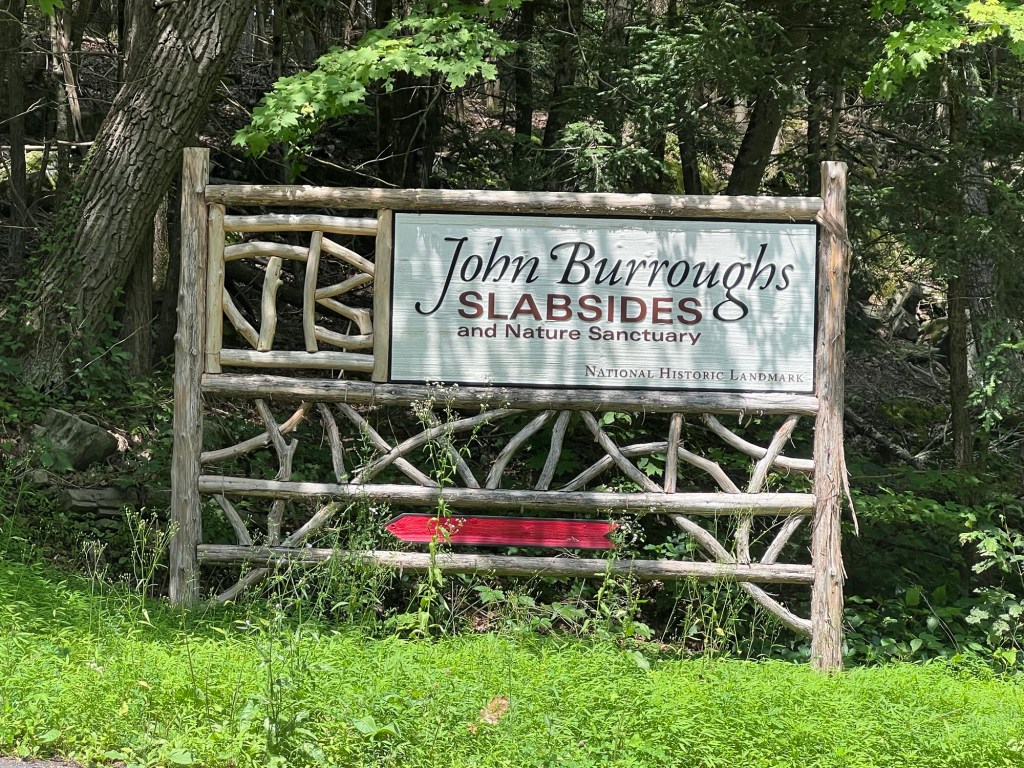
The entrance to John Burroughs ‘Slabsides’
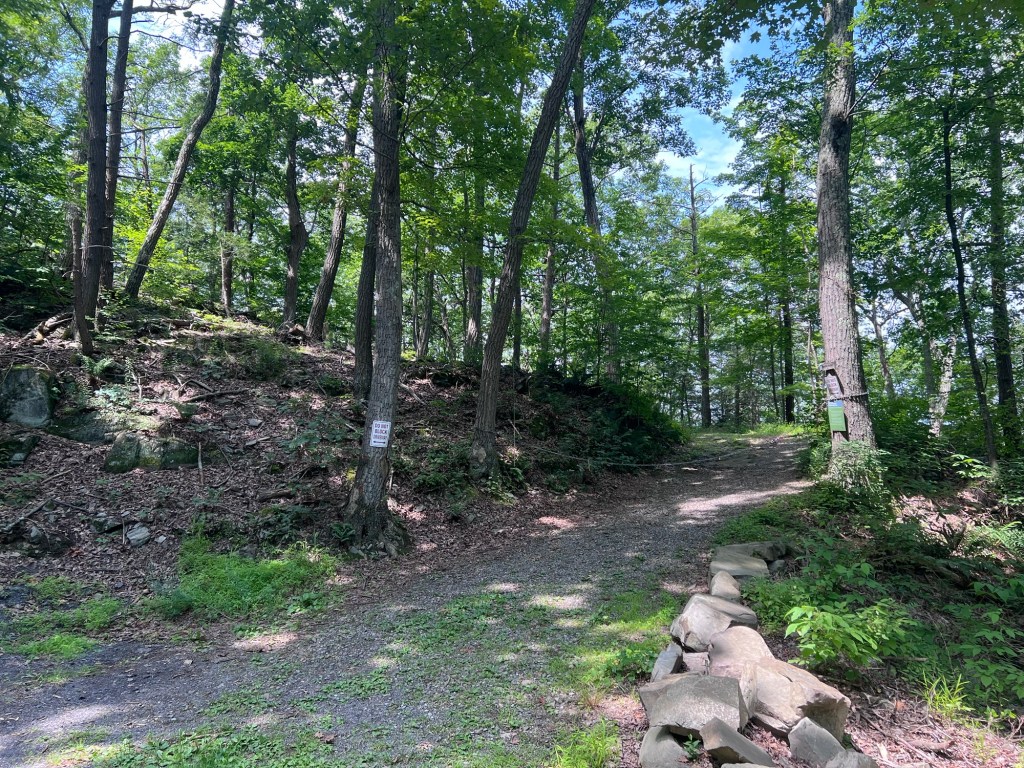
The entrance to Slabsides is located on a local country road off another local country road off Route 9. Use your Google Map carefully when visiting or you will miss the turn off. The parking lot is really small and holds only about eight cars so please make the turn around on the road above and park facing down from the parking lot (word of advice on parking).
The pathway from parking lot to the house is really beautiful and lush in the summer. It seemed more desolate in the cooler months and just empty. Still it is only about a five minute walk from the parking lot to the cabin.
The original cabin “Slabsides” from the pathway. This one room cabin was used by Naturalist John Burroughs as a home away from home to write and to think.
The lawn outside the cabin
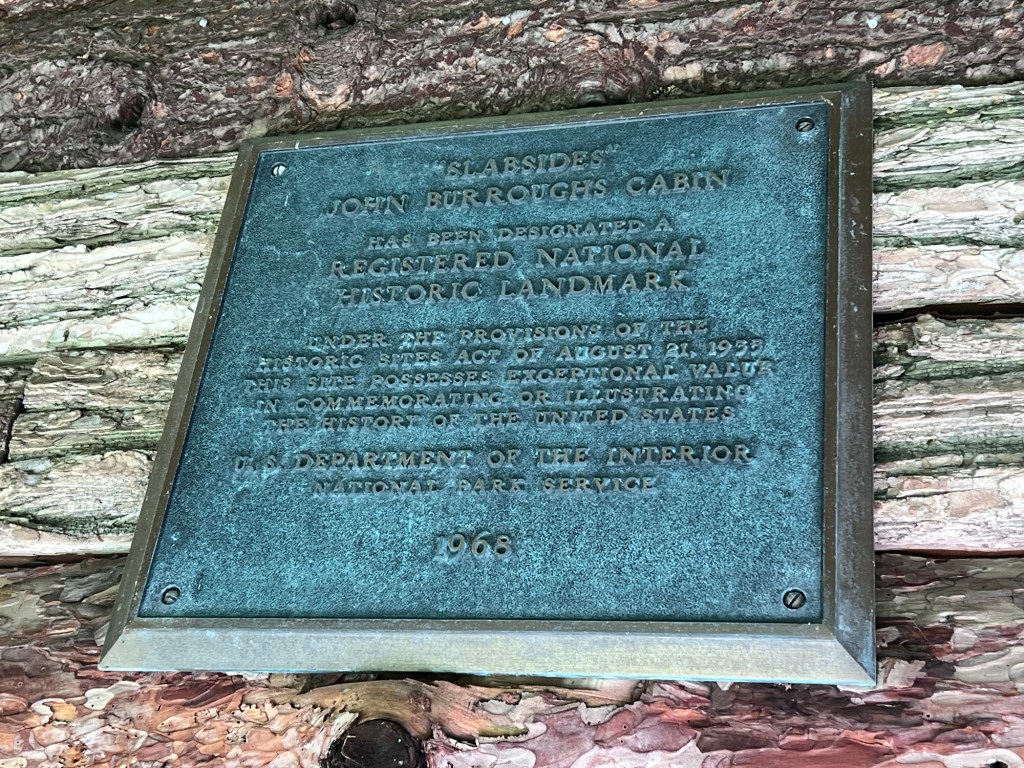
The historic sign outside the cabin
The porch of Slabsides in the summer
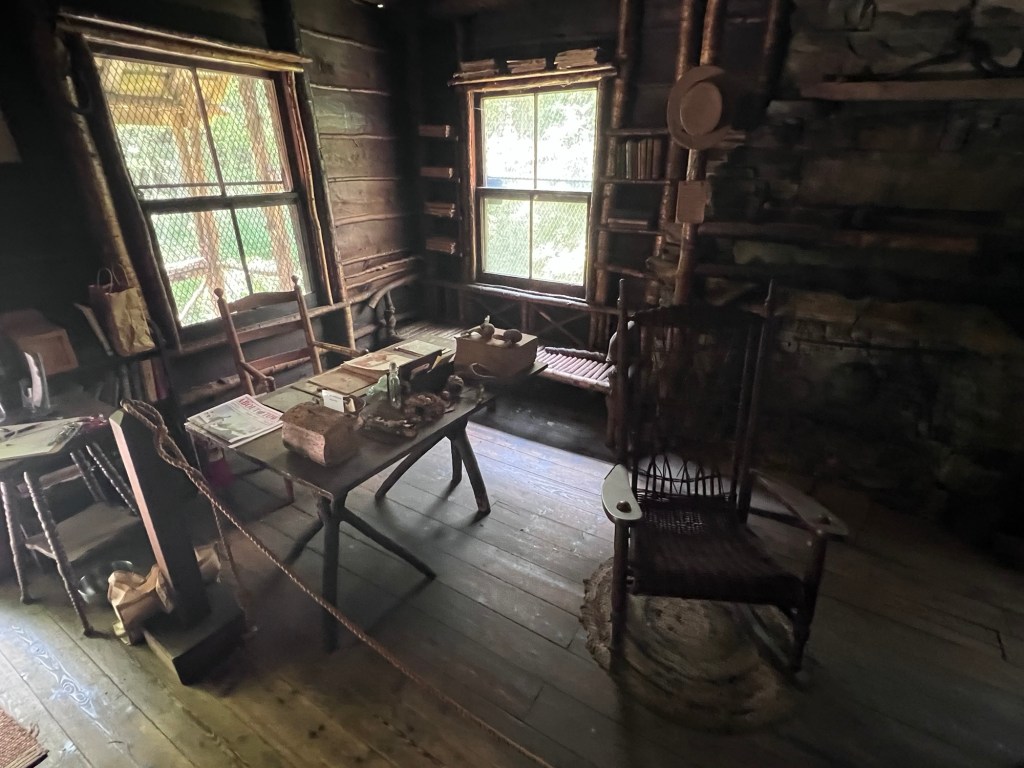
John Burroughs work area inside the cabin and his kitchen
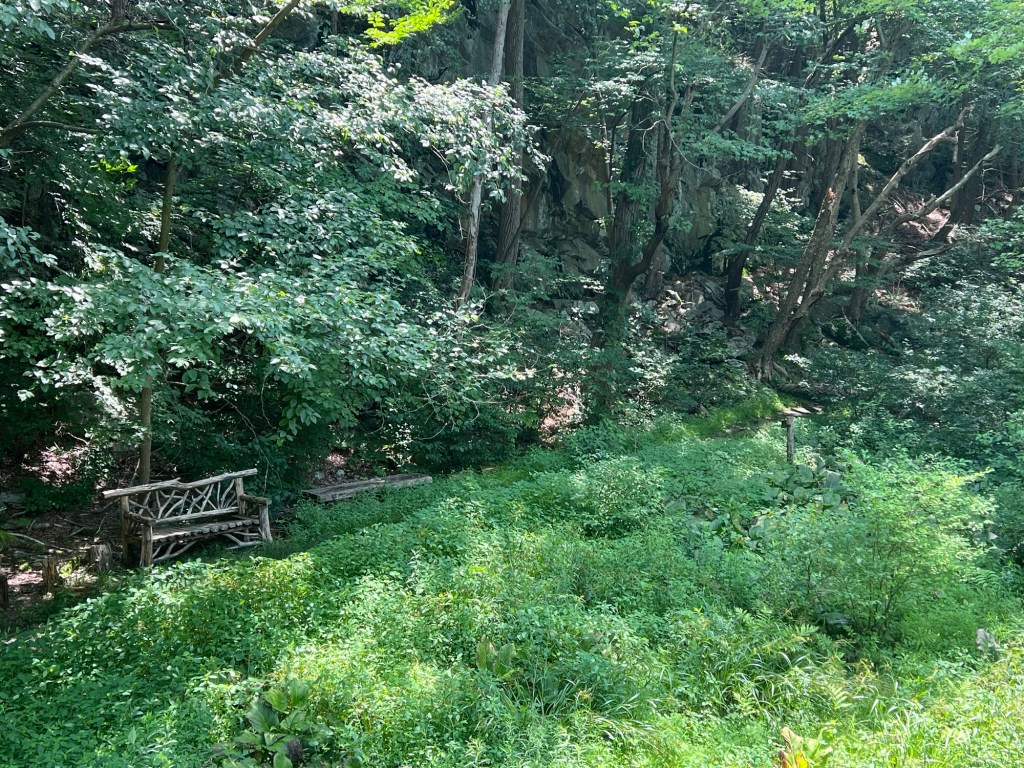
John Burroughs work station overlooked the woods and rock formations
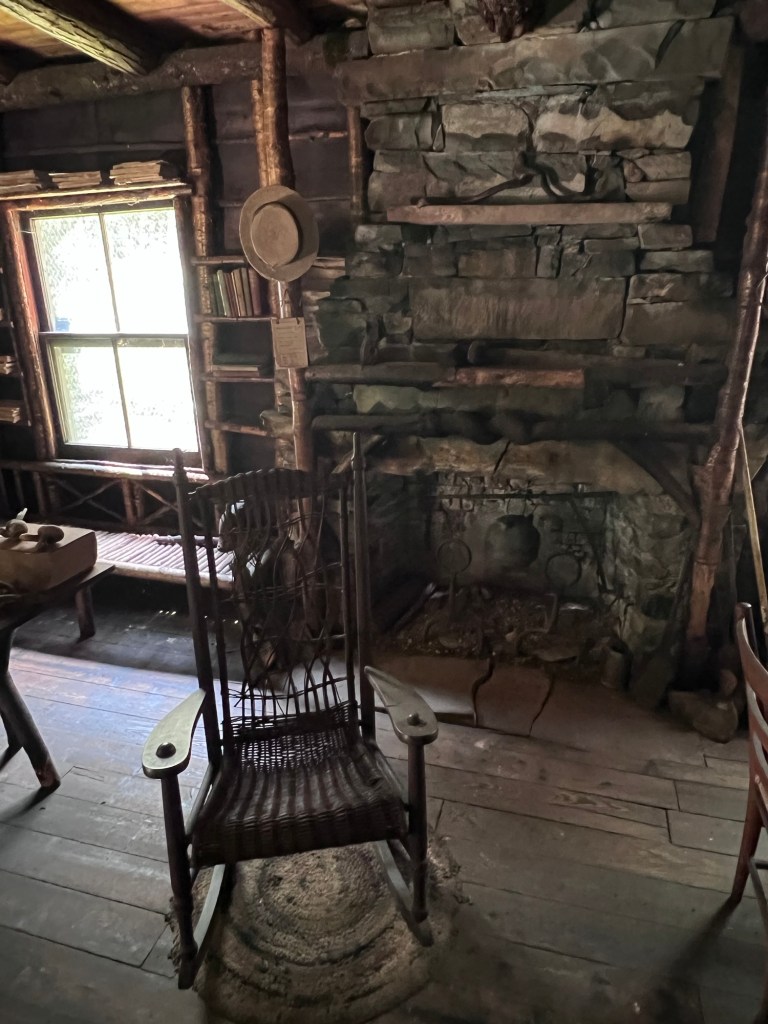
The fireplace and resting area
The kitchen area in the back of the cabin
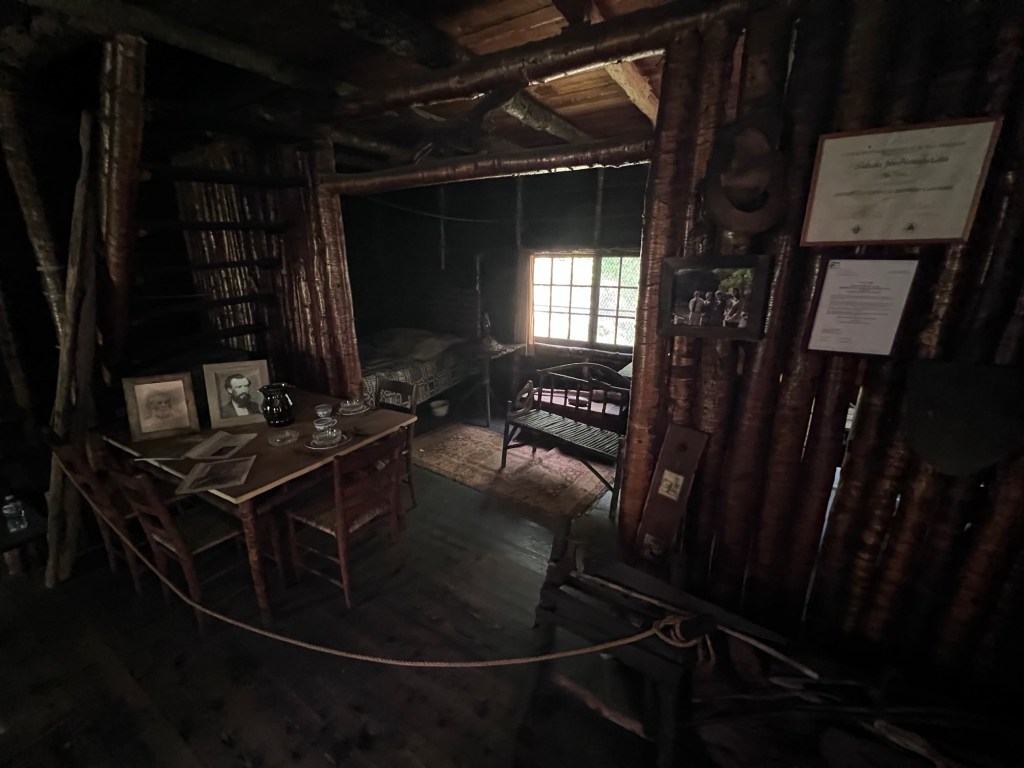
The bedroom and sleeping area of the cabin
The bedroom of the cabin
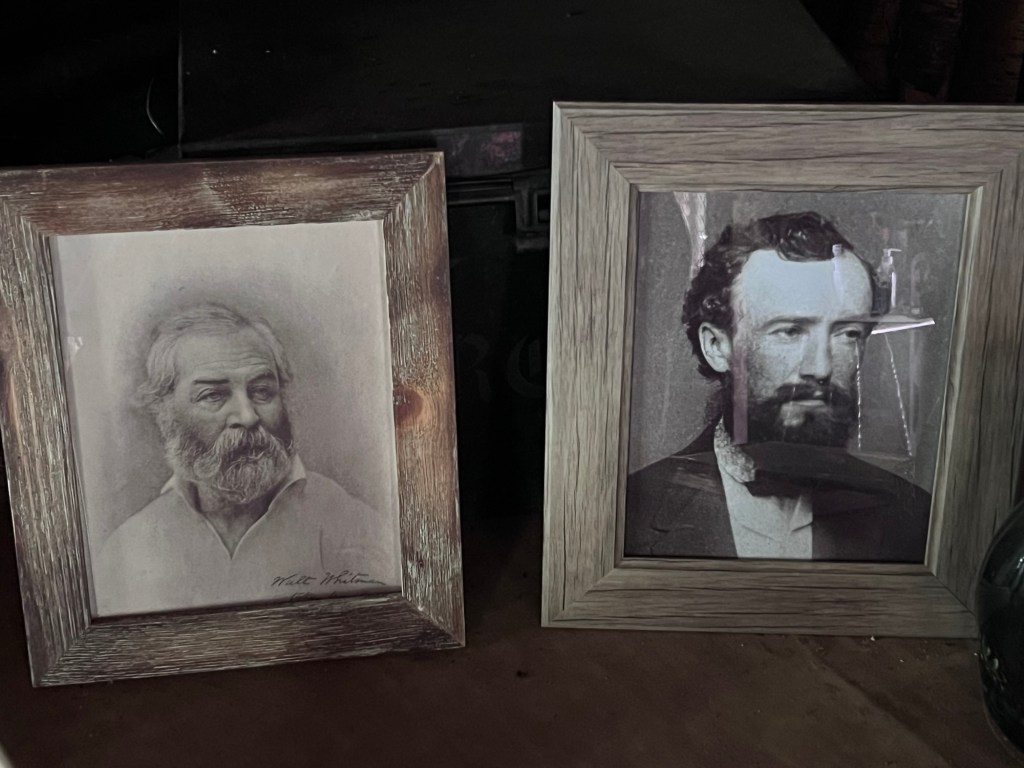
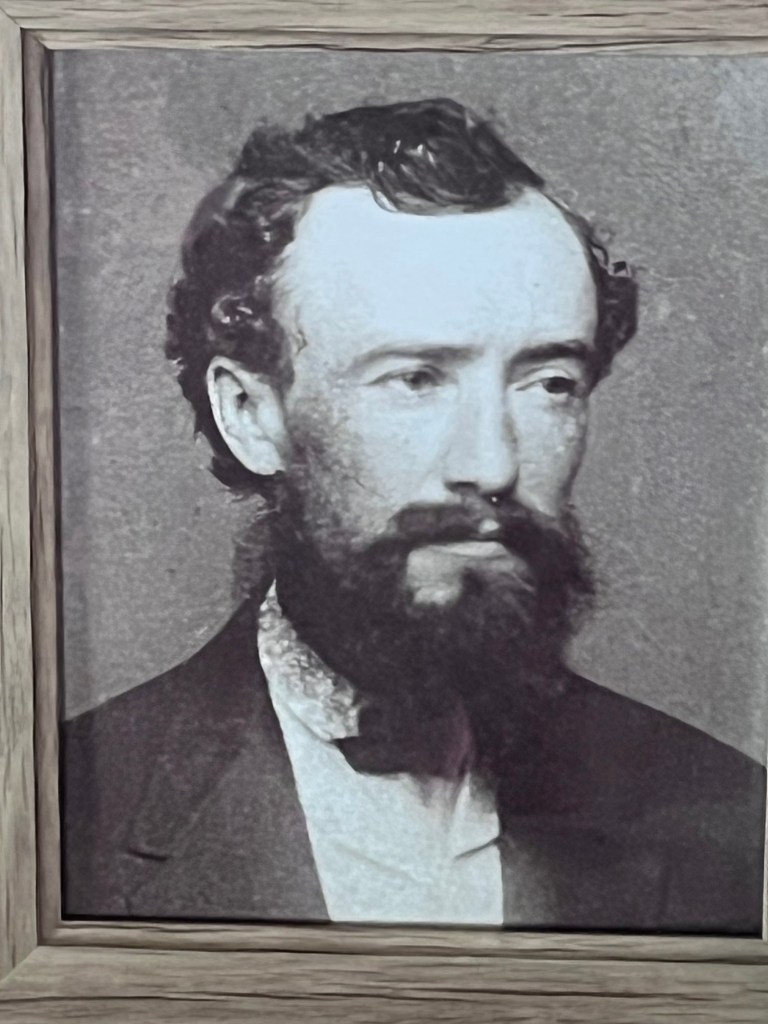
The pictures of Walt Whitman and John Burroughs in the bedroom
John Burroughs was one of the most popular authors of his day and is credited with creating the modern nature essay. Using easily understood prose, he described nature that was familiar and local, bringing the natural world to his readers. He encouraged them in the art of observation by sharing a sense of place and purpose in the land. Burroughs wrote more than three hundred articles published in leading magazines and in twenty-seven books over sixty years. Through his writings and friendships with influential leaders he had a profound impact on the emerging conservation movements.
Born in the Catskill Mountains in 1837 he settled on a nine-acre fruit farm on the west bank of the Hudson River north of Poughkeepsie that he named “Riverby.” Poet Walt Whitman and Burroughs tramped through its surrounding woods during Whitman’s several visits, moving Burroughs to call these woods “Whitman Land.” In 1895 he purchased a nearby tract of land and built a two-story cabin as a place to write and entertain, calling it “Slabsides.”
Though Burroughs was a writer particular to the Hudson Valley region, his travels were widely known and celebrated. In 1899 he joined the Harriman Expedition to Alaska and wrote the “Narrative” of the expedition. He accompanied Roosevelt into the wilderness of Yellowstone, telling the story in Camping & Tramping with Roosevelt, which provided the narrative for a segment of Ken Burns’s The National Parks. Burroughs also traveled to the Grand Canyon and Yosemite with John Muir and went on elaborate camping trips with his industrialist friends Henry Ford, Thomas Edison and Harvey Firestone. Accounts of these events are in Burroughs’ journal archived at Vassar College.
Burroughs received honorary doctorates from Yale, Colgate, and the University of Georgia, and the Gold Medal of the American Academy of Arts and Letters.
The ceiling of the cabin
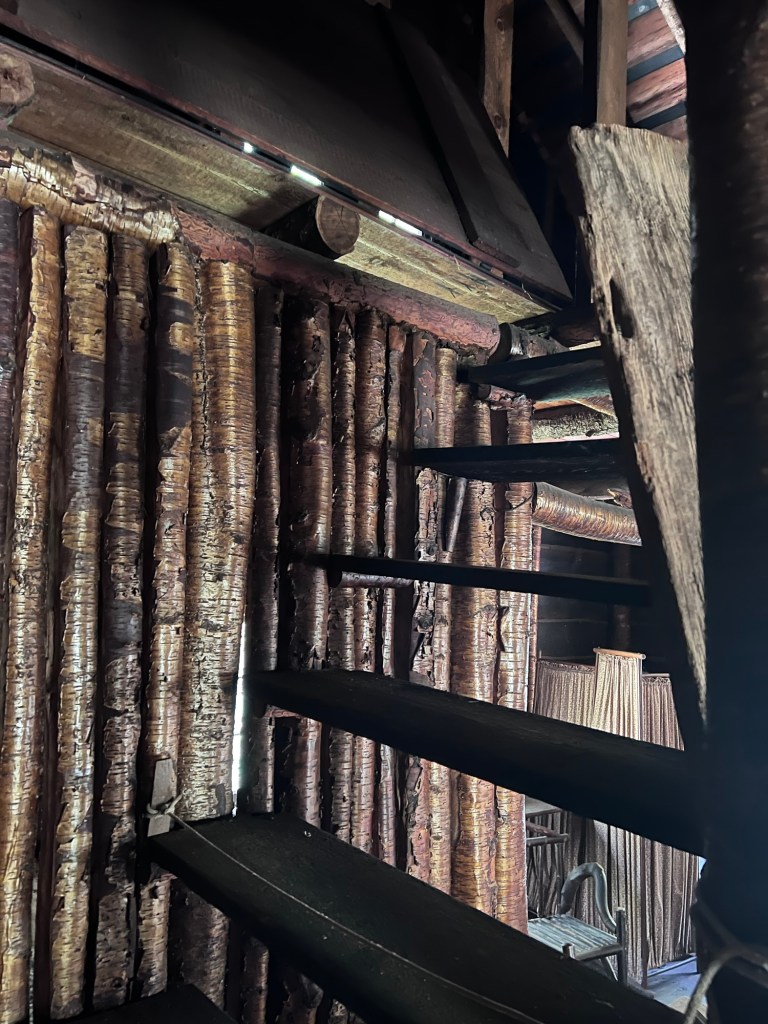
The stairs to the upstairs loft
The cabin was small and is pretty much one full room with one or two walls partitioning the rooms. This seems more like a summer cabin. Still it had its charm.
We then finished the tour outside along the trails outside the cabin.
I admired the outside woods from the patio
(From the John Burroughs Association website)
The land around Slabsides informed many of his essays in which he described nature close at hand. Through works written here, John Burroughs inspired national leaders to preserve land and its wildlife and generations of readers to head out-of-doors. For nearly three decades Slabsides drew devoted readers and prominent friends. There are nearly seven thousand signatures in his Slabsides guest books. Among the early signers were ornithologists Frank Chapman and William Brewster, conservationist John Muir, leader of the Arts and Crafts movement Gustav Stickley, and his friends Theodore Roosevelt and Henry Ford, who gave him a series of three Ford cars. The young journalist Theodore Dreiser interviewed Burroughs at Slabsides.
The trail outside the cabin which Aldo served as the lawn when it is not full of vegetation from all the recent rain.
The trail signs
Looking down the trails outside the cabin
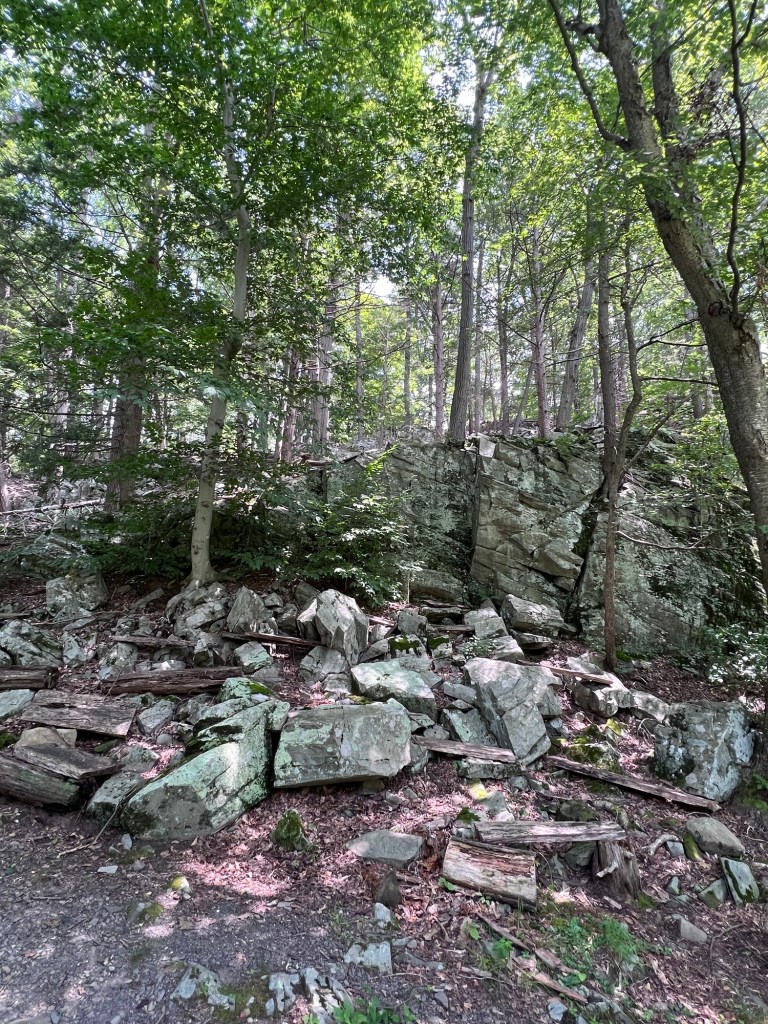
The rock formations outside the cabin on the trails
One last look back at the cabin before I left that morning
Walking along the trails outside back to the car
Walking along the trails bank to the car
Walking along the trails
Walking along the trails
The parking lot before I left that day
It was a wonderful private tour with Joan, who is the President of the organization. She explained who John Burroughs was, his significance in writing and his life. It was a very interesting tour.
The pathways were so beautiful and there is a full series of trails to follow throughout the property to explore.
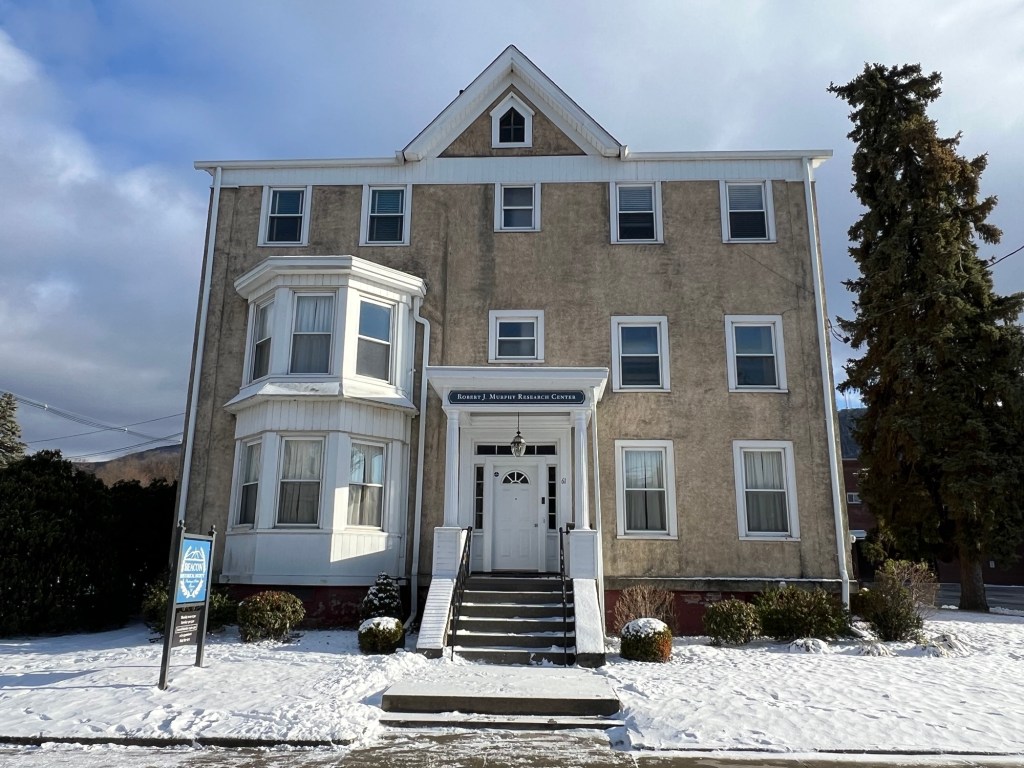
The Beacon Historical Society at 61 Leonard Street at Christmas time
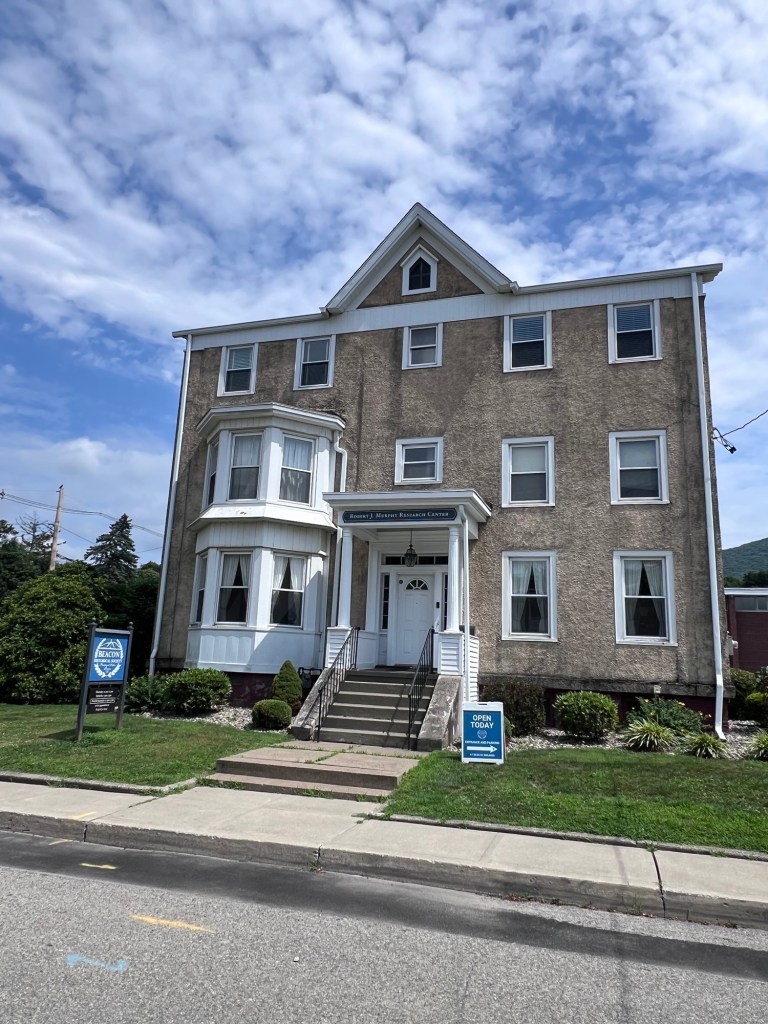
The outside of the building in the Summer
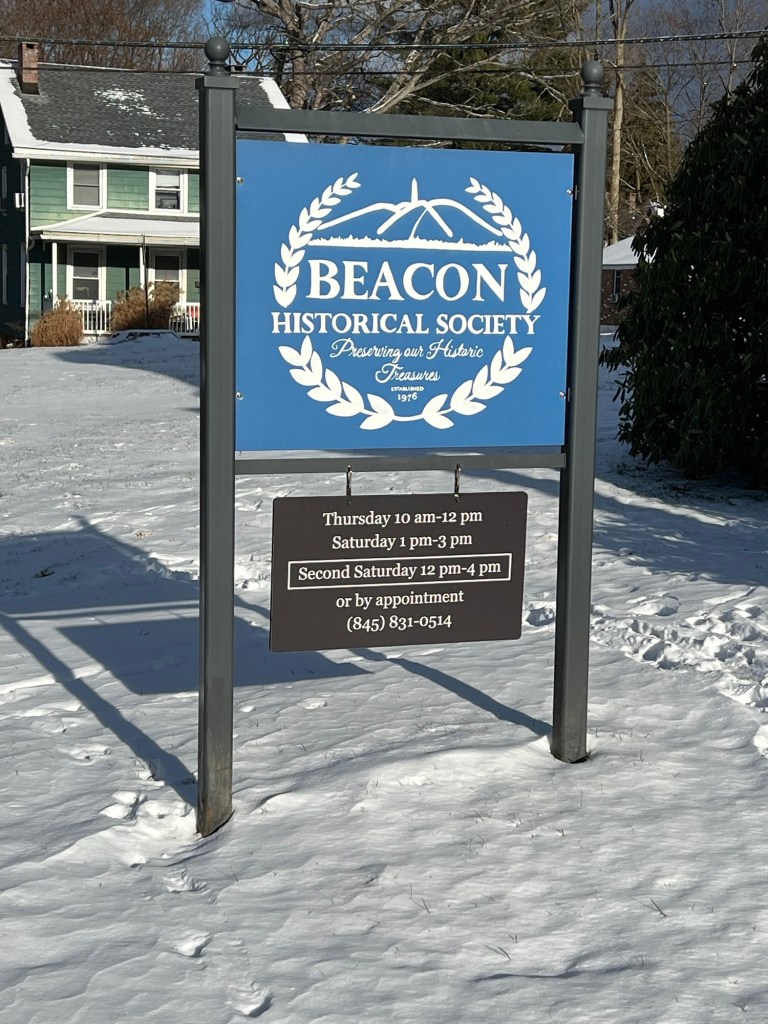
The sign for the Beacon Historical Society at Christmas time
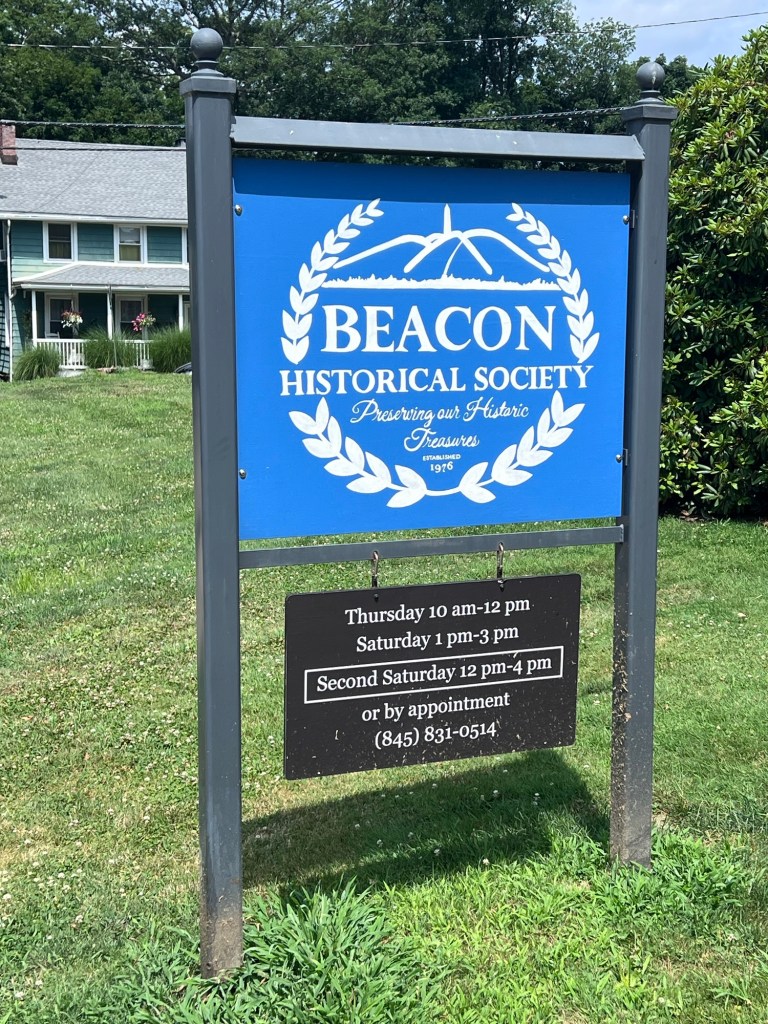
The outside sign in the Summer
The Mission of the Society:
(From the Society pamphlet
The Beacon Historical Society was founded in 1976 to preserve, collect and interpret the rich history of the City of Beacon and its predecessor Villages of Fishkill Landing and Matteawan.
History of the Society:
(From the Museum website)
Established in 1976, the Beacon Historical Society showcases Beacon’s history through exhibitions, collections, programs, books and an informative monthly newsletter. The Beacon Historical Society is proud to serve as Beacon’s repository of rare photographs, paintings and prints, Hudson River ship models, objects and ephemera from local factories and Main Street businesses, records of local cemeteries and Civil War veterans, maps of Beacon, Fishkill Landing and Matteawan.
I recently did a walking tour of Downtown Beacon, NY and was impressed by the numbers of restaurants, bars and stores in the downtown area. It is an impressive downtown with very few empty stores and impressive and lively street life. On my first trip to the Beacon Historical Society I learned this was not always the case.
I recently visited this small historical society packed with information on the history not just of the City of Beacon but the surrounding Hudson River area. The museum gives an in depth view of the industrial history of the area and the highs and lows of many of the river communities. These small communities have seen a renaissance over the last decade especially during COVID and many of the older towns have seen new life being breathed into them.
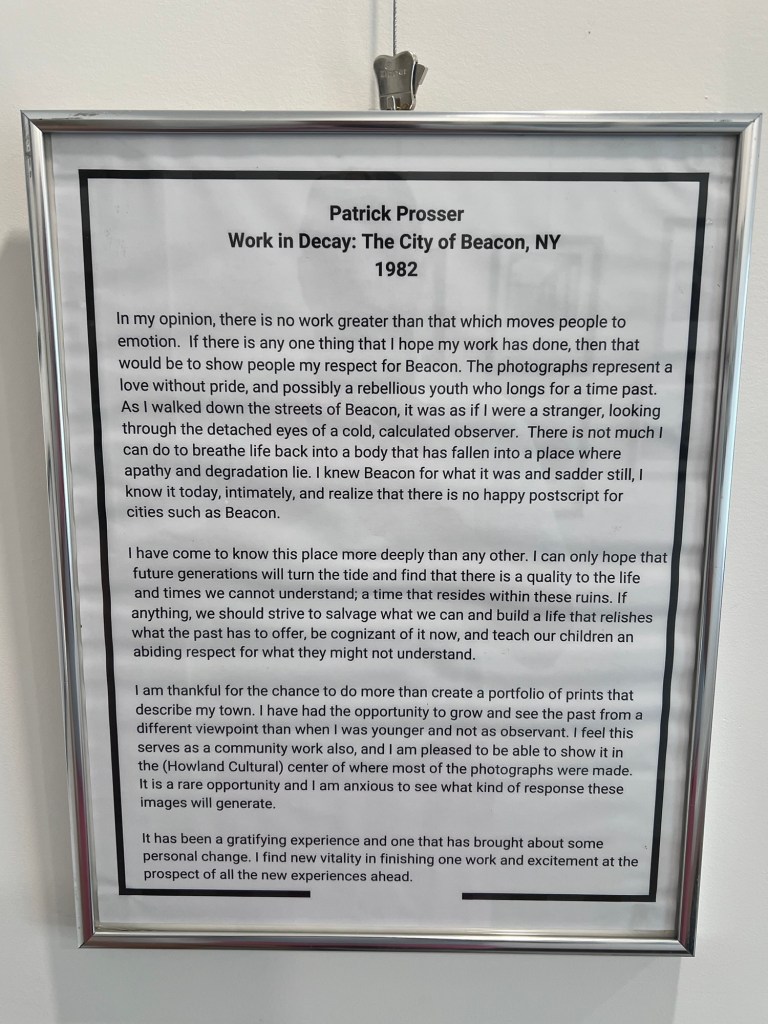
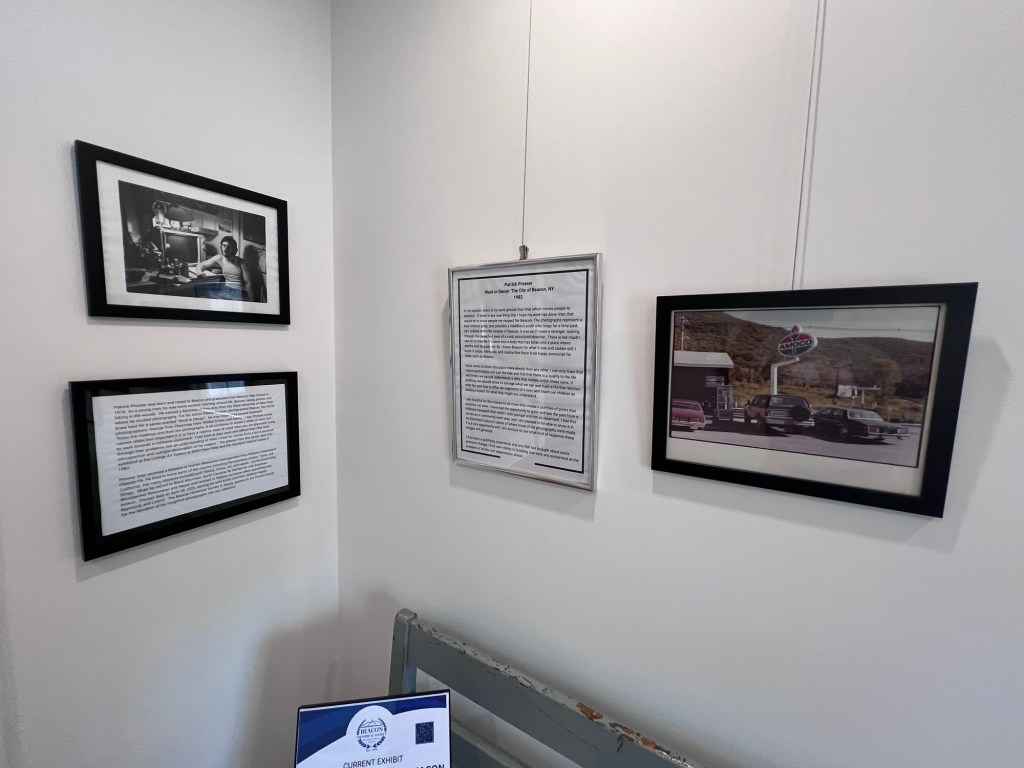
The first exhibition I looked at was the Photographer Patrick Prosser exhibition (being shared with the Howland Cultural Center) ‘Work in Decay: The City of Beacon NY’.
Photographer Patrick Prossner was born and raised in Beacon and a graduate of Beacon High School and SUNY New Paltz with BFA. His work on this project started in 1982 photographing the decay of his home town (Author’s Bio on BHS website).
The photographer moved to the area in the early 1980’s during a time when Beacon’s mills and factories were closing and the downtown was boarded up. It shows what the downtown business district looked like and the changes that were made to shape it today.
The sign for the exhibition
Pictures of the former industrial zone
The pictures showed a once vibrant industrial community and the changes once these factories closed.
The changes in the surrounding area
The exhibition really shows the transformation of these towns from the once industrial hubs to the artsy communities filled with galleries and bars that many of them have become.
Downtown Beacon today filled with art galleries, shops and small restaurants
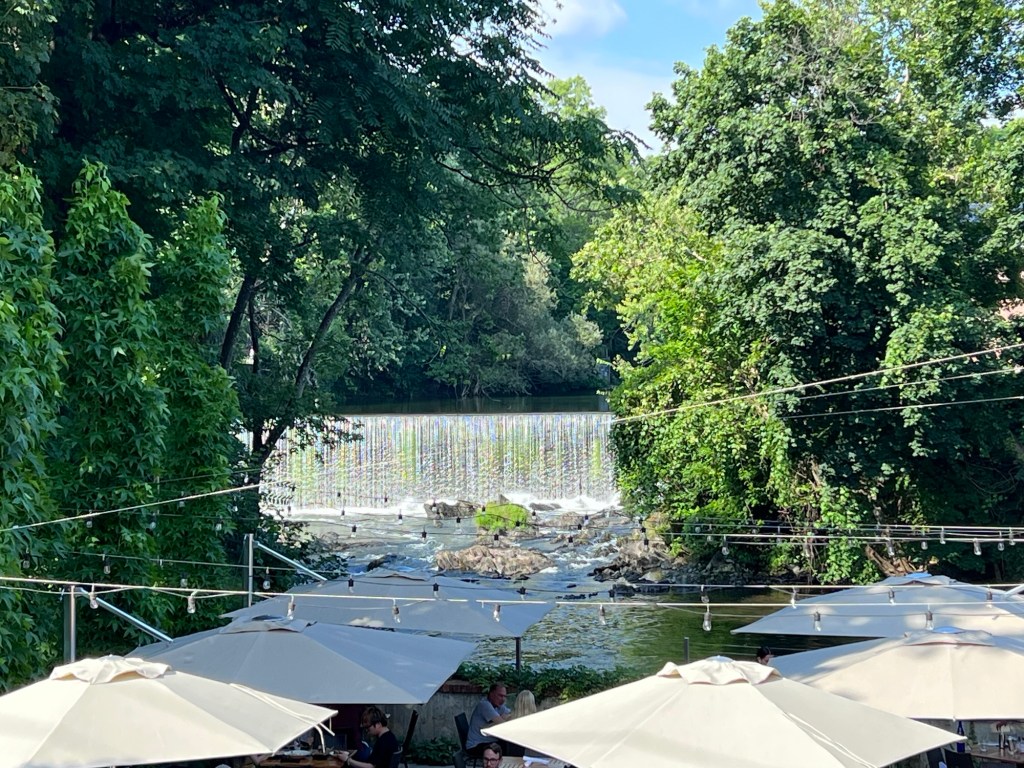
The former mill is now a luxury hotel and restaurant overlooking the same waterfall that used to power the mill
These small communities factories have now become hotels, lofts and in some cases new cottage industries have moved in. Time transforms areas and what is old becomes new again.
The first floor gallery
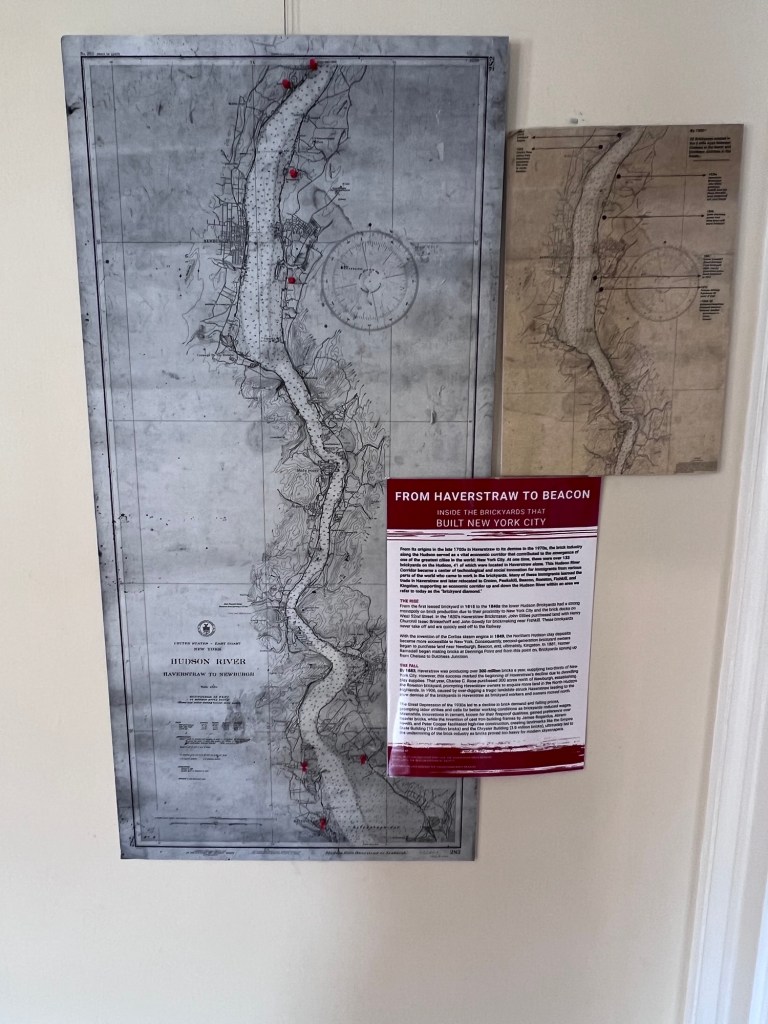
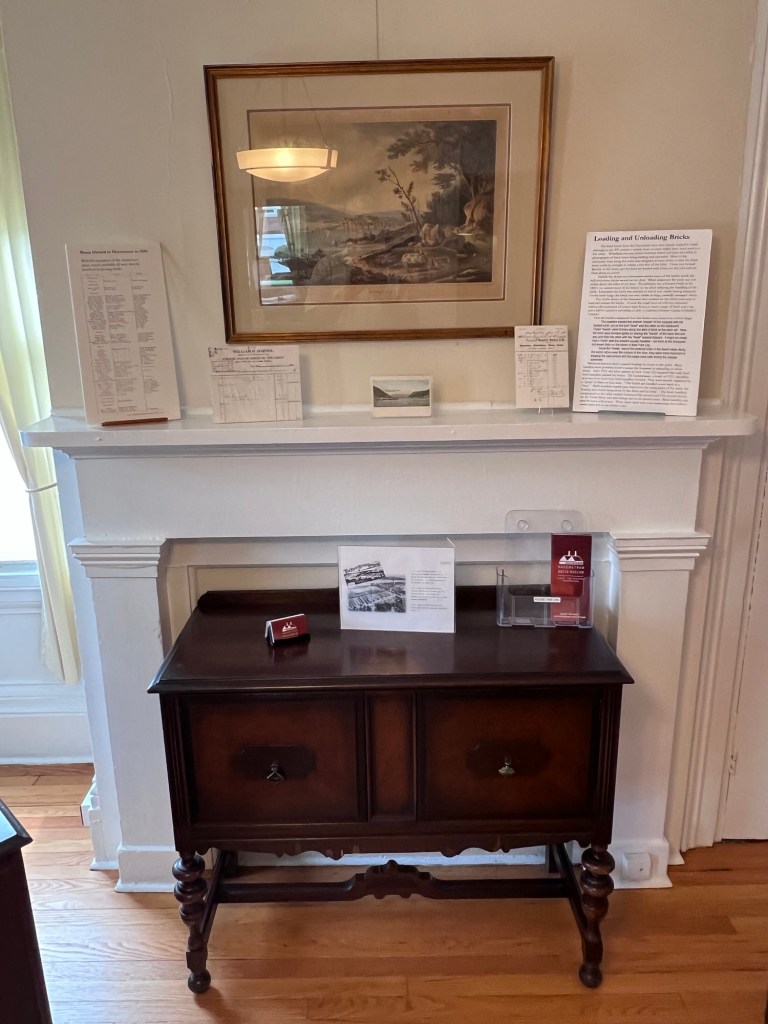
The second exhibition that I walked through was the ‘From Haverstraw to Beacon: Inside the Brickyards the built New York City’, an extensive look at the brickyards and the clay deposits that once lined the Hudson River that build most buildings in the City in the end of the Eighteenth, Nineteenth and early Twentieth centuries.
The exhibition sign
The map of the location of the brickyards along the Hudson River. This depended on the location of the clay deposits.
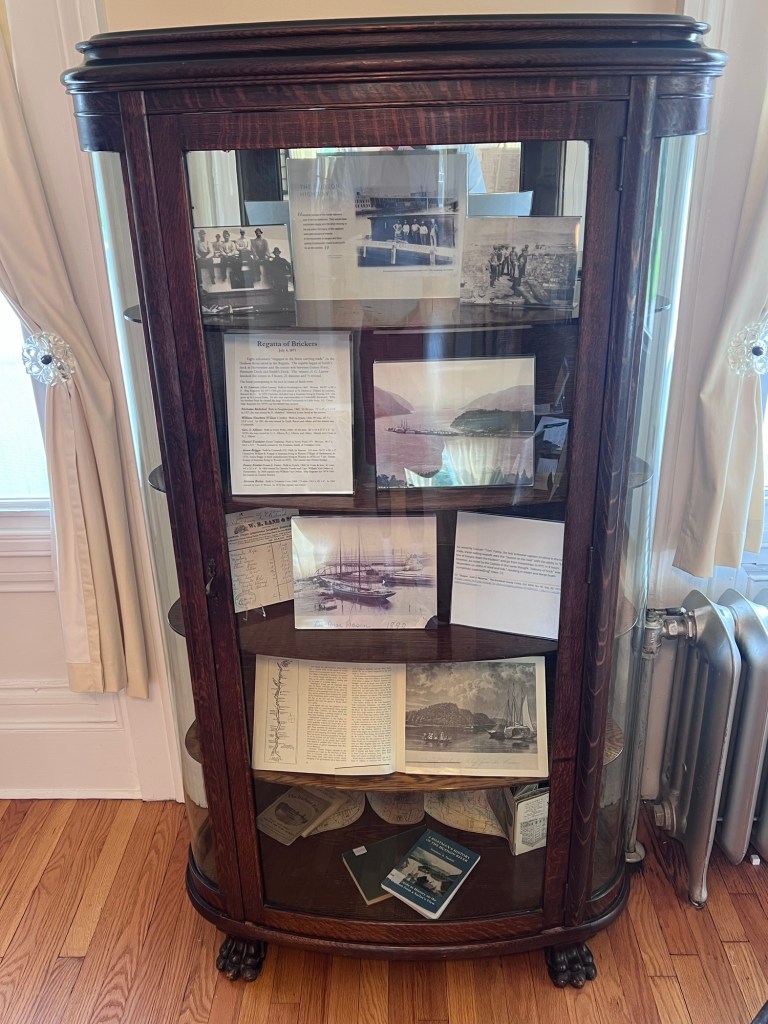
Transportation of freight and people for both recreation and business was described in this display of different boats down the Hudson River.
The display of understanding the brick business
Display of the different companies and processes of making bricks
The display of people that make up the industry
The process of mining, making, drying and creating the bricks that would end up in New York City
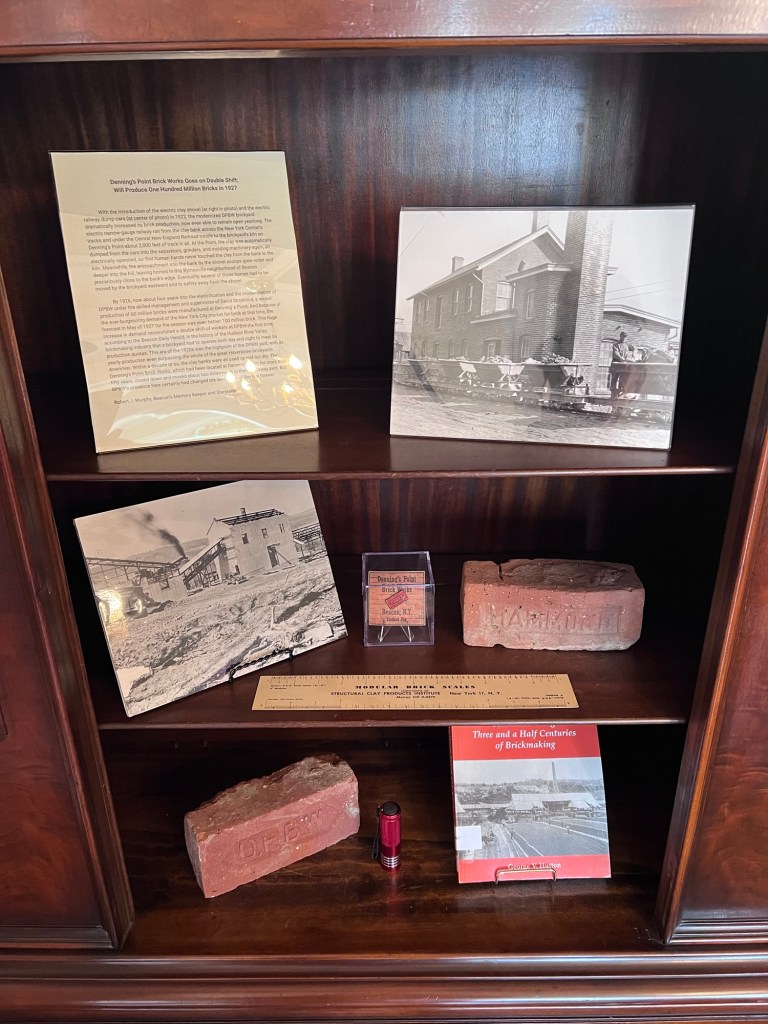
Some of the bricks and the companies from the New York market that were created in the region
Another display on the companies
More of the companies and processes to making bricks
The exhibition was a very interesting look at what was once a dominant industry in the area but like any industry as the clay ran out and building materials changed, the industry diminished in the area and that way of life changed. With it as well was the transformation of the area.
The former brick factories
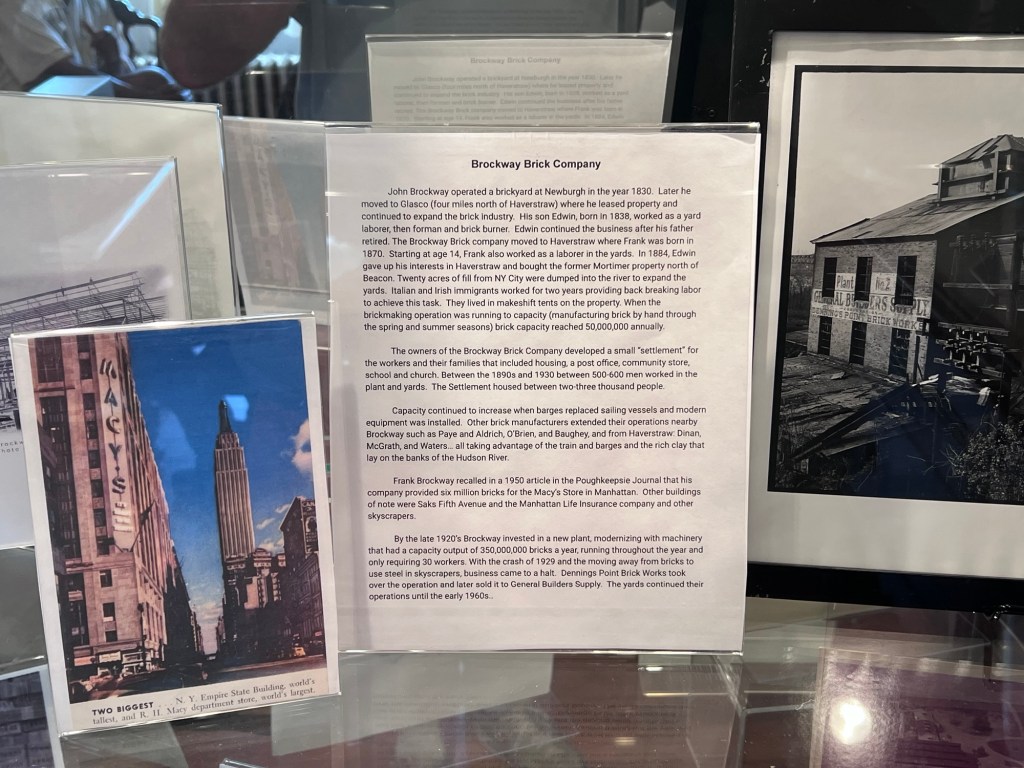
The Brockway Brick Company that built Macy’s original building in Manhattan
There were smaller exhibitions as well all over the two floors of displays. First there was a handmade dollhouse on the first floor that is a favorite of the elementary school students.
The handmade dollhouse on the first floor
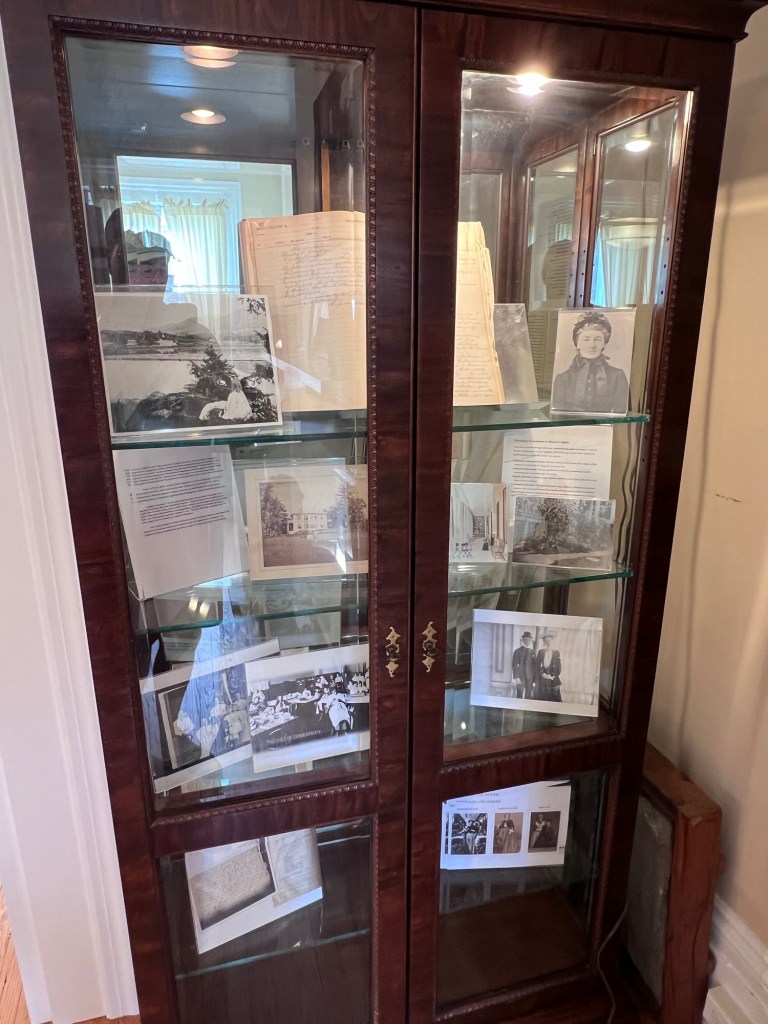
On the seconded floor is a display is the socially prominent Van Nydeck family. The family donated their family tree and many family heirlooms and portraits.
Part of the Schenck Van Nydeck family tree
The Van Nydeck family heirlooms
There was also artwork and artifacts from the surrounding community on display all over the museum.
The painting is by a local artist and the pottery is locally made
The window is a Tiffany window from a local church that the Historical Society saved for the museum
The first floor gallery
The docent told me after I toured the exhibition that there are more exhibitions being planned for the future.
Touring Downtown Beacon, NY:
After the trip through the Historical Society, I ventured and walked Downtown Beacon. The neighborhood has certainly changed since the early eighties.
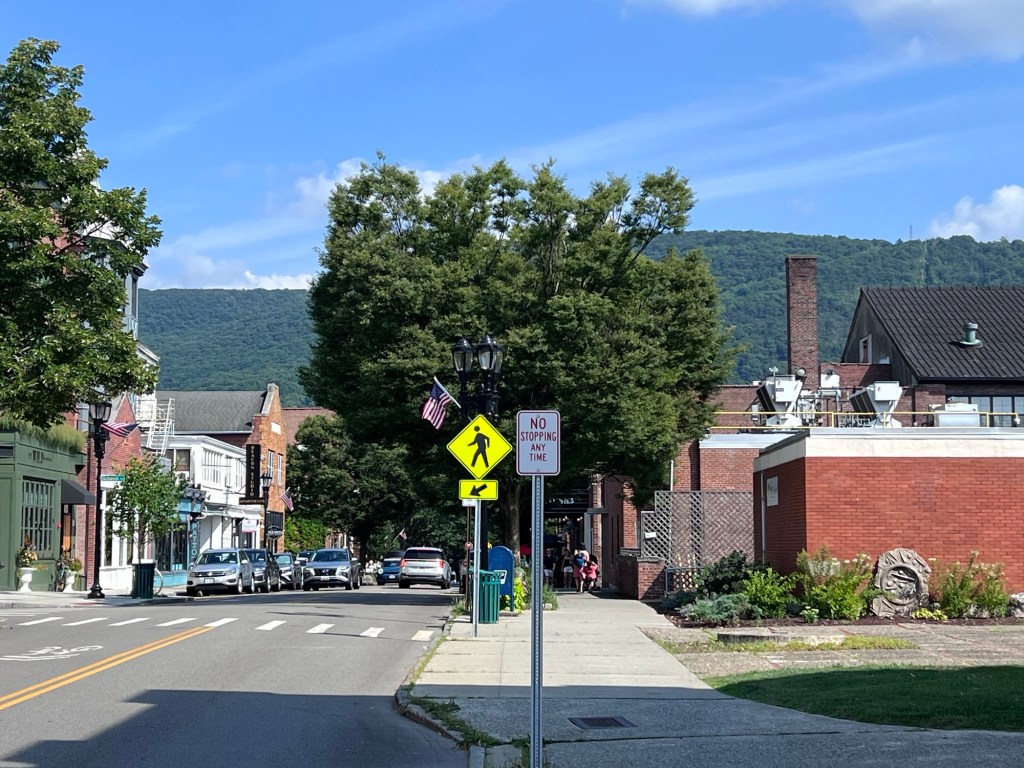
Downtown Beacon today
Downtown Beacon today with Mount Beacon in the distance
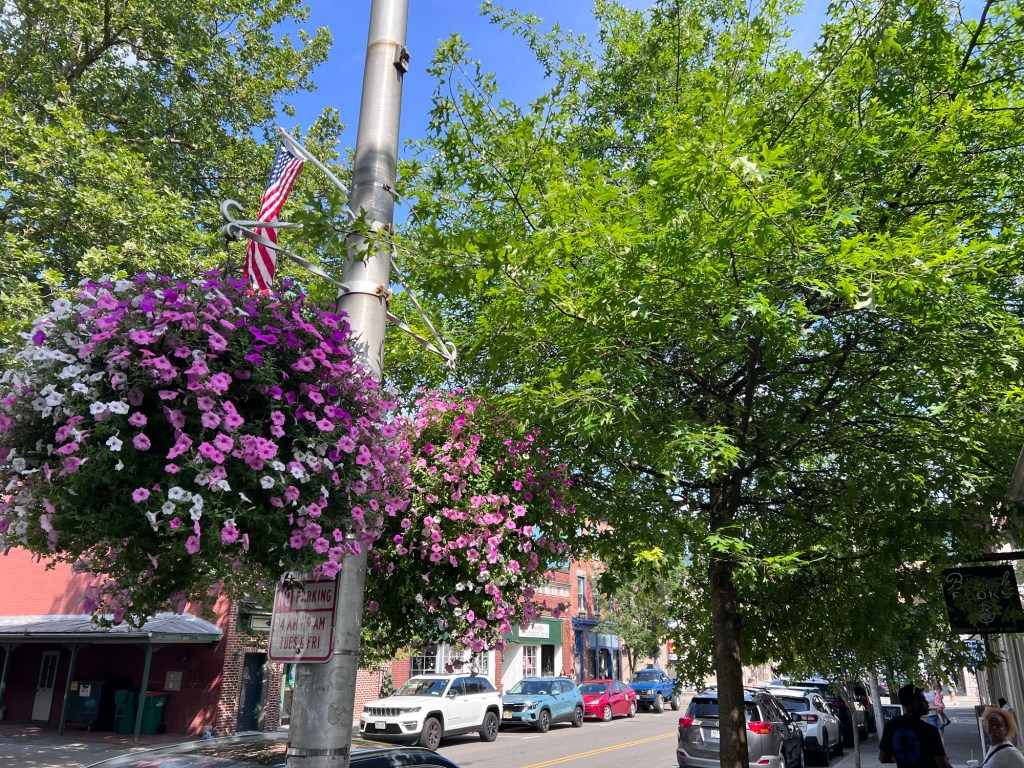
The beautiful floral arrangements in the downtown today
The Summer Solstice arrived on a beautiful sunny and warm afternoon. It looked like a heat wave was coming but today and tomorrow we’re going to be spectacular. It would be a nice day for a walk.
I would have ordinarily have done The Great Saunter on my own today but Maricel and I had plans in the afternoon that I did not want to break but fell through the day before. That and I had tickets to a special event at the Brooklyn Botanic Garden for a special ‘Summer Solstice’ concert and I really wanted to go to the concert. Plus being in the Gardens at night for Member’s events is a real treat.
Once the plans fell through and after getting a series of errands done, I headed into Manhattan for a quick lunch and the I would walk all the Avenues between West 23rd and West 14th Streets between 10th and 7th Avenues. It took me about four hours to do because I kept stopping in parks and walking around the Chelsea Market between Ninth and Tenth Avenues.
I started the walk with a good lunch. I had been wanting to go back to Kashmir 9 at 478 Ninth Avenue for a while so I started my day there. The place was packed. The food is a combination of Indian and Arabic cuisines and gets an interesting crowd of people from all walks of life. The food is wonderful and very reasonable.
The Chicken Kebabs with rice and a Chicken Patty at Kashmir 9 at 479 Ninth Avenue
The Chicken Kebobs here are excellent
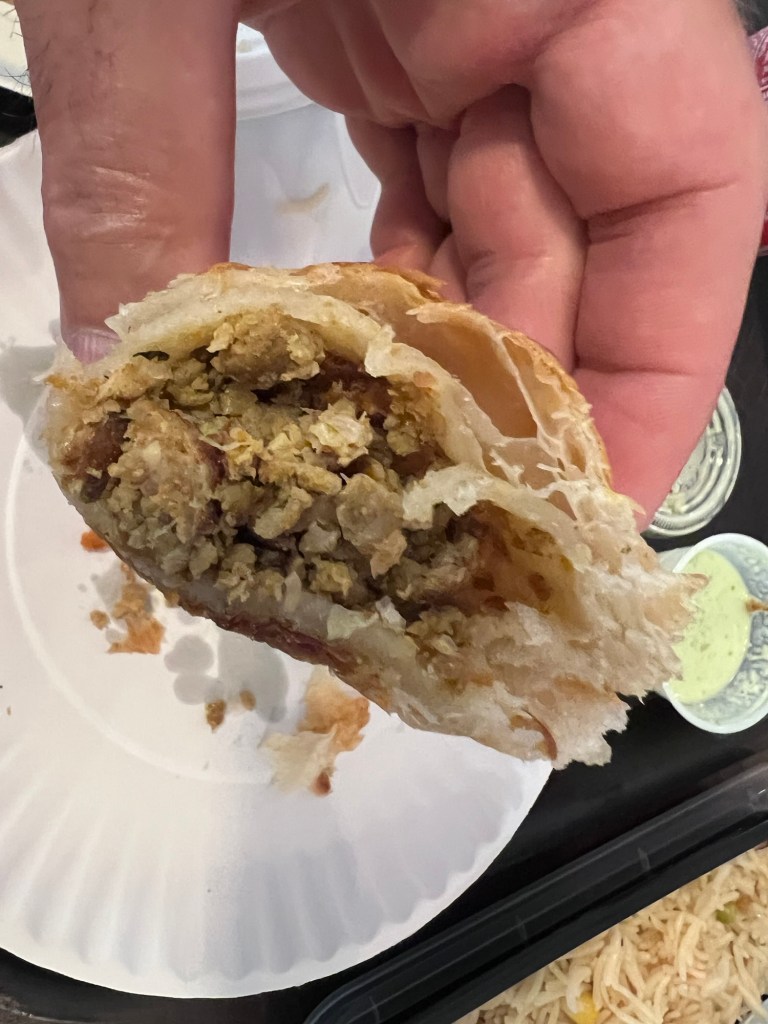
The Chicken Patties make a good starter
Yum!
It can be a real culture shock eating here because you will feel like you got transported to the Middle East. You are surrounded by men speaking Hindi and Arabic chatting away while other men are doing their afternoon prayers. It is an interesting experience at lunch.
After a perfect lunch of proteins and carbohydrates, I was ready for the long walk around the neighborhood. It was the perfect day with no humidity and bright sunshine. I walked down to West 23rd Street and Tenth Avenue and started my walk around the neighborhood. Chelsea is such a great neighborhood to walk around in.
The corner of Tenth Avenue and West 23rd Street
This section of the Chelsea neighborhood has been in massive flux since the opening the High Line Park. It has been totally rebuilt over the last several years. I have never seen such changes before in a neighborhood. Along the High Line Park, there are all sorts of innovative new buildings that have been built or under construction.
While walking down Tenth Avenue, I noticed the beautiful mural located outside Juban Restaurant at 206 Tenth Avenue. I thought the colors and design were so vibrant.
The interesting painting outside of Juban at 206 Tenth Avenue
I thought the mural outside the restaurant was interesting (I could not find the artist who did the outside mural)
History of the restaurant:
(From the Juban website)
Set in the heart of Chelsea’s gallery district, Juban’s rich culture offers a convivial and inspired experience of authentic fare. Here, seasonal menus and artful murals converge—serving tradition with the wink of innovation.
Juban is an inventive Izakaya dedicated to bringing wonder to the experience of Japanese cuisine in a local setting. With every meal designed for discovery, its creative spirit unfolds through community. Artful sushi, masterful seafood, elevated skewers, and neighborhood favorites are served family-style to celebrate sharing and connecting. At once serendipitous and soulful, its unique approach always serves the moment.
Further down Tenth Avenue outside of the Empire Diner building is the mural “The Mount Rushmore of Art”, one of the many murals in the neighborhood created by artist Eduardo Kobra, who has murals painted all over New York City. This one stuck out for its take on Contemporary Artists of the Twentieth Century.
Artist Eduardo Kobra painting “The Mount Rushmore of Art” above the Empire Diner at Tenth Avenue and West 22nd Street
The mural, created by Brazilian artist Eduardo Kobra, “Mount Rushmore of Art”, is the artist’s memorial to some of modern art’s biggest artists including Andy Warhol, Frida Kahlo, Keith Haring and Jean-Michel Basquiat (Vibe Map 2023).
Eduardo Kobra is a Brazilian born artist known for his contemporary and colorful art murals all over the world.
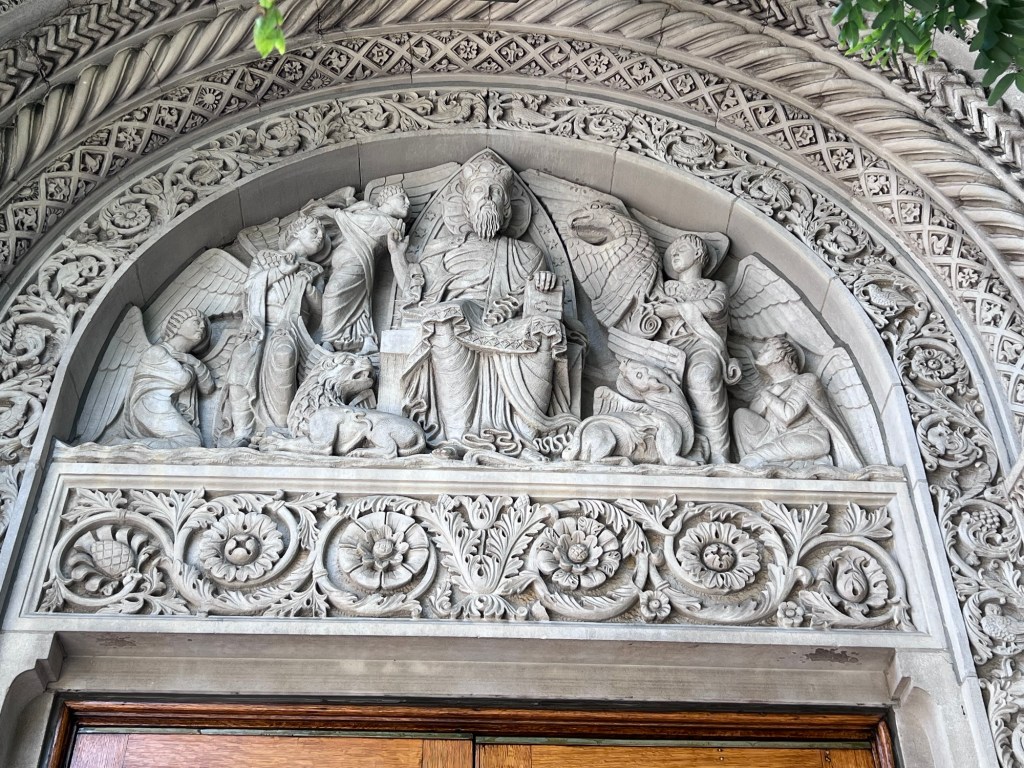
Further down Tenth Avenue, I passed the Guardian Angel School at 193 Tenth Avenue. What stood out on this building was the beautiful and intricate stone work that embellishes the building. It really is an interesting building.
The Guardian Angel School at 193 Tenth Avenue had a lot of interesting stonework around the building. The school is currently closed.
The church school was designed and built in 1930 by architect John Van Pelt of the Van Pelt, Hardy & Goubert firm. The building was designed in the Southern Sicilian Romanesque style and has many different religious elements in the detail of the outside of the building. You have to look at it from all directions to appreciate its beauty (Wiki).
What’s sad is that the school has been closed as part of the cutbacks of the Archdiocese of New York. Right now the community is fighting to keep this school open. We will see how the building gets used in the future.
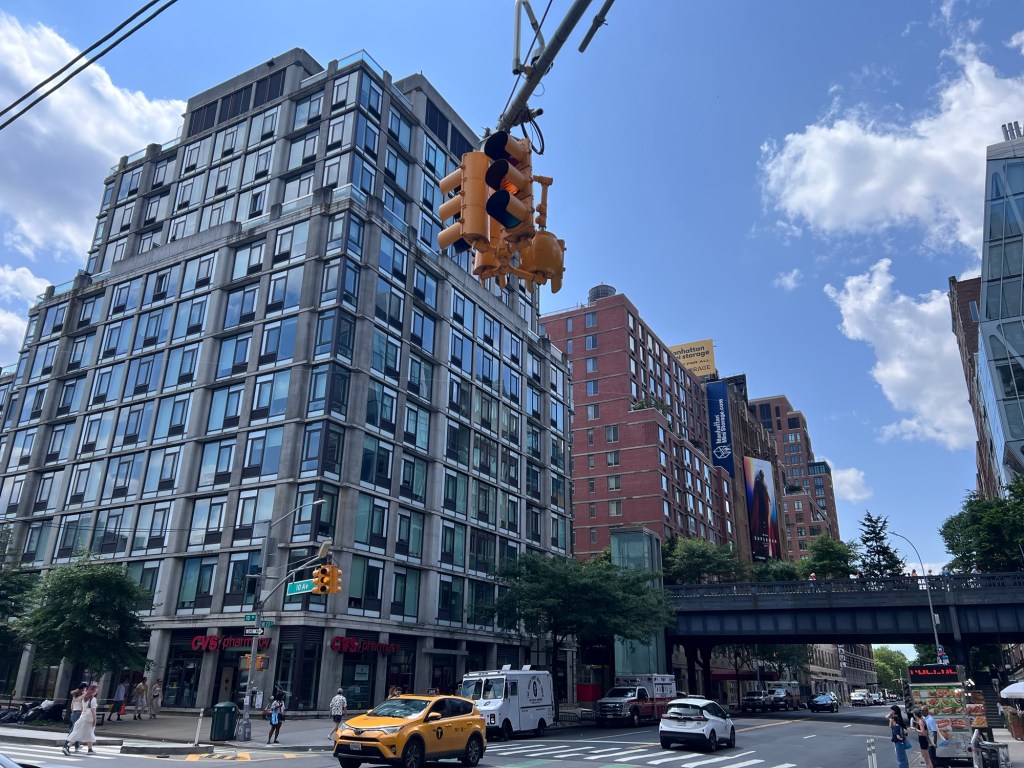
As I walked down Tenth Avenue, you can see all the changes in the neighborhood and the architecture that surrounds both Tenth and Ninth Avenues. This area of the City has seen so many changes due to the opening of the High Line over the last ten years. This part of the neighborhood has some of the most interesting looking buildings and many innovative art galleries and restaurants. It still is in the process of changing. Many old warehouses and factory buildings have been converted into lofts and apartments.
The creativity in the new architecture that lines Tenth Avenue
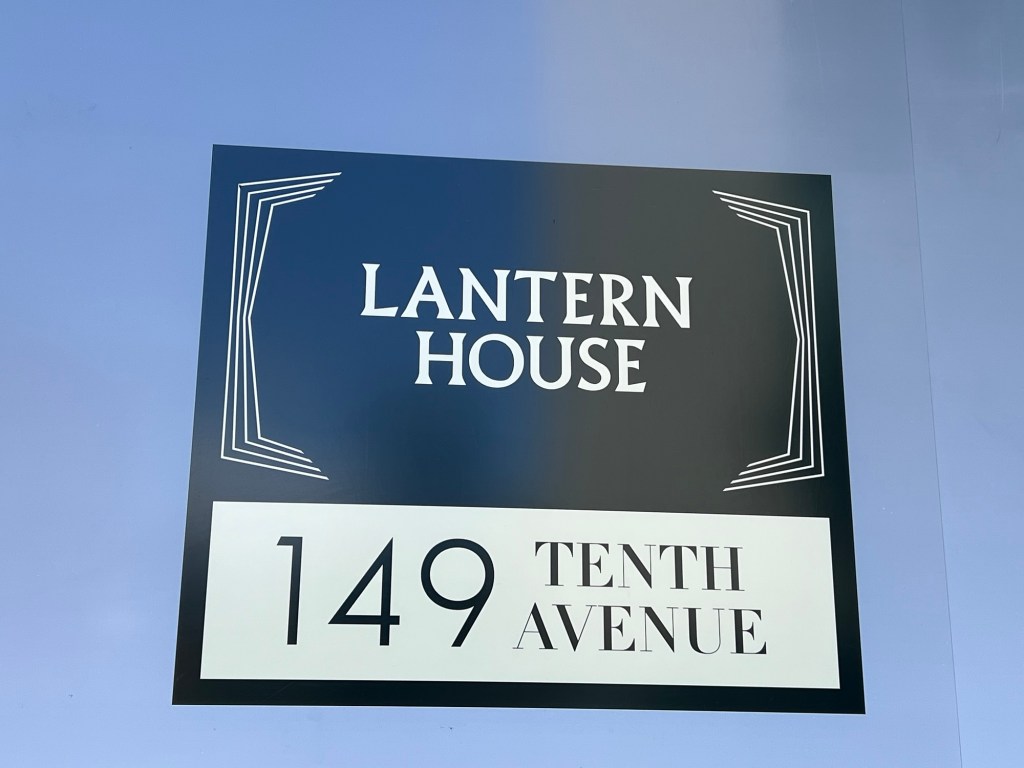
One of the most beautiful of these new buildings is the Lantern House Apartments at 149 Tenth Avenue
The Lantern House sign at 149 Tenth Avenue
(From the Related Corporate website)
Lantern House is designed by Heatherwick Studio, founded by the British designer Thomas Heatherwick in 1994. The building offers a distinctive reinvention of the Chelsea warehouse architectural style, featuring a modern interpretation of the bay window and a custom masonry façade. The 21-story building comprises a collection of approximately 180 one-, two-, three- and four-bedroom residences, many of which bestow uninterrupted cityscape and Hudson River views and promise to provide residents a totally integrated lifestyle destination. Lantern House is part of a two-tower development that links underneath the High Line.
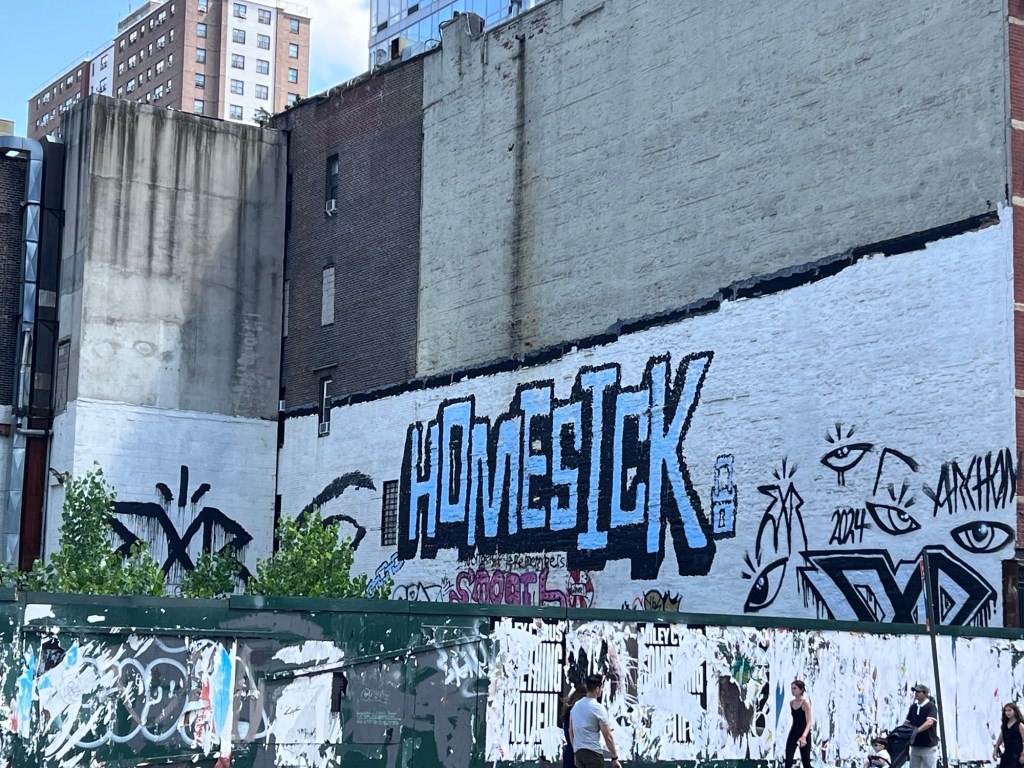
As I walked back up Tenth Avenue, I saw this series of graffiti art on the side of a building that will quickly disappear as the lot next to it will become a new apartment building. Still the work was very interesting.
Even the street graffiti was interesting but will not last with all the new construction
The one thing I like about the Tenth Avenue side of the neighborhood is the access to Hudson River Park and all the trails, shaded areas to relax, gardens and views of the built up side of Jersey City and the Hudson River coastline. There are all sorts of benches and shaded areas to just read a book and talk to people. No matter what the age is, people of all types are conversing in the parks.
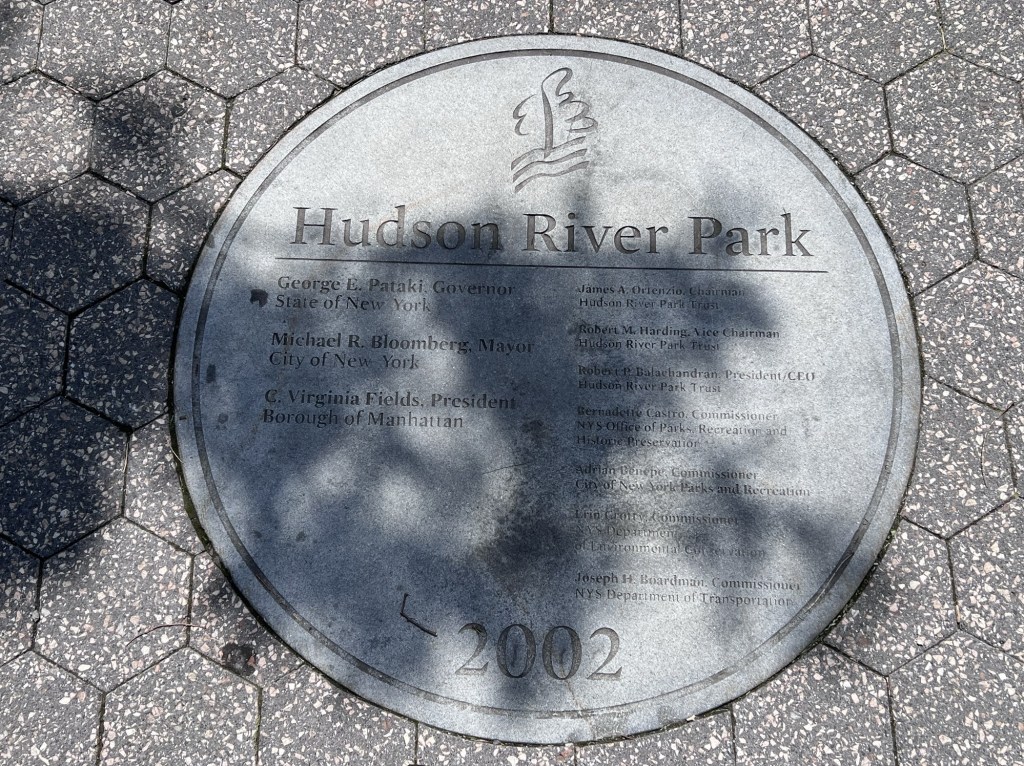
Hudson River Park lines the neighborhood and the edges of West 14th Street
The success of the Hudson River Park under the Giuliani/Bloomberg Administrations when things ran correctly in New York City.
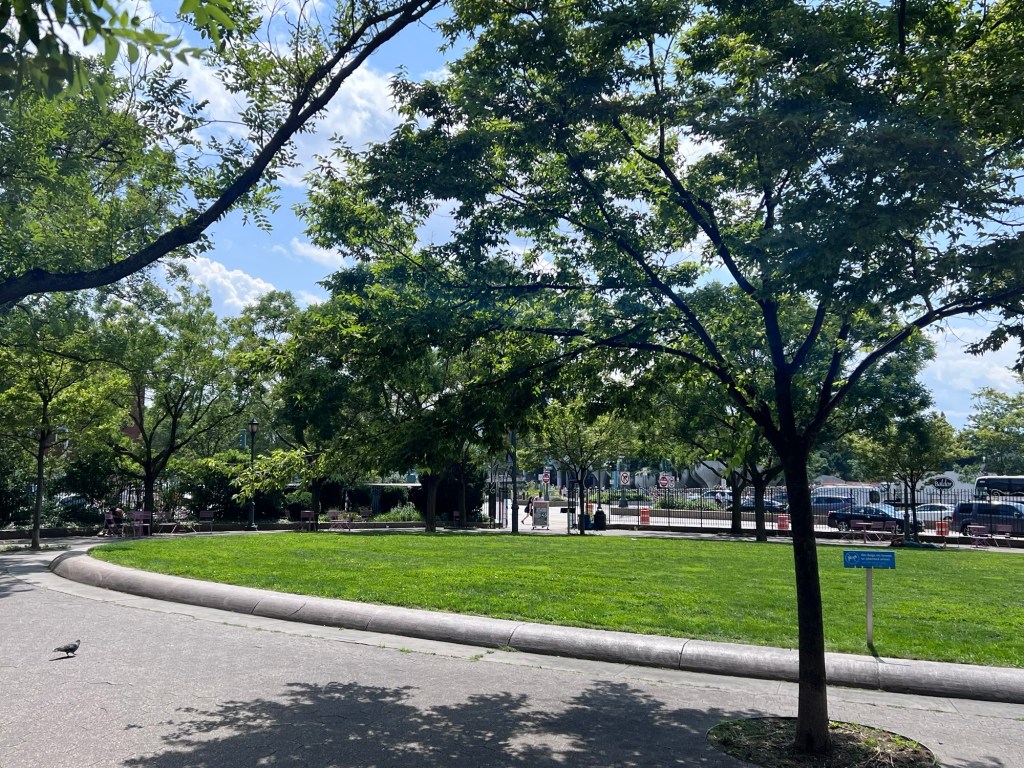
Hudson River Park at the corner of Tenth Avenue and West 14th Street in the Summer of 2025
Hudson River Park at the corner of West 14th Street and Tenth Avenue
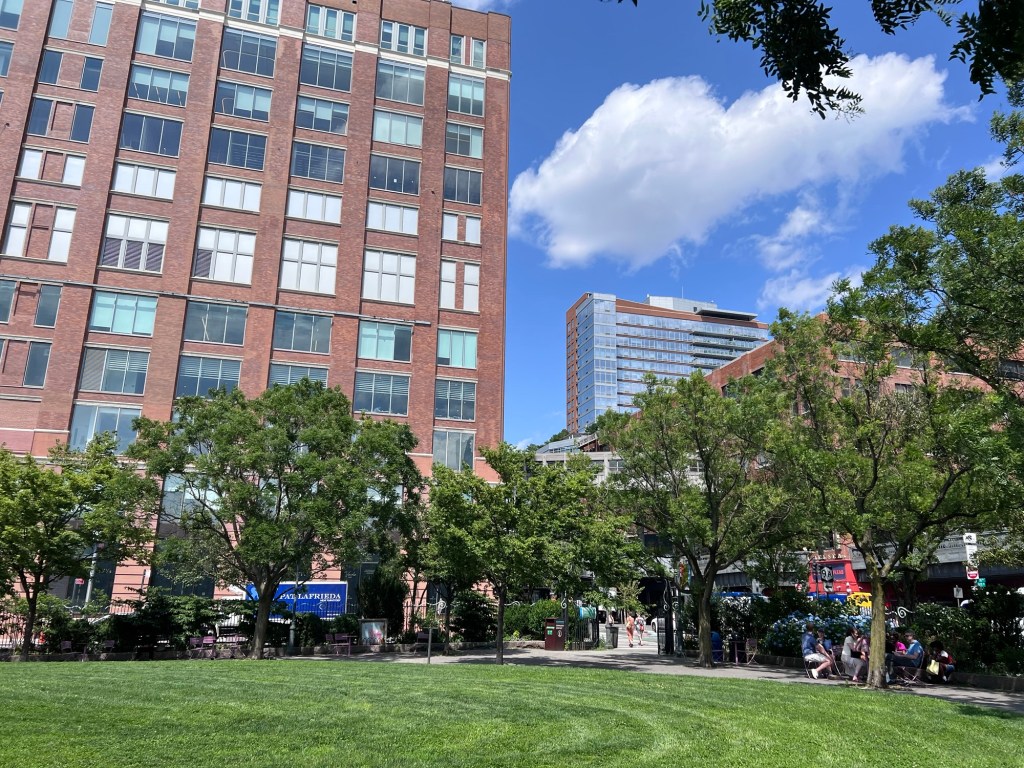
Stopping in Hudson River Park for a half hour to cool off was wonderful. The breezes from the river were really nice and it was relaxing to just sit under a shade tree and watch the world go by. As I left the park and started my walk back up Tenth Avenue, I just saw how breathtaking the view was as I looked back up to West 23rd Street.
Looking up the ever changing neighborhood that lines Tenth Avenue from West 14th Street
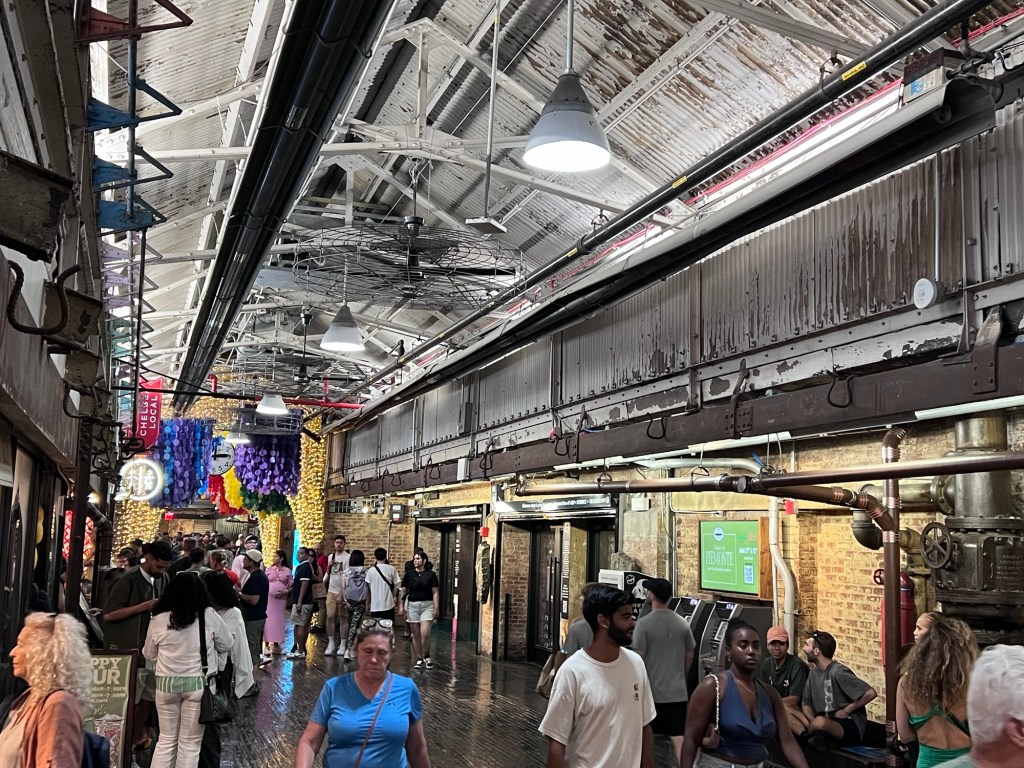
I saw people walking around an interesting clothing shop and peeked through the windows. I could not find the entrance and walked through the door of a back hall. It ended up being the back entrance to the Chelsea Market, whose main entrance is on Ninth Avenue. I didn’t even know there was a back entrance and never explored the stores to the back of the complex. The market had once been the old Nabisco factory and you can still see some of the original features of the old building.
The inside of the Chelsea Market in the back entrance at Tenth Avenue between West 15th and 16th Street. The Market was mobbed that day. It was the middle of lunch hour. Between the locals and the tourists, you could barely move around the complex.
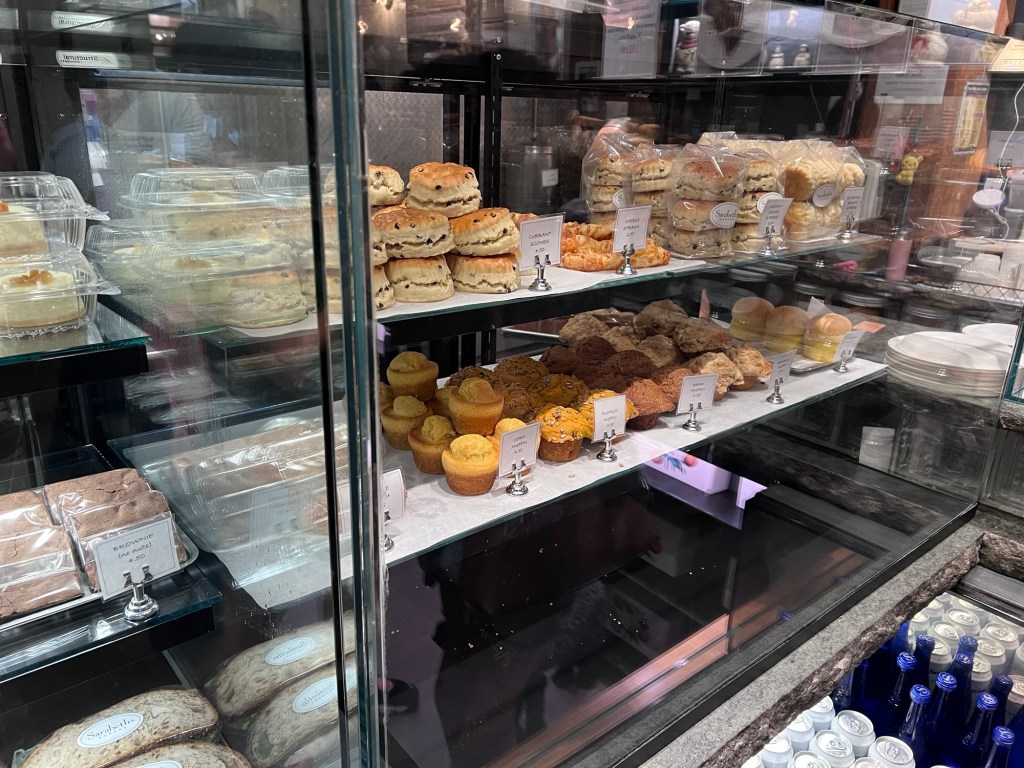
The selection at Sarabeth’s can be a bit pricey but the quality is excellent and the food is always consistently delicious. When I took a tour of Little Island with NYU at the start of the school year by second year at the college we came here for lunch and then had a picnic on the island. Great selection of items.
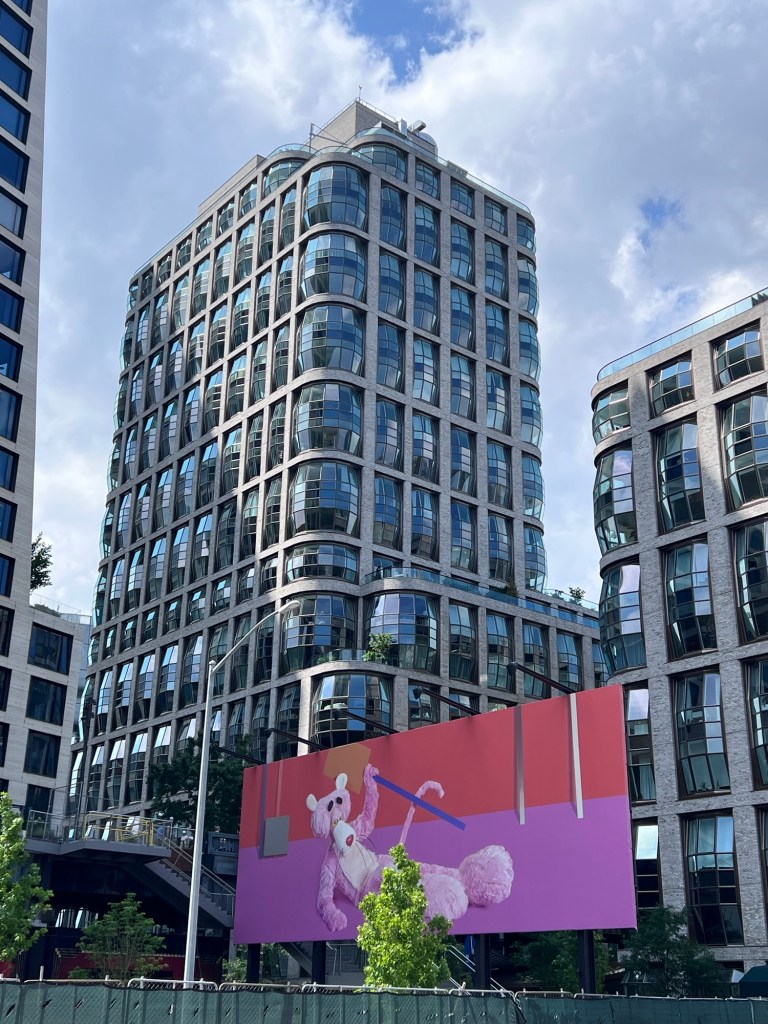
The mural “Soft Power” next to the Lantern House Building with the Pink Panther Mural in the front of the High Line
As I walked back up Tenth Avenue, I came across this giant billboard of the Pink Panther. The work is entitled “Soft Power”
Artist Alex Da Corte presents a new artwork for the High Line’s 18th Street Billboard, inspired by the Pink Panther, a Friz Freleng creation designed for the animated opening sequence of a 1963 Hollywood comedy that came to embody the film and has evolved, through 60 years of spin-offs and reinventions, into cultural ubiquity. Pink’s durability across many generations has allowed it to sell countless products, from fiberglass insulation foam to artificial sweetener, yet the creature’s essence remains out of reach.
With neither master nor peer—and seemingly eternally unbound by the rules of others—Pink represents a certain queer freedom. Da Corte revives Pink as an icon of resistance, supine but poised, wielding a sign of universal protest, brandishing a clear pink purpose. “There is a difference between falling down and laying down,” Da Corte explains. “I call that soft power.” This billboard is an advertisement for the value of such power.
Alex Da Corte is an American born Venezuelan-American artist now living in Philadelphia. Da Corte was the 2023 Philip Guston Rome Prize Fellow at the American Academy in Rome (Artist bio).
Another interesting mural was on the side of The Chelsea Square Market at 130 Tenth Street is of Mother Teresa and Mahatma Gandhi by artist Eduardo Kobra, whose work I had seen earlier on my walk and I have seen all over Manhattan. These two icons of peace face each other in a store that sells delicious deli food (see the artist bio above).
The Kobra painting “Tolerance” on the Chelsea Square Market building at 79th Tenth Avenue of Mother Theresa and Gandhi
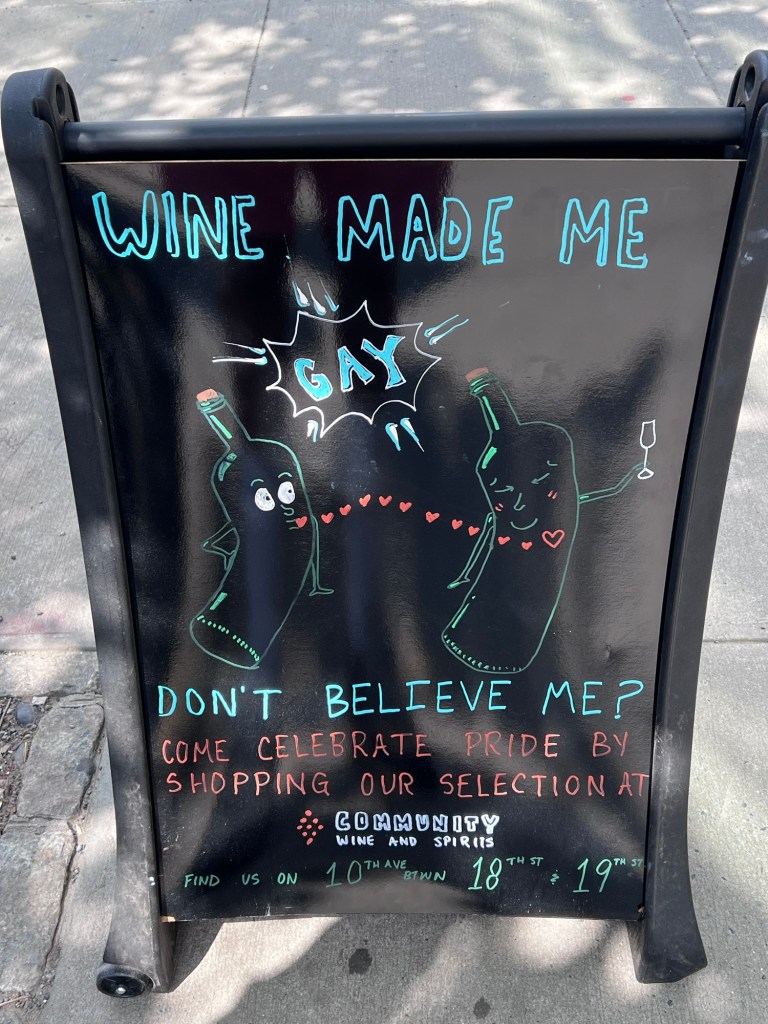
As I was walking up Tenth Avenue towards West 21st Street, I passed a wine store and saw this sign. It was just after Pride week and I thought this sign was amusing and fun.
I saw this sign outside the wine store, Community Wine & Spirits at 140 Tenth Avenue and thought it was very clever
As I continued up Tenth Avenue, I passed Clement Clarke Moore Park, which was once part of the Moore farm and estate. The park was busy with parents and children cooling off. A series of ice cream men and guys selling ices kept coming in and out of the park while I was there. It is the perfect place to stop and cool off on a hot day.
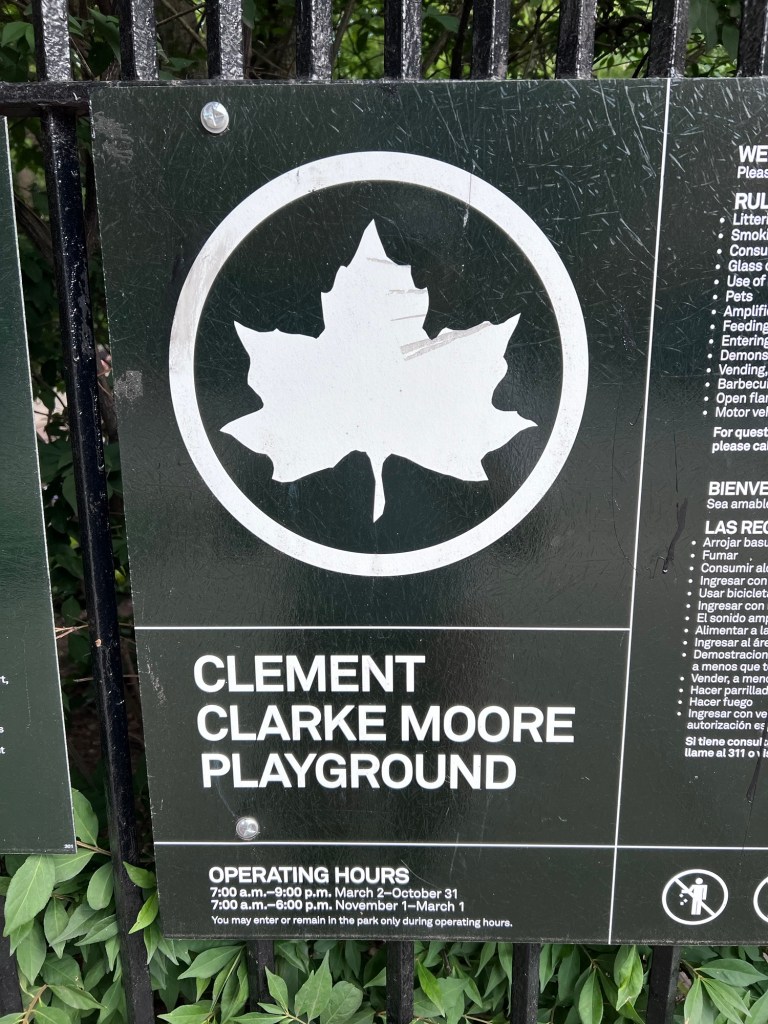
The Clement Clarke Moore Playground at Tenth Avenue and West 22nd Street
The park sits on the spot of the original estate of the Moore family and the plaque were the mansion once stood is around the corner on West 23rd Street. This park is wonderful during the warmer months to just sit and relax.
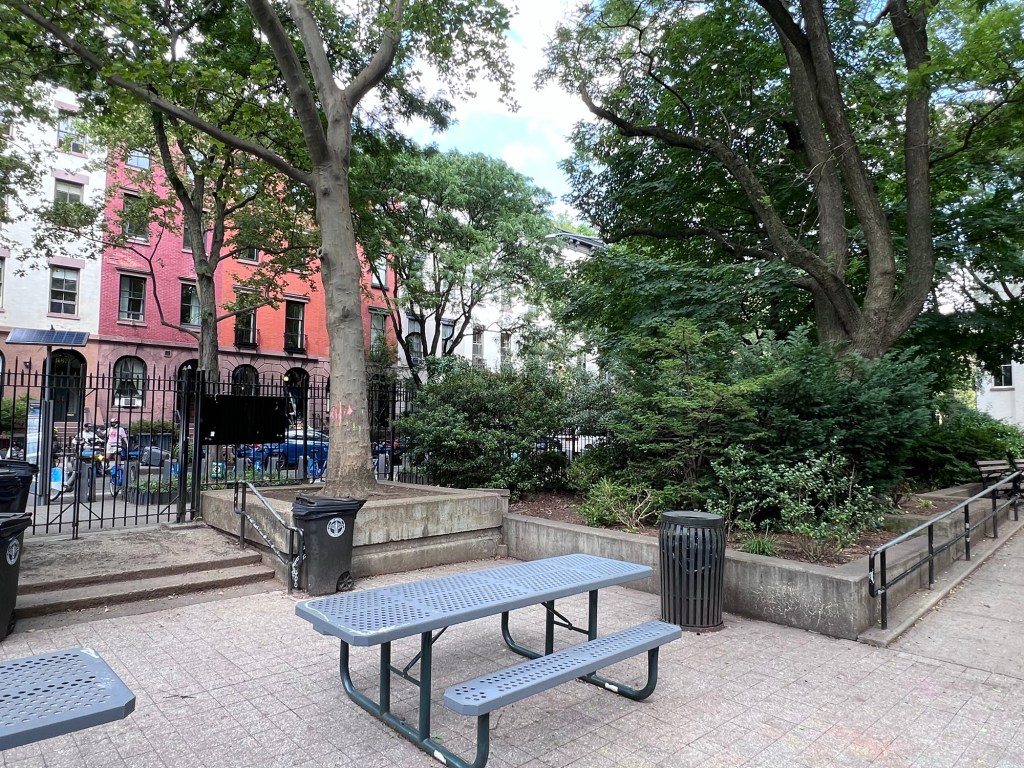
The picnic area of the park
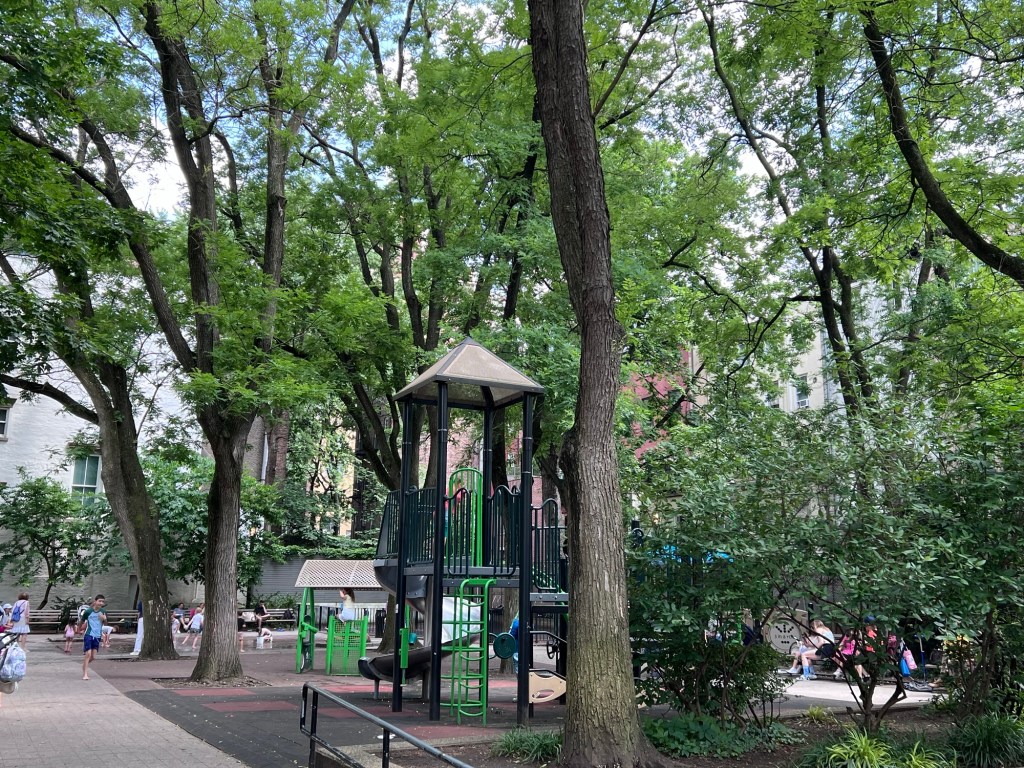
The playground area was packed with kids running around the parks fountains
The gardens were in full bloom and were so well maintained
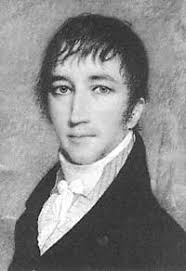
It was in 1837 that poet Clement Clark Moore claimed to be the author. Even today there is a controversy of who really wrote the poem, Clement Clark Moore or Major Henry James Livingston Jr. This discussion is still being debated today (Wiki).
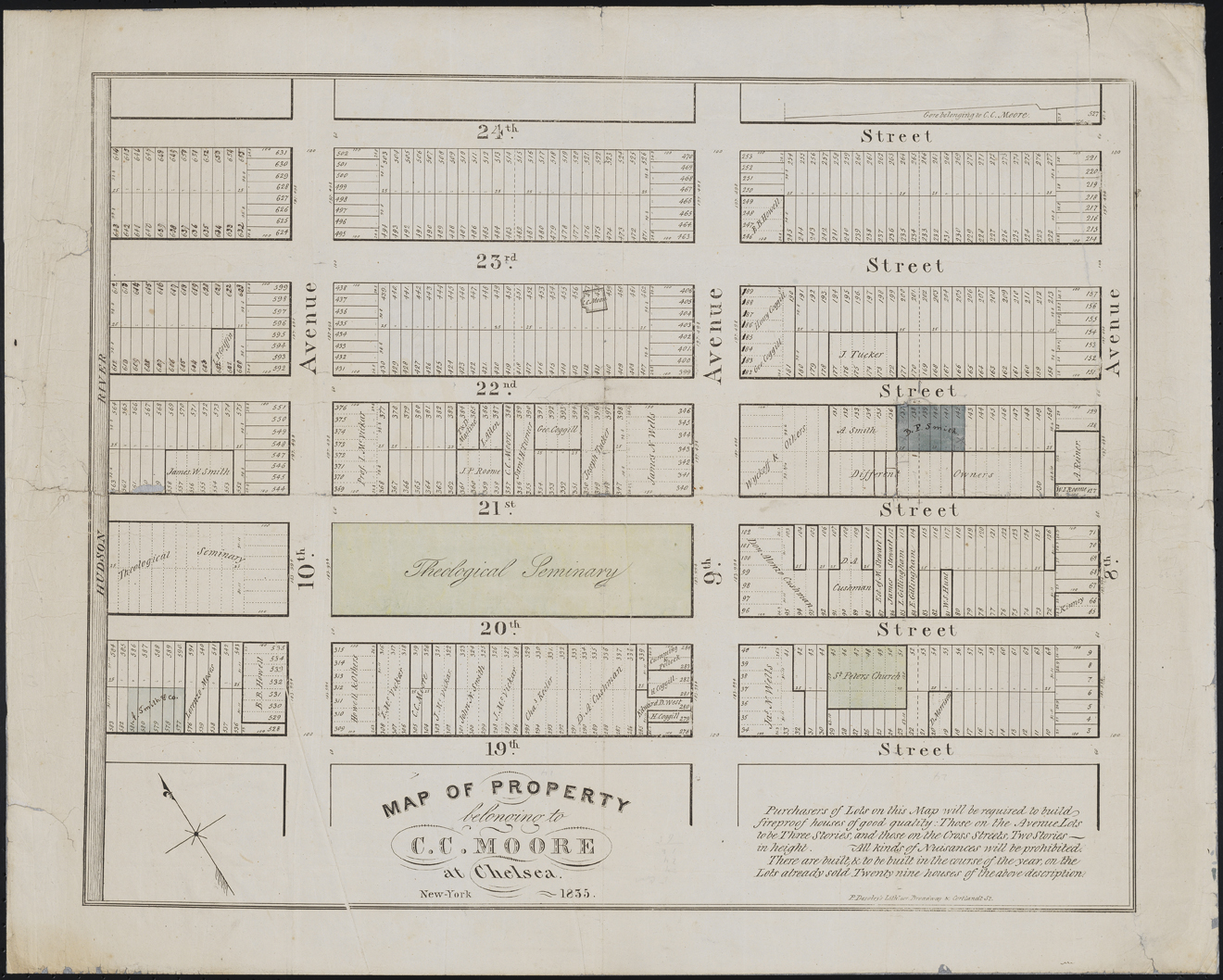
How the poem mixed well into the tour is that Clement Moore’s family owned an estate here on the area on West 23rd Street between Hudson River and Eighth Avenue from West 24th Street to West 19th Street. His home was at 348 West 23rd Street. He developed the area after donating a large portion of the estate to his church and created a residential neighborhood that still stands today.
The Clement Clarke Moore estate when he sold it into real estate parcels
The historical marker for the Moore Mansion. It is claimed that he penned ‘Twas the Night Before Christmas’ here (this has been debated over the years)
I then started my trip down Ninth Avenue, which has been rapidly gentrifying even around the public housing over the last twenty years. Now it has been announced that the City will be knocking down both the Chelsea-Elliott and Robert Fulton Public Housing complexes. The cost to renovate these structures are too expensive and it will be replaced by mixed housing.
Looking down Ninth Avenue from West 23rd Street and the changes that are coming between Ninth and Tenth Avenues
Discussion on the replacement of the Public Housing Projects around the neighborhood:
As I walked down Ninth Avenue, I was treated to a diversity of architecture from different times. I have admired these two tiny wooden buildings for years and they have an interesting past. They were built in the 1840’s after the Moore estate was broken up for real estate plots for new homes.
These two small building at 185-189 Ninth Avenue were built in the 1840’s by real estate developer James N. Wells and were used by local merchants who lived about them (Daytonian in Manhattan.com). It is amazing to me when buildings from over a hundred years ago have survived this long and still in use. Here and there in Manhattan I have found these buildings from the early 1800’s along street and corners of neighborhoods on the island.
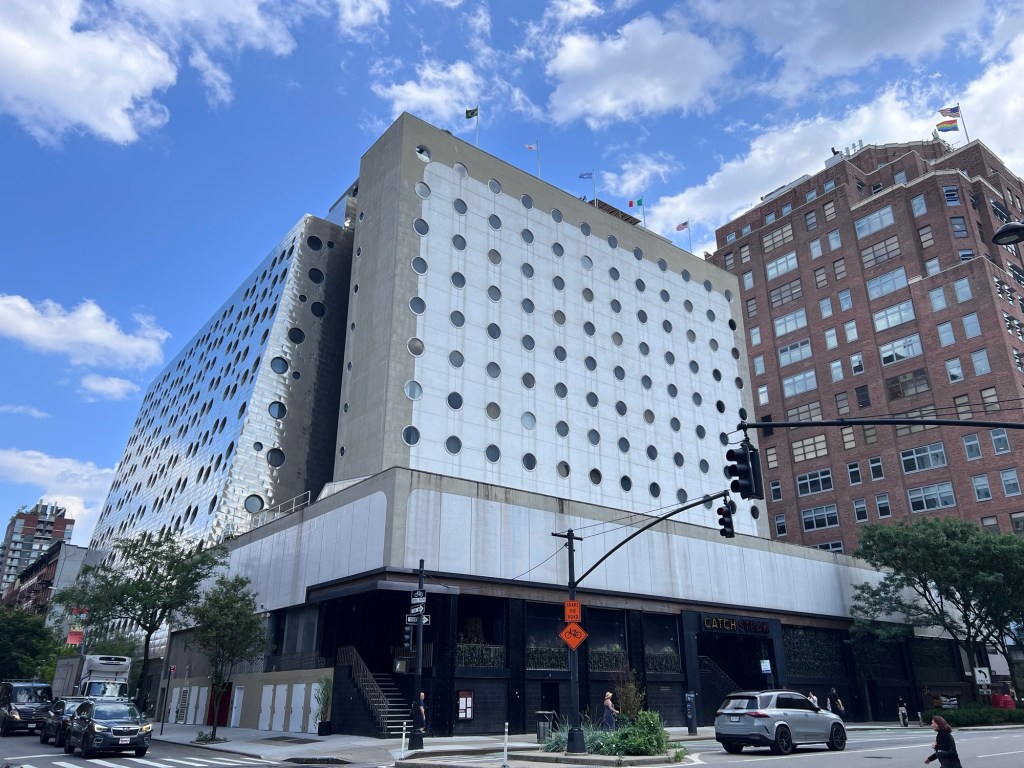
Another building that stood was futuristic structure with all sorts of pot holes. This is the former Maritime Union Building that is now the Dream Hotel. It was once part of a series of three buildings that was part of the National Maritime Union. When the Union folded due to lack of membership as industry changed, the building was left empty. The building designed byBronx-born but New Orleans-based architect Albert C. Ledner in 1966 (New Yorkitecture 2015).
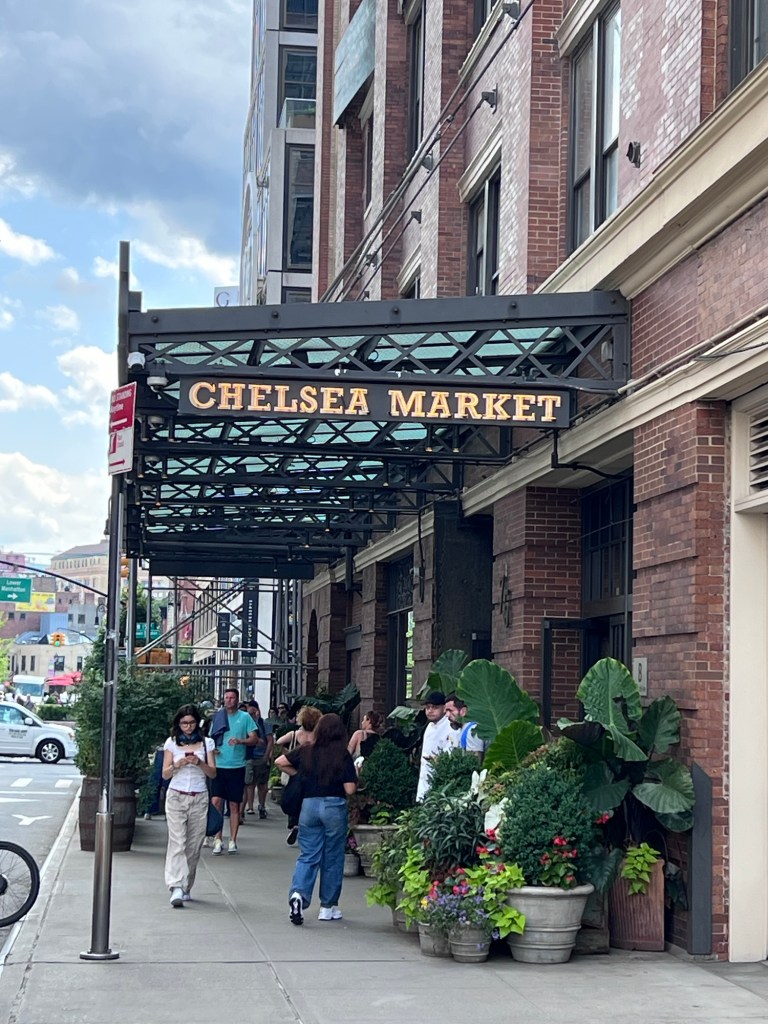
Walking past the hotel, the front of the Chelsea Market stands tall on the corner of Ninth Avenue right across the street from the NYC Google headquarters. Before the layoffs at the company, the Chelsea Market was really bustling with office workers during lunch hour. Now its a majority tourists and local New Yorkers from all over the City. This building was an interesting conversion from building the old Nabisco Manufacturing plant (National Biscuit Company)
History of the National Biscuit company and the building transformation:
It seemed more mysterious when you entered from the Tenth Avenue side of what you would expect to see. The market is a lot of fun especially at lunch time or on the weekends when the facility is packed with tourists coming to tour and eat at the Market.
On the very edge of Chelsea, sharing it with the Meatpacking District is the historic Homestead Steakhouse. The restaurant was established in 1868 and is the oldest continuous running steak house in the United States. The restaurant was originally called the ‘Tidewater Trading Post’ and had been opened by German immigrants. The restaurant still has excellent reviews on TripAdvisor and their steaks are considered some of the best in the City.
The oldest steakhouse in NYC, The Homestead Steakhouse at 56 Ninth Avenue and West 14th Street
I continued up Ninth Avenue, admiring the ever changing architecture of the neighborhood. This area had once been all shipping and freight filled with warehouses that now are boutique hotels and shops and art galleries. It amazes me the changes in the past thirty years.
Looking up Ninth Avenue from West 14th Street
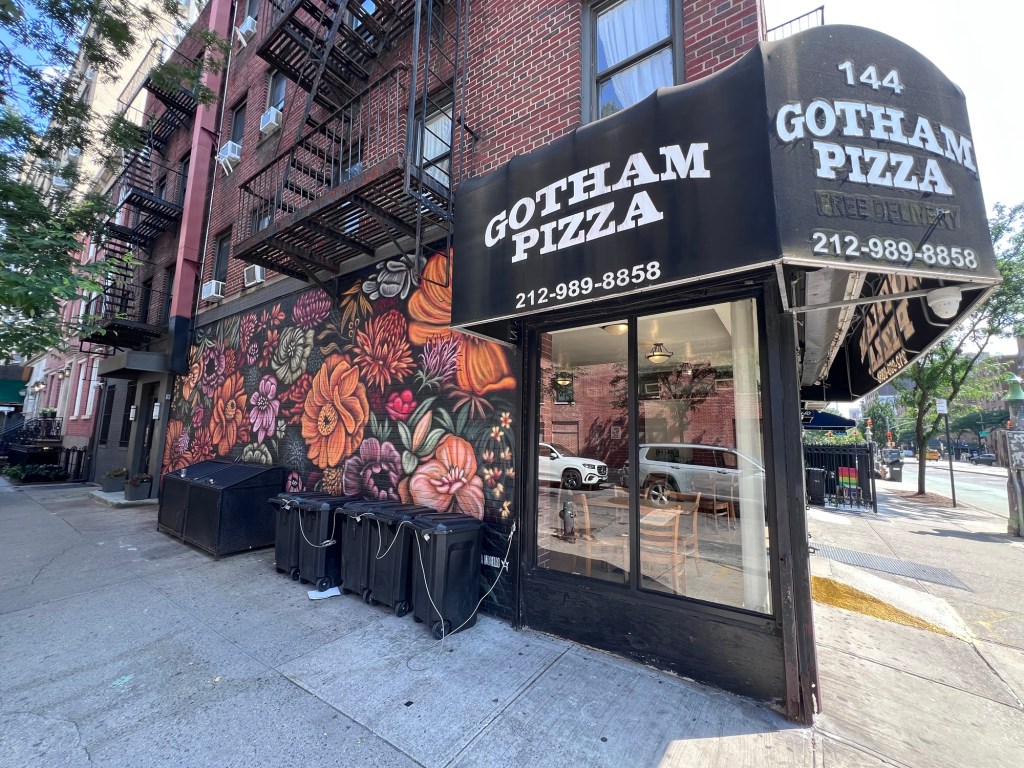
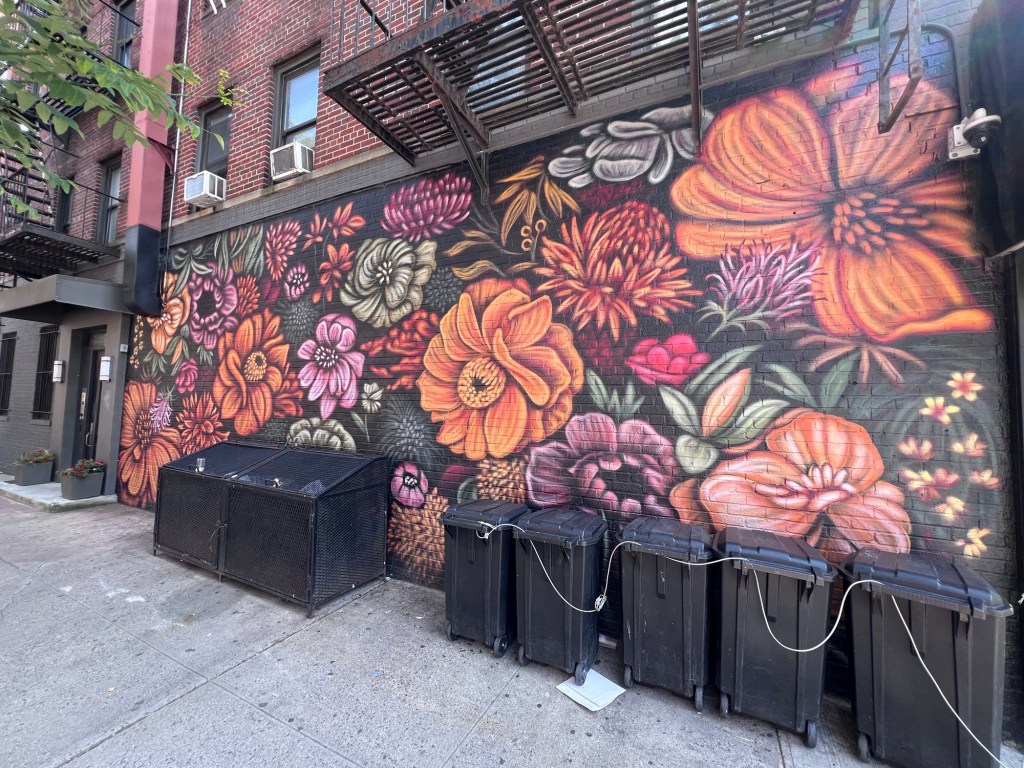
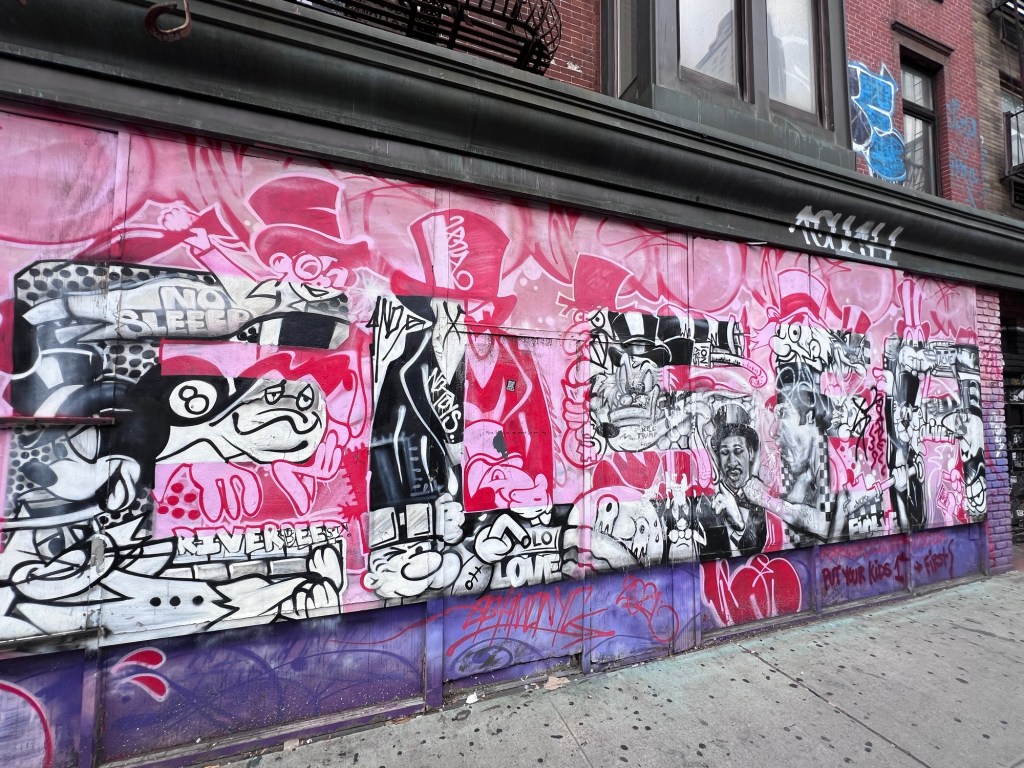
Another mural that has captured my attention both in the past and on this series of walks in the neighborhood is the painting on the side of Gotham Pizza at 144 Ninth Avenue
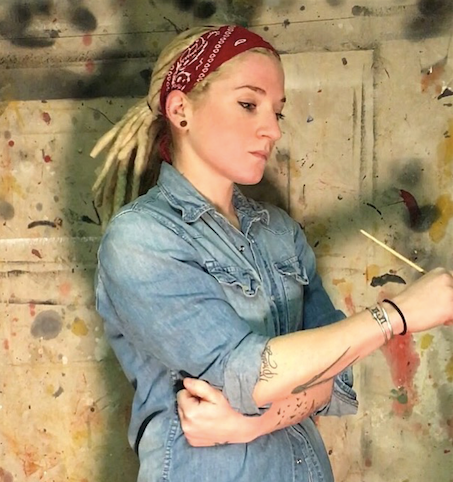
Gotham Pizza at 144 Ninth Avenue has the most interesting mural on the side of it. It was created by artist Jenna Morello.
Artist Jenna Morello is an American born artist based in Brooklyn. She is known for her colorful and detailed murals.
While walking on the other side of the avenue, I got a better look at the architecture along the street. As I walked up the other side of Ninth Avenue I got a better look at the wooden buildings.
185-189 Ninth Avenue
I turned the corner and walked down Eighth Avenue, the heart of the gay community. I have to say, you are always reminded of this too when you pass many of the establishments especially during Pride Week. Rainbow flags and colors were decorated all over the place. Up and down Eighth Avenue, there are all sorts of interesting shops and restaurants.
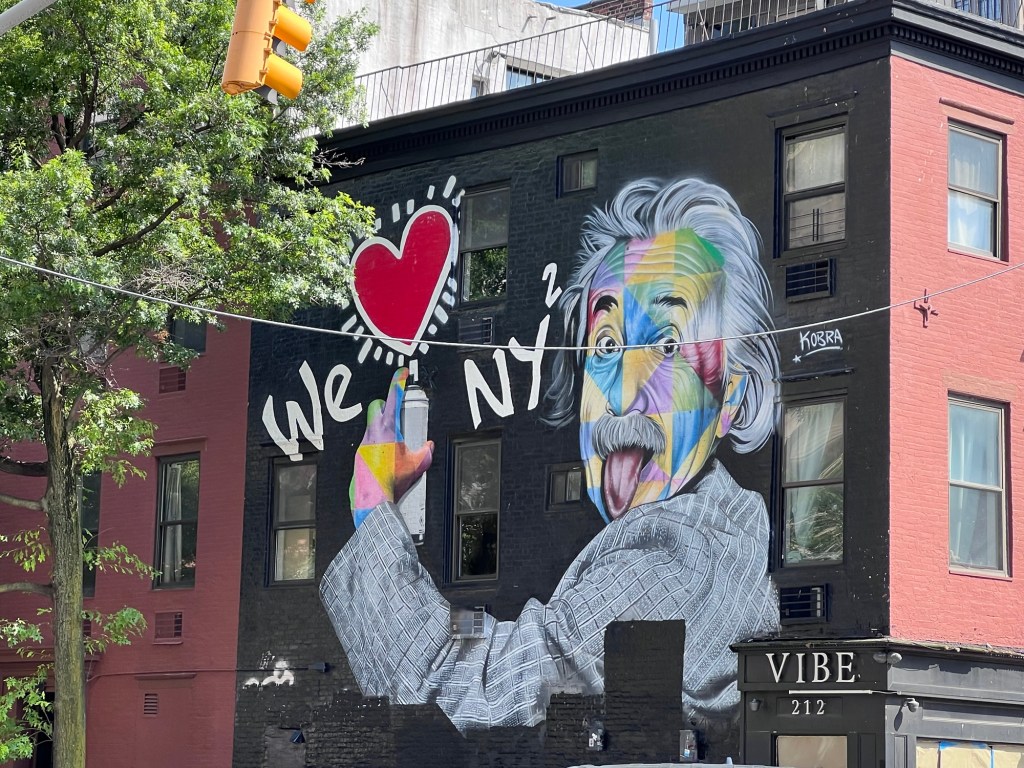
Walking down Eighth Avenue with the mural “We Love NY”
This is the third mural by artist Eduardo Kobra and shows a playful Albert Einstein showing his love of the “Big Apple”. This interesting painting towers over Eighth Avenue. These murals add such a playful and interesting look at the neighborhood and its creativity.
The Kobra painting of Albert Einstein ‘We ❤️ New York’
On of my favorite restaurants in Chelsea is S & A Gourmet Deli, which has a wonderful selection of sandwiches and salads located at 240 Eighth Avenue.
What I love about New York is that one every corner there seems to be a favorite bodega or deli that sells what you need when you need it. Some also just stand out for the quality of the food and the service and selection. S & A Gourmet Deli is one of those places.
A friend and I had just stopped in to buy sandwiches for lunch that we were going to enjoy a few blocks away in Madison Square Park. They had a large selection of sandwiches and wraps, and I decided on Chicken Cordon Bleu hero sandwich ($8.99) with a Coke ($1.99).
The sandwich contained a fresh fried chicken breast topped with Swiss cheese and ham and then broiled for a few minutes to combine the ingredients. Inside they put a little mustard to add to the complexity of the flavors. You really felt like you were eating a piece of Chicken Cordon Bleu.
Chicken Cordon Bleu sandwich
My friend ordered an empanada and bought some snacks that we enjoyed after our lunch. The deli has a wide variety of grocery items. She also enjoyed her lunch.
The sandwich was delicious and packed with flavor.
Continuing down Eighth Avenue I saw this flag outside one of the bars on the window and I thought it was so profound but true. We are forgetting the freedom choice, expression and the right to live our lives is available to everyone. This is what makes us American.
I saw this posted outside a bar during ‘Pride Week’ and it’s nice to see people expressing their opinion. I think we are forgetting this.
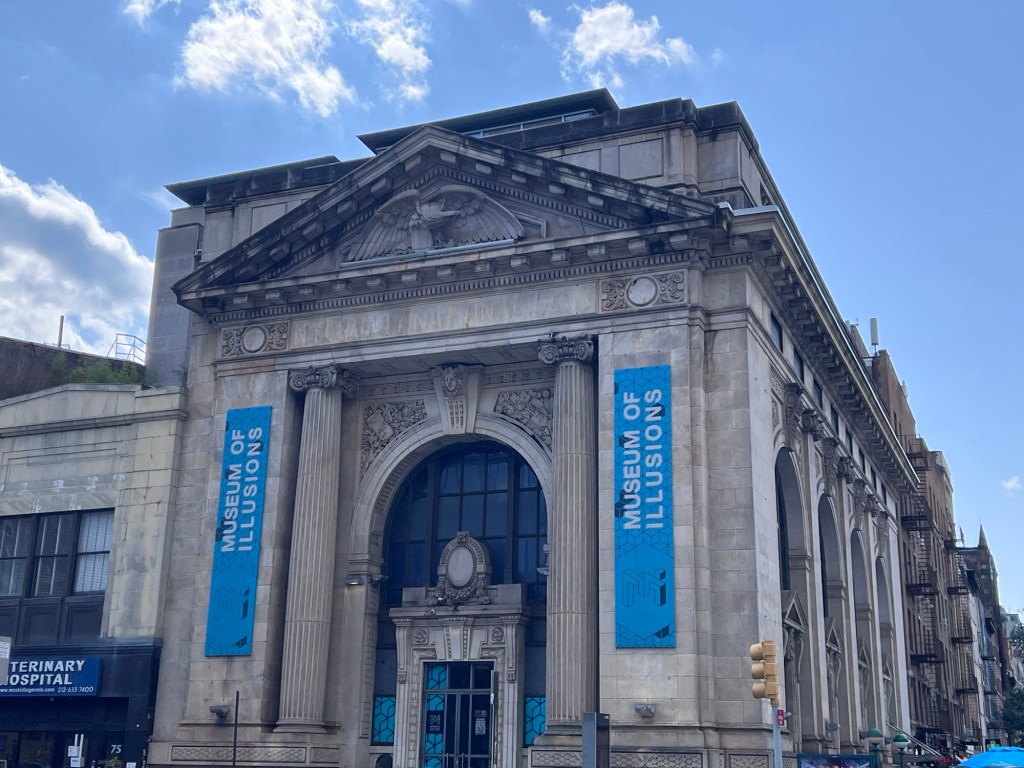
At the very edge of the neighborhood on the corner of Eighth Avenue and 14th Street, technically the border with the Village is the Museum of Illusions at 77 Eighth Avenue.
At the very end of the block bordering Chelsea with Greenwich Village is the Museum of Illusions at 77 Eighth Avenue
It is a perfect museum for a day out with the kids but it is a bit on the pricey side. I had visited the museum at the beginning of last summer and here are some of the things that I enjoyed at the museum.
There are a lot of brain teasers and mirrors to throw you off or add to the display to entertain you. The optical illusions will test your mind and your senses. There are titled rooms to test your balance and your sense of sight, mirrored rooms to show location and reaction and small displays to show size and distance.
Me at the Museum of Illusions
Admittingly it is a very small museum of the steep price of admission ($24.00 for an adult) and you will only be in the museum for about an hour. The problem with this museum is that once you experience it and if they do not change the displays, there is no reason to go back. The small displays can be experienced on two floors.
The Tilted Room display
The afternoon I was here, the museum was packed with summer campers and school aged kids who dominated the place and it is so small that it was hard to maneuver around the museum. Still it was a very interesting museum to experience once as it will test the power of and exercise your brain.
The Clone Table
Me in the Vertical Room
The Illusions Gallery
I found the museum more geared towards children but visiting it once as an adult was a lot of fun. You have to visit the museum at least once because it is very interesting.
My last part of the neighborhood I visited was my walk down Seventh Avenue. Just like Eighth Avenue, these are really commercial blocks and the architecture reflects that. Mostly office buildings and newer apartments. Here and there on the Avenue there were things that stuck out and some interesting little restaurants and shops along the way. The street art was very interesting.
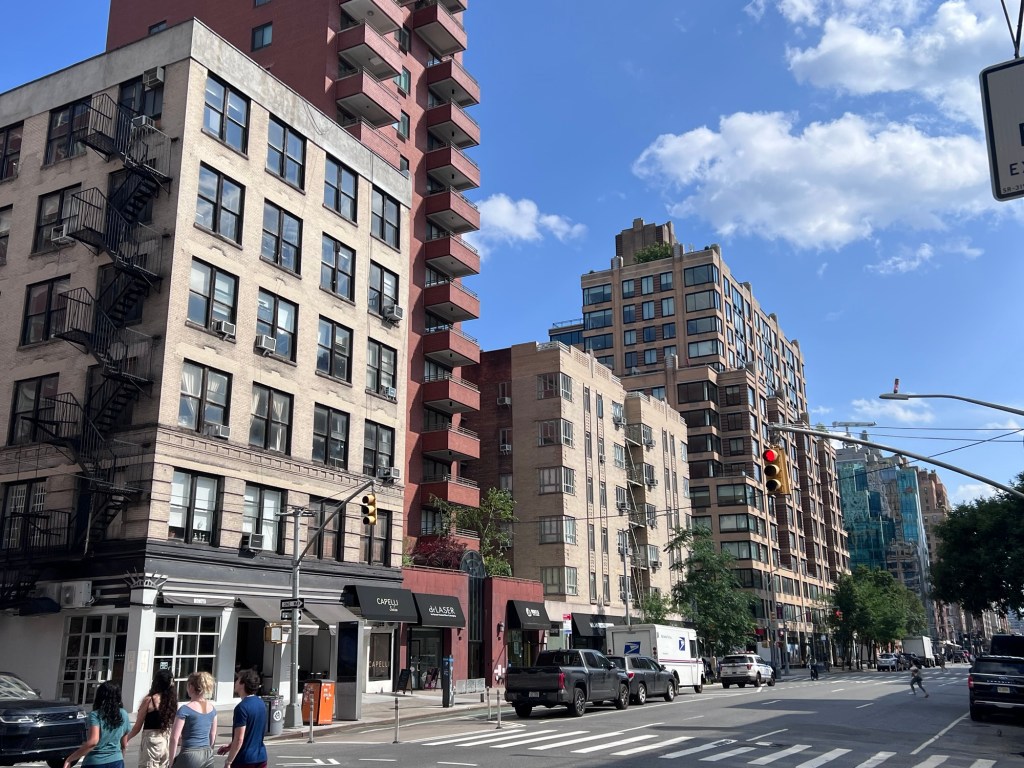
Looking down Seventh Avenue from West 23rd Street
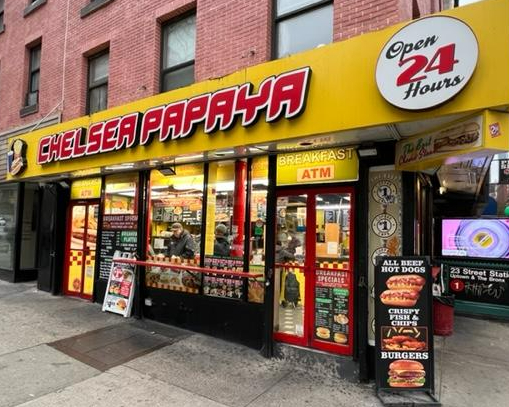
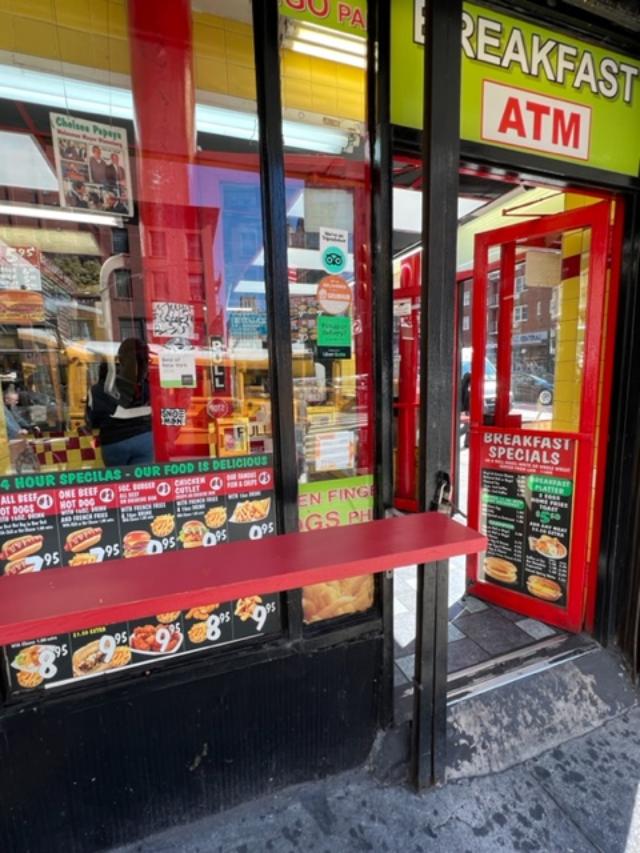
One of my favorite restaurants in the neighborhood sits right on the border of Seventh Avenue and West 23rd Street in the middle of the Chelsea neighborhood, Chelsea Papaya at 171 West 23rd Street. I love coming here for breakfast, lunch and dinner and the best part is you can get all this delicious food 24 hours a day.
Chelsea Papaya at 171 West 23rd Street
I swear that Chelsea Papaya has been part of this neighborhood since the 1970’s. I have passed this place a million times and never stopped in to eat. Recently when I was walking around the rim of Manhattan for ‘The Great Saunter” walk, I needed an early start, and this place opens at 5:00am (please check their website for the changing hours).
Chelsea Papaya at 171 West 23rd Street specials
For breakfast that morning I knew I would need to load up on carbohydrates so I ordered a Breakfast platter. I had four very large pancakes with a side of bacon and two scrambled eggs ($7.95) with a medium Papaya drink. It was the best breakfast on this rare cool summer morning.
The pancakes had a nice malted taste to them and were crisp and fluffy. The eggs were sizzling hot off the grill with the flavor of clarified butter. It was quite a large breakfast and it lasted me for most of the morning and afternoon.
The breakfast is over-sized here and filling. Bring your appetite.
The pancakes and eggs here are delicious
Yum!
The only problem that I had with breakfast was that you could not eat inside and I had to eat at one of the filthy outdoor tables that were available. They looked like the homeless had slept at them all night.
Chelsea Papaya is open all night
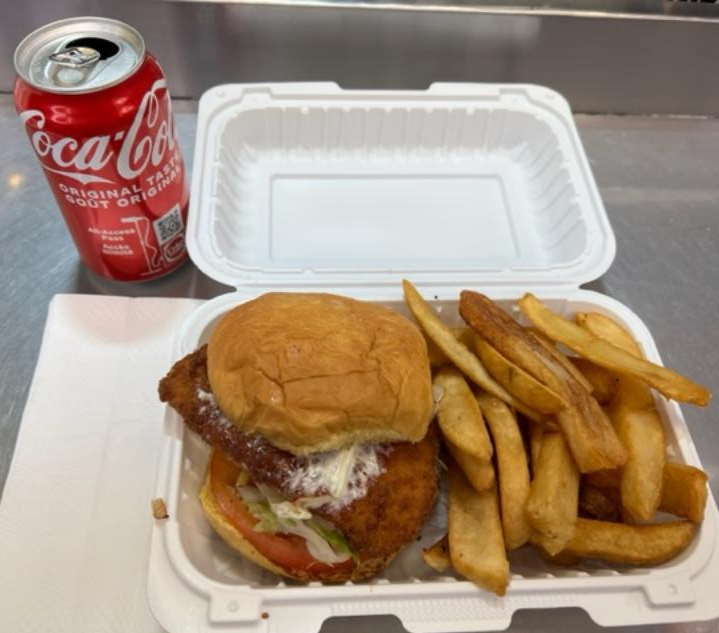
For dinner, I tried the Fried Chicken Sandwich and it was much better in the dining area. The Fries had just come out the fryer along with the Chicken Cutlet. Even though it had the shredded lettuce and tomato on top, they seemed much fresher on the second trip. I really enjoyed the meal. It had been after class and I really needed a good dinner.
The Chicken Sandwich and fries are cooked to order here
The Chicken Sandwich #4 Special at Chelsea Papaya
The one thing about Seventh Avenue is the interesting street art tucked here and there all over the Avenue. I love the fact that New York City feels like an open air museum with creative works here and there. The first one of this apple core that lined the wall outside a shop in neighborhood.
Mike Maka is a painter and multidisciplinary artist whose practice spans large-scale murals, canvas works, illustration, and sculpture. Mike is based in between New York City and Melbourne, Australia. (Artist’s website).
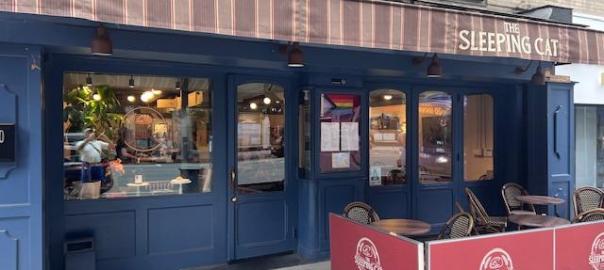
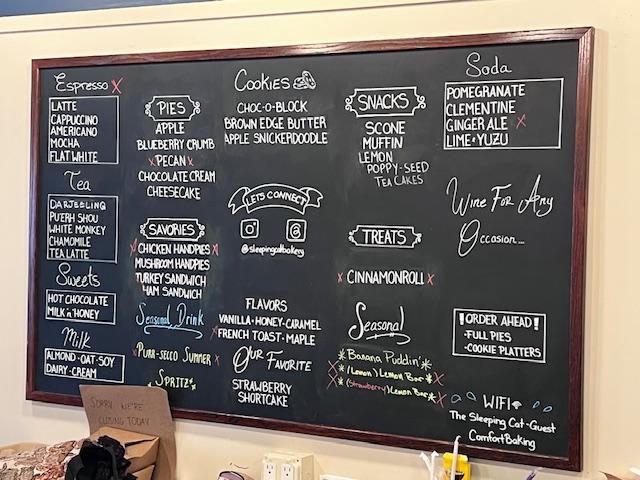
The one local restaurant that has stood out the me is the Sleeping Cat at 160 Seventh Avenue. This small bakery/cafe has a lot of freshly baked items and sandwiches and it extremely popular both with the locals and the NYU students as I passed here a lot on my way to campus a year ago.
I look forward to giving it a try in the future. I loved some of the items on display.
The pastries at the Sleeping Cat
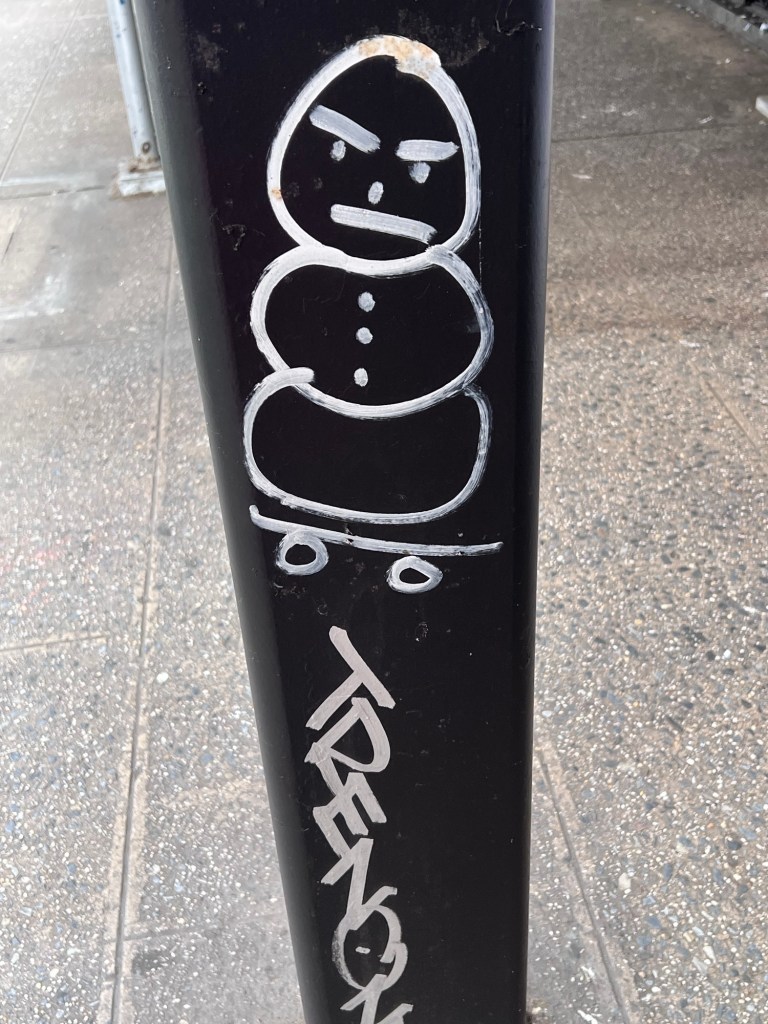
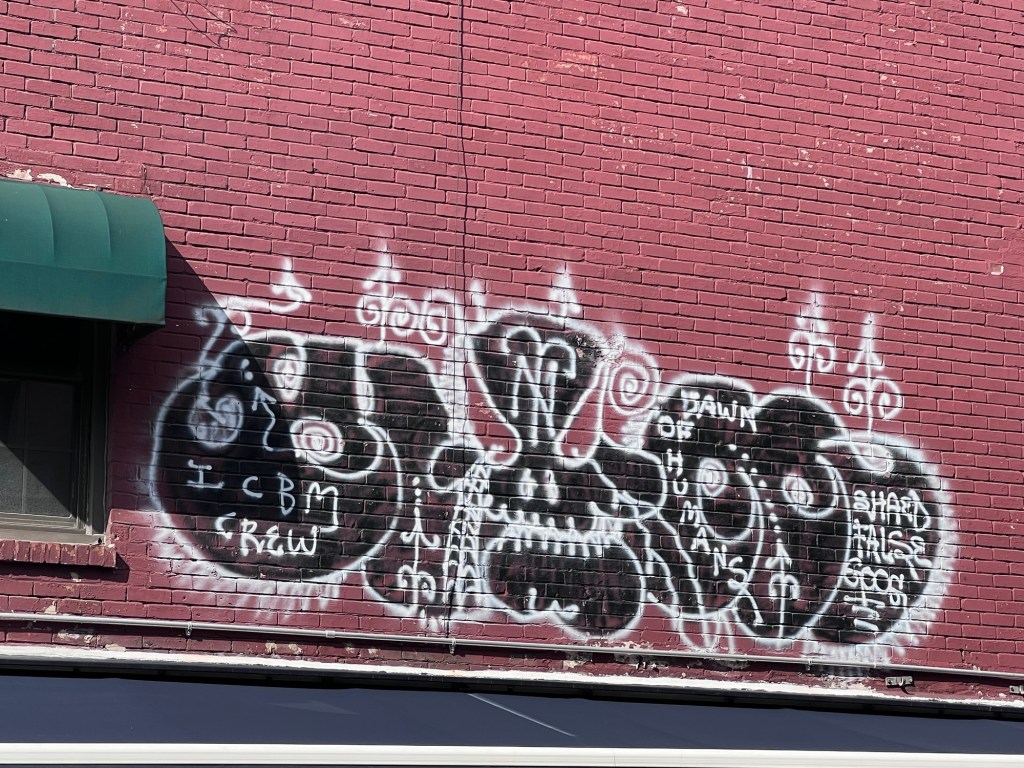
Here and there tucked into corners of buildings and on walls and poles is the most interesting street art. I always notice it at the corner of my eyes and several of them stood out to me when walking around Lower Chelsea.
I thought this was a fun piece of street art. You do not see too many snowmen on skateboards
This street artist I have seen all over the City and has some of the most amazing work. I think the designs are so unusual and the geometrics are amazing. This is just one example of this graffiti artist’s work.
This graffiti artist’s work I have seen all over Manhattan. This was on a building on Seventh Avenue.
On the corner of Seventh Avenue and West 21st Street, there is a series of graffiti art along an abandoned restaurant that I thought was interesting.
A unique homage to many genres
Old Hanna Barbara characters
Snoopy and Mr. Peanut
The Barbadok’ from the horror film
These will disappear when the restaurant reopens one day but for now you can look at them and make your own interpretation.
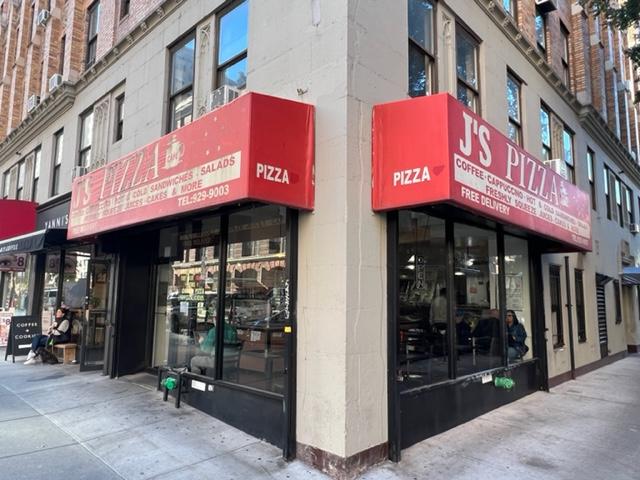
Another great restaurant that I enjoy is J’s Pizza at 96 Seventh Avenue, which has some of the best pizza and entree specials in the neighborhood. I used to come here a lot at night after classes at NYU and everything was so reasonable and delicious. It is one of those hidden gems for both lunch and dinner.
J’s Pizza at 96 Seventh Avenue
I have been coming to J’s Pizza for many years and had eaten here in the past after viewing the Halloween Parade in October. I just rediscovered it again when I started grad school in the neighborhood and forgot how good the food was when I dined here. The pizza slices are generous in size and their marinara and pizza sauces you can tell are freshly made and not from a can.
The sauces for all the meals here from the pizza, to the spaghetti and meatballs to the sauce that is the side to the many rolls and calzones is well spiced and has so much flavor to it. It really makes the dishes.
J’s Pizza counter is lined with pizzas and calzones
The wonderful garlic knots, Chicken and Pepperoni Rolls and Grandma Pizza
The Chicken, Sausage and Pepperoni rolls and fresh Grandma Pizza
The Tuesday Night Special is Spaghetti & Meatballs for $9.00
I finished my walk of the neighborhood in the early evening when it finally started to cool down. All the restaurants and coffee shops started to fill up with people starting dinner or going for a drink after work.
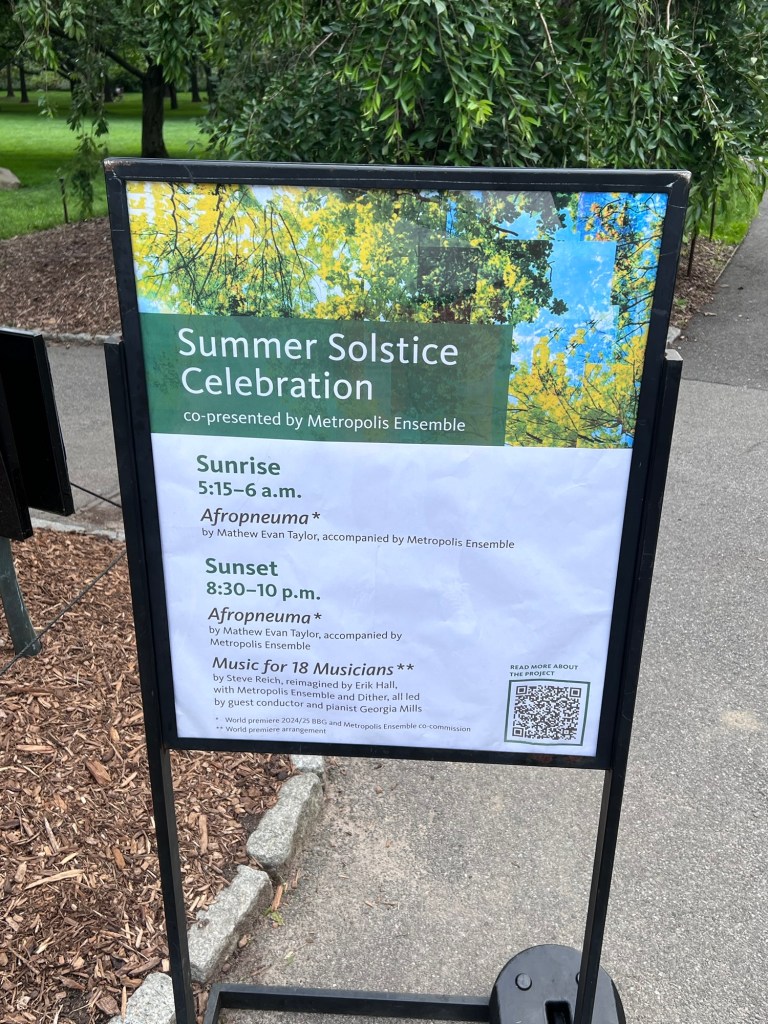
I headed to the Brooklyn Botanic Garden for a Summer Solstice concert to celebrate the longest day of the year. This was a ‘Members Only’ special event and I was looking forward to cooling off and relaxing on the lawn to listen to Jazz Music. So I took the subway from West 23rd Street into the heart of Brooklyn and joined the other members at the front gate.
The Brooklyn Botanic Garden at 990 Washington Avenue was open late for the concert and watching the sunset in the park
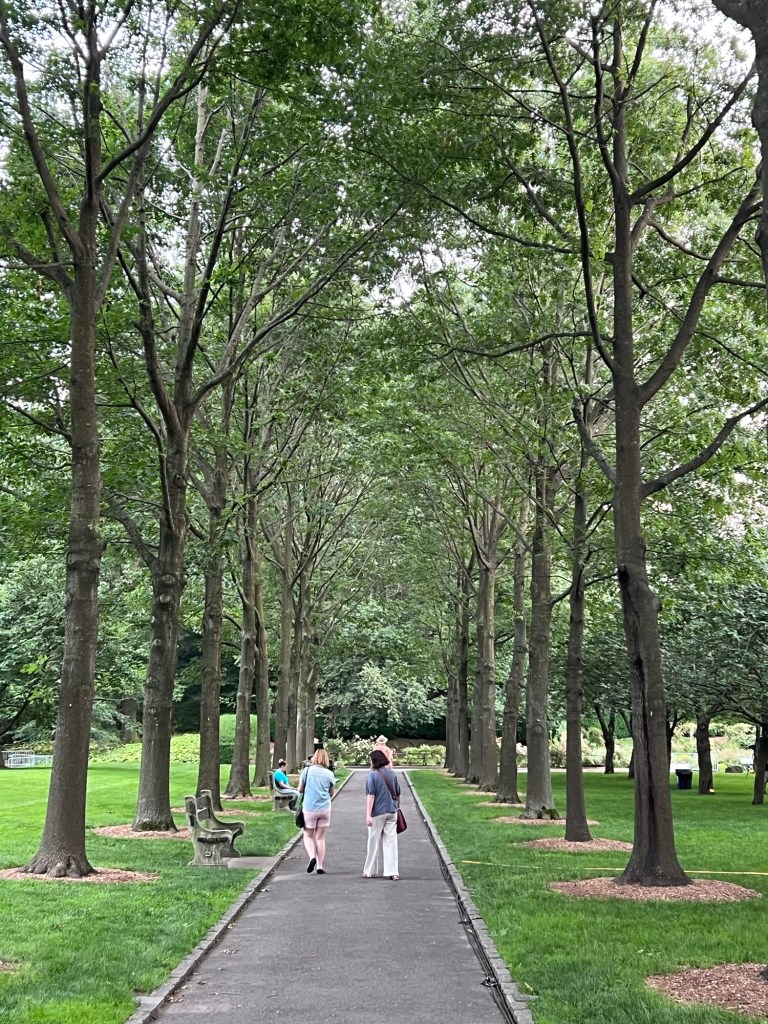
The gardens were in full bloom and members were walking around the Cherry Blossom Lawn. Some people were sneaking a snack on the lawn or having a drink. Some were ordering food from the carts and just relaxing on their blankets. It was a nice night to be out as it cooled down when it got dark.
It was a nice night to walk around
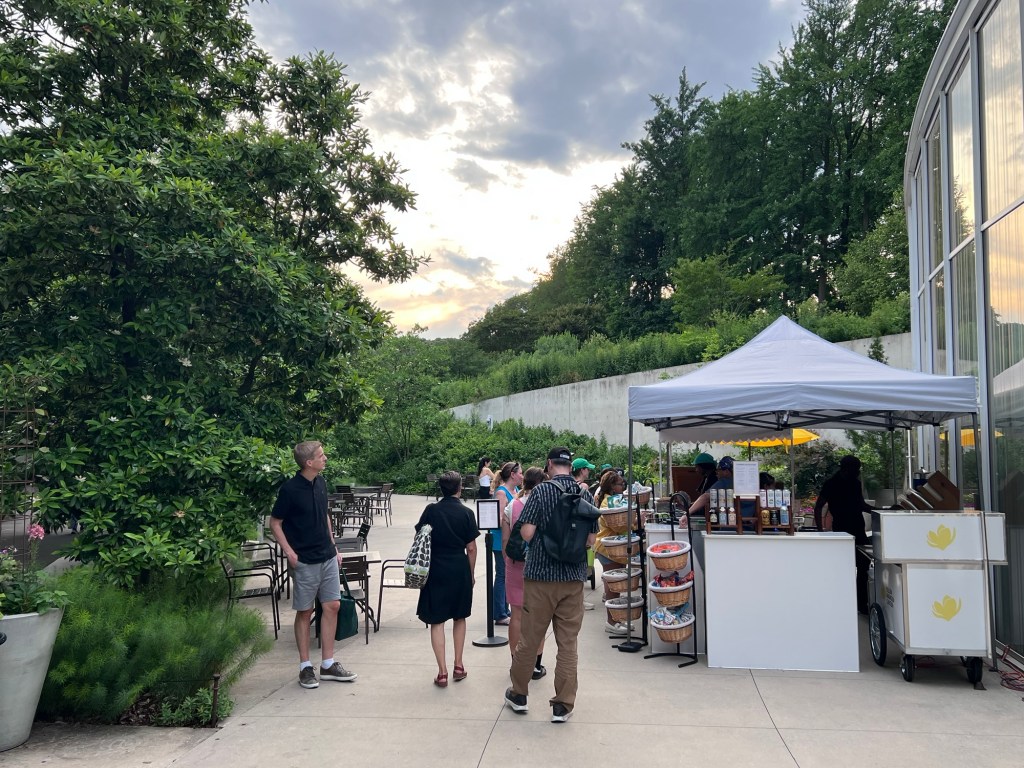
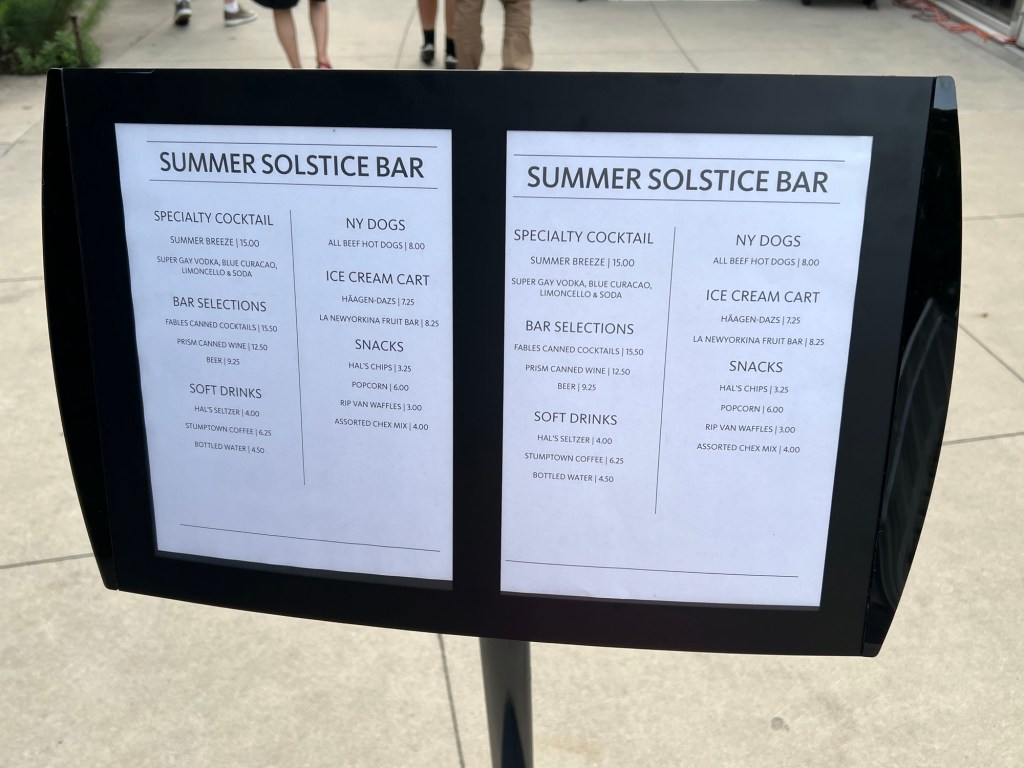
The Garden set the bar up on both sides of the Gardens so that members could buy a cocktail or a snack. This made it easier to get something to eat (some nights you are not allowed food in the gardens except at the cart or in the restaurant inside the gardens).
The bar just outside the Visitors center
The menu at the bar that night
Waiting for the concert to begin
As it got dark the concert began. It really was not what I expected and being so tired from all the walking, I headed home around 9:30pm. It was going to be a two hour trip home. I was lucky that I made both the subway and the bus home as they were both waiting for me when I got to both of them.
It was a really good walk around the City and get the pulse of a neighborhood. Chelsea just keeps evolving and will change even more in the next ten years as the public housing in the neighborhood gets torn down for mixed income housing. The neighborhood will keep changing.
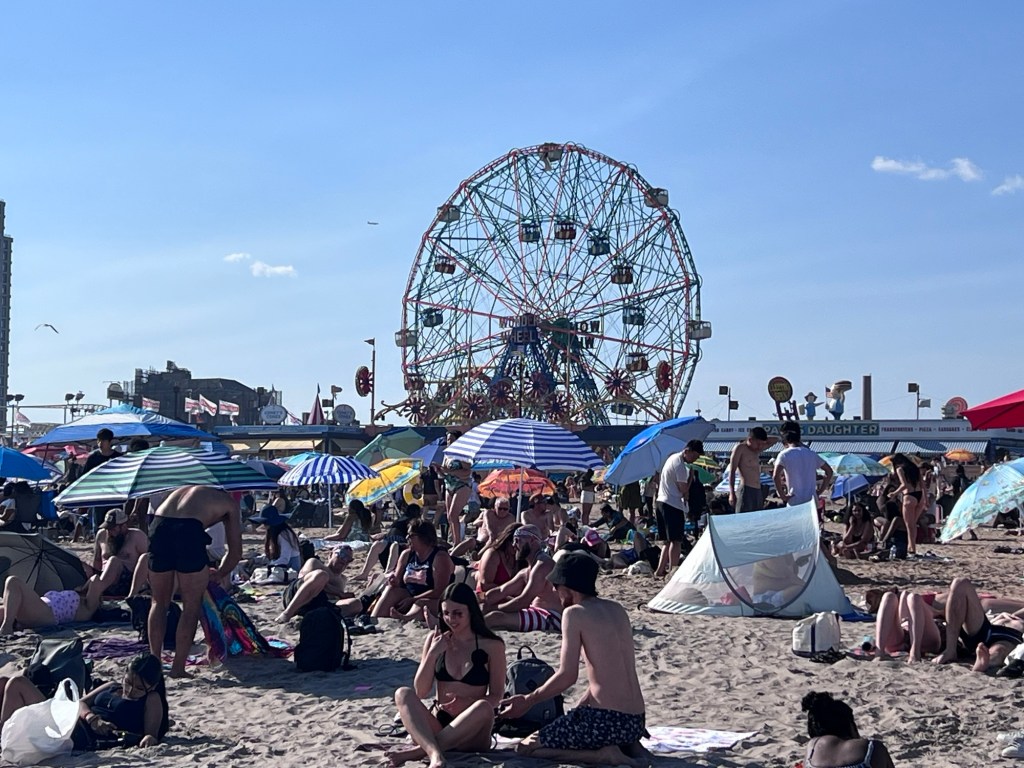
I had been in Coney Island all day with the Hot Dog Eating Contests’ at Nathan’s in the morning and just walking around the amusement area and the Boardwalk. It was a perfect day to be in Coney Island. The Boardwalk and the beach area by the amusements were packed with people. I got to see Miki Sudo defend her title and then the return of Joey Chestnut and his return to claim the crown again. That was a lot of fun.
I had gotten there in time to watch the entertainment before the competitions. This is why it is fun to come early. Plus you want to get a good viewing location.
Video of the entertainment at 9:45am. You have to get here early to see everything.
By the late afternoon, I had toured the whole area and visited the Aquarium. After a long walk on the Boardwalk and beach I wanted to head home. I had gotten so much sun and must have walked two miles in the sun. I took a long walk along the shore and walked through the waves to cool down. The water felt fantastic.
Enjoying a long walk along Coney Island’s famous beach
I passed Nathan’s where the contest had taken place hours before and it still had lines of people waiting to get their delicious hot dogs and French fries. The sign was up from the contest earlier in the day.
The sign just outside of Nathan’s
Nathan’s in the late afternoon
My blog on the Nathan’s Annual Hot Dog Eating Contest:
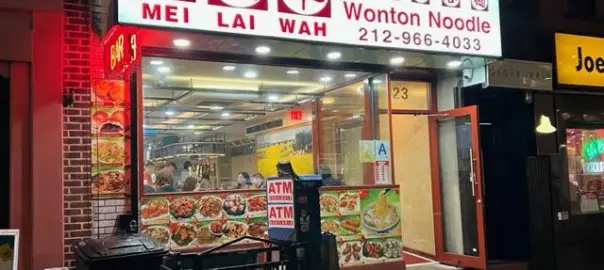
Once I got on the subway, I started to get hungry again. I thought, why not just get some dumplings in Chinatown before I head home. I could tell that the tourist season was really in swing as Chinatown was packed with people. I realized that I really didn’t want just dumplings but a full meal. I know where I wanted to go so I headed to Wonton Noodle Garden on 23 Pell Street (not to be confused with the one on Mott Street) for dinner.
Mei Lai Wah/Wonton Noodle Garden at 23 Pell Street
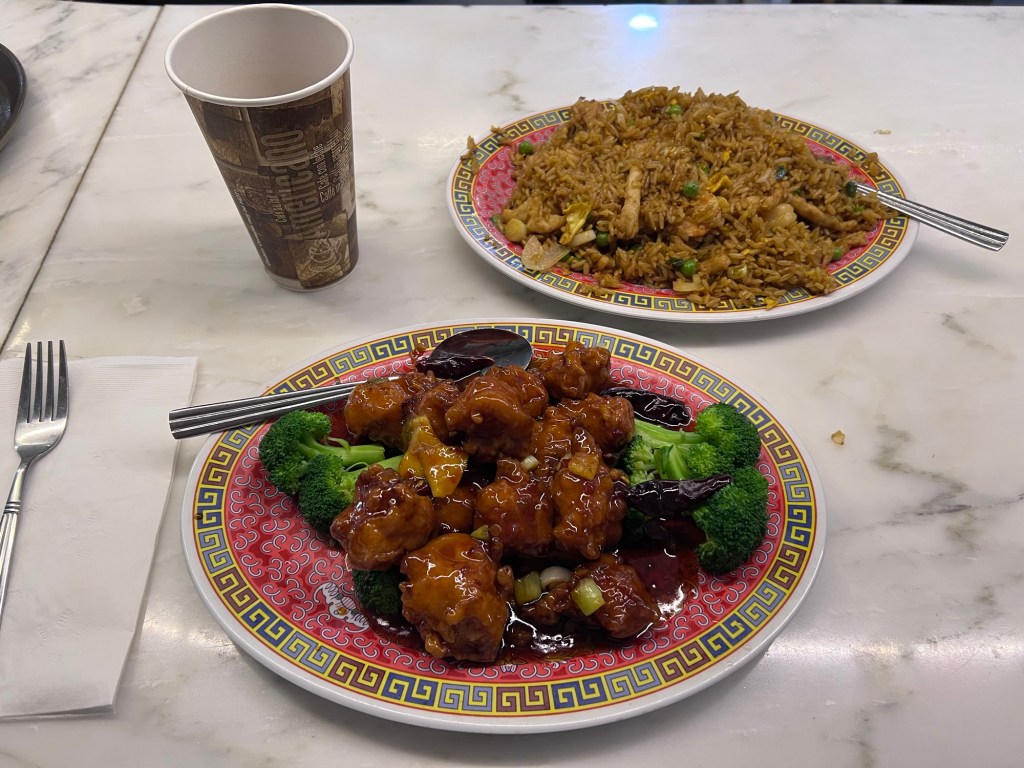
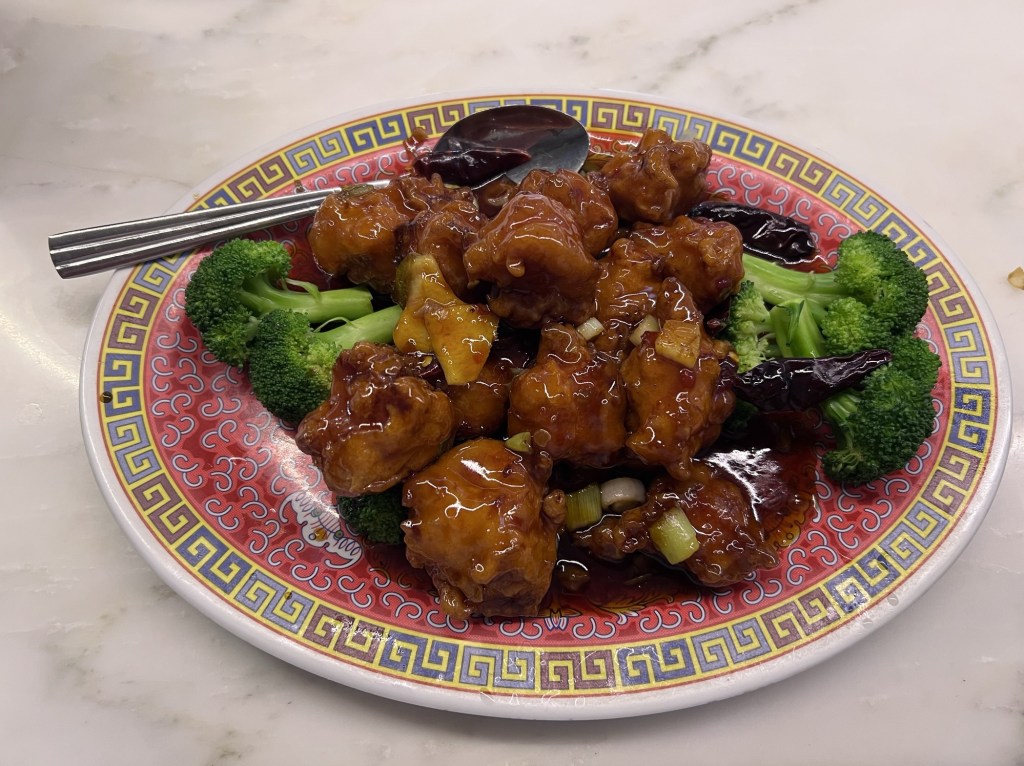
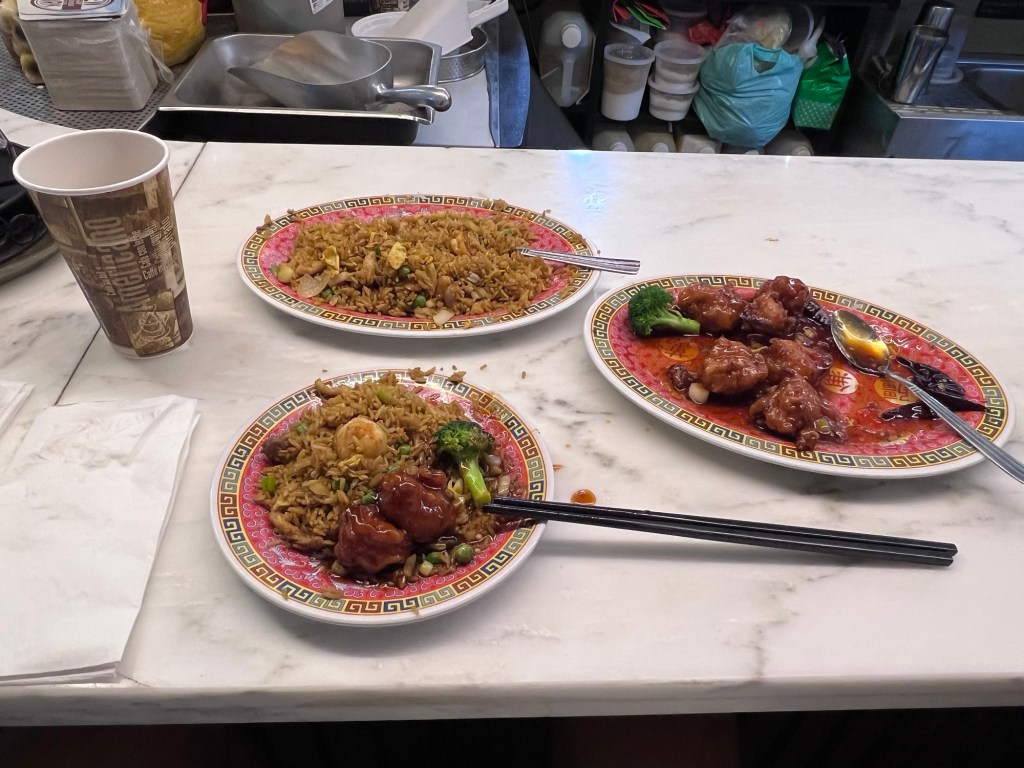
I have been enjoying both restaurant locations since 1978. I took the advice from the waiter and ordered the General Tso’s Chicken and an order of the House Fried Rice., which is a ten ingredient dish. The meal was excellent and was the perfect way to end the afternoon.
My meal that night General Tso’s Chicken with an order of House Fried Rice
The General Tso’s Chicken
The House Fried Rice
What an excellent meal
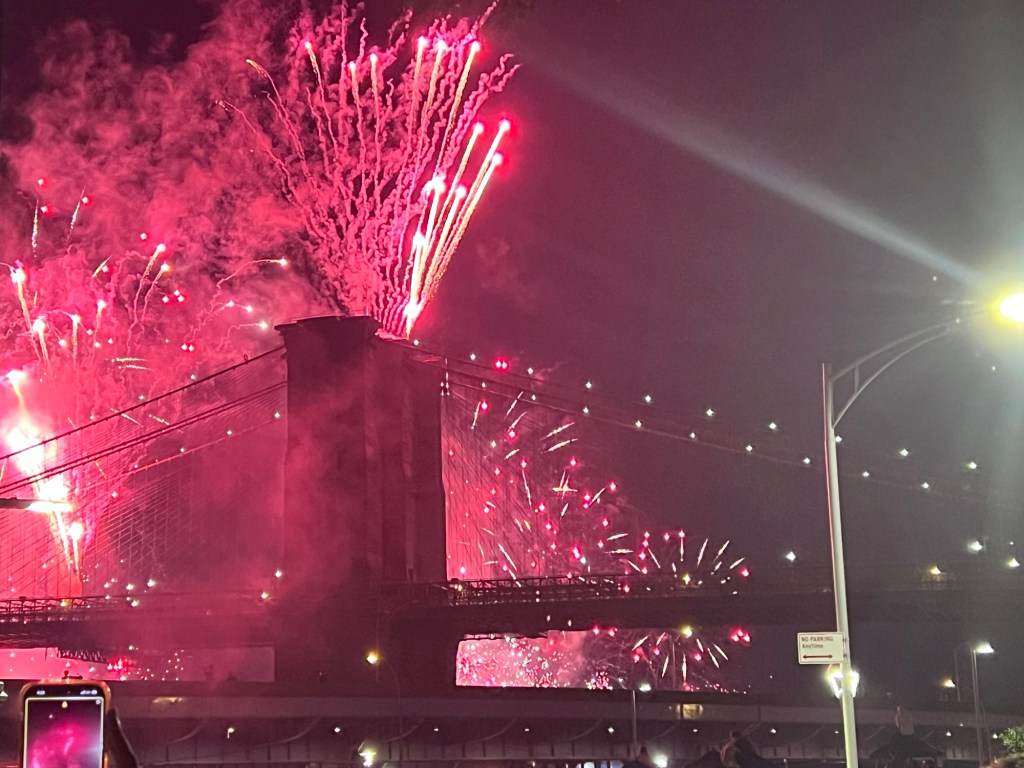
After dinner, I noticed crowds of people walking south down Catherine Street towards the Brooklyn Bridge area. I had thought that the fireworks were on the other side of the island but they were on the East River between Manhattan and Brooklyn, so I decided to stay and watch the fireworks. I had not planned on doing this but it was a nice evening and I thought it would be fun to see the fireworks again. I had not seen them live since 1994. What a show when it got dark!
Walking down Catherine Street in Chinatown just below Canal Street
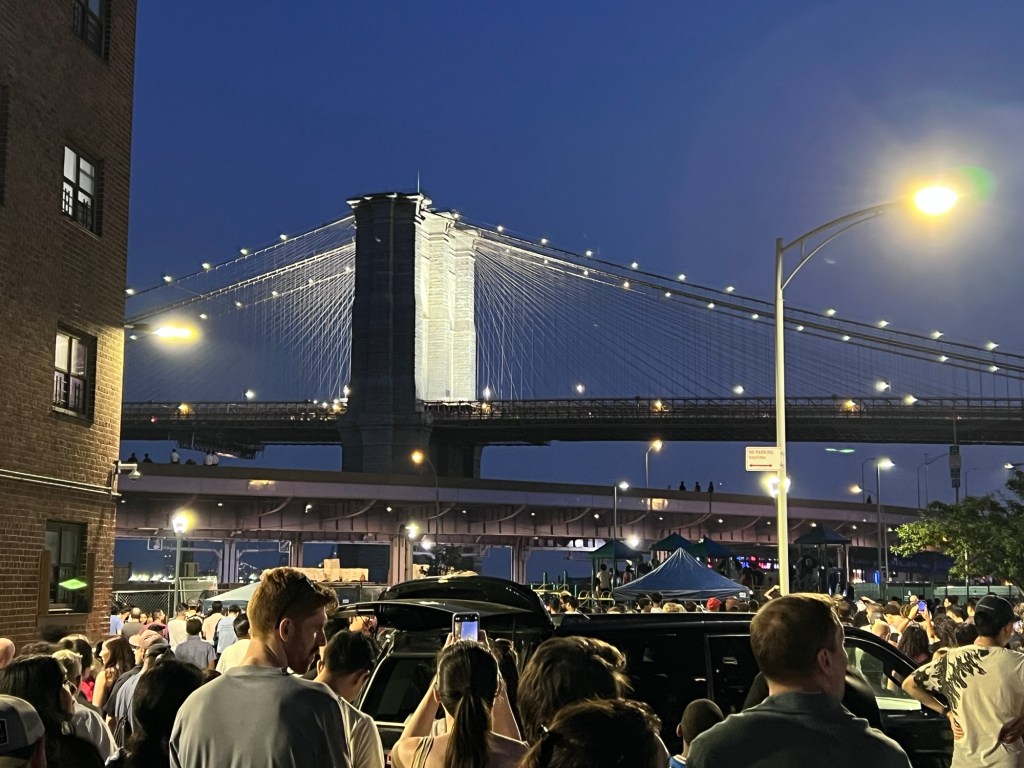
The crowds gathering just as it was getting dark
Then the fireworks began around 9:30pm
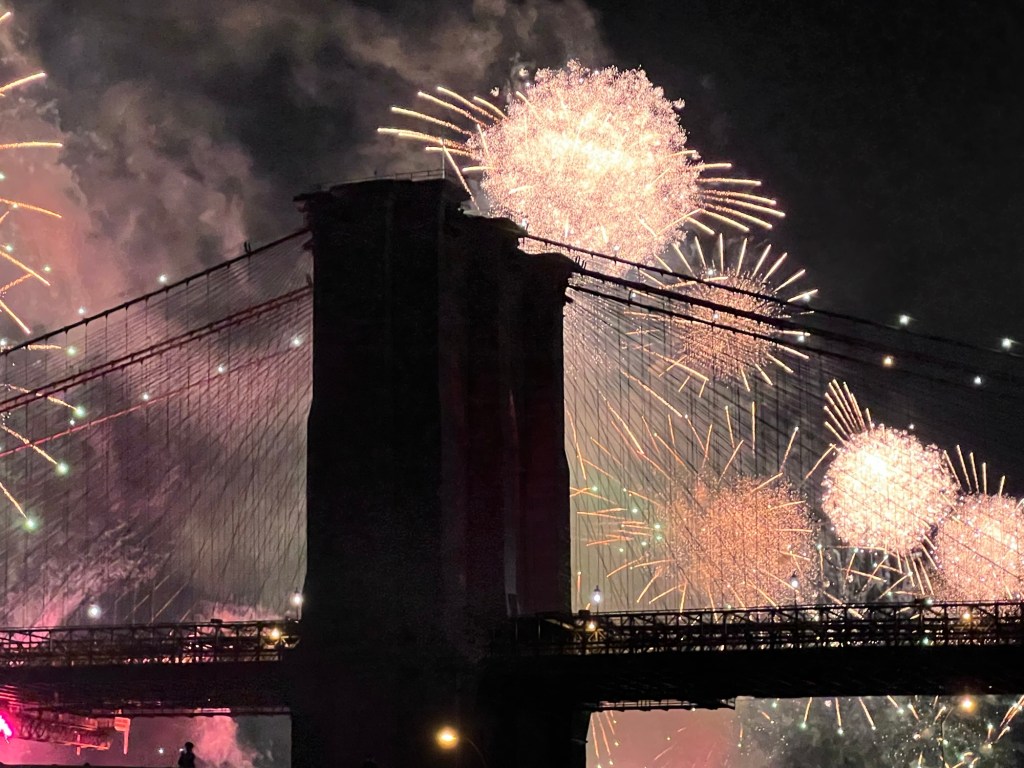
The crowds were packing in just as the fireworks started. It was such a fantastic display. Some people got really rude as they pushed themselves and their families through as the fireworks were going on. Thank God I am so much taller than most people because I could see them from the fence in the park.
The display started at the top of the Brooklyn Bridge
New York City still leads the holidays
It just started to dazzle everyone from where we were standing
It was dazzling for the next forty-five minutes
Here is a preview of that evening as the fireworks really got started
The middle of the display
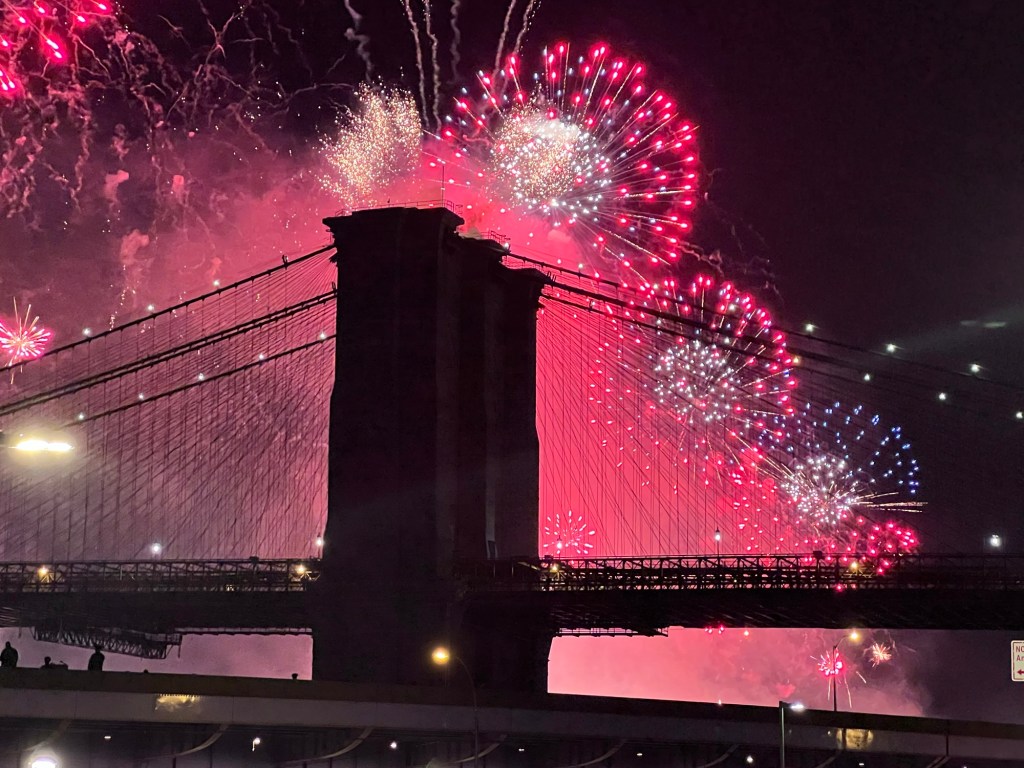
The grandest part of the show
Then started the finale
The finale
I read recently that the residents from Brooklyn were put through hell trying to see the fireworks. That was pretty sad to hear considering this is one of the free events in the City that people anticipate and I heard the lines were like chaotic. I had just walked into the Public Housing parking lot and stood my ground. I was not moving from the spot by the fence.
Chinatown after the fireworks display was over
Chinatown at the end of the evening.
The Brooklyn Bridge at the end off the evening
It was the perfect day and the perfect night what a way to end the evening. This is why I love New York City so much!
Check the Macy’s website and get to the location at least an hour before it gets dark. Then plant yourself in your location because last minute people will try to squeeze their way in front of you.
When you have been friends with people for almost thirty years, they can still surprise you. My best friend, Maricel, and I have known each other since our first week at the Culinary Institute of America in February of 1996. Since that moment, we have seen each other through the ups and downs of relationships, jobs and the passing of our parents. We have gone through our stages of not talking to each other and yelling matches. The typical things best friends do with one another over years of friendship.
There are those times we surprise one another and right before 4th of July, she surprised both her nephew and I with Afternoon Tea at the Palm Court at the Plaza Hotel in Manhattan.
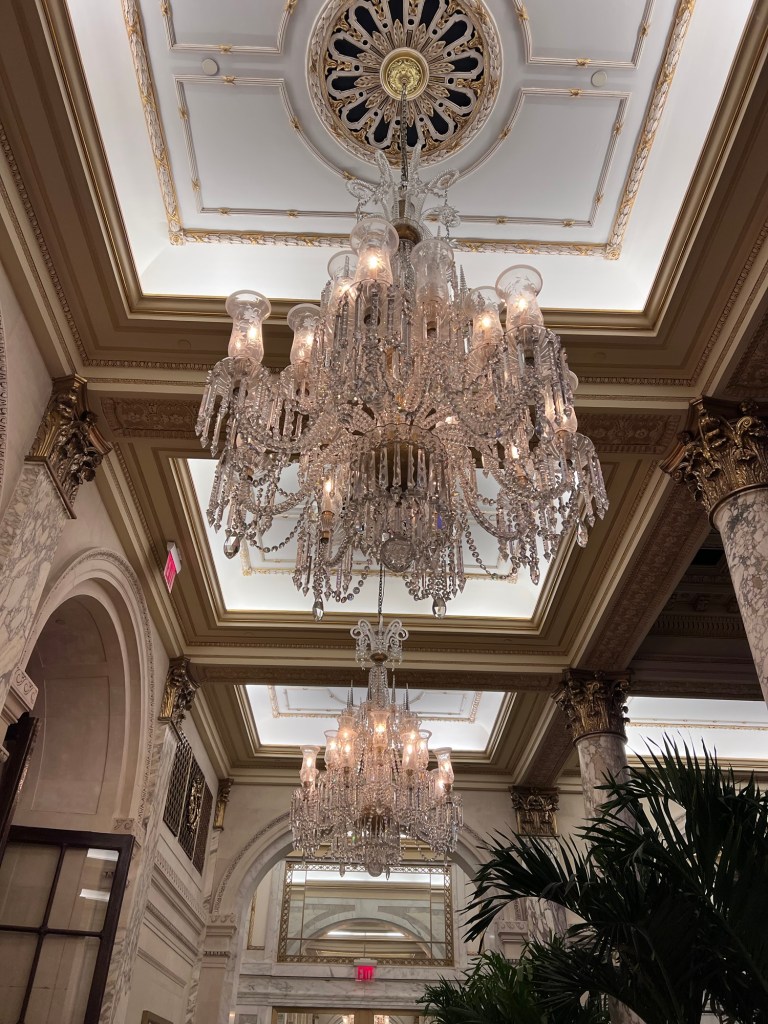
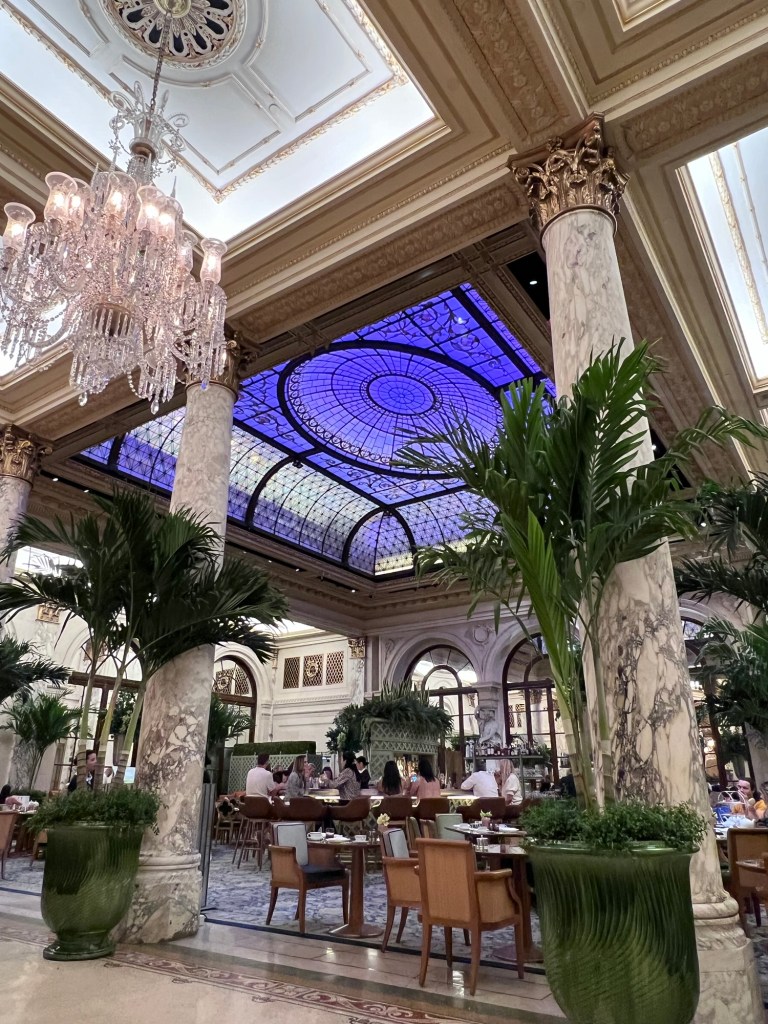
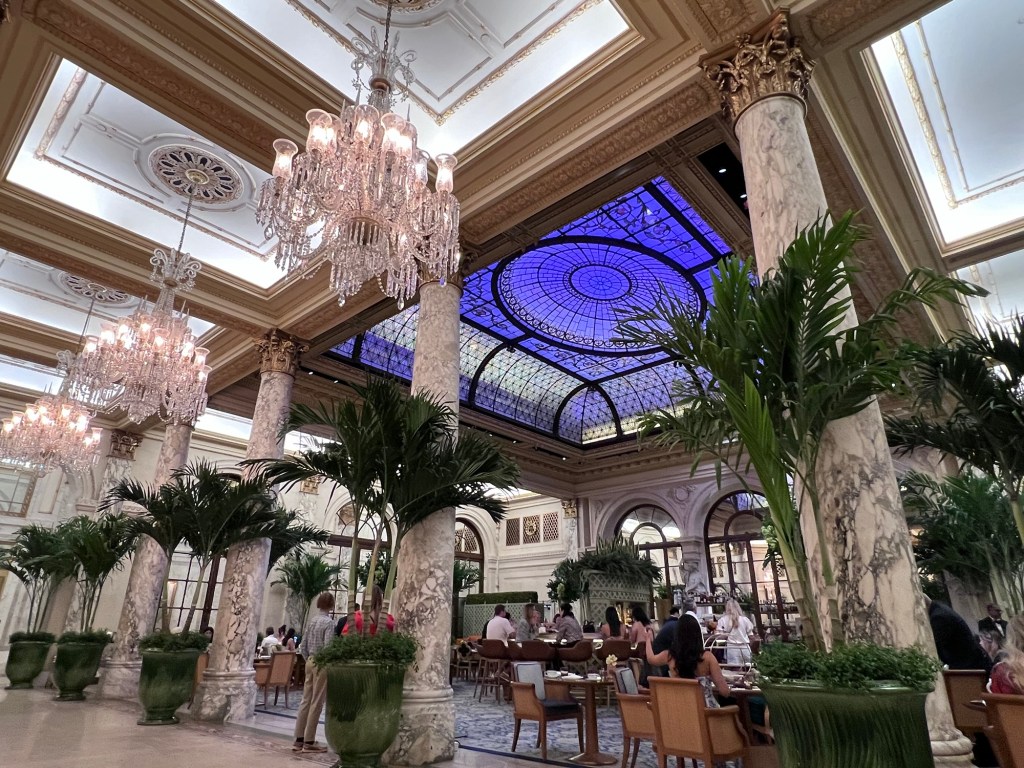
The lobby of the Fairmont Plaza Hotel
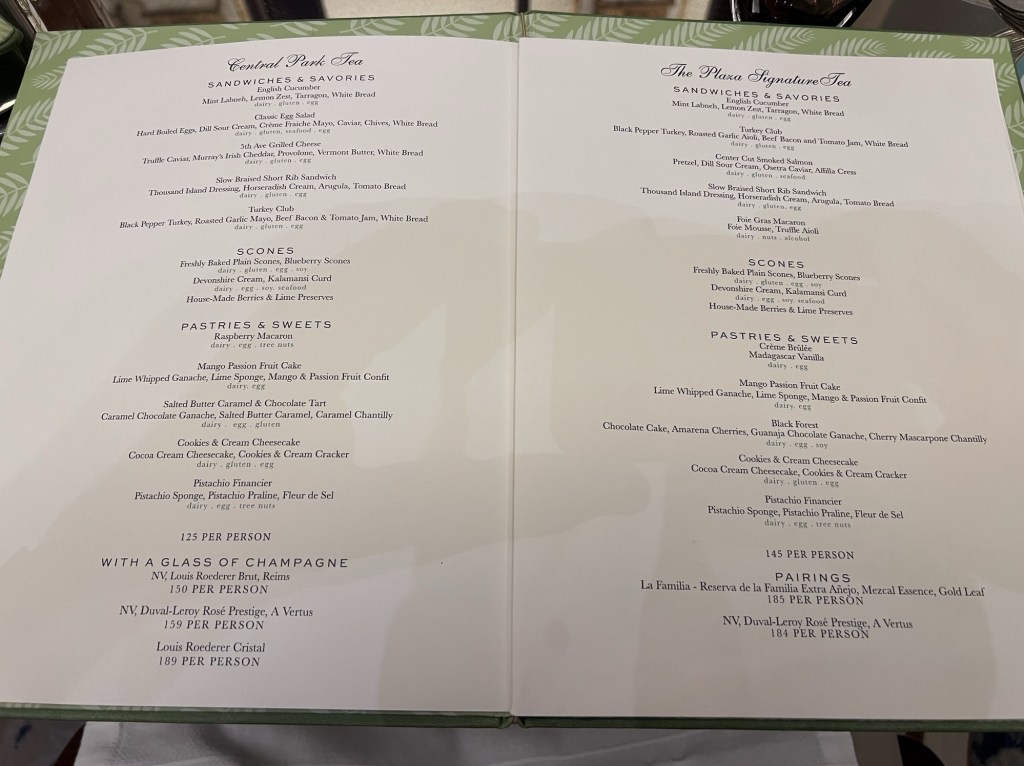
I had not had Afternoon Tea at the Plaza since 1994. I remembered this because it was just after ‘Home Alone II’ was released and everyone was talking about the hotel and its iconic lobby. I remembered the elaborate cakes and sweets and the perfect service. I also remember it being around $85.00 back then. Since that time, The Central Park Tea is now $145.00 and The Plaza Imperial Tea is now $155.00. The times have changed.
The same chandeliers Macauley Cullen saw when walking the hallway in the scene at the Plaza
The iconic scene with President Trump in 1992
For years you used to be able to walk around the lobby at Christmas time but this was before the 2006 renovation and the conversion to apartments. Now they will barely let you through the side door. This wasn’t the case that day. I just walked right into the lobby to the Palm Court.
I met Maricel and her nephew, Miguel, in the lobby and I have to admit even though Maricel works there, we were all in awe of the place. The Palm Court has always been iconic to me even before the film. I have always loved the elegance of the restaurant.
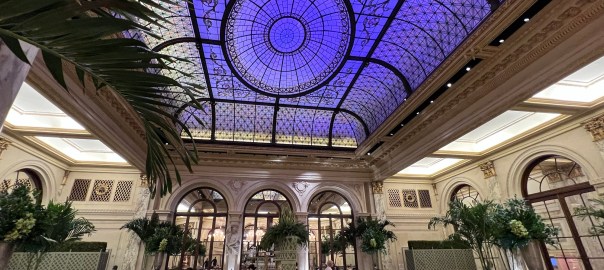
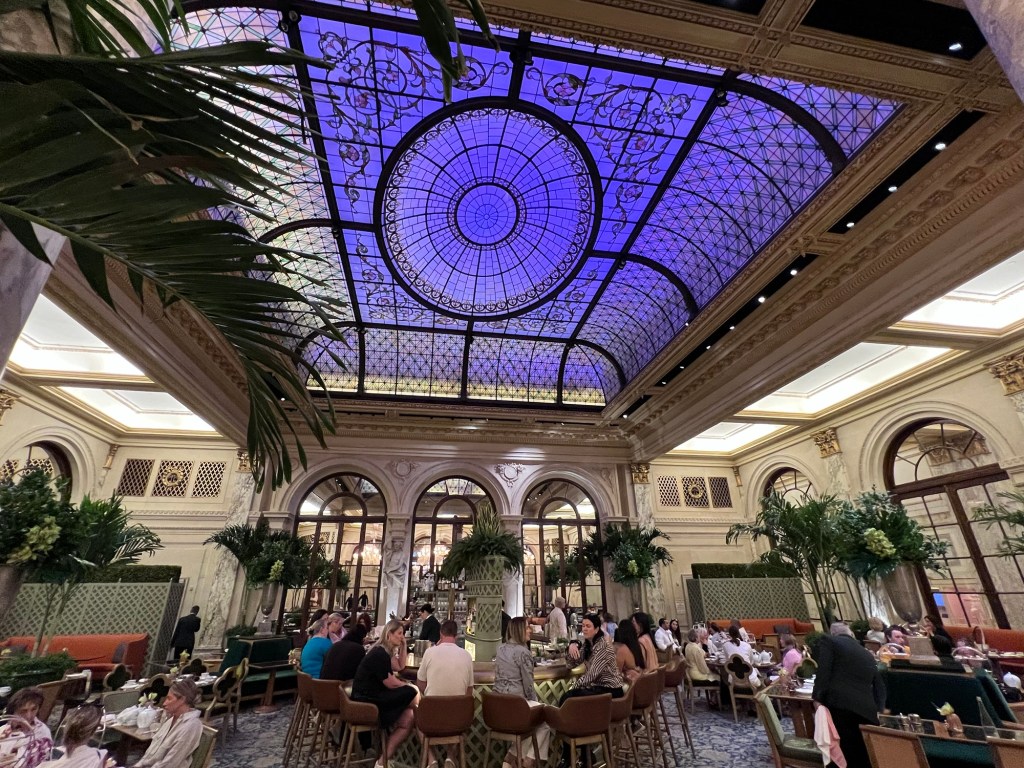
I loved the soaring skylight and all the potted palms. I just remember more of them.
We were at the last seating was at 3:00pm
Trying to figure out what tea we wanted to choose from
We chose one of each which offered a slightly different selection of sandwiches and sweets. Having tea at a New York hotel is not for the faint hearted as the prices start at $145.00 for one person. The Plaza Signature Tea and the Central Park Tea offer their own selection of goodies. The Imperial Tea offered caviar service but thank God I do not like the stuff.
After we ordered, Maricel and I were able to catch up while her nephew played with his cell phone. I had just finished classes and final exams with my Summer I Business class and Maricel found herself getting busy at the Plaza Hotel’s kitchens. She was making the very sandwiches we were eating. We were both exhausted. Then the food came out.
Maricel’s cousin digging into the sandwiches
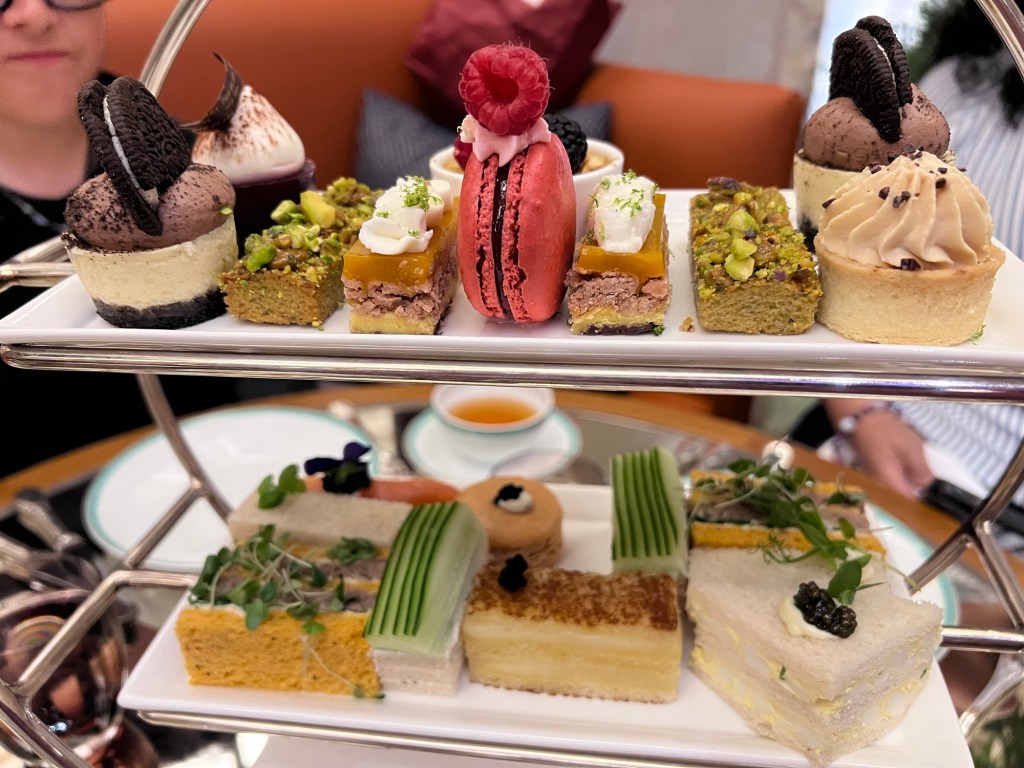
I loved the assortment of sandwiches and sweets on the tiered trays. It was a delight for both the eyes and the taste buds. There was an assortment of pastries, cakes, scones and sandwiches. I had to move quickly because Maricel’s nephew could really eat! I turned my head and half the sandwiches were gone. The food was as good as it looked.
The assortment of sandwiches, cakes, scones and sweets
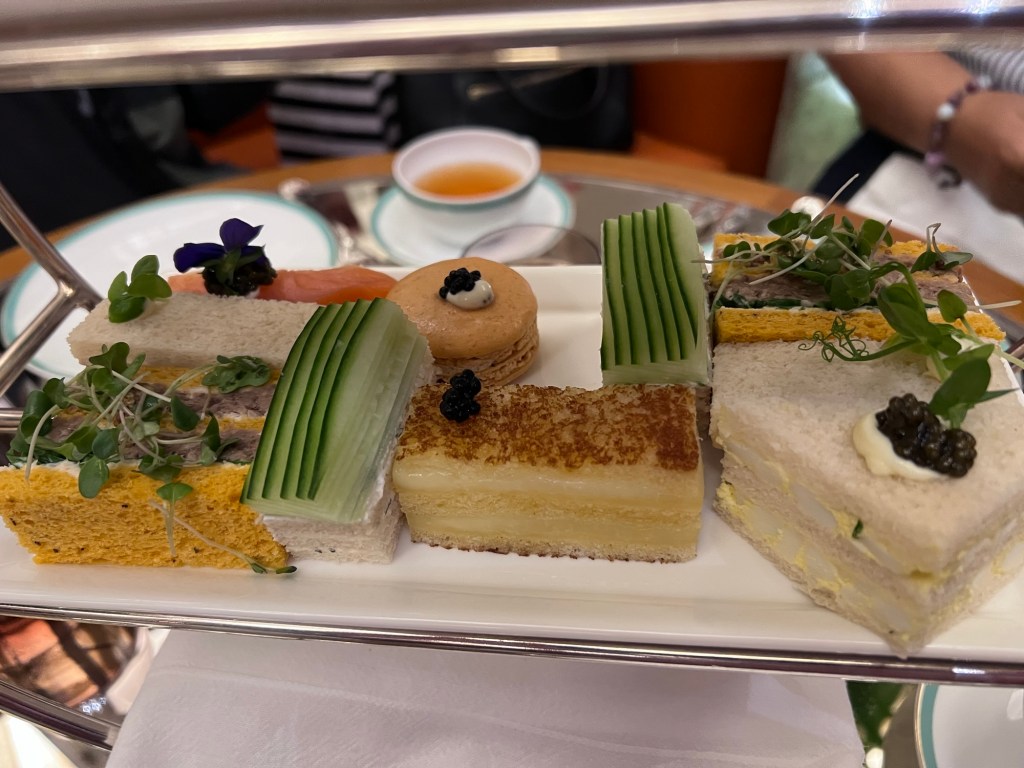
The assortment of tea sandwiches
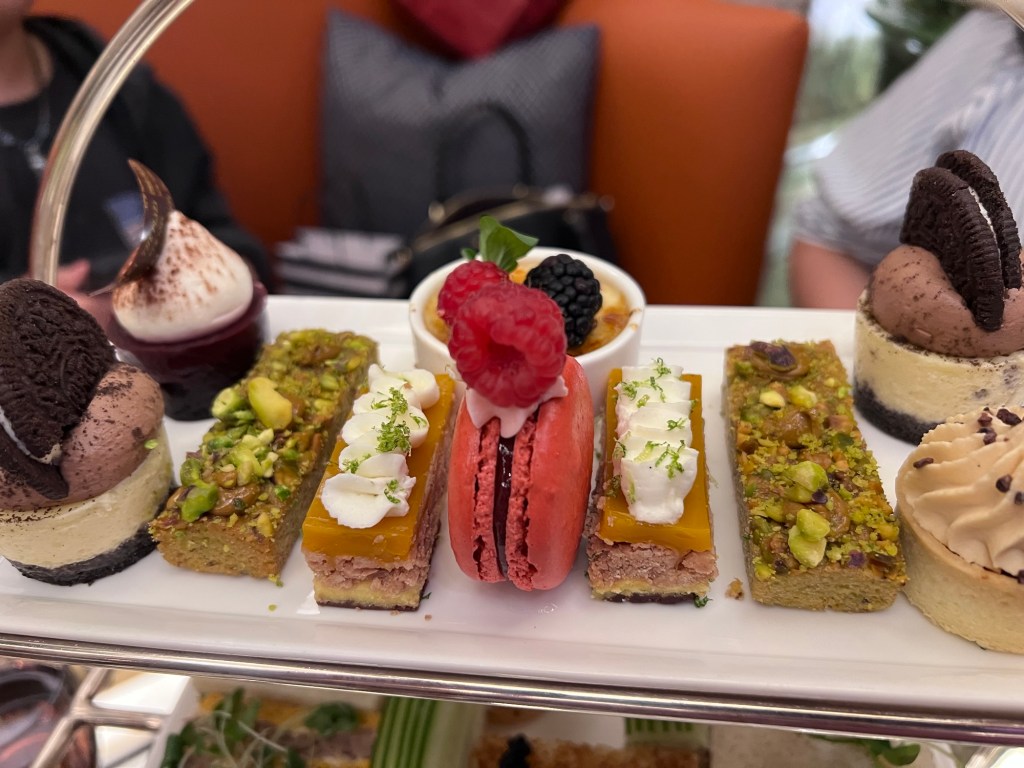
The assortment of pastries and sweets
Me starting to indulge in tea
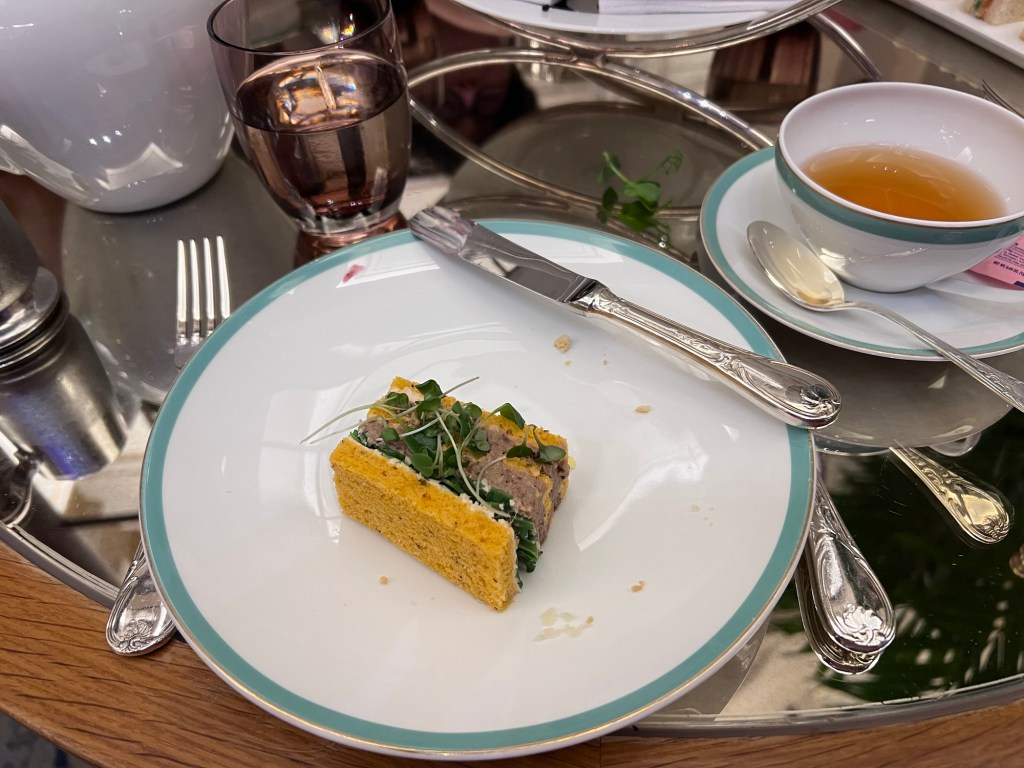
The Short-rib sandwiches were delicious
The Egg Salad sandwiches with Caviar
It was a really nice and relaxing afternoon. It was one of those things you have to do once when you are in Manhattan. I am lucky to have such a great friend who thought about this wonderful treat. She has been working at the Plaza Hotel for several months and thought I would enjoy coming here again. I have to say I did hint about it a few times.
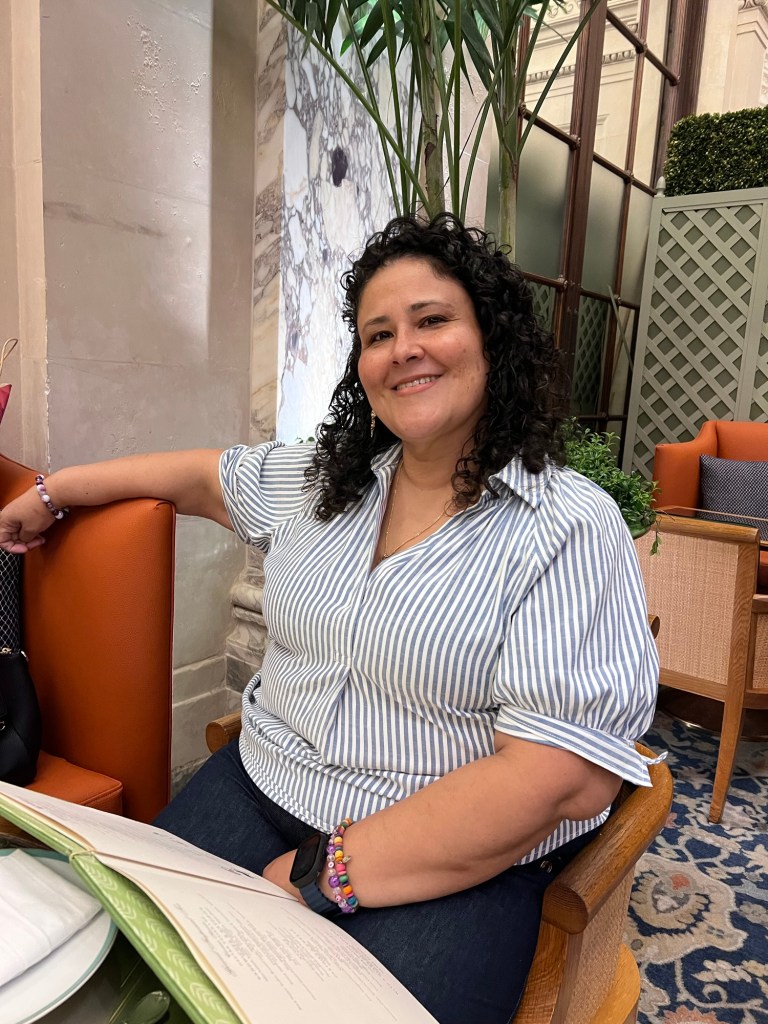
My host and best friend, Chef Maricel
We had a great time with my best friend and her nephew. It was one of those great New York experiences.








































































































 mywalkinmanhattan