Halloween has never meant ‘Trick or Treating’ to me. Even as a child, I was bored with it by the sixth grade and did not want to go out for it anymore. I liked it better when I got to college and was able to be on the entertaining part of it. I would assist other student government leaders in entertaining small children during the holiday.
As an adult, I still assist with the Hasbrouck Heights Fire Department on the town’s Rag-a-Muffin parade and the holiday party over my years as a fireman. What I enjoy the most is volunteering for the Annual Halloween Parade in New York City and seeing the magic of a parade come to life.
For the last three years, I have worked with a very distant cousin of mine through marriage, Mark Schuyler, whose family married into mine (the Beekman family) about 150 years ago so hence I tease him and call him my cousin. Over the past few years we have assisted in getting performing groups in the parade to where they are supposed to be and keeping the wondering tourists and demanding New Yorkers out of the parade staging area.
I can’t believe how many people feel because they live in Manhattan that they are ‘entitled’ to enter the parade staging area to watch the parade come to life. We have too many people to attend to and we are ‘working’ even in volunteer form.
My ‘cousin’, Mark Schuyler and I at the gate at the Halloween Parade
Watching the magic of our founder, Jeanne Fleming, as the parade gets bigger and more creative by the year, you can see the countless hours that so many volunteers put into making this parade special. I am a seven year Alumnus of the Macy’s Thanksgiving Parade (with my seven years as a Macy’s executive in the Buying Offices) and know what it takes to organize a parade. This is more of a ‘peoples’ parade as the people who join the parade whether in a group holding puppets, performing in a band or waving on a float, these costumed participants are what make this parade special and add that spark to how real people mold this parade into what it has become.
Jeanne Fleming, our fearless leader at the Halloween Parade NYC
It is always an exciting night. We must have had a good group or I am just used to people trying to pull one over on me that I found it easier to get people in and out of the parade route. They will tell you every story to get in and no one wants to pay attention because we ‘know nothing’. I love when the answer always ends with ‘but I am a New Yorker!’ Great everyone, so are millions of others who know the rules of parade route. We are lucky to have the NYPD with us the whole time. A beefy police officer walking towards you usually ends the conversation.
When we finish our duties of getting all the talent to where they need to go, around 7:30pm, I get to see the rest of the volunteers work their part of the magic. You should see how the volunteers and the NYPD keep the order of thousands of people in costume walking in the parade and how it is coordinated with floats and marching bands. It is quite a feat. I have never seen people have more fun marching in a parade and showing off the creativity of their costumes or just enjoying the evening with family and friends. The parade route just keeps getting deeper and deeper every year as the reputation of the parade keeps getting bigger.
The Halloween Parade floats
What really makes the Halloween Parade successful is the people who are participate. The thousands of New Yorkers, residents from the surrounding states and the foreign tourists that add their enthusiasm and sense of excitement of either watching or participating in the parade. I talked with people all night and it seems tourists from all over the world came downtown to see the parade. Even little kids came down dressed up for the evening who might not celebrate Halloween in their country.
Because I have to work the parade, I get to see the staging area of the parade on Sixth Avenue and I got to see the last of the floats and bands head uptown. The evening had been rather warm for Halloween Day but as it wore on it did get cooler and I could not believe some of the costumes these Caribbean and Brazilian groups were wearing on a cold night. It was not the tropics outside and I did not know how far some of these women were going to go before they had to put a coat on.
The start of the parade by Domick Street
As the last of the bands heading uptown around 9:00pm, there were still hundreds of people in costume waiting to walk the parade route. It was cool but not cold that night but some of the people in costume I knew would not last long walking uptown. They were just not dressed for a cool New York night. Some of the costumes I did see really sparked with creativity from members of the books “The Wizard of Oz” and “Alice in Wonderland” to the casts of “101 Dalmatians” and “Star Wars”, some showed the time and effort of getting ready for a one night event. Others were standard but original costumes from cowboys and Indians to robots, witches, Demons and cheerleaders. Each one adding their own charm to the event.
The Halloween Parade by lower Sixth Avenue
Our last part of the evening for the crew of the parade was an after-party that one of the production company’s had for us. It was in a very nice loft near the NYU campus and I was not sure how many people they were expecting but one tray of ziti and one tray of ravioli is not enough for the hundred people that came through that night. We were all exhausted and cold from being outside all night.
The Halloween Parade on lower Sixth Avenue
As I took the subway back to Port Authority to go home, I saw costumed people walking all over the city, on the streets and in the subways. Plus the hundreds of people walking around going into restaurants and bars all over the city. As I learned from last year, restaurants all over lower Manhattan that stayed open even as far as Chinatown and Little Italy were busy for the rest of the evening.
This is my third year of working on parade and I can tell you it is never dull and gets more exciting every year.
This is the parade in 2016. I give the YouTube contributor credit for this video. I was working that day.
It has taken several days to walk NoHA (North of Harlem), whatever that means. The realtors in New York get a great joy out of naming areas of the city so that real estate prices can go up. NoHA is pretty much everything from 155th Street to 125th Street from river to river (that being broken into Hamilton Heights from 145th Street to 125th Street west of St. Nicolas Park and then below 125th until 110th Street is Manhattanville) and SoHA is everything from 125th Street to 110th Street.
Then on the West Side it is known as the Upper Upper West Side until you hit 96th Street and on the East Side it is Spanish Harlem (that is slowly changing as well) until you hit 96th Street then you’re in Yorkville. The Upper East Side starts traditionally on 86th Street but truely stretches to East 98th Street depending on what side of the street you are on. Don’t forget Manhattanville right above Morningside Heights and below Hamilton Heights. I still think the arty crowd calls it NoHA
Most of my days were spent on the on the west side of CUNY campus, which stretches from 141st Street to 130th Street. St. Nicholas Park sits next to the campus and stretches from 141st Street to 127th Street and pretty much cuts the West Side from the East Side of Harlem. Again like the rest of my walk, this area is in heavy transition because of the college and the investment both the college and the city have made in this area.
The gentrifying neighborhoods around CUNY on Covent Avenue.
When I started the walk in this neighborhood, CUNY was out for the summer but as school started, the areas parks, restaurants and streets bustled with student activity. Many of the streets, especially Amsterdam Avenue and Broadway, were beginning to be lined with new bars, restaurants and shops catering to the students and new locals. There is a big difference between the bodega customer and the bar customer as I found out everyone time, I entered one.
The Entrance to the CUNY Campus in Hamilton Heights
My first day walking around was extremely humid and not exactly the best day to walk but I tried to stay in the shade as much as possible. The biggest issue with this area is that the side streets on the west side of St. Nicholas Park are very hilly, a reminder again that Manhattan was not flat to begin with when they were laying out the grid. Walking up and down those hills especially by Riverside Park can take a lot out of you. I was a pool of sweat as I finished walking up and down this part of the neighborhood. The nice part of being so close to campus are the numerous numbers of bodegas in the area. There is a cool drink and a quick snack always close by.
Over a period of four days, I covered a lot of territory in the neighborhood. My walk took me from elegant brownstones to some pretty shady areas that I would avoid like the plague. There are just some parts of these neighborhoods that I am sure that the residents avoid.
The Morris-Jumel Historical District
Most of the streets west of the CUNY campus are very beautiful especially close to the campus, the streets that line Riverside Park and many of the homes that surround Convent Avenue just north of campus. You will find some of the gorgeous townhouses and apartment buildings line the streets of Convert and Nicholas Place with their sandblasted fronts with potted plants and decorations for the upcoming Halloween season. This once exclusive area is becoming exclusive once again.
The Brownstone neighborhoods are so beautiful at Halloween
There are even faces staring back at you from the buildings.
The nice part about the CUNY campus in the summer is that there are not many students on campus during the summer break. I was able to relax on the campus lawn and the security guards left me alone. They probably thought I was a returning student or a professor on an afternoon break. I was so sweaty and tired from walking all around the campus, I fell asleep for while in one of the chairs that was out on the patio in the middle of campus. During the quiet summer, it is a nice place to relax.
One of the nicest surprises in the area was the Hamilton Grange, the home of Alexander Hamilton and his family during the summer months. Back then, Harlem was the countryside for people living and working in lower Manhattan and many wealthy patrons-built country homes in this area. He lived here in the summer months with his wife, Elizabeth (nee Schuyler) and their eight children. After his time in the military, he worked as a lawyer in New York City and working for the federal government.
After his death in 1804 when dueling with Aaron Burr, Elizabeth and her children stayed in the house. Elizabeth had helped start an orphanage among other interests and stayed in the house well into her 80’s. At age 91, she went to live with one of her daughters in Washington DC and died in 1854 at the age of 97. The house had sat neglected into recent times and it was bought by one of the local churches as part of their property. The house has since been moved three times and is still going through a restoration (Wiki and Hamilton Grange History). The grounds were being worked on my volunteers during the time of my visit.
Elizabeth Schuyler, the widow of Alexander Hamilton
I went in on a weekend where the house was open for tours to the public and I got to tour the first floor at my own pace. The bottom level is a history timeline of Hamilton’s life and accomplishments plus information on the house. There is a short movie to see and if you do not know much about Alexander Hamilton’s life, you will learn it here.
The entrance area of the Hamilton Grange
The Information Room on the lower level of the Hamilton Grange.
The Entrance Hall
The portrait of Alexander Hamilton
The Alexander Hamilton bust
The upstairs is the only place you can tour and there are only a few rooms to see. The parlor room, dining room and living room are all done in period furnishings and the hallway has been renovated in period look.
The Hamilton Grange office area
The whole tour will take about a half hour. Since the musical ‘Hamilton’ came out, the tours have been fourfold at the house so take that into consideration when visiting the Grange. It is located at 414 West 141st Street.
Hamilton Grange Living Room
The Living Room in the early afternoon
The Dining Room
The Dining Room
The Dining Room Table
The house is located at the very tip of St. Nichols Park right next to the CUNY campus. Don’t be surprised if you see a lot of the students sunning themselves in the park while you are there. Be sure to take your time touring the homes along Hamilton Terrace and Convent Avenue. There are some beautiful brownstones to look at around the Grange.
St. Nicholas Park right behind the Hamilton Grange
Touring in St. Nichols Park is interesting. The summer students used the hills on the side of campus to sun themselves, read, do homework and converse with their friends and classmates while the neighborhood kids played basketball and hung out. It was a real hodgepodge of people in the park the many afternoons that I was there. Between Jackie Robinson Park and St. Nichols Park, I don’t see the local college students too intimidated by the surrounding neighborhood.
The St. Nicholas Park hill where students like to hang out
They seem to be spreading out into it. One thing not to miss is the old Croton Aqueduct which has been turned into the Harlem Stage at the Gate House at 150 Convent Avenue at 135th Street. This beautiful building was built between 1884-1890 and is now a theater. This used to regulate the amount of water flowing underground. The little park surrounding it is nice for a break as well.
The lower sections of the park and the college give way to a fast-gentrifying neighborhood where many seniors hang out on benches outside the park and talk while the summer students entertain their family and friends in many of the new restaurants lining Amsterdam Avenue. On a warm summer night, there are a lot of people conversing in the outdoor cafes. This area is extremely hilly so take plenty of time to walk up and down the hills. Most of this section between Broadway and the river, you will be walking up and down the roads and will get a big work out.
The Morris-Jumel Community Garden at 457 West 162 Street
The Morris-Jumel Community Garden in the Spring of 2024.
The Morris-Jumel Community Garden.
As you west of the campus toward the river, most of the blocks west of Broadway are lined with elegant pre-war apartment buildings whose residents are a cross section of Hispanic families, young Yuppie couples and depending on the block, older couples who like to walk their dogs. These buildings lining Riverside Park like everything else in this part of the city are under scaffolding and some in the process of sandblasting. The closer you get to Riverside Park and to Columbia University, the nicer it gets.
The brownstones lining Covent Avenue
One great stop for a snack is Las Americas Bakery on the corner of 136th Street and Broadway right by the subway station (See review on TripAdvisor). The guava flips, apple turnovers and doughnuts are really good and are only $2.00. Load up on carbs here for your walk and remember the bottled water.
Las Americas Bakery was at 3362 Broadway (closed 2019)
When you reach 125th Street on this side of Manhattan, it really becomes the tale of two cities as Columbia University starts to dominate this side of the island. The new extension of the campus is being built between 125th Street and 133rd Street, west of Broadway to the river. This is all across from a major housing project. These glossy new buildings give an entirely new look to the area and the irony is that the famous Cotton Club which sits on a island between 125th and 129th on the break in the street grid, sits isolated now with the campus being built around it. There is a Dinosaur Barbecue restaurant next door and a Fairway supermarket up the road. 12th Avenue is lined with new restaurants and bars and the city has renovated this part of the park.
The Cotton Club is in a obscure spot under the subway
West Harlem Pier Park offers the most spectacular views of New Jersey and the extension of Riverside Park that lies ahead. On a sunny warm day, it is a great place to relax and enjoy the view. Many residents and students alike are biking, sunning themselves, fishing or just sitting enjoying the amazing view on a sunny day. The park has been replanted with paths and places to sit and look at the river. It will be even more utilized once the new college buildings open up.
West Harlem Piers Park is at the end of 125th Street next to the new Columbia campus extension
The area across Broadway is one of the larger housing complexes and seems to be going though its own renovations. The Manhattanville Houses dominate around from 133rd Street to the 126th and 127th grid that changes above 125th Street. The streets do get a little choppy in this area and skip around due to the projects that dominate in this area. Just do yourself a favor and avoid Old Broadway between 133rd and 131st Street at night. It is a little shady after twilight with too many places to hid.
The Manhattanville Houses sit in a quickly changing area
This side of Amsterdam Avenue is going through its own type of renovation as warehouses are becoming loft and studios and many of the old-time businesses along this stretch of 125th, 126th and 127th are starting to change hands and many chain stores are moving in. It so weird to see an IHOP right next to the projects but it is a reasonable restaurant and the neighborhood deserves to have the same comforts as the rest of the city.
The longest part of this part of the walk was the walk back and forth on 125th, 126th and 127th Streets. Going back and forth from one side of the island to another takes a lot of time and be prepared for not just a walk but a big transition in neighborhood in just a few blocks.
When I walked 125th Street again on a return trip to the neighborhood in 2026, there is a new Renaissance Hotel next to the theater and the entrance of the hotel is another old theater that is now part of the building. The one thing about 125th Street along the entire length of the street is that it is one long set of chain stores.
Apollo Theater at 125th Street with the new Renaissance Hotel in the background
The historic plaque now sits at West 126th Street behind the theater
Another surprising aspect of the neighborhood is how nice it has gotten. Gone are the days that Colombia University had to practically erect walls to keep the neighborhood out. Colombia students like their fellow SUNY students thirty blocks up are starting to move in and take over this neighborhood. The South Harlem area is awash with scaffolding of people renovating the buildings and new restaurants and shops. Now this gentrification is all over the neighborhood with cafes, bars and restaurants dotting every street.
The street art along the walls is very interesting
A lot of 125th Street is being knocked down and redeveloped with new office and apartment buildings and new retailers moving into the neighborhood. It is amazing to see the changes in just nine years.
All along the walls of the sites are being cleared and new buildings are going up, local artists who are part of “The Grand Scale Mural Project” are showcasing their works.
The project brings the Uptown art community together with the intent of creating opportunities for emerging and established artists. The call is open every two years to any artist based in New York City, with preference given to artists with connections to Harlem, Upper Manhattan and the Bronx (GSMP.com).
The Mural Ptoject
During three weekends in late summer 2019, 50 artists came together to transform 1,500 feet of fencing across three blocks into a canvas for mural artwork. In 2021 and 2023, more than 100 artists each year united to transform more than half a mile of construction fencing into colorful, memorable blocks to walk (GSMP.com).
The Mural Project
In 2025, the Grandscale Mural Project is taking place all summer long, on the last Saturday of each month: June 28, July 26, and August 30. On each Saturday, artists will gather for a sidewalk painting party that will transform the visual landscape of East Harlem, turning dull green plywood into vibrant street art (GSMP.com).
The Mural Project
The Robot Mural, my favorite
The murals run the length of the fencing and try to see it before they take it down with the construction of the buildings. The murals cover about three blocks of 125th Street and contain some interesting street art.
The historic Mount Morris Bank Building also known as the ‘Corn Exchange’ building at 81 East 125th Street
I have admired this building for over thirty years as you pass it on the Metro North train to New Haven. After years of being abandoned, it has finally been restored as a office building.
The building was first known as the Mount Morris Bank Building and it sits on the corner of 125th Street and Park Avenue at 81-85 East 125th Street. It was built in 1883 by architectural firm Lamb & Rich in the Queen Anne and Richardson Romanesque styles. In 1913, the bank became part of the Corn Exchange Bank and then merged into Chemical Bank in the 1950’s (Wiki).
Walking down 125th Street by Lennox Avenue
Fifth Avenue at East 125th Street still holds some of the beautiful and elegant architecture from the turn of the last century that is now being renovated into housing and new office buildings as the neighborhood continues to genetrify.
Reaching the end of East 125th Street on one side of the street
As I reached the end of 125th Street, I passed the overhead bridges and underpasses that make up a big part of the transportation hub of this part of the island. You can’t walk very well on the other side of the street due to traffic and construction so I turned around and walked back down 125th Street.
The front of Sylvia’s Restaurant at 328 Malcolm X Boulevard as it opened for lunch
I was not hungry but I tried to go later in the evening. When I arrived there at 8:00pm thinking that the crowds would be gone, I could tell they were understaffed and there would be an hour wait. I will visit on another trip up to the neighborhood.
As I headed west on 125th Street, I passed the Adam Clayton Powell Jr. Building at 163 West 125th Street and they were setting up for a concert that evening. I noticed the statue of Adam Clayton Powell Jr. in the front of the building and stopped to admire it.
Artist Branly Cadet is an American born New York City native. He was trained at Cornell University and New York Academy of Art in New York and in France at the Vaugel Sculpture Studio and L’Ecole Albert Defois. He is trained in the classical tradition of both figurative and portrait sculpture (Wiki/Artist bio).
While I was walking around the neighborhood, I was able to see a free Jazz concert at the Summer Stage in Harlem and the concert was great.
Taking a break to enjoy a Summer Jazz concert in front of the Adam Clayton Powell Building.
While I was walking back to towards the Columbia campus, I walked past the former Hotel Theresa, once ‘The Waldorf Hotel of Harlem’. This had once been one of the most important places in Harlem to visit.
Walking past the former Hotel Theresa at 2082-86 Adam Clayton Powell Jr. Boulevard
The hotel was designed by architectural firm George & Edward Blum and built by a German-born stockbroker, Gustavas Sidenberg, whose wife the hotel was named for. In the heyday of Harlem, it was known as the “Waldorf of Harlem”, when many black stars of sports, entertainment and politics could not stay at the segregated hotels in other parts of the City, they would stay here making it the center of Black social life. It deteriated in the 1950’s and 60’s and was eventually turned into an office building (Wiki).
The logo outside the famous and very busy Harlem firehouse Engine 37/Ladder 40
I then passed the very busy Engine 37/Ladder 40 that had made several calls while I was walking around the neighborhood. They were just coming back from a call as I was walking around 125th Street. I really admired their logo.
Towards the end of the block and across from the new extension of the Columbia campus is the Grant Houses, which dominate this side of 125th Street. Years ago, walked through all the pathways around the complex startling some residents. I was never sure if it was my appearance or that I might have been trespassing on the grounds. I thought they were open paths to walk on.
The sign for the Grant Houses near Columbia University
The Grant Houses are a ten complex of housing units line 125th Street and around Broadway. As I passed the complex this time, I noticed a lot of seniors sitting outside the entrances talking amongst themselves.
The Grant Houses Housing Complex line 125th Street near the East River
Facing the Hudson River on the Western of Broadway is the new extension of the modern Columbia University campus. More buildings are planned but this futuristic campus is of glass and steel and faces the Hudson River.
The Columbia University extension above 125th Street
The Manhattanville campus is the newest part of Columbia University containing their Business and Arts Schools as well as classroom space and a new art museum. The new campus will encompass everything west of Broadway to the Hudson River from West 125th to West 133rd and will eventually surround the Manhattanville Houses across the street. I already have seen the changes on West 125th Street to about 7th Avenue and the side streets. The campus is changing the complexity of the neighborhood and gentrifying most of the area around the housing projects and 125th Street.
The street plan for the campus
Tour of the new campus
As you pass the campus on 12th Avenue, the overhead pass is its own piece of artwork and gives a modern approach to the Hudson River.
The overpass on 125th Street and 12th Avenue is picturesque
Lining the Hudson River is West Harlem Piers park, one of the nicest parks uptown with the best views of the Hudson River and gets some of the best breezes on a hot day.
West Harlem Piers Park at 125th Street and Marginal Street
The park has the most beautiful views and it is nice to just sit under the trees on the benches and just relax and enjoy the view. The park is also very big with people fishing on the pier and with bicyclists.
West Harlem Piers Park in the Summer of 2026
West Harlem Piers Park
Walking through West Harlem Piers Park offers the nicest views of the Hudson River
CUNY and Columbia Universities are having their presence known in the blocks between Amsterdam to Fredrick Douglas Boulevard between 131st to 125th Streets. Most of the apartment buildings that I saw at afternoon time had anxious students running out the doors. 126th and 127th Streets between 7th Avenue and Park Avenue are mostly lined with old brownstones which are quickly getting scooped up and renovated. This was one of the nicest surprises as the brownstones are very elegant. This neighborhood I noticed is a very mixed neighborhood of white and black residents that seem to look out for one another.
I then made my way up 126th Street
Walking down 126th Street, I passed the Manhattanville Houses at 545 West 126th Street. These modern Y shaped building were designed by architect William Lescaze (Wiki).
West 126th Street is like an open air museum of street art both professionally and by taggers.
This was by the Youth Justice Network building
The mural of this mythical bird was along the same building
The mural was painted by artists involved withy Project Attica, which is a 501(c)3 organization devoted to working with youth by providing them with art-centered education focused on social justice. The artists were Cesar Figueroa and Anthony Posada (Project Attica Facebook Page).
The Mink Buildings origins are from its days as a brewery building for several beers makers at a time when this area was non-developed. Designed by architect Louis Oberlien. After Prohibition closed most of the breweries in the 1930’s, the building became a fur storage facility in the 1940’s. Now it serves as a mixed use building of offices and studios (Wiki).
The area surrounding the Mink Building is now known as the “Factory District”, in between the CUNY and Columbia University campuses, becoming an incubator for new innovative businesses.
The beautiful stained glass above the door way
As I passed the New Design Middle School at 250 West 127th Street, I noticed this mural on the wall of the school. (I could not get close enough to see who the artist was for the mural).
Once you pass Fifth Avenue, the neighborhood gets more residential with beautiful, historic brownstones which are all going through a major renovation. These tree lined streets showcase the Upper Middle Class history of the neighborhood and its turn of the last century achitecture.
The brownstones around East 126th Street and Fifth Avenue
This brownstone stood out for the colorful potted flowers on the front of the home
This group of brownstones looked like they had just been renovated
Looking back at the neighborhood from Second Avenue looking at the Fredrick Douglas Houses in the distance
While I was walking along Second Avenue and West 126th Street, I saw the Uptop Jerk Plus Jamaican Food Stall busy grilling fresh chicken with spices and serving up sides. The lines were long that afternoon and the smell of the food was amazing. People stood in lines for the freshly barbecued chicken.
While passing 11 West 126th Street, the Dovecote, I admired this colorful artwork, along with a poem etched in marble on the wall. This new apartment is in the heart of the neighborhood.
The artwork at the Dovecote Apartment by artist Emmett Wigglesworth
Artist Emmett Wigglesworth is an American born artist who studied at the College of Art and Design in Philadelphia. He is a muralist, painter, sculptor, fabric designer, and poet. Wigglesworth is known for his abstract and colorful murals that he says are inspired by his own cultural heritage and life experience. (Wiki).
One of only five new Passive House condominium buildings in Manhattan, this six-residence home in the heart of Harlem was built to advanced environmental and engineering standards—meaning it breathes better, saves more, and keeps you comfortable year-round. Think triple-pane calm, filtered fresh air, and energy bills that make you smile (Streeteasy.com).
The poem by Rita Dove
The mural on the wall of the Corner Social Restaurant at 321 Malcolm X Boulevard
While I didn’t dine at the restaurant, I did admire the mural entitled “Planet Harlem” by artist Paul Deo. It really stood out and made a statement with its vibrant colors and subject matter.
Planet Harlem is a self-financed mixed media mural tribute to the Harlem community. It is strategically located on the northwest corner of Malcolm X Blvd and 126th street. The mural serves as a vehicle for narrating and sharing the stories of Harlem, acting as a potent and much-needed educational tool in the quest for empowerment (Planet Harlem website).
Artist Paul Deo is an American born artist based in both New York City and New Orleans. His works are of ancestral oral tradition and where modern myths meet, creating a world for viewers to tap into their childlike imaginative abilities, regenerating a sense of balance among contemporary obstacles (Artist bio).
More street art along 126th Street
The walk back to Broadway was like an open air museum of murals and street art along the walls. I passed a series of murals painted on the walls of local schools.
The Mural ‘Education’ on the wall of the New Design Middle School on the back wall facing West 126th Street by Artist Elle (Ellestreetart/com)
Elle is a New York based Street/Graffiti artist known for her bold statements. She started out as an illegal graffiti artist and over time has built a reputation as one of the top touring street artists which has led to commercial works seen all over the world (Artist bio).
Video on Elle’s works
As I walked down West 126th Street, I passed a series of community gardens I must have missed the last time I was in the neighborhood.
The Clayton Williams Garden at 303 West 126th Street
The William B. Washington Gardens were closed for the day but I could see the gardens in the distance. I could see the vegetable and flower gardens through the fencing. I will have to revisit the gardens on a weekend when they are open.
As I turned the corner to head back to Broadway, I had not noticed the large office complex built on the corner of West 126th Street and Amsterdam Avenue. This is part of the new hospital complex and part of the innovative incubator of the university’s in the neighborhood. This part of the neighborhood is quickly changing as the campuses continue to grow in the neighborhood.
The changing neighborhood by West 126th Street and Amsterdam Avenue
I then turned the corner on to West 127th Street to complete the walk of this side of the neighborhood. As you walk closer to the CUNY Campus along the main commercial Avenues, new housing and businesses are being built to cater to the students and faculty and many of the older buildings are being repurposed and renovated.
New construction is everywhere in the neighborhood especially as you get closer to the CUNY campus. This is looking up St. Nicolas Avenue
The Fredrick Douglas Houses dominate this section of the neighborhood between West 127th to West 131st Streets and bounded by Fredrick Douglass and Adam Powell Boulevards
On 127th Street, there were a few community gardens as well. The first on was the Harlem Grown 127th Street Learning Annex.
The Harlem Grown Learning Annex at 128 West 127th Street
The Harlem Grown Learning Annex has operated local urban farms, increased access to and knowledge of healthy food for Harlem residents, and provided farm-based development programs to Harlem youth. One of the many ways we fulfill our mission is by raising support for the physical renovation of abandoned lots in Harlem, transforming them into thriving urban farms. (Harlem Grown Learning Annex website).
The inside of the gardens
The gardens were in bloom when I passed by. The gardens were closed for the day but I could see above ground beds of vegetables and flowers that the kids were growing in the garden from a distance.
The beautiful brownstones on West 127th Street
As I passed Fifth Avenue again, the commercial street gave way to the brownstone neighborhood between Fifth and Park Avenues and I got to see all the potted plants and small gardens in front of their homes.
Crack is Wack Playground at Second Avenue and East 127th Street
As I crossed over Second Avenue and between Second and First Avenue, there is a small corner of green park next to the bus depot building. Crack is Wack Park is a small park with active basketball courts and lawns and gardens.
Artist Keith Haring was an American born artist and had studied at the Ivy School of Professional Art in Pittsburgh. He was known as a Graffiti and Pop artist in the booming 1980’s art scene in New York City and known for his distinct art style (Wiki/Artist bio).
One of his most impressive video’s with singer Grace Jones
The Keith Haring Artwork in Crack is Wack Playground was a handball wall
Famed graffiti artist Keith Haring painted this fanciful mural, located at East 128th Street and the Harlem River Drive, in 1986. Painted on the northern face of the handball court wall, the mural is composed of Haring’s signature kinetic figures and abstract forms in bold outlines. Crack is a highly potent, addictive, and dangerous form of smokable cocaine whose use reached epidemic proportions in the mid- to late 1980s. Haring’s mural cautions youth against the drug’s use (NYCParks.org).
The street art along the walls of East 128th Street and Second Avenue were colorful and engaging. Each of these lined the walls of buildings facing the park.
Street Art of Second Avenue
Street Art on Second Avenue
Street Art on Second Avenue
As I walked back down East 127th Street, I came across another interesting mural on the side of PS 030, The Hernandez-Hughes School. I thought this was very clever (I could not find who the artist was for this mural).
Mural on the wall PS 030 The Hernandez-Hughes School at 144-172 East 128th Street. The school has many murals and artworks along the campus.
I continued to walk through the brownstone section of the neighborhood, admiring the renovations of many of the homes. This one really stood out at 17 East 127th Street.
This beautiful neighborhood brownstone was built in 1899.
The last community garden I passed was the “Our Neighborhood Place” Community Garden at 17 East 127th Street. Like most of the community gardens that day, the gates were locked and I could only see it from the fence.
The Our Neighborhood Place Community Garden at 77 West 127th Street
From the fence, I could see the raised beds of the vegetable gardens and what looked like fruit trees in the distance. The garden beds were neatly lined up and I could see the murals on the walls in the distance.
Artwork on the sidewalk on West 127th Street. It is amazing to see these things when you look down.
I arrived back at the corner of West 127th and 126th Streets in the later afternoon and noting a much changed neighborhood since 2017 when I walked this neighborhood initially. This whole area soon will be catering to the growing college campuses. I was surprised at this point that a lot of West 125th Street has not been knocked down yet and new office buildings have built to cater to the growing Columbia University campus. Time will tell as the neighborhood is being updated.
Walking back to the borders of West 127th and West 126th Street
On the wall of a building in the corner of West 126th Street, I came across this mural depicting garment industry workers. This was created by the Thrive Collective with local residents.
The mural ‘Create! Harlem’ on the corner of West 126th Street
Thrive Collective creates hope and opportunity through arts, sports, and mentoring in and around public schools. Our core programs – Murals; RHYME (Rhymes Help Young Minds Excel); Media; Mentors; Festivals, and Sports – connect artists, youth workers, and volunteers with local schools as teaching artists, art directors, coaches, and mentors (Thrive Collective website).
In 2017, as I walked these many blocks, I would see residents conversing with one another and stop to watch me walk by as if to say, ‘what are you doing here’? I see that a lot in this area of the city. Most of the homes have been sandblasted and were being decorated for the fall.
In 2026, I took my time and rediscovered a neighborhood that is constantly changing. Brownstones being renovated, new businesses opening up catering to college students and a new vibe to the area with the growth of both Columbia and CUNY University’s. The area between the two colleges will eventually merge together.
In between many of the homes, new smaller apartment buildings are being tucked in between and look quite expensive. Here and there, there are brownstones that have not been fixed up yet but give them time as the middle-class residents discover this part of the neighborhood and as real estate prices continue to rise. You can no longer get a brownstone in Harlem for a cheap price.
The scariest part of the neighborhood is the area from Lexington Avenue between 131st Street to 125th Street surrounded on all side by the Harlem River. This area is mostly commercial with two bus depots, a health orientated building going up and a dealership.
The Bus Depot between 125th-128th Streets just off 1st Avenue
The walking on sidewalks in this area is awkward with not much places to cross. Projects dominate between Park and Lexington Avenues and as I walked the short blocks by the parks, I really stood out with many residents looking me over as I walked up Lexington Avenue, walking over the 3rd Avenue Bridge and looking over the kid’s playing soccer and football.
The entrance to the Saint Nicolas Housing Projects by 127th Street and 7th Avenue
Even though there are loads of kids in these parks after school and parents are all over place, I would give you a safe bet to avoid this small corner of the city at any other time of the day. I walked down 128th Street to 7th Avenue and then crossed over to 129th Street to walk through the Saint Nichols Houses to get back to Fredrick Douglas Boulevard.
It was a very busy evening with people coming home from work and families yelling at one another. The saddest thing I saw was a small group of brownstones sitting across from a school on the project property, sitting empty and falling apart.
The Brownstones across from the Saint Nicolas Housing on 127th Street. They have been renovated since my first trip but still look a little worn in 2026
The poor things looked sad as I don’t know how many people would want to buy a dilapidated brownstone across from a busy school. In 2026, this was changing and the buildings were being renovated. I rounded the small blocks of 129th, 128th and 127th Streets that lie between Fredrick Douglas Boulevard and the park.
The weird juxtapose of this area is that new hip restaurants are opening in this area right across from the projects and these homes again seem to be dominated by a mix of locals and college students. I cut through the park on a hilly path on 128th Street to finish walking 128th, 129th and 130th Streets below the campus. Be prepared to be long winded after this part of the walk as you are going up and down hills. This section was my best work out since the streets by Riverside Park.
This area gives you the perspective that Manhattan is definitely not flat. Also, when walking down the stairs on 129th Street by the warehouses, plan to do this during the day. Again not a great area to walk alone at twilight. As I said before, most people left me alone but kept looking me over.
My last stop of the evening was dinner at Sylvia’s Soul Food Restaurant at 328 Malcolm X Boulevard. This meant walking from the hills of 128th Street down to 126th Street and crossing over to 125th Street. That alone was a long walk.
I was not thrilled by the food as much as I was by Charles Southern Fried Chicken or Miss Mamie’s Spoonbread. Maybe it was the sheer exhaustion I felt from all the walking or when I was finally able to relax or the pitcher of the overly sweet, iced tea but by the time I got my food, I was feeling nauseous.
I had ordered the Fried Chicken Dinner which was two pieces of white meat with mac & cheese and candied yams on the side. It just didn’t strike me as being as good as the other restaurants in the area. I remember on of my professors who took us on a tour here years ago saying it had gotten very commercial. I could see why.
The chicken dinners at Sylvia’s are over-rated or I just hit a bad night
Most of the clientele that night was white and mostly touristy looking people who could not get into the very busy Red Rooster down the road. The Fried chicken was crisp on the outside and chewy and dry on the inside. The candied yams and mac & cheese tasted like it had been made in batches and were warmed up. It’s not that it wasn’t good, but I expected more from it. The food was average.
What it lacked in the quality of food, it made up in service as the waitress handled the whole room by herself and could not have been more professional and friendly (see review on TripAdvisor). Needless to say, that the manager of Sylvia’s was not the happiest with my review. Oh well, it was an experience anyway. I had wanted to try the restaurant for years.
Overall, this area of the city will take you through a real difference in neighborhood sites, from projects to brownstones from historical through commercial. Sometimes right next to one another. Like any place else in the city, it is going through the ‘change’ and won’t stay the same for very long. You can see the transition going on around you.
I finally completed my walk of the entire Harlem neighborhood from 155th to 145th Street. I was lucky that it was a nice day with not much humidity. It has been pretty bad with the weather lately. This part of my walk took me to the area east of Jackie Robinson Park from Bradhurst Avenue to the East River. It was one of the harder sections of the city. I always felt that I was being watched by someone.
As I walked along the side streets between 155th Street and 145th Streets, between Bradhurst Avenue and Fredrick Douglas Boulevard, the residents reacted to me differently. Some were smoking pot on the street and when I came back walking on the other side of the street they disappeared. One woman was having a very heated argument with a man on Frederick Douglas Boulevard that was getting pretty heavy and when she saw me immediately shut up. When I walked down the other side of the street, she and the man had also disappeared.
The police in the area kept driving around looking me over and when I was walking on 147th Street, someone threw a bottle from the building that hit the other side of the street I was walking on. I never thought I ever screamed ‘cop’ before but I got a pretty good idea that that’s what the local residents thought I was that afternoon. Things really quieted down as I walked around this area.
The weird part was that this happened both in the initial walk in 2016 and in the return walk in 2026. I kept seeing cars with tinted windows slowly pass by me and strange looks from drivers. Even though it took three hours to complete the walk of this neighborhood again, I tried to finish as quickly as possible. I felt all the time like someone was watching me walk the neighborhood.
Like all other areas of Harlem, the area is quickly gentrifying. I have never seen so many young perky white kids running around the area. All the buildings lining Bradhurst Avenue by Jackie Robinson Park especially closer to 145th Street are all brand new and there is even a Starbucks on the corner of 145th and Bradhurst Avenue which means that the neighborhood is past the ‘transition’ stage. This area of Harlem has changed population by about 20% (New York City Statics 2025).
Looking down Bradhurst Avenue in the Summer of 2026
Most of the area around 145th Street to Frederick Douglas Boulevard are new housing a lot of it catering to the CUNY students who are boldly pushing the boundaries of the campus into all parts of Harlem. They walk all over the neighborhood, sometimes much to the surprise of the local merchants.
The front of Jackie Robinson Park
Entering Jackie Robinson Park at 145th Street is very pleasant. Named after the famous baseball player, there are basketball courts, a public pool, picnic and barbecuing areas that are very popular with the local residents and walking trails. The rock formations in the middle of the park not too different to the ones in High Bridge Park tell the story of how the Ice Age molded these parks for the future.
Jackie Robinson was known to some as one of the greatest baseball players in the history of the sport but had a much more accomplished life. He lettered in four sports at UCLA and contributed to the community in youth sports as well. Entering the major leagues for the Brooklyn Dodgers, number 42 broke the color barrier and integrated major league baseball. He helped the Dodgers win the 1955 World Series. Upon retirement, he served as a Vice-President of Chock full o’Nuts coffee company and continued supporting causes that meant something to him (Wiki).
The large formations are mostly covered with vegetation but still make quite an impression. The park was very busy that afternoon with kids crowding into the pool and many pickup basketball games going on. On the upper reaches of the park, there must have been four barbecues going on at once, many were having birthday parties and many of the area seniors were sitting around talking and watching what I was doing. I didn’t know that me walking around was such a topic of discussion.
The main staircase through Jackie Robinson Park
It must have spread around the neighborhood because a bottle came flying down from one of the apartment buildings on 147th Street. That surprised some of the people walking around the neighborhood. Between that and the police vans trolling the neighborhood, I felt like I was being followed.
The pathways through Jackie Robinson Park
Walking down Bradhurst Avenue, the street is lined with new buildings facing the park and many new shops that have opened between the park and Fredrick Douglas Boulevard along 145th Street like Starbucks and Popeye’s that cater to the students and residents alike. As you move further into the neighborhood, local businesses line the avenues along Fredrick Douglas and Macomb’s with interesting local stores and restaurants. The chain stores have found themselves up here so the services are changing in the shopping area.
The Bradhurst Avenue Starbucks is at the corner between the neighborhood and CUNY campus, bridging the areas together leading to more students moving into the area.
I had to stop into Starbucks at the end of the walk to recharge my phone and have something to drink. I ordered one of their Dragon Fruit Lemonades and it was a delicious. I do want to note they do not have a bathroom.
At 146th Street is the Robert Clinkscales Playground and Community Park at 234 West 146 Street that was founded in the neighborhood in 1983. This small park has an active playground on one side with a cooling area in the middle and raised vegetable garden on the right side of the park with sitting areas throughout.
The entrance of Robert Clinkscales Playground and Garden
Even on a Sunday, the playground was very active with lots of kids being looked upon by their grandparents. The vegetable garden was in full form with lots of tomato and herb plants all around the gardens. It is a nice refuge from the hot streets and a good portion of the brownstones and apartment houses that surround the park have been renovated.
Robert Clinkscales Playground at 234 West 146th Street
I have noticed a trend in all the neighborhoods I have walked so far in Upper Manhattan. If a neighborhood puts the time and effort into Community Garden or triangle park, all the real estate around it improves. Time and time again I have seen homes renovated around these small parks and that the owners enjoy having a view of something.
The Flower beds at Robert Clinkscales Playground
The picnic areas with overhead growth
As I worked my way up the side streets, the area of renovation depends on how close you are to Jackie Robinson Park. The closer you are to the park, the newer the buildings and more construction is going on. The further you get away from the park towards Adam Clayton Powell Jr. Boulevard, you move towards the projects. Even the projects are going through a renovation in the neighborhood as most are under scaffolding and look like they are getting a sandblast and new windows.
The Mother Clara Hale Bus Stop at 721 Malcolm X Boulevard at East 145th Street
The lower part of the neighborhood is dominated by a bus depot at 145th Street and Lenox Avenue. The Mother Clara Hale Bus Stop has since been renovated since my last trip to this neighborhood and is covered with the beautiful contemporary works of Artist Shinique Smith.
Artist Shinique Smith is an American born artist with a BFA in Fine Arts from the Tufts University & The Museum School and a MFA from Museum Institute College of Art. She is best known for her background in drawing, painting, etching, textile arts, and papermaking gives her deep material fluency, while her early training in both fashion and graffiti shaped her instinct for movement and rhythm. Through color, calligraphy, and accumulation, she transforms the language of the everyday into meditations on care, belonging, and transformation (Biography Artist’s website).
The artwork on the side of the Mother Clara Hale Bus Stop
Large apartment buildings dominate around this area of Lenox Avenue and the streets can get quite busy on the weekends. A lot of residents hang out outside their buildings gossiping with their neighbors. No one seemed to pay attention to me walking by until I made my way onto their side of the road and then everyone seemed to disappear.
As I made my way onto 152nd Street, the street was dotted with many small Community Gardens. There is a real community spirit within the neighborhood when it comes to Community Gardening. The ‘Garden of Love’ run by the Bradhurst Garden Association at 321 West 152nd Street has beds of flowers and vegetables but locked from the outside and the 8th Avenue Garden at 301 152nd Street near Fredrick Douglas Boulevard, were small patches of green on this residential strip. The neighbors reclaimed these spots and by planting them and taking care of them really add to the fabric of the community as well as teaching the kids about gardening. Their a special touch to the neighborhood.
The Bradhurst Community Garden of Love at 321 West 152nd Street
The inside of the Bradhurst Community Garden of Love in the Summer of 2026
Walking up Macombs Place, I saw a neighborhood that is starting a very early transition. Beautiful townhouses and apartment buildings line the street and lead into the Bronx where Yankee Stadium is located. People were smoking pot outside one of the apartment buildings when I passed and were fighting with each other and when I walked back down the street, there were long gone. This seemed to be the trend wherever I went.
The exception was Colonel Charles Young Triangle at Macombs & 153rd Street, the one big park in the neighborhood outside of Jackie Robinson Park. This large triangle is in the corner of the neighborhood at 154th Street just off the bridge and dominates a very busy traffic corner. The park is named after the third Black graduate of West Point.
Colonel Charles Young Triangle at 154th Street sign
The Colonial Charles Young Triangle could use a good mowing and some landscaping
Many of the people in the neighborhood gather here to talk or in some cases have family parties as I had seen the three times I walked in the park. It is not well taken care of as it needs a good weeding and planting. The only thing I did was turn some heads. It was quiet when I went on my second walk in 2026.
Colonel Charles Young, third Black soldier to graduate from West Point
Colonel Charles Young was born into slavery but whose father served in the United States Colored Regiment in Ohio and the family won their freedom. One of the first blacks to enter West Point, he accomplished skills in languages and engineering. After discharge, he worked for the park system and continued with his military duties (Wiki).
Much of the upper part of the neighborhood is commercial and when you walk down the steps to 155th Street, you are facing probably the most sterile and probably one of the more dangerous projects in the city at the old Polo Fields where the NY Giants used to play. As I said on a previous day, please do not linger around here. Even the police stay in their cars in this neighborhood and the site of a preppie 6:3 guy walking around the neighborhood for a third time must have had everyone wondering what I was doing there.
In 2016, trust me, I walked down 155th Street to Bradhurst Avenue as fast as I could go and then crossed down Bradhurst before the other set of stairs that leads up to Harlem River Drive and Edgecomb Avenue where High Bridge Park is located. Pretty much the park separates the two areas from one another.
By Jackie Robinson Park in the Summer of 2026
In 2026, I had to stop and go to the bathroom and made a pit stop at the Holcombe Rucker Park, which is located just across the street from the Polo Grounds Houses. I was that desperate and Thank God the bathrooms were open.
There was a basketball tournament going on when I was there with a series of people selling foods and clothing for the game. I also saw a lot of parents so I figured it was safe to go to the bathroom. I was lucky that some of the coaches were going to the bathroom the same time I was going so I felt safer. Unless there are people around, I don’t recommend this as this area is pretty dangerous.
The inside of the park points directly at the Polo Grounds Housing
The overhead street bridge that separates the neighborhoods at East 155th Street
On my way back down Macombs Avenue, I walked through the now finished renovation of the Harlem River Houses and Fredrick Johnson Playground. I have to say that I am very impressed with the work that has been done on these buildings. They have been repaired and sandblasted back to life with all new windows and landscaping all around the buildings. Even the common areas are really nice and vibrant.
The inside of the Harlem River Houses at West 152nd Street
One of the sculptures surrounding the pools of the fountain (I could not find the artist)
Across the street is the renovated Fredrick Johnson Park, which was falling apart when I visited in 2016 and is now fully functional and very nice in 2026. The park and its bathrooms are all brand new and a real asset to the neighborhood.
Fredrick Johnson Park next to and across the street from the complex on 7th Avenue between West 151st and 152nd Streets
The park was really pleasant and between the park and the renovation of the homes across the street, it has really made a difference in how the neighborhood looks. This whole area was under scaffolding the entire time I walked the area in 2016 and I can see how it improved and is probably improving the lives of the people who live there in 2026.
My last stop on the tour of this neighborhood was dinner. I stopped at Charles Country Pan-fried Chicken on Frederick Douglass Boulevard between 152nd and 153rd Streets and a neighborhood staple (it has since moved). While eating lunch, I talked to Charles, the owner, who was taking a quick break. He could not believe the makeup of his customers that day which were mostly white and some were out of town tourists.
I told him that everyone reads about the restaurant on TripAdvisor and Yelp and that’s why he has such a hodgepodge of customers. There were some excellent reviews online. I just found the place while walking around earlier and checked TripAdvisor for what people were saying.
Charles Country Pan-Fried Chicken new location at 340 West 145th Street
Thank God I ate there that day because Charles said that this was his last day at this location. He had been there for over twenty years and was moving to a bigger spot on 145th Street which is closer to CUNY. He explained that he needed more room as big groups wanted to visit and he had to keep turning them down. He only had about five tables and they were all full.
My meal at Charles Pan-Fried Chicken
The food is excellent. He really does cook his chicken in a very large cast iron pan and chicken is constantly cooking so it is fresh. They give you a big portion for a meal so bring your appetite (See review on TripAdvisor). I had the fried chicken dinner which consisted of a freshly fried chicken breast and wing, a big portion of creamy mac & cheese and cornbread.
The chicken is crisp and flavorful on the outside and moist and juicy on the inside. It was one of the best fried chickens I had in a long time.
The Fried Chicken, Mac & Cheese and Cornbread are delicious
As I was eating, I told Charles that I thought his food was excellent which he appreciated. Remember to wash it all down with their fresh lemonade. It will really cool you down on a hot day. It was nice to eat with and talk to the owner of the restaurant.
I really enjoyed my meal that afternoon
The day ended with a final walk into Jackie Robinson Park and a cool down period on this humid day. Many of the CUNY students have come to sunning themselves on the lawn on the hill off 145th Street or cooling down in the pool located in the park. After that, a quick subway ride from 145th Street back to midtown. The whole area between 155th Street to 145th Street both sides and in between had been done. It was quite a walk that afternoon.
The reindeer statue in the park when I visited in June 2024
The Reindeer Statue in Jackie Robinson Park. There was no artist plaque for this.
The contemporary work that has since replaced it in 2026.
The Black Yankee Team history before the integration of the teams started.
I have to say one thing, walking around Harlem as a 6:3 white guy is never boring. I try to watch myself as much as possible. If you are going to walk around this neighborhood just know you are being watched.
I finally finished my two Brooklyn tours through school and was back up in Harlem today. It was a long day of walking as those city blocks across are long. I started at the subway stop at 168th Street and walked down to 155th Street (the subway was not running to 155th Street over the weekend).
As usual when I have to walk down Broadway, I stopped at my new favorite bakery, Estrella Bakery at 3861 Broadway (check out the numerous reviews on TripAdvisor and DiningonaShoeStringinNYC@Wordpress.com) for chicken pastelitos and cubanitos.
The pastries at Five Star Estrella Bakery are wonderful
If you like hot snacks and sweet desserts, this will be your ‘go to’ place for a quick snack when walking up here. The food here is wonderful and the selection of baked items and snacks is extensive. It is still one of the reasons why I don’t complain about getting off at 168th Street when the C subway is not in service. I like to stop at one of the pocket parks on Broadway to relax and eat. It was a long afternoon of walking.
Don’t miss Five Star Estrella Bakery at 3861 Broadway
My walk over these three days took me from 155th Street to 145th Street from Riverside Drive to Lenox Avenue (there are still some side streets on the other side of Jackie Robinson Park that I have not finished yet). Don’t let these maps fool you, these are long blocks being walked in humid weather.
I started my walk today at the Hispanic Society of America Museum at 613 West 155th Street which is on the Boricua College-Manhattan Campus. It shares the campus with the American Academy of Arts & Letters, which closed down in June for the rest of the summer. The Hispanic Society of America is a free museum that is small enough that you can enjoy the visit for about an hour without being overwhelmed like you would at one of the bigger museums.
The Hispanic Society of America at 613 West 155 Street
It was a small but no less impressive collection of Spanish Art from different periods. The Hispanic Society of America was founded as a free museum and research library in 1904 by the American scholar and philanthropist Archer Milton Huntington (1870-1955). Over the past century, the Hispanic Society had promoted the study of the rich artistic and cultural traditions of Spain and Portugal and their areas of influence in the Americas and throughout the world. The Museum and Library constitute the most extensive collection of Hispanic are and literature outside Spain and Latin America (Hispanic Society of America literature).
The front galleries
The museum had a nice crowd that afternoon, (how these people found it I will never know. I never knew it existed) and the galleries were small but the work was impressive. Some of the pieces that stood out were Jouquin Sorallo y Bastida’s ‘Vision of Spain’ created between 1911-1919, with many traditional views of parts of Spain and ‘After the Bath’ done in 1908, which looked more like a contemporary beach scene.
The portrait gallery
The one piece that stuck in my mind was a new piece to the collection, ‘The Four Fates of the Soul’, which showed Death, Heaven, Purgatory and Hell. The sculpture really proved it’s point and made me think that we really are being watched from above. Even the guard as I was leaving said it was a new piece to the collection but people really talked about it as they were leaving.
I thought this painting was a bit creepy
After the museum, I had about ten minutes to walk around Trinity Cemetery, which is a quiet but scenic place. On a nice sunny afternoon, it can be an interesting place to tour around in.
The graves on this side of Broadway overlook the Hudson River and are so peaceful with beautiful views, it makes you think of where you want your final resting place to be located. To live eternity here says something. Even the views of New Jersey are gorgeous. Be sure to get to the museum and the grave site early as they do close at 4:00pm.
Trinity Cemetery on 155th Street
Walking up St. Nicholas Avenue and past the old Victorian homes
I began my zig-zag trip of this part of Harlem at 154 Street and from there until 145th Street, the areas between Riverside Drive and Edgecombe Avenue house some of the most beautiful and elegant brownstones that I have seen in the city. So many of the them are under scaffolding as the new population moving up here is putting a lot of money into the renovations of these properties. The results are amazing with wooden doors, elegant metal work cleaned up and lively planters all around the stairs and the windows.
With the CUNY campus just south of this area, you can see that college population is spreading its wings all over the neighborhood as the students, even in the summer, are moving in or living in this neighborhood and invest in buying in the bodegas, restaurants and hanging around the parks.
Walking down Edgecombe Avenue from East 155th Street to East 145th Street
The more diverse population looks like it is really making an effort to work together for this neighborhood. The most beautiful of these blocks is concentrated between Amsterdam Avenue and Nicholas Street so take time to really look at these homes and see the love and care that is put into them.
Another stop I made was in the Hope Steven Garden at 153rd Street that runs through 152nd Street. This was an empty lot between all the buildings that has now been cleaned up and the neighborhood held their Annual Open House & Barbecue for the neighborhood. It was not much of a turnout at that point of the afternoon but all the neighborhood seniors looked at me like ‘oh oh, another one is moving in’. You begin to pick up on these things when you walk through neighborhoods that have not seen me before.
Hope Steven Garden at 505 West 142nd Street
The inside of the gardens were going through a renovation in the Summer of 2026
Everyone was really nice though and some of the ladies were explaining how the neighborhood banded together to clean and landscape the garden. The garden now contains peach trees, berry bushes and a grape arbor while supporting a cat colony that lives in the garden. Some of the neighbors were grilling hamburgers and hot dogs and older residents were chatting amongst themselves. No one made a fuss about me eating and since I was not hungry, I did not partake in the barbecue but it looked pretty good.
Most of the residents sat around and chatted with their neighbors or busy working in the garden. As I sat down to rest, two of the women who volunteer here, looked like they wanted to recruit me to do the same as they told me the story of how the city’s water aqueduct runs underneath the garden so they can never build here and how bad the neighborhood had become and how it was coming back to life. It takes a big person to show the immense pride in a neighborhood.
I stopped back in Convent Garden again to visit Ms. Davis, who was chatting the afternoon away while getting her exercise working in their garden. She was telling me that they will be having a jazz concert with food on Labor Day Weekend and invited me to join in. This I don’t want to miss as it is my two favorite things, jazz music and food. The volunteers were really working away at making this garden the well maintained and colorful place that the garden is to the neighborhood. Everything is in full bloom right now.
Convent Garden in full bloom at Convent Street and St. Nicholas Avenue
The Sugar Hill neighborhood is really impressive and you could see that this was not one of the places that went downhill as the rest of Harlem decayed in the 60’s, 70’s and early 80’s. It was and still is an grand group of homes that their owners take a lot of pride in. Now that the rest of the city has caught up with it, it will be interesting to see what comes out of it the next few years.
Maggie’s Garden is now part of the NYC Parks system
Another small oasis exists on 149th Street, which is Maggie’s Garden. It was locked at the time but also another garden taken from an empty lot and brought back to life. Maggie Burnett, are Harlem resident, turned what was once a ‘rickety old house’ when torn down into an urban oasis starting in 1974.
Fighting off drug dealers to build the garden, she got some help from New York Restoration Project and its founder, Bette Midler who assisted in 1999 helping clear the site and now it is a garden with trees, flowers, a full vegetable garden and a barbecue. You could not see all that from the locked gates. (Daily News article).
Maggie’s Garden at 564 West 149th Street
The artwork in front of Maggie’s Garden on a recent trip
I was able to start my walk on the other side of Bradhurst Avenue on the other side of Jackie Robinson Park. I will let you know that the college students from CUNY have discovered the park and were sunning themselves the afternoon I walked around the park. Bradhurst Avenue has a lot of new buildings on it and the businesses include a Starbucks so you know that neighborhood is going through a transition.
Jackie Robinson Park at 85 Bradhurst Avenue
To let you know though, this transition stops here and the further you get away from the park, the seedier the area gets. By the time you hit Lenox Avenue, gentrification has not hit this area of the neighborhood and you should watch yourself. The buildings are beautiful and there is a police station a block in but it still needs a lot of work on this side of West 145th Street.
The end of the walk that day was at 145th Street and lunch at Harlem Brothers Pizza & Wings at 346 West 145th Street (Closed in 2021) which is right next store to Victorio’s Pizza that is more of the rave. The pizza was just average and the sauce did not have much flavor to it. The funny part was to listen to Indian music while eating my pizza. That was strange.
Victorio’s Pizza at 348 West 145th Street (Closed 2025)
The pizza at Victorio’s is excellent. Very crisp and the sauce is amazing
My recommendation is go to Victorio’s Pizza and get it to go and eat it in Jackie Robinson Park. The middle of the park has benches to sit on and the park is really pretty with its slopping walkways and rock work and it’s large trees to sit under.
The front of Jackie Robinson Park’s band stand facing Bradhurst Avenue
The entire walk between 155th Street and 145th Street with an extra afternoon walking down Convent Avenue took almost five hours. Again, don’t let these blocks fool you as they are long and you will want to stop in the parks and gardens and walk around.
Places to Visit:
Jackie Robinson Park
85 Bradhurst to Edgecombe Avenues at 145th Street to Manhattan Avenue
I went to the Museum of Natural History this morning for a walking tour called “The History of Sharks” that took us through several galleries as the tour guide explained the history of sharks from pre-historic times to present day.
‘The History of Sharks’ exhibition at the American Museum of Natural History
How we live with sharks, how their DNA developed over the years and a discussion on the famous attacks on the New Jersey shore in 1916 to the movie ‘Jaws’.
How we live with sharks, how their DNA developed over the years and a discussion on the famous attacks on the New Jersey shore in 1916 to the movie ‘Jaws’.
The front of the American Museum of Natural History
The museum runs these special tours for members and it was nice to explore the museum as a small group. Their volunteers do a wonderful job explaining things and the museum, in anticipation of a major rainstorm that never happened, was packed to the gills. I never see it that busy.
The Dinosaur Hall
The Native American Wing just after the renovation of the hall
The Pre-Columbian Wing
The Pre-Columbian Wing
After my visit to the museum, I decided to take a walk up Riverside Drive. It was such a beautiful day with no sign of rain coming, I walked the length of Riverside Drive from 86th Street to 155th Street, crossed over 155th Street to St. Nicholas Avenue and walked down the street to 145th Street to get a better look at the brownstones and mansions and then back up to 155th Street and back down the other side of Riverside Drive to 110th Street and across to the subway station the corner of Central Park.
This part of the walk took me past many historical sites and statues, past pocket parks and mansions and the beauty of Riverside Park. When I revisited the walk again in July 2026
Starting the walk at West 72nd Street and admiring some old mansions
The twin mansions at the corner of West 72nd Street and Riverside Drive
This ‘twin’ mansion was actually two homes with a courtyard created in between the two homes. The Beaux Arts home on West 72nd Street was owned by the Sutphen family, and the right plainer mansion was owned by the Prentiss family both designed by mansion architect C.P.H. Gilbert. Both descended from old colonial families, the Sutphen family were the first one to build their mansion and it was finished 1902 and the Prentiss Mansion was built in 1900. The architect built the courtyard to compliment both homes (Wiki).
At the corner of Riverside Drive and West 72nd Street, just inside the park is a statue dedicated to First Lady Eleanor Roosevelt, the wife of President Franklin Delano Roosevelt. Known for her many civic and charitable contributions to the government at the time one top of being a teacher, women’s rights activist and raising five children during the Presidency, she fought for the rights of people.
Eleanor Roosevelt Statue by artist Penelope Jencks in Riverside Park
The statue was done by sculptor Penelope Jencks and Michael Middleton Dwyer and the architects on the project were Bruce Kelly and David Varnell. Ms. Jencks is an American artist who studied at Boston University and graduated with BFA.
The monument lies at the threshold of the Riverside Park and is one of a sequence of civic monuments along Riverside Drive honoring people of historical significance (NYC Parks.org). It’s a nice place to just relax and watch the world go by. This is also the end of Riverside Park which ends at West 72nd Street.
One building that stands out right across the street from the beginning of Riverside Park is the Chadsworth Apartment Building at 344 West 72nd Street built in 1904 designed by architect John D. Scharsmith for owner George F. Johnson. It was designed to face the park in an English garden fashion. It was lavishly designed in detail to attract the wealthy patrons of Fifth Avenue, who had started to abandon their mansions after the turn of the 20th century (Wiki).
Done in a brick and limestone exterior, the detail work on the building is magnificent. Carved angels, faces and flowers line the building, and the iron work of the lamps and banisters are just breathtaking. You really have to look beyond the scaffolding to see the true beauty of this building. They just don’t build apartment buildings with this type of detail anymore.
When I walked Riverside Drive again in July of 2026, I started the walk on West 72nd Street and walked up both sides of the Drive, stopping at historic and cultural sites and small parks that dot Riverside Park. I forgot how much there was to see and do along the way.
The mansions that line Riverside Drive
First there is nothing like walking around the west side of Manhattan along Riverside Park. It is a truly wonderful park with people jogging, biking, sunbathing and picnicking. Everyone was really enjoying this clear, sunny Summer afternoon. On a quiet Sunday, the park is mostly yours depending on where you are walking.
Walking along Riverside Drive park side
All along the way uptown, Riverside Park and Drive are lined with many memorials and statues. I was amazed on many were in the area of the drive. My first stop along the way was the Soldiers’ & Sailors’ Monument at West 89th Street that was dedicated to the Union Army soldiers and sailors who contributed in the American Civil War.
The Sailor’s & Soldiers Monument in the Fall of 2024
The monument in the Summer of 2026
This structure was completed in 1902 and President Theodore Roosevelt presided over the opening. A very impressive structure that I can see most people miss. Part of the structure is still in disrepair but you can still walk around the pillared structure and gaze at its beauty.
Soldier’s & Sailors Monument on Riverside Drive near West 89th Street
I took a turn and swung into Riverside Park to visit a small playground and a very lively birthday party.
Hippo Playground in Riverside Park
Hippos in Hippo Park
I dropped into Hippo Park at 91st Street, a lively little playground with tons of kids running around, climbing on playground structures and actually acting like kids.
The park in the Summer of 2026
I see far too many children obsessed with the cell phones not paying attention to what is going on around them. The kids were obviously having fun while the parents handed out food and gossiped amongst themselves.
The water feature at Hippo Park
Hippo Park is part of the Riverside Park Conservatory and run by volunteers in the neighborhood that also provides entertainment during the summer with outdoor concerts and a newly renovated playhouse for parties. Check out their website for details.
I walked behind Hippo Park to discover a beautiful floral garden that was the 91st Street Garden that J had missed on previous walks in the park. The Garden did not look like this in the Fall.
The 91st Street Garden in the Summer of 2026
The sign for the garden
As I passed the garden, I remember this was the garden in the last scene of the movie, “You Got Mail” when Meg Ryan realizes that her secret email pal is Tom Hanks. It was such a great scene and the perfect end to a great Rom-Com.
The end of the movie “You Got Mail” with Meg Ryan and Tom Hanks
The Gardens from the front
The flowers in full bloom
The flowers in full bloom in July 2026
All I could think about was this scene as I walked around the garden. The funny part is this was the first time I had ever visited this garden as I did not know where it was located. I knew it was on 91st Street but could never figure out where. You have to walk on the path behind the Hippo Playground and follow it to the other path.
The gardens from the front
Walking back up through Riverside park from the Hippo Playground
Walking in Riverside Park in the 90’s
Walking up Riverside Drive in the 90’s
Walking along Riverside Drive at West 92nd Street
When you cross Riverside Drive at West 93rd Street, you pass the statue of Joan of Arc by artist Anna Hyatt Huntington, which sits on the island inside the park.
Joan of Arc Statue
(From the NYC Parks.org website)
In New York, a prominent group of citizens formed a Joan of Arc monument committee in 1909. Their efforts coincided with those of a young sculptor, Anna Hyatt Huntington, to create a sculpture of Joan.
Artist Anna Hyatt Huntington was an American born artist and one of the most success sculpturers in the early twentieth century. She was known for her realisitc animals sculptures, she was one of the first women artists inducted into the American Academy of Arts and Letters (Wiki).
Her first version, in which she emphasized “the spiritual rather than the warlike point of view,” was submitted to the prestigious Salon in Paris. It received an honorable mention from the jury, nevertheless skeptical that such an accomplished work of art could have been made solely by a woman (NYCParks.org).
Joan of Arc statue
The New York monument committee, headed by J. Sanford Saltus, was so impressed by her work, that they awarded her the commission. Architect John van Pelt was retained to design the pedestal, which is made of Mohegan granite composed of Gothic-style blind arches, decorated with coats of arms. A few limestone blocks from the tower in Rouen where Joan of Arc had been imprisoned were incorporated into the base. Van Pelt situated the monument at the top of the steps in the park island at 93rd Street and Riverside and had planted a screen of trees to disguise the buildings (NYCParks.org).
The Joan of Arc statue
Huntington’s version is both heroic and infused with naturalistic detail. For Joan’s armor, she conducted research at the arms and armory division of the Metropolitan Museum of Art; the refinement of the equine anatomy was based on a horse borrowed from the fire department of her native town of Gloucester, Massachusetts. Her niece posed astride a barrel, as she modeled the figure, first nude, then in costume (NYCParks.org).
I continued the walk down Riverside Drive through the high 90’s, admiring the architecture and beautiful trees and gardens in full bloom.
Walking down Riverside Drive around West 100th Street
The next monument that I passed was the Firemen’s Memorial at 100th Street and Riverside Drive. Being a veteran of the fire service, this sculpture has a lot of personal meaning to me.
The Firemen’s Memorial from street side
The statuary is so beautiful
This is a very quiet and relaxing sculpture that is dedicated to the members of the Fire Department who have lost their lives in the line of duty. This sculpture was dedicated in 1913 and has been renovated a few times since. During the tragedy of 9/11 in 2001, this became a vigil site for those morning the loss of so many members of the FDNY. This stop is a must for all fire fighters. The sculpture was designed by artist Harold Van Buren Magonigle (NYCParks.org).
Artist Harold Van Buren Magonigle was an American born architect, artist, and author best known for his memorials. He had worked at several well known architectural firms before working as a artist (Wiki).
Next I passed the statue of Shinran Shonin at the New York Buddhist Church. I had noticed the statue several times when walking around the neighborhood but never knew its meaning. It had survived the atomic blast at Hiroshima and was shipped New York after the war.
The New York Buddhist Church at 331-332 Riverside Drive
The New York Buddhist Church (founded 1938) is a temple of Jodoshinshu True Pure Land School Buddhism, whose head temple is Nishi Hongwanji in Kyoto, Japan. May the Wisdom and Compassion of Amida Buddha, which embraces us just as we are, touch your heart so that you may be awakened to the world of Living With Nembutsu, guided by the teachings of Shinran Shonin (New York Buddhist Church website).
In the last 65 years, the Shinran Statue has known two homes. Its latest home is a fenced stoop on Riverside Drive outside of the New York Buddhist Church. But before that, the Shinran Statue stood proudly outside of a temple in Hiroshima, Japan, in 1945.
More specifically, the statue stood only 1.5 miles from the center of the atomic blast that decimated 70 percent of the buildings in the city and took the lives of 150,000 people. Amazingly, the statue emerged from the explosion unscathed, still standing guard at the burning temple (AtlasObsura.org).
Following the war, a Japanese man shipped the statue to New York where it has stayed since 1955. The statue has been free from radiation since it began its stay in the United States and has never posed a danger to visitors (AtlasObsura.org).
Video on the statue
Today, the 15-foot bronze statue stands as a monument to world peace and the frightening power of the atomic bomb. Its weathered bronze exterior is visible in front of the Buddhist Church, and its amazing legacy is preserved in the nation responsible for its near destruction (AtlasObsura.org).
The story of Shinran Shonin
My next stop was at the Franz Sigel Statue at West 106th Street. The majestic statue of a Major General in the Union Army during the Civil War. He encouraged many then German-Americans to fight for the Union. After the war, he became a proud New Yorker. This small park faced Riverside Drive on the other side of the street overlooking the Hudson River.
Franz Sigel was a German born American officer in the US Army during the Civil War. Before the war, he was a teacher in the New York City school system and after the war got involved with politics and publishing (Wiki).
The statue was created by artist Karl Bitterin the Summer of 2026
Karl Bitter was an Austrian born American artist who was best known for his architectural sculpture and memorials that he sculpted. He was educated at the Academy of Fine Arts in Austria. He immigrated to New York City in 1889 (Wiki).
a
Riverside Drive at 110th Street
The stonework on the building at 110th Street with beautiful windows
As I continued the walk up further, the monuments continued with the statue of Samuel Tilden, a former Governor of New York located at West 112th Street.
Tilden’s career was illustrious with fights against the Tweed stronghold in NYC and some saying that he had the Presidential election stolen from him with the Electoral College by Rutherford Hayes. His large estate and book collection helped found the New York Public Library (Wiki).
The statue was created by sculpturer William Ordway Partridge, an American born artist who had studied at both Columbia and Ecole de Beaux Arts. He had worked under many well known artists both here and abroad. He is known for his life like sculptures.
The Samuel Tilden statue in the Summer of 2026
(From the NYCParks.org website)
Tilden was active in city, state, and national politics. Elected to the state assembly in 1845, he also served in the Constitutional Convention of 1846 and ran on the Democratic ticket for Attorney General in 1855. He was a member of the Free Soil movement, which fought the extension of slavery into U.S. Territories. In 1863, Tilden moved into a home on Gramercy Park. He combined that house with an adjacent townhouse in 1874 to form a mansion where he lived for the remainder of his life. The mansion has been the home of the National Arts Club since 1905 (NYCParks.org).
By 1868, Tilden had assumed the leadership of the Democratic Party in New York State. In 1870, he launched a high-profile attack on the Tweed Ring, which had dominated New York City government from 1860 to 1871. Tilden helped to impeach several judges, exposed the plunder amassed by certain Tweed officials, prosecuted many of them on behalf of the state, and described the Ring’s illegal dealings in the pages of the New York Times (NYCParks.org).
Walking up Riverside Drive
As I made my way up Riverside Drive, I stopped at another bend on the street and came across the statue of Lajos Kossuth, the leader of the Hungarian uprising in 1848. The statue was created by Hungarian artist Janos Horway.
Kossuth was born to a family of noble heritage in Monok in northeastern Hungary. In the early 1830s, he emerged as a leader of the country’s radical reform movement. Trained as a lawyer, Kossuth edited several journals and newspapers that allowed him to broadcast his increasingly popular ideas. He issued fiery pleas for Hungary’s independence from Vienna’s Hapsburg Monarchy, for emancipation of the peasants, and for industrial development. Kossuth was elected to the Hungarian Diet (national assembly) in 1847, and a year later he led the revolution that created a new national government for Hungary (NYCParks.org).
The new government fell to invading Russian and Austrian armies in 1849, and Kossuth fled into exile. Rallying support for Hungarian independence, he dazzled European and American audiences with his eloquence. Sympathizers in the United States identified with the aims of overthrowing the foreign monarchy and establishing republican government for Hungary. Kossuth visited New York in December 1851 at the start of a seven-month tour of the United States. Upon arrival, he was given a tremendous welcome, described in the newly-founded New York Times as one of “the most magnificent and enthusiastic ever extended to any man in any part of the world.” A reception hosted by Mayor Ambrose C. Kingsland, banquets, and a parade up Fifth Avenue were held in his honor. Kossuth lived in exile in England and (after 1865) in Italy. After his death in Turin in March 1894, his body was brought to Budapest and buried in state (NYCParks.org).
The Kossuth statue was designed by artist Janos Horvay
Janos Horvay was a Hungarian born artist who studied under artist Edmund Hellmer. Known for his realistic sculpture work, he was also known for his funeral works of art (Wiki).
Walking through Riverside Drive in the Morningside Heights Historical District
When I crossed over 110th Street, I walked through the most western part of the Columbia Campus in Morningside Heights section of Harlem and admired the beauty of the architecture of the Morningside Heights Historical District.
The sign for Historical Morningside Heights District
The last sculpture I passed in Riverside Park before I got to Grant’s Tomb was the Woman’s Health Protective Association Fountain at West 116th Street created by artist Bruno Louis Zimm. The fountain is currently undergoing a renovation.
The Women’s Health Protective Association Fountain
Members of the WHPA were usually part of the city’s elite, and Charlotte Wilbour, one of the names inscribed along the Riverside Park benches, helped to found the first New York City Woman Suffrage Association in 1870. This more radical branch of the movement (in comparison with the relatively conservative chapter in Boston) lobbied against the passage of the 15th amendment, which proposed to give suffrage to African-American men. Leaders Susan B. Anthony and Elizabeth Cady Stanton opposed the male focus of the bill and suggested a new, 16th amendment in its place, one that would offer “universal suffrage” to all races, genders, and religions (NYCParks.org).
The dream of the founding suffragettes finally actualized on August 16, 1920, eleven years after this fountain was commissioned. With the vote in hand, the National Woman Suffrage Association disbanded, but its surviving members went on to become the core of the League of Women Voters and to continue the focus on women’s health issues in New York City (NYCParks.org).
The fountain was under renovation and not working but was beautifully designed
Artist Bruno Zimm was a New York City born artist and studied under Artist Carl Bitter and at the Arts Student League of New York under Artist Augustus Saint-Gaudens. He was known for his freestanding memorials, fountains and architectural sculptures (Wiki).
In the afternoon, I finally made it to one of my goals for the day, Grant’s Tomb (see the reviews on TripAdvisor and VisitingaMuseum.com), the final resting place of our 18th President Ulysses Grant and his wife, Julia. This monument has had a love-hate relationship with the city.
The President died of throat cancer in 1885 and his wife recommended that his burial place be in New York City over West Point and Washington DC as President Grant and his wife made this their home for the last years of their life (Wiki).
The monument was designed by architect John H. Duncan and was finished in 1897 and the President’s remains were moved here before the dedication. His wife died in 1902 and was buried along side her husband.
In 1958, the National Park Service took the monument over and was given a small budget to oversee it. In the 70’s and 80’s as the city had declined, this part of the park was a mess and the monument was vandalized to the hilt.
The graves of President Grant and his wife
It had gotten so bad at one point where the descendants of the family threatened to pull the bodies out of the tomb because of neglect. Since the 90’s, the monument and the park have been restored and it is open to the public for limited times during the week.
The side view of the tomb facing the park
The park now is used for picnicking and parties as many were going on as I walked through the park. The tomb itself was closed for the day but I returned another day to tour the tomb, watch a video on the family and enjoy the park.
The park behind Grant’s Tomb
The park near the tomb
Off to the side of the monument, inside Riverside Park next to the path, is the Amiable Child Memorial (See review on VisitingaMuseum.com), the resting place to St. Clair Pollock. This touching little monument is dedicated to a child who died in 1797 in the fifth year of his life from a fall from the cliffs somewhere in the current park. It is one of the private graves located on public land. This small stone funeral urn is on a pedestal marking the grave. It is a very touching grave to a small child. I left a coin there as many have in the past.
I continued the walk up through the park until I hit Riverbank Park on 145th Street, one of the unique parks I have ever seen. The 28 acre park is built on the top of a water treatment plant that was inspired by parks built on roof tops in Japan. This park has everything. It has a pool, basketball courts, tennis courts, soccer field, baseball field, a cool off fountain and ice skating rink. It has it all and has the neighborhood embraced this park. The place was packed in all venues. It was a truly democratic park as all races play here.
I was most impressed by the number of families having parties and barbecues in the park. There must have been about a dozen birthday parties going on at once. The smells of barbecue meats and vegetables wafted in the air and the sounds of laughter and singing was all over the place. Even on a hot day, nothing stops people from having a good time.
I was most impressed by the Snack Bar located in the park’s main building. For $6.00, I got a cheeseburger, fries and a Coke and for a park snack bar they were really good. The portion size was generous and I can tell you for fact that the fries are excellent. Even if you don’t like sports make a special trip to snack bar and you won’t be disappointed. (See review on TripAdvisor)
Admiring the street art on the extension of 12th Avenue off Riverside Drive
Riverside Drive as you walk up the stairs at
After a 45 minute detour of this amazing park, I walked the rest of the way through Riverside Park until I hit Trinity Cemetery again and crossed 155th Street to St. Nichols Avenue again. I wanted to take a better look at the mansions at 150th Street in Sugar Hill. This section of Sugar Hill I did not have time to take a good look at the last time I was walking St. Nichols Avenue.
Homes along West 142nd Street
The Palisades Playground at West 148th Street and Riverside Drive
I stopped in the Palisades Playground for a rest and to go to the bathroom. I loved the stonework and masonry of the park. The views from the top of the park has a breathtaking view of both the park below and the Hudson River.
Inside the playground
The view of the playground
I finished my walk of Riverside Drive at West 155th Street when I got to the Trinity Church Cemetery and then walked up and around Broadway. I then did the turn around
The Berler-Levy Houses at 809-811 Riverside Drive East at the corner of West 158th Street and Riverside Drive East
The two joined brick houses, designed by Moore & Landsiedel in a Spanish style, feature a tiled roof and a one-story conservatory at either end. Notice the arched windows with fanlights, the pairs of Doric columns flanking each door and a balustrade at each window (AudubonPark.com website).
The front of the house
In 1920, Nathan Berler, a wholesale clothing manufacturer, and lawyer Charles Levy, built the Berler-Levy duplex as a prototype for an alternative to apartment dwelling in Washington Heights (AudubonPark.org website).
The homes and brownstones in this area are just gorgeous and give you a totally different prospective of Harlem. Most of these buildings have been sandblasted and restored or in the process of being done. The mansions on the corner of 150th Street and Edgecomb Avenue hark back to a time when this was a very fashionable avenue and don’t miss the Bailey House that is fully restored.
I took a pit stop and stopped for a quick slice of pizza on 145th Street at Victorio’s Pizza Plus at 348 West 145th Street and one of the best slices of pizza I have ever had for $1.00. The pie had just come out of the oven and it was a thin crust made with fresh mozzarella and it was heavenly. Flavorful sauce and the right amount of cheese that was cooked perfectly at any price the pizza was delicious. This is a must for all the CUNY students. (See TripAdvisor review)
The walk took me back across 155th Street and back down Riverside Drive. The park, even at twilight is busy. There were so many bikers, joggers and walkers that you had to move a lot on the sidewalks. My last structure I saw as I walked down Riverside Drive was the Ralph Ellison art piece “Invisible Man” (the picture above) done by sculpture Elizabeth Catlett at 150th Street. Ms. Catlett was a artist who themes were the struggles of the Black experience with race and feminism. Her work was influences by Primitivism and Cubism (Art.net).
It was dedicated to the novelist work on his book “The Invisible Man” about his experience as a Black man during the Civil Rights Movement in NYC. Ralph Ellison lived in the area before he died in 1994. It really is quite the statue.
As I passed Grant’s Tomb, there were about three parties going on in the park. I don’t think the President even partied that much in one evening when he lived in the city. I could not believe that the park around the tomb would be this busy at eight at night. There were colorful lights all over the trees and a grill going.
I got to 110th Street around 8:30pm and as I rounded Riverside Drive to 110th Street the neighborhood which had been on the fringe for many years has completely changed. The area by Riverside Park had always been nice but as I walked further down the street this area has been sandblasted and rebuilt. Many parts of uptown that had been ignored for years look more like the Upper East Side.
I even saw people walking into Morningside Park which when I was working in the city in the 90’s was a death trap that you would not walk anywhere near but like the rest of the parks like Tompkins Square in the Lower East Side and Bryant Park behind the main library time has passed and they have been fixed up, cleaned up and the area around them now is priced higher.
My last stop of the evening was Miss Mamie’s Spoonbread Too at 366 West 110 Street. This neighborhood staple has been around for years and in a much gentrifying neighborhood that seems to be getting away from its Harlem roots. I hope owns the building. The food and service were just excellent. The biggest problem I had with the restaurant is that I over thought how hungry I was that night. After a big lunch at 5:00pm and a slice of pizza by the time the food came I was barely hungry.
Miss Mamie’s Spoonbread Too at 366 West 110th Street
Miss Mamie’s is not to be missed. They had a dinner special that was $19.99 for a salad that was one of the best restaurant salads I had had in years. It was crisp with fresh lettuce and tomatoes with a light dressing, for the entrée was freshly Fried Chicken that was crisp on the outside and moist on the inside and the chicken had so much flavor to it.
I had it with Mac and Cheese and Mashed Potatoes, not the most healthy choices but after a five mile walk I figured I had burned off a few calories. It was so much food that I had to take half of it home with me along with the Peach Cobbler dessert that was included in the meal (See the review on TripAdvisor).
Miss Mamie’s Spoonbread Too
The service was friendly with out being overwhelming. I must give off certain vibes in this neighborhood because the waitress asked me if I was a lecturer for Columbia. I laughed at the one and asked why. She said I looked smart. I don’t know what looking smart is but I took it as a compliment. Usually above 110th Street every assumes that I am either a cop or DEA. Amazing what being tall is to people.
I ended the evening totally exhausted and took the subway from the 110th Street and Central Park West. Another sign of changes in the neighborhood is that I saw people jogging into the northern park of Central Park at 9:30pm. Things have really changed up here.
Twice a year a phenomenon called ‘Manhattanhenge’ happens in Manhattan, a time of the year when the sun perfectly aligns with the grid pattern of the city. Based on the theory of Stonehenge in England without the religious connotations, the sun sets between the buildings of Manhattan in perfect form.
This is the forth time I have seen this happen (the last being June 14th, 2024)and you never get tired of seeing it, but it does drain your eyes. It really is pretty amazing and makes me think that maybe two hundred years from now that someone might theorize that Manhattan might have been gridded for that reason when we all know that it is just a natural phenomenon. Just don’t look at it directly or it will hurt your eyes.
Manhattanhenge, sometimes referred to as the Manhattan Solstice, is an event during which the setting sun is aligned with the east-west streets of the main grid of Manhattan. This occurs twice a year on dates evenly spaced around the Summer Solstice. The first Manhattanhenge occurs around May 28th while the second occurs around July 12th. There were cloudy nights in Manhattan in 2024 and June 14th was the first night it was clear. I was in Morningside Heights when it occured.
“Manhattanhenge” in Manhattan at West 109th Street on June 14th, 2024
The term “Manhattanhenge’ was popularized by Neil deGrasse Tyson, an astrophysicist at the American Museum of Natural History. It is reference to Stonehenge, a prehistoric monument located in Wiltshire, England, which was constructed so that the rising sun, seen from the center of the monument at the time of the summer solstice, aligns with the outer ‘Heel Stone’.
In accordance with the Commissioners’ Plan of 1811, the street grid for most of Manhattan is rotated 20 degrees clockwise from true east-west. Thus, when the azimuth for sunset aligns with the streets on that grid. A more impressive visual spectacle and the one commonly referred to as Manhattanhenge, when a pedestrian looking down the center line of the street westwards towards New Jersey can see the full solar disk slightly above the horizon the time the last of the sum disappears below the horizon.
The precise dates of Manhattanhenge depend on the date of the summer solstice, which varies from year to year but remains close to June 21st (Wikipedia).
The Alignment at West 109th Street on June 14th, 2024
We started the program in the Hayden Planetarium at the Museum of Natural History with an explanation of the event and how it hits the grid pattern. Then how it ties into the summer solstice. Then the staff got us out in time at 8:20pm to see the setting of the sun.
The American Museum of Natural History at 200 Central Park West
Walking down West 79th Street by the museum to the site of the viewing
The museum had 79th Street closed off to us and it was nice to see it from the middle of the street on a hill overlooking New Jersey. It happens really fast, so you have to be there in time. This was third time I had seen it, so I knew what I was looking at, but I have to say it is something you have to see once. It is pretty amazing how the sun falls right between the buildings from the street.
It has also grown in popularity as well. When I first went, they could only close off a small portion of 79th Street and we had to keep running in the middle of the street with cars buzzing by and it was just a small handful of people. Now the whole street was packed with people with their obnoxious cell phones taking pictures and shooting films. Someone kept playing the Beatles ‘Here comes the Sun’ while he was filming it.
I returned to West 79th Street in 2026 to the same spot up on the Hill overlooking the Hudson River by Columbus Avenue. I guess the museum did not have their “Manhattanhenge” program this year because there were just a small handful of us taking pictures. This is still one of the best places to view the sunset. I photographed it from 7:50pm until sunset at 8:23pm. It was one spectacular view and there was very little traffic to disrupt all of us taking pictures.
These were the different phases of the sun while it set on West 79th Street in 2026:
At 7:55pm
At 8:00pm
At 8:05pm
At 8:10pm
At 8:25pm Sunset that evening
“Manhattanhenge” at its height in 2026 on West 79th Street
It was quite the site watching the sun set. In 2023, the clouds rolled in at the last minute. This year, it was clear, and the sun set perfectly between the buildings. Everyone seemed very impressed by it all.
In 2024, this coupled with my walk of Hamilton Place for the second time up in Harlem made for a nice evening. This is when you discover all the little ‘gems’ of Manhattan that most visitors don’t see. As I was walking down Columbus Avenue, a couple asked me what everyone was doing on the street, and I told them we were watching ‘Manhattanhenge’ and then explained it.
I said, “only crazy New Yorkers come to see this but it is really something to see” and they looked at each other and then said to me “We wished we had known “and the wife said they may have to come back next year.
Everyone you have to see this once. You have to experience it to know what I am talking about. It is one of those things you only see when walking the streets of Manhattan.
Don’t miss this recent video that the museum put out in 2020:
How to learn about Manhattanhenge
On July 11th, 2025, I joined the crowds on West 23rd Street at 8:00pm to see the event happen in Midtown. I was not about to go anywhere near the American Museum of Natural History and since I was starting the walk in the streets of Lower Chelsea, I decided to stay near West 23rd Street.
The start of sunset at 8:15pm.
The event has gotten more popular with the rise of social media and sometimes I feel like I am competing with Digital Natives for space. The place really filled up about a half hour before sunset and I was sitting on one of the protective boulders that line West 23rd Street on Broadway. This is why I got such great pictures.
The start of sun down
Then starting to set
Video of the start of sunset
The setting of the sun before the clouds rolled in
The sun setting with the clouds blocking the setting
The final setting
My video of the final setting of the sun with the clouds blocking it
The final sunset that evening
The Manhattanhendge this year was a little disappointing with the clouds but still is a lot of fun to see. It is fun to watch everyone run to the middle street the second there was a red light. It is amazing what will do for a picture.
*Bloggers note Manhattenhenge happens every May and June around mid-month
I continued walking the Harlem neighborhood this afternoon after a very exhausting morning working in the Soup Kitchen. I am beginning to discover that I should not combine the two together as it gets to be too much to do in one day. I was a food runner by myself and we served 660 meals that morning. When you serve mac & cheese to the homeless, you had better wear comfortable shoes.
The entrance to the Trinity Cemetery on Broadway and West 155th Street
After I left, I took the Number One subway to 155th Street and ended up back at 168th Street again. I never win. I walked down to 155th Street to start the walk at my starting point at the cemetery. I walked around the local arts campus and around the cemetery again. It is a beautiful to just sit and think with a gorgeous view of the Hudson River. I walked through Audubon Place reminding myself to leave time for their museums in the future.
The Trinity Church cemetery at 770 Riverside Drive
My walk today took me down Broadway and St. Nicolas Avenue and back. Like every other part of Manhattan that I walk, everything is in a state of flux. I have noticed one thing in the area, the closer you get to the CUNY campus, the more gentrified it becomes. It seems that the old students who may have in the past avoided the area that surrounded the college, the new students seem to embrace it and rather enjoy it.
The CUNY Campus on Amsterdam Avenue and 140th Street
Let’s be fair in that the area is so much safer and cleaner than it was even ten years ago. I remember taking a walking tour with a professor from FIT and the area has changed so much since then. I remember her saying how fast the brownstones were changing hands and how the shell of a building was going for over a million dollars and us smirking at her. That same property is probably worth six times that now.
Most of Broadway is filled with interesting shops and restaurants catering to both students and residents or both. My first part of the walk started at 5 Star Estrella Bakery, on the corner of Broadway and 161st Street at 3861 Broadway. This amazing little bakery is so reasonable and the food is great. To add to the mac & cheese I indulged in at Soup Kitchen, I had the most delicious cinnamon Danish and a ‘papa’ a type of Dominican croquette that is filled with meat tucked into mashed potatoes and then deep-fried. (See my review on TripAdvisor and DiningonaShoeStringinNYC@Wordpress.com) Everything I try there is good and fun to munch on while walking.
You start to see Broadway’s transition from a Dominican neighborhood to college town between 145th Street to about 138th. The commercial area is filled with bike shops, trendy little restaurants and clothing stores. Bars seem to be opening up all over the commercial area. Between 155th and 145th and further down, there are many a hole in the wall and good sit down Spanish restaurants offering reasonable prices on traditional meals.
On the trip back up Broadway, I walked the length back and forth of Hamilton Place, which is lined with some of the most beautiful brownstones and apartment buildings that I have seen in Harlem. So many of the stairs to these homes are lined with flowering potted plants and the whole area looks like ‘Old New York’, with their washed fronts and vine lining the home. This stretch of the neighborhood I predict will be the next ‘hot neighborhood’ with the college being so close by and two very popular subway lines.
The Hamilton Place and Terrace areas are amazing
The beauty of the Hamilton Terrace neighborhood near the CUNY campus
There were some unusual and trendy little shops in the area that seemed out-of-place at this point in a neighborhood in transition. I just don’t think too many students or residents in the area is going to go for a $12.00 pie at Sweet Southern Style Bakery at 122 Hamilton Place but that’s just me (That’s why I one day found them out of business). Everything at the shop looks so good from the window. Next door is the trendy Hogshead restaurant with a delicious sounding pulled pork sandwich and sliders. I see more of these restaurants opening up in the small spaces that line the brownstones.
Sweet Chef Southern Style Bakery at 122 Hamilton Place (Closed in April 2024)
Hamilton Place also has its share of pocket parks. At the top of the street is Johnny Hartman Plaza originally known as Hamilton Park after the founding fathers whose home located here. Hartman was a musician who lived in the neighborhood back in the 1960’s.
Johnny Hartman was known for his love ballads and was nominated for a Grammy in 1981 (NYCParks.org).If this park is honoring someone it should be better weeded and taken care of by the community.
Johnny Hartman Square
The story of Johnny Hartman Square
Johnny Hartman Plaza at Amsterdam Avenue and 143rd Street garden in the summer of 2026
Further down the road is a very nice family park in the Alexander Hamilton Playground at West 140th Street, a popular spot for young families trying to cool down in the hot weather. It is funny that some people say that they would never raise a child in the city but these kids looked pretty happy to me.
Alexander Hamilton Playground at West 140th Street
At the end of the block that leads to Broadway is Montefiore Park at West 138th Street, where it seems that the whole neighborhood meets. The park was named after Sir Moses Haim Montefiore, a British banker and philanthropist.
There are several food vendors here to check out, especially the lady who sells the flavored ices for a dollar. At night there is a vendor that sells Mexican sandwiches, tacos and empanadas. Everything here is very reasonable.
By the number of people playing dominoes and cards, it is popular meeting place for the retirees in the neighborhood. There is a lot of yelling and laughing going on most of the day. Walking back up to Amsterdam Avenue, you can walk the side streets to see the beautiful restoration of the brownstones in the area. There is so much care to this area.
The inside of the park since the renovation
The park’s wall painting in the back of the park
The Mural in the park and the artists
The artists on the mural in the park
My video on the mural
In the Summer of 2026, I attended a Jazz Concert in the park as part of their “Jazz in the Park” concert series
I relaxed for the afternoon and took a break to listen to trombonist Michael Pallas perform with his trio. It was a nice event and this guy can play! The park had a very nice crowd of people and I could see they have really cleaned up the park for these events. I am glad that the City and Arts Commissions all over the parks system are getting people to spend time in these parks.
At 113th Street, look down the road to see the amazing view of the Hudson River and then up the road to see the CUNY campus and you will now know why I think this is going to be a hot neighborhood. It offers parks, stunning housing close to a college campus, great views of the river and some great restaurants that cater to the whole community.
I was able to walk around the CUNY campus without the campus police bothering me and I have to say that it might be a small campus but it is a pretty one that is an oasis in a busy neighborhood. I was surprised that the neighborhood was not more tailored to the students but I could tell for a long time that the students must have felt very isolated being so far uptown.
To the west of the campus is St. Nicholas Park, a very well used but overgrown park. The paths, basketball courts and bathrooms really need some capital improvement and the park needs a good weeding. The views of the neighborhood and beyond are quite spectacular. I could see why Alexander Hamilton had his home here. The Hamilton Grange as its called was closed for the day but in its day, it must have been an amazing estate. Hamilton was married into the Schuyler family and at that time they were the Gates and Buffets of their day.
The Hamilton Grange, the home of Alexander Hamilton and his family
After the walk up and own the commercial strip of Broadway, I walked across 155th Street again and walked down St. Nicholas Avenue. This part of the city has some of the most beautiful architecture in Upper Manhattan. This part of the walk took me down St. Nicholas Avenue from 155th to 125th and then back up. All along the way there are beautiful restored mansions, elegant brownstones, small well-landscaped pocket parks and delicious restaurants to try.
The shopping area at West 145 Street
Some of the most beautiful restored mansions I saw line 150th Street off the avenue. The breathtaking mansion on the corner of St. Nicholas Avenue and 150th Street was once owned by the Bailey family of Barnum & Bailey fame at 10 St. Nicholas Place. The mansion and the surrounding four mansions have been beautifully restored to their true glory. The owners have taken a lot of pride in the exterior and the landscaping of these homes. There are about four or five mansions to walk around in the area to view their unique beauty.
The Bailey Mansion in the Hamilton Heights section of Harlem at 10 St. Nicholas Place
This area is known as ‘Sugar Hill’ for the sweet life that it gave its residents. The area is bounded by West 155 Street to the north, West 145th Street to the south and Edgecombe Avenue to the east and Amsterdam Avenue to the west. Sugar Hill got its name in the 1920’s when the neighborhood became a popular place for wealthy African-Americans to live during the Harlem Renaissance and people like Clayton Powell Jr., Thurgood Marshall, Duke Ellington and Cab Calloway resided here. (Wikipedia)
“Sugar Hill” in Harlem on the western side of Harlem from West 155 to West 145th from Edgecombe to Amsterdam Avenues
The whole area is going through a massive gentrification with scaffolding all over the place. People are snatching up these buildings and revitalizing them. I call it the ‘new windows’ effect. When you see new windows in the building, it means that it has already changed hands. There are three historic districts in the area but view the row houses between 718-730 St. Nicholas Avenue and you will respect the true beauty of the area.
The area also has a series of pocket parks. One gathering place is the Donnellan Square Park named after Timothy Donnellan, Private First Class during WWI. This attractive little park is a place for some serious sports conversation as I found out when some guy asked me about all my Michigan State gear. The way he approached me I thought he was ready to say ‘Hi Officer’. This well landscaped little park is a nice to place to just to sit and relax.
Further up on 151st Street is the Convent Garden, which is a small pocket park Community Garden off West 151 Street and St. Nicholas Avenue. The park has a unique history.
In 1985, a gas station occupying the site was demolished and the remaining empty lot was an eyesore to the community until local activist Luana Robinson and a small group of female volunteers from the Coalition of Hamilton Heights Tenants Associations established the Convent Garden to Women. In 1989, Convent Garden was the pilot location for the new Greenstreets program, which was launched by the Parks and the Department of Transportation to transform traffic triangles and other paved areas into green spaces.
Convent Garden Park at 150th Street
After the site was heavily disturbed by the removal of underground gas tanks in 1998, Juliette Davis and other local residents began to rebuild the garden. The gazebo, donated by the Marriott Corporation, was installed in November 1998 and in the spring of 1999, the Convent Garden Community Association added three wooden benches and a new lawn. (New York Park System online)
Juliette Davis at the entrance of her pride at Convent Garden in Harlem
While I was walking by this time, the park was open and I was able to walk around. I was introduced to Ms. Davis, who was working in the park with her grandchild. She said she keeps healthy by doing some of the work around the garden with her neighbors and family helping with the hard stuff. “It did not even have grass when we first started. We had to dig the whole thing out,” she said with a lot of pride. When she won a grant from the city for all of her hard work, she put the lawn in.
The park is such a tranquil place with several flower beds, benches to sit, a lush lawn and flowers all over the place. The volunteers do such a nice job keeping the park up and I had just missed on of the local choir groups perform in the park that day. Maybe next time. It was just fun watching Ms. Davis’s grandchildren run around the park ‘trying to help’ as most kids do. Her pride in the park I think is what makes it so special. It’s that care in the community.
On my way back to 155th Street, I stopped at Victorio’s Pizza at 348 West 145th, right across the street from Jackie Robinson Park. OMG. This is some of the best pizza that you can get for a dollar a slice. I was completely blown away by the quality of the fresh mozzarella and the sauce had so much flavor. The service was very friendly and the woman behind the counter seemed surprised when I walked back in and said how much I enjoyed the slice. (See TripAdvisor for the full review).
Victorio’s Pizza at 348 West 145th Street (Closed 2026)
I took the train back down to Times Square from 155th Street and then it would be off and running for another day. I covered the whole area from 155th Street to 125th Street both Broadway and St. Nicholas Avenue’s. It was a long day but there was so much to see.
Please read my other Blogs on walking Harlem/Hamilton Heights/NoHA:
Day Forty-Four-Walking Broadway and Amsterdam Avenue 155th-125th Streets:
I finally crossed the border of Washington Heights into Harlem and I can tell you that border does make a difference in the neighborhoods. Not in a bad way it just seemed to me that there is a different personality to the neighborhood.
I started my walk at the 168th Street subway station and walked down to Amsterdam and 155th Street. In a period of barely a year (six months for that matter), I have seen a whole bunch of businesses close their doors, scaffolding all over buildings both in Washington Heights and Harlem and a rebirth to the area around the CUNY campus. I had even taken walking tours of Harlem as little as eight years ago and have seen a huge change in the area since Mayor Bloomberg rezoned the city. 125th Street is going through a big makeover as the chain stores seem to be taking over the street.
The entrance to the cemetery at 145th Street
Trinity Church cemetery in the summer of 2025
I started my walk in the Trinity Church Cemetery with a visit to my favorite New York Mayor, Ed Koch. He brought so much positive change to New York and was New York in the late 70’s and 80’s. Mayor Koch was still mayor when I came back to work in the city in the 80’s. New York was going through its first wave of gentrification at the time. I had even sent him a copy of my book, ‘Firehouse 101’ of which his office sent a nice not too generic form letter to me thanking me for the book. As far as I know I do not know if he ever read the copy I sent him.
The entrance to Trinity Cemetery on the corner of Amsterdam Avenue and West 154th Street
Still there I was sitting on a bench on a small hill over-looking Amsterdam Avenue paying my respects. It was a quiet moment until school let and then there were kids yelling and screaming all over the place. I then decided to start the rest of the walk. I said my goodbyes to the Mayor, placed a rock on the tombstone and started out of the cemetery and down Amsterdam Avenue.
My travels today took me up and down Amsterdam Avenue from 155th Street to 125th Street as my border and then I walked the entire length of 125th Street from the Hudson River to the East River. Then it was back up Amsterdam Avenue to 155th Street and then the walk down Broadway. Needless to say, the journey was long but full of surprises.
The street art skeleton on the top of one of the store grades
Amsterdam Avenue is a street in major transition. It also depends on what part you walk. As you get closer to the CUNY campus around 138th Street the are starts to get even better with small, trendy restaurants and pre-war buildings with sandblasted fronts and new windows. The crowd is certainly getting younger with a lot of students and their parents milling around the street.
When I passed the PS 153 The Adam Clayton Powell Jr. Elementary School at 1759 Amsterdam Avenue, I noticed a mural on the side of the building that had not been there on my initial walk of the neighborhood. It really symbolized friendship and getting along.
The mural on the side of PS 153 The Adam Clayton Powell School
One little gem to walk around if it is open is the Hope Stevens Garden at 505 West 142nd Street. The garden was in full bloom but unfortunately the gates were locked at the time.
Hope Steven Community Garden at 505 West 142nd Street
In 1986, the Hope Steven Community Garden (then known as the West Harlem Group Assistance Garden) was selected to participate in Artists in the Gardens, a project of Green Thumb, the community gardening program sponsored by the New York City Department of Parks and Recreation. From a roster of artists chosen by a panel of art professionals, the gardeners selected Eva Cockcroft to paint a mural on the building facing their garden. In 1998, the garden was sold by the City of New York to the Trust for Public Land for eventual transfer to the newly formed Manhattan Land Trust, thus ensuring its preservation. (Harlem One Stop)
Hope Stevens Garden at 505 West 142nd Street near Amsterdam Avenue
If you get a chance to walk into the garden when it is open it looks like a real treat. The flowers are all in bloom and the bed showcases a colorful assortment of plants.
The gardens looked like they were under renovation when I visited again in 2026
On the corner of Amsterdam Avenue and Hamilton Place has a series of pocket parks. At the top of the street is Johnny Hartman Plaza originally known as Hamilton Park after the founding fathers whose home located here. Hartman was a musician who lived in the neighborhood back in the 1960’s.
I stopped a little snack shop, The One Stop Patty Shop at 1708 Amsterdam Avenue (See review on TripAdvisor). This delightful little shop has the best Jamaican meat patties. The spicy beef patty that I munched on as I walked down the road had just come out of the oven. It was flaky, filled with a generous portion of spicy beef and was a nice size patty. It more than filled me up for a quick lunch. The service was really friendly and the staff there takes a lot of pride in their food. The guy was encouraging me to buy more for my trip home. (see my review on TripAdvisor)
The patties were delicious and filled with a lot of ground beef and spices
I really enjoyed my lunch here
My trip took me past of the campus of CUNY where a very active student body was milling around the campus, in the park across the street and eating in the new outdoor cafes that are now dotting Amsterdam Avenue by the campus at 138th Street and Amsterdam Avenue. The campus was a buzz with students socializing and just enjoying a sunny day. There are some interesting restaurants to investigate in the future.
Before I continued down the street, I took a turn on 145th Street to Broadway to try my dining destination for the evening, Handpulled Noodles. It was further up the street but I discovered Grullon II Bakery at 3522 Broadway (Closed in 2026). A nice selection of baked goods and traditional Dominican snacks like Pastelitos and croquets.
Most of the items had been sitting most of the day. The vanilla iced doughnut I had looked really good but was hard and the hot snacks looked dried out. It was obvious that the store had not seen too much action that day. It warrants another try though as the service was attentive and friendly and the selection of baked goods looks good.
The lower part of Amsterdam Avenue was a collection of public housing and a warehouse district that was transformed into lofts, studios and a few art galleries. What was interesting was that in the middle of a housing project was that a developer was building a mixed use building with luxury apartments. That is going to be an interesting mix of people.
From Amsterdam Avenue, I walked the entire length of 125th Street, considered the heart of Harlem, that since the Bloomberg zoning changes is under the biggest transformation since Times Square was completely knocked down. By the time the transformation is complete, it will more chain stores, hotels, office buildings and the northern branch of Columbia University.
When I walked to the right down 125th Street, most of the former cheaper stores were in the process of closing down and being replaced by new businesses.
The mural at the edge of 125th and Broadway by Artist Angel Toren is amazing a array of color and brightness. It adds something to this corner.
Ángel Toren is a contemporary urban artist and muralist who combines influences from graphic design, typography, and brutalist architecture to create visually striking compositions. Toren’s compositions intertwine with the lines and volumes of brutalism, reinterpreting its monolithic forms through vibrant color palettes and optical effects that evoke both the digital and the painterly (Artist’s Bio website).
The controversial new section of Columbia University is being built, replacing some old buildings with sleek new towers. Once done it will be a very impressive campus of glass, steel and new gardens. It will bring a whole new resident to this part of Harlem. The area around Broadway and West 125th Street is being knocked down or renovated and being rebuilt.
Walking down the border of 125th Street by the Grant Public Housing Complex on the corner of Broadway and West 125th Street
What I thought was progressive was that the campus was surrounding the famous Cotton Club nightclub that sat there in the middle of all this change. It looked totally out of place with a modern campus being built around it and a Dinosaur Barbecue restaurant catering to the college students a block down.
Surreal was not the word for it as if anyone from the 20’s walked down this block now would not know where there were in Manhattan. The club was preparing for a show and I saw the performers passing by groups of college students on their way to Riverside Park and the surrounding restaurants.
The Cotton Club has a very interesting past as this is the third Cotton Club in the history of the club. It open in 1920 by Jack Jones, the heavyweight boxing champion as the Club Deluxe. In 1923, bootlegger, Owney Madden bought the club and renamed it the Cotton Club, with a ‘whites only’ policy that lasted until the club closed in 1936. The club has had two other locations and the current club in the present location opened in 1977 (Wiki).
In 2026, the club has permanently closed and was put up for sale. The area is currently under redevelopment by Columbia University and we will see what replaces it.
I passed the projects on the way back down 125th Street where a woman passed me and made a comment under her breathe with a few four-letter words enough where she knew I could hear her on her thoughts about policemen. I guess more and more I am realizing that everyone in this part of Manhattan thinks I am a cop or DEA. I remember how fast the drug dealers in the Dykeman House projects ran when they saw me coming.
I had taken a recent walking tour of Harlem with the Cornell Club and we covered the areas from 125th Street to 124th Street from 5th Avenue to 7th Avenue and how some of the residents did not appreciate being treated like a curiosity by tourists. Now there are so many white residents in the area and visiting tourists eating in the restaurants that you blend right in.
East 125th Street by Fifth Avenue
Be prepared thought more culture shocks as there are a Red Lobster and a Banana Republic on either side of the Apollo Theater and there is a mall like environment between Fredrick Douglas Boulevard and 5th Avenue that will one day be a suburban strip mall environment. It reminds me of the changes going on in downtown Brooklyn as everything is being replaced by chain stores. The local businesses that give it the character of the neighborhood are being pushed out.
The Apollo Theater was built in 1913-14 by architect George Keister in a neo-classical style and opened as Hurtig & Seamon’s New Burlesque Theater with a ‘white’s only’ policy which existed until the 1930’s when it reopened in 1934. It was then open to black patrons as well with a mixture of entertainment.
I passed the famous Hotel Theresa which is now called Theresa Towers. When built in 1912-1913 by German-born stockbroker, Gustavus Sidenberg and it was ‘the’ hotel in Harlem and all the famous black celebrities stayed when they could not stay in the luxury hotels of midtown (Wiki).
Today it has been refitted as an office building with commercial businesses. The building has seen better days but is still impressive and maybe one day someone will get the good idea to convert it back into a hotel like the renovation and reopening of the Hotel Knickerbocker in Times Square. It is an ideal place for a good hotel in the midst of all this change. The building itself has seen better days but like the rest of Harlem it will be catching up to the rest of the city soon.
Hotel Theresa in Harlem 2600-2700 Adam Clayton Powell Boulevard
As I walked towards the East River, most of 125th Street is in the process of being either knocked down and renovated. In not even two years, the whole makeup of this area will change as more chain stores and apartment buildings are added to the area. I still can’t believe how run-down parts of this area are in comparison to the rest of the city.
The worst is that it is tough to find a public bathroom anywhere in the area. I stopped by a library on 125th Street and there was no public bathroom anywhere in the building. Even the libraries in Washington Heights had bathrooms. I had to hold it in until I found a McDonald’s closer to the Washington Heights border.
My last part of the walk took me back down 125th Street to the Studio Museum 127 at 144 West 125th Street (see review on TripAdvisor and VisitingaMuseum.com) in Harlem where my next walk in the area will include a tour of some of the exhibitions and tours of some of the smaller museums in the area. I passed so many galleries that I wanted to stop in as well.
The Studio Museum 127 of Harlem opened in 1968 to showcase Black artists. The museum is currently closed for construction.
Studio Museum 127 of Harlem at 144 West 125th Street
The CUNY campus had quieted down for the day as I walked back up and the students and their friends filled the parks and restaurants in the area enjoying the warm Spring night.
I got back up to 155th Street, turned the corner and proceeded down Broadway to my dinner destination Handpulled Noodles at 3600 Broadway (see review on TripAdvisor), which bills itself as Northwestern Chinese Soul Food which attracts not only the locals but students and tourists as well. It is considered by many in the Asian community as one of the best Chinese restaurants in New York City.
It is a small hole in the wall restaurant with limited seating in a very energetic environment. The place was loaded with CUNY students who knew the menu by hard. I had the Spicy Cumin Lamb with Lagman noodles (traditional thick cut noodles that are native to Northern China) and their jumbo Pork and Chive Dumplings that melt in your mouth and are out of this world.
The inside of the restaurant
The lamb was very spicy and you could taste the cumin in every bite. This is not the traditional Cantonese restaurant so do not look for fried rice and egg rolls. It is more of a cross between Indian and Mongolian cooking. There menu is very unusual with more stew like dishes like the cumin lamb, ginger chicken and herbal beef. The service is friendly and very fast paced to keep up with the large dinner crowds in such a small space (See my review on TripAdvisor).
My dinner that night, the Cumin Lamb with Wide Noodles and the Pan-fried Pork and Chive Dumplings
The delicious Lamb Cumin Wide Noodles are spicy and delicious
The Pan-Fried Dumplings were amazing and were sizzling hot when I got them
When I returned in August of 2026 for dinner when walking the neighborhood again, I came for dinner and the food is still amazing. The only problem I saw was they ‘nickel and dime’ on the menu. The lamb is now $3.50 extra and to fry the dumplings they charge you $1.00. Then I tipped on that because they brought the food to me. Still it is well worth it as the food is excellent (See TripAdvisor reviews).
In 2016, I had a interesting talk with someone from the neighborhood who worked renovating brownstones in the area and talked about the local real estate market. He told me that if you had bought even five years ago, you could have made your money back quickly after a renovation. The whole area above 125th Street is in a major state of transformation that happens even month by month as I have seen in a six-month period in Washington Heights as old family businesses and small restaurants give way to coffee bars and fancy shops and galleries. Even he said it is not the Harlem it was last year.
When I returned in 2026, most of Sugar Hill which is from 155th to 145th between Amsterdam and Edgecombe Avenues west of Jackie Robinson Park was under some form of renovation. The brownstones and townhouses are worth a fortune now and the neighborhood is really changing. Being so close to CUNY, this whole part of the neighborhood is going through another renewal. The demographics are changing fast.
Demographics of Harlem/Washington Heights in 2025:
My walk concluded with a subway ride back down to 42nd Street with a game plan to cover the rest of the area above 125th Street as my border for this part of the project. There are so many pocket museums and parks to cover and explore.
The Sugar Hill section of the neighborhood is rapidly changing
The weather finally broke and it was a nice day to continue the walk. It has been a mild winter but it is hard to find time to do much with work and my volunteer activities plus the job search to keep me busy. Wednesday brought a sunny, warm day to New York City and I was going to take full advantage of it. After a busy morning at the Holy Apostles Soup Kitchen, I took the A Train up to 207th Street and was about to complete the last leg of Washington Heights. I walked the entire stretch of Dyckman Street leading to Harlem River Drive to FDR Drive which covers the whole east side of the river. This part of my walk took from 1:45pm to 7:15pm. I walked fifty-two blocks both ways with stops in all parts of High Bridge Park.
The Dyckman Houses as you are walking towards Highbridge Park in 2025
First off, there are many changes going on all over Washington Heights since I started the walk in June. There is scaffolding all over the place and many businesses are starting to change hands.
The Dyckman Street Shopping District by the Dyckman Houses
There have been more upscale looking restaurants opening up all over the neighborhood, more renovations in the parks and more white residents jogging in the parks and walking their dogs is telling me that the neighborhood is transitioning. So many apartment buildings and brownstones are being renovated that the whole look of the neighborhood is changing.
High Bridge Park is under renovation in 2025
I started the walk on Dyckman Street walking by the very top of High Bridge Park by Fort George Hill right across from the Dyckman Houses. This part of the park could be quite pretty if it were not so full of trash. The beautiful rolling hills and trees are loaded down with garbage. It’s sad in that this part of the park is in such bad shape since it gives the impression of what Manhattan must have looked like when the Dutch arrived with rock formations and hanging trees. If cleaned up and properly landscaped, it could be breathtaking.
The entrance to High Bridge Park by Dyckman Street and the Dyckman Houses in 2025
In the Spring of 2026 when I walked the neighborhood again, the Dyckman Street Park renovation was completed and Dyckman Street from Nagel Avenue to West 10th Street really looked nice with new parks and dog runs and all the garbage and trash gone. The neighborhood was really sprucing up.
The beginning of Highbridge Park
The Dyckman Houses
The Dyckman Houses sign
High Bridge Park dog park
High Bridge Park on Dyckman Street
High Bridge Park in the Spring of 2026
The Dyckman Houses at the end of Dyckman Street
I walked down Harlem River Drive making stops inside High Bridge Park along the way. It is sad that most of the park is full of trash and not well maintained. All along the highway though interesting rock formations and flowering trees enhanced what you really saw by walking next to it.
By the time you get to 175th Street, you can’t walk any farther and you have to make your way into the park, which I had been through many months before the Fall. The parks system is working on the pathway from 175th Street to about 170th and then it stops again. You will have to walk down Amsterdam Avenue to about 166th Street where the park meets the local school parks and then take the path extension through High Bridge Park.
The beginning of High Bridge Park by Dyckman Avenue
During the day, I would trust this path but I would not venture through it after twilight. As you wind down the paths, go off the beaten track around 170th Street and you will see all the natural cliffs that overlook the Bronx. This winding pathways can be rugged so make sure you have comfortable walking shoes when venturing off the paths. The natural rock formations are unusual and there are many places to view the surrounding area.
Walking the path down High Bridge Park by the East River
What was fascinating was the graffiti art work by the overpass at 175th Street. This form of tagging is all over Upper Manhattan and rather than a hindrance, the artists (or ‘taggers’) have an interesting display of faces and animals that would belong in any inventive gallery. The ‘x’ed out eyes on some of the cartoon like work hark back to the work of Keith Haring in the 80’s. Since these band of ‘gangs’ often paint over each other’s work, these pieces of art are in a constant state of flux and are ever changing.
High Bridge Park in not so good light
The famous High Bridge Water Tower that is located in the park between West 173rd and 174th streets was built in 1866-72 to help meet the increasing demands on the city’s water system. The 200 foot octagonal tower was designed by John B. Jervis in a mixture of the Romanesque Revival and Neo-Greco styles and was accompanied by a 7-acre reservoir.
The High Bridge Water Tower from the park
I was able to walk around the tower in the Summer of 2026 and get a better view of the structure. The tours had already closed for the day but I will arrange that for later.
The tower from the side
The tower from the front
The doorway entrance
The windows of the structure
The aqueduct over the East River
The High Bridge system reached its full capacity by 1875. With the opening of the Croton Aqueduct, the High Bridge system became less relied upon; during World War I it was completely shut down when sabotage was feared. In 1949, the tower was removed from service and a carillon was installed in 1958. The tower and the cupola were rehabilitated and restored in 1989-90 and the tower was designated a NYC landmark in 1967. Located behind the Highbridge Play Center, it is fenced off and you can only see it from a distance. (Wikipedia).
The Water Tower in High Bridge Park at 173rd Street
The Highbridge Play Center located at West 172nd and West 174th Streets was built between 1934-36 in the Art Moderne style. It was built on the site of the reservoir and features a very large swimming pool that has been closed since the Summer. It was designated a NYC Landmark in 2007. (Wikipedia).
These two landmarks are located once you exit the path off Harlem River Drive and take some time to walk around this part of the park. Another landmark you should not miss is the High Bridge, which is the oldest standing bridge in NYC. Built in 1848, it was built to carry the Old Croton Aqueduct over the Harlem River. (Wikipedia).
The pathway between the East River and FDR Drive
The pathway with the Polo Ground Houses looming in the distance
The bridge is fun to walk over and offers the most beautiful views of the river and the surrounding park. On a clear day, you can see for miles around and once the foliage comes back a nice view of the park.
The Bridge at 173rd Street
The pathway brought me back to the Morris-Jumel Mansion park, which I had visited right after the holidays and to the end of the park at 155th Street. I exited the park at 158th Street and walked down the Historic Brush Staircase.
Walking towards the Polo Grounds Houses
Named after John T. Brush, the owner of the New York Giants baseball team that used to play in the Polo Grounds, the stairs were built in 1913 and were used to go from the ticket booth that was located on the top of Edgecombe Avenue to the stadium below. When the Giants moved out and the stadium was knocked down in 1967 to be replaced by a public housing project in 1968, the stairs were in a state of disrepair. (Google).
Brush Staircase at 155th Street leading to the Polo Grounds
Renovated in 2014 and rededicated, the stairs takes you from the top of the park at 158th Street back down to Harlem River Drive. The stairs are a steep walk so remember to hold onto the rail on the way down. At the bottom of the stairs is a very scary vendor selling Spanish food that looks like it has not passed inspection so avoid it and maybe grab a coke like I did that afternoon. Make sure to look at the inscription on the stairs as it harks back to a time when this was a major sports area and a footnote in NYC sports.
I ended the afternoon by crossing 155th Street and walking down the stairs by the bridge into the lower part of 155th Street where the public housing was located. I have to say that I was pretty naïve to walk through this area with my ‘CIA’ hat on (Culinary Institute of America where I am an Alumni).
The Polo Ground Towers are a 15.5 acre parcel of land in which four 30 story towers were built on the site of the old stadium. It was a scary part of the walk as even the cops that were located by the Community Center would not get out of their car. It was funny though in that no one looked at me weird or even bothered my but I could see that the firemen on the fire truck exiting the projects and the police looked at me strange.
Everyone who lived there just went upon their business without even noticing me and I just walked around the projects down 155th Street and up and around Fredrick Douglas Drive and around Harlem River Drive West. There is a series of supermarkets, convenience stores and small restaurants. The area is isolated and pretty self-contained. I have to admit it is not the most pleasant place to live and looks plagued with problems.
The Polo Grounds Houses on East 155th Street
In the Summer of 2026, I had to walk Harlem from 155th to 145th between Bradhurst Avenue and Adam Clayton Powell Boulevard (Seventh Avenue) and I had to stop at Holcombe Rucker Park across the street from the projects to go to the bathroom. There had been a basketball tournament that day, so I figured it would be safe.
There was a basketball tournament going on when I was there with a series of people selling foods and clothing for the game. I also saw a lot of parents so I figured it was safe to go to the bathroom. I was lucky that some of the coaches were going to the bathroom the same time I was going so I felt safer. Unless there are people around, I don’t recommend this as this area is pretty dangerous.
The inside of the park points directly at the Polo Grounds Housing
The overhead street bridge that separates the neighborhoods at East 155th Street
The funny part is that when you cross the street onto 154th Street, you can see where the buildings are starting to renovate and it looks like new residents are moving into the area just one block away. I made my rounds down Fredrick Douglas Boulevard around the block and headed around the projects on my way back to Harlem River Drive and then crossed over to the overpass where the sidewalk started to go back up Harlem River Drive across from the end of the projects. That was another interesting part of the walk.
Walking by the path on the East River
When I walked down the left side of FDR Drive in 2026, I stopped in Sherman Creek Park for lunch. It is an amazing little park. This former garbage dump area has now been converted into a wildlife preserve and an aquifer and wetlands area.
Walking through the lawn By the start o go the East River
The pond in Sherman Creek Park
The Riley-Levin Children’s Garden
The Vegetable Garden
The front of the Riley-Levin Children’s Garden
The marsh area by the East River is all reclaimed land that was once a dumping ground for garbage.
The pathways through the marsh area which serves as an aquifer for the East River
Looking south down on the marsh land
The water must be getting cleaner because a white Heron was looking for food in the marshland water.
The white Heron
I finally left Sherman Cove Park after walking all the paths under the cool trees and made my was down the path paralleling FDR Drive. I walked up and down FDR Drive and please remember to stay on the paved pathways.
As you walk up the left side of the highway facing the river, you will realize the true beauty of Manhattan island by way of the river. Many pleasure boats, rowing teams and flocks of birds habitat this area. It has a whole culture just based on the river and from across the street you don’t see the faults of High Bridge Park. Just the visuals of the park and the rock formations jutting out.
The Dyckman Beach at the end of Dyckman Avenue
As I finished the walk at Dyckman Street and crossed over Broadway, all the upscale outdoor cafes were open and loaded with customers signaling that the warm weather was back, and winter might finally be over. Mother Nature has a way of toying with us, but it looks like the cold days are behind us and we are looking forward to a warm Spring ahead.
Before I could finish my walk of Washington Heights, there were a few sights I wanted to see before it got too cold. So on a mild but brisk afternoon after a long morning in the Soup Kitchen, I visited the Little Red Lighthouse and the Morris-Jumel Mansion. I missed seeing these spots during the summer.
My first part of the trip lead me to 181st Street and the long walk down the street to Riverside Park. I was amazed of how beautiful 181st Street is at all seasons. It is still breathtaking in the winter as it is during the summer except you can see more. You could view more of the formations on the riverside cliffs at this time of the year.
The shoreline by the Little Red Schoolhouse.
Even in the short time since the summer ended, there have been many changes in the neighborhood. More buildings are under scaffolding and being sandblasted. A lot of storefronts are empty and the mom-and-pop businesses that I passed over the summer have closed their doors showing that the neighborhood is in transition. Slowly more expensive restaurants and shops are opening east of Broadway.
The view of lower Manhattan from Fort Washington Park in 2023
View of the George Washington Bridge from the park
The park view in the early Spring
The walk down the path through Fort Washington Park is quite steep so make sure that you have comfortable shoes on and do your best to avoid the bike riders who speed by. At the end of the path, turn the corner and you will see the small lighthouse hidden behind a leg of the bridge.
The Pollinator Garden at the Little Red Schoolhouse.
It is rather unusual spot for a lighthouse, but it has a rather colorful past. Located underneath the George Washington Bridge along this treacherous section of the Hudson River once known as Jeffrey’s Hook, this is one of the few surviving lighthouses in New York City.
As traffic increased along the Hudson River, so did the number of shipwrecks at Jeffery’s Hook. In an attempt to reduce accidents, a red pole was placed at Jeffery’s Hook jutting out over the river to warn travelers of danger. In 1889, two 10-candlepower lanterns were placed on the pole to aid navigation. Much of the land surrounding the lighthouse, including the riverbanks of Jeffery’s Hook, was acquired by the City in 1896 and became known as Fort Washington Park.
The Little Red Lighthouse had been erected on Sandy Hook, New Jersey in 1880, where it used a 1000-pound fog signal and flashing red light to guide ships through the night. It became obsolete and was dismantled in 1917. In 1921, the U.S. Coast Guard reconstructed this lighthouse on Jeffery’s Hook in an attempt to improve navigational aids on the Hudson River. Run by a part-time keeper and furnished with a battery-powered lamp and a fog bell, the lighthouse was an important guide to river travelers for ten years. The George Washington Bridge opened in 1931 and the brighter lights of the bridge again made the lighthouse obsolete.
The Little Red Lighthouse below the George Washington Bridge
The Coast Guide planned to auction off the lighthouse but an outpouring of support for the beacon helped save it. The outcry from the public was prompted by the children’s book, ‘The Little Red Lighthouse and the Great Gray Bridge’, written by Hildegarde Swift and Lynd Ward in 1942. In the popular book, the Little Red Lighthouse is happy and content until the great bridge is built over it. In the end, the lighthouse learns that it still has an important job to do and that there is still a place in the world for an old lighthouse. People then sent money to save the icon from the auction block.
The book “The Little Red Lighthouse and the Great Gray Bridge by Hildegarde Swift
In 1951, the Coast Guard gave the property to the parks and in 1979 it was added to the National Register of Historical Places.
(New York City Department of Parks & Recreation)
The path leading up from the park.
It is a neat little park under the bridge and should not be missed when visiting this part of Riverside Park.
Instead of climbing back up the long path, I took a stroll down the paths of Fort Washinton Park and walked by the river that was so close that you could put your hand into it (don’t!). It was a beautiful walk to be so close to the river and see the vistas of the cliffs of New Jersey and view the river both up and down stream. On this cool winter day, the park had a few joggers but not too many other people.
My walk took me back to 160th Street and the cross bridge that took me back to the neighborhood that I had visited earlier this summer. This extension of Riverside Drive leads back to Broadway and I crossed back up to 161st Street to my destination of the Morris-Jumel Mansion located in Jumel Terrace right off High Bridge Park.
I made a pit stop for a snack at Esmeraldo Bakery on Broadway at 538 West 181st Street (see review on TripAdvisor and DiningonaShoeStringinNYC@Wordpress.com) for their Cubanitos, a sweet meat pie and Rellenas, a mashed potato meat pie that are deep-fried. They are so good and at 2 small Cubanitos for $1.00 and the Rellena for $1.25, it is quite a steal. Their doughnuts are really good as well. They are also $1.00. The staff always tolerates my broken Spanish.
Jumel Terrace which is located between 162nd Street and 160th Streets located on a bluff overlooking the Harlem River on its own park like setting with great views of both the Bronx and other parts of Manhattan. It is surrounded by a neighborhood of beautiful, renovated brownstones, some still having their lights and decorations up from the holiday. It must have been beautifully decorated for Christmas.
The Jumel Terrace Historic District in the Summer
The Morris-Jumel Historic District in the Spring of 2024
The Morris-Jumel Mansion, located at 65 Jumel Terrace, is the long surviving Colonial residence left in Manhattan. The mansion was built as a summer ‘villa’ in 1795 by the British Colonel Roger Morris and his American wife Mary Philipse, it originally commanded extensive views in all directions. It viewed New York harbor and Staten Island to the south; of the Hudson and Harlem rivers to the west and east and of Westchester County to the north.
Morris-Jumel Mansion at 65 Jumel Terrace
The grounds of the Morris-Jumel Mansion at the back of the mansion
Colonel Morris was the son of the famous architect Roger Morris, a fact which may explain the extremely innovative features of the mansion such as the gigantic portico and the rear wing which was the first octagon built in the colonies.
The Morris-Jumel Mansion Gardens in early Spring
The house’s situation and large size made it ideal as military headquarters during the Revolution and it was occupied successively by Washington, General Sir Henry Clinton and the Hessian General Baron von Knyphausen. As the Morris’s were loyal to Britain during the Revolution, their property was seized and sold after its conclusion. In 1790, Washington returned for a cabinet dinner at which he entertained Jefferson, Adams, Madison, Hamilton and Colonel Knox among others.
The Morris-Jumel Gardens with crocuses peeking out
The later history of the house centers on the Jumel’s. Stephen Jumel was a wealthy French émigré who married in 1804 his beautiful and brilliant mistress, Eliza Brown. They bought the mansion in 1810. In 1815, they sailed to France and offered Napoleon safe passage to New York after Waterloo. Although he eventually declined the offer, they did acquire from his family many important Napoleonic relics, some of which can be seen in the Blue Room on the second floor. Stephen died in 1832 and Eliza married the ex-Vice-President Aaron Burr in the front parlor one year later. They were in the process of a divorce a few years later when he died on the day the divorce was finalized. On Eliza death in 1865, she was considered one of the wealthiest women in America.
Spring flowers peeking out in the gardens
The History of the Mansion:
(Morris-Jumel Mansion welcome Guide)
The house tour is self-guided and you are able to walk all around the first and second floors as well as the kitchen in the basement. The mansion had just finished having all the holiday decorations packed up for the season, so the mansion was in a little disarray. The kitchen is really interesting with all the period cooking tools in which we take the electronic ones so much for granted today. The antique waffle iron is really interesting.
The kitchen at the Morris-Jumel Mansion
The kitchen was set for the summer harvest
The upstairs bedrooms have been restored and you get to see where Aaron Burr slept. Eliza had adopted her niece and she became Eliza’s daughter and her children her grandchildren, which by the painting in the house she must have been very fond of growing up.
The historical account of Aaron Burr
Aaron Burr’s Bedroom
The historic description of Eliza Jumel’s bedroom
Eliza Jumel’s Bedroom
William Chase, Mrs. Jumel’s grandson’s room
William Chase’s bedroom
In the summer months, the gardens are really nice to walk around in and are nicely landscaped. On a cool winter afternoon, it was nice to sit outside but there was not much to see. The mansion is definitely best either during the holidays or in the warmer months.
The entrance hall with the portrait of King George’s brother
The French Parlor historic sign
The French Parlor on the first floor of the home.
The Dining Room historical sign
The Dining Room off the main hallway
George Washington’s War Room on the second floor when he stayed at the house.
George Washington’s War Room and Office during the Battle of Harlem
The second floor hallway
It was nice to visit these sites as I missed them most of the summer and both are worth checking out. If you need to have dinner before leaving the neighborhood, Broadway is lined with many interesting Dominican restaurants that are reasonable and have nice menus.
When I revisited the mansion in June of 2024, the mansion was open for touring and walks on the grounds. They were also getting ready for a concert later that afternoon so I was able to tour the whole house in about an hour.
The Morris-Jumel Gardens in the Spring of 2024
The mansion and the grounds need a lot of work but you can see where the restoration has been coming along. There is still work to be done on the house to bring it back to its former glory.
In June of 2026, I revisited the estate but the house was closed for another renovation and would not open again until late 2027. You could still walk around the grounds and it was a beautiful 82 degree day and wonderful walking under the large shade trees.
Morris Jumel grounds
Morris Jumel estate grounds
The Morris Jumel estate grounds
Walking through the paths of the Morris Jumel estate
Walking some the paths at the Morris Jumel estate
Across the street from the Morris-Jumel House is a series of beautiful brownstones that surround the park and house. Just off to the side is the Sylvan Row Houses that have been completely restored and are very historical to the neighborhood.
These unique little wooden apartment building were built in 1882 and have now been fully restored. It is one of the few ‘secret blocks’ in Manhattan and the whole of New York City.
It is a very unique neighborhood to walk around in.


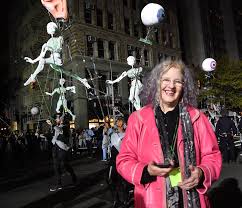
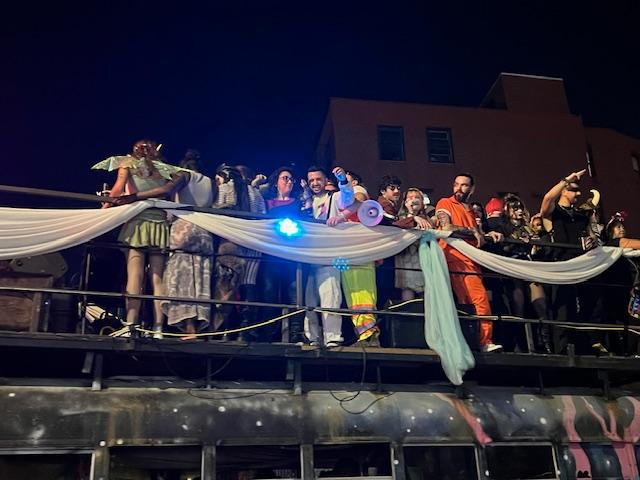
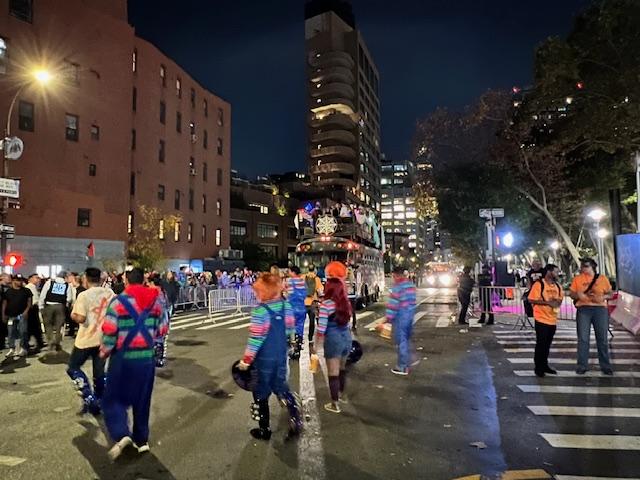
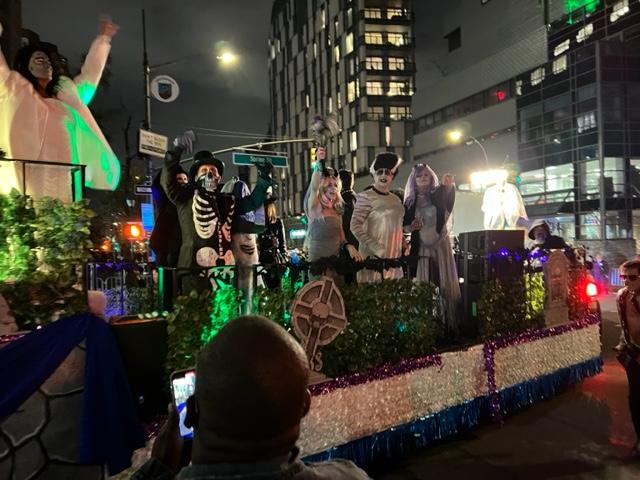

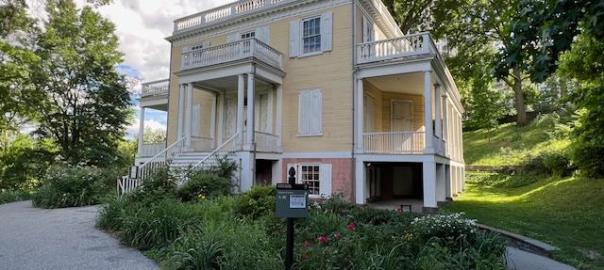


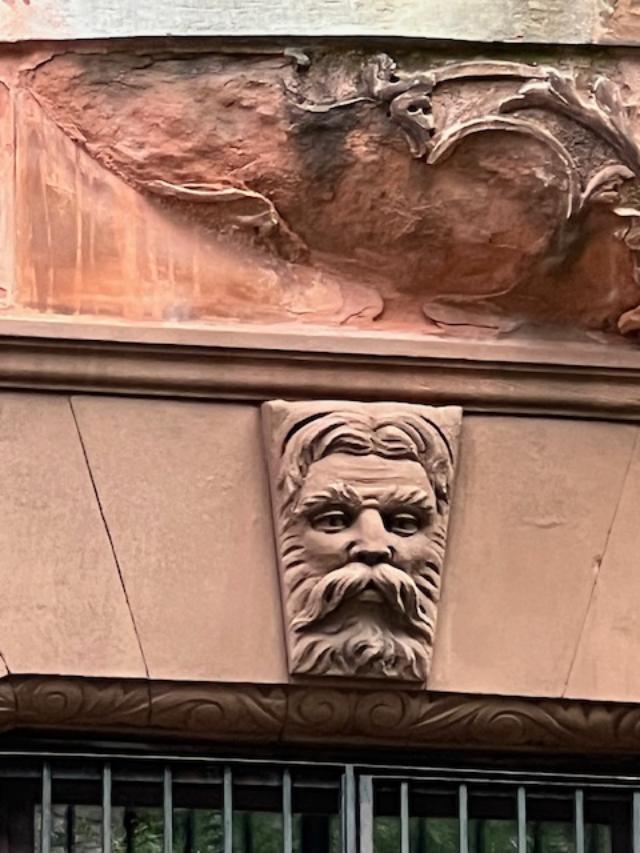


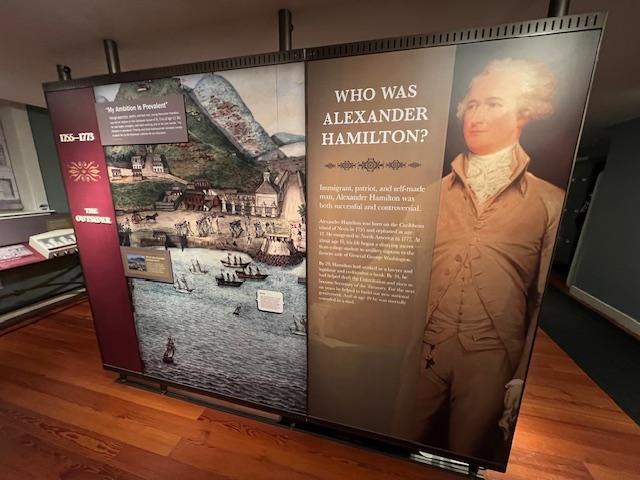
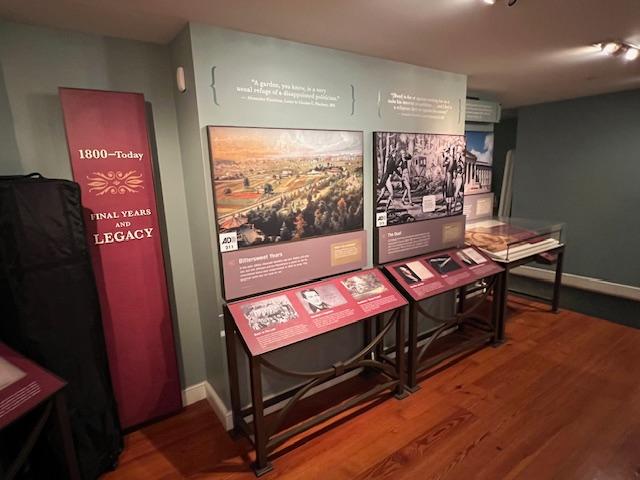
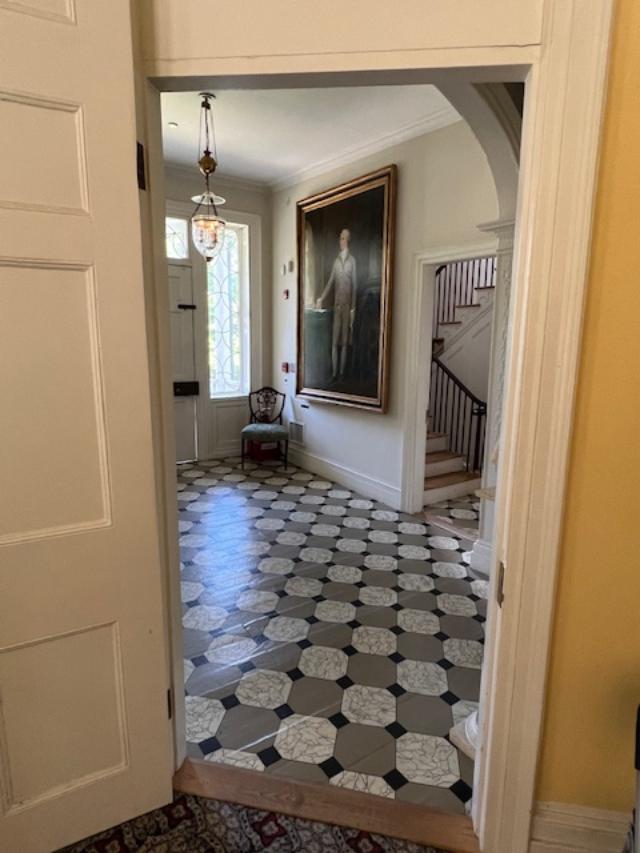
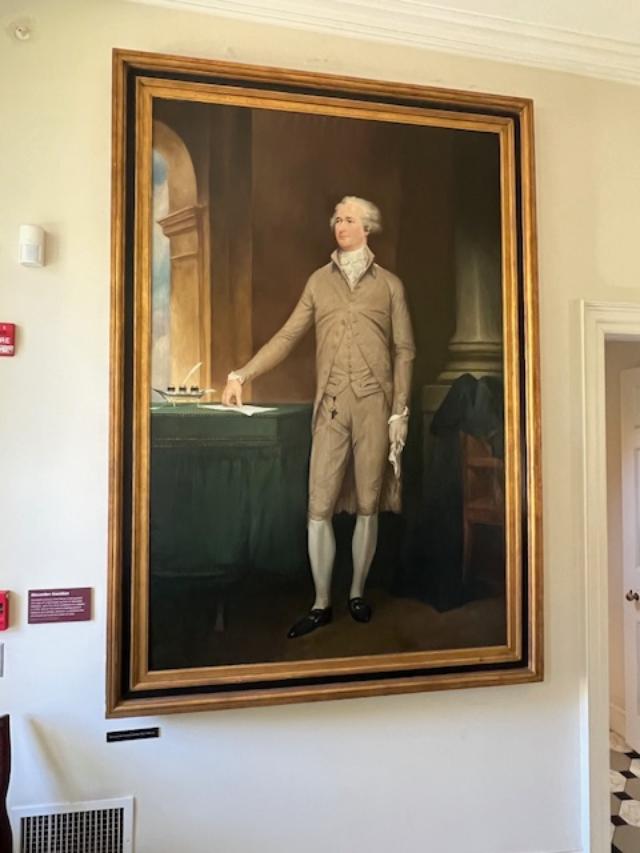

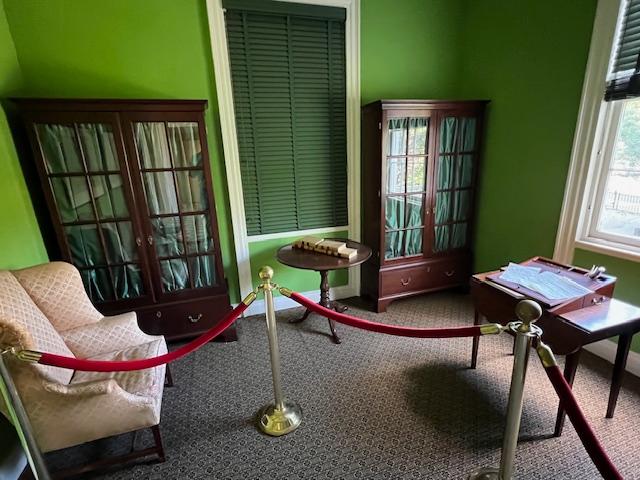


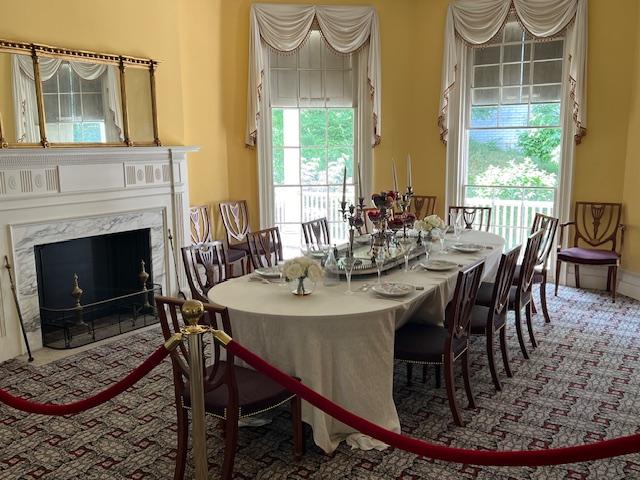

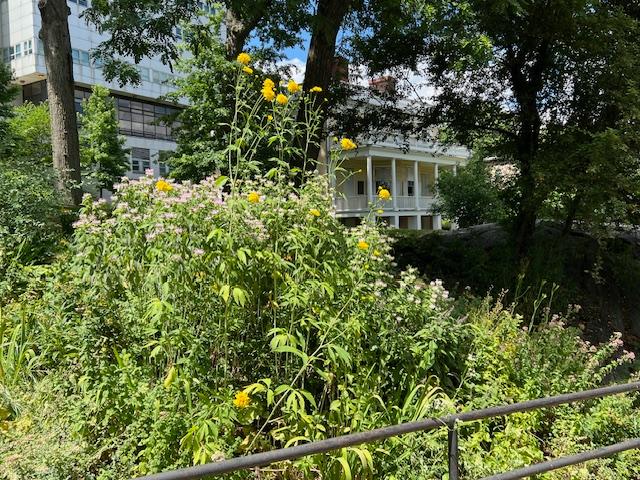

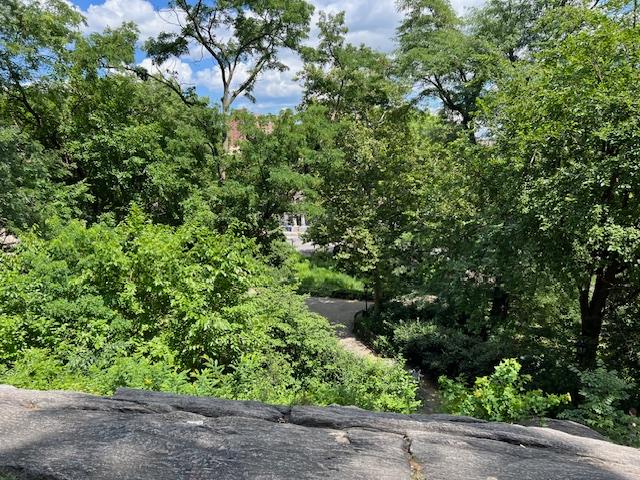


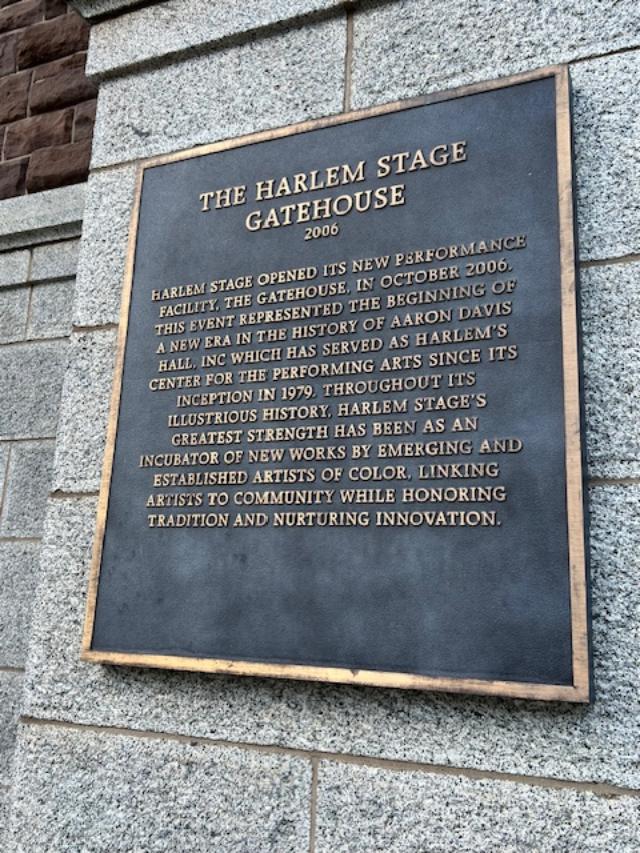

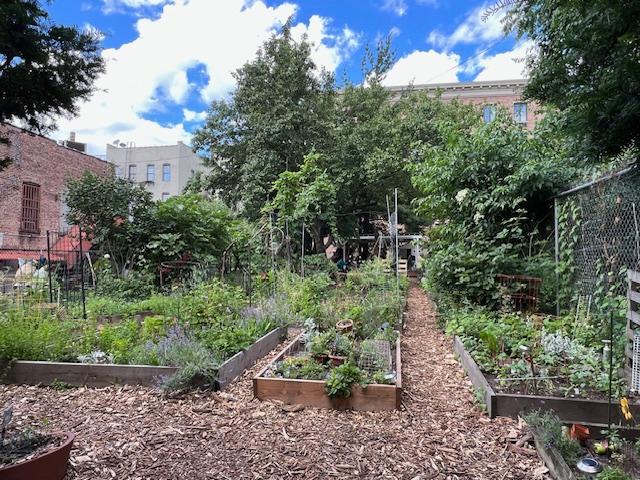

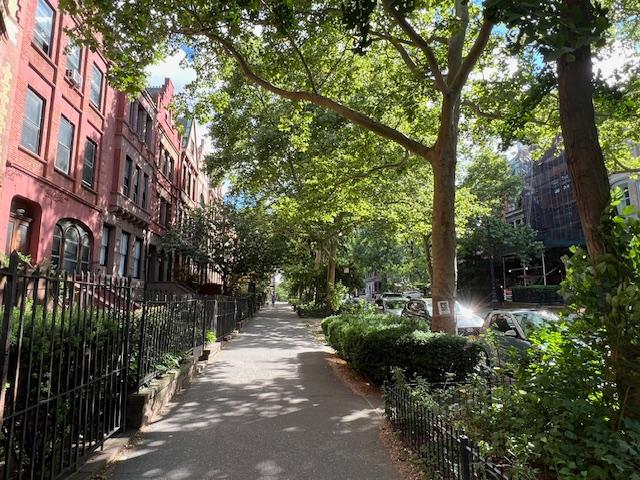


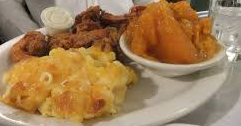
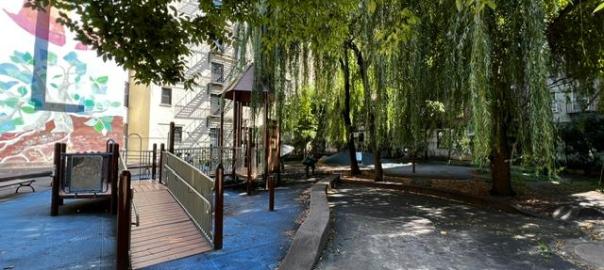
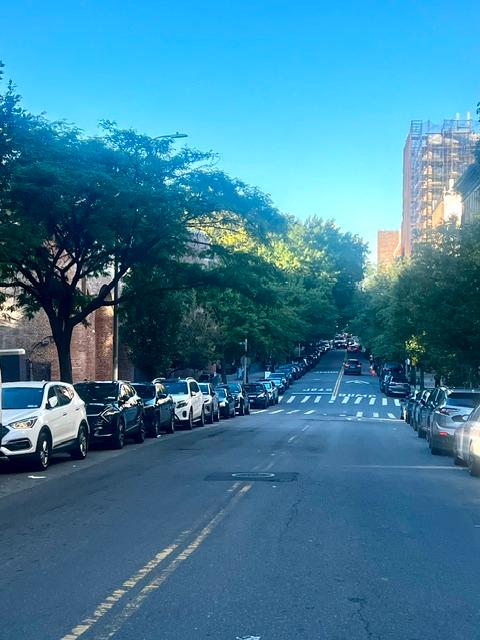

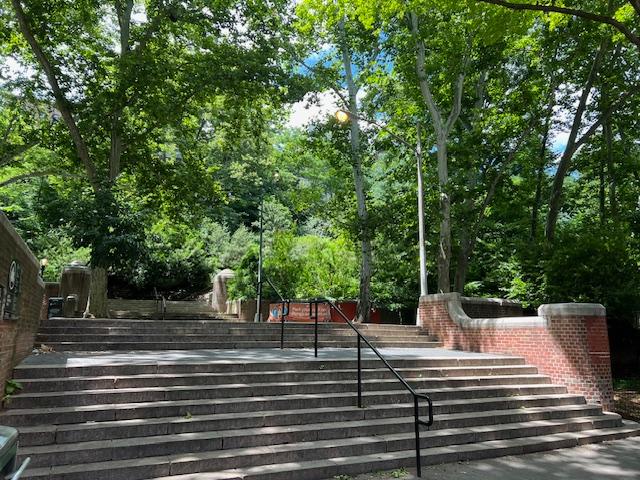


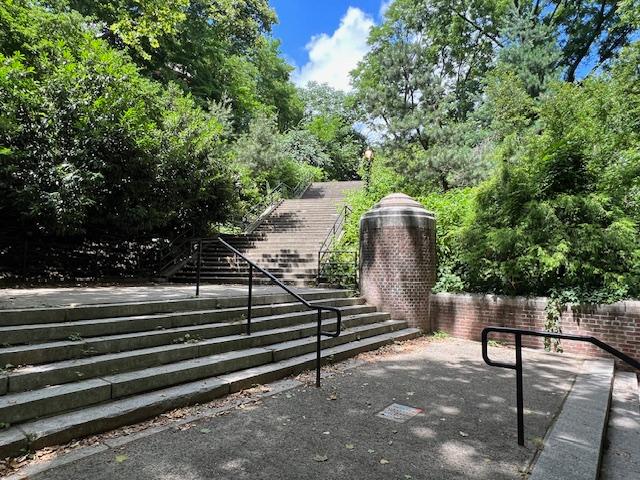

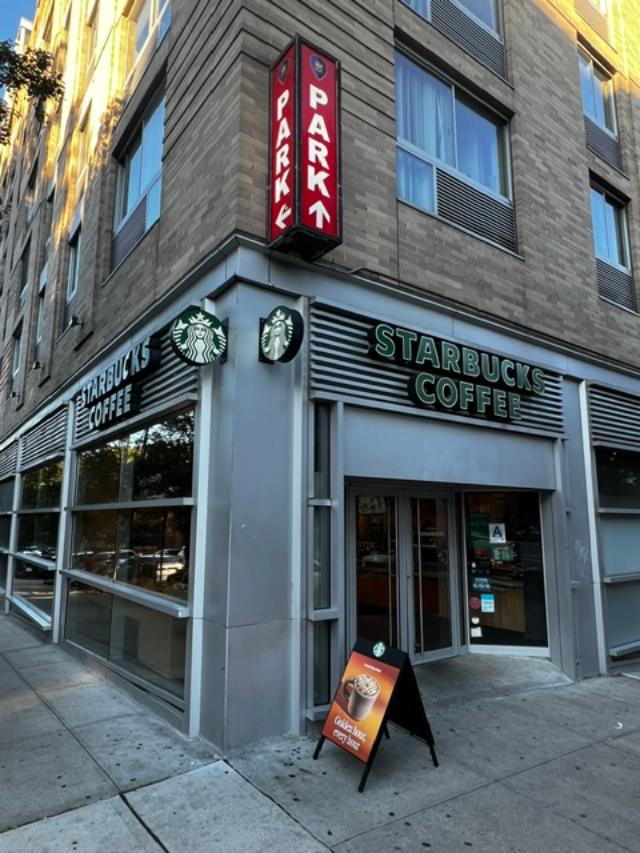
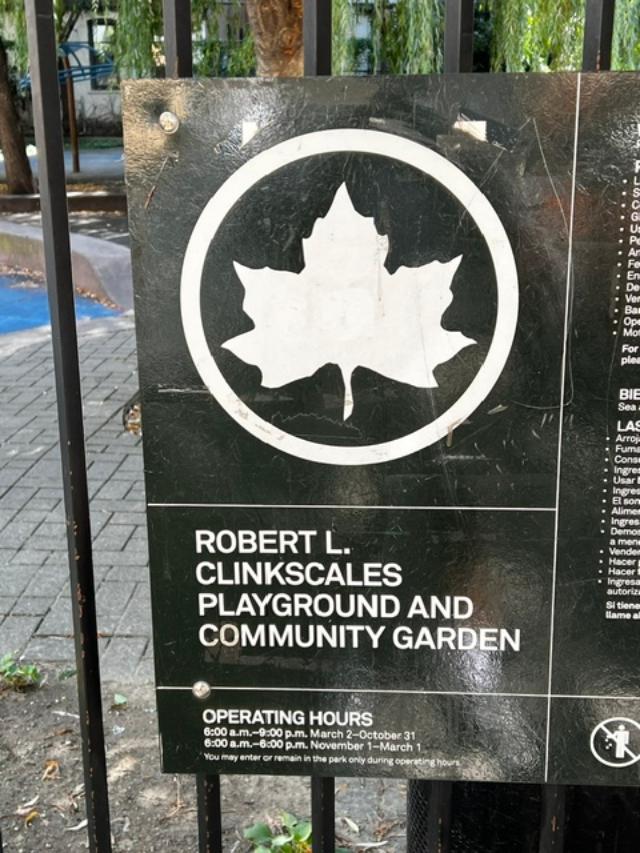
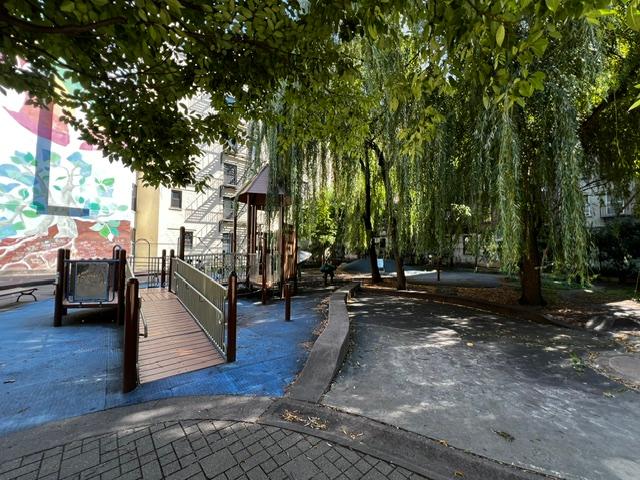
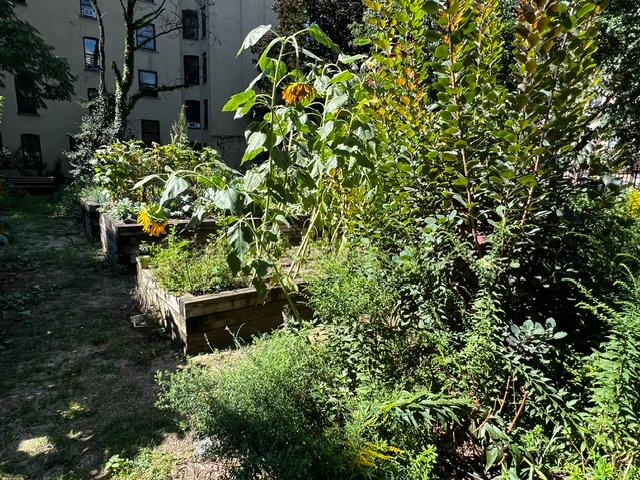
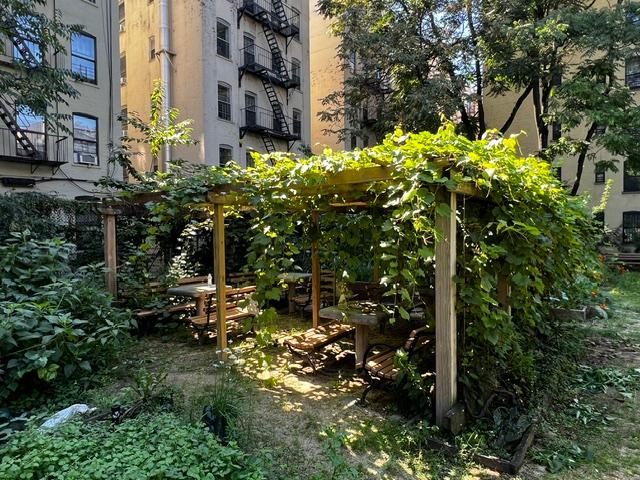
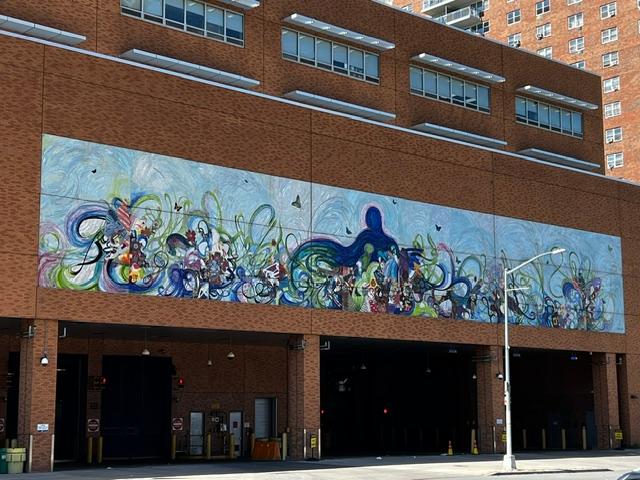
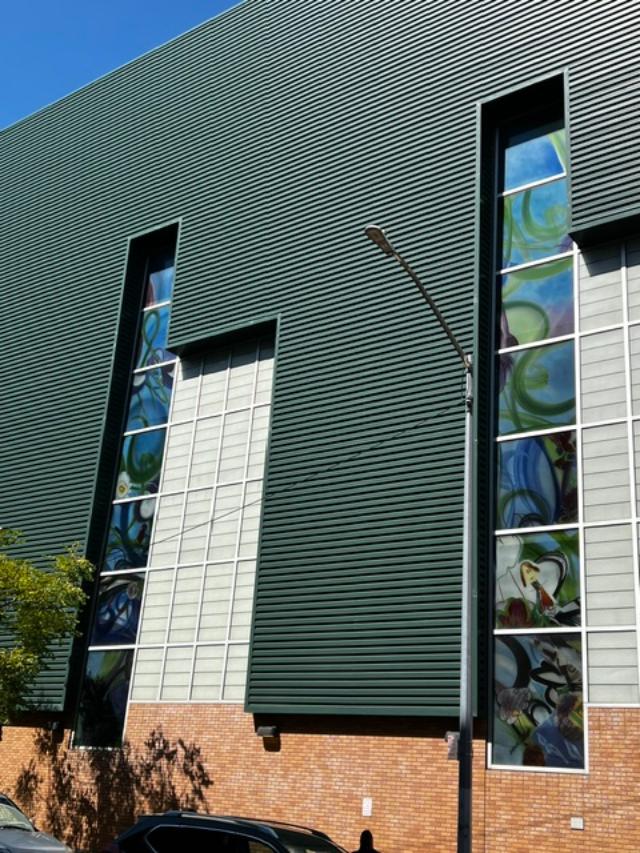
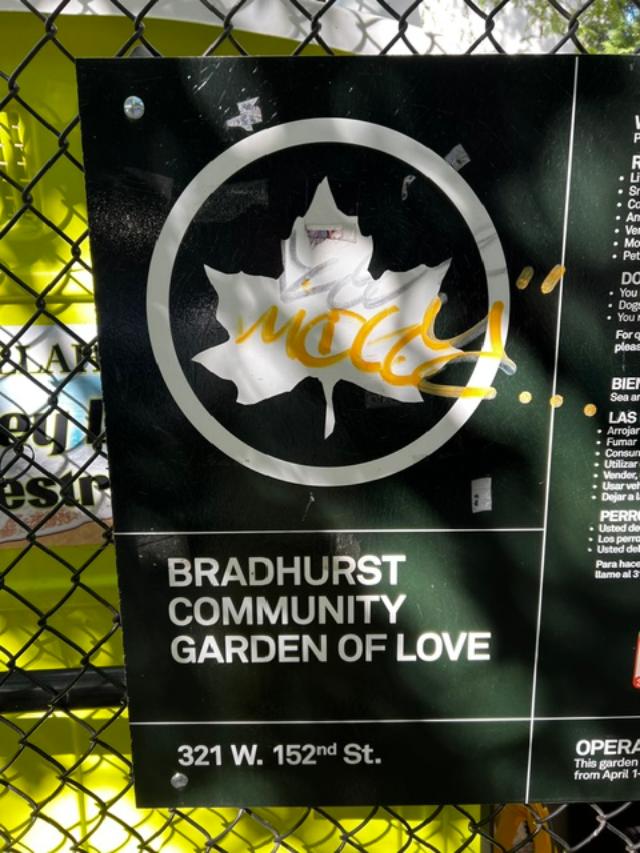
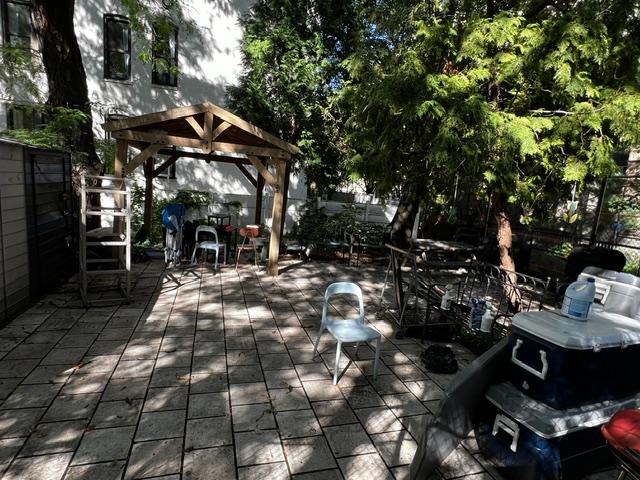
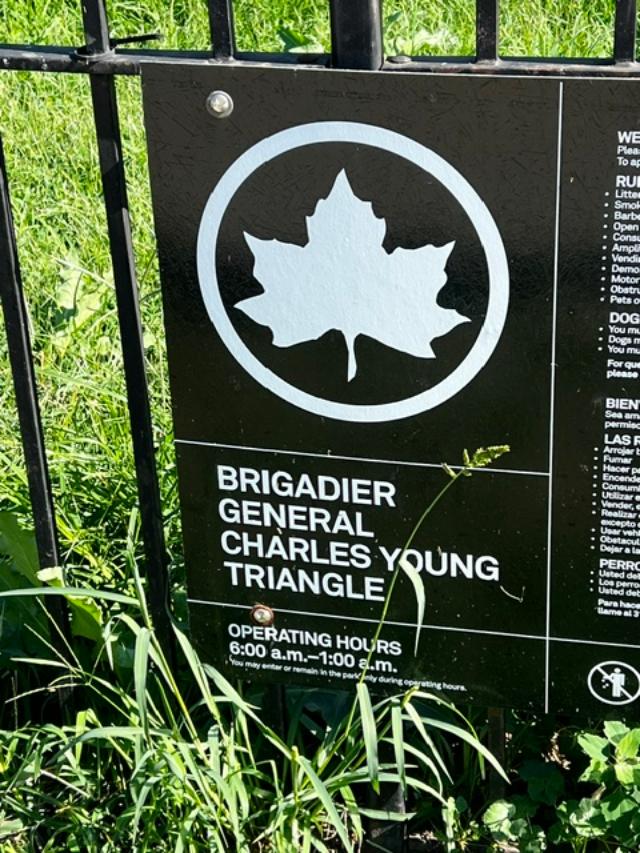
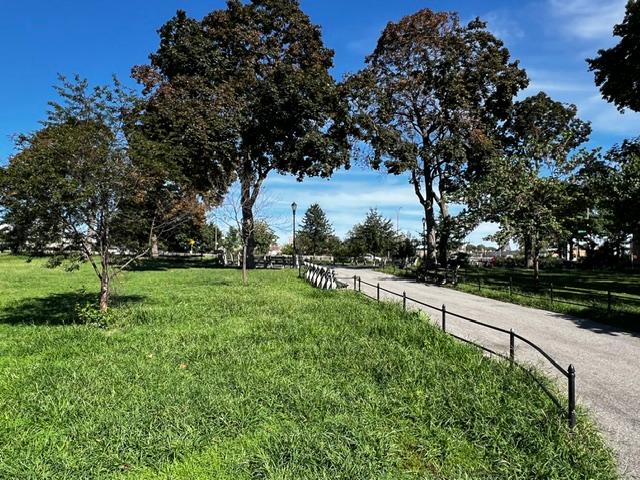
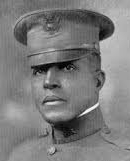


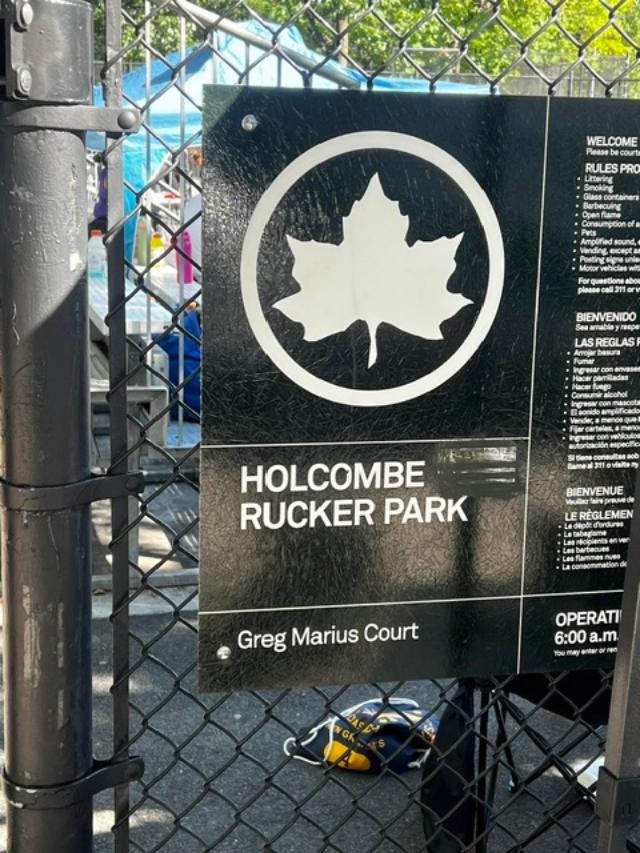
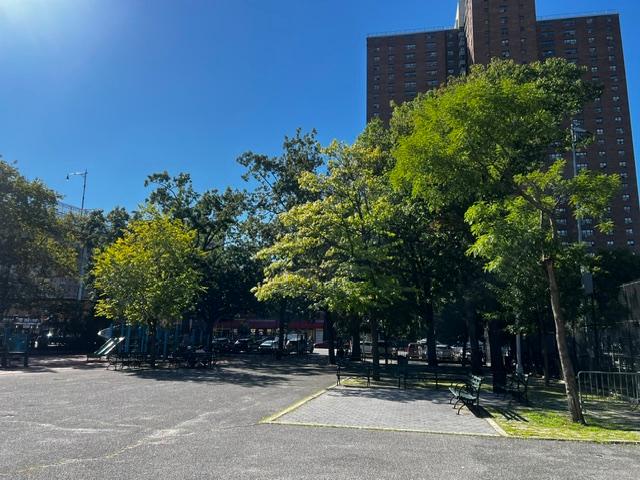
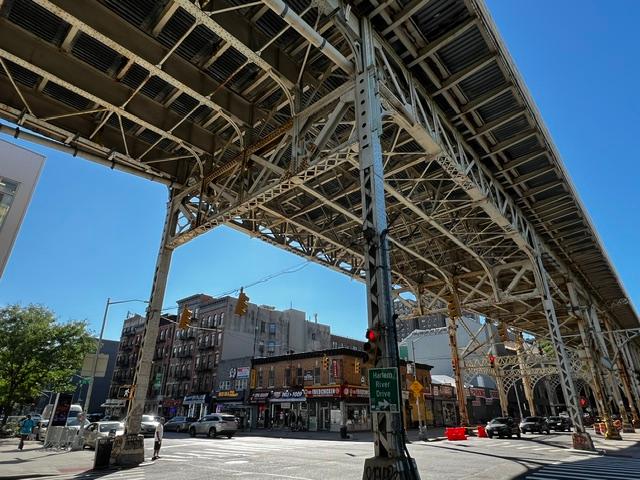
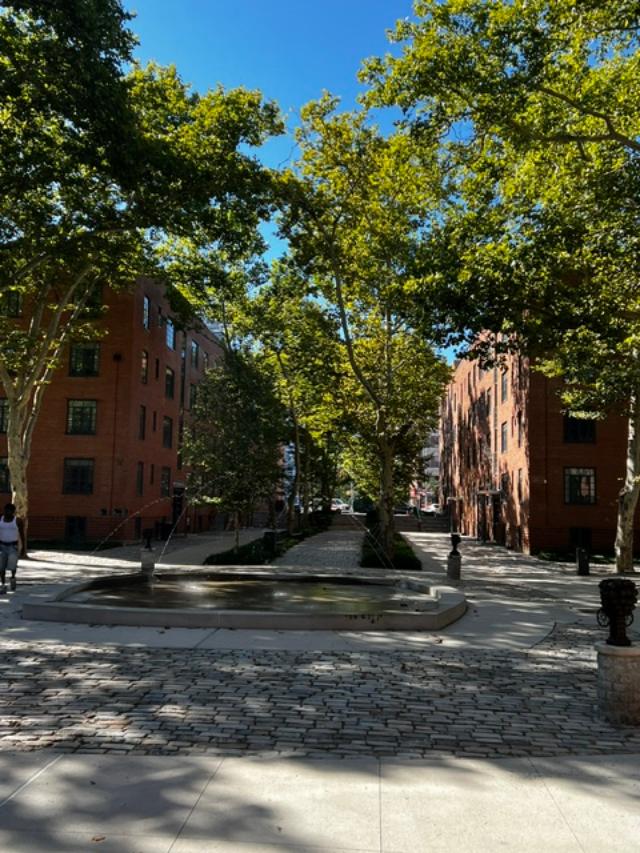
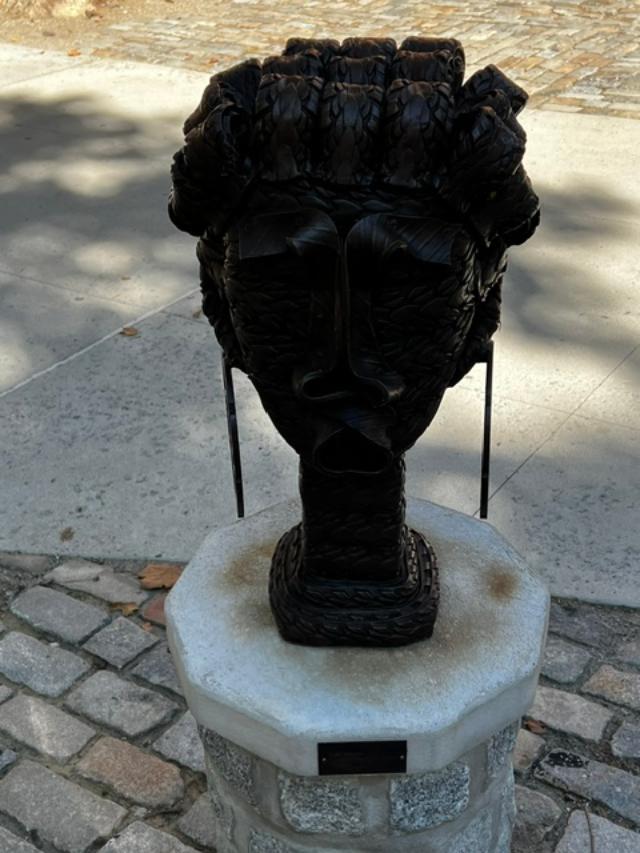
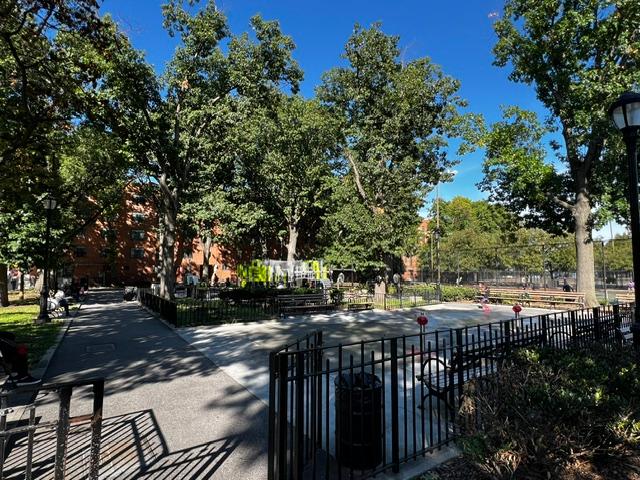
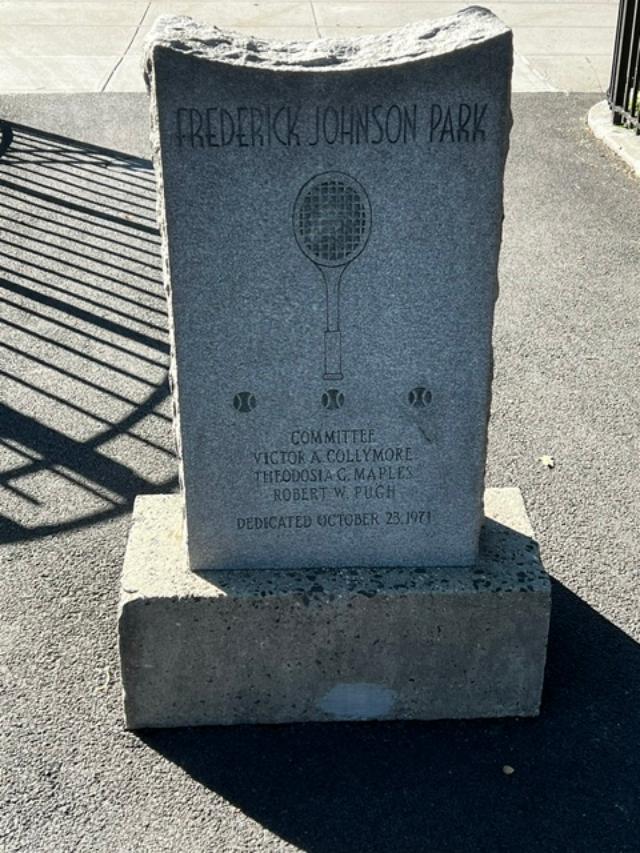
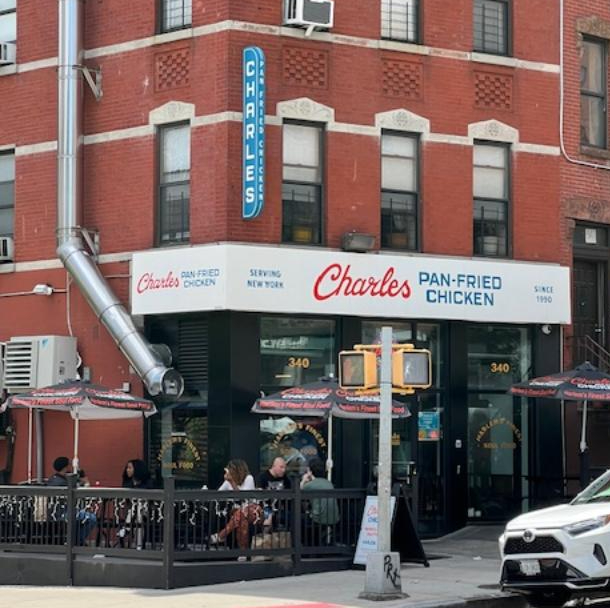

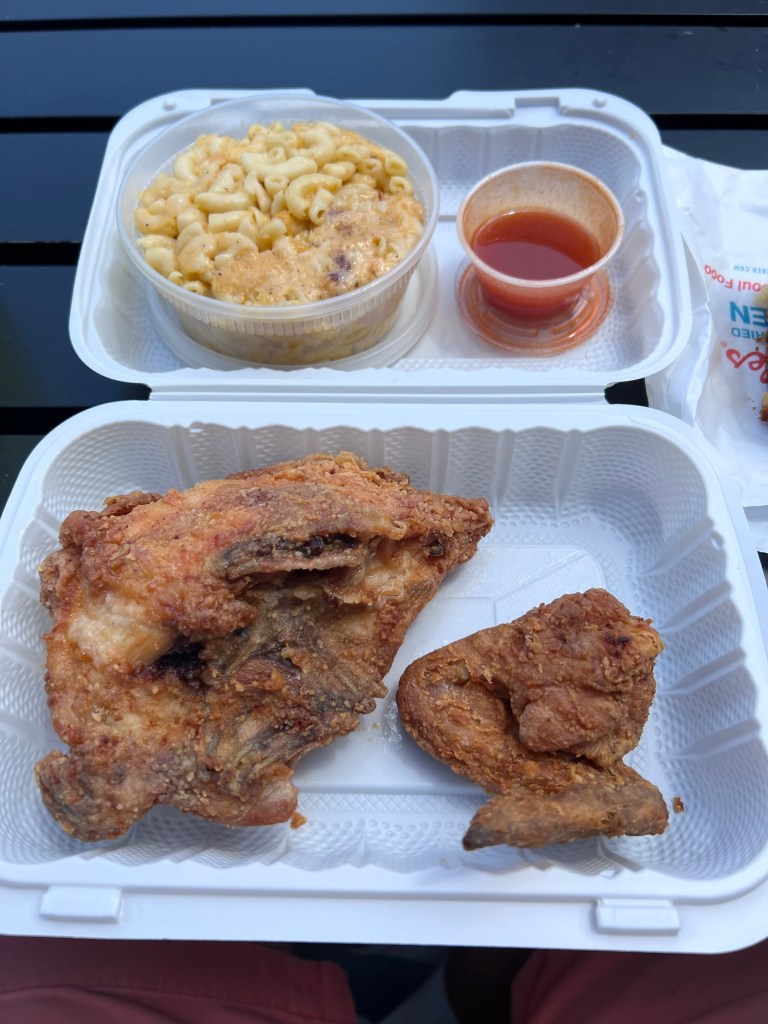


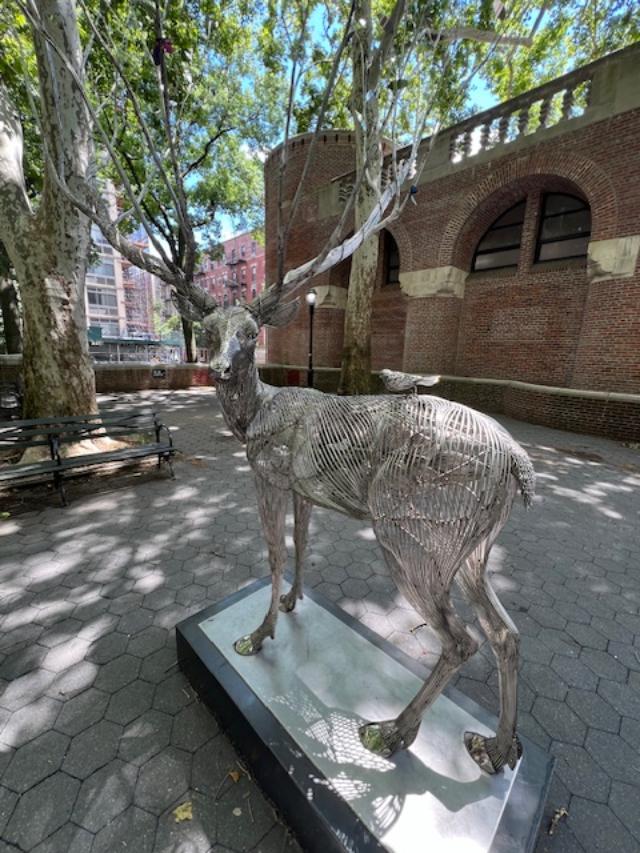
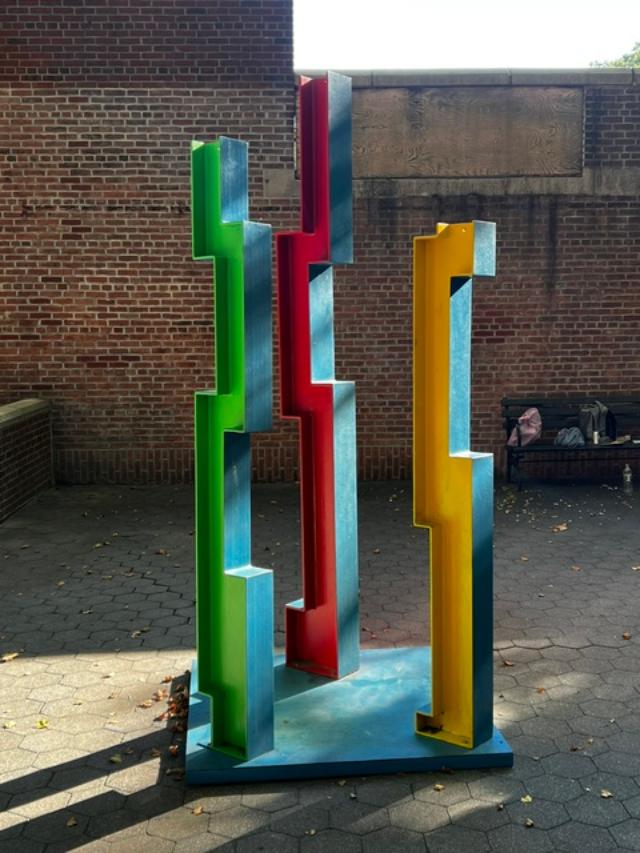

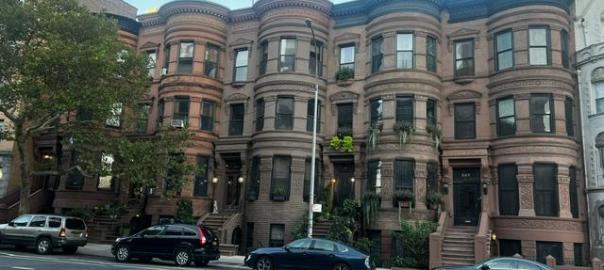
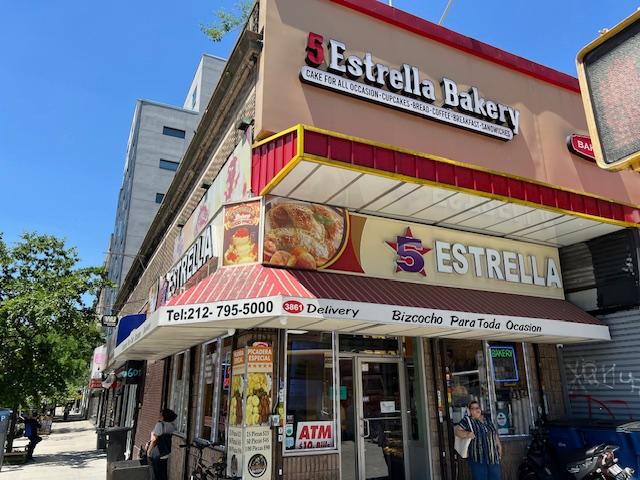
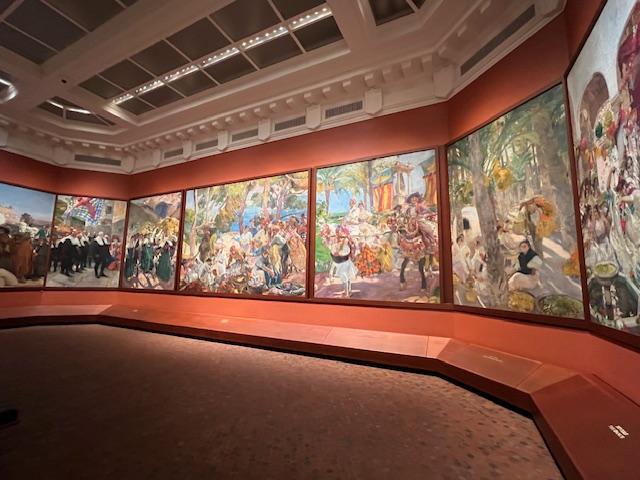

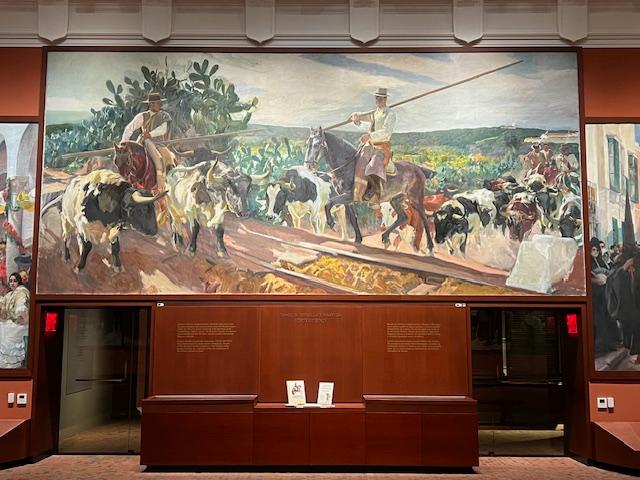
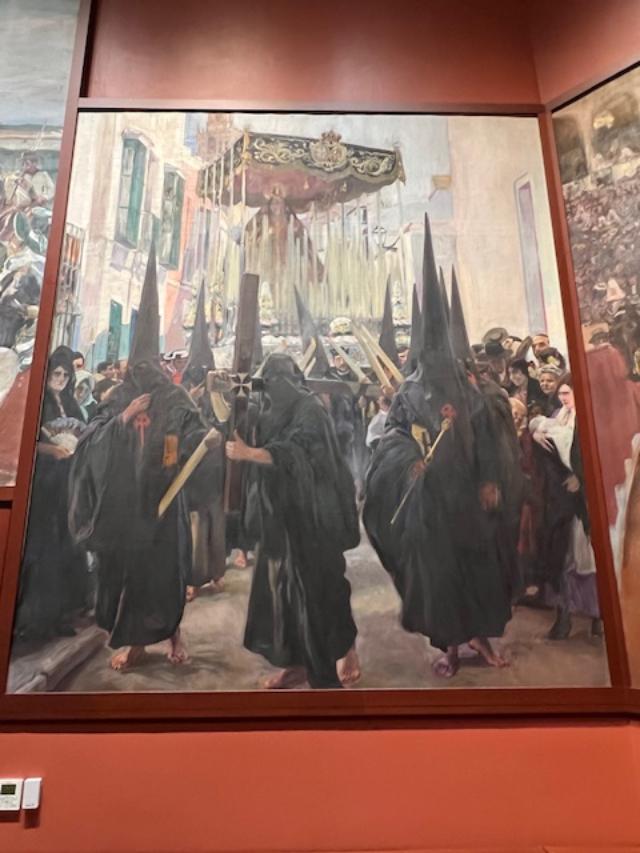


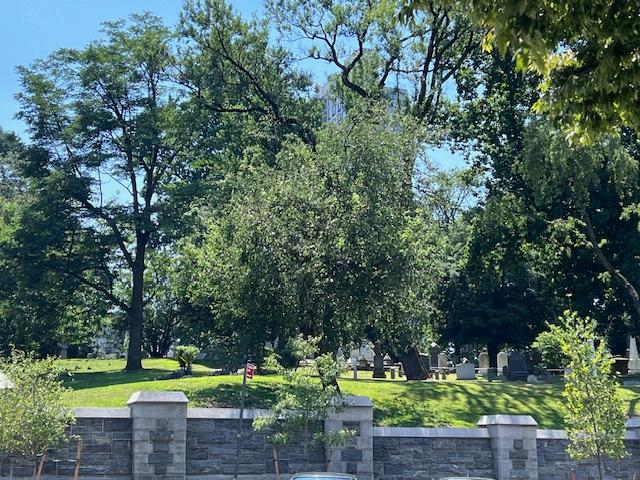
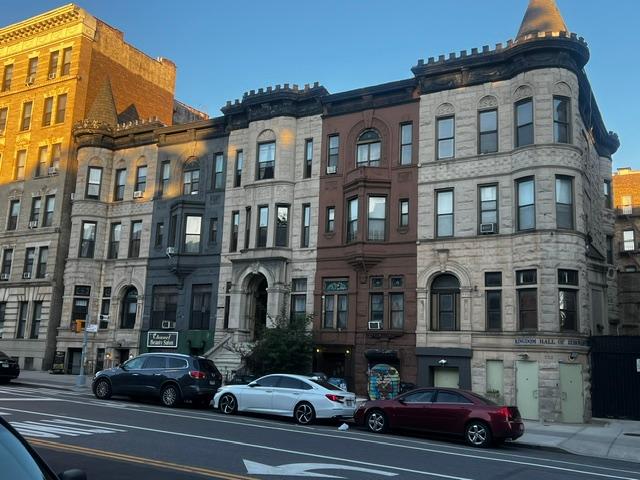
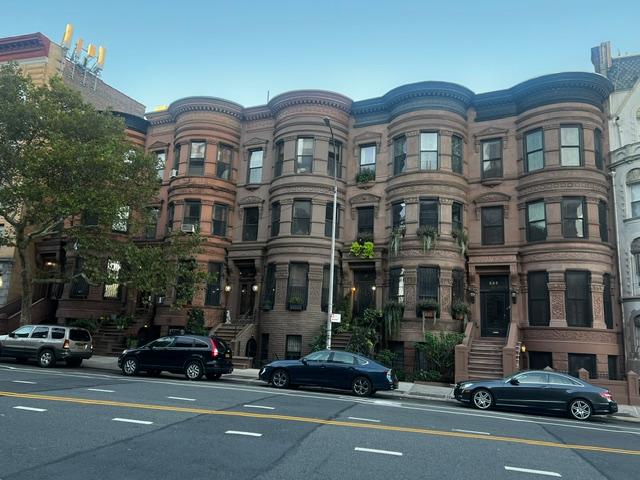

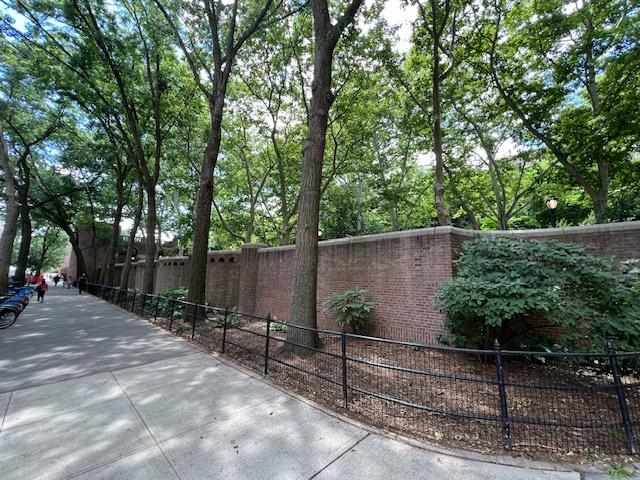


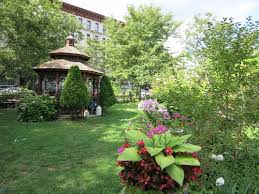
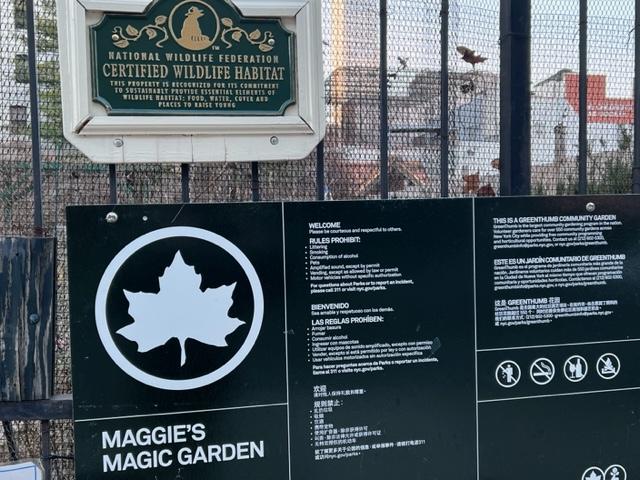




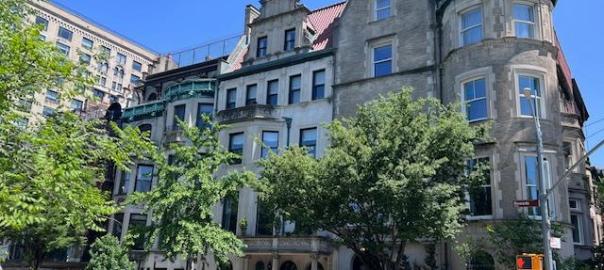


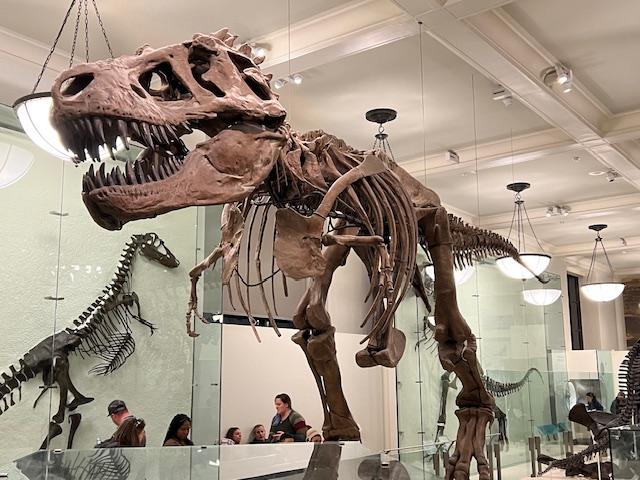
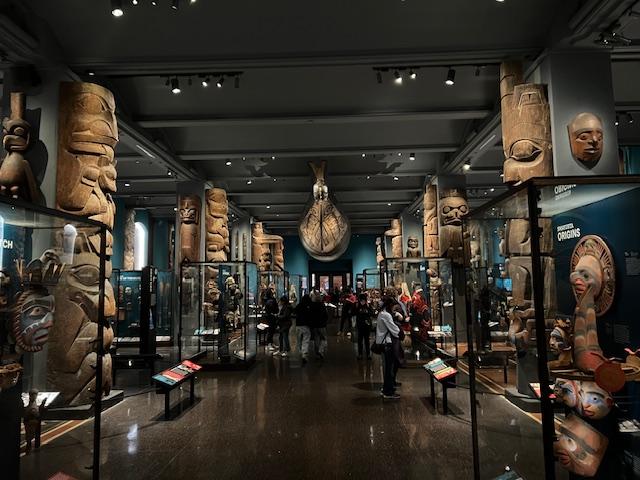


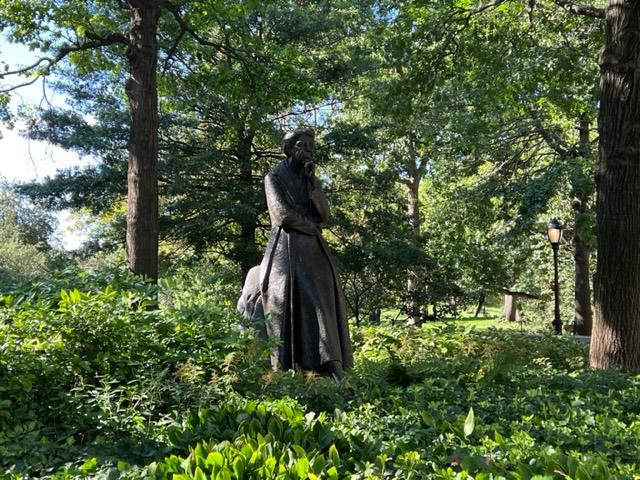


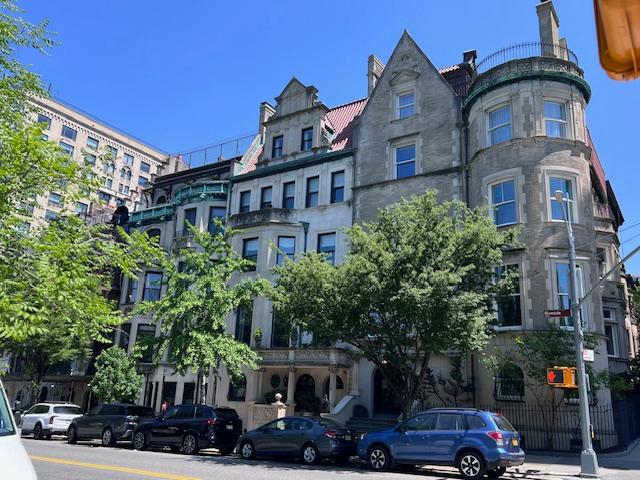


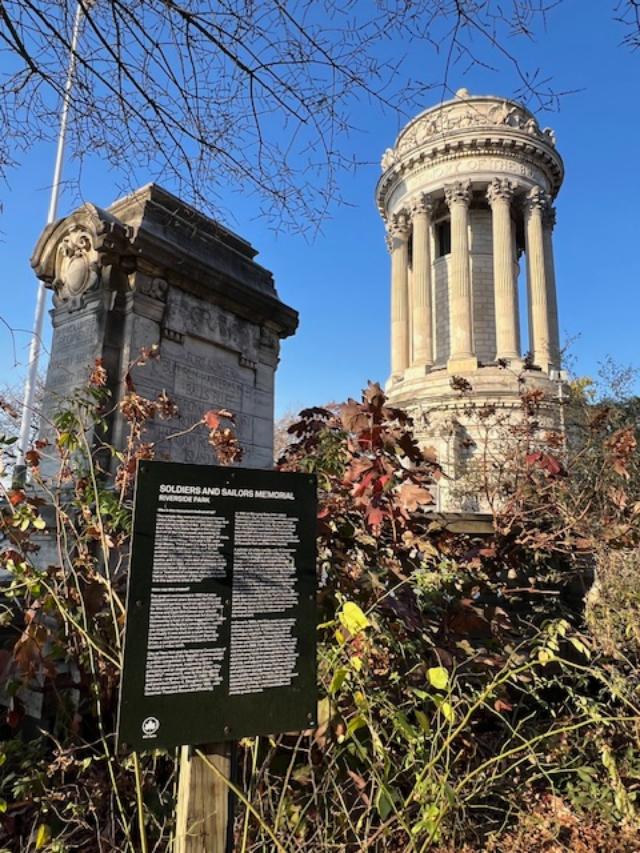


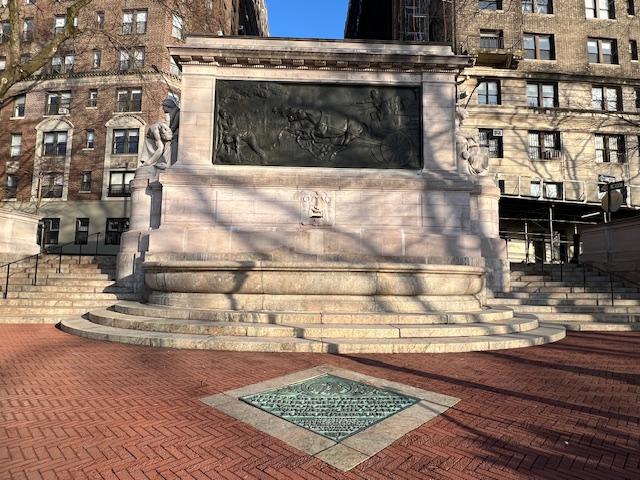
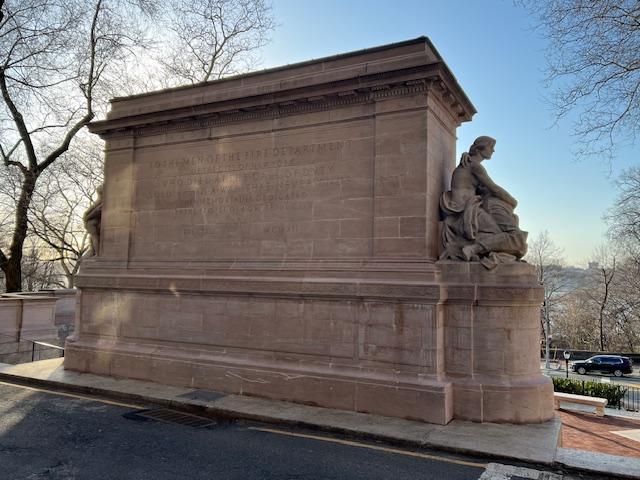
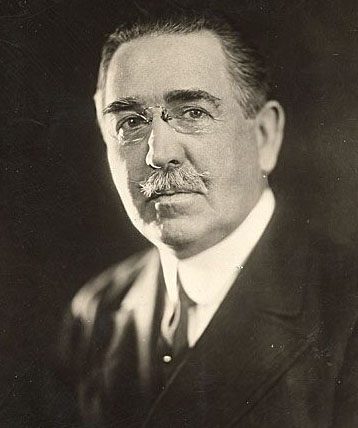






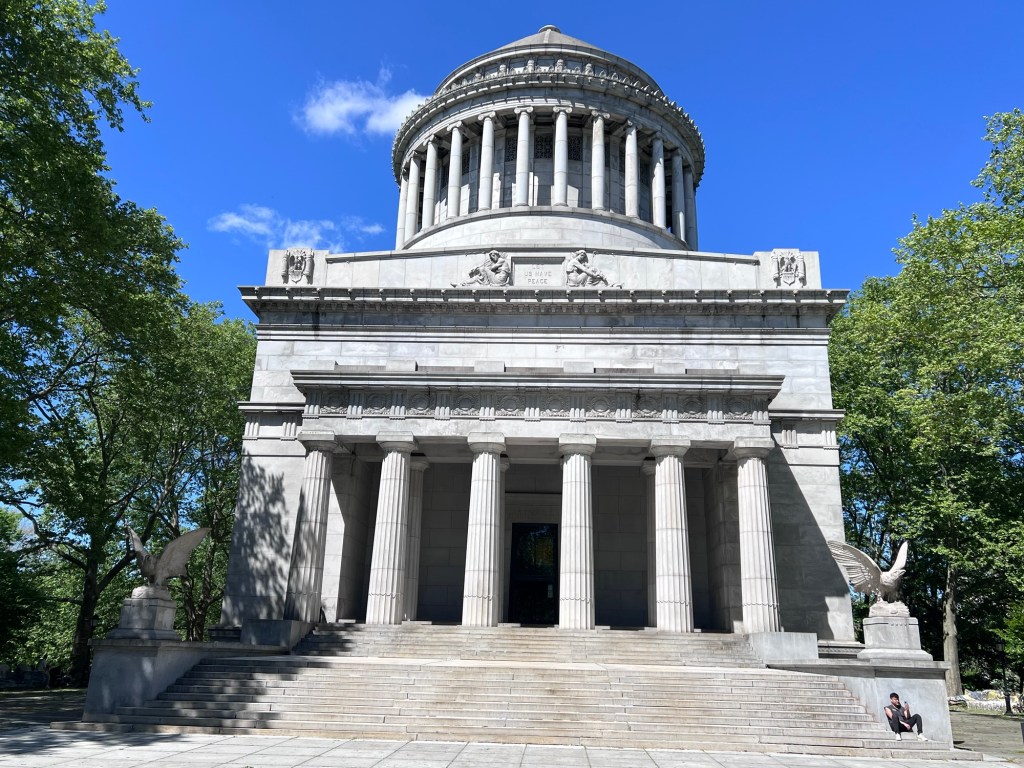

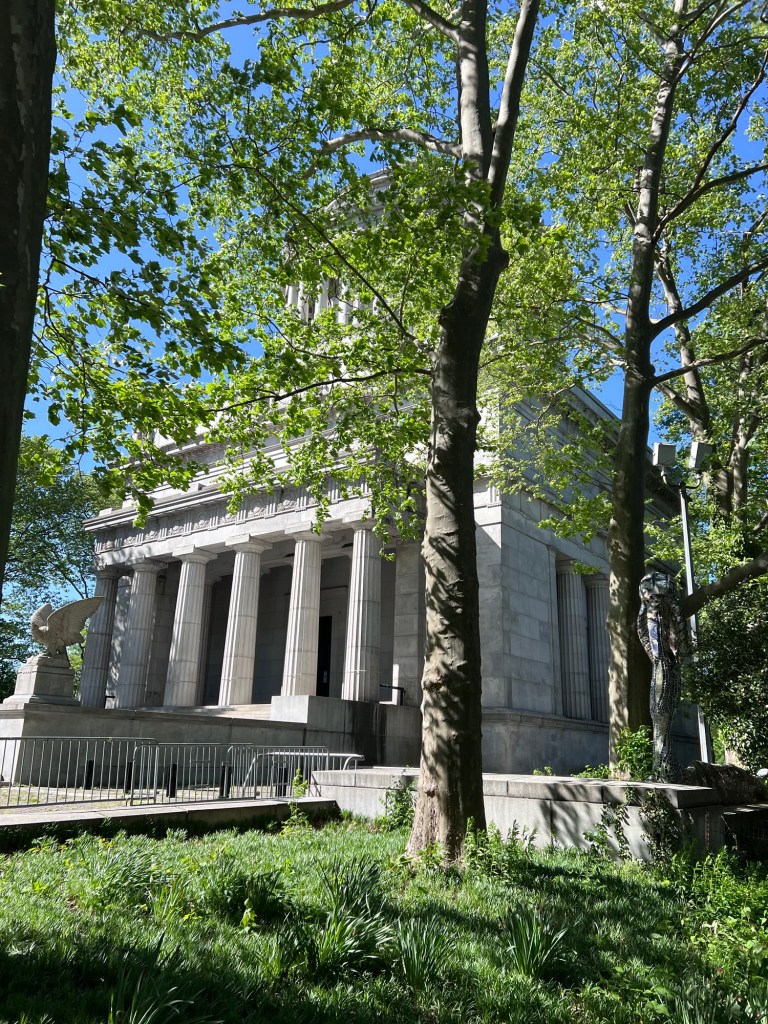

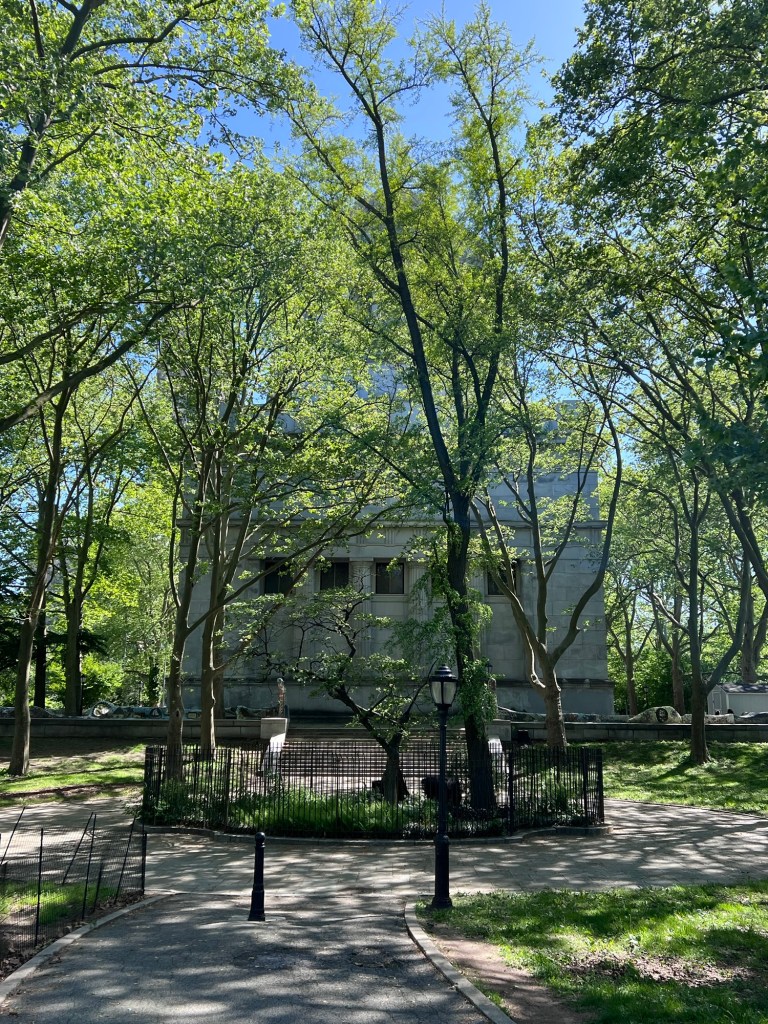

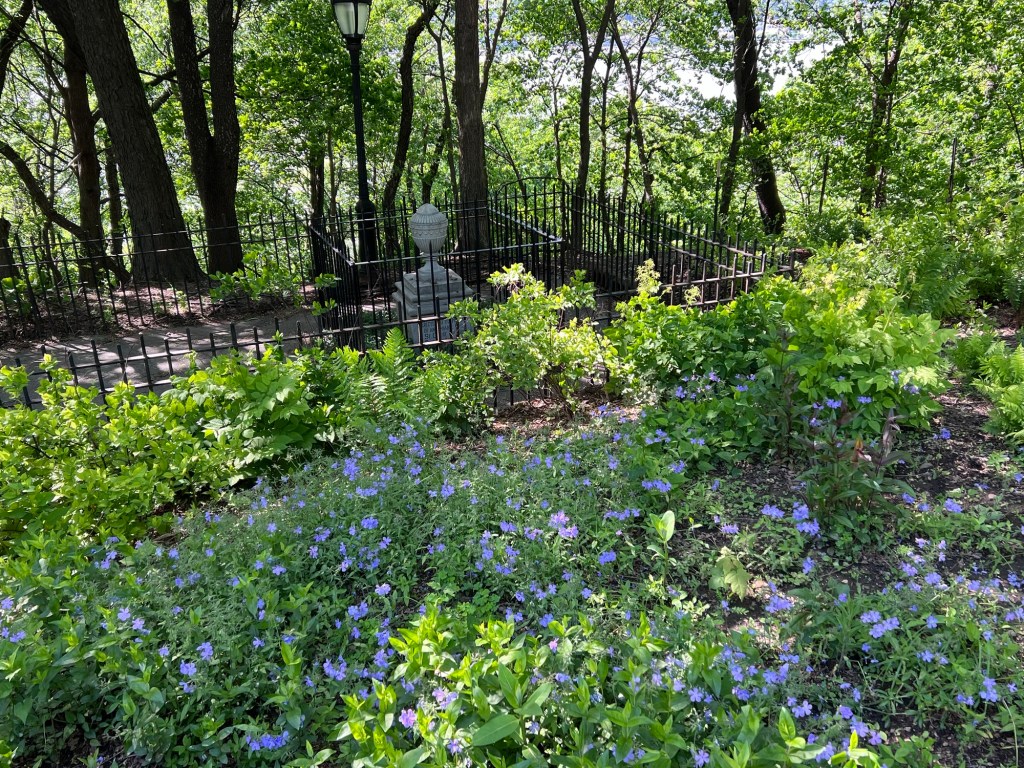


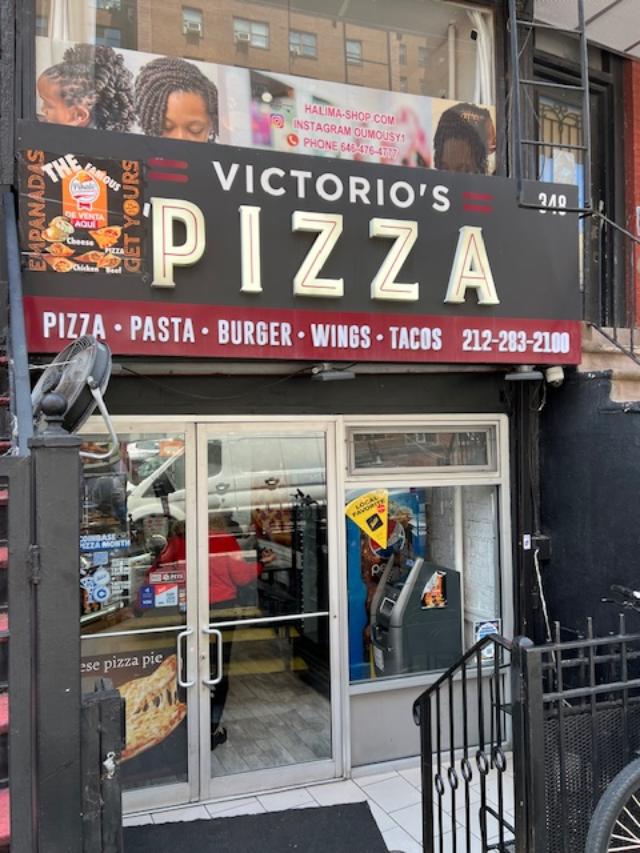



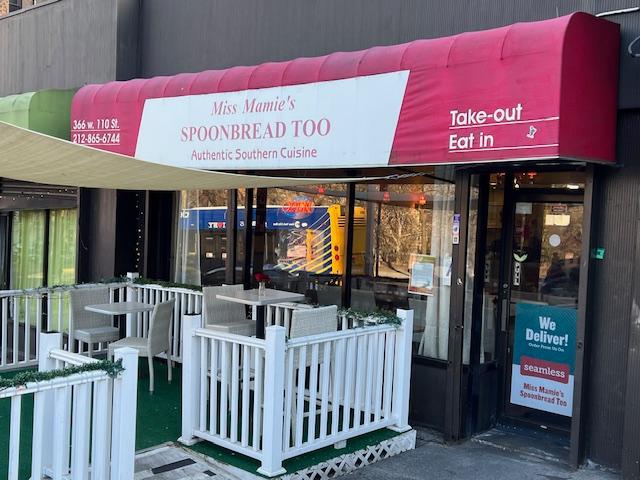
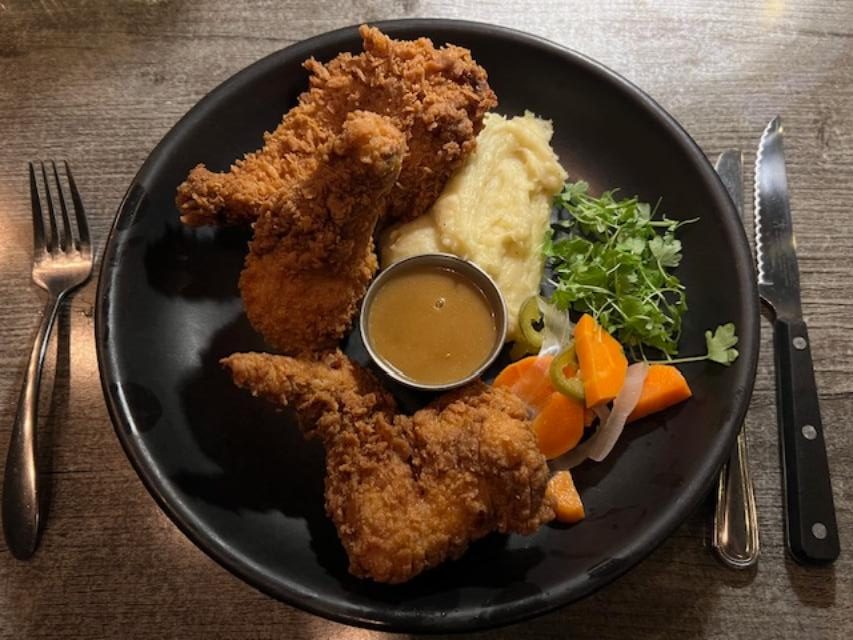









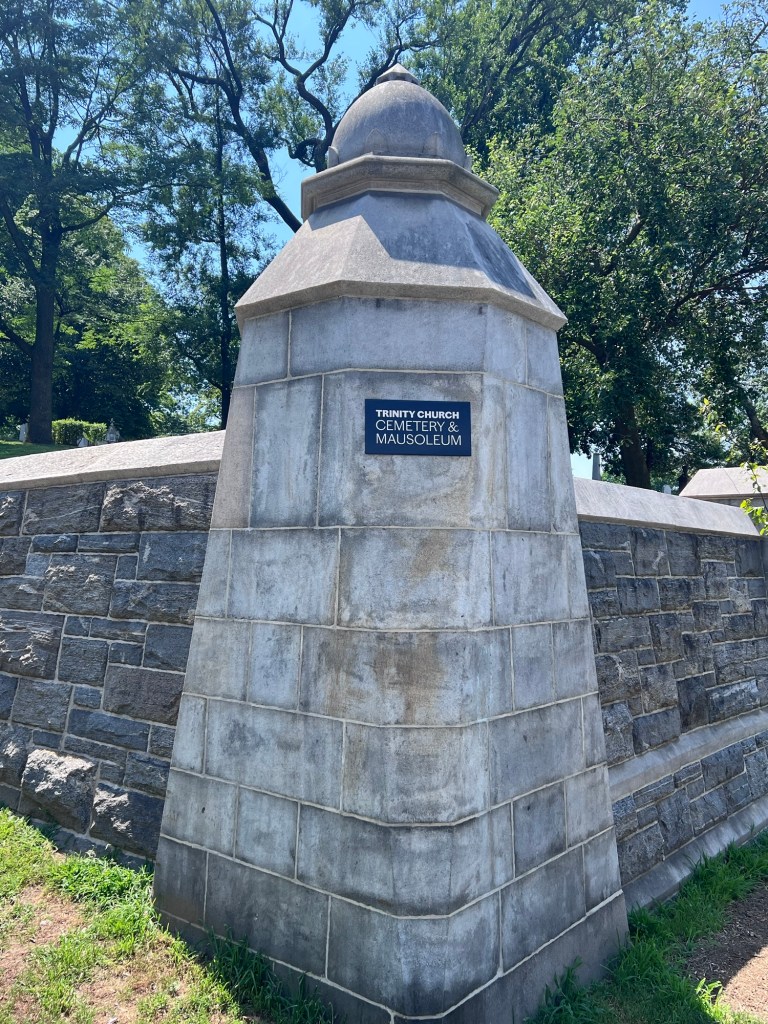


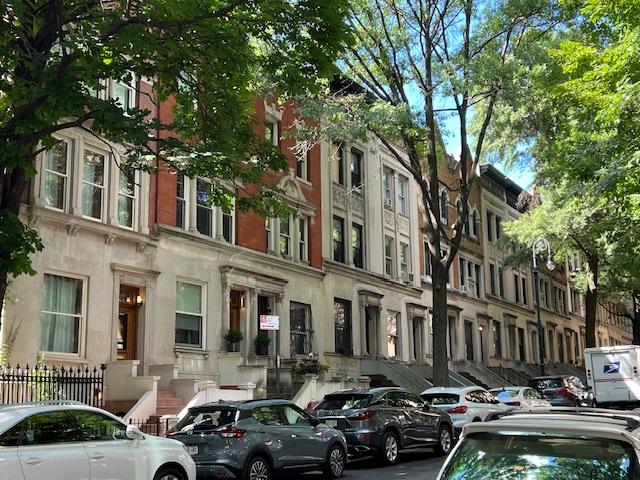
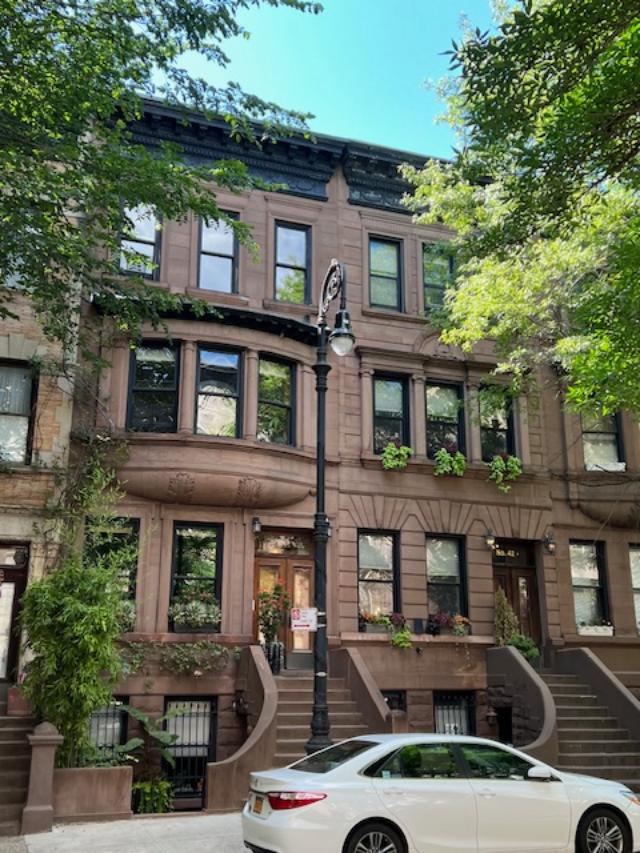




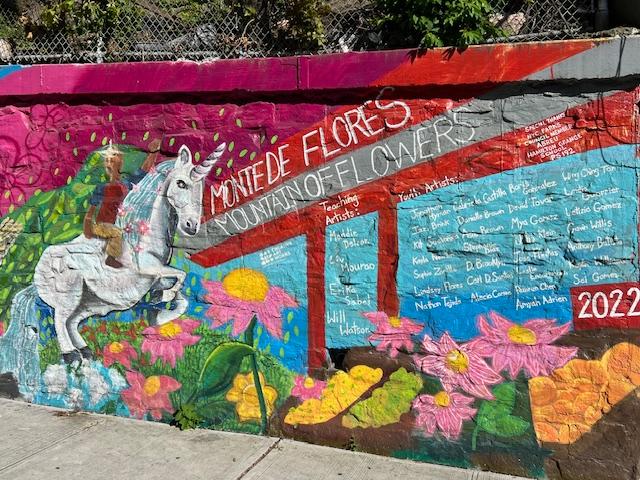


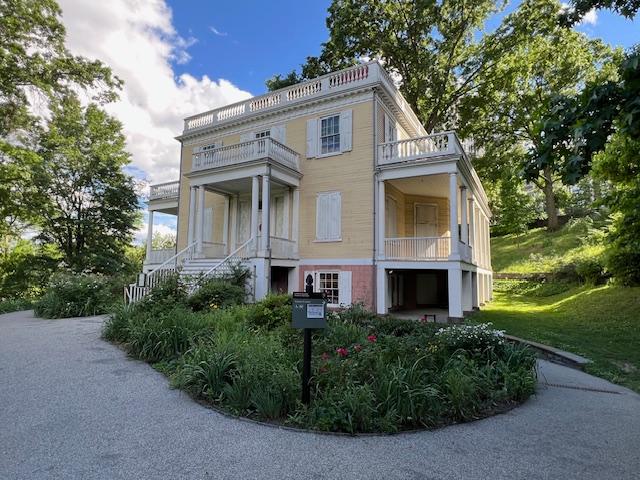

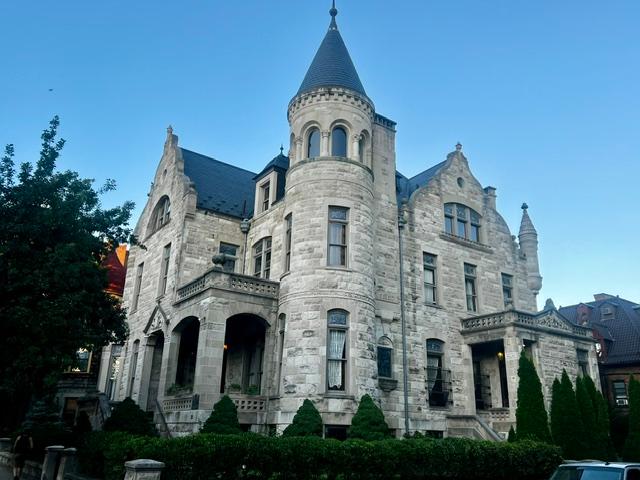
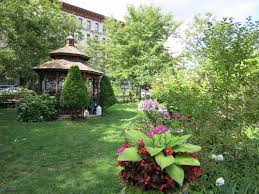


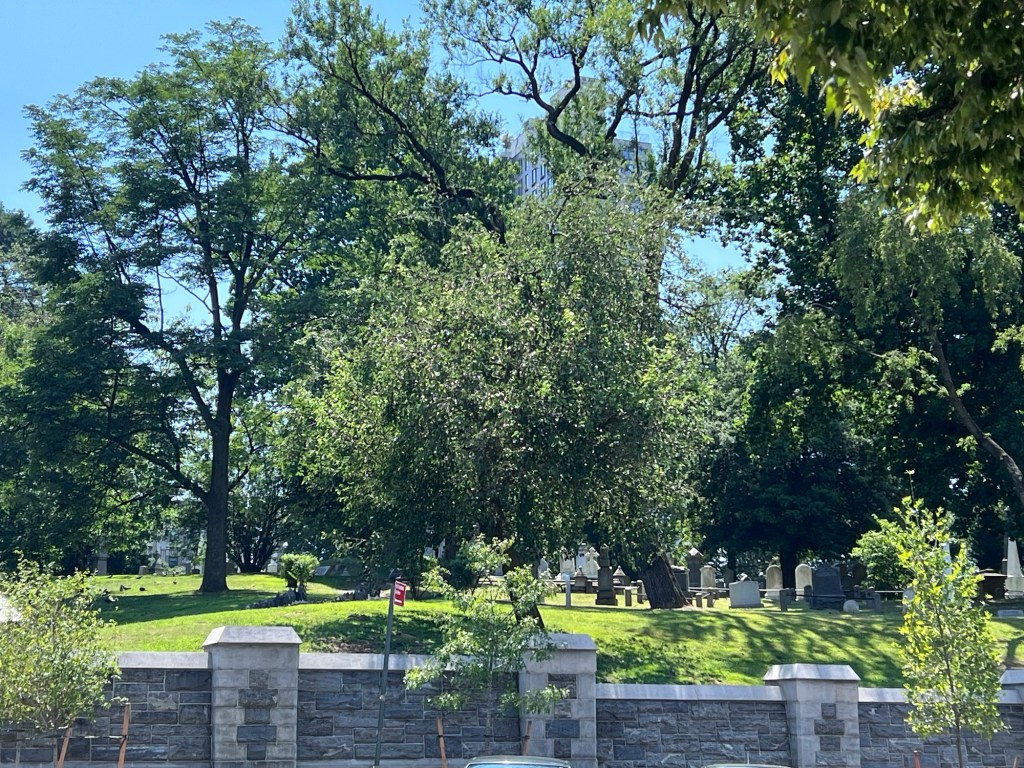
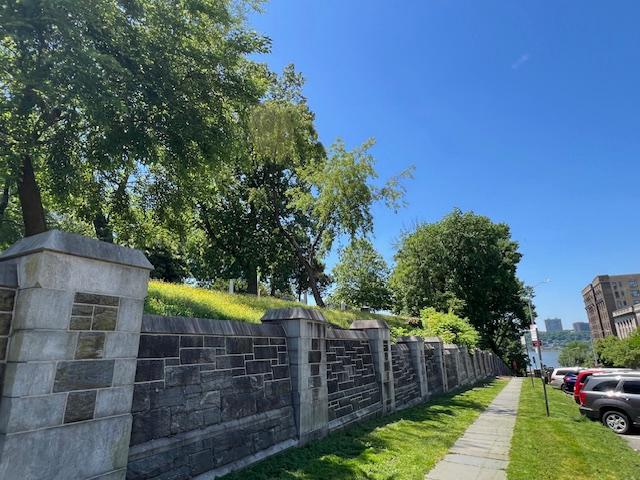





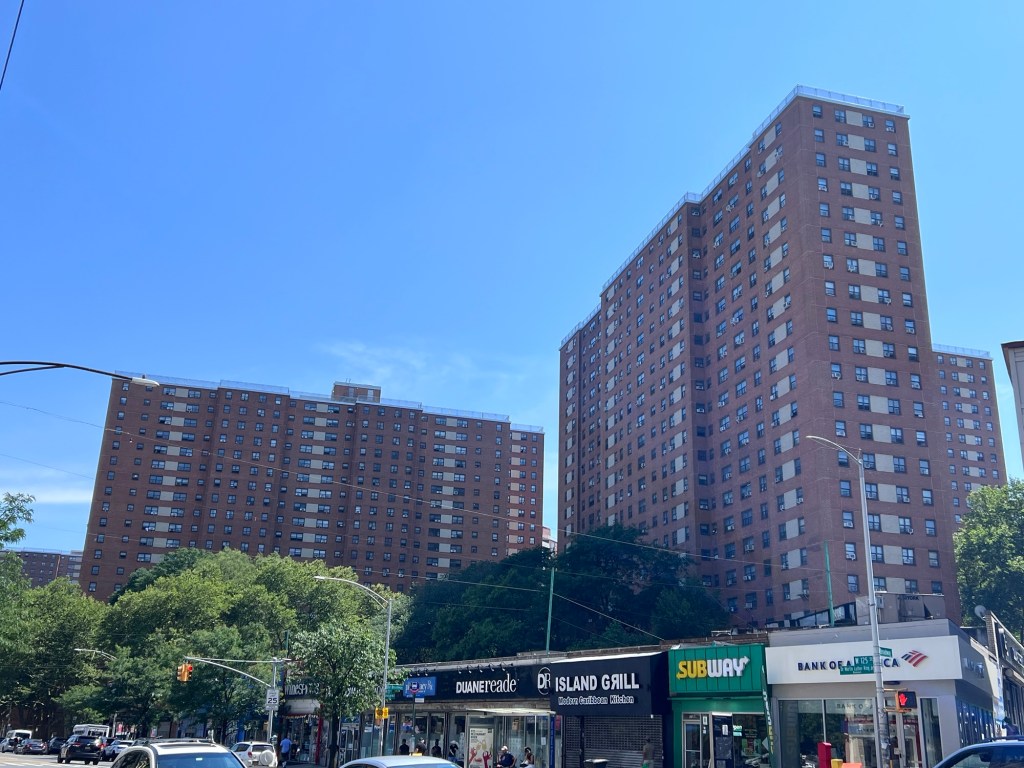


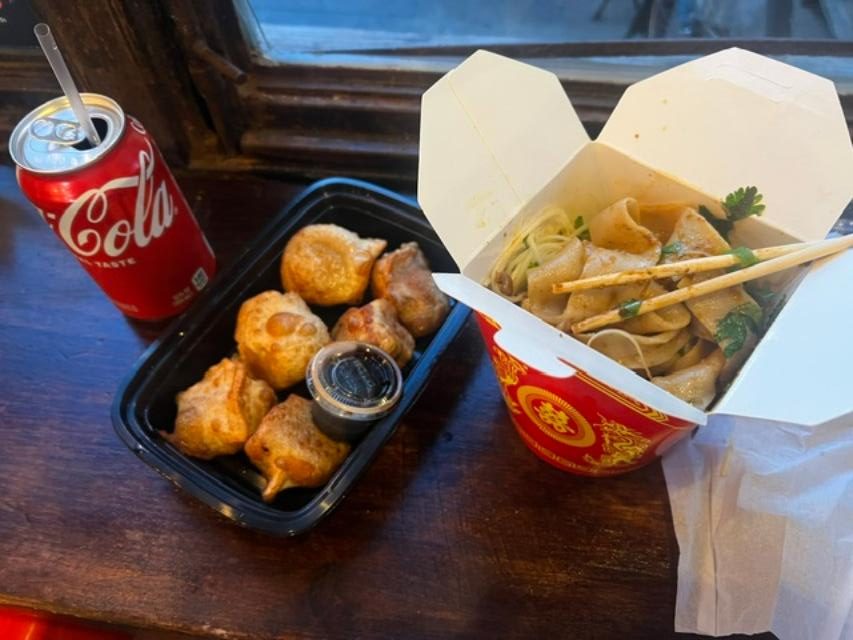
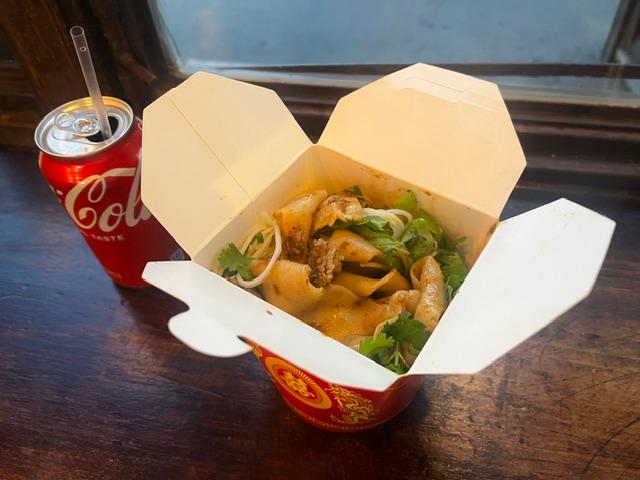
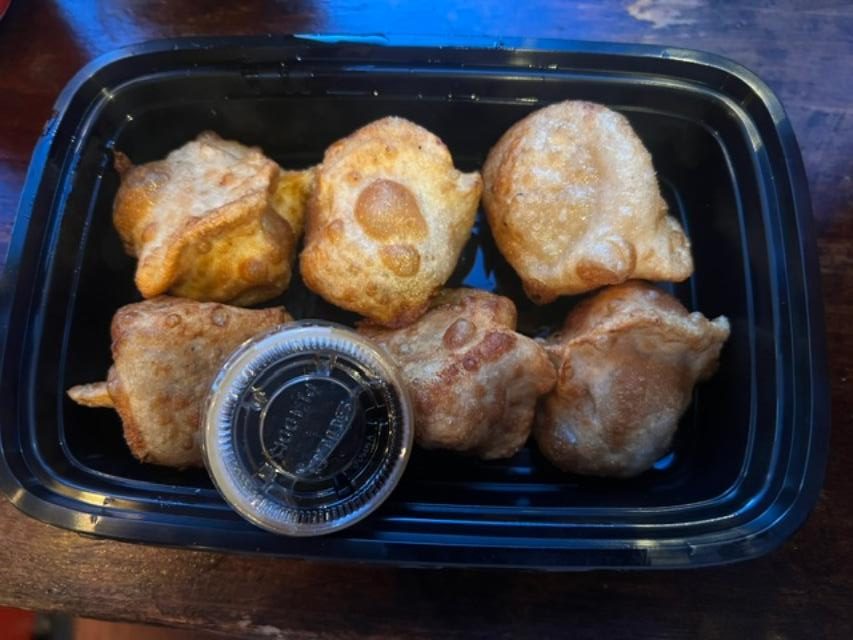




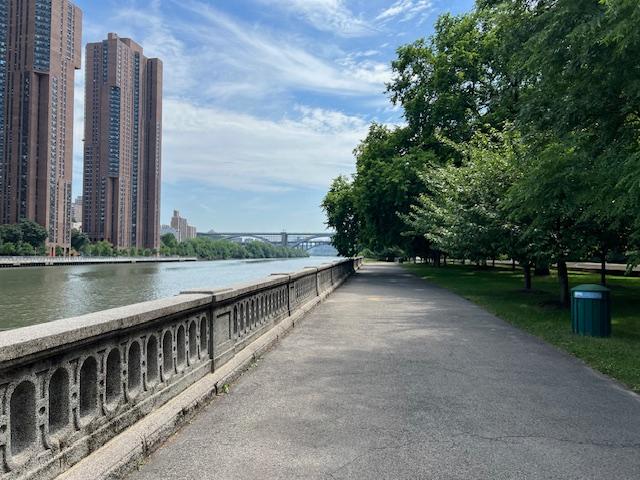


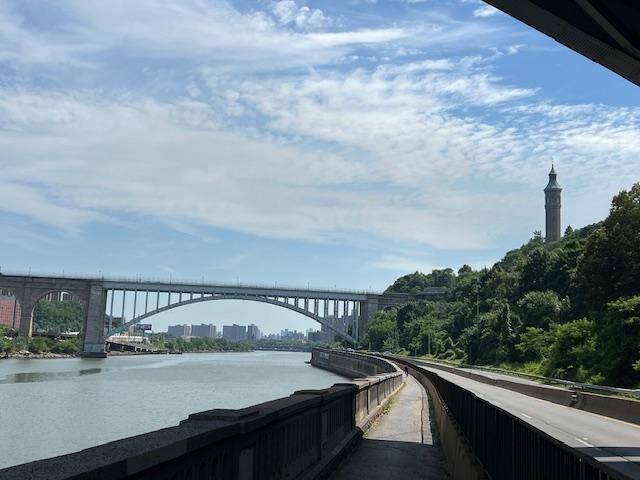


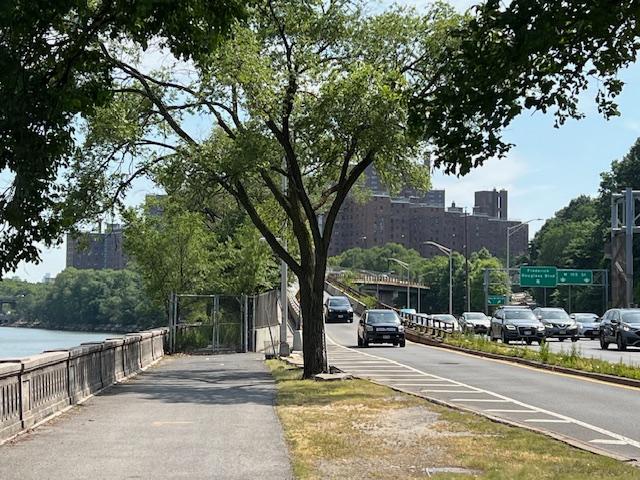
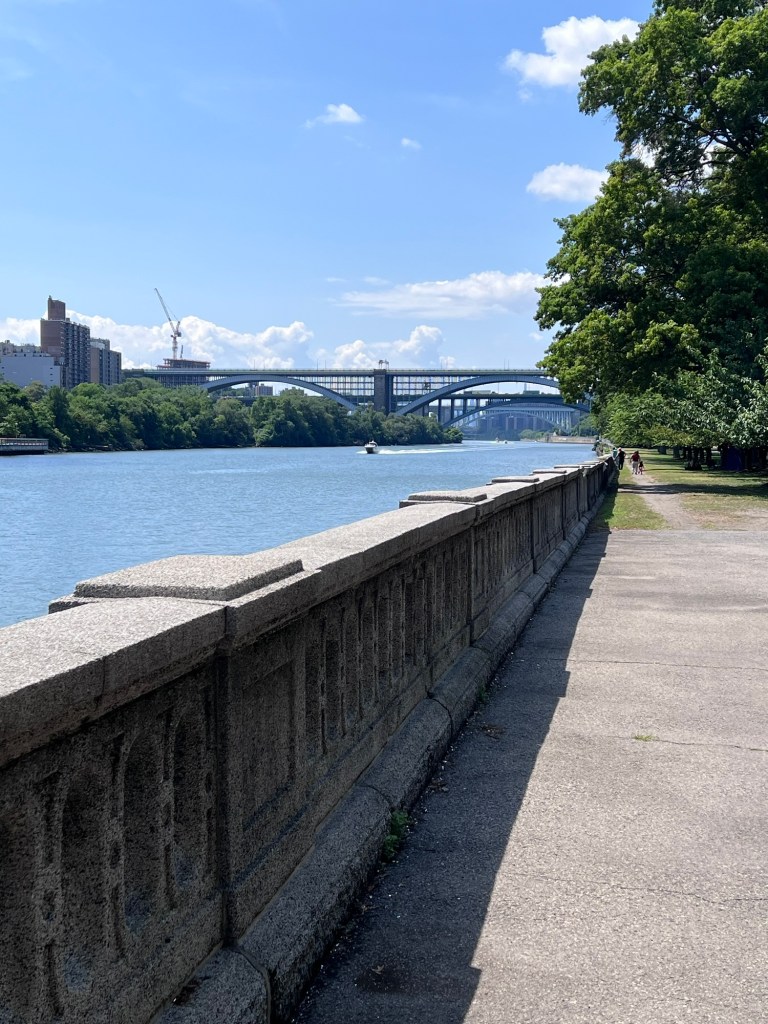


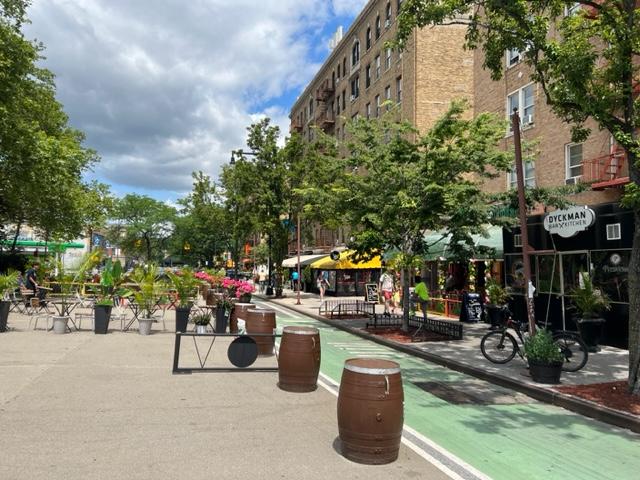


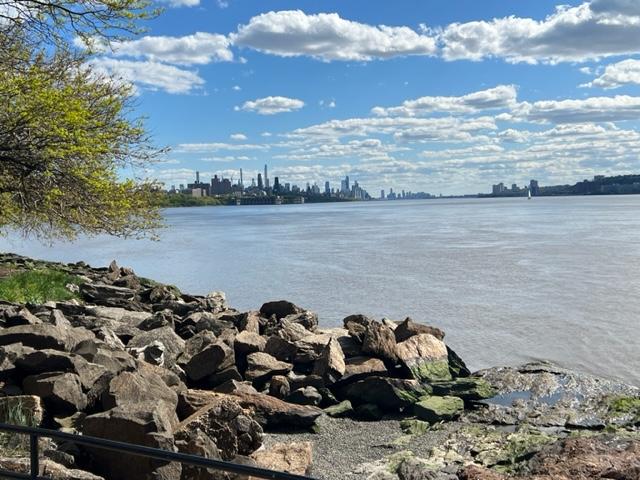


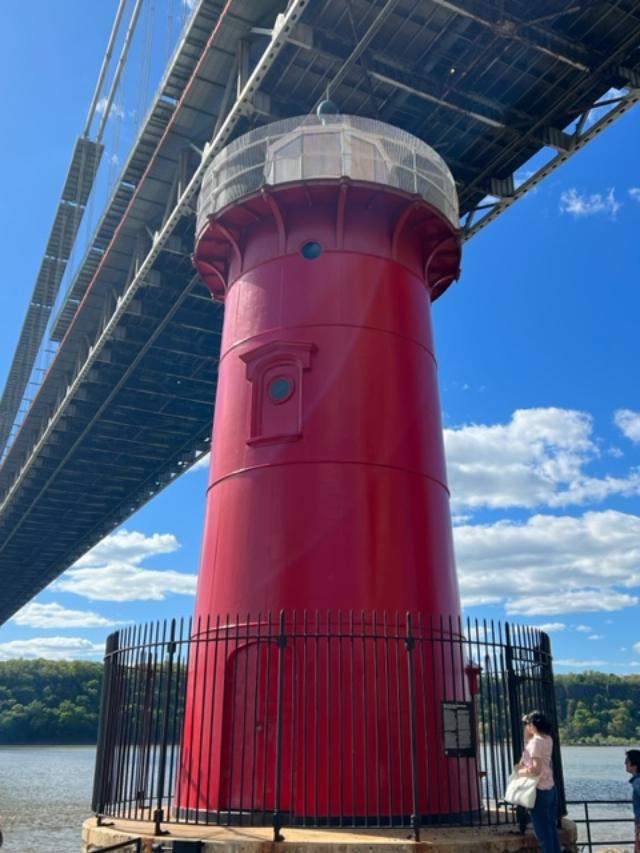
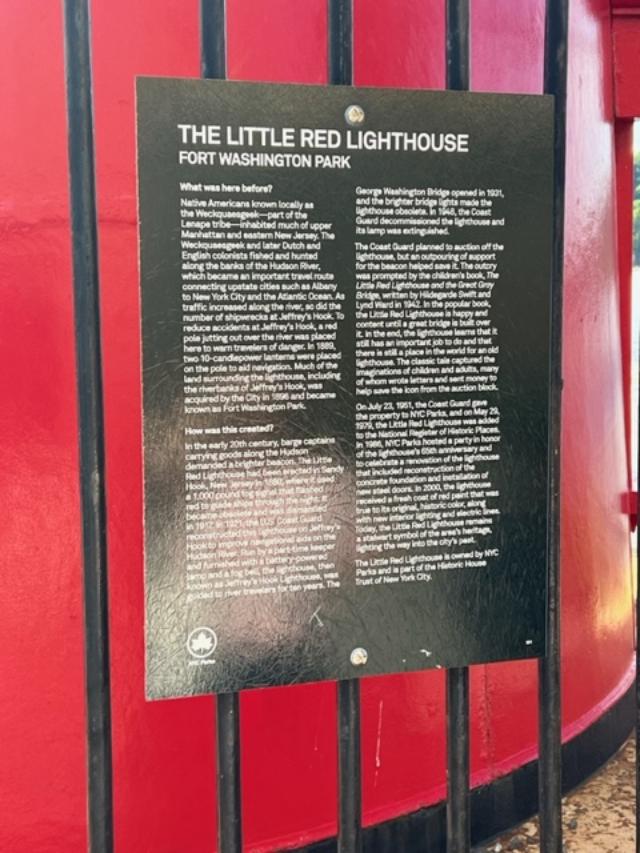
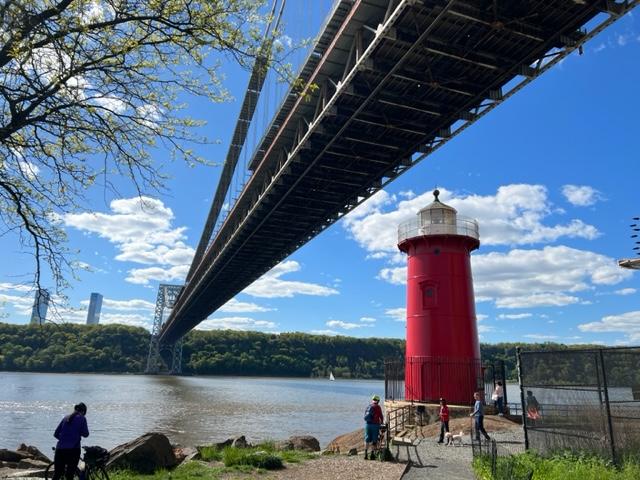


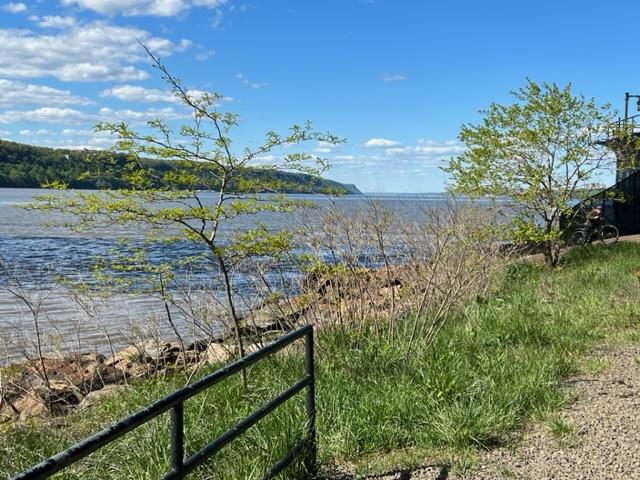
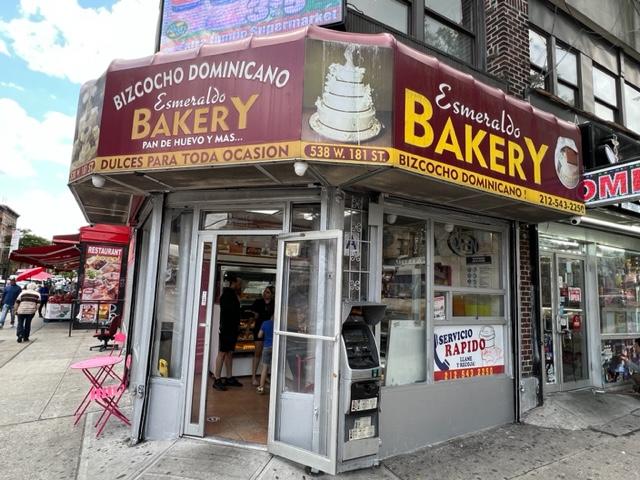

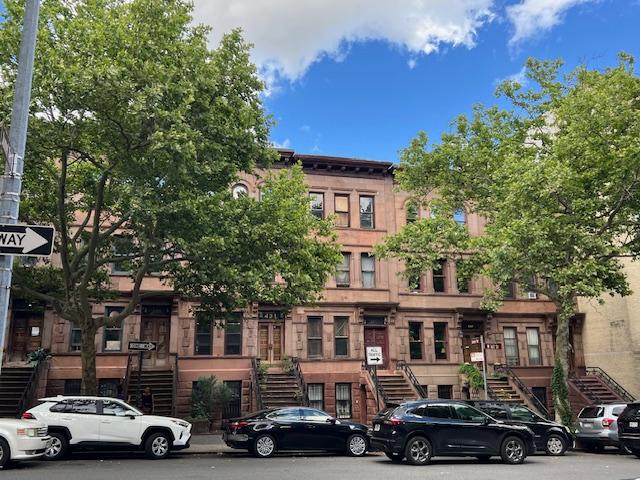
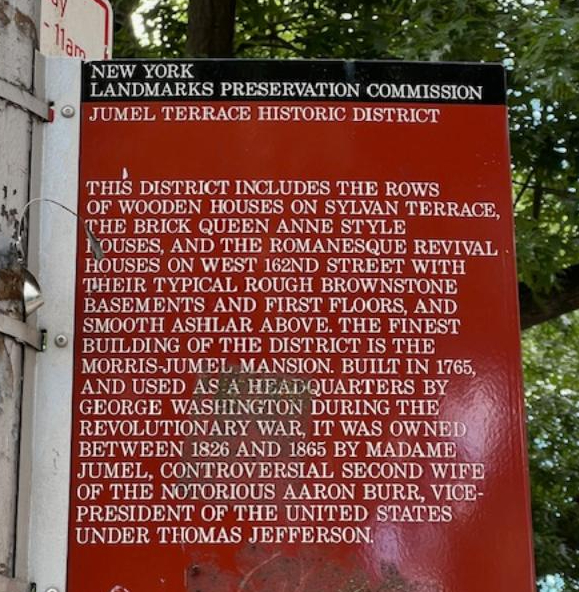
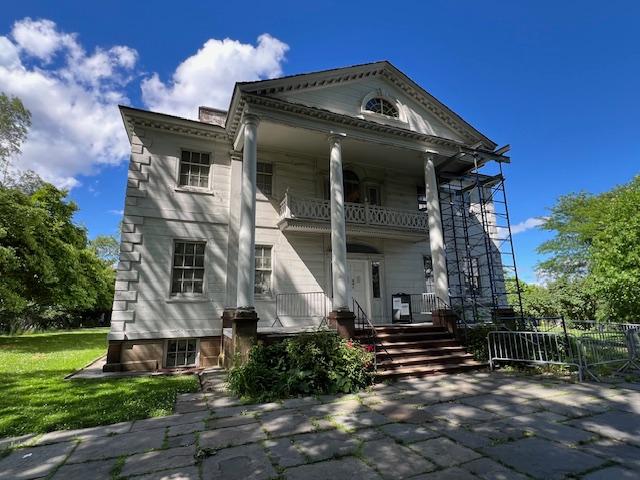
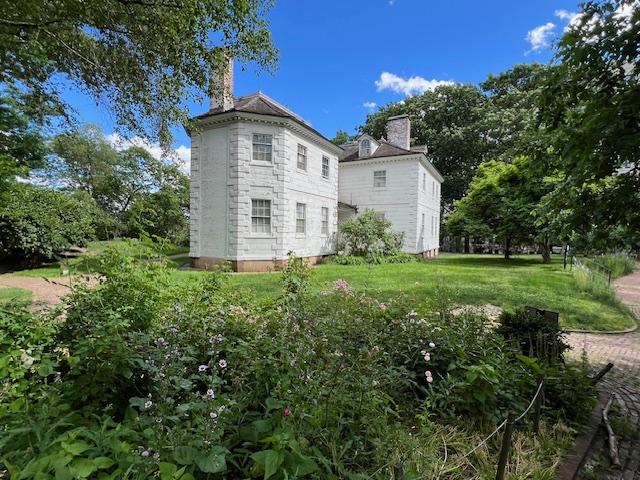

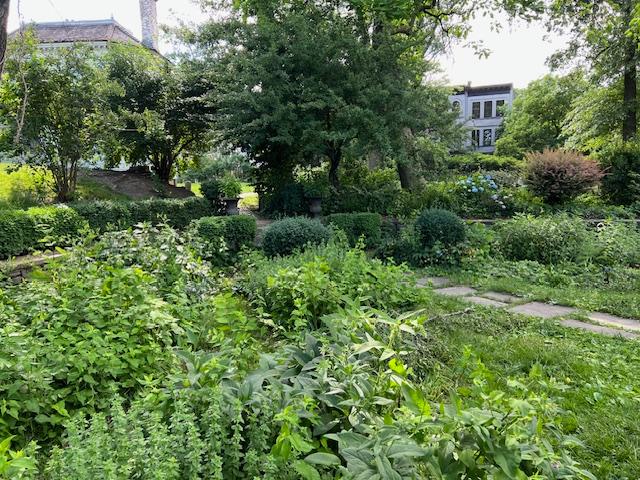
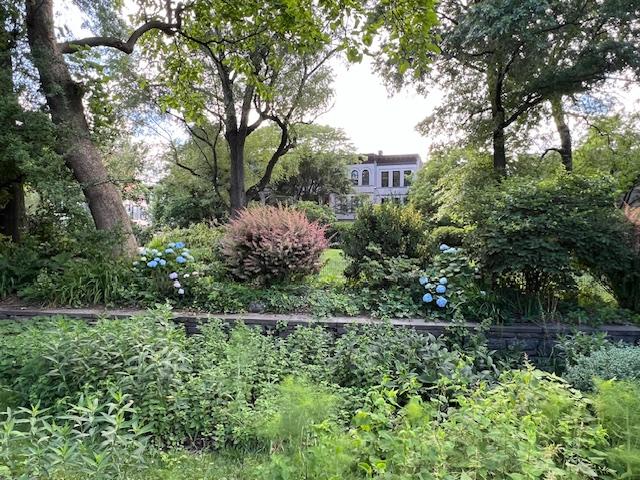


 mywalkinmanhattan