A trip to Paterson, NJ to see the Great Falls is an experience. Surrounded by the old mill buildings that once powered the Silk Industry that made Paterson world renowned, the Falls has been turned into a part of the National Park Service.
The renovation has now been completed that includes new landscaping and a large parking lot. The surrounding park is as impressive as the Falls.
The information sign by the falls
When walking the park, it is breathtaking to see how the Passaic River approaches the drop and then the water hitting the bottom of the cliffs. It is an impressive site of the how the Ice Age still plays a role in ‘Mother Nature’ in current times.
Take time to walk through the park and travel over the bridges and through the landscaped parks to see the Falls through all angles. It is a spectacular park that does not get the credit it deserves. Paterson, NJ still has its issues but it does have a lot of gems too.
History of the Falls-The Formation and early history:
Geologically, the falls were formed at the end of the last Ice Age approximately 13,000 years ago. Formerly the Passaic River had followed a shorter course through the Watchung Mountains near present-day Summit. As the glacier receded, the river’s previous course was blocked by a newly formed moraine. A large lake, called Glacial Lake Passaic, formed behind the Watchung’s.
The Falls in the Summer
As the ice receded, the river found a new circuitous route around the north end of the Watchungs, carving the spectacular falls through the underlying basalt, which was formed approximately 200 millions years ago. The Falls later became the site of a habitation for Lenape Native Americans, who called this homeland, ‘Acquackanonk’ and later for Dutch settlers in the 1690’s (Wiki).
History of Powering a Free Economy:
The history and power of the Falls
The Great Fall of the Passaic River drove the imagination of a young Alexander Hamilton to harness the power of water to manufacturer goods in the United States. The story of Paterson and the Great Falls is on of national importance. Here in 1792, Hamilton founded America’s first planned city of industry and innovation, helping to spur what would become the world’s largest and most productive economy (US Parks.org).
After the Revolutionary War, Hamilton, the first Secretary of the Treasury, knew this country needed to be economically independent. He led the founding of Paterson and the Society for Establishing Useful Manufacturers (S.U.M.), New Jersey’s first corporation.
The S.U.M. constructed America’s first multitiered waterpower system to attract entrepreneurs and workers who would manufacture goods and develop new inventions. A system of water channels or raceways, the most significant power system of the day, diverted water from the Passaic River above the falls to mills along its route (US Parks.org).
The old Power Plant at the Paterson Falls
Paterson became the manufacturing hub for locomotives, textiles, silk finishing and dyeing, machines tools, paper, sailcloth, twine and airplane engines. By the mid-1800’s, the city was home to the largest producers of locomotives in this country and nearly half of the nation’s silk trade, earning Paterson the nickname “Silk City”. Paterson is also the birthplace of the Colt Revolver and the prototype for the first operable submarine (US Parks.org).
The formation of the Falls
The S.U.M. fulfilled the vision of its founder for more than 150 years, moving the United States from an agrarian, slave-based economy to one based in industry and freedom. Paterson attracted successive waves of immigrant entrepreneurs, skilled craftsmen and workers, the ‘diversity of talents’ Hamilton had hoped would be drawn to America. Immigrants still settle here to pursue their ‘American Dream’ and to weave their threads into the storied fabric of Silk City (US Parks.org).
Visiting Paterson Great Falls:
Welcome to America’s first planned city of industry and innovation. Begin your visit at Overlook Park. View the iconic Great Falls and a monument to Paterson’s founder, Alexander Hamilton. Cross McBride Avenue to the Welcome Center where you can visit the facilities, purchase a gift and learn about tours and programs.
The beauty of the Falls
To get a close look at the river that powered Paterson to prominence, follow the path behind the hydroelectric plant over the Passaic footbridge to Mary Ellen Kramer Park. From there you can peek into Hinchliffe Stadium, one of the few remaining stadiums that hosted Negro League Baseball.
Come back across the river, follow the short loop trail along Upper Raceway Park, ending at the Ivanhoe Wheelhouse. Walk across Spruce Street and visit the Paterson Museum, a park partner.
Exhibits include textile machinery, the first Colt firearms, steam locomotives and the first prototype of a submarine.
Video of the Falls
Regularly scheduled guided tours of the park are available during the summer season. From fall through late spring, reservations are required for all guided tours. You may also download a self-guided tour or smartphone app from our partner, the Hamilton Partnership at http://www.millmile.org.
Accessibility: We strive to make our facilities services and programs accessible to all. For information go to a visitor center, ask a ranger, call or check our website.
Firearms: For firearms regulations, check the park website.
Disclaimer: This information was taken from the National Parks Foundation pamphlet and I give the parks system full credit for the information. Please check out their blogs and website on the falls for more information on visiting the park. The parking lot is currently going through a renovation so call in advance of visiting the falls.
The Museum of Reclaimed Urbsn Space at 155 Loisaida Avenue (Avenue C)
The Mission of the museum:
(from the museum website)
The Museum of Reclaimed Urban Space preserves the history of the Lower East Side’s grassroots activism and promotes environmentally-sound, community-based urban ecologies.
We do this by:
*Archiving and documenting the history of the Lower East Side’s activism.
* Educating visitors with exhibitions and guided tours of the neighborhood.
*Empowering individuals to participate in the drive for sustainable change with workshops and events.
Information of the museum
While walking around Alphabet City for my blog, MywalkinManhattan.com, I came across the Museum of Reclaimed Urban Space on the fast gentrifying Avenue C. Alphabet City, technically part of the East Village, has been going through mass gentrification since the early 2000’s. One of the reasons why the neighborhood has not been fully gentrified as been the Public Housing in the upper parts of the neighborhood and lining Avenue D.
The predicament though is even the public housing is going through a renewal with the renovation of the grounds and the buildings with new lighting, landscaping and sidewalks. Hurricane Sandy had really damaged the infrastructure of the complex and the City has been working on this for a few years (Hurricane Sandy was in 2012).
What has been happening in the lower parts of Manhattan as well as parts of Harlem, East Harlem and Washington Heights is that these have become the ‘last frontiers’ for gentrification as New York City keeps getting more expensive. The museum captures the transition of the neighborhood from a burnt out section of the Lower East Side with the bankruptcy of the City to show the grit of the neighborhood not to let their neighborhood decline.
What I enjoyed seeing is how the neighborhood residents banded together to take empty lots and turn them into community gardens, many of them still exist today. These tiny pockets of green have made the neighborhood more desirable to live in. With the expansion of NYU and Pace into the neighborhood and boom of college students moving into the neighborhood made safer by these long term residents have been changing the makeup of Alphabet City. The museum did a wonderful job showing how they banded together and fought the City as it improved in the 1990’s and tried to ‘plow over’ these gardens. There presence today is what gives the neighborhood its character.
The founding of the museum
The history of the neighborhood
The History of the Museum:
(from the museum website)
he Museum of Reclaimed Urban Space (MoRUS) was founded in 2012 by members of Times Up! environmental organization and based in C-Squat. As a living history of urban activism, MoRUS chronicles the LES community’s history of grassroots action. It celebrates the local activists who transformed abandoned spaces and vacant lots into vibrant community spaces and gardens. Many of these innovative, sustainable concepts and designs have since spread out to the rest of the city and beyond.
The museum showcases an often untold version of New York City history through photography, videography, authentic artifacts, and documents. MoRUS is a 100% volunteer-run organization committed to open, community-based action. With this space, we invite visitors to learn, engage, and participate in grassroots activism of the past, present, and future.
One of the interesting masks that dot the corners of the museum
A view of the inside of the museum
The Collection and Purpose of the Museum:
(from the museum website)
MoRUS was born in the East Village out of the observation that the neighborhood and its inhabitants, undergoing rapid transformations, are beginning to forget about their own history. When New York City almost went bankrupt in the seventies, community members struggled to preserve and restore their neighborhood. These activists have become fewer, and the new residents, who reap the benefits of their predecessors’ efforts, are left unaware.
Noticing it, Bill DiPaola and Laurie Mittelmann, both long-term residents of the East Village and members of Time’s Up! Environmental Organization, were determined to provide new opportunities for long-term activists to share their story and to pass on their experience and knowledge firsthand to new generations.
Located in the historic building C-Squat, MoRUS officially opened its doors in 2012 as a non-profit organization. The museum’s storefront was renovated almost entirely by volunteers. They did electrical work and plumbing, built walls, ceilings, and floors, and constructed furnishings such as a reception desk and an elaborate mosaic sign. This process took eight months, and involved other volunteers simultaneously sourcing funds and exhibitions, designing tours, and creating structure for the volunteer collective that runs the museum, such as guidelines, by-laws and committees.
Decisions are reached, events are planned, and new volunteers are plugged in through weekly general meetings and committee meetings. Committees include marketing, fundraising, administrative, merchandise, programming, tours, and exhibition/graphic design.
The Museum has become an important fixture in the neighborhood, not only to preserve the untold story of the East Village, but also to encourage community activism and sustainable development.
I recently visited The American Labor Museum/Botto House National Landmark for the afternoon and learned a lot about the American Labor Union formations and the rights we now take for granted.
A group of us took the tour of the Botto House and learned of its history and its place in the Paterson Silk Strikes of 1913. The first floor which serves as the meeting room has pictures of the Paterson Silk Strike which lasted just over five months and since the Mayor of Paterson at the time would not let the strikers meet, the Botto’s agreed to let the strikers meet at their home which at the time was in a isolated section of Haledon.
The history of the Silk Strike in Paterson
The Mayor of Haledon was sympathetic to the Union cause and let them meet in the town. Their house was situated in the middle of a field so that the strikers could gather around the home and listen to speakers.
The Botto House during the Paterson Silk Strikes
From their balcony, speakers could talk to the strikers and keep everyone abreast of the situation. Here people gathered and picnicked together and worked together to get their rights heard.
From the main display room, you will tour the home of Pietro and Maria Botto. First stop is the kitchen where Mrs. Botto ran her household. She made extra money selling food to the strikers and arranging meals for Mr. Botto’s co-workers. The family family did what it could to make money for the family.
Mrs. Botto’s kitchen
The sink area
Here she made meals for her family, did her jarring and preserving and the washing was done. Then a tour of the dining room, bedroom and the palour area where the family met and greeted people. The upstairs was formerly two apartments that were built to help ‘pay the bills’.
The Botto House Kitchen
The upstairs is now the display space where a display on the Dock Workers Union is currently being shown. We got to stand on the second floor balcony where so many speeches were made.
The backyard area
We took the back stairs to the backyard where the family had the grape arbor, root cellar where the preserves were kept and the boccie ball court. It seemed the family was very social at the time and self-sufficient.
The root cellar and Vineyard
Things turned bad for the family when both Mr. And Mrs. Botto both passed away two years after the strike. The strike could have taken its toll on the family or the fact that Mr. Botto could not find a job after the strike was over. No one knows.
It is an interesting tour of how one family opened their home to an important cause and it made a difference in the success of the strike and getting it resolved.
The history of the Botto’s:
The museum headquarters was the home of an immigrant family of industrial workers whose story is a fascinating one. In many ways, the telling of their saga is a doorway for museum visitors to step through and make connections with their own ethnic backgrounds.
The European Heritage:
Pietro and Maria Botto hailed from the region of Biella, Piedmonte, Italy. This area, at the foothills of the Alps, was a leading textile producer of linen and wool. The mountainous area was home to a fiercely independent people who, for centuries, wove cloth in their homes on looms which they owned.
The Industrial Revolution forced weavers to give upon cottage-based production to seek employment in large shops or mills. the displacement of workers by mechanized looms and weavers’ lack of economic independence caused people in Biella (as in other European textile areas where Paterson’s workforce originated) to embrace new ideas about worker rights and to be a vocal workforce wherever they roamed.
Pietro decided to leave Italy because he was made eligible for a second draft into the army at the recently united Kingdom of Italy (Italy had quadrupled its army at that time to strengthen unification and to acquire African colonies). A skilled weaver who also painted church interiors, Pietro brought his wife, Maria and daughter, Albina (born 1889) on the long voyage to America in 1892.
The Botto’s settled in crowded West Hoboken, New Jersey (today’s Union City), where they worked in silk mills for 15 years until they had saved enough money to afford a home for their growing family. The family now included three more daughters, Adelia (born 1894), Eva (born 1895) and Olga (born 1899). In 1908, the Botto’s moved to Haledon, a tiny community, growing up along the streetcar line from Paterson, where many other country folk from Biella had already settled.
The Botto’s home became a focal point for a dramatic slice of history in 1913 when the epic Paterson Silk Strike broke out. Pietro was on strike with 24,000 fellow silk workers when massive and constant arrests forced the workers to consider the independent borough of Haledon as a location for great outdoor rallies. Mayor William-Brueckmann guaranteed the safety of the workers and Pietro offered his home as a meeting place for the strikers.
The Botto’s courageous stand allowing their home to be so closely identified with the strike stemmed from a belief in the rights of the common man. During the strike, Pietro and his family played host to the social and labor leaders who were the idols of the working person at that time. After the strike, the family had to very circumspect about employment in the mills, with one of the daughters denying her family name to avoid blacklisting by an employer.
The large house and spacious hillside gardens are a tribute to the family’s combined labor. Pietro and his daughters worked 10-12 hour days, 5 1/2 days a week in the mills. The eldest daughter began mill work at age 11 and the youngest at age 13.
On Sundays, the usual day of rest, the girls helped their mother serve patrons of the resort aspect of the property. Maria ran a large household, feed boarders during the week and the scores of people on Sunday and did piecework from mills; she died in 1915 at the age of 45.
Pietro lived until 1945, a beloved father and grandfather to a growing clan.
History of the House and Land:
The house in Haledon, NJ
The total environment of the Botto House National Historic Landmark reflects the ethic origin of this family of silk workers from the Piedmonte (Biella) area of Italy and the development of housing in early streetcar suburbs. It is representative of the sensitive use of small landholdings in American urban areas by various European immigrant groups.
The Botto family purchased Block X, Lots 38, 39 and 40 in 1907 from Alexander King, a real estate speculator. King himself purchased a large parcel of land from the Cedar Cliff Land Company, a group of Paterson industrialist and business leaders who were quick to see the advantages of selling cheap land to workers in Haledon. The completion of a horse-drawn trolley line in 1872 allowed for expansion of residential and recreational areas outside of the City of Paterson, a major American industrial center.
The Botto House sign
(Information from American Labor Museum: Botto House National Landmark, a Brief History)
The Period Rooms:
The Front Hall
The front entrance hall light fixture is original to the house. One of the restoration tasks yet to be carried out is the replacement of embossed wallpaper on the walls which was made to look like the carved leather coverings in the homes of the rich.
The front hallway
The Kitchen:
The kitchen was a major center of activity in the household. The large coal and gas range dominates the room. It was used as a heating source as well as for cooking foods. A table provided the space for food preparation; a cupboard stored pots, pans and dishes; an icebox kept food items cold (the root cellar, located in the garden was also used for cold food storage) and a sink for dishes and a tub for laundry utilities indoor plumbing-certainly a recent innovation for working class households.
The kitchen
Even with the convenience of indoor plumbing and the gas range, the kitchen was the scene of virtual non-stop labor for Maria Botto and her daughters. In addition to meals prepared for the family, the Botto’s fed a noon meal to extra people during the week, there were workmen without families, who rented rooms and come from the mills for a hot dinner.
On Sundays, the Botto women prepared food for as many as 100 people who came to recreate on the property. This, of course, provided on additional income for the family.
The Botto family’s foodways reflected their home region of Biella, Piedmonte, Italy. Piedmontese cooked scorned tomato sauce, preferring wine and chicken broth to accompany such staple foods as polenta (corn meal), risotto (rice) and tortellini, a pasta. Generally, rosemary, sage, and other herbs were used in cooking and grown outside in the garden. The herbs also had medicinal uses.
The kitchen sinks
Some of the artifacts placed around the kitchen are the copper put used to cook polenta (purur), meat grinder, fish scale, orange juice squeezer, coffee grinder (from a German immigrant household), rug beater, mousetrap and wall calendars which were used by working people as decorations.
The Botto women were generally charged with kitchen duties. Maria Botto hired a German woman to do the wash. One special job was reserved for Pietro, stirring the polenta and cutting it with a string.
The Dining Room:
The dining room was another work area for the family. Here the family and the ‘boarders’ dined. Here Maria ‘picked’ silk on a frame, located in the corner of the room under the window, examining the bolts of broadsilk brought from the mill for imperfections.
The Dining room
This was another task to bring income to the household. Maria used the sewing machine to make clothes. The table reflects a setting for the family and ‘boarders’, placed with dishes, silver-plated utensils and a condiment set.
The Dining Room
The sideboard, table chairs and sewing machine are family pieces. The lighting fixtures in this room as in the rest of the house were powered by gas. As is typical in the area, paintings were hung by string from a picture rail as the walls were made of plaster.
The Sideboard
The small painting shows sheep, which provide the wool upon which textile manufacture was based, against the backdrop of the Alps. The large sketched portrait of Pietro Botto in later years was produced by his grandson and professional artist, Richard Botto. On the side of the room hang pictures of the Botto daughters in their wedding attire.
The Dishes in the sideboards
The Bedroom:
This room, which was actually the girls bedroom has been recreated to resemble where Maria and Pietro slept. The dresser is set with brushes, combs and mirrors that are from the period. The Botto’s slept in a brass bed.
The bedroom at the home
Swimsuits and other clothing hang in the wardrobe. A travelling trunk rests on the floor next to the wardrobe. Next to the window hangs a photograph of Mr. and Mrs. Guala of Biella, Italy. Next to the wardrobe hangs the elaborately framed photograph of Adalgiso Valle of Paterson, NJ, a jacquard card cutter.
The Bedroom
The Parlor:
The most formal room in the house, the parlor was used for guests, weddings and wakes. Dominating is the oak mantle with its columns and mirror top. It surrounds a fireplace where, in the winter, a gas heater was attached to a pipe behind the hearth. The clock had to be wound every day and chimes on the half-hour.
The parlor
The photographs on the shelf are Maria’s sisters in Italy (right) and the three eldest Botto daughters (left). Members of the Bocchio family of Biello, Italy are pictured in the photograph to the left of the mantle.
The Parlor and decorations
The furnishings in the house
Other Rooms:
The area making up the library on the first floor was a sitting room and bedroom for the family. The Botto daughters rented the two apartments upstairs when they first married and started their families and other non-family members served as renters through the years. The bathroom on the first floor is the approximate size of the original but today has modern fixtures and is not meant to be part of the restoration.
(From the American Labor Museum/Botto House National Landmark)
The Labor Day display of the Union history:
Labor display
Labor Display
History of Paterson:
The City of Paterson was founded in 1792 as America’s first planned industrial city. Alexander Hamilton, Elias Boudinot and other members of The Society for the Establishment of Useful Manufactures chose the Great Falls of the Passaic River as the ideal site for a manufacturing center. The Falls provided water power, while the river provided transportation upstream and down.
During the 19th Century, Paterson flourished. It became known as “Silk City” and “The City” with an Arm of Iron in a Sleeve of Silk for the silk mills and locomotive works that made their homes here. Immigrants flocked to the city at first from England, Switzerland. Germany and France and later from Southern and Eastern Europe. Many found jobs in the mills and a few took their place among the captions of industry.
(Mill Worker…Mill Owner-Botto House Museum)
The gift shops
Disclaimer: This information was taken directly from The American Labor Museum/Botto House National Landmark pamphlets. This museum is one of the few historical sites dealing with the Labor Unions in the United States and plays a huge role in workers rights today.
I was driving through Hamden on my way to Ithaca and had just left Delhi and wanted to travel through the back roads of the state. I came across the Hamden Covered bridge while driving down the highway. I had never seen one that looked like this and had to stop to see this interesting bridge.
The historic sign
The History of the Covered Bridge:
(From the New York State Covered Bridge Society)
The Hamden Covered Bridge is one of six covered bridges still standing in Delaware County. It is one of three bridges owned and maintained by Delaware County; the other three bridges are privately owned.
Built by Robert Murray in 1859, this 128-foot-long, single span structure incorporates the Long truss design patented on March 6, 1830 by Lieutenant Colonel Stephen H. Long of Hopkinton, New Hampshire. It is New York’s only covered bridge that incorporates a pure Long truss design, unassisted by an arch or Queen post truss and is rare to northeastern covered bridges. The Hamden Covered Bridge is one of three covered crossings that still carry traffic across branches of the Delaware River. A contract to construct the bridge was signed between Mr. Murray and the Town of Hamden on April 27, 1859, for the sum of $1,000.
The beautiful little park that surrounds it
The little park does not have the best parking (as I had to park by the side of the highway) but this is a beautiful and picturesque little park. I loved walking through the gardens and taking a break from all the driving. Its a nice place to take a rest.
The beautifully landscaped park
The signage tells the story of the town, the rail system Upstate and the communities that was affected by it.
The history of the Bridge and the surrounding area
The history of the town
I had never walked through a old covered bridge before and found it fascinating. I loved the architecture and the history behind it. I imagined all the horses and wagons and cars that must have traveled through it over the years.
Touring the bridge
I want to share my tour of the bridge with all of you so you can see how magnificent this little historical bridge. It is amazing and nice to see a part of our history.
My walking tour of the inside of the bridge
The inside of the bridge
Take your time to take this walk through the bridge.
The historic sign
The beauty of the road trip down Route 10
The surrounding around Route 10 is just breathtaking in the summer and I can imagine what this is like during the Fall foliage. I took my time to drive down Route 10. It is just so beautiful to drive down and stop and take pictures.
Finishing the Meatpacking District the other week and relaxing on the lounge chairs by the Hudson River while the sun was setting gave me one perspective on Manhattan. Walking on the other side of the island in Alphabet City gives you another. Talk about opposites.
My morning had consisted of laundry and yard work. I was trying to straighten the backyard up while doing the first load and cooking dinner. Then I had to come into the City and get a haircut at York Barber on Lexington Avenue. When all of this was accomplished I hopped the Q downtown and started the walk around 4:30pm.
My start point at the corner of West 14th Street and Avenue A
Written on the wall of a building on the corner of Avenue B and West 14th Street. At this point I don’t know who they are talking about because things are crazy all over
Reaching the end of West 14th Street and Avenue C at the Con Ed plant and the turn to West 13th Street to Avenue D
I walked through the Riis Houses courtyard to get to FDR Drive. The construction all over the highway area blocks all the entrances and exits coming and going from Avenue D
So I was only able to walk about two blocks before I had to double back and walk the rest of the border of the neighborhood down Avenue D.
The upper part of Avenue D facing the East River is the Jacob Riis Houses
The Riis Houses like the Wald Houses on the southern side of the were under construction and renovation on all sides. Their green spaces were being updated which is sorely needed.
I could see the reason why when there is no grass to keep off of
I found my name reached in cement
For all the generic appearances on the buildings, there was a glimmer of hope and creativity with this beautiful mural painted on the side of the building.
The mural on the Riis Houses
‘Hope and Opportunity’ on the side of the building
The artists for this mural ‘Hope so Electrifying’ sponsored by the Riis Houses Tenants Association
There were several of these murals all around the neighborhood on the sides of the buildings. It added a little color to otherwise dim buildings.
Avenue D businesses on the other side of the street
I have noticed one thing about Avenue D from East 13th Street is that it is not as bad as everyone says. Most of the buildings on the block have been knocked down and rebuilt with new apartment buildings. Most of the old tenements that have been left have either been renovated or in the process of being renovated.
While not as ‘hipster’ as Avenues A or B which are closer to the NYU campus, I see a lot more students jogging down the street much to the looks of the people living in the housing complexes, as if they see where the future of the neighborhood is going.
Towards the southern end of Avenue D are the Lillian Wald Houses. It amazes me that the builders of these public housing units never had the fourth site to realize that they were giving the residences a million dollar view of the river. Back when these were built though, no one wanted to live near the river as badly as it was polluted back then.
Again by the Wald Houses all the entrances to the river park have been blocked by construction. The signs have all said that the City is reconfiguring the green space around the houses.
The Wald Houses don’t look so bad during the day
I turned the corner at East Houston Street and Avenue D on the southern border of the neighborhood and walked towards the river to see if there was any access to Stuyvesant Cove. It had been open during the Great Saunter in May but seemed to be closed off in all sections this time around for renovations.
Taking a walk east down East Houston Street
The Lillian Wald Houses line the borders of East Houston Street, Avenue D and FDR Drive and the whole complex including walkways and green space are all under scaffolding. Here and there you can see the building and closer to PS 188 next door, I saw a series of more murals.
The murals on the Lillian Wald Houses from East Houston Street
The mural along the walls
I couldn’t get any closer to the mural to see who painted it without freaking the residents out. They all looked at me like I was ICE walking around the neighborhood. It was funny because the ever getting drunk college students on Avenue A just ignored me.
The one mural that really caught my eye was on the side wall of PS 188. It was really colorful and whimsical.
I turned the corner to walk up the part of FDR Drive that I could along the sides of the public housing. There are so many twists and turns to this route and it will be a while before you can walk this sidewalk. The residents here did their best to ignore me as well. It’s fun when they pretend not to see me.
The sidewalk along southern FDR Drive is blocked off at East 10th Street
I walked the overpass at East 5th Street to the John Lindsey East River Park, which closed again for renovations. It had been open in May but they closed off all but a small portion of the park and the running track. I still could see the magnificent views of the East River and the Brooklyn skyline.
Interesting street art on the barriers
Interesting street art on the barriers on FDR Drive
Crossing all the construction on FDR Drive
The view of the Wald Houses from the East 5th Street overpass
The John Lindsay East River Park side of FDR Drive with the running park
The park is going through a major renovation and is now closed off on all sides. The running track, part of the picnic area and a small part of the river walkway are now open while the rest of the park is behind fencing.
Looking downtown towards the Manhattan Bridge
Looking uptown towards the East River and the Brooklyn skyline
A little street art tucked into the fencing in the park
The full view of the East River and what the park will look like when it is finished
The John Lindsey East River Park has been closed at various stages for renovation and to make it more environmentally friendly to protect the coastline. I have read though that many in the area say the improvements in the park have lead to the rapid gentrification of the area. Still I have seen the park when it was fully open and when it is finished it will be a fantastic park that everyone will enjoy.
After walking around this small portion of the park left open, I walked over the overpass back to East Houston Street and walked the southern most border of the neighborhood.
It still amazes me how many times I have walked this neighborhood and never really noticed what it was about. I justly passed it while I walked around. Now that I took the time to really study it, I was fascinated by what I had missed.
Walking down East Houston Street in the late afternoon
Tucked here and there were community gardens, tiny restaurants and loads of interesting street art. The artists and the taggers are really creative in this part of the City.
Le Petit Versailles Garden at 247 East second Street
The tiny garden that stood out was Le Petit Versailles Garden at 247 East Second Street that was closed both on the East Second and East Houston sides of the park. I was still able to sneak in on an open side door and admire all the interesting art.
The inside of the gardens in bloom
The sculpture work and landscaping
The Olmec looking statue at the entrance of the gardens
Inside the gardens were a series of sculptures that looked like something out of the ‘Wizard of Oz’. These unique pieces of are were hidden in the shadows but I hope to take a closer look when the gardens are open.
Sculpture number one
Sculpture number two
Sculpture number three
The back part of the garden in the midafternoon
A bit further down East Houston Street I noticed a G’s Cheesesteak shop at 6 Avenue B. I had their cheesesteaks in Downtown Point Pleasant Beach and can attest to their excellence.
The G’s Cheesesteaks at the corner of East Houston and Avenue B
It wasn’t the restaurant itself that grabbed my attention, it was the artwork painted on the side. Geometric and just wild the street art was just crazy.
I think that people added to the art since
The monster makes a statement
Geometric designs
I was not sure if Flore was the artist
I thought that this was clever
So was this
As I was down East Houston Street, a store window to a thrift shop caught my eye. While the store didn’t strike me as unique, the display in the window I thought was great. Someone used their creativity on this.
I thought this was surreal
Very clever from both views
I finally made it back to the southern part of Avenue A and talk about the extremes in the neighborhood.
Reaching Avenue A at twilight
While Avenue D is still gritty and a bit dangerous, Avenue A is like an extension of the NYU and Pace campuses. It was wall to wall bars and restaurants and outdoor cafes.
Walking up Avenue A in the late afternoon
The Best Housekeeping store at 17 Avenue A is an appliance store with the best murals on their roll down gates.
As I walked up Avenue A on this warm and clear Sunday night, I could not believe how packed all the restaurants and bars were and how young the crowds were dining. It looked to me that the colleges had just started the semester and everyone was letting loose a bit as classes started.
The tagging and street art dominated these blocks
I then passed 50 Avenue A with its interesting Monkey looking sculptures and its beautiful outdoor pictures.
Hearth House is a condop with a wonderful neighborhood vibe. One elevator, six stories…only a handful of units per floor. Most layouts offer two bedrooms. Top floor units have private roof terraces and some are duplexes (Streeteasy.com).
The Monkey (or Tiger motive on the building)
The wild painting outside this pet shop looks like a surreal ‘Magilla Gorilla’
It looks like the pet shop that was here has closed.
Walking up Avenue A at twilight
Interesting street art tucked on the sides of the building
St. Marks Place and Avenue A was closed off for about two blocks for outdoor dining
Much has been written about Tompkins Square Park over the years from a major drug den of the late 1960’s to the early 80’s, then a homeless camp, the Wigstock, the famous drag shows of the late 80’s to early 90’s to Mayor Giuliani closing the park down fencing it off and moving everyone out for a major renovation.
I had not stepped foot in this park since the fencing came down in the late 1990’s and I figured almost thirty years was enough time.
The corner of Avenue A and Tompkins Square Park at East 10th Street
The park has definitely changed and for the better. Yes, it does need a good weeding but it attracts a very diverse crowd of people from young couples walking around after eating to the dog walking crowd to the college students lying on the grass talking to the homeless on the benches there is a little bit of everyone at this park.
Walking around the pathways of Tompkins Square Park
The park has been reseeded and landscaped and now like Washington Square Park another extension of a backyard to the NYU, CUNY and Pace students.
The park was in bloom in the late Summer
The statue of Samuel S. Cox stands guard at the southwest entrance of the park
Samuel Sullivan “Sunset” Cox was born in Zanesville, Ohio, and served his home state as a Democratic Congressional representative from 1857 to 1865 before being unseated. After moving to New York in 1866, Cox served again in Congress for several terms from 1869 until 1889. Although Cox once publicly declared that his most satisfying contribution to public service was championing the Life Saving Service—founded in the 1840s to patrol the coasts and save imperiled boaters during bad weather, the group was absorbed into the Coast Guard in 1915—this statue is sponsored by U.S. Postal Service workers because of Cox’s support for their quality-of-life issues (NYCParks.org).
Artist Louise Lawson was an American born artist who studied at the Art Academy of Cincinnati and Cooper Union. She worked as an apprentice under several famous sculptures and was one of the first American female sculptures to have a professional career. She is known for her Neoclassical sculptures (Wiki).
As I walked up Avenue A, the whole street is like an open air museum of street art but commercial and by taggers. Many of the restaurants had them painted on their walls.
The interesting mural was tucked under a building that was under renovation
Artists 23TatsCru is a group of Bronx based graffiti artists turned professional muralist (Wiki).
I walked both sides of Avenue A to admire the artwork and peek at all the menus. By 6:00pm on a Saturday night, the place was filling up with college students and young couples who were visiting the bars and restaurants. On this perfect night, everyone wanted to eat outdoors.
Walking the other side of East 14th Street
I made my way back down East 14th Street in the early evening tour walk the other side of the blocks.
Walking down the other side of East 14th Street in the late afternoon
The street art on the side of a restaurant on East 14th Street
Pedro Albizu Campos was a Puerto Rican born American lawyer and activist , who fought for our Country in WWI and was a member of the Puerto Rican Nationalist Party.
I saw this piece of art on the sidewalk on East 14th Street
On a plain tenement building, this beautiful carving stood out
The view of the Con Ed Complex at the corner of East 14th Street and Avenue C
This interesting tag was on East 13th Street
Taking another walk down Avenue D again
When I got back to walking the other side of Avenue D, some of the businesses started to close up for the evening including some of the street vendors who were selling food. Many people had been giving me strange looks before had disappeared.
Walking past the Jacob Riis Houses in the late afternoon. They looked much nicer from the other side of the street
I stopped in at Avenue D Pizza because I had noticed their reasonable prices before but they were closing up for the evening and most of the food had disappeared from the display cases. I figured for another time.
Looking down the other side of Avenue D and you realize how much these blocks have changed in the last twenty years
Walking back up Avenue A again as the bars really started to fill up
It started to get dark at 8:00pm when I finished rounding East 14th Street for the last time that evening.
There were many restaurants to choose from that evening so I searched my Mileage Plus Dining Club to see any recommendations. It suggested Pop’s Pizzeria at 223 Avenue B not far away.
What an excellent recommendation because the pizza is wonderful here. They have some unusual pizza topping combinations and it really worked.
The inside of Pop’s Pizza
The selection of pies to choose from
I decided on the classic Margarita and a piece of Pepperoni with Cherry Peppers that had a hot and tangy flavor when they topped it with a little honey. The pizza is excellent here and the service was so friendly. The guys working here made some excellent suggestions and I really enjoyed my dinner.
My dinner that evening
The Margarita slice with freshly grated cheese on top
The Pepperoni with fresh cheese and honey on top
I really enjoyed my meal that night
It was such a beautiful evening, I decided to walk back to the Port Authority. The weather was still warm but crisp that evening and it was nice that the cool weather had come back.
I walked up Third Avenue and then crossed over to Park Avenue where I had admired the views.
Walking up Park Avenue that evening
I figured I worked off my lunch and dinner and it had been an interesting walk considering the neighborhoods shady past as a drug den. It may still have its problems but thirty five years and a reinvented and gentrified City shows you how resilient Manhattan really is and how it just keeps changing for the better.
I went to the Fancy Food Show in New York City in 2025 and one of the standout products I sampled was from Fancypants Cookies out of Massachutes. These delightful, crunchy cookies were pleasure in every bite. They crackle and crunch and have the sweetest taste.
The representatives at the show could not have been nicer to me and let me take a few bags home to sample on my own when the show was over. I really enjoyed the Chocolate Chip Cookies but the standout from the show that I enjoyed most were the Birthday Cake cookies with the tiny sprinkles that really caught my attention.
These tiny flavorful cookies are the perfect addition to any lucky child’s lunch box including the ‘big kids’ who work in offices. I also like the engaging packaging that the company has created. It is whimsical and child friendly. This one of my favorite products at the 2025 Fancy Food Show.
My blog on the 2025 Fancy Food Show in New York City:
We’re not shy about telling you. We are proud to make our cookies with the real, recognizable ingredients our founder, Maura, used in her own kitchen. That means bonafide butter and eggs, with zero junky or artificial ingredients to ruffle your feathers. And we do it in a way that’s deliciously sustainable—baking with upcycled oat flour and turning our food waste into renewable energy.
I got to take home samples of the cookies and the Birthday cake cookies I thought were the best.
We do all of that so you can have your own feel good, fancy moment. Whether it’s at the end of a long day or even at the beginning of one, we’re here to make your day feel just a smidge more special.
Maura Duggan graduated from Harvard with a master’s degree in Mind, Brain, and Education, but day after day she kept turning to baking to shake off the stress of working in statistical analysis. Inspired by the cookies she used to eat after school in her grandmother’s kitchen, Maura focused on real ingredients, homemade taste, and creating a delicious moment.
Seeing her passion (and tasting her cookies) her husband, Justin, quit his job as an elementary school teacher to make the other half of the amazing team that drives Fancypants today. Since 2004, they’ve made cookies that make you feel downright good, with incredible taste, great ingredients, and a positive impact baked right in.
Walking the aisles on the first day of the show is a lot of travel. The main floor of the show is almost three football fields long and there are so many vendors to stop and see that I have learned to pace myself.
You can not stop and eat every cookie, cracker and piece of cheese at every booth. I try to see that the vendor is offering a unique looking product and then I stop and take notes. If I really like the products, then I will take the literature.
If I really thought the product was innovative or tasted really good then I asked for a sample on the last day and took a picture of the booth.
The Italian Pavilion was one of the most popular at the show in 2025
The show didn’t seem as busy as it was in the past. The first day of the show, I could walk down every aisle without bumping into anyone. It also seemed to be more of a college and non-industrial crowd.
They would hover around the popular booths like the pizza and ice cream booths and then chomp away at the food. Even the vendors know not to waste their time. The issues is that you never know who you are dealing with and when you may see them again in the future. So you have to be very careful not to alienate anyone at these shows because today’s college student is tomorrow’s food executive.
The Italian Pavilion was one of most visited sections of the show
As I walked the show, there were certain vendors that just stood out. I was really impressed by the innovation from the foreign pavilions especially those in the South Korean, Italian and Vietnamese Pavilions with their colorful packaging, innovative logos and wonderful tasting products. I was very impressed with what was being made abroad.
There were many smaller American food manufacturers that I thought were really innovative as well. There were all sorts of drinks, spicy snacks and baked goods that I thought had a lot of potential for a mass market audience.
So for the next three days I sampled and snacked my way through the long aisles of the show. This show didn’t have the same number of vendors as previous years, noting that I finished walking the show in three days with plenty of time for another trip down the aisles to revisit certain vendors.
Much of the lower part of the second building was used as theater space for lectures and talks which I had not seen in previous years. Still there was a lot of innovation in the show and I wanted to point out the products that I thought stood out in the three days I was at the show.
Day One:Visiting the vendors and pavilions on the first floor
The Italian Pavilion:
The Italian Pavilion this year offered so many wonderful products from pasta to sauces and spices that there was a lot to choose from. There were so many vendors selling those types of products that they got lost in the shuffle. Where the products shined and stood out was in the Snack and Beverage category.
The first interesting product I tasted was Protein chips
These crispy chips were packed with flavor and had a nice snap to them. What made them stand out to me was not just the intensity of the flavors but the creativity of the packaging. I got to sample both the Paprika and the Salt & Vinegar and loved the flavors.
These crispy chips had a nice crunchy taste and a light hint of spices and olive oil. These chips are the perfect snack with a glass of wine or to start a meal with cheeses.
Bergotto Sodas were one of the standouts in both in the Italian Pavilion and in the Fancy Food Show
The Bergotto sodas were one of the standout beverages of the show. They were packed with fruity flavors that were refreshing and I loved the packaging. The sodas were really refreshing on this extremely hot day. I think they will do very well in the American market.
These tiny breadsticks from Italy, called ‘Grissini bites, are really addictive and you can not stop crunching your way through these cheese and pizza tasting snacks. These cheesy little bites were very addictive.
The Italian Pavilion had many standout items and was one of the biggest contributors to the show this year. I loved their packaging and their representatives could not have been nicer.
The South Korean Pavilion:
South Korean Pavilion with its colorful and tasty snacks, candies and sodas. Their selection of noodle based dishes and spices again are a standard in many companies from here and abroad.
Where the South Koreans stood out was in snacks and beverages. Outside of the French, the South Koreans had some of the most unique and creative packaging at the show. The flavors of their products burst with flavors of fruits and spices. I had to take my time to taste products later on that I would see in Asian markets in Bergen County, NJ.
This delicious line of sodas had tiny gelatin pearls at the bottom of them and came in so many wonderful flavors. The drinks were so refreshing after a long day of walking around and you have to shake the bottom of the can to get the pearls out and it is worth it.
The milk sodas Latte Pop were surprisingly sweet and refreshing and did not taste like a milk based product. They tasted like a fizzy version of Strawberry or Banana milk.
These interesting snack chips called “New Fish Pop” had an intense and interesting flavor. I found out that these are made with Alaskan Pollack and had no flour in them. The Honey Butter and the Chili flavors were delicious and I thought a pretty original product.
The Lemon curd ice cream from Bold Spoon really stood out amongst the ice cream I sampled that first day. The fresh ingredients and the creamy consistency stood out amongst the vendors trying to recreate the same flavors
These delicious flavors were dense and creamy and were the best ice creams that I tasted in the show. What stood out to me was that you could really taste the lemon and cream in every bite.
The Women’s Owned Companies Pavilion:
There were many ‘women owned and run’ businesses being showcased at the show. One of the products in the Women’s Owned set of booths on the lower level was the ‘Cinnamom’, cinnamon bun products. These sweet, chewy and decadent desserts were the brainchild of the mother/daughter team who own the company. It was the owners grandmother who had come up with the recipe for these sweet and rich desserts.
The ‘Cinnamom’ baked products were some of the best new items at the show that tasted
My favorites were the buttery regular cinnamon rolls and the ones topped with a thick butter cream icing. I had to go back all three days at the show just to try each of their flavors. These rich desserts deserved a lot of attention.
The pretzel snacks from OMG were Oh My God! These tasty little pretzel bites are excellent. They are crisp and crunchy and full of flavor. The two that stood out to me were the Salty Butterscotch and the Buffalo flavors and I enjoyed crunching on them.
The first day of the show was a trial of sampling and tasting and as usual I did not pace myself the way I should have. Too many flavors and consistencies plus add in the bad humidity outside for all three days for the show made me stuffed and tired but in a good way.
Five Boro Block Party on the first day of the show:
After the first day of the show, the Specialty Food Association sponsored the Five Boro Block Party again with free food trucks and costumed characters walking around. It was so hot and humid the first two days of the show, I did not know how people were walking around with jacket and tie let alone in costume. The woman who was our Statue of Liberty character lasted about twenty minutes in her costume before she had to go back inside.
The sign for the Five Boro Block Party outside the Javis Center after the first day of the show
All the vendors, merchants, industry people and buyers at the Five Boro Block Party
The actor who played the Statue of Liberty lasted about a half hour out in this heat in that costume
Still she had a lot of fun entertaining everyone on stilts
They had a nice assortment of food trucks to choose from and the food was really good but I was not hungry. I had covered the whole first floor and part of the second floor that morning and afternoon. While the traffic was a little lighter than it had been in the last two years, it took a lot of time to try and sample some of the newer vendors and I had completely lost my appetite. The site of food was not very appealing but I still wanted to see what the trucks were offering. Thank God it was just light bites.
Food Truck Catering Company made a Chicken Adobo that looked interesting until I realized it was thigh meat.
I was not a big fan of chicken thighs but the spices on this dish were fantastic
The Glazed and Confused Food Truck had the best doughnuts
The Fried Powered Doughnuts were delicious
I only lasted at the block party for about a half hour before I went home. The heat was so unbearable and so many of the exhibitors were in jacket or jacket and tie in that heat, I was not sure how they lasted.
I was full and exhausted and just wanted to get home and go through my notes from the first day, plus I had class the next morning and then had to run back in for the second day of the show so it was would a busy next two days. I just wanted to relax after all that walking and sampling. I took some good notes and found some excellent vendors who had wonderful product.
The Second Day of the Show:
The second day of the show I got there late after my morning class and was able to cover the whole lower level of the show.
Cork’s Gourmet Popcorn was one of the best popcorns that I tasted at the show. Not only was the popcorn well spiced and flavored. The Sweet Thai Chili and the Buffalo Ranch were two interesting flavors. The company uses a type of popcorn that is really fluffy and you do not see small kernals.
The Soup Dumplings at the Nom Wah booth I waited around for several times during the show and it was well worth the wait. These juicy and succulent dumplings were one of the best items I tasted at the show and made me want to go down to the restaurant ( but alas they STILL do not accept a Visa or Mastercard). The quality of these dumplings are excellent and the company has very high standards.
I sampled several of the soups from PGI Foods and I could not tell the difference between these and homemade soups. The quality and taste were amazing. The woman who worked the booth encouraged me to ‘try them all’. The New England Clam Chowder was rich and creamy with lots of clams in them. The Broccoli Cheddar Soup had a rich and sharp flavor and the Lobster Bisque was so well spiced. A definite winner for any restaurant not wanting to make them from scratch.
The Krispy Calamari snack was one of the best snacks that I tasted at the show and was one of the most unusual. These chewy and highly flavored snacks I thought was one of the best cross-over snacks I had seen at the show. It is easy to devour the Original and Spicy Cajun and I had to visit the booth more than once to ‘try them’.
Another favorite snack of mine from the South Korean Pavilion (I am telling you they had the most flavorful snacks at the show). These crispy little circles of rice flour and honey mixed with some spicy flavors made the perfect snack. These highly addictive snacks had such a sweet and savory taste to them. The people working the booth saw that I liked them so much they gave me several bags to take home and sample. I loved these snacks!
I took the samples home and tried them on my own and I think they have huge potential
I loved this product that was more of cheese on stick then a traditional corn dog. These pops had a crispy coated that was mixed with different spices. These were being fried constantly as everyone wanted to sample them. I loved the stringy consistency and the delightful flavors they had.
The Pollack Flavored Chips from Lotte Foods
I kept going back to the South Korean Pavilion to try more of their sweet and savory snacks. These were O-ING, which were Pollack flavored fish snacks. These highly spiced snacks were a big hit with me and I am not a big fish lover. These spicy snacks are the perfect item when you want a quick snack with a soda or general snacking. The people at the booth gave me a couple of different flavors to take home and try.
These were light and spicy and had a nice crunch to them
I had sampled many different types of cookies through the show that soft, hard and some all natural. I found that cookies or any baked product that does not have flour, sugar, butter and eggs just have not flavor or consistency to them.
The cookies from Fancy Pants Cookies really stood out as a crispy, crunchy product sweet product that would be popular at any age. I love their packaging as well.
The Fancy Pants cookies were small, crisp cookies that had a nice crunch to them. The cookies have such a nice taste to them. These tiny cookies are packed with flavor and have a nice bite to them. I was happy trying each flavor that they gave me a few bags to sample at home. The Birthday Cake flavor is hands down the best flavor.
The sample I brought home with me were the Birthday Cake flavor
Of the American beverage companies that I tried at the show, Harney & Sons Tea is a fan favorite of mine since I went to a sampling at the Cornell Club years ago (the owner is a Cornell Alumnus-Go Red!). I love these infused all natural teas.
The were closing down for the evening and they gave me a few bottles to take home. I was not too keen on the Rose flavored but the original and Orange Mango flavored were delicious. I have always loved their products when I visit the upscale bakeries and cafes in Manhattan.
Last Day of the Show:
On my last day of the show, I got in late because of early morning classes and wanted to collect samples so that I could try things at home. By 2:30pm, vendors were literally throwing samples in my canvas bag like I was going trick or treating. No one wants to take these home with them or back to the office. I really appreciated the samples that the vendors gave because it gave me the opportunity to taste and nibble on things on my own time.
These are some of the products that I highly recommend:
The Real Veggie Brussel sprouts from Woodridge Snacks were delicious when I sampled them
I am not a big fan of Brussel Sprouts but my mind and opinion on them was changed when the representative from Woodridge Snacks gave me a few bags of his product to try at home. I had been impressed by the flavors. These crunchy little snacks are different from others that I had tried at the show. These were made a real whole Brussel sprout leaves and a cheesy spicy flavoring to them. I was surprised and delighted by them.
These savory little snacks have such flavor packed into these crunchy treats
Another series of snacks I tried on my own were the brown rice puff snacks from Morihaku Confectioney LTD. These crunchy puffs were a nice alternative to the other puffy snacks that I have tried in the past. I got to try the three flavors Mild Curry, Grilled Corn and Yuzu Salt Koji when I got home.
The Brown Rice Puffs by Morihaku Confectioney LTD. from the Japan Pavilion
These potato chips were wonderful. The representative from the company at the show gave me a big bag of the Somerset Cheddar and Shallot flavors. These were crisp, savory and packed with flavor. These thick kettle chips are what the English would call ‘crisps’. That gave them their crisp bit.
Another popcorn that I always enjoy sampling at the show and have some of the most mellow representatives are Fisher’s Popcorn, a beach favorite. They have shops near my mother’s house in Delaware and I love their fresh popcorn. I always have to nudge them for samples after the show and they are always happy to oblige because I love their product so much.
The Fisher’s Popcorn with Caramel and Old Bay Seasoning are excellent
Hands down, their Caramel Old Bay seasoning popcorn is the best flavor. Sweet and savory with every bite and has the best taste to it. You will go through several handfuls with one of the bigger bags.
Heart Beats from the Peek Freens Company are these sweet little Elephant ears
These tiny little sweet and crisp cookie were like eating tiny Elephant Ear pastries. Their sugary top was caramelized and I crunched my way through the whole bag. This is the perfect snack for kids for their lunch boxes. Delightful and sweet!
The last product that I took home with me was the Rotten brand of candies. This sweet and puckery candies had the best packaging and display at the show. I thought these would be
Rotten Candy Gummies and Worms had some of the most unique packaging
Not only did I love the packing and display of this product but the taste was great. Sweet and tart with every bite and my favorite one were the Sour Gummy Cruncheez. These candy coated with sprinkles jellies have a double sweetness to them and a crunchy exterior that is colorful and fun. These are the perfect candy to market to museums like the Children’s Museum of New York and the American Museum of Natural History. Any place that kids could get their hand on them.
The sprinkler coated gummies have a nice sweet and sour pucker flavor to them
I loved these puckery little candies and I loved the creative packaging.
The worms had a same sweet consistency
These are pictures of some of the food items that I sampled at the show.
Sampling a Shrimp sandwich in the Japanese Pavilion
The savory Chinese pie with ground pork and a type of non-dairy cheese
I thought it was a very successful food show with wonderful items, a lot of creative new vendors and a lot of trusted old ones with quality products and innovative packaging. There are many items that I think will do well in the American market and I don’t think many of the foreign vendors should underestimate the American customer and what they will eat.
There is a lot that I hope to see on the shelves in the next year!
I have been shopping at Heights Flower Shoppe for many years for floral arrangements and gifts for the holidays. Ever since they moved from their smaller space further down the Boulevard to the new location at 209 Boulevard in a turn of the last century building (there are pictures of the building at various stages of downtown Hasbrouck Heights history on the wall), it has developed into a whimsical store of fresh flowers, beautiful arrangements, unusual knick-knacks, treasured holiday items and items from a local chocolate maker. When you want a gift that sways away from the standard present, you are sure to find it on the shelves of the Height Flower Shoppe.
Heights Flower Shop at 209 Boulevard at Christmas time.
What makes the story have such a nice feel is the way it is merchandised. Each of the tables and shelves of the store are created to be its own little display case. Everything is nicely arranged and not just plopped on the shelves. There are small stuffed animals next to frames or glittering trees next to hearts and bags of local chocolates. They are colorful arrangements that are pleasing to the eye.
Heights Flower Shoppe at The Open House in 2020
The store has won numerous awards for the window displays and at each holiday, they display an abundance of merchandise and props that showcase the event with much excitement to welcome in the holiday. Their windows have made them a member of the Hasbrouck Heights ‘Mayor’s Celebration Committee’ Hall of Fame.
The window display at Heights Flower Shoppe in 2024
Santa welcomes you to Heights Flower Shoppe in 2024
I recently attended the Holiday Open House at the store and that was amazing! The whole back counter was lined with small appetizers and platters of Christmas cookies. There was coffee, tea and “Library Punch” , which is fruit juice, lemon-line cola with sherbet. It is always refreshing and was a nice touch when doing your holiday planning and shopping.
The inside of Heights Flower Shoppe during Christmas 2024
The hospitality at the store at the holidays is always welcoming. If it is a floral arrangement for a special event or small gift for a dinner party’s host, you are sure to find it at Heights Flower Shoppe.
The inside of Heights Flower Shoppe in 2024. It is the land of Christmas
The Christmas 2021 Open House on December 5th was a pleasure. It is fun to enjoy the Christmas music and nibble on snacks as you walk around the store planning your purchases for the holidays for the home and as gifts. It is part of Hasbrouck Heights Holiday traditions in the Downtown.
Heights Flower Shoppe at the Christmas 2021 Open House
The Christmas display windows at Heights Flower Shoppe in 2021
The Christmas greeting at the 2021 Open House at Heights Flower Shoppe
The beautiful merchandise at the 2021 Christmas Open House
Whimsical Christmas merchandise at the 2021 Open House
The Hasbrouck Heights Men’s Association Halloween House/Merchant Contest:
For Halloween in 2022, I ran the Hasbrouck Heights Men’s Association Halloween House Decorating Contest and we created a Merchant Division this year. Heights Flower Shoppe was our winner.
Heights Flower Shoppe decorated for Halloween 2022
We were impressed by not just the windows but also by the inside decorations and merchandising of the store. It just was so perfect for the holiday season and was the perfect store to ‘bewitch’ anyone who was decorating for parties and get togethers.
The decorated windows at Heights Flower Shoppe were impressive
The inside of Heights Flower Shoppe at Halloween in 2022
Halloween decorations and delights at Heights Flower Shoppe
Chairman Justin Watrel with Merchant Winner and owner Ray Vorisek
Winner and Owner Ray Vorisek in front of the winning store
The store was very impressive for Halloween 2023 as well with ghoulish decorations and the displays of things that go bump in the night. Ray won the award for a second time in 2023 and I very proudly awarded him for a second time for his creativity and spirit of the holidays.
The display windows in 2023 for Halloween.
The boutique of Heights Flower Shoppe at Halloween 2023
The beautiful merchandise for Halloween and Thanksgiving in 2023.
Ray won the contest again in 2023. He is with Chairman (& Blogger) Justin Watrel Chairman of the Hasbrouck Heights Men’s Association Halloween House Decorating Committee presenting him the award.
The Two time winner in front of his store.
Heights Flower Shoppe becomes even more festive the day after Halloween when the whole store is converted into Christmas merchandise and becomes the ultimate Christmas shop. All the beautiful and festive items line the shelves waiting for people to take them home and decorate with them.
The outside of the store is so beautifully decorated
The inside boutique is laden with Christmas decorations
The entrance is full of elegant items for decorating
The side shelves are full of gift items and wonderful chocolates
In Christmas 2022, the whole store looked like a Christmas Fantasyland of beautiful gift items and a wonderful place to buy presents.
In Christmas 2023, the store is looking more and more like Christmasland with its boutique like displays and merchandise.
Heights Flower Shoppe in 2023.
Heights Flower Shoppe Christmas 2023.
Ray is the three time in a row winner of the Hasbrouck Heights Men’s Association Halloween House/Merchant Decorating Contest in 2024. His windows set the example foe merchants in our Downtown during the start of the holiday season.
The front of the Heights Flower Shoppe during Halloween 2024
The winning Merchant window in 2024
The close up look at the winning window
The close up look at the winning window
HHMA Chairman Justin Watrel with winner Ray Vorisek at Halloween 2024
Three time winner of the Hasbrouck Heights Men’s Association House/Merchant Decorating Contest in 2024
Ray always does a wonderful job with his windows during all the holidays and is impressive at Christmas and Easter as well. The store both inside and out are always decked out during the holiday season.
The blog on the Hasbrouck Heights Men’s Association Halloween House/Merchant Decorating Contest 2024:
The beautiful merchandise at Heights Flower Shoppe at Halloween.
The windows at Christmas time December 2023.
The front window of Heights Flower Shoppe in December 2023.
The inside of Heights Flower Shoppe in 2023.
Heights Flower Shoppe at Christmas 2023.
The Proposal for “Bergecco-Parc Consulting Inc. Heights Flower Shoppe-We Keep Growing”:
When I needed to pick a small business to do a Marketing project on for my Business 101-Introduction to Business class, I wanted to keep it close to home as the Summer was winding down and did not want to travel too much to Paramus through all that traffic. So I approached Ray on this as I saw that he did not have much of an online presence nor a strong Digital Marketing display of all the wonderful things he sold in the store. We agreed to the things we both wanted to cover and we set the project up and I presented it to my class.
We were under a lot of time constraints just like the Summer One course in that we only had six full weeks of class, and we would miss two more days of class, so we were going to be rushing through this project. Funny though, this is what I told the students they will be experiencing for the rest of their lives. Last minute requests from both bosses and clients that you might have to achieve and finish in a weekend.
So I prepared the field trips. The first one was an optional extra credit trip the Thursday after I handed out the assignment and then the next Tuesday I met me students for a formal tour of Heights Flower Shoppe and then our Team lunch at Bella Pizza a few doors down. This is when the real work begins.
In a now in a class this quick, you do not have the time to goof around and I made my students fully aware of this. So I arranged the field trip with Ray and his staff, made sure that all my students attended and we started the tour of the store.
We started the tour with a discussion on the history of the store and Ray’s career in the flower business
The owner, Ray Vorisek, gave my students a talk first on the history of the store, his career as a florist and how the whole family participates in the business. Then he took us on a tour of the second floor that will be used for the new Christmas shop and bridal salon in the future. Then I let my students walk around and talk to the owner and his staff, who were working feverishly getting out orders that afternoon.
My students listening to Ray discuss the flower business
Ray explaining the assortment of flowers
My students touring the store and studying the merchandise
Our Team picture after the tour
The students had about a week after this tour to finish and present the project to myself and the owners niece, who would be working at the store as the rest of the family members would be away on vacation. We finished the visit in less than an hour.
As part of the tour, I took the students out for lunch five doors down at Bella Pizza at 197 Boulevard for Cheese pizza and soda. I find that when a Team ‘breaks bread’ with one another, they gel together.
Bella Pizza at 197 Boulevard in Hasbrouck Heights, NJ
Our ‘Business Lunches’ are a way for the student consultants to get to know one another and start talking about the project in a more casual manner. There was a lot to discuss and it is easier over lunch with a few laughs.
The Special Events and Marketing Team having lunch
The Special Events and Marketing Team dining together
Members of the Marketing and Special Events Team dining together
Ray Vorisek and his daughter, Gabriella with our Senior Vice-President of Operations
It was a really nice lunch and I got to talk with Ray about some of the challenges of the business and catch up on ways he was promoting the business. Heights Flower Shoppe is a very successful business with a good following but the issue is that his core customer base was getting older and things like the way holidays were being celebrated were changing. It was going to be out job to tap into what the younger customers were looking for and how to reach them.
For the next ten days, my students worked hard, had challenges to overcome, co-workers who could be somewhat uncooperative and worked late nights to finish the project in time for our presentation on August 5th, 2025. I thought for a barely two week time frame, the student consultants did a wonderful job on the project and here is their hard work.
This was the commercial that the Marketing Team put together for store to promote it for the Digital Age:
The Commercial on Heights Flower Shoppe
The Team Presentation on YouTube
The Presentation was a huge success with both the Marketing Team and the Special Events Teams presenting their ideas with new logos, interesting Tik Tok and YouTube videos promoting the store and new special promotions such as ‘Children’s Bundles’ and holiday events highlighting Christmas, Easter and the Wedding season.
Ray’s niece, Nicole, attended the Presentation and gave us wonderful feedback on some of the ideas. Which ones were realistic and which ones would need more work. I do admit the students can be elaborate with the project and their ideas, but it is best to present all ideas first and then tailor them down to the clients budget and logistics.
The Corporate Picture for the Paramus Team-Heights Flower Shoppe with CEO Professor Justin Watrel at the end of the Team Presentation
After the Presentation was over, I hosted a small reception for both the students and our attending guests. I bake cookies, brownies and bring in snacks like chips, sodas and waters for the students and their guests for a job well. Our last time ‘breaking bread’ with one another for the conclusion of the project. It was a bit rushed but I think the Team did a great job.
The Bergecco-Parc Consulting Inc. Corporate reception for the Paramus Team
The next week before Final Exam, we had the Team Wrap up and each student discussed what they learned from the project. This is where I get my insights on the project and where I need to tailor my CEO skills. Just as much as the students learn from me, I learn so much from them as well. “From the students we are taught” from the ‘King and I’.
Then I presented my President of the Division her official Bergecco-Parc Consulting Inc. Presidential hat, of which she seemed very excited to receive. It was a very difficult project to do in less than two weeks and she was up to the challenge. Respect well-deserved!
The cemetery sits behind the former ‘Ladies Shopping District’ department stores
The front of the cemetery
When I was finishing my walk of the streets of Lower Chelsea, I came across this quiet and respectful cemetery in the middle of a busy neighborhood. This small graveyard was the third of series of moves that Shearith Israel made to bury their dead since the original cemetery open on the edge of what is today Chinatown.
Like its earlier counterparts, the cemetery is locked to visitors. So you can only admire it from a far. The graves date back to the early 1800’s.
The History of the cemetery:
(From the New York City Cemetery Project and Find a Grave)
This cemetery is located on 21st Street between 6th and 7th Avenues, in use 1829-1851. Shearith Israel, the first Jewish congregation in North America, was formed in 1654 by Spanish and Portuguese Jews who journeyed from Recife, Brazil, seeking refuge from the Inquisition.
The entrance to the cemetery is always locked
The sign for the cemetery
While New Amsterdam’s city fathers did not recognize freedom of worship, they respected the Jews’ right to their own consecrated burial ground. Shearith Israel purchased the cemetery plot on West 21st Street in 1829 for $2,750. It, too, was on the outskirts of the expanding city, which for sanitary reasons had prohibited interment below Grand Street after the yellow fever epidemic of 1822.
The view of the cemetery from the fence
In 1832 the congregation bought land extending the cemetery east to Sixth Avenue and south to 20th Street. Fifty years later the land was sold to Hugh O’Neal, who built a dry goods store there. Shearith Israel used the cemetery for burials until 1851.
The graves are from the early 1800’s
That year, New York City prohibited burials south of 86th Street and the establishment of any new cemeteries within city limits (Find a grave.com).
The side section of the cemetery and pathway
The view of the cemetery and its quiet respect to those buried there
The history of the Cemetery from the Congregation of Shearith Israel The Spanish & Portuguese Synagoge website:
According to rules of ritual purity, Cohanim are prohibited from coming into contact with the deceased (except for their immediate family.) This means that ordinarily Cohanim cannot participate in any of the mitzvoth related to burial. One particularly commendable priest, Mr. Lewis I. Cohen, realized that the consecration of a new and unused cemetery afforded him an opportunity to participate in a mitzvah usually off limits to Cohanim. So it was Mr. Cohen who volunteered to dig the first grave for the first burial of the new cemetery in November 1829.
Some of the notable persons laid to rest in the 21st Street cemetery were Moses Levy Maduro Peixoto and Isaac Seixas, ministers of our congregation, and Harmon Hendricks, founder of one of America’s first great industrial companies and whose descendants are still members of our congregation today. Perhaps the most influential person to be buried in the 21st Street cemetery was the great Jewish diplomat and proto-Zionist, Mordecai Manual Noah.
In 1851, the city prohibited burial in Manhattan below 86th Street. Rather than continue to look north (as Trinity Church did), the Congregation searched outside of Manhattan for its next burial ground. Together with Bnai Jeshurun and Shaarei Tefila, the congregation purchased a large plot of land in Ridgewood, Queens.
I finally finished walking Lower Chelsea which means that I have now walked 2/3 of Manhattan island. It has taken a decade to do this since my initial start but life does get in the way. I hope to all you readers you have been enjoying the journey.
The streets of Lower Chelsea took so much time because here in this corner and there in that corner I kept finding more interesting things I wanted to share with everyone. It makes this journey even more fun.
I started my journey in the Meatpacking District in the early afternoon of a glorious summer day. It was clear, sunny and warm and the perfect 80 degree day.
Ninth Avenue and West 14th Street
I started the walk on the corner of West 14th Street and Ninth Avenue, which was once all slaughter houses up until about twenty years ago. Some converted to clubs in the 1980’s and then funky shops and over the last twenty years has seen a change in upscale dining, shopping and living.
There are still meatpacking businesses and distribution centers on the edges of the neighborhood but I am sure that won’t last forever with the cost of real estate in this neighborhood. It’s just funny to see the meat distribution centers sitting across the street from stores selling $1000.00 leather jackets. In just a decade period, I have never seen a neighborhood change as dramatically as this one.
This was one of the scenes of “Sex and the City” where I saw the Meatpacking District change.
Once they featured this neighborhood in ‘Sex and the City’, it was already past trendy. Now most of the streets are lined with ultra chic and expensive stores. I have never seen so many stores lined next to the vestiges of meat wholesale businesses.
The edge of the Meatpacking District at the corner of West 14th Street and Ninth Avenue
Walking down Ninth Avenue to Ganesvoort Street seems to be one long Mexican restaurant. The street is lined with chain restaurants next to luxury condos. The cobblestone streets and plantings though give it a real picturesque look.
Walking down the cobblestone street of Ninth Avenue
Once you reach Gansevoort Street there is nothing left of the neighborhoods storied past
Looking down Gansevoort Street and its cobblestone look
Looking down Gansevoort Street seems like seeing a combination of what was old being converted to new plus a lot of new construction with very innovative design tucked in between. I love the hodge podge of architecture and how it all blends into the neighborhood.
Very whimsical street art along Gansevoort Street
The High Line Park ends on the edge of Ganesvoort because once upon a time these were the famous Washington Markets. The line was used to get produce and other foods transported out of the area.
The new Whitney Museum is at the very edge of the neighborhood and is a catalyst for tourists
When I was visiting the neighborhood for the second time to finish Hudson Street, I stopped at the Whitney Museum and found out that after 5:00pm on Friday nights, the museum is free for entry. That and being an NYU Alumni, I got in that night and was able to tour the museum and all the exhibitions for two hours.
On the very edge of Hudson River Park sits one of the few man made beaches in New York City , the Gansevoort Peninsula Sand Bluff that is part of the most southern part of Hudson River Park. This wonderful and relaxing park became my ‘go to’ spot when I wanted to relax after a long day of walking. The views are spectacular and if you can snag one of the lounge chairs either on the beach area or facing the Hudson River, it is even better.
Entering the park from Eleventh Avenue, the Gansevoort Peninsula Sand Bluff
The amazing artwork along the beach ‘Days End’ by artist David Hammons
This fascinating piece of art is entitled “Days End” by artist David Hammons. It looked like the shell of an empty building and struck a nerve as the sun started to set on the New Jersey side of the Hudson River. It is an ‘Open Air’ sculpture that explores the history of the neighborhood (Whitney Museum). This sits right at the entrance of the park.
Mr. Hammons is an American born artist who studied at the Chouinard Art Institute (CalArts) and at Otis Art Institute. He is known for his Body Prints and sculpture work (Wiki/Artnet.com).
Underneath it is the amazing and very busy beach
The pathway along Hudson River Park
The beautiful plantings along the pathways
The colorful flowers in season in Hudson River Park
The very edge of the dock in the late afternoon looking over Lower Manhattan
The views from the dock section are fantastic and have the most breathtaking views of both Jersey City and Lower Manhattan. It really shows the growth of these areas for business and residential over the last twenty years.
The view of the beach with everyone looking so relaxed
The view looking up from Tenth Avenue
I rounded Gansevoort Street and walked down little 12th Street , which itself is making a lot of changes from business to both retail and residential.
Making the turn on Little 12th Street
The mural above Golden Goose at 812 Washington Street
The view of the High Line Park from Little 12th Street
I thought the front of 12 Little 12th Street was quite unique
Little 12th Street like most of the neighborhood is in transition right now. Stores and restaurants have been opening and closing in the neighborhood and right now there are quite a few empty storefronts. The effects of COVID are still being felt all over the City.
On the contrary though, the empty store fronts are producing some interesting Street Art on the windows and doors of these establishments. These were some of my favorites.
I thought this was amusing
This looked like something out of the movie ‘Just can’t Wait’
This artist I was seeing all over the neighborhood
I love the irony of politics
Interesting art
I loved the little cents guy
This work was really creative
There is all sorts of public street art like this all over the neighborhood.
Turning on to West 13th Street,, I saw the last vestiges of the Meatpacking and Distribution industries. Some companies are still holding on in the area and their buildings prominently display their signs.
On some buildings, the signs have been kept as a reminder to the areas past and house expensive stores. The neighborhood has not totally gentrified yet and still has a grasp on the food industry, probably catering to the local restaurants and hotels.
Turning onto West 13th Street is a small look into the neighborhood’s past.
The Meat distributors who still operate in the neighborhood are becoming less and less. The London Meat Company and the Weichsel Beef Company still stand strong with their building on Little West 12th Street. These companies are the last holdouts of the old neighborhood. I have a funny feeling with the land worth millions that this will be a luxury condo or hotel in about five years.
What I read about the Meatpacking District is that this area was zoned for the Food Wholesale Markets going back to a deed from the Astor family when they owned this area. This tiny section of the neighborhood is still on that deed and many of these companies still have long term leases. How long before the real estate industry buys them out is anyone’s guess.
The Collier company was a producer of high end books and magazines and produced the publications in this building to up until the 1960’s. The building was designed by architects Trowbridge & Livingston in 1901 in the Neo-Classic style (Daytonianinmanhattan.com).
Looking at the view down West 13th Street and its future in upscale shopping and residences.
The cobblestone streets on the corner of West 13th Street and Hudson Street
I took a long turn around the neighborhood and walked up Tenth Avenue from the park on Gansevoort Street and walked up this still seedy stretch of the neighborhood.
I have been seeing this artist’s signs all over lower Manhattan
The Gansevoort Market Meat Center is in a state of transition eight now located on 10th Avenue
Surprisingly, the building has become a haven for street artists. These were some of the works on the building that I thought stood out. It is like an open air contemporary art gallery.
I loved the cartoon like character of this work
I love seeing this artist’s work
This artwork I thought was unique
This was on one of the garage doors
This poster was prominently shown on one of the walls
The signs along 11th Avenue still remind you that this is an area of food distribution.
I never noticed this interesting piece of art on the Rivian Building at West 14th Street
To give both our longtime followers and those new to our brand a chance to connect with a distinct facet of who we are, we’re introducing yearly, rotating concepts that will come to life through immersive design, content, events, and programming. The first concept, “Adventure Is In Us,” tells the stories of people who embody this spirit in their daily lives, including real Rivian owners. While adventure is core to our brand, it doesn’t always mean scaling cliffs or going off-roading. It can also mean starting something new or pursuing a creative path. “Adventure Is In Us” is about celebrating that broader, more inclusive view of adventure and inspiring visitors to embrace it too (Rivian website).
The last block I walked was down the tiny stretch of Washington Avenue that was the ‘Avenue of extremes’.
The upscale shops across from the meat distributors
On one side you had the back of the meat distribution building and on the other side of the street were boutiques selling $1000.00 sweaters and jackets.
The changes in the neighborhood from manufacturing and distribution I staggering. The front of Louis Zucker & Company still stands guard at 830 Washington Street
The neighborhood still showing its grit with the Louis Zuckerberg & Company distributor across the street from ironically enough a new Shake Shack all underneath the High Line Park.
I loved the messages on the garage doors
The view of the transition of 9th Avenue and views of the Highline Park
The tiny cafe tables across the street from the meat distributors and right under the High Line Park
On the second day of the walk around the Meatpacking District, I finished the small corner around Hudson and Gansevoort Streets on the very edge of the neighborhood that it shares with the West Village.
I loved this colorful mural outside of Starbucks but I could not find the artist. I am not sure if it is independently painted or is a corporate painting by the store.
The change in the neighborhood at Hudson and West 14th Street
I walked down 10th Avenue again to see if any of the distributors were still open but they had closed at this time of the evening.
What is left of West Street off 10th Avenue on Gansevoort Street
I realized this is where my grandfather back in the 1930’s owned his garage in side the old Washington Markets. I had a lively conversation via text with my brother that I wished our family still owned the building what we might be worth today. He laughed and said where it stood is an upscale condo. To have a crystal ball!
In the late afternoon, as I was walking back down Gansevoort Street, I noticed that the Whitney Museum was having a free Friday night and I used my NYU pass to get in. What a breathtaking museum with interesting contemporary art and gorgeous views of the Hudson River.
I traveled floor by floor from the top to ground floor and explored the museum. There was a special exhibition with artist Christine Sun Kim, whose art reflects the artist’s view on being deaf. I thought her art told a good story on how she has been treated.
In works full of sharp wit and incisive commentary, artist Christine Sun Kim, engages sound and the complexities of communication in its various modes. Using musical notation, infographics, and language—both in her native American Sign Language (ASL) and written English—she has produced drawings, videos, sculptures, and installations that often explore non-auditory, political dimensions of sound. In many works, Kim draws directly on the spatial dynamism of ASL, translating it into graphic form. By emphasizing images, the body, and physical space, she upends the societal assumption that spoken languages are superior to those that are signed.
The Sun Kim exhibition
This exhibition surveys Kim’s entire artistic output to date and features works ranging from early 2010s performance documentation to her recent site-responsive mural, Ghost(ed) Notes (2024), re-created across multiple walls on the eighth floor. Inspired by similarly named works made throughout her career, the exhibition’s title, All Day All Night, points to the vitality Kim brings to her artmaking; she is relentlessly experimental, productive, and dedicated to sharing her Deaf lived experiences with others (Whitney Museum website).
One of the pieces of relatable art
Then I toured all the floors to see the different exhibitions of art and some of the restaurants and bars in the museum. Food here is very expensive.
The bar on the Eighth Floor
The American flag on the Seventy Floor
The picture of Gertrude Whitney , the founder of the museum
The view of the Hudson River from the Seventh Floor staircase
The lower floors had large scale pieces or were closed for the new exhibitions being mounted for the Fall. So I headed for the first floor to visit both the gift shop and restaurant.
The restaurant, as pretty as it is and as nice as the pastries look, is extremely expensive and I think $14.00 for an eclair is a bit much. I was there on a busy Friday night and no one was in the restaurant. Since it was a free night for patrons, they probably did not get their usual crowd. This is considering it was a lot of tourists and local New Yorkers that night.
The exhibitions will be closing in two weeks to prepare for the fall shows so much of this art will be moved around. What I like about the new Whitney Museum versus the old one on the Upper East Side is the openness and airiness of the galleries and balconies that over look the neighborhood. It feels more inviting and less confined and elitist as the old building. The new museum is so inviting and easy to view. I saw the whole museum in about an hour.
It was still sunny when I got out of the museum at 6:00pm and I went back over to the Gansevoort Beach again. It was clear, sunny with no humidity and a slight breeze, perfect to sit by the river and relax.
I first decided to visit the beginning of the High Line Park, that starts on Gansevoort Street which was once the center of the Washington Markets. They sent produce and farming items to places all over New York City.
The start of the walkway of the High Line Park at Gansevoort Street
Artist Brittany Marakatt-Labba is a Swedish Sami textile artist, painter, graphic artist, and a member of the Maze Group. She is a BA in Textile Art from the Art Industrial School. While Marakatt-Labba works with numerous types of media, it is primarily her narrative embroidery using motifs from the Sámi culture and mythology that she is known for around the world (Wiki).
The sign of sculpture “Urmodern”
The view of the High Line Park at 14th Street
The view of West 14th Street from the High Line to the Hudson River
The of West 14th Street border of the neighborhood, which is undergoing massive renovations
After exploring the remainder of the neighborhood and touring the beginning of the High Line, I finished my day relaxing by the Gansevoort Beach and sitting on one of the wooden lounge chairs by the Hudson River. There is nothing like the breezes and the views by the Hudson River.
The most southern part of Hudson River Park
Looking north to Little Island
Walking around the park with a view of the Hudson Yards in the background
The view of the skylines of Lower Manhattan and Jersey City
Enjoying a beautiful sunny day by the Hudson River
The one New Yorker who found the perfect spot in New York City
Video of walking along the pier
The Meatpacking District has so much to offer from interesting architecture to wonderful restaurants at funky street art, there is something for everyone here. You just have to walk around and enjoy the views.
Some much is changing in this neighborhood so we will wait and see what happens next.
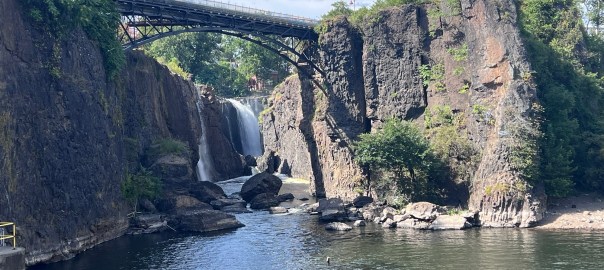

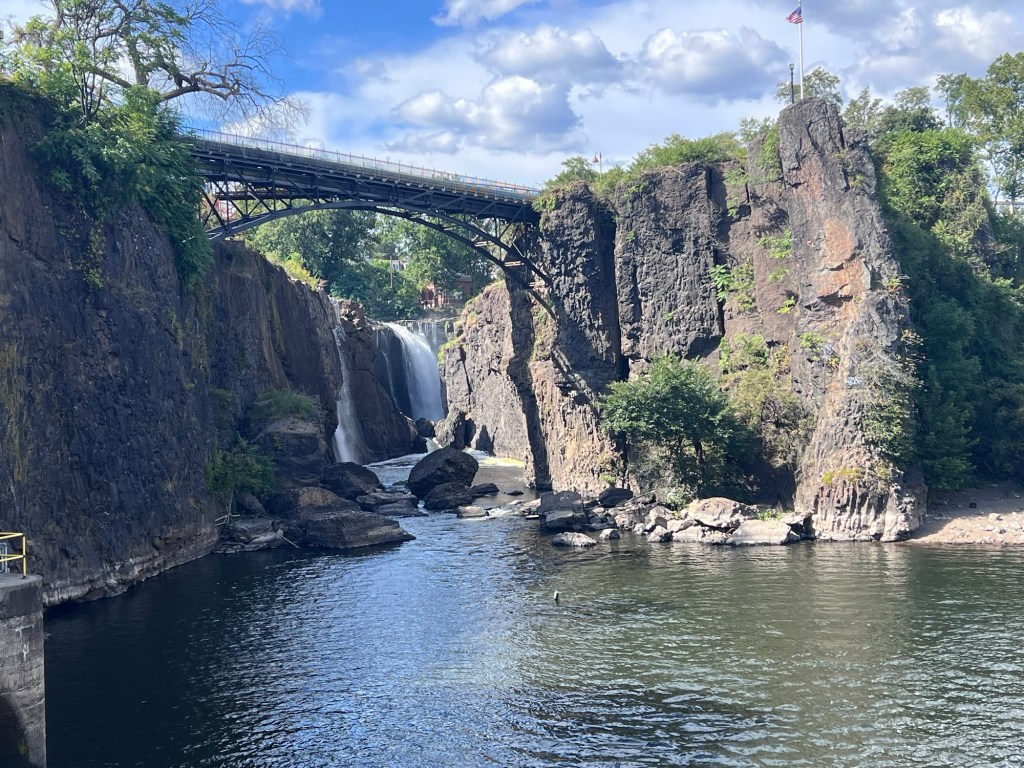
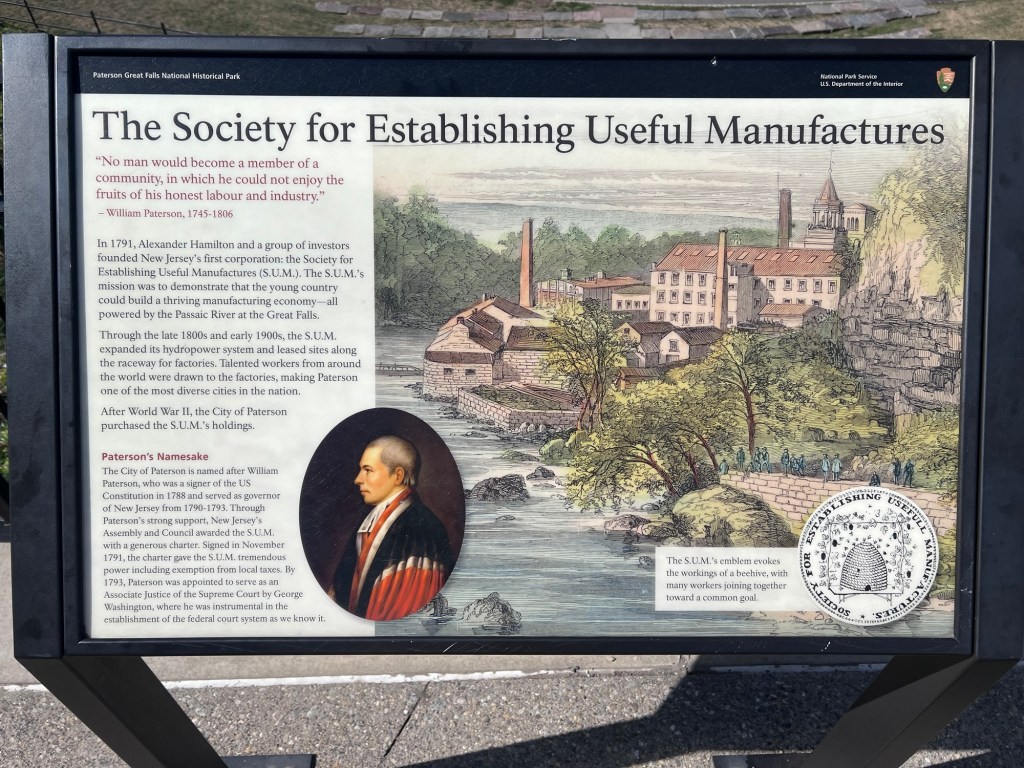


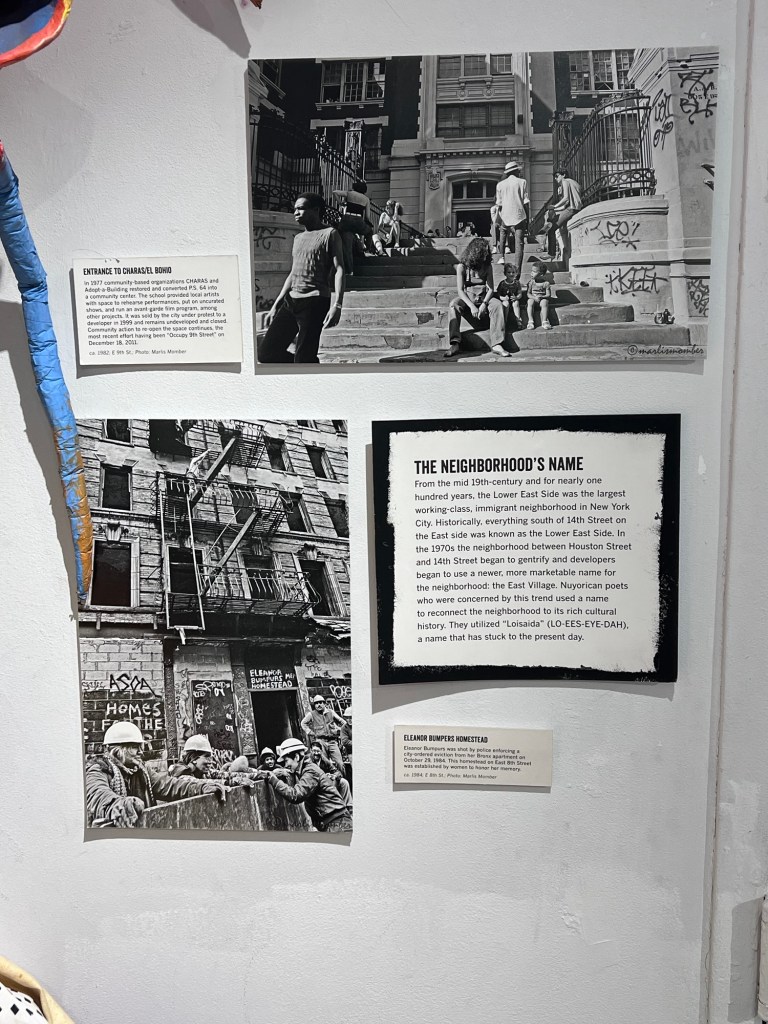
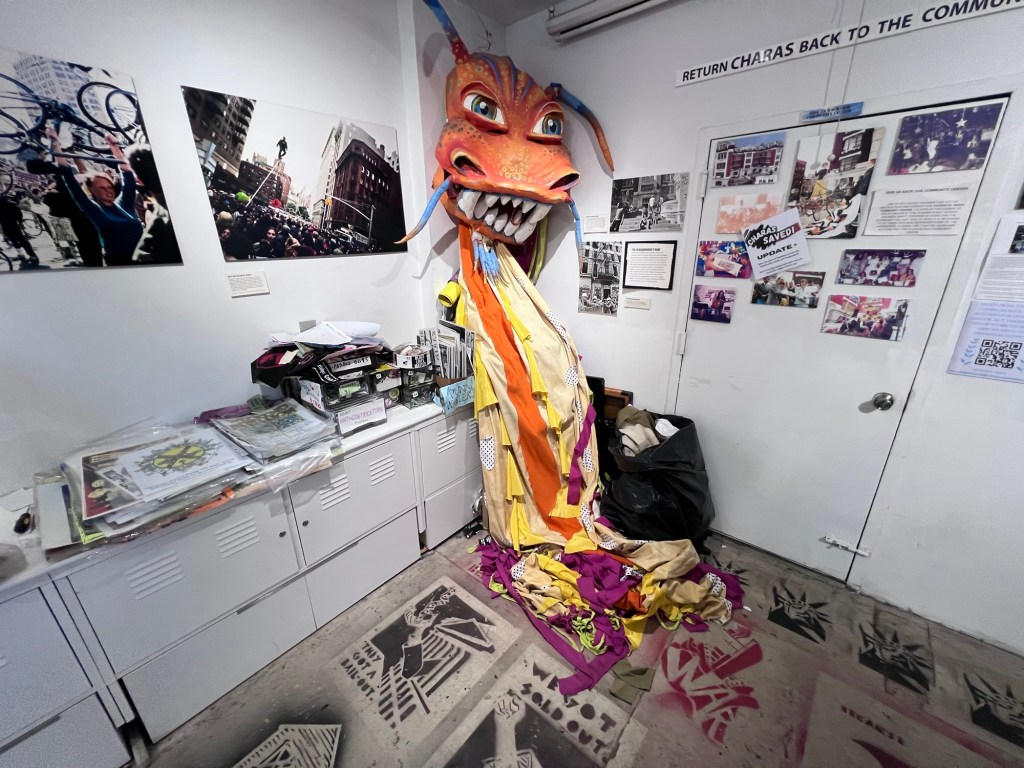


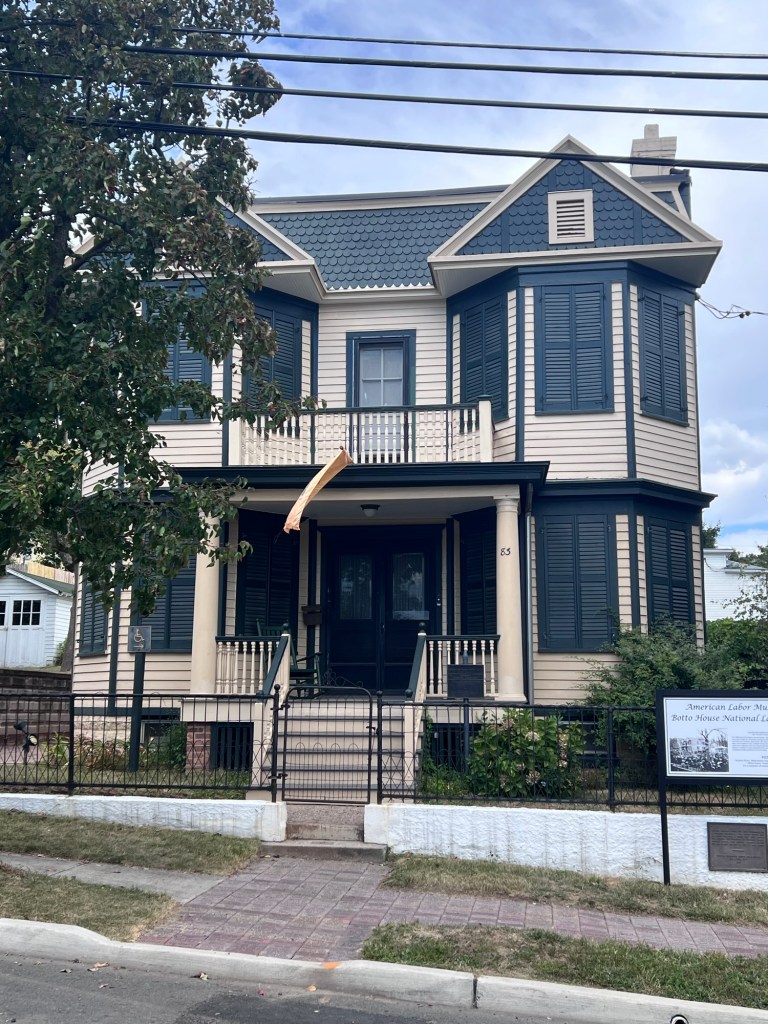

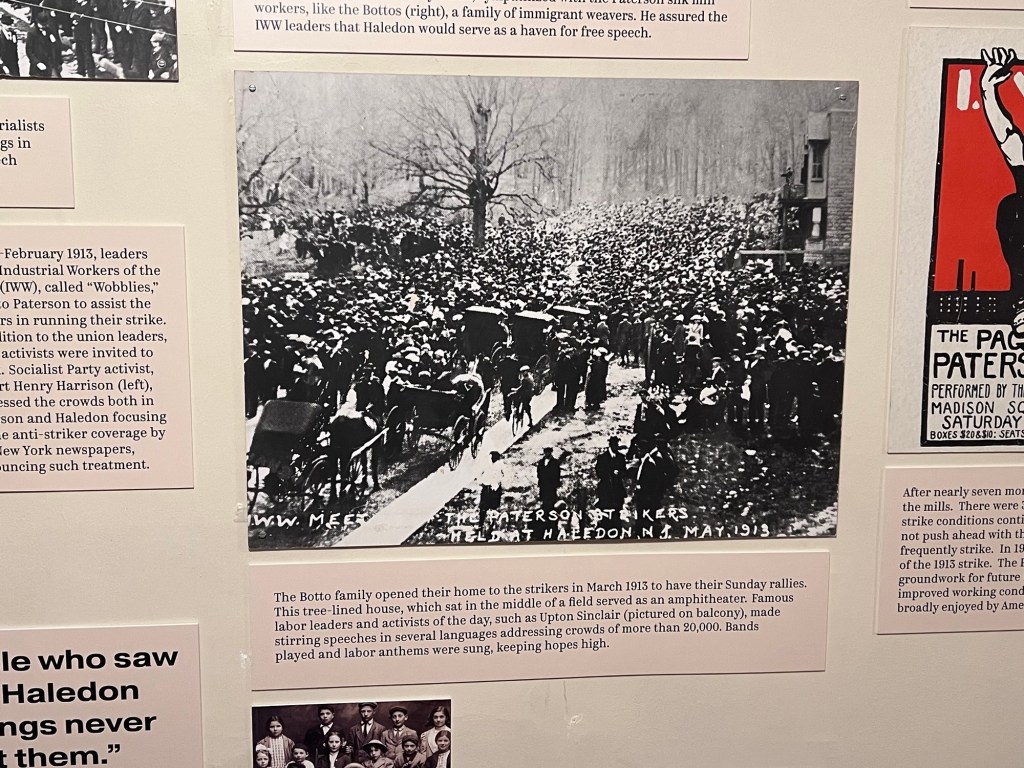


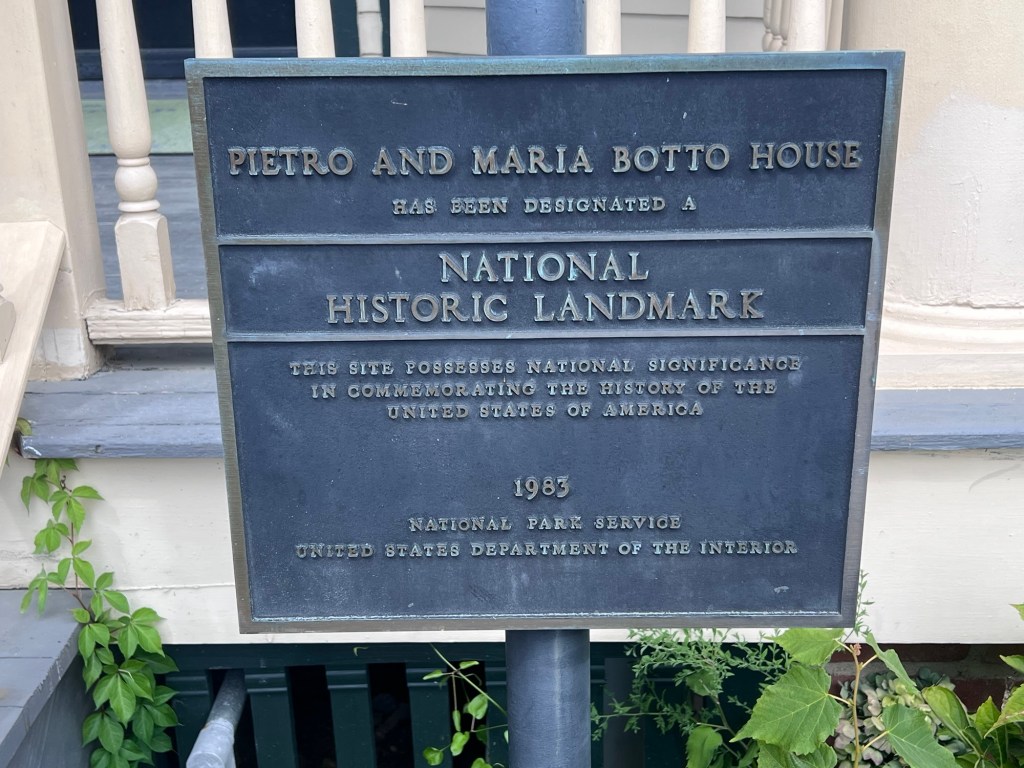


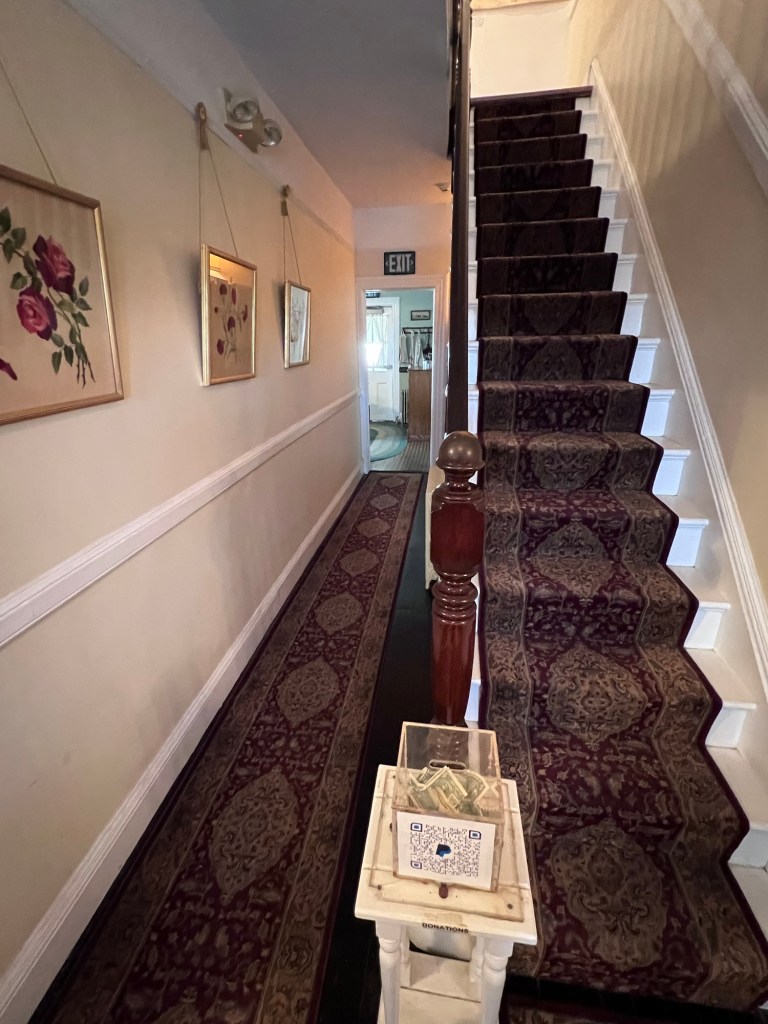

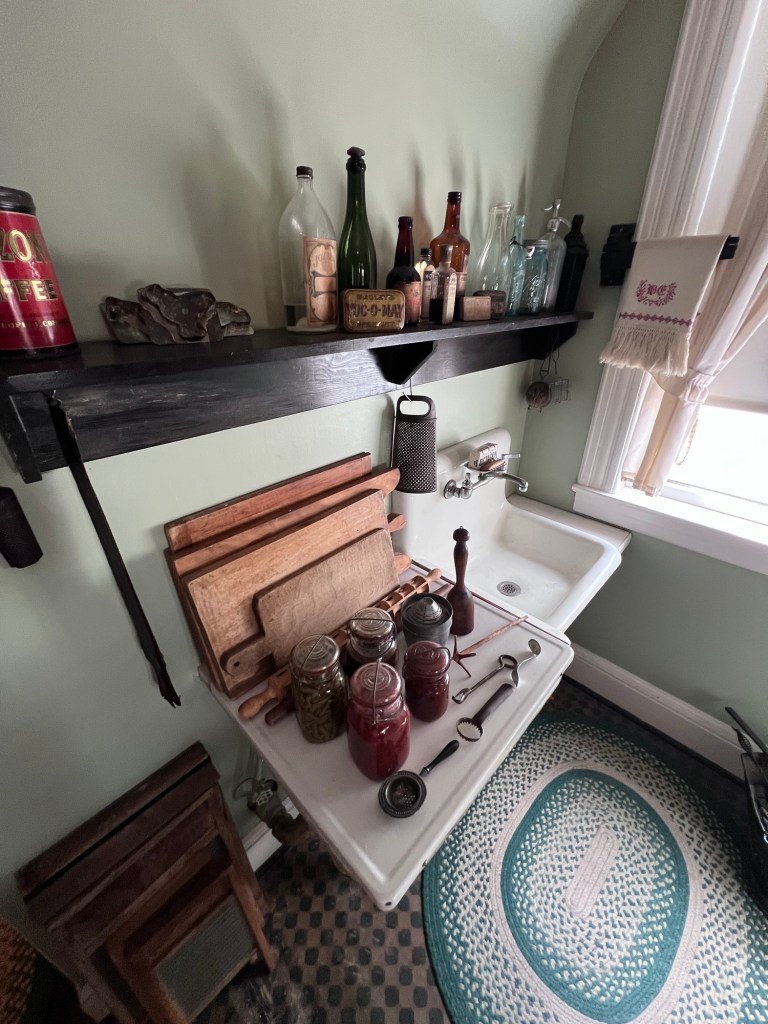


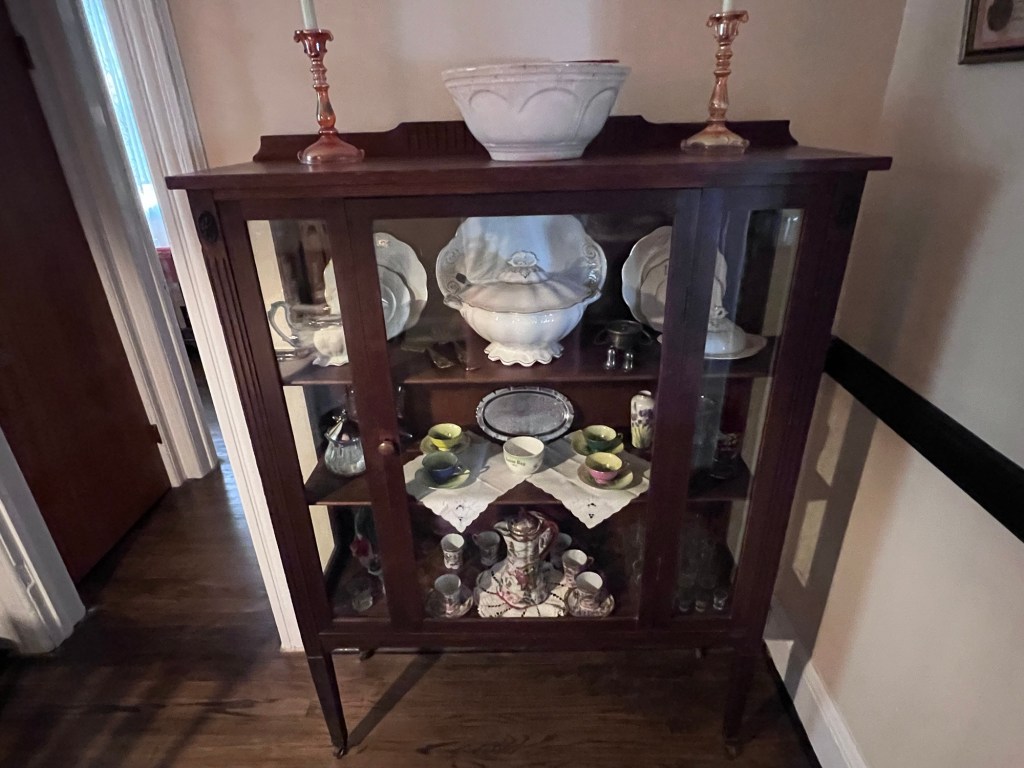
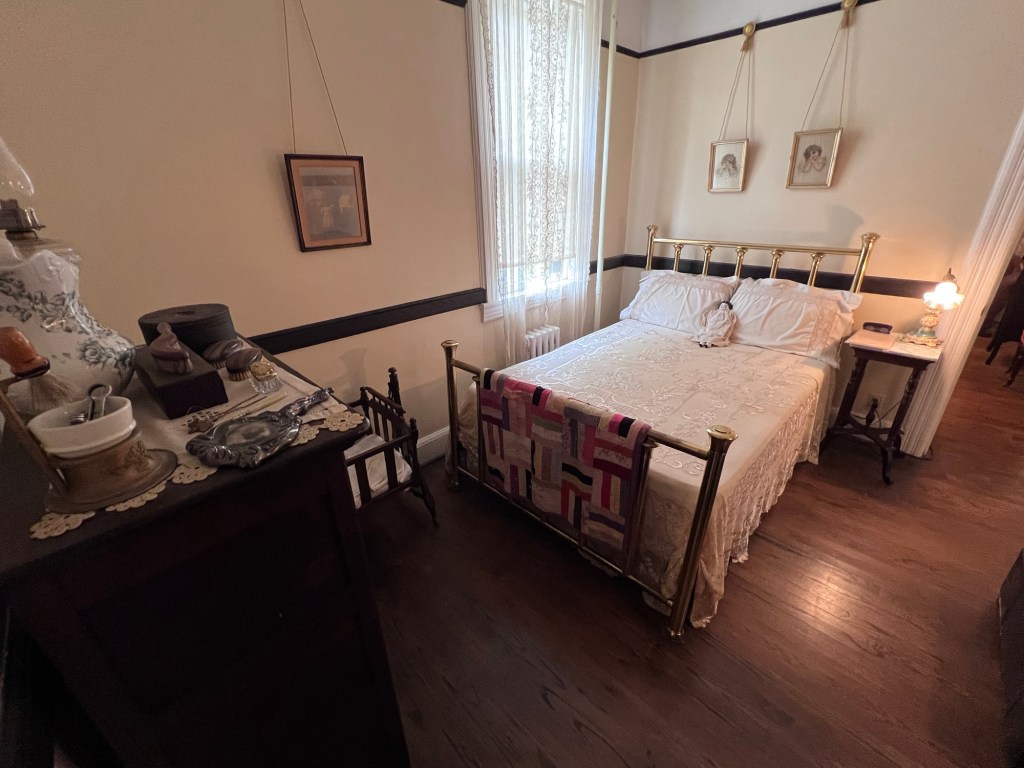

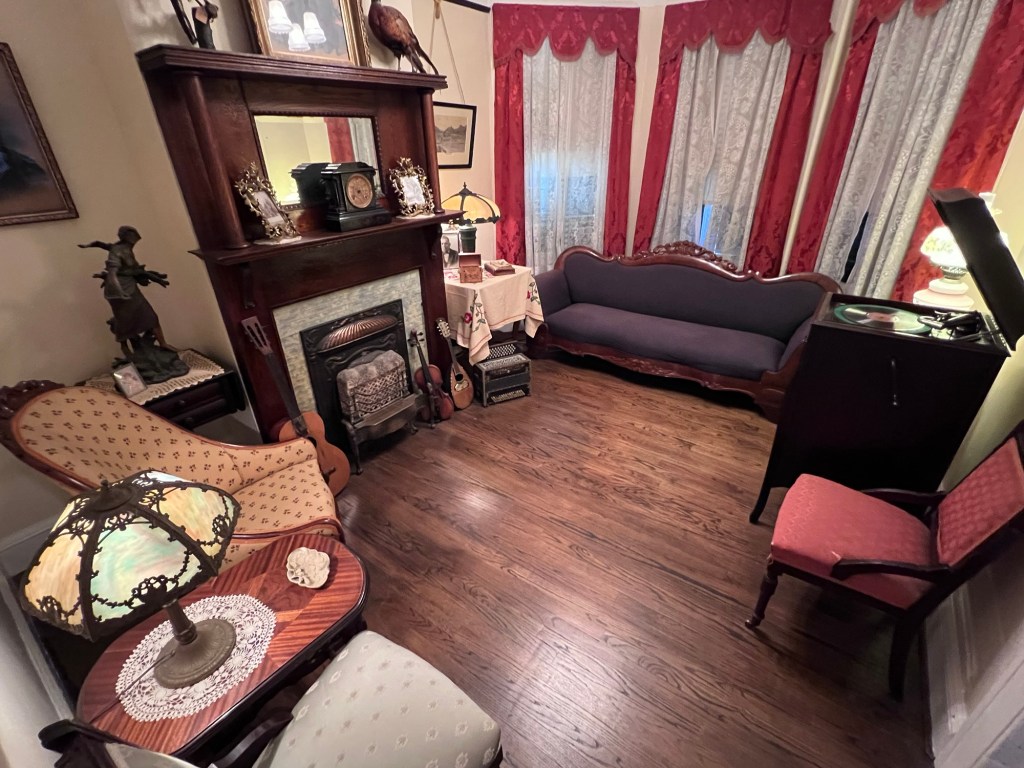


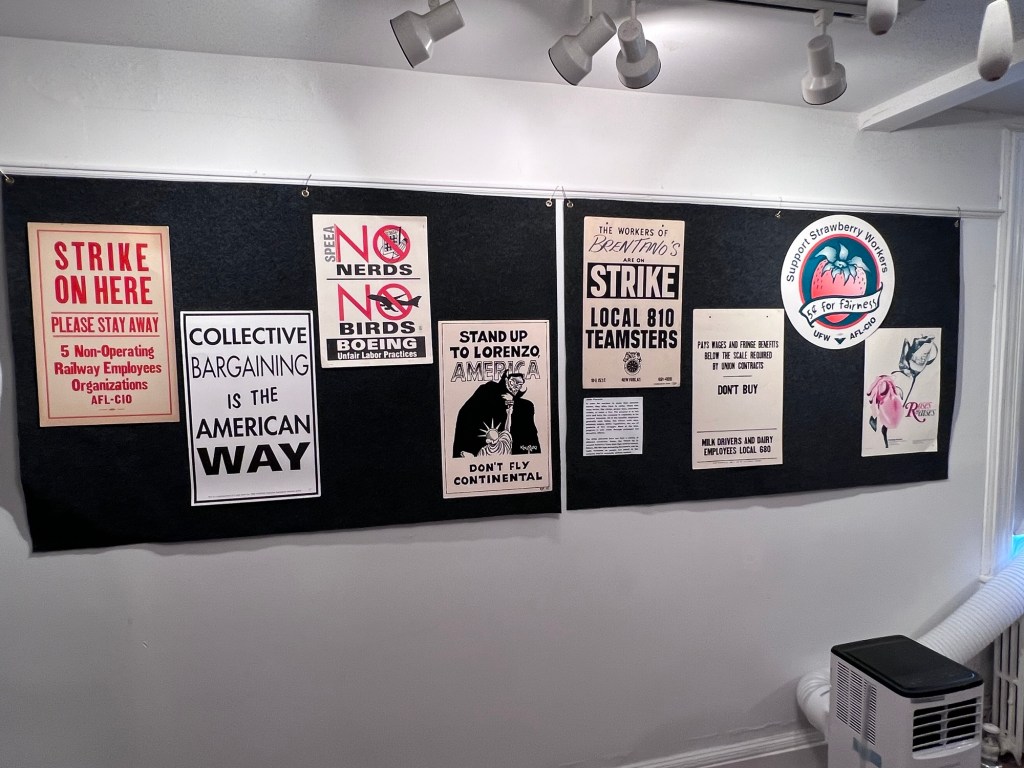
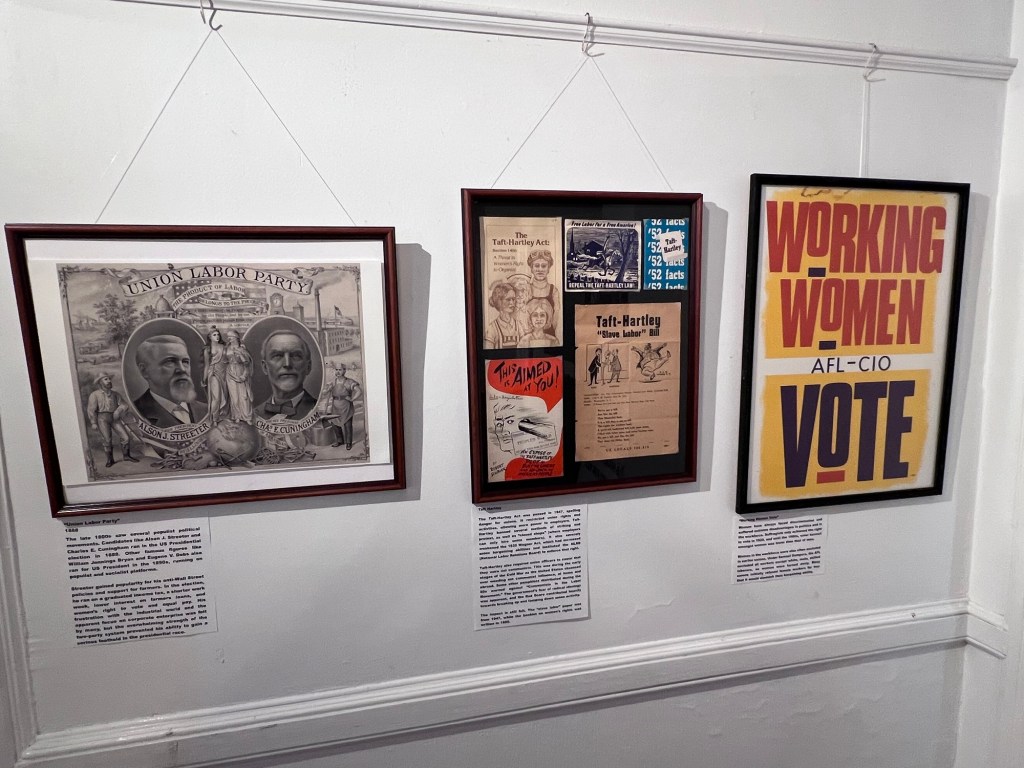


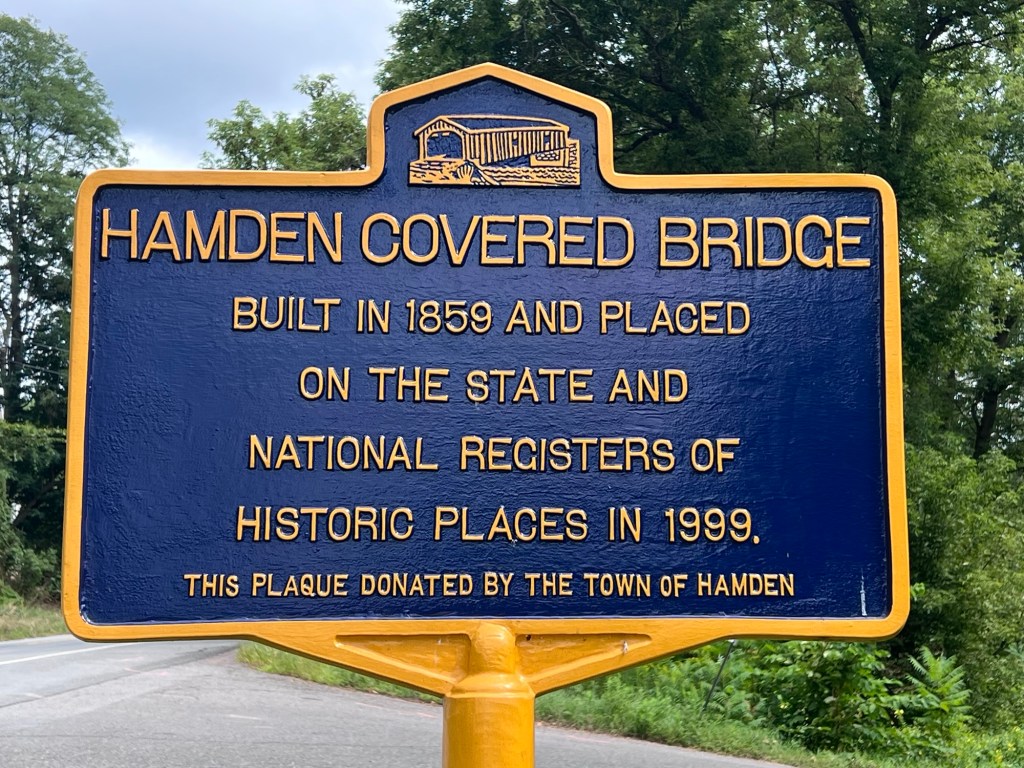
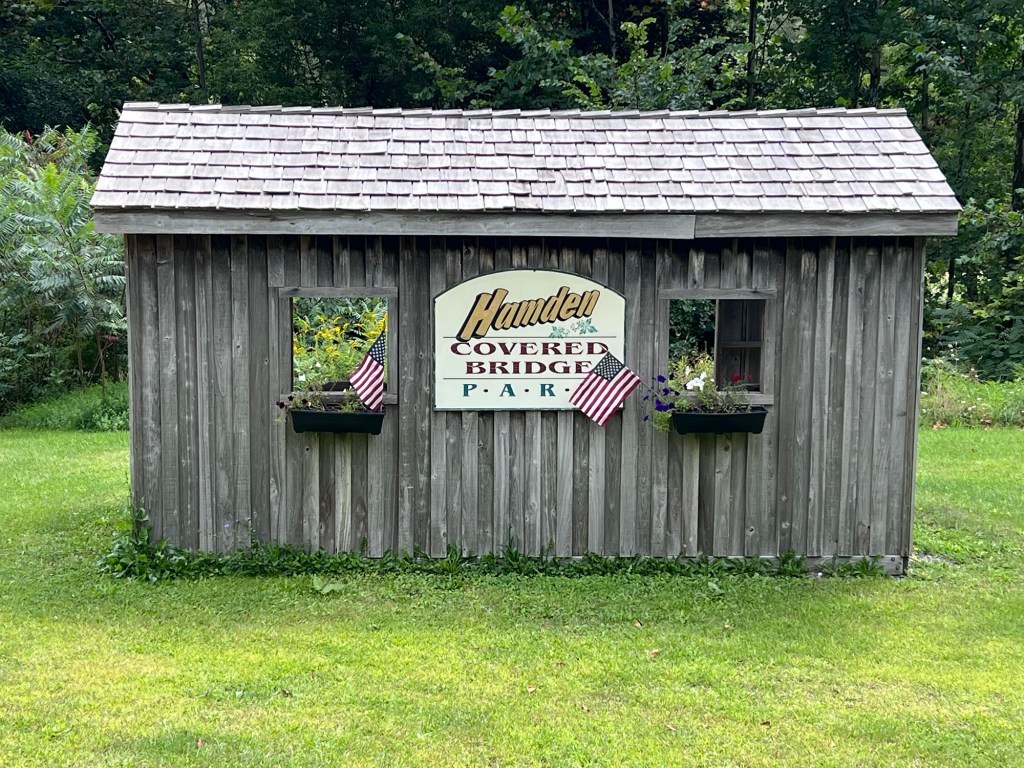

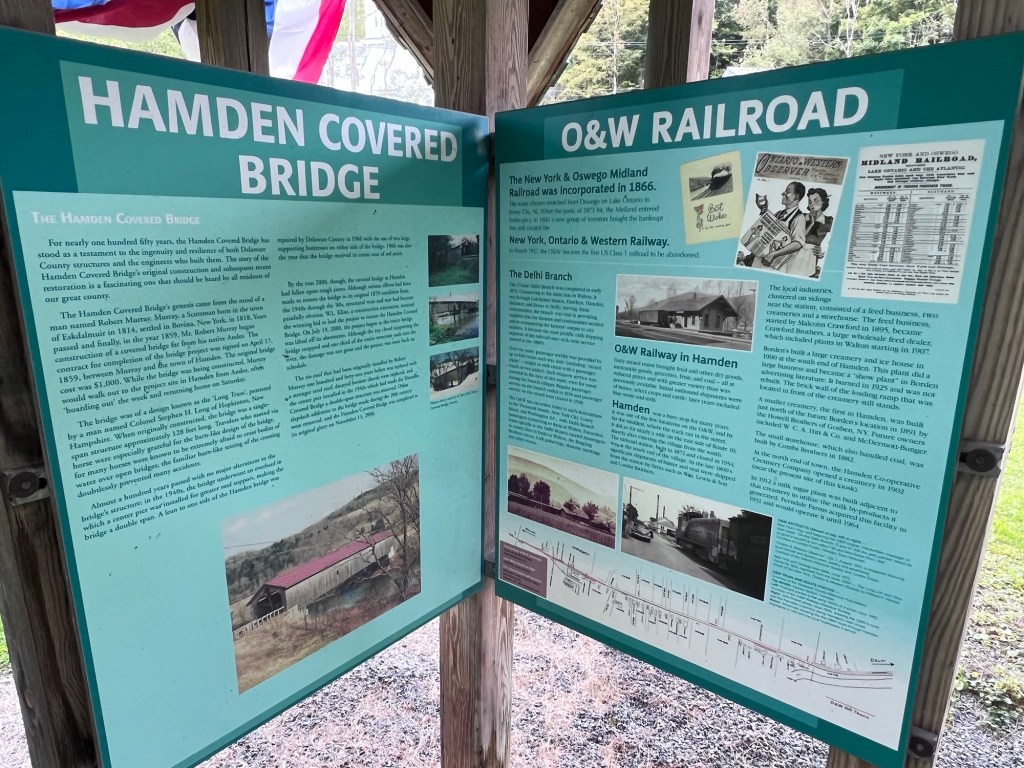
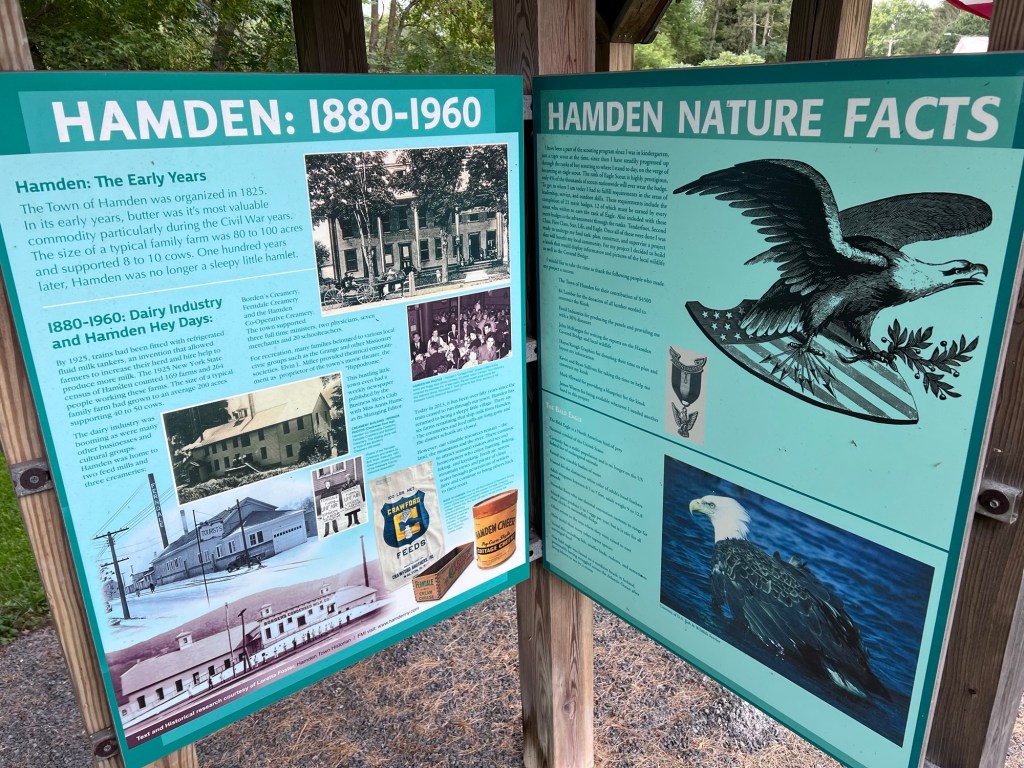
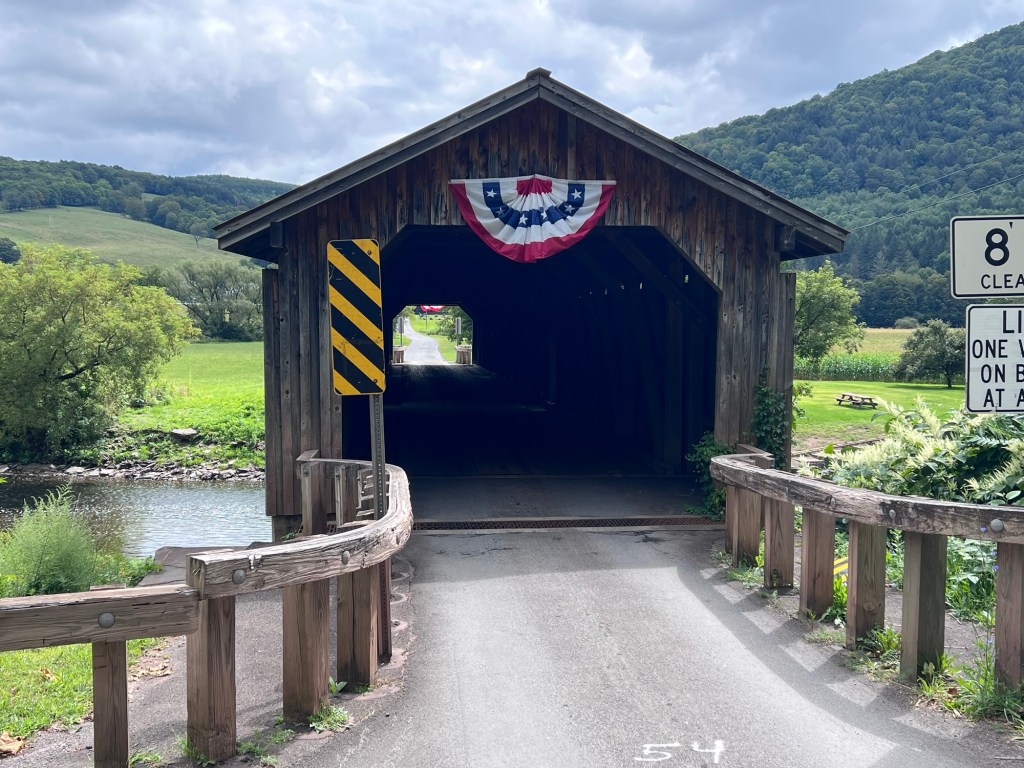

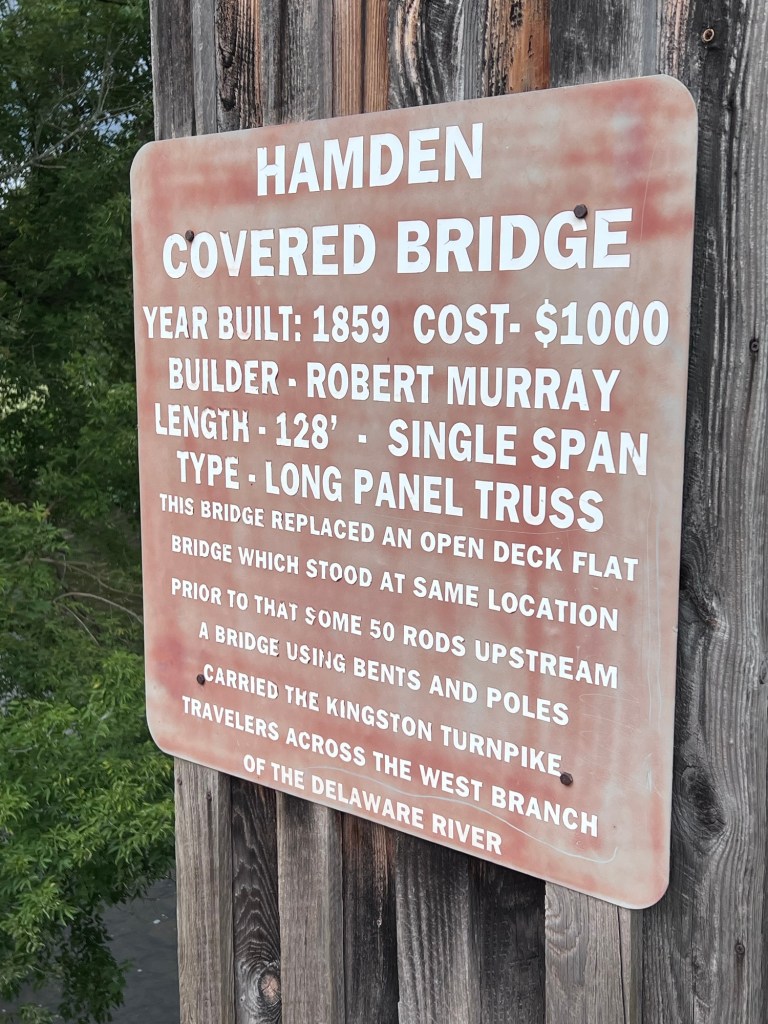


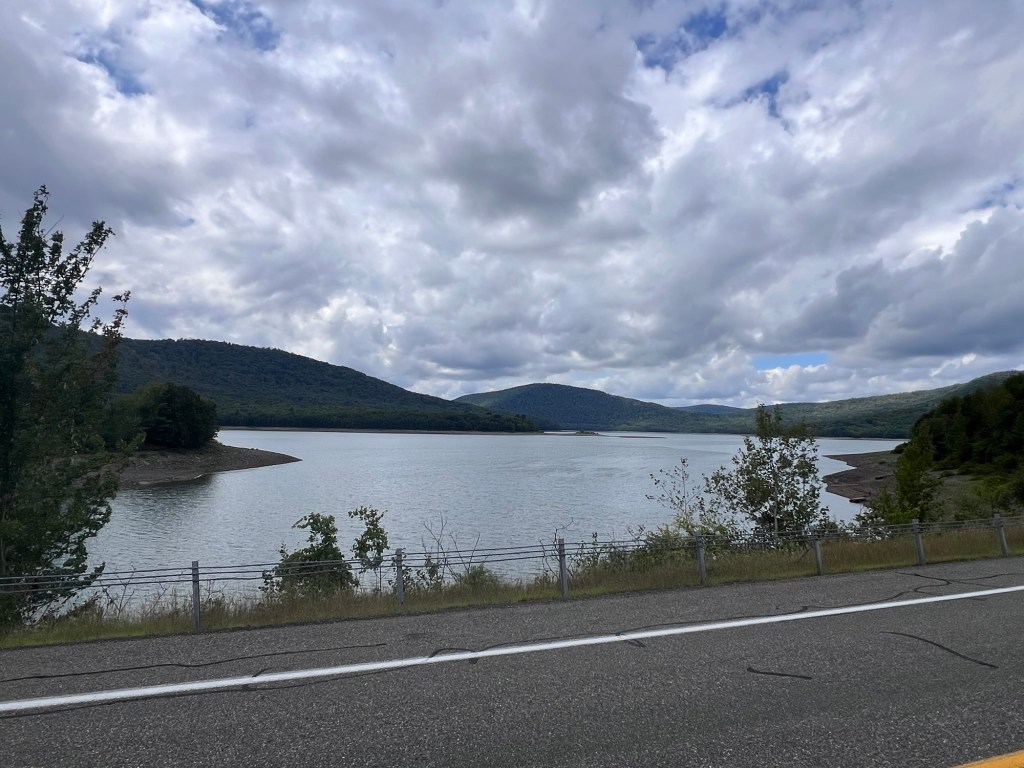

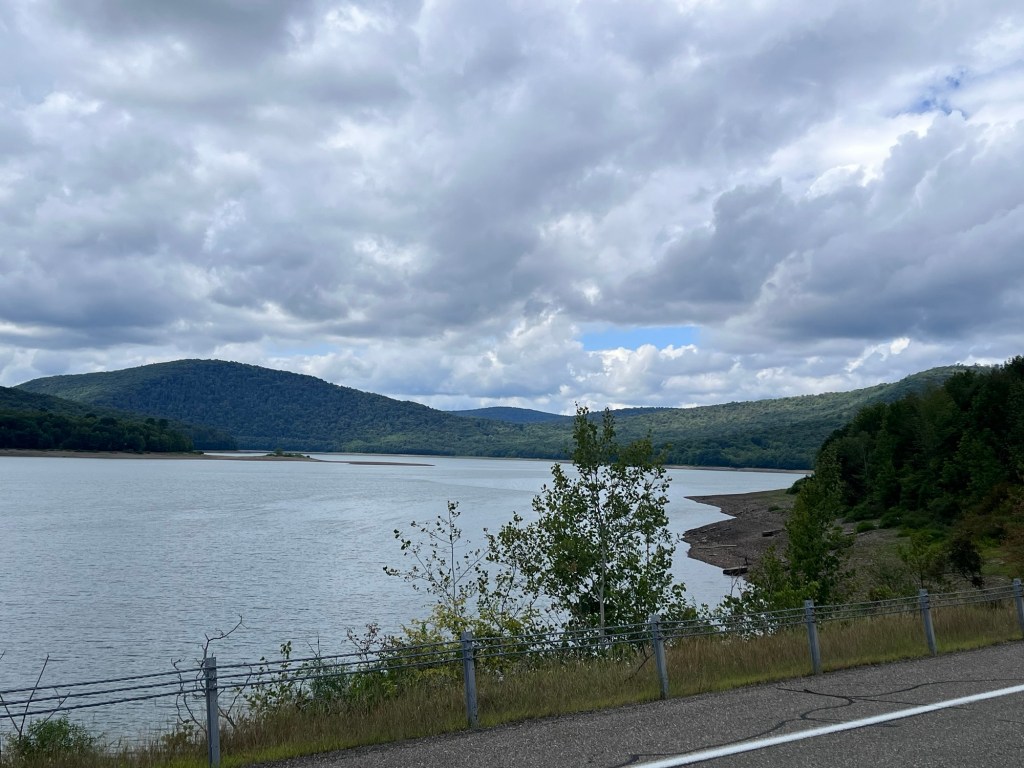

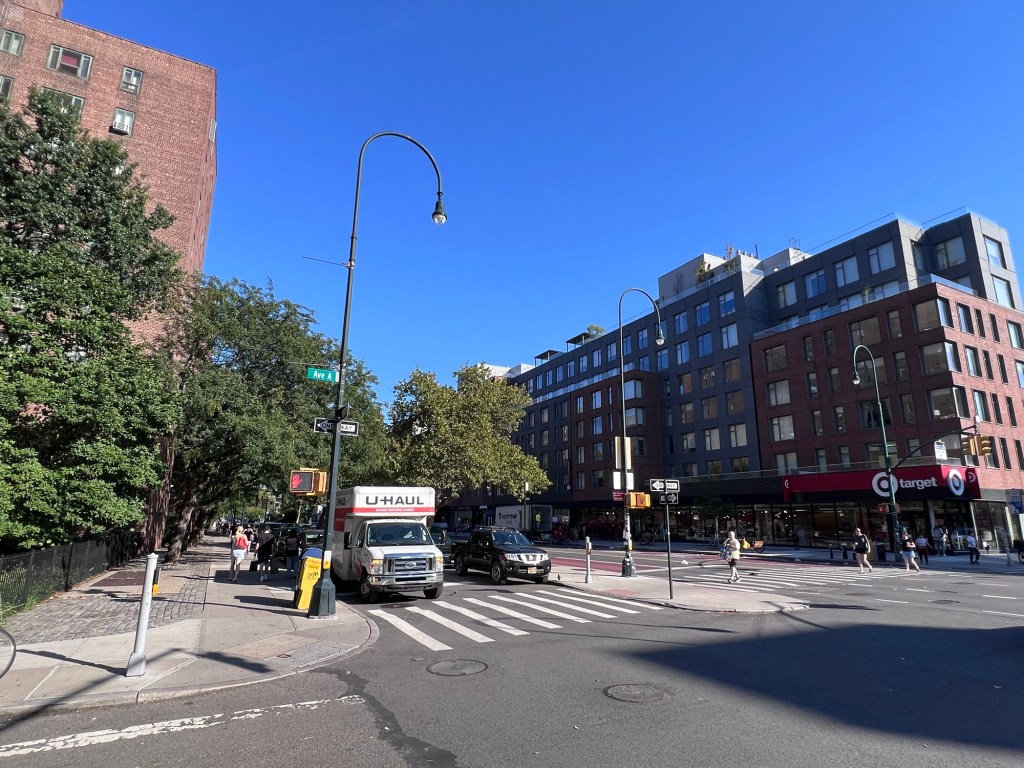


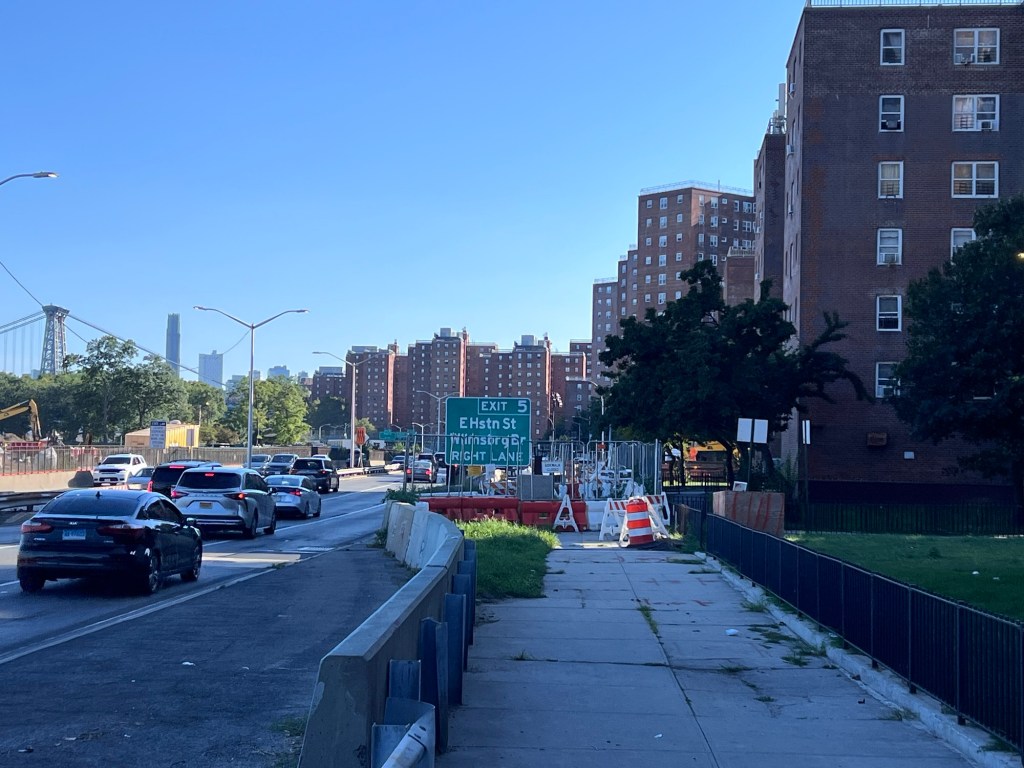


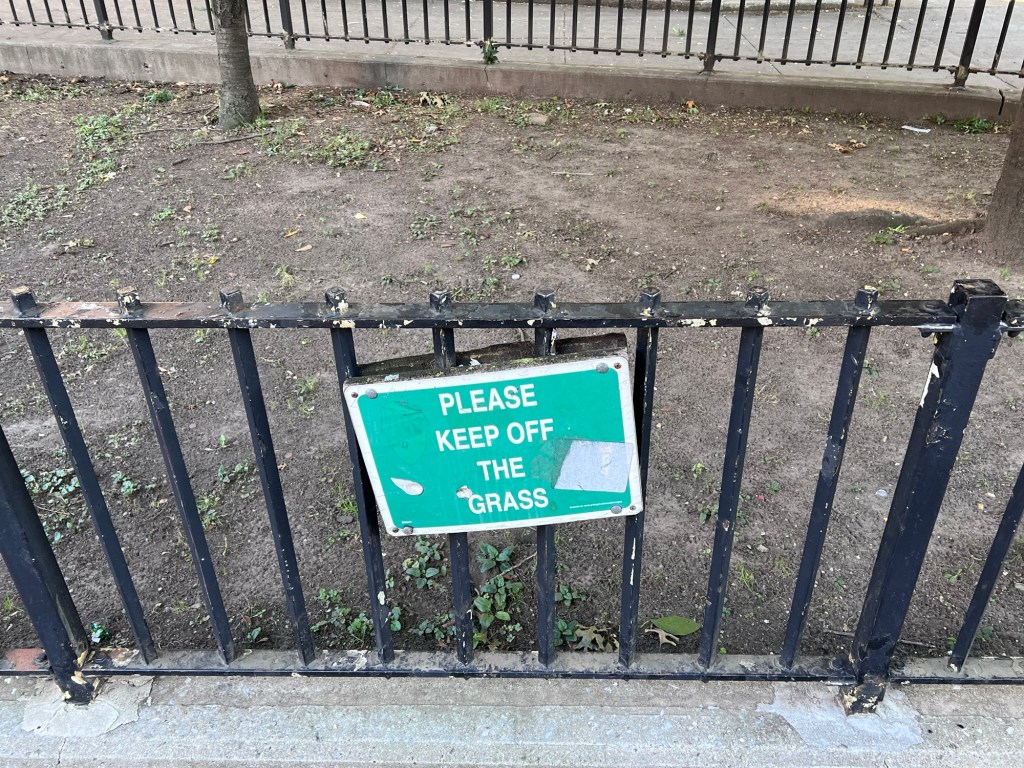


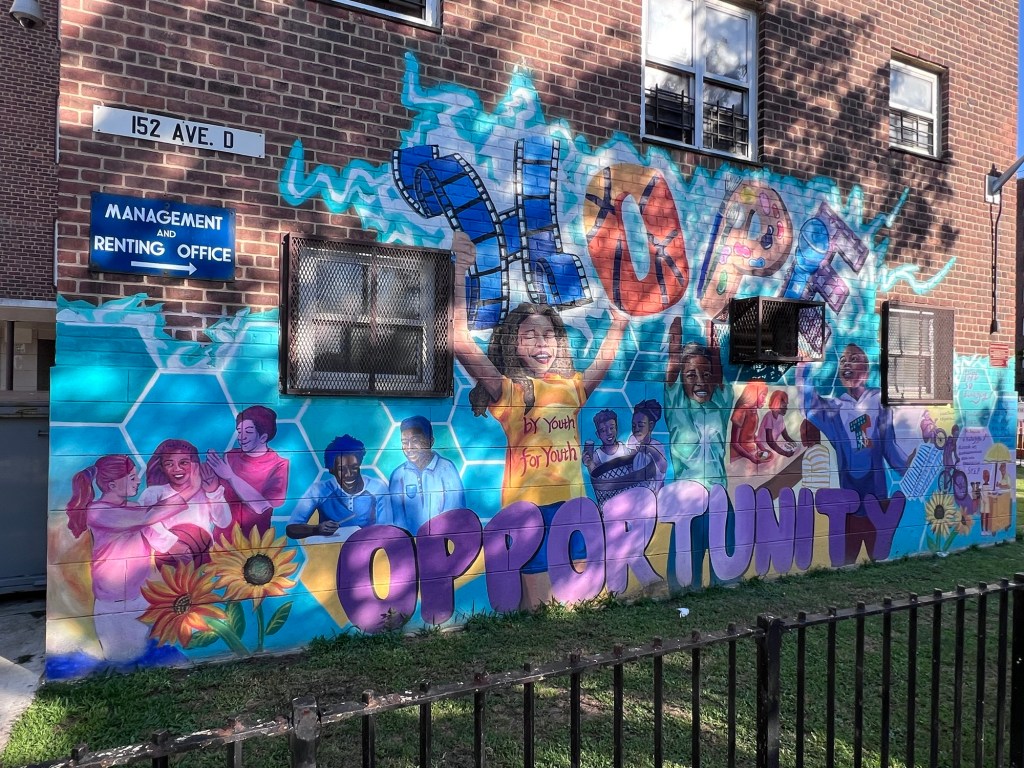

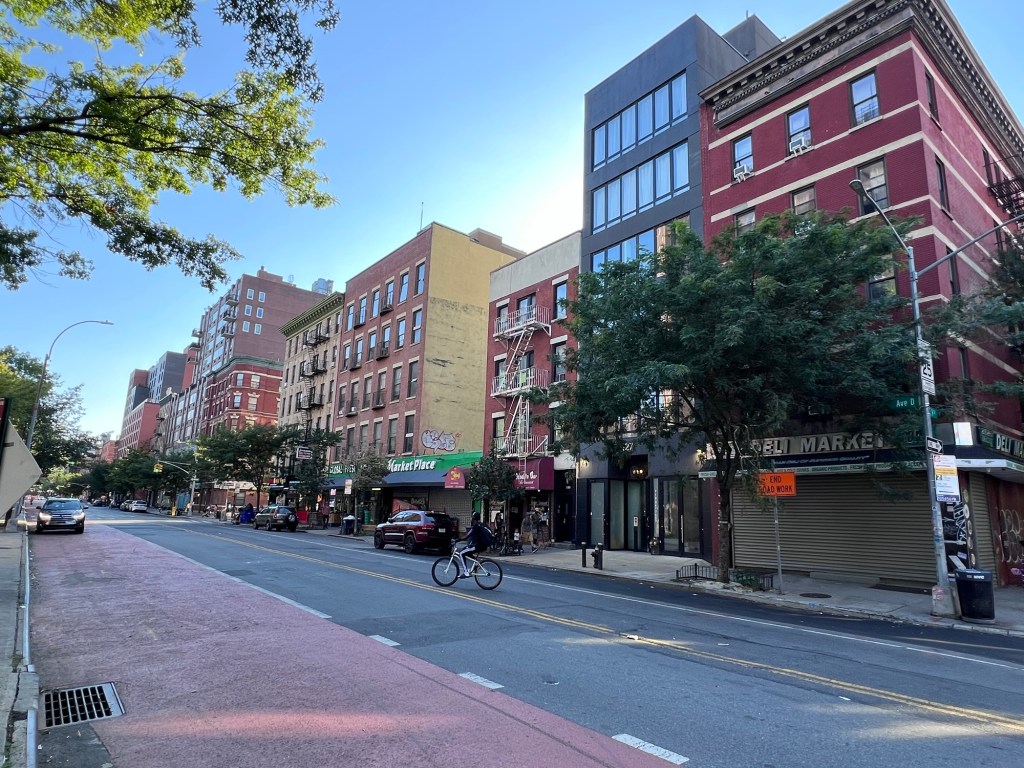
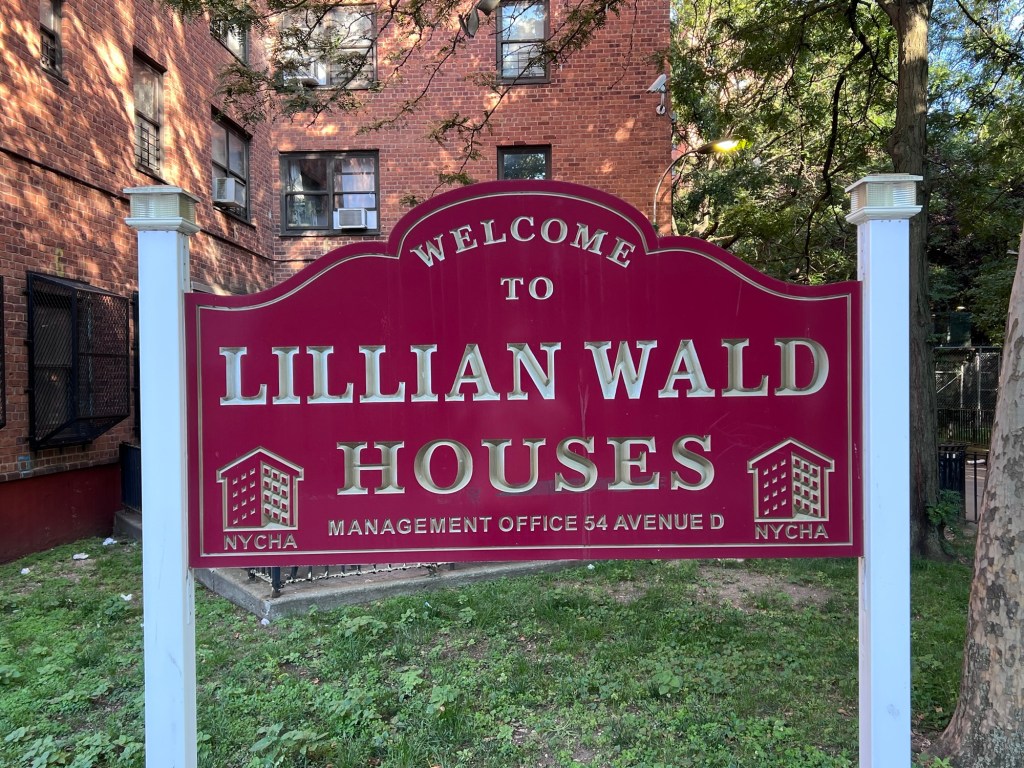

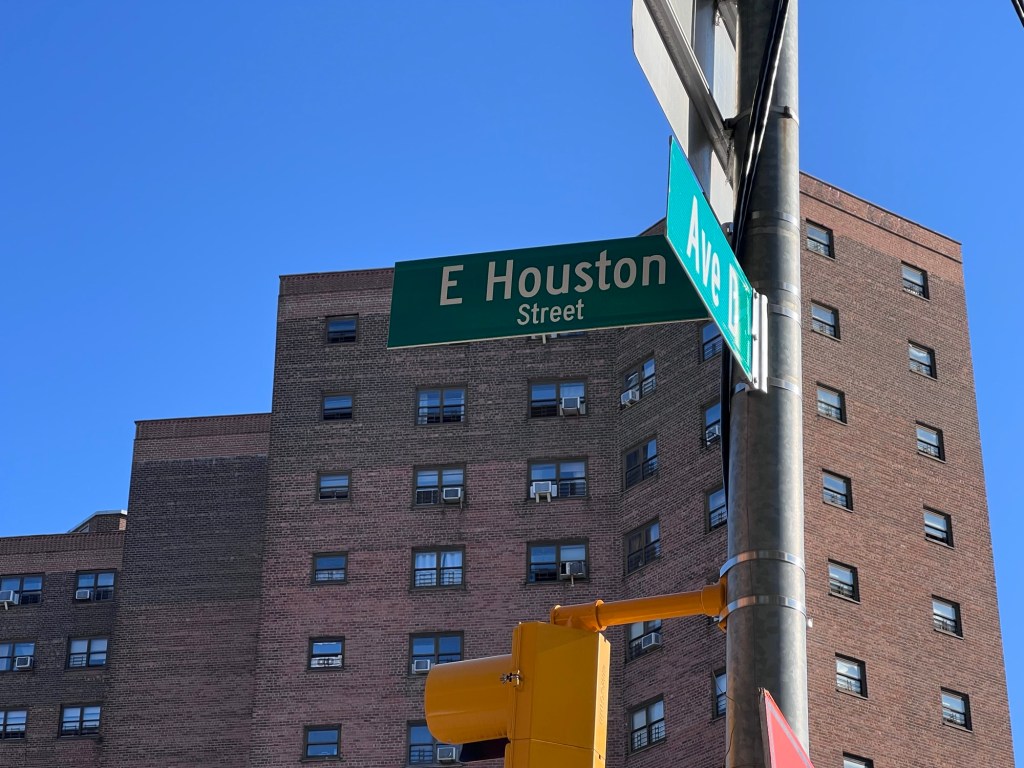

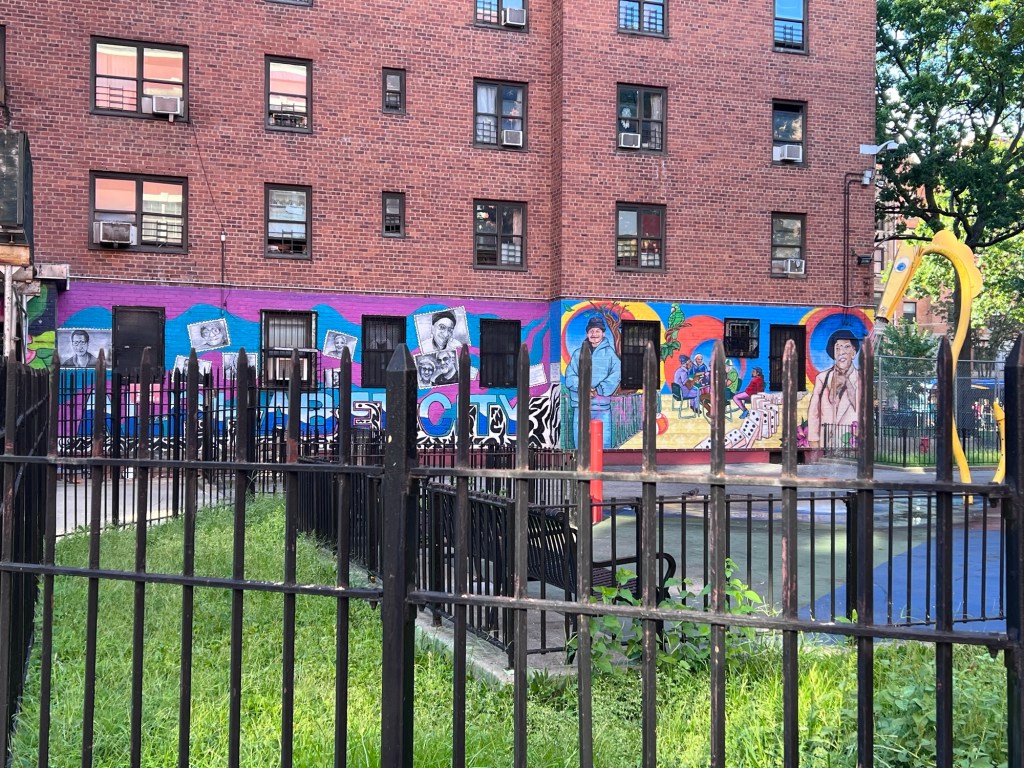

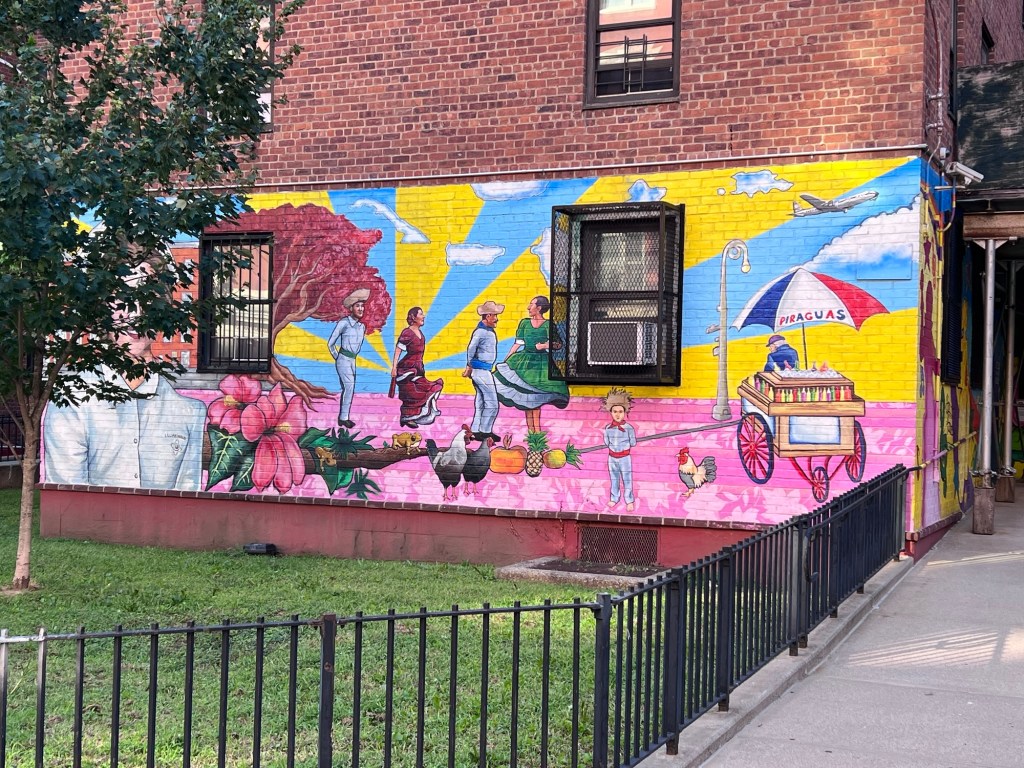


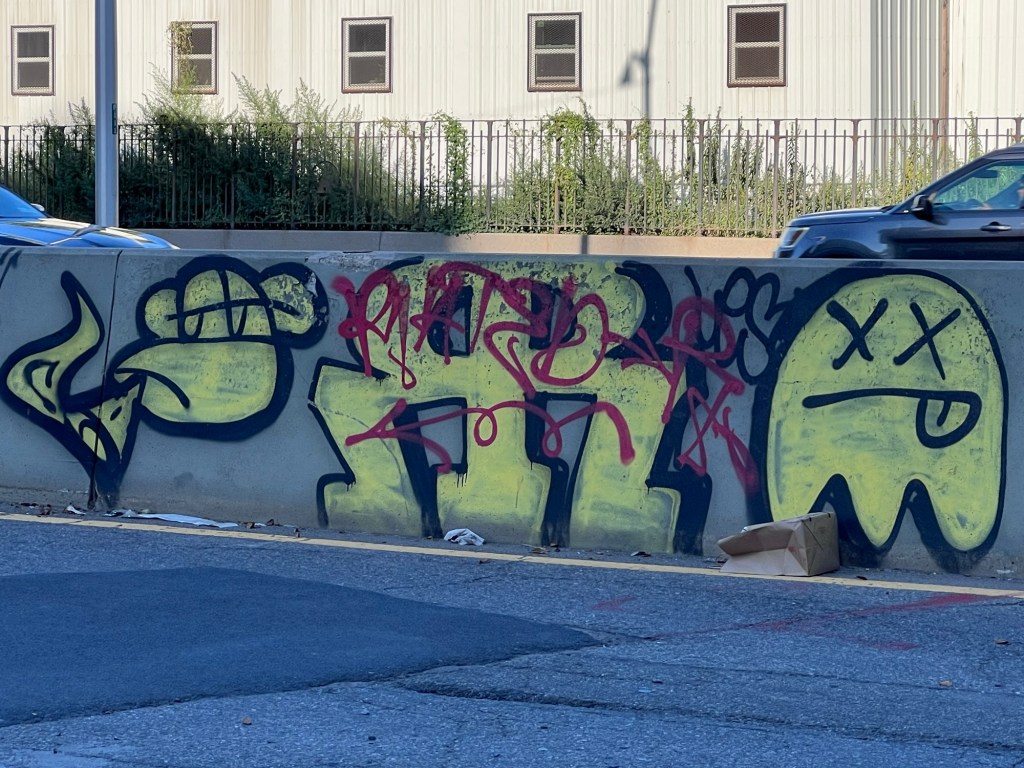
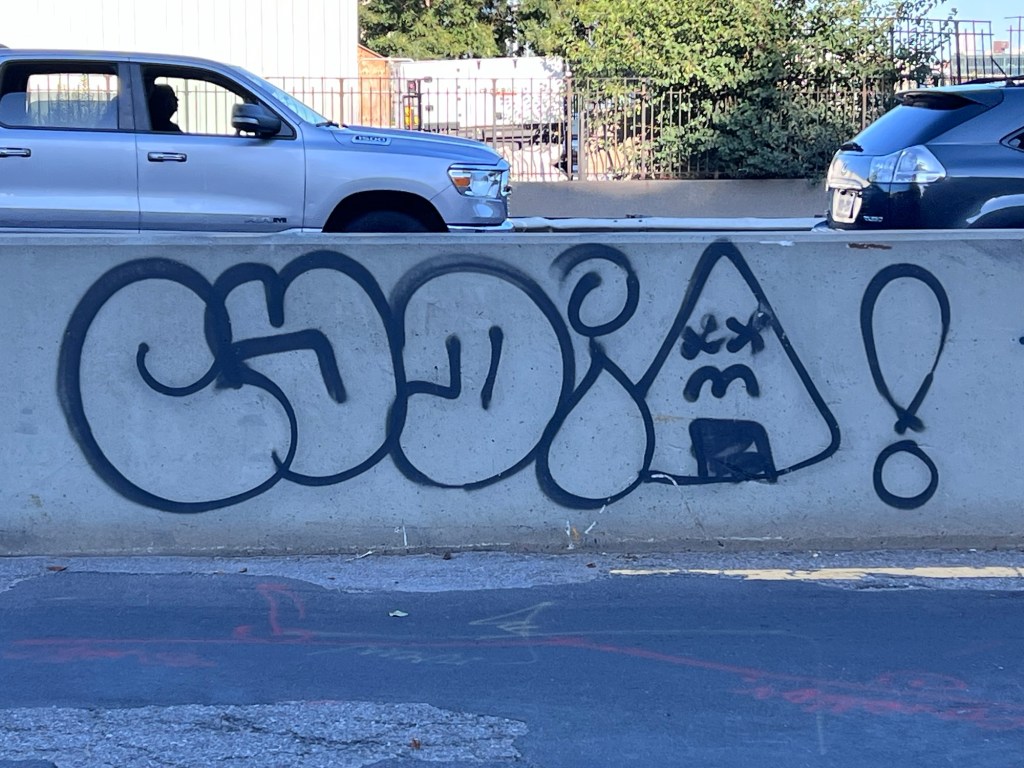


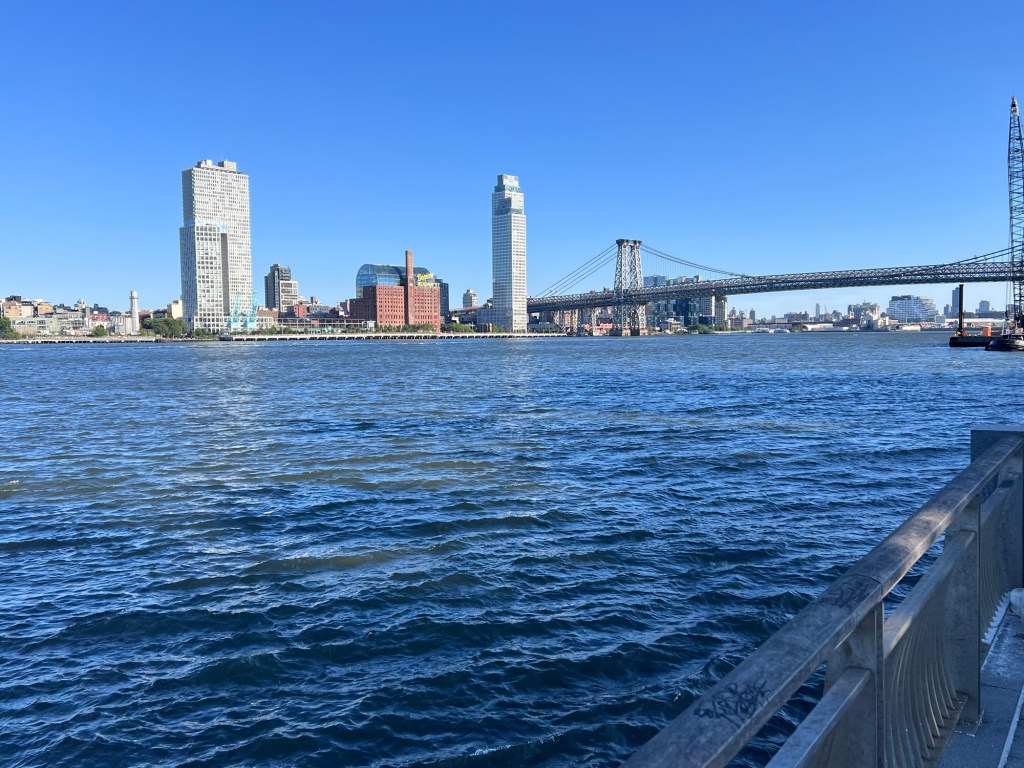

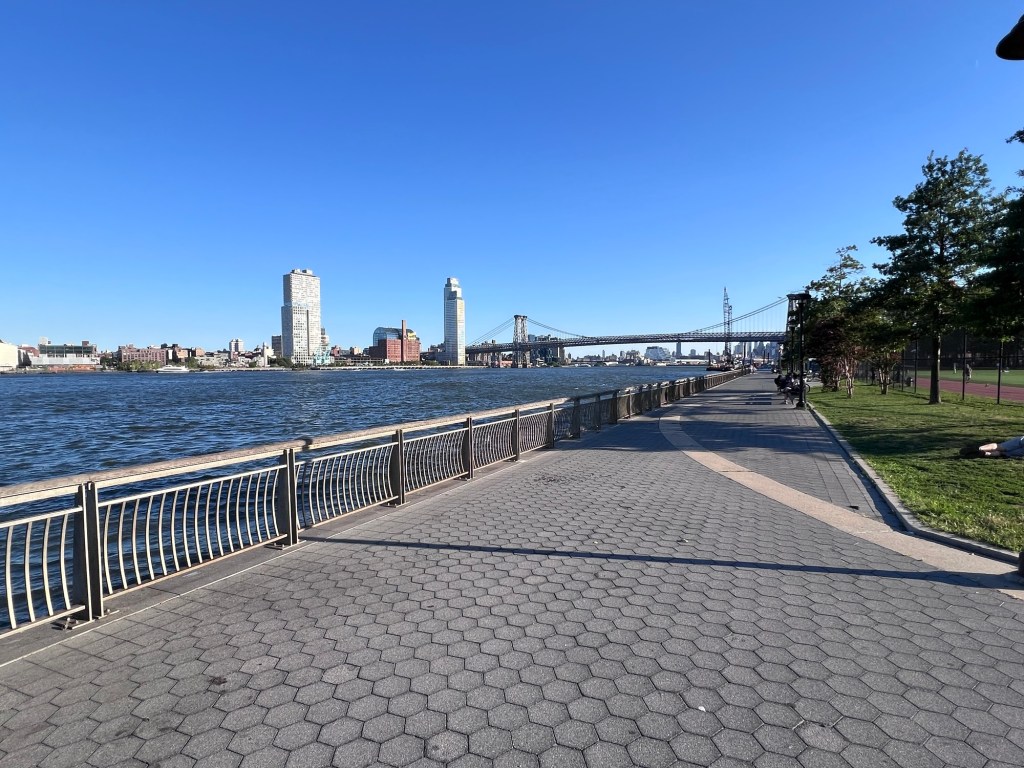

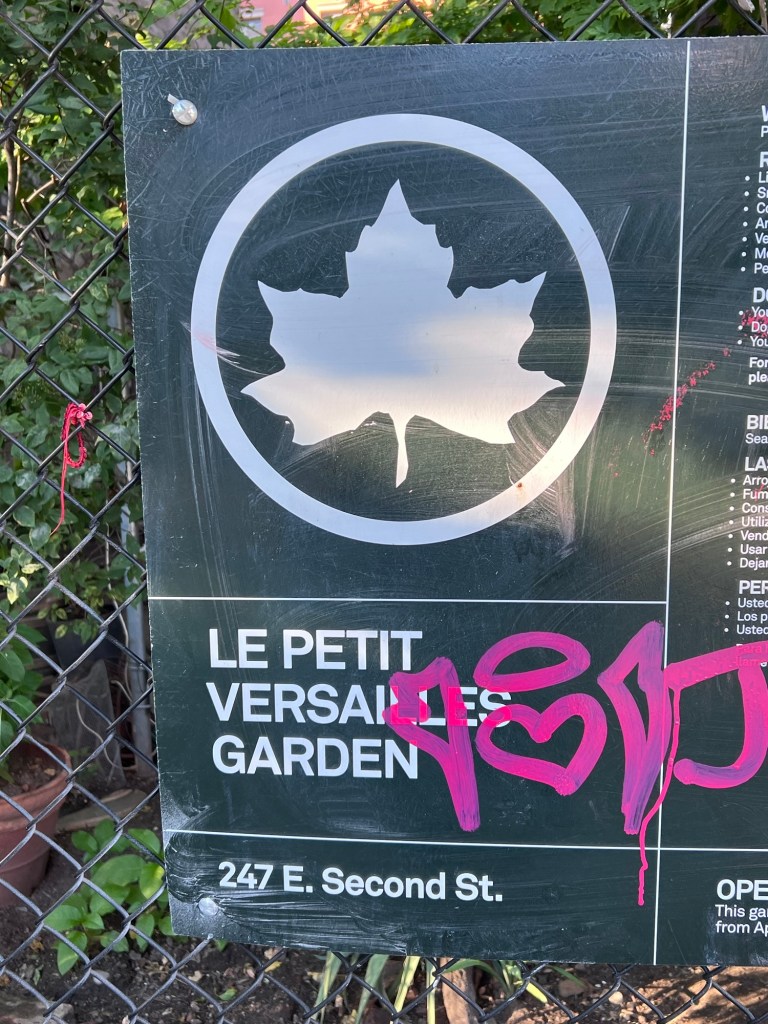
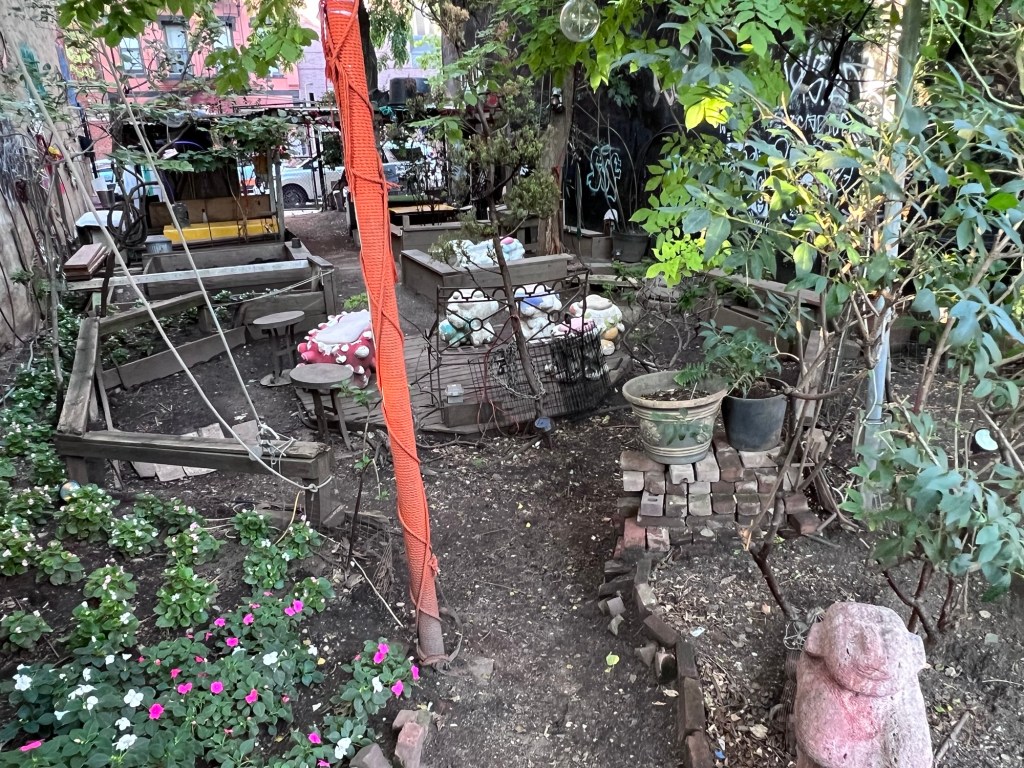


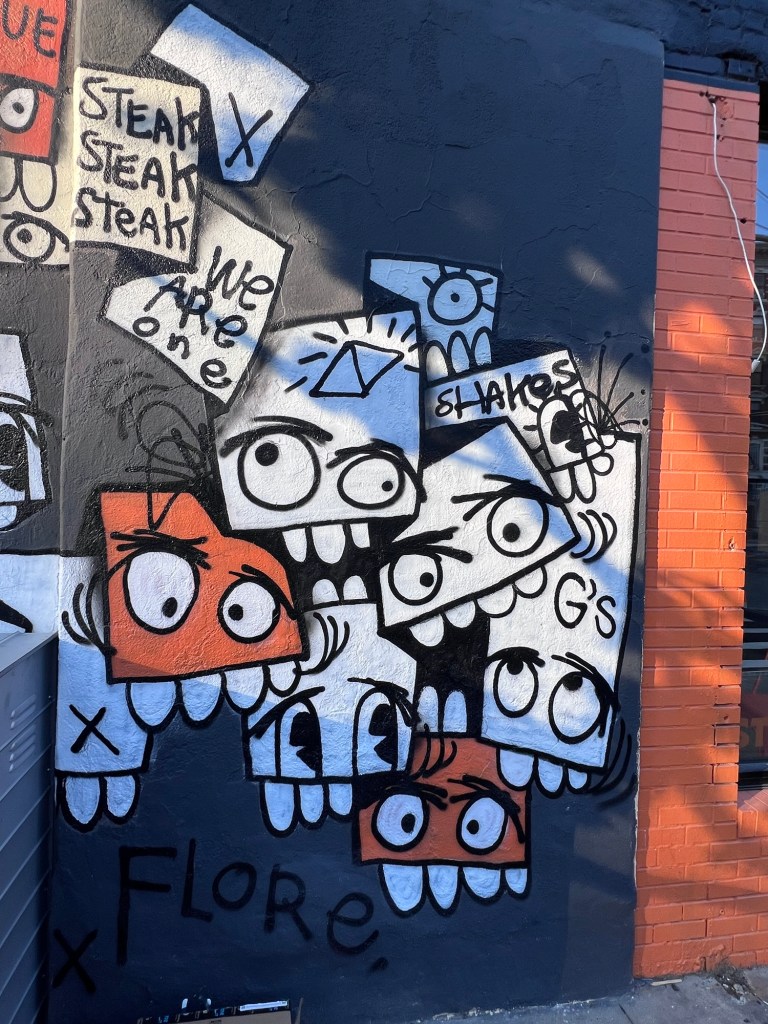

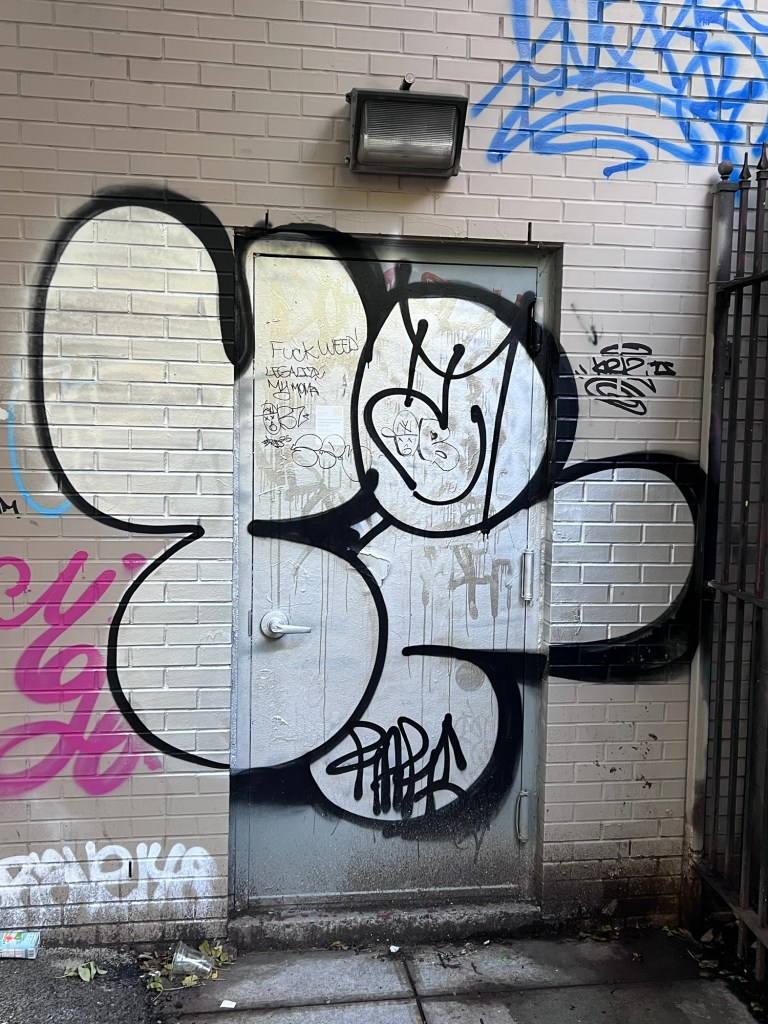


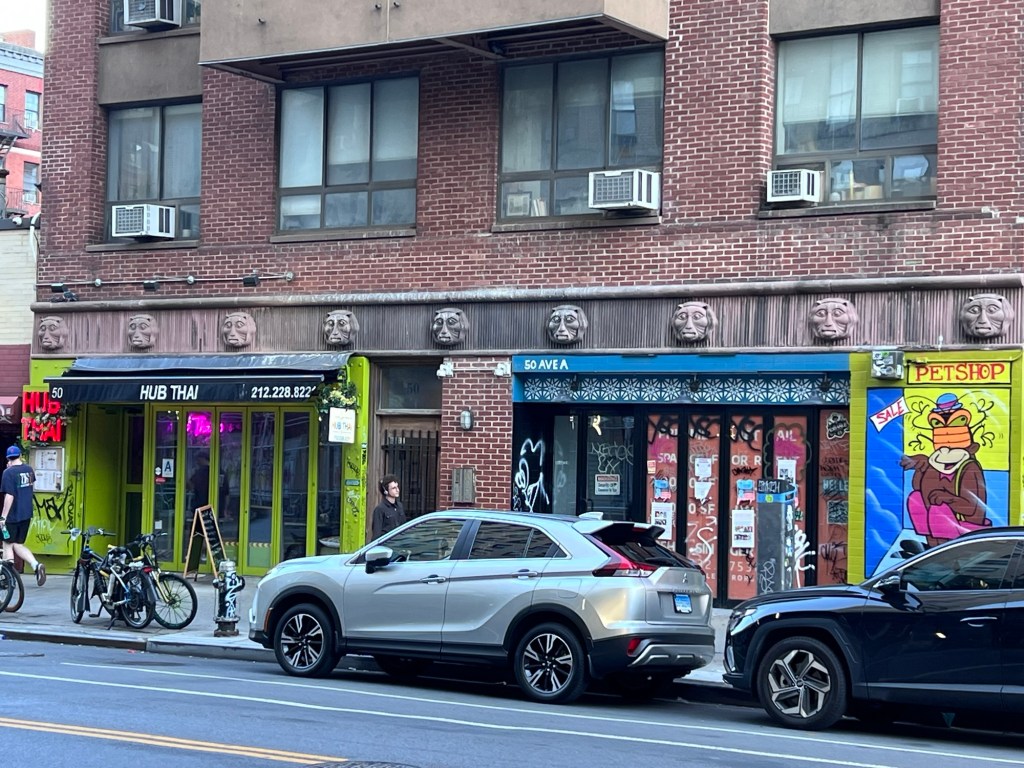


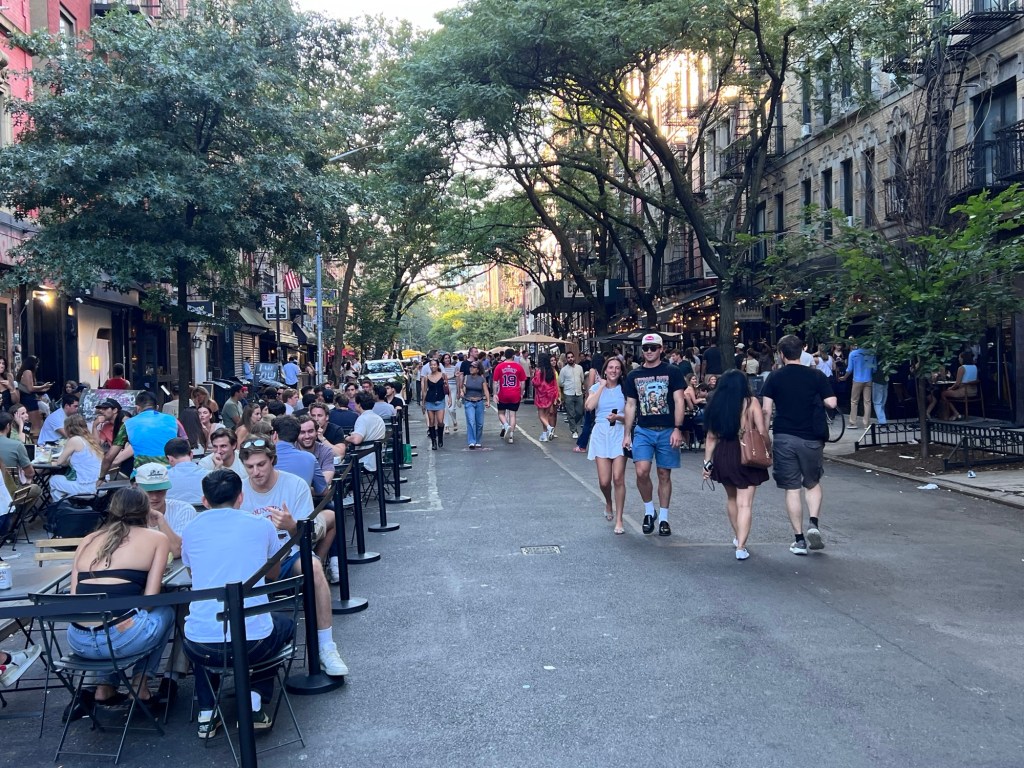


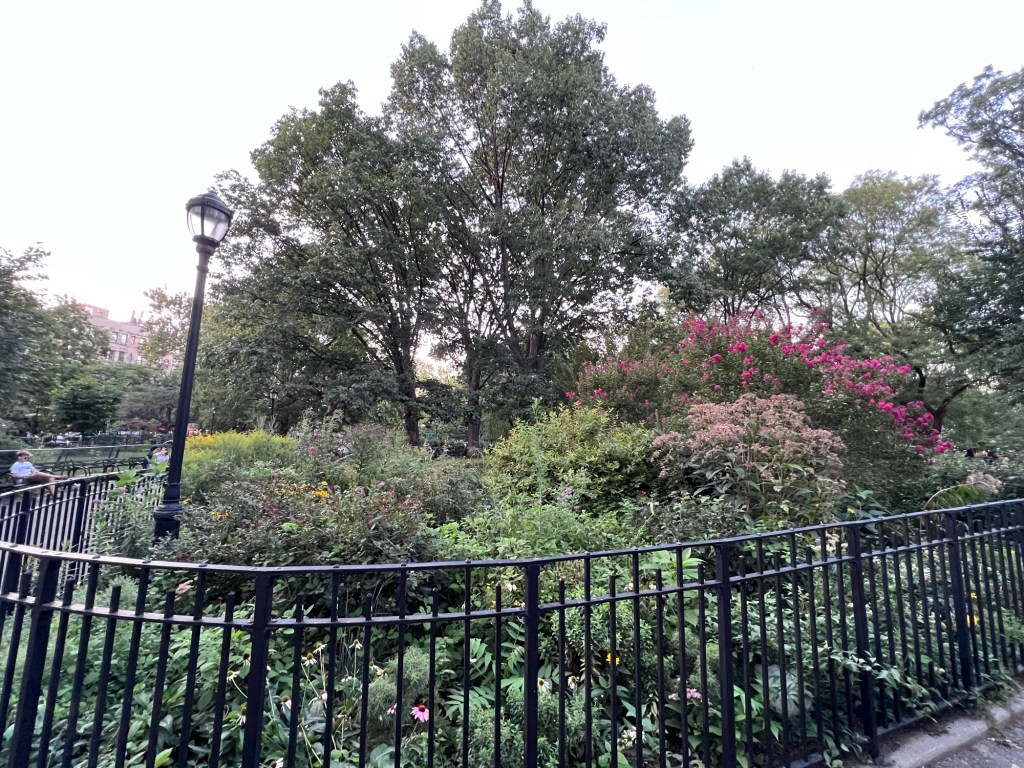


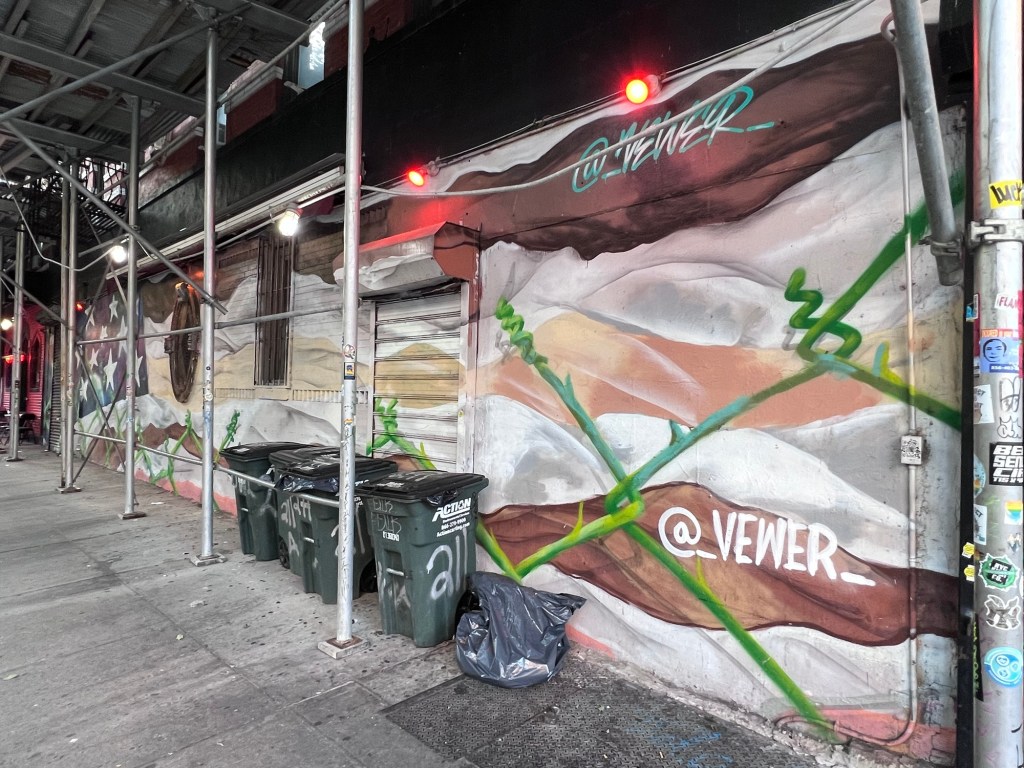


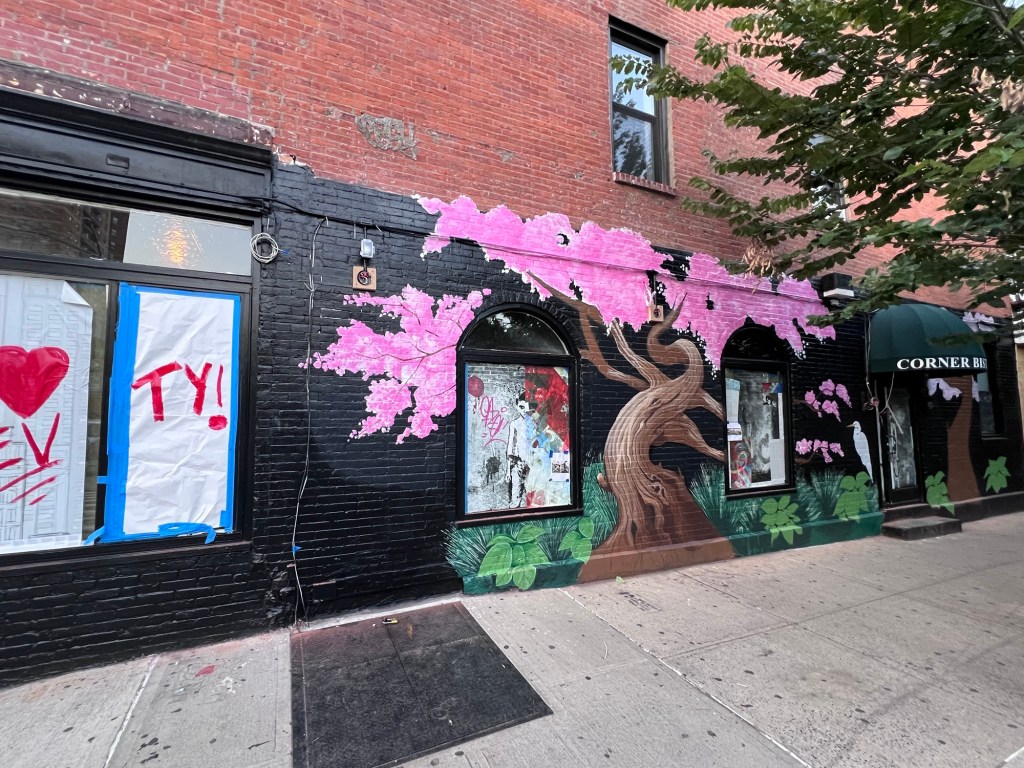
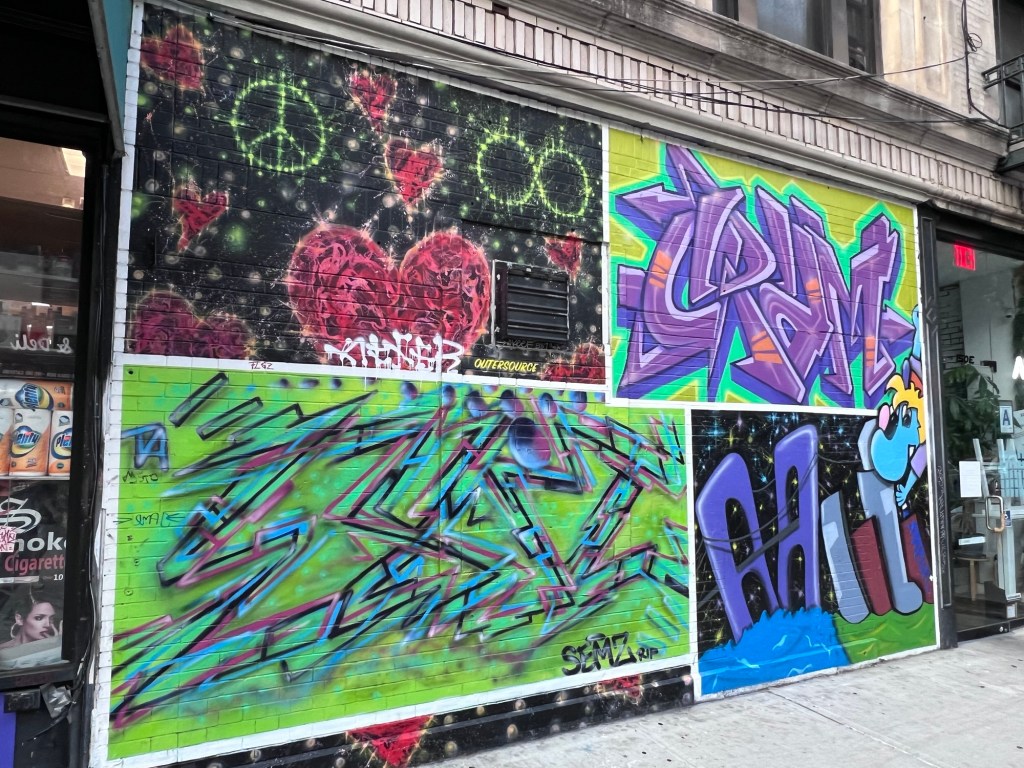

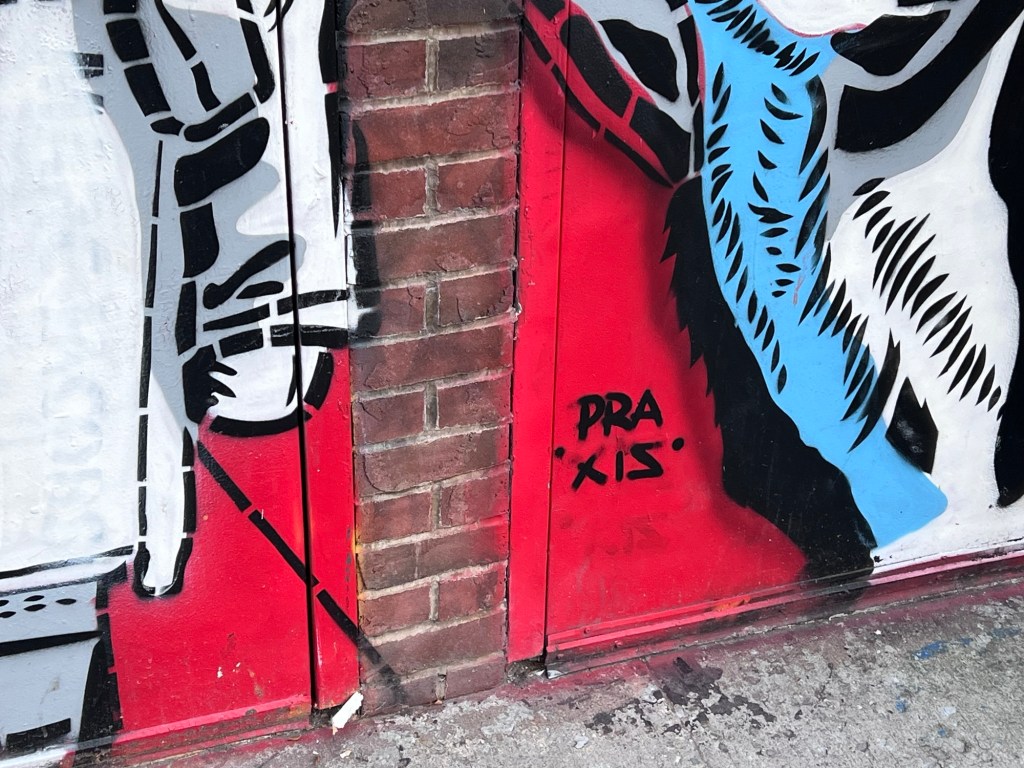
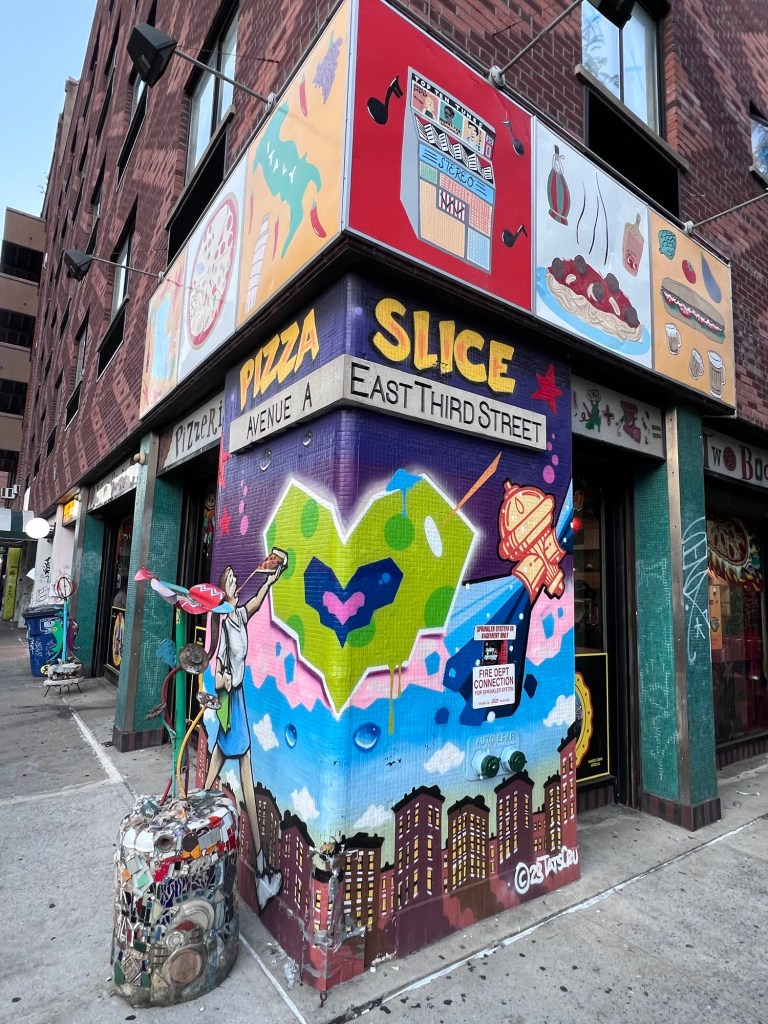


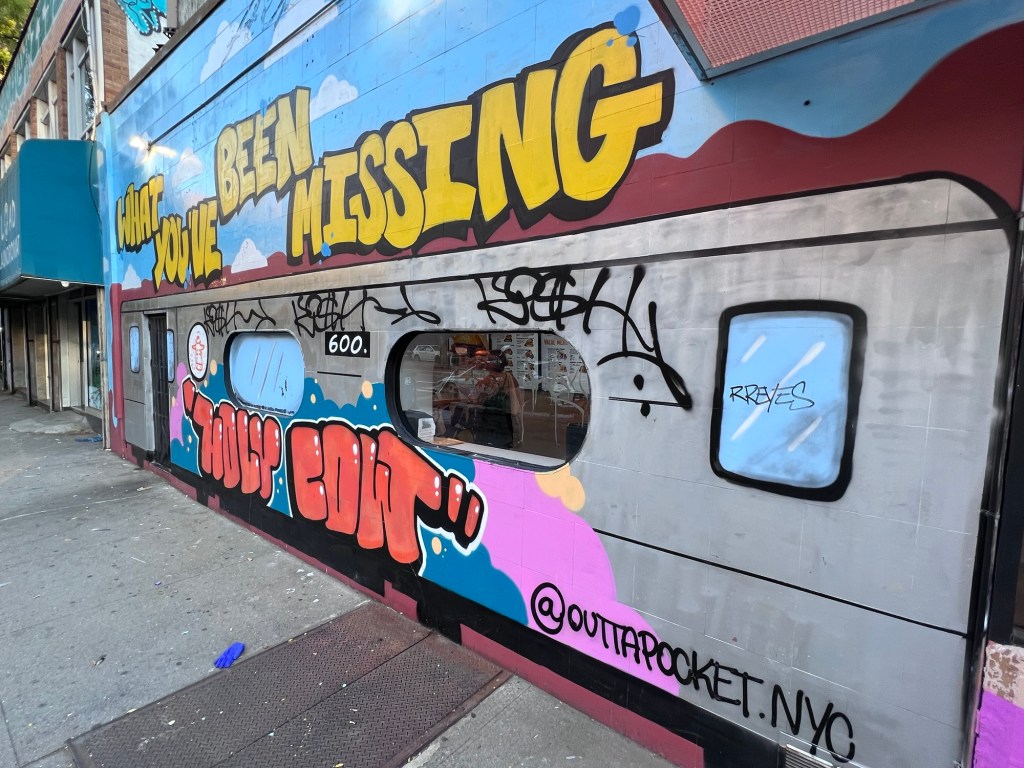
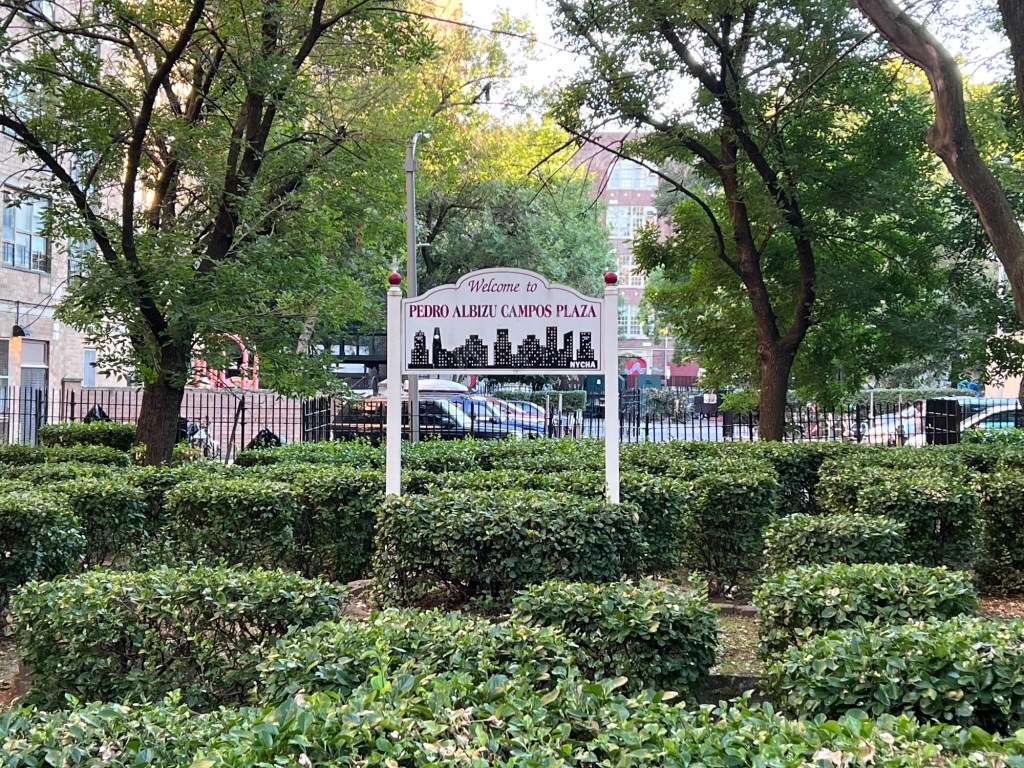

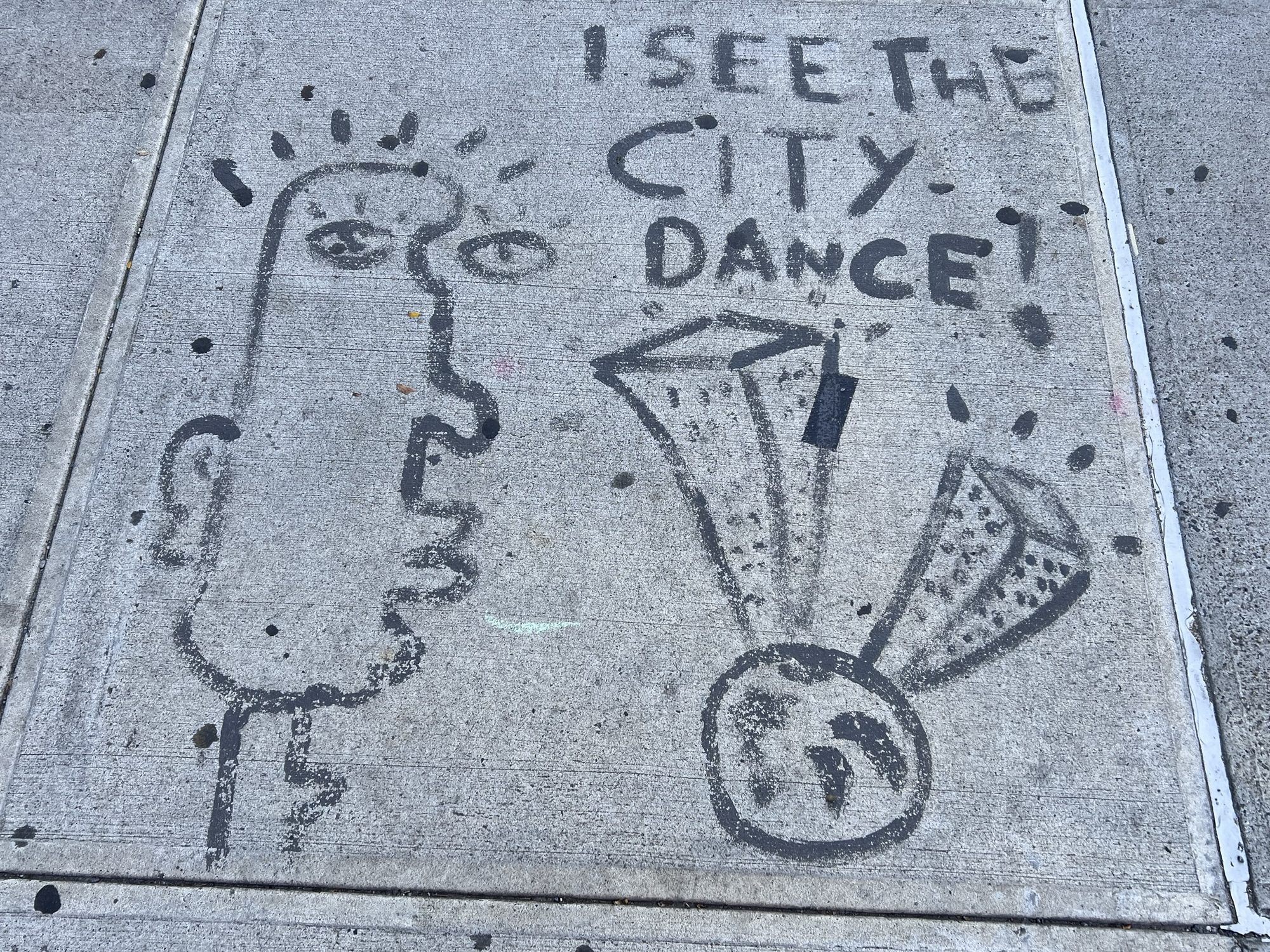


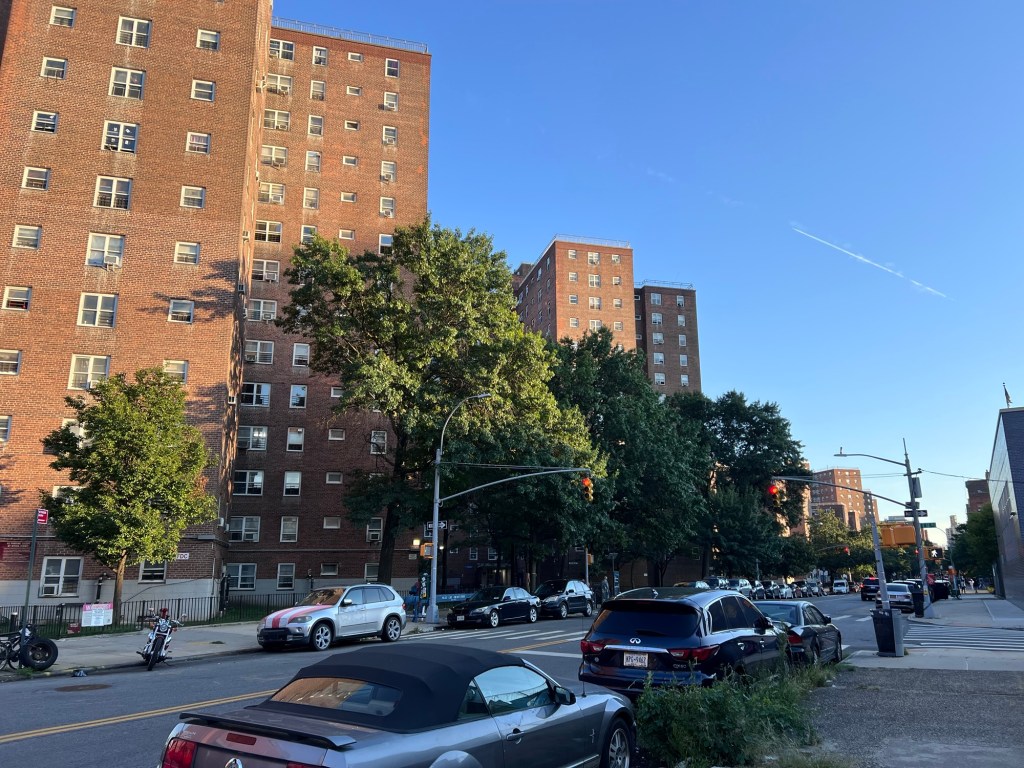
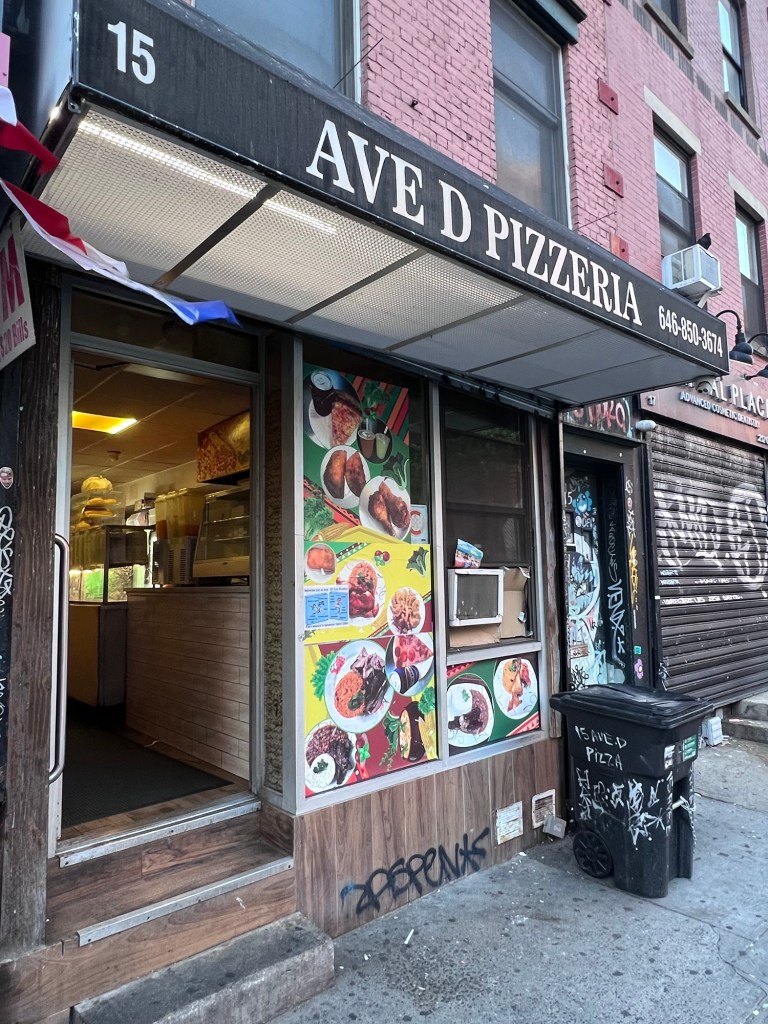

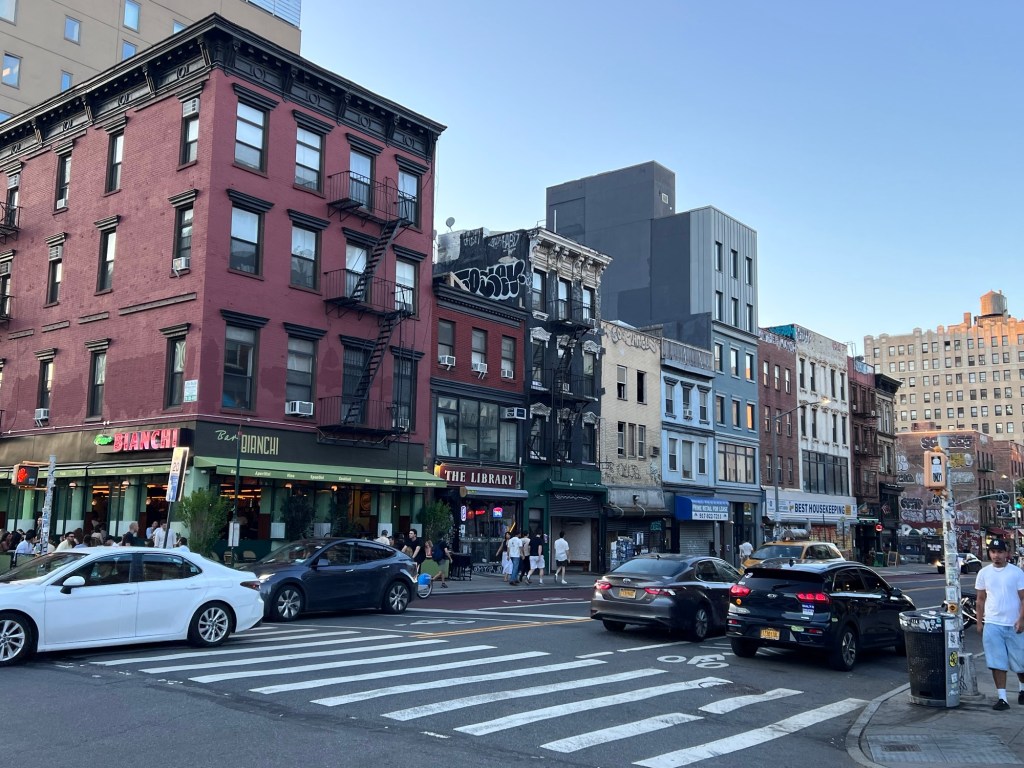


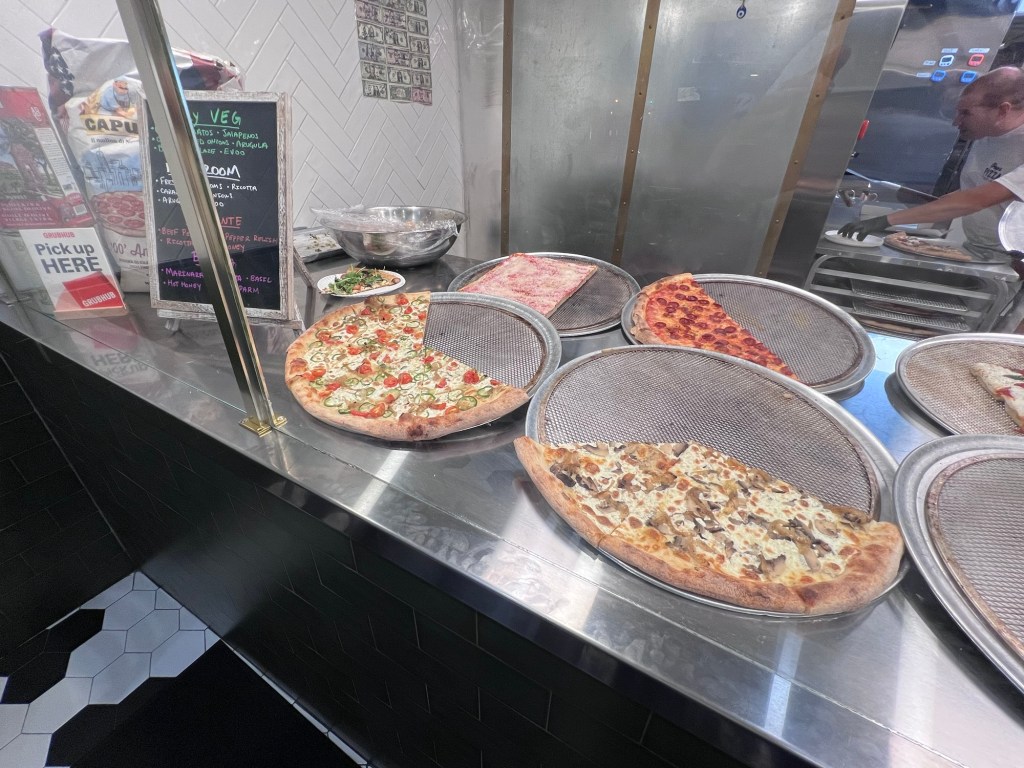

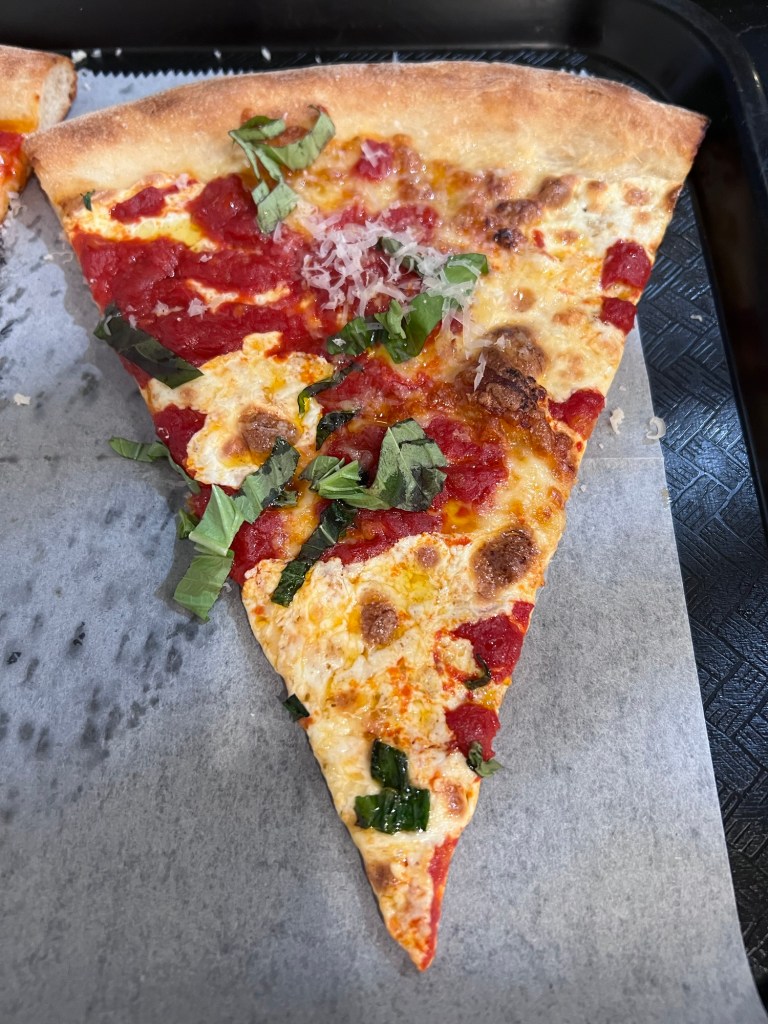
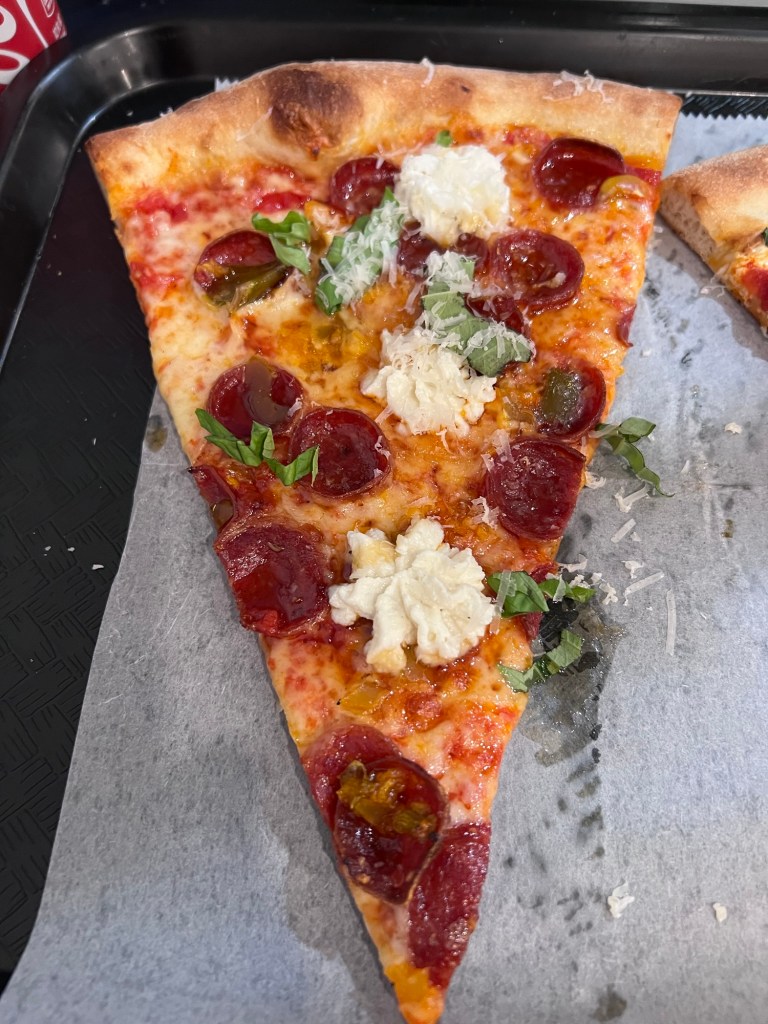
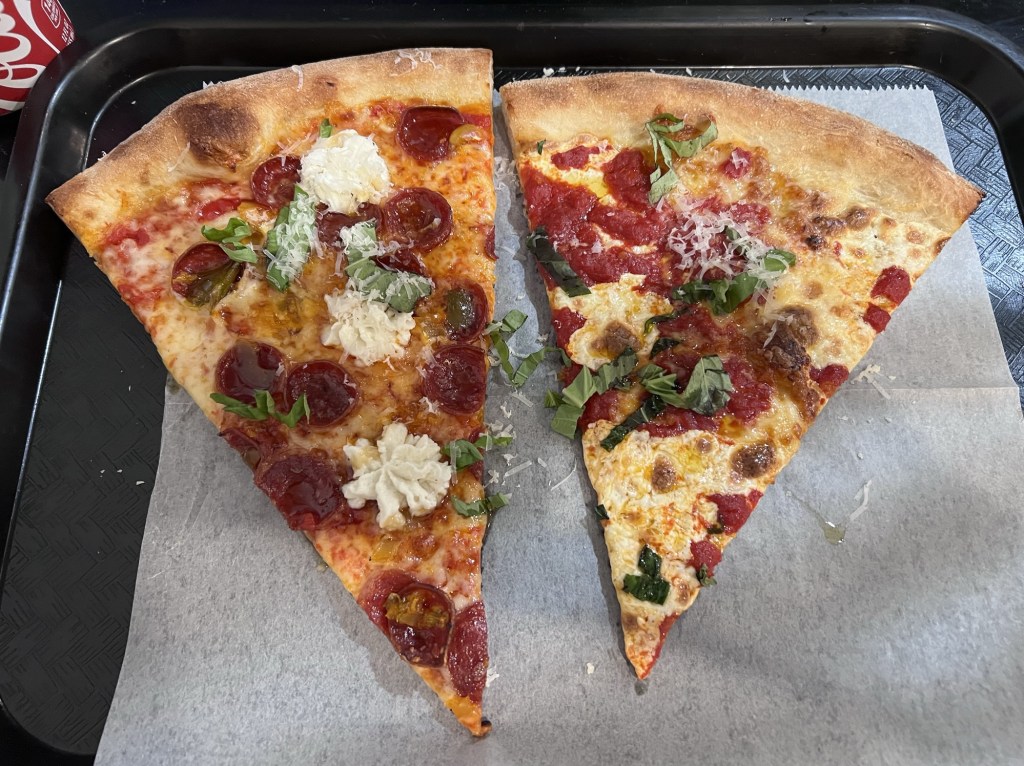



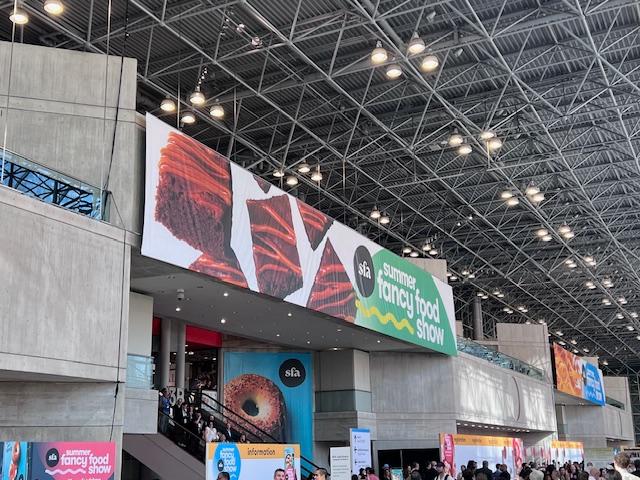

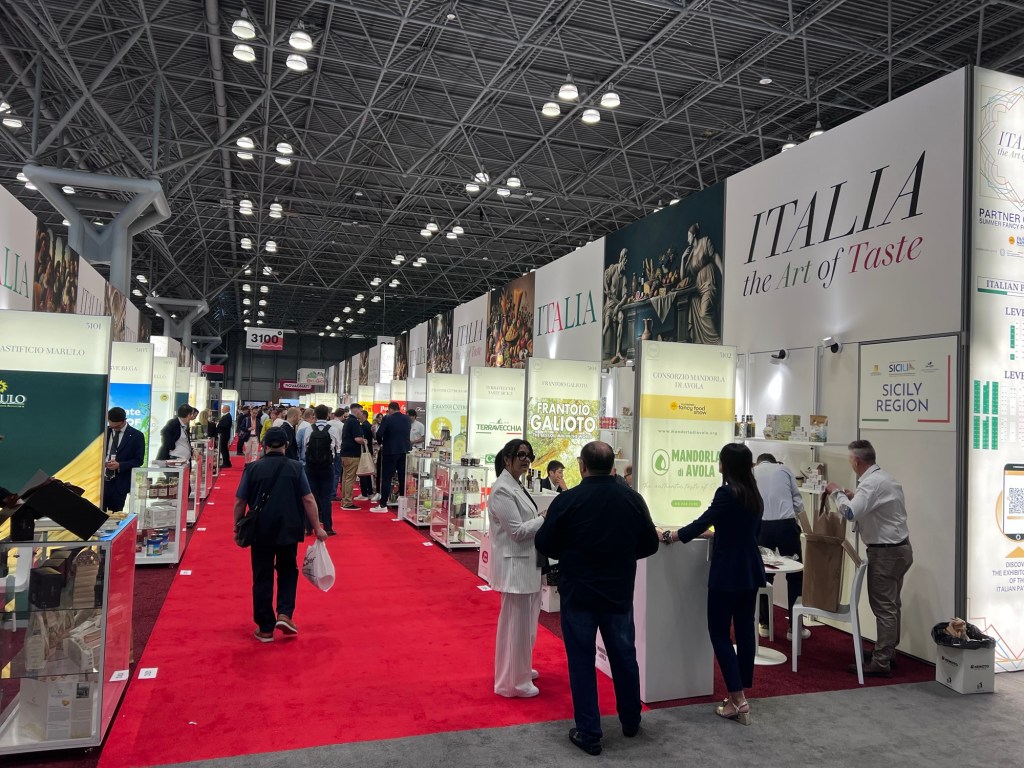


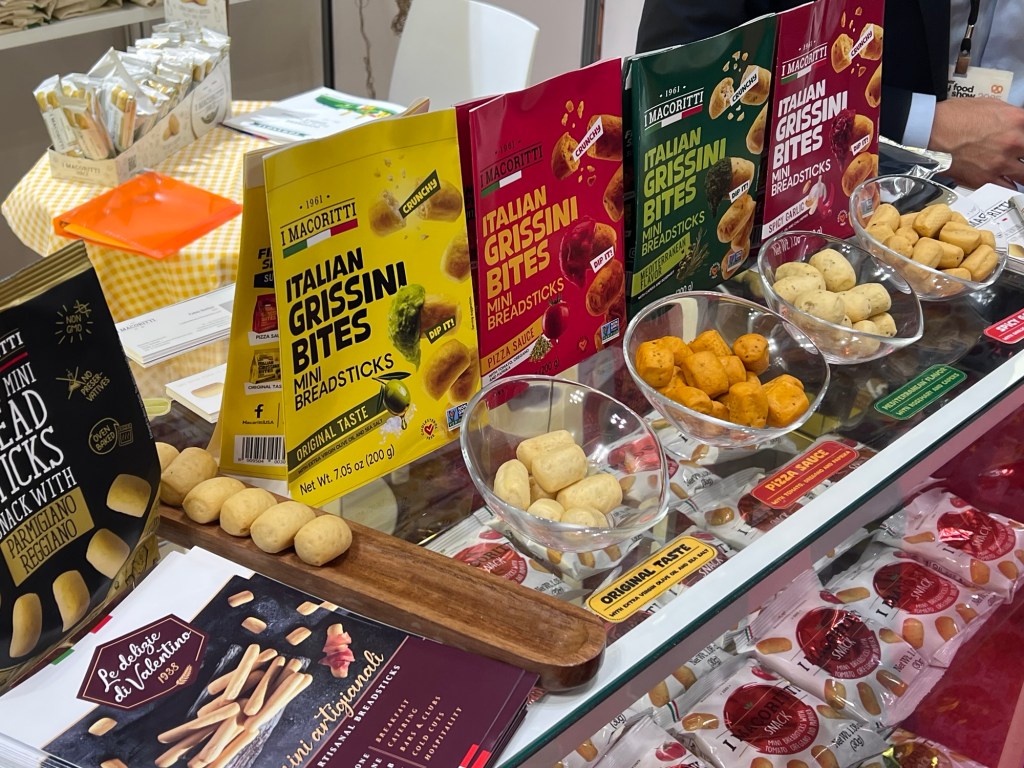

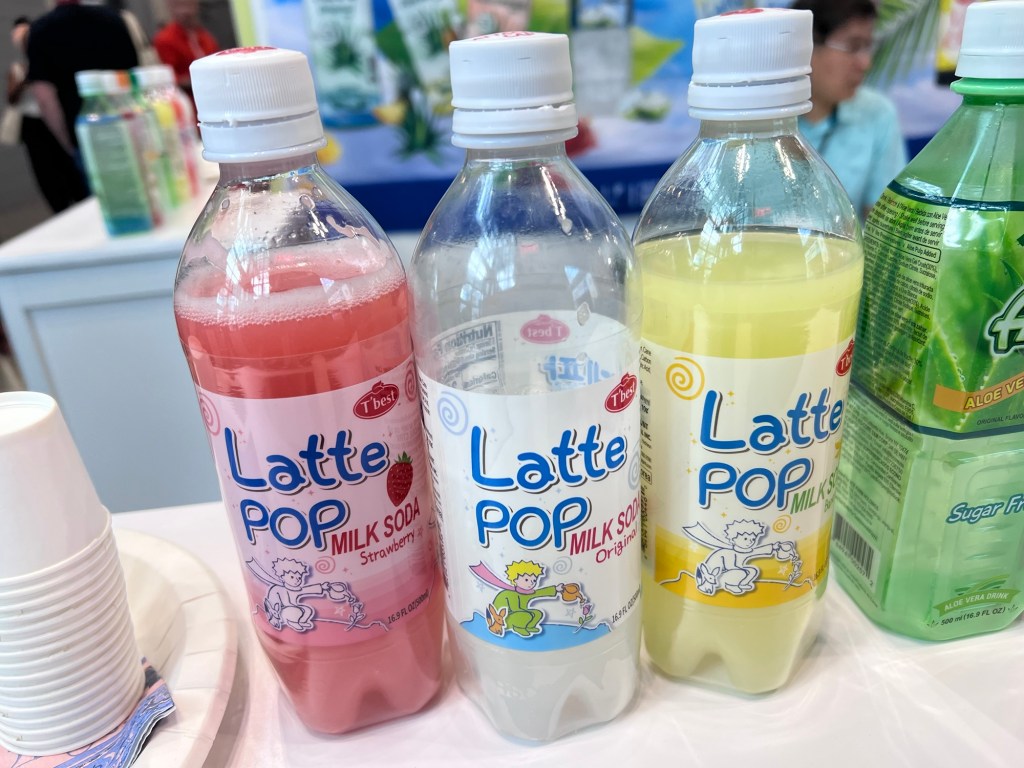


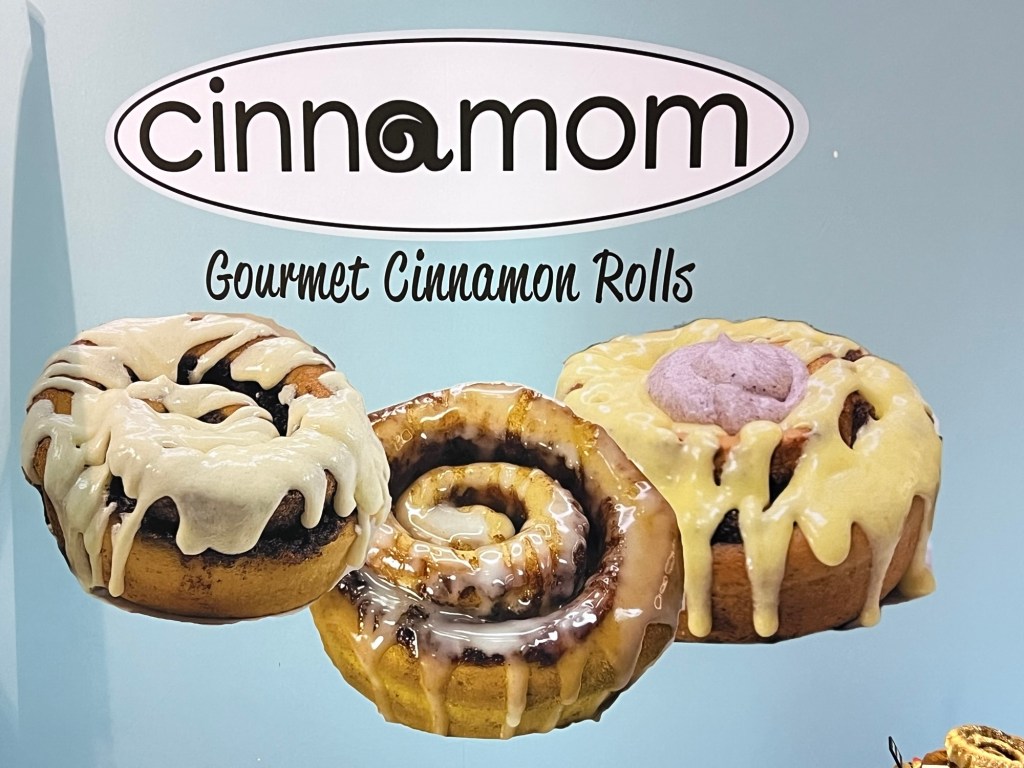

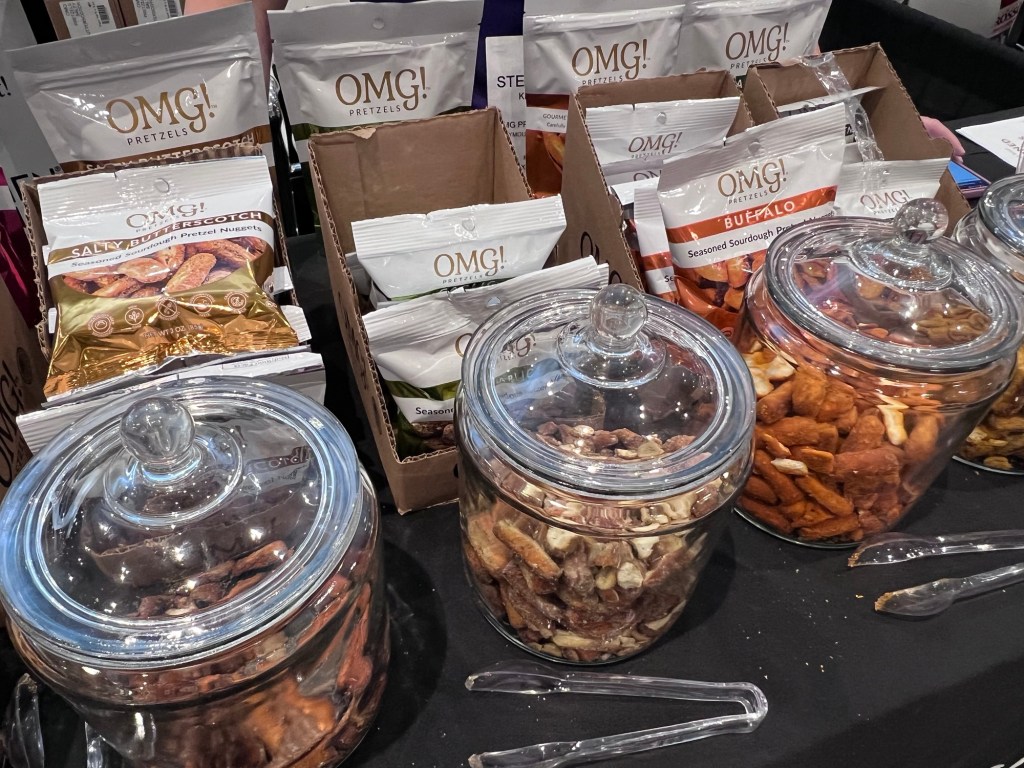


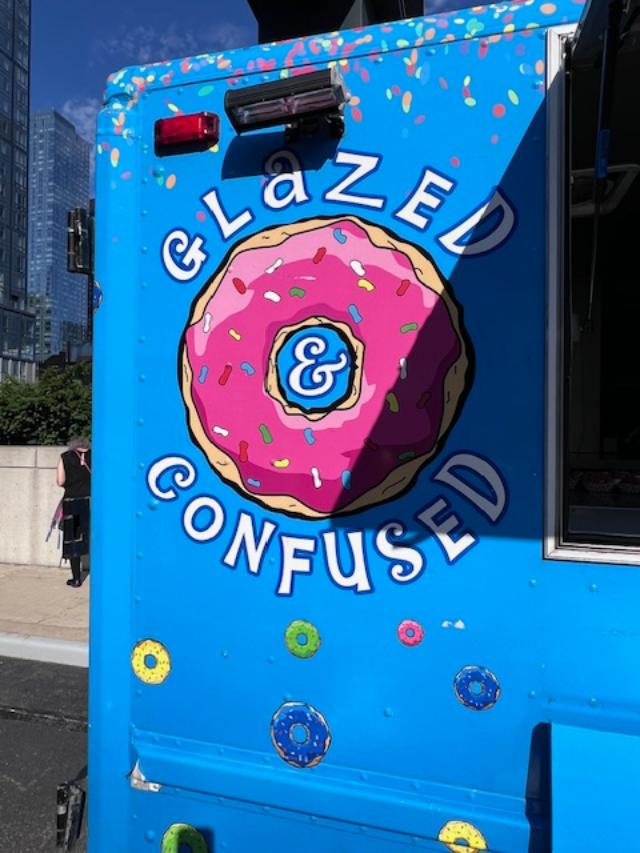

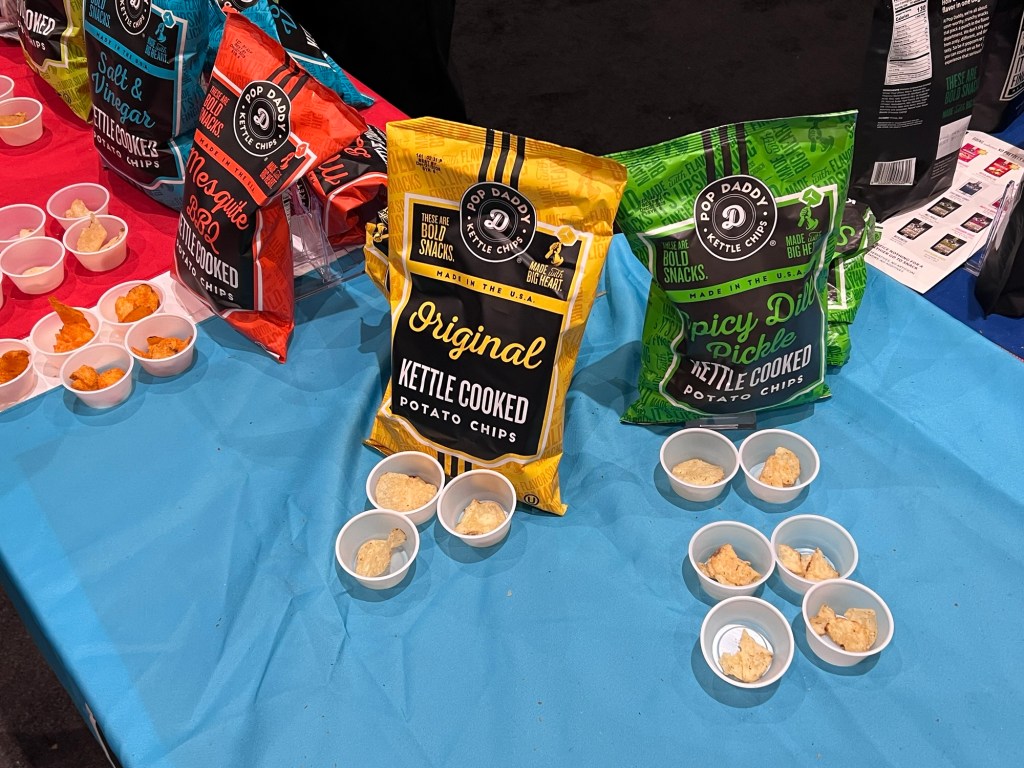

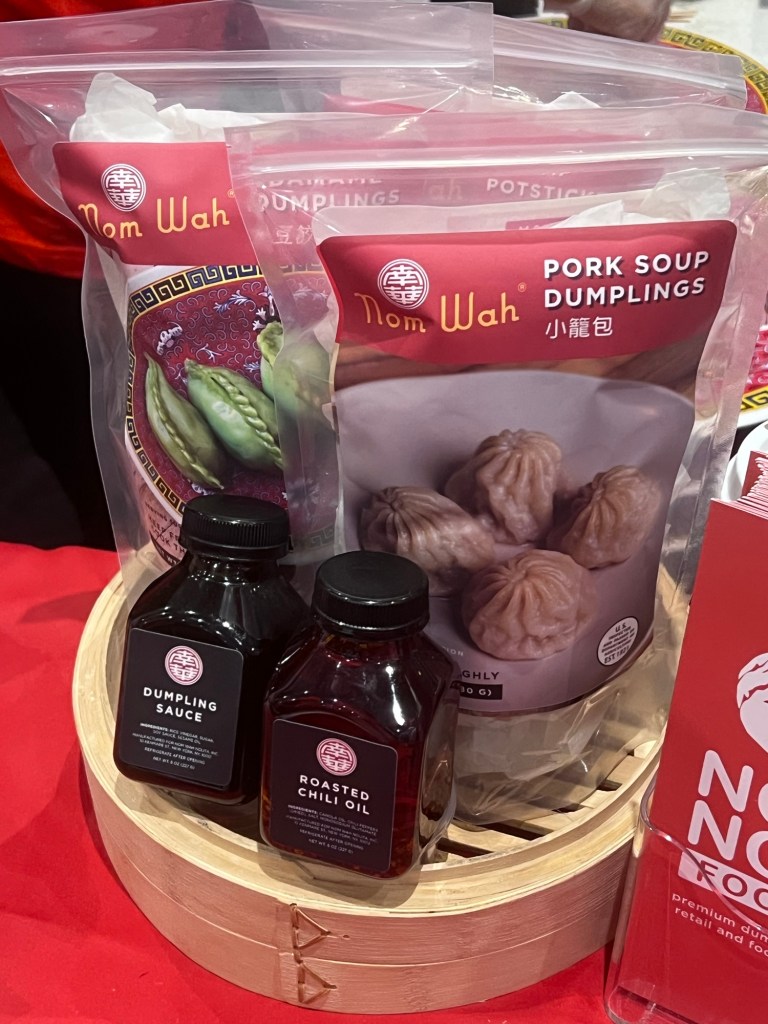
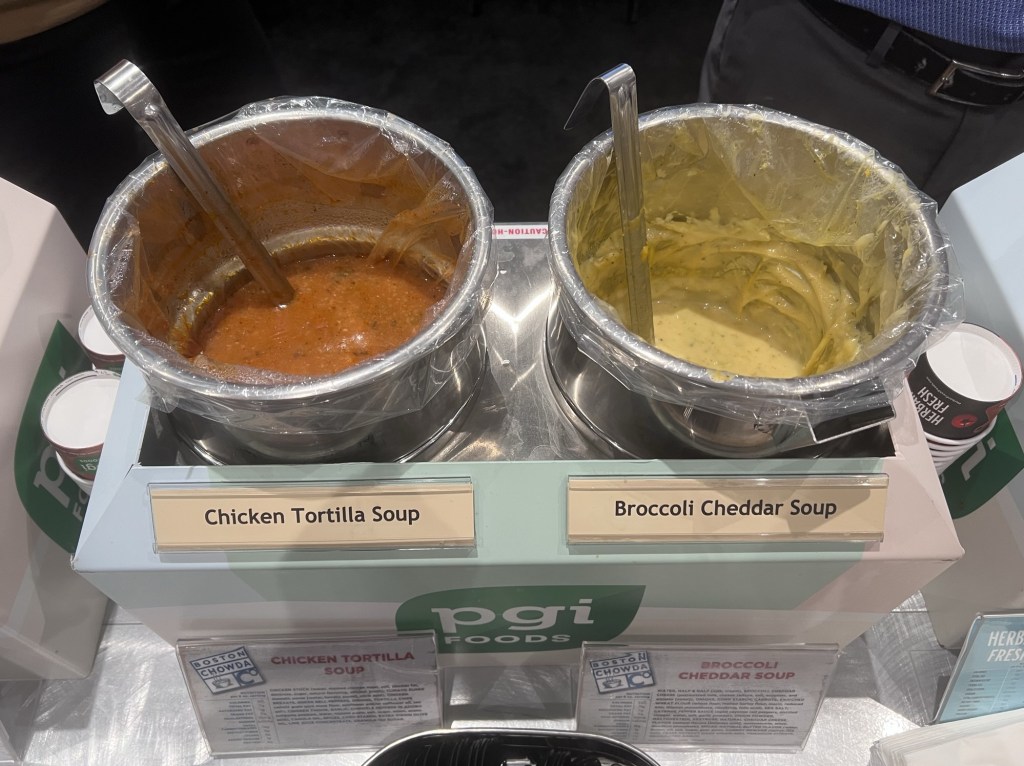
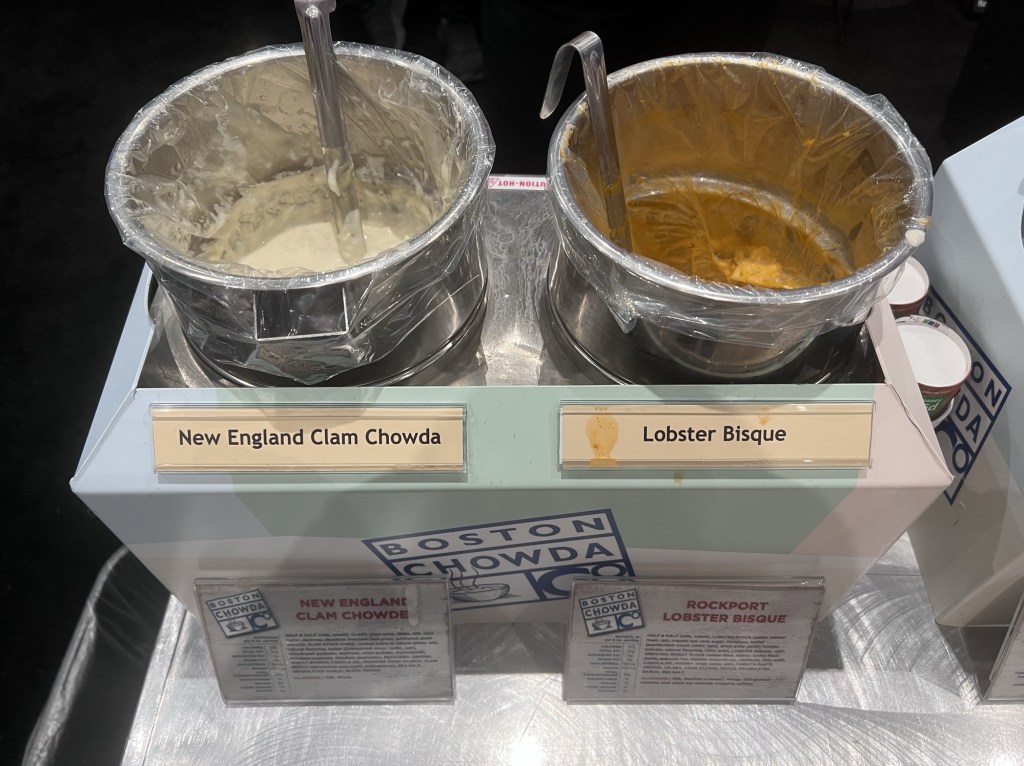


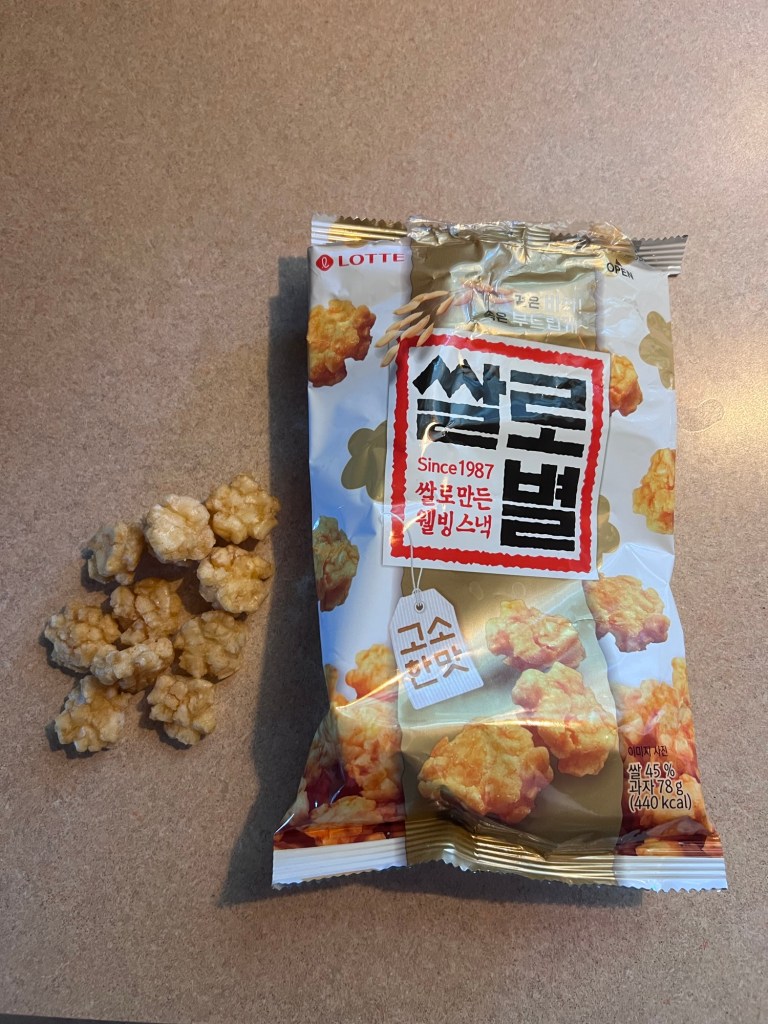

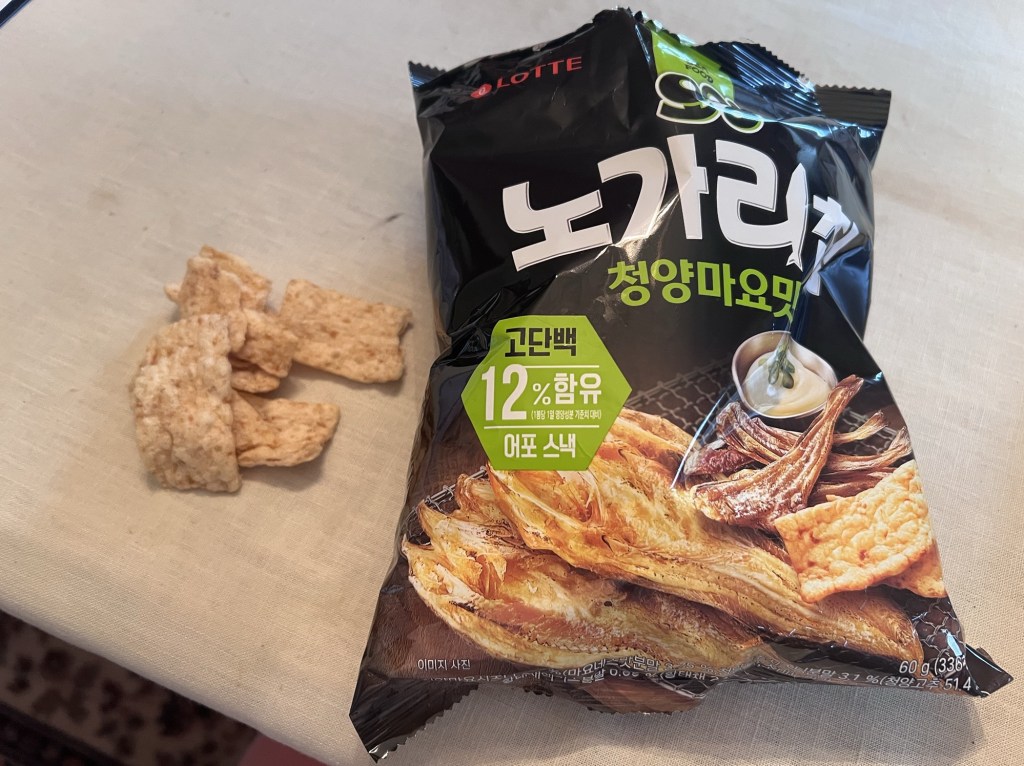


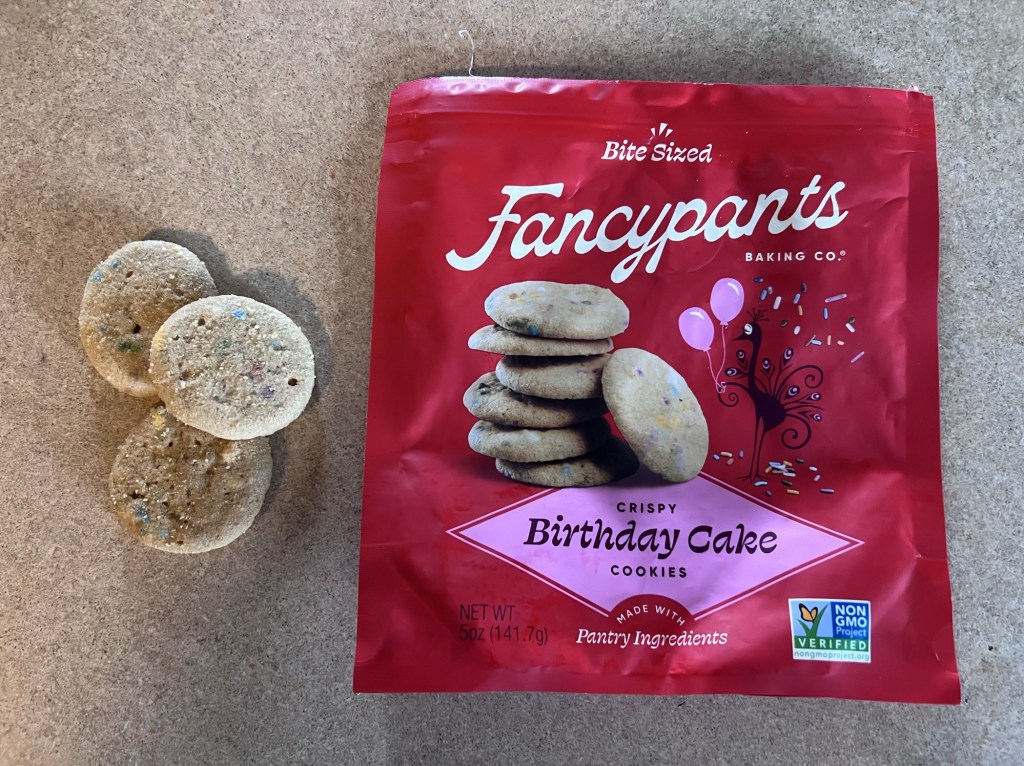
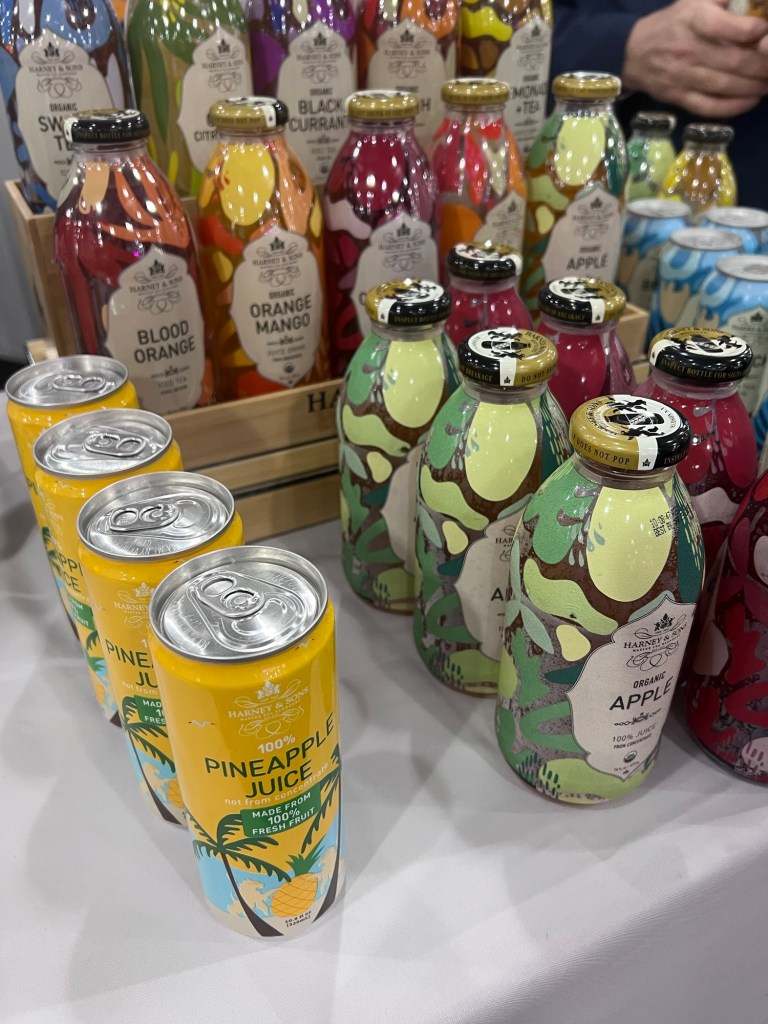

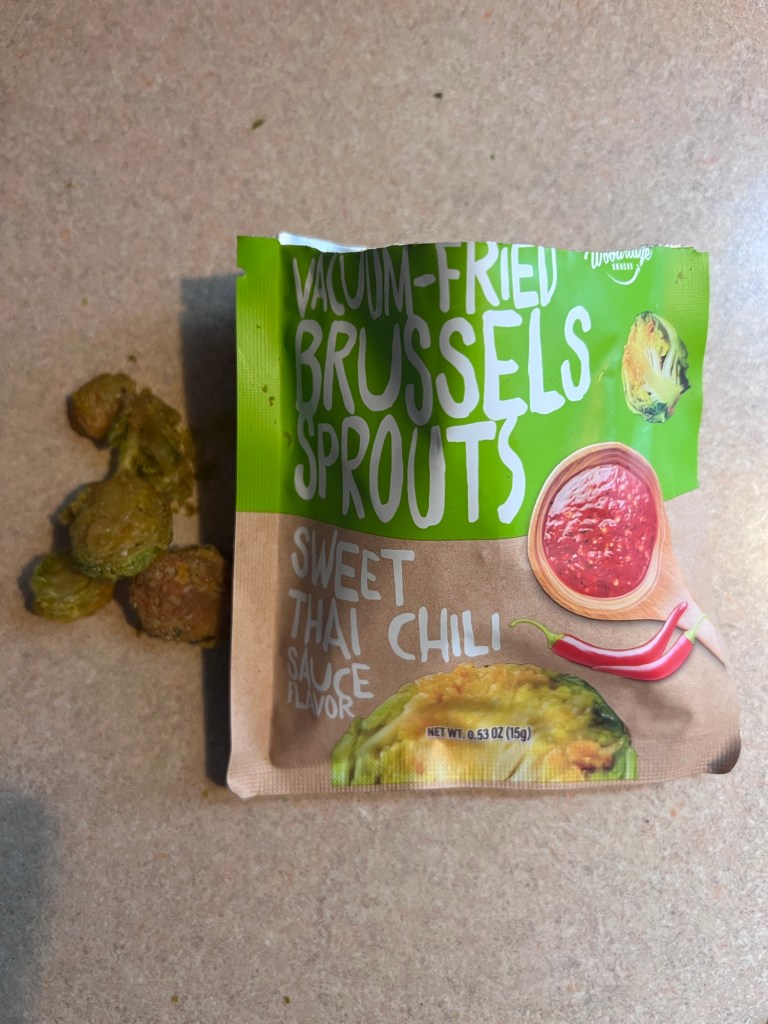


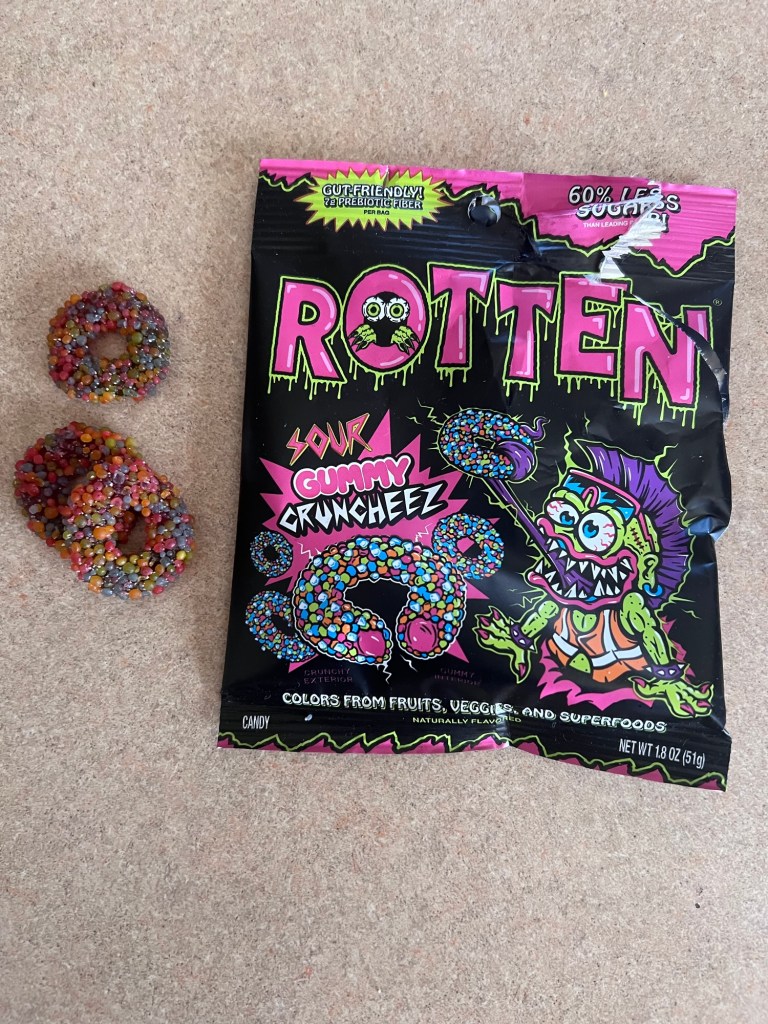

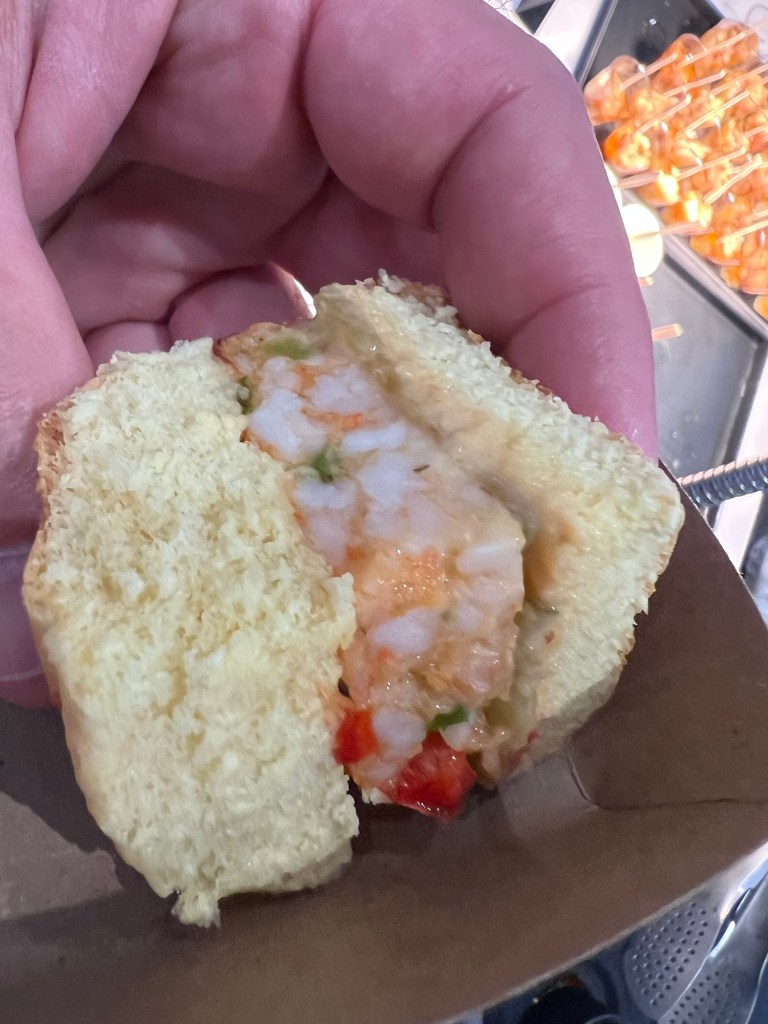


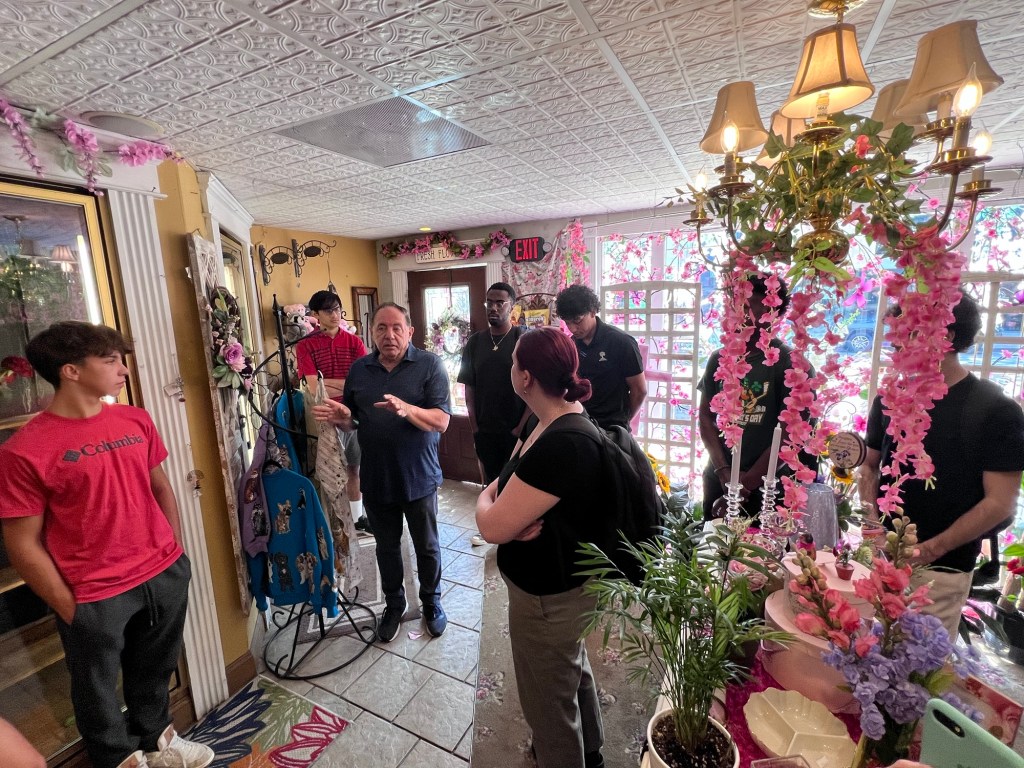

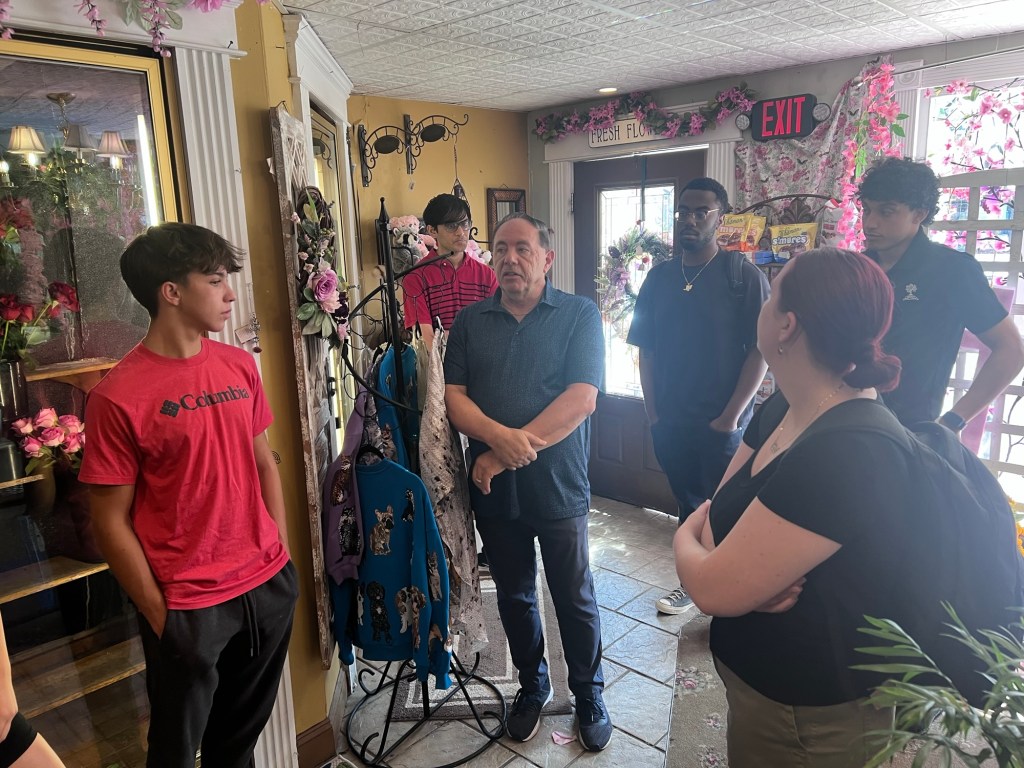
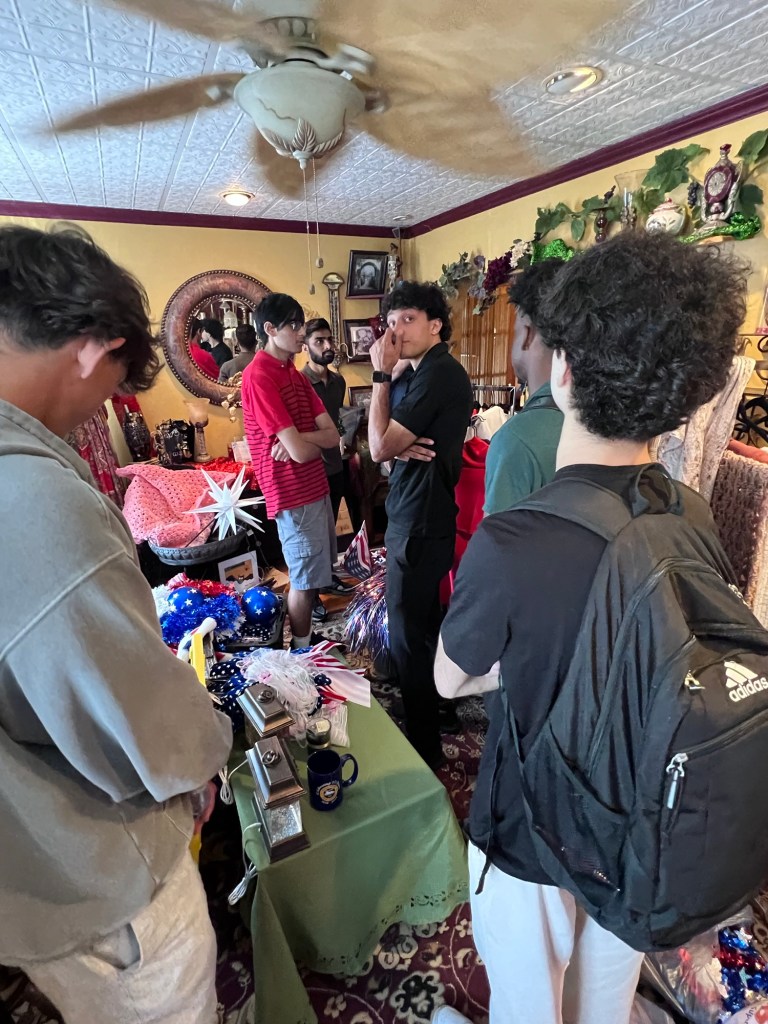
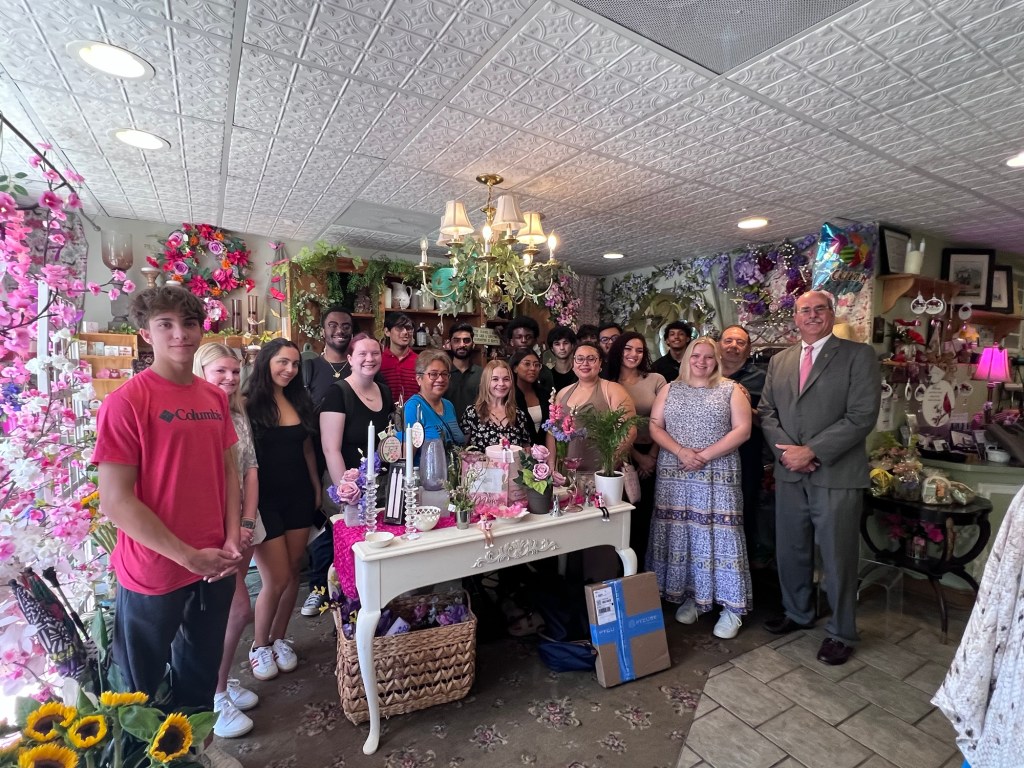
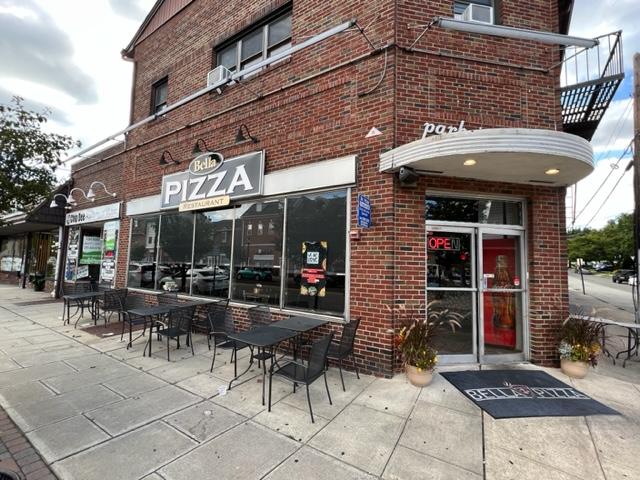
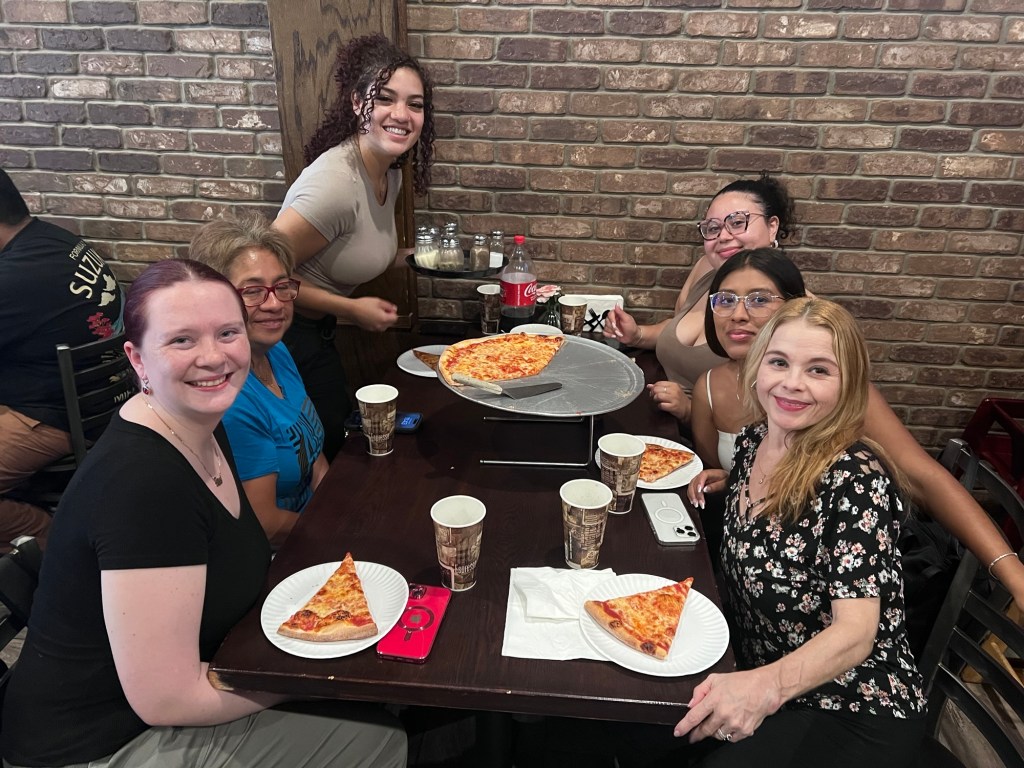


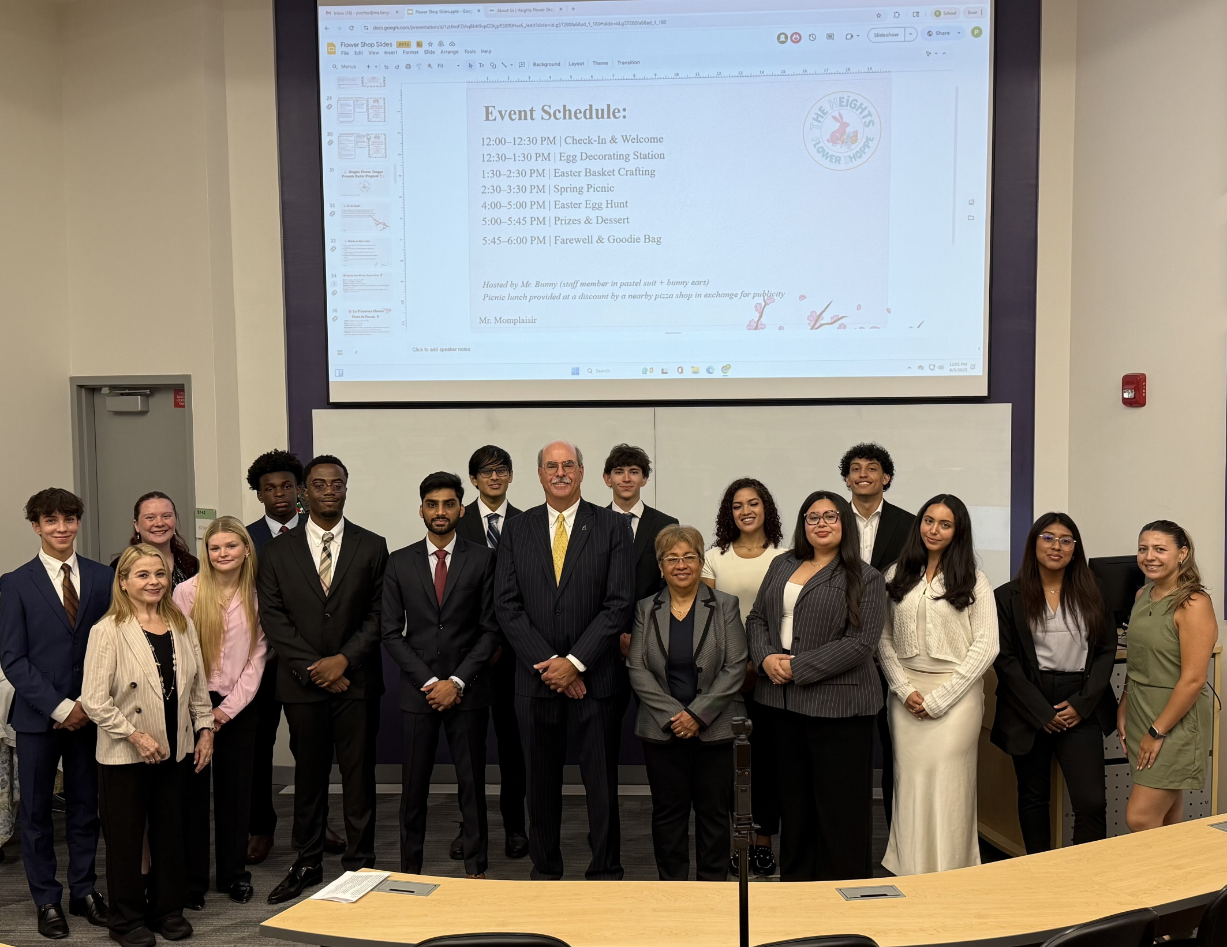


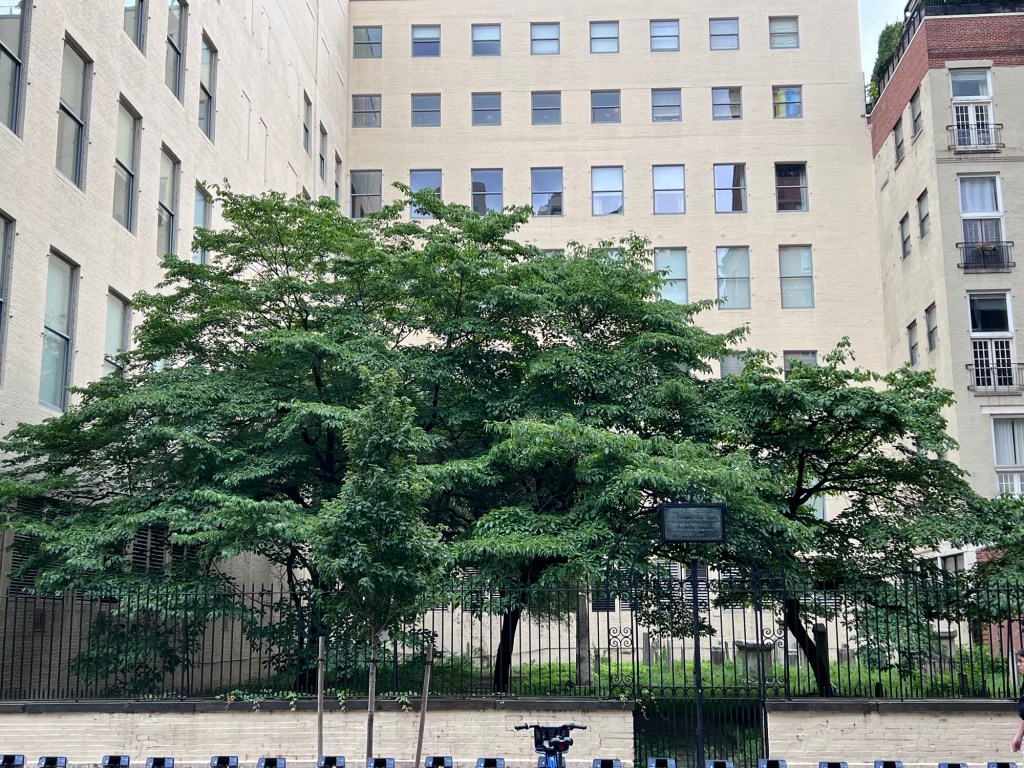
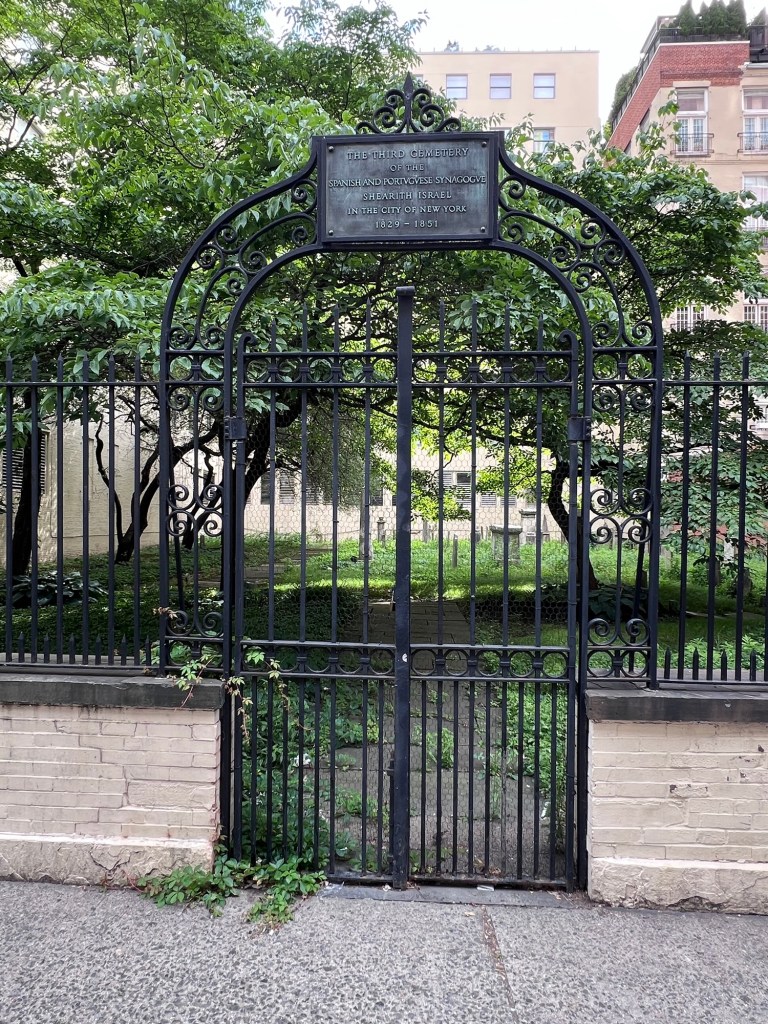


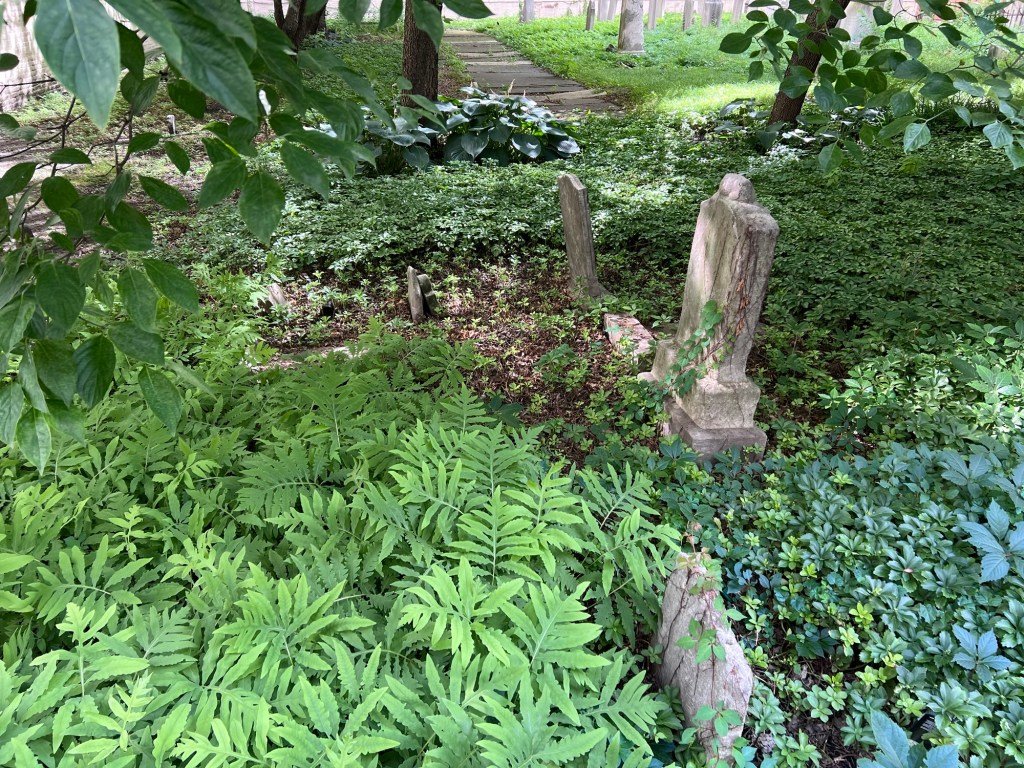

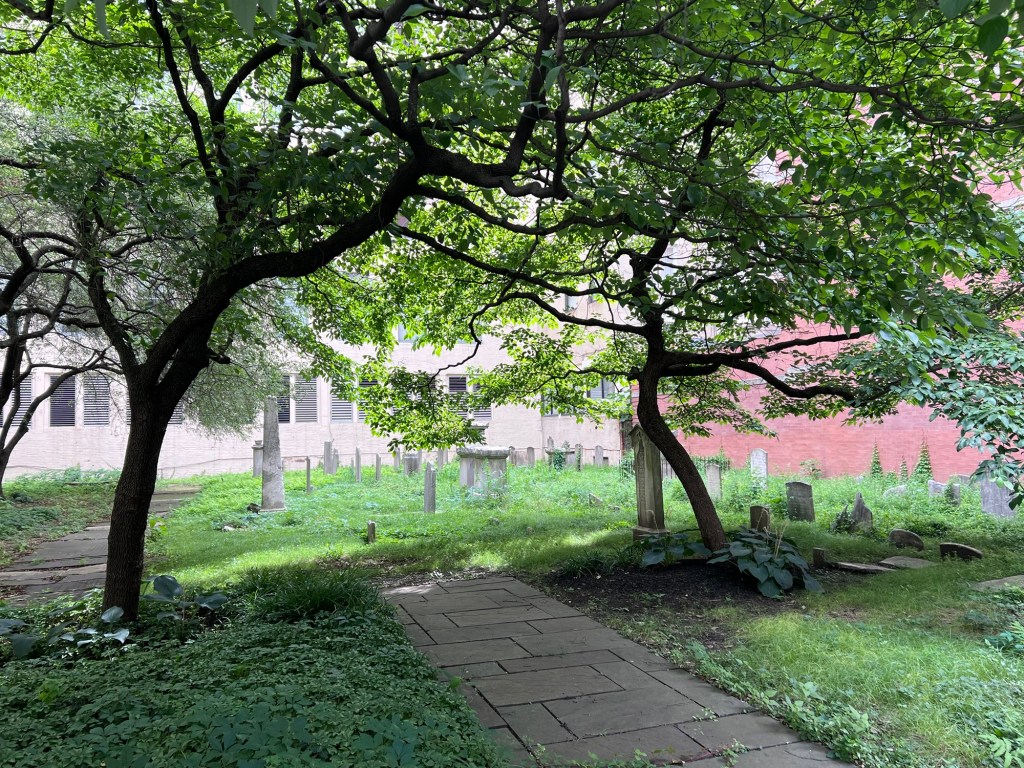




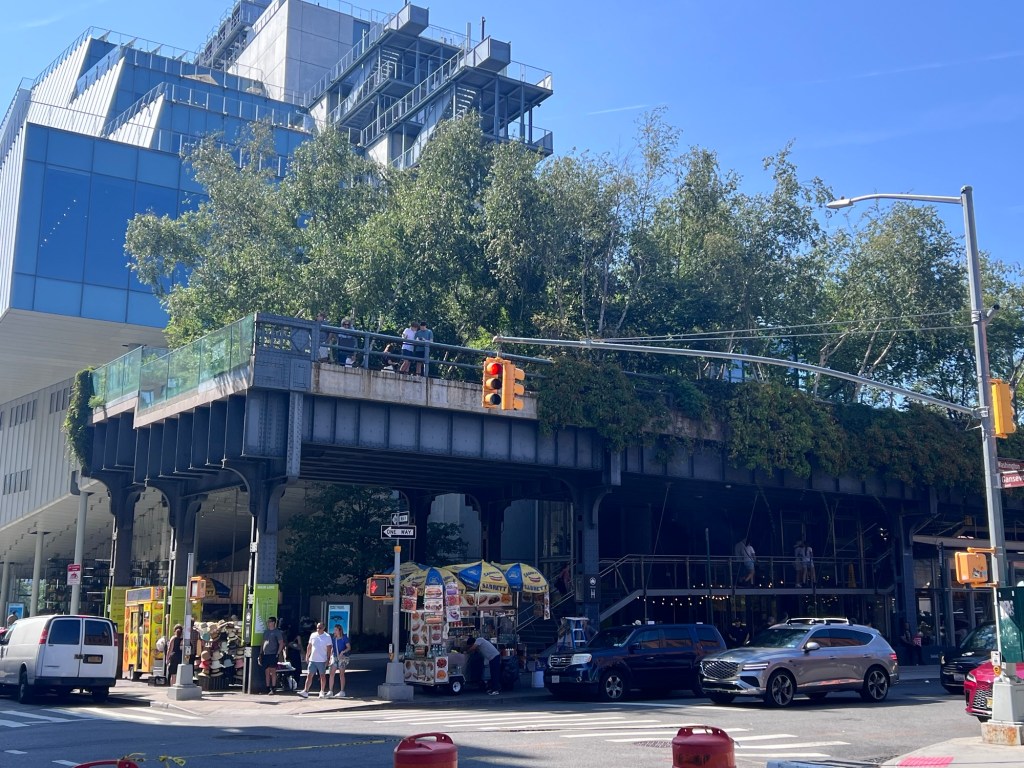


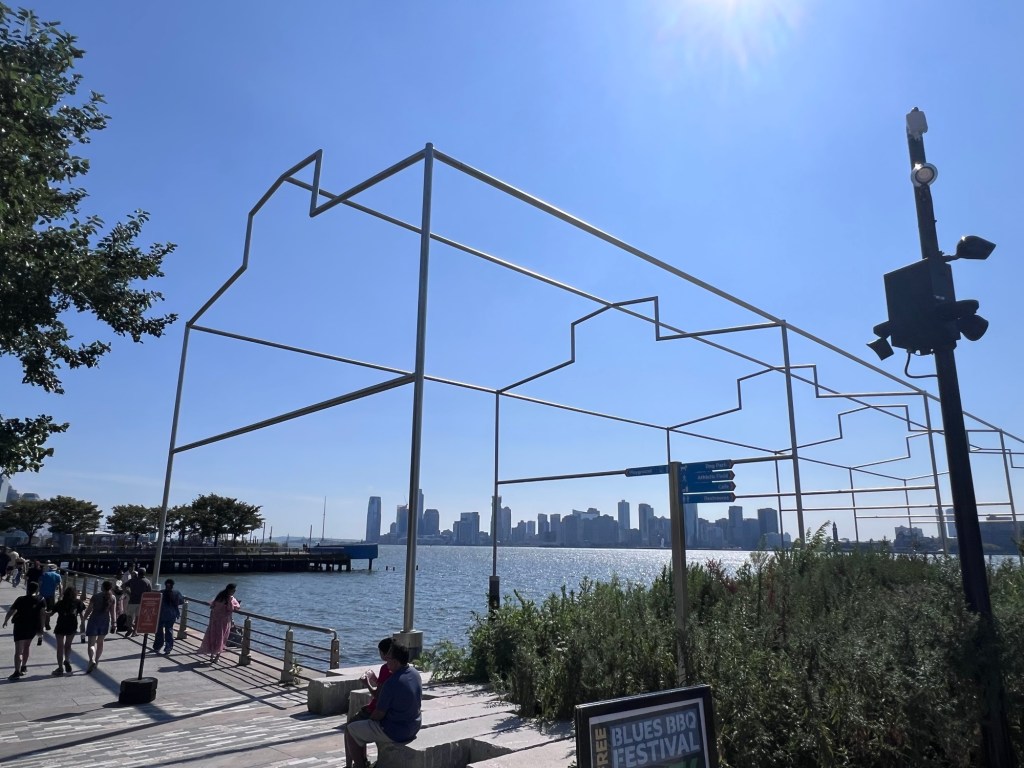


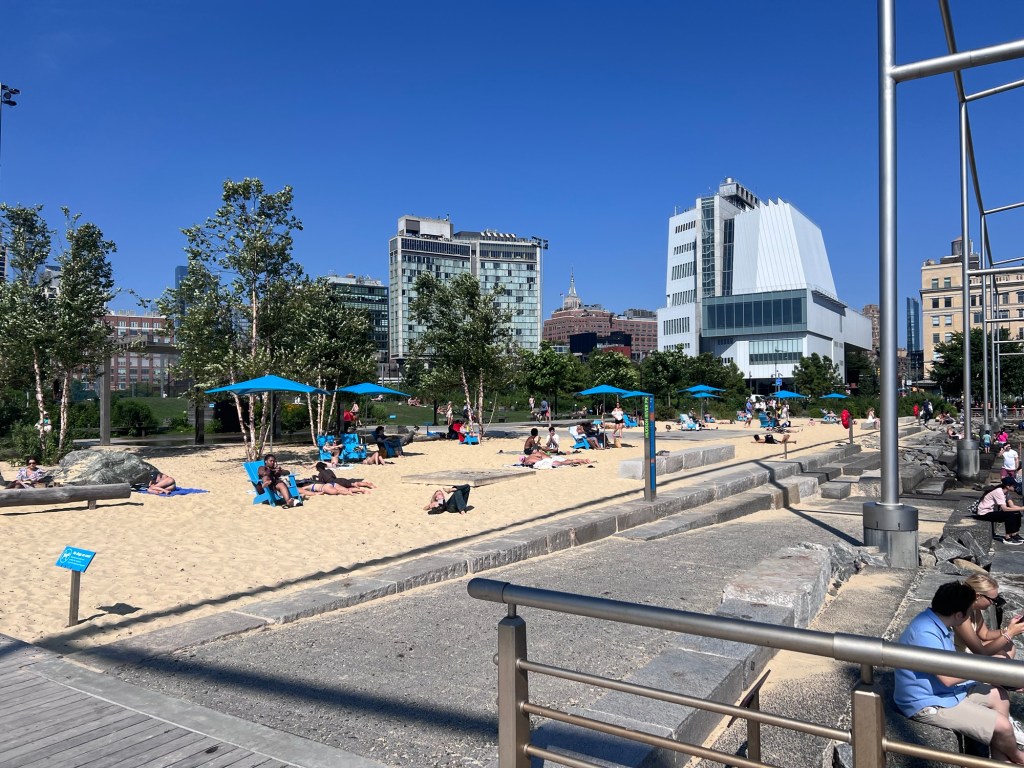


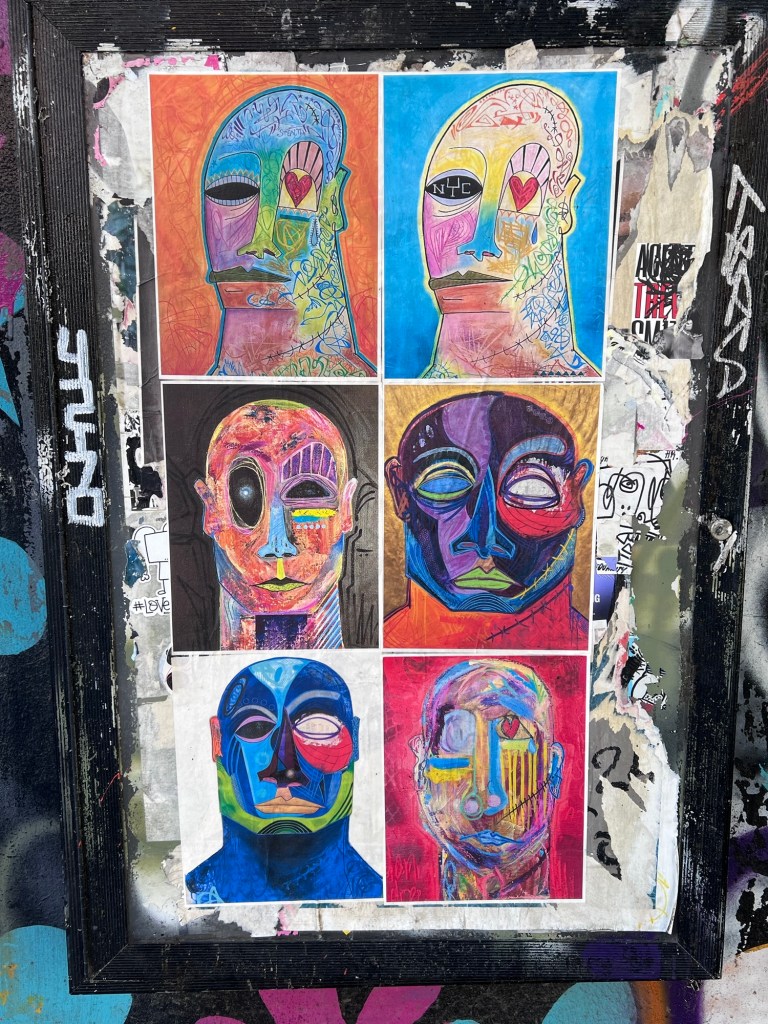


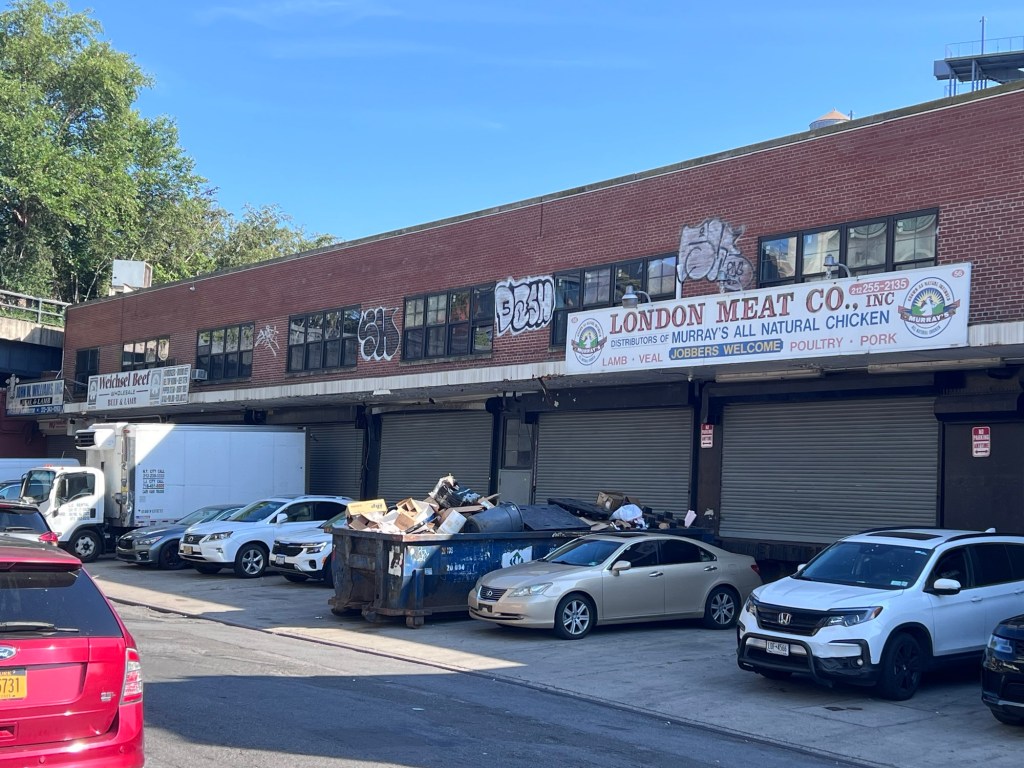
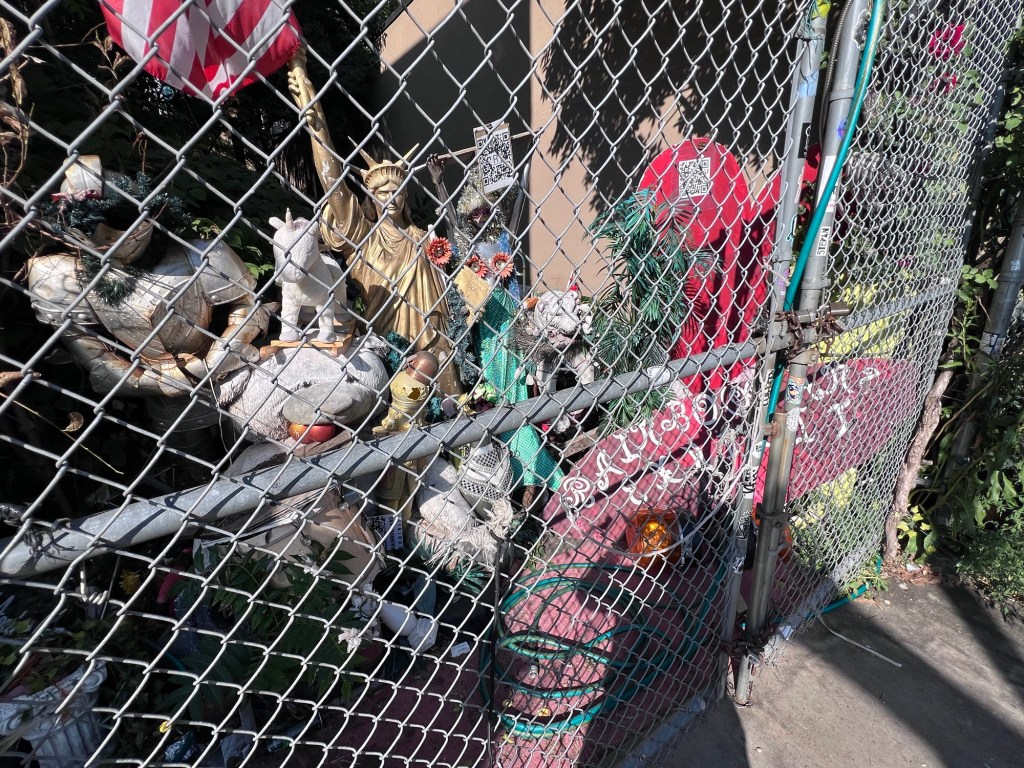


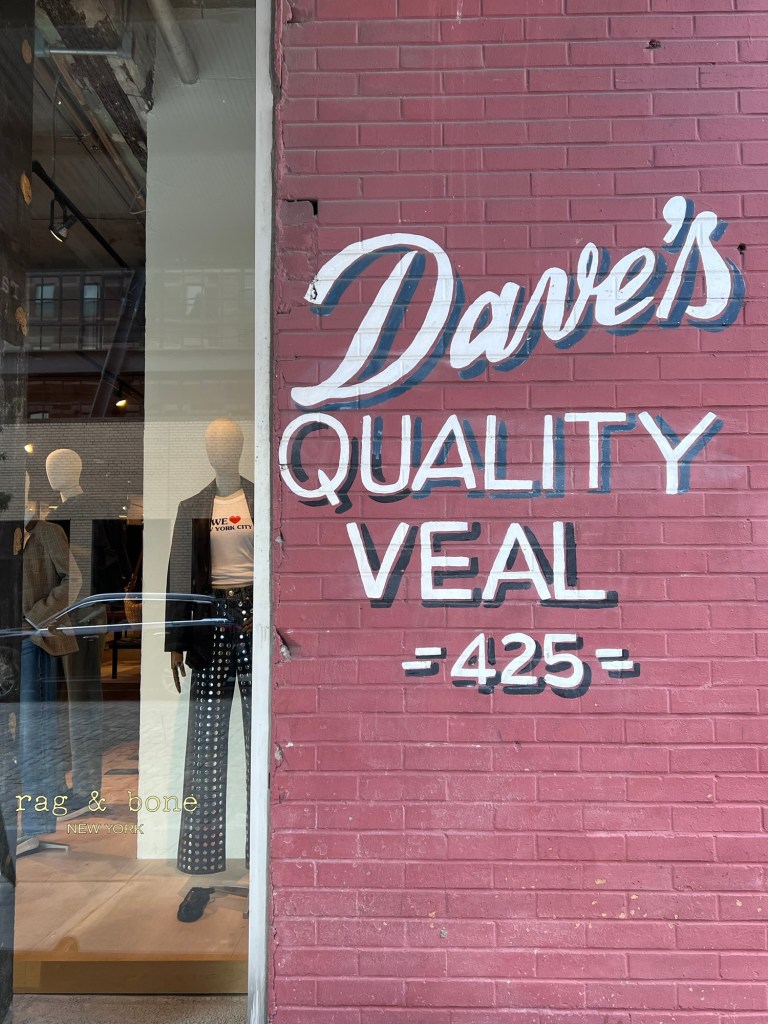


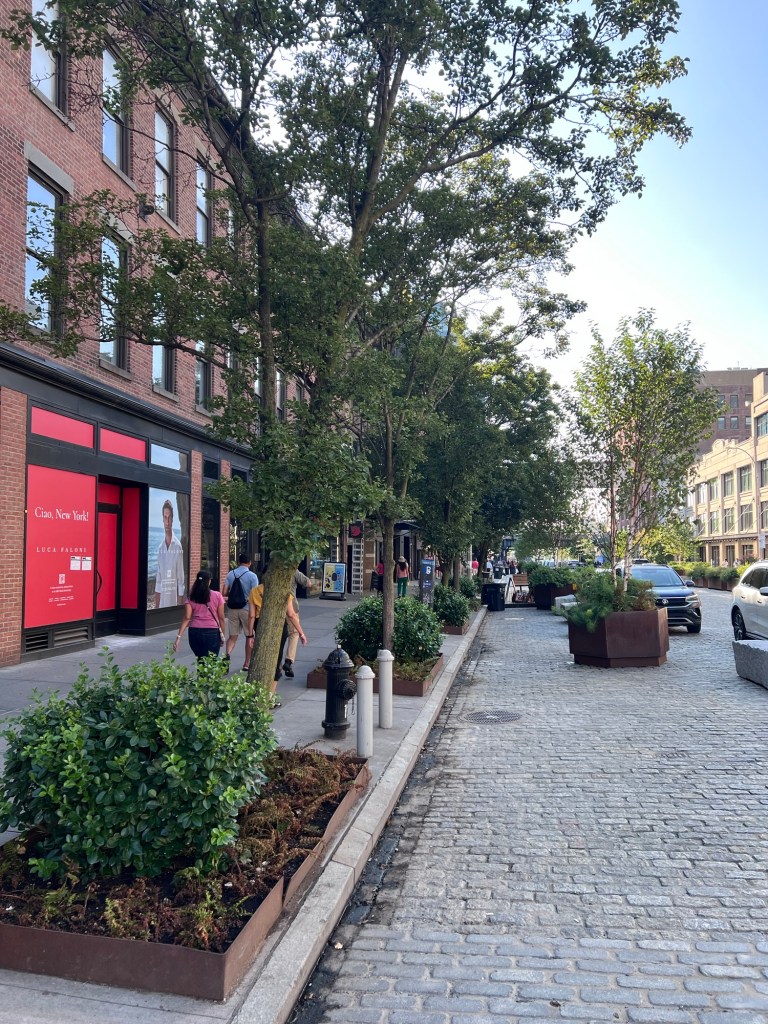

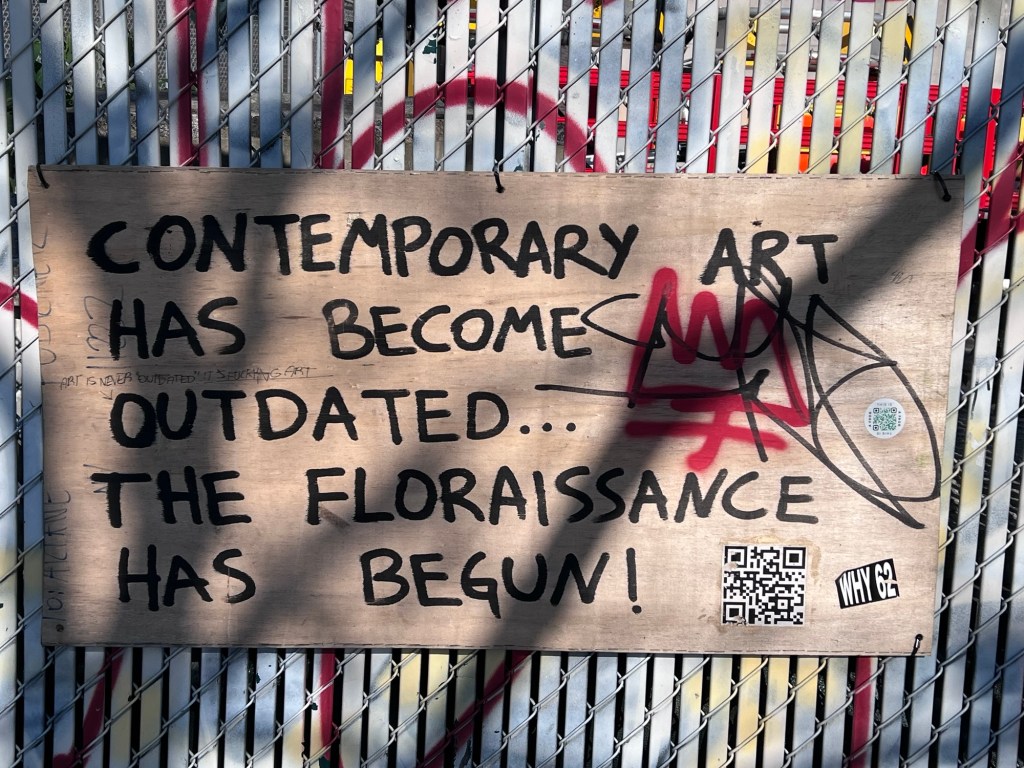
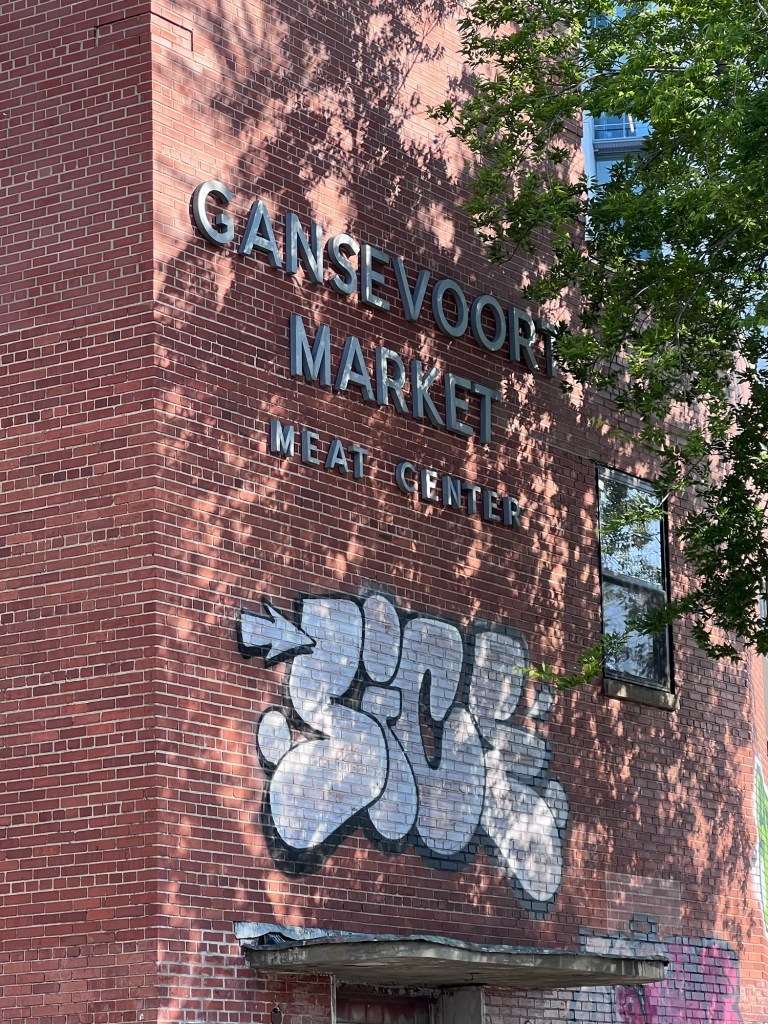


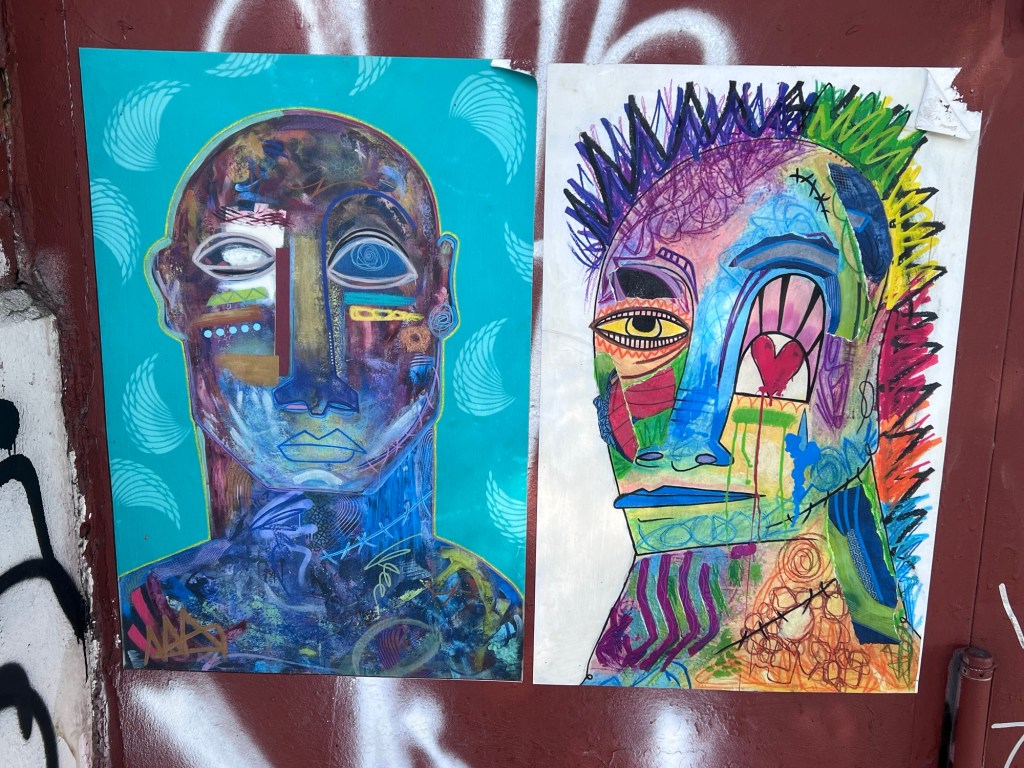


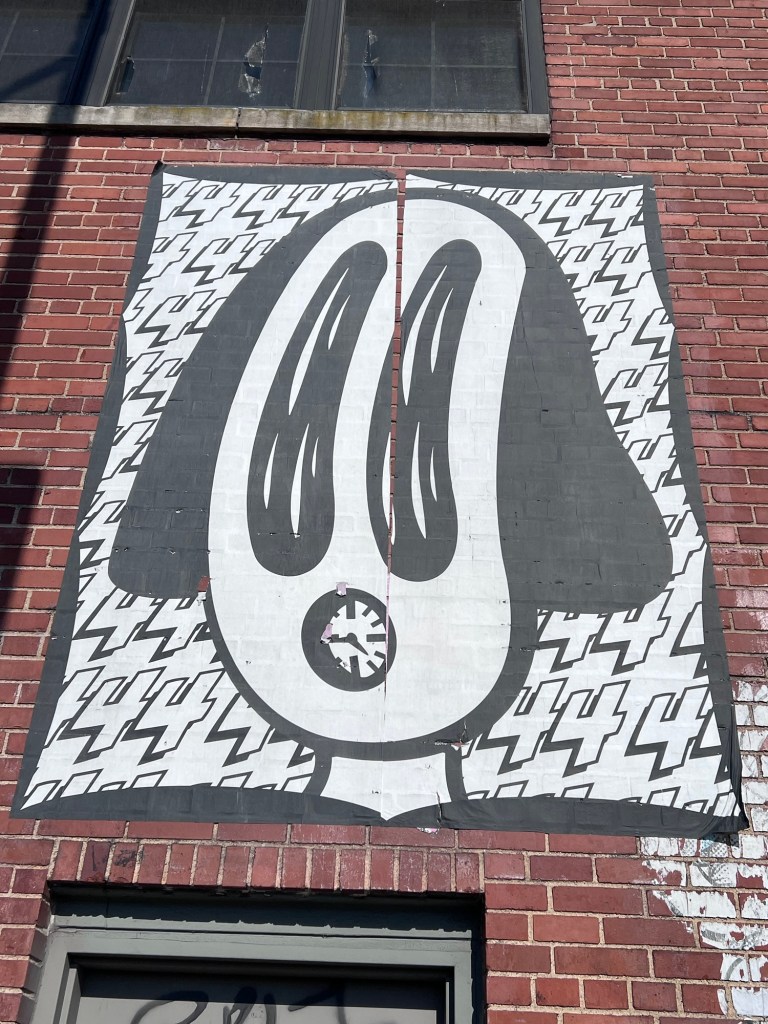

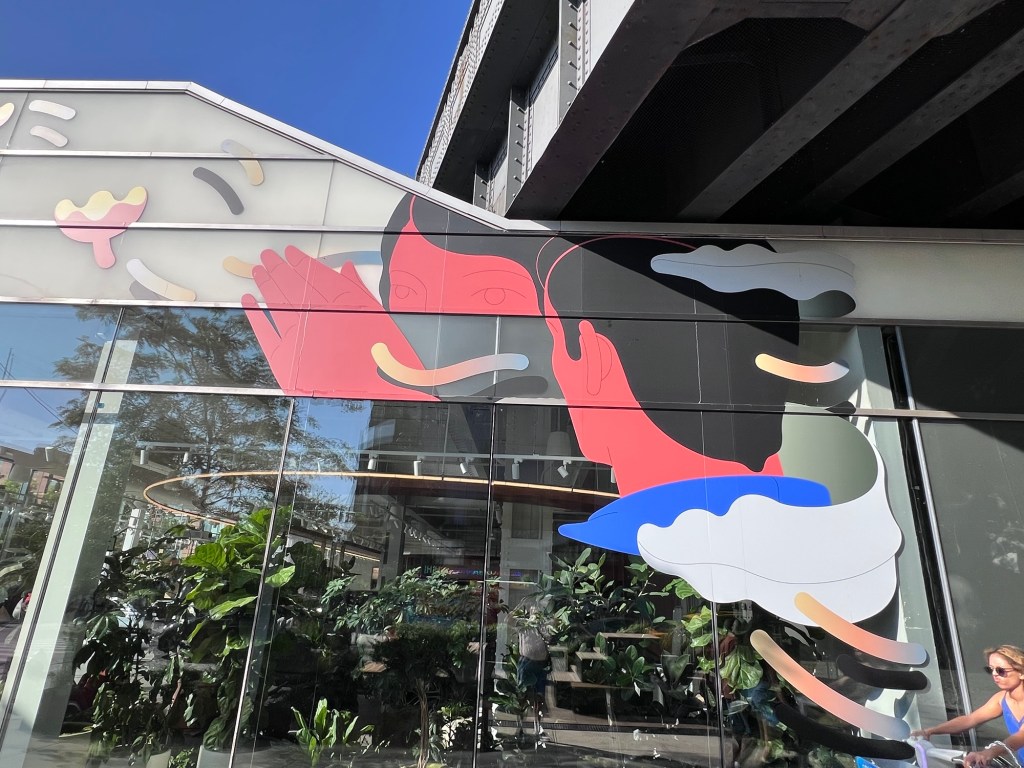





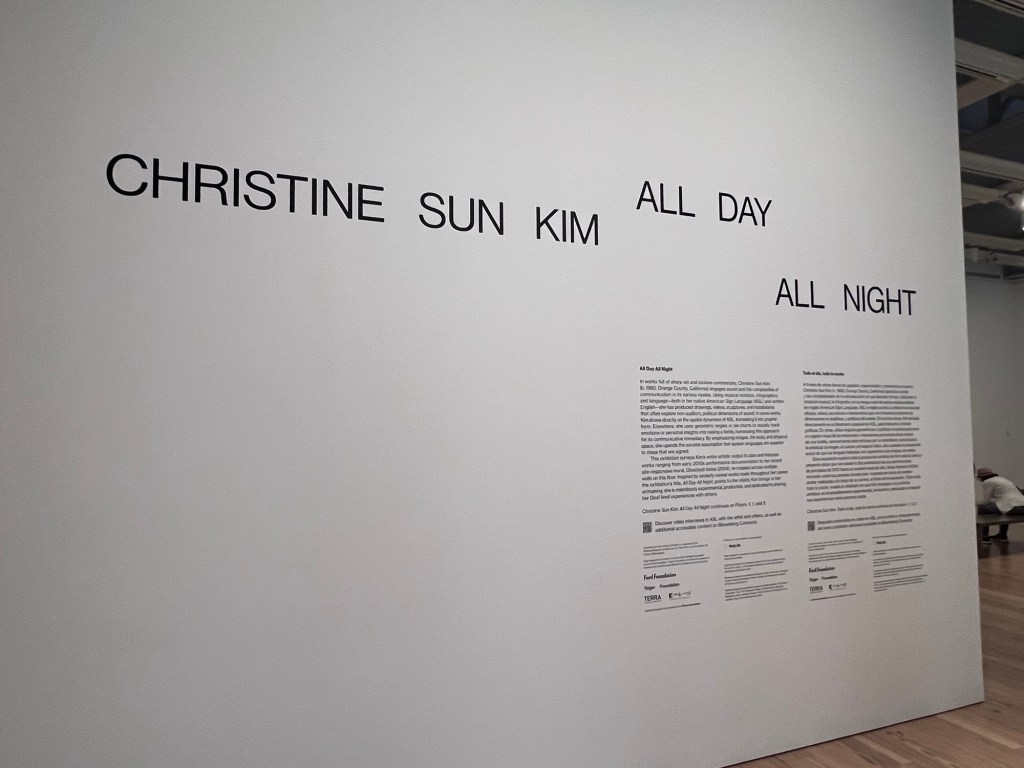


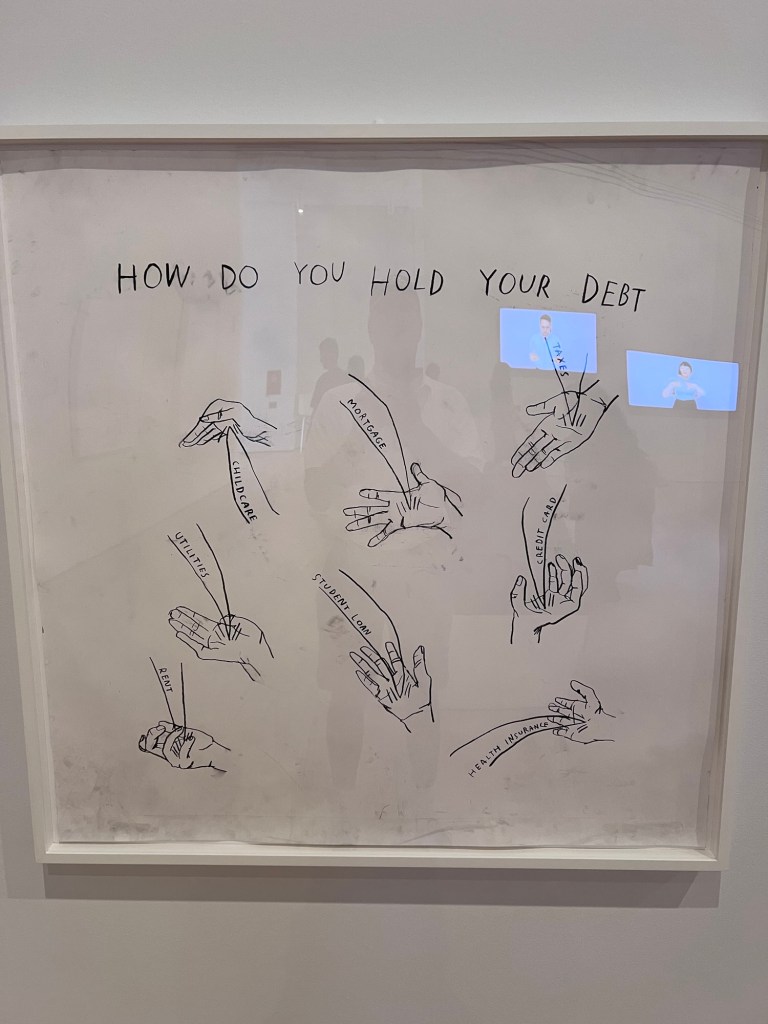


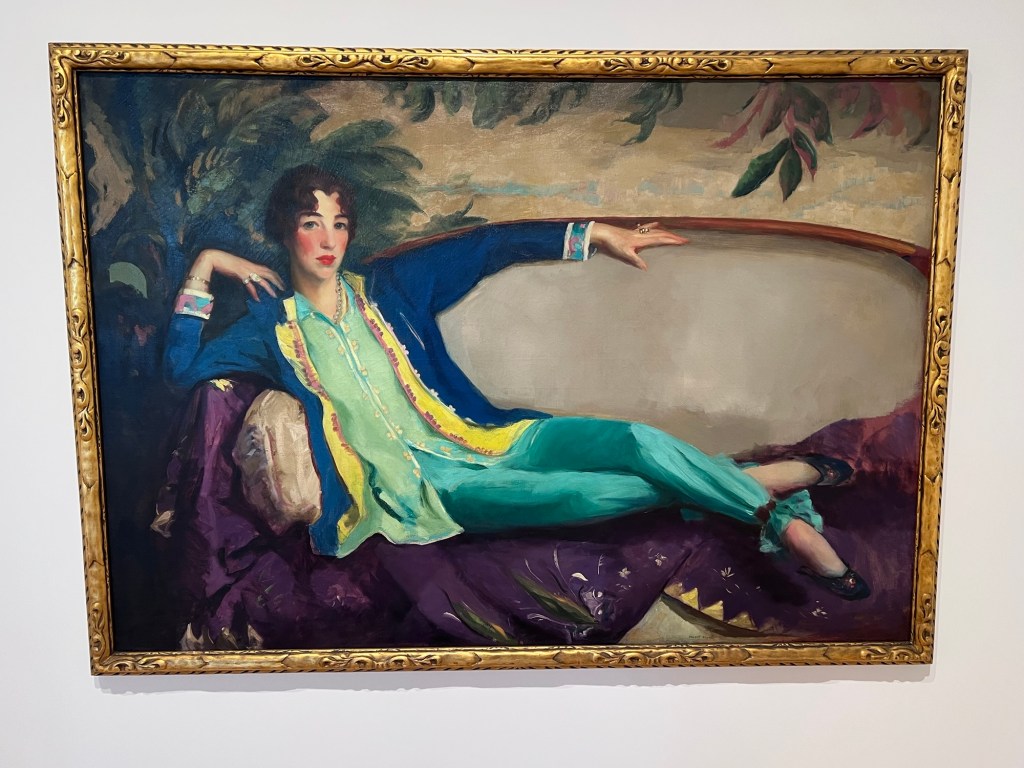

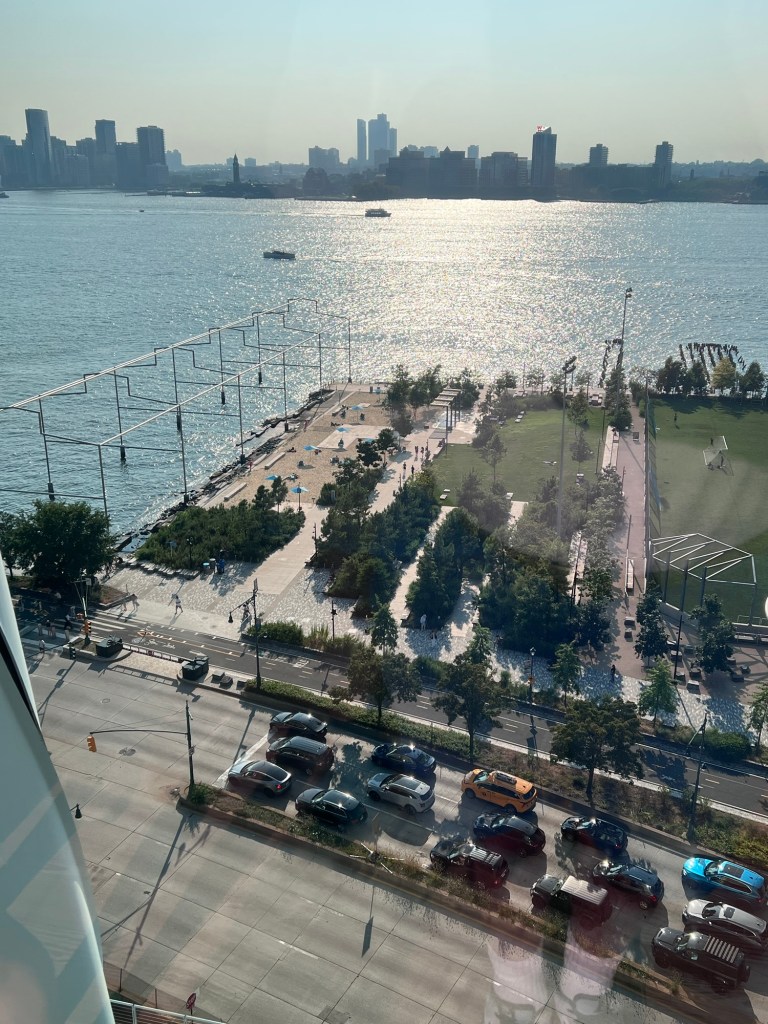

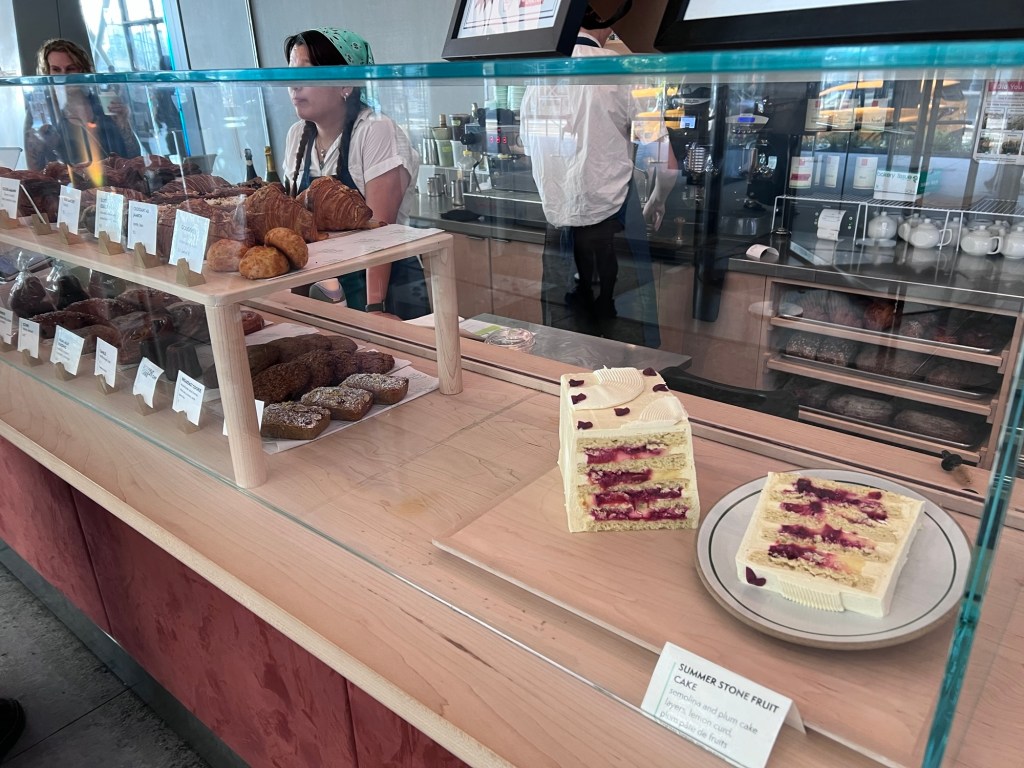




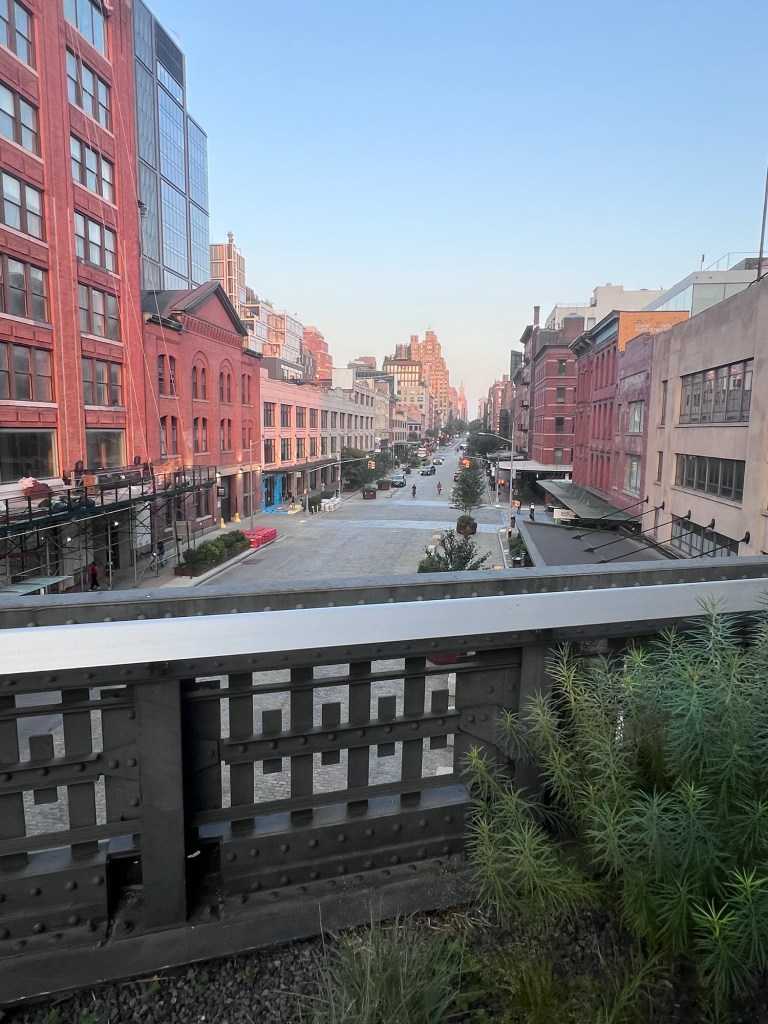
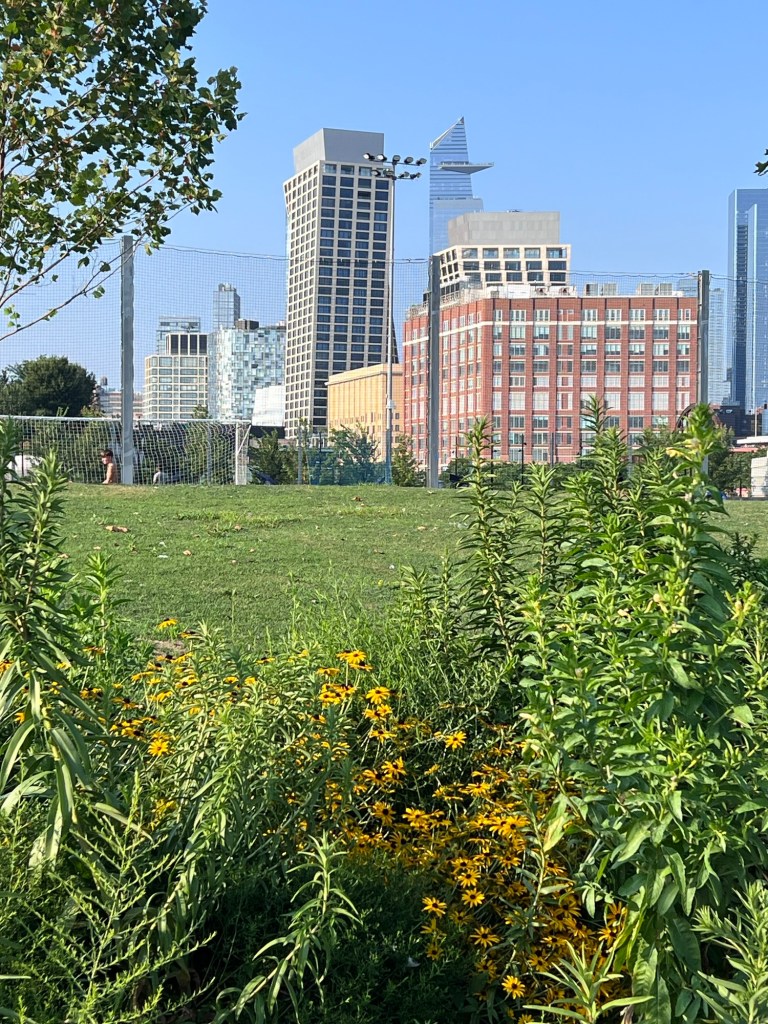

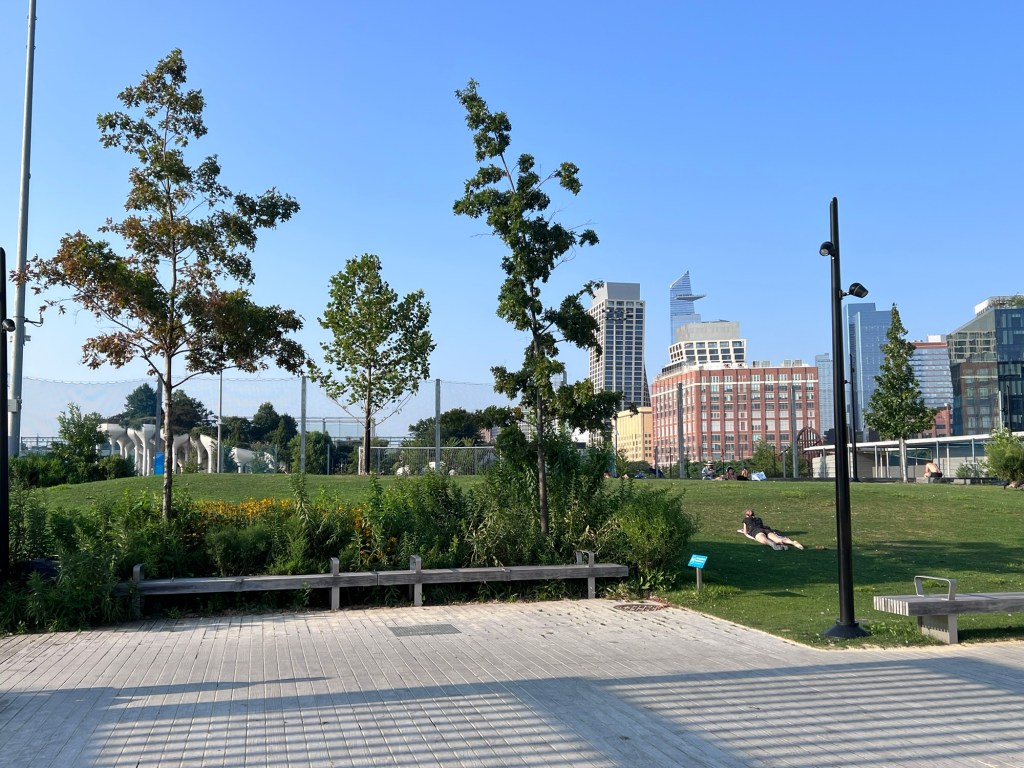


 mywalkinmanhattan