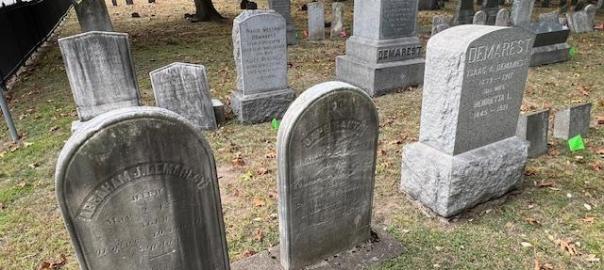
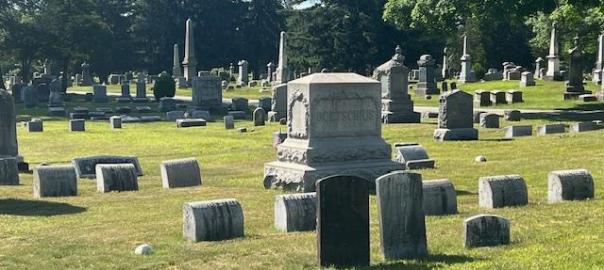
The historic Woodside Cemetery in Dumont, NJ. It is the home of many ‘founding families’ of Bergen County, NJ., such as the Demarest’s, Hopper’s, Van Buskirk’s, Haring’s (Hering’s), Van Saun’s, DeBaun’s, Westervelt’s and Zabriskie’s. These are the families that dominated the farming industry in Bergen County before and after the Revolutionary War. It is one of the many historical cemeteries and graveyards in Bergen County, NJ.
My mapping of historical cemeteries and graveyards in Bergen County, NJ:
The inside of the cemetery in the historical section of the cemetery
The historical Woodside cemetery is the resting place of many of the founding families of Bergen County and the surrounding communities of New York State.
Lining the historical Main Street of Downtown Dumont, the older part of the cemetery holds the family plots of some of the original settlers who shaped this country from its beginning.
The Voorhis family plot
The Zabriskie family plot
The Brinkerhoff family plot
The Waite Van Bushkirk family plot
The Van Bushkirk family family plot
The large Demarest family plot
The Hasbrouck family plot (The Family who Hasbrouck Heights is named after)
The Blauvelt family plot
The DeBaum-Westervelt family plot
The Van Saun-Demarest family plot
The Demarest-Haring-Van Vliet-Vorhees family plot
The Demarest-Van Bushkirk family plot
The Brinkerhoff-Doremus-Demarest family plot
The Van Bushkirk-Hopper family plot
The grave of James Blauvelt DeMott
The cemetery is the resting place of many War of 1812, Civil War, the World Wars, Korean and Vietnam and the modern wars.
The cemetery is a place of respect and quiet contemplation. To see the contributions of these members of the community is to reflect on the history of Bergen County. These families and many people buried here have helped shape Bergen County and the State of New Jersey to what it is today.
Westwood Cemetery was established in 1861 as the Old Hook Cemetery. The earliest burial was in 1791. Westwood Cemetery is a non-sectarian cemetery and continues to offer final resting places that suit individual needs. Whether you are planning for the future or purchasing for an immediate need, we have a variety of options available within the 35 acre park.
The newest part of the Westwood Cemetery where the family burials start around 1840 to Present sits on the Kinderkamack Road side of the cemetery
The back of the cemetery sits on a buff overlooking the pond that is parallel to Old Hook Road
The original family members were buried in this section of the cemetery while their grandchildren and great grandchildren are interned in the front section.
The oldest section of the cemetery which sits next to Old Hook Road is the Hopper Family plot which dates back to before the Revolutionary War
The Blauvelt Family plot sits next to the Hopper Family plot
The oldest section of the cemetery by Old Post Road home to family members of the Post, Blauvelt, Voorhis and Hopper members
The Demarest family plot overlooking the pond from the buff
The Blauvelt and Bogart family plot
The DeBaun family plot by Old Hook Road
One of the original Demarest family plots
The Haring family plot overlooking the pond
The Ackerman family plot
The Eckerson family plot with members of the Hopper and Demarest families
This section of the cemetery contains the oldest tombstones in the cemetery so many have broken or crumbled away. The lawn in this section of the cemetery is also not as well maintained so there are overgrown bushes and trees hiding the tombstones so you really have to look.
Then I worked my way back to the front of the cemetery finding the graves of these people’s children and grandchildren by following the names and dates of these people’s family members.
One branch of the Demarest family is front and center in the front of the cemetery
Next to them are the DeBaun and Vanderbeck families
Another branch of the Demarest family is a few rows behind
The Kipp family have a rather large family plot
The Hopper & Banta families share this large twin family plot
The Bogart family has this large family plot
The Westervelt family is near them with many of their members of the family
The Demarest family had two large family plots in the middle of the cemetery
The family plot of the Demarests and the Harings
The Demarest and Van Bushkirk family plot
The large Blauvelt family plot
The DeWolfe family plot
The Voorhis family plot
The Terhune Bogart family plot
What I found fascinating about this cemetery was to see the progression of each of these families from parent to child to grandchild just by walking through it. The families branch out in all sections intermarrying with similar families and the buried next to them. From back to front here they rest.
Over the years I have heard newspapers saying some negative things about the City of Bridgeton, NJ in Cumberland County. The crime, the problems and the rows of rundown housing. I have to admit that the city has its share of problems like any city but Bridgeton is a paradox. For all its problems, it has so many interesting things to see and do. As I have been exploring historical sites of South Jersey, I have made many trips through the city and driven through the neighborhoods and walked the downtown and its really interesting.
When you leave the city on any side, you are in the countryside. There are all sorts of fields of crops as far as the eye can see and many Farmers Markets just outside its borders. When you return though, you know immediately that you are in the city’s borders as housing just seems to pop out of nowwhere.
When I was visiting museums and historical sites for a blog I was writing on Southern New Jersey, I left Greenwich, NJ and took a local country road that took me through the back roads and farm country to the big city of Bridgeton, NJ where I explored their now rundown downtown. I then explored the crown jewel of the community, the Old Presbyterian Church and Cemetery.
The church stands out like a stately jewel in the middle of the town and is so beautiful and graceful at any time of the year especially in the late Spring and the early Fall when it is perfect for taking pictures. I love its historic cemetery with its Colonial era church and the gravesite that dates back to the 1700’s.
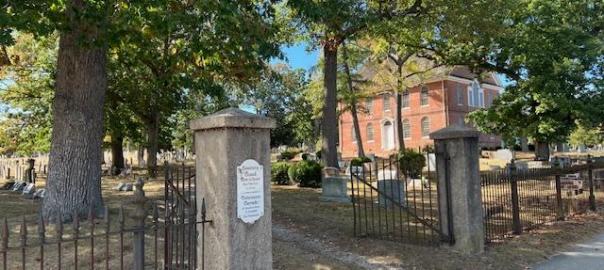
The Old Presbyterian Church and Cemetery at 54 West Avenue South in Bridgeton, NJ
Visiting the Old Presbyterian Church and Cemetery was an interesting experience. While trying to get from Greenwich to Bridgeton should have been a straight run but there were no names on the signs, and you just had to figure it out. I found the right road and it led me right to the cemetery.
The Presbyterian Church itself is only used now for special occasions and events but is an elegant building that sits on top of a bluff overlooking the downtown area. During the daylight hours you are allowed to roam around the cemetery looking at the gravesites (See my reviews on TripAdvisor and VisitingaMuseum.com).
So many famous politicians, war heroes, founding fathers of the City of Bridgeton and entrepreneurs at the turn of the last century are buried here.
The church and the historic cemetery.
What I found interesting about the cemetery was the family plots with the generations of people buried next to one another and their stories. It was sad when the parents buried their children and then died a few years later. Trying to figure the narrative of these families can be heartbreaking.
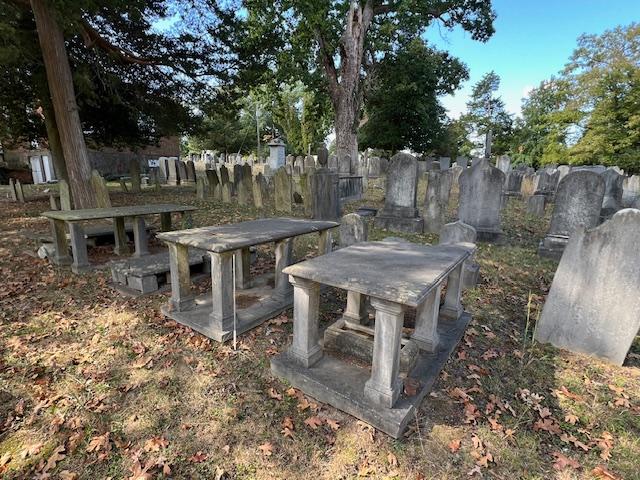
The family plots at the cemetery
The really sad part of such a historic cemetery is that it is so overgrown. I was walking through in some parts a foot of weeds. I know that taking care of a cemetery this size must be hard, but I would think there would be more care of the dead considering this is a destination for historians.
The historic cemetery in the Summer of 2024
When I finished touring the church grounds, I took a tour of the Bridgeton Historical Downtown. It was such a waste to see a bunch of old buildings falling apart and most of the businesses closed or small run-down businesses located in them. A block away was a more modern downtown with newer buildings. The shopping district caters to the very large Hispanic population that lives here and is great if you are looking for provisions for a picnic.
The one place that did stand out for me was the Century Bakery at 525 North Pearl Street in Downtown Bridgeton. They have some of the best and most creative doughnuts around. I could never make up my mind.
Century Bakery at 525 North Pearl Street in Downtown Bridgeton
The bakery just smells good when you walk in and the staff could not be nicer and more accommodating. I could barely make up my mind with all the delicious doughnuts to choose from.
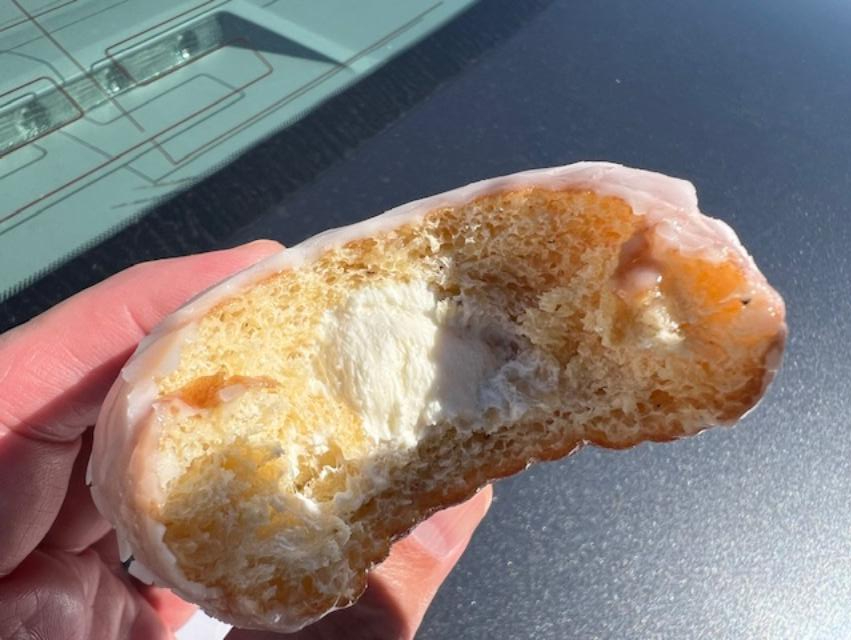
I could not figure out what I wanted with all these delicious choices displayed in the cases. I finally decided on a Glazed Cream filled doughnut that was just mind blowing. It was so delicious. I had wanted to go back for another but did not want to ruin my appetite for lunch. For another trip.
This was like biting into a piece of heaven
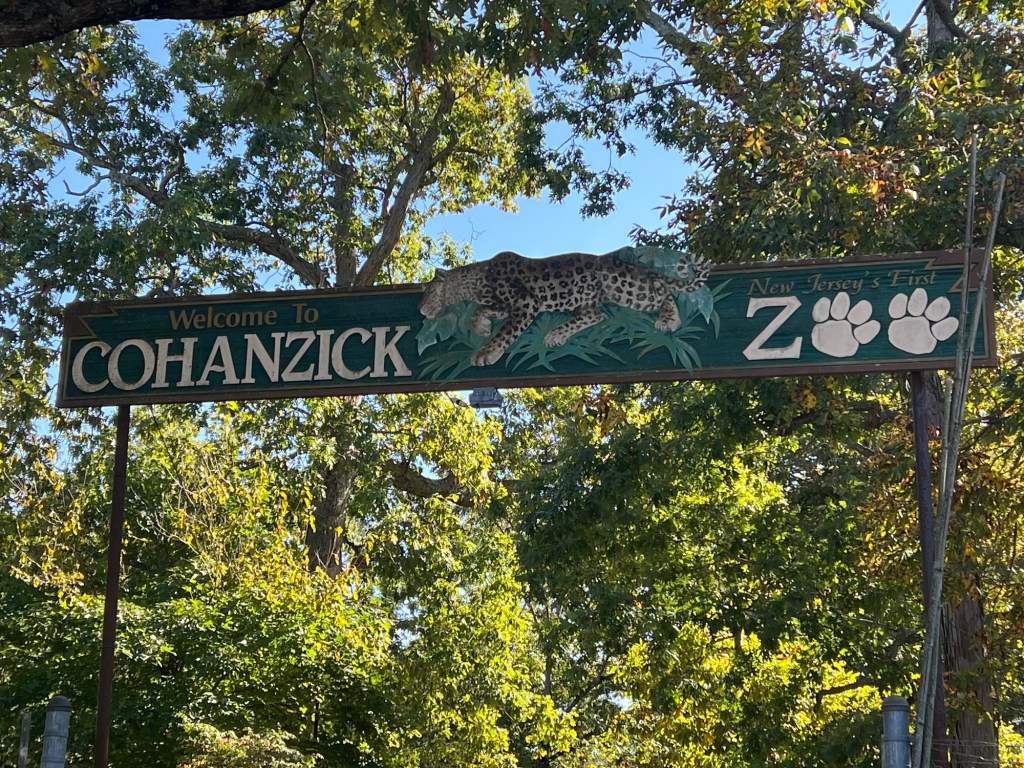
When I visited Bridgeton in the Fall of 2024 for Halloween, I took the time to visit the Cohanzick Zoo and that was an interesting detour. The Zoo is part of the Bridgeton Park system like it is up in Bergen County. It is a small County zoo that takes about an hour to visit.
The zoo has an old fashioned feel with smaller rescue animals and equally not too large cages. The zoo is mostly comprised of animals who were rescued from either being poached, illegally transported or had been used as pets, many of them being neglected and abused.
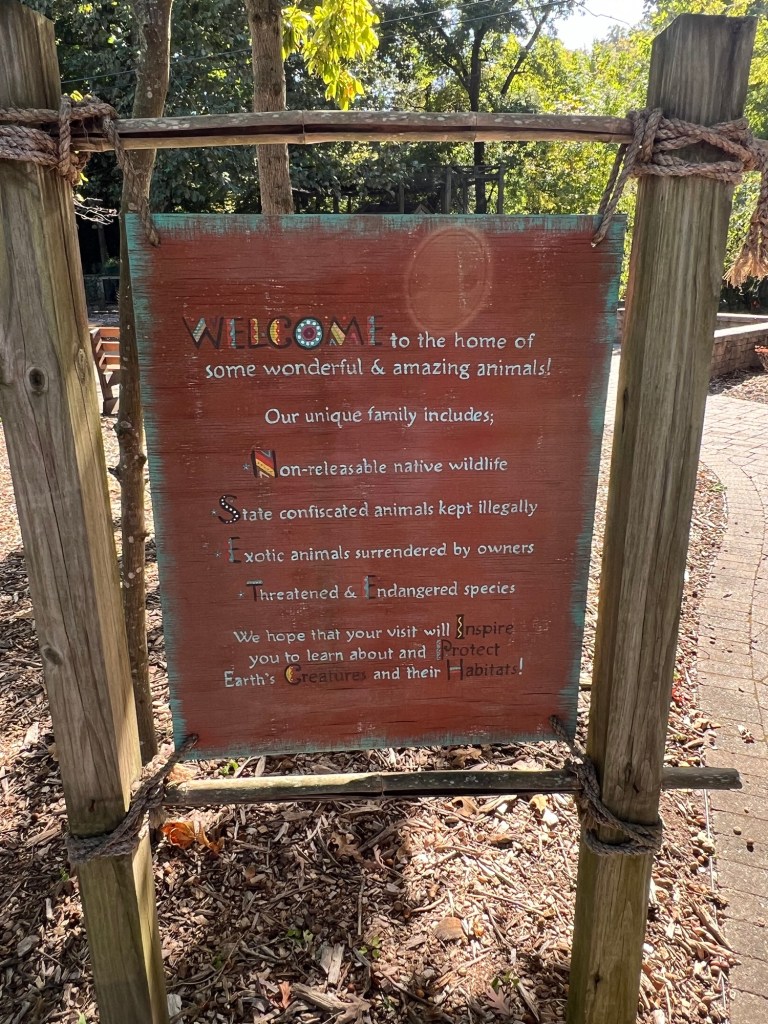
The sign that welcomes you to the park at the Cohanzick Zoo
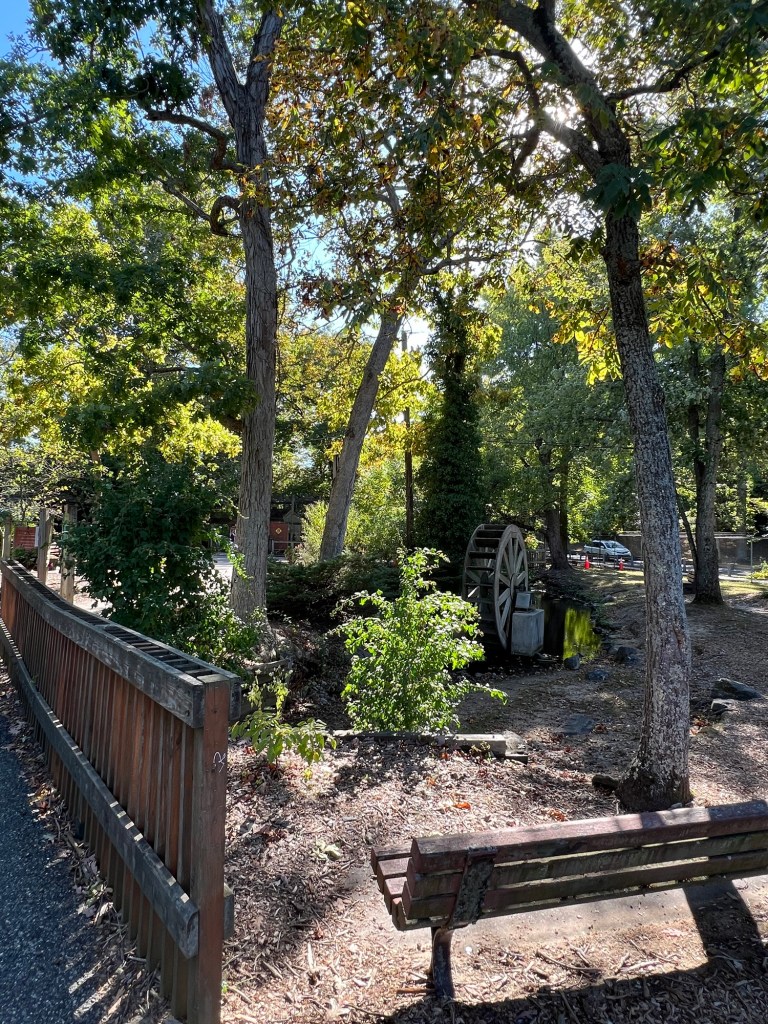
Throughout the park amongst the cages of wildlife are strolling gardens and animal related statuary.
The pathways and gardens were still in bloom the afternoon that I was there and it is a nice way to spend do the afternoon.
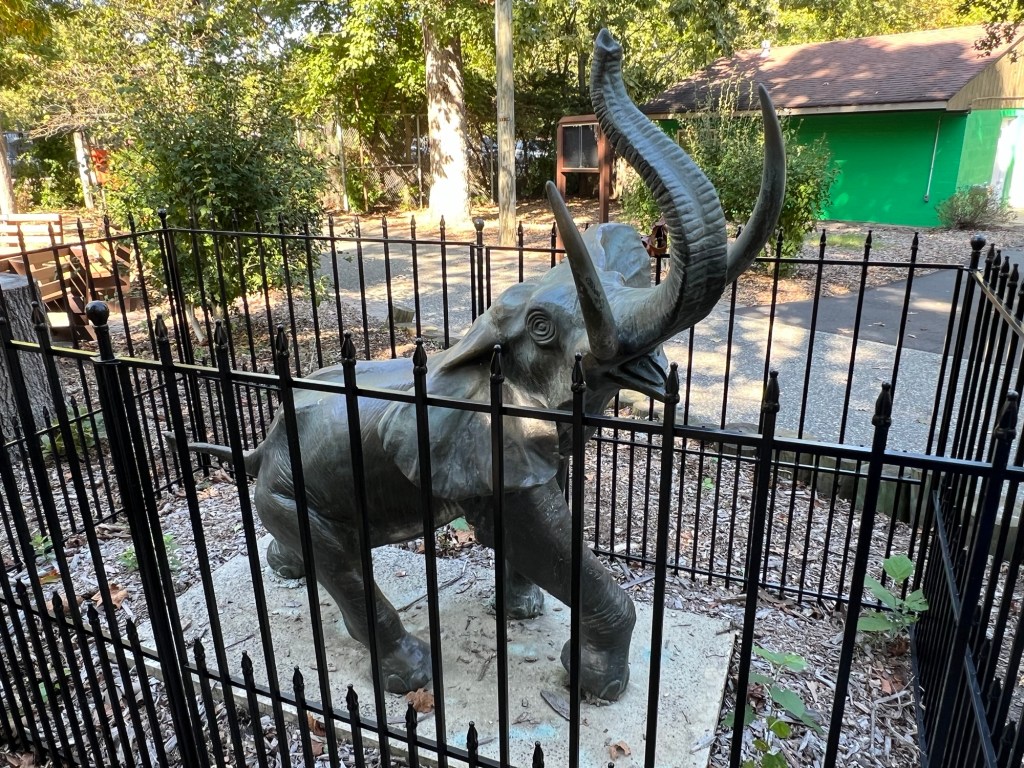
The Elephant statuary at the entrance of the zoo
The status of how some animals found their home here
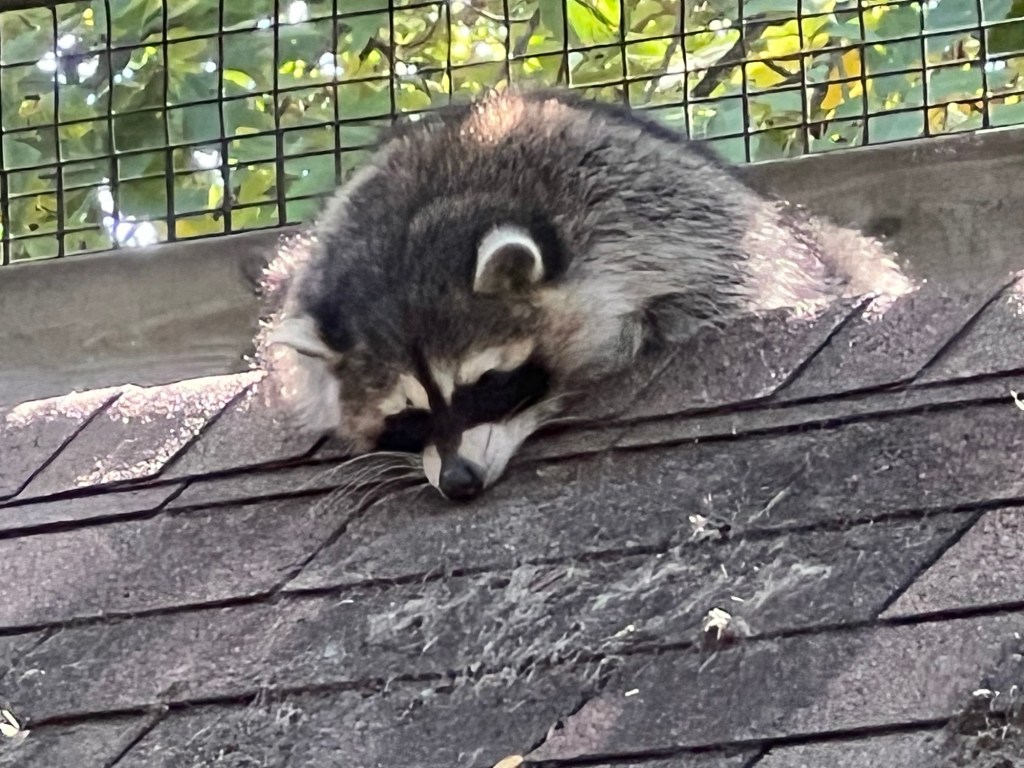
The first resident I finished was the Raccoon House, where it looked like the raccoon was taking a snooze. He really looked out of it when I passed the cage.
The Raccoon House
The Raccoon Crossing sign
This poor little guy was out like a light
The zoo is one of the smaller more localized ones that I have visited so you can see the whole zoo in a short amount of time. Then you can walk leisurely around the paths and revisit the exhibitions again. Some of the animals like the peacock family, just wonder around the park and do their thing.
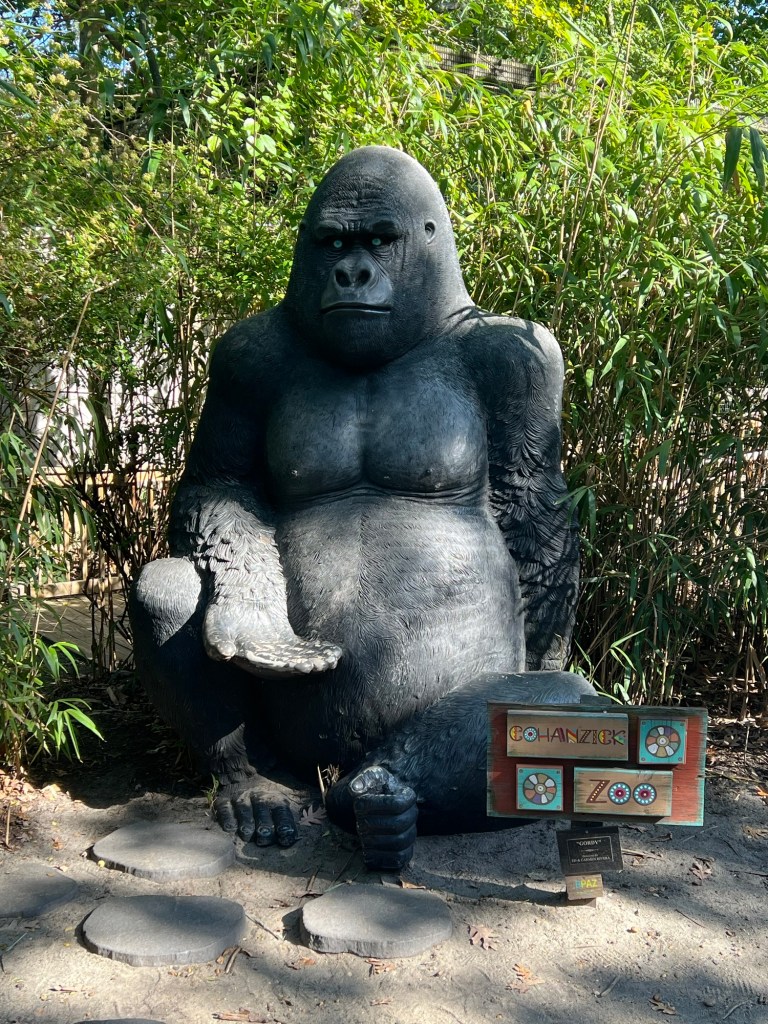
This gorilla sculpture that greets you in the back part of the zoo
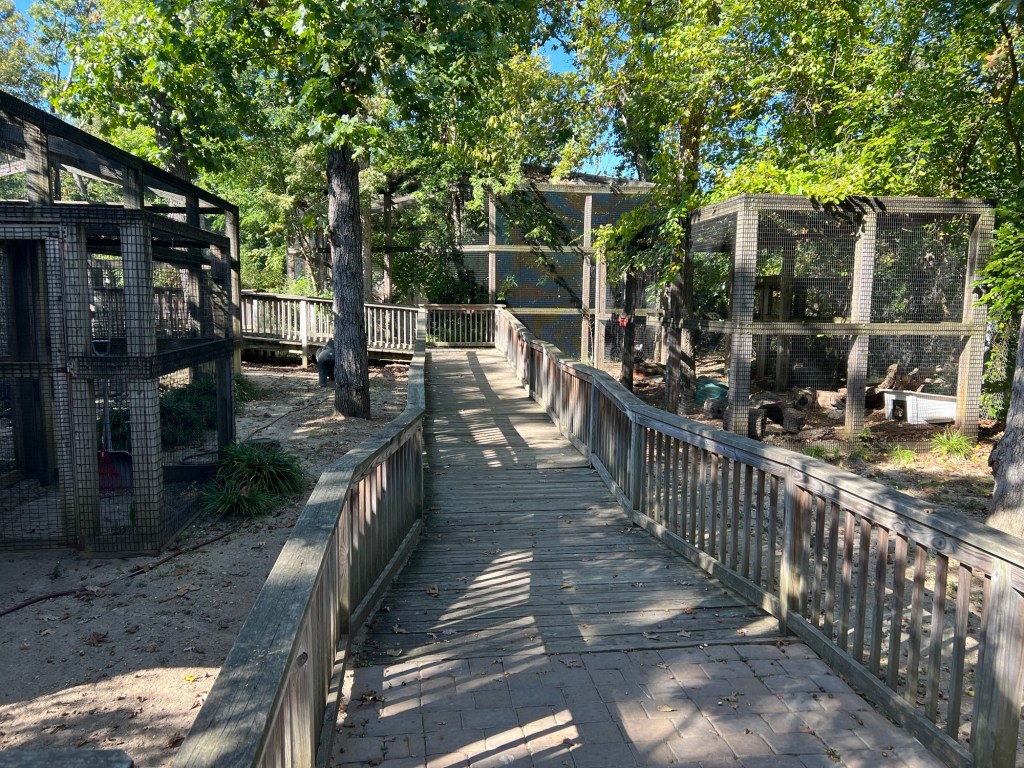
Following the walkway to the back pens where a lot of the small animal and bird displays were located
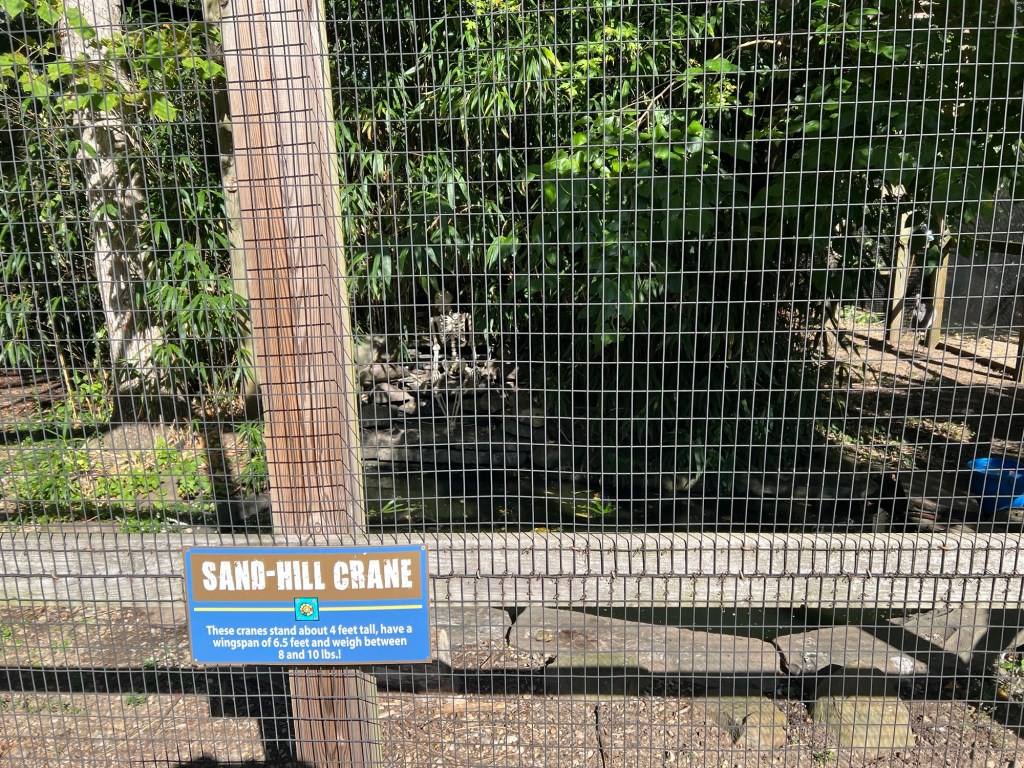
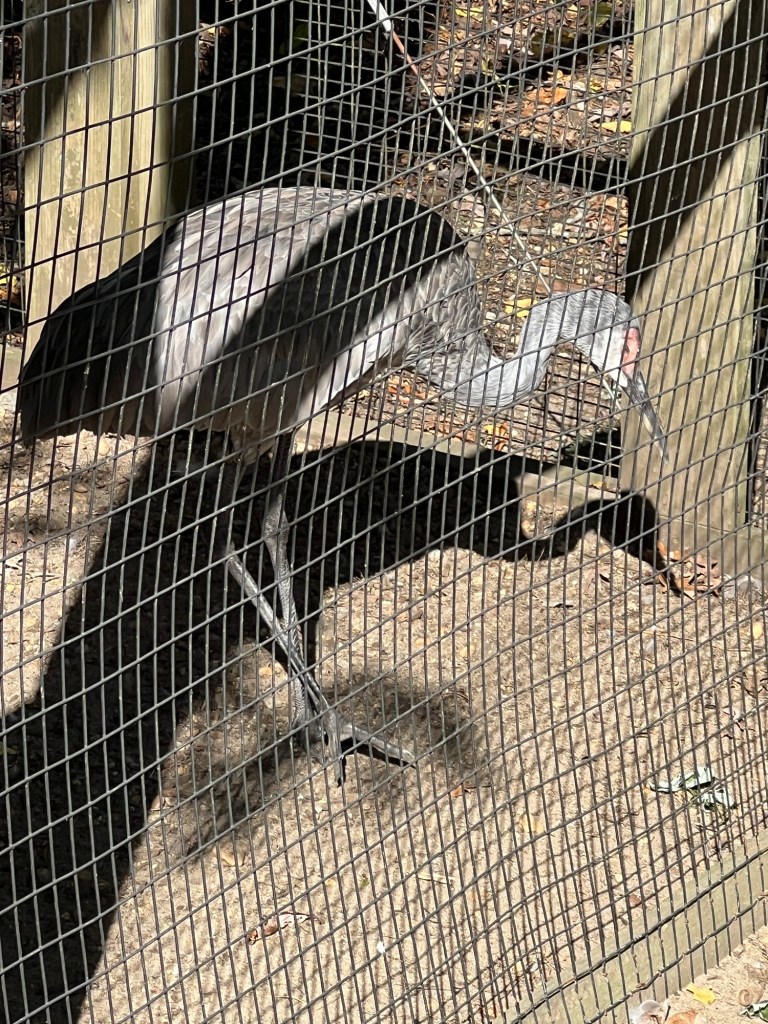
The next exhibition that I visited was the Sand Hill Crane and I read that the poor little guy had been injured. He seemed a bit more optimistic when I passed the cage. I think that the animals just want some attention.
The Sand Hill Crane display
The Crane was watching all of us as we passed his cage
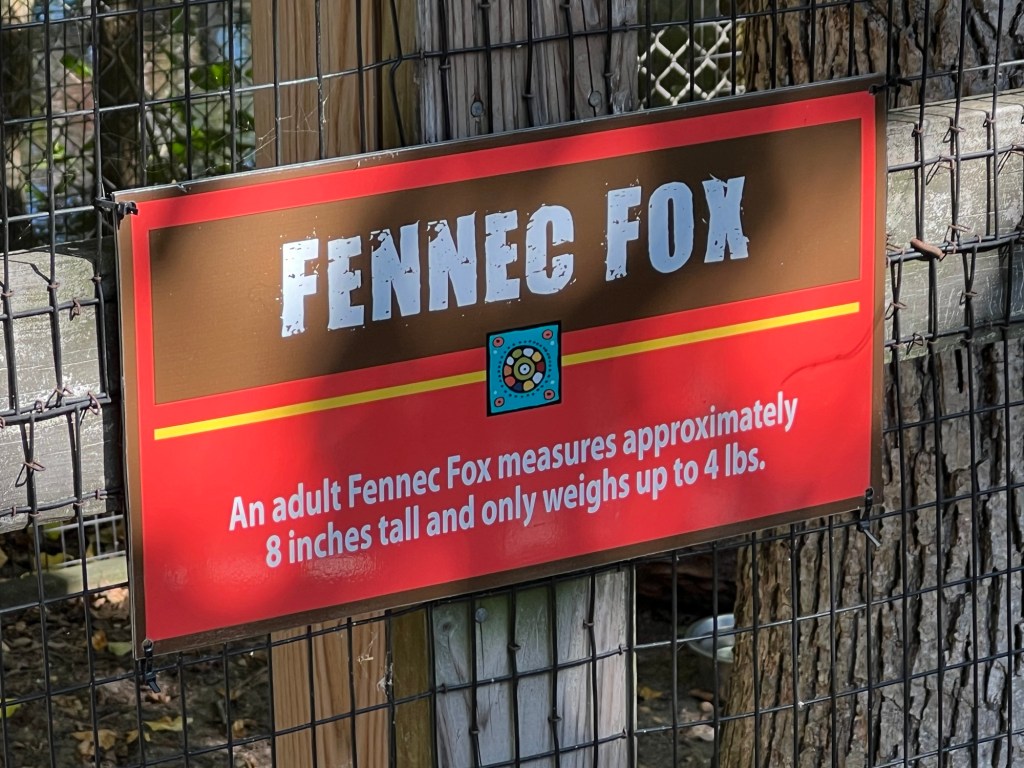
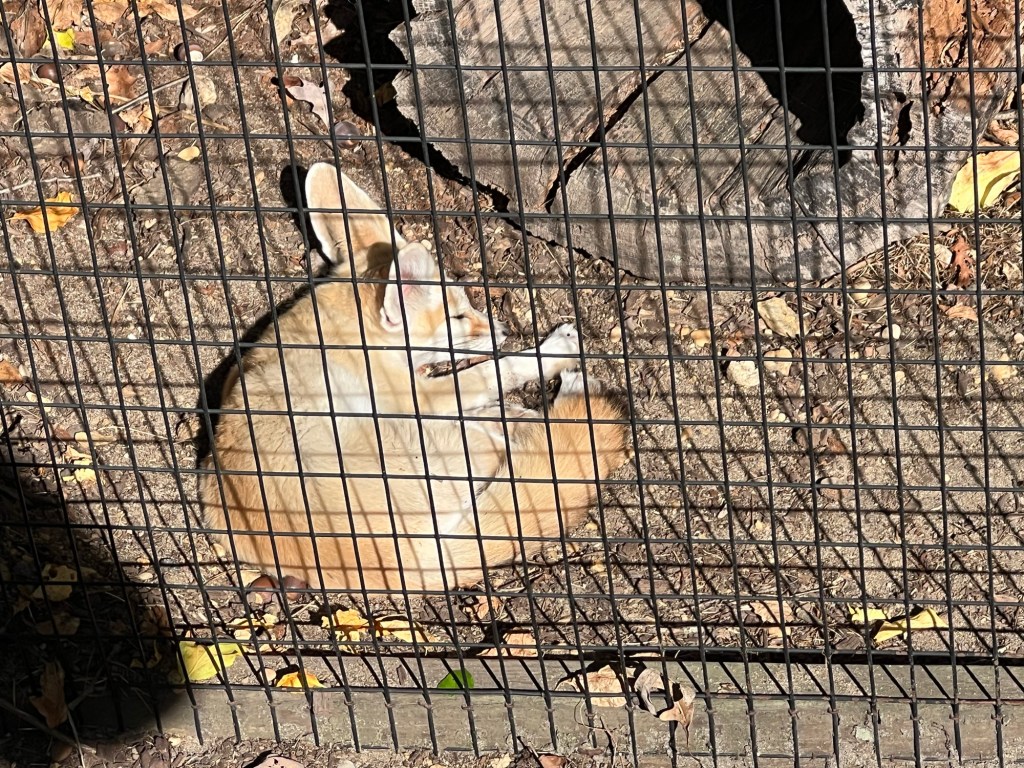
The next small animal that I visited was the Fennec fox and the two that I saw were fast asleep on this warm afternoon. They must have had a busy morning.
The Fennec fox cage
The foxes that I saw that day were fast asleep
One of the historical sites that I had wanted to visit was the historic Potter’s Tavern across from City Hall. I tried twice to stop in to see the Potters Tavern in Bridgeton but then double checked the guide and found out that it is only open on Sundays in July from 1:00pm-4:00pm.
Finally in the Summer of 2024, Potter’s Tavern opened for touring again and is now open on Sundays. It is well worth stopping and touring this important part of our Revolutionary War history.
Potters Tavern at 49-51 West Broad Street in Bridgeton, NJ
The tavern is one of the city’s connections to the Revolutionary War where patriots from that time met and plotted their strategy during the war. It was also a meeting place for men who need to gather after a hard day on the farm. These taverns were part of the social factor at a time before electronic communication.
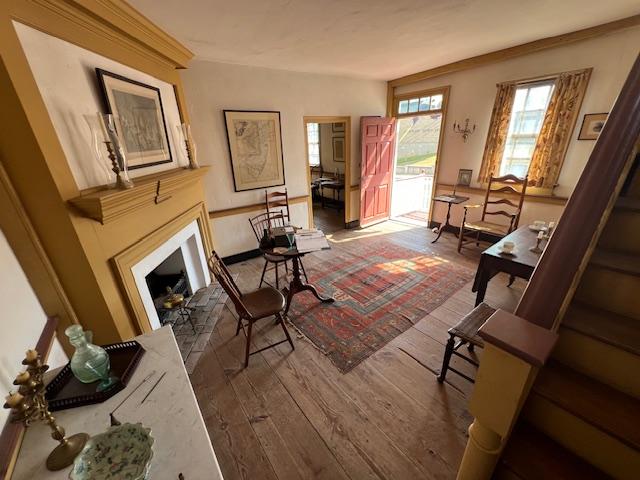
The Entrance room of the Potter’s Tavern
The Hearth in the Kitchen in the Potter’s Tavern
The Bar at the Potter’s Tavern
The tavern has been rebuilt and furnished to reflex the time period. There are three floors to tour with the first floor being the tavern itself, the bedrooms upstairs where travelers would stay after a long stagecoach journey. The lower floor was the kitchen and store room where meals would be prepared and staff would sleep.
The upstairs of the Potter’s Tavern was the overnight accommodations
The lower level of Potter’s Tavern
It is an interesting tour that should not be missed but the museum’s hours can be sporadic even as they are posted online and are seasonal so plan accordingly.
On a recent trip to Bridgeton, I was able to finally see the Bridgeton Liberty Bell that sits in a display case across the street from Potter’s Tavern in Bridgeton’s modern courthouse.
The Bridgeton Liberty bell is located in the lobby of the Bridgeton Courthouse, which is open only during the week. You can walk in through the back door from the parking lot and walk through the metal detector to get to the bell that is displayed in the hallway.
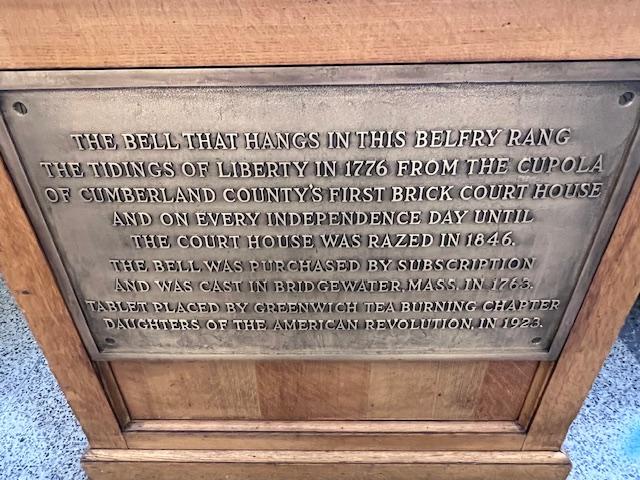
The bell was cast in Massachusetts in 1765 and was a source of information during Colonial days.
The Bridgeton Liberty Bell
It was used to call people together for important news and meetings when hanging in the courthouse in the Courthouse that was built in 1760-61. It rang for liberty when the Declaration of Independence was signed and as a warning signal for the War of 1812 (South Jersey Early American Historical Trail pamphlet).
A close up look at the bell
The historic marker of the bell
While walking in the downtown area one afternoon in the summer, I was trying to stop in the Bridgeton Library to visit the Robert Woodruff Museum of Indian Artifacts (that is only open by appointment only). Since nobody was there to help me that afternoon I left the library.
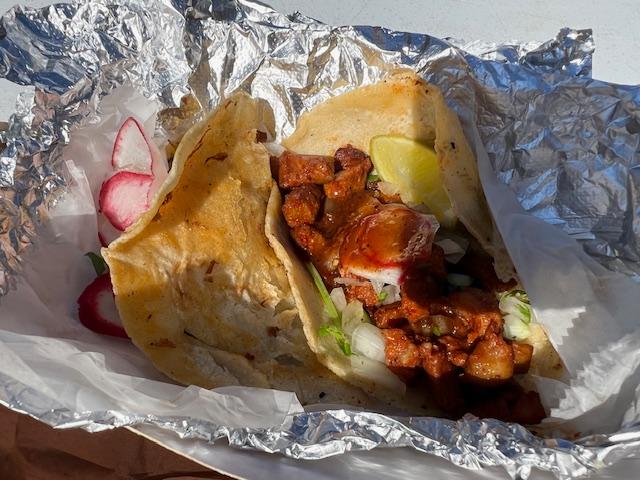
Across the street, a mother-daughter team was barbecuing and preparing tacos and tamales for locals and some workers on the construction site around the corner. The tacos were amazing and they only charged $3.00 for two small tacos and a Coke. I thought this great and the tacos were excellent. The ladies could really cook.
The fresh tacos from the pop up taco stand across from the library
Continue to follow this blog as I explore more of Bridgeton and its historical downtown and all it has to offer. There is so much that can surprise you in the City of Bridgeton, NJ.
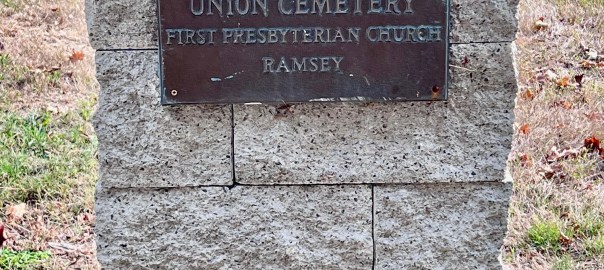
The Union Cemetery of The First Presbyterian Church of Ramsey, NJ
History of the Cemetery:
(from the church website)
Union Cemetery is a religious cemetery located at 316 Darlington Ave. in Ramsey, NJ. The cemetery is owned and managed by the First Presbyterian Church in Ramsey. As a religious cemetery, the cemetery is restricted under New Jersey state law and is not open to the general public. Only members of a Christian church and their immediate relatives may be interred at the cemetery.
The historic cemetery from the road. To the left is the oldest part of the cemetery
Entering the cemetery from Darlington Avenue
The newer part of the cemetery is to the right of the driveway
I was visiting the Union Cemetery in search of veterans of the Revolutionary War and found an interesting cemetery with a deep history in Bergen County. Many first families of Bergen County are buried here and veterans not just from the Revolutionary War but the Civil War all the way up to today are buried in this active town cemetery.
The older part of the cemetery is to the left of the driveway. These tombstones are from the early 1800’s.
The older part of the cemetery dates back to before the Revolutionary War
Many of the early family plots are located here with well known names like Hopper, Christie, Ackerman and the town’s namesake, the Ramsey family, whose family plot is in the oldest section of the cemetery.
The grave of Hannah Jane Ramsey in the Ramsey family plot
Part of the Ramsey family plot
The Ramsey family plot
The Union Cemetery to find the graves of Revolutionary War veterans and found some but not all of them. The tombstones are so worn after over two hundred years that they either had disappeared or were so worn you could not read them.
The oldest section of the cemetery where many veterans both from the Revolutionary and Civil War are buried. It was hard to read many of the tombstones. Some the veterans were buried in their family plots, others with their spouses separately. The burials were concentrated in the oldest part of the cemetery. Most of the veterans have been honored with American flags.
The first tombstones I found were from Ackerman family members
I could not make out the name of this Ackerman member but I figured it was one of the brothers wife
The grave of veteran John P. Post
The Post family history:
(from the Saddle River Historical Society website)
The Post family was of Dutch descent. The first Post was a soldier, who came here to protect the new settlements along the Hudson. They soon turned to milling; the name Post is attached to several mills in Bergen and Rockland Counties. Joseph Post, born in 1775, built a mill on the west branch of the Saddle River about 1800. He also opened a tavern and store on what is now West Saddle River Road, just north of Parker Place, across from the entrance to the mill.
The graves of members of the community at that time including the grave of John P. Post
The grave of veteran William Vanderbeck
The grave of a member of the Van Blarcom family, who was married to James Ramsey
I was not too sure who this was but by the veteran’s flower I am assuming the grave of veteran John Van Blarcom
The grave of Hannah (I believe Ackerman)
The Christie family plot
The Hopper family plot
The Hopper Family history:
(from the Saddle River Historical Society website)
The Hopper family is one of the oldest of European descent in Bergen County. Andries Hopper came from the Netherlands to New Amsterdam in the 1640’s. His widow and her son Hendrick were in the Polifly area (Hackensack) by the late 1600s. There was land to be had in the unsettled areas of what became Bergen County. Hendrick’s two oldest sons, Andries and Jan settled in the HoHoKus area (part of Paramus) around 1712. The Hopper name appears on many old homes and mills on early maps of the area. It was two of Andries’ children, Abram and Jan, who settled sometime around 1730 along the Saddle River in what is now Upper Saddle River.