Walking the aisles on the first day of the show is a lot of travel. The main floor of the show is almost three football fields long and there are so many vendors to stop and see that I have learned to pace myself.
You can not stop and eat every cookie, cracker and piece of cheese at every booth. I try to see that the vendor is offering a unique looking product and then I stop and take notes. If I really like the products, then I will take the literature.
If I really thought the product was innovative or tasted really good then I asked for a sample on the last day and took a picture of the booth.
The Italian Pavilion was one of the most popular at the show in 2025
The show didn’t seem as busy as it was in the past. The first day of the show, I could walk down every aisle without bumping into anyone. It also seemed to be more of a college and non-industrial crowd.
They would hover around the popular booths like the pizza and ice cream booths and then chomp away at the food. Even the vendors know not to waste their time. The issues is that you never know who you are dealing with and when you may see them again in the future. So you have to be very careful not to alienate anyone at these shows because today’s college student is tomorrow’s food executive.
The Italian Pavilion was one of most visited sections of the show
As I walked the show, there were certain vendors that just stood out. I was really impressed by the innovation from the foreign pavilions especially those in the South Korean, Italian and Vietnamese Pavilions with their colorful packaging, innovative logos and wonderful tasting products. I was very impressed with what was being made abroad.
There were many smaller American food manufacturers that I thought were really innovative as well. There were all sorts of drinks, spicy snacks and baked goods that I thought had a lot of potential for a mass market audience.
So for the next three days I sampled and snacked my way through the long aisles of the show. This show didn’t have the same number of vendors as previous years, noting that I finished walking the show in three days with plenty of time for another trip down the aisles to revisit certain vendors.
Much of the lower part of the second building was used as theater space for lectures and talks which I had not seen in previous years. Still there was a lot of innovation in the show and I wanted to point out the products that I thought stood out in the three days I was at the show.
Day One:Visiting the vendors and pavilions on the first floor
The Italian Pavilion:
The Italian Pavilion this year offered so many wonderful products from pasta to sauces and spices that there was a lot to choose from. There were so many vendors selling those types of products that they got lost in the shuffle. Where the products shined and stood out was in the Snack and Beverage category.
The first interesting product I tasted was Protein chips
These crispy chips were packed with flavor and had a nice snap to them. What made them stand out to me was not just the intensity of the flavors but the creativity of the packaging. I got to sample both the Paprika and the Salt & Vinegar and loved the flavors.
These crispy chips had a nice crunchy taste and a light hint of spices and olive oil. These chips are the perfect snack with a glass of wine or to start a meal with cheeses.
Bergotto Sodas were one of the standouts in both in the Italian Pavilion and in the Fancy Food Show
The Bergotto sodas were one of the standout beverages of the show. They were packed with fruity flavors that were refreshing and I loved the packaging. The sodas were really refreshing on this extremely hot day. I think they will do very well in the American market.
These tiny breadsticks from Italy, called ‘Grissini bites, are really addictive and you can not stop crunching your way through these cheese and pizza tasting snacks. These cheesy little bites were very addictive.
The Italian Pavilion had many standout items and was one of the biggest contributors to the show this year. I loved their packaging and their representatives could not have been nicer.
The South Korean Pavilion:
South Korean Pavilion with its colorful and tasty snacks, candies and sodas. Their selection of noodle based dishes and spices again are a standard in many companies from here and abroad.
Where the South Koreans stood out was in snacks and beverages. Outside of the French, the South Koreans had some of the most unique and creative packaging at the show. The flavors of their products burst with flavors of fruits and spices. I had to take my time to taste products later on that I would see in Asian markets in Bergen County, NJ.
This delicious line of sodas had tiny gelatin pearls at the bottom of them and came in so many wonderful flavors. The drinks were so refreshing after a long day of walking around and you have to shake the bottom of the can to get the pearls out and it is worth it.
The milk sodas Latte Pop were surprisingly sweet and refreshing and did not taste like a milk based product. They tasted like a fizzy version of Strawberry or Banana milk.
These interesting snack chips called “New Fish Pop” had an intense and interesting flavor. I found out that these are made with Alaskan Pollack and had no flour in them. The Honey Butter and the Chili flavors were delicious and I thought a pretty original product.
The Lemon curd ice cream from Bold Spoon really stood out amongst the ice cream I sampled that first day. The fresh ingredients and the creamy consistency stood out amongst the vendors trying to recreate the same flavors
These delicious flavors were dense and creamy and were the best ice creams that I tasted in the show. What stood out to me was that you could really taste the lemon and cream in every bite.
The Women’s Owned Companies Pavilion:
There were many ‘women owned and run’ businesses being showcased at the show. One of the products in the Women’s Owned set of booths on the lower level was the ‘Cinnamom’, cinnamon bun products. These sweet, chewy and decadent desserts were the brainchild of the mother/daughter team who own the company. It was the owners grandmother who had come up with the recipe for these sweet and rich desserts.
The ‘Cinnamom’ baked products were some of the best new items at the show that tasted
My favorites were the buttery regular cinnamon rolls and the ones topped with a thick butter cream icing. I had to go back all three days at the show just to try each of their flavors. These rich desserts deserved a lot of attention.
The pretzel snacks from OMG were Oh My God! These tasty little pretzel bites are excellent. They are crisp and crunchy and full of flavor. The two that stood out to me were the Salty Butterscotch and the Buffalo flavors and I enjoyed crunching on them.
The first day of the show was a trial of sampling and tasting and as usual I did not pace myself the way I should have. Too many flavors and consistencies plus add in the bad humidity outside for all three days for the show made me stuffed and tired but in a good way.
Five Boro Block Party on the first day of the show:
After the first day of the show, the Specialty Food Association sponsored the Five Boro Block Party again with free food trucks and costumed characters walking around. It was so hot and humid the first two days of the show, I did not know how people were walking around with jacket and tie let alone in costume. The woman who was our Statue of Liberty character lasted about twenty minutes in her costume before she had to go back inside.
The sign for the Five Boro Block Party outside the Javis Center after the first day of the show
All the vendors, merchants, industry people and buyers at the Five Boro Block Party
The actor who played the Statue of Liberty lasted about a half hour out in this heat in that costume
Still she had a lot of fun entertaining everyone on stilts
They had a nice assortment of food trucks to choose from and the food was really good but I was not hungry. I had covered the whole first floor and part of the second floor that morning and afternoon. While the traffic was a little lighter than it had been in the last two years, it took a lot of time to try and sample some of the newer vendors and I had completely lost my appetite. The site of food was not very appealing but I still wanted to see what the trucks were offering. Thank God it was just light bites.
Food Truck Catering Company made a Chicken Adobo that looked interesting until I realized it was thigh meat.
I was not a big fan of chicken thighs but the spices on this dish were fantastic
The Glazed and Confused Food Truck had the best doughnuts
The Fried Powered Doughnuts were delicious
I only lasted at the block party for about a half hour before I went home. The heat was so unbearable and so many of the exhibitors were in jacket or jacket and tie in that heat, I was not sure how they lasted.
I was full and exhausted and just wanted to get home and go through my notes from the first day, plus I had class the next morning and then had to run back in for the second day of the show so it was would a busy next two days. I just wanted to relax after all that walking and sampling. I took some good notes and found some excellent vendors who had wonderful product.
The Second Day of the Show:
The second day of the show I got there late after my morning class and was able to cover the whole lower level of the show.
Cork’s Gourmet Popcorn was one of the best popcorns that I tasted at the show. Not only was the popcorn well spiced and flavored. The Sweet Thai Chili and the Buffalo Ranch were two interesting flavors. The company uses a type of popcorn that is really fluffy and you do not see small kernals.
The Soup Dumplings at the Nom Wah booth I waited around for several times during the show and it was well worth the wait. These juicy and succulent dumplings were one of the best items I tasted at the show and made me want to go down to the restaurant ( but alas they STILL do not accept a Visa or Mastercard). The quality of these dumplings are excellent and the company has very high standards.
I sampled several of the soups from PGI Foods and I could not tell the difference between these and homemade soups. The quality and taste were amazing. The woman who worked the booth encouraged me to ‘try them all’. The New England Clam Chowder was rich and creamy with lots of clams in them. The Broccoli Cheddar Soup had a rich and sharp flavor and the Lobster Bisque was so well spiced. A definite winner for any restaurant not wanting to make them from scratch.
The Krispy Calamari snack was one of the best snacks that I tasted at the show and was one of the most unusual. These chewy and highly flavored snacks I thought was one of the best cross-over snacks I had seen at the show. It is easy to devour the Original and Spicy Cajun and I had to visit the booth more than once to ‘try them’.
Another favorite snack of mine from the South Korean Pavilion (I am telling you they had the most flavorful snacks at the show). These crispy little circles of rice flour and honey mixed with some spicy flavors made the perfect snack. These highly addictive snacks had such a sweet and savory taste to them. The people working the booth saw that I liked them so much they gave me several bags to take home and sample. I loved these snacks!
I took the samples home and tried them on my own and I think they have huge potential
I loved this product that was more of cheese on stick then a traditional corn dog. These pops had a crispy coated that was mixed with different spices. These were being fried constantly as everyone wanted to sample them. I loved the stringy consistency and the delightful flavors they had.
The Pollack Flavored Chips from Lotte Foods
I kept going back to the South Korean Pavilion to try more of their sweet and savory snacks. These were O-ING, which were Pollack flavored fish snacks. These highly spiced snacks were a big hit with me and I am not a big fish lover. These spicy snacks are the perfect item when you want a quick snack with a soda or general snacking. The people at the booth gave me a couple of different flavors to take home and try.
These were light and spicy and had a nice crunch to them
I had sampled many different types of cookies through the show that soft, hard and some all natural. I found that cookies or any baked product that does not have flour, sugar, butter and eggs just have not flavor or consistency to them.
The cookies from Fancy Pants Cookies really stood out as a crispy, crunchy product sweet product that would be popular at any age. I love their packaging as well.
The Fancy Pants cookies were small, crisp cookies that had a nice crunch to them. The cookies have such a nice taste to them. These tiny cookies are packed with flavor and have a nice bite to them. I was happy trying each flavor that they gave me a few bags to sample at home. The Birthday Cake flavor is hands down the best flavor.
The sample I brought home with me were the Birthday Cake flavor
Of the American beverage companies that I tried at the show, Harney & Sons Tea is a fan favorite of mine since I went to a sampling at the Cornell Club years ago (the owner is a Cornell Alumnus-Go Red!). I love these infused all natural teas.
The were closing down for the evening and they gave me a few bottles to take home. I was not too keen on the Rose flavored but the original and Orange Mango flavored were delicious. I have always loved their products when I visit the upscale bakeries and cafes in Manhattan.
Last Day of the Show:
On my last day of the show, I got in late because of early morning classes and wanted to collect samples so that I could try things at home. By 2:30pm, vendors were literally throwing samples in my canvas bag like I was going trick or treating. No one wants to take these home with them or back to the office. I really appreciated the samples that the vendors gave because it gave me the opportunity to taste and nibble on things on my own time.
These are some of the products that I highly recommend:
The Real Veggie Brussel sprouts from Woodridge Snacks were delicious when I sampled them
I am not a big fan of Brussel Sprouts but my mind and opinion on them was changed when the representative from Woodridge Snacks gave me a few bags of his product to try at home. I had been impressed by the flavors. These crunchy little snacks are different from others that I had tried at the show. These were made a real whole Brussel sprout leaves and a cheesy spicy flavoring to them. I was surprised and delighted by them.
These savory little snacks have such flavor packed into these crunchy treats
Another series of snacks I tried on my own were the brown rice puff snacks from Morihaku Confectioney LTD. These crunchy puffs were a nice alternative to the other puffy snacks that I have tried in the past. I got to try the three flavors Mild Curry, Grilled Corn and Yuzu Salt Koji when I got home.
The Brown Rice Puffs by Morihaku Confectioney LTD. from the Japan Pavilion
These potato chips were wonderful. The representative from the company at the show gave me a big bag of the Somerset Cheddar and Shallot flavors. These were crisp, savory and packed with flavor. These thick kettle chips are what the English would call ‘crisps’. That gave them their crisp bit.
Another popcorn that I always enjoy sampling at the show and have some of the most mellow representatives are Fisher’s Popcorn, a beach favorite. They have shops near my mother’s house in Delaware and I love their fresh popcorn. I always have to nudge them for samples after the show and they are always happy to oblige because I love their product so much.
The Fisher’s Popcorn with Caramel and Old Bay Seasoning are excellent
Hands down, their Caramel Old Bay seasoning popcorn is the best flavor. Sweet and savory with every bite and has the best taste to it. You will go through several handfuls with one of the bigger bags.
Heart Beats from the Peek Freens Company are these sweet little Elephant ears
These tiny little sweet and crisp cookie were like eating tiny Elephant Ear pastries. Their sugary top was caramelized and I crunched my way through the whole bag. This is the perfect snack for kids for their lunch boxes. Delightful and sweet!
The last product that I took home with me was the Rotten brand of candies. This sweet and puckery candies had the best packaging and display at the show. I thought these would be
Rotten Candy Gummies and Worms had some of the most unique packaging
Not only did I love the packing and display of this product but the taste was great. Sweet and tart with every bite and my favorite one were the Sour Gummy Cruncheez. These candy coated with sprinkles jellies have a double sweetness to them and a crunchy exterior that is colorful and fun. These are the perfect candy to market to museums like the Children’s Museum of New York and the American Museum of Natural History. Any place that kids could get their hand on them.
The sprinkler coated gummies have a nice sweet and sour pucker flavor to them
I loved these puckery little candies and I loved the creative packaging.
The worms had a same sweet consistency
These are pictures of some of the food items that I sampled at the show.
Sampling a Shrimp sandwich in the Japanese Pavilion
The savory Chinese pie with ground pork and a type of non-dairy cheese
I thought it was a very successful food show with wonderful items, a lot of creative new vendors and a lot of trusted old ones with quality products and innovative packaging. There are many items that I think will do well in the American market and I don’t think many of the foreign vendors should underestimate the American customer and what they will eat.
There is a lot that I hope to see on the shelves in the next year!
I have been shopping at Heights Flower Shoppe for many years for floral arrangements and gifts for the holidays. Ever since they moved from their smaller space further down the Boulevard to the new location at 209 Boulevard in a turn of the last century building (there are pictures of the building at various stages of downtown Hasbrouck Heights history on the wall), it has developed into a whimsical store of fresh flowers, beautiful arrangements, unusual knick-knacks, treasured holiday items and items from a local chocolate maker. When you want a gift that sways away from the standard present, you are sure to find it on the shelves of the Height Flower Shoppe.
Heights Flower Shop at 209 Boulevard at Christmas time.
What makes the story have such a nice feel is the way it is merchandised. Each of the tables and shelves of the store are created to be its own little display case. Everything is nicely arranged and not just plopped on the shelves. There are small stuffed animals next to frames or glittering trees next to hearts and bags of local chocolates. They are colorful arrangements that are pleasing to the eye.
Heights Flower Shoppe at The Open House in 2020
The store has won numerous awards for the window displays and at each holiday, they display an abundance of merchandise and props that showcase the event with much excitement to welcome in the holiday. Their windows have made them a member of the Hasbrouck Heights ‘Mayor’s Celebration Committee’ Hall of Fame.
The window display at Heights Flower Shoppe in 2024
Santa welcomes you to Heights Flower Shoppe in 2024
I recently attended the Holiday Open House at the store and that was amazing! The whole back counter was lined with small appetizers and platters of Christmas cookies. There was coffee, tea and “Library Punch” , which is fruit juice, lemon-line cola with sherbet. It is always refreshing and was a nice touch when doing your holiday planning and shopping.
The inside of Heights Flower Shoppe during Christmas 2024
The hospitality at the store at the holidays is always welcoming. If it is a floral arrangement for a special event or small gift for a dinner party’s host, you are sure to find it at Heights Flower Shoppe.
The inside of Heights Flower Shoppe in 2024. It is the land of Christmas
The Christmas 2021 Open House on December 5th was a pleasure. It is fun to enjoy the Christmas music and nibble on snacks as you walk around the store planning your purchases for the holidays for the home and as gifts. It is part of Hasbrouck Heights Holiday traditions in the Downtown.
Heights Flower Shoppe at the Christmas 2021 Open House
The Christmas display windows at Heights Flower Shoppe in 2021
The Christmas greeting at the 2021 Open House at Heights Flower Shoppe
The beautiful merchandise at the 2021 Christmas Open House
Whimsical Christmas merchandise at the 2021 Open House
The Hasbrouck Heights Men’s Association Halloween House/Merchant Contest:
For Halloween in 2022, I ran the Hasbrouck Heights Men’s Association Halloween House Decorating Contest and we created a Merchant Division this year. Heights Flower Shoppe was our winner.
Heights Flower Shoppe decorated for Halloween 2022
We were impressed by not just the windows but also by the inside decorations and merchandising of the store. It just was so perfect for the holiday season and was the perfect store to ‘bewitch’ anyone who was decorating for parties and get togethers.
The decorated windows at Heights Flower Shoppe were impressive
The inside of Heights Flower Shoppe at Halloween in 2022
Halloween decorations and delights at Heights Flower Shoppe
Chairman Justin Watrel with Merchant Winner and owner Ray Vorisek
Winner and Owner Ray Vorisek in front of the winning store
The store was very impressive for Halloween 2023 as well with ghoulish decorations and the displays of things that go bump in the night. Ray won the award for a second time in 2023 and I very proudly awarded him for a second time for his creativity and spirit of the holidays.
The display windows in 2023 for Halloween.
The boutique of Heights Flower Shoppe at Halloween 2023
The beautiful merchandise for Halloween and Thanksgiving in 2023.
Ray won the contest again in 2023. He is with Chairman (& Blogger) Justin Watrel Chairman of the Hasbrouck Heights Men’s Association Halloween House Decorating Committee presenting him the award.
The Two time winner in front of his store.
Heights Flower Shoppe becomes even more festive the day after Halloween when the whole store is converted into Christmas merchandise and becomes the ultimate Christmas shop. All the beautiful and festive items line the shelves waiting for people to take them home and decorate with them.
The outside of the store is so beautifully decorated
The inside boutique is laden with Christmas decorations
The entrance is full of elegant items for decorating
The side shelves are full of gift items and wonderful chocolates
In Christmas 2022, the whole store looked like a Christmas Fantasyland of beautiful gift items and a wonderful place to buy presents.
In Christmas 2023, the store is looking more and more like Christmasland with its boutique like displays and merchandise.
Heights Flower Shoppe in 2023.
Heights Flower Shoppe Christmas 2023.
Ray is the three time in a row winner of the Hasbrouck Heights Men’s Association Halloween House/Merchant Decorating Contest in 2024. His windows set the example foe merchants in our Downtown during the start of the holiday season.
The front of the Heights Flower Shoppe during Halloween 2024
The winning Merchant window in 2024
The close up look at the winning window
The close up look at the winning window
HHMA Chairman Justin Watrel with winner Ray Vorisek at Halloween 2024
Three time winner of the Hasbrouck Heights Men’s Association House/Merchant Decorating Contest in 2024
Ray always does a wonderful job with his windows during all the holidays and is impressive at Christmas and Easter as well. The store both inside and out are always decked out during the holiday season.
The blog on the Hasbrouck Heights Men’s Association Halloween House/Merchant Decorating Contest 2024:
The beautiful merchandise at Heights Flower Shoppe at Halloween.
The windows at Christmas time December 2023.
The front window of Heights Flower Shoppe in December 2023.
The inside of Heights Flower Shoppe in 2023.
Heights Flower Shoppe at Christmas 2023.
The Proposal for “Bergecco-Parc Consulting Inc. Heights Flower Shoppe-We Keep Growing”:
When I needed to pick a small business to do a Marketing project on for my Business 101-Introduction to Business class, I wanted to keep it close to home as the Summer was winding down and did not want to travel too much to Paramus through all that traffic. So I approached Ray on this as I saw that he did not have much of an online presence nor a strong Digital Marketing display of all the wonderful things he sold in the store. We agreed to the things we both wanted to cover and we set the project up and I presented it to my class.
We were under a lot of time constraints just like the Summer One course in that we only had six full weeks of class, and we would miss two more days of class, so we were going to be rushing through this project. Funny though, this is what I told the students they will be experiencing for the rest of their lives. Last minute requests from both bosses and clients that you might have to achieve and finish in a weekend.
So I prepared the field trips. The first one was an optional extra credit trip the Thursday after I handed out the assignment and then the next Tuesday I met me students for a formal tour of Heights Flower Shoppe and then our Team lunch at Bella Pizza a few doors down. This is when the real work begins.
In a now in a class this quick, you do not have the time to goof around and I made my students fully aware of this. So I arranged the field trip with Ray and his staff, made sure that all my students attended and we started the tour of the store.
We started the tour with a discussion on the history of the store and Ray’s career in the flower business
The owner, Ray Vorisek, gave my students a talk first on the history of the store, his career as a florist and how the whole family participates in the business. Then he took us on a tour of the second floor that will be used for the new Christmas shop and bridal salon in the future. Then I let my students walk around and talk to the owner and his staff, who were working feverishly getting out orders that afternoon.
My students listening to Ray discuss the flower business
Ray explaining the assortment of flowers
My students touring the store and studying the merchandise
Our Team picture after the tour
The students had about a week after this tour to finish and present the project to myself and the owners niece, who would be working at the store as the rest of the family members would be away on vacation. We finished the visit in less than an hour.
As part of the tour, I took the students out for lunch five doors down at Bella Pizza at 197 Boulevard for Cheese pizza and soda. I find that when a Team ‘breaks bread’ with one another, they gel together.
Bella Pizza at 197 Boulevard in Hasbrouck Heights, NJ
Our ‘Business Lunches’ are a way for the student consultants to get to know one another and start talking about the project in a more casual manner. There was a lot to discuss and it is easier over lunch with a few laughs.
The Special Events and Marketing Team having lunch
The Special Events and Marketing Team dining together
Members of the Marketing and Special Events Team dining together
Ray Vorisek and his daughter, Gabriella with our Senior Vice-President of Operations
It was a really nice lunch and I got to talk with Ray about some of the challenges of the business and catch up on ways he was promoting the business. Heights Flower Shoppe is a very successful business with a good following but the issue is that his core customer base was getting older and things like the way holidays were being celebrated were changing. It was going to be out job to tap into what the younger customers were looking for and how to reach them.
For the next ten days, my students worked hard, had challenges to overcome, co-workers who could be somewhat uncooperative and worked late nights to finish the project in time for our presentation on August 5th, 2025. I thought for a barely two week time frame, the student consultants did a wonderful job on the project and here is their hard work.
This was the commercial that the Marketing Team put together for store to promote it for the Digital Age:
The Commercial on Heights Flower Shoppe
The Team Presentation on YouTube
The Presentation was a huge success with both the Marketing Team and the Special Events Teams presenting their ideas with new logos, interesting Tik Tok and YouTube videos promoting the store and new special promotions such as ‘Children’s Bundles’ and holiday events highlighting Christmas, Easter and the Wedding season.
Ray’s niece, Nicole, attended the Presentation and gave us wonderful feedback on some of the ideas. Which ones were realistic and which ones would need more work. I do admit the students can be elaborate with the project and their ideas, but it is best to present all ideas first and then tailor them down to the clients budget and logistics.
The Corporate Picture for the Paramus Team-Heights Flower Shoppe with CEO Professor Justin Watrel at the end of the Team Presentation
After the Presentation was over, I hosted a small reception for both the students and our attending guests. I bake cookies, brownies and bring in snacks like chips, sodas and waters for the students and their guests for a job well. Our last time ‘breaking bread’ with one another for the conclusion of the project. It was a bit rushed but I think the Team did a great job.
The Bergecco-Parc Consulting Inc. Corporate reception for the Paramus Team
The next week before Final Exam, we had the Team Wrap up and each student discussed what they learned from the project. This is where I get my insights on the project and where I need to tailor my CEO skills. Just as much as the students learn from me, I learn so much from them as well. “From the students we are taught” from the ‘King and I’.
Then I presented my President of the Division her official Bergecco-Parc Consulting Inc. Presidential hat, of which she seemed very excited to receive. It was a very difficult project to do in less than two weeks and she was up to the challenge. Respect well-deserved!
The cemetery sits behind the former ‘Ladies Shopping District’ department stores
The front of the cemetery
When I was finishing my walk of the streets of Lower Chelsea, I came across this quiet and respectful cemetery in the middle of a busy neighborhood. This small graveyard was the third of series of moves that Shearith Israel made to bury their dead since the original cemetery open on the edge of what is today Chinatown.
Like its earlier counterparts, the cemetery is locked to visitors. So you can only admire it from a far. The graves date back to the early 1800’s.
The History of the cemetery:
(From the New York City Cemetery Project and Find a Grave)
This cemetery is located on 21st Street between 6th and 7th Avenues, in use 1829-1851. Shearith Israel, the first Jewish congregation in North America, was formed in 1654 by Spanish and Portuguese Jews who journeyed from Recife, Brazil, seeking refuge from the Inquisition.
The entrance to the cemetery is always locked
The sign for the cemetery
While New Amsterdam’s city fathers did not recognize freedom of worship, they respected the Jews’ right to their own consecrated burial ground. Shearith Israel purchased the cemetery plot on West 21st Street in 1829 for $2,750. It, too, was on the outskirts of the expanding city, which for sanitary reasons had prohibited interment below Grand Street after the yellow fever epidemic of 1822.
The view of the cemetery from the fence
In 1832 the congregation bought land extending the cemetery east to Sixth Avenue and south to 20th Street. Fifty years later the land was sold to Hugh O’Neal, who built a dry goods store there. Shearith Israel used the cemetery for burials until 1851.
The graves are from the early 1800’s
That year, New York City prohibited burials south of 86th Street and the establishment of any new cemeteries within city limits (Find a grave.com).
The side section of the cemetery and pathway
The view of the cemetery and its quiet respect to those buried there
The history of the Cemetery from the Congregation of Shearith Israel The Spanish & Portuguese Synagoge website:
According to rules of ritual purity, Cohanim are prohibited from coming into contact with the deceased (except for their immediate family.) This means that ordinarily Cohanim cannot participate in any of the mitzvoth related to burial. One particularly commendable priest, Mr. Lewis I. Cohen, realized that the consecration of a new and unused cemetery afforded him an opportunity to participate in a mitzvah usually off limits to Cohanim. So it was Mr. Cohen who volunteered to dig the first grave for the first burial of the new cemetery in November 1829.
Some of the notable persons laid to rest in the 21st Street cemetery were Moses Levy Maduro Peixoto and Isaac Seixas, ministers of our congregation, and Harmon Hendricks, founder of one of America’s first great industrial companies and whose descendants are still members of our congregation today. Perhaps the most influential person to be buried in the 21st Street cemetery was the great Jewish diplomat and proto-Zionist, Mordecai Manual Noah.
In 1851, the city prohibited burial in Manhattan below 86th Street. Rather than continue to look north (as Trinity Church did), the Congregation searched outside of Manhattan for its next burial ground. Together with Bnai Jeshurun and Shaarei Tefila, the congregation purchased a large plot of land in Ridgewood, Queens.
I finally finished walking Lower Chelsea which means that I have now walked 2/3 of Manhattan island. It has taken a decade to do this since my initial start but life does get in the way. I hope to all you readers you have been enjoying the journey.
The streets of Lower Chelsea took so much time because here in this corner and there in that corner I kept finding more interesting things I wanted to share with everyone. It makes this journey even more fun.
I started my journey in the Meatpacking District in the early afternoon of a glorious summer day. It was clear, sunny and warm and the perfect 80 degree day.
Ninth Avenue and West 14th Street
I started the walk on the corner of West 14th Street and Ninth Avenue, which was once all slaughter houses up until about twenty years ago. Some converted to clubs in the 1980’s and then funky shops and over the last twenty years has seen a change in upscale dining, shopping and living.
There are still meatpacking businesses and distribution centers on the edges of the neighborhood but I am sure that won’t last forever with the cost of real estate in this neighborhood. It’s just funny to see the meat distribution centers sitting across the street from stores selling $1000.00 leather jackets. In just a decade period, I have never seen a neighborhood change as dramatically as this one.
This was one of the scenes of “Sex and the City” where I saw the Meatpacking District change.
Once they featured this neighborhood in ‘Sex and the City’, it was already past trendy. Now most of the streets are lined with ultra chic and expensive stores. I have never seen so many stores lined next to the vestiges of meat wholesale businesses.
The edge of the Meatpacking District at the corner of West 14th Street and Ninth Avenue
Walking down Ninth Avenue to Ganesvoort Street seems to be one long Mexican restaurant. The street is lined with chain restaurants next to luxury condos. The cobblestone streets and plantings though give it a real picturesque look.
Walking down the cobblestone street of Ninth Avenue
Once you reach Gansevoort Street there is nothing left of the neighborhoods storied past
Looking down Gansevoort Street and its cobblestone look
Looking down Gansevoort Street seems like seeing a combination of what was old being converted to new plus a lot of new construction with very innovative design tucked in between. I love the hodge podge of architecture and how it all blends into the neighborhood.
Very whimsical street art along Gansevoort Street
The High Line Park ends on the edge of Ganesvoort because once upon a time these were the famous Washington Markets. The line was used to get produce and other foods transported out of the area.
The new Whitney Museum is at the very edge of the neighborhood and is a catalyst for tourists
When I was visiting the neighborhood for the second time to finish Hudson Street, I stopped at the Whitney Museum and found out that after 5:00pm on Friday nights, the museum is free for entry. That and being an NYU Alumni, I got in that night and was able to tour the museum and all the exhibitions for two hours.
On the very edge of Hudson River Park sits one of the few man made beaches in New York City , the Gansevoort Peninsula Sand Bluff that is part of the most southern part of Hudson River Park. This wonderful and relaxing park became my ‘go to’ spot when I wanted to relax after a long day of walking. The views are spectacular and if you can snag one of the lounge chairs either on the beach area or facing the Hudson River, it is even better.
Entering the park from Eleventh Avenue, the Gansevoort Peninsula Sand Bluff
The amazing artwork along the beach ‘Days End’ by artist David Hammons
This fascinating piece of art is entitled “Days End” by artist David Hammons. It looked like the shell of an empty building and struck a nerve as the sun started to set on the New Jersey side of the Hudson River. It is an ‘Open Air’ sculpture that explores the history of the neighborhood (Whitney Museum). This sits right at the entrance of the park.
Mr. Hammons is an American born artist who studied at the Chouinard Art Institute (CalArts) and at Otis Art Institute. He is known for his Body Prints and sculpture work (Wiki/Artnet.com).
Underneath it is the amazing and very busy beach
The pathway along Hudson River Park
The beautiful plantings along the pathways
The colorful flowers in season in Hudson River Park
The very edge of the dock in the late afternoon looking over Lower Manhattan
The views from the dock section are fantastic and have the most breathtaking views of both Jersey City and Lower Manhattan. It really shows the growth of these areas for business and residential over the last twenty years.
The view of the beach with everyone looking so relaxed
The view looking up from Tenth Avenue
I rounded Gansevoort Street and walked down little 12th Street , which itself is making a lot of changes from business to both retail and residential.
Making the turn on Little 12th Street
The mural above Golden Goose at 812 Washington Street
The view of the High Line Park from Little 12th Street
I thought the front of 12 Little 12th Street was quite unique
Little 12th Street like most of the neighborhood is in transition right now. Stores and restaurants have been opening and closing in the neighborhood and right now there are quite a few empty storefronts. The effects of COVID are still being felt all over the City.
On the contrary though, the empty store fronts are producing some interesting Street Art on the windows and doors of these establishments. These were some of my favorites.
I thought this was amusing
This looked like something out of the movie ‘Just can’t Wait’
This artist I was seeing all over the neighborhood
I love the irony of politics
Interesting art
I loved the little cents guy
This work was really creative
There is all sorts of public street art like this all over the neighborhood.
Turning on to West 13th Street,, I saw the last vestiges of the Meatpacking and Distribution industries. Some companies are still holding on in the area and their buildings prominently display their signs.
On some buildings, the signs have been kept as a reminder to the areas past and house expensive stores. The neighborhood has not totally gentrified yet and still has a grasp on the food industry, probably catering to the local restaurants and hotels.
Turning onto West 13th Street is a small look into the neighborhood’s past.
The Meat distributors who still operate in the neighborhood are becoming less and less. The London Meat Company and the Weichsel Beef Company still stand strong with their building on Little West 12th Street. These companies are the last holdouts of the old neighborhood. I have a funny feeling with the land worth millions that this will be a luxury condo or hotel in about five years.
What I read about the Meatpacking District is that this area was zoned for the Food Wholesale Markets going back to a deed from the Astor family when they owned this area. This tiny section of the neighborhood is still on that deed and many of these companies still have long term leases. How long before the real estate industry buys them out is anyone’s guess.
The Collier company was a producer of high end books and magazines and produced the publications in this building to up until the 1960’s. The building was designed by architects Trowbridge & Livingston in 1901 in the Neo-Classic style (Daytonianinmanhattan.com).
Looking at the view down West 13th Street and its future in upscale shopping and residences.
The cobblestone streets on the corner of West 13th Street and Hudson Street
I took a long turn around the neighborhood and walked up Tenth Avenue from the park on Gansevoort Street and walked up this still seedy stretch of the neighborhood.
I have been seeing this artist’s signs all over lower Manhattan
The Gansevoort Market Meat Center is in a state of transition eight now located on 10th Avenue
Surprisingly, the building has become a haven for street artists. These were some of the works on the building that I thought stood out. It is like an open air contemporary art gallery.
I loved the cartoon like character of this work
I love seeing this artist’s work
This artwork I thought was unique
This was on one of the garage doors
This poster was prominently shown on one of the walls
The signs along 11th Avenue still remind you that this is an area of food distribution.
I never noticed this interesting piece of art on the Rivian Building at West 14th Street
To give both our longtime followers and those new to our brand a chance to connect with a distinct facet of who we are, we’re introducing yearly, rotating concepts that will come to life through immersive design, content, events, and programming. The first concept, “Adventure Is In Us,” tells the stories of people who embody this spirit in their daily lives, including real Rivian owners. While adventure is core to our brand, it doesn’t always mean scaling cliffs or going off-roading. It can also mean starting something new or pursuing a creative path. “Adventure Is In Us” is about celebrating that broader, more inclusive view of adventure and inspiring visitors to embrace it too (Rivian website).
The last block I walked was down the tiny stretch of Washington Avenue that was the ‘Avenue of extremes’.
The upscale shops across from the meat distributors
On one side you had the back of the meat distribution building and on the other side of the street were boutiques selling $1000.00 sweaters and jackets.
The changes in the neighborhood from manufacturing and distribution I staggering. The front of Louis Zucker & Company still stands guard at 830 Washington Street
The neighborhood still showing its grit with the Louis Zuckerberg & Company distributor across the street from ironically enough a new Shake Shack all underneath the High Line Park.
I loved the messages on the garage doors
The view of the transition of 9th Avenue and views of the Highline Park
The tiny cafe tables across the street from the meat distributors and right under the High Line Park
On the second day of the walk around the Meatpacking District, I finished the small corner around Hudson and Gansevoort Streets on the very edge of the neighborhood that it shares with the West Village.
I loved this colorful mural outside of Starbucks but I could not find the artist. I am not sure if it is independently painted or is a corporate painting by the store.
The change in the neighborhood at Hudson and West 14th Street
I walked down 10th Avenue again to see if any of the distributors were still open but they had closed at this time of the evening.
What is left of West Street off 10th Avenue on Gansevoort Street
I realized this is where my grandfather back in the 1930’s owned his garage in side the old Washington Markets. I had a lively conversation via text with my brother that I wished our family still owned the building what we might be worth today. He laughed and said where it stood is an upscale condo. To have a crystal ball!
In the late afternoon, as I was walking back down Gansevoort Street, I noticed that the Whitney Museum was having a free Friday night and I used my NYU pass to get in. What a breathtaking museum with interesting contemporary art and gorgeous views of the Hudson River.
I traveled floor by floor from the top to ground floor and explored the museum. There was a special exhibition with artist Christine Sun Kim, whose art reflects the artist’s view on being deaf. I thought her art told a good story on how she has been treated.
In works full of sharp wit and incisive commentary, artist Christine Sun Kim, engages sound and the complexities of communication in its various modes. Using musical notation, infographics, and language—both in her native American Sign Language (ASL) and written English—she has produced drawings, videos, sculptures, and installations that often explore non-auditory, political dimensions of sound. In many works, Kim draws directly on the spatial dynamism of ASL, translating it into graphic form. By emphasizing images, the body, and physical space, she upends the societal assumption that spoken languages are superior to those that are signed.
The Sun Kim exhibition
This exhibition surveys Kim’s entire artistic output to date and features works ranging from early 2010s performance documentation to her recent site-responsive mural, Ghost(ed) Notes (2024), re-created across multiple walls on the eighth floor. Inspired by similarly named works made throughout her career, the exhibition’s title, All Day All Night, points to the vitality Kim brings to her artmaking; she is relentlessly experimental, productive, and dedicated to sharing her Deaf lived experiences with others (Whitney Museum website).
One of the pieces of relatable art
Then I toured all the floors to see the different exhibitions of art and some of the restaurants and bars in the museum. Food here is very expensive.
The bar on the Eighth Floor
The American flag on the Seventy Floor
The picture of Gertrude Whitney , the founder of the museum
The view of the Hudson River from the Seventh Floor staircase
The lower floors had large scale pieces or were closed for the new exhibitions being mounted for the Fall. So I headed for the first floor to visit both the gift shop and restaurant.
The restaurant, as pretty as it is and as nice as the pastries look, is extremely expensive and I think $14.00 for an eclair is a bit much. I was there on a busy Friday night and no one was in the restaurant. Since it was a free night for patrons, they probably did not get their usual crowd. This is considering it was a lot of tourists and local New Yorkers that night.
The exhibitions will be closing in two weeks to prepare for the fall shows so much of this art will be moved around. What I like about the new Whitney Museum versus the old one on the Upper East Side is the openness and airiness of the galleries and balconies that over look the neighborhood. It feels more inviting and less confined and elitist as the old building. The new museum is so inviting and easy to view. I saw the whole museum in about an hour.
It was still sunny when I got out of the museum at 6:00pm and I went back over to the Gansevoort Beach again. It was clear, sunny with no humidity and a slight breeze, perfect to sit by the river and relax.
I first decided to visit the beginning of the High Line Park, that starts on Gansevoort Street which was once the center of the Washington Markets. They sent produce and farming items to places all over New York City.
The start of the walkway of the High Line Park at Gansevoort Street
Artist Brittany Marakatt-Labba is a Swedish Sami textile artist, painter, graphic artist, and a member of the Maze Group. She is a BA in Textile Art from the Art Industrial School. While Marakatt-Labba works with numerous types of media, it is primarily her narrative embroidery using motifs from the Sámi culture and mythology that she is known for around the world (Wiki).
The sign of sculpture “Urmodern”
The view of the High Line Park at 14th Street
The view of West 14th Street from the High Line to the Hudson River
The of West 14th Street border of the neighborhood, which is undergoing massive renovations
After exploring the remainder of the neighborhood and touring the beginning of the High Line, I finished my day relaxing by the Gansevoort Beach and sitting on one of the wooden lounge chairs by the Hudson River. There is nothing like the breezes and the views by the Hudson River.
The most southern part of Hudson River Park
Looking north to Little Island
Walking around the park with a view of the Hudson Yards in the background
The view of the skylines of Lower Manhattan and Jersey City
Enjoying a beautiful sunny day by the Hudson River
The one New Yorker who found the perfect spot in New York City
Video of walking along the pier
The Meatpacking District has so much to offer from interesting architecture to wonderful restaurants at funky street art, there is something for everyone here. You just have to walk around and enjoy the views.
Some much is changing in this neighborhood so we will wait and see what happens next.
The front of La Sandwicherie Chelsea at 239 West 15th Street
When I was walking the Lower Chelsea neighborhood streets, I passed the signs for La Sandwicherie Chelsea, a tiny little French Cafe concept in the more residential part of West 15th Street. Although I had already eaten at another restaurant for lunch, I wanted a little snack to tide me over as I finished walking and exploring the neighborhood. I saw the sign for the Crepes at $6.00 and I stopped to look at the menu.
While I was inside, the manager showed me the fresh crepe batter he used to make the crepes and how each is made to order. That made it even more tempting. I really liked the list of sandwiches that they had on the menu. The problem is that in New York the price of said sandwich is double of what it would be in Paris under the ‘formula system’. The ‘formula system’ in Paris is that a Boulanger (a type of sandwich shop) consists of a sandwich, drink and a dessert for a reasonable price as $10 euros about $11.00 in US dollars which is much more reasonable.
The inside of this cute little French cafe in the middle of Lower Chelsea
The ambiance matches the wonderful food the you will dine on here. When I was finishing my tour of walking around Lower Chelsea and found that I needed something to snack on before I finished for the evening, I headed back to the restaurant and all I could think about were the wonderful meals I had in Paris two summer ago.
The crepe menu
The sandwich menu
When I had seen the sign for the crepe, I had my heart set on one. So about an hour before they closed, I stopped in and had a crepe to finish the day. I swear, I have not enjoyed more than that crepe in the late afternoon to finish the day. I ended up getting one with sugar and filled with strawberry jelly. I also ordered a San Pellegrino with Orange and Pomegranate to drink with it.
The crepes are made right in front of you and on a cool day
The crepe was delicious
The food and service is excellent and the service so personable and the manager speaks fluent French so it adds to the ambiance. It is so interesting when the French tourists find this place and are so happy the staff speaks fluent French.
I was so impressed by the crepe and wanting to try the Ham and Butter sandwich on the baguette, I went back for lunch when I was finishing walking the Meatpacking District. I swear I am transported back to Paris when I enter the restaurant with all the French grocery items and the French music.
The panel right by the front door
I ordered my sandwich at the counter and enjoyed my Italian Orange soda while I was waiting for the sandwich to come to the table.
My Ham and French Buerre sandwich with a San Pellegino Orange soda
The sandwich was served on a chewy baguette with thick slices of French jambon (ham) and sweet beurre (butter). I loved the little French flag on the sandwich. I thought it was a nice touch.
The sandwich was so flavorful and brought me back to the lunches I had all over Paris at the Boulanger with their sandwiches and pastries piled high in the cases and the formula lunches.
The sandwich was picture perfect
And loaded with ingredients
Yum!
The manager could tell I was enjoying my lunch and we talked for a bit in English and French. He was telling about the cost of importing foods into the US from France and the prices he had to charge. I thought for the quality and the taste, it was worth the $11.99.
Before I left, the manager offered me a complimentary Ice Tea that they made homemade at the store. What made the tea so good was that it was infused with fresh lemons and mint. You could really taste the fresh mint.
The fresh Ice Tea at La Sandwicherie
I said my goodbyes in English and French and walked down West 15th Street back from trip to Paris via New York City.
I happily drank the Icd Tea on a hot day walking around New York City
La Sandwicherie Chelsea is part of a small chain of three locations in New York City, the others being on the Upper East Side and the other being in Brooklyn. Yet on this tree lined residential street in Lower Chelsea, you are brought back to the tiny neighborhood places in Paris, where quality and service still mean something.
The French grocery products
I plan on many trips back to the restaurant to try the other sandwiches and soups.
The new barbecue grill has been the center point of our barbecues.
We could not believe how fast time had come and it was time for our second barbecue for the summer. These barbecues have become a huge hit with the residents and their families alike. One of the employees told me that the guys always look forward to our barbecues and that really made me feel good. Our members and their family members also have a good time.
The Maywood Fire Department organized George Steger’s 102 birthday party with a cake and a flyby by the State Police Department.
The front lawn of the New Jersey Firemen’s Home
We really lucked out with the weather. It was sunny, clear and warm and no humidity. The perfect day for a barbecue and we were packed with residents and their families.
The house’s Chef, Chef Prince, manned the grill again.
The Barbecue menu included hamburgers and cheeseburgers, barbecue ribs and chicken, hot dogs and bratwurst, baked beans, corn on the cob, macaroni salad and Cole slaw. I will tell you, people had quite the appetite that afternoon including myself. It was a combination of the wonderful smells of cooking food, excellent weather and wonderful entertainment on a relaxing Saturday afternoon that set the mood.
The chef cooking lunch
After myself and the other guys running around getting everyone their food, I finally got to sit down to eat and there was not much left. Not a lot of food ever goes back to the kitchen.
My lunch that afternoon and it was as good as it looks
Yum! What a great lunch! The Cheeseburgers were so perfectly cooked
Our entertainer that afternoon was resident favorite, Kelly Carpenter, who has entertained at our events many times. She played from the songbook from the 1950’s to the 70’s and really engaged the crowd.
Then it was time to bring up member, George Steiger, who is now a resident of the home. The members of the Maywood Fire Department really brought out the bells and whistles for their member and Kelly sang himself a very happy birthday to George.
Kelly Carpenter singing ‘Happy Birthday’ to George
Then the members of the Maywood Fire Department came up and read off proclamations and dedications in George’s honor including naming a street after him.
Our Vice-President Roy DeYoung of the Maywood Fire Department reading off the proclamation and holding up the sign for the road in George’s honor.
Then the State Police did a flyover in George’s honor which was a lot of fun to watch.
The video of New Jersey State Police flyover
All good things come to an end though and we started to clean up around 2:00pm. Some of the residents and their families lingered on this beautiful day. All our members wished George a very happy birthday and we took a group shot with him. This is what the Brotherhood is all about.
The Bergen County Firemen’s Home Association at the end of the picnic
Our Executive Board: Vice-President Roy DeYoung, President Justin Watrel, Treasurer John Kinner and Secretary Tom Simpson
It was another wonderful afternoon and the residents had a wonderful time. Another great event sponsored by the Bergen County Firemen’s Home Association.
The graveyard at the church dates back to before the Revolutionary War. The graveyard has veterans from all the wars since the Revolutionary War to the current wars.
The Wyckoff Reformed Church was built with local fieldstone in 1806. The carpentry inside was done by Daniel Baldwin. The style features vernacular Early Republic, Federal architecture and the windows are done in the Gothic Revival style (Wiki).
The historic graveyard in the back of the church
The back of the graveyard that reaches further back into town
The part of the graveyard from the mid to late 1800’s. There are Civil War veterans buried here.
The back of the church from the 1800’s
The graveyard from the 1800’s
The Revolutionary War era section of the graveyard
The graves of the Revolutionary War veterans
The grave of Revolutionary War veteran Albert N. Van Voorheis
When Albert Voorhees was born on 24 July 1759, in Bergen, New Jersey, British Colonial America, his father, Albert Van Voorhees, was 54 and his mother, Cornelia H. Van Gieson, was 42. He married Rachael Hopper on 26 July 1788, in Acquackanonk Township, Passaic, New Jersey, United States. They were the parents of at least 5 sons and 6 daughters. He died on 17 October 1820, at the age of 61 (FamilySearch.com).
The grave of William P. Winter
The grave of Vanithy Van Voorheis, the wife of Albert Van Voorheis.
The historic part of graveyard right behind the church
The graves of Bridget Ackerman and Martin Myers
The graves of Jack Van Saun and his wife, a descendant of the Van Ripper farm family
The graves of the Van Ripper family
The family plots
The grave of David Stagg
The graves of Peggy Willis and Margaret and Abraham Van Voorheis
The graves of the Mickler family
The graves Abraham and Sara Ann Quackenbush
This historic church and graveyard are really interesting to walk around. It is a glimpse into the past of Bergen County, NJ and the entire State of New Jersey
The Bergecco-Parc Consulting Inc. logo of the Six Trees (based on the six founders of the company). Our Motto:
“A Tree grows from the strength of its roots and not from the top of the Tree” meaning that all employees opinions are noted and respected.
My boss contacted me after my Summer I class was done and asked if I could teach the Summer II class too with the same schedule After the success of our first class project, I said yes but with one catch. I had one less week to teach the class.
My first class’s final exam was on Monday and then classes started Wednesday. Because we met on Monday’s and Tuesday’s were the class days we would not meet until the next week and that fell on the Forth of July weekend so in the first two weeks of classes we met the first Tuesday of the second week of classes and that put us two weeks behind.
So on the third week of classes, we finally met with the full schedule. I had a lot of catching up to do. That being said, I had to get their Team project done and we were playing with time. I had to have at least two weeks to do the project and unlike the Critchley’s Candies project, I wanted to keep it closer to home.
The blog on the successful Critchley’s Candies Team Project:
I thought of three Merchants in Hasbrouck Heights that I thought could use some help with their Digital Marketing and Online presence. I talked with Roy Vorisek, the owner of Heights Flower Shoppe, who I have known for years and asked if he would partner with me this semester. I thought it might be a nice idea to promote one of our Merchants this time around. He loved the idea, but the only problem was that he would be leaving for a trip with his family before the Presentation and would not be returning until we finished class.
The Heights Flower Shoppe at 209 Boulevard in Hasbrouck Heights, NJ (decorated for Halloween)
I was concerned that no one would be there to see the Presentation but he could send one of his family members who worked at the store so she could give her opinions. We then worked out of game plan of things he wanted to promote and ideas for Digital Marketing that the students could work on. I presented him all my ideas based on his needs in the store and then I presented the Team Project to my students.
The Proposal for “Bergecco-Parc Consulting Inc. Heights Flower Shoppe-We Keep Growing”:
We were under a lot of time constraints just like the Summer One course in that we only had six full weeks of class, and we would miss two more days of class, so we were going to be rushing through this project. Funny though, this is what I told the students they will be experiencing for the rest of their lives. Last minute requests from both bosses and clients that you might have to achieve and finish in a weekend.
So I prepared the field trips. The first one was an optional extra credit trip the Thursday after I handed out the assignment and then the next Tuesday I met me students for a formal tour of Heights Flower Shoppe and then our Team lunch at Bella Pizza a few doors down. This is when the real work begins.
In a now in a class this quick, you do not have the time to goof around and I made my students fully aware of this. So I arranged the field trip with Ray and his staff, made sure that all my students attended and we started the tour of the store.
We started the tour with a discussion on the history of the store and Ray’s career in the flower business
The owner, Ray Vorisek, gave my students a talk first on the history of the store, his career as a florist and how the whole family participates in the business. Then he took us on a tour of the second floor that will be used for the new Christmas shop and bridal salon in the future. Then I let my students walk around and talk to the owner and his staff, who were working feverishly getting out orders that afternoon.
My students listening to Ray discuss the flower business
Ray explaining the assortment of flowers
My students touring the store and studying the merchandise
Our Team picture after the tour
The students had about a week after this tour to finish and present the project to myself and the owners niece, who would be working at the store as the rest of the family members would be away on vacation. We finished the visit in less than an hour.
As part of the tour, I took the students out for lunch five doors down at Bella Pizza at 197 Boulevard for Cheese pizza and soda. I find that when a Team ‘breaks bread’ with one another, they gel together.
Bella Pizza at 197 Boulevard in Hasbrouck Heights, NJ
Our ‘Business Lunches’ are a way for the student consultants to get to know one another and start talking about the project in a more casual manner. There was a lot to discuss and it is easier over lunch with a few laughs.
The Special Events and Marketing Team having lunch
The Special Events and Marketing Team dining together
Members of the Marketing and Special Events Team dining together
Ray Vorisek and his daughter, Gabriella with our Senior Vice-President of Operations
It was a really nice lunch and I got to talk with Ray about some of the challenges of the business and catch up on ways he was promoting the business. Heights Flower Shoppe is a very successful business with a good following but the issue is that his core customer base was getting older and things like the way holidays were being celebrated were changing. It was going to be out job to tap into what the younger customers were looking for and how to reach them.
For the next ten days, my students worked hard, had challenges to overcome, co-workers who could be somewhat uncooperative and worked late nights to finish the project in time for our presentation on August 5th, 2025. I thought for a barely two week time frame, the student consultants did a wonderful job on the project and here is their hard work.
This was the commercial that the Marketing Team put together for store to promote it for the Digital Age:
The Commercial on Heights Flower Shoppe
The Team Presentation on YouTube
The Presentation was a huge success with both the Marketing Team and the Special Events Teams presenting their ideas with new logos, interesting Tik Tok and YouTube videos promoting the store and new special promotions such as ‘Children’s Bundles’ and holiday events highlighting Christmas, Easter and the Wedding season.
Ray’s niece, Nicole, attended the Presentation and gave us wonderful feedback on some of the ideas. Which ones were realistic and which ones would need more work. I do admit the students can be elaborate with the project and their ideas, but it is best to present all ideas first and then tailor them down to the clients budget and logistics.
The Corporate Picture for the Paramus Team-Heights Flower Shoppe with CEO Professor Justin Watrel at the end of the Team Presentation
After the Presentation was over, I hosted a small reception for both the students and our attending guests. I bake cookies, brownies and bring in snacks like chips, sodas and waters for the students and their guests for a job well. Our last time ‘breaking bread’ with one another for the conclusion of the project. It was a bit rushed but I think the Team did a great job.
The Bergecco-Parc Consulting Inc. Corporate reception for the Paramus Team
The next week before Final Exam, we had the Team Wrap up and each student discussed what they learned from the project. This is where I get my insights on the project and where I need to tailor my CEO skills. Just as much as the students learn from me, I learn so much from them as well. “From the students we are taught” from the ‘King and I’.
Then I presented my President of the Division her official Bergecco-Parc Consulting Inc. Presidential hat, of which she seemed very excited to receive. It was a very difficult project to do in less than two weeks and she was up to the challenge. Respect well-deserved!
What I love about being a member of the museums in New York City is that there is an opportunity to see the museum in the early hours for private events. This morning I got up early to experience Manhattan on a spectacular sunny morning for the event ‘Oasis in the Garden’, a talk on the design, purpose and art in the MoMA outdoor garden.
We met inside the museum before the tour
Since the museum opened at 9:30am and there was no one at the museum at that hour, we had the outdoor garden to ourselves for almost an hour and a half.
The outdoor garden at the MoMA at 10:00am in the morning
Our tour guide led about fifteen of us through a history of the creation of the gardens, the purpose in the museum, its renovation in 2004 when I joined and the sculpture in the garden.
She also talked about taking her students here and that some of them wanted specific answers to what the art meant rather than forming their own opinion. It is funny how I see this in my own students.
What I liked about our tour group was that it was an older, very educated crowd of people who brought different opinions on how the art we were seeing should be thought about. From the time the artist created it to it modern interpretation by the ‘politically correct police’, I was amazed by the other members take on each piece of art.
The gardens are a refuge from the noise and crowds of the museum and the City
Video of the fountain
The Albert Giacometti ‘Talk Figure III’
Each piece of sculpture we touch upon was chosen specifically for the gardens and we talked about its place from when it was made to the modern interpretation and how they differ. Our first discussion was about the Albert Giacometti sculpture ‘Tall Figure III’. Some people talked about hunger and the stance on poverty. I asked if her students had different thoughts of the statue when it was made versus today.
She explained everything is seen differently through the artist’s eyes versus the modern I perception. It was hard to compare the two opinions without a debate. I thought today’s students needed to lighten up a little and stop taking art at face value and just enjoy it. The context of work over a hundred years ago is very different from how it can be looked at today.
We had time to talk and relax between art pieces and I swear the sound of the fountains relaxed me so much I almost feel asleep.
The fountains were so calming that morning
Video of the Japanese fountain
The August’s Rodin ‘St. John the Baptist Preaching’
We talked about the religious standpoint of the sculpture versus its place in modern society. I thought it was a naked guy hitchhiking. It’s funny how you see art.
The Jacques Lipchitz ‘Figure 1926-30’
With the ‘Figure’ many of the member talked about their interpretation of the modern take of Cubism and some members asked about whether these were arms and legs or something else.
The back of the gardens
The back of the gardens were so peaceful. I stood back from the tour so I could just hear the water rumble.
The Henry Moore sculpture ‘ The Family Group 1948-49
We discussed the modern family unit of today versus when the sculpture was created.
The back of the gardens
The Henri Matisse ‘The Back (III) 1913-16
The Aristide Maillol ‘The River’
We talked about the fall from God. One person said it looked like someone was tripping into the fountain. I thought that was clever.
The Jean Dubuffet ‘Study for Tower with Figures’
This was the last figure we discussed and we were asked as a group what was the first thing that came to our minds when we saw this. I said ‘Juxtaposed’. So much going on and a lot being said. We talked about children and their make up in the family unit. How they change things.
I have to say that I saw the art in a different light this morning. It was interesting to hear the artist’s interpretation versus what members thoughts were on what the art meant. I thought it was a good take away when we finished the tour. There were so many interesting opinions on the art. What I liked was the weather was so amazing, and it was so nice to be outside.
The garden as the public entered later that morning
I know I got a lot out of the tour. It’s always nice to see different points of view of what the art means and how we interpret it. This is why it is fun to be a member of the MoMA. It’s nice to see the museum when it is quiet and you can just take your time.
I started walking the streets of Lower Chelsea after Maricel and I spent the morning wondering around Chinatown with her nephew. I swear that kid has an appetite. We went out for dumplings and roast pork buns and between them and myself nothing was left.
Dumplings is a wonderful place on Henry Street right off Catherine Street in Chinatown and for $5.00 you can get either ten large pork and chive dumplings or ten large pork buns. I opted for the pork buns on this trip.
The Pork Buns from Dumplings
These make the best lunch
We ate in the park and caught up with work. I had to thank her again for that wonderful Afternoon Tea at the Plaza the week before. It was pretty amazing being back in the Palm Court after all those years.
Then it was off the Tasty Bakery on Catherine Street for dessert. We indulged in Cream buns for dessert. Tasty Bakery is one of those very local coffee and bakery places that the older Chinese residents meet during the day and that are quickly disappearing. That’s why you have to visit for these fantastic pastries.
The Cream filled buns are the best
Yum!
After walking around the East Village for a while, they left the City and I ventured up to Lower Chelsea to start the walk of the neighborhood. I walked up from Chinatown as the humidity seemed to die down today. It ended up being a bit cooler than the recent days. The weather had been so hot and humid during some of these walks.
I started the walk on this spectacular day in Madison Square Park. It was such a breathtaking sunny day and the humidity was finally starting to fall. Perfect for walking around the park admiring the gardens and fountains. Everything was in bloom and the park looked spectacular. I love this patch of green in the middle of Manhattan.
The statute of Senator William Sewart, who was famous for the purchase of Alaska ‘Stewart’s Folly’ greets you at the entrance to Madison Square Park at West 23rd Street
The park was in full bloom in the beginning of the summer and the pathways and gardens were just gorgeous.
Madison Square Park in front of Shake Shack
The fountain in the park
The flower pots around the fountain
Looking north of the park with the Empire State Building in the background
Walking along the paths inside the park
Looking west of the park in the trendy NoMAD neighborhood
The Lilly Pond in the northern side of the park
Looking south on the lawn in the middle of the park where office workers and tourists relaxed under the shade trees
Starting the walk on the cross roads of the neighborhood at West 23rd Street and Fifth Avenue
I love the way that the light reflects off the buildings at West 23rd Street
I was lucky that the weather broke. My recent Broadway was ended up being on a 91 degree day. I did not get too far that afternoon as ‘Manhattanhenge’, the alignment of the sun setting to the street grid of the West Side of Manhattan was that evening and I wanted to see it. I needed to get a good spot.
I doubled back that evening to watch ‘Manhattanhenge’, a time when the sun aligns with the buildings on the West Side and set a between the buildings. This happens two times a year and you have to pray for clear weather or else the clouds get in the way. The clouds got in the way this evening.
The start of ‘Manhattanhenge’ at 8:15pm on July 11th, 2025
The sun starting to set
The sun setting on ‘Mznhattanhenge’
Just as the sun set a cloud got in the way
A video of the final setting of the sun
After the sun set, I went back into Madison Square Park and just relaxed. It had been a long week of running around and was going to be busier over the weekend.
Madison Square Park is especially beautiful in the evening. The lights come on and then the park works its magic with all the beautiful lights, cool music from the patrons and the talking and laughter from the many people visiting on a warm New York evening.
The fountain inside the park at twilight
The Flatiron Building across from the park at night
The fountain flowing while looking north in the park
Video of the Madison Square Park fountain at night
The skyline of the park at night with the Empire State Building lit in the distance
During the warmer months, I have found Madison Square Park to be safe due to the sheer number of people in the park and the extra security the park hired. Still like any part of New York, you have to watch yourself. Don’t let your guard down just because there are people in the park. Just like any other part of New York City, have eyes in the back of your head.
I started my walk of the streets of Lower Chelsea around 1:00pm in the afternoon on a Saturday and found the City to be extremely quiet. Most of the residents must have been out of town. I started at the corner of West 22nd Street and Sixth Avenue in the middle of the old Ladies Shopping District.
The old department stores on Sixth Avenue and West 22nd Street
On the way down each block, I admired two things that stood out, the street art and the stone work that seemed to stare out you at every twist and turn on many of the buildings I passed.
The street art at the corner of Seventh Avenue and West 22ns Street
The other walk facing West 22nd Street
Walking down West 22nd Street between Seventh and Eighth Avenues
The beautiful brownstones and brick townhouses on the block
One brownstone on this part of the street is 246 West 22nd Street with its interesting embellishments. This building is a pre-war apartment that was built in 1920(Streeteasy.com).
The unusual stonework on the building
The faces can captivate you
Face number one
Face number two
Face number three
Face number four
The next building to stand out was 262 West 22nd Street. This is another pre-war building was built in 1920 (Streeteasy.com).
Another building whose embellishments were rather unusual were outside of 264 West 22nd Street. This building was another pre-war building in the 1920’s. It has a lot of unique embellishments all over the building (Streeteasy.com).
West 22nd Street from Seventh to Ninth Avenues has several blocks of beautiful townhouses and brownstones some dating back to the mid 1880’s. The blocks look something out of a movie set.
Street art on the building at 441 West 16th Street
Street art on the building
Street art on the building
Walking under the High Line Park
Artist Eduardo Kobra painting “The Mount Rushmore of Art” above the Empire Diner at Tenth Avenue and West 22nd Street
The mural, created by Brazilian artist Eduardo Kobra, “Mount Rushmore of Art”, is the artist’s memorial to some of modern art’s biggest artists including Andy Warhol, Frida Kahlo, Keith Haring and Jean-Michel Basquiat (Vibe Map 2023).
Eduardo Kobra is a Brazilian born artist known for his contemporary and colorful art murals all over the world.
I continued to walk down the road and admired the beauty of each of the streets with their front gardens and plantings.
The beauty of West 22nd Street between Eighth and Seventh Avenues
More faces staring at you while you walk by
I feel like they are passing judgement as you walk by
Even the work sites are home to art work
While making my way down West 22nd Street, I passed NY Cake, a specialty store all the items cake decorating and making. The store has everything you need for both professional and amateur baking. I walked along the aisles looking at all the merchandise when I spotted an fascinating piece of art at the front entrance.
Cake Artist Collette Peters is an American born baker, artist, cake design maker and author of “Collette’s Cakes: The Art of Cake Decorating”.
I the rounded West 21st Street and walked down the street admiring all the beautiful homes and street art.
Sixth Avenue and West 23rd Street
This was in the very heart of what once the ‘Ladies Shopping Mike’, with the former Crawford-Simpson Department store
The first thing I saw as I walked down the street admiring, tucked in between the buildings was the Third Shearith Jewish Cemetery at 98-110 West 21st Street.
The Third Shearith Cemetery at 98-110 West 21St Street
When Congregation Shearith Israel was forced to close its graveyard in Greenwich Village in 1829, it established a new cemetery in an area even further away from the city center. The 21st Street cemetery served as the congregation’s burial ground until 1851, when the city banned burials below 86th Street (New York City Cemetery Project website). Their original cemetery was just off Canal Street in Chinatown and also sits behind a locked gate.
The cemetery is a quiet reminder that the City keeps progressing and builds around the past. It just shows how time marches on.
The inside of the cemetery
There is a real beauty to these small historic cemeteries. You wonder if the families understood the changes and progress in the City over the next hundred years.
The small cemetery seems surreal in this built up neighborhood
I wondered if anyone visited these folks anymore. The cemetery looks like it is taken care of but not on a regular basis.
As I continued to walk down the street more surprises popped up along the way. Along the blocks with townhouses and brownstones, there are small pocket gardens and flower beds bursting with color. Along all these streets in Chelsea, there were little surprises everywhere on buildings architecture, tucked in corners by stairs and along the staircases. There is a lot of detail you can miss if you don’t stop for a moment and just appreciate it.
The beautiful plantings and urban gardens that lined the street
Outside of C.S. Hardware at 189 Seventh Avenue there is an interesting mural
The streets in the neighborhood are really picturesque and look like they are out of a movie set. The streets are lined with beautiful brownstones and brick townhouses. Just be careful as the faces follow you around. You will find one thing about Chelsea, the faces on the buildings are all over the place and each has their own unique look about them.
The beauty of West 21st Street
Faces carved into the doorways around the neighborhood
They just seem to follow you around
Even on the sidewalks faces follow you on the walk to 11th Avenue. The eyes are always watching
I love all the carved faces in the buildings in the neighborhood. These interesting embellishments in some cases are the only decorations the buildings have so I looked out for them as I walked by. The rest of the building is rather plain but the keystone greeting you always has a look of longing.
I wasn’t sure if this was a lion or a demon
The neighborhood has three Fernando Kobra murals painted on the buildings. This is ‘I ❤️ New York’ on 212 Eighth Avenue.
The Kobra painting ‘I Love New York’
The Kobra painting of Albert Einstein ‘We ❤️ New York’
I continued my walk down West 21st Street looking at the treasure trove of outside art and architecture.
The entrance to the Reilly Building
Has the most interesting face guarding the building
The buildings that watch you
Look at you with a look of horror
The residents creating small gardens along the blocks
I loved this stone chair outside on of the brownstones
Passing by the Guardian Angel School on 193 Tenth Avenue with High-line Park in full bloom
The church school was designed and built in 1930 by architect John Van Pelt of the Van Pelt, Hardy & Goubert firm. The building was designed in the Southern Sicilian Romanesque style and has many different religious elements in the detail of the outside of the building. You have to look at it from all directions to appreciate its beauty (Wiki).
On the corner of West 21st Street and 11th Avenue, I came across this interesting drawing on a plastic barrier. I assumed the street artist was from Jamaica.
Walking on the other side of West 21st Street on the way back showed just as many interesting views.
High line Park is in full bloom by 10th Avenue
Walking down West 21st Street near Eighth Avenue
Walking past the historic brick townhouses in the neighborhood
As I passed the school yard, I saw this work on the fence and thought it was really whimsical
As I left West 21st Street, I took another peak at the cemetery and thought about when they buried these people. It must have been wilderness at the time this cemetery was created. The first one is down in Chinatown.
I rounded West 20th Street in the late afternoon and I did notice a change in the architecture as I walked further into the neighborhood. It seemed a little more commercial though the use of the buildings seem to be changing.
Then I passed Chelsea Green Park at 140 West 20th Street
The Chelsea Green Park was an oasis from the hot weather that had been going on the week I walked the neighborhood. It seemed all the parents were trying to escape the heat as well as everyone sat under shade trees while the kids ran through the sprays of water and throwing water balloons at each other.
Chelsea Green Park sign
The parks history
This park sits on a former school and when the building was torn down, the neighborhood rallied to create this park. This much needed green space is the neighborhood focal point on these hot summer days that we experienced in the summer of 2025.
Walking by the busy park in the early afternoon
Some of the businesses are quite unique in the neighborhood. I loved the window display at ‘Purple Passion’ at 211 West 20th Street. If anything stood out was this creative set of ensembles.
The display window at Purple Passion at 211 West 20th Street
Purple Passion has become the darling of fetishists-in-the-know over the last few years almost exclusively by word of mouth. A selection of fetish “toys”, restraints and clothing more diverse than almost any other store in New York is crammed into a tiny shop now so packed with merchandise it’s difficult for more than two or three customers to be inside it at once (The NYCGoth.com website).
This interesting brownstone is a pre-war building that was built in 1920. This rather daring face protects the entrance of the building.
The front door is on guard
The blocks in the center of the neighborhood down each street from Seventh to Ninth Avenue are lined with rows of rows of tree lined streets with classic brick townhouses.
Walking down the picturesque West 20th Street
The garden boxes along the way
Flowers peaking out here and there along the walls
The residents landscaping the tree boxes along the street
A tree growing in the High Line Hotel courtyard at 180 Tenth Avenue
The Cushman Row is one of the finest examples of Greek Revival style of architecture in New York, this superbly designed row of houses has retained most of its handsome original detail. Built by Don Alonzo Cushman, parish leader and financier, in 1840 (from the Cushman Historical Marker).
Then I passed the elegant and beautiful St. Peter’s Church was in the middle of the neighborhood.
The sign for St. Peter’s Episcopal Church at 346 West 20th Street
The historic St. Peter’s Episcopal Church in the summer of 2025
St. Peter’s Episcopal Church was constructed in 1835 and was designed by architect James W. Smith in the Greek Revivial style. The design was also influenced by Clement Clarke Moore, on whose estate the land had been donated (Wiki).
As I passed the 10th Precinct at 230 West 20th Street, I looked at the 9/11 mural and realized that next year would be 25 years since that horrible day. It is amazing how fast it has gone by.
I stopped inside the Chelsea Green Park to relax for a while and it was a lot of kids running around and parents talking amongst themselves. The kids seemed occupied by both a water balloon and a squirt gun fight.
The Chelsea Green Park in the late afternoon
After a nice rest and a lot of water, I turned down West 19th Street to continue my tour.
In front of of the old Siegel-Cooper Department Store building on Sixth Avenue and West 19th Street
Walking past the townhouses along West 19th Street
The street art along the way
The beautiful gardens in front of of the homes
In the middle of the block were the Robert Fulton Houses which along with the Chelsea-Elliott Houses are both slated for demolishing later this year. That will change the completion of this neighborhood. These were opened in 1962 and were designed by architects Brown & Guenther.
Its narrow, 18-foot-width precluded the traditional stable design of a centered carriage bay flanked by a pedestrian entrance and window. The property was a three-story brick house, home to Samuel Weekes and his family who would remain through 1858 (DaytonianinManhattan.com).
I liked the sign at the top of the door way of the “A Hug from The Art World”
I took a break after all the walking at The Sleeping Cat at 160 Seventh Avenue for a quick snack/late lunch. The place was pretty crowded in the late afternoon. They ran out of the three things I wanted to try so I ordered a Chicken with Brie Club sandwich on a milk bun with a Pomegranate soda for lunch.
My lunch that afternoon
The Chicken and Brie sandwich
Yum!
For dessert I chose a Lemon Poppyseed Cake, which was delicious. You could really taste the fresh lemon juice and zest in the cake.
The inside of the unique coffee shop
I continued my tour of the neighborhood a few days later when I came back into the City for the Michigan State Alumni Picnic that Saturday. We ended the picnic at 4:00pm, so I walked from Central Park to West 18th Street after a pit stop to recharge my phone and go to the bathroom.
I wanted to finish the neighborhood before dark but could only finish the blocks from West 18th through West 17th Streets. You just can’t take good pictures after 7:00pm when the shadows hit the buildings.
Starting on West 18th Street
Some of the interesting street art you will see in the neighborhood
This series of what looks like old carriage houses lines West 18th Street just off Sixth Avenue
These buildings were designed in a round arched utilitarian style related to the German Rundbogenstil and incorporate Romanesque and Renaissance Revival details. They were built between 1864 and 1865 and were used as stables (HDC.com). They are now being used as restaurants, shops and art galleries.
A close up of one of the series of buildings at 136 West 18th Street
There were several buildings that stood out along West 18th Street and one of them was 154 West 18th Street, the Hellmutg Building now home to the Lazzoni store.
The Hellmuth Building was designed by architect Adolph Schoeller in the Art Nouveau style in 1907 and was built for William Hellmuth, who was a highly-successful manufacturer of printing and lithographic inks and varnishes (DaytonianinNYC.com)
The details of the Hellmuth Building
The carved embellishment of the building
Another building that stood out was the Art Deco style Walker Tower at 212 West 18th Street
Originally constructed in 1929 as a commercial building for the New York Telephone Company, this historic structure was designed by the renowned architect Ralph Thomas Walker, celebrated for his distinctive Art Deco style (The Walker Tower website).
The Walker Tower in full view
The art deco details to the outside of the building
The details outside of 265 West 18th Street were very unique.
While I was walking down the street, I passed the Room & Board store and saw all the embellishments on the building and wondered what they meant. It was the insignia for the old Seigel-Cooper Warehouse building.
The old Siegel-Cooper Warehouse Building is now home to the Room & Board showroom at 249 West 17th Street with entrance at West 18th Street
The Seigel-Cooper insignia can still be seen on the building
The building was designed by the architectural firm De Lemos & Cordes and opened in 1904. the architects used lusty terra cotta ornaments to distinguish the façade. Each pier culminated with winged orbs bearing a sash emblazoned with SC&Co; and the bay doors were flanked by large, intricate wreaths (DaytonianinManhattan.com).
You can find street art all over the sidewalks in this neighborhood. Just look down and many artists leave their mark.
This interesting twin building with a mansard roof was built in 1910 (Streeteasy.com). What I thought was interesting about the building is how it stands out amongst all the brick townhouses that had a plainer design. It looks like something you would see on the Upper East Side inside of this neighborhood.
As I passed the high school in the area, I came across this mural painted on the playground walls. I saw this mural on the Liberty High School for Newcomers at 250 West 18th Street. I could not get a good look at it as the playground was locked.
The mural outside of the Liberty High School for Newcomers at 250 West 18th Street
A serpent embellishment outside one of the buildings
Tucked in the corners of buildings all over the neighborhood, there were all sorts of interesting and unusual street art and stone carvings and embellishments. While most of the buildings were rather plain, it was a serpent here, a dragon there and a face staring back at you from the front door keystone that gave the building something special to admire.
Some of the street artists, whether hired or tagging were very creative on the sides of buildings. I am sure that the building owners were not happy to see this but the City has its own ideas sometimes.
You have to look up or you will miss this street art on the top of one of the buildings
I have seen this artist’s work all over the neighborhood
With all the unique architecture and street art along West 18th Street, I anticipated more surprises when I rounded the corner of West 17th Street. You never know what you will see tucked here and there along these streets.
Turning the corner along West 17th Street and Sixth Avenue
The mural of ‘I Love New York’ is iconic in this neighborhood. This has been here for many years. This work of art was created by artist Nick Walker.
Artist Nick Walker is a British born artist that now lives in Manhattan. He is know for being part of the ‘stencil art’ movement that was started in the 1980’s. He is know for his large murals of contemporary art and is best known for merging freehand work with stenciled imagery (Wiki/Artsy.net).
As I started to walk down West 16th Street, I passed an old friend in the restaurant da Umberto’s at 107 West 17th Street. I have spent the last three Halloween nights enjoying dinner with other volunteers from the Halloween parade here after the parade was over. The food and service are excellent.
Da Umberto’s Restaurant is where we have our dinners after finishing our night volunteering at the Halloween Parade. I have been here for the post dinner celebration for the last four years and the food and service are wonderful (See review on TripAdvisor.com).
Our dinner at Da Umberto’s on Halloween night
The restaurant’s food and service are wonderful and I highly recommend it.
The irony was just to add to the Halloween lore, these street art bats were right next to the restaurant.
One of the most beautiful buildings on the block is the old Xavier Parochial School now the Winston Preparatory School at 126 West 17th Street. The details on the school are so beautiful and it still has the original entrances of one for Boys and one for Girl’s.
The Winston Preparatory School at 126 West 17th Street
The building at 128 West 17th Street was built around 1853 and had once served as the Xavier Parochial School and now houses the Winston Preparatory School (Wiki).
The old Boys entrance
The old Girl’s entrance
All along the buildings in Chelsea there are the interesting embellishments that stare, surprise and snarl at you. You just have to put down that cellphone and look up.
The top of the building had many snarling tigers staring out into space
Embellishment on the top of the building
The embellishments on the top of the building
Another building that stood was futuristic structure with all sorts of pot holes. This is the former Maritime Union Building that is now the Dream Hotel. It was once part of a series of three buildings that was part of the National Maritime Union. When the Union folded due to lack of membership as industry changed, the building was left empty. The building designed byBronx-born but New Orleans-based architect Albert C. Ledner in 1966 (New Yorkitecture 2015).
When I walked to the end of the block and turned back, it took a look across the street to the Robert Fulton Houses playground and saw the most creative and unusual set of plantings along the wall. I could not find on the artist on these works (but I will keep looking). These are fun!
The paintings in the Robert Fulton figure
This series of paintings was behind the water fountain along the back wall of the park.
The close up of the third painting in the series
This painting of the Chicken crossing the road “Don’t Ask” by Artist Allison Katz. It seemed to replace the Pink Panther mural of a few weeks ago.
Artist Allison Katz presents Don’t ASK. On this monumental scale, a rooster and hen are depicted in the middle of an asphalt street, seemingly bringing to life the classic anti-joke, “why did the chicken cross the road?” (High Line.org).
Artist Allison Katz is Canadian born artist who now lives in London, England. She studied Fine Arts at Concordia University in Montreal and received her MFA from Columbia University in New York. Katz’s work investigates the ways in which aesthetic practices link and absorb autobiography, information systems, graphic icons, and art history (Ago.ca).
At the very end of the road, West 17th Street turned into a cobblestone street and you do not see much of this anymore in Manhattan.
Walking back from Tenth Avenue, I saw the street art from a different angle and I could see the street art peaking out from behind the fence.
The street art in the empty lot along 20th Avenue
There was something unique about this tiny garden just off 10th Avenue
Another face staring out at me
There was another small park on this block to relax and cool off too. The Dr. Gertrude Kelly Park is another patch of green where residents were relaxing that afternoon.
It was nice to be able to sit under a shade tree and just relax. Though it was not as hot as previous days, it got warmer in the late afternoon.
The inside of Dr. Gertrude B. Kelly Park on hot afternoon
The park goes through the two blocks
On the way back to Sixth Avenue, I passed the back of the old Siegel-Cooper Department Store warehouse building that is now the Room & Board store. The same beautiful details were on both sides of the building.
The Seigel-Cooper Warehouse Building
Here and there I kept seeing such interesting street art along the walls and corners of buildings all over the neighborhood.
This interesting looking ‘PAC Man’ figure was on one of the walls of a building on the block
The last building I passed was the Rubin Museum which was closed that day. I had not been there in over a decade and remembered that it did have very interesting art. I had not realized that the museum had closed its doors in the Fall of 2024. It closed October 6th, 2024.
The Rubin Museum at 140 West 17th Street (Closed in October 2024)
The Rubin Museum of Himalayan Art (formerly Rubin Museum of Art) was founded in 2004 as a haven for Himalayan art in the Chelsea neighborhood of New York City by Shelley and Donald Rubin, who are philanthropists, cultural leaders, and collectors. The opening was the culmination of 30 years of art collecting, six years of planning, and the purchase and renovation of the former Barneys department store (Rubin Museum website-Museum Closed in October 2024).
As I exited West 17th Street to finish my walk of this part of the Chelsea neighborhood, I came across this interesting piece of street art on Seventh Avenue. It always amazes me with people on what they can create.
This was on the wall of an empty store on Seventh Avenue
On my last day walking around the lower part of the neighborhood, the temperature hit 96 degrees and the humidity was worse. Since I only had to walk from Sixth to Eleventh Avenues from 15th to 16th Streets, I thought it would take about an hour. Throw in lunch and a dessert break and it was two and a half hours in the heat.
Starting the walk at the corner of West 16th Street and Sixth Avenue
The tree lined blocks between Sixth and Seventh Avenues
Here and there the small gardens pop up with lots of colorful flowers
I loved this serpent carving at the entrance of 200 West 16th Street. The building was covered with all types of creatures.
t was the first of the four distinguished developments by visionary developer Henry Mandel and was designed by esteemed architects Farrar & Watmough. Farrar & Watmough harmoniously blended the Jazz Age and Gothic Revival styles creating a building with a visually striking and architecturally significant facade adorned with variegated orange brick, limestone and terracotta (Streeteasy.com)
The serpent above the doorway at 200 West 16th Street
I had to stop for some lunch and I came across a pizzeria that had been my ‘go-to’ since I started at NYU. I always enjoyed the specials for lunch and dinner. In just a year, the prices did go up a few dollars but the pizzeria is still reasonable.
J’s Pizza at 96 Seventh Avenue at the corner of Seventh Avenue and West 16th Street
I stopped in at J’s Pizza for a quick lunch. I had not realized I had not eaten here since I had graduated from NYU in the middle of last year (did college fly by in the blink of an eye). I forgot how good their food was when I ordered my lunch. I had a slice of their Fresh Mozzarella Sicilian pizza and a Coke and it hit the spot on this hot day.
My Sicilian slice
What a great lunch and a nice break
I continued my walk down West 16th Street passing businesses and homes and noticing the changes in the neighborhood with renovations and new buildings going up. More and more this particular neighborhood is getting very desirable and the homes more expensive.
The embellishments outside of 224 West 16th Street
This interesting pre-war building was built in 1800’s (Streeteasy.com). By the mid-1840’s Timothy Phelan and his family lived in the three story, brick-faced house at 197 West 16th Street (renumbered 319 in 1859), just west of Eighth Avenue. Twenty-five feet wide, its dignified Greek Revival design reflected influences of the emerging Italianate, notably in the understated entrance above a stone stoop (DaytonianinNYC.com)
The stonework in more detail
The end of the block is dominated by the Marine Hotel and its series of high end restaurants
The Marine Hotel with its restaurant, Tao Downtown is in front
Then I saw this very unusual street art right by the Fulton Houses
The High Line Park dominates over this part of the neighborhood with its lush plantings and its interesting display of artwork. Try to walk the distance on the walkways of this incredible urban park.
As I was walking back up the street, I noticed a whole building of faces following me along the sides of 111-114 Eleventh Avenue. You have to look really closely to see the changes by each window.
Along Eleventh Avenue I had not noticed this building at all
You have to look at each window and doorway from across the street to really appreciate the beauty of this building.
The last of art that I saw on the block was this mural for the Bond Vet business around the corner by artist Jade Purple Brown. I thought the colors were so vibrant and that it really promoted this business well.
Jade Purple Brown is a Brooklyn based artist known for her vibrant portrayals of Black women in psychedelic, dreamlike worlds (Artist bio on website).
I finally rounded West 15th and Sixth Avenue in the late afternoon and breathed a sigh of relief as it was getting so hot out.
Reaching West 15th Street and the edge of both Lower Chelsea and the Meatpacking District at the end of a hot afternoon. There was a picturesque view of old New York between Sixth and Seventh Avenues. More tree lined blocks with brick townhouses.
The Old Nee York look about the blocks in Chelsea
Here and there tucked within dome of plain brick and brownstone homes, interesting carvings and embellishments can be found.
Decorated below the windows of 229 West 15th Street, I saw these interesting carvings staring back at me.
This unique pre-war building was built in 1901 (Streeteasy.com)
Face number one staring back with an evil look
Face number two just as evil
As I walked down the street, a French flag and the colors of France when I passed La Sandwicherie Chelsea, which I found out later had two small sister restaurants. I saw these festive signs for crepes and sandwiches, I stopped in to take a peek.
I was still a little stuffed from the pizza but thought a crepe might be nice to tide me through the rest of the evening.
The front of La Sandwicherie Chelsea at 239 West 15th Street
The selling point was the sign. It did remind me of Paris
The sandwiches sounded interesting too
I stopped inside and I swear I was back in Paris again with the tiny chairs and tables and the French music. I was not thrilled that the price was higher inside but only by a dollar and the manager explained it to me. I was still in the mood for that crepe.
The inside of the restaurant brought me right back to Paris
The shelves were lined with the wonderful French potato chips I had tried at the food show
I ordered a Strawberry Crepe, which was a freshly made crepe( he even showed me the crepe batter to prove it), which was filled with strawberry jam and topped with sugar. I ordered a Pomegranate soda to have with my dessert.
The Strawberry Crepe with my soda
Yum!
Now having some more carbs and sugar to wear off, I started back down West 15th Street happy and content. The crepe brought back a lot of memories of my trip to Paris two summers ago.
I continued my walk down West 15th Street with more pairs of eyes watching me at the buildings.
What I love about this building is the extensive embellishment of faces and curvatures throughout the front of the building. Faces stare at you from all directions and passing judgement right by the front door. You have to look up and down to really appreciate this building.
There is emended detail to building
The faces staring back
Don’t pass judgement
The sister building next door at 251 West 15th Street had just as many details.
At Stonehenge Gardens, travel through the private gate and along the walkway where you will find this gem of a building setback between 14th and 15th streets. Built in 1950, this six-story building is located in the center of Manhattan’s trendiest downtown neighborhoods: Chelsea, the West Village and Union Square (From the Stonehenge website).
The private gate and gardens were locked when I was visiting the neighborhood but you could see how beautiful it was right behind the gate.
Finishing my walk down West 15th Street
The Jazz Concert that evening at the Brooklyn Botanic Gardens:
After I finished the streets of Lower Chelsea, I took the subway to Brooklyn for a Jazz Concert at the Brooklyn Botanic Gardens. On the way to the subway, I noticed these two mosaics on the wall of the subway platform. What interesting work by Brooklyn based artist Fred Tomaselli entitled “Wild Things”. These gorgeous and colorful works flank both the upstairs and downstairs of the subway station
Artist Fred Tomaselli is an American born artist best known for his highly detailed paintings on wood panels, combining an array of unorthodox materials suspended in a thick layer of clear, epoxy resin. He studied at California State University and his studio is in Brooklyn (Wiki).
It was a quick subway ride to the gardens on the express subway and I got there in record time . It was enough time to tour the gardens before the concert. The gardens were at their peak in the middle of the summer and everything was so green.
The lawn by the Cherry Bloom Gardens
The Cherry Bloom lawn is where the concerts are held
People getting ready for the concert
Members waiting on the lawn for the concert to begin
I was sunny and warm out when I got there and just about five minutes before they were supposed to start the concert, it poured for the next twenty minutes. They end up cancelling the concert again on me. The weather played havoc that evening.
The only problem was that the moment it stopped those twenty minutes later, the sun came back and it was beautiful as the musicians were packing up. I can tell everyone hoped they would have a change of heart. They kept packing up and I decided to walk around the gardens again. There would be one more concert in the future the next week.
It did clear up after it stopped raining
The sun rose over the Japanese Gardens
So for the next hour, I just wanted to walk around and admire the flowers and the garden beds.
It ended up being a nice night and the best way to end of evening.
Even though the concert was cancelled, it still was a nice evening and I did get my share of exercise. Even as the lights turned on in the Botanic Gardens, there is still such a magic of walking along the beds and admiring the flowers and the other plantings. You should not miss the gardens during any of the seasons. There is always something to see even in the dead of winter. The true beauty though is in the late Spring and early Summer when everything is in bloom.

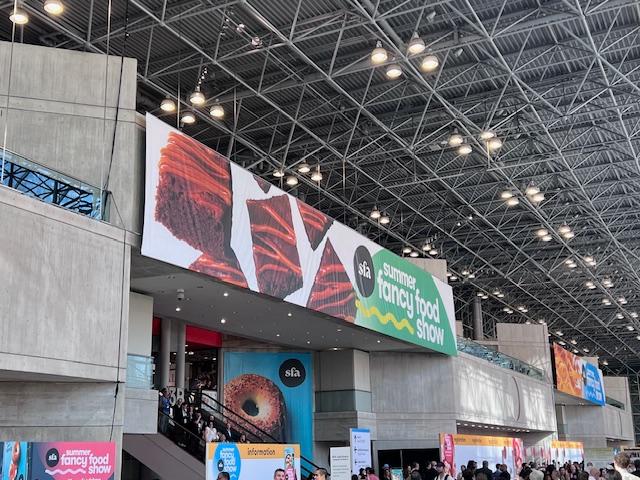

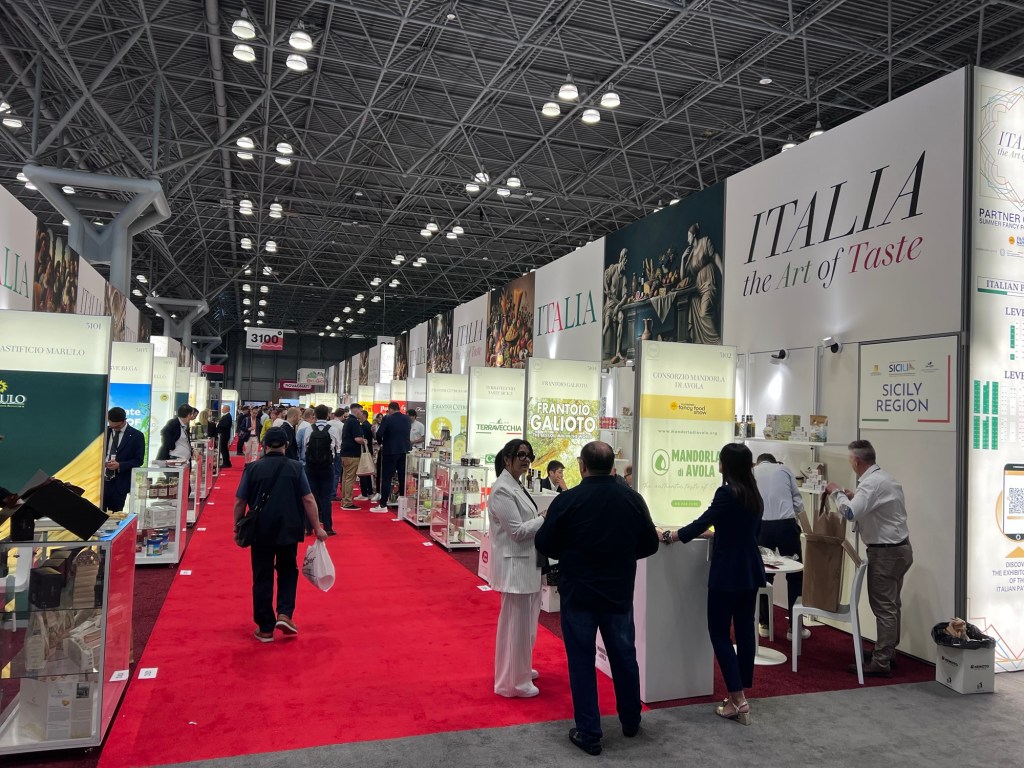


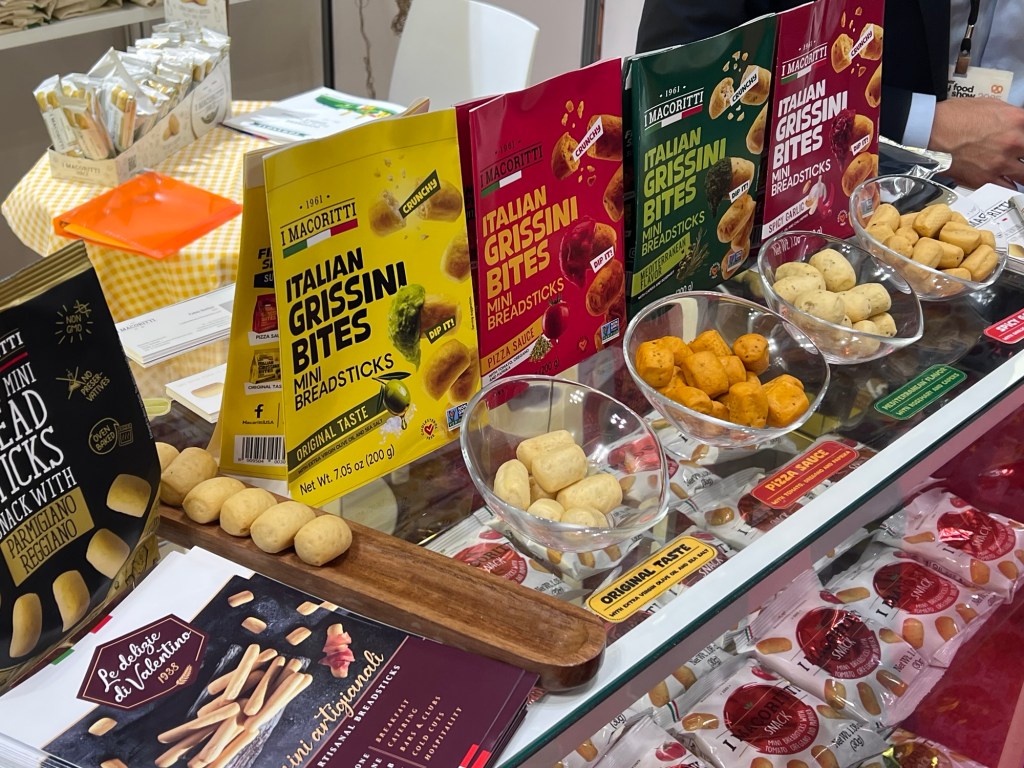

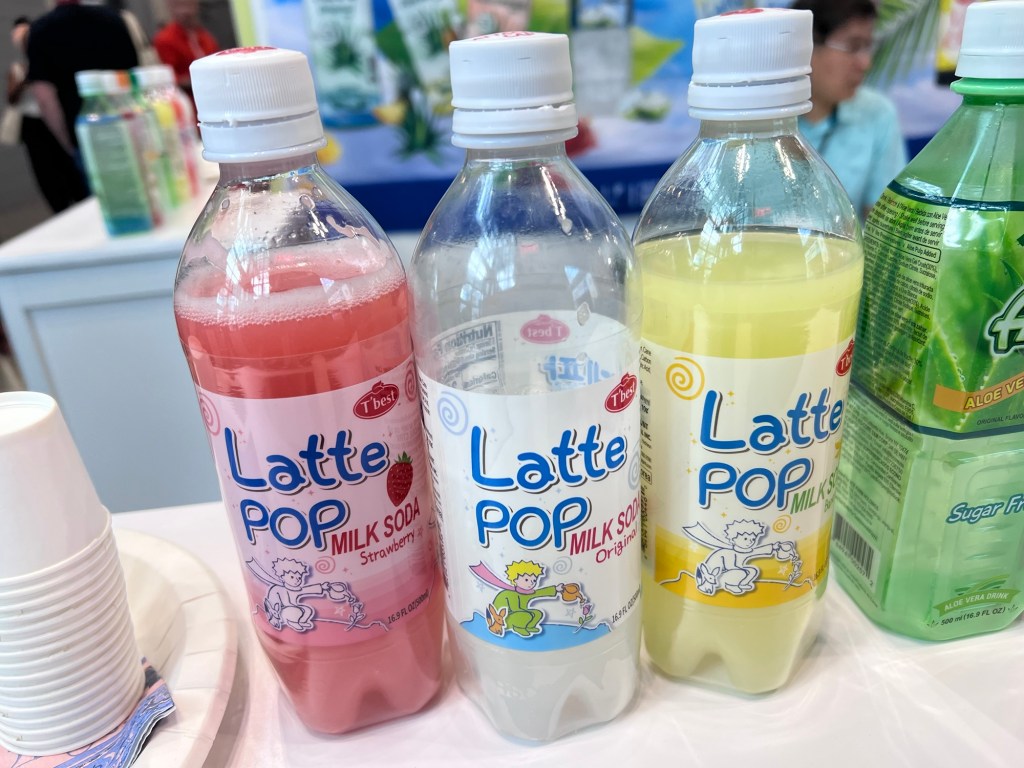


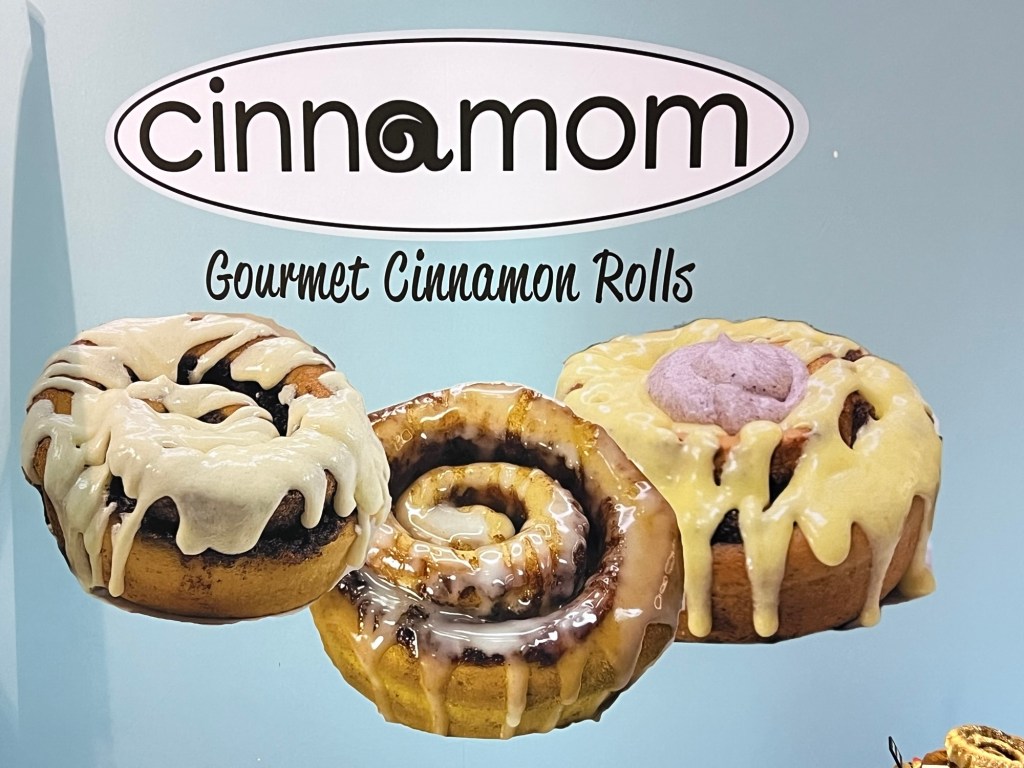

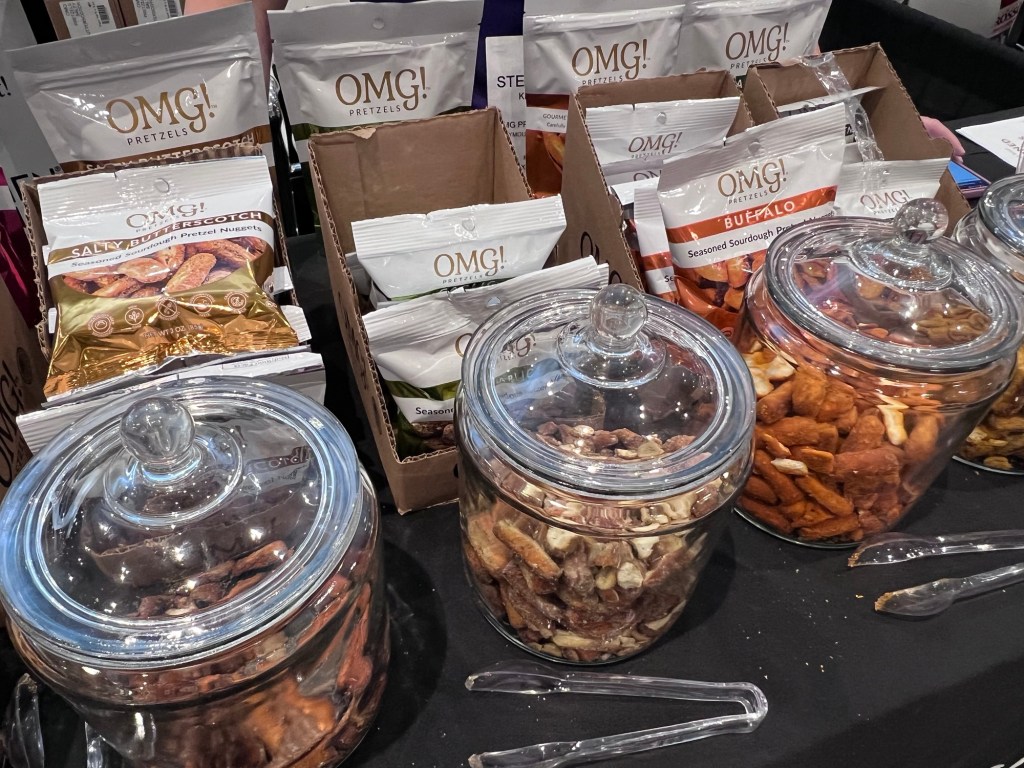


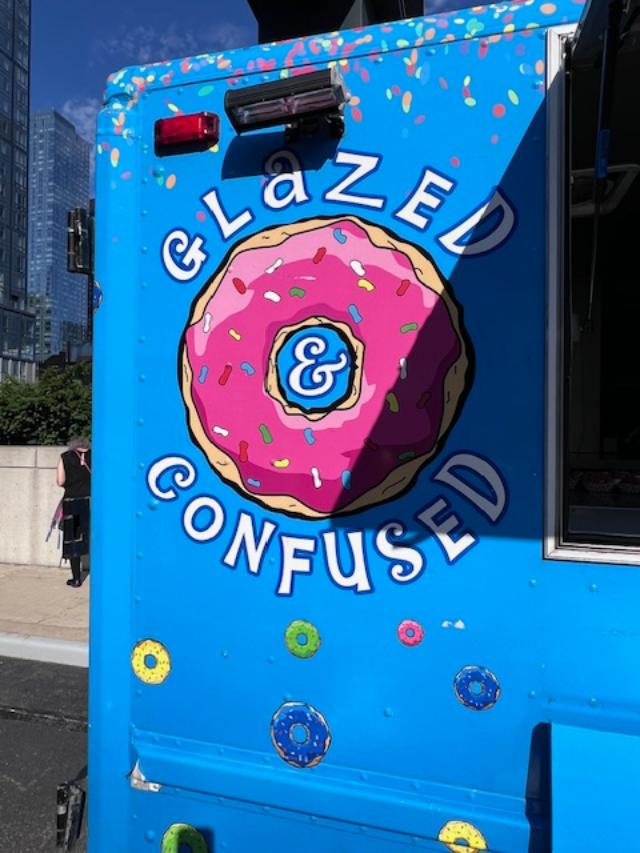

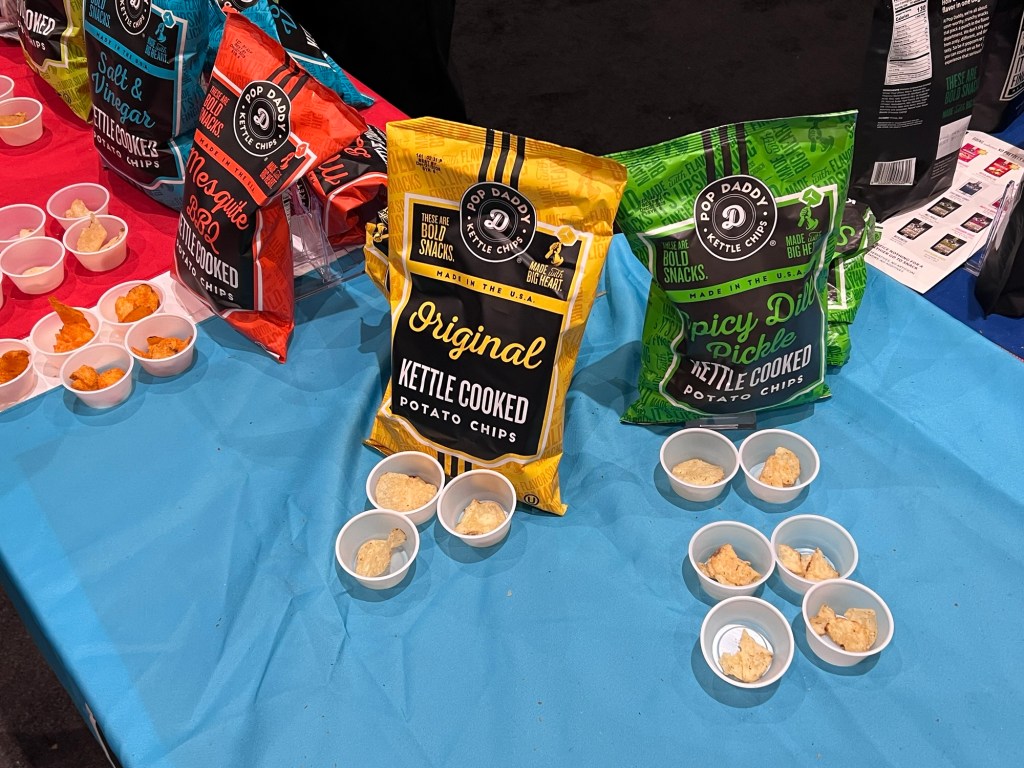

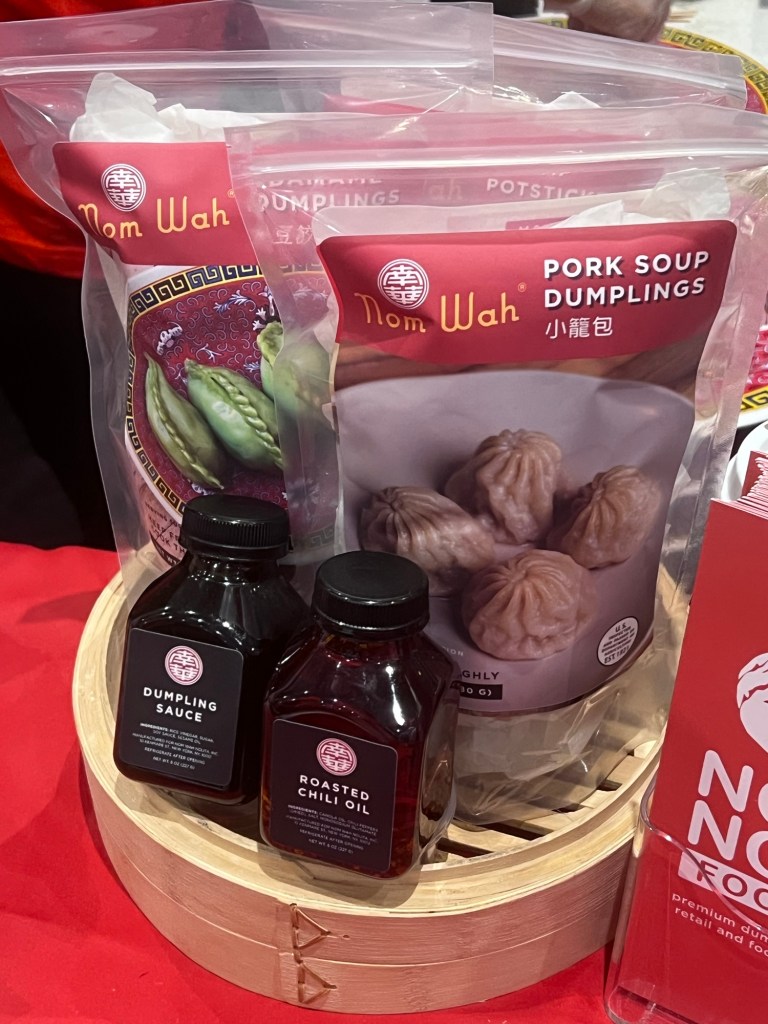
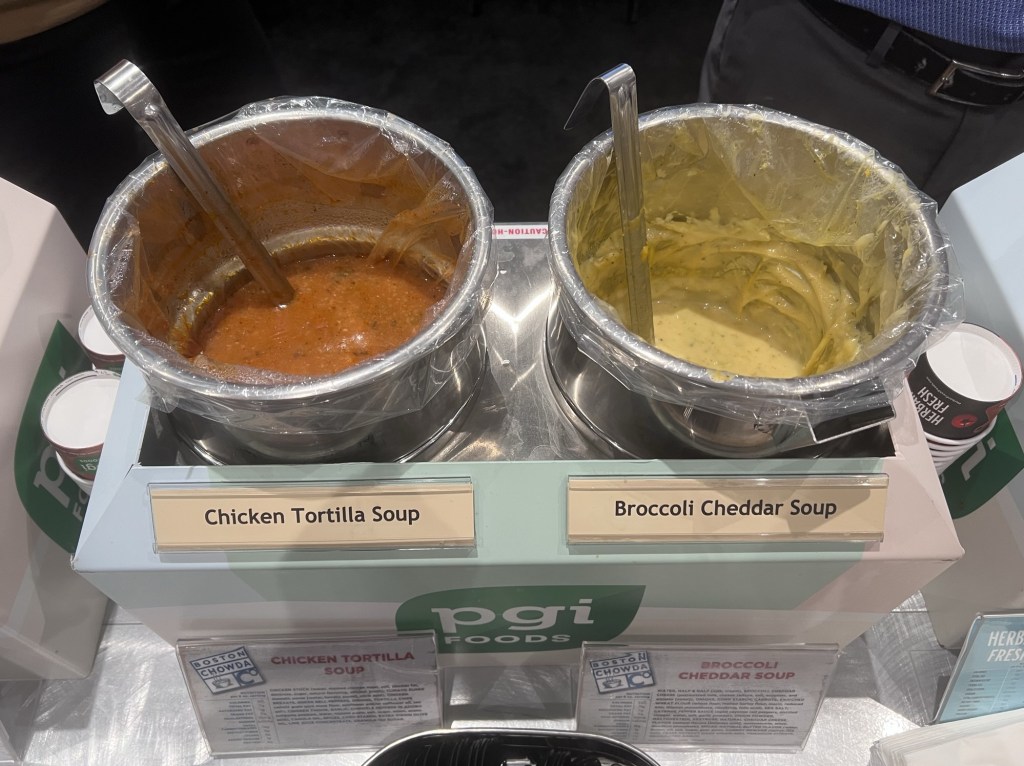
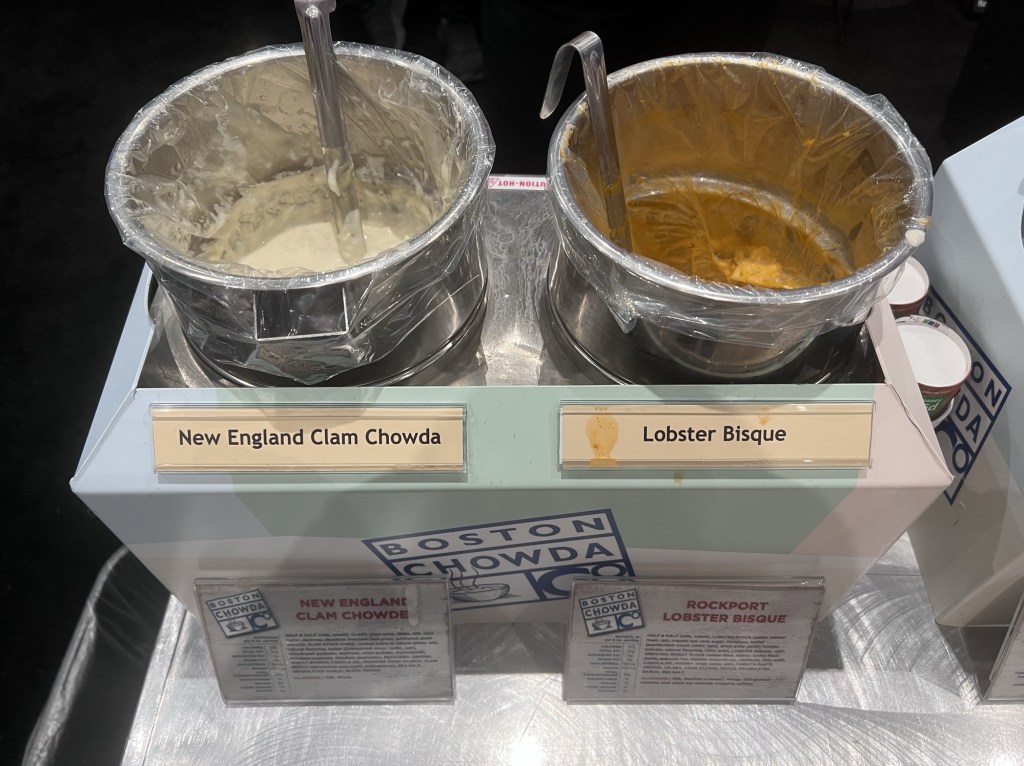


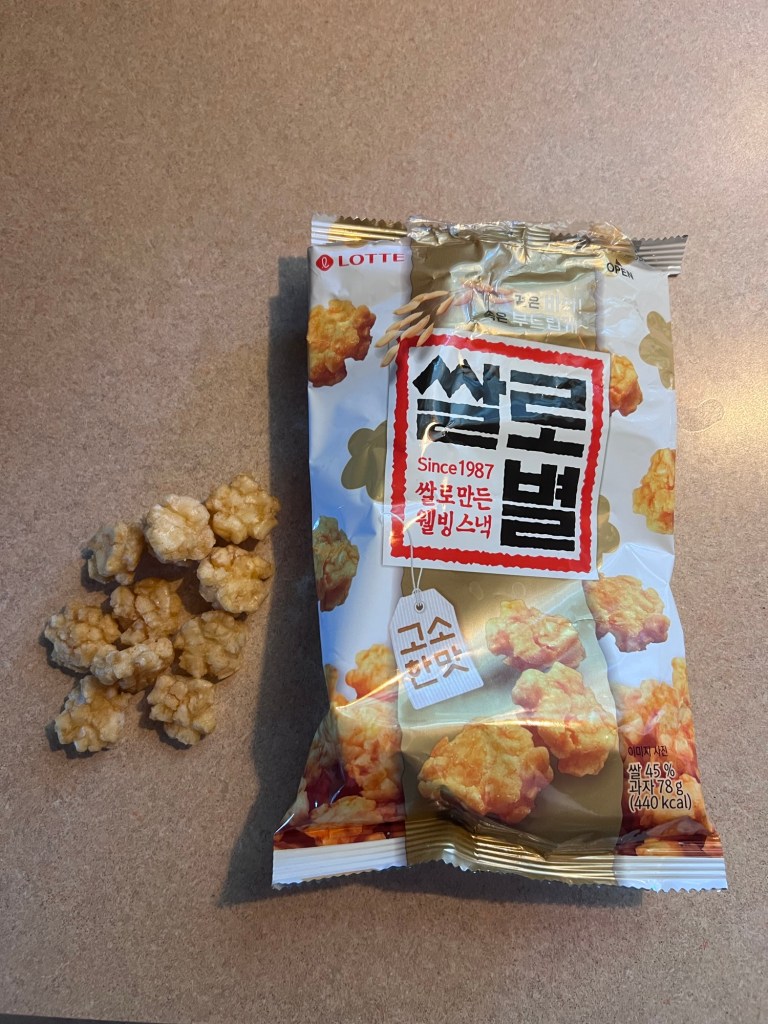

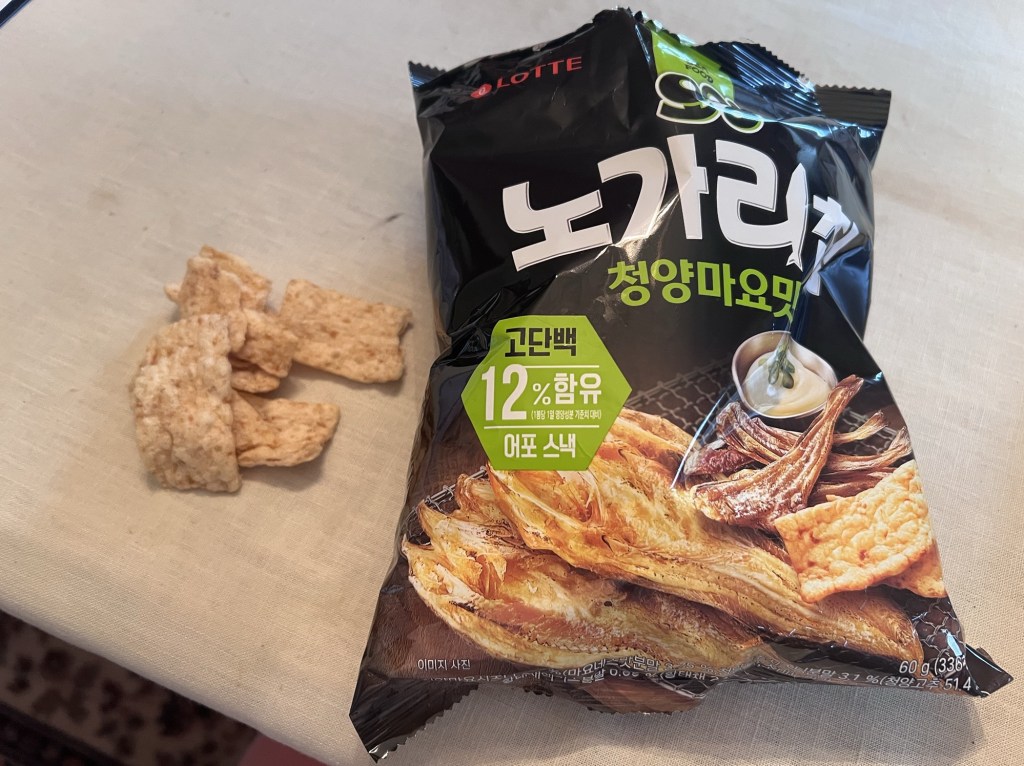


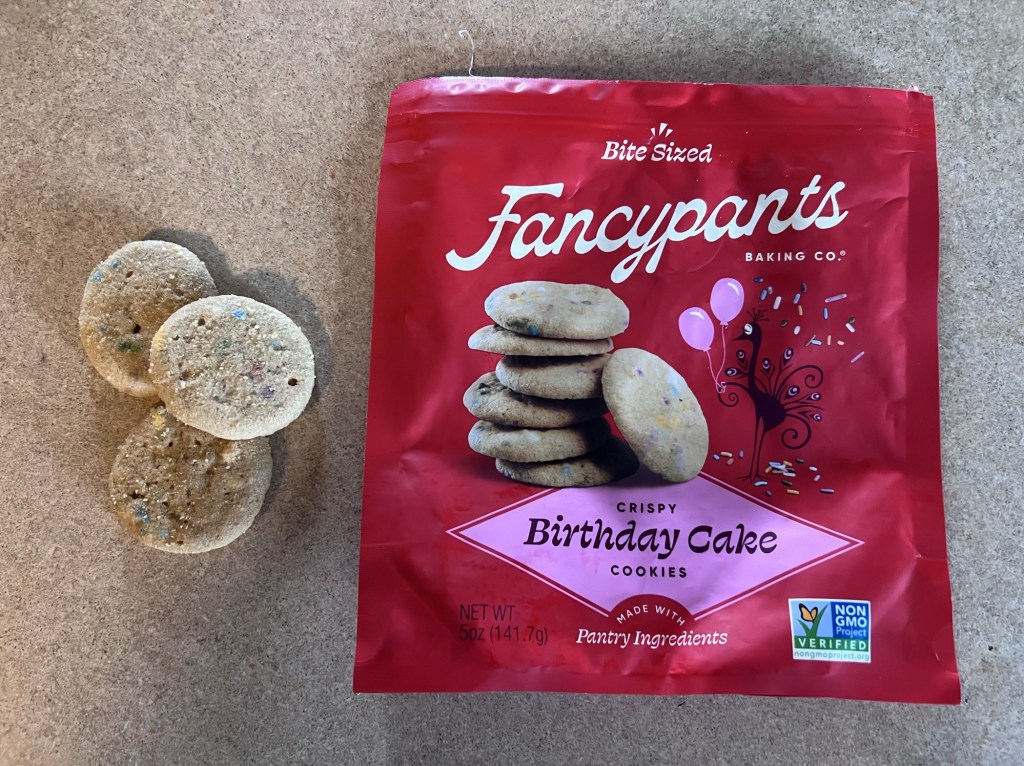
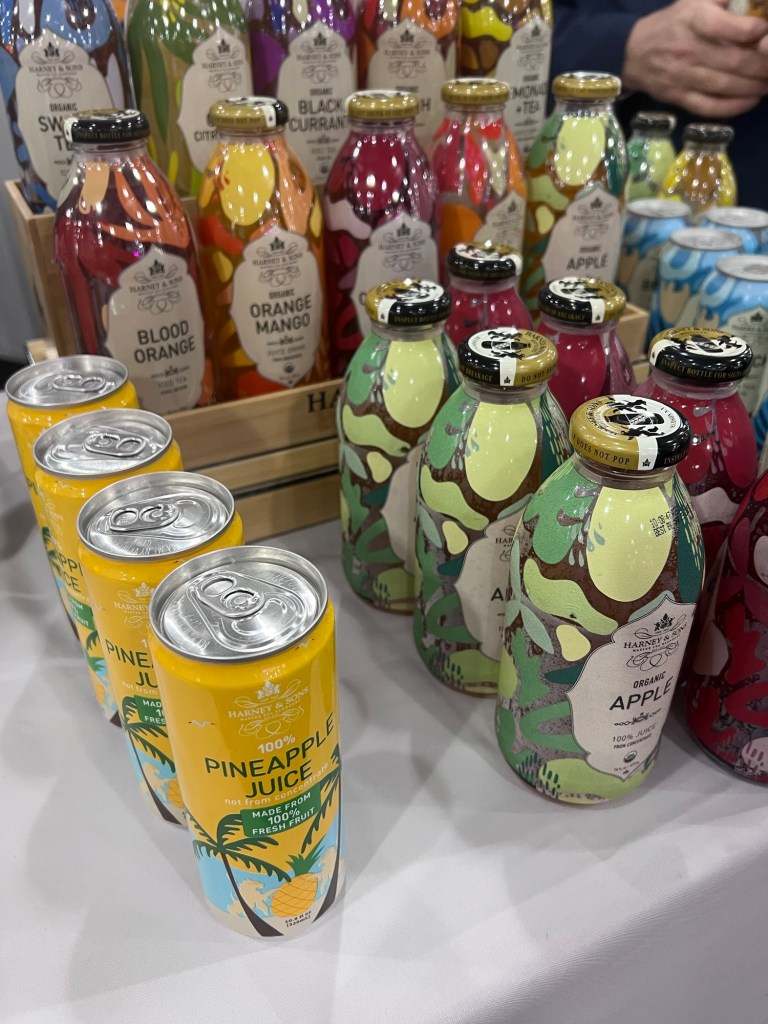

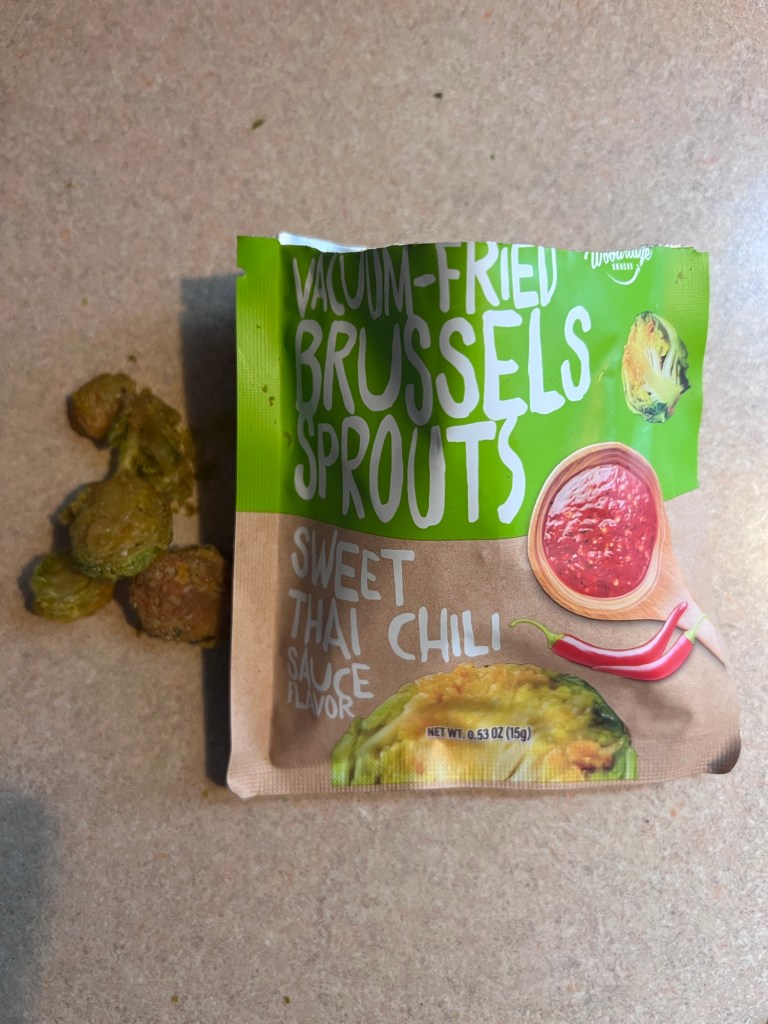


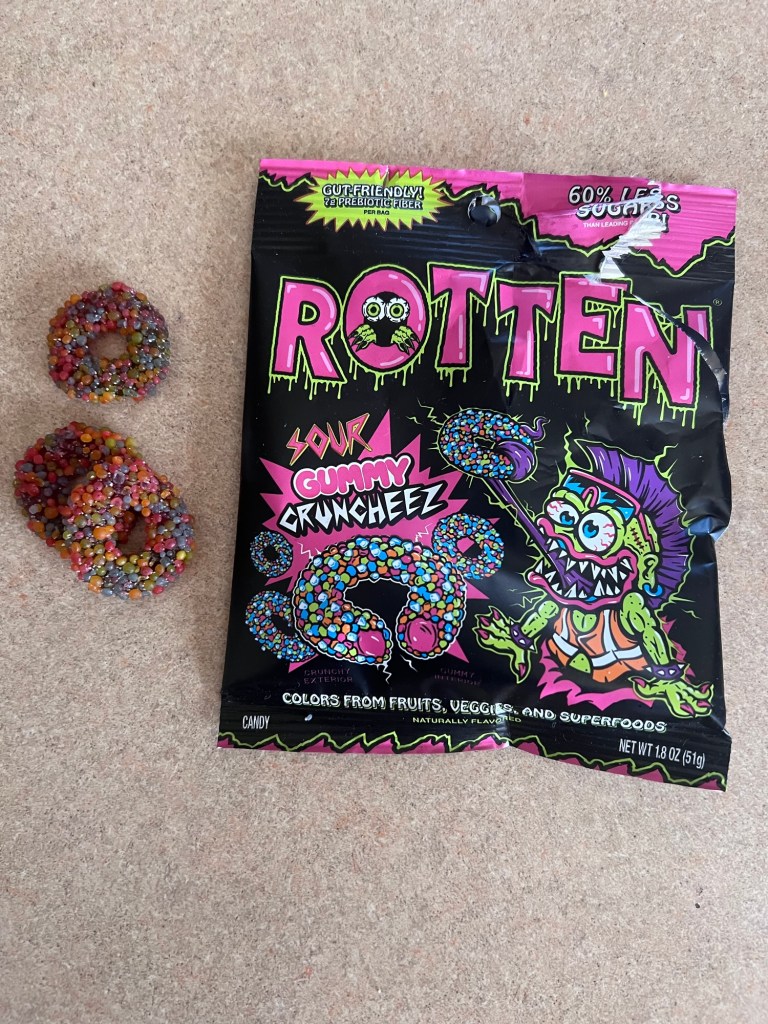

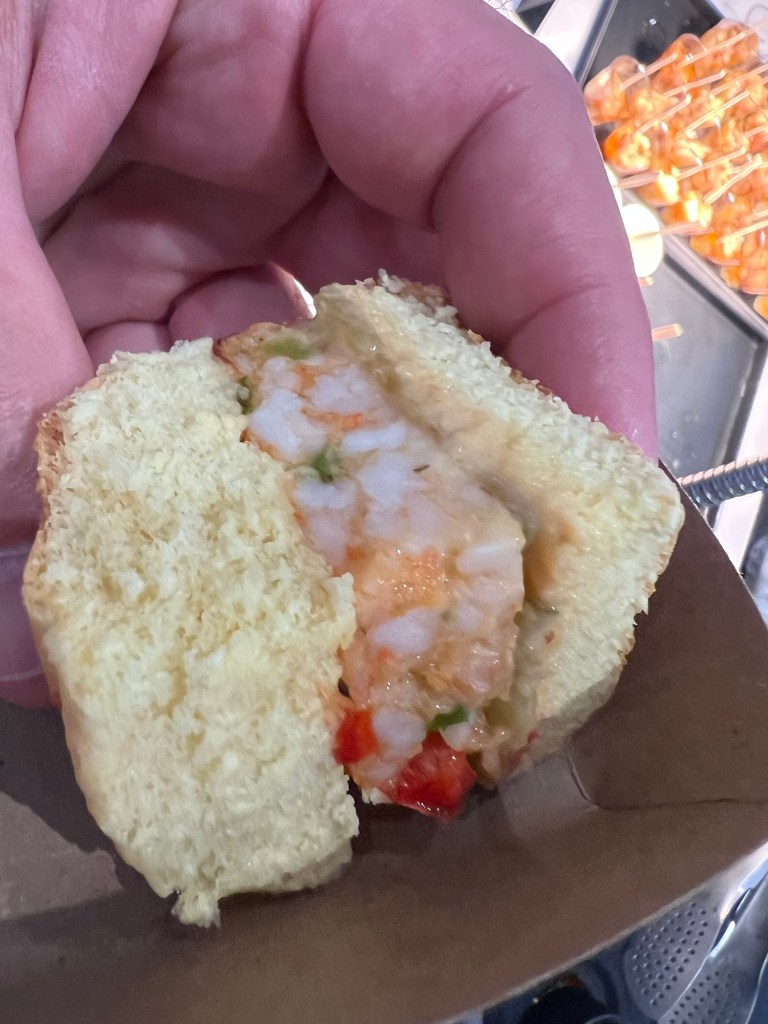


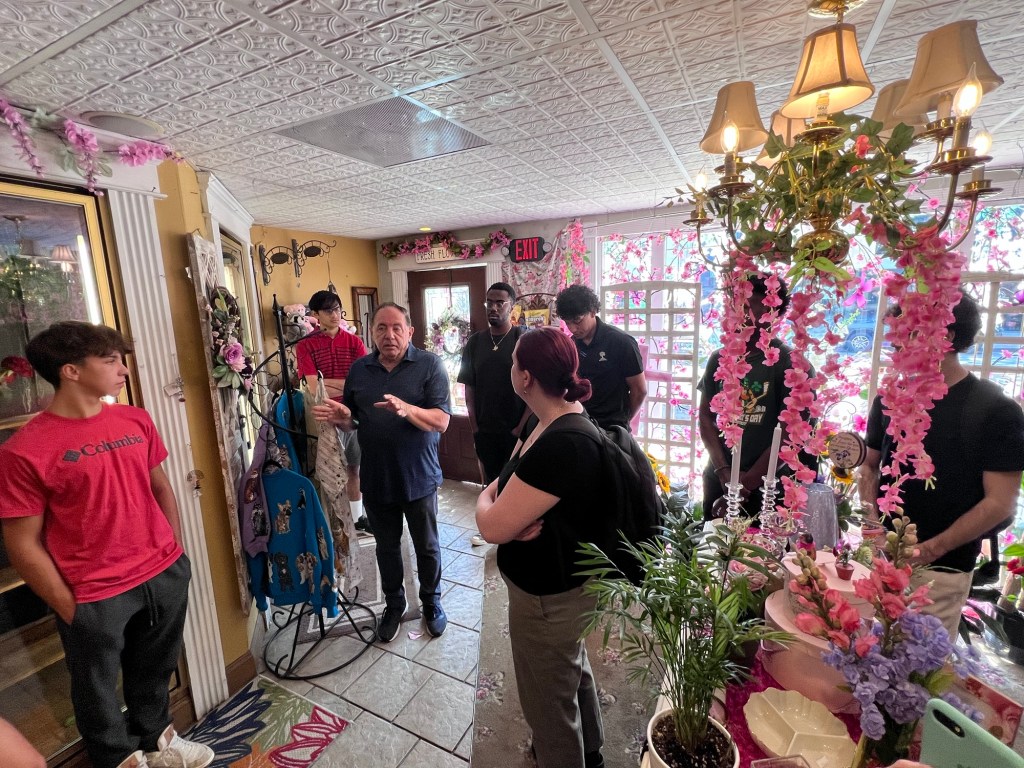

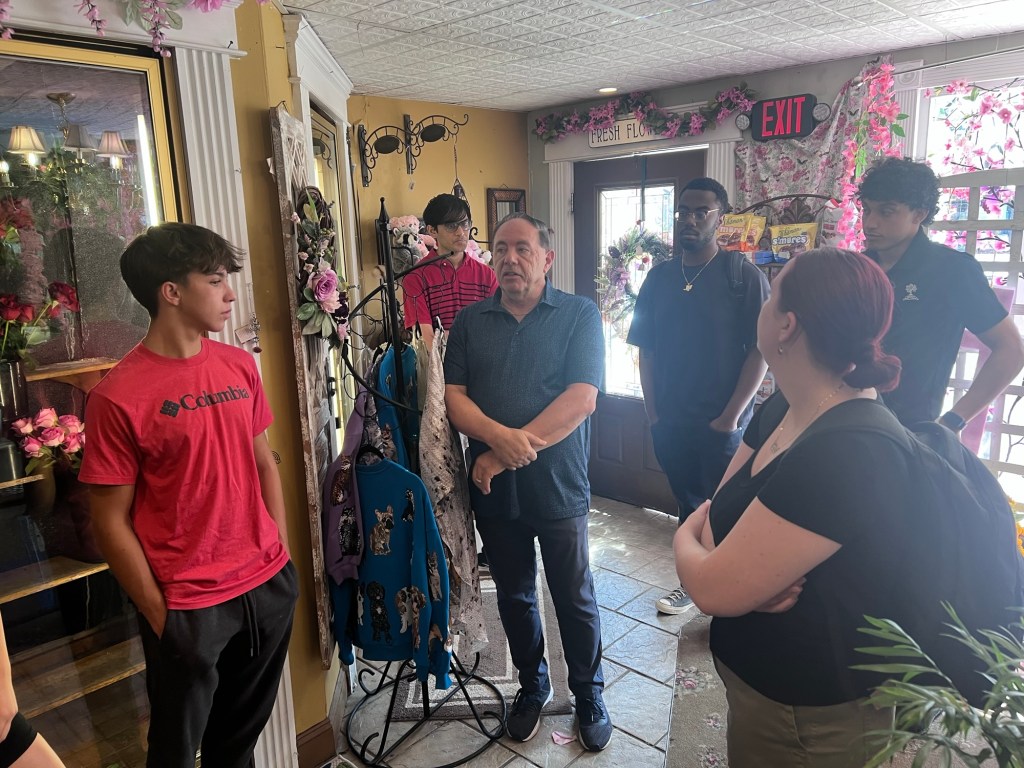
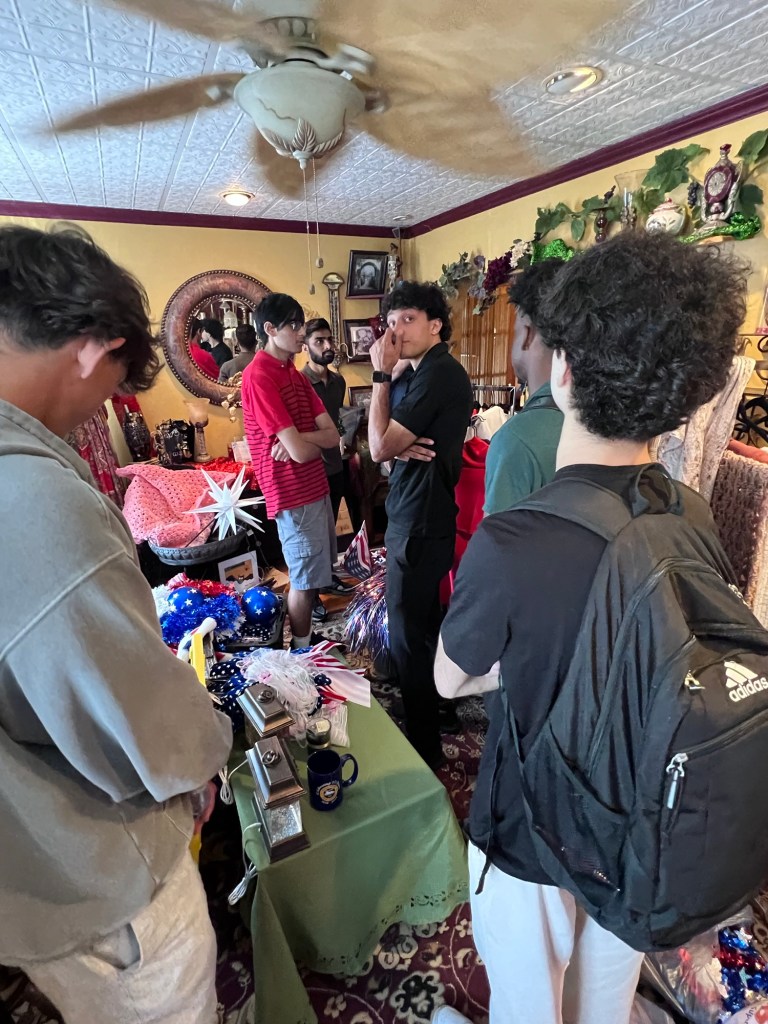
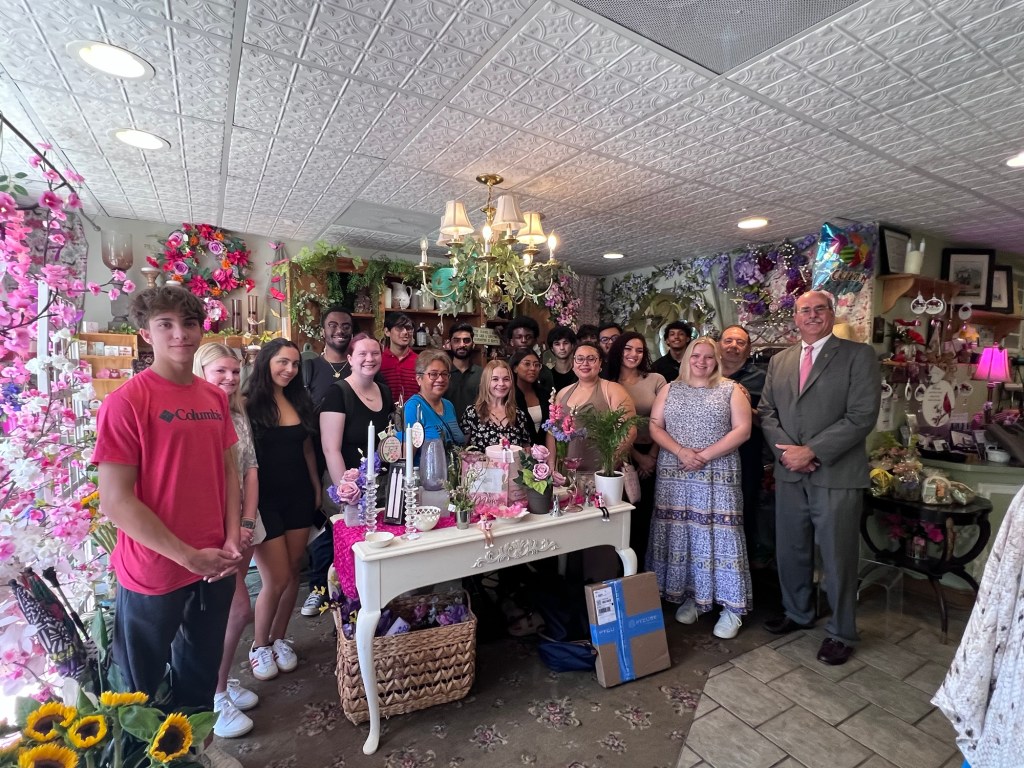
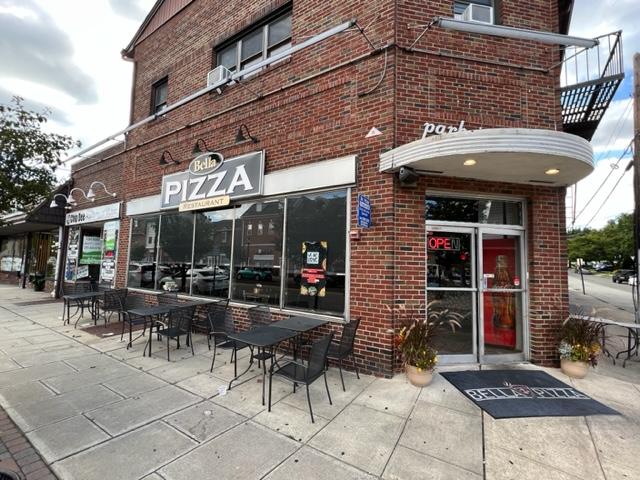
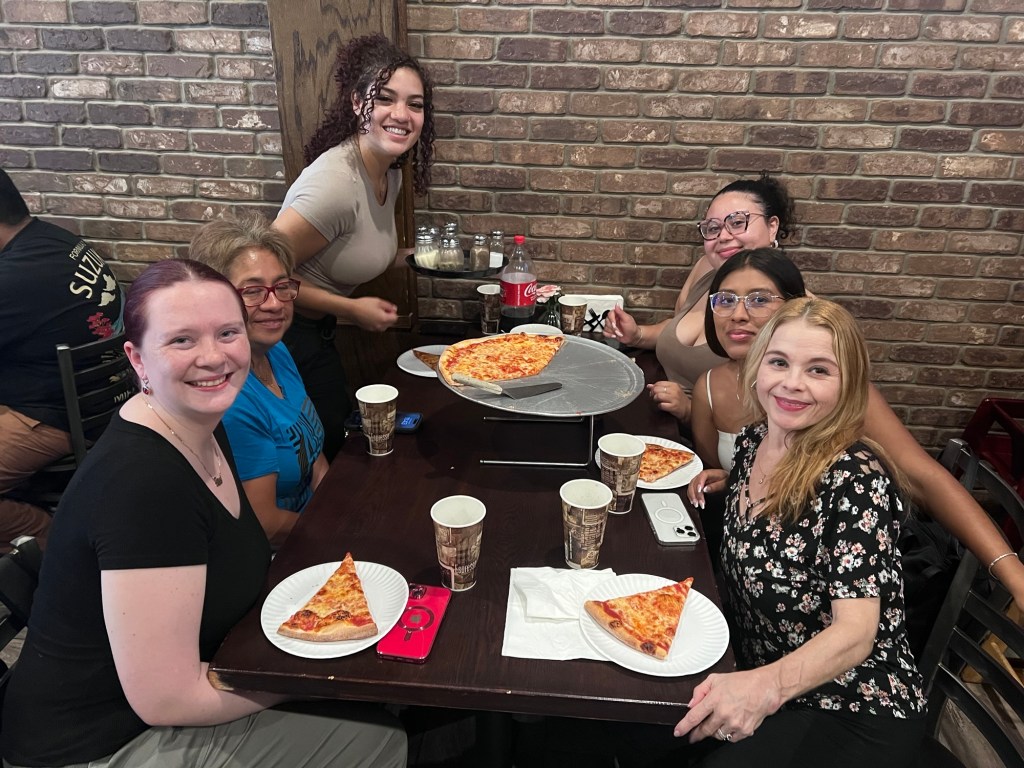


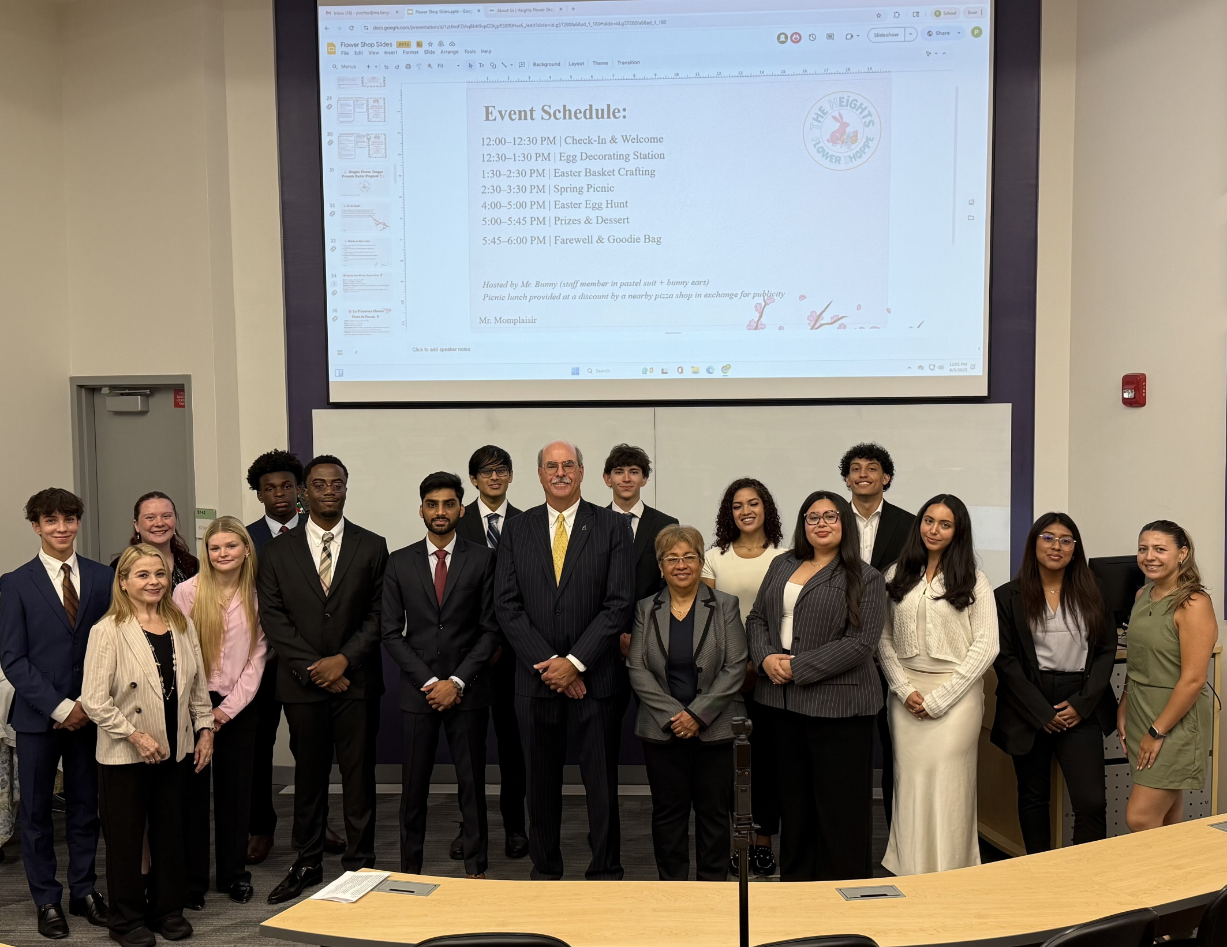

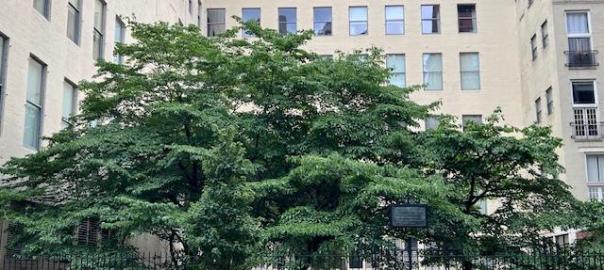

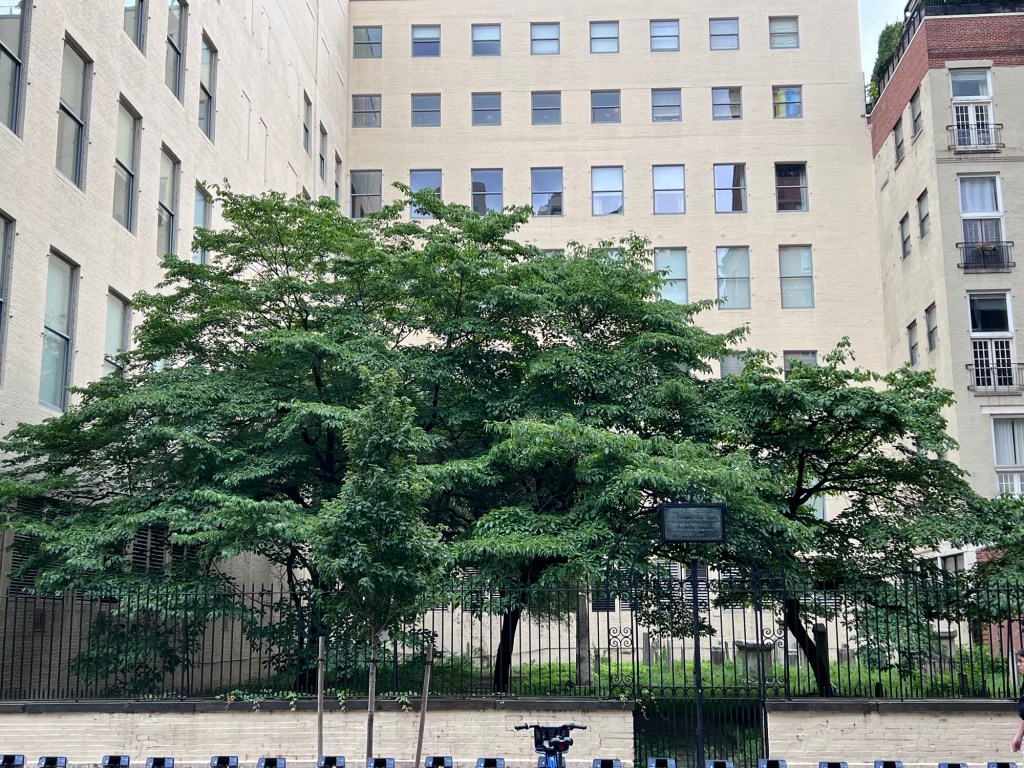
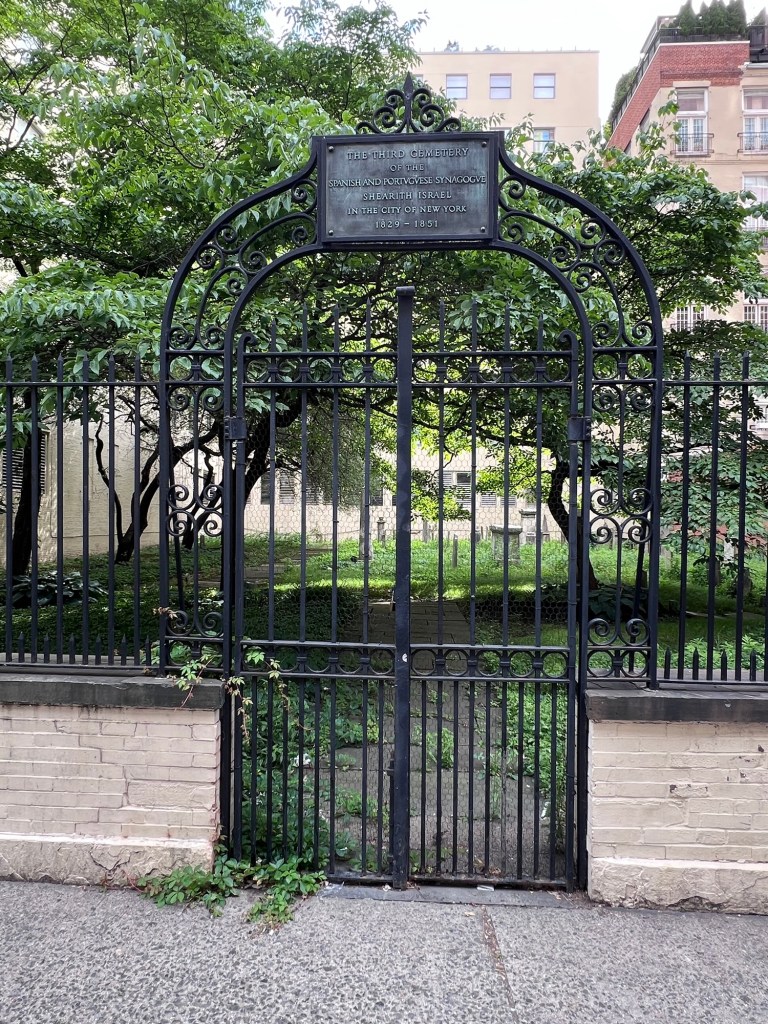


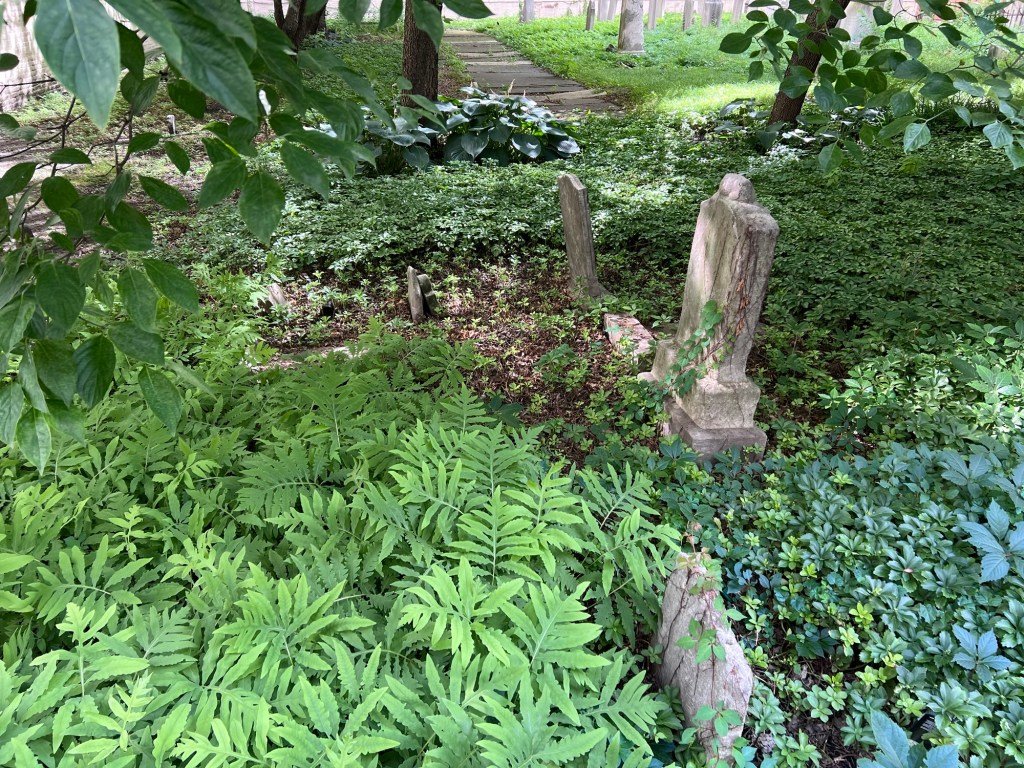

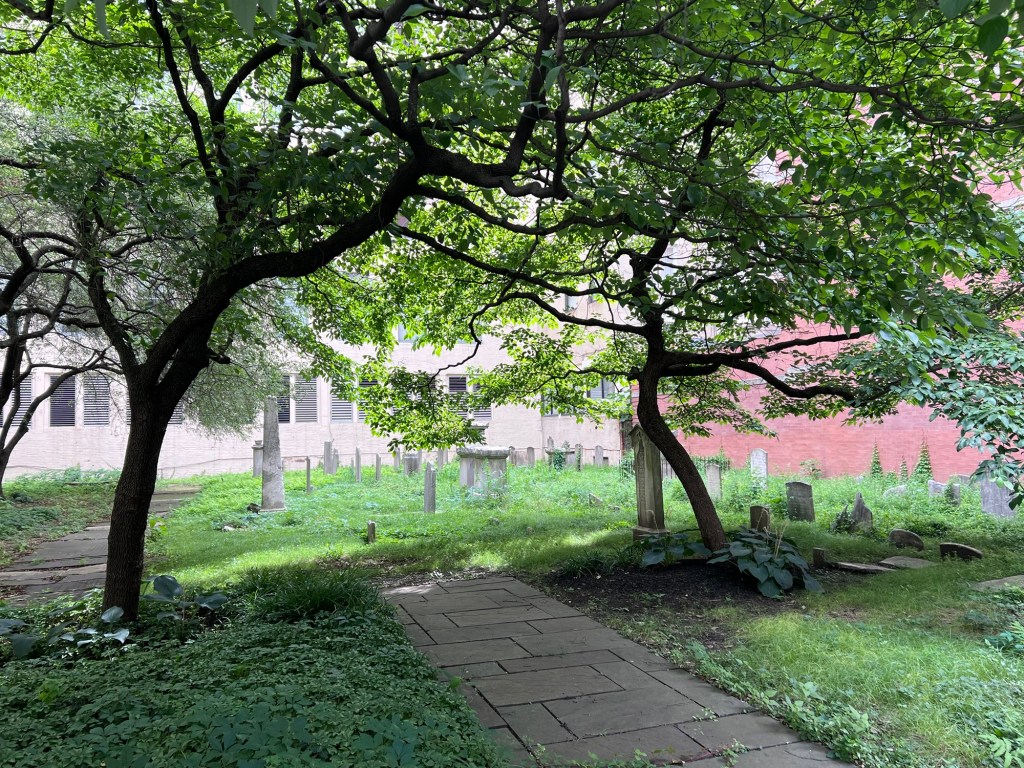


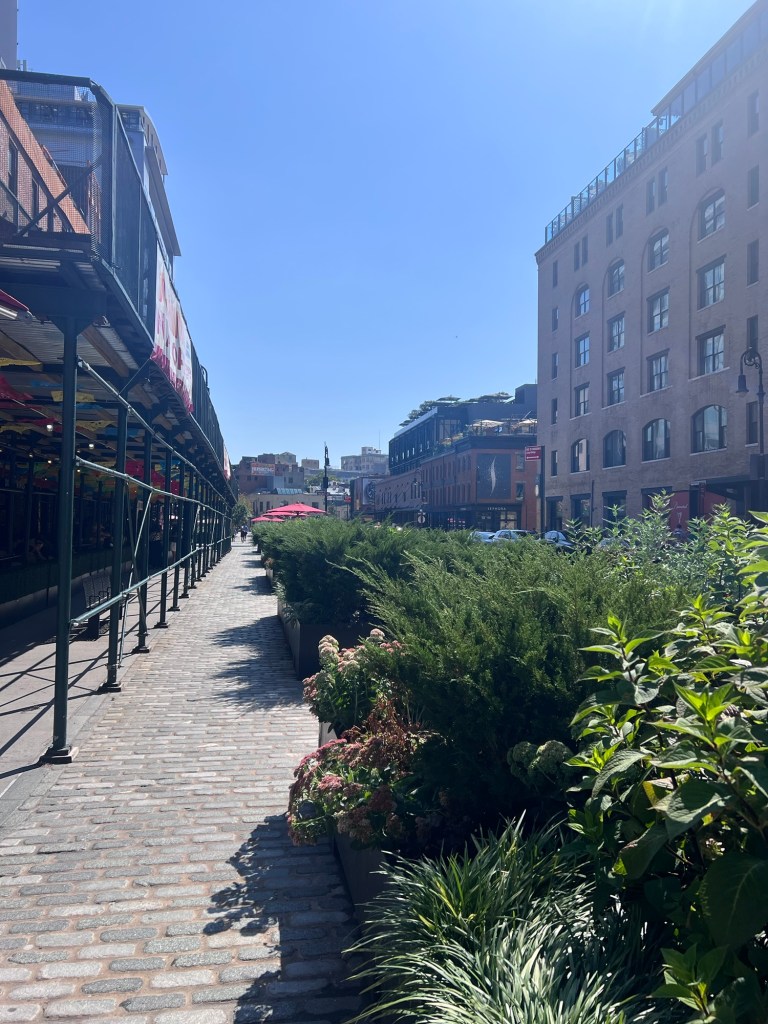


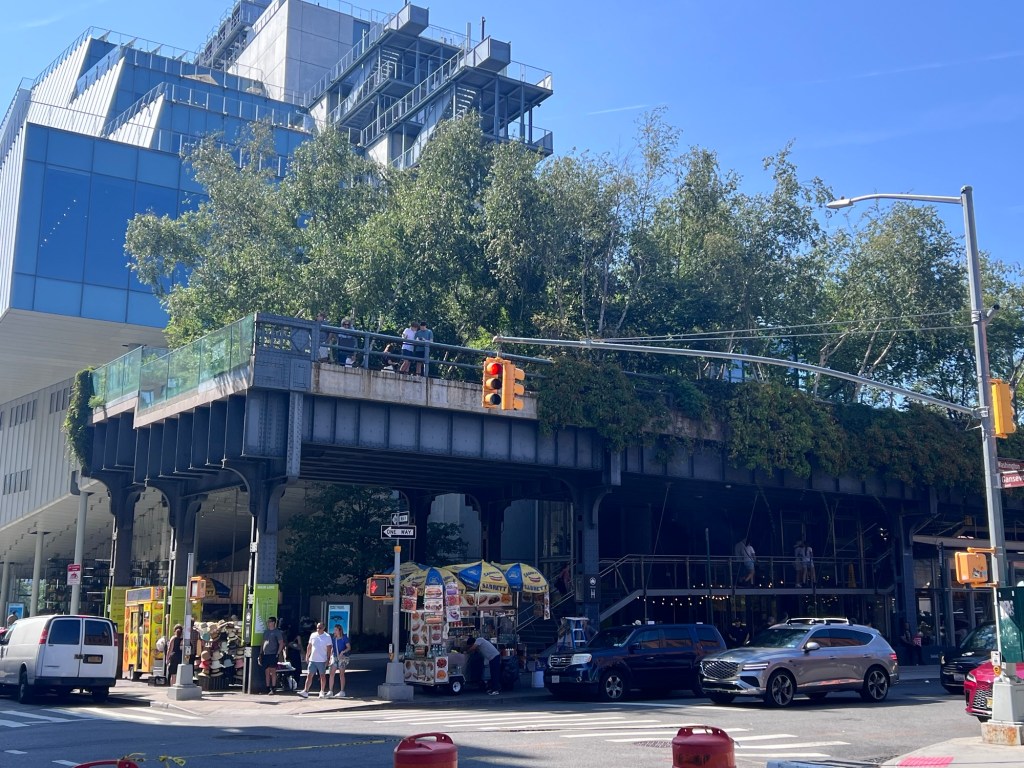


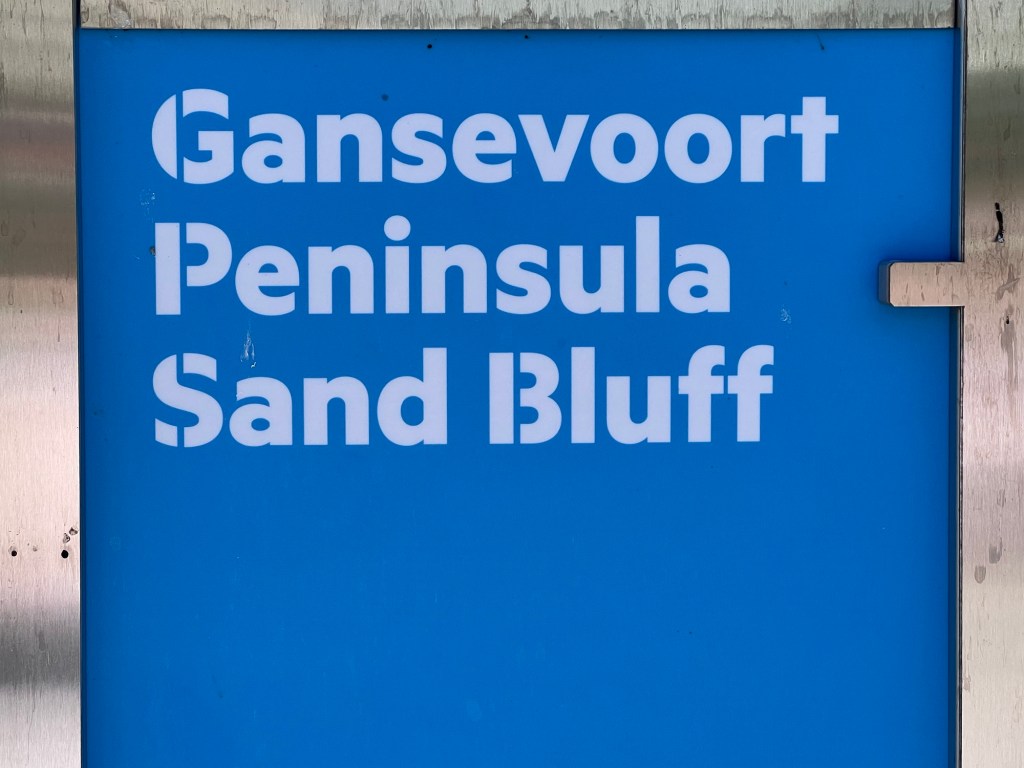
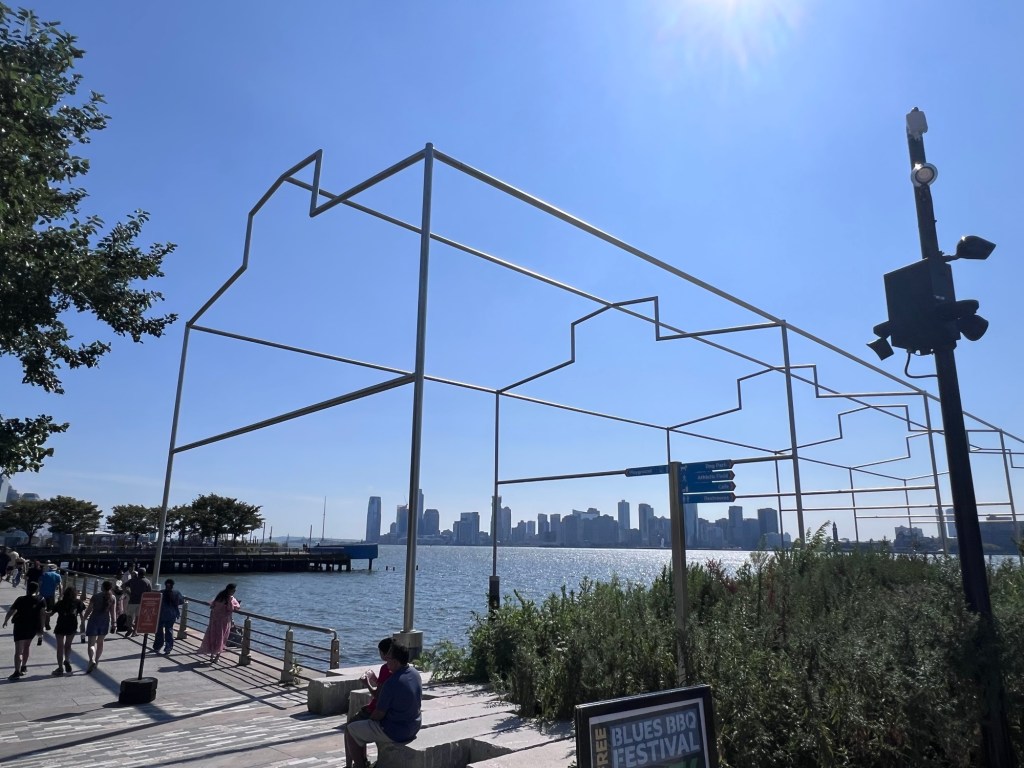


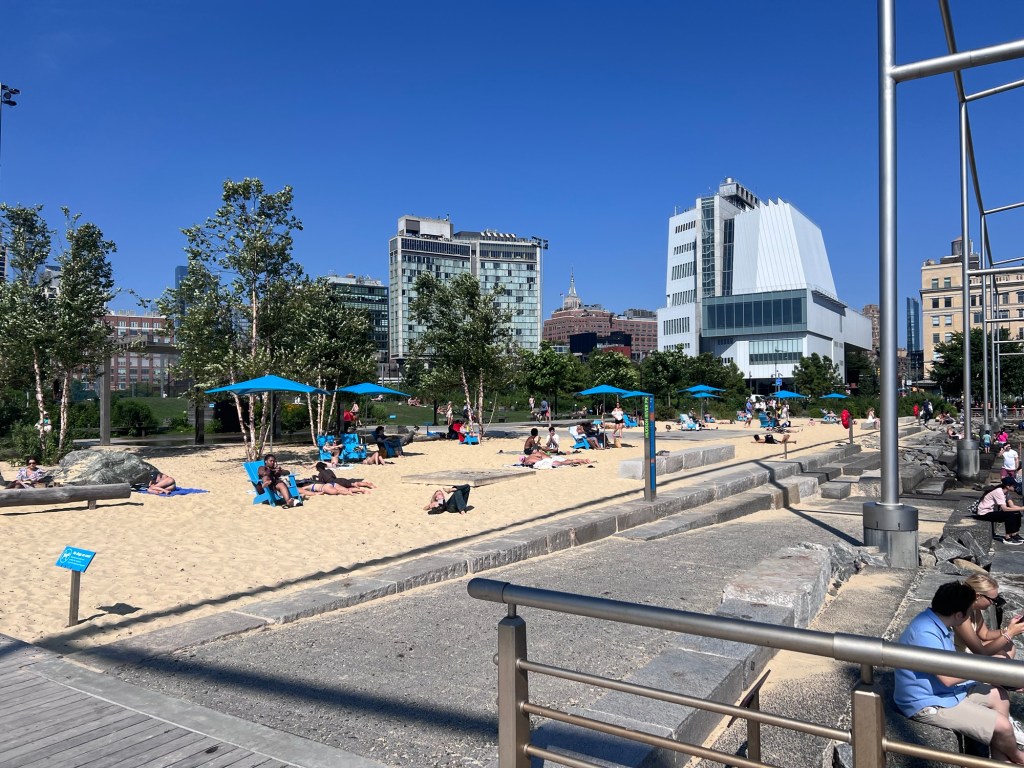


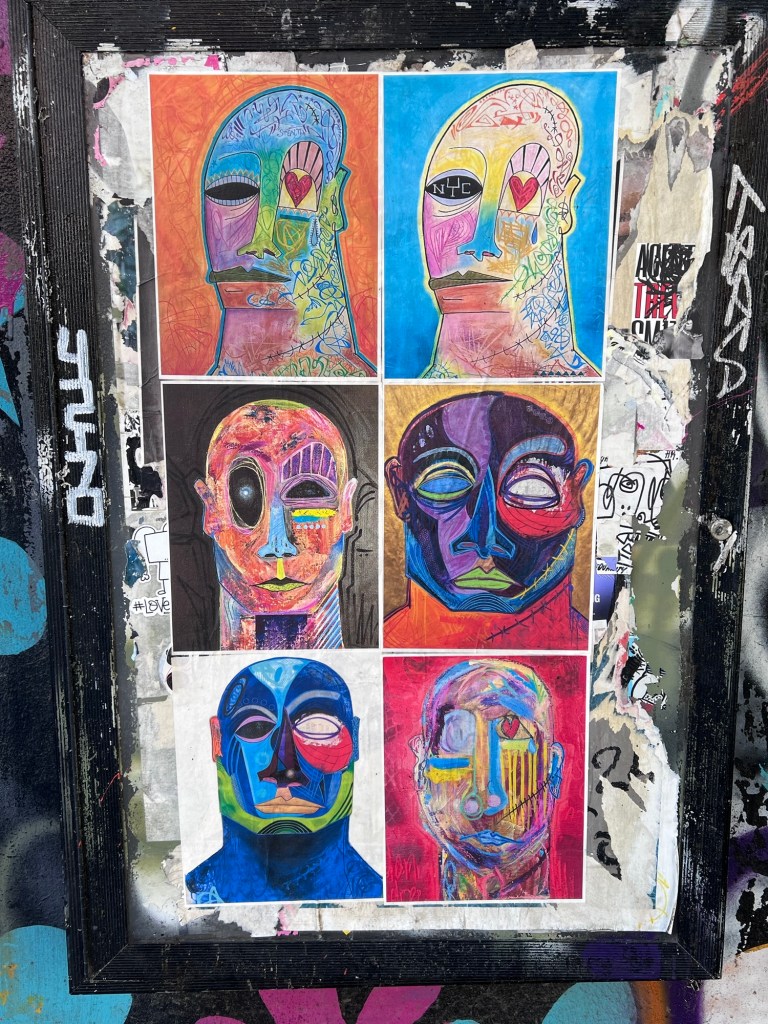


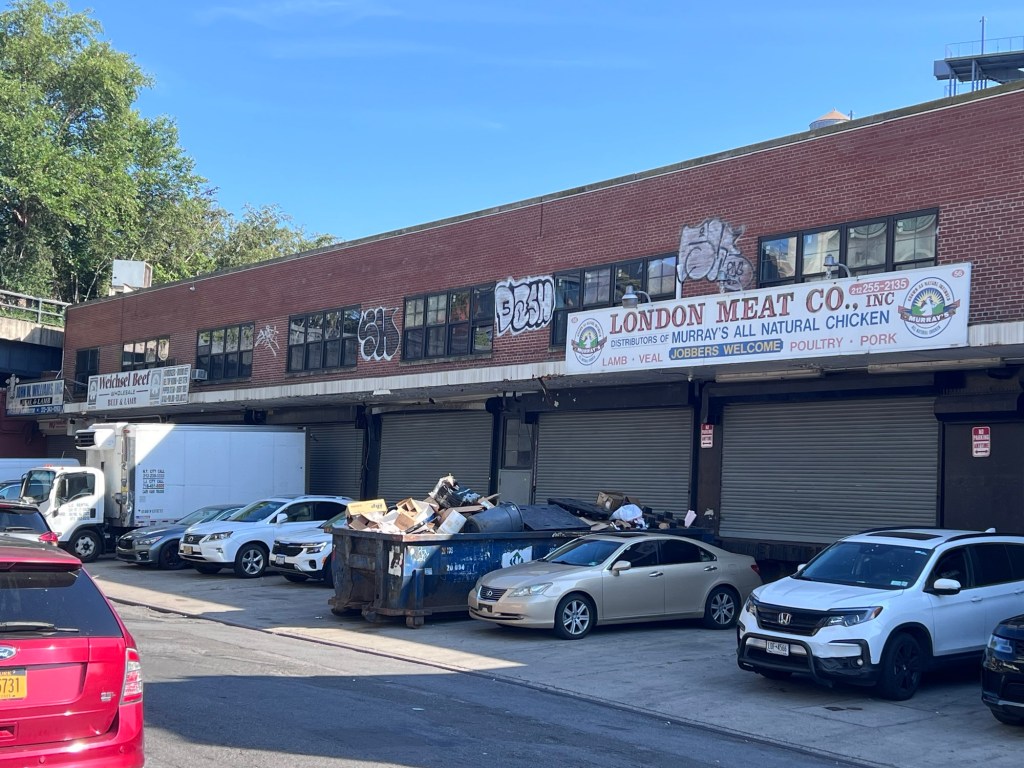
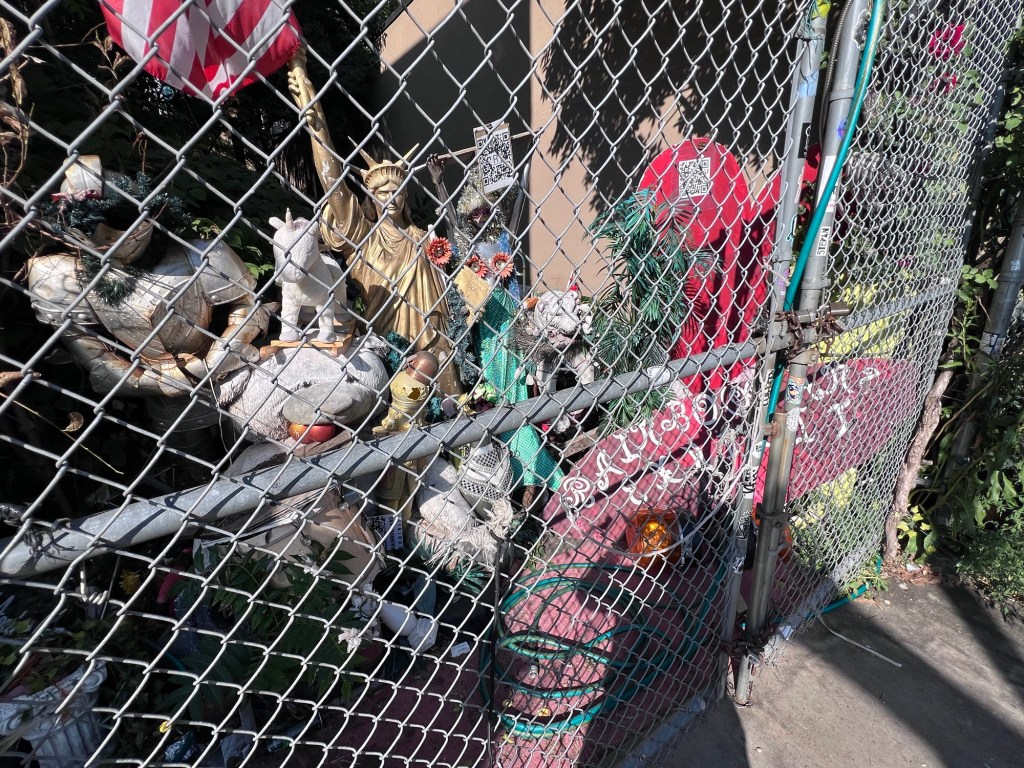


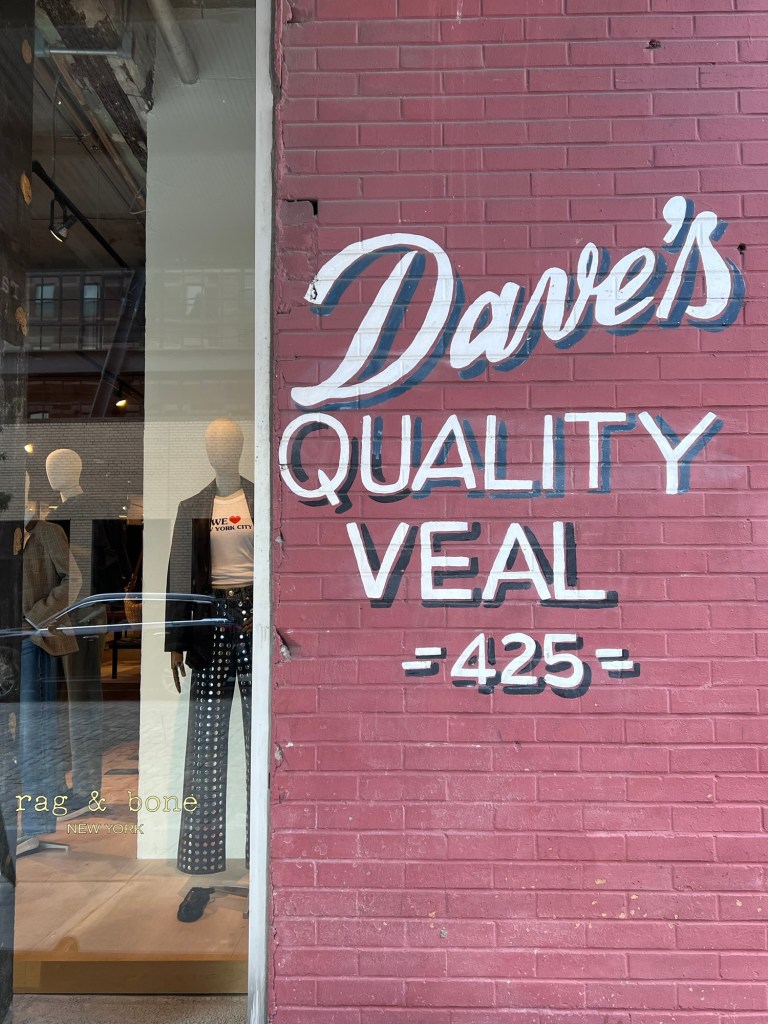


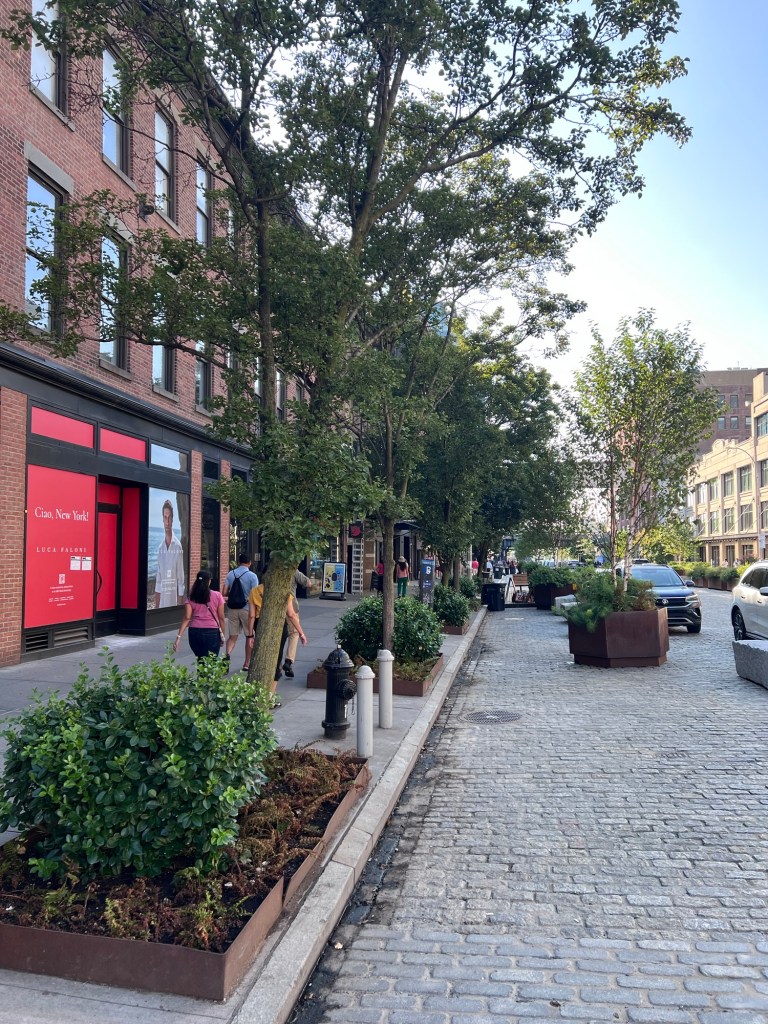

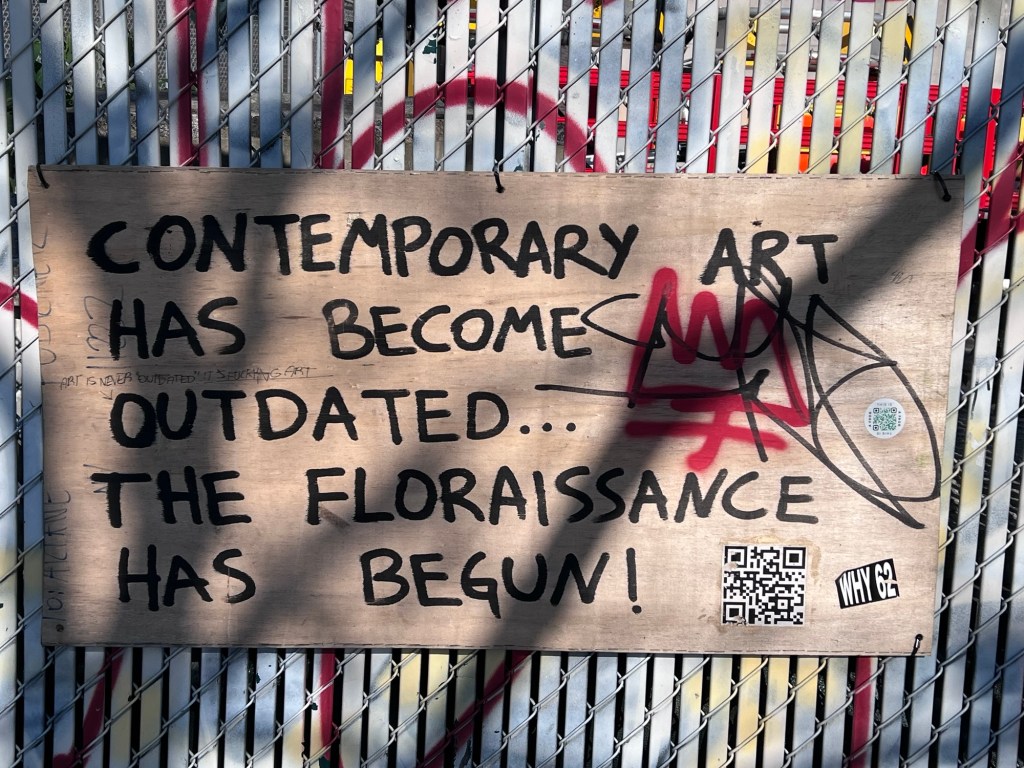
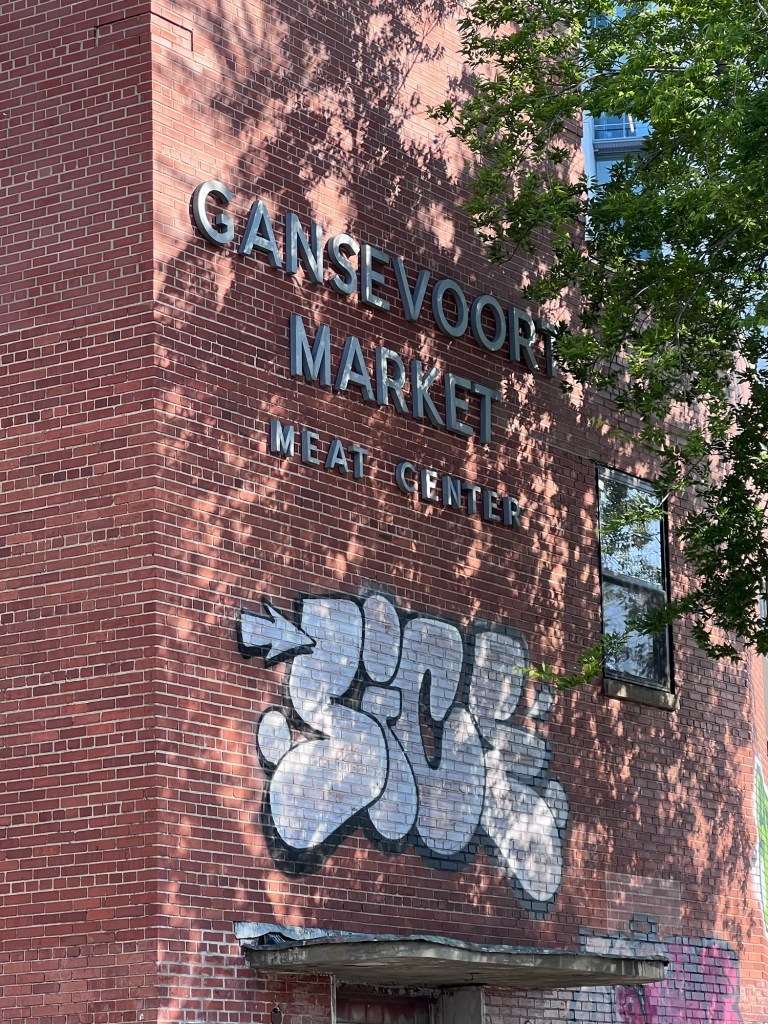


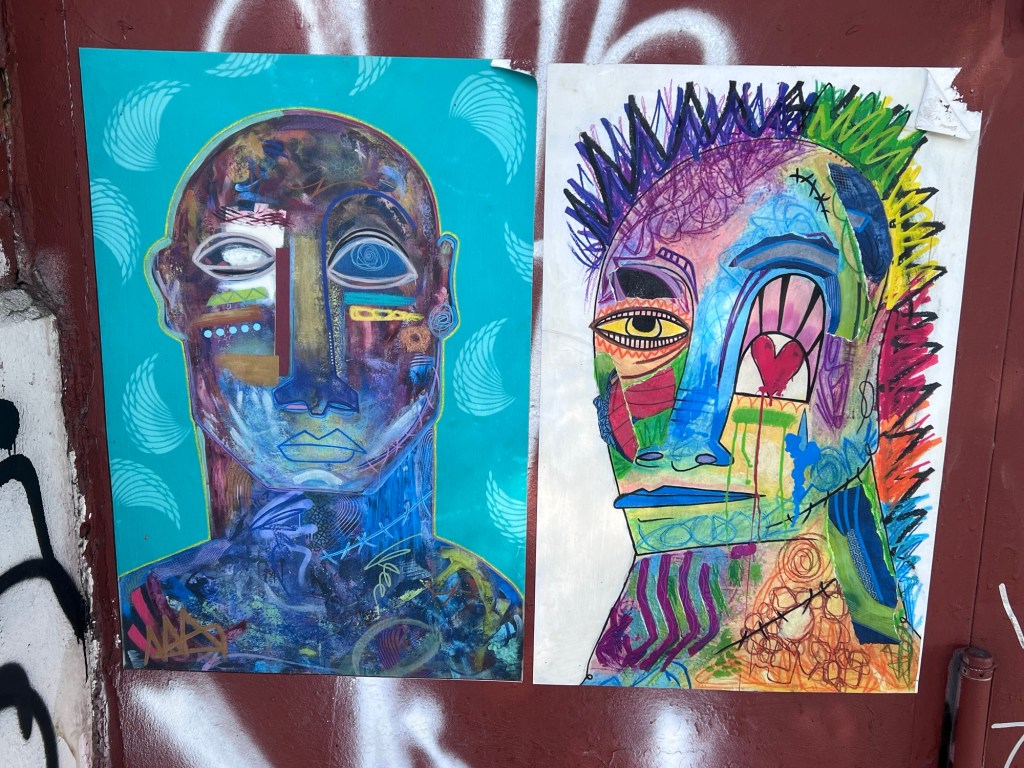


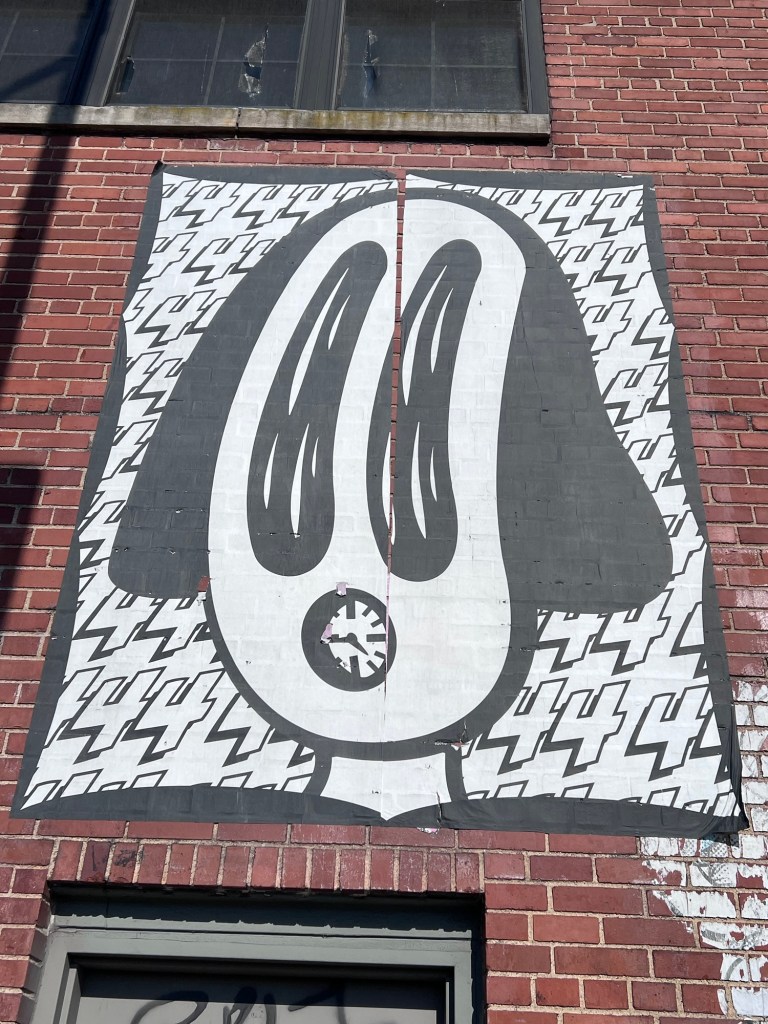

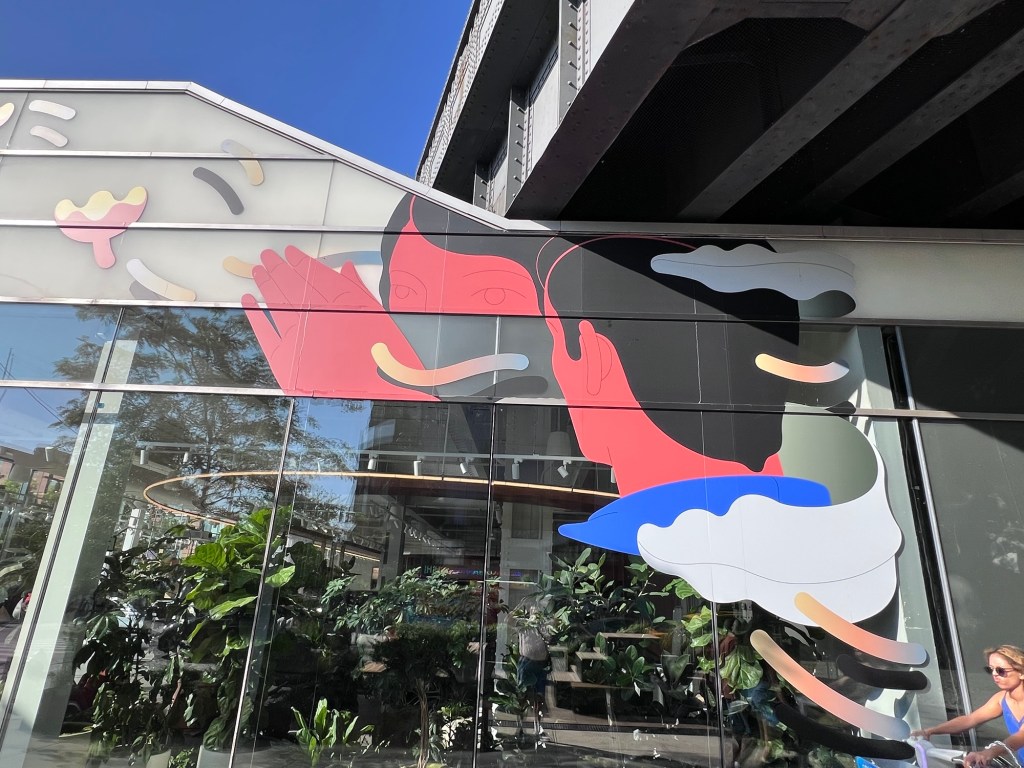


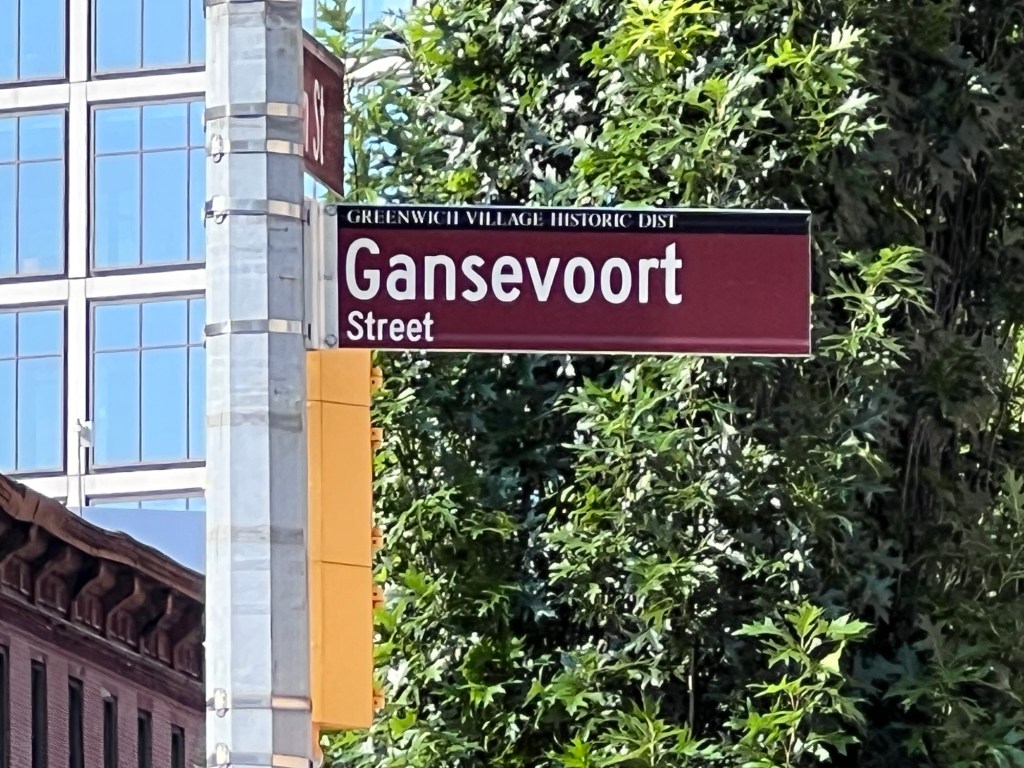
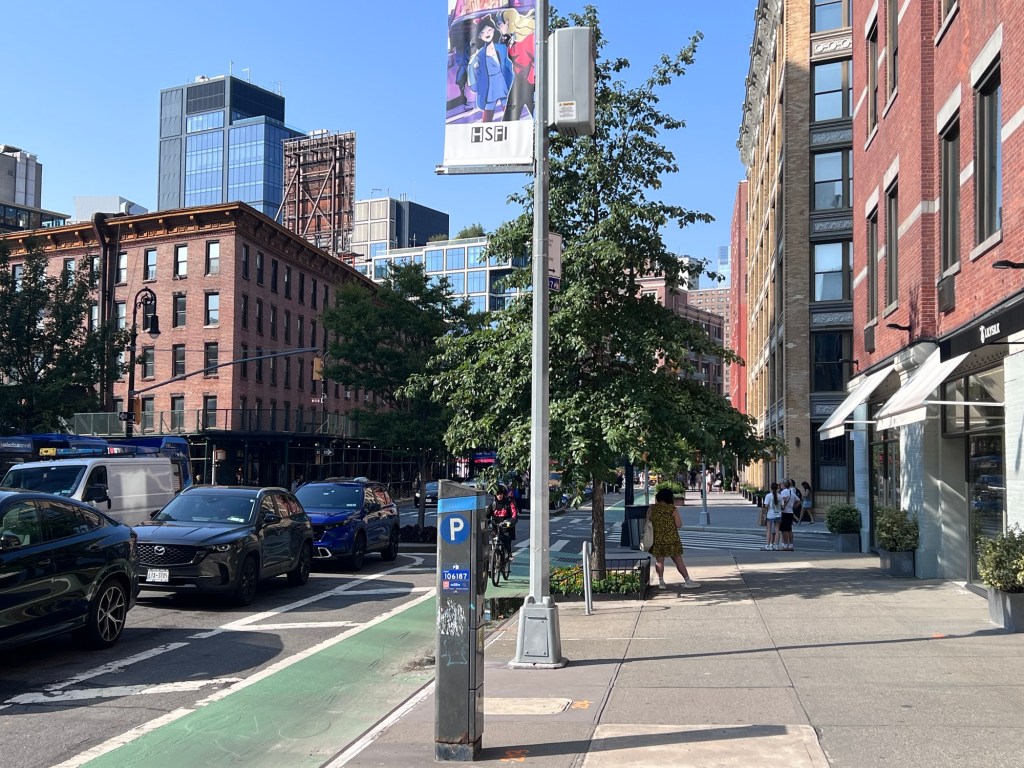


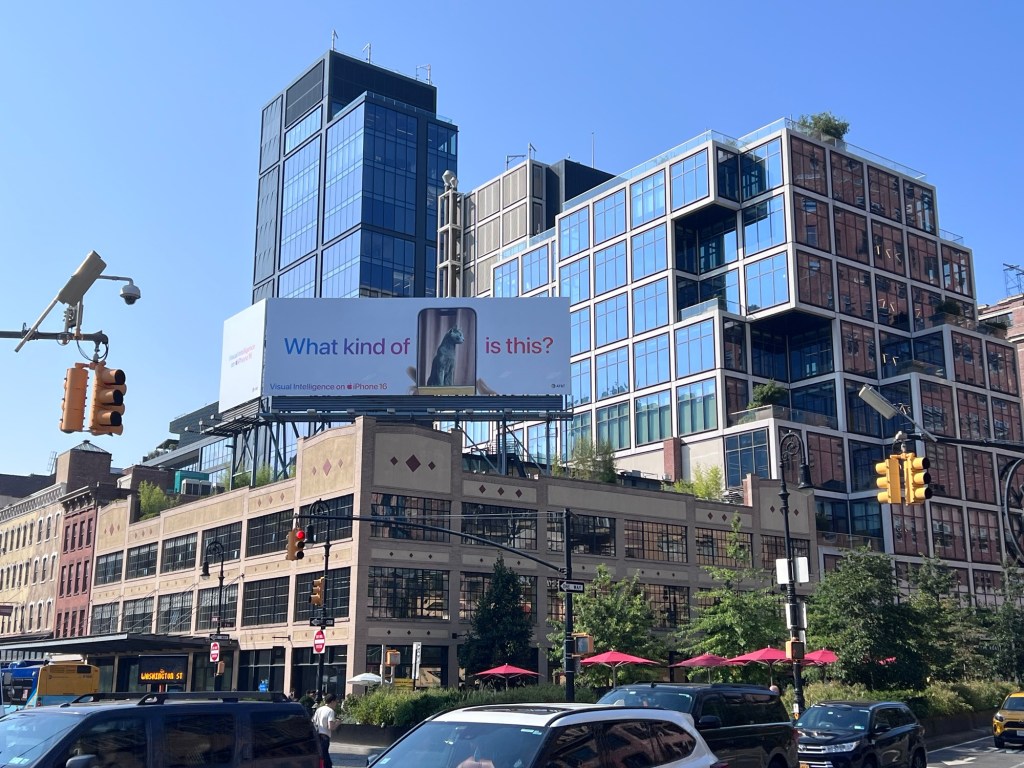
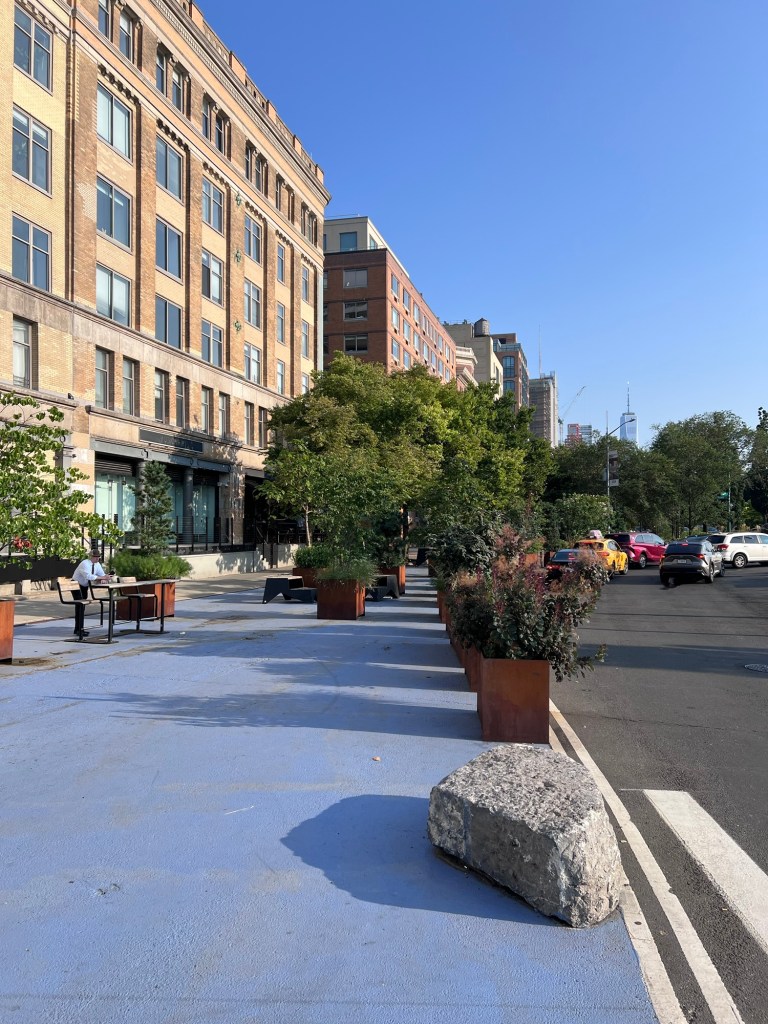

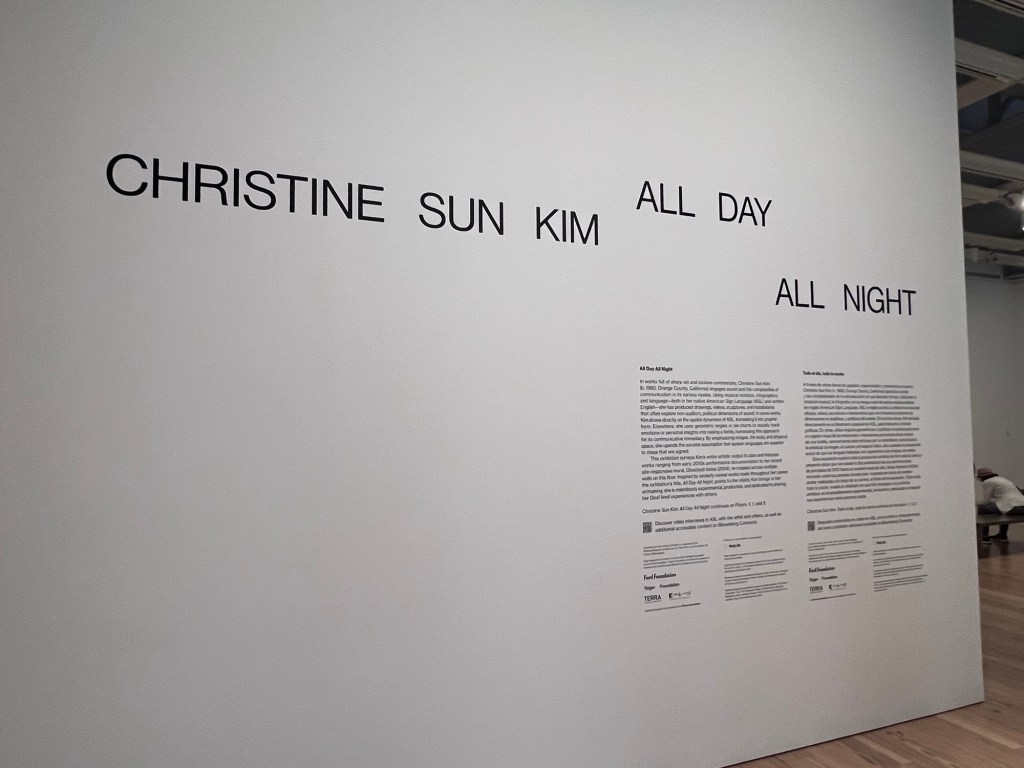


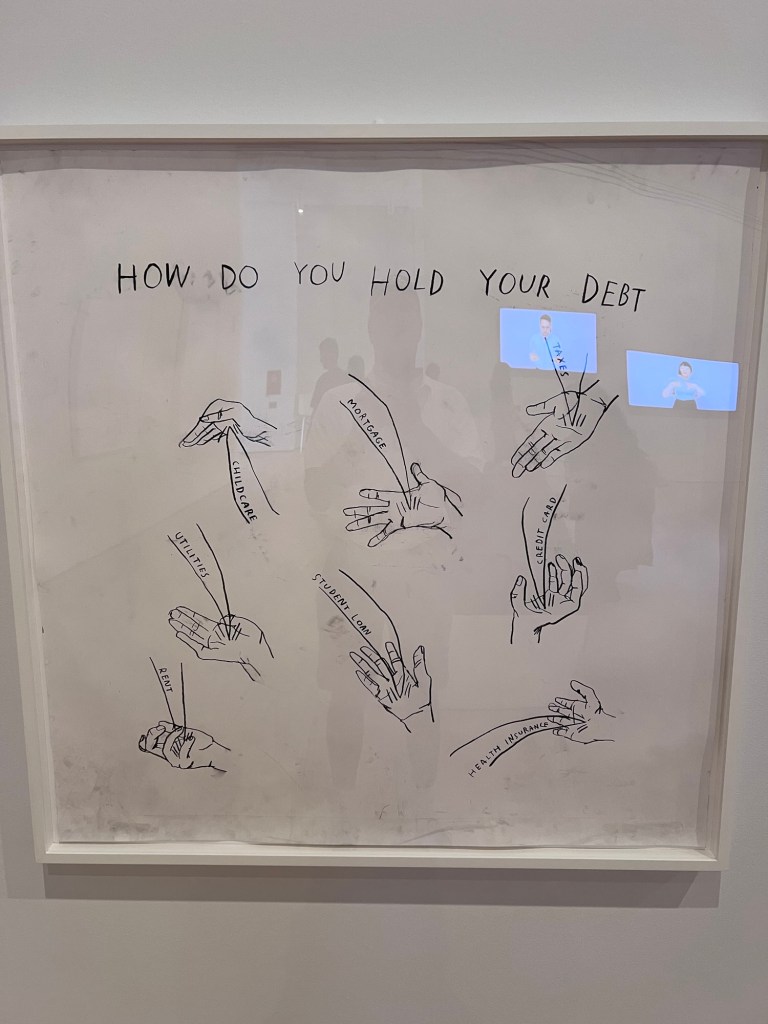


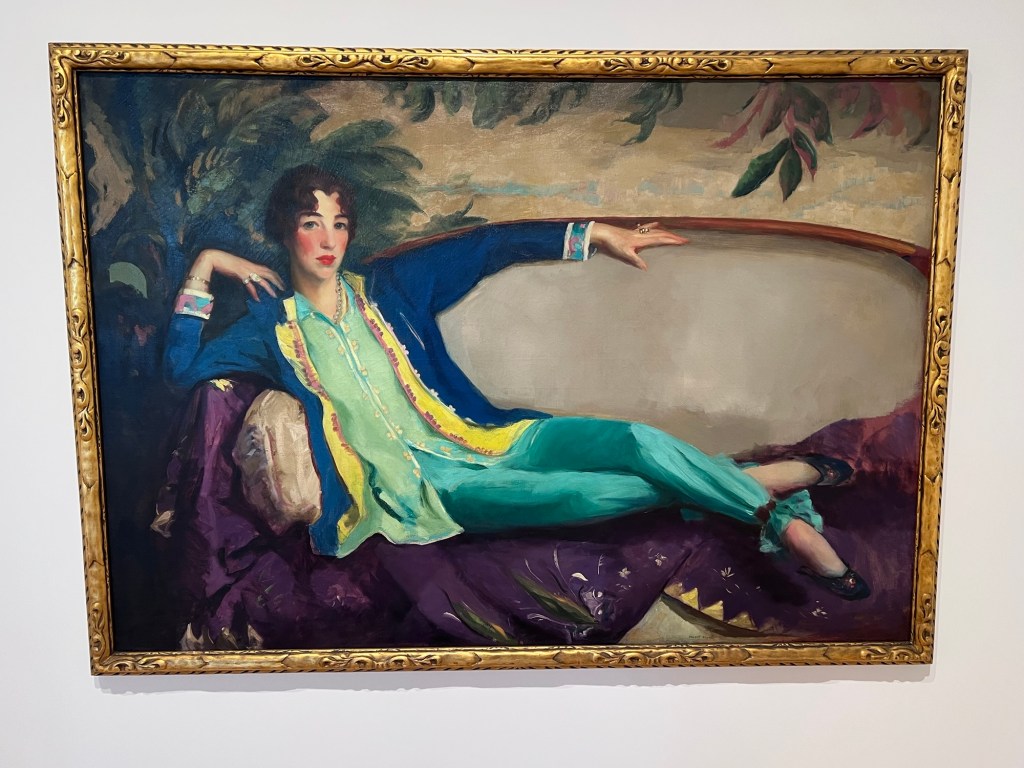

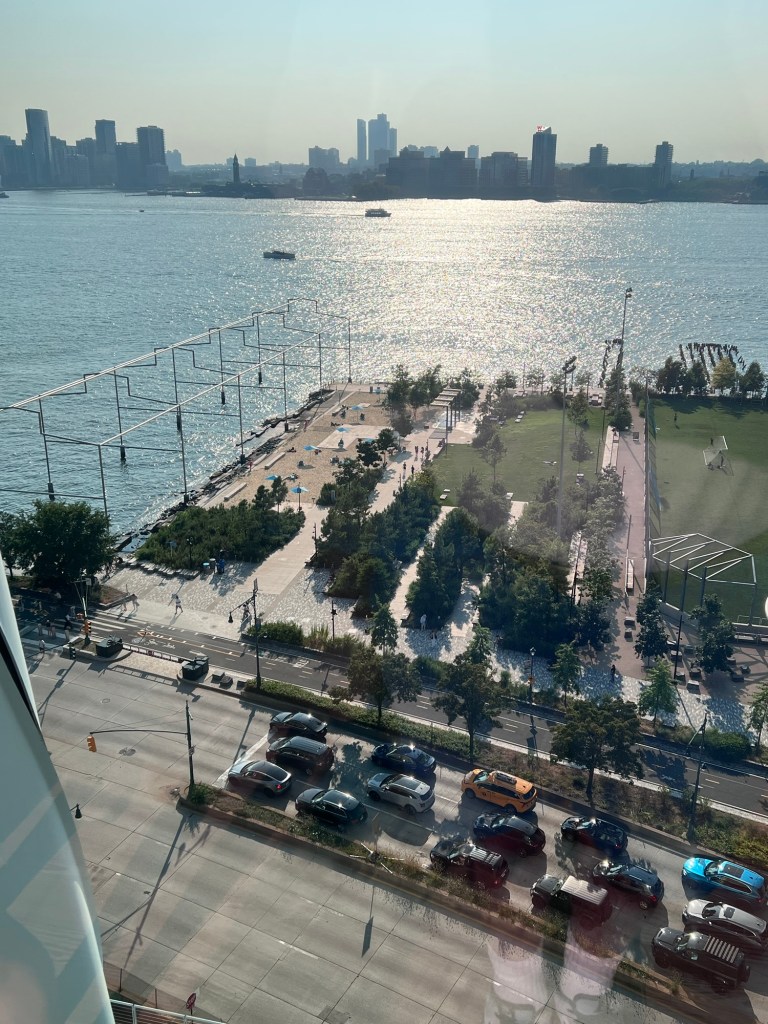

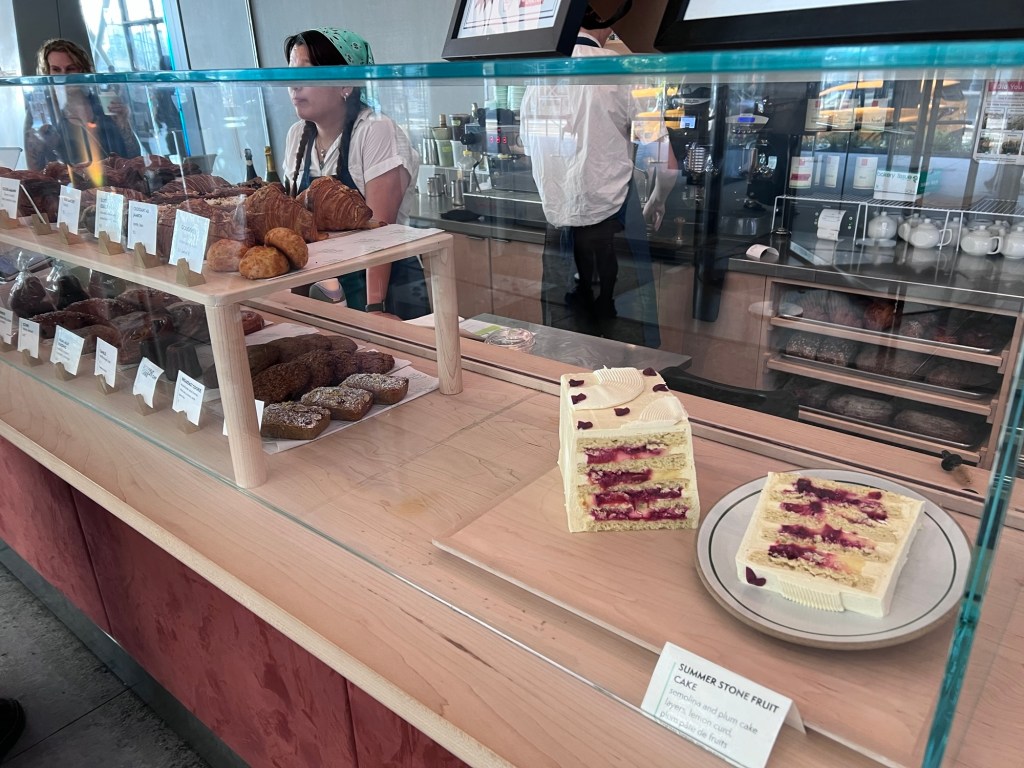




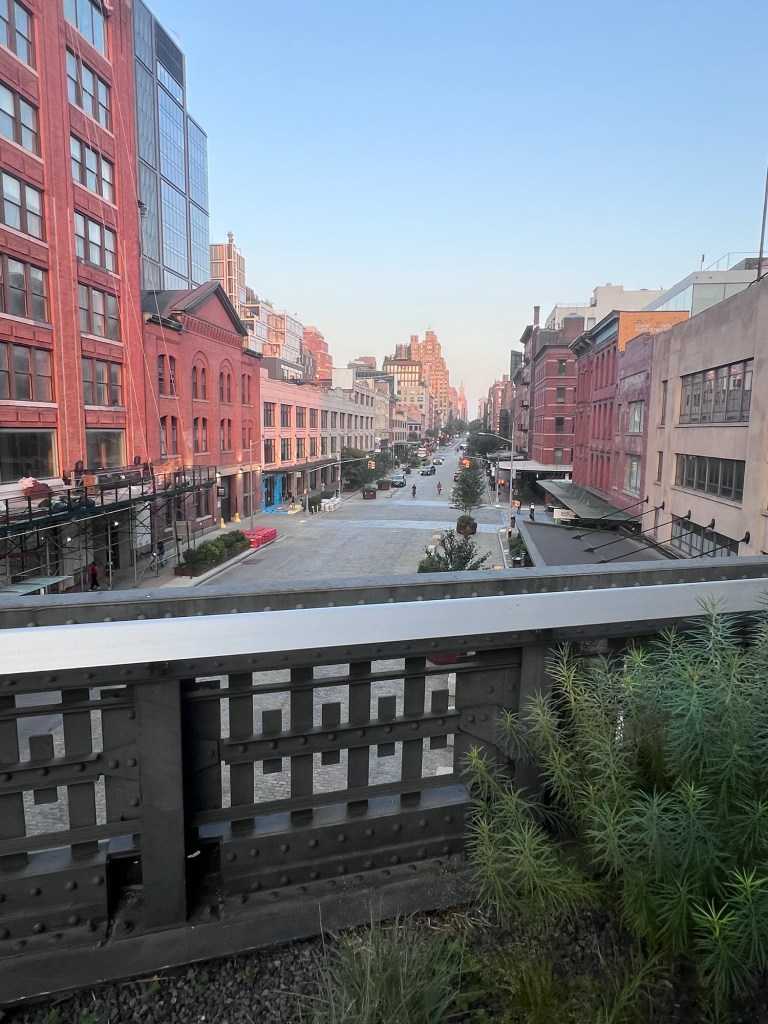
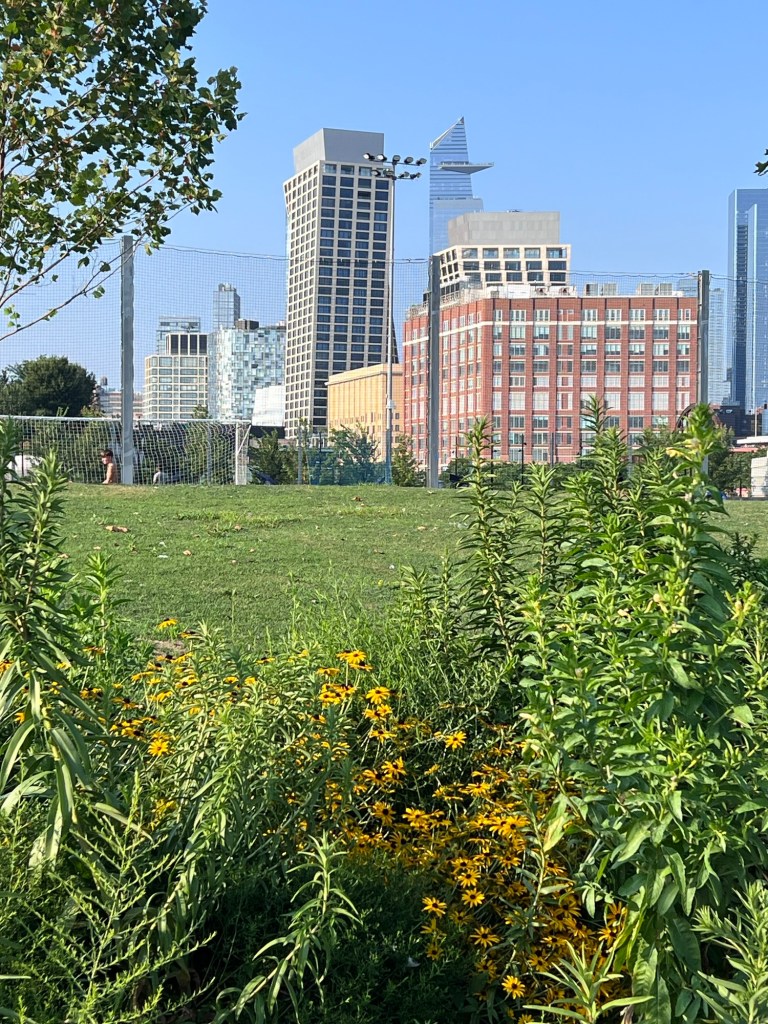

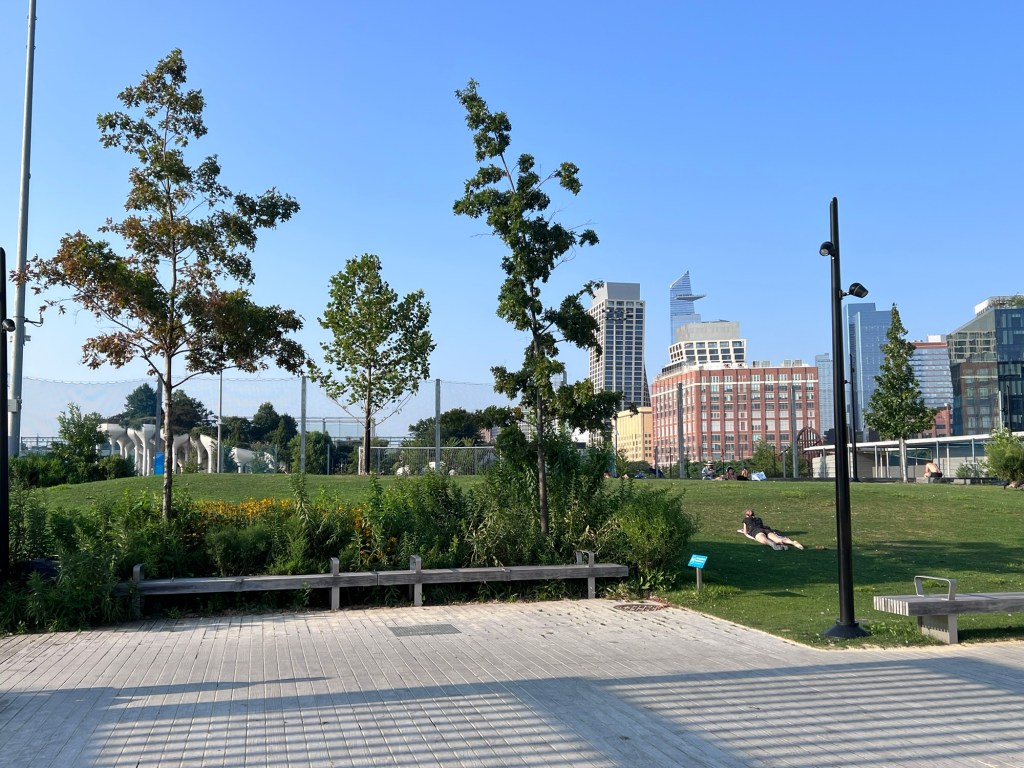


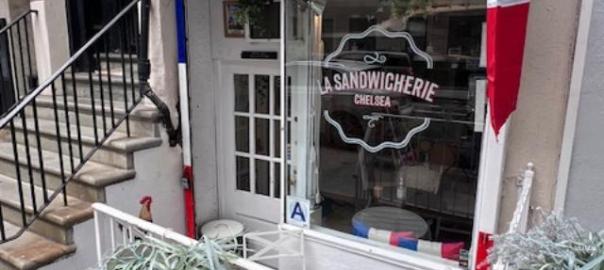


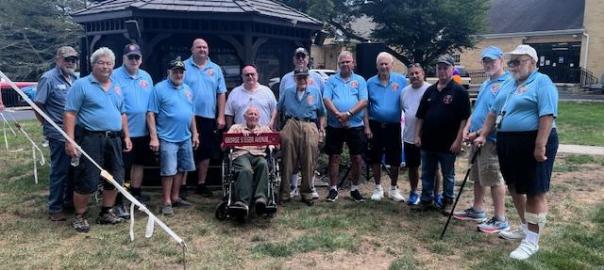


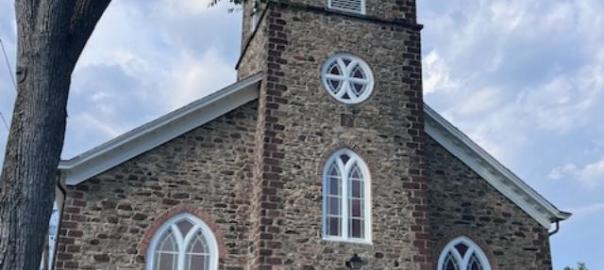

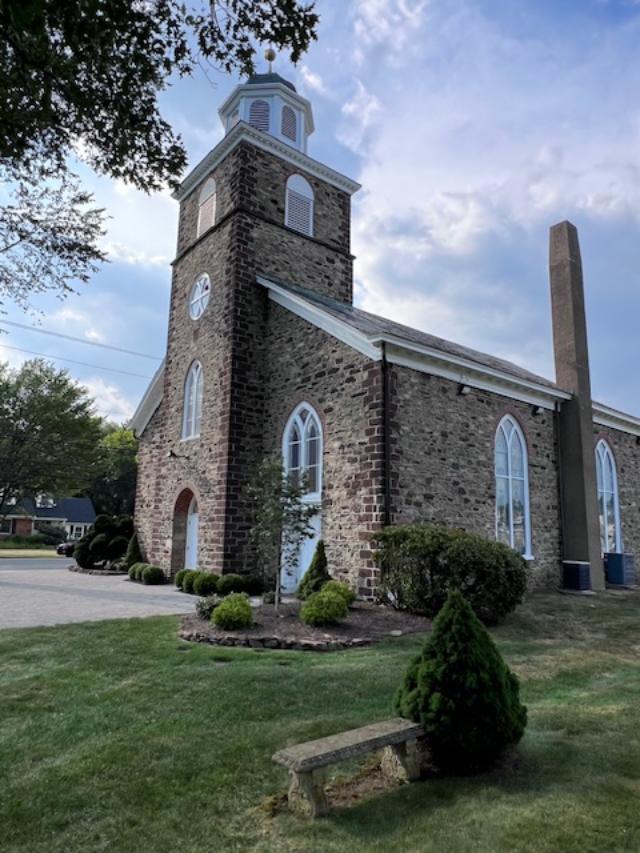

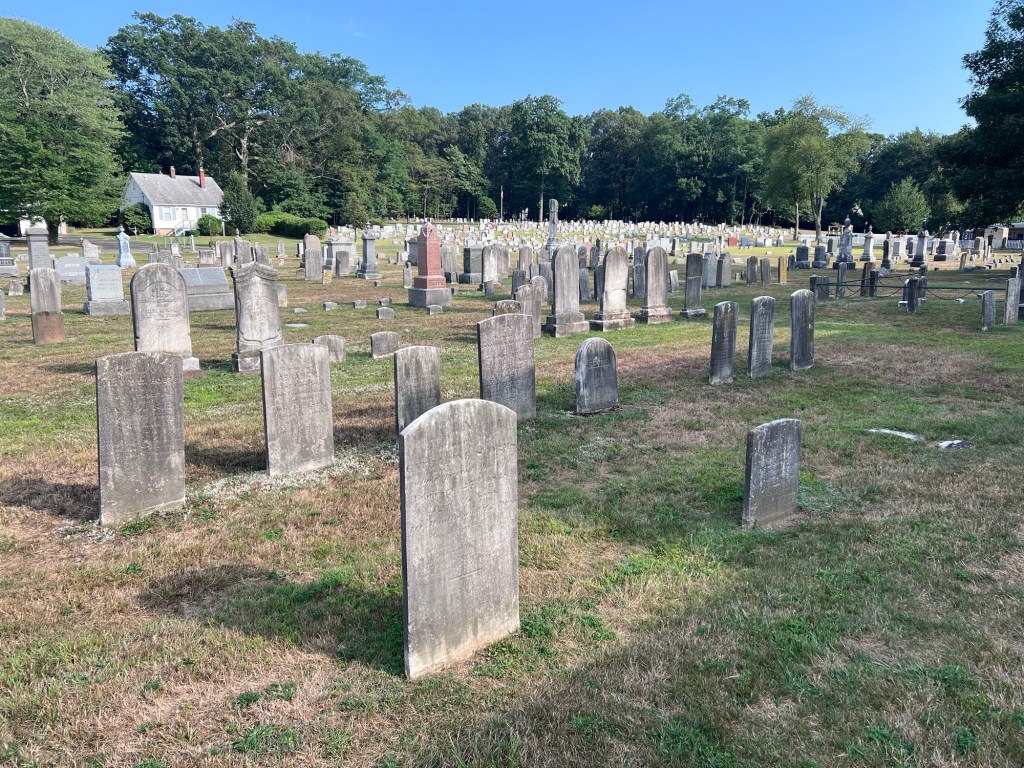

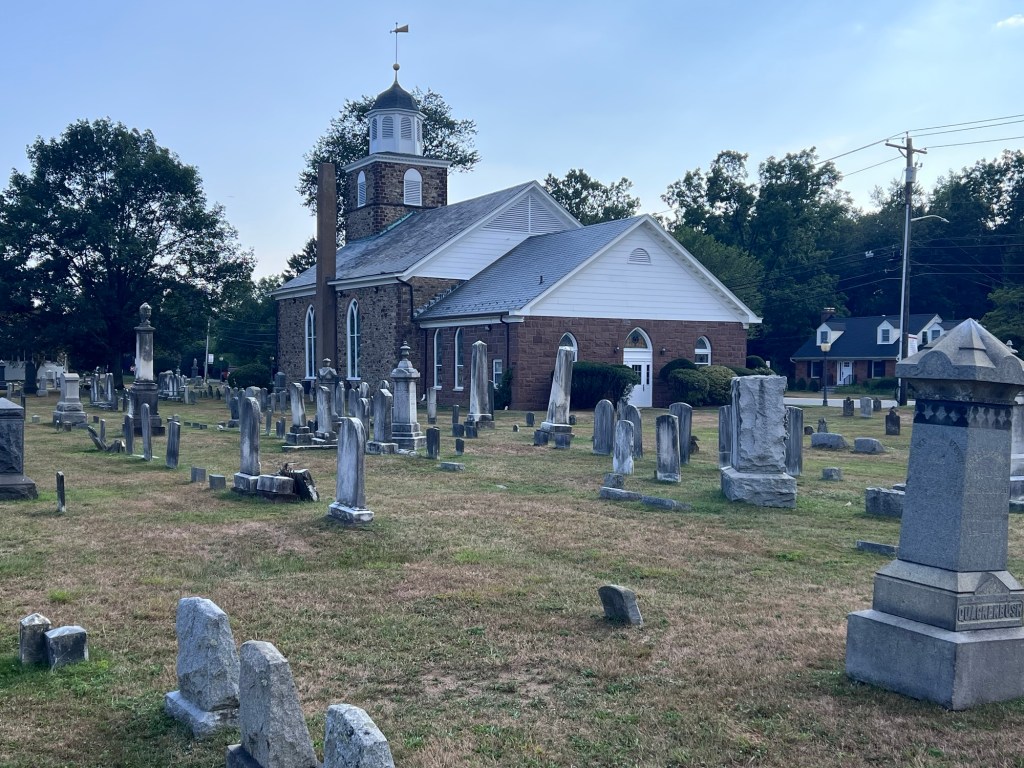
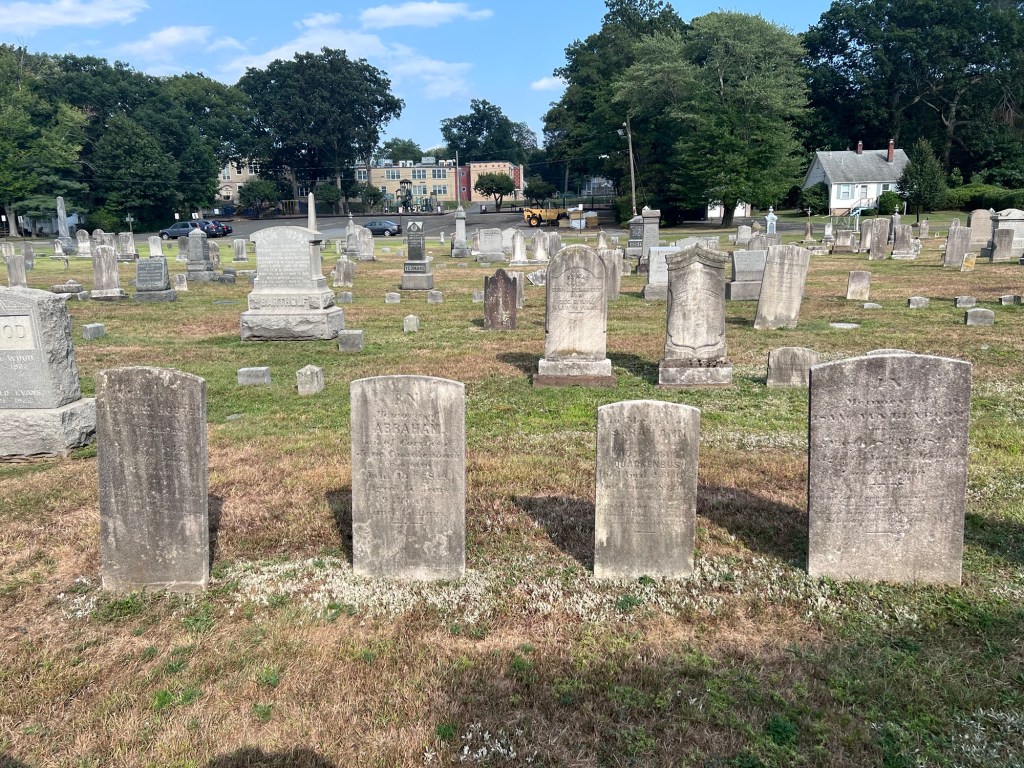
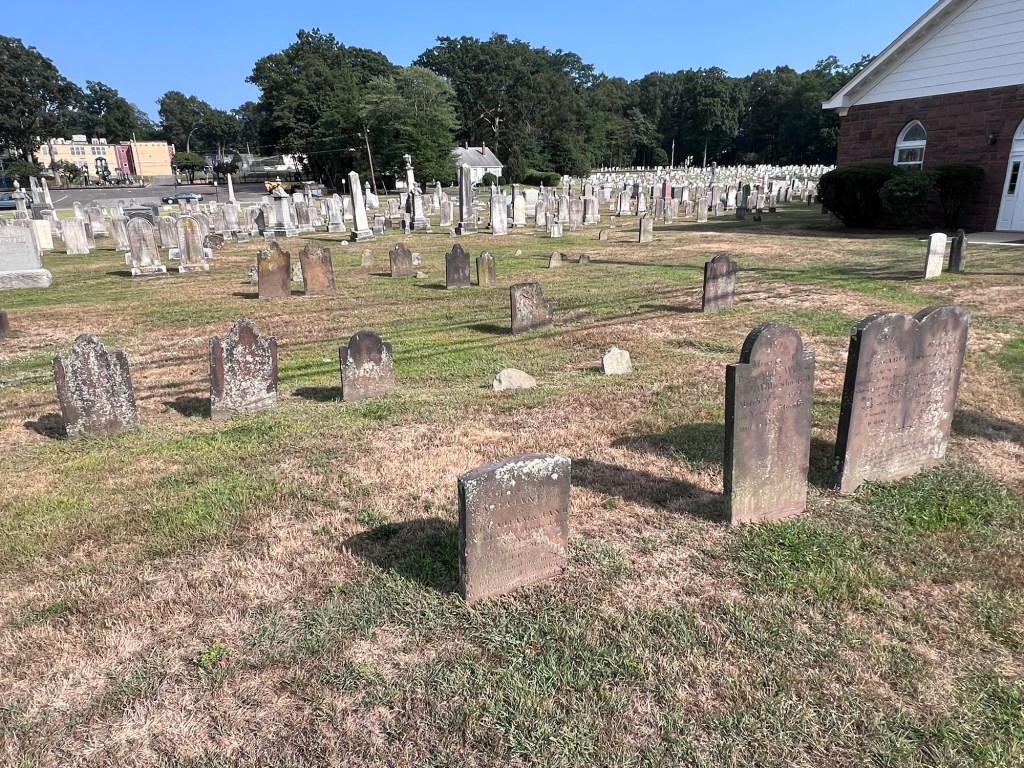
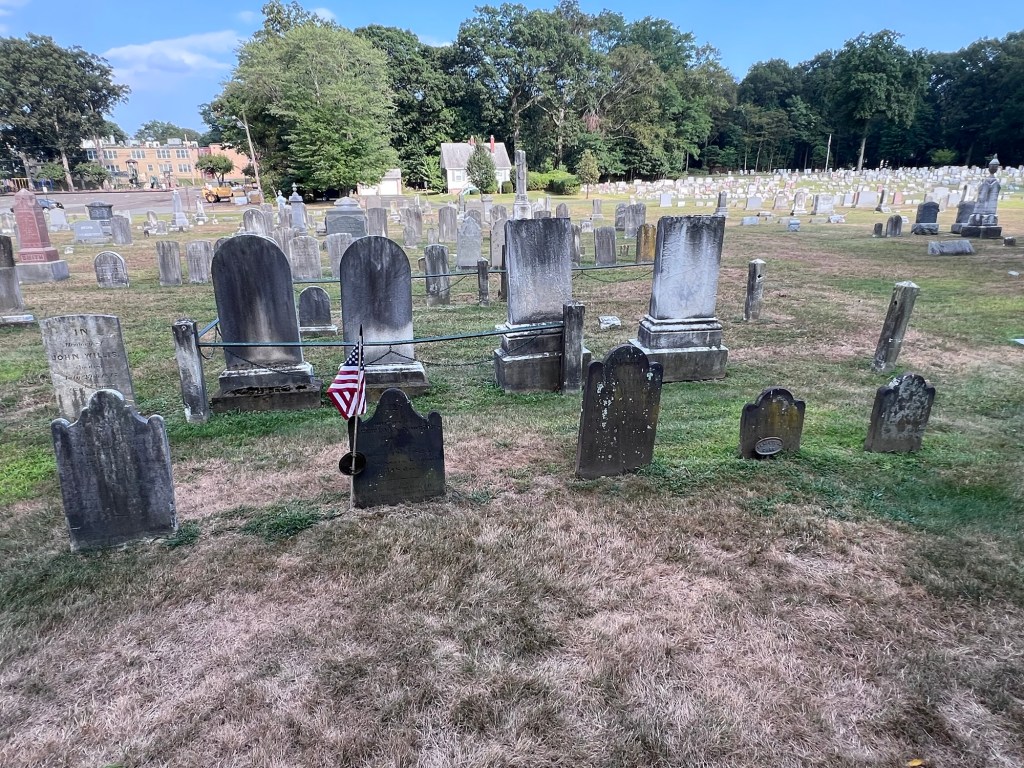
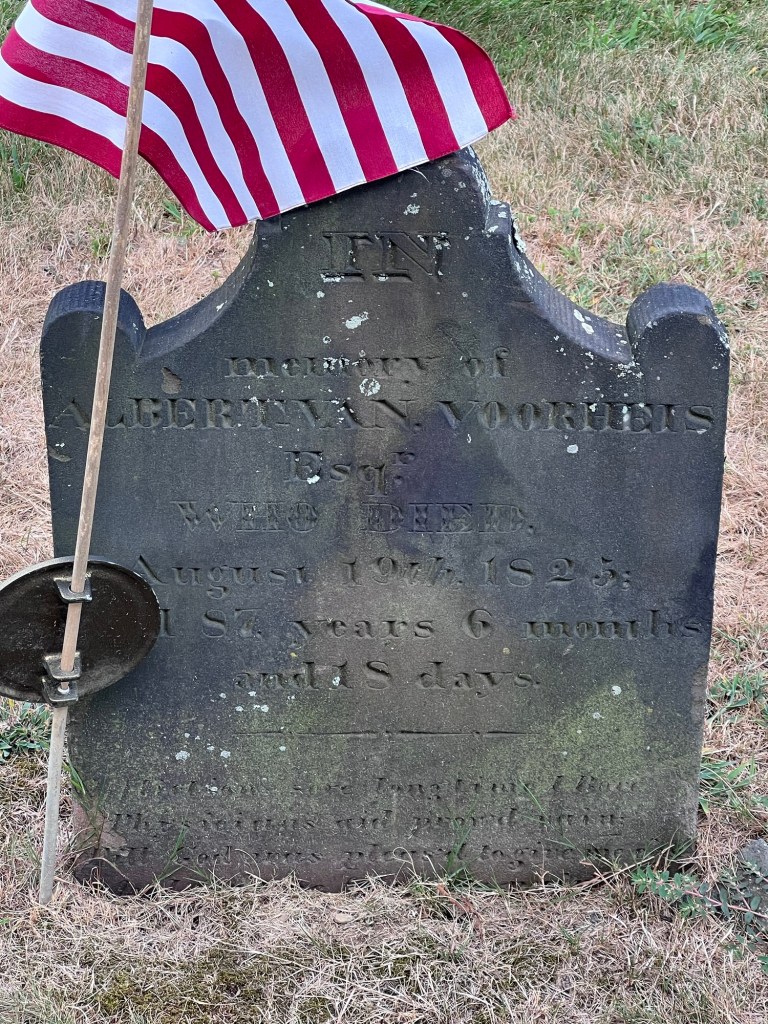
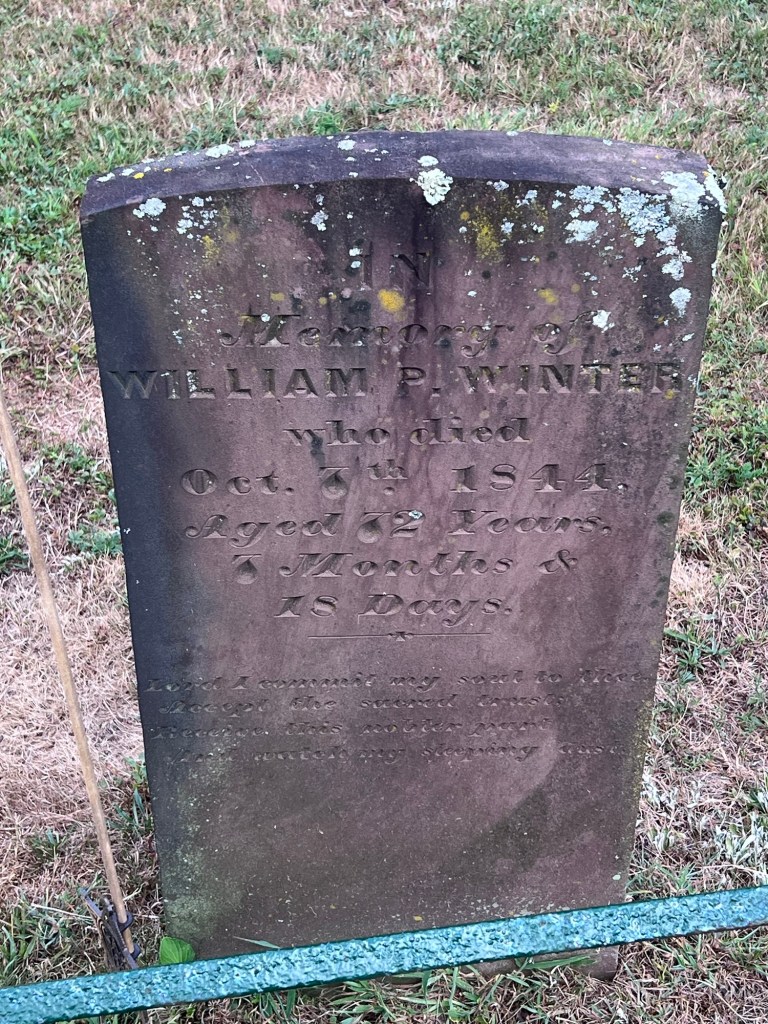
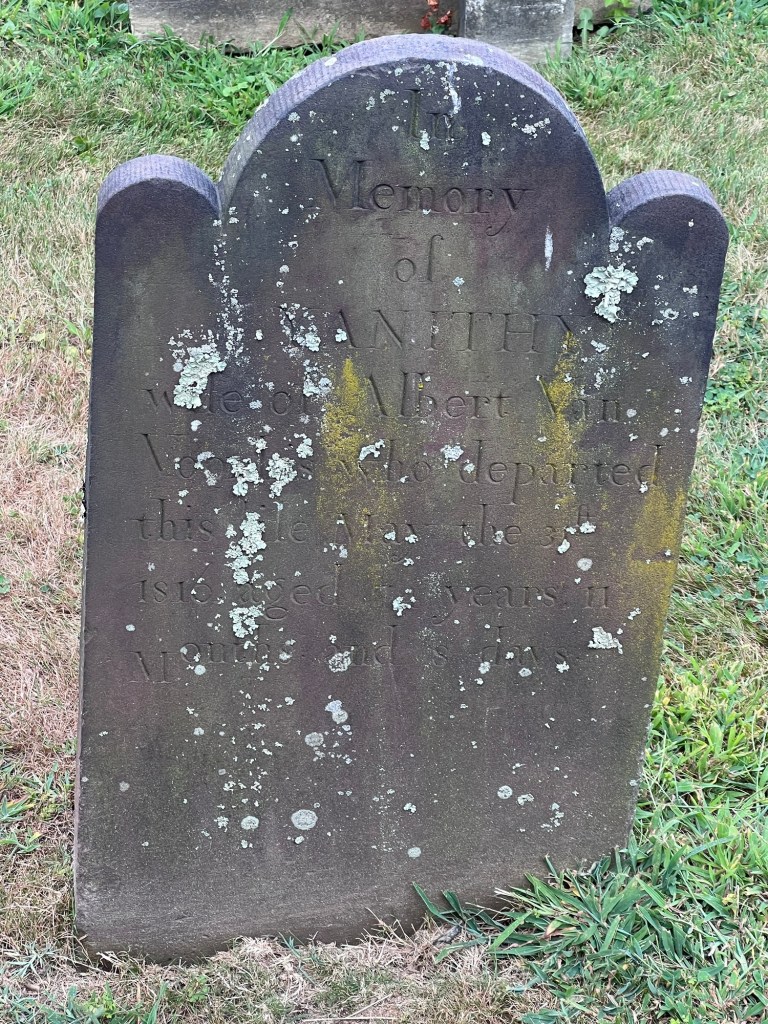
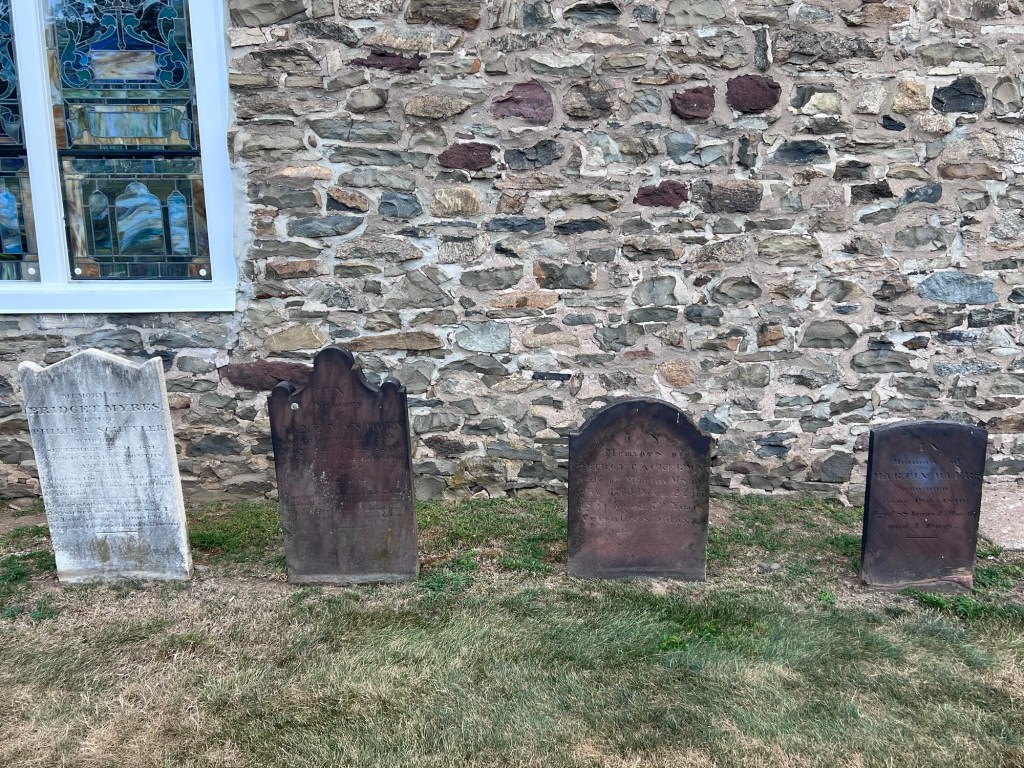


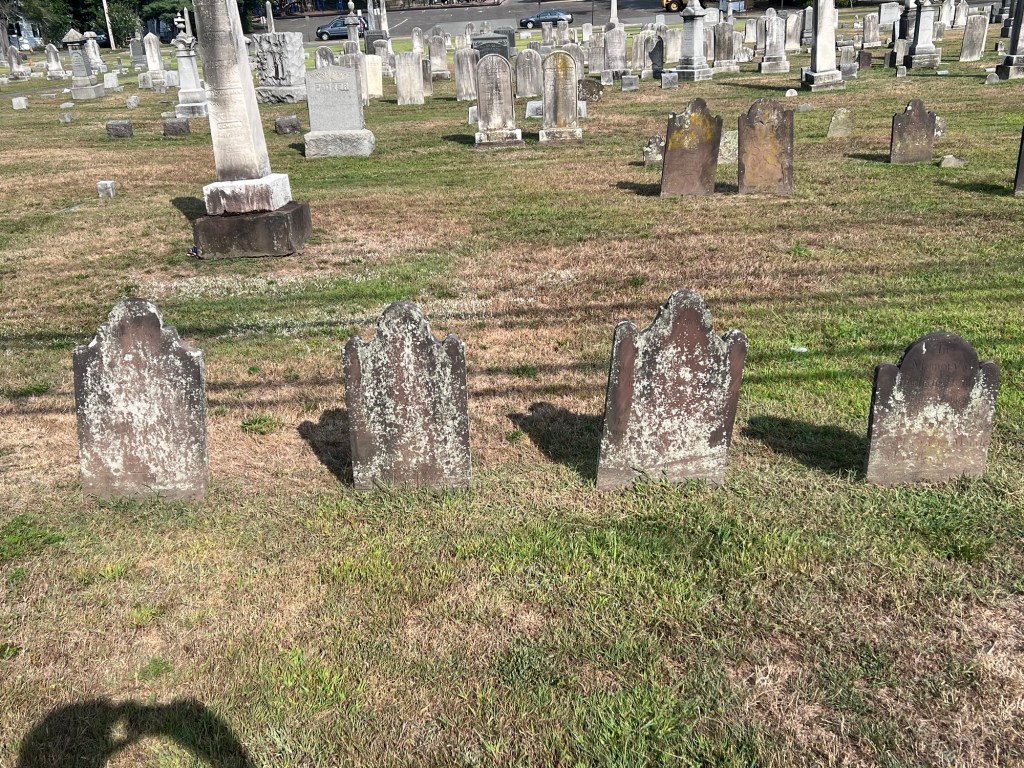
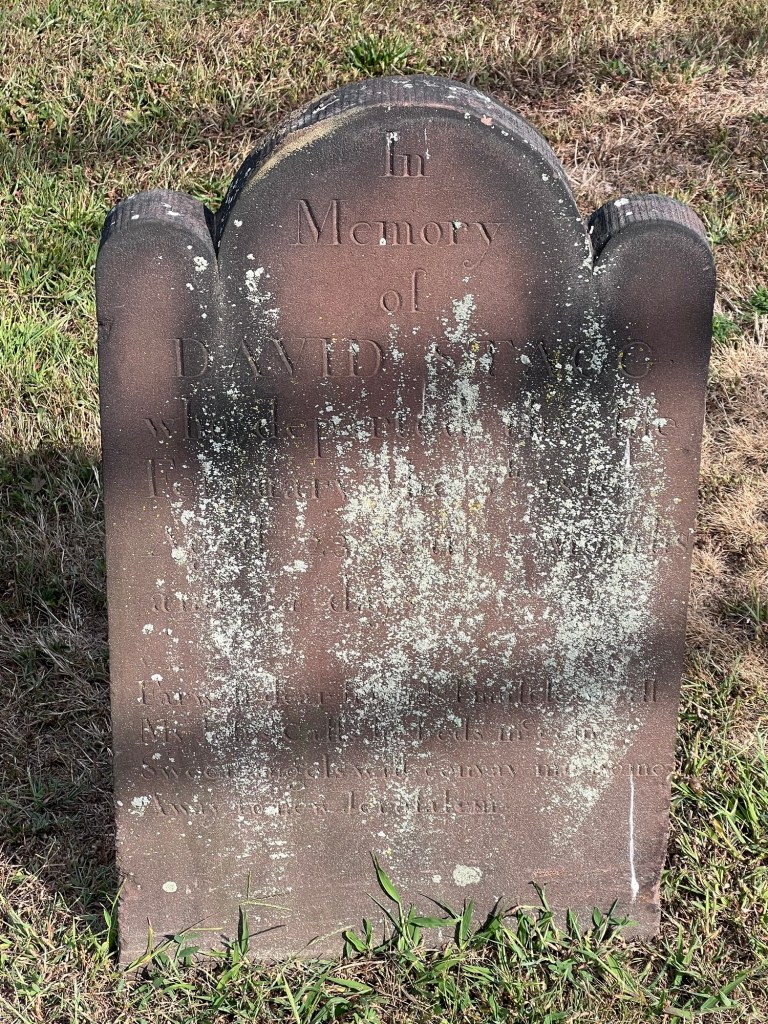
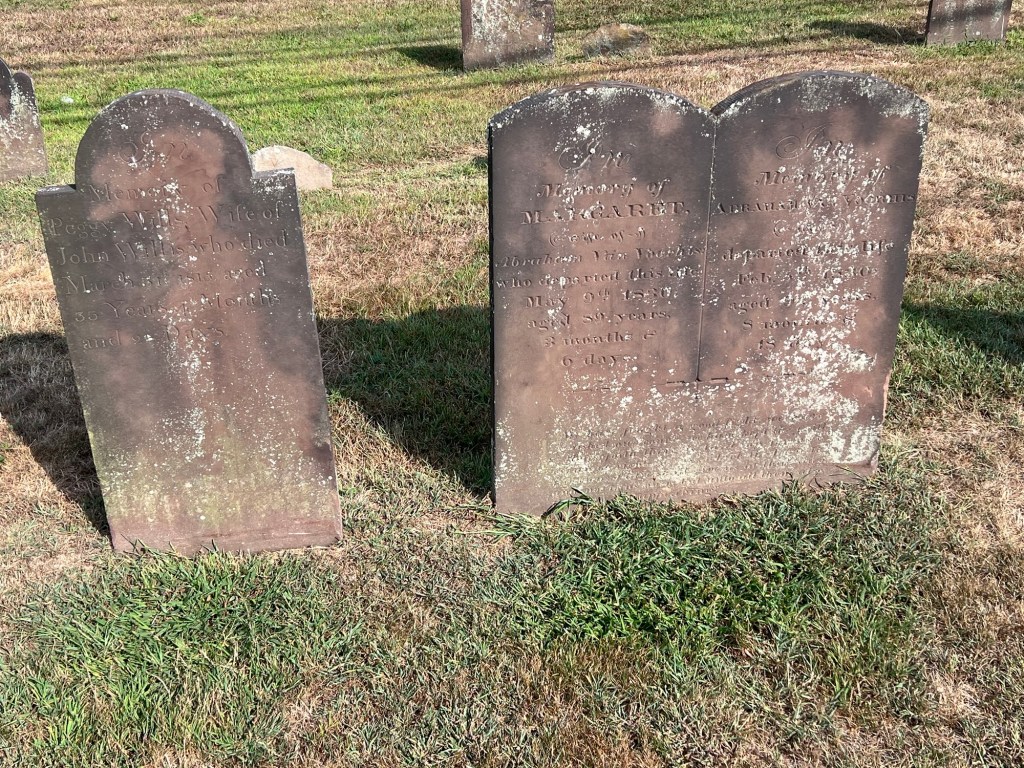


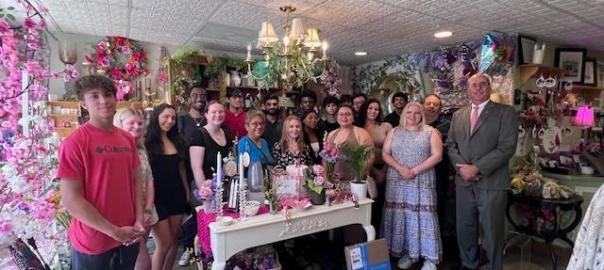


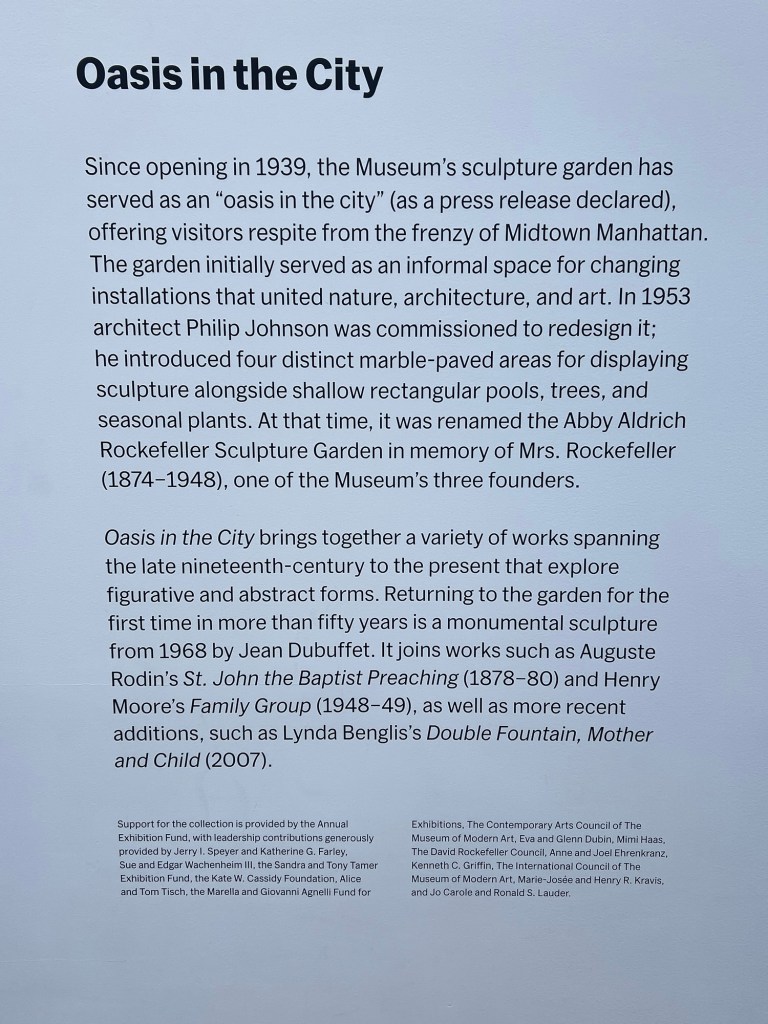


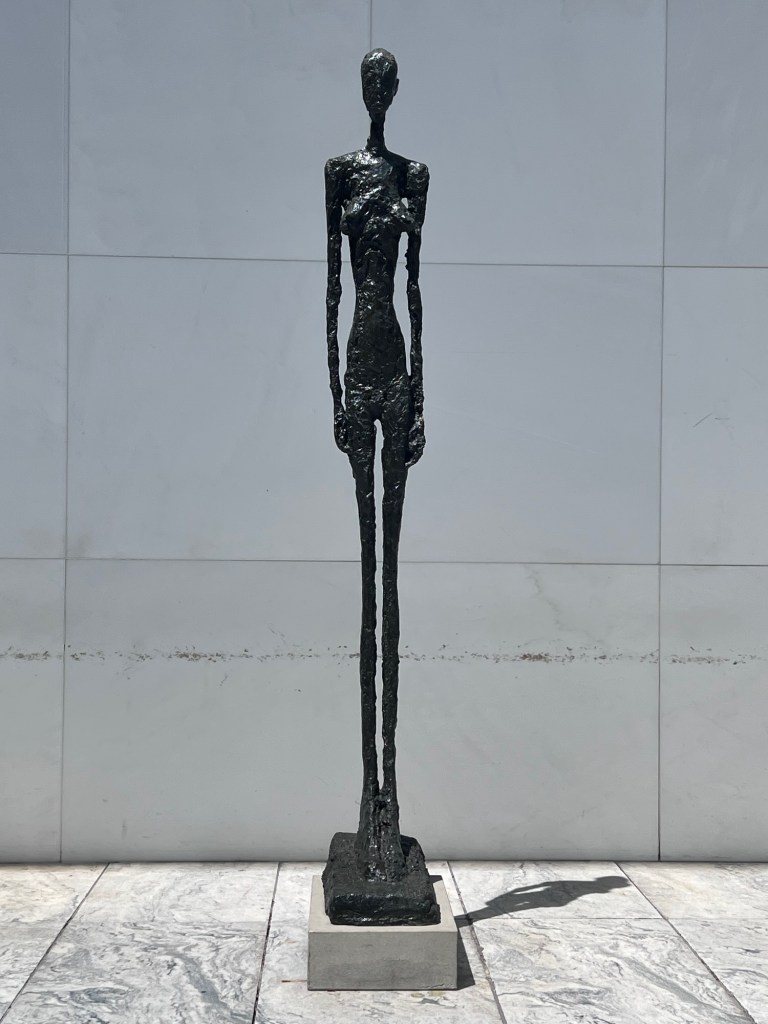

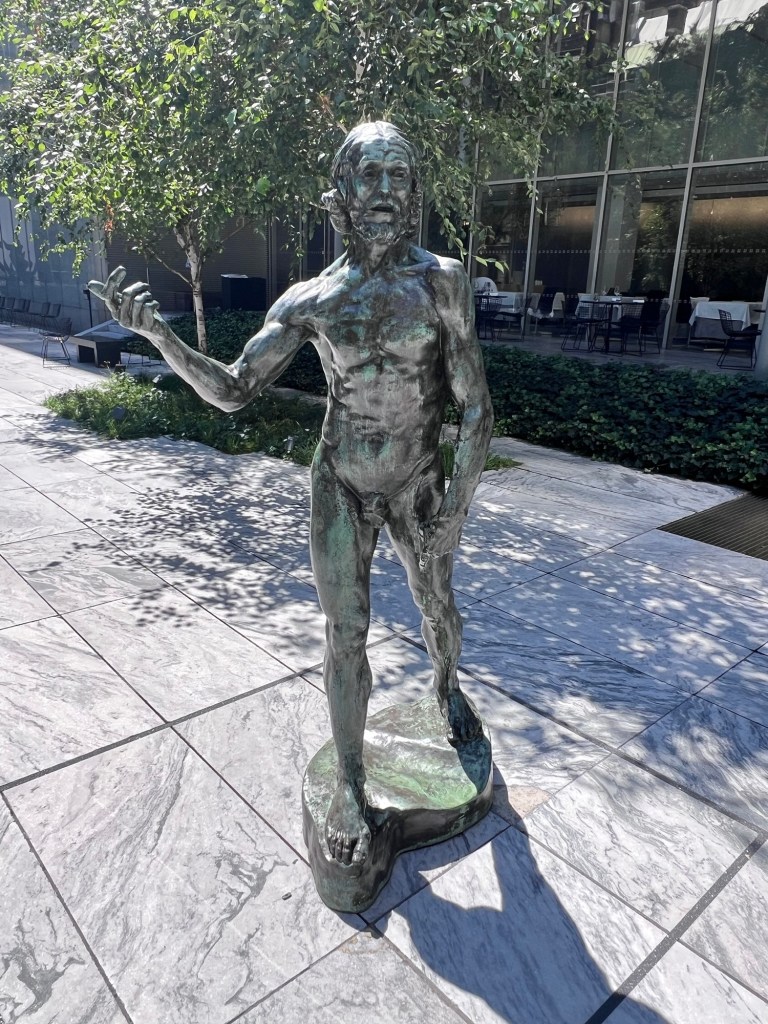

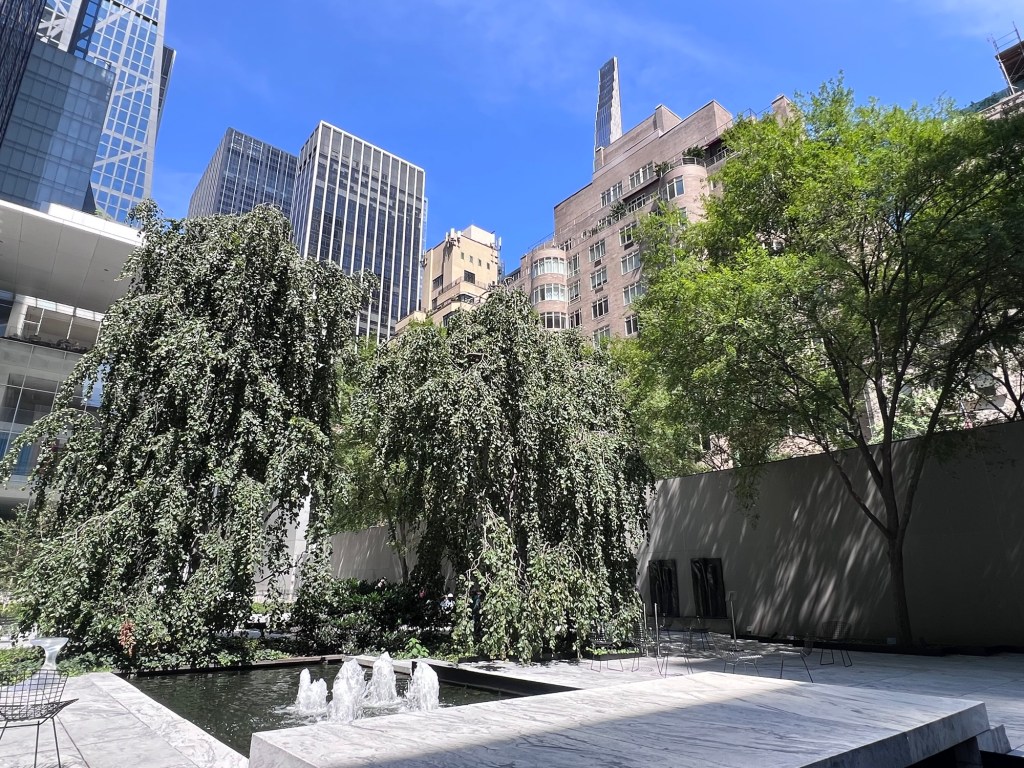


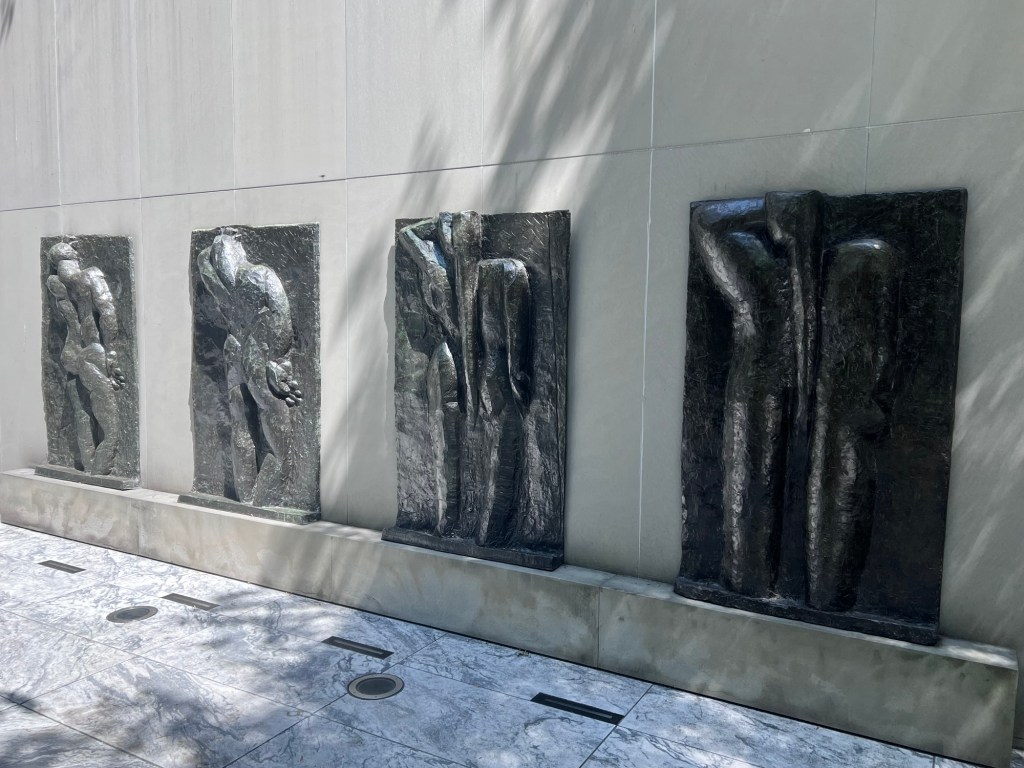

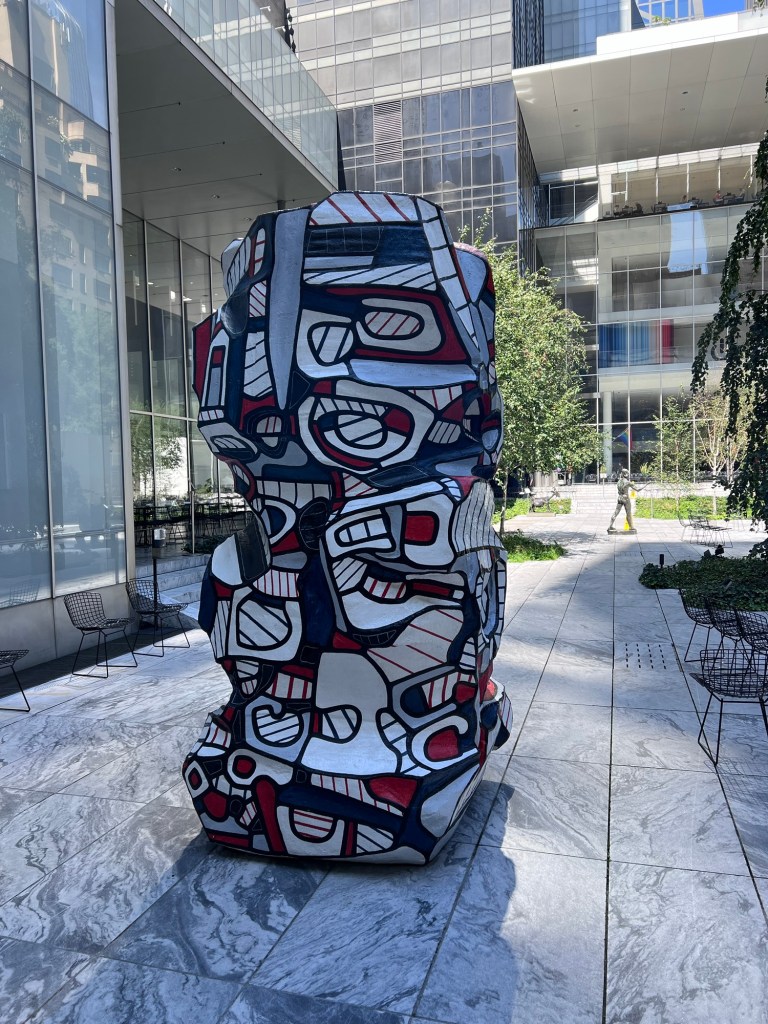

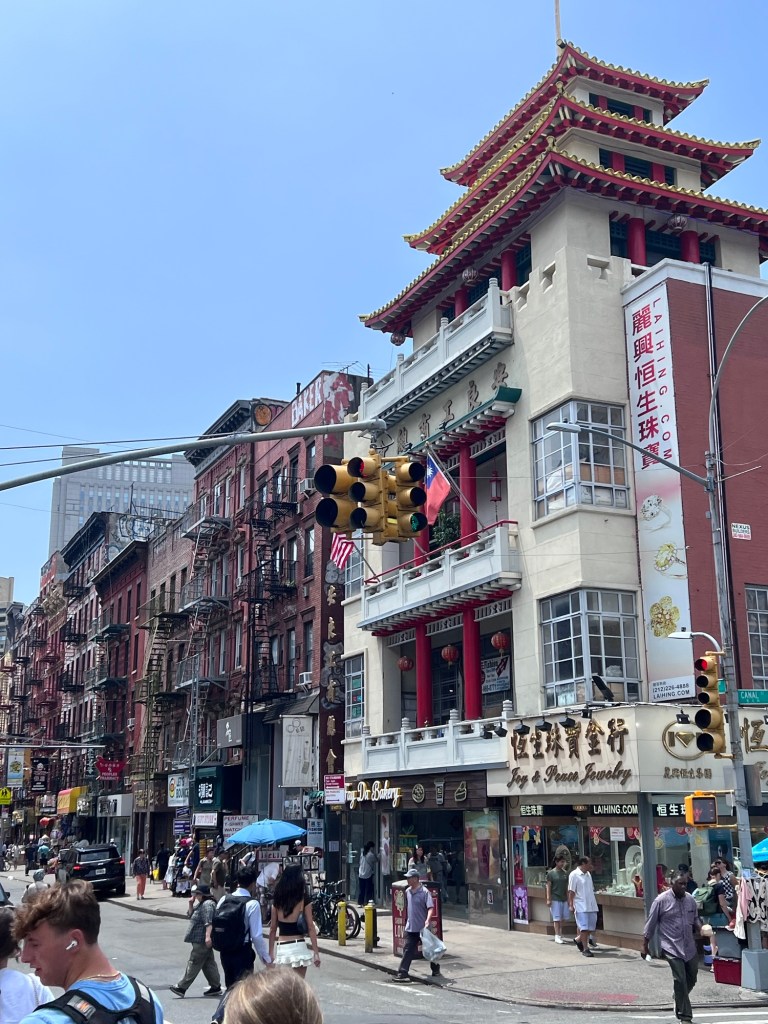
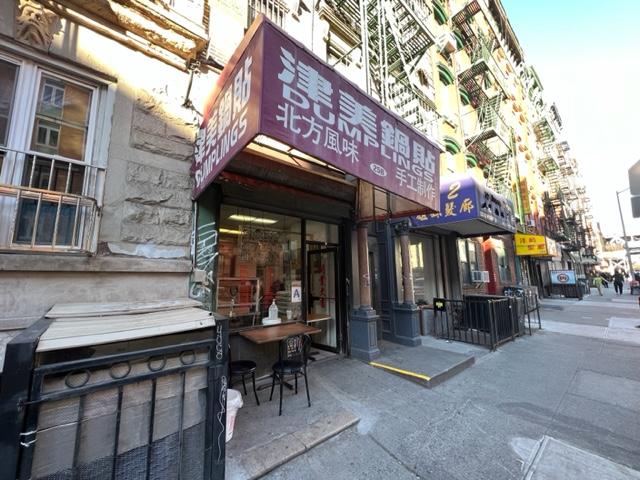
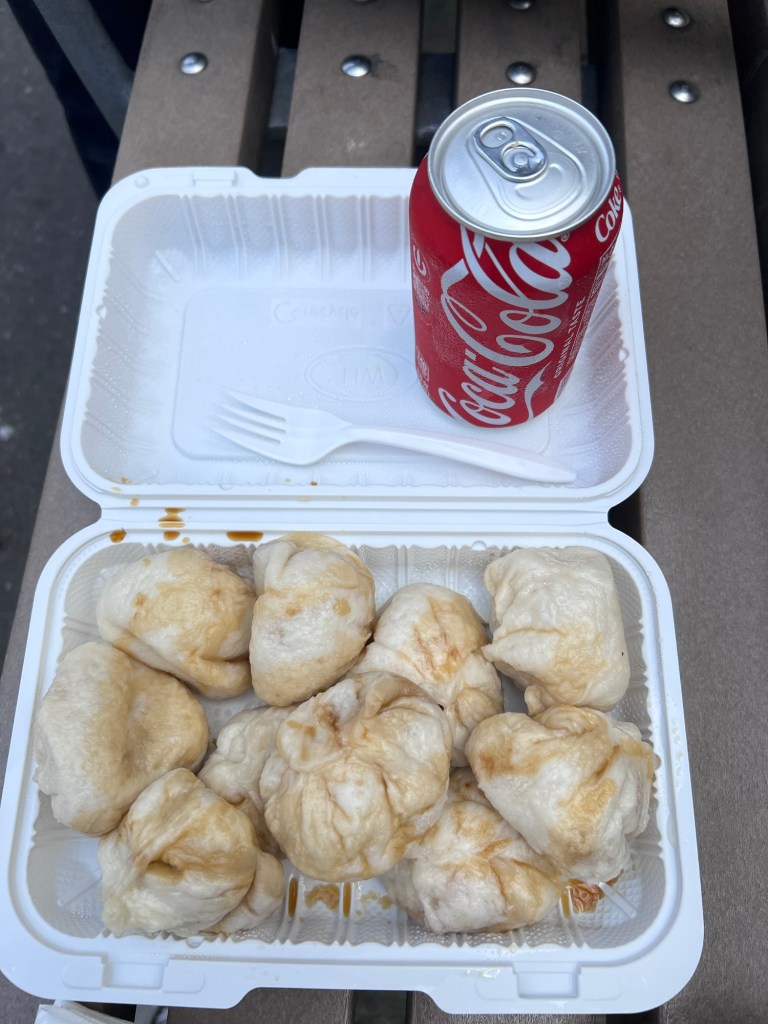


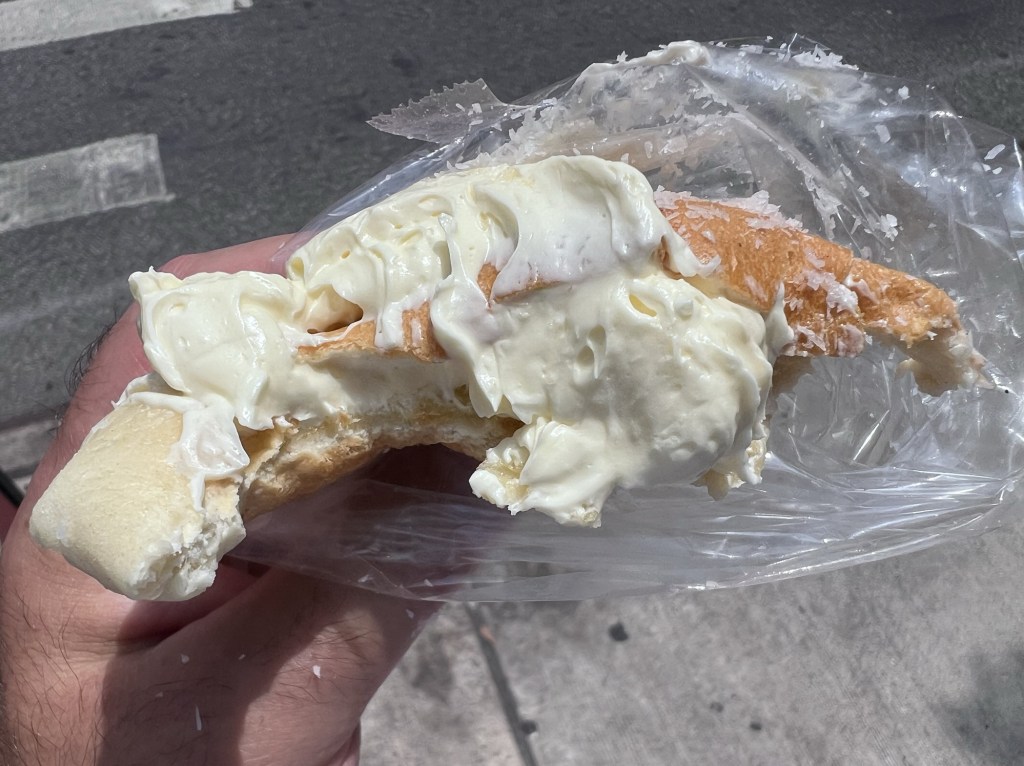
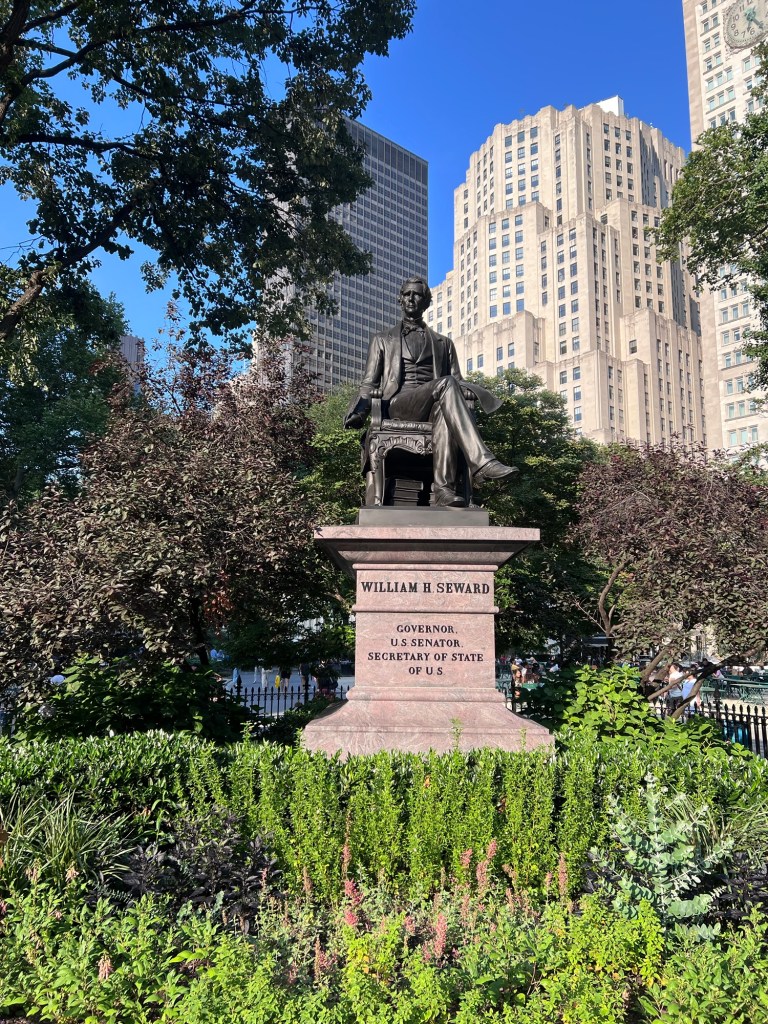
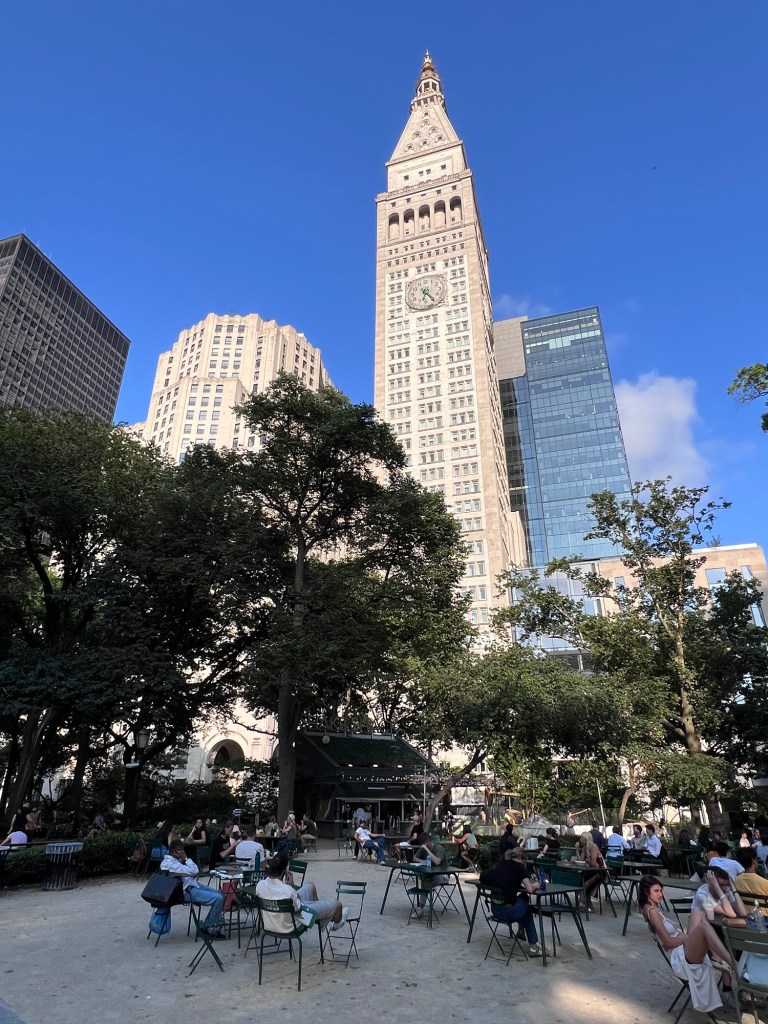

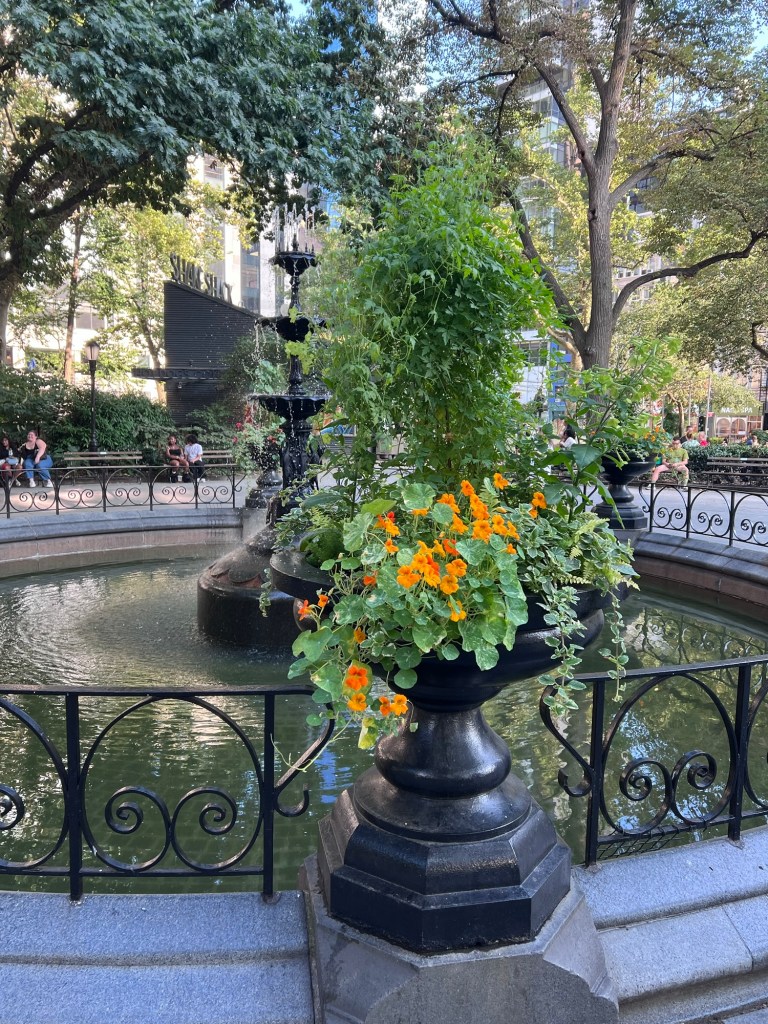

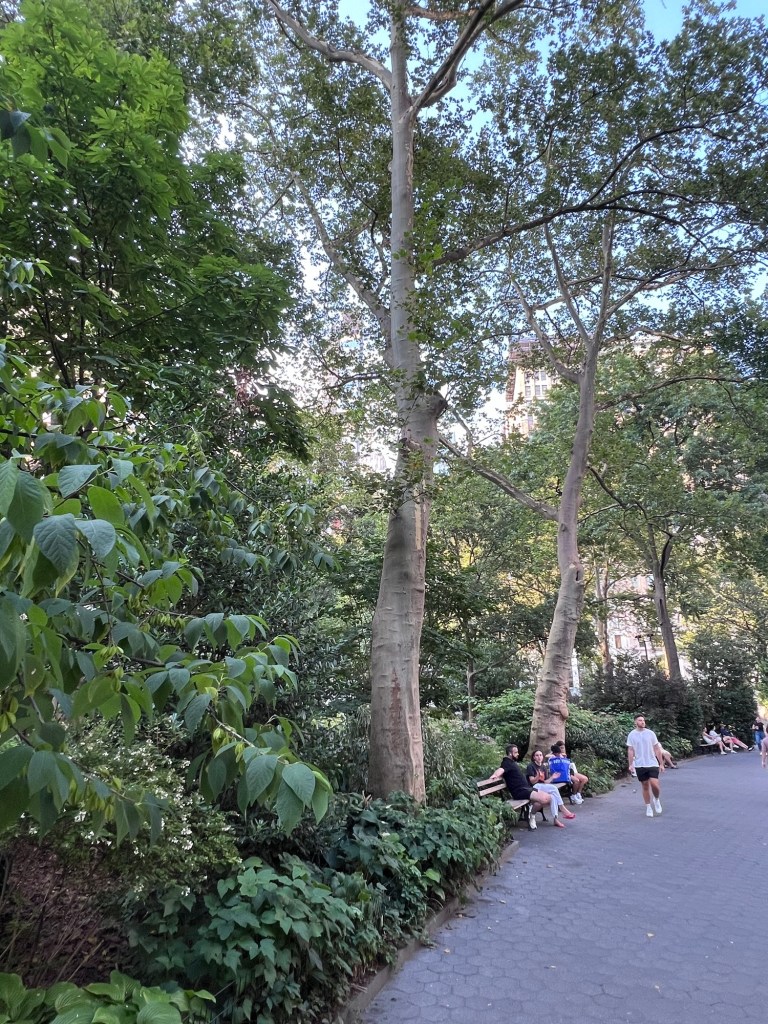

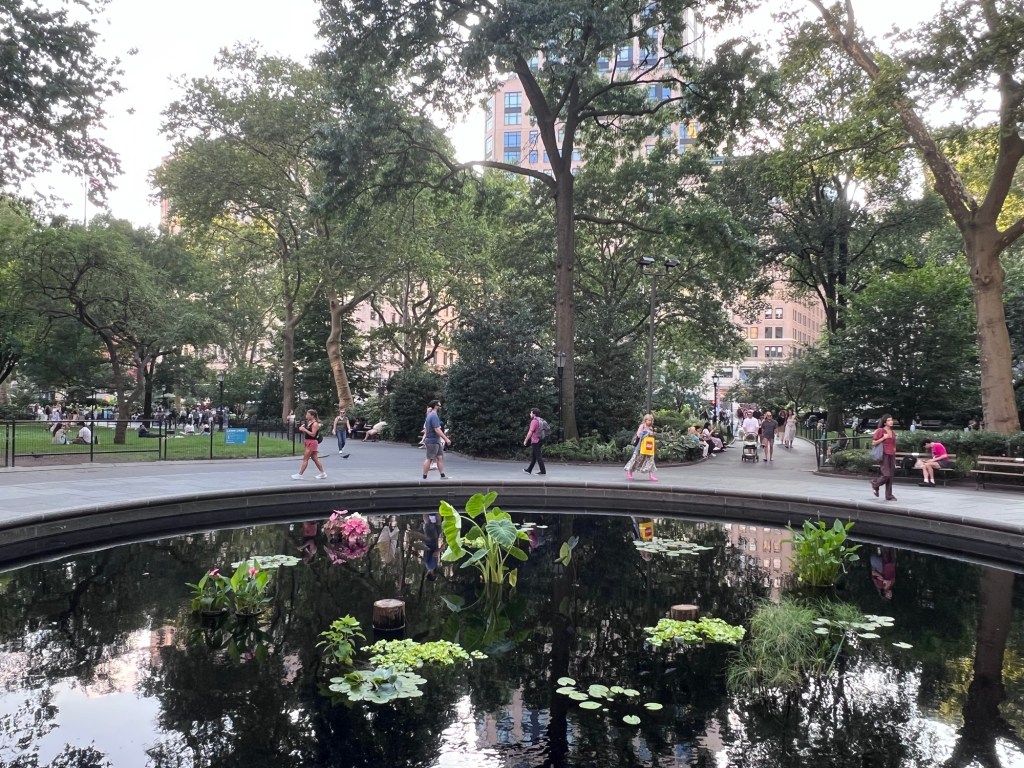
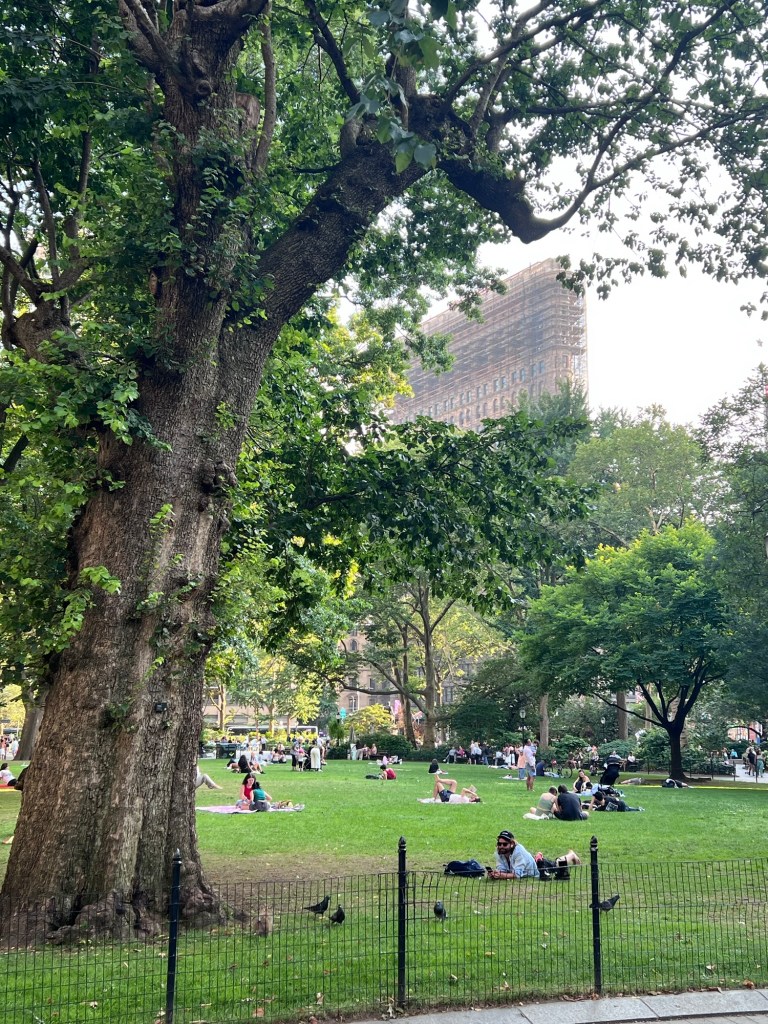


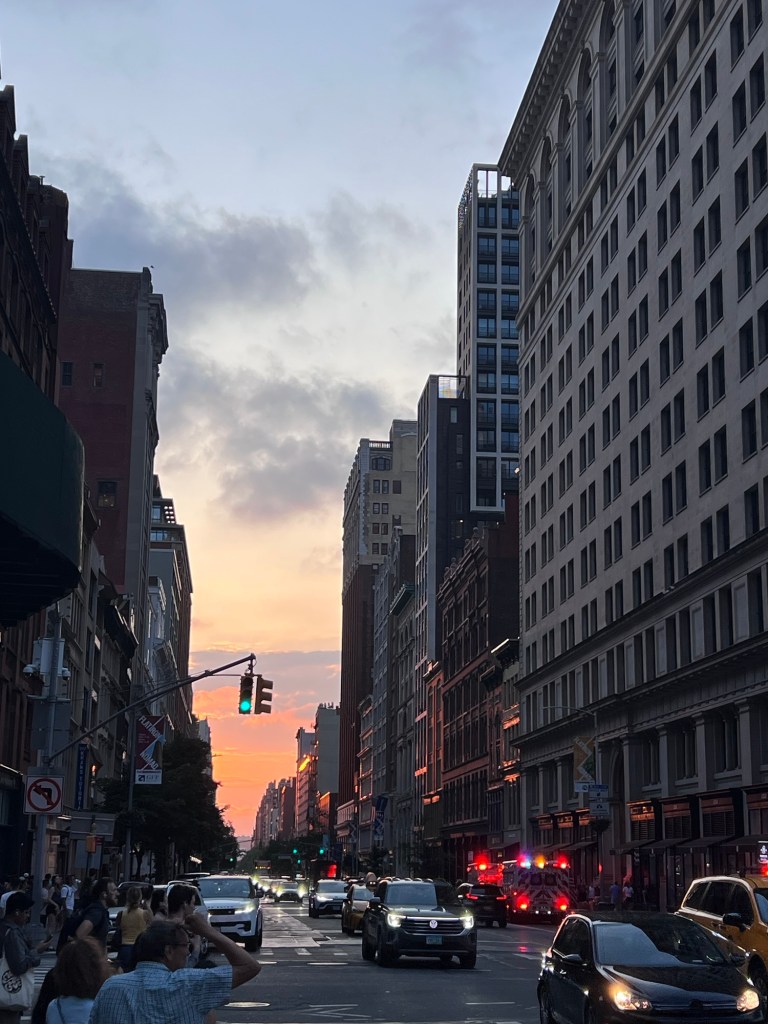
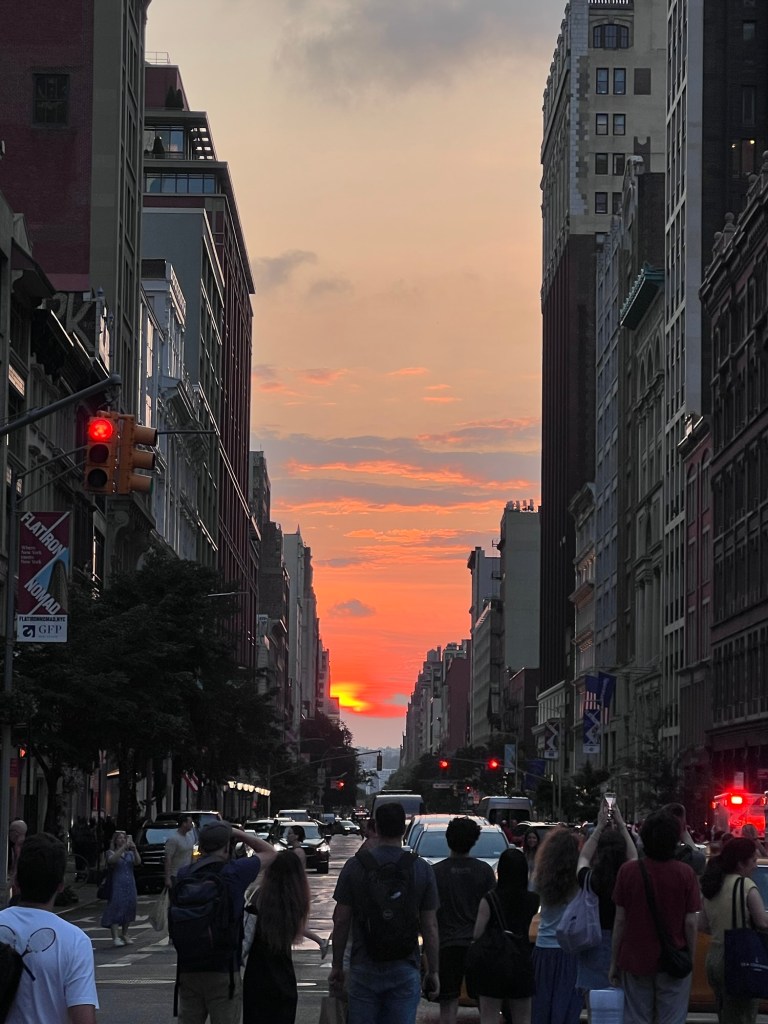
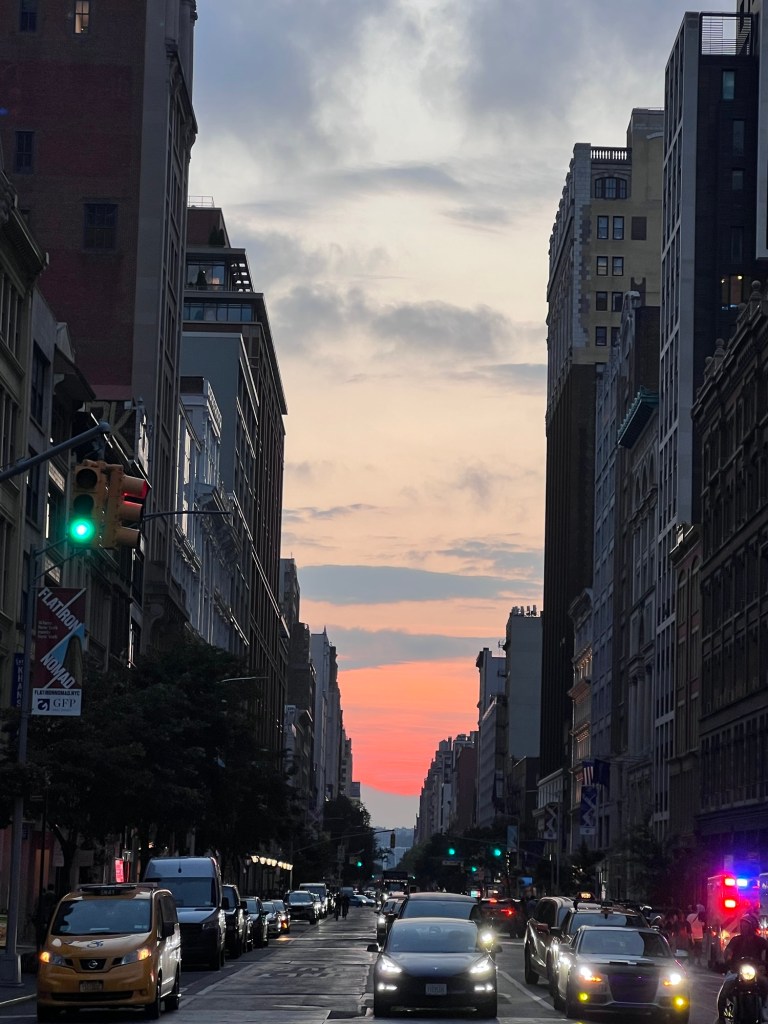
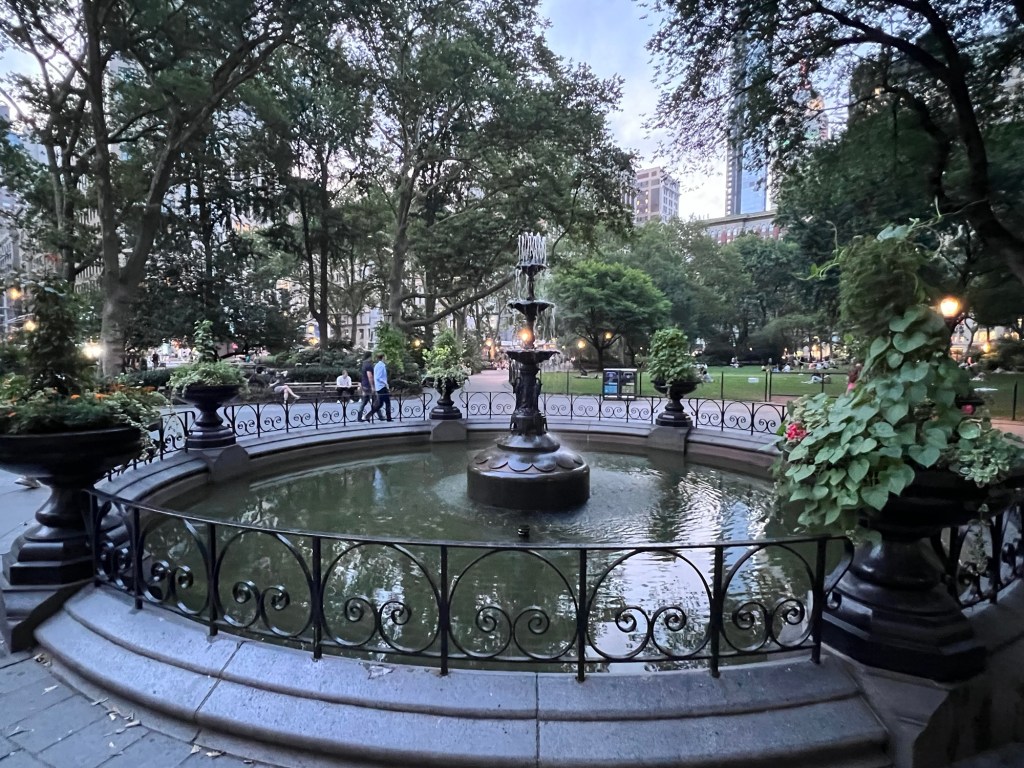
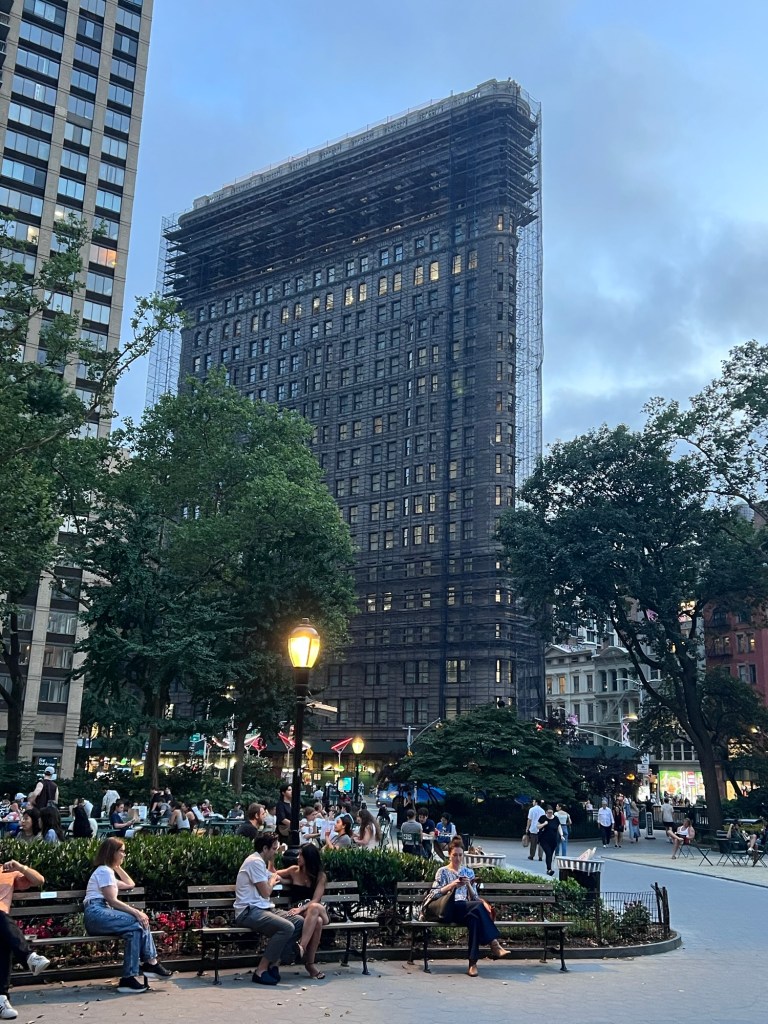
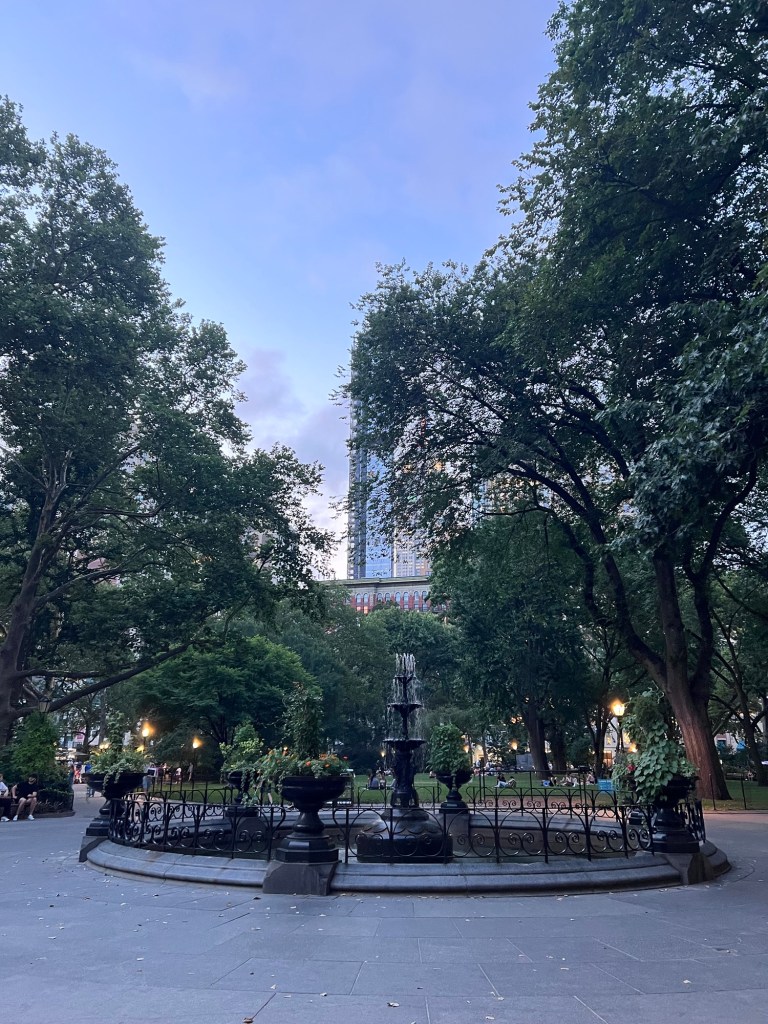


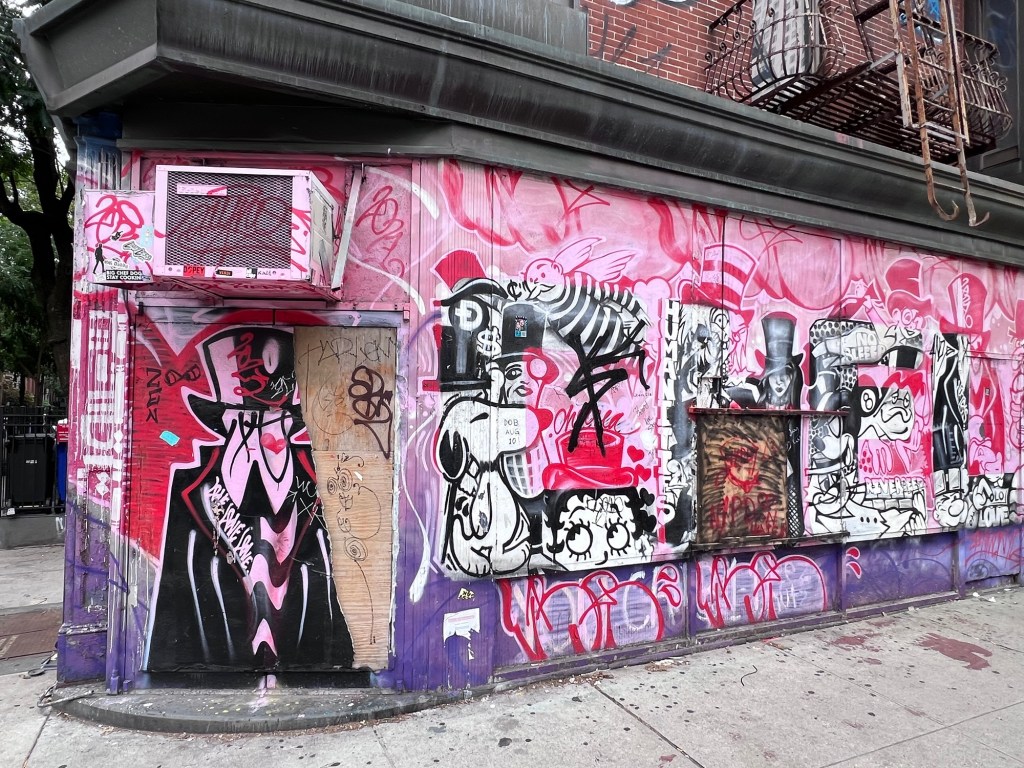


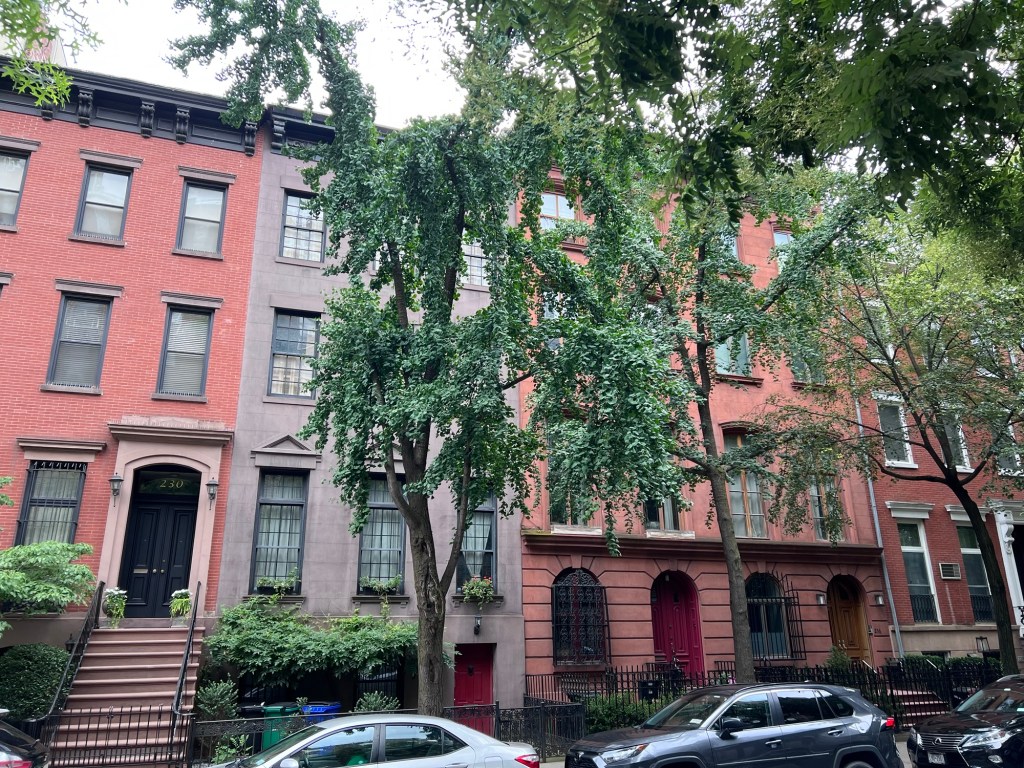


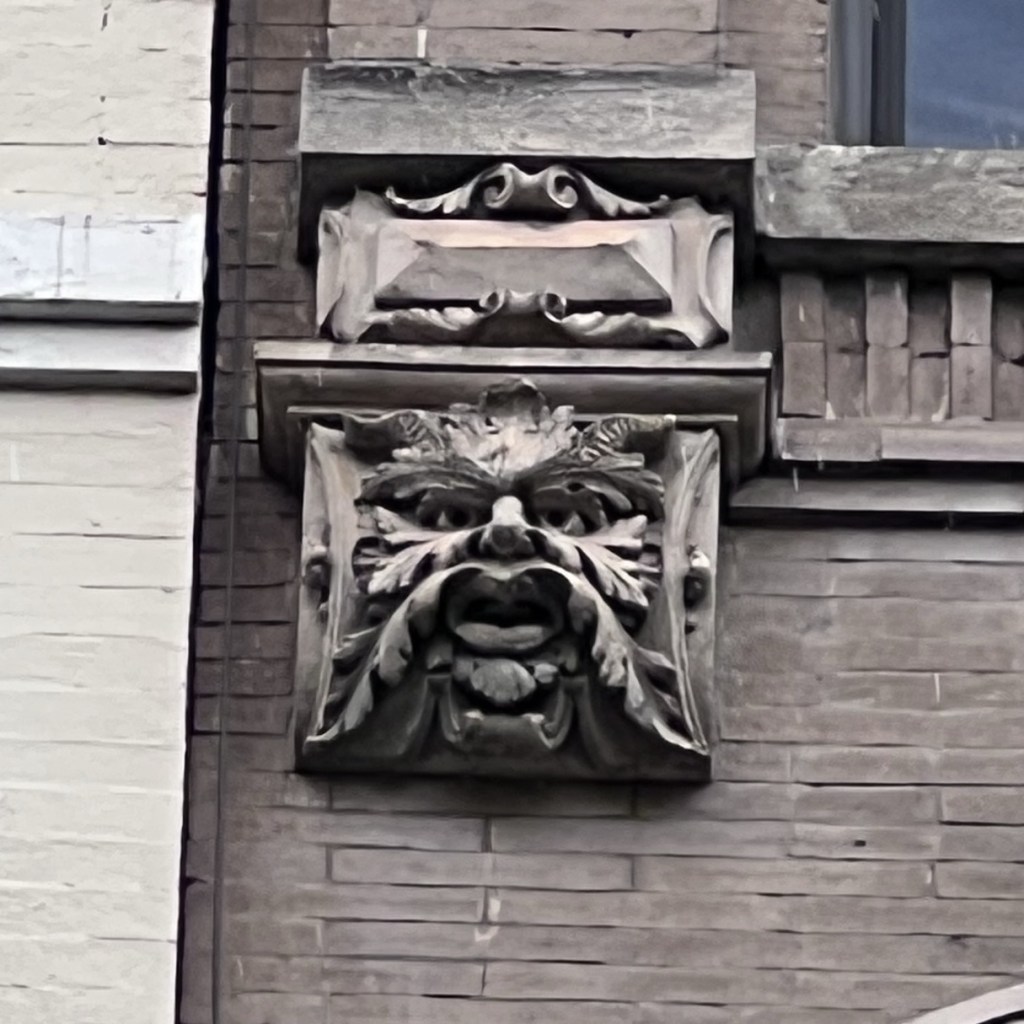

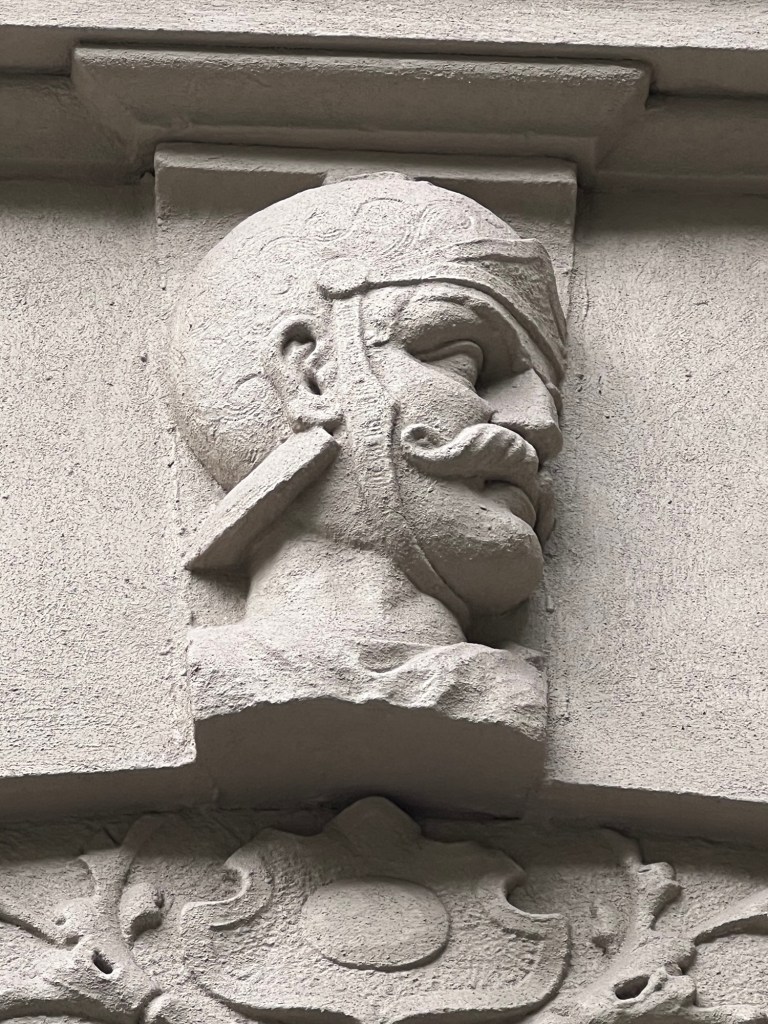


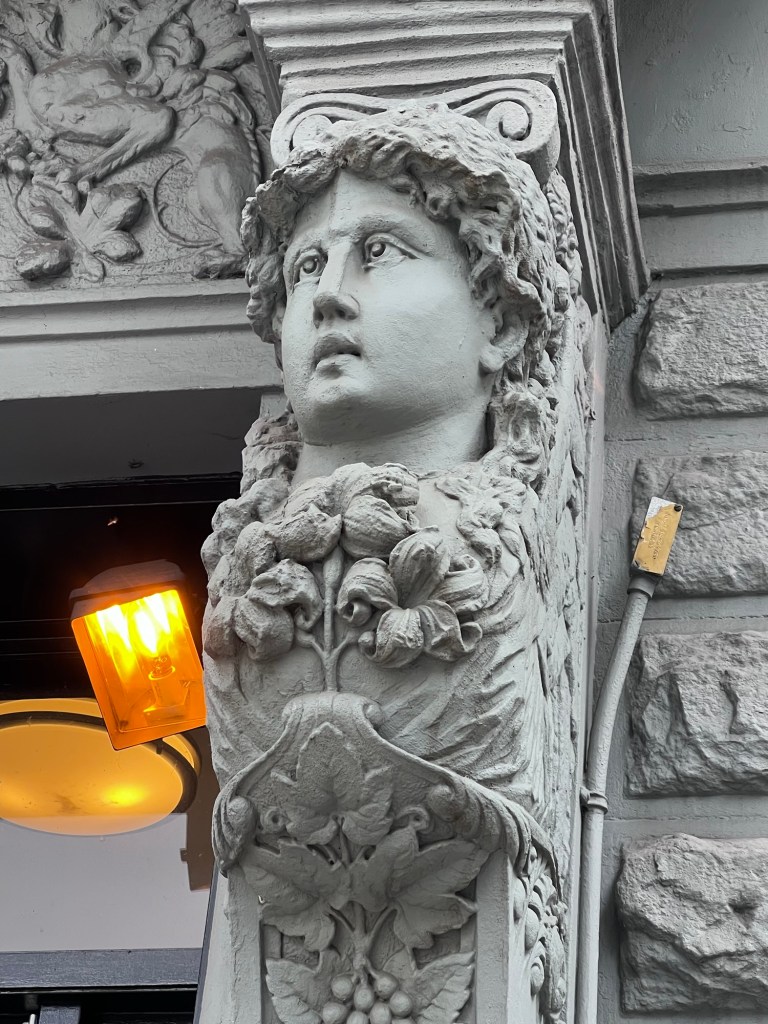
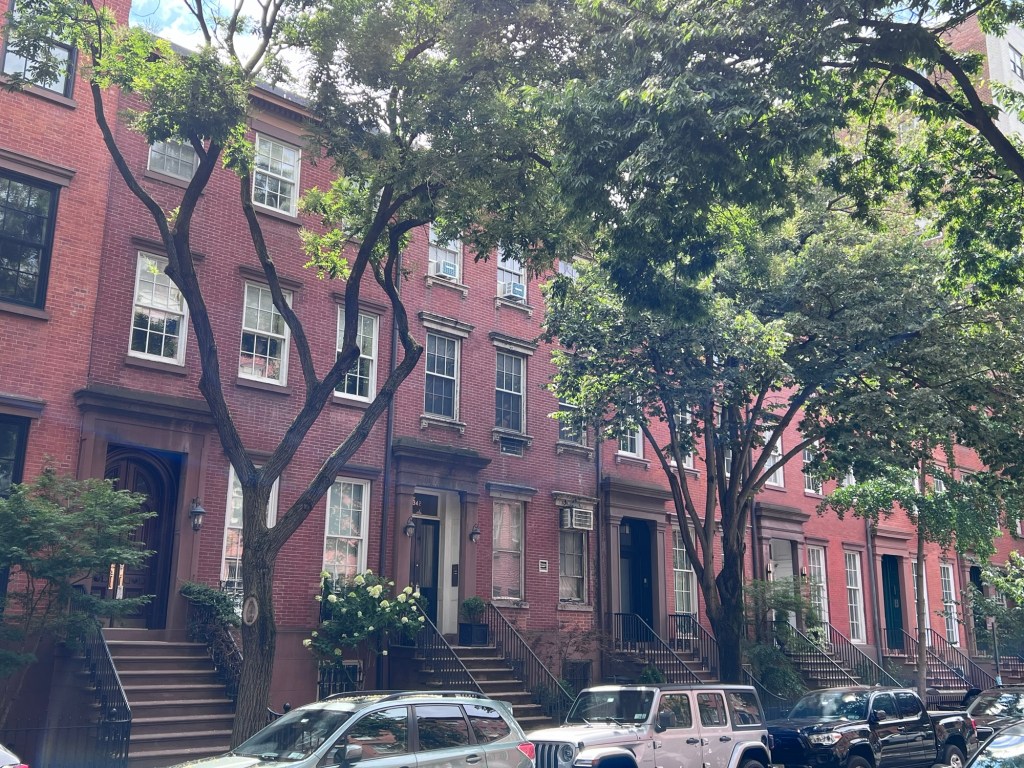
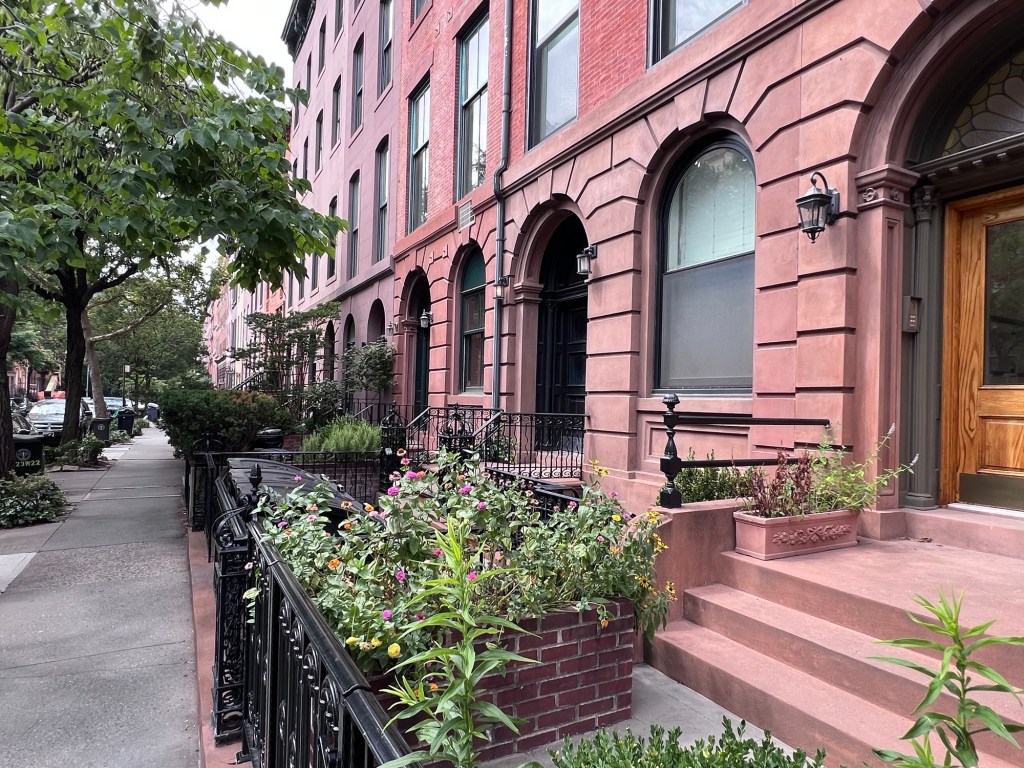
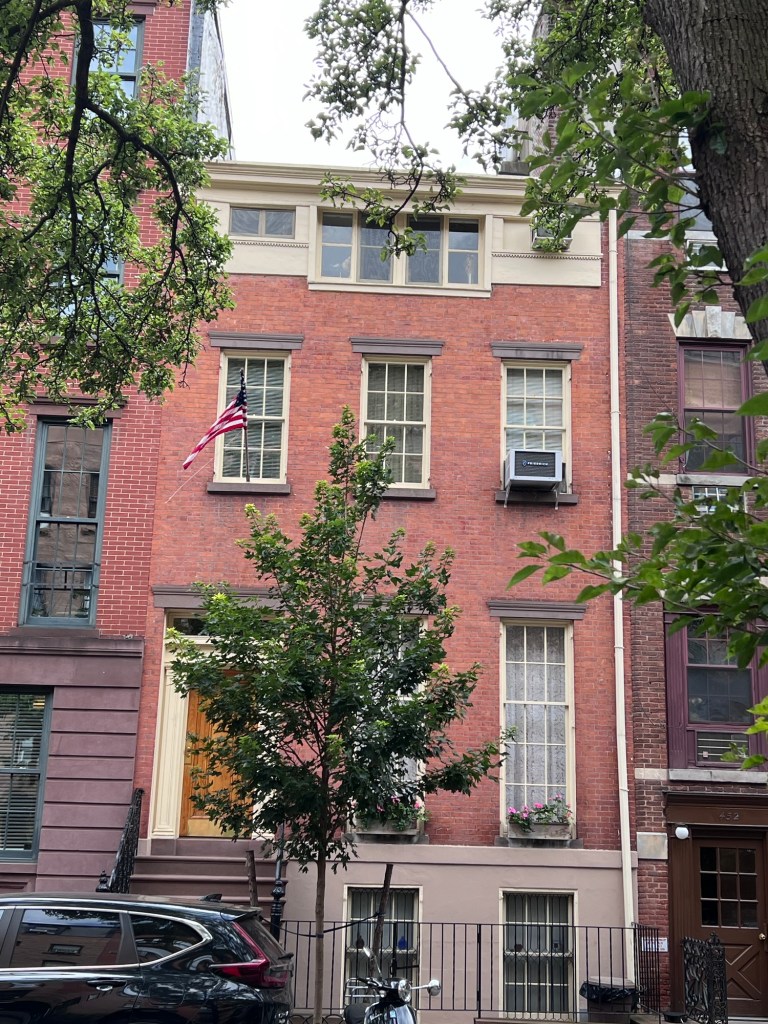
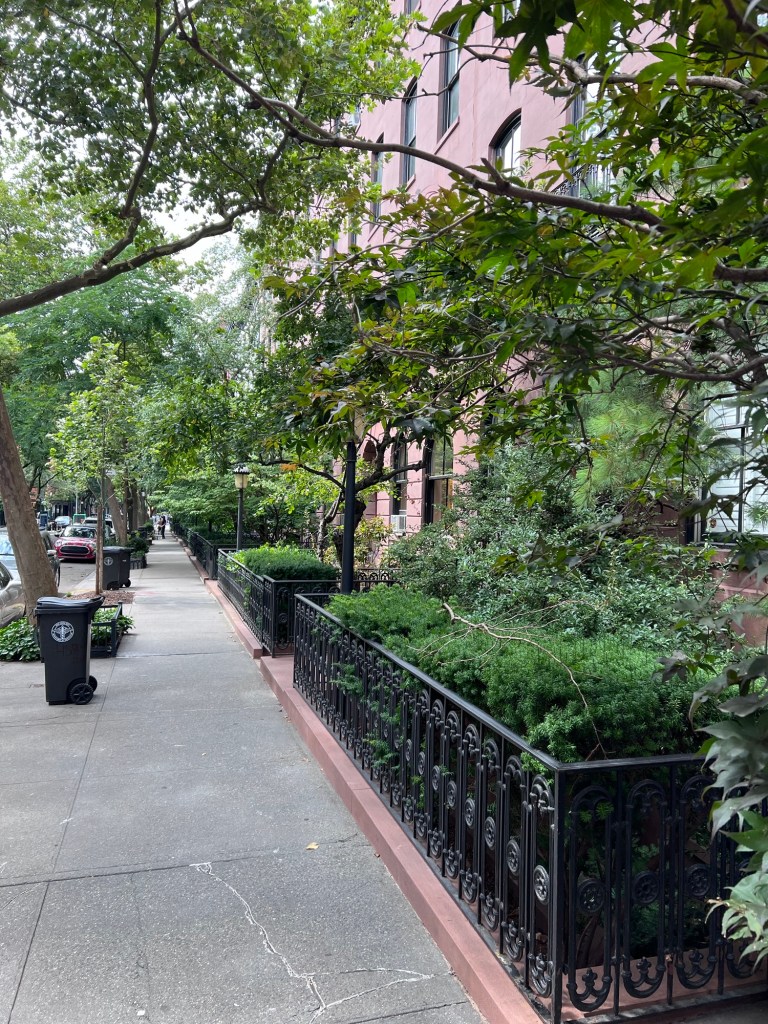

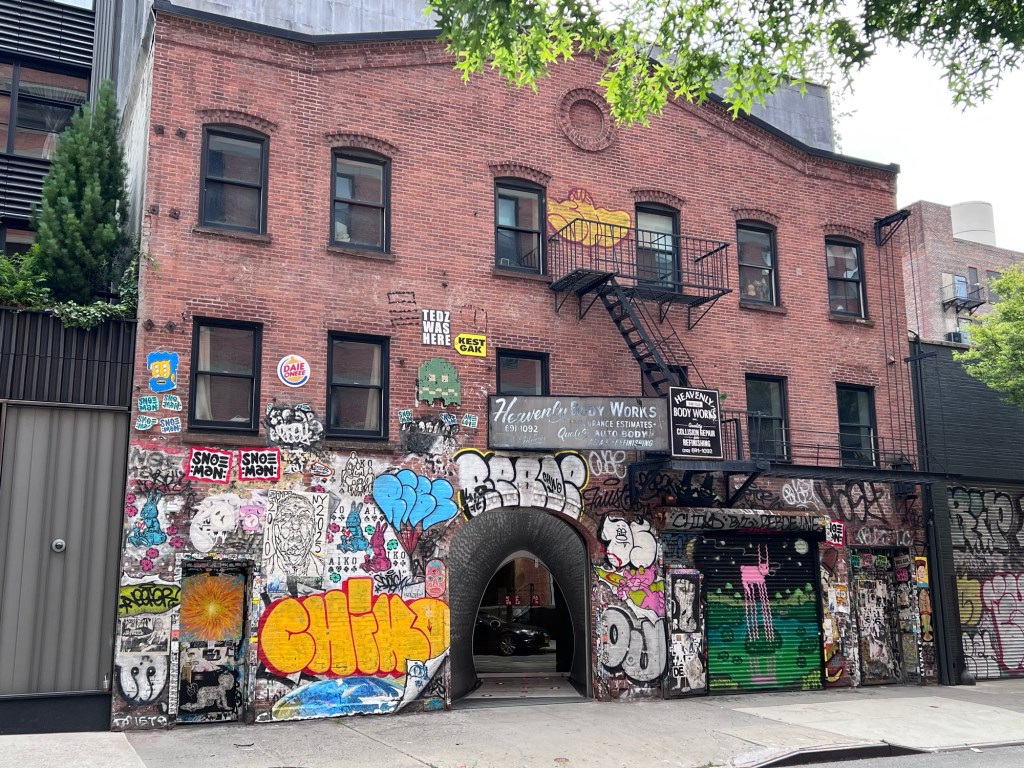
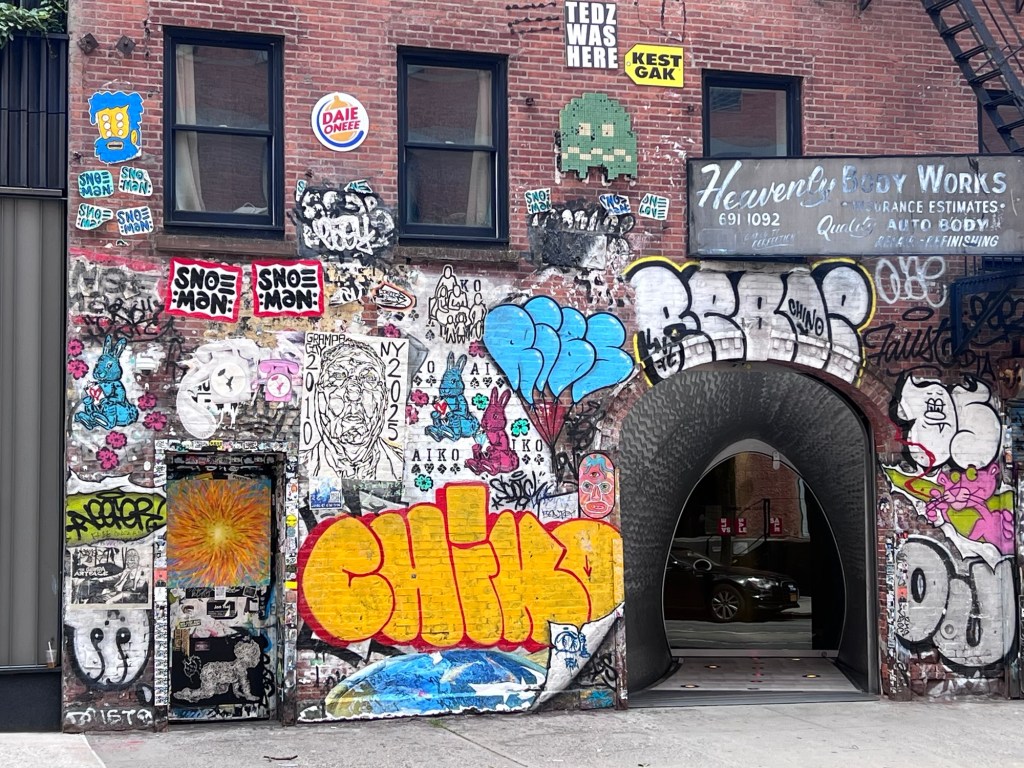
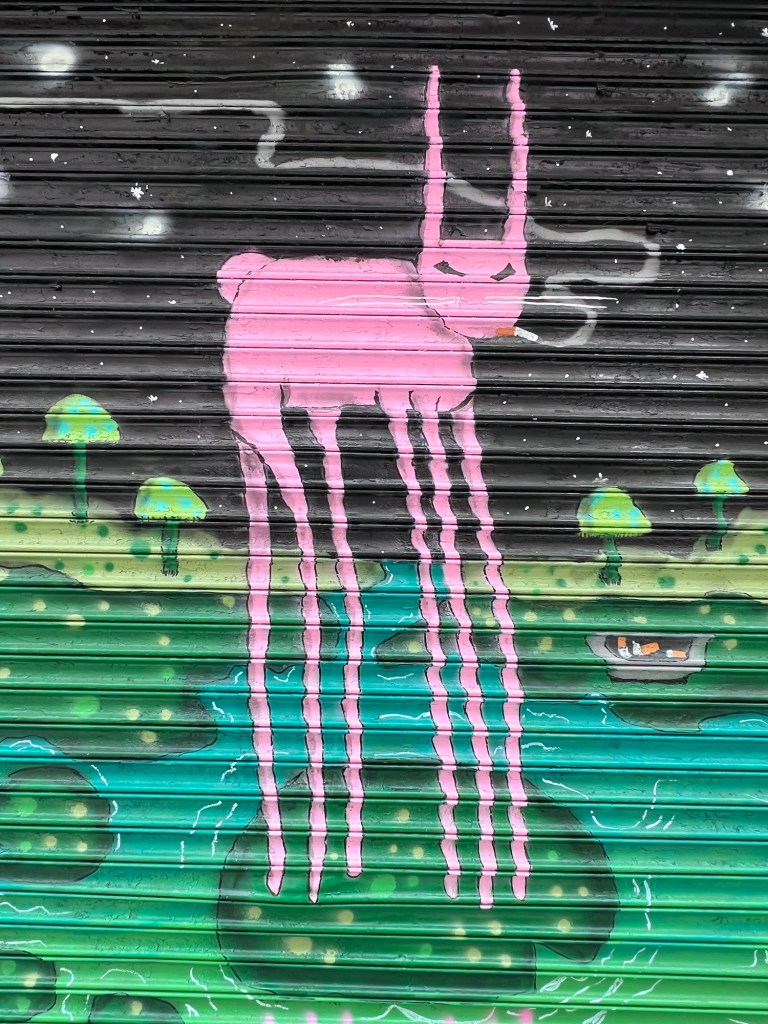

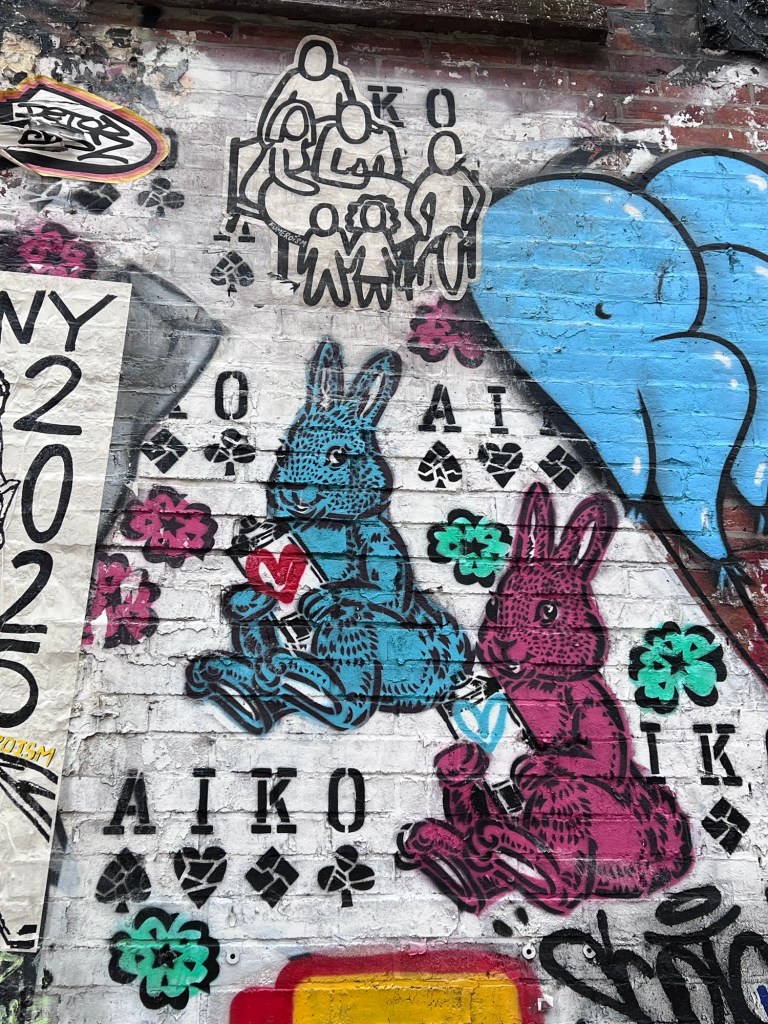

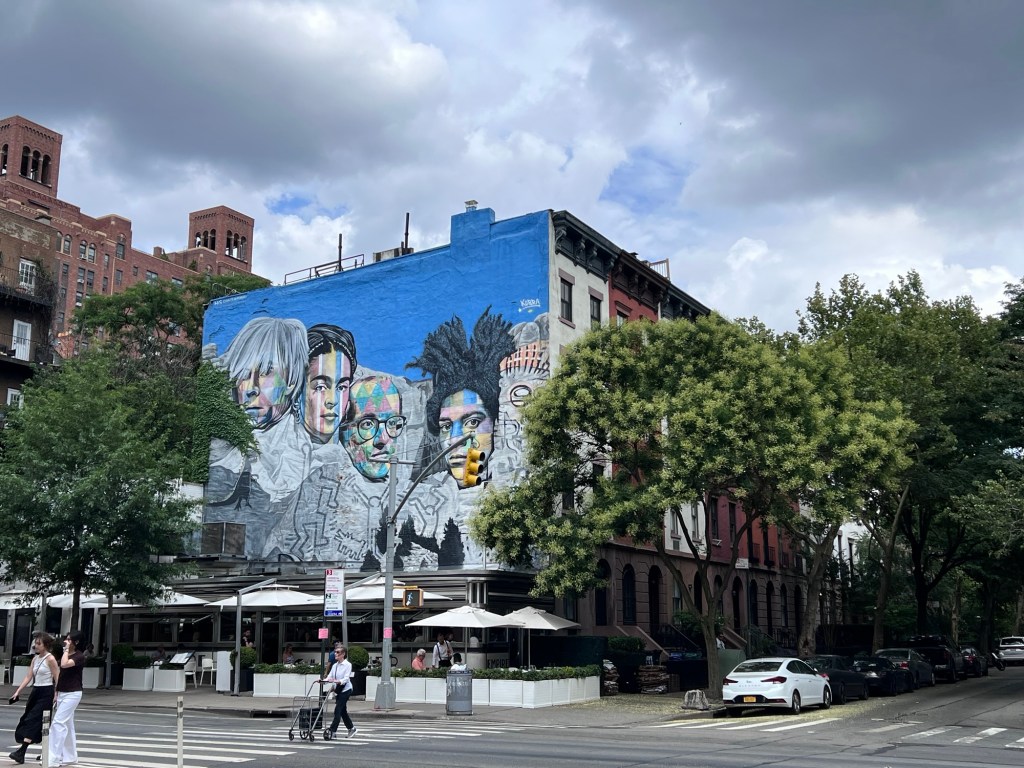

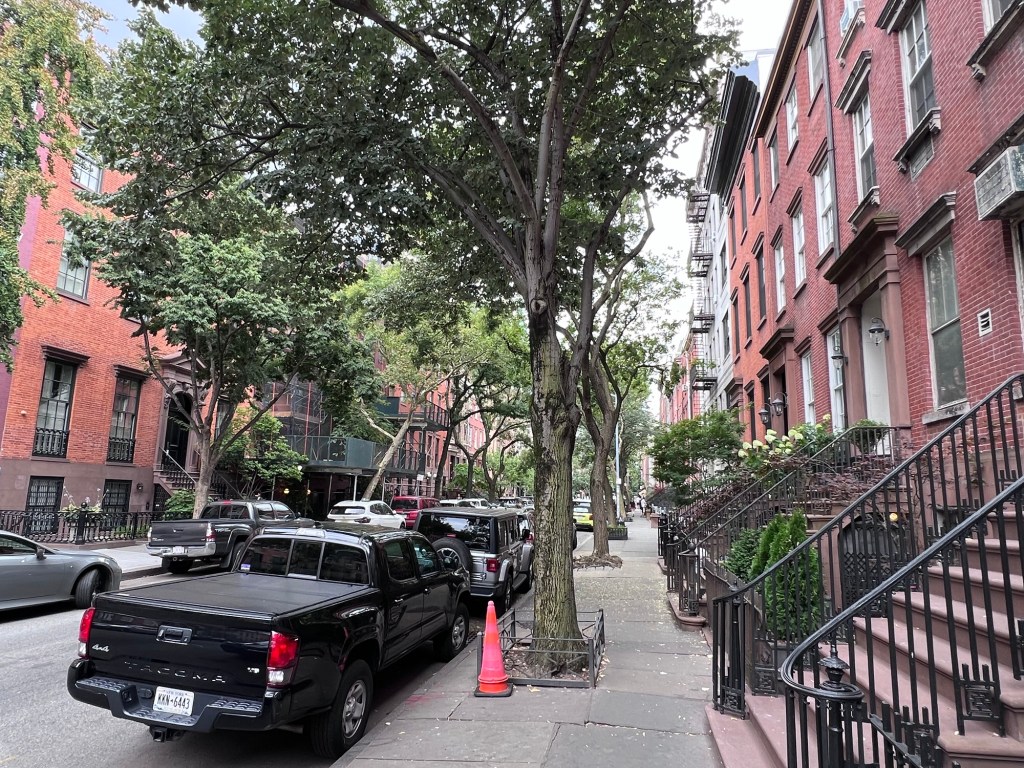

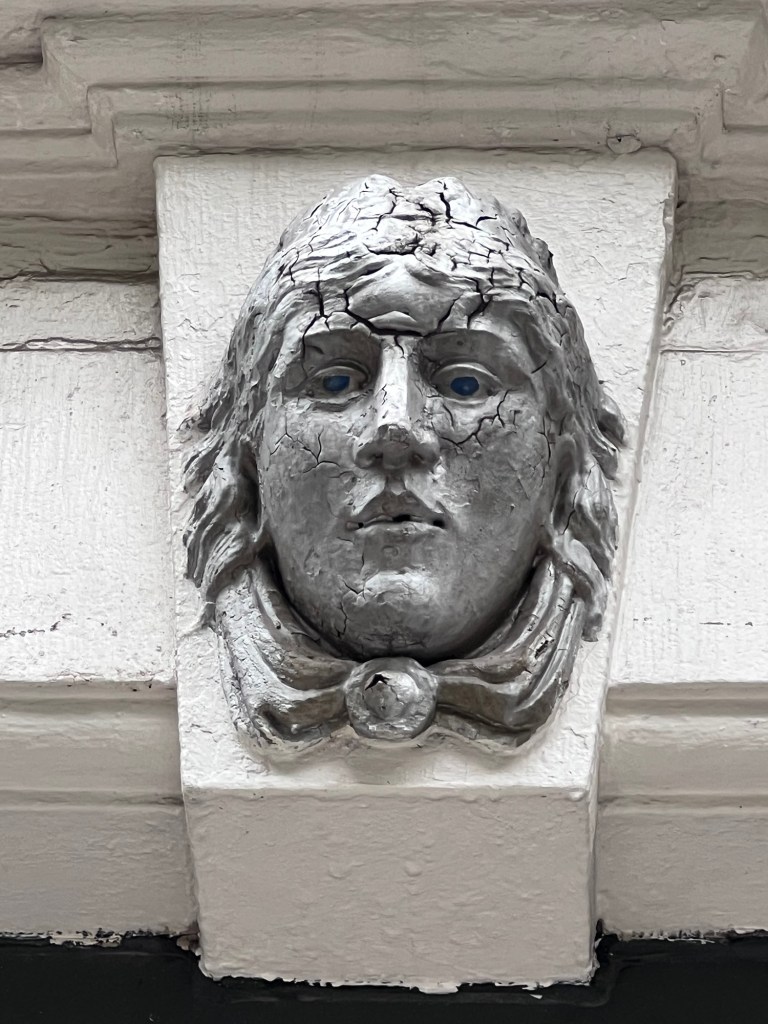
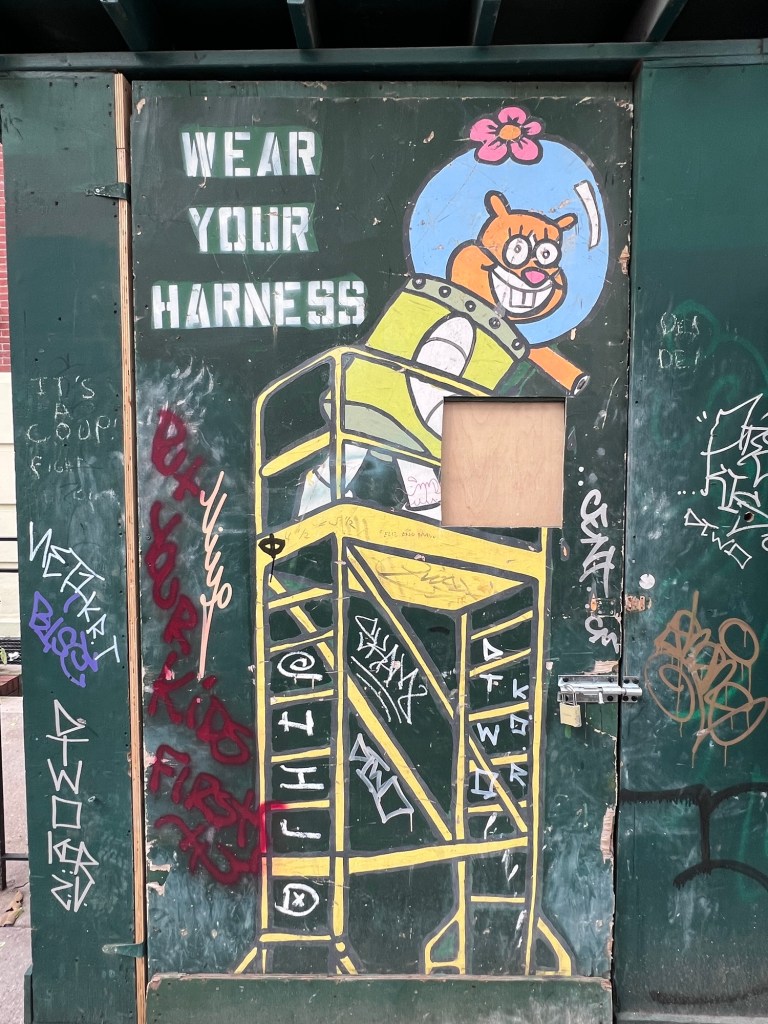

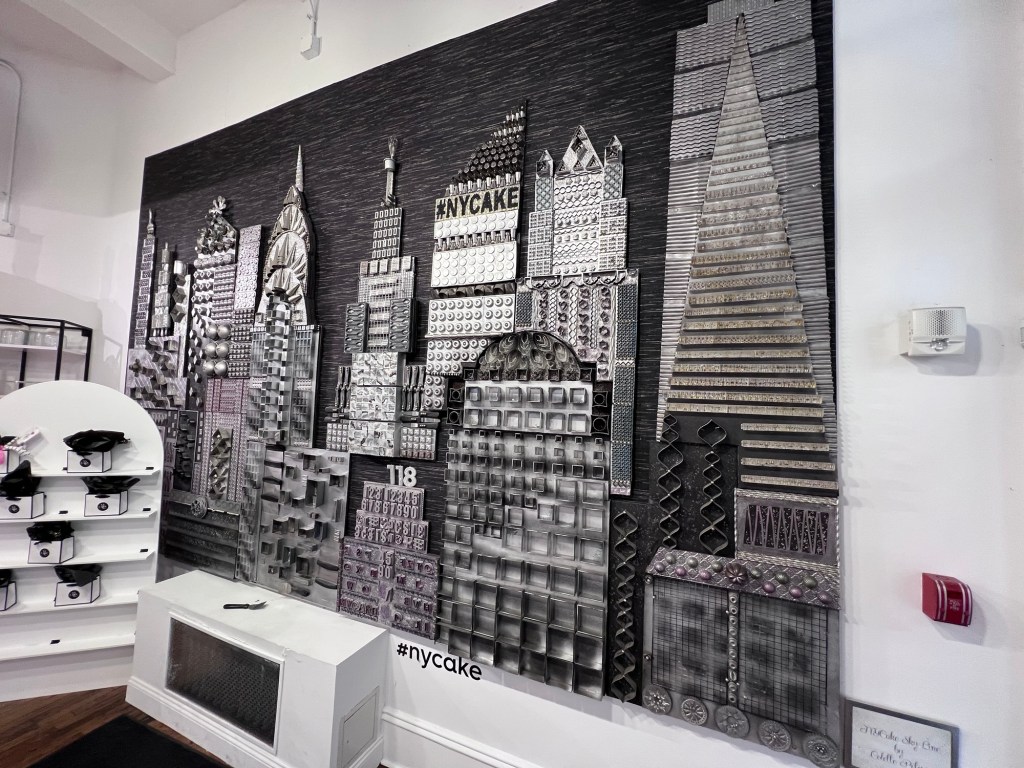


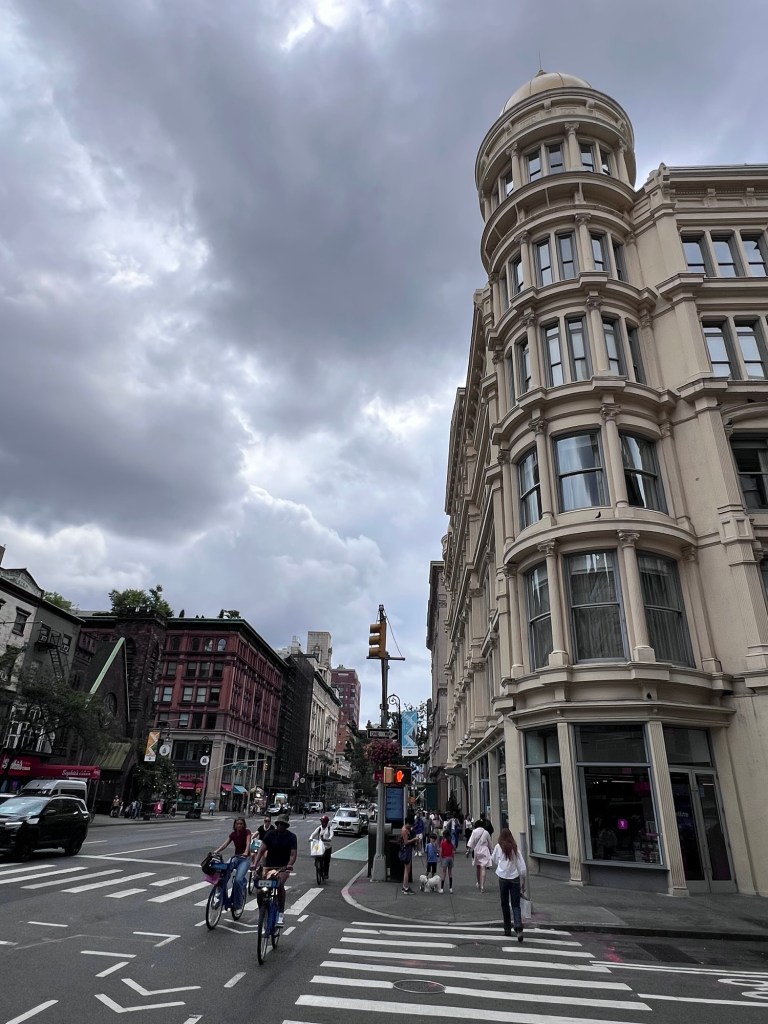
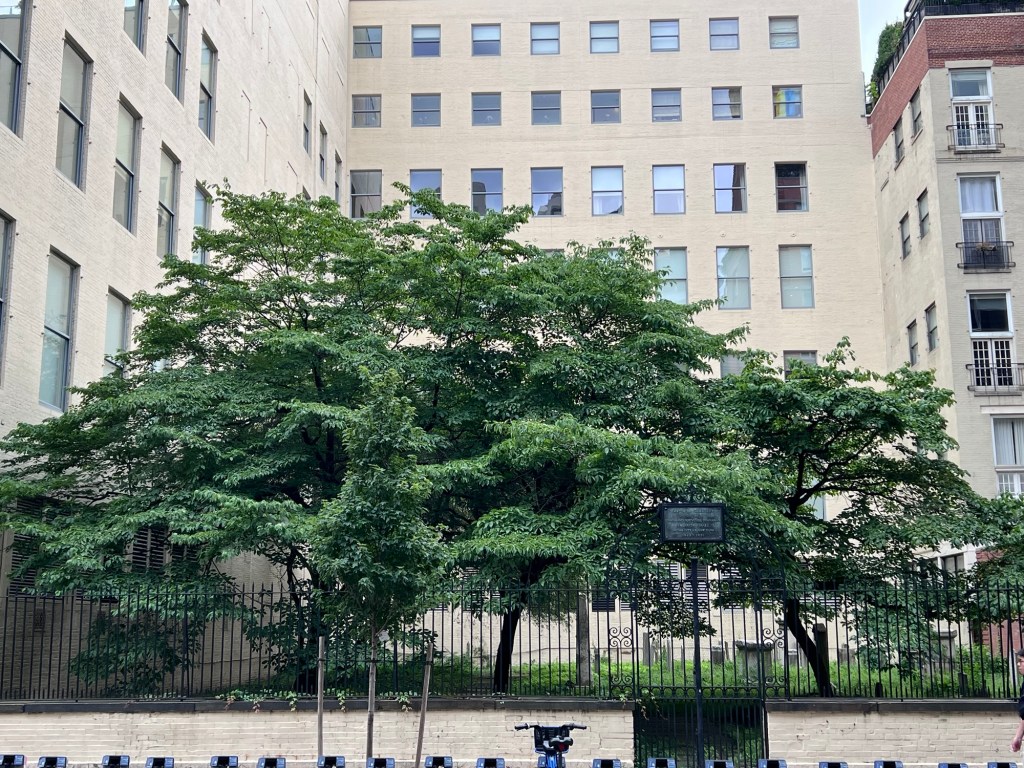

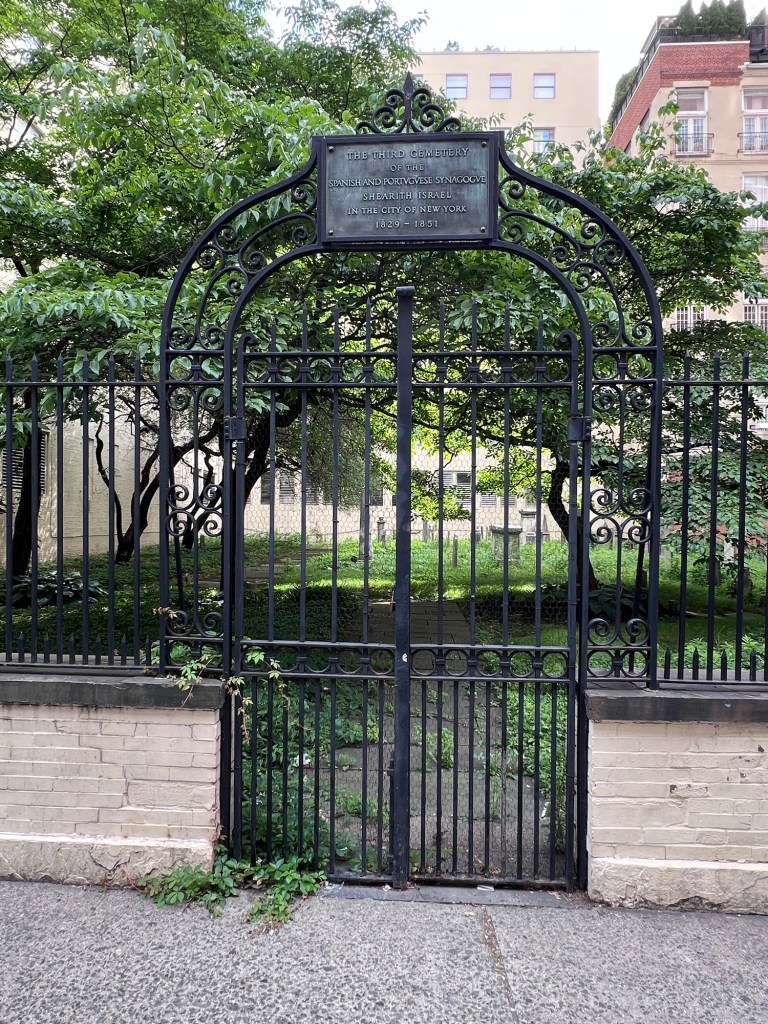
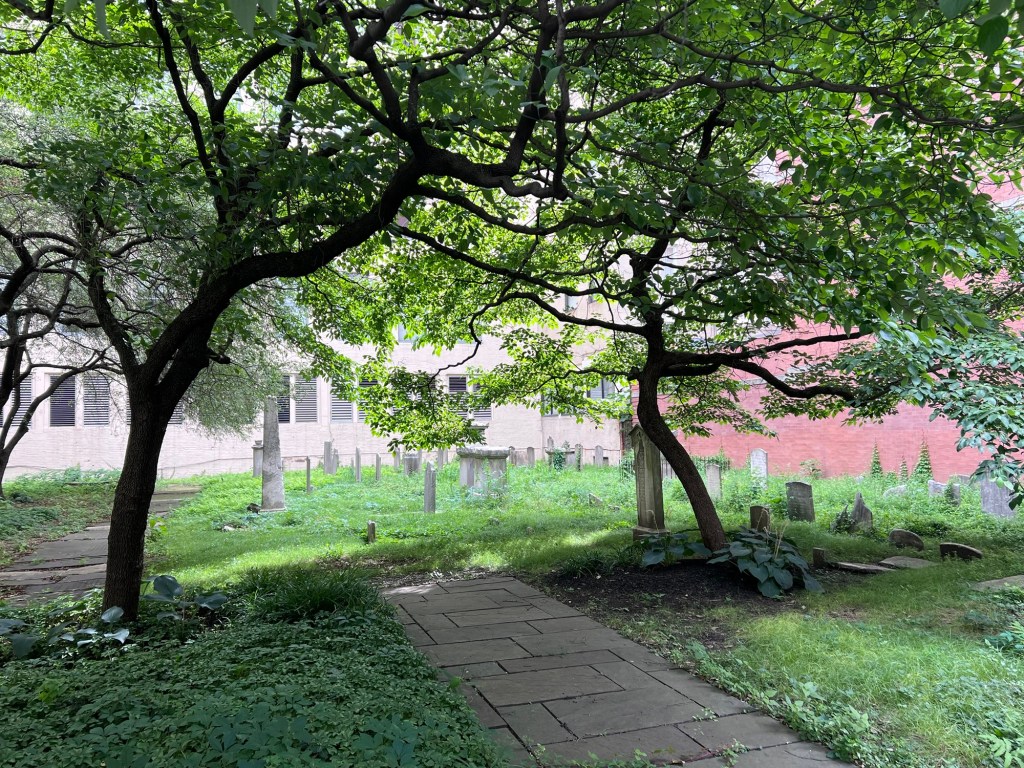
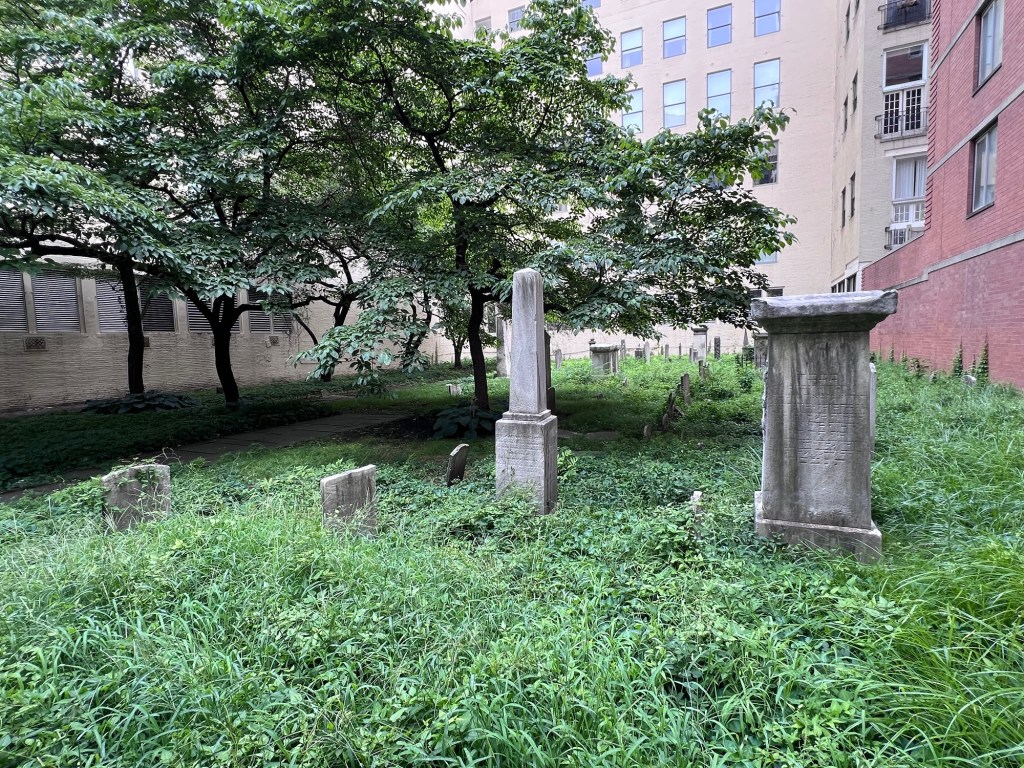

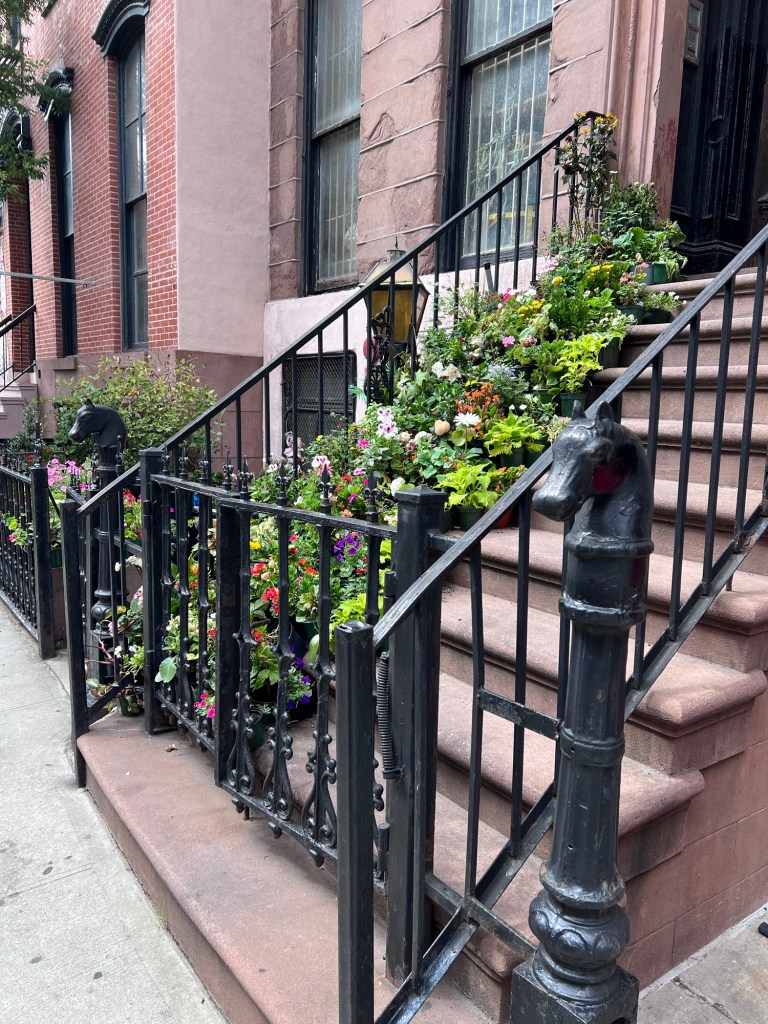


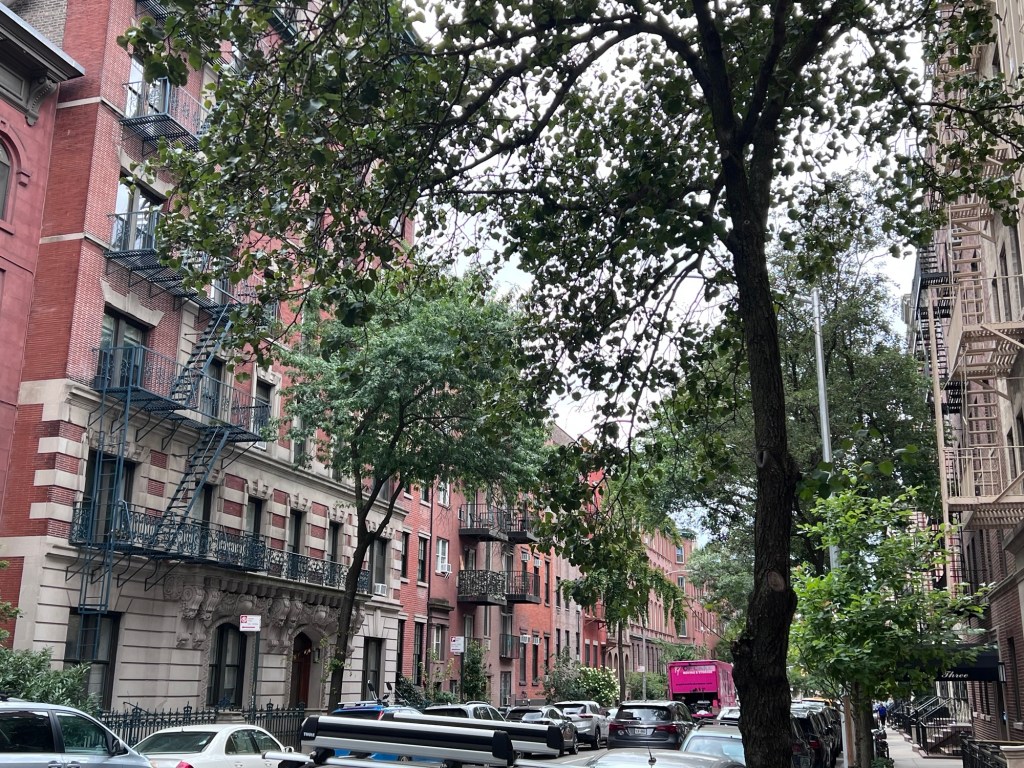


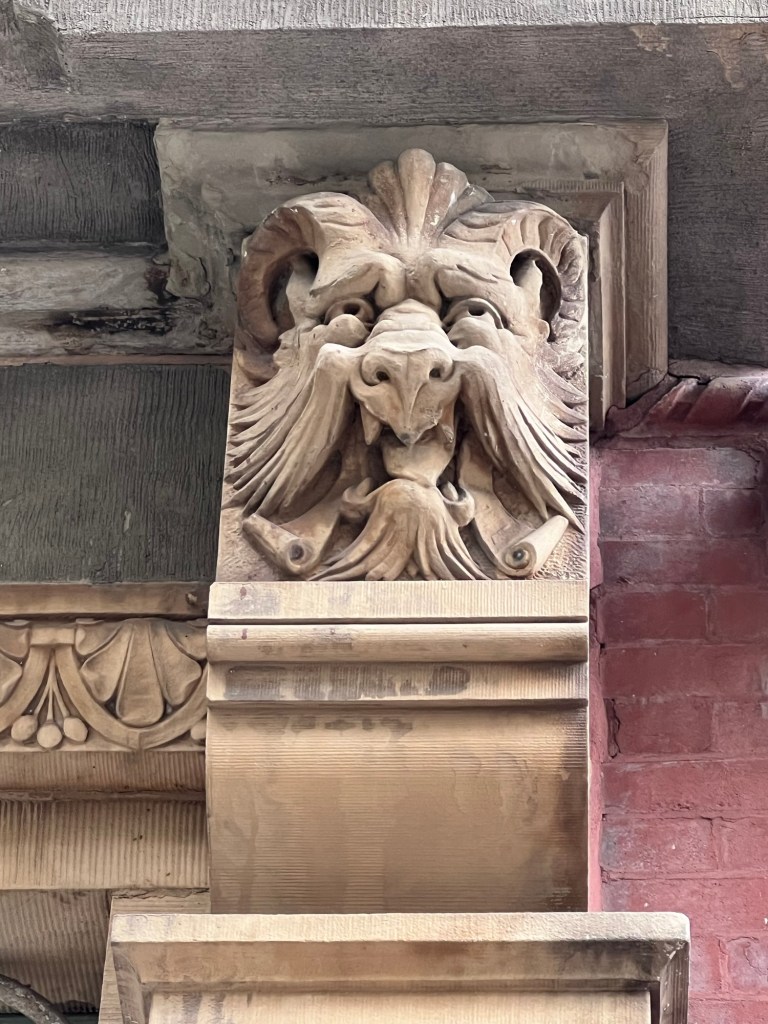


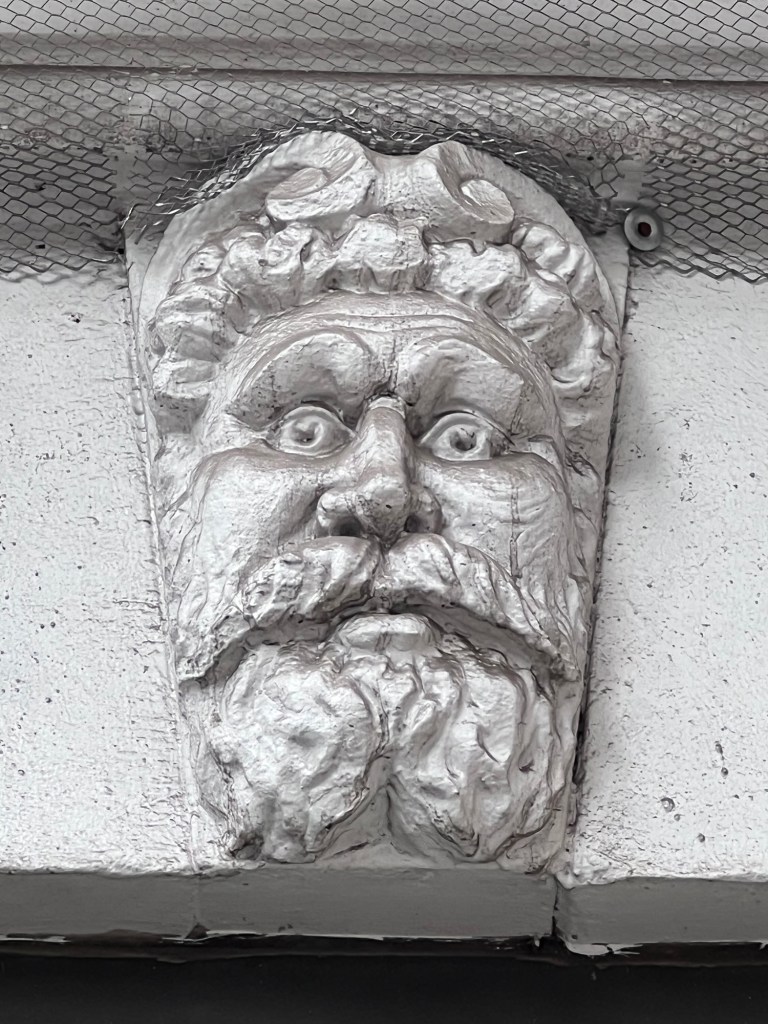

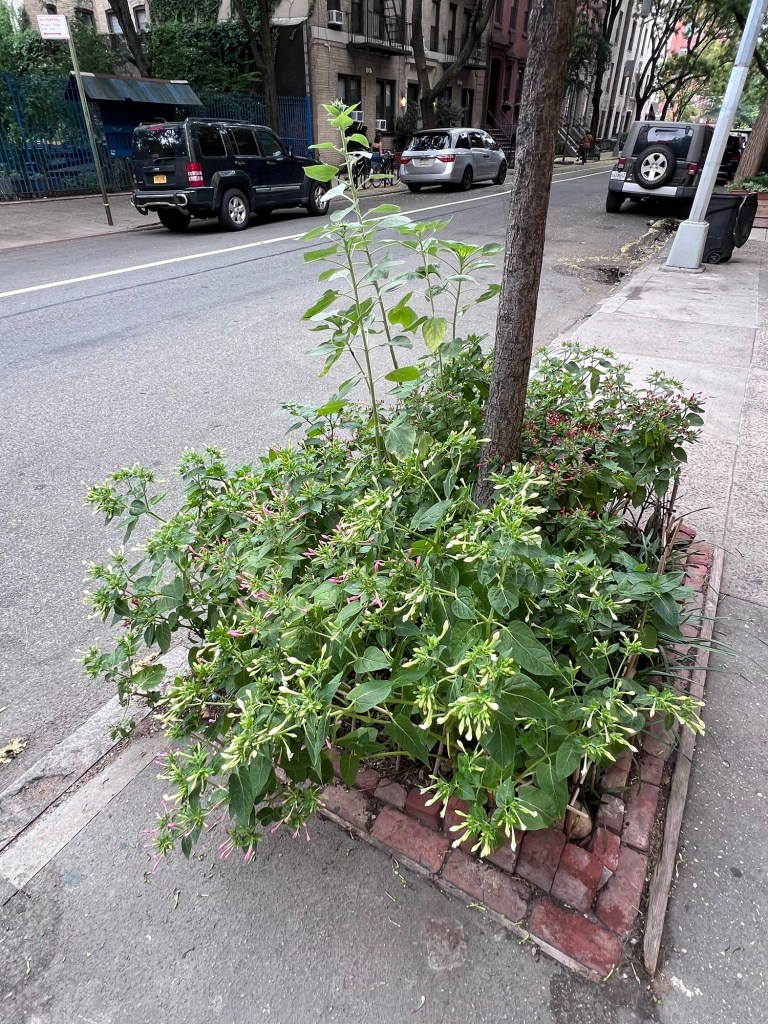
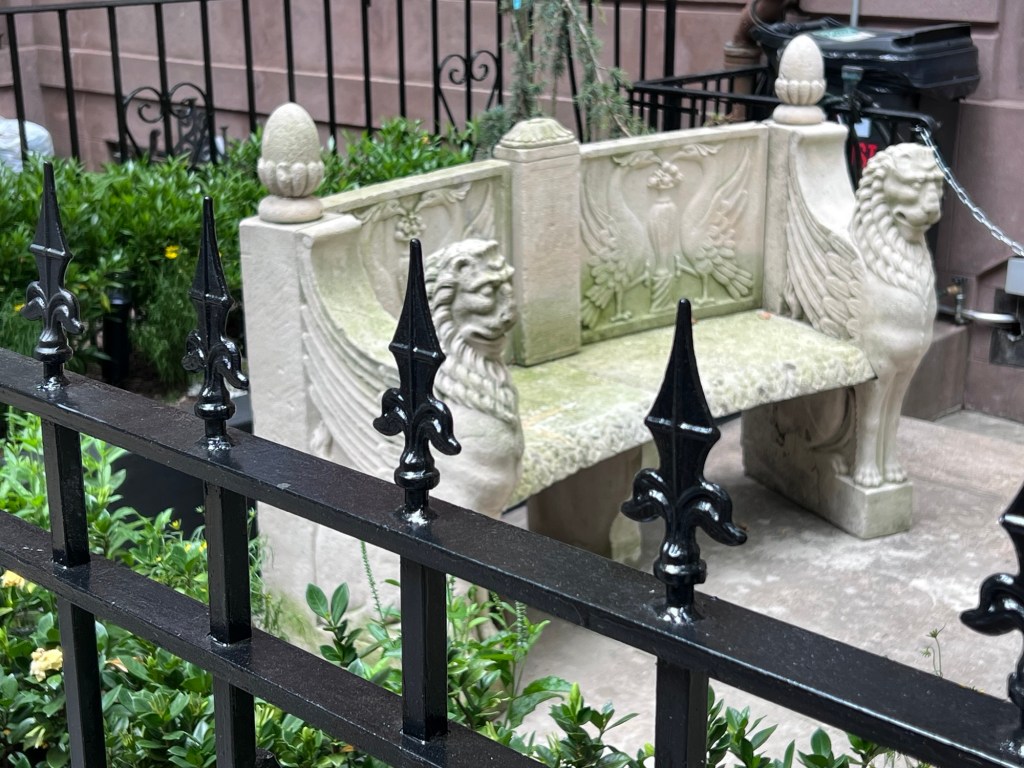
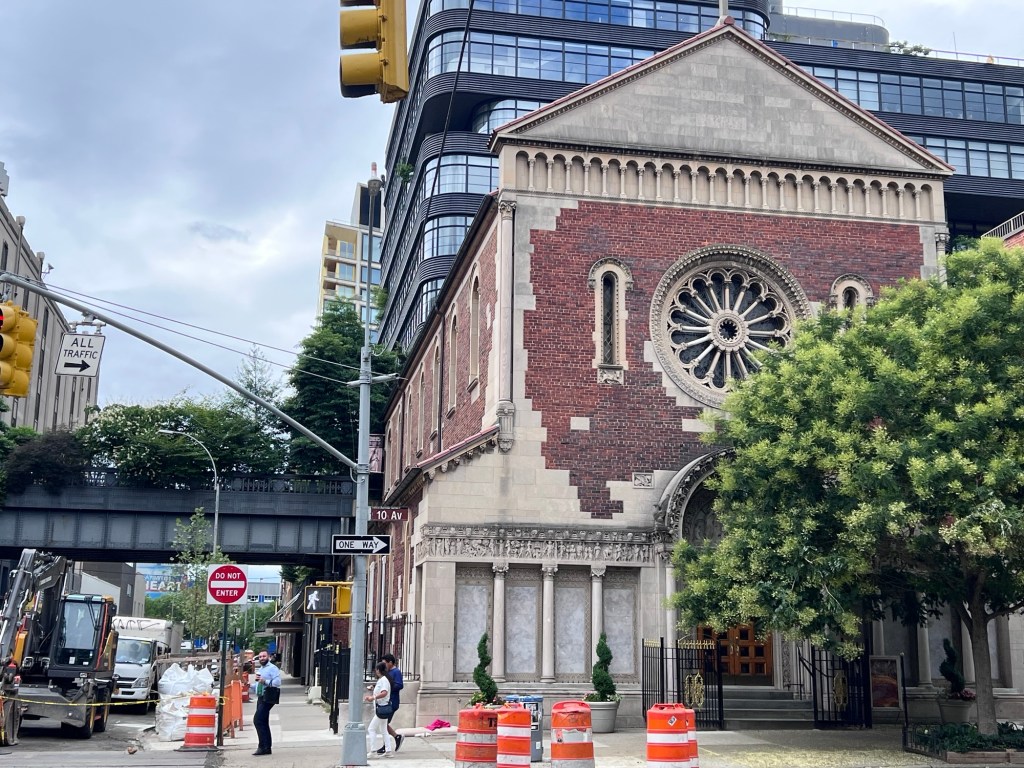
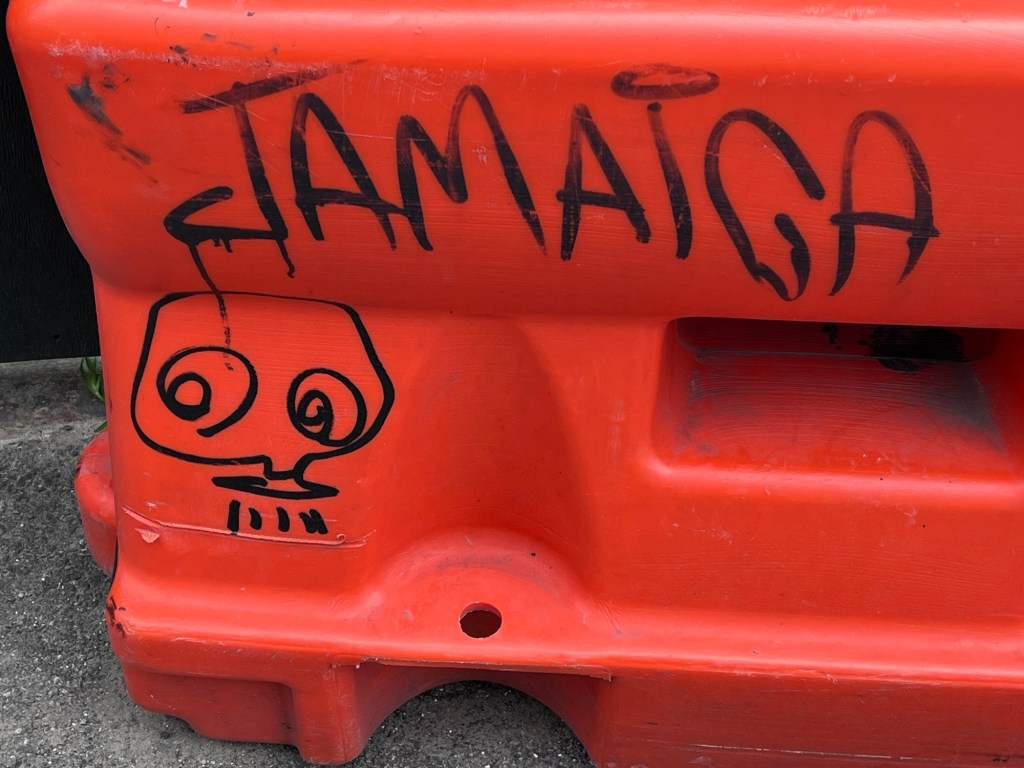

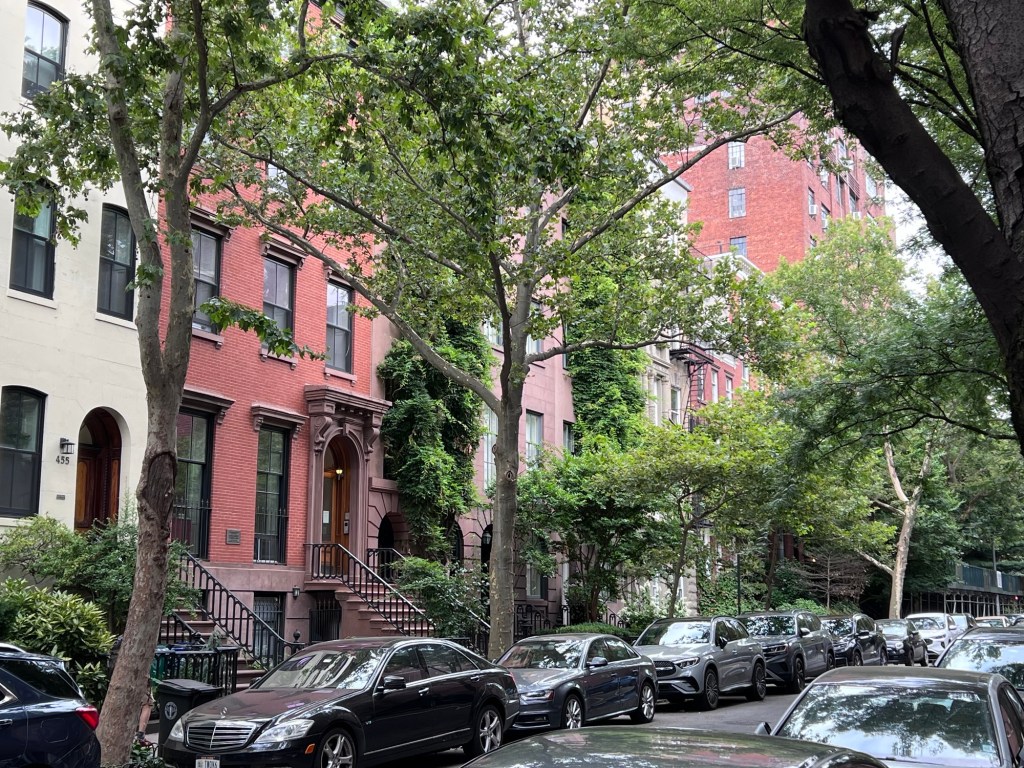
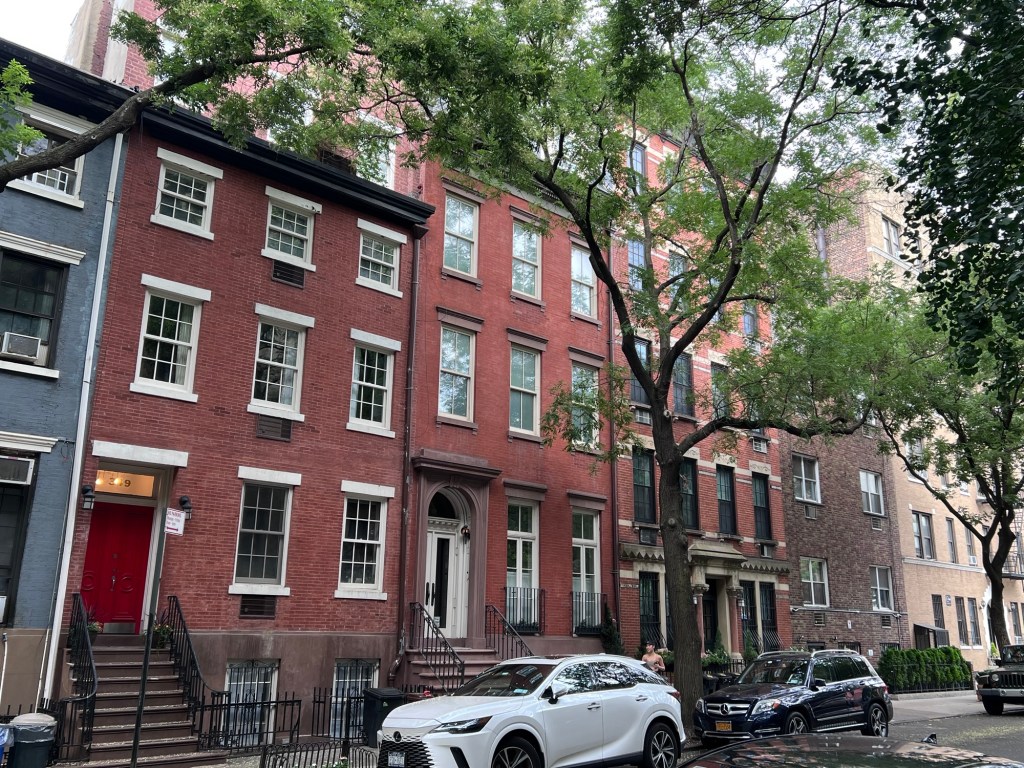

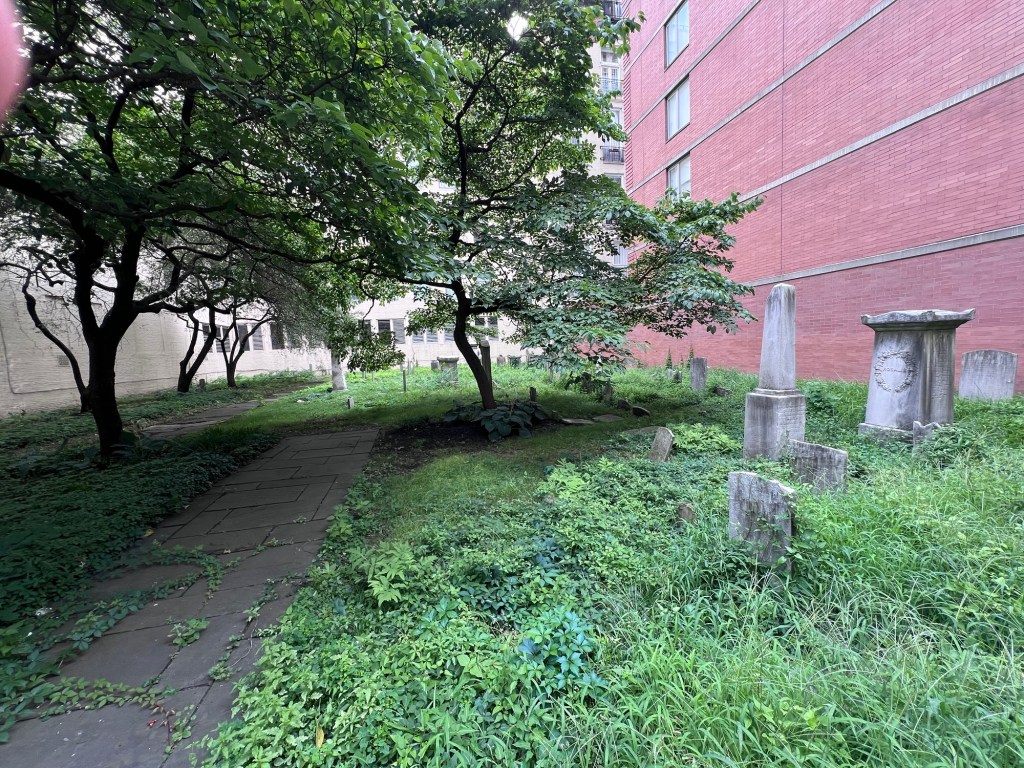


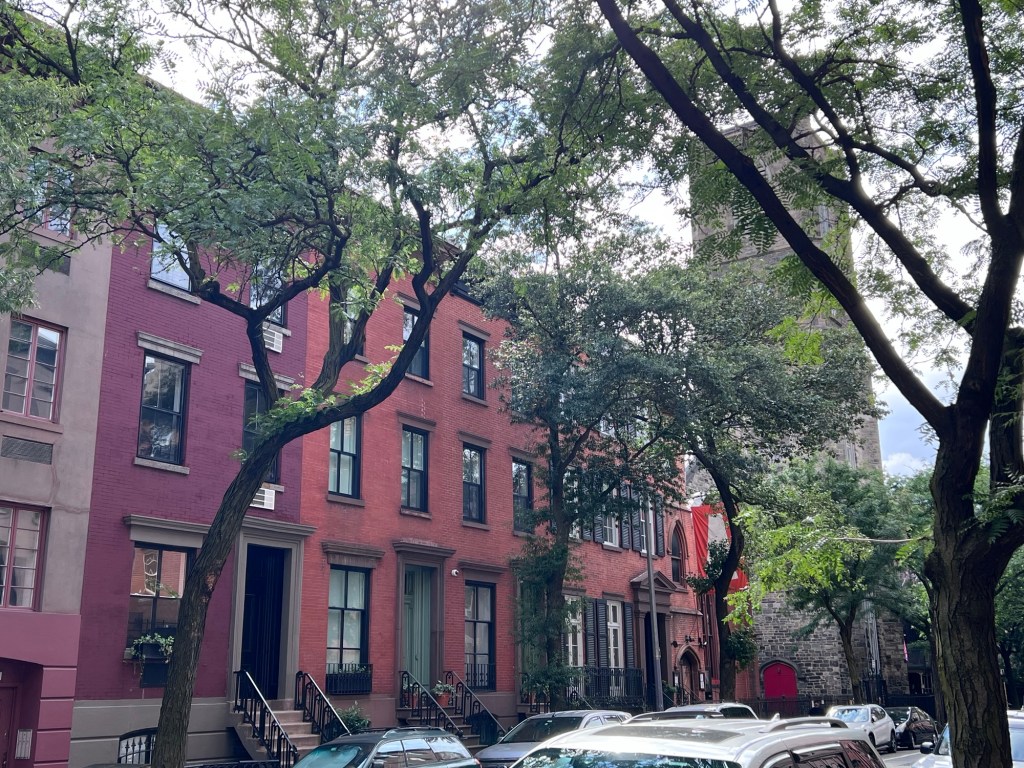

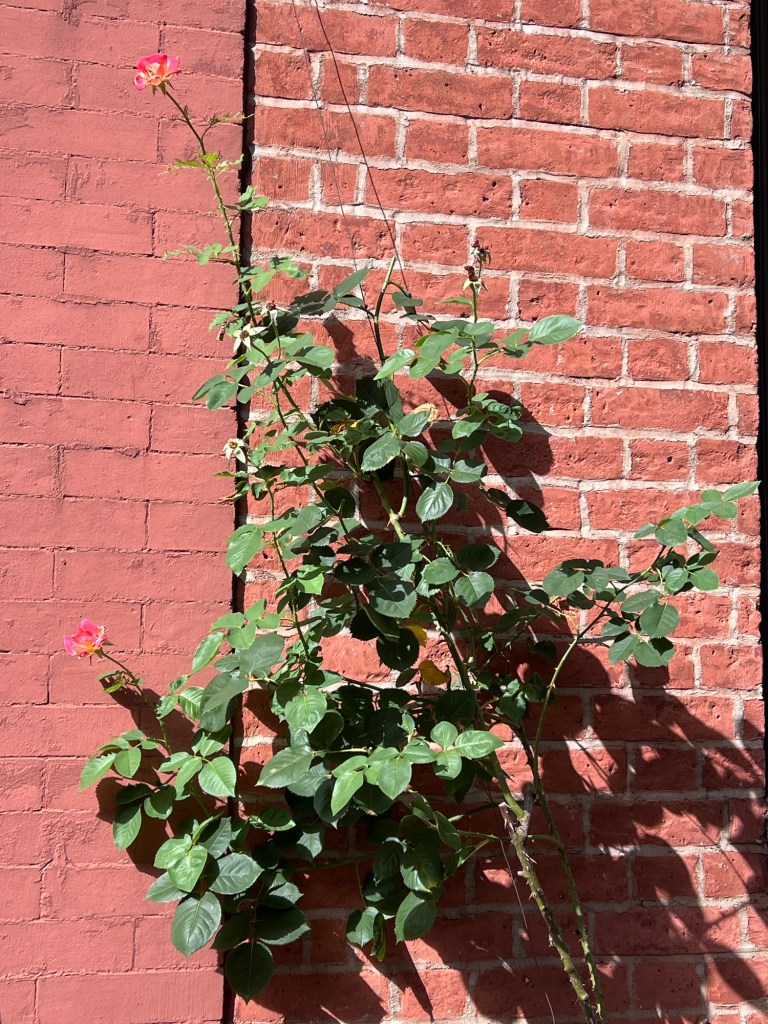
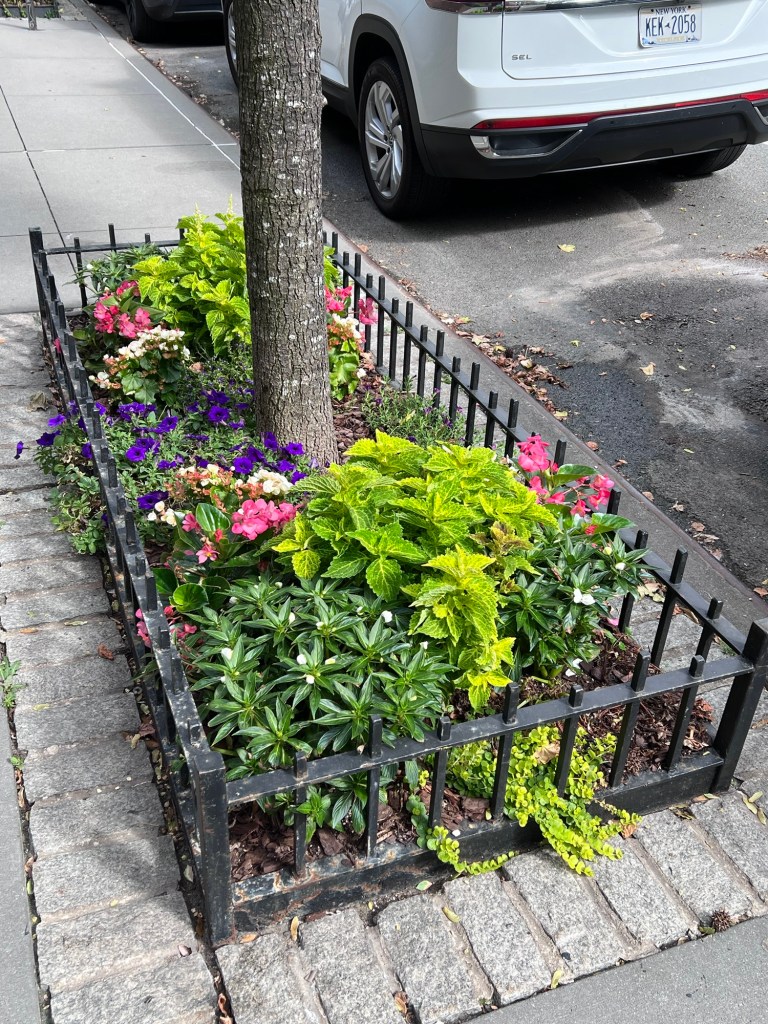
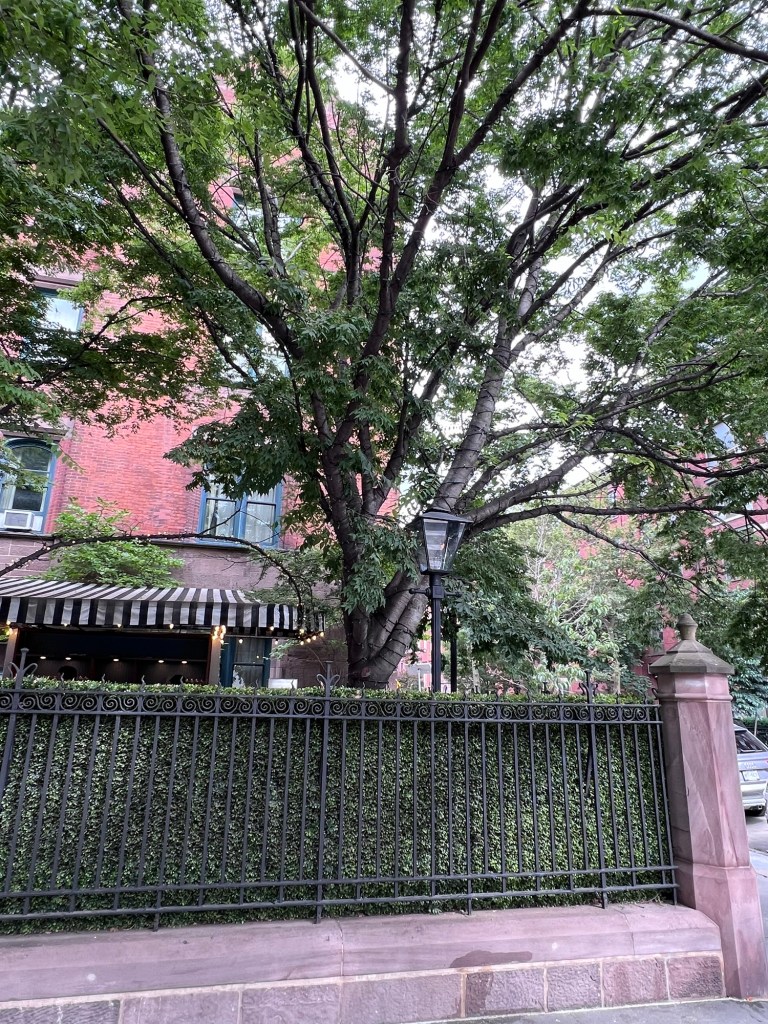
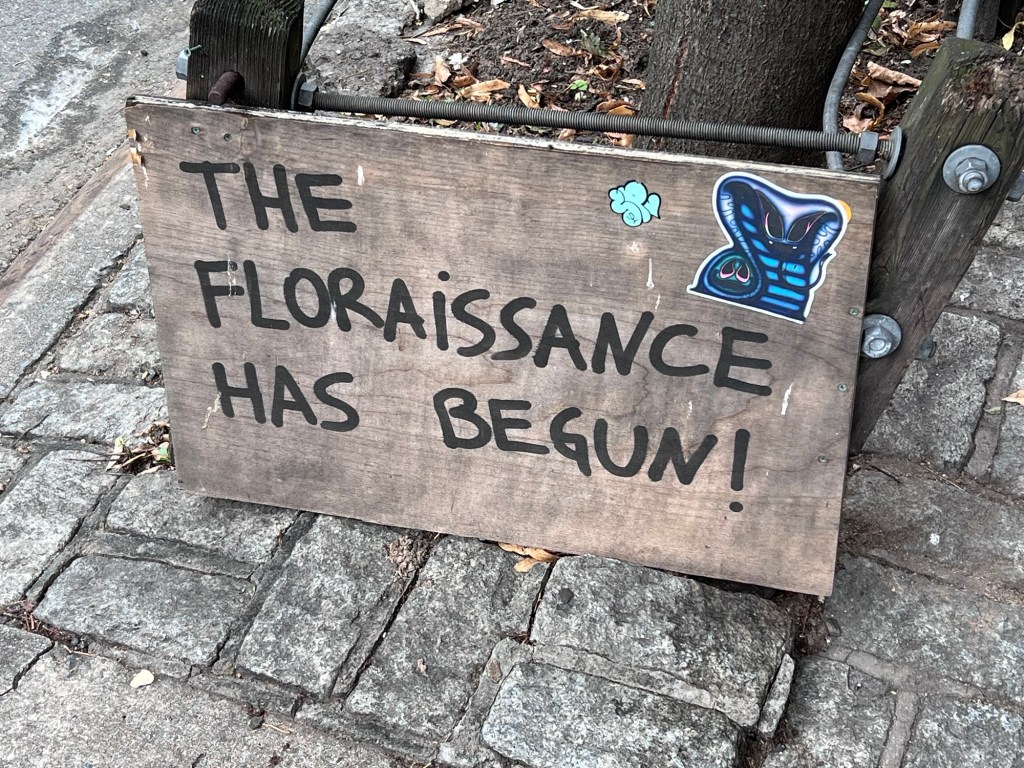

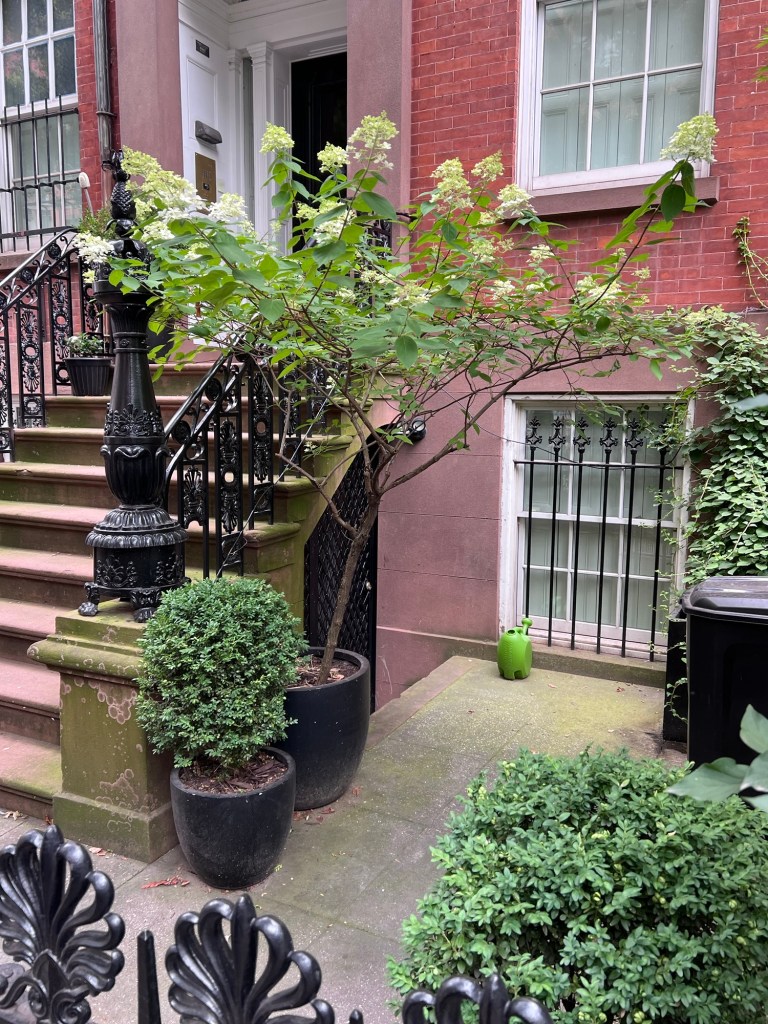


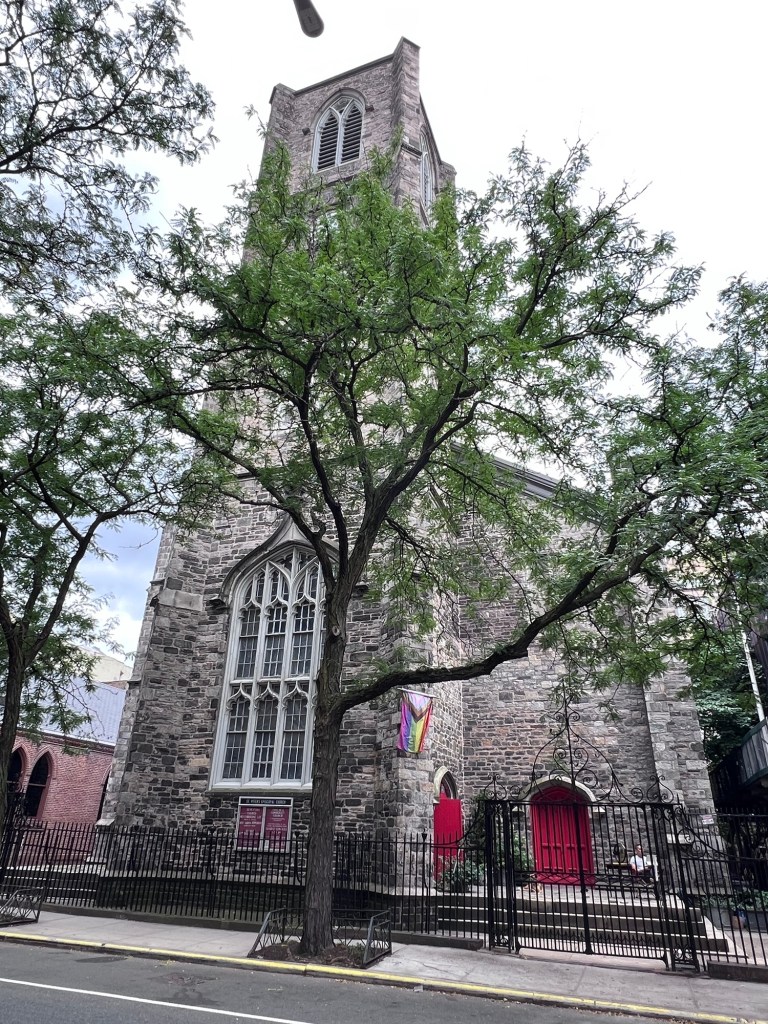

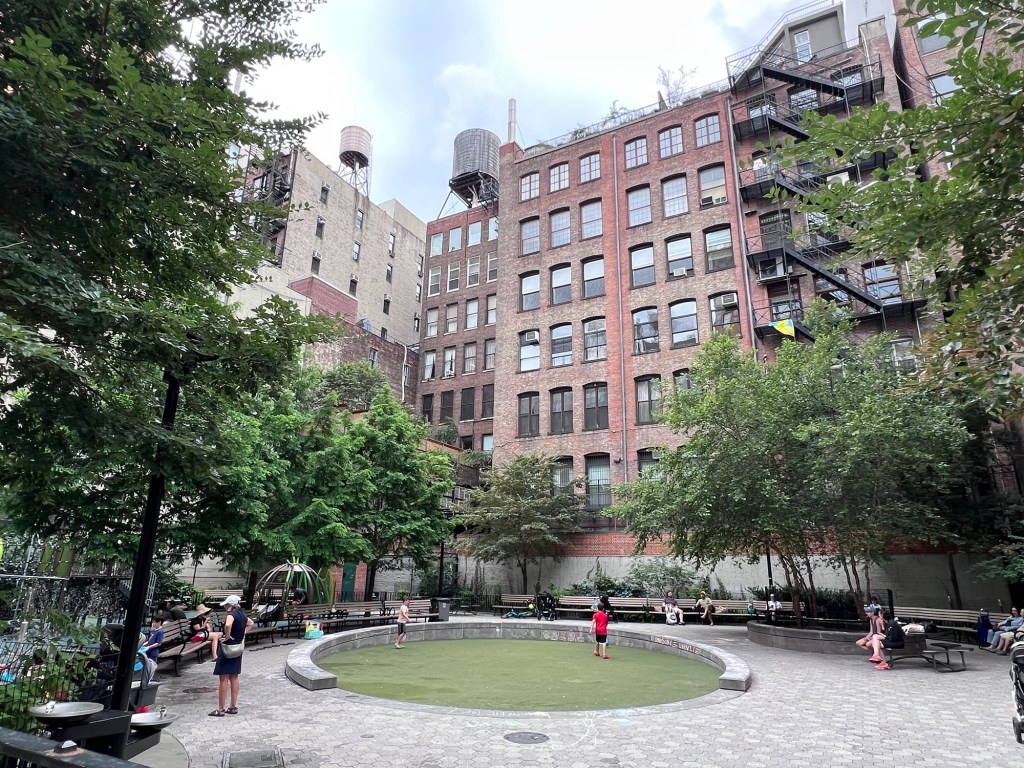

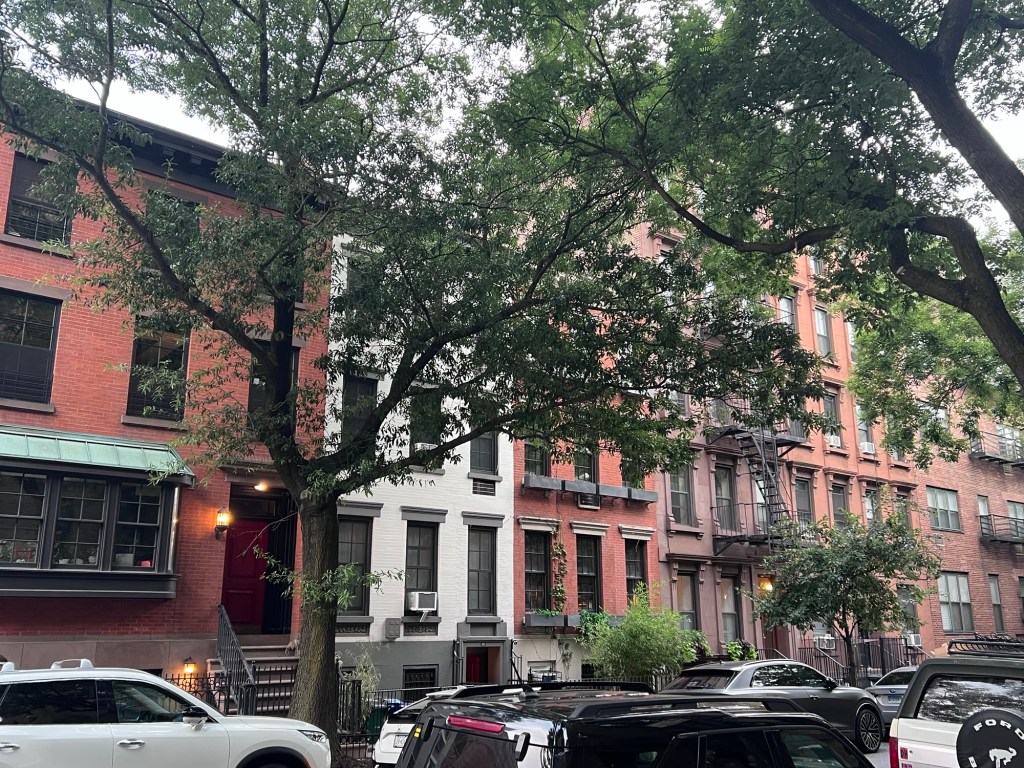

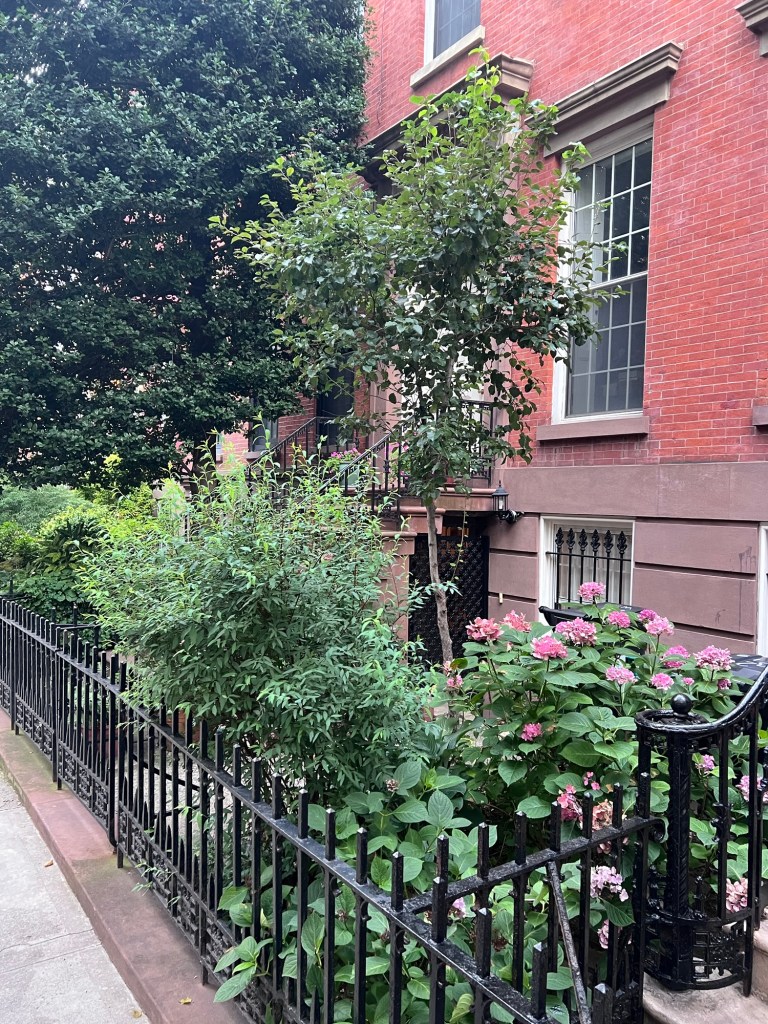
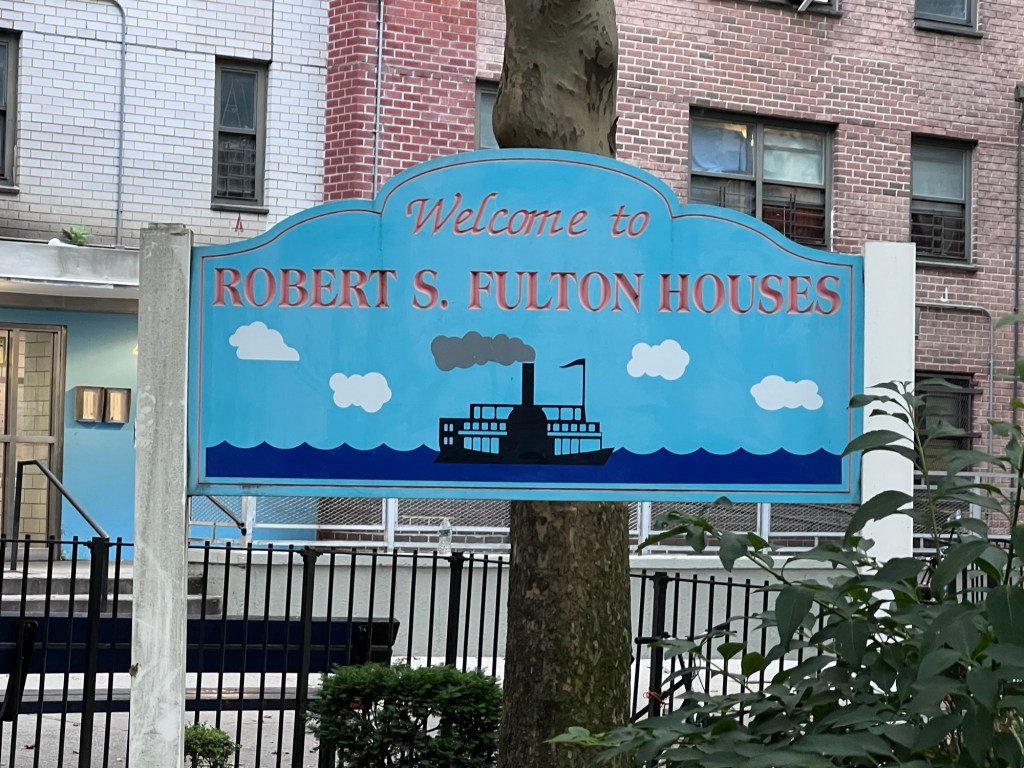
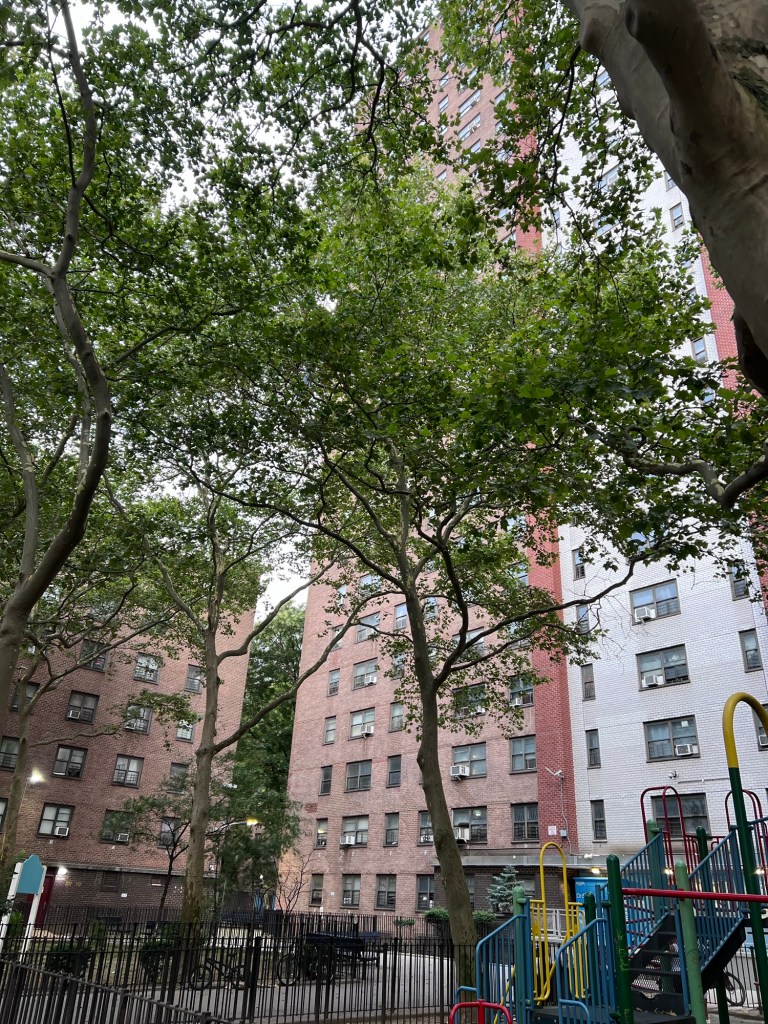
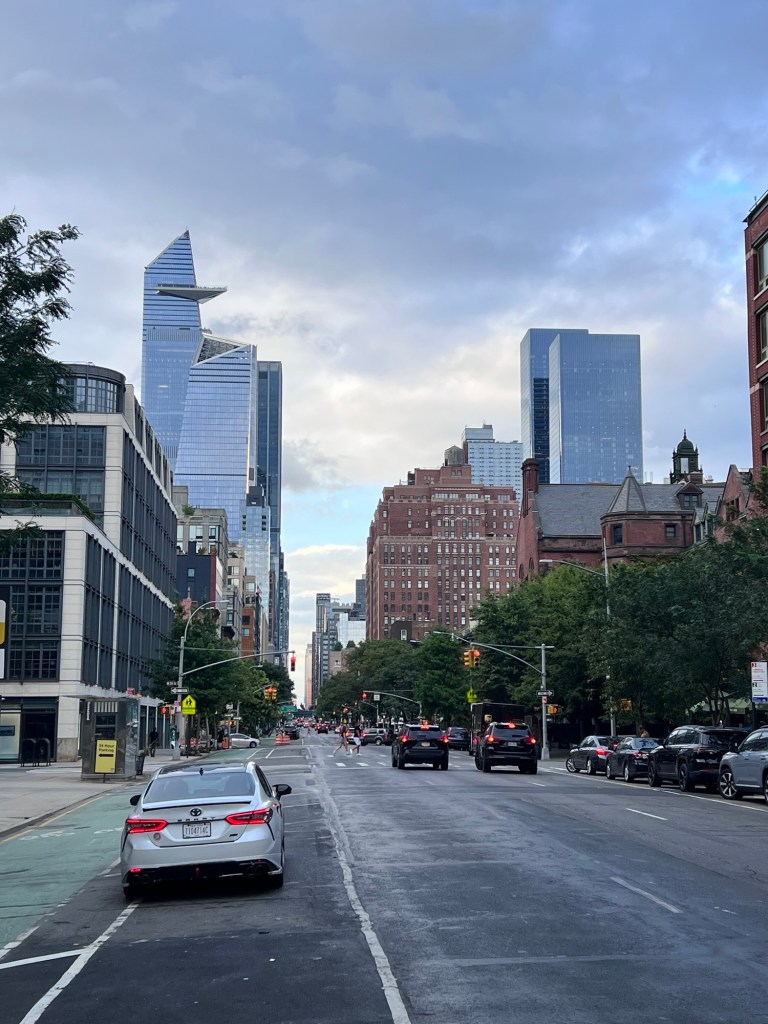

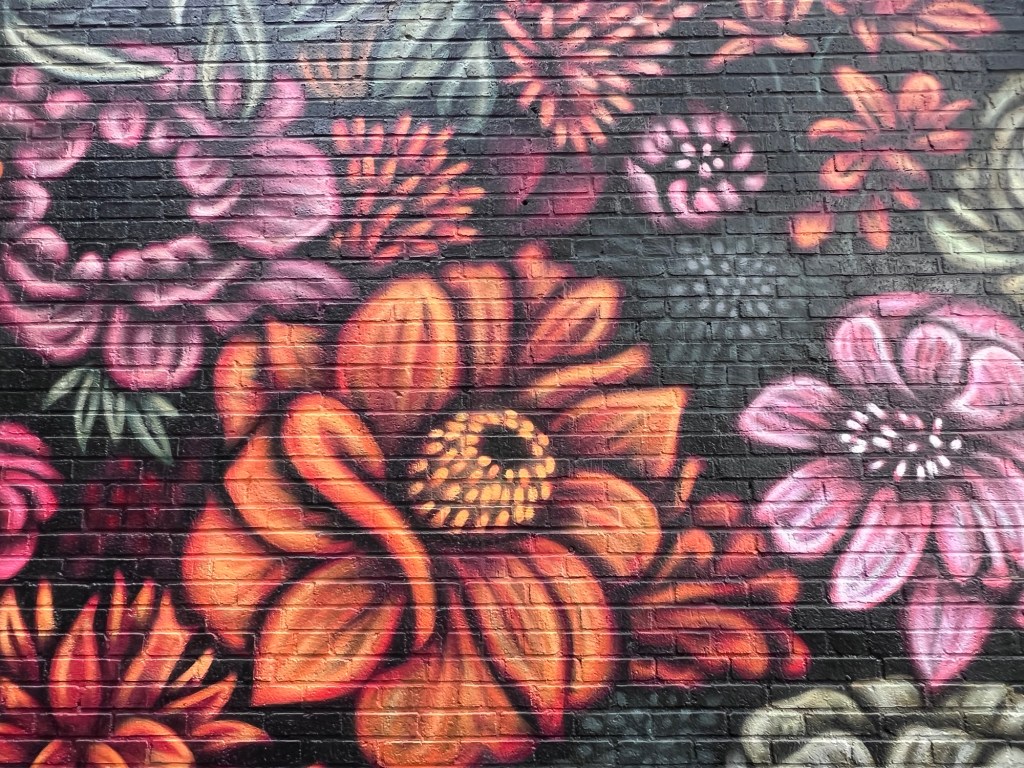


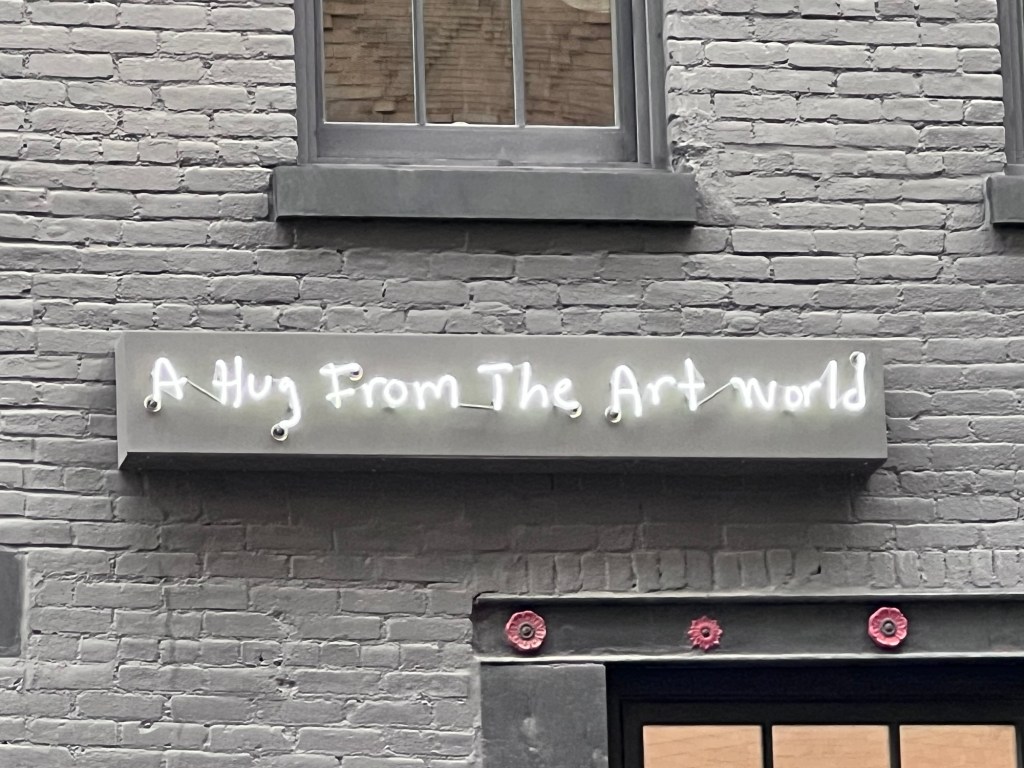

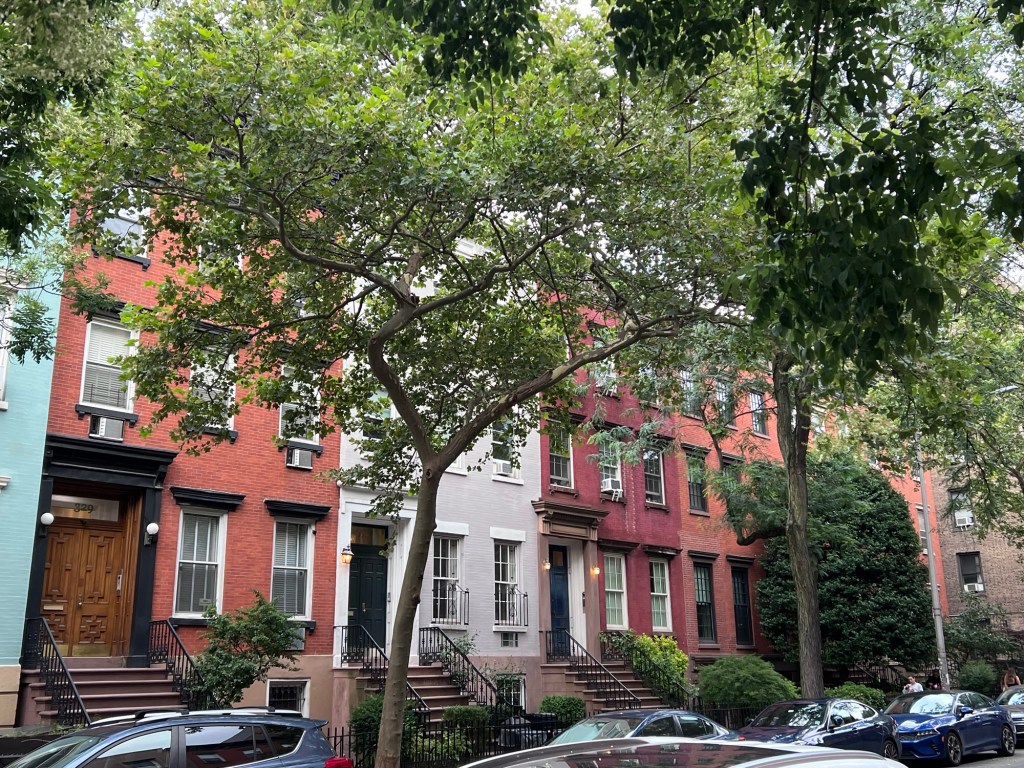
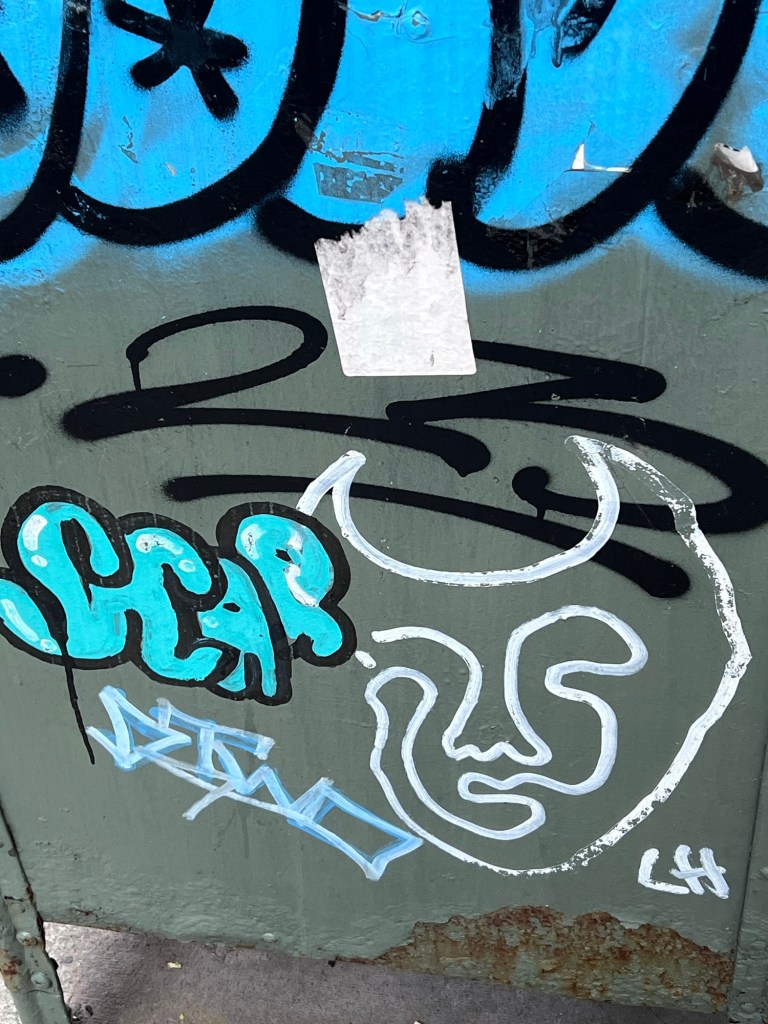
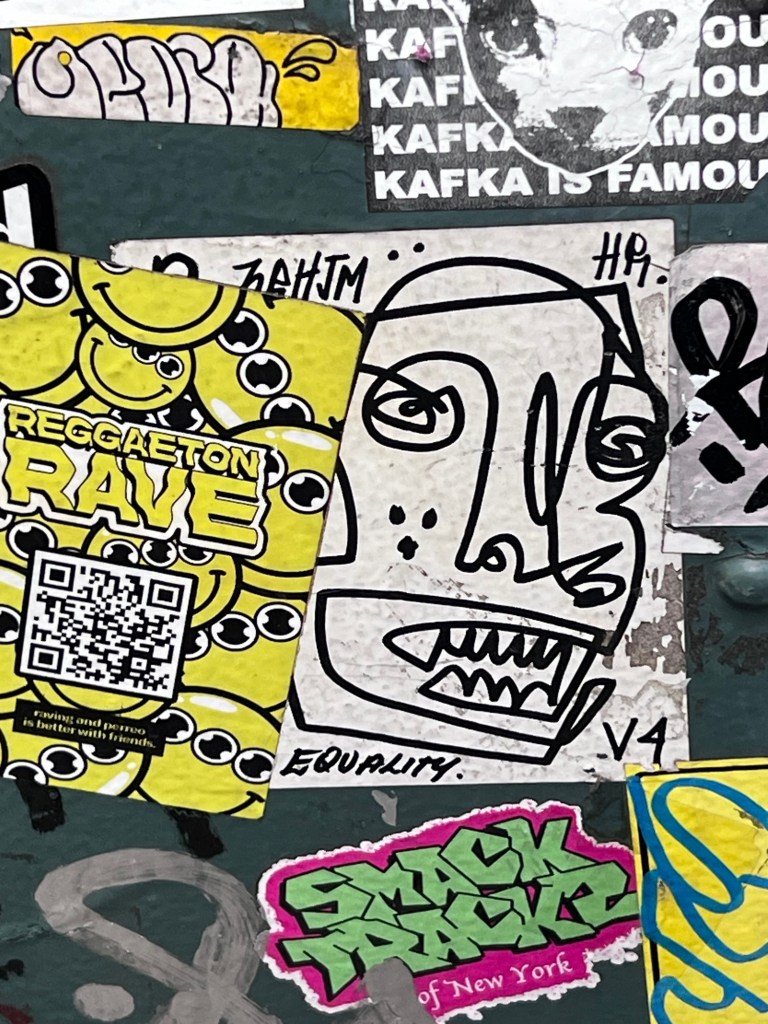


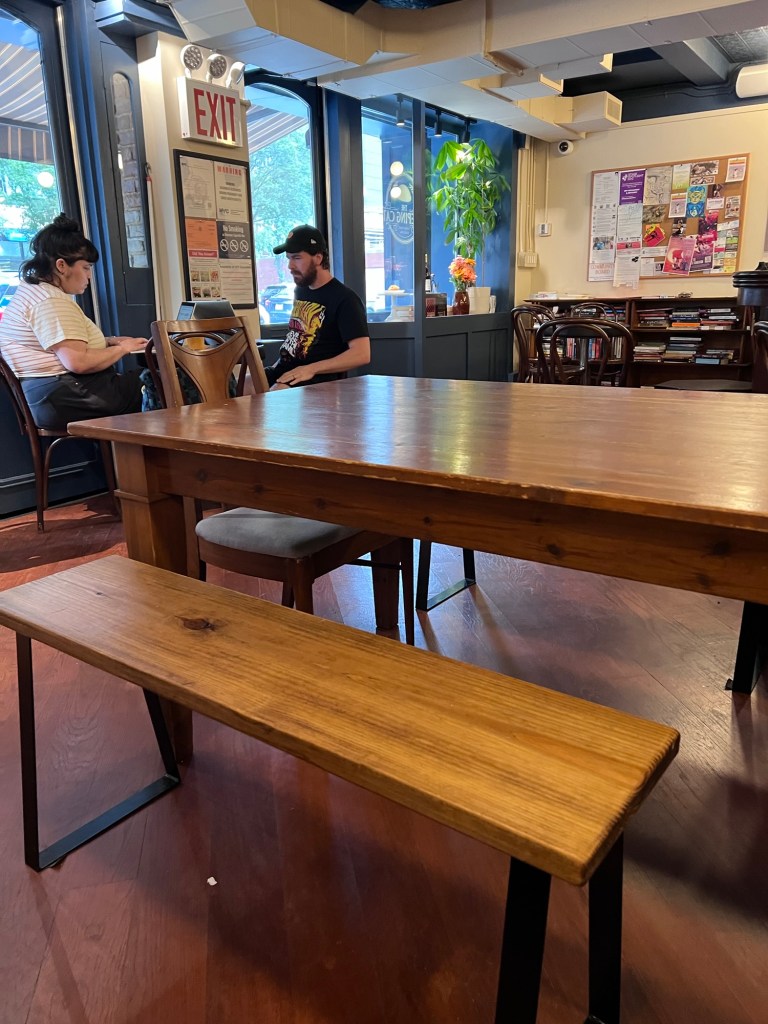
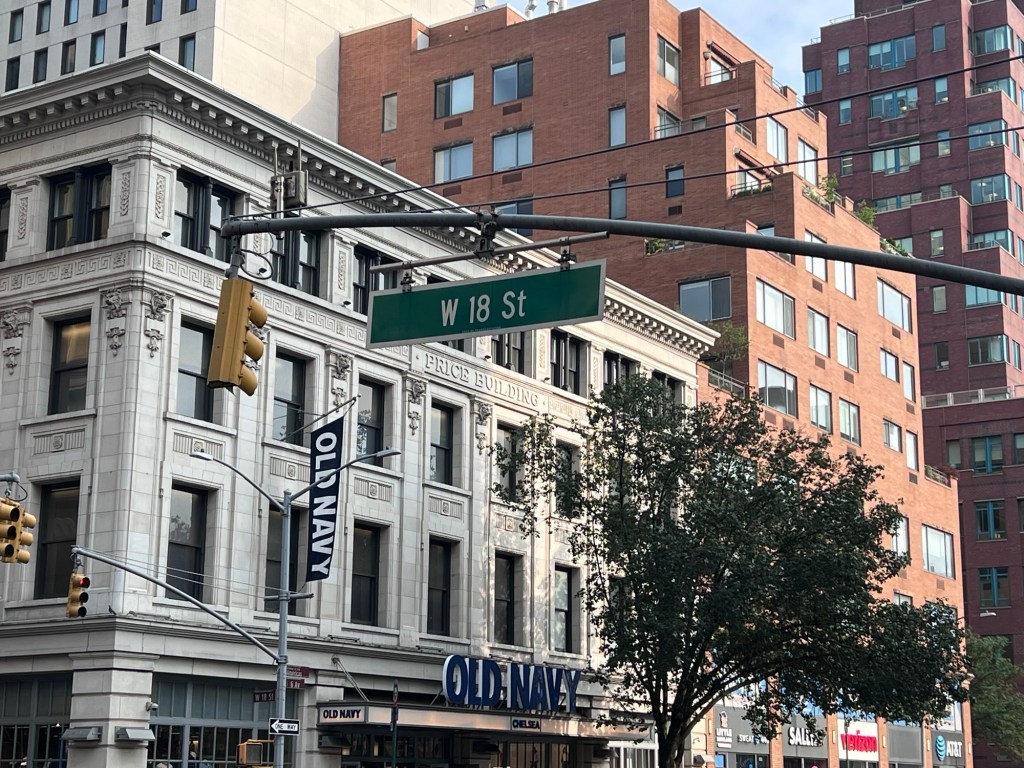
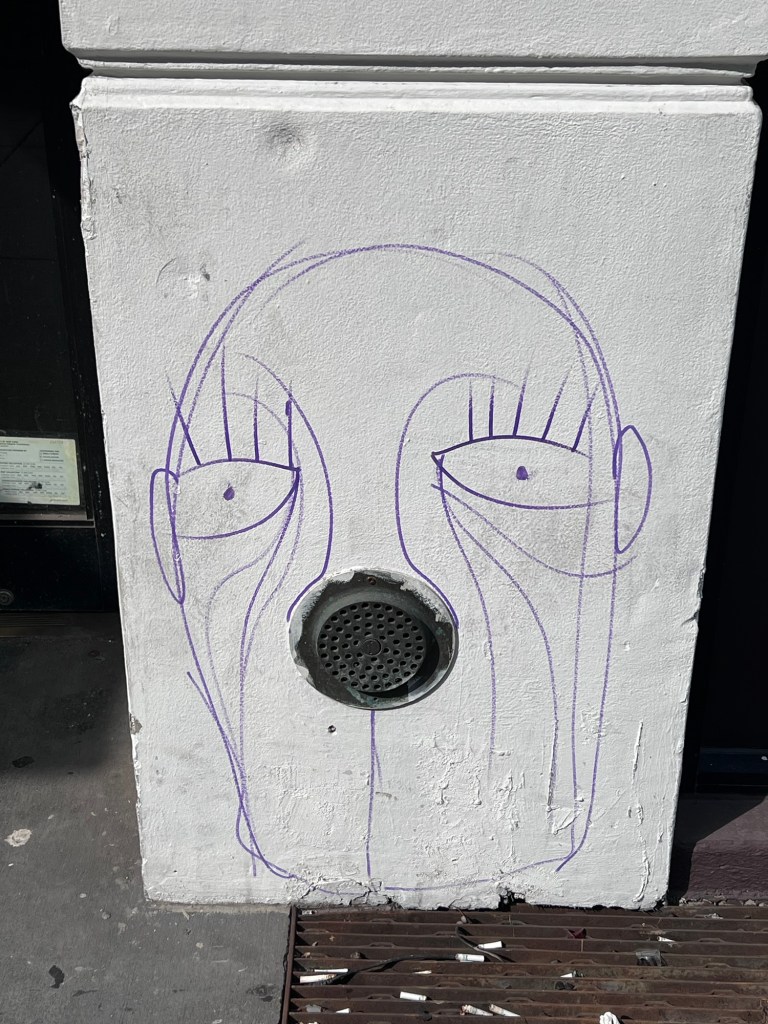
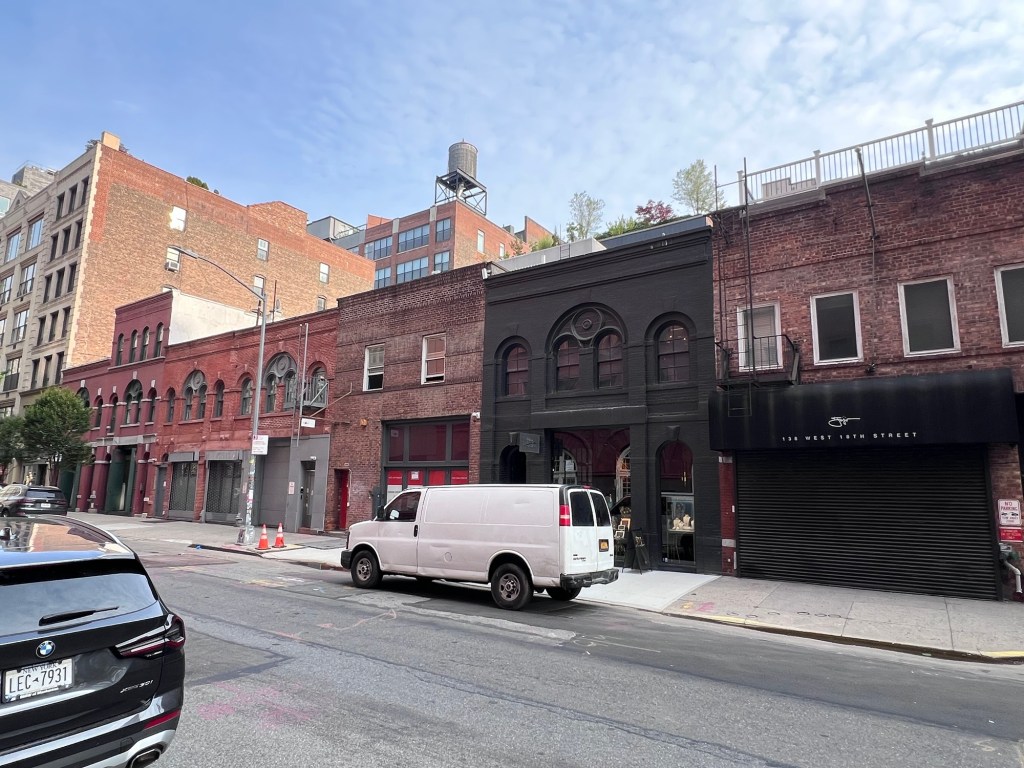
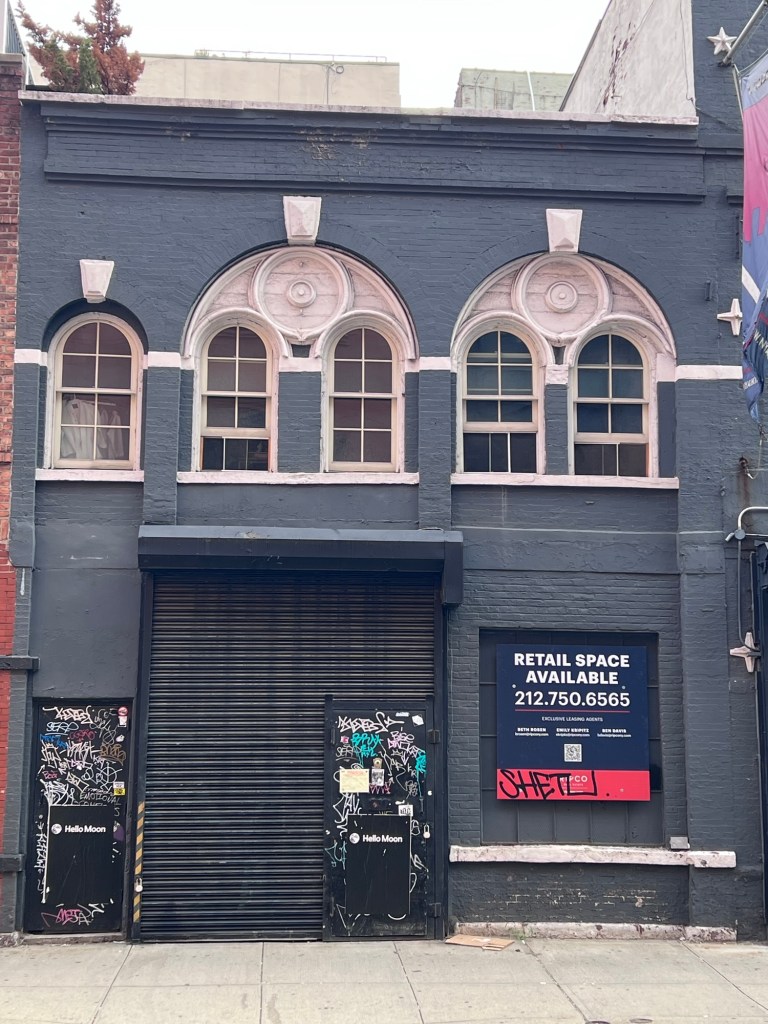
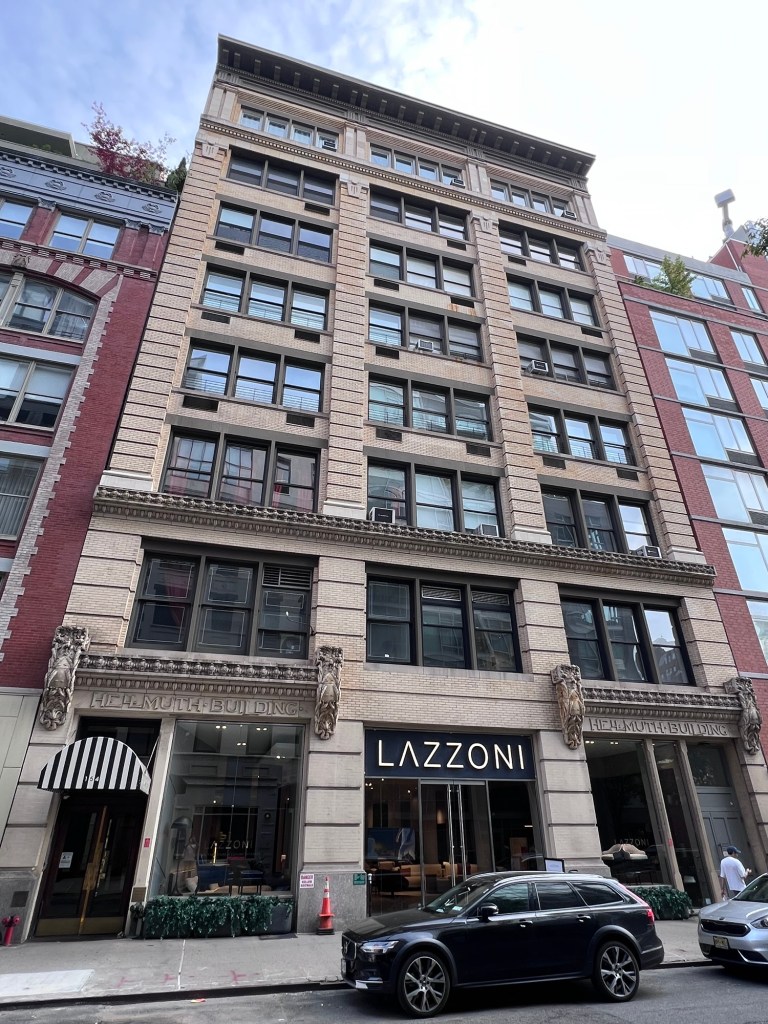

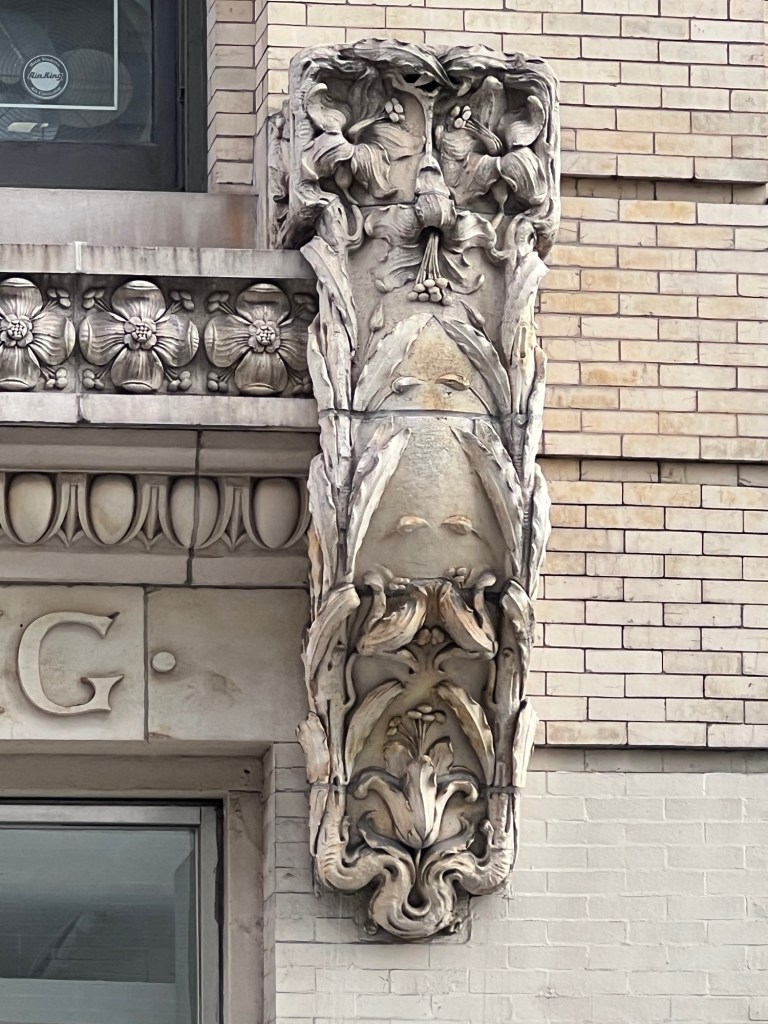
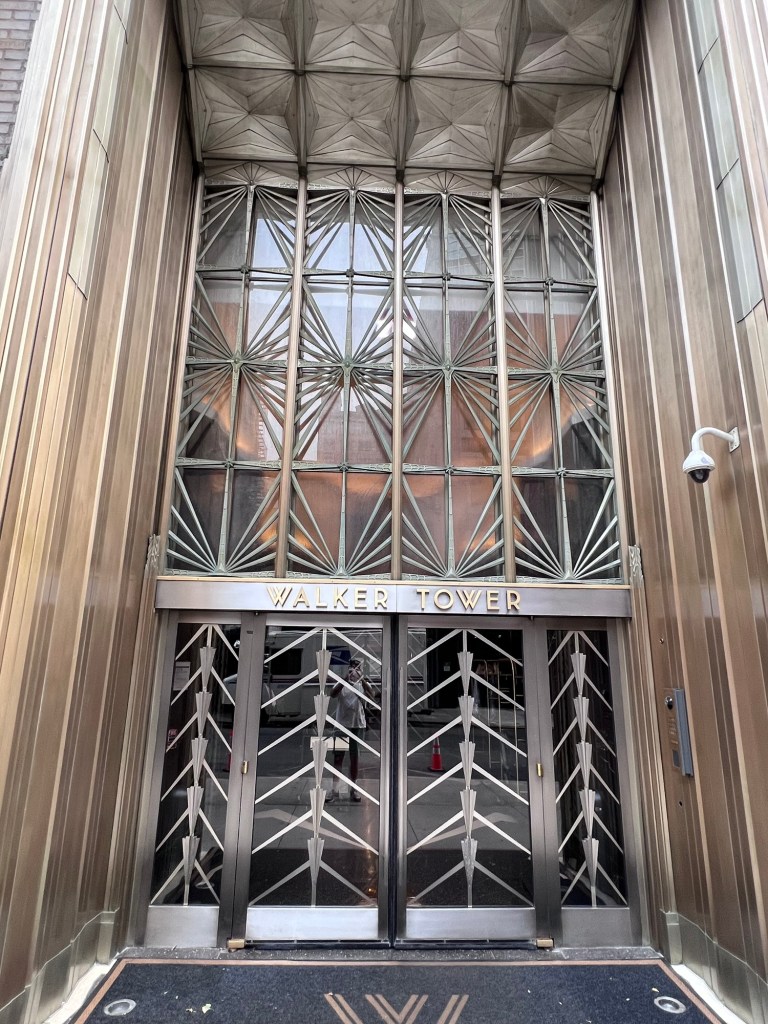

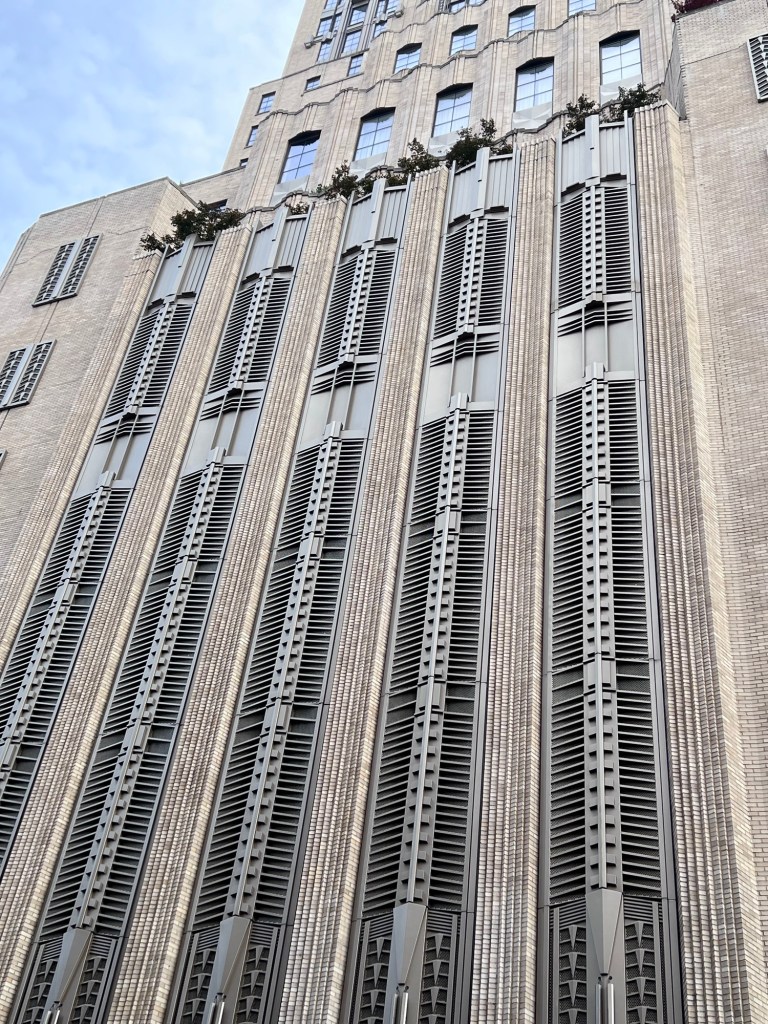

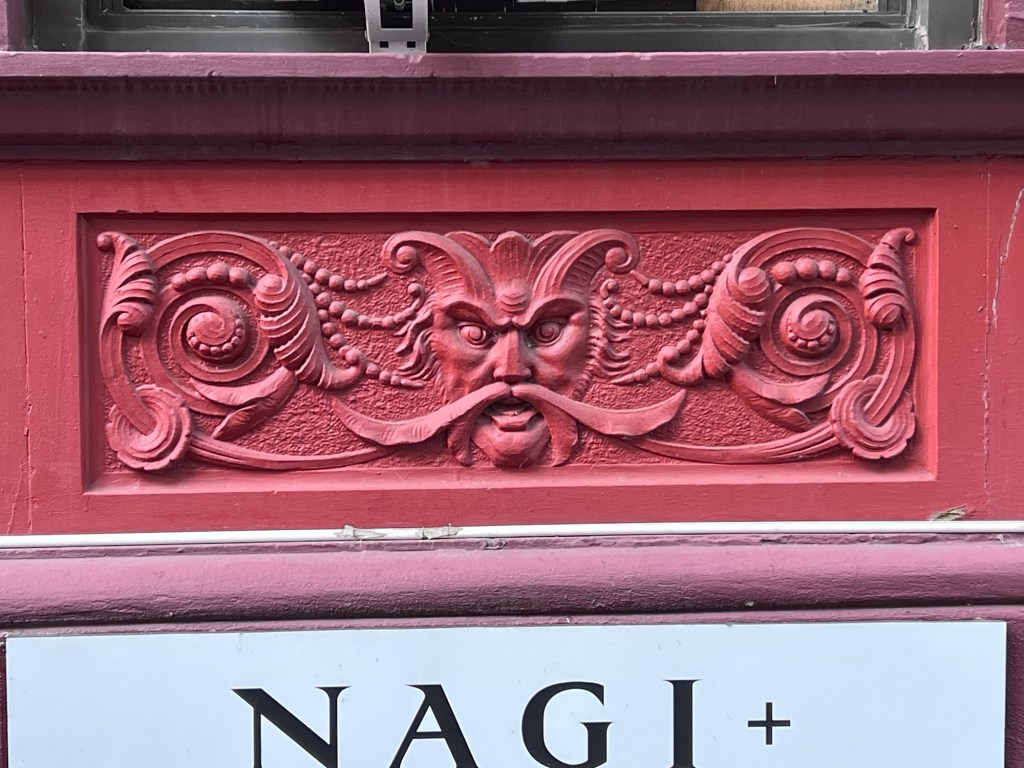
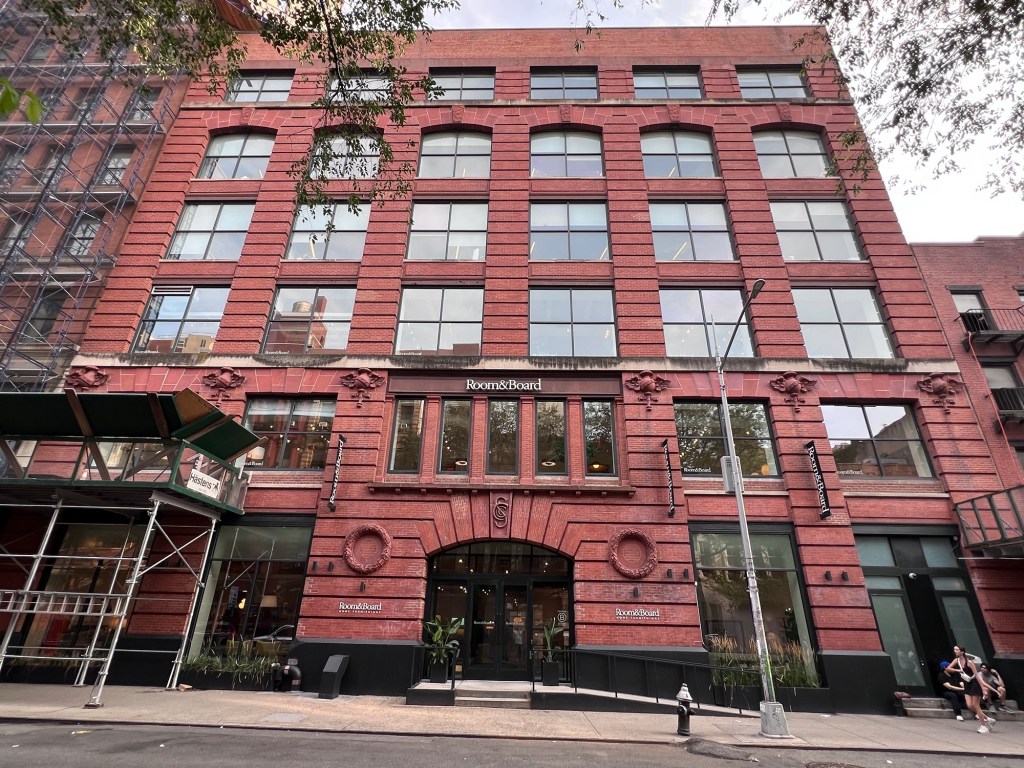

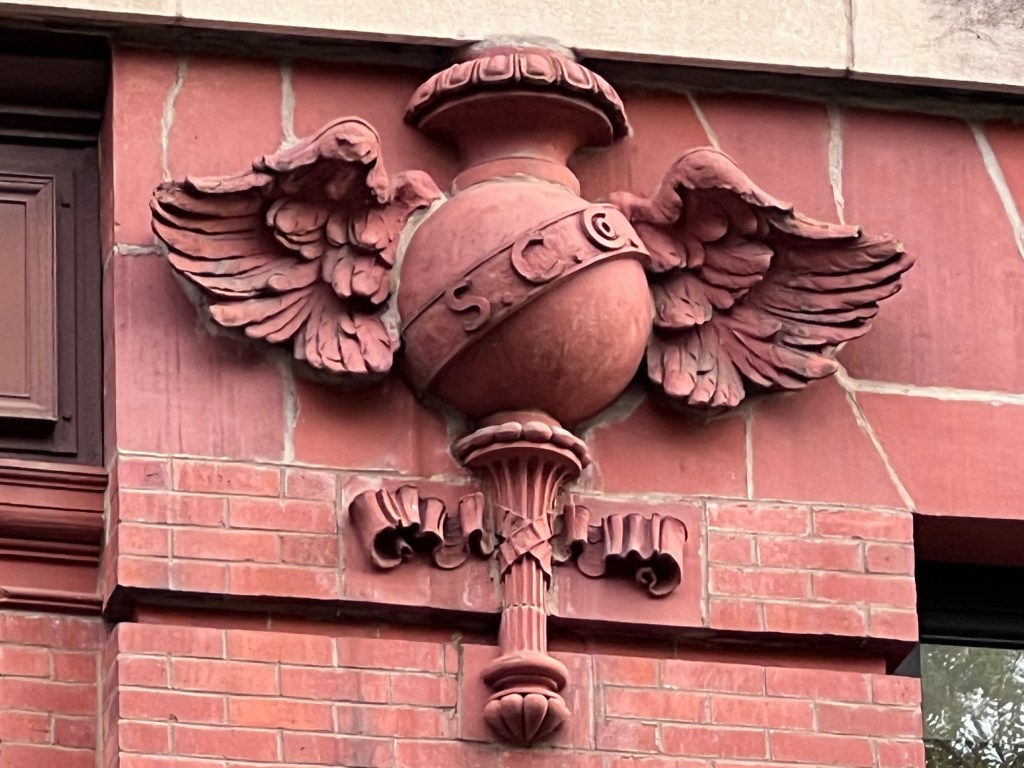


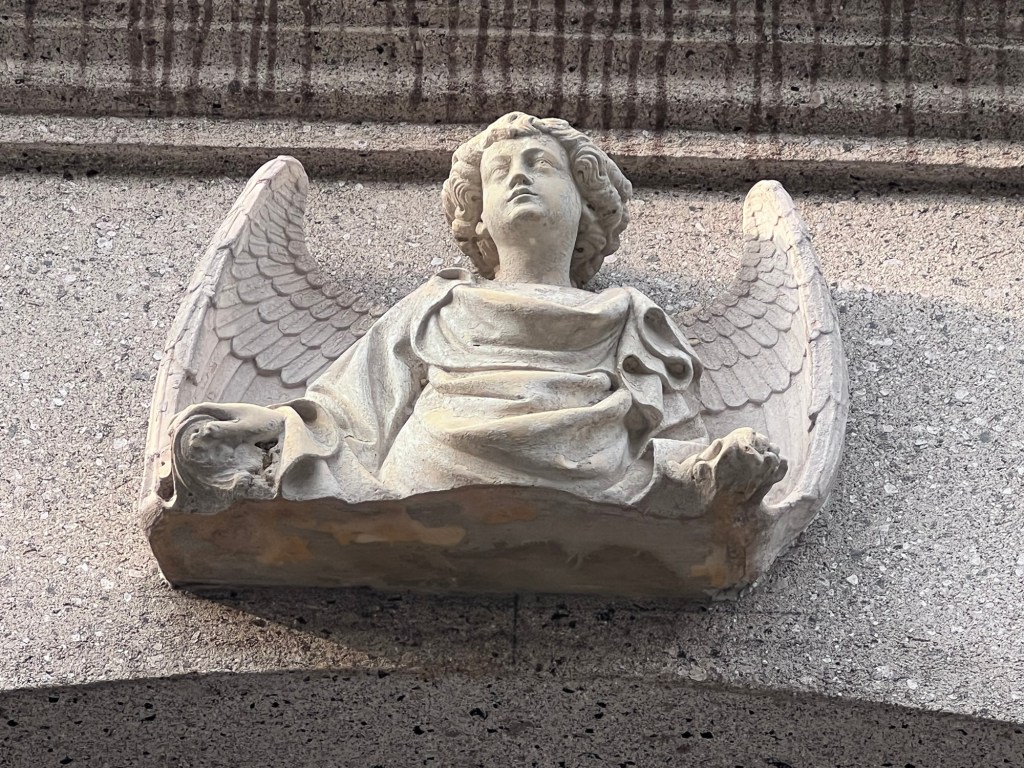

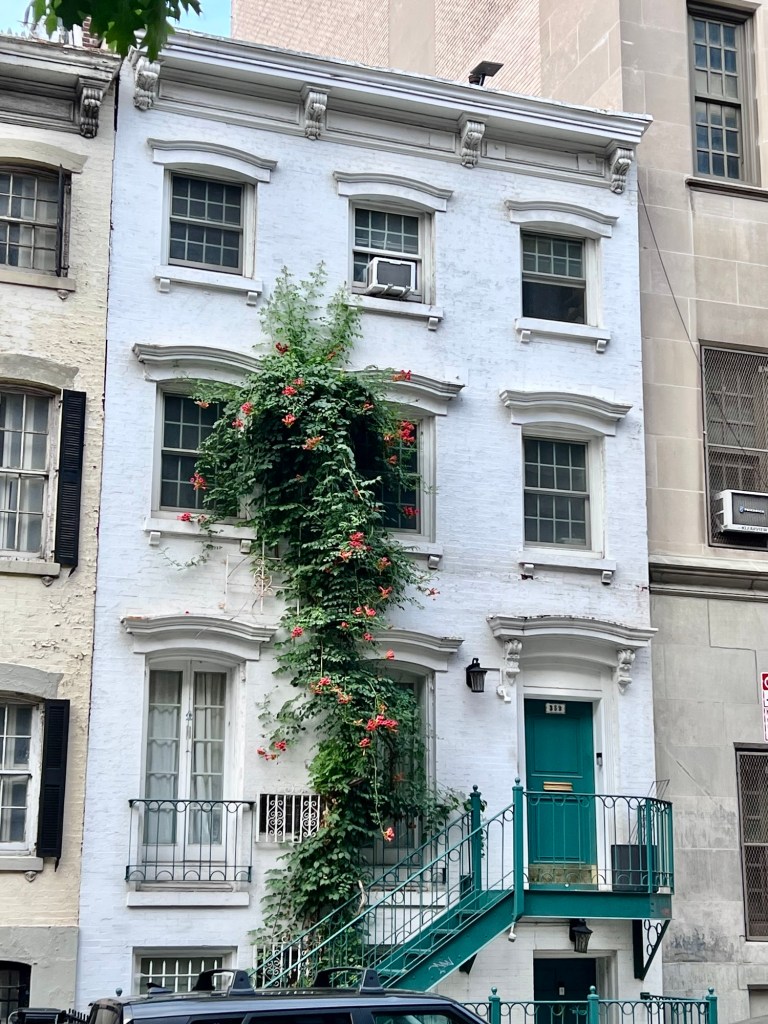
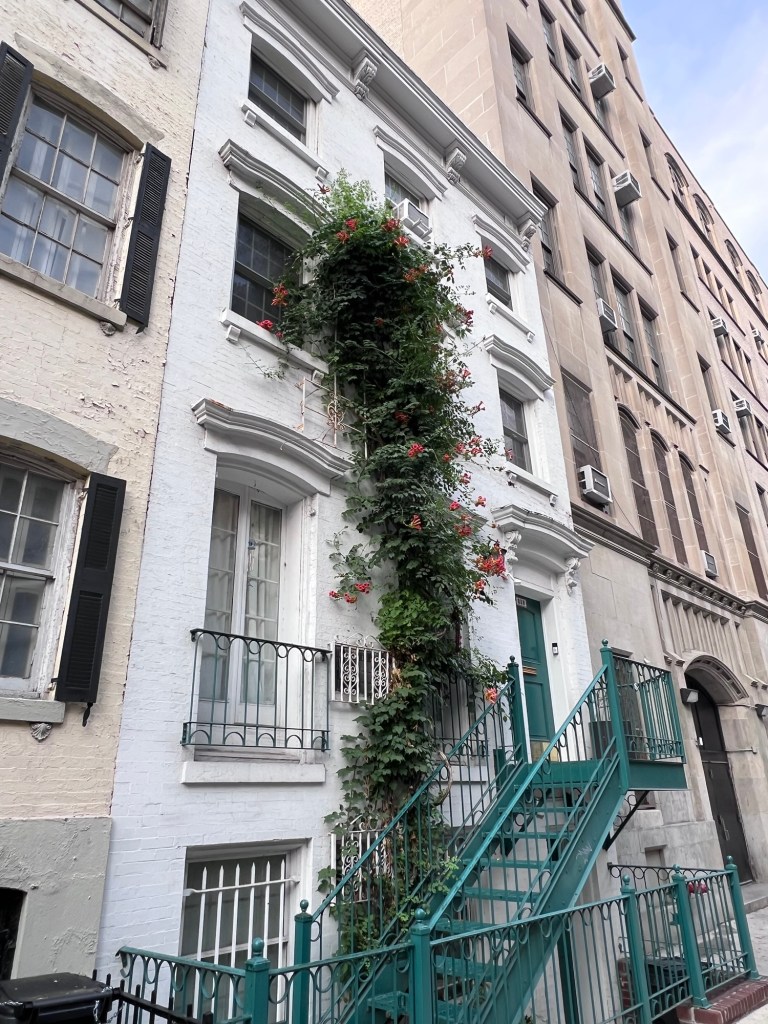

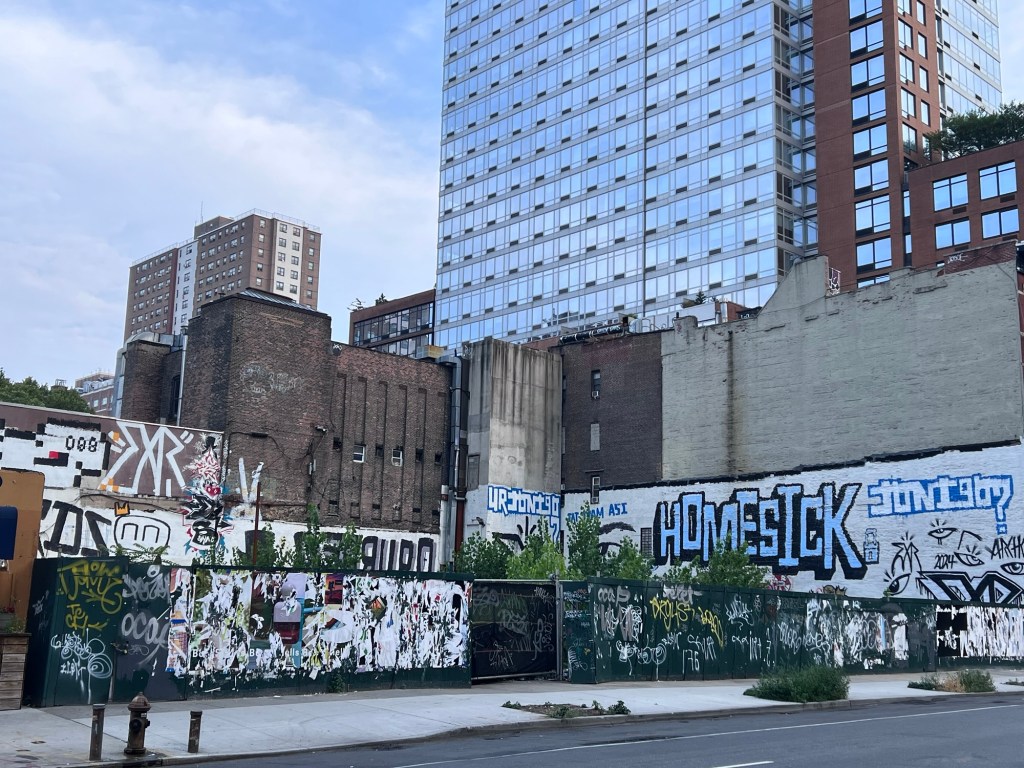
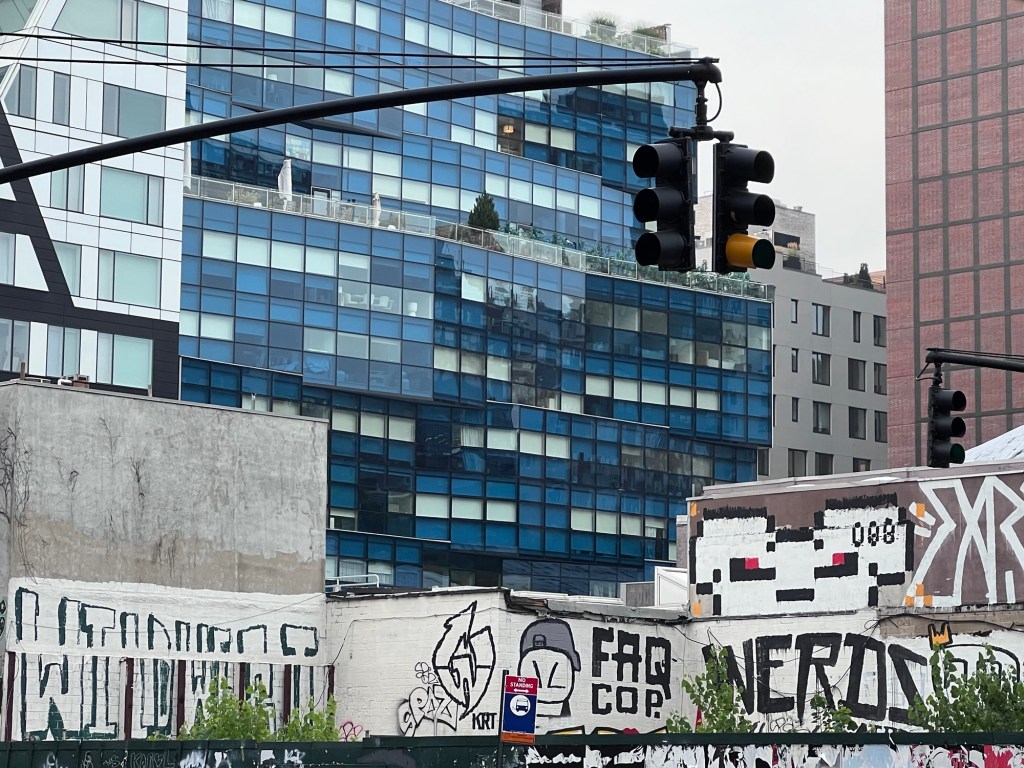


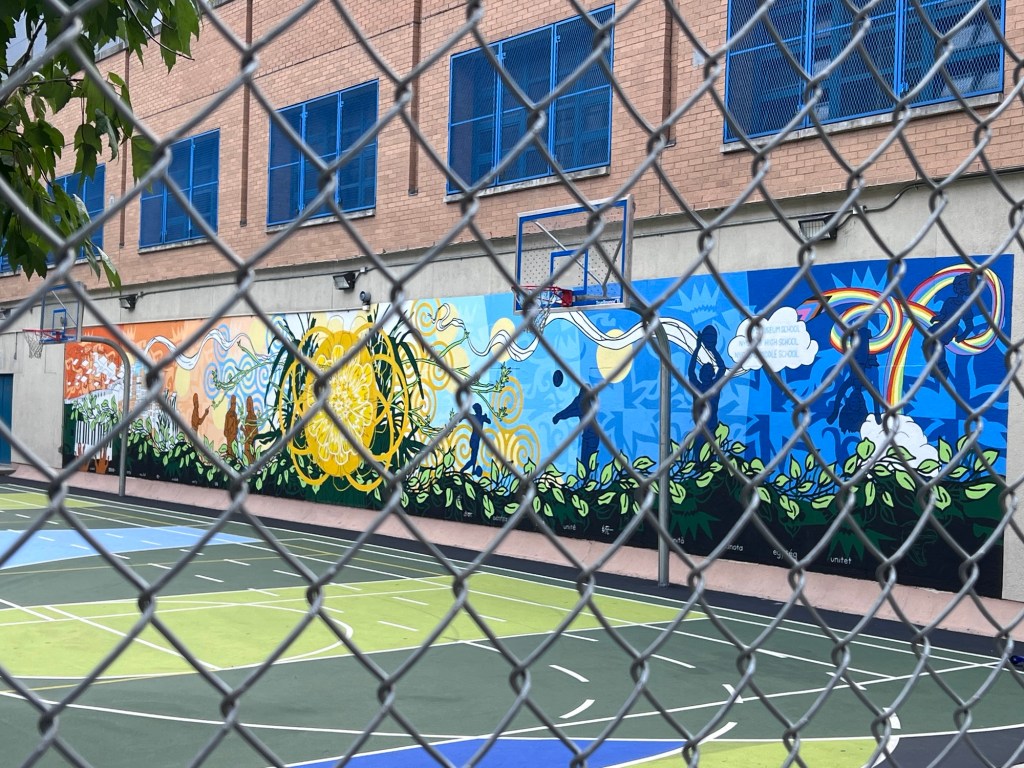
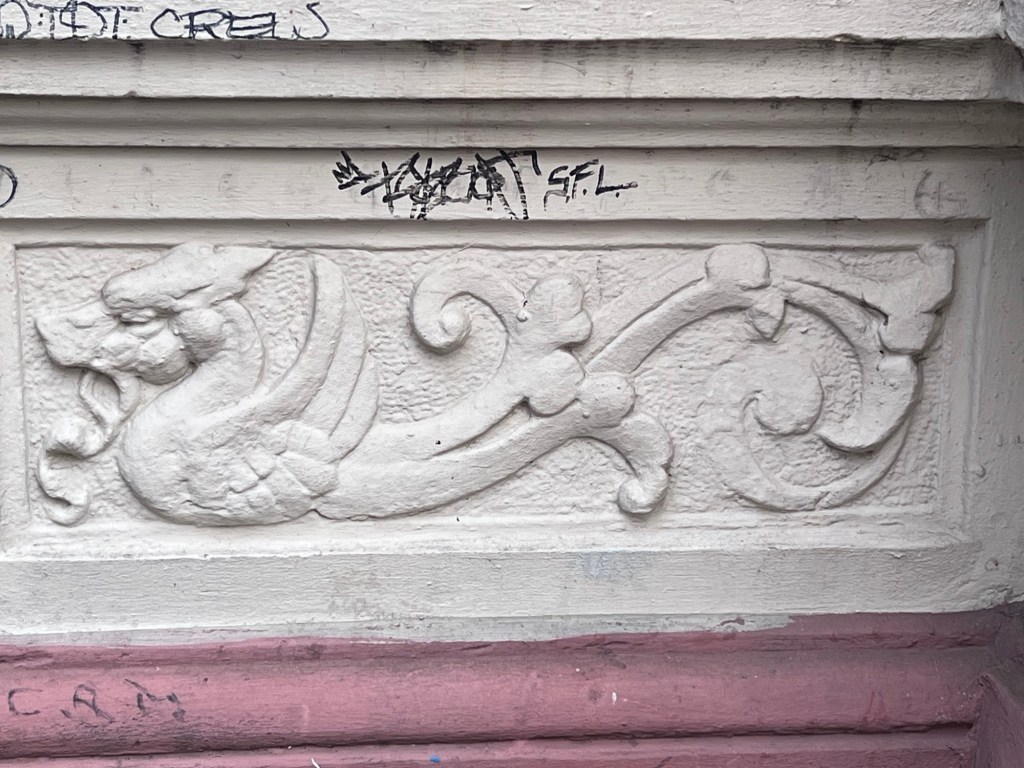
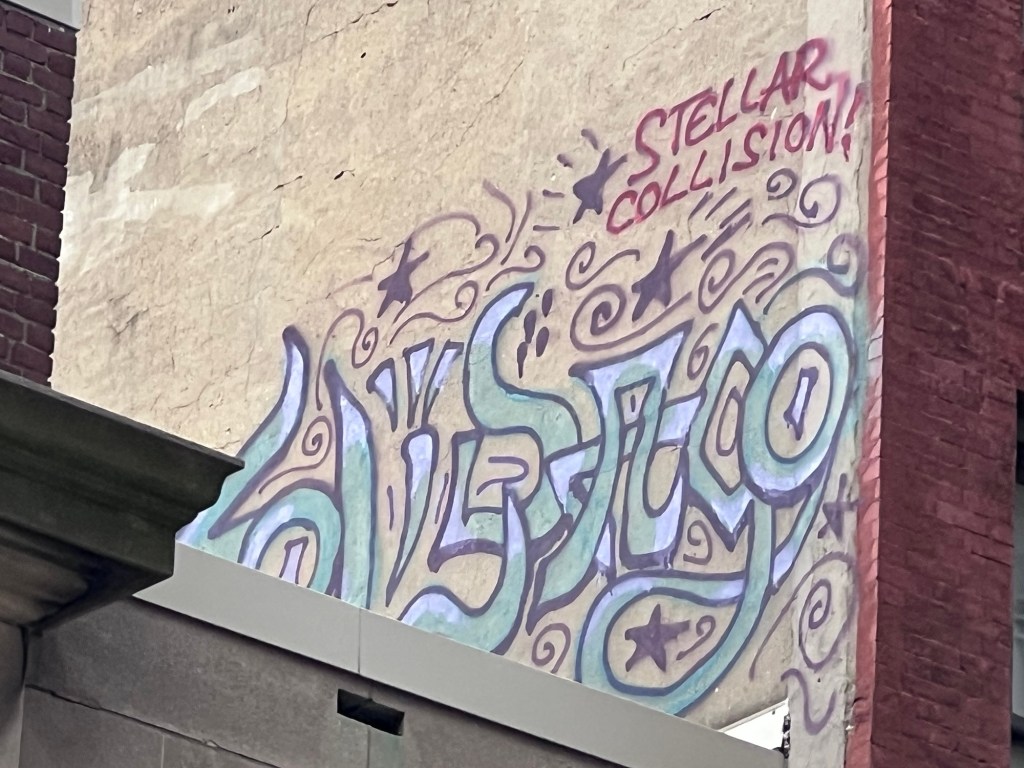


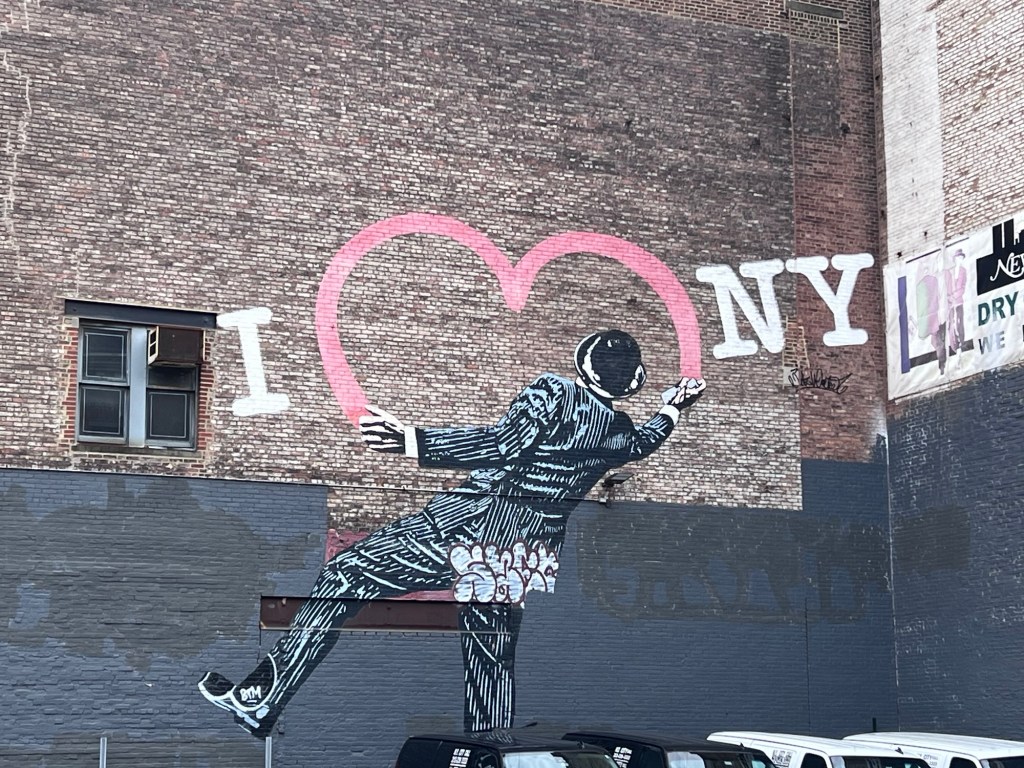


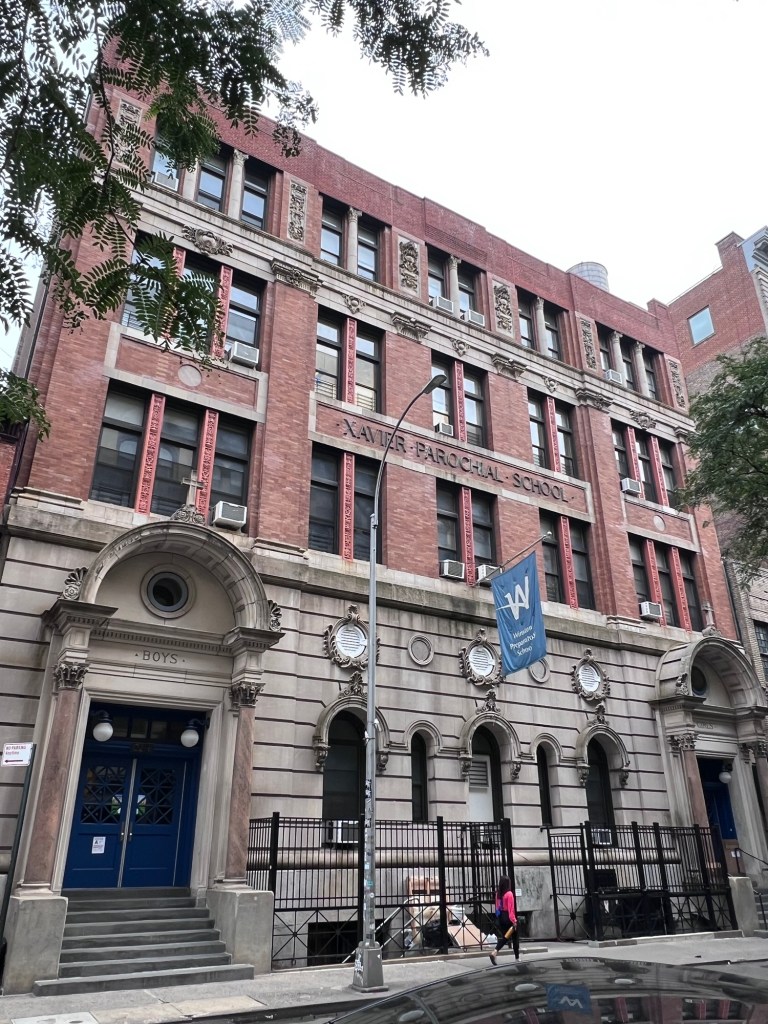
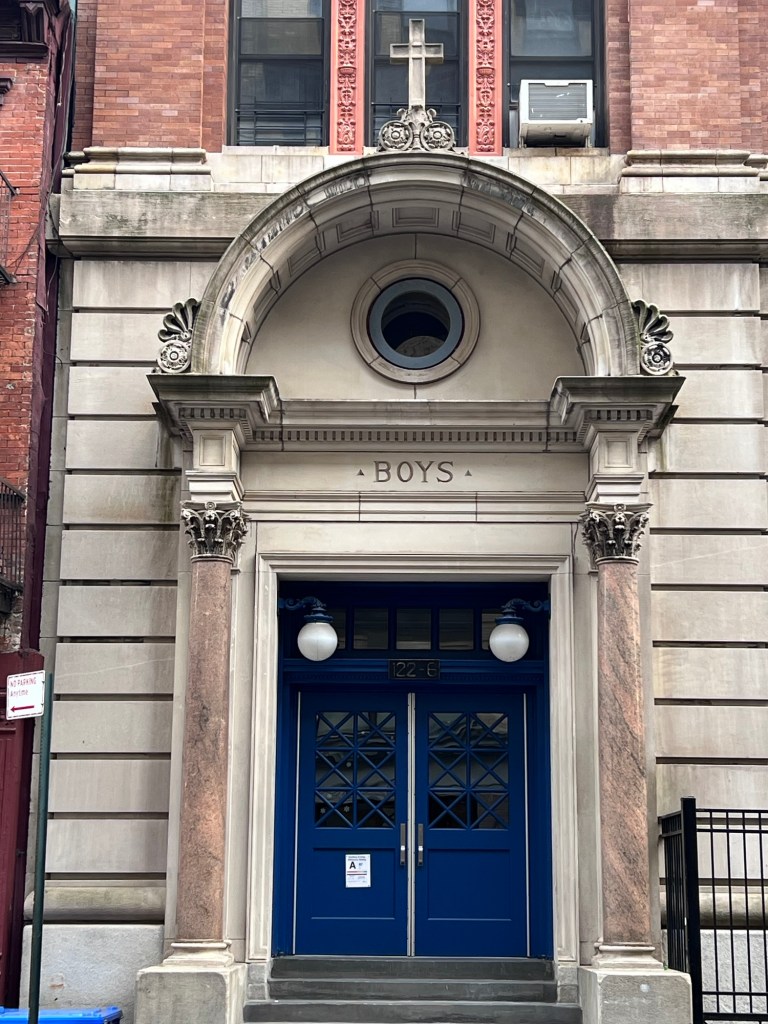


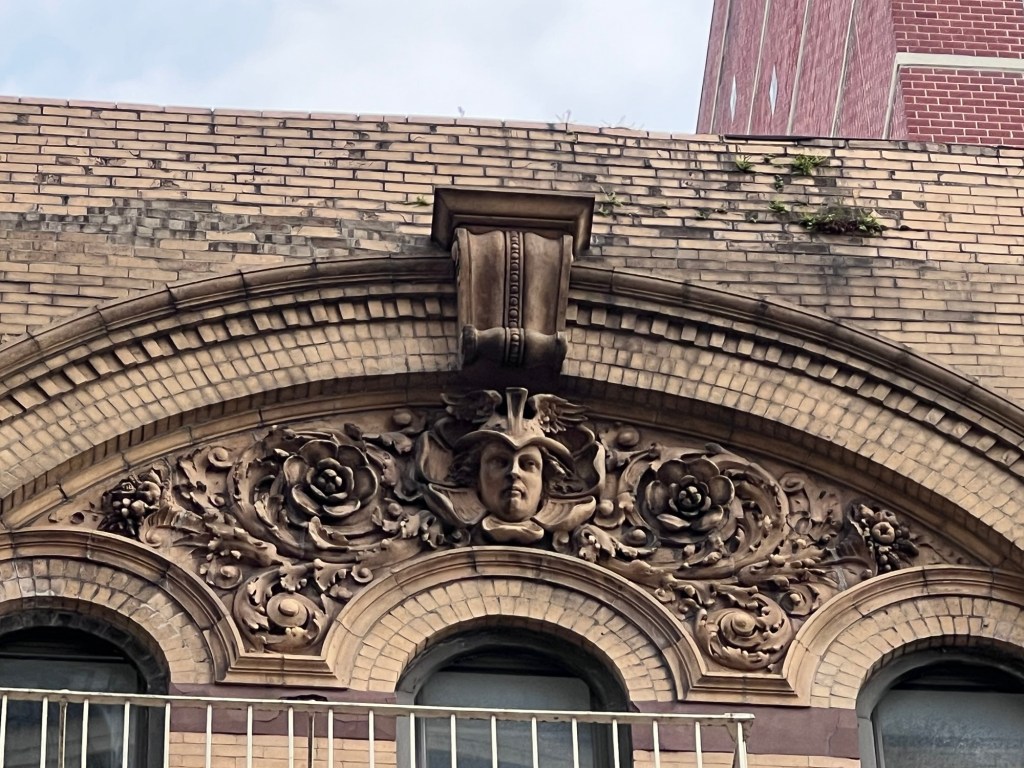

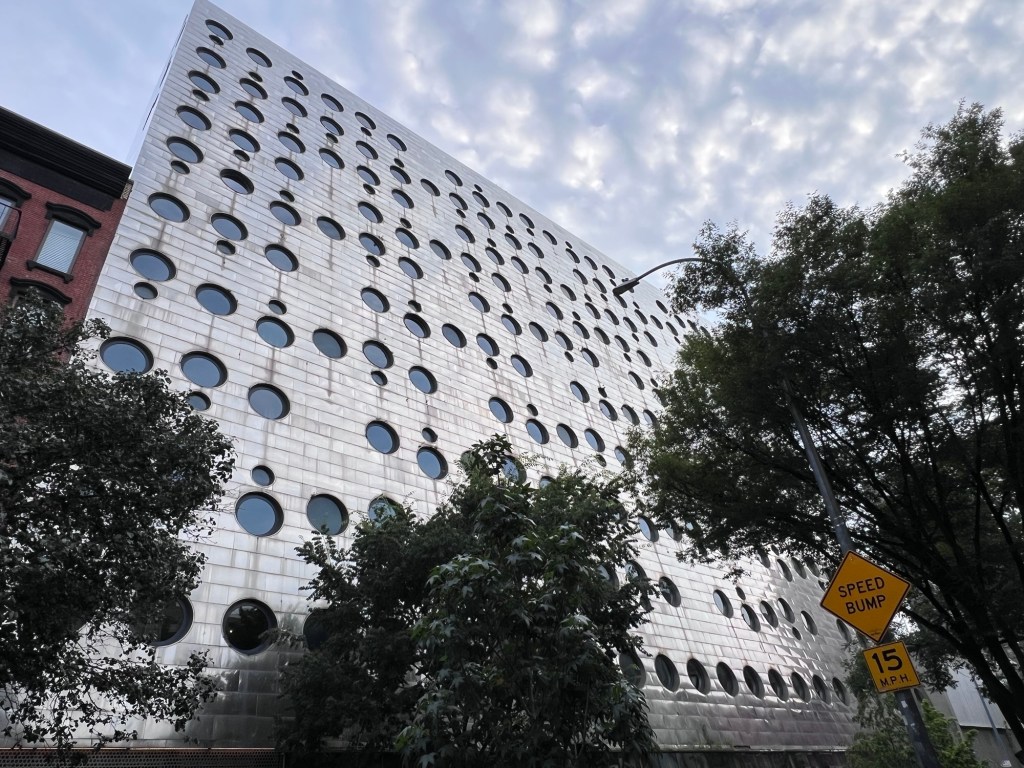


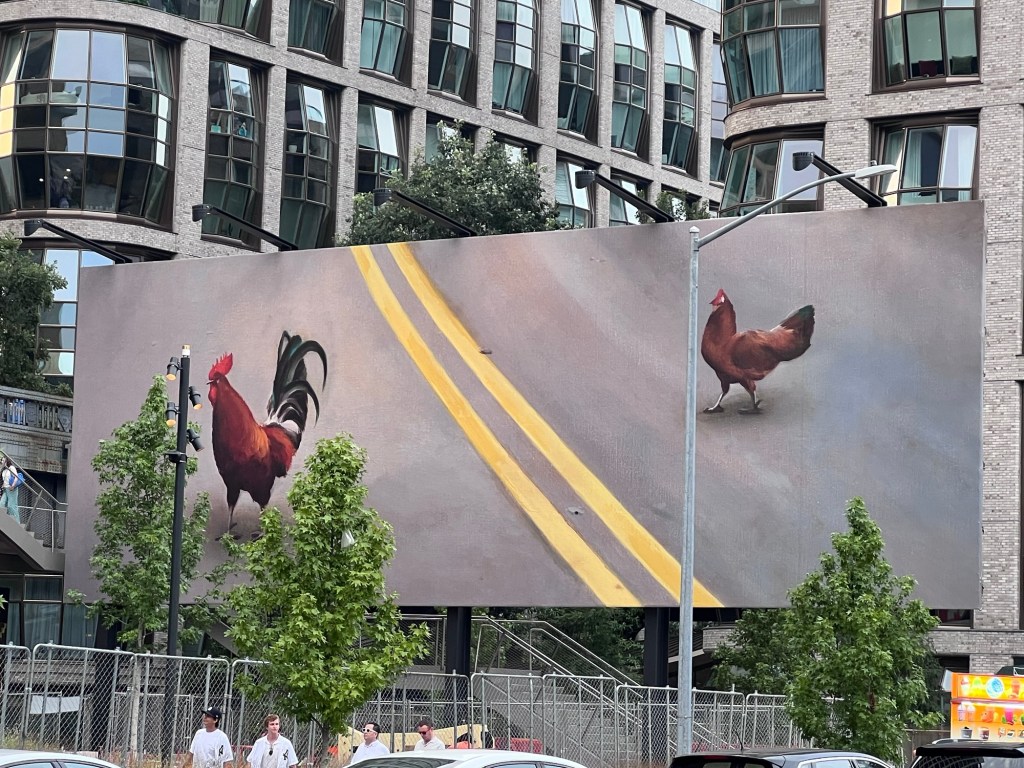


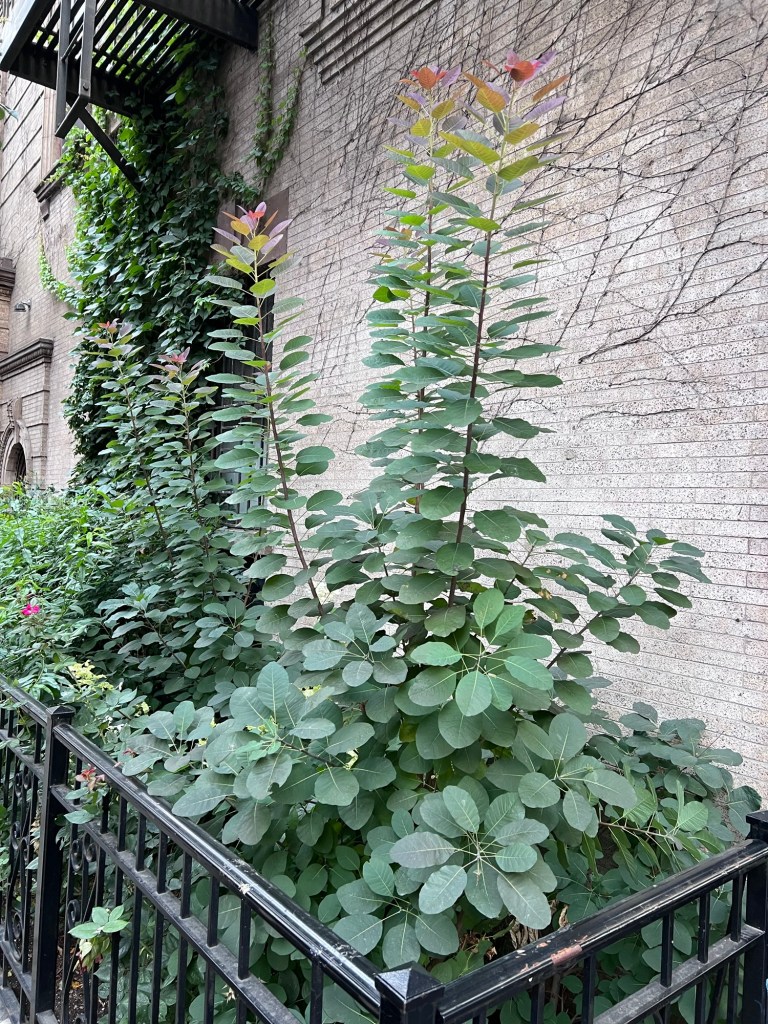
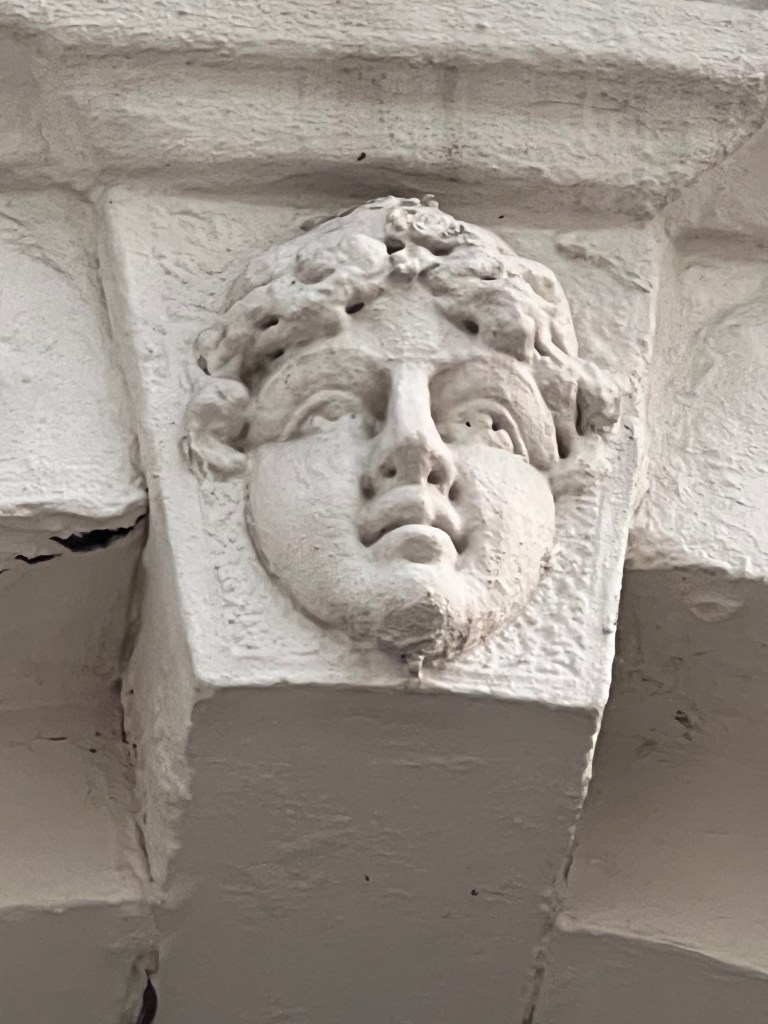

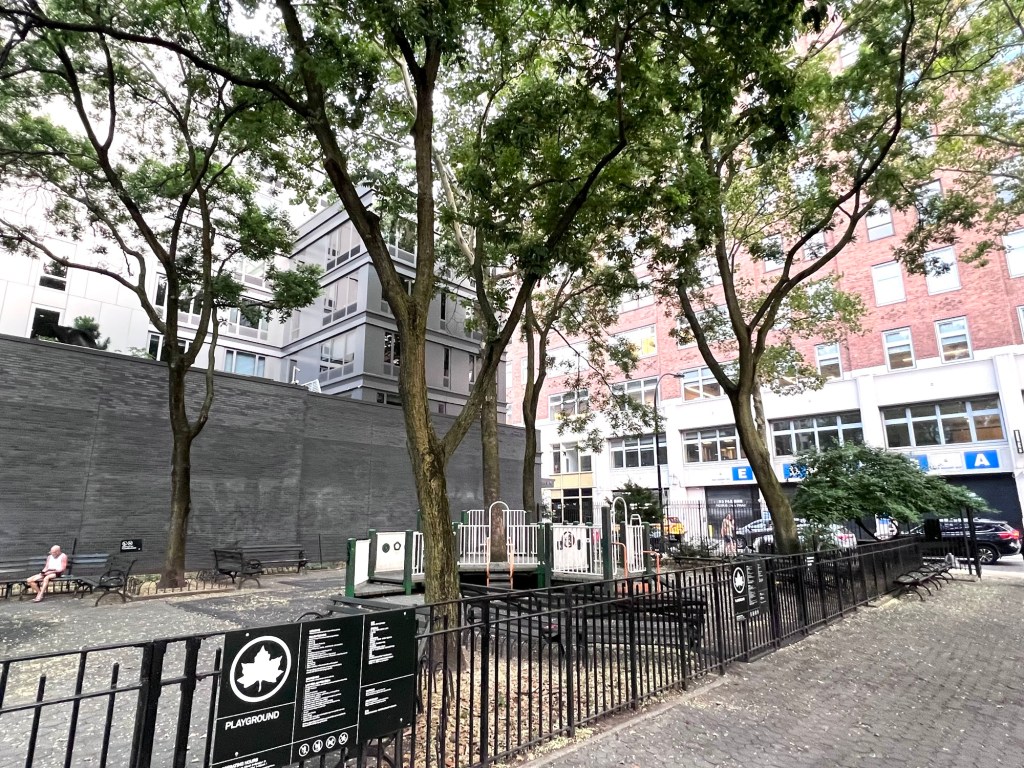


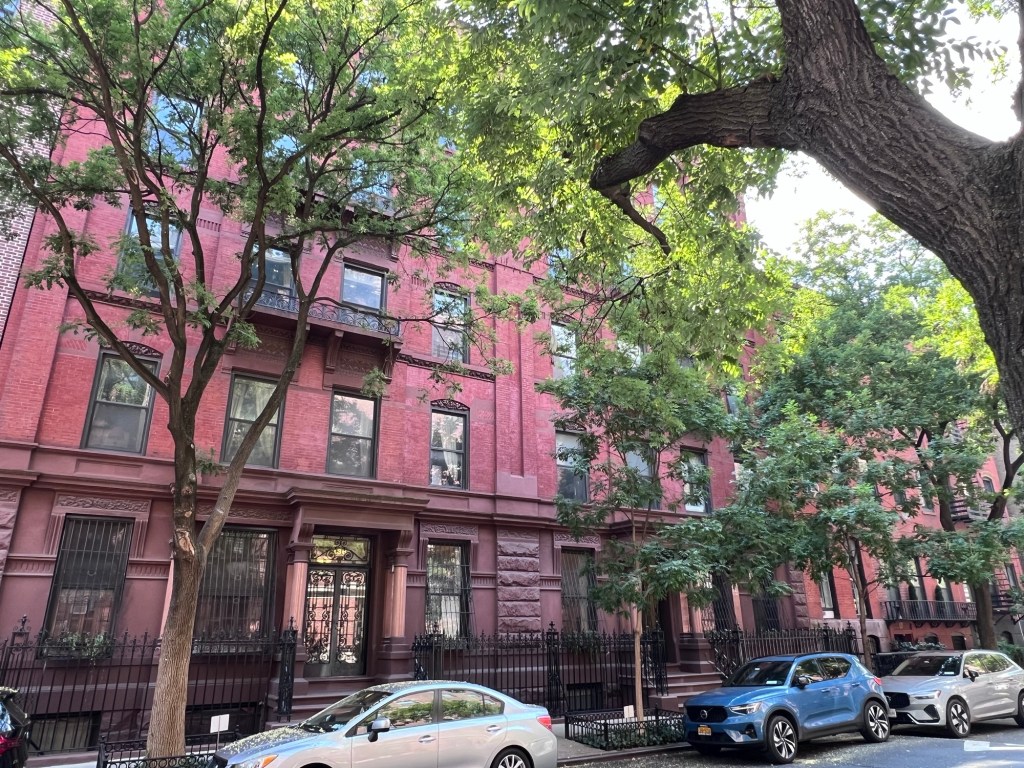

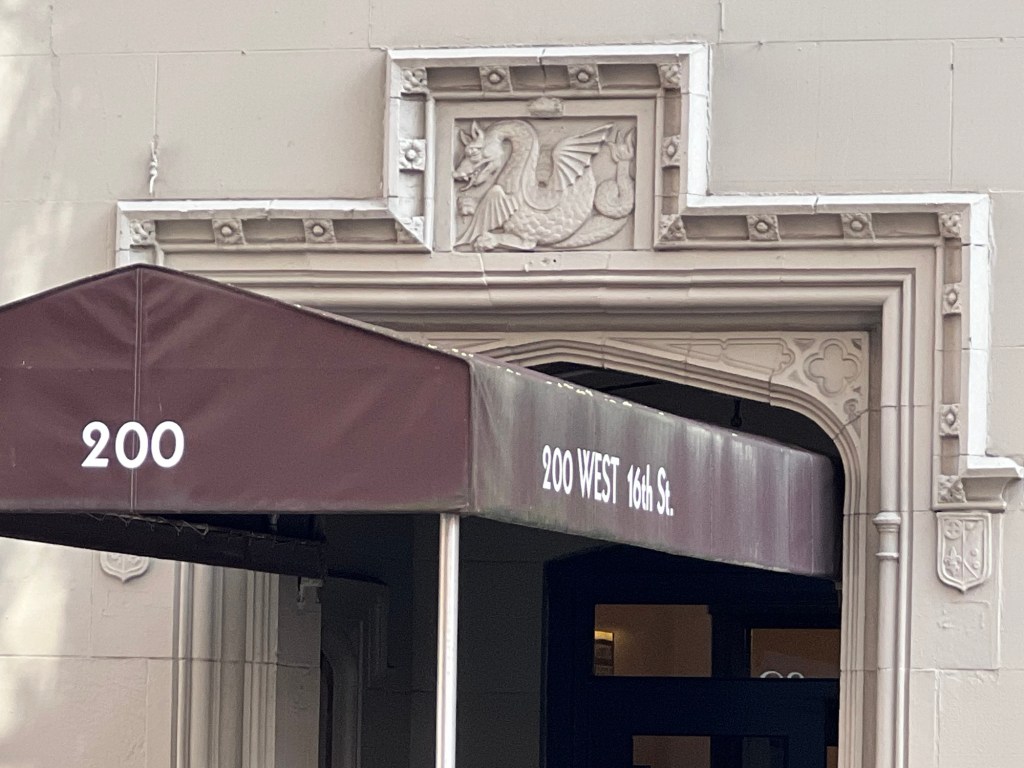
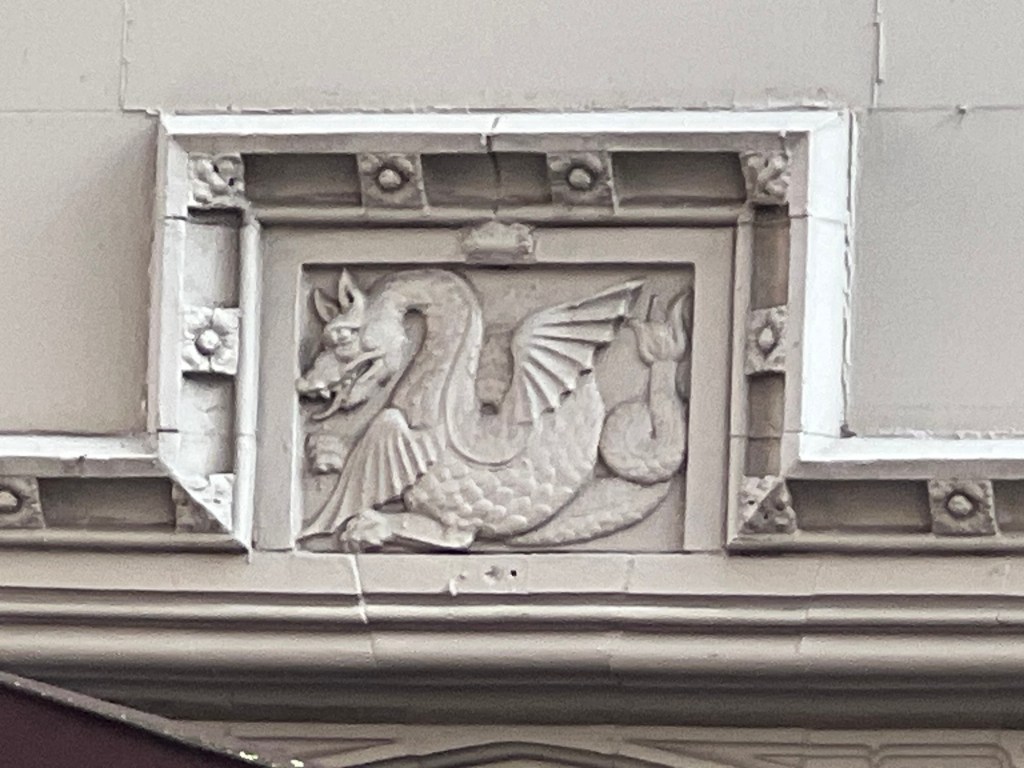

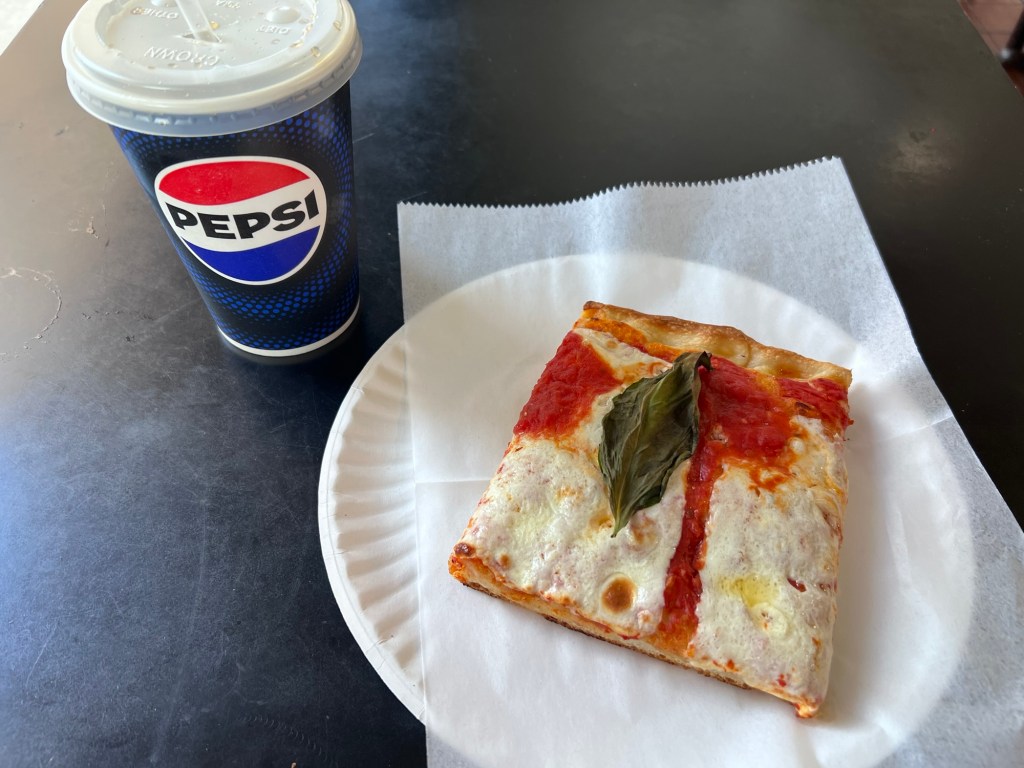


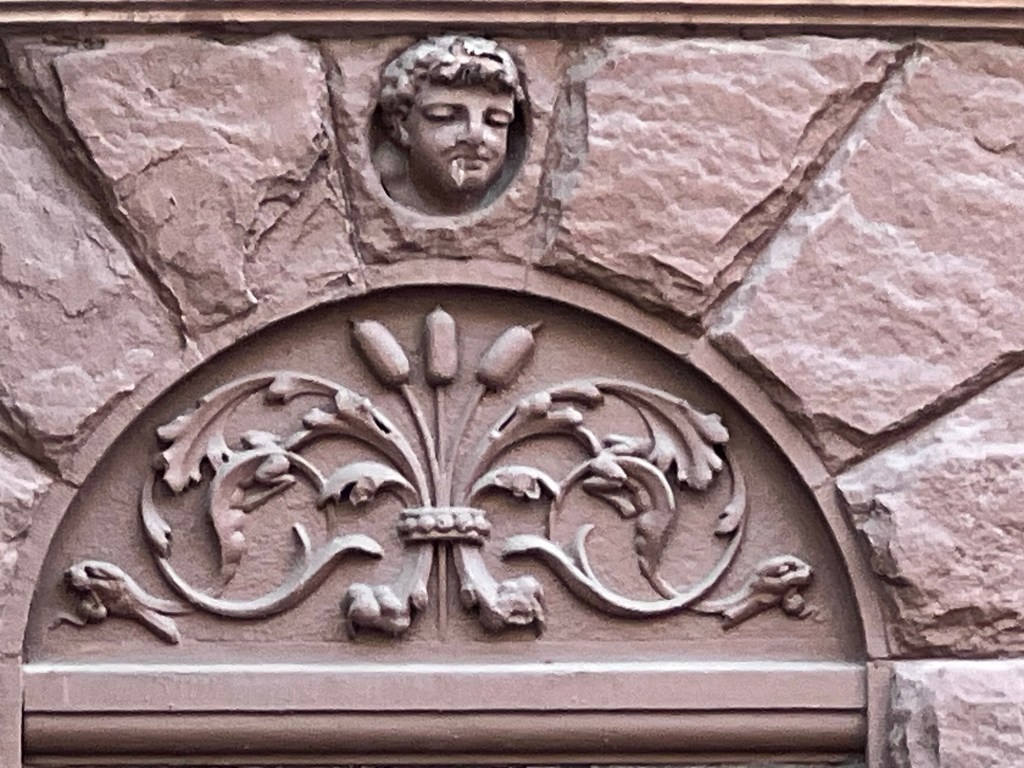


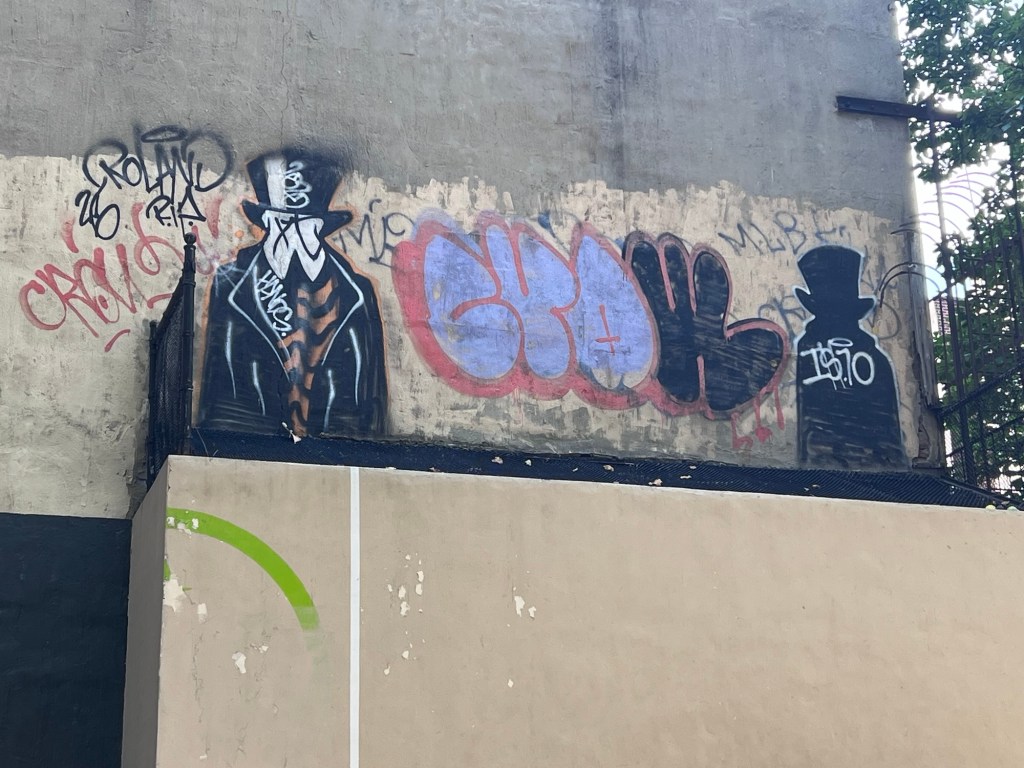
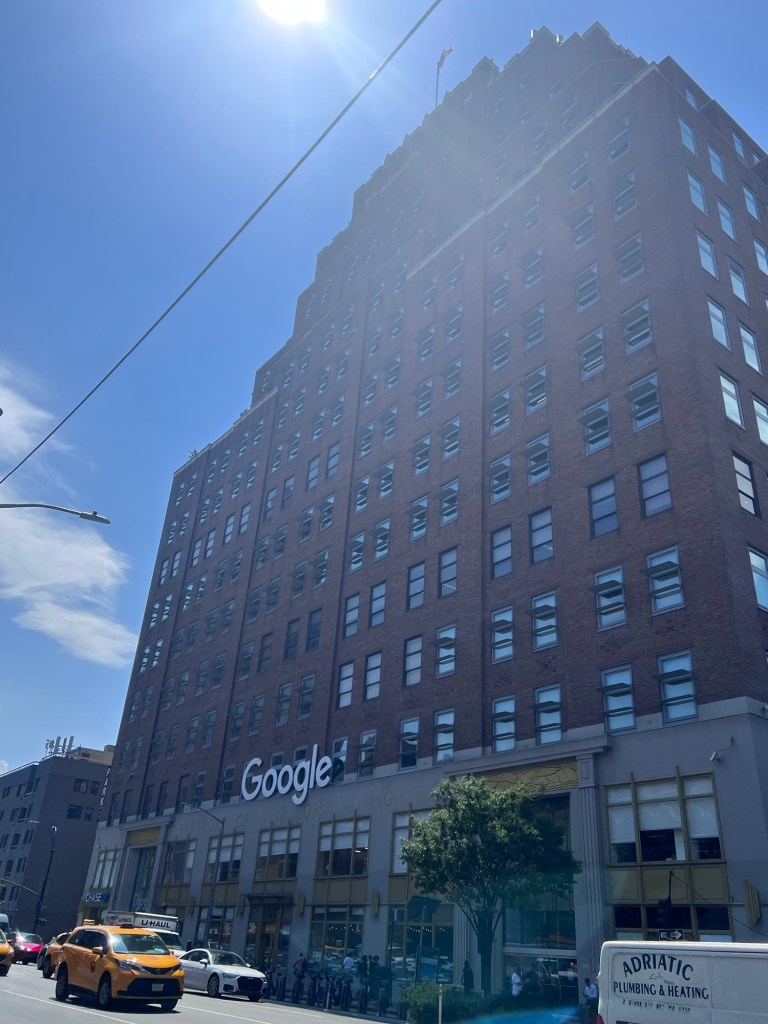

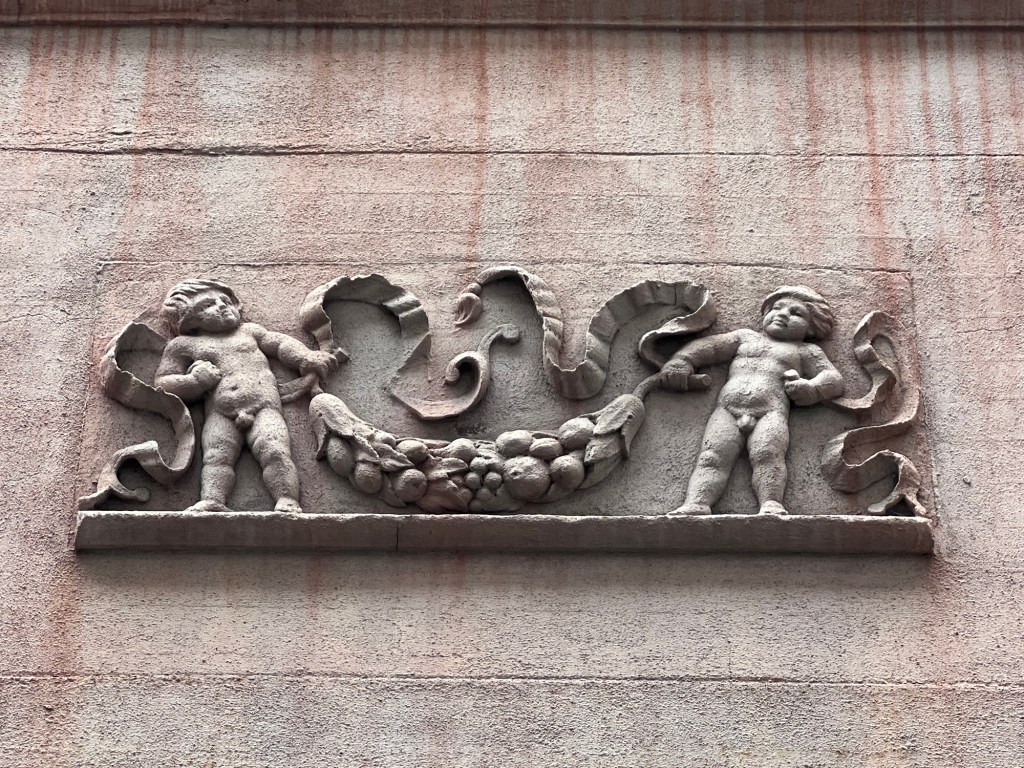


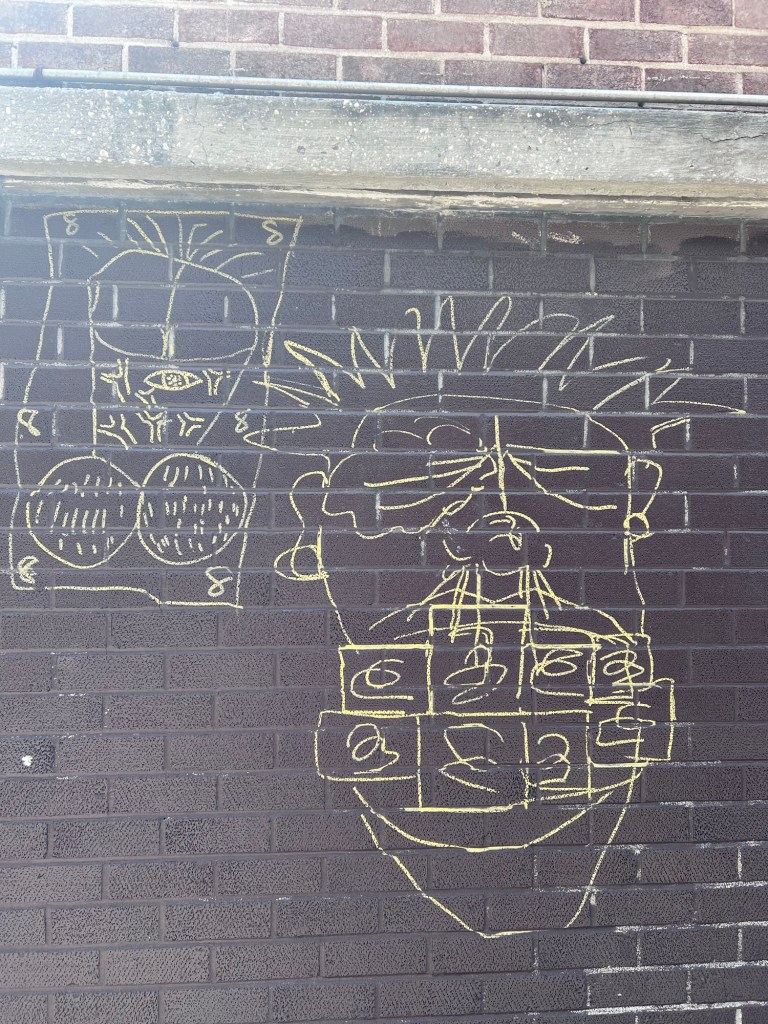


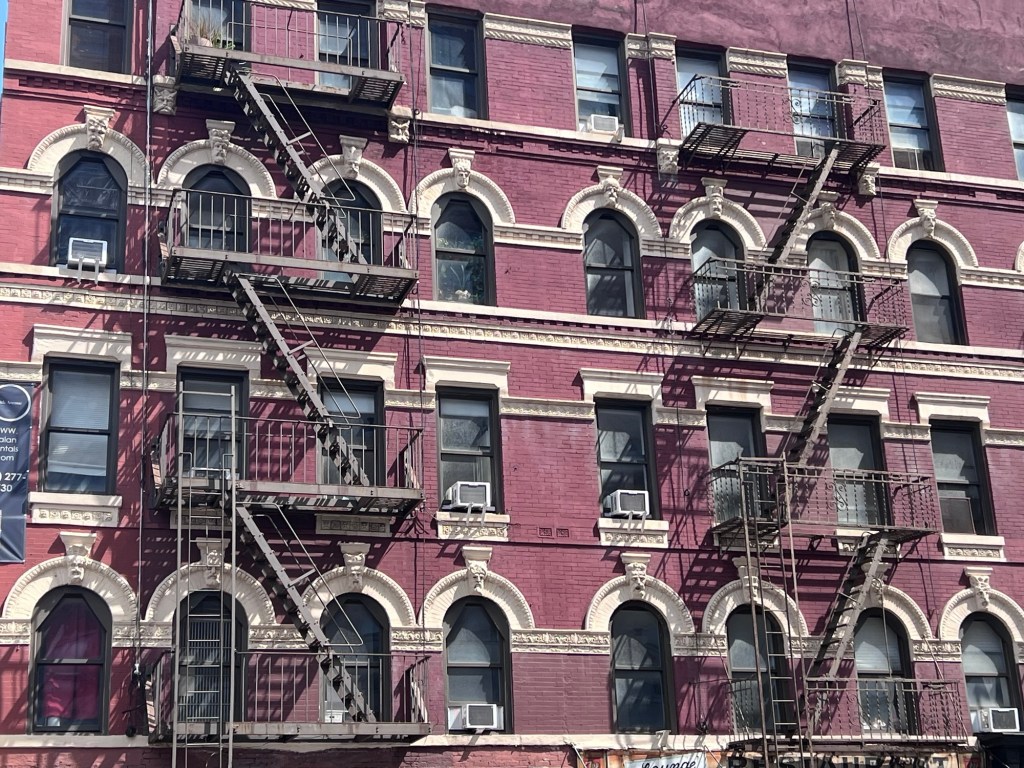
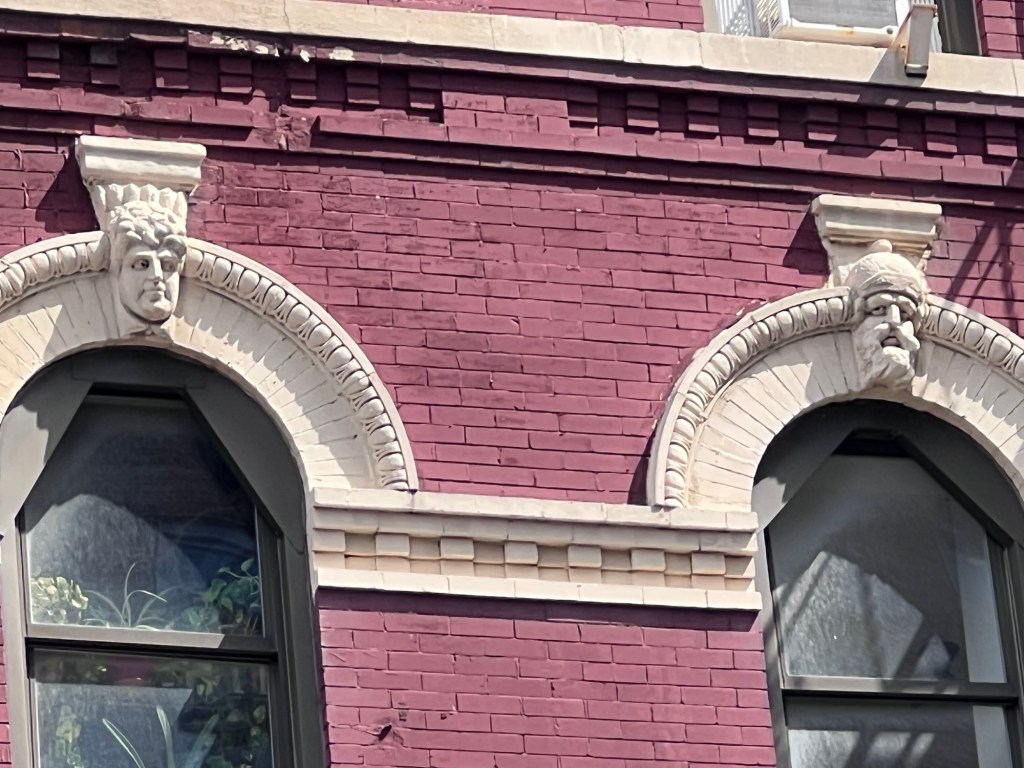


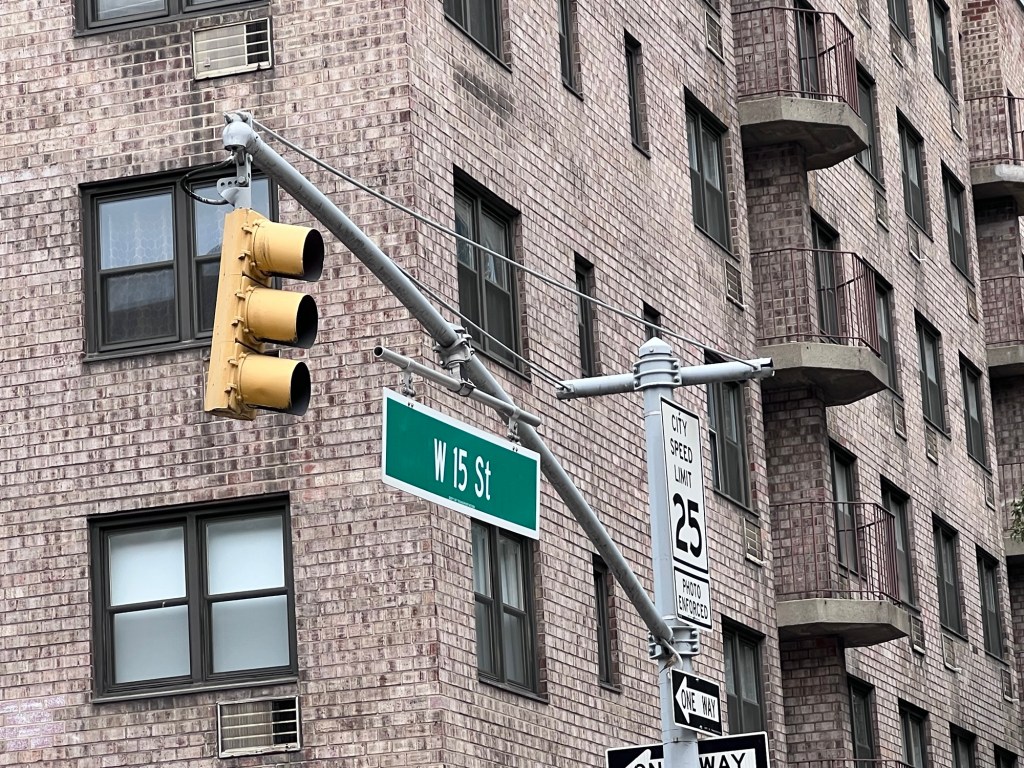
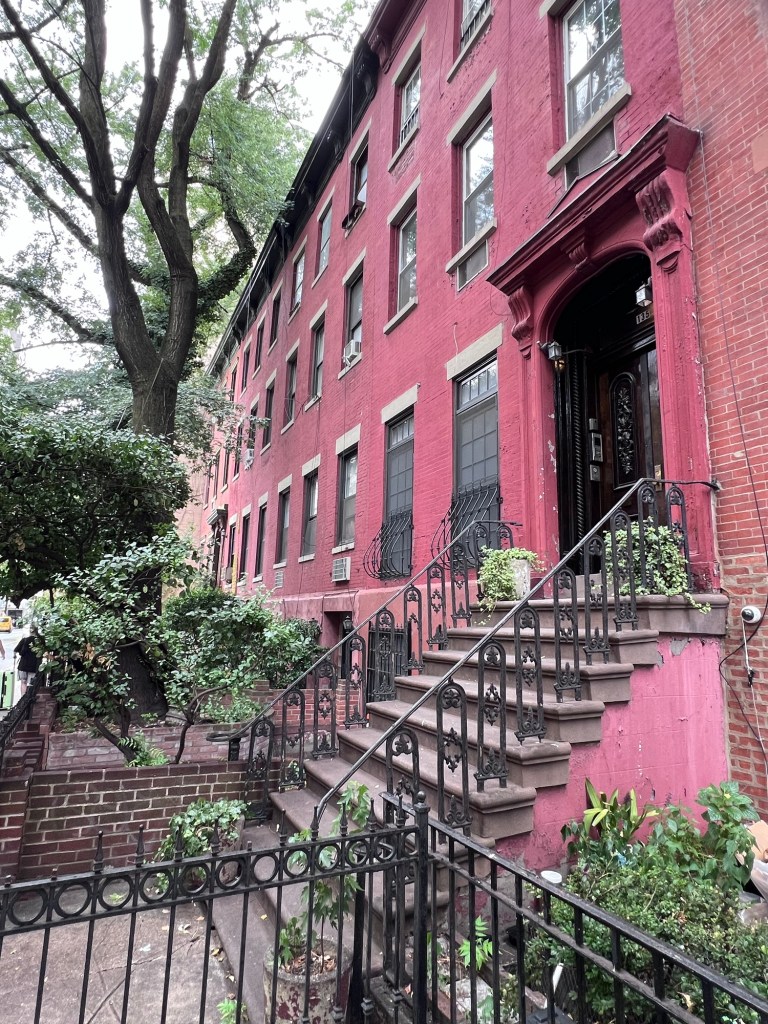
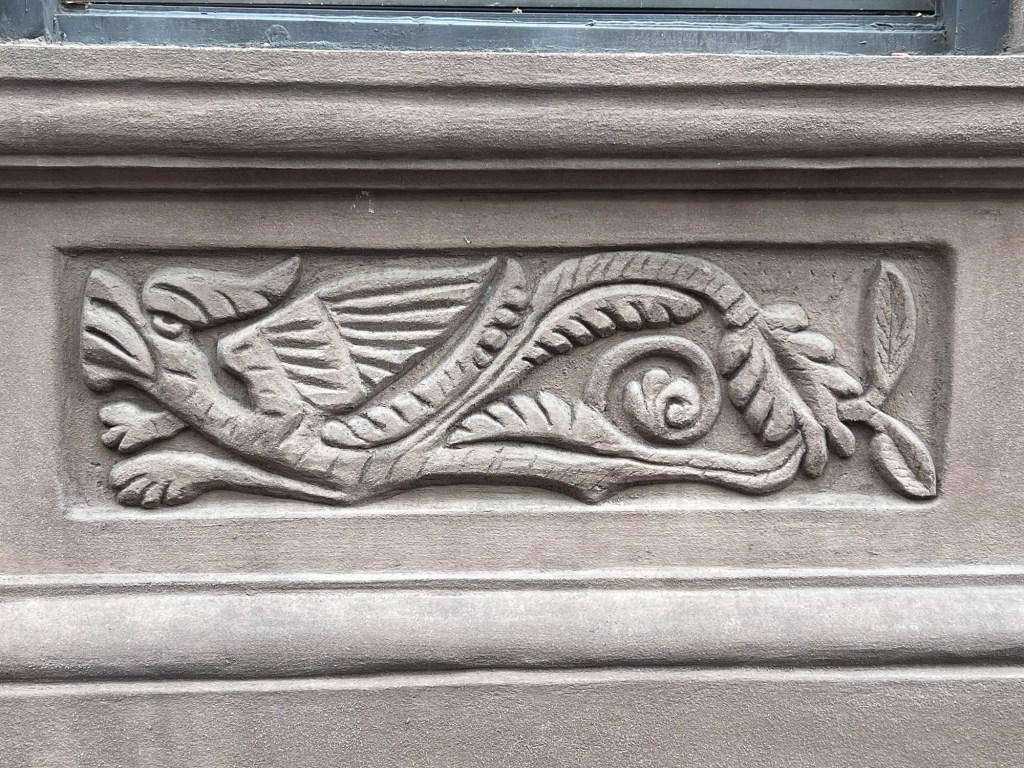


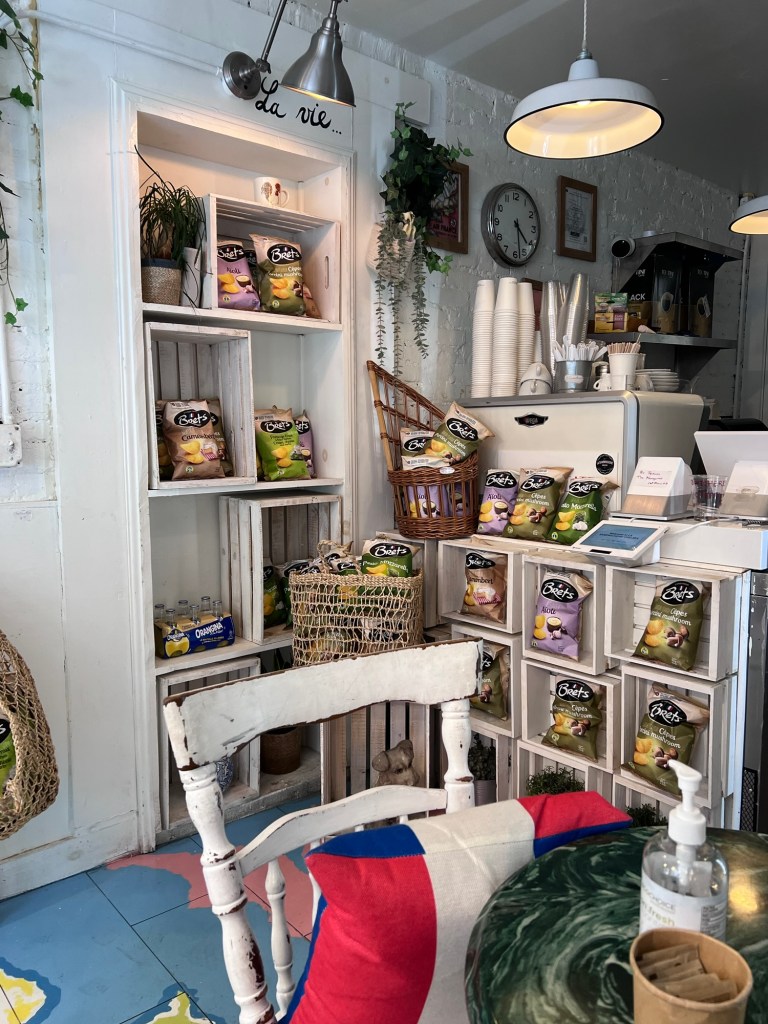
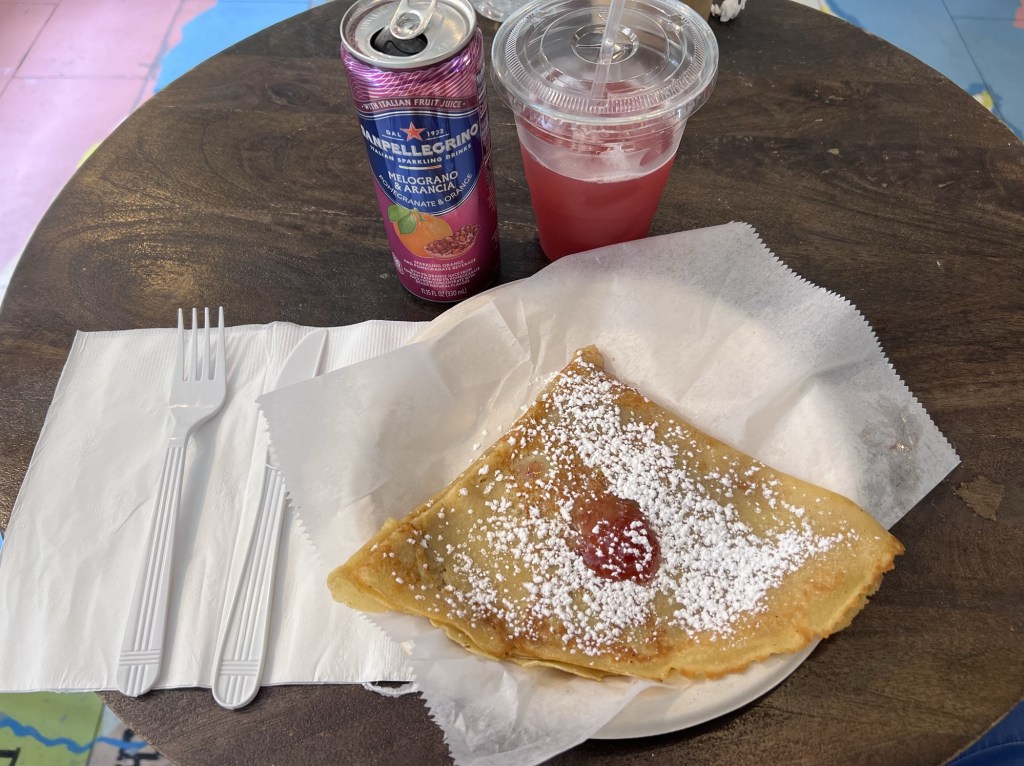


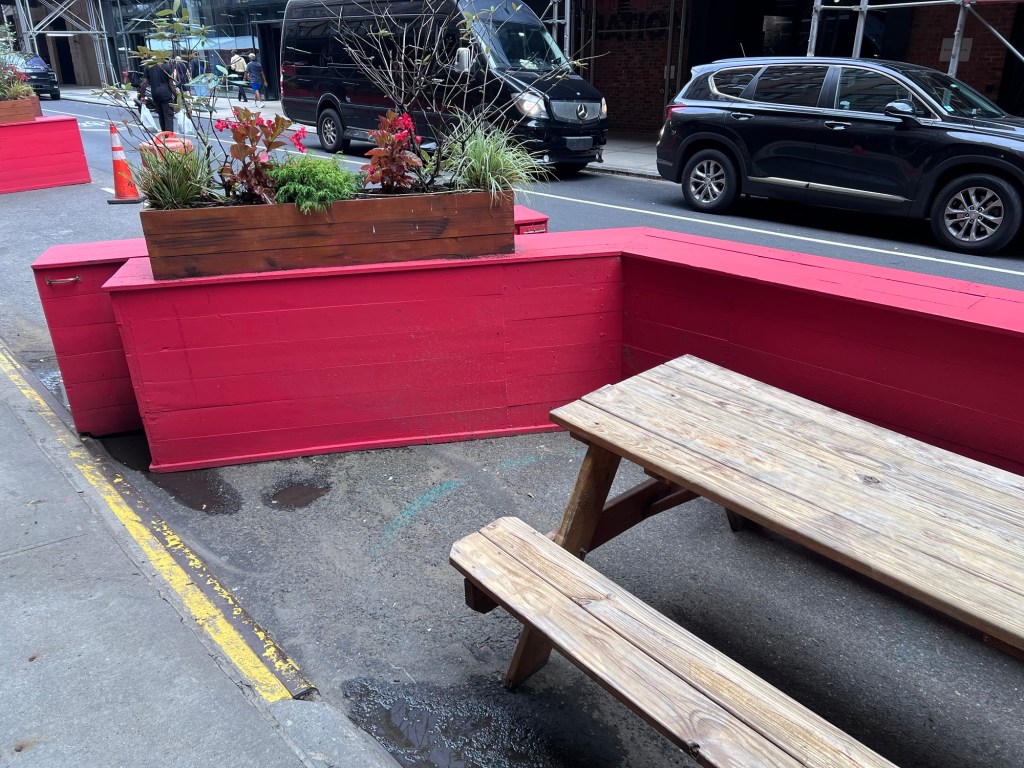
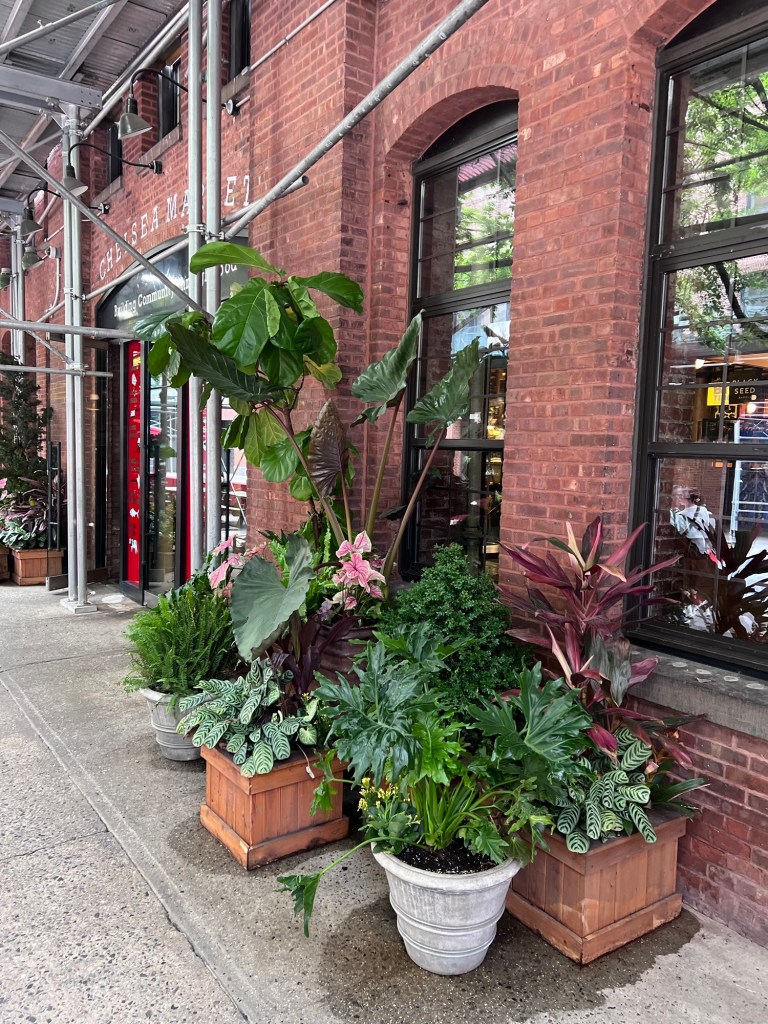

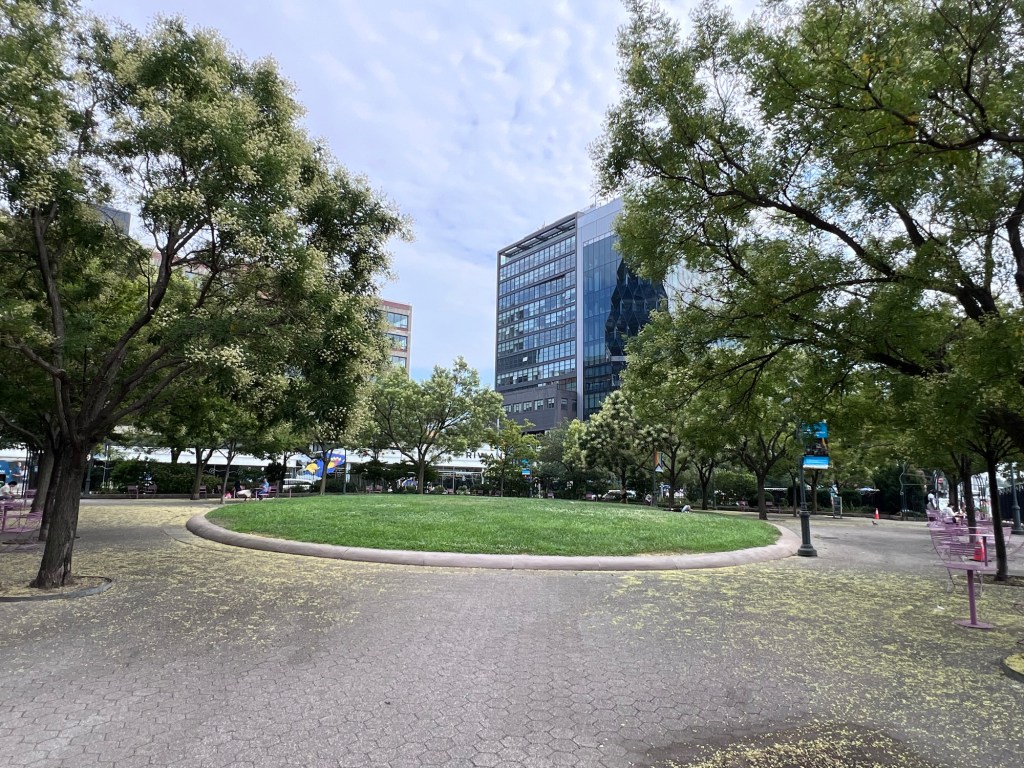


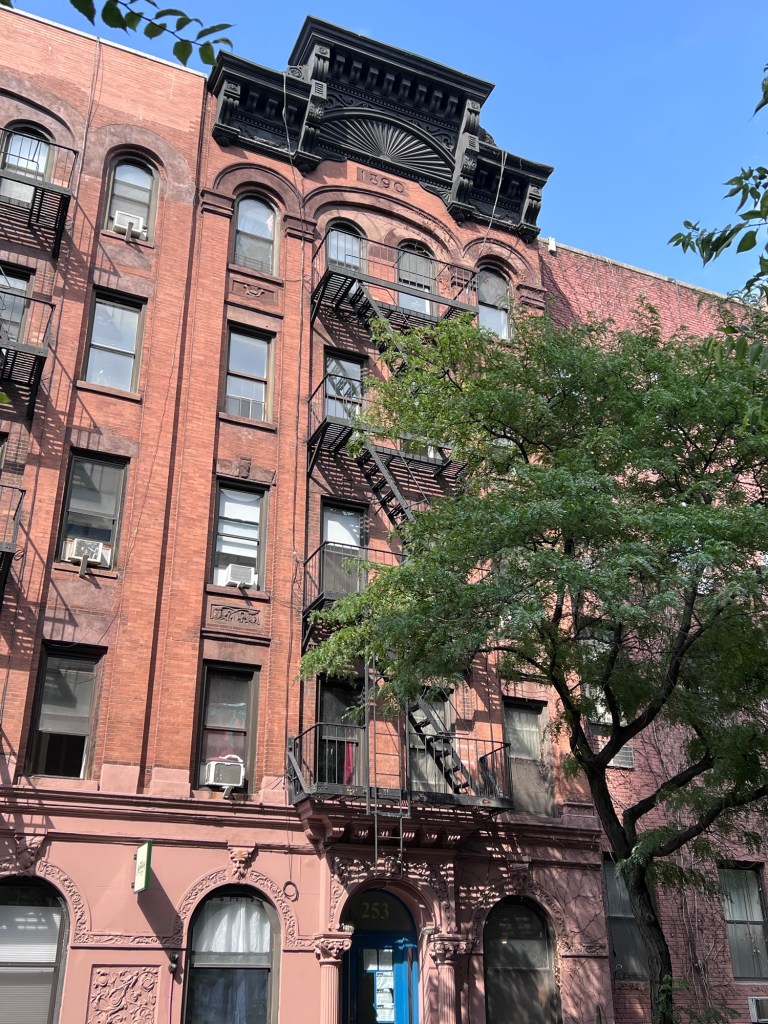


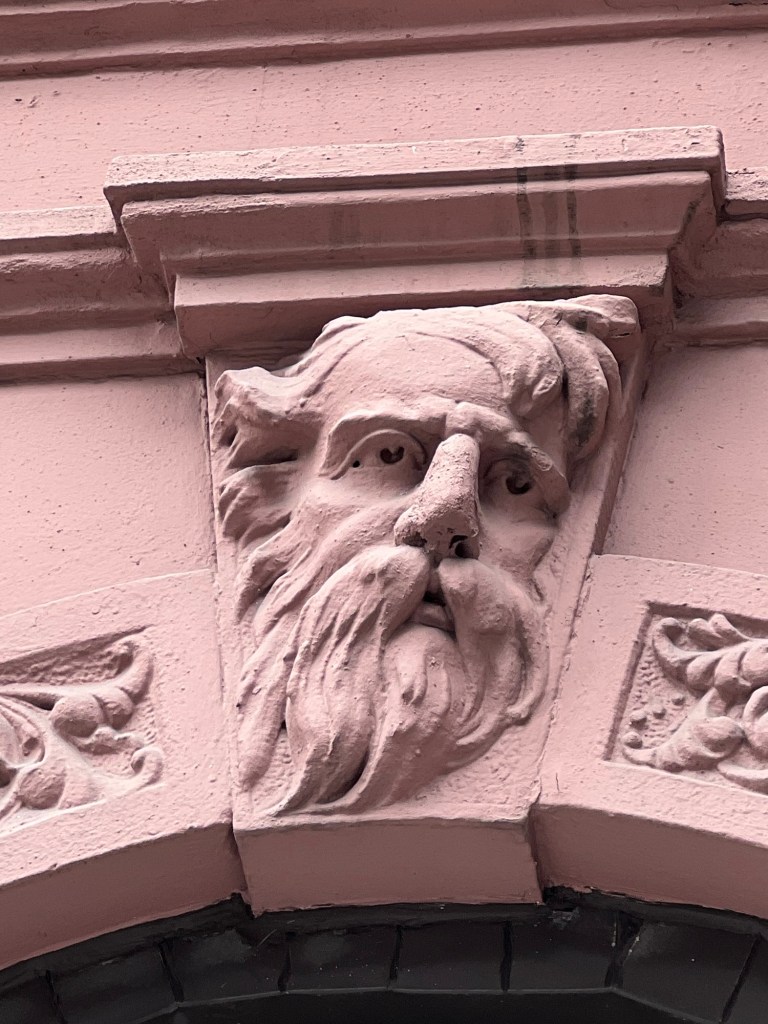
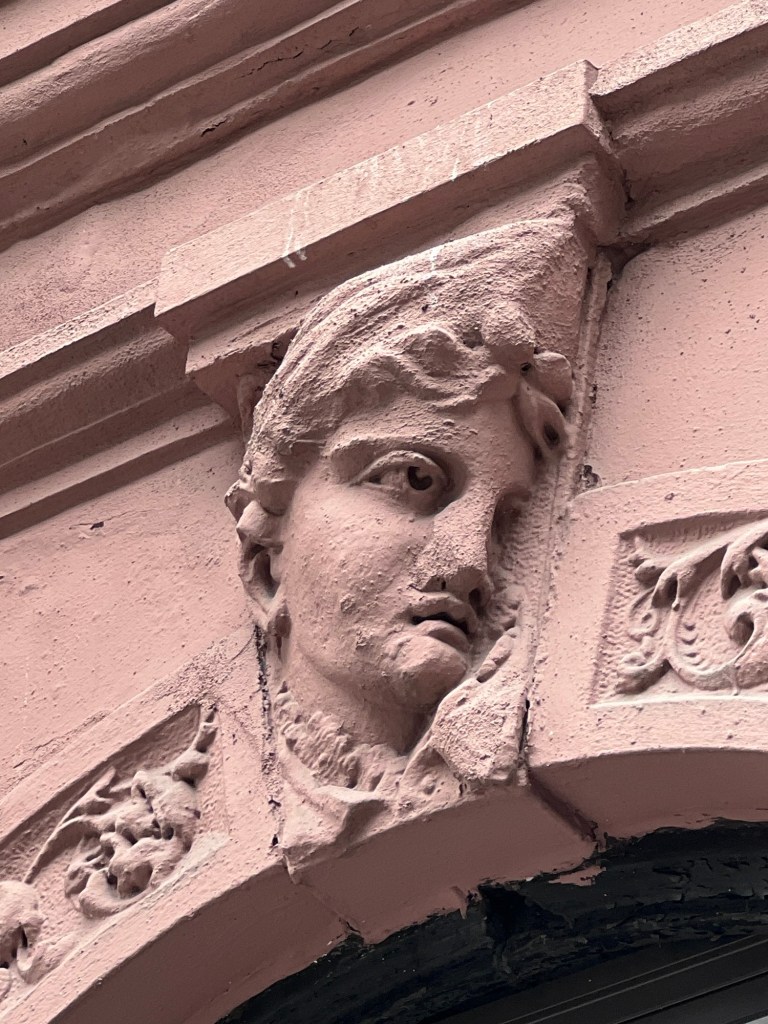
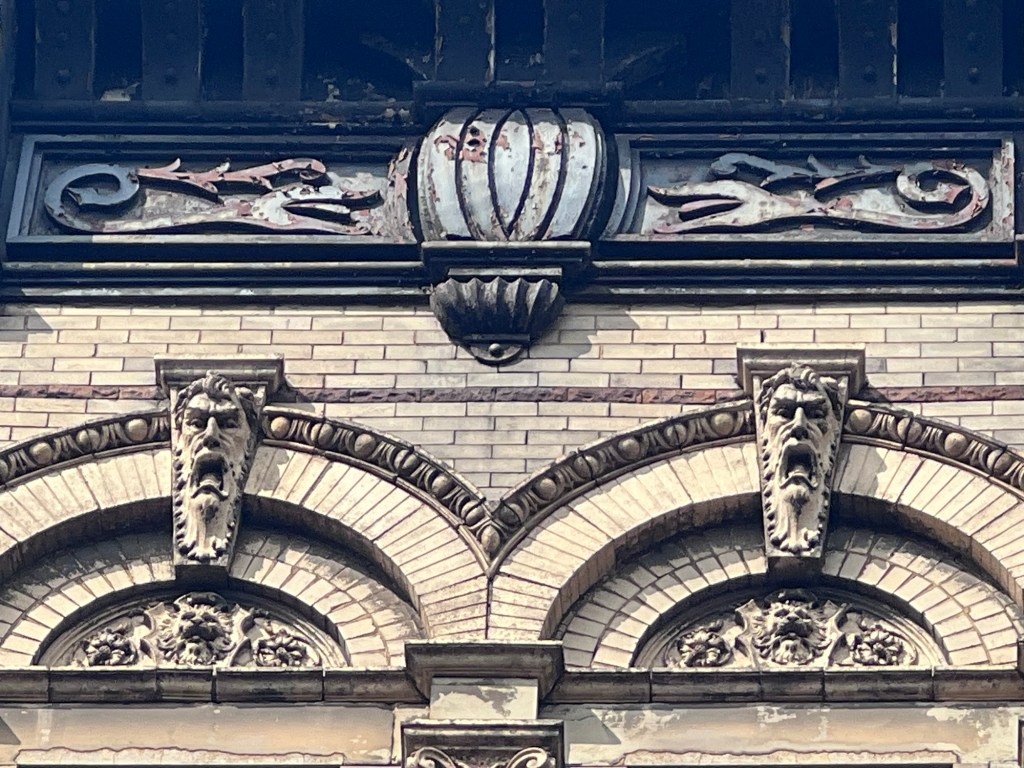

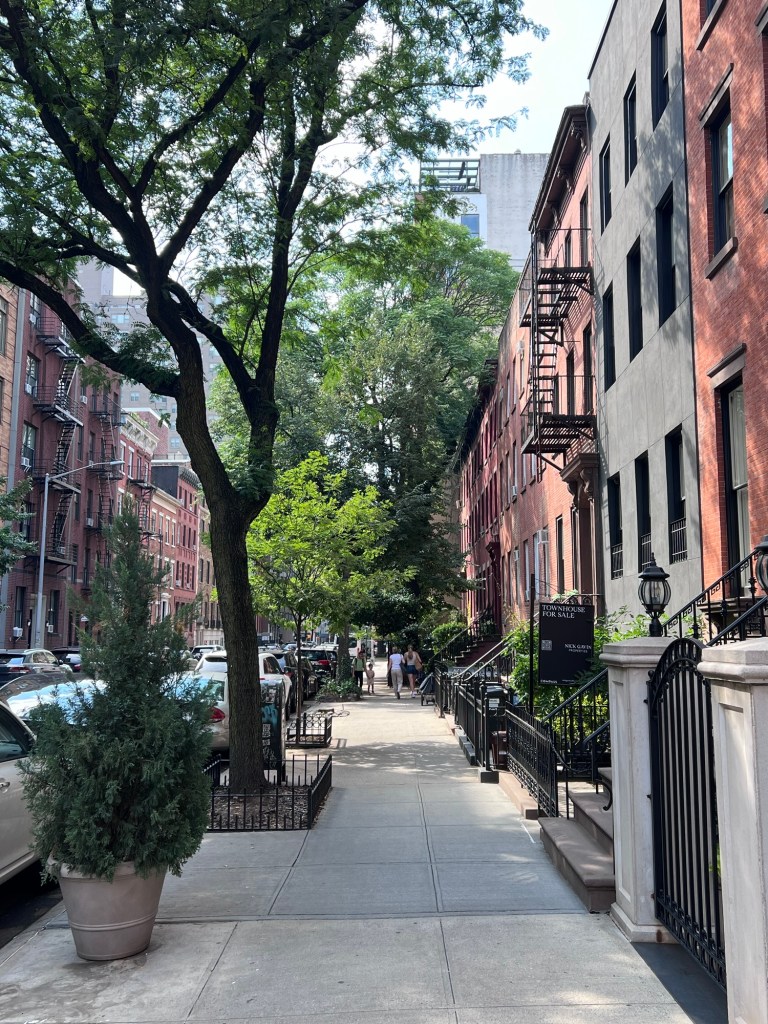
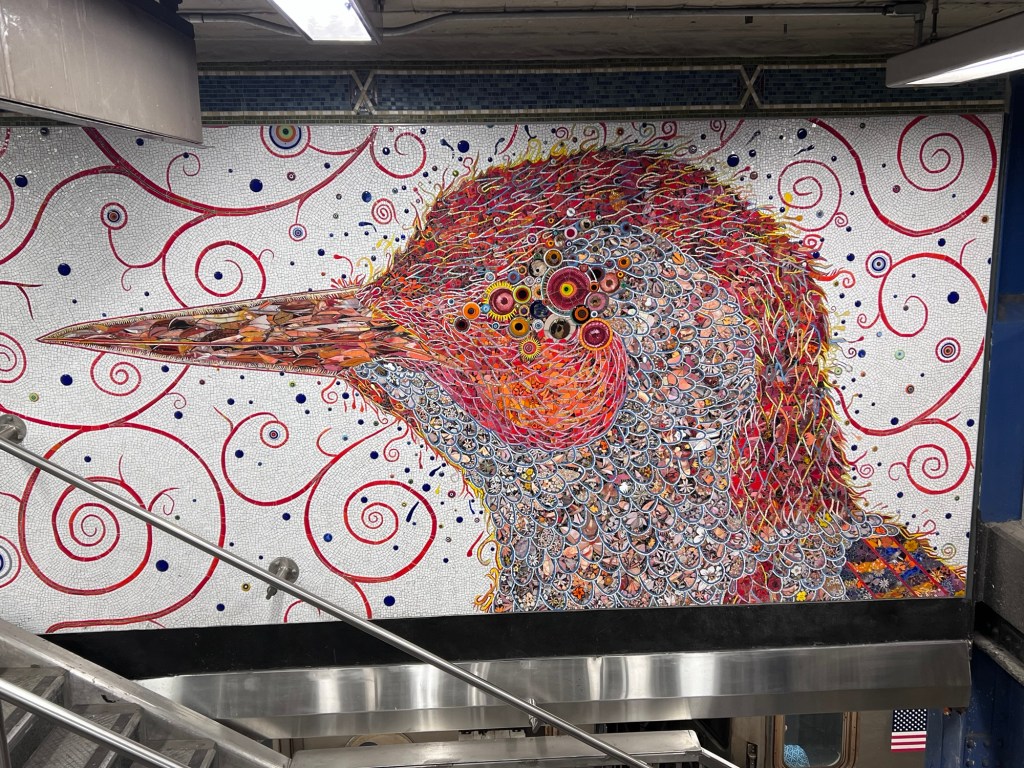


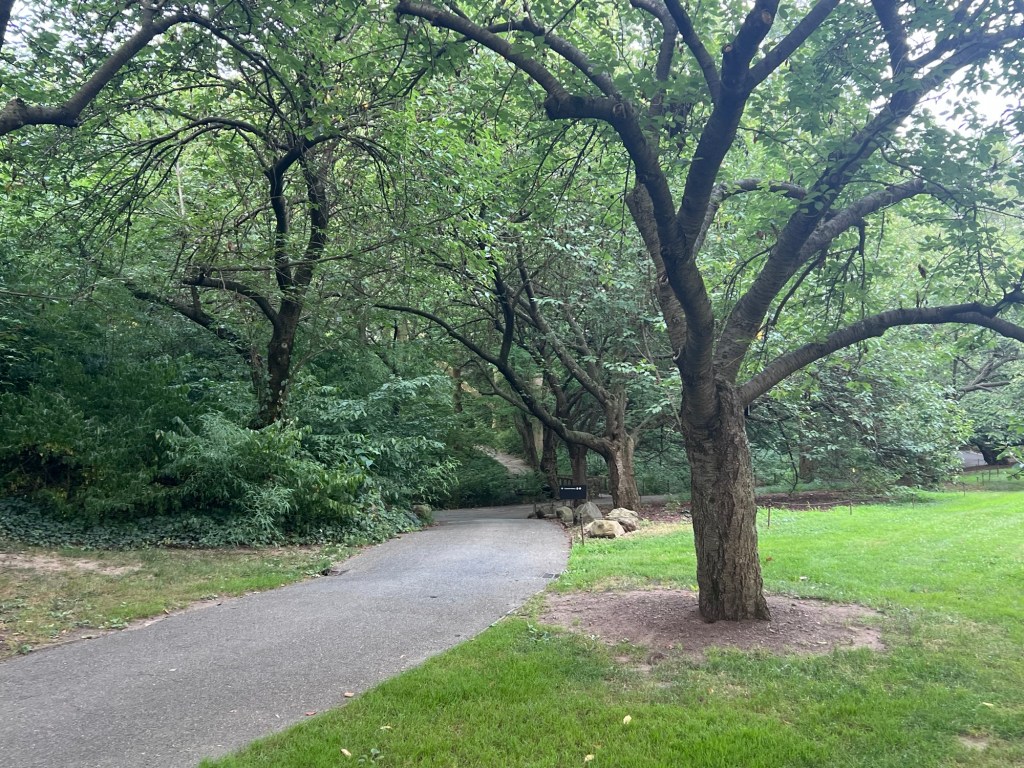


 mywalkinmanhattan