Over the years I have heard newspapers saying some negative things about the City of Bridgeton, NJ in Cumberland County. The crime, the problems and the rows of rundown housing. I have to admit that the city has its share of problems like any city but Bridgeton is a paradox. For all its problems, it has so many interesting things to see and do. As I have been exploring historical sites of South Jersey, I have made many trips through the city and driven through the neighborhoods and walked the downtown and its really interesting.
When you leave the city on any side, you are in the countryside. There are all sorts of fields of crops as far as the eye can see and many Farmers Markets just outside its borders. When you return though, you know immediately that you are in the city’s borders as housing just seems to pop out of nowwhere.
When I was visiting museums and historical sites for a blog I was writing on Southern New Jersey, I left Greenwich, NJ and took a local country road that took me through the back roads and farm country to the big city of Bridgeton, NJ where I explored their now rundown downtown. I then explored the crown jewel of the community, the Old Presbyterian Church and Cemetery.
The church stands out like a stately jewel in the middle of the town and is so beautiful and graceful at any time of the year especially in the late Spring and the early Fall when it is perfect for taking pictures. I love its historic cemetery with its Colonial era church and the gravesite that dates back to the 1700’s.
The Old Presbyterian Church and Cemetery at 54 West Avenue South in Bridgeton, NJ
Visiting the Old Presbyterian Church and Cemetery was an interesting experience. While trying to get from Greenwich to Bridgeton should have been a straight run but there were no names on the signs, and you just had to figure it out. I found the right road and it led me right to the cemetery.
The Presbyterian Church itself is only used now for special occasions and events but is an elegant building that sits on top of a bluff overlooking the downtown area. During the daylight hours you are allowed to roam around the cemetery looking at the gravesites (See my reviews on TripAdvisor and VisitingaMuseum.com).
So many famous politicians, war heroes, founding fathers of the City of Bridgeton and entrepreneurs at the turn of the last century are buried here.
The church and the historic cemetery.
What I found interesting about the cemetery was the family plots with the generations of people buried next to one another and their stories. It was sad when the parents buried their children and then died a few years later. Trying to figure the narrative of these families can be heartbreaking.
The family plots at the cemetery
The really sad part of such a historic cemetery is that it is so overgrown. I was walking through in some parts a foot of weeds. I know that taking care of a cemetery this size must be hard, but I would think there would be more care of the dead considering this is a destination for historians.
The historic cemetery in the Summer of 2024
When I finished touring the church grounds, I took a tour of the Bridgeton Historical Downtown. It was such a waste to see a bunch of old buildings falling apart and most of the businesses closed or small run-down businesses located in them. A block away was a more modern downtown with newer buildings. The shopping district caters to the very large Hispanic population that lives here and is great if you are looking for provisions for a picnic.
The one place that did stand out for me was the Century Bakery at 525 North Pearl Street in Downtown Bridgeton. They have some of the best and most creative doughnuts around. I could never make up my mind.
Century Bakery at 525 North Pearl Street in Downtown Bridgeton
The bakery just smells good when you walk in and the staff could not be nicer and more accommodating. I could barely make up my mind with all the delicious doughnuts to choose from.
I could not figure out what I wanted with all these delicious choices displayed in the cases. I finally decided on a Glazed Cream filled doughnut that was just mind blowing. It was so delicious. I had wanted to go back for another but did not want to ruin my appetite for lunch. For another trip.
This was like biting into a piece of heaven
When I visited Bridgeton in the Fall of 2024 for Halloween, I took the time to visit the Cohanzick Zoo and that was an interesting detour. The Zoo is part of the Bridgeton Park system like it is up in Bergen County. It is a small County zoo that takes about an hour to visit.
The zoo has an old fashioned feel with smaller rescue animals and equally not too large cages. The zoo is mostly comprised of animals who were rescued from either being poached, illegally transported or had been used as pets, many of them being neglected and abused.
The sign that welcomes you to the park at the Cohanzick Zoo
Throughout the park amongst the cages of wildlife are strolling gardens and animal related statuary.
The pathways and gardens were still in bloom the afternoon that I was there and it is a nice way to spend do the afternoon.
The Elephant statuary at the entrance of the zoo
The status of how some animals found their home here
The first resident I finished was the Raccoon House, where it looked like the raccoon was taking a snooze. He really looked out of it when I passed the cage.
The Raccoon House
The Raccoon Crossing sign
This poor little guy was out like a light
The zoo is one of the smaller more localized ones that I have visited so you can see the whole zoo in a short amount of time. Then you can walk leisurely around the paths and revisit the exhibitions again. Some of the animals like the peacock family, just wonder around the park and do their thing.
This gorilla sculpture that greets you in the back part of the zoo
Following the walkway to the back pens where a lot of the small animal and bird displays were located
The next exhibition that I visited was the Sand Hill Crane and I read that the poor little guy had been injured. He seemed a bit more optimistic when I passed the cage. I think that the animals just want some attention.
The Sand Hill Crane display
The Crane was watching all of us as we passed his cage
The next small animal that I visited was the Fennec fox and the two that I saw were fast asleep on this warm afternoon. They must have had a busy morning.
The Fennec fox cage
The foxes that I saw that day were fast asleep
One of the historical sites that I had wanted to visit was the historic Potter’s Tavern across from City Hall. I tried twice to stop in to see the Potters Tavern in Bridgeton but then double checked the guide and found out that it is only open on Sundays in July from 1:00pm-4:00pm.
Finally in the Summer of 2024, Potter’s Tavern opened for touring again and is now open on Sundays. It is well worth stopping and touring this important part of our Revolutionary War history.
Potters Tavern at 49-51 West Broad Street in Bridgeton, NJ
The tavern is one of the city’s connections to the Revolutionary War where patriots from that time met and plotted their strategy during the war. It was also a meeting place for men who need to gather after a hard day on the farm. These taverns were part of the social factor at a time before electronic communication.
The Entrance room of the Potter’s Tavern
The Hearth in the Kitchen in the Potter’s Tavern
The Bar at the Potter’s Tavern
The tavern has been rebuilt and furnished to reflex the time period. There are three floors to tour with the first floor being the tavern itself, the bedrooms upstairs where travelers would stay after a long stagecoach journey. The lower floor was the kitchen and store room where meals would be prepared and staff would sleep.
The upstairs of the Potter’s Tavern was the overnight accommodations
The lower level of Potter’s Tavern
It is an interesting tour that should not be missed but the museum’s hours can be sporadic even as they are posted online and are seasonal so plan accordingly.
On a recent trip to Bridgeton, I was able to finally see the Bridgeton Liberty Bell that sits in a display case across the street from Potter’s Tavern in Bridgeton’s modern courthouse.
The Bridgeton Liberty bell is located in the lobby of the Bridgeton Courthouse, which is open only during the week. You can walk in through the back door from the parking lot and walk through the metal detector to get to the bell that is displayed in the hallway.
The bell was cast in Massachusetts in 1765 and was a source of information during Colonial days.
The Bridgeton Liberty Bell
It was used to call people together for important news and meetings when hanging in the courthouse in the Courthouse that was built in 1760-61. It rang for liberty when the Declaration of Independence was signed and as a warning signal for the War of 1812 (South Jersey Early American Historical Trail pamphlet).
A close up look at the bell
The historic marker of the bell
While walking in the downtown area one afternoon in the summer, I was trying to stop in the Bridgeton Library to visit the Robert Woodruff Museum of Indian Artifacts (that is only open by appointment only). Since nobody was there to help me that afternoon I left the library.
Across the street, a mother-daughter team was barbecuing and preparing tacos and tamales for locals and some workers on the construction site around the corner. The tacos were amazing and they only charged $3.00 for two small tacos and a Coke. I thought this great and the tacos were excellent. The ladies could really cook.
The fresh tacos from the pop up taco stand across from the library
Continue to follow this blog as I explore more of Bridgeton and its historical downtown and all it has to offer. There is so much that can surprise you in the City of Bridgeton, NJ.
It has been nine years since I had spent Christmas in Woodstock, NY and I missed going there. I had spent my Christmas’s here after my Father had passed and I needed to clear my head. The first year I had just needed to get away and the years after I just liked the peace and quiet and beauty to the area. It was a lot of fun to go to the parade and then drive through the Catskills on Christmas day. I find it so relaxing.
After all the running around with Christmas related activities and special events and visiting more decorated houses than I had seen in the past and a very long trying semester, I needed a break. So I returned to past Christmas’s and visited Woodstock, NY, Rehoboth Beach, DE and then finished the holiday in Cape May, NJ. All while the temperatures were dropping. This would be a massive picture taking mission for revamping pictures and revisiting old haunts. It was a lot of fun as I went back in time nine years ago and relived Christmas of 2016.
The first part of December was cool but mild like most Decembers are but around Christmas Eve, the weather dropped into the 30’s and the wind chill picked up. After the trip to Woodstock, a major storm came through and dumped six inches of snow at home. Thank God there was just rain when I reached Rehoboth Beach. When I arrived in Woodstock for Christmas Eve, it was crisp and cool but when I left on the morning of the 26th, I heard they had eight inches of snow later that afternoon. Yet when I arrived, it was a sunny Christmas Eve afternoon with a lot of excitement for the parade that evening.
The Woodstock Green on Christmas Eve morning
The Woodstock Christmas tree when I arrived in the late afternoon
The tree was nicely decorated for the evenings activities
The Dutch Reformed Church was also decorated for evening service after the parade was over
Christmas Eve services posted at the Dutch Reformed Church
Our family decided to cancel our family Christmas together so that everyone could do their own thing this year. So, this Christmas holiday was about picture taking and revisiting the Christmas’s of the past. I thought this was the perfect opportunity to update and revamp older blogs and see how things have changed over the last decade. It was an interesting look at what I had done and experienced over the years.
Downtown Woodstock that afternoon of the parade
I love going to Woodstock, NY for Christmas Eve and Christmas Day. I have always found it very relaxing and inspiring in the Catskills. It is so beautiful up in the mountains at any time of the year. In keeping with the past, I decided to stay at one of the places I had stayed in 2016, the Woodstock Inn at Millstream at 48 Tannery Brook Road right off the downtown.
The Woodstock Inn at Millstream at 48 Tannery Brook Road
I had really enjoyed my stay here in the past and had always wanted to go back. Funny enough, the room I had nine years earlier was open and I stayed there. Like time had not gone by. The rooms are comfortable and very clean and relaxing.
Rooms 8a and 8
My bedroom when I settled in
The whole property was decorated for the holidays from the buildings to the rooms to the grounds giving it a festive appearance.
The decorations outside my room
The decorations along the property
Once I checked in and got my bags unpacked, I was able to walk around the property and admire the grounds. When I was at the hotel in 2016, I never had that much time to look around. This time around I had two nights and three days this time to explore. The grounds around the hotel are really beautiful.
The upper stream area
The Millstream behind the hotel
I was so busy the last time I was here that I never remembered the beauty of the property or the rolling streams in the backyard.
The grounds from the other side of the property
The office and breakfast on the property
The beautiful pines by the hotel
When I arrived, the manager, Angela, told me to settle in and there would be a snack in the dining area starting at 3:00pm. That sounded good and I settled in and relaxed in my room. Then went to the office/breakfast room to see the offerings.
The Dining Room
After I settled in and before I left for the parade, I stopped in and had a snack. The hotel had small pastries and cookies and crunchy spicy pretzels for guests to munch on before the evening’s activities. I thought this was very nice of them.
The light snack the hotel hosts at 3:00pm in the hotel
Small pastries and spicy pretzels with mustard
My light snack with a view of the streams
This would be the view I would enjoy that day and over the next two breakfasts as I loved this table over looking the steams. This was amazing! I was trying to imagine what it would be like in the Spring when everything was in bloom.
I headed up to the Green to see the tree and the preparations for the event tonight. It was still early but there was a lot of excitement in the air as the parade would be in less than two hours.
They lit the tree as it was starting twilight when I got to the Green
You could see the sun setting in the background of the Catskills as the police and firemen awaited the last Trailways bus to pass through at 4:40pm on the dot to set up. In the background, the sun was setting and there was a golden hue to the mountains.
The 4:40pm bus came early and left exactly at 4:45pm. Then the magic started.
The parade is based on the Trailways bus schedules. The last bus leaves downtown at exactly 4:40pm (this bus left a couple of minutes before that) and the next one does not arrive until around 7:00pm just as church service starts at the Dutch Reformed Church. I have never seen such a well orchestrated parade down to the minute. The moment that bus leaves at 4:40pm, the fire and police departments go into action and those roads are closed. Then the parade starts at around 5:15pm on the dot.
The crowds start to grow at 4:30pm
Before the parade began, I figured I had better have a late lunch/early dinner because I was not too sure what restaurant might stay open that night. After looking around, I decided on Sharkie’s Restaurant. The place was really busy before the parade so I ate at the bar. It was a very festive and active restaurant that night.
Sharkie’s Meatballs at 43 Tinker Street in Downtown Woodstock
The temperature was already starting to drop and it was getting cooler out than usual and I needed something to really warm me up and fill me up for the evening of activities. So I ordered a traditional Meatball hero and Coke. It was a real treat.
My Christmas Eve dinner
Talk about a delicious Christmas Eve dinner. It warmed me up inside and out. The Meatball sandwich here was excellent! It was just what the doctor ordered on a cold night up in the mountains.
Their Meatball hero’s are amazing
Yum!
After dinner was over and the Trailways bus was now gone, the police and fire departments started to close the road to prepare the downtown for the parade. While we waited for the parade to start, there were carolers and music in front of the church. It put everyone in the mood for the holidays.
The anticipation of the parade starting and listening to the musical combo by the church
The video on the Christmas musical combo outside the Dutch Reformed Church on the Green
We all watched as the parade started in the distance along Tinker Street
More caroling by the Dutch Reformed Church on the Green. The crowds kept growing!
Then we heard the parade start in the distance and the excitement really started in the crowd. The music from the distance and the lights coming down Tinker Street, the main street in Woodstock, built the excitement of the beginning of the parade.
The start of the parade with Mrs. Claus greeting the crowds as she entered the center of town
We watched as the float carrying Mrs. Claus passed us and she was having a ball opening the parade and greeting the crowd. Some of her friends were calling out her name as she passed by. Her friends were all excited to see her in the parade.
Mrs. Claus greeting the crowd as she entered town
Mrs. Claus greeting the crowd
Mrs. Claus leading the excitement of the beginning of the parade.
Then in the distance we saw more floats heading down Tinker Street. The first float was a band of teenagers singing Christmas songs for the crowd.
The Teenage band as it passed by awaiting Santa
The Christmas band passes by
Then the big float came in the shape of a space ship directed by a team of women coordinating the path of the machine. Everyone was wondering how Santa would arrive and exactly where he was on the float.
The travel machine was being coordinated in precision to bring Santa to the parade
Santa arrives in Woodstock in style
The inside of the travel machine
A close up shot of the time travel machine
As soon as the music stopped and the count down began, Santa popped out of the roof to an applauding crowd. The whole crowd went wild with Santa’s greeting on this cool night.
Santa popping out of the travel machine
Santa greeting the crowd after his appearance
Santa’s message to the crowd before he dismounted to hear the wishes of families and children
Santa starting his dismount to greet families
The members of the Woodstock Fire Department helped Santa and Mrs. Claus in their chairs in the Woodstock Green and they talked to dozens of families and heard the wishes of people from all over the county.
Santa and Mrs. Claus looking at the growing crowd
Mother Nature helped guide the crowds of children and their families hear their wishes
Santa and Mrs. Claus greeting a young guest
The crowds were really large and the line was long but Santa and his wife got through all the guests wish lists with a smile and a wink. While Santa and Mrs. Claus were greeting guests, the student group from the float was singing Christmas carols with the crowd joining in.
The student group performing at the parade
Like all good things though, the line came to an end and perfectly timed at 6:40pm, twenty minutes before church service.
Santa and Mrs. Claus at the end of the evening
I already had my Christmas wish of returning to Woodstock for the Christmas holidays after an eight year absence and asked Santa and Mrs. Claus to take a picture for me. They could not have been more gracious considering Santa had a long journey ahead of him that evening.
Santa and Mrs. Claus taking a pose for me
As quick as it begun, it was over and not even five minutes after I took the picture, Santa and Mrs. Claus disappeared with the fire department, almost the entire crowd was gone and the police were opening the roads. The 7:00pm Trailways bus arrived just as I was crossing the street to the Dutch Reformed Church. Another parade over and another Christmas memory for me.
The front of the Woodstock Dutch Reformed Church at 16 Tinker Street in Woodstock, NY
The alter of the church decorated for the holidays
The alter decorated with flowers
The inside of the church decorated with bows and garland
Church service at the Dutch Reformed Church is very different from the services I have attended in the Catholic Church. Here the church starts with a concert performance and I have been here in the past to hear small quartets. I got into church before services and listened to the bell choir practice before the evening’s service.
The church bell choir practicing before the service
I love these historic churches at the holidays
The beautiful Christmas tree lit for the evening service
It really was a wonderful and very welcoming service. Reverend Renee introduced herself to me and the other parishioners who joined the packed church that night. It was a very inspiring service that emphasized love and encouragement during the holidays. Then the candlelight service began with the bell ceremony.
The start of the bell service and candlelight ceremony
I love when the Reformed Church does this type of service. The whole church gets dark and is illuminated only by the Christmas tree and the candles the parishioners lit. It is quite spectacular. I also find the service to be inspirational in that service was based on some personal experiences and encouragement about things getting better. I think we need more of that now.
The bell ceremony that evening
Looking at the outside decorations as I left the church
The service was over in an hour and most people left to join their families for Christmas Eve dinners. I walked out into the cold night and decided to walk around the quiet downtown. Within fifteen minutes, there was no one around as the church closed for the evening.
The Woodstock Green on Christmas Eve 2025
It got colder and quieter on the Green as I went to admire the Christmas tree and the decorations. You would have never known about five hundred people had just been here an hour and a half earlier to greet Santa.
Admiring the tree while watching the last of the crowds leave the church
Admiring the tree from Santa’s seat
The only problem with Woodstock at Christmas are the restaurant choices are limited especially on Christmas Eve night after church services. Everything had closed by 7:00pm downtown and there were two restaurants in the distance that were open until 8:00pm but that already passed.
As I walked around and down Tinker Street as I had in years past, this year nothing was open. Thank God I had had the late lunch at Sharkie’s or I would have starved. Even the former Joshua’s was closed for the evening and they used to be open until 9:00pm.
After my long tour of the downtown and admiring the Christmas lights, I headed back to the hotel and went to bed. Santa was on his way and I needed my rest after a long semester. I went out like a light and had an excellent night’s rest. I was ready for a long drive on Christmas.
Christmas morning in Woodstock
I slept like a log and woke up late Christmas morning to a mix of sun and clouds. Gloomy as it was in the morning, it was still nice to look at the breathtaking scenery of the property and admire the Millstream that morning.
The stream rushing by as people were out taking a Christmas walk
Most of the guests at the hotel had family and friends close by and were heading off for their Christmas festivities. I was planning a long drive around the Catskills and then finding a place to eat for dinner. I find the ride around the area to be very relaxing.
The Breakfast buffet at the Woodstock Inn at Millstream
There was lots of choices
I enjoyed breakfast that morning. I always got the small corner table and enjoy breakfast while admiring the stream passing by. I wished some of the other guests a Merry Christmas and watched as everyone one by one left to start their day. The hotel had a nice selection of cereals, fruits and baked items and we could take what we wanted. The breakfast was part of our package and some of the items were organic and some gluten free and everything was delicious.
The view of the streams from the Breakfast room
I went back to my room and called my mother and both my brothers to wish them a very Merry Christmas before they left to start their days. I had talked to most of my friends just before I left for Woodstock and did not disrupt their morning with their families. After breakfast, I took the long winding trip around the Catskills to visit the small towns and see how they were celebrating the holidays.
My first stop was in Bearsville to see if anything would be open that evening. I wanted to see if Tibet Pho had changed their mind about opening but it was closed for the day. Only the Mexican restaurant was open that morning so off I went on my journey down Route 28.
My first stop was in Phoenicia, where for years I would crash the Phoenicia Fire Department’s early morning Christmas party to go to the bathroom. It was the only thing open in the downtown after the coffee shop closed at 10:00am. Still it was so peaceful and quiet in the downtown when I walked around.
The only thing open was the gas station and that was about it. The rest of the town was quiet that morning as it had in years past.
Downtown Phoenicia on Christmas morning
I then headed to Pine Hill to see if the ‘sonic boom’ of COVID had brought any gentrification to the town. I was surprised when nothing had changed in the town and it was still as run down as it had been in 2016.
The nicest part of Downtown Pine Hill I could find from any angle
I next traveled to Fleischmanns, a town once dominated by the Fleischmanns resort. The town also did not look like COVID boom had come to this town either. The town also looked as depressed as it did in 2016. Still I found this friendly snowman greeting me on Christmas morning.
The snowman just off downtown Fleischmanns greets you with a warm smile
The funny thing about Fleischmanns when I drove out of town was the line of beautiful large Victorian homes that lined the stream on the lower part of the hill. A piece of history from days gone by.
I made the turn off to go north on Route 30 in Margaretville, which had become much more vibrant with the expansion of the local hospital. Nothing was open that morning, but I had visited the town over the summer on my trip to Bovina Center and Ithaca on Labor Day weekend. The town had really bounced back over the years and was full of small restaurants and stores.
Downtown Margaretville as the clouds stayed to clear that morning
I made my was up Route 30 passing many small communities on my drive north. A lot of the farms decorated their barns of the outside of their homes. Rockville had really changed as all the Victorian homes in the downtown area were being renovated.
I made the turnoff on Route 23a and traveled through the towns of Hunter, where the big winter resorts were and then through Tannersville, where years ago was the only town that had any restaurants open on Christmas.
All that was open was a dumpy Chinese restaurant and a coffee shop where every table was dirty with breakfast plates on them. They must have been overwhelmed all day and had not had a chance to catch up. I traveled on through the small towns and the mountain passes, which Thank God were dry.
I headed south down Route 9 to see if anything was open in Saugerties. No such luck as the entire downtown was closed for business. There were two small Chinese restaurants outside the downtown area but one had no seating and the other had terrible reviews on TripAdvisor.
Then I remembered my standby every time I am in Kingston and stopped in the Stockade section of the downtown and had my Christmas dinner at Wing Shui, the tiny Chinese takeout which was the only thing open on Christmas Day in Kingston. The place was constantly busy that evening and the phone was ringing off the hook the entire time I was there.
My Christmas dinner was spent at the lone table inside Wing Shui which is layered with boxes. Not the fancy place you would expect to eat but the family who runs this tiny take out place is really nice and the food is excellent. I had to wait forty-five minutes to get it but it was well worth the experience. The crowds never stopped and the phone just rang the entire time I ate my dinner.
I had the Beef and Broccoli combination platter with Pork Fried Rice and Hot & Sour Soup. Sorry everyone but I loved this dinner and did not mind the plastic containers and piles of boxes. That was Christmas to me.
The Beef and Broccoli combination platter at Wing Shui
My Christmas dinner that night was so good!
I left Wing Shui about forty-five minutes late to see the same people standing there waiting for their food, the owners and their kids running around and the crowds swelling to almost fifteen deep (maybe more). There were so many people packed in that small space I could not count them all.
I drove back to Woodstock that evening as it got dark to see the lights on in the Green and the Christmas tree blazing. It was such a beautiful site.
The view of the town Christmas tree again
I stopped the car to enjoy walking around the Green one more time. I would be leaving right after breakfast for the second part of my six day, three trip journey to Rehoboth Beach to visit my mother for a post Christmas celebration. I slept soundly again at the hotel and it was so quiet I swore I heard the stream behind me.
The Millstream the next morning
Since I had a six hour drive ahead of me, I had an early breakfast, packed up the car and got on my way before check out. I had to make a pitstop at home for clean clothes and to pick up doughnuts at Mills Bakery for my mother. The usual request.
Enjoying the same breakfast in the same spot the next morning
Woodstock was a little more lively when I left but still not crowded. I want to come back in the Spring to the hotel again to see what it is like in the warm weather.
I could not believe how quiet the highways were the day after Christmas. I got home in record time, dropped off and picked up clothes and the headed to Mills which was decked out for the holidays. The store looked so festive this year with gingerbread men and women inside and outside the store and the shelves of Christmas baked goodies all over the store. It was hard to hold back from just the doughnuts but I promised myself I would be good.
Mill’s Bakery at 275 Valley Boulevard in Wood Ridge, NJ
I have to stop at Mills on every trip to bring butter cakes and doughnuts down to my mother’s. Since the holidays were still in swing I ordered them in advance.
If you have not tried the doughnuts at Mills Bakery you are missing a lot
While I was waiting for the order to be rung up, I admired the beautifully decorated cakes in the cases
They even had an igloo cake and I thought this was very clever
The trip down to my mother’s usually takes about for hours exactly ( with one bathroom break) but with the roads clear of holiday traffic, I made it down in just a little over three hours which meant I could relax before dinner.
I had negotiated with my mother beforehand to make ‘the dinner’ the first night and then I would take my mother and her partner out to dinner the next night as part of their Christmas presents. The bribe worked.
‘The Dinner’ is Fried Chicken Cutlets with Spaghetti with Marinara Sauce and a salad with oil and vinegar. My mom has been making this for us since we were kids.
Over dinner my mother and I caught up on what we did for Christmas, our plans for dinner the next night and then what my plans were for Cape May for the last part of my vacation. I swear, right after I went to bed. I was exhausted from all the driving. I went out like a light.
The beautiful decorations on homes in Downtown Lewes
The next day after breakfast, I explored both Lewes and Rehoboth Beach. I had missed a museum for my blog and wanted to see if it was open. All the Lewes Historical Society buildings were closed for the season and I would have to wait until the Spring.
I was determined to visit the US Lifeguard Station at 2 Shipcarpenter Street but it was closed for the season
I headed back to Downtown Rehoboth Beach to see the Christmas tree and see what was happening downtown. It was a really gloomy day but it was a little warmer and you could walk around the boardwalk. Not the most pleasant day to do it though.
I just wondered through all the stores and walked on the boardwalk as the cool breezes passed by. I was amazed how many people were walking around on this gloomy day but I figured by this point most people were getting cabin fever hanging around their families. This is the case at most holidays.
That evening I took my mother out for the second part of her Christmas gift to Saketumi, a Japanese/fusion restaurant at 18814 Coastal Highway in Rehoboth Beach. Their food and the service were wonderful.
We started with a Dim Sum sampler, that had an interesting mix of dumplings and Shu Mi.
The Dim Sum sampler at Saketumi
I ordered the Chicken Pad Thai and mother and I shared the Vegetable Lo Mein, both of which were delicious.
The Chicken Pad Thai
The Vegetable Lo Mein
I felt for our waitress though. The poor woman had the entire side of the dining room and was running ragged. She managed it with a smile on her face and since we were the last guests to leave that evening, had time to come over and talk about the holiday season. She seemed happy they were over. Saketumi is one of the few restaurants open on Christmas Day and she told us that they had over three hundred people eating there that day.
After a very relaxing night’s sleep (I was putting in about eight hours every night of sleep), it was time to leave and head over to the ferry to go to Cape May for two days as the last part of my trip. I said my goodbyes after breakfast and got to the ferry over an hour early.
I have to say one thing about the ferry company, the terminal building was nicely decorated for the holidays and their restaurants had such great menus. I felt like I was in a hotel. They make it very homey during the holidays.
It was a gloomy afternoon when I arrived
It was a cloudy day when I arrived in Cape May and a cold one. I had just been here three weeks earlier and it was just as cold and gloomy. The sun did just break through later in the day.
I love coming to Cape May at all times of the year. I like it especially at Christmas when everything is so festively decorated. It keeps you in the holiday spirit.
The Washington Street Mall during the holidays
My favorite place to stay in Cape May is the Chalfonte Hotel, which is one of the oldest hotels in the city. The hotel is now closed for the season so I stayed in the Southern Quarters, the B & B next to the main hotel. Somehow I always get the same room on the top floor, Room 7, which looks like Village loft.
My favorite place to stay in Cape May is the Chalfonte Hotel, which is one of the oldest hotels in the city. The hotel is now closed for the season so I stayed in the Southern Quarters, the B & B next to the main hotel. Somehow I always get the same room on the top floor, Room 7, which looks like Village loft.
The hotel itself was not open but was decorated to the hilt and the downstairs rooms were lit for the holidays.
The Chalfonte Hotel during the December holidays
As I said before, this holiday was all about picture taking and going back in time to create the same memories as the past but this time with pictures. Everything I did, visited and ate was reference to a previous Christmas holiday when I did not own a IPhone and now I was bringing all those experiences back to life down rooms that I stayed at and restaurant meals that I experienced.
I know it sounds a little crazy but I have seen a huge jump in the 2025 numbers to this blog as I have added more details to it. People from all over the world seem to like more pictures and visuals so that is why I am giving it to them. This includes staying in the same hotel rooms and eating the same meals at restaurants from years ago.
Trust me, it was a lot of fun reliving it all over again. This started with my room at the Southern Quarters and dinner that evening at the Washington Inn.
The restaurant is one of the nicest restaurants in Cape May and one of the best in the State of New Jersey. The food and the service are wonderful.
The inside of the Washington Inn at Christmas time
The experience was the same as it was back in 2021. The meal and service were both excellent without being stuffy or snobbish. It is a very laid back and very elegant restaurant to dine in. I had the same meal I had four years earlier and thoroughly enjoyed it.
My appetizer, the Seafood Bisque
The savory bisque had shrimp, scallops and lobster in it
The entree was the Washington Inn Crab cakes which I highly recommend. These two cakes were filled with chopped crab and spices. They were excellent!
The Crab cake entree paired with a California Cabernet Blanc
The Washington Inn Crab cakes are amazing and I highly recommend them
For dessert, I kept with the past and ordered the Bananas Foster. This simple light dessert was the perfect way to end the meal and I really enjoyed it.
The Bananas Foster dessert with English Breakfast tea
The Bananas Foster are a wonderful way to finish the meal with a lighter dessert
Even the Christmas tree by the bathrooms put you into the holiday spirit
The whole evening was wonderful and one of the best meals that I had over the Christmas break. It was not cheap but every once in a while worth the money as a special Christmas gift to yourself.
After dinner, I had to work dinner off. You can not go to sleep on a full stomach and since it was still so early, I decided to walk through Downtown Cape May which is always a fantasy world of lights and decorations.
The Cape May Fire Department firehouse decorated for the holidays
The Washington Street Mall decorated for Christmas
I walked off the Mall and down the street to the downtown park, Cape May Rotary Park, which is always dazzling in lights.
Cape May Rotary Park just off the downtown mall
The lights are always so dazzling at Christmas
The park puts you in the holiday spirit
The brilliance of the lights
My video of touring Rotary Park at the holidays and its elegant Christmas tree
The Christmas tree in Rotary Park always glitters and sparkles
The Cape May Christmas tree is quite a site
I then walked across the street to the Congress Hotel that is always decorated to the hilt at the holidays. I love walking through the halls and out on the lawn to see their ‘Santa’s Village’. It is quite a site.
The entrance to the Congress Hotel at 200 Congress Place
The whole property is decorated for the holidays and is a popular place for people visit
The backyards of the Congress Hotel at Christmas are decorated to the hilt and during the day there are train rides around the property, Santa is available to visit as well boutiques to shop at.
The lawn and all the decorations during Christmas after Congress Hotel
The Christmas tree at the Congress Hotel
Santa’s reindeer in front of the Christmas tree
The Winter Wonderland sleigh on the lawn
After my long walk around Downtown Cape May, I headed back to the hotel and relaxed and ended up falling asleep. I was out for the rest of the night.
The next morning in keeping with my picture taking mission, I headed over to the Mad Batter at 19 Jackson Street for breakfast. I wanted to order the Egg Croustade for breakfast that I had in 2021. The Croustade was a combination of eggs, sausage, peppers, potatoes and spices in omelet form on top of a brioche bun. An amazing breakfast.
The St. Carroll Villa Hotel decked out with Santa’s
The food and service at the Mad Batter is wonderful. I always enjoy the hospitality at the restaurant in all the times I have eaten here. The place was filled with post Christmas families and children were talking loudly all over the restaurant.
The bar section of the restaurant
The bar section of the restaurant
One of my favorite things that I like to order for breakfast is the croustade and I ordered it again that morning. Trust me, you will not go hungry here.
My breakfast that morning
The Croustade
It was nice to just relax and enjoy breakfast. I needed the calories for the long walk I would be taking around town that morning.
The front of the restaurant was really nice when I left
After breakfast, I returned to the Washington Mall and walked around. It had been a long trip for me and I just wanted to relax and enjoy the views. The Mall and all the business are so nicely decorated for the holidays.
The Washington Mall during the day
The Rotary Park during the daytime
I walked around Rotary Park during the day and even then the park is quite magical with the bows and ribbons and lights. The Christmas tree in the square.
The Gazebo during the day
It was a rather gloomy and cold morning when I left the restaurant but all the holiday decorations kept me in the holiday spirit. There were still more of the twelve days of Christmas and I wanted to enjoy them.
The Christmas tree in the gazebo
The Christmas tree up close
I then walked down past the Congress Hotel again and walked along the shore front. Even on a gloomy day, I loved the smell of the salt air and slight wind against me. It really is so good to breathe in.
I always find the beach so calming. It is nice to just walk around and hear the waves crashing. I find it so relaxing. It doesn’t matter the season. The salt air is so good for you.
I walked around town taking the route of the tour of inns and businesses that I visited three weeks earlier on my tour of town. I ended up back at the Washington Mall in time for church services for Christmas at Our Lady Star of the Sea Catholic Church. I always like the holiday services here and have enjoyed the Christmas Eve services here many times.
Our Lady Star of the Sea Catholic Church at 525 Washington Street
The mass was really enjoyable and I find the priest here to be very inspiring. A different service than the one on Christmas Eve but still I liked the sermon and the way the priest encouraged people at the holidays.
The front of the church is so nicely decorated
The alter with all the flowers and trees
The manger in the front of the church
Getting ready for Three Kings Day on January 6th
Looking at all the Christmas decorations at the church
After I finished church services, I toured around the other side of downtown and passed the Cape May Theater. They were performing a show entitled ‘Let’s Catch Santa’. I was bummed that the show was over the previous day.
‘Let’s Catch Santa’ ended the day before and I was bummed
Since the show was over, I found other things to do that day. I walked over to West Cape May and admired all the Victorian homes, many still decorated to the hilt also walked their parks as well and looked at their decorations.
The park and surrounding homes were decorated for Christmas and last year when I visited, it was a sea of lights and decorations.
The Santa’s sleigh in Wilbraham Park
It had gotten late when I looked at the time after touring all the shops and restaurants in the area and it was almost four o’clock. The weather had finally cleared and I decided to walk back to the hotel and drive out to Sunset beach and watch the sun set on the beach. It is something you can’t miss when you are here.
Even though if was cool outside that did not stop the diehard followers as the sun started to set. The colors were breathtaking.
The evening sky had cleared leaving a glow in the distance
The video of the sun starting to set
The glow of the sun in the horizon
The final view of the sun takes its bow
The sun makes its final disappearing act
While everyone else left for the evening, I stayed and watched the colors change in the sky to all sorts of reds and purples as it finally started to get dark by 5:00pm. In all the years that I have seen this since the early 90’s, I never get bored of it.
I headed back to town and stopped for dinner before I headed back to the hotel. I was not on the mood for the usual places and after such an expensive dinner the night before wanted to keep it reasonable. I remembered Mario’s from three weeks before and stopped there for dinner again.
Mario’s Pizza and Italian Eatery at 315 Ocean Street #7
The most amazing comfort food dinner. A Cheese Calzone and an order of Garlic Knots
The Calzone was perfectly cooked and the inside was filled with four cheeses and warmed me both inside and out
Yum!
The Garlic Knots were delicious. Small batches of pizza dough, brushed with garlic butter and smothered in more garlic and then baked. Taste like heaven and then kept the vampires away that night!
The owner was telling one of his good customers that evening that he would be open until this weekend and then closing for two months for a much needed break. There would be no business anyway until the first of March anyway. The whole town got colder and the rest of the shore rolled up its sleeves for the season. I could see why as it got really cold that night.
The winds really howled that night, and it must have gone down to 27 degrees. The winds and cold went right through those old windows and the old windows protection, which was now held by duct tape. The heat could not keep up, and the room got really cool. I learned from three weeks before, I covered the windows as much as I could and hid under the covers. At least the heat was on, and it just needed to balance! I woke up the next morning to a warm room.
I slept in my last night of the trip and checked out early. In keeping with the reason for this trip, I headed to Wawa in West Cape May for breakfast as I had in 2016 before my trip on the ferry. They have the most unrated and delicious breakfast items. I had a Bacon, Egg and Cheese on a hoagie with a Banana and Strawberry Smoothie. God, it was good on a cold day.
The Wawa at 3719 Bayshore Road in West Cape May on the way to the ferry
The Bacon Egg and Cheese hoagie and the Strawberry Banana Smoothie, which I had to eat on the hood of my car in 35-degree weather
This sandwich was over stuffed and huge
Even though it was cold out the Banana-Strawberry smoothie hit the spot
I know it sounds crazy to eat outside in the cold weather but there is no place to eat inside the building and I hate eating in my car. How we make do in the winter months. The breakfast was fantastic and the perfect way to end my trip. I headed on my way home.
Since I had plenty of time in the early morning and I had already left the Chalfonte, I decided to head to Seaside Heights and Point Pleasant to see what was happening there for the holidays.
Both Seaside Park and Heights were really quiet in comparison
I drove though both Seaside Park and Seaside Heights and the towns were both extremely quiet. Most of the businesses I had visited over the summer and late Fall around Halloween were closed up tight with signs that said ‘See you in the Spring’.
The Christmas decorations and the Seaside Park Christmas tree
The festive Santa in Seaside Park
I decided to walk over to the boardwalk to see if anyone was around. Only the arcade with a full staff all on their cellphones because of a lack of customers and one branch of Big Brother Pizza was open with again a bored staff. They have to do a better job of letting people know they are open for business. All the public bathrooms were closed, which was a pain.
The quiet boardwalk was fun to walk in the off season. It has a quiet beauty to it
The snowmen band was one of the few traces of Christmas on the boardwalk
The arcade’s Christmas tree was a real beauty
The one nice thing about the arcade being open is that they let everyone use the bathroom. So, there was a stream of people who were walking the boardwalk that walked in. That meant some business.
When I got back to the car, I headed north to Point Pleasant. The roads and streets of Seaside Heights were empty but I did notice all the construction in Downtown Seaside Heights. All the old motels are being replaced by upscale condos and businesses. This town will totally change in not even two years.
Downtown Point Pleasant and their Boardwalk were much more lively especially with their year round population. I parked in Downtown Point Pleasant which is such a great downtown.
Downtown Point Pleasant decorated for the holidays
Downtown Point Pleasant is always so nicely decorated for the holidays. I have been here at Halloween and the beginning of the Spring and the town does such a nice job making it festive looking.
The downtown decorations
The decorative pots dotted the downtown
I parked at the edge of downtown and walked to the boardwalk, passing the gazebo. It felt like I was just here looking at the Halloween decorations. The town’s Christmas tree was still up and looked beautiful.
The gazebo downtown decorated for the holidays
I loved the Christmas tree in the gazebo in Downtown Point Pleasant
Point Pleasant always does such a creative job decorating their downtown for the holidays. Even though Christmas was over it puts you in the Christmas spirit.
The Point Pleasant Beach Jenkinson Boardwalk by the aquarium
The Point Pleasant Beach Boardwalk was active as there were people heading to the aquarium to see the lights and tour the displays. The whole side of the Jenkinson Boardwalk was open and the restaurants, shops and arcades had families popping in and out of them as the day got nicer.
The snowmen announced the coming of Winter
These festive penguins greeted me at the restaurant
The Christmas tree in the restaurant across from the aquarium
Even though it was the holidays, I thought the prices at the restaurant were a bit ridiculous for hamburgers and pizza considering what was coming out. I walked around the boardwalk and looked over the amusements that would be opening in four months. I could not believe it would be that short of a period of time.
Santa was there in the restaurant greeting patrons
I walked around the boardwalk and the downtown one last time. I decided to head home for dinner. There were some places I wanted to try in Point Pleasant but I would wait until the weather was warmer and I could enjoy the afternoon with some warm weather.
I was surprised that the traffic from the beach back to North Jersey was not that heavy and I got home in just about an hour. I decided to have my pre–New Year’s Eve dinner in Hasbrouck Heights.
Downtown Hasbrouck Heights during the holidays
I went to Dumpling Chinese Restaurant for dinner that evening. All this driving around and exploring towns and admiring holiday decorations and the spirit these towns represent, I was exhausted. I just wanted to stay closer to home.
During the holiday season, I had run from the Jersey Shore to the Hudson River Valley and all through New York City and even to Delaware to find the best of the holiday season and now I needed a break from my vacation.
The lunch and dinner specials here are really good. The food is excellent and the portion sizes are really generous. I ordered the Chicken Lo Mein combination platter for dinner with Hot & Sour Soup. The spiced the better since I was fighting a cold.
The Chicken Lo Mein dinner combination
The Chicken Lo Mein dinner
The Hot & Sour Soup was excellent
After dinner I got home and finally was able to unpack and unwind. It had been a long holiday season of running around and attending and revisiting every thing I had seen in the past years. Now I would be able to concentration visiting new places and discovering other parts of the region.
I spent New Year’s Eve at home just relaxing, doing laundry and reading. It was time to put it all into perspective and look back at the last year and all I accomplished. I thought I gave my students the best education and experiences I could and visited as much of the places that I wanted to see. The Team projects had been successful and the blogs all hit new highs with all of them reaching new goal’s and toppling last year’s numbers.
That’s where I than you the readers for joining me on my journeys. I hope you got a glimpse on what places to visit in the future. I watched the ball drop in Times Square from home and felt I lucked out on not having to spend a freezing evening in Times Square. I would be back over the weekend rested and relaxed. New Year’s Day was Soup Day with my best friend and her family. I have such a great time with her family. I just feel really lucky to have all this in my life.
Merry Christmas everyone and a very Happy New Year!
My post New Year’s Day walk around Manhattan:
Pictures of my post Christmas walk around Manhattan! Whose says Christmas is over on December 25th? I just wanted to stretch after a long series of travels and picked a day in January to walk around Manhattan to see what decorations were left around the island. People really do believe there are twelve days of Christmas.
Engine 65 in Times Square which inspired my book ‘Firehouse 101’
The front of Dumpling Chinese Restaurant at 202-204 Boulevard
Sometimes reasonable restaurants are right in your own neighborhood and you don’t notice. I have been coming to Dumpling Chinese Restaurant, a small take out place in the Hasbrouck Heights, NJ downtown, since it opened. The restaurant offers wonderful food, friendly service and pre-COVID prices which makes it a great place for lunch and dinner that won’t put a family out.
Their lunch specials are so reasonable priced between $8.50 to $8.95 for a small entree with Roast Pork Fried Rice with either a soda, egg roll or soup. This is a very fair meal.
I have been eating more recently with my schedule being so busy and not having enough time to cook. I have the meals to be enjoyable and it is nice to have a place to sit down without looking at things like bicycles and boxes like I do at some of the take out places in the City.
One of the dishes I really enjoy here is the Sweet & Sour Pork with Pork Fried Rice. The pork is so well fried and the sweet and sour sauce is served on the side so you can put on as much or as little as you want. The complexity of the tastes really made the dish.
The Sweet & Sour Pork Combination Platter
The General Tso’s Chicken with Fried Rice and an Egg Roll
One time when I ate in, I was a little shocked that the restaurant put my combination platter on a dish and not in plastic container. They made it look like a regular restaurant which made the dining experience so much nicer.
The General Tso’s Chicken is fried with a different batter than the Sweet & Sour Pork and its sauce has a more spicy sweet taste to it with a fruity taste. It was fried perfectly and the broccoli was perfectly cooked and steamed perfectly.
Dumpling’s Egg Rolls are really good. They are the big, fat Chinese-American Egg Rolls with lots of well spiced cabbage mixed in with chopped sweet roast pork and fried perfectly. They taste so good with a combination of duck sauce and hot mustard.
I recently stopped in for lunch and the Chicken Lo Mein with a side of Pork Fried Rice and a bowl of Hot & Sour Soup ( I needed the Hot & Sour Soup because I felt a cold coming on).
I like the Hot & Sour Soup with its rich dark soy sauce flavor and loaded with slivers of fresh veggies, tofu and roast pork. It is the perfect cure all when you have a cold.
The Chicken Lo Mein has a lot of slivers of fresh veggies, chicken and well cooked Lo Mein noodles in a nice soy sauce based sauce. Between the soup and this hot dish, I felt so much better when I left the restaurant.
I have found the family that runs the restaurant takes a lot of pride in their food and service. They are always so welcoming to me and to other customers.
It’s always nice to have a restaurant like this under the radar right in your own community.
I could not believe how fast the Christmas holiday season creeped up on us. One minute I am finishing classes for the summer and the next I am running around the State of New Jersey and Upstate New York attending the start of Christmas events. I have never seen a year pass by so quickly.
I started the Christmas touring early with a quick trip on the Thanksgiving break to Cooperstown. NY for some R & R at The Otesaga Hotel. The hotel was having some massive discounts on rooms and I had the time and money for a quick trip upstate. Plus I had wanted to update my birthday blog and needed new pictures, so I traveled Upstate, through the winding back roads and highways of the Catskills to Cooperstown, NY. It was a relaxing trip.
The town was preparing for the Christmas festivities the Friday after Thanksgiving. When I arrived, they were finishing decorating the downtown for their holiday parade.
Downtown Cooperstown, NY decorated for the Christmas holidays
The finishing touches on Santa’s Village
The holiday treats in the Schneider’s Bakery window
The downtown is really picturesque as urban renewal never hit this small town and it still has its Victorian charm. All the local businesses have been replaced by tourist spots but the architecture of the homes and businesses still amaze me. The buildings were decorated with bows, garland and lights and the windows of the shops that were open were preparing for a long holiday season.
Downtown Cooperstown, NY decorated for the holidays
The hotel was starting to decorate for the holidays as well holding off the major decorating until after Thanksgiving. Traditionally the hotel closed for business after the Thanksgiving weekend but since COVID, has been open year round with winter activities. The hotel will be decked out fully for the holidays.
The outside of the front of the hotel with Christmas trees
The inside lobby of The Otesaga Hotel ready for the holidays to start
My stay up in Cooperstown was relaxing and enjoyable. I toured the museums, walked the grounds and explored the downtown, which most was closed this early holiday week. For me it was a two day escape to relax after a kind semester and getting ready for finals. Santa could not have provided me a better gift.
After my trip up to Cooperstown, it was a whirlwind of running around over the Thanksgiving week. I got back on a Wednesday and then Thanksgiving was the next day. The weather cleared and I went into Manhattan for the Macy’s Thanksgiving Day Parade, which I had not seen live in a decade. Again, I was updating pictures on an older blog.
It was a beautiful sunny day in Manhattan and the parade route was packed with people. It was a lot of locals but there was loads of tourists as well as I heard all sorts of languages being spoken as well. In the post-COVID era, tourism is back in New York.
Getting ready for the parade on West 46th Street an excellent spot to view the parade
It was really great to see the parade again and we had the perfect late Fall weather. It was clear, sunny and about 50 degrees outside by the start of the parade. Cool but perfect for this time of the year.
The Tom Turkey float opening the parade
The floats and balloons heading down Sixth Avenue to the Macy’s store on West 34th Street
The Gingerbread House float
Towards the end of the parade on the Christmas float, singer Darlene Love, who sang ‘Nobody aught to be alone on Christmas’, which was featured in the movie, ‘Home Alone II’, was in the parade and I thought that was really cool.
Singer Darlene Love on the Christmas float
My video on her performance in the parade as she passed by us. Everyone was excited that she was in the parade!
Then Santa arrived to much excitement of the crowd. I have to say from where I stood, this Santa really looked like Santa. He could not have been more engaging with the crowd as the float passed by.
The Santa float passing by us
Santa waving at us as we waved back
Santa passing by us on West 46th Street to head to Macy’s to open the holiday shopping season
The parade passed us by and was over before noon
After the parade was over, I was starved and made my way downtown. I could not believe how mobbed the City was all over the place Many stores and restaurants were open all over the place and the sidewalks packed with people.
The statue of Horace Greeley was decorated all around
By the time I passed Herald Square, the parade had ended and they were taking down the barriers. I could see tourists looking to see if the store was open! In 2015, they opened for a Midnight Sale (Union rules on opening on Thanksgiving), and after that I never saw it open that early again.
Macy’s during the day
Macy’s decked out for the holidays later that evening
The store was decorated for the upcoming holiday season starting at 6:00am the next morning. I was back in the City the next morning working in Holy Apostles Soup Kitchen for a post Thanksgiving meal and passed the store afterwards and the whole area was mobbed.
The ‘Wonderful Stories’ theme of the storied windows
The windows were decorated for the holidays and the store was so creative with the Santa theme.
The ‘Wonderful Stories’ theme
The Macy’s Parade window
The inside workings of the store
The outside of the store
I made my was down Broadway, taking the same route I had done three weeks earlier on my Broadway walk down the length of Broadway. How the foliage changes so fast when I arrived in Madison Square Park.
I made my way down busy lower Fifth Avenue to Washington Square Park, where the students from NYU hung out. The park was really busy that afternoon considering school was out for the Thanksgiving Weekend. It also was decked out for the holidays. I took my walk down Broadway the way I walked to school last year (God is NYU over already?!).
The entrance to the park from the NYU side of the park at the start of the Christmas holidays
The entrance to the park so beautifully decorated
I reached my Thanksgiving dinner destination and nothing says Thanksgiving than Chinatown. I thought maybe a few restaurants would be open and neighborhood quiet. Both Chinatown and Little Italy streets and restaurants were mobbed! Mott Street was packed with people. I was floored by that. I went to one of my favorite restaurants for Thanksgiving dinner, Wonton Noodle Garden, known now as Mei Lai Wah, at 23 Pell Street.
Wonton Noodle Garden (Mei Lai Wah) at 23 Pell Street
The food is always wonderful and the service is excellent. I always eat at the bar area in the back and you get the best service and see what is going on. Being at the bar you observe not only what is going on in the kitchen but in the dining room. I ordered the Cantonese Wonton Soup with roast pork, pork wontons and egg noodles and an order of Fried Wontons, which are so good.
My Thanksgiving dinner of Cantonese Wonton Soup and Fried Wontons
The Cantonese Wonton Soup with roast pork and wontons
Fried Pork Wontons
It was a really wonderful meal and the perfect Thanksgiving dinner with a nice twist. This is how to spend the holiday.
After dinner, I walked around Chinatown on a cool night and it was so picturesque. When the lights went down earlier in the day, you can see the true beauty of Manhattan.
Mott Street at night, the heart of Chinatown
The beauty of Chinatown and lower Manhattan
I decided to walk back to the Port Authority and admire the views on the way up Broadway. I never get tired of the lights on Broadway.
The Empire State Building on Thanksgiving at night
It really was a wonderful holiday and it was fun to spend it in Manhattan.
After working in Holy Apostles Soup Kitchen the next morning and walking the streets of Alphabet City for my blog. It was fun to explore the streets of this diverse neighborhood. I also knew the weekend was going to be lot of running around and I wanted to get as much done in Manhattan as possible. I knew that I would not get back to finishing the streets until after the holidays and then it would be cold.
The next morning it was an early morning drive to Long Beach Island and the holiday activities of the shore towns the line it of Beach Haven, Ships Bottom and Barnegat Light. Even in the colder months, there is a lot going on in these once sleepy summer towns. They are open for the holiday season and the towns have lots of activities going on.
The beauty of the inlet that separates Long Beach Island from Seaside Park
The boats were out in full force that cool morning
You have to be there to experience how relaxing it is
It was a cool and crisp day and there were a lot of activities going on all over the island. There were places I wanted to revisit. This holiday would be one long picture taking mission.
Watching people walk along the bunker by the lighthouse
Walking along the pathway back to the car
Learning about the areas role in the Revolutionary War
After the tour of the lighthouse and its grounds, I headed over to Viking Village for the Crafts Fair and Santa’s visit. That is always a lot of fun.
The Viking Village Craft Fair and some of the interesting work at the fair
The statue outside is always clever in its decorations
The entertainment was really good. Musician Jimmy Aziz played for everyone in the afternoon
His performance singing “Easy as Sunday Morning”
I really enjoyed the performance as did other people who stood by to listen to the mini concert. I got to walk around the craft fair, admiring all the artists works and many of the display pieces. There were a lot of talented artists showing there work that afternoon.
One of the craft displays outside a store
While I was walking around waiting for Santa to arrive on the fire truck, I was admiring the display the people at Viking Village had set up in his honor for the holidays.
The Santa display set up in Santa’s honor
Then 1:00pm arrived and we could hear the bells and whistles of the fire truck as Santa and Mrs. Claus arrive at Viking Village. There is always a lot of anticipation for their arrival and the crowds lined up so deep, that the truck dropped them off at the entrance and they walked in this time.
Santa and Mrs. Claus arrive by fire truck with help of the Barnegat Light Fire Department
Santa and Mrs. Claus arrive to a enthusiastic crowd
Then they sat down to join the crowd and hear requests from children and adults alike. They were busy for the rest of the afternoon.
Santa and Mrs. Claus await the first family to visit them
The proud couple with their first little visitor
As the long lines started for their visit, I decided to get some lunch while the crowds waited in line. In the same complex was the restaurant, ‘Off the Hook’, a wonderful seafood restaurant I had eaten at before. It was the perfect place for an outside lunch on the picnic tables.
Viking Fresh Off the Hook at 1905 Bayview Avenue in Barnegat Light, NJ
The food here is excellent and again I really enjoyed my meal. They had a limited menu and I started with the New England Clam Chowder, which I enjoyed so much the year before.
The start of my meal, the New England Clam Chowder
It was thick and rich and loaded with clams
For my lunch, I ordered the Fried Shrimp Tacos. They were served in a soft taco shell with fresh shredded lettuce and tomatoes. With a little hot sauce and sour cream, they made the best lunch.
The Fried Shrimp Tacos with fresh shredded lettuce and tomatoes and fried potato chips
Now this is dining at the shore!
Yum!
Maybe it was the salt air or the excitement of the holidays and Santa’s visit or just the beautiful day of just the delicious food and eating outside on the picnic bench but it was such a nice lunch and I really enjoyed myself. The meal was excellent. It was also nice to eat outside on a sunny day when the weather is cool but not cold.
On the way back to Beach Haven to visit the Beach Haven Library Open House, I stopped at Baked on the Beach at 2102 Long Beach Boulevard for dessert. I love their cookies and needed something sweet to finish the meal.
Baked on the Beach at 2102 Long Beach Boulevard in Surf City
I had to get one of their cookies and got the ‘Beach Bum’ with all sorts of chips inside an oatmeal cookie.
The Beach Bum cookie
The delicious desserts at Baked at the Beach
After I finished at the Craft Fair and lunch, I headed down to Beach Haven to go to the Beach Haven Library & Museum Open House. I never knew that there was a museum at their library so I looked forward to seeing it. What a beautiful library.
The Beach Haven Library & Museum at 219 North Beach Avenue
It is such a beautiful and historical library dating back from 1924. The downstairs was very interesting with wooden bookshelves and display cases and shelves showcasing the libraries collection. On the top floor was the museum with many artifacts from the island’s nautical and resort past.
The first floor of the museum with the library book collection
The second floor book collection
The second floor museum gallery
While the museum was small, it was packed with all sorts of interesting artifacts. There were hotel ledgers from long closed hotels, relics from ship wrecks and items from local families.
Hotel ledgers where guests once signed in
The artifacts save from ship wrecks and pictures of local spots
The upstairs conference room decorated for the holidays with book shelves lined with the collection
Downstairs there was a very nice Open House with snacks and a working fire with music and nice conversation with the staff.
The Open House Refreshment table
The Christmas decorations in the library with the working fire place
The Christmas tree in the Children’s Room
After I left the library, I explored the Downtown area and the Pharmacy had their Open House too with ice carvings and several contests. This was a how many reindeer can you count in the window contest.
The Counting Reindeer contest in the window
So many reindeer
The ice carving demonstration
Before I left for my last event on the island, the Ships Bottom Tree Lighting Ceremony, I stopped for some ice cream at The Woo Hoo. This is always a treat and I do not care how cold it gets there is nothing like homemade ice cream.
I decided on the Christmas specialty flavor, ‘Santa’s Favorite Cookie’, which was a Cinnamon ice cream filled with crushed biscotti cookie, cookie dough, chocolate chips and M& M’s. It was heavenly.
‘Santa’s Favorite Cookie’ ice cream
Yum!
I love the holiday decorations at the Woo Hoo
With the wonderful lunch and some time before the tree lighting, I walked over to the pier to see the sun set over the island. This is always a treat.
The sunset over the pier
The sunset was so beautiful that night
The decorations in the park in Beach Haven
It got darker for the tree lighting ceremony and I got so lost. Then I did not know where the tree lighting was taking place. I had to Google the location about three times and I finally found it down by the harbor by the bay. By that point, they had lit the tree and people were visiting Santa. It was a nice way to end the evening at the shore.
The Christmas Tree lighting ceremony in Ships Bottom, NJ
People were taking pictures by the tree and visiting Santa. They also had refreshments for everyone as well.
The beautiful Christmas tree in Ships Bottom by the bay
The decorations with Santa leading the way
The festive pirate ship
People were visiting Santa in the gazebo that night
This was a nice way to end my evening at the shore. The lights and the sounds were really nice and there was still a nice crowd when I left the tree lighting. It was really a wonderful afternoon at the shore. Long Beach Island knows how to celebrate Christmas.
After another long week at work, it was going to be another long weekend of activities as I had the Snowflake Festival in Kingston, the Cape May Historical Walking Tour and their Christmas Parade and then the Bergen County Firemen’s Home Association Christmas Party for the residents followed by a Sinterklaas event at the historical Van Allen House, home to the Oakland Historical Society. I would be in the car all weekend.
I had gotten an email from the Dorsky Museum on the SUNY New Paltz campus that the BFA/MFA Student Opening Show was going to be that night. I decided to attend before I went to the Snowflake Festival in Downtown Kingston. Don’t ask me how but I attended both events with plenty of time to spare.
I got up to New Paltz in record time and had time before the art opening to visit Historic Huguenot Street, the complex of historic homes in the historic district in the downtown area.
Some of the homes were decorated with simple wreaths and not much else but the snow from the recent storm offered a picturesque view with a Christmas feel.
The decorations outside the Dubois House
The historic Dubois House
The Janet Hasbrouck House
The historic Presbyterian Church decorated for the holiday
As it got darker, I made my way to the SUNY campus and to the art museum. It really was a good show with a nice reception and interesting art. While the students were devouring the food at reception, I had the whole gallery to myself to look at the art.
I have to admit that some of the art was quite unusual. The students did have a streak of creativity to them.
The Dorsky Museum Gallery
Some of the unique pieces
Once the students devoured the Reception buffet, everyone came in to see the exhibition
This is the one piece that really stuck with me at the show
The gallery at the museum is rather small do I got through the whole show in less than an hour. I had a quick snack with what was left on the buffet table, which was not much. The food was really good and a snared the final meatball.
Just enough of a snack to get through the next two hours
I only stayed at the Gallery opening for about an hour and then it was back on the road again and up I 87 I went to downtown Kingston to the Annual Snowflake Festival. The weather was cold but at least it was not raining like the previous year. The crowds were beginning to grow that night.
The crowds that evening on East Front Street
The decorations in downtown Kingston, NY for the Annual Snowflake Festival
The first entertainer at the beginning of the event I saw was the Fire Thrower and she did an amazing job interesting us. She really got the crowd engaged.
The Fire Thrower engaged the crowds downtown
The next group of entertainers I saw was the band on stilts, whom I have seen at Sinterklaas for years. They got the crowd motivated.
The guys do a marvelous job every year
Even their Christmas songs are fun. Here are them performing ‘Rudolf the Red Nosed Reindeer’
I made my way around the downtown this year to try to enjoy everything in the festival, which meant running from one thing to another.
Main Street where the stage was and the core of the entertainment
My first stop was the bank with all its entertainment and things to do. They really kept the crowds entertained.
There was a group of singers performing Christmas carols. I thought they were the bank staff.
They had all sorts of desserts and hot beverages like Hot Cider and Chocolate for the crowds
Mrs. Claus was entertaining all of us with puppets and stories. There was also crafts for the kids
Mrs. Claus posing for me. It took me a half hour to finally email this picture to here.
Then I headed over to the Dutch Reformed Church to hear the fiddlers. The church is always so beautifully decorated for the holidays. It never disappoints anyone to just visit inside and keep warm and listen to wonderful music.
The inside of the Dutch Reformed Church that evening
The start of the concert with the Strawberry Fiddlers performing
Here you get to see the true beauty of the church
I then got a close up shot of the fiddlers
The Strawberry Fiddlers performing that night. They really got the crowds going. I heard two songs performed before I moved on to the next thing to do.
Walking through the well lit downtown where freshly fallen snow the night before made it look more picturesque.
The downtown was amazing at night
My next stop was the Kingston Volunteer Museum’s display of antique fire trucks.
I didn’t go inside because the crowds packed the place and I remembered from both years how God awful their hot chocolate was and bypassed it this year. Still the fire trucks were the big lure and festively decorated with Christmas lights.
The decorated trucks outside the museum
As the evening wore on, I had never seen an evening fly by. My last stop of the evening was the Senate House, which was closed that evening, but in the barn Santa and Mrs. Claus were receiving visitors and a guitarist was performing.
The line to see Santa was about sixty deep and I really did not have time to see them. I had seen Mrs. Claus already.
Santa and Mrs. Claus greeting guests that night
So I listened to the guitarist, who I seen perform before. He performed all sorts of classic Christmas songs with a good personality. He talked about this traditional Italian Christmas song that his Sicilian wife loved so much.
The singer performing on that cold night. I do not know how he did it.
Here he is performing ‘Dominick, the Italian Christmas Donkey’
The musical performance of ‘Dominic, the Italian Christmas Donkey’
The last thing I did that night after the performance was get in line for the horse drawn carriage around the downtown. The line had been fifty deep most of the night. It ended up I was the last person allowed in line as it was the last ride of the night.
The horse drawn carriage rides that night
Everyone was trying to get on the last ride of the night and begged because they had kids. I love it when parents use their kids as pawns. Even so just as we were to get on the carriage a group of people snuck out of a restaurant and took the spots of the family in front of me and myself and we could not get on.
They were so pissed. The police were just starting to reopen the downtown roads and the carriage guys said he had no control over it. So the carriage guy said he would take us on a ride back to the other side of downtown to load up these very cold horses.
The temperature had really dropped at this point. We got the best ride because we got to see more of downtown and see it lit up for the evening.
The very last ride on the horse drawn carriage through the downtown. It was the best trip of the night!
By this point the event was over. It was past 8:00pm and when this event ends, it ends! The roads opened up and the crowds disappeared. I turned around and everyone was gone.
Like last year, most of the restaurants close at 8:00pm on the dot. I am not sure why. One of the few restaurants open that night downtown was Vincenzo’s Pizza at 305 Wall Street. It was packed when I arrived being one of the few restaurants open at that time.
The inside was crowded as there was barely anything open after 8:00pm
I needed something to warm me up and carry me over before the two hour ride home and pizza would not do. So I ordered a Meatball sub. Was that ever good on a cold night.
The best comfort food that night. Yum!
After dinner was over, the crowds were gone and I had to head home. I stayed for just a little bit longer to admire the decorations one more time and visit their Christmas tree.
This downtown display replaced the Pumpkin man from a month ago
The Kingston Christmas tree downtown
I headed back to the car and managed to get home in an hour and forty-five minutes. There was no traffic on the road that night. I was happy as I had to turn around early that next morning for my trip to Cape May for the Christmas Walking tour.
I only got about six hours sleep before I had an early ride to Cape May for the Christmas walking tour of the decorated homes, churches and B & B’s. I had been wanting to do this for years and with Sinterklaas cancelled again in Rhinebeck, NY this was my opportunity to go on the tour.I got on the road early for the three hour ride down the Garden State Parkway.
Needless to say, the walking tour in Cape May was an excellent experience and one I have wanted to do for years but the B & B I stayed at in Wildwood was a complete horror show. They never turned the heat on in the house and I slept in a room that was 32 degrees. An igloo was warmer than this place. That was a whole other story.
The Christmas tree at this B & B was the only good thing I experienced that night
I got to Wildwood and dropped my things off. I felt something coming on and I seriously needed Chinese food especially Hot & Sour soup. There are no Chinese restaurants in Cape May proper so I had to eat in Wildwood. Most restaurants this time of year are closed because the town is so quiet. The only choice that took a credit card is the Dragon House at 3616 Pacific Avenue in Downtown Wildwood.
I had eaten here many, many years ago the first year of when I started attending the NJ State Firemen’s Convention. It was the only option in town and I swear it was like a step back into the early 1970’s both in decor and food. It still is a Cantonese holdout.
The restaurant still has paneling and red backed booths
The food is just good here and I will leave it at that. It is not bad but not great and it would not warrant another trip. It served its purpose as I ordered the lunch combination meal of Hot & Sour Soup and Beef and Broccoli. Everything was just average but the soup was spicy enough to open me up and I did feel better for the long night of activities.
My 1970’s lunch started with Hot & Sour soup
The Hot & Sour Soup did open me up
The Beef and Broccoli was just good
After lunch was over, I headed down to pick up my tickets for the walking tour and walk around Cape May. It was promising to be a very cold night but it was in the mid 40’s when I got there. I dressed as warm as I could.
Enjoying the decorated homes of Cape May
Cape May at Christmas is a fantasy land of Christmas decorations
I started the day with a walk around the Physick Estate in Cape May, where I picked up my tickets. I had toured the house at various times of the year so I knew the home quite well.
The Physick Estate was the start of the holiday walking tour
The home was once the home of Dr. Physick and his extended family. I picked up my tickets and started to walk around Downtown Cape May. The crowds were overflowing into the town because of the Cape May Holiday Parade. It would be starting about an half hour after I arrived.
The start of the parade with local organizations and the Coast Guard Band to start the parade
Then the floats and bands joined the line up
In the beginning of the parade, the Coast Guard, with its band and equipment entertained all of us. The boats were lit up with brightly colored lights and the band played on.
The Coast Guard boats were lit up at the beginning of the parade
The Cape May Fire Department then joined the parade
More decorated Coast Guard boats passed by
I only stayed for the first half hour as the parade winded through Downtown Cape May to the large crowds of on lookers.
I started the Cape May Holiday Walking tour with my green band on and map in hand. I walked two blocks to my first stop at the Cape May Stage, where I had seen many shows during the holidays.
The Cape May Stage decorated for the current production
The woman who helps run the theater told us the story of the building and of its time as a church. Then about its history as a theater and the famous actors who have graced the stage.
The Christmas tree in the lobby
My next stop up the street was the Macedonia Baptist Church at 630 Lafayette Street, which was decorated for the upcoming holiday Mass.
The tour guide who was a parishioner of the tour told us the history of the church and its place in the community.
The Macedonia Baptist Church decorated for the holidays
All the Inns and B & B’s that were around the square near Columbia Street were packed to the gills with people waiting in lines that were about 40 deep so doubled back to Hughes Street and visited the J. Stratton Ware House, one of the few private homes on the tour. The house was nicely decorated with festive green.
The J. Stratton Ware House at 655 Hughes Street
The J. Stratton Ware House during the day
The inside of the living room of the house
The main room
The festive Dining Room table
On the way to the next destination. I passed the Chalfonte Hotel, where I should have stayed that night rather that night instead of the place I decided on in Wildwood. We all learn from our mistakes.
The Chalfonte Hotel at 301 Howard Street decorated for the holidays
The Chalfonte Hotel during the day in the Summer of 2025
The hotel’s first floor had been winterized and had been open that weekend but the rooms were sold out and the only one that was open was $250.00, which I could not afford that weekend. So I stayed in my Airbnb ‘igloo’ that night. More on that later.
The next B & B I visited was the Beauclaire’s B & B at 23 Ocean Street (the inn during the day)
The Bedford Inn at 805 Stockton Avenue during the day
The inside fireplace decorated for the holidays
The banister fully decorated
The Christmas tree in their parlor
The White Christmas tree in the foyer
The Parlor at the Inn
The last house of the evening I toured was the Physick Family, where I started the tour during the day. I have visited the home many times at Christmas and I never get bored of looking at all the Christmas decorations. Dr. Physick was once prominent resident in town whose home is still a showcase of the community.
The Physick House when I arrived that afternoon of the tour
The estate was decorated both inside and out and there were lights and decorations all over the grounds. It really puts you in a festive mood and it is a house you should not miss at the holidays.
The 1879 Emlen Physick Estate at 1048 Washington Street
The home is always so beautifully decorated for the holidays and I try to take this tour every year. While the decorations do not change that much it is still spectacular to tour.
Being greeted by the docent in the Living Room
The Parlor was decorated for the holidays
The beautiful woodwork in the home
The Christmas tree was decked for the holidays
The sideboard during the holidays
The Dining Room table set for Christmas lunch
The elaborate table setting for the holiday dinner
The Table Tree in the Parlor
The beautiful decorations set around the room for the holidays
It is always nice to take your time to tour the house and admire all the beautiful objects to enjoy looking at. The house is a real treat to visit at the holidays. After my visit to the house, I took a tour of the gift shop and admired all the beautiful decorations there as well.
The Physick House Gift Shop at the holidays
After the tour was over, I was starved and you will be amazed how quickly places close around Cape May even after a major event. After walking around for awhile and passing packed bars that there would be no way to get a seat, I came across Mario’s Pizza and Italian Eatery at 315 Ocean Street Unit 7, that was still open for the evening.
Mario’s Pizza and Italian Eatery at 315 Ocean Street Unit 7
On a progressively cold night, the warm pizzeria was a God send. It was one of the few restaurants open after the tour and the pizza was really good. Their red sauce base for the pizza is so well spiced and dinner was just delicious.
The pizza was really good that night and warmed me up
After such a wonderful evening in Cape May, the real fun began when I got back to Wildwood. The weather had been dropping all night and it had to be about 38 degrees by 10:00pm when I returned to the B & B.
It had been warm inside the building when I left that afternoon but when I returned, the house seemed cool. I called the number and tried to talk to innkeeper but no one picked up. I went down to the Christmas tree in the Living Room to get some work down but it just kept getting cooler in the room. So I called again.
This merry go round went on all night with me calling and texting through Airbnb and their phone number all night. By 3:00am, I gave up and slept in my clothes with every blanket in the room on top of me. I barely got two and a half hours sleep with an almost three hour car trip ahead of me. I was pissed off.
The only saving grace the next morning was the shower was hot and I was able to warm up. I slammed the keys down at the innkeeper and marched out of this place. I eventually got reimbursed for the stay (I know the owner screwed up) but this was after long talks Airbnb. My advice to my readers is stay away from the Sea Gypsy B & B in Wildwood, NJ.
On the way to Boonton, I had to stop at a rest stop to regroup and eat some breakfast before our meeting that morning. I stopped at the Burger King at the Wildwood Rest Stop on the Garden State Parkway and was pleasantly surprised by the wonderful breakfast and friendly service there. The woman working the counter was so nice to me, it put me back into a much better mood.
The Wildwood rest stop was very nice that morning (and warm!)
I had a simple Croissanwich meal with sausage and you do not know how this cheered me up after a bad night. It just warmed me up.
My breakfast that morning
Even the rest stop Christmas tree cheered me up that morning
Work was in full force with all the Presentations of the students final projects. I was totally drained by the end of the week. Plus the memory of that freezing cold room in Wildwood, I did not want to travel the next weekend. The weather was not going to be nice either and I did not want to drive as snow.
After a very long weekend last week and a storm coming through the next weekend, I cancelled all the plans I had and just stayed home. I had wanted to see the Christmas House Tour in Mauricetown, NJ but with a snow storm coming decided against it. Smart move as I had to dig out on Sunday morning. It was a spectacular view thought.
The house in the first snow fall of the year
Our street after the storm
After I dug myself out, I walked around the property and admired the view. I could not believe how quiet and beautiful the backyard was the morning.
The backyard was a winter wonderland
The backyard after I shoveled the walks. It would melt that afternoon but was so beautiful when the snow stopped.
That Wednesday I had a series of presentations with my three classes at the college. For the last six weeks, the students had labored on these projects and I looked forward to seeing them.
The Tuesday before this, I needed a haircut, so I headed into New York and off to York Barber shop where I have been getting I have been getting my haircut since my barber, Jerry, retired after almost forty years of being my barber.
I have been coming here for a year and they do a wonderful job with my hair and I loved the scented hot towel after I am finished with my cut. I looked for my presentation.
The inside of York Barber Shop
I love the old-fashioned feel of this shop that has been around since the 1920’s and some of the barbers have been around for over thirty years.
After I got my haircut, I had time to walk around Manhattan and see all the decorations. So many homeowners and businesses decorated for the holidays and you can see the creativity and originality in getting ready for the holidays.
As I walked up to the barber’s and back, these were some of the best pictures I took around Manhattan as the sun set and the lights came on.
The churches are especially decked out for the holidays
Walking around Greeley Square decked out for the holidays
Brownstones on the Upper East Side decorated awaiting Santa
The lone Christmas tree in the window
6 1/2 Street by the MoMA
6 1/2 Avenue by Sixth Avenue
The lights in the pathway next to the CBS building
The beauty of the Upper East Side
Around the corner from the barber, I saw this lone wreath on this building
I thought this was the spirit of Christmas
I then walked back down through the Upper East Side, I saw all sorts of beautiful displays for the holidays.
The Pierre Hotel at 2 East 61st Street decorated for the holidays
Then I took a tour of both Saks Fifth Avenue and Bergdorf Goodman. For two stores that are teetering on the edge of bankruptcy, they looked pretty good. We are seeing their ‘gilded’ sheen and we will see what happens to them after Christmas.
The floors were so elegantly decorated for the holidays. The company though is ‘dancing on the rim of a volcano’ right now. The store looked so beautiful on each of the floor and I figured this is where all the money was going. The in store designers did a magnificent job with the store for this holiday season.
The back floor of the first floor of Saks
The escalators between the first and second floors
A first floor clothing display
This was a display was on the first floor perfume department
Then I walked outside to admire their Christmas windows. They were not their best but I thought some of them were fun. These were my favorites.
The snowman through Central Park
A cab ride down Fifth Avenue
The baking of Gingerbread treats
Then across the street from Saks Fifth Avenue was Rockefeller Center as it turned to twilight.
The decorated lions outside the New York Public Library
Then I headed back to Port Authority to head home. I stopped by the New York Public Library to see the decorations and take a walk through the Christmas Village in Bryant Park. I love looking at the lions when they are decorated.
The Christmas tree at the Bryant Park ice skating rink
It was a nice but quick afternoon in the City before the Presentations the next day . The students had to Present their final projects which was a major part of the grade. They had been working on this for the previous six weeks and it was time to see the results. All of these projects are under my Bergecco-Parc Consulting Inc. banner for my business classes.
My 8:00am class presenting the ‘ Sounds and Subs’ Team Project
Some of my 8:00am students presenting their diagrams of their restaurant for their presentations
The day of the project, I have the students dress in professional dress to present their ideas to the clients. The student executives presented their ideas on location, design, menus and ideas for local musicians who could entertain on a nightly basis. The client was looking for a concept that would attract music lovers not just from the suburbs but from Manhattan, Brooklyn and Newark.
Then at 11:00am, I had my next class present their project “Farmer’s Market-A Farm to Table” dining concept with the same set up as the other classes. They had to pick a location, figure the rent, logistics and zoning, the menu, create items for the gift shop, create an opening party and do the social media on Tik Tok and YouTube.
My 11:00am class Team Pictured for the ‘Farmer’s Market-Farm to Table ‘ concept
This class created menus with Farm to Table concept with sandwiches, entrees, side salads and unique signature desserts. Some students kept the menus safe while others really put their heart and sole into it and showed how creative they were with their menus.
The Holiday project normally serves as Quiz Four for my class but I wanted the students to concentrate on their Academics this semester so I used this as an extra credit project.
Each Team has been requested by corporate to create a proposal for the Corporate Holiday Party that includes a invitation with a Christmas themed logo, a menu proposal with an appetizer, entree, and a dessert along with a signature holiday drink. Then the Team had to film a video greeting in English and Spanish wishing everyone a Happy Holiday season. They had forty-five minutes to pull it off and these were the result of that project.
One Wednesday morning, December 10th, the class presented their ideas to me and these are the results of the individual Teams.
Team Two’s diorama of their restaurant concept
Some of my students presenting their projects that morning to me
The Team
One of the Team’s presenting their logo
My last class at 6:25pm that made their presentation that evening was my Business 101 class with their restaurant concept ‘Pasta and Pies’, which was a restaurant that offered sweet and savory pies and pasta dishes.
This class created menus with creative pies and what can be tucked into them, selective pasta dishes with side salads and unique signature desserts. Some students kept the menus safe while others really put their heart and sole into it and showed how creative they were with their menus.
One Wednesday night, December 17th, the class presented their ideas to me and these are the results of the individual Teams.
Each Team made their presentation to me and the Team below really did a wonderful job with their presentation and won the competition.
Team Three so professionally dressed for the Presentation and the Team that won the competition
Team Four gave them a run for their money
All of the major Presentations were done on December 10th and then the next week on the 17th was the final exam. Each division had to create their PowerPoint, their video Presentation and a website for their division of the company. This way the entire Team have a reference point to put on their resume.
I joined other faculty members for the college’s Holiday Party that week and then went to the Bergen Room, our on campus student run restaurant for Christmas lunch, which is the final student project before the winter break. There was a lot of eating going on this week.
The Bergen Room Bistro had a very special Christmas Dinner in December of 2025 which was the last meal of the year by the students. The room was beautifully decorated and the food and service were wonderful.
The Bergen Room Bistro had a very special Christmas Dinner in December of 2025 which was the last meal of the year by the students. The room was beautifully decorated and the food and service were wonderful.
The menu for Christmas dinner in the Bergen Room in 2025
Christmas dinner in 2025 was a wonderful afternoon of good food and conversation. I loved the was the tables were set with a Christmas tree napkin. This was the last meal of the semester and the students and faculty advisors made the whole room as spirited to the holidays as possible.
The Christmas table set for a wonderful lunch
The table setting
The Christmas tree napkin fold
The candy decoration on the table
There was a fun centerpiece decorating the table
The students did a nice job decorating the tables for the Christmas holidays. The menu was so enjoyable. We started off either homemade soup.
The Minestrone Soup
The Garlic Bread
We then were treated to an Antipasti and a Caesar Salad. Both served family style and everyone at the table helped themselves while we were talking at the table.
The Antipasti
The Caesar Salad
The entree kept with the Italian theme and for the main entree, we had a platter of Chicken Parmesan with a side of Pasta Primavera and Penne à la Vodka.
The Chicken Parmesan
The Penne à la Vodka
The Pasta Primavera
My Christmas lunch that afternoon with delicious pastas and salad and the Chicken Parmesan
My holiday drink, the Berry Sparkler
For dessert, we had homemade Tiramisu
At the and of the meal, we applauded all the students for all their hard work on the meal and their dedication to the class and the Bergen Room.
The Culinary arts students who cooked this wonderful meal for us.
I loved how the centerpieces said “Merry Christmas everyone!”
It was a nice afternoon of talking to my counterparts on the faculty before the break and gave me a chance to finish my grading on campus and get ready to post grades to the students before the Winter break.
Because of the snowy weather and the bad experience in Wildwood, I decided to give the Christmas activities a rest the weekend between the Presentations and the final exam. I resumed my touring and picture taking the weekend after the finals. We finished finals on December 17th and I had graded all my students in my morning classes before I gave my evening final. Once finals were done, I spent the evening finishing grading my evening classes exam and went straight to bed. I had to be up early to meet students.
That Friday I met with any student who wanted their exams back and wanted to know their grades. This way there were no surprises and several students took me up on this. I had finished all the evening grades that morning and left for campus. Then in the afternoon I posted grades and changed clothes and headed to dinner and the theater in the City.
Singer Megan Hilty was returning to Carnegie Hall for a Christmas show performance and I decide to take this opportunity to revamp the blog I did on this eight years earlier. That meant dinner at Patsy’s Italian Restaurant and an evening in Carnegie Hall, both of which I was looking forward to the evening. It was the perfect way to end an extremely long semester.
Carnegie Hall was sold out both nights
The concert that evening ‘A Place Called Home’ was the return of Singer Megan Hilty since her concert I saw this time back in 2017. I could not believe that eight years had gone by so fast. Both performances were sold out and seeing her perform again was worth the wait. As I said before, this holiday was a picture taking mission so I recreated the whole evening I had at her show and started with dinner at Patsy’s Italian Restaurant.
Dinner at Patsy’s was wonderful but I could not understand why they put everyone on the second floor and kept the first floor empty. Patsy’s was founded in 1944 by Pasquale “Patsy” Scognamillo and has been in its current location since 1954 serving locals, celebrities and tourists alike. There has only been three chefs at Patsy’s, Patsy himself, his son, Joe and Joe’s son Sal (Patsy’s history).
The second floor dining room at Patsy’s right before the theater
When I had dinner there before my trip to Carnegie Hall, the food was amazing (see my review on TripAdvisor). I came with a big appetite and had a wonderful three course meal. I read about the menu online and then I saw Sal, the owner cooked the Lobster Linguini on Martha Stewart’s TV show.
I started with the Mozzarella in Carrozza for two which I finished on my own. It is basically a breaded mozzarella sandwich with their fresh Mariana sauce which were pan-fried perfectly and melted in the middle. It is served with their delicious homemade red sauce.
The Mozzarella in Carrozza at Patsy’s is excellent
The Mozzarella Carrozza
For the entree I had the Lobster with Linguine Oreganata, which I had seen prepared on the Travel Network and on Martha Stewart’s TV show and feeling generous to myself at the holidays, I treated myself. It was excellent. Perfectly cooked pasta with almost a half of sweet lobster topped on the dish. While the entree is not cheap, it is well worth the price so treat yourself!
The Lobster Linguini comes in two parts when served, with pasta and a split and broiled with bread crumbs. It is a delicious dish.
Don’t ask me how ate dessert but as the Dessert Cart kept passing me, I kept eyeing this cake and it ended up being a Napoleon Cake filled with white cream and layers of pastry dough. It was such a great end to a fantastic meal.
For dessert I had on my second trip to Patsy’s, the Vanilla Cream Napoleon Cake
Walking down the stairs at the holidays
Somehow I stuck upstairs with all the tourists but I it was fun as it was where all the action was that evening. The downstairs was extremely quiet that night. I do not know why they kept it so empty. The restaurant during the holidays is so nicely decorated and this is the view going down the steps.
Chef Sal Scognamillo of Patsy’s Restaurant
After dinner was over, I had to take a long walk around the block to digest. It was a wonderful three course meal but still I wanted to digest and relax before the show and what a show it was that evening. I love going to Carnegie Hall.
Carnegie Hall at 57th Avenue and 7th Avenue at Christmas time
The view from my seat in the ‘nose bleed’ section of the sold out concert. This was one of the last seats left when I bought the tickets at the last minute. I still could hear the concert fine and it was nice being back in Carnegie Hall again.
The singing group before the second act
Some of the songs she sang that night:
“The Christmas Song”
“Have yourself a Merry Christmas”
“The Most Wonderful time of the Year”
“A Place called Home”
The second part of the concert was all Christmas carols and some of the more religious songs. They ended the concert with a sing a long and everyone in my section of the theater really got into it. We ended the concert with the singer and Santa taking a bow. It was another great concert and if you have to the chance to catch her concert at Carnegie Hall at Christmas, get a ticket and go! It is well worth it. It really puts you in the holiday spirit.
The end of the sing a long
“Jingle Bells” was part of the sing a long
Megan Hilty and Santa taking a bow
After the concert was over, I took a long walk around Midtown, up and down both Fifth and Sixth Avenues to look at the Christmas decorations. I love Manhattan at Christmas.
West 57th Street decorated for Christmas
The decorations are incredible at night
The candy cane decorations are fantastic
Then I walked down Fifth Avenue and passed the Star on Fifth Avenue, which changed colors either each rotation.
The Star on the corner of Fifth Avenue and 57th Street in aqua
The star in blue
The Star in red
Star in a green and red
The video on the Star changing colors
I then turned the corner down Fifth Avenue and admired all the lights and decorations. Businesses really decorated this year.
These beautiful Christmas present boxes lined upper Fifth Avenue
The Peninsula Hotel in all its glory
The beauty of the decorations that top the entrance of the hotel
Cartier on Fifth Avenue decked out for the holidays
Saks Fifth Avenue at 611 Fifth Avenue across from Rockefeller Center
All the buildings at Rockefeller Center were decorated to the hilt and surprisingly the crowds by the tree were not that heavy that night so I got some great pictures in around the complex.
The front of 630 Fifth Avenue across from Saks
The Ralph Lauren bus outside of 630 Fifth Avenue
Walking through Rockefeller Center was easy that night
The Tree at Rockefeller Center was beautifully lit that evening
After my walk around Fifth Avenue and then through Rockefeller Center, I walked down Sixth Avenue to see all the decorations there was well. Corporate America at its best.
The tree at 1221 Sixth Avenue
The tree at 1221 Sixth Avenue
The tree outside of Sixth Avenue
I then made my way down to Bryant Park to see what was happening there and even after 11:00pm the park was going strong.
What really dazzled me was the Bryant Park Christmas tree. It was lit for the evening and the array of lights and colors was so brilliant. It really put me in the Christmas spirit.
The Bryant Park Christmas tree ablaze with lights
Not only was the tree amazing but in the background of the park the Empire State Building was having a light show that made the building look like a giant ice cycle.
Now that grading was done and posted for my classes I finally started my holiday break and that meant a series of tours of historical building and sites in Upstate New York in the Tarrytown region. I had tickets for a special Victorian Christmas event at Sunnyside, Washington Irving’s home first and then of Philipsburg Manor and their holiday tour. It was a long day of touring.
The Washington Irving estate decked out for the holiday event
The sign for the holiday event
I started the tour with some of the holiday refreshments they had in the meeting room off the gift shop. They had a variety of cookies and snacks along with coffee, tea and hot chocolate . The perfect snack to start the tour of the house.
The refreshment table at the event
After a snack and a talk with the docents, it was off to tour the house which was all decorated for the holidays pre-Civil War around 1835.
Washington Irving’s home , Sunnyside in Irvington, NY
The house was beautifully decorated for the holidays and what was nice was that the rooms were not overdone. Each room was tastefully decorated for the holidays. These were some of my favorite rooms in the house.
Washington Irving’s office and study
The Dining Room set for Christmas lunch
The Dining Room table was so beautifully set for a Christmas luncheon. These side boards held all the desserts, sweets and beverages.
The Living Room held the Table tree which was popular before the Victorian era and the full tree came into vague.
The Children’s guest room for a visiting niece held all sorts of holiday toys and gifts
The French Bedroom has some of the best views in the house and wonderful exposure to sunlight and the river.
The kitchen was all set for the holidays as the servants prepared meals for the holidays. The table even had original recipes for dishes cooked in the house.
The last part of the tour once I left the kitchen was the grounds and this wonderful patio is just off the kitchen.
The last part of the events was a crafts room in the barn where we could make either pumice, which are oranges studded with cloves, Christmas crackers or ornaments . I chose the pumice as the smell is incredible over time as it ages. It was a really nice scent.
In between my tour of Sunnyside and the Philipsburg Manor, I stopped in Downtown Irvington to see if the Irvington Historical Society was open and it was on their last day of the exhibition on the ‘The history of the Irvington Gazette’. I got to tour the museum and then walk around their wonderful downtown, which was beautifully decorated for the holidays. Their latest exhibition that I visited was on The Irvington Gazette, their local paper.
The Irvington Historical Society at 131 Main Street is always so beautiful during the Christmas holidays
When I returned to the museum in December of 2025, the new exhibition that was on display was the history of The Irvington Gazette Gazette, the local paper. It is a testimony to the power of local news. This is the importance of local newspapers.
The Irving Gazette exhibition
The exhibition up close
The first issue of The Irvington Gazette in color
The museum is small so I was able to tour the whole exhibition in about an hour and still have time to walk Downtown Irvington, NY. It is such a beautiful and quaint downtown and one of those Upstate downtowns that are so beautiful at Christmas time.
Downtown Irvington, NY decorated for the holidays
The downtown was decked for the holidays
Toy soldiers smile and wink at passers by on the fences of downtown
The fences in the downtown
The downtown merchants really decorated too
Irvington City Hall decked for the holidays
Even the Downtown Merchants got it
Both inside and out
After touring Downtown Irvington and admiring all the decorations, I moved on to my next site, Philipsburg Manor, the site of the Philipse family gristmill and home when they were in Upstate New York.
Philipsburg Manor and Gristmill in Sleepy Hallow, NY at 381 North Broadway
The first part of the tour was the gristmill where the wheat from the estate was produced, bagged and shipped down to the storerooms in New York City.
The inside of the gristmill
The finished flour products that would have been used for shipping
The gristmill that was used to manufacture and process the wheat into flour
We then toured the grounds and got to see where life would take place during the working months on the property. We passed the vegetable gardens where the slaves would grow their crops and where animals would graze.
The grounds of the Philipsburg property during the winter time when things would have slowed down on the estate.
We next toured the Manor house which would have been used by the Philipse family when they were visiting the facility which was at least once a year. The house would have been prepared for them as if they could come out at any time.
The Philipse family Manor house on the property
We toured the preparatory kitchen used by the slaves to prepare and cook meals both for the owners and his guests and themselves.
The seasonal table in the main kitchen with its fresh fruits and vegetables all sourced locally
The formal kitchen where all the meals were finished and where the china and pewterware would be kept for serving
The formal bedroom where members of the Philipse family would stay when they were visiting the site
The Philipse family kept everything in house for the tenant farmers and even had a store within the house selling goods from the City saving them a boat trip that could take hours or days.
The store room
This way the money was kept on the estate when money was paid for crops and supplies.
Items that would have been found in the store room of the Philipse shop
The store room items
We then moved to the dining area where business would be conducted and inventory and accounts would be settled.
The Dining area
The Philipse bedroom
The Philipse bedroom and dining area
Our last part of the tour was the historic barn
The docents did a great job demonstrating the process to separate wheat
The sunset over the estate at the end of the tour was amazing
This was the last weekend that the estate would be open and I had wanted to see as much of the town as I could. This tree was fully decorated with lights and was illuminated at twilight.
The illuminated Christmas tree in Downtown Tarrytown
After classes were over after finals week, I was completely burnt out from work. It had been a rough semester of trying to motivate everyone. My best friend and I decided to take a night off and spend the night in Manhattan. She arranged a room at the Fairfield Inn at Penn Station and we met in the City.
The lobby of the Fairfield Inn & Suites at Penn Station at Christmas time
I was really surprised by the hotel. When I had walked in here about a decade ago it was not the nicest hotel with some shady characters in the lobby. When I walked in this time, it had all been renovated and decorated for the Christmas holidays. The room was comfortably corporate and we just relaxed before we left for lunch.
We stayed in the neighborhood and went to Pho 2 at 273 Eighth Avenue. We were both in the mood for Bahn Mi sandwich and this small City chain has wonderful food in every branch I have eaten at in Manhattan.
What surprised us was a new item on the menu that we enjoyed, the Pork and Chicken Tacos. These were even better than the sandwiches filled with fresh veggies and spicy meat tucked into a soft shell. A nice twist on fusion food.
For dessert, we stopped at the Krispie Kreme at Penn Station. We got a kick out of the ‘Peanuts’ themed doughnuts and we had to get a few of them to bring back to the room. I thought the design was very clever.
It was a very interesting and very delicious pre-Christmas lunch. We had a ball just eating and talking in the afternoon. I think the two of us just needed an afternoon to relax. We then spent the evening watching the new documentary “Drop Dead City”, on the 1975 financial crisis in New York City. Seeing the changes in the City especially in Brooklyn and Manhattan over the last thirty years, you would think this movie was made up. I remembered seeing it all as a kid as I lived it every time we went into the City to go to the museums and to Chinatown.
The Directors talking about the movie in 2025
The movie’s trailer
I am not sure how tired we both were but right after the movie, I was fell asleep and slept for eight hours. I was not sure if I was just tired from work, the weather, all the running around I was doing for the holidays and for the blogs or a combination of all of these. December had been a long month. I felt much better the next morning.
Before I left for home the next morning, I had a good breakfast at the hotel’s buffet. That I really enjoyed. This also put me into the holiday spirit.
The morning buffet at the Fairfield Inn & Suites just before Christmas
The buffet was really nice and had a very nice selection of items to choose from
They even had a pancake making machine to make fresh pancakes for guests
I thought the machine was really clever and made good pancakes
It was a wonderful breakfast and a very interesting and very international crowd as I heard languages from all over the world being spoken. It looked like everyone was loading up for a long day of touring.
The room was really decorated for the holidays
After breakfast, we both crashed back in the room and just talked for an hour while we were digesting. We talked about work and the upcoming holidays. We had the option to stay until 4:00pm if we wanted but I had packing to do. I was leaving for the Christmas holidays, first to Woodstock, then to Rehoboth Beach and finishing in Cape May. It would be a long holiday for me and a lot of running around and picture taking for my blog.
We took one last look at the view out our window of the Moynihan Train station and then went downstairs to check out. I had to go home and pack. It was going to be a very busy Christmas.
The view from our room of the Moynihan Train Station
The first part of the holiday was busy and a lot of running around. The second part of the holidays was just as busy. I did not sit still until after New Years. This is why there are two parts to this holiday blog. There so much more to see and do.
So look out for Part II of the blog: A trip back to Woodstock, NY
My logo for “Smile! You’re Visiting New Jersey!” created my very creative nephew, Artist Kyle McFarlane
I have found that the way we market the State of New Jersey boring. Most of the tourism books created by the state tourism board and the local county tourism boards just don’t capture all the wonderful things to do and see in the State of New Jersey. From our quirky beach communities to our unique small downtown based towns, each section of the state is so different.
When most tourists think of New Jersey, they think of the opening scene of “The Soprano’s”, with the glimpses of Newark Bay and the skyline of lower Manhattan or the more urban sections of the state that have their share of problems. What we miss about our great state is that every part of the state has so much to offer. We even run into the paradox of North and South Jersey, where part of our state roots for New York teams and the other for Philadelphia teams and never the two should meet (except over the summer when I was in Cape May when Philly played the Mets to a very mixed crowd of fans).
We range from big cities, university towns and commuter townships to historical small towns and Revolutionary War era villages that rival anything in Vermont or New Hampshire with their town squares and “Greens” to the 18th century architecture with signs that read “Washington Slept here”. Don’t write off communities such as Newark or Paterson, which have a host of great things to do and experience. We have so much to offer.
So from this point, I have created this site to mirror the work I am doing on blog “MywalkinManhattan.com, which is walking every inch of the Island of Manhattan and surrounding parts of New York City, to creating this site to do the same with every corner of the State of New Jersey.
I have recategorized all my New Jersey based blogs from museums and cultural sites to festivals and special events that I have experienced and walking tours that I have enjoyed that I want to share with readers. This also includes great restaurants, delis and bakeries that dot our great state. If you have not been to New Jersey then you are missing a lot.
So join me as we explore the great State of New Jersey and say “Smile! You’re Visiting New Jersey!”
I thought this was an interesting video to describe the state. I hope you enjoy it.
The weather had gotten cooler and Halloween was behind us. The smell of pine is in the air and it seems the holiday decorations are coming out quicker and quicker even before Halloween is over. It was time for the members of the Bergen County Firemen’s Home Association to host our annual Christmas lunch and resident party at the NJ State Firemen’s Home in Boonton, NJ. This is our most popular party of the year and an event that the residents of the home look forward to every year.
The NJ State Firemen’s Home Association in Boonton, NJ decorated for Christmas
The home was decorated so festively and put everyone in the mood for this afternoon. Is it what the holidays are all about?
The decorations around the home to create a festive environment
The holiday cheer around the building
In December our organization does not have a formal meeting but rather a members lunch shared by both the members and the staff so that we all could share in the successes we had this year. It was a productive and profitable year of fundraising and that will help us sponsor more programming at the home for our fellow firefighters who reside here.
This afternoon buffet is a way for members and their family and for the hardworking staff at the home to know how much we care for all their love and support of the residents who live here. None of us could do what we do without them.
Our buffet luncheon cooked by the Home’s in-house chef Prince
The delicious sandwiches and salads at lunch
After lunch was over, we joined the residents in the main recreation room for entertainment and our visit from Santa.
The recreation room decorated for the holidays
Our DJ and Master of Ceremony for the event, BCFHA member John McLoghlin was who was joined with the musical talents of member, Jerry Naylis’s granddaughters and resident favorite, Gigi in an afternoon of Christmas carols and songs.
Entertainer Gigi with Master of Ceremony BCFHA member John McLoghlin
Jerry Naylis’s granddaughters are a big favorite with the residents
Accompanied by their mother on the piano, it was a festive afternoon of songs and hymns
The girls singing “Rudolf the Red Nosed Reindeer”
The girls singing “Walking in a Winterland”
The girls singing “Silent Night”
The girls singing “We wish you a Merry Christmas”
After the girls performance, entertainer Gigi rocked the room with a series of popular Christmas songs and warm holiday wishes to all the residents and their family members in the audience.
Gigi performing for the residents
In the middle of the concert, we had a quick pause as a very special visitor arrived from the North Pole as Santa led our break in the concert for gift gifting.
Santa arrived to help us distribute gifts to the residents
As the afternoon rolled to a close, we were treated by both Gigi and Santa a sing a long of ‘I’m dreaming of a White Christmas’.
The sing a long lead by Gigi and Santa with the song “I’m Dreaming of a White Christmas”
All good things come to an end plus Santa had to make his trip back to the North Pole and the afternoon wrapped up. The membership of the Bergen County Firemen’s Home Association took our annual group picture. I couldn’t ask for a greater group of men who are so dedicated to making the lives of our Brothers at the home so comfortable. We never want to forget the firefighters who came before us and set the tone for the Brotherhood!
The membership at the end of the festivities
We could not do all of this without the best Executive Board who are so dedicated to this organization. Thank you guys for everything!
The Executive Board of the Bergen County Firemen’s Home Association
John Kinner, Tom Simpson, Justin Watrel and Roy DeYoung
Merry Christmas everyone and a very Happy New Year!
The front of the library and museum in the Fall of 2025
The historic sign
I recently visited the Beach Haven Library and Museum in Beach Haven during the holiday season and discovered a historical library with a rich history in both the community and on Long Beach Island.
The museum on the second floor
On the second floor of the library is the history room of the Beach Haven Library that contains a collection of historic artifacts and ledgers from hotels and businesses on the island. Each of the case lines tells a different story of the community from the grand hotels that once lined the shore and have since disappeared to the lives of the families that once called the island home. When I talked with one of the librarians, she told me that estates from the area donate these items to the library and this has established their collection.
The second floor fireplace
The antique kitchen equipment
The second floor of the library has another fireplace where vintage pottery and kitchen items are on display. There are also decorative pieces of pottery lining the shelves.
Historic China inside the Emily Lloyd Wilson Secretarial desk. Her father designed the Baldwin Hotel in Beach Haven.
The historic ledger from the Parry Hotel
The library has another fireplace where extensive collection of hotel ledgers and artifacts.
Letters from Elizabeth Pharo proposing the Library in 1923
Short History of the Library:
(From the library pamphlet)
Mrs. Pharo presented to the library board a proposal to build the library entirely at her own expense. She contacted Philadelphia architect, R. Brognard Okie to design the library. He chose the model of a Pennsylvania Farmhouse. The library was completed in the Fall of 1924. The museum is now over a hundred years old.
The dedication to Elizabeth Pharo, who dedicated the museum.
The Long Beach Island House Guest Ledger and historic items from the historic Bond Hotel
The records of the past resort town Long Beach Island used to be with guests coming from New York City, Philadelphia and beyond.
Historic items from the Tuckerton & Long Beach Building Land and Improvement Association
The Engleside Hotel ledger and items from the hotel
The New Jersey Declaration towards the Declaration of Independence
Historic books and periodicals
The library has an interesting collection of vintage and antique books that have been donated to the collection.
Photo display on historic sites in Beach Haven and pictures of the original library
Some of the pictures are from the old library and the artifacts come from ships ground ashore. The library has a diverse collection of items to view.
The Compass from the historic shipwreck ‘Fortuna’ that wrecked off Ship Bottom in 1910 and historic boat
The second floor museum gallery holds the diverse collection of artifacts
The second floor of the 1928 building
The first floor of the library has all sorts of historical artifacts along the walls
The Holiday Kickoff in 2025:
I visited during the library’s Holiday Open House with games, trivia and activities. There was also live music in the afternoon. It was a way that the library gives back to the community. It was a nice family event with good food and nice conversation with people from the community.
The Holiday Open House
The fireplace was going when I was talking to the librarians
It was a very nice family event where patrons families could relax, have something to eat and play games with their children. The Liberians could not have been more friendly and engaging with the public.
The Children’s Room had a holiday challenge
The museum is a rare gem tucked not just on the second floor but along the shelves and tables of the entire historic library giving visitors a chance to see all these historic artifacts mixed in with the library book collection.
The History of the Beach Haven Library:
(from the library website)
Attempts to establish a library in Beach Haven had begun as early as the 1880’s with a gift of books for the town’s children by Dr. Edward Williams. Williams, along with Charles Parry of the Parry House and the Baldwin Hotel, was a partner in the Baldwin Locomotive Works. The library collection was first housed in the home of Samuel Copperthwaite on Engleside Avenue. It was later moved into one of the Sunday School rooms of the Kynett Methodist Church, which had been built in 1890.
After the old Quaker Meeting House was donated to the town by Walter Pharo, the Reverend Alexander Corson of the Methodist Church began work, with the help of his wife, to turn the former Meeting House into a viable library. By the time they left in 1908, it was well on its way.
In 1923, Walter’s widow, Elizabeth Pharo, presented the library’s board of trustees with a proposal to build, entirely at her own expense, a new library for the town. It would be sited two blocks away from the Methodist church on a corner lot which she owned at Third Street and Beach Avenue. The library would be dedicated to the memory of her husband’s parents, Archelaus Ridgway Pharo and Louisa Willits Pharo–the founders of Beach Haven–as well as to her late husband Walter.
Mrs. Pharo contracted R. Brognard Okie, one of Philadelphia’s finest architects, to design the new library. He chose as his model a Pennsylvania farmhouse–not an early lifesaving station, as some believed. Unlike a traditional farmhouse, however, it would be constructed entirely of brick and steel and include several stunning features: three working fireplaces, a vaulted ceiling, and an interior balcony encircling the first floor.
Tons of concrete were poured and steel girders for the new, two-story structure were already up by the spring of 1924 on the southeast corner of Beach Avenue at Third Street. Okie moved to Beach Haven to supervise every step of the construction, which was all done by local builder Floyd Cranmer. Ten railcar loads of bricks were used to build the solid outer walls and it was soon evident that the town was to have the finest library on the New Jersey coast.
As the library neared completion in the late fall of 1924, its beauty was already drawing praise. Every window in the structure was framed with long shutters of pale green, which gleamed against the white brick exterior. A sweeping, multi-dormered black roof added a grace seldom seen in a public building. Surrounded by a low, white picket fence and later, a well-kept green lawn, it added an incomparable dignity to what, in that time period, was the town’s main street, Beach Avenue.
There are two large colonial-style working fireplaces on the first floor. One is in the main room and the other is behind it in the long back room on the ocean side of the library. Today this room houses the Mystery collection and its solid, ten-foot table makes it useful as a meeting room. In the early years, however, it served a different function–it was designated as the men’s reading room, and there male patrons could sit in large comfortable chairs to read magazines and newspapers. It was well lit by two tall French windows and it opened out onto the screened porch on the north side.
The main reading room with its vaulted ceiling is encircled with a balcony reached by a spiral stone staircase, its steps topped with thick slabs of slate. The balcony flooring is of oak, as are all of the spindles in the railings. The upstairs walls are lined with books. One great window on the west side rises ten feet to the ceiling. The rest are all set into dormers. On the east wall behind the upstairs balcony there is a door where one may step down into a well-furnished little museum with high, beamed ceilings and a huge stone fireplace. It is filled with old hotel registers, deeds, diaries, photographs and other mementos of Beach Haven’s vibrant history.
The Beach Haven Public Library is a prime architectural treasure on Long Beach Island and a direct link to a colorful past that is the town’s most precious heritage. Mrs. Elizabeth Pharo’s gift to the town, itself now almost 100 years old, is as stunning as the day it was built. The taxpayers who support it are proud of its status as the only independent library in Ocean County and have chosen to keep it that way.
Summer gave way to the cooler weather pretty quickly and with the annual barbecues behind us and the leaves changing colors, Fall was on its way.
The Wyckoff Firehouse meeting room
The members of the Bergen County Firemen’s Home Association met for our annual breakfast meeting at the Wyckoff Firehouse to discuss our past summer events and the upcoming Holiday Party and Entertainment the first weekend of December. We also discussed the upcoming fundraiser in January.
The freshly baked desserts made by one of the members wife
The Chocolate Chip cake was amazing!
Some of us who got there early were able to catch up with each other as well as get to know our fellow Brothers at the Wyckoff Fire Department, who only see once a year.
The Company One flag in the fire house
We started talking about some of the upcoming events that we will be sponsoring at the NJ State Firemen’s Home and the upcoming Thanksgiving holidays. I still could not believe how fast the Summer zoomed by. We were able to peek in the kitchen and watch the guys work their magic in their newly renovated kitchen.
The guys from the Wyckoff Fire Department cooking that afternoon
Then it was time to eat and the one thing I like about being a fireman is that we eat well. The guys up in Wyckoff really know how to cook and it was a great breakfast.
The guys from Wyckoff serving breakfast
The menu consisted of scrambled eggs, bacon, ham, sausage, two different types of potatoes, rolls, bagels and everyone’s favorite, steaks. Our host’s wife also baked both the Chocolate Chip and the Apple Cakes. It was a real feast.
Everyone helping themselves
Everyone starting to eat
My breakfast that morning. I am a fireman who likes to eat!
Yum!
After we finished eating, it was time to sit down to business. We started our meeting with our flag salute and prayer to our fallen Brothers. Then we discussed our fundraising success and with raising the much needed funds to buy the extras to make our fellow Brothers at the home stay there extra special.
We discussed the success of the two Summer barbecues we hosted at the NJ State Firemen’s Home and the popular upcoming Holiday party with a special dinner for members and the staff and gifts for all the residents. After the meeting adjourned, we took our group shot. We have such a dedicated group of volunteers.
The members of the Bergen County Firemen’s Home Association
The we asked the guys from the Wyckoff Fire Department to come out so we all could formerly thank them for all their hard work and for their hospitality.
The cooks from Wyckoff Fire Department who worked their magic that morning
It was another productive and wonderful afternoon for everyone there. Again we want to thank our Brothers at the Wyckoff Fire Department for their hospitality and generous amount of time to cook breakfast for us. Also, to our member, Nick Ciampo, a long service member of the Wyckoff Fire Department for arranging this special morning meeting each year and his gracious hospitality. This is what the Brotherhood is all about.
Members of the Mahwah Fire Department after the breakfast
The Shivers House at 68 North Main Street in Woodstown, NJ
The front of the Shivers House Museum at 68 Main Street from across the street
I got a personal tour of the Shivers House Museum and the Sign of Key Tavern, which is attached to the main house of the Shivers Family. The first part of the tour was of the Sign of Key Tavern, which consisted of The Hearth Room, where all the cooking took place and the Cage Bar room, where meals would be eaten and used for socialization.
I could see that the family business was very popular at the time when transportation was slower and these areas in the early 1700’s were barely populated. So this became the focal point of the communities. These taverns were part of the communication and transport systems of the country up until the Revolutionary War.
Later, family members built the the main house of which the tavern would be attached and thus began the home’s transformation to modern times. The house from the outside has a more symmetrical appearance but these changes on the outside altered the historic inside.
The History of the Shivers House:
In 1668, John Shivers at the bequest of King William of England was given thousands of acres to promote the hamlet development with what was then known as West Jersey.
Upon arrival, Shivers constructed on the property, utilizing Native American labor, a dam and saw mill on what would become Woodstown Lake. From here he milled the timber for his tavern. The tavern, The Sign of the Key, operated for 65 years on the corner of what is today Routes 40 and 45. Travelers could sleep, eat meals, communicate and trade furs from the area. After Shivers death, it was moved to its present location by his son, Samuel, as an addition to the current house.
The Shivers family owned the house through marriage through the Nineteen century.
The outside sign of the house
The informational sign on the history of the home and construction
The sign of the clock repair and antique shop business inside the house
(Much of the following research comes from owner Gregg Perry’s personal research on the house and family and from the personal tour Mr. Perry gave me of the house and grounds).
The first part of the house tour I took was of the old tavern section of the house. This had once been in a different area and moved here by the family and connected to the newly built house around 1726 when Tavern owner, John Shivers died.
The Cage Bar/ Dining room
The Dining Room area
The pewter materials in the Dining Room
The tavern was open in 1669 for business. The tavern has been here open for business from 1669 to 1720 until John Shivers died. The first part of the building served as the Kitchen area with an open hearth for cooking and serving. Meals were prepared here as well as keeping the building warm for guests who might stay overnight upstairs.
The second part of the building served as the Dining Room for the old Tavern. Visitors would have their meals served here and converse and socialize in this room. There is a rebuilt Cage Bar for serving alcohol. The old Tavern section of house has since been restored and has period furnishings and decorations.
The Cage Bar in the Tavern Room
The Tavern kitchen
The Hearth of the Kitchen is eleven feet wide by three feet deep by five feet high in opening containing two mobile cranes. The back firebox bricks are laid in a herringbone style pattern. A tavern hearth of this dimension would have allowed the cook to have multiple fires going in the firebox (Gregg Perry research).
The Kitchen of the Tavern
This is the room where all meals were prepared and served. It was also used as the central heating for the tavern in colder weather. It is decorated in period furnishings and pewter ware decorates the walls. This would have been used in serving at that period in the 1700’s.
The pewter materials
For the price of a penny today, a patron could have his choice of a tankard of ale or hard cider and a plate of whatever the entree was of the day as well as have the option to spend the night on the floor of the second floor with a burlap blanket. They could also have the horse fed and boarded if needed. The tavern had been in business in one form or another until the 1930’s when it closed for business during the Great Depression (Gregg Perry research).
The Main Part of the house was build 1723. This section of the home was built by John Shivers, whose portrait sits above the mantle.
The Grand Reception Room
The Grand Reception Room was built to impress visitors to the house and for entertaining for this prominent family. As the family accumulated wealth and social prominence in the area, the house was meant to impress people with its large fireplaces and tall ceilings.
The Portrait of John Shivers in the Grand Reception Room
The Grand Room
Much of the period furniture of the room has been restored back to its original form and the woodwork to the room is from the original house. Period clocks and decorations are from that period and part of the owners collection.
The Grand Room looking into the old Tavern
In the back of the Grand Reception room is the Keeping of Family Room where things were less formal. The room had been set up for Christmas. In the Keeping Room is the portrait of Samuel Shivers, John Shivers son above the fireplace.
The Keeping Room
This cosy room was set up and lit for the holidays. The lights put a nice glow on the original woodwork.
The Keeping Room at Christmas
Samuel Shivers painting in the Keeping Room
The house decorated for the Christmas holiday season
I started October with one game plan, not to over do it this year with loads of activities. At this point, I had been to almost every activity in the area over the last five years and I needed to concentrate on work and my writing this time around. I was still catching up with blogs from the summer and work with my 102 students at the college was getting over whelming. I took it easy this Halloween and did not cram as much in as previous years.
That and the fact that over the last five years I have been to every haunted house tour, cemetery graveyard walk, themed meal event and musical performance that I can find in the tri-state area. I had been to them multiple times and I wanted to find new things to do. Plus work was taking up a lot of my time, so I learned to better pace things this year.
The month started off with a tour to see the foliage both in New Jersey and in Upstate New York. The first trip I made was for the Apple Festival at the Gandy Farmstead which I had toured during the Firemen’s Convention two weeks earlier and two weeks after that it was back to the Hudson River Valley for the Annual Sheep and Wool Festival.
My blog on the Apple Festival at the Gandy Farmstead:
I had a very busy weekend of running around South Jersey. I have been updating my blog on the Historical Sites of South Jersey and trying to visit as many of this small museums and special events venues before they close for the season. Like any of my blogging trips, I planned the weekend like “D Day”. I lucked out as the weather was wonderful both days, clear, sunny and in the mid 80’s. I could not think of a better time to go to the shore than post-Labor Day weekend. My goal was to attend the Apple Festival that I had heard about at the Gandy Farmstead Museum when I toured the home for my blog, VisitingaMuseum.com (see blog and reviews).
The JW Gandy Farmstead Museum at 26 Tyler Road in Greenfield, NJ
Two weeks after my initial visit to the Gandy House during the Firemen’s Convention, I returned for the Historical Society’s Annual Apple Festival on Saturday, October 4th. The event reminded me of the Brinckerhoff House Strawberry Festival I had attended in May , a very nice family and community event that attracted everyone.
The East Fishkill Historical Society-Brinckerhoff House Strawberry Festival 2025/Exploring Fishkill, NY blog:
Since there were a lot of shore towns I wanted to revisit while the weather was nice, I arranged to stay at an Airbnb in Ocean City so I had plenty of time to do what I needed to do and relax afterwards. Plus when the event was over, I could visit Ocean City and explore both the downtown and the boardwalk.
I could not believe how crowded the roads were as so many places were having either Fall festivals or October Fest. Route 9 was like a parking lot near Smithville, NJ as the town was having their ‘October Fest’ over both days of the weekend. Traffic was backed up for about two miles trying to get in so I got off Route 9 and traveled down the Garden State Parkway.
I got to the Apple Festival around noon and the parking lot was packed with people. One of the members said later that afternoon that he could not believe the consistent crowds as it was still busy at 2:15pm (the festival was over by 3:00pm). The crowds were filled with several generations of family members who I am sure were traveling from one event to another on this spectacular sunny morning. People were still arriving even as the event was winding down that afternoon.
The sign welcoming you to the event
When I arrived at the festival, the parking lot was still filling up so I had to park way in the back so I could get in and out easily.
On the Gandy family property on the other side of the home, they had an antique car show, a mini train ride around the tracks of this part of the property and a Caboose train car that you could explore.
The train tracks around the farm property
The train set up and tracks to tour around the farm
The train rides were really popular with both the small and ‘big’ kids
This small train trip had a nice sized line to it as families were really enjoying themselves
The back of the Gandy Farmstead with crafts and entertainment
Entering the Apple Festival with a Farmers Market and Apple sale
The Farmers Market of locally grown produce
There was a stand that was a mini Farmers Market with locally grown apples, pumpkins, squash and tomatoes on top of other produce. It was so nicely displayed and the prices were really reasonable.
They had a wonderful duo interesting the crowds that afternoon
There were all sorts of crafts stands around where the entertainment was performing
The local crafts people were really talented and included crocheted, painters, floral arrangers and jewelry markers. There were all sorts of handmade items and there were stands to buy homemade jellies and pickles and the prices were not like North Jersey, where a jar of jam at a Farmers Market will run you $15.00. The prices here were closer to $5.00 for certain items, which I thought was very fair.
One woman sold flowers from her gardens and arranged bouquets
This woman painted her own crafts and did beautiful work for both Halloween and Christmas
Here beautiful holiday crafts
I loved this Santa tree and was going to get it for my mom
This woman had the most beautiful handmade doll clothing and knit items for the holidays
What is an Apple Festival without food? I went to the concession stand for lunch and ordered a hot dog with a glass of locally made Apple cider and had an homemade Apple Shortcake, which I found out later the members had made the night before.
The concession stand where all the food was made
Enjoying my lunch. Both the hotdogs and apple cider were locally made and that’s why it tasted so good! The apple cider was from a local farm and I wished they had sold this at the festival. I think the farmer would have sold out!
Hot dogs taste so good off the grill!
The delicious homemade Apple Shortcake with homemade apple topping were made by the members
I also stopped off at the apple stand where cases of apples were being sold. It looked like many people were going to make pies and sauce with these and the stand looked like they were selling out.
I managed to buy one of the Mango sweet apples they were selling individually
The apples were so hard, fresh and sweet that it made the perfect addition to dessert. Nothing is better than a Jersey Apple right off the vine. I could not believe how fast they sold out of the boxes of apples and the individual apples were selling just as fast.
The Mango Sweet apples
Talk about delicious
After lunch, I ran into the Board members who had helped me with the tour two weeks early and I took a quick tour of the first floor of the home. The laundry room was not open the day of my private tour, so I toured this part of the house on top of taking a better look at the first floor.
Touring the outside grape arbor
The grape arbor on an early Fall day
Touring the first floor laundry room
An early washing machine
How to do laundry at the turn of the last century
After having lunch, touring the house and visiting all the vendors I relaxed for the rest of the afternoon and listened to the entertainment perform. The duo performed a combination of 70’s hit songs, country music and some James Taylor.
The duo performing classic hits
The first part of the song “Brandy (You’re a Fine Girl)” from the 1970’s before people walked in the way
The rest of the song performed. They did an excellent job with it
Before I left just after 2:00pm, I stayed to see who won the Apple pie contest. There were only three contributors but I wanted to get a slice before I left. They did not slice them up while I was there. Bummer! I really wanted a piece of fresh Apple pie.
The winners of the Apple pie contest
The Apple Festival sponsored by the Upper Township Historical Society happens every October. It is a wonderful family event and fundraiser for the Historical Society. I know I had a lot of fun and it reminded me of the events that I went to as a kid in the 1970’s, which was long before cell phones.
It was funny that the only person who had a cell phone glued to his hand was me but then I was there to cover this event. It really was a relaxing and wonderful afternoon with good food and entertainment. It was just like the 1970’s all over again with families enjoying each other’s company. Sometimes I think that people underate these local events which are so much fun. I don’t know about everyone else, but I had a ball!
Two weekends later, I headed up to the Sheep and Wool Festival at the Duchess County Fairgrounds and the followed by the Graveyard Walk at St. James Church in Hyde Park. There is such much to see and do this time of year.
The Sheep and Wool Festival is not as big as the Dutchess County Fair but had a lot of the same food and merchant vendors. On a smaller scale, it is much more manageable but with the number of people who attend this every year, they could use more food vendors for the event.
The sign and directions in the fairgrounds
The foliage was so beautiful that afternoon
The Festival takes place the second week of October just when the Duchess County foliage is coming to its peak. The fairgrounds were covered in golds and reds.
Entering the Midway at the Sheep and Wool Festival where the food vendors were located. The foliage was at peak color.
The Midway was not as packed with vendors as the fair but is had a nice selection of food vendors
Entering the middle of the festival was getting busy
The foliage was amazing both inside and outside the fairgrounds
I got up to the fair late this time, not arriving until 2:00pm ( I thought the festival ended at 6:00pm but it ended at 5:00pm) and needed to get done lunch. Amongst all of my choices, I still always head to Janek’s, the barbecue/hamburger truck that has been my favorite for years.
Janek’s food truck is always at the same location
For years I have been getting the Piggy Back burger with Cheddar cheese and pulled pork on top(which I highly recommend) but I decided to do something different and have the Burger with freshly made Pastrami and Swiss Cheese. A very nice substitute.
The Pastrami and Swiss burger
The burger was perfectly cooked with slices of smoked pastrami on top
Yum!
After a good lunch and getting my energy back, I headed over to the animal pens and the craft stalls to see all the handmade products. My first stop was the Sheep pens, where sheering was going on and they were many contests to showcase the livestock. The Sheep were being shown, sheered and were talking amongst themselves as we walked around the pens admiring them.
I found that the sheep looked really relaxed and seemed to have more fun staring at us
This little guy kept smiling at me watching him
While the livestock contest was going on to a huge crowd, I toured the Crafts stalls. In the Summer for the fair, this was full of cows and goats, it now had all sorts of wool vendors, knit items, handcrafts and cosmetic items.
The colorful wool items on display
These wool dragon sculptures I thought were really interesting
After the show was over, I decided to tour around Rhinebeck. I just wanted to take a quick walk around the downtown before I took a tour I had done a few years earlier at the St. James Church graveyard. Since I was Upstate, I figured I would do both the same day since the weather was nice.
I got to St. James Church in Hyde Park at 7:30pm so I had plenty of time. I had taken this tour back in 2021 just as everything had opened up and it was a lot of fun, plus I wanted to update my pictures of the church and the graveyard. It also gave me time to talk to the docents and get some background on the church.
St. James Church before twilight at 6:15pm
The staff was just setting up the lights at the cemetery (technically a graveyard)
The inside of St. James Church in Hyde Park, NY, parish of the Roosevelt family
I got to the church an hour before my tour and just relaxed and admired the beauty of the church. I never saw an hour fly by before my tour started. Then darkness came and my tour started.
Darkness came by 7:30pm and the cemetery looked much different
We started the lantern tour with a talk of the spirits who were buried in the grave yard. Each of the actors was waiting for us at each stop. I still could not believe these actors were waiting alone in the dark in a graveyard for people to walk by the them.
Each of the actors told their tales of when they were living and stood beside the place that they were buried. It was very intriguing.
The first person we met was Mrs. Emma Victoria Pitkin Marshal
Mrs. Marshall was once known as the ‘Poet Laureate’ of Dutchess County. She was well known in the world of publishing.
The second spirit I met was Mrs. Harper, Mrs. Mill’s housekeeper up at the Staatsburgh mansion. She told us the story of her life working for the Mills and Livingston families.
Mrs. Catherine Kennedy Harper
Mrs. Harper told us about her life working for the Livingston family and her relationship with Ruth, who she was her nanny and then housekeeper.
Our conversation with Mrs. Harper
Our next spirit we visiting was the ghost of Gertrude ‘Gerdie’ Livingston who talked about her time in the Hudson River Valley and in New York City.
Gertrude ‘Gertie’ Livingston
Mrs. Livingston telling her tales of the Hudson River Valley
In between our conversations with the spirits of the past, we walked through the graveyard as twilight gave way to darkness. The graveyard was illuminated with lanterns and lights to follow the paths. It is easy to trip over a tombstone while you are walking around the paths. They did give us lanterns to light the way but there were not enough to go around.
The vaults are illuminated at night to follow the ghostly trail
Our next with the spirits was the ghost of Reverend John McVickar, who was the Rector at St. James Church starting in 1811. He married Eliza Bard, the daughter of Dr. Samuel Bard of Bard College and raised their nine children together.
The spirit of Reverend John McVickar telling his tales of his life in the church
Walking past the church at night
The last apparition we met that night was the spirit of Mr. Augustus C. Colman, the son of a sailing captain who invested heavily in Manhattan real estate on the advice of his boss. John Jacob Astor.
The spirit of Mr. Colman telling his tales of the City
Both himself and the Reverend went at it in the graveyard
The stained glass windows at the church
The church at the end of the tour
I decided to head home after the tour via the Kingston Bridge and drive into downtown Kingston, NY for dinner. I stopped at my favorite go to restaurant in The ‘Stockade District’ Wing Shui at 53 North Front Street. The food is consistently wonderful and extremely reasonable and you can sit down inside the restaurant.
Wing Shui Chinese Restaurant at 53 North Street in Kingston, NY
I was surprisingly hungry even after the big burger at lunch. It got cooler that evening so I ordered the Wonton Soup, the Steamed Dumplings and one of their wonderful eggrolls. It was such a great meal and really warmed me up. For such a small hole in the wall restaurant/take out place, the food is excellent.
My dinner that evening at Wing Shui
The Wonton Soup had for large wontons that you could barely fit in your mouth in the rich chicken broth. That warmed up after a graveyard walk in the dark.
The Wonton Soup with the oversized Wontons and rich chicken broth
The steamed dumplings were plump and moist and filled with spiced pork mixture.
The dumplings here are delicious
Their egg rolls are always a treat and are the first thing that I ever tried here years ago.
The egg rolls here are excellent
Yum!
I was nice to sit in the restaurant and just warm up. The temperature really dropped that evening and it was a rather cool October in comparison to other years. There is nothing like Chinese food after a long walk in a graveyard.
After dinner, I walked around Downtown Kingston some more and admired some of the decorations and store windows decorated for the holidays. It seems like Halloween is now the lead into Christmas rather than Thanksgiving (some places have already decorated for Christmas).
The ‘Jack Pumpkin’ decoration that looked like it out of “The Nightmare before Christmas” in Downtown Kingston, NY
A lot of windows were decorated for the Halloween holidays. The merchants in Downtown Kingston are so creative and here are some of my favorites.
This was displayed in the window on a North Front Street store.
The faceless entities in the windows
They face this witches hat
The skulls and pumpkins in the window. The merchants get quite creative at the holidays in the downtown area.
The Thursday before my birthday, we had a special late night at the Metropolitan Museum of Art and I finally got to tour the new Rockefeller Wing of the museum. After almost three years and COVID, the galleries have been mounted. The Oceania and African collections had been remounted with a new layout and pieces of the collection that had been in storage had been brought out. The collection looked a brighter and you could appreciate the art better.
I just needed an evening in the City to clear my head before my official birthday and I figured a night at The Met would help. It was nice to finally see these works again after several years of hiding. The galleries looked so much nicer and the works brighter and more vibrant.
Artwork that reminds you of the Halloween holidays
After I left the Met for the evening, I walked through the Upper East Side neighborhoods west of Madison Avenue and the creativity of the brownstone neighborhoods rivaled anything in that suburbs.
Walking on the Upper East Side before Halloween:
The Pumpkin glare
Black cats and Witches
From twilight to darkness, I walked all the side streets to see how people decorated. There were some very clever displays.
Outside of the grocery store
Then it got dark and the real magic began
Just at twilight
I walked down the Upper East Side from East 79th Street to East 60th Street from Madison to Third Avenues. It depended on the block but some streets were really competitive. These are the best displays I saw.
Guarding a building
Creatures that bump in the night
Halloween land
The doorway
The Headless Horseman
Guarding ghosts
Jolly pumpkins
I loved this ghoul guarding the house
I just hoped he didn’t come to life
Skeleton Parade
Ghostly lights
A happy ghost
More jolly pumpkins
The elaborate Halloween Kingdom
The Evil Witch guarding the house
Here is the witch explaining her wicked ways
More ghouls guarding the homes
A Christmas Halloween
From both angles
Boo!
Last year I did the ‘luxury’ birthday with dinner at Perrine at the Pierre Hotel and Afternoon Tea at the Lowell Hotel on top of my haircut at York Barber, and my trips to the Central Park Zoo and the Met. This year I was just content with staying home and relaxing. I have been doing nothing but running around from one thing to another in between classes.
Maricel asked me what I wanted on my birthday this year and I said ‘rest’. Having over a hundred students between three classes at various stages of their classes can be daunting for anyone especially for me. I had done the whole luxury birthday thing last year and on my birthday this year, it poured so badly during the day that I just stayed home and crashed. I stayed home and watched Michigan State get crushed by UCLA. That was rough!
For my birthday dinner that night, I kept it low key and went to Sofia’s, a Greek restaurant in Hasbrouck Heights. It was perfect because it was relaxing that night and the food was excellent.
For dinner I had the Shrimp Saganaki, which is a shrimp appetizer which is cooked in a tomato sauce and topped with cheese. I have loved this dish since they first opened.
The Shrimp Saganski appetizer
It is as delicious as it sounds
For dinner, I had the Gyro sandwich, which they put on their freshly made pita’s. Their sandwiches are delicious and they do not skimp on anything. I really enjoyed my meal.
My birthday dinner, the Gyro sandwich
For dessert, I had a change from the $35.00 slice of pink Dior cake at the Lowell and indulged in a slice of Baklava at Sofia’s, who much they make homemade and in house.
The Baklava at Sofia’s served as my birthday cake this year
This sweet cinnamon indulgence has layers of flaky and sugary phyllo and nuts and lots of honey. The perfect way to end the meal and the cap to my birthday dinner.
The next day Maricel took me out for a breakfast birthday at the IHOP in Hasbrouck Heights. I had not been there in a long time (and was a little shocked at the prices on the menu). I was just expecting pancakes, but Maricel knows me well enough and made the morning even more special. She greeted me with balloons. Turning 60 seemed to be a bigger deal to her than it was to me.
Maricel greeting me at IHOP on my 60th birthday
It is amazing how something as simple as this could mean so much. I love when my friends just do the simple things that touch me so much.
Now for people who say they do not like IHOP, you have never been to the one in Hasbrouck Heights. Their food and service is consistent and delicious. I have been coming here for years and have never once had a bad meal there. I love breakfast and could eat it all day long.
I had the “Two for Two” with two pancakes, two French Toast, two sausage and bacon and they even through in a side of toast. Talk about a perfect breakfast.
My birthday breakfast at IHOP at 111 Route 17 South in Hasbrouck Heights, NJ
The staff got caught up in the excitement of our meal and came over to sing “Happy Birthday” to me and brought me a dish of Vanilla ice cream with a candle in it. I was really touched. Sometimes the simplest things people do are the most touching.
The staff at IHOP really made the morning special with kind words, a nice song and their delicious Vanilla ice cream treat! That is good customer service!
This is what a best friend is for!
She saved the best for last and gave me a birthday present. Folks, I hate getting presents! Everyone always gets me what they like and never what I like. I always have to fake a smile and my older brother says I am the worst at it.
Maricel surprised me with a Hermes gift pack of Verte cologne, which is my favorite. I used it for years at Macy’s and Tiffany’s when I could afford it. I swear she totally surprised me. I told her she ‘nailed the birthday and made it perfect!” I love when people can read me.
Maricel by the balloons
After my birthday surprise, I took turning 60 with a badge of honor. When I look at my grandparents at my age, they always so much older to me. I guess it was just the times and their life experiences. They had it so much rougher than I did and I am always grateful to them from what I can remember of the love and support they had for us when we were little. With the exception of my father’s mother, none of them lived into my adult hood.
October also meant Midterms, Team Projects and Term Papers, which some of my students just could not handle. It was a struggle in each class to get the students to do their homework. Let’s hope they get to the finish line on December 17th.
My blog on the Bergen County Firemen’s Home Association:
The grounds of the NJ State Firemen’s Home decorated for the Fall holidays
The next weekend, I was in Boonton for our quarterly Bergen County Firemen’s Home Association meeting. Both the outside and inside of the Firemen’s Home was decorated for the Halloween holidays. They really did a nice job with it. After the meeting and entertainment were over, I went up to visit Downtown Boonton to see how it was decorated for Halloween. They do such a good job. The town was decked out with ghosts and ghouls all over the Main Street.
The horrible ghoul in the center of downtown
The town was not decked out for the Halloween and Fall holidays. It was not just the Halloween holidays but the beauty of the change of seasons and the Fall foliage.
The Hill section of Boonton
The Hill section of the town in October
The beauty of the Victorian homes
Each street was so beautiful
The homes were the colors of gold, red and copper
The businesses did a nice job with the scarecrows this year. The ghosts and ghouls dotted the downtown.
The Annabelle doll
The ghouls are out
The cat in the hat
Pumpkin head
Mars Attacts outside a restaurant
This strange Teddy was outside the library
Boonton does a wonderful job of decorating during both the Halloween and Christmas holidays. The downtown is decorated with all sorts of interesting and creative artwork and beautiful lights. I recently walked around the Downtown at the start of the holiday season and it was really festive. I always get a kick out of the scarecrows decorating the town.
My blog on Exploring Downtown Boonton (a very unique downtown):
The fire department, even after I retired after 19 years, still keeps me busy. We had our Fire Department Relief Association meeting the night of ‘Halloween in the Park’ and after our meeting was over at 7:30pm, I headed over to Woodland Park in our town and watched everyone get on hay wagons and ride around Woodland Park being chased by ghosts and ghouls. I do not think I have attended this since before COVID. “Halloween in the Park” is an event our town sponsors that bring hay wagons thorough Woodland Park’s small bundles of trees and woods and scares them with costume characters.
It used to be spookier but when neighboring town, Wood Ridge, built a series of condos on the border of our towns and they took down all the trees on their side of the park, all you see is the windows of condos at the back of the park. Still, its a lot of fun and residents get a kick out it.
Woodland Park in Hasbrouck Heights, NJ at night
Halloween starts for me in Hasbrouck Heights with the town’s Annual Halloween in the Park, an event that takes place each fall in Woodland Park in Hasbrouck Heights. First thing to note that since developers have built new condos on the parks edges, it has taken some of the allure from the park. You can see the lights and people moving around.
We ‘stand by’ with the fire department for lights for the event and emergency calls when we have to leave. Still it is a lot of fun watching everyone get on the hayrides and start screaming in the distance. We watch from the equipment while eating a pizza dinner which we share with our Ambulance Squad who is on hand incase someone gets hurt. The last ride of the night, we get to go on when everyone else has left.
Patrons waiting at the Pavillion
The fireplace roaring at the event
Ghouls waiting for you
The park decorated for Halloween
The DPW takes families around the park in hayride fashion with bales of hay in the trailers and everyone on the trailer is chased and harassed by various ghosts, ghouls and witches. You spend most of the evening being chased with someone with a knife or chainsaw.
The start of the haunted hayride
Video of Halloween in the park
Ghouls and creatures of the night chasing everyone
This popular event is always sold out and residents get such a kick out of it. I of course was working that night and got there in time for the last two rides and people were still screaming at 9:30pm.
Halloween in the Park in Hasbrouck Heights, NJ in Woodland Park
I did more traveling down the shore to see what was happening in both Point Pleasant and Seaside Heights beaches. The boardwalks were decorated for the holidays and there were scarecrow contests and pumpkin carving on the Boardwalks. The day started off sunny but then a giant cloud came over the towns which did not clear until 4:00pm. Just as I was leaving, the sun came out again.
Both Seaside Heights and Park and Point Pleasant and Point Pleasant Beach are getting more active during the Fall Holidays as more people have moved down the shore permanently. There are a lot of events for kids and their families families to participate in.
When I visited Seaside Park and Seaside Heights, I stopped in just after a Scarecrow Making Contest. The contest was already over by the time I got there but people were still looking them over. The kids did a really nice job with the contest. While Seaside Heights and Park don’t have the activities that its northern neighbor Point Pleasant has, the activities led to some creative ingenuity of the kids and there were interesting decorations all over the towns over the Halloween weekend.
The town even decorated the Boardwalk more this year with skeletons and other creatures. There were not many activities on the Boardwalk on the Halloween weekend but the decorations were fun. Even on this warm afternoon at the shore, it put me in the Halloween spirit.
Skeletons on the Boardwalk
Zombies on the Boardwalk
The Boardwalk was busy with people who had just participated in a Pumpkin carving contest. The weather was overcast by the late afternoon but most of the businesses on the Boardwalk were open and there was a choice of places to eat and shop along the way. The two bars were packed with people who were watching the Giants game. I big change from when I was in Cape May and it is all Philly fans.
My full blog on Visiting both Seaside Heights and Seaside Park:
After my visit to Seaside Heights and debating on where I wanted to go to lunch, I drove up the coastal highway through the other beach communities to Point Pleasant and Point Pleasant Beach. The downtown arts community always knows how to decorate the downtown and Jenkinson’s does a nice job on the Boardwalk.
When I visited Downtown Point Pleasant, I was able to admire the decorations on both the downtown Main Street and then walk to the Boardwalk. The downtown is always so nicely decorated and I love the whimsical scarecrows that decorate the downtown. The windows are filled with creative displays that always seem to be begging for Christmas decorations even before Halloween is even over (like most stores everyone wants to rush the holidays).
Downtown Point Pleasant in the Fall of 2025
The Point Beach Arts community gets very creative in Downtown Point Pleasant with the Gazebo decorated for Halloween
I walked their downtown and saw that their Arts Commission added more scarecrows to the downtown light posts.
The scarecrows from 2025
Another creative scarecrow
There was a lot of creativity in this downtown contest
The scarecrows came in all styles
Barbie display
The Phantom bride
More unusual scarecrows
They get very creative in Downtown Point Pleasant
When I walked to the Boardwalk a couple of blocks away, it was a little cooler than last year but there was still a good crowd walking around the Boardwalk. The afternoon activities sponsored by Jenkinson’s kept everyone active with their series of programs at “Boo at the Boardwalk”. They decorated the Boardwalk for the Halloween Holidays and kept all the stores and restaurants open adding to the festivities. With the Fall holidays getting warmer, it is a smart business decision to extend the Summer activities further into Fall.
Halloween is always fun on the Jenkinson Boardwalk. There was always something going on. The towns really get into the Halloween holidays. The park really knows how to celebrate the holidays.
My blog on Exploring both Point Pleasant Beach and Point Pleasant:
It was a lot of running around the shore from Boardwalk to Boardwalk but it is interesting the amount of activities these towns have been doing and the creativity that goes into them. This led me to visiting another shore town the next week when I visited Long Beach Island the Town of Beach Haven.
It was rather quiet in town when I visited Beach Haven the week before Halloween. Usually there was a lot more going on but it was probably reserved for the weekends. Some parts of the of the town were decorated for the holidays but I did not see the activities of the other shore towns that day. Still there were reminders of Halloween here and there throughout the town.
My first stop was Woo Hoo at 211 South Bay Avenue for some ice cream. The store was all decorated for the holiday, and they even had a specialty ice cream flavor for Halloween, Spooky S’mores. The ice cream here is a real treat as it is made in small batches on premise.
Woo Hoo carries some non -ice cream merchandise
They have now cut the menu down to just ice cream. There is no longer any ‘meal’ items like sandwiches and fries. The woman at the window explained, they will be only the homemade ice cream on their menu. I had no problem with that. Woo Hoo was preparing for the Halloween and the shop was decorated for the holidays.
Games for kids
They decorated the interiors
The store was surrounded by ghosts and ghouls
I looked over the menu and I saw a flavor I remembered from the past, Spooky S’mores, which I had when I visited the island a few years ago for Halloween. It is a Marshmallow Ice Cream with a Chocolate swirl with graham crackers and Halloween M&Ms and you only see it at this time of the year. I had to have that.
The Spooky S’mores flavor
It was delicious
The Spooky S’mores was loaded with graham and M&Ms in every bite and the ice cream was so rich and creamy. Going to Woo Hoo at the holidays is the best!
They now have ice Cream making classes
The service could not be friendlier. The staff is very accommodating and will help you make a selection from the various choices. Not only that but the staff knows the island really well and can point things out for you to see.
I spent the rest of the afternoon exploring Beach Haven, walking through the stores and amusements areas which were still open this late into October. The warm weather over the weekend really attracted a lot of people and watching people play miniature golf this late into the season was interesting. The shore towns in New Jersey really are going full season.
Beach Haven Bay during the day
It was a nice snack to enjoy after walking on the beach or exploring the island. I walked down the block at the end of Dock Road and enjoyed the views and watched the boats sail by. I also got a great tan.
Beach Haven, NJ by the bay is just beautiful
Just sitting by the bay relaxing
Admiring the boats while I digested
The creative artwork by the shore
It was fun to just walk around Beach Haven’s downtown that afternoon and enjoy the warm weather. They had a Chowder Cook off going on down the road, so the town was packed with people that afternoon.
My blog on Exploring Long Beach Island and Beach Haven, NJ:
I saw by the weather report that Hurricane Melissa was coming up the coast and I knew that this would knock the foliage down all over the state so I made one last trip down the Route 46 Budd Lake to the Delaware Water Gap. I started at the Delaware Water Gap to take the pictures of the foliage in the sunshine and then I worked my way back, stopping at farms along the way and in Hackettstown to take more pictures. I wanted to get the pictures of the foliage before the storm knocked it all down.
The Delaware Water Gap at River Road off Route 209 in 2025
I was able to stop at the U turn on Route 80 West and park in the beginning of the trails that go through the park. Since it was so gloomy out and it was getting late in the afternoon, I stuck by the Visitors Center, which was closed for the season and walked along the river. Most of the foliage had been knocked off the trees by the two recent storms but there were still hues of gold and yellow with the trees that were left. It is a breathtaking view of the mountain range.
The foliage from the highway
When I returned in October of 2025, I timed it so that the trees would be at their peak and it was before a major rain storm the next day. I figured this would be the best time to come. Plus it was going to be the last nice day of that week. The trees were just past peak but because there had not been much rain that summer, the leaves changed earlier than in past years.
The mountains at the Delaware Water Gap from the Visitors Center in the Summer months
I continued my path down Route 46 East, taking pictures of foliage and stopping at the Marshall Farms to see the Halloween decorations. Sometimes you will pass a farm stand and you see the standard pumpkins, peaches and apples outside. When you pass Marshall’s Farm Stand in Delaware, NJ, you see a whole farm experience with orchards of fruit, corn fields and a property that is decorated for the upcoming Halloween holidays.
The side of the Marshall’s Farm Stand at 114 Route 46
The other side of the farm stand stocked high with pumpkins
The festive pumpkin sat on the roof of the building
The whole front of the farm was stocked with all sorts of early Fall produce, honey, jams and jellies and delicious baked goods including pies, cakes and rolls and their specialty, their mini Apple Cider doughnuts.
The fresh Jersey produce
The cream rolls and homemade pies, including apple, berry and Shoo Fly pies
The best is their mini Apple Cider doughnut. One bag of these and you are content for the afternoon. I can barely get out of the parking lot with indulging in one or two of them before my drive down Route 46 to the Delaware Water Gap.
The farm stands addictive Apple Cider doughnuts
These sugary delights are so good!
What I also enjoy is their delicious apple cider. I found out though that they do not make it in house but a farm close by makes it both for their farm and Marshall’s. It is sweet and very refreshing and only comes in gallon containers.
I love walking through the stand, walking past the pumpkin, produce and the crafts display.
The pumpkin display in the parking lot
After I put my purchases in the car, I walked around the farm, looking at all the decorations they had for the upcoming Halloween holidays. The farm has pumpkin picking, corn mazes and a hayride where the $5.00 cost includes along with the hayride a cup of apple cider and a doughnut. I could handle that.
The sign for the weekend hayrides
The witch sign in the parking lot near the Corn Maze
The witch painting at the start of the corn mazes
Ghosts decorating the field
The Corn Maze was still tall and green and I am sure led all around the property. Each part of the front part of the farm was decorated for Halloween festivities which would happen the next weekend.
The cemetery in the back of the farm stand
A horrible ghoul
All the Halloween decorations at the start of the hayride
Here is my blog on the whole trip down Route 46 East and West from Budd Lake to the Delaware Water Gap:
Hurricane Melissa came up the coast the week of Halloween and a lot of functions were either cancelled or had to move inside. I had no desire to go into the City when it was pouring rain. So I missed some of the museum and Central Park events that had been cancelled and stayed home. We really lucked out on Halloween night, and the weather was a brisk 58 degrees. It was clear and the perfect night for the parade. The parade this year went off without a hitch. I got to the parade after a long day at work and I made it into the City by 4:00pm.
We started the sign in for volunteers at 4:00pm
I met my counterparts at the start of the shift and I really lucked out. We had a really good group of people who would answer ‘no’ to people. I was able to see a little bit of the puppet rehearsals before people started to arrive for the event. There was a lot of excitement as everyone got ready to start the parade.
The puppets ate the beginning of the parade
Puppet rehearsal before the parade kick off at 7:00pm
I met many creatures, witches and things that go bump in the night at the beginning of the parade and they enjoyed showing themselves off.
This Sea Maiden joined us at the beginning of the parade
This group of friendly witches and warlocks joined the parade early
As the sun went down and the parade was about to begin, balloon creatures joined as the Good Witch led the way. The parade of costumed characters was in full swing by 5:30pm as people entered the gates for the parade.
The Good Witch with the balloon creatures
The Good Witch with the insect
Even Frankenstein joined the parade
Moon creatures joined this Witch of Darknes
Ghosts and ghouls with balloons
Then the parade start was getting closer between 5:30pm and 7:00pm, it got crazy at the gate and people tried every which way to get into the gate. I kept and to talk and finally yelling at people to keep it organized. I swear I have never seen adults act like little children. We have more people try to sneak through the gate with every excuse. I have learned to put my foot down and it is by pass only.
Then the golden hour of 7:00pm came and the parade started. As the floats were heading uptown, people were still scrambling, trying to get in. At 8:00pm, this woman walks up to the gate one hour into the parade and tells me she was here as a volunteer. I told her we were closed at that point and have a nice night and see her next year. It amazes me how people use excuses to get in.
Watching the parade from inside
We finally closed the gate at 8:30pm and the police took over security from there. I was able to walk in and watch where the parade begins. It is always interesting to see how the parade works and how this organized.
Watching the parade progress uptown from the sidelines
The chutes where the floats come out combined with the number of costumed people is carefully done and I have never seen so many people marching in the parade. Later on, someone told me the police were turning people away because too many people were showing up.
The parade from Dominick Street heading uptown
I could not believe how crazy it got in the park as the parade progressed. I have to give the guys who are the volunteers who coordinate the parade so much create. They do an amazing job. They really are worth their weight in gold.
More of the floats heading uptown
The video shows the true magic that goes into the parade from behind the scenes
The last of the floats heading uptown
The last of the floats start to head uptown by 9:00pm and after that, it is all costumed people, not just New Yorkers but people from all over the world who had come to walk our unique parade.
People walking uptown in full drag
The weather cooperated and their was an over flow of people marching and enjoying the parade
The costumers enjoying themselves
I loved the creativity of the costumes
The last of the floats heading uptown
I loved these costumes. The headless guy was pretty gruesome
A better look at the headless Spector
The last of the floats heading uptown
The last of the floats starting uptown before the costumers took over
I left the parade route and walked through the parade to get to at least 8th Street before I veered off on to Seventh Avenue. I walked uptown to join some of the volunteers after the parade for dinner.
Walking through the Village and looking at the decorated windows and homes
Some of the private homes are so beautifully decorated in Greenwich Village
Another great decorated home in Greenwich Village
The West Elm right next to the restaurant on West 12th street
I am sorry but to decorate your store to the hilt on Halloween night is really rushing the holidays. They did this the year before as well. Who ever heard of looking at a Christmas tree on Halloween night?
Still the store looked gorgeous and their visual people did a marvelous job
It was nice to sit down to dinner that night. I was starved rushing from work to the City and then to the parade route. I did not get to eat anything and was famished.
Joining friends for dinner at Da Umbertos at 107 West 17th Street
It was nice to meet some of my counterparts and swap stories about the parade.
Meeting with friends for dinner that night
The restaurant had a wonderful buffet that evening
The Penne Vodka and Sautéed Shrimp were wonderful
The dinner I enjoyed was wonderful
After dinner and some wonderful conversation, I said my goodbyes. I had been going strong since 4:30am that morning and was beginning to run out of steam. I just wanted to head home and go to bed.
I decide to walk back to the Port Authority from the restaurant since it was such a beautiful night. The weather really cooperated and it was a crisp and beautiful night.
Even the Empire State Building was decorated for the holiday
I was lucky that I walk fast. I made the 11:50pm bus out of Manhattan and got home by 12:30am. It had been a long night. The night was still young and I still did not see the spirits of the night except parading up Sixth Avenue.
Even when I reached Hasbrouck Heights, the decorations were still up and lit. It was nice to see that holiday spirit strong in town.
The houses were still lit and decorated when I got home
Residents love to decorate their homes in Hasbrouck Heights
It always amazes me of homeowners creativity
Post Halloween:
There were still traces of Halloween even after the holidays. Stores and homeowners kept their displays up but the lure of Christmas and the warm weekend meant that people started to take things down so the Christmas declarations could go up.
I went down to Mill’s Bakery to check out their Halloween treats and there was still some things left. The sweetest things were available in all the bakery cases.
The front of Mill’s Bakery at 275 Valley Boulevard in Wood Ridge, NJ
I loved the festive Frankenstein cake. Talk about creative!
The festive and creative cupcakes
The fun loving cupcakes
I loved the Halloween cookies and a little pricy at $5.00 each but were well worth it. I bought a few for snacks.
The mummy cookie was so good!
So was the Pumpkin
The ghost was good too!
Mill’s Bakery does such a good job at any holiday
I took my cookies and went back to Downtown Hasbrouck Heights to tour the window paintings from the contest a week earlier. The sweetness of the cookies gave me a sugar rush.
Walking in Downtown Hasbrouck Heights for the Halloween holidays
Downtown Hasbrouck Heights was still decorated for the Halloween holidays with festive window displays and the kids window paintings from the recent Window Painting contest.
Some of the window painting downtown
These kids are so creative
The weekend of Halloween (Halloween fell on Friday night this year), I took my best friend, Maricel to the “Pumpkin Blaze” on Croton on the Hudson, NY. I go to this annual event as part of my membership to Historical Hudson Valley. I love walking through the old Van Cortlandt Estate and seeing the creativity of the carvings and displays.
We started off early and had dinner at one of my favorite Chinese restaurants that I feature on my blog, DiningonaShoeStringinNYC@Wordpress.com, Dong Happy Gardens at 440 South Riverside Avenue in the ShopRite Mall. The food and service are excellent and the family who run it are really nice.
I love the food here. It is white tablecloth quality for a small take out place in a strip mall.
I had the Orange Chicken with Pork Fried Rice and an egg roll and Maricel had the same with but with Barbecue Spareribs. I can’t tell you how wonderful the food is in this tiny take out place but you have to try it for yourself. I have never had a bad meal here.
The Orange Flavored Chicken with Pork Fried Rice is excellent
Then we shared some Panfried Pork Dumplings. They really hit the spot on a cool night.
The Panfried Dumplings were a nice addition to dinner
Dinner was a chance for us to catch up and talk. So much has been happening in our lives and we never get a chance to talk.
After dinner, we headed over to the ‘Blaze’ and then the fun began. The parking lot was packed with people and the weather really cooperated. It was cool but not cold and walking through the pathways was nicer than we thought.
The Spider display
A close up shot of the spider
Maricel in front of the rainbow flag that was on display at the entrance of the displays
We started our tour through the Blaze walking through the rows of pumpkin carvings. I noticed there were less of them this year than in years in the past. Still there was some interesting pumpkins.
The first row of carvings I thought were interesting
An interesting face
Another interesting face
The Haunted Pumpkin Windmill
Frog swimmer
The Pumpkin Octopus
Visiting the Hudson River Sites
Pumpkin sling shot
Me in front of the Statue of Liberty sculpture
The Statue of Liberty sculpture
Walking through the Light Tunnel
Maricel and I in the Tunnel of Lights
This is the experience you get when you walk through the Tunnel of Lights
Then we reached the Van Cortlandt Manor, home to the Van Cortlandt family. The house had been closed for years for touring since the renovation but been open for the Blaze.
The cemetery was moved from here to earlier in the tour with a Circus in its place.
The ‘Under the Big Top‘ pumpkin sculpture
The beauty of the Van Courtlandt Manor at night
The Wonderful Lightshow at the manor house
We then toured the amusement area. The Merry Go Round with its eerie sounds and glowing pumpkins made it foreboding.
The eerie Merry Go Round
The Merry Go Round
Maricel though it would be more cheerful with a picture of me
We then looked over the Halloween Circus train that passed us by. I loved looking at all the Circus animals.
The Haunted Circus Train
My video of the Circus Train
We then walked through the end of the display with all sorts of ghosts and ghouls that included a Pumpkin man and the Headless Horsemen.
The Headless Horseman
Chasing poor Ichabod Crane
The evil Pumpkin man showed himself towards the end of the tour
The end of the tour looking back at the lights and displays. There were all sorts of lit pumpkins as we exited the tour.
This was my favorite
Me at the end of the Pumpkin Blaze with one of the flying monkey’s behind me.
It may have been a Halloween with less activities and far less running around but it was far better than my years of Trick of Treating as a kid! Yuck!
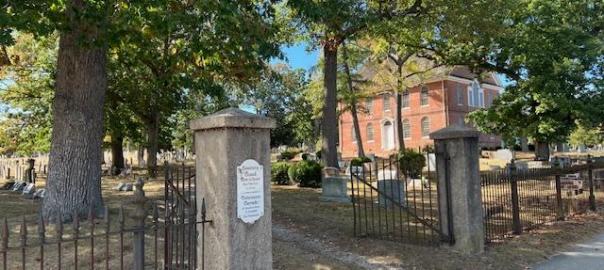


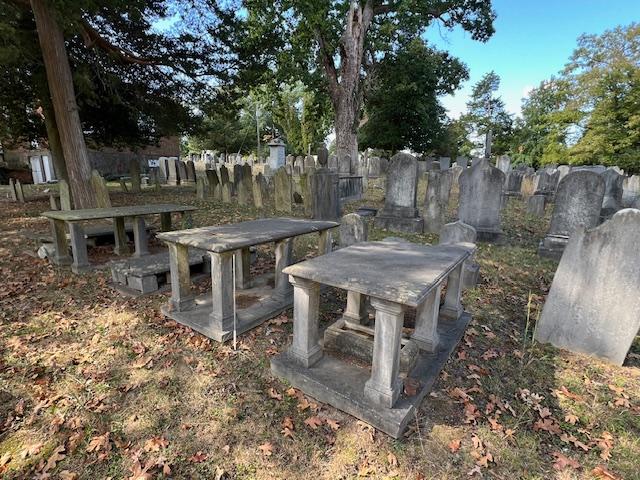


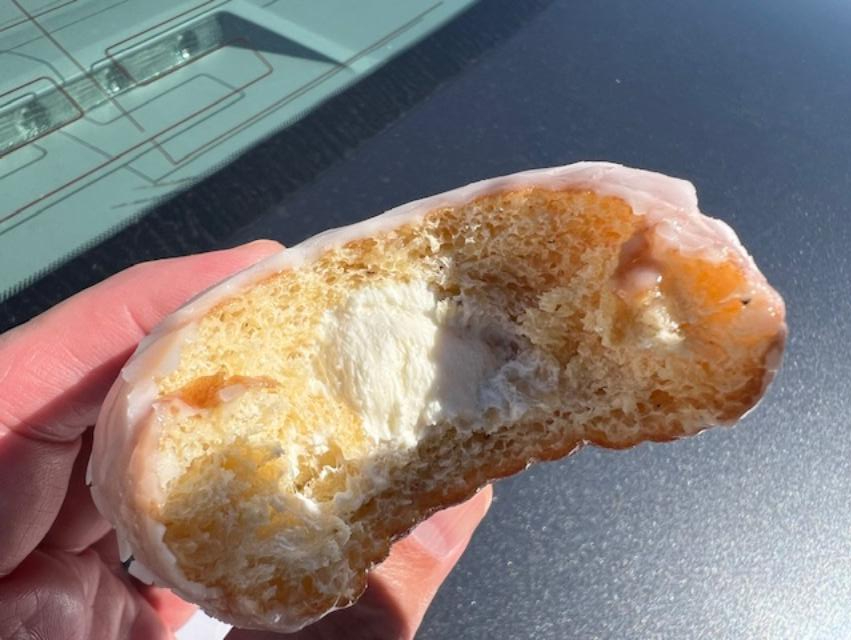
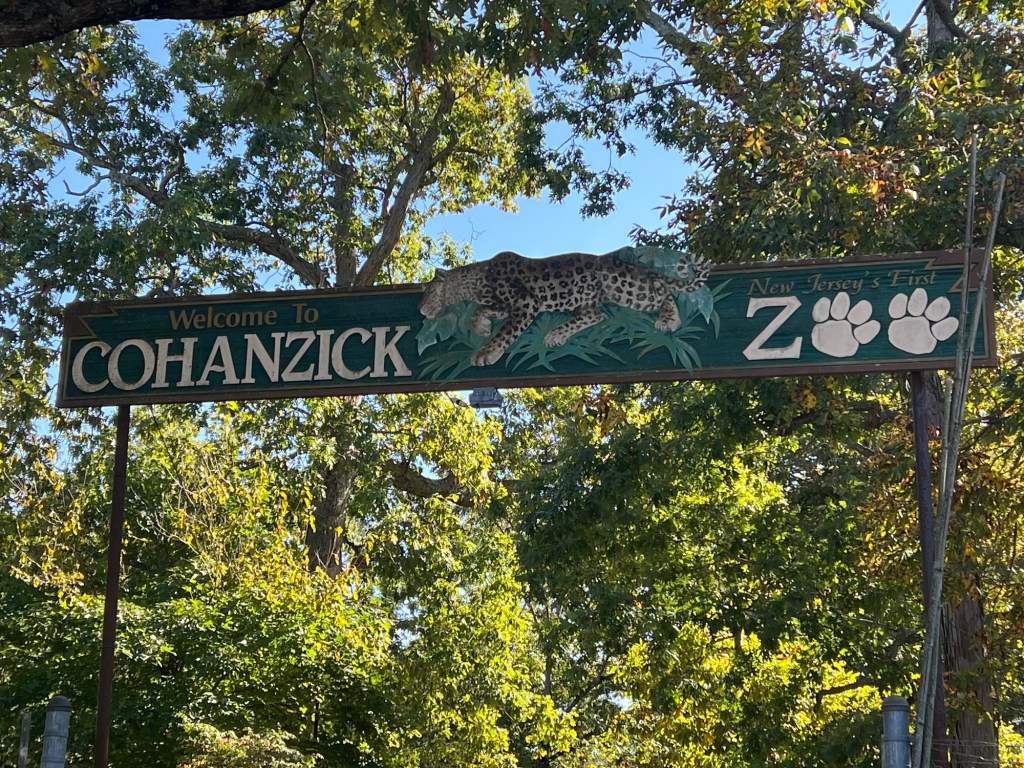
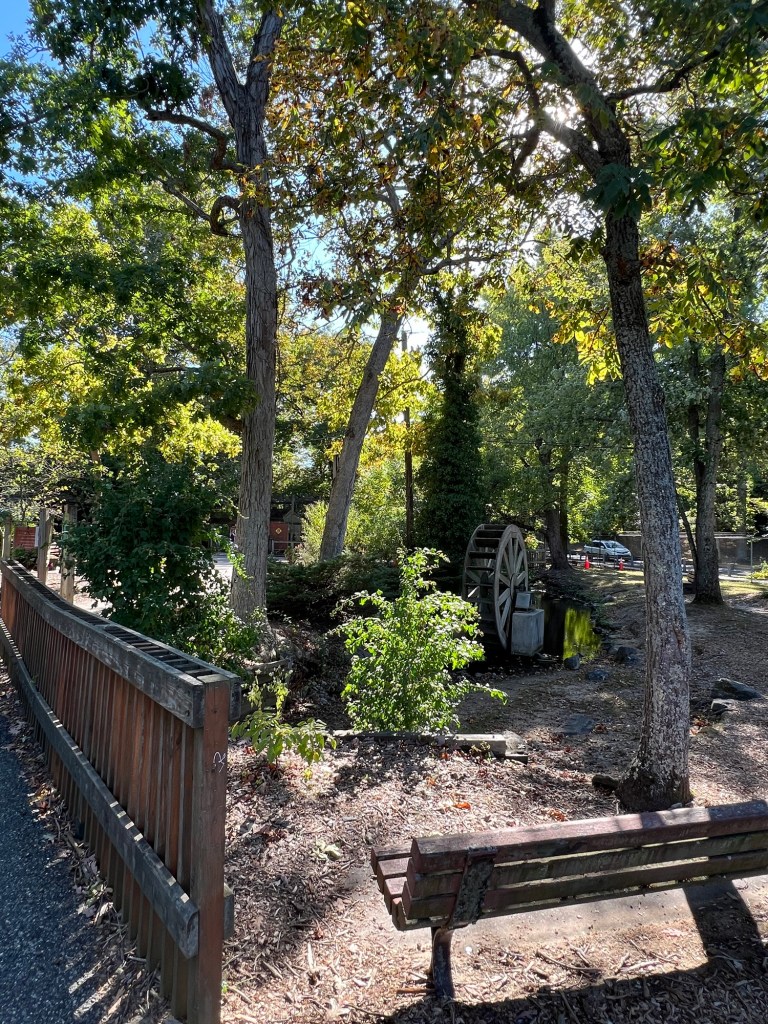
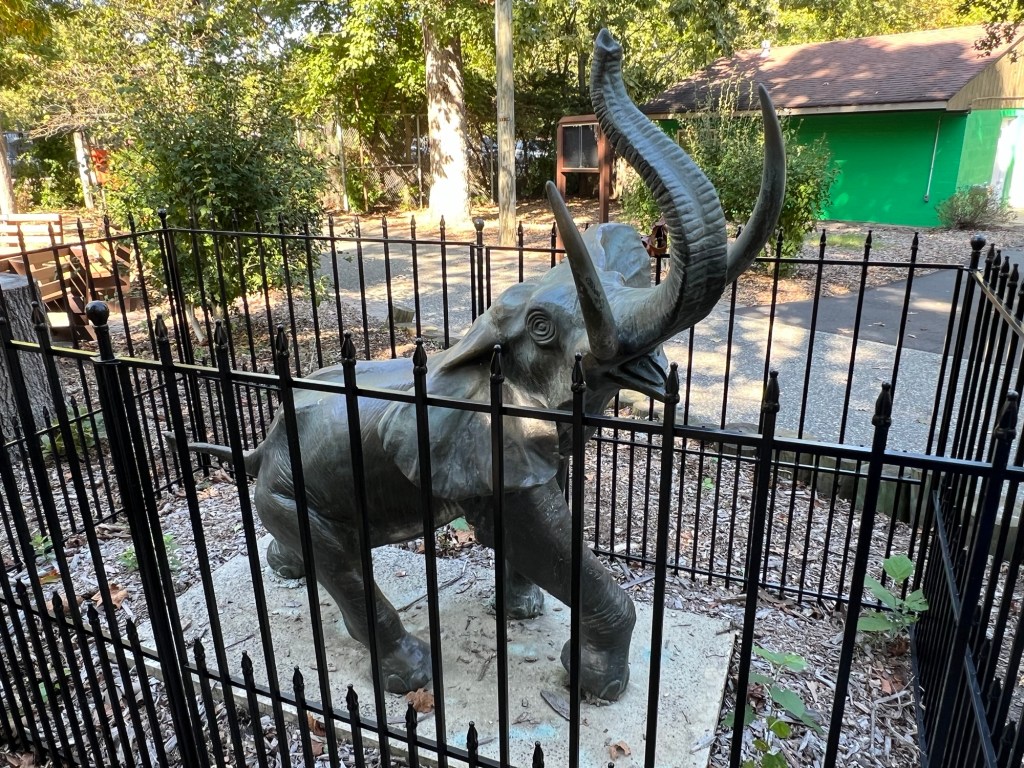
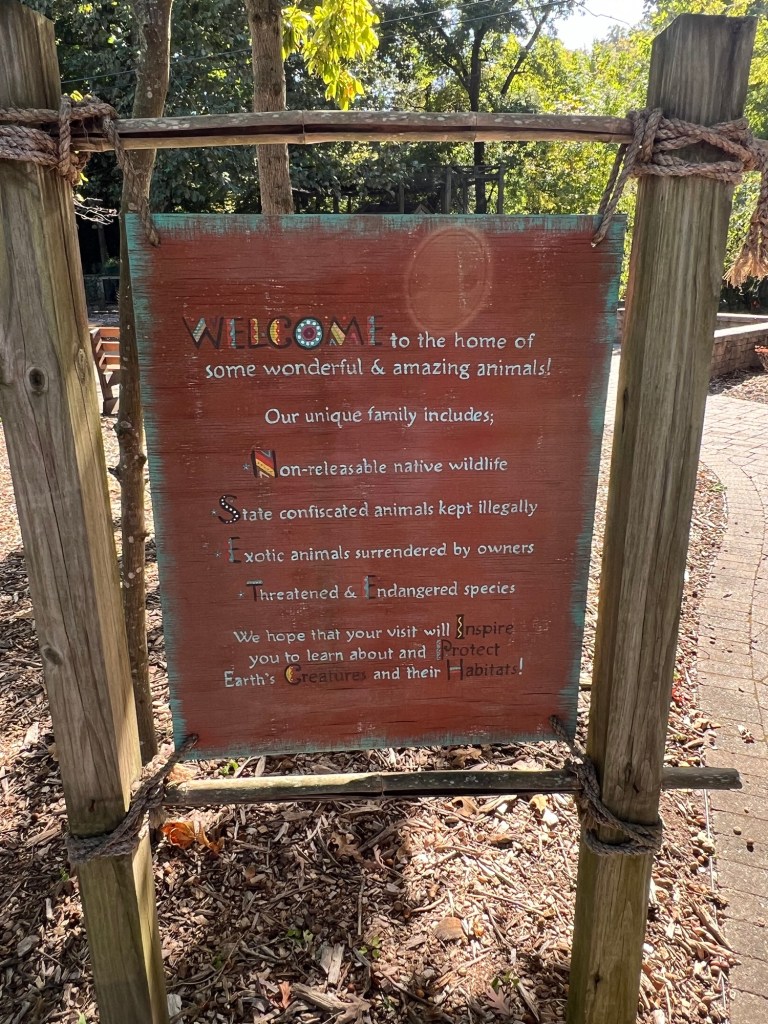

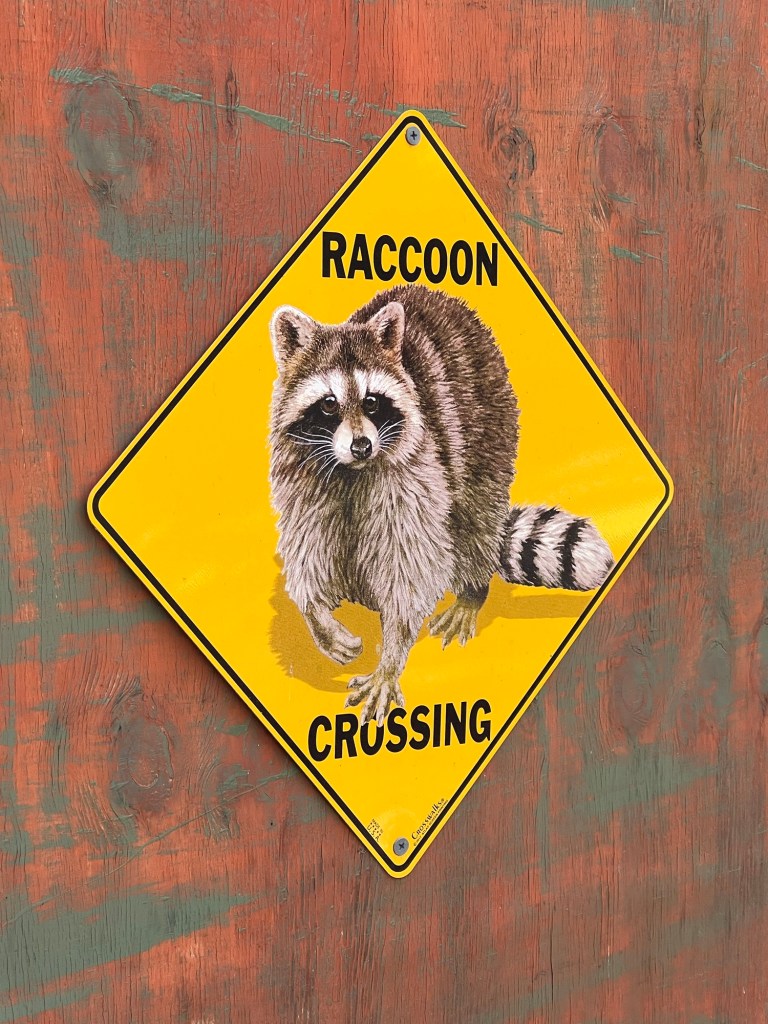
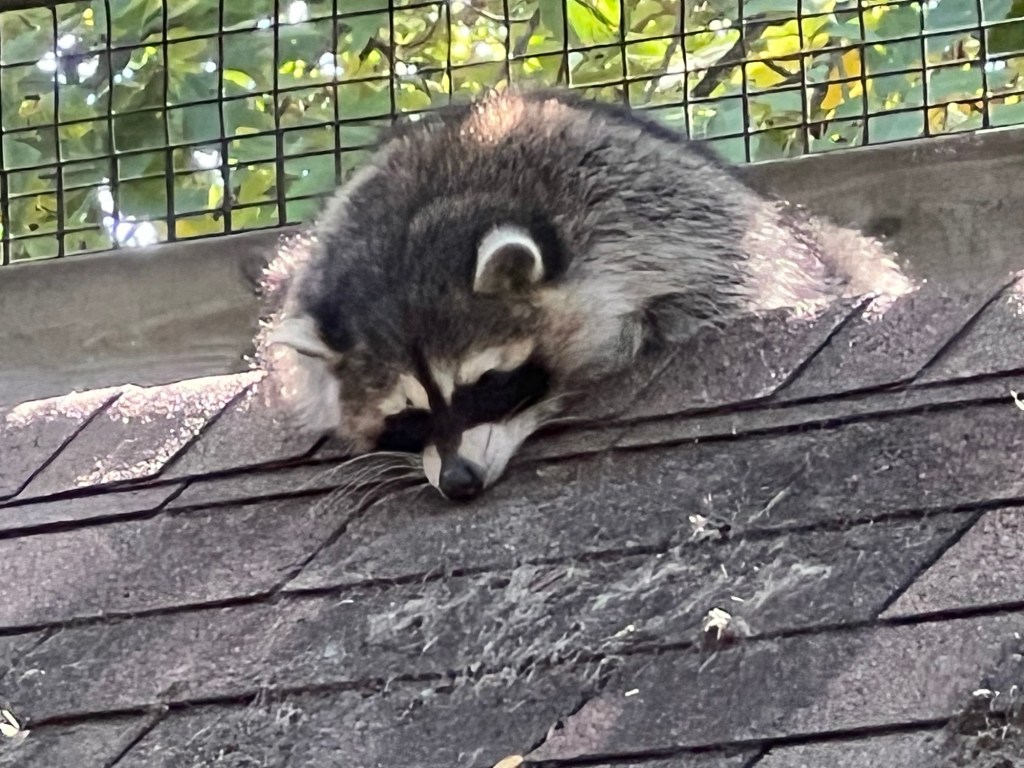
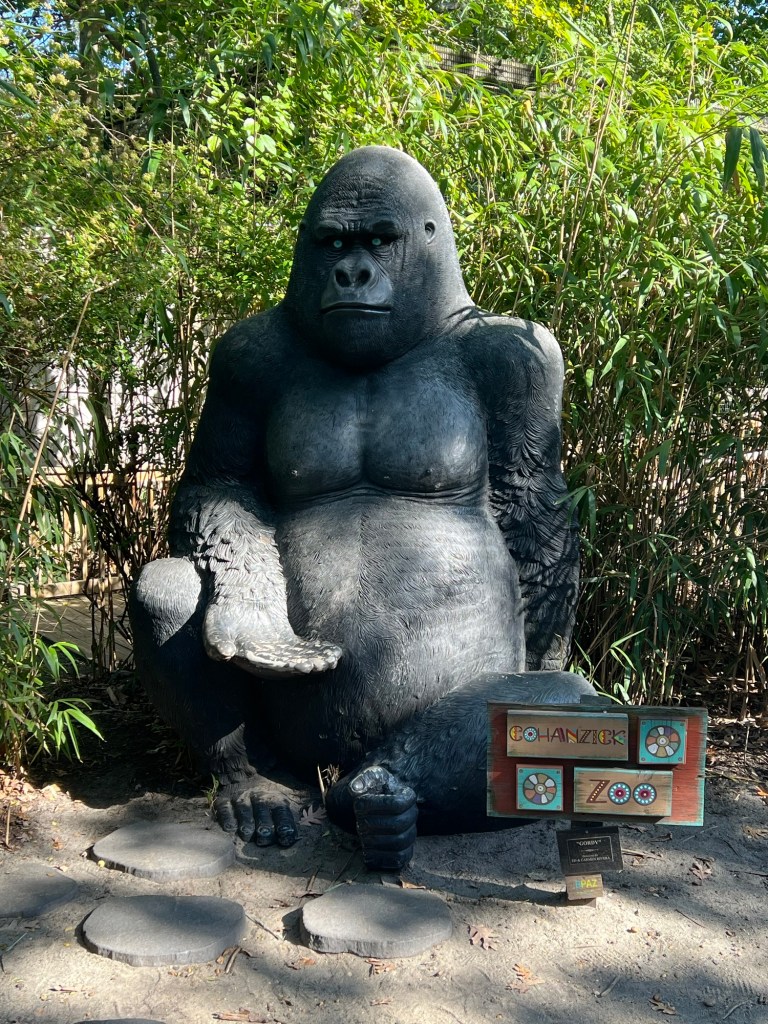
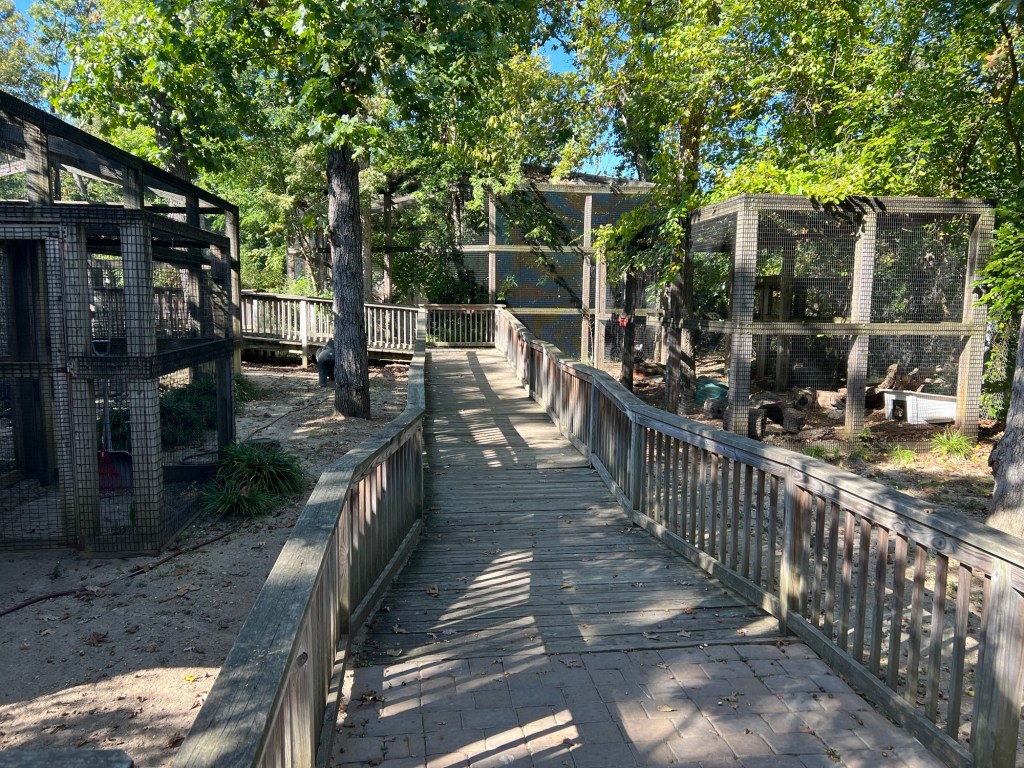
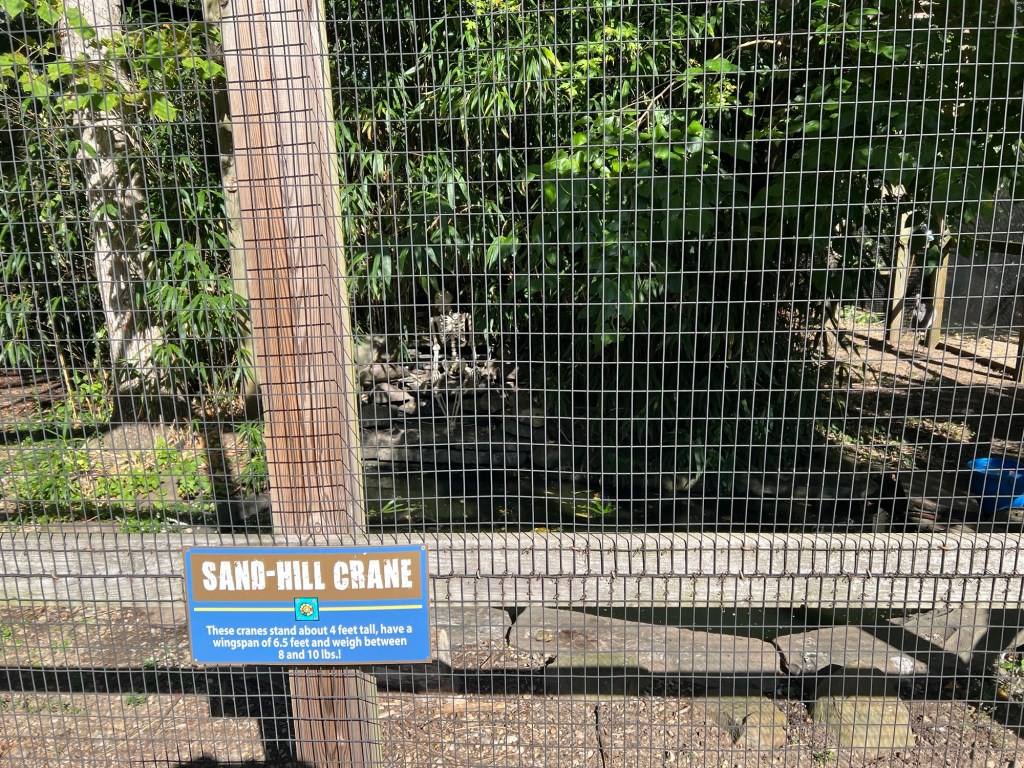
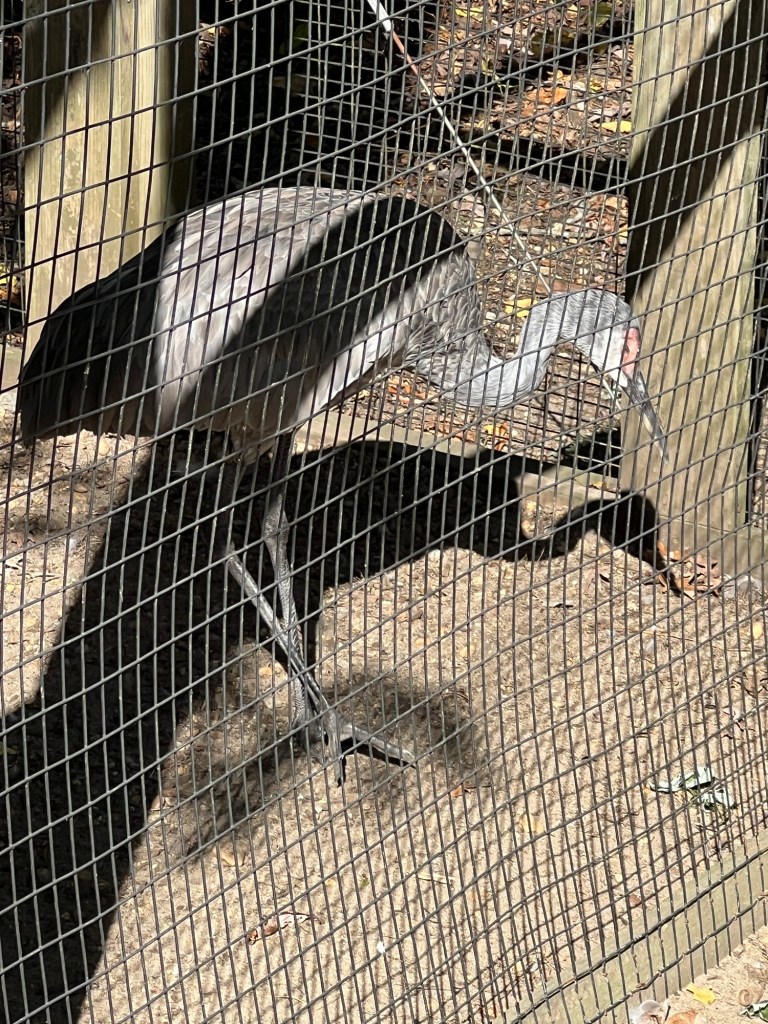
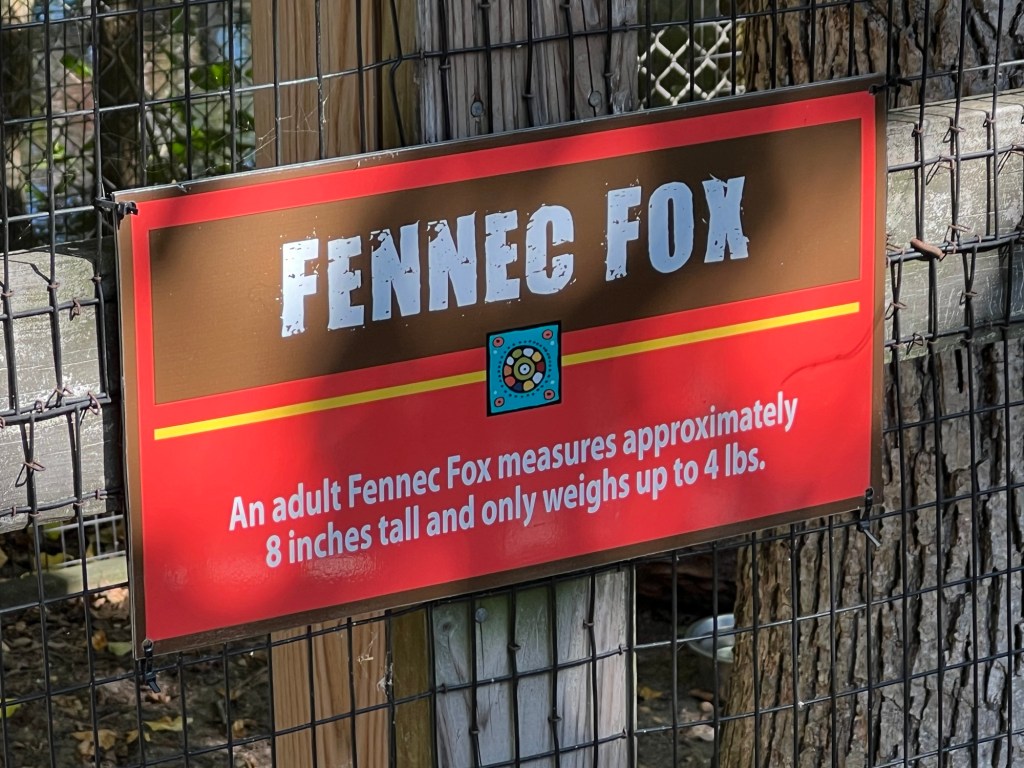
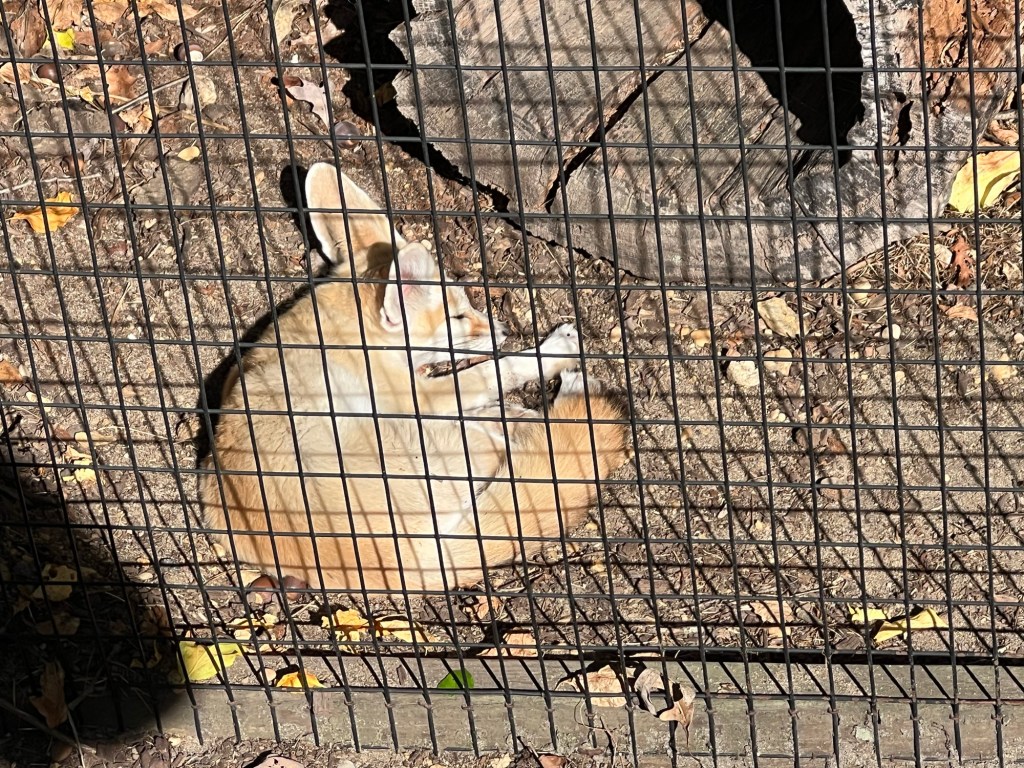


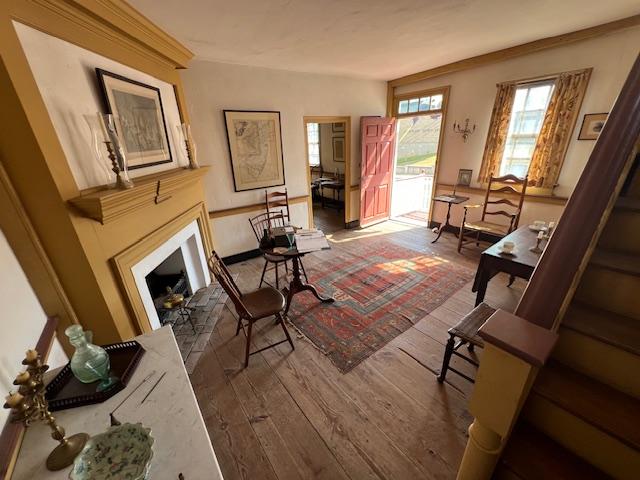


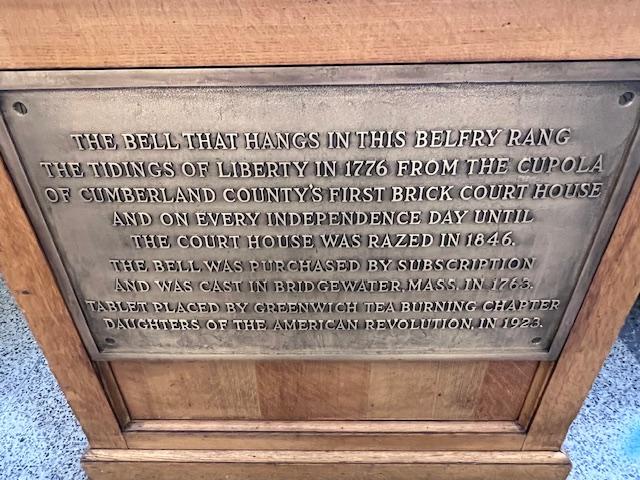
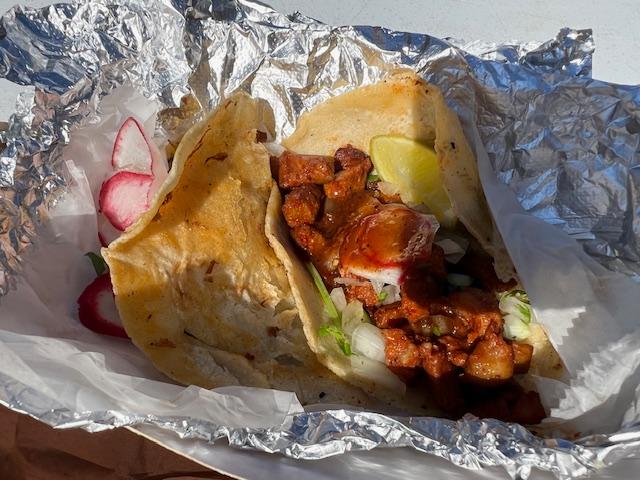
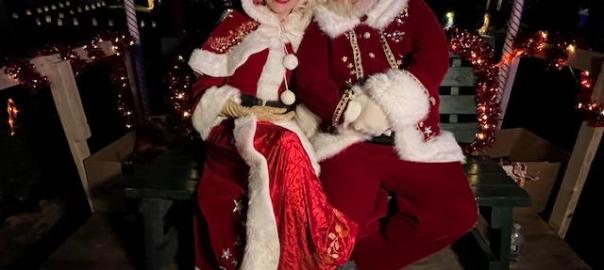


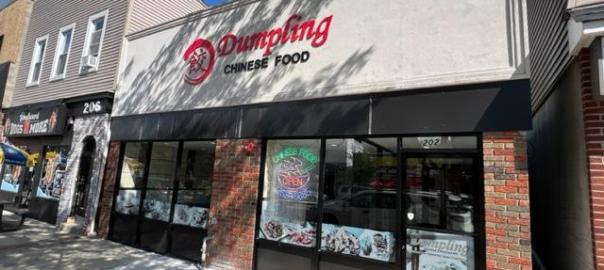


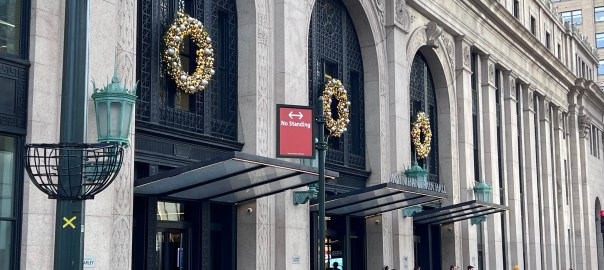


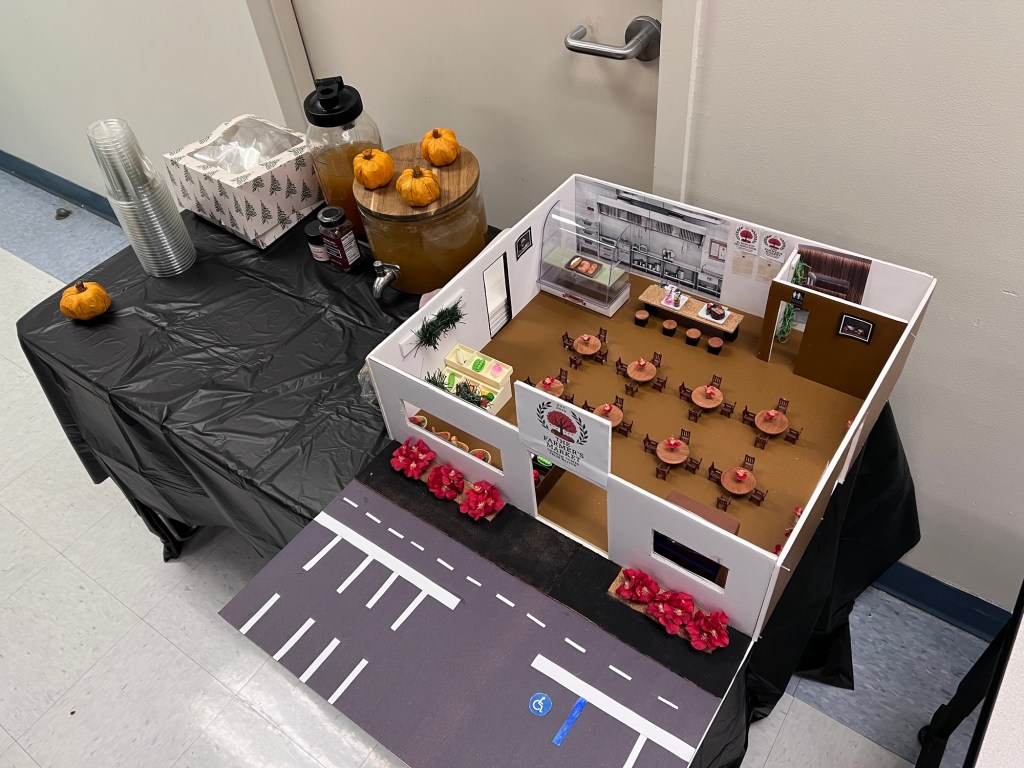


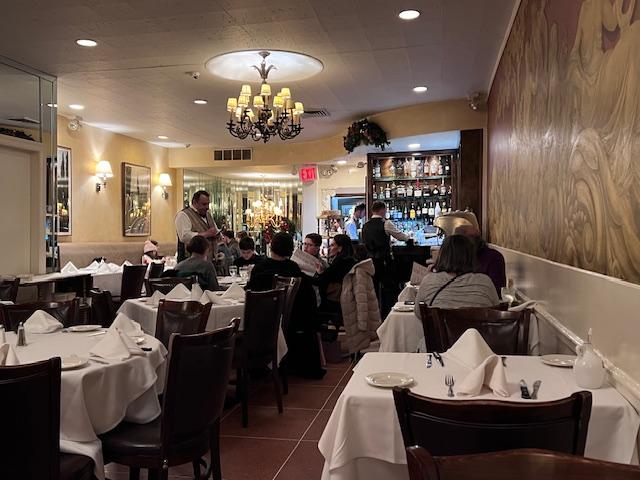
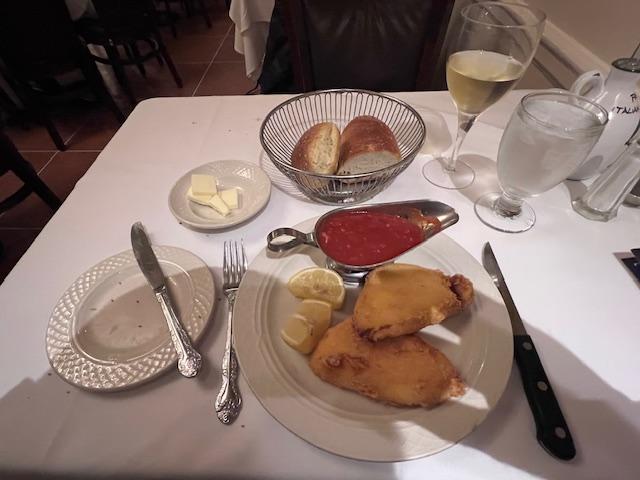
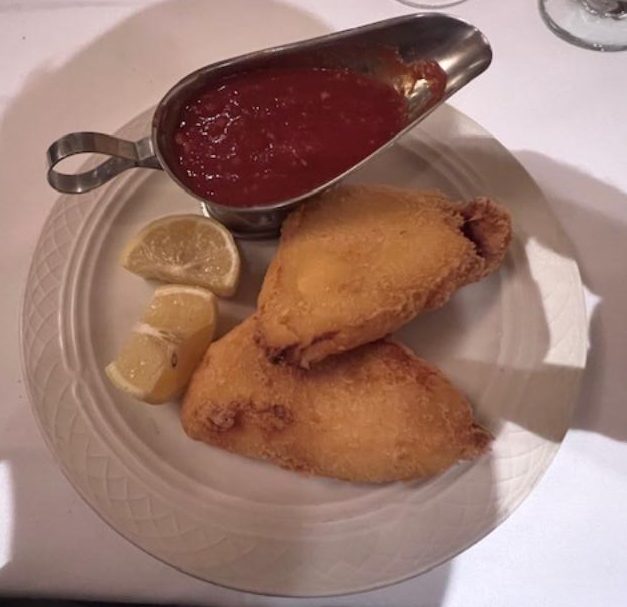
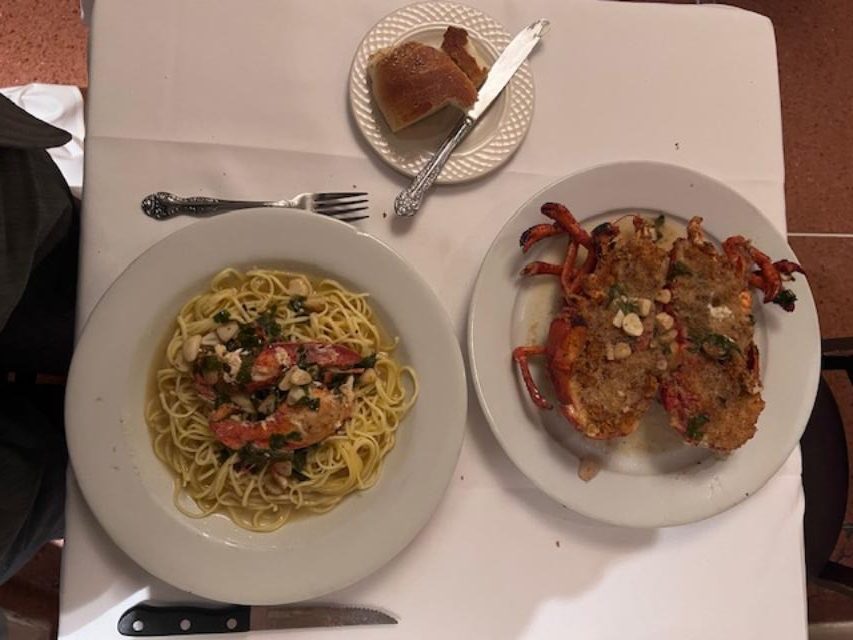
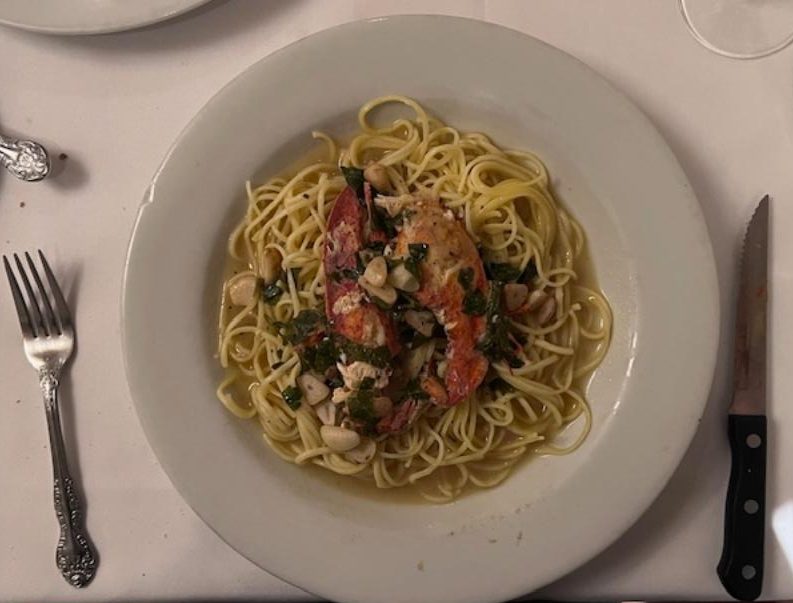
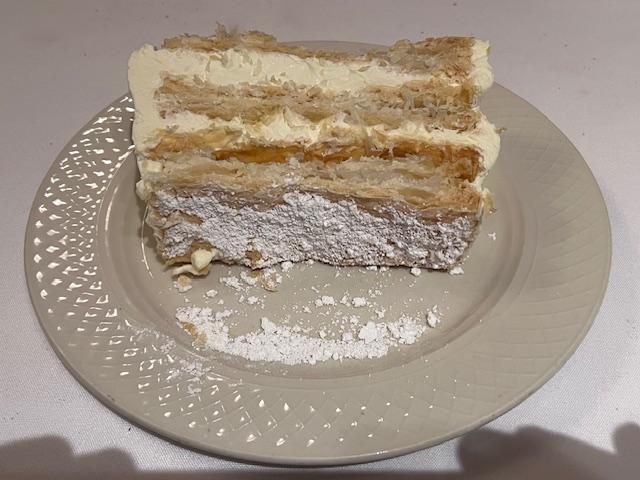
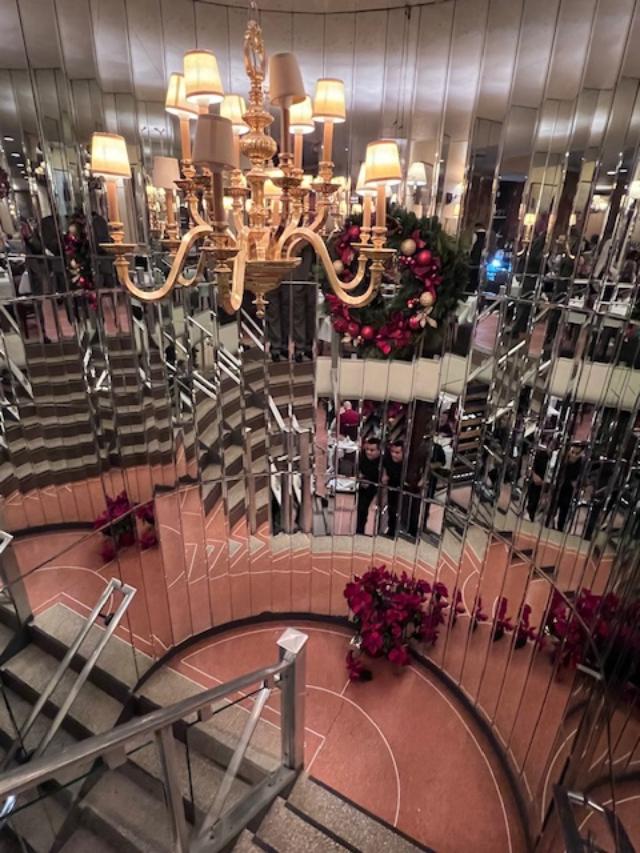





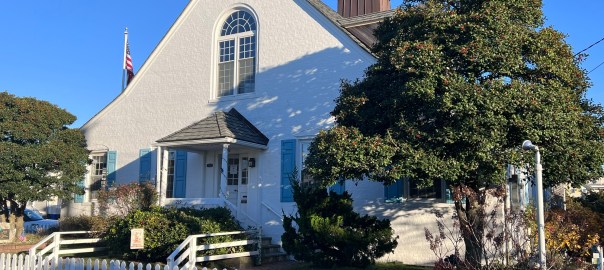


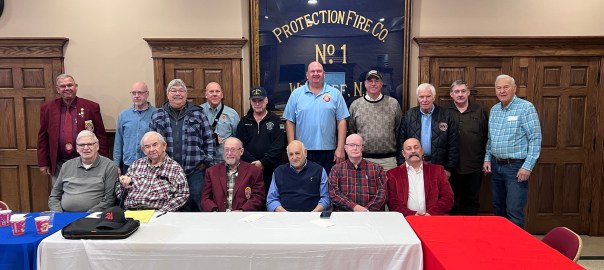


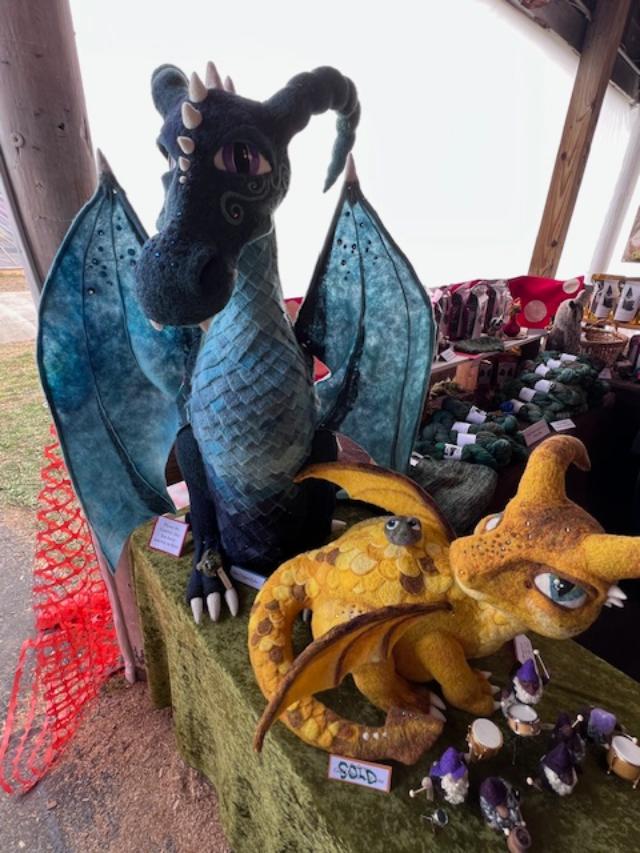


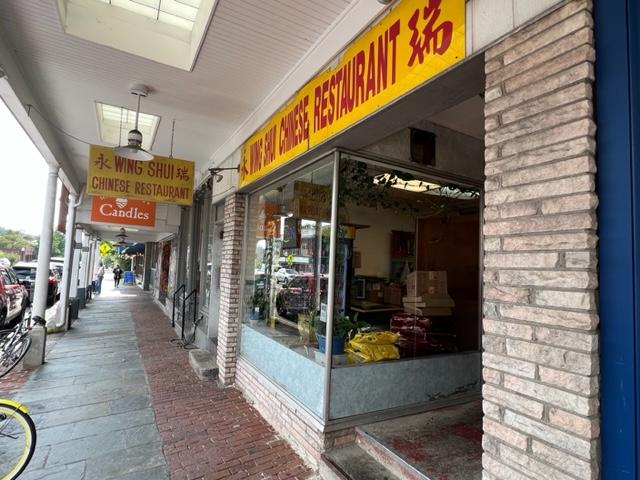


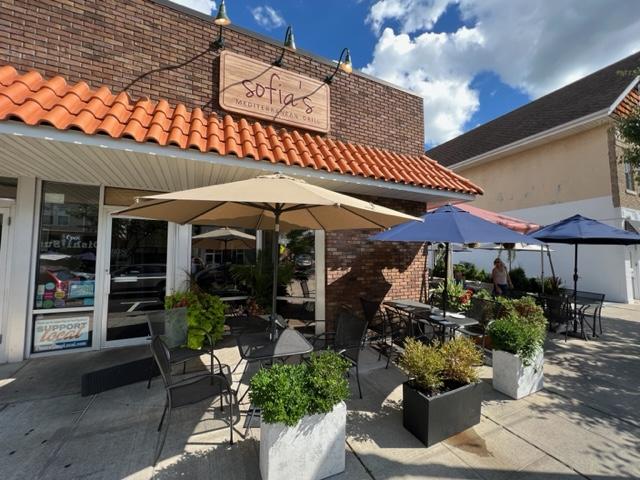
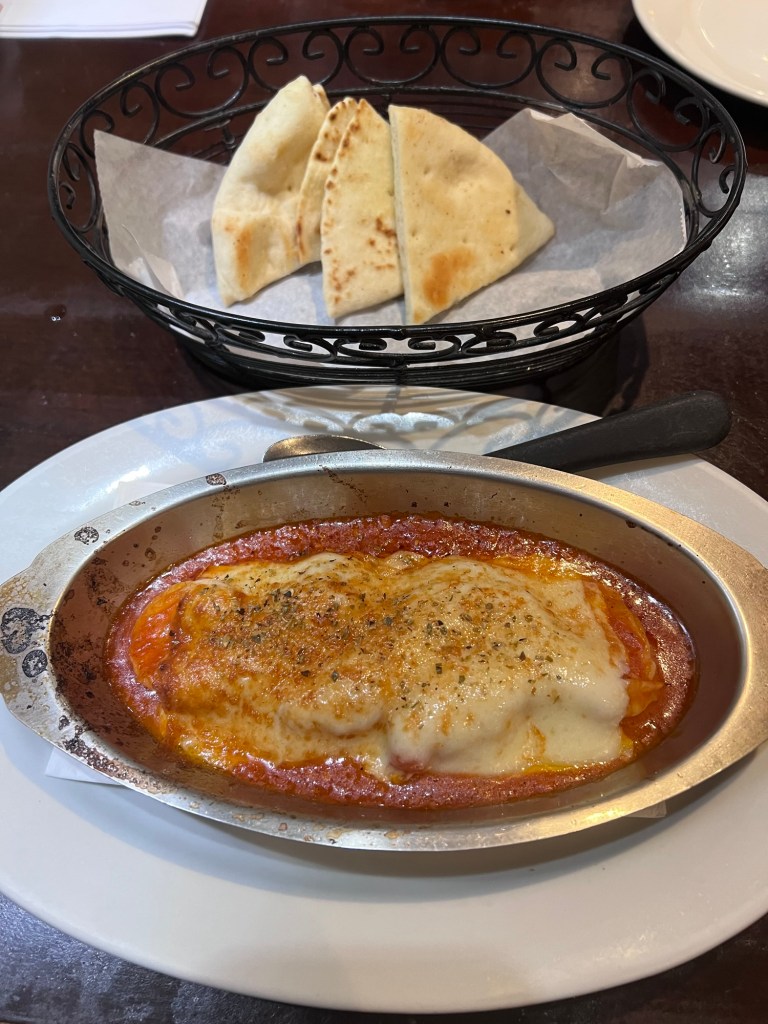

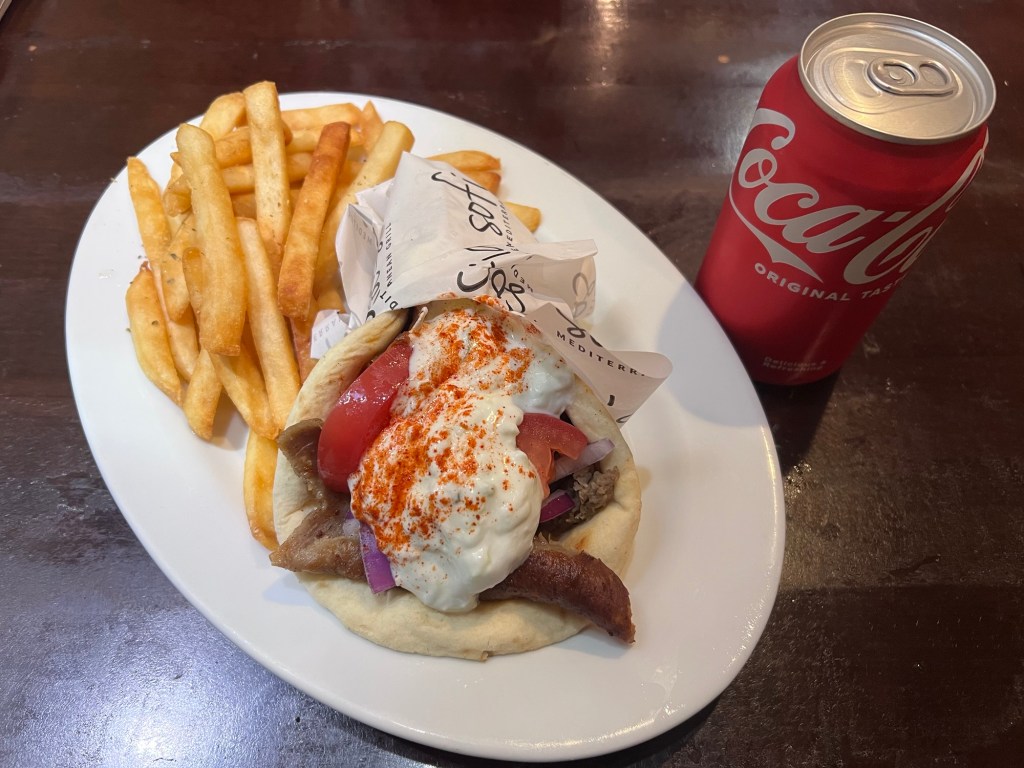




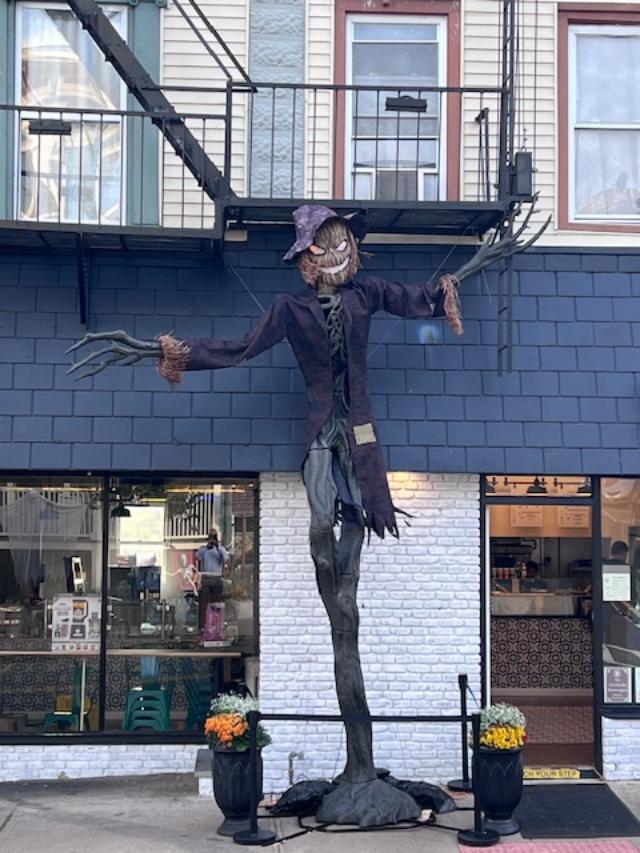

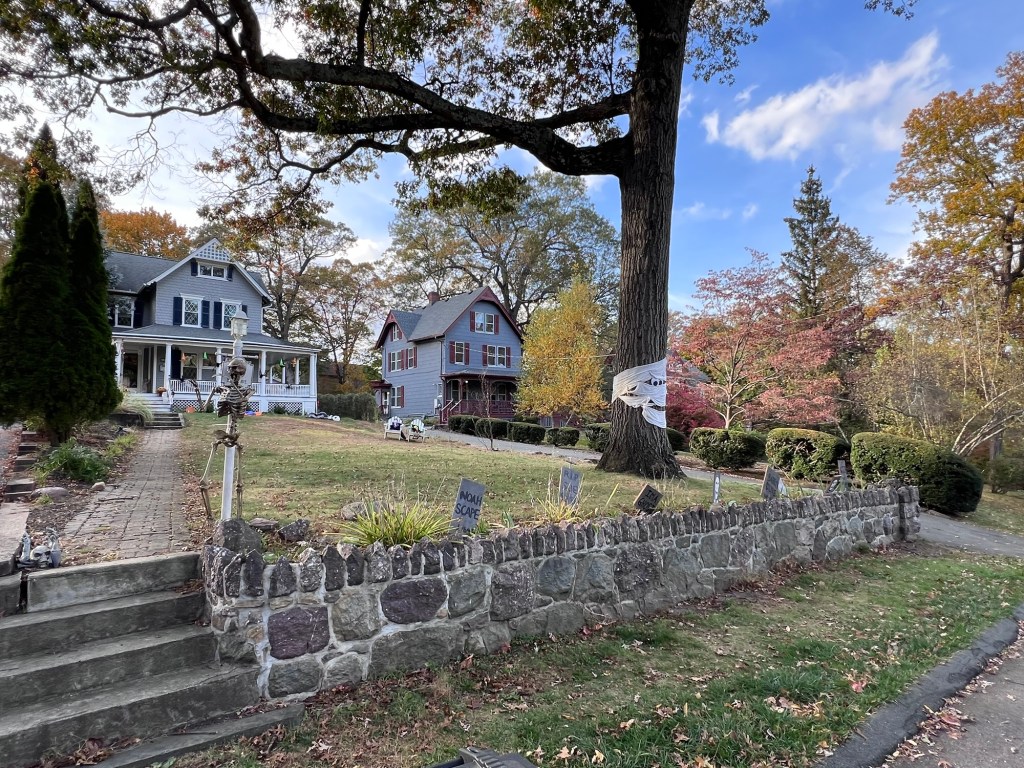




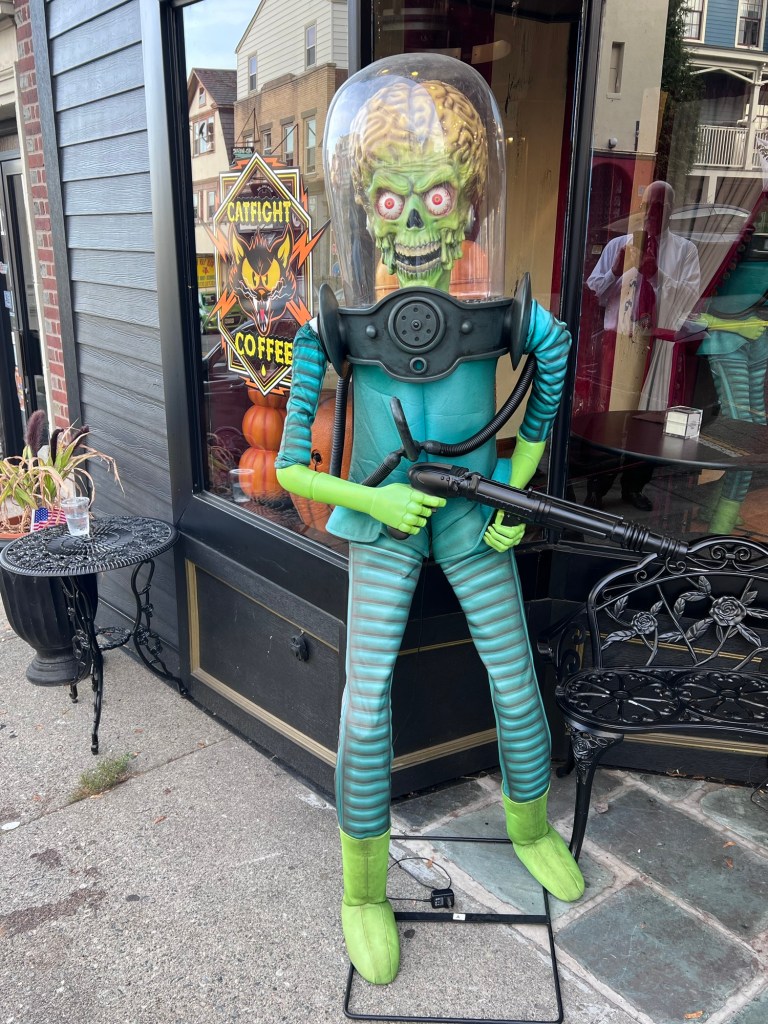
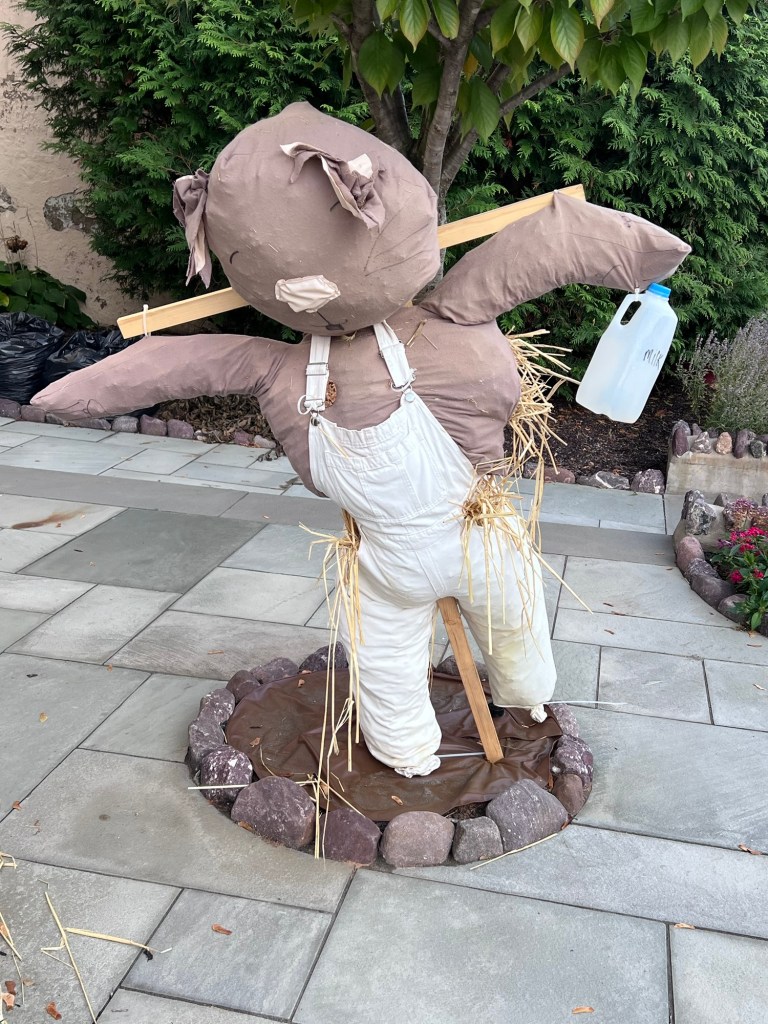


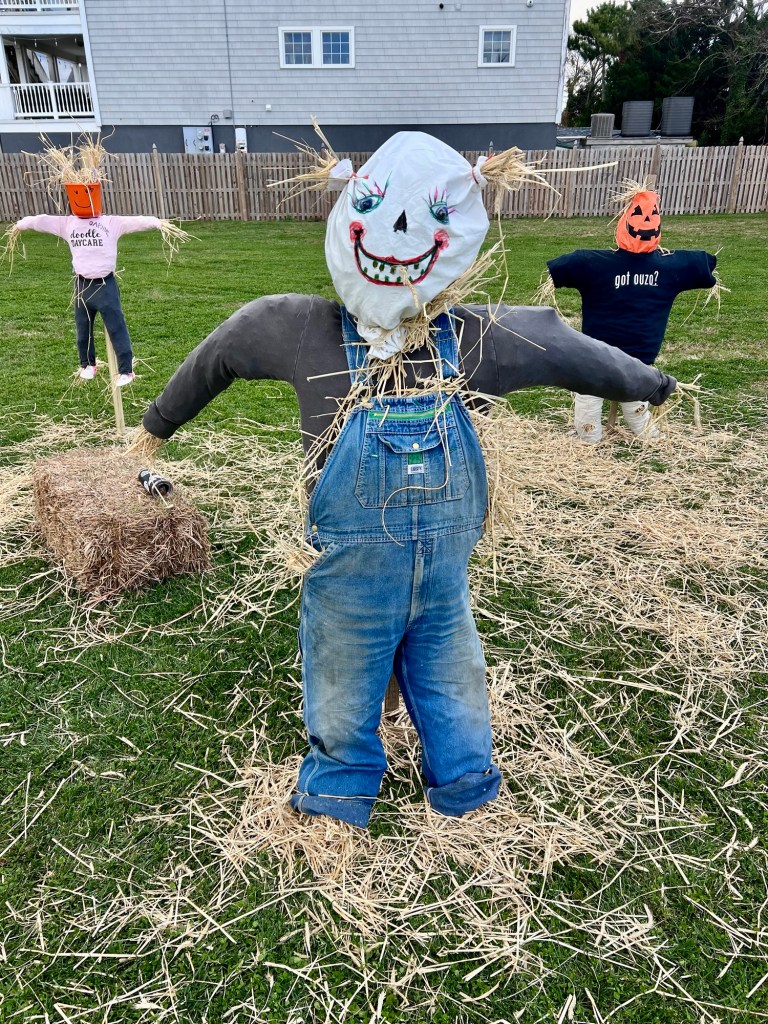
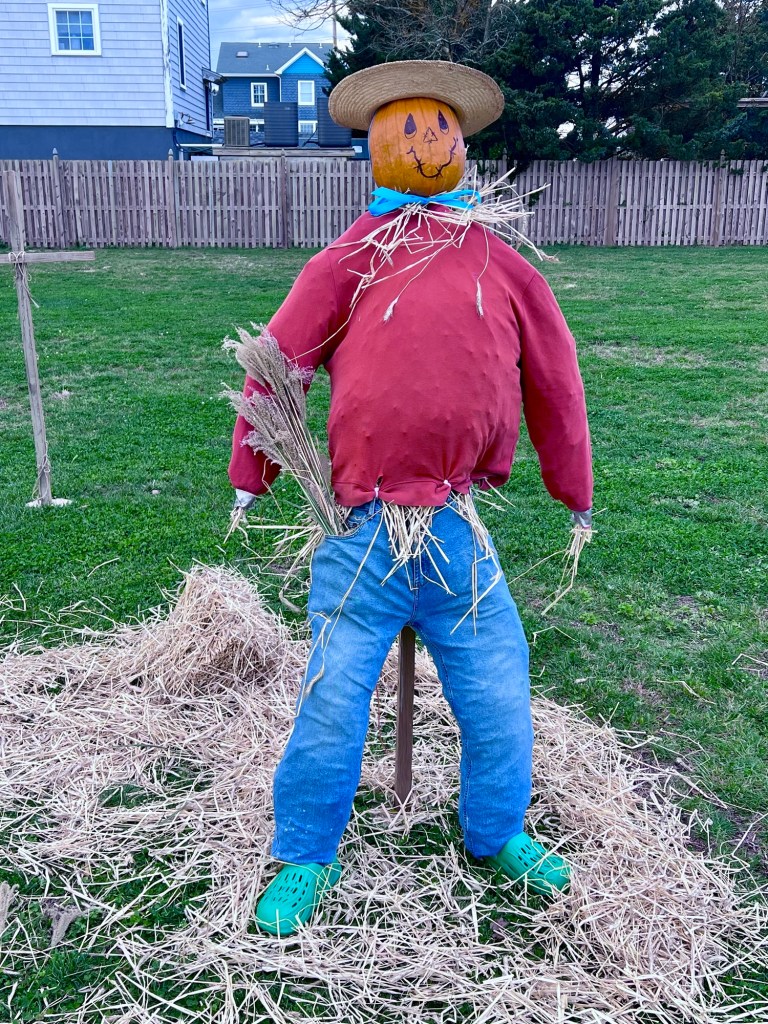
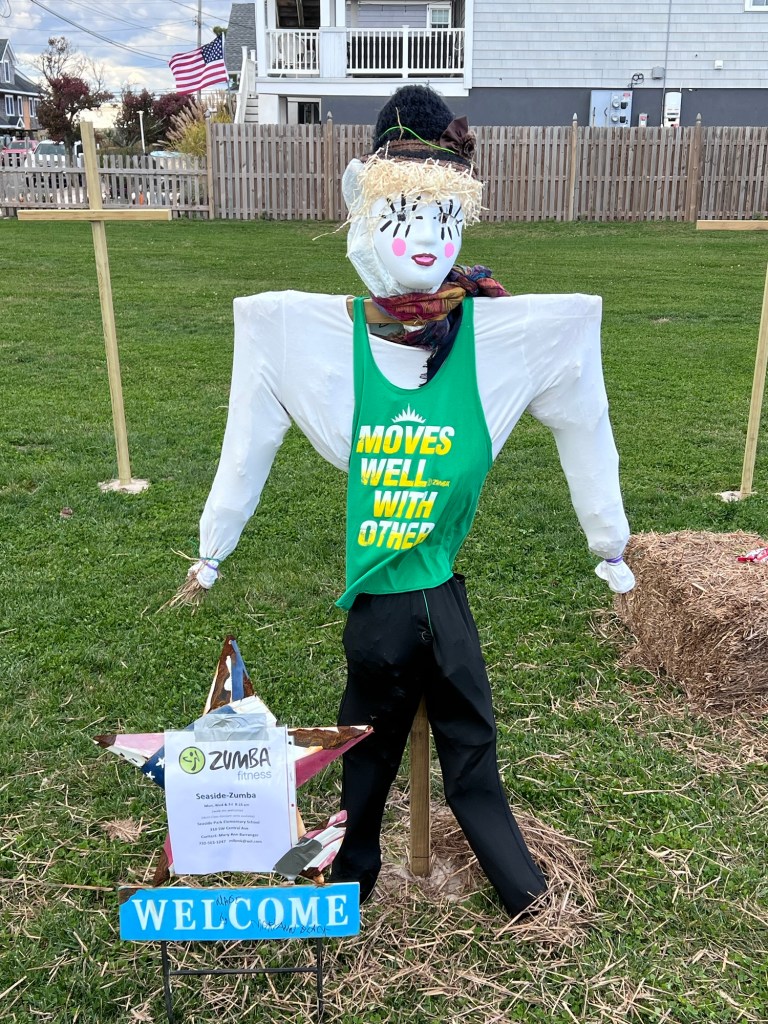
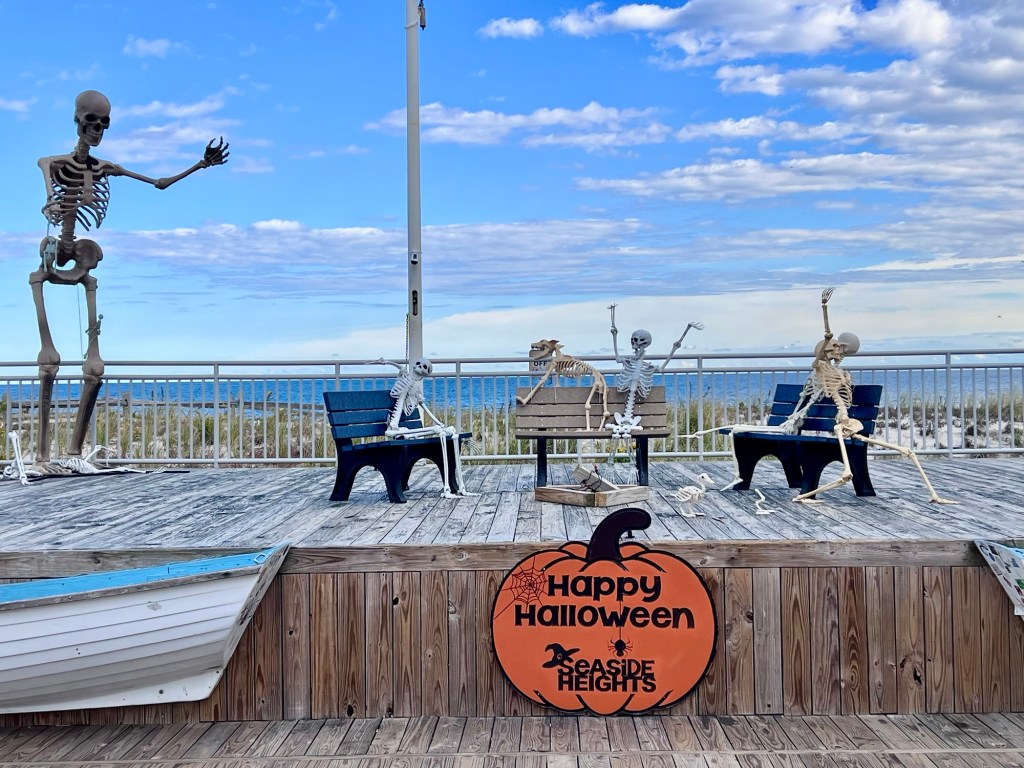











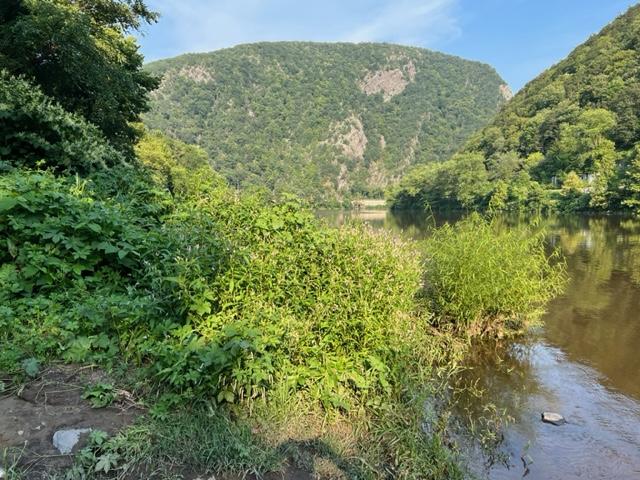


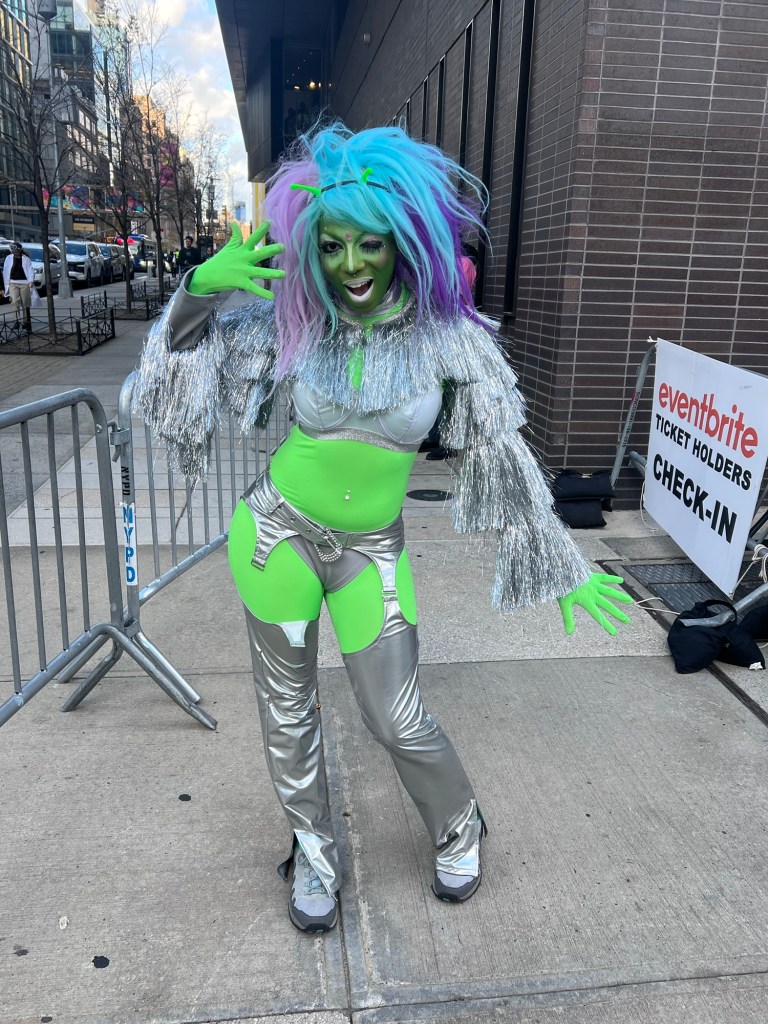

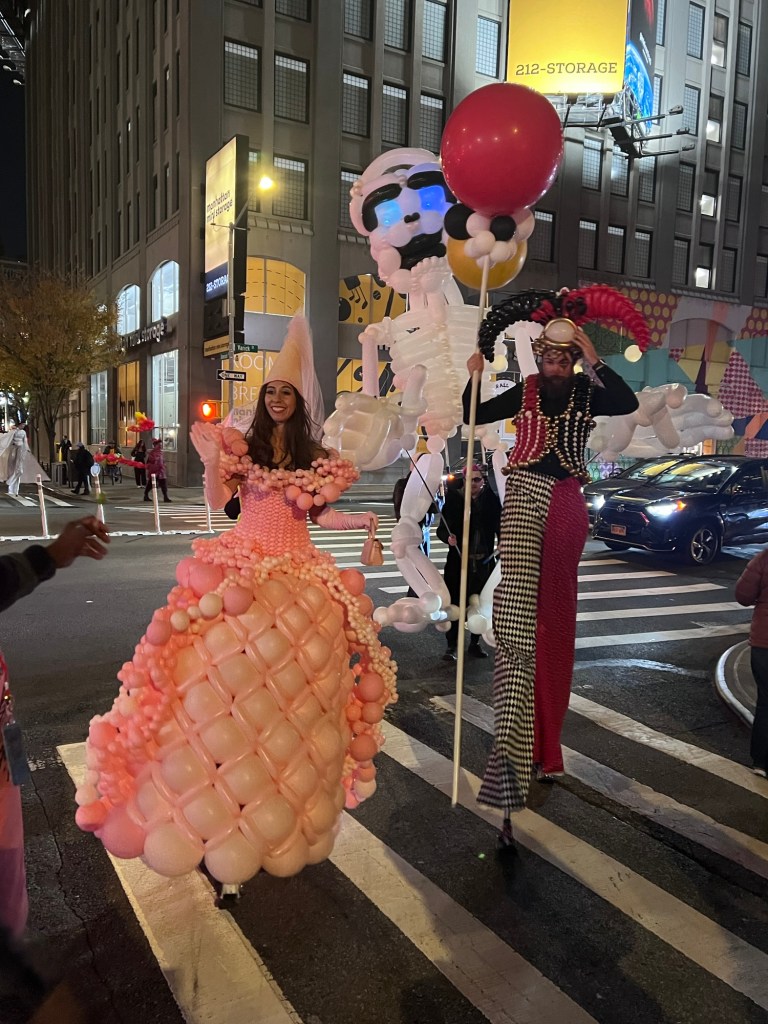

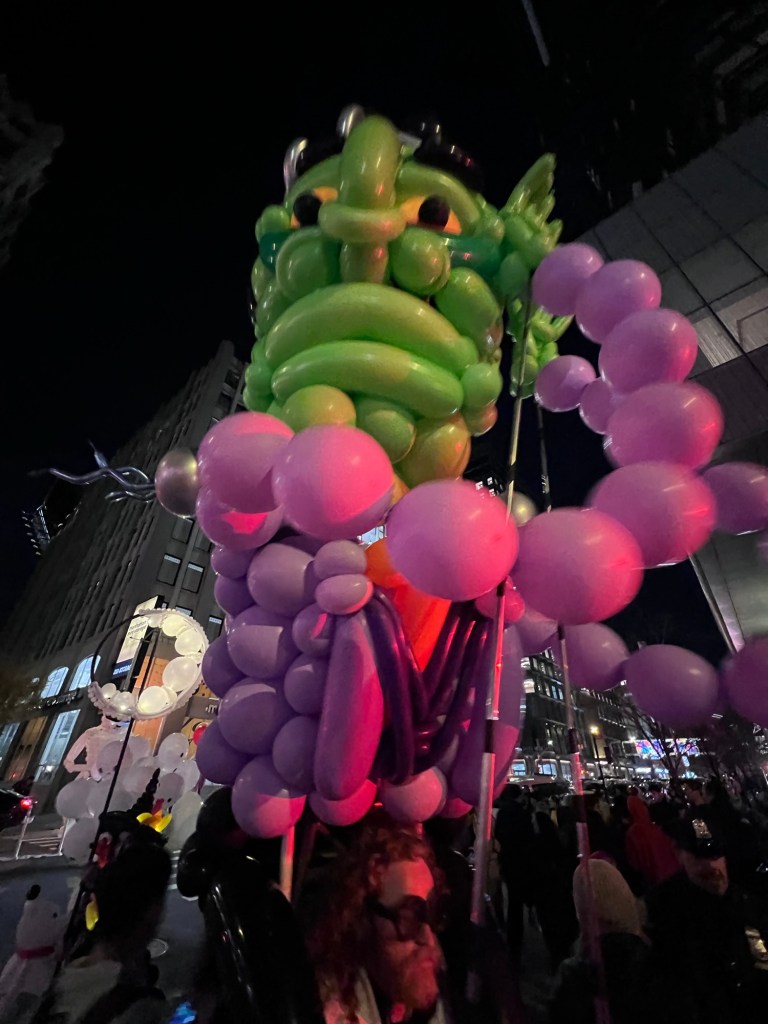


 mywalkinmanhattan