This small museum in the Upper West Side neighborhood of Manhattanville is easy to miss. It is in a small brownstone on West 107th Street right near Riverside Drive. You can see the plaque for the museum to the right of the building and there is a side door to get in. The admission is free but they do ask for a donation if you can do it.
The gallery on the second floor
The museum is a specialty collection of the works of artist Nicholas Roerich. They are mostly landscapes and religious themed that cover three floors of the museum.
The is a beauty to all his works especially the ones concentrated in the Himalayas with their colorful and spiritual themes.
The artist’s portrait of his mother on the third floor
It takes about an hour to an hour and a half to see all the floors. A nice touch they had in the afternoon that I was there was a piano player whom you could hear play throughout the brownstone. When you go, it will be a pleasant afternoon where you are not fighting the crowds of the larger museums.
The art pieces enlighten you and I felt gave you a sense of hope.
(The following information is from the museum website)
Artist Nicholas Roerich
(From the museum website)
The Nicholas Roerich Museum was founded in 1949 to house a permanent collection of over two hundred paintings by the Russian-born artist, poet, philosopher and humanitarian, Nicholas Roerich. The museum also houses a library of books and maintains an archive and a collection of artifacts relating to the areas of Roerich’s interests (Museum guide).
The Mission of the Museum:
The mission of the Nicholas Roerich Museum is essentially a narrow one: to make available to the public the full range of Roerich’s accomplishments. These, however, are not narrow; they cover the realms of art, science, spirituality, peacemaking and more. Because Roerich’s activities ranged widely, so do the museum’s.
The second floor galleries
The Museum Collection:
Nicholas Roerich is known first and foremost as a Russian-born artist. His paintings, of which there are thousands around the world, explore the mythic origins, the natural beauty and the spiritual strivings of humanity and of the world.
One of the more spiritual paintings in the collection
The museum houses approximately two hundred of these works and keeps most of them permanently on display for visitors who come from around the world. Indeed, for many of these visitors, the museum is a destination of great importance; the paintings speak to them of their own inner yearnings and possible fulfillment. For them, Roerich’s paintings are a kind of teaching-about spiritual development about culture and its role in human life and about opportunities for the achievement of peace in a fractious world.
The second floor galleries
The beautiful landscapes on the second floor
Publications & Booklist:
The museum also keeps in print a number of books by and about Roerich and his life and work and a substantial stock of postcards and reproductions of his paintings. These too are seen by many as more than just prints; they are hung in homes with a degree of appreciation that is not often given to such things.
The gallery on the first floor with some of the more religious works
Cultural Events:
In addition to these functions, the museum also maintains an active schedule of cultural activities.
The second floor galleries
It was Roerich’s fervent belief that the role of cultural development in the peace and evolution of the world is fundamental and that it is therefore the responsibility of those who work in creative and cultural fields to strive always for that peace and evolution and for those goals to be the chief impulses guiding their creative work. Information about these ideas is always available.
The second floor gallery with Asian themed art
The Roerich Pact & the Banner of Peace:
The museum sustains an ongoing effort to spread public awareness of the intermingled roles of peace and culture and the ways in which each sustains the other. Information and materials about The Roerich Pact and the Banner of Peace are always available.
The patronage of the museum through the Katherine Campbell-Stibbe Foundation
Throughout this century of wars and national struggles, the yearning of the public for ways of achieving peace has been great; the ideas of the Pact and the Banner provide a welcome answer to those yearnings.
The history of the museum through the years
As Roerich’s ideas become better known around the world, attendance at the Museum grows and requests for information and materials about him and his art and social achievements increase.
The gift shop on the first floor. The director of the museum even sells honey from the beehives on top of his building.
*This information is from the Museum’s website.
Disclaimer: This information was taken from a combination of the museum’s website and from the biography of the artist.
I recently revisited the African Museum of Art on the SMA Father’s and on this trip really took my time to learn about the Mission and study the art in the various displays. Each country that the Mission is involved with is represented here with detailed information on the meaning of the art and its purpose. It is an interesting approach to understanding the culture of each of these countries.
The beautiful stained glass windows line the ceiling and walls and has a beautiful effect in the room on a sunny day.
The sculpture in the middle of the main hall
The History of the Museum:
(From the museum website)
This museum was established in 1980 and is one of the only rare few in the United States dedicated solely to the arts of Africa. Its permanent collections, exhibited on a rotating basis, offer a unique advantage in the study and research of sub-Saharan sculpture and painting, costumes, textiles and decorative arts, religion and folklore.
The main hall of the museum
The history of the Mission
The history of the Mission
The history of the Mission
The African Art Museum of the SMA Fathers is one of five museums around the world founded and maintained by the Society of African Missions, an International Roman Catholic missionary organization that serves the people of Africa.
The display case that line the main hall
The display case that line the main hall
The art works up close
The descriptions of the works
The display case that line the main hall
Some of the works up close
The description of the masks
The display case that line the main hall
The museum is the continued vision of SMA’s founder, Bishop Melchior de Marion Bresillac (1813-1859). The French-born clergyman urged his Society to respect and preserve the culture of the peoples they serve, the unique among the missionaries of his time. (This information is provided by the museum).
Some of the works being featured in the exhibition
Their current exhibitions is on the “Africanizing of Christian Art” which shows the 20th Century encounter between Catholic Christianity and the visual culture of the Yoruba, a prominent west African people of southwest Nigeria under the conditions of late colonization (This information provided by the museum).
The hallway off the main room
Linking the walls of the main room are wooden carved doors from a palace in Africa. The interesting detail work tells it own story.
The description of one of the doors
Panel One
Panel Two
Panel Three
Panel Four
The collection contains many works in the form of masks, textile work, religious figurines and decorative arts. Each display case shows a different theme in the art.
The works of art in the cases
The puppets in the case
The works of art lining the cases
The engaging Mask collection
The museum is the main hallway of the church. I found it a quiet place where you could really concentrate on the beauty of the art. It grounds are also nice to walk around in in the nice weather.
The Chapel just off the museum is interesting to visit. I wondered how many people came to serve here and how the service was performed.
The main chapel of the mission
The beautiful stained glass windows in the chapel
The museum is a true hidden gem of wonderful and interesting testimonial and contemporary art. An inspiring museum if you take the time to really enjoy it.
One of the things I love about being a member the Metropolitan Museum of Art is the private Member’s Night ‘Met After Hours’ they hold about four times a year. The museum is open after the closing hours and it is a night of wondering the museum galleries, great music and entertainment and wonderful tours and talks in the galleries. You really experience the museum at its best and it does shine.
The lines move very quickly to get into the museum and with traffic getting into the City that night, I arrived about twenty minutes after opening and there were no crowds to face and I got right in. There’s always a sense of excitement on these nights.
The Grand Hall in the front of the museum decorated with Spring flowers
The beautiful Spring flowers lined all the urns around the Great Hall
The museum welcoming all the members of the museum at ‘The Met After Hours’
I started my walk around the galleries in the Greek Wing touring the main hallway. It still boggles my mind how old these statues are and I am looking at something almost two thousand years old.
The Museum’s collection of Greek and Roman art comprises more than thirty thousand works ranging in date from the Neolithic period (ca. 4500 BCE) to the time of the Roman emperor Constantine’s conversion to Christianity in 312 CE. It includes the art of many cultures and is among the most comprehensive in North America. The geographic regions represented are Greece and Italy, but not as delimited by modern political frontiers: Greek colonies were established around the Mediterranean basin and on the shores of the Black Sea, and Cyprus became increasingly Hellenized. For Roman art, the geographical limits coincide with the expansion of the Roman Empire. The department also exhibits the art of prehistoric Greece (Helladic, Cycladic, and Minoan) and pre-Roman art of Italic peoples, notably the Etruscans (Metropolitan Museum of Art website).
One of the statues that stood out that evening
I spent some time admiring the statues and the craftsmanship of the works along the hallway. The only problem is that most of the Greek and Roman Galleries were closed for the evening so I headed off to the Renaissance Wing. I love the luxury objects in the collection of silver and gold and again their craftsmanship is still unrivaled today. To make these objects takes intensive work and talent.
The timepieces show how advanced science had become and the importance of it in not just measurements but in beauty.
The lobby of the American Wing with the facade of what was a former bank and a Wall Street private mansion. I love the quiet elegance of this building and to think they moved it here piece by piece. The American Wing Cafe was open for the evening and the area was busy throughout the evening. It is nice to just sit and enjoy the views by the fountain. The artwork is beautiful.
Visitors to the American Wing will experience in more than 75 galleries on three floors varied art, design, and culture from the mid-seventeenth to the mid-twentieth century, with some contemporary expressions, by a diverse array of artists from across North America. Since our founding in 1924, this curatorial department has evolved its collecting to include some 20,000 artworks in many mediums by African American, Asian American, Euro-American, Latin American, and Native American makers, affirming ever more inclusive definitions of American art and identity. These dynamic holdings include painting, sculpture, drawing, furniture, textiles, regalia, ceramics, basketry, glass, silver, metalwork, jewelry, as well as historic interiors and architectural fragments, produced by highly trained and self-taught artists, both identified and unrecorded (Metropolitan Museum of Art website).
The evening then moved to the Egyptian Wing and the Temple of Dendur, where the entertainment and the cocktail bar was located.
The Temple of Dendur is the hub of activity on Members Nights
This small temple, built about 15 B.C., honored the goddess Isis and, beside her, Pedesi and Pihor, deified sons of a local Nubian ruler. On the outer walls between earth and sky are carved scenes of the king making offerings to deities who hold scepters and the ankh, the symbol of life. The figures are carved in sunk relief. In the brilliant Egyptian sunlight, shadows cast along the figures’ edges would have emphasized their outlines. Isis, Osiris, their son Horus, and the other deities are identified by their crowns and the inscriptions beside their figures (Metropolitan Museum of Art).
These scenes are repeated in two horizontal registers. The king is identified by his regalia and by his names, which appear close to his head in elongated oval shapes called cartouches; many of the cartouches simply read “pharaoh.” This king was actually Caesar Augustus of Rome, who, as ruler of Egypt, had himself depicted in the traditional regalia of the pharaoh. Augustus had many temples erected in Egyptian style, honoring Egyptian deities (Metropolitan Museum of Art).
The area was packed with patrons enjoying music and talking by the bars. The crowds were so large at the beginning of the evening that I waited until after 9:00pm for the second performance of the group playing. So I headed into the section of the Egyptian Wing to look at the galleries that were open. I love walking around the Egyptian Wing of the Met. It is one of the most extensive collections outside of Egypt and the most fascinating Mummy exhibition.
Admiring one of the Mummy exhibits in the Egyptian Wing
The Department of Egyptian Art was established in 1906 to oversee the Museum’s already sizable collection of art from ancient Egypt. In the same year, the Museum’s Board of Trustees voted to establish an Egyptian Expedition to conduct archaeological excavations in Egypt. Between 1906 and 1935, The Met’s Egyptian Expedition worked at a number of important sites, including Lisht in the north and Thebes in the south, and the objects gifted to The Met by the Egyptian antiquities service form the core of our collection. Over the years, the Department of Egyptian Art has also been able to acquire, through purchase and bequest, several important private collections (Metropolitan Museum of Art website).
The ancient tablets outside of the Mummy Exhibition
The Egyptian artwork outside the Mummy Room
The tablets outside the Mummy Room
When the whole gallery is open, it is a treasure trove of objects and information from each Dynasty. I have been mind-boggled by these galleries since I first visited the museum in the third grade for a class field trip. I remember sketching artifacts for a class project and am still fascinated about how old some of these objects are and condition they are still in after thousands of years. It is my favorite part of the museum.
By 9:00pm, the entertainment was starting again, so I joined other members for a cocktail and enjoyed the music in the Temple of Dendur Gallery.
The Temple of Dendur fully lit for the evening before the start of the entertainment
The signature cocktail of the evening, the Starlight Spritz
Enjoying a Starlight Spritz while listening to the music
The bartenders can mix a drink
After a long week at work, it was nice to relax and enjoy the music. The music that night was performed by artist Jasim Perales and Friends, an Afro-Latin Jazz performance. The music was relaxing and soulful and the crowd had a wonderful time.
The start of the music again at 9:00pm
The trio performing
A clip from the entertainment that night
The Master of Ceremonies that night, Jasim Perales
All good things come to an end and it was time leave. The night was dark and the winter air was crisp creating the perfect Winter evening to set out into for the walk back to Port Authority. The Upper East is so beautiful at night.
The front of the Met that night
The artwork is always so impressive outside the Met
It was in the low 40’s that evening and the perfect night for a walk around the Upper East Side and Midtown. It still surprises me after all these years of walking around Manhattan how beautiful the City really is at night.
It was another spectacular evening at the Metropolitan Museum of Art. Thank you to the Membership and Special Events Departments for hosting another wonderful evening.
It has been nine years since I had spent Christmas in Woodstock, NY and I missed going there. I had spent my Christmas’s here after my Father had passed and I needed to clear my head. The first year I had just needed to get away and the years after I just liked the peace and quiet and beauty to the area. It was a lot of fun to go to the parade and then drive through the Catskills on Christmas day. I find it so relaxing.
After all the running around with Christmas related activities and special events and visiting more decorated houses than I had seen in the past and a very long trying semester, I needed a break. So I returned to past Christmas’s and visited Woodstock, NY, Rehoboth Beach, DE and then finished the holiday in Cape May, NJ. All while the temperatures were dropping. This would be a massive picture taking mission for revamping pictures and revisiting old haunts. It was a lot of fun as I went back in time nine years ago and relived Christmas of 2016.
The first part of December was cool but mild like most Decembers are but around Christmas Eve, the weather dropped into the 30’s and the wind chill picked up. After the trip to Woodstock, a major storm came through and dumped six inches of snow at home. Thank God there was just rain when I reached Rehoboth Beach. When I arrived in Woodstock for Christmas Eve, it was crisp and cool but when I left on the morning of the 26th, I heard they had eight inches of snow later that afternoon. Yet when I arrived, it was a sunny Christmas Eve afternoon with a lot of excitement for the parade that evening.
The Woodstock Green on Christmas Eve morning
The Woodstock Christmas tree when I arrived in the late afternoon
The tree was nicely decorated for the evenings activities
The Dutch Reformed Church was also decorated for evening service after the parade was over
Christmas Eve services posted at the Dutch Reformed Church
Our family decided to cancel our family Christmas together so that everyone could do their own thing this year. So, this Christmas holiday was about picture taking and revisiting the Christmas’s of the past. I thought this was the perfect opportunity to update and revamp older blogs and see how things have changed over the last decade. It was an interesting look at what I had done and experienced over the years.
Downtown Woodstock that afternoon of the parade
I love going to Woodstock, NY for Christmas Eve and Christmas Day. I have always found it very relaxing and inspiring in the Catskills. It is so beautiful up in the mountains at any time of the year. In keeping with the past, I decided to stay at one of the places I had stayed in 2016, the Woodstock Inn at Millstream at 48 Tannery Brook Road right off the downtown.
The Woodstock Inn at Millstream at 48 Tannery Brook Road
I had really enjoyed my stay here in the past and had always wanted to go back. Funny enough, the room I had nine years earlier was open and I stayed there. Like time had not gone by. The rooms are comfortable and very clean and relaxing.
Rooms 8a and 8
My bedroom when I settled in
The whole property was decorated for the holidays from the buildings to the rooms to the grounds giving it a festive appearance.
The decorations outside my room
The decorations along the property
Once I checked in and got my bags unpacked, I was able to walk around the property and admire the grounds. When I was at the hotel in 2016, I never had that much time to look around. This time around I had two nights and three days this time to explore. The grounds around the hotel are really beautiful.
The upper stream area
The Millstream behind the hotel
I was so busy the last time I was here that I never remembered the beauty of the property or the rolling streams in the backyard.
The grounds from the other side of the property
The office and breakfast on the property
The beautiful pines by the hotel
When I arrived, the manager, Angela, told me to settle in and there would be a snack in the dining area starting at 3:00pm. That sounded good and I settled in and relaxed in my room. Then went to the office/breakfast room to see the offerings.
The Dining Room
After I settled in and before I left for the parade, I stopped in and had a snack. The hotel had small pastries and cookies and crunchy spicy pretzels for guests to munch on before the evening’s activities. I thought this was very nice of them.
The light snack the hotel hosts at 3:00pm in the hotel
Small pastries and spicy pretzels with mustard
My light snack with a view of the streams
This would be the view I would enjoy that day and over the next two breakfasts as I loved this table over looking the steams. This was amazing! I was trying to imagine what it would be like in the Spring when everything was in bloom.
I headed up to the Green to see the tree and the preparations for the event tonight. It was still early but there was a lot of excitement in the air as the parade would be in less than two hours.
They lit the tree as it was starting twilight when I got to the Green
You could see the sun setting in the background of the Catskills as the police and firemen awaited the last Trailways bus to pass through at 4:40pm on the dot to set up. In the background, the sun was setting and there was a golden hue to the mountains.
The 4:40pm bus came early and left exactly at 4:45pm. Then the magic started.
The parade is based on the Trailways bus schedules. The last bus leaves downtown at exactly 4:40pm (this bus left a couple of minutes before that) and the next one does not arrive until around 7:00pm just as church service starts at the Dutch Reformed Church. I have never seen such a well orchestrated parade down to the minute. The moment that bus leaves at 4:40pm, the fire and police departments go into action and those roads are closed. Then the parade starts at around 5:15pm on the dot.
The crowds start to grow at 4:30pm
Before the parade began, I figured I had better have a late lunch/early dinner because I was not too sure what restaurant might stay open that night. After looking around, I decided on Sharkie’s Restaurant. The place was really busy before the parade so I ate at the bar. It was a very festive and active restaurant that night.
Sharkie’s Meatballs at 43 Tinker Street in Downtown Woodstock
The temperature was already starting to drop and it was getting cooler out than usual and I needed something to really warm me up and fill me up for the evening of activities. So I ordered a traditional Meatball hero and Coke. It was a real treat.
My Christmas Eve dinner
Talk about a delicious Christmas Eve dinner. It warmed me up inside and out. The Meatball sandwich here was excellent! It was just what the doctor ordered on a cold night up in the mountains.
Their Meatball hero’s are amazing
Yum!
After dinner was over and the Trailways bus was now gone, the police and fire departments started to close the road to prepare the downtown for the parade. While we waited for the parade to start, there were carolers and music in front of the church. It put everyone in the mood for the holidays.
The anticipation of the parade starting and listening to the musical combo by the church
The video on the Christmas musical combo outside the Dutch Reformed Church on the Green
We all watched as the parade started in the distance along Tinker Street
More caroling by the Dutch Reformed Church on the Green. The crowds kept growing!
Then we heard the parade start in the distance and the excitement really started in the crowd. The music from the distance and the lights coming down Tinker Street, the main street in Woodstock, built the excitement of the beginning of the parade.
The start of the parade with Mrs. Claus greeting the crowds as she entered the center of town
We watched as the float carrying Mrs. Claus passed us and she was having a ball opening the parade and greeting the crowd. Some of her friends were calling out her name as she passed by. Her friends were all excited to see her in the parade.
Mrs. Claus greeting the crowd as she entered town
Mrs. Claus greeting the crowd
Mrs. Claus leading the excitement of the beginning of the parade.
Then in the distance we saw more floats heading down Tinker Street. The first float was a band of teenagers singing Christmas songs for the crowd.
The Teenage band as it passed by awaiting Santa
The Christmas band passes by
Then the big float came in the shape of a space ship directed by a team of women coordinating the path of the machine. Everyone was wondering how Santa would arrive and exactly where he was on the float.
The travel machine was being coordinated in precision to bring Santa to the parade
Santa arrives in Woodstock in style
The inside of the travel machine
A close up shot of the time travel machine
As soon as the music stopped and the count down began, Santa popped out of the roof to an applauding crowd. The whole crowd went wild with Santa’s greeting on this cool night.
Santa popping out of the travel machine
Santa greeting the crowd after his appearance
Santa’s message to the crowd before he dismounted to hear the wishes of families and children
Santa starting his dismount to greet families
The members of the Woodstock Fire Department helped Santa and Mrs. Claus in their chairs in the Woodstock Green and they talked to dozens of families and heard the wishes of people from all over the county.
Santa and Mrs. Claus looking at the growing crowd
Mother Nature helped guide the crowds of children and their families hear their wishes
Santa and Mrs. Claus greeting a young guest
The crowds were really large and the line was long but Santa and his wife got through all the guests wish lists with a smile and a wink. While Santa and Mrs. Claus were greeting guests, the student group from the float was singing Christmas carols with the crowd joining in.
The student group performing at the parade
Like all good things though, the line came to an end and perfectly timed at 6:40pm, twenty minutes before church service.
Santa and Mrs. Claus at the end of the evening
I already had my Christmas wish of returning to Woodstock for the Christmas holidays after an eight year absence and asked Santa and Mrs. Claus to take a picture for me. They could not have been more gracious considering Santa had a long journey ahead of him that evening.
Santa and Mrs. Claus taking a pose for me
As quick as it begun, it was over and not even five minutes after I took the picture, Santa and Mrs. Claus disappeared with the fire department, almost the entire crowd was gone and the police were opening the roads. The 7:00pm Trailways bus arrived just as I was crossing the street to the Dutch Reformed Church. Another parade over and another Christmas memory for me.
The front of the Woodstock Dutch Reformed Church at 16 Tinker Street in Woodstock, NY
The alter of the church decorated for the holidays
The alter decorated with flowers
The inside of the church decorated with bows and garland
Church service at the Dutch Reformed Church is very different from the services I have attended in the Catholic Church. Here the church starts with a concert performance and I have been here in the past to hear small quartets. I got into church before services and listened to the bell choir practice before the evening’s service.
The church bell choir practicing before the service
I love these historic churches at the holidays
The beautiful Christmas tree lit for the evening service
It really was a wonderful and very welcoming service. Reverend Renee introduced herself to me and the other parishioners who joined the packed church that night. It was a very inspiring service that emphasized love and encouragement during the holidays. Then the candlelight service began with the bell ceremony.
The start of the bell service and candlelight ceremony
I love when the Reformed Church does this type of service. The whole church gets dark and is illuminated only by the Christmas tree and the candles the parishioners lit. It is quite spectacular. I also find the service to be inspirational in that service was based on some personal experiences and encouragement about things getting better. I think we need more of that now.
The bell ceremony that evening
Looking at the outside decorations as I left the church
The service was over in an hour and most people left to join their families for Christmas Eve dinners. I walked out into the cold night and decided to walk around the quiet downtown. Within fifteen minutes, there was no one around as the church closed for the evening.
The Woodstock Green on Christmas Eve 2025
It got colder and quieter on the Green as I went to admire the Christmas tree and the decorations. You would have never known about five hundred people had just been here an hour and a half earlier to greet Santa.
Admiring the tree while watching the last of the crowds leave the church
Admiring the tree from Santa’s seat
The only problem with Woodstock at Christmas are the restaurant choices are limited especially on Christmas Eve night after church services. Everything had closed by 7:00pm downtown and there were two restaurants in the distance that were open until 8:00pm but that already passed.
As I walked around and down Tinker Street as I had in years past, this year nothing was open. Thank God I had had the late lunch at Sharkie’s or I would have starved. Even the former Joshua’s was closed for the evening and they used to be open until 9:00pm.
After my long tour of the downtown and admiring the Christmas lights, I headed back to the hotel and went to bed. Santa was on his way and I needed my rest after a long semester. I went out like a light and had an excellent night’s rest. I was ready for a long drive on Christmas.
Christmas morning in Woodstock
I slept like a log and woke up late Christmas morning to a mix of sun and clouds. Gloomy as it was in the morning, it was still nice to look at the breathtaking scenery of the property and admire the Millstream that morning.
The stream rushing by as people were out taking a Christmas walk
Most of the guests at the hotel had family and friends close by and were heading off for their Christmas festivities. I was planning a long drive around the Catskills and then finding a place to eat for dinner. I find the ride around the area to be very relaxing.
The Breakfast buffet at the Woodstock Inn at Millstream
There was lots of choices
I enjoyed breakfast that morning. I always got the small corner table and enjoy breakfast while admiring the stream passing by. I wished some of the other guests a Merry Christmas and watched as everyone one by one left to start their day. The hotel had a nice selection of cereals, fruits and baked items and we could take what we wanted. The breakfast was part of our package and some of the items were organic and some gluten free and everything was delicious.
The view of the streams from the Breakfast room
I went back to my room and called my mother and both my brothers to wish them a very Merry Christmas before they left to start their days. I had talked to most of my friends just before I left for Woodstock and did not disrupt their morning with their families. After breakfast, I took the long winding trip around the Catskills to visit the small towns and see how they were celebrating the holidays.
My first stop was in Bearsville to see if anything would be open that evening. I wanted to see if Tibet Pho had changed their mind about opening but it was closed for the day. Only the Mexican restaurant was open that morning so off I went on my journey down Route 28.
My first stop was in Phoenicia, where for years I would crash the Phoenicia Fire Department’s early morning Christmas party to go to the bathroom. It was the only thing open in the downtown after the coffee shop closed at 10:00am. Still it was so peaceful and quiet in the downtown when I walked around.
The only thing open was the gas station and that was about it. The rest of the town was quiet that morning as it had in years past.
Downtown Phoenicia on Christmas morning
I then headed to Pine Hill to see if the ‘sonic boom’ of COVID had brought any gentrification to the town. I was surprised when nothing had changed in the town and it was still as run down as it had been in 2016.
The nicest part of Downtown Pine Hill I could find from any angle
I next traveled to Fleischmanns, a town once dominated by the Fleischmanns resort. The town also did not look like COVID boom had come to this town either. The town also looked as depressed as it did in 2016. Still I found this friendly snowman greeting me on Christmas morning.
The snowman just off downtown Fleischmanns greets you with a warm smile
The funny thing about Fleischmanns when I drove out of town was the line of beautiful large Victorian homes that lined the stream on the lower part of the hill. A piece of history from days gone by.
I made the turn off to go north on Route 30 in Margaretville, which had become much more vibrant with the expansion of the local hospital. Nothing was open that morning, but I had visited the town over the summer on my trip to Bovina Center and Ithaca on Labor Day weekend. The town had really bounced back over the years and was full of small restaurants and stores.
Downtown Margaretville as the clouds stayed to clear that morning
I made my was up Route 30 passing many small communities on my drive north. A lot of the farms decorated their barns of the outside of their homes. Rockville had really changed as all the Victorian homes in the downtown area were being renovated.
I made the turnoff on Route 23a and traveled through the towns of Hunter, where the big winter resorts were and then through Tannersville, where years ago was the only town that had any restaurants open on Christmas.
All that was open was a dumpy Chinese restaurant and a coffee shop where every table was dirty with breakfast plates on them. They must have been overwhelmed all day and had not had a chance to catch up. I traveled on through the small towns and the mountain passes, which Thank God were dry.
I headed south down Route 9 to see if anything was open in Saugerties. No such luck as the entire downtown was closed for business. There were two small Chinese restaurants outside the downtown area but one had no seating and the other had terrible reviews on TripAdvisor.
Then I remembered my standby every time I am in Kingston and stopped in the Stockade section of the downtown and had my Christmas dinner at Wing Shui, the tiny Chinese takeout which was the only thing open on Christmas Day in Kingston. The place was constantly busy that evening and the phone was ringing off the hook the entire time I was there.
My Christmas dinner was spent at the lone table inside Wing Shui which is layered with boxes. Not the fancy place you would expect to eat but the family who runs this tiny take out place is really nice and the food is excellent. I had to wait forty-five minutes to get it but it was well worth the experience. The crowds never stopped and the phone just rang the entire time I ate my dinner.
I had the Beef and Broccoli combination platter with Pork Fried Rice and Hot & Sour Soup. Sorry everyone but I loved this dinner and did not mind the plastic containers and piles of boxes. That was Christmas to me.
The Beef and Broccoli combination platter at Wing Shui
My Christmas dinner that night was so good!
I left Wing Shui about forty-five minutes late to see the same people standing there waiting for their food, the owners and their kids running around and the crowds swelling to almost fifteen deep (maybe more). There were so many people packed in that small space I could not count them all.
I drove back to Woodstock that evening as it got dark to see the lights on in the Green and the Christmas tree blazing. It was such a beautiful site.
The view of the town Christmas tree again
I stopped the car to enjoy walking around the Green one more time. I would be leaving right after breakfast for the second part of my six day, three trip journey to Rehoboth Beach to visit my mother for a post Christmas celebration. I slept soundly again at the hotel and it was so quiet I swore I heard the stream behind me.
The Millstream the next morning
Since I had a six hour drive ahead of me, I had an early breakfast, packed up the car and got on my way before check out. I had to make a pitstop at home for clean clothes and to pick up doughnuts at Mills Bakery for my mother. The usual request.
Enjoying the same breakfast in the same spot the next morning
Woodstock was a little more lively when I left but still not crowded. I want to come back in the Spring to the hotel again to see what it is like in the warm weather.
I could not believe how quiet the highways were the day after Christmas. I got home in record time, dropped off and picked up clothes and the headed to Mills which was decked out for the holidays. The store looked so festive this year with gingerbread men and women inside and outside the store and the shelves of Christmas baked goodies all over the store. It was hard to hold back from just the doughnuts but I promised myself I would be good.
Mill’s Bakery at 275 Valley Boulevard in Wood Ridge, NJ
I have to stop at Mills on every trip to bring butter cakes and doughnuts down to my mother’s. Since the holidays were still in swing I ordered them in advance.
If you have not tried the doughnuts at Mills Bakery you are missing a lot
While I was waiting for the order to be rung up, I admired the beautifully decorated cakes in the cases
They even had an igloo cake and I thought this was very clever
The trip down to my mother’s usually takes about for hours exactly ( with one bathroom break) but with the roads clear of holiday traffic, I made it down in just a little over three hours which meant I could relax before dinner.
I had negotiated with my mother beforehand to make ‘the dinner’ the first night and then I would take my mother and her partner out to dinner the next night as part of their Christmas presents. The bribe worked.
‘The Dinner’ is Fried Chicken Cutlets with Spaghetti with Marinara Sauce and a salad with oil and vinegar. My mom has been making this for us since we were kids.
Over dinner my mother and I caught up on what we did for Christmas, our plans for dinner the next night and then what my plans were for Cape May for the last part of my vacation. I swear, right after I went to bed. I was exhausted from all the driving. I went out like a light.
The beautiful decorations on homes in Downtown Lewes
The next day after breakfast, I explored both Lewes and Rehoboth Beach. I had missed a museum for my blog and wanted to see if it was open. All the Lewes Historical Society buildings were closed for the season and I would have to wait until the Spring.
I was determined to visit the US Lifeguard Station at 2 Shipcarpenter Street but it was closed for the season
I headed back to Downtown Rehoboth Beach to see the Christmas tree and see what was happening downtown. It was a really gloomy day but it was a little warmer and you could walk around the boardwalk. Not the most pleasant day to do it though.
I just wondered through all the stores and walked on the boardwalk as the cool breezes passed by. I was amazed how many people were walking around on this gloomy day but I figured by this point most people were getting cabin fever hanging around their families. This is the case at most holidays.
That evening I took my mother out for the second part of her Christmas gift to Saketumi, a Japanese/fusion restaurant at 18814 Coastal Highway in Rehoboth Beach. Their food and the service were wonderful.
We started with a Dim Sum sampler, that had an interesting mix of dumplings and Shu Mi.
The Dim Sum sampler at Saketumi
I ordered the Chicken Pad Thai and mother and I shared the Vegetable Lo Mein, both of which were delicious.
The Chicken Pad Thai
The Vegetable Lo Mein
I felt for our waitress though. The poor woman had the entire side of the dining room and was running ragged. She managed it with a smile on her face and since we were the last guests to leave that evening, had time to come over and talk about the holiday season. She seemed happy they were over. Saketumi is one of the few restaurants open on Christmas Day and she told us that they had over three hundred people eating there that day.
After a very relaxing night’s sleep (I was putting in about eight hours every night of sleep), it was time to leave and head over to the ferry to go to Cape May for two days as the last part of my trip. I said my goodbyes after breakfast and got to the ferry over an hour early.
I have to say one thing about the ferry company, the terminal building was nicely decorated for the holidays and their restaurants had such great menus. I felt like I was in a hotel. They make it very homey during the holidays.
It was a gloomy afternoon when I arrived
It was a cloudy day when I arrived in Cape May and a cold one. I had just been here three weeks earlier and it was just as cold and gloomy. The sun did just break through later in the day.
I love coming to Cape May at all times of the year. I like it especially at Christmas when everything is so festively decorated. It keeps you in the holiday spirit.
The Washington Street Mall during the holidays
My favorite place to stay in Cape May is the Chalfonte Hotel, which is one of the oldest hotels in the city. The hotel is now closed for the season so I stayed in the Southern Quarters, the B & B next to the main hotel. Somehow I always get the same room on the top floor, Room 7, which looks like Village loft.
My favorite place to stay in Cape May is the Chalfonte Hotel, which is one of the oldest hotels in the city. The hotel is now closed for the season so I stayed in the Southern Quarters, the B & B next to the main hotel. Somehow I always get the same room on the top floor, Room 7, which looks like Village loft.
The hotel itself was not open but was decorated to the hilt and the downstairs rooms were lit for the holidays.
The Chalfonte Hotel during the December holidays
As I said before, this holiday was all about picture taking and going back in time to create the same memories as the past but this time with pictures. Everything I did, visited and ate was reference to a previous Christmas holiday when I did not own a IPhone and now I was bringing all those experiences back to life down rooms that I stayed at and restaurant meals that I experienced.
I know it sounds a little crazy but I have seen a huge jump in the 2025 numbers to this blog as I have added more details to it. People from all over the world seem to like more pictures and visuals so that is why I am giving it to them. This includes staying in the same hotel rooms and eating the same meals at restaurants from years ago.
Trust me, it was a lot of fun reliving it all over again. This started with my room at the Southern Quarters and dinner that evening at the Washington Inn.
The restaurant is one of the nicest restaurants in Cape May and one of the best in the State of New Jersey. The food and the service are wonderful.
The inside of the Washington Inn at Christmas time
The experience was the same as it was back in 2021. The meal and service were both excellent without being stuffy or snobbish. It is a very laid back and very elegant restaurant to dine in. I had the same meal I had four years earlier and thoroughly enjoyed it.
My appetizer, the Seafood Bisque
The savory bisque had shrimp, scallops and lobster in it
The entree was the Washington Inn Crab cakes which I highly recommend. These two cakes were filled with chopped crab and spices. They were excellent!
The Crab cake entree paired with a California Cabernet Blanc
The Washington Inn Crab cakes are amazing and I highly recommend them
For dessert, I kept with the past and ordered the Bananas Foster. This simple light dessert was the perfect way to end the meal and I really enjoyed it.
The Bananas Foster dessert with English Breakfast tea
The Bananas Foster are a wonderful way to finish the meal with a lighter dessert
Even the Christmas tree by the bathrooms put you into the holiday spirit
The whole evening was wonderful and one of the best meals that I had over the Christmas break. It was not cheap but every once in a while worth the money as a special Christmas gift to yourself.
After dinner, I had to work dinner off. You can not go to sleep on a full stomach and since it was still so early, I decided to walk through Downtown Cape May which is always a fantasy world of lights and decorations.
The Cape May Fire Department firehouse decorated for the holidays
The Washington Street Mall decorated for Christmas
I walked off the Mall and down the street to the downtown park, Cape May Rotary Park, which is always dazzling in lights.
Cape May Rotary Park just off the downtown mall
The lights are always so dazzling at Christmas
The park puts you in the holiday spirit
The brilliance of the lights
My video of touring Rotary Park at the holidays and its elegant Christmas tree
The Christmas tree in Rotary Park always glitters and sparkles
The Cape May Christmas tree is quite a site
I then walked across the street to the Congress Hotel that is always decorated to the hilt at the holidays. I love walking through the halls and out on the lawn to see their ‘Santa’s Village’. It is quite a site.
The entrance to the Congress Hotel at 200 Congress Place
The whole property is decorated for the holidays and is a popular place for people visit
The backyards of the Congress Hotel at Christmas are decorated to the hilt and during the day there are train rides around the property, Santa is available to visit as well boutiques to shop at.
The lawn and all the decorations during Christmas after Congress Hotel
The Christmas tree at the Congress Hotel
Santa’s reindeer in front of the Christmas tree
The Winter Wonderland sleigh on the lawn
After my long walk around Downtown Cape May, I headed back to the hotel and relaxed and ended up falling asleep. I was out for the rest of the night.
The next morning in keeping with my picture taking mission, I headed over to the Mad Batter at 19 Jackson Street for breakfast. I wanted to order the Egg Croustade for breakfast that I had in 2021. The Croustade was a combination of eggs, sausage, peppers, potatoes and spices in omelet form on top of a brioche bun. An amazing breakfast.
The St. Carroll Villa Hotel decked out with Santa’s
The food and service at the Mad Batter is wonderful. I always enjoy the hospitality at the restaurant in all the times I have eaten here. The place was filled with post Christmas families and children were talking loudly all over the restaurant.
The bar section of the restaurant
The bar section of the restaurant
One of my favorite things that I like to order for breakfast is the croustade and I ordered it again that morning. Trust me, you will not go hungry here.
My breakfast that morning
The Croustade
It was nice to just relax and enjoy breakfast. I needed the calories for the long walk I would be taking around town that morning.
The front of the restaurant was really nice when I left
After breakfast, I returned to the Washington Mall and walked around. It had been a long trip for me and I just wanted to relax and enjoy the views. The Mall and all the business are so nicely decorated for the holidays.
The Washington Mall during the day
The Rotary Park during the daytime
I walked around Rotary Park during the day and even then the park is quite magical with the bows and ribbons and lights. The Christmas tree in the square.
The Gazebo during the day
It was a rather gloomy and cold morning when I left the restaurant but all the holiday decorations kept me in the holiday spirit. There were still more of the twelve days of Christmas and I wanted to enjoy them.
The Christmas tree in the gazebo
The Christmas tree up close
I then walked down past the Congress Hotel again and walked along the shore front. Even on a gloomy day, I loved the smell of the salt air and slight wind against me. It really is so good to breathe in.
I always find the beach so calming. It is nice to just walk around and hear the waves crashing. I find it so relaxing. It doesn’t matter the season. The salt air is so good for you.
I walked around town taking the route of the tour of inns and businesses that I visited three weeks earlier on my tour of town. I ended up back at the Washington Mall in time for church services for Christmas at Our Lady Star of the Sea Catholic Church. I always like the holiday services here and have enjoyed the Christmas Eve services here many times.
Our Lady Star of the Sea Catholic Church at 525 Washington Street
The mass was really enjoyable and I find the priest here to be very inspiring. A different service than the one on Christmas Eve but still I liked the sermon and the way the priest encouraged people at the holidays.
The front of the church is so nicely decorated
The alter with all the flowers and trees
The manger in the front of the church
Getting ready for Three Kings Day on January 6th
Looking at all the Christmas decorations at the church
After I finished church services, I toured around the other side of downtown and passed the Cape May Theater. They were performing a show entitled ‘Let’s Catch Santa’. I was bummed that the show was over the previous day.
‘Let’s Catch Santa’ ended the day before and I was bummed
Since the show was over, I found other things to do that day. I walked over to West Cape May and admired all the Victorian homes, many still decorated to the hilt also walked their parks as well and looked at their decorations.
The park and surrounding homes were decorated for Christmas and last year when I visited, it was a sea of lights and decorations.
The Santa’s sleigh in Wilbraham Park
It had gotten late when I looked at the time after touring all the shops and restaurants in the area and it was almost four o’clock. The weather had finally cleared and I decided to walk back to the hotel and drive out to Sunset beach and watch the sun set on the beach. It is something you can’t miss when you are here.
Even though if was cool outside that did not stop the diehard followers as the sun started to set. The colors were breathtaking.
The evening sky had cleared leaving a glow in the distance
The video of the sun starting to set
The glow of the sun in the horizon
The final view of the sun takes its bow
The sun makes its final disappearing act
While everyone else left for the evening, I stayed and watched the colors change in the sky to all sorts of reds and purples as it finally started to get dark by 5:00pm. In all the years that I have seen this since the early 90’s, I never get bored of it.
I headed back to town and stopped for dinner before I headed back to the hotel. I was not on the mood for the usual places and after such an expensive dinner the night before wanted to keep it reasonable. I remembered Mario’s from three weeks before and stopped there for dinner again.
Mario’s Pizza and Italian Eatery at 315 Ocean Street #7
The most amazing comfort food dinner. A Cheese Calzone and an order of Garlic Knots
The Calzone was perfectly cooked and the inside was filled with four cheeses and warmed me both inside and out
Yum!
The Garlic Knots were delicious. Small batches of pizza dough, brushed with garlic butter and smothered in more garlic and then baked. Taste like heaven and then kept the vampires away that night!
The owner was telling one of his good customers that evening that he would be open until this weekend and then closing for two months for a much needed break. There would be no business anyway until the first of March anyway. The whole town got colder and the rest of the shore rolled up its sleeves for the season. I could see why as it got really cold that night.
The winds really howled that night, and it must have gone down to 27 degrees. The winds and cold went right through those old windows and the old windows protection, which was now held by duct tape. The heat could not keep up, and the room got really cool. I learned from three weeks before, I covered the windows as much as I could and hid under the covers. At least the heat was on, and it just needed to balance! I woke up the next morning to a warm room.
I slept in my last night of the trip and checked out early. In keeping with the reason for this trip, I headed to Wawa in West Cape May for breakfast as I had in 2016 before my trip on the ferry. They have the most unrated and delicious breakfast items. I had a Bacon, Egg and Cheese on a hoagie with a Banana and Strawberry Smoothie. God, it was good on a cold day.
The Wawa at 3719 Bayshore Road in West Cape May on the way to the ferry
The Bacon Egg and Cheese hoagie and the Strawberry Banana Smoothie, which I had to eat on the hood of my car in 35-degree weather
This sandwich was over stuffed and huge
Even though it was cold out the Banana-Strawberry smoothie hit the spot
I know it sounds crazy to eat outside in the cold weather but there is no place to eat inside the building and I hate eating in my car. How we make do in the winter months. The breakfast was fantastic and the perfect way to end my trip. I headed on my way home.
Since I had plenty of time in the early morning and I had already left the Chalfonte, I decided to head to Seaside Heights and Point Pleasant to see what was happening there for the holidays.
Both Seaside Park and Heights were really quiet in comparison
I drove though both Seaside Park and Seaside Heights and the towns were both extremely quiet. Most of the businesses I had visited over the summer and late Fall around Halloween were closed up tight with signs that said ‘See you in the Spring’.
The Christmas decorations and the Seaside Park Christmas tree
The festive Santa in Seaside Park
I decided to walk over to the boardwalk to see if anyone was around. Only the arcade with a full staff all on their cellphones because of a lack of customers and one branch of Big Brother Pizza was open with again a bored staff. They have to do a better job of letting people know they are open for business. All the public bathrooms were closed, which was a pain.
The quiet boardwalk was fun to walk in the off season. It has a quiet beauty to it
The snowmen band was one of the few traces of Christmas on the boardwalk
The arcade’s Christmas tree was a real beauty
The one nice thing about the arcade being open is that they let everyone use the bathroom. So, there was a stream of people who were walking the boardwalk that walked in. That meant some business.
When I got back to the car, I headed north to Point Pleasant. The roads and streets of Seaside Heights were empty but I did notice all the construction in Downtown Seaside Heights. All the old motels are being replaced by upscale condos and businesses. This town will totally change in not even two years.
Downtown Point Pleasant and their Boardwalk were much more lively especially with their year round population. I parked in Downtown Point Pleasant which is such a great downtown.
Downtown Point Pleasant decorated for the holidays
Downtown Point Pleasant is always so nicely decorated for the holidays. I have been here at Halloween and the beginning of the Spring and the town does such a nice job making it festive looking.
The downtown decorations
The decorative pots dotted the downtown
I parked at the edge of downtown and walked to the boardwalk, passing the gazebo. It felt like I was just here looking at the Halloween decorations. The town’s Christmas tree was still up and looked beautiful.
The gazebo downtown decorated for the holidays
I loved the Christmas tree in the gazebo in Downtown Point Pleasant
Point Pleasant always does such a creative job decorating their downtown for the holidays. Even though Christmas was over it puts you in the Christmas spirit.
The Point Pleasant Beach Jenkinson Boardwalk by the aquarium
The Point Pleasant Beach Boardwalk was active as there were people heading to the aquarium to see the lights and tour the displays. The whole side of the Jenkinson Boardwalk was open and the restaurants, shops and arcades had families popping in and out of them as the day got nicer.
The snowmen announced the coming of Winter
These festive penguins greeted me at the restaurant
The Christmas tree in the restaurant across from the aquarium
Even though it was the holidays, I thought the prices at the restaurant were a bit ridiculous for hamburgers and pizza considering what was coming out. I walked around the boardwalk and looked over the amusements that would be opening in four months. I could not believe it would be that short of a period of time.
Santa was there in the restaurant greeting patrons
I walked around the boardwalk and the downtown one last time. I decided to head home for dinner. There were some places I wanted to try in Point Pleasant but I would wait until the weather was warmer and I could enjoy the afternoon with some warm weather.
I was surprised that the traffic from the beach back to North Jersey was not that heavy and I got home in just about an hour. I decided to have my pre–New Year’s Eve dinner in Hasbrouck Heights.
Downtown Hasbrouck Heights during the holidays
I went to Dumpling Chinese Restaurant for dinner that evening. All this driving around and exploring towns and admiring holiday decorations and the spirit these towns represent, I was exhausted. I just wanted to stay closer to home.
During the holiday season, I had run from the Jersey Shore to the Hudson River Valley and all through New York City and even to Delaware to find the best of the holiday season and now I needed a break from my vacation.
The lunch and dinner specials here are really good. The food is excellent and the portion sizes are really generous. I ordered the Chicken Lo Mein combination platter for dinner with Hot & Sour Soup. The spiced the better since I was fighting a cold.
The Chicken Lo Mein dinner combination
The Chicken Lo Mein dinner
The Hot & Sour Soup was excellent
After dinner I got home and finally was able to unpack and unwind. It had been a long holiday season of running around and attending and revisiting every thing I had seen in the past years. Now I would be able to concentration visiting new places and discovering other parts of the region.
I spent New Year’s Eve at home just relaxing, doing laundry and reading. It was time to put it all into perspective and look back at the last year and all I accomplished. I thought I gave my students the best education and experiences I could and visited as much of the places that I wanted to see. The Team projects had been successful and the blogs all hit new highs with all of them reaching new goal’s and toppling last year’s numbers.
That’s where I than you the readers for joining me on my journeys. I hope you got a glimpse on what places to visit in the future. I watched the ball drop in Times Square from home and felt I lucked out on not having to spend a freezing evening in Times Square. I would be back over the weekend rested and relaxed. New Year’s Day was Soup Day with my best friend and her family. I have such a great time with her family. I just feel really lucky to have all this in my life.
Merry Christmas everyone and a very Happy New Year!
My post New Year’s Day walk around Manhattan:
Pictures of my post Christmas walk around Manhattan! Whose says Christmas is over on December 25th? I just wanted to stretch after a long series of travels and picked a day in January to walk around Manhattan to see what decorations were left around the island. People really do believe there are twelve days of Christmas.
Engine 65 in Times Square which inspired my book ‘Firehouse 101’
There is always a lot of excitement when a new art exhibition is ready to open. It is even better when the museum opens it to its members first before the public gets a glimpse. The lines always wrap around the corner from the museum.
The long line of MoMA members waiting to get into the museum for the opening night of Artist Ruth Asawa’s exhibition
I noticed this year especially and right before Thanksgiving, all the museums are throwing open their doors for Member’s Nights. I have been invited to five Members Nights at museums all over the City. You can’t attend them all but when you can, it is a lot of fun.
The excitement the museum creates for these evenings
Video of entering the museum at the start of the opening with 80’s Japanese Pop Music
I think in an economy like this, these Members Nights are one of the best ways to engage with the membership for both donations and renewals of memberships especially before the holiday season. Plus it gives the members a wonderful night out to see the exhibitions ahead of time and enjoy the evening after a long week at work.
Born on a farm in Southern California, Asawa began her arts education when she was a teenager and she and her family were among the thousands of persons of Japanese descent who were forcibly incarcerated by the US government during World War II. It was at the internment camp that Asawa began taking classes in painting and drawing. After her release, Asawa studied to be a teacher but was unable to get a license because of her Japanese heritage, so she enrolled at Black Mountain College, an experimental art school in North Carolina. Asawa took classes from and worked alongside fellow artists Josef Albers, Robert Rauschenberg, Merce Cunningham, and R. Buckminster Fuller. Black Mountain was also where she met her husband, the architect Albert Lanier.
I loved her wire woven sculptures. They were the real standouts of the show.
The wire woven sculptures were the standouts of the exhibition
I thought these were a unique design
I liked here colorful paintings, these are of her child’s footprints. I loved the idea that her children were involved with the art
The patrons enjoying the art
The display of the wire art
The displays were impressive and graceful
The colorful faces looked tired
The look of nature in the wire art in the form of trees
I loved her works of food
At the end of the exhibition and the evening, I joined everyone on the main floor where the bar and gift shop were located. The main floor was the busiest part of the museum. I wondered if some of these people even went upstairs to see the exhibition or just stayed downstairs to socialize.
The main floor of the museum is always packed with people
Share in the excitement of the Membership opening
These evenings always get my mind off the stress of life. It is nice to just be in Midtown Manhattan and be in the moment. It is nice to see art, hear music and walk through the museum.
The membership arrived at the NJ State Firemen’s Home to find the home decorated for the upcoming Halloween and Thanksgiving holidays. It seemed like yesterday we were up here for the Summer Barbecues.
The outside grounds of the NJ State Firemen’s Home
We had a lot to talk about at our October meeting with the Annual Convention behind us. There had been discussions on the Home and its expansion, renovations going on and the upcoming holiday season. I thought it was one of the best meetings we had in a long time.
The outside of the home decorated for the upcoming holiday season
Our fundraising has been coming along really well and we have exceeded our drive from last year. I think the word getting out about what we do and the Social media has been a huge help. We not only want to show our fellow fire companies where their money is being spent but how it is being spent.
We discussed also our upcoming reorganization breakfast at the Wyckoff Fire Department in November and the Annual Christmas party in December. Our Secretary, Tom Simpson discussed the gift this year and a planned lunch for both the staff and the membership. Everything is underway and planned for a great holiday season.
After the meeting was over, we joined the residents in the main meeting room where refreshments were being served and the entertainment had started.
Gigi entertained the residents on a stage decorated for the upcoming Halloween season
Gigi performed a series of Classic rock and Country music
Gigi performing the Patsy Kline hit “Crazy for you”
After ending her performance with ‘God Bless America’, we got up and introduced ourselves to the residents. We let everyone know about our upcoming Christmas party, which is always a huge hit with the residents and staff alike. We also we wished them well and for their years of service to the fire service, which they seemed touched by. Then we took our group picture.
The members of the Bergen County Firemen’s Home Association
We ended the program with one of the employees of the home, Eleanor, singing with Gigi a heartfelt song., “I Believe”.
What I thought was interesting was one of the guys told me she had once been a backup singer to Michael Jackson. I thought that was really gift that this woman shared her voice and love for these guys.
It really was a wonderful afternoon and I want to thank everyone who made it possible. This is our gift to our fellow firefighters.
The sign welcoming you the the Endicott-Reardon Family museum
The original Endicott-Reardon Homestead that sits in the front of the museum
The entrance to the museum dedicated to the lives of both the Endicott and Reardon families.
The family artifacts and heirlooms at the museum as you enter the museum
The Endicott family display at the entrance
The museum is a real surprise as entire set of displays is dedicated to the lives of the local Reardon and Endicott families and their family items. A fascinating look of the lives of these early New Jersey families for over a hundred years. This is the collection of Harriett Reardon Bailey and her family. All these wonderful items were saved over the last 100 years and now it was time to share them with the world.
The various family items are organized by sections categorized by lifestyle and collection.
I was given a personal tour that I had arranged with the current curator who had known and worked with the owner of this extensive collection. It had been her dream to open a museum to share her collection with the public.
This beautiful, well lit and displayed collection of family heirlooms and personal items gives a glimpse of the lives of an upper middle class family in Southern New Jersey. It is organized and displayed as a household would be at that time.
The first section of the museum was dedicated to items from the kitchen and preparations.
The family Living room furnishings and decorations
The family piano that once graced their Living Room
A decorative toy car used in the Living Room
The kitchen area and artifacts of the cooking and washing done in the house
The table set for a formal dinner
The next part of the exhibit was the formal Dining Room and on display were many of the China patterns that the family owned.
All the china collections the family owned plus other decorative pieces
The family collection of China and glass pieces
The family had various collections of China
Mainly of the bedroom items have been preserved too from linens to comforters to every day clothing. There are also a selection of family member’s clothing, jewelry and personal items.
The Bedroom vignette with clothing and accessories
Another view of the bedroom
Harriett Reardon Bailey had been a school teacher like her mother and there were displays of items that reflected her time in the classroom including a classroom setting.
Time on the classroom and family employment
The classroom set up
Activities and programs at the school
More local school items
There were also displays on her father’s time in the army and her uncle’s time working on the railroad with carefully preserved outfits, programs and railroad artifacts from the job.
The Railroad display
School and family items
Work on the railroad
The display on the family contribution to the armed forces
What I thought was interesting was that the founder of the museum had been an only child with relatives that had never been married so that she was the only child and a bit spoiled.
The Toy Room
In a separate room off the side held her extensive collection of dolls and games. She had kept all her childhood items in such beautiful shape and with great care. What impressed me was there was a picture of her as a little girl with all her dolls and stuffed animals her room and since she kept everything, they were able to recreate the display.
The picture of the owner, Harriot Reardon Baily, of the museum as a little girl in her bedroom
The exact replicated display of toys in the same spots in the display
The collection of tea sets
The collection of toys and playthings are extensive and they are all in wonderful working shape
There was a large collection of dolls plus all their clothes and accessories that were kept together in her collection. Even into adulthood, all of her childhood items were kept in pristine condition.
The collectible dolls and clothing
The extensive collection of childhood dolls
The collection of China and baby dolls
The collection of baby dolls
The collection of cloth and rag dolls
The handmade dollhouse and rag dolls
The fancier imported and collectible dolls
What I thought was interesting during the tour was that the curator had said that the founder of this museum had the vision of keeping all these items for so long and packing the house with family memorabilia. I think she knew what she was doing.
She was not just preserving memories, she was preserving a past that was fading away and the memories of a different time. As her family died, she kept their memories alive by preserving their past as well. The curator had said that she had always wanted to create a museum with all her family’s items and share them with the public. Now we get to glimpse into her family’s history and everyday life.
The museum shares with the public the day to day happenings and life of the Endicott-Reardon branches of the family and life as a middle class Victorian family. I think she preserved the best items with such care as to share them with future generations of what life was like at that time. When people knew each other and times were slower and quality mattered. She loved her beautiful things and wanted to share them with us.
The inside of the Endicott-Readon Family Museum
A video of the museum from owner Harriot Reardon Baily and her collection
The Stone Harbor Bird Sanctuary is a wonderfully preserved microcosm of what the barrier islands of New Jersey looked like hundreds of years ago. As you walk along Sanctuary paths, it is easy to imagine the Lenni-Lenape Indians wandering through the maritime forest, crossing wind swept sand dunes, past groves of white cedar, birch, pine, holly and sassafras trees, taking time to drink water from a spring fed freshwater pond and then, fishing in the salt water meadows surrounded by herons and songbirds.
As early as the 1870’s and 1880’s, the Sanctuary area was recognized as a “veritable paradise of birds” for ornithologists. The primary attractions were Little Blue Herons, Black-crowned Night Herons, Green Herons and egrets. Once the 96th Street Bridge opened in 1911, those who wanted to study, hunt or collect the eggs of birds no longer had to walk across four miles of marsh. Easy access to the heronry was a boon to birders but also a threat to birds whose plumes and eggs were valued.
In 1941, the Stone Harbor Bird Club was organized in the home of Lillian R. Leuallen. The Bird Club was renamed in 1946 as the Witmer Stone Club to honor Witmer Stone, one of the first ornithologists to document birds in the Sanctuary area. With considerable foresight, the Witmer Stone Club proposed early in 1947 that the Borough of Stone Harbor establish a “sanctuary”. In October of 1947, the Borough Council passed Ordinance #208 which preserved 31 acres of land as a wildlife sanctuary. Subsequent to expert study in 1961 which demonstrated that no birds were nesting on the beach side sanctuary acreage, the Stone Harbor Borough Council sold ten acres to the east of Second Avenue. The remaining 21 acres bounded by Second Avenue to the East, Third Avenue to the West, 111th Street to the North and area between 116th and 117th on the South represents the Sanctuary as we know it today. The Sanctuary remains one of the few bird sanctuaries in the world that are completely within municipal boundaries.
One can’t overstate the foresight and commitment of the residents and Borough officials to conservation as well as the preservation of open space and wildlife in 1947, 1961 and every year since. This commitment was reinforced by the United States Park Service in 1965 when it designated the Sanctuary as a National Natural Landmark.
Over the years, the Sanctuary has been home to thousands of birds and visited by more than a million people representing all fifty states and most countries in the world. It has been estimated that Sanctuary visitors spend more than $5 million each year, locally. Although some like the New York Times in 1960 glorify the Sanctuary, referring to it as “The Everglades of New Jersey”, Stone Harbor residents think of the Sanctuary as a symbol of the character of this quiet, single family town which respects the nature and wildlife that surrounds them while placing a premium on livability, aesthetics and serenity.
The front of the sanctuary from 3rd Avenue
I took a walk when I was in Stone Harbor through the town’s Bird Sanctuary to hopefully view some rare birds. While I did not see much, I heard a lot of singing and scrawling as I walked the path through the trees.
The front gardens in the sanctuary
The gardens were still in bloom in the late Summer and many colorful wildflowers attracted all sorts of butterflies and other insects.
The sign greeting you about the experience
The front path of the sanctuary
You head over the bridge to the paths that take you into the woods
Walking down the pathways through the woods
The path takes you into a deep wooded area in the middle of the town and by the time you get to the middle of the path, you can hear the mating calls of many birds. It’s funny to note that we are a couple of blocks from the shore.
Walking through the pathways
Reaching the middle of the beach woods
The middle of the bird sanctuary noisy with bird calls
Walking back through the pathways through the roads
Touring through the Bird Sanctuary does not take a long time, but offers relief from a busy shore town.
The entrance to the museum from Bethany Beach City Hall
The City Hall sign
The History of the Museum:
(from the museum website)
The museum is right in the hallway of the museum. Just go through the front door and the museum is to the right. The Bethany Beach History Museum is currently located in the foyer of the Town Hall at the intersection of Garfield Parkway and Route 1. The exhibits contain memorabilia and photographs from the Bethany Beach area
The front of the museum building
The museum is run by volunteers who work on the displays and set the exhibitions. The exhibits that were part of the museum display were the history of the Bethany Beach Lifeguards, the Bethany Beach Women’s Club and the history of Bethany Beach.
The inside of the museum
The first display was on the history of Bethany Beach as a religious community. This was a display on the Tabernacle and the religious services.
The history of the town as a Methodist community.
The history of worship in the community
There was also an interesting display on the Native American tribes and their using the community as a fishing and hunting spot during the summer months.
The Native American history of the community and the dedication of the Chief Little Owl statue
The Chief Little Owl statute outside of City Hall
Chief Little Owl
The display of natural disasters in the town including the 1962 flood
The museum has displays of various aspects of the community from the farming industry to
The displays of the town’s history
The town’s Methodist past
The town’s Religious past
The early farming industry of the town
The start of the family resort
The Storms of the past especially the 1962 storm
The development of the town as a community
The back part of the gallery
The back gallery displayed the history of all the clubs and organizations of the town. These included the Woman’s Club, Police and Fire Departments and many of the civic clubs in this small beach town.
The history of the Women’s Club
The history of the Native Americans in the area
The museum also had a wonderful display on their Life Guards in town and the history of search and rescue.
The history of the Life Guards in Bethany Beach
The Life Guard uniform
The history of the Civic organizations in town
For such a small town, the town has such a rich history and an interesting past. For a beach community, there has been and still is a lot to get involved in.
The museum does a nice job displaying these accomplishments and an interesting perspective on a small town.
I could not believe how fast the Summer came and went. It was like a blink of the eye. I had covered a lot of ground over the last three months that included many neighborhoods in New York City, many Upstate New York and New Jersey towns plus updating older blogs that needed some work. They needed new pictures and updates in the businesses I had featured in the past. A lot has changed since COVID.
I started Alphabet City just before the Labor Day Weekend and a lot has changed here since the 1960’s and 70’s. The whole hippie movement is now over only to be replaced by the current hipster movement where men are wearing knit head coverings in almost 90 degree and still wearing ‘man buns’ that are ‘so 2010’. To each his own.
Looking down Avenue C on a sunny afternoon
I just ignored everyone and started my walk on the Avenue’s of the neighborhood. The neighborhood is broken up that the closer you are to public housing the less gentrified it was on the block. The border seemed to be around 10th Street. The lower the street, the nicer the bars and restaurants.
The one thing I did notice about the neighborhood was the amount of community gardens that popped up in corners all around the blocks. This was the result of the community efforts in the 1970’s and 80’s that saved the neighborhood and what has made the neighborhood as desirable as it is now. It seems you can’t stop gentrification. Even so, these hard working gardeners are setting the tone for the neighborhood.
The signs of the times on top of the old tenements on Avenue C
The other thing I noticed about Alphabet City are the tagging and outdoor murals that line all the blocks. The people who creat this street art are so clever and creative. They really have an eye on color and design.
Some of the art cleverly tucked along the walls and columns in the neighborhood
Some of the art close by
I liked this design
The first of the Community Gardens that J toured that afternoon (they all seemed to be open the Saturday that I visited) was the Francisco ‘Pancho’ Ramos Community Garden at 709 East 9th Street. The garden showed the creative spirit of the people who volunteered there.
The sign for the Francisco “Pancho” Ramos Community Garden at 703 East 9th Street
(The History of the Park from its website)
The Lower East Side of the 1970s was a hard place with little green. Local residents noticed the abandoned, littered lot at the corner of Ninth Street and Avenue C and began to sow seeds and plants along the chain link and among the debris, and so the Ninth Street Community Garden & Park was founded in 1979. Today Pancho’s Garden hosts community events including music, art, and gardening workshops.
The pathways were lined with flower beds and some with vegetable gardens with the latest crops coming in. Here and there were pieces of artwork such as sculptures and paintings.
Walking through the gardens at the end of the summer
Following the paths
Walking through the flowering arbors
Some of the creative artwork that lined the paths
The raised flower beds
Some of the creative touches of the gardens
The Vegetable Gardens in full growth
Even the shed and play areas were colorful
This is what the community spirit of hard work and dedication can create in a neighborhood
Another interesting mural that I came across on the walls of the buildings
Just a reminder that the Alphabet City name is not a negative one anymore
The Alphabet Wine Company at 100 Loisaida Avenue (Avenue C)
Walking through Alphabet City today reminded me of years ago when I toured Bushwick in Brooklyn. The negative connotation of the name was now synonymous with ‘hipster’ cool. When I started to see signs like Alphabet Wine Company, you know times have changed for a neighborhood with not such a great past.
Passing the Lower East Side II still reminds you that public housing is a big part of this neighborhood
The next set of street art I admired was 15C Cultural Center building at 68 Loisaida Avenue (Avenue C). The shop was closed that afternoon so I got to see all the interesting art work on the metal gates.
This was on one side of building of the 5C Cultural Center at 68 Avenue C and 5th Street
Danielle Mastrion is a Brooklyn-born, New York City based painter and muralist who specializes in large scale, brightly colored murals. She holds a BFA from Parsons School of Design (Artist website)
This mural was around the corner dedicated to Puerto Rico
The changes to Avenue C start around East 10th Street as you leave the area around the public housing and walk closer to the areas that cater to a younger NYU/Pace student population. When I visited the neighborhood originally walking the borders of the neighborhood and even this evening, the bars and restaurants exploded with students whose first weekend in New York City was filled with excitement.
They chatted on their cellphones and yelled to their friends and acted like a scene in early ‘Sex and the City’ episodes. I can always tell when an out of towner is trying too hard.
The rebuilt section of Avenue C
I walked through my next community garden, Gustavd Hartman Square. Some of these patches of green were really small and just required a peek inside.
This plot of land, located at Second Street and Avenue C, is named for Gustave Hartman, a municipal court judge and philanthropist who spent most of his life in this neighborhood. Gustave Hartman was born in Hungary and immigrated to the United States with his parents while still a young boy. He attended P.S. 22 on Sheriff Street (now Columbia Street), the College of the City of New York, and received his law degree from New York University in 1905.
This plot of land, located at Second Street and Avenue C, is named for Gustave Hartman, a municipal court judge and philanthropist who spent most of his life in this neighborhood.
The growth of the garden needed a little pruning
I then started my walk back up Avenue C from the border of East Houston Street, which itself on all sides of the street has been knocked down and rebuilt. I have never seen a street go from shabby to chic more in the last fifteen to twenty years. Here the upper parts of the old Chinatown and Little Italy and the Lower East Side have merged with the Village. The lines have been blurred.
The changes to Avenue C start in the lower part of the neighborhood
The next set of public housing is the Bracetti Plaza
The next community garden I visited was the Secret Garden, a tiny park at 293 East Forth Street. Volunteers were hard at work weeding and planting while I walked around
Charlie Doves is a graffiti and fine artist from New York City’s Lower East Side, known for his work inspired by graffiti’s Golden Age and Japanese art. A master of his craft, Doves has moved from street art to fine art, fusing different techniques and styles to create a timeless body of work (Arts AI).
The Secret Garden Community Garden at 293 East Fourth Street
Alfredo Bennett, professionally known as The Royal “Kingbee” is a NYC artist. He was born in Harlem and raised in The Bronx in the early 70’s. He began his career painting graffiti on walls until gathering recognition and eventually being commissioned to perform his artistic abilities all throughout the city of New York. The artist went to JF Kennedy High School in the Bronx (BX 200 Artist.com).
The art was not just limited to the murals that looked more professionally done. The taggers showed their creativity on the closed gates of the businesses and the walls of the buildings around the Avenue.
Tagging art on Avenue C
Tagging art on Avenue C
The next community gardens I visited and one of the original is the Carmen Pabon Del Amanecer Jardin, dedicated to Carmen Pabon.
The sign for the Carmen Pabon Del Amanecer Jardin at
Carmen Pabón, ‘la madrina del Lower East Side,’ was a Puerto Rican community activist, gardener, poet and actress who founded a community garden as an urban sanctuary for children, local artists, Nuyorican poets and the elderly. Carmen helped thousands to create a better life for themselves and fed multitudes of Lower East Siders experiencing homelessness.
While a lot of the neighborhood is low rise and tenement housing, I stopped to admire this unique brick building at 116 Avenue C, with its interesting faces on all levels staring back at you. It reminded me of the many buildings I had passed recently in Lower Chelsea.
Each window had a demonist look in its eyes as you passed it. This building was built in 1900 (Streeteasy.com).
These menacing demons stare back at you from every window
I spent some more time cross crossing through more gardens admiring the work of dedicated gardens. The next I visited was the Flower Door Garden at 135 Avenue C.
La Plaza Cultural de Armando Perez Community Garden was founded in 1976 by local residents and greening activists who took over what was then a series of vacant city lots piled high with rubble and trash. In an effort to improve the neighborhood during a downward trend of arson, drugs, and abandonment common in that era, members of the Latino group CHARAS cleared out truckloads of refuse.
Working with Buckminster Fuller, they built a geodesic dome in the open “plaza” and began staging cultural events. Green Guerillas pioneer Liz Christy seeded the turf with “seed bombs” and planted towering weeping willows and linden trees. Artist Gordon Matta-Clark helped construct La Plaza’s amphitheater using railroad ties and materials reclaimed from abandoned buildings.
What I liked about this particular garden was all the interesting metal work along the fencing. It popped all around the fencing like you were living in ‘Whoville’.
One of the entrances of the gardens
Walking around the inside along the paths
The whimsical ironworks on the top of the fencing
As I made my way back up Avenue C, J came across a small museum that I had never heard of before, the Museum of Reclaimed Urban Space at 155 Loisaida Avenue (Avenue C).
The Museum of Reclaimed Urban Space at 155 Loisaida Avenue (Avenue C)
The museum is a time capsule of information from the late 1960’s through the 70’s when the neighborhood had really hit rock bottom with the City’s almost bankruptcy. The neighborhood and its residents banded together to save the neighborhood and clean up all these empty lots of garbage and debris.
The entrance of the museum
The description of the museum’s purpose
The museum has pictures of the neighborhood at various stages of its development. There are the ups and downs of this section of the City and how its residents maintain it. The neighborhood has seen so much change and much of it due to the volunteers who keep improving it.
The inside of the museum
How the changes took place in Alphabet City
The masks and decorations that line the walls
The history of the neighborhood and its triumphs
After my trip through the museum, I continued the walk up Avenue C. Above 10th Street is was a little patchy but you can tell the neighborhood is getting better. I never felt unsafe walking around the ‘Alphabets’.
For the rest of my walk, I enjoyed the ‘open-air’ museum that the sides of the buildings offered me. There were many interesting murals to admire.
I think this one was in honor of the island of Puerto Rico.
Artist Antonio “Chico” Garcia is a New York City based Graffiti artist. He is well known in the neighborhood and has been featured in several periodicals (Wiki).
I saw this on the side of a Chinese restaurant
Then when I got to the top East 14th Street and I came across this mural on the side of a school and I admired the different styles of art in each panel.
The panel that lined the school created by artists from the Thrive Collective
Danielle Mastrion is a Brooklyn-born, New York City based painter and muralist who specializes in large scale, brightly colored murals. She holds a BFA from Parsons School of Design (Artist website)
I loved this whimsical school painting by artists Savannah Zambrano and Andrea Amanda
Savannah Zambrano is a freelance sequential artist that hosts workshops and panels, does face painting and caricatures, and works with Traditional and Digital Media (Artist Bio website).
The artists sign with the Thrive Collective
I loved this mural with the Puerto Rican flag by artist Miki Mu
Michela Muserra is an international muralist and illustrator based in Brooklyn. A graduate of Accademia di Bella Arti in her hometown of Foggia, Italy. The artist has worked as a teaching artist with Thrive Collective since January 2017 (Thrive Collective website).
I love this colorful display of positive behavior of Frank Ape by artist Brandon Sines
Artist Brandon Sines was exposed to many cultures while growing up simultaneously in New York City, Toronto, and Los Angeles. He mixes Pop Art’s mass culture, Surrealism’s private associations, and inventive paint handling to create dreamlike environments. His mark making ranges from experimental techniques to illustrative precision. Parts of the paintings are crystal clear, and other parts reach abstraction.
This was another great mural on the school but I could not find the artist
The piece of art that I noticed was as I was walking down East 14th Street and I came across this taggers work. To me it looked like a surreal ghost.
The piece of street art was East 14th Street
I turned the corner to Avenue B and started my journey down the street. Being closer to the colleges and further from the projects and around Tompkins Square Park, the vibe is different on Avenue B. The restaurants are a bit more expensive and there are more bars.
Walking down Avenue B
Walking through the neighborhood that offers so much to a visitor
I saw this ‘Love’ mural on one of the businesses
On the corner of Avenue B and East 13th Street I saw all this great street art on top of murals
As I continued the walk through this part of the neighborhood, I came across another series of community gardens that dot the street.
The Relaxation Garden was the first of the gardens I passed and this really had nothing to it. It looked like a garden waiting for something to happen to it.
The inside of the Relaxation Garden needs some TLC
I stared up at one of the buildings on Avenue B and this face from above was staring back at me. I thought this was really interesting but do not want to know how this artist did this without falling off the roof.
I thought this face staring back was really cool but I do not want to know how the tagger did this.
While I was walking, I stopped at the various restaurants and bars to look at their menus. I have to admit, they are not cheap. For a neighborhood known for poverty in its pockets, the places are pricy.
Passing the outdoor cafes on Avenue B
I then passed one of the community centers in the neighborhood and came across this series of panels. These were very retro 1970’s.
Panel One ‘Resist’
Panel Two ‘People Power’
Panel Three ‘Educate’
I thought they were profound and reminded me of works from the 1970’s.
Avenue B like Avenue C has its share of landscapers and gardeners and you see this in the creativity of the small community gardens.
The first one I walked through and admired was in front of the Trinity Lower East Side Church at 602 East 9th Street on the corner of Avenue B.
The Trinity Church Lower East Side at 602 East 9th Street
In 1839 German Saxon immigrants began to meet for worship in the home of a baker. By 1843 they were sufficiently strong to incorporate The Evangelical Lutheran Trinity Church of the Unaltered Augsburg Confession in the City of New York, since changed to Trinity Lower East Side Parish. In 1850, the congregation built a new church with four apartments below and a one-room school in the back. The present church was designed by Robert Litchfield and built in 1993. Dedicated on July 9, 1996, the facility includes a 100-seat chapel, community center and parsonage (Trinity Church website).
The gardens in front of the old church were a bit over grown but very colorful.
The fenced in garden in full bloom at the height of the summer
The one thing I like about this garden is how tranquil it was that day. Services were over so the church was quiet. It is the perfect place to just sit and think and relax.
Avenue B lines the eastern side of Tompkins Square Park and the park was alive with joggers, musicians, dog walkers and groups of college students stretching across the lawns talking, reading and sunning themselves. This is a far cry from the homeless camps of the early 1980’s.
Tompkins Square Park was extremely busy that afternoon
It’s fun to just walk through the borders of the park and see the neighborhood just conversing with each other. Community is not dead in New York City. Someone had tagged over this mural but I still thought it was interesting. The colors really stood out in the mural,
Romero, is a Korean and Spanish, first-generation American artist, and muralist . She is a New York City based artist. Her art is a contemporary representation, inspired by her mixed cultural background and layered complexities of the human experience. Her work is inspired by human emotion, identity, women’s empowerment, and New York City (Artist bio from website),
YouTube video on Artist Bianca Romero
Some of the community gardens are more creative than others. The next one I visited was the East 6th Street and Avenue B Garden at 84 Avenue B
The East 6th Street and Avenue Garden at 84 Avenue B
All the community gardens seemed to be open the weekend of my walk so I got to see all the gardeners at work. People were digging, pruning and cutting shrubs and trees and cleaning the beds of weeds and then composting.
History of the Garden:
(from the garden website
Throughout 1983 and 1984, garden members surveyed the site, drew up the plans for its optimal use, built over 100 4’ x 8’ plots and a large communal plot (“the Circle”), laid pathways, prepared for the installation of a fence, and laid out ornamental borders. In April of 1984, Green Thumb issued a one-year lease. Garden members were busy planting ornamental shrubs and trees. The Garden received important early technical assistance from the Citizens’ Committee, Green Guerrillas and the Trust for Public Land .
The welcoming French at the entrance of the Sixth Street and Avenue B Gardens
This was one of the larger community gardens and it was fun to stroll down the paths of flowers and vegetables and watch everyone hard at work.
The inside of the entrance of the gardens
Walking along the paths
The Vegetable gardens
The gardens at the height of the summer
The pathways in the gardens
The sitting area in the middle of the garden
The Weed Library and composting area
The tree has been part of this garden for years
I loved the ironwork along the fencing of the garden as I walked up Avenue B
The neighborhood reaction to a empty storefront in a gentrifying neighborhood
The garden was established in 1993/1994 soon after a building there was demolished. The building’s address was 194 Ave B which is also the garden’s address, but the garden’s entrance is at 546 E 12th St (NYC Parks/GreenThumb will eventually replace the garden sign. Down to Earth Garden, which changed its name on July 1, 2020 from Children’s Garden, is a Green Thumb community garden in the East Village/Lower East Side of Manhattan, NYC.
We’re a small community garden, 1261 sq ft, on 12th St, by Ave B, southwest corner. However, we have been very active in composting (in combination with El Sol Brillante’s composting activities) since the fall of 2009
The flowering beds of the garden
The side beds
The artwork against the building was covered with vines and new growth
There was one last garden I visited but is was closing for the evening and that was the Vamps A Sembrar at 198 Avenue B.
The small Vegetable beds and visible art in the garden
The History of the garden:
(from the garden website)
The garden used to be two separate GreenThumb community gardens (Vamos A Sembrar and 200 Ave B Association Garden) until 2019, when they were combined as Vamos A Sembrar under the guidance of GreenThumb
This community garden had just closed for the afternoon so I could only see if from the fence. I could see the beds of vegetables growing. I really admired the artwork on the walls of the building. I will be returning on a future weekend to really explore all of these gardens, which I find are open on the weekends for the members and outside people.
I passed Pop’s Pizzeria at 223 Avenue B that I had eaten at when I walked the borders of the neighborhood. I had gotten at the restaurant late at night so I had not noticed the outside of the restaurant that evening.
When you look up above the restaurant, you see this Skelton painting smiling above the entrance.
The Skelton face that I did not see before when dining here on my last trip to the neighborhood
I finished for the evening around 5:00pm and went to get some dinner.
I checked Google and Avenue D Pizzeria which I had passed when walking down Avenue D was still open. So I walked down one of the side streets to give it a try.
The pizza selection was really good that night and the slices were reasonable at $1.50 for a Cheese slice and $2.50 for a Sausage slice.
The pizza selection that night
The hot food selection is $10.00 for a plate
The pizzeria also has a selection of hot entrees and sides at a reasonable price as well. There is no place to sit down anywhere near the pizzeria so I went back to Tompkins Square Park to eat my dinner. I found an empty bench and ate by one of the gardens.
My dinner that night in the park
I have to say that I was really impressed by the pizza for having to walk for blocks to eat it. The sauce was spiced so nicely and they loaded the sausage on the other slice.
After dinner I walked through the park and watched the bars and restaurants come to life. Most get a younger crowd of college students but there are a lot of family restaurants as well. I was amazed at the amount of kids who were dining with their parents that evening.
Admiring street art on the border of Alphabet City (I could not find the artist)
Since it was such a great night that I decided to walk around both Little Italy and Chinatown since they both border Alphabet City.
Walking around Little Italy on a warm late summer night
Outside the Cannoli King dessert shop a guy was singing Sinatra songs. I stopped to listen and this guy was really good. Everyone in the crowd was filming him.
Singing outside the Cannoli King at 152 Mulberry Street
It was fun to stand there and just enjoy the concert. The singer was wonderful!
The singer was great
Afree the mini concert was over, I continued my walk down Mulberry Street into Chinatown. Once upon a time there were distinct boundaries of Chinatown and Little Italy but they have become very blurred over the last twenty five years with gentrification affecting both neighborhoods.
I walked down Mott Street to Catherine Street and stopped at my favorite bakery that I know is always open late, Great Taste Bakery at 35 Catherine Street. I love the reasonable pastries and buns here and it is one of the last of the Chinatown bakeries that is still open late. This is also one of the few neighborhood bakeries left in a very gentrifying Chinatown. I come here after meals or just having dumplings up the road and finish here for dessert.
I love their Pineapple cream buns with some lemon tea at Great Taste Bakery
Since there was no place to sit down in here too I ate at one of the benches outside near the local park.
These buns are so good!
After all the walking that evening, you would figure I would be tired. There was something about the Lemon tea and the sweet bun that gave me a second wind and I walked from Chinatown to the Port Authority. It was such a beautiful warm night I figured ‘why not’? It was a beautiful walk up Broadway.
Admiring one of the old churches on lower Broadway on my long walk up Broadway to the Port Authority
Looking at Madison Square Park at night
It really ended up being a beautiful evening ing the City. For all its problems, the City really is magical at all times of the day. You just have to look at all the good things that people do that make this City better. Between the small mom and pop restaurants providing wonderful food to the community gardeners who make Alphabet City bloom, it really shows that New York City is bouncing back from COVID in its own way.
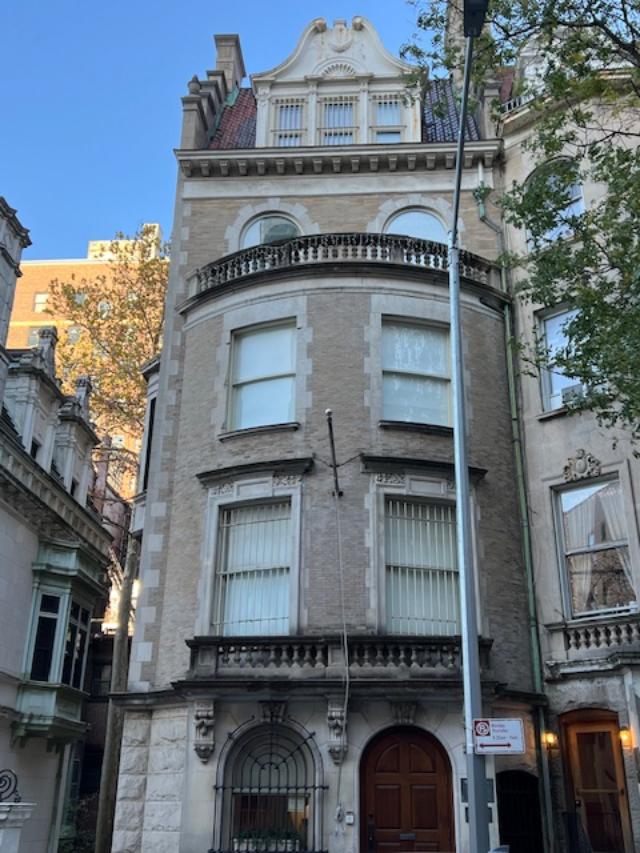


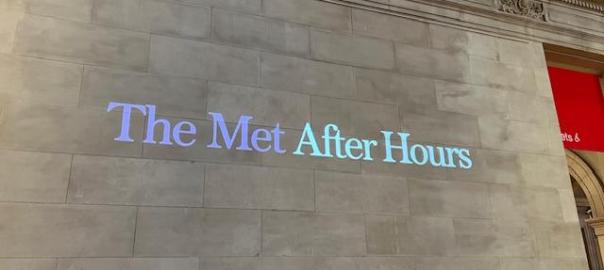







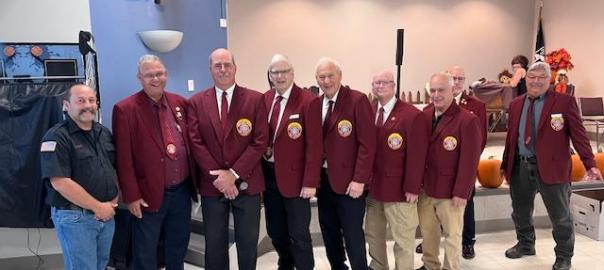


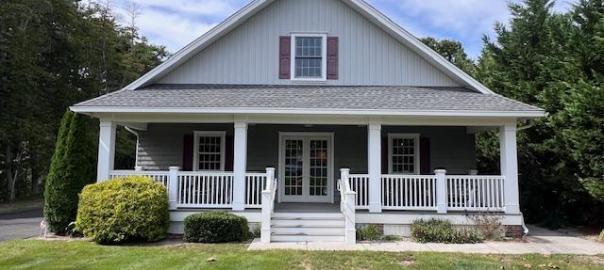
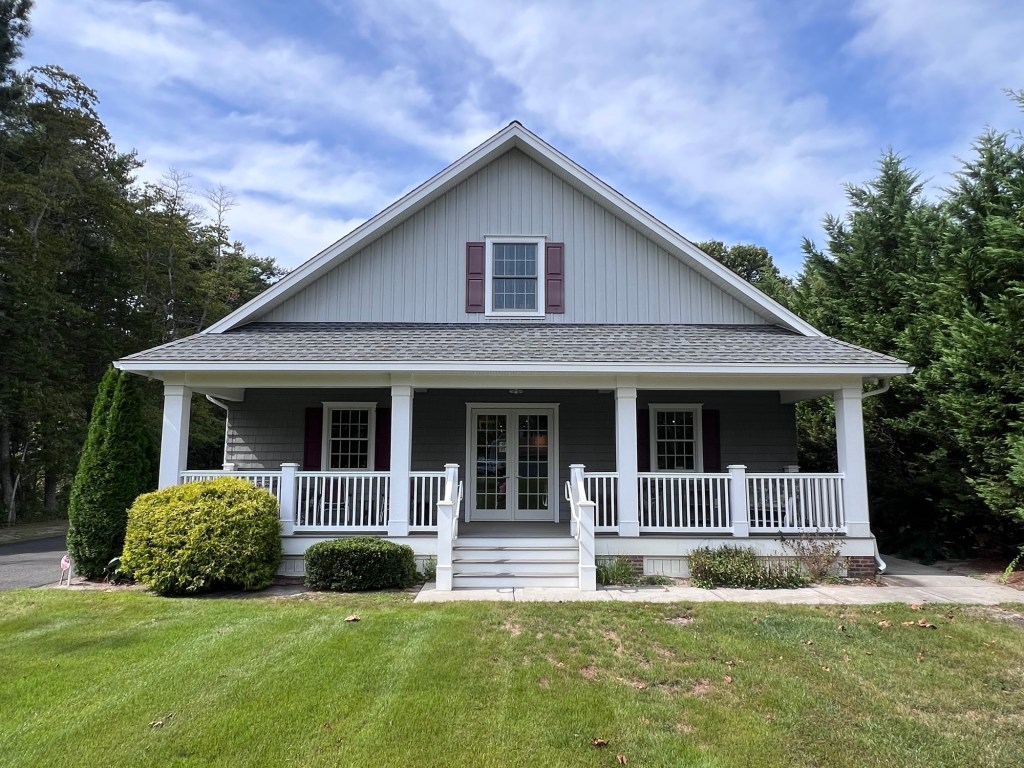

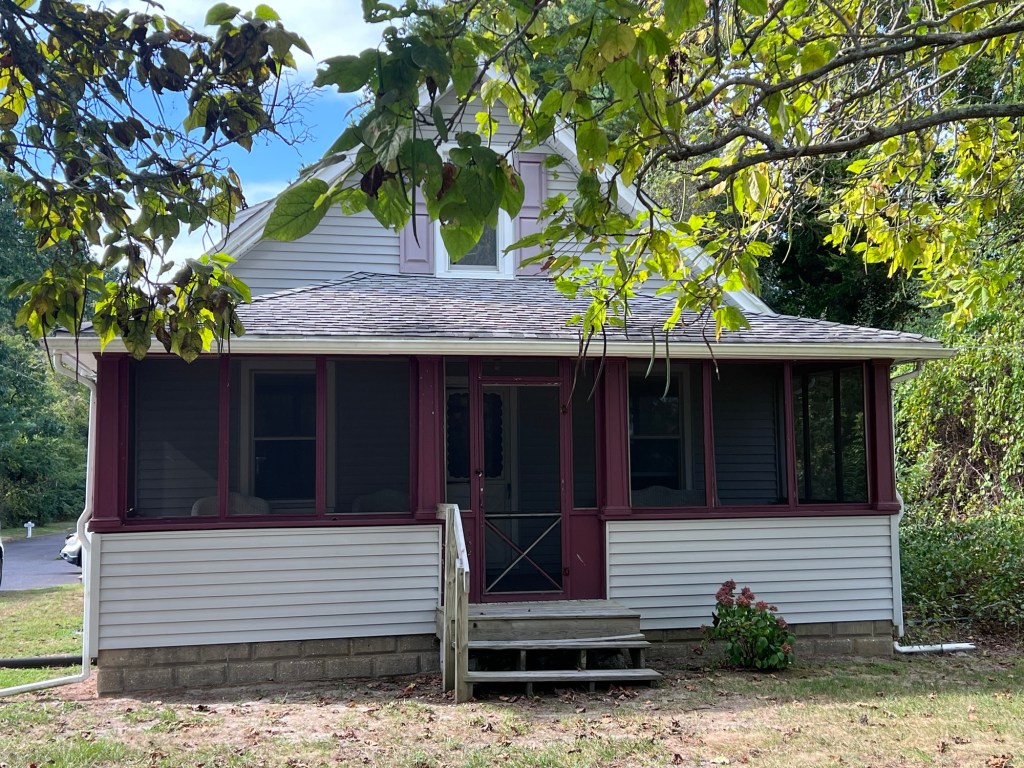

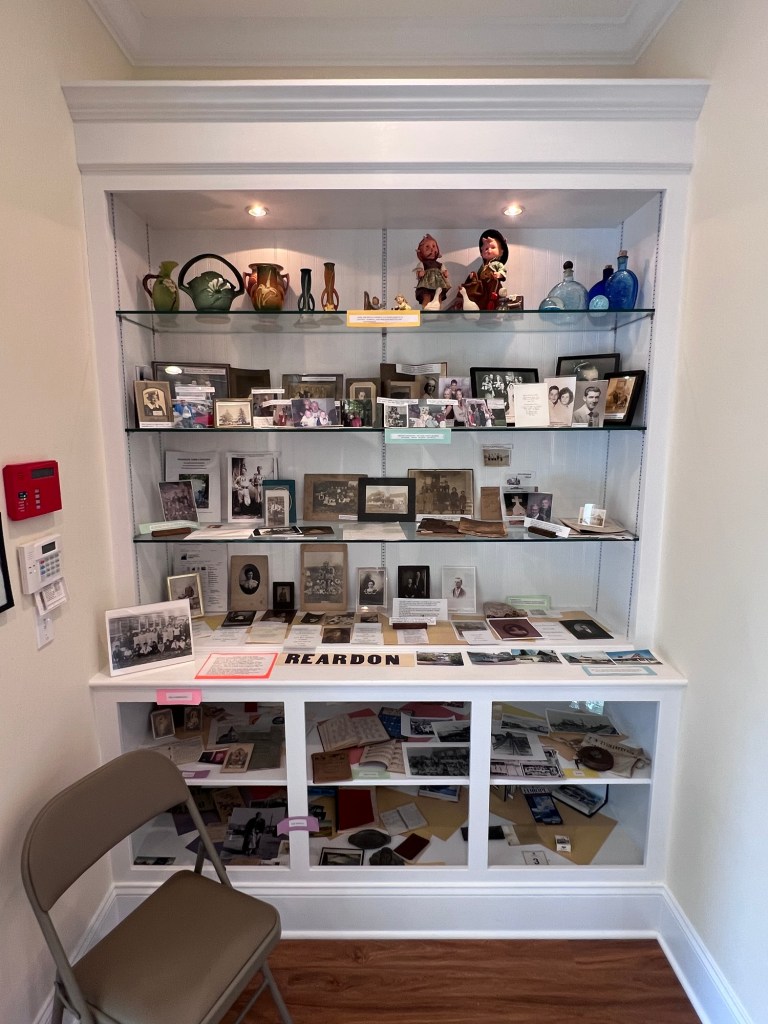
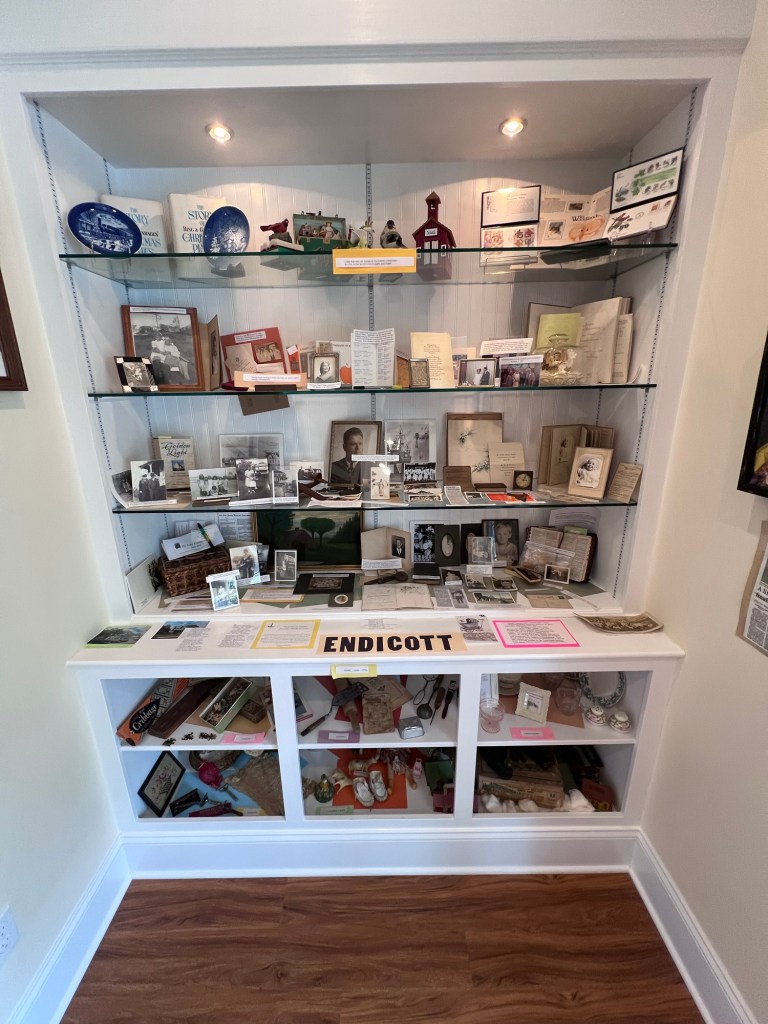
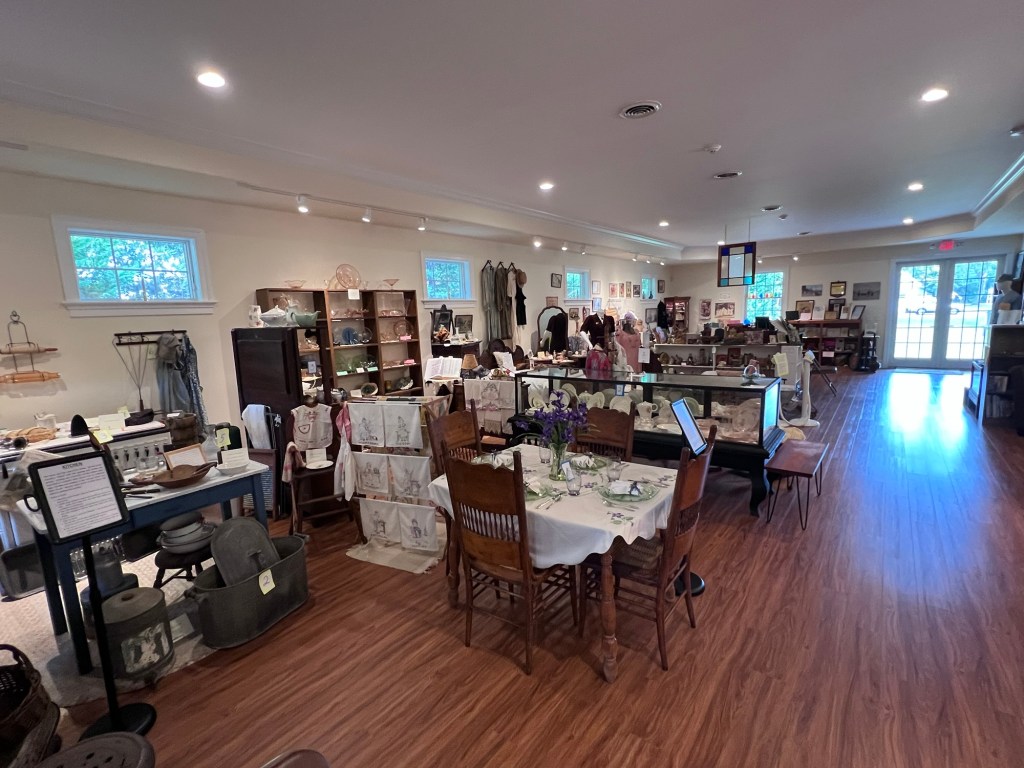


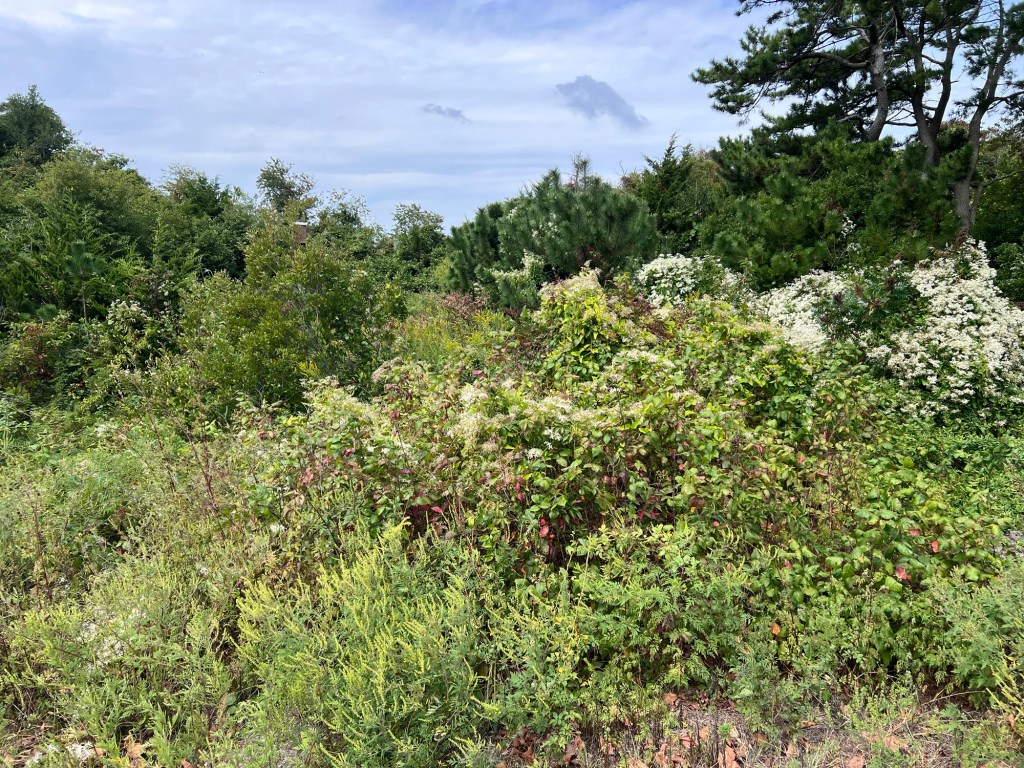
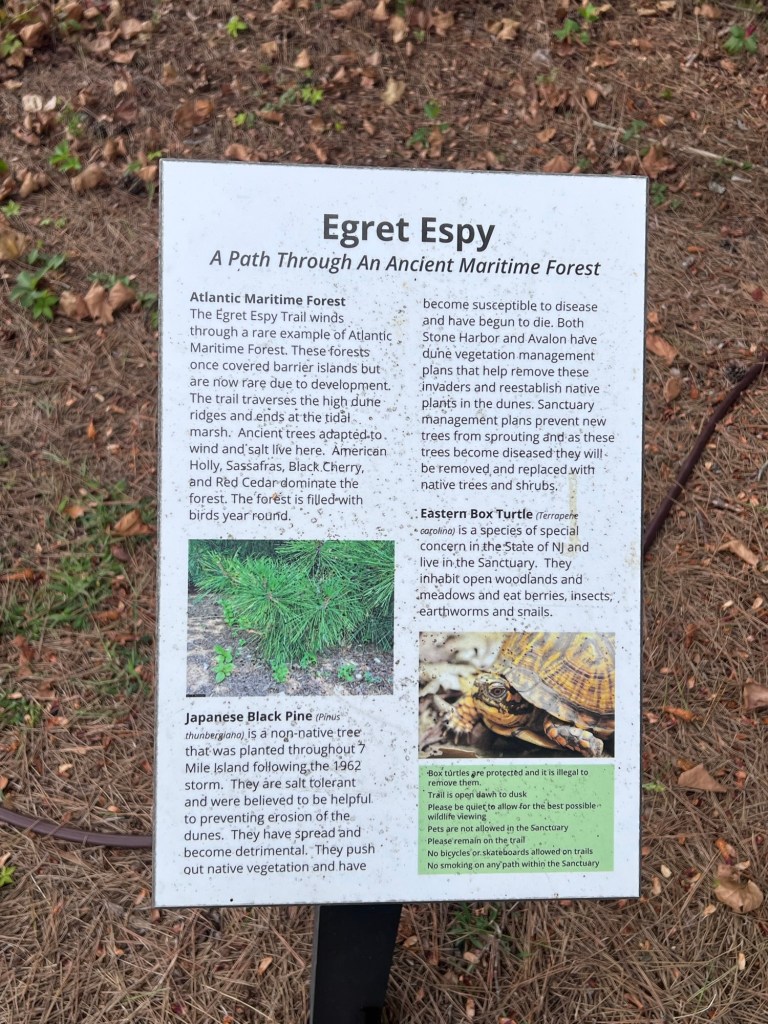

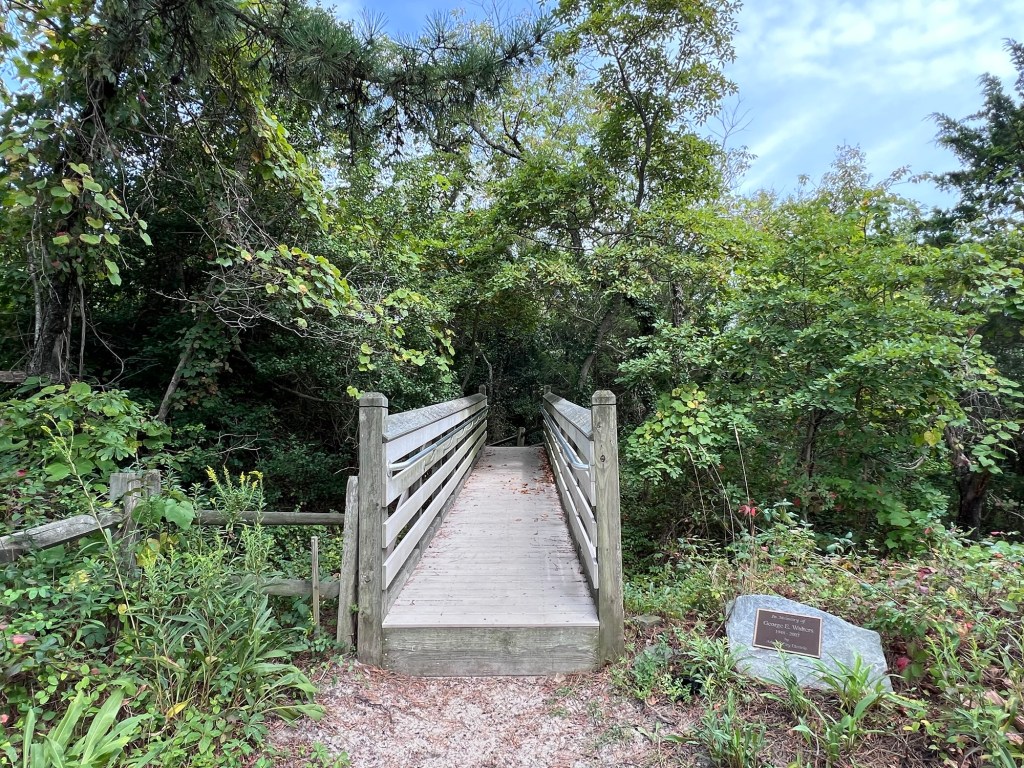
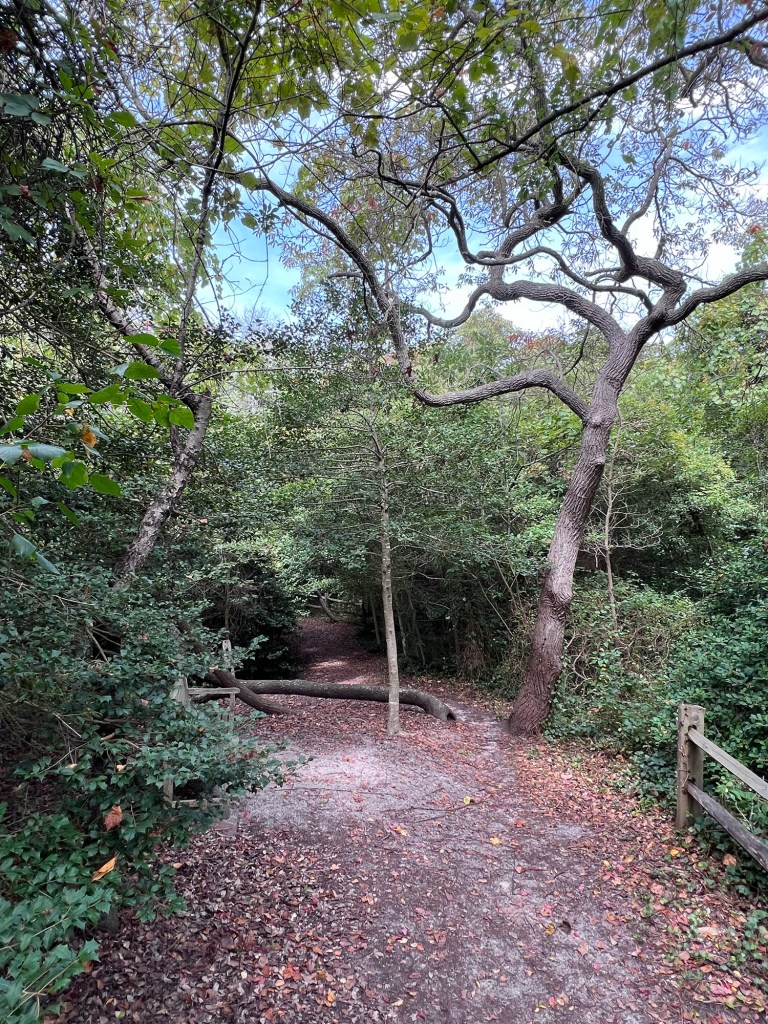
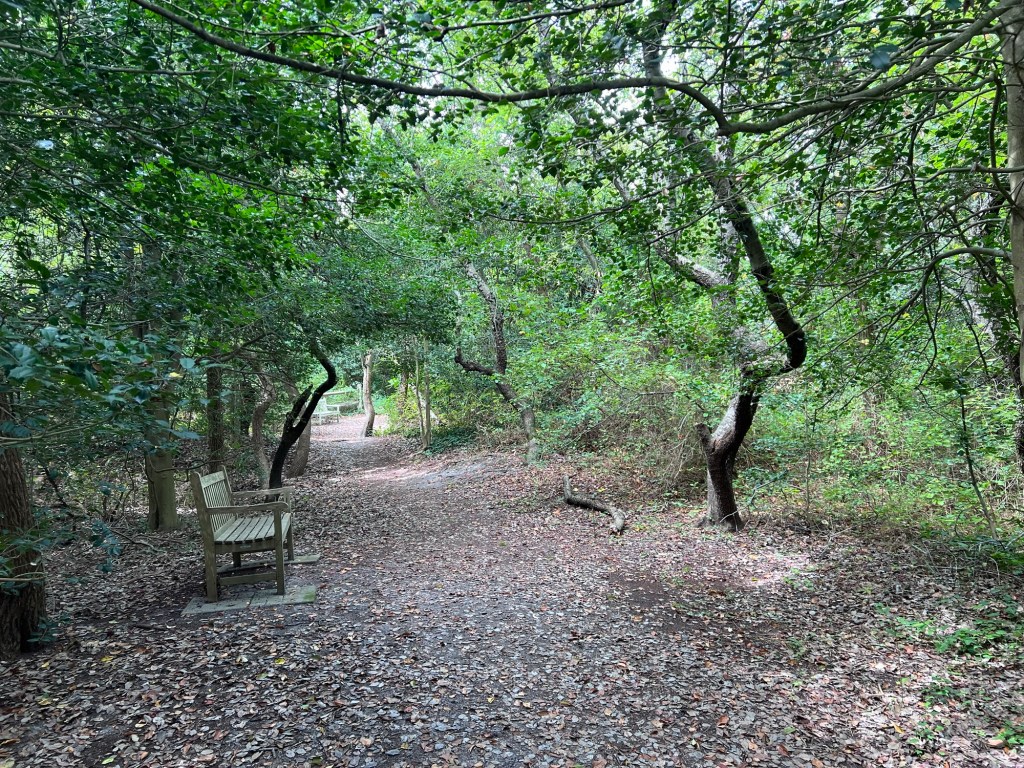


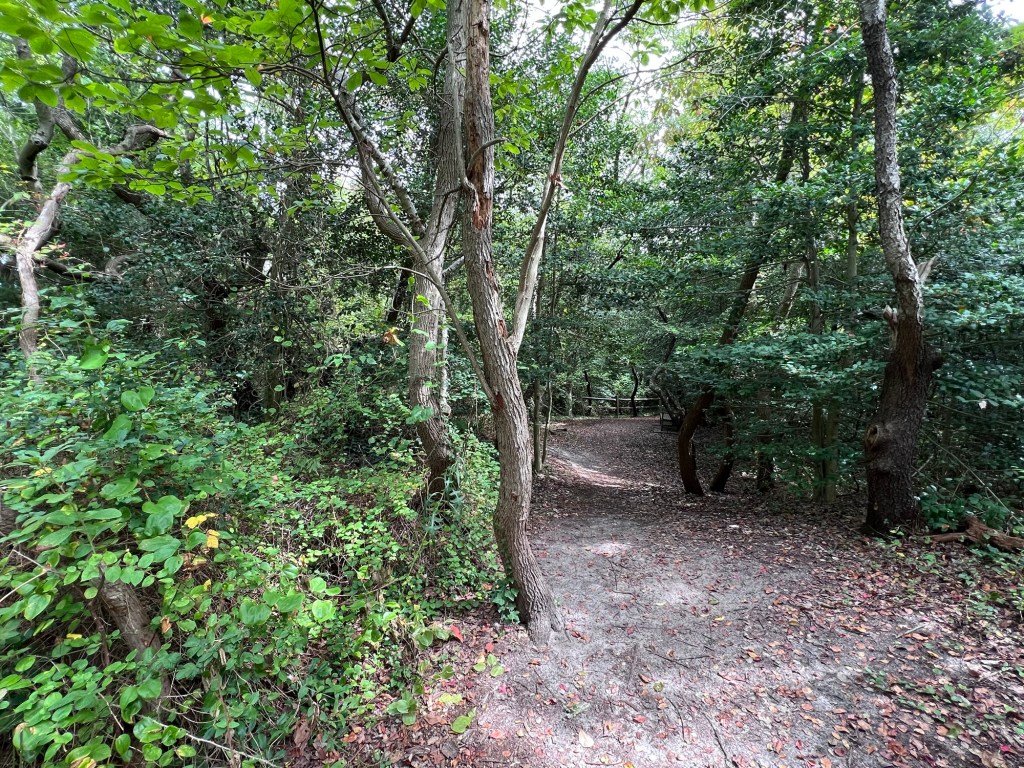

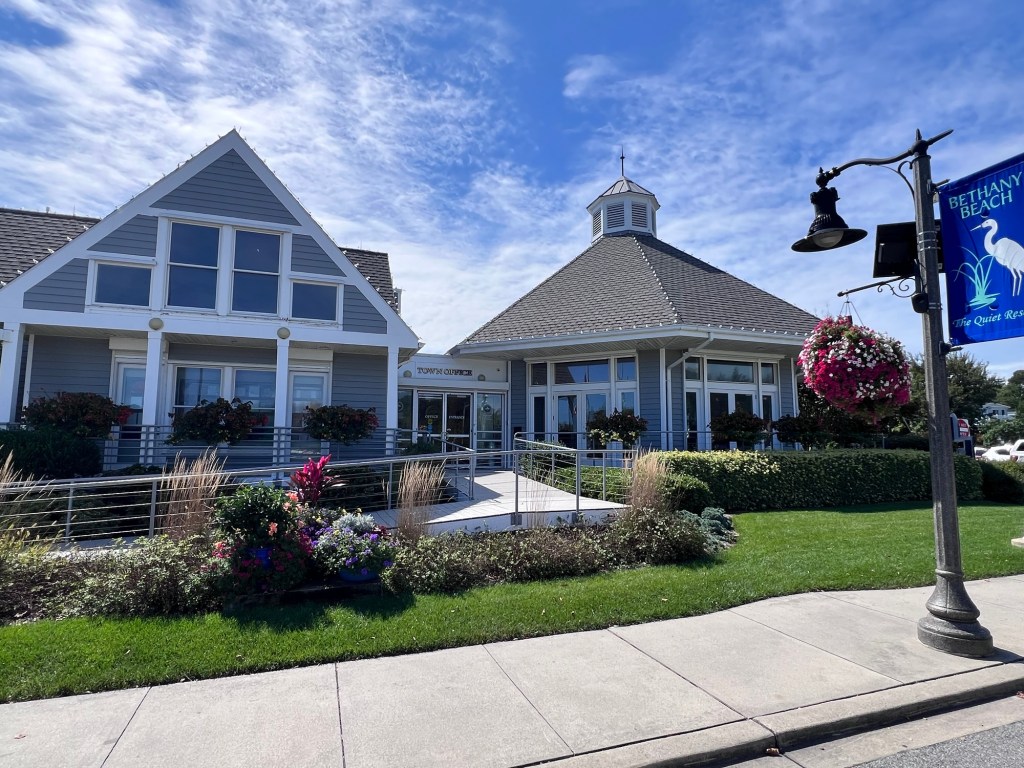
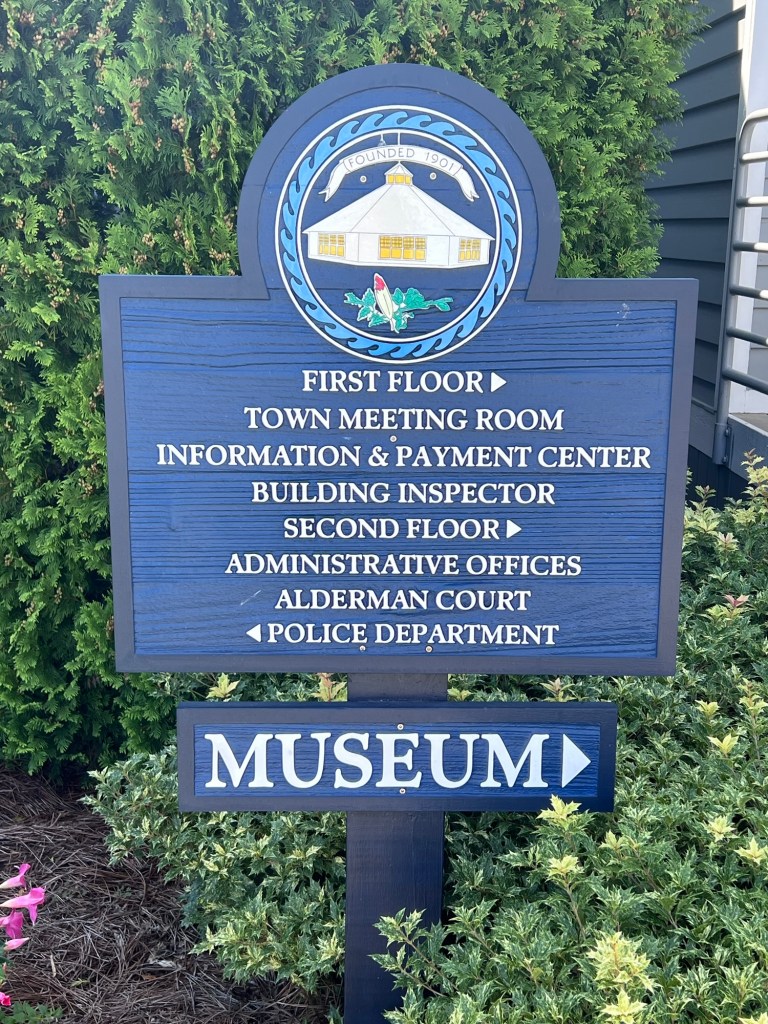
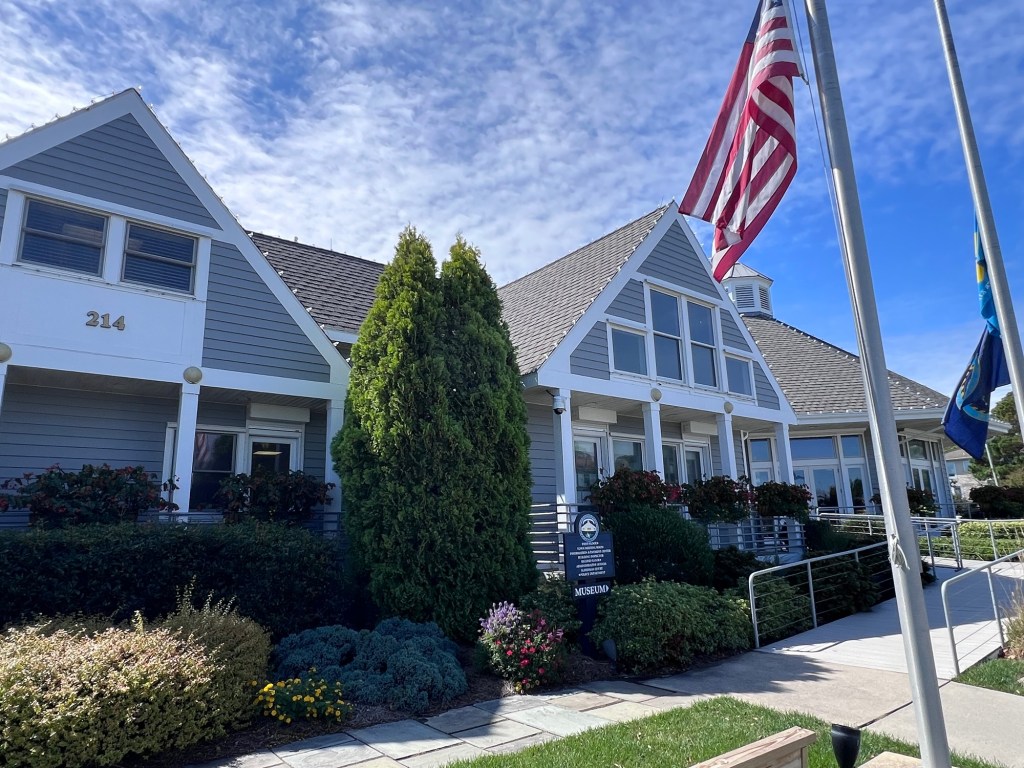

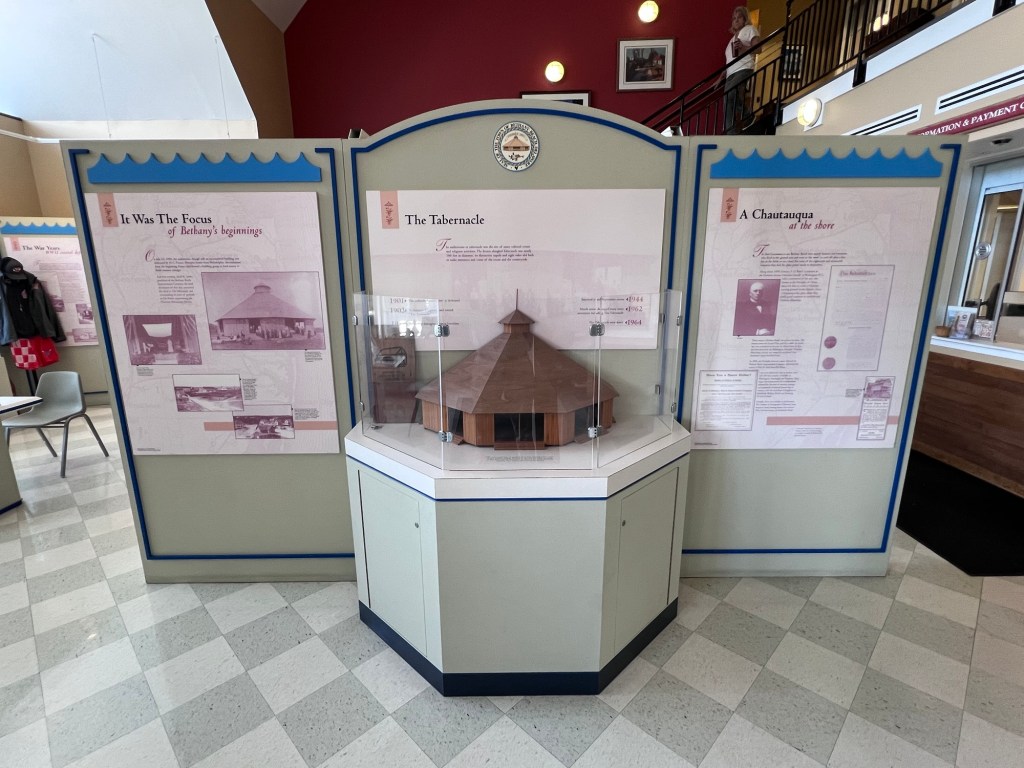


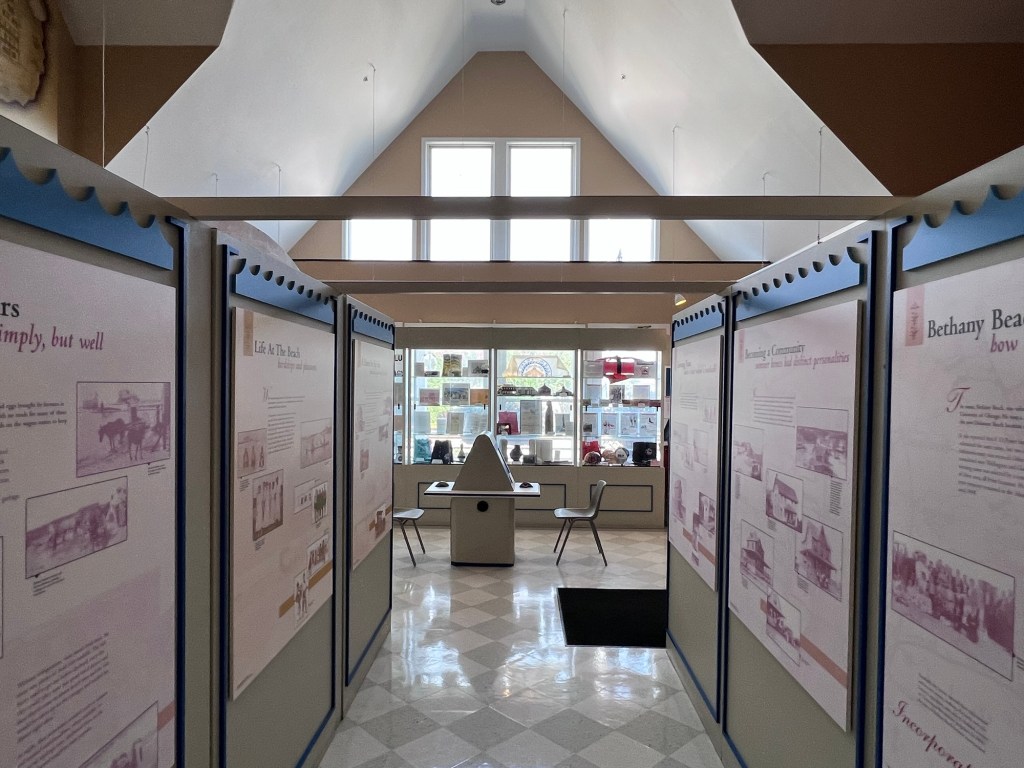
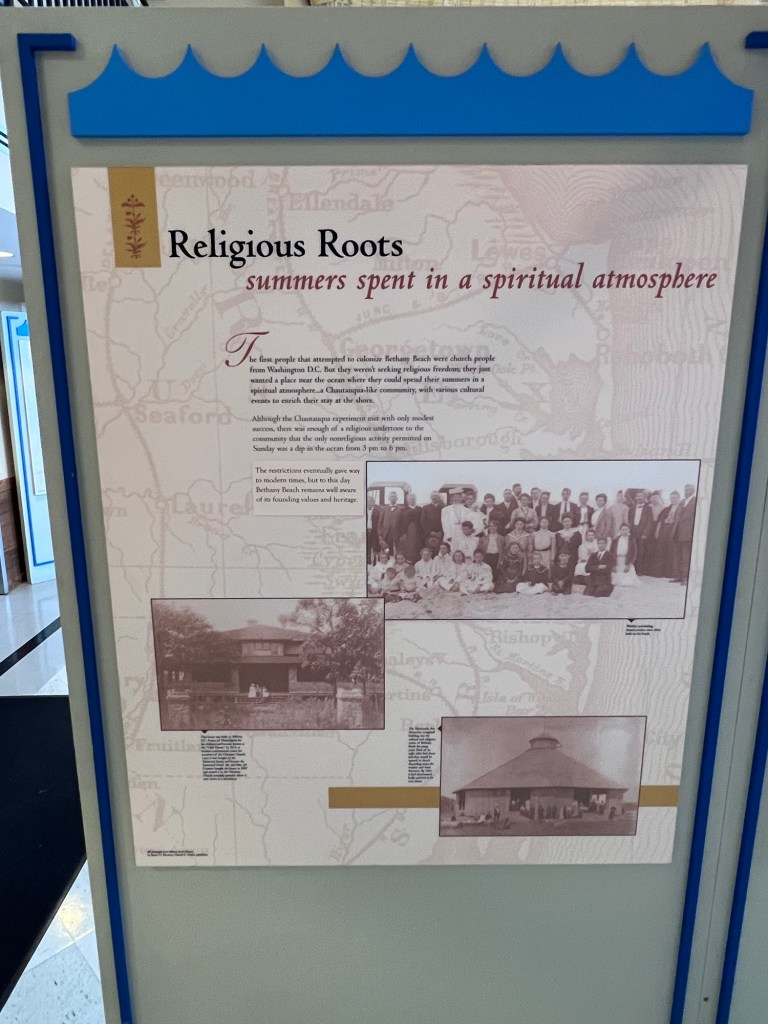
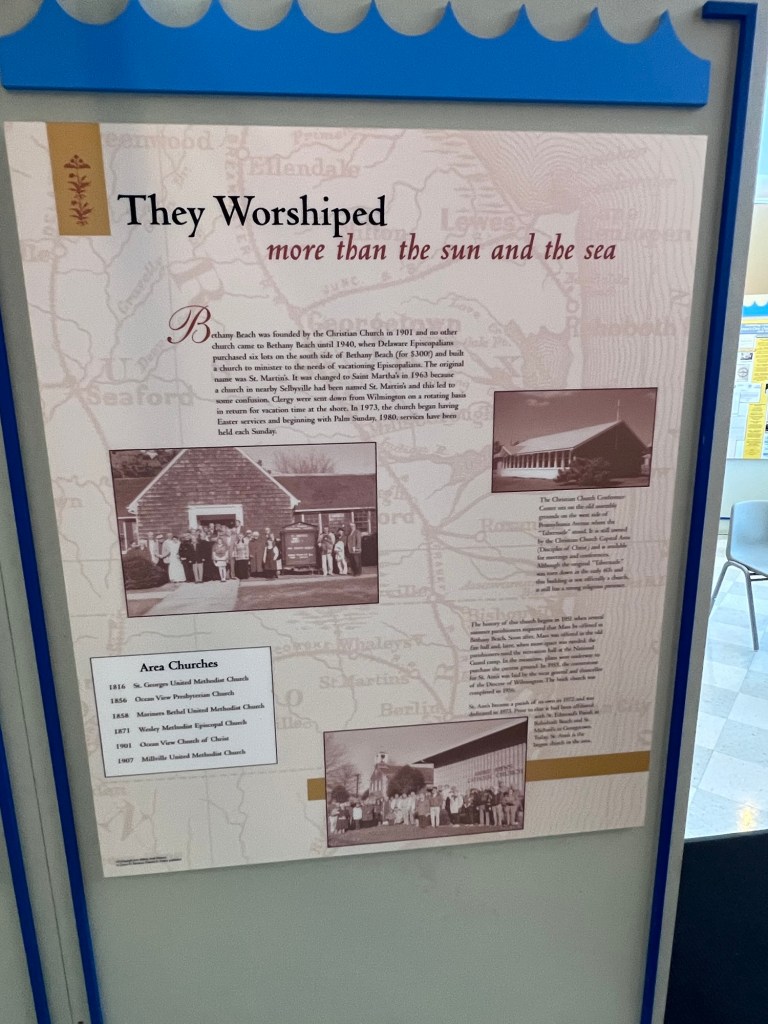
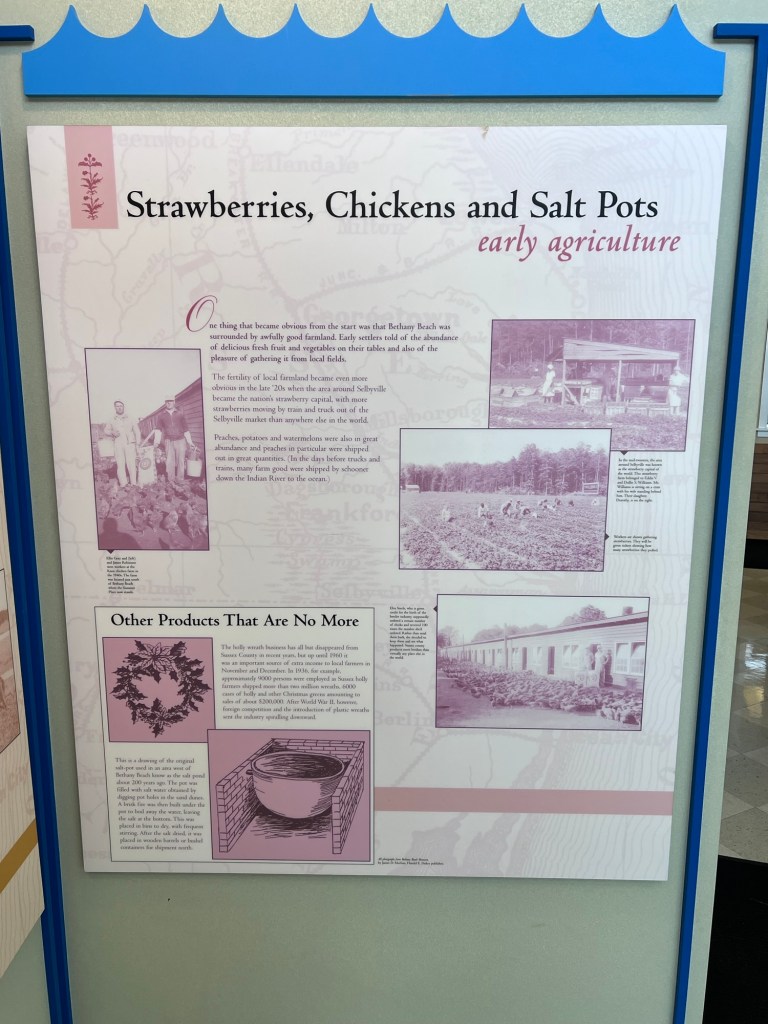


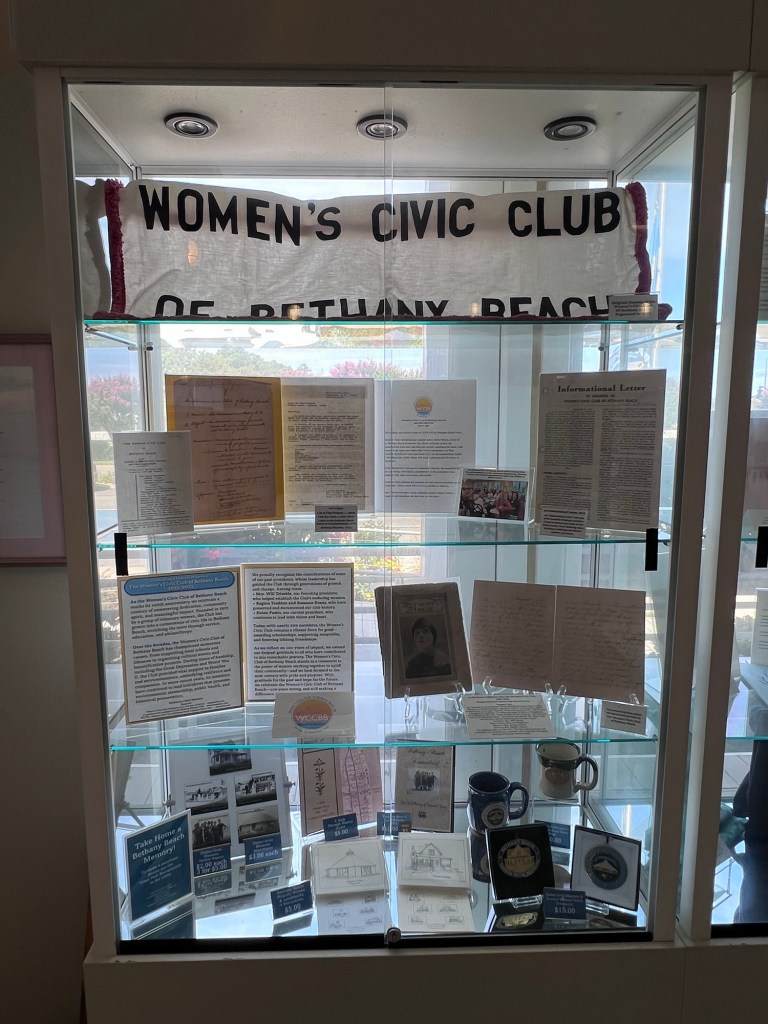
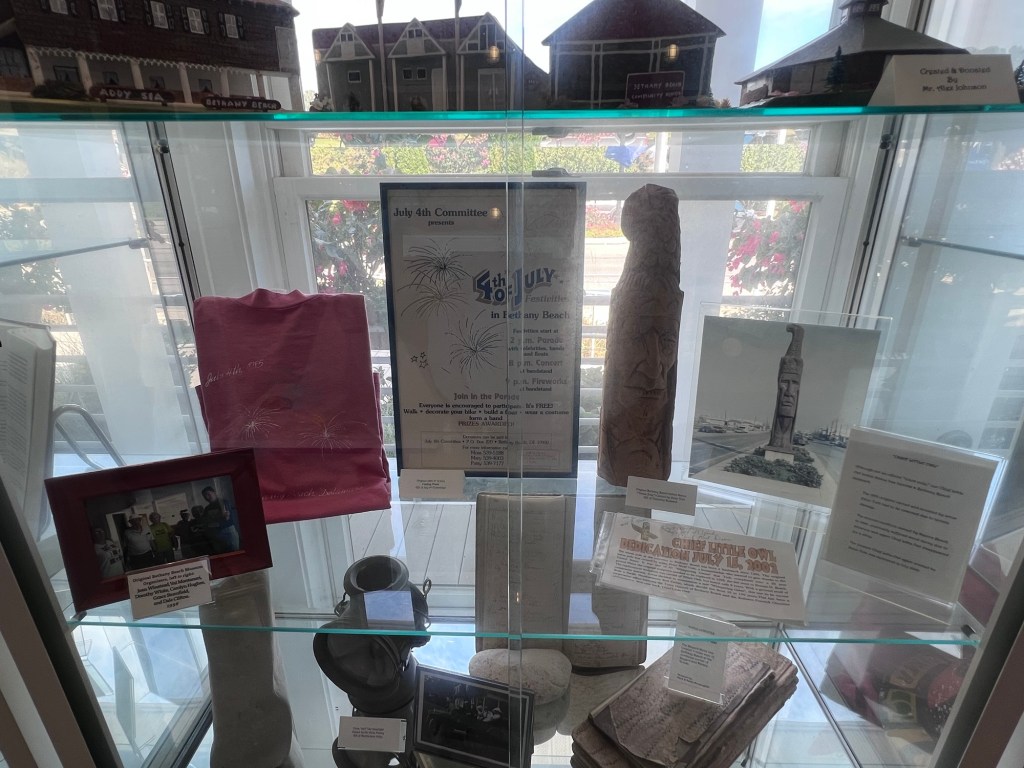


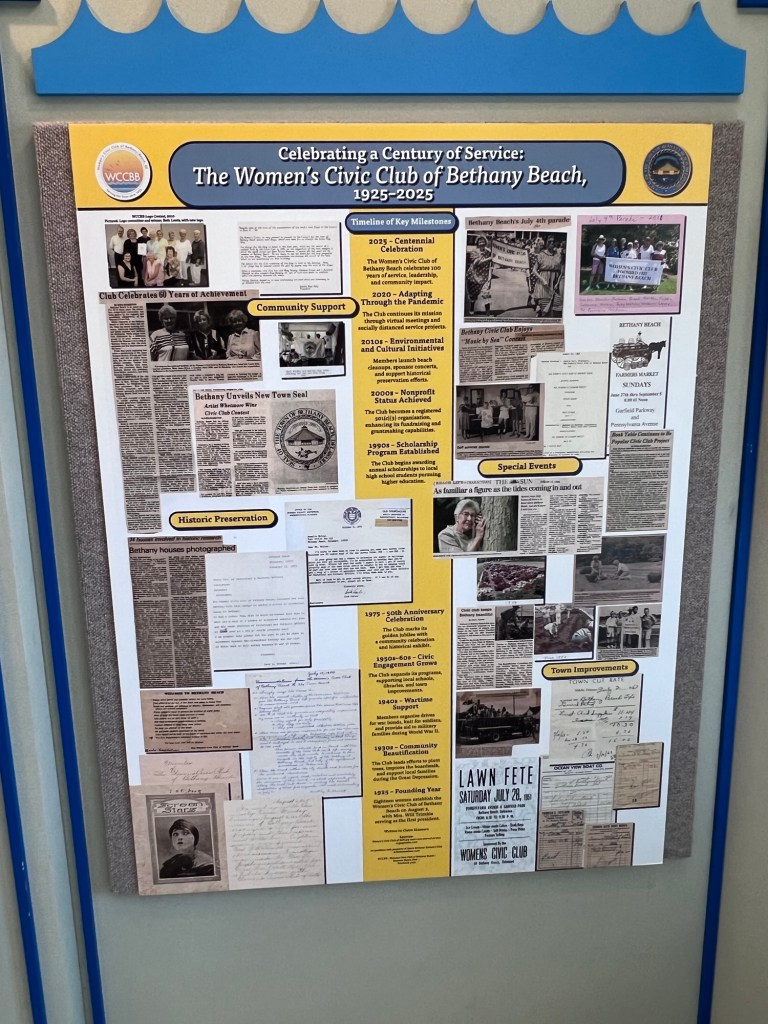




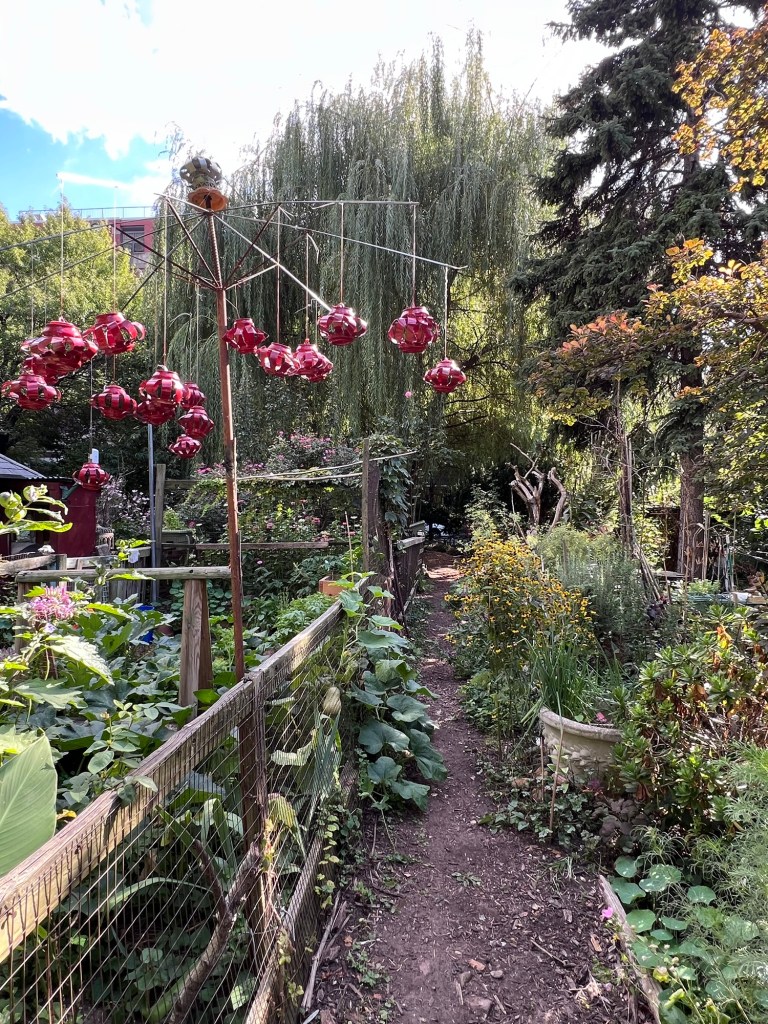


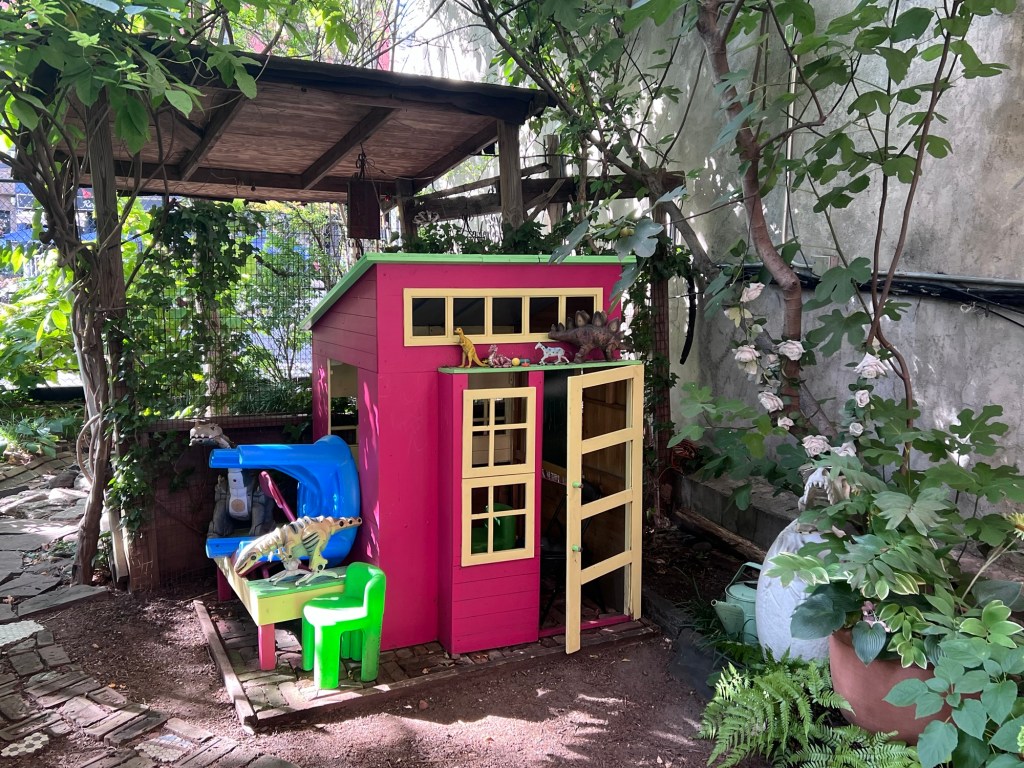
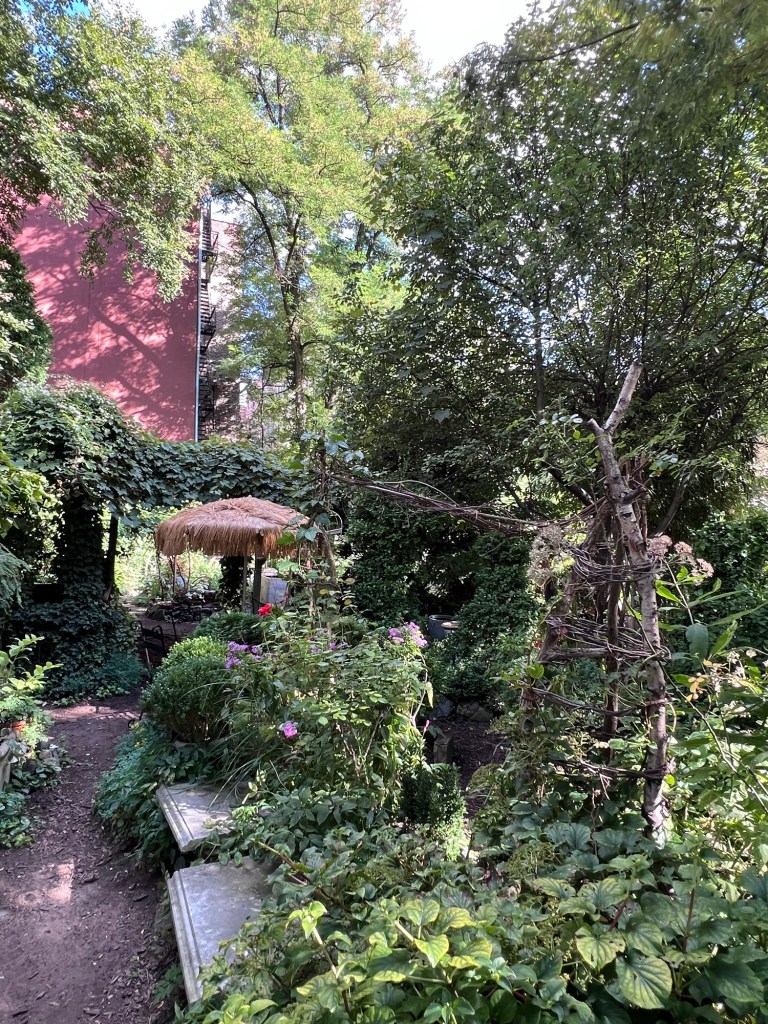
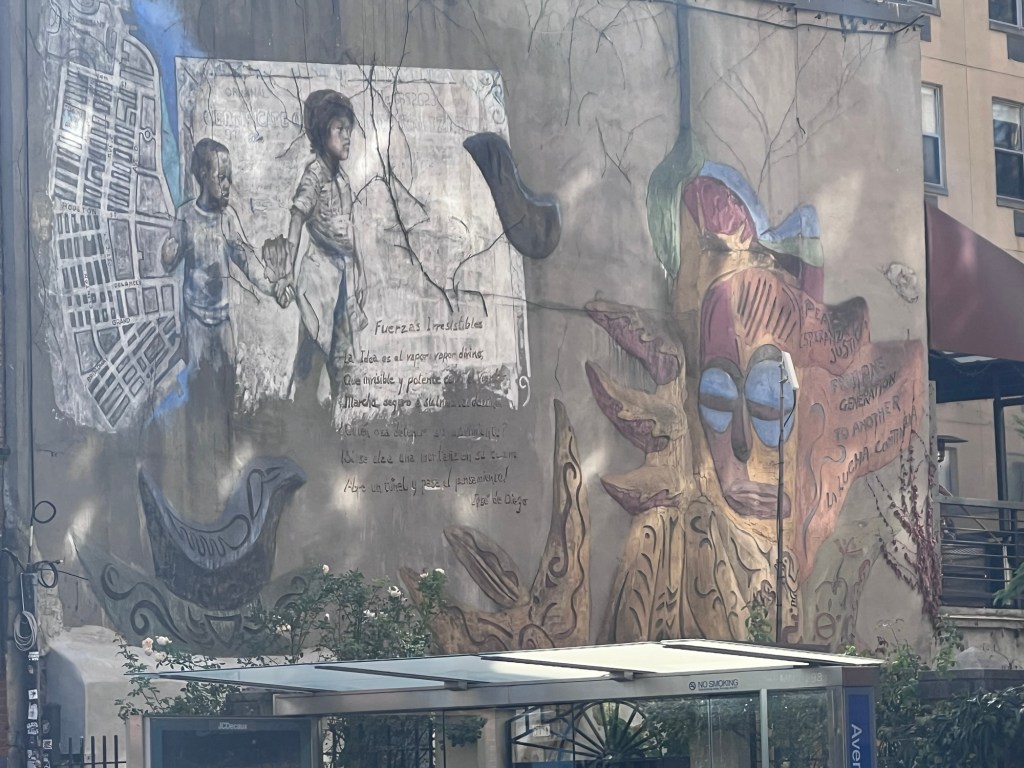
















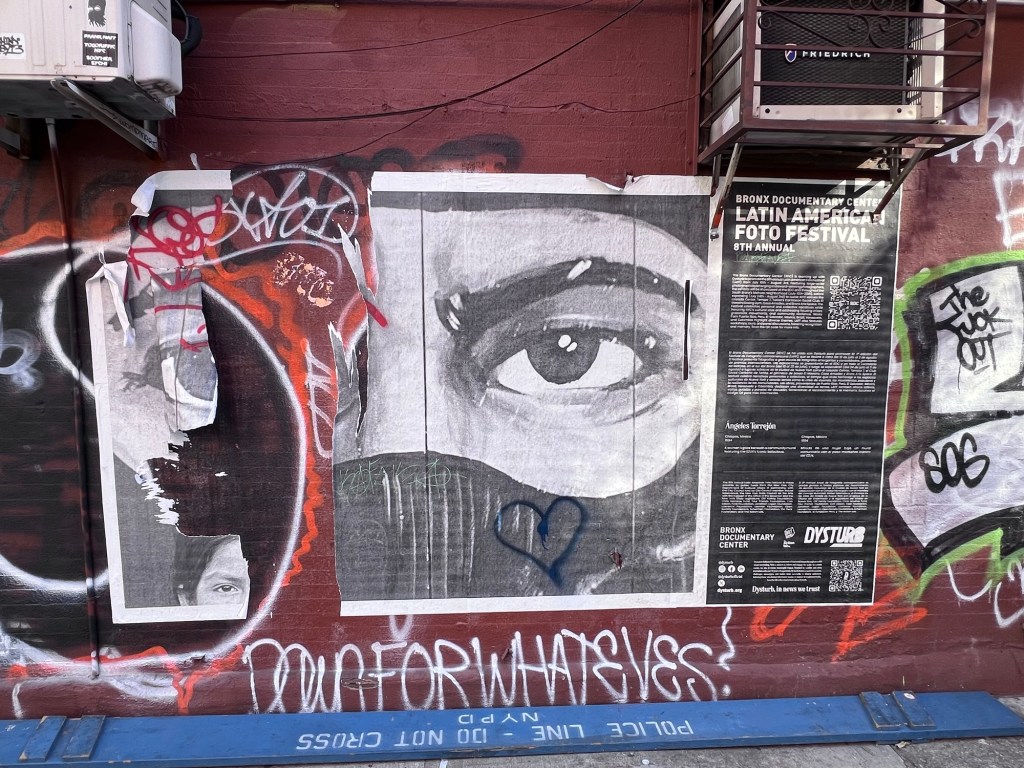


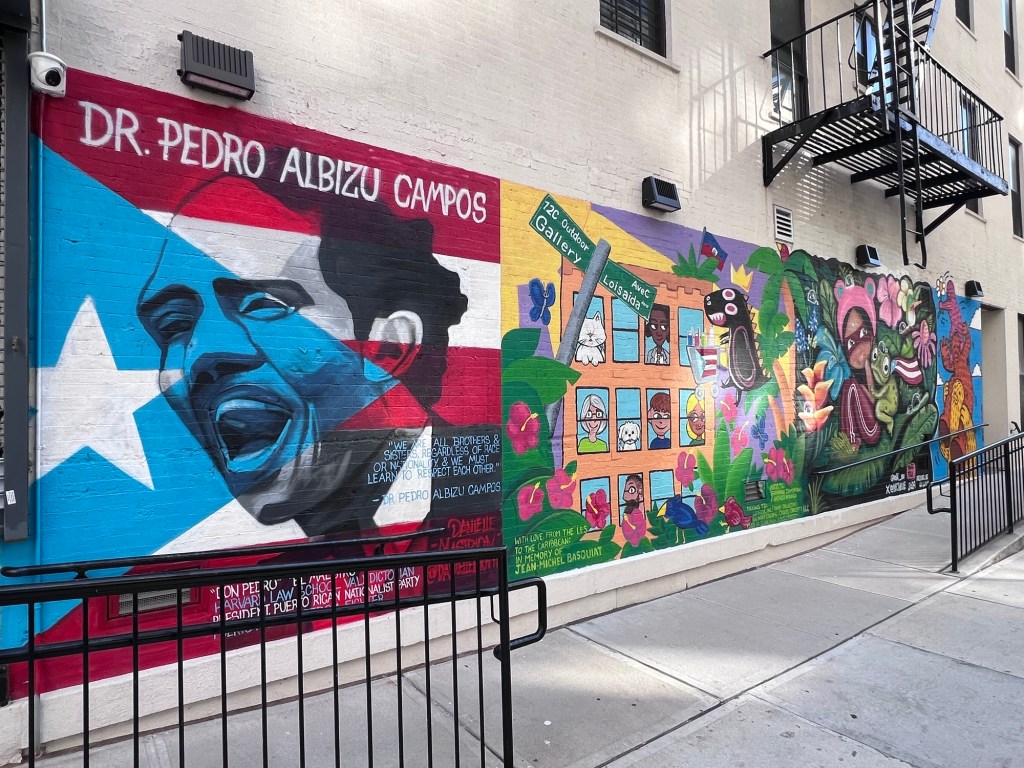


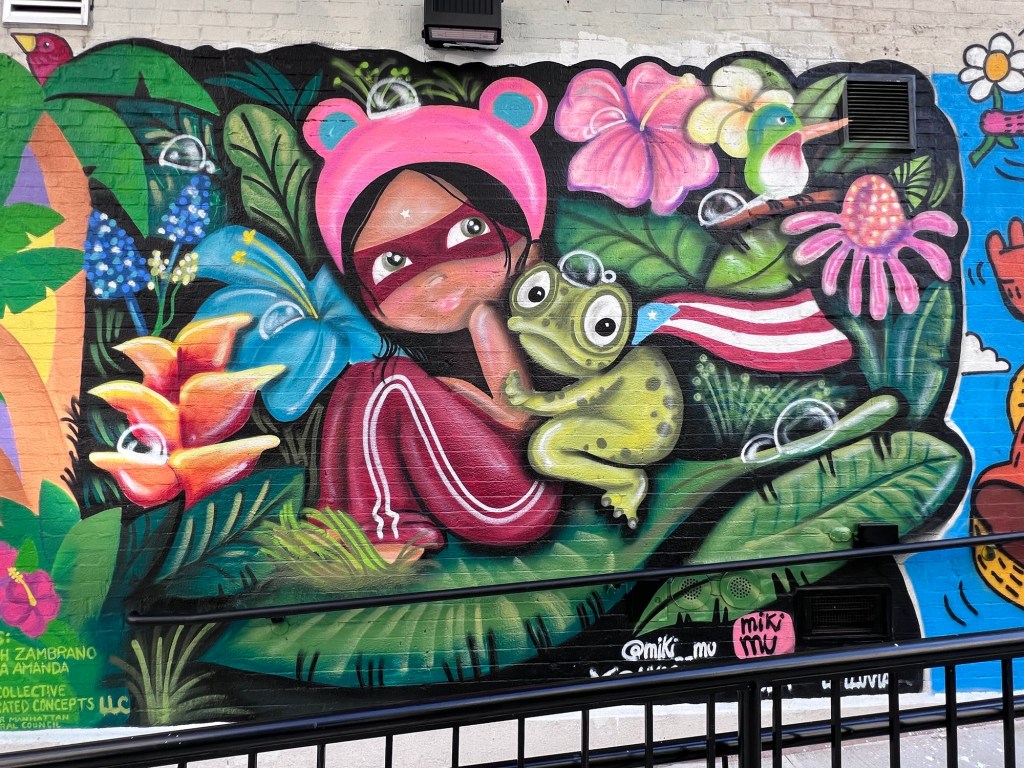





















 mywalkinmanhattan