The historical sign for the Union Cemetery at 151 Franklin Avenue in Wyckoff, NJ
The marker sign put up by the Wyckoff Historical Society
The walled garden just outside the cemetery in bloom
The Union Cemetery was originally the resting place of the Van Blarcom family and the right hand side of the cemetery has the Van Blarcom family plot
One of the descendants of the family, Ethel Van Blarcom Green donated money for the preservation of this family plot.
The Biography of Ethel Van Blarcom Green:
(From the Wyckoff Historical Site)
If you at all familiar with the Wyckoff Historical Society’s recent activities at Union Cemetery, you may know that the 250 year-old site was the original Van Blarcom burial site. The name can be traced to the early 1700s when the first Van Blarcom family settled in New Jersey. The oldest legible headstone dates to 1764.
What you may not know, is that Ethel Van Blarcom, a direct descendant, bestowed a significant financial contribution to the Society beginning in 1978, with her wish that her beloved family cemetery be maintained. Although she lived in California for most of her adult life, Union Cemetery obviously held a special place in her heart, and she wanted to see it survive. The Society has Ethel’s hand-written letters that confirm her generous donation. She also continued to renew her Society membership until 1984.
However, it wasn’t until 2019 that the current trustees decided it was time to use the funds for its intended use, and honor Ethel’s wishes. Several headstones were repaired, new fencing is being installed, and yearly grounds maintenance is conducted, thanks, in part, to Ethel’s generosity.
It was at this time that Society trustees, Doris Noerr, Melanie Long, and Linda Vreeland, dove into genealogy websites and Society archives to learn more about Ethel’s life and to particularly find a photograph of her.
“After several week of research, we obtained Ethel’s death certificate which led to contacting her niece Naomi who is now 92,” said Society president, Lynn Groel-Lynch. “To our delight, she had a photo of Ethel and her husband, Roy Green that we believe is her 1916 wedding photo.”
Ethel was born in Paterson in 1897 and lived to the age of 89. She and Roy moved to the Los Angeles, California area most likely around the time of her mother’s death in 1933. The couple had no children.
“We are still in the process of contacting a few descendants, and those we’ve spoken to have been happy to share what they know about Ethel,” said Melanie Long. “We also will install a plaque in her memory near where her father, Edward is buried in Union Cemetery. There are thousands of Van Blarcom names as they were the one of the prominent families in our area’s farming community, and after all these years, the Society is thrilled to finally honor the legacy of one very important Van Blarcom, Ethel Van Blarcom Green. As they say, ‘It’s never too late’”.
The current history of the Union Cemetery:
(Wyckoff Historical Society website)
The original Grange sign from the 1960s at the Franklin Avenue entrance of Union Cemetery was weathered and fragile. The Wyckoff Historical Society recently replaced the old sign with one that is also hand-lettered, and includes the Grange logo which was barely visible on the old sign. Two new posts display the new sign.
The Ackerman and Terwilliger families are buried to the left/northern side of the cemetery
The Terwilliger family plot
The resting place of James Terwilliger’s tombstone
To the right of the pathway around the cemetery to the south is the Van Blarcom family plot where on the oldest graves is that of John Van Blarcom, a veteran of the Revolutionary War.
The resting place of Revolutionary War veteran, John Van Blarcom
The original section of the Van Blarcom family plot dating back to the Revolutionary War
The later burial section of the Van Blarcom family
The resting place of Daniel and Rebecca Van Blarcom
The Terwilliger family has two sections of the family plot in the northern section of the cemetery
The Ackerman family’s plot is to the middle most northern end of the cemetery
The Mallinson/Westervelt family has the further most family plot of the cemetery
The cemetery is so peaceful and relaxing to walk around. The Wyckoff Historical Society has done a wonderful job maintaining the property. Even though it is the resting place of many family plots, it’s still a very welcoming place and you can feel it as you walk the paths. There is a respect of remembering the people of the past that can be felt here
As you walk the pathways, you visit the people who have contributed to the growth and history of Bergen County and the surrounding area. They shaped their communities from before the Revolution War to today.
My video of visiting the cemetery and the families that rest here.
The History of the Cemetery:
(From the Wyckoff Historical Society website)
The Union Cemetery on Franklin Avenue dates back to the first half of the 1700s, when Johannes Van Blarcom set aside an area of his property to become a burial place. The earliest readable stone is from 1764 and thought to mark the grave of a slave girl because there is no surname given. Johannes Van Blarcom’s daughter, who died in 1725, is alleged to be buried there also. Various community groups have volunteered to maintain the cemetery, including the Wyckoff Historical Society. In 2018, dead trees, underbrush, and poison ivy were removed.
Most are early Van Blarcom family members as the cemetery was one of the original family cemeteries.
The stone marker sign at the entrance to the family cemetery. This cemetery is the final resting place of Captain John Outwater from the local militia who fought in the Revolutionary War and his family.
The memorial to Captain Outwater in the center of the cemetery dedicated to his contributions to Revolutionary War
Captain John Outwater during the Revolutionary War
When John J. Outwater was born on 9 February 1780, in Hackensack, Bergen, New Jersey, United States, his father, Captain John Outwater, was 33 and his mother, Hendrickje Dirck Lozier, was 34. He married Cathalina Van Bussum on 1 February 1813, in Old First Reformed Church, Passaic, Passaic, New Jersey, United States.
They were the parents of at least 4 sons. He died on 25 September 1842, in Wilson, Wilson, Niagara, New York, United States, at the age of 62, and was buried in Glenwood, Lewiston, Lewiston, Niagara, New York, United States.
The original entrance to the cemetery must have been on Moonachie Avenue in the distant past.
The original graves of Captain John Outwater and his wife, Louise Lozier
Across from their graves is the memorial to the family
Various members of the Outwater family including parents, brothers and sisters and children are buried here.
The grave of Jacob Outwater and his family
The tombstone of Jacob Outwater
The grave of Jacob’s son who died as an infant
The graves of George Outwater and his wife, Ann Van Note
I think this is the grave of George Outwater’s first wife, Mary
Buried outside the family plot is the grave of Henry Cordes
The Outwater family cemetery sits on a small hill overlooking a Quick Check store and gasoline station. Talk about modern progress.
I took a quick tour of the cemetery:
My video of the Outwater Family Cemetery and the grave of Captain John Outwater of Revolutionary War fame.
I can’t believe its been ten years since I started this project!
I read online all the time of how people say, “I walked every street in Manhattan in one Summer and I got so much out of it!” Sorry folks, I have been doing this for ten years and I have walked every street, park, road, bridge and byway including other parts of the City and outside the City when the City closed for COVID for a decade and I still have to revisit neighborhoods because they keep changing. The City just keeps changing faster since COVID.
Manhattan like the rest of New York City or any City for that matter is like an onion, you have to keep peeling back the layers and you find more than you thought. You always miss something. I had to revisit the entire Upper Upper and Upper West Side from West 125th Street to West 59th Street over the Fall and there was so much I had to revamp on over a dozen blogs. There is so much you miss the first time around that you have to go back again. Then you go “Wow, how did I miss that?”
The starting point of The Great Saunter at Fraunces Tavern in May 2025
Architecture I missed, restaurants have opened and closed and then opened again under new ownership. Museums that needed to be revisited and so much more that was discovered sometimes in just a one block area. How many residents just pass a building or a statue and give it not a second thought. There is so much to see, do and experience in this City and just on the Island of Manhattan. I think it is all fascinating the complexity of it all.
The only way to really get to know a place is by walking around it and experiencing it. I have done this over the last three years with visits abroad to Paris, Prague, Abu Dhabi and Dubai with NYU, especially when I finally had some time on my own to just walk those cities. What I missed on the tour I visited on my own, especially in Prague and Abu Dhabi, when I had the day to myself and I could relax and do. Just having a morning in Paris to myself and having breakfast near my dorm on my own was an eye-opener, especially to the French who could not believe an American could eat that much for breakfast.
Me doing the tourist thing in front of the Eiffel Tower in Paris the Summer of 2023 with NYU. Talk about walking a City!
This experience I have also shared in the Tri State area with visits to Philadelphia and Washington DC, walking around Newark, NJ (yes it does have it attributes) and exploring the states of New York, New Jersey, Pennsylvania and Connecticut in cities like New Haven, Narrowsburg, Cooperstown, Rhinebeck, Greenwich and exploring the shore towns of Cape May, Seaside Heights and Park, Point Pleasant and Point Pleasant Beach and a complete tour of Long Beach Island towns. There is so much to experience so close to you and each little town has attributes you only experience once you leave the Boardwalk.
I have completed the Broadway Walk from 242nd Street to the Bowling Green over a dozen times and just completed the Great Saunter, the 33 mile perimeter walk of Manhattan for my forth time officially and plan the fifth time unofficially as soon as it stops raining.
On the day of the Tenth Anniversary, it rained all day (it never stopped raining for a week) in the City making walking around the City impossible so I went to the Museum of Modern Art to see some movies that were part of the retrospect that was part of “Pride Week” entitled “Queer and Uncensored”, which was a retrospect of what passed for racy in the 1970’s and 80’s. It is interesting that the MoMA showed what was considered provocative films of that era. I watched some interesting perspectives of art in film.
Honoring a courageous history of liberation and transgression, this major survey of queer film and video includes more than 70 shorts and features by 65 filmmakers. This cinematic celebration of lesbian, gay, and transgender sexuality, love, and activism presents seven decades of pioneering, landmark films and lesser-known or marginalized works.
Guest curators MM Serra, longtime head of Film-Maker’s Cooperative, and Erica Schreiner—both filmmakers themselves—write, “Since the inception of queer cinema, artists have faced censorship and invisibility, a challenge that persists today. Queer and Uncensored showcases a powerful selection of rarely seen, suppressed films that are crucial milestones in the evolution of queer filmmaking. Each program focuses on a topic that is relevant to the development and expansion of queer identity and its diversity. These films explore gender, race, class, sexual orientation, and the emergence of the epidemic.”
After the movies were over, I treated myself to dinner. Then the rain subsided finally in the evening and I decided to revisit a restaurant I had eaten at in post-pandemic in Kips Bay, Anjappar Chettinad South Indian Cuisine at 116 Lexington Avenue. I had eaten here a few years ago right after the City opened after the Pandemic and had wanted to come back to try it again. With some of the restaurants that I have visited lately, it is all about ‘the picture’ (meaning going back to restaurants of the past blogs to take pictures of the meals I had before).
My ten year anniversary dinner at Anjappar Chettinad South Indian Cuisine
This was the exact meal I had in the restaurant five years prior when the City had opened up. Because of COVID, only a handful of us were allowed in the restaurant at one time. As I recall, there were only three of us in the restaurant that night. It was nice to return. The food and service are wonderful here (See my review on TripAdvisor).
The Chicken Marsala is very spicy and wonderful with the bread to soak up the sauce
The Parotta bread is a spiral bread perfect for this saucy meal
The Mango Lassi to cool me down
The dinner was fantastic
The dessert, the Gulobjamun, a sweet rice cake in syrup. Unusual and delicious!
If wasn’t the day I had planned with me wanting to do the Broadway walk but that would be for another day. For tonight I dealt with the rain storm as I did the first day of the walk in Marble Hill on June 15th, 2015 (Father’s Day). It has been a long time since that day and I celebrated walking 2/3rds of the Island of Manhattan.
I will keep walking until I have visited every street, park, and garden until I get to the tip of Battery Park and that includes Liberty and Ellis Islands as well. Along the way, I will be sharing with all of you interesting restaurants and stores while seeing how the City keeps changing. I don’t bemoan things of the past but look forward to things of the future. There is more to come so keep walking with me.
There are more adventures ahead and I want all of you to enjoy them with me.
The Hopper Farm Family Cemetery is a reminder of what happens when time passes you by and the world changes around you. I went in search for the grave of Andrew Hopper, a veteran of the Revolutionary War. I could not find it.
This historic cemetery is hidden from the road behind two large homes on a tiny hill in the back woods. The only way to access the cemetery is to walk down the utility road off the main road, walk through the woods and walk up through the bush to back of two families back yards.
You can tell by the rotting fallen fence that this cemetery was once enclosed but the fence has since fallen and the cemetery in disarray. Still there is a quiet elegance to it.
The cemetery is in desperate need of clean up and repair as tombstones are broken, fallen and discolored.
Some of the family tombstones have fallen. Still you can see members of the Hopper and Demarest families buried here.
Members of the Vanderbryck family Maryann and Rachel
The grave of David Hopper
The grave of Susan Storms, wife of one of the family members buried here.
The grave of Peter Bogart, a member of the extended family
One of the broken tombstones that I could not read
Another tombstone in loving memory of a name I could not read
The broken stone of Fredrick Storms grave
The family cemetery sits quiet and neglected in the woods. Most of the tombstones broken and discolored and hard to read.
I took one last look as I walked down the hill and said a prayer to these forgotten people. One what must have once been the family farm sits a development of extremely large and well maintained McMansions. This is the irony of this once prominent family.
The family buried at this cemetery:
(Bergen County Genealogical Society website)
Copied July 4, 1913, By John Neafie New York City.

    1.  Abraham Verbryck, d. Jan. 8, 1843 ae. 63-11-8.
    2.  John P. Ackerman, d. Feb. 24-1829 ae. 34-1-4.
    3.  Rachel, wife of John P. Ackerman, d. Oct. 4,1844
        ae. 49-11-22.
    4.  Martha Ann, d. Apr. 6, 1835 ae. 1 yr. 8 da.
    5.  Martha Ann, d. Feb. 5, 1837 ae. 2 mos. 7 da.
    6.  Rachel Ann, d. July 12,1838 ae. 6 mos.
    Children of
    Abraham and
    Susan Hopper.
    7.  Peter G. Bogert d. 5 Dec. 1859 ae. 76-6-16.
    8.  Mary his wife d. 5 April 1866 ae. 72-6-21.
    9.  David Berthoif d. 8 Jan. 1851 ae. 85-2-29.
    10. Catharine Storms his wife d. 19 June 1864 ae. 87-2-5.
    11. Peter, son of Stephen D. and Eliza Berthoif, d. 19 Nov.1843
        ae. 1-7-2.
    12. Elizer L. Ramsey (My Mother), wife of Stephen D. Bertholf
        d. 18 Dec. 1876 ae. 56-7-5.
    13. Stephen S. Berthoif (Brother), d. 28 Oct. 1875
        ae. 21-11-17.(same stone as above.)
    14. Frederick Storms d. 20 Feb. 1826 in 54th yr.
    15. Alice, widow of above, d. 6 Jan. 1859, ae. 81-6-25.
    16. John, son of Frederick and Alice Storms d. 29 Apr. 1852
        ae. 37-7-10.
    17. Susan B. Storms, wf. of Stites Miller d. at San Francisco,
        Cal. 16 Dec. 1863 ae. 60 y.
    18. Eliza, wf. of Philip Vantassel d. 10 Sept. 1830
        ae. 29 y.21 d.
    19. Samuel V. Codington b. 19 Jan. 1824 d. 30 Oct. 1834.
    20. Mary Ann Verbryck, wf. of William Codington b. 9 Sept.1802
        d. 17 Feb. 1835.
    21. Samuel Verbryck b. 15 Nov. 1780 d. 16 June 1847.
    22. Rachel his wife b. 5 Aug. 1778 d. 13 Dec. 1864.
    23. Conrod Lines d. 20 Dec. 1839 ae. 66-2-8 (footstone C. L.)
    24. Garret G., son of Philip and Jane Hopper, d. 17 Apr. 1833
        ae. 15 mos.
    25. Rachel Bogert d. 22 Oct. 1793 ae. 70 y. 22 d.
        widow of Lucas Bogert.
    26. Rachel dau. of Lucas Bogert d. 21 Feb. 1791 ae. 30-10-4.
    27. Lucas Bogert d. 2 Sept. 1777 ae. 57 y. 4 m.
    28. Maria Mandevil, wf. of Steven Bartolf, b. 26 May 1736
        d.22 Feb. 1813 ae. 76-8-27.
    29. Aaron G. son of Patrick and Sarah M. Cronk d. 25 Nov.1861
       ae. 6 m. 29 d.
After six months of classes and finishing Graduate school, I am finally back to walking the neighborhoods again. This time to finish Lower Chelsea, which has changed from a neighborhood of manufacturing and shipping to one of the now more exclusive neighborhoods in Manhattan. I started my walk at Sixth Avenue and West 23rd Street.
I found the City a little quieter than on other weekends but figured those who get out of New York City were probably at their weekend homes either at the shore or in the country.
The corner of Sixth Avenue and West 23rd Street
I started the walk where I left off last November walking the streets of the Lower Flatiron District on the corner of Sixth Avenue and West 23rd Street. This is the border of the Lower Flatiron District and Lower Chelsea. These neighborhoods overlap so much I am not sure where on neighborhood starts and the other stops.
Much of West 23rd Street over the last several years has been torn down and rebuilt with new apartment buildings or older more historical buildings have been renovated for the same purpose. The neighborhood has become that desirable especially with the creation of the High line Park. The first building that always stands out in the neighborhood is the Chelsea Hotel at 204 West 23rd Street.
The historic Chelsea Hotel at 204 West 23rd Street
The one building that always impresses me is the Chelsea Hotel. This former Residential hotel is now a combination of residential apartments and a traditional independent hotel.
The Chelsea Hotel at 222 West 23rd Street was built between 1883 and 1885 and was designed by architect Philip Hubert from the firm of Hubert, Pirrson & Company. The hotel is designed in the Queen Anne Revival with a combination of American Gothic (Wiki).
The hotel had originally opened as a cooperative and a home to artists and members of the theater community, but the concept changed in 1905 when it reopened as a hotel. The hotel has gone through several management changes over the years. In early 2022, the Chelsea Hotel reopened again as a hotel when the interior renovations were finished.
The historic plaques at the hotel
The hotel has such a celebrated past with all the famous people who have stayed here. I think all the plaques on the front of the hotel don’t even touch the number of well known names who resided here.
The historic plaque
The historic plaque
The historic plaque
This is just a small portion of the famous people who have resided here.
The hotel went through a massive renovation recently and is now open as a regular hotel. Many older residents still live there but as their numbers dwindle that rest of the building will probably become a regular hotel.
At 244 West 23rd Street is a beautifully embellished building in brick and cream colors was built in 1900 by developer Isidor Hoffstadt. Decorations of garlands adorn the windows and top of the building and some of the upper floor windows are surrounded by archways. It now contains twelve lofts with multiple bedrooms (Daytonian in Manhattan).
While the core of West 23rd Street has changed with gleaming new buildings as residential and office space, as you get closer to Eighth Avenue the neighborhood has that classic ‘old New York’ look to it.
Walking down West 23rd Street near Eighth Avenue
I walked the length of West 23rd Street from Sixth Avenue, the border of the lower Flatiron District to Riverside Park. The weather just kept changing going from really sunny to cloudy and rainy the entire time I walked the neighborhood. One comment it was raining and the other it would be dazzling sunshine.
West 23rd Street by Tenth Avenue and the Hi Line Park
At the end of West 23rd Street starts Chelsea Waterside Park and Hudson River Park, which lines the entire side of the Upper West Side. The gardens were at the height of their bloom and it was a beautiful display of flowers.
This was the legacy of the Bloomberg Administration’s ‘Million Tree’ initiative. Between these parks that lined the waterways and the High line Park, it just made the neighborhood more desirable.
Funny how the weather went from sunny to rainy in ten minutes on Memorial Day weekend. By the time I walked to Hudson River Park, it got gloomy again. Still, it did not affect the beauty of the parks and helped water all the beautiful flowers blooming.
The flower beds were in full bloom
The park was in full bloom in the late Spring and was dazzling. Their Friends groups and gardeners are doing a wonderful job maintaining these flower beds.
As I walked the piers, the clouds kept rolling in and out and it sprinkled off and on that afternoon.
Admiring the view as I was waiting for the clouds to clear
The skyline of Jersey City was gloomy and impressive at the same time
Then the clouds broke again and the sun came out. This would be the weather all day long. The clouds then the sun then the clouds then rain and then the sun. It made for an interesting walking day.
The sun finally came out on Pier 57
The view of the Hudson Yards was just spectacular when the clouds passed by
The path led from the Hudson River Park to Pier 57 and I took the pathway through the Pier and all the recreation buildings that now make up the complex. I had never seen it from the river side of the pier.
Pier 57 from the waterfront side of the complex with all the pleasure boats
As I walked through the passageway, I learned the history of the pier and all the famous ships that had docked or left the pier. There was a display of pictures of famous arrivals and departures from the pier that I stopped to read about. It was a interesting look at the past of these piers,
The people at the dock were waiting for the Carpathian to arrive with the Titanic survivors in 1914.
The Carpathian arriving at New York harbor with the Titanic survivors.
The Lusitania leaving New York harbor for its final voyage. It would be torpedoed before it arrived in Europe.
The modern Chelsea Piers of today
Walking down Eleventh Avenue when the rain cleared
Along past the new construction along Eleventh Avenue
For all the building and changes this neighborhood has been through and so many luxury buildings replacing the docks of the past, there is still a little influence of the old neighborhood that still pops up from time to time. The graffiti art is still fantastic all over the City.
Some of the street art on the construction site on Eleventh Avenue
Some of the street art along the fence of the new construction
I followed Eleventh Avenue down the sidewalk to the Food Court at Pier 57. That was interesting with all the sounds and smells of different cuisines cooking.
The Food Court at Pier 57 should not be missed
The Food Court at Pier 57 really has some wonderful restaurants. There is an interesting mix of Spanish, Italian and Asian cuisines in the food court but it can be a bit pricey. The smells are amazing and you could almost taste the spices in the air. The couple of times I have been here the place is always busy.
The excitement of entering the Pier 57 Food Court
The floral decorations in the middle of the food court. I love the decorations here. They are really festive. The only bad part of the food court is the prices are really high so be prepared to spend money on lunch and dinner.
I left my tour of the food court as the clouds rolled in again and I arrived at Little Island Park, one of the newest and most innovative parks in New York City. The whole park is built on this innovative type of piling that come together to create this whimsical park. Something out of “Whoville”.
My trip to Little Island and the Chelsea Market with my NYU class:
At the very corner of the neighborhood was ‘Little Island Park’ at . This very unique structure has been captivating both New Yorker’s and tourists since it was built.
I then took the time to walk all over Little Island. I explored all the paths and stairs and explored all the beautiful gardens and terraces. What views! As the clouds passed by, we had moments of brilliant sunshine and at times it looked like it was going to down pour.
The gardens in full bloom on Little Island
The views from the very top of the terraces as the clouds finally cleared
Walking back down the stairs
The view from the pathway on the way down towards the exit
The view from the exit of Little Island as the clouds rolled by
The rest of the afternoon was on again off again clouds. I crossed over Eleventh Avenue to West 14th Street into the borders of Chelsea and the Meatpacking District (where at this point all the meatpacking companies are gone). In their place now are gleaming new apartment buildings that surround the High Line Park.
Eleventh Avenue at West 14th Street
I crossed the street to see 14th Street Park in full bloom. This park represents this new neighborhood with its gleaming towers and expensive stores. The lawn was perfectly manicured and the flowers were in full bloom. I did not even see any homeless people in the park. Just young couples walking their dogs.
The gardens in 14th Street Park as you cross onto West 14th Street from Eleventh Avenue
The gardens in full bloom at the park on West 14th street
Crossing onto West 14th Street by the Meatpacking District near 11th Avenue
I have been walking around this neighborhood since the 1980’s and talk about change. What used to be buildings that were geared to the docks and shipping, then became clubs in the 1980’s and early 90’s are now lofts and luxury stores. I have really seen this City change.
Walking down West 14th Street
Walking down West 14th Street near the Meatpacking District
Walking in Meatpacking District by Tenth Avenue
This border that Chelsea now shares with the Meatpacking District (which no longer has any more meatpackers) has become one of the trendiest and innovative neighborhoods in the City. Aldo judging by the prices at the restaurants and stores, one of the most expensive.
West 14th Street in the Meatpacking District
Walking down West 14th Street
As you walk further away from the parks along the river coastline and further down West 14th Street, more modern buildings pop up on both sides of the street. Still here and there, details of the old neighborhood still pop up such as at 200 West 14th Street, with its stoic faces and immense detail in the doorway.
The unique sculptures on outside of 200 West 14th Street
The building was marketed with the sophisticated-sounding name “French Flats,” one of the very first of these was built by Jersey City businessman Henry Meinken at the corner of 14th Street and 7th Avenue. Meinken called on James W. Cole to design his new building in 1888. Cole was a favorite of the Astor family and he built several factory, warehouse and apartment buildings for them, several a few blocks west on 14th around Hudson and 9th Avenues (Daytonianinmanhattan.com).
It was completed in 1889 and given the cultured name “The Jeanne d’Arc.” The five-story brick building with brownstone trim had commercial space on the street floor and 8 commodius apartments above — two apartments per floor. To set the building apart from the baser tenements, Cole added an attractive pressed metal cornice and carved brownstone sills and lintels (Daytonianinmanhattan.com).
The street art along West 14th Street was very interesting as well. I loved this version of lady liberty. This was painted outside of a pharmacy.
The street art outside the pharmacy by Artist Shira One
Shiro’s artwork is an exploration of classic New York urban history through the lens of an artist who reveres Hip Hop culture. Her artwork is a prime example of the fusion of Japanese aesthetics and old school New York graffiti art. In 2002, she moved to New York alone, and after living between Japan and New York, she obtained an US American artist visa in 2013, acquired an US artist green card in 2021, and is currently based in New York (Artist Shiro1 website).
Another great mural that sits on the side of a building on West 14th that stands out entitled “Mural on 14th Street, New York” by Brazilian artists brothers Gustavo and Otavio Pandolfo known as ‘Osgemeos’. This colorful and engaging piece of artwork towers over the street and shows an exaggerated image of everyday New Yorkers.
The word ‘Osgemeos’ is translated as “the twins” in Portuguese, is a collaborative art duo comprised of twin brothers Gustavo and Otavio Pandolfo. It was in the 1980’s with the invasion of hip-hop, and the explosion of Brazilian culture that the brothers began to use art as a way of sharing their dynamic and magical universe with the public. Combining traditional, folkloric, and contemporary elements of Brazilian culture with graffiti, hip-hop, music, dreams and international youth culture, the artists have created an expansive body of work that includes murals, paintings, sculpture, site-specific installations, and video (Lehmannmaupin.com website).
This is what I love about walking around Manhattan. You do not even have to step foot in a museum to enjoy great artworks that are tucked into corners of every neighborhood on walls, telephone poles, on the street and in courtyards. You just have to look for it.
As I walked further down West 14th Street, between all the new construction going on and the gleaming glass towers that seemed to be changing the face of the neighborhood a few buildings stood out for the beauty and details in their architecture.
The first one was the Church of Our Lady of Guadalupe at 229 West 14th Street. I was attracted the elegant look of the church.
Church of Our Lady of Guadalupe at 229 West 14th Street
The church opened in 1902 and was designed by architect Gustave E. Steinback in both the Baroque Revival and the Spanish Baroque style of architecture (Wiki).
The Church of Our Lady of Guadalupe was founded in 1902, and became the first parish in New York City to serve the swelling numbers of Hispanics. During this time the Archdiocese was ill-staffed with priests who could not speak Spanish and those who were willing to reach out to the newcomers and learn their language and their ways were preoccupied with other important ministries. Our Lady of Guadalupe parish was established as a national parish, responsible for the spiritual care of all Hispanics of the city. (Church of Our Lady of Guadalupe website).
The details of the Church stood out for their beauty and elegance
Another standout building on the corner of West 14th Street and Seventh Avenue is 154 West 14th Street. Arranged in a tripartite base-shaft-capital composition with large window areas, this building is a striking and unusual example of a large loft building partly clad in terra cotta, on the three-story base, on the spandrels between the white-brick piers of the midsection, and on the upper portion. The building was designed by architect Herman Lee Meader and was built between 1912-1913 (The Historic District Council Website).
The details on the building are so unusual and you really have to look at the building close to appreciate its beauty.
Another building that stands out on West 14th Street is 144 West 14th Street which is part of the Pratt College today but has an interesting past. Pratt bought the building in 1999.
The beautifully detailed building at 144 14th Street
144 West 14th Street is a grandly-proportioned Renaissance Revival-style loft building. It is faced with limestone, tan brick and terra cotta and was designed by the prominent architects Brunner & Tryon in 1895-96. It is seven stories tall and has a street façade articulated through a series of monumental arches embellished with neo-classical ornament (Historic District Council website).
The detail work at 144 West 14th Street
Though the building reminded me of one of the department stores from the post Civil War period, the building was actually used for manufacturing, one the tenants of the building being Macy’s (DaytonianinNYC website).
Turning the corner onto to Sixth Avenue that Chelsea shares with the Lower Flatiron District, you enter what was once the next great shopping area of the late 1880’s to about 1920 when the “Ladies Shopping District’ moved from 14th Street after the Civil War to Sixth Avenue between West 20th Street to West 23rd Street to create “The Ladies Shopping Mile”.
It would then move to West 34th Street where Macy’s resides today and the ghosts of B. Altman, Stern’s, Orbach’s and Franklin Simon buildings still remain to the last holdout of Lord & Taylor on Fifth Avenue that closed a few years ago that used to line the blocks. Most of the older smaller buildings have been torn down and gleaming new towers are starting to line parts of West 14th Street between Eighth to Fifth Avenues and up along the Avenues.
West 14th Street by Sixth Avenue
Looking up Sixth Avenue and 19th Street, the eastern border of Chelsea
Walking up Sixth Avenue towards West 20th Street, most of the more elaborate buildings are closer to the edge of West 20th Street. Walking back up toward the heart of the former “Ladies Shopping Mile” along Sixth Avenue from West 18th Street to West 23rd Street, the lower part of Sixth Avenue is similar in look to West 14th Street. A mish-mosh architectural styles from years of knocking down the older buildings. Inside are a variety of fast food restaurants, coffee shops and small stores.
The first building left of the former shopping district is the former Pace Building at 610 Sixth Avenue.
David Price opened his first women’s clothing store, D. Price & Co. around 1887. The Price Building was built in 1910-1912 and designed by Buchman & Fox in the Beaux-Arts style (Wiki). The was the combination of the two stores, the one facing Sixth Avenue and the one facing 18th Street (DaytoninManhattan.com).
The embellishments of 610 Sixth Avenue designed by Buchman & Fox.
Next to the Price Building is what was one of the grandest of the department stores in New York City at 620 Sixth Avenue, Seigel Cooper
620 Sixth Avenue-The former Siegal Cooper Department Store
The original store design in the late 1800’s (New York Historical Society)
The Siegel-Cooper Department store was a Chicago based store that was founded in 1877 by Henry Siegel, Frank H. Cooper and Isaac Keim. They opened the New York City store in 1896 on the Ladies Mile Shopping District. The store was designed by the architectural firm of DeLemons & Cordes in the Beaux-Arts design. When it opened, it was the largest department store in the world until Macy’s opened in 1902 (Wiki).
The Siegal Cooper insignia on the building.
The window details
The details on the upper windows of the store.
Henry Siegel over-extended himself and sold the company in 1902 to an investor and the store declared bankruptcy in 1915 and closed in 1917. After the store closed, it was used as a military hospital and then as a warehouse. Today after years of being used as a warehouse, it now has several retailers located in the store space (Wiki).
Across the street from the Siegel-Cooper store is the old B. Altman & Company store before they moved to East 34th Street.
625 Fifth Avenue-The old B. Altman & Company Department Store.
B. Altman & Company was founded in 1865 as a family store that eventually came under the control of Benjamin Altman. It moved from its Third Avenue and Tenth Street location to 621 Sixth Avenue in 1877. The store expanded four times in this location to cover what is now 625 Sixth Avenue. The store was designed in the Neo-Grec design and built in four stages. First by architects David and John Jardine for the original store in 1877 and then the extension in 1880. Then by architect William Hume in 1887 and then by architects Buchman & Fox in 1910. The store moved to the corner of Fifth Avenue and 34th Street in 1906 when the shopping district moved to 34th Street (Wiki).
The last old department store on the Ladies Mile Shopping District is at 641 Sixth Avenue on the corner of Sixth Avenue and West 20th Street.
641 Sixth Avenue-The old Simpson Crawford Department Store
Simpson Crawford like many stores on Sixth Avenue had its humble beginnings on 19th Street. The store continued to grow and expand catering to the ‘carriage trade’ and selling the finest merchandise. After their new store was destroyed in a fire in 1880, they opened the store at 641 Sixth Avenue in 1899 which was designed by architectural firm William H. Hume & Son in the Beaux-Arts design (dayoninmanhattan.com).
The details of 641 Sixth Avenue.
This part of the Flatiron District feels so different from the northern part of the neighborhood. So much of it has disappeared over the years that the character has changed. It does not have the distinction of the blocks between 23rd and 20th streets. There are blocks of these types of buildings whereas the blocks of the old shopping districts of the early to late 1800’s from 14th to 18th Streets have slowly disappeared over time. Older buildings have since been replaced with modern office and apartment buildings. The buildings have even been refitted for apartments and for the growing college campuses in the area.
While there are many architectural gems in this neighborhood, it just goes to show the progression of Manhattan and how things have changed in the last 100 years. The City keeps marching on. Still this section of the Lower Flatiron District shows just how important this part of the old “Midtown Manhattan” was from the Civil War until WWI. Just look up and admire all the details on each building. There are a surprise and delight for the eyes.
The Street art on West 15th Street off Sixth Avenue “I Love New York”
Read my blog on Walking the Streets of the Lower Flatiron District:
While I was walking around Chelsea, I was trying to figure out where to go for dinner. A guy was sampling slices of pizza outside of a new branch of Pizza Studio on West 14th Street. It was delicious and I decided to eat there for dinner.
I thought that the prices were very fair and you got a delicious 12 inch pizza for $10.00 and a lemonade. The whole bill with an extra tip was around $12.50, which was reasonable for all the food. Plus the pizza was delicious.
The ingredients to choose from
The Sausage pizza I ordered that evening
The pizza was wonderful
The pizza served with the Blue Lemonade
What was really nice after the day walking around the neighborhood was the lemonade was so refreshing. You got a choice between Watermelon Lemonade and the Blue Lemonade above and you got free refills. Talk about quenching your thirst on a hot day. It was a great dinner.
Walking past Holy Apostles Church at night
The Empire State Building lit for the holiday
A beautiful site of the Empire State Building
On each corner of the neighborhood, surprises and changes keep this neighborhood in a continuous flux. It just keeps reinventing itself.
When the festival began and before the Strawberry Shortcakes came out that afternoon, there were all sorts of activities and docent led tours. The first one that I went to was the 1820 Schoolhouse.
The historic sign for the 1820 One Room Schoolhouse of Upper Hopewell
The entrance to the schoolhouse
Even though the schoolhouse is from the early part of the 1800’s, it is amazing how it still relates to classrooms of today. I am still convinced it is the connection that students have with their teachers establishes the fundamentals of a good education and learning.
The schoolhouse from the back of the building
The inside of the classroom has not changed in two hundred years
The schoolhouse classroom is similar to today
I will be quite honest in saying that outside the potbelly stove, the classroom here is pretty much the same as the lecture halls that I see at our college campus.
Games and books of the past are similar to those of today
The items of the classroom of the 1800’s. I am not too sure the use of the Apple press but the children may have had chores to do outside the classroom.
A discipline system that should be brought back
After the tour and talk at the schoolhouse and a talk with other educators on the status of the modern classroom (we all had a lot to say on this), I went over to tour the barn.
The Van Wyck Barn
The historic sign of the mid-1800’s barn
The historic marker of the 1845 barn
The actor who was working at the barn told us about wood making and about saws and how to maintain them for work on the farm.
Next to the barn, there was a small blacksmith building where the volunteer was demonstrating items that would have to been made or maintained to keep work on the farm going. Never a dull moment on the farm.
Keeping the fires going and a certain amount of heat is needed to fix these items and create the objects needed on the farm.
The objects and items made at the blacksmith
I know that these tours may seem hokey to some but the volunteers who were at both the barn and the blacksmith were really interesting in their demonstrations. There was a lot of time, talent and creativity needed to keep these aspects of the farm in working conditions.
The rains had really made the grounds lush and all the flowers and trees were in full bloom. The gardens were really well maintained and it was really pretty to walk arounds the grounds of the house.
The gardens by the schoolhouse
In the little pen by the Ice House, they set up a small petting zoo with little goats who looked terrified of us. If we had something to feed them, trust me they would have been less shy.
These little lambs were so cute
I was trying to wave them down but they huddled together
Walking around the grounds
The Icehouse was closed that day
The crowds were starting to get bigger around 1:30pm because that was when the Strawberry Shortcakes were being served.
Since they were a little behind as the high school students were inside preparing the Strawberry Shortcakes, I decided to tour the Brinckerhoff House again. They had a Butter Making class going on in the old kitchen section of the home and there were early American displays in all the cases. All the first floor rooms were open and I got a chance to see some of the new artifact donations.
There were all sorts of displays of clothing, furnishings and assorted dish ware on display in the Living Room and Dining Room.
Early American display of women’s clothing
Early American display of Men’s clothing
The Dining Room on the first floor was all set for tea
The Dining Room led to the bedrooms and the old kitchen
The old Main Bedroom on the first floor
Some the artifacts in the second floor bedroom
Some of the paperwork and artifacts in the main foyer
As I exited the house, I passed the door to the roof cellar. I did not think they would put this on the tour. Only the first floor of the house is open to the public.
The door to the root cellar
I took a tour around the grounds and passed the old outhouse
As soon as I finished the tour of the house and grounds the first trays of Strawberry Shortcakes started to come out and I never saw such a mad dash to get something.
The tent set up to sit and relax and eat
As I went to reach for a Strawberry Shortcakes on one of trays. I swear this woman grabbed two off the tray and practically barreled into me. I know they looked good but I could not believe the way some people behave. These were plenty of trays coming outside.
After I avoided the collusion, I was able to get one of the shortcakes off the tray and sit down. The Historical Society had plenty of seating under the tent and what was nice was they had ice cold lemonade as well. It made the perfect afternoon snack and the reason why everyone was here. When I had taken the initial tour of the property three years earlier, the tour guide told me that they went through 600 of these. I could believe it.
The Strawberry Shortcake with homemade whipped cream
I hate to say this but I waited almost four years to finally try this shortcake and admittingly it was well worth the wait.
The strawberries were so juicy and fresh. I was not sure if they were from a local farm but by the sweetness and juiciness these were not imported.
Yum!
While we were eating the entertainment began. They had a wonderful guitarist playing on the patio and we could hear him down at the tent further away on the lawn.
The guitarist was wonderful. He played all sorts of songs from the 1960’s and 70’s.
Here is a short clip of the concert on the lawn
After relaxing and enjoying the shortcake, I saw that they were starting up the hayrides around the property and the first riders were leaving. I thought it looked like fun.
The first group of riders leaving
I got on the second ride and there was plenty of room on the flatbed. Even though it was a short ride, it was a lot of fun. The sun peeked out for a bit and it made the ride pleasurable.
Us passing the woods at the start of the trip
The start of our journey around the grounds of the Brinckerhoff house.
The start of the journey
The end of the journey
As I exited the flatbed, there was a pretty long line to get on the ride. As simple as this ride was it was so relaxing to just drive around the neighborhood and see the beauty of the house grounds. The volunteers do such a wonderful job of maintaining the house and gardens.
By 3:00pm the crowds had gotten larger and more trays of shortcakes were being devoured under the tent and people were having such a wonderful time. It was almost like a 1970’s event with families spending time together and I did not see one person playing with a cell phone in sight.
Since there was only an hour left of the event, I decided to beat the crowds out of there and explore historic Fishkill. There are a lot of great things to see in town.
The Reformed Dutch Church and its historic cemetery
After walking Downtown Fishkill and noting some of the restaurants I would like to visit in the future, I headed to a pizzeria that I enjoyed on my last trip up and stopped at Antonella’s Pizzeria at 738 US 9 for dinner. I ordered one of their Stromboli’s with a red sauce and it was the perfect dinner.
My dinner, a Stromboli with Italian meats and a Coke
The Stromboli here are excellent and are filled with three different types of meat and two cheeses
Yum!
It really was a wonderful and relaxing afternoon. It was like I was put back into a Time Machine pre-cellphones and families just talked and enjoyed each other’s company. I think that the Historical Society did an excellent job on the event and I look forward to it again next year.
The Strawberry Festival is the first weekend in June as the strawberries start coming in. It’s an enjoyable afternoon.
One of the nicest things about being a member of museums in New York City is when they have the ‘Private Members Nights’, where the museums are open after hours for the membership only. The funny thing about these nights are that the museums seem busier on these nights than they would when the museums are open during the day to the general public.
What also is difficult is when two major museums have their Members Night on the same night. I had to do a lot of coordinating to go to both museums. What made it work is that both museums closed at different times with The Met closing at 10:00pm. I timed it perfectly.
Members Night at the MoMA ‘Behind the Flowers’ for the Hilma af Klint exhibition
The theme that evening was based on the Hilma af Klint exhibition
Going this evening took a lot of planning as I had to teach in the morning and cut the lawn on the afternoon. I was already exhausted by the time I left for the City at 4:00pm. Even on this gloomy afternoon, the weather held and it was a nice evening.
The area around the museum was in full bloom that early evening
The event opened early at the MoMA with their event from 6:00pm-9:00pm and the Met went from 7:00pm-10:00pm so I was able to enjoy both with a lot of walking in between. It was worth it as I was able to see several exhibitions on my bucket list before they closed. With work and finals, it had been tough to visit both of them.
People were enjoying conversation and cocktails when I arrived at the MoMA that evening.
I decided to start my evening at the Sculpture Garden on the first floor. The weather was cloudy but still it was a warm evening. People were conversing near the fountains and listening to music. The lines for the cash bar never let up and they were about thirty deep the whole time.
The Sculpture Garden at the MoMA
While I walked around the gardens and fountains I noticed a lot of the art that they were featuring was really unique, some of which I had not seen before.
The gardens with the poppies in bloom
This beautiful mosaic of a octopus did not have a name
This metal artwork was towards the back of the sculpture garden
The artwork makes quite a statement in the sculpture garden
I watched this interactive art that I had seen at the last Members Night
I love this interactive art in this video
I love watching this video sculpture moving around. I had seen it on my last visit and thought it was very interesting. I then moved upstairs to see the Hilma af Klint exhibition that would be closing that weekend. The galleries were jammed with members who wanted to see the artist’s work. She had some interesting pieces that looked more like a naturalist works.
You could barely move in the galleries it was so crowded. I was not able to get as close to the works as I wanted but I wanted to share from the exhibition the pieces I liked most.
Flowers and an Apple
These interesting drawings on mushrooms
I thought this set of drawings on dandelion’s and strawberries was interesting
As I finished the exhibition, I watched from above other members milling around the second floor
I then moved to the next exhibition ‘Pirouette: Turning Points in Design’, the use of design and concept in everyday life. I thought this exhibition was interesting because it described how we look at functionality and the reasons why things are designed for a specific purpose and then can take on new meaning.
Of the many fascinating and famous items in the exhibition that I saw two well known works stood out to me. The first was the “I ❤️ New York” logo and its development in the 1970’s to be one of the most famous tourism campaigns in history
The Milton Glazer campaign for the “I ❤️ New York” campaign which saved New York tourism and is still used today. What was sad was the creator died during COVID in 2020.
The sign on the development of the design
The other stood out for its simplicity and fame was the development of M & M’s. This simple candy was a result of Forrest Mars seeing the rations of candy abroad of chocolate coated in a shell so it would not melt on the battlefield. With some experimentation, he created the modern M& M.
M & M display by Forrest Mars
I thought the whole museum would be open that night but it was just the two floors plus the gift shop and gardens. Since I saw everything at the MoMA already and it was around 7:45pm, off I ran out the back door to the Metropolitan Museum of Art Private Members Night.
Walking up Fifth Avenue at dusk
Walking up Fifth Avenue at dusk
The walk up Fifth Avenue to The Metropolitan Museum
The Met at night is quite dazzling
The entrance to The Met in the evening
Looking down Fifth Avenue at night
The entrance in the Rotunda was filled with fresh flowers and members chatting away. I even saw some of the members I had seen at the MoMA earlier.
The floral arrangements were spectacular
The beauty of the Rotunda in the evening
Maybe because these Members Nights were on a Tuesday evening, they both did not seem as crowded as they had been in the past. The museum was crowded but not as crowded as the past two Member’s Nights. I think that I arrived at 8:00pm most people were starting to leave. What was nice was that the MoMA night went until 9:00pm and The Met Night went until 10:00pm so it gave me the time to run through both museums.
I started my tour of The Met in the Greek Galleries looking at the Cycladic Art. I always loved the looks of these works.
I love the Egyptian Galleries. I have been coming here since 1973 and have loved them ever since.
I love the ancient hieroglyphics
For the last two Members Nights, the Members Bar was in the Temple of Dendur. It is always so well lit and the music was wonderful. It is a nice way to end the evening.
The Temple of Dendur lit for the evening
The Temple of Dendur was the perfect place to relax and have a cocktail
The crowds were rather large at the bar that evening
The Passion fruit cocktail was the specialty drink of the evening
The Passion fruit cocktail was well worth the money
It was nice to just sit back with the other members and relax and listen to the music. After a long week at work, the sounds of jazz with a nice drink and good conversation is a way to enjoy the evening.
I had a renewed energy after being in the Egyptian Galleries for an hour and I headed into the American Wing to tour some of the exhibits around the main court.
Only the outside of the American Wing was open
I decided to see the new Costume exhibition “Superfine”, an exhibition of Black Men’s clothing through the ages from pre-slavery to current times. The exhibition was a discussion on attitudes, tastes, tailoring and how the Black style influences fashion.
Clothing and accessories I admired in the exhibition
Clothing styles I thought were interesting in the exhibition
The evening drew to a close and I was exhausted running from work to come into the City to walk from one museum to another and then walk back to the bus station. Still I got to see a lot in both museums.
The Rotunda at the end of the evening
The fountain dancing as I left
It was such a beautiful that I decided to take the long walk back to Port Authority via Second Avenue. I wanted to see if my favorite Chinese restaurant was still open. I was getting hungry but at almost 10:00pm not much was open. The Chinese restaurant had just closed for the evening. Since COVID, the ‘City that never sleeps’ is going to bed early.
As I was walking down Second Avenue, I came across a very reasonable pizzeria named Centro Pizzeria & Restaurant at 1469 Second Avenue. All I had to do is look at the pizza cases and I could not decide on what I wanted to order.
Centro Pizzeria and Restaurant at 1469 Second Avenue
My review on Diningona ShoeStringinNYC@Wordpress.con:
The selection of pizzas in the pizza case
The Cheese and Pepperoni pizzas had just come out of the oven and were the freshest of the pies. I noticed the Pepperoni pizza was loaded with pepperoni and I decided I had to try it. The pizza here is excellent.
My dinner that night
The Pepperoni slice was loaded with slices of pepperoni and cheese
The red sauce which is the base of the pizza gave the Cheese slice lots of flavor
Yum!
It really was a nice walk through Midtown with all the lights on and a nice crowd of people walking their dogs in the various neighborhoods. Walking down the streets of the Upper East Side is really a nice walk and the classic New York experience. These Members Nights are a wonderful way to spend the evening.
Admission: Adults $30.00/Seniors & Disabled People $22.00/Students $17.00/Members and Caregivers with disabled person Free/NYC residents and NY, NJ and CT students: Pay as you Wish
Admission: Admission: Adults $30.00/Seniors & Disabled People $22.00/Students $17.00/Members and Caregivers with disabled person Free/Children Under 16 are free/Members Free/Guests of Members are $5.00.
On the evening of May 22nd, 2025 our college, Bergen Community College, on the Paramus Campus held a wonderful evening of music, dance, art, fashion and culinary delights through the partnership of the Colleges of Art, Music and Culinary Arts in the School of Business/Hotel Management, which make up the incubator, the Bergen Institute of Creative Arts (BICA). This evening showcased the talents of not just the students but the Professors who taught them as well.
The opening reception welcoming everyone
We started the evening with a wonderful cocktail party which the Culinary students created for everyone to enjoy. The food was wonderful and so beautifully displayed.
The delicious crab cakes and beef and cheese tartlets on the table.
The Caramelized Pork Belly has an Asian flair to it
The Vegetarian Quesadilla
The crab cakes were a big hit
The infused Water, Freshly Brewed Ice Tea and Virgin Sangria were offered as beverages
During the Cocktail Party, I got to talk to some my counterparts and some of the students on their works that night. They had done a wonderful job. The Art Department had their works hung all around the Cocktail Party.
The artwork’s theme dealt with the Migrant Crisis
Pictures of people involved in the Agricultural industry
The Fashion Program also put their designs and fashions on display during the party as well.
The student designers that evening showed their designs first at the Cocktail Party
After the Cocktail Party, we moved into the auditorium for an evening of entertainment. We would be getting to see the talents of the Theater, Dance and Music departments as well. The first to perform were members of the Theater Department, who did a wonderful job with their performances. These students could really belt out a tune.
The musical performance of student singer, Francesca Muffoletto, singing “Always Something More”
Then student singers, Ashlyn Kurtzmann and Christine Dunning performed “Perfect Strangers” from the musical “The Mystery of Edwin Drood”.
The start of the performance
The student singers performing “Perfect Strangers”
Our Dance Department performed next and student dancers, Manna Tao and Lila Knowles performed the dance, “La Bicicleta”.
The student dancers performing “La Bicicleta”
Then our Music Department performed next and one of our Professor’s in the Music Department, Professor John La Barbara, performed with students Steven Hanst and Haydn Day, original songs that he had written. All the music was a Brazilian theme and harmony was brilliant.
Professor John La Barbera with his trio performing “Aqua De Coco”
Professor La Barbera’s original song “Aqua De Coco”
After his performance with his trio, Professor La Barbera performed music from the movies with musician Gunnar Marks, one of our Music students on campus.
The last performance was all the music students, Gabrielle Buttacavole on vocals and Gunnar Marks, Steven Hanst on guitar, Aden Even-Ezra on bass and Michael Ramirez on keyboards performing original songs by both Gabrielle Buttacavole and Gunnar Marks.
The students performing “Share Air” written by the students
After the Intermission, Professor Mary Bays from the Fashion Department introduced her student designers and then they started the fashion show.
Professor Mary Bays introducing the student designers and they started the fashion show.
The Fashion show
The Fashion Show
The Fashion show
The Fashion show
The Fashion Show
Then the student designers came out with their models and did the runway finish with all their creations. These above creative designs were by student designers Michael Agostino, Camila Stefania Rodriguez Cervantes, Ediliana Pena, Priscilla Reyes, Donna Mendoza and Maritza Gomez. Their designs were quite unique.
The student designer and his creations
The student designer and her creations
The student designer and her creations
The student designer and her creations
After the Fashion Show was over to a very rounding success, Professor Ronda Drakeford, Chairwoman of the Hotel and Restaurant program thanked her students for providing the wonderful food for the program. The Culinary students did a wonderful job with both the cocktail hour and the desserts that followed the end of the program.
Then the performances ended and we all went outside the Ciccone Theater to have the dessert hour, which was not quite an hour as all the students, parents and faculty enjoyed the sweets and they were devoured quickly.
The Raspberry Tartlets served after the show
The Raspberry Chocolate Tartlets after the show
It was an excellent evening of students and faculty showing the immense talent of the students at Bergen Community College on our Paramus Campus and the skills they will bring forward in their future colleges and their careers. Congratulations to all our students involved with the Bergen Institute for the Creative Arts (BICA).
While I was writing my blogs on the beach towns of Point Pleasant and Point Pleasant Beach and Seaside Heights and Seaside Park, I drove through the town of Bay Head enough times as I criss-crossed the popular and heavily visited beach towns. When I stopped and actually walked around their historic downtown, I discovered a town not just rich in history but beauty as well.
Bay Head is a small town of less than a thousand people and the town is surrounded by Point Pleasant on most sides of the town. The town is also surrounded by water with the ocean and the bay and inlets.
What started as a resort town for people from the City to travel to by train for the summer months has morphed into an upscale community of clapboard beach homes, a picturesque shoreline and a wonderful little downtown. During the warmer months just walking around you can see the sheer beauty of the town.
The view of the Inlet from the dock
It is not difficult to walk the town and its quirky downtown area filled with interesting stores and restaurants. One of my favorite places to go is Mueller’s Bakery at 80 Bridge Avenue. Everything I have ever ordered here was excellent.
Some of the creative products in the cases. I loved this hamburger cake
It was hard for me to make a decision when I come to Mueller’s but on the recommendation of the young girl behind the counter I ordered the Apricot Pocket and the Apple Turnover when I could not decide between the two. So I just had them both and they were both excellent!
I settled on a Apricot Pocket
It was outstanding!
I also got one of their Apple Turnovers
The Apple Turnovers here are fantastic! Filled with fresh fruit and surrounded by sugary flaky pastry
I ate all of this while looking at the beautiful views of the inlets and canals that make up the waterways of Bay Head.
The bay at Bay Head on a sunny Spring day
After my snack one of the places I wanted to visit was the Bay Head Historical Society at 1643 Bay Avenue, which is actually in Point Pleasant just on the border.
The Bay Head Historical Society at 1643 Bay Avenue
The historical plaque of the original Loveland Homestead
The museum is small but has a unique collection of objects from toys to historical furnishings to Native American objects. It tells the story of the areas progression from Native American fishing grounds and summer month community to the farming communities these areas became to the modern resort towns they developed into today.
The Native American artifacts in the museum
A handmade dollhouse from a local resident
The collection of vintage furniture
The museum was having an exhibition “Maps” and it was interesting to see how the country created its borders.
The Lord’s signage on the agreement of East and West Jersey
During the summer months, the Slade Dale Cottage building is open for touring. This was donated to the museum and contains a very extensive nautical collection.
The Slade Dale Cottage on the grounds of the Historical Society
The historic plaque for the Slade Dale Cottage
The nautical exhibits at the museum
The Boating exhibit
The Boating display
After the tour of the Slade Dale Cottage, I walked around the Society’s gardens and grounds. The property is beautifully maintained and the gardens were in full bloom.
The grounds in the Spring of 2024
The gardens at the Historical Society in bloom
After enjoying my snack by the bay and my tour of the Historical Society, I decided to walk through the other side of downtown and walk to the beach. I went to the top of the stairs and admired the breathtaking views of the ocean. The waters matched the beautiful blue of the skies.
The beauty of the beach in Bay Head
It was a nice relaxing afternoon just walking around the downtown and window shopping in the stores. There is also a nice selection of restaurants to visit in the future.
While I walked around town before I left for the day and passed the beautiful and historic Grenville Hotel, which was bustling on a warm day. It was after lunch so people were lingering around and enjoying the view. I thought that lunch on the patio might be nice in the future.
It was an enjoyable afternoon and I would have to come back later in the summer.
Bay Head at Christmas time:
After a very long semester both in Graduate School and at the College, I finally traveled back to the Jersey shore on a very gloomy afternoon. I was exploring Point Pleasant and then traveled back to Bay Head. The town was so nicely decorated for the holidays. It was a quiet afternoon and it got very misty outside so I decided to stop at Mueller’s Bakery again for a snack and visit the Historical Society again.
Downtown Bay Head on a gloomy day at Christmas time
The bridge on the Inlet decorated for the holidays
Santa greets everyone outside the firehouse at the holidays. This is such a nice way to celebrate the holidays.
I walked around the downtown to admire the Christmas decorations. The town keeps it simple and elegant and the homeowners did a nice job decorating their homes. Then I went to the historical Society that was open that afternoon.
The Bay Head Historical Society museum decorated at Christmas time
The Bay Head Historical Society Museum explored a “Victorian Christmas” in 2024 and the museum was decorated with period holiday decorations, antique ornaments on their Christmas tree and vintage toys and games to admire as well as the museum was decorated for the holidays.
The display of vintage artifacts
Garland and decorations on the piano
The museum’s Christmas Tree with antique ornaments
I even stopped back at Mueller’s Bakery and an a Glazed Cruller. You should have seen the selection of holiday treats in the cases.
I ate this delicious treat inside the bakery at one of the tables and got to enjoy the holiday atmosphere.
I find Bay Head to be a relaxing alternative to Point Pleasant and Seaside Heights. There you ride the rides and eat fun foods on the Boardwalks. Here you just relax with the sounds of the waves, admire the beautiful homes with their colorful floral landscaping and just be in the moment.
Every semester for my Business Marketing, Management and Communications classes, I create one big Team assignment for my students. In a Commuter College, it is a lot tougher for students to get to know one another between their studies and their jobs, so I create these projects to foster learning, creativity and especially Teamwork.
This was the first time I had ever taught International Marketing and it was a challenge I really wanted to tackle. With International Tourism in a state of flux due to the economy and politics, what type of creative programming and offerings do we have to attract a foreign customer?
Promoting Bergen County, NJ for tourism has been one of biggest challenges I have had and how we get all these places to enter the modern era with a fresh approach to getting people to visit their establishment. The ‘Bergen 250-the 250th Anniversary of the Revolutionary War in Bergen County’ has been our most ambitious project to date. We took the website and plans the County of Bergen had planned and expanded it in every direction.
We added in special events, fundraising ideas, scavenger hunts and walking tours along with a new direction in promoting these sites through Digital Marketing and outlets like Tik Tok, YouTube and using QR codes so that the younger generation can use their phones interactively.
In the past, I have created these projects under the Bergecco-Parc Consulting Inc. banner, the main consulting company, the Orion Malls banner, a Mall design company and the Buscomonzefi.com banner, my Tech Division. Each business does its best to be creative, forward thinking and have a thought producing presentations. I also challenge the students to top on another in their presentations and build on what they have seen others do in the past.
Professor Justin Watrel, CEO Bergecco-Parc Consulting Inc.
Our Corporate site (created my one of my former President’s:
As my International Marketing class entered its second month and before I ran the Midterm, I introduced the Team Project, similar to the one I created in 2020 just as COVID hit “From Revolution to Renewal-Exploring Historic Bergen County, NJ”:
The project that we started right before COVID closed the college:
With that class, I had planned a series of field trips once we got back from Spring Break but we never went back to campus. That project was done with work that had to be done online and with what we had because we could not leave our houses at that time. This project was to do what that project could not accomplish.
So I approached Vivian Davis, of the Bergen County Historic Division, who I had worked with for years in my time at the Department of Disabilities Services for the County, and who I initially worked with on the first project and asked her to help me again. She is running the ‘Bergen 250-the 250th Anniversary of the Revolutionary War in Bergen County’ event. Would she let me help her coming up with a different angle on advertising the event and some new ideas for special events and a fresh perspective on looking at the event from the students viewpoint?
It would be one of the most ambitious projects that I had ever attempted for this company model. She agreed to let me help in my own way plus be available for being a listening ear for the students and assist us on the Team site visits and tours.
It was a great partnership as she got much needed research and ideas for advertising while the students learned something new about their communities that they did not know. Even I learned about historical sites that I never knew existed and I have lived here off and on for the last thirty years. Everyone got something positive out of it and it was a win-win partnership.
I put together the project and had Vivian look it over and with some adjustments, it was a go and I presented to my students two weeks before the Spring Break in March. We would work on this project for the next seven weeks along with a series of site trips to places in the ‘Bergen 250’ roster. It would be an eye opener project for everyone involved.
The initial project concept for the Bergecco-Parc Consulting Inc. Team Project “The Bergen 250”:
I chose my Executive Team from a series of what I call “Alumni Students”, who I had in other classes and I knew their work and how they had performed in other Team Projects that I had run. I chose the remainder Student Executives from a look series of papers I had them write for the class promoting Foreign Tourism and Advertising.
Paper Two: Promoting McDonalds Foreign Food items for the American Market:
These two papers are how I determined who would be on what Teams and how they might perform on that section of the project. For the most part I was right. I saw this at the end of the project.
I broke the class into the following Teams: Marketing, Talent, Historical and Food Service with each Team having their own responsibilities (Please read the project). They were led by the President and Senior Vice-President of Operations, who reported to me as their CEO. Both of these students had participated in previous projects that had been equally ambitious.
The two weeks before the Spring Break, the Student Consultants got their game-plans together, divided the responsibilities and started their research on the historical sites being promoted by the ‘Bergen 250’. There are a lot of historical sites in Bergen County that date back to the Revolutionary War and before To the time of Dutch settlements.
When we arrived back from the break, I arranged a series of Field Site visits that I took my student to so that they could experience and tour the sites up close. These were also location trips for of Food Service division who would be arranging a series of special meals at these sites.
The first place the Team visited was the Garretson Forge & Farm in Fair Lawn, NJ. This historic home and grounds were going to be one of the locations for a special event for the Food Service Division.
The Garretson Forge & Farm at 4-02 River Road in Fair Lawn, NJ
We had done a promotional project on the site a few semesters before with much success and now we would be arranging a ‘rustic’ Afternoon Tea on the grounds and promoting the gardens with a Flower sale.
The Student Consultants starting a tour of the Garretson Forge & Farm led by historian Vivian Davis.
The students touring the historical kitchen
The students touring the historical room at the Garretson Forge & Farm
Our class picture at the site
Our host and ‘Client’ Vivian Davis joining us in the group picture
The trip to the Garretson Forge & Farm was one of a series of trips that I thought would be important to the students to get a feel for these sites rather than just passing by. We also could incorporate layouts and use of historical items for our Scavenger Hunt that people could download to their phones that our Marketing Team was creating for their part of the project.
The next week we went out into the field again, this time to the Baylor Massacre site in Old Tappan, Nj and the Haring Farm Cemetery, a tiny family plot on what used to be the Haring Farm both in Old Tappan, NJ.
The Baylor Massacre site is where the Patriots had gotten ambushed by the British on a tip from a local resident and instead of following protocol of war, the British bayoneted the troops and through their bodies in a ditch. The bodies had been rediscovered only in the last fifty years when they wanted to develop the land.
With the Haring Farm Cemetery, this was the final resting place of Abraham Haring, a prominent farming family in the area, on what was once hundreds of acres of land of the Haring family. As Vivian explained to us, these families always assumed that the farm would be there and in the family hands.
The Baylor Massacre site at 486 Rivervale Road in River Vale, NJ
Walking around the site before the students arrived
The site of the graves
The location of the old mill where the bodies were thrown
Vivian’s counterpart in the Historic Division, Colin, joined us on this day for this tour and was better than me on explaining everything.
Before everyone got there, I had been to the sites the day before and while the Baylor Massacre site is well taken care of by the County, the Haring Farm Cemetery was a mess of fallen fences, fallen trees and branches all around the site, making it dangerous to walk around. I even touched a dead branch and it came crashing down.
The entrance to the Haring Farm Cemetery at Old Haring Farm Court in River Vale, NJ
The cemetery looked so much nicer when it was cleaned up
I always felt like the family was watching me as I had such a positive feel at the site
Even the family tombstones looked a lot better
Being married into the Haring family via my father’s older brother’s wife sister in law, I felt an obligation to clean this place up. So in a two piece suit the next day, I got to the graveyard early, removed all the branches, raked the whole site, fixed the fence and raked the entire site, cleaning the tombstones while I was doing all this.
There is a good feeling when you honor and respect the dead
After cleaning the site, I got myself together and went back to the Baylor Massacre site and started to meet the students. Some arrived early and started to walk around to get a feel for the site.
Colin and I talking to the students about the incident at the site during the Revolutionary War
The Baylor Massacre site was going to be used for a Jazz Concert to honor the soldiers and Patriots whom had passed with a food truck event to go with it along with historical walking tours that evening. The evening event was planned with luminaries lining the paths and the gravesite being lit for the evening to honor those who had passed.
First we walked the entire site to understand the logistics of the event
After the tour and discussion of the site we took a few group pictures of us at the site. In some cases, this was the first time almost all the students had visited the site. This shows how these sites need to be better publicized.
My class at the site with the Memorial in sight
The Bergecco-Parc Consulting Inc. Team Picture at the Baylor Massacre site
After the tour of the Baylor Massacre site, we headed up to the Haring Farm Cemetery, which was up the road. When we all got there, Colin explained to us that rather than burying their loved ones in a church graveyard, some families wanted to have their loved ones buried close by and again these families thought these farms would always be in the family hands.
Vivian had explained to the students at the initial meeting that one of the past times people had during the Revolutionary War was picnics at cemeteries and graveyards. This is where we got the idea of graveyard tours with a box lunch. We would create an interactive map with QR codes that people could tour with their ‘to go’ lunch.
We arrived at a cleaned up cemetery
The renovation of the site was done by an Eagle Scout
We took some time to understand burial rights of farming families and get a feel for the family members
We toured the small site and Colin explained to the students that Bergen County was dotted with these types of sites because of the number of family farms that once made up Colonial Bergen County, NJ.
We took our group shot while respecting the resting place
After all my students left after the both tours, I went back for one more look and again, I felt such a positive presence as if the family were so happy that we visited.
The weather prevented the next field trip and we had to concentrate on the project so after lecture, the students worked with their groups. Throughout this part of the semester, I would alternate between lecture one day and being ‘out in the field’ the other. This the students had a better experience of being ‘in the industry’.
As the project progressed and started to come together, we took our last and most ambitious field trip to Park Ridge, NJ, to the sites of the ‘Farm to Table Dinner’. This site tour included the Wortendyke Barn, the Pascack Reformed Church, where the Candlelight Tour of the Wortendyke family graveyard would take place and then to the Pascack Valley Historical Society, where the Cocktail Party would take place to open the event.
Then after the site visit, I would be wrapping the afternoon with lunch at Pompilios Pizzeria in Downtown Westwood, NJ for a Team dinner. It was a long afternoon but the students got to experience so much and see a lot.
Our first stop was the Wortendyke Barn, one of the few surviving Dutch-American examples of early American barns.
The barn in the early Spring on one of the few nice days of the week
Vivian met us again for the first part of the tour and explained how the barn was designed, who the Wortendykes were as a family presence in Bergen County and the use of the barn since it became County parkland.
We then moved on to take the next tour at the Pascack Reformed Church, one of the oldest churches in the State of New Jersey. Our tour was hosted by Pastor Sharon Gross-Gill, who had joined the church and loved the idea of the project promoting the church and its historic values.
The Team touring the second level of the church
The team touring the bell tower of the church
Our Vice-President of Marketing ringing the church bell. Each Team member could ring the bell if they wanted to try it.
We were then joined by the church historian who gave us the tour of the Wortendyke family plot
Touring through the Wortendyke family plot
Our Team picture with Pastor Sharon Gross-Gill at the Pascack Reformed Church graveyard
We then moved on to a quick tour of the Pascack Historical Society, which has an interesting display of early Dutch artifacts and only Wampum making machine (Native American currency) in the United States Almost all my students had not seen these things before.
The Pascack Valley Historical Society at 19 Ridge Avenue in Park Ridge, NJ
I have to thank the amazing support of the Pascack Valley Historical Society Board for coming out in full force to help support this project.
The Board touring with us at the museum
The Team with Board member, Peter Meany, as he explains how the Wampum machine worked.
Our Team group picture with the Board of the Pascack Historical Society
I wanted to thank Board Members Kristin Beuscher, Peter Meany, Ralph Donnell Jr., Christopher Kersting and Patrick Dolan for being our hosts, leading the tours and some of them showing up for our presentation of the final Presentation.
After the tours were all over, I took the entire Team to lunch in Downtown Westwood for a Team building pizza lunch/dinner. It had been a long day and the students had worked so hard the whole day, it was nice to break bread with the Team plus the pizza here is excellent. We had a really good time at lunch and everyone got to know each other a little better.
Pompilio’s Pizzeria & Restaurant at 233 Westwood Avenue in Westwood, NJ
Members of the Talent Team with the Marketing Team
Members of the Historical Team dining with the Executive Team
The pizza here is delicious and I love taking my Teams here for lunch
This was the last of the field trips before the presentation two weeks later. One of the pitfalls of the projects that I did that semester was the Spring Break in March and then the Easter Break in late April which had some of my students traveling for the break. I am happy to say that everyone showed up and did their work.
The presentation went by really well and was well attended for an afternoon event. Several parents as well as boyfriends and girlfriends showed up. Vivian and Colin both showed up with their boss from the Division, so the real life ‘clients’ were there for the presentation.
The formal Presentation on YouTube of Bergecco-Parc Consulting Inc. “Bergen 250-The 250th Anniversary of the Revolutionary War in Bergen County, NJ”:
Senior Vice-President of Operations Gabriela Chavasco welcomes everyone
The Executive Team leading the Presentation
Vice-President of Operations Brandon Robertson leads the presentation of Foodservice Special Events
Vice-President of Marketing Bart Potensky leads the Marketing Team in their presentation of the Advertising gameplay
Vice-President Kate Trinidad leads the Talent Team on the inside operations of keeping the company well supported from Corporate
After the successful Presentation was over, we took the official Bergecco-Parc Consulting Inc. Corporate pictures.
It was a job well done for the entire Team. I also want to thank Vivian Davis and Colin Fitzpatrick from the Historic Division of the County of Bergen in New Jersey for all their support and guidance and feedback on this assignment. It really was a “Team Effort” from everyone involved.

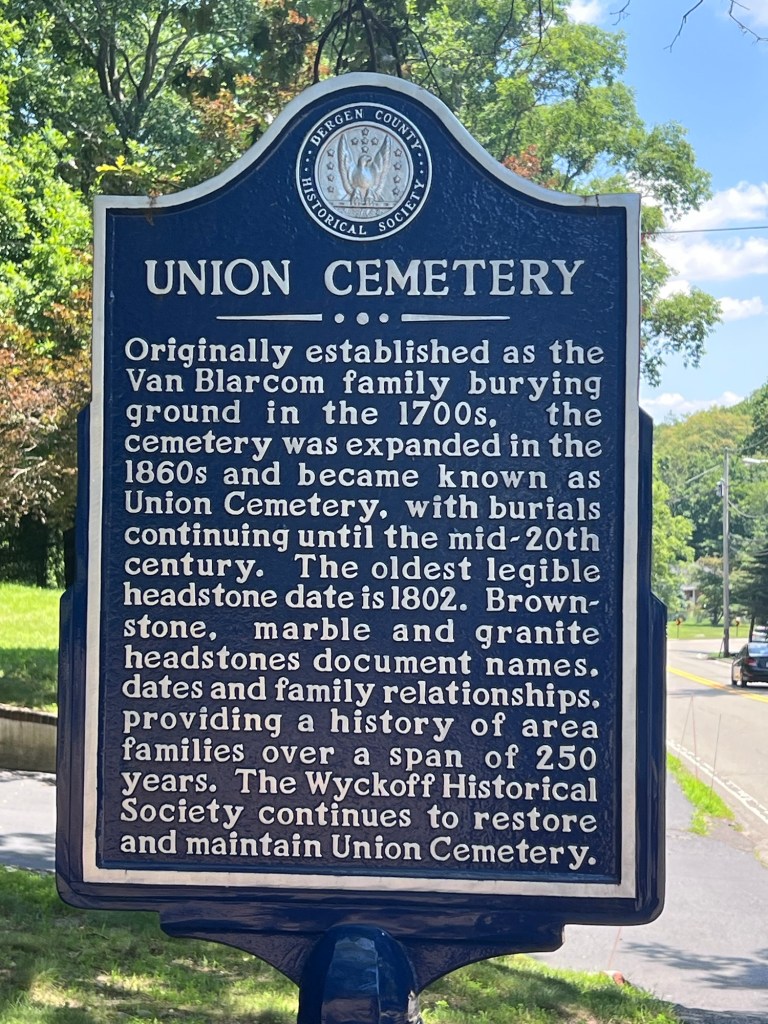


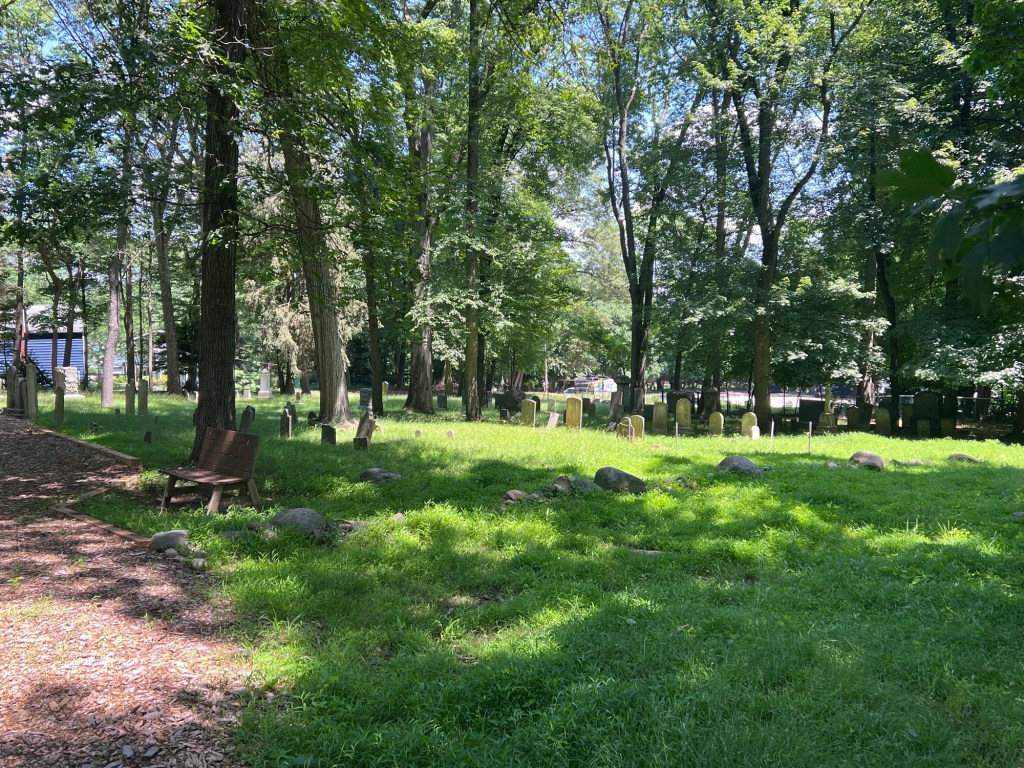
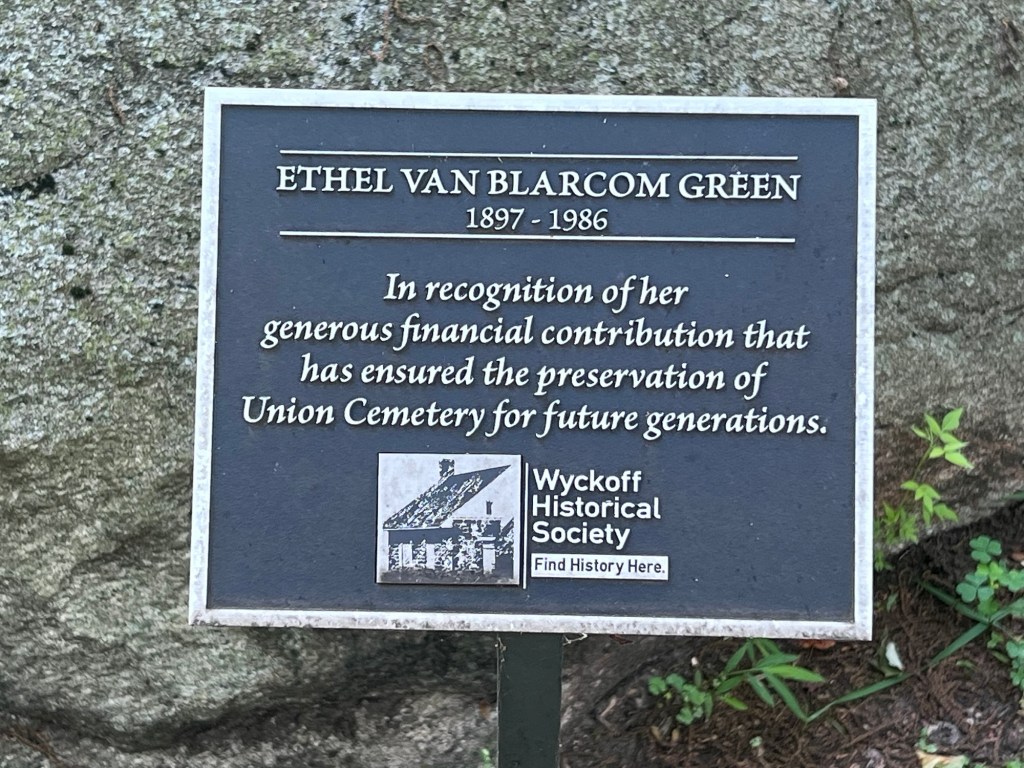
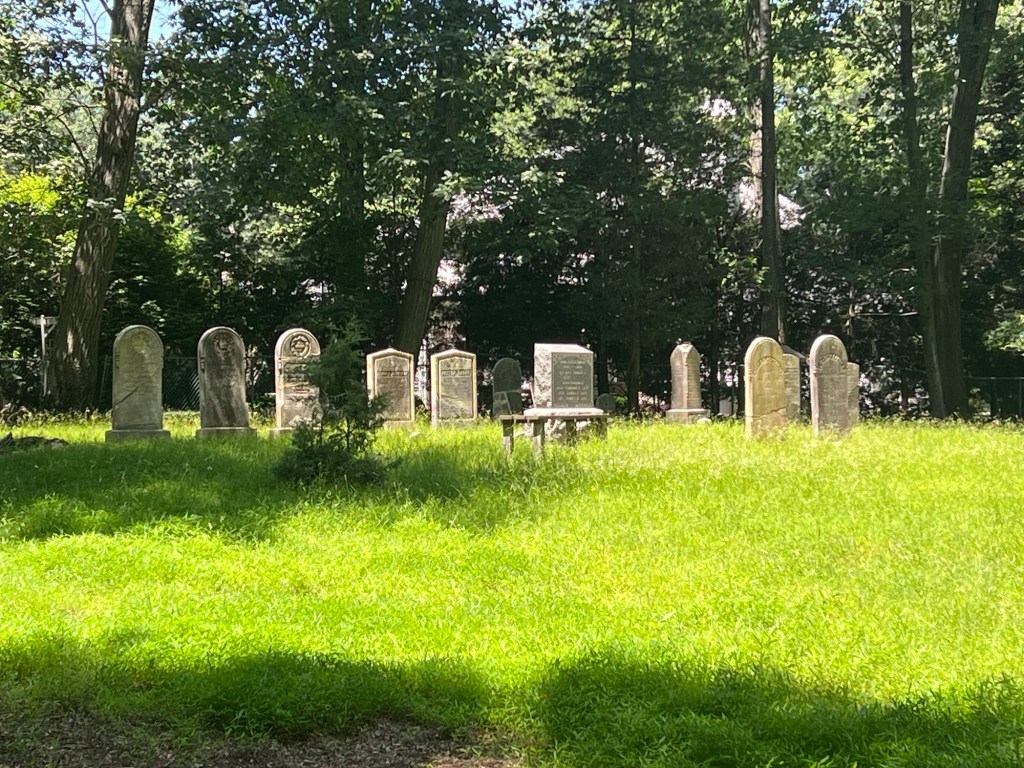
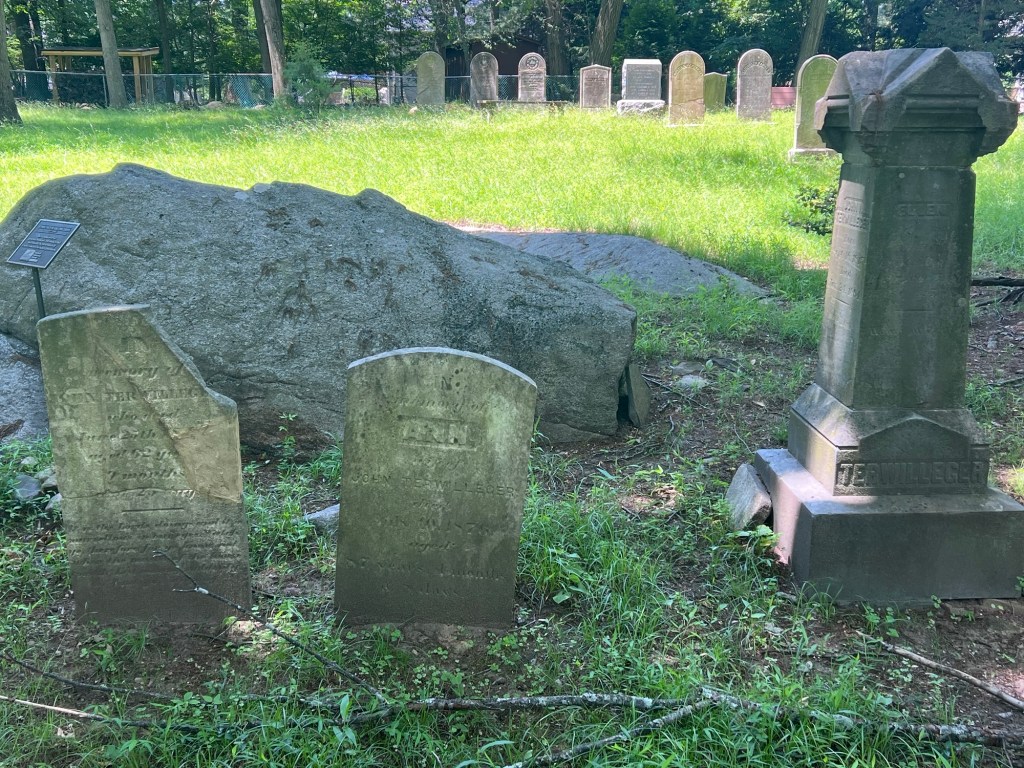

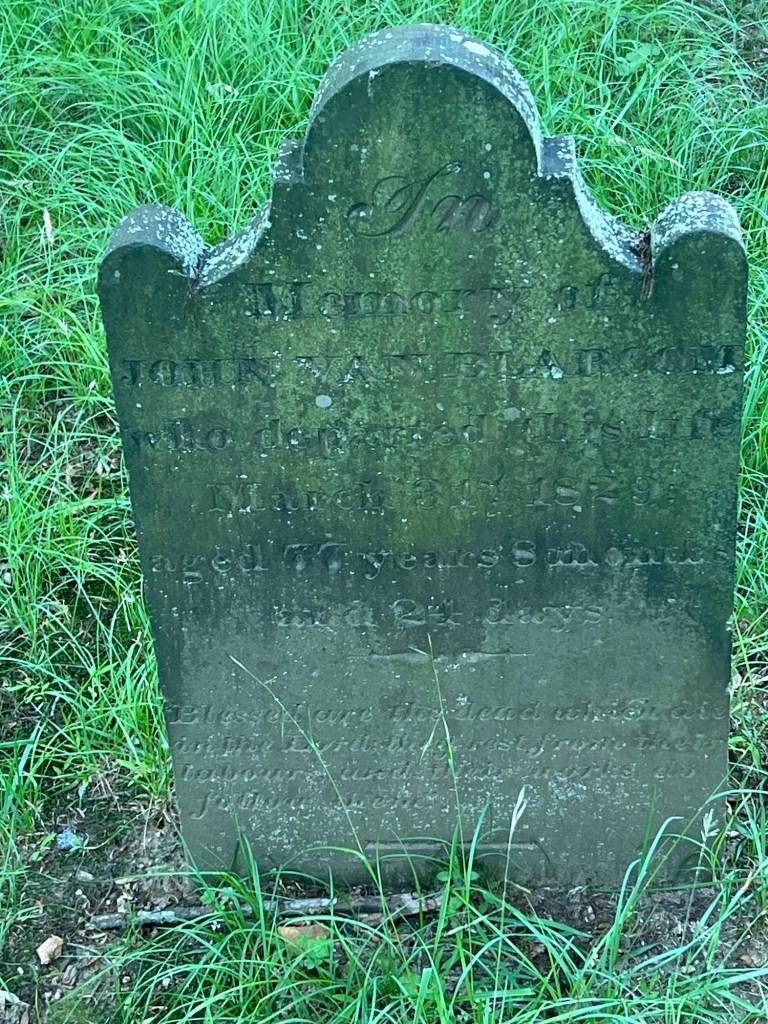

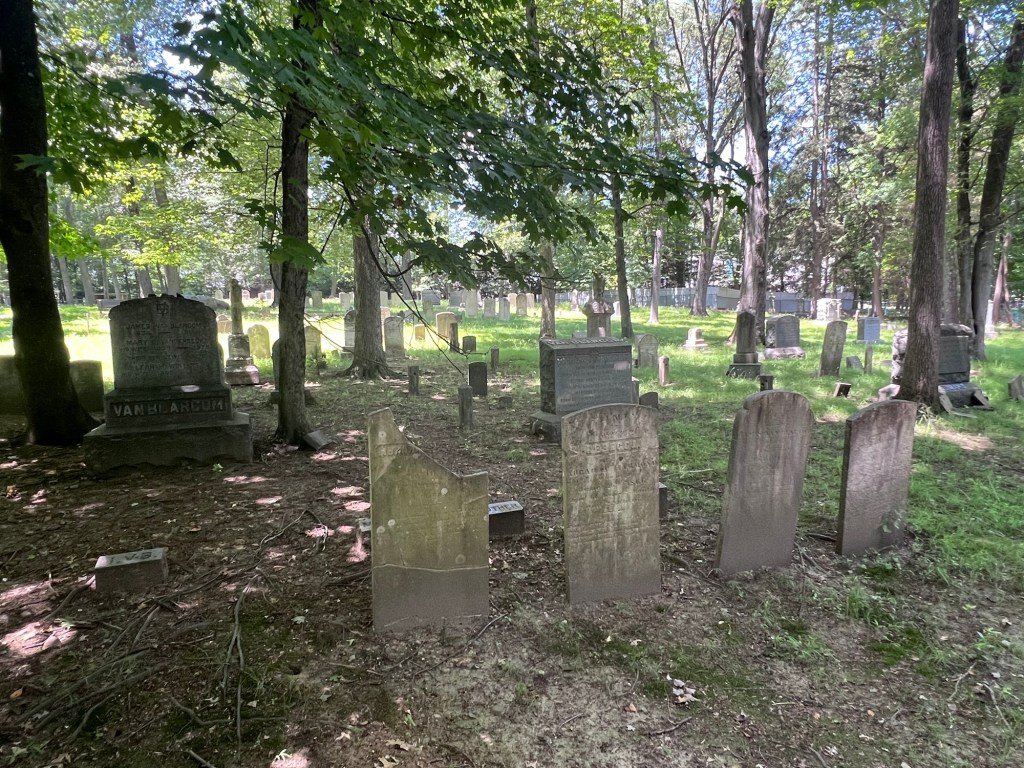

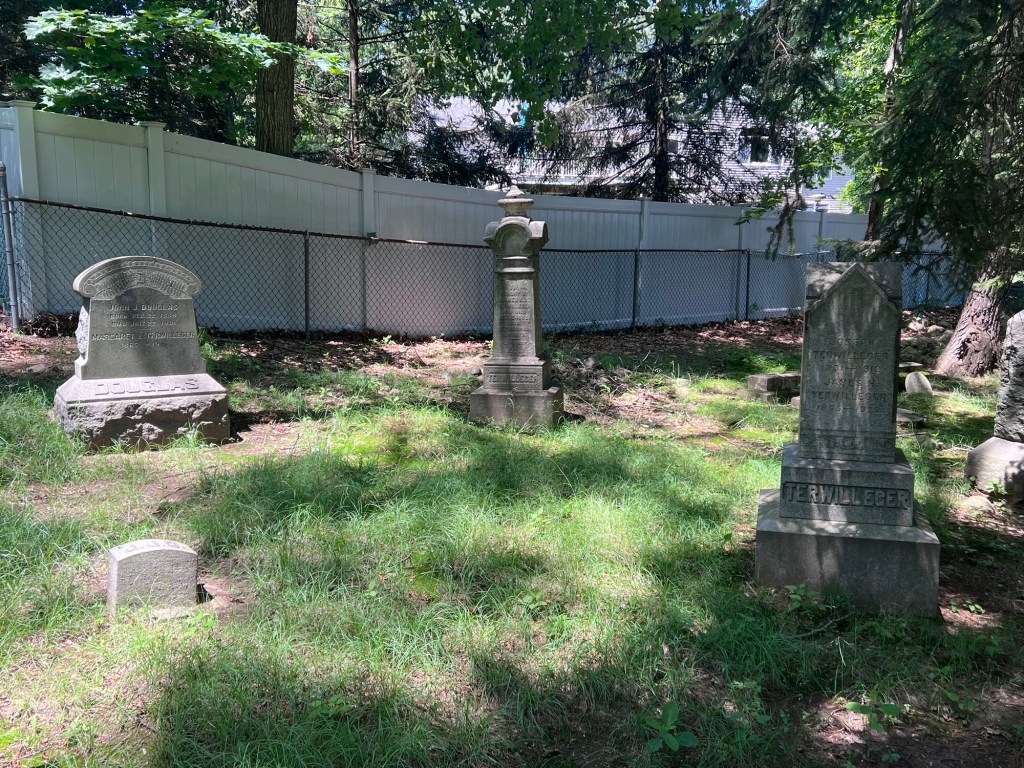
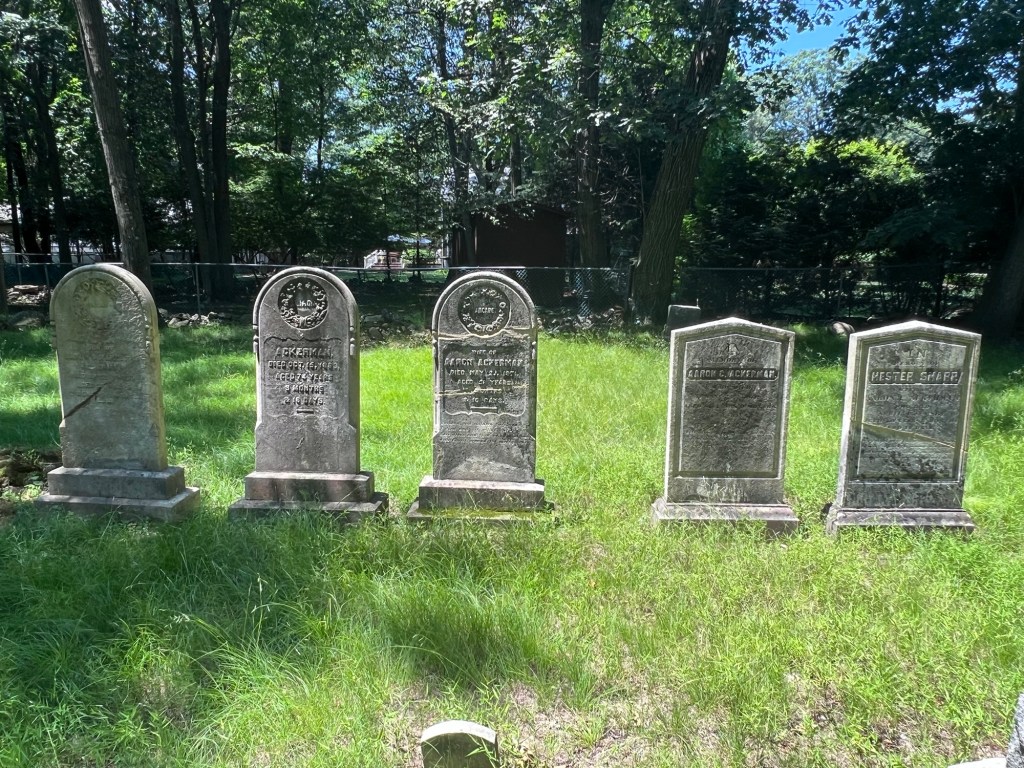

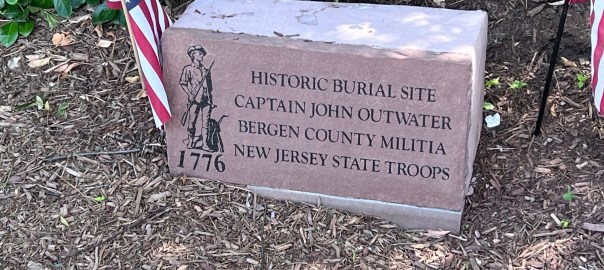

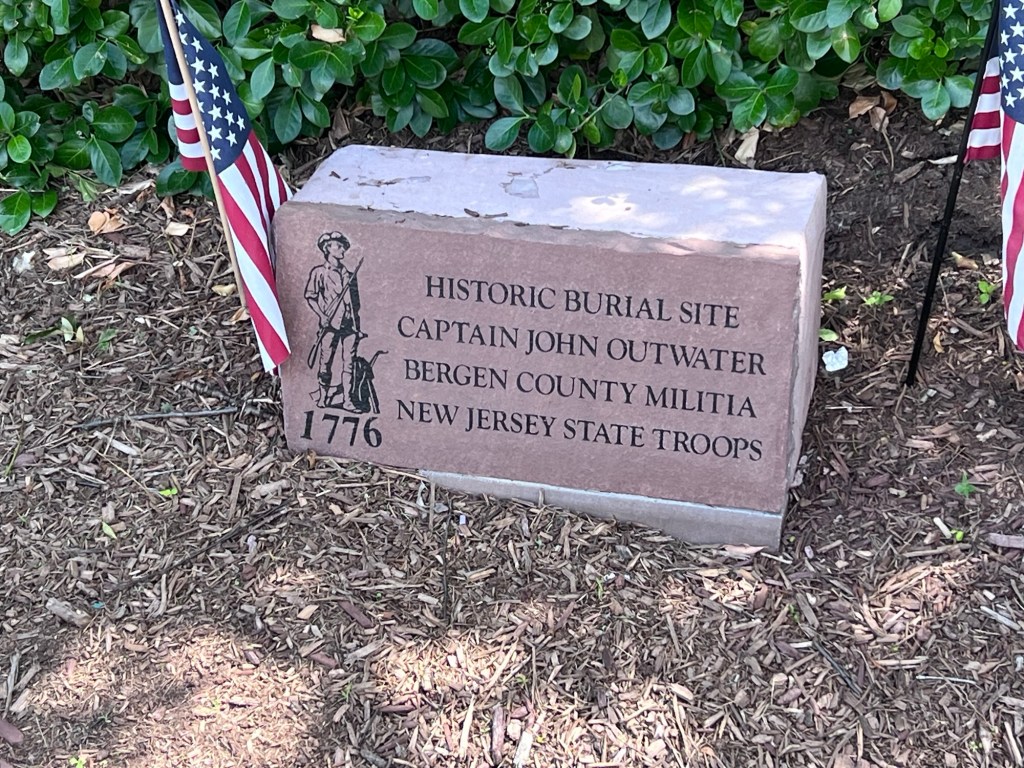



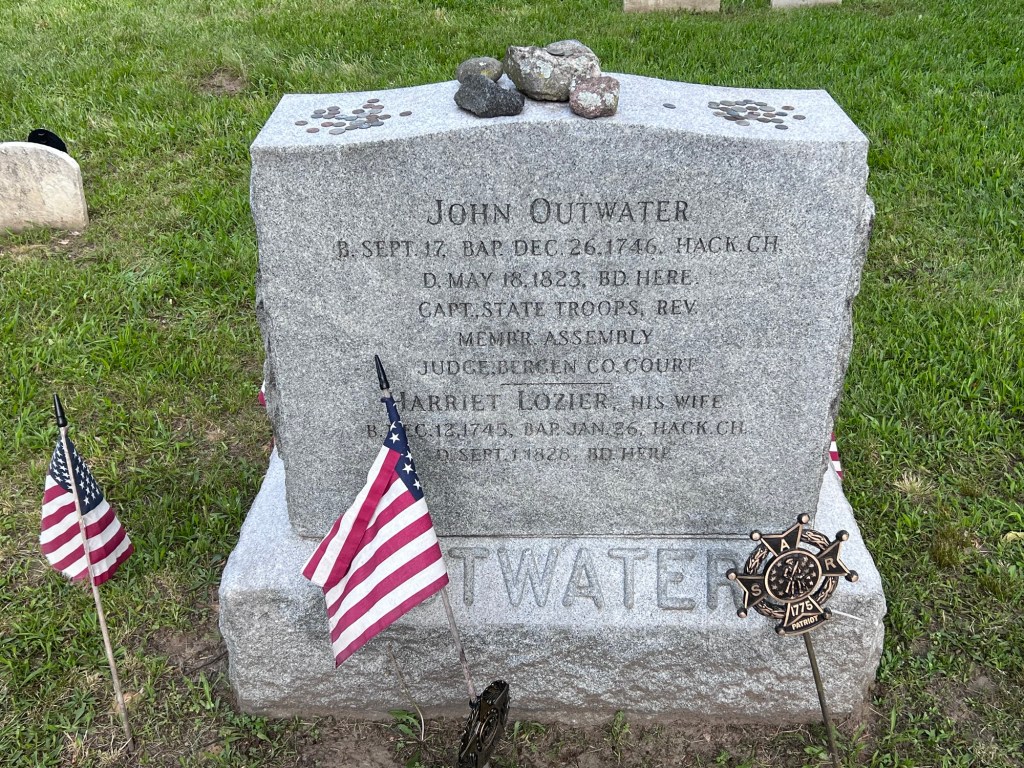
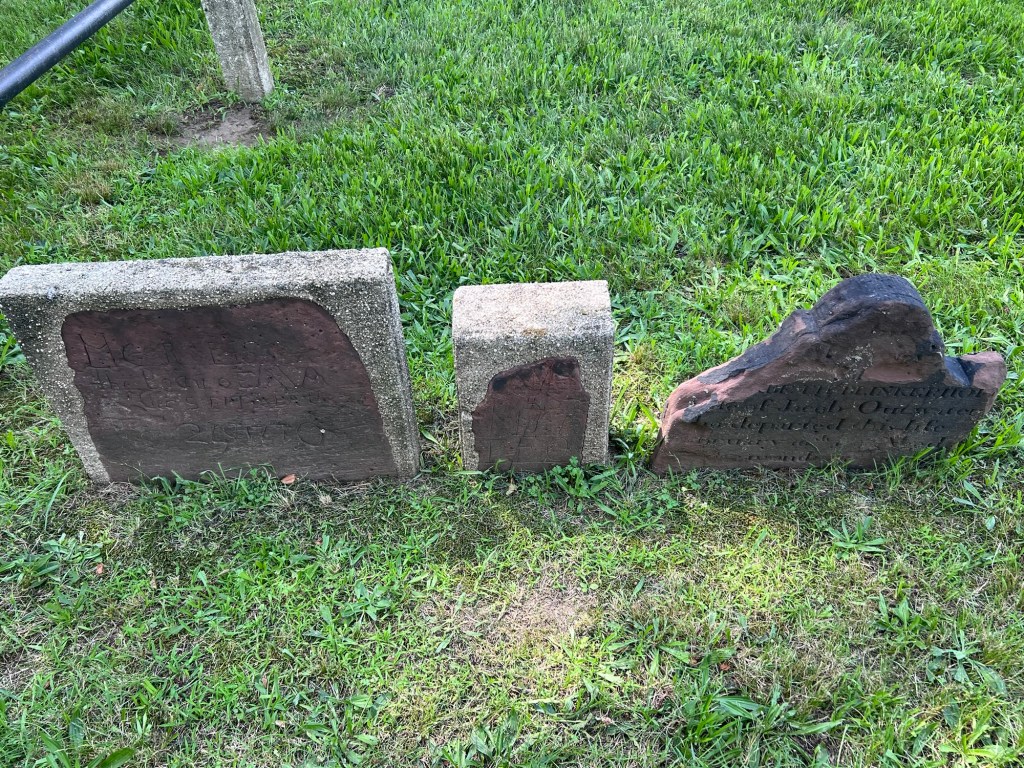


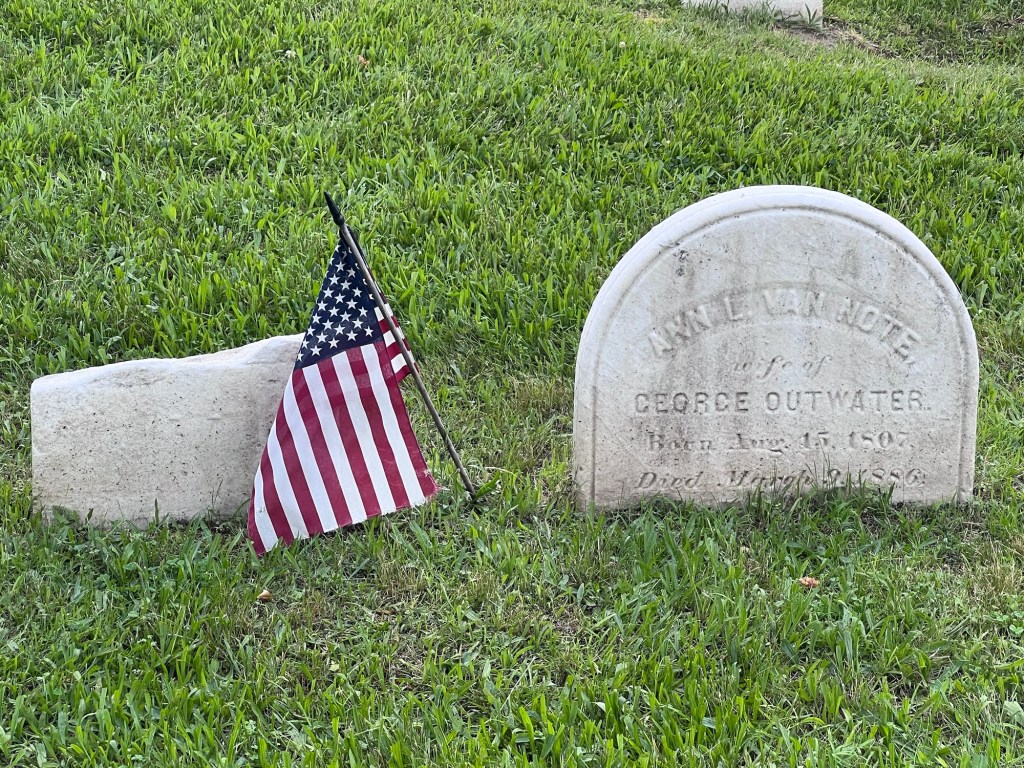

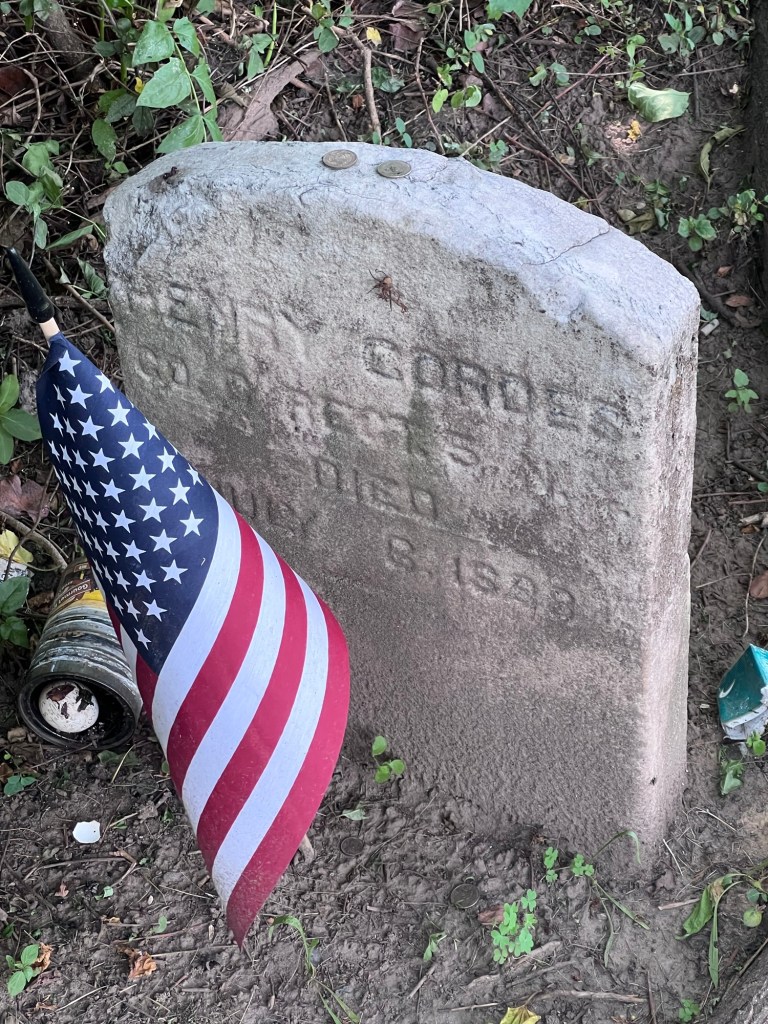


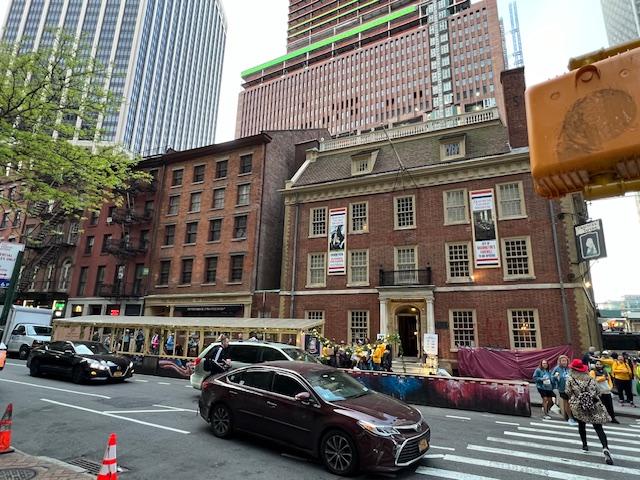
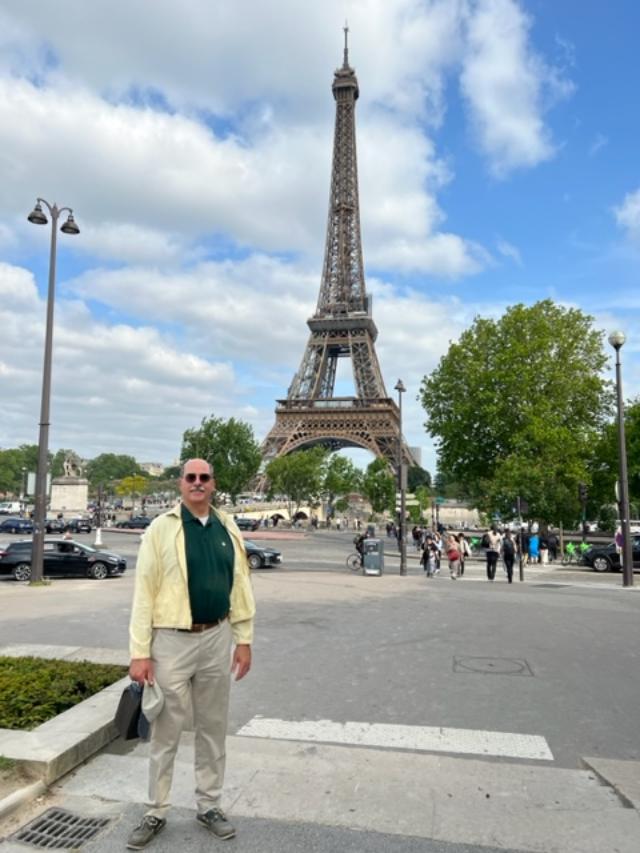
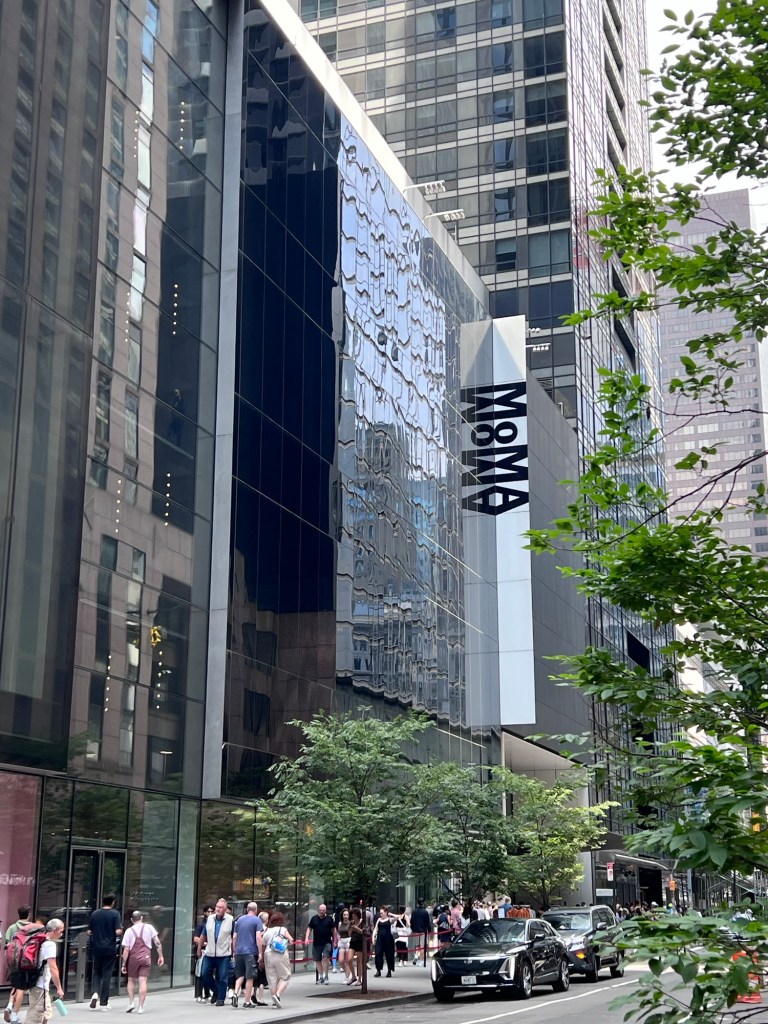


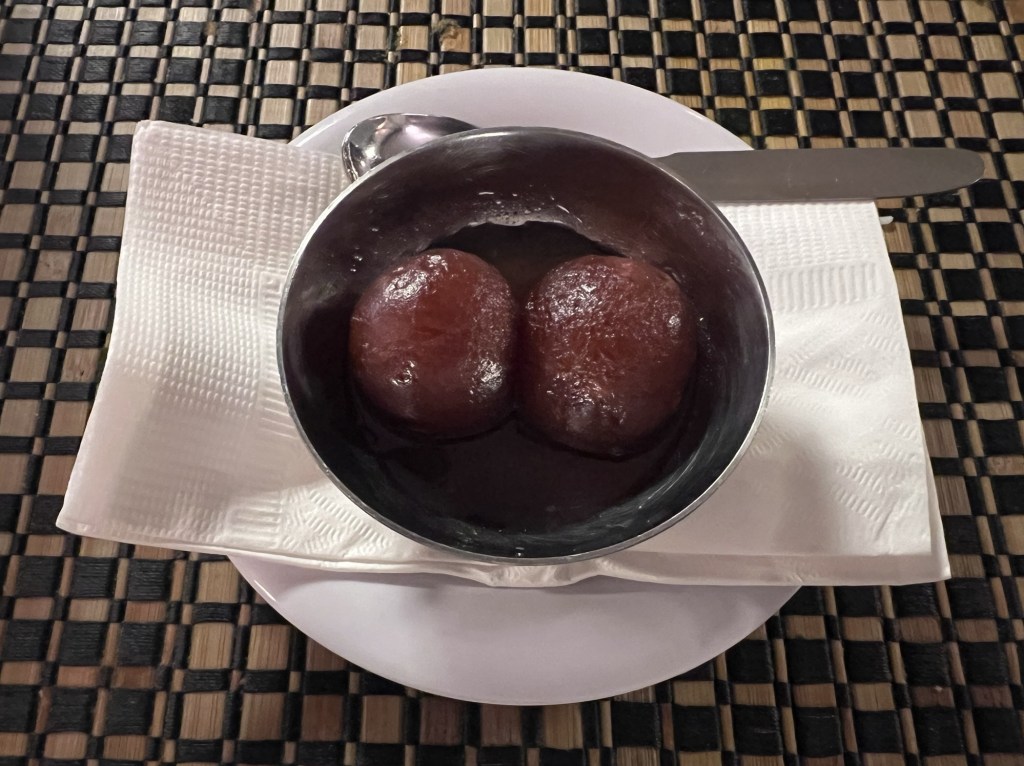
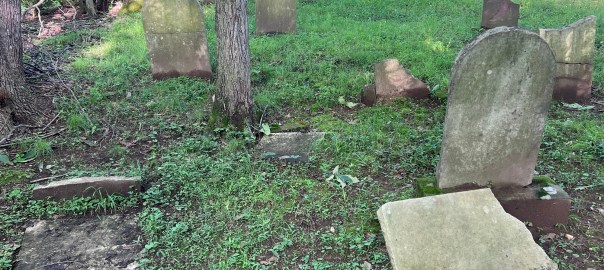


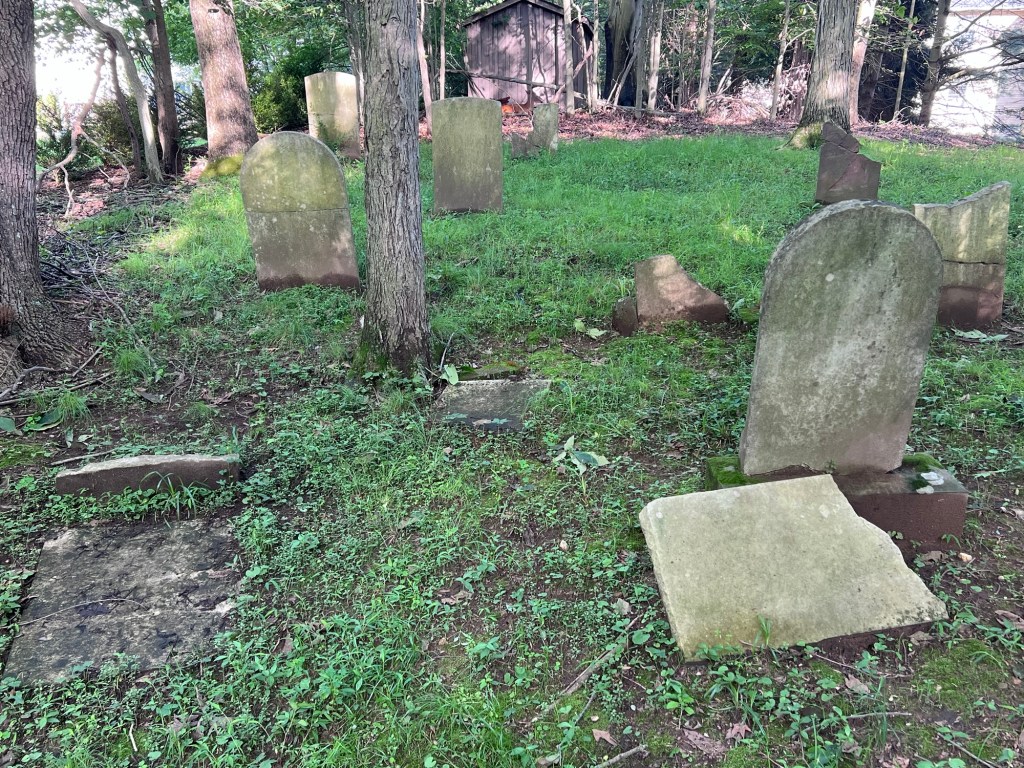

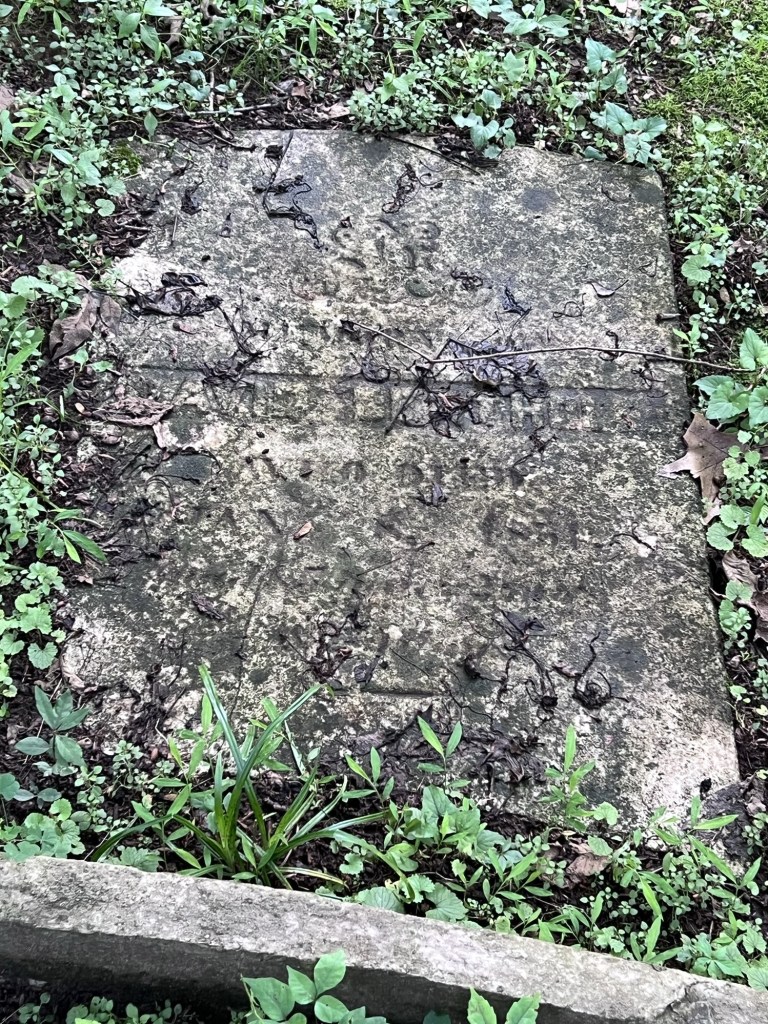

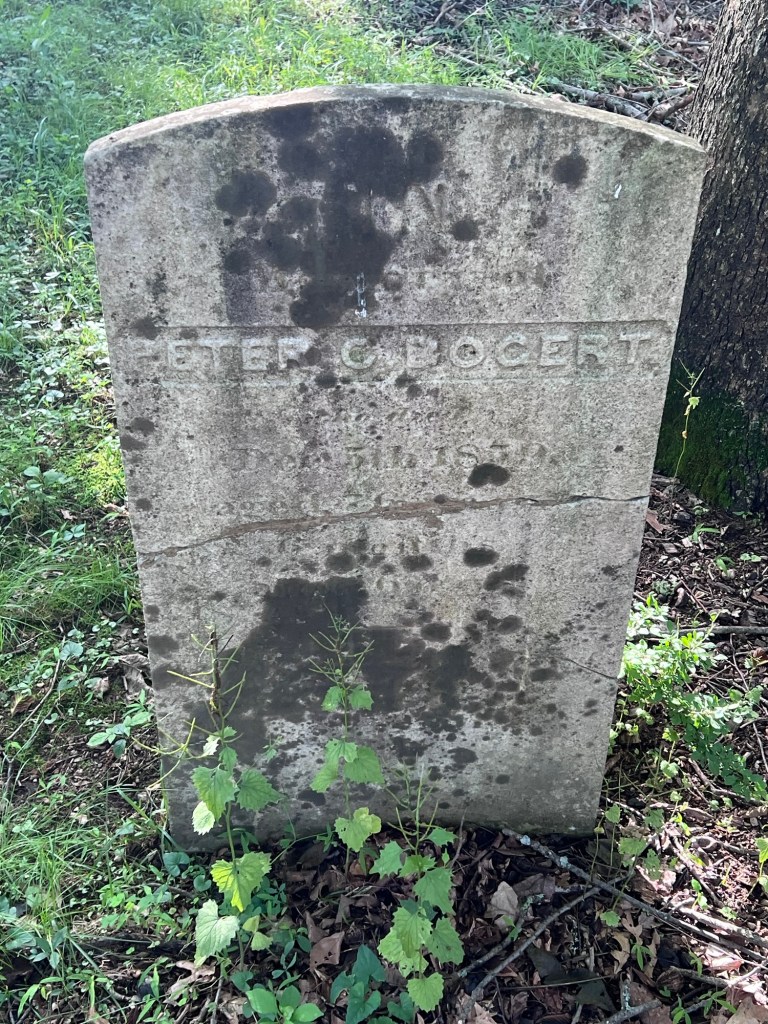

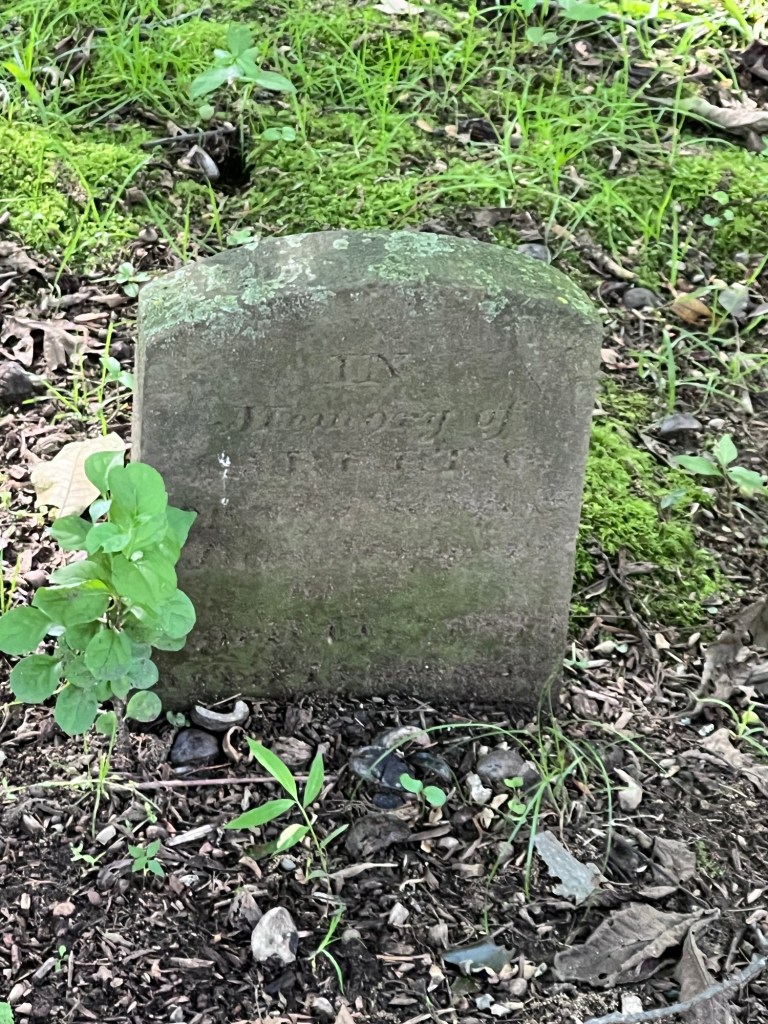


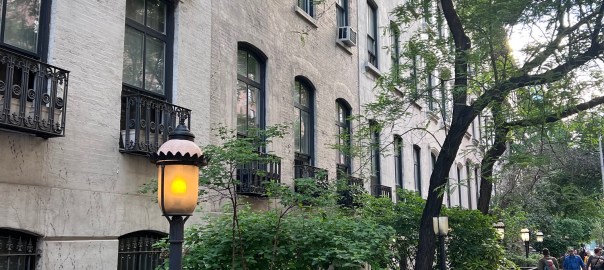
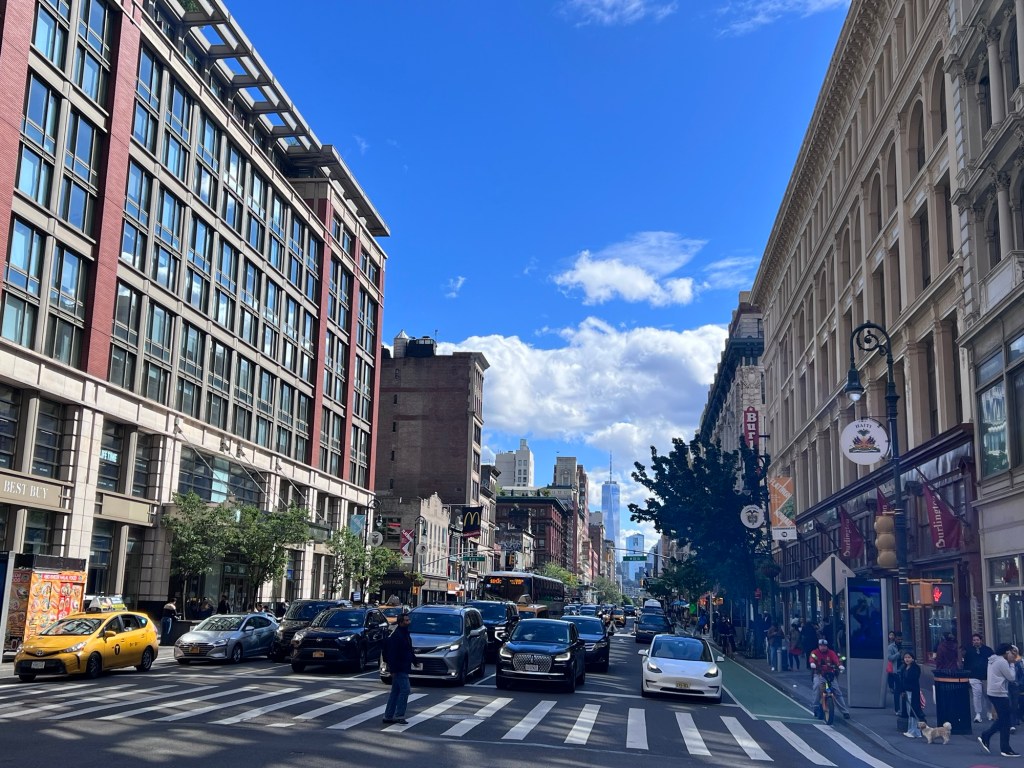
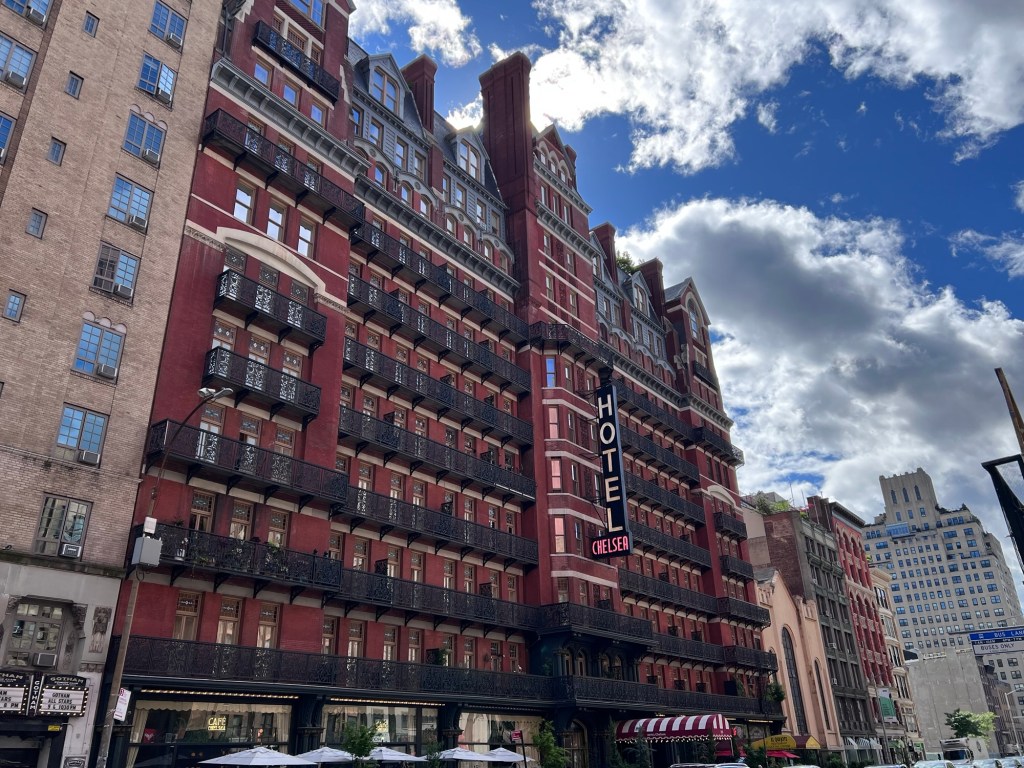
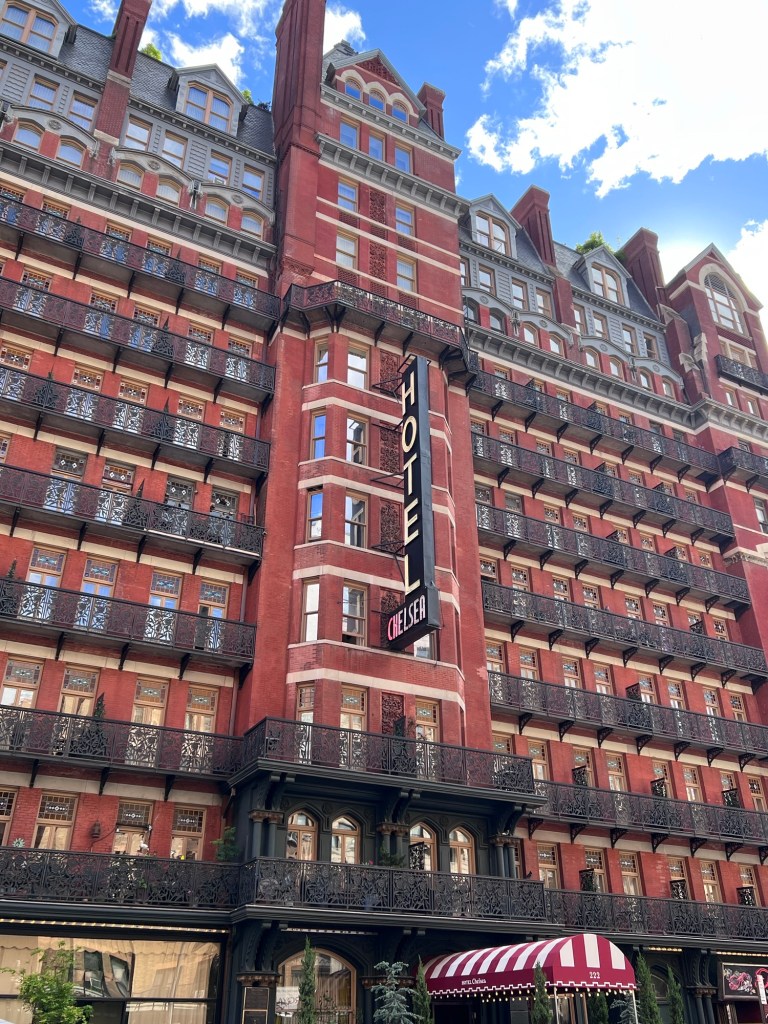
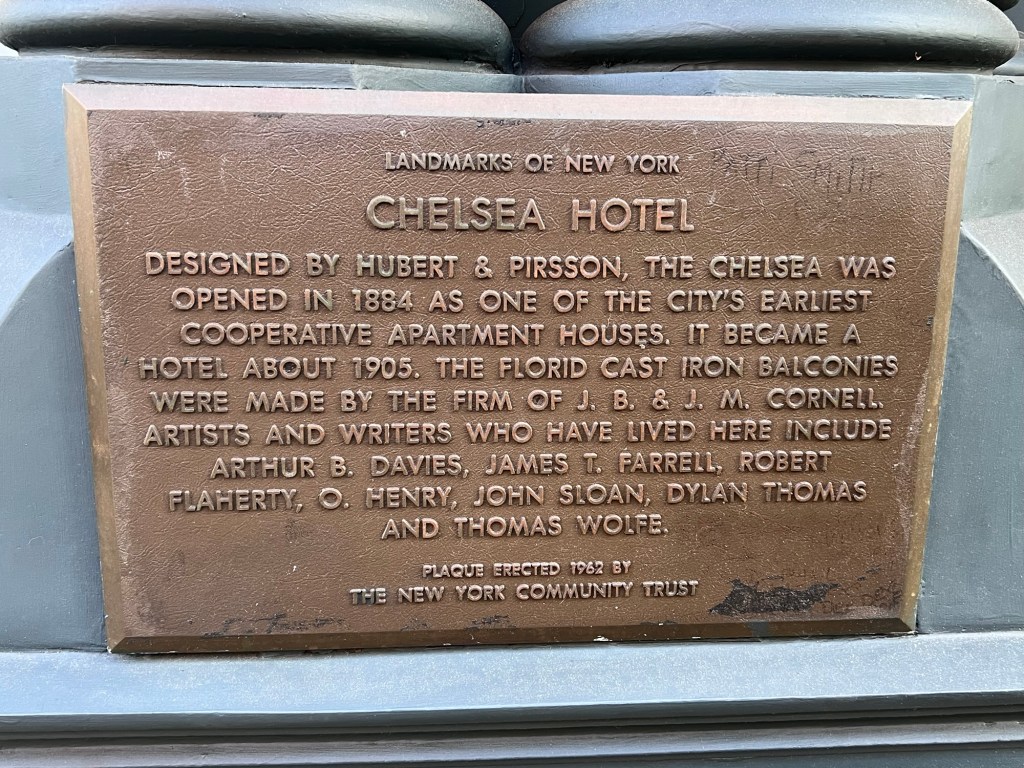

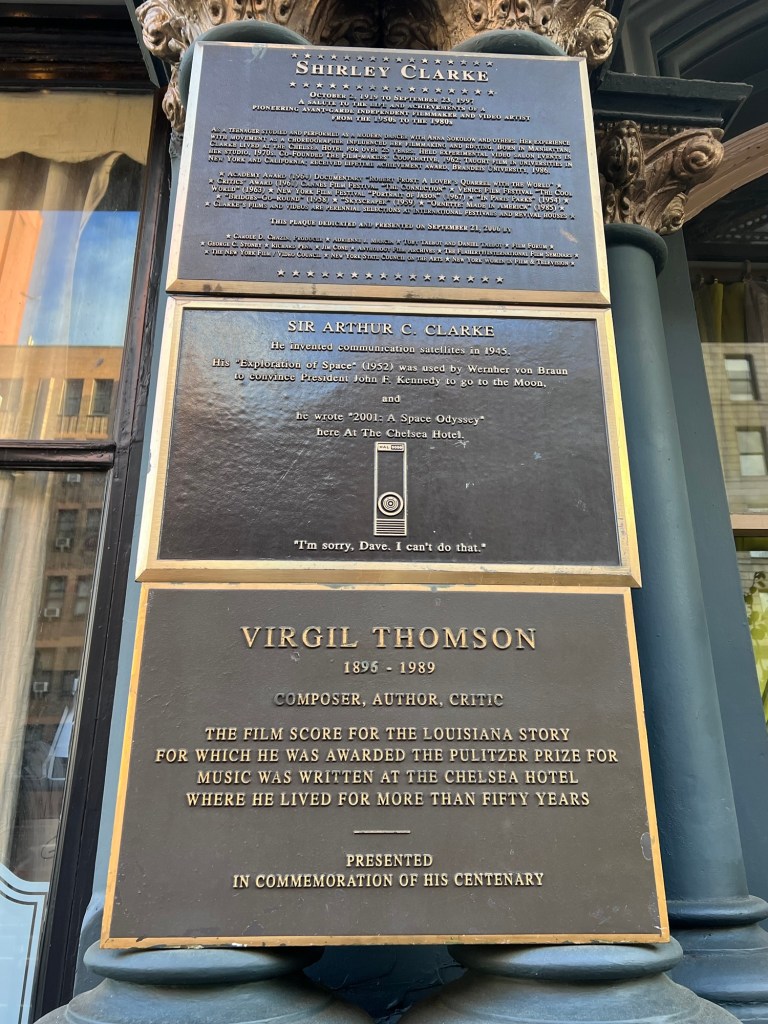


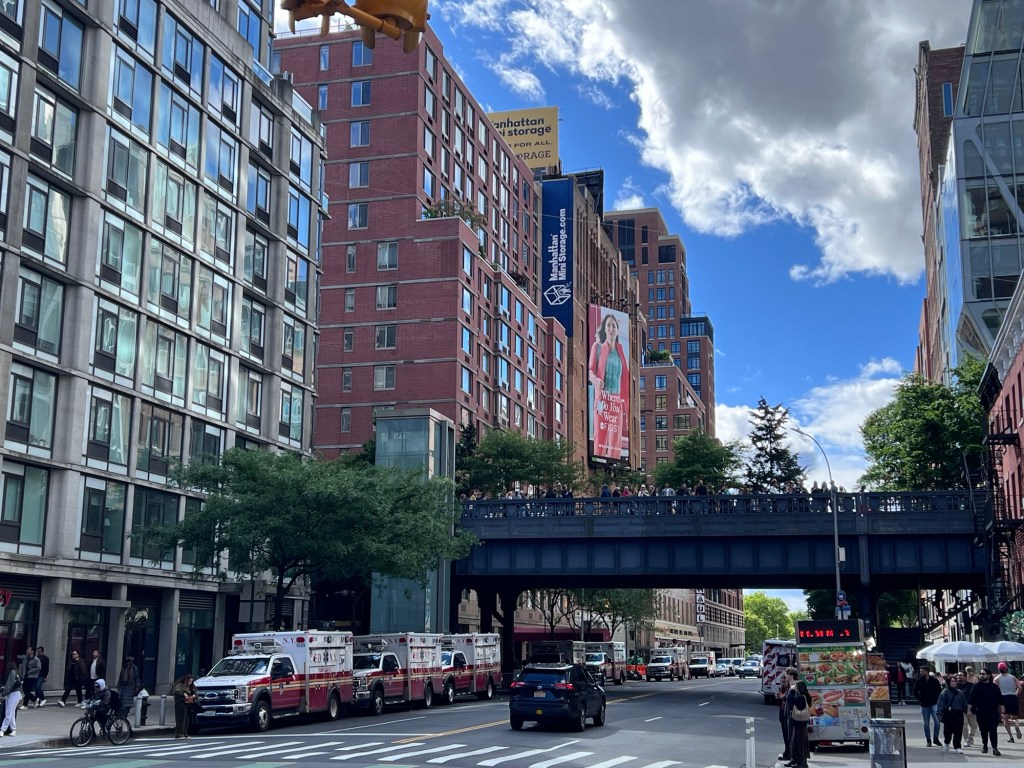
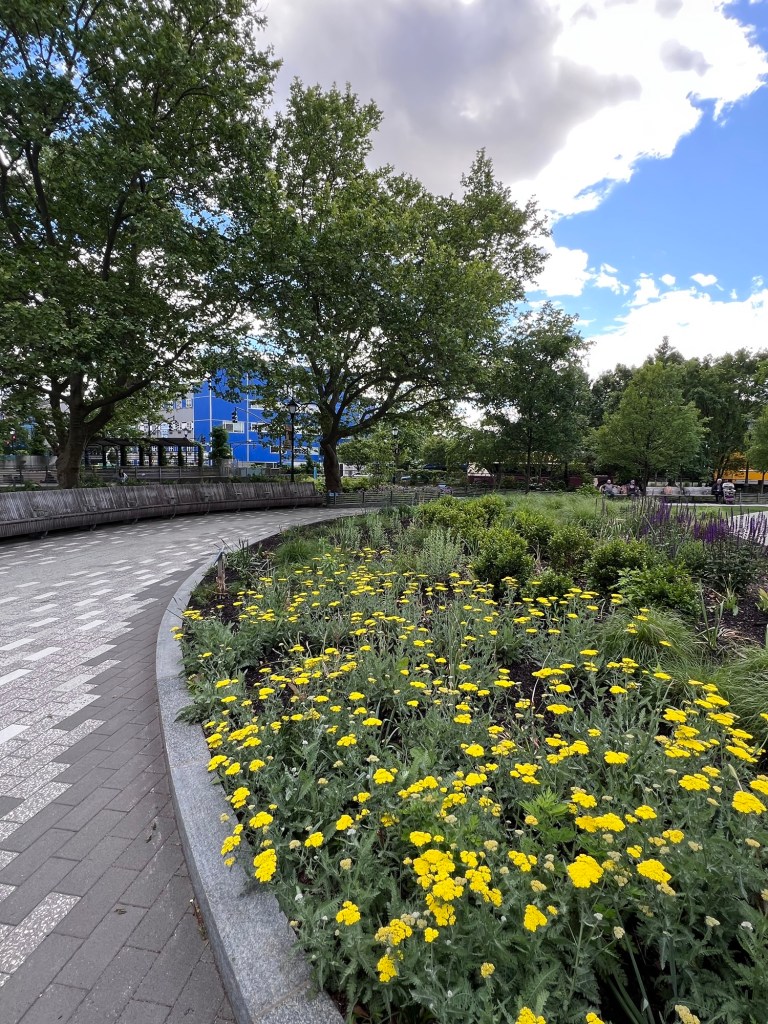


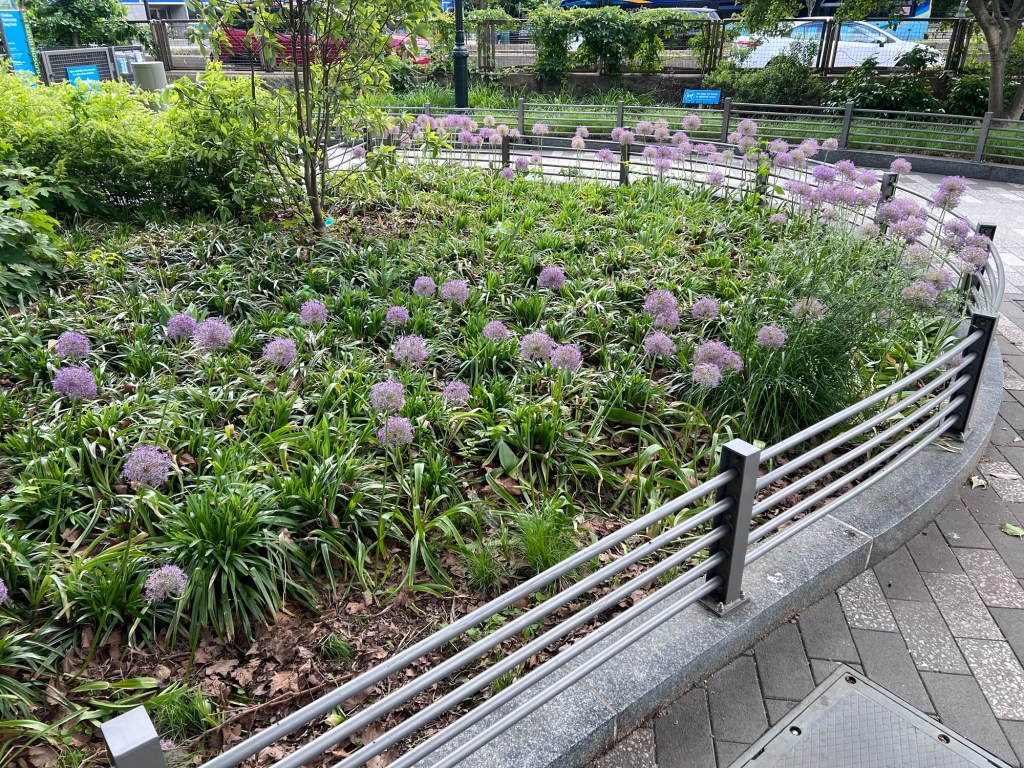


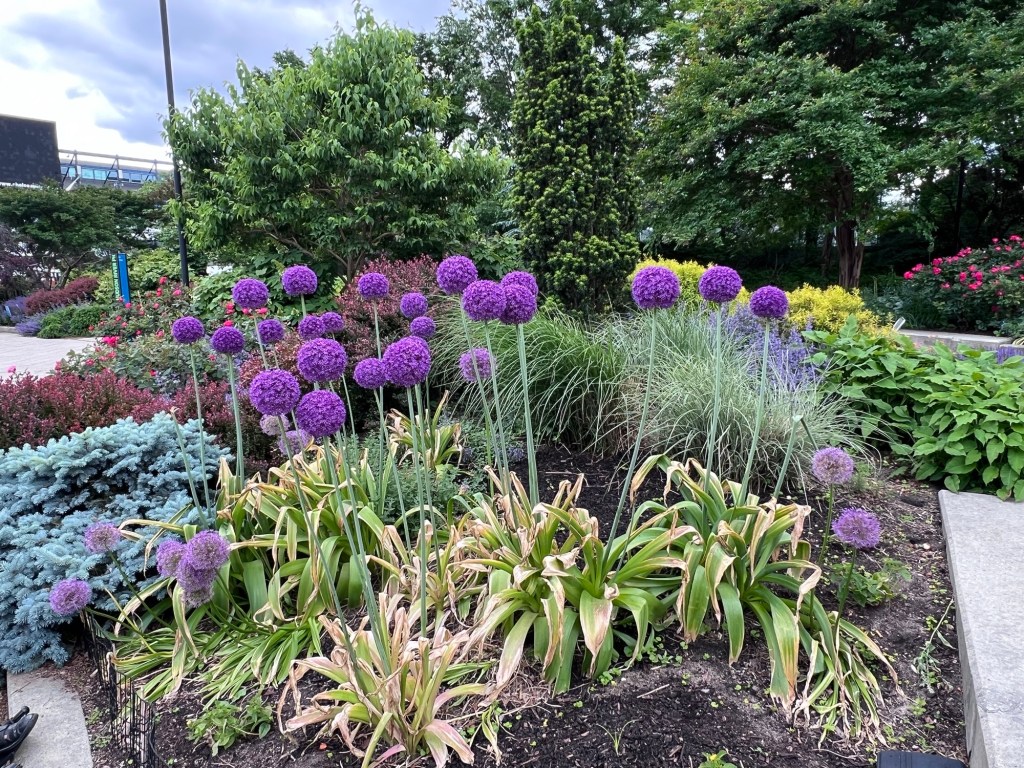

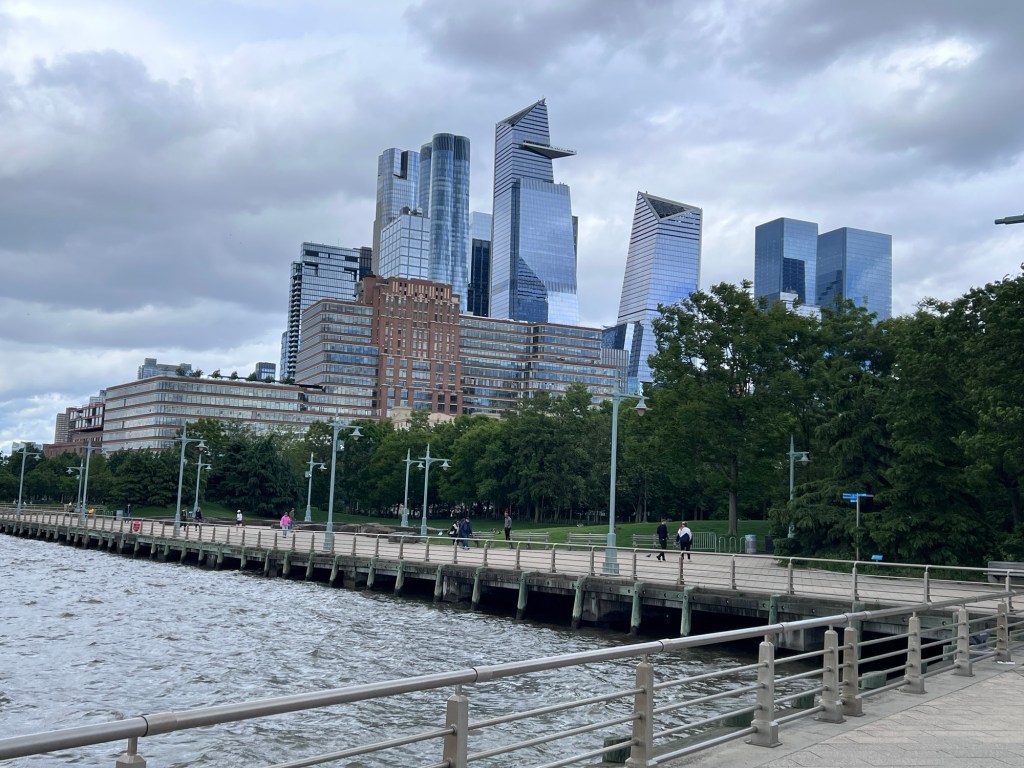


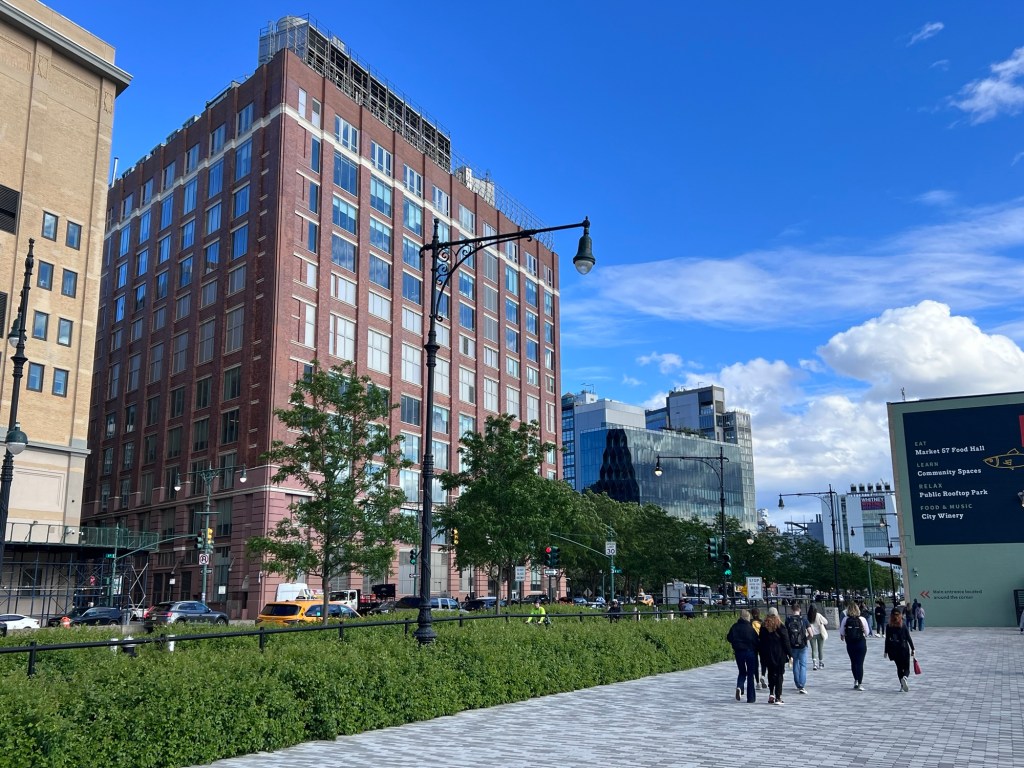


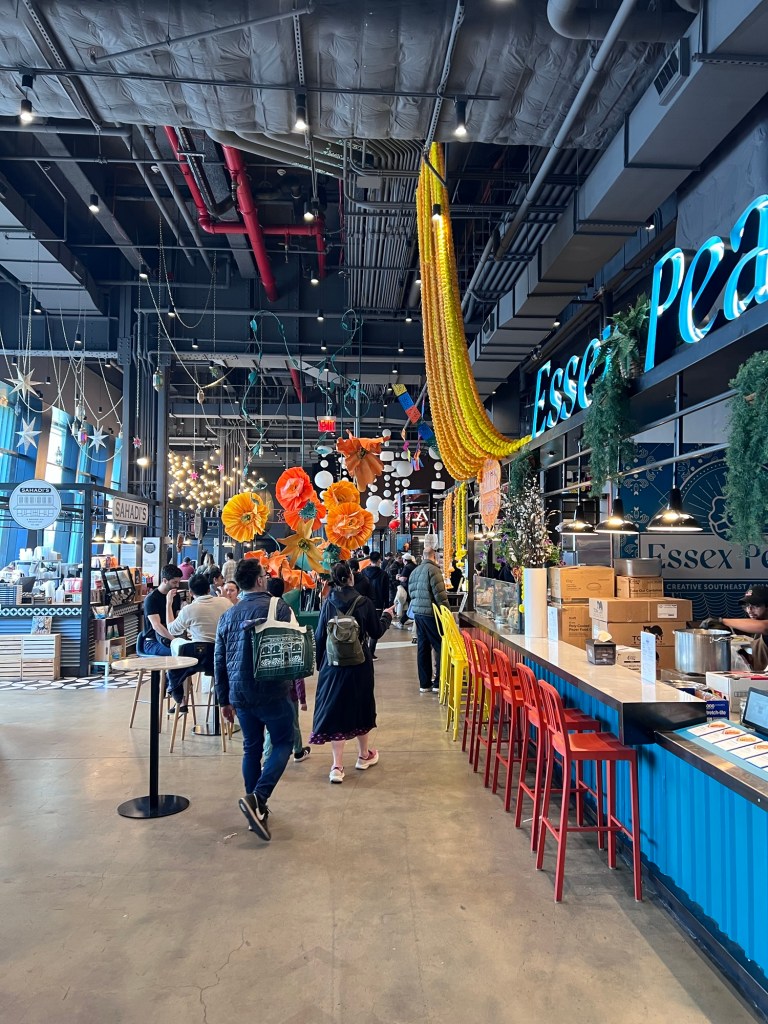
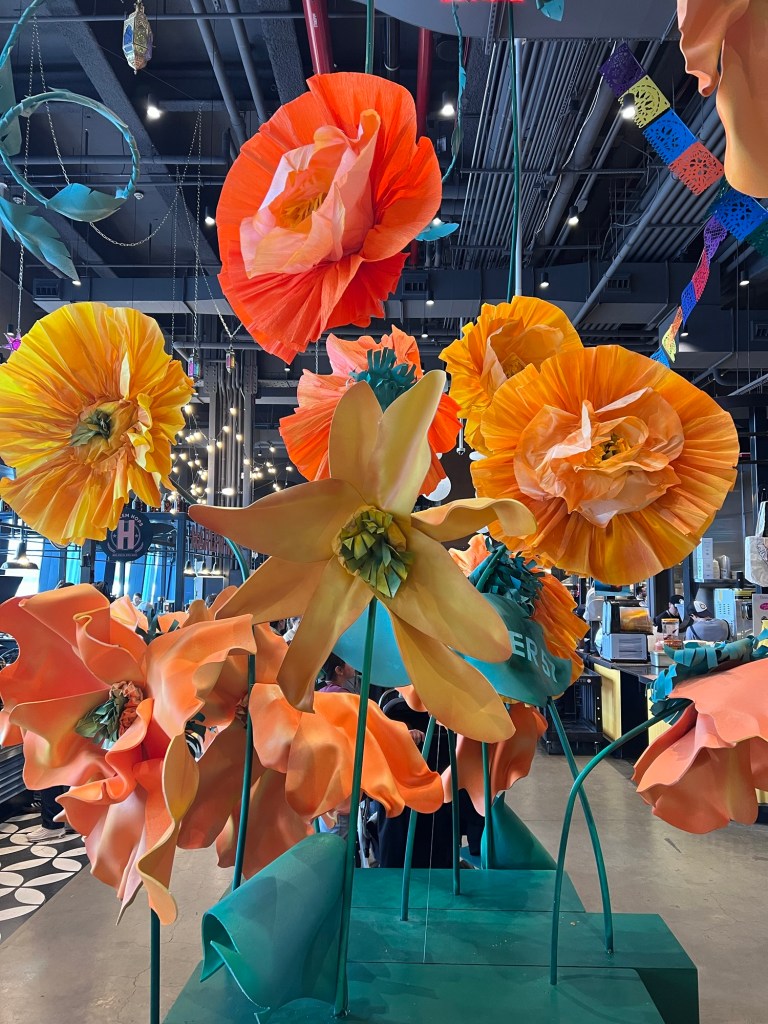
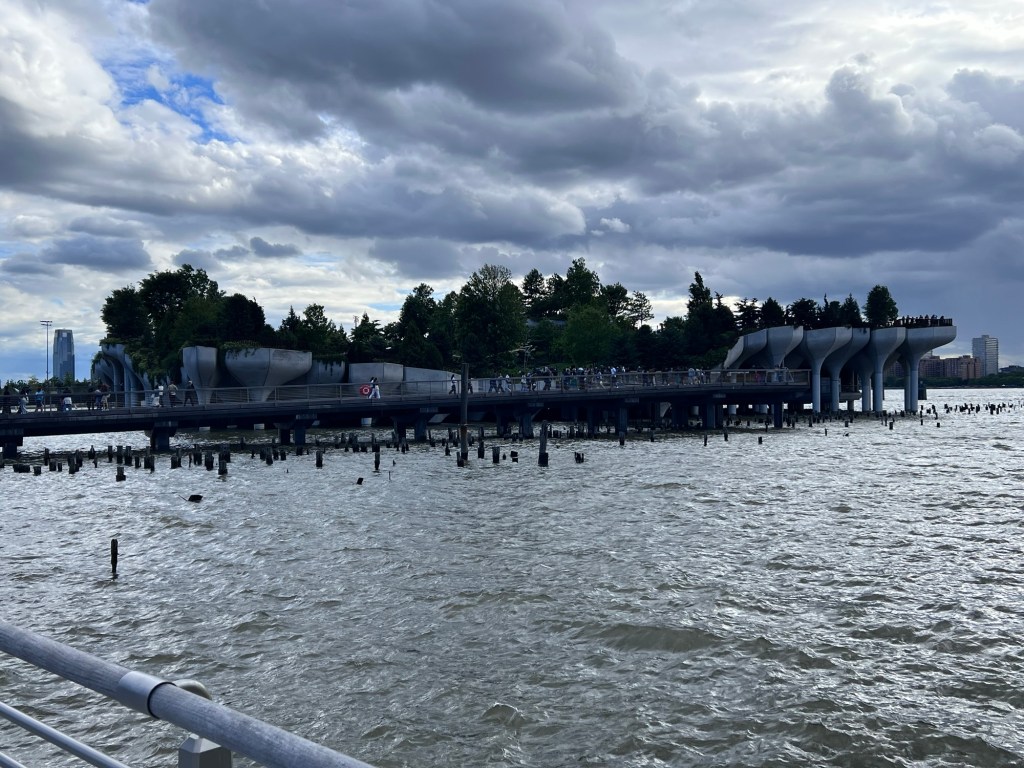

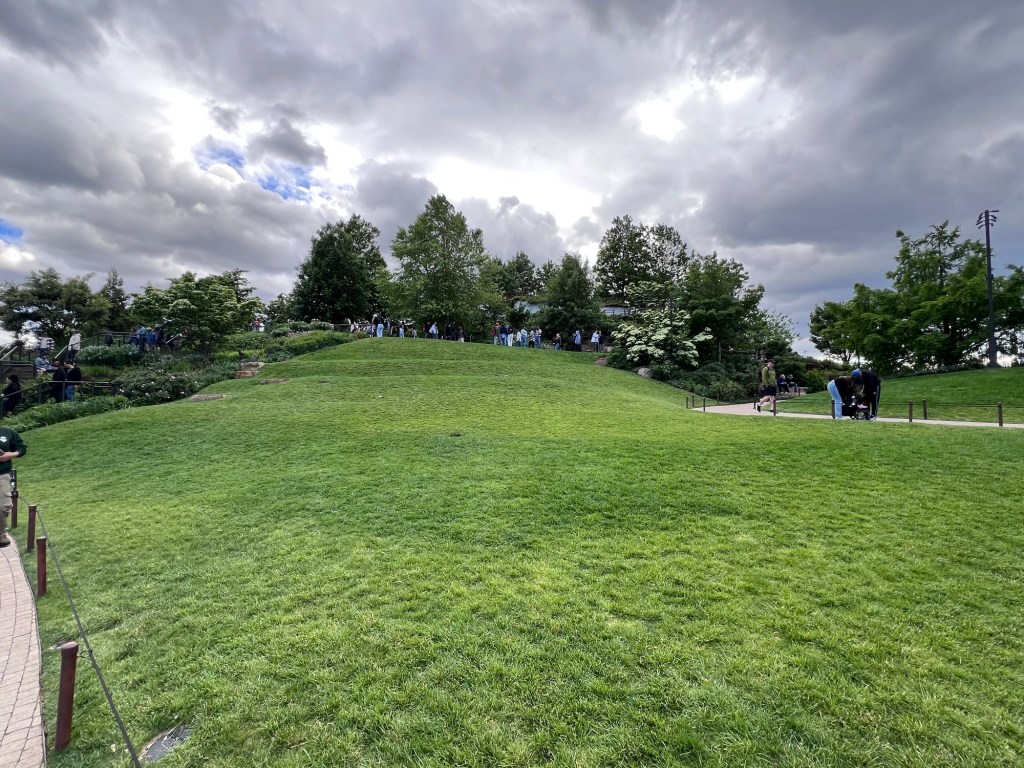
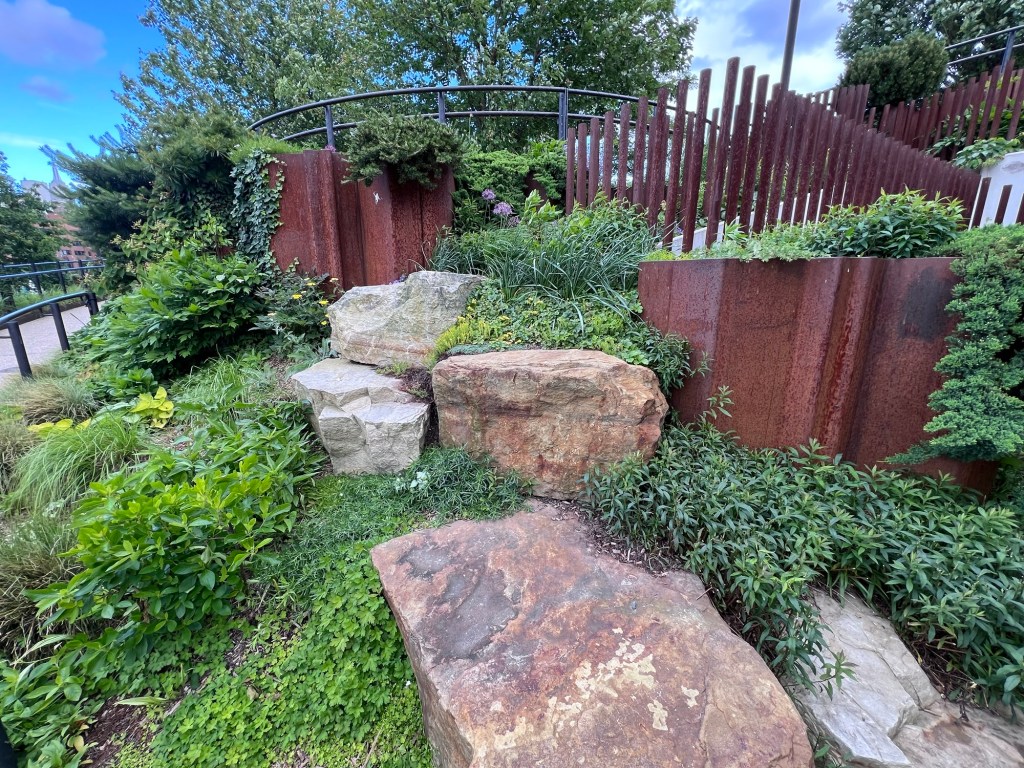


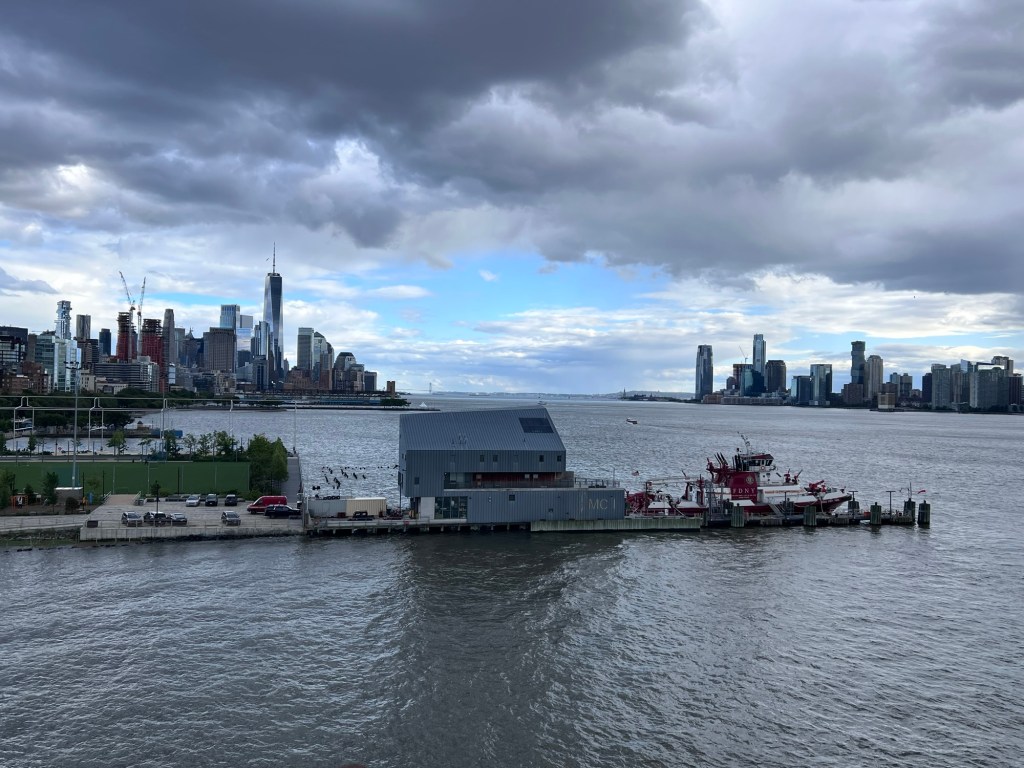


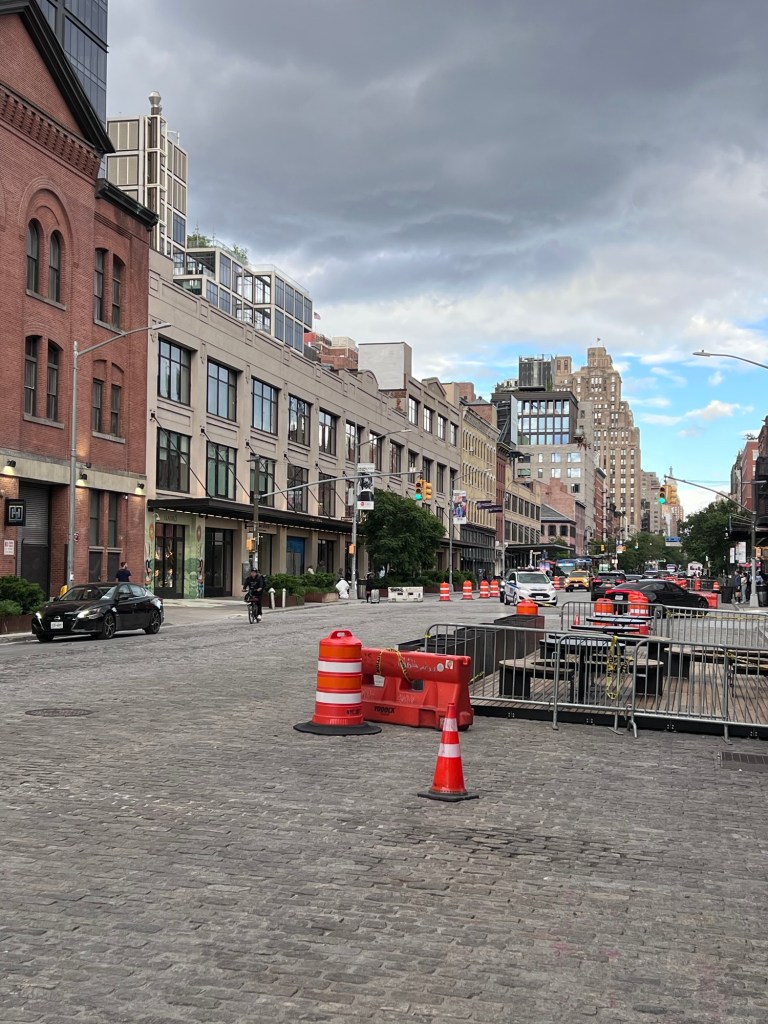
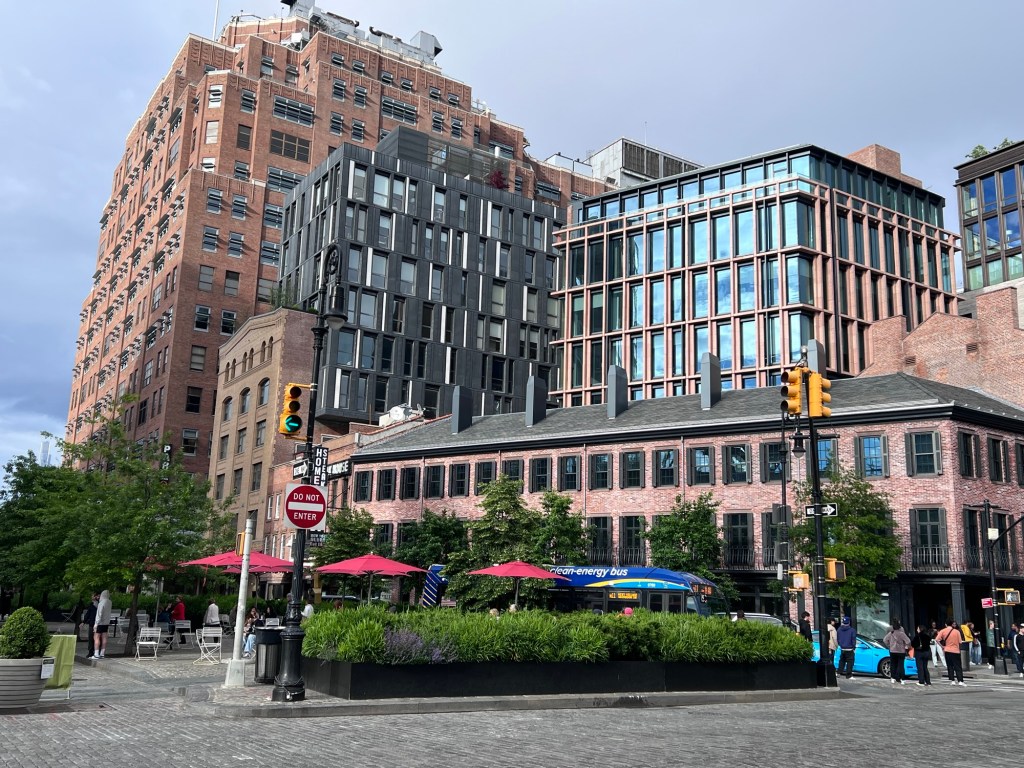

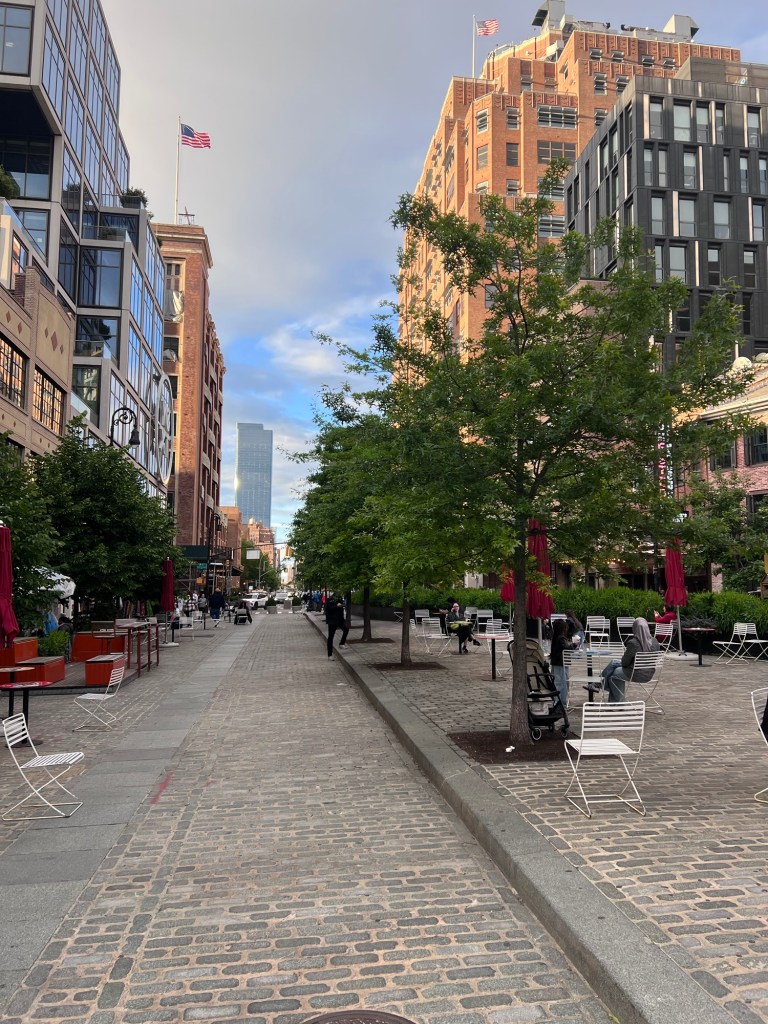
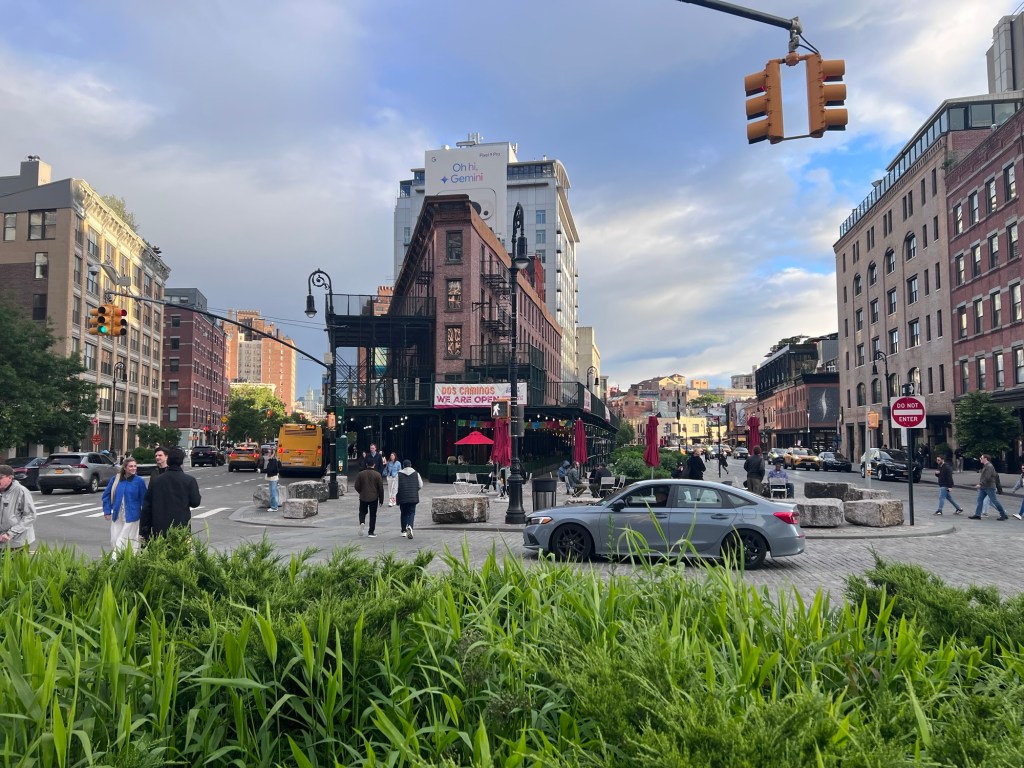





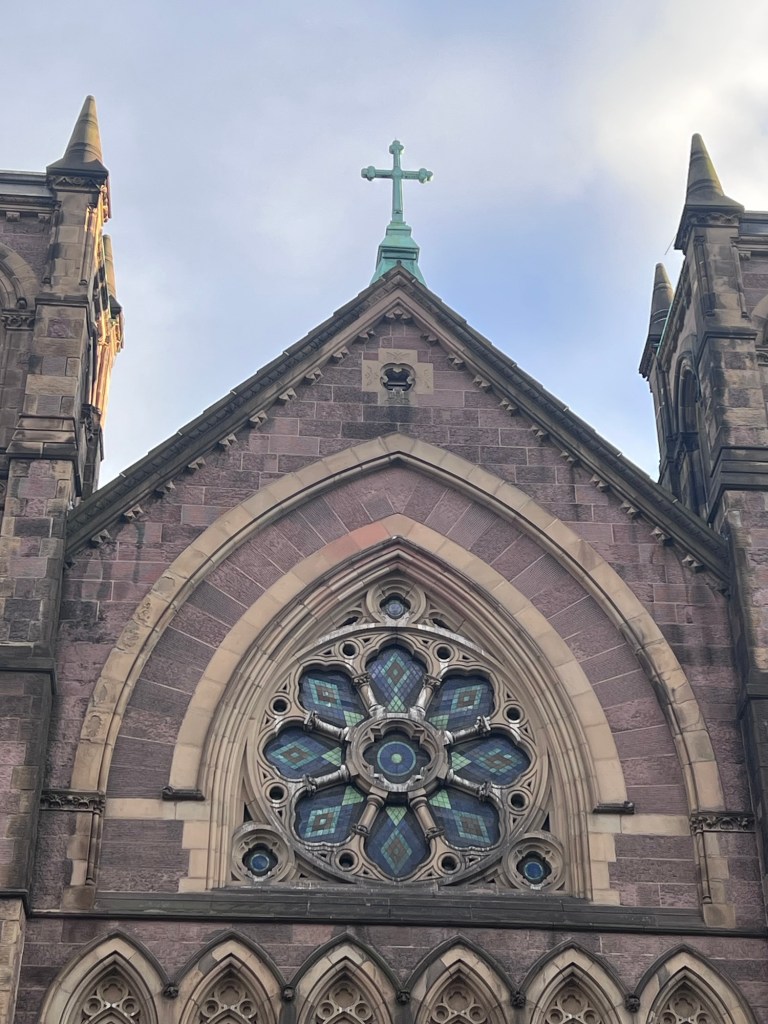

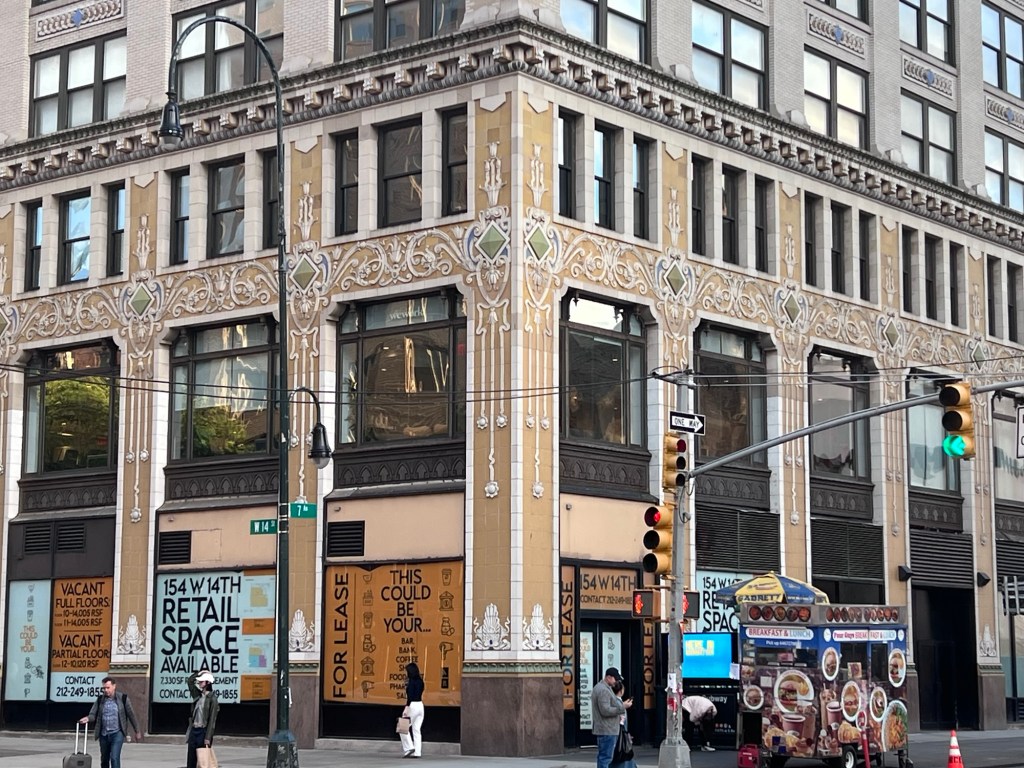
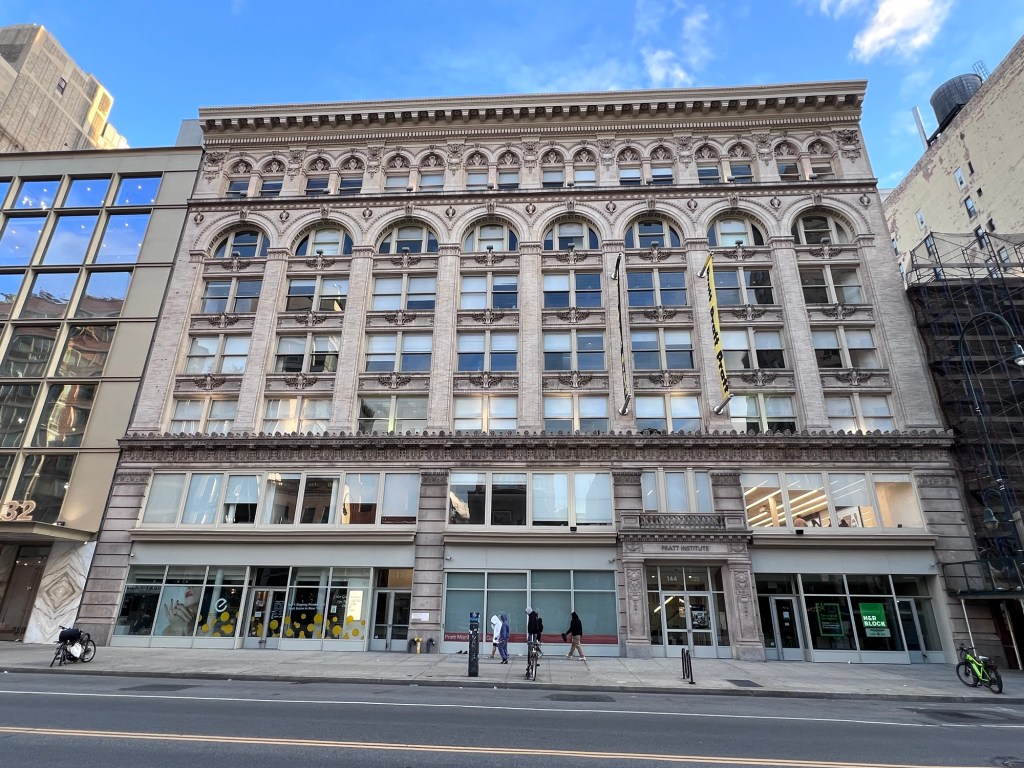
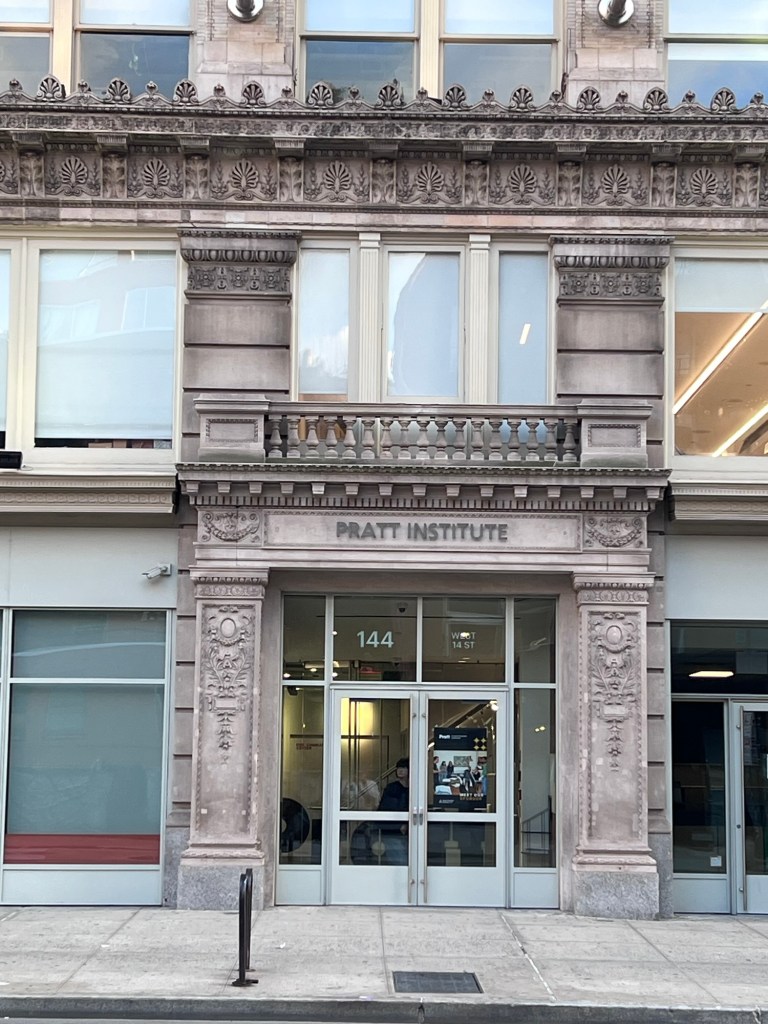
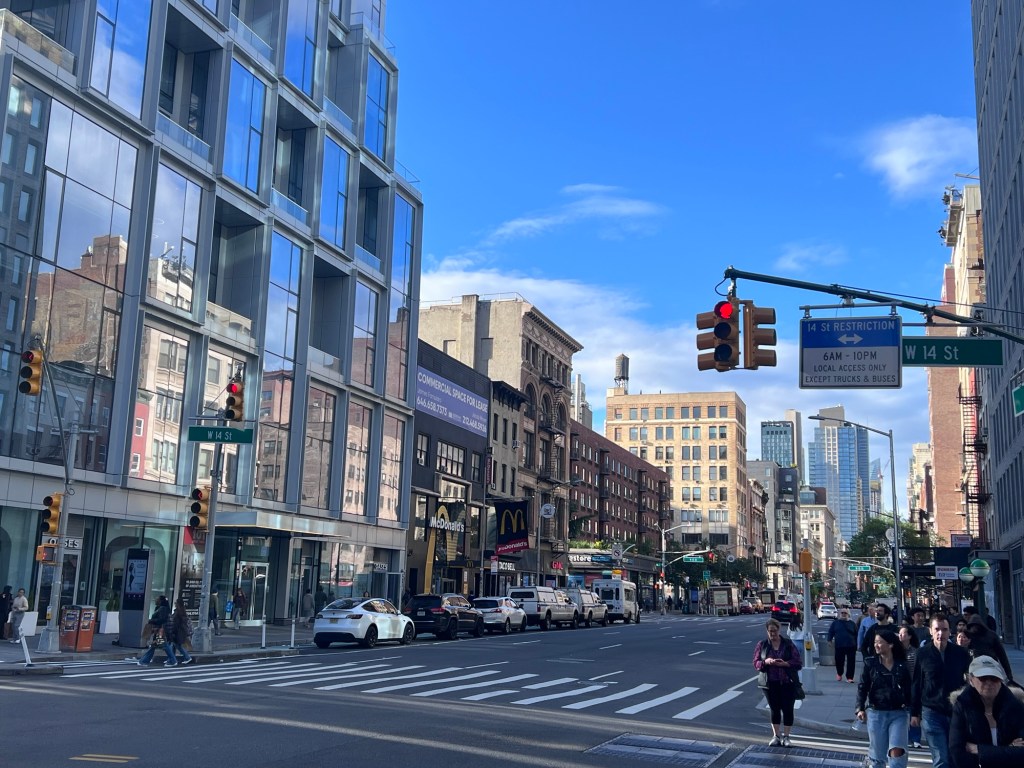

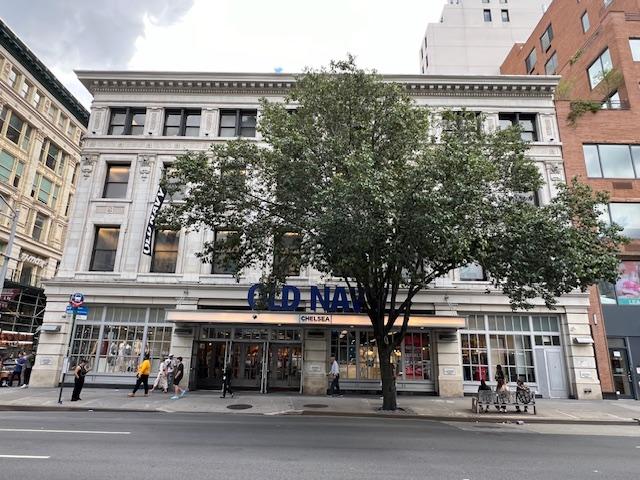
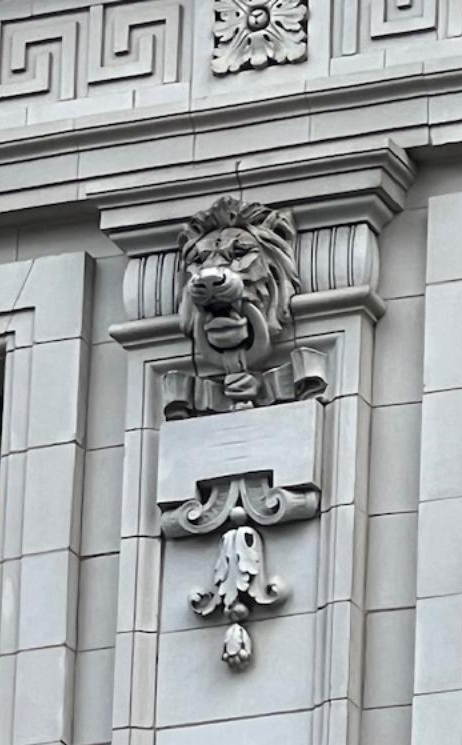
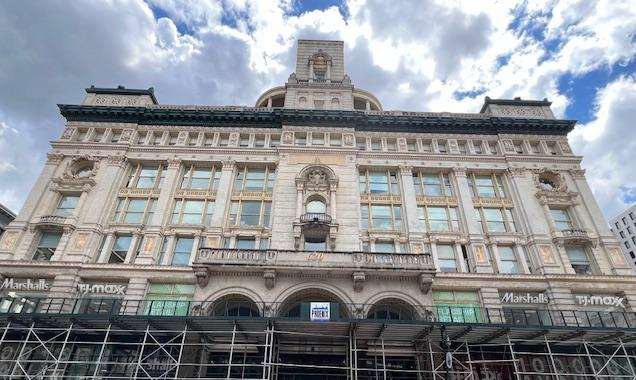

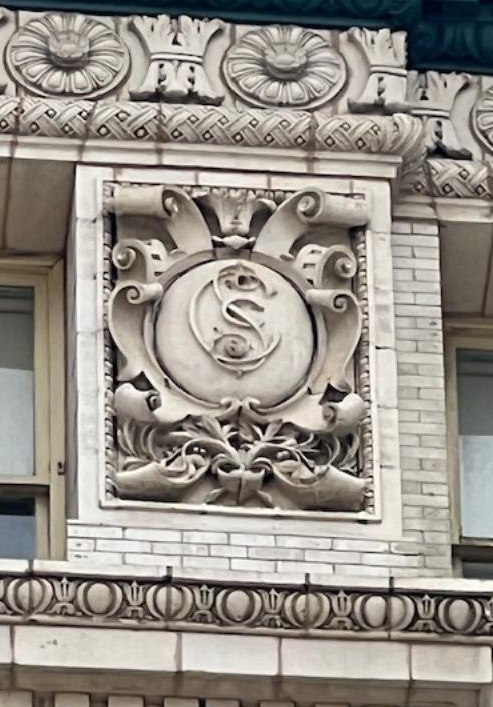
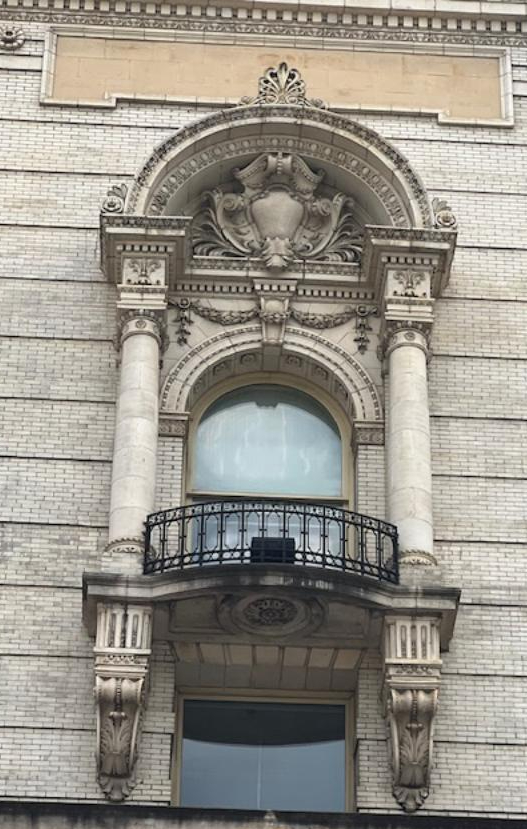

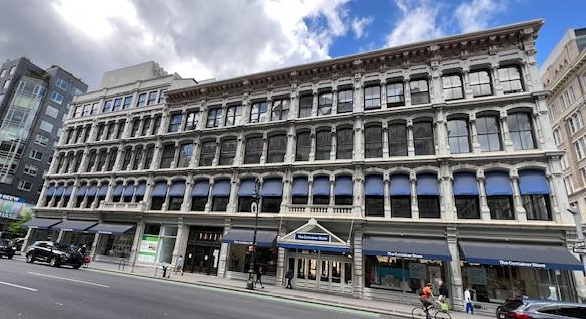
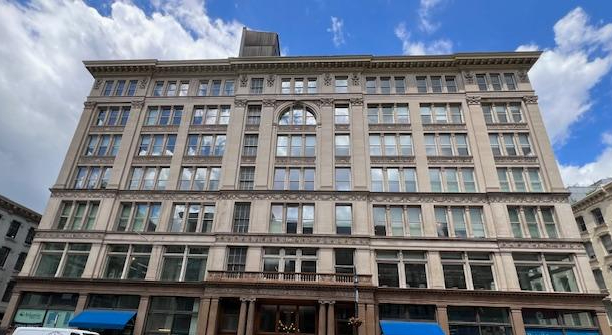

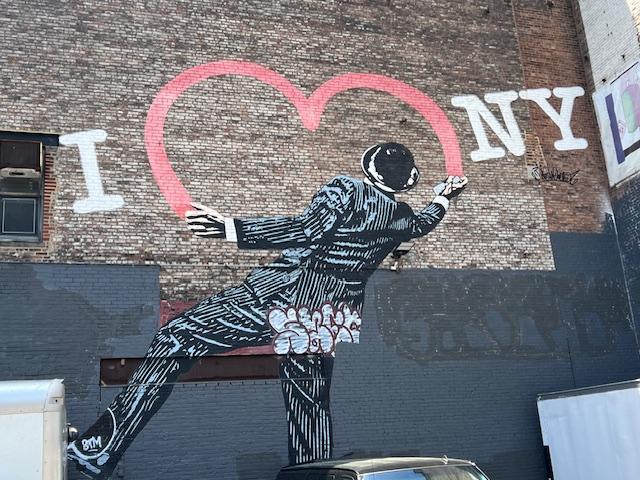


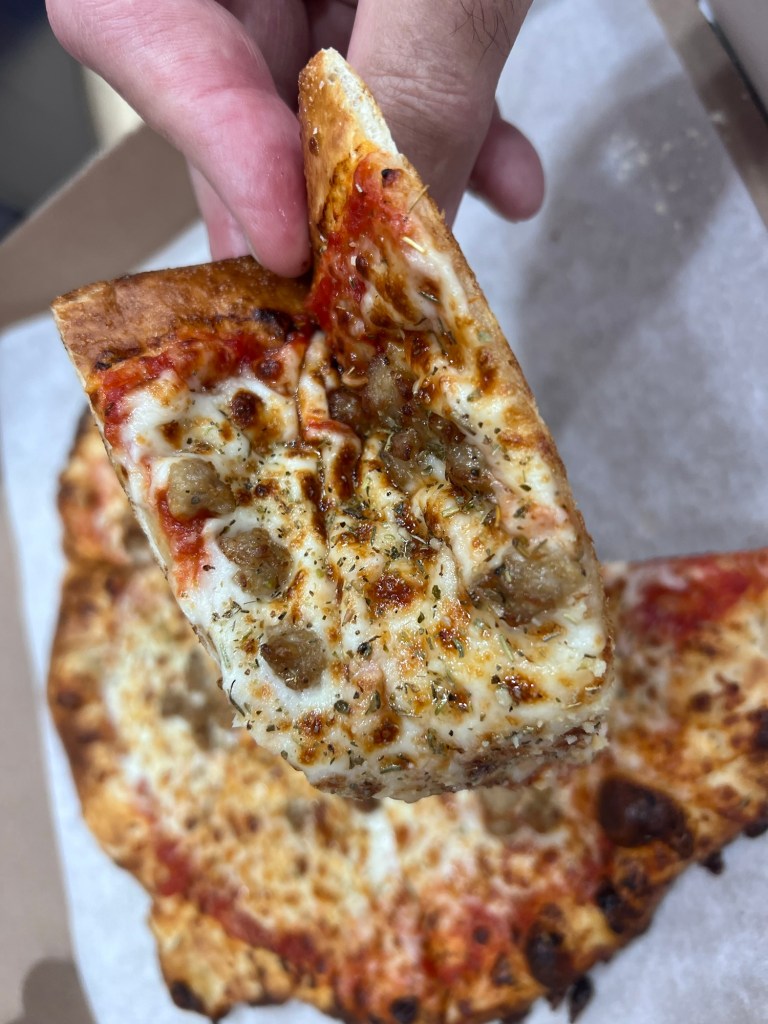


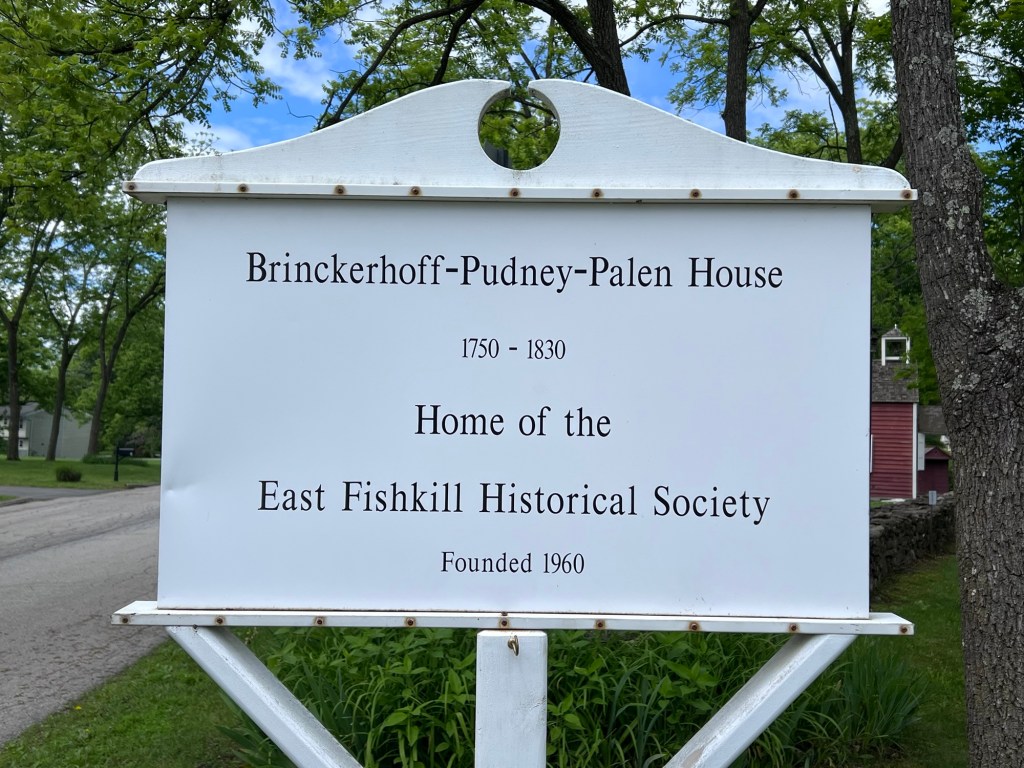
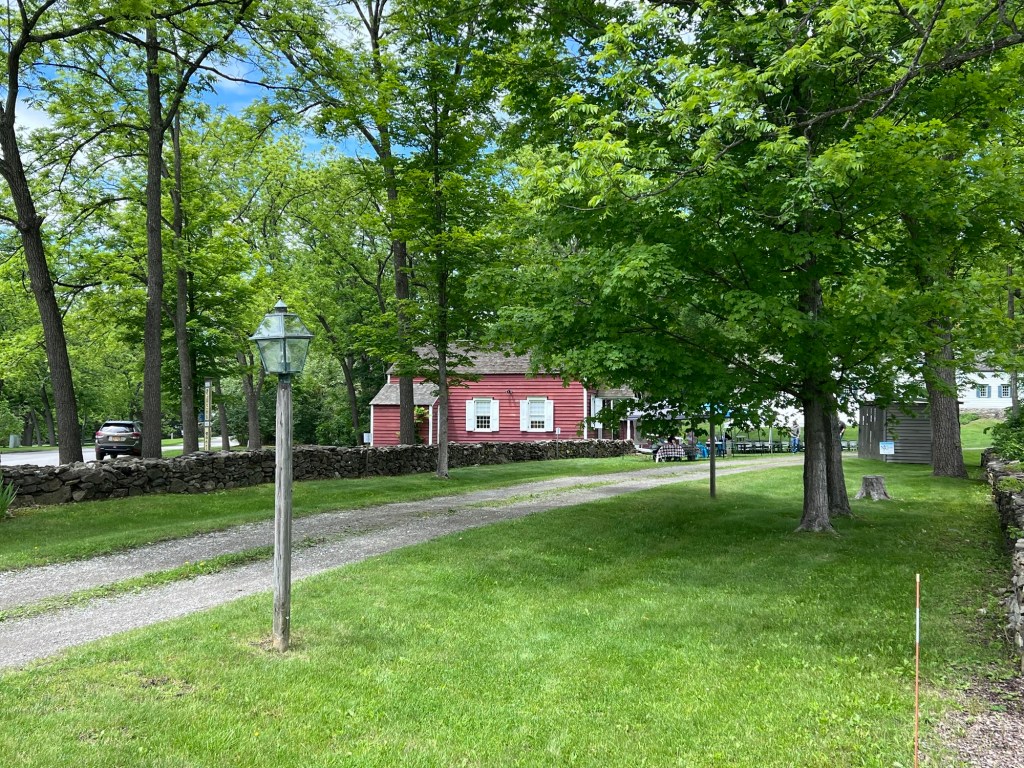
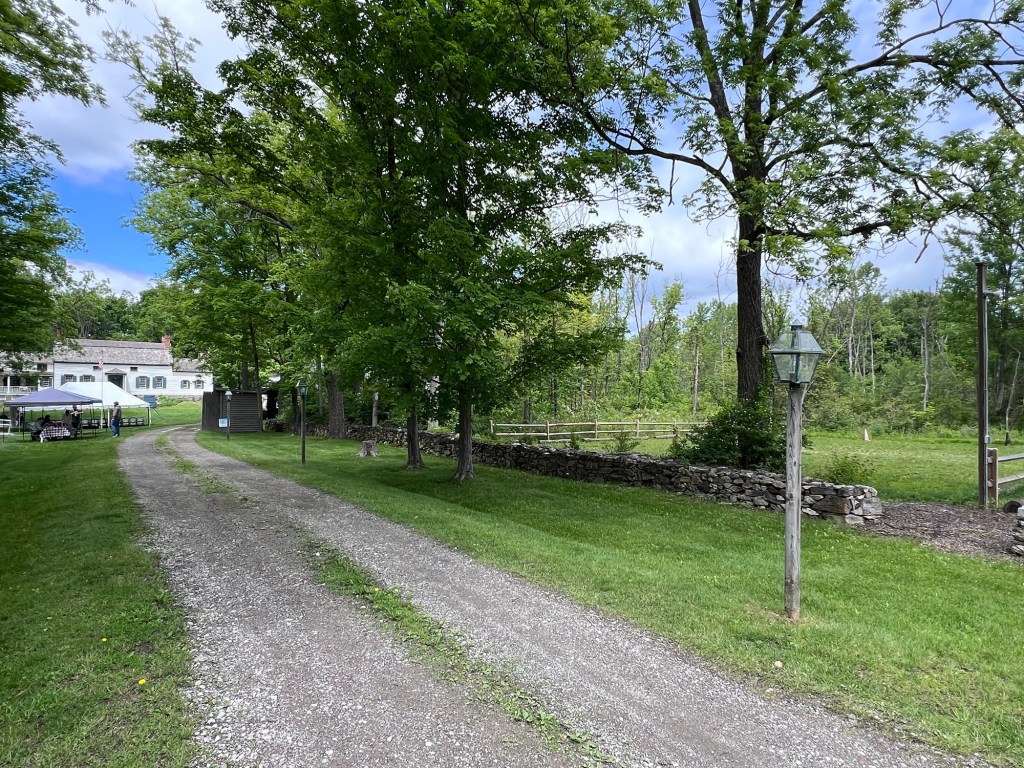


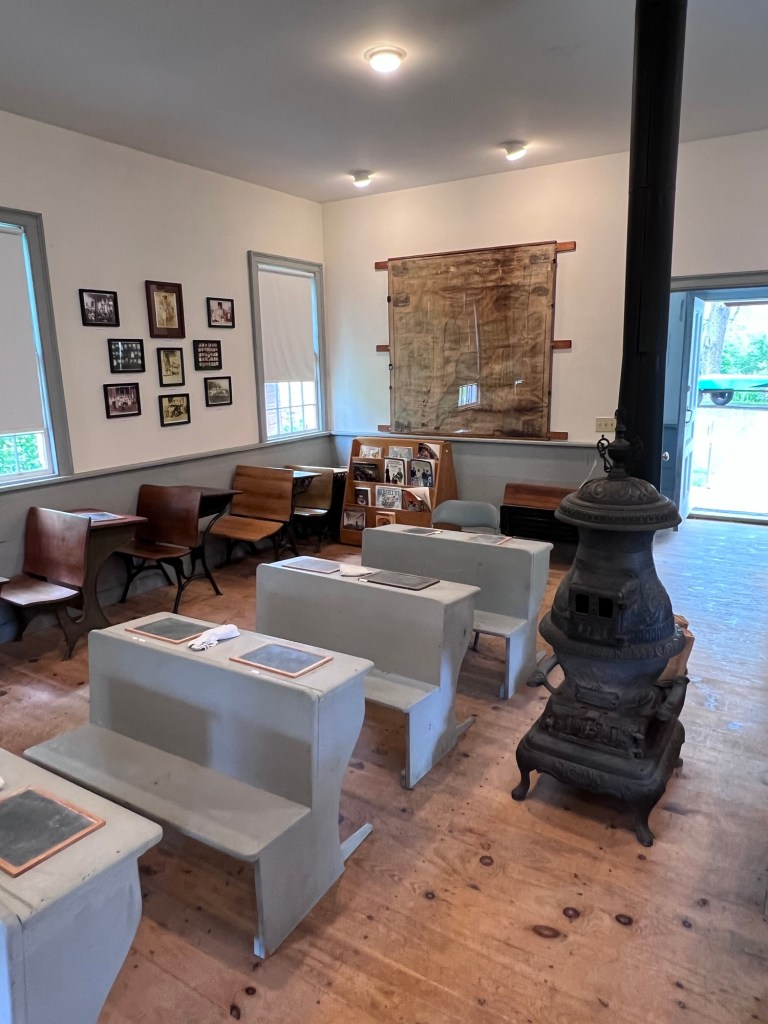
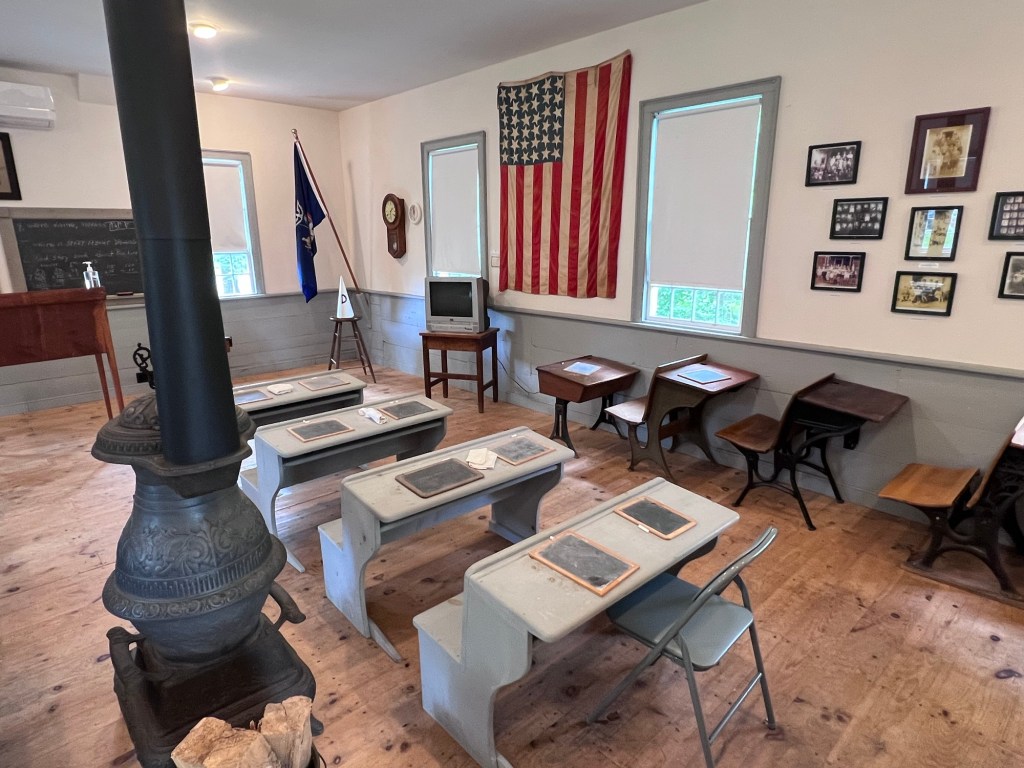


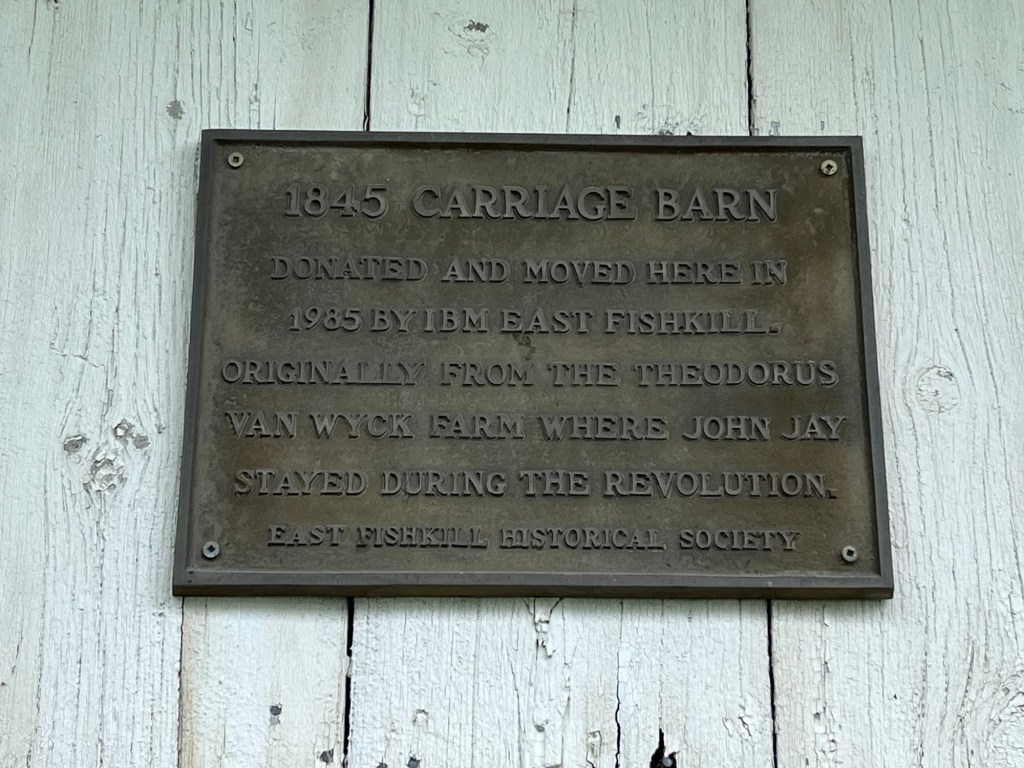

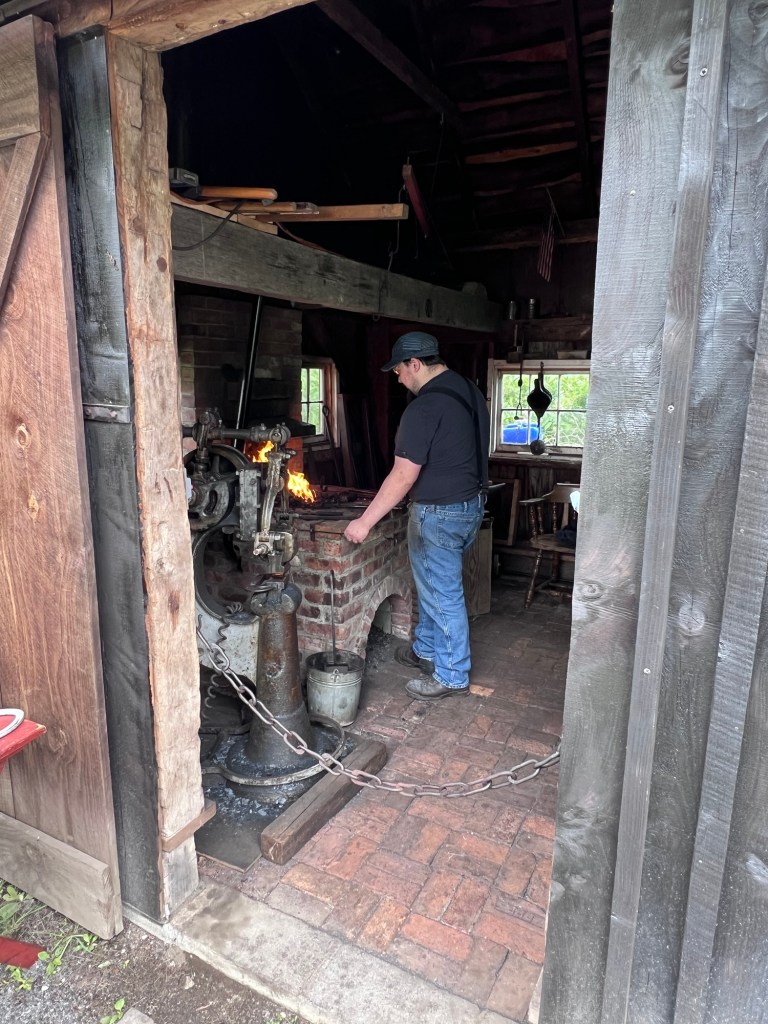


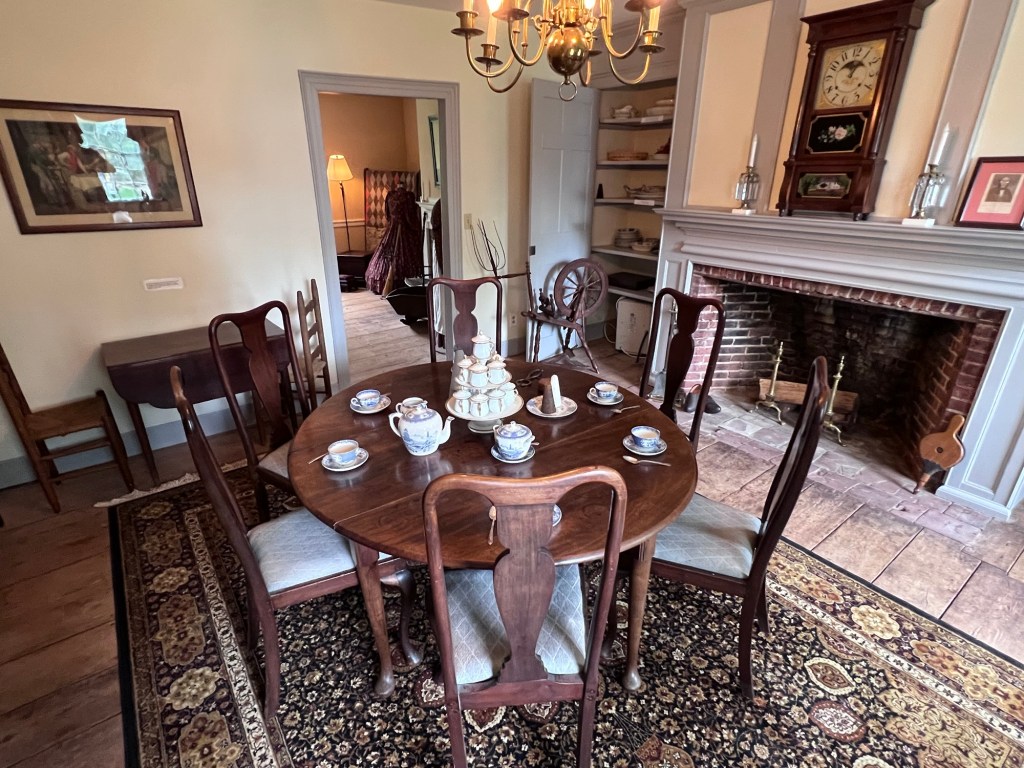


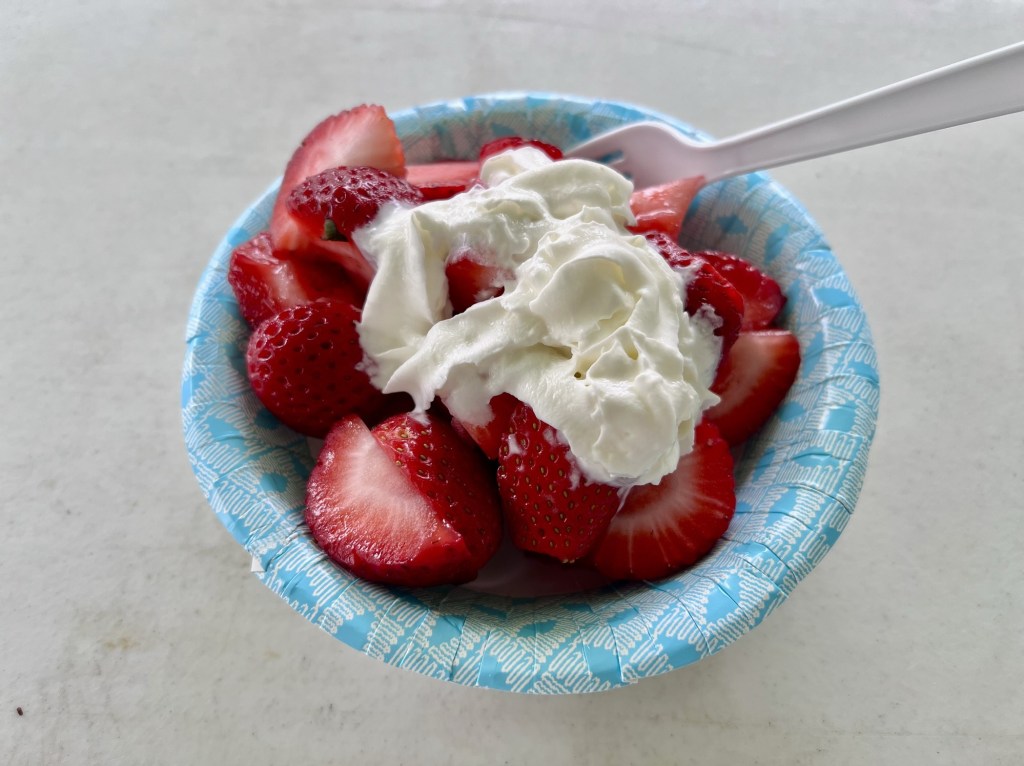
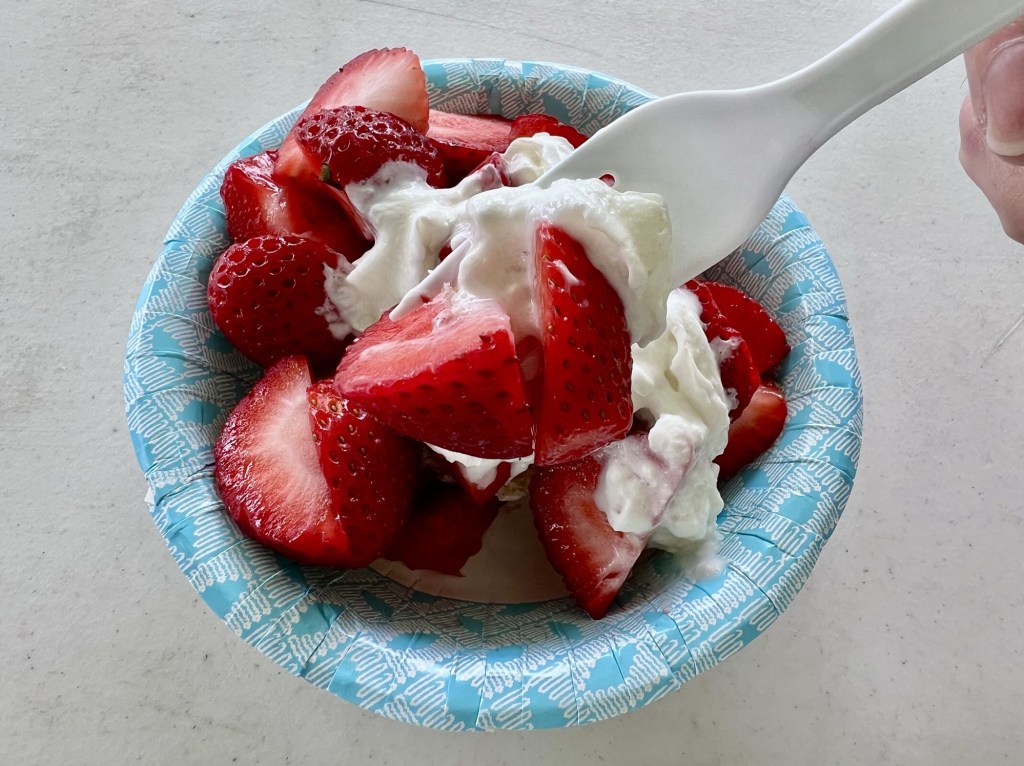
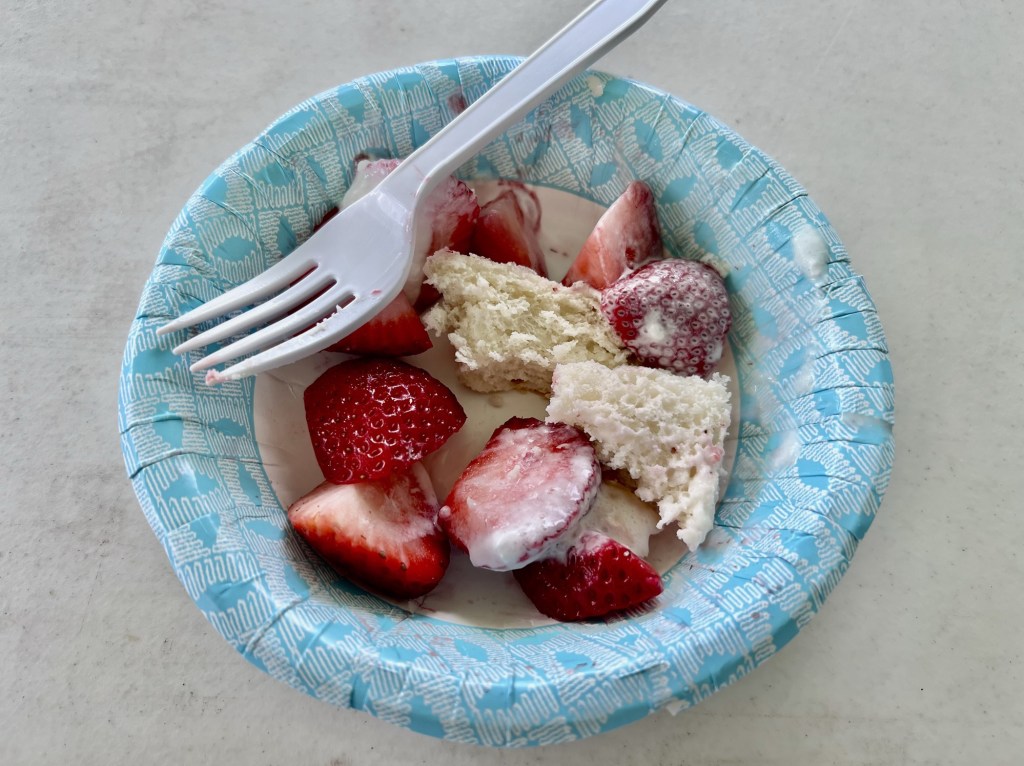
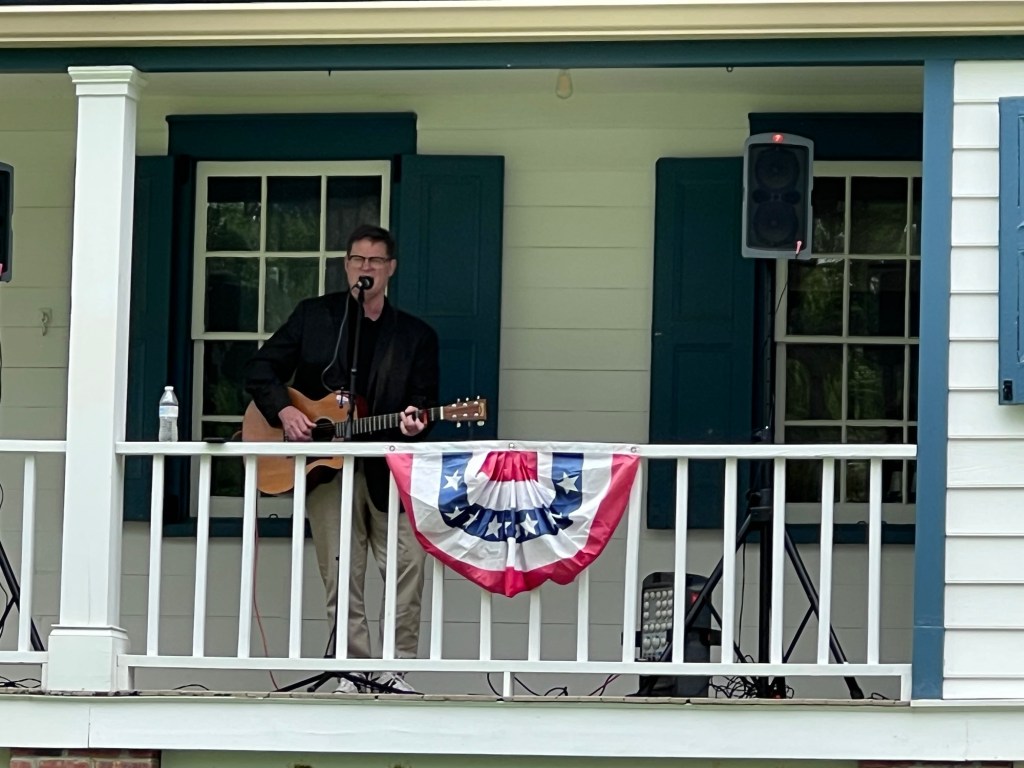
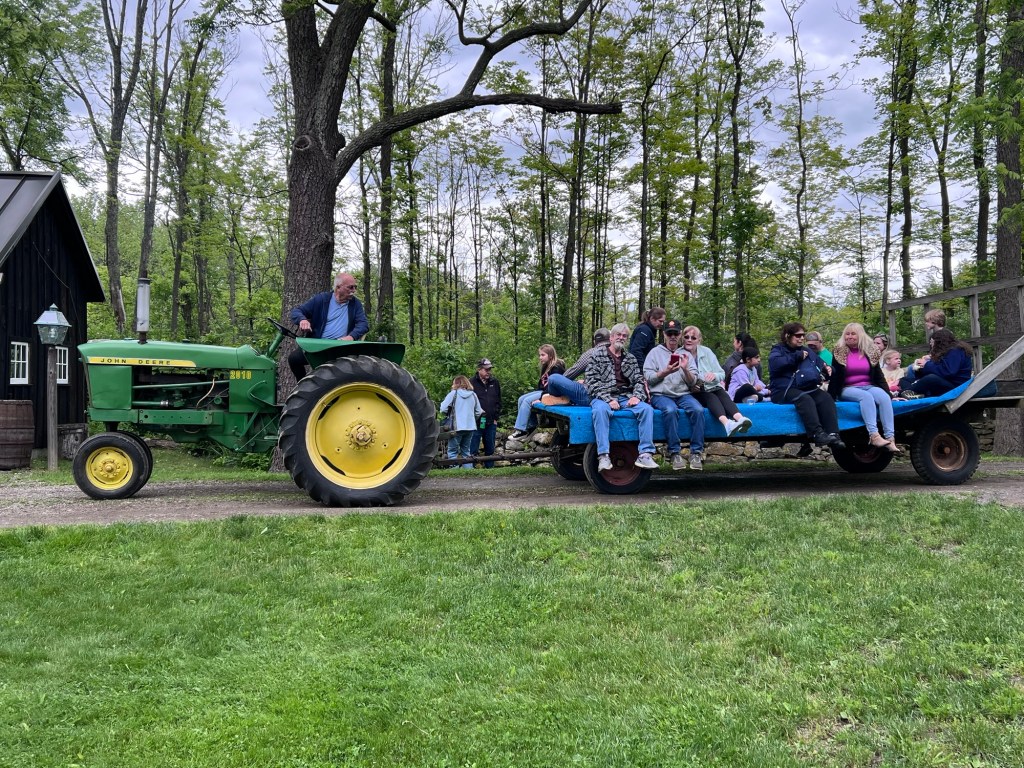
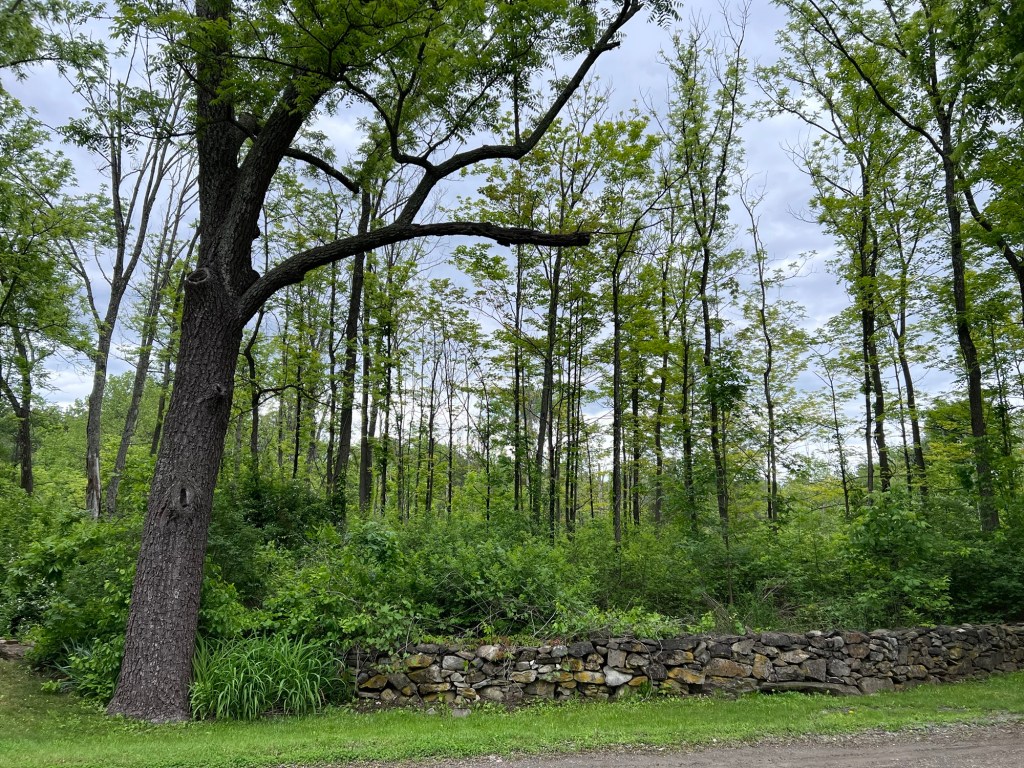
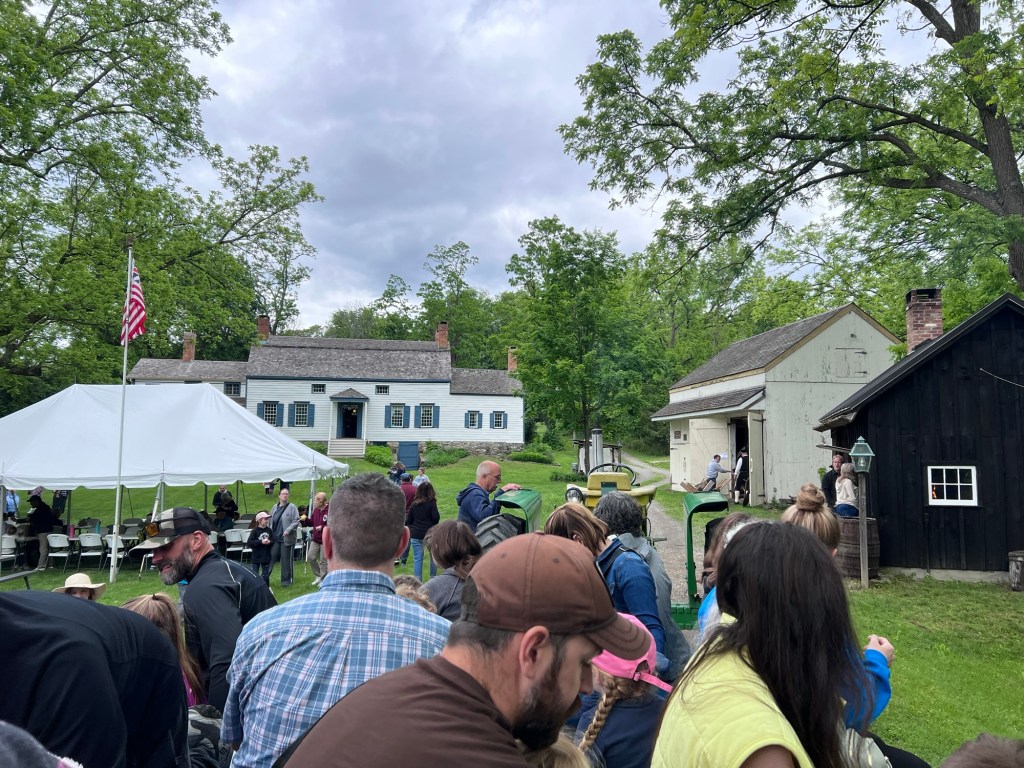
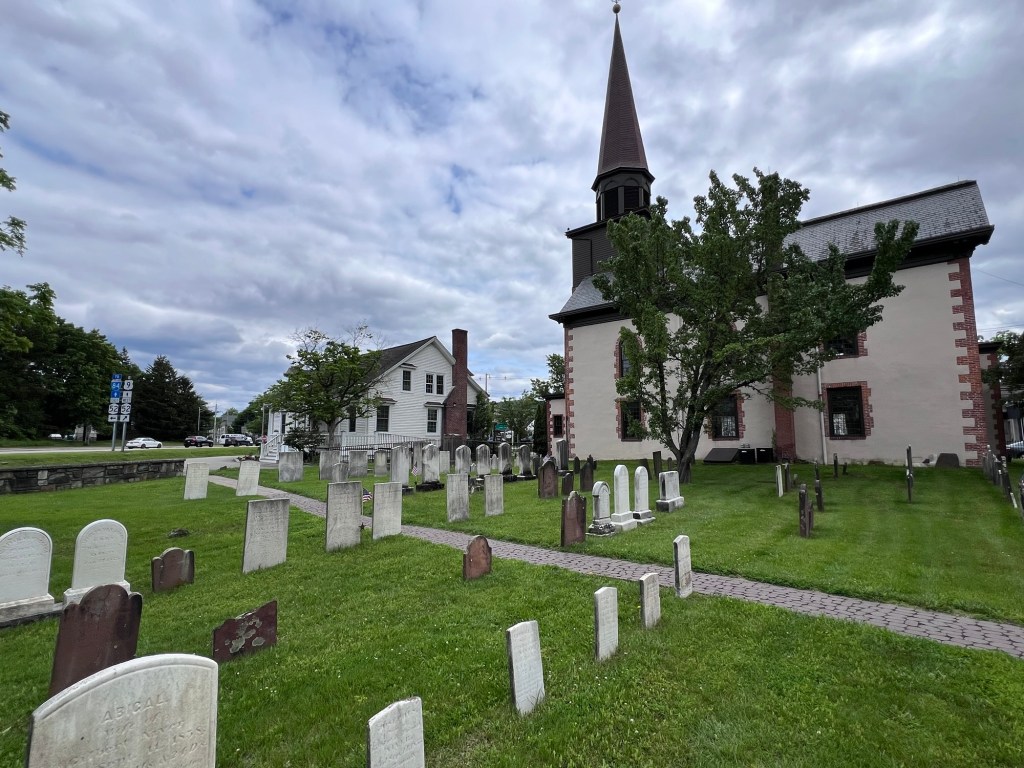

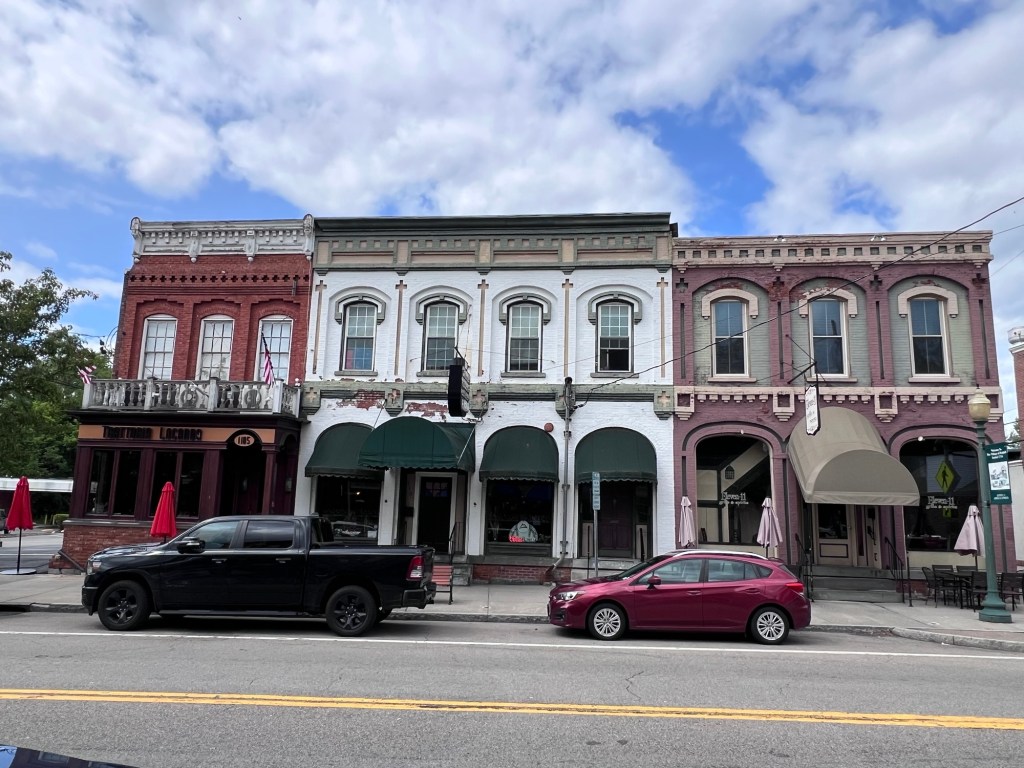

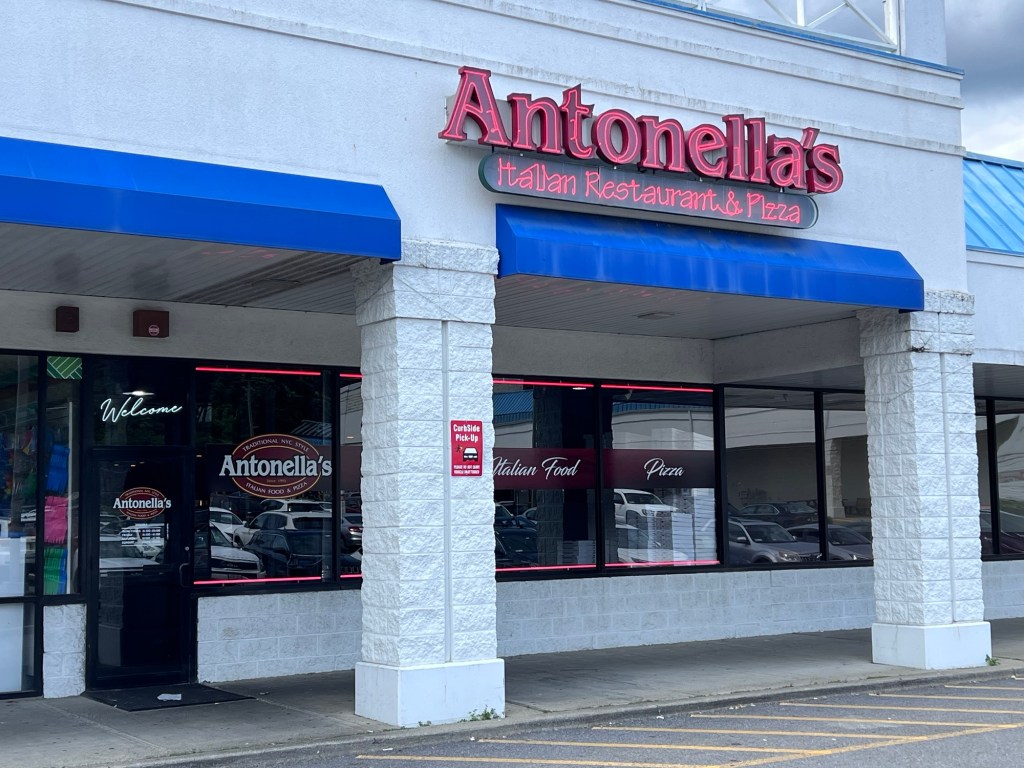


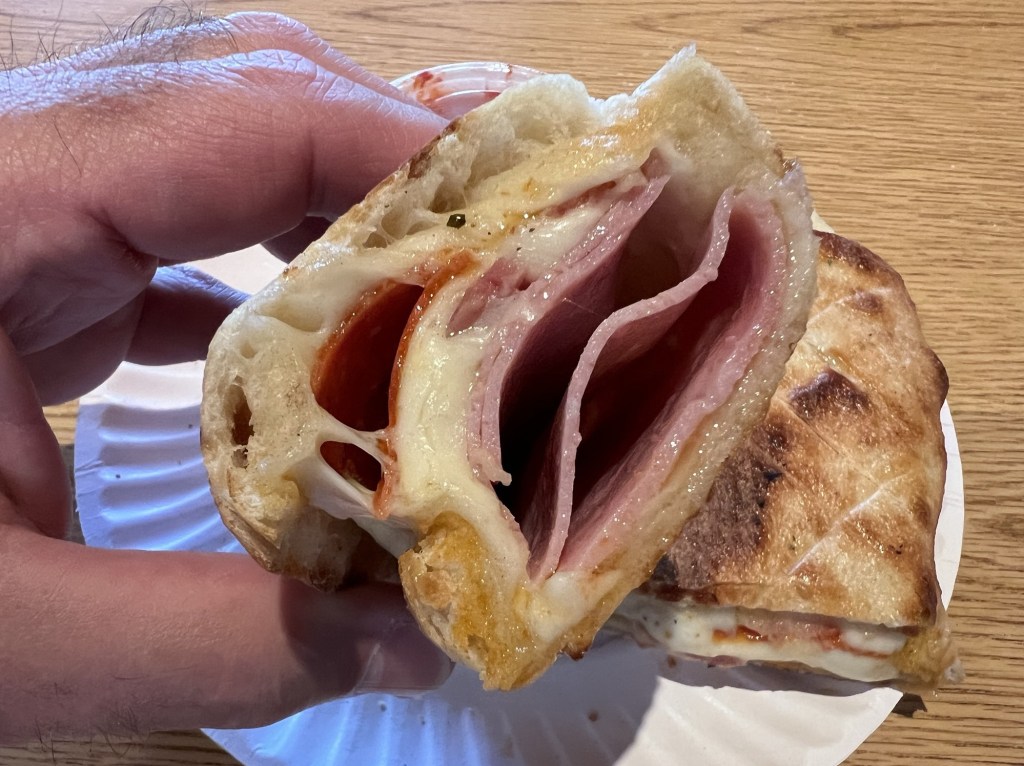
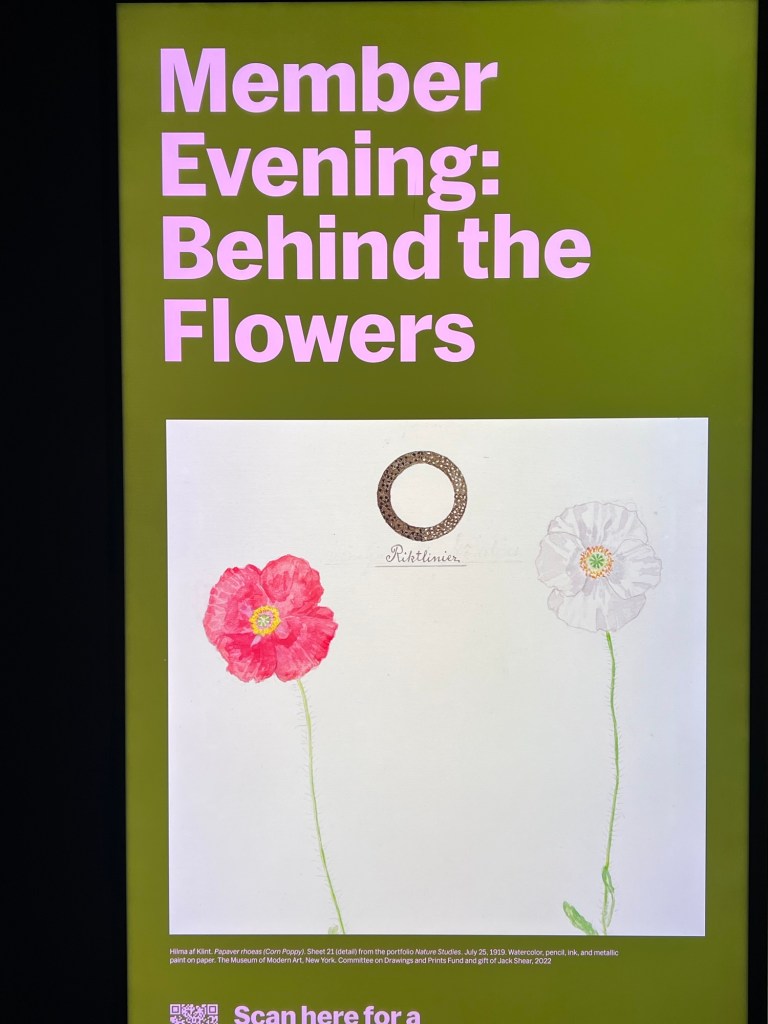


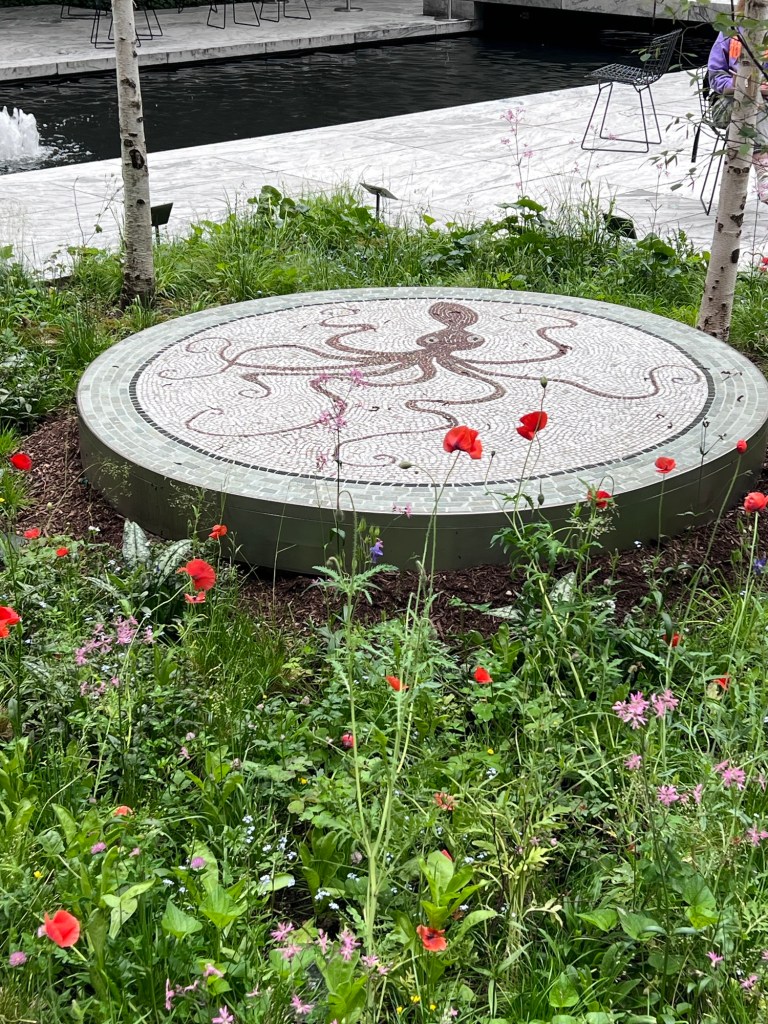
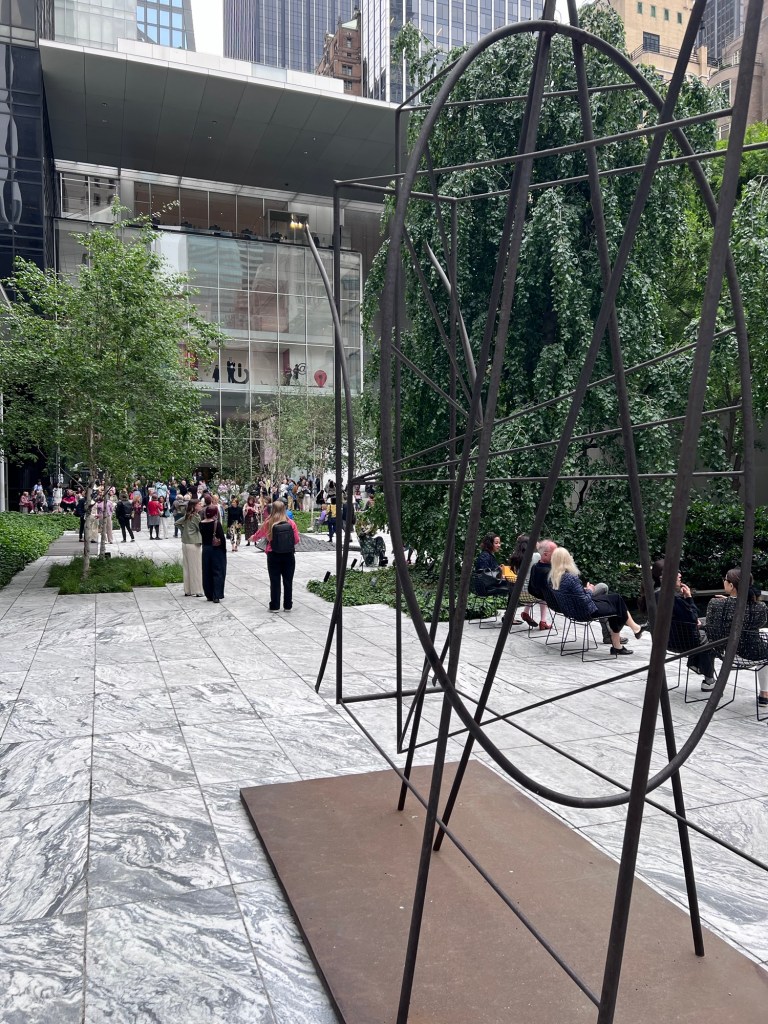


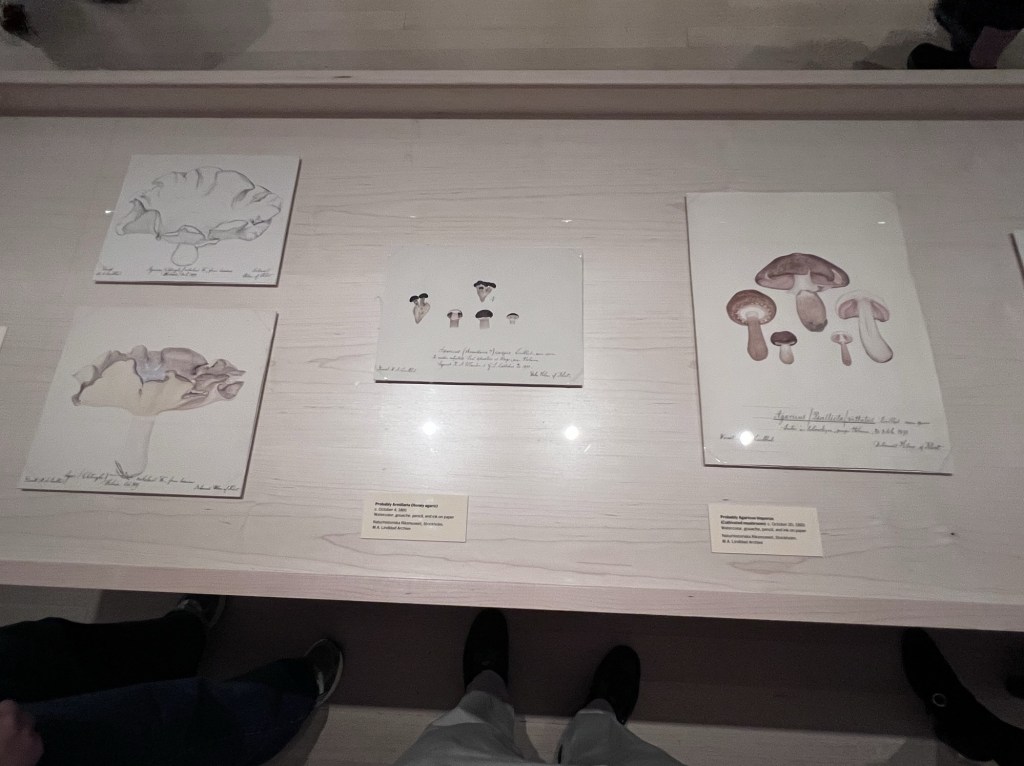
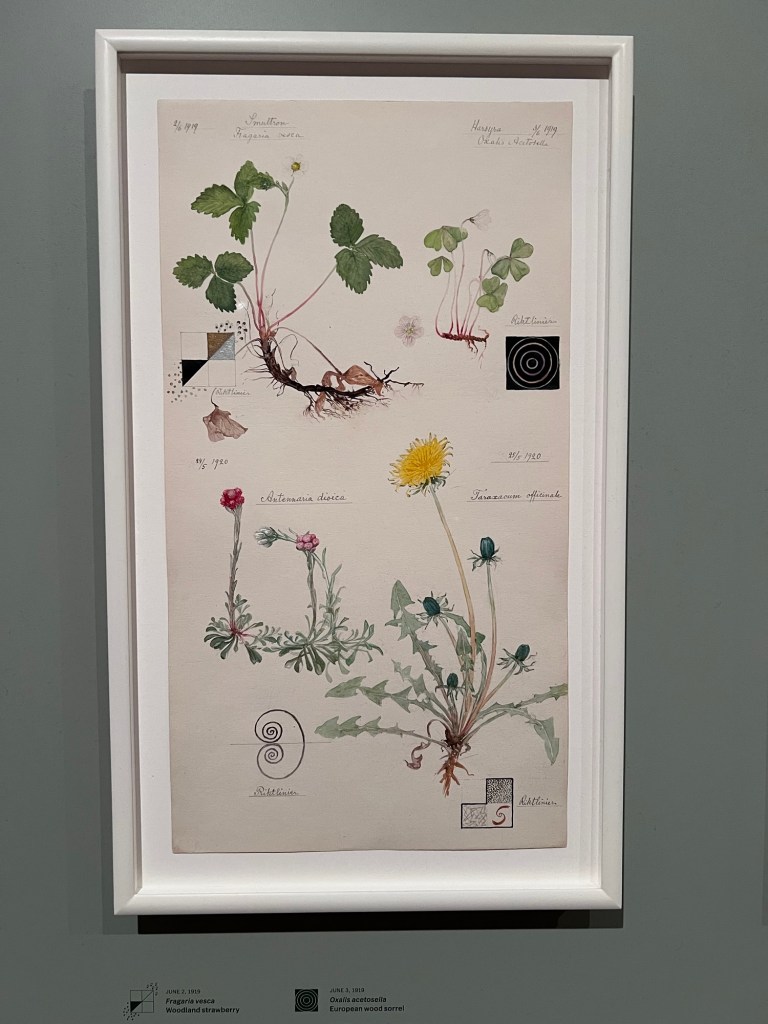
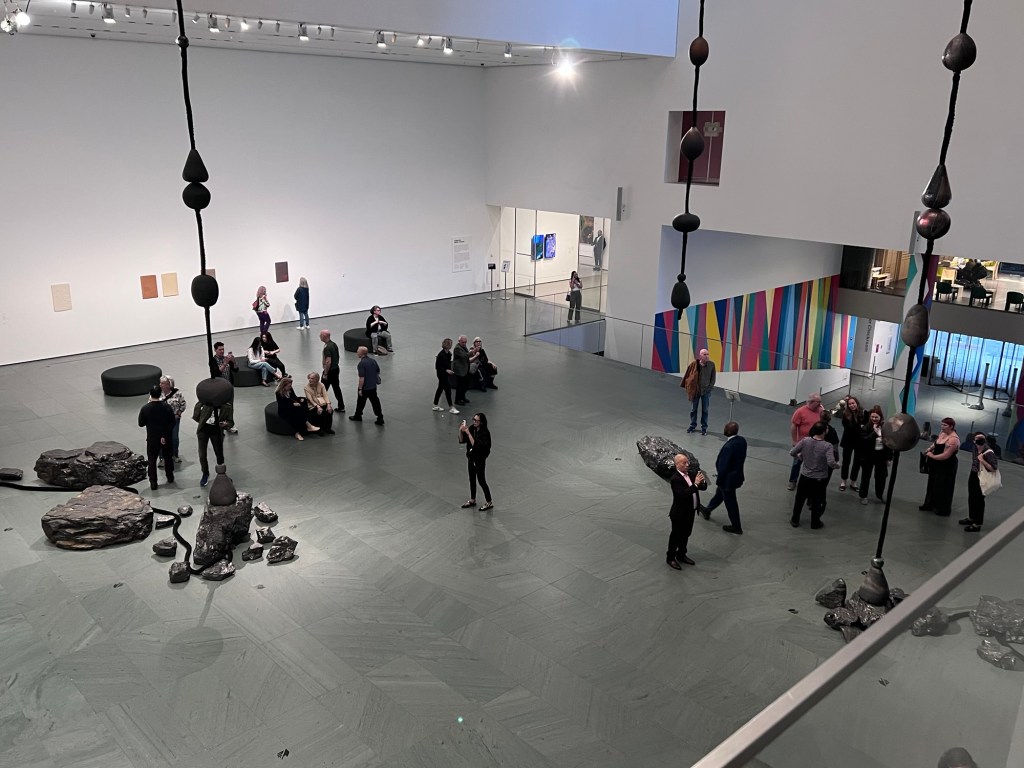


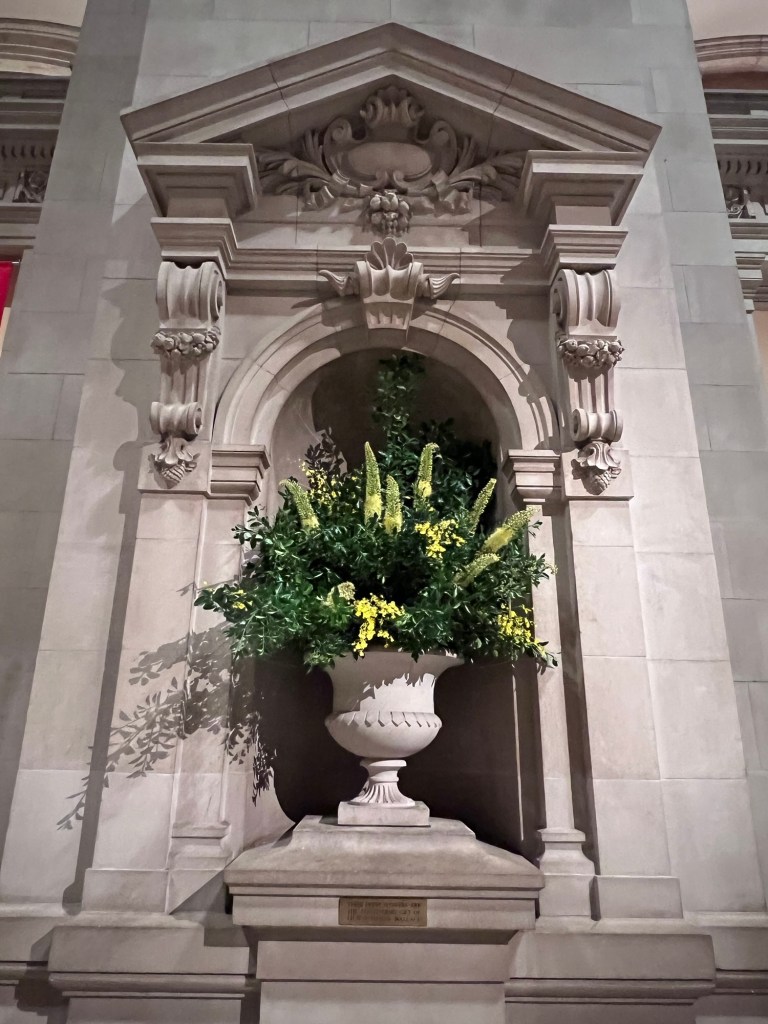


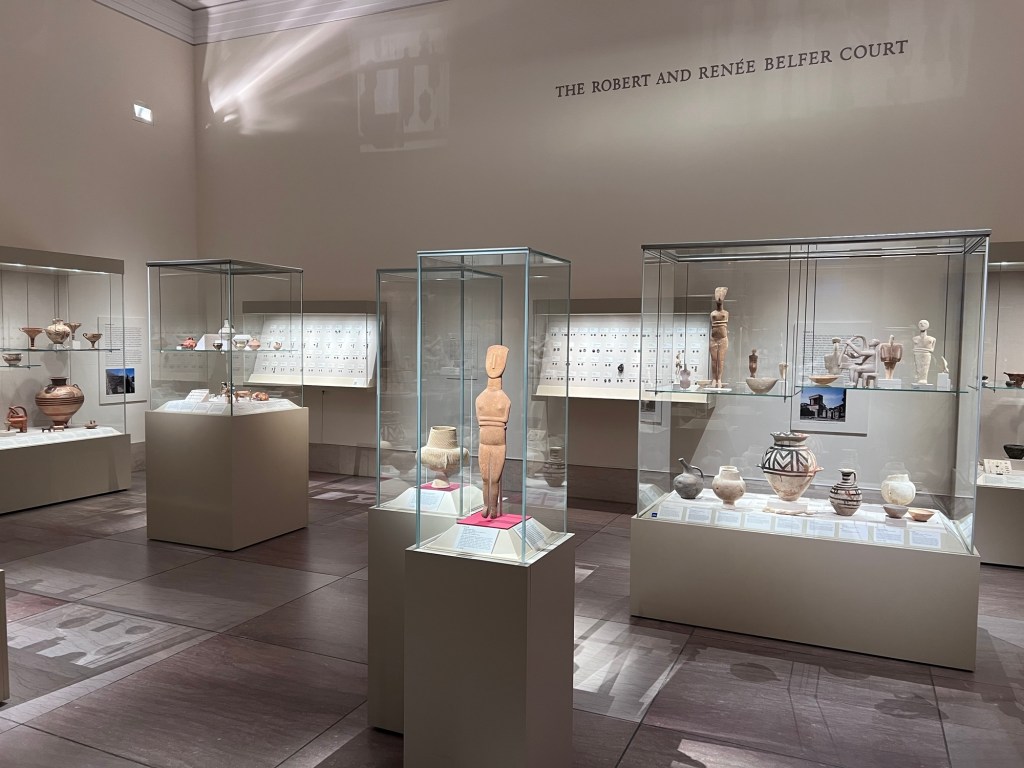
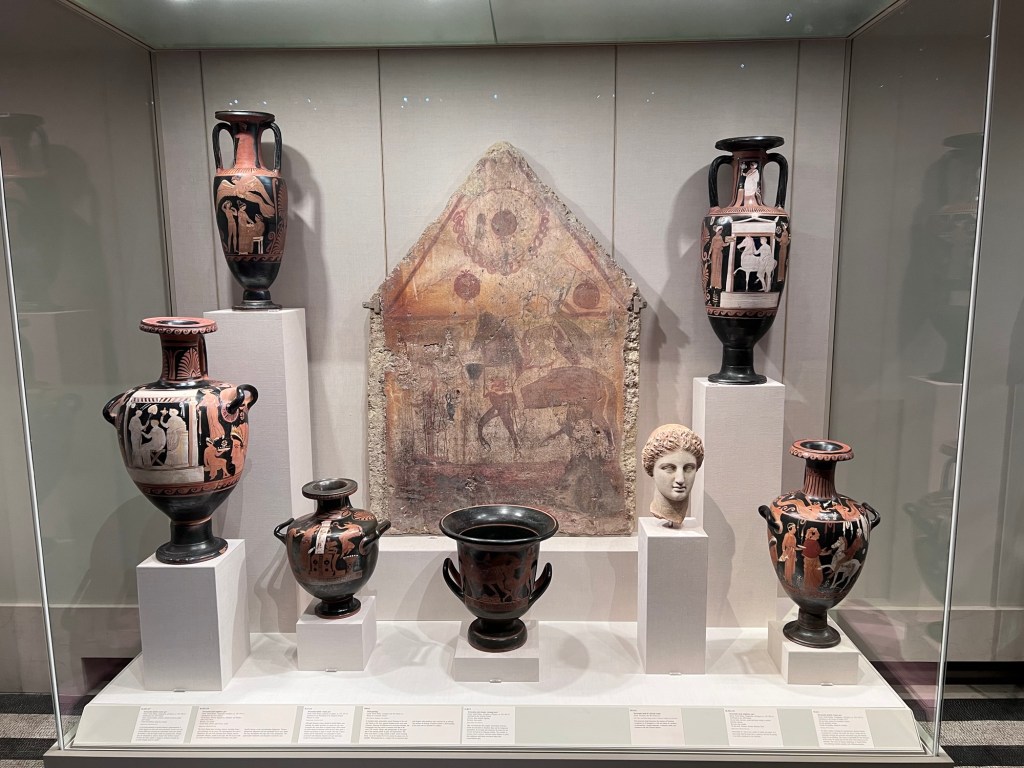


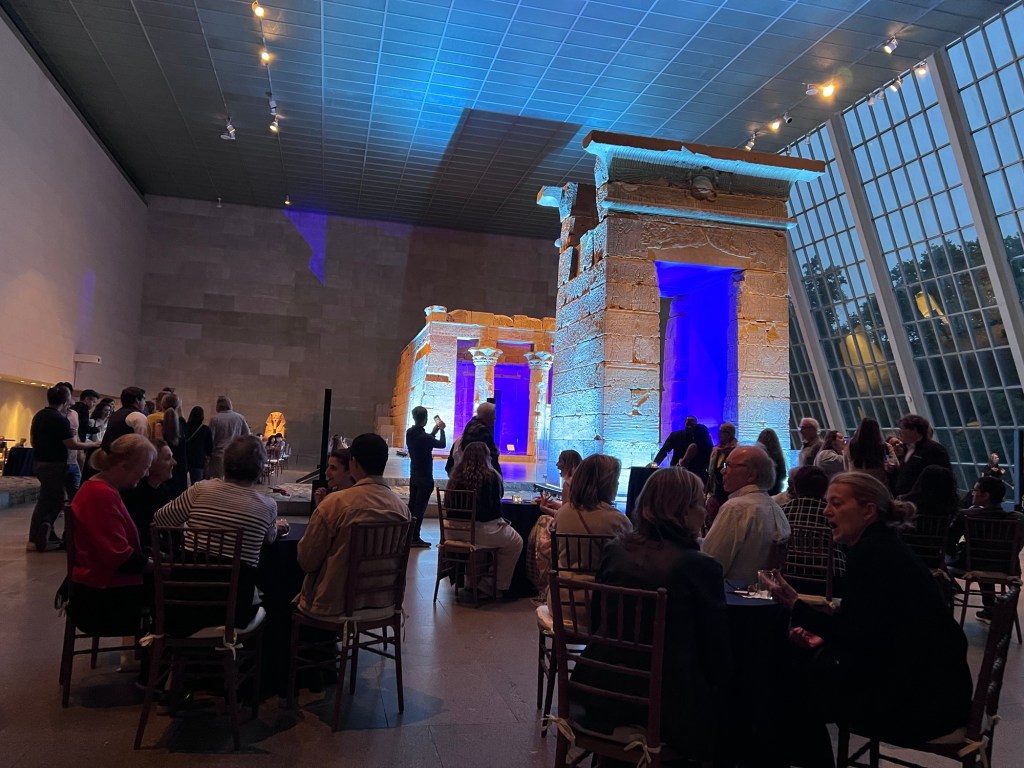

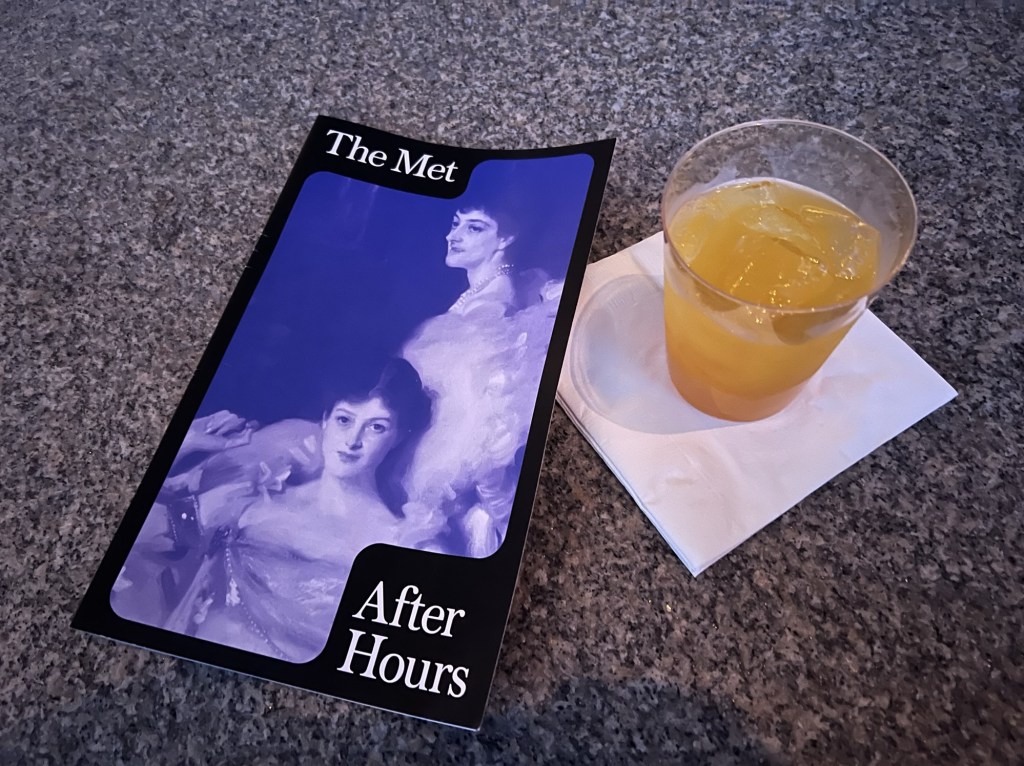
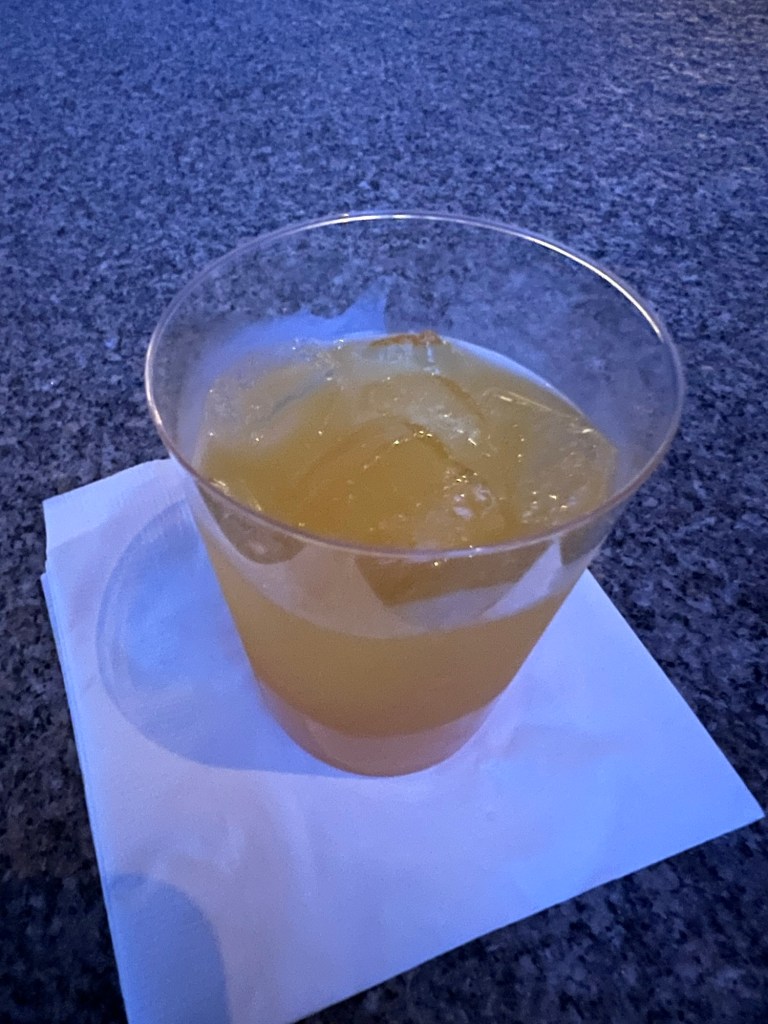
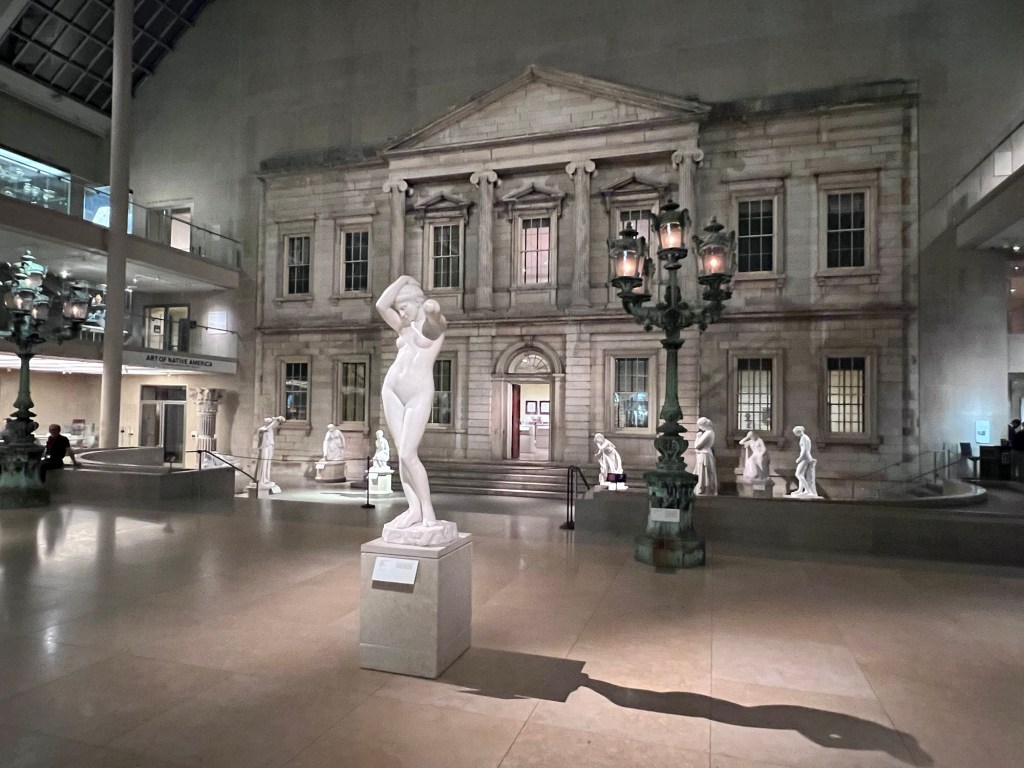
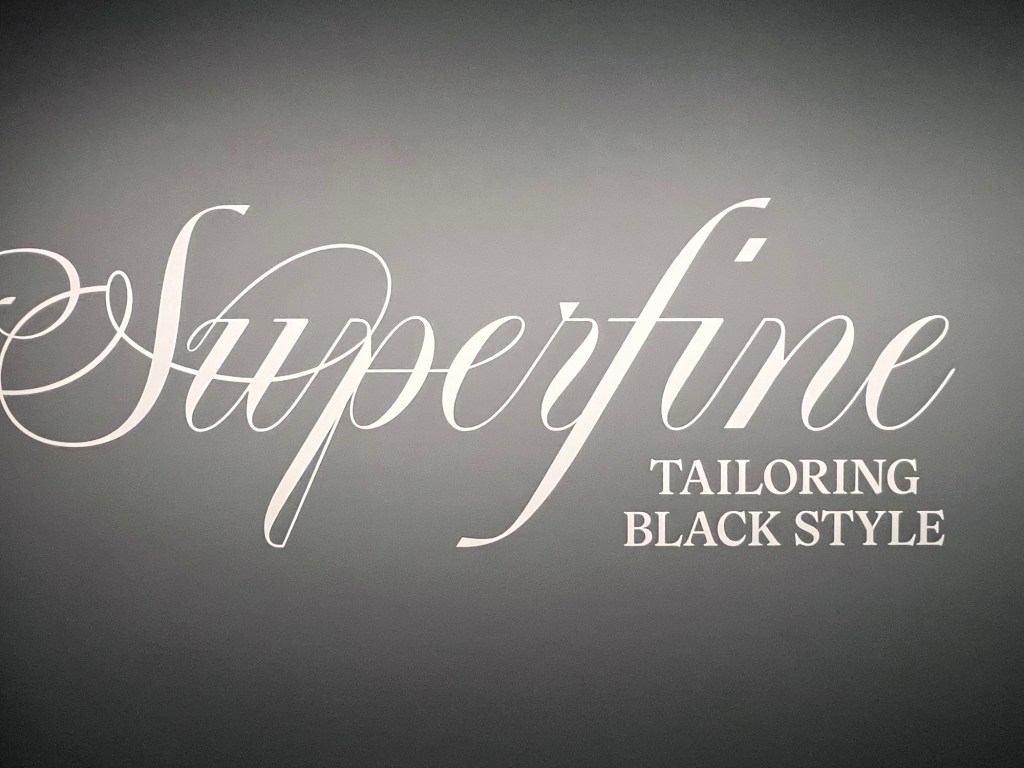

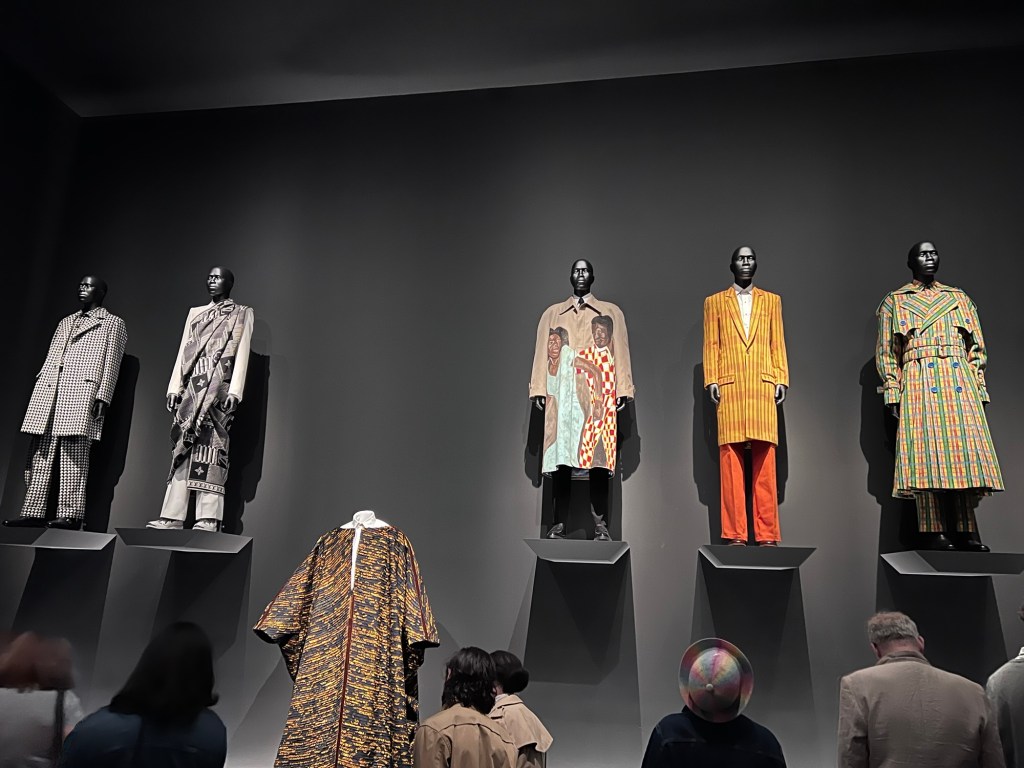


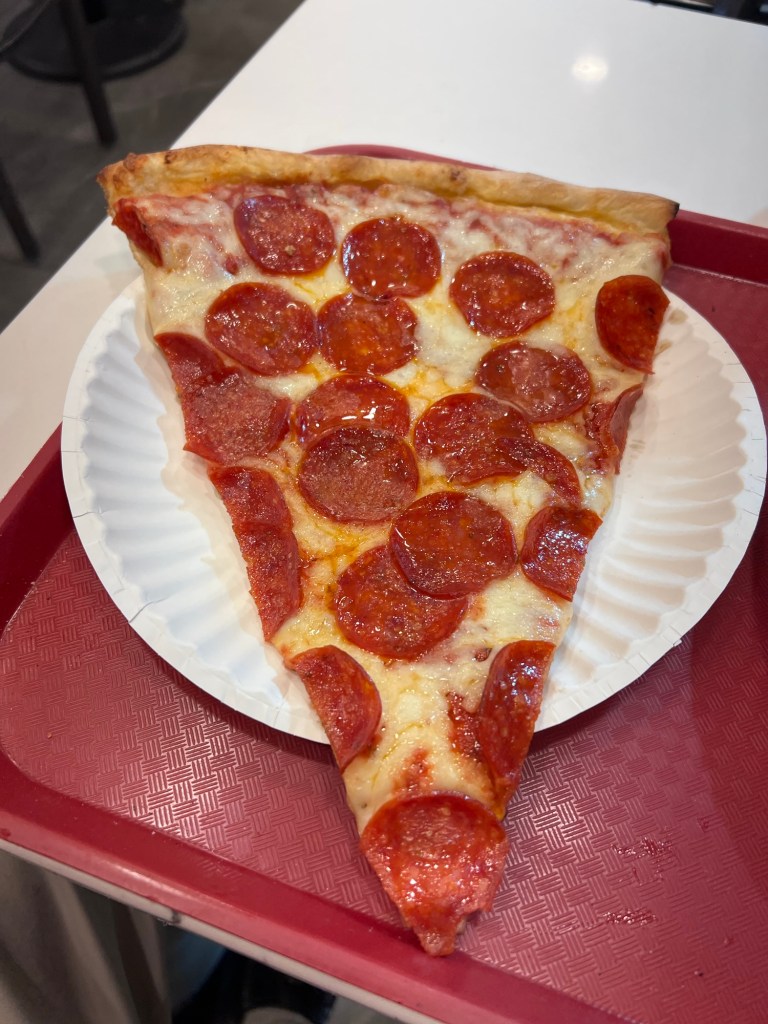
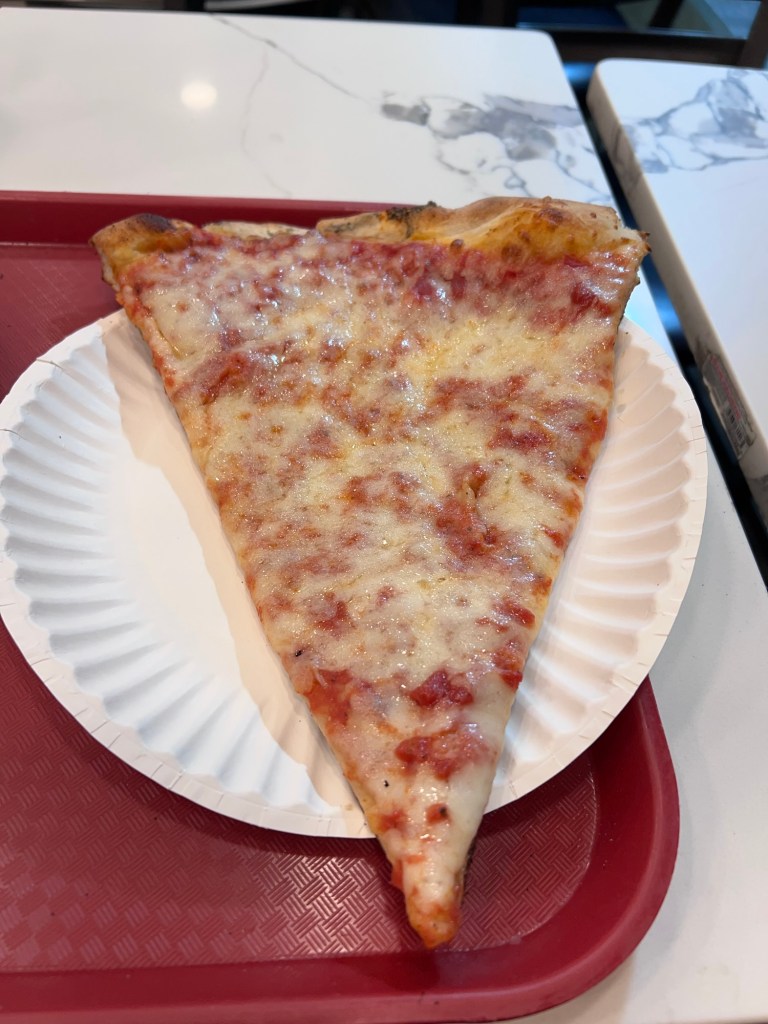
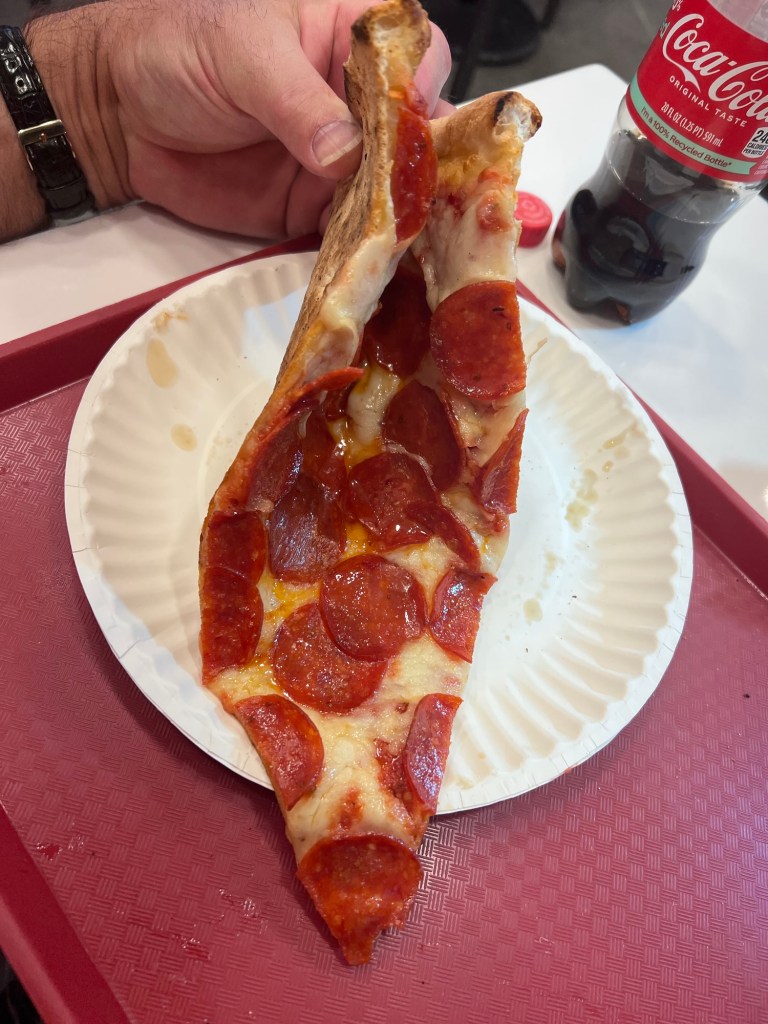
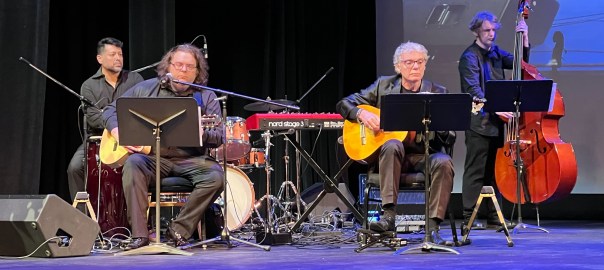
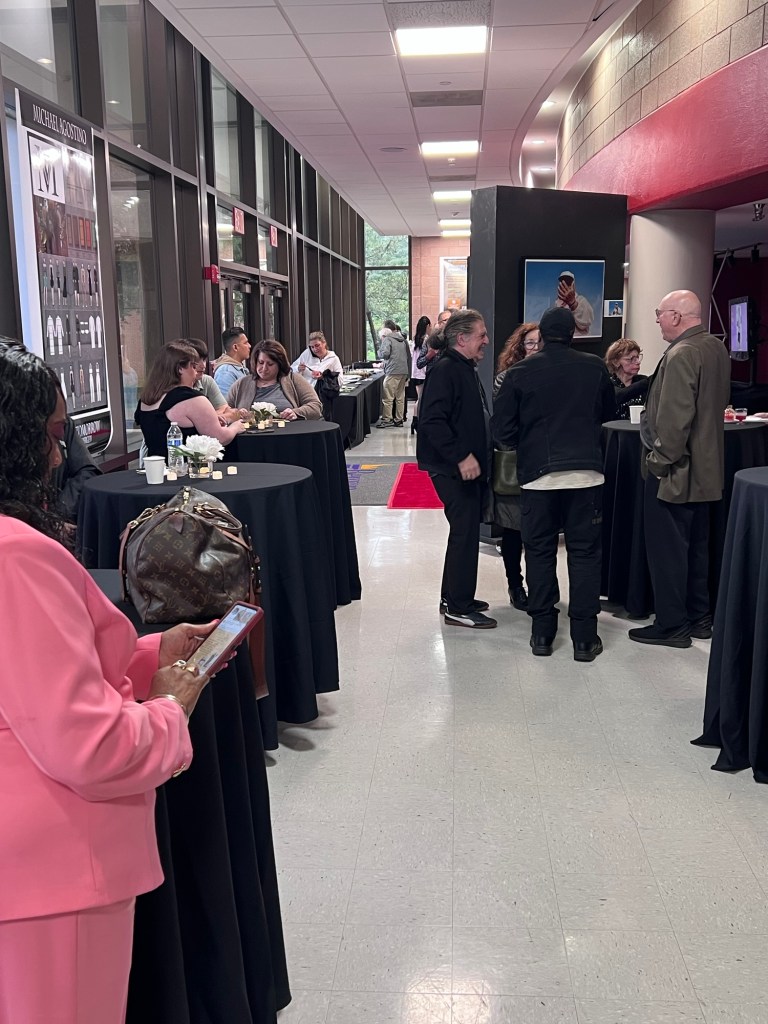
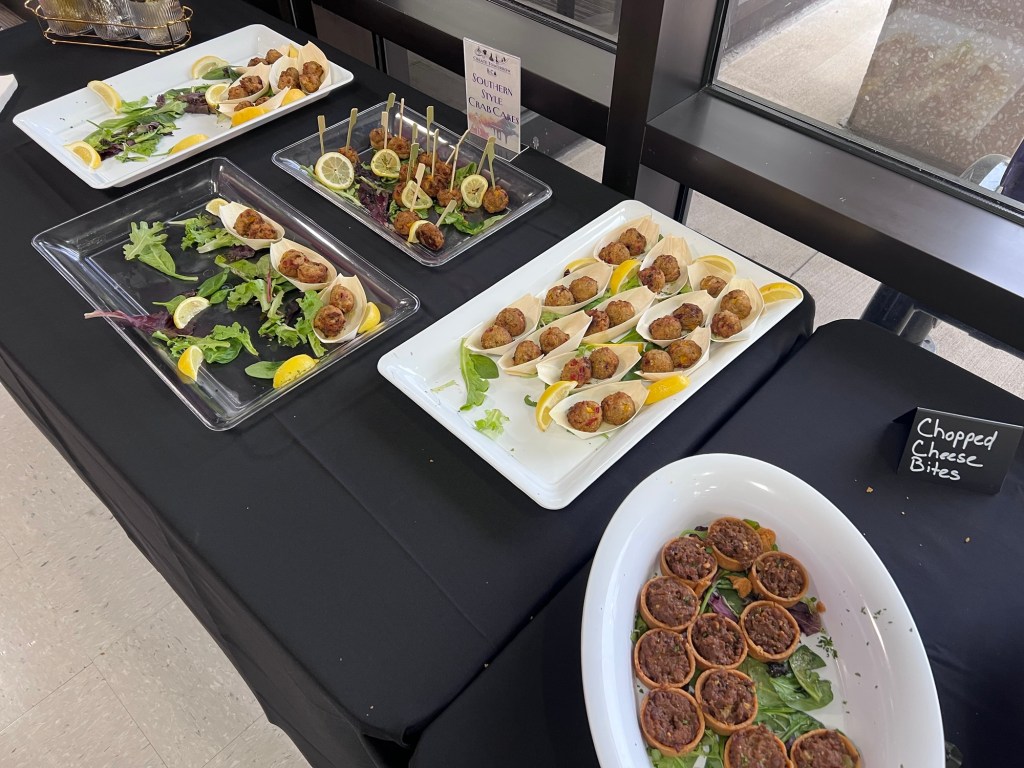
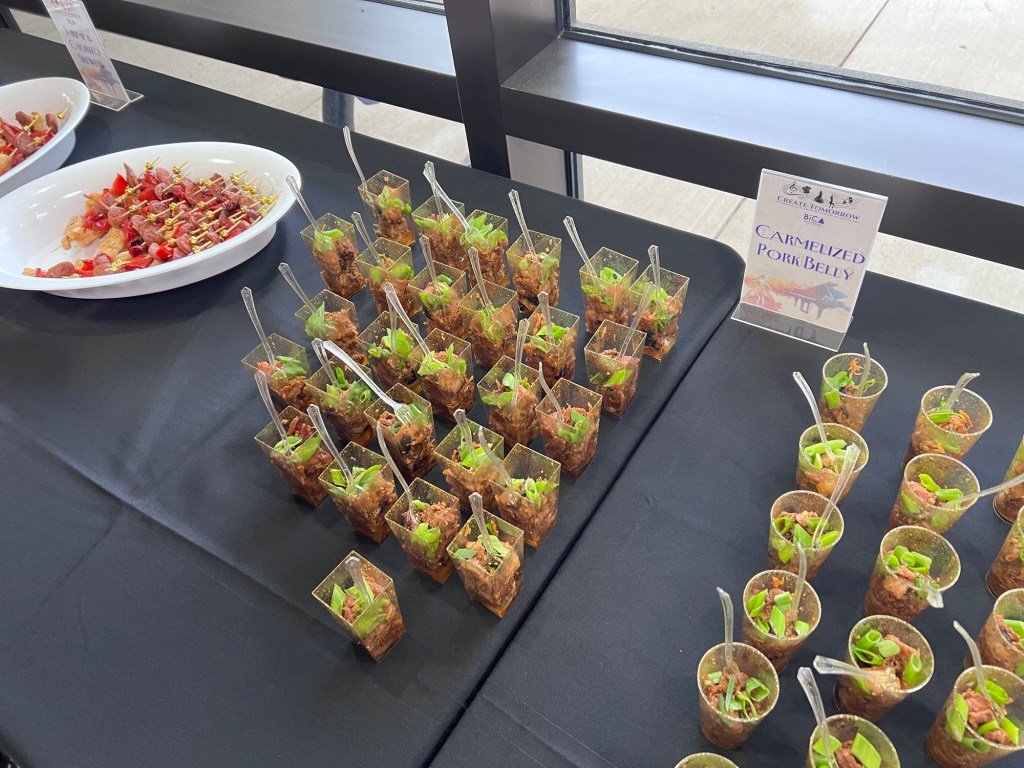
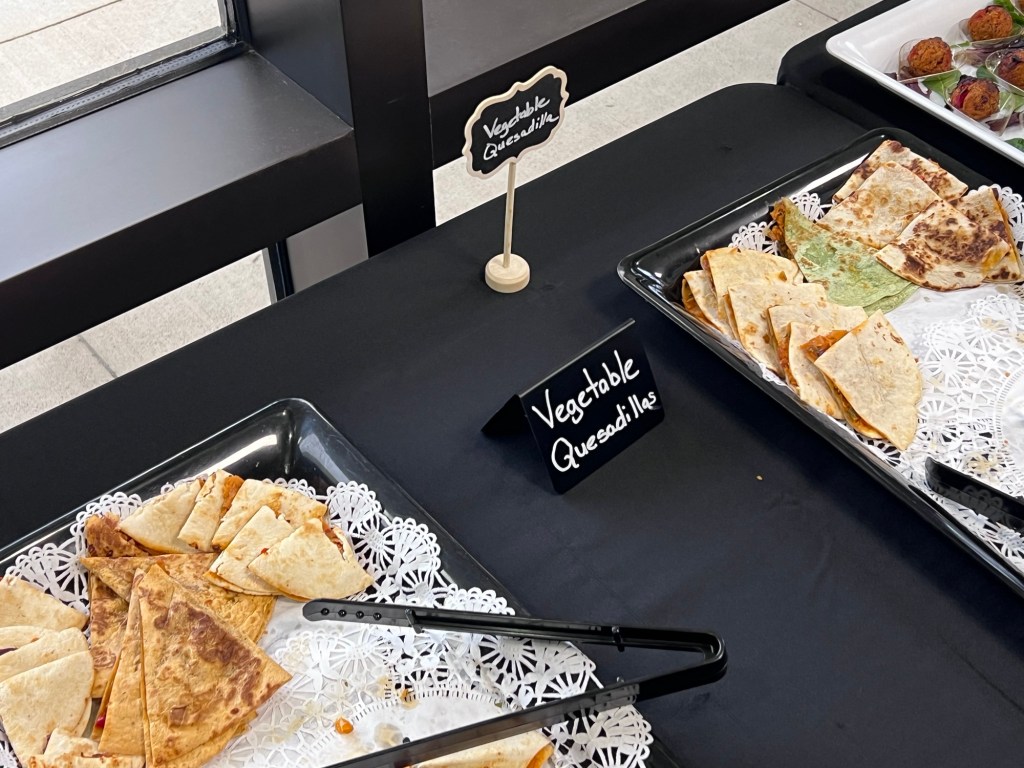


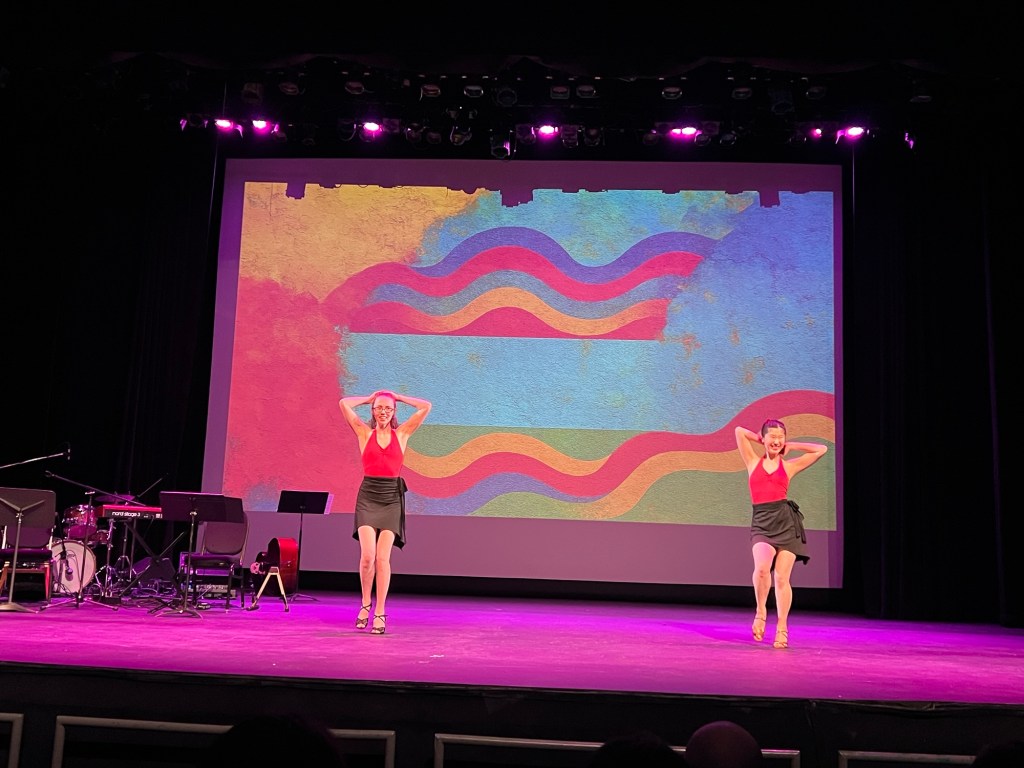


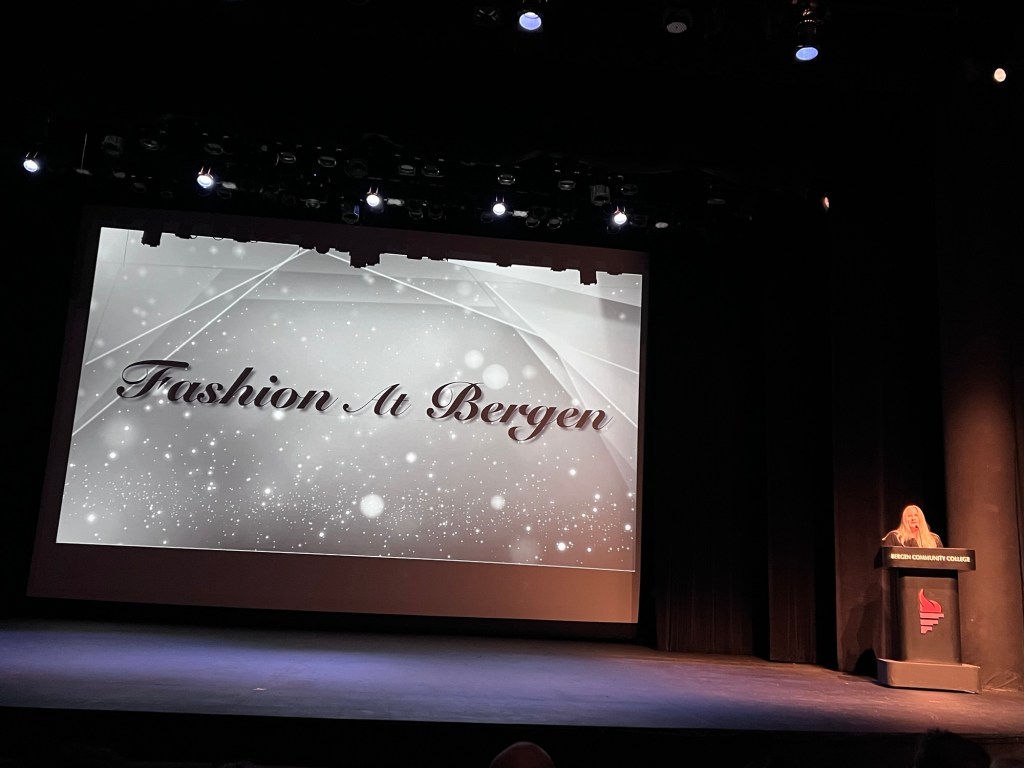
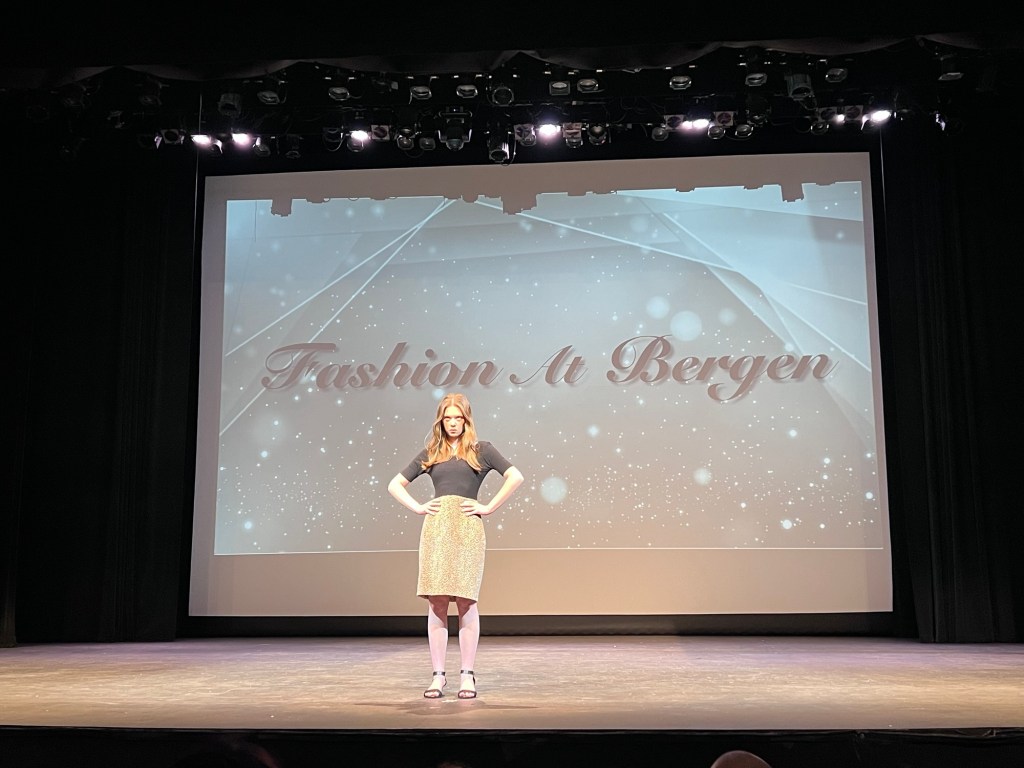
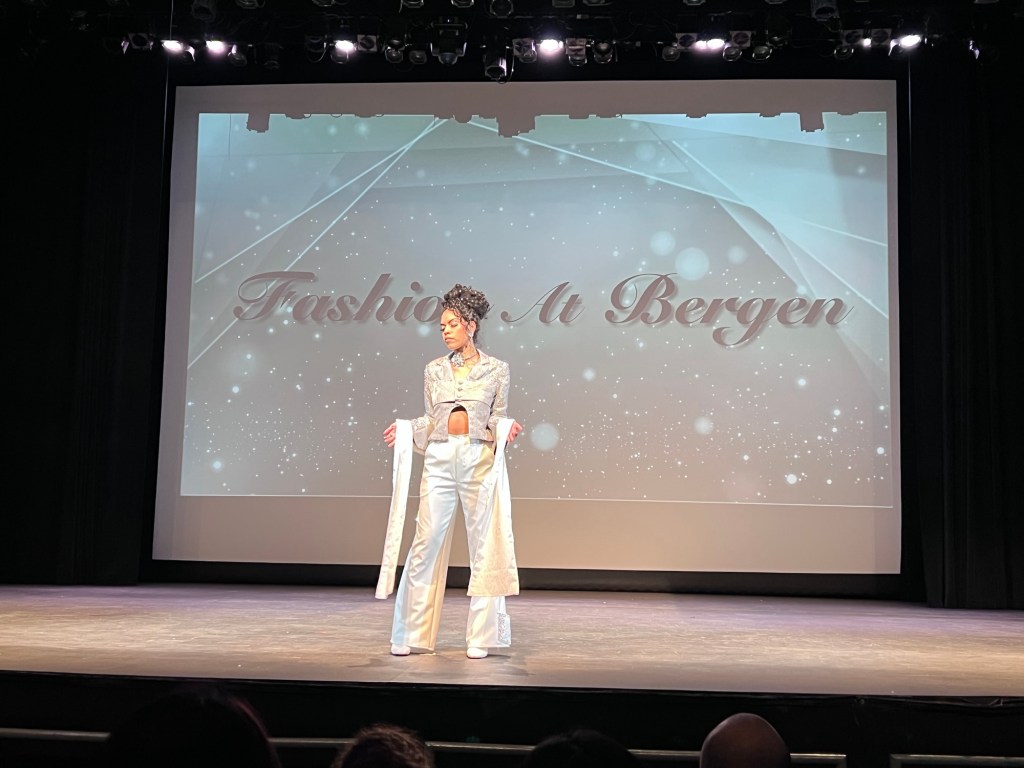


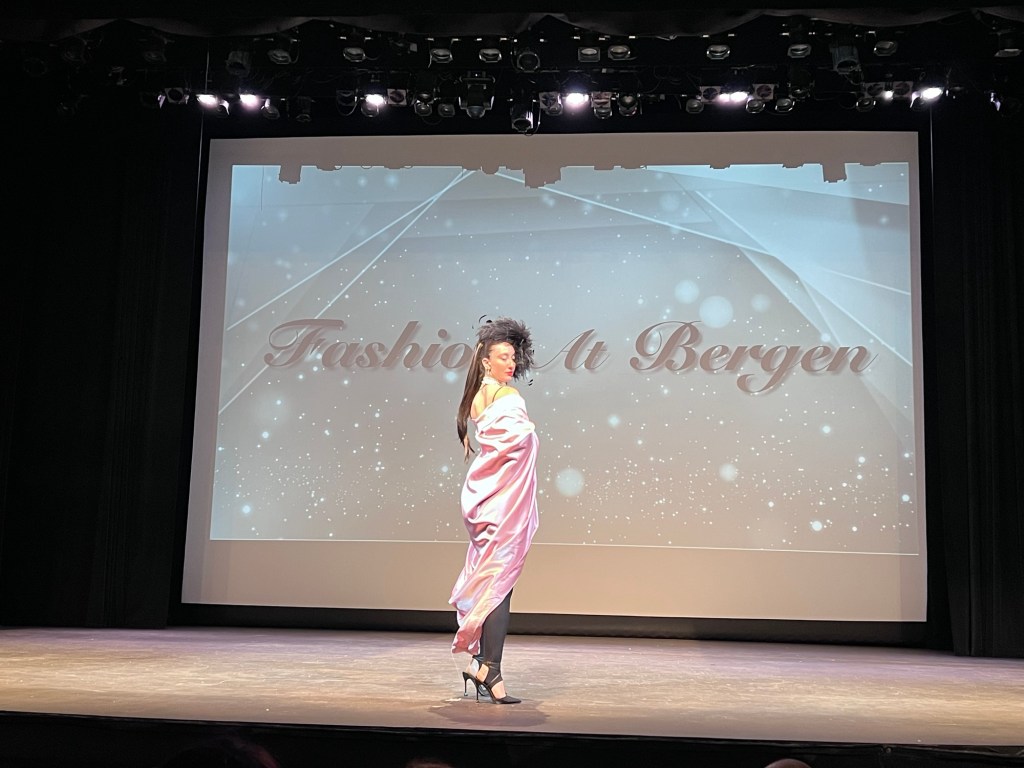


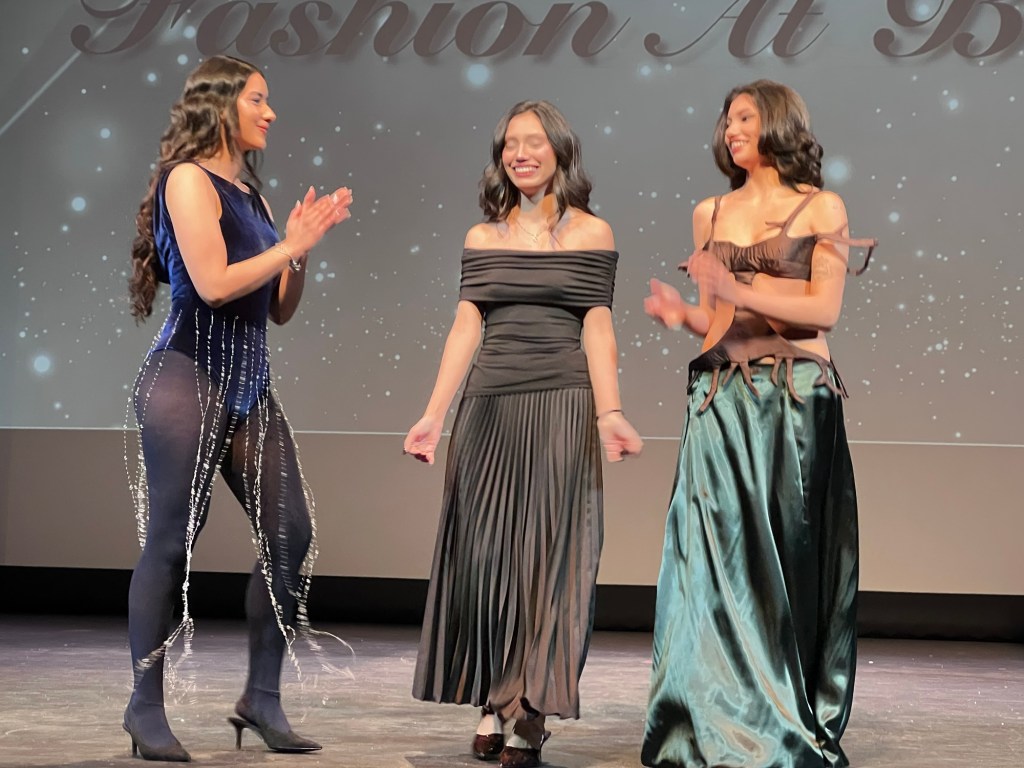

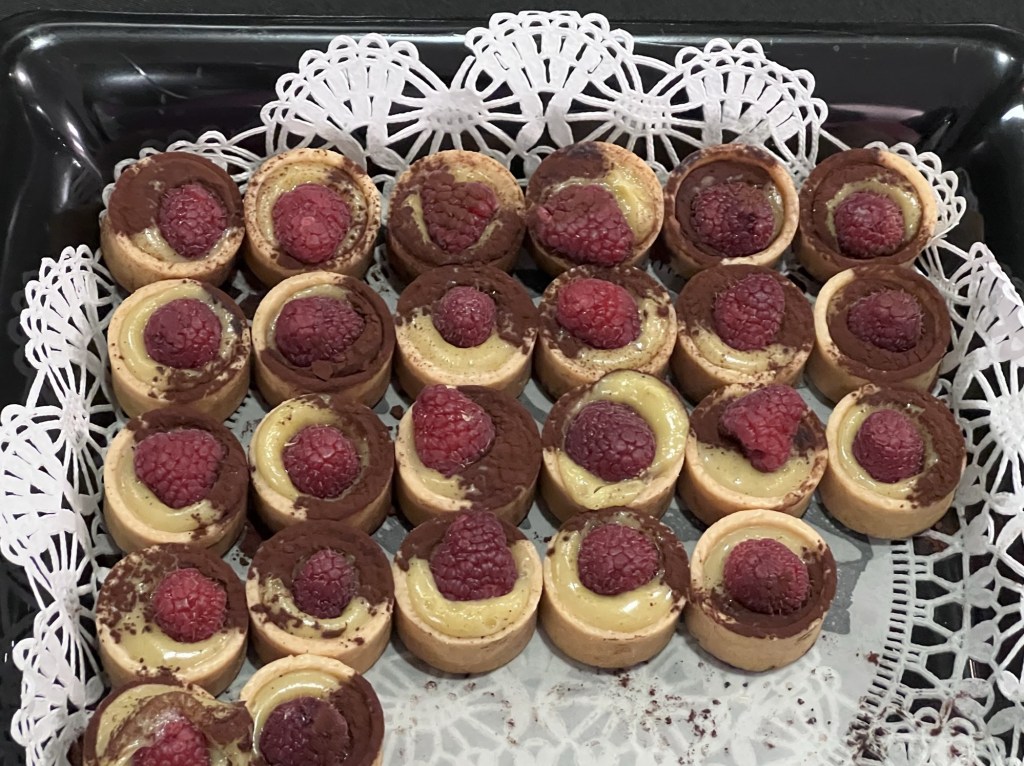
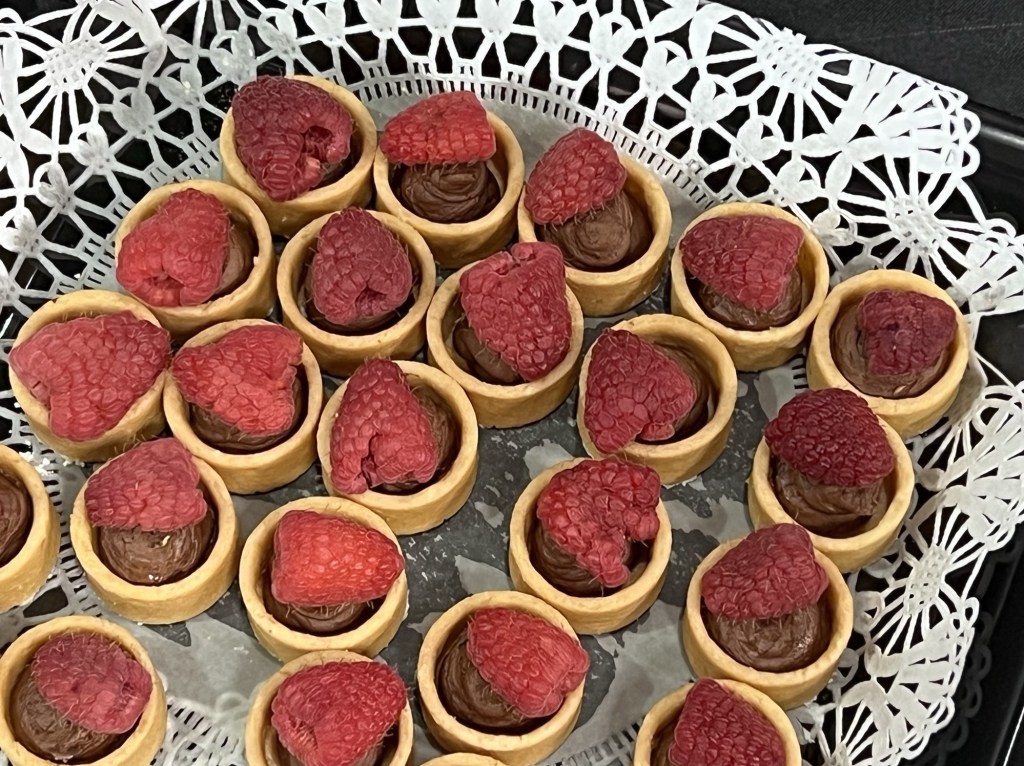


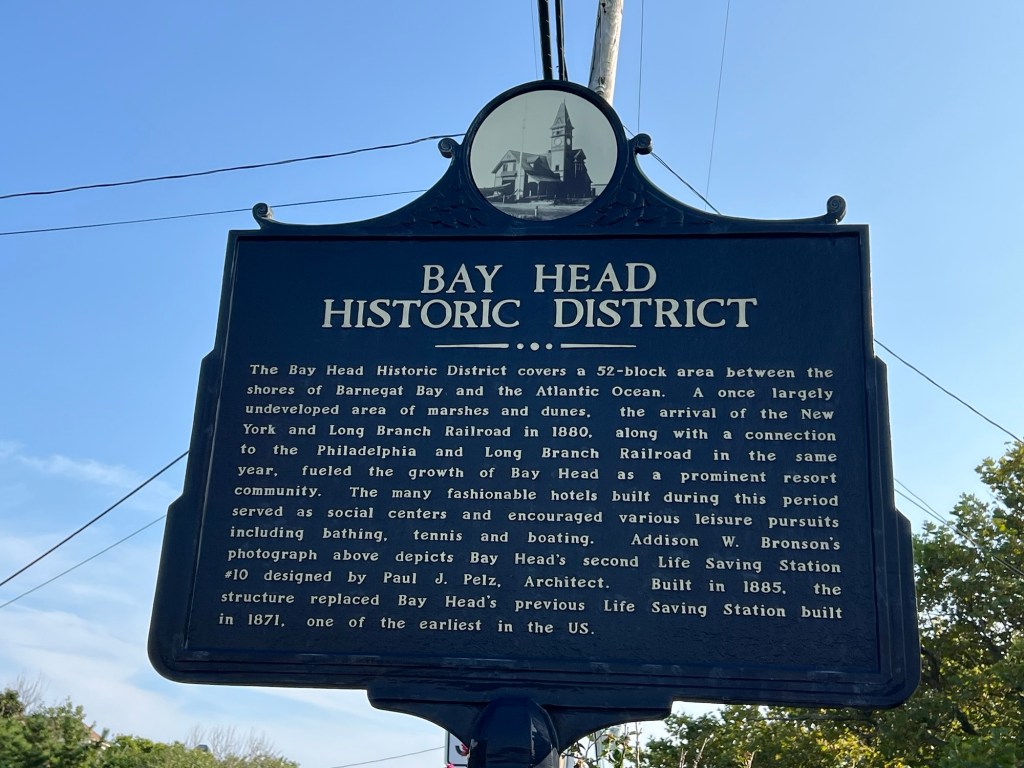


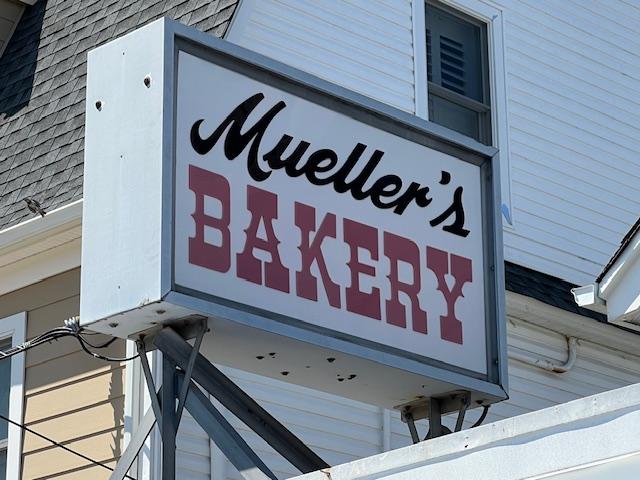

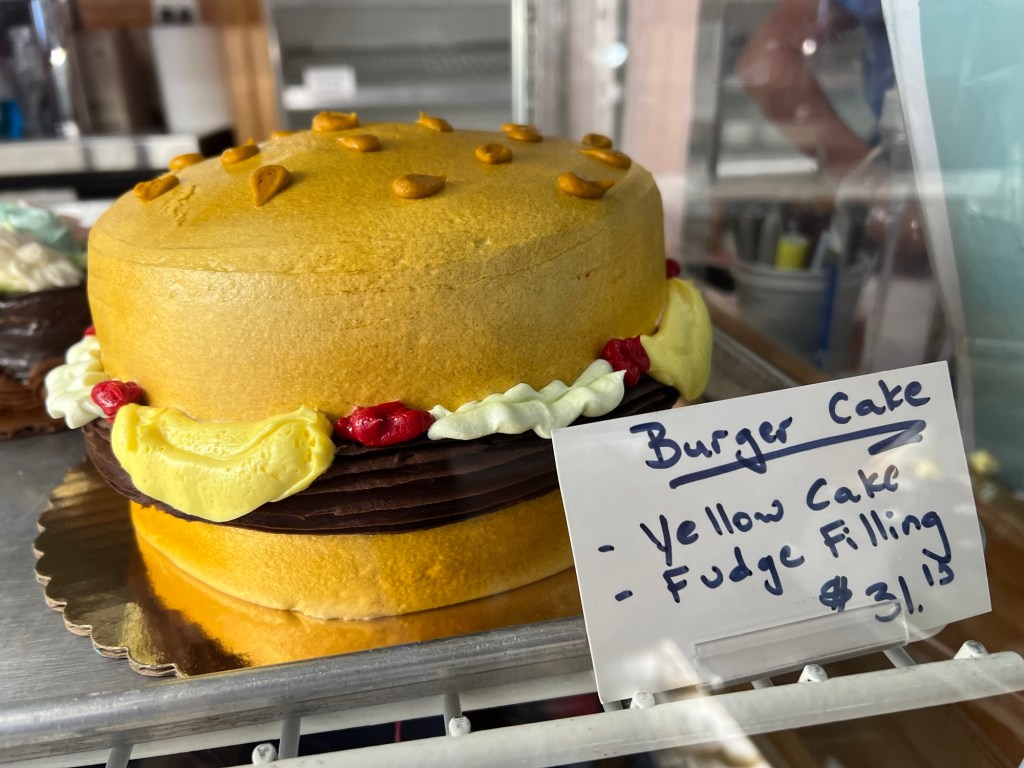
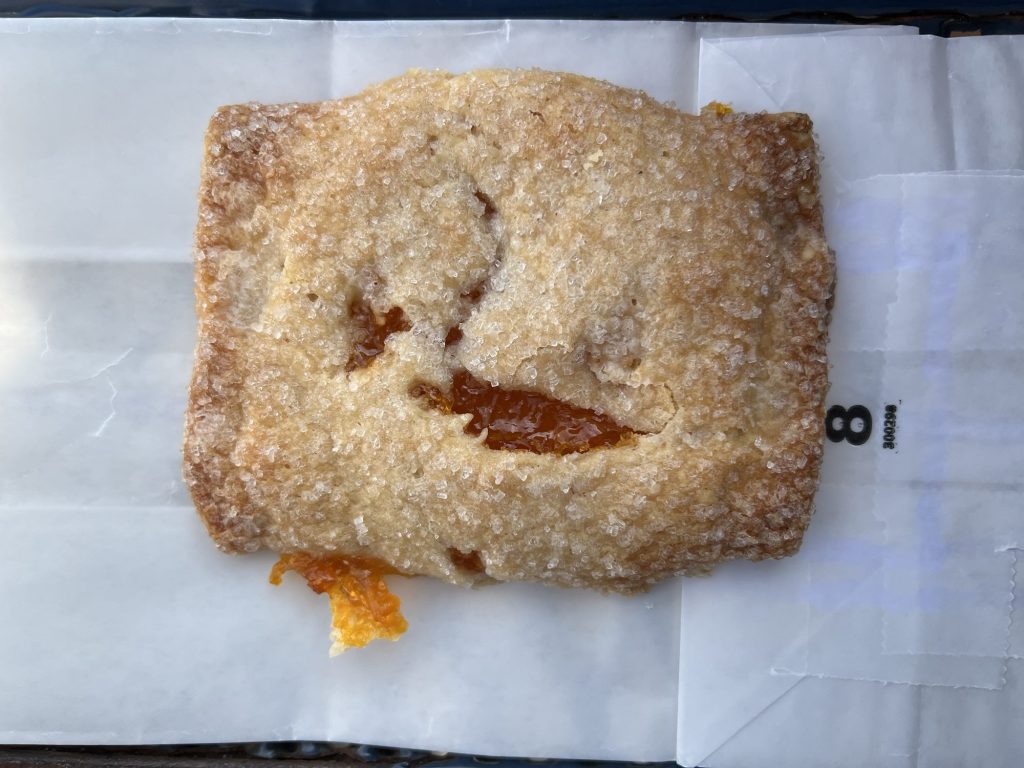
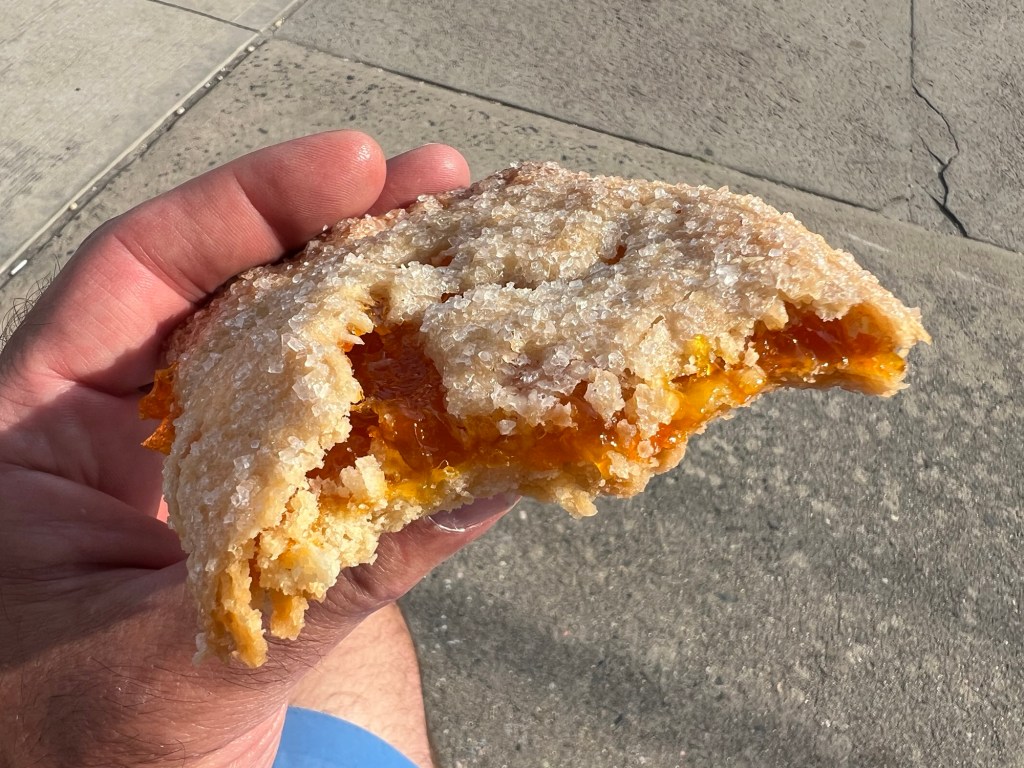


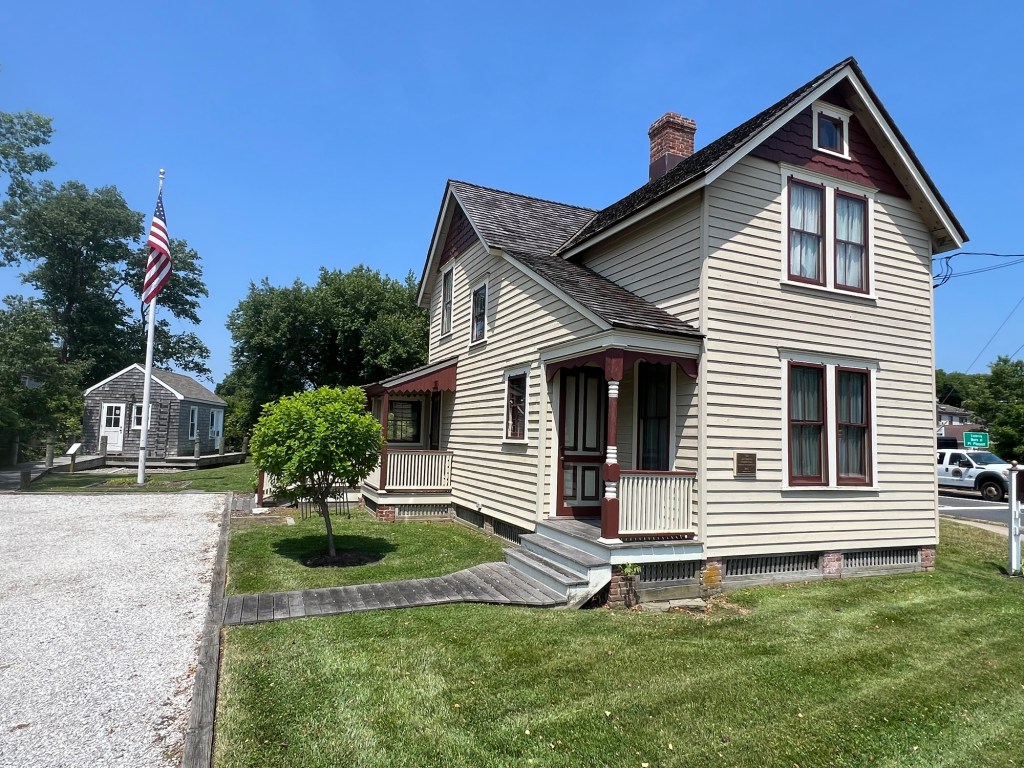


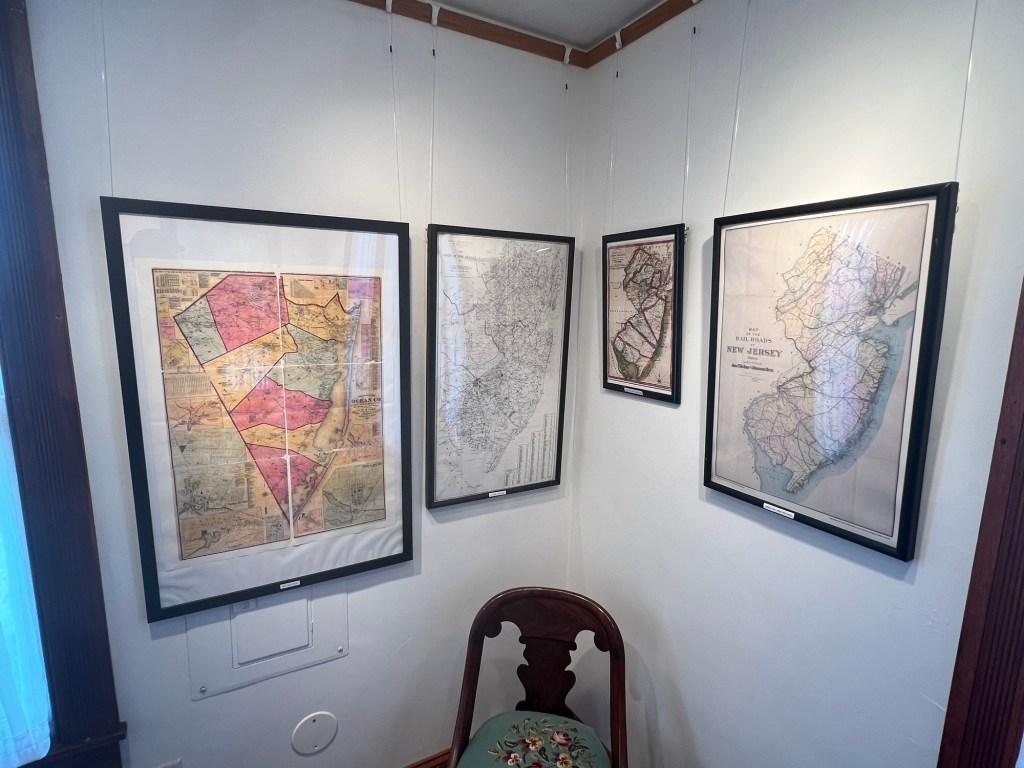

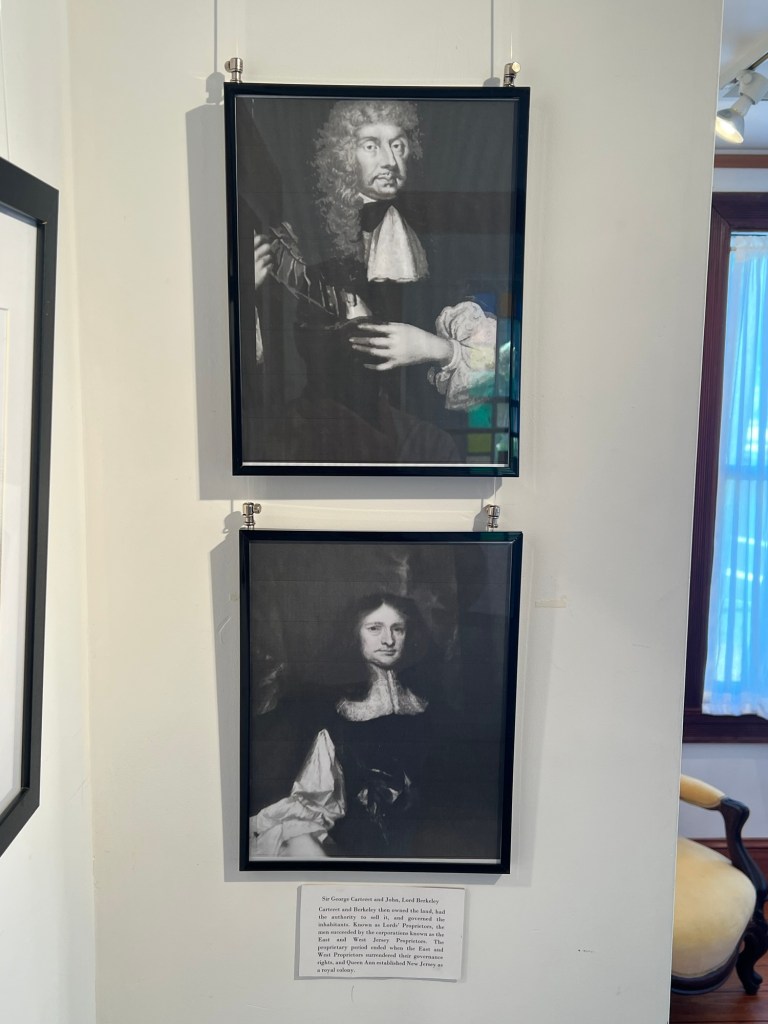

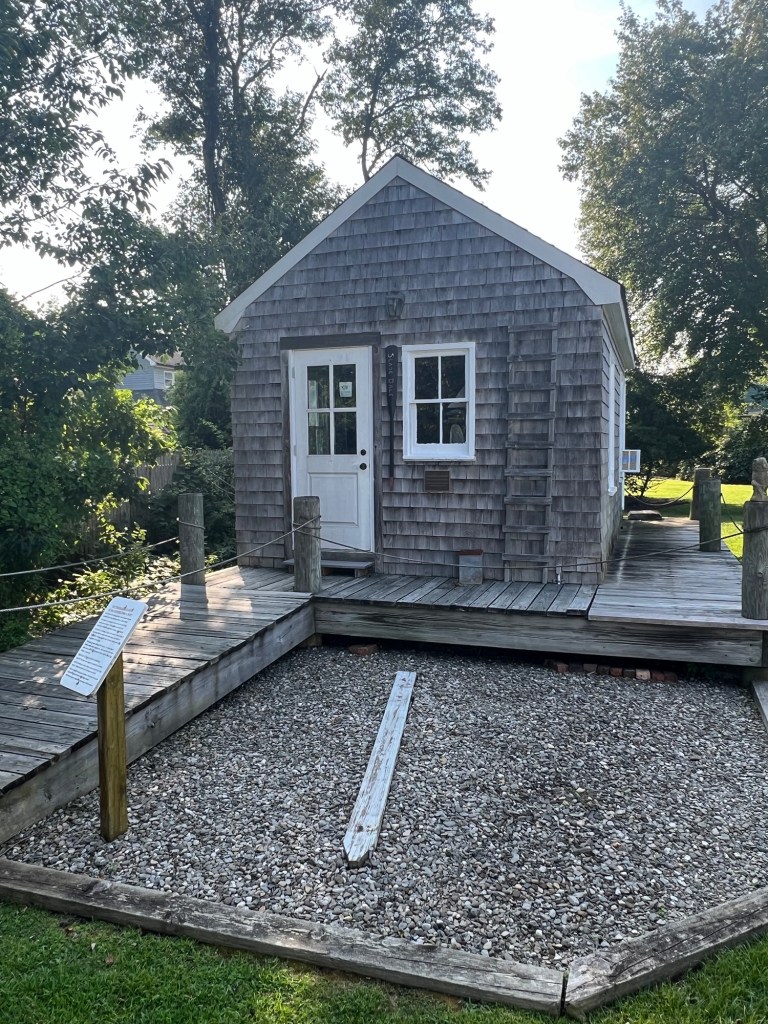
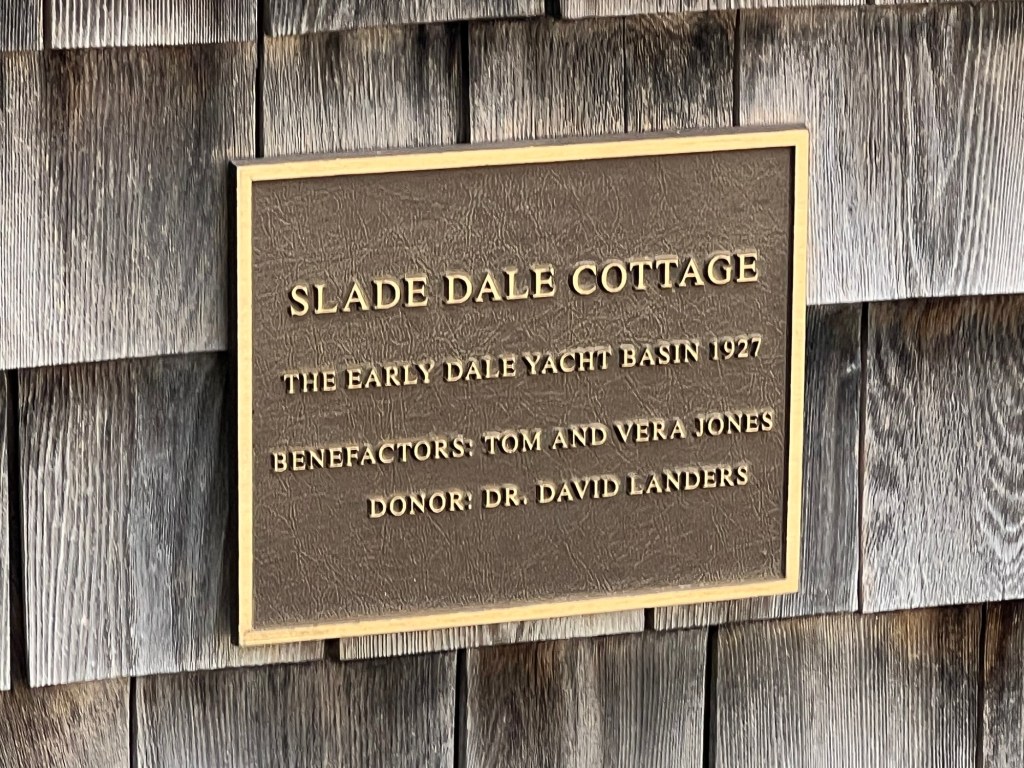


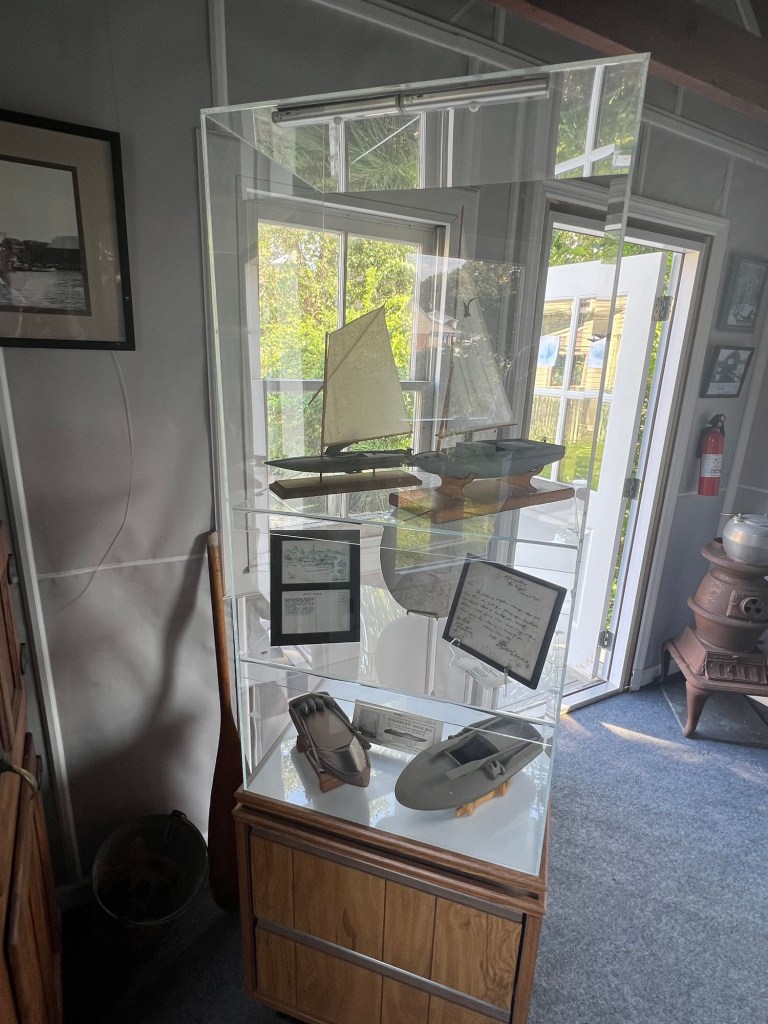


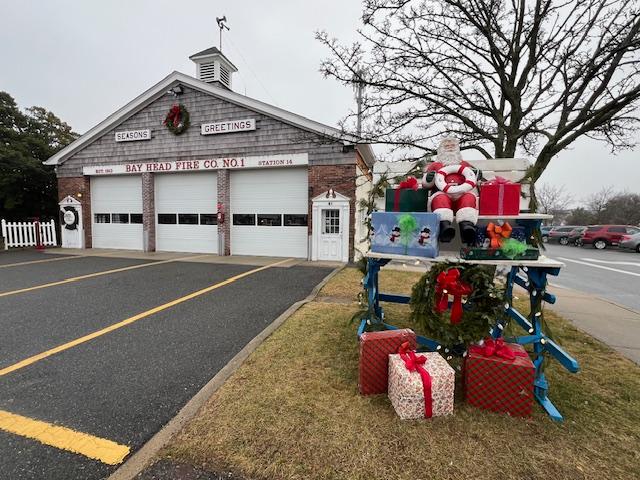


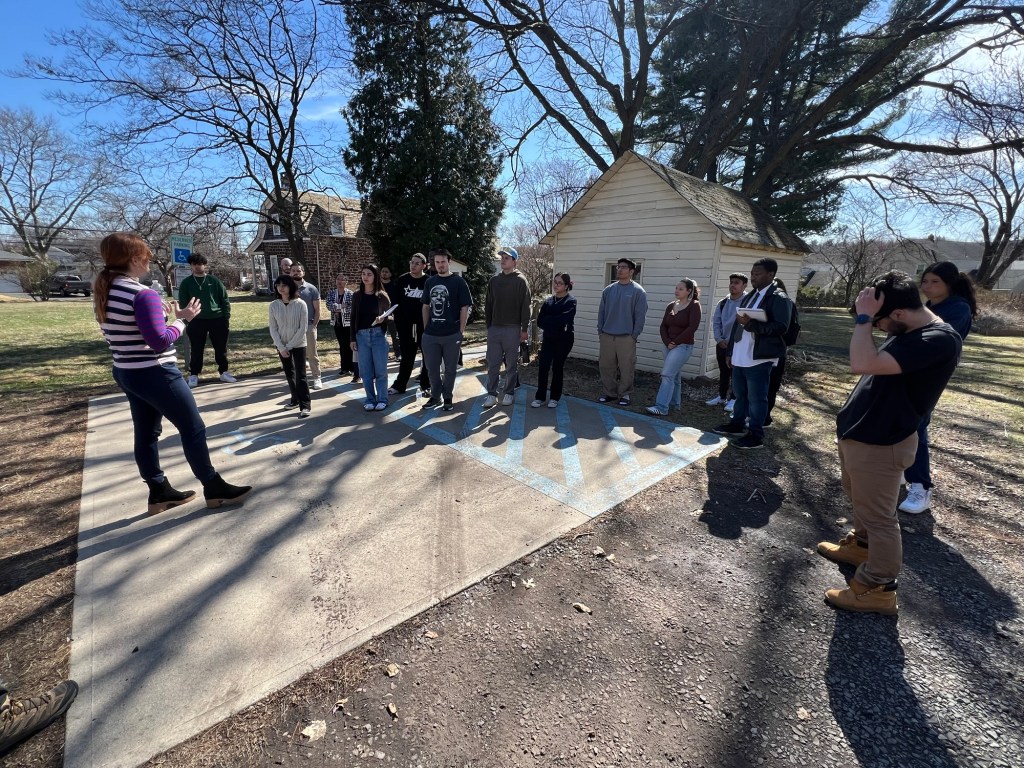
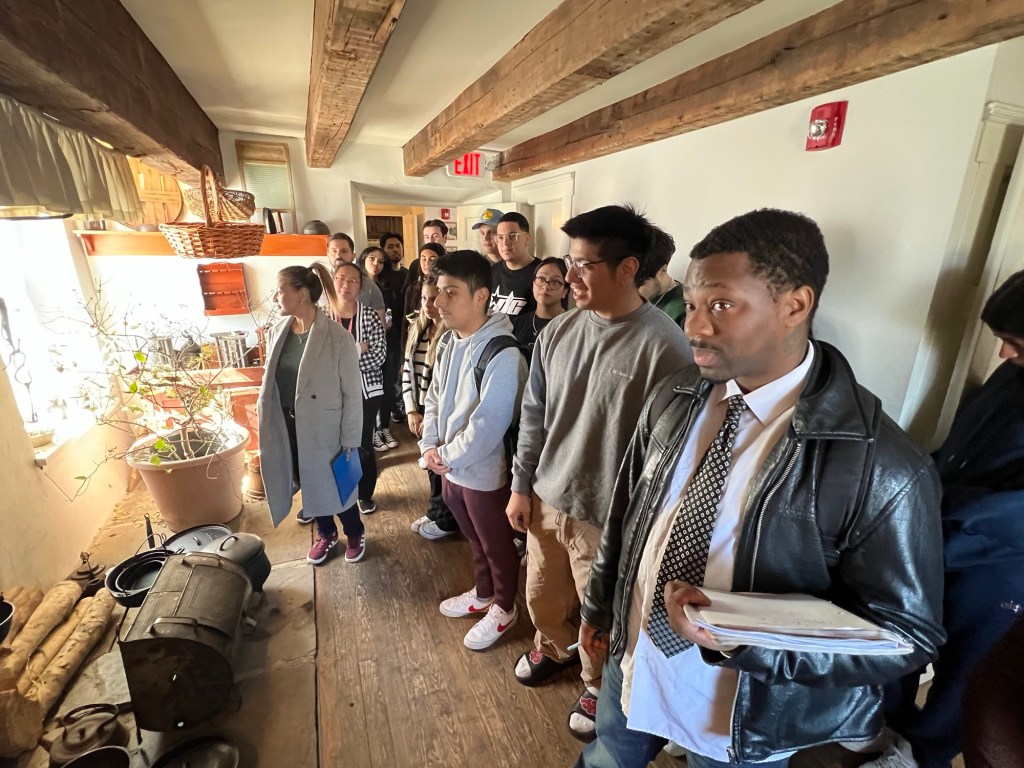
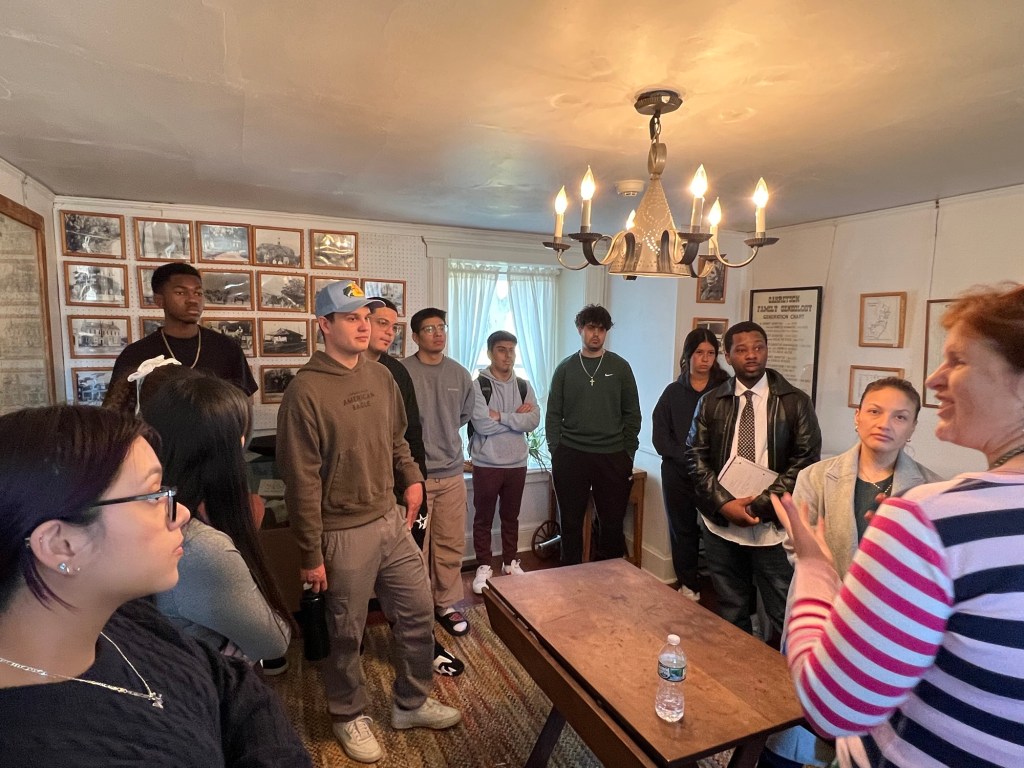

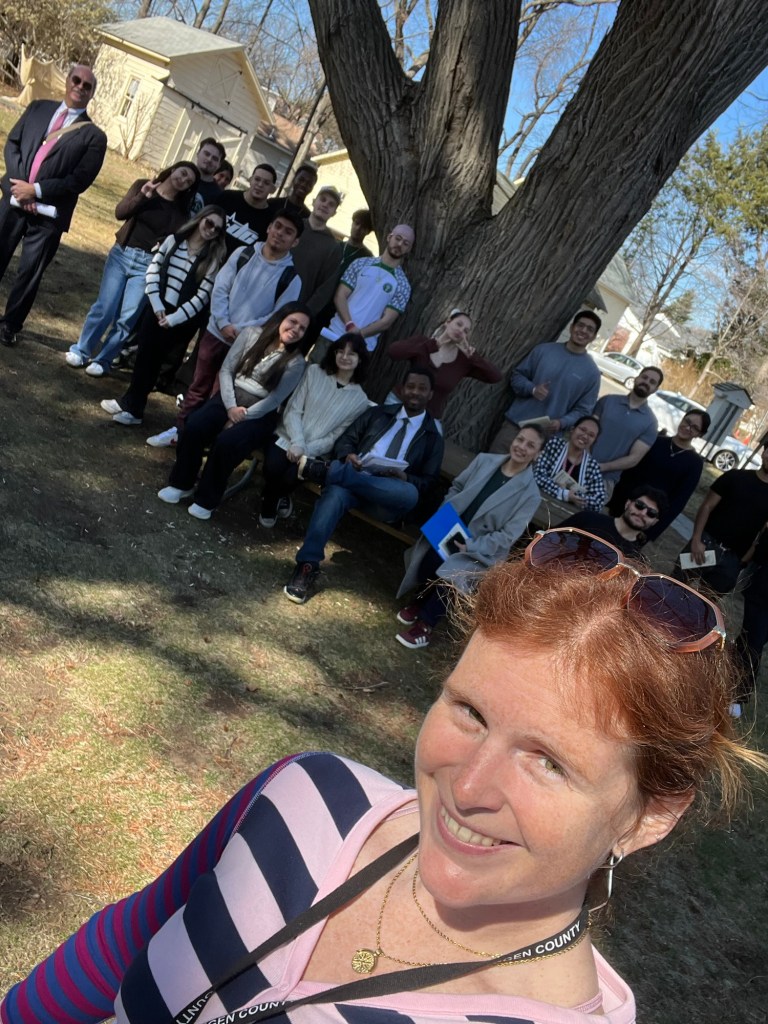

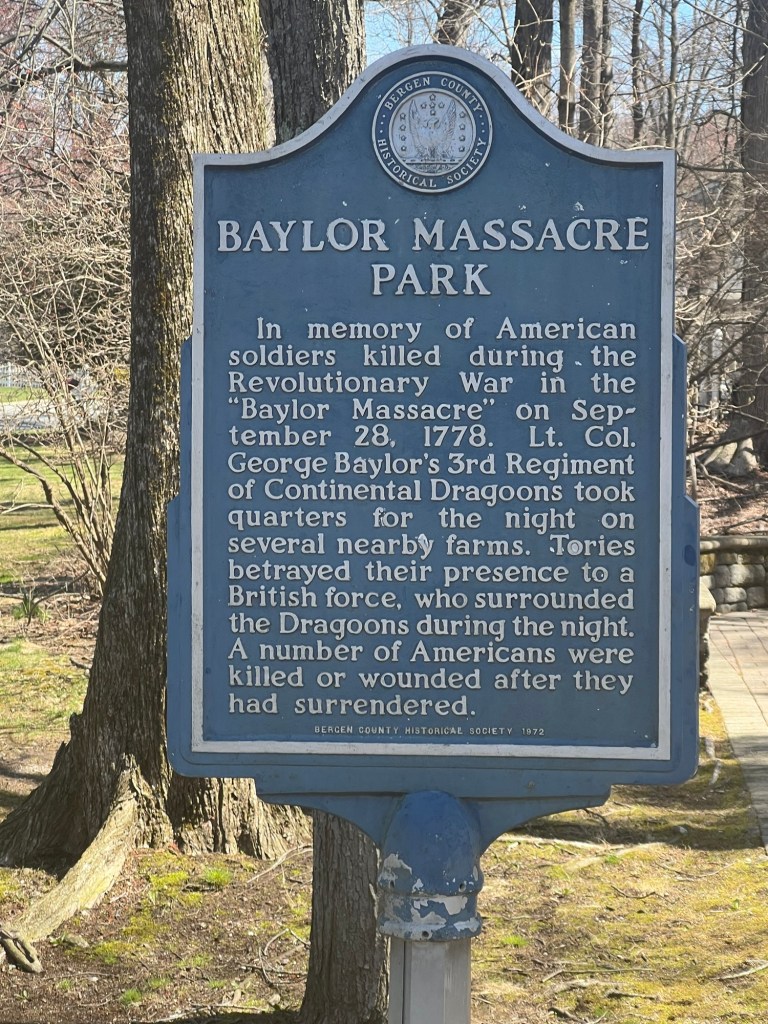


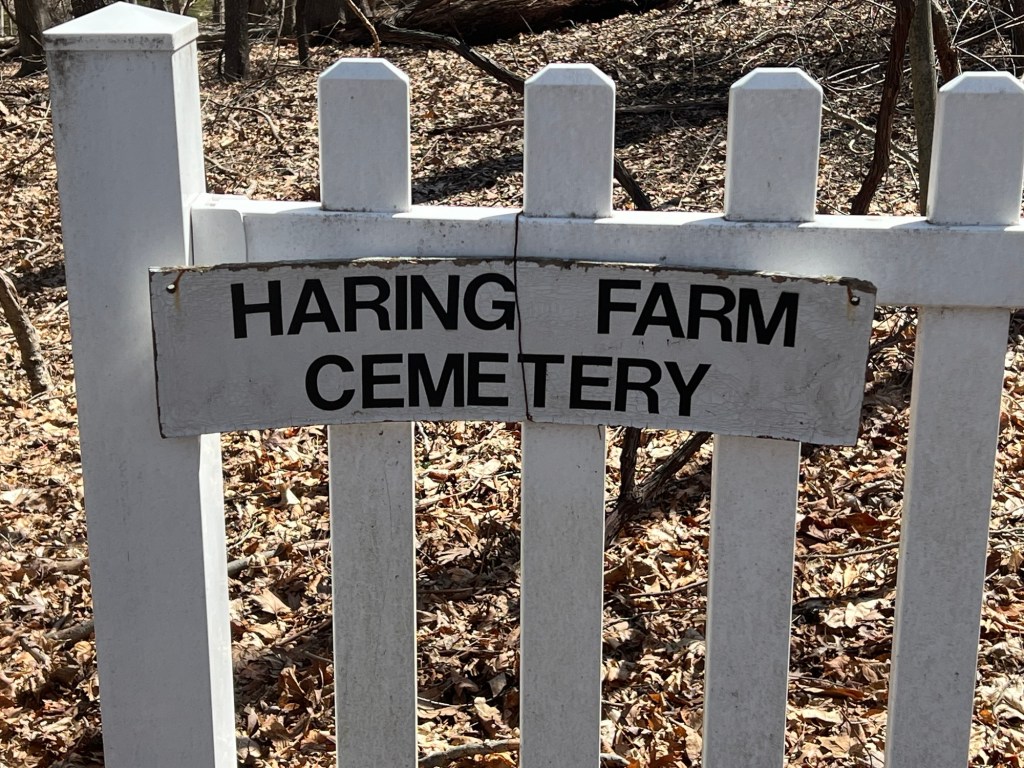


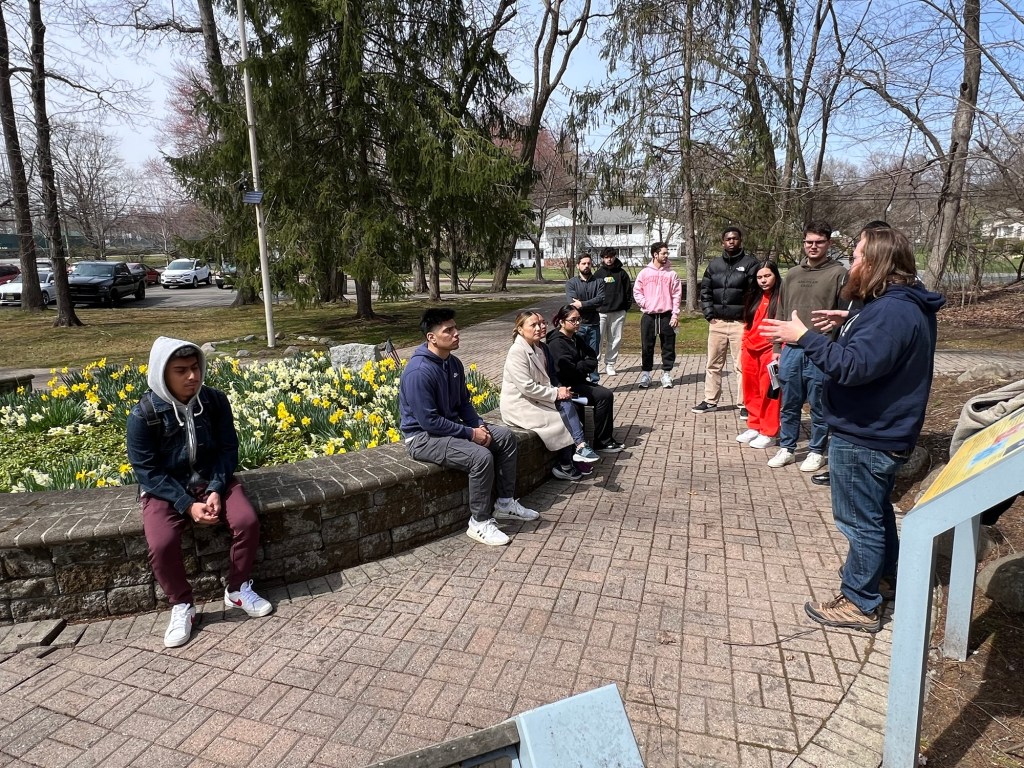


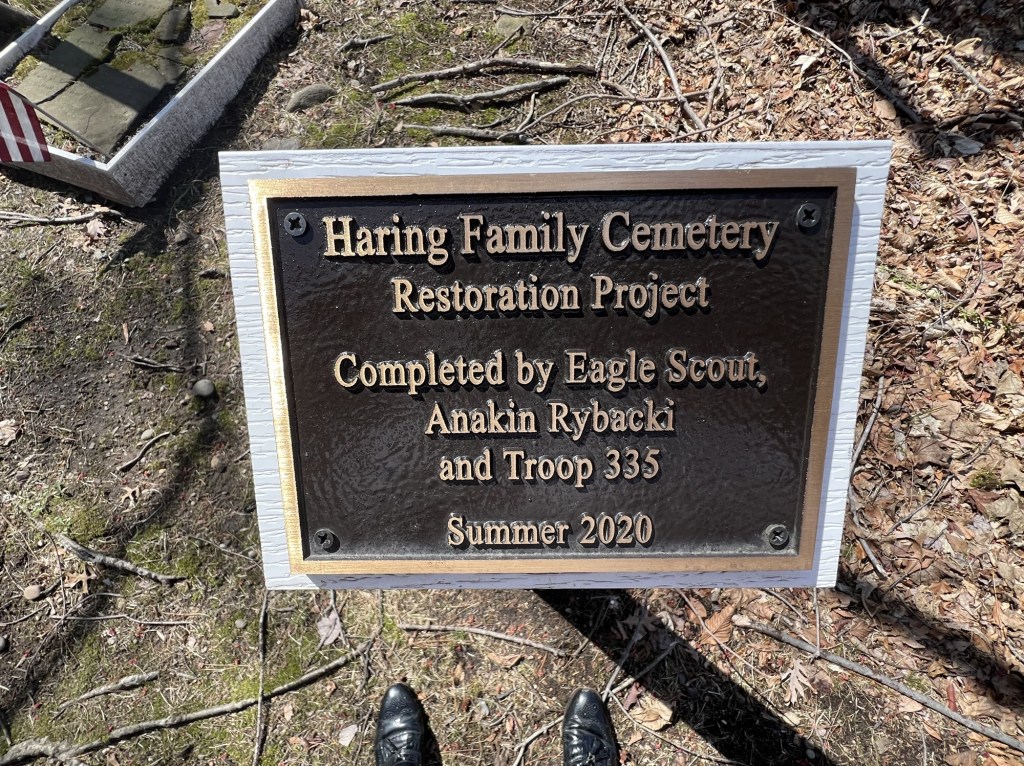
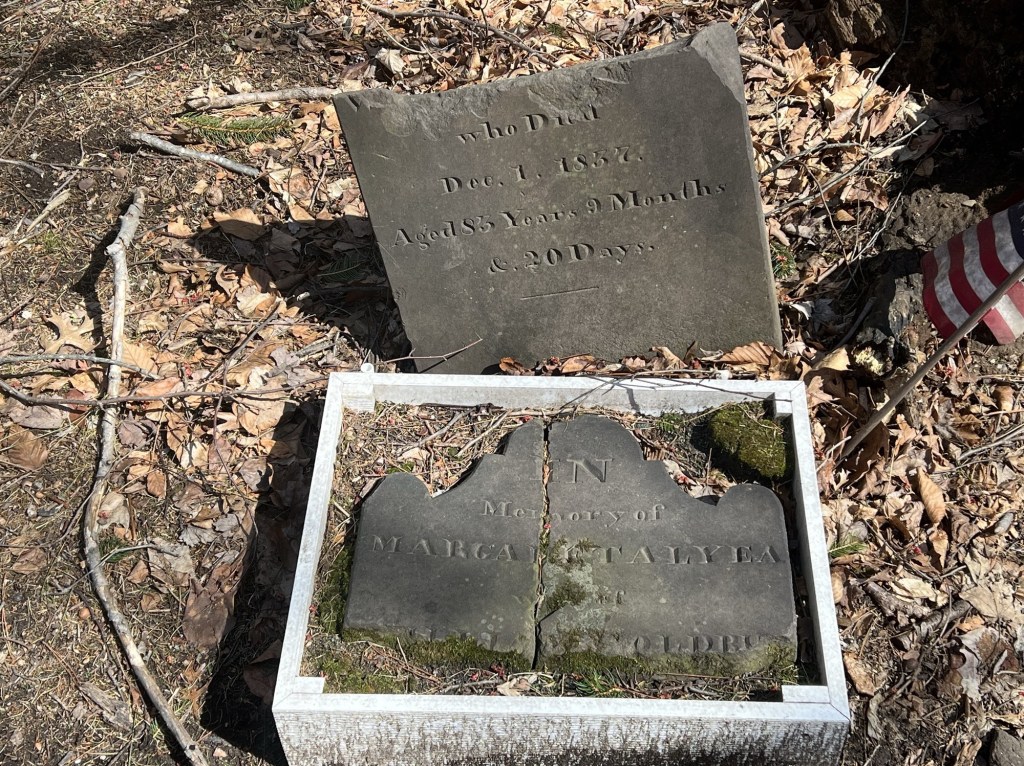
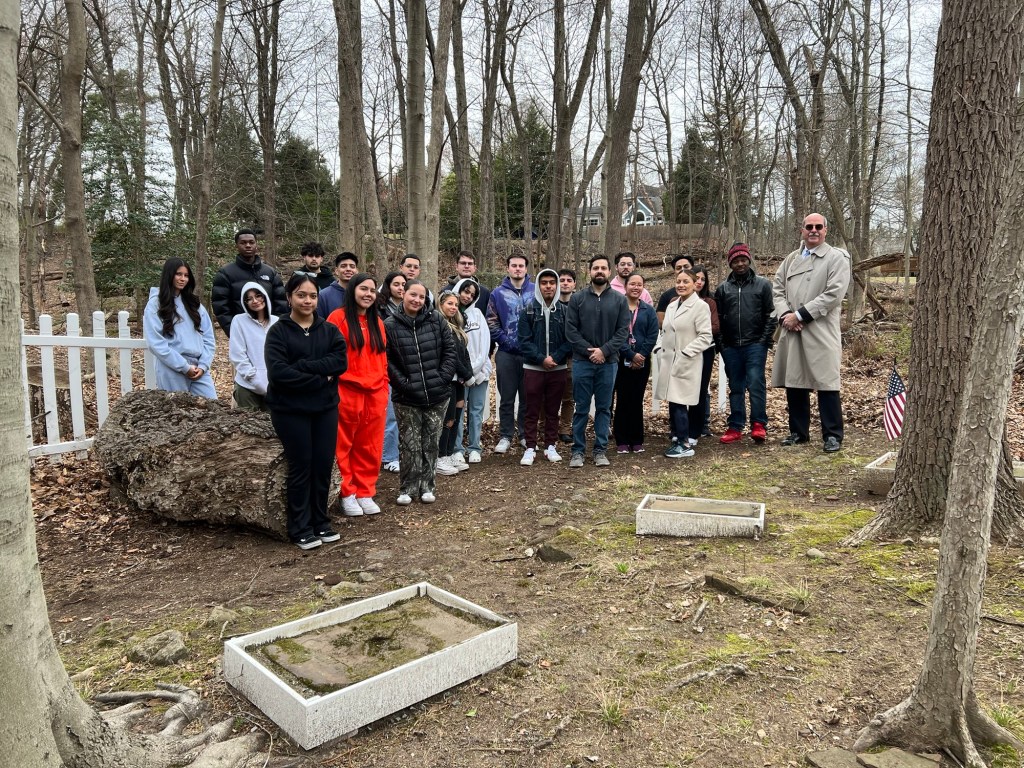


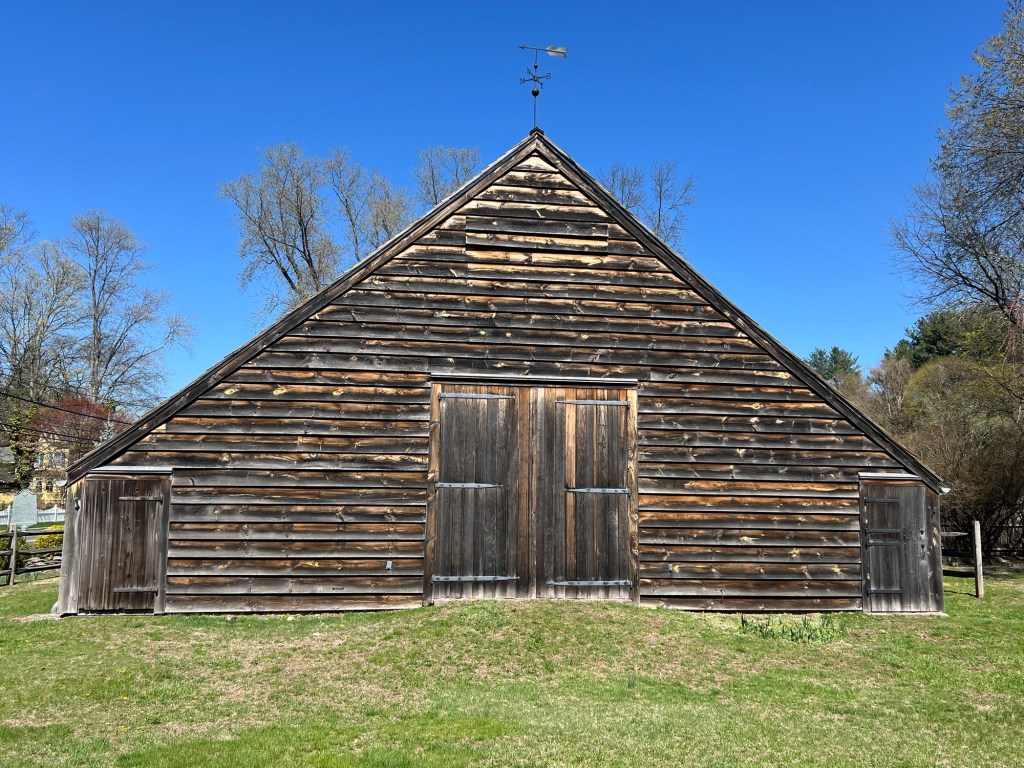

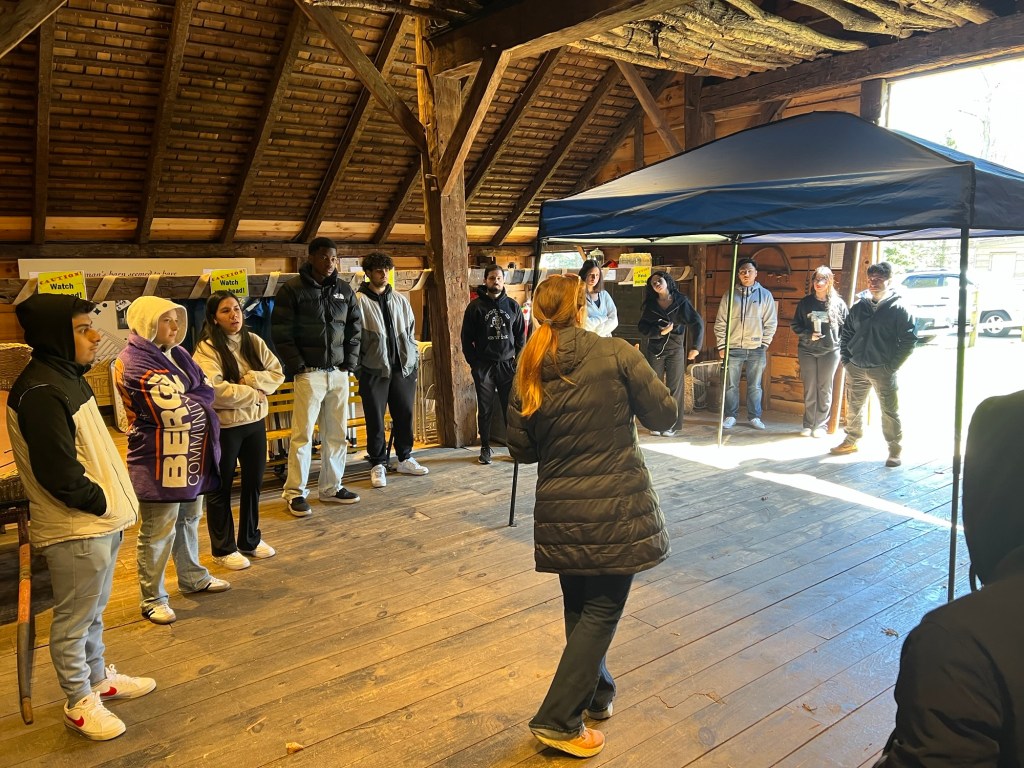
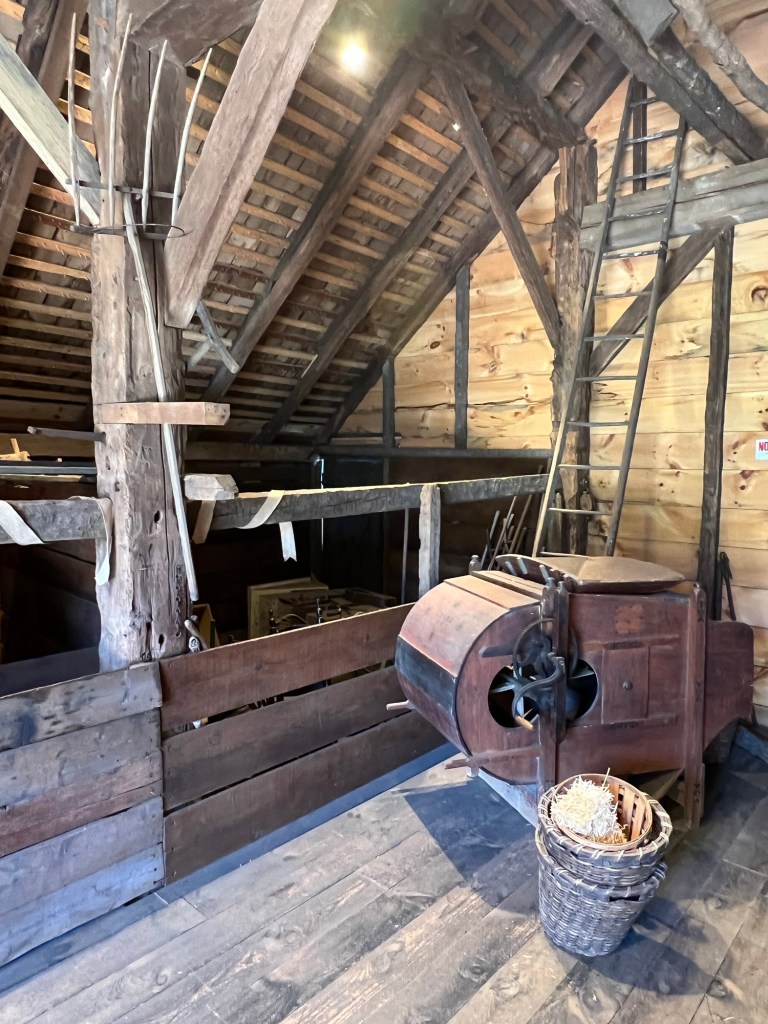




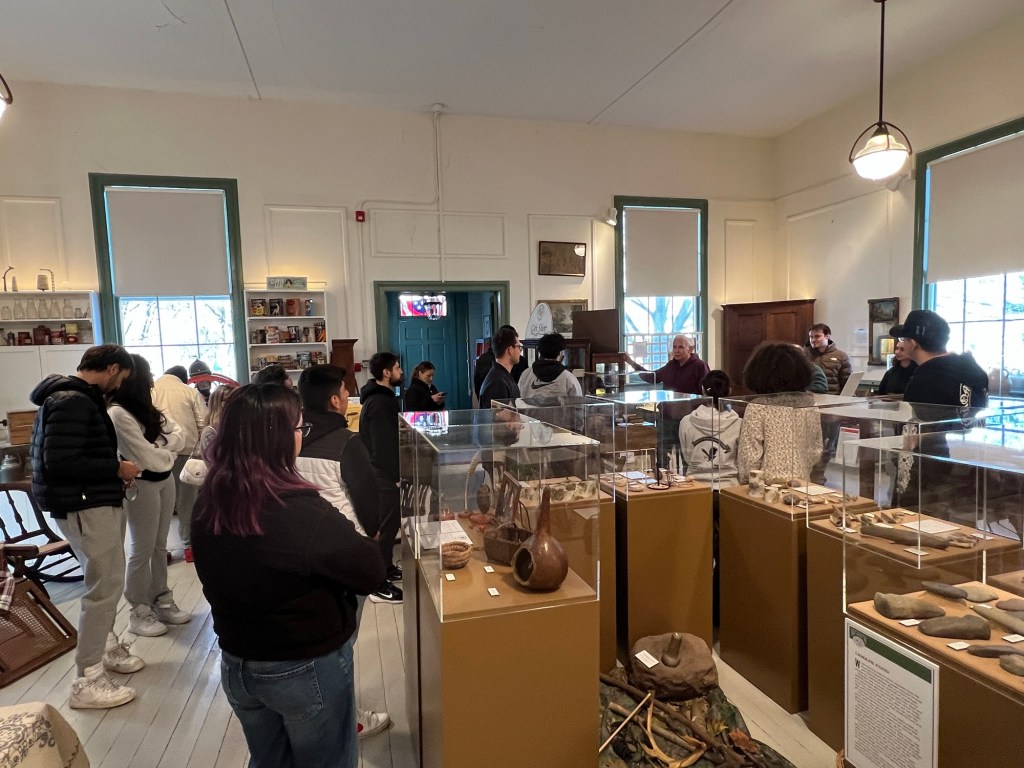
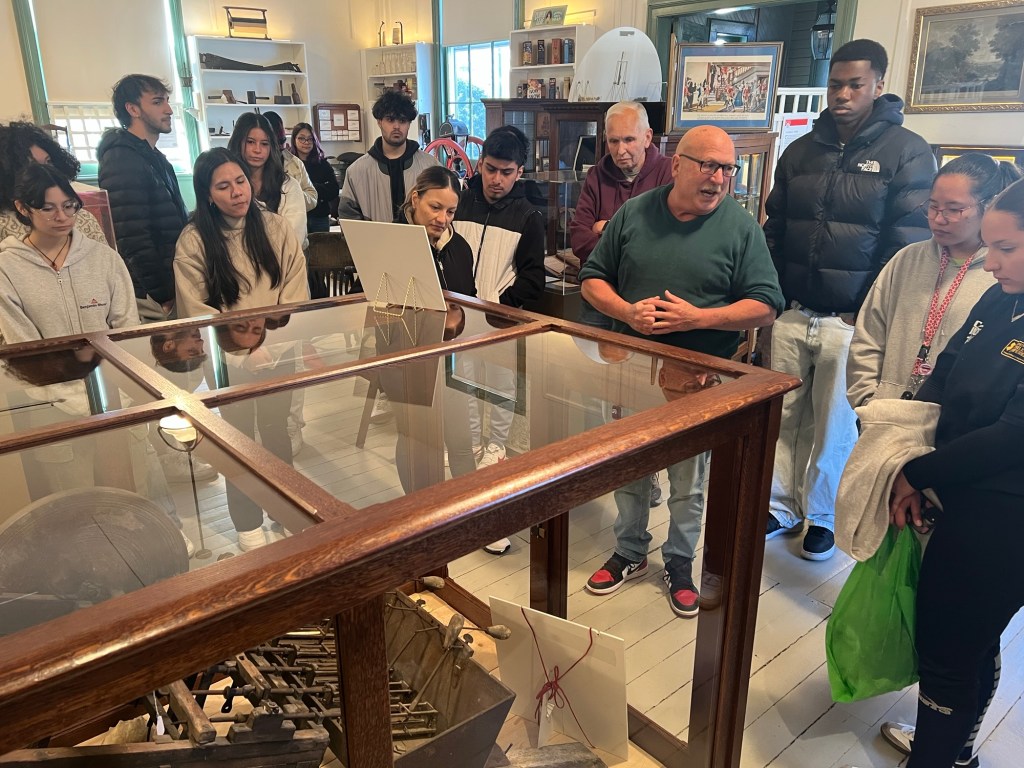
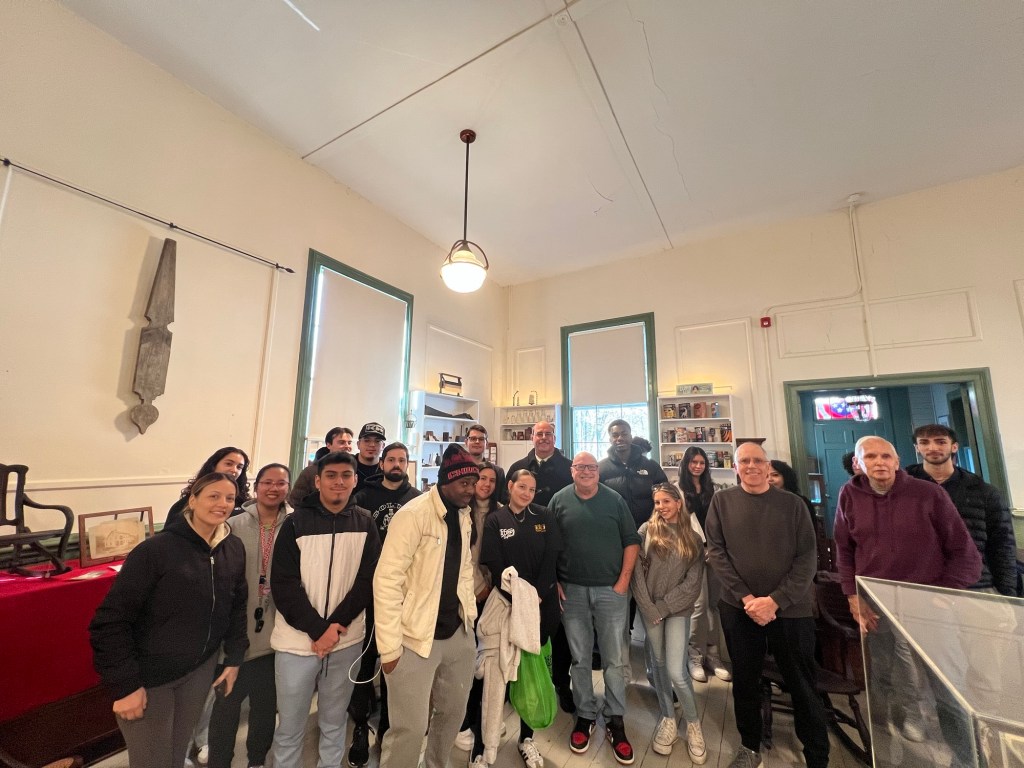
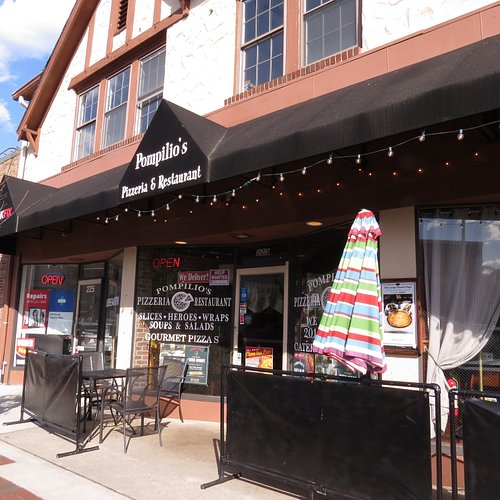


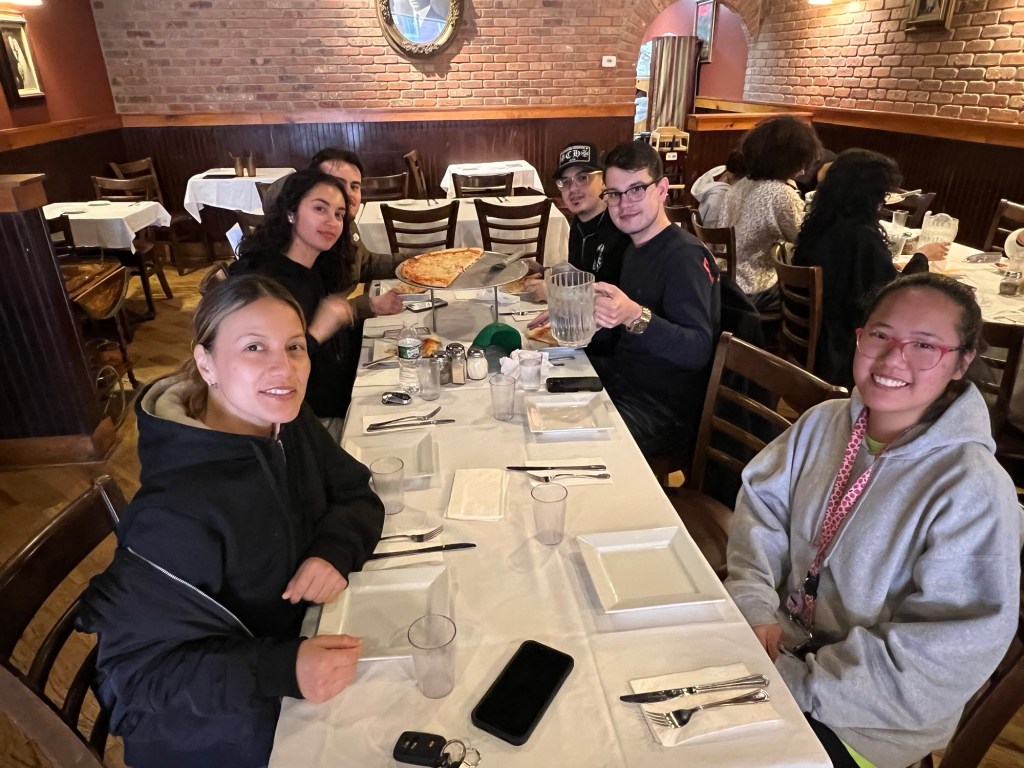

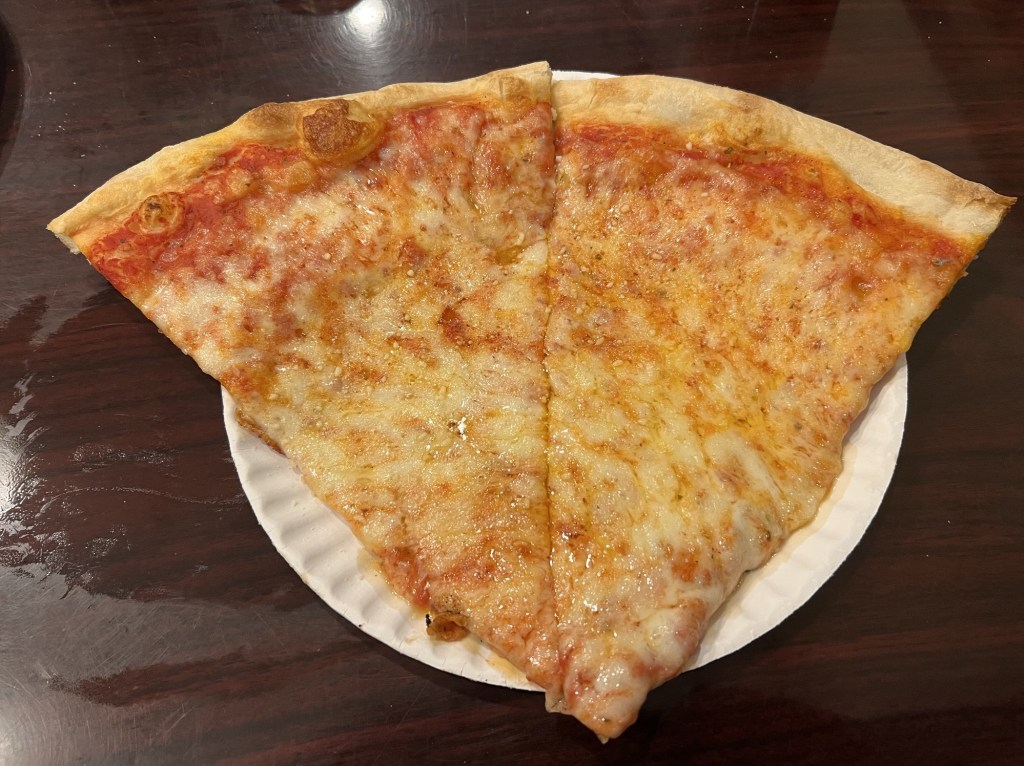


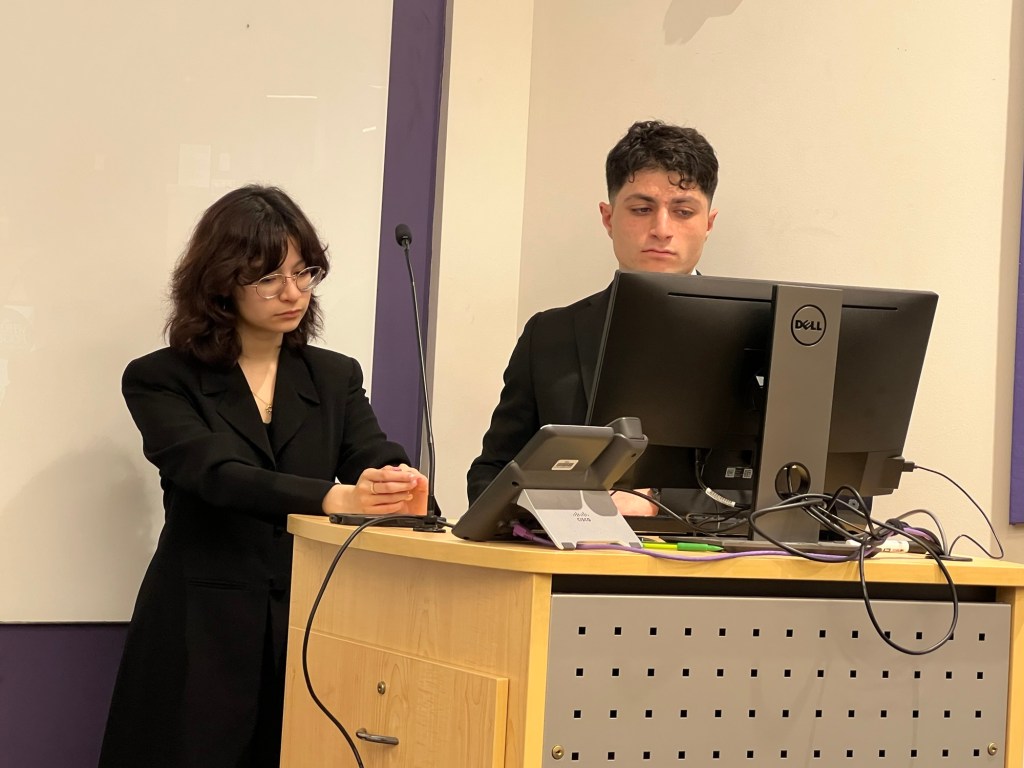


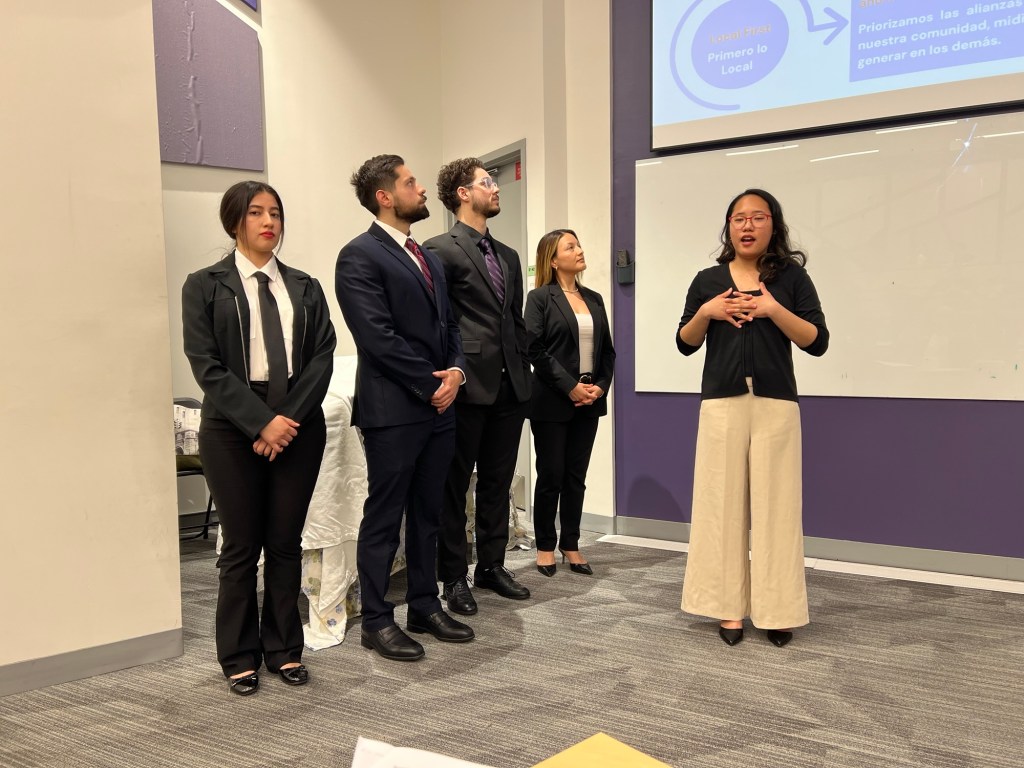

 mywalkinmanhattan