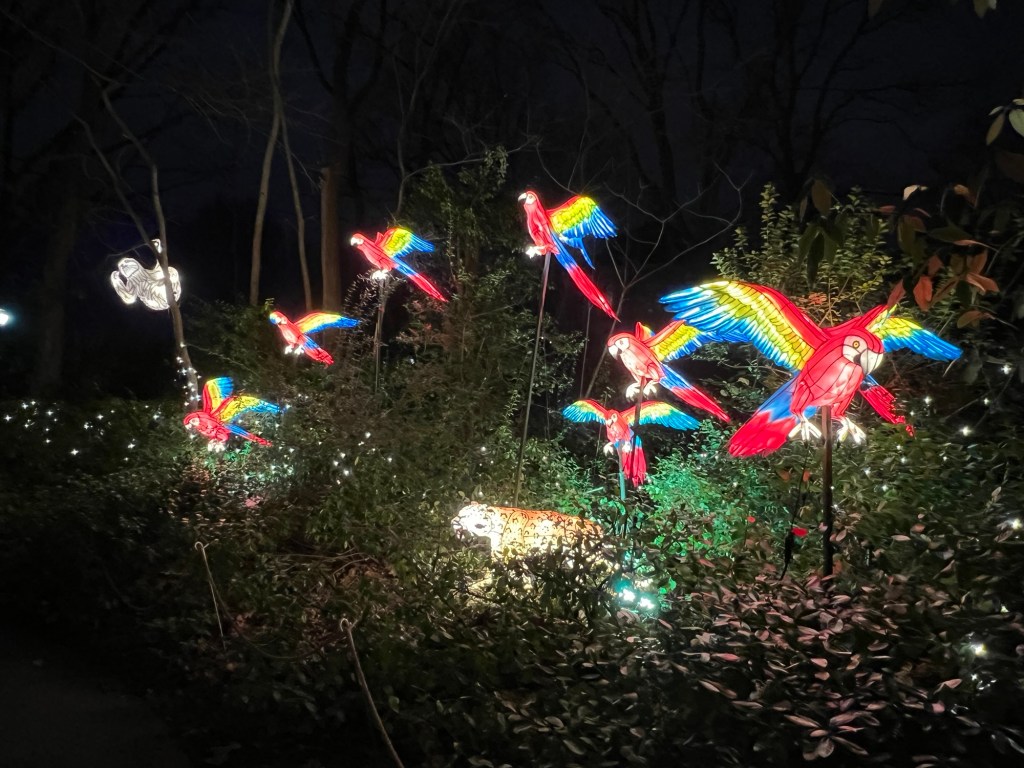
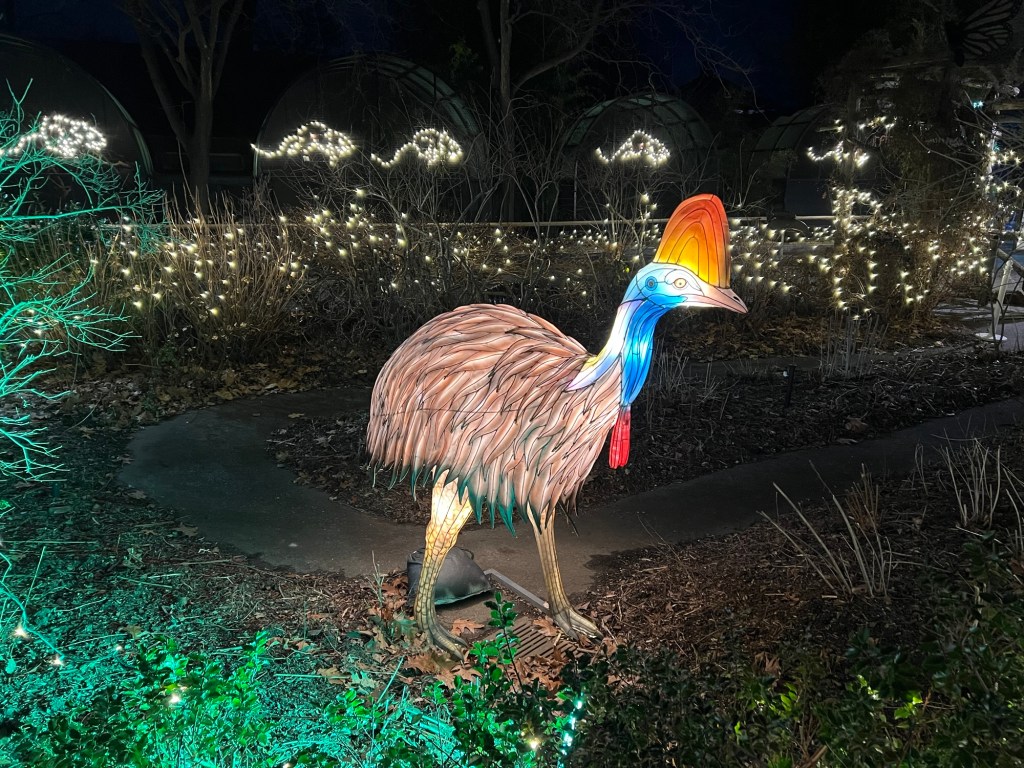
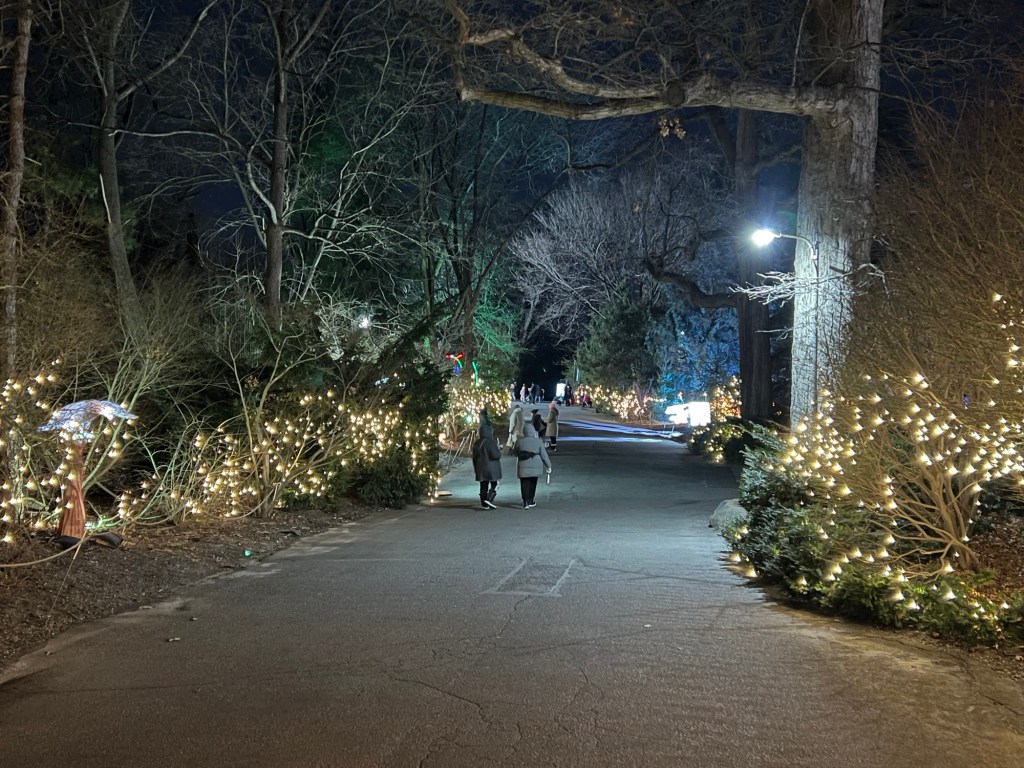
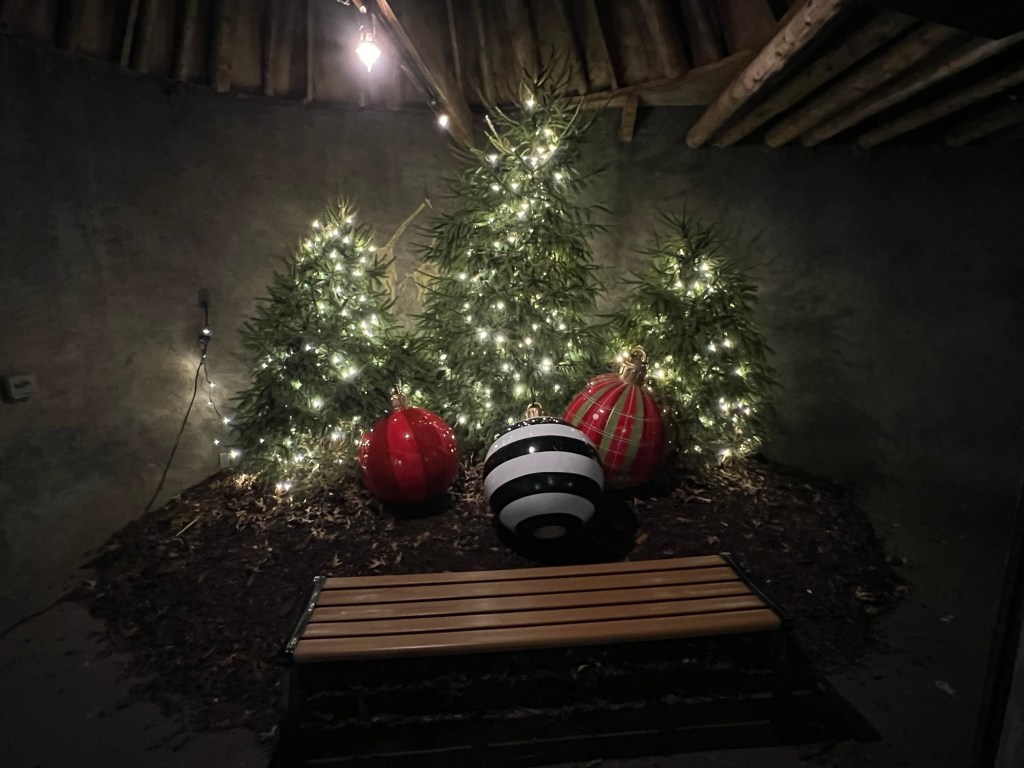
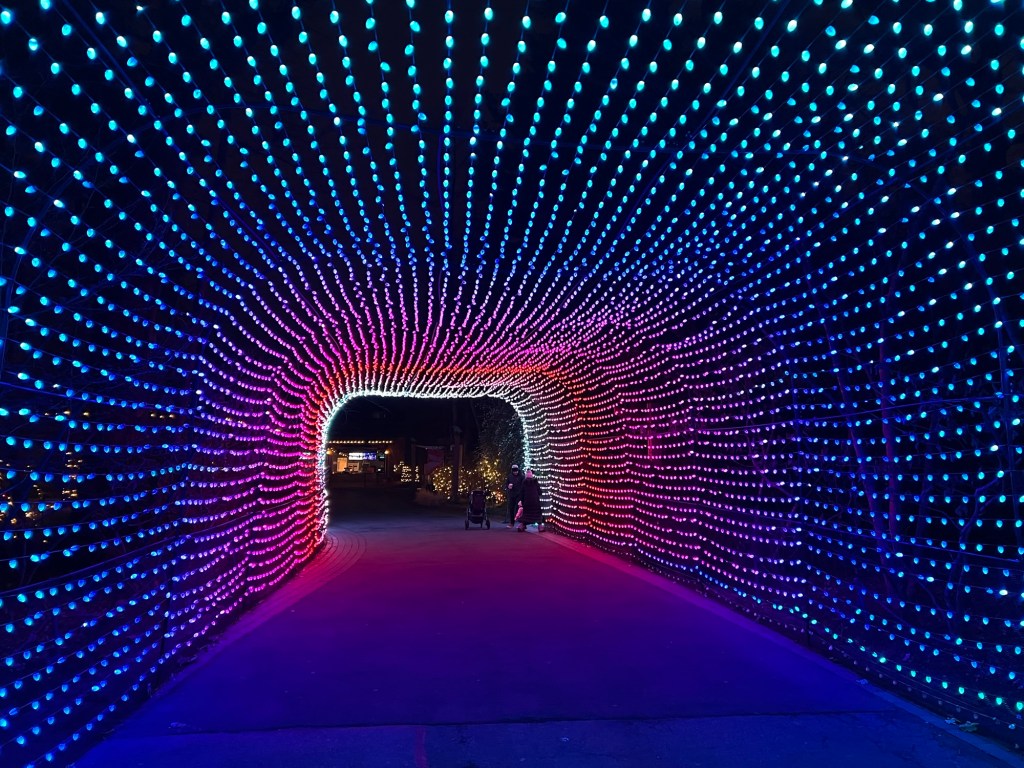
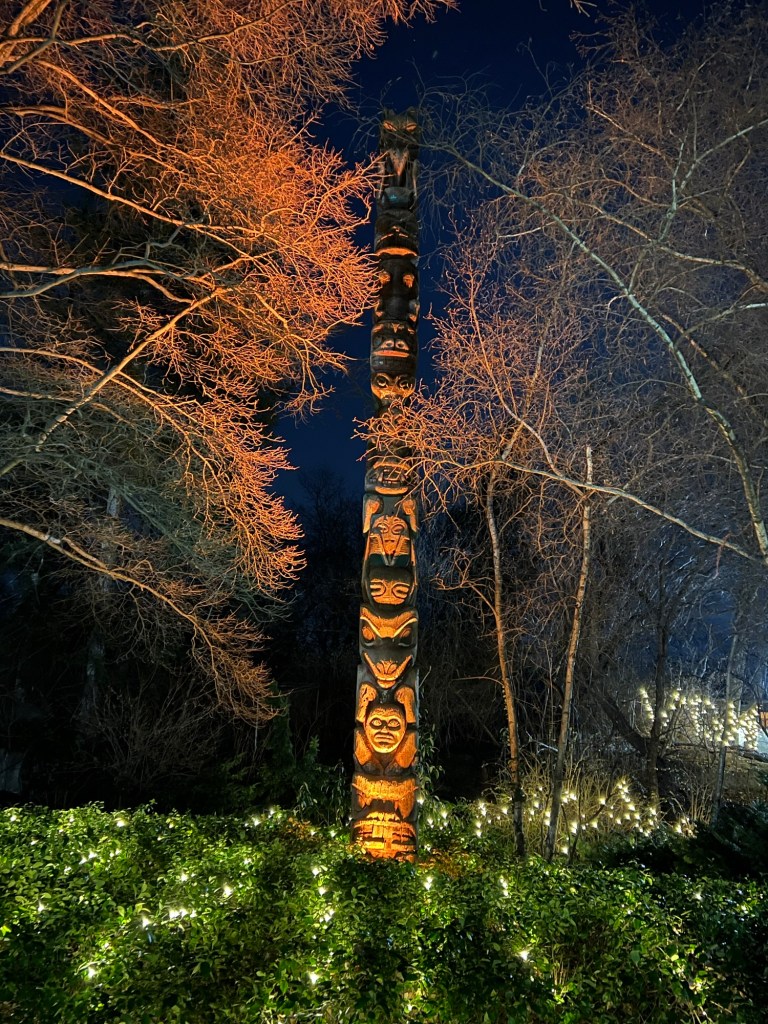
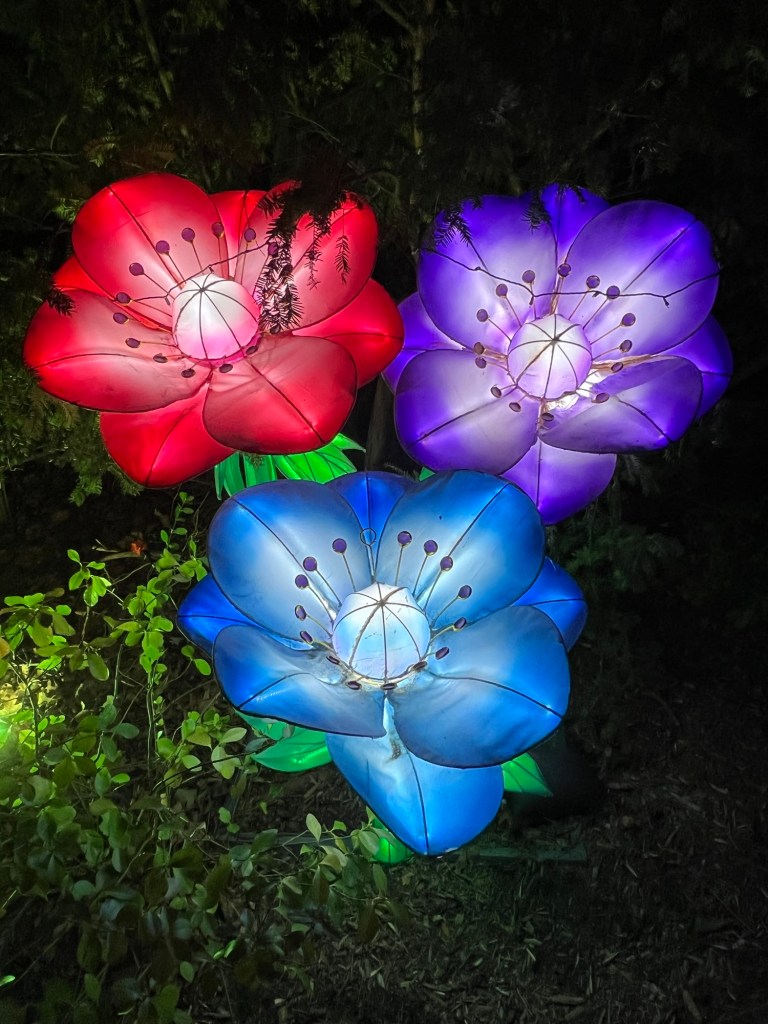
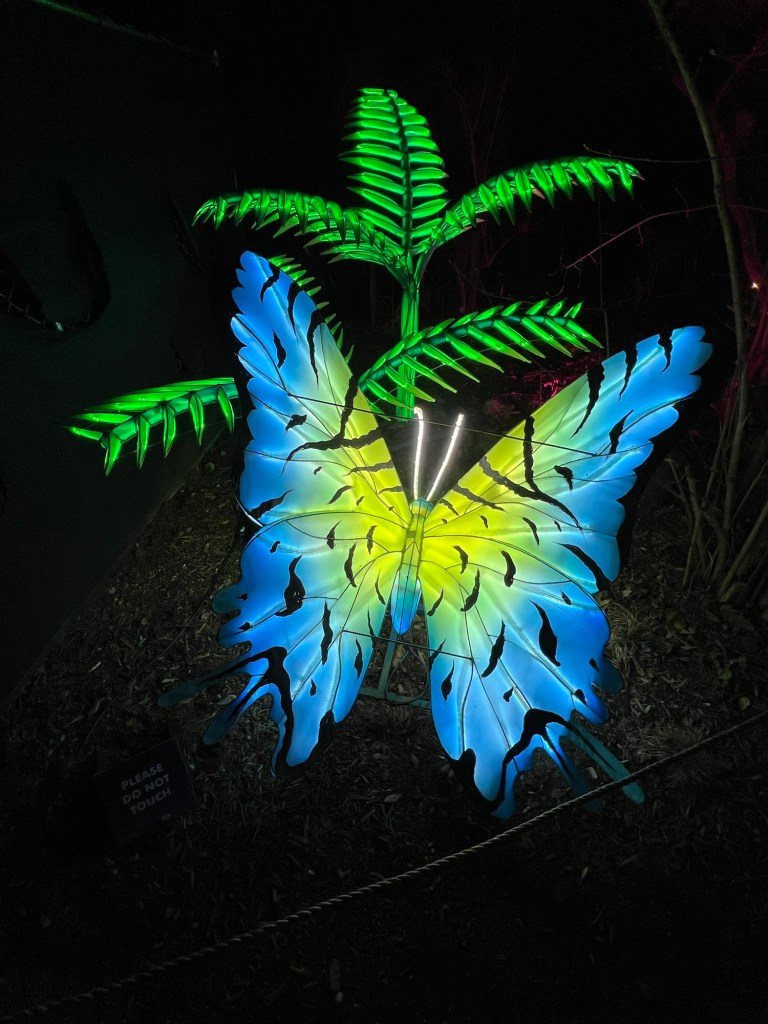
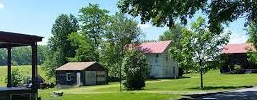
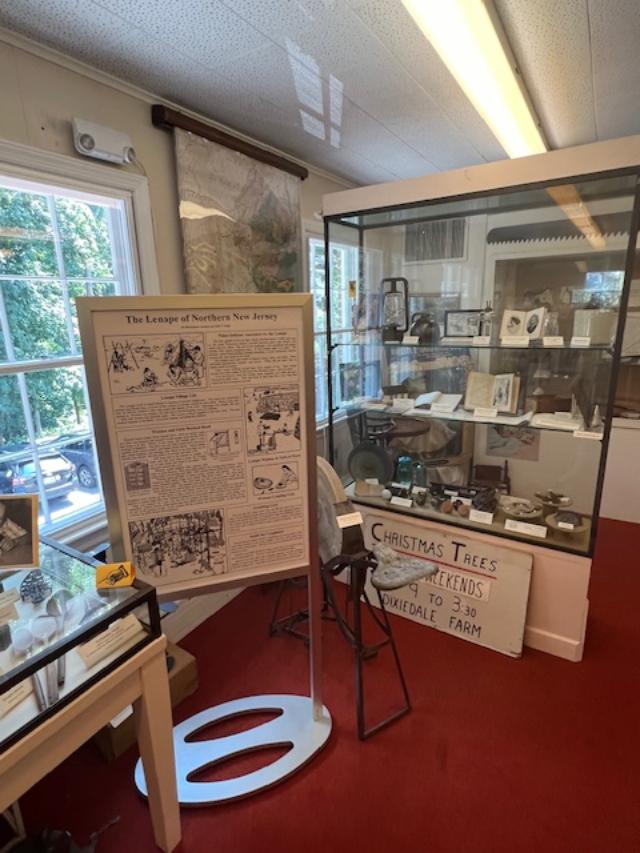
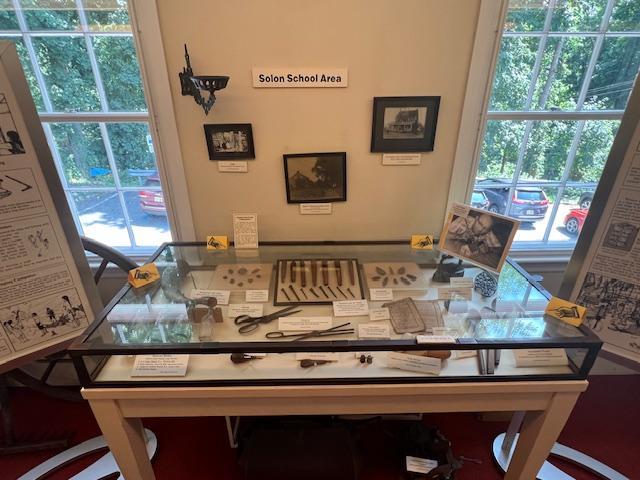
I visited the Tunis-Ellicks House on the Morris County ‘Pathways’ tour of historical sites throughout the County and enjoyed the self-guided tour of this well maintained and displayed home. Unlike many sites I have visited over the years where things are left out and jumbled on tables, the Tunis-Ellicks House offers a look at small family farms from before the Civil War. The displays depict and discuss the life of a farming family in Central New Jersey.
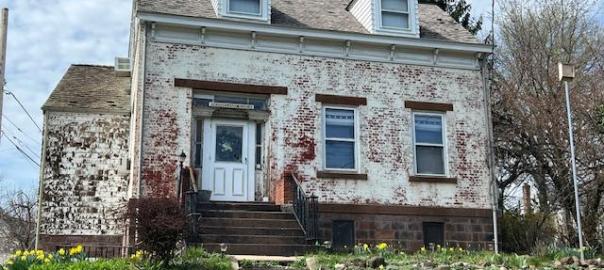
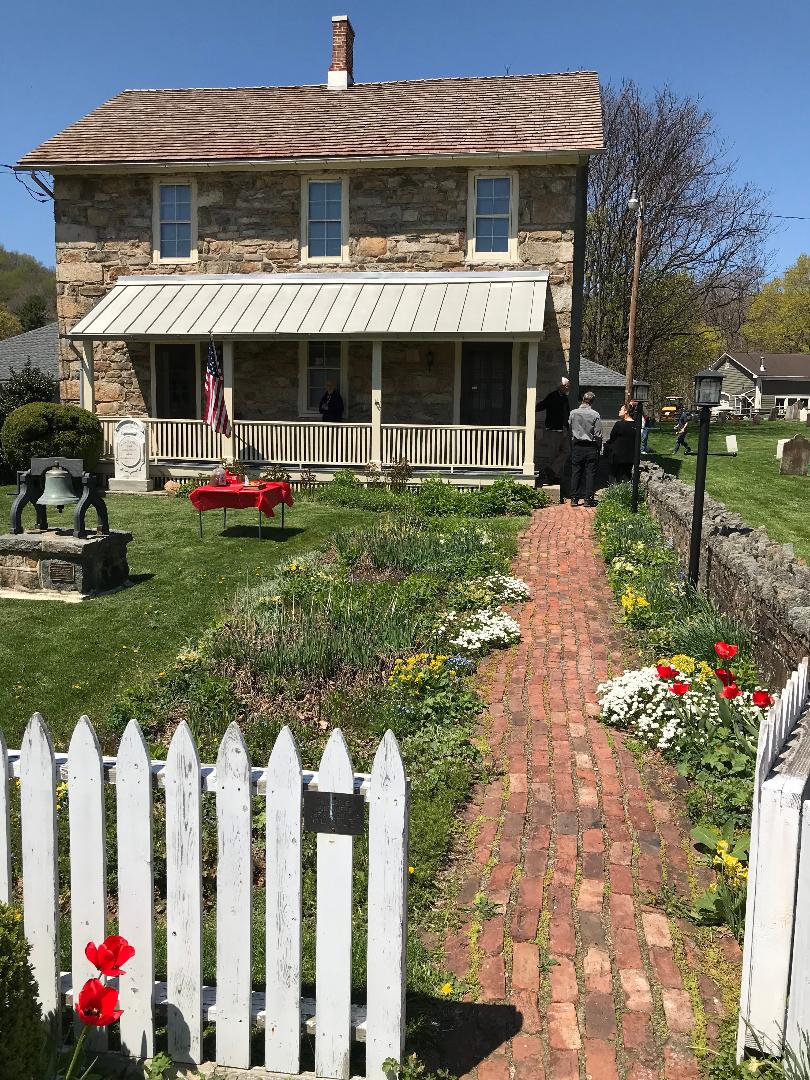
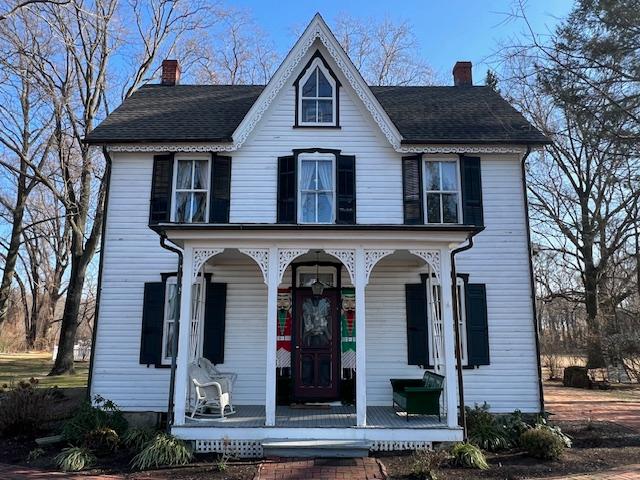
The Tunis-Ellicks House in New Vernon, NJ
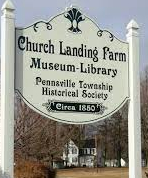
The house sign
The house is located in the New Vernon Historic District
The house was located in one of the oldest sections of the community, facing other structures in the historical district of New Vernon, NJ.
The house and front garden from the road
The vegetable garden in the front of house
In front of the house was a large vegetable and fruit garden with a grape arbor for spirits on the side of the house. These items would be jarred and pickled for the winter months or sold at market.
Mission Statement:
(From the Museum website)
The Harding Township Historical Society is a private, not-for-profit corporation founded in 1977 to stimulate interest in the history of Harding Township. The Society shall support, assist in and seek to achieve the preservation of documents, buildings and sites related to Harding Township. It shall also collect, preserve, maintain and interpret original cultural material, which illuminates this history. In addition, The Society is responsible for preserving and maintaining the Tunis-Ellicks House and environs. Through use of its historic site, collections and programs, the society endeavors to document and illustrate the history of Harding Township for present and future generations (Tunis-Ellicks website).
You enter the museum from the back of the house. In the backyard of the home, there were all sorts of activities going on while you could start a self-guided tour of the house.
The back of the Tunis-Ellick’s House
The beautiful view from the back door of the home
The inside of the main part of the museum
The main part of the museum was the newer extension of the home where the living room and dining rooms were located. There were displays on the walls discussing farm life in New Jersey during the late 1700’s and early 1800’s.
The Dining Room section of the house
The workings of the Dining Room
The story of ‘Country Life’ and the gentleman farmer
Pieces of the decor on display
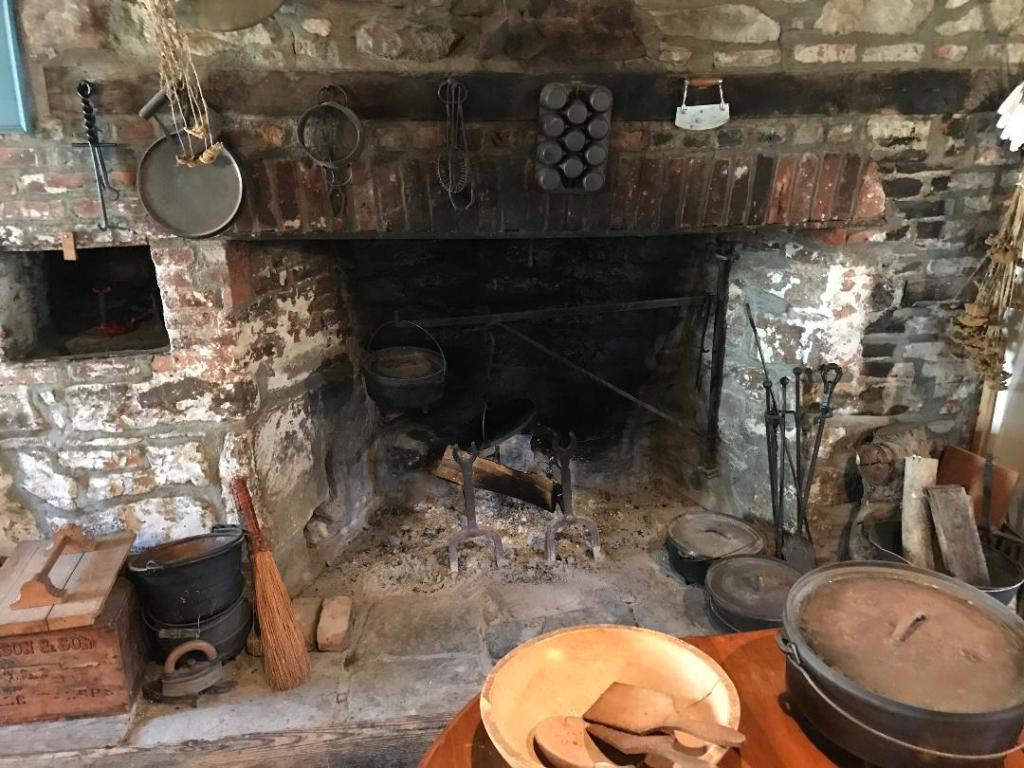
The kitchen area of the older part of the home offers a homey fireplace for cooking and summer storage for jarred and pickled food stuffs for the winter.
The kitchen and storage areas of the home
Pottery collection in the museum
The pottery collection
The kitchen dining and cooking area of the home
The fireplace for cooking, roasting and stewing of foods
The oven for baking breads, cookies and pies and the baking equipment
The Summer storage area for canned and jarred provisions for the winter months and for cooking.
The bathrooms were on the second floor of the home/museum and I got a quick tour of the upstairs bedrooms.
Bedroom One
Bedroom Two
These were not part of the self-guided tour but I was able to see them and how they were decorated.
History of the Harding Township Historical Society:
(From the Museum website)
The Harding Township Historical Society was formed in 1977 to save the circa 1795 Tunis-Ellicks House and restore it as it appeared in the early 19th century. The society discovered an original 18th century hearth and Federal-style mantel and a water-fed cooling room besides the well. Areas of the house were left exposed to showcase the post-and-beam construction. A permanent exhibit on 19th century farming was created as well as space for temporary exhibits.
The Society saved a circa 1870 Tramp House from destruction when the Great Swamp National Wildlife Refuge was created by having the building moved the Tunis-Ellicks House property. The Harding Township Historical Society maintains an extensive archive containing records, maps, and objects since the colonial era pertaining to the town. The archive is open to researchers, genealogists and the public. Each year we provide an award to a student at the Harding Township School that excels in the subject of history. The Society produces exhibits, lectures, tours, and interactive events to bring history to the public.
I then joined many of the other visitors to hear an historical reading on the patio of the home from a descendant of a Colonial family. He was discussing life in Colonial New Jersey.
The Colonial talks
They also had a table set up for arts and crafts. The volunteers were making corn husk dolls with some of the visitors.
They also had corn husk doll making as an activity
Then I was able to tour the grounds and visit the ‘Tramp House’ that was used for workers of these farms. This had been moved from the ‘Great Swamp’ to this location. It showed the living conditions of workers on the farm.
Walking on the grounds of the farm
The Wine Arbor on the side of the house
History of the Tunis-Ellicks House:
(From the Museum website)
The Tunis-Ellicks House was built in 1795 when George Mitchell bought it from Michael Pearce, a Minuteman in the Revolutionary War. The deed for 7 acres of land is dated April 22, 1795. Interestingly, the ledgers of Daniel Tunis, who lived down Millbrook Rd and had a store, show that, beginning May 9, 1795, Mitchell bought items consistent with building a house: a load of timber and half a bushel of hair (used for plaster).
In 1838, a local farmer named Silas Tunis bought the farm and his descendants owned the house until 1923. Eva and Lee Ellicks sold the house to the township in 1968. In 1977, the Harding Township Historical Society began to restore the home as it would have appeared in the early 19th century. The house is a post-and-beam East Jersey cottage complete with a cooling room fed by the well outside. The museum features a permanent exhibit entitled A Country Life about the workings of 18th-century farms.
The ‘Tramp House’ for farm workers
The historic sign
The inside of the small living quarters
The farm equipment used in processing crops
History of the Tramp House:
(from the Museum website)
The Tramp House is a simple stone building built about 1870 by the Morris Overseer of the Poor as a place to stay for wandering Civil War veterans searching the countryside for work. By providing a place to stay, farmers protected their barns from accidental fires by the men trying to cook or keep warm. The men would work on the farms in exchange for a safe and warm place to sleep
The house was located in one of the oldest sections of the community, facing other structures in the historical district.
The house and front garden from the road
I really enjoyed visiting the site and got a good view how life on a New Jersey farm was before the Civil War. The museum was very nicely organized and the displays were engaging. The volunteers and docents could not have been nicer and it was a fun afternoon.
The Meadowlands Museum is the main steward of the history and culture of the Meadowlands region and one of its leading storyteller.
The sign welcoming you
Its mission and collection, which resides in the Yereance-Berry House in southern Bergen County in Rutherford, NJ are distinctive and unique. The house too is a historic treasure and landmark and was built in 1804 by the Berry family, who were among the county’s earliest European settlers.
The front of the museum in the Spring of 2026
Rooms in the three-level American Dutch farmhouse are alive with permanent and temporary exhibits and sometimes include loaned objects from other museums and private collections. Historical artifacts like archives and photographs are mingled with textiles, furniture, housewares and artwork.
The display on the history of area
There is even correspondence by the daughters of John Rutherfurd, a close confidant of George Washington.
The display in the local artifacts
The gardens outside in the Spring of 2016
Grounds include the William Carlos Williams Poetry Garden, which acknowledges the legacy of Rutherford’s most famous native and the town’s history as a cultural center.
The everyday products of the Meadowlands Museum
Founder in 1961 as the Rutherford Junior Museum by parents of school age children to help connect them to their community, the museum is staffed by professionals assisted by dedicated volunteers and involved trustees. Interns add to the rich resource of individuals who contribute to its present and future.
A recent commercial developed by my Business 101 Class for the Meadowlands Museum for the project “Rocking it in Rutherford: Being a Tourist in your own Town”
The location of the Yereance-Berry House suggests a colonial farm dating to 1740. The oldest house in south Bergen County in close to original condition, it was part of the Historic American Building Survey project of the 1930’s. The building is also listed on the state and national registers of historic places and the Bergen County Stone House Survey.
The Yereance-Berry House is the now the Meadowlands Museum
Affiliated organization include the American Alliance of Museums, American Association for State and Local History, Meadowlands Regional Chamber of Commerce, New Jersey Association of Museums and The National Trust for Historic Preservation.
Programming & Community Service:
Free and reasonably priced services for individuals, community groups, businesses, government bodies and educational institutions are available.
*Educational programs, lectures and traveling exhibits.
The ‘Historic Rutherford Homes’ exhibition at the museum in 2026
The Historic Homes exhibition
The Historic Homes exhibition
*Customized on and off site programs.
*Collaborative ventures with a wide range of partners.
*Assistance with academic research and other archival support.
Special Events:
Special events, which often are made possible by partnerships with businesses and other organizations, are an additional way for visitors of all ages to enjoy the museum. Public and private events occur on a regular or one-time basis; many are fundraisers. Call or email for a current calendar and sponsorship possibilities. The house hosts both permanent and special exhibits.
Our permanent exhibits include:
*Yereance Berry House: During the Spring of 2026.
The outside of the museum
*Pre-electric kitchen: This unique kitchen in the basement shows off the collection of equipment that would be used in the kitchen from the Civil War to the 1950’s. There are coffee grinders, whisks, wash boards and such. It showed how much effort was put into preparing the family meal through the ages.
The Farm Kitchen of Bergen County
The Farm Kitchen at the Turn of the Century
*Meadowlands Geology: there are all sorts of rocks and gems not just from the area but all over the state. There are two different rooms one of the specimens locally and there is a separate room for glowing stones. It is very interesting to see when the lights are out.
The Mineral Collection at the Meadowlands Museum
The fluorescent Zinc display
The Mining Display
*Mining in South Bergen: This is how the county has changed when we mined ore.
The Mining Display at the Meadowlands Museum
The Mining Display
The Mining Display
*19th century Laundry Room: The Laundry room that is located in the basement has many of the things our grandparents would have used. The washboards, scrub bushes, old washing machines and ringers. Washing clothes was much harder back then.
The Wash Room of the Turn of the Century
*The wonderful Toy Exhibition of turn of the last century toys and from the 1960’s 70’s and 80’s. This contains Dolls, Board Games, play things and instruments:
The Toy Collection fascinates kids of all ages
The Factory Toys display
The wonderful toy factory in Kearny, NJ that used to produce all these wonderful toys.
The Toy Display
The Toy Display
The Doll display
The Doll display
The ‘Brownies’ display in the Toy Room
*The Bergen County Farm display:
Farming in the County in the past
The Farm display
The home Spinning Wheel display
Spinning Wheel display
The new Turn of the Century Furnace display
*Horse elevator
Recent special exhibits have included:
*High school football
*Needlecraft
*Steampunk
*Medical Innovations
*Maps of the region
*Civil Rights
*Dr. Williams’ Babies
Dr. William’s display
Dr. Williams display
Dr. William’s display
Dr. William’s display
Dr. William’s display
*World War I
Special Events:
Scarecrow Day 2018:
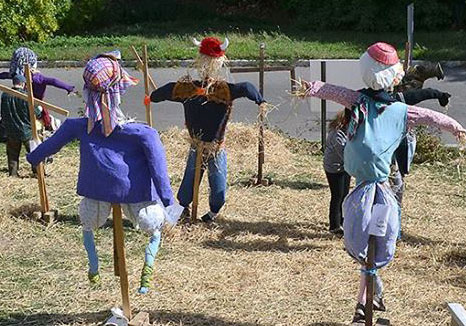
I went to the recent Scarecrow Day on October 20, 2018 where guests of the museum created their own scarecrows using their own creativity. All the scarecrows were lined up facing the street with their interesting clothes and accessories.
Each person got to use their own clothes and each one had its own style to it. It was fun watching the families show their creativity at this annual event.
Scarecrow Day at the museum in 2018
Scarecrow Day in 2021: the winners of the contest for best Scarecrow
I also stopped by for the Dutch Christmas decorations. The museum was decorated for the holidays with garland and trees. On December 1st, they had a Dutch Christmas festival (I could not attend) with food and entertainment.
Celebrating the Easter Holidays in 2026
Help tell the story…
(from the museum website)
Individuals who value the purpose and work of the Meadowlands Museum remain its inspiration and abiding spirit. Donations, memberships, sponsorship’s, grants and fundraisers are crucial elements of the museum’s financial well-being.
Admission to the museum is free but donations are greatly appreciated. Fees for events and other services vary. A personal letter to the appropriate person acknowledges a gift made in the name of an individual. Donations to provide for the buildings and grounds are valuable links to the future and a kind of giving that is among the museum’s top priorities.
Disclaimer: This information was taken directly from the Meadowlands Museum’s pamphlet. For information on the site, please call or email the museum for more information.
My Bergen Community College Team Project in 2022:
Bergecco-Parc Consulting Inc.-Rocking it in Rutherford:
My Business 101 class at Bergen Community College Lyndhurst branch visit in the Spring of 2022 for the project “Rocking it in Rutherford: Be a Tourist in your own Town”.
For Spring Semester in 2022, my Business 101-Introduction to Business class made a weekend visit to the Meadowlands Museum for the project “Rocking it in Rutherford-Be a Tourist in your own Town”. We were promoting the museum to increase tourism with a fundraiser and a barbecue. So on the weekend, I took my Team to the museum to tour it for extra credit. They ended up learning a lot about not just the museum but the history of Rutherford and Bergen County, NJ.
The project was promoting the Town of Rutherford for Domestic and Foreign Tourism and created a fundraiser and modernization of displays for the museum. This is a copy of the project, presentation and Commercials.
The Team Project “Rocking it in Rutherford: Be a Tourist in your own Town”:
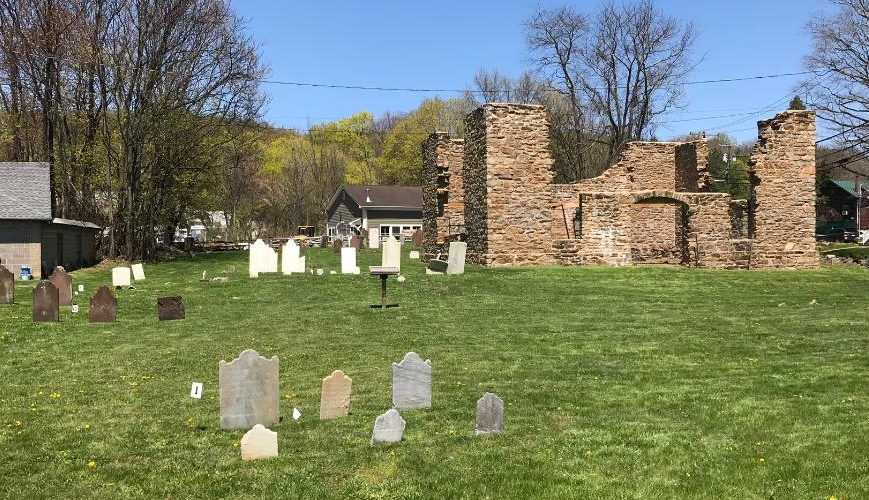
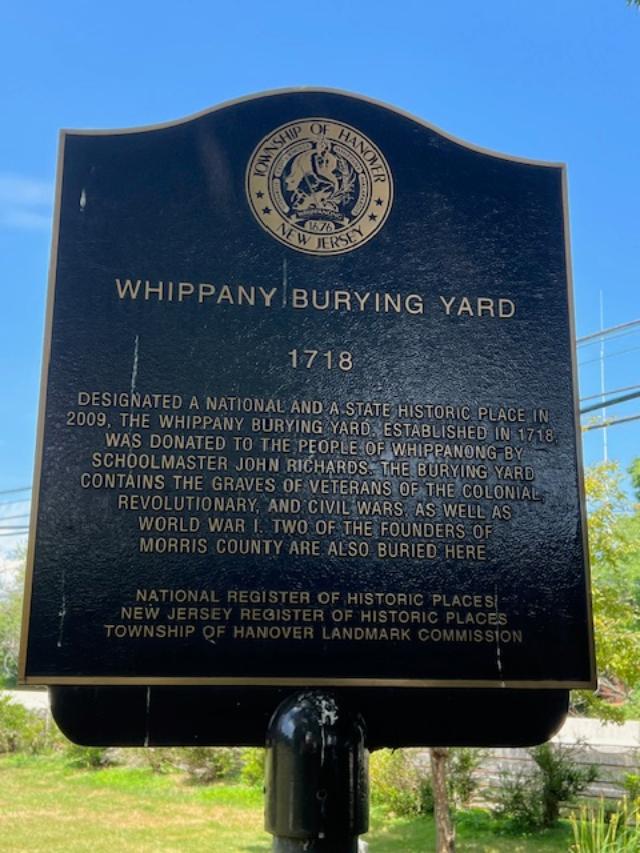
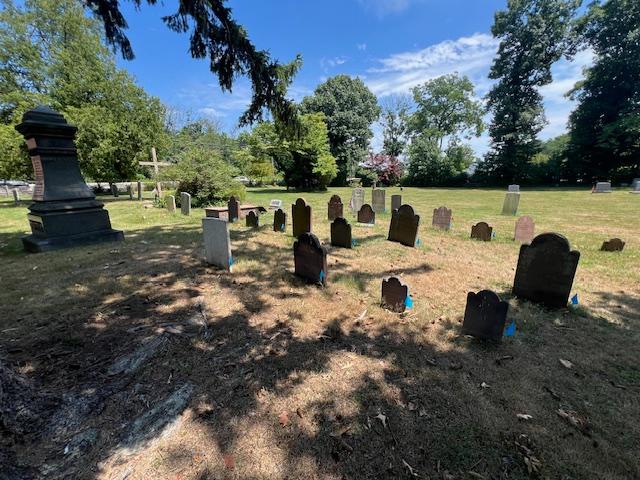
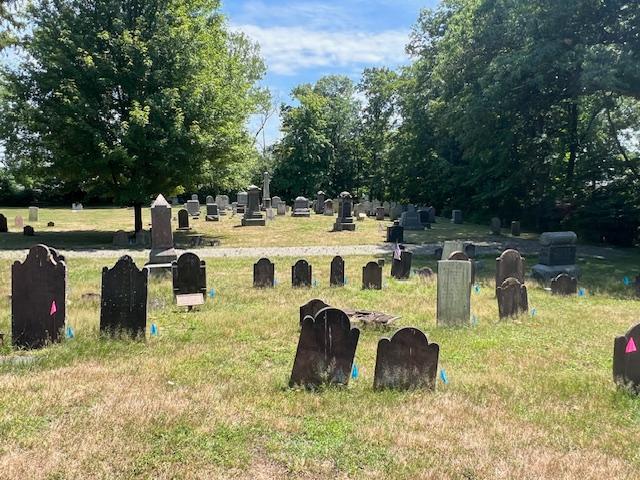
The Van Bushkirk Burial Ground behind the residence at 45 East Saddle River Road
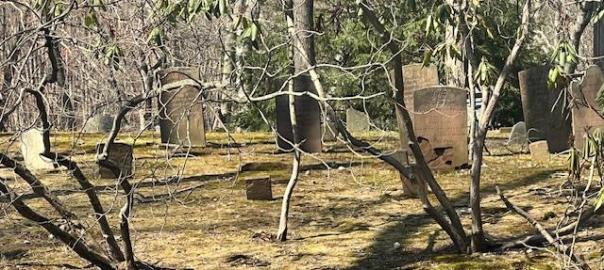
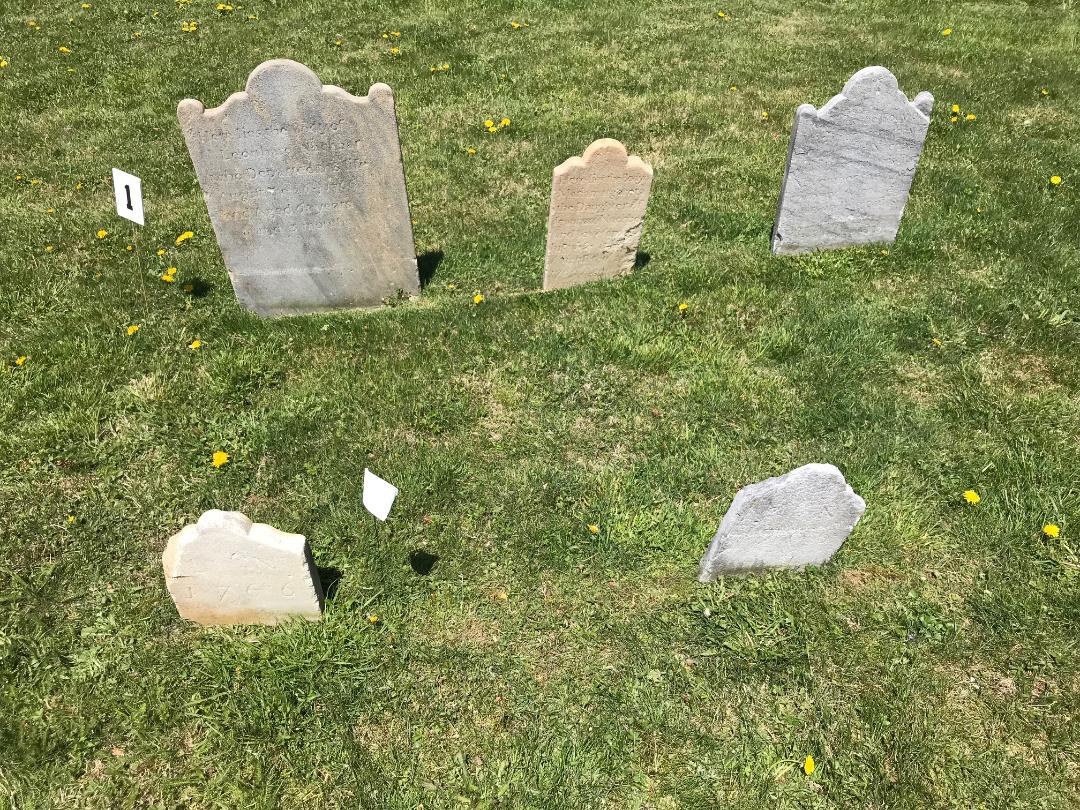
The Van Bushkirk Burial Ground is part of the history of Saddle River, NJ’s early settlement period. The burial ground has about 40 tombstones that are arched and shaped. These are some of the first residents both of Saddle River and Bergen County, NJ.
The burial ground lies next to a creek off East Saddle River Road and can only be accessed by going through private property of the residents living at 45 East Saddle River Road. Please do not enter without permission of the owner of the home. These pictures were taken with a long distance camera from the street.
The Van Bushkirk Burial Ground at 45 East Saddle River Road
The History of Saddle River:
(from the Saddle River Town website):
In 1675, Lenni Lenape tribal leaders sold a large amount of land on the Eastern side of the Saddle River (known as Werimus) to Albert Zabriskie. In 1708, Zabriskie sold this tract of land to Thomas Van Buskirk. The first house in Saddle River was built by the Van Buskirk family in 1709. The original Van Buskirk homestead still stands at 164 East Saddle River Road across from Borough Hall.
In 1709, the Lenni Lenape sold the land on the west side of the Saddle River to the English as part of the Ramapo Tract. Property on the west side of the Saddle River was acquired from this Tract throughout the 1700’s. The Ackerman Family was the most prolific buyer of these early Saddle River parcels and first settled on the West side of the Saddle River in 1745 when Johannes Ackerman acquired 245 acres.
The graves of George and Margaret Achenbach
Saddle River continued to grow and populate during the 18th century. Families such as the Van Buskirk’s, the Ackerman’s, the Achenbach’s, the Hopper’s, the Zabriskie’s, the Stilwell’s and the Baldwin’s farmed and developed the area.
The grave of George Achenbach
The first of many Saddle River mills was built in 1714 and the first school was constructed in 1720. Another early 18th century business was the blacksmith shop operated by the Ackerman family. Over the years, these 1st families built the quintessential “Old Dutch Homesteads” from actual sandstone that was found in town.
The Revolutionary War era tombstones
The Revolutionary War was a horrendous time for the residents of Saddle River. The townsfolk had spent the entire 18th century developing the area into a well established community and all growth essentially stopped during the war. Since the Jersey Dutch initially considered the revolution to be an English issue, it was particularly shocking when the fighting came to their backyards. From December 1776 until the end of the war, both American and British forces traveled through Saddle River and many times set up camp in the center of town.
Residents were in constant fear of the British employed Hessian soldiers who would terrorize families by raiding the houses for food and then burning the fields before leaving. Although no major battles took place in Saddle River, there were small skirmishes to fend off raids and the Blue Mill on East Saddle River Road was destroyed. Even George Washington, the future father of our country, passed through Saddle River on multiple occasions and tradition has him staying overnight at the Ackerman Homestead on the East road.
When the Revolutionary War ended, Saddle River residents picked up right where they left off in terms of community and industry development. The Ackerman’s built a Foundry on what is now Waterford Gardens. Tice and Berdan both opened stores in town and the Bulls Head Tavern opened its doors to weary travelers in 1802. Old mills were re-opened and new ones such as Van Riper’s Saw Mill and Basket Factory were established. The post war growth continued for decades and culminated in the 1820s with the construction of the Zion Lutheran Church in 1821 and a new schoolhouse behind the church in 1825.
The worn tombstones in the cemetery
History of the Van Bushkirk family in Bergen County during the Revolutionary War:
(From the Bergen County Historical Society website):
Loyalists in Bergen County came from all backgrounds, religions and economic classes. At the beginning of the war, a number were officers in the militia, the military force composed of all able-bodied males maintained by each province, and later the states. The lieutenant colonel of the militia was John Zabriskie of New Bridge. Zabriskie understood the sentiments of many of his neighbors, particularly those of Abraham Van Buskirk, whose property was directly across the bridge in Teaneck. Van Buskirk was a surgeon in the militia under Zabriskie, and with whom he served on Bergen County’s Committee of Correspondence, an entity established to keep in touch with other New Jersey counties and the events occurring there.
The Van Houton Family Cemetery at 108 Delaware Lane on what was once the family farm
The historic Marker from 1822
The family plot from the entrance of the cemetery
About five generations of Van Houton’s have been buried in this spot, with an impressive list of family members who have served in all the nation’s wars.
From the Revolutionary War up to World War II, the family’s contribution extends not just to Bergen County but our entire country.
The family extends to other older ‘first families’ of Bergen County, such as the Snyder’s, the Demarest’s, DeBuan’s and the Van Ripper’s.
This multi-generational cemetery is still used today by the descendents of John Van Houten, who left the property in his will. The grounds of the cemetery are well maintained. A metal fence around the property could use some minor repairs. Unfortunately a couple of the obelisk markers have fallen off their bases.
In the August 1992 Cemetery Inventory Booklet, published by the Bergen County Department of Parks, Division of Cultural and Historic Affairs, they listed Andrew Schaaf as a contact person for the cemetery, with an address of 749 High Mountain Road, Franklin Lakes, NJ 07417. The same publication mentions that an inventory of the cemetery was done by John Neafie in 1911.
In the 17th century, Lenape Indians traveled the land we now call Franklin Lakes. They made winter camp in the “Clove” near Buttermilk Falls and fished in Micharagrape Pond ( now Franklin Lake).
Slowly, the Dutch settlers made their way west from the Hudson River Valley. In 1701 the East Jersey Proprietors confirmed to Michael Hawden the land around the Pond. In 1772 Franklin Township was formed and included much of northwestern Bergen County. Farming was the major occupation of the early inhabitants, mostly Dutch with the names of Van Winkle, Van Houten, Ackerman, Pulisfelt, Van Blarcom, etc. They built solid farmhouses of sandstone and fieldstone. Fourteen of these historic homes still stand in our Borough.
Some of the original family member tombstones in the cemetery
Mills sprang up along the creeks: sawmills, gristmills, tanneries and forges. Daniel Youman’s Grist Mill on Franklin Lake was probably the first business established (it later served as a saw mill and a cider mill).
The 1876 Walker Atlas showed Franklin Lakes had about 100 residences, 5 mills, 1 tannery, 3 schools, 4 blacksmith and wagon shops, 1 church, 2 hotels, 1 store, and 2 railroad depots.
The railroad stations were built in 1869 when the New Jersey Midland Railroad was extended to Oakland. One station stood at Campgaw on Pulis Avenue, the other at Crystal Lake on High Mountain Road. Residents used the train for commuting, moving goods and mail.
Around the turn of the century, estate houses and mansions began to appear in the area. The industrial revolution brought wealth, and many of the wealthy became “gentleman farmers,” sometimes living here only in the summer. Examples of these houses include the Bartholf-Hughes house on Somerset, the Post-Terhune house on Franklin Lake Road, and the Atterbury-Brockhurst house on Ewing Avenue.
Eventually, the Campgaw section became the civic center of our Borough. In 1922 Franklin Lakes separated from Franklin Township, incorporated, and elected William V. Pulis as its first Mayor.
Edward May built three lakes and started the Shadow Lake Swim Club, which evolved into Shadow Lakes Estates. On the other side of the Borough, J. Nevins McBride purchased land around Franklin Lake and began building single-family homes in Urban Farms.
When Route 208 was extended to Oakland in 1959, Franklin Lakes became more accessible, and by 1980 there were more than 8,500 residents. The completion of Interstate 287 in the early 1990’s stimulated another boom in building. Today, the population of our Borough is 10,422.
From a sleepy rural community to an affluent metropolitan suburb, Franklin Lakes has changed extensively, continuing to be a desirable place to live and raise families.
The Franklin Lakes Historical Society was created to help preserve our Borough’s rich history, while at the same time looking to the future of our unique community and those who choose to make this their home.
The family still uses the cemetery into the twenty-first century
Part of the cemetery into modern times
Multiple family members are often buried together
The cemetery in modern times
The children of Ralph Van Houten who passed within a few years of one another
The grave of Abraham Van Houton and his wife, Bridget
The front part of the cemetery shows the different branches of the family and when they were buried.
The back part of the cemetery is rather old
The Snyder branch of the family
Another branch of the Van Houten family is buried together here
Members of the Ackerman and Cooper side of the family
Conrad and Elizabeth Van Houten
Jacob and Elizabeth Van Houten
Some of the modern graves of the Van Houten’s and Ackerman sides of the family
Many of these small family plots sit on buffs and have the most amazing views. It is as if the final resting place was to be a place of beauty and contemplation.
Unfortunately the family farm is long gone and the cemetery is now surrounded by McMansions. Talk about progress!
I recently revisited the African Museum of Art on the SMA Father’s and on this trip really took my time to learn about the Mission and study the art in the various displays. Each country that the Mission is involved with is represented here with detailed information on the meaning of the art and its purpose. It is an interesting approach to understanding the culture of each of these countries.
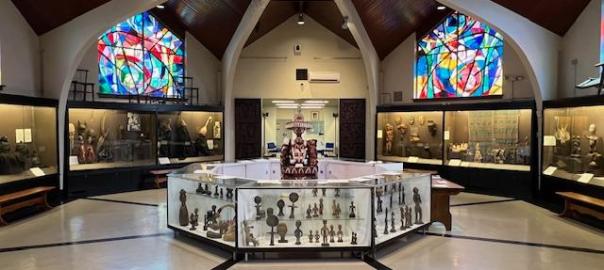
The beautiful stained glass windows line the ceiling and walls and has a beautiful effect in the room on a sunny day.
The sculpture in the middle of the main hall
The History of the Museum:
(From the museum website)
This museum was established in 1980 and is one of the only rare few in the United States dedicated solely to the arts of Africa. Its permanent collections, exhibited on a rotating basis, offer a unique advantage in the study and research of sub-Saharan sculpture and painting, costumes, textiles and decorative arts, religion and folklore.
The main hall of the museum
The history of the Mission
The history of the Mission
The history of the Mission
The African Art Museum of the SMA Fathers is one of five museums around the world founded and maintained by the Society of African Missions, an International Roman Catholic missionary organization that serves the people of Africa.
The display case that line the main hall
The display case that line the main hall
The art works up close
The descriptions of the works
The display case that line the main hall
Some of the works up close
The description of the masks
The display case that line the main hall
The museum is the continued vision of SMA’s founder, Bishop Melchior de Marion Bresillac (1813-1859). The French-born clergyman urged his Society to respect and preserve the culture of the peoples they serve, the unique among the missionaries of his time. (This information is provided by the museum).
Some of the works being featured in the exhibition
Their current exhibitions is on the “Africanizing of Christian Art” which shows the 20th Century encounter between Catholic Christianity and the visual culture of the Yoruba, a prominent west African people of southwest Nigeria under the conditions of late colonization (This information provided by the museum).
The hallway off the main room
Linking the walls of the main room are wooden carved doors from a palace in Africa. The interesting detail work tells it own story.
The description of one of the doors
Panel One
Panel Two
Panel Three
Panel Four
The collection contains many works in the form of masks, textile work, religious figurines and decorative arts. Each display case shows a different theme in the art.
The works of art in the cases
The puppets in the case
The works of art lining the cases
The engaging Mask collection
The museum is the main hallway of the church. I found it a quiet place where you could really concentrate on the beauty of the art. It grounds are also nice to walk around in in the nice weather.
The Chapel just off the museum is interesting to visit. I wondered how many people came to serve here and how the service was performed.
The main chapel of the mission
The beautiful stained glass windows in the chapel
The museum is a true hidden gem of wonderful and interesting testimonial and contemporary art. An inspiring museum if you take the time to really enjoy it.
When the second week is September comes and the Labor Day weekend is behind us, it is time for the NJ State Firemen’s Convention.
This was going to be a particularly long weekend for me as I was going to be extending my trip to include a series of visits to historical sites in Southern New Jersey to complete a blog on historical New Jersey. Most of these little sites are NEVER open.
My street was being ripped up with replacing the morning I left and with an 8:00am class, I decided to leave early for class and then leave for my mother’s right after my 11:00am class was over.
I had never planned a trip like D-Day before. The laundry had to be done, the house cleaned, the bills paid, the dishwasher run and I had a series of repair work being done around the house. Plus knowing I had to be out of the house early meant that I had to wake up at 4:00am to get out of the house then to work then to drive the four hour trip to my mother’s.
I was in the middle of perfecting my students resumes, which is always the toughest project in my class. It is a challenge every semester but worth it if it will help them get a job. So I had been extremely busy at work.
After my last class was over, I decided to get on the road and head down to Rehoboth Beach. As I passed my house on my way to the New Jersey Turnpike, I saw the workers completely ripping apart my street and thank God, I had left early.
It was a really nice day as I traveled to Delaware. I had planned on visiting a new museums in Bethany Beach before my ferry ride to Cape May the next day, so the trip would be more of a working business trip and vacation.
Because of my schedule with work and the holidays, I take my mother to dinner for her birthday on Convention weekend. It’s less rushed and we have a good time.
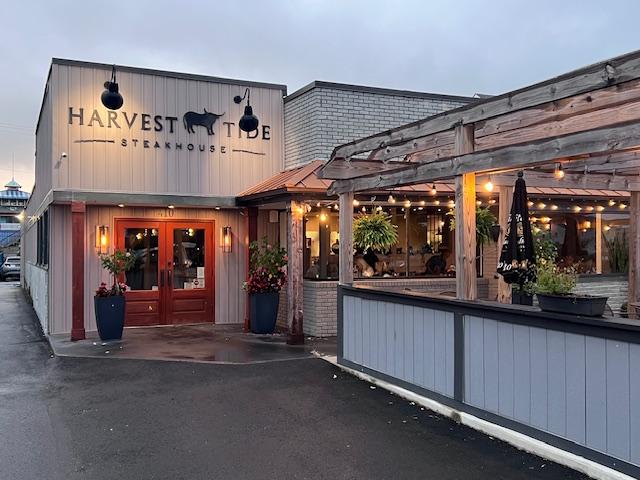
I got down the Rehoboth Beach about an hour before dinner and was able to relax a bit. My mother chose the restaurant, Harvest Tide in Lewes, DE for dinner, which I had been before and enjoyed.
The Harvest Tide at 410 East Savannah Road in Lewes, DE
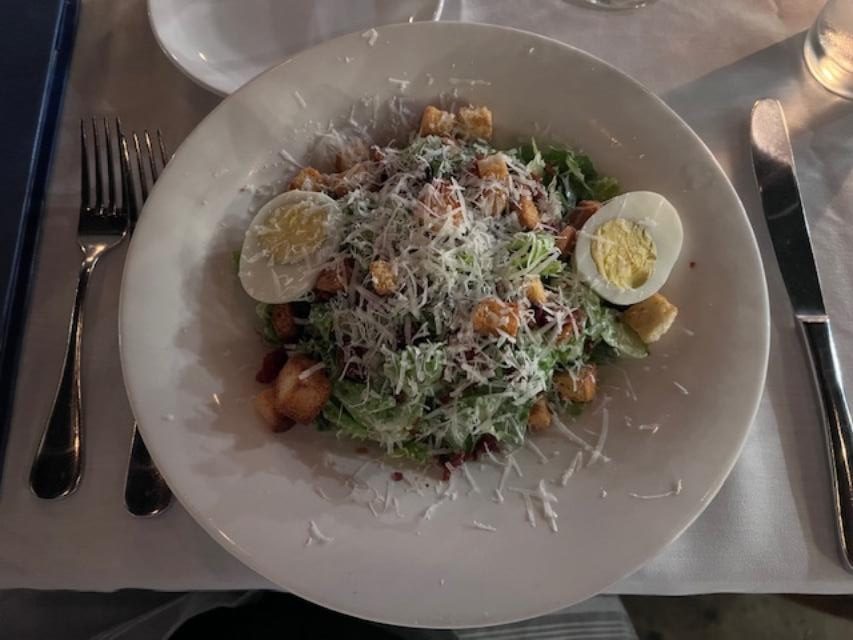
The food was excellent and we all enjoyed our dinner. I started with a delicious Caesar Salad with fresh greens and a homemade dressing.
The Caesar Salad at the Harvest Tide
For my main meal, I had the Lobster Pasta, which was excellent. The pasta was perfectly cooked and was loaded with pieces of sweet lobster in a light cream sauce.
The Lobster Pasta
For dessert, I treated myself to a giant piece of their Ten Layer Cake. I forgot how big these slices were and I just about finished it.
The Ten Layer Cake at the Harvest Tide is a treat
I was a very laid back evening and we had a nice time catching up. It was going to be a quick trip this time and I had to be in Bethany Beach at 11:00am the next morning so I had to be out the door early. I slept like the dead that night.
The next day over breakfast, my mother and I spent the morning catching up and laughing at past holidays. It was a really nice overnight stay and it was fun to have that time together.
I left after breakfast and headed to my appointment at the Dinker-Irvin House Museum in Bethany Beach. Who knew the whole morning would be spent visiting cultural sites in Bethany Beach.
The Dinker-Irvin House Museum in Bethany Beach
The front of the Dinker-Irvin House at 318 Garfield Parkway
I toured the house and the grounds with members of the Board and they gave me the full history of the house and its place in Bethany Beach. It really is an excellent little museum representing town history.
The history of the shore
The shore kitchen with some of the original items
The front gallery of antiques
The museum was really unique and the Historical Society does a nice job displaying and interpreting all them.
After my tour was over, I had plenty of time before taking the ferry over to Cape May, so I visited both Bethany Beach History Museum and the Bethany Beach Nature Center. I did not know that either of them even existed.
The museum is located in the main floor of Bethany Beach City Hall. It has some interesting displays on the towns’s history. There are also displays on artifacts from different aspects of the town’s past.
The displays of the museum and shelves of artifacts
The displays of town artifacts on display
The main exhibition was the history of their Life Guard Squad
After I finished up in the two museum’s, I walked a bit of their downtown and saw the statue of Little Owl at the entrance to downtown.
The statue of Little Owl at the beginning of the Bethany Beach downtown
After that tour, I visited the Bethany Beach Nature Center. The center consisted of the main building which was a historical home and then the gardens and grounds.
The inside of the Nature Center there were all sorts of displays on turtles and fish and tables for students for games and drawings. The real draw are the gardens and nature trails in the back of the building.
The entrance to the Baldwin Trails
The entrance to the gardens
The gardens in full bloom
The back trails led to the marshes and to the wooded areas. The views were breathtaking.
The back pathways to the marshes
Looking over the watering hole
To end my tour of the Nature Center, I toured the front gardens of the building which had a Butterfly Rain Garden.
Part of the Rain Gardens
I was touring the garden when a Monarch Butterfly flew in and landed on a flower. It would not open up and I wanted to take a picture of it so I yelled at him to open his wings so I could take a picture. He did!
The butterfly landing in the garden. I yelled at him to open his wings for a picture.
The butterfly must have heard me and opened up his beautiful wings
After I took the picture, I showed it to him and he flew away. Everyone is a critic! Still, it was a beautiful butterfly.
I really had a nice time not just visiting the Nature Center, but the other two museum’s as well. I could not believe all these hidden gems in such a small town of Bethany Beach. They really have a nice selection of museums and cultural sites for such a small town.
Before I headed to the ferry to Cape May, I stopped in Ocean View to visit their Historical Village. This tiny historical street of had many historical buildings but the complex was closed so I just took some pictures around the neighborhood, stopped at an antique store across the street and then headed to the ferry.
The sign for Historic Village in Ocean View at 40 West Avenue in Oceanview, NJ
The historic buildings on the edge of the property
Ocean View Park in the summer of 2025
What I love about the Cape May-Lewis Ferry on a nice day is the ferry complex on the Lewis side has some nice restaurants that are partially outdoors and on a calm day, the views are amazing. Because the waters were so calm, we got over to Cape May fifteen minutes early and that meant I could check into my room by 5:00pm and relax.
Checking out the snack bar on the ferry on the trip to Cape May
I got to the Chalfonte Hotel in Cape May in a half hour and checked in. The hotel was preparing for that night’s entertainment which was ‘The Ramble’, a local group who performs there every Thursday night during the warmer months
My room for the next four nights was a tiny room on the second floor with a shared bathroom, perfect for someone who is never in his room.
Parts of the Chalfonte Hotel look like the ‘Overlook Hotel’ in ‘The Shining’
My home away from home for the next four days
I rolled into bed and had a long nap before ‘The Ramble’ started. When I woke up later, the crowds had swelled all over the front lawn and street and they closed the side streets off as well. I never saw crowds like this before for the concert.
Joining the rest of the crowd for the weekly ‘Ramble’ on the Chalfonte Hotel porch
Part of ‘The Ramble’ concert that evening
The Ramble on the porch of the Chalfonte Hotel
The concert on the porch
After the Ramble was over, I walked into downtown Cape May for dinner. This particular weekend was all about the pictures. I had to go back in time and retake pictures of all the meals and places I had been to on previous trips to update older blogs. So on top on my duties for the fire service, I would be working to update all my older blogs.
So all my meals and museum visits my this a ‘working vacation’ on top of visiting new places to add to the treasure trove of great hidden spots to visit.
I would be having several meals at the Ugly Mug and Uncle Bill’s in Cape May and the Ravioli House in Wildwood. I even stayed an extra day in Cape May to complete my pictures with breakfast at the Magnolia Room dining on the porch.
My return meal at the Ugly Mug at 426 Washington Street in the Washington Mall was a favorite of mine and a specialty of their’s, the Cheesesteak.
I sat at the bar watching the Mets and Philly fans duke it out watching the playoff game. Even though we are all from New Jersey, you see the difference once you pass Long Beach Island. South Jersey is all about Philly not New York.
The inside of the Ugly Mug’s bar area
I just ordered my Cheesesteak and sat back and relaxed and enjoyed my meal and my time off. It was fun watching the exchange from people from North and South Jersey and see how the alliances change at the border of Hunterdon County.
Now this is a Cheesesteak!
You can not get this in North Jersey
It was a nice evening talking with the bartender and watching a game I couldn’t care less about. After dinner was over, I worked off dinner by walking around the Washington Mall and walking by the beach. The weather the whole weekend was amazing and we had sunny days everyday.
The beaches of Cape May are amazing at night
After a good night’s rest, it was off to the Convention meetings. Our meetings don’t start until 10:00am, so there is enough time for a good breakfast. That meant two mornings at Uncle Bill’s.
Uncle Bill’s Pancake House in Cape May at 261 Beach Avenue
I love coming to Uncle Bill’s. The service is always so friendly and the food wonderful. This weekend was about the picture and I was eating the meals of the past that I needed photos of for past blogs so that meant ordering the French Toast special (I so hate my job as a travel blogger).
The French Toast special at Uncle Bill’s
The French Toast and Sausage here should not be missed
After a good breakfast and walk back to the hotel, I headed to Wildwood for the first day of meetings. It was a spectacular sunny day and since I got there so early, it gave me the opportunity to walk on the boardwalk and get some ocean air before our first meeting.
Walking on the Wildwood Boardwalk before the morning meetings
The Wildwood Boardwalk would not look like this for long
The first day of meetings for the NJ Jersey Firemen’s Convention is full of pump and circumstance, but with 9/11 being the first day of the Convention, we respected our Brothers who gave their lives that terrible day. There was a lot of emotion in the Convention Hall as a lot of these members are of the age where a lot of them volunteered in New York to assist and still have lingering health issues.
While it is a somber time for firefighters when we remember the 24th Anniversary of 9/11 we still have to carry on the traditions of the fire service. Time has a way of marching on and while we remember our fellow brothers with dignity and respect, we can only honor them by continuing our craft and building on the things that made them successful at their jobs. So delegates from all over the State of New Jersey met from September 11th to the 13th for the annual NJ State Firefighters.
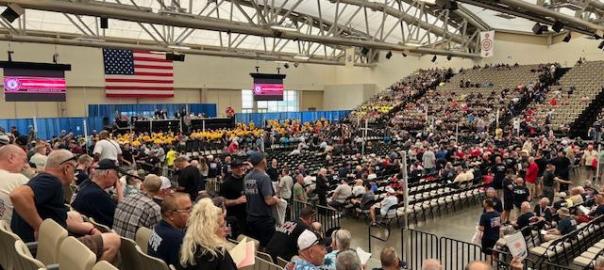
Getting to the Wildwood Convention Hall early
I am starting to see some of the same faces over and over again as I have been attending these meetings. What I am beginning to notice is that the crowd is getting older and thinning out. The younger firefighters don’t seem to be taking over from their predecessors. The average age of the people in that room had to be at least 45 years old.
Still we carry on with our mission of making the first service the best it can be. This means a lot is going on the State organization. We started the morning out with the Bergen County Pipe & Drum performing with the Wildwood Fire Department’s Color Guard.
We stand for the performance
The performance as they entered the Convention Center
Then the welcome from the Executive Team to the Convention started. If you ever want to see a prouder group of Americans it is fire fighters. When do the Pledge of Alliance, you never saw a whole convention center do it in unison. That is where I am very proud of being a firefighter. Is the dedication these men and women give to their communities that mantle people do not appreciate.
After the initial introductions and welcome, the Pipe & Drum and the Color Guard left. It’s pomp and circumstance when they leave as well.
The closing ballad before they left the Convention Center
It was an afternoon of business talking on current issues of the fire service and items that we were dealing with the state. There were many bills on the Governor’s desk to be signed and line items we were fighting for our membership. There would be a lot of State and local issues to vote on the next day.
After the first day of meetings were over withI had to travel around Cape May County to visit various cultural sites and revisit farms for my picture taking mission. The first place I visited was the Sam Azeez Museum in Woodbine, NJ.
Touring the fire equipment displays at the Convention after the first meeting
During my four day stay in Cape May, I had appointments to see many historical sites that are normally never open or open at specific times where I can never visit. So I either made appointments to meet people or set my schedule to meet with the precious hours these places were open. I planned this trip like D-Day. You had to hit each spot at a specific time or else the window closed.
The Sam Azeez Museum of Woodbine Heritage at 360 Washington Avenue in Woodbine, NJ
The Sam Azeez Museum is a look at the Jewish community that was established well heeled Jewish businessman that established for new immigrants. They built a successful community assimilated the population to become Americans.
The history of the Jewish community in Woodbine, NJ
The museum was an interesting look at the successes and failures of the community but the museum shows a community that keeps changing. I thought this was fascinating that a community like this once existed.
There is a synagogue on the second floor
The Americanization of children through baseball
I thought this was a fascinating museum because the museum itself does not tell this story in its website. It is such an interesting look at a community and it asks the question ‘how do you become an American?’ It is a rich history that most of New Jersey does not know.
A self sustaining community
The new Americans playing America’s past time
After I returned from my tour of the museum from Woodbine, I relaxed and walked along the beach near the hotel. We really lucked out with the weather that weekend and it was sunny and clear. It was starting to cool down a bit but it was still nice to be outside at night.
Meals on this weekend trip were all about the pictures so I headed to The Ravioli House at 102 East Bennett Avenue in Downtown Wildwood, NJ for dinner. This is my favorite place during the Convention to eat and is one of my popular sites on my blog, LittleShoponMainStreet@Wordpress.com.
I was here so many times without a cellphone to take pictures of all the wonderful dishes that I had eaten and this weekend I was going to have them again. This is when my job gets tough!
I always enjoy seeing the owners daughter when I walk in. She is always in the same spot greeting people. I get one of the booths in the back and stretch out. I got there a little late so it was just starting to wind down. The service is always excellent so I got my food pretty quickly.
Tonight I had the dinner I had five years ago, the Manicotti with homemade meatballs with a fresh salad. It was just as delicious as I remembered.
The start of the meal is a fresh green salad with their homemade Creamy Italian dressing and the freshly baked bread
The fresh salad is always a treat
The freshly baked bread makes it is easy to devour a few baskets
The entree was excellent and all the pastas, sauces and meatballs are made in house. You can taste the quality.
The Manicotti with meatballs was excellent and I love their red sauce
The homemade meatballs should not be missed
The meal was incredible and I topped it off with a St. Joseph pastry with vanilla cream. It was from their pastry shop and was wonderful (see my review on TripAdvisor and LittleShoponMainStreet@Wordpress.com).
My dessert, the St. Joseph pastry
All the desserts are baked in house
After the amazing dinner, the restaurant was closing for the evening and I needed to work off dinner so I parked closer to the Wildwood Boardwalk and walked the length of it back and forth. I was so surprised that on the first night of the Convention it was so quiet. Many businesses were still open that evening to very little crowds. I think the merchants were surprised by this as well. When I got back to the hotel, I slept like the dead.
We did not have to be at the Convention Center to vote until 9:00am, so I could sleep in a bit. I planned breakfast on the Boardwalk so I was fine either way time. It was a beautiful sunny morning and I got up to blue skies and warm weather.
The Chalfonte Hotel in the morning
The Magnolia Room set up on the porch in the mornings. I would find here my last morning at the hotel.
I got on my way to Wildwood for voting and then breakfast. When I got to the bridge to get to Wildwood, I had to stop as a boat was passing by and I got the best pictures taken.
Getting to the bridge
The marshes
The boat was coming
The boat passed by so gracefully
The boat passed by so gracefully like in the movies
It only took a few minutes but I thought it was one of the most enjoyable things to watch in the morning. In this age of rushing around, something so simple as this could be so much fun to watch.
I got to the Convention Center, voted, signed in and talked with some other delegates. Then we were done with our meetings for the day and I left for breakfast to my favorite spot on the Boardwalk, Franconi’s Pizzeria at 3318 Boardwalk. All meals are excellent at Franconi’s.
My breakfast was amazing! Biscuits with Sausage Gravy, Hashbrowns and a homemade Cinnamon Twist (they did not get the Cinnamon rolls that morning). This feast was my breakfast and lunch for the day.
Don’t miss these decadent Biscuits with Sausage Gravy
The Cinnamon twist is not on the menu but the owners daughter made it special for me because there were no cinnamon rolls. What a delicious treat and I highly recommend ordering it!
After a meal like that and Voting over, I had to walk the Boardwalk again just to work some of it off.
The Boardwalk got busy after Voting was over
The weather was fantastic that morning and the amusement piers would be opening later that evening
There were many museums and cultural sites I would be visiting in the area and I did not want to spend my entire morning on the Boardwalk, so off I went again visiting museums. My first stop was just off the Boardwalk at the Doo Wop Preservation League Museum at 4500 Ocean Avenue.
The Doo Wop Preservation League Museum at 4500 Boardwalk
This unique little museum unfortunately gets drowned out by the fire department displays and beer garden and people really don’t appreciate it for what it is, a glimpse of Wildwood’s Motel past that is quickly disappearing in the wake of the real estate boom and gentrification. I don’t give the remaining motels more than five years before they all sell out.
The museum is bright and shiny
The museum shows the progress made after WWII and the optimism of the electric age after the war with foreign travel part of a dialogue that most people could not afford yet but wished to attain. So these motels brought that to them. As the era passed, these relics show the progress we had made and then what we left behind. I think it is one of the most clever small museums I have visited down the shore.
While searching for the Cape May Maritime Museum (which does not exist except in some of the members wanting for a physical space), I came across the Garrett Family Preserve, which was a large wetland preserve just outside Cape May proper.
The Garrett Family Preserve at 801 Wilson Street in Cape May Creek
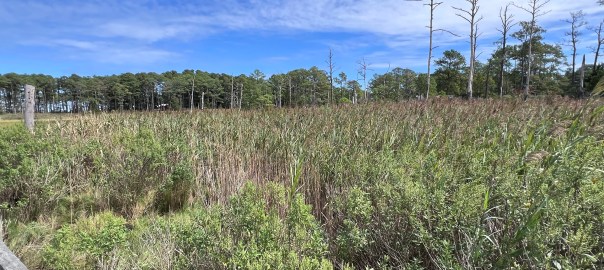
The Preserve is acres of wetlands that is refuge for birds, butterflies and wetland creatures.
The Butterfly sculpture at the end of the paths
When you enter the Preserve, you have the option to follow several paths that take you through the woods, the wetlands or down paths of wildflowers. It was unfortunate that it had not rained in a month and the preserve was very dry.
The sign had said in the Spring that the preserve was alive with colors of flowers. Still it offers a glimpse into the mating areas and refuge for these insects and birds on the path to warmer climates.
Searching for the Maritime Museum, which will have a physical building in the future the President of the organization assured me when he called me later that afternoon, I headed back to Cape May to walk along the beach after a long day of meetings and cultural visits.
The beaches were busy on this warm late summer evening
It was a beautiful afternoon just walking the shoreline trying to get my mind off everything
Please join me for my walk at the shore
The views of walking that Cspe May shoreline
I am never sure where these tubes come from
The shore works its own magic
The view on the Boardwalk at Cape May Beach
It was still early in the evening so I decided to head to Sunset Beach in West Cape May and watch the sunset before going to dinner. That is always a treat to watch!
Sunset Beach in West Cape May arc502 Sunset Boulevard
There is nothing more beautiful on a clear night than seeing the sunset before set on this beach. The crowds were huge. Being Convention weekend, people were packed all over the place. I had to park about a mile up so that I could drive back out.
The restaurant that had once been a simple snack shop and was now a higher end restaurant with views of the bay and that did not help the parking situation. The crowds a families set up blankets and chairs all over the beach and then we stood back and let the magic take place.
Going
Going
Going
Going
Going
Gone
Gone
Then all the beautiful colors of the sun
The beauty of the sun set
I set on the beach with the locals while everyone else fought to get out of the parking lot and headed back to Cape May for dinner. It was such a spectacular night.
The Washington Street Mall was packed with people that night. With the Convention meeting now over, many fire companies were having their get togethers that night. A lot of the older firefighter couples though I could see opted for a quieter night strolling the Mall.
On the third night of my dining picture taking it was back to the Ugly Mug for dinner and for the elusive Bacon Barbecue Cheese Burger (dinner four years ago).
My dinner at the Ugly Mug, the Barbecue Bacon Cheeseburger (and yes, it is as delicious as it looks)
After the wonderful dinner, I took a long walk along the Mall, the Boardwalk and beaches to work the dinner off. What spectacular views of the town.
The Washington Mall later that evening
I went back to the room and slept soundly as I had a long day of work ahead of me. After the Convention was over, I had arranged an extensive day of touring with members of the Board of the Upper Cape May Township Historical Society to tour all three of their historic sites, the Gandy Farmstead, the Friendship School and the Tuckahoe Train Station, plus an additional tour of the Endicott-Reardon Family Museum. It would be a long day.
Waking up to the sun the next morning
When I woke up the next morning and checked my schedule for the morning and afternoon, and then checked the weather report, I decided to extend my stay in Cape May one more night.
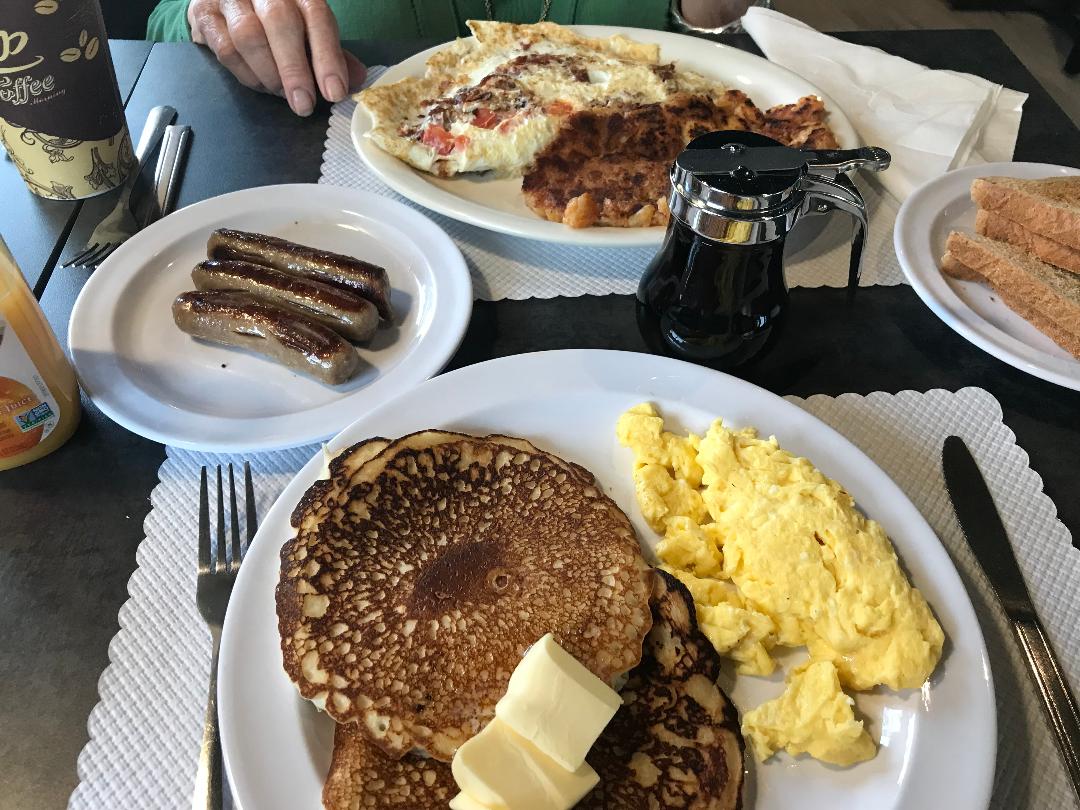
I arranged for the additional night and walked down to Uncle Bill’s Pancake House for the second day of picture dining. It was another sunny afternoon and I was going to need a lot of energy. I ordered an Omelet with a side of sausages, potatoes and rye toast (breakfast from Christmas time 2021). The breakfast was excellent.
The omelet with potatoes and sausage
The breakfasts here are amazing!
You can create two breakfasts from the meal
On the way back to the hotel, I had to walk along the shore just to work some of breakfast off before my roadtrip. They give you so much.
It was a beautiful morning and a perfect shore day
God creates these beautiful days for us to enjoy
After my walk, it was time to meet the Board Members of the Upper Township of Cape May Historical Society at the Gandy Farmstead, my first historical stop.
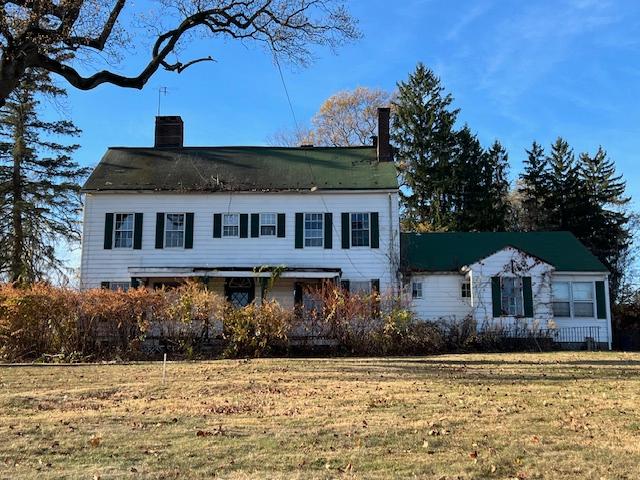
The Gandy Farmstead at 26 Tyler Road in Oceanview, NJ
I was met by two of the Board member who had just arrived and we did an extensive tour of the house, the outer building and the grounds.
The first floor kitchen, storage and wash area of the house
The kitchen and heating area of the house
The second door bedroom
The attic loft area
We then took a tour of the grounds that included the well, the smokehouse, the outhouse and extensive tour of the barns. The organization did a nice job preserving the integrity of the home and life at that time period.
The back part of the grounds with the various buildings
We did an extensive tour and discussion of each building (you can see the full tour on my blog VisitingaMuseum.com). The barn was the most interesting.
The barn on the Gandy Farmstead
The inside of the barn
The inside of the barn
The tour was really nice and what an interesting home. The displays were so well organized and laid out. Each of the buildings told their own story.
The grape arbor behind the house
We discussed the Gandy family whose ancestors live across the street and who had donated the home a grounds to the committee. We also discussed to upcoming “Apple Festival coming up in two weeks.
Please read my blog on the Gandy Farmstead Apple Festival:
After the full tour of the house and grounds, we headed to the Friendship School down the road and up the highway from the homestead. Another fascinating look at the areas past.
The school just showed me how things have not changed in over a hundred years.
The front of the Friendship School
The school has the most interesting look both inside and out. You see the way students lived and learned at the turn of the last century.
The old water pump outside the school for classroom use
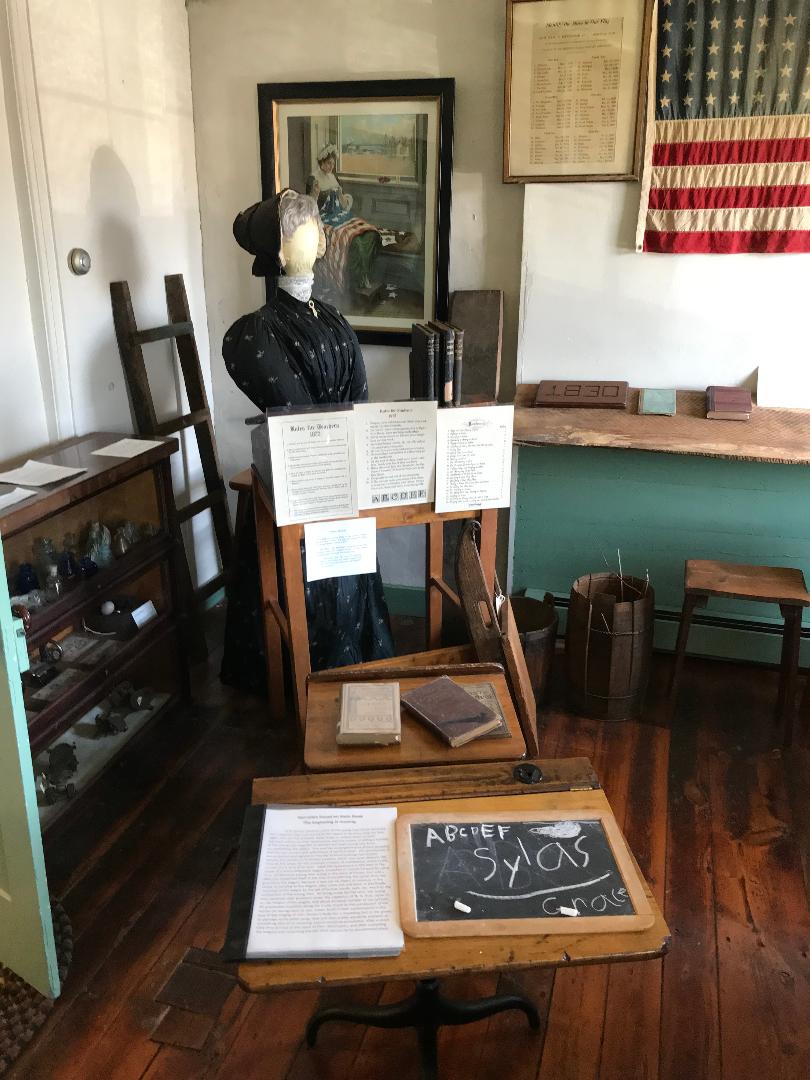
The classroom reflects education of the various levels of students between the ages of Kindergarten and High School.
The classroom set up is still similar to today
Instead of computers and laptops they used slates, chalk and books
The Friendship School showed how much we have progressed in education but it also has stayed the same. The ladies explained to me that the school is open at certain times of the year to show children how the classroom still reflects its main purpose, to learn and to educate.
The Outhouse
On my way to the last historic site on the Historical Society’s list, the ladies took me to the Frog Hollow Bakery for the most mindblowingly delicious doughnuts.
The Frog Hollow Bakery at 140 NJ 50 in Ocean View, NJ
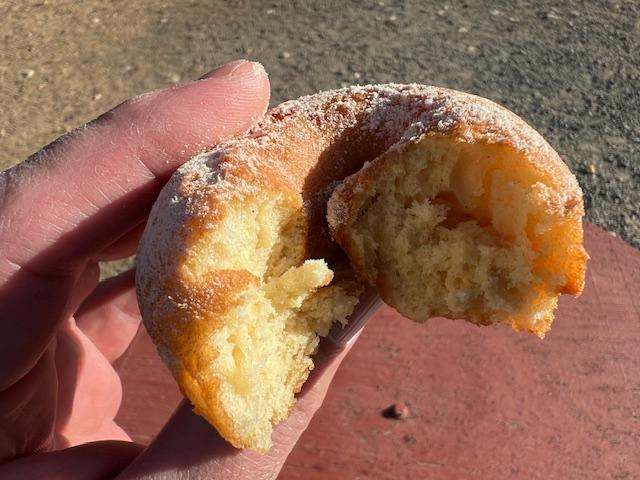
We just stopped in for a doughnut and I tasted on of the best fried sugar doughnuts I had had in a long time. Everything on the counter was made from scratch and looked so good.
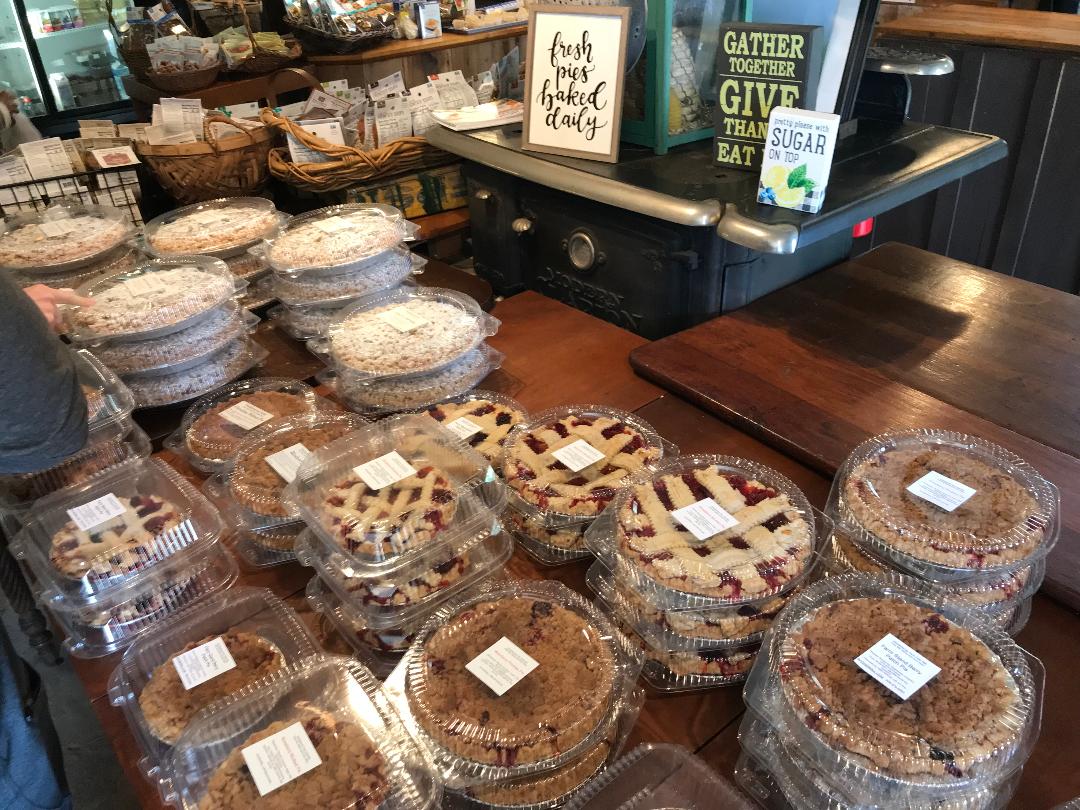
The delicious looking buttery breads and cakes inside of the bakery
Do not leave this bakery until you have tried one of their fried sugary doughnuts
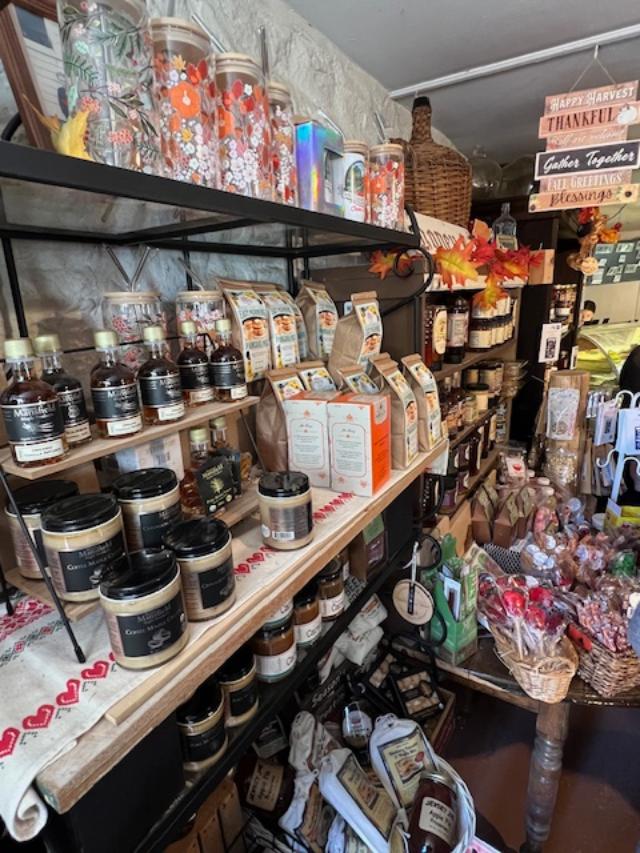
This is such a unique and wonderful little bakery. It has a nice selection of not just baked goods but a gift items and produce.
The next historical site I visited was the Tuckahoe Train Station in Tuckahoe, NJ. This Victorian structure was once the hub of shore transportation. Now it houses all its treasures of the past.
The Tuckahoe Train Station at Railroad and Market Street in Tuckahoe, NJ
The Board member who met me at the museum was an expert on the station and gave a very in-depth tour of both the inside and outside of the station.
The old Waiting Room and Gift shop
Most railroad museums I have visited in the past have been dark and dusty but the Tuckahoe Station, which is brightly lit, beautifully organized and has engaging displays.
Each display case showed a different aspect of life on the rail system from arrival to departure
We toured both floors of the station which showed not just the life of passengers coming to and from the shore but the life of the station manager. It was a very demanding job where you have to wear many hats.
The room of the station manager on the second floor
The station manager’s office
We then toured the Baggage Room and Receiving Room
Each room built on the other showed the day of the passengers as they arrived at the station with their luggage and then had to be transported to their destination at the shore.
Then we toured the outside rail yard where many of the old train cars are being or have been restored. We discussed train travel with some lines being very luxurious for the time and others just regular transportation.
The outside rail yard on the old tracks
The Blue Comet railcar was once the ultimate in luxury travel to the shore
The last place we toured in the complex was the Repair and Transport building next to the rails. This is where everything was maintained at the depot.
The Repair Shop
The station stop at the end of the tour
I was really impressed by the Tuckahoe Station with such an interesting and thorough tour. I could not believe almost two hours went by. I said my thank you and sang my praise of how organized and fascinating the museum was to tour.
My last museum tour of the day was the Endicott-Reardon Family museum at 3036 Shore Road in Ocean View,NJ. This brand new museum houses the artifacts of both sides of Endicott and Reardon families.
The front of the Endicott-Reardon Family Museum at 3039 Shore Road
The beauty of the museum is that the last direct family descendant never threw anything out and carefully organized things for years anticipating that she wanted to open a museum. It is a fascinating look at the life of an Upper Middle class family from the turn of the last century to today.
The beauty of the museum is that the last direct family descendant never threw anything out and carefully organized things for years anticipating that she wanted to open a museum. It is a fascinating look at the life of an Upper Middle class family from the turn of the last century to today.
The inside of the museum and its extensive collection of family artifacts
The curator of the museum met me in the late afternoon for the tour. Instead of a musty house, this recently built museum is bright and airy and the well lit displays showcase the collections. Each section of the museum is broken down by collection and life style.
The family artifacts at the entrance of the museum
The Living Room set up
The bedroom set up
The Dining Room set up
The Founder’s Doll Collection
The founder of the collection even had a collection of dolls and toys she loved and the display was replicated in the museum with all the original toys.
The founder as a little girl in her bedroom
The exact replica of the picture with all the original toys
Family items from father and uncles
What amazed me about the museum was how meticulous the owner kept all the family items including everyday items like irons and dishes. The woman never threw anything out.
Everything from her childhood into adulthood had been carefully documented and preserved much to the benefit of us the visitors. We get a glimpse into the life of an Upper Middle class family at the turn of the last century. I thought this was fascinating and for people interested in history, it is a nice museum to visit.
After my tour I talked with the curator and thanked her for all her time and promised a wonderful write up (please read my blog on all these museums). Then I headed back to Cape May
On my way back I stopped at an ice cream stand that had become part of my tradition on my trips, the Icd Cream Station at 809 US 9 in Cape May Courthouse. The ice creams are all made in house and are delicious.
The ice cream here is amazing. It is so dense, rich and creamy. It is a lot of fun to just sit in the courtyard and just relax.
The courtyard of the Ice Cream
The Cookies and Cream and Moose Trakes ice cream
The delicious selection of ice creams
The props of the property that you can eat at and climb
I love coming here for a snack. The name has changed twice over the years but quality of the ice cream has stayed the same. Consistently delicious.
I headed back to the hotel to relax for a while before dinner. I had never crammed so much into one weekend when attending the Convention while answering emails for work each night for my students. I went from morning to night.
I returned to the Ravioli House that night for dinner again for another night of picture taking. This time dining on a dinner that I ate four years earlier. I love doing this type of research.
The meal started off with an order of homemade Fried Mozzarella, which was served with their delicious red sauce. They looked like fancy fried mozzarella sticks. They were excellent. Gooey and stringy at the same time.
The Fried Mozzarella
Then a crisp salad, which I always enjoy with their homemade dressing.
The house salad with Creamy Italian dressing
For dinner I ordered a dish the I have enjoyed here twice before, the homemade Linguini with Bolognese sauce. Talk about a wonderful dinner. The rich combination of freshly chopped meats and tomatoes is excellent. I never have a bad meal here!
The pasta is delicious
The dinner was excellent
For dessert I indulged the Pastry shop next door and enjoyed a Delishioso cookie. This is a short bread cookie filled with hazelnut filling.
The Pastry shop at the Ravioli House
The assorted cakes and pastries to choose from in the case
The inside of the pastry shop
My dessert, the Delishioso cookie
This sweet indulgence is two buttery shortbread cookies with hazelnut filling and rolled in chopped hazelnuts
What a sweet treat!
After a day of running around for both jobs, I decided to extend my stay by one night. I was so tired from all the driving and touring and trying to cram everything into one trip, I went back to my room and had the best nights sleep in a long time.
The next morning I had a relaxing breakfast at the Magnolia Room, the Chalfonte Hotel’s restaurant. It was such a nice warm sunny morning, that I ate out on the porch. It was nice to sit back and relax and do nothing.
The Chalfonte Hotel my last morning
The inside of the Magnolia Room set up for breakfast
Dining on the porch is what you want to do when the weather is warm. The views are wonderful and it is so relaxing.
The views from the porch at breakfast
Admiring the views at breakfast
My breakfast, the Chalfonte Breakfast with scrambled eggs, bacon, hash browns and toast
The breakfast at the Magnolia Room are excellent
Went back up to my room to relax for a bit before check out. I had a long trip home and decided this time to take it easy and not rush back. I decided to follow the shore towns up and make stops at places I wanted to visit again. Getting myself motivated after a relaxing night and morning was tough.
Checking out of my room late the next morning
I left Cape May later that morning and heading up the shore highway with a stop in Stone Harbor first. I took my time and took various stops along the highway to take pictures.
The marshes along the highway to Stone Harbor, NJ
The lone fisherman in the early morning
The views of the coastline
The view of the marshes
The marshes in Stone Harbor
When I got into Stone Harbor, I tried to see if the historic Life Guard station was open but it was closed for the season. That is when I came across the Stone Harbor Bird Sanctuary. I must have passed this dozens of times over the years and did not know what it was.
The entrance to the Stone Harbor Bird Sanctuary at 11400 Third Avenue in Stone Harbor, NJ
I toured the main path through the park and got lost in walking through the woods which drowned out traffic and all you could hear was the birds chirping. It was a quiet and peaceful walk admiring the woods and the sounds of nature around me.
The entrance to the Stone Harbor Bird Sanctuary
Walking through the woods hearing nature
The woods were beautiful in the late Summer
The outside of the park on a early Sunday morning
I continued up the coastal highway to my last stop on my way home. I decided to stop in Margaret, NJ to visit Lucy, the Elephant. I had not visited this famous structure in years and I wanted to update my pictures.
Lucy the Elephant at 9200 Atlantic Avenue in Margate, NJ
The weather was so nice that we were able to tour the whole elephant and the nice part about the tour was that it was just myself and the tour guide. Items great to visit here on Mondays when it is quiet.
Heading up the stairs
The belly of Lucy
The inside of Lucy was once real estate offices
The tour guide explained to me that the elephant was used to attract real estate buyers of shore land back at the turn of the last century. The structure had through many owners before it fell into disrepair after WWII. The effort to ‘Save Lucy‘ became the battle cry of the community much to the benefit of all future visitors. The elephant needs constant maintenance and visitors are how it benefits the community.
The view from the top of the Huto
The view from the Huto of the ocean
The view of the City of Margate, NJ
Lucy the Elephant from the parking lot
After the tour was over, I had a wonderful conversation with my tour guide about her going to high school in Atlantic City. Those battle scars were interesting to talk about.After I left , I went to explore downtown Margate and see if the Margate Historical Society was open. It was closed for the afternoon.
The Margate Historical Society at 1 South Washington Avenue
The museum has limited hours and was not open that day. So I had lunch and headed home.
Between my work for the fire department and my work on my travel and dining blogs, it was an extremely productive weekend. There will be more of this area to explore in the future.
I could not believe how much of the shore I covered for my travel blog and was still contributing to the future of the fire service. We have to do what we need to do to promote the great State of New Jersey.
After the holidays were over and I returned from my trip to Cape May for three days, exploring all the museums and historic sites that were open while enjoying the extension of the holidays, I got to visit a few of the local “Lightshows” on the last weekend they were open before the Epiphany. These are interactive exhibitions of lights and museum that should not be missed and are fun to walk through.
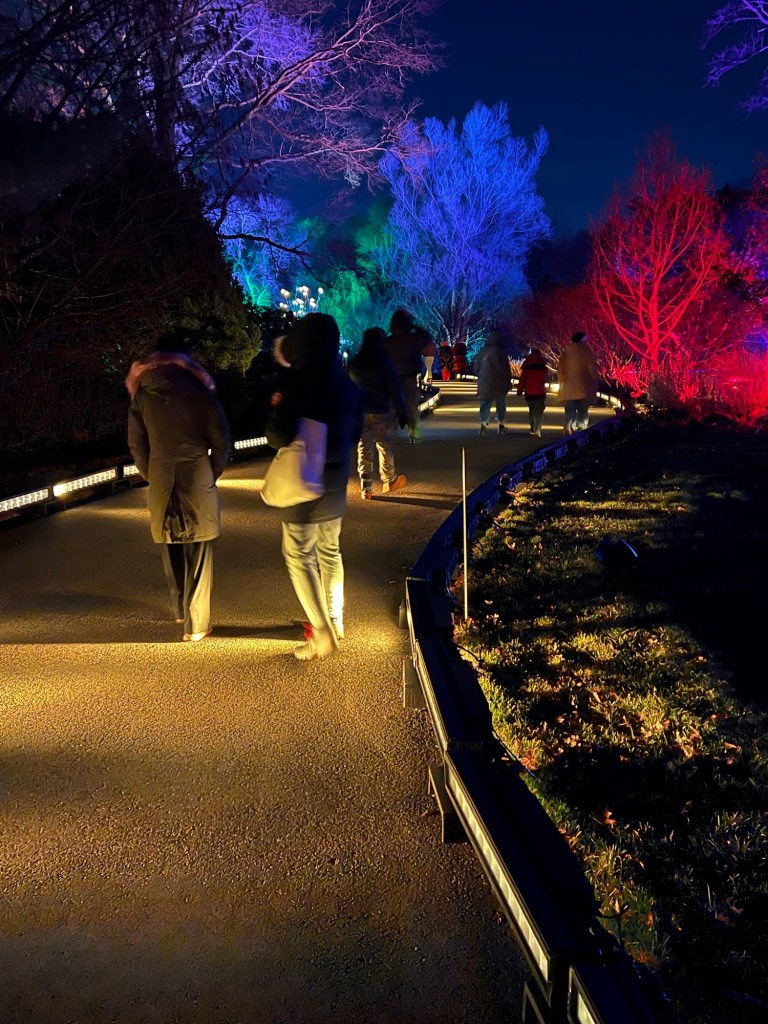
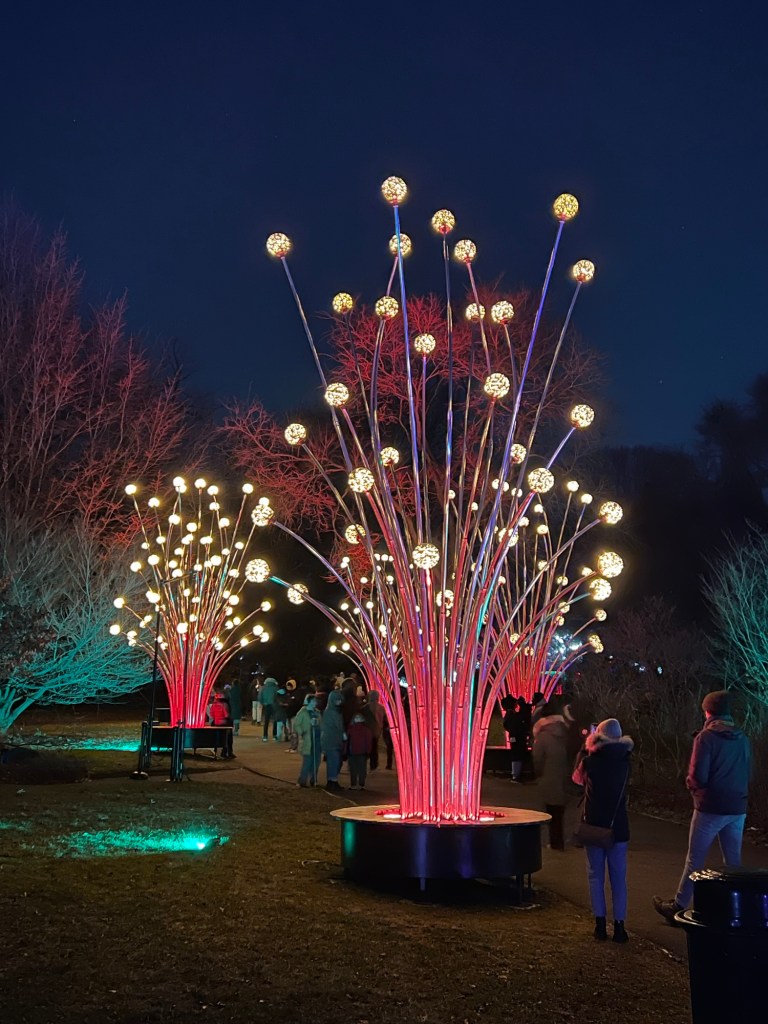
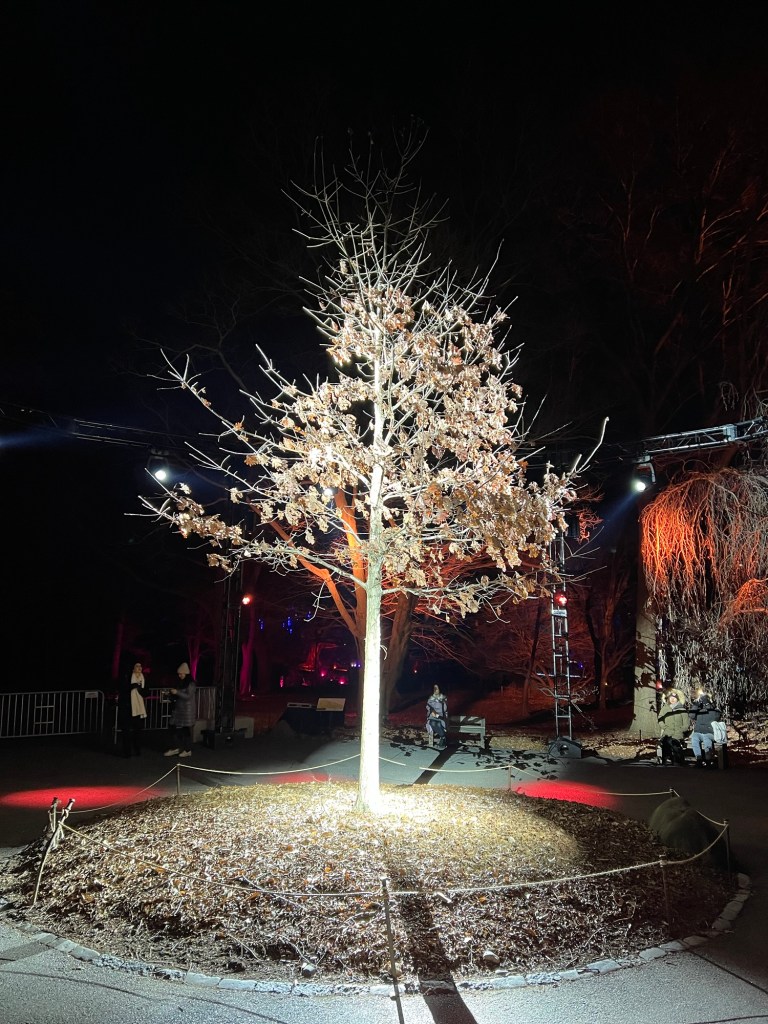
These started in Cape May and continued on through my last walk through Brooklyn on the last night of “Lightscapes” on one of the coldest nights of the New Year. Even with the weather turning bitterly cold, some of the nights there was not wind and made these nights out a true delight. You get caught up in the beauty of all the lights and music.
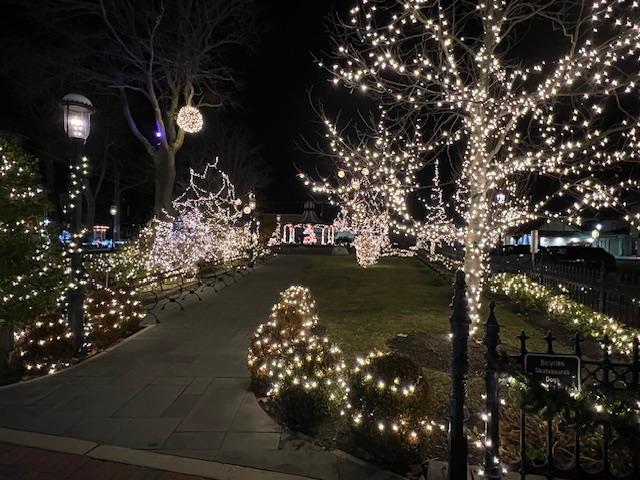
My adventure of lights began after Christmas with my annual trip to Cape May, NJ. Cape May is one of the most dazzling towns to celebrate Christmas. The only town to rival it is Rhinebeck, NY and they are neck in neck for the holiday season. The parks, hotels and the downtown Washington Street Mall are always decked out for the holidays.
The Park in downtown Cape May, NJ
Cape May Park in Downtown Cape May, NJ
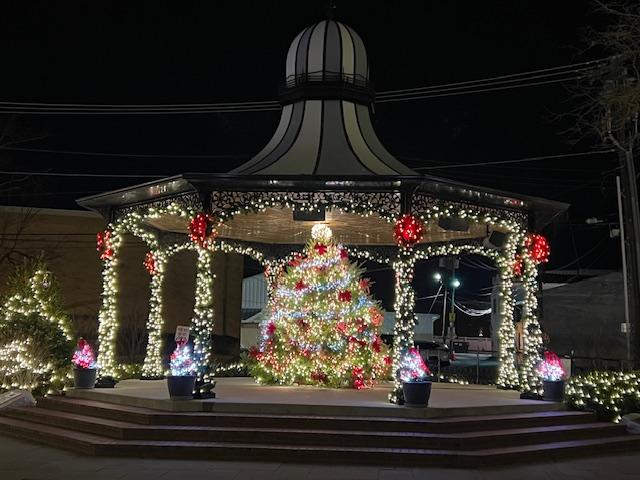
I love this annual lightshow because it is free and part of the holiday magic that makes Cape May, NJ so special. This walk through the ‘Village Green’ of Cape May is part of what is so wonderful and shows the holiday spirit of Greater Cape May during the Christmas holidays.
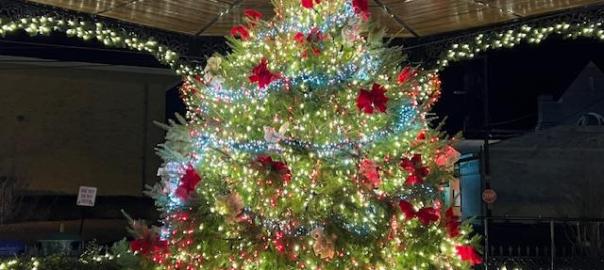
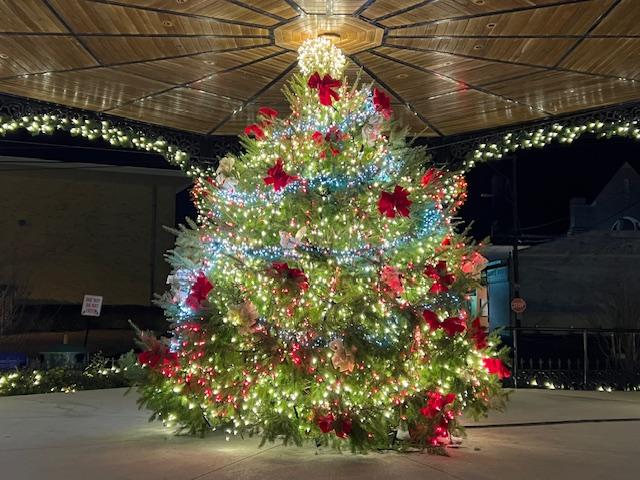
The glittering tree in the park
The park glitters and shines
The Gazebo is always brilliant at the holidays
The Christmas tree is always amazing in Downtown Cape May
The decorated homes of Cape May, NJ near the beach
The houses in Cape May lit up for the holidays
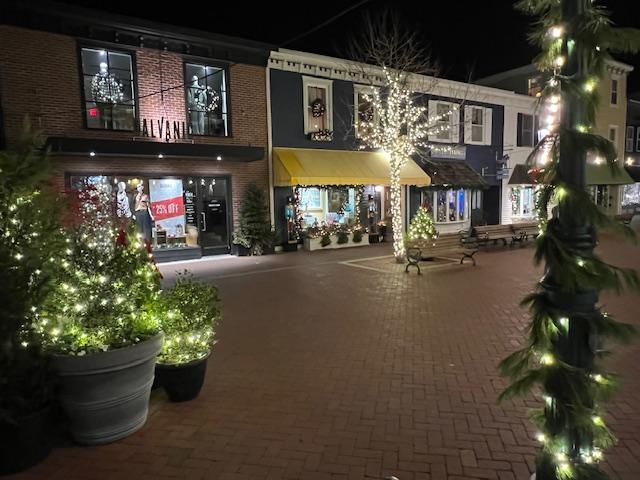
Washington Mall in Downtown Cape May lit for the holidays
Washington Mall in Downtown Cape May
The Washington Mall during the later evening in Cape May
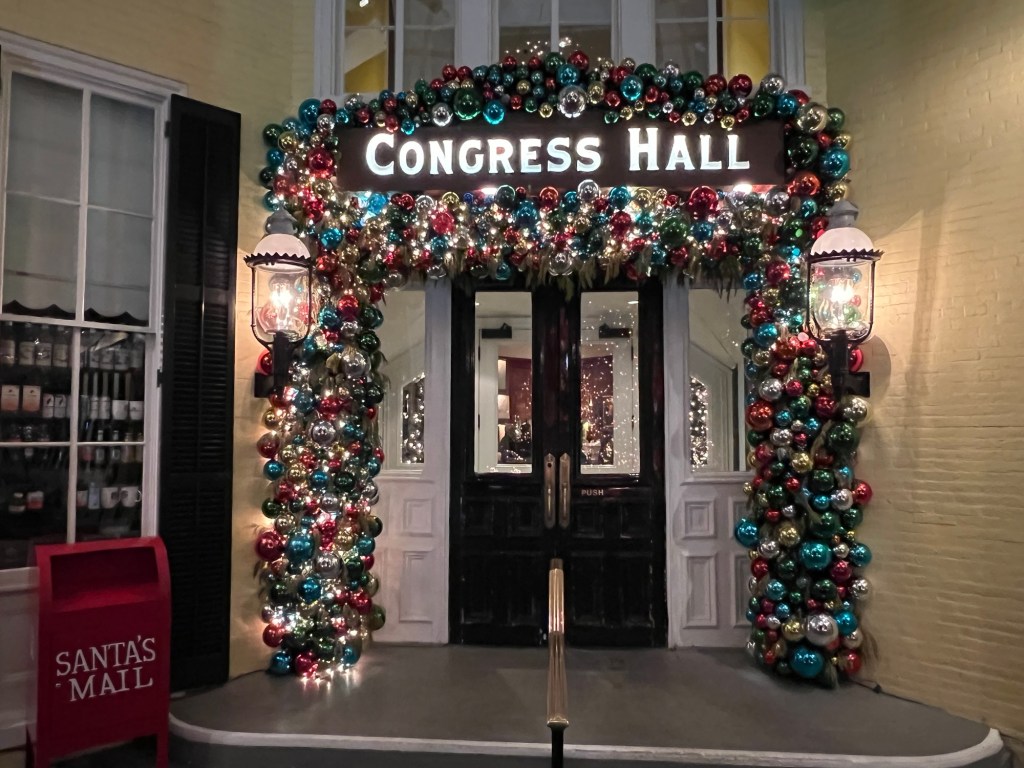
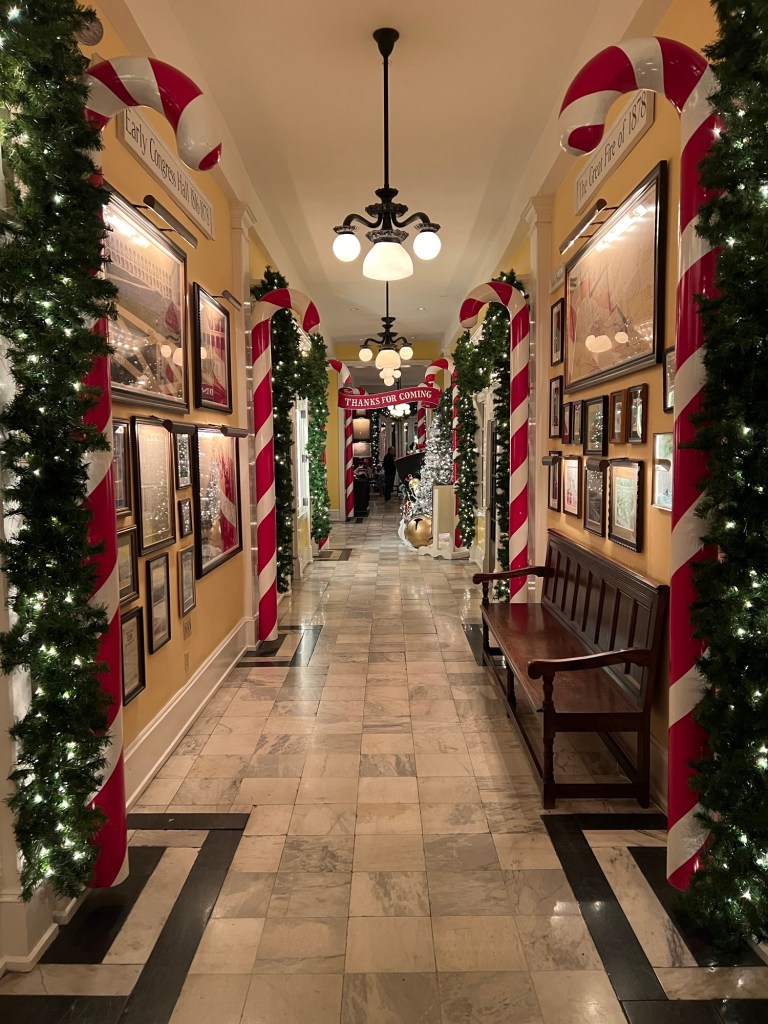
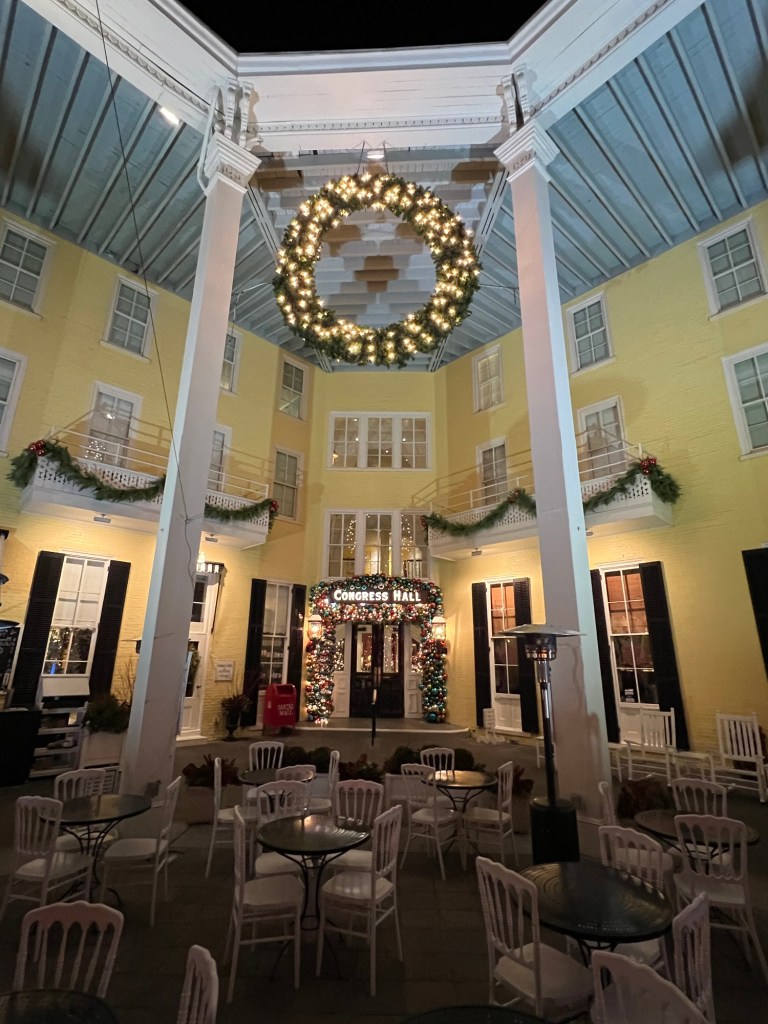
The beautiful Christmas lights and decorations continued at The Congress Hotel just off the downtown. The hotel is always so beautifully decorated like the town and is a wonderful place to stay at Christmas time (I stayed here in 2017 for Christmas and loved it). I ended up eating at the hotel for both breakfast at the Blue Pig and dinner at the Boiler Room (you can see these reviews in my Christmas blog from 2017 updated in 2024):
The inside of the hotel’s foyer always decorated to the hilt for the holidays
The Courtyard of the hotel decorated for the holidays
The beautiful Christmas tree in the courtyard is always a treat to look at every holiday
After I left the hotel, I just walked around Cape May and there is always a light show to see. So I walked around town, had dinner and just enjoyed the lights for two nights.
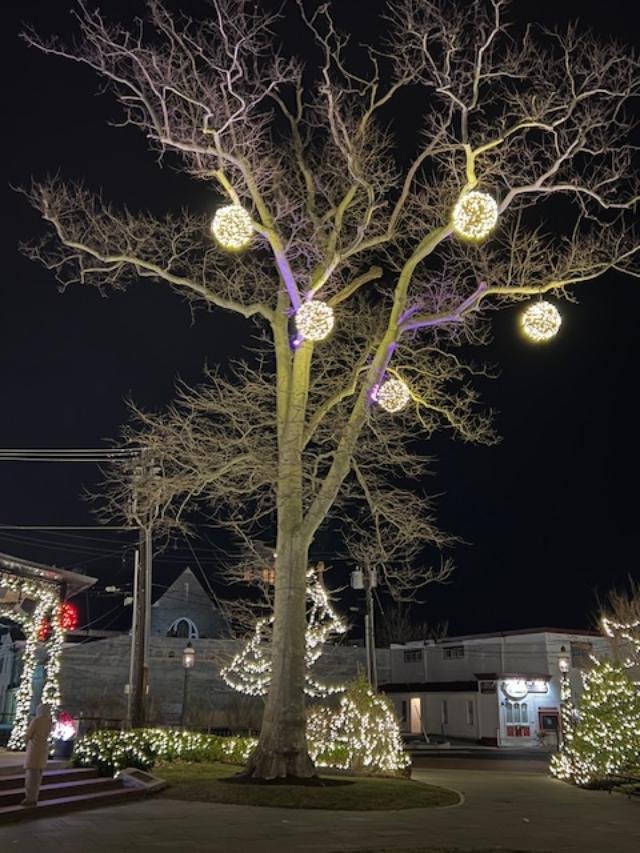
The light tree in one of the parks in Cape May
I ate at Viggiano’s at Sunset 109 Sunset Boulevard for dinner my last night in Cape May after touring around town
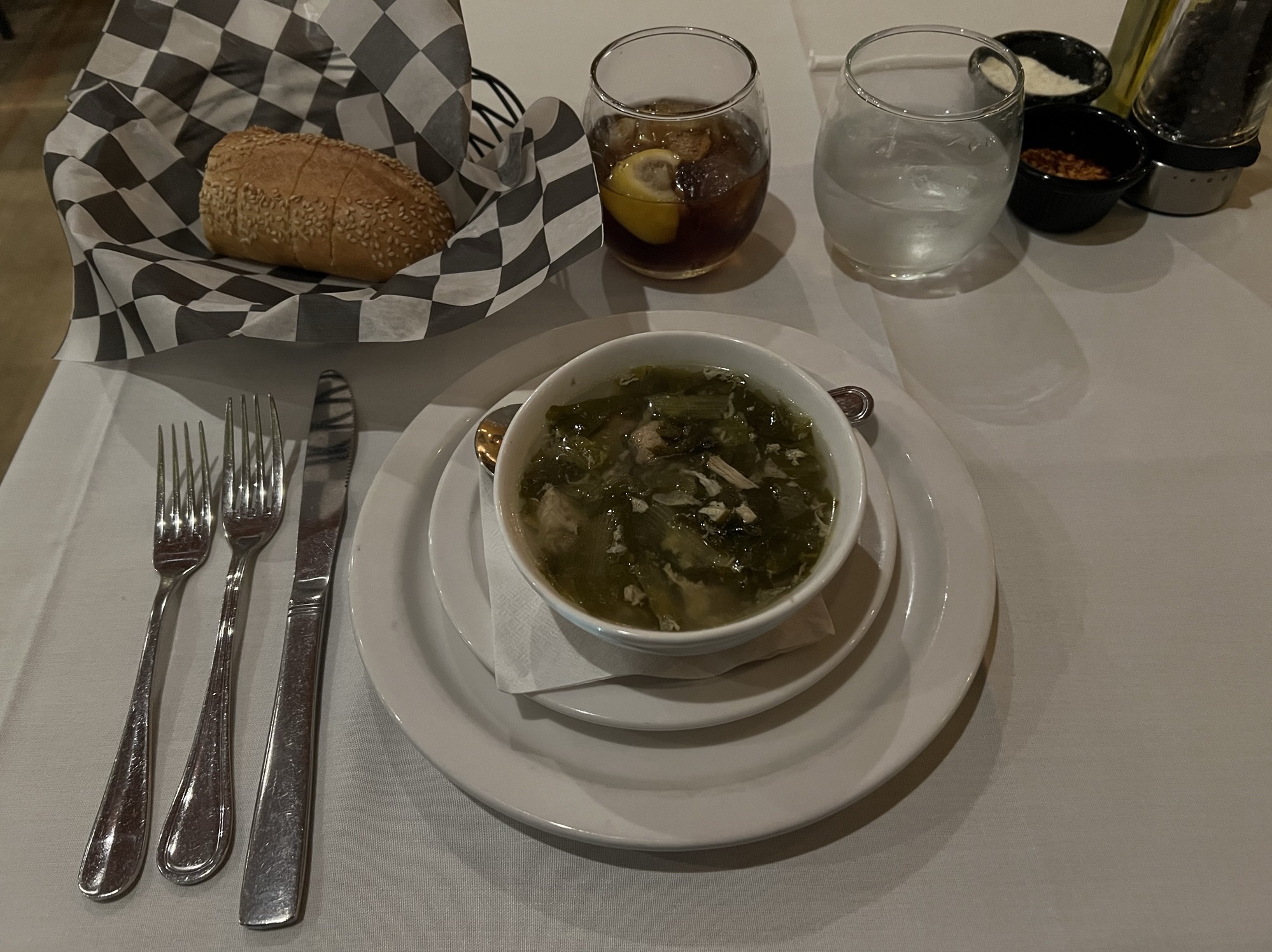
I started the meal with a delicious Italian Wedding Soup
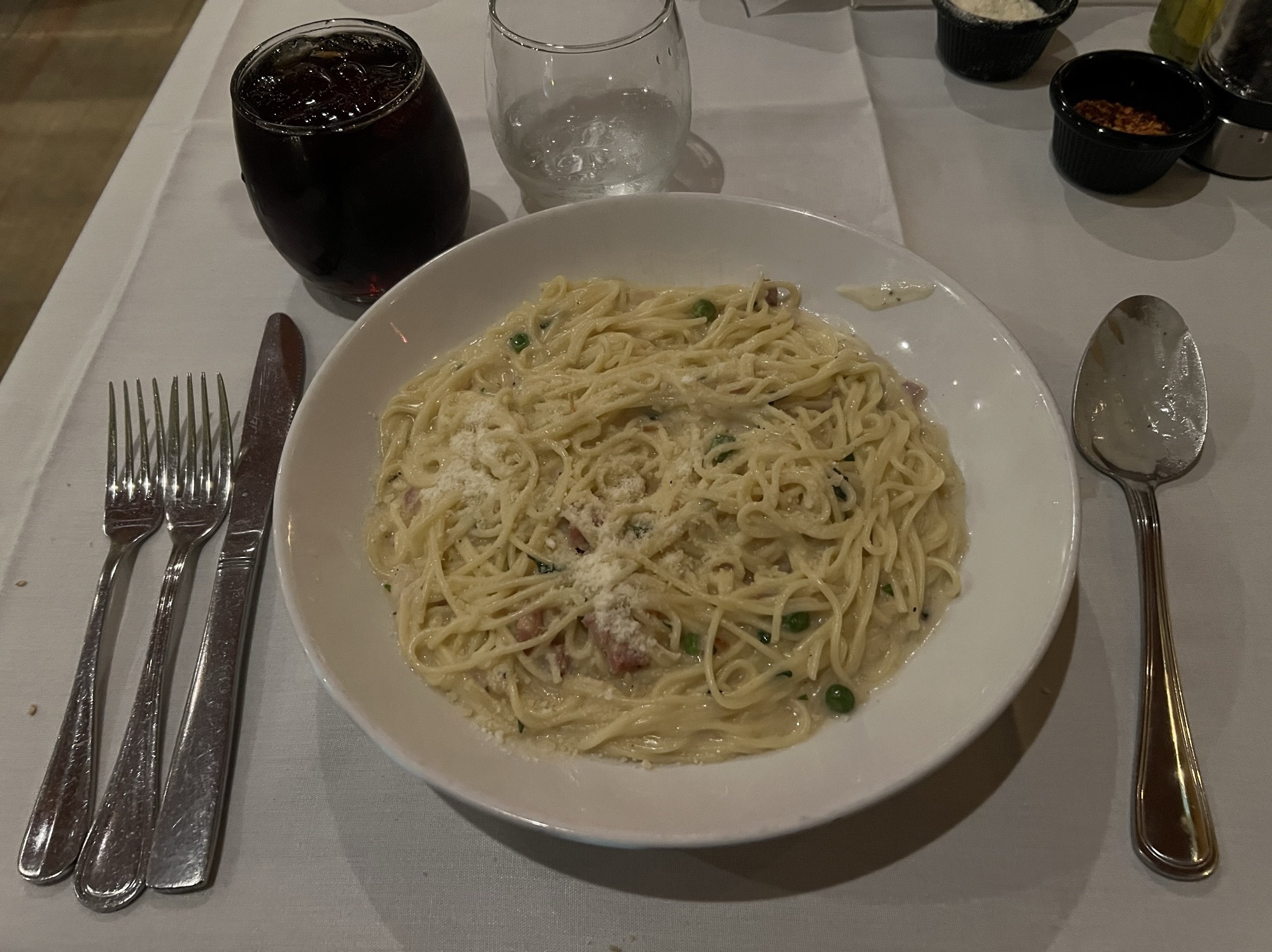
This was followed by a delicious Spaghetti Carbonara
The food at the restaurant is very homey and delicious. The dinner was a perfect way to end my tour of Cape May’s downtown area and all the decorated homes. The two days I spend there always refresh me after the holidays.
When I arrived home from the Christmas holidays with my family, I had the week off before the college I work at resumed classes. I had not planned too many activities so I decided to update some of my older blogs by visiting places I had once visited during the holidays and planned to visit some of the popular light shows in the tri-state area.
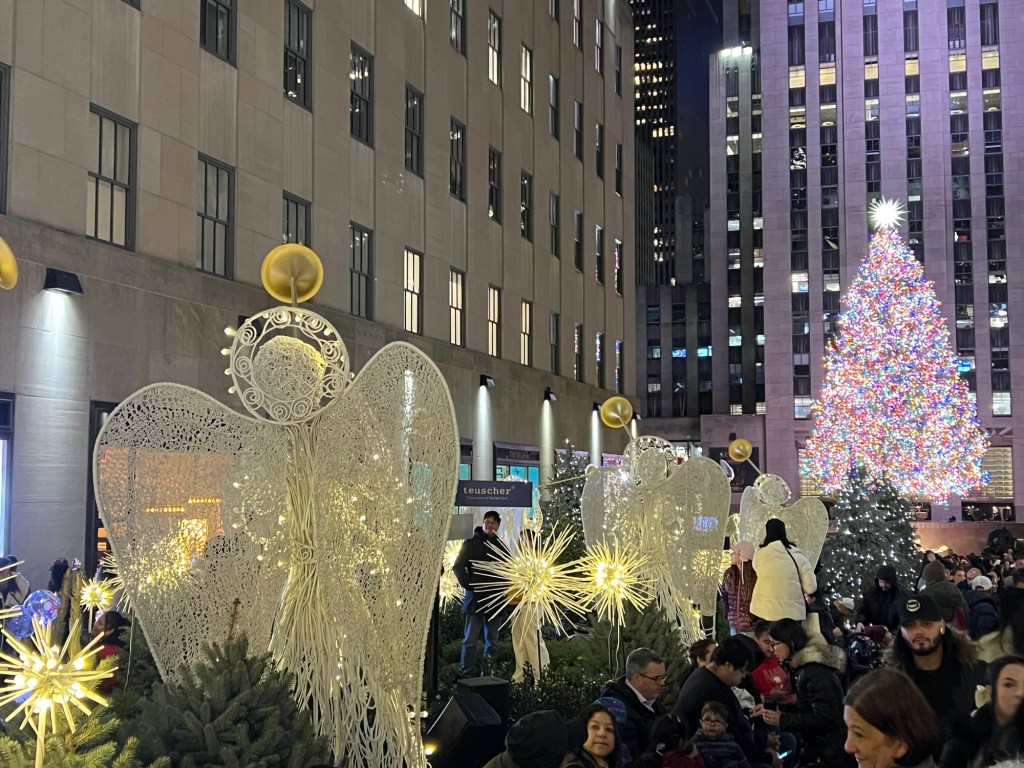
The first thing I did when I returned home was visit the Christmas tree at Rockefeller Center. The crowds started to go down after the holidays and I got to visit it later in the evening so I could take better pictures. There is nothing like Rockefeller Center at Christmas time. It is in a league all its own.
Visiting Rockefeller Center at Christmas is always exciting
You have not experienced anything at the holidays until you have seen the tree at Rockefeller Center
Across the street, Saks Fifth Avenue was decked out for the holidays. The decorations and lights were beautiful and made up for their windows which were decorated with just clothes this year.
Saks Fifth Avenue at 611 Fifth Avenue at Christmas time
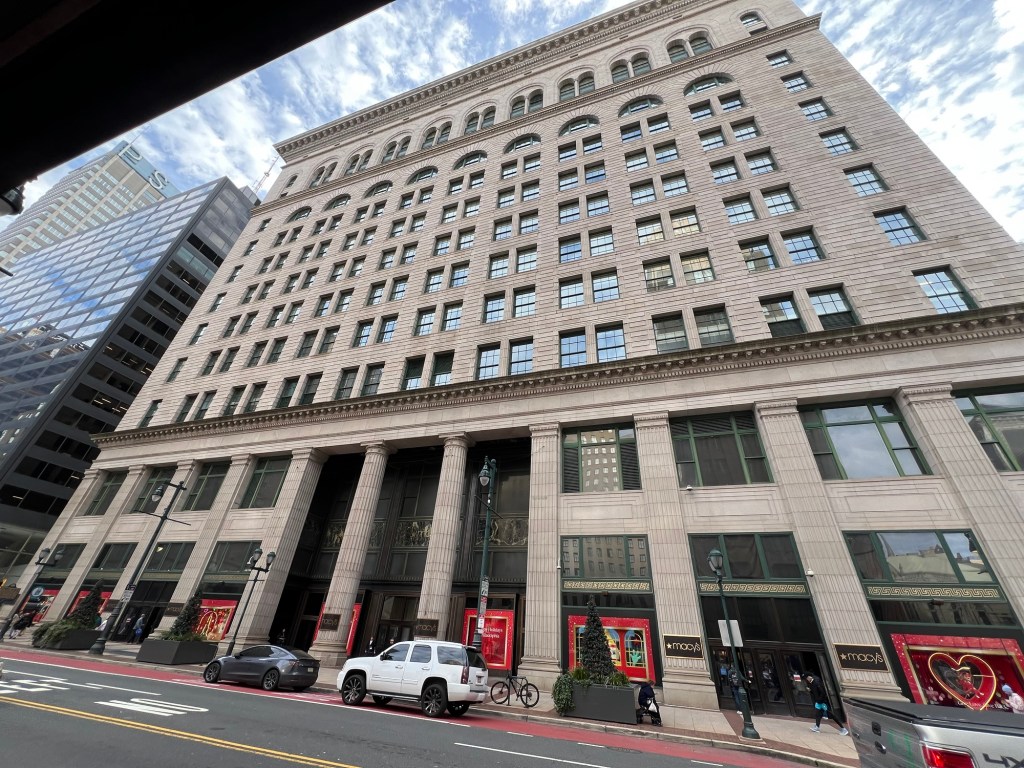
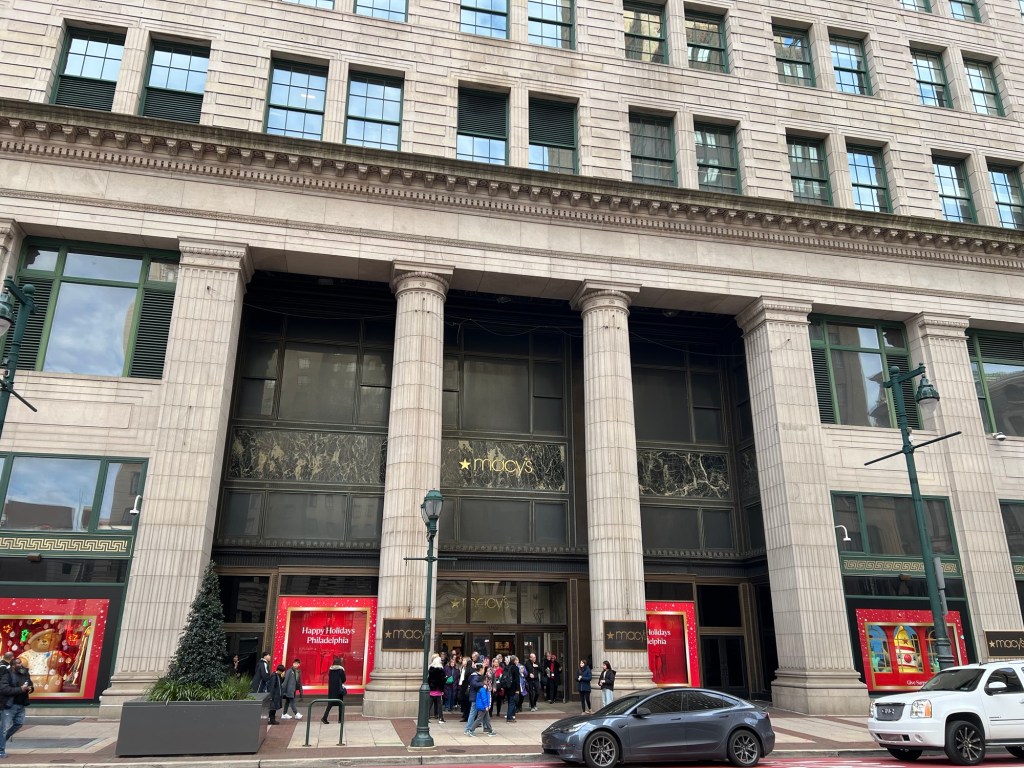
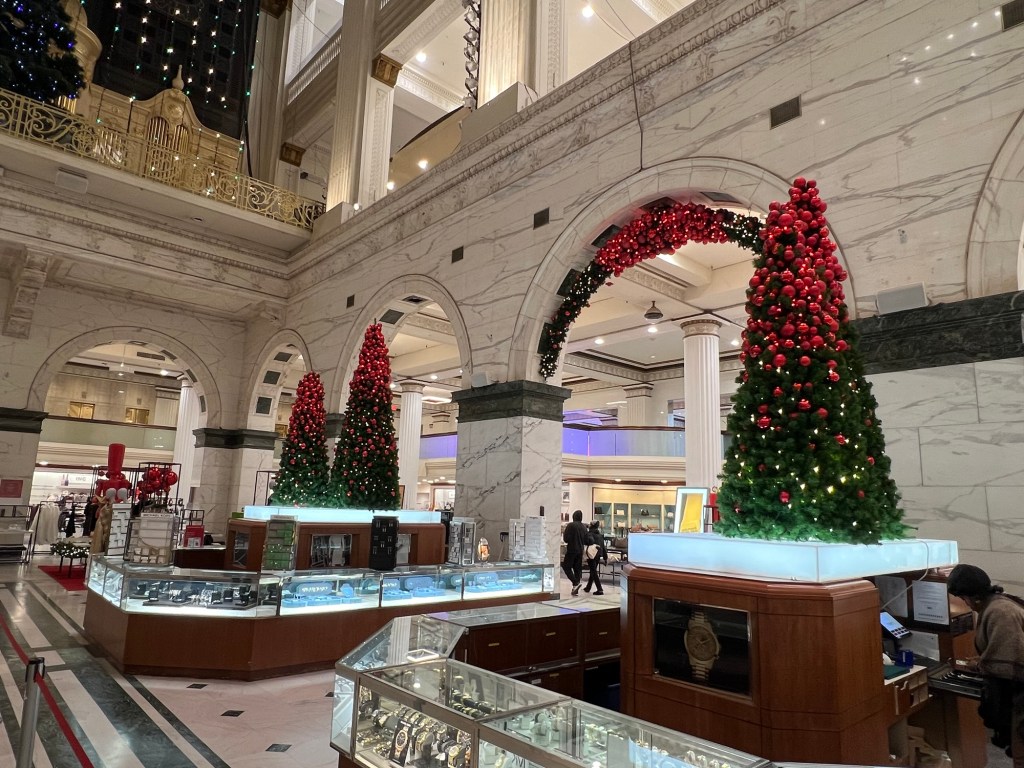
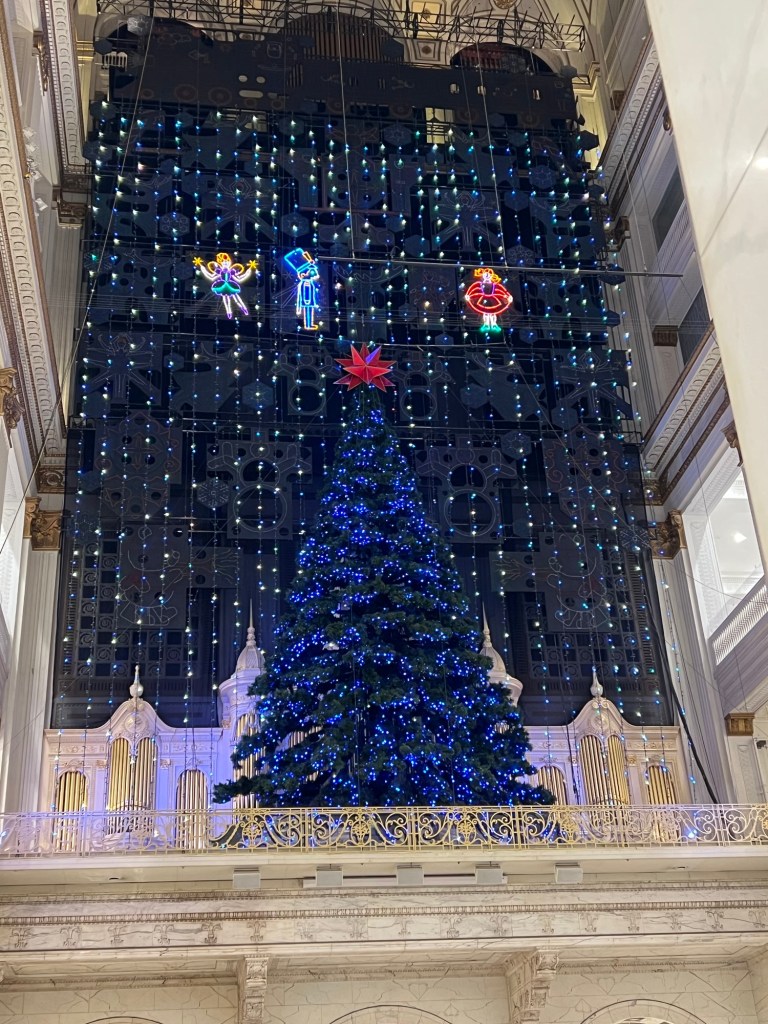
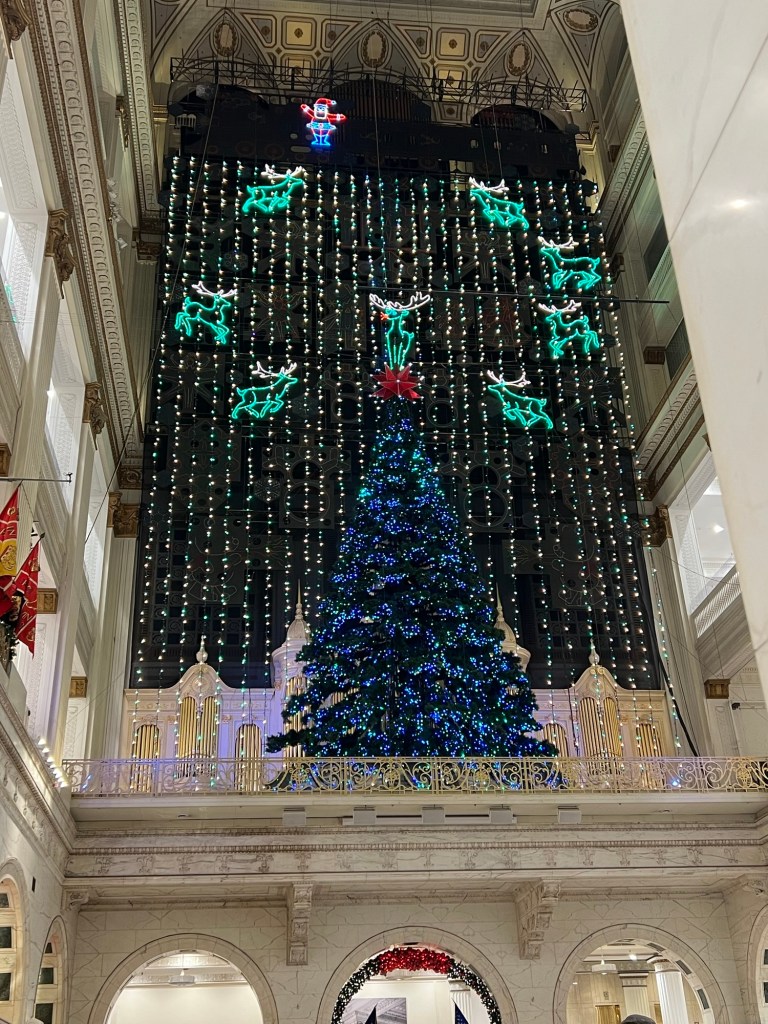
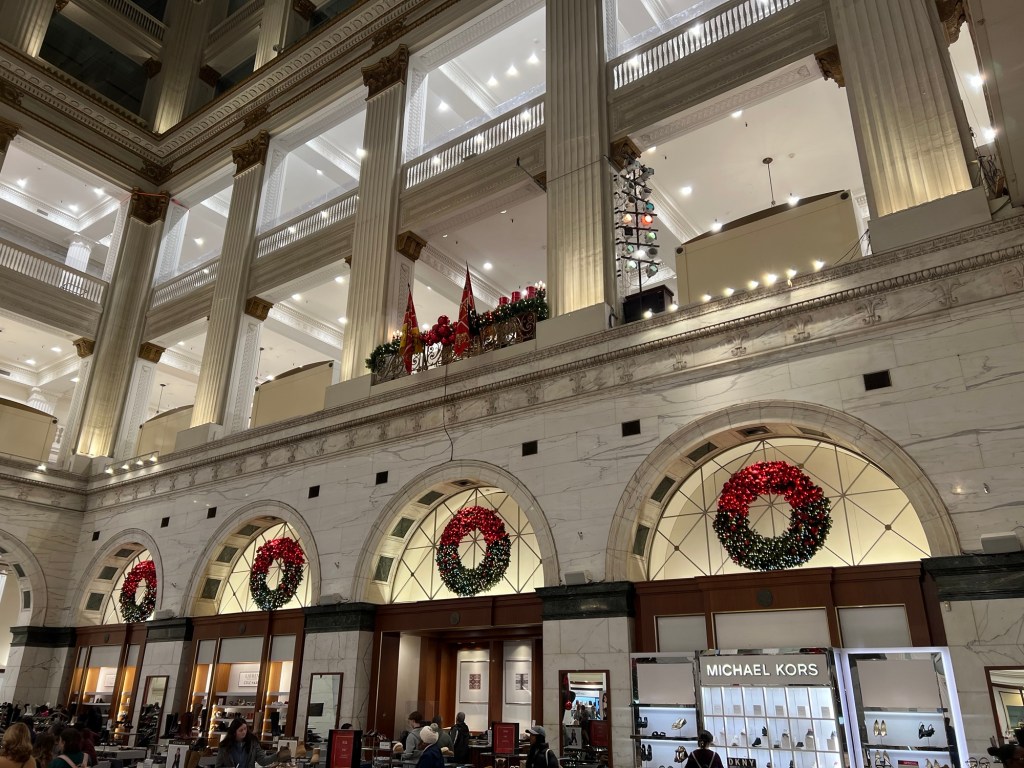
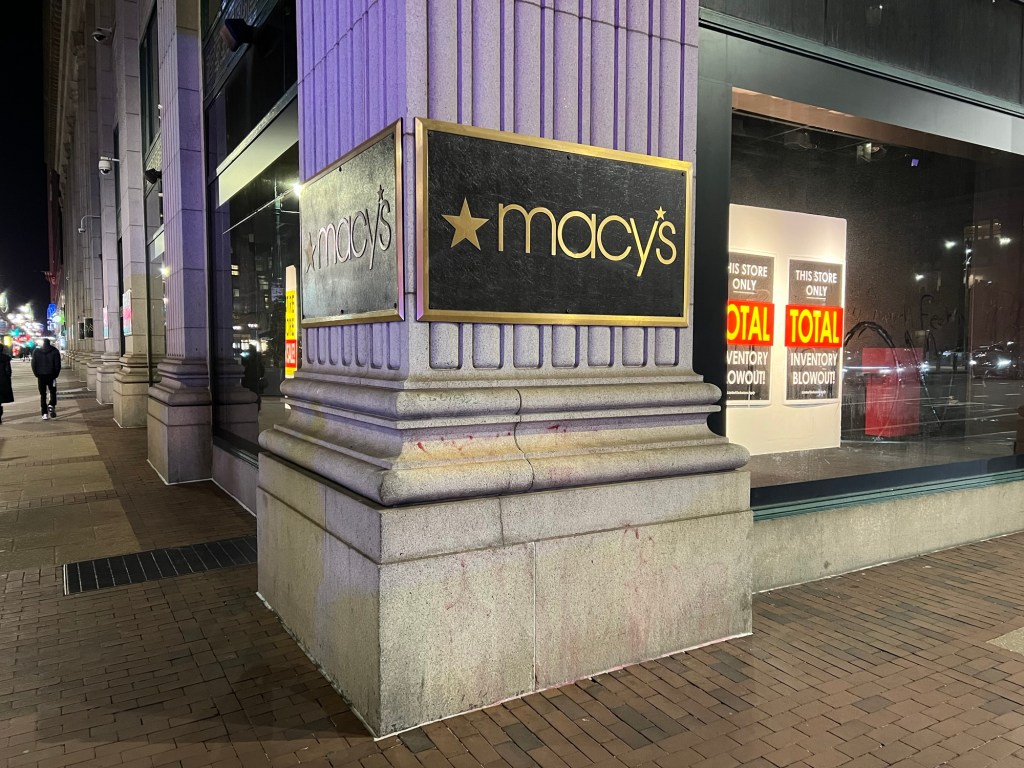
There were three light shows I wanted to visit on the last weekend of the holidays and it took some coordinating. On New Year’s Eve, I took the train down to Center City Philadelphia to see the lightshow at the old Wanamaker’s store which is now Macy’s (Thank God I did as they announced after the holidays that Macy’s will be closing this location in March 2025). This is always a treat. I had not seen it since 2016.
See my Blog on visiting Philadelphia at Christmas in 2016:
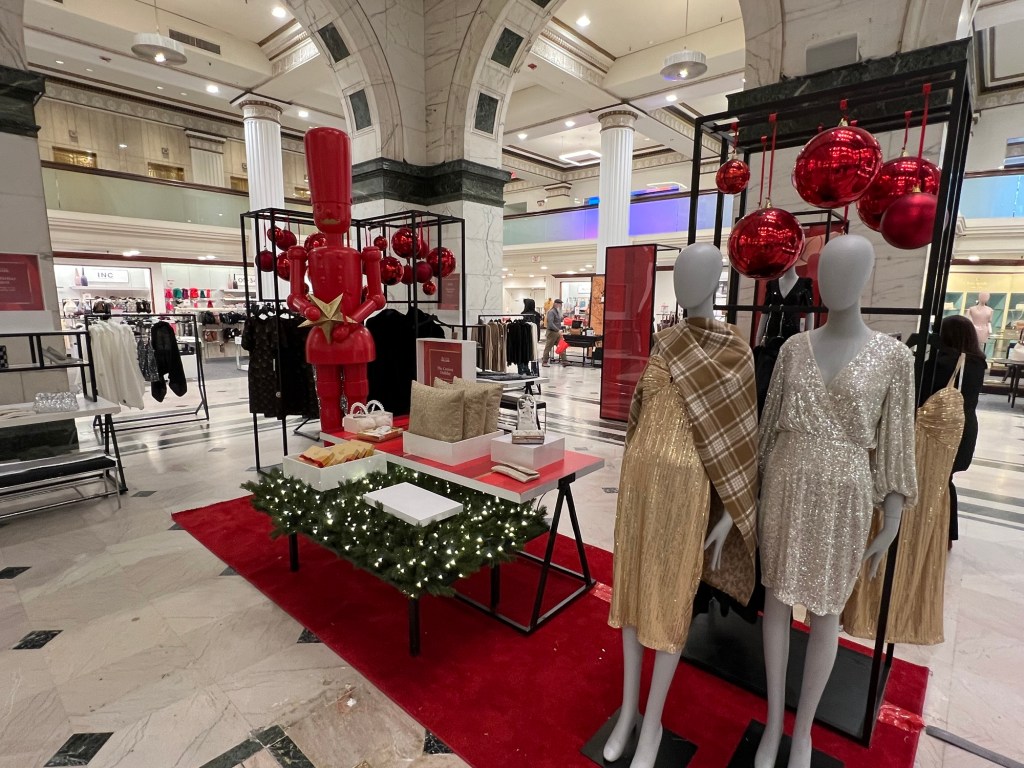
The front of the store made famous by the movie ‘Mannequin’
The trailer for “Mannequin”
The windows at Macy’s Center City
The opening of the movie “Mannequin”:
The inside of Macy’s Center City in the movie “Mannequin”
The beautiful decorations of Macy’s Philadelphia at Christmas
Preparing for the lightshow in the main Rotunda
The magnificent decorations on the first floor
The famous eagle on the first floor
I saw the Lightshow twice, once to take pictures and once to film it. It is the same show I have seen several times, narrated by Julie Andrew’s but I never get bored from it. It really is a holiday tradition.
The start of the show that takes place every two hours
The start of the show with the Introduction
The start of Part One of the show
The video of Part One:
The video of the start of the show with a scene from ‘The Nutcracker’
The second part of the show with the clocks
The Video of Part Two:
The video of the Clock Show and Snow falling
The Sleigh Ride and the Snow Falling
The visit from Rudolf the Red Nosed Reindeer
Video of Part Three:
Taking a Train trip to a Winter Wonderland
Welcoming Frosty the Snowman
Welcoming the Snowfall
Video of Part Four:
The Finale with the sounds of the organ is always a treat
The Finale
The Video of Part Five: The Finale
The Finale always gets an applause
After the Light-show was over, I walked around Macy’s. It is not the same store it was when it was Wanamaker’s when all the floors were open and they had all the magnificent restaurants. Wanamaker’s was top notch. Still I saw traces of the old store here and there. You can still see all the beautiful architecture and lighting.
The Rotunda after the Lightshow
Macy’s at Christmas
Macy’s at Christmas time
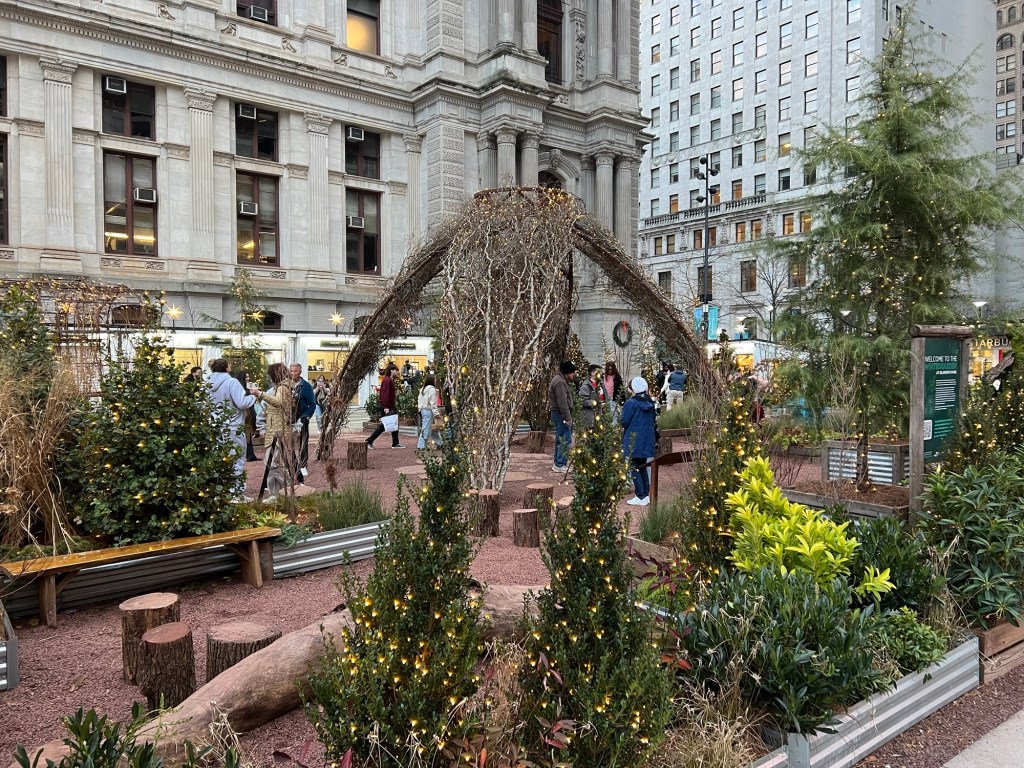
After I left Macy’s, I walked around Center City Philadelphia and walked around the City Hall complex. This was pretty much the last week of decorations and the holidays before they started to take this down.
City Hall in Center City
The lights continued with the Philadelphia Christmas tree downtown
On the other side of City Hall was the last day of the Christmas Mart
The outside Christmas Mart had its own gardens and Christmas lights
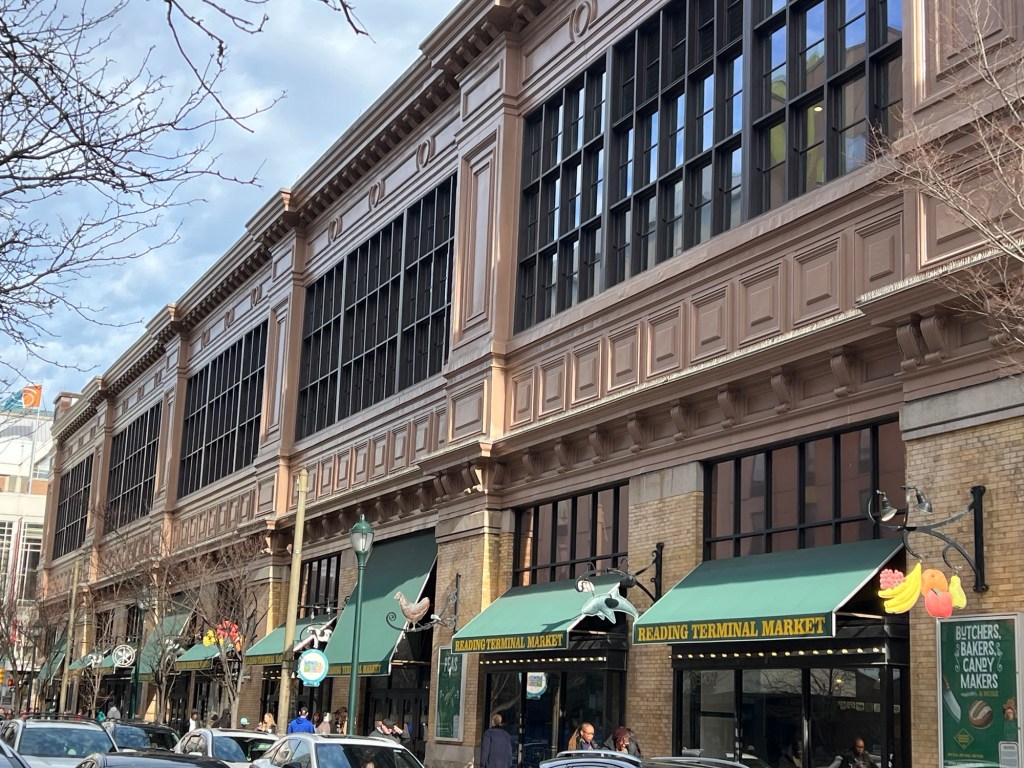
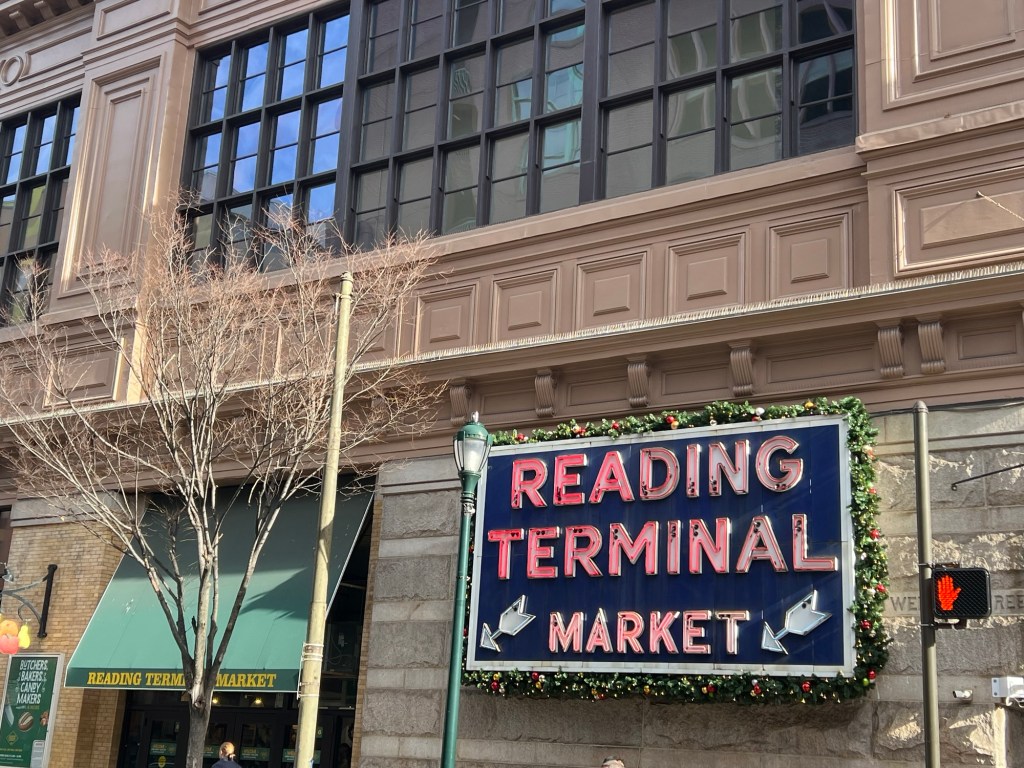
After I had toured both the store and the downtown area, I headed over to Reading Market for lunch. I love coming here for meals when I am in Philadelphia. There are so many places to choose from.
One of my favorite places to eat when it is open is the Dutch Eating Place inside the Reading Market. I love their breakfasts, their burgers but especially their Hot Turkey Platters. They are the best. Sitting at the counter, you can always have a nice conversation with someone.
The food at the Dutch Eating Place is always top notch and very homey. The Hot Turkey Sandwich was the Thanksgiving dinner that I did not have this year.
After my tour of the Reading Market, a short walk around downtown Center City and tour through Macy’s (with almost no merchandise on the shelves in certain departments, it was signaling to me that there was a problem in the store), it was time to head home. There were even more beautiful Christmas lights at Penn Station with their Christmas tree.
The Christmas tree at Penn Station in Philadelphia
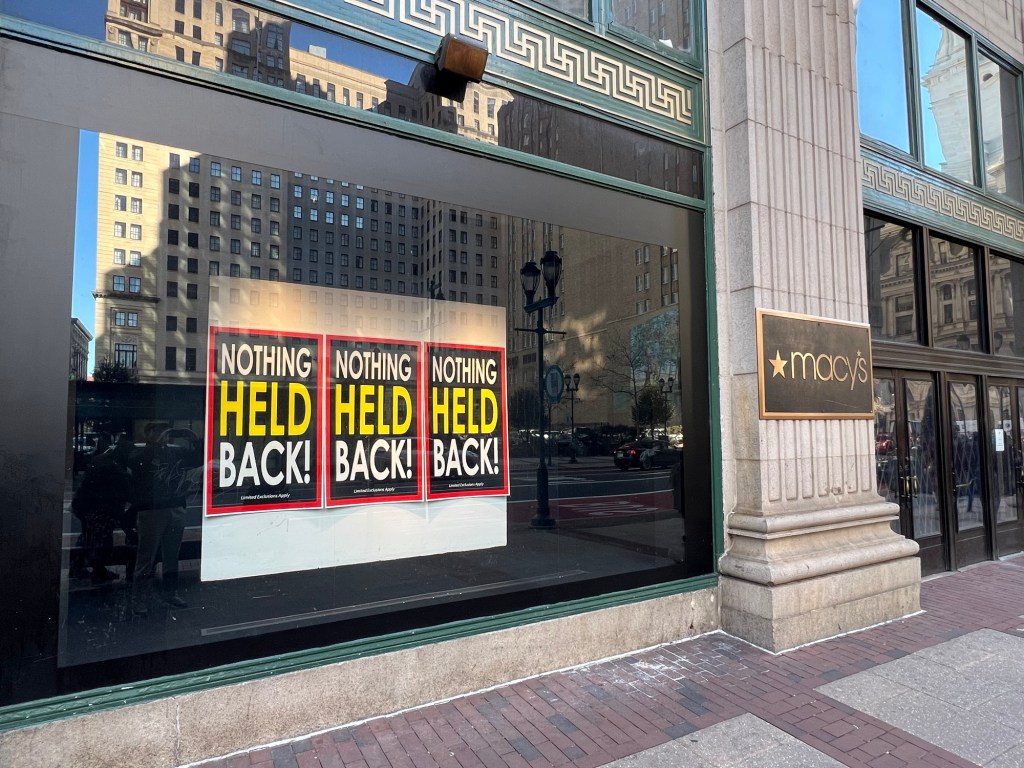
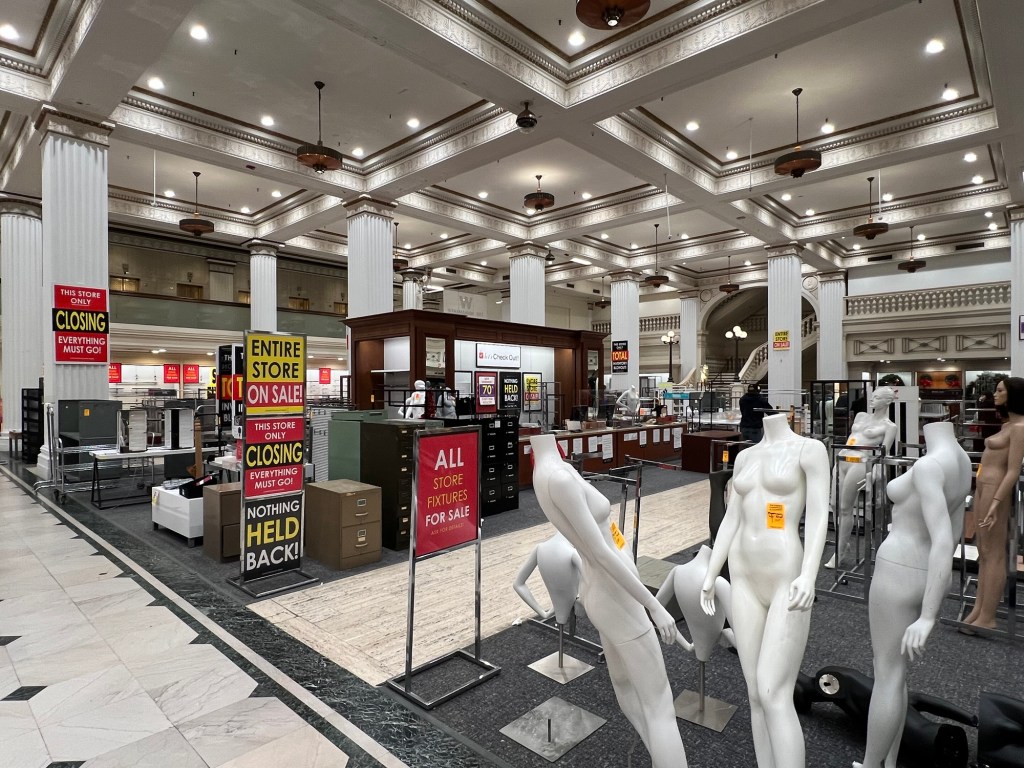
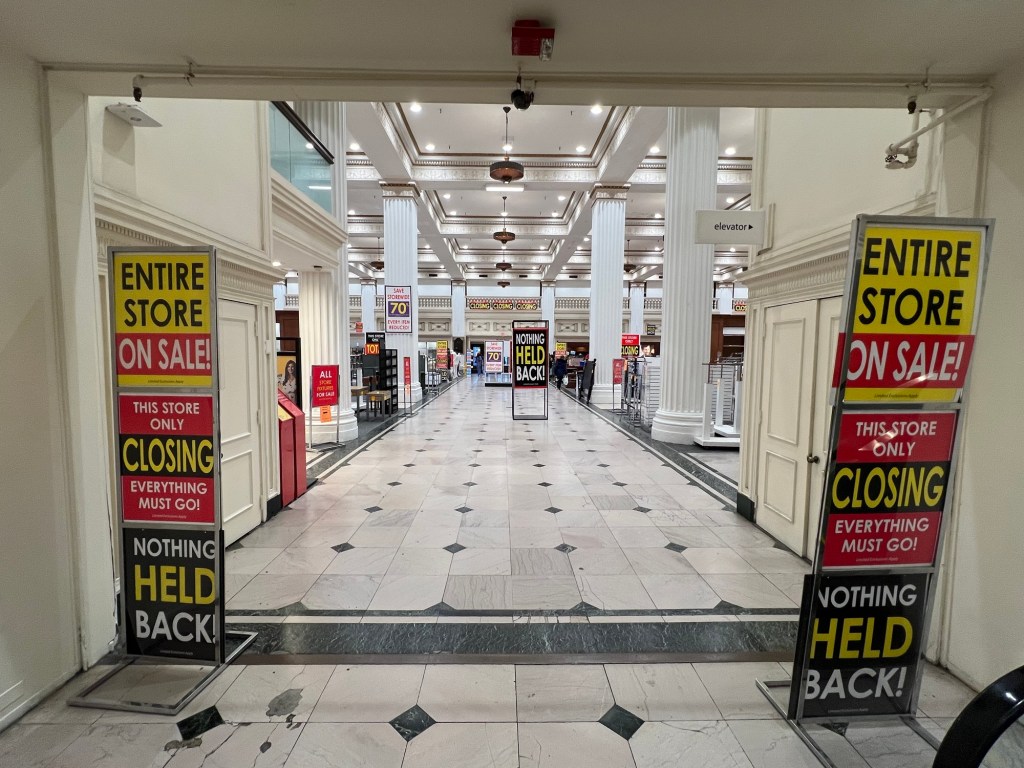
After the holidays were over, Macy’s announced that the Center City store would be closing in March. So much for coming back or a ‘Mannequin’ remake.
Macy’s closing their downtown store in Philadelphia in March 2025
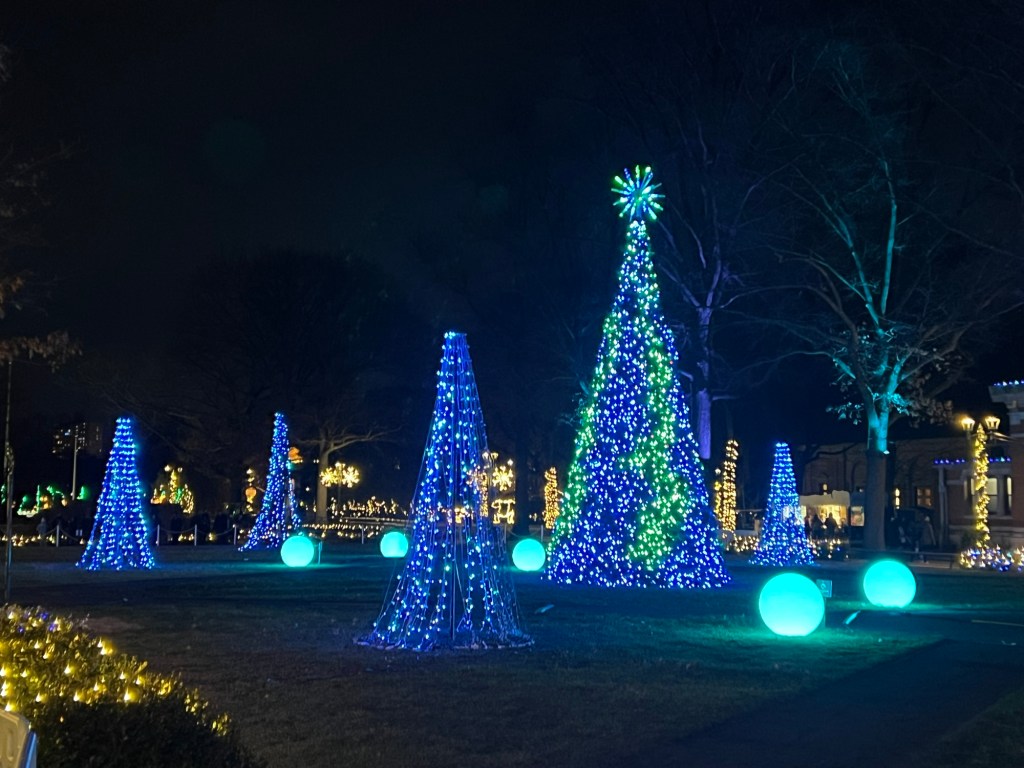
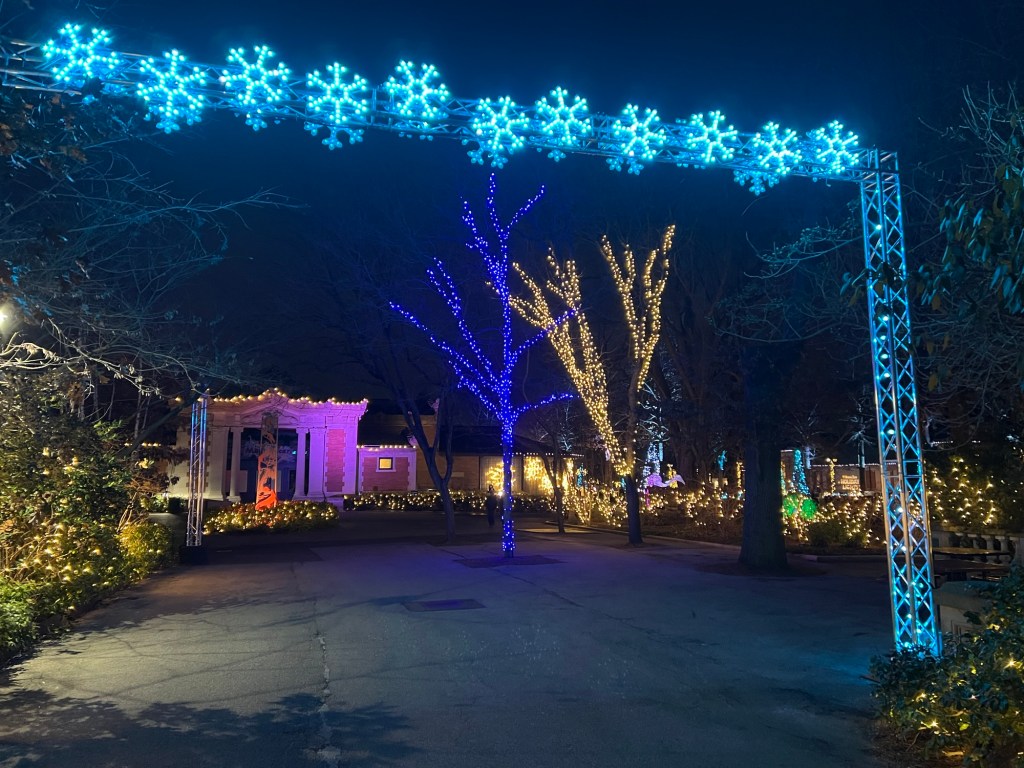
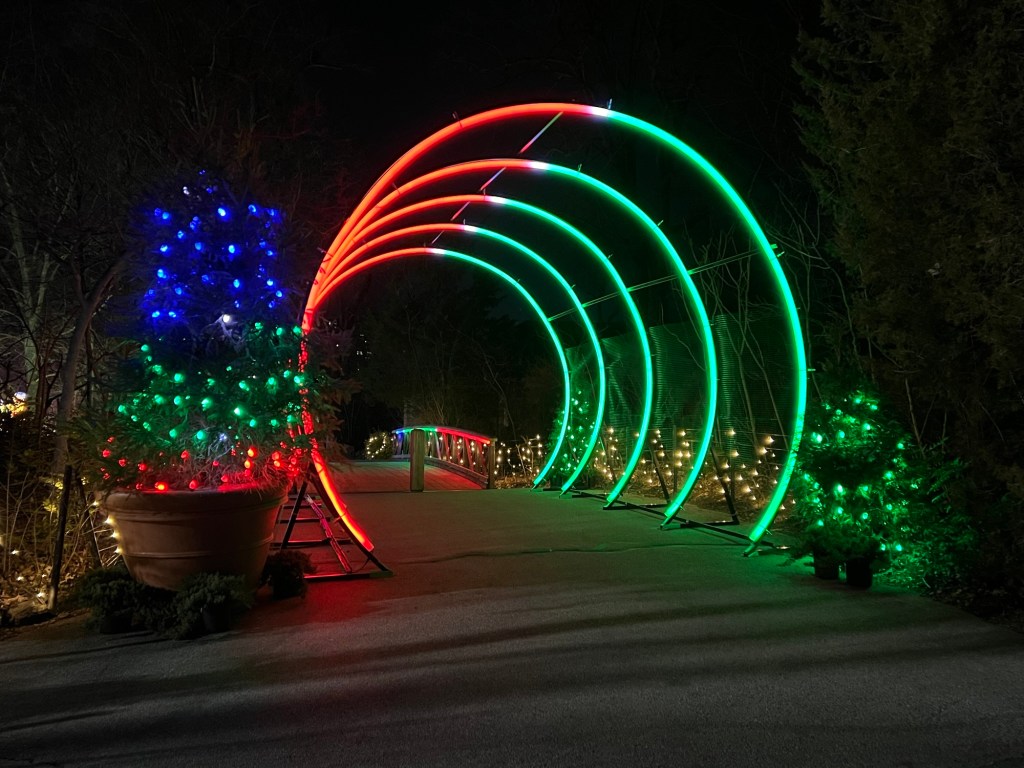
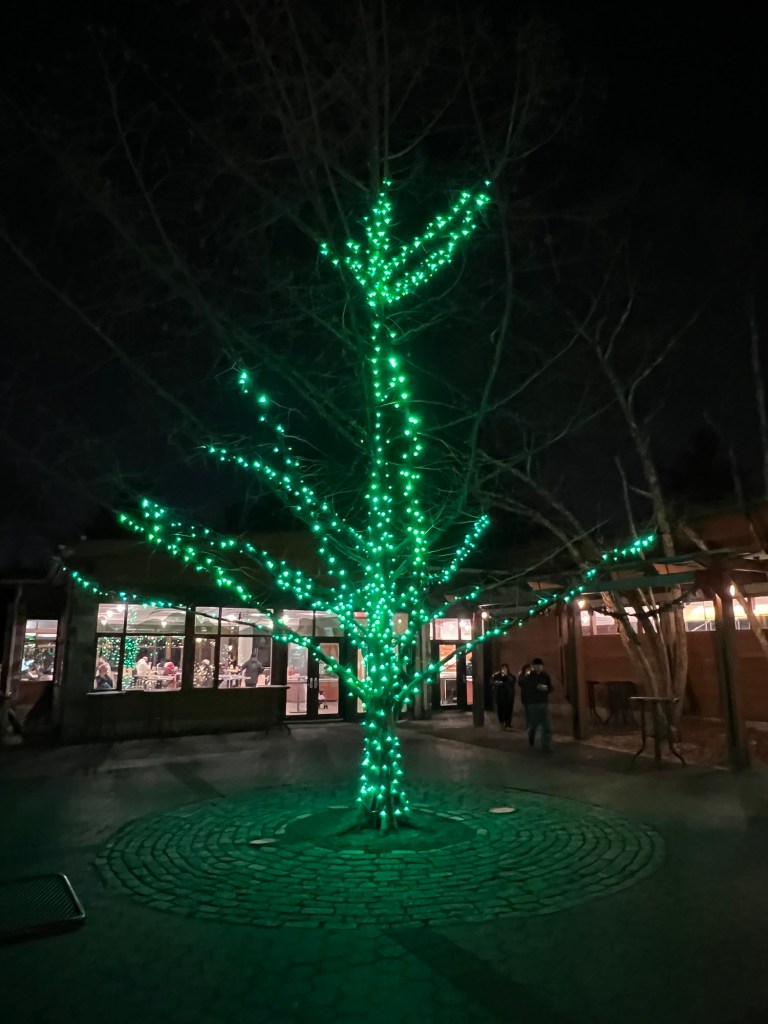
Over the weekend of the Epiphany, I arranged to see three more walking tours before they all closed for the season. One was the Holiday Lights tour at the Bronx Zoo, another was the Christmas Walking tour of the Armour-Stiner House in Irvington, NY and the last was one of my favorites, The Lightscape tour at the Brooklyn Botanical Garden. Each of these were more beautiful then the next with the only problem being is how cold it got those evenings.
The well lit welcome to the Bronx Zoo at the entrance by Astor Court
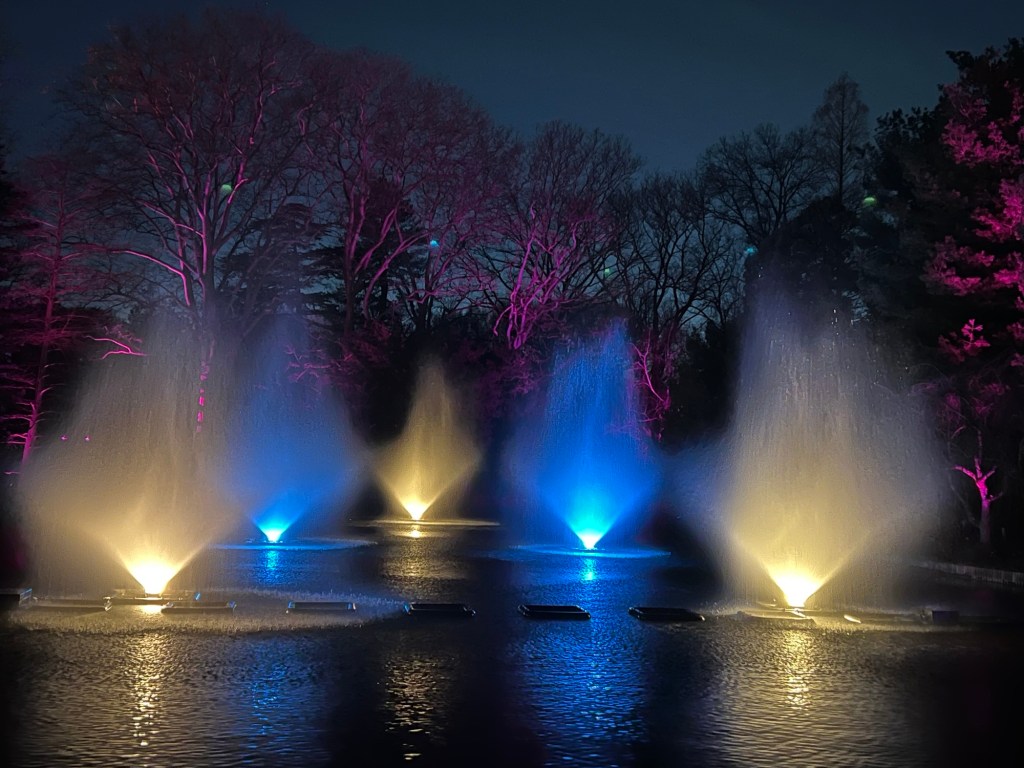
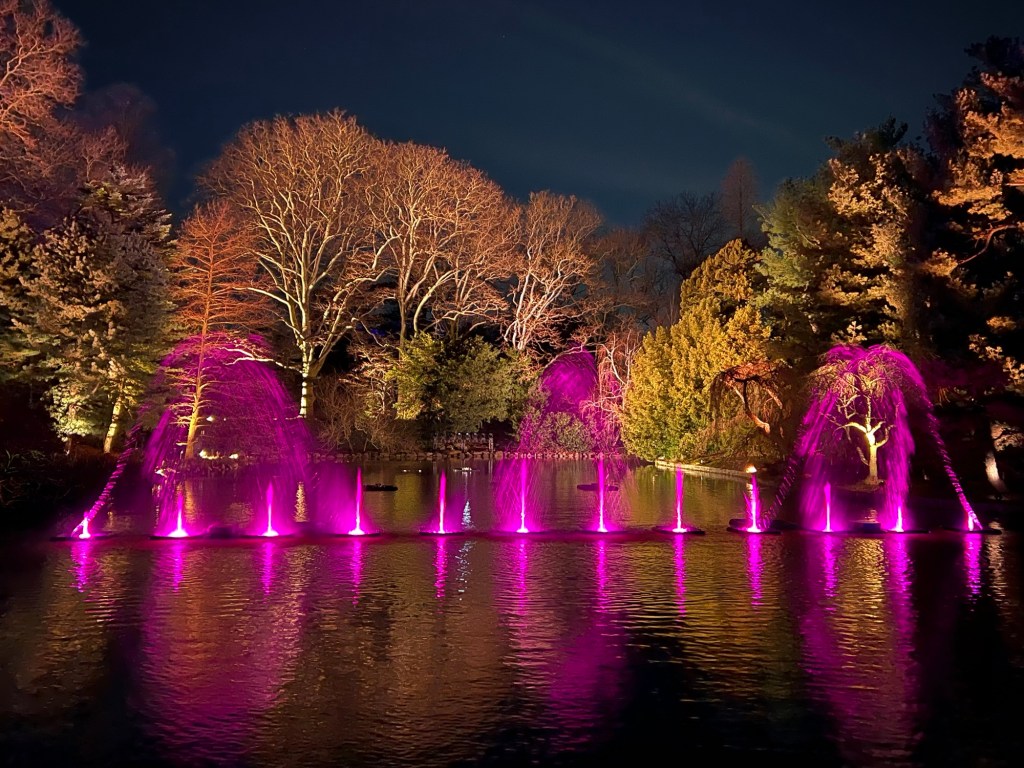
The fountains by Astor Court
Astor Court dazzling that evening
The wonderland of lights by Astor Court
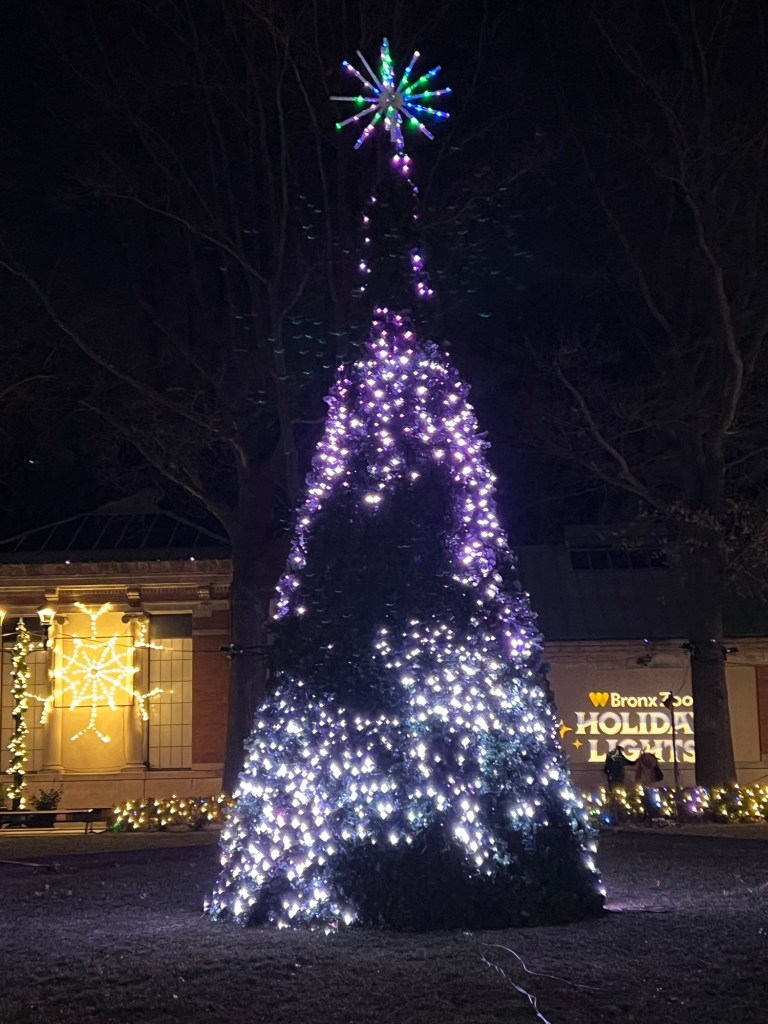
The Christmas Tree light show just off Astor Court
The Light-show is captivating
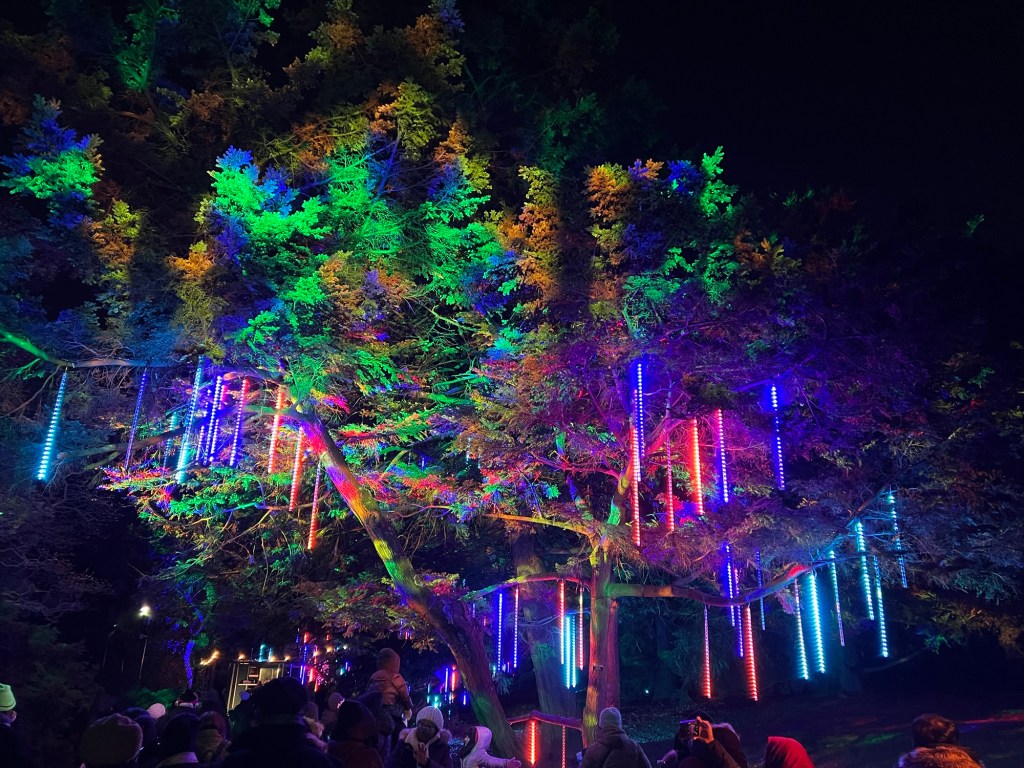
This holiday light presentation was ongoing and beautiful. I just wished the music could have been louder. The main Christmas tree had so many unusual light displays.
The beautiful lights during the show
The main Christmas tree
I loved all the lights on the tree
I ended up watching the show three times for over a half hour and it still keep changing to something new
The tree display
The tree lights were captivating
After I left Astor Court, I just followed the pathways around the zoo and enjoyed the lights and displays. The show either seemed bigger than I remembered or I missed a lot on my last trip in 2019.
Walking along the pathways with all the displays
The pathways lit to create a Fantasyland
What I love about this show is the different themed sections of the show and how the zoo sets the show up. The Nautical displays were on the side of the Zoo that I entered and were the first set of lights I saw.
The nautical lights
The Nautical lights
Stingrays in the Nautical lights
The fish display
The Jellyfish display
The seals were one of the bigger displays in the zoo
One of the indoor displays was interactive
The multi lights and interactive puppets by the zoo sign
I liked the light structures
The giraffe sculptures
The reindeer lighting the way
The colorful flowers lining the paths
The light sculptures line the paths of the zoo
The puppet masters entertained us in the park
Then I headed down paths to visit all sorts of exotic animals and their colorful habitats lined the paths.
The flamingoes
The Turtles
The ant eater
The colorful parrots
The penguins
The Emu
The Alligator
The crowds are sparse at this time of the year and this is the best time to take pictures
It was the weekend of the Epiphany when I visited so the holiday decorations were still up
The park was so nicely decorated for the holidays
The beautiful snow flakes
I next went to the jungle themed part of the park and visited all the animals in the wild. This is where all the bigger displays were located and you got to see all the zoo related animals.
Where the wild animals were located
The friendly giraffes
The friendly faces of the giraffes
The playful monkeys
The elephants
The Rhinos
Lions and tigers
Walking down the well lit paths
The Rainbow tunnel
The Wild Wolves
The Green Tree by the Dancing Crane Cafe
I had to stop for a while to warm up and have something to eat. I tried to stop before I got to the zoo but there are only delis that surround the park. I had not eaten here years and the food had always been pretty good.
The Chicken Fingers here were excellent and the portion size was very fair
The fries were really good as well and had just come out of the fryer
I have to say that I was very impressed by the food and the service. Everyone could not have been nicer and it was a very pleasant and relaxing dinner.
As I resumed my walk down the paths of the zoo, I walked through the most amazing colorful tunnel, where everyone was taking pictures.
When you can walk through this alone it is really amazing
My part of the zoo I traveled through was the Magical Rain Forest with its colorful flowers and exotic animals.
The beautifully lit Totem pole
The colorful flowers lined the paths
The colorful butterfly’s
The colorful flowers in the Rain Forest
The beauty of the walkways
This was such a colorful frog
Another playful frog in the Rain Forest
I thought the frog with the toad was very clever
These colorful birds lined the path
The colors of the frogs in the Rain Forest were amazing
This beautiful Diamondback turtle was last animal I saw before I left the Rain Forest
The temperature really started to drop this evening and it was in the thirties when I left the Bronx Zoo. Still it was an amazing night. The show was so dazzling that night and dinner was surprisingly good that night that I did not mind.
The 125th sign all lit when I left the park that night
The Swan Gate as I was leaving
It got really cold at the end of the evening but it was such a great night. The displays were amazing and the musical light shows were a lot of fun. It is something everyone should see once. It is even better later in the season when there are no crowds and you can take great pictures.
The decorated Rhino was one of the last thing J saw when I left the park
On the Sunday of the last day of the Christmas season, I visited the Brooklyn Botanic Garden to see their lightshow ‘Lightscape’ which I had seen a few years earlier. It was the last night to see it and it was crowded and really cold.
The problem was that the weather had turned really cold and it was in the low thirties even in the early evening. So I really had to bundle up for these visits. The show itself was well worth the trip.
The map would take us all over the gardens
The lit tree army the entrance of the gardens
Then I entered the ‘Canopy of Light’ with its magical lights and music
At the entrance of the show was the breathtaking ‘Canopy of Light’
The beautiful multi lights with music
The lights moved to ‘Let it Snow’
I continued down the path to the Japanese Garden and saw the most spectacular light and water show in the lake of the garden.
The colors and fountains swayed to the music
What gorgeous colors
The movements and music were wonderful
The amazing water show in the Japanese Garden
The end of the show was beautiful
I ended up seeing the water show twice because I knew they would not let me turnaround to see it again. The I turned down the path.
The lights in the trees were amazing
The field of white lit roses
A closer look at the white roses
I continued down the path to the next display
I next moved on to the main lawn where the sculpture ‘Singularity’ was displayed. You could not stare at it too long or it could hypnotize you.
The sculpture ‘Singularity’
The sculpture ‘Singularity’
I walked around the Water Lilly ponds whose flowers would bloom again in the summer but had sculptures of Butterflies floating around in them.
These were called ‘Butterfly Effect’
The ‘Butterfly Effect’
I love the way the sculptures swayed and moved in the pond to the music. The Yellow Magnolia, the Garden’s restaurant was open that evening and was packed with people eating dinner. There was no way of getting in so I moved on down the path.
The pathways were lit with all sorts of colors
The next sculpture was ‘One Small Thing’ and the sculpture ‘Halo’ that lit the way in the back of the Gardens.
‘One Small Thing’
The lights alone the path for ‘One Small Thing’
The came the sculptures for ‘Halo’
The next interactive and musical sculpture was ‘Alumine’ which looked like trees in a Dr. Seuss book. Colorful and fun!
Walking through the ‘Alumine’ sculptures
The experience of walking through ‘Alumine’ is like walking through ’Whoville’ in the winter
The lights here changed color every minute and were so amazing.
As I left ‘Alumine’, the next series of sculptures were light shows with dazzling colors and music. This is what made this show stand out more than the shows of the past.
The beautiful lights lit the path through dormant trees
The colors kept changing
As I walked down the path, I entered ‘Rainbow Road’ with it colorful disco lights and energetic soundtrack.
The outdoor lights and music makes you feel like you are in a discotheque
I stayed here the longest to listen to the 70’s soundtrack
The music was fantastic that night
I moved on to the area of the gardens between where the crocuses will grow in two months and near Daffodils Hill was another amazing display entitled ‘Anemonia’. These sculptures looked like futuristic lamps.
The ‘Anemonia’ sculptures
The ‘Anemonia’ lit beautifully
The next light display rivaled the ‘Happy Waters’ was ‘Interface’, a display of memorizing lights and music. I stayed for three shows as it was so dazzling.
The ‘Anemonia’ sign
The lights and sounds of ‘Interface’
The sights and sounds of ‘Interface’
The show ended with some of the spectacular lights
I then walked through the ‘Neon Network’ to get to where the Cherry Blossom Esplanade dazzled everyone in April with its beautiful, fluffy pink blossoms. It was other bright colors showcasing this part of the gardens.
The ‘Neon Network’ sign
Walking through the ‘Neon Network’
The ‘Neon Network’
Walking through the ‘Neon Network’
The ‘Neon Network’ led to the last spectacular displays of lights in the Cherry Blossom Esplanade, ‘Winter Reflection’, a celebration of lights, trees and snowflakes.
The colors of ‘Winter Reflections’
The colors of ‘Winter Reflections’The
Video on ‘Winter Reflections’:
The tree brightly lit in ‘Winter Reflections’
The dazzling colors of ‘Winter Reflections’
To really appreciate the shoe of ‘Winter Reflections’ you had to walk up the pathways overlooking the Esplanade.
The pathway through the Cherry Esplanade was spectacular
The lightshow for ‘Winter Reflections’ was most entertaining from the top of the hill
The video of the show from the top of the hill show it’s true beauty and entertainment:
One of the most memorable show off ‘Lightscapes’
After I saw the show twice before I headed out of the gardens. I walked through the ‘Winter Cathedral’ which had been the biggest part of the light show a couple of years ago. This is most impressive.
The ‘Winter Cathedral’ at the end of the tour
The lights are so spectacular in the evening
The last display before I left the park was the ‘Lantern Garden’ at the original area of the gardens entrance.
The sign for ‘The Lantern Garden’
The ‘Lantern Garden’ at the end of the garden
The ‘Lantern Garden’
I exited the gardens after almost two hours of walking around and it started to get cold outside. It was still really busy in the gardens as the later ticket holders will still coming in.
The exit of the show at the Eastern Parkway entrance
Before I returned to Manhattan, I had a quick dinner at Bahn Mi Sandwich on Washington Avenue. Their Vietnamese sandwiches are always wonderful.
After cold night in the gardens, I stopped to have a sandwich and eat inside the restaurant. It was so nice and warm and the sandwich was excellent. I ordered the Shredded Chicken Banh Mi and it was delicious. Lots of steamed chicken tucked inside a chewy bun with fresh vegetables. I really enjoy their sandwiches.
The sandwich was a perfect way to end the evening
Before I left Manhattan for the evening, I walked through Bryant Park on the way back to Port Authority. The Christmas tree was still up surprisingly and the most of the food vendors around the skating rink were still open.
The Skating Rink at Bryant Park at the end of the holidays
The food vendors were still open at the end of the season
The Christmas tree was still ablaze at the end of the 12 Days of Christmas
Bryant Park is so spectacular during the holidays
For anyone who says New York City or even Philly for that matter are boring during the holidays have not walked the parks and streets. There are so many beautiful and spectacular things to do and see.
You all have to experience them for yourself in eleven months!
Post Christmas visit during the Philadelphia Flower Show 2025:Macy’s Closing
What was sad though when I returned two months later for the Flower Show, it was announced that Macy’s was shutting down the downtown store as part of the store cuts as Macy’s was downsizing the company.
Macy’s Closing at the Wanamaker’s Building
Almost all the inner city stores like Brooklyn and Philadelphia were going to join stores like Pittsburgh and Minneapolis. It was a sad day for Philly.
Macy’s during my day of touring
Sad day in Philly
It reminded me of when B. Altman closed in New York City
The display windows said it all but had been very festive just two months earlier
The once elegant Men’s Department
The mannequins for sale
Me with the ‘Mannequins’ on the first floor
Me with the decorations that once adorned the first floor during Christmas
It’s so sad to see where John Wanamaker once walked and Andrew McCarthy and Kim Cattrall once danced down the aisles has now been reduced to thisbargain sale
The empty cases were once filled with beautiful jewels and fancy perfumes
All the Christmas decorations from two months before were all sold
The beautiful atrium where I watched the light show a few months before
The Accessories Department
No one was near the Eagle that day
The back part of the Atrium
The sadness of the Clothing Department
The Cosmetics Department had nothing left
The beautiful embellishments around the Cosmetics Department of the Eastern States. This is of Massachutes
This is the New Jersey emblem
Where Kim Cattrell and Andrew McCarthy danced in the film
The lion guarding the stairs
The actors dancing in the film “Mannequin”
The front of the old Wanamakers store where the opening scene of ‘Mannequin’ was shot
Not what John Wanamaker envisioned for his store
It is a sad day as this was once one of the most beautiful and creative stores in the country now reduced to a bargain sale.
I took time out of my walking project in Manhattan after finishing the Chelsea neighborhoods, walking the 13-mile Broadway walk for the sixth time and preparing to do “The Great Saunter” on my own next week to go ‘down the shore’ as we say in New Jersey (it’s never ‘Down to the Shore”, that takes too long).
I had never been to Somers Point, NJ before. It is a small waterfront community across the bay from Ocean City, NJ, which is a popular resort and recreation town. Somers Point is low key with wonderful restaurants and bars, a popular waterfront and beaches on The Great Egg Harbor Bay and beautiful little turn of the century beach homes and a town steeped in history. I read about three historical spots on Shore Drive in the heart of the Historic District and had wanted to visit them.
Somers Point, NJ by The Great Egg Harbor Bay on Shore Avenue by the Somers Mansion
There was also a traditional ‘Jersey Shore” seafood restaurant named “Smitty’s Clam Bar (The Clam Bar at Smith’s Cove as it is known officially) that I had read about in the magazine “Edible New Jersey” back in 2019 and had wanted to try it. It had been on my “to do/to eat” list for three years but COVID closed the place and it just opened back up a few weeks ago. So there was some things that I wanted to do and see at this quaint Jersey shore town.
I had to plan this visit like I was going abroad as the historical societies were only open a certain hours and were not going to stay open past those times. This on top of the fact that schools were just letting out for the summer and the chance of getting to the shore with no traffic on the Garden State Parkway would be next to impossible after this weekend.
So off we went at 8:00am to get to Somers Point by 10:00am. It really was two hours with traffic (of course) especially when you go past the Newark exits. The airport exits still do create traffic jams all over the highway even if you are in the fast lane.
We managed to get to Somers Point by 10:30am and the traffic out to the town was minimal. Most of the traffic was going over the bridge to Ocean City, NJ with its popular boardwalk. It was nice turning off to the quaint bay side town of Somers Point, NJ. The nice part was all the destinations that we would be going to were within three blocks from one another and the main road back to the Parkway.
Reaching the Marina District at Somers Point
The three historical sites that I wanted to visit were the Somers Point Historical Society, which specializes in the history of the town, the Atlantic County Historical Society, which specializes in the history of the entire County of Atlantic, NJ and the Somers Family Mansion.
For a late lunch, we would be eating at Smitty’s Clam Bar on the bay, which I had read about in an article in “Edible New Jersey” so I was looking forward to dinner there. The restaurant had been there for over fifty years at the shore.
The sunshine in the bay
The three historical sites did not take much time to see even with a guided tour. Each took about an hour and we were able to see all three with plenty of time to tour the historical district of the town and the shore line. The area around the bay was pretty compact.
Arriving on Shore Road in Somers Point on a beautiful sunny day
Somers Point History:
The Somers family has had influence in this area since they settled here in 1695. They had bought land that stretched to Egg Harbor and the original homestead was a log cabin where the Somers Mansion is today. The family had businesses in shipping, farming and transportation. The last of the family members moved out of the house in 1937 and donated the house and land to the town (Somers Point town history)
Our first stop was Somers Point Historical Society at 745 Shore Road (See TripAdvisor and VisitingaMuseum.com). This small historical society was founded in 1987 as a result of the “Save Old City Hall” campaign and helped establish the historic district with the State of New Jersey. The building was originally a Baptist Church that was built in 1886 and was the town library before it became the historical society.
The Somers Point Historical Society at 745 Shore Road
The Somers Point Historical Society is a pleasant little museum that features the history of the town. The Society is concentrated in the main room of the old church with displays on all sides.
The Somers Point Historical Society displays are in one large room
There is a display on its nautical past with shipbuilding and fishing industries, the region’s retail past with a trolley system that used to run around the shoreline to Atlantic City, and town historical display of the Somers family, the founding family of the town and relics from the USS Somers, named after Commandant Richard Somers.
The memorial to Commandant Richard Somers and the USS Somers
Items the museum features on Shipbuilding and Fishing
Each display gives a glimpse of the town and how it has changed from primarily a community of nautical businesses to a year-round community of tourism and recreation. Once the Garden State Parkway was constructed, it opened all these small towns by the shore to the entire state and changing the population growth.
The museum even showed the changes in transportation to the community with an old trolley system that used to travel up and down the shore for things like shopping and entertainment. It is amazing that almost fifty years since they got rid of the trolley system, they saw how useful it was and energy efficient.
The ‘Christmas shopping at the shore’ display
When talking with the volunteers at the museum what is nice is that they co-sponsor all sorts of special events like lectures and movie nights with the Ocean City Historical Museum. Their next event is showing the film “High Society” with Grace Kelly, a frequent visitor of Ocean City with her family.
The Somers Point Historical Society is filled with all sorts of artifacts of the town and really brings Somers Point to light. The only problem with the museum is that it is open very limited hours so plan your trip accordingly.
The next site that we drove to be the Atlantic Count Historical Museum at 907 Shore Drive, whose mission is to present the story of the entire county’s history. They have an extensive collection of objects from before the founding of the County (even before the State was founded) until today.
The library at the Society is used by people checking out their family’s genealogy and background with the help of the librarian and the history of the town. They have an extensive collection of records of Somers Point in the library.
The Atlantic County Historical Society at 907 Shore Drive
Most of the exhibitions are in the lower level of the museum where our tour guide, Sid, took us around and showed us the different displays. I have to say that each display is somewhat overloaded with historical objects that needed a clearer definition.
Each one represented a room in a home over a period of time, but the artifacts were from different eras with some from the 1880’s to others being from the 1920’s and 30’s. They were very interesting but just needed less on display.
The Living Room had multiple items as way of entertainment with musical instruments and things like radios and phonographs. The furniture came from both the 1890’s with classic Victorian looks and 1920’s furniture that was in fashion of the day.
The Dining Room was set from the 1920’s but would have been at home in the 1930’s or 50’s as well as formal entertainment was the highest form of flattery and it was the job of the host to show off their best crystal, china and silver to their guests.
For recreation, there were all sorts of board games, puzzles and other amusements that adults and teens would have played over the years. They also had an extensive toy section with dolls, dollhouses, clothing and objects to prepare children for their roles in life.
Children’s playthings changed during the Victorian age to about the 1930’s
The bedroom and manner of dress changed as well, and the Atlantic County Historical Society has an extensive collection of clothing both men’s and women’s that includes coats, hats, gloves and shoes. Even in the bedroom display, you can see how the roles started to change during the Industrial Revolution.
The Bedroom display had all sorts of items needed to make living more comfortable including quilts, chamber pots and basins. There was even a bedwarmer, but these items were no longer part of the household as fireplaces and then steam heat came into the home.
Even the local industries of Shipbuilding and Fishing came into play in the displays both in the lower level and the upper level with the advent of tourism and modern swimming, sunning and dining at the shore.
Shipbuilding and Fishing were big industries in Somers Point
An early rolling chair from the Boardwalk in Atlantic City with amusement advertisements to show the modern-day leisure with the five-day work week.
The upstairs even had a complete office to former Senator Frank “Hap” Farley who helped open up the State of New Jersey to tourism with the opening of the Garden State Parkway.
The recreation of Senator Farley’s office on the third floor of the museum
After our tour, Sid gave us the history of the museum and how they were making changes with the museum displays and the programing they were planning in the future. There is a lot to see and do at the museum but take your time to wonder around the museum on your own.
Our last stop on the tour of historical sites was the Somers Mansion, the home of the Somers family from the 1700’s to the 1930’s.
The family mansion was lived in by five generations of the Somers family and the house had been added onto over the years. The home was built between 1720 and 1726 and was lived until the last family members moved out in 1937. The home was deeded to the Atlantic County Historical Society in 1937 by the last two family members living in the house (Somers Mansion NJ Park.com).
The mansion from the highway
It became a NJ State Park site in 1941 and the home was stripped back down to its original look from the 1700’s (it had a more Victorian look with all the additions over the years). Inside the home, the mansion has been brought back to the late 1700’s to early 1800’s.
The historic plaque
Inside I hate to admit there was not much to look at nor could you take pictures inside the home. There was some period furniture both upstairs and downstairs and there was a china cabinet that held some of the family china that was donated to the house as well. In fact, all that was left from the family that the tour guide told us was the china, a bedwarmer, and a few pieces of furniture.
The mansion overlooking the bay
The “Keeping” or “Everything” room was on the first floor with a giant hearth for cooking and heat and where all the housework would have been done and the back part of the main room was for dining. You have to climb with a rope banister (not the safest thing) to the upstairs where there was a bedroom with a fireplace and a smaller room in the back with a spinning wheel and crib for a baby.
There was not much to see in the house. The tour guide did not seem too interested in telling us the history or any stories of the house, so we made our way outside to see the replanted gardens.
The local Garden Club of Somers Point planted a recreation of the old kitchen garden with fruits and vegetable that would have been used in the colonial kitchen.
The recreated ‘Kitchen Garden’ of the Somers Mansion
The Kitchen Garden was planted for the summer season and all the things that the family would have served on their table for the main meal were planted in the backyard.
I revisited the gardens in the Summer of 2026 and the vegetables were in full bloom when I walked around the property. The house was closed for the day but you could still walk around the grounds.
Somers Mansion Museum
The Somers Mansion Museum
The garden club did a nice job keeping the grounds and the gardens looking nice. The inside of the house needed a lot of work along with a curator to design all the objects inside to look like a period home.
Once upon a time, there was a trolley that ran down the street tying the communities together
After the tour of the three sites, we took a driving tour of the historical part of the town, driving all the side streets between Bay and Shore Roads. Many of these old homes have been renovated and added to so the historical district looks quite modern.
The Bay Front Historic District
The Bay Front Historic District
The Somers Avenue block
The historic beach homes
There were a lot of homes big and small that dotted the streets all in different conditions. You could see that a lot of the homes were built at the turn of the last century.
This district was established in 1989 and is about a mile long stretching from 528 Shore Road to the Somers Mansion. The Atlantic and Suburban Line Trolley once traveled along Shore Road that reached the town of Absecon. The homes and businesses reflect Gothic Revival, Colonial, Queen Anne, Colonial Revival, Foursquare and bungalow styles (Somers Point Historical Society).
The next stop was the grave site of Robert Somers which was near the elementary school on New York Avenue.
The grave site of the family members is in a tiny park off the downtown
This small cemetery was once part of the extensive Somers family estate and has the graves of the immediate Somers family until the early 1800’s (Somers Point Historical Society).
After touring the historic streets, parks and museums, we wanted to take a break.
The sign is still the same
Having some time before our late lunch at Smitty’s, I got nostalgic, and we stopped at the local Dairy Queen at 501 Shore Road for a snack. I had not been at a Dairy Queen in years, and I knew exactly what I wanted. I wanted a Banana Split which is my favorite thing at Dairy Queen.
The Dairy Queen Banana Split
Still the best and has not changed since 1972
Yes, the price had gone up over the years and the little yellow plastic container that they used to serve it in is no longer part of it, it still tasted the same as it had in 1972 and that is what I loved about it. My aunt had the Chocolate Chip Mint ice cream and we just sat outside at the tables and talked about the visits.
After our snack, we walked it off with a visit to see the man whose family the town was named after, Robert Somers. This small park is also on Shore Road between the mansion and the grave site.
The statue of Master Commandant Robert Somers in the park
In 2022, the irony was that when we got back in the car and still had what I thought was an hour and a half before dinner, I found out that Smitty’s had been open the whole time. The Internet was wrong about the times, and they opened at 11:30am during the summer months. I thought they opened at 4:30pm. So, I had no appetite for dinner.
The Smith Marina sign throws you
At first, we could not find the place because there is no sign that says “Smitty’s Clam Bar”. It is actually named “The Clam Bar at Smith Marina” at 910 Bay Avenue. “Smitty’s” is a nickname the locals have given it over the years. I had just read and the people at all the historical sites confirmed that they just lost their lease, and the marina has been sold so this will be their last season operating. So, I was glad we visited when we did.
‘Smitty’s Clam Bar” The Clam Bar at Smith Marina at 910 Bay Avenue
“Smitty’s” is one of those classic Jersey shore restaurants that has never changed since its opening except for the prices. You go there for deep-fried everything and I got a kick out of the waitress when my aunt asked her what she recommended and she said, “Oh, the Salmon with the Miso sauce and fresh vegetables is really good.”
The Dining Room on a quiet Friday afternoon
I looked at her like she was nuts. When I said that we came down for the fried fish she gave us more time with the menu.
The lunch specials at “Smitty’s” in the Summer of 2022. There was no Salmon with Miso Sauce here.
I ended up ordering the New England Clam Chowder ($3.95) which was thick and rich and loaded with clams and touched off with cream. The reviewers were right about it, and it lived up to its reputation. What didn’t live up to the restaurant was its prices.
Enjoying the New England Clam Chowder
It was delicious
The entrees were all $3.00-$5.00 more than the menu posted online and that really surprised me. Thank God I brought enough cash because they are still a ‘cash only’ restaurant.
This was the reason why I saw so many people on the outside counter sharing meals. Most of them probably did not have enough cash. In the era of COVID and people not even accepting cash as payment, I could not believe that the restaurant still had this archaic form of payment.
The counter on the outside of the The Clam Bar
The Smith Marina from the side
The Fried Shrimp with French Fries and Cole Slaw at Smitty’s
The Key Lime pie
I returned for lunch in the Summer of 2026, I had the order the chowder again and I had to order the Shrimp Po Boy that had been mentioned online a lot. I finished with another piece of Key Lime Pie, which I had not eaten since my last trip to the restaurant. The food and the service are really good. The service was a lot of local college students working at the restaurant for the summer. They were extremely friendly.
They had a lot of lunch specials that afternoon. What I found strange in my trip to the restaurant in 2026 was how quiet the restaurant was for lunch. I was the only one eating in the dining room while most people ate at the counter outside with the flies and seagulls.
The lunch specials
The catch of the day
The New England Clam Chowder
The chowder
My lunch was delicious. I had the Shrimp Po Boy with local lettuce and tomato and a homemade remoulade sauce on a fresh crusty bread. With a side of soup, it made the perfect meal.
My lunch that afternoon
The shrimp Po Boy
The fried shrimp Po Boy
The key Kim pie
Tasting the delicious Key Lime Pie
The dining room was really quiet that afternoon. Most people were eating outside and enjoying the beautiful weather
When I left after lunch, the dinner crowd started to crowd the bar area outside
After lunch was finished, we walked around the Marina for a bit. It really looked like a place on Martha’s Vineyard or even some of the places I knew on Long Beach Island that I had seen in previous late summer days. I can imagine that it will be going upscale as soon as its sold and the classic look will be gone.
Smith Marina where The Clam Bar is located. How much will this change in the future?
(*Note to all readers: Smitty’s just signed a contract with the marina and will be open in the summer of 2023)
After lunch in 2026, I walked around the restaurant that probably has not changed in fifty years. It is still one of the few handful of restaurants in the state that still is ‘cash only’. There is a history to all of this and you have to walk around the restaurant to understand it.
The historical menu sign
The marina
The slip
The bay bridge in the background of the rescue boat
The historical sign at the beach
We drove down Bay Avenue after lunch and stopped by the small beach where the last of the swimmers were finishing up for the day. I have to say one thing. Somers Point, New Jersey is a really charming town.
The Marina Park
The beach on the bay
As we headed out of town on Shore Avenue passing all the sites we had visited in the morning, I wondered how many people in town appreciate all the little ‘gems’ located right at their doorsteps. For those of you who have not visited, it is a nice day out.
When I revisited the town again in the early October of 2025, the summer had not totally disappeared and it was in the mid 80’s in the afternoon. I explored the town again especially the interesting little park under the highway. What spectacular views of the bay.
The Bridge Park
Somers Point has so much to offer in just a small area and I look forward to my next trip here to experience Smitty’s again (they closed for the season a week after Labor Day). The sunsets are not to be missed.
The Church Landing Farm is open only a limited amount of hours so please plan your trip accordingly. Take time to walk the grounds and admire the views.
The Christmas tree in the kitchen of the Church Landing Farmhouse.
I was lucky in that I had a personal tour with the President of the Historical Society and she took me room by room explaining who designed and decorated the rooms and the detail work that went into them. We went room by room to see all the decorations.
We then entered the room that Santa met all the visitors when they were at the Open House. The area was just off the foyer and was the first room that greeted visitors once they walked through the front door.
I unfortunately reached the Church Landing Farm too late in the day and I just must have missed the staff there. I was knocking on the front door and back door looking for someone to talk to to see if I could still get in to see the house. I could not find anyone considering there were three cars in the parking lot outside mine.
I could see from the outside the period furniture and paintings that were part of the furnishings of the house. I could also see the hallways but still no one in sight.
I was able to tour the grounds though and walk through the small…
In the Spring of 2022, I had been sent the notice that the County of Morris, New Jersey was having a two-day Open House of many of their historical sites for touring and for special events for a program entitled “The Pathways of History: Museum and Site Tours of Morris County, NJ”.
The “Pathways to History” event takes place every May
The weekend event spread to small museums, historical homes and cemeteries all over the County with walking tours and lectures at various sites. Having never been or even heard of many of these sites, I was interested in visiting as many as I could for my blog, “VisitingaMuseum.com” which is here on WordPress.com as well.
I plotted my two days of the event and tried to organize the trip so that we could see as many sites as we could. The event asked the sites to open one of the two days as most of these sites are small and have a tough time getting volunteers. So, I tried to coordinate the sites I had wanted to visit with visiting other places along the way such as farm stands I wanted to visit and restaurants I wanted to try.
The map of historical sites that I wanted to visit
I recruited my aunt to help me take pictures of the sites and travel with me to get her opinions on each of the sites. She also wanted to get out of the house and travel with me so off we went. We started the day with a good breakfast at the Blue Cafe at 273 Valley Boulevard in Wood Ridge, NJ (See my reviews on TripAdvisor and DiningonaSheStringinNYC@Wordpress.com). I like the hometown atmosphere and service of the restaurant.
The Blue Cafe at 273 Valley Boulevard in Wood Ridge, NJ
Not wanting to snack along the way, both my aunt and I had a large breakfast. She had an Egg White Omelet with bacon and tomatoes with a side of hashbrowns and toast ($8.95). I had the Pancake Platter which came with two pancakes and two scrambled eggs with a side of link sausage ($8.95). I have to say that everything came to the table promptly and was delicious. The portion sizes were very fair, and the service could not have been nicer.
We needed a good breakfast at Blue Cafe for the long journey
My pancakes were perfectly cooked and had that nice, malted taste and the scrambled eggs had a nice taste of clarified butter. The sausage had a nice spicy sage taste to it. My aunt could not finish her eggs and asked me to take some. They were delicious as well. The flavors of the bacon and the tomatoes had a nice complexity to them and the hashbrowns were well seasoned and crisp.
My pancakes and eggs that morning was delicious
With a nice breakfast behind us and a warm sunny day, we both looked forward to visiting the sites without stopping much. We travelled down Route 80 and then down Route 206, which once upon a time was one of the only highways to travel through the State of New Jersey. It took us down to Route 24 through the rolling hills of Chester, NJ and to our first stop, the Obadiah La Tourette Grist & Mill at 12 East Mill Road in Long Valley, NJ.
East Mill Road lead into a quaint little town that looked like something out of the early 1800’s with older clapboard homes and historic churches with old cemeteries surround them in a highly wooded spot. It reminded me of my trips through the Hudson River Valley.
The Obadiah La Tourette Grist & Mill at 12 East Mill Road
The Grist Mill was fascinating. The mill has been a working mill from the early 1800’s until about the late 1930’s, during the Depression when they needed to expand operations. The place had pretty much been abandoned until the 1980’s when it had been falling apart by the side of the road and concerned citizens got together to save it. It is now going through a renovation.
What the mill looked like in 1993
When I toured both the upstairs and the downstairs, upstairs was all the equipment to move the wheat and bundle it for processing and for milling. I even saw amongst the equipment the old portion size bagging attachment where the final packaging took place.
On the lower level of the mill, you could see the stream under the building and the turbine wheels of the old mill still placed in the stream and along the side of the mill. You could view from the deck the workings of the equipment and how the stream powered the mill itself. You could also see the flow of the stream and how it is now affecting the structure of the building.
It is amazing how we survived with just Mother Nature at one time
The staff takes immense pride in the building structure and how the renovation is coming along as well as its unique history. The tour guides could not have been more enthusiastic about explaining to myself, my aunt and the other visitors about the history of the mill, the way they milled the flour and the ongoing structure improvements. It was also so picturesque with the small flowing stream and woods that surrounded it.
We walked along the property back to the car and please to all readers, watch yourself on the road because for some reason everyone was speeding that morning and there is no sidewalk. Remember to walk to the back of the buildings to view the stream, the woods and all the historical homes in this little hamlet.
Our next stop was on the other side of the stream and around the corner from the mill. We visited the Union Schoolhouse & Union Church and Burial Ground at 6 Fairview Avenue in Long Valley, NJ. The Union Schoolhouse has been converted into Washington Township Historical Society building housing its collection. The Union Church burned down years earlier and was left is a stone structure that you can view inside and out. The church is surrounded by the old cemetery where prominent members of the community are buried.
The Washington Township Historical Society at 6 Fairview Avenue
The Union Schoolhouse/Washington Township Historical Society is a well-organized two-story building, that houses a collection of antique objects from the community. There was a set up a school room, selection of quilts, old dishware, antique furniture and on the first floor a complete display of the Welsh Farms Ice Cream Company and Dairy.
The second-floor school room reflects the buildings past as a schoolhouse
The original ice cream factory (no longer exists) used to be right down the road from the old schoolhouse and members of the Welsh family are buried in the cemetery. I thought that was fascinating as I never knew it had been started here.
The local Welsh family started the Welsh Farm Dairy and Ice Cream factory down the road
The Welsh Family cemetery plot
I toured through the old church with another patron and the tour guide while my aunt, who did not want to walk on the uneven ground of the cemetery got her own verbal tour with one of the members of the historical society. We got to walk through the cemetery and see the graves of the prominent families that were once members of the church. We also got to see how the staff used tombstone cleaner to make the tombstones brighter.
The Union Church and Cemetery
What was also impressive about the building was the beautiful flower garden that lined the stone wall between the schoolhouse and the cemetery. One of the local Garden Clubs must have planted and taken care of the gardens because they were so well pruned and planted. It was so colorful with an array of flowers line with blooming tulips along the path.
The old Washington Township Schoolhouse is now the museum
On the way back down Route 24, my aunt and I decided to stop for a snack. We stopped at an old favorite mine that I have been visiting since the early 1970’s, the Hacklebarney Farm Cider Mill at 104 State Park Road which is right outside Hacklebarney State Park, which I had also visited many times as a child for walks and barbecues.
Hacklebarney Farm is always busy especially on the weekends
The Hacklebarney Cider Mill Farm at 104 State Park Road
I love coming to Hacklebarney Farm Cider Mill at all times of the year. It is especially best in the late Spring and in the Fall months when the leaves are changing, and all the Halloween events are happening. The farm had opened their hot dog stand early on customer demand the owner explained to us as well as made sure the bakery was well-stocked for visitors on the tours.
The hot dog stand and the work buildings remind you that this is a working farm and not a tourist trap
The Apple Cider Doughnuts are delicious here
We toured through the bakery, and I ordered a Cider doughnut and a Fruit Dumpling for dessert, and we shared a Chicken and Cheese Quesadilla and two Cokes for our lunch (See my reviews on TripAdvisor and DiningonaShoeStringinNYC@Wordpress.com). It was so nice to just sit and relax and enjoy the weather.
The wonderful baked goods at the Hacklebarney Farm bakery
The Quesadilla was well made and stuffed with lots of chicken and cheese and the salsa had a nice spicy flavor to it. I love the crispiness of their Cider doughnuts with lots of cinnamon sugar on top of them. The Fruit Dumpling was filled with fresh blueberries and strawberries and had nice buttery sweetness to it. We devoured everything in record time, and I could not believe how hungry we both were that afternoon. Maybe it was all the driving or maybe it was just looking over all the rolling hills and the soft breezes from the field.
Enjoying the farm on a warm day
We got a chance to talk to the owner again when she came over with an old picture of the farmhouse that her great-grandparents had built and the pride that they took in all their baked goods. She told us that everything is made from scratch in their kitchen and all the fruits are hand peeled for their desserts. In the Fall, I have watched them make their apple cider on property and you can watch the steps to make the cider you will buy inside (when it is in season, make the trip out here for it. It is well worth the trip).
The Hacklebarney Farm family farmhouse
The gourmet items in the farm shop are always a treat
After a relaxing afternoon of relaxing, playing with their dogs and walking around the farm, we left for Downtown Chester, which is located right down Route 24 and on the other side of Route 206. We passed the old shell of a building that was once Larison’s Turkey Farm Inn which closed in 2009.
The old Larison’s Turkey Farm building is a reminder of changing times
Closed for 15 years the buildings are beginning to rot and fall down
I had eaten here a few times with my family over the years and you used to be able to get a full turkey dinner for a reasonable price. Forget trying to visit the place at Thanksgiving. The place is now falling apart, and I read online that they want to knock down this historic landmark for a strip mall. It would not be a bad thing as the building looks like it is going to fall down on its own. Notice the roof is rotting.
Our next site on the listing was the Chester Historical Society or otherwise known as the Chester’s Rockefeller Center at 137 Main Street. Main Street Chester was a madhouse on Saturday as there was a food truck festival going on in the park downtown and traffic was all over the place. We must have circled the downtown three times looking for the Historical Society.
The soon to be Chester Historical Society at 137 Main Street
We finally found the empty building that was falling apart right next to the park. All that the historical society was an empty building that had been moved to the park and a kiosk that was closed off by the food truck festival. When we were able to stop and talk to the members who were there, they were closing up shop for the afternoon.
They said they were showing the plans for the renovation of the building and how they wanted to store the collection. That is what amounted to their current historical society. It was a work in progress. The little building was built in 1897 and was ordered from the Sears & Roebuck Company.
The Chester Historical Society is just beginning to be established
We quickly got out of downtown Chester and headed back up Route 206 North and took some back roads to our final destination that afternoon, the Silas Riggs Saltbox House/The Roxbury Township Historical Society at 213 Main Street in Ledgewood, NJ and the King Canal Store and the King Victorian Home at 209 and 211 Main Street right next store to the house. The sites were closing up shop for the afternoon, but they were nice enough to stay open so that we could have a long visit.
I am so happy that we could visit the sites as the people running them were so interesting and they took such good care of the sites. A few of the volunteers said that this always happens that someone comes late, and they were hoping to close on time, but they take such pride in all these sites that they did not mind staying for us.
Our first stop was the King Canal Store. The store had been sealed off after the death of Albert King by his wife, Emma. After his passing, she followed his wishes and closed the store down only opening it during the Great Depression when locals needed supplies.
After Mrs. King’s death in 1975, the store and her home, the King Homestead were bought by the Rotary Club of Roxbury, NJ and they set out to renovate and restore the site. The King Canal Store was left untouched and is a step back in time when the Morris Canal was a major form of transportation in the state. The store had been open since the Civil War and closed on the eve of the Great Depression even though the family had been seeing declining sales since the closing of the canal to traffic.
The King Canal Store is a step back in time when this was the neighborhood gathering place
Next to the King Canal Store at 211 Main Street is the King Homestead built in the Queen Ann style by Albert King for his family. The house was closed by that point, but I was able to walk the grounds and on the porch. It is a spectacular home.
The last place on the tour before we ended the first day of touring sites was the Silas Riggs Saltbox House at 213 Main Street. The home had been Emma Riggs King’s parents and it had been moved to this site when it was threatened with demolition. The home is a perfect example of the “Saltbox” architectural style.
The Silas Riggs Saltbox House/The Roxbury Historical Society at 213 Main Street
I loved touring this smart little house. Talk about well taken care of and well appointed. The home is well decorated with vintage antiques and artifacts and when you walk in the door you have this welcoming feeling. The house is so warm and cosey that volunteers have commented that people feel that they could move in here.
The front room of the Silas Riggs Saltbox House
What I enjoyed about the Silas Riggs Saltbox house is that the home was decorated in period furnishings that all worked to welcome you into the home. It was almost like the people who lived there just left for the afternoon.
What I really liked about the house was the back-room kitchen with the open hearth. Not only was it a perfect place to cook but it must have been the gathering place for the family and also heated the house. One of the volunteers told me that they had a successful “Soup Dinner” fundraiser during the holidays where they made homemade soup from scratch and homemade cornbread as well. It must be nice to eat a hearty meal in this period home during Christmas as the family once did.
The rustic kitchen at the Silas Riggs Saltbox House
After the house closed for the after, all the other sites had closed at 4:00pm as well and we made our way down Route 10 just off the old main street and then back on to Route 46 East to head home. It had been getting warmer all day and we both needed a snack before dinner. It was by coincidence that we just happened to pass the Dover Dairy Maid Ice Cream store at 240 East Route 46 and stopped for a cone.
Never having travelled down this part of Route 46 East before, I had never seen this popular place for ice cream and all of a sudden, I turned the car and needed some ice cream. There are times in life that you take a different bend in the road, and this was one of the more popular ones. Their homemade ice cream was amazing.
The Dover Dairy Maid at 240 East Route 46 is the best
While my aunt tried the Mint Chocolate ice cream, I had a yearning for something more fun and I got a bowl of Cotton Candy ice cream and at $5.45 for two large scoops, it was a reasonable trip. It is nice that a business not only does not gouge a customer but offers that personal service was reflective of when I was a kid in the 1970’s when this business opened. I felt like it was a step back in time when things were simpler. We even at our ice cream out on the benches in the back of the store. Talk about 70’s! Between here and Hacklebarney Farm I felt like a kid again.
In 2024, I indulged in a Butterscotch Sundae at Dover Dairy Maid
There was no traffic on Route 46 East that evening and got home in record time. My aunt and I needed some recovery time, so I dropped her off and met her for dinner later that evening. We finished off the evening at Napoli Pizzeria at 25 Washington Street #2 in Lodi, NJ for dinner. Napoli’s food is consistently excellent, and I love their pizza. The best part is that the parking is always plentiful and never have to travel far to go.
Napoli Pizzeria at 25 Washington Street #2 is wonderful for lunch and dinner (Closed December 2025)
It was a nice evening chatting over a cheese pizza ($10.95) and a glass of wine. We talked about all the sites we had visited and the ones that we could not and made plans to revisit some of the sites in the future. There was a lot more to see and do in Morris County. It was a nice way to end the first day of touring and it had been such a perfect sunny day that it was a pleasure to stop and really enjoy each site.
The historical marker at the Ayres-Knuth Farm at 25 Cooper Street
On the second day of the “Pathways’ tour, my aunt was busy, so I started early with a quick breakfast at home and was on my way back to Morris County for a second day of adventure. My first stop on the tour was the Ayres/Knuth Farm (The Ayres/Knuth Farm Foundation Inc.), a former working farm just off Route 10.
The main farmhouse on the Ayres/Knuth Farm
Not only was the site open for touring but they also had a mini car show with antique cars and fire trucks owned by some of the members. Seeing some of these Model T Ford’s and Steam Engine Fire Trucks in perfect condition shows American quality motorship at its finest.
What interested me about the farm is that it had been a working farm up until the last fifty years and showed the progression that the farm took in its almost 100 years in the county. The farm itself dates back to pre-Revolutionary War days with the farm being purchase in either 1735 or maybe 1759 by Obadiah Lum. The property itself was settled and developed by Daniel Ayres, who was born in New Jersey in 1778 (The Ayres/Knuth Farm Foundation).
The Ayres-Knuth Farm and the outer buildings
105 acres of land was given to him by his father-in-law, David Garrigus upon the marriage of his daughter, Hanna in 1803. His son, William took over the farm in 1856 upon the death of his father in 1856, changing the farm to add husbandry and fruit cultivation. When William retired in 1896, none of his children wanted the farm and it was sold. Changing hands many times, it was bought by Martin and Anna Knuth in 1906. The farm was taken over by two of their children and it remained in the family until the 1990’s upon both of their passings. In 1996, the Township of Denville purchased 52 acres of the original farm and it is now managed by the Ayres/Knuth Foundation Inc. (The Ayres/Knuth Farm Foundation).
On this clear and sunny Sunday morning, it was fun to walk around the former working farm to see how it developed. Both families learned to modernize and add to the operation. I was able to tour the smaller tenet farmhouse (built in 1895), the barn (built in 1895 (and the various outer buildings like the chicken coops (built in 1895), outhouse (built in 1930) and the Smokehouse (built in 1825). The small well was built in 1797 and was the oldest structure left on the property.
What got my attention is that there still are tenant farmers on another tract on the property still working the land and the property is protected by grants from Morris County. So, it still is technically a working farm. A lot of care was taken to preserve the farm as is and the volunteers told me that there were plans to fix up the other buildings. The Tenant House needed a lot of work and was run down but the main Farmhouse had been renovated and was closed that day.
After having a nice conversation with many of the volunteers about the development on the farm, I was off to the next site, The Whippany Railway Museum at 1 Railroad Plaza in Whippany, NJ. I usually don’t get excited by railway museums one looking like another but the care and dedication of the volunteers of this museum is just mesmerizing. They really care about the detail and condition of every railcar and artifact that comes into possession of this museum, and it shows by the way its displayed.
The Museum was so well organized and told the story of the rail systems not just in New Jersey but their development all over the country.
The inside of the museum
Unlike some rail museums that I have been to where they put dishes, lanterns and tickets all the same shelves, the Whippany Railway Museum took a lot of pride in setting up their displays more as a progression to how the railways evolved over time starting with coal, then to steam and then electric.
The Whippany Railway Museum
Not only that it was the way people traveled and how dining and then First Class tried to rival the growing Jet Age travel to keep customers. Each case line told a story. The cases show a progression in communication, ticketing, uniform, dining and equipment used on the trains. Take time to look over the information supplied in the cases as well. They also have a nice gift shop inside the museum.
The history of the Pullman Car
It was the hour-long walking tour that really blew me away. This volunteer named Mike walked around the museum asking people if they would like to take a tour at noon and then for the next hour and a half, we toured all the train cars.
The Whippany Railway Museum grounds
Each of the train cars were at different stages of renovation and some were fully restored. Mike explained to our small tour group that different members of the museum had special skills, and everyone had a hand in restoring the cars. The volunteers all dressed like period conductors and would be stationed at each car to describe the railcar to us.
The Whippany Railway Museum grounds
Where the museum really shines and where I saw the most pride is in the rail cars that have come to the yard over the years and have been carefully restored. The Southern Railway No. 385 built in 1907 for faster freight service, the Texaco Fireless Cooker No. 7240 built in 1937 for industrial switching duty and one of the newest steam locomotives still surviving, the U.S. Army No. 4039 built in 1942 for WWII service are just some of the cars on display (Whippany Railway Museum pamphlet).
The inside of the luxury car
The railcar that most impressed me was the Lackawanna Railroad Subscription Club Car No. 2454 that was once known as the “Millionaires Express” (Whippany Railway Museum). The mahogany paneled car carried businessmen from New York City through towns in the middle of New Jersey.
The inside of the car
What I thought was interesting was the people who rode it (Christie Todd Whitman’s father was a member) and the fact that you had to ‘buy’ the seat, which meant that no one could ever sit in ‘your chair’ if you were not there. This car ran for 72 years finally retiring out in 1984 (probably due to the recession and changing times).
The outside of the Lackawanna luxury car
After the extensive tour was over, I visited the model trains that were riding around the outside of the rail cars and talking with other volunteers on what the future plans of a new railcar that just arrived. I also walked up to their snack shop that is at entrance of the museum site and was bummed when they did not have any of the large pretzels in stock.
The snack shop at the museum
The woman said that they are their most popular item and had not arrived for the tour day. I then moved on to my third site, The Whippany Burying Yard at 325 Route 10 East.
The Whippany Burying Yard historic marker
The Whippany Burying Yard was also having a tour that I just made when I arrived. It was given by a retired college professor who had lived in town all of his life and knew the history of the cemetery quite well. The old cemetery is steeped in history as one of the oldest cemeteries in New Jersey and home to many Revolutionary and Civil War veterans. As we learned on the tour later on, the only people that can be buried there now are former Mayors of the Town of Whippany who have died.
The entrance to the cemetery
Two of the founding families of the town have many family members buried here, the Tuttle’s who still have relatives living in the area and the Kitchel’s. The guide for the afternoon took us on an hour tour of the cemetery, pointing out prominent members of the war years including Timothy Tuttle (died 1754), a founding judge of Morris County, Keturah Tuttle Platt (died 1850), who was a Charter member of the First Presbyterian Church, Captain Timothy Tuttle (II of III-died in 1816), who was a member of George Washington’s First Regiment in the Continental Army, Samuel Tuttle (died in 1762) and Colonel Joseph Tuttle, a blacksmith and Deacon at the Presbyterian Church who served in the French & Indian War.
The entrance to the Whippany Burial Yard
The Kitchel family was prominently represented as well with Abraham Kitchel (died in 1741), who was one of the six original judges of Morris County and his wife Sarah, whose family was claimed to date back to Charlemagne, Emperor of France, Abigal Kitchel (died in 1768), Uzal Kitchel (died in 1813), a Militiaman in the American Revolution and his wife, Anna (died in 1815). Many of these people as well as their ancestors made major contributions to the growth of the surrounding community.
The Tuttle Family burial plot
We were also given a lesson in the construction and care of the old tombstones, some of which were beyond repair. Some of the original grave sites were made from sandstone, marble and granite with granite becoming the popular choice later on. Here and there some of the tombstones were decorated with winged skulls or cherubs. These show morality images of the dead (Whippany Burial Yard pamphlet).
The Post Family cemetery plot
We were also walking by the river that the graveyard sits on and were told that current erosion is affecting some of the grave sites. These might have to be moved in the future and the tour guide was not sure if any have been lost over the years. The old Presbyterian Church that sat on the site (built in 1718 and removed in 1755) has since disappeared and there is no trace of it now.
The Whippany Burial Yard has many different types of tombstones
At the end of the tour, the guide explained to us that the old Tuttle House, dating back from the late 18th Century was just left to the town by its last owner to be preserved as a museum for the community. The Tuttle house will need a lot of work in the future.
The Tuttle House at 341 Route 10 will be a future museum for the Historical Society
It was getting late in the day after my last tour, and I figured I had time to see one more site before the day was over. I wished they did not end the day so early at 4:00pm. It does not give people much time to visit all these sites in one day, but the museum tour guides made them so interesting that you did not want to leave so quick.
One last look at the historic cemetery with the Tuttle House in the background
My last stop on the tour day was the Florham Park’ Historic Preservation Commission’s Little Red Schoolhouse and Hancock Cemetery at 203 Ridgedale Avenue. On the map it looked so far away but it was only ten minutes down the road from the cemetery and I got there in plenty of time to spend the last half hour of the day at the museum.
The Little Red Schoolhouse Museum at 203 Ridgedale Avenue
I was the only one there with two members who said that they were surprised on how busy the day was for them. They told me that almost every person who visited said the same things: either they passed the place a million times and never knew it was a museum or they lived here for about twenty years and never knew the town had a museum. I said I was from another area of the state, and this was my first time as well. The little museum is nicely set up.
The inside of the classroom portion of the museum
In the back there is a small classroom set up keeping with the theme of the building. This lets students who are visiting the building of their counterpart’s early education with desks, ink wells and chalk boards that have not changed that much over the years. There are old desks and chalkboards and items that date either from the late 1880’s to about the 1930’s.
Not much has changed in the modern classroom over the years
There is early century clothing, farming equipment from the town’s farming past and event Native American objects found in the town and in private collections. Other items included decorative items from the home including dishware, home products and furnishings. Each section of the museum is divided up by lifestyle.
Artifacts from the community of Florham Park, NJ
The docents that day explained that the items were reflect the town’s past and some came from families that have been in town for years. The museum reflects the community spirit of town’s past. It explains that times have progressed but not changed too much over the years. They also told me how hard they work to promote the museum.
The historic organ
I asked where the Hancock Cemetery was, and they told me down the road from the museum, so I left after about a half hour to let them close and looked for the cemetery. I never found it “down the road” so I was not too sure what direction they were talking about. By the time I got back to the museum, it was shut, and all the cars were gone. It was now 4:30pm. I decided to head off to dinner.
I got lost trying to take the back roads from Route 10 to Route 46 (later on when I got home, I found I was in the right direction but did not know it). I passed the Parsippany Historical Museum at the Bowlsby-DeGelleke House at 320 Baldwin Avenue on the way but at 5:00pm I could see one of the costumed docents was desperately trying to close up for the day, so I did not stop.
I finally made it to Downtown Boonton, NJ for dinner. The town was really quiet on an early Sunday evening. I passed the Boonton Historical Society and Museum at 210 Main Street that was closed for the evening. They had a full day of activities that day and must have closed early.
Boonton Historical Society and Museum at 210 Main Street
Inside the Boonton Historical Society in the main gallery
Ever since I got involved in the Bergen County Firemen’s Home Association, I have been visiting this interesting little museum. They have the most intriguing walking tours on the history of the town’s development and on the ruins of the local iron works. They also have nice inhouse tours of the museum and very inviting Holiday Open House (pre-COVID).
Dinner that evening was a restaurant I had wanted to try several times but it either was not open or did not look open because there was no one in it. I2I at 408 Main Street just up the hill from the museum.
I had been looking forward to eating here for some time and even though the food and the service were quite good, the owner did something that really irked me, and I will not be returning anytime soon. (Please read my TripAdvisor review above for details on my experience) (The restaurant closed in May 2024 and is being renovated).
After dinner, I walked around Downtown Boonton for a bit, looking over stores that had opened since the pandemic. The downtown is getting more and more hipster businesses and you can tell that an ‘artsy’ crowd is starting to move into the area. All the neighborhoods around the downtown are having a lot of home improvements from new paint jobs and windows to new landscaping meaning the artists from the City are starting to move in.
Downtown Boonton, NJ
Please read my blog on Exploring Downtown Boonton, NJ-Day Two Hundred and Two:
Downtown Boonton, NJ has a lot of interesting stores and restaurants
I drove home later that evening. It had been an interesting two-day exploration to Morris County, NJ and I did not realize the rich history that it had. There are many more places that will be visiting in the future on their list as they open up for the summer months.
In 2024, I was able to visit other sites on the Pathways listing. The original sites I had visited were on the first day of touring so I was able to visit a whole other roster of sites in Morris County on a gloomy rainy afternoon. Since I had a late start and the weather was rainy and gloomy, I only got to visit five sites but there were different from the previous year’s visit. I also visited some museums at other times as well since they are only open at certain times of the month.
I got so lost getting to the Butler Museum that it took over twenty minutes to find. It was different from the Google Maps that I followed. I finally reached the museum which was located on the other side of the Butler downtown in the old town train station.
The Butler Museum 221 Main Street
The Butler Museum is housed in the former New York Susquehanna and Western Railroad station. Constructed in 1888, it was remodeled in the 1890’s and in 1907, when a freight room was added to the northwestern end of the building. A major restoration took place from 2011 to 2015. Purchased by the Borough of Butler for a museum just in time for the Bicentennial Celebration in 1976, the museum houses a large collection of artifacts of local and regional significance.
The Butler Fire and Police Department artifacts.
Exhibits highlight the social, educational, fraternal, political, and business life of the community. Unique to the Butler Museum are artifacts pertaining to the Statue of Liberty, statue designer Frederic Bartholdi, and his friend Richard Butler, for whom the town is named. Mr. Butler was an important member of the committee that raised the funds to construct the statue’s pedestal (Pathways to History of Morris County website).
The Statue of Liberty exhibition.
Displays also include products manufactured by the American Hard Rubber Company, the area’s largest employer from the 1880’s to the late 1950’s. Development of items such as Ace Bowling Balls and Ace Combs can be traced from blueprints and salesman samples to the finished products.
The Ace Company exhibit
The resource center presents the opportunity to view past copies of local newspapers, almost a century of Butler High School yearbooks, and a pictorial history of Main Street, Butler.
The Butler Museum main gallery with the Ace Rubber exhibition as well as the Butler Fire and Police departments. The displays represent years of tradition in the town. The displays contain many of the items from former businesses of the town.
The next two historical sites I visited were the Pompton Plains Railroad Station and the Martin Barry House which were located down the road from each other. The Pompton Plains Railroad Station Museum was just off the downtown and is a small compact museum on the history of the rail system in this part of the county.
The Pompton Plains Railroad Station Museum at 33 Evans Place.
I was visiting Morris County for the “Pathways to History” tour, I visited the Pompton Lakes Railroad Museum. This tiny museum served once as the depot for the local railroad but now houses its history. Piled all over the building is the history of the rail service in this area. Small displays are located all around a pot belly stove that serves as the center point of the museum. The memorabilia includes a series of pictures, maps and schedules.
(From the Pathways to History tour pamphlet 2024):
Pompton Plains Station, home to the Pequannock Township Museum, was erected in 1877 by the Montclair and Greenwood Lake Railway as a replacement for an earlier structure built when passenger service began in 1872. After closing in 1966, the station remained in private hands until 2006 when it was purchased by Pequannock Township with Morris County and Township Open Space funds, as well as, funds from the Morris County Historic Preservation Trust. It was listed on the NJ and National Registers of Historic Places in 2008 and was restored to its “Turn of the 20th Century” appearance in 2010 (PPHS website).
The Historic Marker at the station.
The building’s simple wood construction is characterized by its late 19th Century American “Stick style” architecture, with its notable exterior embellishments being the distinctive “Dutch cap” trim over each window and door and its decoratively patterned slate roof. The museum supports an extensive collection of photographs and artifacts illustrating the Township’s 300 years of recorded history. Featured is a collection of over two dozen models of historic buildings, as well as, exhibits about Civil War veteran, Medal of Honor recipient, station agent and prior owner of the nearby Martin Berry House, James R. Evans (PPHS website).
The Pompton Plains Railroad Station Museum gallery.
Other exhibits cover the history of the station, and the pioneering 1940’s rocket engine factory Reaction Motors. Plans for 2023 construction, which will include restoration of the decorative 19th century slate roof and chimney, will be on display.
The Conductor’s Office is part of the display at the museum.
The next site I visited was the Martin Barry House, which is located just behind the strip mall on the highway. You need to make the right once you get off the highway on the street behind the mall and make a sharp right at the top of the street to find the house.
The Martin Berry House from the top of the hill at 581 Route 23 South. It is on a road hidden from the highway.
When I went to visit the Martin Berry House for the “Pathways to History” tour, I found it impossible to find. The Google Map has it in the middle of a parking lot in front of the strip mall along the highway and there is no pathway to the home from the parking lot. What you have to do is go the street behind the mall, head up the hill and make a right down a gravel road and there is the house at the end of the street.
There is not much parking here but with an isolated home like this, the Historical Society needs to put some things in place before they start having events here. The Society had bought the house not too long ago and there is still some renovation work that is being done, so the Society is in its first stages of opening the house to the public. It has some nice revolving displays and an interesting Colonial kitchen. The gardens are also beautiful when in bloom. Visiting the house in the future will offer many surprises.
(From the website of the Martin Berry House and the Pequannock Township Historical Society):
The Martin Berry House, or MBH, was built on this spot in about 1720. The original house was smaller than what you see here. This is the the result of the second major enlargement or renovation of the original construction as well as later renovations and remodeling.
The Martin Berry House from the gardens.
The MBH is owned by the Township of Pequannock and operated in partnership with the Pequannock Township Historical Society (PTHS). PTHS was formed in 2015 out of a movement that was original called the Friends of the Martin Berry House that had itself been initiated in 2014 to support the Township in its efforts to acquire the MBH.
The Martin Berry House Furniture display in May 2024.
Since a lot of these sites are far from each other I could only visit four this time. Since the Glenburn Estate was closed that day (with no notice), the last place I visited was the Lincoln Park History Museum at 141 Main Street.
Lincoln Park History Museum at 141 Main Street
The entrance of the Museum off the Main Street.
This colorful and well lit little museum is packed with information on the development of the town. The transformation took place with the form of transportation that changed the area starting with the Morris Canal running through then the railroad system and then the advent of the automobile. This area is still quite sleepy even though its located just an hour outside of New York City.
Lincoln Park History Museum, located at the original 1922 Library building. Lincoln Park, or as once known, Beavertown, is small in geographic nature but has a rich and diverse history. The museum’s goal is to rediscover the town’s past and celebrate / preserve the history, which sadly, at times, is lost and forgotten.
The history of the town’s police and fire departments
Join us and discover our past which includes: dinosaurs, native American artifacts, revolutionary roads /houses, civil war hometown hero, part of the Morris Canal path, part of the Boonton Line Railroad branch, airport, major flood events, some Hollywood film locations and of course our townsfolks who sacrificed in war, volunteers (fire department, police, first aid, pal, scouting etc.), all who made Lincoln Park a wonderful town to grow up in and formed pride and sense of community (Pathways Tour website).
The history of the Morris Canal that ran through the town before the railroads.
The Morris Canal was an important part of the town’s development.
Learn how the town transformed from a small crossroad in the American revolution to a canal stopping point with incline plane, lock and hotel. Learn how it progressed from farming to resort area to commuting town and transform to what it is today. The town keeps growing.
The day the Railroad came to town and it changed everything! On December 14, 1870 the first passenger train stopped at Beavertown. School was closed that day so the students could witness this momentous occasion. The following year Beavertown’s name was changed to Lincoln Park. This event, started a large and long transformation of the town. Prior to this, the town was all farmland and the few businesses in town centered on support of the Morris Canal. Once the railroad came, the transformation started (Pathways Tour website).
On a different day, I came back to Morris County and visited the Chatham Township Historical Society/Red Brick Schoolhouse Museum at 24 Southern Boulevard in Chatham, NJ. I had not been able to get there on the last trip and it is only open one Sunday a month and by appointment only. So I drove out to see it. What a delightful little museum.
The front of the Red Brick Schoolhouse Museum/Chatham Township Historical Society at 24 Southern Boulevard
The historical sign of the Mount Vernon School
The museum sign that welcomes you to the museum
The Mission Statement of the Museum:
(from the museum website)
The Historical Society of the Township of Chatham was established to increase the knowledge, awareness and preservation of the Township of Chatham history.
I visiting the Red Schoolhouse Museum on the first Sunday of the month and found a delightful little museum filled with artifacts that represent life in Chatham during various times in the town’s history. The museum has two floors with displays telling the history of the Township of Chatham from the beginnings with the Lenape Tribe living in the area to modern times.
The Museum gallery
On the first floor there is the special exhibitions that rotate in the museum. Some of the themes of the exhibitions were Children’s Toys and Playthings through the ages, Wedding gowns and formal wear and Revolutionary War items. The museum also has an interesting exhibition on the Lenape Indians who lived in this region before the Dutch arrived.
Wedding Gowns and Formal Wear exhibition on the first floor
Dressmaking and Sewing in the home and in business
Children’s Toys and Playthings through the ages
Children’s dolls and stuffed animals
The Train display of electric antique items
Revolutionary War and Trade items on the top shelf and historical cameras
The second floor has displays that tell different stories. The display cases have Native American artifacts, farming equipment, household items, pictures of the town at different stages of development, the community changes from a farming to business with the advent of the railroad. Here you see the changes in household items as time goes on.
The Lenape Display
Native American stone objects
The Arrowhead collection
Each display tells an interesting story of the Township of Chatham. Looking over how the towns in the area developed I didn’t even know there was a Village of Chatham and a Township of Chatham. I was also impressed with their toy collection which should be a conversation piece to any group of elementary school students. I think this would be interesting to seniors as well on times have changed since they were children. The museum really has something for everyone. All different stories are being told at this museum and the collection continues to grow when residents pasts become part of the museum’s future.
The display on resident Reverend Samuel Tuttle
The Statement of Purpose:
(from the museum website)
The Historical Society of the Township of Chatham, a volunteer, not-for-profit organization founded in 1975, is dedicated to increasing knowledge, awareness and preservation of our town’s unique historical heritage. We maintain the Red Brick Schoolhouse Museum where we coordinate our educational programs, research, and preservation advocacy as well as manage the discovery, collection, and conservation of materials that illustrate the history of the area prior to and after European settlement.
Artifacts from one of the museum’s historic digs
The audience served by the Society’s programs includes members of the Society, residents, students and visitors to the community, scholars, the public in general as well as businesses and governmental agencies in the area.
The display of the history of the Red Brick Schoolhouse
It was a lot of running around on a gloomy rainy day but it was a perfect time to visit all these sites and maybe revisit when they are reopen again. For now, there is more of Morris County that I want to explore when these small sites are open again.
Please look at their link for more details and happy exploring!